Eadweard Muybridge (English-American, 1830-1904) Ruins of a Church, Antigua, Guatemala 1875 Albumen print Collection Centre Canadien d’Architecture/Canadian Centre for Architecture, Montreal
While rightly famous for his work on animal locomotion it is the first group of photographs in this posting that shine most brightly. It is often overlooked how magnificent a photographer Eadweard Muybridge was and what a brilliant eye he had. The top three photographs, especially the first one (above), are knockouts – radiant jewels in which the tensional points of the composition and the atmosphere of the scene are captured magnificently. I also love the use of human figures to give scale to the scene.
It is rare to find Eadweard Muybridge photographs other than his locomotion studies on the Internet (do a search under Google and see for yourself!), so it is a particular pleasure to post these photographs. It is something I have been wanted to do for quite a while now and finally it has come to pass; earlier iterations of this exhibition had few press images so I must heartily thank the San Francisco Museum of Modern Art (SFMOMA) for allowing me to publish the photographs in the posting.
Dr Marcus Bunyan
Many thankx to the San Francisco Museum of Modern Art (SFMOMA) for allowing me to publish the photographs in the posting. Please click on the photograph for a larger version of the image.
Eadweard Muybridge (English-American, 1830-1904) The Ramparts, Funnel Rock, Hole in the Wall, Pyramid, Sugar Loaf, Oil House, and Landing Cove on Fisherman’s Bay, South Farallon Island (4150) 1871 Albumen print U.S. Coast Guard Historian’s Office
Eadweard Muybridge (English-American, 1830-1904) Ruins of the Church of San Domingo, Panama 1875 Albumen print Image courtesy The Board of Trustees, National Gallery of Art, Washington
Eadweard Muybridge (English-American, 1830-1904) Bridge on the Porto Bello, Panama 1875 Albumen print Department of Special Collections, Charles E. Young Research Library, UCLA
Eadweard Muybridge (English-American, 1830-1904) Tenaya Canyon. Valley of the Yosemite. From Union Point. No. 35 1872 Albumen print Collection National Gallery of Art, Washington, DC
Eadweard Muybridge (English-American, 1830-1904) First-Order Lighthouse at Punta de los Reyes, Seacoast of California, 296 Feet Above Sea (4136) 1871 Albumen print U.S. Coast Guard Historian’s Office
Eadweard Muybridge (English-American, 1830-1904) Pi-Wi-Ack. Valley of the Yosemite. (Shower of Stars) “Vernal Fall.” 400 Feet Fall. No. 29 1872 Albumen print Collection San Francisco Museum of Modern Art; gift of Jeffrey Fraenkel and Frish Brandt
From February 26 through June 7, 2011, the San Francisco Museum of Modern Art (SFMOMA) will showcase the first-ever retrospective examining all aspects of artist Eadweard Muybridge’s pioneering photography. Helios: Eadweard Muybridge in a Time of Change brings together more than 300 objects created between 1857 and 1893, including Muybridge’s only surviving zoopraxiscope – an apparatus he designed in 1879 to project motion pictures. Originally organised by Philip Brookman, Corcoran Gallery of Art chief curator and head of research, the San Francisco presentation is organised by SFMOMA Associate Curator of Photography Corey Keller.
Helios: Eadweard Muybridge in a Time of Change includes numerous vintage photographs, albums, stereographs, lantern slides, glass negatives and positives, patent models, zoopraxiscope discs, proof prints, notes, books, and other ephemera. The works have been brought together from 38 different collections and include a number of Muybridge’s photographs of Yosemite Valley, including dramatic waterfalls and mountain views from 1867 and 1872; images of Alaska and the Pacific coast; an 1869 survey of the Central Pacific and Union Pacific Railroads in California, Nevada, and Utah; pictures from the Modoc War, pictures from Panama and Guatemala; and urban panoramas of San Francisco. The exhibition also includes examples from Muybridge’s experimental series of sequential stop-motion photographs such as Attitudes of Animals in Motion (1881) and his later masterpiece Animal Locomotion (1887).
The exhibition is organised in a series of thematic sections that present the chronology of Muybridge’s career, the evolution of his unique sensibility, the foundations of his experimental approach to photography, and his connections to other people and events that helped guide his work. The sections include: Introduction: The Art of Eadweard Muybridge (1857-1887); The Infinite Landscape: Yosemite Valley and the Western Frontier (1867-1869); From California to the End of the Earth: San Francisco, Alaska, the Railroads, and the Pacific Coast (1868-1872); The Geology of Time: Yosemite and the High Sierra (1872); Stopping Time: California at the Crossroads of Perception (1872-1878); War, Murder, and the Production of Coffee: the Modoc War and the Development of Central America (1873-1875); Urban Panorama (1877-1880); The Horse in Motion (1877-1881); Motion Pictures: the Zoopraxiscope (1879-1893); and Animal Locomotion (1883-1893).
Muybridge and San Francisco
Best known for his groundbreaking studies of animals and humans in motion, Muybridge (1830-1904) was also an innovative and successful landscape and survey photographer, documentary artist, inventor, and war correspondent. Born in Kingston upon Thames, England, in 1830, Muybridge immigrated to the United States around 1851. He worked as a bookseller in New York and San Francisco and returned to London in 1860 following a serious injury. Muybridge learned photography in Britain and by 1867 returned to the United States, where began his career as a photographer in San Francisco. He gained recognition through innovative landscape photographs, which showed the grandeur and expansiveness of the American West. Between 1867 and 1871, these were published under the pseudonym “Helios.”
Muybridge spent most of his career in San Francisco and Philadelphia during a time of rapid industrial and technological growth. In the 1870s he developed new ways to stop motion with his camera. Muybridge’s legendary sequential photographs of running horses helped change how people saw the world. His projected animations inspired the early development of cinema, and his revolutionary techniques produced timeless images that have profoundly influenced generations of photographers, filmmakers, and visual artists.
Press release from the San Francisco Museum of Modern Art (SFMOMA) website [Online] Cited 02/06/2011 no longer available online
Eadweard Muybridge (English-American, 1830-1904) Savings and Loan Society, Clay Street (340) 1869 albumen stereograph Collection of Leonard A. Calle
Eadweard Muybridge (English-American, 1830-1904) Contemplation Rock, Glacier Point (1385) 1872 Albumen stereograph Collection of California Historical Society
Eadweard Muybridge (English-American, 1830-1904) Group of Indians (489) 1868 Albumen stereograph Collection of Leonard A. Walle
Eadweard Muybridge (English-American, 1830-1904) The Brandenburg Album of Bradley & Rolufson “Celebrities” and Muybridge Photographs, page 104 1874 Albumen prints Iris & B. Gerald Cantor Center for Visual Arts at Stanford University, Museum Purchase Fund
Eadweard Muybridge (English-American, 1830-1904) Horses. Running. Phryne L. Plate 40 1879 From The Attitudes of Animals in Motion, 1881 Albumen print Image courtesy The Board of Trustees, National Gallery of Art, Washington, Gift of Mary and Dan Solomon
Eadweard Muybridge (English-American, 1830-1904) Studies of Foreshortenings. Horses. Running. Mahomet. Plates 143-144 1879 From The Attitudes of Animals in Motion, 1881 Albumen print Chrysler Museum of Art, Norfolk, VA
Eadweard Muybridge (English-American, 1830-1904) Leland Stanford, Jr. on his pony “Gypsy” – Phases of a Stride by a Pony While Cantering 1879 Collodion positive on glass Wilson Centre for Photography
Eadweard Muybridge (English-American, 1830-1904) General view of experiment track, background and cameras, Plate F 1881 From The Attitudes of Animals in Motion, 1881 Albumen print Courtesy Special Collections, Stanford University Libraries
San Francisco Museum of Modern Art (SFMOMA) 151 Third Street (between Mission + Howard) San Francisco CA 94103
Opening hours: Friday – Tuesday 10 am – 5 pm and Thursday 10 am – 9 pm Wednesday Closed
Installation photograph of one of the galleries in the exhibition NETWORKS (cells & silos) at the newly opened Monash University Museum of Art (MUMA) with Nick Mangan’s Colony (2005) in the foreground Photo: Marcus Bunyan
This is a vibrant and eclectic exhibition at MUMA, one of the best this year in Melbourne. The curator Geraldine Barlow has gathered together some impressive, engaging works that are set off to good effect in the new gallery spaces. I spent a long and happy time wandering around the exhibition and came away visually satiated and intellectually stimulated.
The exhibition “explores the connections between artistic representation of networks; patterns and structures found in nature; and the rapidly evolving field of network science, communications and human relations.” (text from MUMA)
Networks connect – they describe (abstract) connections between people and things. Networks map simple or complex systems and can be real or an abstract representation of those systems. Networks form a nexus, “a sort of concentrated nodal point among a series of chains of markers” that reveals the centralising structure of networks (such as Facebook and Google). Robert Nelson in his review of this exhibition in The Age notes, “Geert Lovink and Ned Rossiter [in their catalogue essay] describe the way networks paradoxically disorganise you, creating a disempowering messy grid of protocols that colonise your headspace … It’s commonplace to celebrate networks because they stimulate excitement about belonging, about extending your reach and joining in. These hopes are as pervasive as the networks themselves. But in structural terms, networks are also insidiously colonising and hierarchical, built on the principle of the rich becoming richer and the poor becoming more dependent.”1
I believe that networks can also be altruistic and non-heirarchical, offering a horizontal consciousness rather than a vertical one: points of view and perspectives on the world that open up these (virtual) spaces to fluidity, mutation, transgression and subversion. Catherine Lumby observes that,
“The contradictory, constantly shifting nature of contemporary information and image flows tends to erode the moral authority of any social order, patriarchal or otherwise. It is this very collapse which has arguably fuelled social revolutions such as feminism and gay and lesbian rights, but which equally disrupts attempts by some to ground them in identity politics.”2
Critical to understanding the construction of these constantly shifting networks in contemporary society are the concepts of weaving and intertexuality. Intertextuality is the concept that texts do not live in isolation, “caught up as they are in a system of references to other books, other texts, other sentences: it is a node within a network… Its unity is variable and relative (Foucault, 1973)“3. In other words the network is decentred and multiple allowing the possibility of transgressive texts or the construction of a work of art through the techniques of assemblage (Deleuze and Guattari) – a form of fluid, associative networking that is now the general condition of art production.4
Infection of the network (by viruses for example) disrupts the pattern/randomness binary and may lead to mutations, ‘differance’ in Derrida’s terminology, spaces that are both fluid and fixed at one and the same time;neither here nor there.
On to (some of) the work.
Masato Takasaka’s series of fibre-tipped pen and pencil on paper, Information Superhighway (2006-07), are wonderful, kaleidoscopic works – inventive and fun, full of rhizomic, multi-layered dimensionality. Nick Mangan’s mixed media sculpture Colony (2005, see photograph below) is a spiky, totemic, figurative creature made of axe, shovel and hammer handles and riddled with holes like driftwood that looks like a bizarre, Medieval torture instrument.
Bryan Spiers paintings Shadowmath and New descending (both 2010, see photograph below) are excellent, puzzle-like reinterpretations of delicate, Futuristic movements. As he describes them, “I think of my paintings as puzzles or visual toys. They are images to be manipulated by the viewer; reconfigured, recomposed, expanded upon. Trajectories of change are implied by repeated shapes and graded colour transitions. They describe a continuum to be followed to its logical conclusion outside of the picture plane. This leads to the dissolution of the image, proposing new images yet to be made.”
Heath Bunting’s 3 panel work from The Status project (all 2010) features interrelated data sets that reach a “level of absurdity in attempting to relate radically different but inter-related information.” This mind mapping schematic of connections (coloured connections with labels, markers and legends) based around Bristol, England has some unbelievable entries if you look really closely:
~ A1072 Able to provide natural person date of birth 2010 ~ A1073 Able to access the Internet ~ A1003 A terrorist ~ A1047 Providing instruction or training in the use of imaginary firearms such as sticks ~ A1088 Providing training in leopard crawling
Aaron Koblin’s beautiful video Flight patterns (2010) offers a mapping of thousands of plane journeys across the USA over time (based on East Coast time) so that the explosion of their frequency becomes like a fireworks display. Andrew McQualter’s fantastic acrylic paint wall drawings Three propositions, one example (2010-11), painted directly onto the gallery wall show various people, isolated from each other and from the viewer, talking and listening to their iPhones. As Robert Nelson comments, “They’re isolated individuals, all on their own plane, presumably doing social networking or communicating. If you walked past them, they wouldn’t respond because, with heads bowed, they’re absorbed in another reality. Their hands and minds are busy with a reality elsewhere.”
Present but not present, (not) here and there at the same time. This is a critical debate in contemporary culture: do these type of networks lessen our ability to build friendships and connections in the real world or are they just another element in our rhizomic network of associations that help with our interconnectivity: utopian or dystopian or equal measure of both? Does it really matter?
From the UK Kit Wise’s large digital print on aluminium series (including KTM SEA MOW RUH 2010, see below) are effective, offering solarised, negative, brightly coloured collages of seemingly atomised cities (the titles refer to the cities airport abbreviation codes). Mass Ornament (2009) by American artist Natalie Bookchin is one of my favourite works in the exhibition. In a horizontal panel of wall mounted screens play videos of people dancing in their bedroom. Bookchin has gleaned these gems from uploaded personal videos on YouTube – there are handstands, contortions, tap dancing, all manner of performances (some then deleted by the performer) – then collated by the artist and set to a Broadway-type music number. Mesmeric and amazing!
Koji Ryui’s spatial constructions Extended network towards the happy end of the universe (2007-2011, see photograph below) are made of bendy, plastic drinking straws of different colours, encased and moulded into cellular shapes (reminding me of the white of the Melbourne Recital Centre exterior). Trailing off these structures in different colours are airborne-like filaments similar to the plant Old Man’s Beard. “Ryui repeats and arranges these objects in space to create peculiar environments and accidental narratives. In his installations, relationships or spaces between objects are equally as important as the objects themselves.” Wonderful.
Last but not least my favourite work in the exhibition: heart of the air you can hear by Sandra Selig (2011, see photographs below). The photographs do not do the work justice. Made simply from spun polyester, nails and paint this Spirograph-like construction is beautiful in its resonance and colour, captivating in its complexity. Built into a corner of the gallery the work floats at eye level, twists and turns and changes intensity of colour when viewed from different angles. From the front it looks like a spaceship out of Star Wars woven by light!
There are many other excellent works in the exhibition that I have not mentioned. Some of the work disrupts the continual reiteration of norms by weaving a lack of fixity into the network’s existence. Other work visually makes comment on and reinforces the structure of such networks. Whichever it is this is a truly engaging exhibition that no single body, let alone a networked one, should miss.
Dr Marcus Bunyan
1/ Nelson, Robert. “Networks, Cells and Silos” review in The Age newspaper. Melbourne: Fairfax Media, 23/02/2011 [Online] Cited 23/03/2011
2/ Lumby, Catharine. “Nothing Personal: Sex, Gender and Identity in The Media Age,” in Matthews, Jill (ed.,). Sex in Public: Australian Sexual Cultures. St. Leonards: Allen and Unwin, 1997, pp. 14-15
3/ Foucault, Michel cited in Thumlert, Kurt. Intervisuality, Visual Culture, and Education. [Online] Cited 01/04/2011 no longer available online
4/ “To understand the production of art at the end of tradition, which in our lifetime means art at the end of modernism, requires, as the postmodern debate has shown, a careful consideration of the idea of history and the notion of ending. Rather than just thinking ending as the arrival of the finality of a fixed chronological moment, it can also be thought as a slow and indecisive process of internal decomposition that leaves in place numerous deposits of us, in us and with us – all with a considerable and complex afterlife. In this context all figuration is prefigured. This is to say that the design element of the production of a work of art, the compositional, now exists prior to the management of form of, and on, the picture plane. Techniques of assemblage, like montage and collage – which not only juxtaposed different aesthetics but also different historical moments, were the precursors of what is now the general condition of production.” Fry, Tony. “Art Byting the Dust,” in Hayward, Phillip. Culture, Technology and Creativity in the Late Twentieth Century. London: John Libbey and Company, 1990, pp. 169-170
Many thankx to Monash University Museum of Art for allowing me to publish the text and photographs in the posting. Please click on the photographs for a larger version of the image.
Kerrie Poliness (Australian, b. 1962) Blue Wall Drawing #1 2007-2011 Photo: Marcus Bunyan
Hilarie Mais (British/Australian, b. 1952) The waiting – anon 1986 Photo: Marcus Bunyan
An interview with the curator: Geraldine Barlow
Where did your interest in networks come from?
I’ve long been fascinated by network maps of human relationships – the graphical representation of something seemingly so complex and multi-layered. The structure of the brain and how this relates to theories of mind is also an area of personal interest. Our society, bodies and relationships are all made up of different kinds of networks, and artists have long been interested in mapping out these structures. I realised some time ago that the visual representation of networks might make for an interesting exhibition, from this point on I collected and ‘tested’ different ideas of what the exhibition might include.
How is this explored in the exhibition?
Human relationships feature in some of the works in the exhibition, but not all. I hope the exhibition offers a wide variety of links between people’s familiar world and daily experiences on the one hand, and more abstract ideas on the other.
There are a number of works from the Monash University Collection included in the exhibition. Can you tell us about these and why you selected them?
The Monash University Collection is a great source of inspiration, it is a wonderful collection, but also, I think any artwork considered closely and over time opens up in surprising ways and offers unexpected insights, working with the works in the collection over a period of years allows me to think about them in a long and slow way.
Dorothy Braund’s work Christ with the disciples listening 1966 was given to the University in 1974. It is a very beautiful formal painting of a series of shaded circles and ellipses. At first glance it is simple and seems to represent a ring of figures, their heads and bodies gathered together. On closer examination it is not so clear where one figure ends and another begins, as a whole the clustered forms seem to operate more like a cell. Historically this cell of men and the ideas attributed to them has had a profound impact, in their day they might have been seen as a kind of terrorist cell.
Through the sensitive composition and balance of abstract form, the artist has created a complex representation of the relationships between people: the ways in which we are both connected to each other, and yet might also circulate ideas in a tight ‘Chinese whispers’ type circle. This work was painted in 1966, long before our current awareness of social and telecommunications networks, but it can still offer us insights in our contemporary world and the way we relate to each other.
How did the new gallery space affect the installation of the exhibition?
The exhibition was slowly forming in my mind, even as Kerstin Thompson’s wonderful gallery space was being designed and built. The gallery has offered a wonderful armature and character for the exhibition to work with, hopefully in the manner of a conversation. Kerstin was been very interested in understand and reflecting the essential structure of the building, not building over what was pre-existing. The exhibition like-wise has an interest in structural models, geometries and patterns – in finding a balance between the regular and the slightly warped. In the central corridor which runs down the spine of the gallery, Thompson has chosen to leave the mechanical services exposed, to allow the essential structure of the building to be a form of ornament. Many of the artists in the exhibition also have an interest in the relationship between structure and ornament.
Sandra Selig (Australian, b. 1972) heart of the air you can hear 2011 Photo: Marcus Bunyan
Sandra Selig (Australian, b. 1972) heart of the air you can hear (detail) 2011 Photo: Marcus Bunyan
Koji Ryui (Australian/Japanese, b. 1976) Extended network towards the happy end of the universe 2007-2011 Photo: Marcus Bunyan
The connections between artistic representations of networks and the rapidly evolving field of network science are the subject of the latest exhibition at the Monash University Museum of Art (MUMA).
Presenting the work of Australian and international artists, NETWORKS (cells & silos) reflects the organising principles and dynamics of our increasingly networked society, and related patterns found in organic, social and engineered forms.
MUMA’s Senior Curator, Geraldine Barlow conceived and developed the exhibition as a way of continuing the dialogue about the role and effect of different networks in society.
“Art and aesthetics are often treated as very separate enclaves from science, physics and mathematics,” Barlow says. “But art offers us a way to re- contextualise our associations and interactions with the networks around us and look at the effect they have on us. I hope the exhibition will prompt people to think about the networks in their lives and how they mould and shape us.”
A key inspiration for the exhibition was Annamaria Tallas’ documentary, How Kevin Bacon Cured Cancer, which features the work of network scientist Albert-László Barabási.
“The documentary explores the thesis that all networks – both natural and man-made – conform to a similar mathematical formula, with the same patterns emerging over and again,” Barlow said.
The artworks featured in NETWORKS (cells & silos) explore networks as diverse as those found in urban planning and cities, biology, organisations, travel and of course social networks, as well as the dual qualities of hyper-connectedness and isolation that technology has heightened in modern life.
Extending the dialogue about the possibilities of networks is of great interest to MUMA Director, Max Delany, particularly in the university context.
“Within a university we have a vast array of specialist disciplines – science, technology, humanities – all having conversations about how the world is and where we want to be heading,” Delany says. “Often these conversations are held in isolation from each other, but considered together, and from the standpoint of artists, the possibilities of collaborative networks become very exciting.”
This collaboration can be seen in Kerrie Poliness’ work Blue Wall Drawing #1 (2007/2011). Students from Monash University have created the piece, following the formal and conceptual guidelines set out by the artist. Each version of Poliness’ work creates unique patterns and networks as the collaborative team choose how to implement the drawing rules which are structured to allow a different outcome in each space where they are applied.
The exhibition’s accompanying publication contains essays from curator Geraldine Barlow, network and social theorists Geert Lovink and Ned Rossiter, and science documentary filmmaker Annamaria Tallas, all exploring the exhibition’s theme. Digital and hard copies are available on request.
Press release from the Monash University Museum of Art
Bryan Spier (Australian) Shadowmath and New descending (installation view) both 2010 Photo: Marcus Bunyan
Kit Wise (Australian born England, b. 1975) KTM SEA MOW RUH 2010 Digital photograph
Monash University Museum of Art (MUMA) Ground Floor, Building F. Monash University Caulfield campus 900 Dandenong Road Caulfield East, VIC 3145 Phone: +61 3 9905 4217
Exhibition dates: 10th November 2010 – 10th April 2011
Aleksey Ivanovich Saveliev (Russian, 1883-1923) At the Prepared Grave 1910 Gelatin silver print 8.9 x 13.3cm (3 1/2 x 5 1/4 in.) The Metropolitan Museum of Art Gift of Pierre Apraxine, 2010
These six photo-postcards show various places and moments surrounding the death and burial of Leo Tolstoy. In November 1910 the eighty-two-year-old novelist walked away from his great wealth to devote himself to Christian charity and died in a stationmaster’s house after falling ill on a train. Tolstoy’s death was of tremendous national importance, and how he was to be mourned – whether to kneel or stand at the grave, for instance – signified a contrast between old and new that would be decided during the Russian Revolution seven years later.
Text from the Metropolitan Museum of Art website
What an eclectic group of photographs in this posting as well as a great title for an exhibition!
Marcus
Many thankx to the The Metropolitan Museum of Art for allowing me to publish the photographs in the posting. Please click on the photograph for a larger version of the image.
Aleksey Ivanovich Saveliev (Russian, 1883-1923) Peasant Carts with Funeral Wreaths 1910 Gelatin silver print 8.9 x 13.3cm (3 1/2 x 5 1/4 in.) The Metropolitan Museum of Art Gift of Pierre Apraxine, 2010
Aleksey Ivanovich Saveliev (Russian, 1883-1923) Deputation of the Yasno-Polyanskyi Peasants 1910 Gelatin silver print 8.9 x 13.3cm (3 1/2 x 5 1/4 in.) The Metropolitan Museum of Art Gift of Pierre Apraxine, 2010
Felix Thiollier (French, 1842-1914) A Village Street in the Auvergne c. 1910 Gelatin silver print The Metropolitan Museum of Art Twentieth-Century Photography Fund, 2008
An industrialist and serious amateur photographer in Saint-Étienne, Thiollier left to posterity a vast archive of photographs and negatives. Most are landscapes done in the Pictorialist style, but his more unusual images depict factories and daily life outside major cities in early twentieth century France.
Paul Haviland (American, 1880-1950) Passing Steamer 1910 Platinum print The Metropolitan Museum of Art Gilman Collection Purchase, Harriette and Noel Levine Gift, 2005
The son of a well-off china manufacturer in Limoges, Haviland encountered Alfred Stieglitz’s Little Galleries of the Photo-Secession in 1908. He soon contributed articles to and published photographs in Stieglitz’s journal Camera Work (and acted as the gallery’s secretary at one point), even bankrolling the gallery’s three-year lease for Stieglitz when the rent was raised. In 1915 he started – with the Mexican-born caricaturist and gallerist Marius de Zayas and the journalist Agnes Ernest Meyer – a new magazine called 291, named for Stieglitz’s gallery at 291 Fifth Avenue.
This image appeared as a photogravure in a 1912 issue of Camera Work. While the soft focus and platinum printing are traces of the waning Pictorialist style, the unexpected vantage point and stark design made Passing Steamer a harbinger of things to come.
Text from The Metropolitan Museum of Art
Anton Giulio Bragaglia (Italian, 1890-1960) Change of Position 1911 Gelatin silver print 12.8 x 17.9cm (5 1/16 x 7 1/16 in) The Metropolitan Museum of Art Gilman Collection Purchase, The Horace W. Goldsmith Foundation Gift, through Joyce and Robert Menschel, 2005
At age nineteen, Bragaglia became enamored of the Italian Futurist movement, which espoused the beauty of speed and war, the interdependence of time and space, and the total dissolution of time-consecrated institutions. Not following the stop-motion photography of Eadweard Muybridge and Étienne-Jules Marey from the previous century, Bragaglia left the camera’s shutter open to register the absolute fluidity of motion itself – in this case, the trajectory created by the sweeping, continuous arc of a simple change of body position. The result is a dissolution or dematerialisation of the man’s body in a seamless picture of active life. Although later banished from the Futurists’ ranks, the photographer created perhaps the first truly avant-garde images with the camera – the kind that would become prevalent across the continent only a decade later.
Text from The Metropolitan Museum of Art
Adolph de Meyer (American born France, 1868-1949) [Dance Study] c. 1912 Platinum print The Metropolitan Museum of Art Alfred Stieglitz Collection, 1949
De Meyer – who would become Vogue magazine’s first official fashion photographer, in 1913 – photographed the dancer Nijinsky and other members of Sergei Diaghilev’s troupe when L’Après midi d’un Faun was presented in Paris in 1912. It has been suggested that this photograph, the only nude by de Meyer, has some connection to the Russian ballet, but if so, it remains mysterious. In 1913 Mabel Dodge, a patroness of the avant-garde, wrote: “Nearly every thinking person nowadays is in revolt against something, because the craving of the individual is for further consciousness, and because consciousness is expanding and bursting through the moulds that have held it up to now.”
Text from The Metropolitan Museum of Art
Stanislaw Ignacy Witkiewicz (Polish, 1885-1939) Tadeus Langier, Zakopane 1912-1913 Gelatin silver print 12.6 x 17.6cm (4 15/16 x 6 15/16 in) The Metropolitan Museum of Art Gilman Collection Purchase, Denise and Andrew Saul Gift, 2005
A painter who considered photography a hobby, Lartigue was seven when his father, an accomplished amateur photographer, presented him with his first camera. reserving his images from childhood onward in album after album, Lartigue created a rich chronicle of the sporting life and entertainments of his upper-class milieu but one that, like his diaries, remained essentially private. Until 1963, when a show at the Museum of Modern Art, New York, revealed Lartigue as a major photographer, his work was known only to a group of friends.
[This print has] been made by Lartigue prior to his public recognition, in his customary intimate scale. He made the Grand Prix picture by swinging the camera from left to right as the racing car sped by. It captures the same awestruck, slate-erasing feeling that inspired the Futurist Marinetti to rhapsodise four years earlier, “A roaring motor car which seems to run on machine-gun fire, is more beautiful than the Victory of Samothrace.”
Text from The Metropolitan Museum of Art
Unknown Artist, British School The Great British Advance in the West: A Raiding Party Waiting for the Word to Go 1914-1918 Gelatin silver print The Metropolitan Museum of Art Twentieth-Century Photography Fund, 2010 Wikipedia Commons public domain
Unknown Artist, French School The Great Nave: Wounded Soldiers Performing Arms Drill at the End of Their Medical Treatment, Grand Palais, Paris 1916 Gelatin silver print The Metropolitan Museum of Art Gilman Collection Purchase, Ann Tenenbaum and Thomas H. Lee Gift, 2005 Wikipedia Commons public domain
During World War I, wounded soldiers who had been sent to Paris to recover were drilled in the cavernous Grand Palais to prepare them for a return to the front.
Unknown artist (American School) (Charlie Chaplin and Douglas Fairbanks Selling Liberty Loans during the Third Loan Campaign at the Sub Treasury Building on Wall Street, New York City) 1918 Gelatin silver print 19.4 x 24.1cm (7 5/8 x 9 1/2 in) The Metropolitan Museum of Art Purchase The Horace W. Goldsmith Foundation Gift, through Joyce and Robert Menschel, 1996
The twentieth century was truly born during the 1910s. This exhibition, which accompanies Stieglitz, Steichen, Strand, surveys the range of uses to which photography was put as its most advanced practitioners and theorists were redefining the medium as an art. The title “Our Future Is in the Air“ is taken from a military aviation pamphlet that figures prominently (in French) in a 1912 Cubist tabletop still life by Picasso; it suggests the twinned senses of exhilarating optimism and lingering dread that accompanied the dissolution of the old order.
Photography was handmaiden and witness to the upheavals that revolutionised perception and consciousness during this tumultuous era. Space and time were overcome by motorcars and airplanes, radio and wireless, and man seemed liberated from the bounds of gravity and geography. This seemingly limitless expanse was mirrored by a new understanding of the unconscious as infinitely deep, complex, and varied – a continent ripe for discovery. The camera was seen as the conduit between these two states of self and world, and “straight photography” – stripped of the gauzy blur of Pictorialist reverie – was espoused by Alfred Stieglitz and Paul Strand among others.
This turn was not accidental: since handheld cameras became available in the late 1880s, anyone could be a photographer; similarly, photography had snaked its way into every corner of the culture. Elevated perception would distinguish the new artists from the amateur and the tradesman. The exhibition casts the widest possible net in order to show the foundations upon which the medium staked its claim as an independent art.
The 1910s – a period remembered for “The Great War,” Einstein’s theory of relativity, the Russian Revolution, and the birth of Hollywood – was a dynamic and tumultuous decade that ushered in the modern era. This new age – as it was captured by the quintessentially modern art of photography – will be the subject of the exhibition “Our Future Is In The Air”: Photographs from the 1910s, on view at The Metropolitan Museum of Art from November 10, 2010, through April 10, 2011.
An eclectic centennial exhibition devoted to photography of the 1910s, “Our Future Is In The Air” provides a fascinating look at the birth of modern life through 58 photographs by some 30 artists, including Eugène Atget, Alvin Langdon Coburn, Eugène Druet, Lewis Hine, Jacques-Henri Lartigue, Adolph de Meyer, Christian Schad, Morton Schamberg, Charles Sheeler, and Stanislaw Witkiewicz, among others. Drawn exclusively from the Museum’s collection, the exhibition also features anonymous snapshots, séance photographs, and a family album made by Russian nobility on the eve of revolution. “Our Future Is In The Air” complements the Museum’s concurrent presentation of groundbreaking photographs by Alfred Stieglitz, Edward Steichen, and Paul Strand in the exhibition Stieglitz, Steichen, Strand. The exhibition’s title is taken from a pamphlet for military aviation that figures prominently (in French) in a 1912 Cubist tabletop still-life by Picasso, but is used here because of its double meaning: the feelings of excitement and anxiety that accompanied such radical change.
“Our Future Is In The Air” opens in dramatic fashion with a series of photographs showing moments in the funeral procession and burial of Leo Tolstoy on November 9, 1910. The great Russian novelist passed away just after walking away from his great wealth and literary fame to lead a life of Christian charity. Certain details that can be seen in the photo-postcards – such as whether or not to kneel by the grave – represented a long simmering struggle between old and new, spiritual and secular, that would lead to revolution seven years later.
As cameras became smaller, faster, and easier to operate, amateur photographers such as the child prodigy Jacques-Henri Lartigue pushed the medium in directions that trained photographers shied away from. Since Lartigue was only recognised much later as a key figure in photography, prints such as the ones included here – showing speeding motorcars – are exceedingly rare. Lartigue made one of his most memorable photographs, Le Grand Prix A.C.F. (1913), by swinging his camera in the same direction as the car, as it sped by.
The camera also afforded access to the previously invisible, whether capturing a broken leg bone, revealed in an X-ray from 1916 or the trajectory created by a simple change in body position, in a 1911 motion study by the Futurist artist Anton Giulio Bragaglia.
At the same time, photography became an agent of democratic communication, and documentary photographers used its growing influence to expose degrading conditions of workers, the injustice of child labor, and the devastation of war. Beginning in 1908, Lewis Hine made 5,000 photographs of children working in mills, sweatshops, factories, and street trades; six of his photographs will be featured in this exhibition, including Newsboy asleep on stairs with papers, Jersey City, New Jersey, February 1912. Hine’s reports and slide lectures were meant to trigger a profound, empathetic response in the viewer.
During World War I, photography was utilised to document the mass casualties of mechanised warfare; in the exhibition, an affecting image from 1916, by an unknown artist, shows wounded French soldiers performing drills in the nave of the Grand Palais in Paris as part of their rehabilitation.
Also in the exhibition is an evocative 1918 photograph, again by an unknown artist, of Charlie Chaplin and Douglas Fairbanks entertaining a huge crowd at a war bonds rally on Wall Street.
“Our Future Is In The Air” accompanies the exhibition Stieglitz, Steichen, Strand, which focuses on contemporaneous works by three modernist masters of American photography: Alfred Stieglitz, Edward Steichen, and Paul Strand. It includes photographs by several friends and compatriots of Alfred Stieglitz, from Adolph de Meyer, Alvin Langdon Coburn, Paul Haviland, and Karl Struss to Morton Schamberg and Charles Sheeler, in whose works one can trace the transition from soft focus Pictorialism to a harder-edged, more detached “straight photography.”
Press release from the Metropolitan Museum of Art website
Alvin Langdon Coburn (British born America, 1882-1966) The Octopus 1909 Platinum print The Metropolitan Museum of Art Ford Motor Company Collection, Gift of Ford Motor Company and John C. Waddell, 1987
During the early 1910s, photographers such as Paul Strand, Karl Struss, and Coburn were using Pictorialist techniques from the previous century to depict startling perspectives on contemporary urban subjects, such as this dizzying, bird’s-eye view of New York’s Madison Square from a new skyscraper.
Unknown artist (American School) (Man Holding Baseball in Catcher’s Mitt) 1910 Gelatin silver print 13.8 x 8.7cm (5 7/16 x 3 7/16 in.) The Metropolitan Museum of Art Funds from various donors, 1998
Lewis Hine (American, 1874-1940) 11:00 A.M. Monday, May 9th, 1910. Newsies at Skeeter’s Branch, Jefferson near Franklin. They were all smoking. Location: St. Louis, Missouri 1910 Gelatin silver print The Metropolitan Museum of Art, Gilman Collection Gift of Phyllis D. Massar, 1970
Trained as a sociologist at Columbia University, Hine gave up his teaching job in 1908 to become a full-time photographer for the National Child Labor Committee. The success of the reform agency, created four years earlier, was largely dependent on its ability to sway public opinion.
Influenced by Jacob Riis’s pictures of slum conditions on New York’s Lower East Side, Hine obsessively documented the working conditions of children in mills, factories, and fields across the country, often going undercover to gain access to his subjects. The results – more than five thousand photographs – were used in field reports, exhibitions, pamphlets, and slide lectures. Hine’s decidedly unromantic, understated pictures served as a potent weapon of persuasion.
Text from The Metropolitan Museum of Art
Lewis Hine (American, 1874-1940) Addie Card, 12 years. Spinner in North Pownal Cotton Mill. Girls in mill say she is ten years. She admitted to me she was twelve; that she started during school vacation and now would “stay”. Location: Vermont, August 1910 1910 Gelatin silver print 24.4 x 19.3cm (9 5/8 x 7 5/8 in) The Metropolitan Museum of Art Gilman Collection Purchase, Anonymous Gifts, by exchange, 2005
Lewis Hine (American, 1874-1940) Newsboy asleep on stairs with papers, Jersey City, New Jersey February 1912 Gelatin silver print Image: 11.5 x 16.8cm (4 1/2 x 6 5/8 in) Metropolitan Museum of Art Gilman Collection, Purchase, Ann Tenenbaum and Thomas H. Lee Gift, 2005
Exhibition Overview
The twentieth century was truly born during the 1910s. This exhibition, which accompanies Stieglitz, Steichen, Strand, surveys the range of uses to which photography was put as its most advanced practitioners and theorists were redefining the medium as an art. The title “Our Future Is in the Air” is taken from a military aviation pamphlet that figures prominently (in French) in a 1912 Cubist tabletop still life by Picasso; it suggests the twinned senses of exhilarating optimism and lingering dread that accompanied the dissolution of the old order.
Photography was handmaiden and witness to the upheavals that revolutionised perception and consciousness during this tumultuous era. Space and time were overcome by motorcars and airplanes, radio and wireless, and man seemed liberated from the bounds of gravity and geography. This seemingly limitless expanse was mirrored by a new understanding of the unconscious as infinitely deep, complex, and varied – a continent ripe for discovery. The camera was seen as the conduit between these two states of self and world, and “straight photography” – stripped of the gauzy blur of Pictorialist reverie – was espoused by Alfred Stieglitz and Paul Strand among others.
This turn was not accidental: since handheld cameras became available in the late 1880s, anyone could be a photographer; similarly, photography had snaked its way into every corner of the culture. Elevated perception would distinguish the new artists from the amateur and the tradesman. The exhibition casts the widest possible net in order to show the foundations upon which the medium staked its claim as an independent art.
Text from the Metropolitan Museum of Art website
Eugène Atget (French, 1857-1927) Boulevard de Strasbourg 1912 Albumen silver print from glass negative 22.4 x 17.5cm (8 13/16 x 6 7/8 in.) The Metropolitan Museum of Art Gilman Collection Purchase, Ann Tenenbaum and Thomas H. Lee Gift, 2005
Atget found his vocation in photography in 1897, at the age of forty, after having been a merchant seaman, a minor actor, and a painter. He became obsessed with making what he termed “documents for artists” of Paris and its environs and compiling a visual compendium of the architecture, landscape, and artefacts that distinguish French culture and history. By the end of his life, Atget had amassed an archive of more than eight thousand negatives, which he organized into such categories as Parisian Interiors, Vehicles in Paris, and Petits Métiers (trades and professions). In Atget’s inventory of Paris, shop windows figure prominently and the most arresting feature mannequin displays. In the 1920s the Surrealists recognised in Atget a kindred spirit and reproduced a number of his photographs in their journals and reviews. Antiquated mannequins such as the ones depicted here struck them as haunting, dreamlike analogues to the human form.
Text from The Metropolitan Museum of Art
Stanislaw Ignacy Witkiewicz (Polish, 1885-1939) Jadwiga Janczewska, Zakopane c. 1913 Gelatin silver print The Metropolitan Museum of Art Gilman Collection Museum Purchase, 2005
Witkiewicz was prolific in many mediums, writing plays, novels, and philosophical treatises as well as painting and making darkly brooding photographic portraits and self-portraits. In all his work, he describes a proto-existential sense of the self struggling in vain against the undifferentiated mass of men and the indifference of death; he often turned to drugs to recover this missing plenitude of existence.
Between 1912 and 1913, when he thought he was going mad, Witkiewicz made a series of extraordinary self-portraits and portraits of friends, his dying father, and his fiancée, Jadwiga Janczewska. After this time, his engagement with photography was brief, as he devoted himself instead to literature and painting. He took his life on the day Russian troops entered Poland in 1939 – in part a gesture of national solidarity.
Text from The Metropolitan Museum of Art
Karl Struss (American, 1886–1981) Claremont Inn, Riverside Drive 1915 Platinum print The Metropolitan Museum of Art Warner Communications Inc. Purchase Fund, 1977
A member of the Photo-Secession, Struss was a student of Clarence White and a friend of Alfred Stieglitz. He made dozens of photographs of New York City at dusk, delighting in the way things merged and were illuminated by strings of fine lights. This photograph, with its gleaming automobiles and electric lights, shows a popular summer restaurant housed in a colonial-era home on the Upper West Side. Four years later, Struss moved to Los Angeles to work as a still photographer in the burgeoning movie business. He wound up being hired as a cameraman by Cecil B. DeMille and in 1927 won the first Oscar for cinematography for his work on F. W. Murnau’s Sunrise.
Text from The Metropolitan Museum of Art
Morton Schamberg (American, 1881–1918) [View of Rooftops] 1917 Gelatin silver print The Metropolitan Museum of Art Ford Motor Company Collection, Gift of Ford Motor Company and John C. Waddell, 1987 Public domain
Had he not died of influenza in 1918, Schamberg likely would have remained one of the best avant-garde painters and photographers of his generation in America. He absorbed the lessons of Cubism through his contacts with the Stieglitz and Arensberg circles, and in photographs such as this one he demonstrated his deft application of the new artistic idioms.
After reaching a point of almost pure abstraction in his painting in the wake of the Armory show of 1913, Schamberg turned in 1915 toward more objective machine forms in his pastels and paintings, and toward urban images in his photographs.
Like Stieglitz’s photographs of the city made from the windows of his galleries, Schamberg’s New York is seen from an elevated perspective, but unlike the elder photographer’s images, Schamberg’s photograph is cool, altogether lacking in human or natural references, and celebrates an almost wholly geometric order underscored by his calculated framing and point of view. For many years this print, the only one Schamberg made from this negative, belonged to his closest friend, Charles Sheeler.
Morton Schamberg (American, 1881-1918) Elsa von Freytag-Loringhoven (German, 1874-1927) “God” by Baroness Elsa von Freytag-Loringhoven and Morton Schamberg 1917 Gelatin silver print 24.1 x 19.2cm (9 1/2 x 7 9/16 in.) The Metropolitan Museum of Art The Elisha Whittelsey Collection, The Elisha Whittelsey Fund, 1973 Wikipedia Commons public domain
This photograph of a drain pipe attached to a miter box documents one of the most famous examples of American Dada. The sculpture God, a Readymade in the spirit of Marcel Duchamp’s upended urinal Fountain, has traditionally been attributed to Schamberg. Recent scholarship suggests, however, that it was primarily the creation of Baroness Elsa von Freytag Loringhoven, a poet, shoplifter, junk collector, and Duchamp worshiper famous for strolling the streets of Greenwich Village with cancelled postage stuck to her face and a birdcage with a live canary dangling from her neck. The sculpture’s irreverent title recalls the sculptor Beatrice Wood’s unattributed comment, included in a published defence of Duchamp’s Fountain, “The only works of art America has given are her plumbing and her bridges.”
Text from The Metropolitan Museum of Art
Charles Sheeler (American, 1883–1965) Dan Mask c. 1918 Gelatin silver print 24.2 x 18.2cm (9 1/2 x 7 3/16 in.) The Metropolitan Museum of Art Gilman Collection, Purchase, Denise and Andrew Saul Gift, 2005
When Charles Sheeler took up the camera sometime in 1910-11, he was already a modestly accomplished painter. He began to photograph domestic architecture in the Philadelphia area, and within three years he had a successful sideline documenting fine private and public American collections of Chinese bronzes, Meso-American pots, and modern painting and sculpture by Cézanne, Picasso, and Duchamp. Through this work Sheeler met Walter Arensberg, Alfred Stieglitz, and other important collectors and dealers; to a few of them he sold his paintings.
The rigorous demands of detailed record photography soon influenced his painting as the direct, generally frontal assessment of both an object’s form and structure retrained and refined his eye. By 1916, Sheeler had begun to paint from photographs and also to pursue photography as an end in itself. With his first exhibition of photographs, a three-person show with Paul Strand and Morton Schamberg at Marius de Zayas’s Modern Gallery in 1917, Sheeler emerged as one of America’s few prominent artists equally skilled with brush and camera.
This photograph of a Dan mask from Ivory Coast may have been commissioned by John Quinn, a New York lawyer, collector of African art, and patron of the avant-garde. The ceremonial mask emerges from virtual obscurity, filled with mystery, its highly polished wood surface animated by a raking, angular light. The photograph functions as a fetish, speaking with its own voice, commanding our attention, and even, it would seem, judging our response.
This photograph was published in the March 1923 issue of “The Arts,” in an article by de Zayas entitled “Negro Art.”
Charles Sheeler (American, 1883-1965) Doylestown House – Stairs from Below 1917 Gelatin silver print 21 x 15cm (8 1/4 x 5 15/16 in.) The Metropolitan Museum of Art Alfred Stieglitz Collection, 1933
The Metropolitan Museum of Art 1000 Fifth Avenue at 82nd Street New York, New York 10028-0198 Information: 212-535-7710
Opening hours: Sunday – Tuesday and Thursday: 10am – 5pm Friday and Saturday: 10am – 9pm Closed Wednesday
Exhibition dates: 29th September 2010 – 13th March 2011
Frank Gehry (American, b. 1929) Wiggle Side Chair Los Angeles/Cal., U.S.A., 1972 Easy Edges Inc., New York, U.S.A., 1972 84 x 37 x 59cm Cardboard, hard fiber board Museum für Kunst und Gewerbe Hamburg Photo: Jörg Arend/Maria Thrun
I love chairs! There are such fabulous designs throughout the centuries. Once seen as the symbol of ultimate power (only the king and queen could be seated) our favourite chair now occupies the place of form fitting sculpture, the place where we feel most comfortable. Most of these works are not of that mould but they are a tour de force of the designers art and a testament to the mutability of the form, chair.
Dr Marcus Bunyan
Many thankx to the Museum für Kunst und Gewerbe, Hamburg for allowing me to publish the photographs in the posting. Please click on the photographs for a larger version of the image.
Trailer zur Ausstellung IDEEN sitzen – 50 Jahre Stuhldesign
You can see an excerpt from the introductory film for the exhibition IDEEN Sitz – 50 Jahre Stuhldesign, which is being shown from September 28th, 2010 to March 13th, 2011 in the Museum für Kunst und Gewerbe Hamburg.
Chair design over the last 50 years shows that an everyday object can be infinitely varied and reinvented again and again. In this exhibition, classics stand alongside contemporary positions, but the boundaries between art and design are fluid: some objects are autonomous sculptures that reveal the chair as a source of inspiration without fulfilling its function. New technologies have also changed chair design significantly in recent years.
Installation view of the exhibition Ideen sitzen. 50 Years of Chair Design at Museum für Kunst und Gewerbe, Hamburg
Marc Newson (Australian, b. 1963) Chair ‘Wooden Chair’ Sydney, 1988 Made by Cappellini, Arosio/Como, 1993-97 Beech wood (solid, curved) 65 x 85 x 100cm Museum of Arts and Crafts Hamburg Photo: Cappellini
Joe Colombo (Italian, 1930-1971) Elda Italy, 1963 Comfort, Meda/Mailand, Italy, 1963 92.5 x 95 x 96cm Polyester, reinforced glass-fibre Museum für Kunst und Gewerbe Hamburg Photo: Jörg Arend/Maria Thrun
Patrick Jouin (French, b. 1967) C2 Solid Chair Paris, 2008 Paris, Frankreich, 2008 78.5 x 40.4 x 54cm Plastic (formed with technology of the Stereolithographie/Rapidly Prototyping manufacture) Museum für Kunst und Gewerbe Hamburg Photo: Jörg Arend/Maria Thrun
Joris Laarman (Netherlands, b. 1979) Bone Chair Utrecht, 2006 77 x 45 x 76cm Aluminium (poured and polished) Museum für Kunst und Gewerbe Hamburg Photo: Jörg Arend/Maria Thrun
With Ideen sitzen. 50 Years of Chair Design the Museum für Kunst und Gewerbe is presenting the first large exhibition on recent seat design dating from 1960 to the present day. One hundred exceptional exhibits selected from the high-calibre collection held by the MKG, among them chairs, arm chairs, chaise longues and stools, offer an insight into the most diverse approaches and motivations of design during five eventful decades. The focus lies on the chair as contemporary witness be it as expression of a utopian idea or instrument in political protest, a reaction to ecological changes or a calculated business idea, an experiment with the most recent technologies or a sculptural art object, where the chair – divorced from its function – can only just be recognised as the source of inspiration. Chairs are regarded as the business card of any designer. They are visually more attractive than tables, wardrobes, settees or kitchen furniture and exemplify the increasingly blurry demarcation between art and design.
Designing a chair forms part of the great challenge of any designer. In modernity it seemed to have found its perfect answer in Michael Thonet’s Coffee House Chair Model No. 14, made in the revolutionary bentwood technique. Today, 150 years on, a multitude of new chair designs are demonstrating artistic, technical and social changes. No other object juxtaposes the conflicting interests of design as directly: appropriate functionality versus the free reign of fantasy and autonomous artistic form. A new idea lies at the core of any new seating furniture, which will then be moulded by factors such as use, the market, the target group, the company’s philosophy, materials, production methods, technological progress and not least the designers interests, depending on whether he or she is an artist, sculptor, director, architect or simply a product designer. The expression “same, same – but different” is particularly valid when it comes to chairs: an intellectual and a practical product, which is manifest in hundreds of forms. The exhibition Ideen sitzen. 50 Years of Chair Design therefore becomes a reflection of time and its self-concept, its necessities and the longing for freedom of artistic expression.
A design exhibition turns into an art exhibition once it presents autonomous sculpture. The chair freed from its functional requirements becomes a source of information only. The MKG’s most recent acquisitions illustrate this phenomenon of contemporary chair design and demonstrate the increasingly blurred demarcation of art and design. Some of them are design classics: the famous spherical Sunball lounge chair by Günter Fedinand Ris, the Well Tempered Chair by Ron Arad, chairs by Stefan Wewerka and Alessandro Mendini’s Proust Armchair – the latter combining baroque opulence of Louis XV style with an impressionist colour scheme referencing Marcel Proust’s time. The design positions represented in the collection are expanded by Joris Laarman’s Bone Chair, which was inspired by the natural growth of bone. Vladi Rapaport turned an oversized skull and an oversized brain into seats called The skull chair and The brain footstool respectively. Tord Boontje created the bench Petit Jardin where a tender web of leaves, flowers and twigs made of white coated laser cut steel is embracing the sitter. For Veryround Louise Campbell interlinked 240 steel circles to form an ornamental seat sculpture.
Putting the various ideas and trends in design into their historical context, highlights how directly it is informed by social and economic trends. At the beginning of the 20th Century chair design was dictated by social factors and functionality: good quality seats had to be produced at low cost for the masses. New materials such as steel tube and multiplex warranted new production techniques. The introduction of injection-moulding for plastic chairs in the early 1960s revolutionised ideas yet again. The 1960s are determined by the new prosperity after the war, but also by burgeoning social unrest. The exhibition presents some increasingly unconventional types of armchair, which reflect the tensions of the period. Gaetano Pesce’s Donna, 1969 is both: a comfortable armchair and a biting political criticism of women’s role in modern society. The prospect of growing markets led the chemical and furniture industry to invest in the production of plastic chairs, a development, which found its preliminary end in the oil crisis of 1973.
The 1970s produced relatively few sweeping designs; the decade is characterised by the criticism of capitalism, consumerism and a heightened sense of uncertainty in manufacturing. Stefan Wewerka created an icon of instability when he came up with “Classroom Chair”; the tried and trusted breaks away, dissolves. The American architect Frank Gehry on the other hand developed new chairs from corrugated cardboard, constructing and glueing the layers so they withhold the greatest pressure; his Wiggle Side Chair is a trendsetting seat constructed with minimal material investment and an original design idea. Towards the end of the century Alessandro Mendini created its antithesis when he combined a neo-baroque silhouette with light colours quoting Impressionism – Proust‘s purpose is the quotation of historic style, which makes it one of the early classics of postmodernism. The architectural and design-movement deliberately cited traditional style elements to reinterpret or pass ironic comment on their meaning. Architecture and interior design were turned into an intellectual game.
Around 1980 the postmodernist approach set off the Italian artists group Memphis led by Ettore Sottsass and Michele de Lucchi. Sottsass turned to the past and to architectural evidence of the world’s cultural heritage. He achieved new singular pieces of furniture inspired by sculpture and architecture – colourful monuments that for a few years were recognised as style icons. Memphis introduced fun and joy into the hitherto predominantly grey and brown furniture scene. Their products offer entertainment value. They are evocative of ideas, full of allusions to earlier cultures, hip, they cherish masquerade and express a way of thinking clearly opposed to industrialism and market strategies. Memphis’ furniture is simply made, using MDF laminated in bright colours. It is to Sottsass’ credit, that against the Zeitgeist Memphis made use of ornament.
While the group’s unique furnishing objects created a lust for new furniture, designers in Germany, England, Japan or Switzerland who followed contemporary product design conceived chairs from metal – tubular steel, steel panel or metal mesh. Intellectually these designers are followers of the Bauhaus creations from the 1920s and 1930s and their proposals are accordingly ambitious. Apart from Northern Italy Paris with Philippe Starck and Barcelona established themselves as the new centres of design. Starck designed numerous new models of chairs from various materials – metal, wood and plastic – within only a few years. His philosophy is to offer to the market ideas that are as innovative as possible while being fairly priced. He formed the counterpart to a fad from the 1980s, where design objects were produced in limited editions and offered to an exclusive clientele. Artists such as Donald Judd, Franz West and Bob Wilson were designing chairs and fittingly documenta in 1989 had a focus on design.
The 1990s return to a design ethos bethinking simplicity and rediscovering natural wood. Pale woods and a concise and rational tenor respond to the demand for clear shapes with a warm and natural character. Numerous designers, including Jasper Morrison or Axel Kufus, turn against the euphoria and affluence of the fin de siècle. Rifts within the structure of society are addressed by works such as Tejo Remy’s Rug Chair made of leftover shred reinforced by a carbon core and s of fabric. In Brazil the Campana brothers conceive an armchair from waste wood of the slums called Favela. The seat is pointing at the destitution of the residents of the slums as well as the creative possibilities inherent in poor materials. Equally Marcel Wanders’ Knotted Chair makes use of the simplest rope; its carbon core and hardened epoxy fix the knotted structure in the shape of a chair giving the illusion of the sitter being suspended on a soft hanging structure.
In the first decade of the 21st century designers like Konstantin Grcic or the Bouroullec Brothers continued to work on intelligent solutions for large social groups. At the same time young designers such as the Dutchman Joris Laarman or the Frenchman Patrick Jouin employ digital methods of design, which allow them to calculate new ways of construction. They also make use of Rapid Prototyping. Their objects are highly experimental and seem to offer a glimpse of the world of tomorrow. Other designers like Tord Boontje work with laser cut metal sheet to create ornamental compositions. Most designs by the younger scene are produced in small numbers and are distributed largely by design galleries. The seating furniture of a new era is taking up the elitist impulse of the 1980s – produced in highly limited numbers they are treated as unique art works. Museums who manage to acquire such pieces directly from the artists are thus in a position to present models that are wholly fresh to the eye and provoke spontaneous responses.
As one of the leading museums of its kind in Germany the MKG holds an extensive collection on the history of modern design. The collection of seating furniture is at its core and comprises hundreds of examples of the history of modern design of all periods from leading countries in Europe, Australia, the USA, Brazil and Japan. William Morris, Peter Behrens, Henry van de Velde, Le Corbusier, Ludwig Mies van der Rohe, Alvar Aalto, Eero Saarinen, Charles Eames, Verner Panton, Joe Colombo, Stefan Wewerka, Frank Gehry, Alessandro Mendini, Ettore Sottsass, Michele De Lucchi, Philippe Starck, Shiro Kuramata, Ron Arad, Marc Newson, Jasper Morrison, Tom Dixon, Konstantin Grcic and many more designers are represented in the collection.
Designers and artists: Eero Aarnio, Ron Arad, Archizoom, Teppo Asikainen, Gijs Bakker, Helmut Bätzner, Mario Bellini, Günter Beltzig, Ricardo Blumer, Matteo Borghi, Tord Boontje, Mario Botta, Andrea Branzi, Fernando and Humberto Campana, Louise Campbell, Joe Cesare Colombo, Paolo Deganello, Tom Dixon, Uwe Fischer, Formfürsorge, Piero Gatti, Frank Gehry, Ginbande Design, Konstantin Grcic, Gruppo Strum, Klaus Achim Heine, Patrick Jouin, Donald Judd, Toshiyuki Kita, Poul Kjaerholm, Gunter König, Axel Kufus, Shiro Kuramata, Angela Kurrer, Joris Laarman, Paolo Lomazzi, Ross Lovegrove, Michele de Lucchi, Vico Magistretti, Peter Maly, Enzo Mari, Javier Mariscal, Alessandro Mendini, Jasper Morrison, Marc Newson, Katsuhito Nishikawa, Verner Panton, Cesare Paolini, Jonathan de Pas, Pierre Paulin, Maurizio Peregalli, Gaetano Pesce, Giancarlo Piretti, Tom Price, Dieter Rams, Bernard Rancillac, Vladi Rapaport, Karim Rashid, Tejo Remy, Günter Ferdinand Ris, Herbert Selldorf, Hubert Matthias Sanktjohanser, Peter Schmitz, Stiletto, Ettore Sottsass, Philippe Starck, Studio 65, Roger Tallon, Donato d’Urbino, Marcel Wanders, Franz West, Stefan Wewerka, Robert Wilson, Tokujin Yoshioka and others.”
Press release from Museum für Kunst und Gewerbe, Hamburg
Alessandro Mendini (Italian, 1931-2019) Poltrona di Proust (Proust Armchair) Studio Alchimia, Mailand, 1978 107 x 93 x 90cm Wood, Leinenbezug (painted) Museum für Kunst und Gewerbe Hamburg Photo: Jörg Arend/Maria Thrun
Ricado Blumer (Italian, b. 1959) and Matteo Borghi (Italian, b. 1976) Origami Casciago, 2007 Ycami, Novedrate, 2007 76 x 61 x 63cm Aluminium Museum für Kunst und Gewerbe Hamburg Photo: Jörg Arend/Maria Thrun
Tokujin Yoshioka (Japanese, b. 1967) Honey-Pop Armchair Tokyo, Japan, 2000 83 x 81 x 81cm Greaseproof paper (folded into form) Justus Brinckmann Society Museum für Kunst und Gewerbe Hamburg Photo: Jörg Arend/Maria Thrun
Gunter Beltzig (German, 1941-2022) Chair ‘Floris’ Wuppertal, 1967 Polyester (reinforced fiberglass, painted) 109 x 59 x 40cm Museum fur Kunst und Gewerbe Hamburg Foto: Maria Thrun, Jurgen Arendt
Museum für Kunst und Gewerbe Hamburg Steintorplatz, 20099 Hamburg
Exhibition dates: 7th December 2010 – 14th February 2011
Many thankx to the Rijksmuseum for allowing me to publish the photographs in the posting. Please click on the photographs for a larger version of the image.
Lewis Hine (American, 1874-1940) Don’t Smoke, Visits Saloons 1910
Lewis Hine. May 1910. Wilmington, Delaware. “James Lequlla, newsboy, age 12. Selling newspapers 3 years. Average earnings 50 cents per week. Selling newspapers own choice. Earnings not needed at home. Don’t smoke. Visits saloons. Works 7 hours per day.”
Gordon Parks (American, 1912-2006) Bessie Fontenelle and Little Richard in bed, Harlem New York 1968 Gelatin silver print
Helen Levitt (American, 1913-2009) Squatting girl/spider girl, New York City 1980
From 7 December, the Rijksmuseum will display a selection of 20th-century photographic works acquired in recent years with the support of Baker & McKenzie. The sponsorship from the renowned law firm has already allowed the museum to purchase more than thirty photographs, including works by László Moholy-Nagy, Bill Brandt, Robert Capa and Helen Levitt, as well as photography books by Man Ray and others. When it reopens in 2013, the Rijksmuseum will be the only museum in the Netherlands able to provide an overview of the history of photography in the Netherlands and abroad.
The most recent acquisition sponsored by Baker & McKenzie and the independent art fund Vereniging Rembrandt is a monumental photograph by Bauhaus photographer László Moholy-Nagy (1895-1946). The photograph from 1929 is a key work that marks the transition into modernity. From atop a high bridge, the Pont Transbordeur in Marseille, Moholy-Nagy pointed his camera straight down, where an almost abstract pattern of metal beams contrasted with the sailing boat passing under the bridge. Metal, bridges, machines, aeroplanes and cars formed the icons of a new era for Moholy-Nagy’s generation of artists. They were faced with advancing technology, an enormous increase in scale and mechanisation, and a faster pace of life.
The other photographs to be displayed represent a range of movements in the history of photography. Two photographs by Emil Otto Hoppé (1878-1972) will be displayed. They are both studies of form focusing first and foremost on composition, just as in the Moholy-Nagy work. It was in around 1920 that Hoppé photographed the play of light on cobblestones in New York, and the building of a metal construction in Philadelphia.
The documentary aspects of photography will also be highlighted, with magnificent portraits of a black mother and her child in a report about Harlem in the late 1960s (by Gordon Parks), and a portrait of two men in the southern ‘Cotton States’ of America during the Great Depression of the 1930s (by Peter Sekaer). As early as 1909, Lewis Hine used photography as a weapon in the struggle against injustice. Commissioned by the National Child Labour Committee he documented the child labour industry, in this case a small boy standing on the street selling newspapers.
During the 1930s, Bill Brandt published a (now famous) book on life in London at the time, from which came the photograph Sky lightens over the suburbs, which is both a study of form and documentary in nature. It shows a forest of glistening roofs, depicted in a melancholy yet realistic manner.
In 1942, Piet Mondrian was photographed in his studio by Arnold Newman, a session from which the Rijksmuseum has acquired a range of photographs. There are few portraits of Mondrian in Dutch collections, making this series particularly special.
A work by Helen Levitt is one of the few colour photographs included in the exhibition. Until the 1980s, colour photography was simply ‘not done’ and Levitt was one of the first to experiment with the method. The photograph of a girl searching for something underneath a green car is a marvellous example of composition in colour.
Press release from the Rijksmuseum website
Arnold Newman (American, 1918-2006) Piet Mondrian, New York 1942 Gelatin silver print
Emil Otto Hoppé (British born Germany, 1979-1942) Steel construction, Philadelphia 1926 Gelatin silver print
László Moholy-Nagy (Hungary, 1895-1946) View from Pont Transbordeur, Marseille 1929 Gelatin silver print
Rijksmuseum, Amsterdam Jan Luijkenstraat 1, Amsterdam
Exhibition dates: 28th September 2010 – 6th February 2011
Curators: Michel Frizot and Annie-Laure Wanaverbecq
Many thankx to Jeu de Paume for allowing me to publish the photographs in the posting. Please click on the photographs for a larger version of the image.
André Kertész (Hungarian, 1894-1985) Underwater Swimmer, Esztergom 1917, printed in the 1980s Gelatin silver print Bibliothèque Nationale de France
André Kertész
André Kertész (Budapest, 1894 – New York, 1985) has never seen his work the subject of a real retrospective in Europe, although he donated all his negatives to the French State. However, he is one of the major photographers of the 20th century, both in terms of the richness of his work and the longevity of his career…
André Kertész (Hungarian, 1894-1985) Esztergom 1918 Gelatin silver print
André Kertész (Hungarian, 1894-1985) Tisza Szalka 1924 Vintage gelatin silver contact print Salgo Trust for Education, New York
André Kertész (Hungarian, 1894-1985) Self-portrait, Paris 1927 Gelatin silver print
André Kertész (Hungarian, 1894-1985) Plaque cassée, Paris (Broken Plate, Paris) 1929 Gelatin silver print
André Kertész (Hungarian, 1894-1985) Distortion n° 41 1933 [with André Kertész selportrait] Gelatin silver print, later print Collection of the Maison Européenne de la Photographie, Paris
Twenty-five years after his death, André Kertész (1894-1985) is today a world-famous photographer who produced images that will be familiar to everyone, but he has yet to receive full recognition for his personal contribution to the language of photography in the 20th century. His career spanning more than seventy years was chaotic, and his longevity was matched by an unwavering creative acuity that rendered difficult an immediate or retrospective understanding of his work.
This exhibition attempts to provide for the first time a broad and balanced view of Kertéz’s work, presenting new elements and bringing together, for the first time also, a large number of period prints (two thirds of the 300 photographs on show). Both the exhibition and the accompanying catalogue were produced in collaboration with The André and Elizabeth Kertész Foundation (New York) and the Médiathèque de l’Architecture et du Patrimoine (Paris), which holds Kertész’s donation to the ministère de la Culture.
An initial investigation was undertaken during his lifetime as part of preparations for the first retrospective in 1985. The book Ma France (1990) paid tribute to his French donation and celebrated his Parisian periods (1925-1936 and after 1963), and the recent catalogue for the exhibition at the National Gallery of Art (2005), Washington, provided lots of circumstantial information and new analyses. With this retrospective exhibition, which draws extensively on archive documents, we have attempted to present Kertész’s work as a whole in its homogeneity and its continuity, as he himself conceived it, reflecting closely the course of his life.
Adopting a chronological and linear exhibition layout reflecting the various periods of his creative life, punctuated by self-portraits at the entrance to each space, we have created thematic groups in the form of “cells” highlighting the unique aspects of his output: his personal photography (the photographic postcards, the Distortions), his involvement in publishing (the book Paris vu par Kertész, 1934), his recurrent creative experiments (shadows, chimneys), and the more diffuse expression of emotions (solitude). The exhibition sheds light on the importance of previously neglected or unexplored periods (his time as a soldier between 1914 and 1918, the New York period and the Polaroids of his last years). In particular, it highlights the beginnings of photojournalism in Paris in 1928, and the dissemination of his photographs in the press, which had become a professional activity for him. Thus numerous copies of magazines are presented (Vu, Art et Médecine, Paris Magazine), as are the various publications of his photo essay on the Trappist monastery in Soligny, with Kertész’s original shots.
Press release from the Jeu de Paume website
André Kertész (Hungarian, 1894-1985) Place de la Concorde Paris, 1928, printed in the 1970s Gelatin silver print Collection of Robert Gurbo
André Kertész (Hungarian, 1894-1985) The Eiffel Tower, Paris 1933 Vintage gelatin silver print Courtesy Stephen Daiter Gallery
André Kertész (Hungarian, 1894-1985) Elizabeth and I 1933 Gelatin silver print
A Small Journal
André Kertész (1894-1985) is today famous for his extraordinary contribution to the language of photography in the 20th century. This retrospective, which will be traveling to Winterthur, Berlin, and Budapest, marshals a large number of prints and original documents that highlight the exceptional creative acuity of this photographer, from his beginnings in Hungary, his homeland, to Paris, where between 1925 and 1936 he was one of the leading figures in avant-garde photography, to New York, where he lived for nearly fifty years without encountering the success that he expected and deserved. It pays tribute to a photographer whom Cartier-Bresson regarded as one of his masters, and reveals, despite an apparent diversity of periods and situations, themes and styles, the coherence of Kertész’s approach. It emphasises his originality and poetic uniqueness, drawing on new elements to present his oeuvre as the photographer himself conceived it, reflecting as closely as possible the course of his life. It makes full use of archive documents, focusing in particular on an area of his work that is little known (the beginnings of photo-reportage in Paris and the publication of his images in the press and books), and it analyses the circumstances surrounding his late resurgence. By exploring the recurring preoccupations and themes of Kertész’s work, it sheds light on the complex output of this unclassifiable photographer, who defined himself as an “amateur,” and in connection with whom Roland Barthes talked of a photography “that makes us think.”
Hungary 1894-1925: from Andor to André
Kertész’s youth left him with an enduring love of the countryside, animals, leisurely walks, and down-to-earth people. His sentimental nature led him to treat photography as “a little notebook, a sketchbook,” whose principal subjects were his friends, his family, his fiancée Elizabeth, and above all his younger brother, Jenö, with whom he carried out most of his early experiments in photography. Called up during the war, he continued to take photographs, capturing for the most part trivial events in the lives of the soldiers, whose situation he shared, for in spite of the context photography remained for him a way of expressing emotions. André Kertész was very independent at this time – his work diverged radically from the prevailing pictorialism of the time – and he was laying the foundations for a unique innovative photographic language. In 1914, he began photographing at night; in 1917, he took an astonishing photo of an underwater swimmer, and captured his brother “as a scherzo” in 1919. The two persons watching the Circus (1920) and The Blind Musician (1921) immediately emerged as modernist images. André Kertész’s photography was distinguished at this time by its freedom and diversity of approach, as well as its reliance on feelings and emotional bonds for inspiration.
France, 1925-1936: The Garden of André Kertész
Hard up and speaking only Hungarian, André Kertész lived in Paris amid a circle of fellow Hungarian émigrés. It was in the studio of one of them, Étienne Beöthy, that the dancer Magda Förstner, mimicking one of the artist’s sculptures, instigated the famous photograph Satiric Dancer in 1926. In the same year, when taking photographs at Mondrian’s studio, the photographer emerged as the master of a new type of unorthodox “portrait in absence.” Kertész evokes more than he shows, giving life to the inanimate, and creating a poetic language of allusive signs, both poetic and visual. During the early years of his life in Paris, he printed a large number of his images on photographic paper in postcard format (this inexpensive practice occupied a notable place in his work, because he resorted to it so persistently and with such inventiveness).
The street also provided the photographer with micro-events, fleeting associations and multiple signs that became metaphors. The leading representative, along with Man Ray, of international modernity in Paris, he worked for the press, initiating photo-reportage; he took part in several important exhibitions, including “Film und Foto” in Stuttgart in 1929. Kertész nevertheless insisted on retaining his independence, keeping artistic movements, in particular Surrealism, at arm’s length. Nourished by his emotions, surprises, and personal associations, his work, with its mirrored images, reflections, shadows, and doubles, established him as a leading exponent of avant-garde photography. But he nevertheless avoided conventional doctrines and styles. The Fork (1928), for example, a perfect application of the modernist creed that held sway at the time, reveals another distinguishing feature of Kertész’s work: his interest in shadows cast by objects or people. In The Hands of Paul Arma (1928) and the extraordinary Self-Portrait (1927), these play subtly on the alternation between absence and presence, doubling and disappearance.
André Kertész always sought to take advantage of innovations that would enable him to reconfigure reality through unusual images. He very quickly became interested in the optical distortions produced by waves (The Swimmer, 1917), or by the polished surfaces of such objects as silver balls or by car headlights. In 1930, when the magazine VU commissioned him to take a portrait of its new editor, Carlo Rim, Kertész took him to the funhouse at Luna Park to pose in front of the distorting mirrors. Then, in 1933, at the request of the editor of a girlie magazine, Le Sourire, he produced an extraordinary series of female nudes, known as Distortions. He used two models, who posed with two distorting mirrors that, depending on the vantage point chosen, produced grotesque elongations, monstrous protuberances, or the complete disintegration of the body. Following his move to the United States, Kertész hoped to make use of this technique by adapting it to advertising, but he was met with incomprehension (it was not until 1976 that a book devoted to the Distortions was published in American and French editions).
United States, 1936-1962: A Lost Cloud
The offer of a contract from the Keystone agency (which would be broken after one year) prompted Kertész’s to move to New York in October 1936. His reservations about fashion photography, the rejection of his photo essays that “talked too much” according to the editorial board of Life, and the incomprehension that greeted the Distortions series gradually plunged Kertész into depression. The war and the curtailment of the “foreign” photographer’s freedom merely added to his difficulties. In 1947, in order to have a regular income, Kertész was forced to accept a contract from the magazine House & Garden. In 1952, he moved into an apartment overlooking Washington Square, which prompted a change of direction in Kertész’s work. He now watched and witnessed what was taking place on the surrounding terraces and in the square. He used telephoto lenses and zooms to create whimsical series, such as the one featuring chimneys.
André Kertész lived in New York from 1936 to 1985 and he never stopped photographing “in” the city, rather than the city itself. He did not record the life of its neighbourhoods, the picturesque aspects of its various trades, and its often paradoxical architectural environments. For him, New York was a sound box for his thoughts, which the city echoed back to him in the form of photographs. He sought everywhere an antidote to the city’s regularity, in the dilapidated brick walls and the inextricable tangle of shadows, beams, and external staircases, and it is sometimes impossible to recognise specific places in these broken geometries: Kertész’s New York is highly fragmented, but a single photo could reveal the imaginary city.
He remained true to his intuitive, allusive personal style, and used his work to give voice to the sadness that undoubtedly permeated his entire life in New York, rendered most explicitly in The Lost Cloud (1937). Right up until the end of his life, he sought images of solitude, sometimes incorporating pigeons into them. On January 1, 1972, during a trip to Martinique, he caught the fleeting, pensive profile of a man behind a pane of frosted glass: this nebulous vision of a solitary man before the immensity of the sea was the last image in his retrospective collection, Sixty Years of Photography, 1912-1972, providing a very provisional conclusion to his career.
Returns and Renewal, 1963-1985
After his retirement in 1961, Kertész developed a new appetite for life and photography. Following a request from the magazine Camera for a portfolio, he made a sort of inventory of his available work. In 1963 he had one-man exhibitions at the Venice Photography Biennale and the Bibliothèque Nationale de Paris, the latter enabling him to stay in a city that, on an emotional level, he had never left. In addition, he located and took possession of several boxes of negatives that had been entrusted to a friend in 1936, at the time of his departure, which prompted a review of his entire oeuvre and led to new prints, with fresh croppings. These various episodes, which can be seen as part of a general reassessment of the value of photography and its history, had a rejuvenating effect on Kertész (who was seventy at the time). The traveling exhibition “The Concerned Photographer” even presented him as a pioneer of photojournalism.
Kertész continued his never-ending search for images, both in the cities that he visited and from the window of his apartment. His two books J’aime Paris (1974) and Of New York … (1976) express his sense of being torn between two cultures. The death of his wife Elizabeth in 1977, shortly before his one-man show at the Centre Georges Pompidou, led him to develop an interest in Polaroids, which enabled him to adopt a more introspective approach. As always, emotion was the driving force behind his work. Of the fifty-three Polaroids brought together in the small book From My Window, dedicated to Elizabeth, Kertész, always curious about new technology, was in reality capturing the light of his recollections and the distortions of his memory.”
Michel Frizot and Annie-Laure Wanaverbecq, curators of the exhibition
André Kertész (Hungarian, 1894-1985) Peintre d’ombre, Paris (Shadow painter, Paris) 1926 Gelatin silver print
André Kertész (Hungarian, 1894-1985) Satiric Dancer 1926, printed in the 1950s Gelatin silver print Bibliothèque nationale de France
André Kertész (Hungarian, 1894-1985) Melancholic Tulip New York, 1939, printed c. 1980 Gelatin silver print Courtesy Bruce Silverstein Gallery
André Kertész (Hungarian, 1894-1985) Lost Cloud, New York 1937, printed in the 1970s Gelatin silver print Courtesy Sarah Morthland Gallery, New York
André Kertész (Hungarian, 1894-1985) Washington Square, New York 1954 Gelatin silver print
André Kertész (Hungarian, 1894-1985) July 3, 1979 Polaroid
Jeu de Paume 1, place de la Concorde 75008 Paris métro Concorde information: 01 47 03 12 50
Opening hours: Tuesday – Friday 12 – 8pm Saturday and Sunday 11am – 7pm Closed Monday (including public holidays)
Exhibition dates: 1st October 2010 – 23rd January, 2011
Many thankx to the Centro di Cultura Contemporanea Strozzina for allowing me to publish the photographs in the posting. All text comes from the Centro di Cultura Contemporanea Strozzina website. Please click on the photographs for a larger version of the image.
Installation view of the exhibition Portraits and Power: People, Politics and Structures at Centro di Cultura Contemporanea Strozzina – Fondazione Palazzo Strozzi, Florence with the work of Rineke Dijkstra at right
Portraits and Power explores portraiture and the representation of political, economical and social power in the contemporary world through the works of contemporary artists. Portraits of famous political figures, investigations into the lifestyle of the social elite, as well as inquiries into the power structures of international institutions.
The exhibition explores its theme from three main standpoints: it analyses power as an expression of the charisma of those individuals who have become icons or symbols of their age; it probes the power of institutions and social models that either represent themselves or are represented in a critical light; and it investigates the hidden mechanisms of powerful authorities.
Portraits and Power is a project of the CCC Strozzina, with the consultancy of Peter Funnell (National Portrait Gallery, London), Walter Guadagnini (“UniCredit & Art” project) and Roberta Valtorta (Museum of Contemporary Photography, Cinisello Balsamo) coordinated by Franziska Nori (CCCS, Firenze).
Text from the Centro di Cultura Contemporanea Strozzina website [Online] Cited 02/02/2020
Tina Barney (American, b. 1945) The Ancestor 2001 C-print Courtesy the artist and Janet Borden Inc., New York
Tina Barney (American, b. 1945) The Brocade Walls 2004 C-print Courtesy the artist and Janet Borden Inc., New York
Installation view of the exhibition Portraits and Power: People, Politics and Structures at Centro di Cultura Contemporanea Strozzina – Fondazione Palazzo Strozzi, Florence showing the work of Tina Barney
The characters Tina Barney portrays are the representatives of a social class that normally exercises careful control over the circulation of pictures of its members, whether in the form of family photographs or official portraits, which are often published on the pages of glossy magazines. She is one of the first photographers to have made artistic use of this kind of representation. Hers is not merely the gaze of an onlooker, but that of a trusted person, who has personal relationships with her subjects. What she is interested in is not so much the idea of displaying the wealth of these families, but that of analysing social and family dynamics – such as the ambivalent relationship between children and parents. Her work is conceived as a means to improve self-understanding.
The people portrayed all come from families educated in the awareness of their own social role: discipline, self-control and rigour are features to be observed in all the subjects photographed, and they share the same high level of composure. For the series entitled The Europeans, which was produced over a period of about eight years, the author was introduced by one circle of friends to another, and thus given the opportunity to portray Italian nobles, Austrian bankers and landowners, proud representatives of the wealthy Spanish bourgeoisie, and English gentlemen in their sophisticated dwellings. Neither the formal way of dressing nor the furnishings can be traced back to any particular fashion: Tina Barney seeks to produce timeless pictures that at first sight will appear closer to traditional painting than to contemporary photography. Tina Barney creates her portraits through a careful observation of people in their everyday lives; to capture transient moments she asks her subjects to repeat something in front of the camera in such a way as to fix them. Her work tool is a fixed, large-size camera; an extended time exposure and high resolution enable her to render the details of each setting in detail. The figures portrayed have a rigid and formal countenance, which makes them appear markedly detached from one another, even though it is often brothers and sisters or parents and children who are photographed together: “this is the best that we can do. This inability to show physical affection is in our heritage”.
Tina Barney’s photographs give a sense of the fleetingness of their relationships behind the mask of self-controlled bearing. The artist thus unveils the game of social roles and attitudes conducted by her subjects, a veritable Theater of Manners (to quote the title of one of her most famous series) which demands enough sensitivity on the viewers’ part for them to focus on those details in the pictures that render hidden and non-immediately obvious features visible.
Since the mid-1970s, Tina Barney has been focusing her work on the portrayal of the privileged exponents of New York and New England high society, seen either in their own homes or on certain special occasions. The style of the pictures ranges from that of tableaux vivant to that of genre paintings, drawing expressive force from the interaction between wealthy settings and the people who move about in them.
Tina Barney (American, b. 1945) The Granddaughter 2004 C-print Courtesy the artist and Janet Borden Inc., New York
Installation view of the exhibition Portraits and Power: People, Politics and Structures at Centro di Cultura Contemporanea Strozzina – Fondazione Palazzo Strozzi, Florence showing the work of Jim Dow
Jim Dow (American, b. 1942) Library Metropolitan Club, New York 1999 / 2010 Chromogenic colour print Courtesy the artist, Janet Borden, Inc., New York
Jim Dow (American, b. 1942) Dining Room, Morgan Library, New York 1999 / 2010 Chromogenic colour print Courtesy the artist, Janet Borden, Inc., New York
By taking shots that are as objective as possible and completely devoid of any human presence, Dow gives a concentrated and authentic view of the architecture, furnishings and frameworks of these backdrops of life. “My interest in photography centres on its capacity for exact description. I use photography to try to record the manifestations of human ingenuity and spirit still remaining in our country’s everyday landscape.” For one of his most recent series, Dow has been able to make his way into some of the most exclusive private circles of New York City. He selected circles that are still active and have a long and significant history behind, such as the renowned Metropolitan Club, which was founded in 1891 by John Pierpont Morgan, and once listed James Roosevelt and William K. Vanderbilt among its most illustrious members. Most of these circles require strict adherence to rules consolidated by tradition. Only those introduced to the club by one of its members can join it, a practice that contributes to keep it a kind of network; a specific commission will then consider whether the candidate is fit for acceptance. Though there are over twenty circles of this kind in New York, outsiders will rarely notice their presence. While they no longer exercise the kind of political influence they used to as seats of power and decision making bodies, these clubs are now undergoing a new renaissance. An increasing number of politicians and businessmen are choosing to meet in their secluded rooms, which public opinion often perceives as places of intrigue and the setting for secret appointments of various kinds. With his descriptive and comparative photographs, Dow is giving a face to these exclusive meeting places, inviting viewers to join him in admiring the timeless opulence of their rooms. Architecture is the “primary and most powerful form of mass-communication”; at the same time, it is a mirror for power and its strategies, for the consolidation of authority and its effects on those who exercise it. “Architecture is power. The powerful build precisely because they are powerful. Yet architecture is also an expression of the capability and resoluteness – as well as resolve – of the powerful. Politicians intentionally exploit architecture to seduce, impress, and intimidate.” (Deyan Sudjic, The Edifice Complex: How the Rich and Powerful Shape the World, 2006).
American photographer Jim Dow approaches places as meeting points bearing visible traces of people’s mutual interactions. In different photographic series, the artist has portrayed American barbecue joints, pie and mash shops in London, tango halls in Buenos Aires, the workplaces of farmers, tinsmiths and iron-smiths, and baseball stadiums from one coast of the US to the other.
Clegg & Guttmann (Michael Clegg and Martin Guttmann) Grand Master 1985 Cibachrome Courtesy Galerie Christian Nagel, Cologne, Berlin, Antwerp
For Grand Master, part of a photographic series produced in the 1980s, Clegg & Guttmann asked an actor to display certain poses characteristic of power, presenting him as the representative of a non-specified institution. The background of the image consists in a fictional architectural scenario – one simply simulated by using photographed space – the artificial nature of which is revealed by certain incongruities in the lighting effects. What is central here, once more, is the reflection offered on the controlled and never spontaneous construction of an image of power.
The tension conveyed by Clegg & Guttmann’s works springs from the subtle gap characterising the artists’ relationship with tradition. Their classical and apparently affirmative representations of people with power should be interpreted, within the context of their career spanning several decades, as different ways of visualising an analytical and deconstructive practice engaging with the mechanisms of authority.
Installation view of the exhibition Portraits and Power: People, Politics and Structures at Centro di Cultura Contemporanea Strozzina – Fondazione Palazzo Strozzi, Florence showing the work of Clegg & Guttmann
The CCCS – Centro di Cultura Contemporanea Strozzina – Fondazione Palazzo Strozzi, Florence, will be staging an exhibition entitled Portraits and Power: People, Politics and Structures, from 1 October 2010 to 23 January 2011, which will run concurrently with the retrospective devoted to Bronzino, the undisputed master of the Mannerist portrait, on Palazzo Strozzi’s piano nobile.
The exhibition, based on an original project by the CCCS in consultation with Peter Funnell (curator and director of research programmes at the National Portrait Gallery in London), Walter Guadagnini (chairman of the “UniCredit & Art” project’s scientific committee) and Roberta Valtorta (director of the Cinisello Balsamo Museum of Contemporary Photography) and coordinated by Franziska Nori (director of the CCCS), will show the work of international artists and collectives such as Tina Barney, Christoph Brech, Bureau d’études, Fabio Cifariello Ciardi, Clegg & Guttmann, Nick Danziger, Rineke Dijkstra, Jim Dow, Francesco Jodice, Annie Leibovitz, Helmut Newton, Trevor Paglen, Martin Parr, Wang Qingsong, Daniela Rossell, Jules Spinatsch, Hiroshi Sugimoto, and The Yes Men – who have all proved capable of developing a critical analysis of the portrayal and depiction of political, economic and social power in the media.
The exhibition explores its theme from two main standpoints: it analyses power as an expression of the charisma of those individuals who have become icons or symbols of their age; and it probes the power of institutions and social models that either represent themselves or are represented in a critical light.
The role played by images has grown to such an extent that it has led to the predominant emergence of their value not only in terms of portrayal but also of the successful establishment of power. The works of art on display bear witness not only to the self-referential strategies of power, but also to the different approaches artists adopt in deconstructing or chipping away at the images that represent social, economic and political power in a way that can not only bolster a leadership but that can also undermine its authority.
The National Portrait Gallery in London will be contributing works by three famous international photographers that explore the image of political authority. The series devoted to Queen Elizabeth II by Annie Leibovitz evinces a celebrated contemporary artist’s dialogue with the great tradition of official portraiture, and the cycle entitled Blair at War by Nick Danziger gives an extraordinary vision of Tony Blair’s daily life in the days immediately preceding the outbreak of the war in Iraq. The portrait of Margaret Thatcher by Helmut Newton keeps alive the iconic role of one of the most influential politicians of recent decades despite the fact that her authority had waned.
Clegg & Guttmann show the photographs of three managing directors of the Deutsche Bank. These images, while based on the official portraiture genre, provide the opportunity for a conceptual reflection on the theme of the public presentation of individuals who are at the same time both subject and patron of the work. Christoph Brech portrays a modern patron of the arts in a video that dwells on a detail of the hull of his yacht, Sea Force One, a floating museum filmed from a distance in Venetian waters.
The role of the image not only as representation but also as a tool for the construction or exploration of power is analysed by artists such as Hiroshi Sugimoto, whose Portraits bring to life wax effigies of historical or contemporary political figures through the evocative power of photography, and Rineke Dijkstra whose series of images of a soldier with the French Foreign Legion prompts a reflection on what remains of the individual when he becomes the representative of a military authority. Francesco Jodice, in his video entitled Dubai Citytellers, analyses the development and the social impact of one of the new centres of global economic power.
In the photo triptych Past, Present and Future, Wang Qingsong portrays himself as a bystander, bearing witness to fighters in poses mimicking celebrative and monumental Socialist sculptures, reflecting upon the contradictory nature of the actual power of masses in contemporary China.
Tina Barney records the life and domestic environment of the beau monde, combining the spontaneous feel of a private snapshot with a sophisticated aesthetic approach strongly echoing the world of art and traditional photography. The provocative photo series Ricas y Famosas by Daniela Rossell portrays the taste and excesses of the new super wealthy social oligarchy in Mexico, while Martin Parr’s series entitled Luxury, which is devoted to fashion shows, horse-racing and art fairs in the world’s major capitals, probes the lifestyle of the upper class in a globalised Western world. The pictures of Jim Dow portray the luxurious rooms of the great private social clubs of New York City’s elite, fashionable places that are inaccessible to the general public.
A different critical approach to the theme of power is offered by the French collective Bureau d’études with its project involving mapping the links between political and economic power. The CIA’s secret missions and operations, on the other hand, provide the focus for the work of Trevor Paglen who reconstructs top secret movements and connections. Jules Spinatsch presents a new work taken from his Temporary Discomfort video-photographic series, denouncing the controversial transformation of a place such as the island of La Maddalena in Sardinia into the venue for the G8 summit that never took place. Also on view is the antagonistic activism of The Yes Men, a collective who will be presenting their spectacular media initiative that rocked the image and power of the multinational corporation responsible for the Bhopal environmental catastrophe in India.
Finally, the composer Fabio Cifariello Ciardi uses famous politicians’ public speeches as his raw material for the creation of electroacoustic music that will underline their rhetorical techniques of persuasion.
The exhibition catalogue, published in Italian and English, contains a series of essays by authors from different countries, backgrounds and disciplines, offering the visitor a chance to explore in greater depth the themes addressed by the exhibition.
Press release from the Strozzina website [Online] Cited 02/02/2020
Rineke Dijkstra (Dutch, b. 1959) Olivier Quartier Vienot, Marseille, France, July 21, 2000 On loan from The Bank of America Merrill Lynch Collection
Rineke Dijkstra (Dutch, b. 1959) Olivier Quartier Monclar, Djibouti, July 13, 2003 On loan from The Bank of America Merrill Lynch Collection
A crucial feature of Dijkstra’s photography is her desire to show the true personality of her subjects, as opposed to any simulated one. Up against the contemporary mystifying quality of the Internet and digital manipulation, her images illustrate in a very convincing way how photography is still capable of transcending the surface of subjects to grasp their deeper and constantly evolving identities. Her series feature, for instance, young bullfighters immediately after a bullfight, young mothers with babies born only a few minutes before, and portraits of boys and girls from various parts of the world at the beach. Her work method, whereby subjects are given very few directions and are usually portrayed frontally, leads to the creation of bare and detached pictures in which people display an inevitably fragile and vulnerable air. The Olivier Silva project, which the artist has developed over the course of more than three years, centres on the figure of a young man who in July 2000 voluntarily enrolled in the French Foreign Legion. Dijkstra portrays crucial moments of his intense training in France and Africa – from the day of his enrolment, in Aubagne, near Marseille, to the missions he was sent to fulfil in various parts of the world (Gabon, Ivory Coast and Gibuti) in 2003. The photographs clearly illustrate the metamorphoses the young man underwent over the course of the years: the innocent looking boy becomes an energetic and professional elite soldier enlisted in one of the world’s toughest and most controversial army corps. The centrepiece of the work is the artist’s interest in Olivier as an individual whose personality evolves in the course of his training, as is clearly revealed by his attitude and the look in his eyes, as well as by the very way in which his facial features change. The training imparted in military units of this kind is aimed at annulling the recruit’s personality in order to then recreate it according to new parameters: the youngster draws closer and closer to the prototype of the soldier as we progress from one photograph to the next. Just as all new recruits of the Foreign Legion are assigned a new name and identity, after three years Olivier no longer looks (even physically) like the same person as before. Like an accelerated film sequence, this series shows the dissolution of the original identity of a man subjected to the conditions dictated by an apparatus of power. Every soldier is at the service of the country he fights for and becomes one of its official public representations, embodying its military power. The same power he now wields is that which in a few years has conditioned him – or even produced him, one may say. Through her aesthetically minimalist photographs, Rineke Dijkstra illustrates the paradox of opposition between individual values and those of the community, between identity and conformity.
Rineke Dijkstra has carried out profound research in the field of photographic portraiture. Her subjects are adolescents who are still searching for themselves and who are incapable of acting in front of a camera, as well as adults caught in decisive moments in their personal development. By portraying these subjects, the artist explores the theme of identity and its representation.
Unlike most of his colleagues, Parr has little interest in the great themes of photographic reporting, such as the documenting of war and poverty. Working around the world, he finds his motifs in everyday life. At the beginning of his career, he focused in particular on the observation of people from lower middle class backgrounds engaged in different activities, in the context of themes such as consumption, communication and leisure. He has left it ambiguous as to whether these pictures of his are charged with critical overtones or intended to serve as a mere means of social documentation. Through this approach to his work, Parr has developed a highly distinctive and almost unmistakable style marked by dazzling colours obtained by the use of flash on top of natural light. Parr takes his camera near people and their social milieus, creating images that appear grotesque or exaggerated at first. Their motifs, which often coincide with moments of everyday life, are shot from unusual perspectives.
The feeling these pictures convey is that of being spontaneous photos, similar to snapshots. Only under closer scrutiny you understand they have been skilfully construed and arranged. While always highly charged and taking widespread social stereotypes as their starting point, Parr’s images are never banal. The perspective they convey stands out for the way in which it takes viewers by surprise and for the ironic detachment with which the photographer turns to his subjects.
According to Parr, his photographs never fail to elicit extreme emotions because they always show some truths: “We are so used to digesting pictures that are pure propaganda, that people are surprised when someone like me shows them images that are closely tied to reality. I, at least, don’t lie”. The photographer’s gaze takes the viewer into his confidence, leading him through the pictures to discover the absurdity of what we deem normal. Gathered in large series regularly published in volumes, these shots transcend the irony of individual images to concentrate on the analysis of a given social milieu.
The Luxury series portrays personages from the international jet set, photographed in different settings around the world – from the Miami Art Fair to horse races in Durban, from polo tournaments in Dubai to the Beijing Auto Show. With these images, Parr has intentionally moved away from his previous subjects to focus on the life of the upper classes: for, as he himself has noted, the main problem the world is facing is not poverty but wealth – excessive development and prosperity. These photographs offer the perspective of an external, noninvolved observer, whose gaze is drawn towards minor details that usually find no place in the common representations of these events.
The centrepieces of these photos are the superficial clichés that the people participating in the events adopt as tokens of their upper-class identity. The pictures fix moments in which this enactment reveals itself to be so fragile or so exaggerated that the people involved become extras in a comedy – one that the photographer’s eye has fallen upon, finding interest not in individuals as such, but in their belonging to a given social system with all its rules and values.
Martin Parr describes himself as a “chronicler of our times”. In his photographic series he records the behaviour of people of different social classes in different contexts, searching not so much for mutual differences as for what brings human beings together when they find themselves in certain roles.
This opportunity had arisen thanks to The Saturday Times Magazine, which had launched a project to produce a special report on the occasion of Blair’s fiftieth birthday, one based not on official photographs but on a way of perceiving and depicting power from the point of view of everyday life – the interior of private and usually inaccessible places, removed from the conventional and more distinctly representational ones. These were the very days in which Blair was facing one of the most challenging decisions of his mandate: that concerning Great Britain’s intervention in the Second Gulf War on the side of the United States.
Danziger was able to document moments and scenes that could otherwise never have been made visible, capturing apparently insignificant moments that actually express all the underlying tensions and dynamics of those crucial days in 2003. On his first day of work, 14 March, Danziger was in Blair’s so called “den” – the Prime Minister’s private workroom in Downing Street. While engaged in a telephone call with Palestinian leader Yasser Arafat, Blair is shown in a non-conventional and informal, rather than simply official, pose. A mirror here gives us a glimpse of Alastair Campbell, the Prime Minister’s ever-present spin doctor, and the person responsible for his public image. This reflection becomes a sort of picture within the picture, a reminder of the assemblage of Danziger’s photographic documents, which are never created by chance or artlessly, but always follow from a conscious decision on the photographer’s part.
Danziger seems to be providing an almost intimate depiction of power, one that catches its subjects unawares. Yet it is worth recalling that the Blair government had developed a very careful and well-thought strategy for controlling its own public identity. New Labour’s promotion of an image of its Prime Minister as a young man from next door and of its own political class as one close to ordinary people has been a central feature of its political platform – a way of making a break after the long years of Conservatism under Margaret Thatcher and John Major.
The power of Danziger’s photographs lies in their ability to suggest the moments preceding and following the one portrayed, as illustrated for instance by the pictures of the Prime Minister’s transfer by plane, or the conversation held by a group of politicians outside Blair’s cabinet as they wait for the imminent war decisions to be made. In these pictures the outside world is always cut off; still, as critic John Berger has noted, the importance of photographs lies precisely in their ability to show things they do not directly portray.
Danziger himself bears witness to this when he writes that “in some of the pictures, from where the Prime Minister is sitting, he could hear people shouting ‘stop the war’ outside”. Power censors what might damage or shed doubt upon the reassuring appearance of a politician, and always seeks to portray itself in a manner useful for its own preservation.
The work of photojournalist Nick Danziger features videos and photographs in a documentary style, which often accompany the diaries he writes during his many trips around the world – from Bosnia to Afghanistan, Great Britain to Brazil, and so on. Between March and April 2003, Danziger and journalist Peter Stothard spent thirty days in close contact with the then Prime Minister Tony Blair and his entourage.
Installation view of the exhibition Portraits and Power: People, Politics and Structures at Centro di Cultura Contemporanea Strozzina – Fondazione Palazzo Strozzi, Florence showing the work of Hiroshi Sugimoto
The Portraits series was first developed in 1999, starting from a portrait of King Henry VIII of England inspired by the work of Dutch painter Hans Holbein. Sugimoto’s self-professed aim was to become “the first sixteenth-century photographer.” The series then continued with different subjects, including famous contemporary figures who have entered the collective imagination, such as the Cuban lider máximo Fidel Castro and Pope John Paul II.
Sugimoto’s works are not portraits of the original subjects, but of wax sculptures reproducing them in the most hyper-realist way possible. The figures are illumined by a source of direct light and strongly stand out against a black background in an extremely theatrical way, imitating poses typical of the characters they represent, while removing them from all context and thus emphasising their nature as icons rather than human beings.
For these works Sugimoto has not made use of the 50 x 60 cm format that is typical of him. Yet, they stand in continuity with the artist’s unique reflection upon the nature of photography and its relation to history and time. Here he embarks upon a reflection on portraiture and the process whereby an image is translated using different media, emphasising the problematic “realistic effect” of photographic reproduction.
An attentive gaze will notice small disproportions in the various parts of the subjects’ bodies or strange lighting effects due to the way in which light reflects on wax as opposed to real skin. Still, these pictures invite us to look at them as we would other photographs. Thinking, that is, about the genuine subjects they portray, something that paradoxically makes them “more real” than the wax statues that constitute their actual subjects. Different levels of reproduction are at play here: from the original subject to an initial photograph that served as a model for the wax statue that Sugimoto then portrayed in his photographic work. Our gaze will strongly be drawn towards the extraordinary elegance and aesthetic refinement of these works, which reveal the uncommon technical abilities of Sugimoto, marked as they are by the endless range of white, grey and black shades typical of him. Despite all this, his works remain emotionally cold: they consist in conceptual reflections upon the very notion of portrait and its political and cultural value as an icon of the characters it represents, and explicitly forgo any realist view of the individuals they take as their subjects. The artist seems to be causing all sense of natural time to collapse – in such a way as to stress that of absolute time. He attains a balance between life and death that is characteristic of photography but also of portraiture, whereby what counts is not the reality or the life of a subject, but the latter’s value as an image in itself, beyond time and everyday life.
Hiroshi Sugimoto’s photographs convey a conceptual attitude aimed at stripping images down to their bare essence, thus emphasising the primacy of the idea over the object portrayed. His famous marine landscapes and dioramas express a view of photography as a sort of time machine – a way of preserving or constructing memories and emotions.
Exhibition dates: 22nd October 2010 – 13th March 2011
Eugène Atget (French, 1857-1927) Coin de la rue Valette et Pantheon, 5e arrondissement, matinee de mars 1925, printed 1978 Gelatin silver photograph 17.8 x 23.7cm National Gallery of Victoria, Melbourne Purchased, 1980
A delightful exhibition of photographs of the built environment at the National Gallery of Victoria, Melbourne. The exhibition contains some interesting photographs from the collection including the outstanding Coin de la rue Valette et Pantheon, 5e arrondissement, matinee de mars by Eugene Atget taken two years before his death (1925, printed 1978, see below) that simply takes your breath away.
Atget was my hero when I started to study photography in the late 1980s and he remains my favourite photographer. His use of light coupled with his understanding of how to organise space within the pictorial frame is exemplary (note the darkness of the right-hand wall as it supports the integrity of the rest of the image, as it leads your eye to that wonderful space between the buildings, the shaft of light falling on the ground, the blank wall topped by an arrow leading the eye upwards to the misty dome!). The ability to place his large format camera and tripod in just the right position, the perfect height and angle, to allow the subject to reveal itself it all it’s glory is magical: “Atget’s interest in the variable play between nature and art through minute changes in the camera’s angle, or as functions of the effects of light and time of day, is underscored in his notations of the exact month and sometimes even the hour when the pictures were taken.”1 Two other immense works in the exhibition are New York at Night by Berenice Abbott (1932, printed c. 1975 below) and the incredible multiple exposure The Maypole, Empire State Building, New York by Edward Steichen (1932, below).
The only disappointment to the exhibition is the lack of vintage prints, a fair portion of the exhibition including the three prints mentioned above being later prints made from the original negatives. I wonder what vintage prints of these images would look like?
The purchasing of non-vintage prints was the paradigm for the collection of international photographs early in the history of the Department of Photography at the National Gallery of Victoria and was seen as quite acceptable at the time. The paradigm was set by Athol Shmith in 1973 on his visit to Paris and London.
“Typically for the times, Shmith did not choose to acquire vintage prints, that is, photographs made shortly after the negative was taken. While vintage prints are most favoured by collectors today, in the 1970s vintage prints supervised by the artists were considered perfectly acceptable and are still regarded as a viable, if less impressive option now.”2
Some museums including the NGV preferred to acquire portfolios of modern reprints as a speedy way of establishing a group of key images. As noted in the catalogue essay to 2nd Sight: Australian Photography at the National Gallery of Victoria by Dr Isobel Crombie, Senior Curator of Photography at the National Gallery of Victoria, the reason for preferring the vintage over the modern print “is evident when confronted with modern and original prints: differences in paper, scale and printing styles make the original preferable.”3 The text also notes that this sensibility, the consciousness of these differences slowly evolved in the photographic world and, for most, the distinctions were not a matter of concern even though the quality of the original photograph was not always maintained.
This is stating the case too strongly. Appreciation of the qualities of vintage prints was already high in the period of the mid-1970s – early 1980s most notably at institutions such as The Museum of Modern Art, a collection visited by photography curators of the NGV. Size and scale of the vintage prints tend to be much smaller than later prints making them closer to the artists original intentions, while the paper the prints are made on, the contrast and colour of the prints also varies remarkably. Other mundane but vitally important questions may include these: who printed the non-vintage photograph, who authorised the printing and how many non-vintage copies of the original negative were made, none of which are answered when the prints are displayed.
I vividly remember seeing a retrospective of Henri Cartier-Bresson’s work in Edinburgh at the Dean Gallery, National Gallery of Scotland in 2005, the largest retrospective of Cartier-Bresson’s work ever staged in Britain with over 200 photographs. Three large rooms were later 1970s reprints of some of his photographs, about 20″ x 24″ in size, on cold, blue photographic paper. One room, however, was full of his original prints from the 1920s and 30s. The contrast could not have been different: the vintage prints were very small, intense, subtle, printed on brown toned paper, everything that you would want those jewel-like images to be, the vision of the artist intensified; the larger prints diluted that vision until the images seemed to almost waste away despite their size.
Although never stated openly I believe that one of the reasons for the purchase of non-vintage prints was the matter of cost, the Department of Photography never being given the budget to buy the prints that it wanted to in the 1970s – early 1980s, the collection of photography not being a priority for the NGV at that time. In other words by buying non-vintage prints in the 1970s you got more “bang for your buck” even when the cost of vintage prints was relatively low. Unfortunately the price of vintage prints then skyrocketed in the 1980s putting them well outside the budget of the Department. While Dr Crombie acknowledges the preponderance of American works in the collection over European and Asian works she also notes that major 20th century photographers that you would expect to be in the collection are not and blames this lack “on the massive increases in prices for international photography that began in the 1980s and which largely excluded the NGV from the market at this critical time.”4
The policy of purchasing non-vintage prints has now ceased at the National Gallery of Victoria.
The purchasing of non-vintage prints and the paucity of purchasing vintage prints by master photographers during the formative decade of the collection of international photographs in the Department of Photography (1970-1980) is understandable in hindsight but today seems like a golden opportunity missed. While the collection contains many fine photographs due to the diligence of early photographic curators (notably Jennie Boddington), the minuscule nature of the budget of the department in those early years when vintage prints were relatively cheap and affordable (a Paul Caponigro print could be purchased for $200-300 for example) did not allow them to purchase the photographs that the collection desperately needed. With one vintage print by a master of photography now fetching many thousands of dollars the ability to fill gaps in the collection in the future is negligible (according to Dr Crombie) – so we must celebrate and enjoy the photographs that are in the collection such as those in Luminous Cities: Photographs of the Built Environment.
Dr Marcus Bunyan
2/ Crombie, Isobel. “Creating a Collection: International Photography at the National Gallery of Victoria,” in Re_View: 170 years of Photography. Melbourne: National Gallery of Victoria, 2009, p. 9
3/ Crombie, Isobel. Second sight: Australian photography in the National Gallery of Victoria. Melbourne: National Gallery of Victoria, 2002, p. 10
4/ Op.cit. p. 10
Many thankx to Jemma Altmeier for her help and to the National Gallery of Victoria for allowing me to publish the photographs in the posting. Please click on the photographs for a larger version of the image.
Stephen Thompson (active throughout Europe, 1850s-1880s) Grande Canale, Venice c. 1868 Albumen silver photograph 21.2 x 29.2cm National Gallery of Victoria, Melbourne Purchased from Admission Funds, 1988
England (active in England 1860s) Houses of Parliament, London 1860s Albumen silver photograph 18.5 x 24.1cm National Gallery of Victoria, Melbourne Purchased from Admission funds, 1988
On 22 October the National Gallery of Victoria will open Luminous Cities, a fascinating exhibition that examines the various ways photographers have viewed cities as historical sites, bustling modern hubs and architectural utopias since the nineteenth century.
The great cities of the world are vibrant creative centres in which the built environment is often as inspirational as the activities of its citizens, and, since the nineteenth century photographers have creatively explored the idea of the city.
This exhibition, drawn from the collection of the NGV, considers various ways in which photographers in the 19th and 20th centuries have viewed cities as historical sites, bustling modern metropolises and architectural utopias. These lyrical images describe the physical attributes of cities, offer insights into the creative imaginations of architects and photographers and embody the zeitgeist of their times.
Frances Lindsay, Deputy Director, NGV said: “Through the work of a range of photographers Luminous Cities will take viewers on a fascinating journey around the world, into the streets, buildings and former lives of great international cities.
“Drawn from the NGV collection, Luminous Cities includes works by renowned photographers Eugene Atget, Alfred Stieglitz, Edward Steichen, Berenice Abbott, Laszlo Moholy-Nagy, Bill Brandt, Lee Freidlander and Grant Mudford amongst many others.
The exhibition will also extend into our contemporary gallery space where an outstanding selection of works by celebrated contemporary artists such as Bill Henson, Andreas Gursky and Jon Cattapan will be on display,” said Ms Lindsay.
Through examples from the mid 19th century, Luminous Cities explores the relationship between photographer, architect and archaeologist with photos of Athens, Rome and Pompeii. This was also a time when great cities such as London and Paris underwent unprecedented renewal and expansion, photography served to document new constructions and also presented heroic, inspirational visions of new cities emerging from old.
Susan van Wyk, Curator, Photography, NGV said: “The works on display in Luminous Cities describe the physical attributes of cities, offer insights into the creative imaginations of architects and photographers, and embody the zeitgeist of their times.”
New York, one of the great 20th century cities, was a captivating subject for generations of photographers. Through the work of architects and the images photographers made of the city, New York became synonymous with its skyline. The images of renowned photographers including Alfred Stieglitz, Edward Steichen, Paul Strand and Berenice Abbott show the pictorial possibilities of the modern city in photographs that embody the dynamism of the city that never sleeps.
The contemporary art works included in Luminous Cities explore the creative ways in which artists imagine and represent the cityscape. Vast glittering panoramas taken from bustling urban communities, sprawling architectural structures and fictitious landscapes all combine to reveal fascinating insights into both physical and psychological geographies.
Ms van Wyk said: “At the end of the 20th century a much cooler, more abstracted strain of photography emerged. Photographs in the exhibition from this period range from the formalism of the 1970s to more recent cinematic visions of the nocturnal city.”
Press release from the National Gallery of Victoria website
In the decades following the Second World War the idea of ‘the city’, notably in work of American, European and Australian photographers, came to symbolise the modern condition, the best and worst of contemporary life. This ambiguous stance on the city is exemplified in the work of American photographer Lee Friedlander whose photographs of seemingly ordinary urban scenes are at once amusing and slightly disturbing. In his 1973 photograph Stamford, Connecticut, the banal vernacular architecture of suburban shopping street forms the backdrop to a peculiar scene where shoppers are ‘stalked’ by a statue of first world war sniper. Despite its witty elements, this image has a somewhat despairing tone. The women walking along this rather bleak street are isolated and anonymous, ciphers for the worst aspects of contemporary city life.
A more neutral view of the contemporary city can be seen in the work of Australian photographer Grant Mudford. After moving to the US in 1970s, Mudford continued to photograph the built environment. Familiar with the work of Lee Friedlander, and citing Walker Evans as an influence, Mudford’s photographs continue a tradition of photographing the city as an empty backdrop devoid of the bustle of human activity. In his 1975 Untitled photograph of a truck depot in New York, Mudford simplifies what could be a chaotic scene to the verge of abstraction.
Wolfgang Sievers (Australian born Germany, 1913-2007) Old Frankfurt before its total destruction in World War II, Germany 1933, printed 1986 gelatin silver photograph 28.9 x 26.2 cm National Gallery of Victoria, Melbourne Purchased, 1986
“Baltz’s compositions appear to have been arranged, almost as a Braque still-life is ‘arranged’. Many of these photographs have the sense of a precisely constructed occasion, as if Baltz had built his subject matter before photographing it. This unity of subject and author is a characteristic of many fine photographs, but Baltz brings to this problem a narrow, powerful eye which is blindingly frontal and meticulous about detail.”1
Anon. “Lewis Baltz,” on the American Suburb X website [Online] Cited 12/11/2010 no longer available online.
Many thankx to The Art Institute of Chicago for allowing me to publish the photographs in the posting. Please click on the photographs for a larger version of the image.
Installation views of the exhibition Lewis Baltz: Prototypes/Ronde de Nuit at The Art Institute of Chicago
Lewis Baltz (b. 1945) is one of the most prominent representatives of the “New Topographics” movement, which changed the direction of American photography in the 1970s and has had a formative impact on every generation since. However, Baltz’s innovations began already in the 1960s. The Art Institute of Chicago has organised the first survey ever of Lewis Baltz’s inaugural body of work, the Prototypes (c. 1967-1973). The exhibition also puts on view for the first time in 12 years Ronde de Nuit, a monumental work of the early 1990s. Lewis Baltz: Prototypes / Ronde de Nuit – on view in the Modern Wing’s Bucksbaum Gallery (G188) from September 25, 2010 through January 9, 2011 – features 42 Prototype works, including several that have never before been published or exhibited. This is Baltz’s first solo exhibition in the United States in more than a decade.
Beginning in 1965, but especially from 1967 to 1973, Lewis Baltz made a body of work that concentrated on the dialectic between simple, regular geometric forms found in the postwar industrial landscape and the far from simple culture that generated such forms, or was conditioned by them. Stucco walls, parking lots, the sides of warehouse sheds, or disused billboards baked in the steady Californian sunlight – these and other “hyper-banal” subjects were printed in blacks and whites of a breathtaking tonal evenness. Baltz called his works “Prototypes,” by which he meant replicable social conventions as well as model structures of replicable manufacture. The fraught relation of neutral form to highly charged content plays itself out on the emphatically planar surface of these prints, objects that exude magnificence and severity simultaneously. Never before shown together as a group, the Prototypes are revealed in this exhibition as model creations for their time and ours. They are among the earliest artworks to show the fascinating, disturbing transformation of the American landscape into an unending terrain of anonymous commercial architecture as well among the first photographs to seek the starkly reductive forms of minimal and post-minimal art “out in the world.”
In 1971, upon seeing the Prototypes, gallery owner Leo Castelli immediately agreed to exhibit Baltz’s photographs, and he remained Baltz’s American representative until the artist relocated to Europe nearly 20 years later. Included in the presentation of Lewis Baltz: Prototypes / Ronde de Nuit is a monumental sculpture by Sol LeWitt from the Art Institute’s permanent collection and a nine-foot oilstick drawing by Richard Serra – two artists also featured at Castelli, and whose work the young Baltz greatly admired. Bringing together these three artists for the first time, the exhibition shows the affinities and analogies that developed across media around 1970, when photography first moved to the center of concerns in contemporary art.
Augmenting Lewis Baltz: Prototypes / Ronde de Nuit is a piece made by Baltz in 1992, initially for an exhibition at the Musée National d’Art Moderne, Centre Georges Pompidou, in Paris. Measuring 35 feet across by 7 feet tall, and printed on aluminium-mounted Cibachrome panels, Ronde de Nuit is as far in scale and appearance as one could get from the Prototypes. Yet across the manifest differences, this mural-size work maintains underlying continuities in the artist’s preoccupations. Baltz remains substantially concerned over the cancerous spread of our industrially manufactured habitat and how the elements of manufacture can be used to standardise and restrict the inhabitants – ourselves. Ronde de Nuit consists of 12 separate photographs, taken at a police surveillance station in northern France, to form a panoptic tableau of voyeurism and control. Some photographs are enlargements of closed-circuit screen images; others show mainframe computers, cable conduits, and other equipment in the bowels of the police station. The resulting composition merges Rembrandt with Piranesi in the digital age. Its effect on viewers is magnetic, moving, and uncanny.
Press release from The Art Institute of Chicago website
During and directly after his student years, Lewis Baltz made what he called Prototypes, photographs of recent residential and commercial “subarchitecture” in his home state of California. They are among the earliest artworks to show the fascinating, disturbing transformation of the American landscape into an unending terrain of anonymous buildings; they are also among the first photographs to seek the starkly reductive forms of Minimalist and Post-Minimalist art “out in the world.” Corona del Mar is nearly devoid of shadows, making the image appear as shallow as the paper on which it is printed. Baltz emphasised this congruence by mounting the photograph onto board and rimming the perimeter with India ink. The Prototype Works isolate objects in the built environment and ask to be apprehended as image-objects in their own right.
Installation dates: 8th October – 23rd October 2010
Bill Viola (American, 1951-2024) Fire Woman (still) 2005 Video/sound installation Performer: Robin Bonaccorsi Photos: Kira Perov Courtesy Bill Viola Studio and Kaldor Public Art Projects
Anybody who reads this archive regularly will know my love of the work of Bill Viola. This installation of two immersive video and sound works at St. Carthage’s church in Parkville is no exception. What an experience. I came out of the church after an aural and visual bombardment and moments of reflection so excited by the visceral experience that I phoned a friend a babbled for a few minutes about the works and how I felt. They made me feel so exhilarated and alive!
After watching the videos through first time around I made the notes below the second time of viewing – a kind of mental sketch of what I seeing and feeling. Go see!
Stone
cold
man pure white
rumble, subterranean underwater sounds
small drops – float upwards
water flowing backwards, heavier, hovering like a sword of Damocles, heavier, heavier
Torrent, elemental, body arches, thrown around – TEMPEST! SOUND!
White light, raging waters, body levitating and ascending, Christ-like …. disappears
Water slows, stops to quietness, sound on a corrugated roof
empty stone, reflection
drips
splashes
drops of ascending water like stars twinkling in the night sky
……………………o
….o……………………………….o
……………………..o
…………..o………………o
….o……………………o
………..o……….o……………..0
………………………o
………..o
………………………….o
Fire [ROAR]
dark angel, walks forward, camera changes angles
WALL of fire ||||||||||||||||
hell, the sun, conflagration of the apocalypse
Opens arms, falls backwards into a pool of water —— CRASH – SHOCK – SOUND ASSAULTS YOU!
Disappears
Ripples of water/fire: camera closes in, distorting fire
Sounds becomes muffled
Yellow reflections……………….. almost nuclear, atomic, abstract (like a wonderful Richter!)
————————–
gurgling sound of water, slow ripples reflecting fire and oil, fire dying out
intense blue/black, like tadpoles in a stream or the embers of darkness
Beauty
Contemplation
feeling: of life, of place in the world, of mortality … of the ineffable.
Dr Marcus Bunyan
Many thankx to the Melbourne International Arts Festival for allowing me to publish the photographs in the posting. Please click on the photographs for a larger version of the image.
Bill Viola (American, 1951-2024) Tristan’s Ascension (The Sound of a Mountain Under a Waterfall), 2005 (excerpt)
Bill Viola (American, 1951-2024) Tristan’s Ascension (The Sound of a Mountain Under a Waterfall) (stills) 2005 Video/sound installation Performer: John Hay Photos: Kira Perov Courtesy Bill Viola Studio and Kaldor Public Art Projects
Pioneering American artist Bill Viola has been instrumental in the establishment of video as a vital form of contemporary art. For over 35 years he has created videotapes, architectural video installations, sound environments, electronic music performances, flat panel video pieces and works for television broadcast. His video installations – total environments that envelop the viewer in image and sound – employ state-of-the-art technologies and are distinguished by their precision and direct simplicity. His next major commission is the creation of two permanent altar pieces for St. Paul’s Cathedral in London.
For the 2010 Melbourne Festival, in partnership with Kaldor Public Art Projects, St Carthage’s Catholic Church in Parkville is turned into a video art shrine complete with the latest technology, surround sound and enveloping operatic narrative. Shown in a continuous loop, the two works, Fire Woman and Tristan’s Ascension, combine for a 20 minute visual and aural experience that extends Viola’s lifelong engagement with the human condition into ancient themes of life, love and death.
These two immersive installations are derived from Viola’s creation for Richard Wagner’s Tristan and Isolde directed by Peter Sellars. Now separated from the opera, the stunning installations feature mythical and mystical apparitions set to their own new soundtrack, and can be experienced in all their glory in the sacred surrounds of St Carthage’s.
Bill Viola (1951-2024) is internationally recognised as one of today’s leading artists. He has been instrumental in the establishment of video as a vital form of contemporary art, and in so doing has helped to greatly expand its scope in terms of technology, content, and historical reach. For over 35 years he has created videotapes, architectural video installations, sound environments, electronic music performances, flat panel video pieces, and works for television broadcast. Viola’s video installations – total environments that envelop the viewer in image and sound – employ state-of-the-art technologies and are distinguished by their precision and direct simplicity. They are shown in museums and galleries worldwide and are found in many distinguished collections. His single channel videotapes have been widely broadcast and presented cinematically, while his writings have been extensively published, and translated for international readers. Viola uses video to explore the phenomena of sense perception as an avenue to self-knowledge. His works focus on universal human experiences – birth, death, the unfolding of consciousness – and have roots in both Eastern and Western art as well as spiritual traditions, including Zen Buddhism, Islamic Sufism, and Christian mysticism. Using the inner language of subjective thoughts and collective memories, his videos communicate to a wide audience, allowing viewers to experience the work directly, and in their own personal way.
Text from the Melbourne International Arts Festival website
Bill Viola (American, 1951-2024) – Fire Woman (2005)
Bill Viola is without doubt the most celebrated exponent of video art. For the first time, the Grand Palais will present a wide-ranging group of his works, including moving paintings and monumental installations from 1977 to today. Focusing on both intimate and universal experiences, the artist expresses his emotional and spiritual journey through great metaphysical themes – life, death and transfiguration…
Bill Viola (American, 1951-2024) Fire Woman, 2005 Video/sound installation
Bill Viola (American, 1951-2024) Fire Woman (stills) 2005 Video/sound installation Performer: Robin Bonaccorsi Photos: Kira Perov Courtesy Bill Viola Studio and Kaldor Public Art Projects
St Carthages, Parkville 123 Royal Parade Parkville 3052

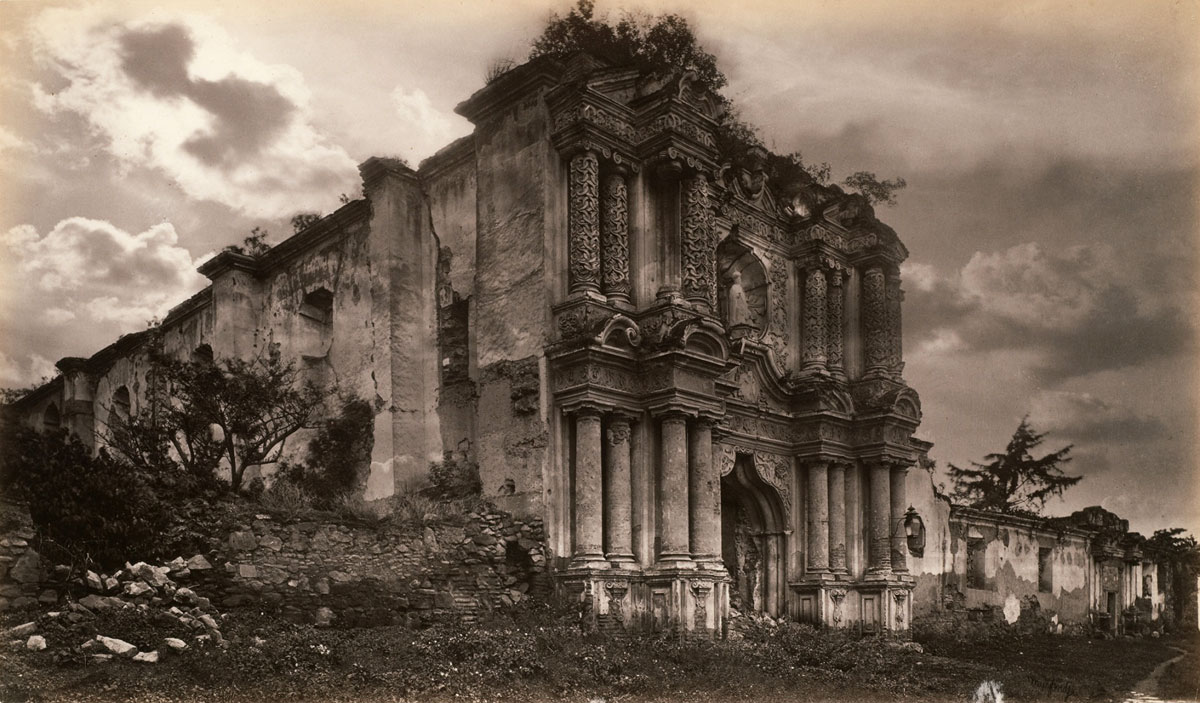
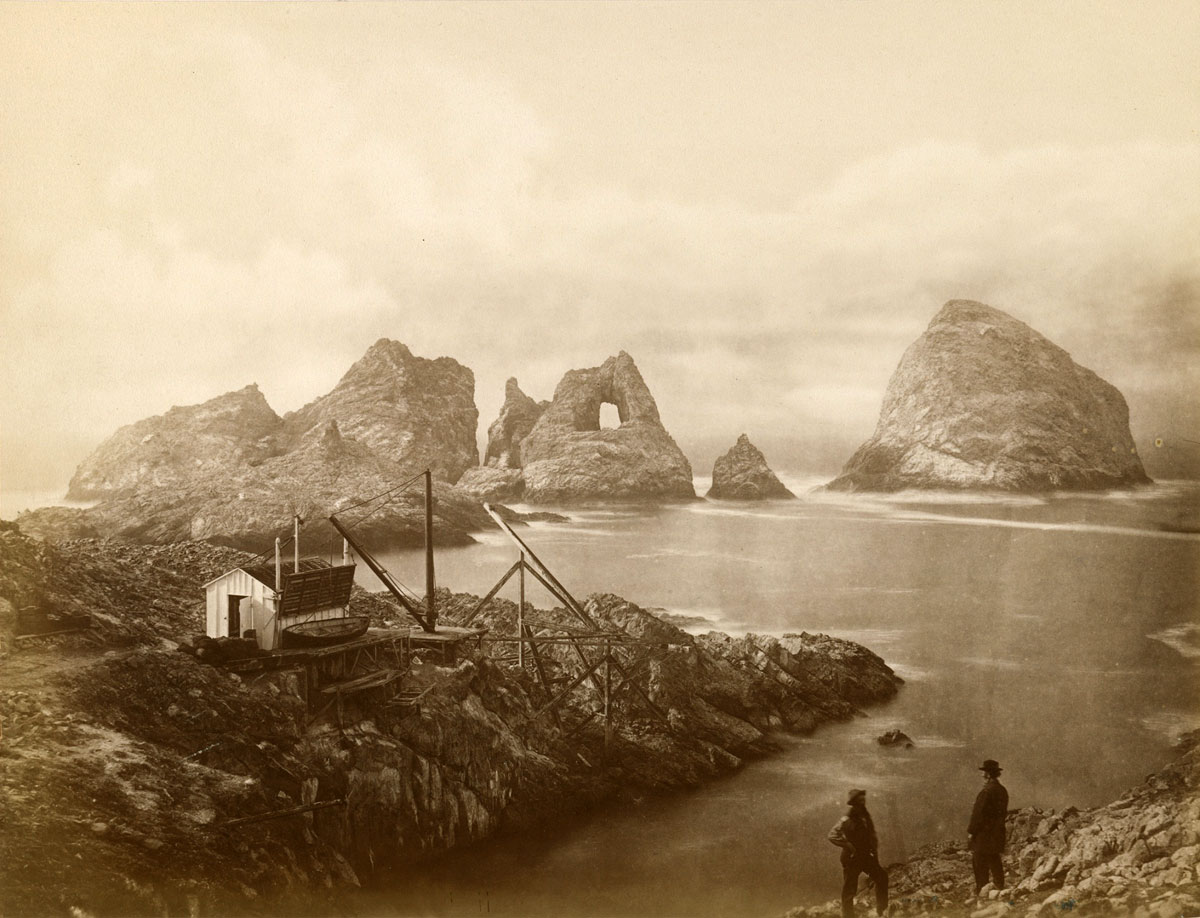
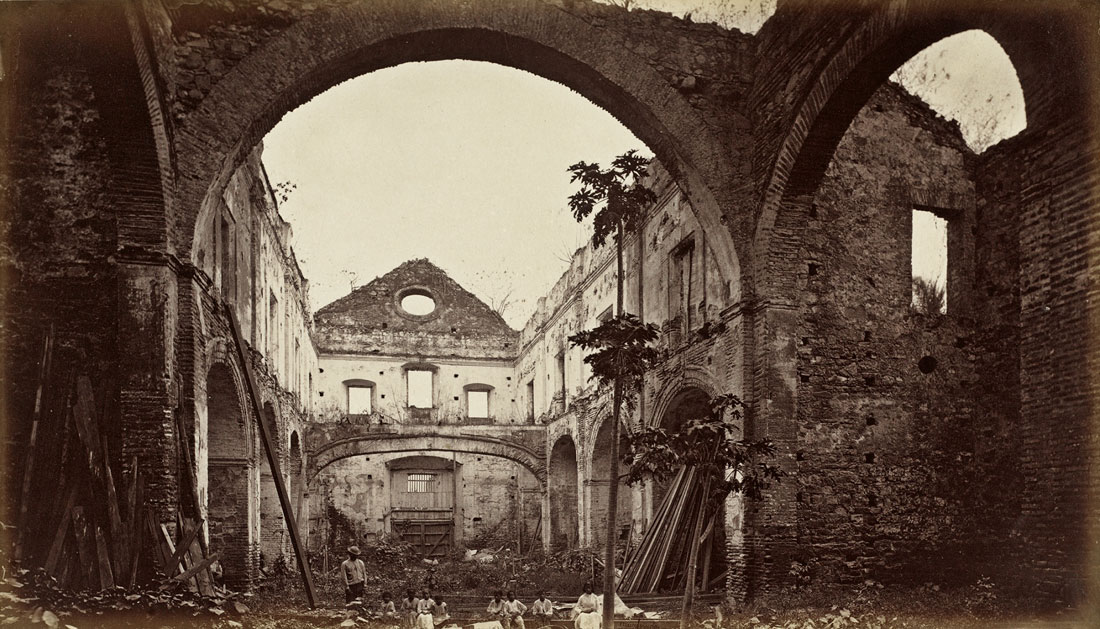
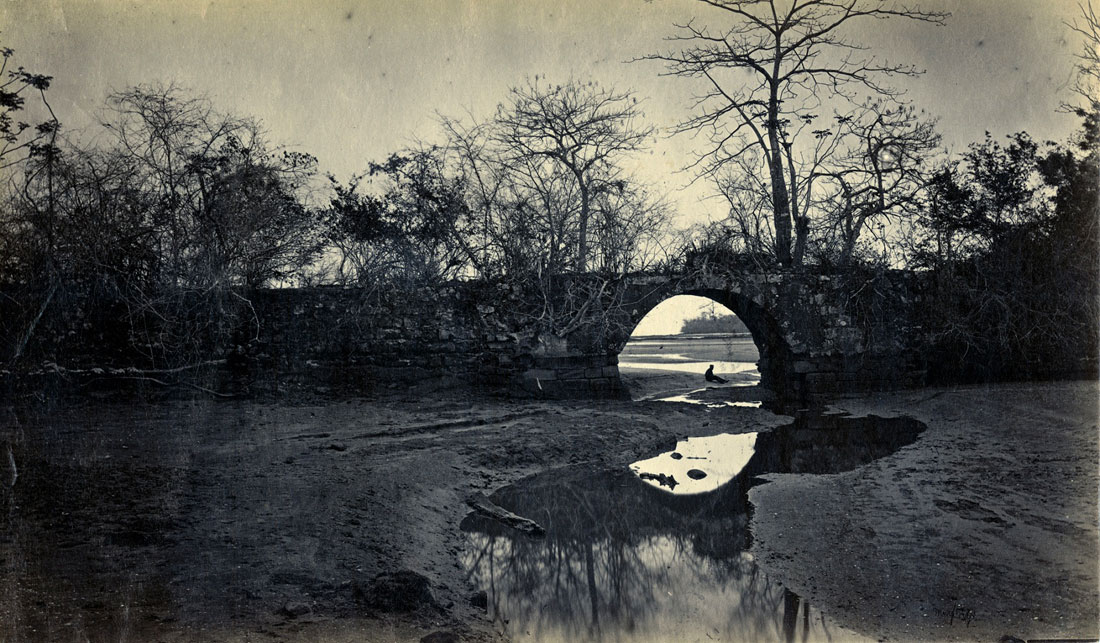
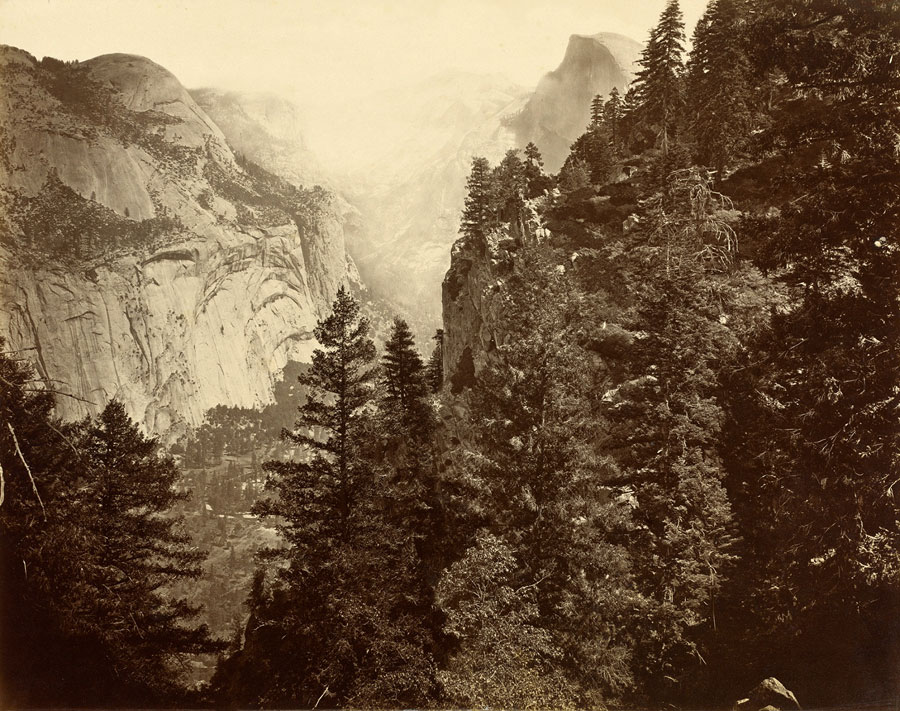
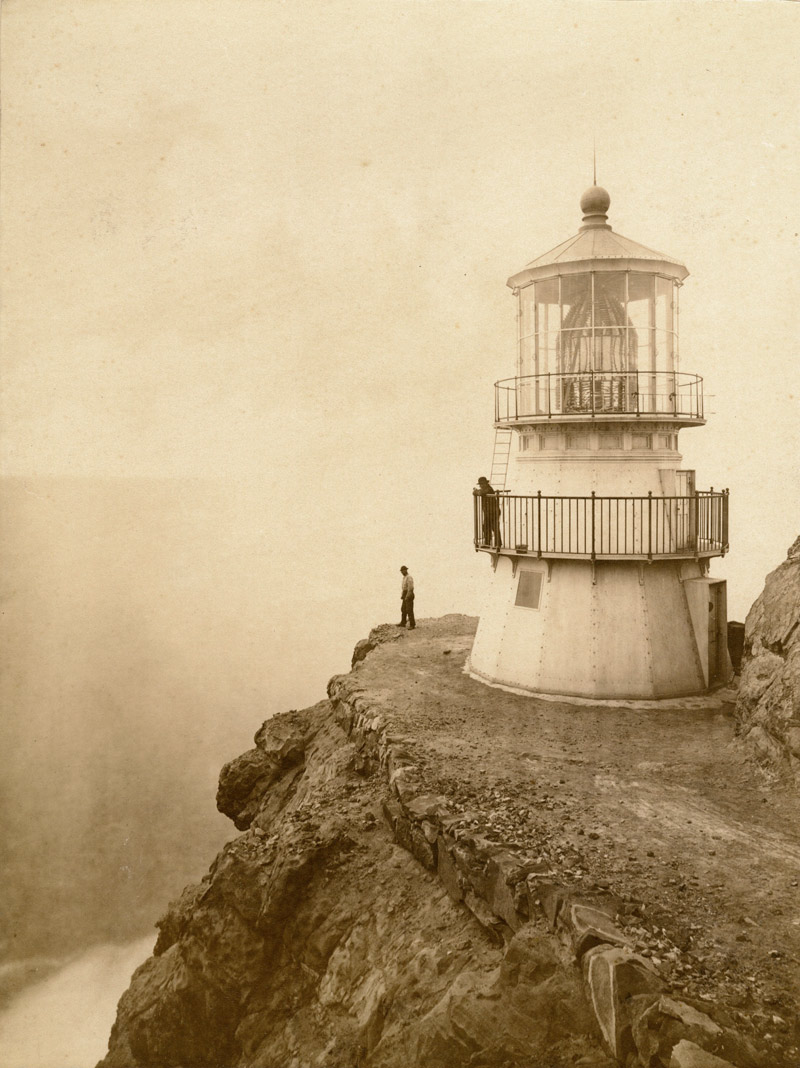
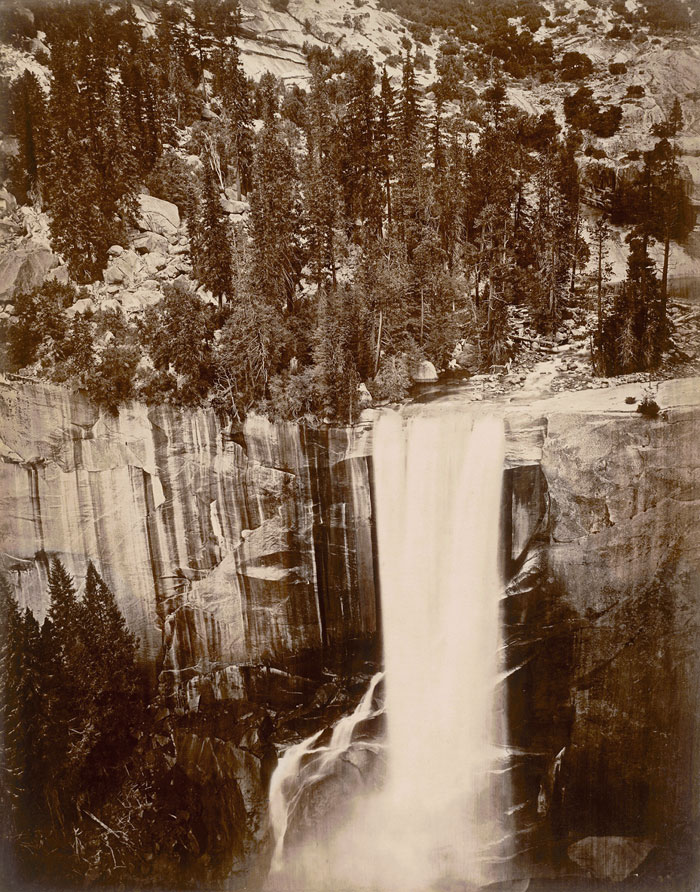
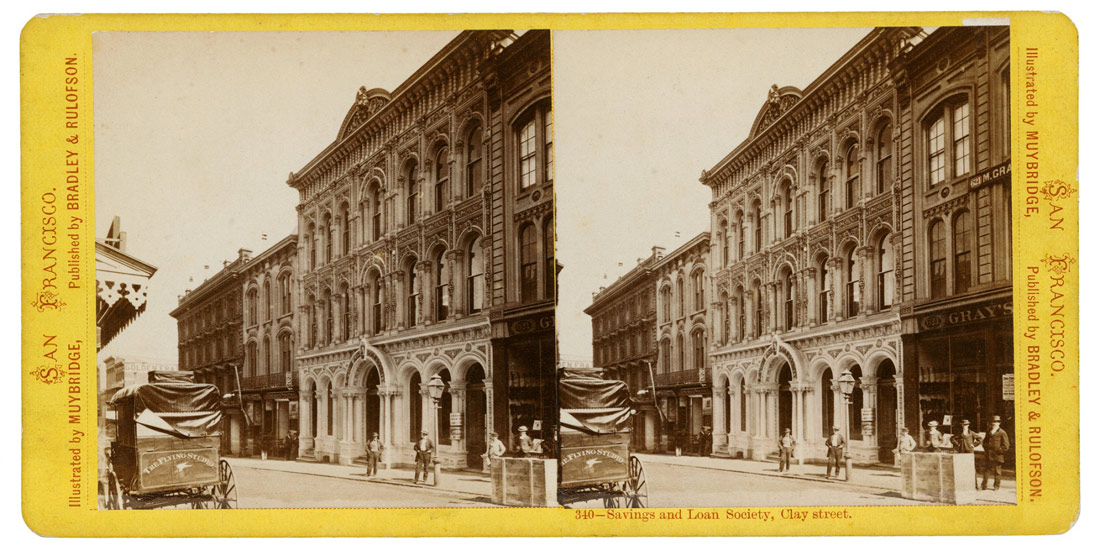
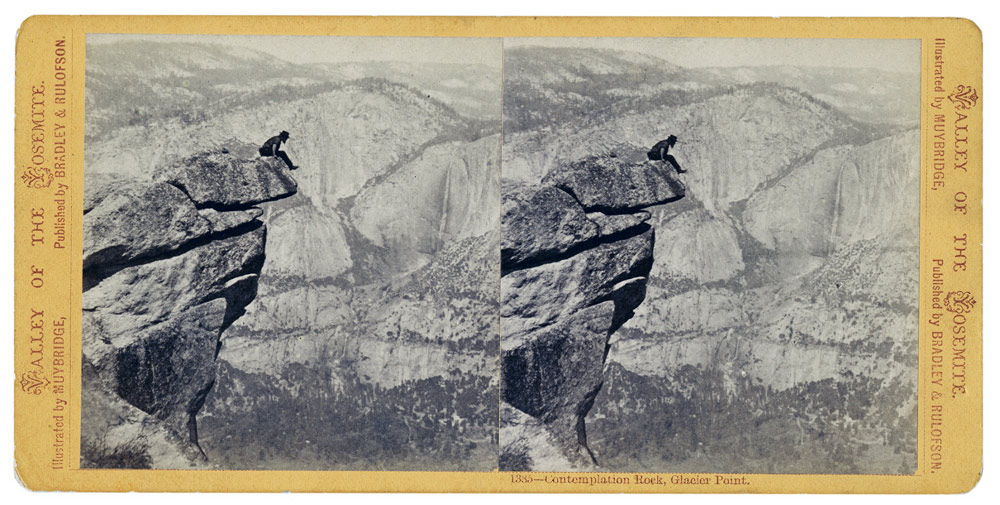
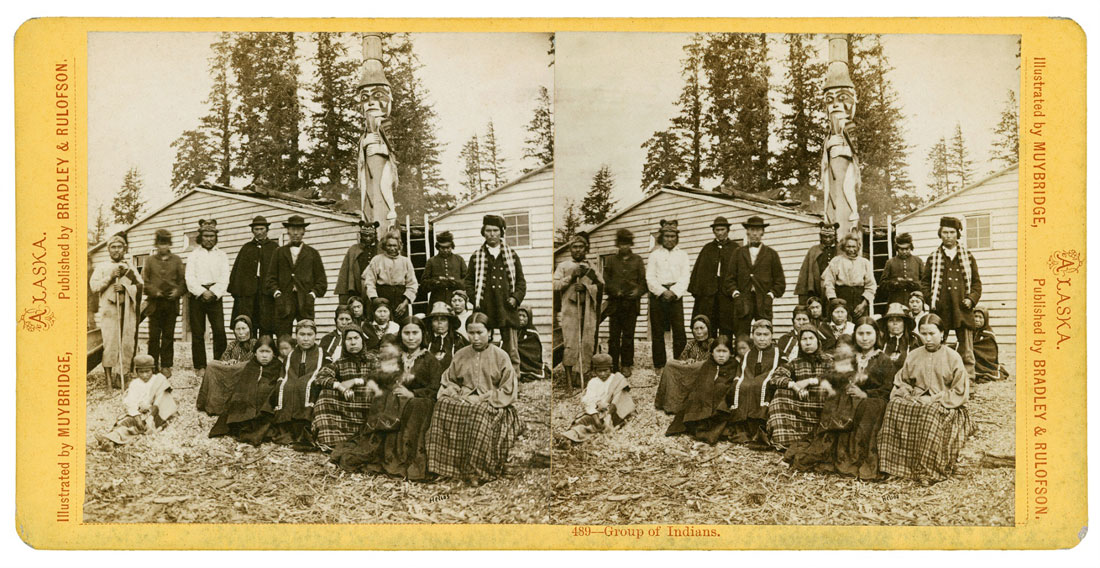
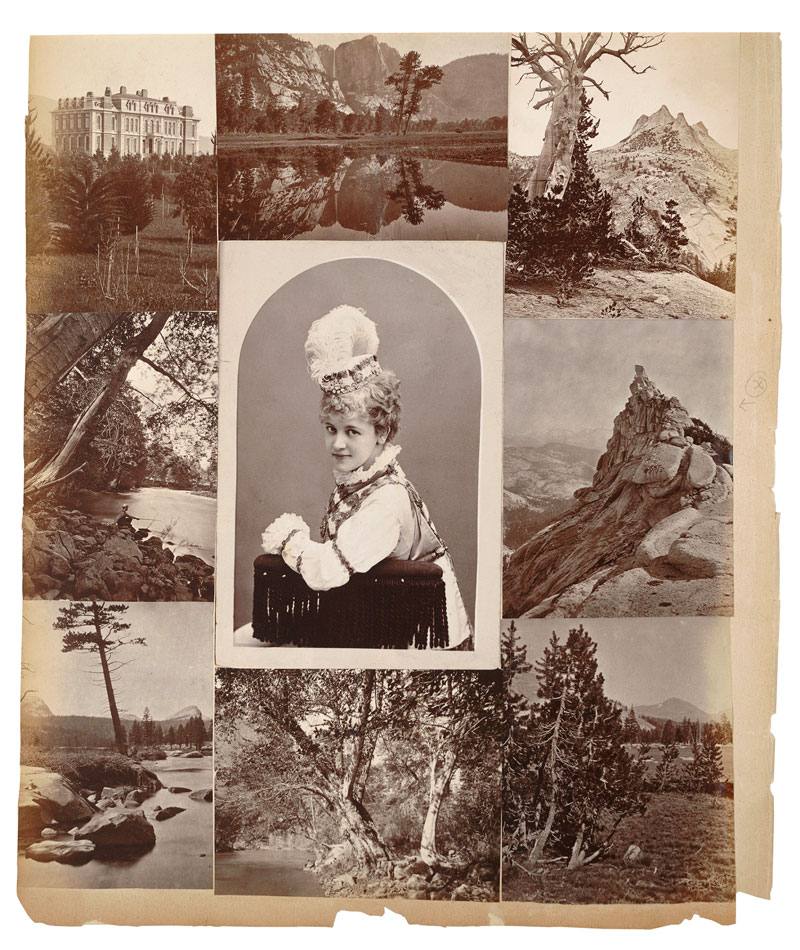
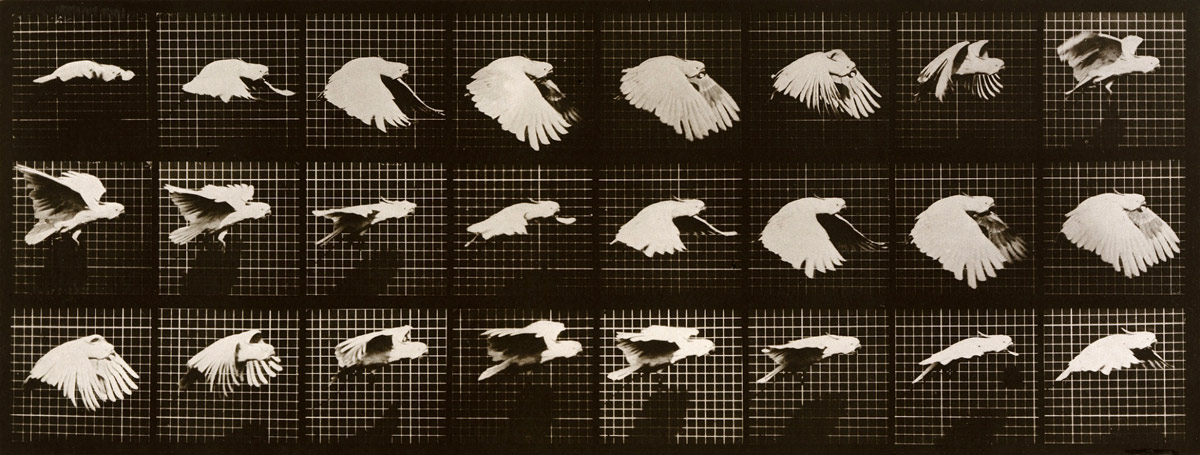
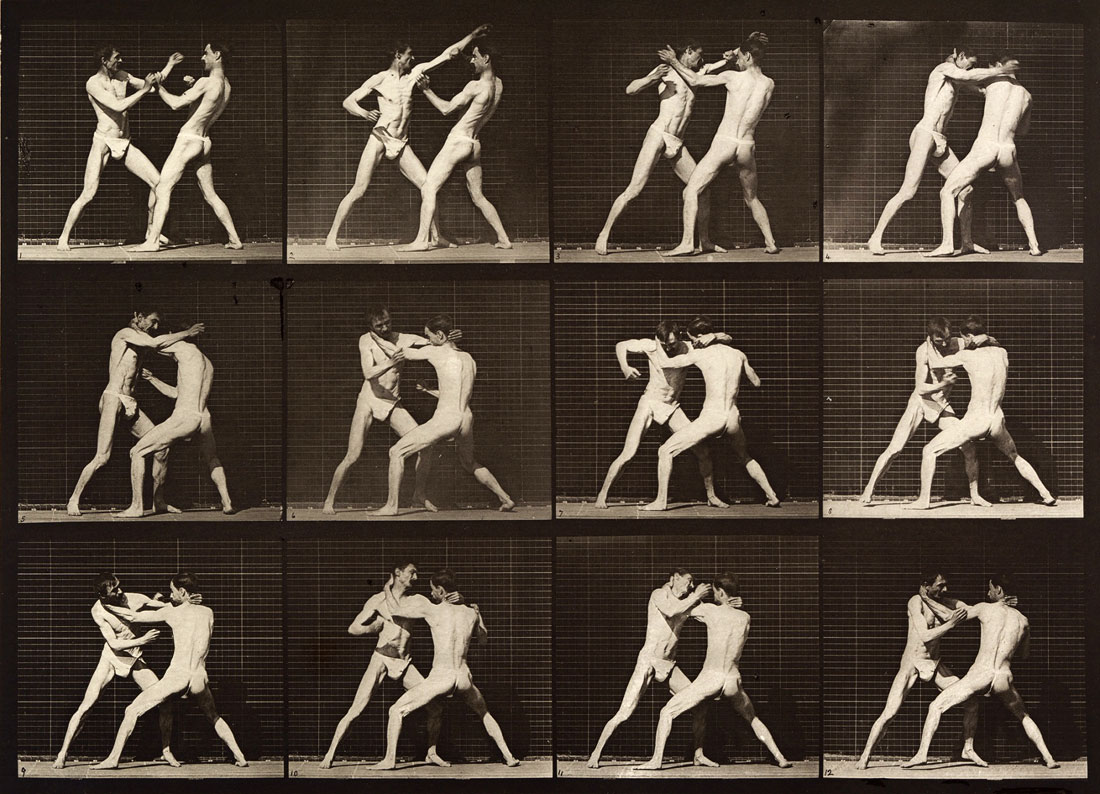
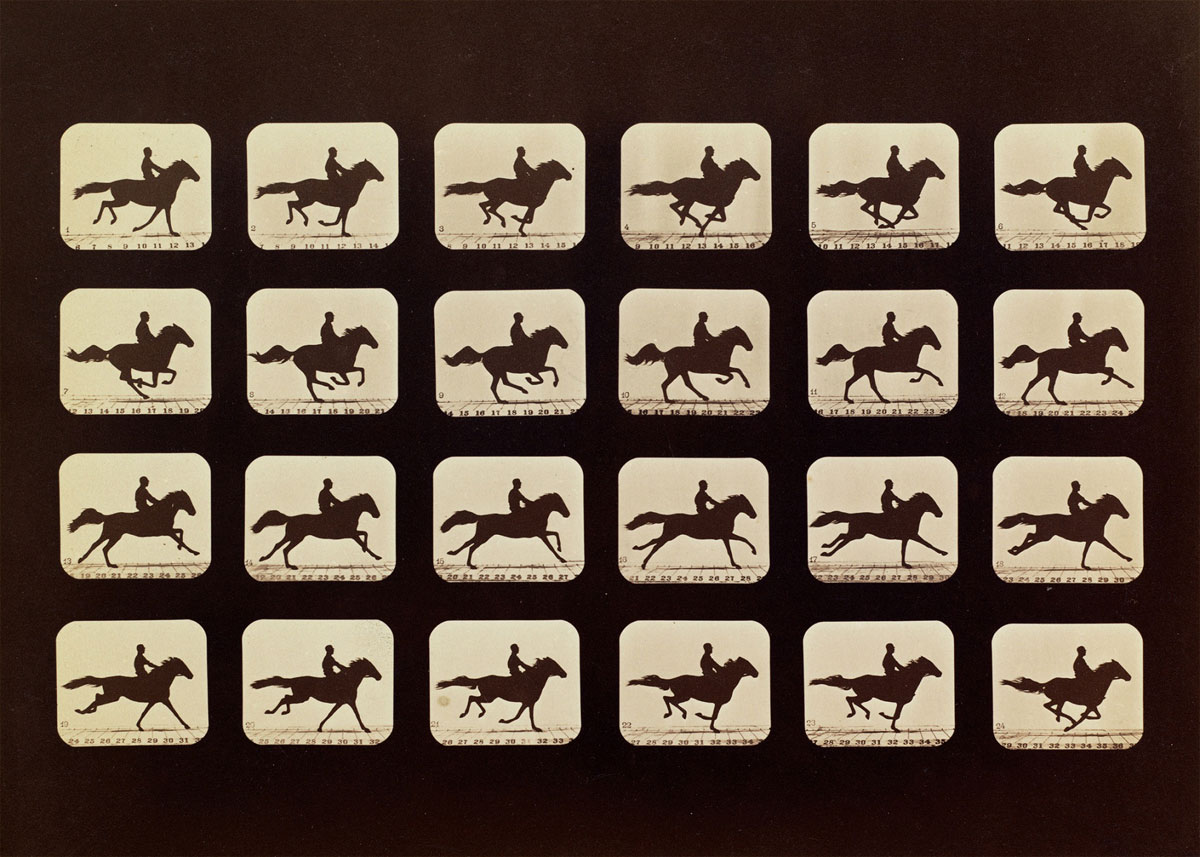
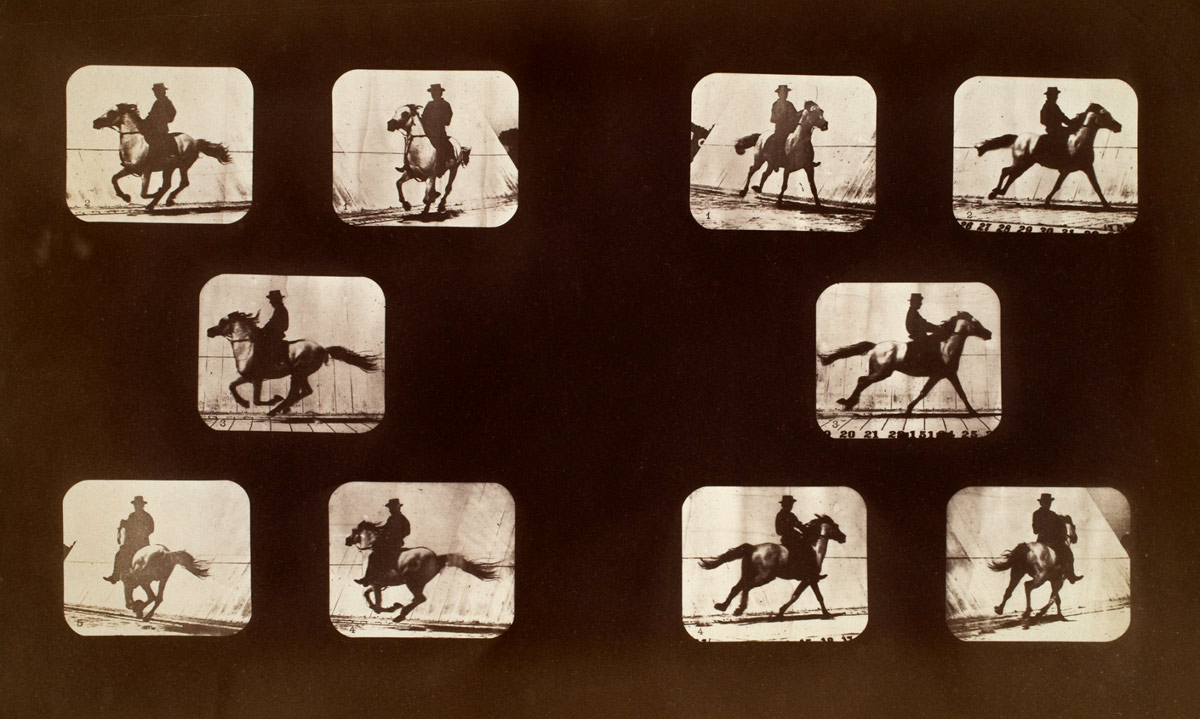
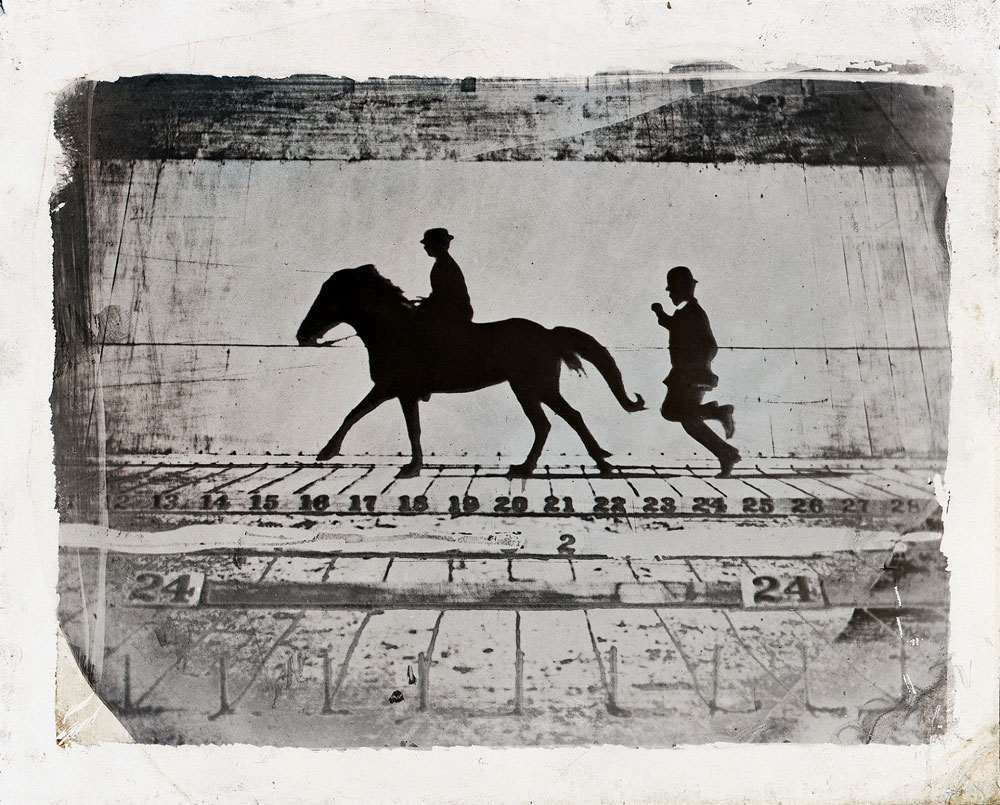
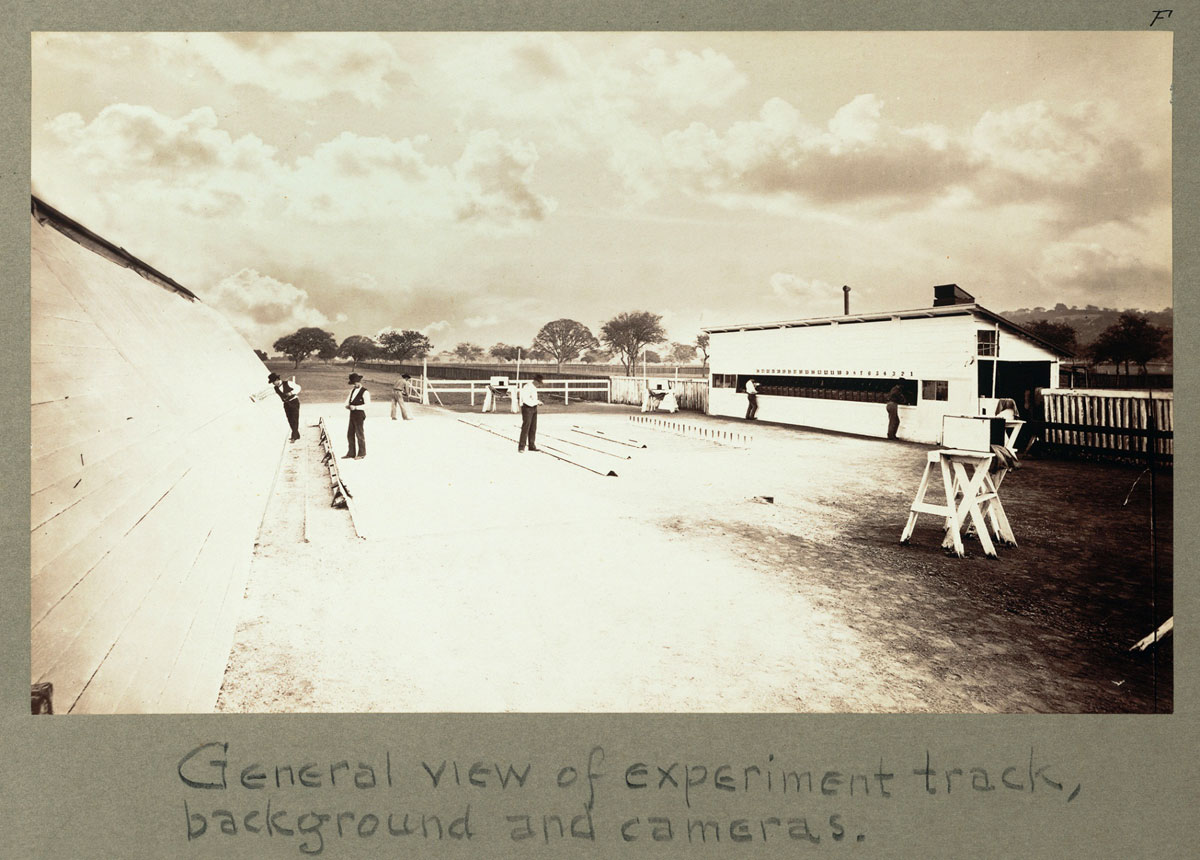


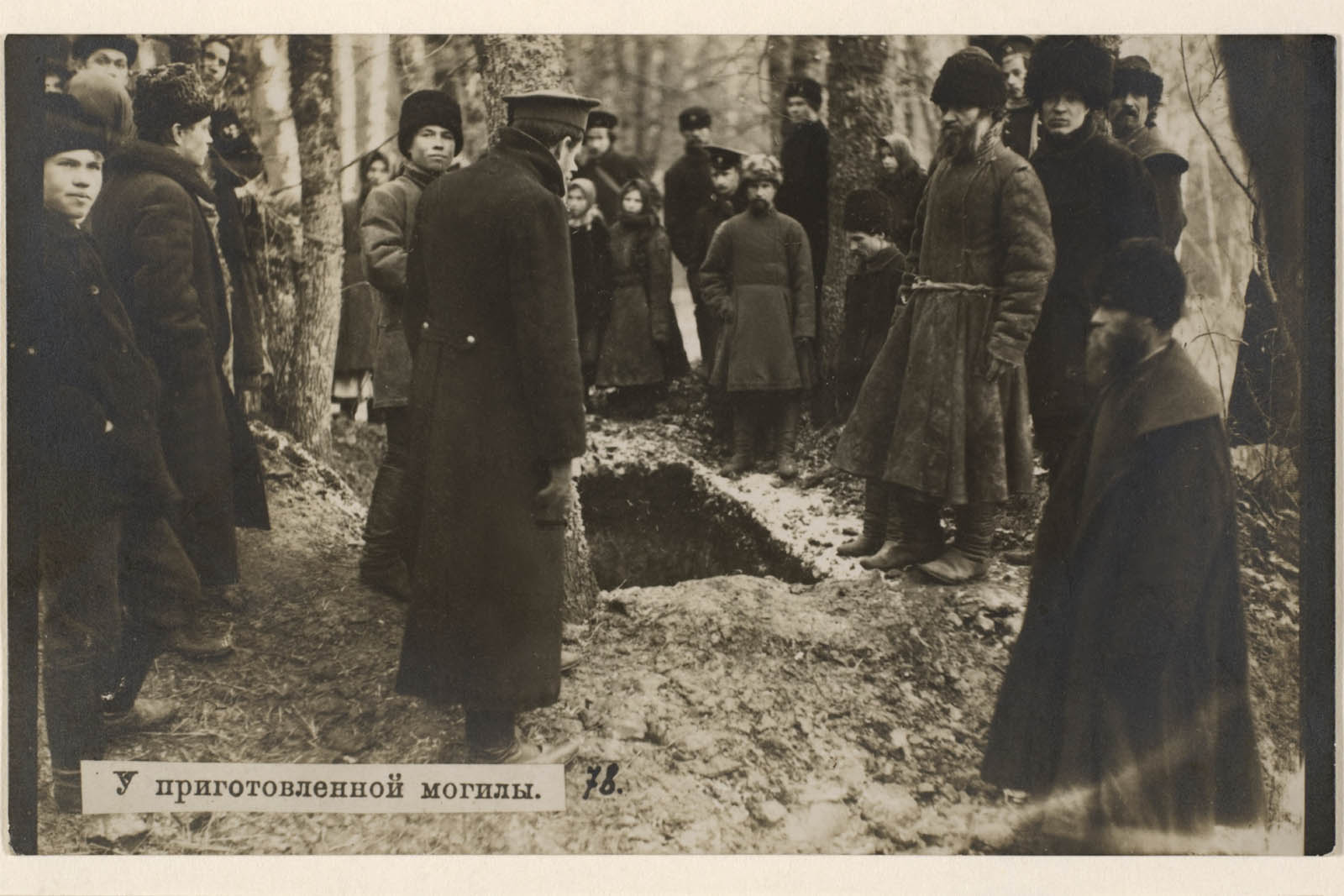
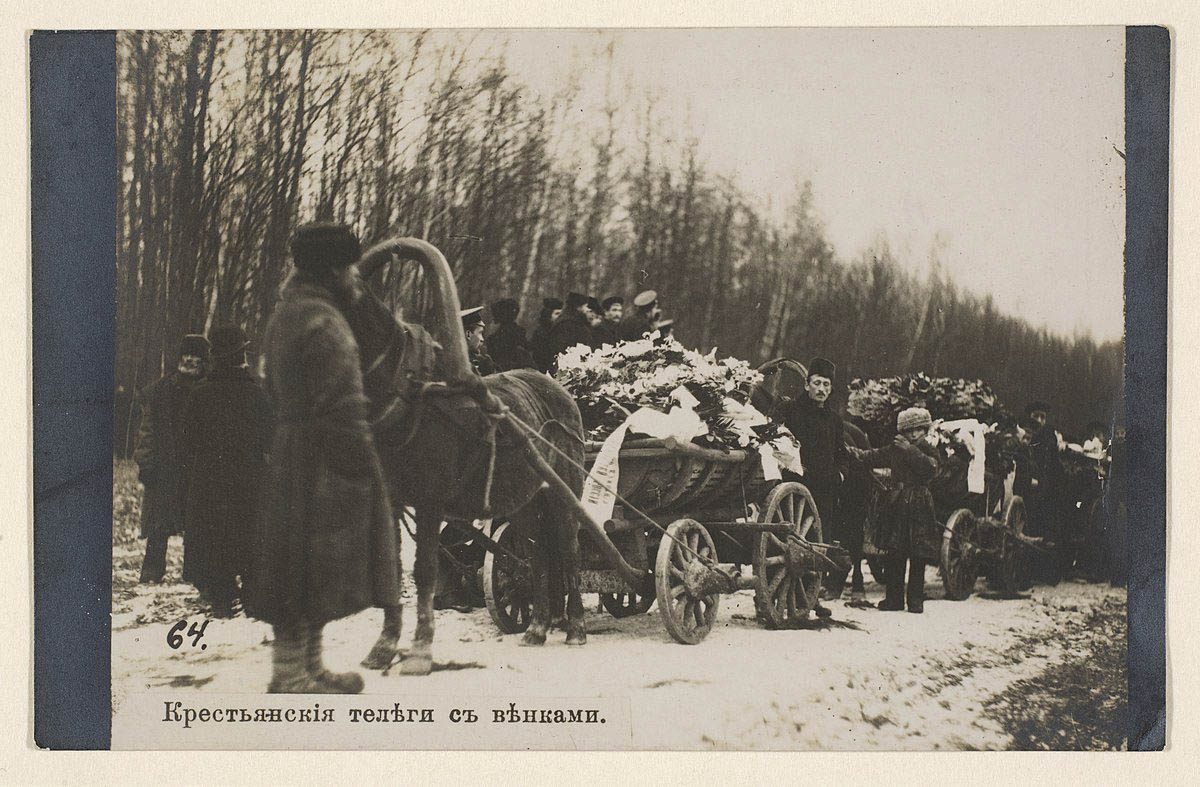
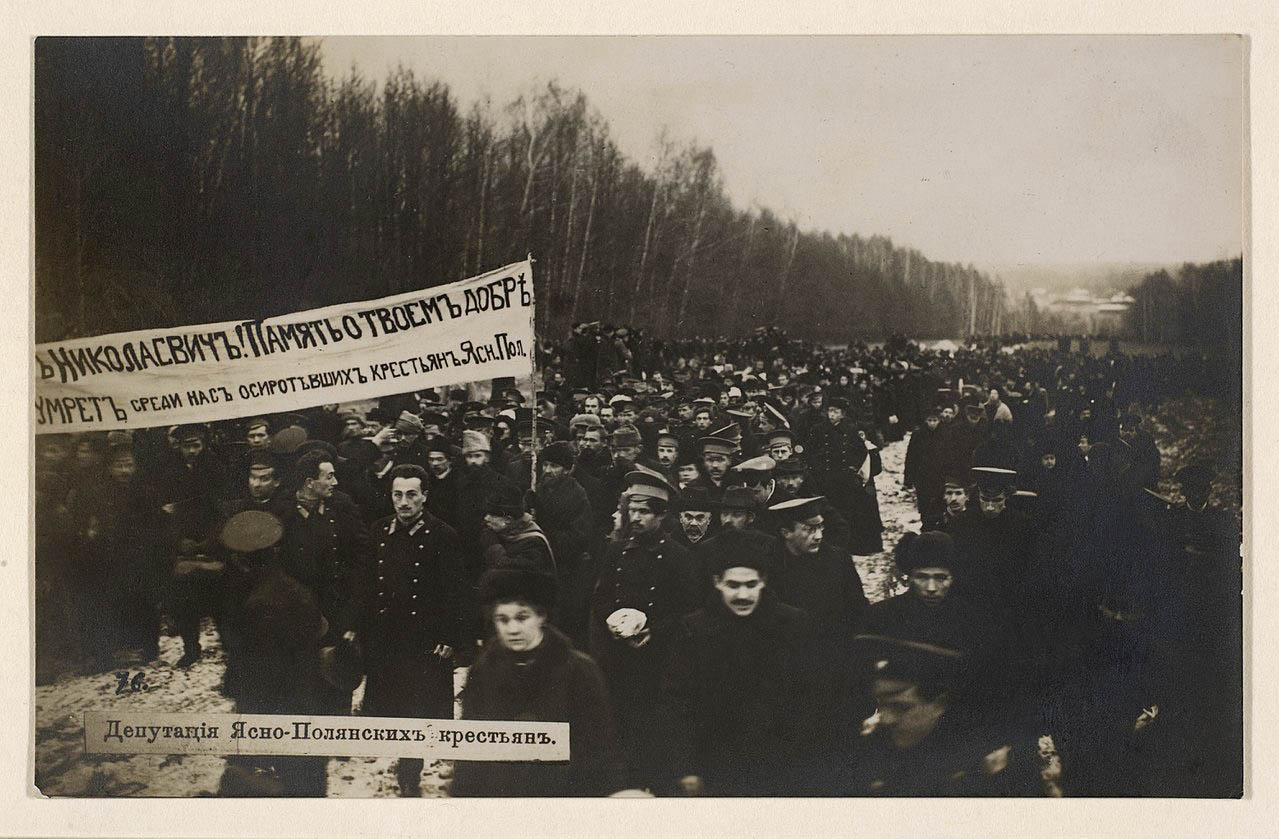
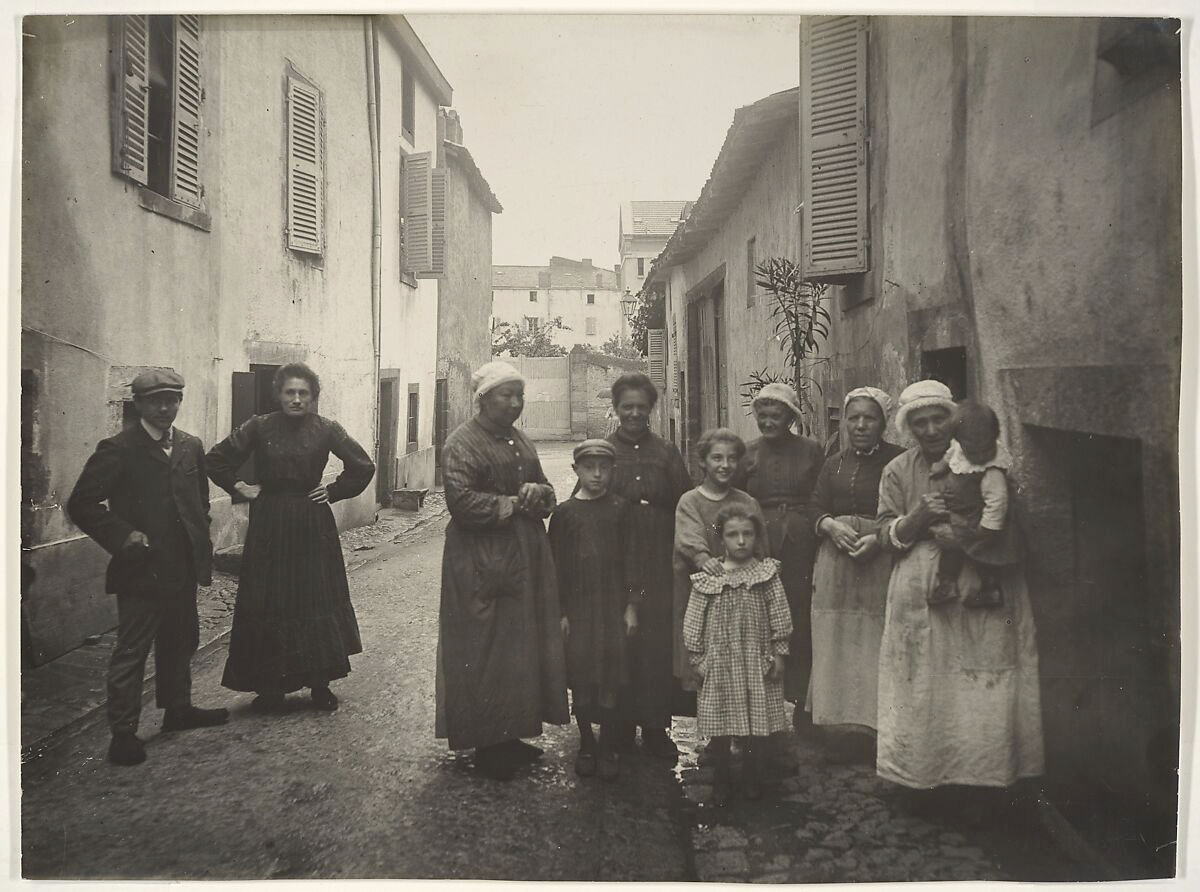

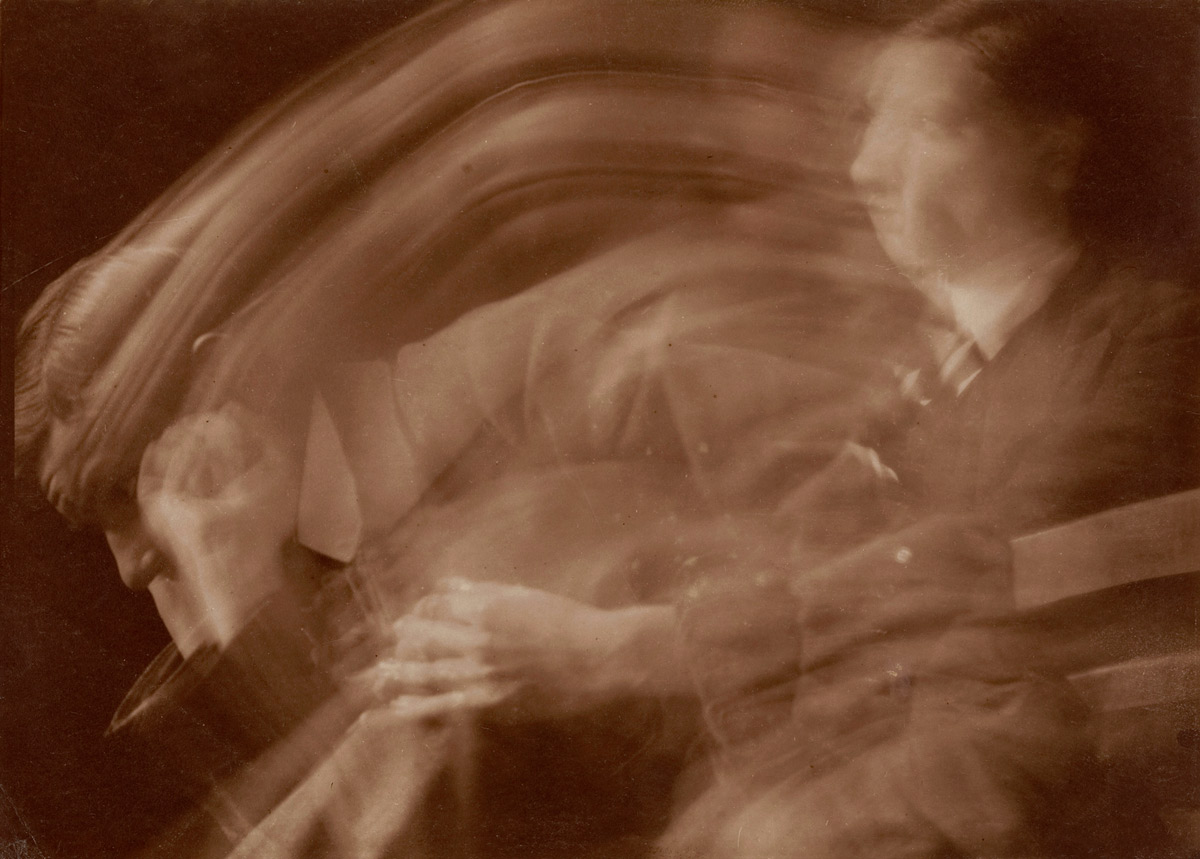
![Adolph de Meyer (American born France, 1868-1949) '[Dance Study]' c. 1912](https://artblart.com/wp-content/uploads/2018/02/adolf-de-meyer-dance-study-web.jpg "Adolph de Meyer (American born France, 1868-1949) '[Dance Study]' c. 1912")


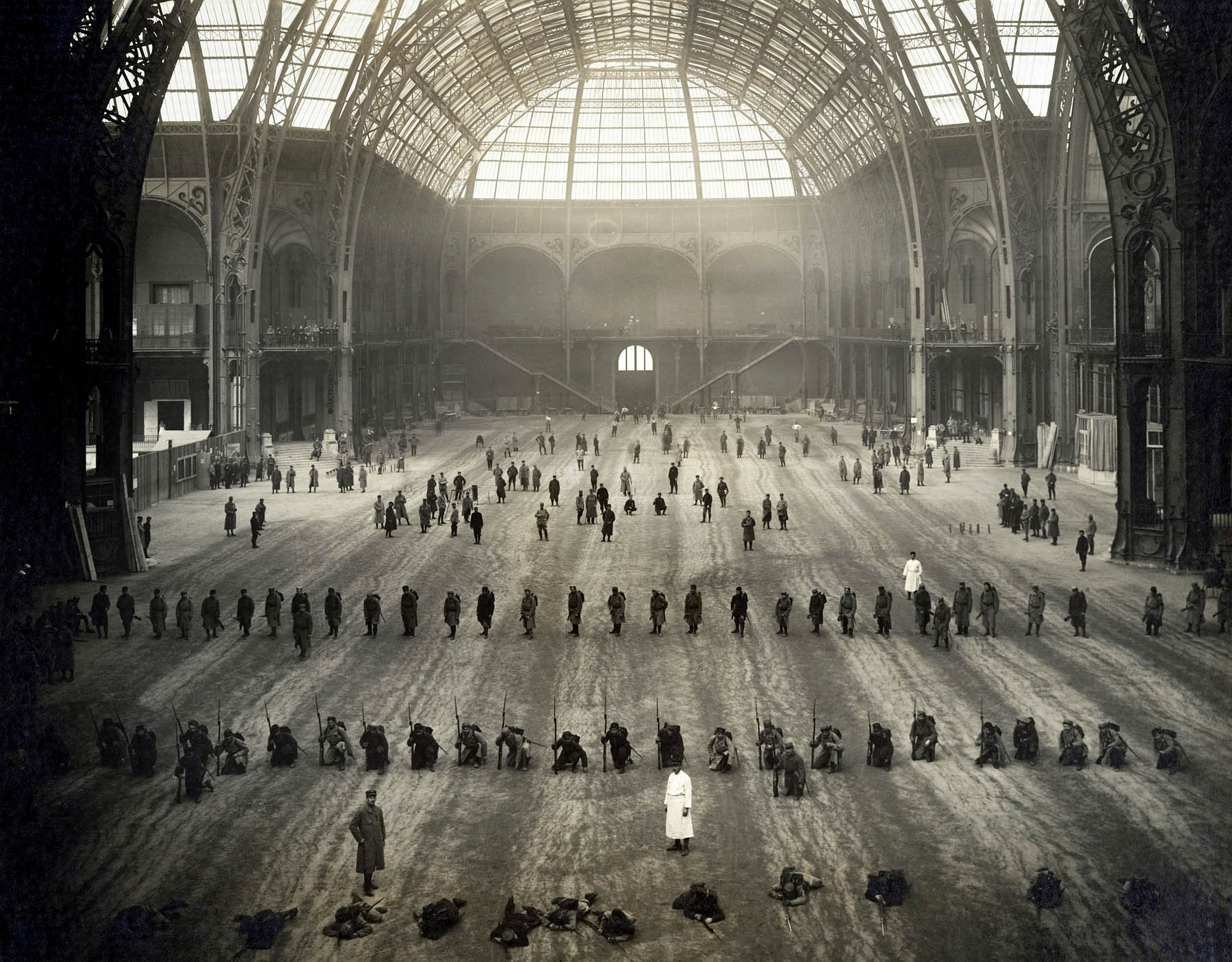


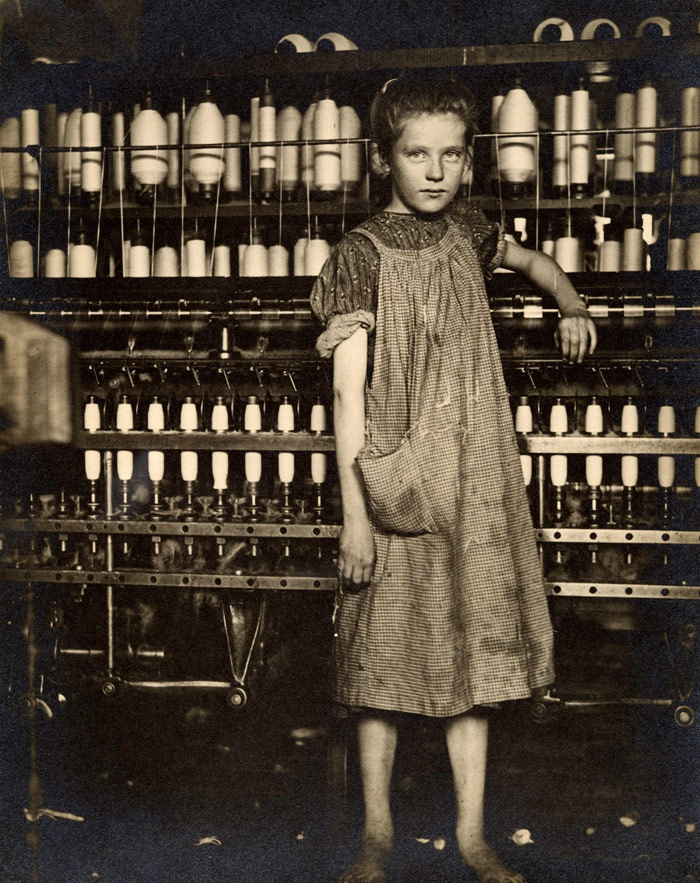


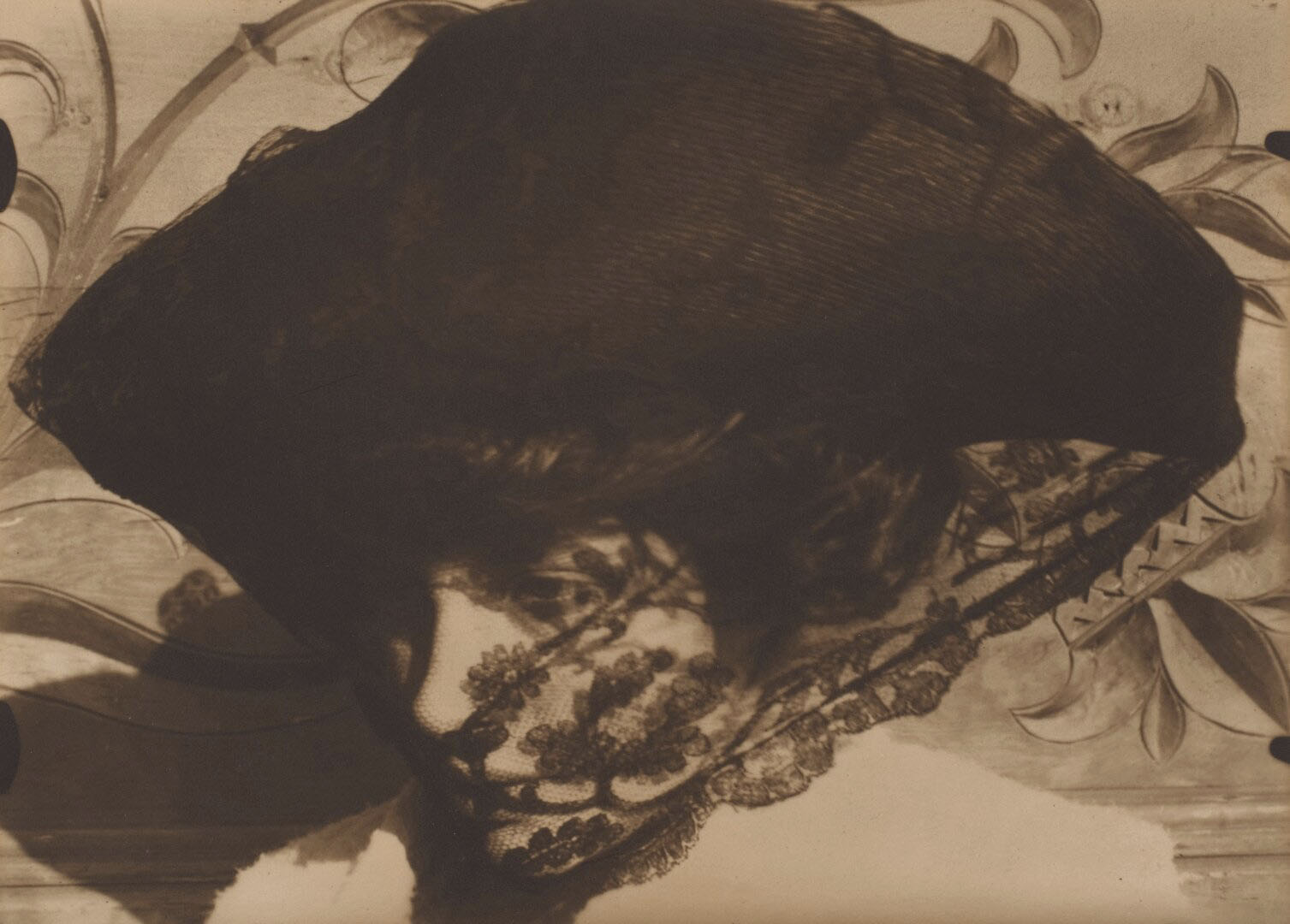
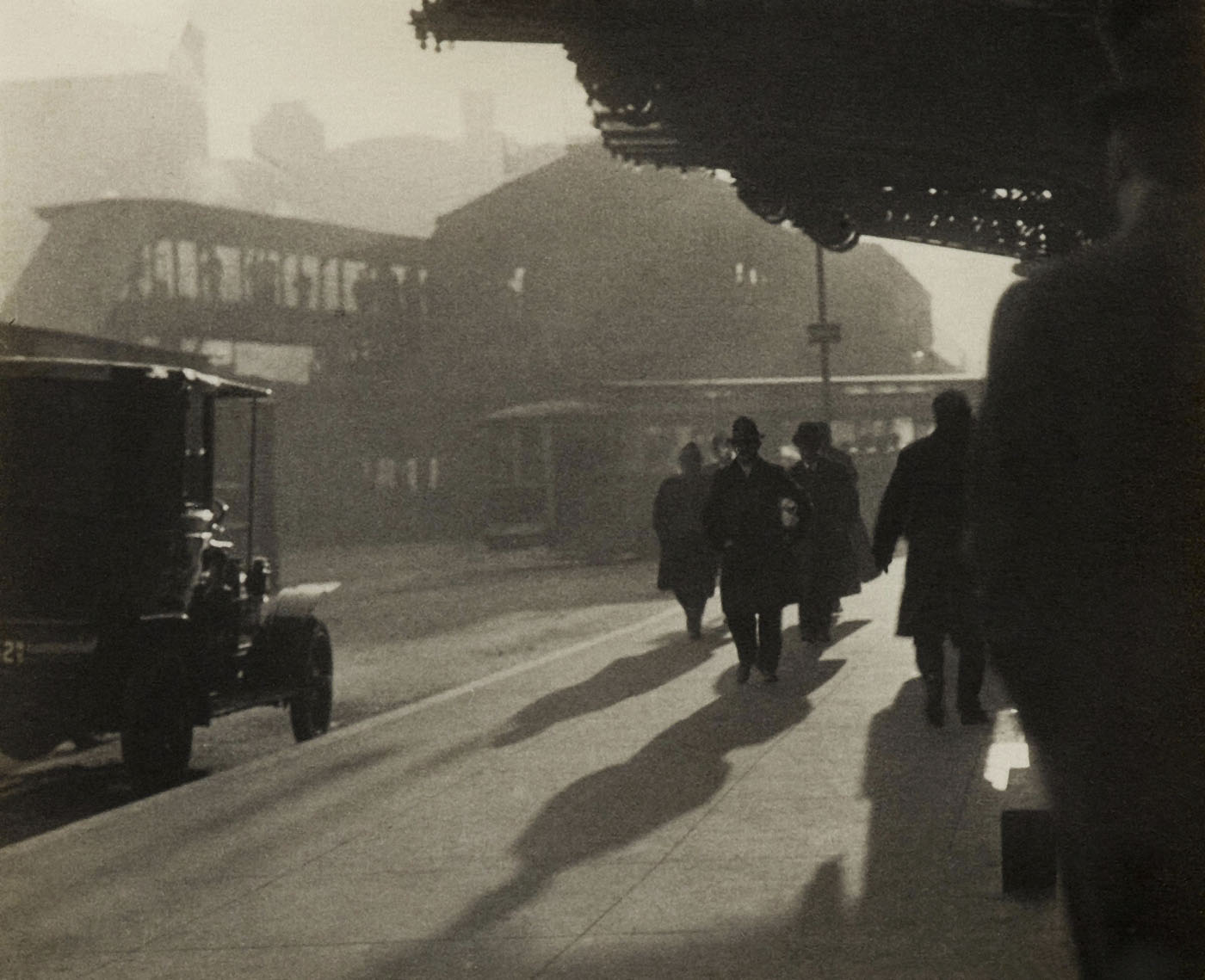
![Morton Schamberg (American, 1881–1918) '[View of Rooftops]' 1917](https://artblart.com/wp-content/uploads/2011/03/schamberg-view-of-rooftops.jpg "Morton Schamberg (American, 1881–1918) '[View of Rooftops]' 1917")
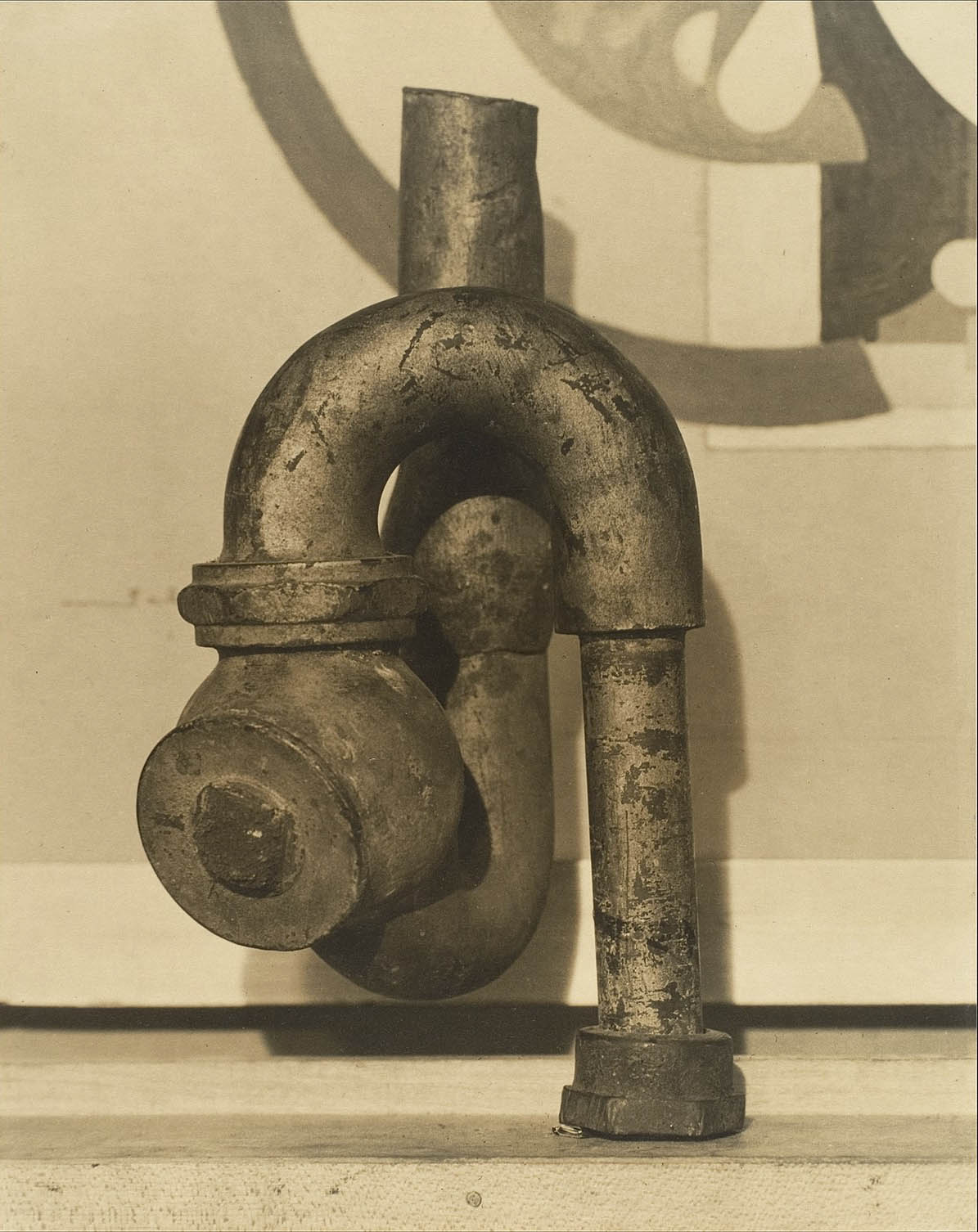


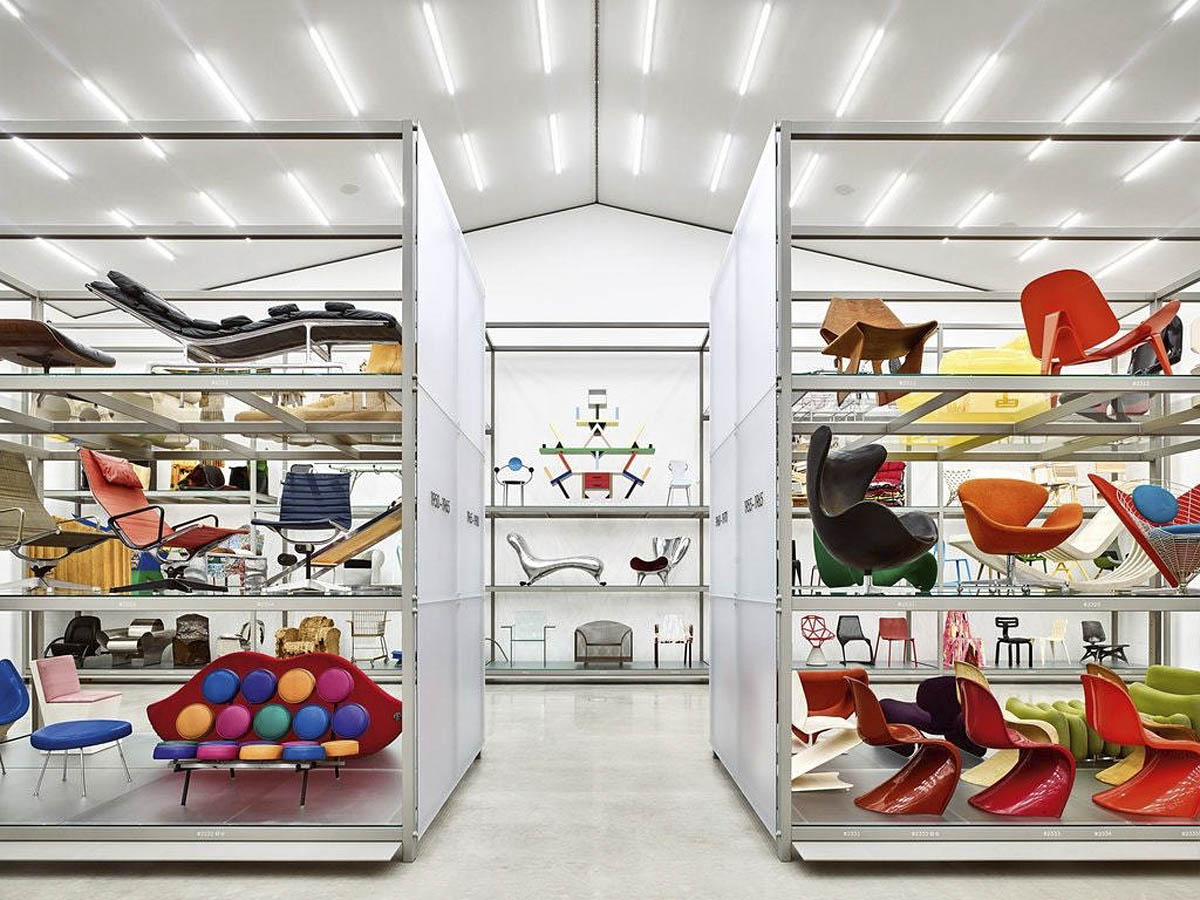
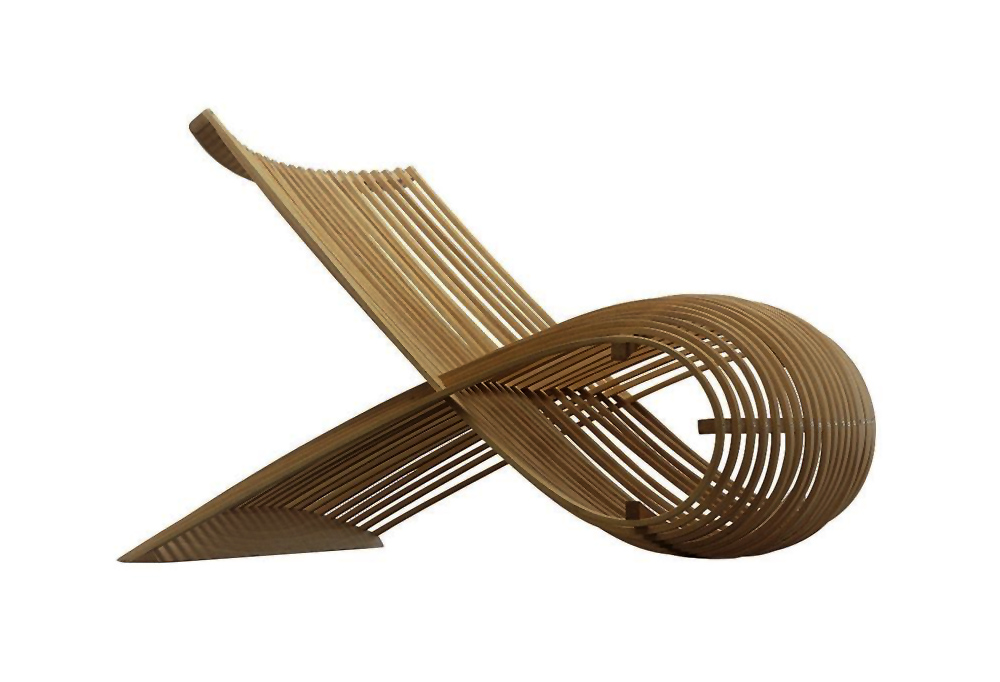
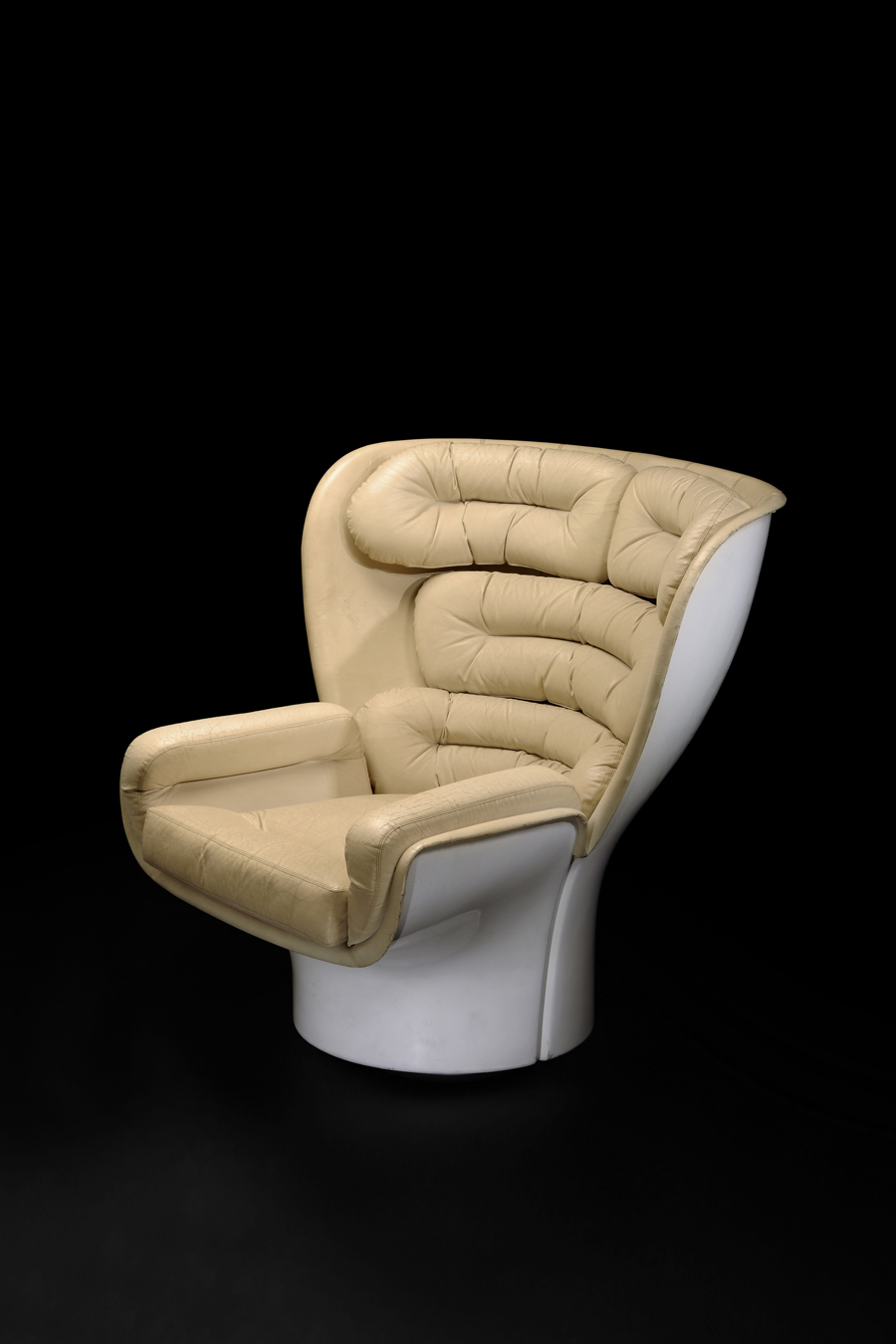


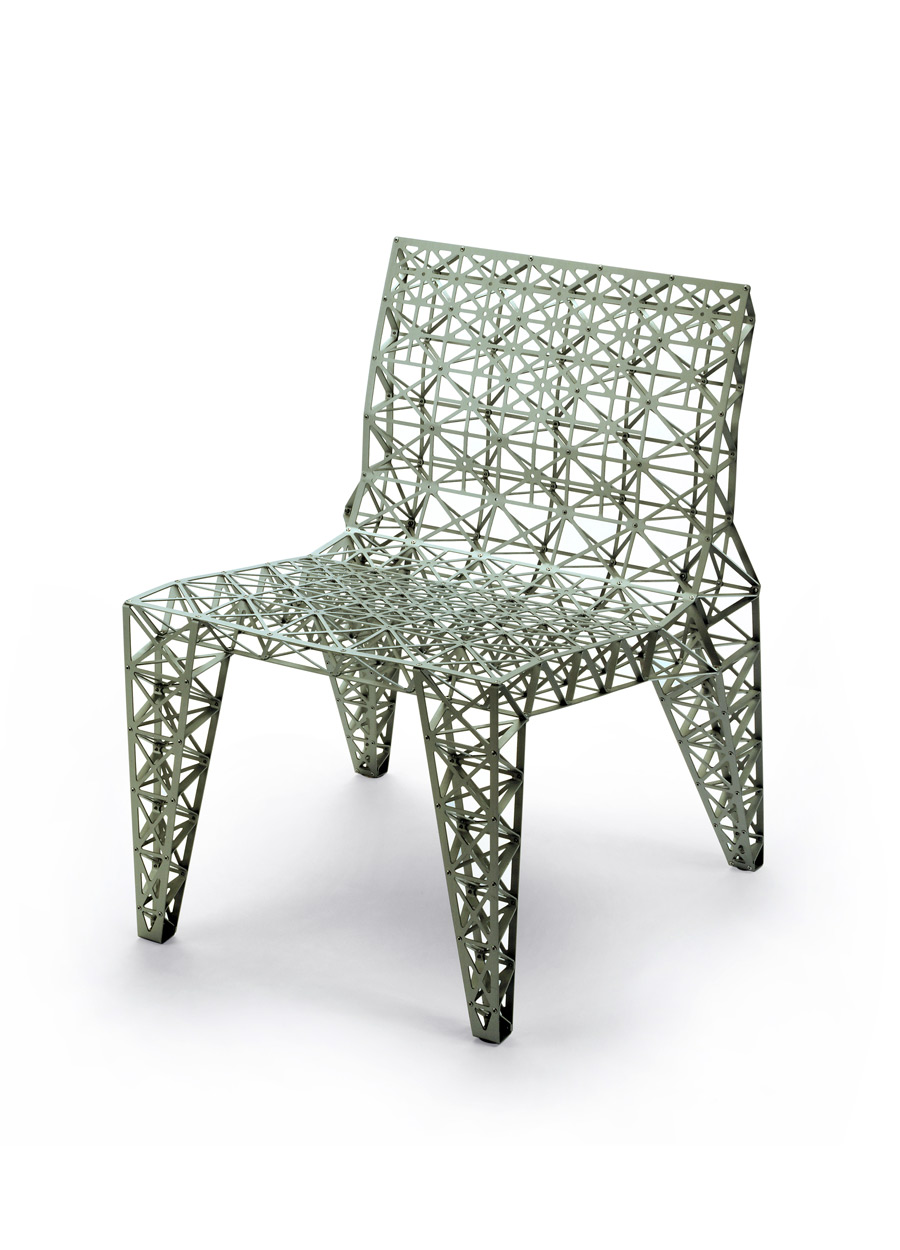

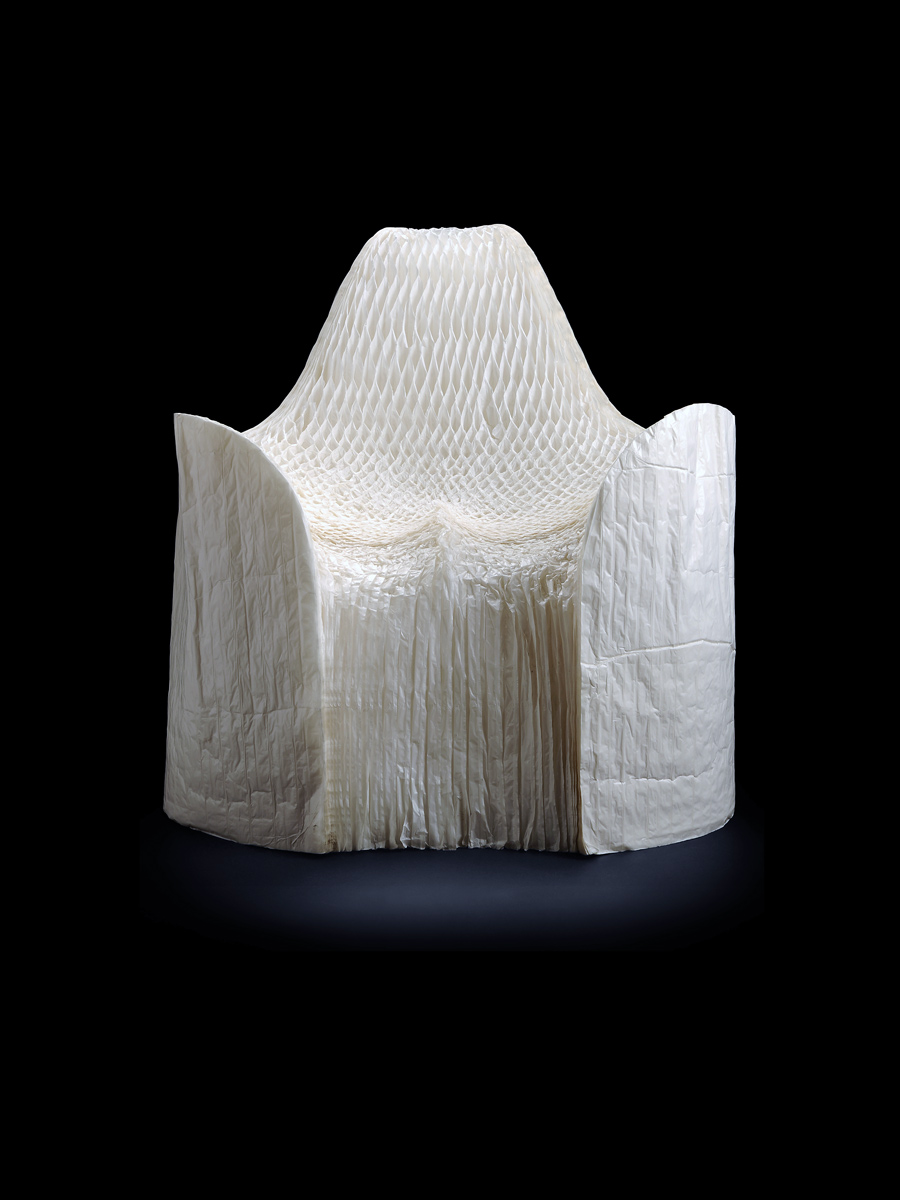

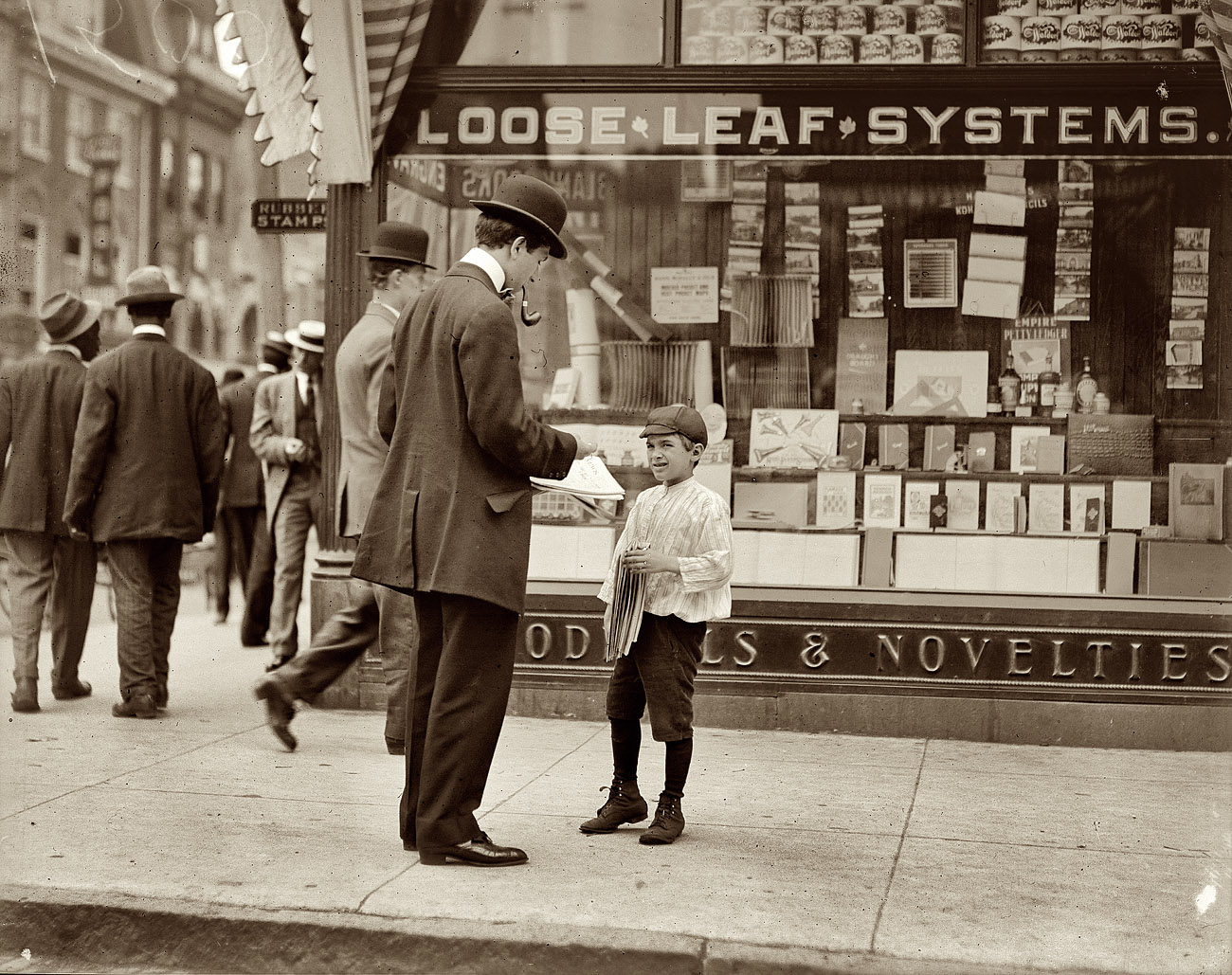
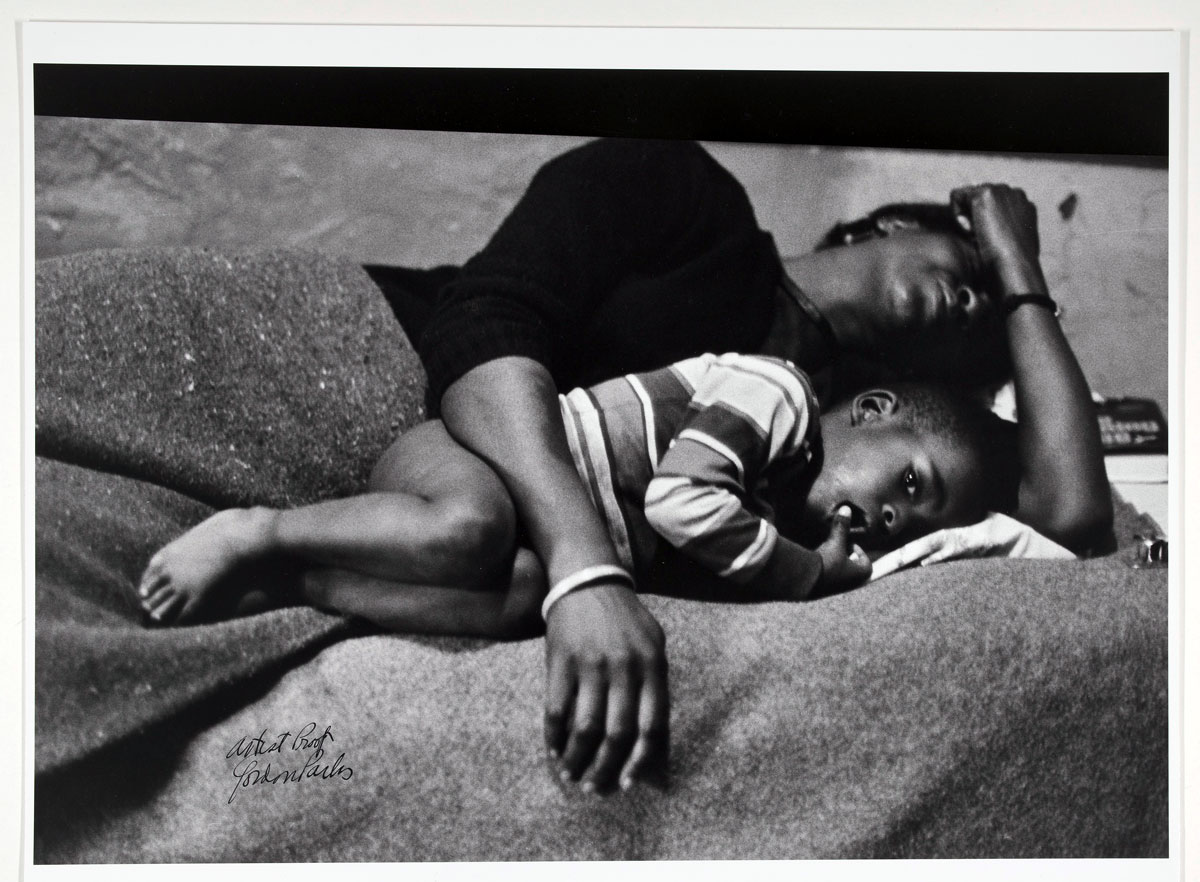
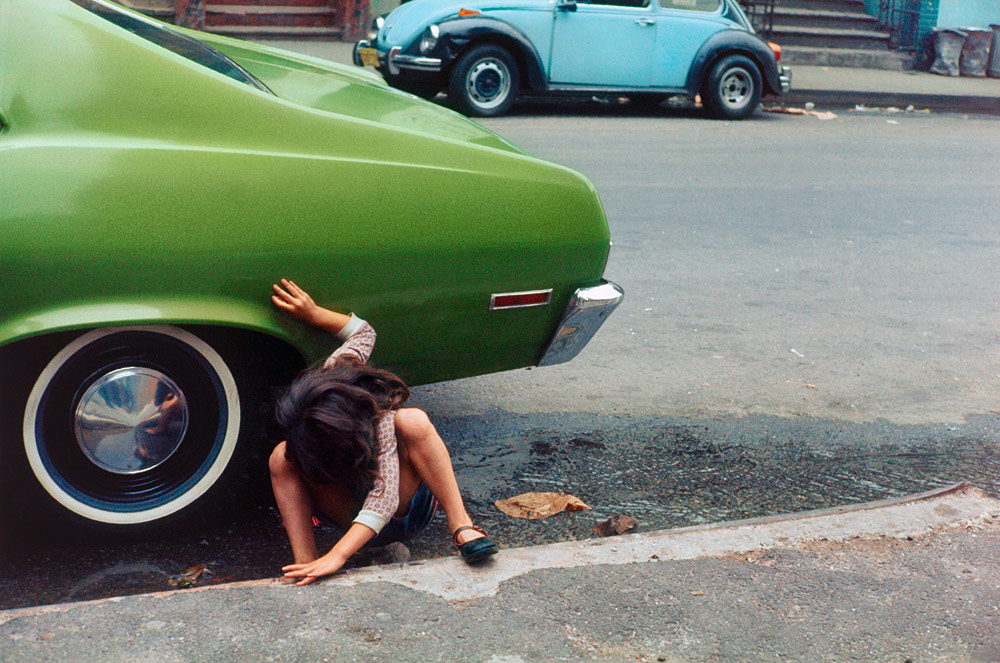
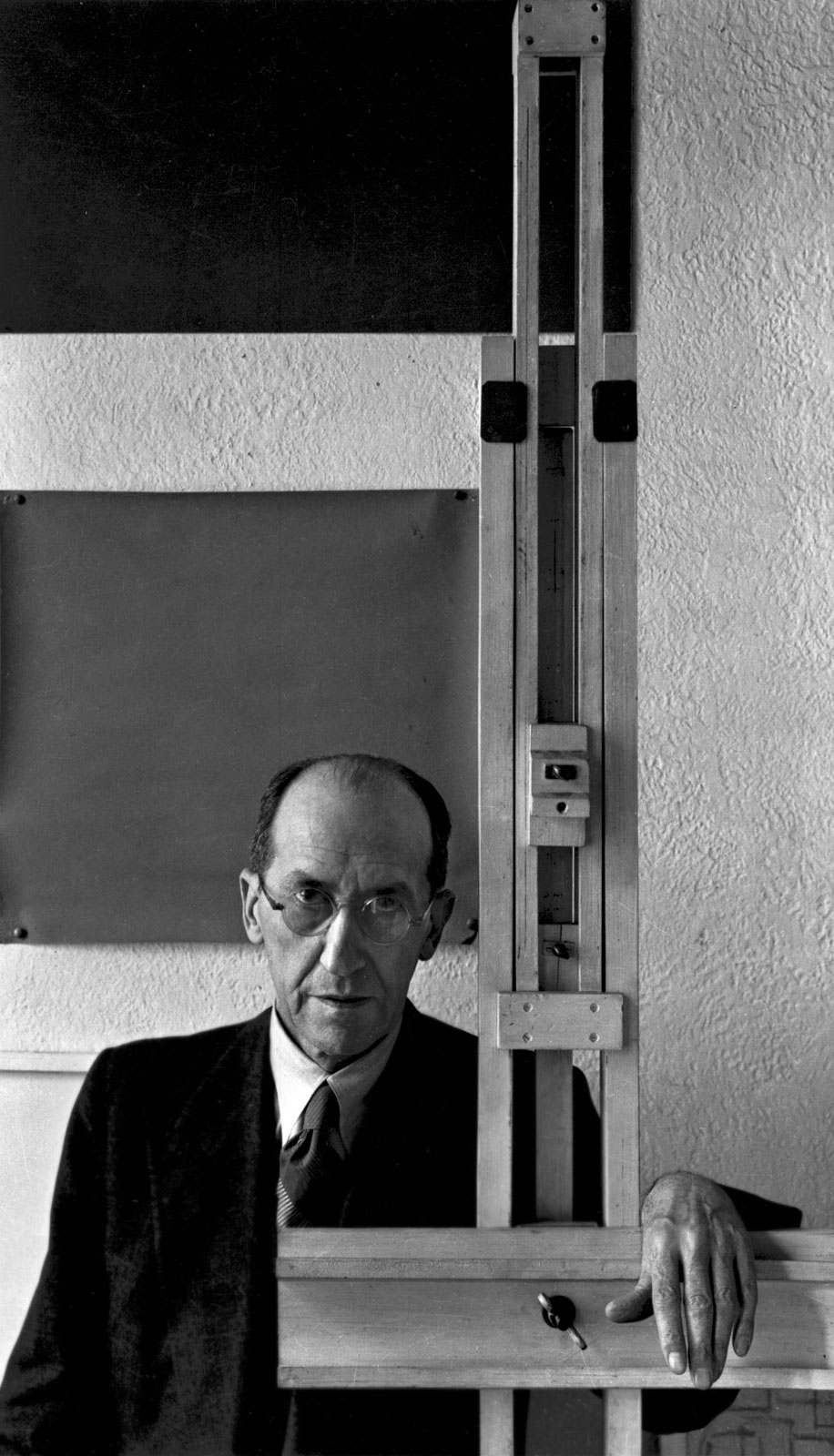
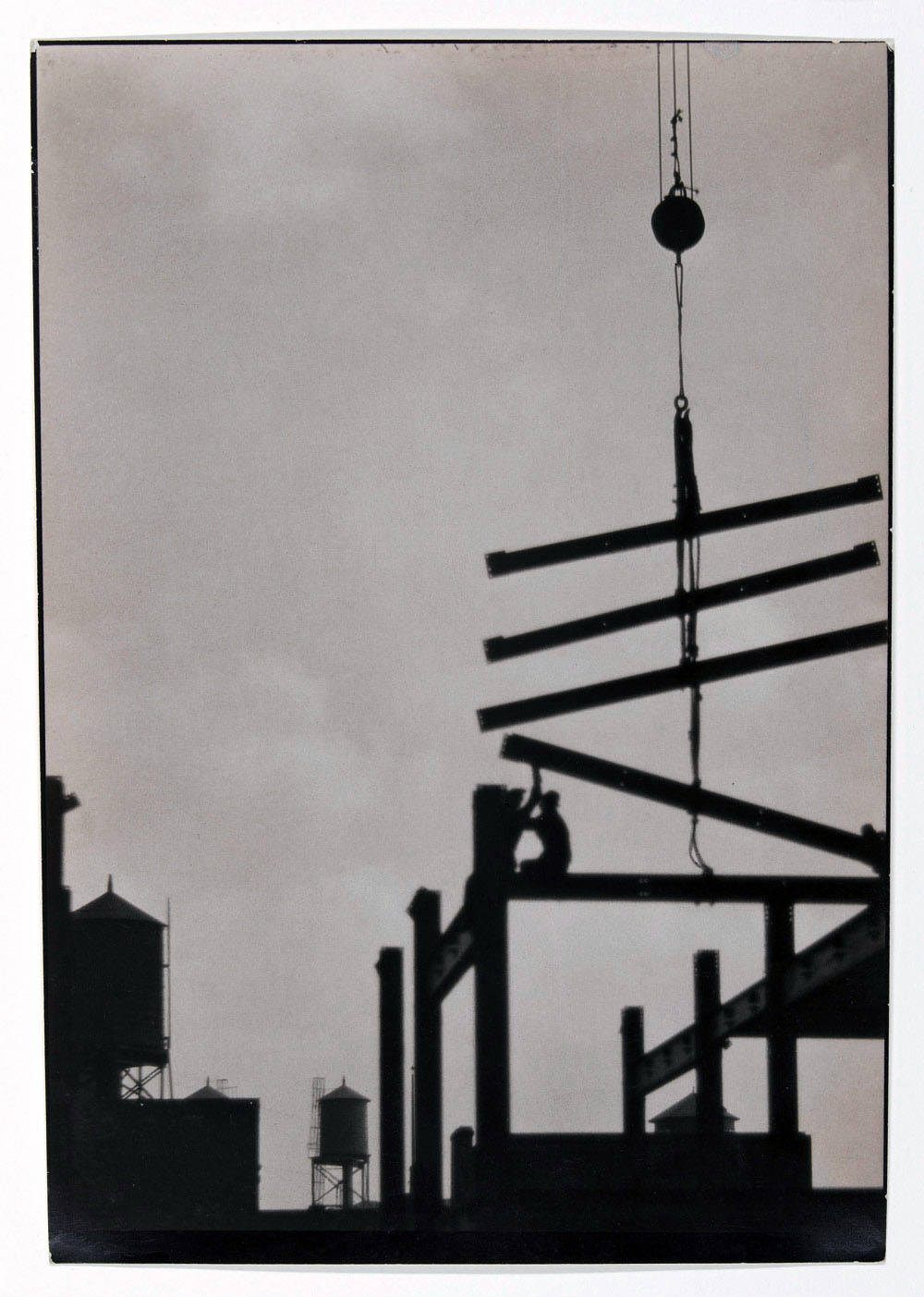
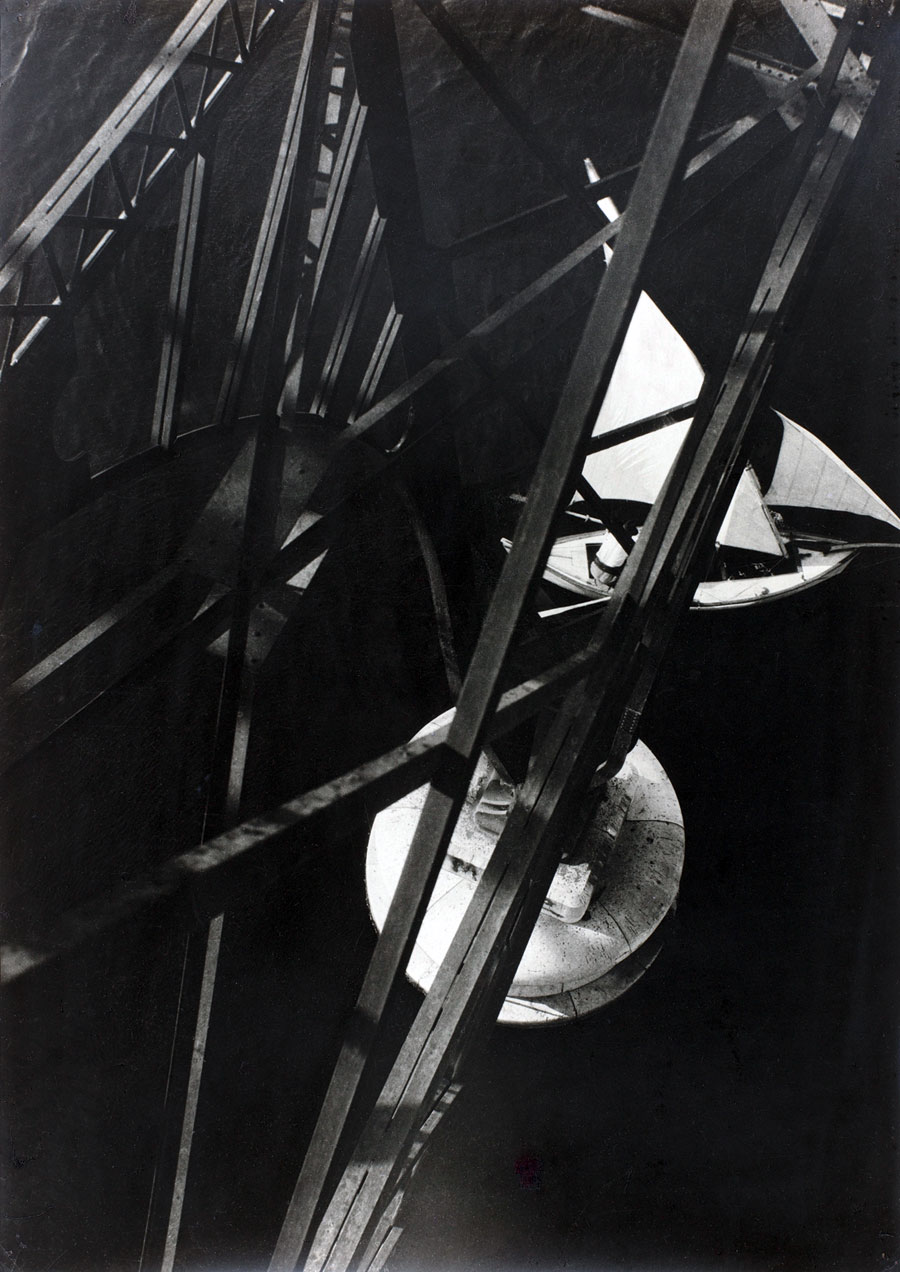
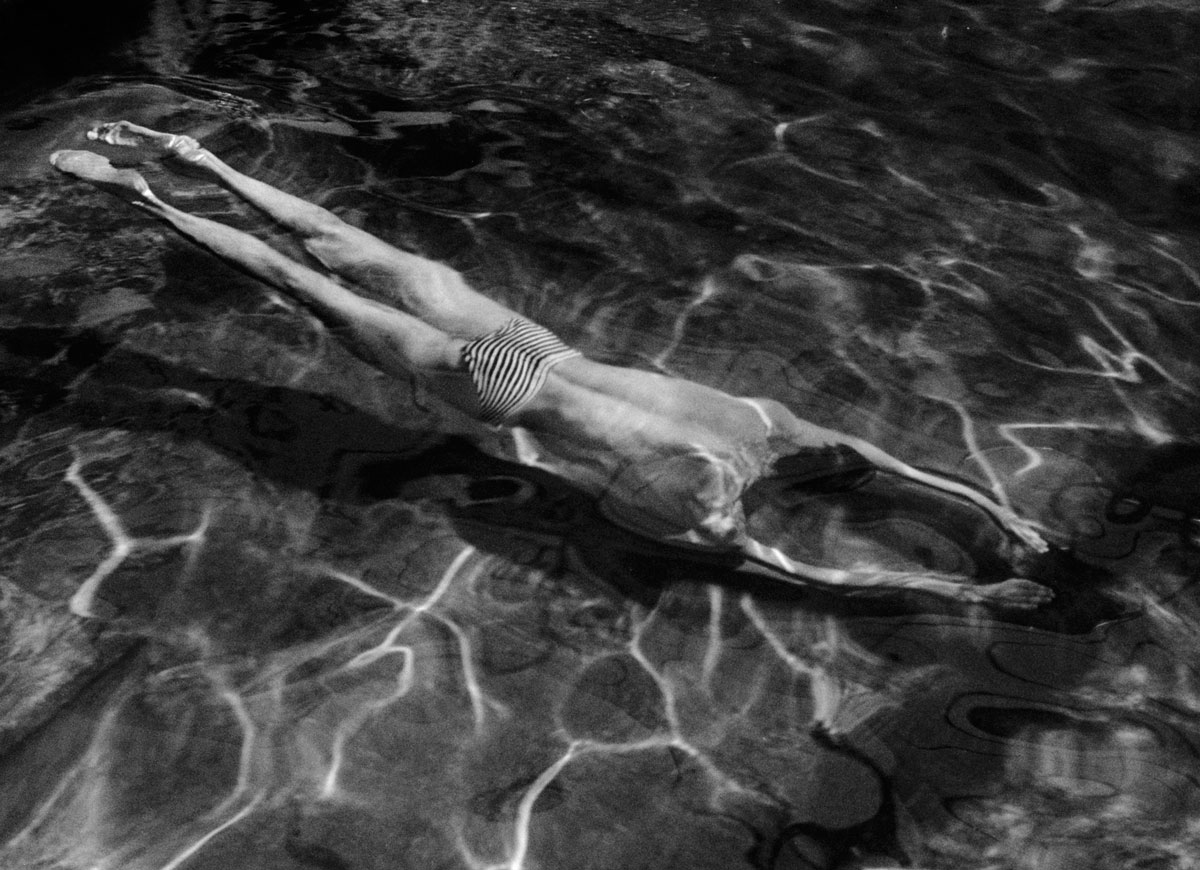

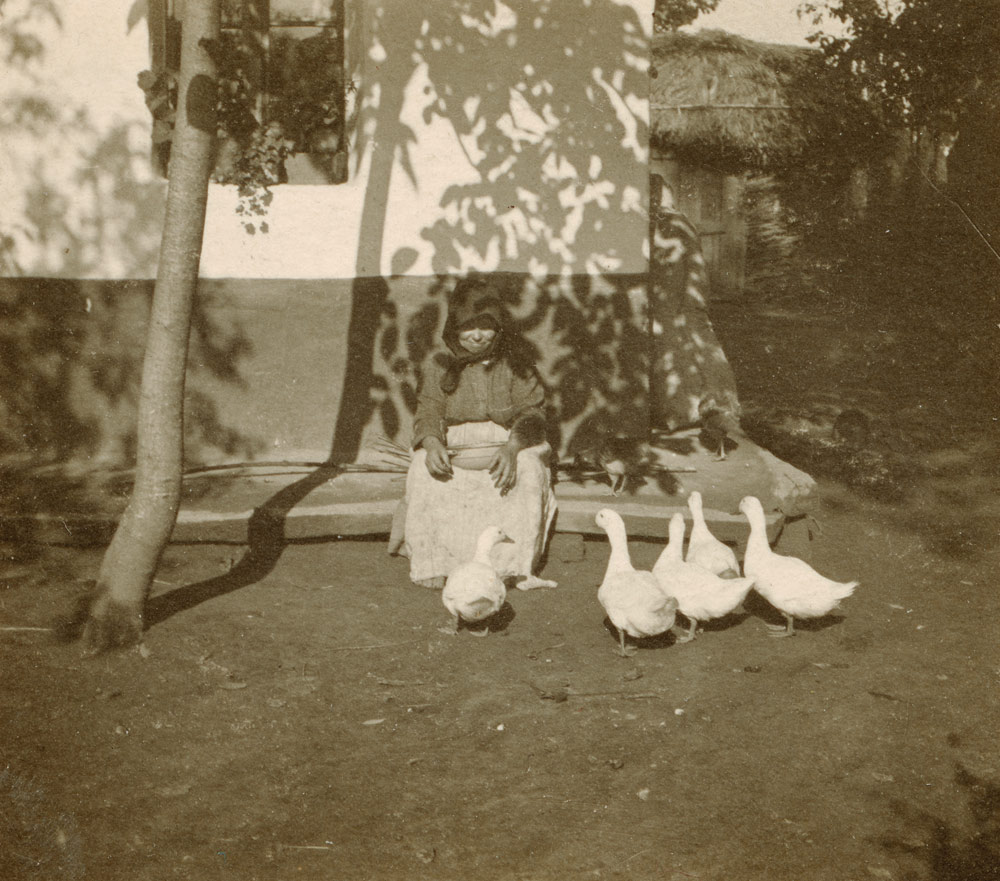
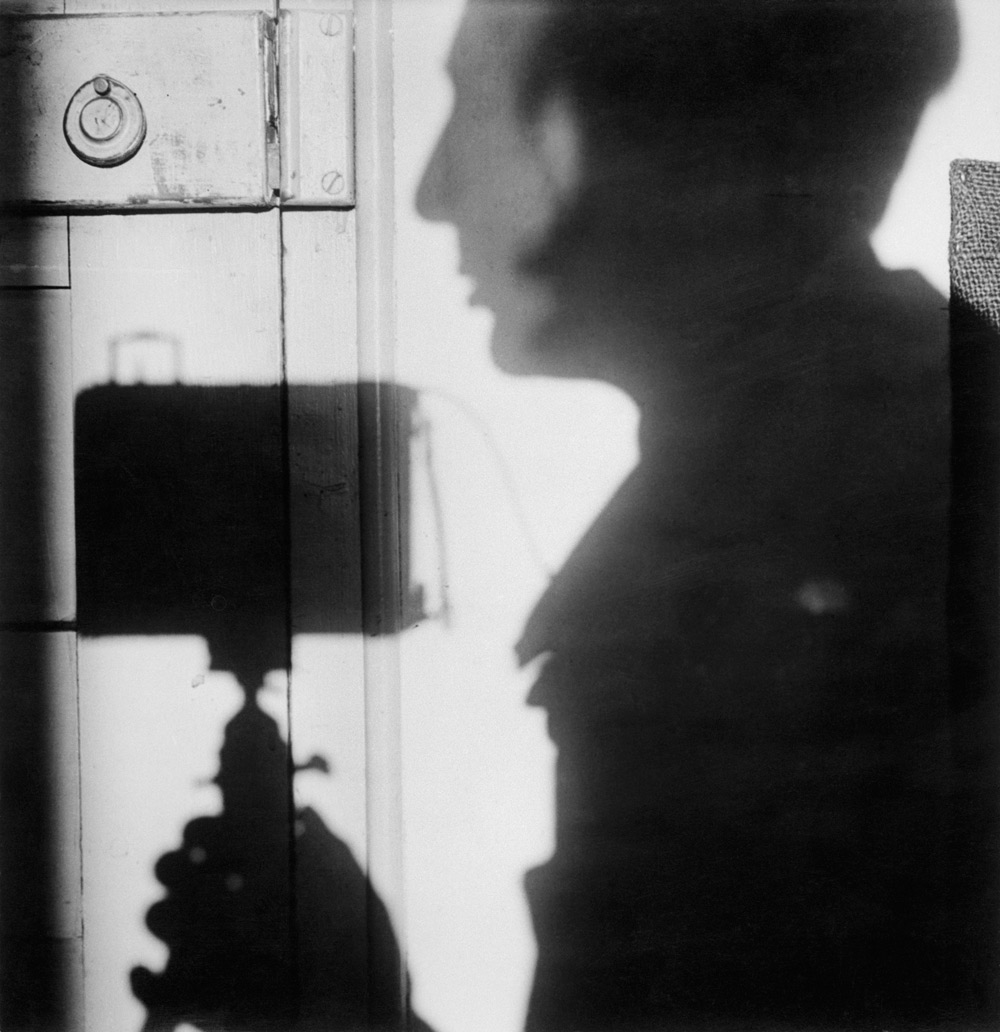


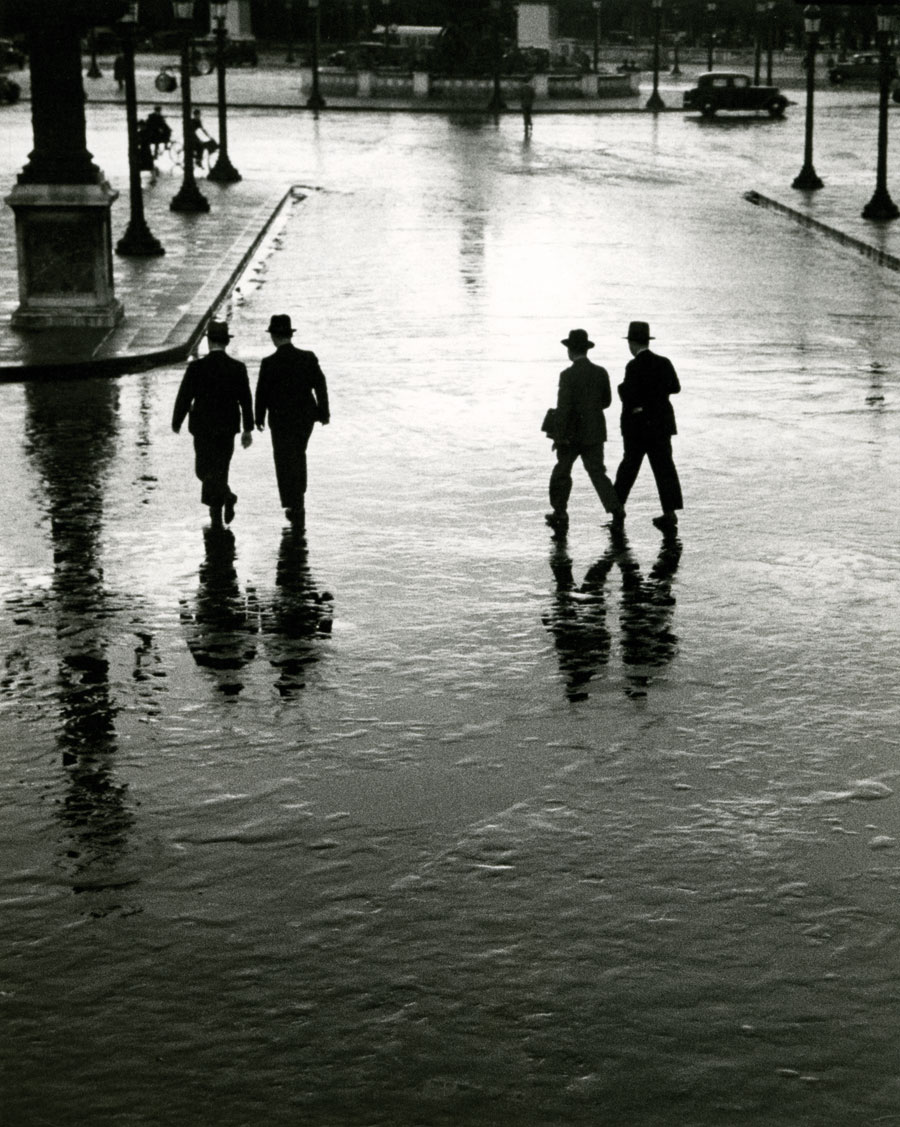
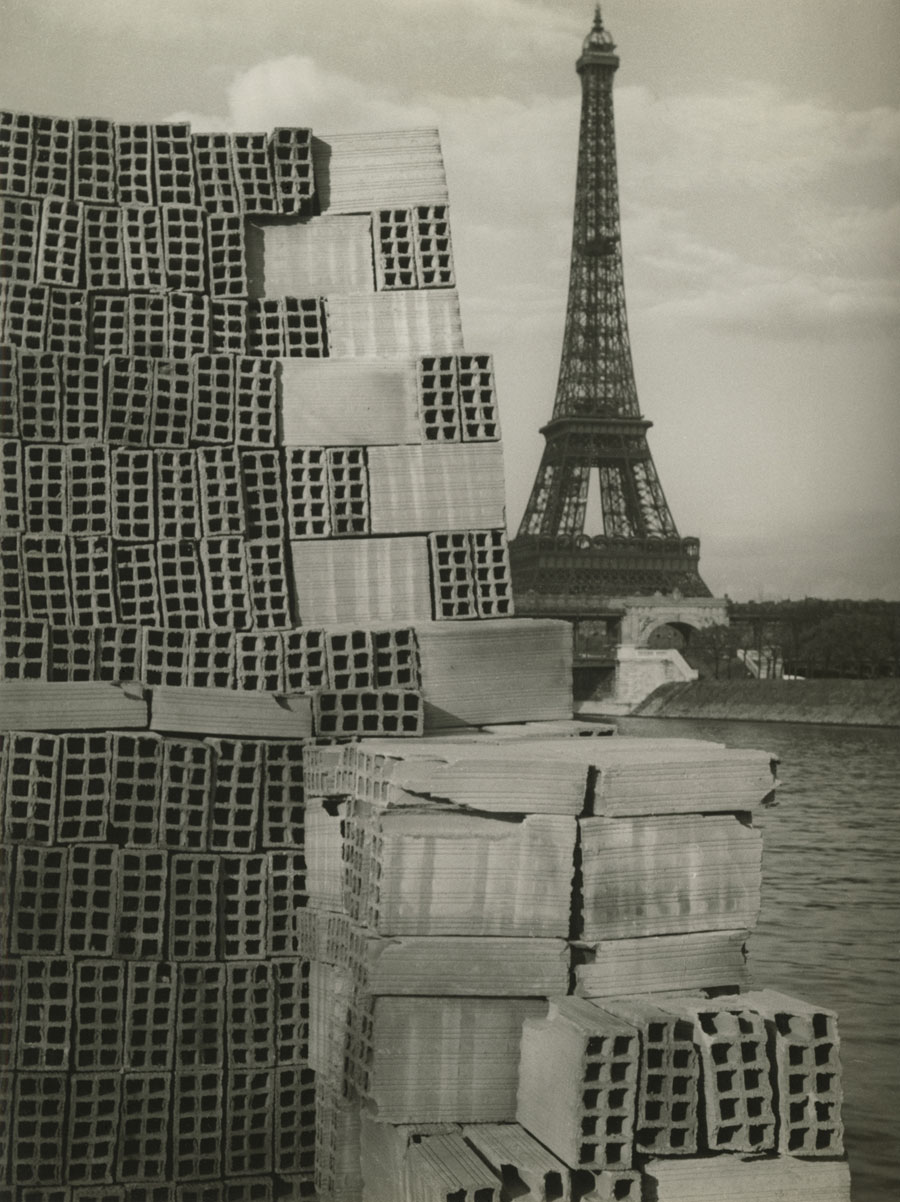


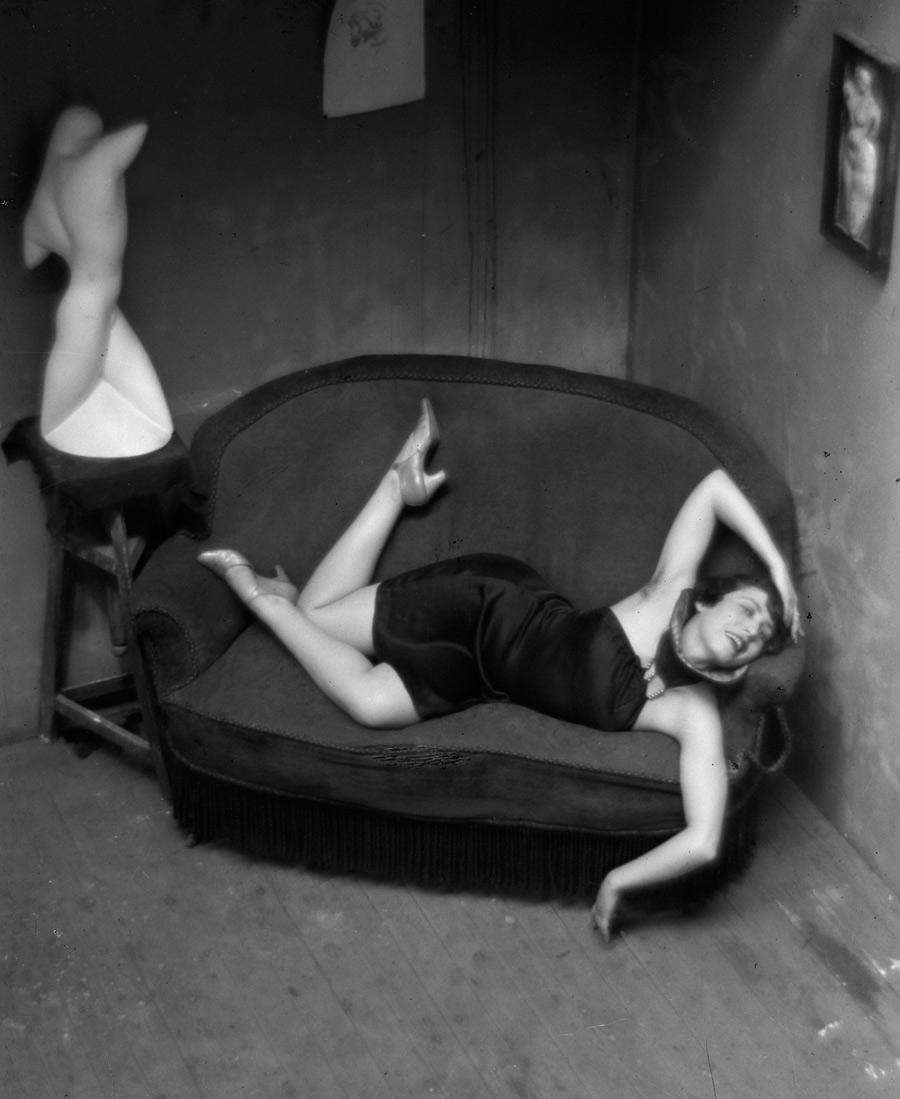

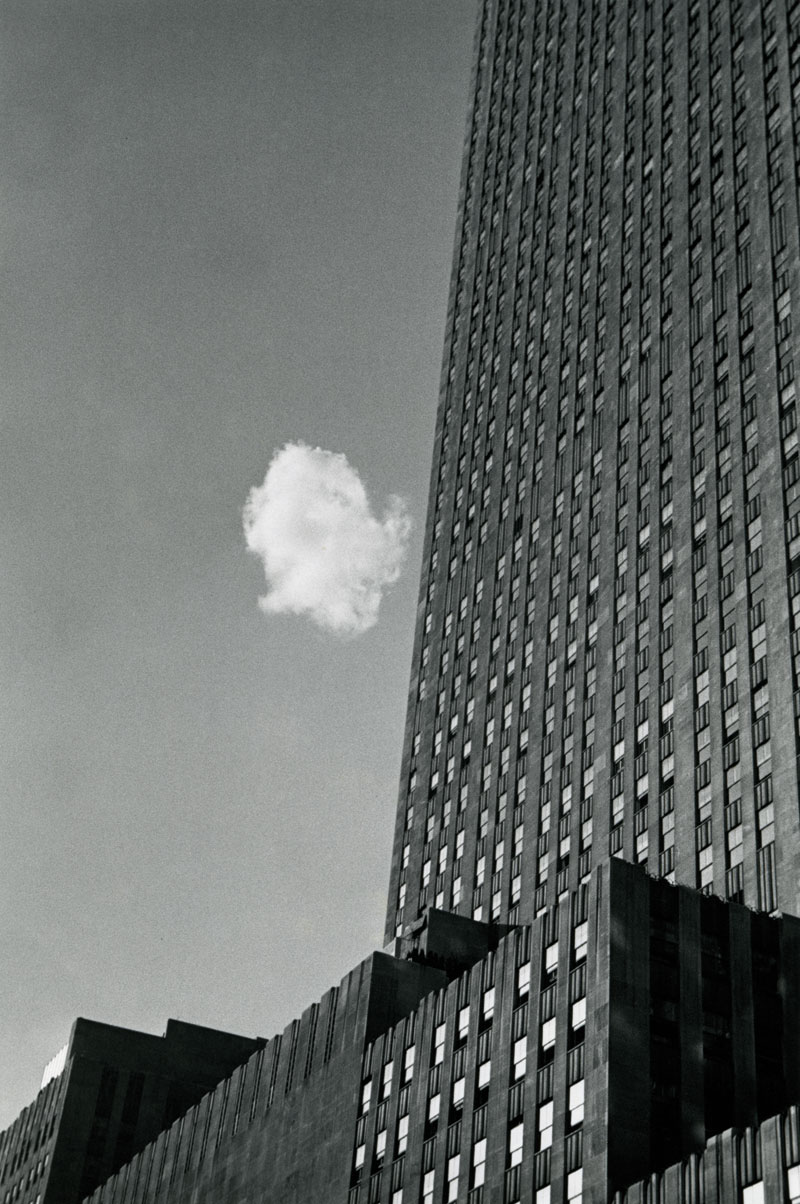
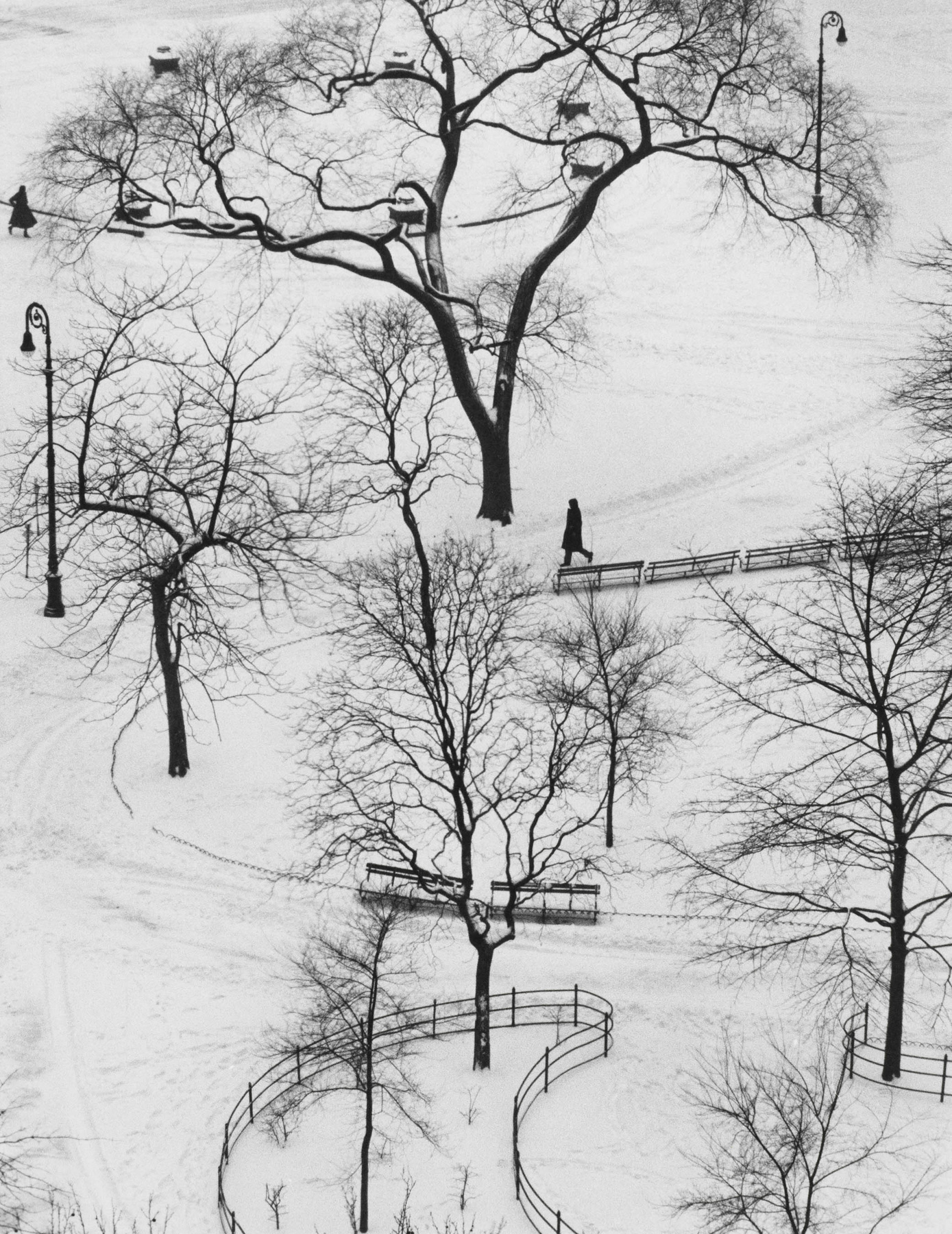




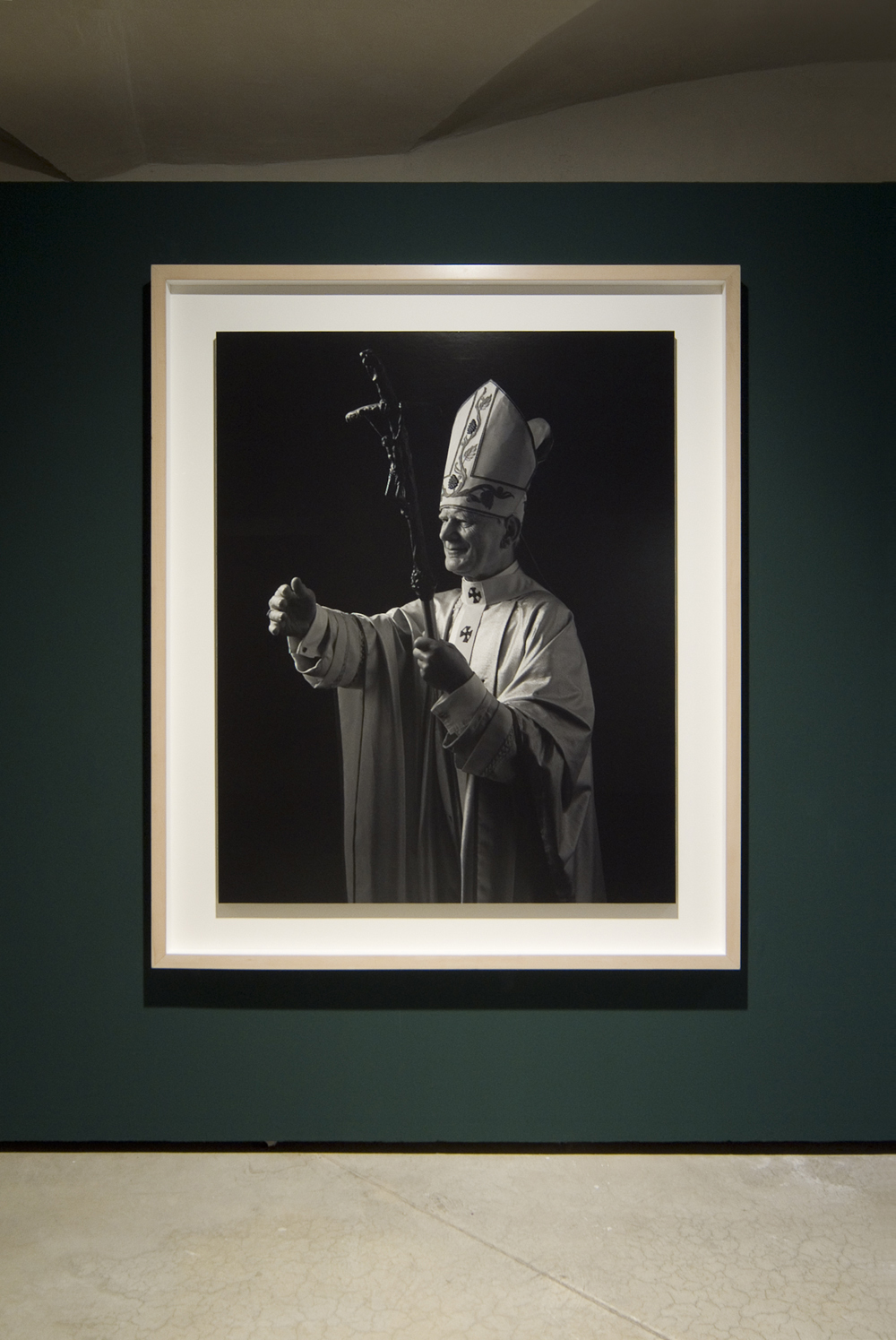
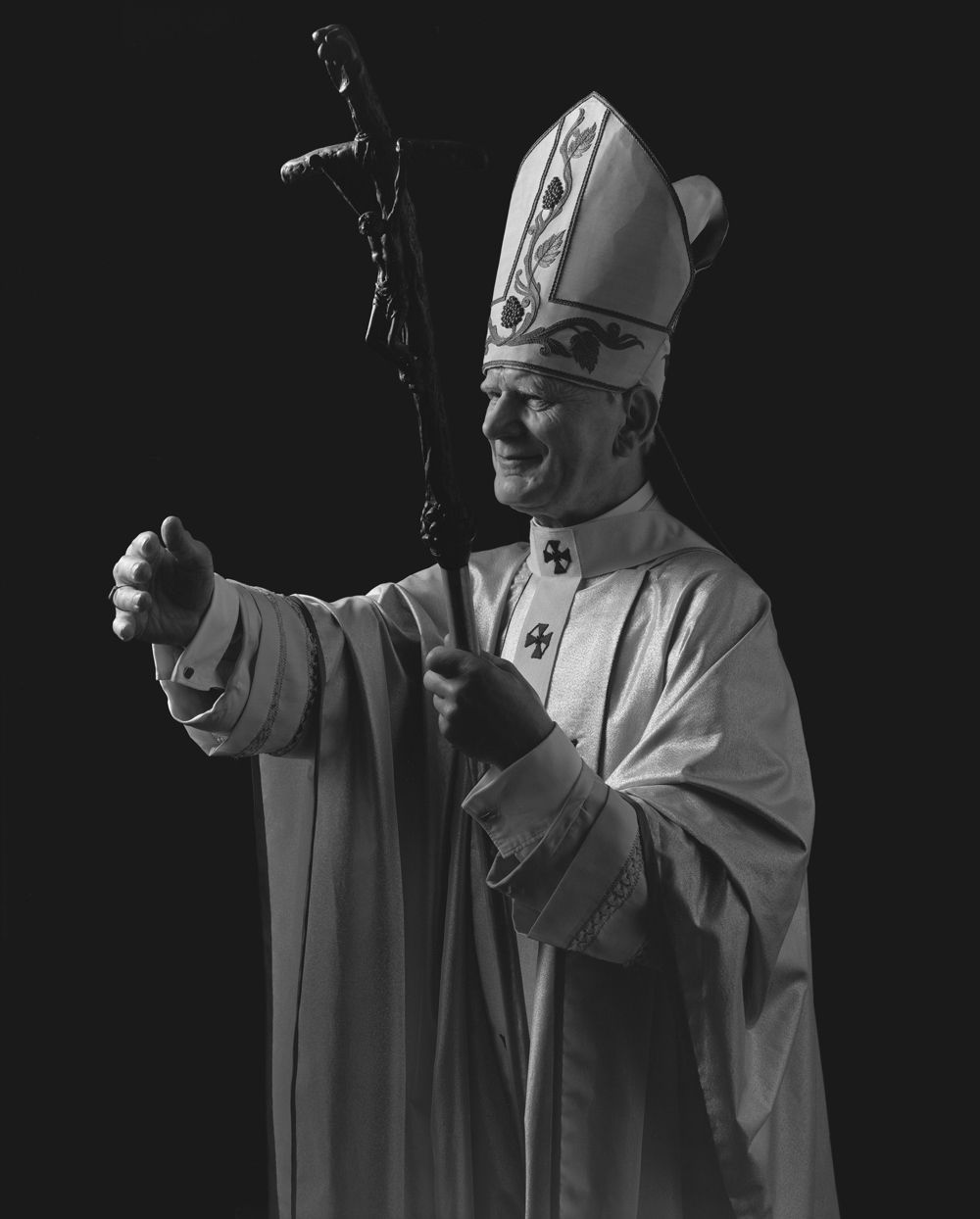


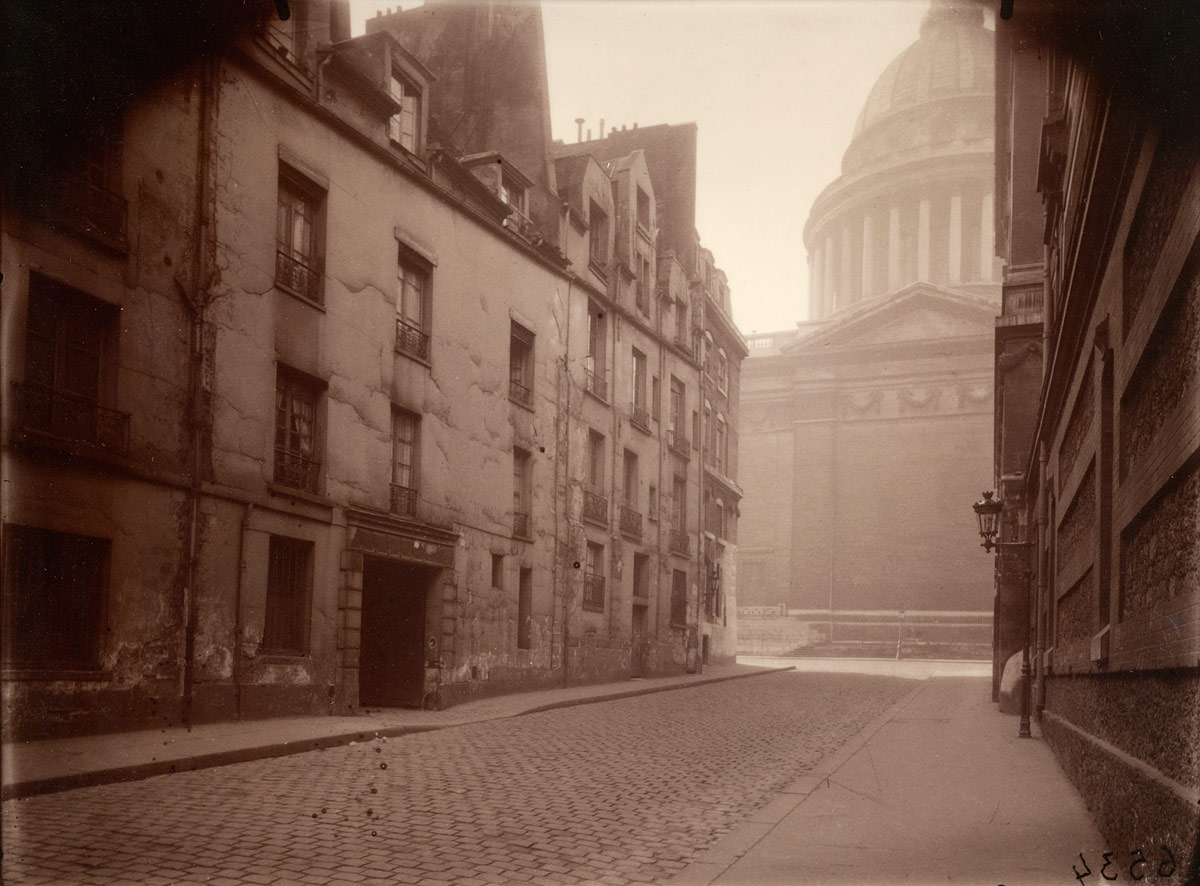
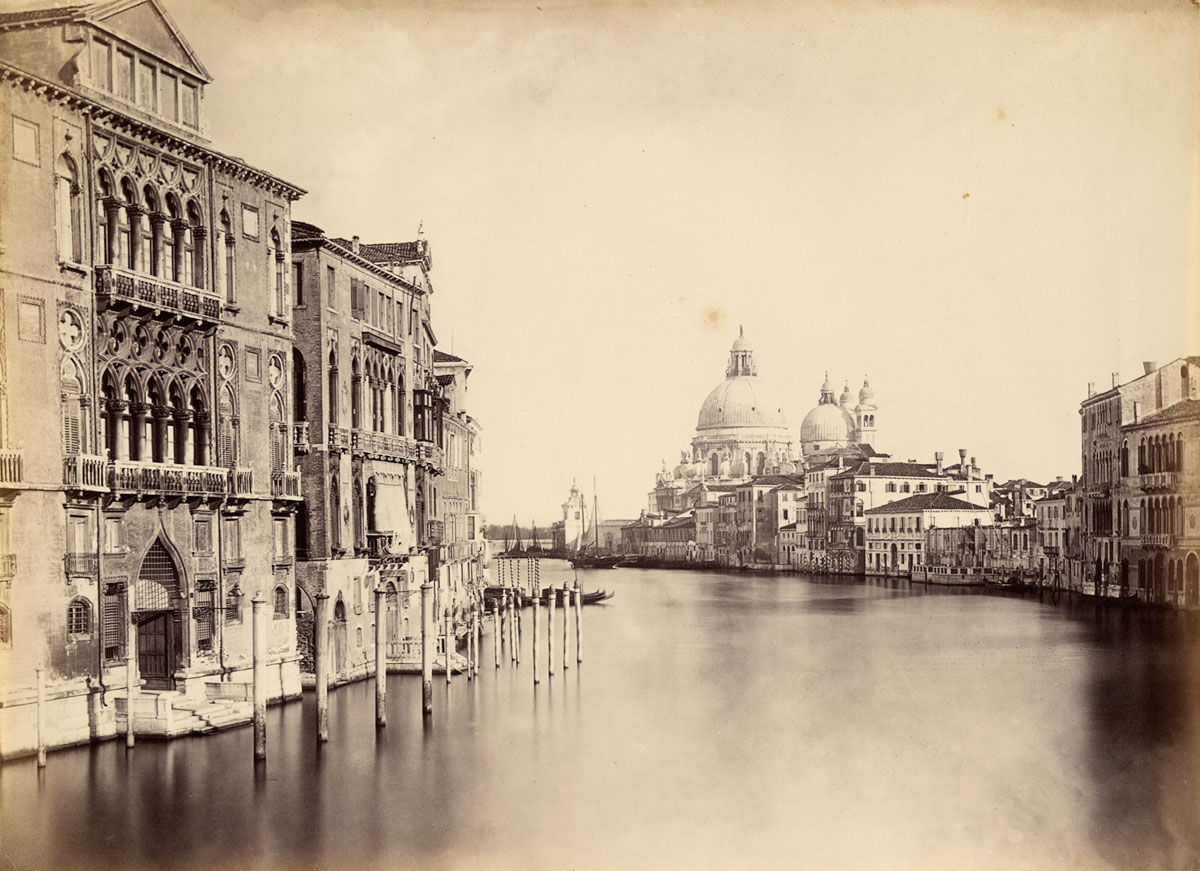
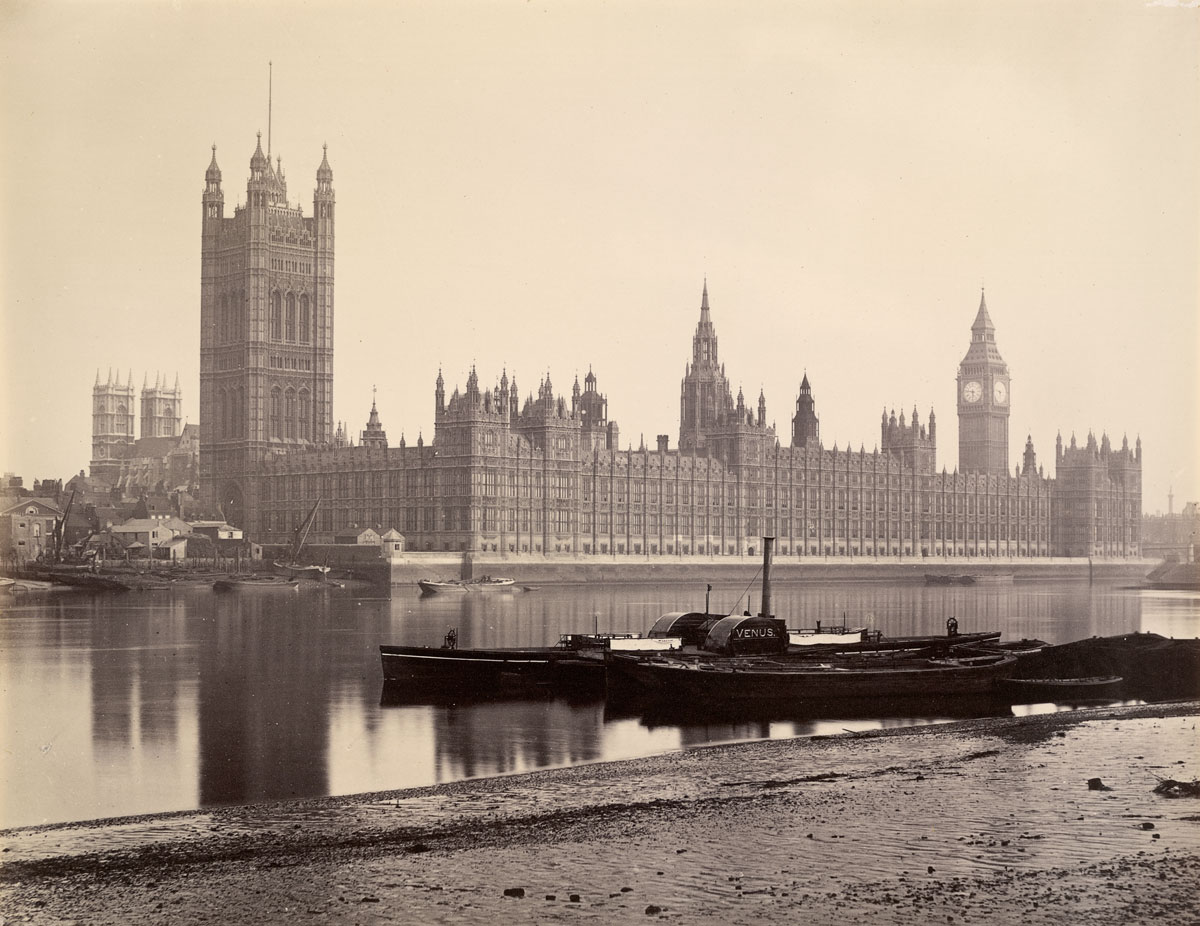
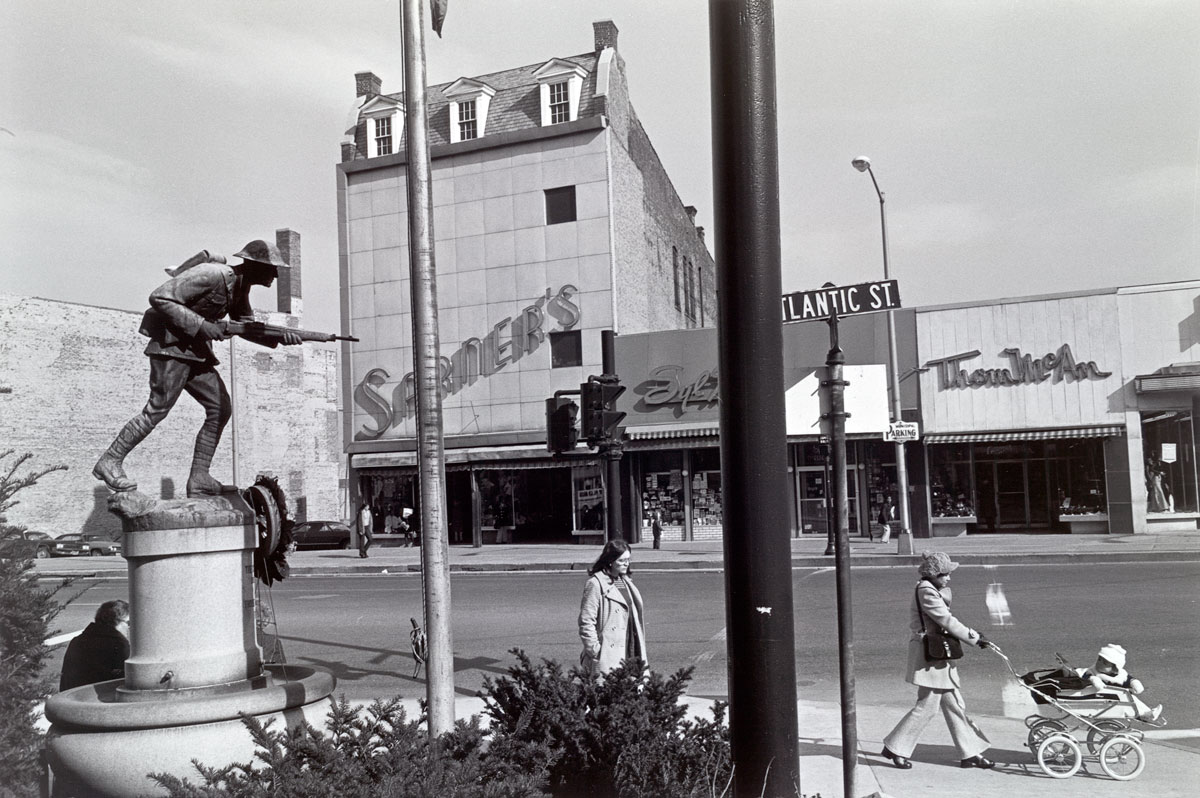
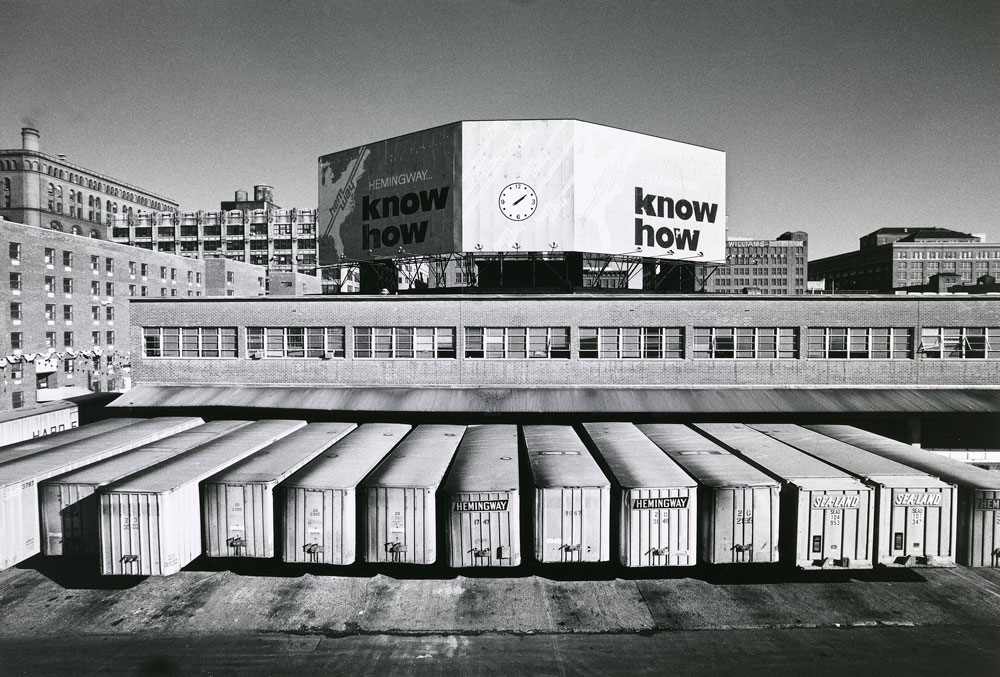

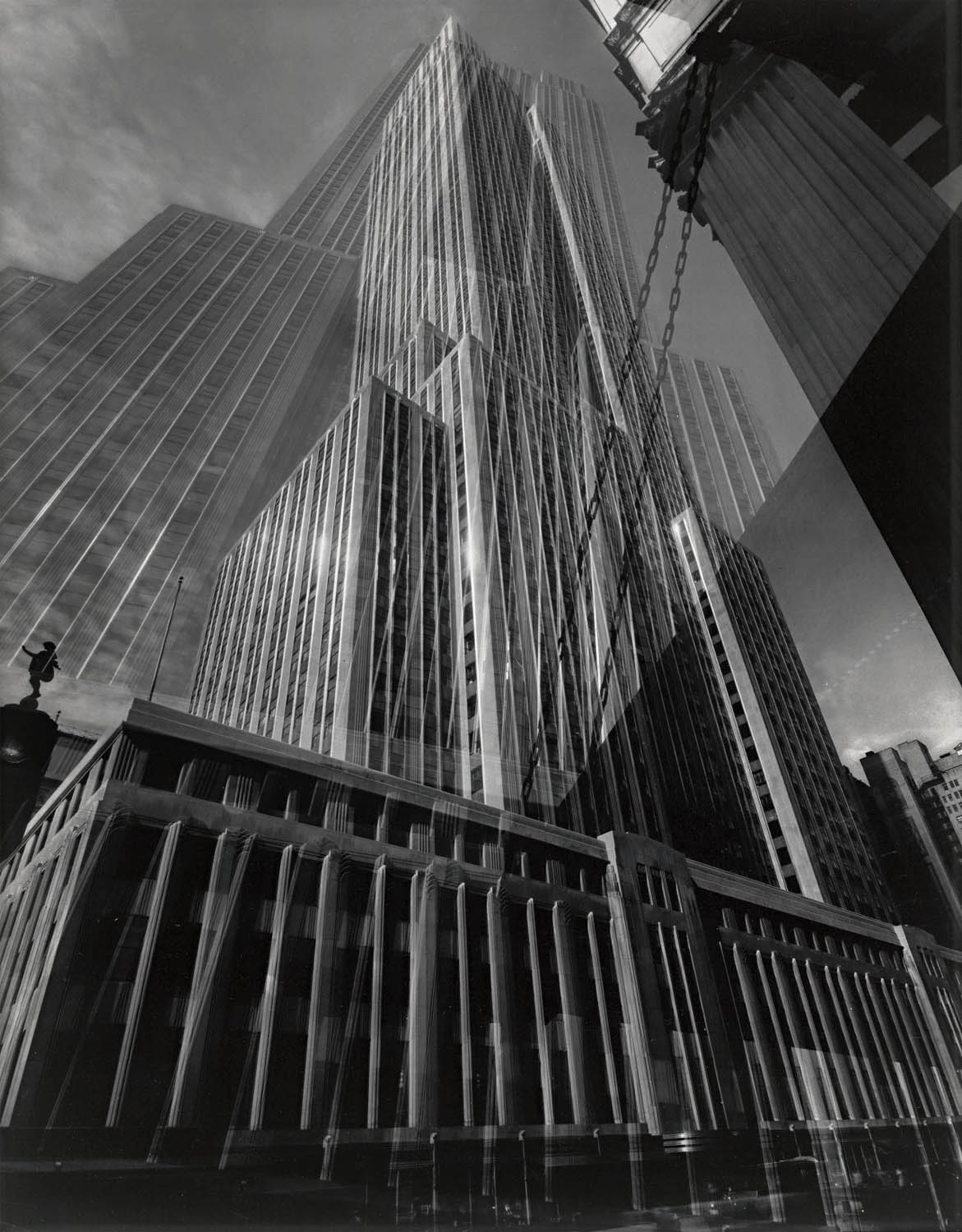
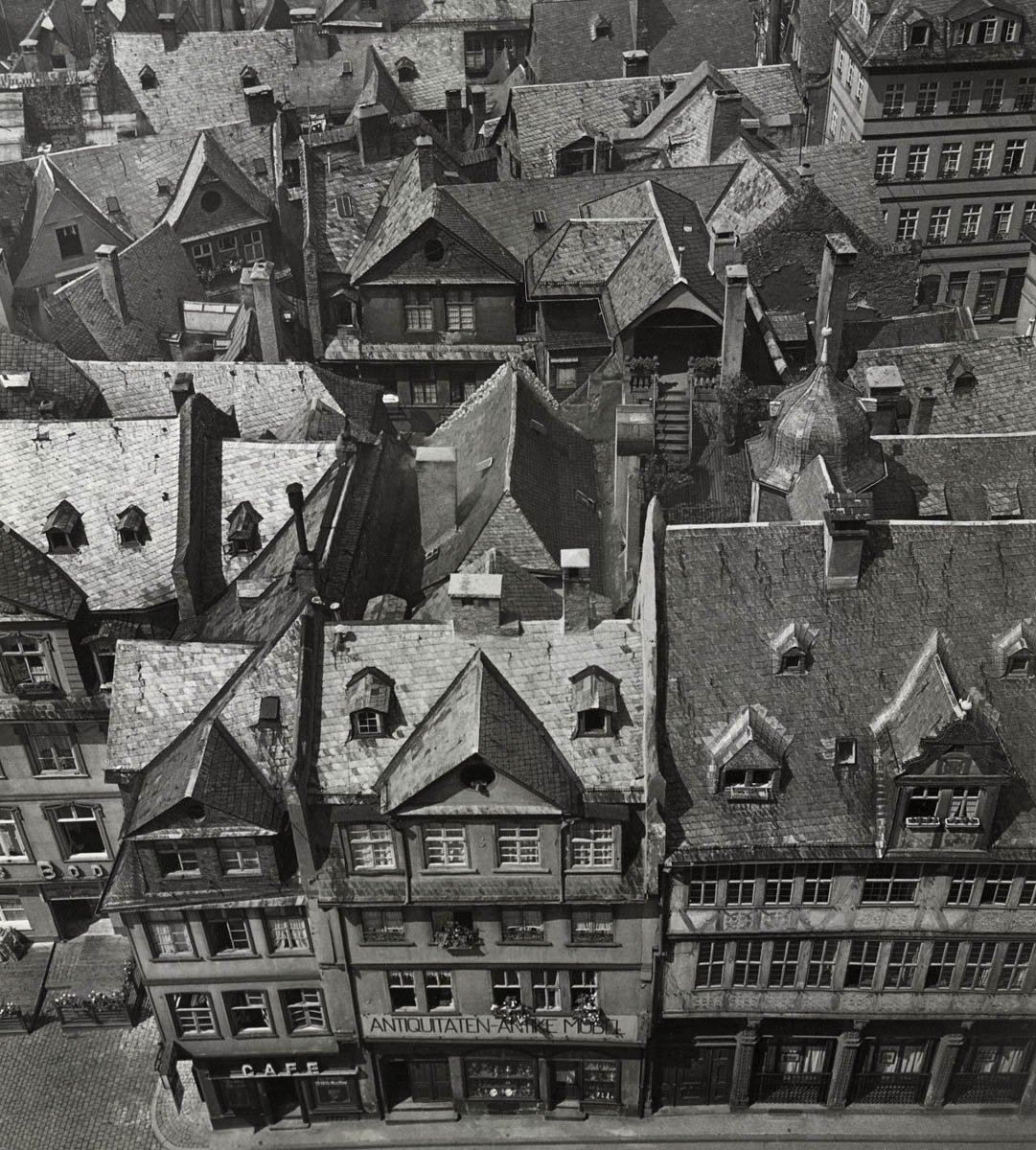

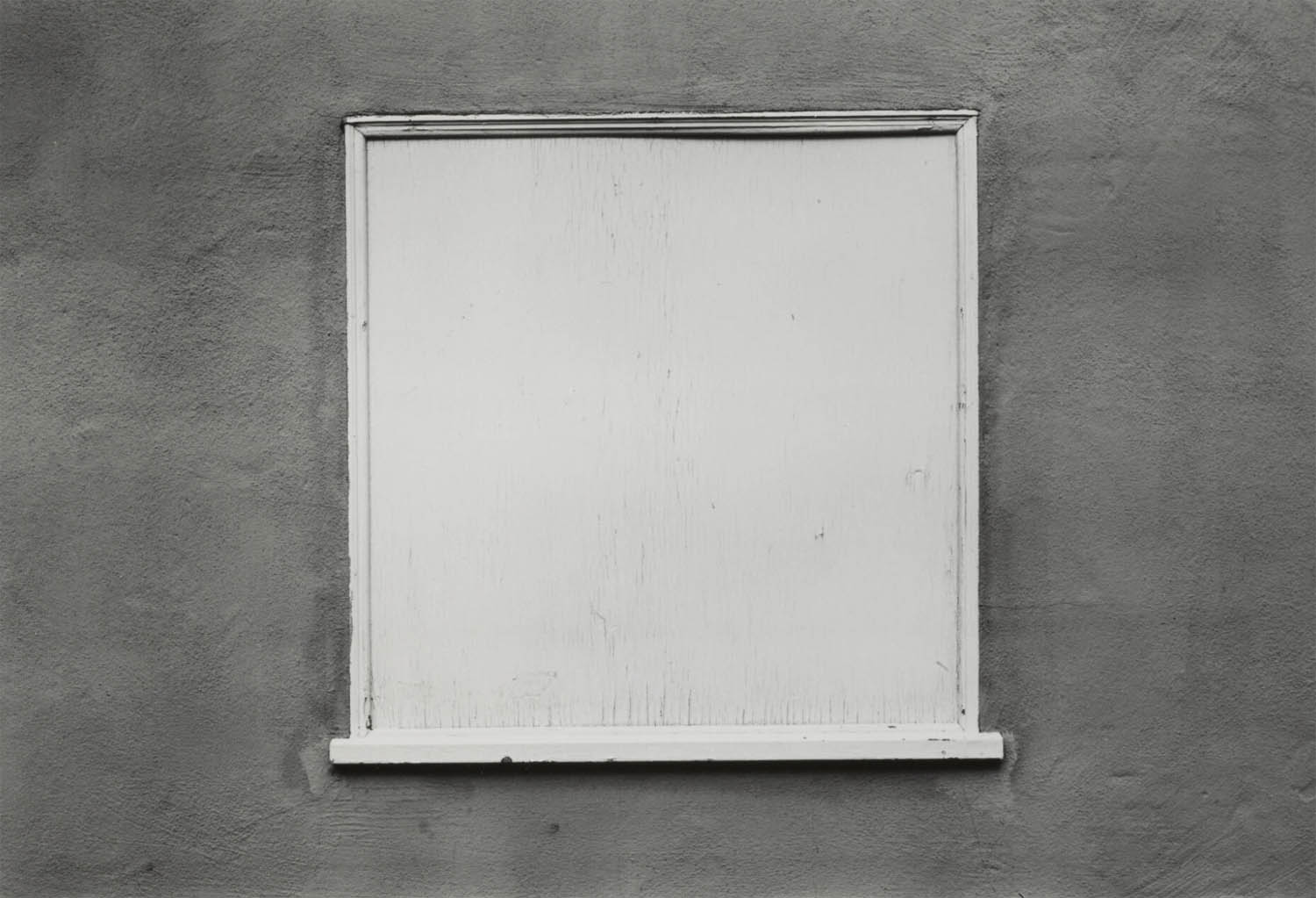
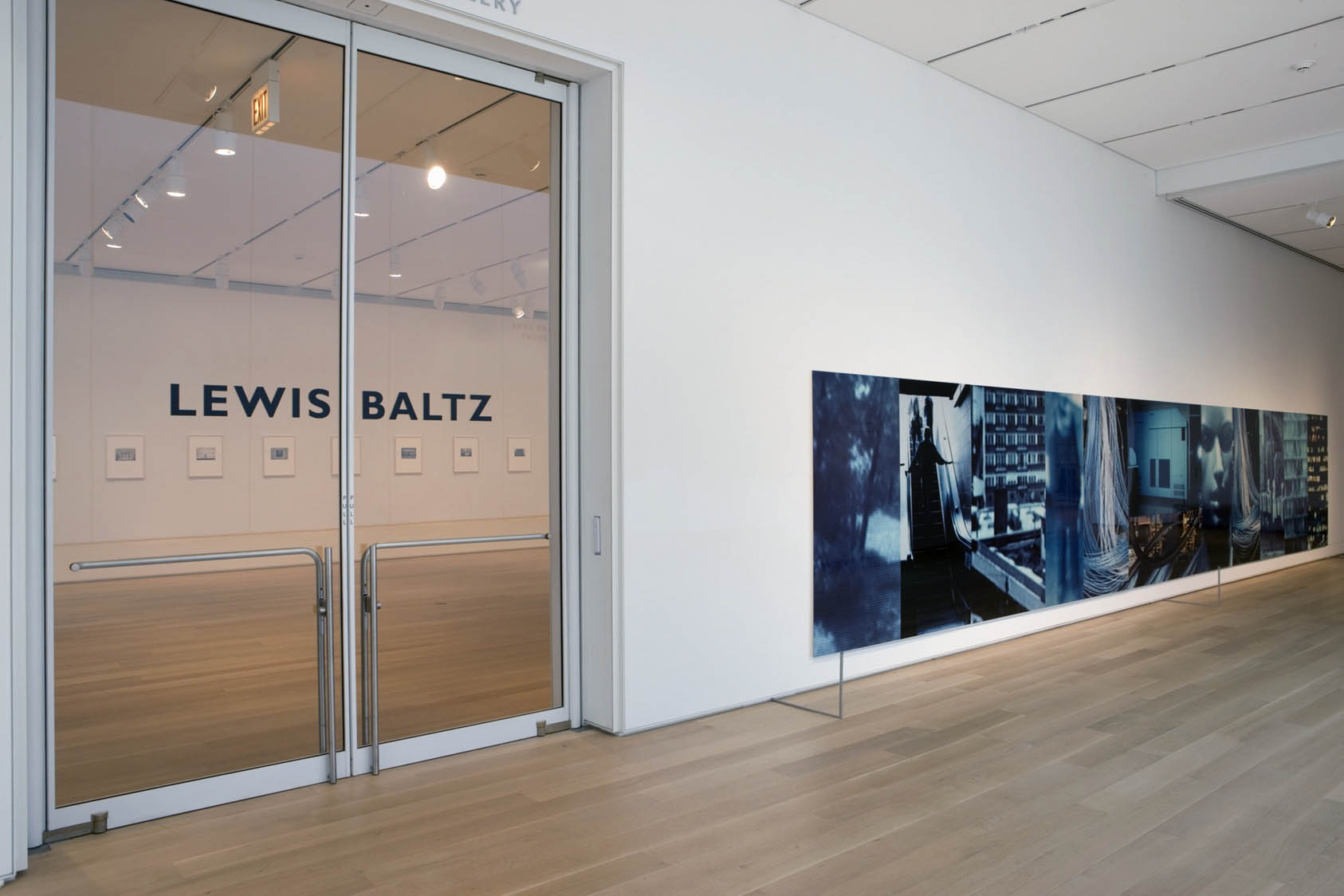
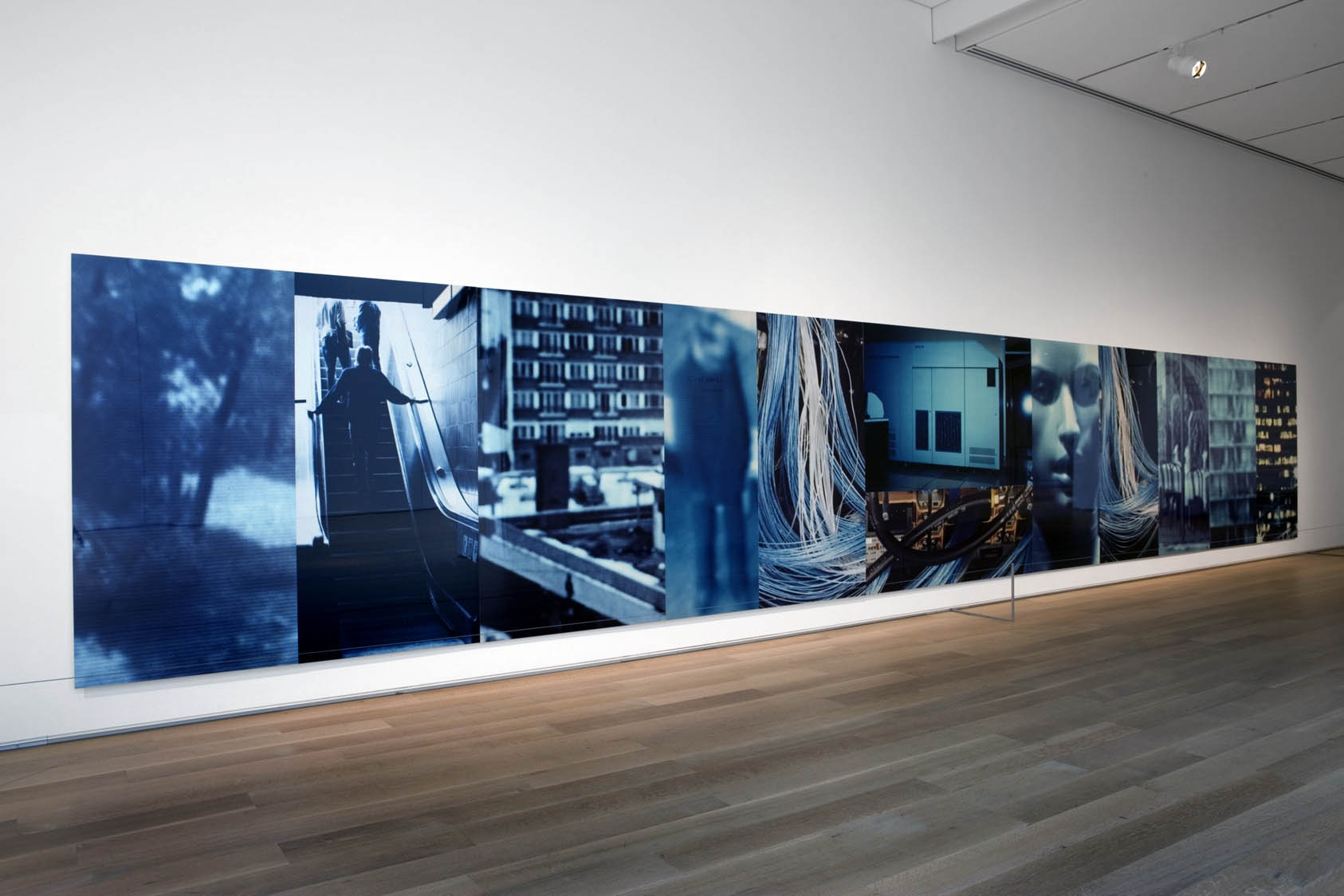
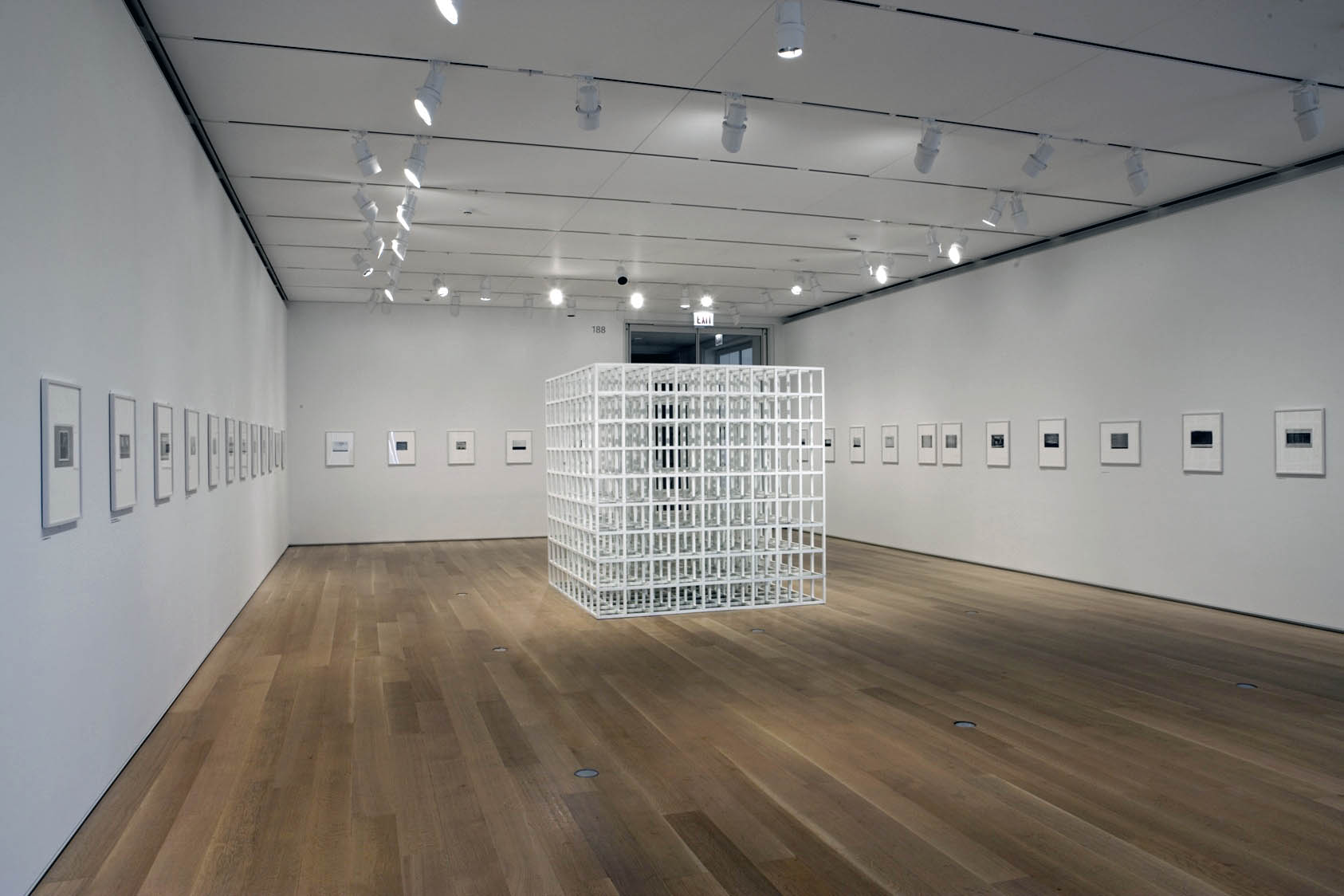
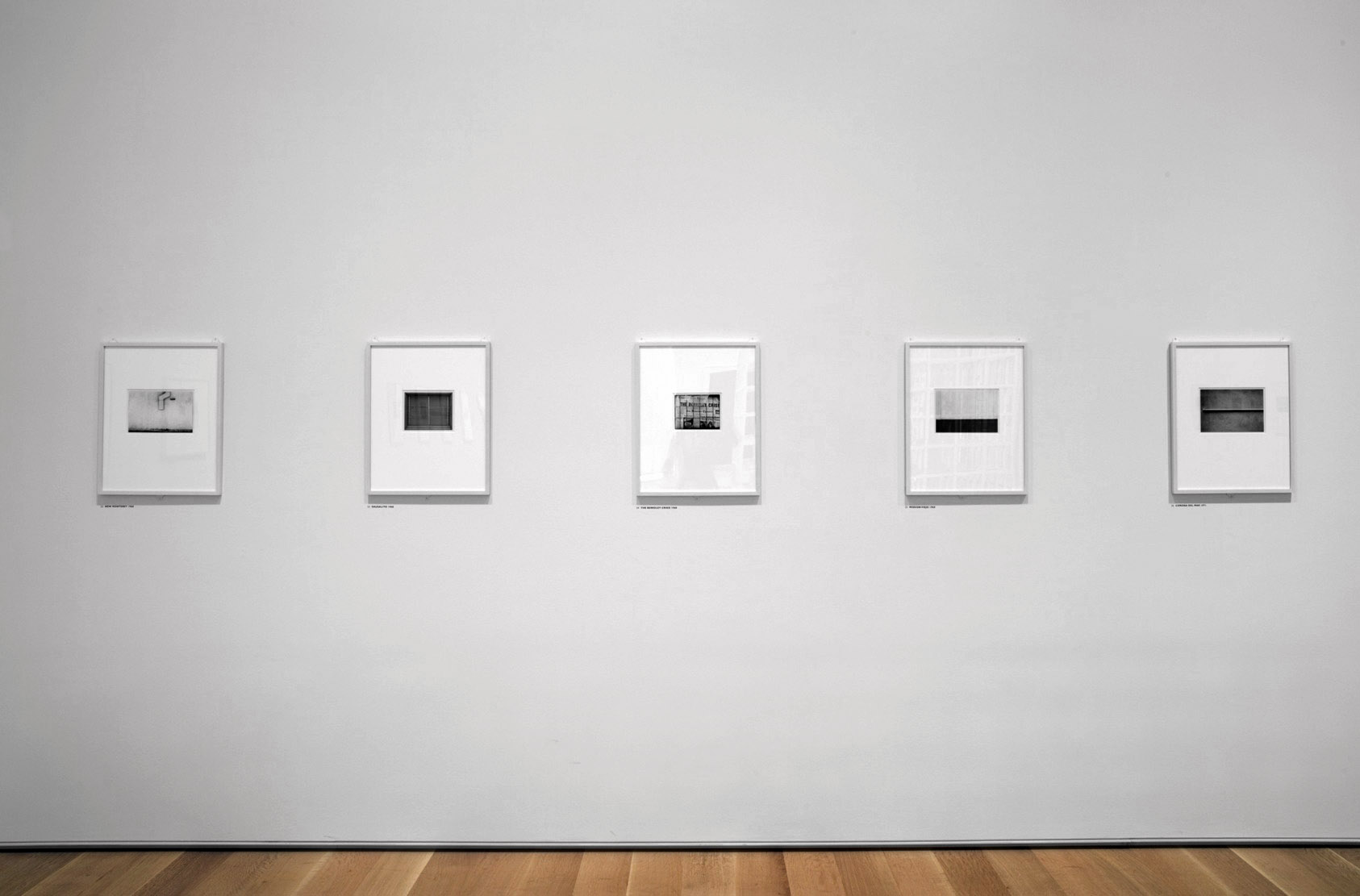
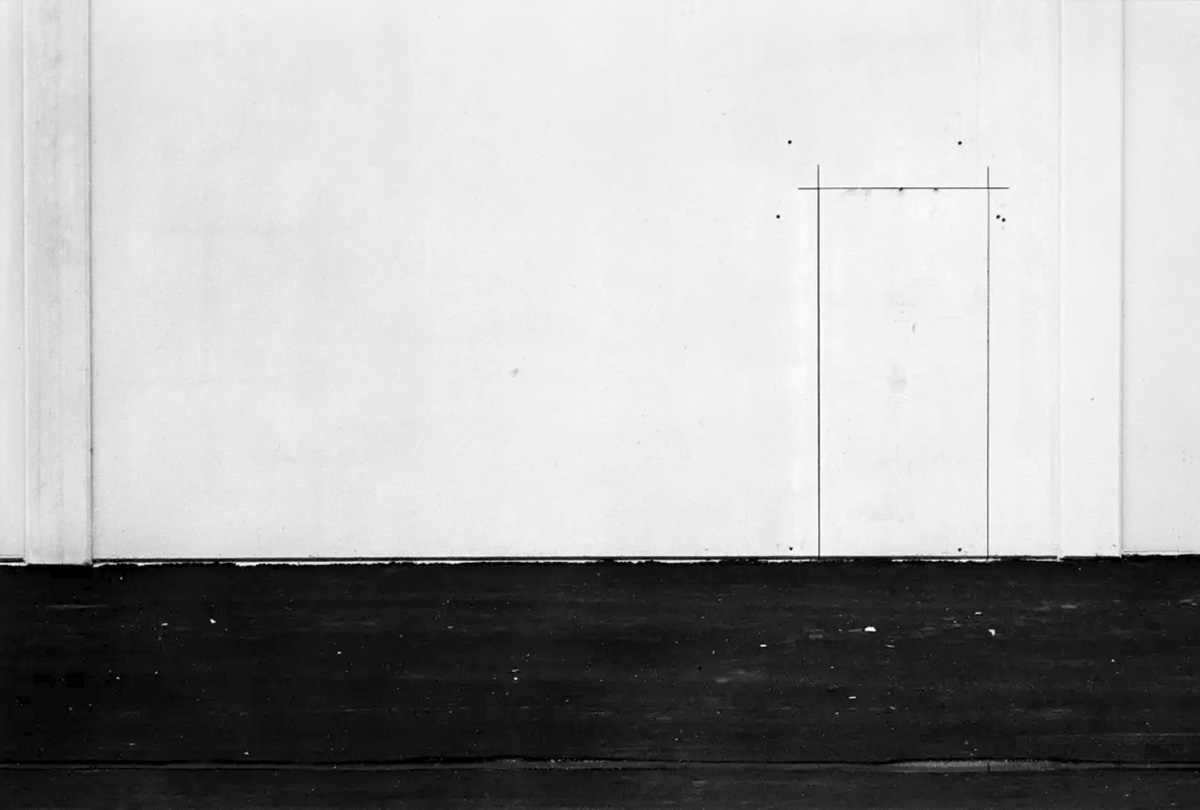

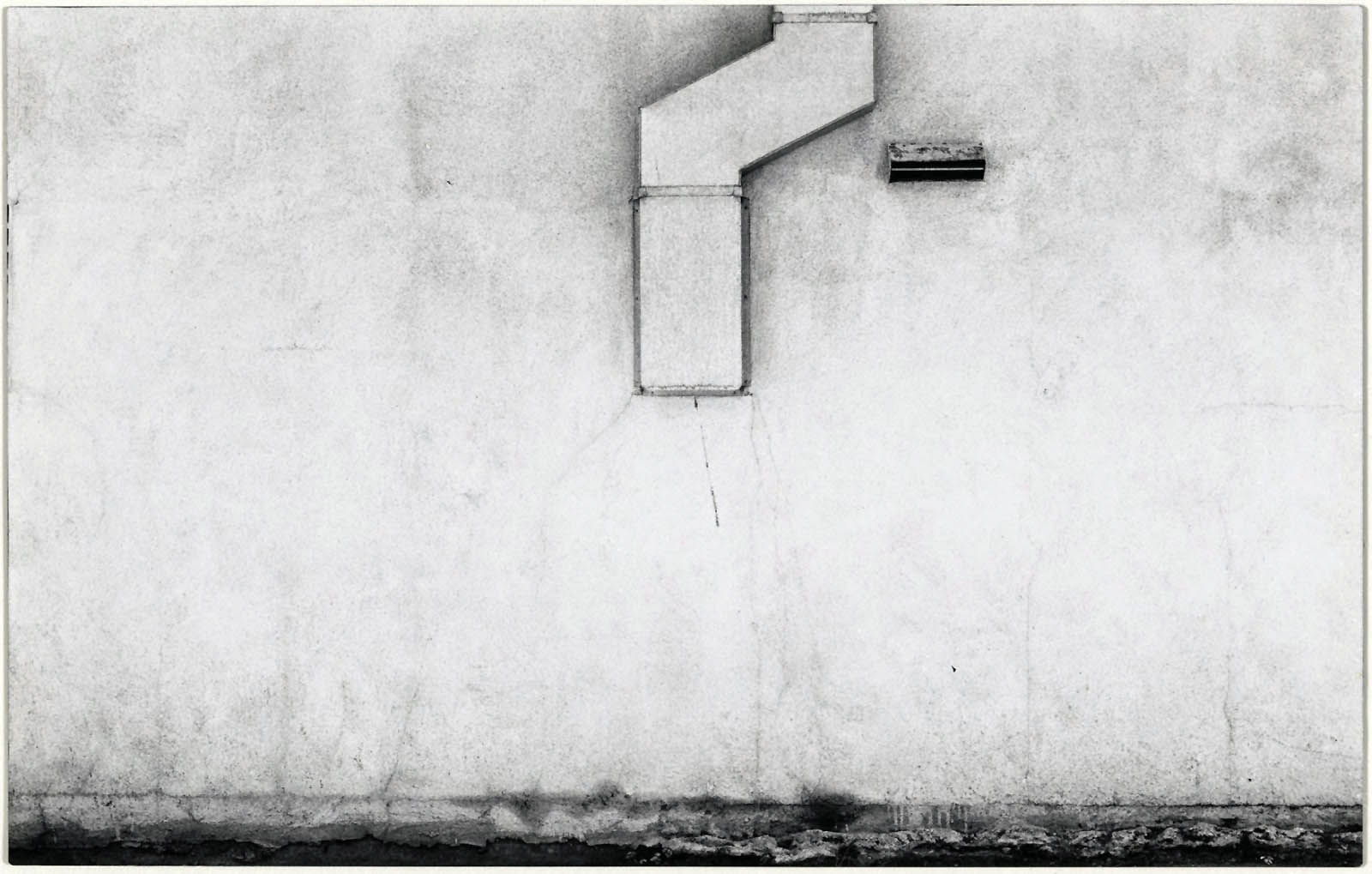




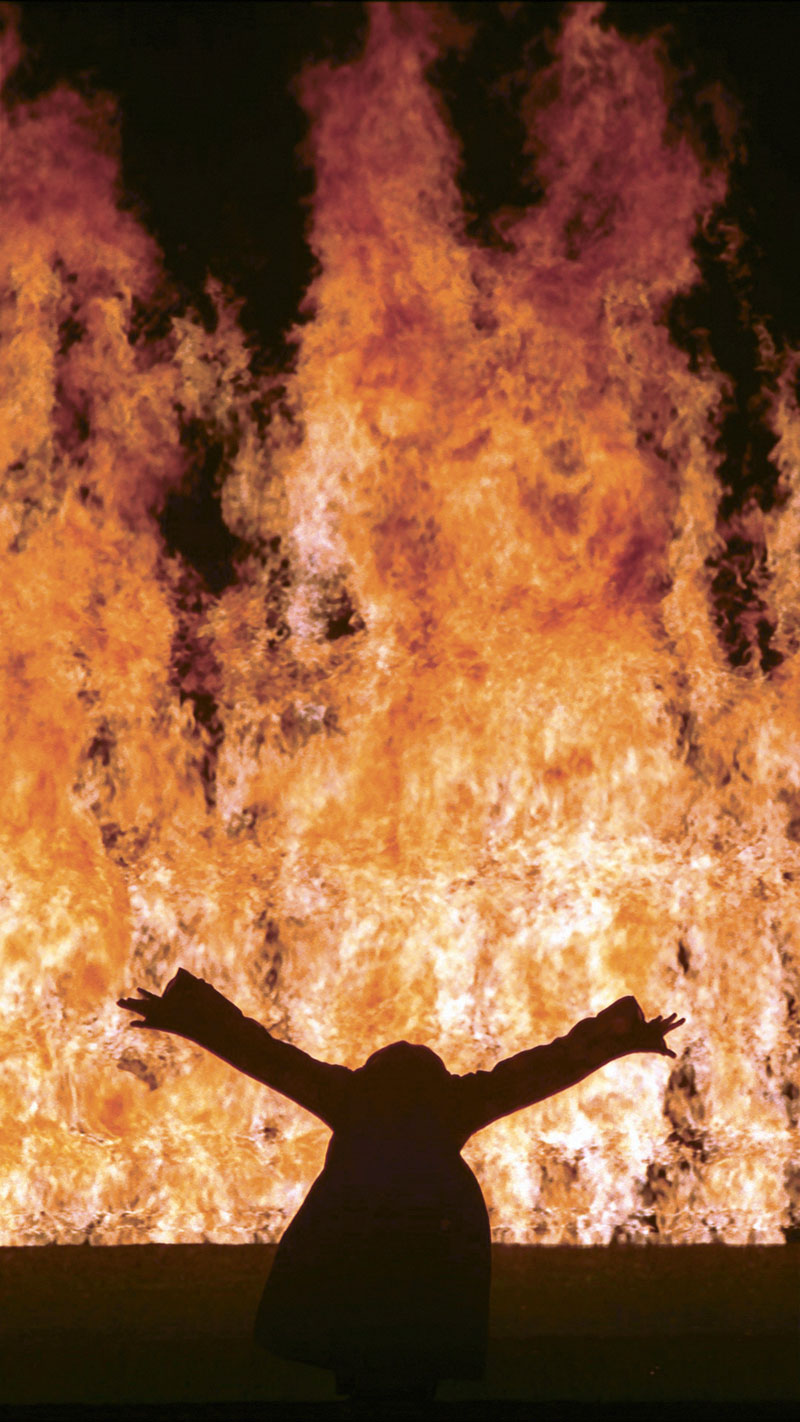

 Art Blart _ art and cultural memory archive
You must be logged in to post a comment.