Marcus Bunyan (Australian, b. 1958) Tall Bamboo 1994-1996 Gelatin silver print
I am scanning my negatives made during the years 1991-1997 to preserve them in the form of an online archive as a process of active memory, so that the images are not lost forever. These photographs were images of my life and imagination at the time of their making, the ideas I was thinking about and the people and things that surrounded me.
Photographs are available from this series for purchase. As a guide, a vintage 8″ x 10″ silver gelatin print costs $700 plus tracked and insured shipping. For more information please see my Store web page.
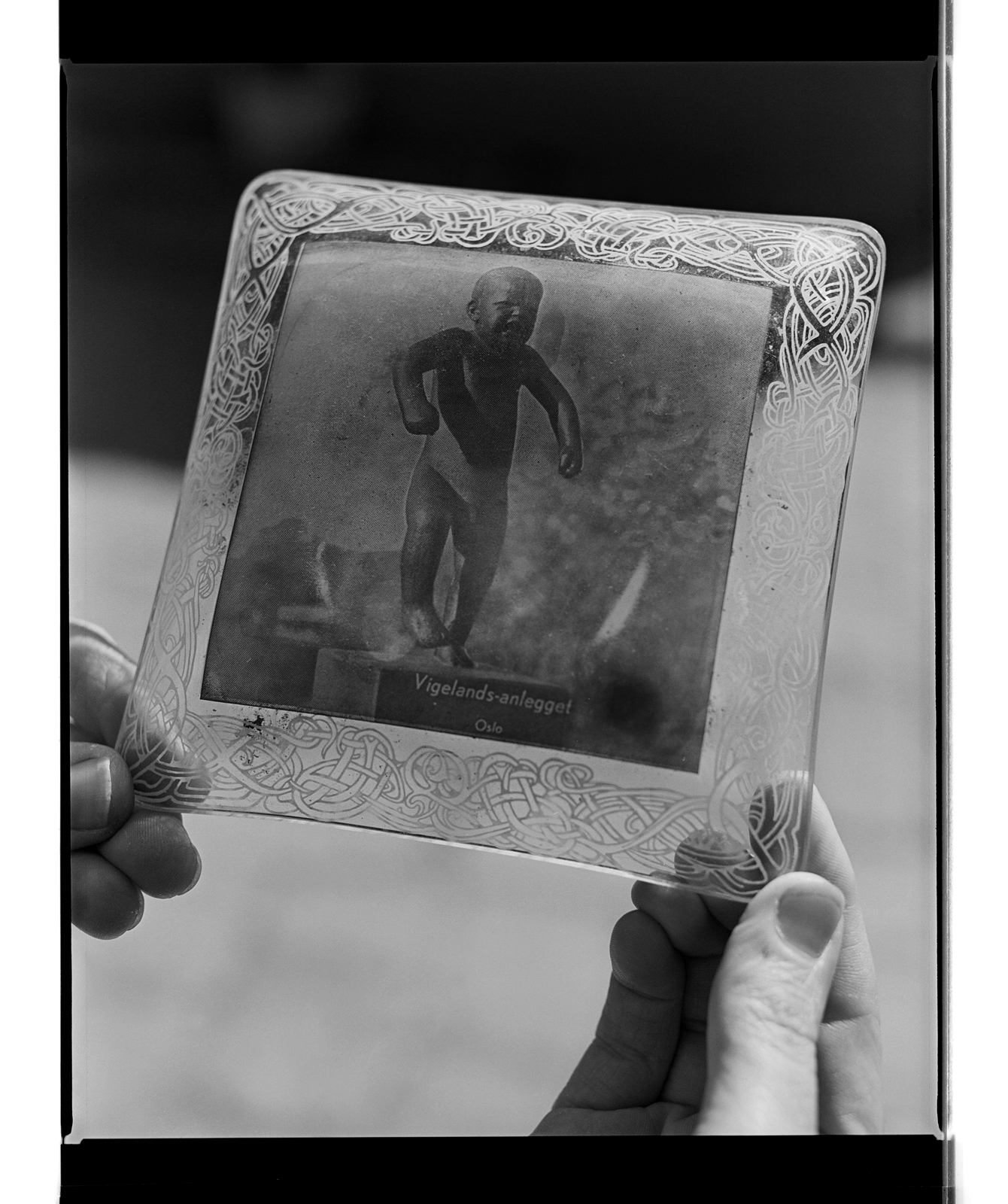
Marcus Bunyan (Australian, b. 1958) Baby, Oslo 1994-1996 Gelatin silver print
Marcus Bunyan (Australian, b. 1958) Baby, Oslo 1994-1996 Gelatin silver print
Marcus Bunyan (Australian, b. 1958) Baby, Oslo 1994-1996 Gelatin silver print
Marcus Bunyan (Australian, b. 1958) Baby, Oslo 1994-1996 Gelatin silver print
Marcus Bunyan (Australian, b. 1958) Barrows 1994-1996 Gelatin silver print
Marcus Bunyan (Australian, b. 1958) Barrows 1994-1996 Gelatin silver print
Marcus Bunyan (Australian, b. 1958) Bellows 1994-1996 Gelatin silver print
Marcus Bunyan (Australian, b. 1958) Bonsai 1994-1996 Gelatin silver print
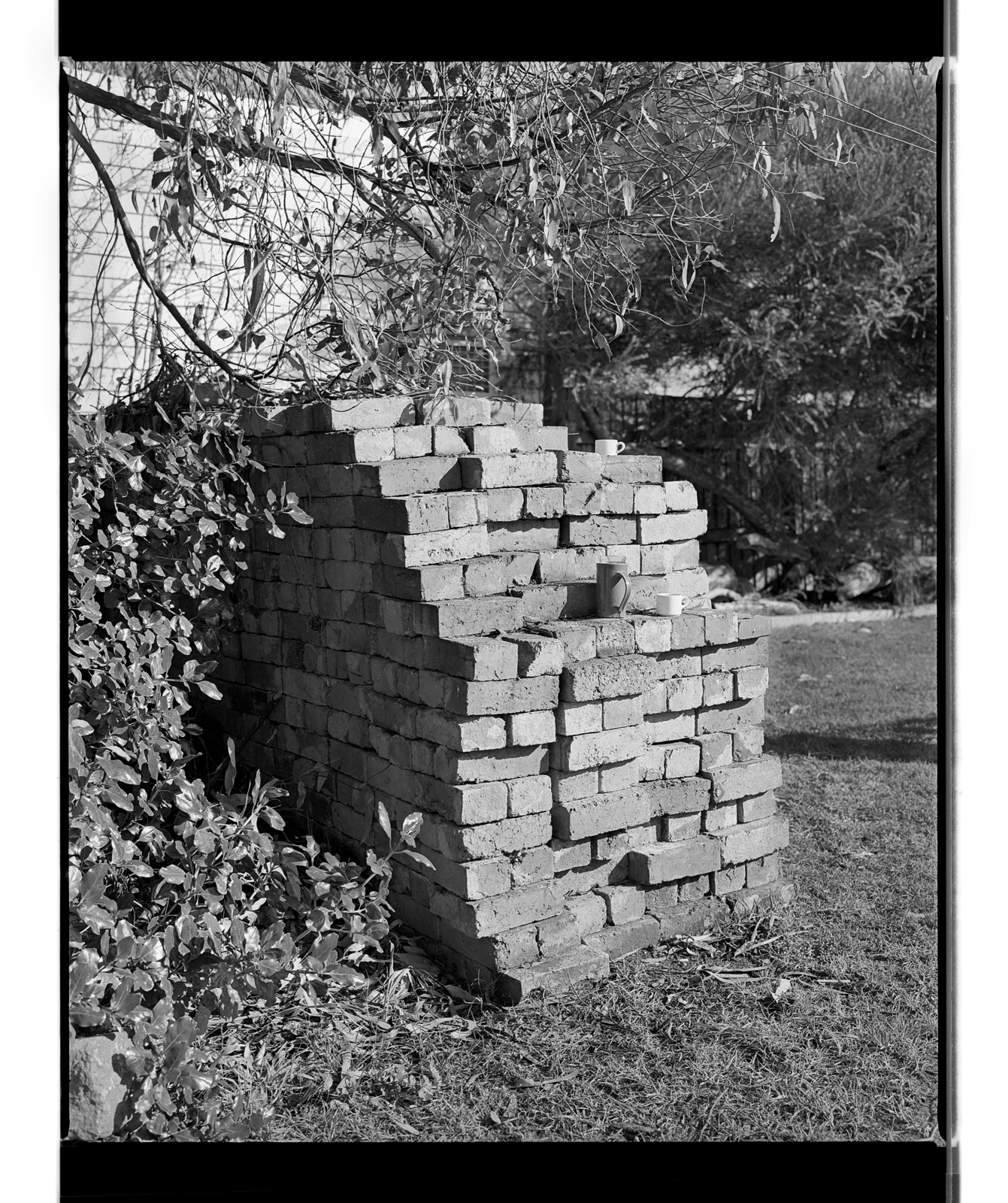
Marcus Bunyan (Australian, b. 1958) Bricks and cups 1994-1996 Gelatin silver print
Marcus Bunyan (Australian, b. 1958) Cabbage 1994-1996 Gelatin silver print
Children and flowers
Marcus Bunyan (Australian, b. 1958) Children and flowers I 1994-1996 Gelatin silver print
Marcus Bunyan (Australian, b. 1958) Children and flowers II 1994-1996 Gelatin silver print
Marcus Bunyan (Australian, b. 1958) Children and flowers III 1994-1996 Gelatin silver print
Marcus Bunyan (Australian, b. 1958) Children and flowers IV 1994-1996 Gelatin silver print
______________________________
Marcus Bunyan (Australian, b. 1958) Corrugations I 1994-1996 Gelatin silver print
Marcus Bunyan (Australian, b. 1958) Corrugations II 1994-1996 Gelatin silver print
Marcus Bunyan (Australian, b. 1958) Corrugations III 1994-1996 Gelatin silver print
Marcus Bunyan (Australian, b. 1958) Corrugations IV 1994-1996 Gelatin silver print
Marcus Bunyan (Australian, b. 1958) Crazy paving 1994-1996 Gelatin silver print
Marcus Bunyan (Australian, b. 1958) Marguerite Daisy I 1994-1996 Gelatin silver print
Marcus Bunyan (Australian, b. 1958) Marguerite Daisy II 1994-1996 Gelatin silver print
______________________________
Marcus Bunyan (Australian, b. 1958) Doll face I 1994-1996 Gelatin silver print
Marcus Bunyan (Australian, b. 1958) Doll face II 1994-1996 Gelatin silver print
Marcus Bunyan (Australian, b. 1958) Drainpipe I 1994-1996 Gelatin silver print
Marcus Bunyan (Australian, b. 1958) Drainpipe II 1994-1996 Gelatin silver print
Marcus Bunyan (Australian, b. 1958) Face I (William Klein) 1994-1996 Gelatin silver print
Marcus Bunyan (Australian, b. 1958) Face II (William Klein) 1994-1996 Gelatin silver print
Marcus Bunyan (Australian, b. 1958) Gate I 1994-1996 Gelatin silver print
Marcus Bunyan (Australian, b. 1958) Gate II 1994-1996 Gelatin silver print
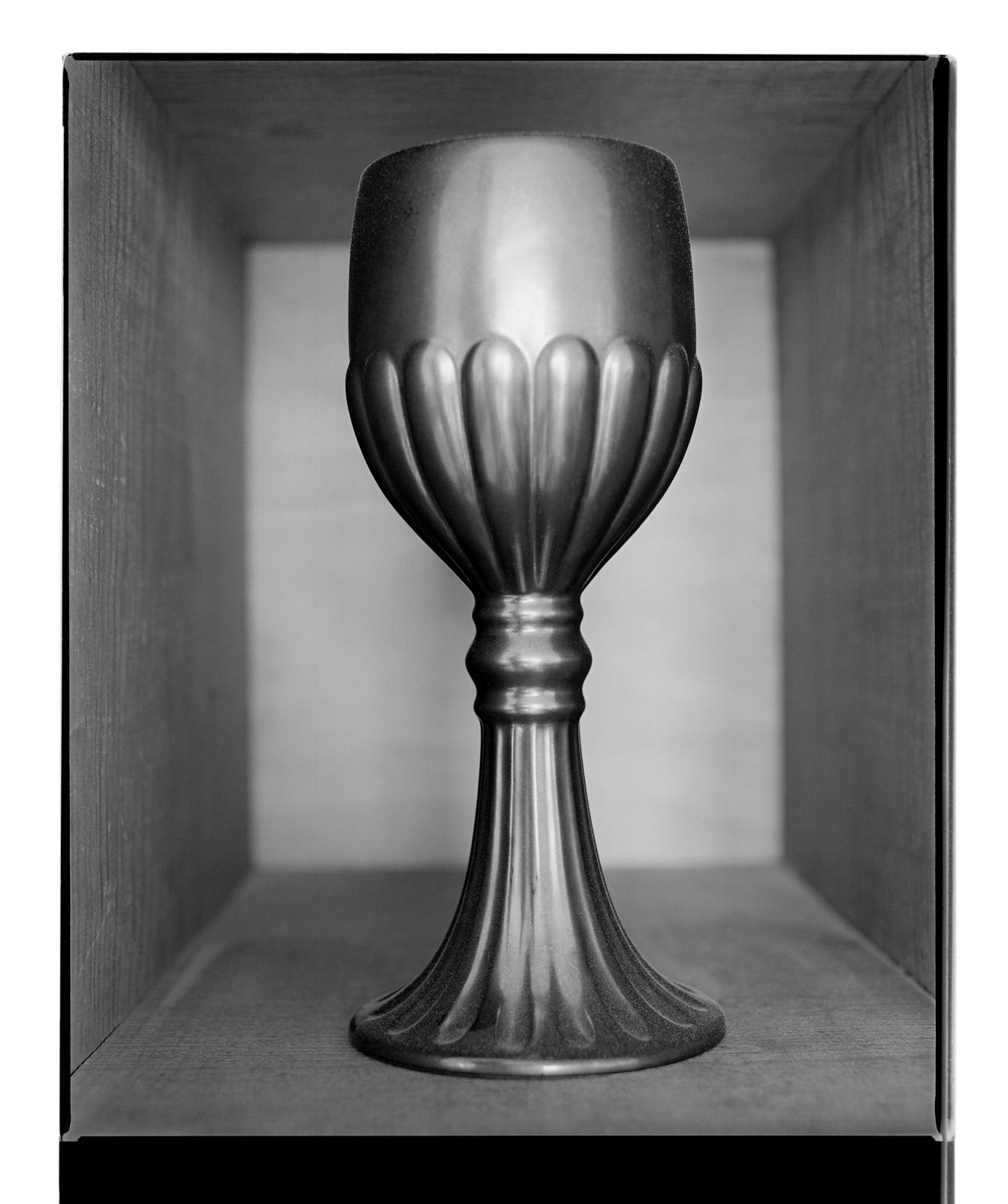
Marcus Bunyan (Australian, b. 1958) Chalice I 1994-1996 Gelatin silver print
Marcus Bunyan (Australian, b. 1958) Chalice II 1994-1996 Gelatin silver print
Marcus Bunyan (Australian, b. 1958) Chalice III 1994-1996 Gelatin silver print
Marcus Bunyan (Australian, b. 1958) Cracked 1994-1996 Gelatin silver print
Marcus Bunyan (Australian, b. 1958) Gumnuts 1994-1996 Gelatin silver print
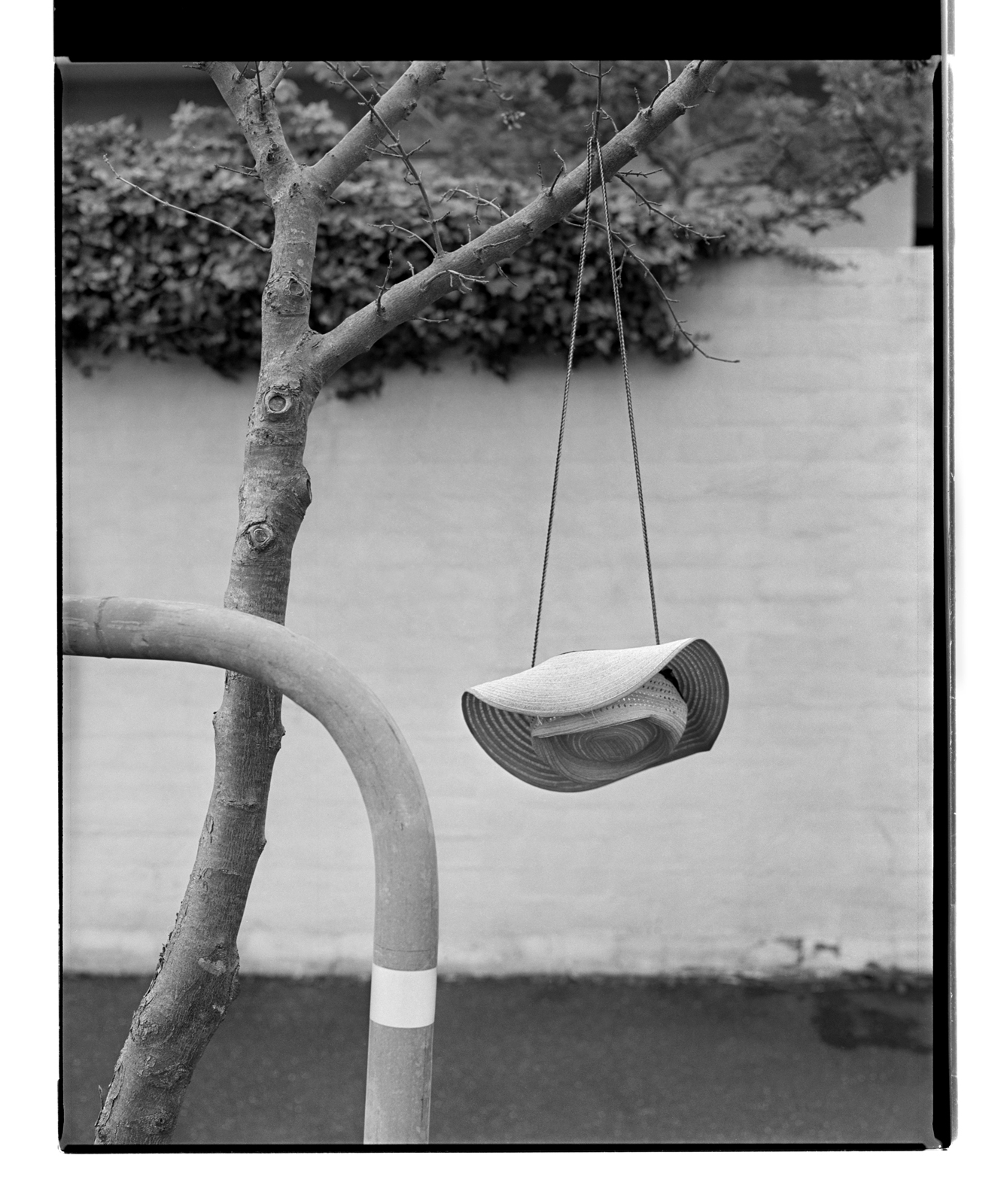
Marcus Bunyan (Australian, b. 1958) Hat I 1994-1996 Gelatin silver print
Marcus Bunyan (Australian, b. 1958) Hat II 1994-1996 Gelatin silver print
Marcus Bunyan (Australian, b. 1958) Helicopter, flag pole and sun 1994-96 Gelatin silver print
Marcus Bunyan (Australian, b. 1958) If? 1994-1996 Gelatin silver print
Marcus Bunyan (Australian, b. 1958) Jubilee Street, Melbourne 1994-1996 Gelatin silver print
Marcus Bunyan (Australian, b. 1958) Kids horse I 1994-1996 Gelatin silver print
Marcus Bunyan (Australian, b. 1958) Kids horse II 1994-1996 Gelatin silver print
Marcus Bunyan (Australian, b. 1958) Monster 1994-1996 Gelatin silver print
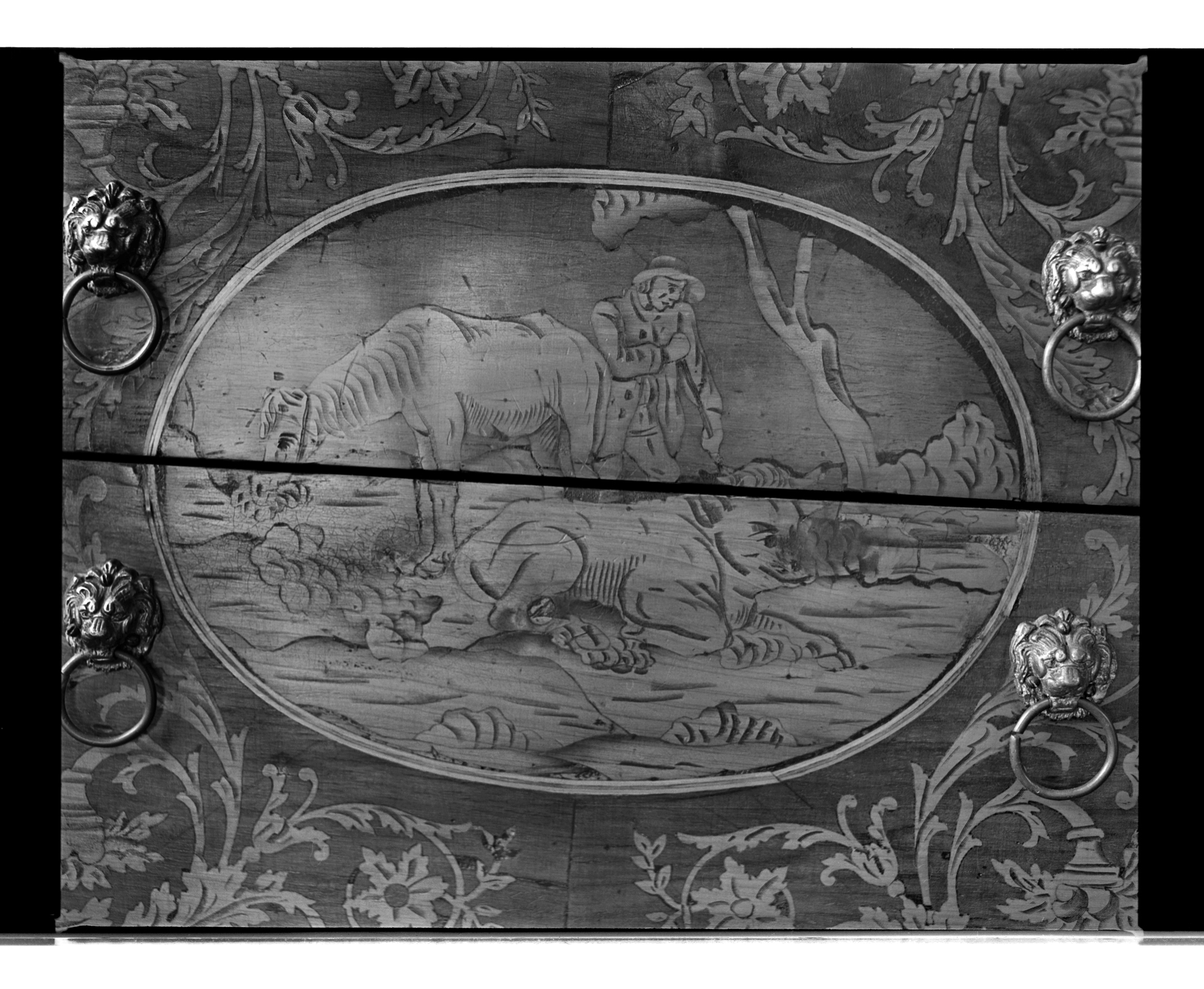
Marcus Bunyan (Australian, b. 1958) Marquetry 1994-1996 Gelatin silver print
Marcus Bunyan (Australian, b. 1958) Saint Gregory I 1994-1996 Gelatin silver print
Marcus Bunyan (Australian, b. 1958) Saint Gregory II 1994-1996 Gelatin silver print
Marcus Bunyan (Australian, b. 1958) Saint Gregory III 1994-96 Gelatin silver print
Melbourne gay pride 1994
Marcus Bunyan (Australian, b. 1958) Melbourne gay pride 1994 Gelatin silver print
Marcus Bunyan (Australian, b. 1958) Body painting, Melbourne gay pride 1994 Gelatin silver print
Marcus Bunyan (Australian, b. 1958) Body painting, Melbourne gay pride 1994 Gelatin silver print
Marcus Bunyan (Australian, b. 1958) Body painting, Melbourne gay pride 1994 Gelatin silver print
Marcus Bunyan (Australian, b. 1958) Body painting, Melbourne gay pride 1994 Gelatin silver print
Marcus Bunyan (Australian, b. 1958) James Dean, Melbourne gay pride 1994 Gelatin silver print
Marcus Bunyan (Australian, b. 1958) Banquet table, Melbourne gay pride 1994 Gelatin silver print
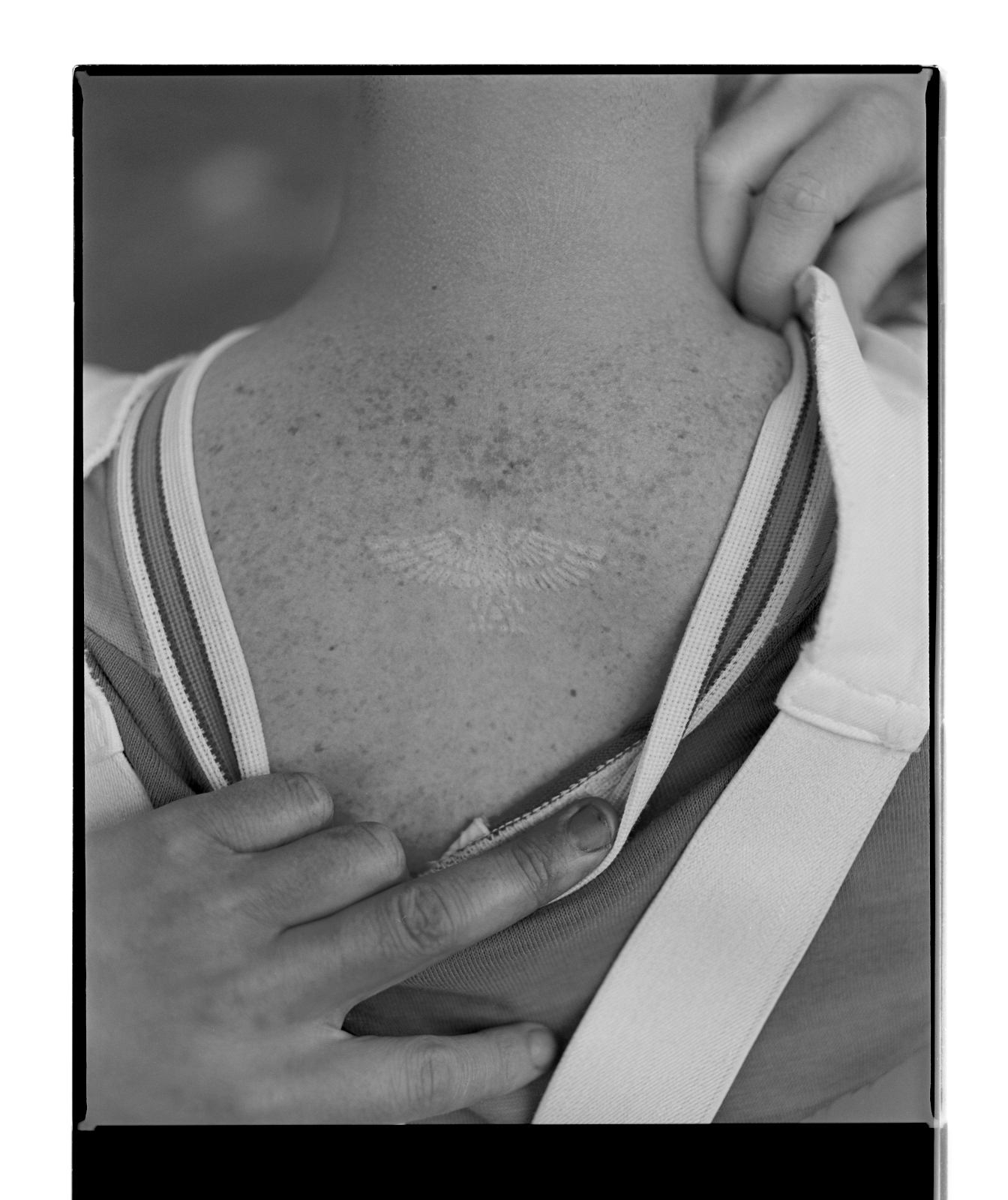
Marcus Bunyan (Australian, b. 1958) Eagle brand, Melbourne gay pride 1994 Gelatin silver print
Marcus Bunyan (Australian, b. 1958) Pentagram, Melbourne gay pride 1994 Gelatin silver print
Marcus Bunyan (Australian, b. 1958) Love, Melbourne gay pride 1994 Gelatin silver print
Marcus Bunyan (Australian, b. 1958) Dragons wing, Melbourne gay pride 1994 Gelatin silver print
Marcus Bunyan (Australian, b. 1958) Rose Kennedy, Melbourne gay pride 1994 Gelatin silver print
Marcus Bunyan (Australian, b. 1958) Om, Melbourne gay pride 1994 Gelatin silver print
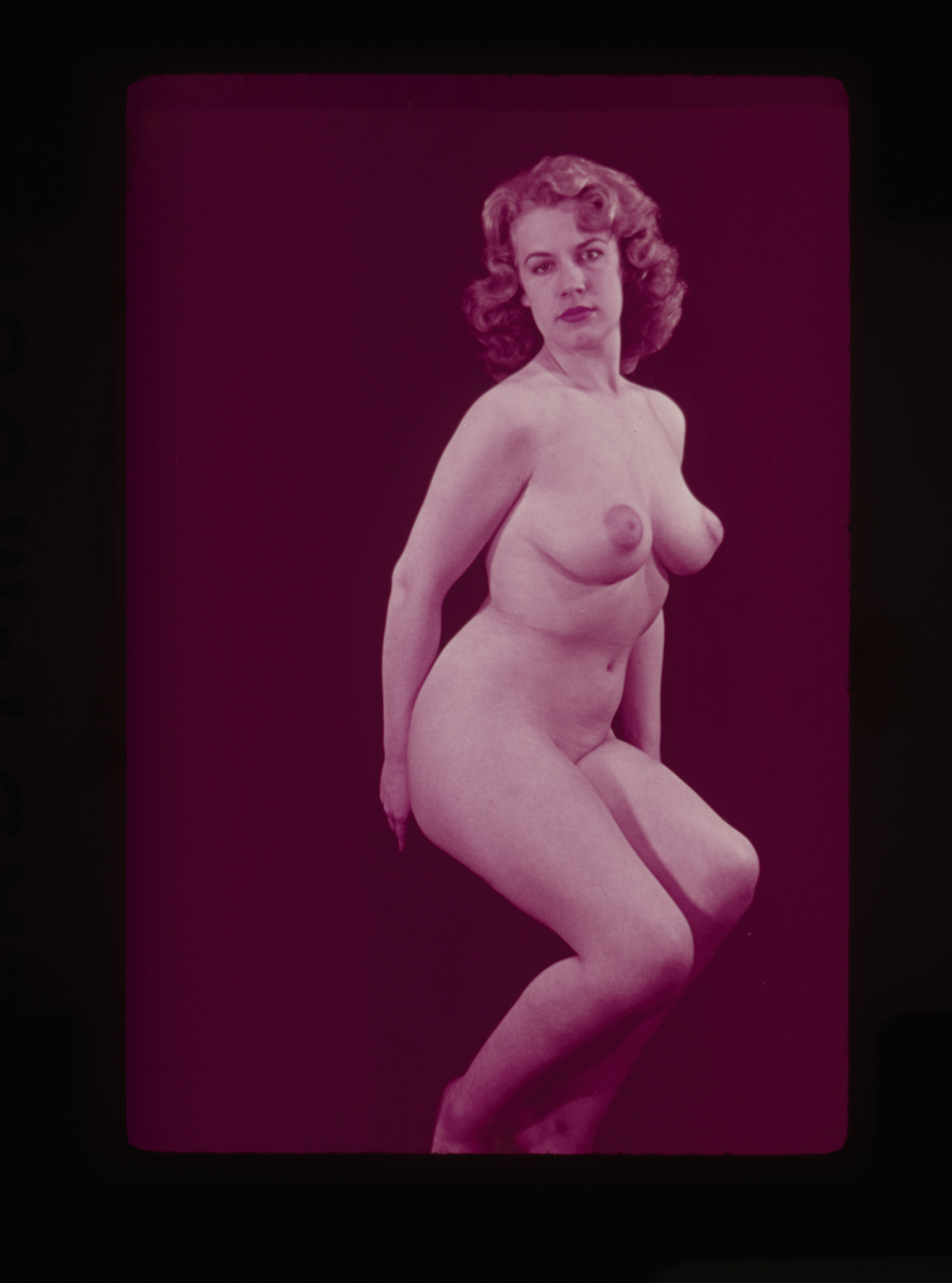
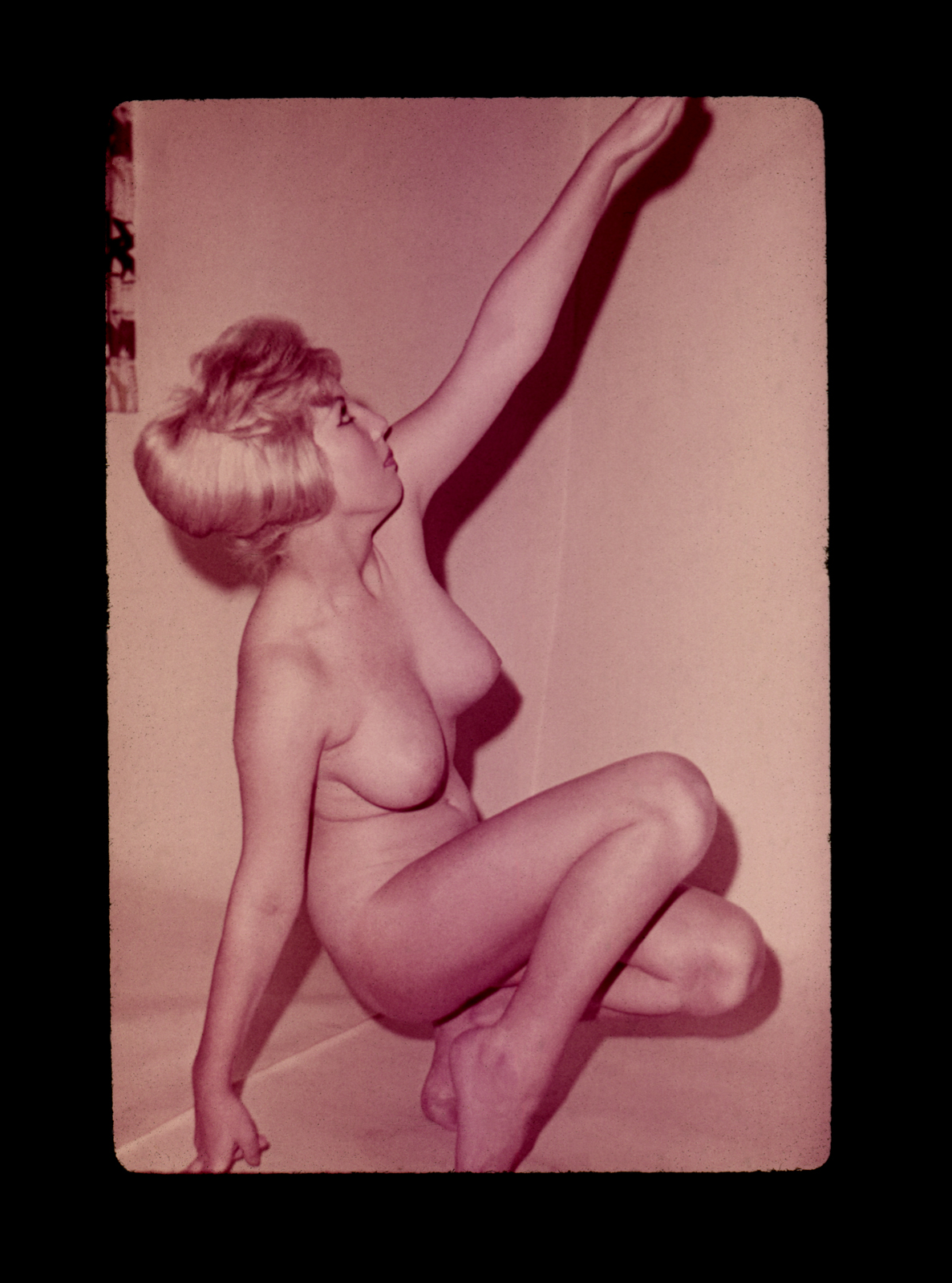
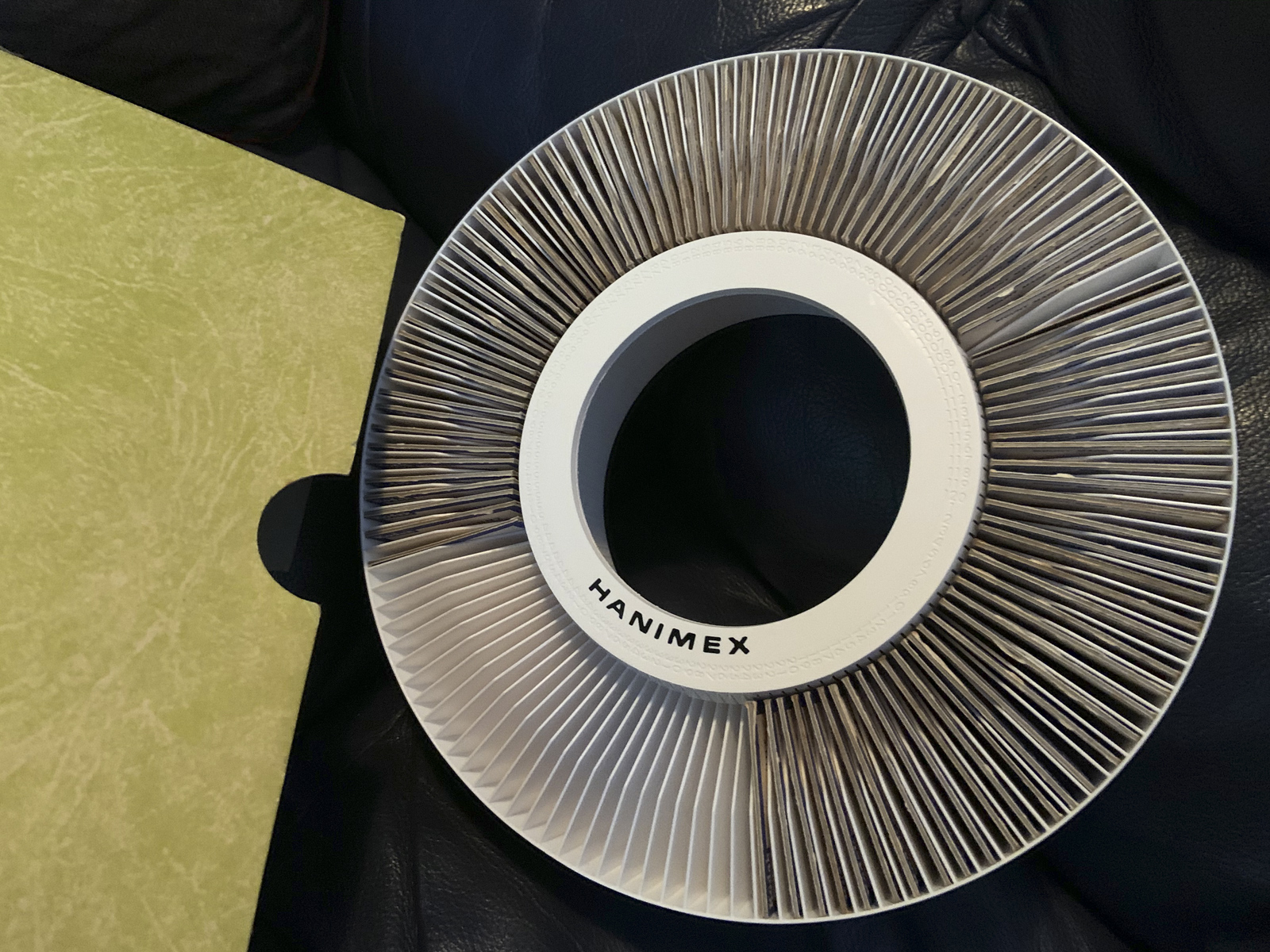
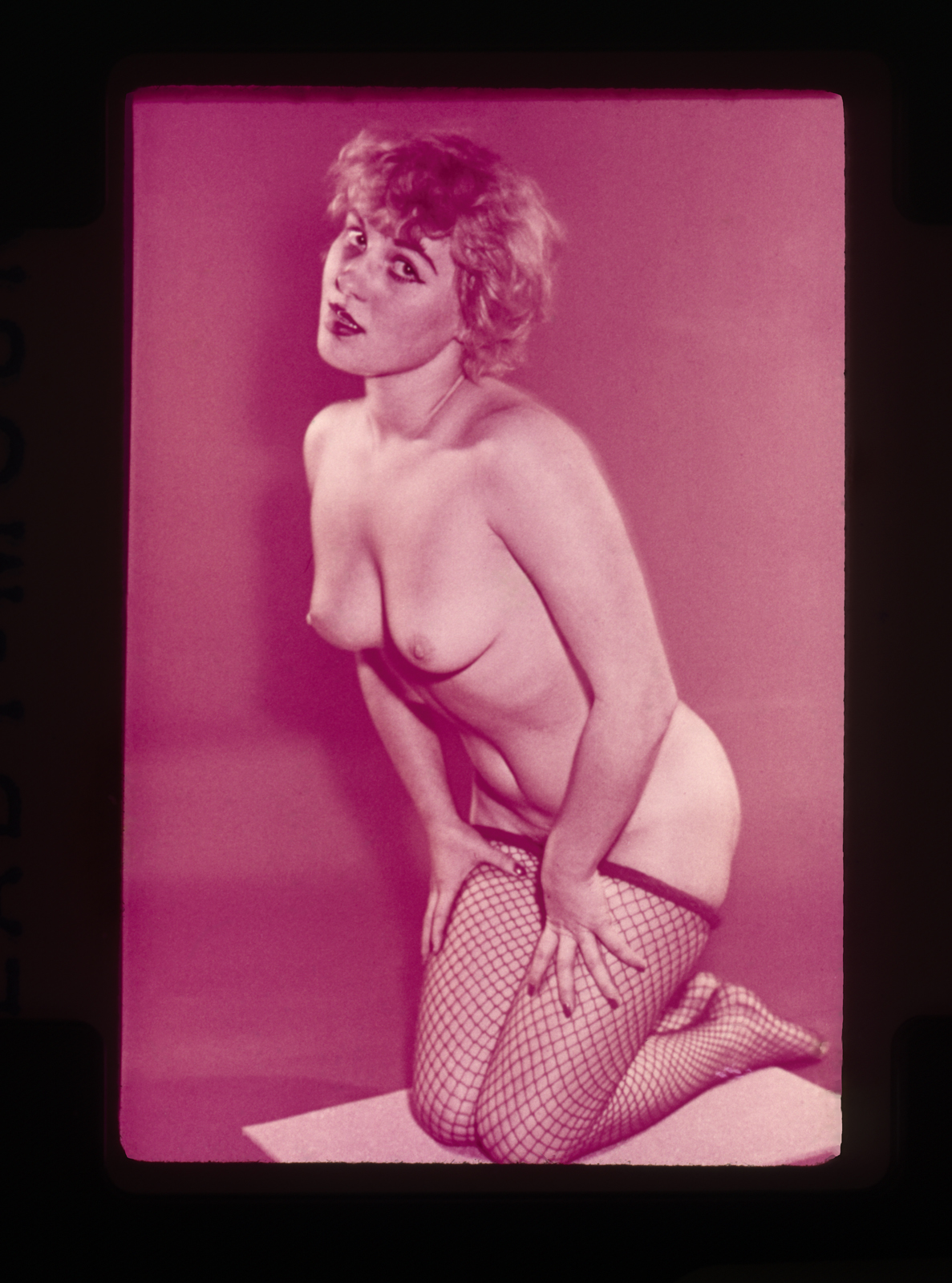
This is the second part of my posting on 88 colour slides of nude women that I bought in Daylesford (an hour and a half from Melbourne) at an antique centre. I have spent hours digitally restoring these slides for they were in a poor state. Unfortunately the colour has gone but I felt the slides were so interesting, so beautiful, that they were worth preserving.
Compared to the women in Part 1 of the posting, the women in these photographs are more knowing of their sexuality and the part they are playing in their own representation, the acting for the camera. Even so, there is nothing prudish or smutty about these photographs. Despite the professional? amateur? photographer being almost certainly male (and all the appellations that the male gaze brings with it), the women are joyful when displaying their bodies, unafraid and uninhibited in the posing of their bodies before the camera. Here “the enshrining of Woman as a blank screen upon which the ideas and desires of both artist and viewer are projected” is balanced by the identity, presence and vitality of the women themselves. They take possession of their image, not simply as passive participants in the act of representation, but as active, engaged, powerful human beings who have a vital role in their own portrayal.
This selection features images that have a more British flavour including shots in a traditional back garden of an English house with lawn, crazy paving and roses (reminding me of my mother’s garden). Other photographs are shot in a flat – one in front of curtain, another using flash in a temporary studio made from rolls of paper hung down behind the model. Further photographs are shot in what looks like a rental bedsit using flash – against a door with the edge of the bed appearing at left, or in a small bedside mirror with overhead light, guest instructions for the room appearing at left. One can only surmise the arrangements made for the model and photographer to meet up in such a small, dingy space. Did they know each other beforehand, was money exchanged, did they have sex afterwards or part without ever seeing each other again, and what was going on in each of their lives, that they ended up in this space at this time for these photographs? What brought them to this place, and what happened to their lives afterwards? One can only surmise…
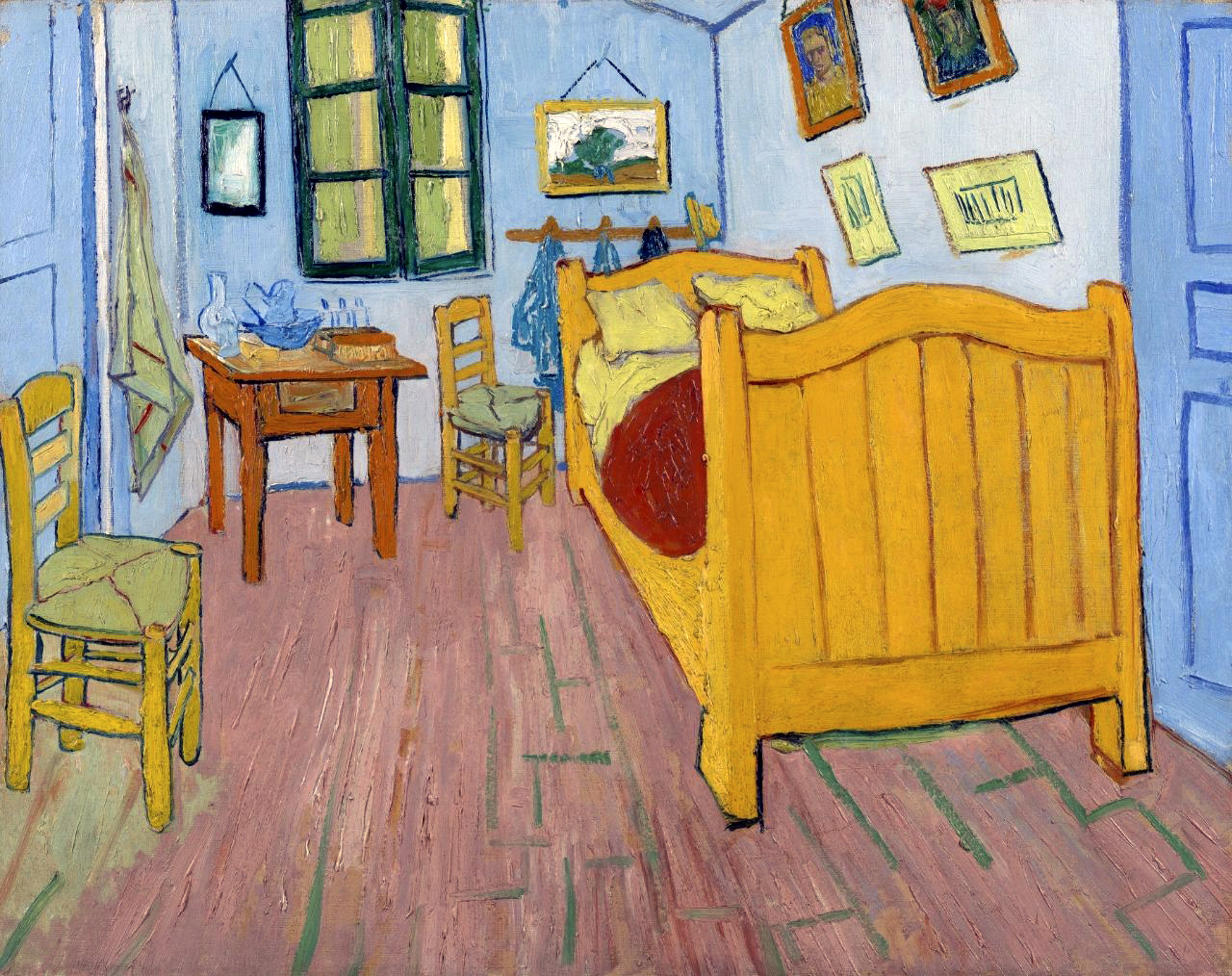
The setting of domestic suburbia is prevalent in many of these intimate images. Women lie on couches with cats; sit on a stool surrounded by chair, curtain and floral carpet; and are photographed as a pair using numerous props including a chair and a table covered with a bedspread, while on the ground a blanket is laid on the carpet for them to sit on. It’s all very amateur and experimental, using whatever surroundings and objects were available. My personal favourite is a magnificent woman, head titled down and away from the camera, strong dark shadow with the profile of a classical bust falling on the bed and wall behind, flattening the space of the image. Three Vincent van Gogh posters are tacked to the wall of the habitat behind: beauty and bed meets beauty and bed, that of van Gogh’s The Bedroom Arles 1888 (see below). I wonder what Vincent would have made of this Venus, how he would have painted her.
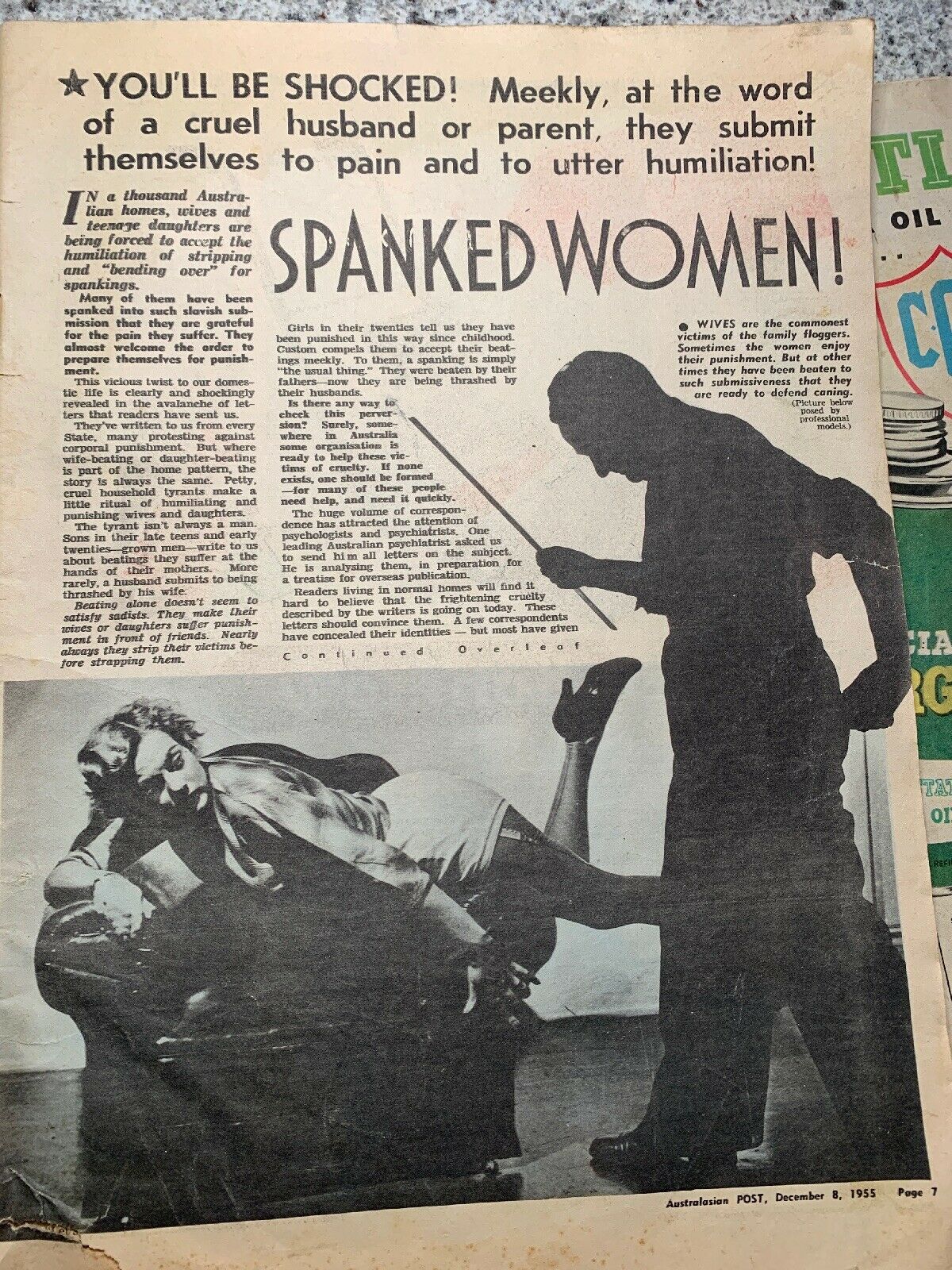
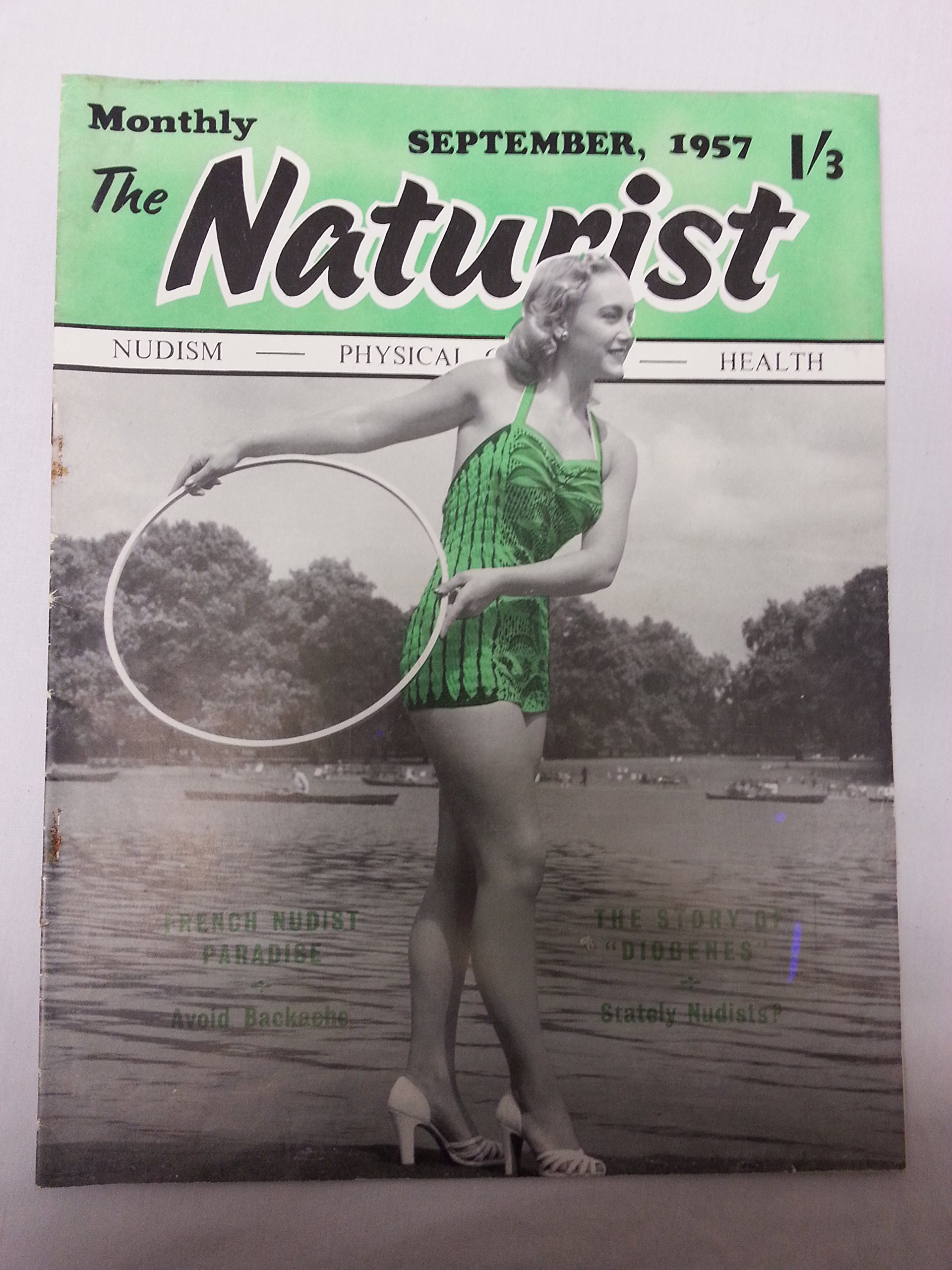
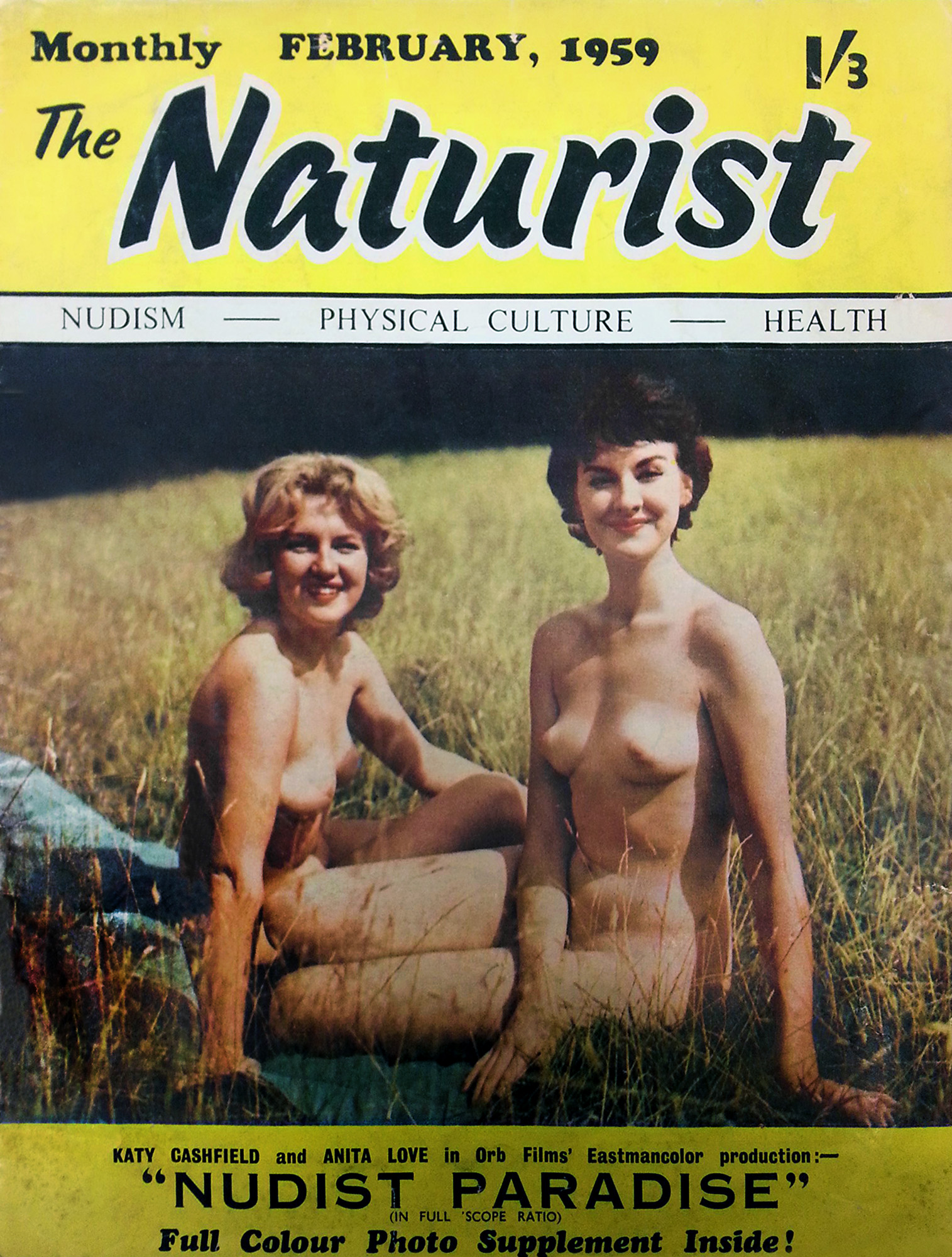
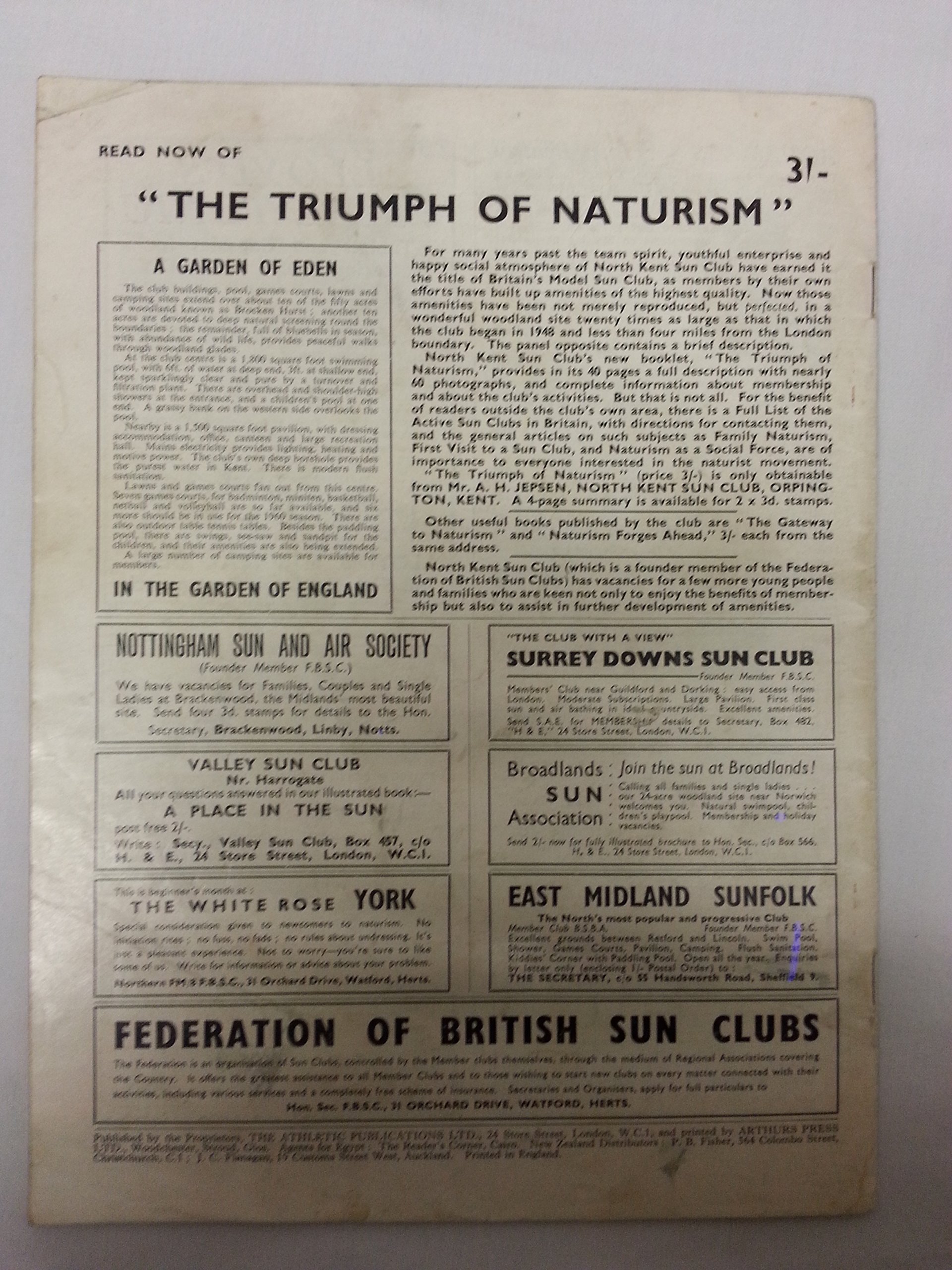
At the bottom of the posting you can see examples of naturist magazines, for the posing in these photographs has historical links to the history and photography of naturism (naturism is a lifestyle of non-sexual nudity, and the cultural movement which advocates for and defends that lifestyle). Of particular interest to me are the advertisements for the “Spielplatz” in St Albans, for my mother was a member for many years at this nudist retreat in the heart of Hertfordshire, owning a caravan and enjoying the summer months in England swimming and sunbathing nude. The Spielplatz (meaning playground) – “the place to be when you have nothing on” – is the UK’s longest-operating naturist resort founded in 1929 by Charles Macaskie and his wife Dorothy, and still going strong. Other magazines, such as the Australian Figure and Vigour (A Controversial Periodical Devoted to Fearless Fact … SEXOLOGY – ART – THEATRE – BEAUTY) and Australasian Post concentrate on the more salacious side of sex and the portrayal of the female body (for the desires of men): ‘ARE WE SLAVES TO SEX?’ screams the headline, and ‘IS OUR SOCIETY SEX-SICK?’ or, ‘SPANKED WOMEN! * YOU’LL BE SHOCKED! Meekly, at the word of a cruel husband or parent, they submit themselves to pain and utter humiliation!’ Meekly – there is the key word (in a quiet, gentle, and submissive manner) – women become subservient to men, submitting themselves to pain and humiliation not just from a husband, but even a parent. This is so wrong on so many levels.
Titles such as “The Triumph of Naturism”, “Health and Efficiency” “Health and Sunshine” emphasise the link between nature, the body and the machine, how a healthy body promotes a healthy mind, all the while lurking in the background are half-remembered links to the discredited science of eugenics (a set of beliefs and practices that aim to improve the genetic quality of a human population, historically by excluding people and groups judged to be inferior or promoting those judged to be superior) and to the 1935 Nazi propaganda film directed, produced, edited, and co-written by Leni Riefenstahl titled Triumph of the Will, which chronicles the 1934 Nazi Party Congress in Nuremberg, which was attended by more than 700,000 Nazi supporters. Meanwhile, portrayals of the male body in some of the very same magazines concentrate on the mightiest men of muscledom, bulging pinups and masters of muscle. A youthful Arnold Schwarzenegger (photographed by that wonderful artist Gregor Arax) poses in all his glory for these physical culture magazines, as does a very young Sean Connery – the muscular phallic body of the muscle gods transferring across to the desirability and availability of such a body in gay porn photographs from the 1970s. As they say in ‘Master of muscle’, “It begins with a picture…”
On 30 October 2021 I received a wonderful email from Miss Ulrike Muehlbachler in Austria. She gave me some valuable information with regard to these colour slides as below:
“All of them should be digitalised at the highest possible resolution as soon as possible. 1960’s colour slides now tend to chemical reactions – which destroys the images more and more through the years (this has been done!)
“The slides seem to be a mixture of models from different countries including the UK, as I can name a few. Also I’d say that although several of the models posed for Harrison Marks none of the shots are taken by him. They were originally published as sets under ‘Esquire Color Slides’ and were notorious for going red!
They were not taken at Ewhurst Manor [a legendary UK-filming location at 37 Furzehill Road, Borehamwood used for “glamour” photography, now sadly totally demolished], at least those I’ve seen taken in the gardens. I know the grounds of Ewhurst fairly well having studied numerous images of the place over the years. I can safely say there wasn’t a walled round pond there 🙂
I will need to look through the slides again, but I can see Sue Owen, Models named Robyn and Georgina and a few others I recognise.
These slides seem to turn up all over the place, so the distribution must have been pretty good even back in the 1960’s.
Vincent van Gogh (1853-1890) The Bedroom Arles, October 1888 Oil on canvas 72.4 cm x 91.3 cm Van Gogh Museum, Amsterdam
While he was in Arles, Van Gogh made this painting of his bedroom in the Yellow House. He prepared the room himself with simple furniture and with his own work on the wall. The bright colours were meant to express absolute ‘repose’ or ‘sleep’. Research shows that the strongly contrasting colours we see in the work today are the result of discolouration over the years. The walls and doors, for instance, were originally purple rather than blue. The apparently odd angle of the rear wall, meanwhile, is not a mistake on Van Gogh’s part – the corner really was skewed. The rules of perspective seem not to have been accurately applied throughout the painting, but this was a deliberate choice. Vincent told Theo in a letter that he had deliberately ‘flattened’ the interior and left out the shadows so that his picture would resemble a Japanese print. Van Gogh was very pleased with the painting: ‘When I saw my canvases again after my illness, what seemed to me the best was the bedroom.’
Text from the Van Gogh Museum website [Online] Cited 21/02/2021
“Are We Slaves to Sex?” Figure and Vigour Vol. 1, No. 5 November 1952
Sun Bathing Review Autumn 1955
“Spanked Women!” Australasian Post December 8 1955
Sunbathing For Health January 1956
Health And Efficiency February 1956
Health And Efficiency February 1957 Adverts for Photographic Art Albums
The Naturist Vol. XX, No. 7 June 1957
The Naturist Vol. XX, No. 10 September 1957
Sun Bathing Review Vol. 16, No. 61 Spring 1958
The Naturist Monthly Vol. XXII, No. 3 February 1959
Advert for Nudist Life at Spielplatz by Charles Sennet. The Naturist Monthly Vol. XXII, No. 3 February 1959
Spielplatz
1/ playground
2/playing field
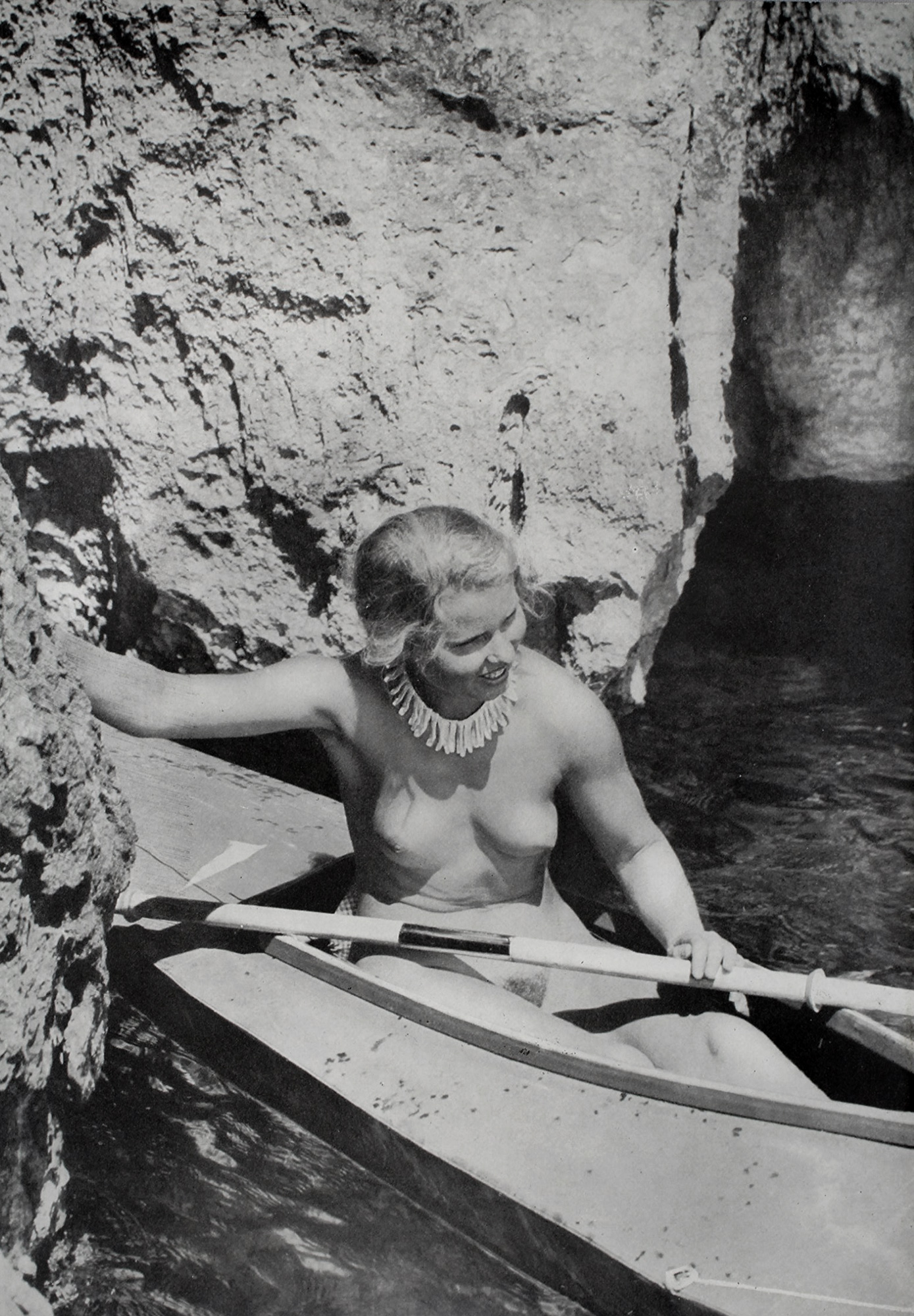
Herbert Rittlinger (German, 1909-1978) “An Island Paradise” Health and Sunshine Special Edition XIV 1960s
Herbert Rittlinger was not only known for his writing. His photographic work is equally popular. He dealt with nude photography in the sense of naturism. He also published several photo textbooks and illustrated books. For years he was also the author of a monthly column on the subject of “nude photography” in the photo magazine. From 1963 until his death he was a member of the DGPh (German Society for Photography). Above all, he dealt with the subject of water sports in photography and writing.
In many of his books, he joined committed to nudism a (nude), even in the more prudish 1950s. Rittlinger wrote as early as 1950 about the then disreputable term “nudity culture”:
“But to apply this beautiful expression to the very simple, very natural and in the appropriate place quite often practiced nudism, or to the honest nudist groups (many of their members are not by chance canoeists!) With their […] free and sporty and clean atmosphere – is impolite and, at best, shows gross ignorance. Only – the obscenity of the philistine is by no means “impolite” anymore, but rather malicious! “Naturism” (FKK) is also not a happy word. But it has asserted and naturalised itself from the distance to all speculative machinations. From the proper sportswear to Petrarcaup to here the jump is not that big: Our shores of the sun also call for ultimate physical freedom. What the gift of nudity in the air and sun means for women in particular, who withdraw three quarters of their bodies from the vital demand “let air on their skin”, even when doing sport, will be best appreciated by them. Fortunately, under the thicket of narrow and conventional convention, most people have enough cleanliness of sensation to enjoy fresh naturalness. In the face of venerable, dreamy Moselle towns, or under the peering amused or even evil glances of the honest rural population, any unintended challenge is strictly forbidden, if only for reasons of [good …] taste. But if you are in a lonely area.” ~ The new school of canoeing. River-sea-whitewater-open-air life. p. 295.
Herbert Rittlinger’s text and images in the “Sun Friends” and “HELIOS” magazine described the ideal opportunities to combine canoeing with naturism. So also the special editions written and illustrated by Rittlinger: “Dalmatian Summer”, “We moved to Friuli” and “Sun trip to Provence” from these then leading nudist publishers.
As you can imagine, with the tragic situation of the ongoing COVID-19 pandemic around the world at the moment, there are few photography exhibitions on view.
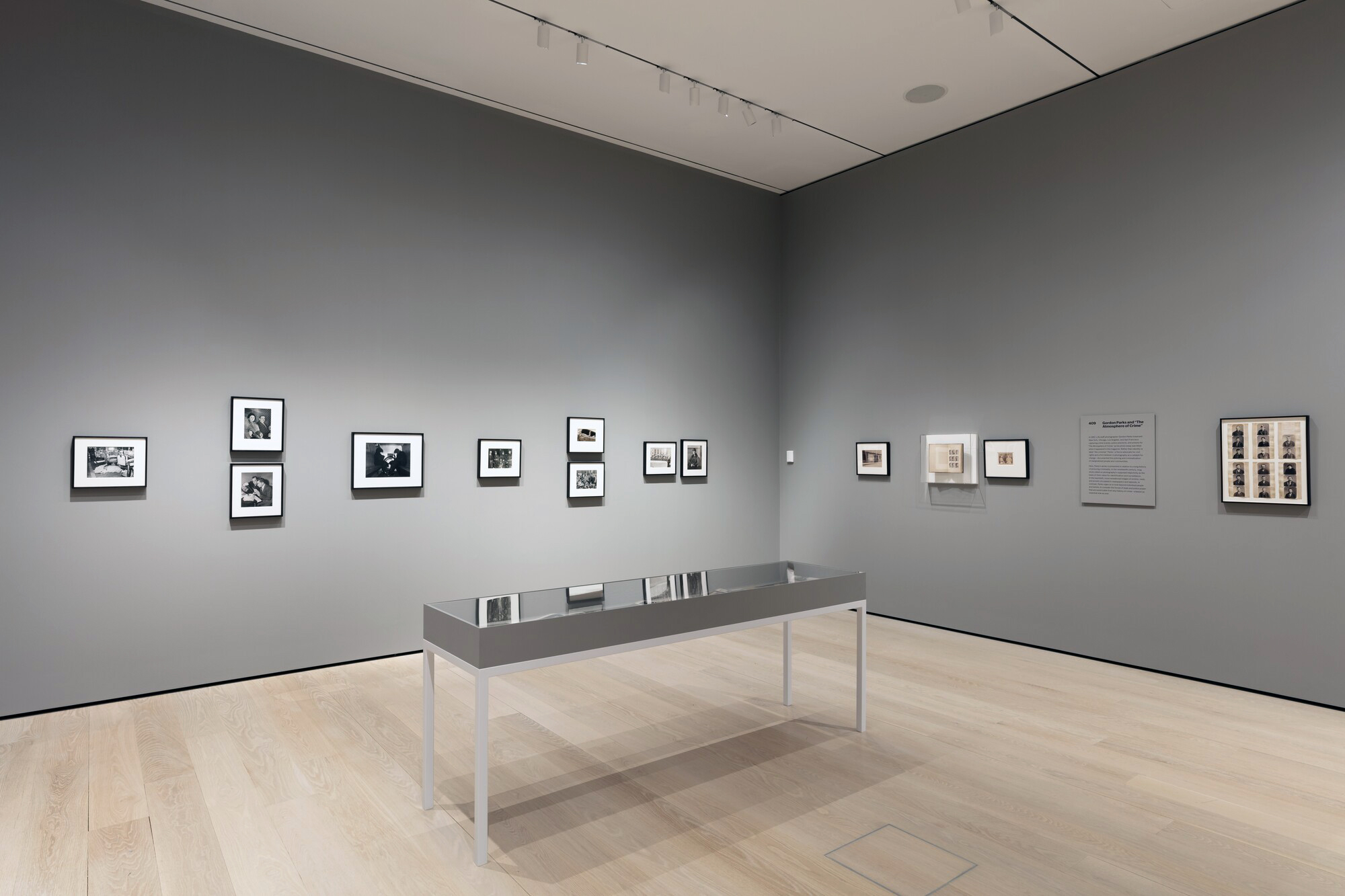
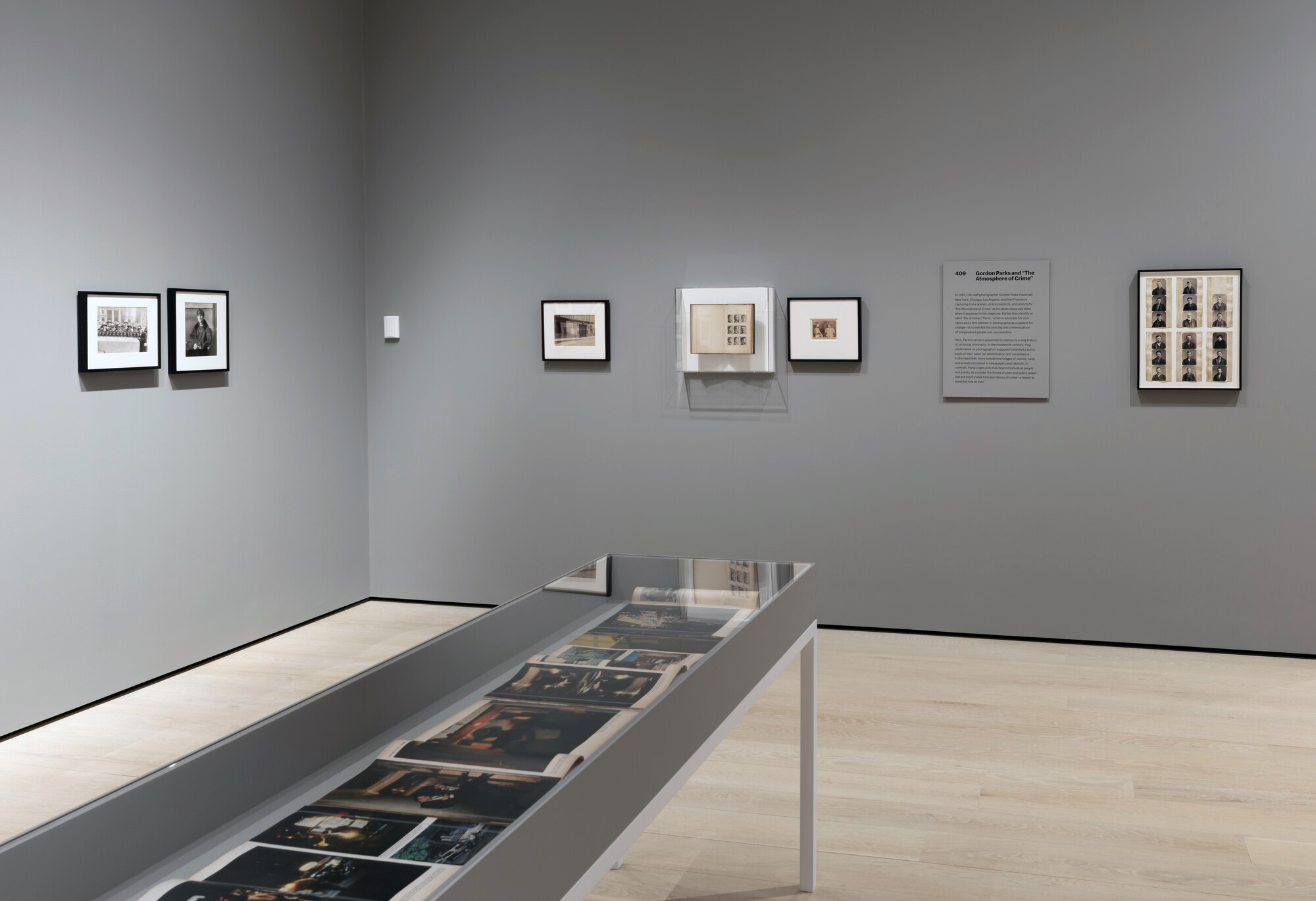
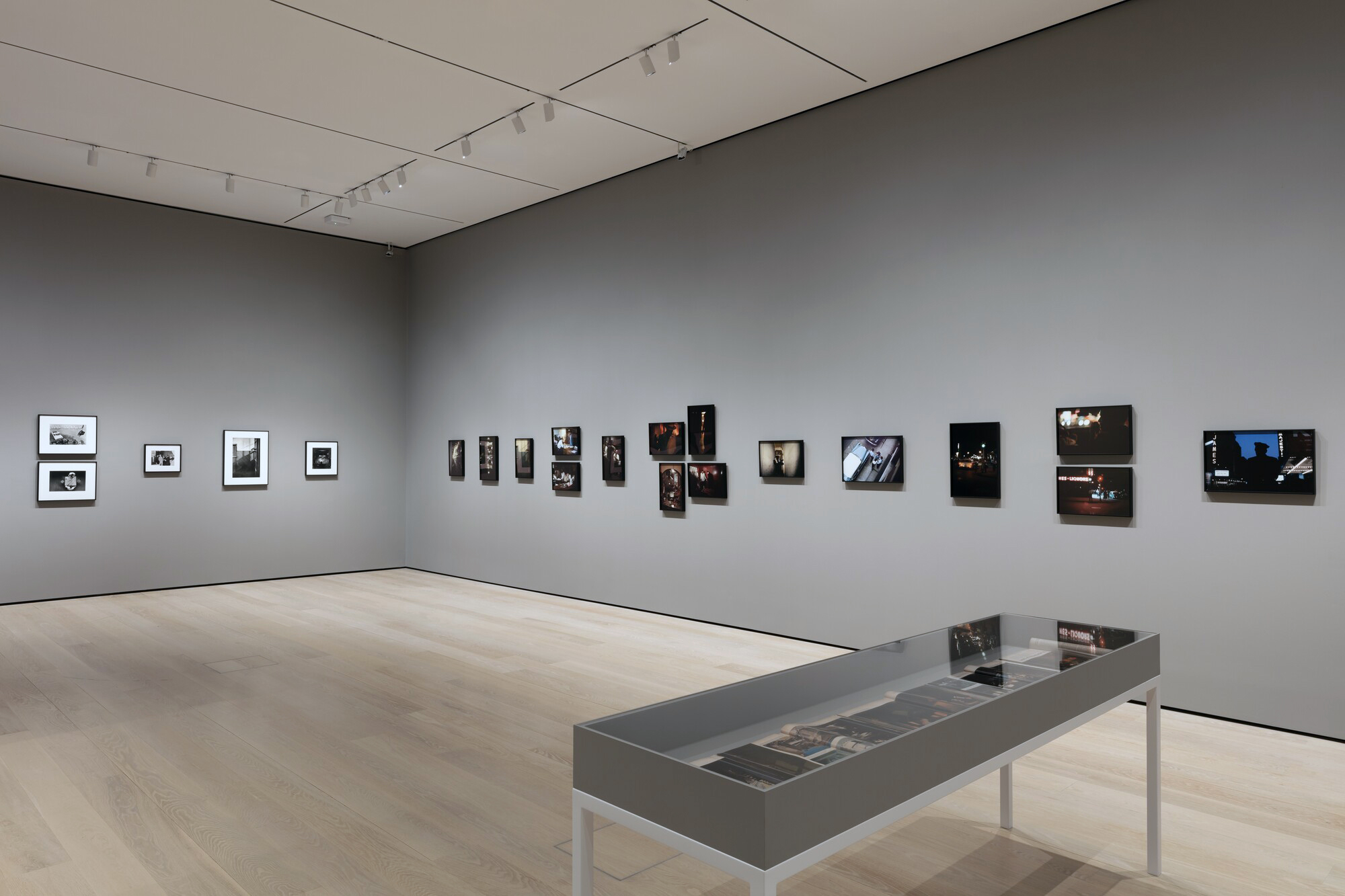
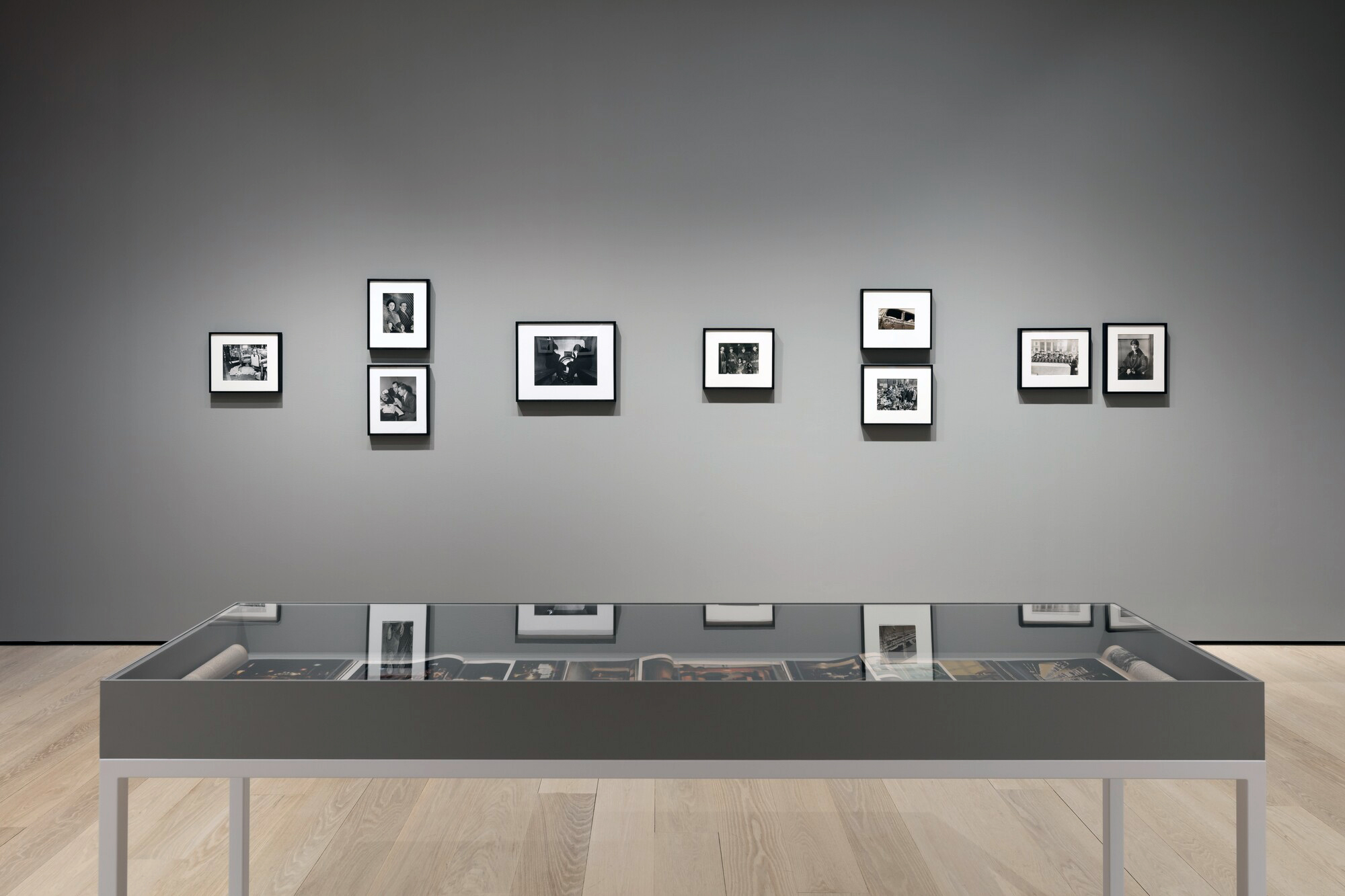
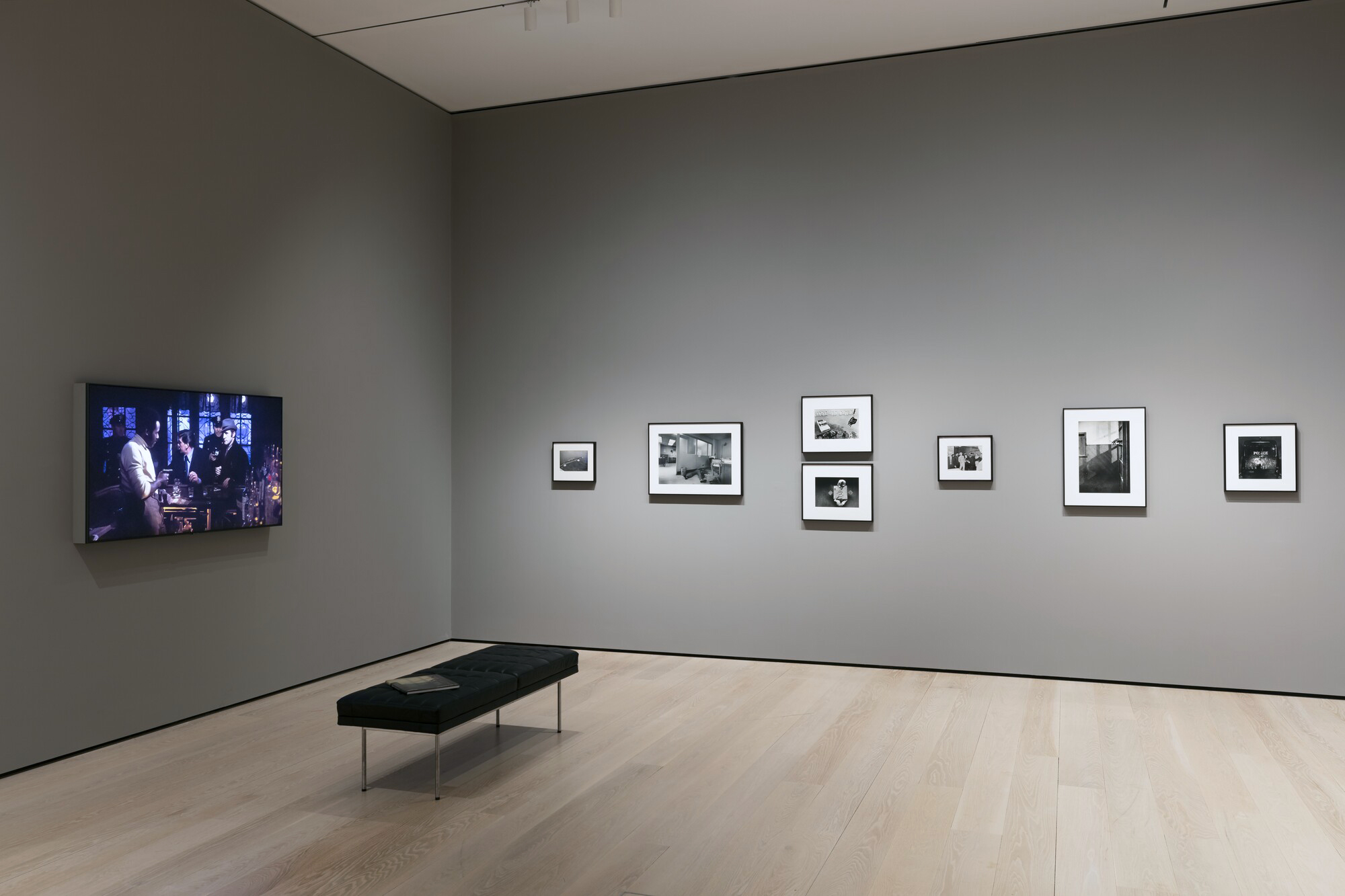
This selection of images comes from the collection 1940s-1970s at the Museum of Modern Art (MoMA) in an ongoing display. Please note that not all Gordon Parks photographs shown here are on display, but I include them to give the viewer an overview, a greater understanding of the breadth of photographs included in Parks’ cinematic photo-essay.
Can you imagine the fortitude of this man: “born into poverty and segregation in Fort Scott, Kansas, in 1912. An itinerant labourer, he worked as a brothel pianist and railcar porter, among other jobs, before buying a camera at a pawnshop, training himself and becoming a photographer. He evolved into a modern-day Renaissance man, finding success as a film director, writer and composer.” “The first Black member of the Farm Security Administration’s storied photo corps; the first Black photographer for the U.S. Office of War Information; the first Black photographer for Vogue; the first Black staff photographer at the weekly magazine Life; and, years later, the first Black filmmaker to direct a motion picture (Shaft) for a major Hollywood studio.” As a photographer he learnt his craft shooting dresses for department stores, taking portraits of society women in Chicago, and studying “the Depression-era images of photographers like Dorothea Lange”. Before joining them as a member of the FSA.
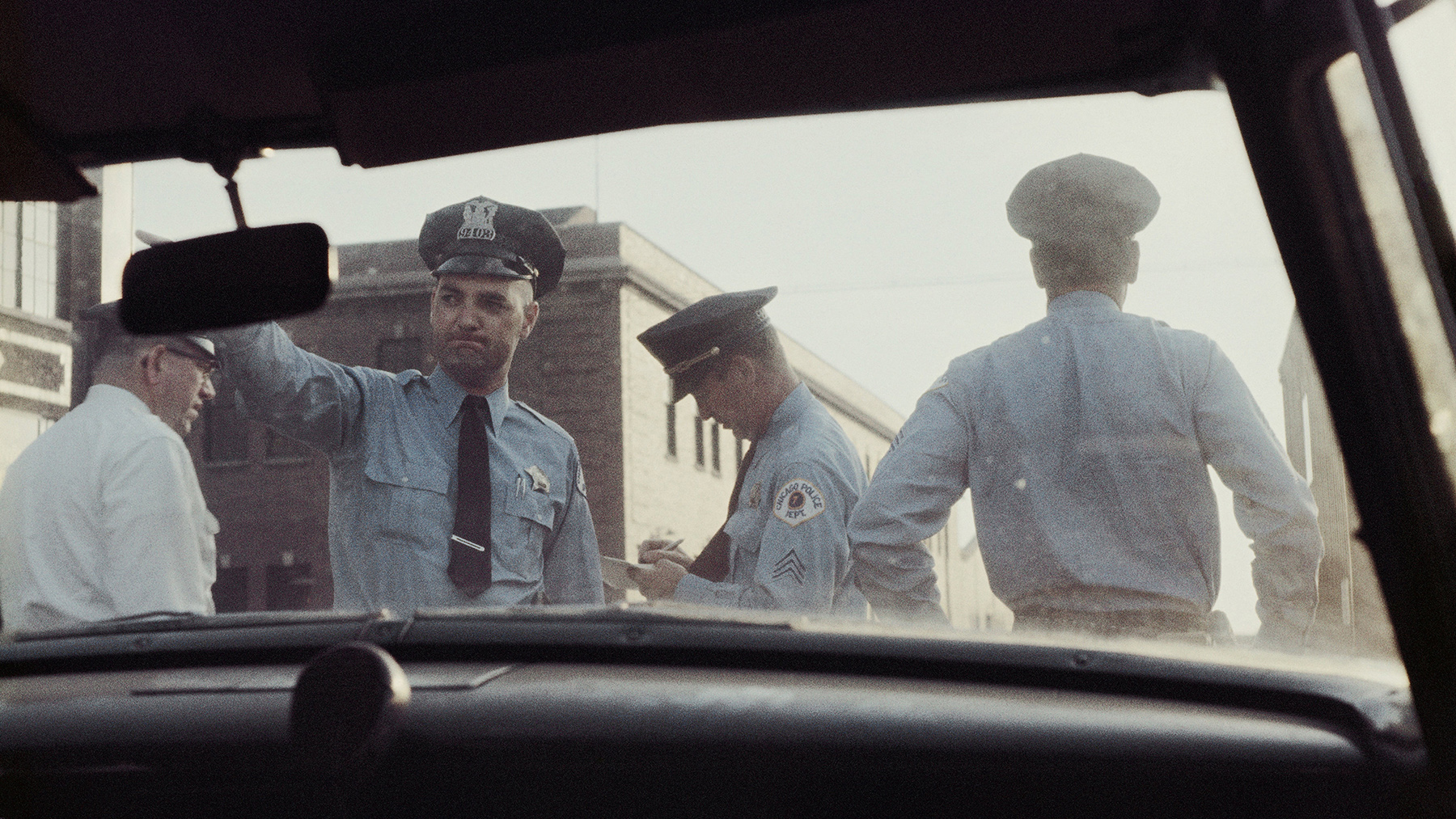
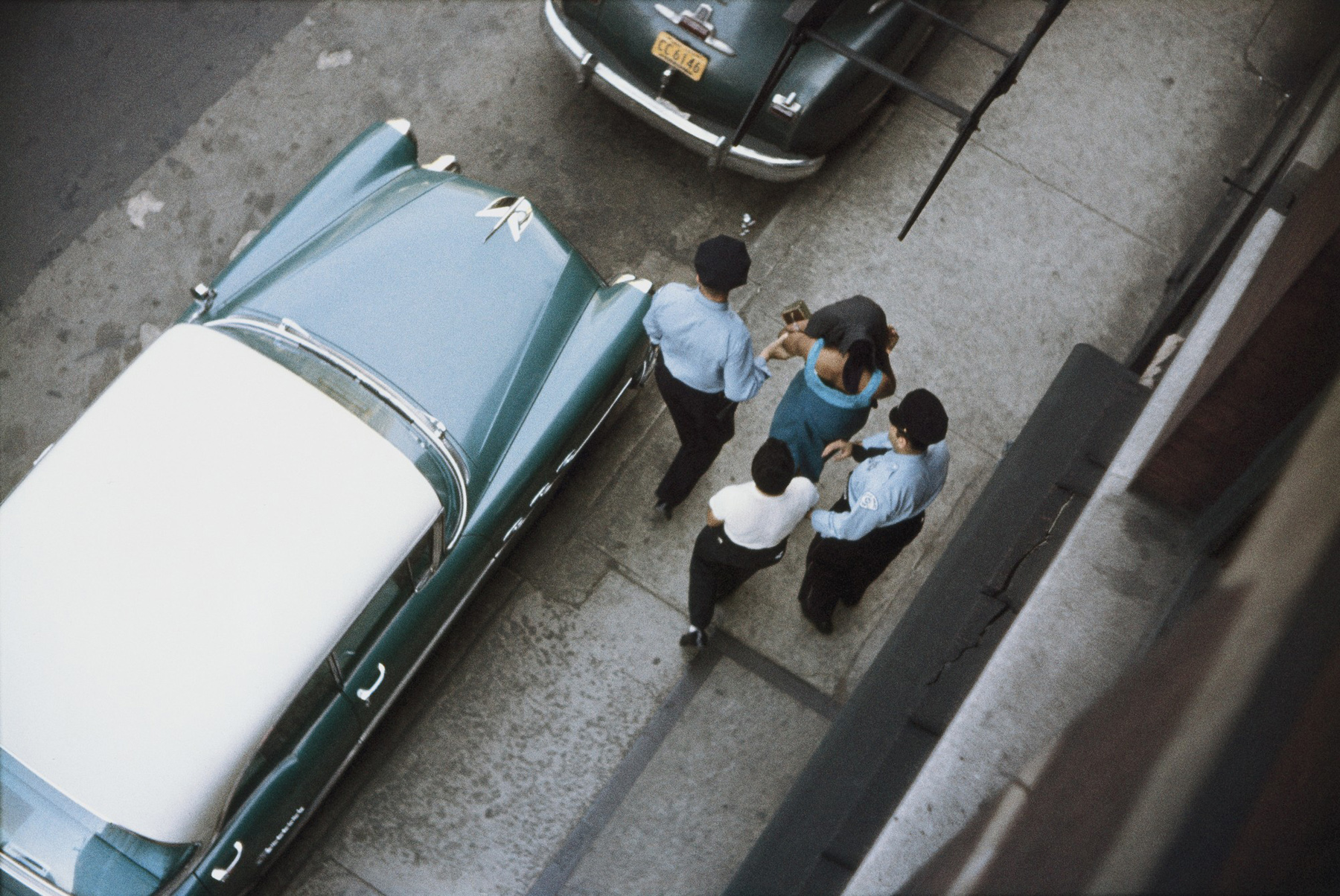
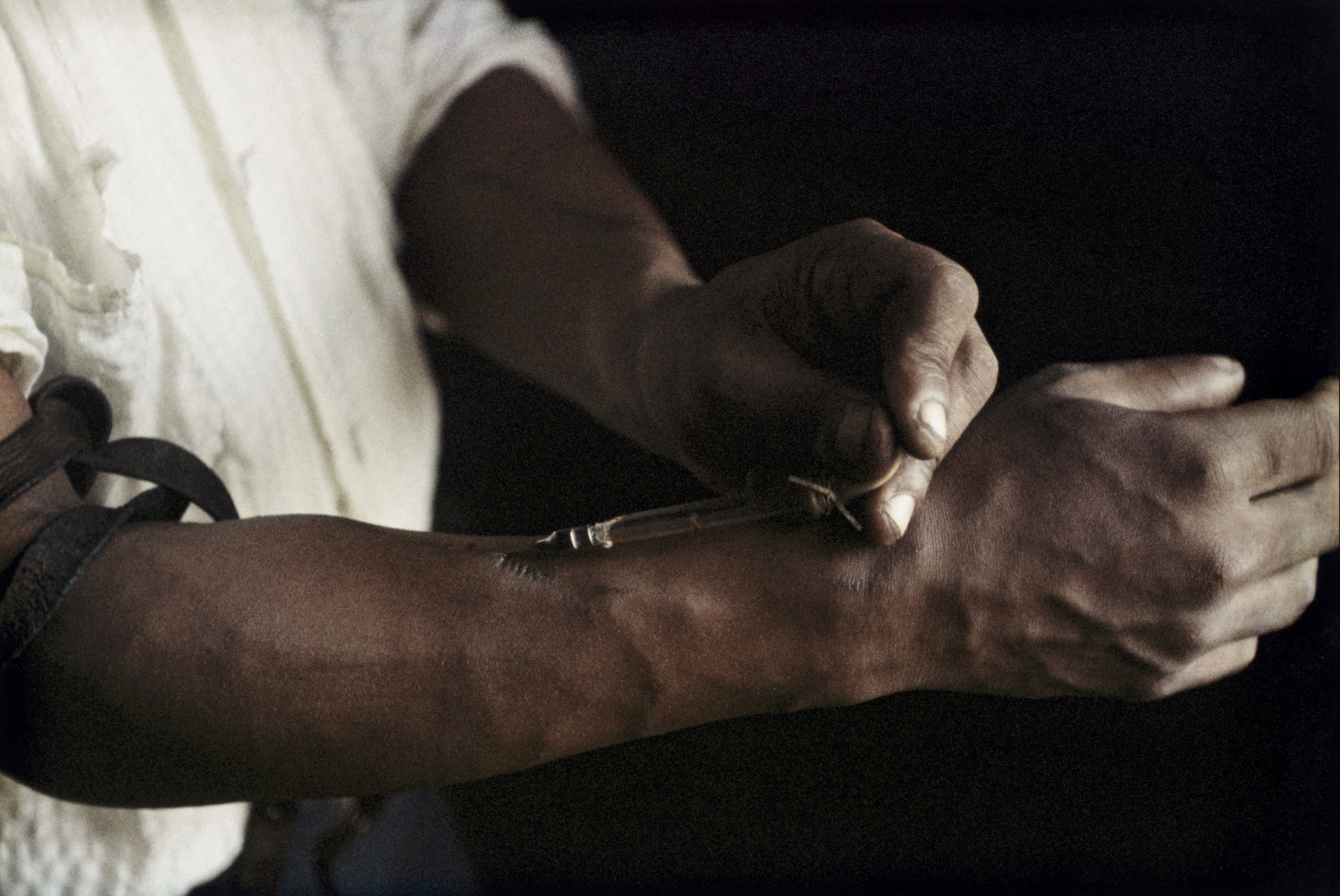
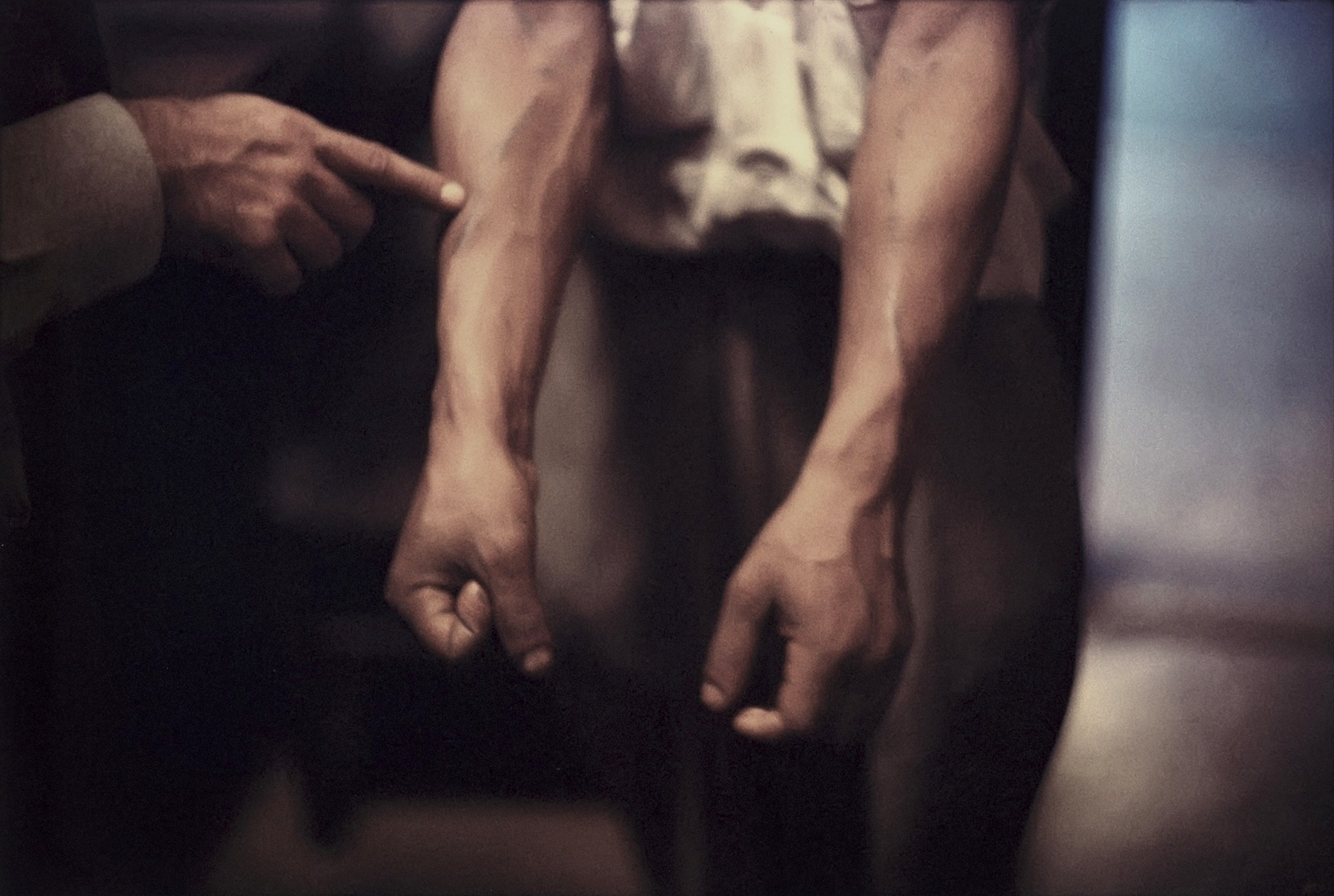
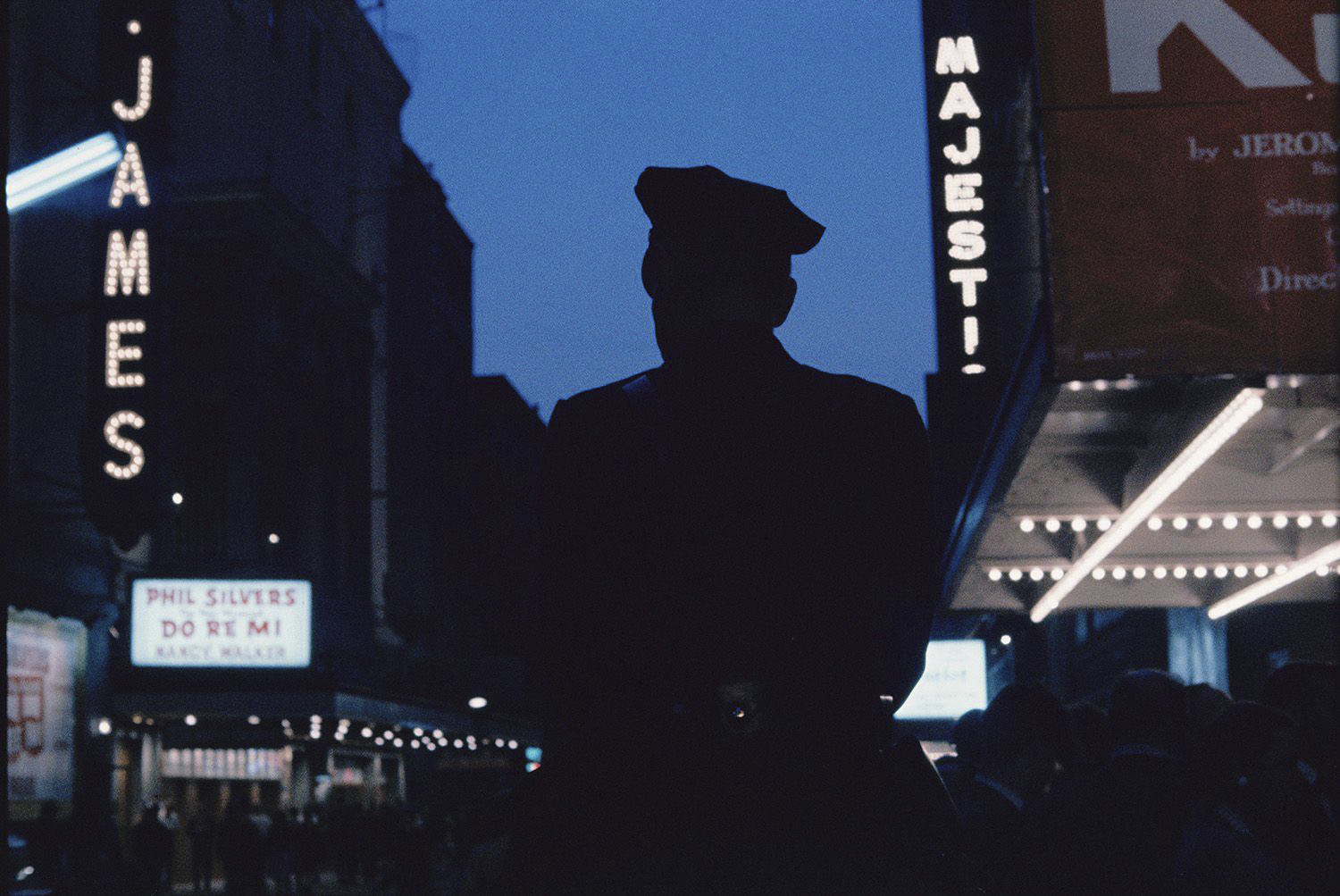
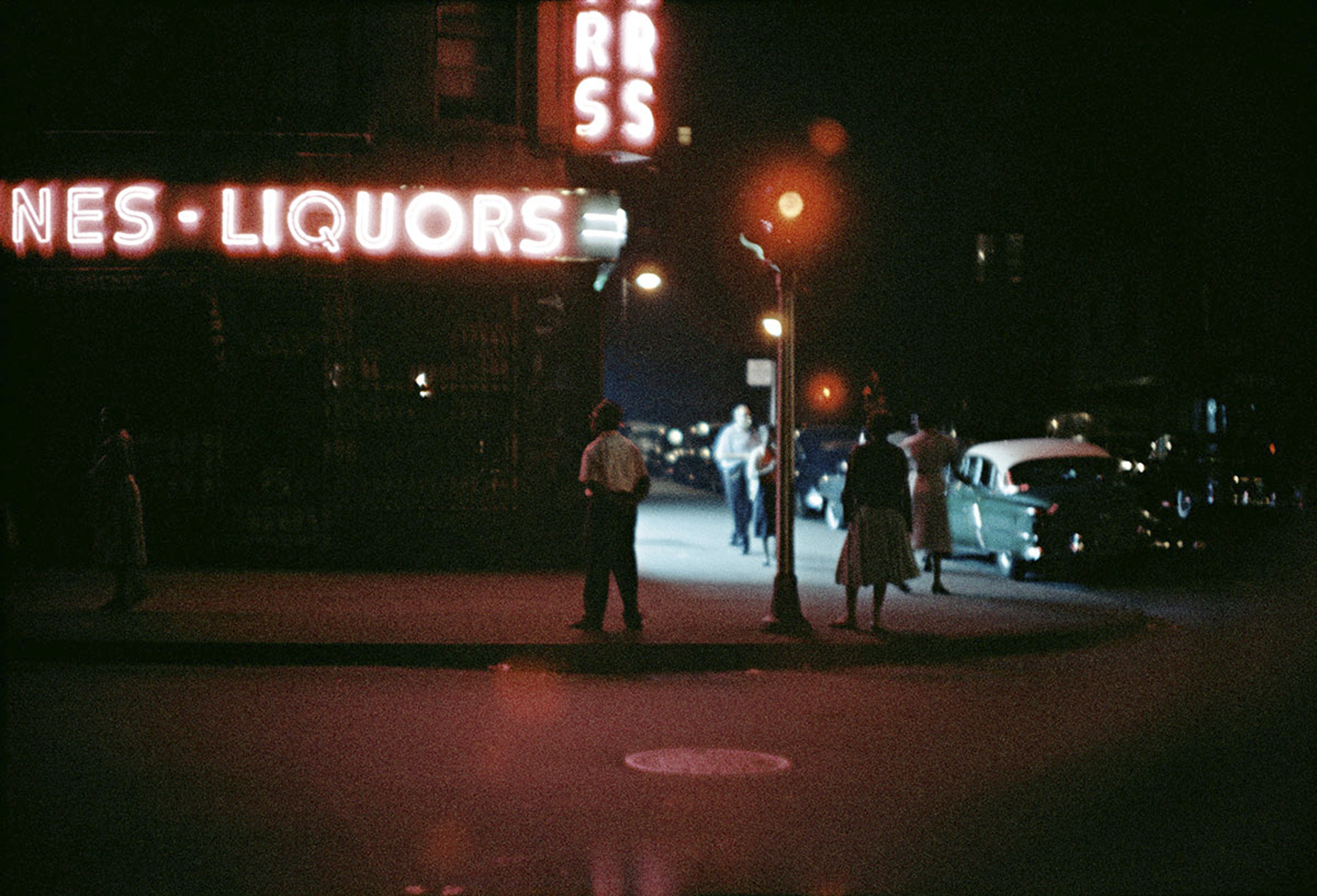
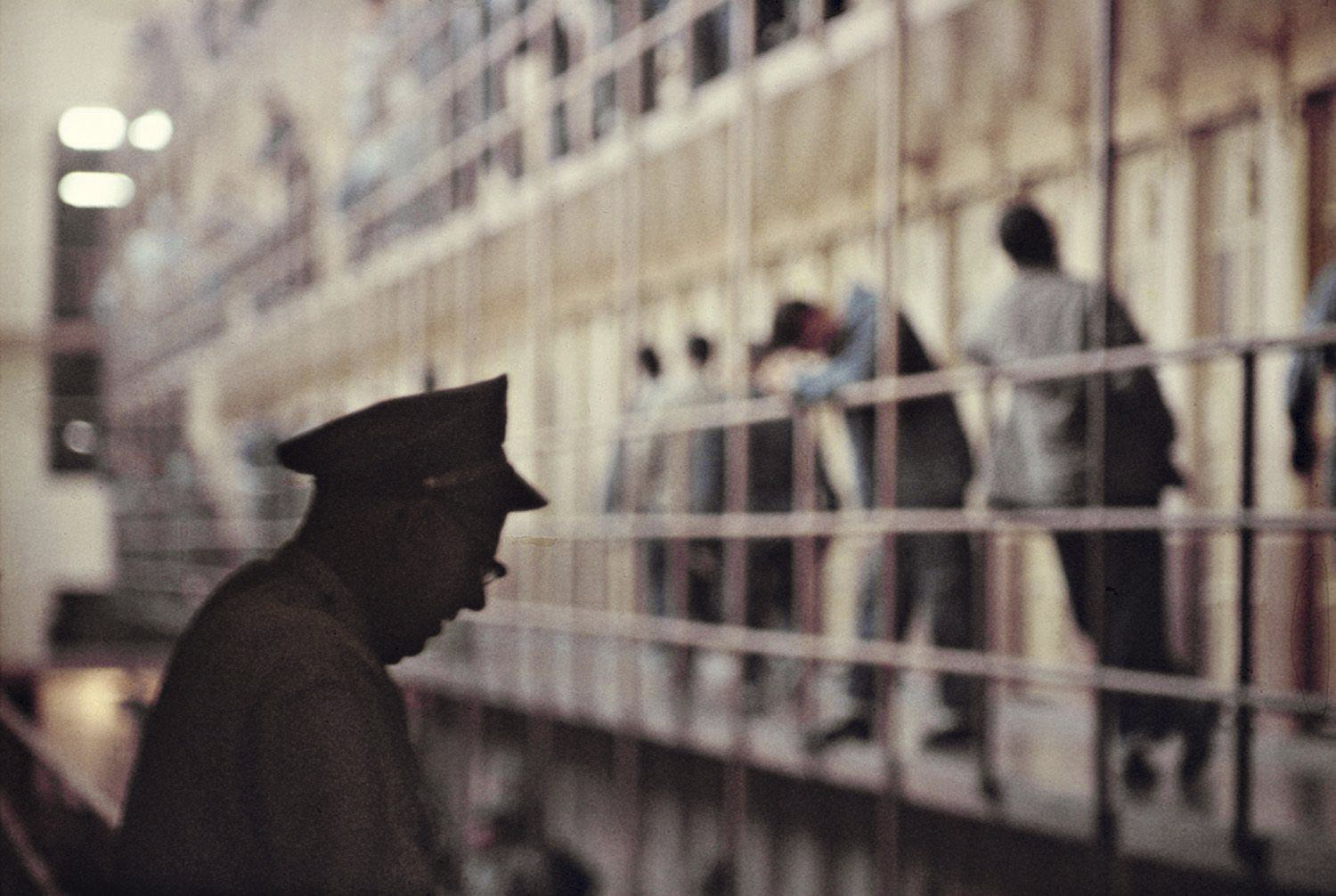
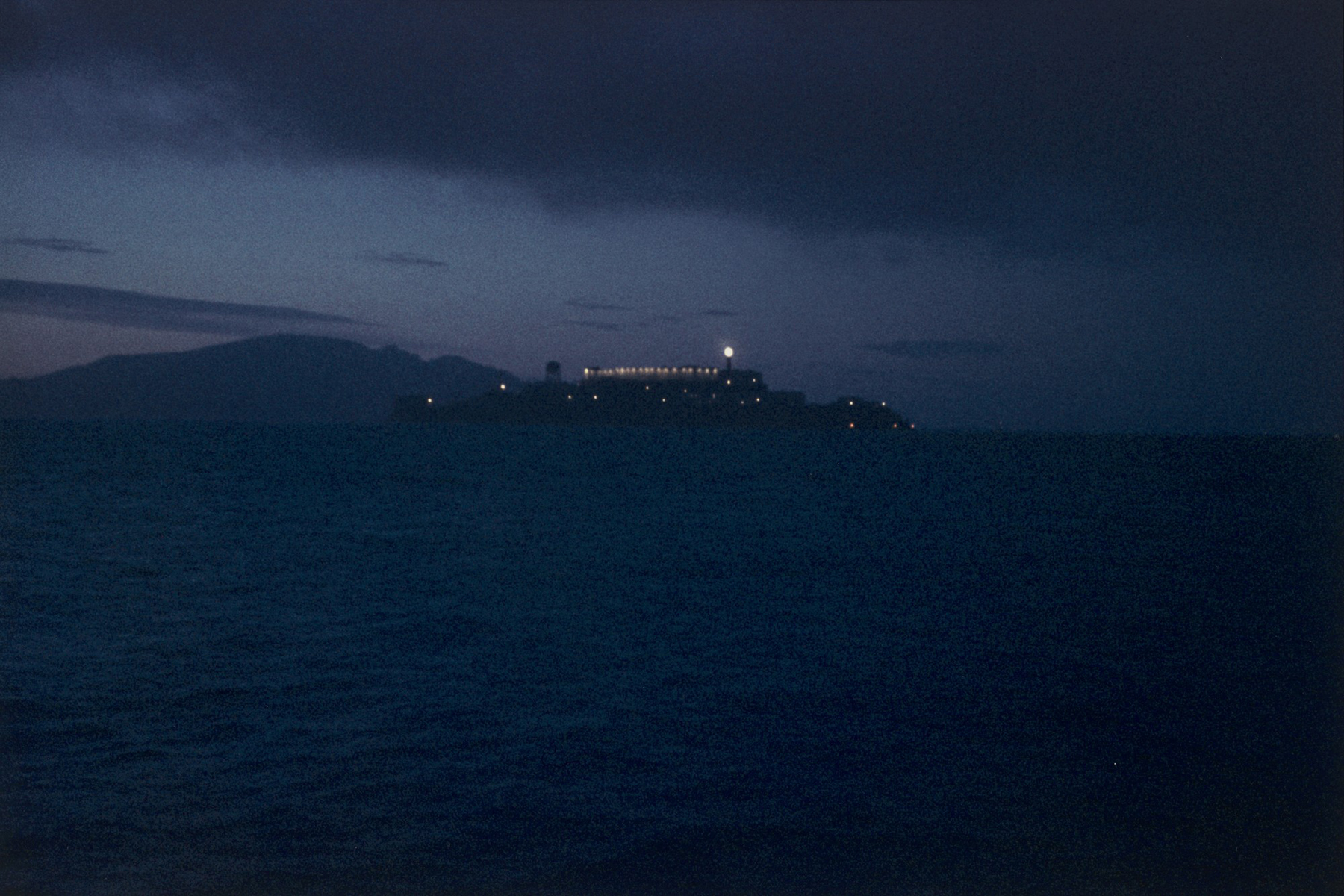
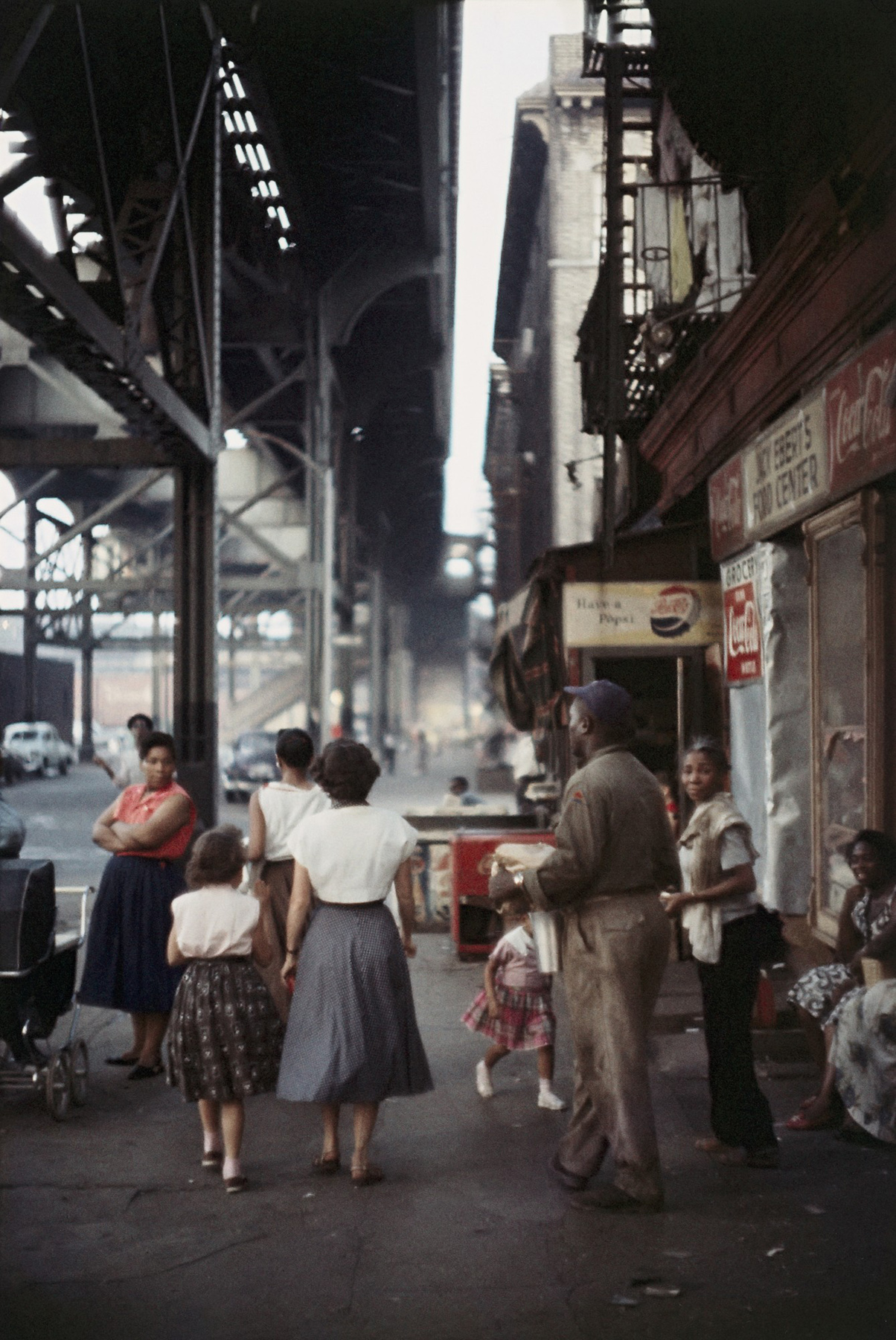
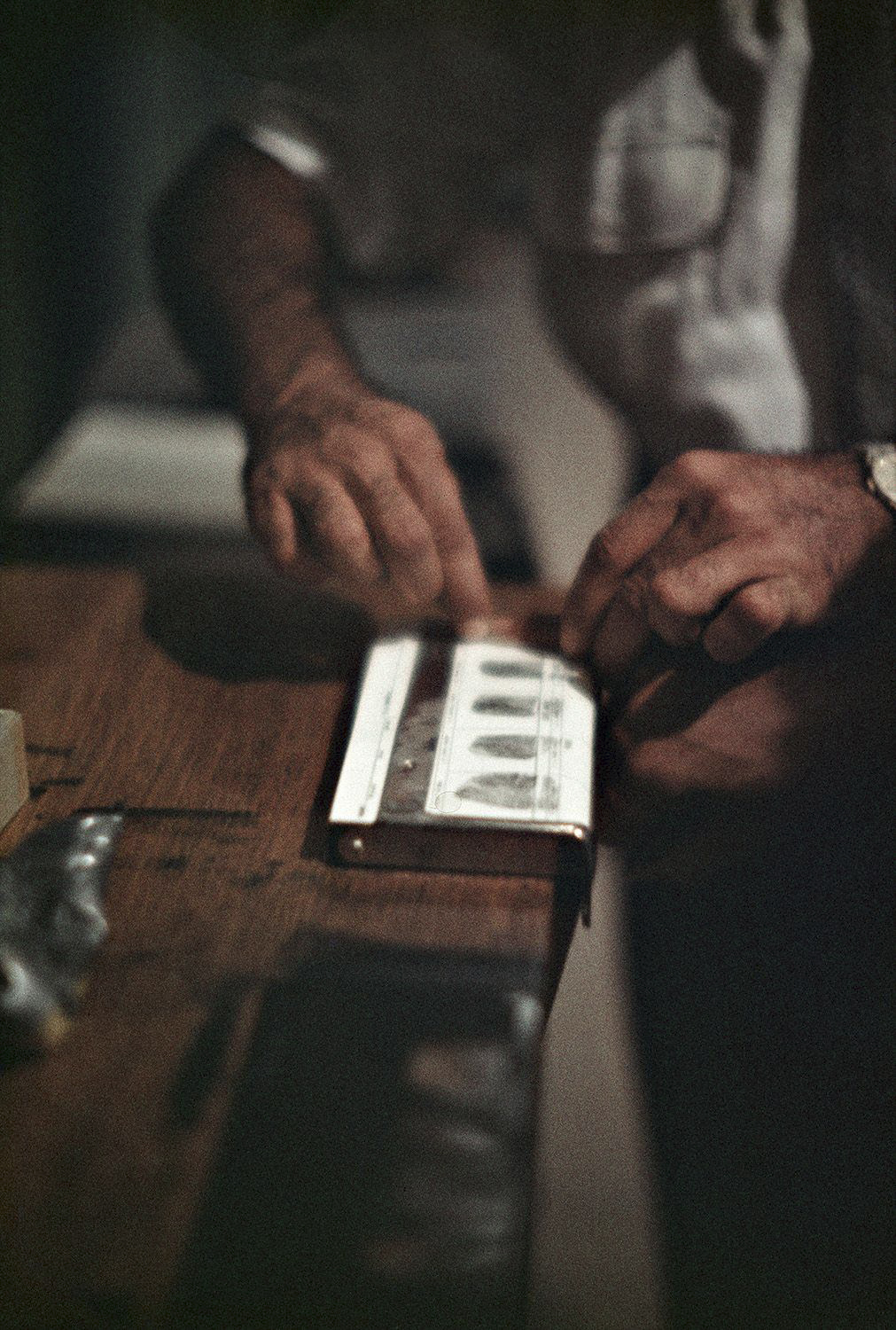
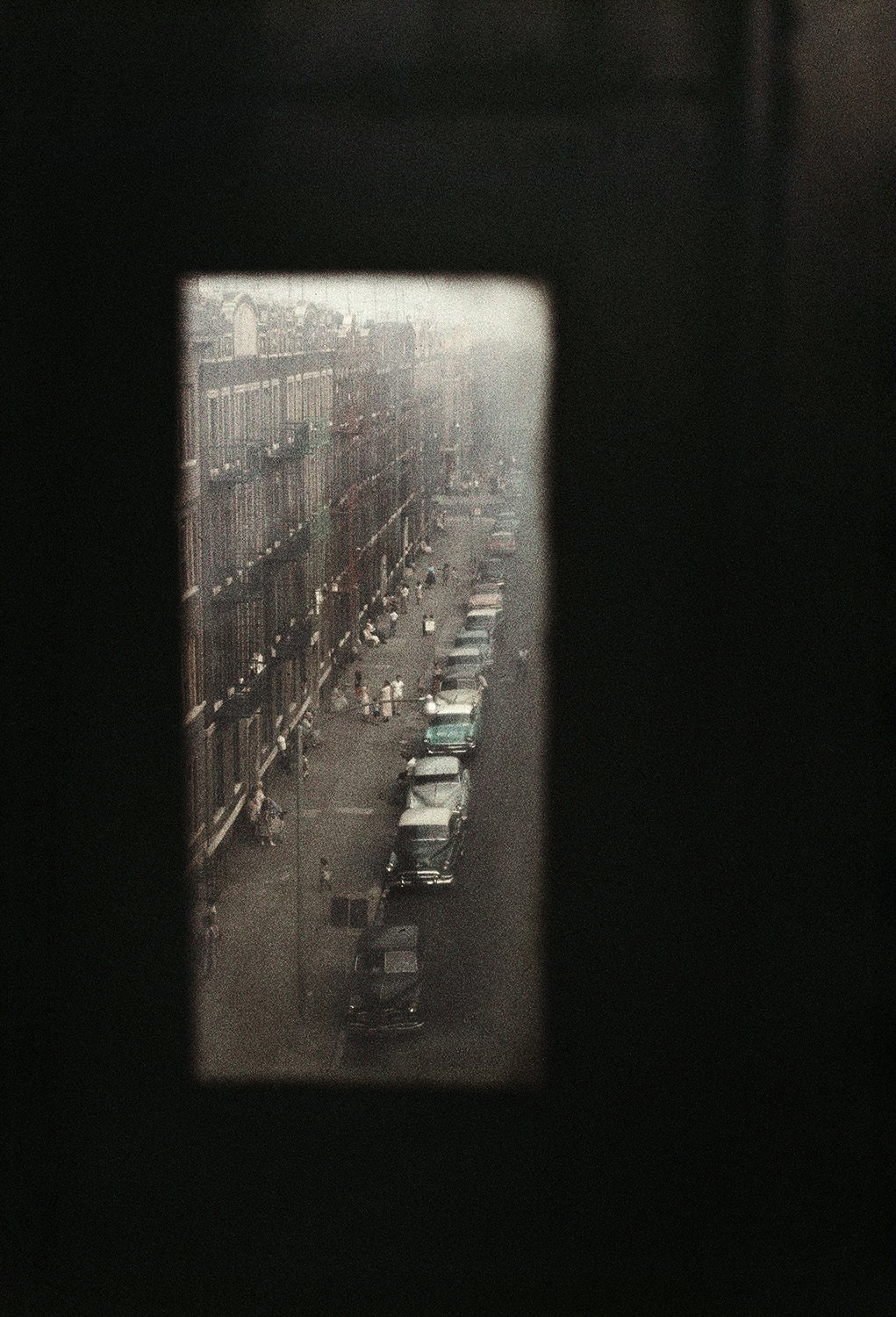
This body of work is remarkable for its non-judgemental gaze, a felt response to a subject which was an assignment for LIFE magazine: an objective reporter with a subjective heart as Parks proclaimed, one who had a certain kind of empathy, “expressing things for people who can’t speak for themselves… the underdogs… in that way I speak for myself.” Park’s photographic strategy was to use colour (rare and expensive in those days), and to close in on detail. Rarely if at all are there any mid to long shots in the photo-essay, placing the photograph in a particular location, the exception being the Untitled street scene under the Chicago “L” (short for “elevated”) rapid transit system and the night-time shot of an illuminated Alcatraz Island – remote, forbidding, isolated.
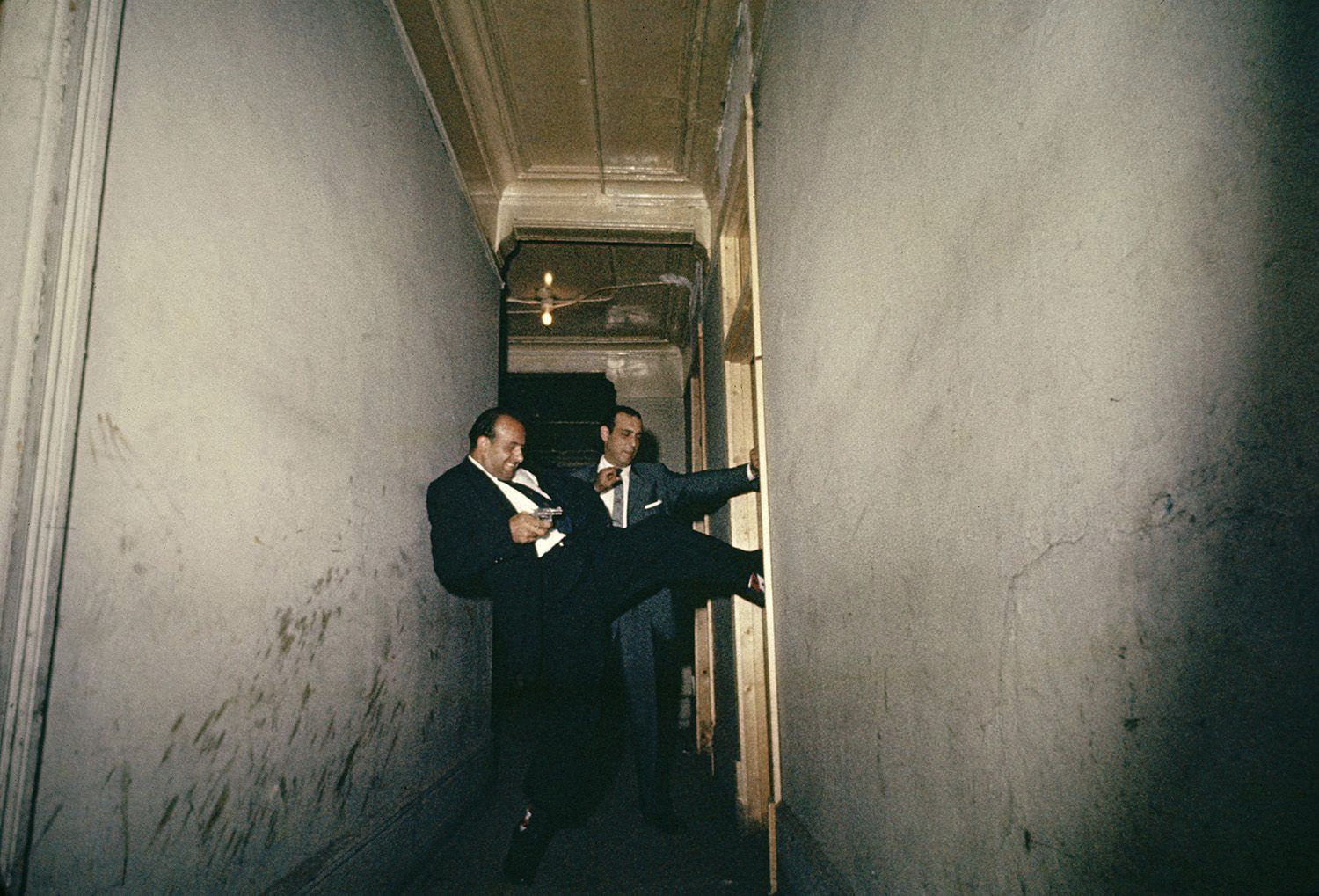
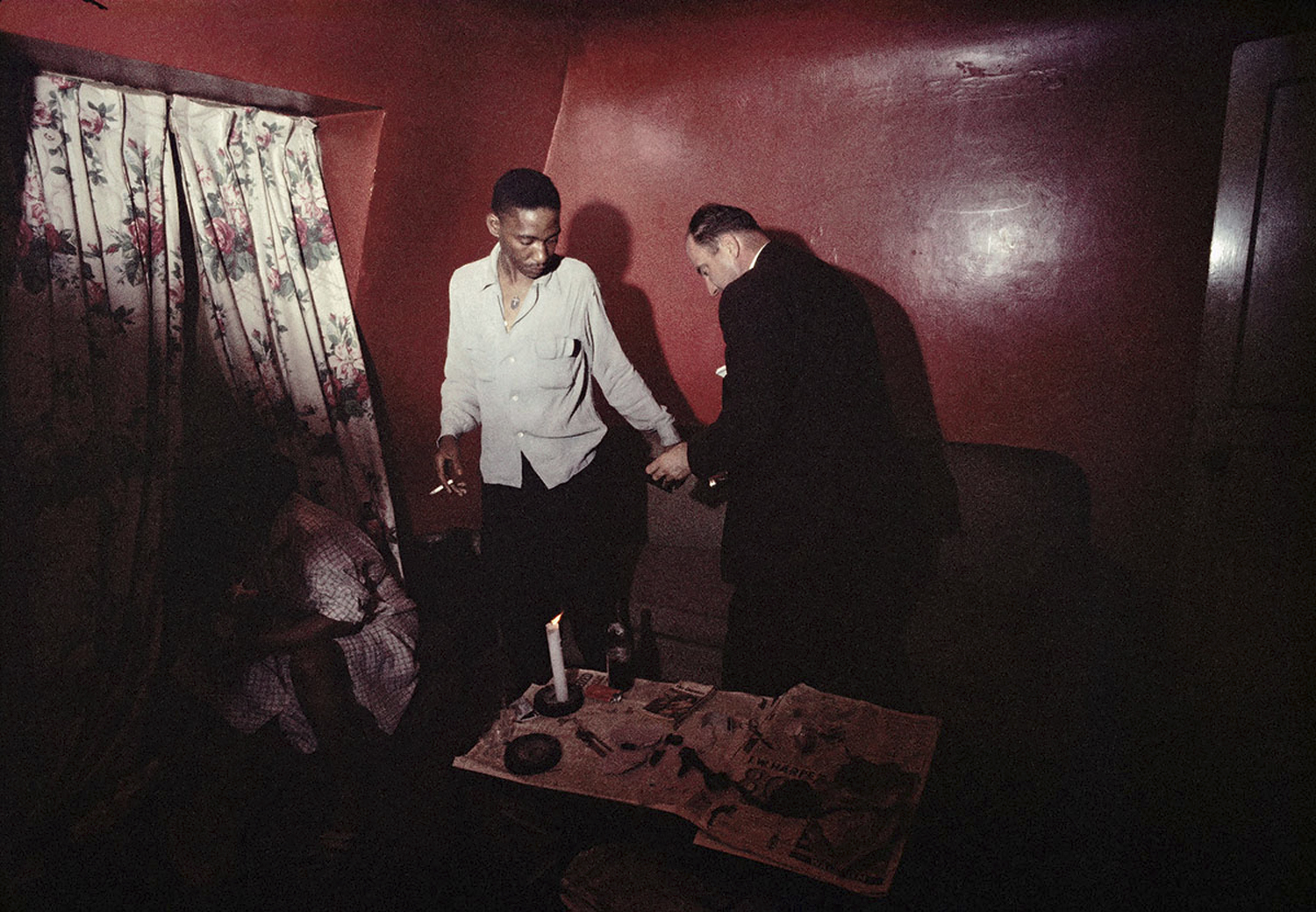
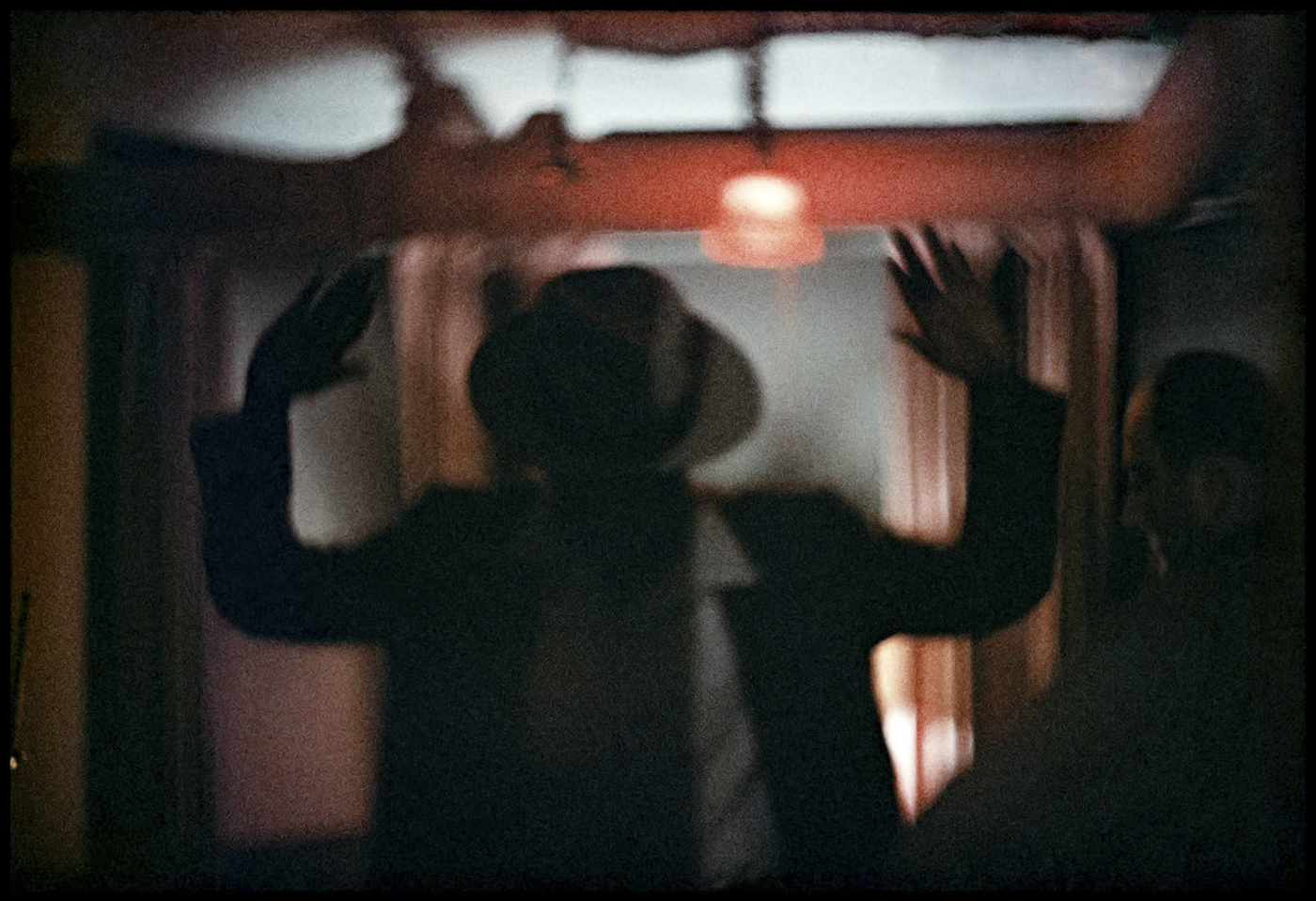
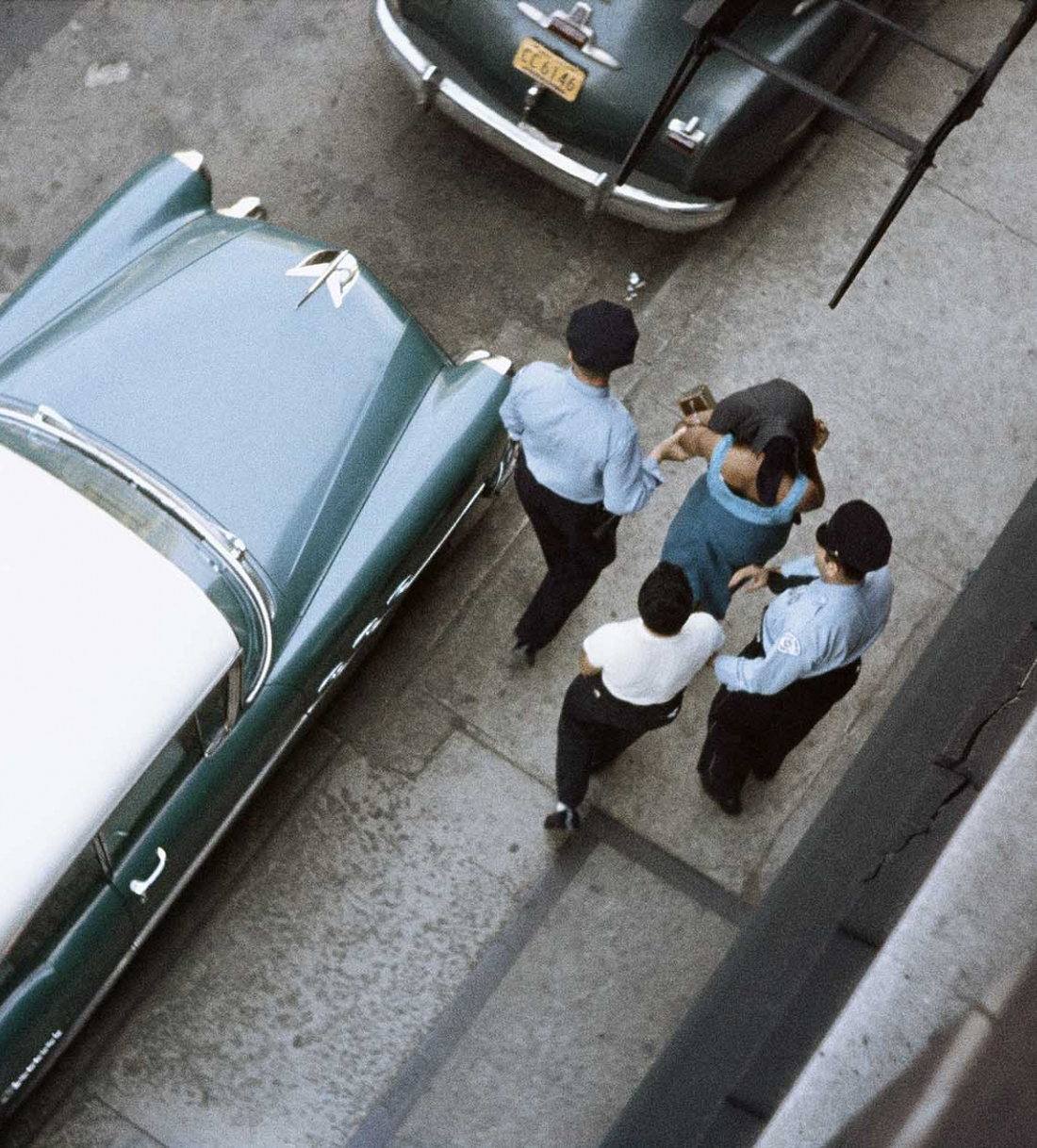
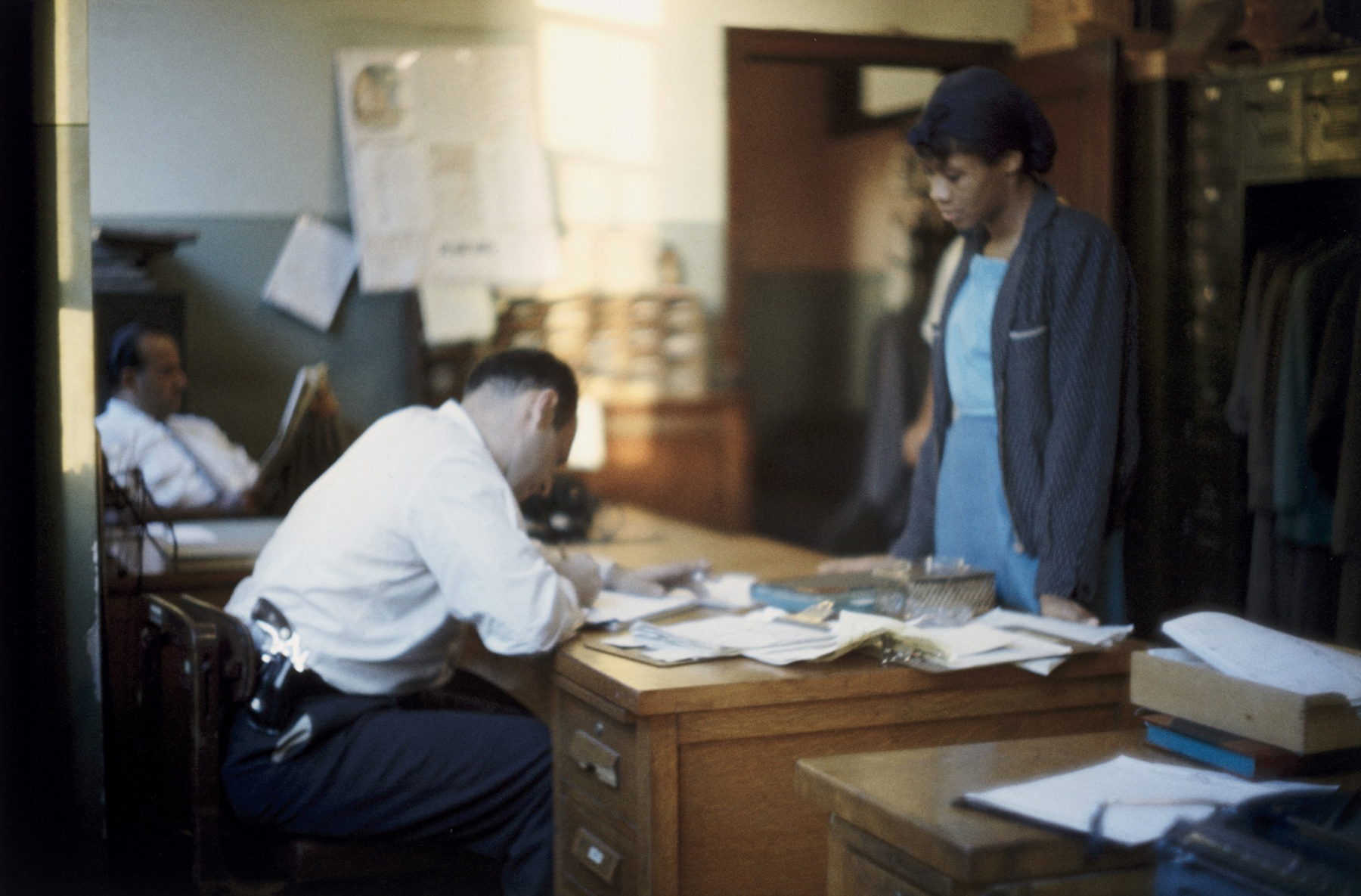
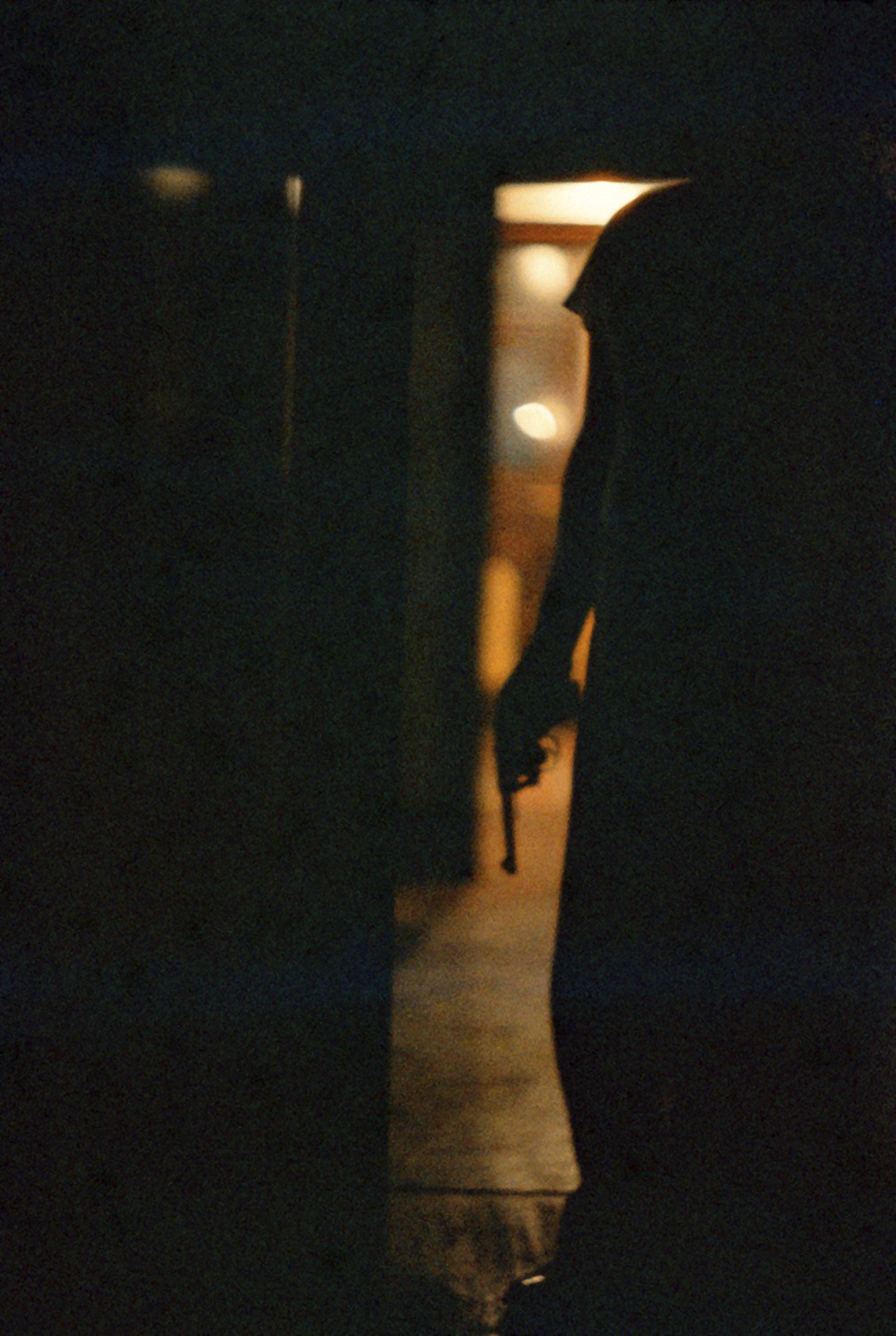
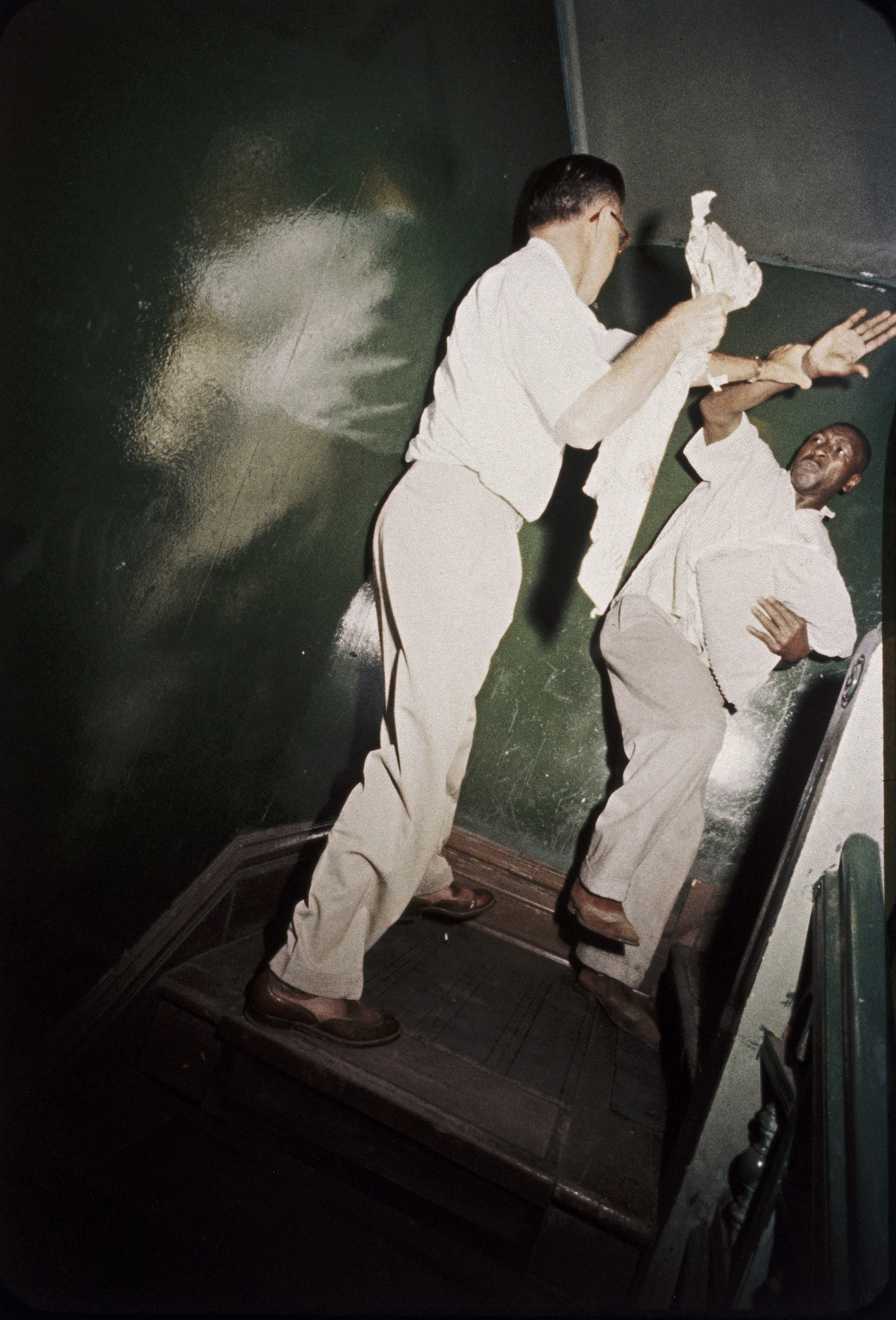
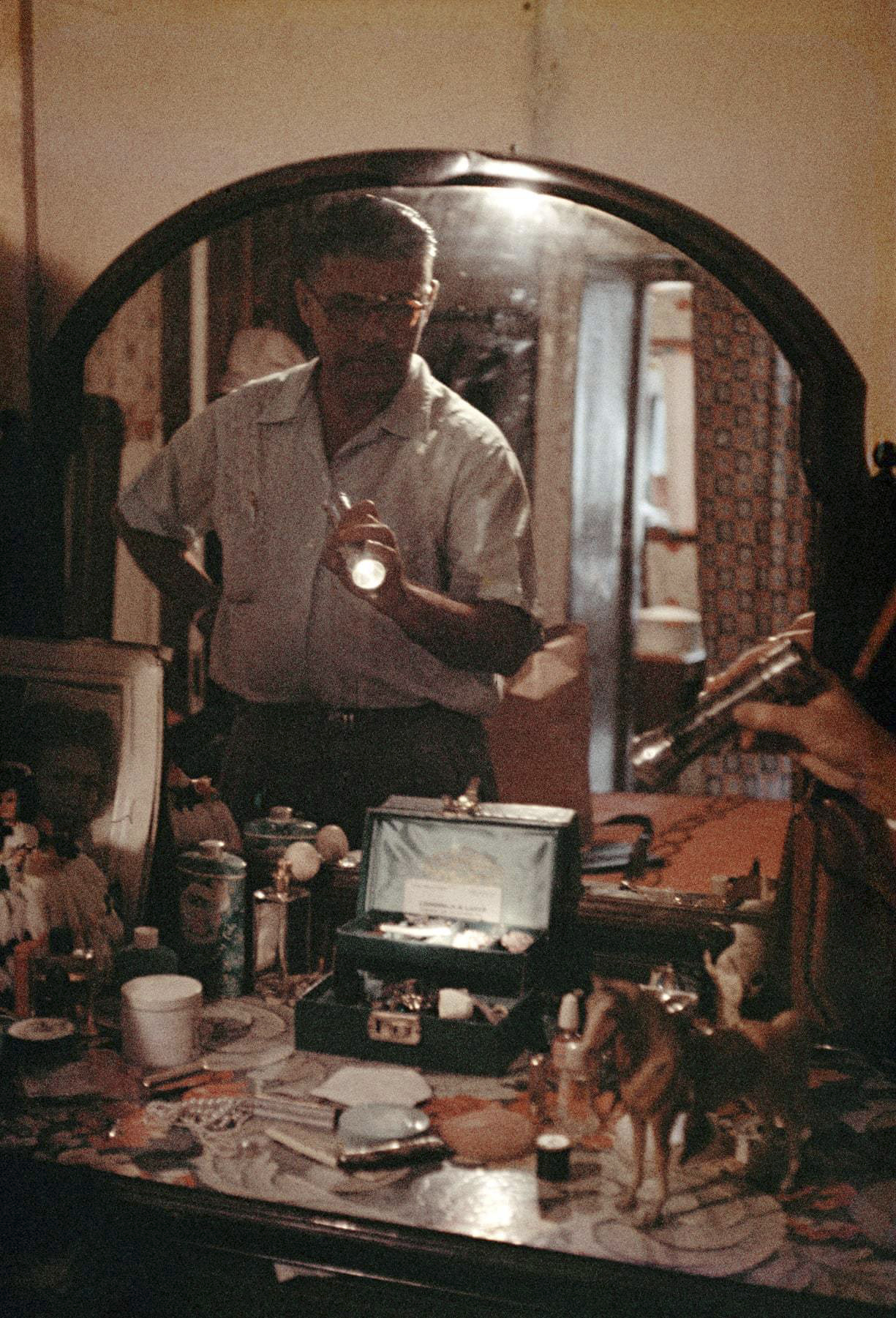
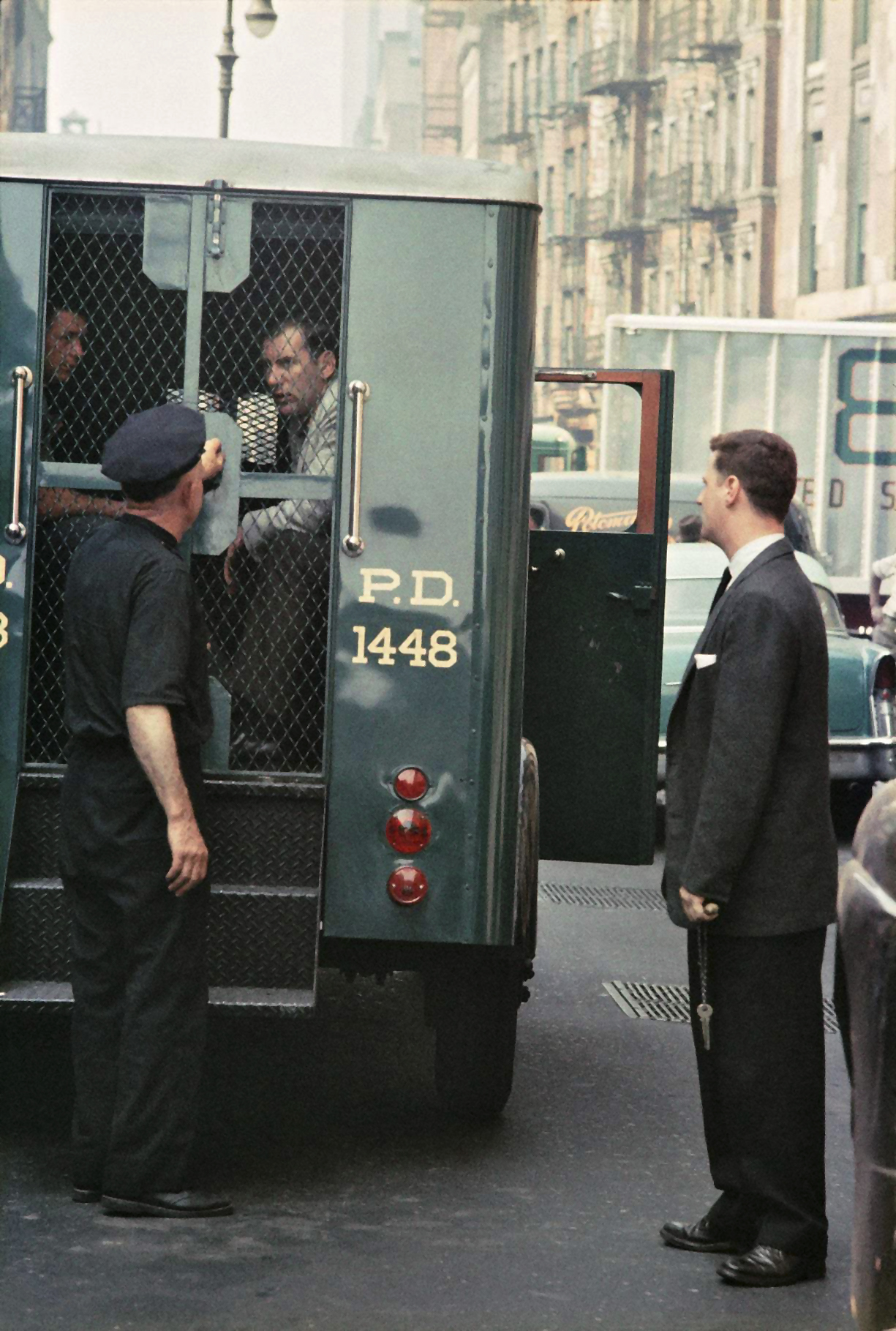
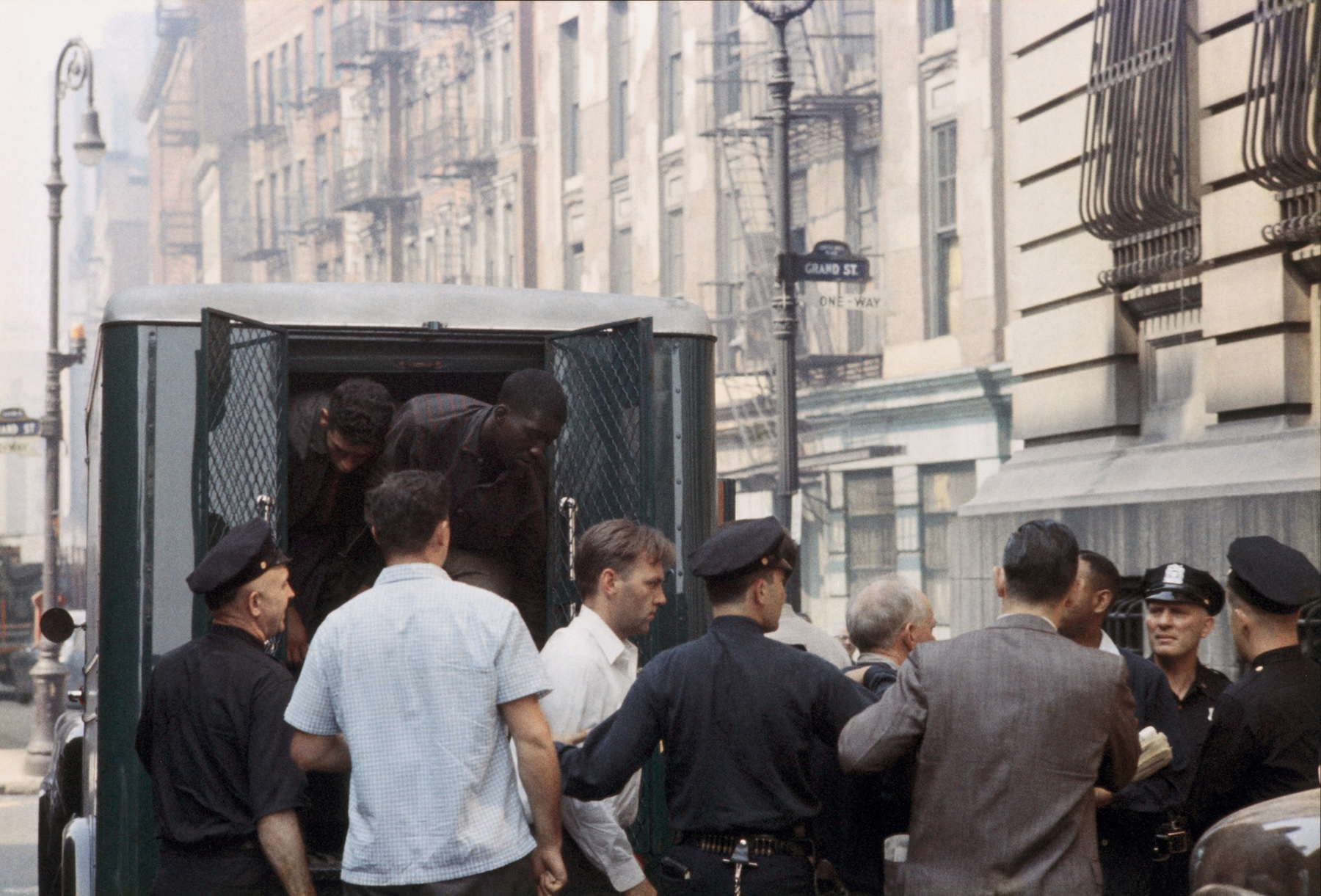
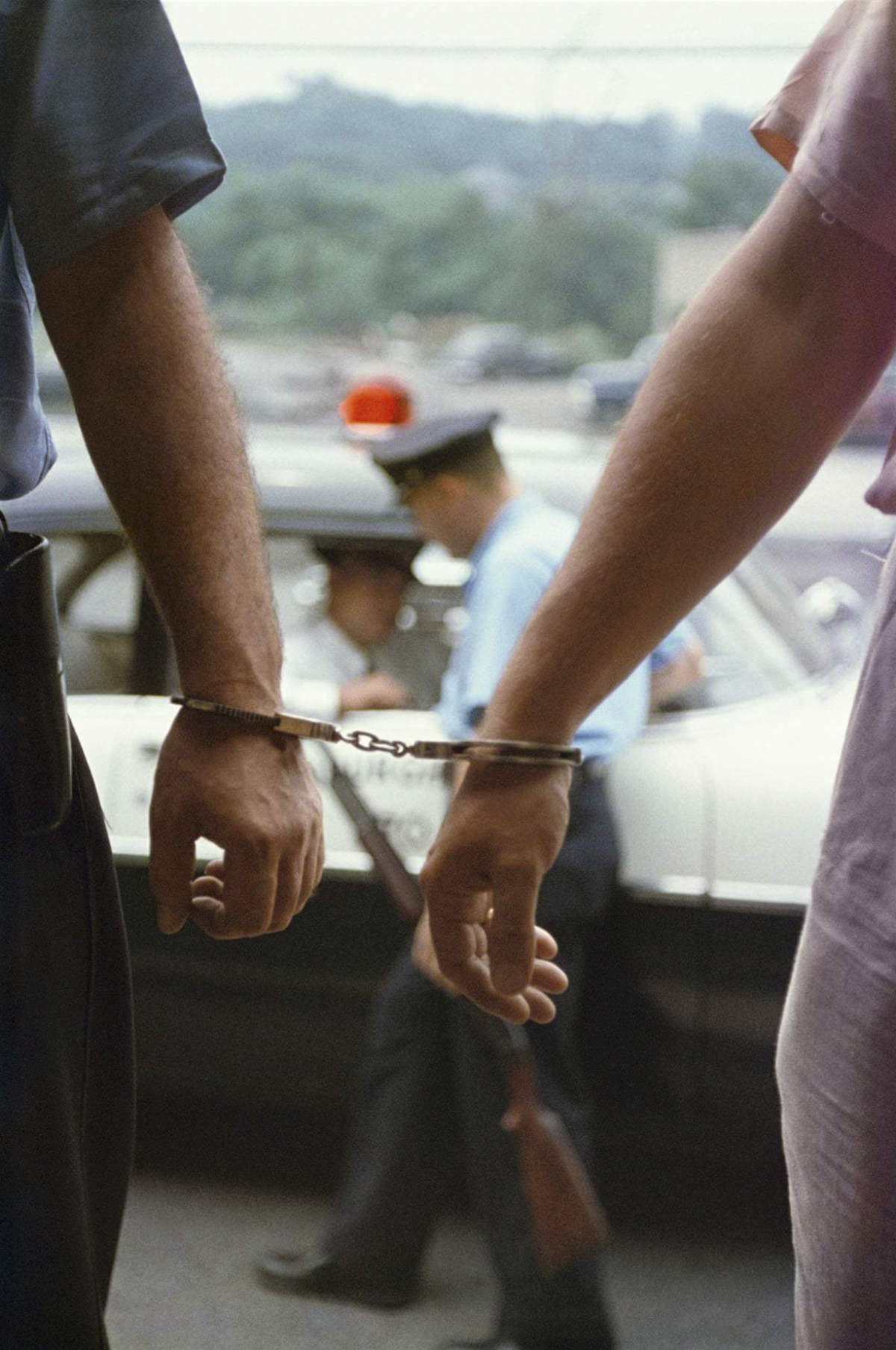
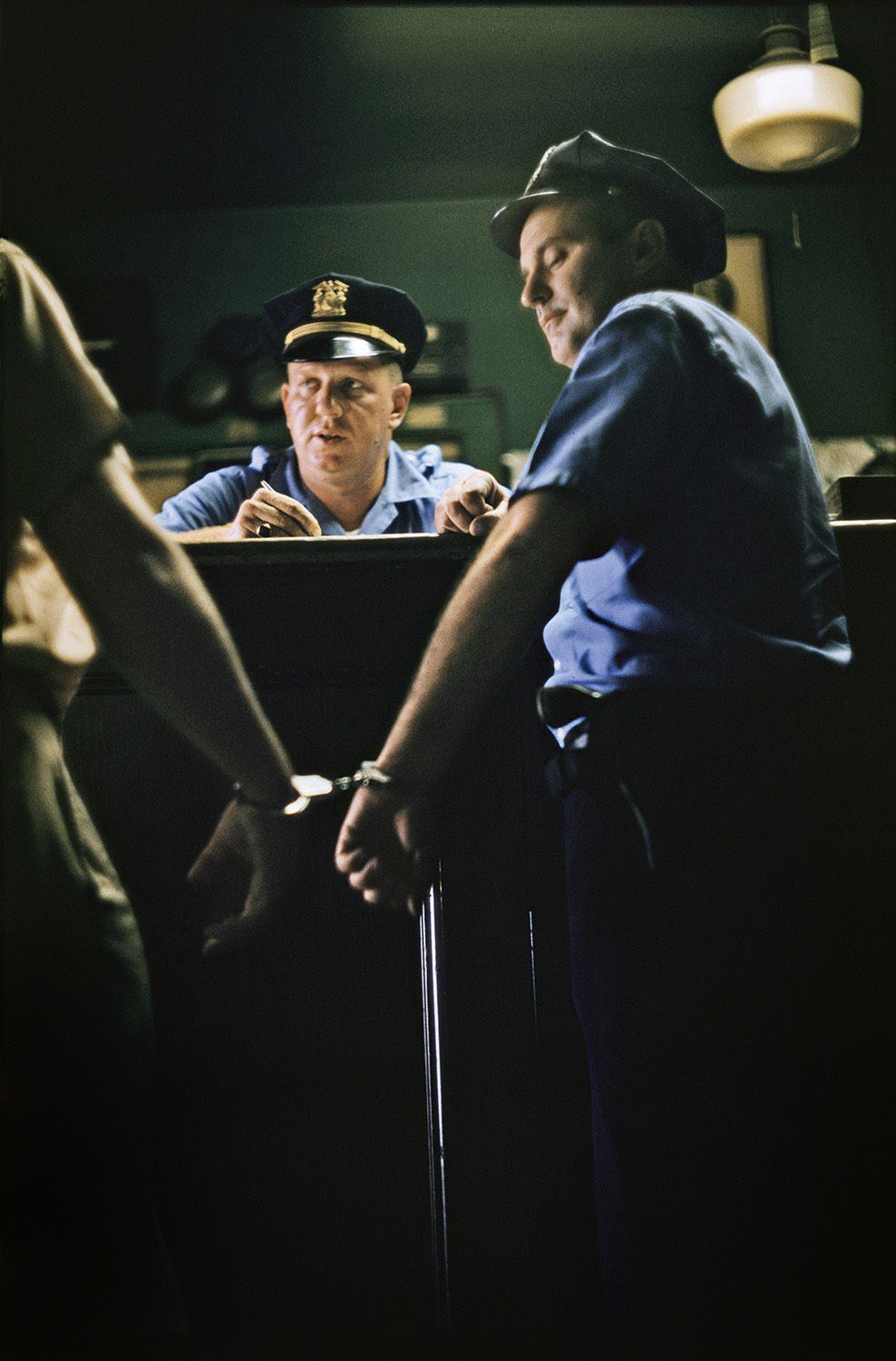
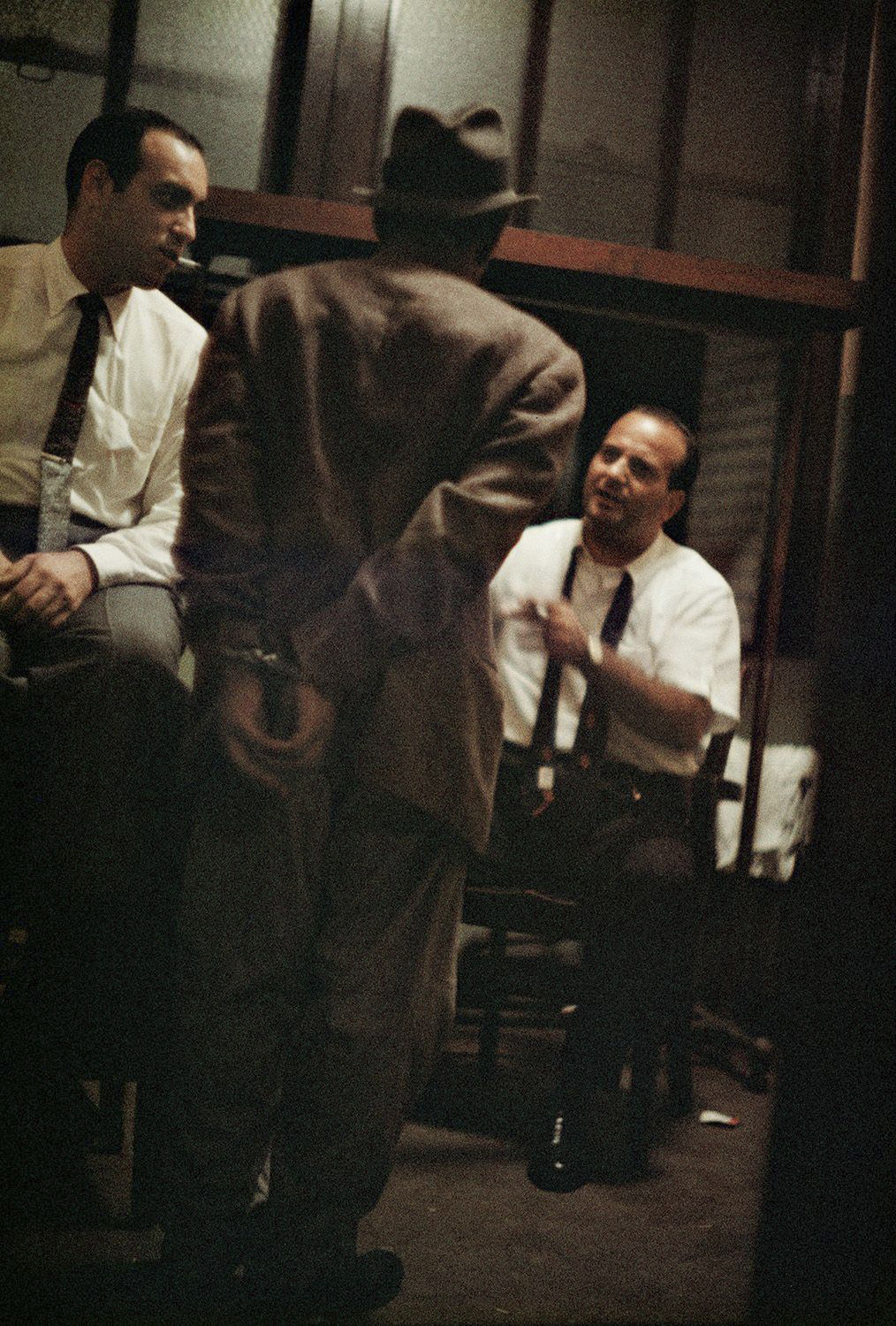
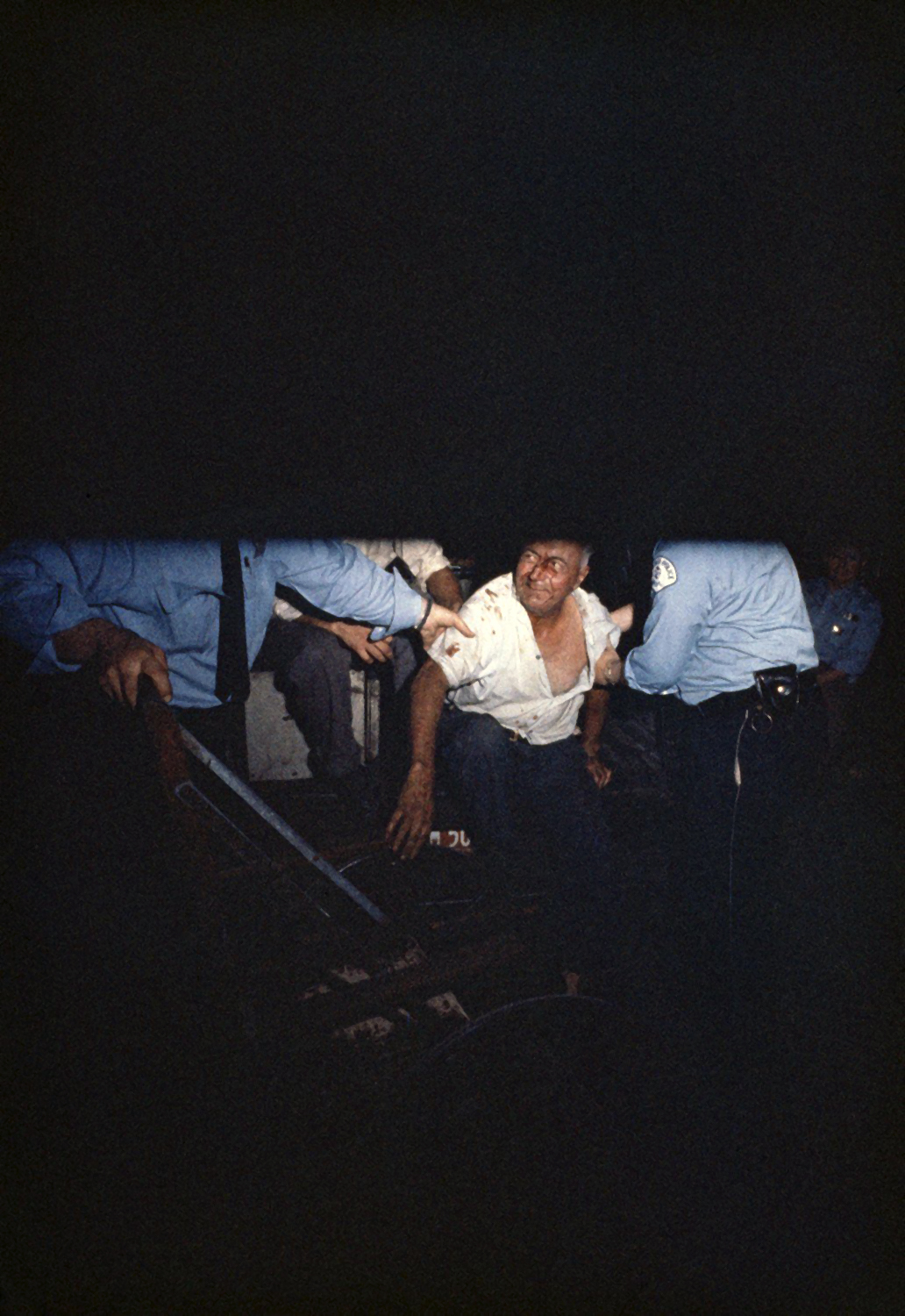
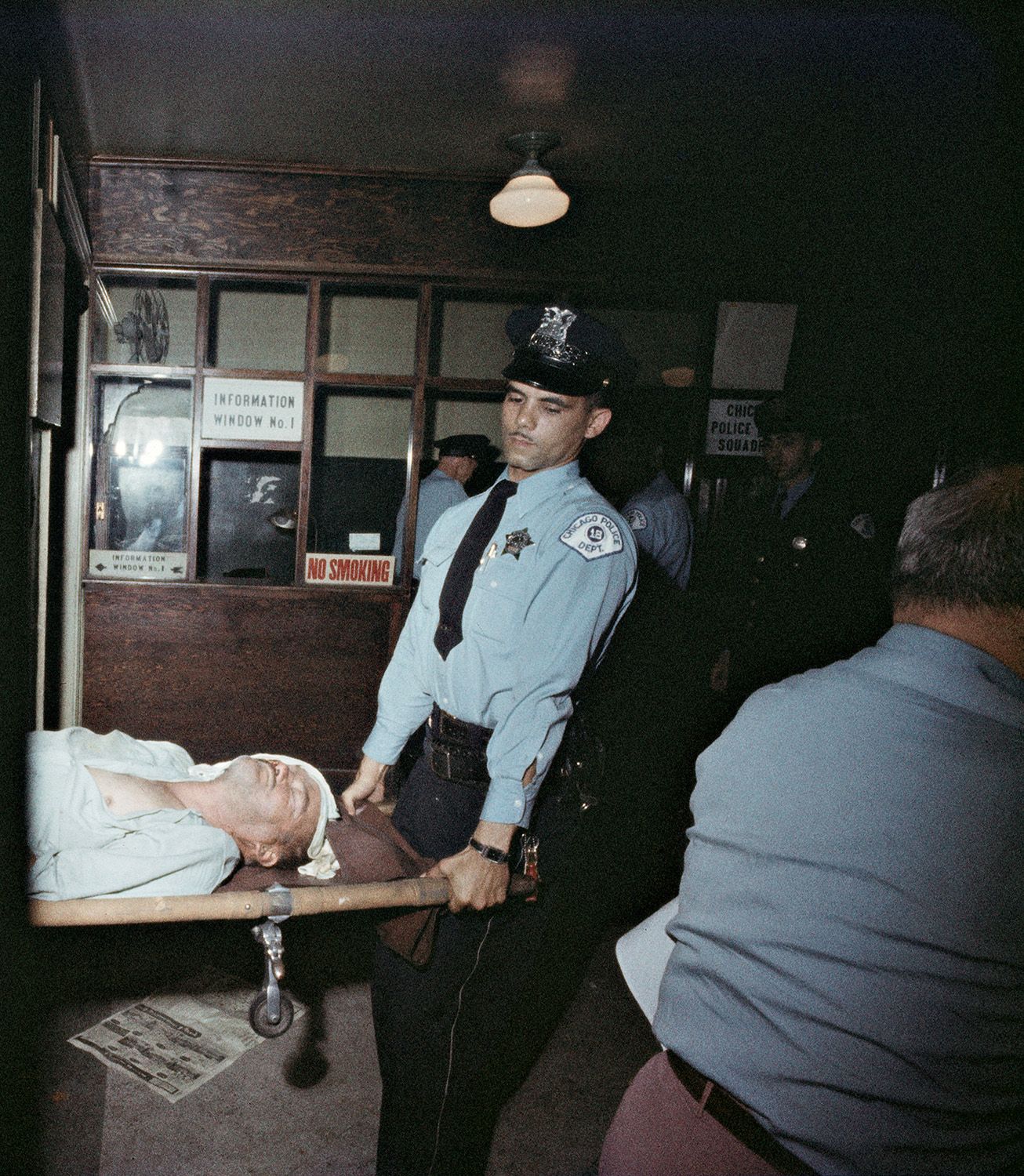
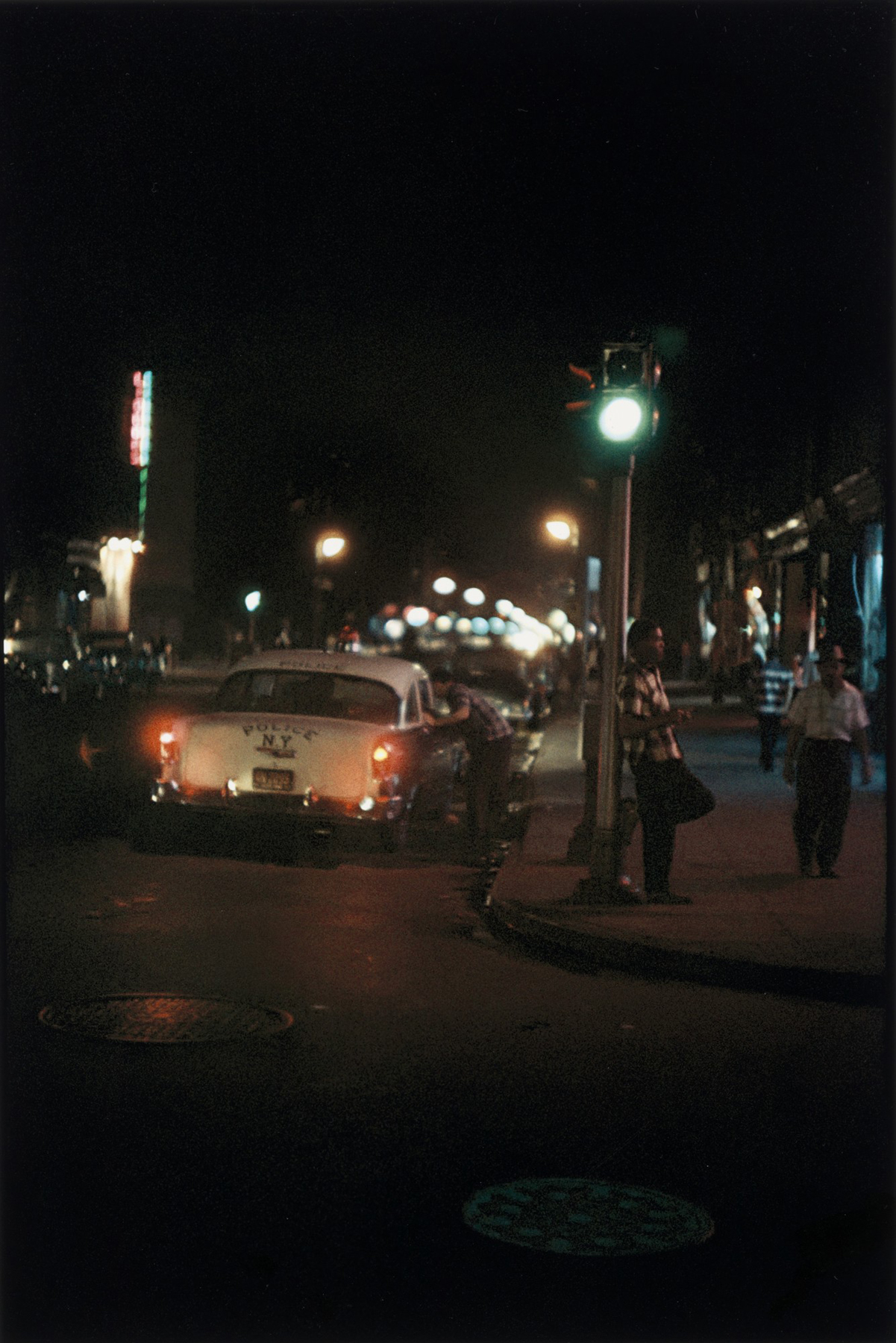
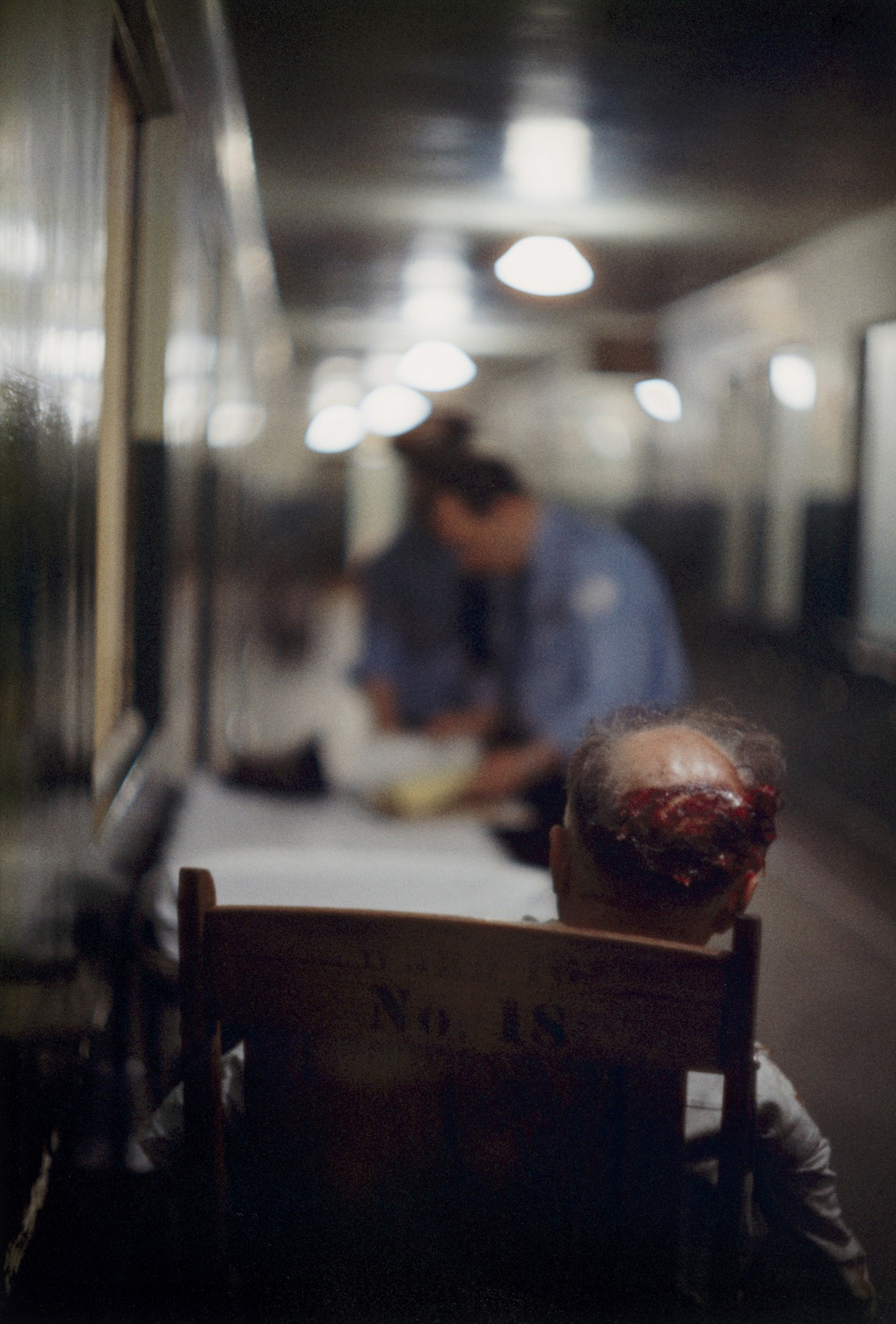
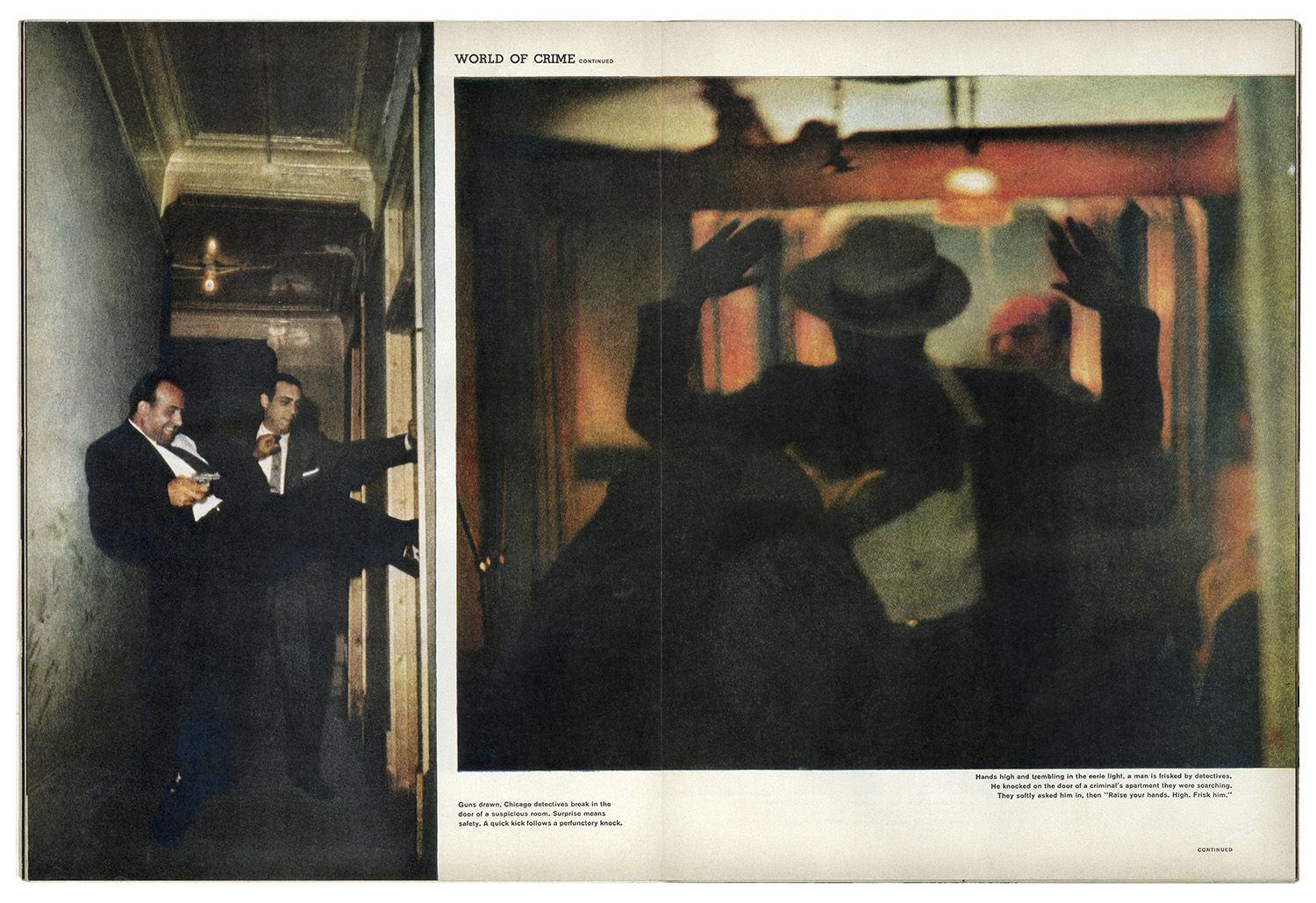
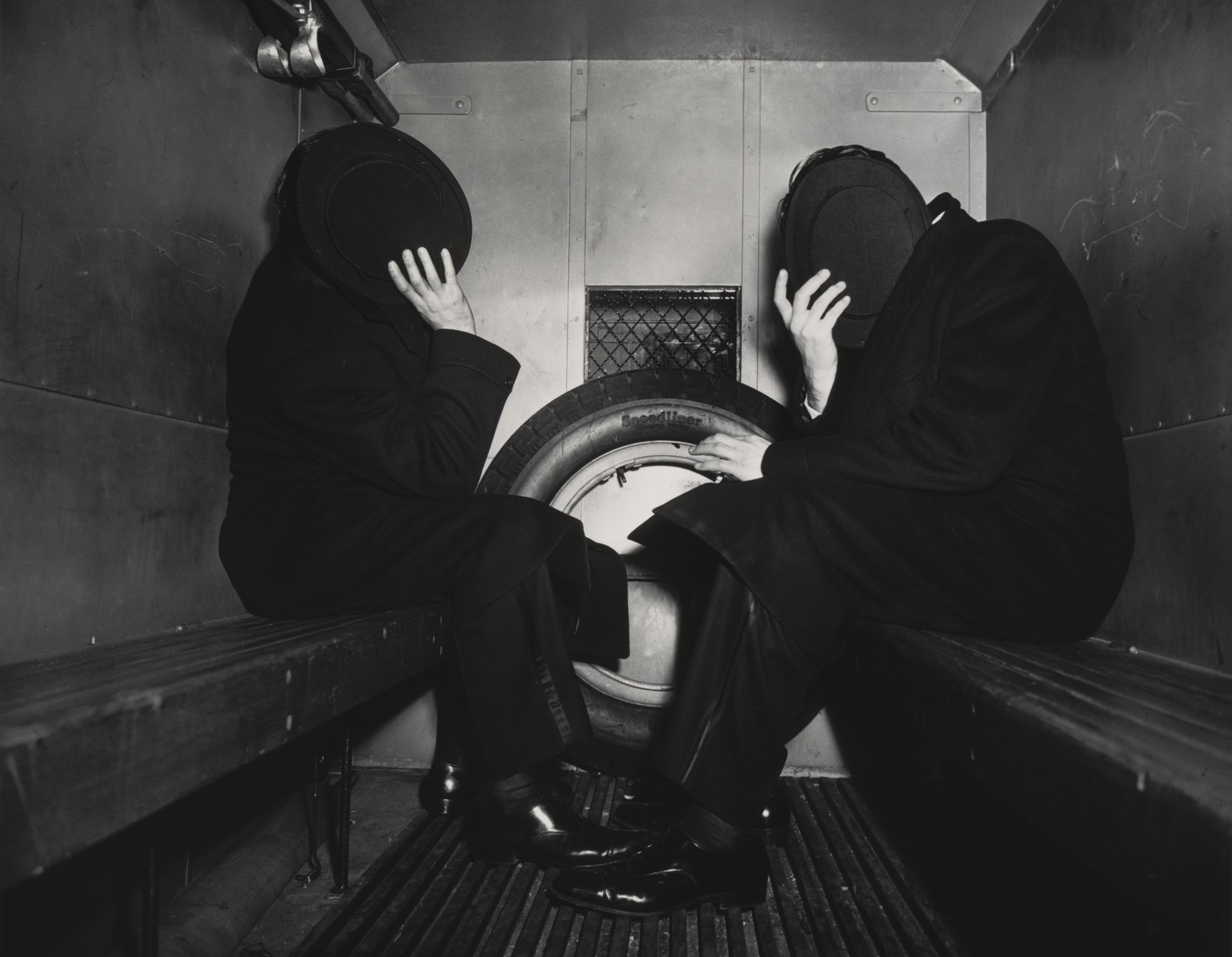
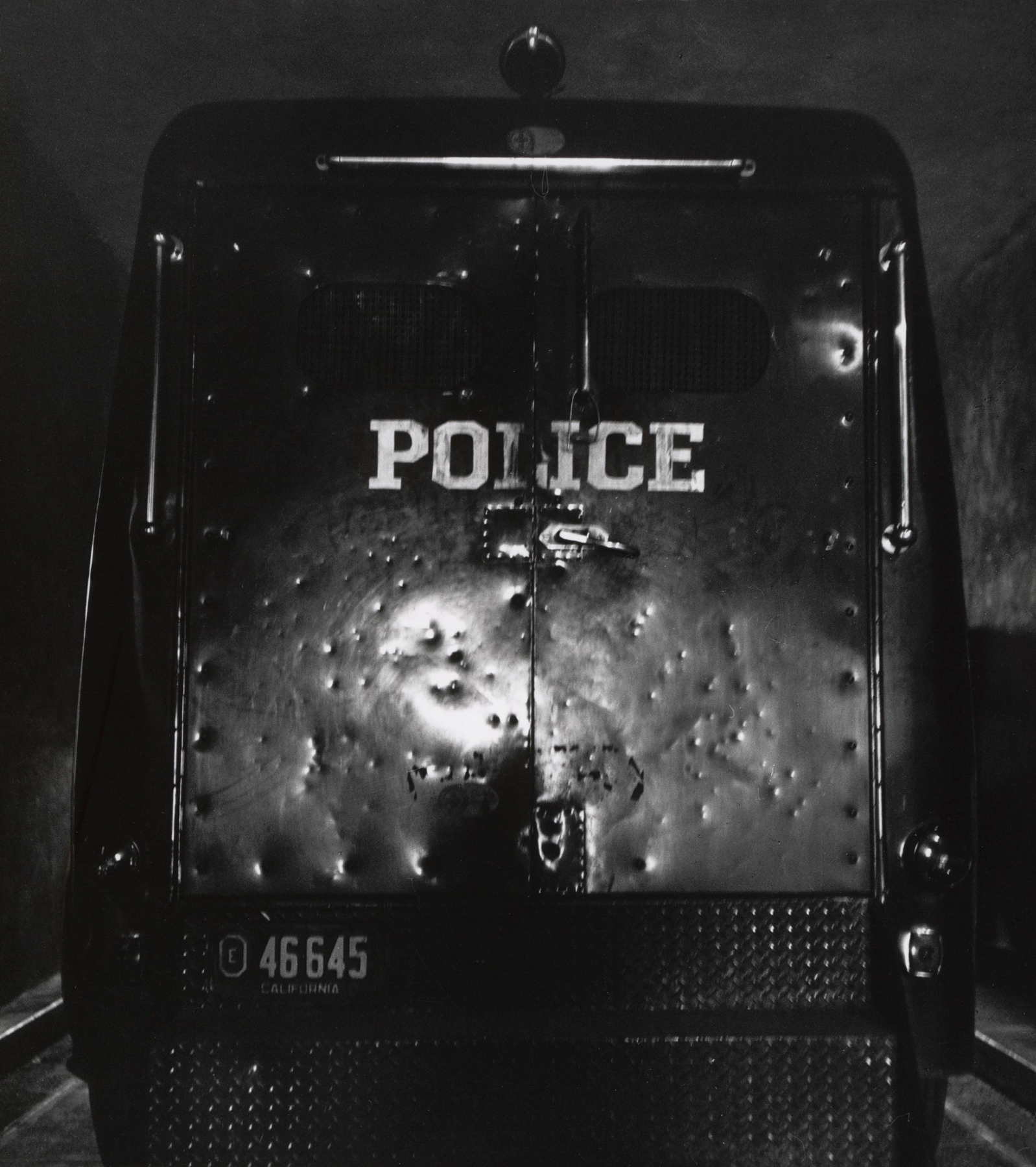
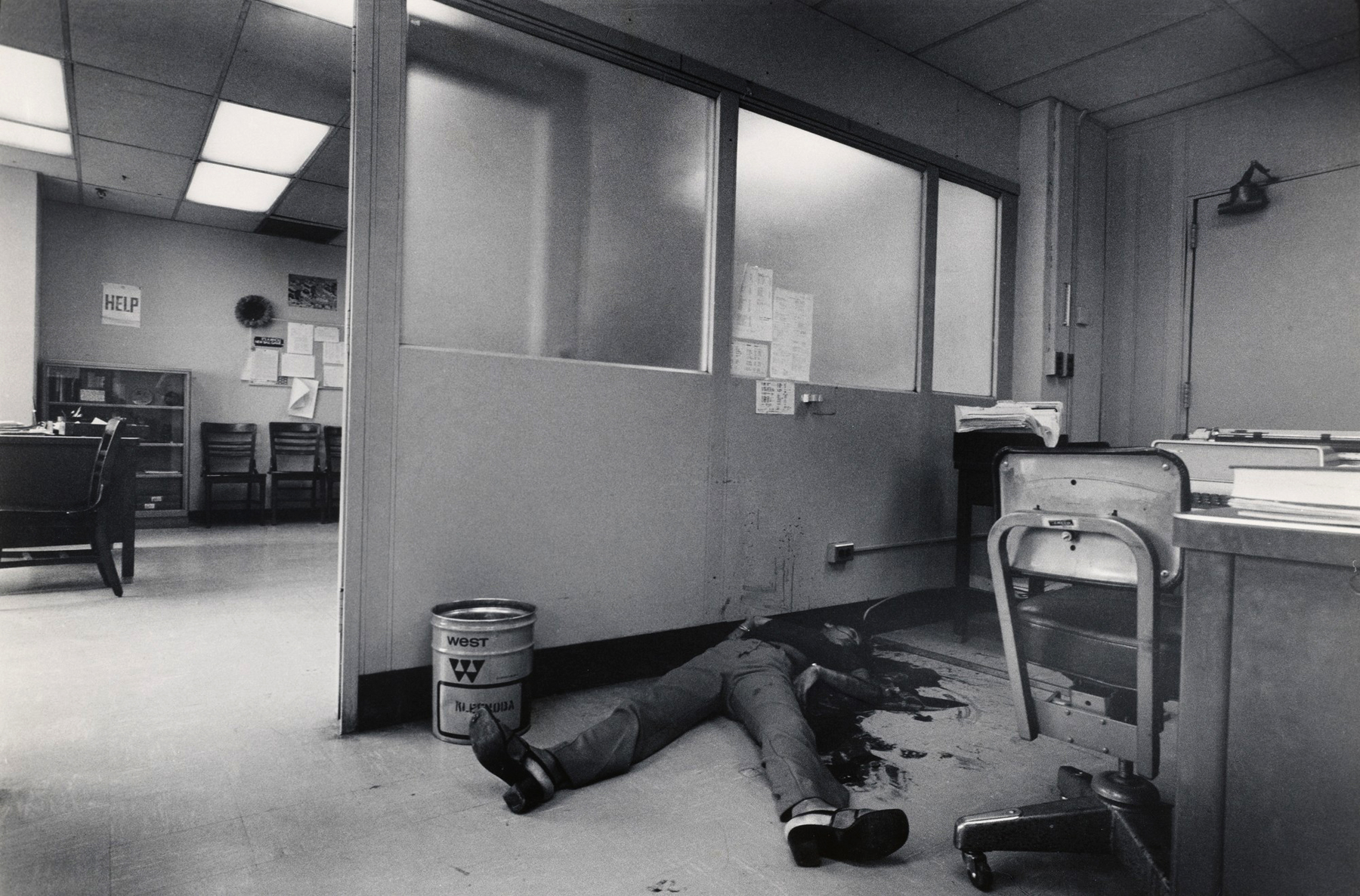
Photographed with candour – using low depth of field, silhouette, chiaroscuro, natural light, low light, night photography, no blur, little flash and challenging perspective, aesthetically a mixture of Dorothea Lange, Weegee and the colour images of Saul Leiter – other intimate images in the series create an “atmosphere” of everyday life on the streets and in the prisons, capturing how the disenfranchised, the desperate and the destitute are controlled and processed by force. “Parks coaxed his camera to record reality so vividly and compellingly that it would allow Life’s readers to see the complexity of these chronically oversimplified situations.” In Raiding Detectives, Chicago, Illinois (1957) we see two detectives of Italian descent raiding a dingy run-down tenement, busting the door open unannounced, guns drawn. In the photograph underneath in the posting, taken inside the oh so red room with floral curtains, one of the detectives questions a black suspect smoking a cigarette, while on the table covered with newspapers sits a burning candle probably providing the only illumination. Cowering in the shadows is a black women, almost unnoticed until you really look at the photograph. This is what abject poverty looks like. In another photograph, Untitled, New York, New York (1957), black and white men emerge from a police van – about the only time black and white men would have sat together in the segregated society of the time (other than being in prison). Can you imagine the atmosphere inside the paddy wagon, the looks, the conversation or lack of it?
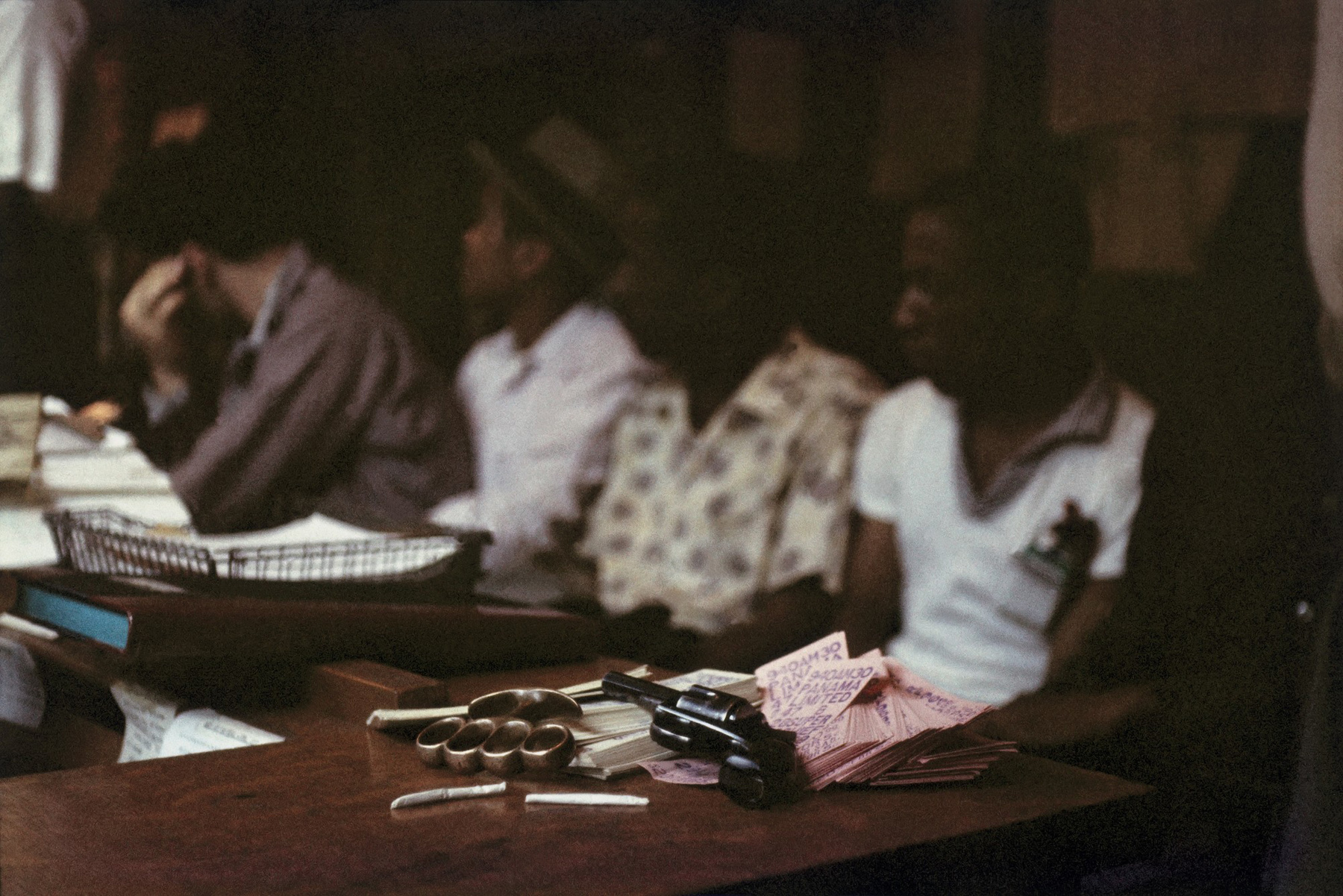
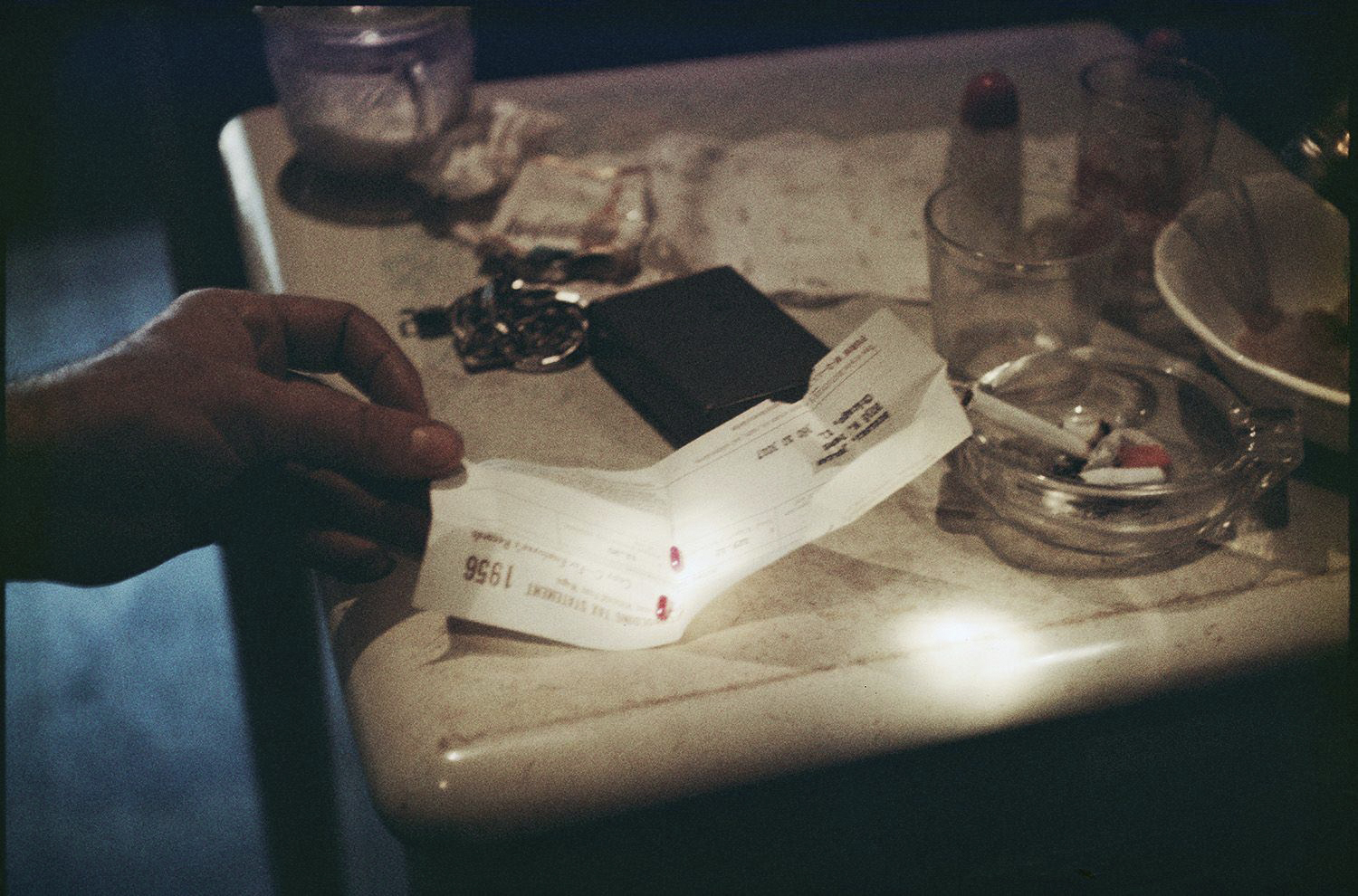
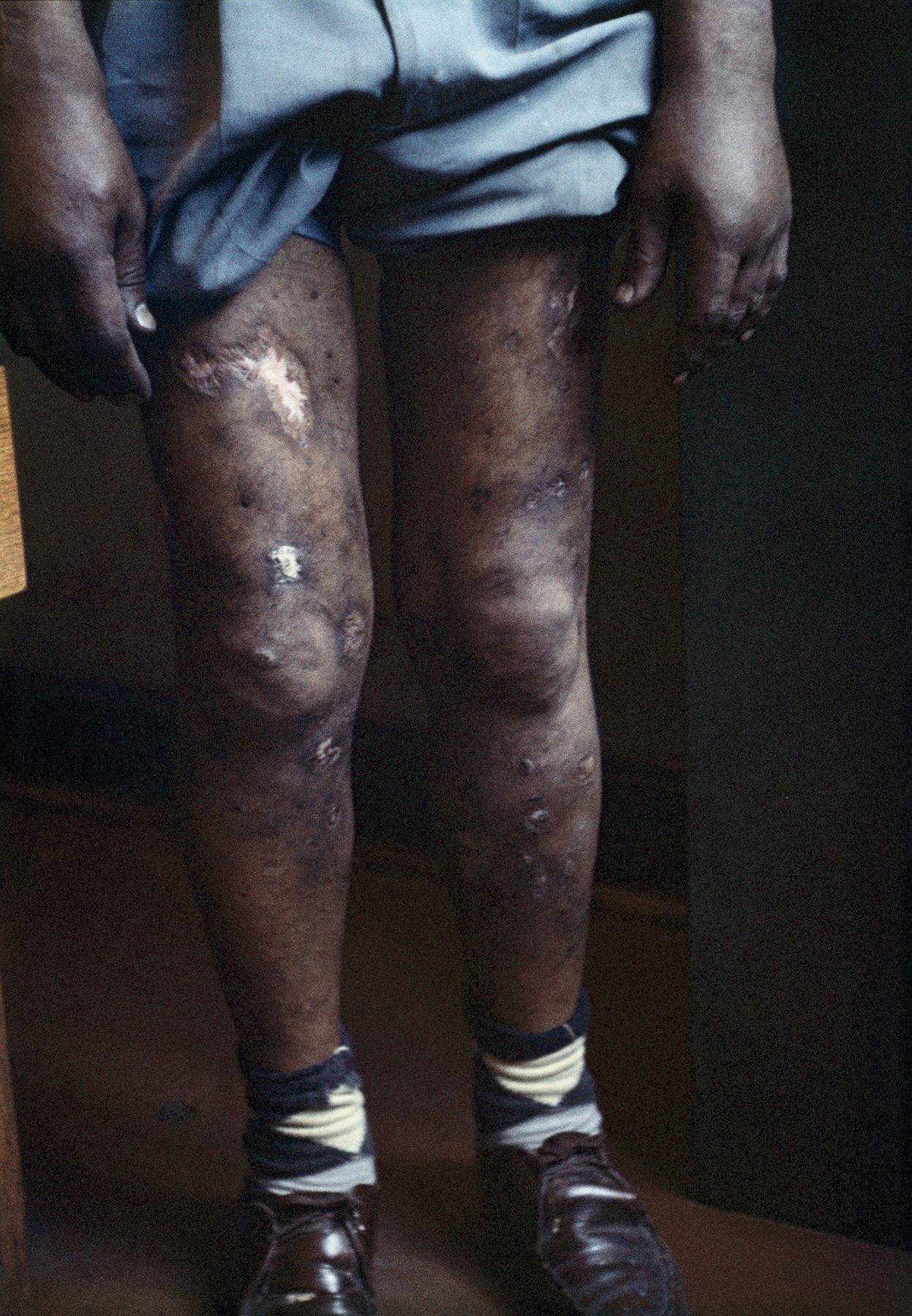
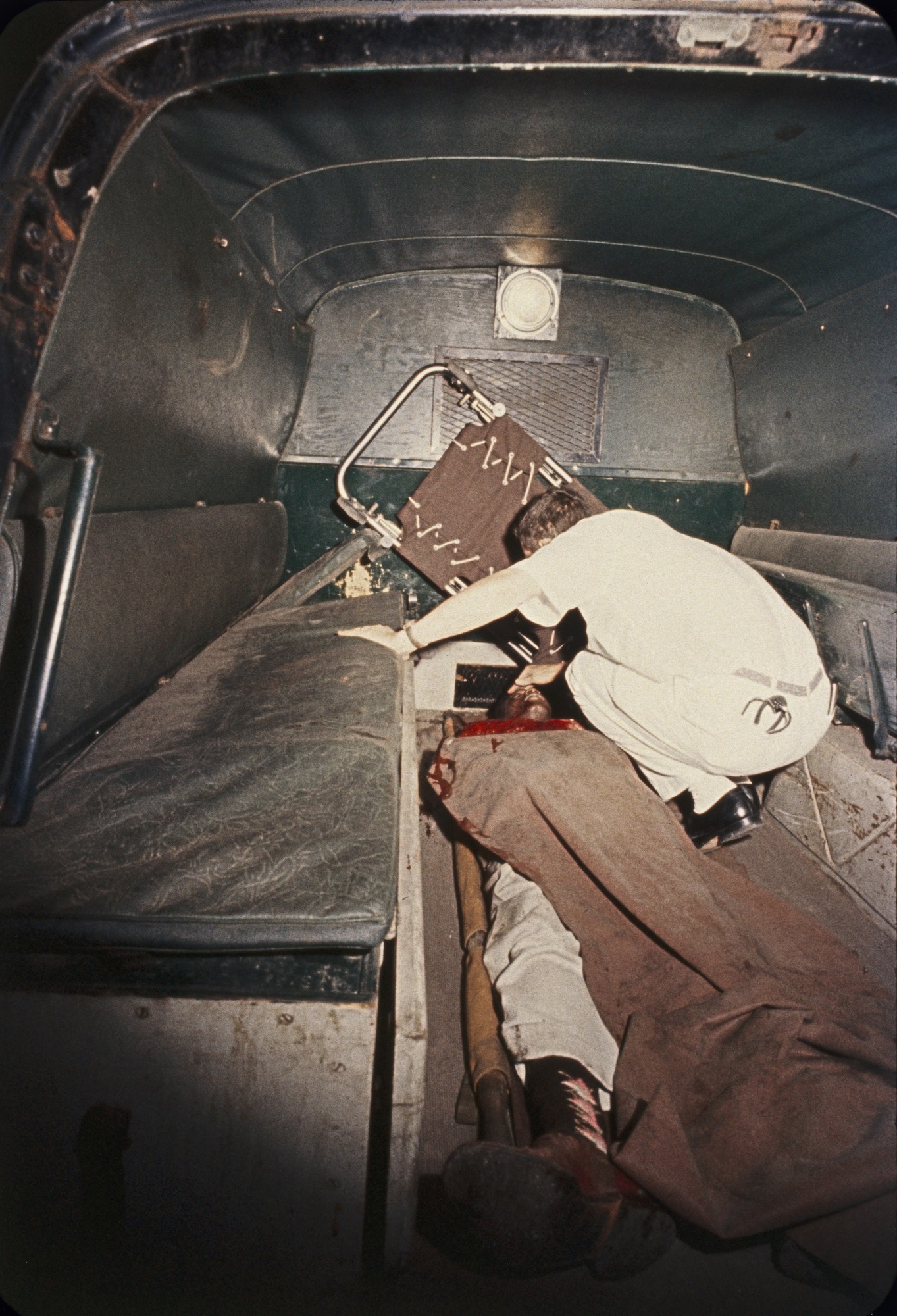
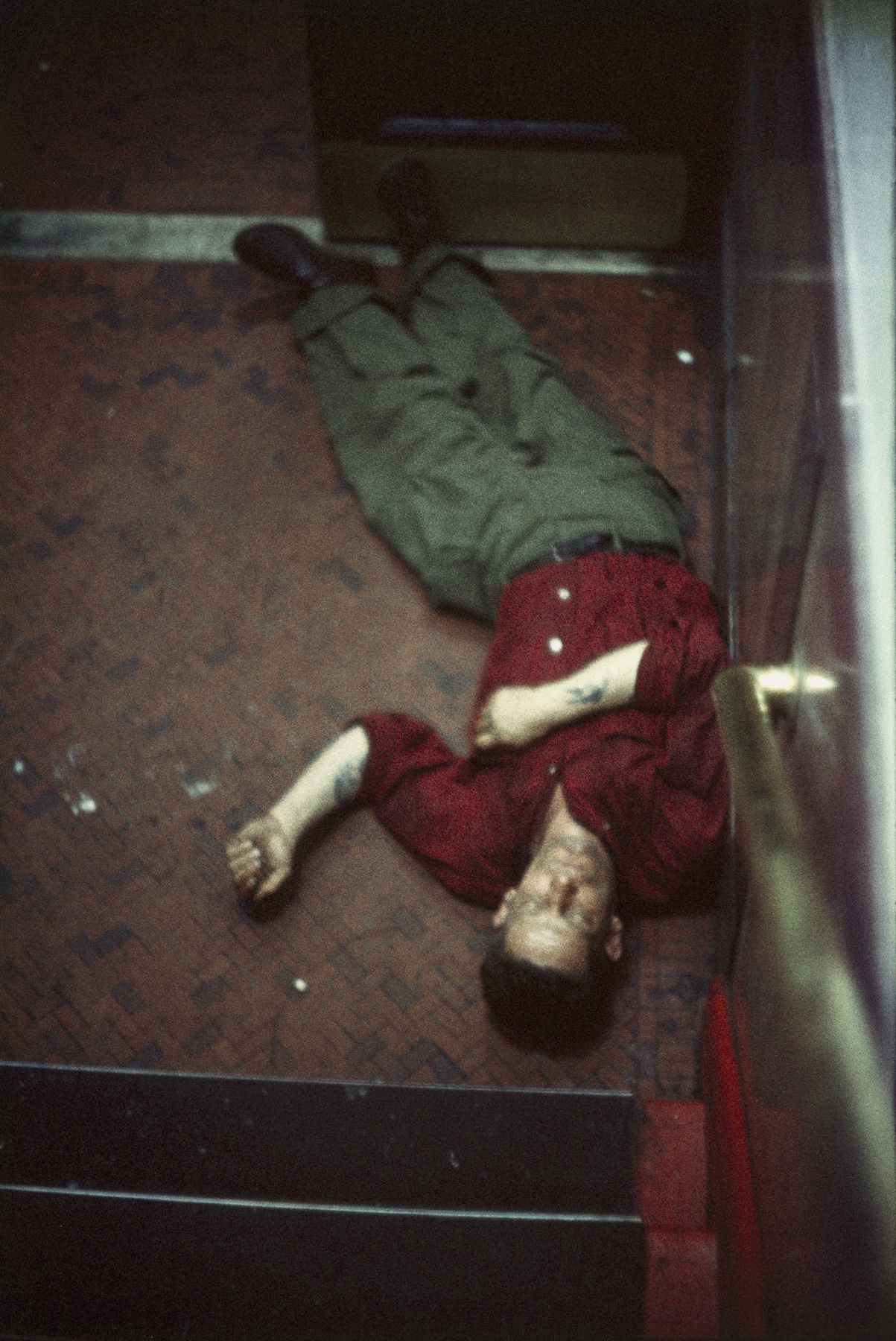
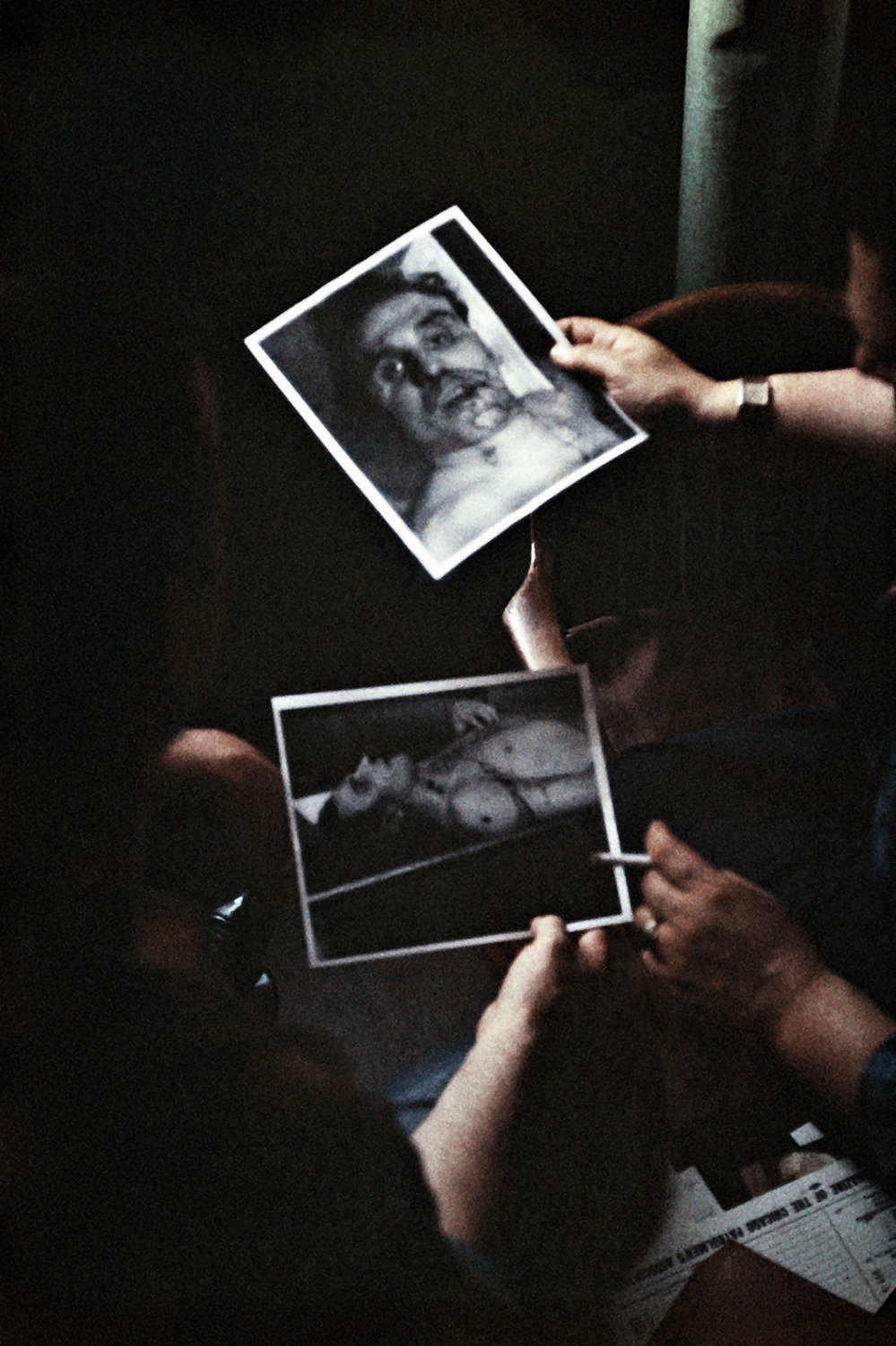
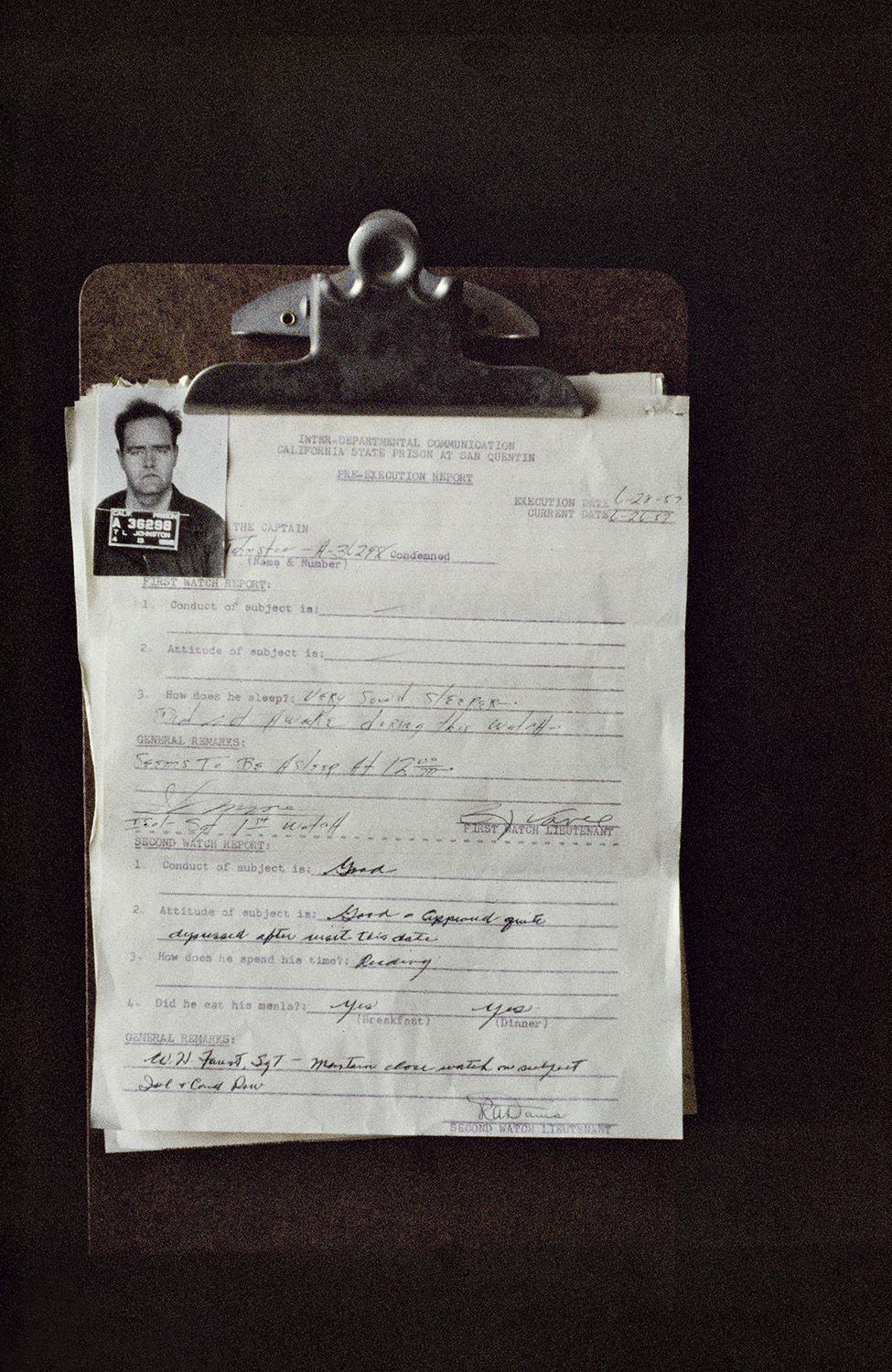
Parks’ beautiful photographs, for they are that, include challenging depictions of death, drug use and nonchalantly displayed items such as guns and knuckledusters. Violence and the outcomes of it are an ever present theme in Parks’ documentation of the policing and criminalisation of marginalised people and communities. The photographs are frequently heartbreaking, such as the scars on the legs of a Black American; or devastating, such as the photograph Knifing Victim I (1957). Park’s compresses the space of the action, attacking the nitty gritty of the mise en scène but with no rush to judgement, just telling it how it is. As Sebastian Smee so eloquently observes, “If all of this were mere history – a series of episodes confined to the past – it would be one thing. But Parks’s photographs are alive to the many ways in which crime in the 1950s was a continuation of this legacy [of slavery, of lynching]. Sixty years after he took these photographs, it’s difficult to deny the conclusion that today’s crime-related inequities, from mass incarceration to police brutality, are likewise an extension of this racist legacy.”
And so it goes, both for the marginalised in America and for Indigenous Australians. “According to the U.S. Bureau of Justice Statistics (BJS) in 2018 Black males accounted for 34% of the total male prison population, white males 29%, and Hispanic males 24%” (Wikipedia) while the percentage of US population that is black is 14%. “As of September 2019, Aboriginal and Torres Strait Islander prisoners represented 28% of the total adult prisoner population, while accounting for 3.3% of the general population.” (Wikipedia)
Dr Marcus Bunyan
Many thankx to MoMA for allowing me to publish the photographs in posting. Please click on the photographs for a larger version of the image. All photographs are used for the purposes of education and research under fair use conditions.
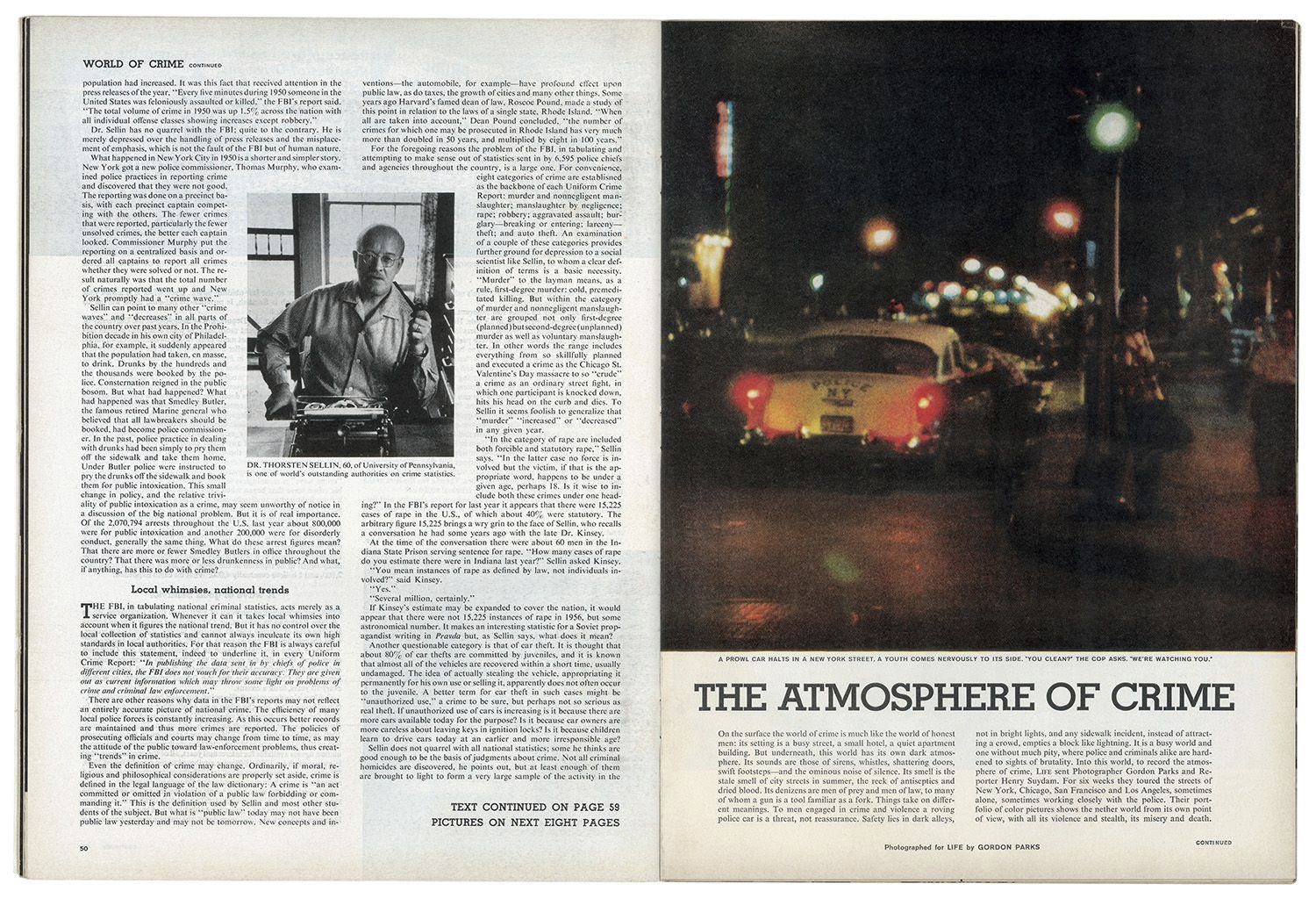
“I’m an objective reporter with a subjective heart,” proclaimed Gordon Parks. “I can’t help but have a certain kind of empathy… It’s more or less expressing things for people who can’t speak for themselves… the underdogs… in that way I speak for myself.” For over half a century, from the 1940s to the 2000s, Gordon Parks captured American life with his powerful photographs. After getting his first camera at the age of 25, he used this “weapon of choice” to attack issues including racism, poverty, urban life, and injustice. He became the first African American staff photographer at Life magazine – an immensely influential platform in the golden age of photo-illustrated magazines that not only allowed his art to be seen by many but also brought a critical, nuanced and, importantly, a Black perspective to the stories and depictions that he shared. For a 1957 assignment, he crisscrossed the streets of New York, Chicago, Los Angeles, and San Francisco, producing vivid colour images addressing the perceived rise in crime in the US. This series, “The Atmosphere of Crime,” challenged stereotypical images of delinquency, drug use, and corruption.
Text from the Gordon Parks Foundation website
“I don’t know that there is any one thing called “the Black experience,” but the way ‘Life magazine’ used Gordon Parks’ photographs for me actually reinscribed some of those notions of Black pathology, such as a story about a gang member (who was actually a pretty normal young man) or extreme poverty and social disenfranchisement. Parks was a much more complex photographer than that, as we came to fully know after his death, but that’s how we came to know him through ‘Life magazine’.”
Dawoud Bey quoted in Gail O’Neill. “Q&A: How Dawoud Bey uses photography to amplify his voice in the world,” on the ‘ARTS ATL’ website November 6, 2020 [Online] Cited 01/03/2021
In 1957, Life staff photographer Gordon Parks traversed New York, Chicago, Los Angeles, and San Francisco capturing crime scenes, police precincts, and prisons for “The Atmosphere of Crime,” as his photo essay was titled when it appeared in the magazine. Rather than identify or label “the criminal,” Parks – a fierce advocate for civil rights and a firm believer in photography as a catalyst for change – documented the policing and criminalisation of marginalised people and communities.
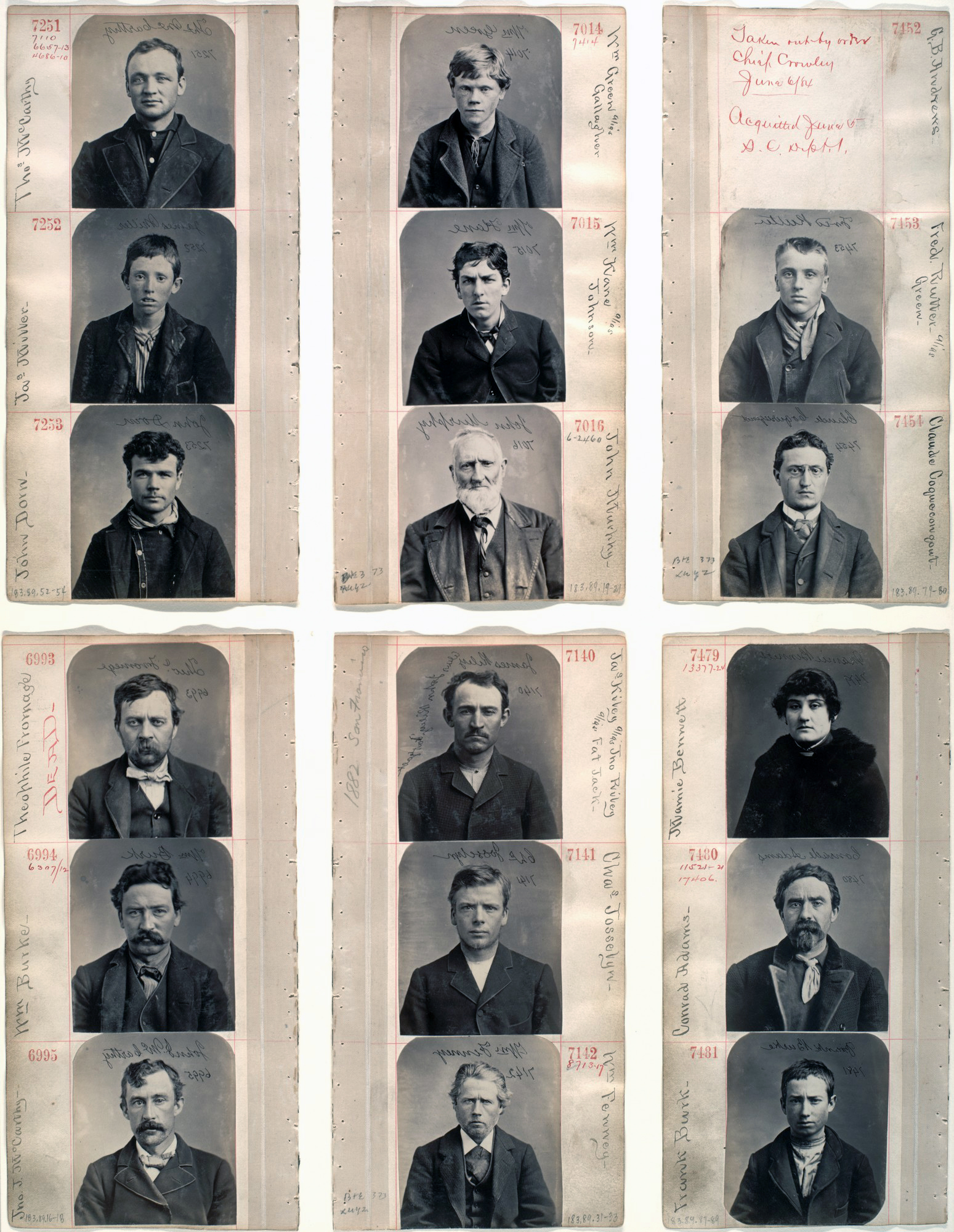
Here, Parks’s series is presented in relation to a long history of picturing criminality. In the nineteenth century, mug shots relied on photography’s supposed objectivity as the basis of their value for identification and surveillance. In the twentieth, more sensational images of victims, raids, and arrests circulated in newspapers and tabloids. In contrast, Parks urges us to look beyond individual people and events, to consider the forces of state and police power that are inextricable from any history of crime – a lesson as essential now as ever.
Text from the MoMA website
Sarah Meister, curator in the Department of Photography, looks at images from Gordon Parks’s 1957 photo essay “The Atmosphere of Crime” (1957) and is moved by the power (and, sadly, continued relevance) of his ability to confront “the great social evils of his time” with an “incredible artistic sensibility.”
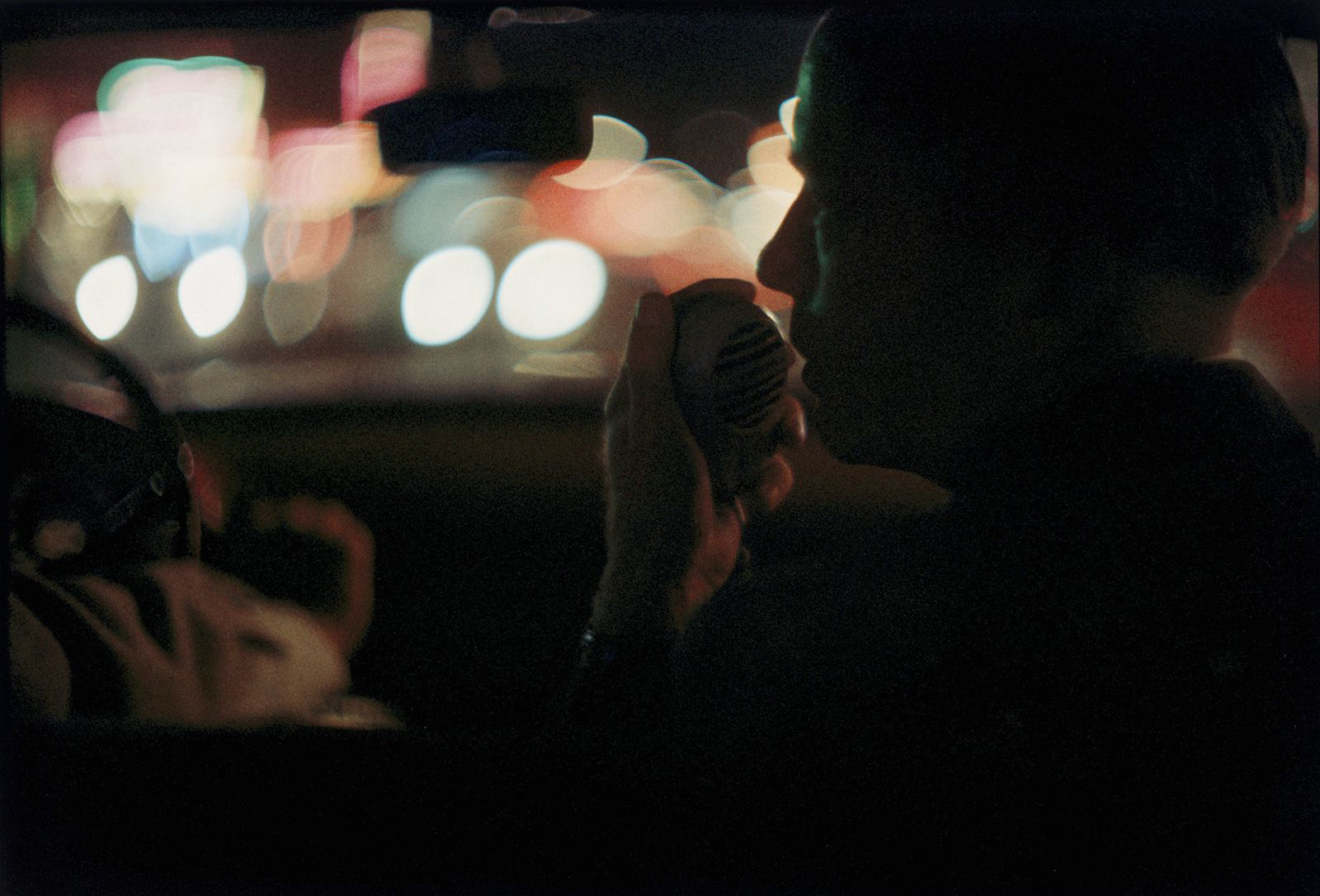
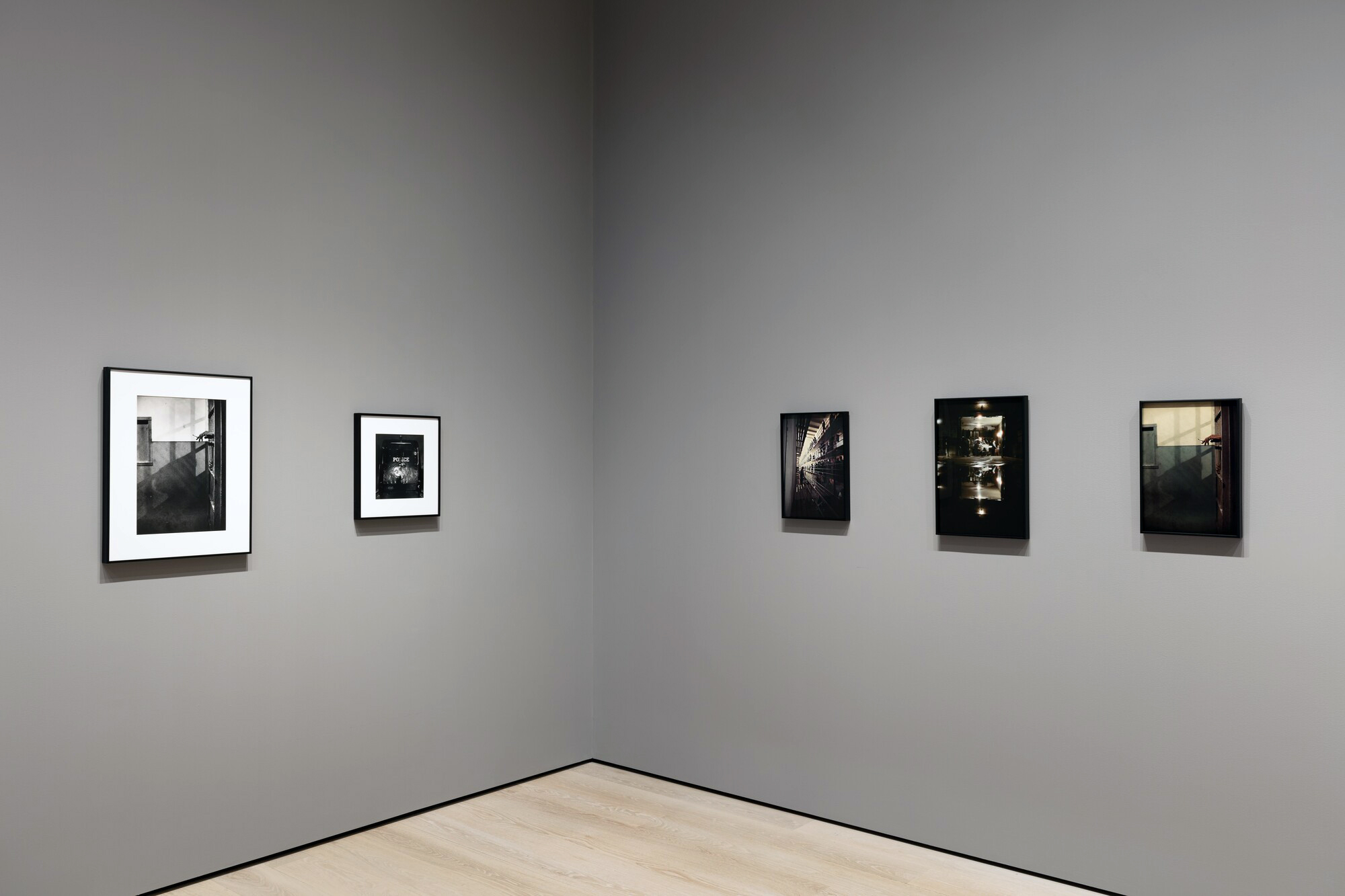
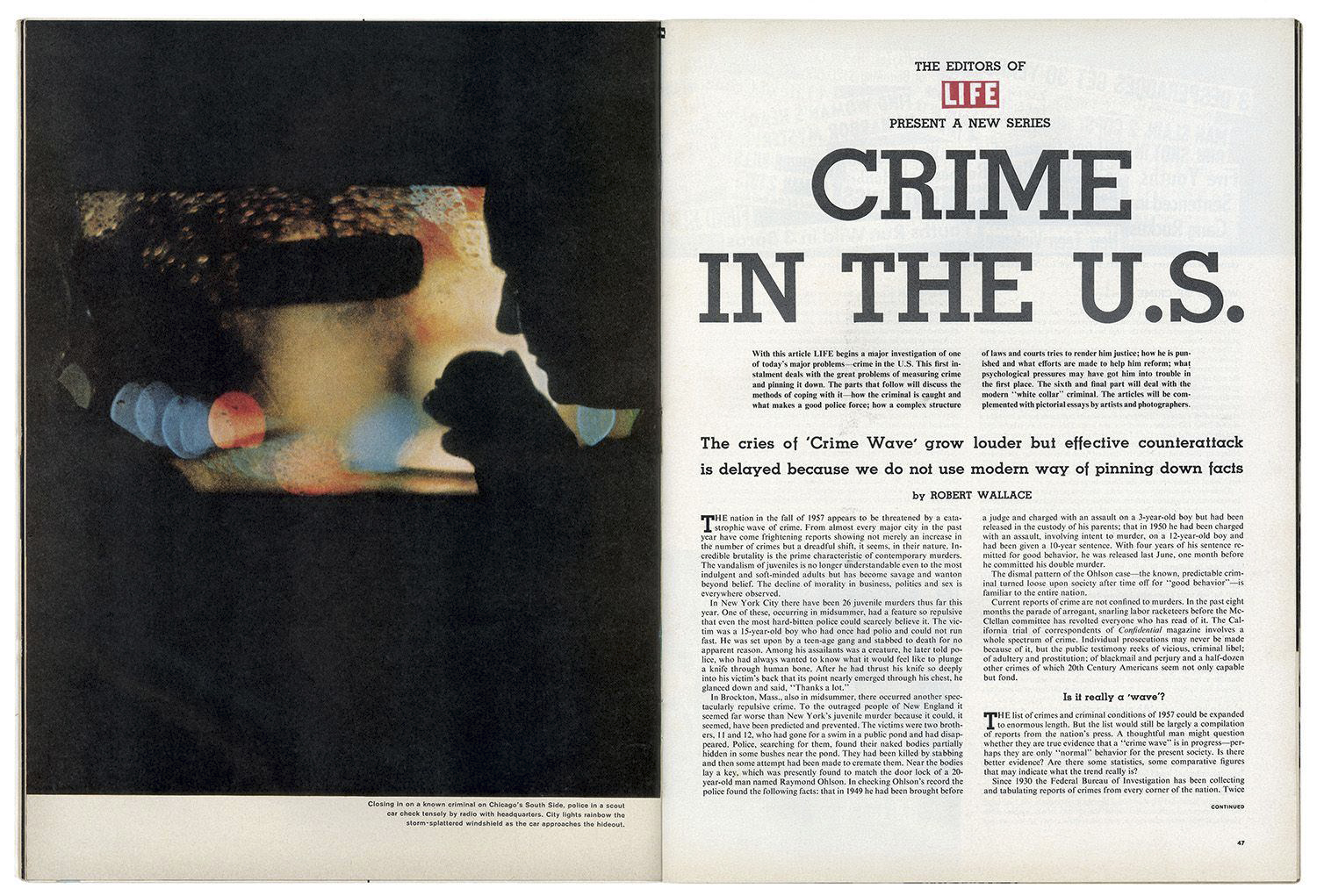
Closing in on a known criminal on Chicago’s South Side, police in a scout car check tensely by radio with headquarters. City lights rainbow the storm-splattered windshield as the car approaches the hideout.
Text from LIFE magazine, September 9, 1957, p. 46.
Gordon Parks’ ethically complex depictions of crime in New York, Chicago, San Francisco, and Los Angeles, with previously unseen photographs.
When Life magazine asked Gordon Parks to illustrate a recurring series of articles on crime in the United States in 1957, he had already been a staff photographer for nearly a decade, the first African American to hold this position. Parks embarked on a six-week journey that took him and a reporter to the streets of New York, Chicago, San Francisco, and Los Angeles.
Unlike much of his prior work, the images made were in colour. The resulting eight-page photo-essay The Atmosphere of Crime was noteworthy not only for its bold aesthetic sophistication but also for how it challenged stereotypes about criminality then pervasive in the mainstream media. They provided a richly hued, cinematic portrayal of a largely hidden world: that of violence, police work and incarceration, seen with empathy and candour.
Parks rejected clichés of delinquency, drug use, and corruption, opting for a more nuanced view that reflected the social and economic factors tied to criminal behaviour and afforded a rare window into the working lives of those charged with preventing and prosecuting it. Transcending the romanticism of the gangster film, the suspense of the crime caper and the racially biased depictions of criminality then prevalent in American popular culture, Parks coaxed his camera to record reality so vividly and compellingly that it would allow Life‘s readers to see the complexity of these chronically oversimplified situations. The Atmosphere of Crime, 1957 includes an expansive selection of never-before-published photographs from Parks’ original reportage.
Anonymous. “Gordon Parks: The Atmosphere of Crime 1957,” on the Exibart Street website [Online] Cited 07/02/2021
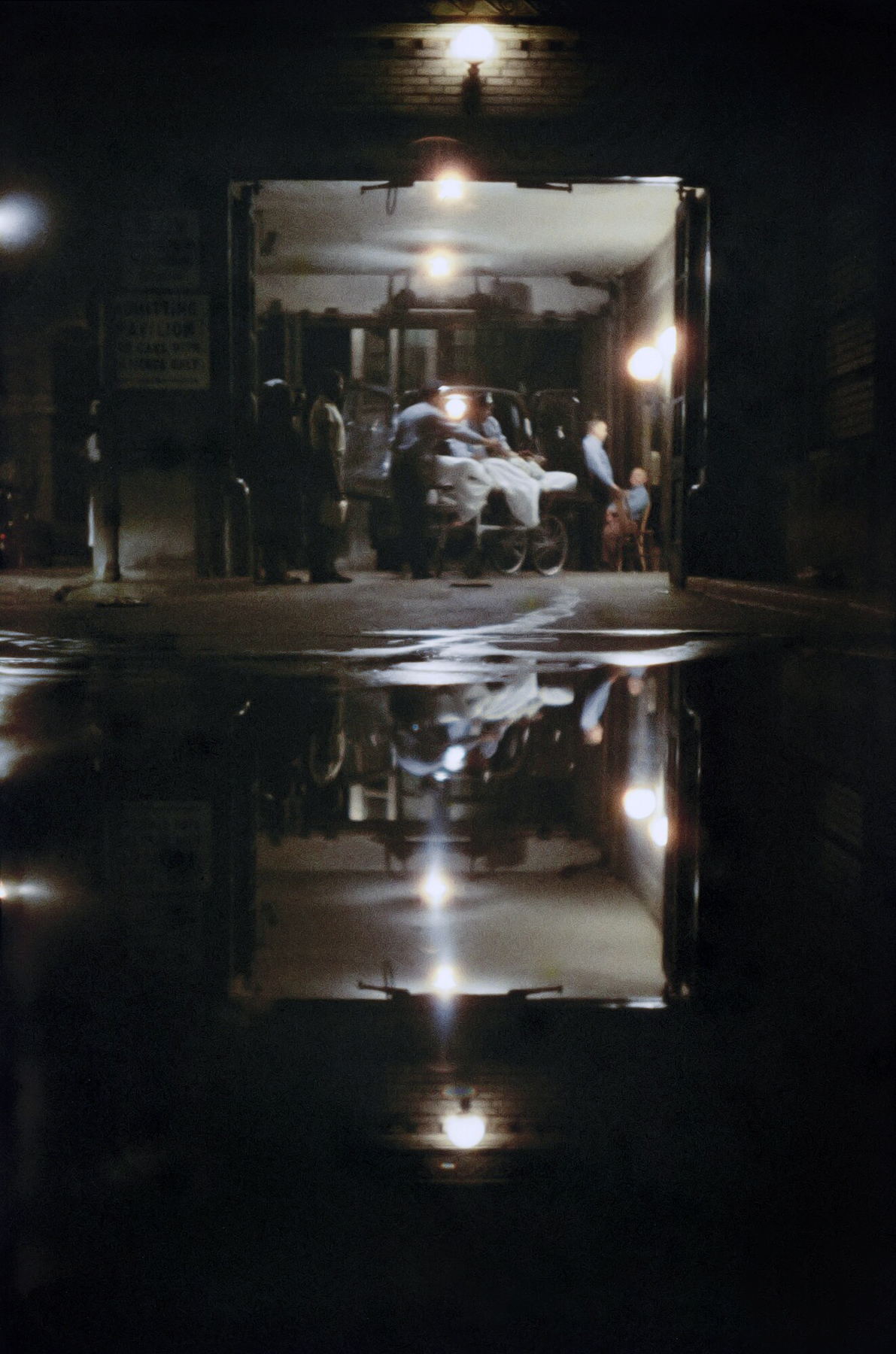
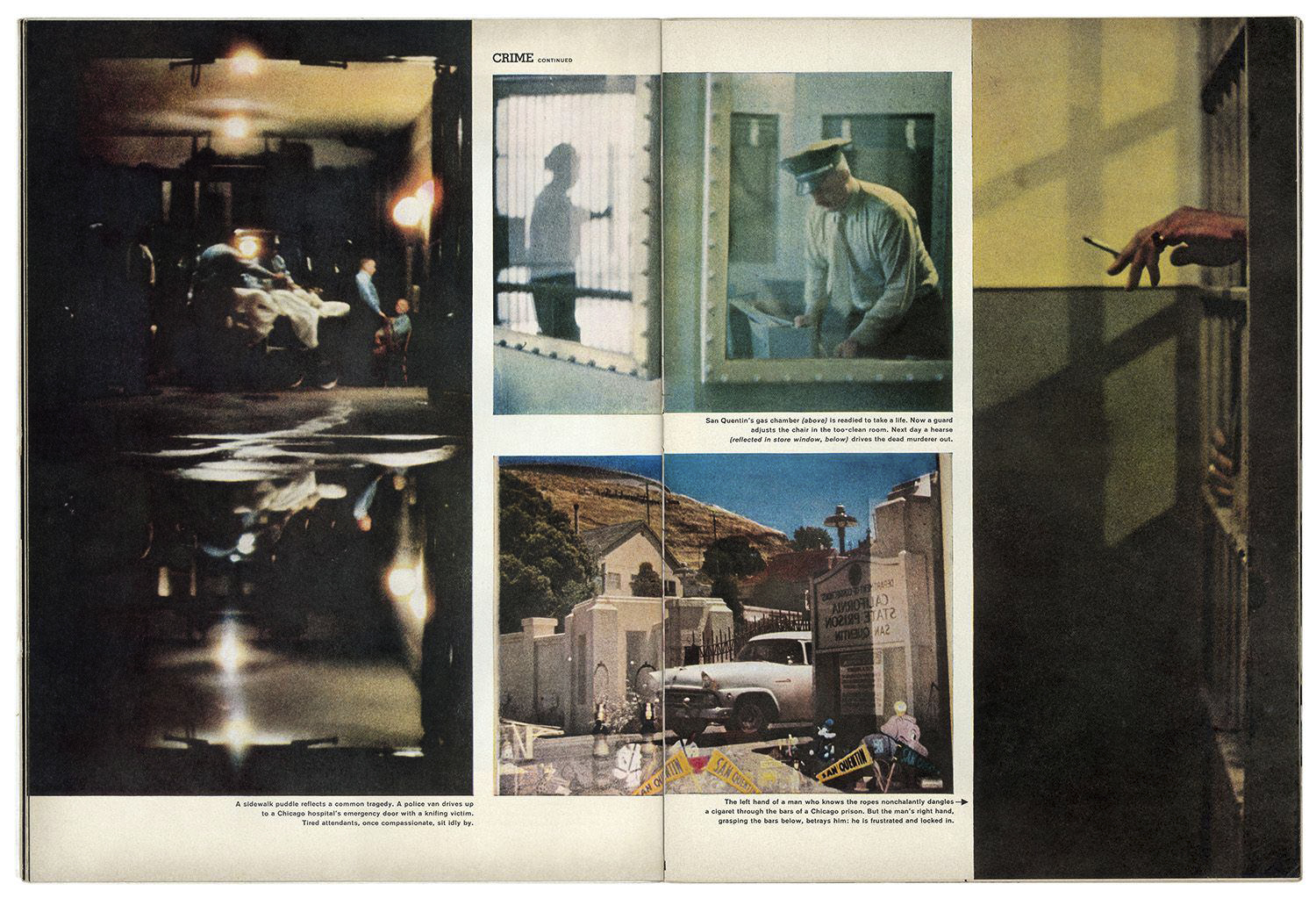
A sidewalk puddle reflects a common tragedy. A police van drives up to a Chicago hospital’s emergency door with a knifing victim. Tired attendants, once compassionate, sit idly by.
Gordon Parks (American, 1912-2006) Untitled, Chicago, Illinois 1957 Pigmented inkjet print 16 × 20″ (40.6 × 50.8 cm) Gift of The Gordon Parks Foundation
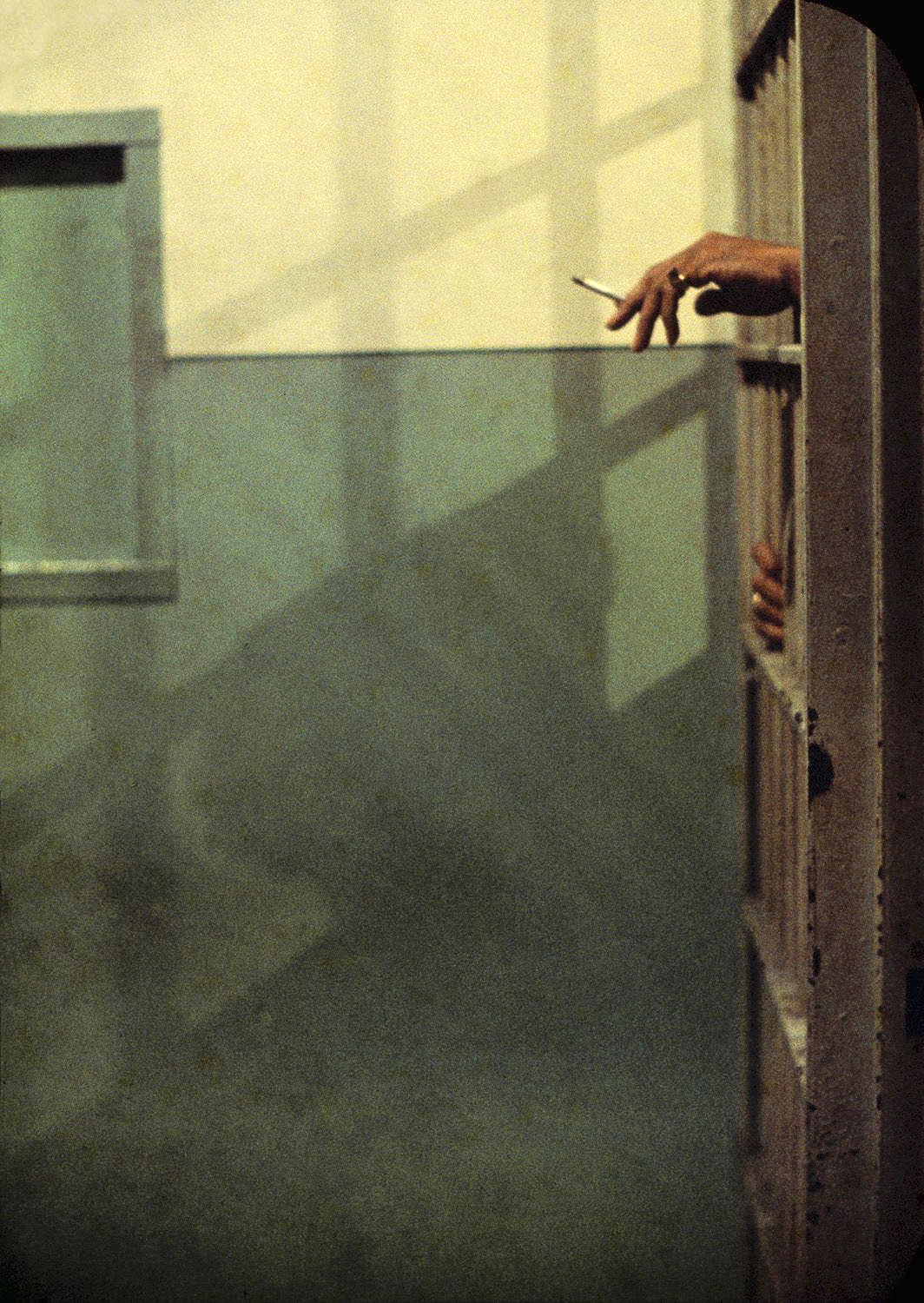
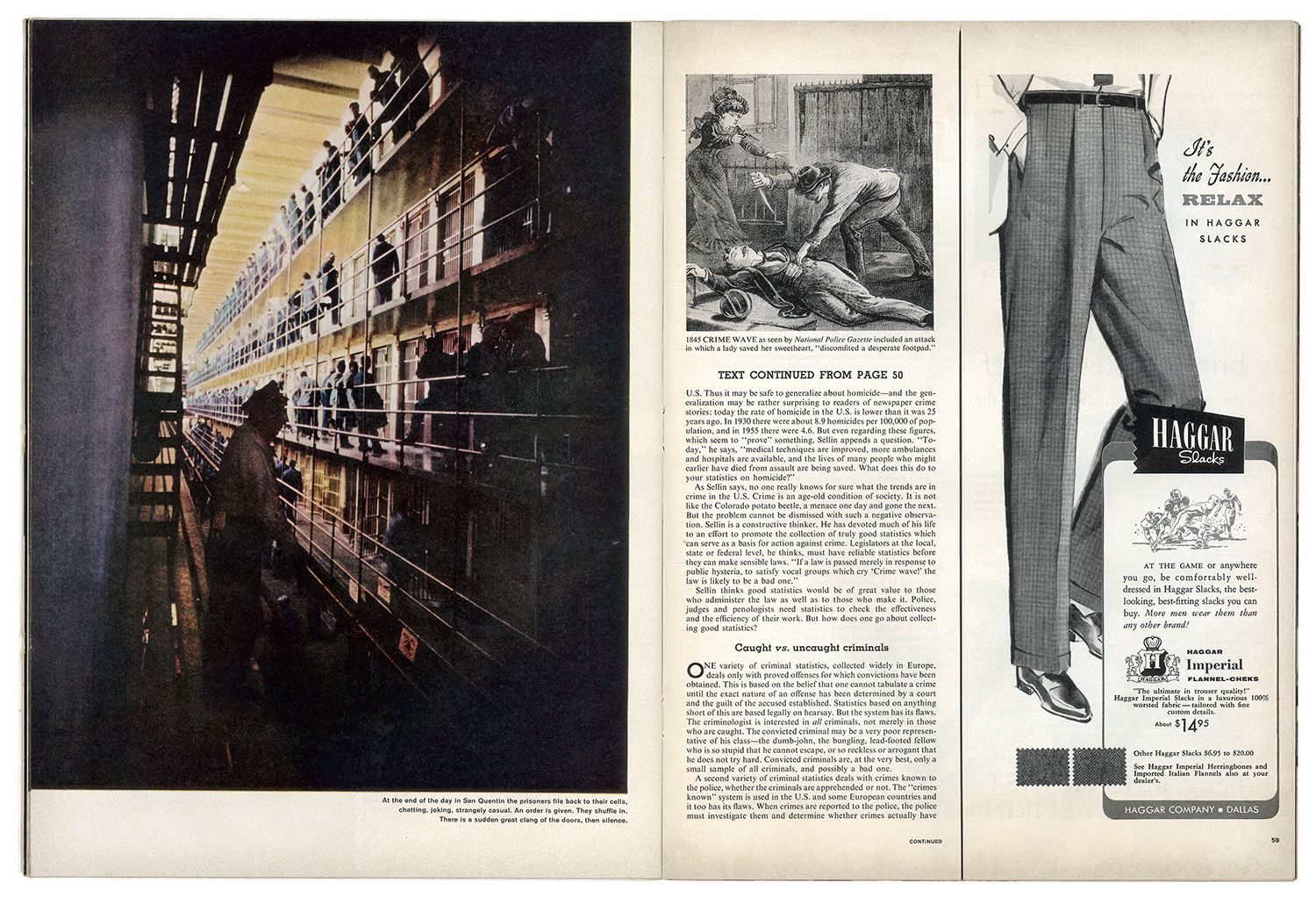
The left hand of a man who knows the ropes nonchalantly dangles a cigaret through the bars of a Chicago prison. But the man’s right hand, grasping the bars below, betrays him: he is frustrated and locked in.
Text from LIFE magazine, September 9, 1957
MoMA acquires historic Gordon Parks series The Atmosphere of Crime
The photographs will go on view in the New York museum’s permanent collection galleries in May, along with a selection of works by other artists and a clip from the classic 1971 film Shaft
The Museum of Modern Art (MoMA) in New York has acquired a full set of photographs by Gordon Parks from The Atmosphere of Crime series, a photographic essay examining crime in America he created on assignment with Life magazine in 1957. Along with 55 modern colour inkjet prints created from Parks’s transparencies, selected and bought in consultation with the Gordon Parks Foundation, the foundation has gifted a vintage gelatin silver print that matches a work already in MoMA’s collection, given by the photographer in 1993. Around 15 pieces from the series will go on view in a dedicated gallery on the fourth floor in May, along with an excerpt from his classic 1971 film Shaft and works by other artists from the collection, as part of the next reinstallation of the permanent galleries.
The acquisition comes through years of conversations with the Gordon Parks Foundation, which has been organising in-depth exhibitions of the photographer’s work at major museums since his death in 2006. “When Sarah Meister [MoMA’s curator of photography] and I began speaking a few years ago about how the museum could make a major acquisition, it was about what body of work would really have the most impact to what’s going on in the current world,” says Peter Kunhardt, Jr, the foundation’s executive director. “And we both felt that The Atmosphere of Crime was so relevant, not only because so much hasn’t changed today in our criminal justice system and with police brutality and violence, but also because the work is in colour.”
Colour photography was prohibitively expensive to produce outside of commercial projects at the time Parks first shot the series, Meister explains, and only a selection of images from the series were printed in colour in Life. “The transparencies that Gordon Parks made have been held back for a number of years for the right institution to thoughtfully put together an exhibition and book,” Kunhardt adds. The catalogue, published by Steidl with essays by Meister, Bryan Stevenson, the founder of the Equal Justice Initiative, and the art historian Nicole Fleetwood, who also wrote Marking Time: Art in the Age of Mass Incarceration, includes all the images from the acquisition.
Extract from Helen Stoilas. “MoMA acquires historic Gordon Parks series The Atmosphere of Crime,” on The Art Newspaper website 11 February 2020 [Online] Cited 07/02/2021
Installation views of the Collection 1940s-1970s, Room 409: Gordon Parks and “The Atmosphere of Crime” at the Museum of Modern Art (MoMA), New York
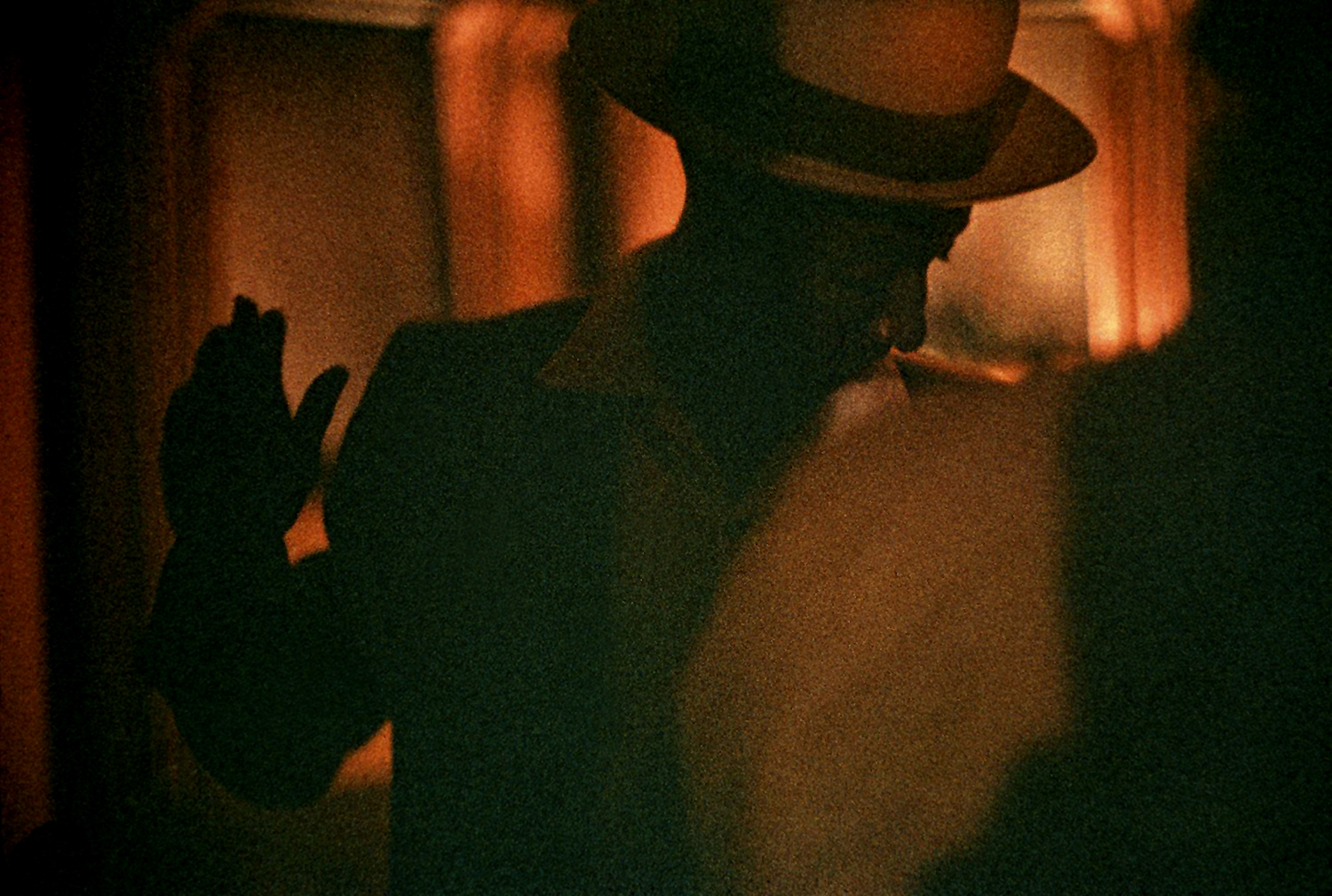
None of these images is crude or cliched. A few, it’s true, are brutally direct, in the spirit of Robert Lowell (“Yet why not say what happened?”) or Walker Evans (“If the thing is there, why there it is.”). But others are oddly – and arrestingly – tentative. They’re optically blurred, obscured by visual impediments, as if filtered through the artist’s melancholy, his pity, his black-of-night bewilderment. Looking at them, you feel that something others might rush to – judgment, sentencing, finality – has been deliberately withheld. …
The presence of the word “atmosphere” in the title is apt. It captures both the cumulative impact of the imagery and the complexity of crime’s causes and effects. Park’s use of blur, his unexpected vantage points and his embrace of pooling darkness all elevate his feeling for complication and suffering over the usual simplistic story lines that crowd to the subject of crime. …
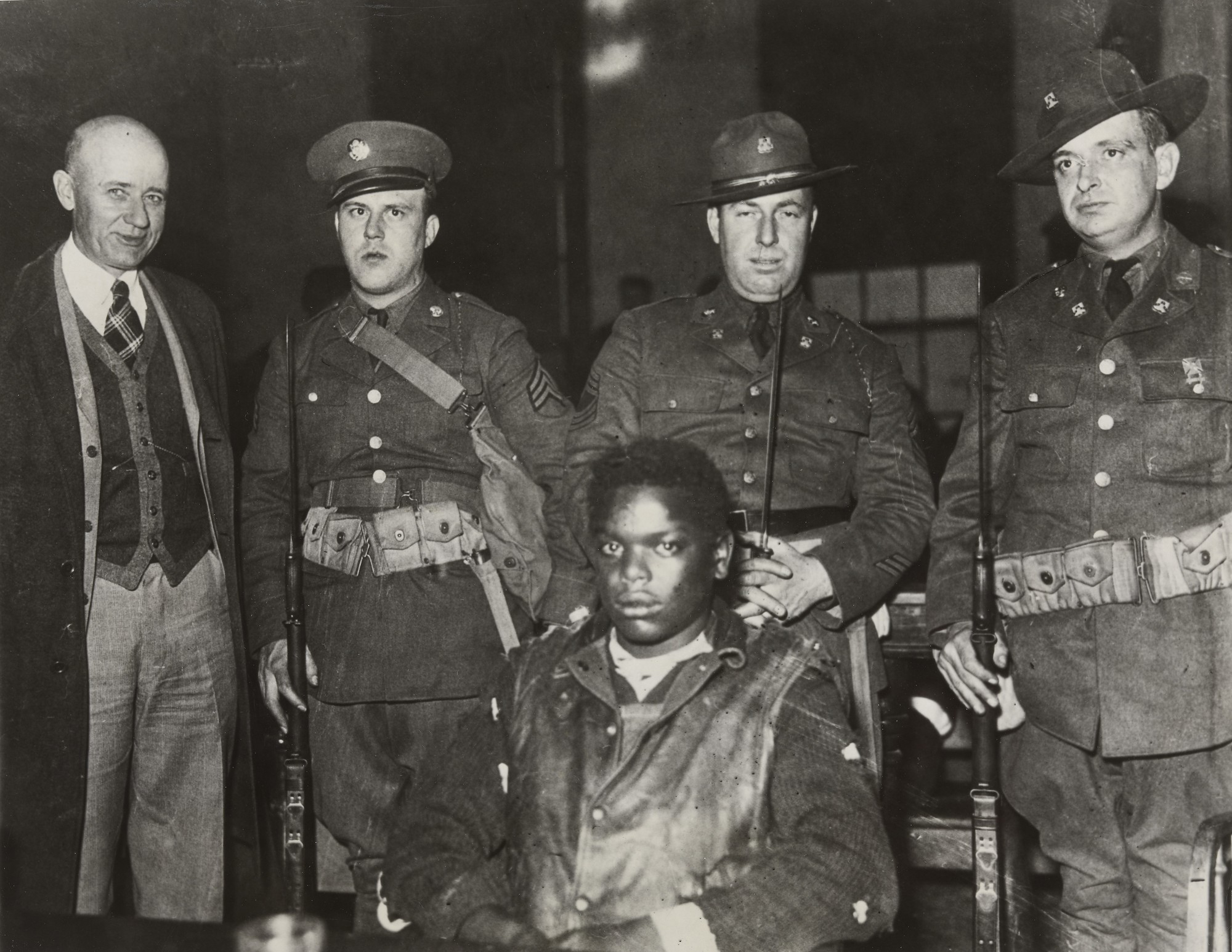
Between 1880 and 1950, lynchings were committed in open defiance of the law, terrorising a Black population that proceeded to escape to the ghettos of the North in massive numbers.
If all of this were mere history – a series of episodes confined to the past – it would be one thing. But Parks’s photographs are alive to the many ways in which crime in the 1950s was a continuation of this legacy. Sixty years after he took these photographs, it’s difficult to deny the conclusion that today’s crime-related inequities, from mass incarceration to police brutality, are likewise an extension of this racist legacy.
Big-city street crime has been in steady decline for three decades now. And yet the complexities and inequities of American crime still hinge on race and are still crudely narrated in the media.
Extract from Sebastian Smee. “With his camera, Gordon Parks humanized the Black people others saw as simply criminals,” on The Washington Post website August 5, 2020 [Online] Cited 07/02/2021
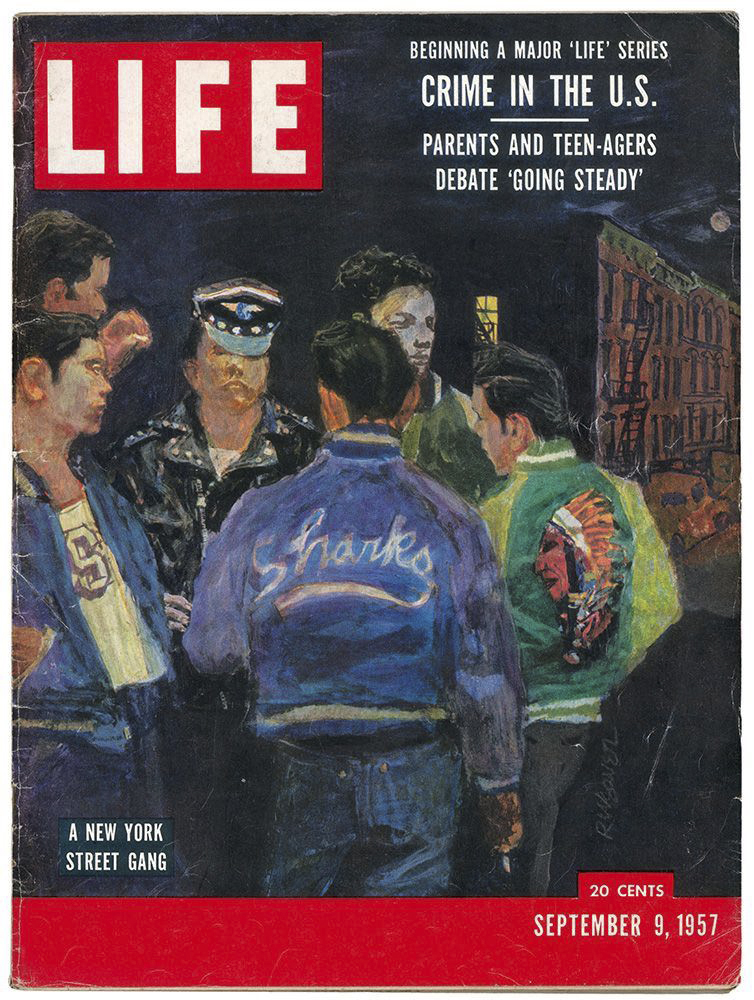
LIFE magazine, September 9, 1957 front cover
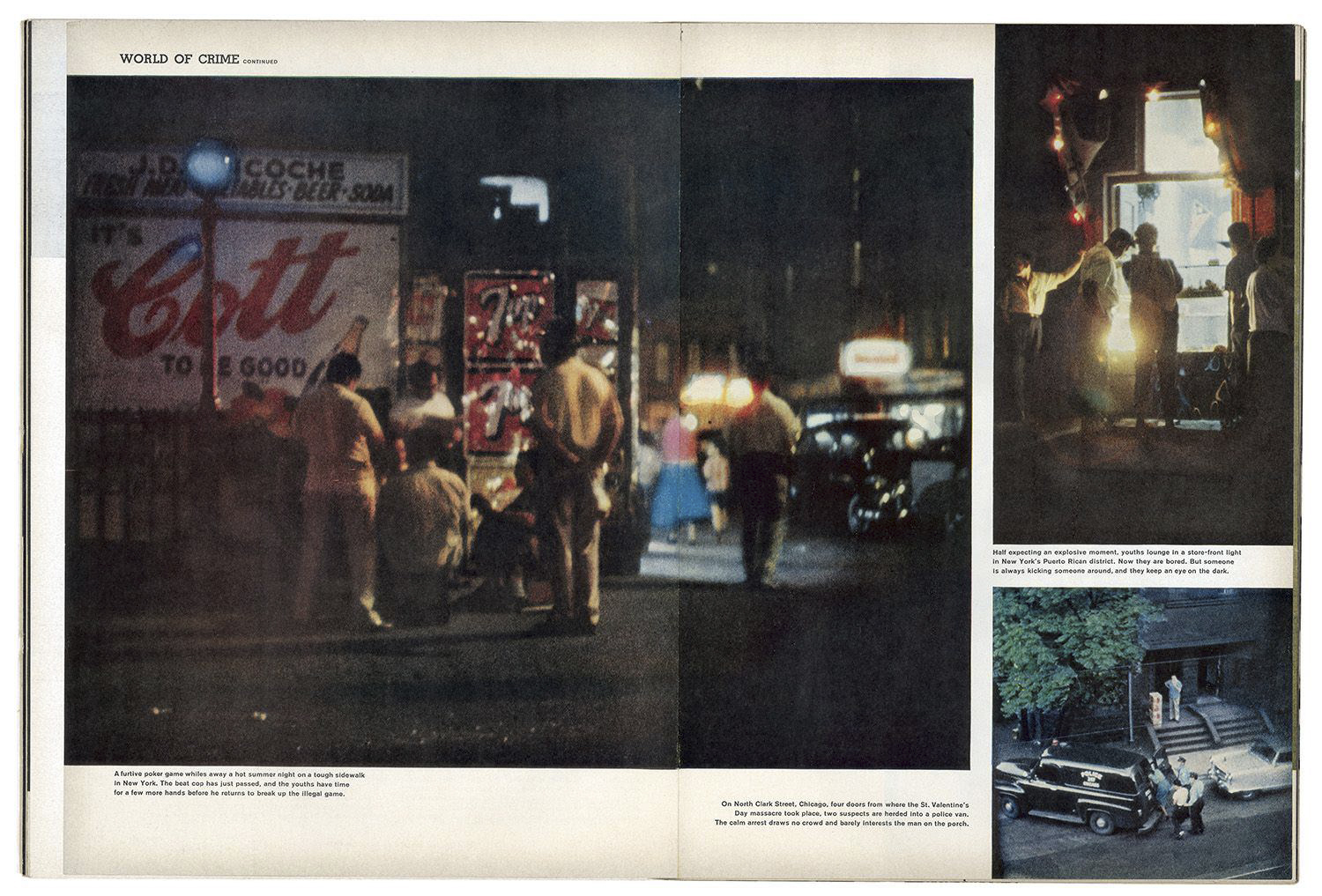
Robert Wallace. “Crime in the U.S.” LIFE magazine, September 9, 1957, pp. 46-47. Photograph by Gordon Parks.
Robert Wallace. “Crime in the U.S.” LIFE magazine, September 9, 1957. Photographs by Gordon Parks.
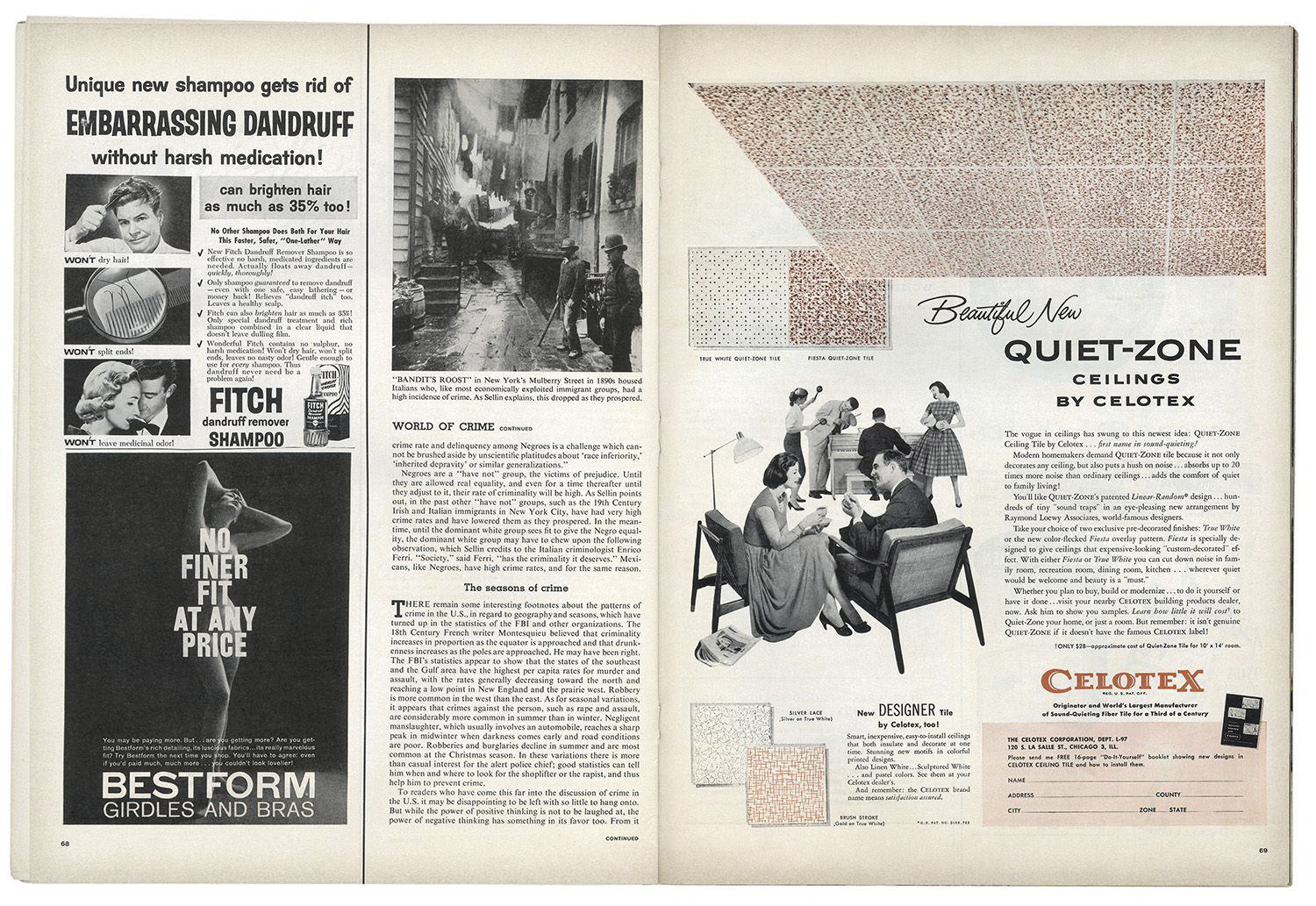
Robert Wallace. “Crime in the U.S.” LIFE magazine, September 9, 1957, pp. 68-69.
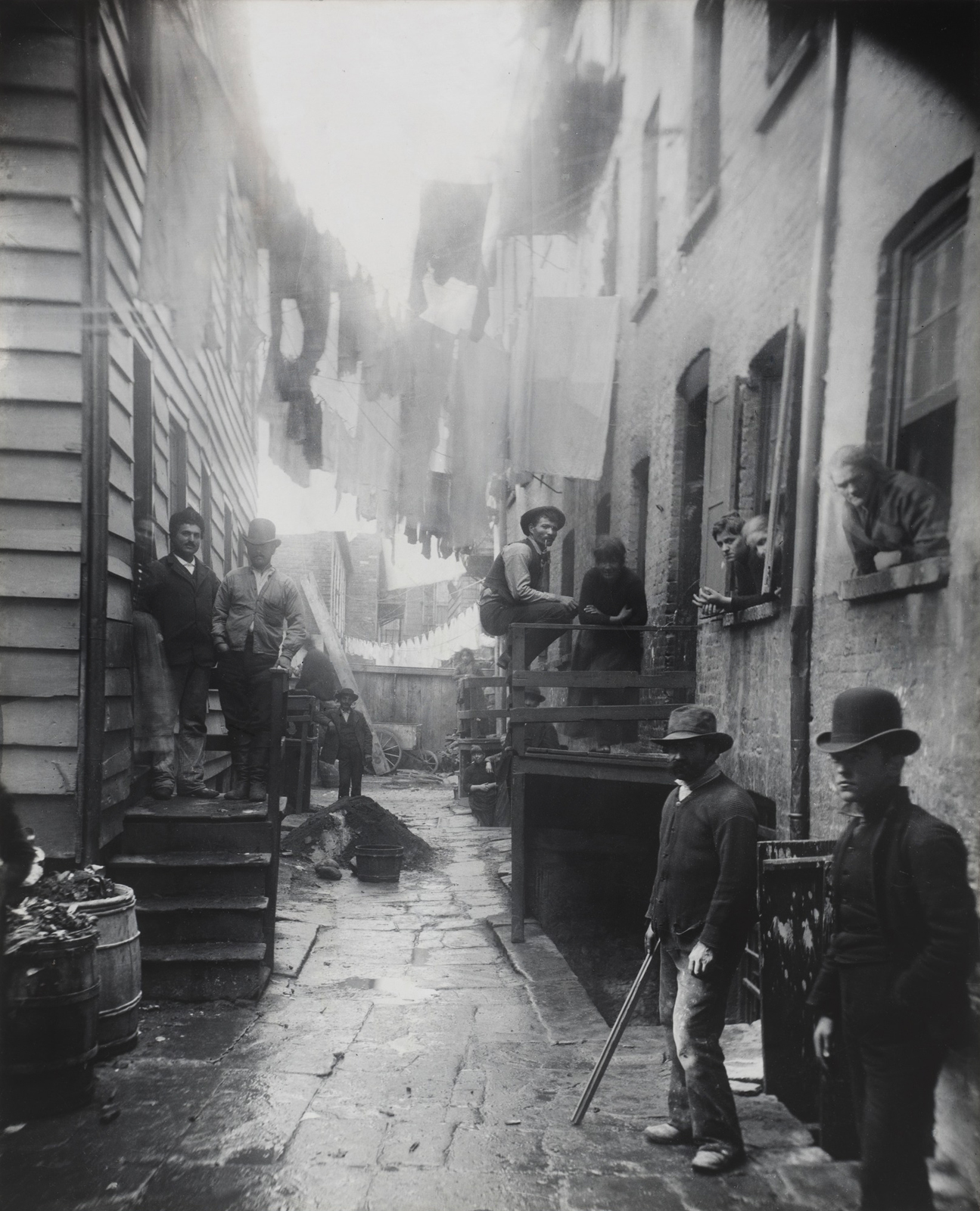
“BANDIT’S ROOST” in New York’s Mulberry Street in 1890s housed Italians who, like most economically exploited immigrant groups, had a high incidence of crime. As Sellin explains, this dropped as they prospered.
Unattributed photograph by Jacob Riis (see below).
Jacob Riis (American born Denmark, 1849-1914) Bandit’s Roost at 59½ Mulberry Street 1888 From How the Other Half Lives
This image is Bandit’s Roost at 59½ Mulberry Street, considered the most crime-ridden, dangerous part of New York City.
Jacob Riis (American born Denmark, 1849-1914)
Jacob August Riis (1849-1914) was a Danish-American social reformer, “muckraking” journalist and social documentary photographer. He contributed significantly to the cause of urban reform in America at the turn of the twentieth century. He is known for using his photographic and journalistic talents to help the impoverished in New York City; those impoverished New Yorkers were the subject of most of his prolific writings and photography. He endorsed the implementation of “model tenements” in New York with the help of humanitarian Lawrence Veiller. Additionally, as one of the most famous proponents of the newly practicable casual photography, he is considered one of the fathers of photography due to his very early adoption of flash in photography.
While living in New York, Riis experienced poverty and became a police reporter writing about the quality of life in the slums. He attempted to alleviate the bad living conditions of poor people by exposing their living conditions to the middle and upper classes. …
Photography
Bandit’s Roost (1888) by Jacob Riis, from How the Other Half Lives. This image is Bandit’s Roost at 59½ Mulberry Street, considered the most crime-ridden, dangerous part of New York City. Riis had for some time been wondering how to show the squalor of which he wrote more vividly than his words could express. He tried sketching, but was incompetent at this. Camera lenses of the 1880s were slow as was the emulsion of photographic plates; photography thus did not seem to be of any use for reporting about conditions of life in dark interiors. In early 1887, however, Riis was startled to read that “a way had been discovered to take pictures by flashlight. The darkest corner might be photographed that way.” The German innovation, by Adolf Miethe and Johannes Gaedicke, flash powder was a mixture of magnesium with potassium chlorate and some antimony sulfide for added stability; the powder was used in a pistol-like device that fired cartridges. This was the introduction of flash photography.
Recognising the potential of the flash, Riis informed a friend, Dr. John Nagle, chief of the Bureau of Vital Statistics in the City Health Department who was also a keen amateur photographer. Nagle found two more photographer friends, Henry Piffard and Richard Hoe Lawrence, and the four of them began to photograph the slums. Their first report was published in the New York newspaper The Sun on February 12, 1888; it was an unsigned article by Riis which described its author as “an energetic gentleman, who combines in his person, though not in practice, the two dignities of deacon in a Long Island church and a police reporter in New York”. The “pictures of Gotham’s crime and misery by night and day” are described as “a foundation for a lecture called ‘The Other Half: How It Lives and Dies in New York.’ to give at church and Sunday school exhibitions, and the like.” The article was illustrated by twelve line drawings based on the photographs.
Riis and his photographers were among the first Americans to use flash photography. Pistol lamps were dangerous and looked threatening, and would soon be replaced by another method for which Riis lit magnesium powder on a frying pan. The process involved removing the lens cap, igniting the flash powder and replacing the lens cap; the time taken to ignite the flash powder sometimes allowed a visible image blurring created by the flash.
Riis’s first team soon tired of the late hours, and Riis had to find other help. Both his assistants were lazy and one was dishonest, selling plates for which Riis had paid. Riis sued him in court successfully. Nagle suggested that Riis should become self-sufficient, so in January 1888 Riis paid $25 for a 4×5 box camera, plate holders, a tripod and equipment for developing and printing. He took the equipment to the potter’s field cemetery on Hart Island to practice, making two exposures. The result was seriously overexposed but successful.
For three years, Riis combined his own photographs with others commissioned of professionals, donations by amateurs and purchased lantern slides, all of which formed the basis for his photographic archive.
Because of the nighttime work, he was able to photograph the worst elements of the New York slums, the dark streets, tenement apartments, and “stale-beer” dives, and documented the hardships faced by the poor and criminal, especially in the vicinity of notorious Mulberry Street. …
Social attitudes
Riis’s concern for the poor and destitute often caused people to assume he disliked the rich. However, Riis showed no sign of discomfort among the affluent, often asking them for their support. Although seldom involved with party politics, Riis was sufficiently disgusted by the corruption of Tammany Hall to change from being an endorser of the Democratic Party to endorse the Republican Party. The period just before the Spanish-American War was difficult for Riis. He was approached by liberals who suspected that protests of alleged Spanish mistreatment of the Cubans was merely a ruse intended to provide a pretext for US expansionism; perhaps to avoid offending his friend Roosevelt, Riis refused the offer of good payment to investigate this and made nationalist statements.
Riis emphatically supported the spread of wealth to lower classes through improved social programs and philanthropy, but his personal opinion of the natural causes for poor immigrants’ situations tended to display the trappings of a racist ideology. Several chapters of How the Other Half Lives, for example, open with Riis’ observations of the economic and social situations of different ethnic and racial groups via indictments of their perceived natural flaws; often prejudices that may well have been informed by scientific racism.
Criticism
Riis’s sincerity for social reform has seldom been questioned, but critics have questioned his right to interfere with the lives and choices of others. His audience comprised middle-class reformers, and critics say that he had no love for the traditional lifestyles of the people he portrayed. Stange (1989) argues that Riis “recoiled from workers and working-class culture” and appealed primarily to the anxieties and fears of his middle-class audience. Swienty (2008) says, “Riis was quite impatient with most of his fellow immigrants; he was quick to judge and condemn those who failed to assimilate, and he did not refrain from expressing his contempt.” Gurock (1981) says Riis was insensitive to the needs and fears of East European Jewish immigrants who flooded into New York at this time.
Libertarian economist Thomas Sowell (2001) argues that immigrants during Riis’s time were typically willing to live in cramped, unpleasant circumstances as a deliberate short-term strategy that allowed them to save more than half their earnings to help family members come to America, with every intention of relocating to more comfortable lodgings eventually. Many tenement renters physically resisted the well-intentioned relocation efforts of reformers like Riis, states Sowell, because other lodgings were too costly to allow for the high rate of savings possible in the tenements. Moreover, according to Sowell, Riis’s own personal experiences were the rule rather than the exception during his era: like most immigrants and low-income persons, he lived in the tenements only temporarily before gradually earning more income and relocating to different lodgings.
Riis’s depictions of various ethnic groups can be harsh. In Riis’s books, according to some historians, “The Jews are nervous and inquisitive, the Orientals are sinister, the Italians are unsanitary.”
Riis was also criticised for his depiction of African Americans. He was said to portray them as falsely happy with their lives in the “slums” of New York City. This criticism didn’t come until much later after Riis had died. His writing was overlooked because his photography was so revolutionary in his early books.
“The Atmosphere of Crime” photographed for LIFE by Gordon Parks. LIFE magazine, September 9, 1957, p. 50.
Gordon Parks’ photo essay “The Atmosphere of Crime” in Life Magazine, September 9, 1957, pp. 58-59.
Because this year marks the 50th anniversary of his groundbreaking 1971 film, “Shaft”; because two fine shows of his pioneering photojournalism are on view at the Jack Shainman galleries in Chelsea; because a suite from his influential 1957 series, “The Atmosphere of Crime,” is a highlight of “In and Around Harlem,” on view at the Museum of Modern Art; and because, somehow, despite the long shadow cast by a man widely considered the preeminent Black American photographer of the 20th century, he is too little known, the time seems right to revisit some elements of the remarkable life, style and undimmed relevance of Gordon Parks.
Last born of 15 children, he made a career of firsts
Born Gordon Roger Alexander Buchanan Parks in Fort Scott, Kansas, on Nov. 30, 1912, he attended segregated schools where he was prohibited from playing sports and was advised not to aim for college because higher education was pointless for people destined to be porters and maids.
Once, he was beaten up for walking with a light-skinned cousin. Once, he was tossed into the Marmaton River by three white boys fully aware that he could not swim. Once, he was thrown out of a brother-in-law’s house where he was sent to live after his mother’s death. This was in St. Paul, at Christmas. He rode a trolley all night to keep warm.
The road to fame had plenty of detours
At various points in his early years, Parks played the piano in a brothel, was a janitor in a flophouse and was a dining car waiter on the cross-country railroad. He survived these travails to become, following a route that was anything but direct, the first Black member of the Farm Security Administration’s storied photo corps; the first Black photographer for the U.S. Office of War Information; the first Black photographer for Vogue; the first Black staff photographer at the weekly magazine Life; and, years later, the first Black filmmaker to direct a motion picture for a major Hollywood studio. By the standards of a Jim Crow era, Parks’ perseverance rose to the level of the biblical.
He got his break shooting dresses
As passengers have done everywhere and always, those on the North Coast Limited between Chicago and Seattle tossed their onboard reading when they were done. Parks scavenged the well-thumbed magazines and, taking them home, discovered both the Depression-era images of photographers like Dorothea Lange and the exotic spheres depicted in Vogue.
He bought his first camera at a pawnshop in Seattle in 1937 and taught himself how to use it. Returning to the Minneapolis area where he had lived for a time, he scouted work shooting for local department stores. All except one rebuffed him.
This, as it happened, was Frank Murphy, the most fashionable boutique in the city, a shop with a running fountain, a resident parrot and a clientele that ran to women from the Pillsbury, Ordway and Dayton dynasties and who relied on the buyers there to supply them with things like “telephone dresses,” for those who considered it unseemly to take calls in dishabille.
By legend, it was the owner’s wife, Madeleine, who insisted that her husband hire the fledgling photographer despite his inexperience, for reasons never made clear. The bet paid off, though, since the images Parks produced promptly resulted in more work, a local exhibition and a telephone call from Marva Louis, then the wife of the world heavyweight boxing champion, Joe Louis, who encouraged him to relocate to Chicago, where he began taking portraits of society women. It was a career transit compressed in a sequence of events so implausible as to seem cinematic. Yet, for Parks, it was just a beginning.
“From the start, Parks knew how to make a beautiful picture,” photography critic Vince Aletti said. And it is true that, long after Parks established his reputation with unflinching photographic series on the civil rights movement, Harlem gangs, the Black Panthers, Malcolm X and the Nation of Islam, he continued to move easily between photojournalism and the fashion work for which he maintained a lifelong regard – and which, along with his access to elements of Black life largely invisible to white readers, was among the reasons he was hired in the first place by Life.
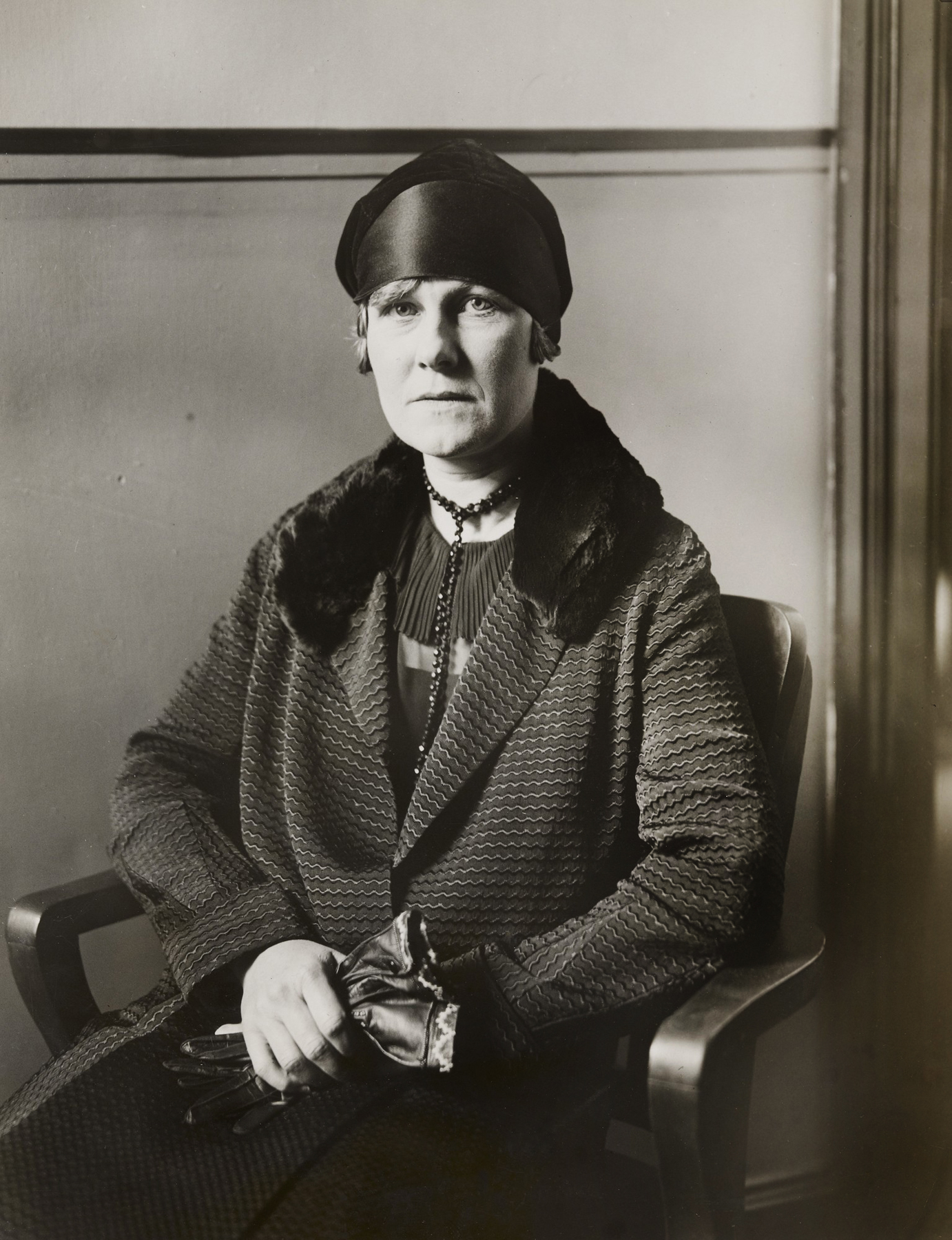
Ruth Brown Snyder (March 27, 1895 – January 12, 1928) was an American murderer. Her execution in the electric chair at New York’s Sing Sing Prison in 1928 for the murder of her husband, Albert Snyder, was recorded in a well-publicised photograph.
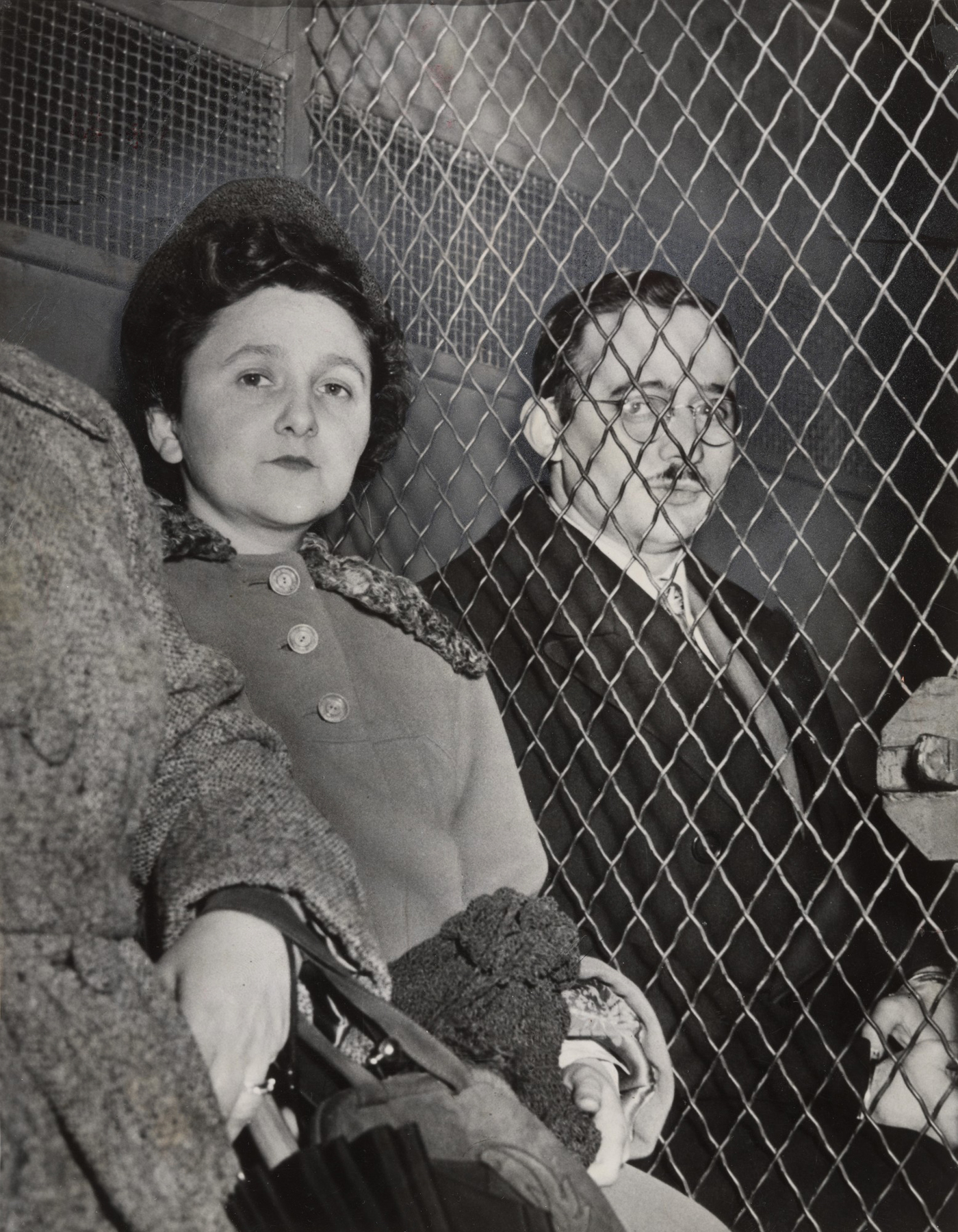
Julius Rosenberg and Ethel Rosenberg were American citizens who were convicted of spying on behalf of the Soviet Union. The couple was accused of providing top-secret information about radar, sonar, jet propulsion engines, and valuable nuclear weapon designs; at that time the United States was the only country in the world with nuclear weapons. Convicted of espionage in 1951, they were executed by the federal government of the United States in 1953 in the Sing Sing correctional facility in Ossining, New York, becoming the first American civilians to be executed for such charges and the first to suffer that penalty during peacetime.
Other convicted co-conspirators were sentenced to prison, including Ethel’s brother, David Greenglass (who had made a plea agreement), Harry Gold, and Morton Sobell. Klaus Fuchs, a German scientist working in Los Alamos, was convicted in the United Kingdom.
For decades, the Rosenbergs’ sons (Michael and Robert Meeropol) and many other defenders maintained that Julius and Ethel were innocent of spying on their country and were victims of Cold War paranoia. After the fall of the Soviet Union, much information concerning them was declassified, including a trove of decoded Soviet cables (code-name: Venona), which detailed Julius’s role as a courier and recruiter for the Soviets. Ethel’s role was as an accessory who helped recruit her brother David into the spy ring and she worked in a secretarial manner typing up documents for her husband that were given to the Soviets. In 2008, the National Archives of the United States published most of the grand jury testimony related to the prosecution of the Rosenbergs.
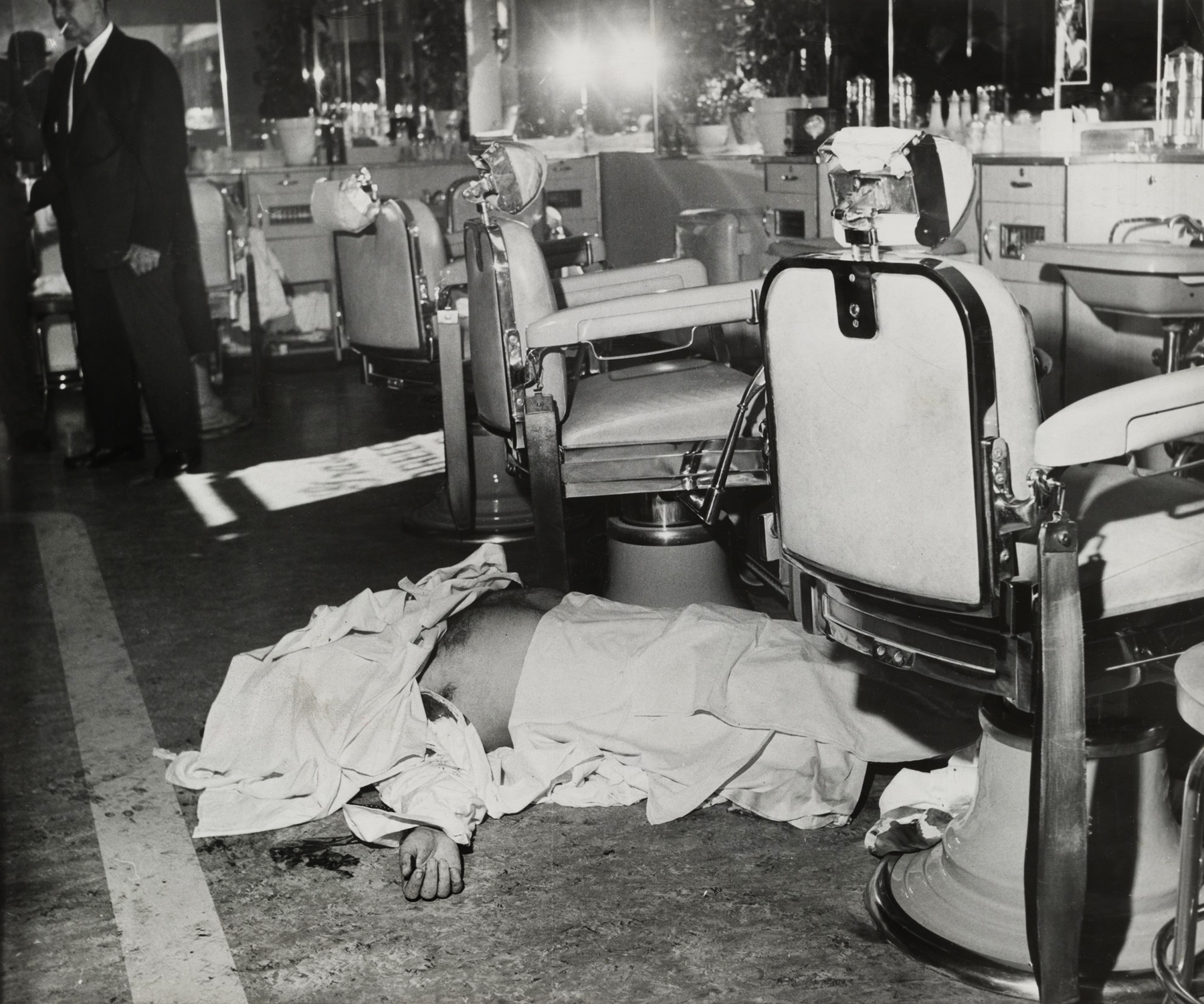
Umberto “Albert” Anastasia (1902-1957) was an Italian-American mobster, hitman, and crime boss. One of the founders of the modern American Mafia and a co-founder and later boss of the Murder, Inc. criminal collective, Anastasia eventually rose to the position of boss in what became the modern Gambino crime family. He was also in control of the New York waterfront for most of his criminal career, including the dockworker unions. He was murdered on October 25, 1957, on the orders of Vito Genovese and Carlo Gambino; Gambino subsequently became boss of the family.
Anastasia was one of the most ruthless and feared organised crime figures in American history; his reputation earned him the nicknames “The One-Man Army”, “Mad Hatter” and “Lord High Executioner”. …
Assassination
On the morning of October 25, 1957, Anastasia entered the barber shop of the Park Sheraton Hotel, at 56th Street and 7th Avenue in Midtown Manhattan. Anastasia’s driver parked the car in an underground garage and then took a walk outside, leaving him unprotected. As Anastasia relaxed in the barber’s chair, two men – scarves covering their faces – rushed in, shoved the barber out of the way, and fired at Anastasia. After the first volley of bullets, Anastasia reportedly lunged at his killers. However, the stunned Anastasia had actually attacked the gunmen’s reflections in the wall mirror of the barber shop. The gunmen continued firing until Anastasia finally fell dead on the floor.
The Anastasia homicide generated a tremendous amount of public interest and sparked a high-profile police investigation. Per The New York Times journalist and Five Families author Selwyn Raab, “The vivid image of a helpless victim swathed in white towels was stamped in the public memory”. However, no one was charged in the case. Speculation on who killed Anastasia has centred on Profaci crime family mobster Joe Gallo, the Patriarca crime family of Providence, Rhode Island, and certain drug dealers within the Gambino family. Initially, the NYPD concluded that Anastasia’s homicide had been arranged by Genovese and Gambino and that it was carried out by a crew led by Gallo. At one point, Gallo boasted to an associate of his part in the hit, “You can just call the five of us the barbershop quintet”. Elsewhere, Genovese had traditionally strong ties to Patriarca boss Raymond L. S. Patriarca.
Anastasia’s funeral service was conducted at a Brooklyn funeral home; the Roman Catholic Diocese of Brooklyn had refused to sanction a church burial. Anastasia was interred in Green-Wood Cemetery in Greenwood Heights, Brooklyn, attended by a handful of friends and relatives. It is marked “Anastasio”. In 1958, his family emigrated to Canada, and changed the name to “Anisio”.
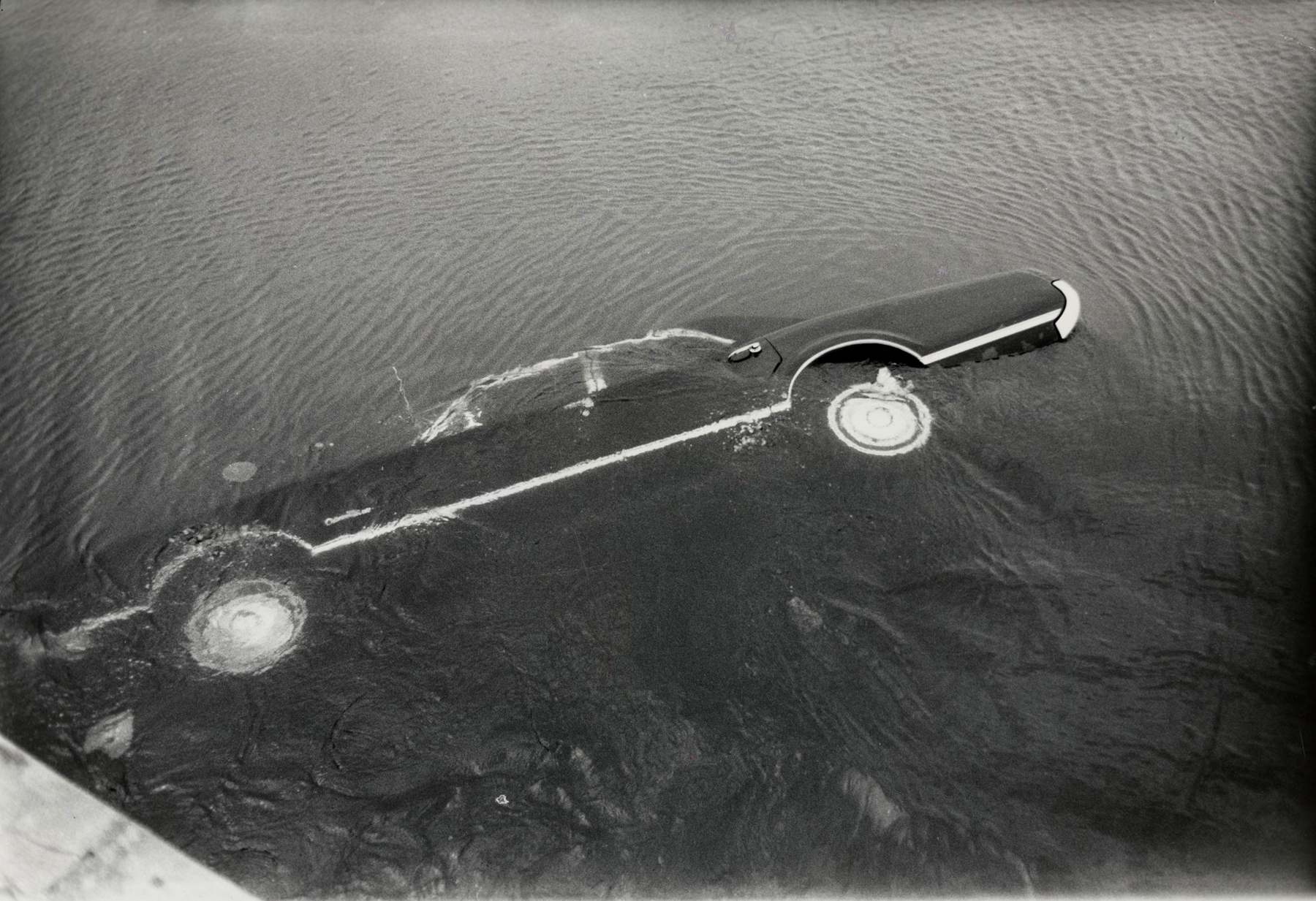
The Chappaquiddick incident (popularly known as Chappaquiddick) was a single-vehicle car crash that occurred on Chappaquiddick Island in Massachusetts some time around midnight between Friday, July 18, and Saturday, July 19, 1969. The crash was caused by Senator Edward M. (Ted) Kennedy’s negligence and resulted in the death of his 28-year-old passenger Mary Jo Kopechne, who was trapped inside the vehicle.
Kennedy left a party on Chappaquiddick at 11:15 p.m. Friday, with Kopechne. He maintained his intent was to immediately take Kopechne to a ferry landing and return to Edgartown, but that he accidentally made a wrong turn onto a dirt road leading to a one-lane bridge. After his car skidded off the bridge into Poucha Pond, Kennedy swam free, and maintained he tried to rescue Kopechne from the submerged car, but he could not. Kopechne’s death could have happened any time between about 11:30 p.m. Friday and 1 a.m. Saturday, as an off-duty deputy sheriff maintained he saw a car matching Kennedy’s at 12:40 a.m. Kennedy left the scene and did not report the crash to police until after 10 a.m. Saturday. Meanwhile, a diver recovered Kopechne’s body from Kennedy’s car shortly before 9 a.m. Saturday.
At a July 25, 1969, court hearing, Kennedy pled guilty to a charge of leaving the scene of an accident and received a two-month suspended jail sentence. In a televised statement that same evening, he said his conduct immediately after the crash “made no sense to me at all”, and that he regarded his failure to report the crash immediately as “indefensible”. A January 5, 1970, judicial inquest concluded Kennedy and Kopechne did not intend to take the ferry, and that Kennedy intentionally turned toward the bridge, operating his vehicle negligently, if not recklessly, at too high a rate of speed for the hazard which the bridge posed in the dark. The judge stopped short of recommending charges, and a grand jury convened on April 6, 1970, returning no indictments. On May 27, 1970, a Registry of Motor Vehicles hearing resulted in Kennedy’s driver’s license being suspended for a total of sixteen months after the crash.
The Chappaquiddick incident became national news that influenced Kennedy’s decision not to run for President in 1972 and 1976, and it was said to have undermined his chances of ever becoming President. Kennedy ultimately decided to enter the 1980 Democratic Party presidential primaries, but earned only 37.6% of the vote and lost the nomination to incumbent President Jimmy Carter.
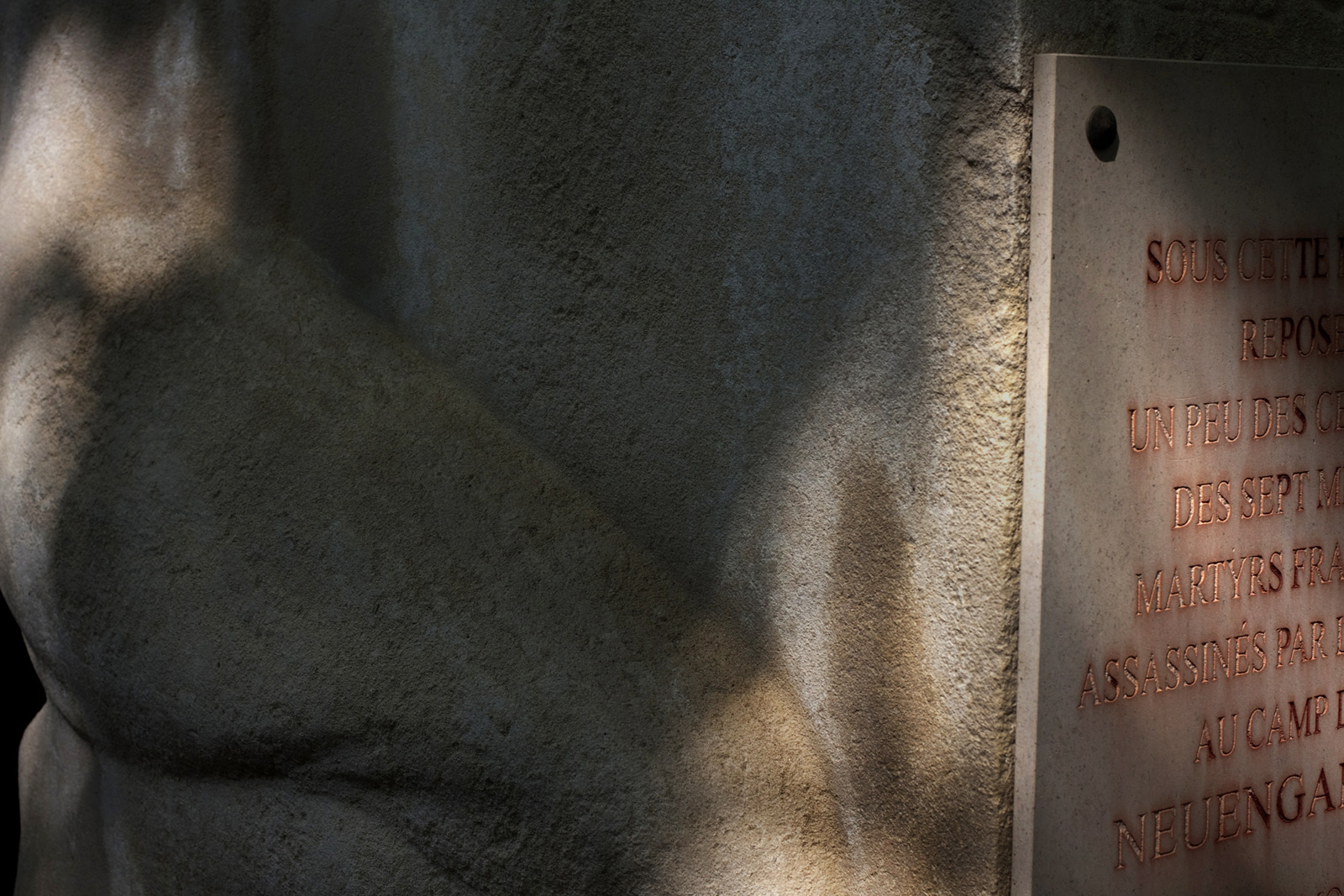
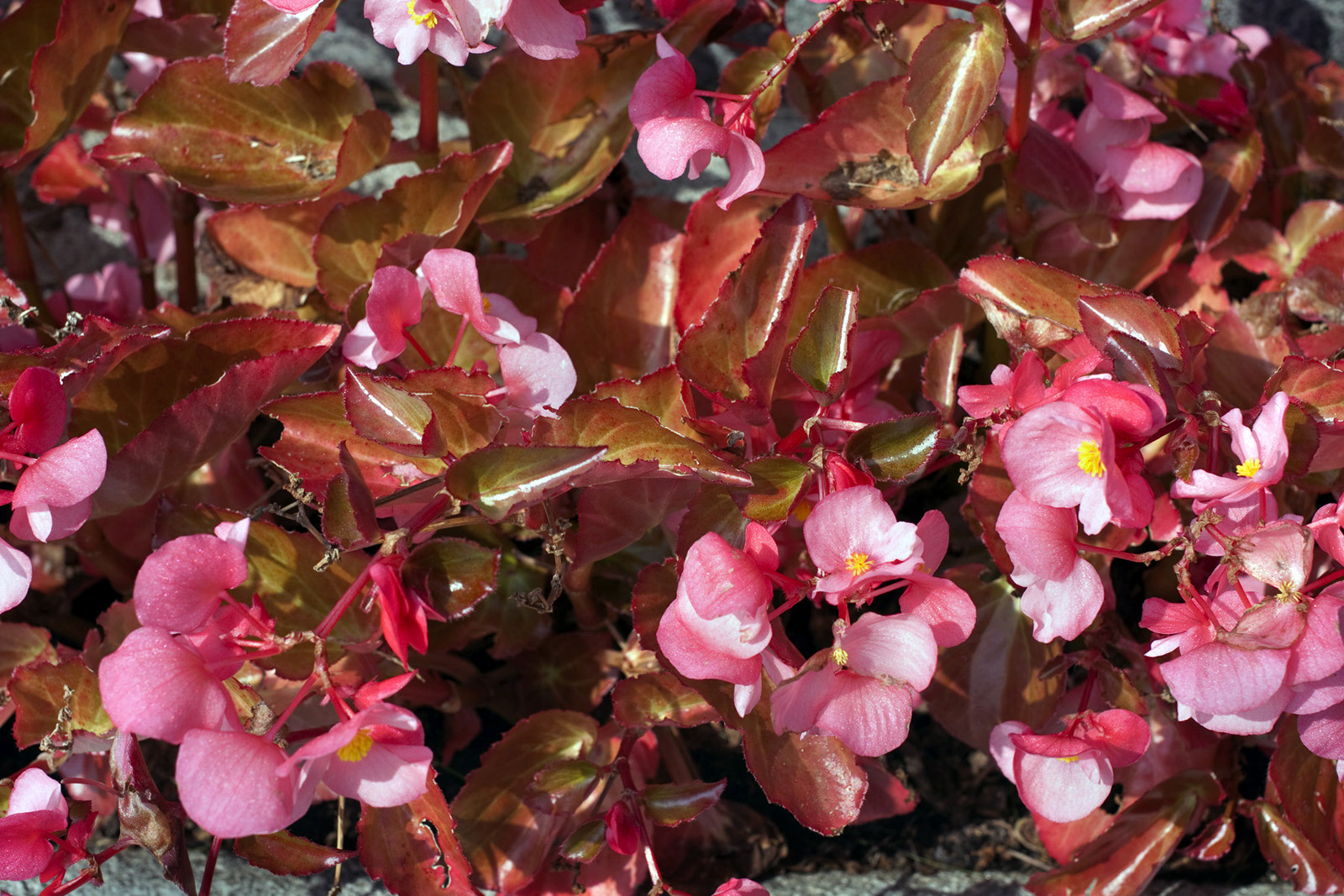
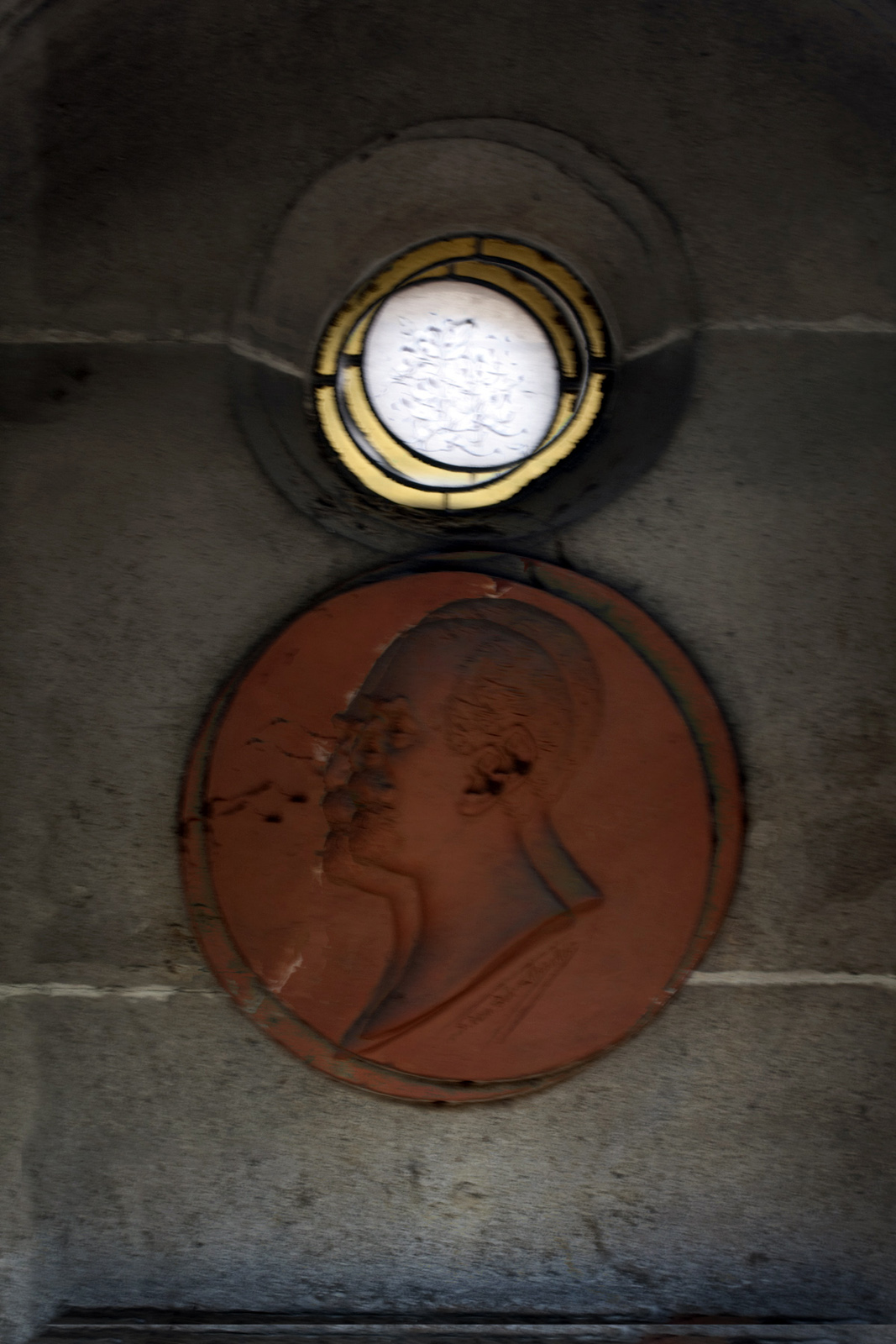
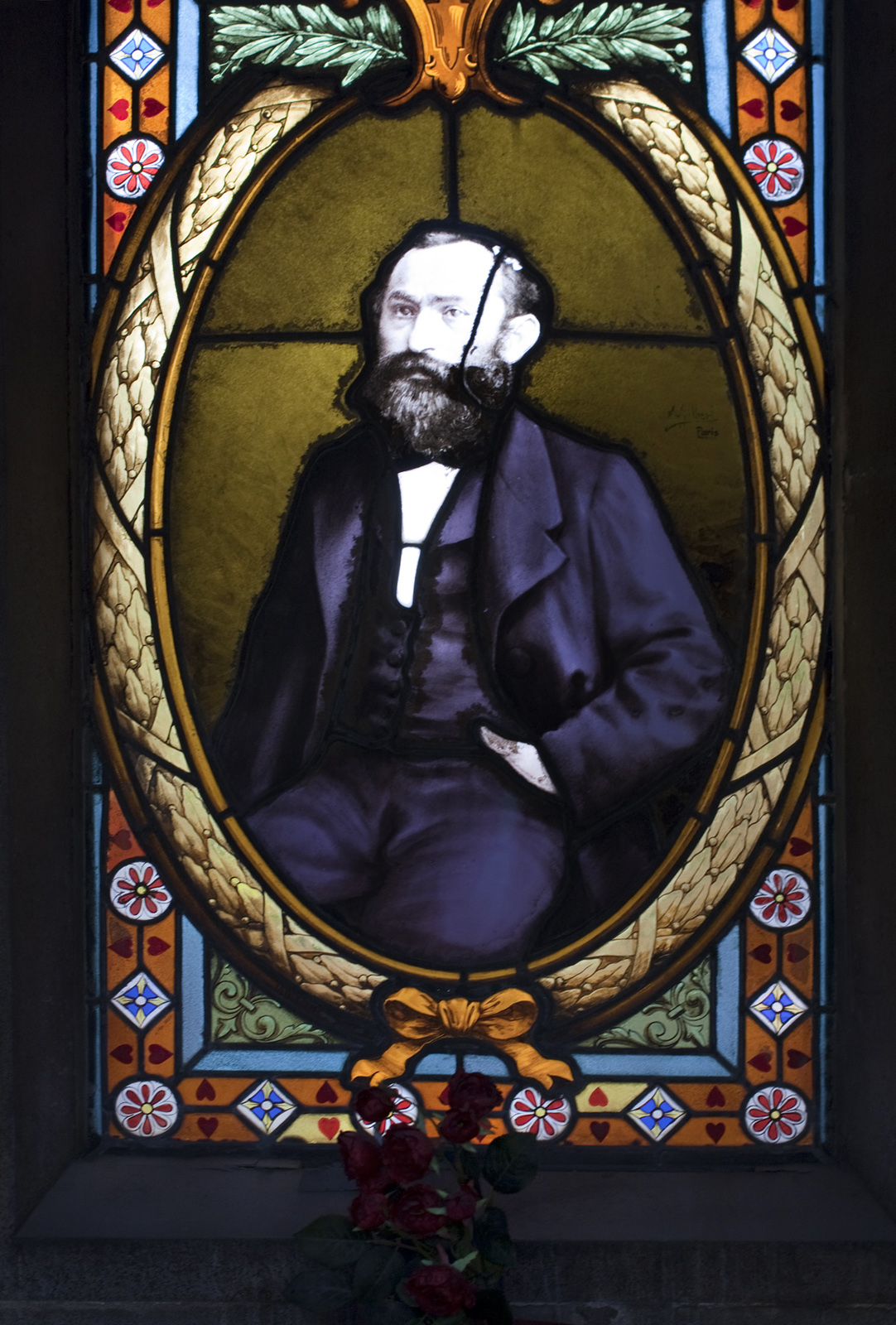
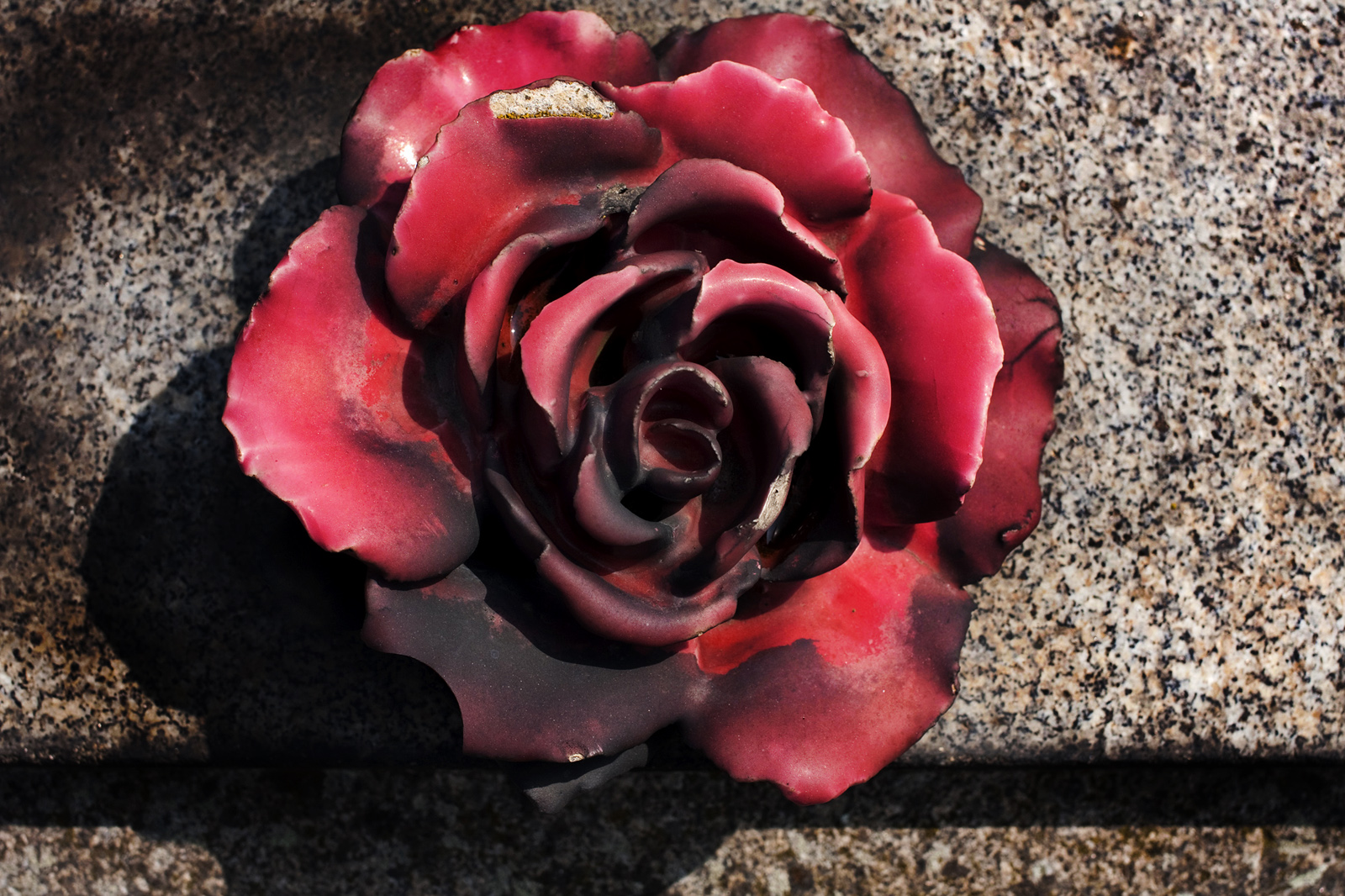
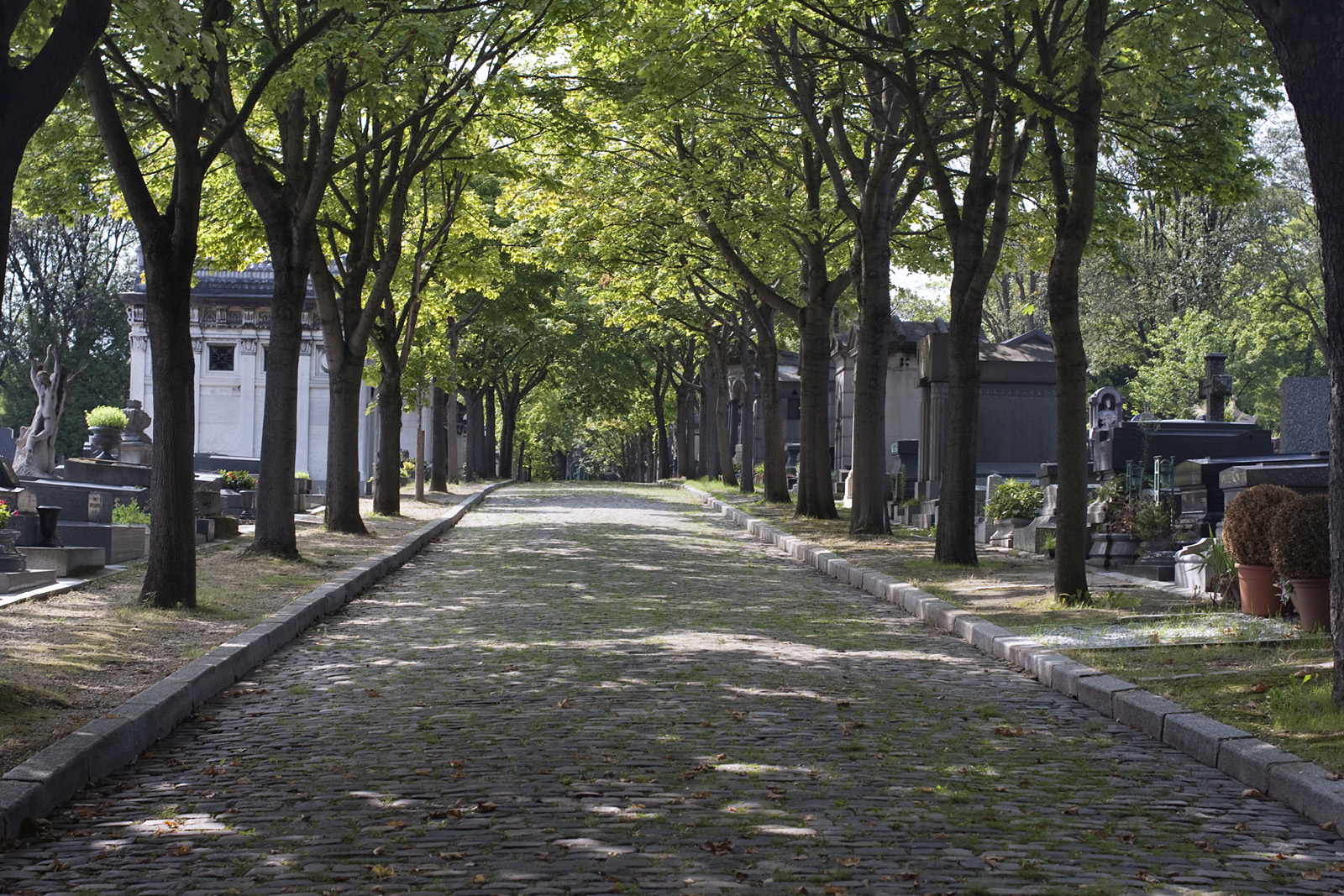
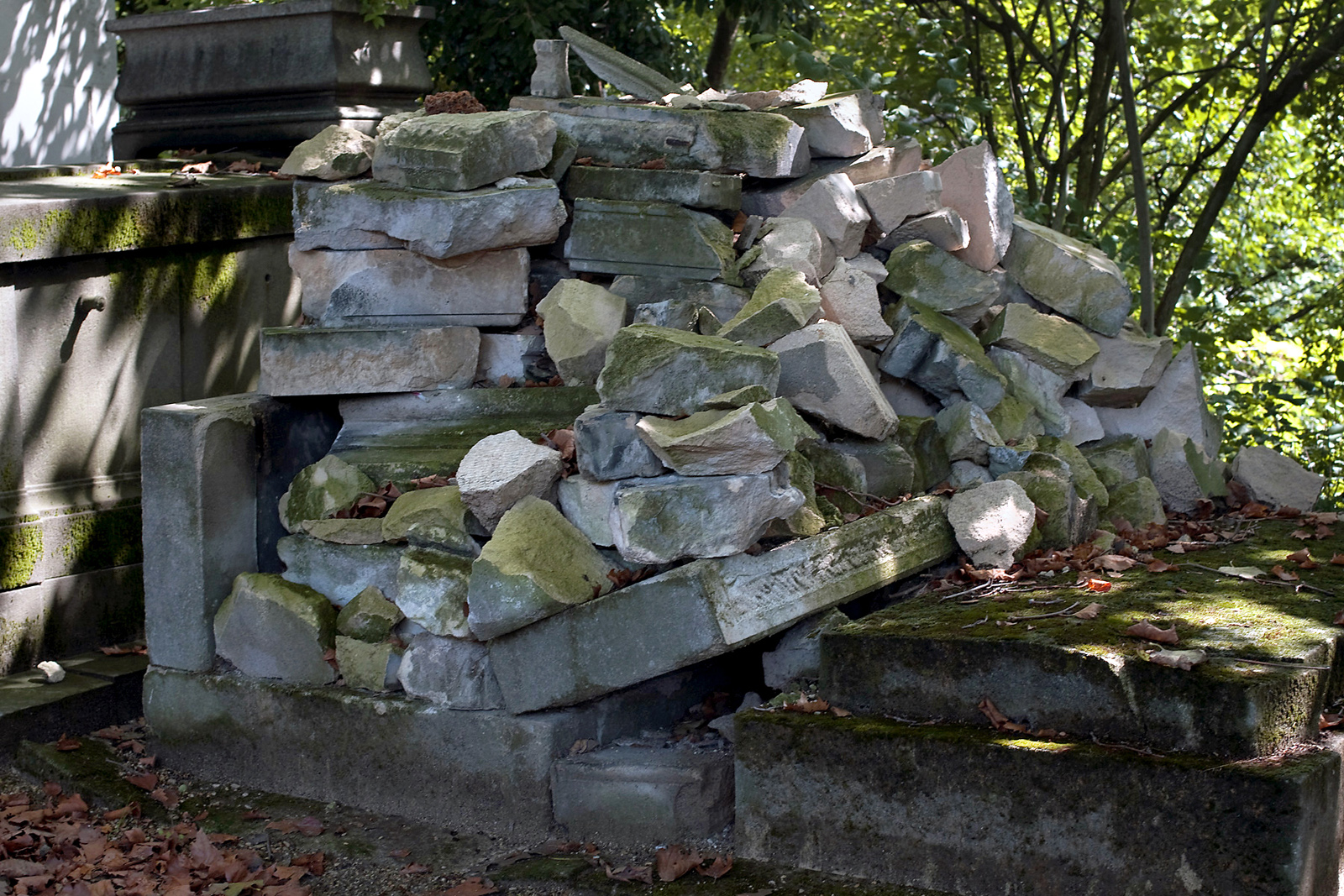
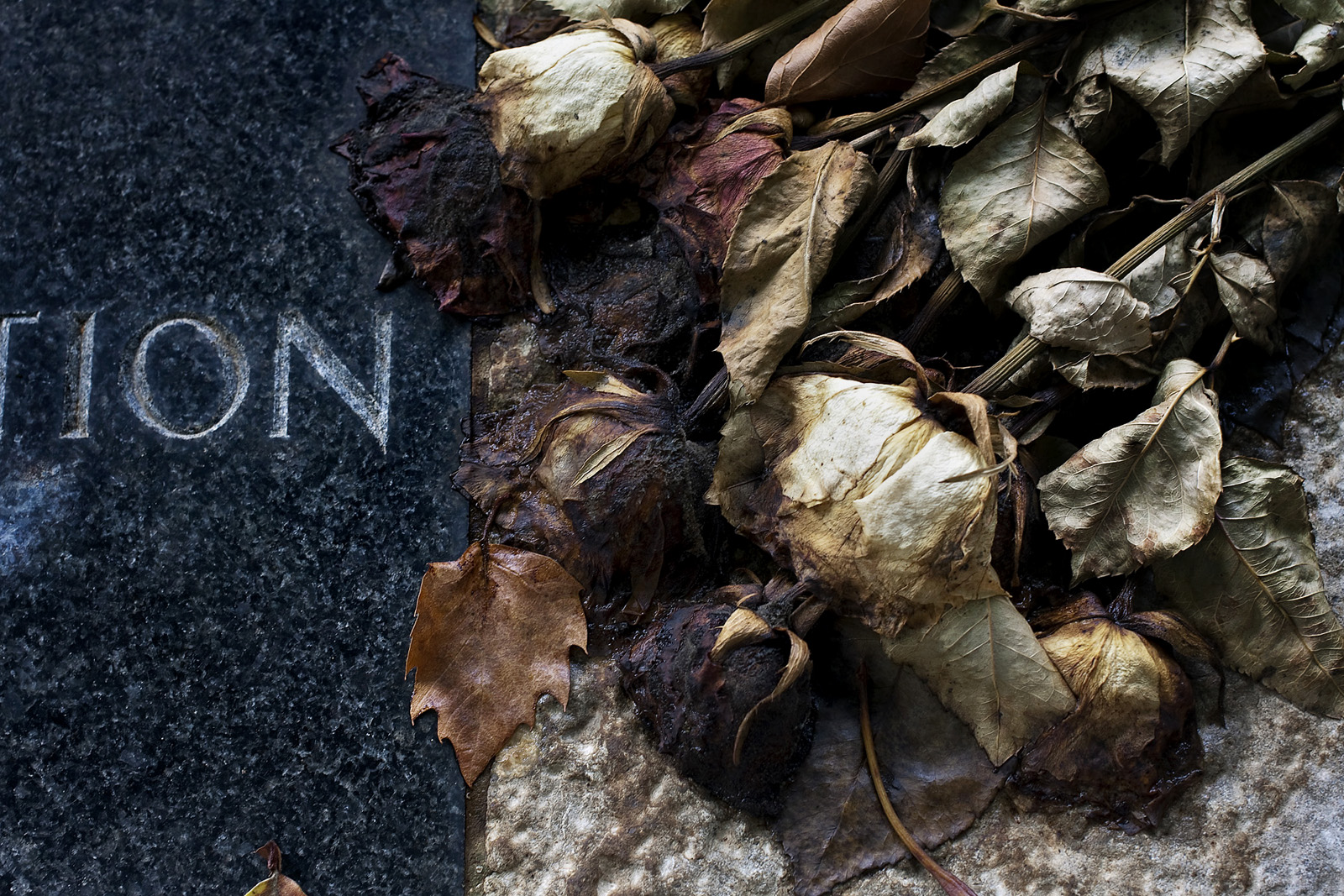
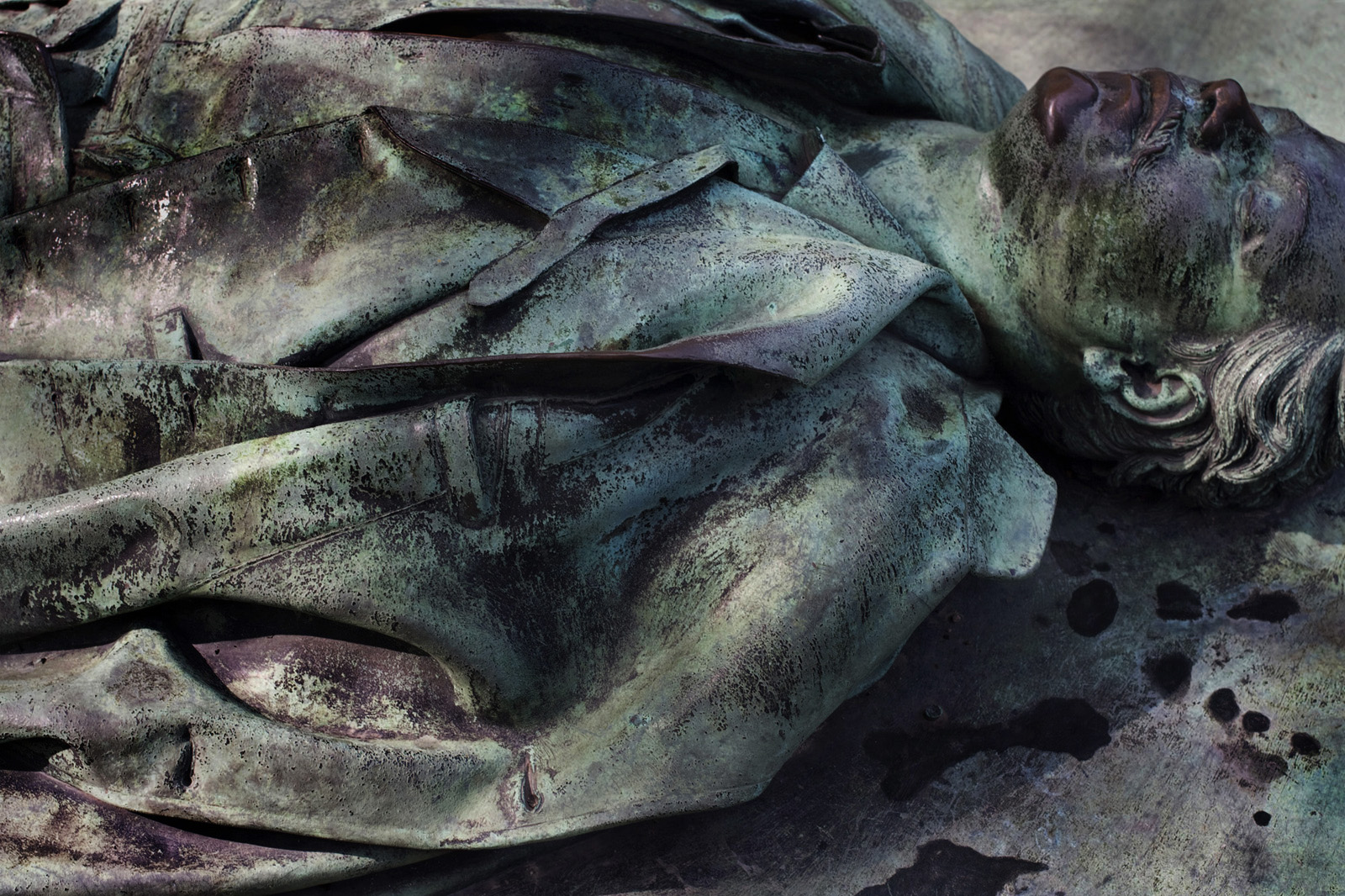
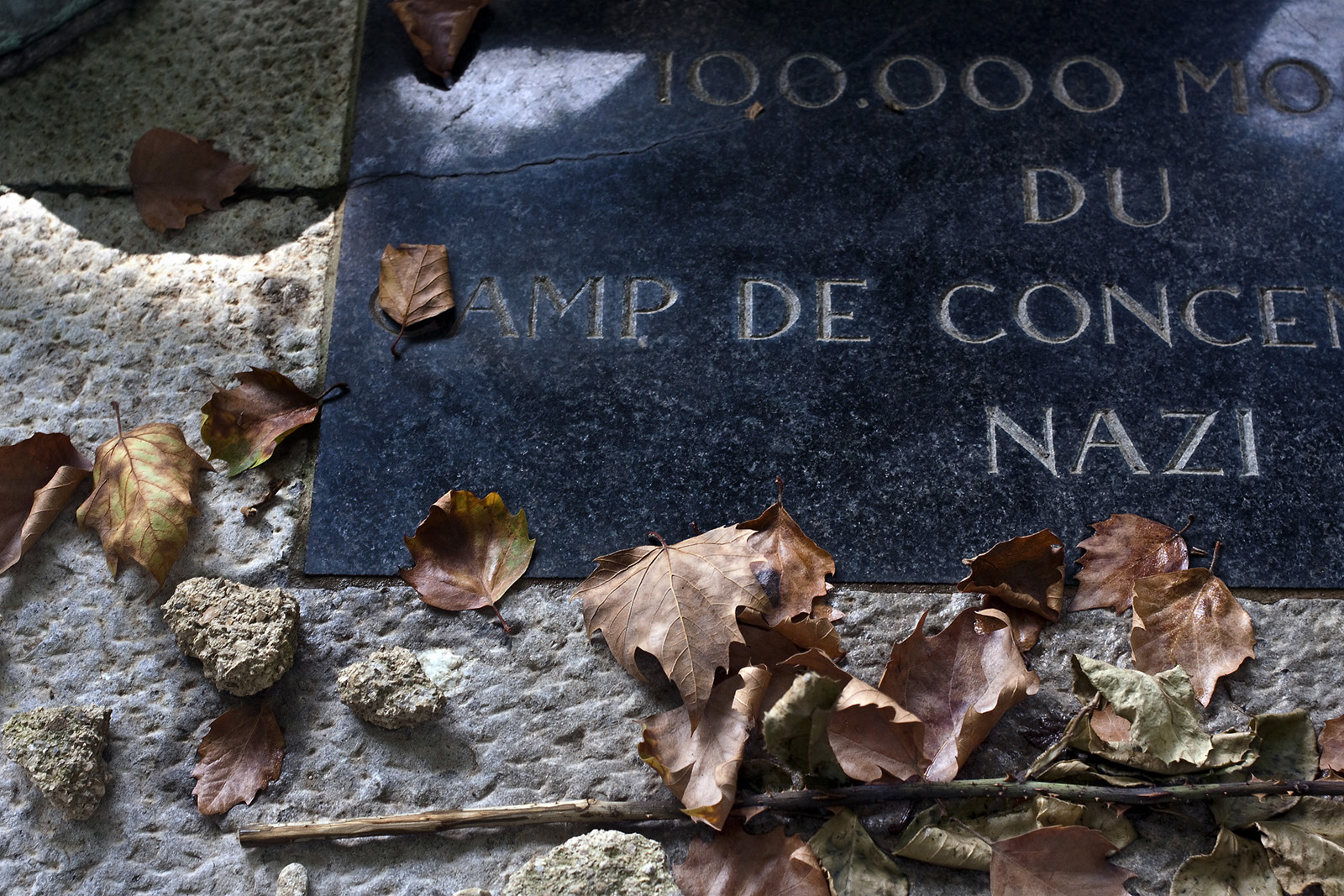
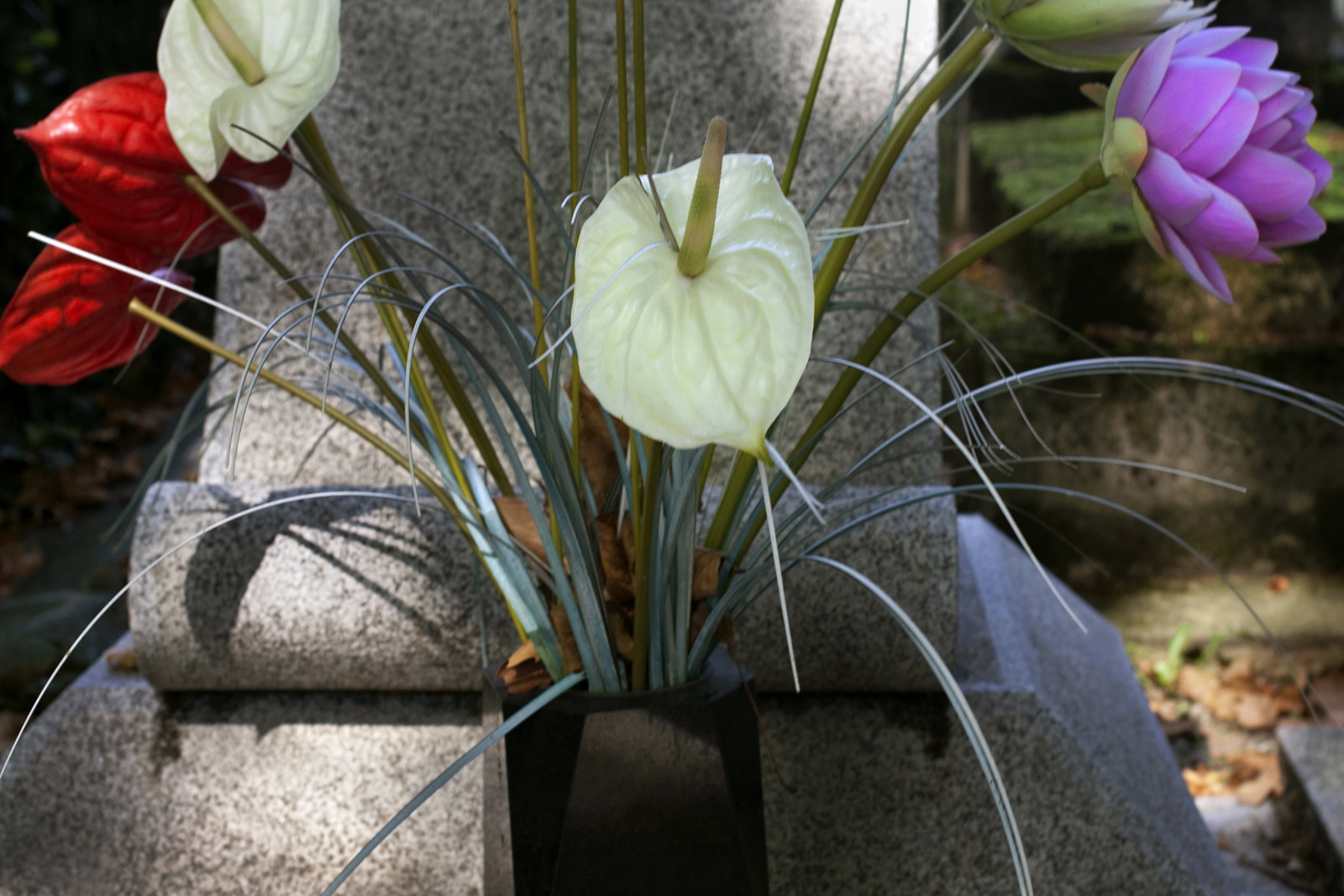
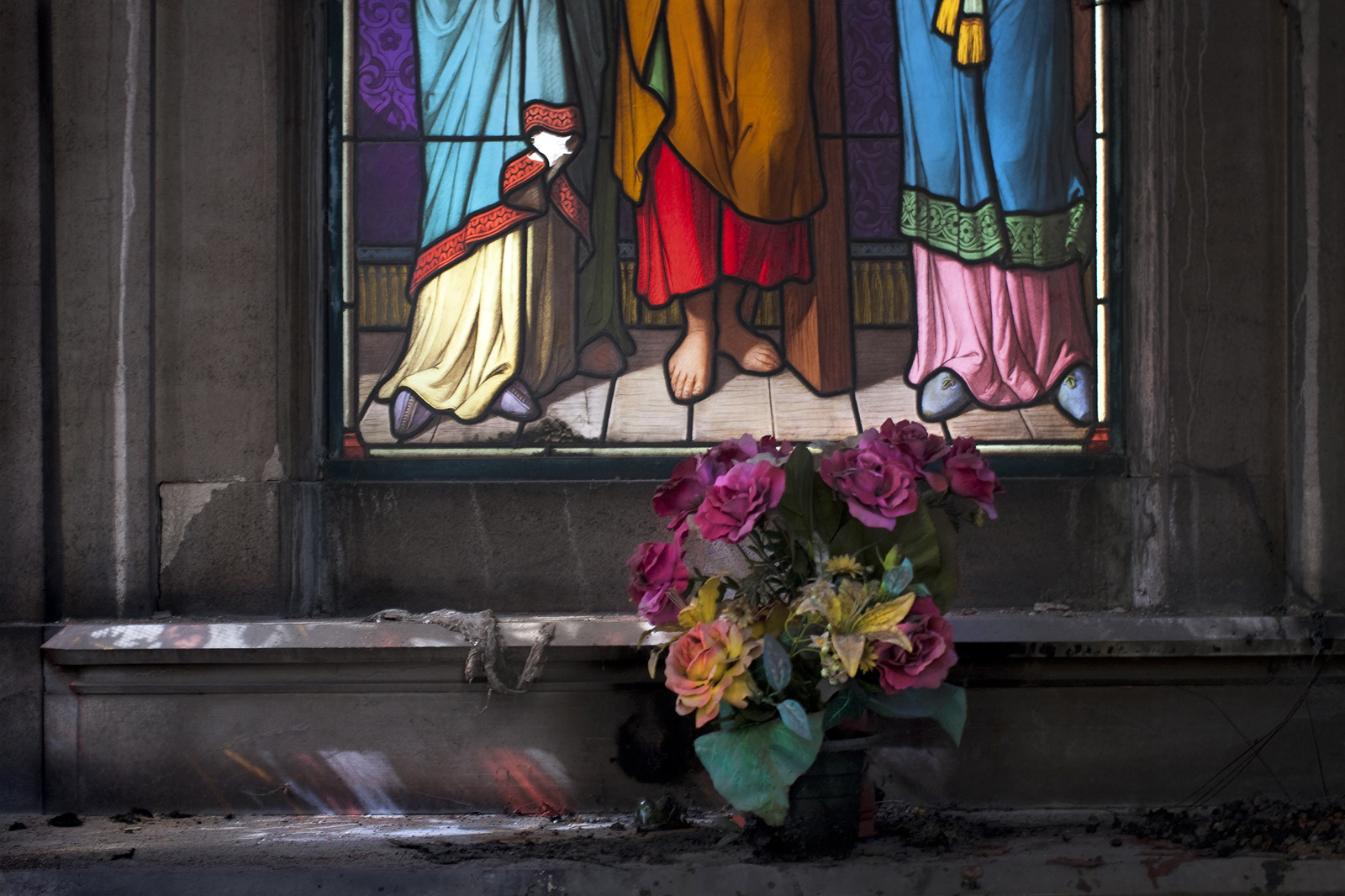
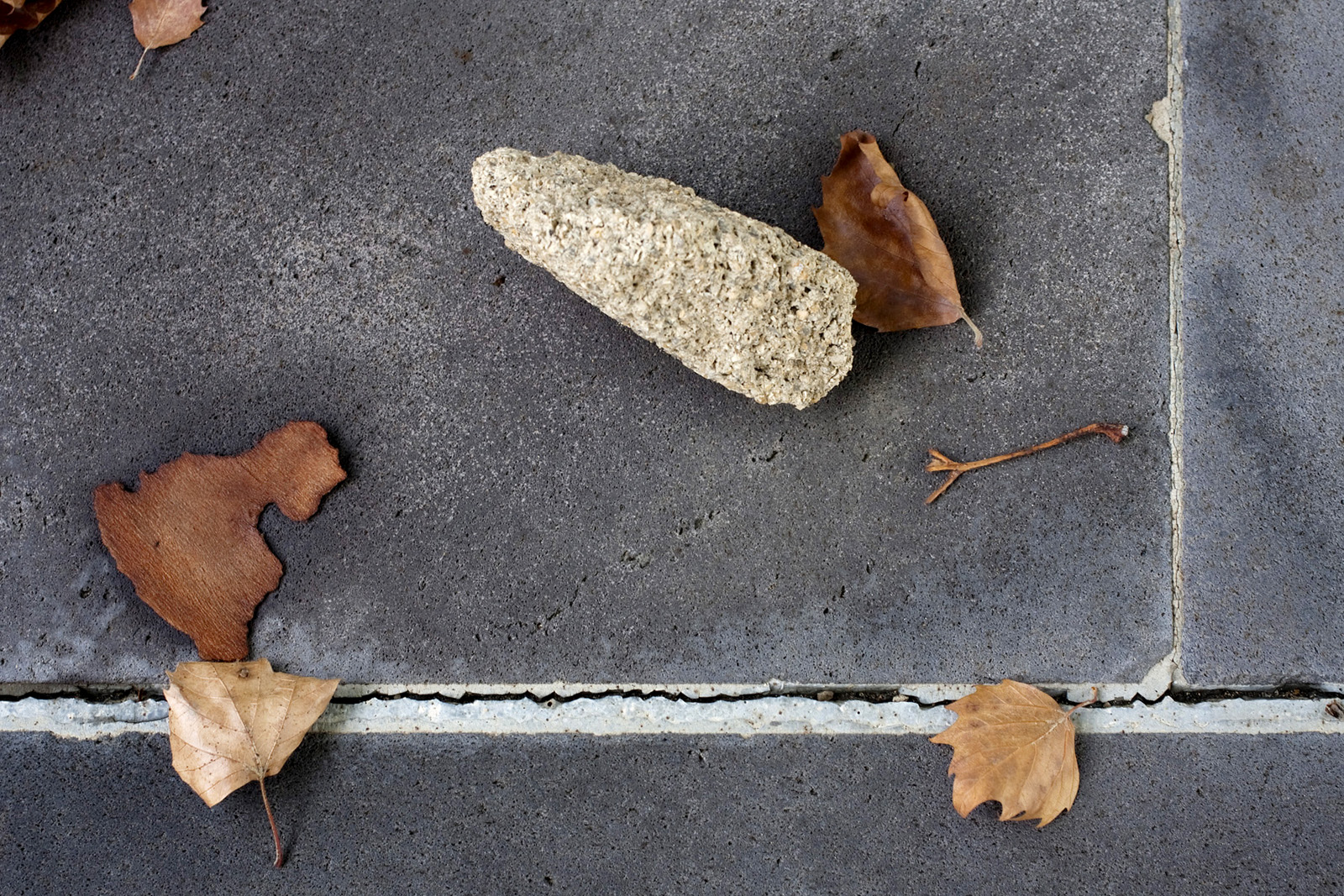
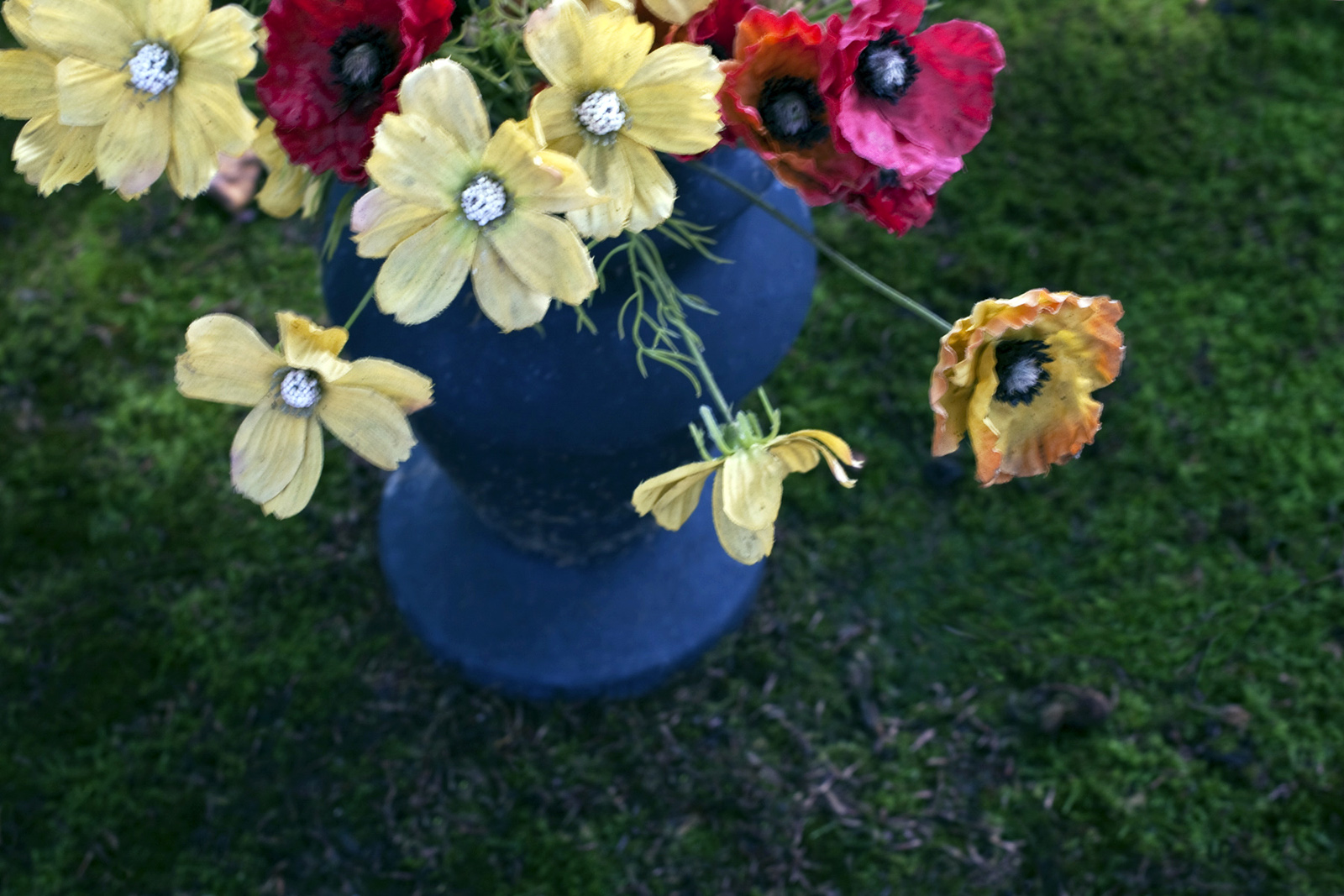
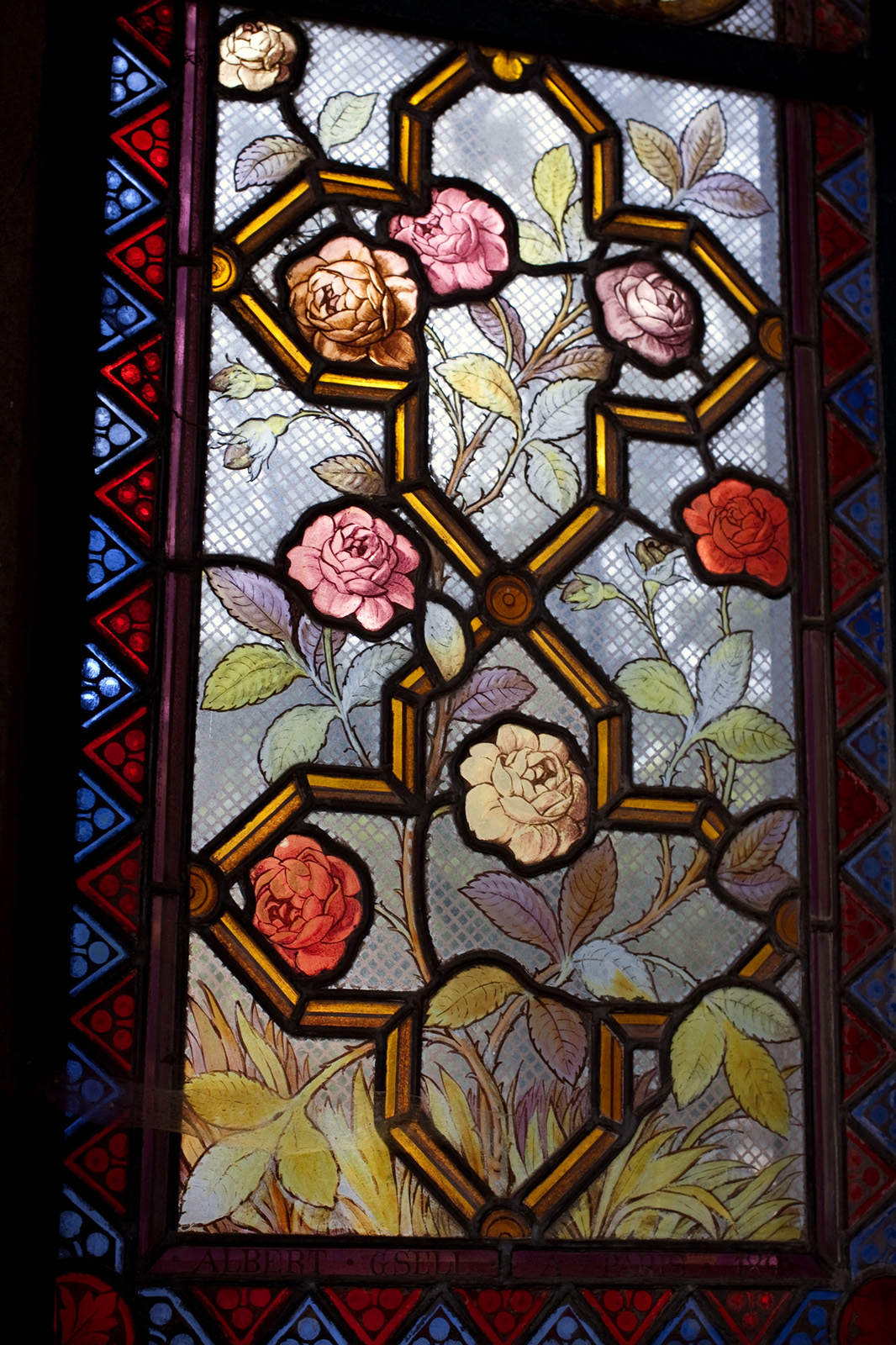
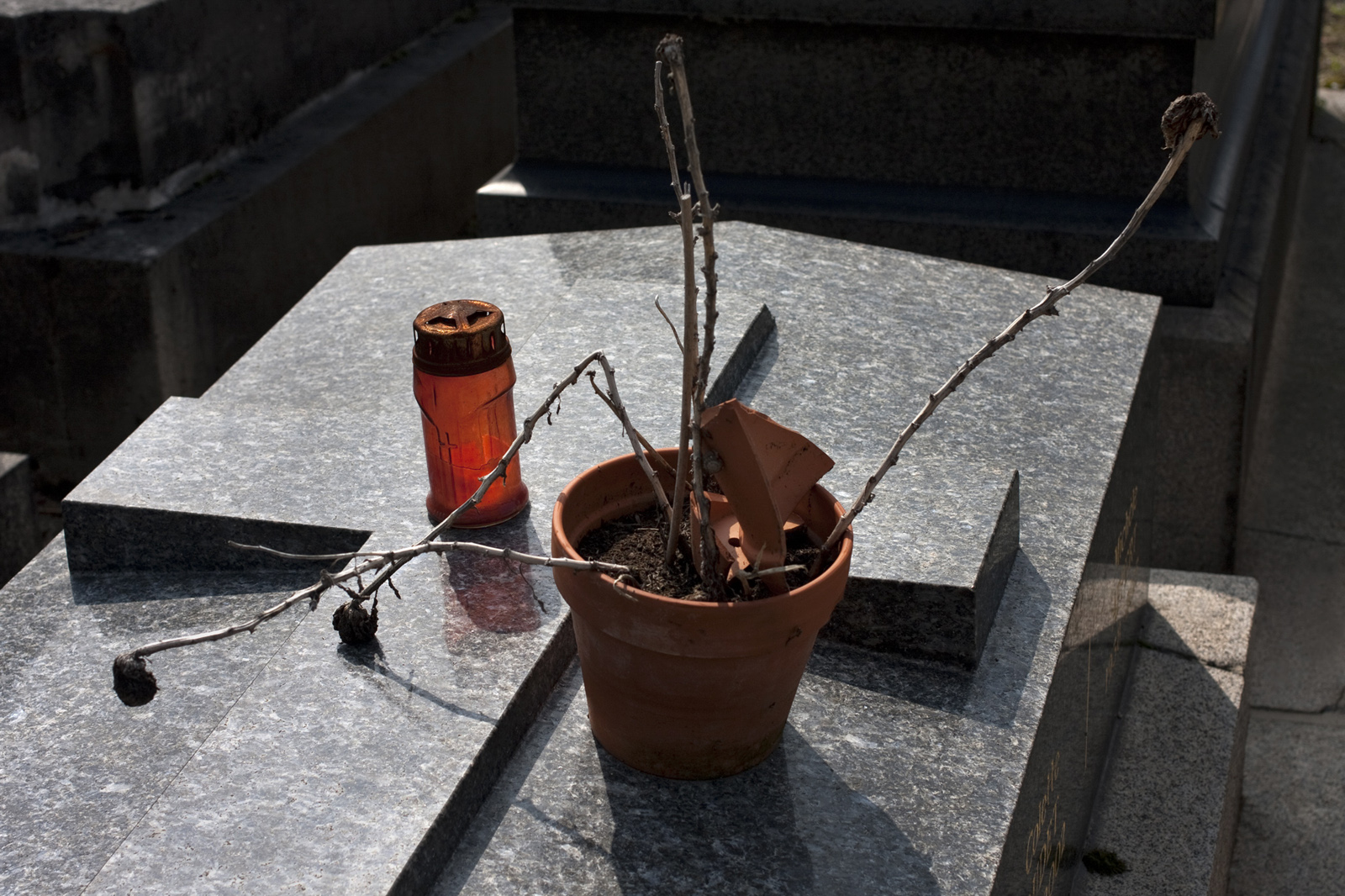
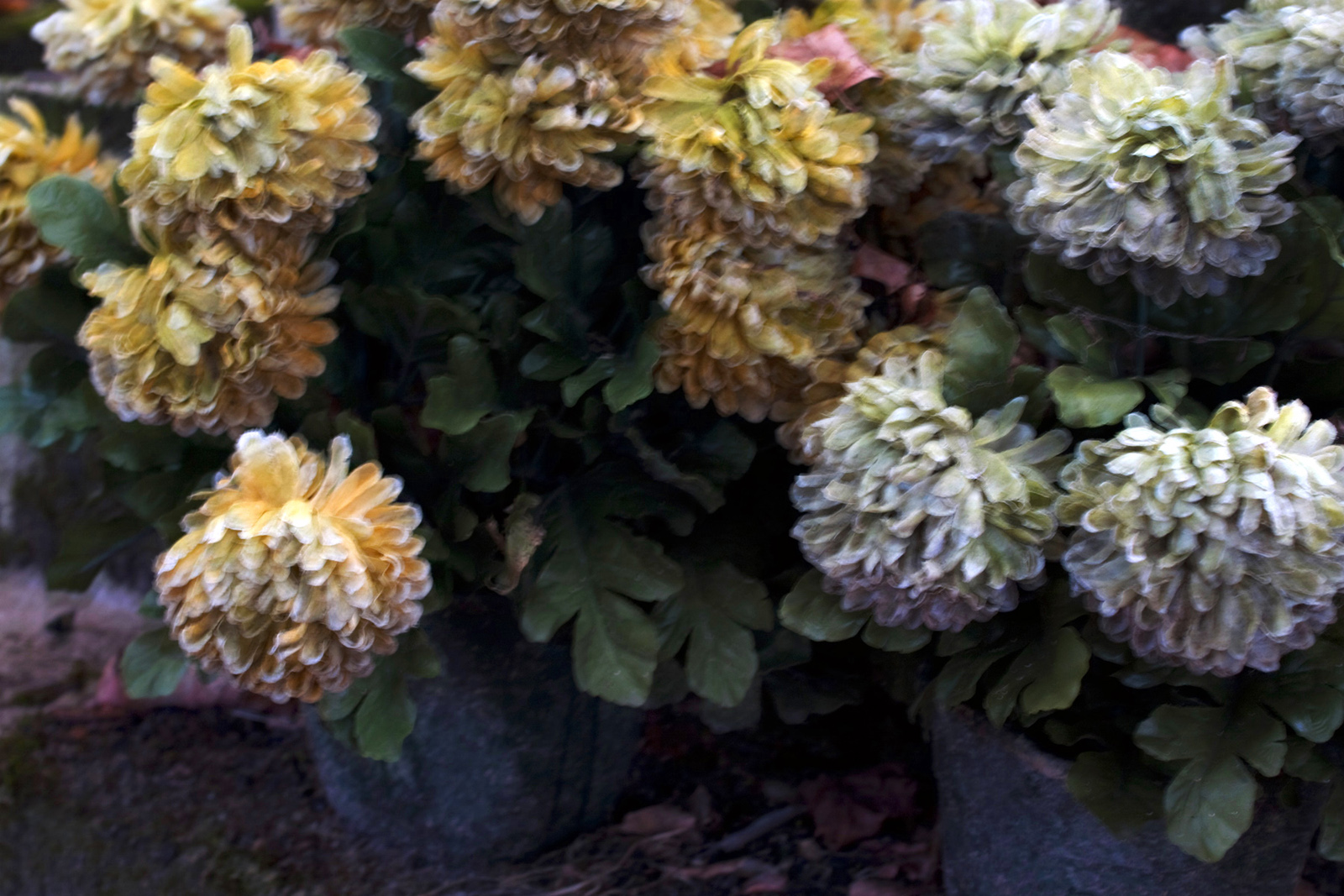
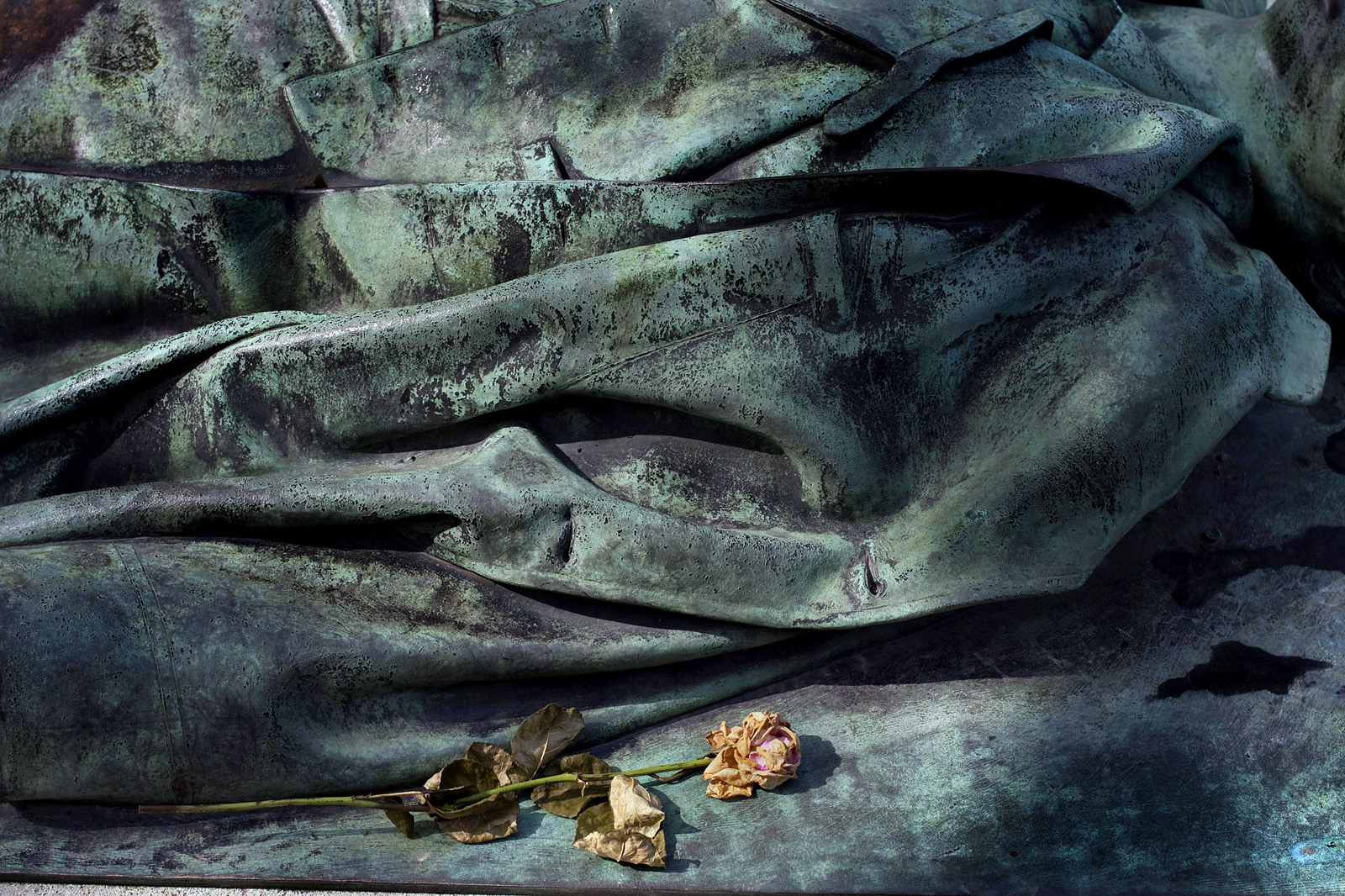
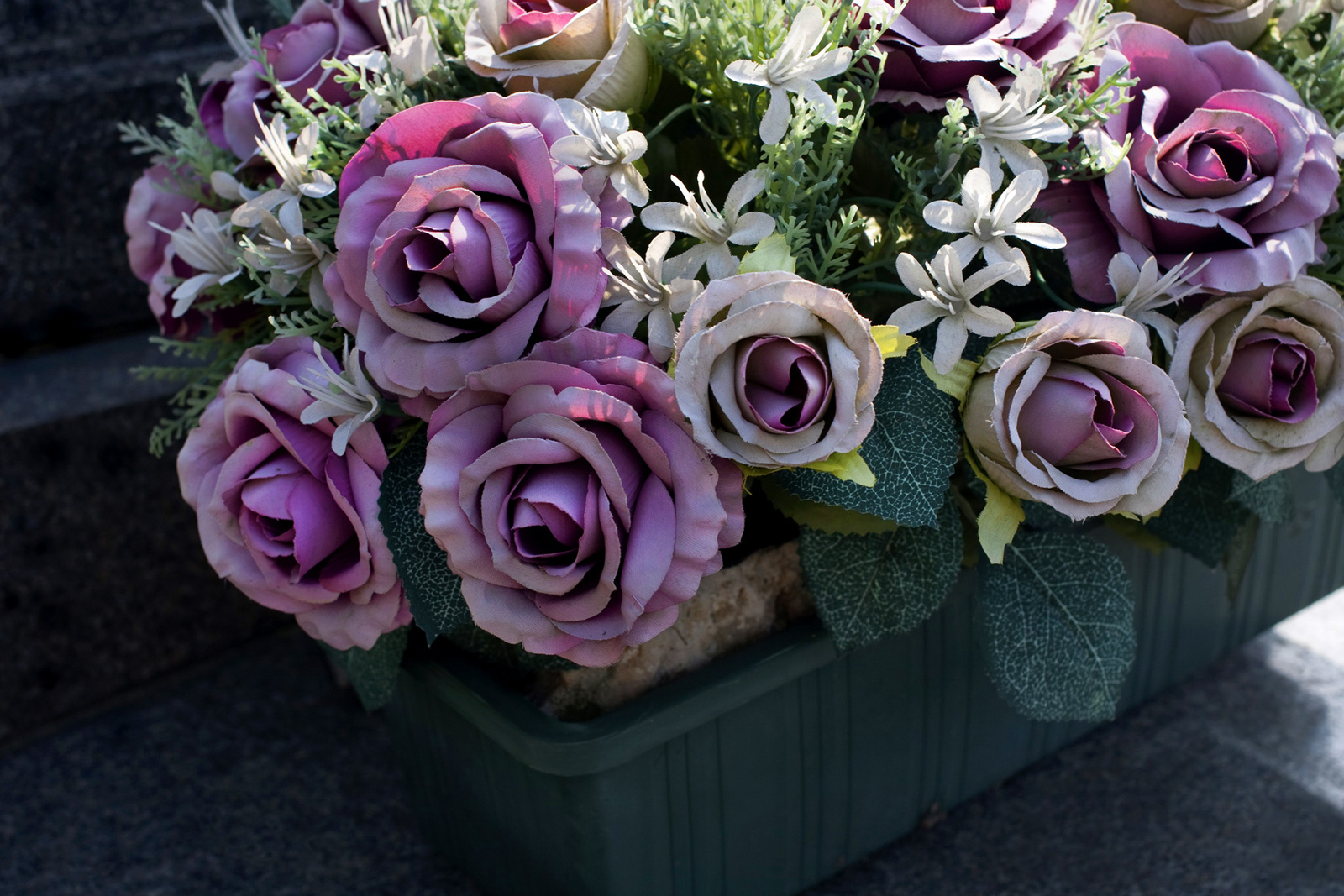
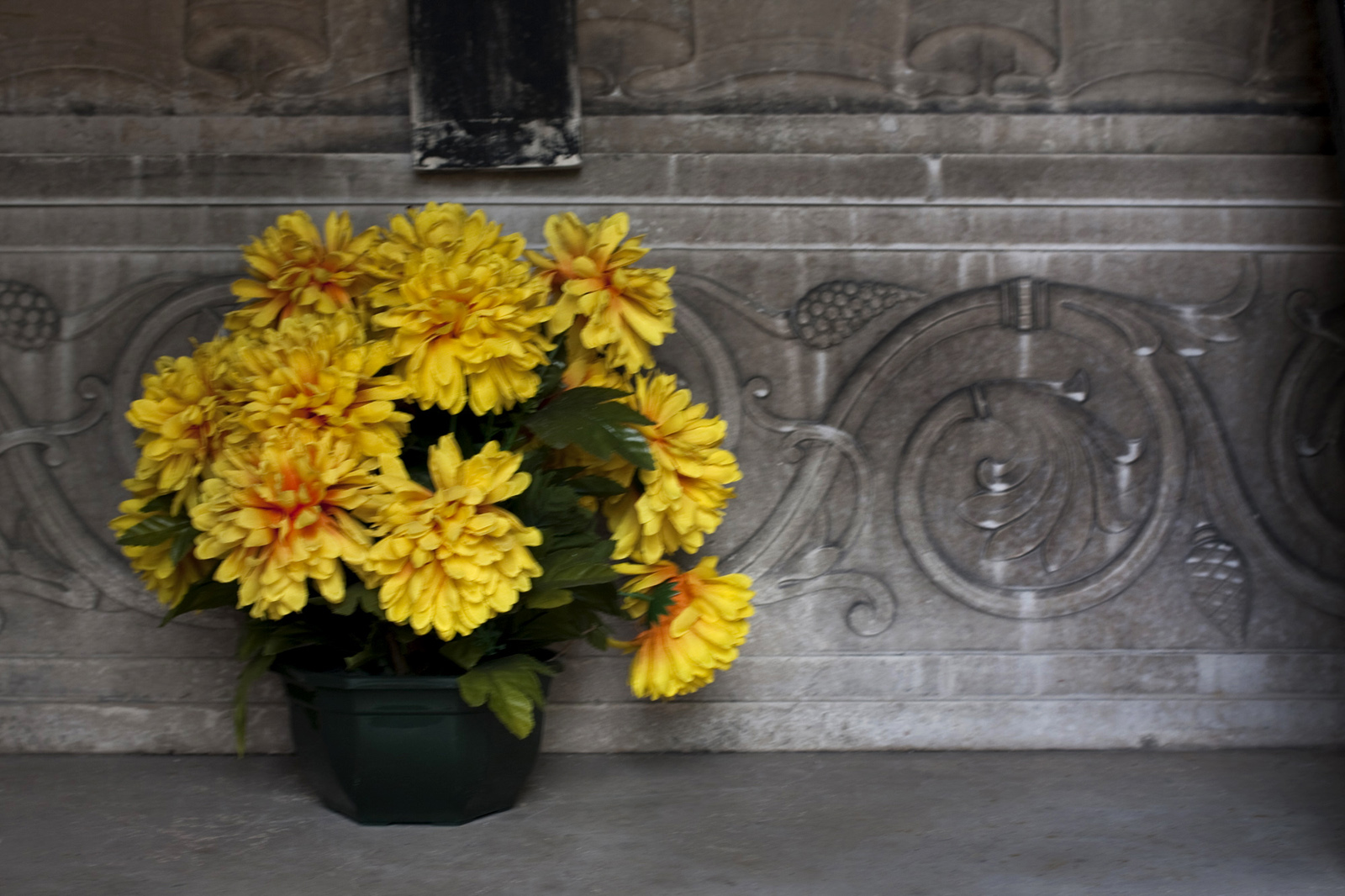
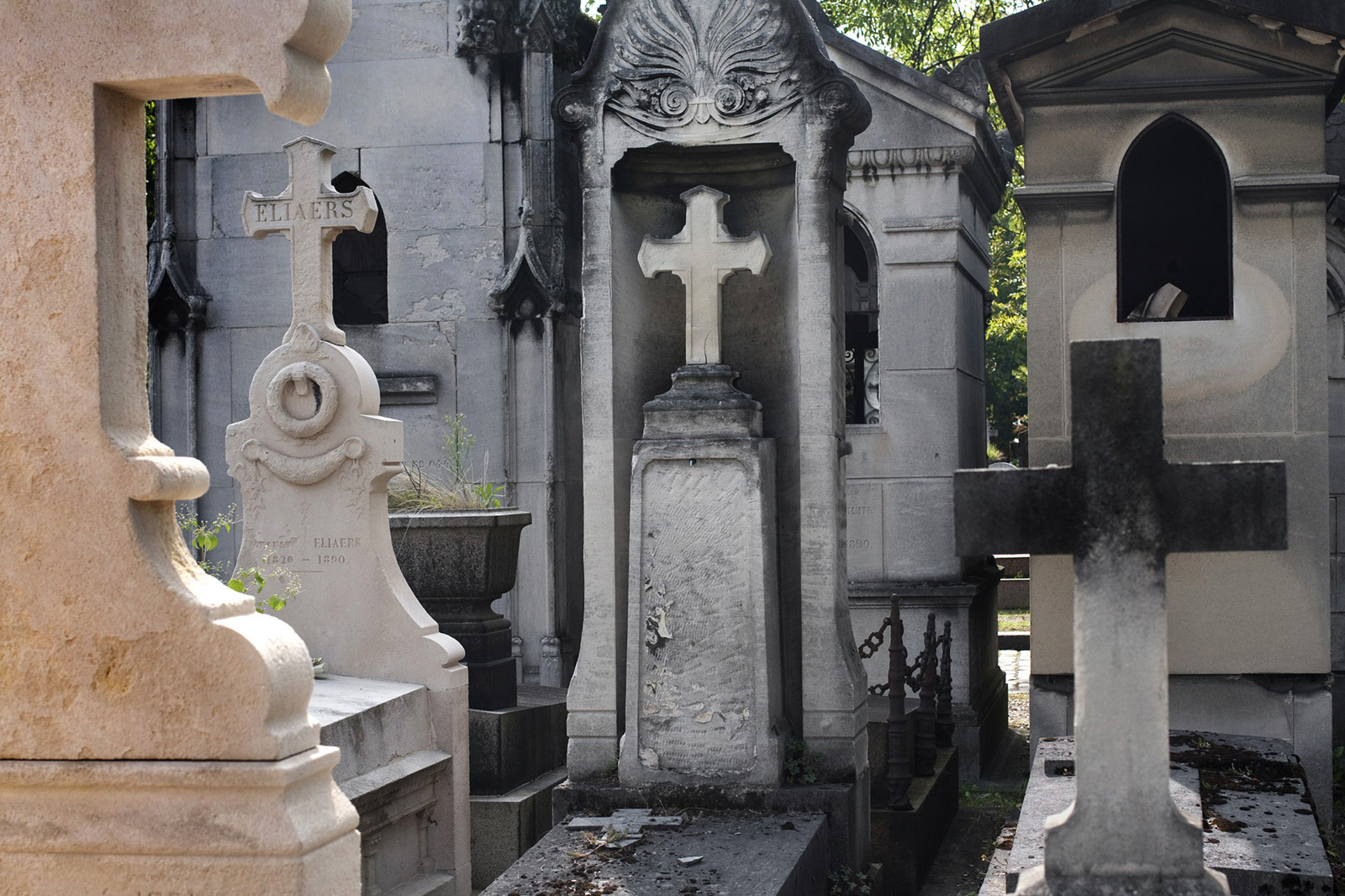
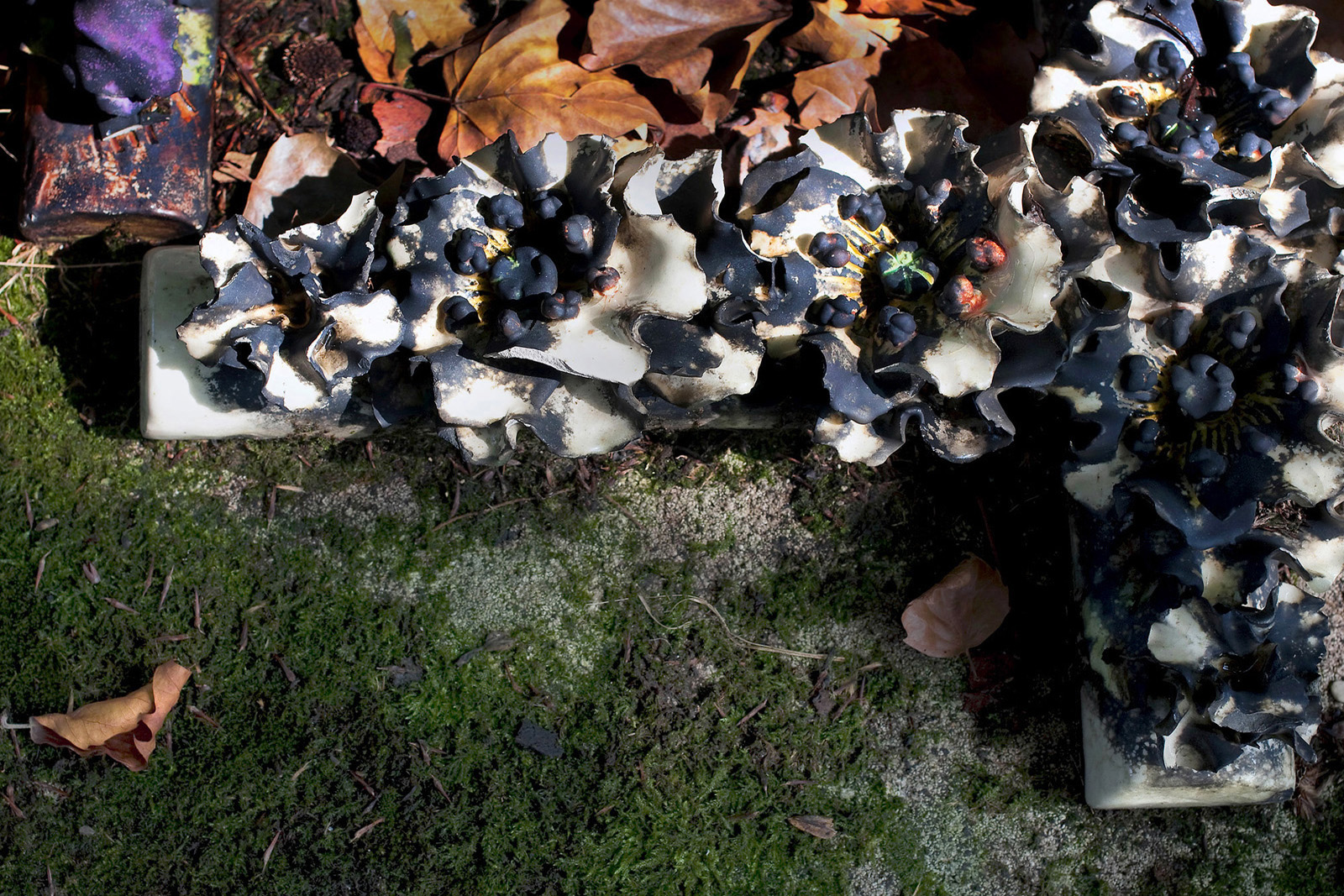
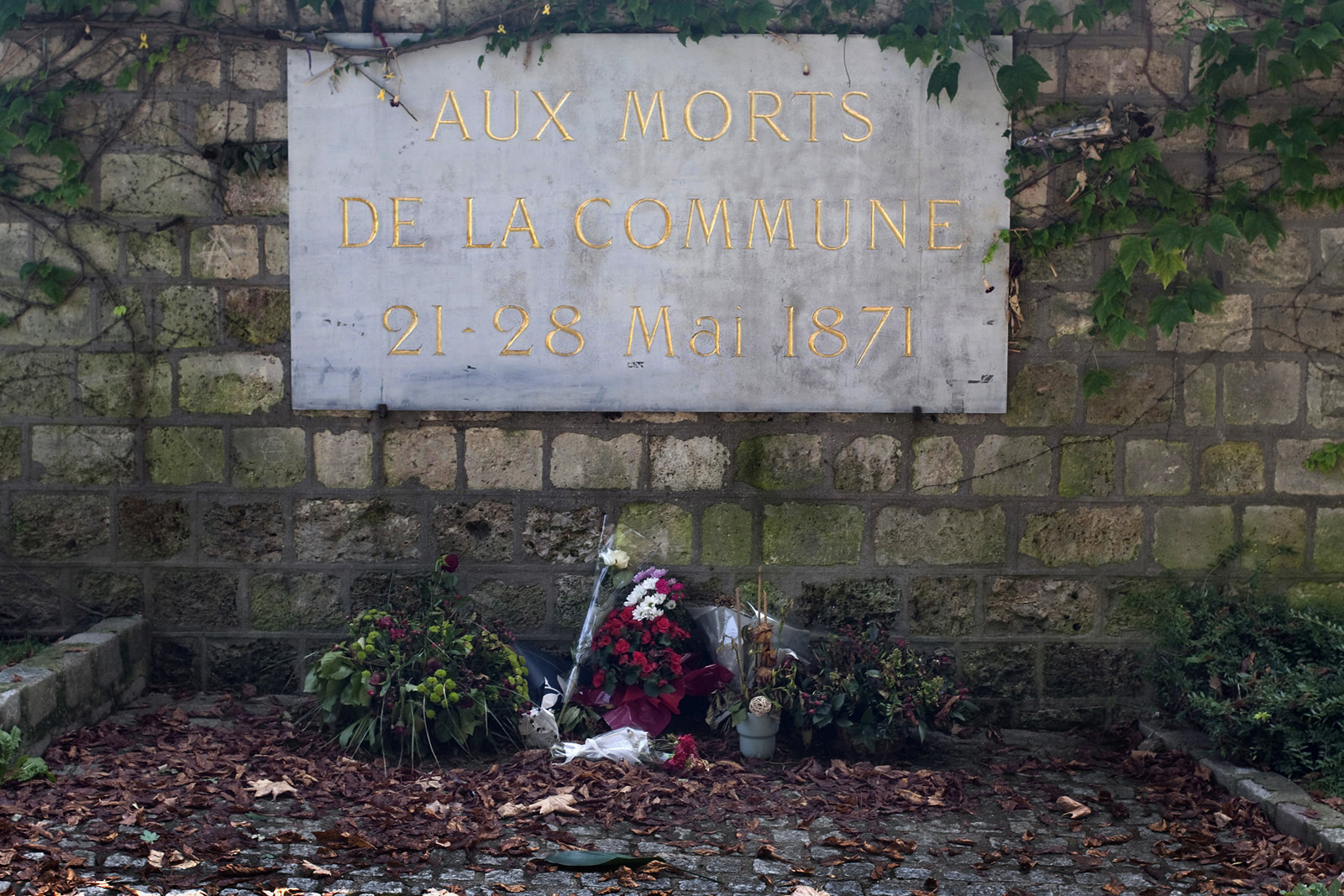
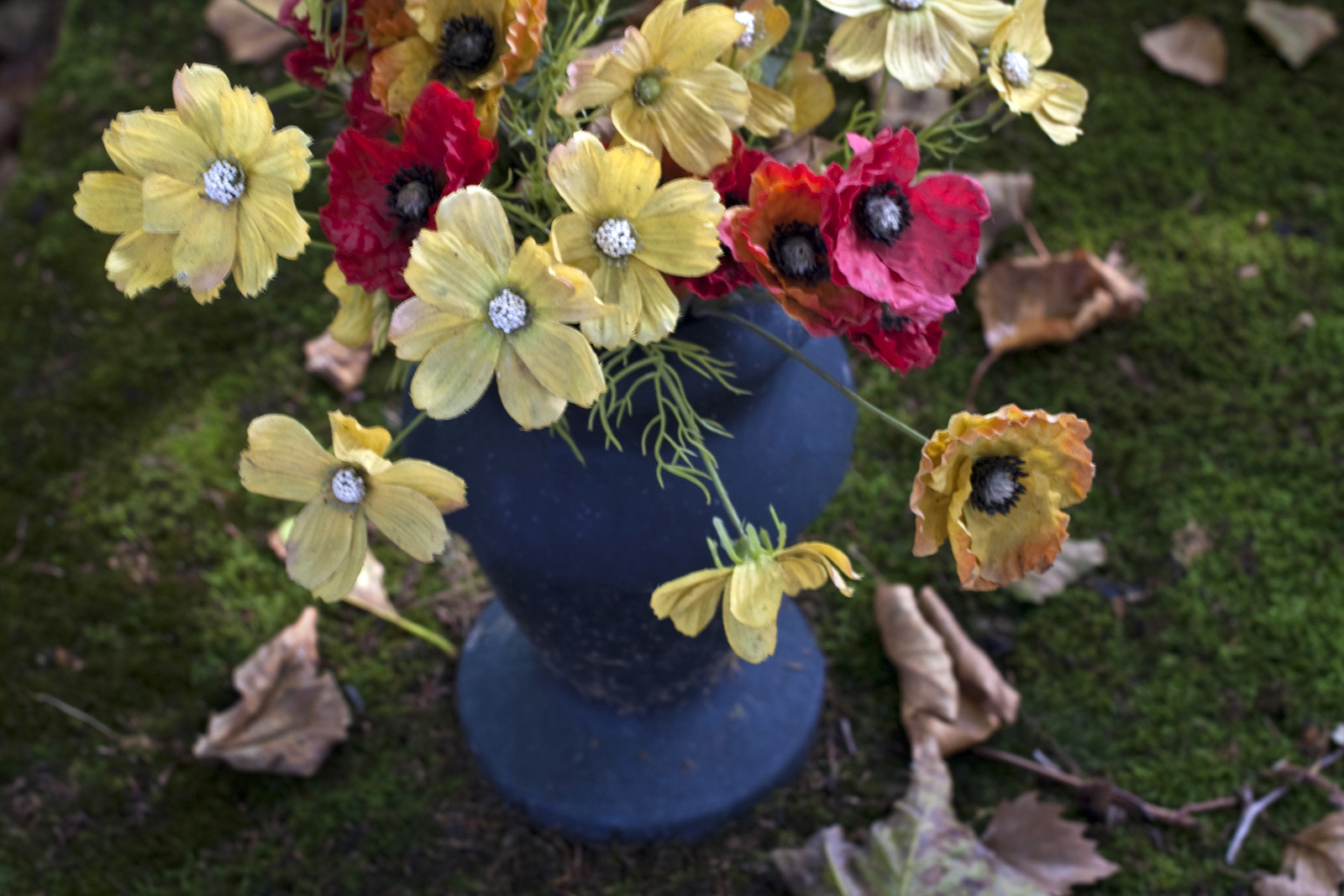
Marcus Bunyan (Australian, b. 1958) Untitled 2017-2020 From the series Stones, Vaults, Flowers: Père Lachaise Digital photograph
les jeunes ñ’oublient pas souvenir et jeunesse
young people don’t forget memory and youth
Stones, Vaults, Flowers: Père Lachaise
A body of work from Père Lachaise cemetery, Paris. Unfortunately, I can’t display the series how I would like them laid out on Art Blart due to the limited page width… please see the layout on desktop (not mobile, again problems) at https://marcusbunyan.com/stones-vaults-flowers-pere-lachaise/
There are some beautiful individual images here – closing in on details, low depth of field, over saturated colours, out of focus, blurred – but in bringing them together I compose with the camera … a feeling, an homage to this place.
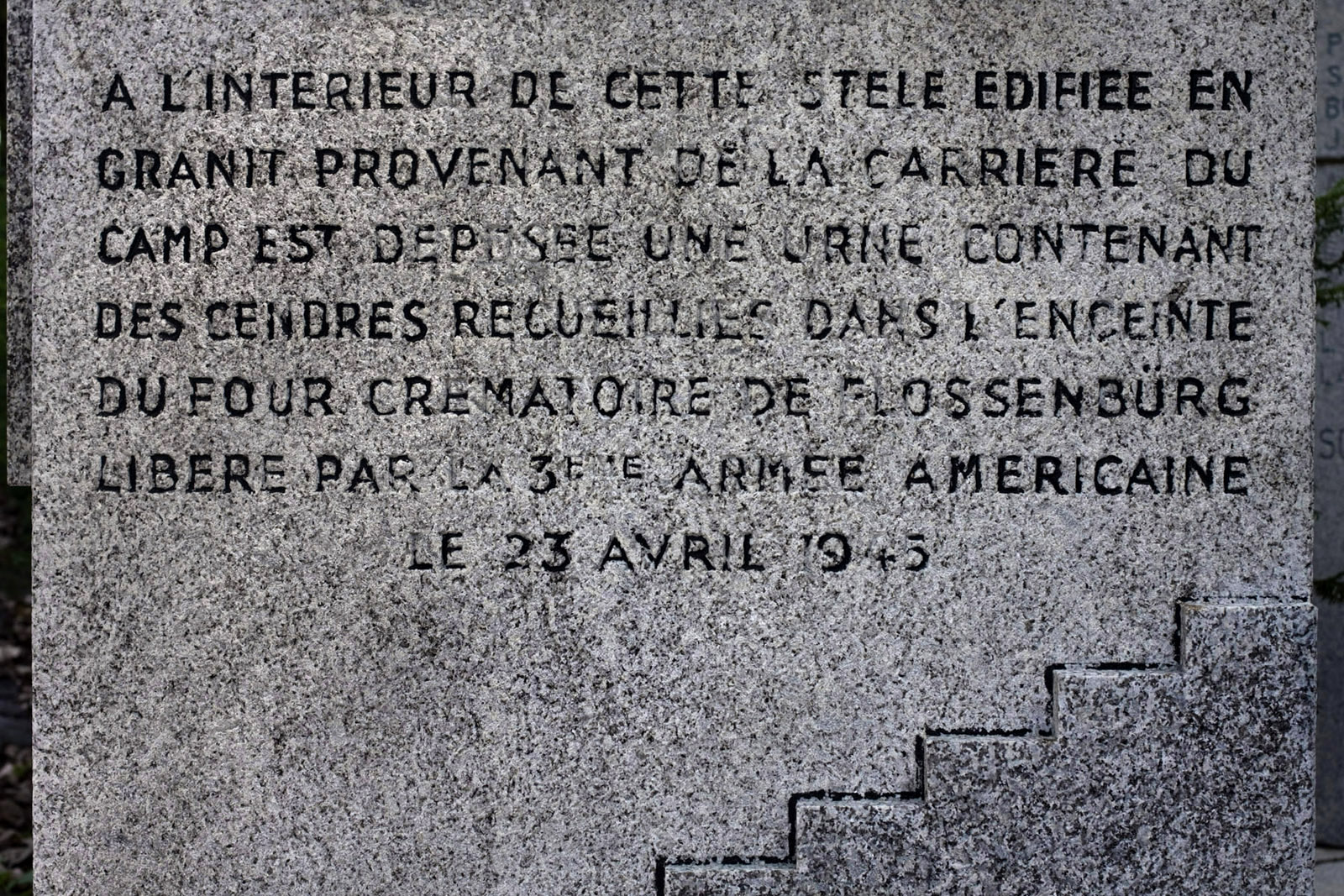
Conceptual: Instead of the axis ‘xyz’ being ‘space time context’ I roll the matrix through 90 degrees so the axis is now context (x), space (y) and time (z) – time being the floating variable (not just the variable time of the camera’s shutter): a photograph of the memorial to the victims of the Paris Commune; photographs of the tomb of Victor Noir who became a symbol of opposition to the imperial regime after he was assassinated; photographs of stones laid in respect to the victims of the Nazi death camps; the life of flowers (mostly artificial); the light streaming through stained glass windows at the back of vaults. Light, bending, light bending – illuminating the Stygian darkness, revealing hidden relations, small revelations.
I am the unmoved mover contemplating the perfectly beautiful, indivisible connection between life and death.
Photographs are available from this series for purchase. As a guide, a digital colour 16″ x 20″ print costs $1,000 plus tracked and insured shipping. For more information please see the Store web page.


























































 Art Blart _ art and cultural memory archive
You must be logged in to post a comment.