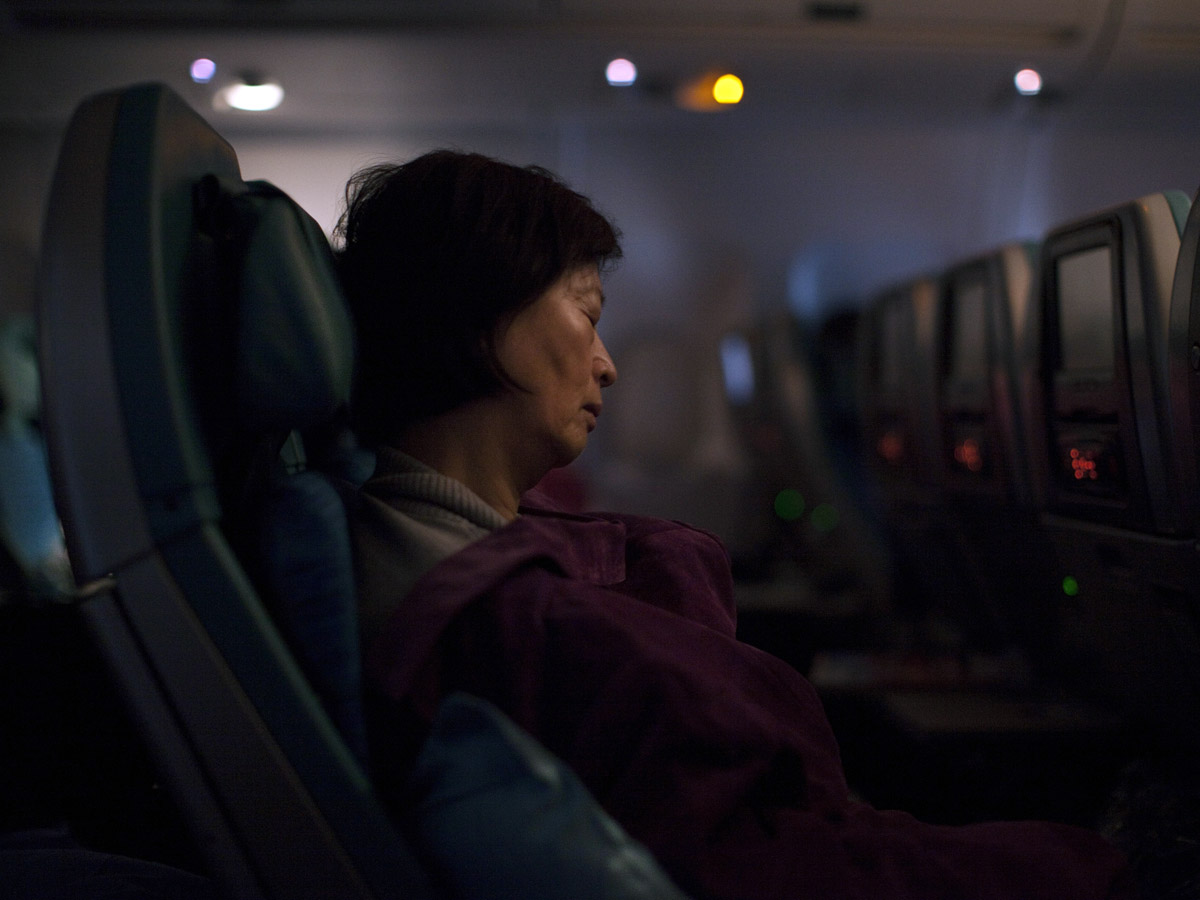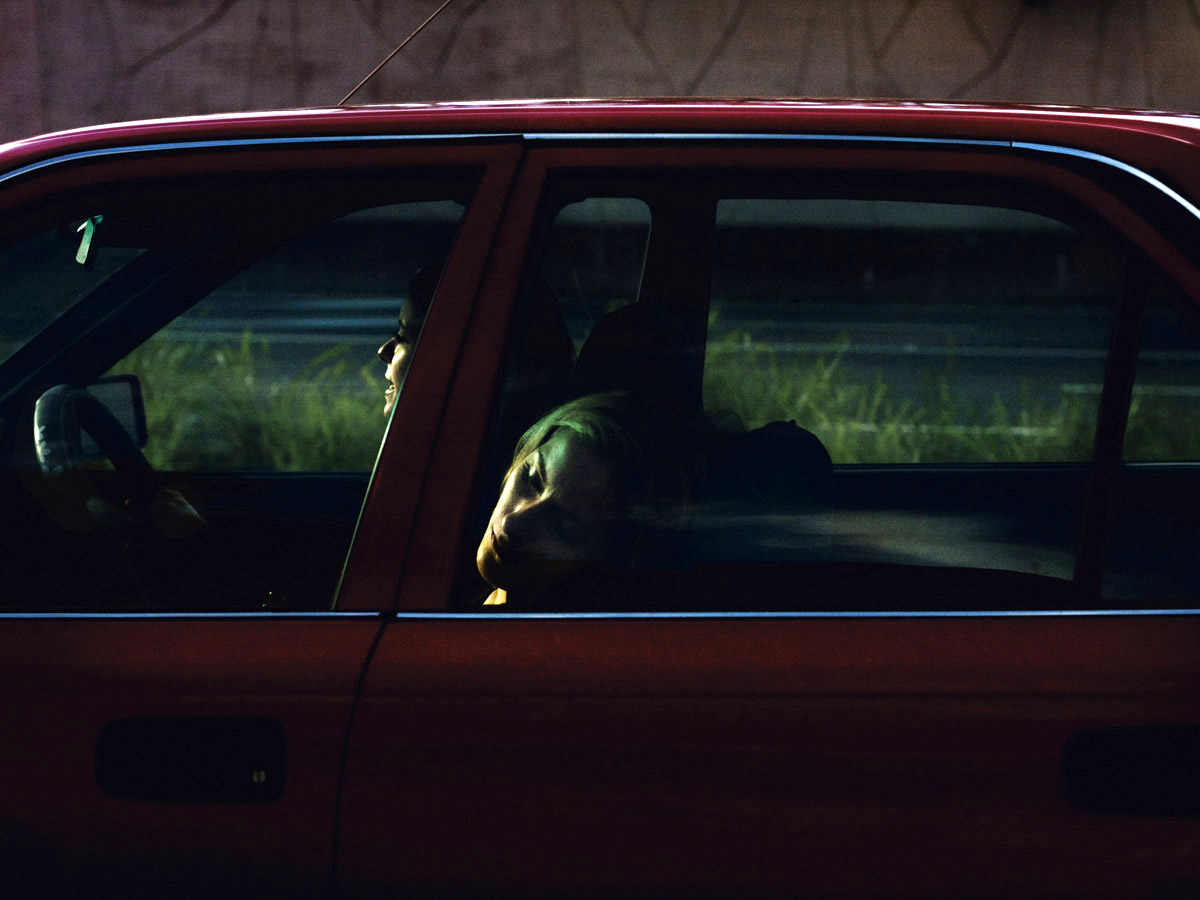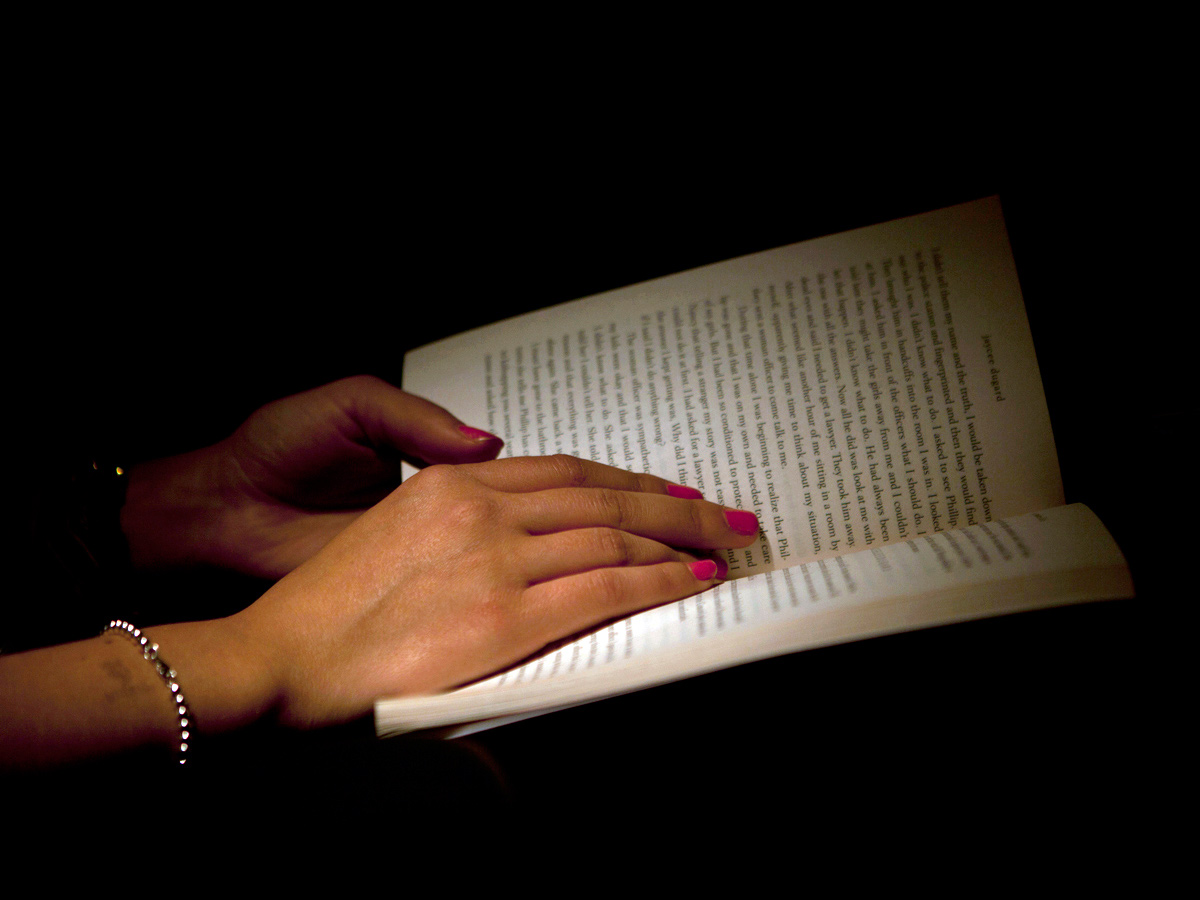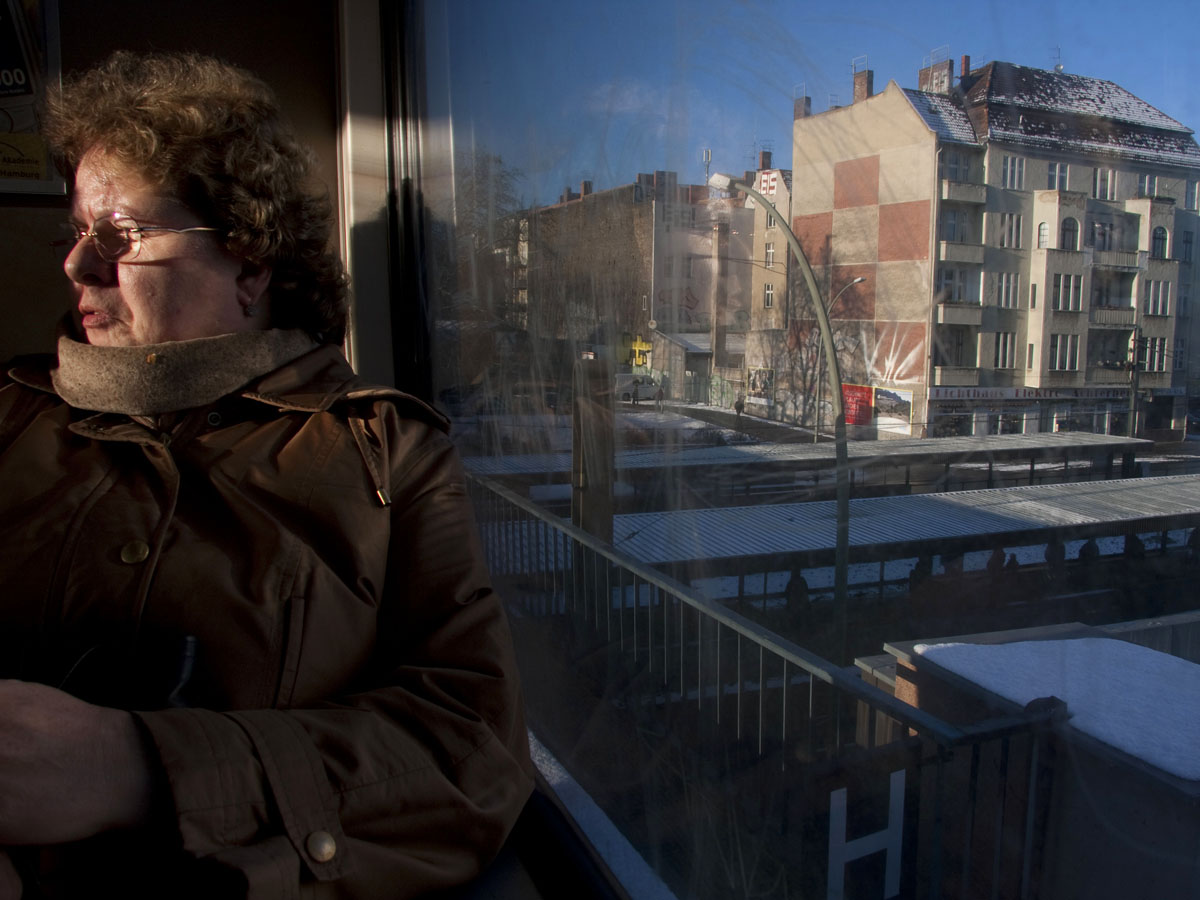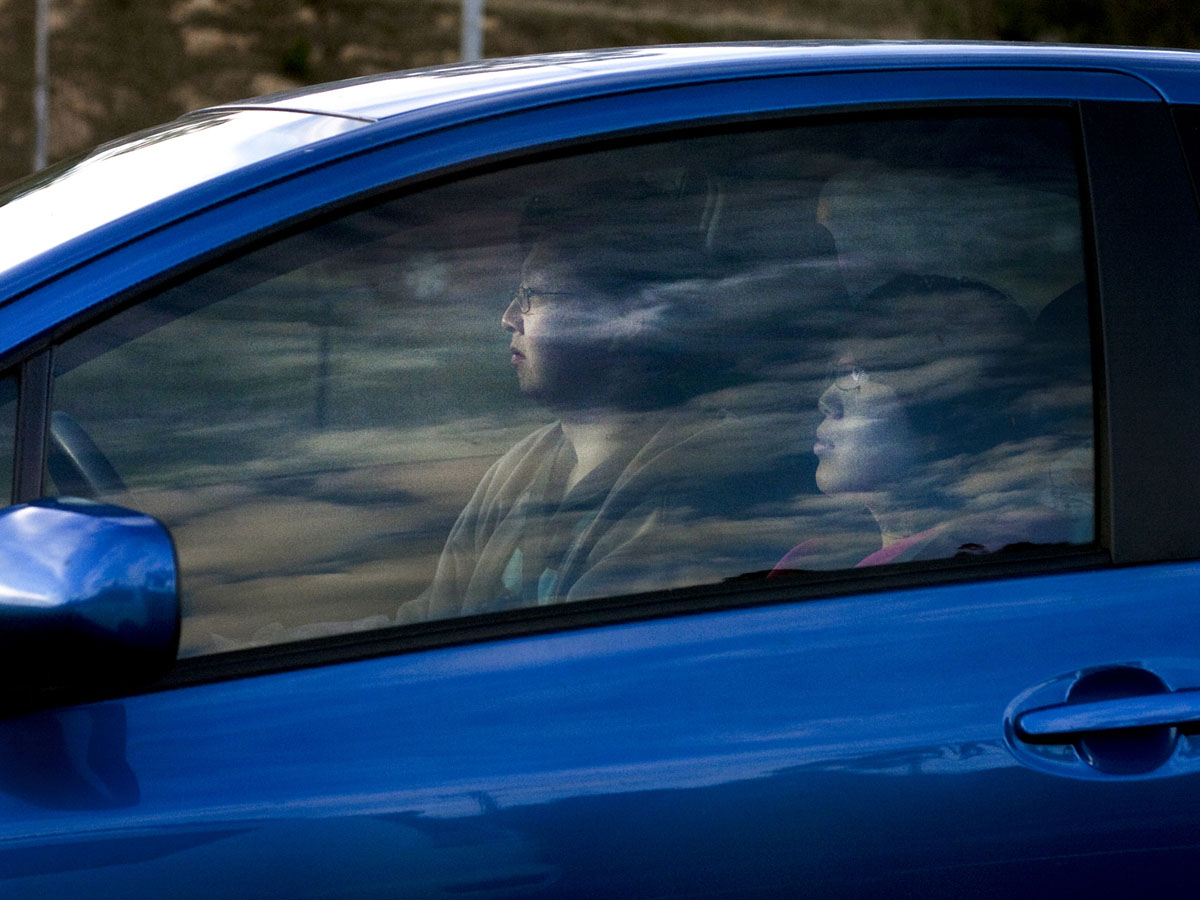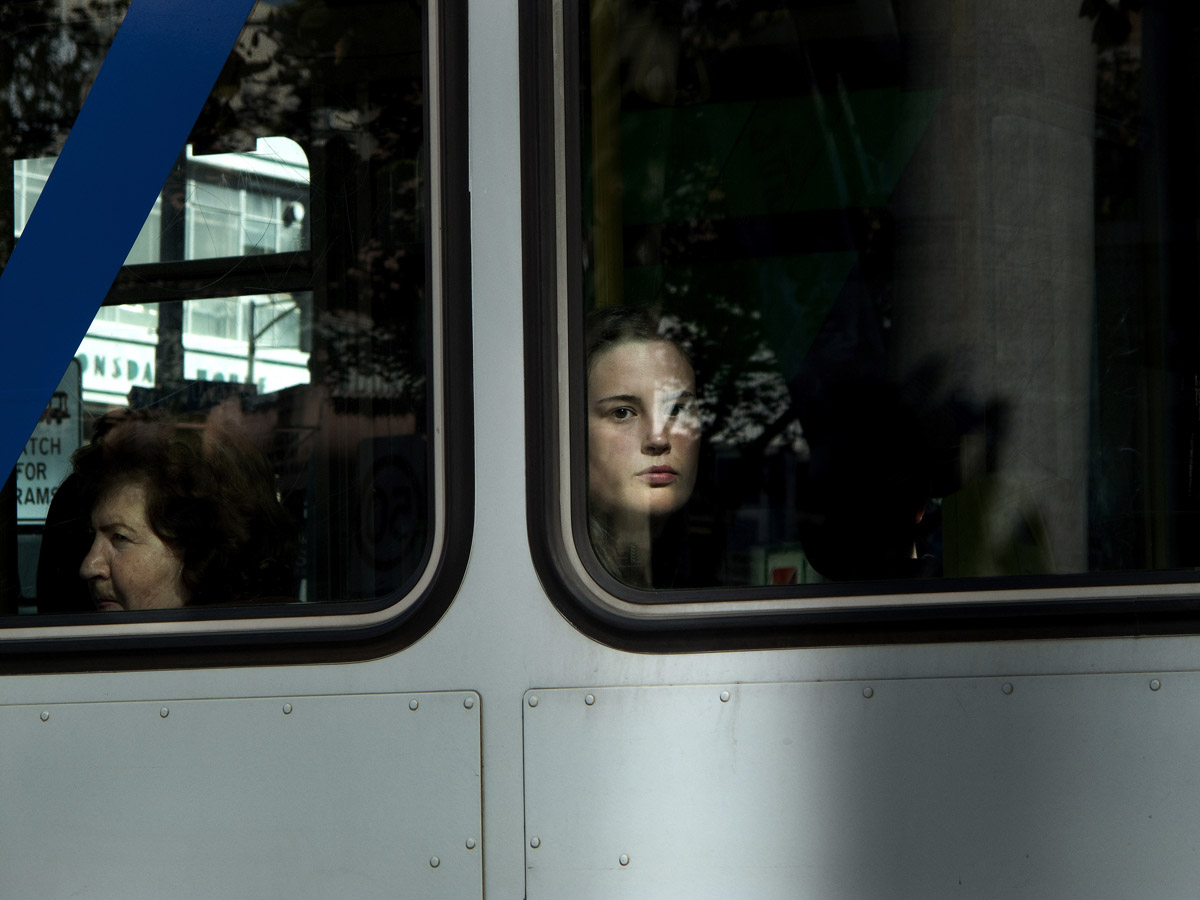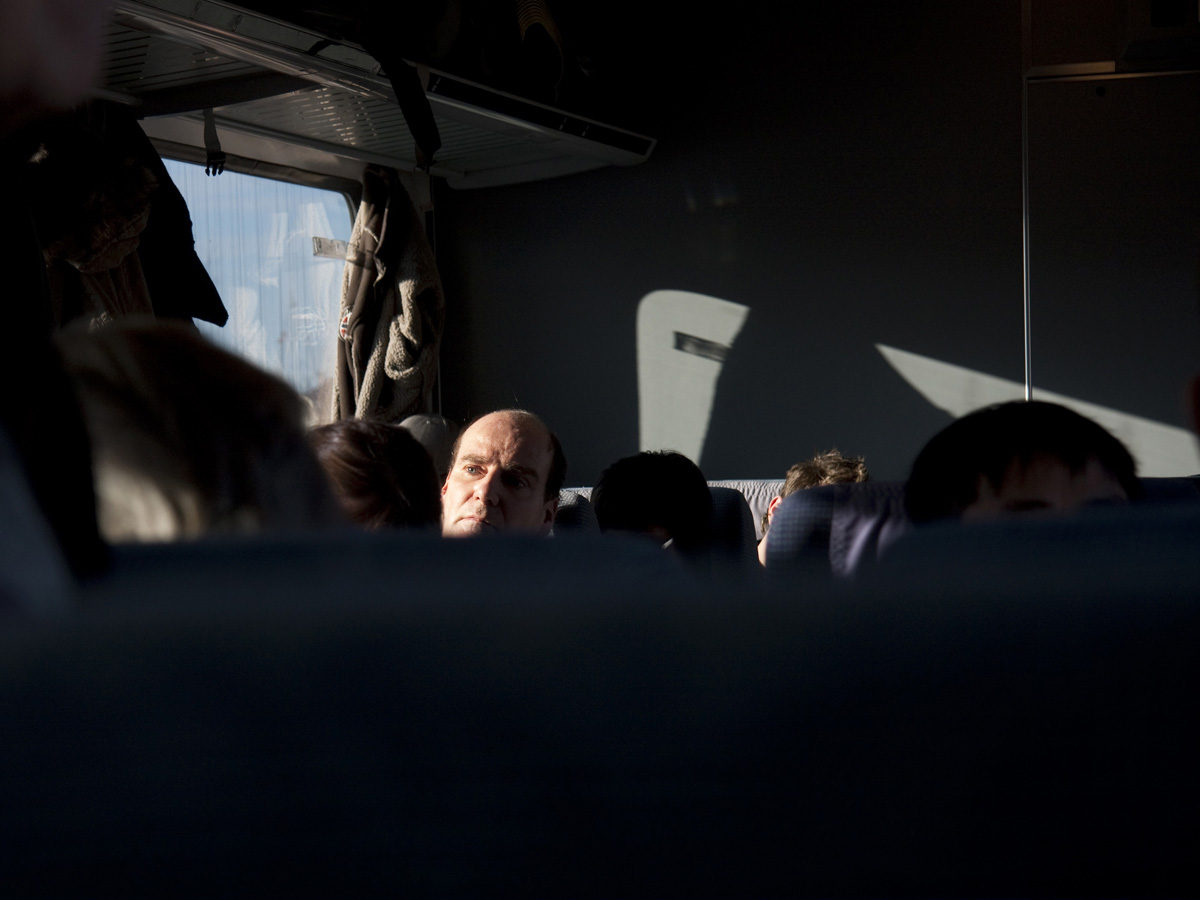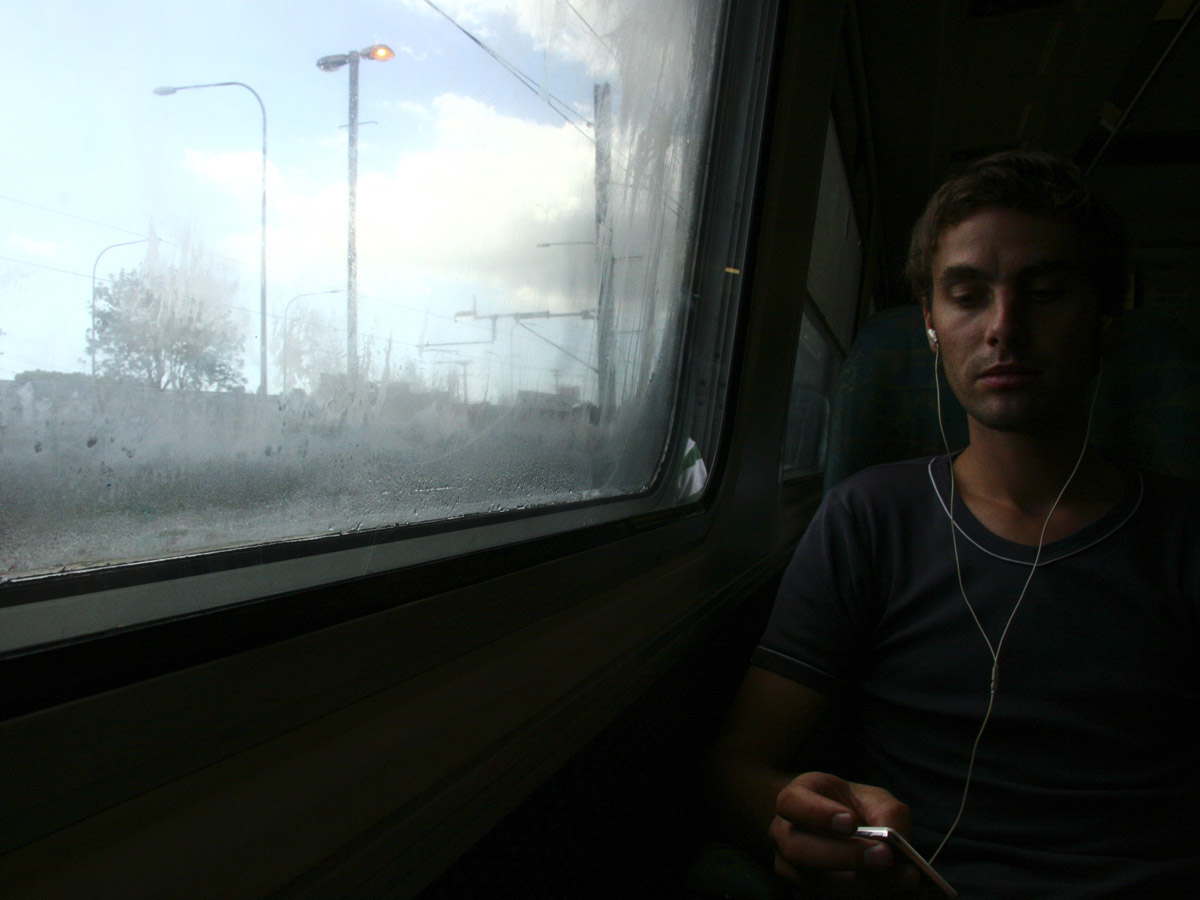
Artwork: ‘Transit’ series by Katrin Koenning, Melbourne

July 2012


Katrin Koenning (Australian born Germany, b. 1978) 'Untitled' from the series 'Transit' (2009 - )


Katrin Koenning (Australian born Germany, b. 1978)
Untitled from the series Transit
2009


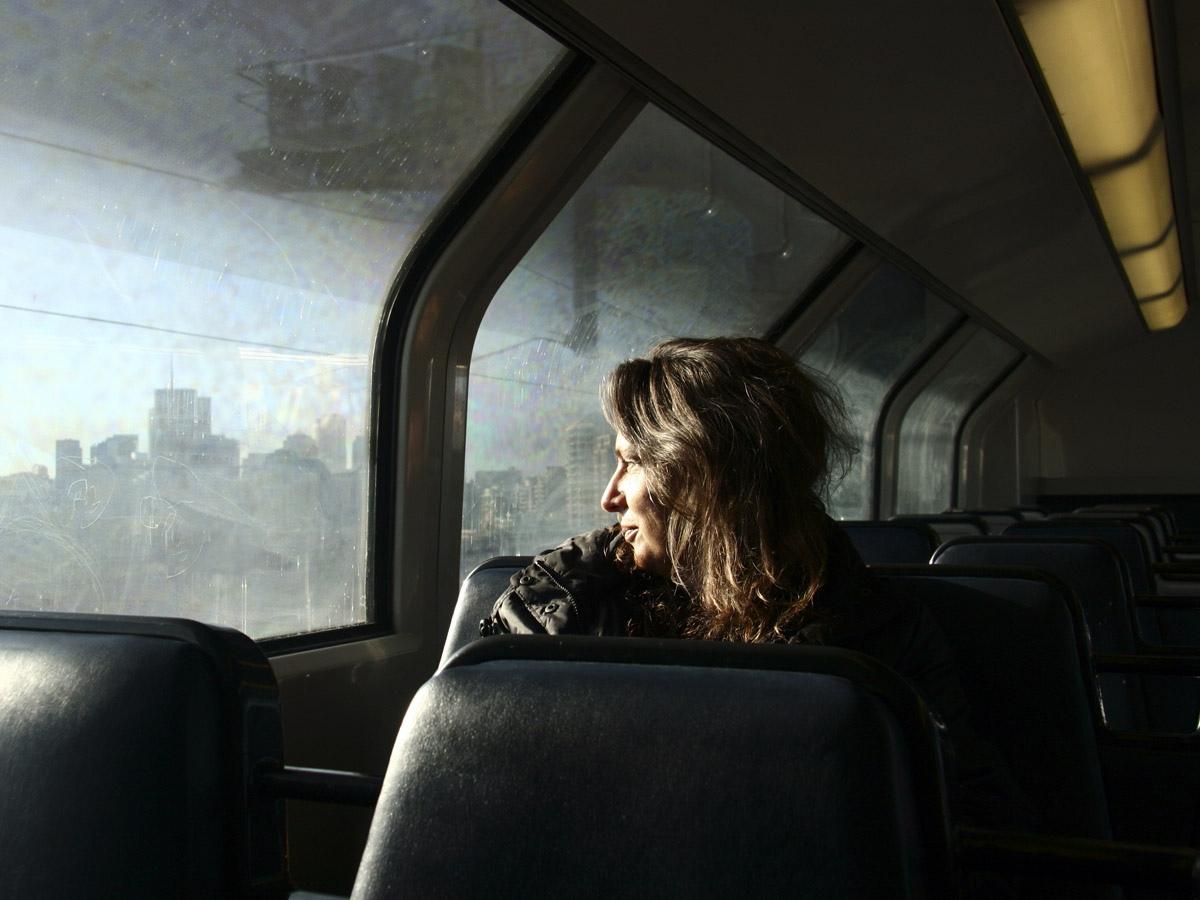
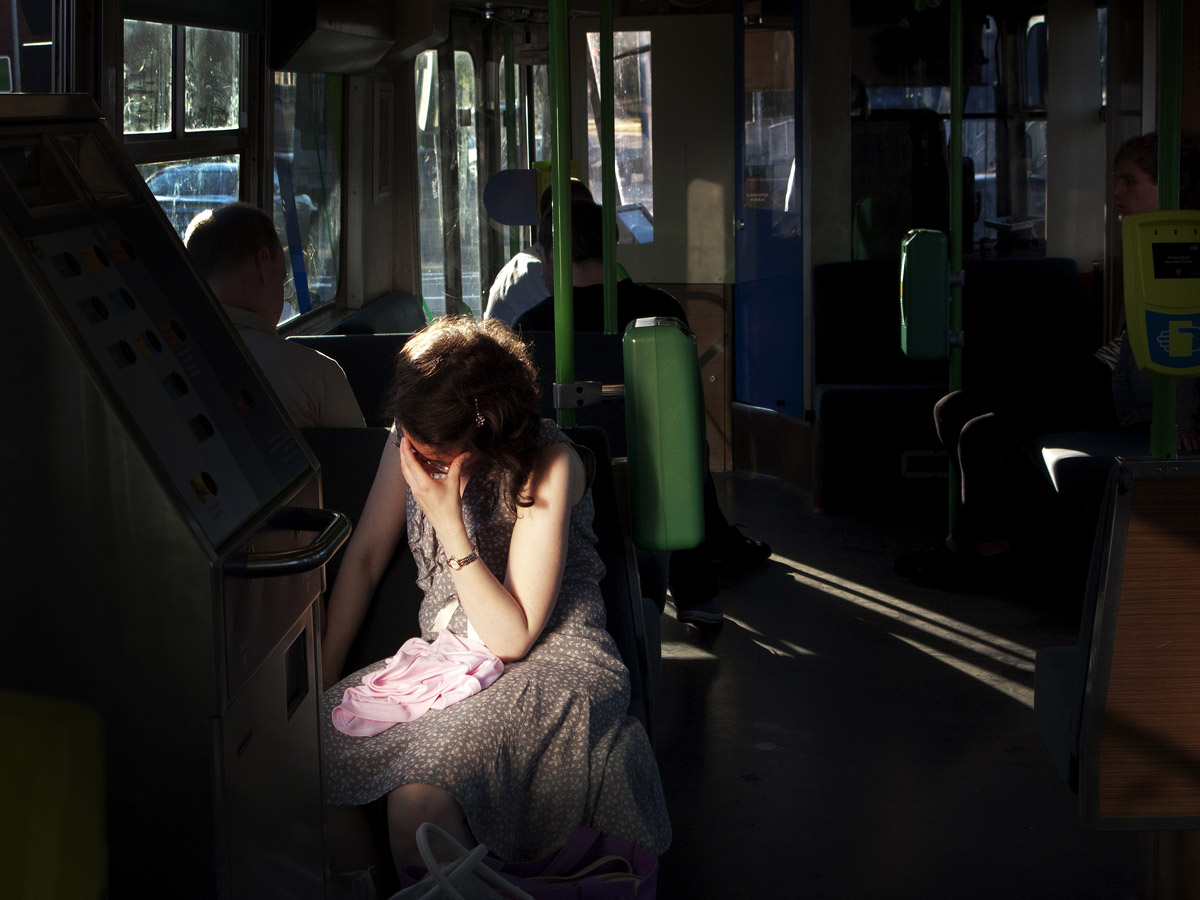
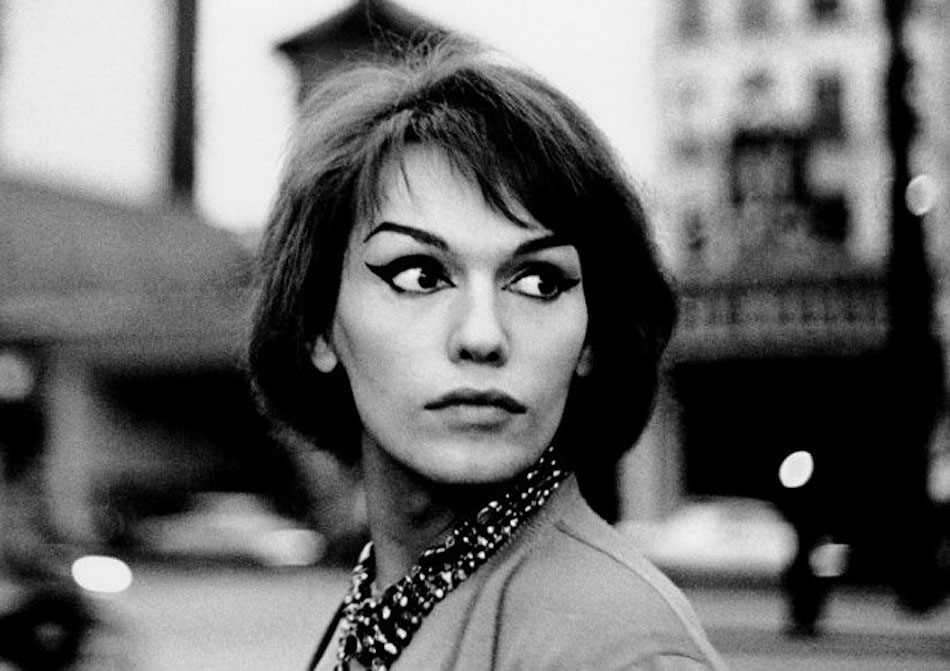
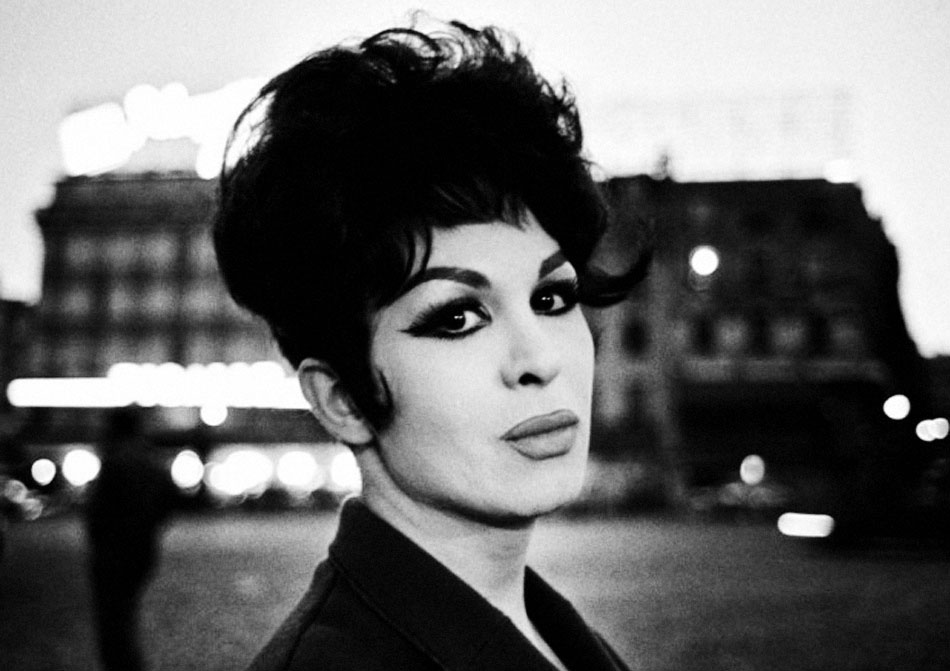
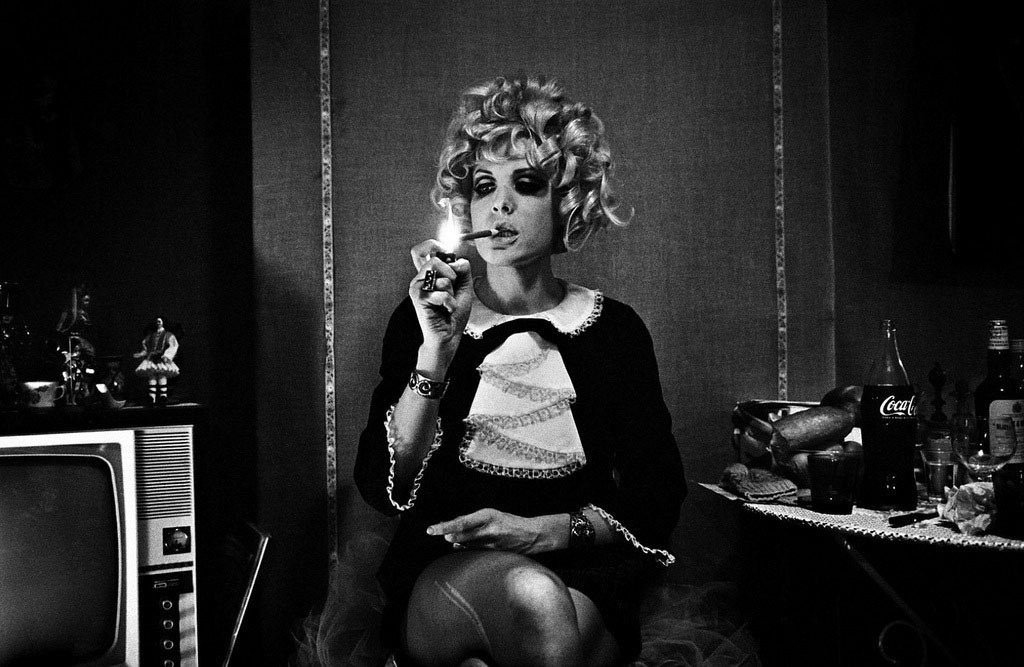
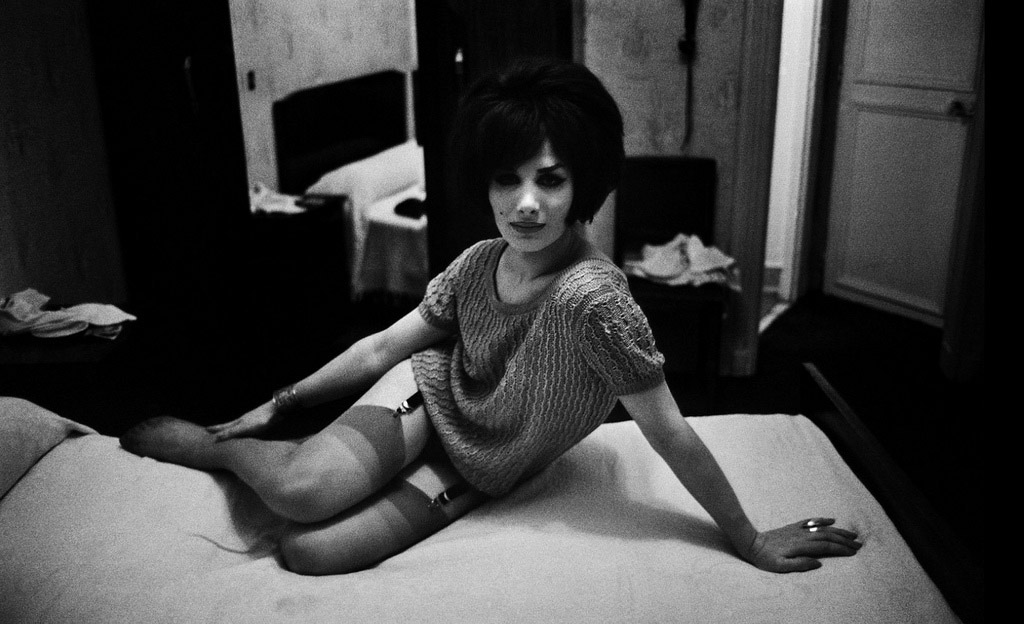
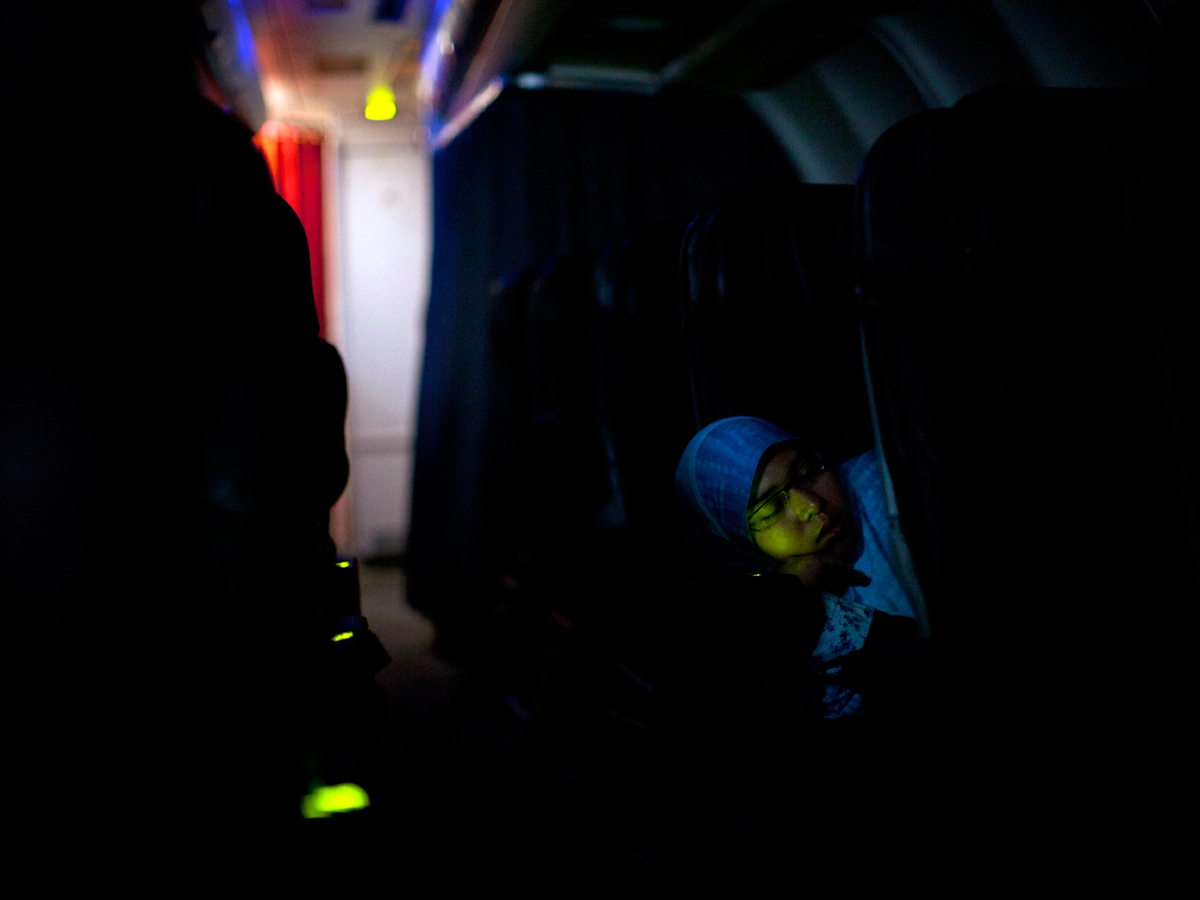
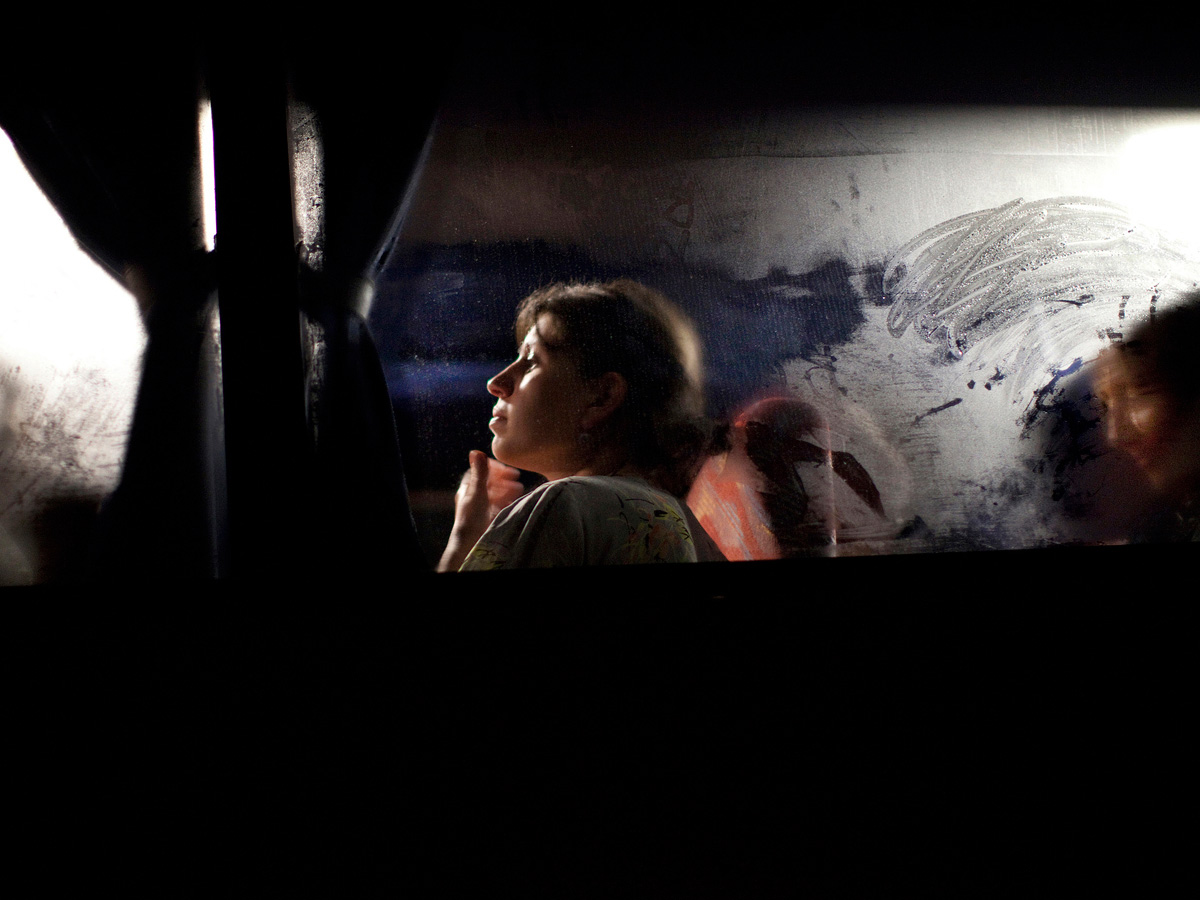
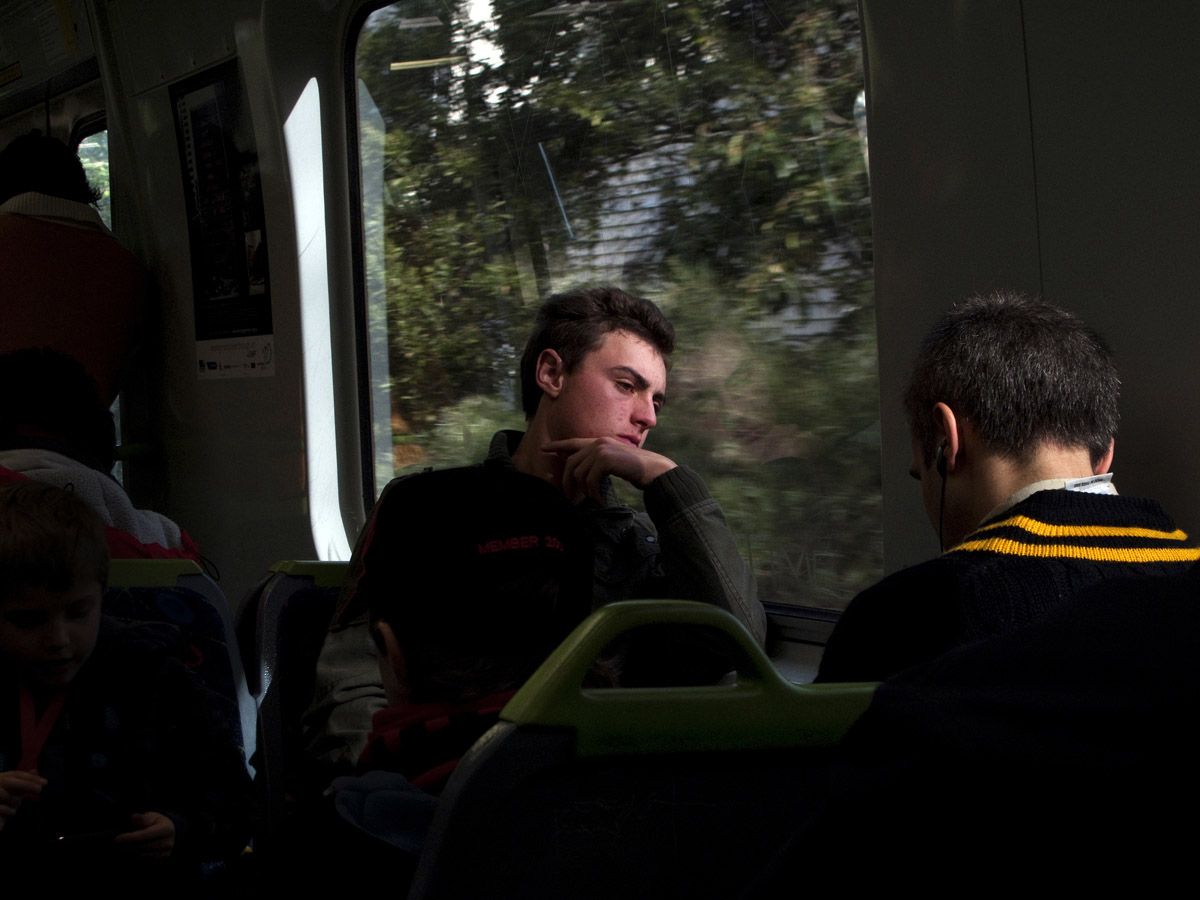
Transit is a stimulating body of work by Melbourne artist Katrin Koenning that documents mostly everyday journeys. As Koenning notes, “It is concerned with the space that lies between destinations, routines and obligations – the space between distances, if you so like,” where strangers are thrown together in an intimate space. The outcome of these encounters is mainly silence. In these works photography and the depiction of the lived world becomes the primer and reference point for a mediated existence, one based on longing, desire, reverie, absent presence and the phantasies of daydreams.

Compositionally the work is strong. Koenning shows an excellent understanding of the construction of the image plane and the use of colour, light and dark complements her intellectual enquiry. This much is given: these are excellent images that immerse the viewer in a visual dreamscape. What I am more interested in here is the transitional spaces of the journey, the traces of light that reflect back to us the concerns of the photographer and the conceptual ideas upon which the work is based.

Even when people are asleep in these photographs (which they sometimes are) it is as if an internal image, a day dream, a subconscious image is projected into/onto the external world in an act of scopophilic [the desire for pleasurable looking] voyeurism. It is as though our daydreams are inscribed in a physical location and we identify with this imaginary image and take it for reality.1 “This specific joy of receiving from the external world images that are usually internal… of seeing them inscribed in a physical location… of discovering in this way something almost realisable in them”2 becomes one reality of the journey. We become possessed, possessed by the phantasies of our daydreams, possessed by desire for this imaginary image.

Paradoxically these daydreams, the longing and yearning of the inner voice for a better place to be, for a holiday, for an escape from the drudgery of everyday life (for an imaginary, hallucinatory image) promote an escapism in the traveller and the absenting of presence that can be seen on any tram or train, any day of the week in cities throughout the world. The enactment of absent presence is usually performed through technology of some kind – a book, headphones, smart phones that connect to the internet, conversation on the mobile which is mainly gossip and texting – that distract people from having a quiet mind that leads to the contemplation of Self. The fear of silence is the fear of quietening the chattering voice in your head, being afraid of what you might find. The act of non-engagement is supplemented by the necessity of avoiding eye contact with fellow travellers, of making conversation, of engaging with strangers in any meaningful way. Hence the silence of forcibly intimate spaces.

The photographs that make up the series Transit form a theatrical space, a dramatic space where the people in them are separated from the outside world, neither here nor there, present but absent at one and the same time. This ritual of (non)spectatorship begins long before we begin our journey: the preparation, leaving the house with headphones and iPod, iPad, iPhone and I. This is followed by the ritual of buying a ticket (or not), boarding the train, tram, bus, plane or car being an effective way of transforming time and space. Our practices of mobility, that is our acts of moving are constituted in our acts of staying. What we take with us (for example our passport when we go overseas), always takes our place of residing, of staying, with us. Travel becomes the enactment or enfolding of bodies that move and bodies that stay, of stability.3 As Mary Louise Pratt has observed recently, the Western subject is an autonomous being with inherent conditions attached to its body and mobility is the privileged figure of its freedom, the proof and performance of its liberated state. In the metaphor of flow there is the enactment of freedom.4 Ironically, in the flow of travel envisaged in these photographs there is a dis/placement of desire onto the object of our (non)attention: in other words if we observe the world and desire it (as in the woman looking out of the window onto the distant view of the city, below) we displace our desire onto the object of our affection. If, on the other hand, we ignore the distant vista (as in the man playing with his iPod while the world flashes past outside, below) we displace our own presence through non-attention and our desire becomes a narcissistic attraction to Self. The remainer (who remains) and the remainder (what is left) is dictated by the place and placedness of the encounter, the interdependent modalities along the points of un/freedom (displacement of desires onto other may, in fact, not be freedom at all!)

In a sense, and I use that word advisedly, these images become trans-sensual, hovering between one desirous place and the next, between one condition or possibility of becoming and another. Here I must note that I see a philosophical difference between ‘transit’ and ‘in transit’. ‘Transit’ suggests a pre-determined path between point A and point B: for example in the transit of Venus that recently took place the path that Venus would take was already mapped out, even before the event happened, even if Venus was absent. The DNA of the journey, its blueprint if you like, is already formed in the knowledge: we are going to Collins Street, Melbourne, the path immanent in the tabula rasa of the journey even before it has started. ‘In transit’ on the other hand, suggests an amorphous space that has no beginning and no end. There is no boundary that defines the journey, much as in these images “amorphous thinking in visual terms is inextricably bound up with sensation and perception. In many ways, how we think is how we see and vice versa.”5 Perhaps the series should have been called In Transit, for the images visualise a conception of boundary and form that is constantly in flux, emanating as it does from the subconscious desires of the traveller. These are scenarios for an intuitive vision of an amorphous space that image a lapse in time, where energy and information, light and shadow, harmony and form challenge an absolute identity, the pre-determined path.6

Projection of inner desires onto the actual world becomes the locality for the contemporary mythologies of values, beliefs, dreams and desires.7 In a Buddhist sense, in the longing of an individual to effect his or her liberation this flow of sense-desire must be cut completely. Instead of a desire to possess the object of their longing and then to be possessed by that desire (desire to possess / possessed by desire) we must learn, as Krishnamurti has insightfully observed, not to make images out of every word, out of every vision and desire. We must be attentive to the clarity of not making images – of desire, of prejudice, of flattery – and then we might become aware of the world that surrounds us, just for what it is and nothing more.8 Then there would be less need for the absenting of self into the technological ether or the day dreams of foreign lands or the desire for a better life.

The strength of this work is the trans-sensuality of the photographs. Their trans-sensuality initiates differently configured constructions of the world, one that will not allow the world to simply be displaced by a lack of awareness, a lack of presence in the world. The photographs physically queer the performative aspect of the actor upon the stage, allowing the viewer to understand the process that is happening within the photographs and then NOT construct alternate narratives of longing and desire if they so wish. What they do for the viewer is collapse the boundaries between the subjective and the objective, between the conscious and the subconscious, inducing in the viewer a glimpse of self-actualization,9 whereby the viewer has the ability to enjoy the experience of just being. As the viewer becomes the person in the photograph (by understanding the experience of being, not by making an image) the permeability and lack of fixity of the boundaries between self and other, between self and amorphous space, between self and the physical world becomes evident. We become aware of the suspension of time and space in these momentary, (photographic) acts of transcendence. These wonderful, never ending moments.

Dr Marcus Bunyan

July 2012


1/ Leonard, Richard. The Mystical Gaze of the Cinema: the Films of Peter Weir. Melbourne: Melbourne University Press, 2009, p. 23

2/ Metz, C. Essais Sémiotiques. Paris: Klincksieck, 1977, p. 136 quoted in Leonard, Op. cit.

3/ Pratt, Mary Louise. “On Staying.” Keynote speech presented at the international conference Travel Ideals: Engaging with Spaces of Mobility. July 18th 2012 at the University of Melbourne

4/ Ibid.,

5/ Navarro, Kevin. “An Amorphous Image Process,” on Rhizome: Image Theory website. January 19th 2010 [Online] Cited 29/07/2012

6/ Ibid.,

7/ Leonard Op. cit., p. 56

8/ Krishnamurti. Beginnings of Learning. London: Penguin, 1975, p. 131

9/ “It must be noted that self-actualization is not necessarily related to vocation or career choice … From Malsow’s (Maslow, A (1970) Motivation and Personality. New York, Harper & Row) standpoint, self-actualization is not primarily concerned with results of a particular kind of activity – it is concerned with the experience of the activity itself – not the composition but the composing – not the work of art but the creative process by which it is produced – not the taste of the food, but the creativity in the cooking of it. This is not to say that the product has no importance. What Maslow is emphasizing is the fact that the self-actualized persons is fulfilling his potentiatlities in the act itself. A byproduct of this creative act is a unique outcome. He may admire the result of this process. But the enjoyment of the process itself is also extremely important. The ability to enjoy the experience of being, therefore, is one of the essential capabilities of the healthy individual.” (My italics)
Benson, Lou. Images,Heroes and Self-Perceptions. Englewood Hills, New Jersey: Prentice Hall, 1974, pp. 352-354


Many thankx to Katrin Koenning for allowing me to publish the photographs in the posting. Please click on the photographs for a larger version of the image. All photographs Untitled from the series Transit (2009) © Katrin Koenning.


Katrin Koenning (Australian born Germany, b. 1978) 'Untitled' from the series 'Transit' (2009 - )


Katrin Koenning (Australian born Germany, b. 1978) 'Untitled' from the series 'Transit' (2009 - )


Katrin Koenning (Australian born Germany, b. 1978) 'Untitled' from the series 'Transit' (2009 - )


Katrin Koenning (Australian born Germany, b. 1978) 'Untitled' from the series 'Transit' (2009 - )


Katrin Koenning (Australian born Germany, b. 1978)
Untitled from the series Transit
2009


Transit documents people on mostly everyday journeys. It is concerned with the space that lies between between destinations, routines and obligations – the space between distances, if you so like. While I travel and observe, I write down snippets of overheard conversations. Old ladies talk about the weather, teenagers gossip, you hear laughter and bits of stories in amongst the monotonous sighing of the train or the mourning sound of an aching ship. Mostly, you hear silence – strangers are thrown together for a short while, forced to share an intimate space. They rarely talk.

Artist statement
 

Katrin Koenning (Australian born Germany, b. 1978) 'Untitled' from the series 'Transit' (2009 - )


Katrin Koenning (Australian born Germany, b. 1978) 'Untitled' from the series 'Transit' (2009 - )


Katrin Koenning (Australian born Germany, b. 1978) 'Untitled' from the series 'Transit' (2009 - )


Katrin Koenning (Australian born Germany, b. 1978) 'Untitled' from the series 'Transit' (2009 - )


Katrin Koenning (Australian born Germany, b. 1978) 'Untitled' from the series 'Transit' (2009 - )


Katrin Koenning (Australian born Germany, b. 1978) 'Untitled' from the series 'Transit' (2009 - )


Katrin Koenning (Australian born Germany, b. 1978) 'Untitled' from the series 'Transit' (2009 - )


Katrin Koenning (Australian born Germany, b. 1978) 'Untitled' from the series 'Transit' (2009 - )


Katrin Koenning (Australian born Germany, b. 1978)
Untitled from the series Transit
2009


Katrin Koenning website

LIKE ART BLART ON FACEBOOK

Back to top

Exhibition: ‘Romy Schneider: Exposition’ at the Palais des Festivals et des Congrès de Cannes

Exhibition dates: 2nd July – 2nd September 2012


Anonymous photographer. 'Romy Schneider' Nd


Anonymous photographer
Romy Schneider
Nd
© Botti Stills / Gamma-Rapho


“Elle est tourmentée, pure, violente, orgueilleuse…”

“She is tormented, pure, violent, proud…”


Claude Sautet


Continuing my love affair with the woman that is, eternally, Romy Schneider. J’adore!

Marcus


Many thankx to the Palais des Festivals et des Congrès de Cannes for allowing me to publish the photographs in the posting. Please click on the photographs for a a larger version of the image.


Jean-Pierre Bonnotte (French) 'Romy Schneider' Nd


Jean-Pierre Bonnotte (French)
Romy Schneider
Nd
© Jean-Pierre Bonnotte / Gamma-Rapho


Rarely has an actress been both as beautiful and moving. Rarely has an actress made ​​history so young with an aura so accomplished, just looking, driven by a great desire for the absolute, to escape her own legend. Rarely has a star been both blessed by the gods and as much struck by fate. Rarely has a woman been as bright and as turbulent. Rarely has a foreign aura at this point incarnated France …

It is these paradoxes that this exhibition will highlight. Rare documents, personal items, professional memories and unseen photos tell stories because the route of an actress and a woman of passion, well beyond the screen, has touched the heart of audiences while accompanying the story of the century. We want this exhibition to show the height of what was Romy Schneider was, of what she represents. We want visitors to leave uplifted by her grace and beauty, by which life emerges from it despite the tragedies that have struck – by the obviousness of her talent, the wealth of her career and her encounters.

~ Jean-Pierre Lavoignat


Jean-Pierre Bonnotte (French) 'Romy Schneider (with Alain Delon)' Nd


Jean-Pierre Bonnotte (French)
Romy Schneider (with Alain Delon)
Nd
© Jean-Pierre Bonnotte / Gamma-Rapho


“She reminds me of those thoroughbreds who prance, hypersensitive, at the slightest glance. They need to be flattered and excited at the same time but as soon as they loose the rein, they are capable of achieving the most breathtaking performance! ”

~ Alberto Bevilacqua


Jean-Pierre Bonnotte (French) 'Romy Schneider' Nd


Jean-Pierre Bonnotte (French)
Romy Schneider
Nd
© Jean-Pierre Bonnotte / Gamma-Rapho


Anonymous photographer. 'Romy Schneider' Nd


Anonymous photographer
Romy Schneider
Nd
© Keystone-France /Gamma-Rapho


Jean-Pierre Bonnotte (French) 'Romy Schneider' Nd


Jean-Pierre Bonnotte (French)
Romy Schneider
Nd
© Jean-Pierre Bonnotte / Gamma-Rapho


“She is beautiful with a beauty that she has forged itself. A poisonous mixture of charm and virtuous purity. She is as proud as a Mozart concerto and recognises the power of her body and her sensuality.”

~ Claude Sautet


Anonymous photographer. 'Romy Schneider' Nd


Anonymous photographer
Romy Schneider
Nd
© Botti Stills / Gamma-Rapho


Anonymous photographer. 'Romy Schneider' Nd


Anonymous photographer
Romy Schneider
Nd
© Botti Stills / Gamma-Rapho


“An amazing actress, she does not manufacture the emotion, does not fake it. She recreates the very far, very deep as the huge waves that shake the sea. No trick. (…) It goes straight to the point. All the superficial, bookish, theoretical disappears. This game seems lyrical and requires musical comparisons. Sautet talking about Mozart with regard to Romy. Me, I want to talk of Verdi, Mahler … ”

~ Bertrand Tavernier


Eva Sereny (Swiss, 1935-2021) 'Romy Schneider' Nd


Eva Sereny (Swiss, 1935-2021)
Romy Schneider
Nd
© Eva Sereny / Camerapress / Gamma-Rapho


Eva Sereny (Swiss, 1935-2021) 'Romy Schneider' Nd


Eva Sereny (Swiss, 1935-2021)
Romy Schneider
Nd
© Eva Sereny / Camerapress / Gamma-Rapho


Anonymous photographer. 'Romy Schneider' Nd


Anonymous photographer
Romy Schneider
Nd
© Reporters Associes /Gamma-Rapho


Palais des Festivals et des Congrès de Cannes
La Croisette CS 30051
06414 Cannes Cedex – France
Phone: +33(0)4 93 39 01 01

Opening hours:
7 days a week, from 10am – 7pm

Palais des Festivals et des Congrès de Cannes website

LIKE ART BLART ON FACEBOOK

Back to top

Exhibition: ‘Maestro: Recent Works by Lino Tagliapietra’ at the Museum of Glass, Tacoma

Exhibition dates: 14th July – 6th January 2013


Lino Tagliapietra (Italian, b. 1934) 'Fuji' 2011


Lino Tagliapietra (Italian, b. 1934)
Fuji
2011
Blown glass
16 3/4 x 19 1/4 x 6 1/2 inches
Photo by Russell Johnson


Oh my, oh my, oh my these are just divine, especially the last three.

Marcus


Many thankx to the Museum of Glass for allowing me to publish the photographs in the posting. All works by Lino Tagliapietra (Italian, born 1934). Courtesy of Lino Tagliapietra, Inc. Please click on the photographs for a larger version of the image.


Lino Tagliapietra (Italian, b. 1934) 'Masai (Masai d’Oro)' 2011


Lino Tagliapietra (Italian, b. 1934)
Masai (Masai d’Oro)
2011
Blown glass
59 x 98 x 10 inches
Photo by Russell Johnson


Lino Tagliapietra (Italian, b. 1934) 'Petra' 2012


Lino Tagliapietra (Italian, b. 1934)
Petra
2012
Blown glass
10 x 15 x 5 1/4 inches
Photo by Russell Johnson


Lino Tagliapietra (Italian, b. 1934) 'Borboleta (il giardino di farfalle)' 2011


Lino Tagliapietra (Italian, b. 1934)
Borboleta (il giardino di farfalle)
2011
Blown glass
26 x 157 x 118 inches
Photo by Francesco Allegretto


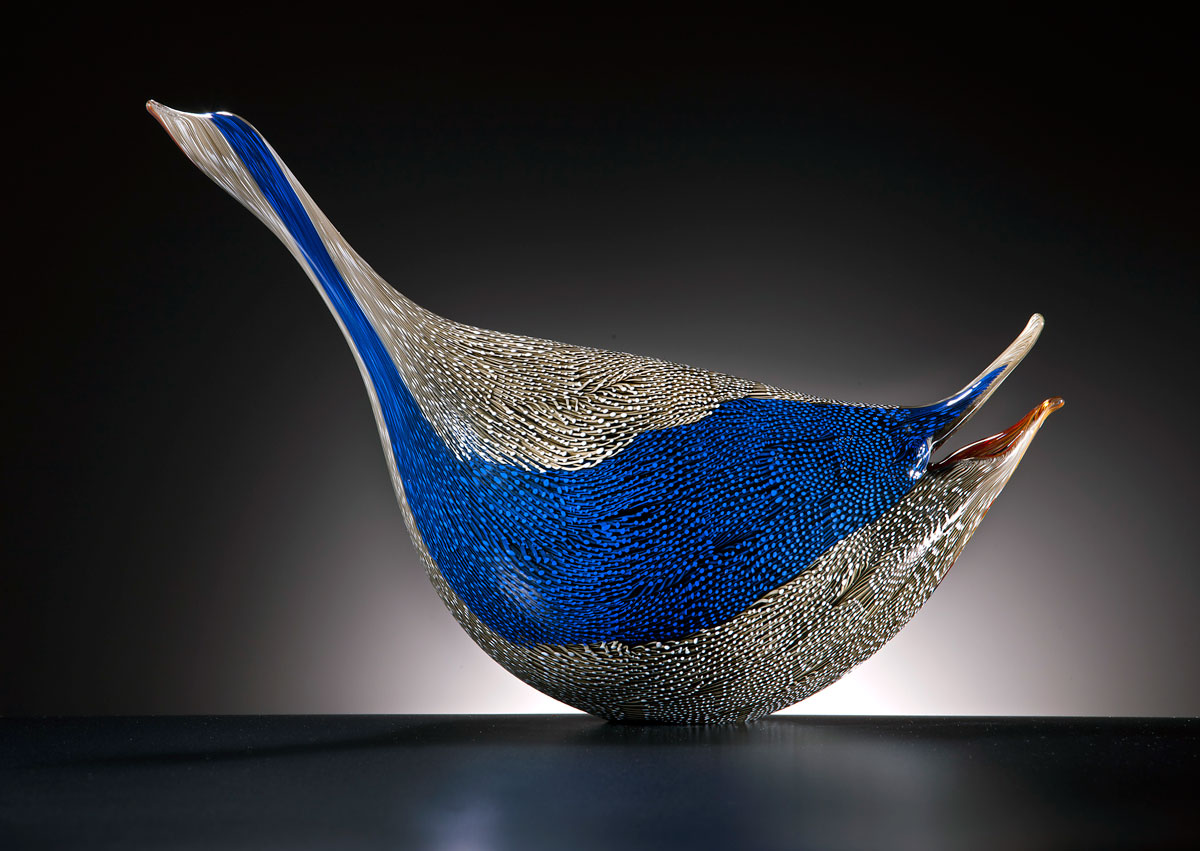
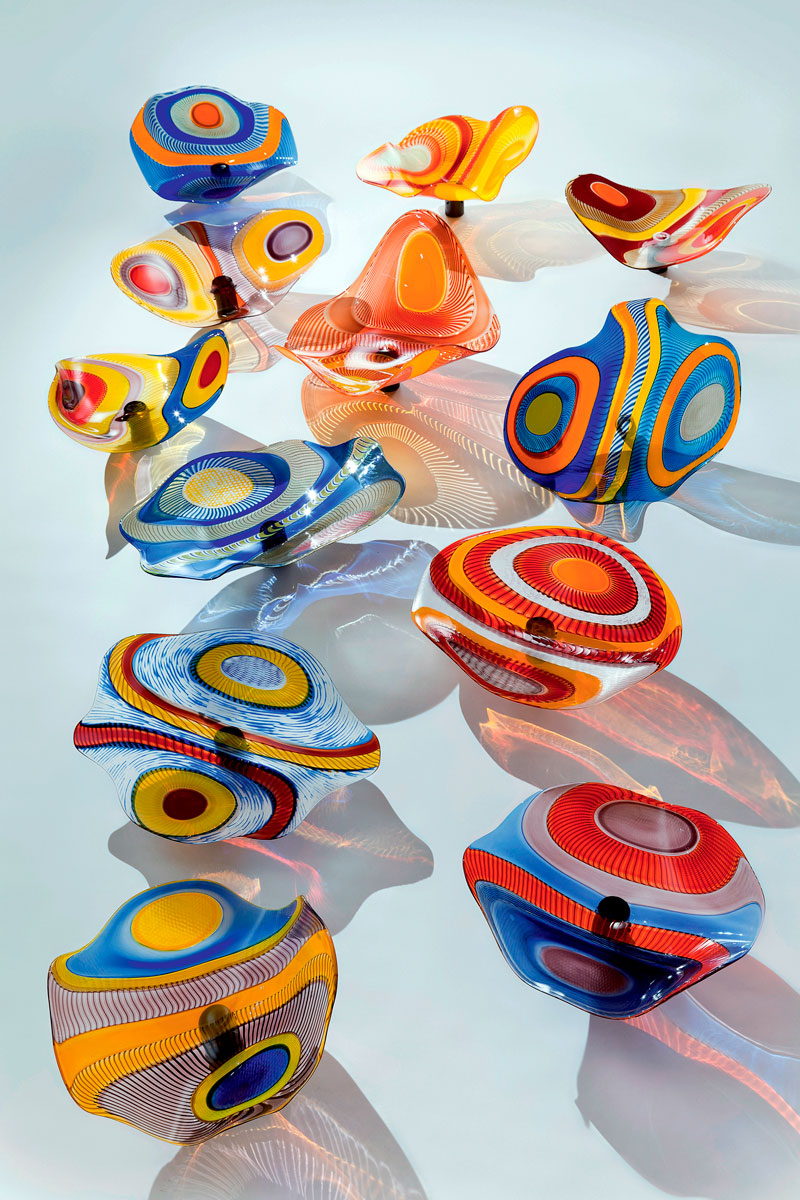
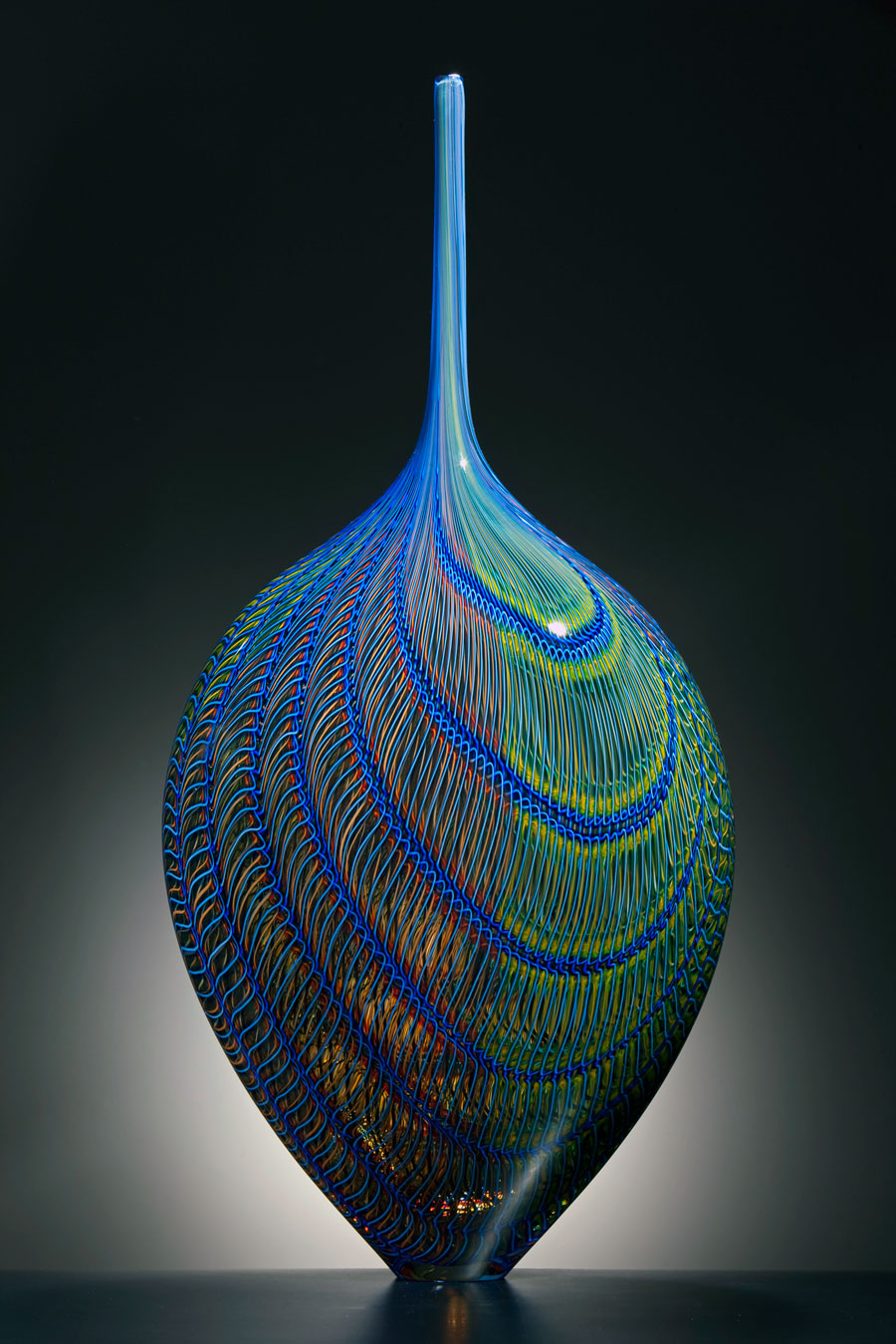
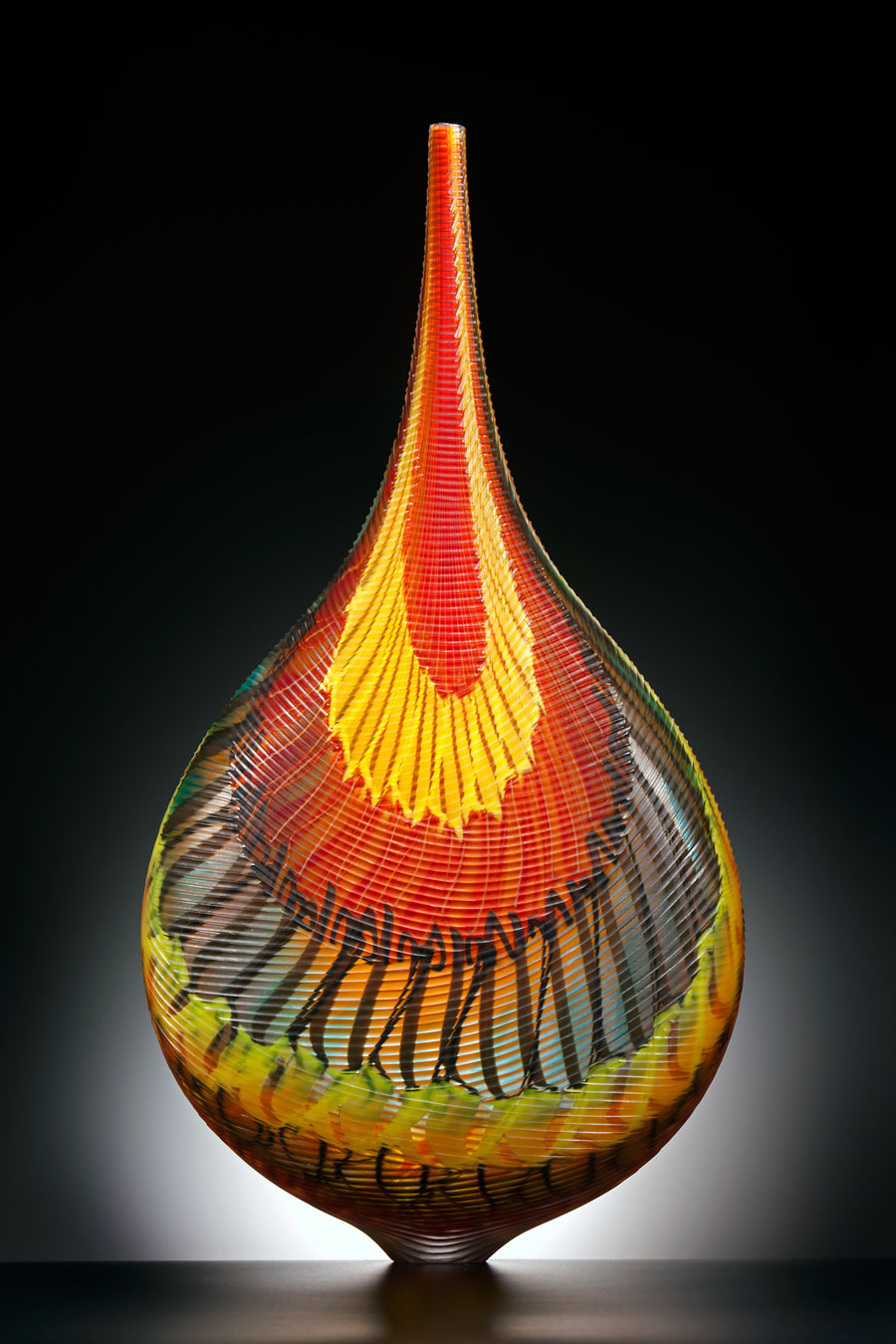
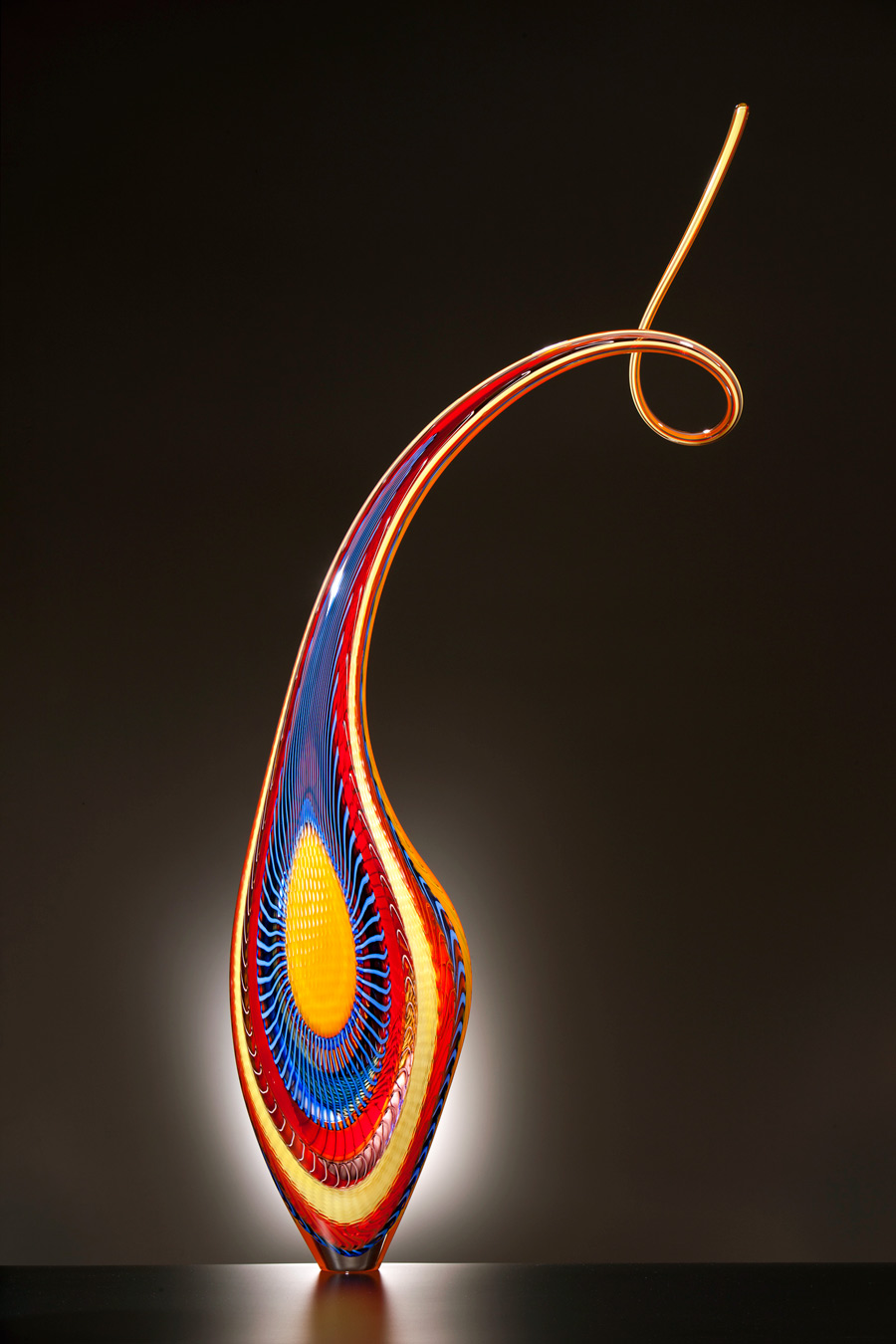
Museum of Glass marks its 10th Anniversary with a new exhibition featuring the work of esteemed artist Lino Tagliapietra. Maestro: Recent Works by Lino Tagliapietra showcases 65 glass masterpieces created during the past decade (2002-2012). The exhibition opens Saturday, July 14, amidst the anniversary celebration weekend.

Tagliapietra is known internationally as the maestro of contemporary glass. Beginning at the age of eleven, he was trained by Muranese glass masters, perfecting his glassblowing skills through years of observation, repetition, and production. In subsequent years, his precision and mastery of molten glass became secondary to his creative expression. Tagliapietra has invented numerous new techniques and designs, creating works that are technically flawless and visually breathtaking – belying the complexity and difficulty of their creation.These works have positioned him as a cultural icon not only in the glass world but also as a seminal figure in contemporary art and have earned him the reputation as “the greatest living glassblower” by many of his peers.

At age 77, when most glassblowers have long since retired from a lifetime of strenuous physical work, Tagliapietra continues to expand his artistic achievement, earning numerous artistic and scholastic awards and being featured in solo and group exhibitions. “I hope that people see the love, the love for the material, the love for the fire. For the art I try to be honest with myself. That’s all.”

Maestro presents an overview of Tagliapieta’s most recent series. The works displayed demonstrate his evolution to larger works and use of bolder colours and patterns over his nearly fifty years as an artist. Six large-scale installations, featuring colourful butterflies (Borboleta), boats (Endeavor), seagulls (Gabbiani) and two separate collections of shields (Masai), are central to the exhibition. The final installation, a 79 x 40-inch curio case containing nearly one hundred opaque glass vessels, is titled Avventura which is Italian for ‘adventure’ and references Tagliapietra’s view of the unpredictable nature of molten glass. Some of the objects in the exhibition were created at Museum of Glass during one of Tagliapietra’s several Visiting Artist residencies in the Hot Shop.

“It is a privilege to host this exhibition – yet another salute to Lino’s lifetime of artistic achievement – at Museum of Glass,” comments executive director Susan Warner. “This body of work was created during the same timeframe that the Museum has been in existence. To celebrate this magnificent artist – who has influenced and inspired so many of the artists and visitors who have come through our doors – while we celebrate our first decade of service is very fitting.”

Press release from Museum of Glass website


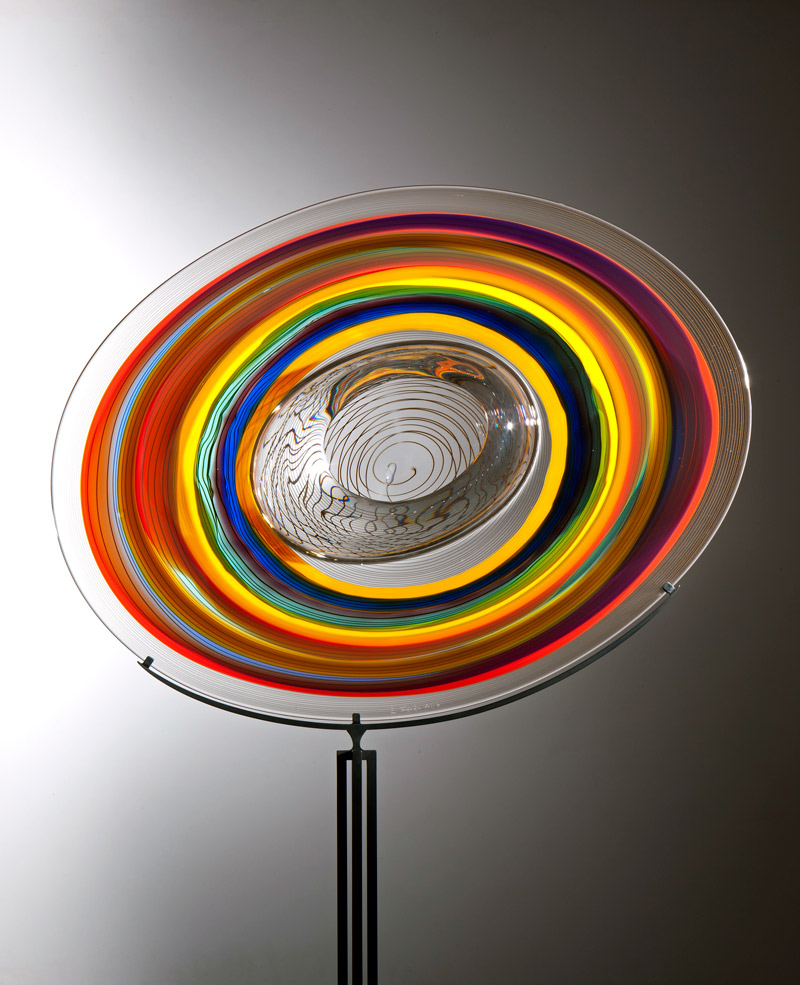
Lino Tagliapietra (Italian, b. 1934) 'Saturno' 2011


Lino Tagliapietra (Italian, b. 1934)
Saturno
2011
Blown glass
27 x 34 x 7 inches
Photo by Francesco Allegretto


Lino Tagliapietra (Italian, b. 1934) 'Tatoosh' 2009
 

Lino Tagliapietra (Italian, b. 1934)
Tatoosh
2009
Blown glass
26 1/2 x 12 3/4 x 8 inches
Photo by Russell Johnson


Lino Tagliapietra (Italian, b. 1934) 'Maui' 2010


Lino Tagliapietra (Italian, b. 1934)
Maui
2010
Blown glass
28 3/4 x 15 1/4 x 7 inches
Photo by Russell Johnson


Lino Tagliapietra (Italian, b. 1934)  'Dinosaur' 2011


Lino Tagliapietra (Italian, b. 1934)
Dinosaur
2011
Blown glass
55 3/4 x 26 x 10 1/4 inches
Photo by Russell Johnson


Museum of Glass
1801 Dock Street
Tacoma, WA 98402

Opening hours:
Wednesday – Sunday 10am – 5pm
Monday and Tuesday closed

Museum of Glass website

LIKE ART BLART ON FACEBOOK

Back to top

Exhibition: ‘Fracture: Daido Moriyama’ at the Los Angeles County Museum of Art (LACMA)

Exhibition dates: 7th April – 31st July 2012


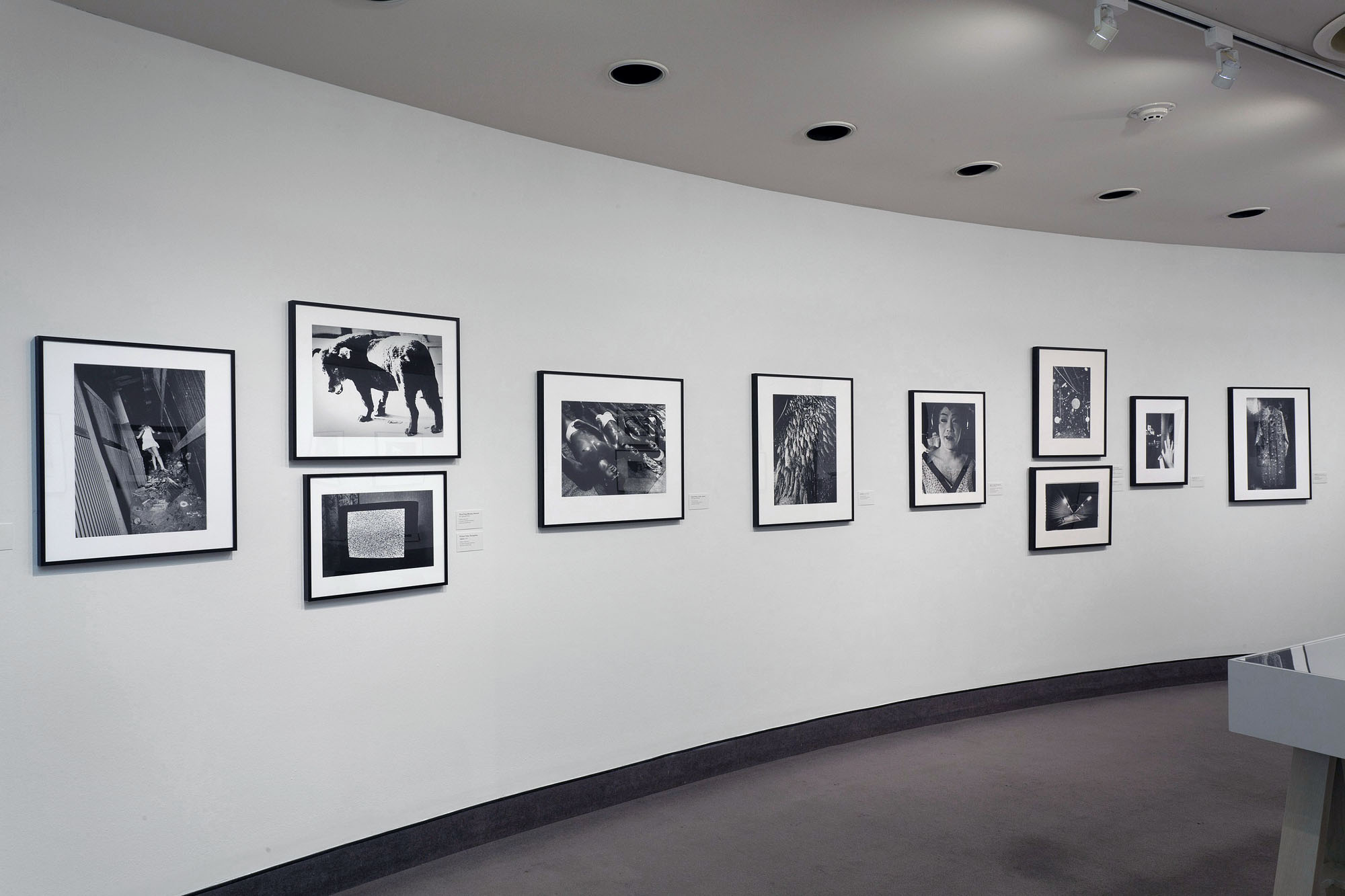
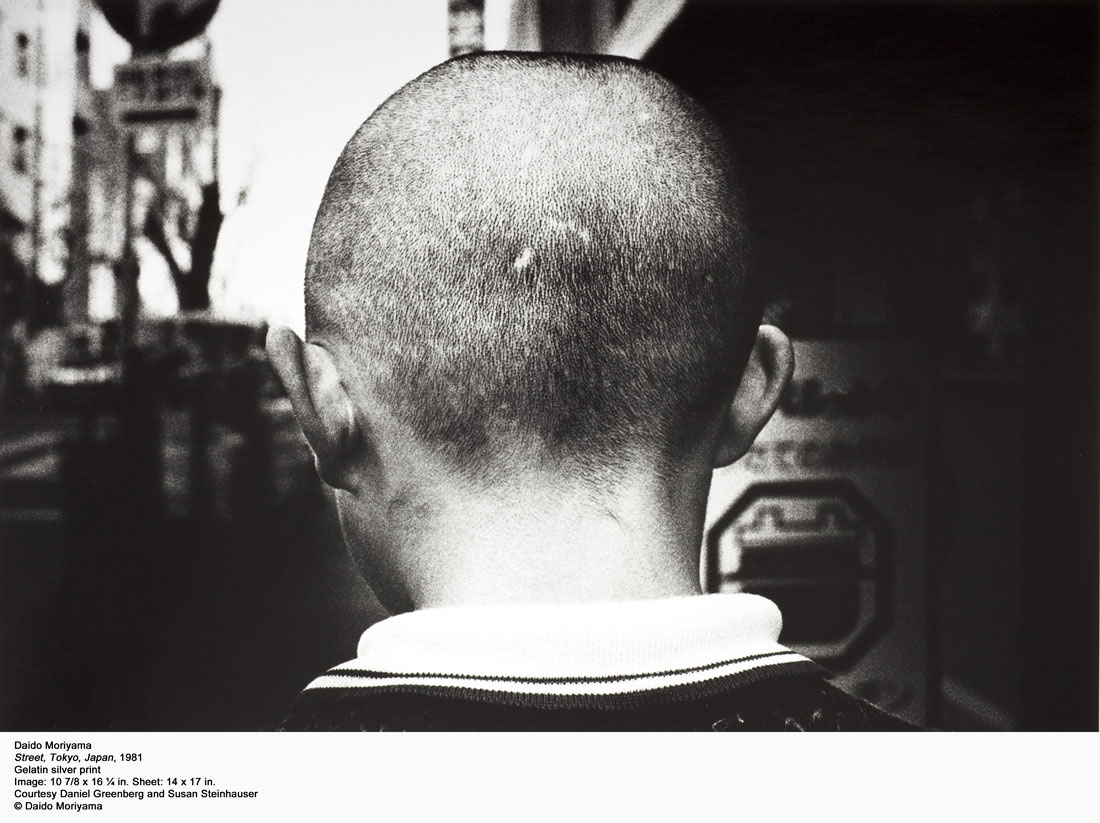
Daido Moriyama (Japanese, b. 1938) 'Street, Tokyo, Japan' 1981


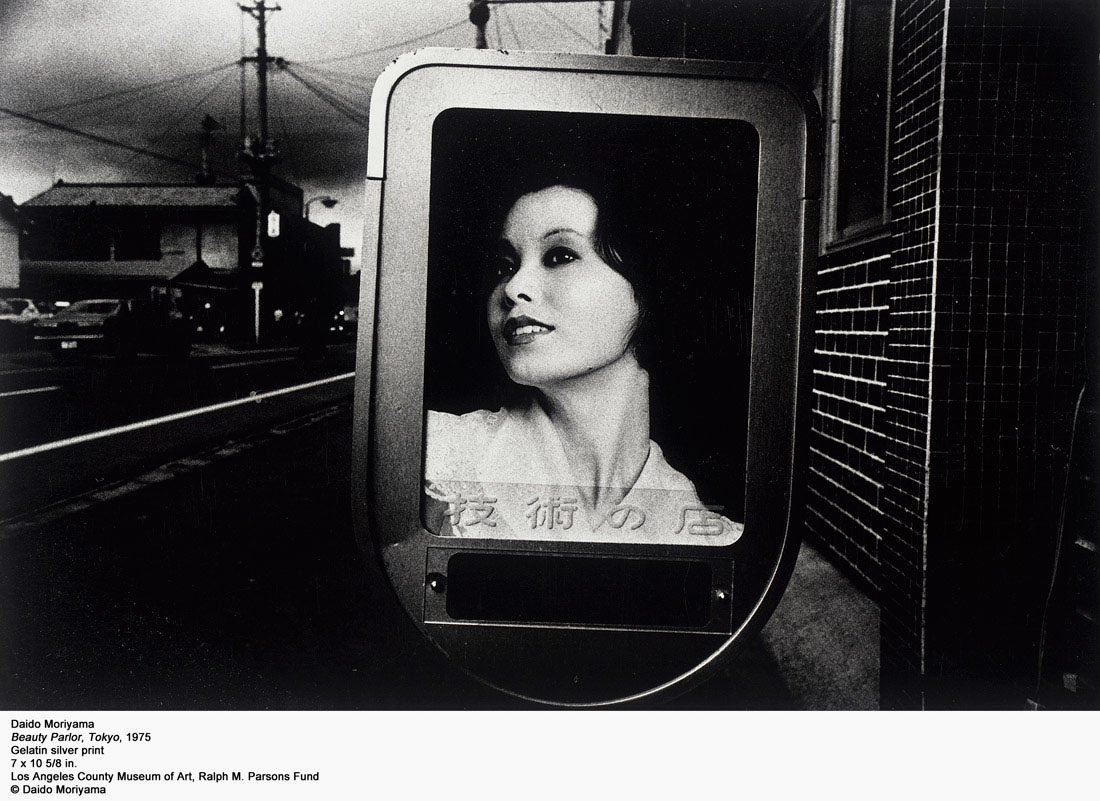
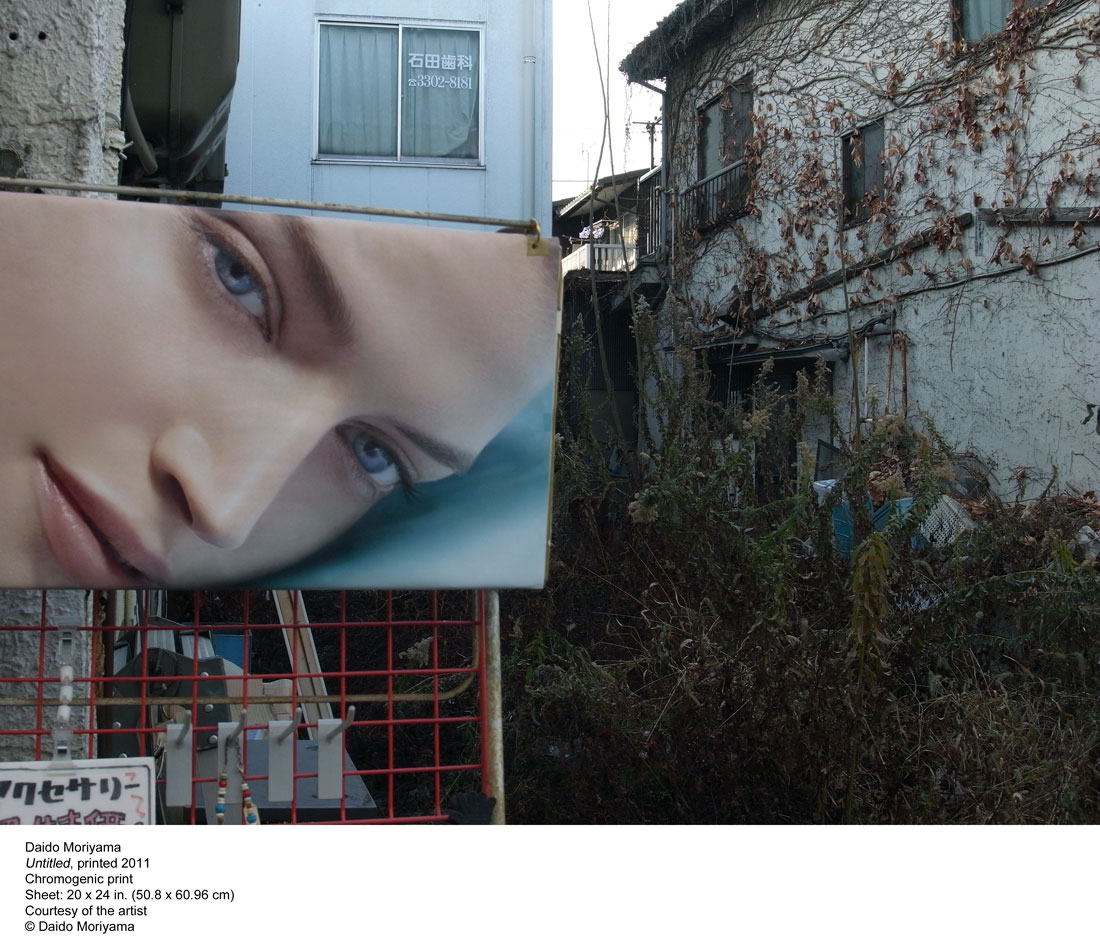
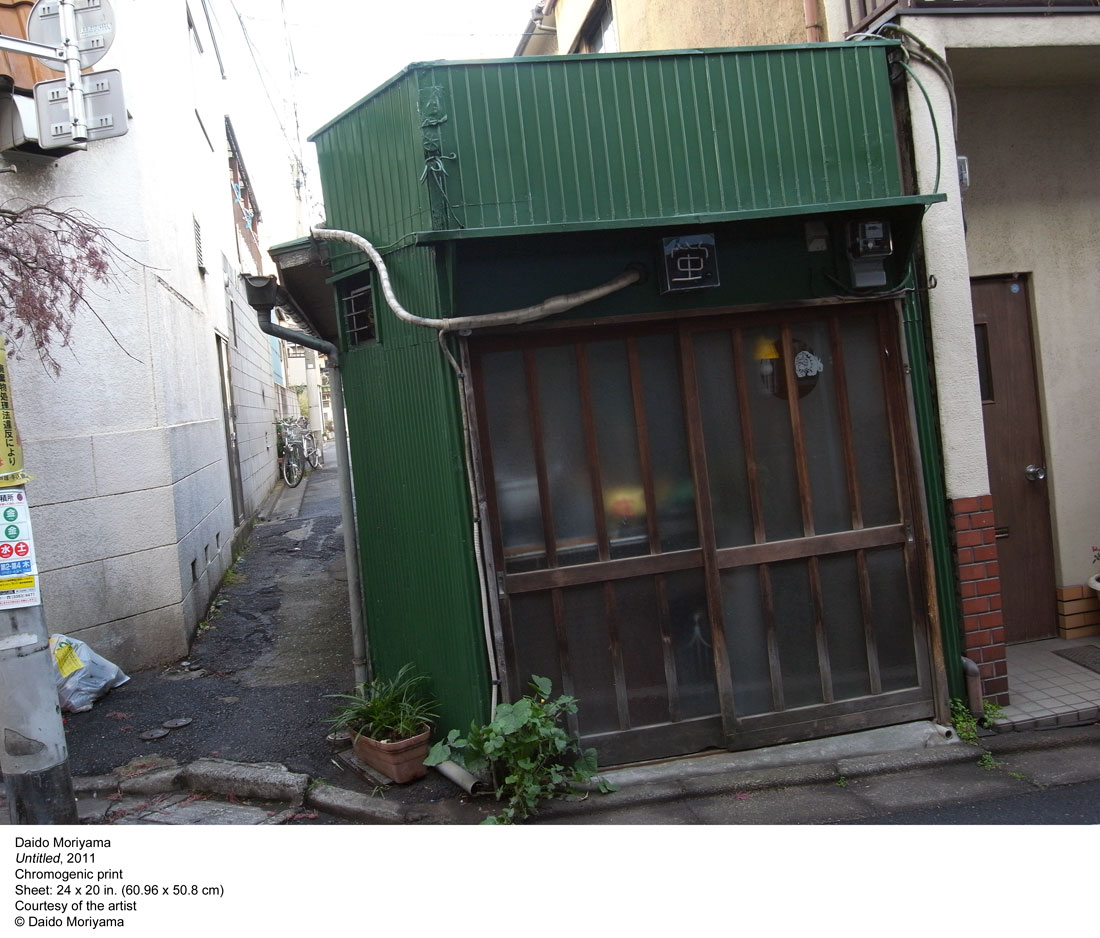
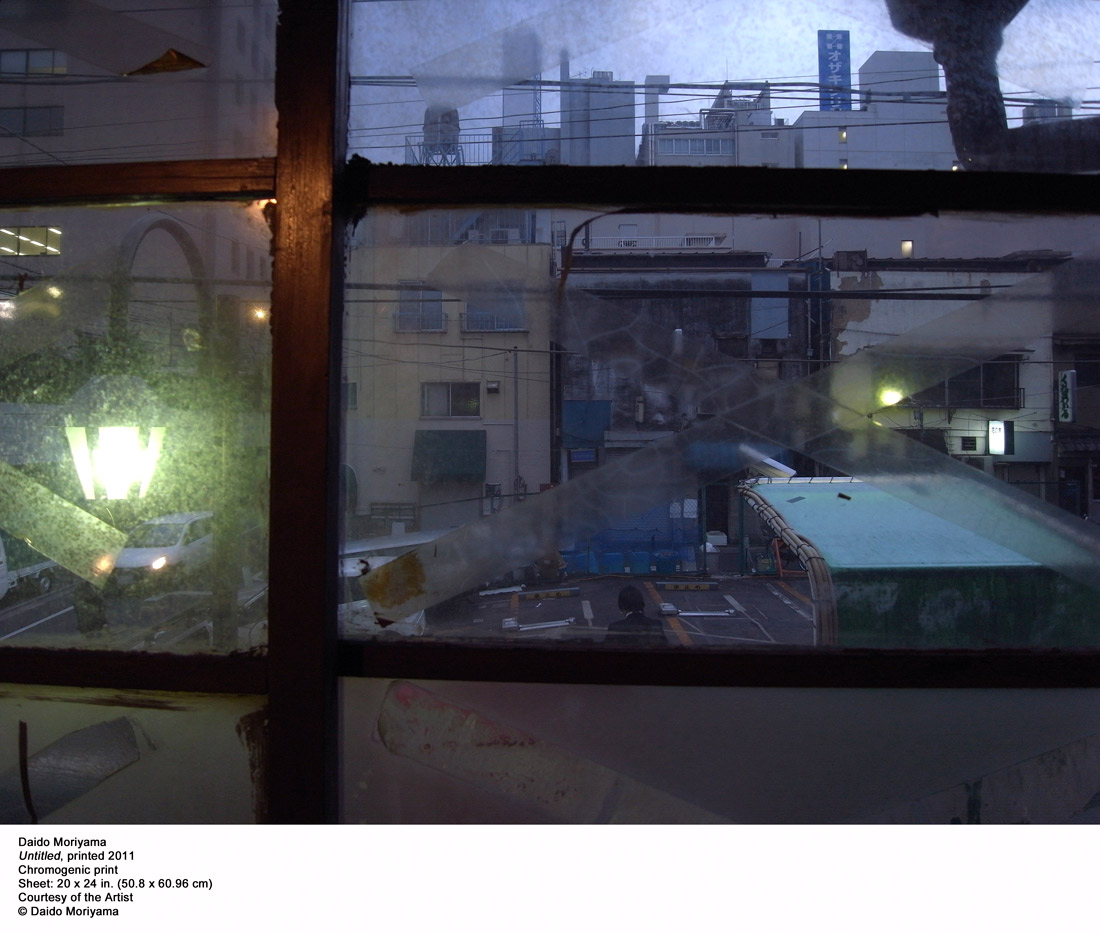
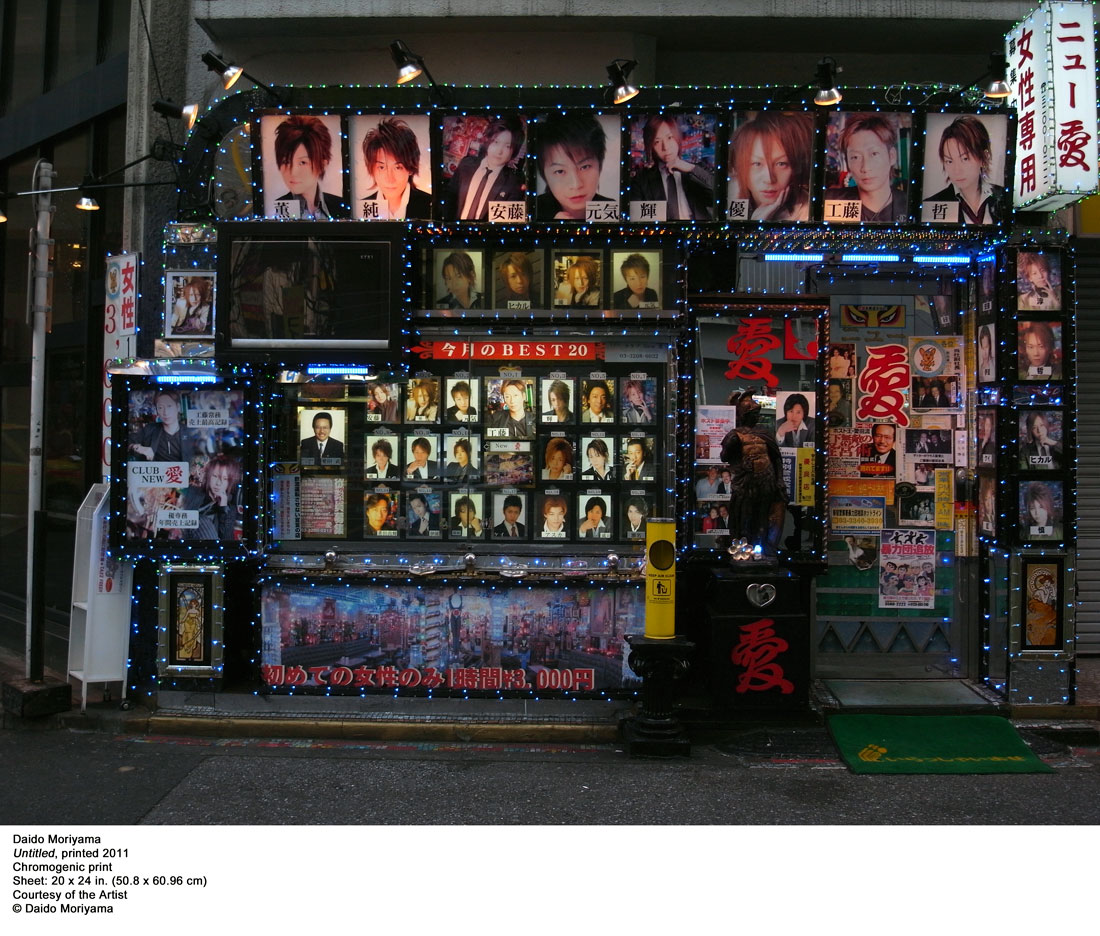
How can we put this. The early black and white photographs are magnificent; the later colour photographs pedestrian and mundane. It is quite amazing how an artist with such skill and panache in the 1960s-1980s can run out of ideas and make such stock standard work 30 years later. Does the artist loose the talent, the energy or just the persistence of vision that made their earlier work so vibrant and alive, or did the work just emerge from the time / space / energy of the artist in that particular period, never to appear again?

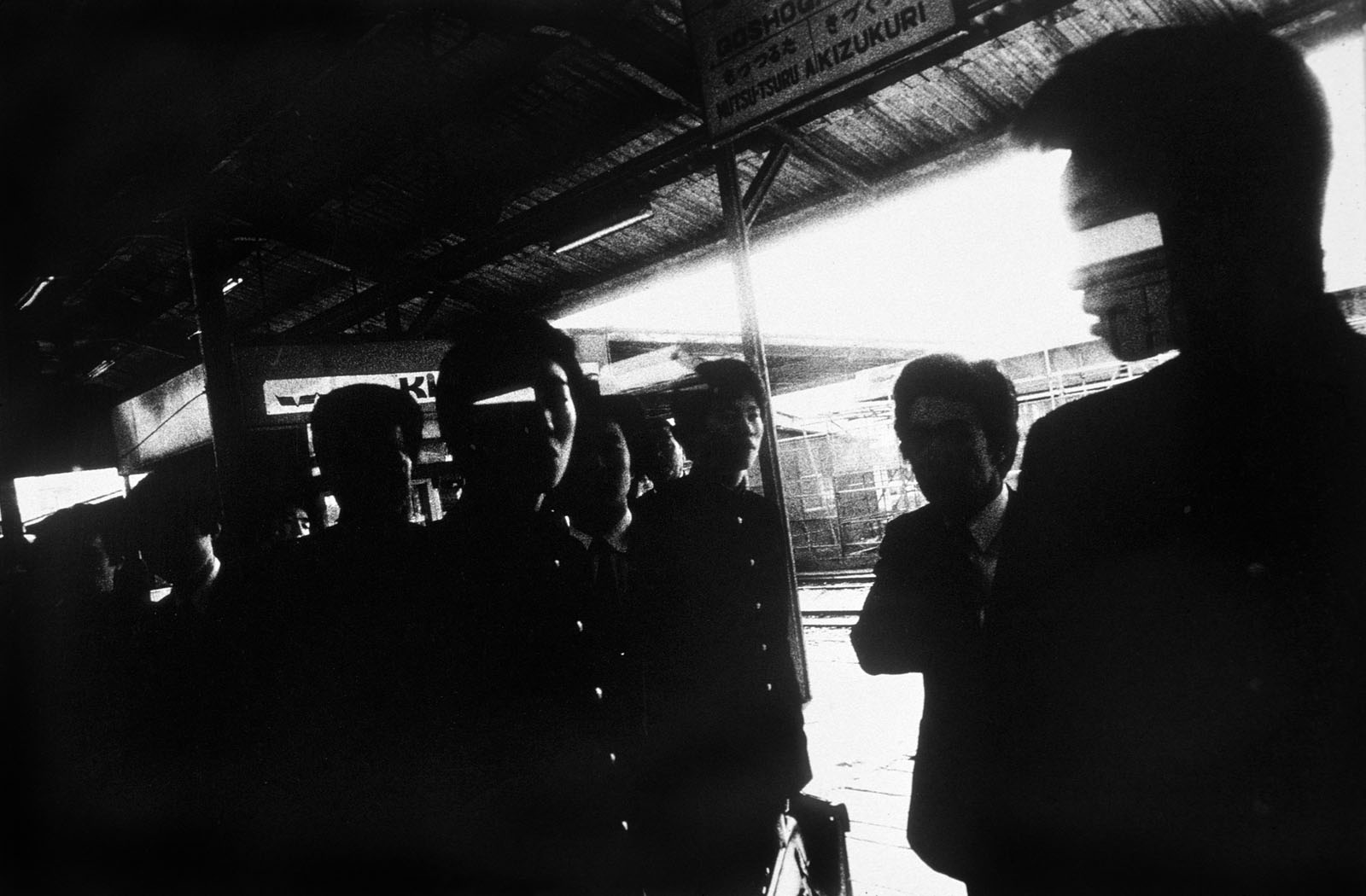
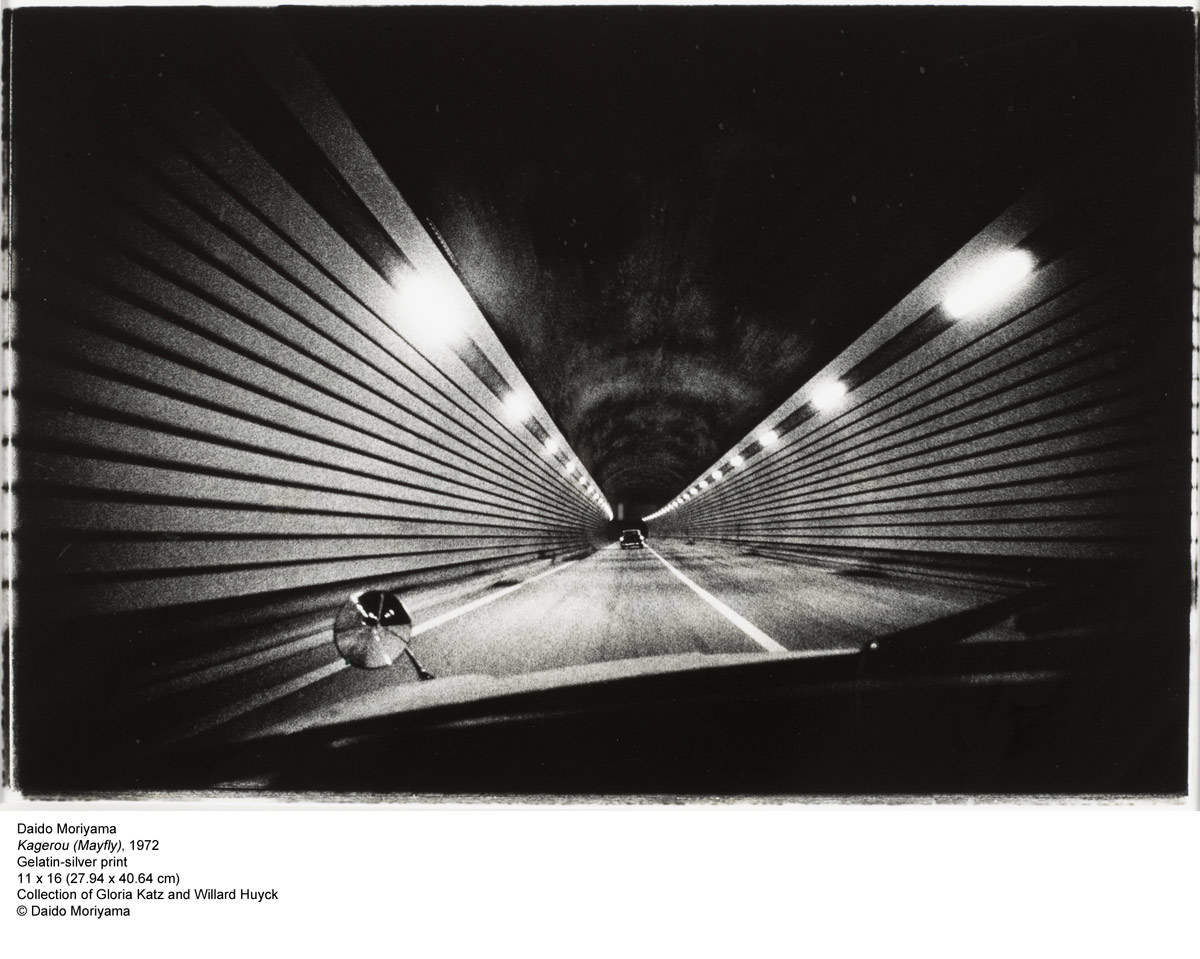
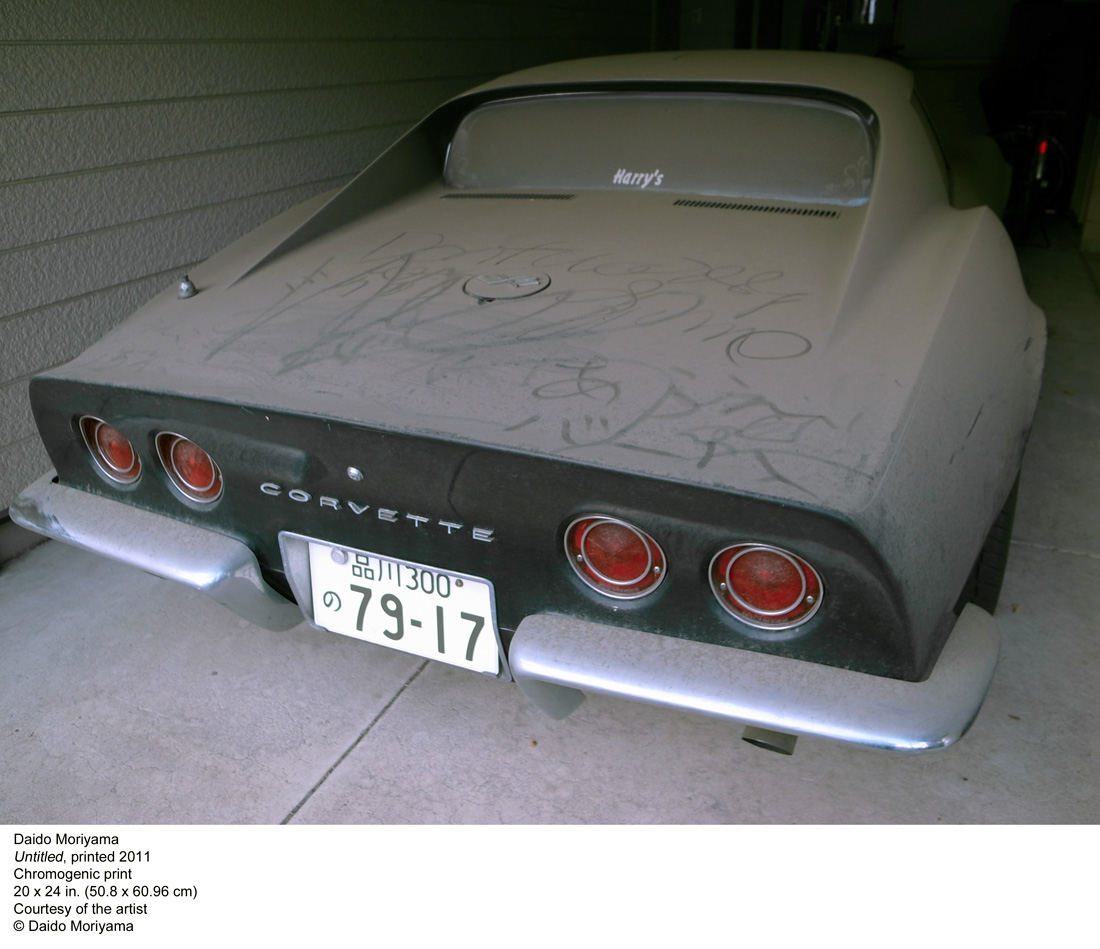
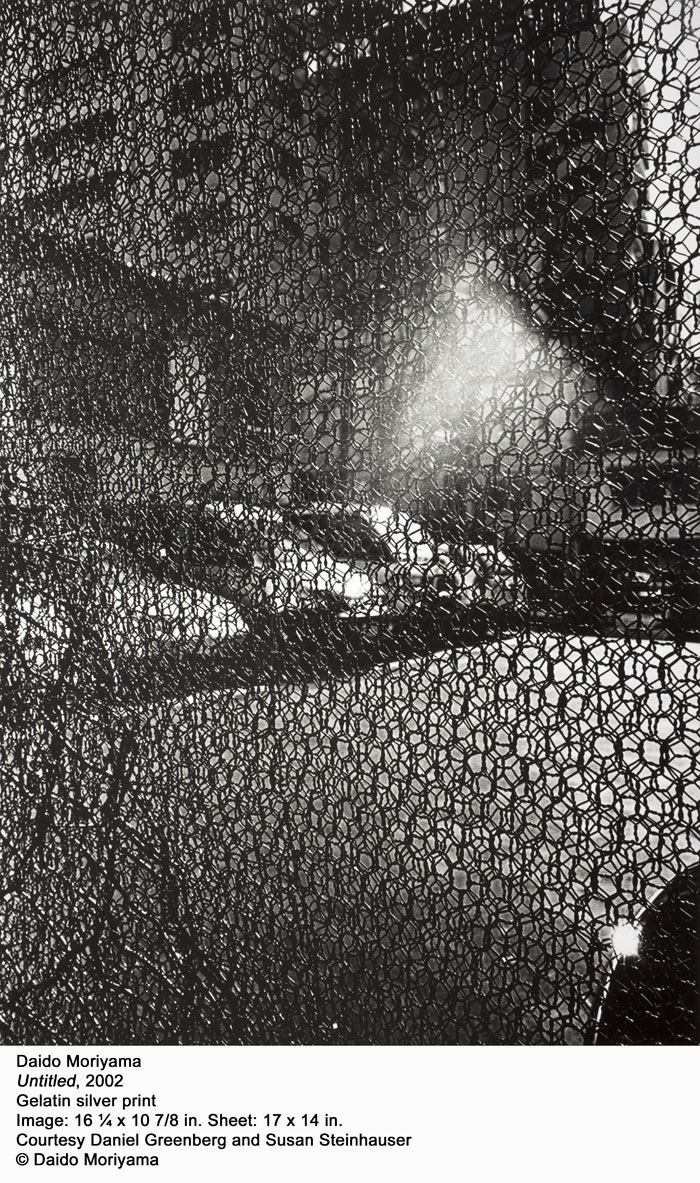
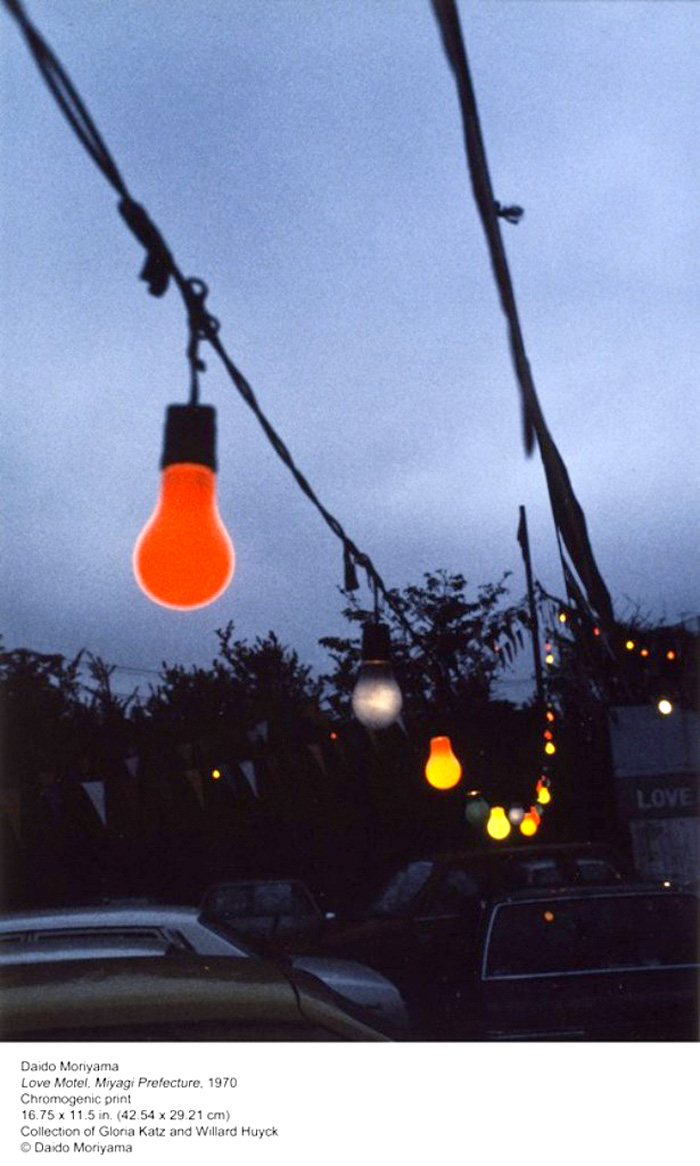
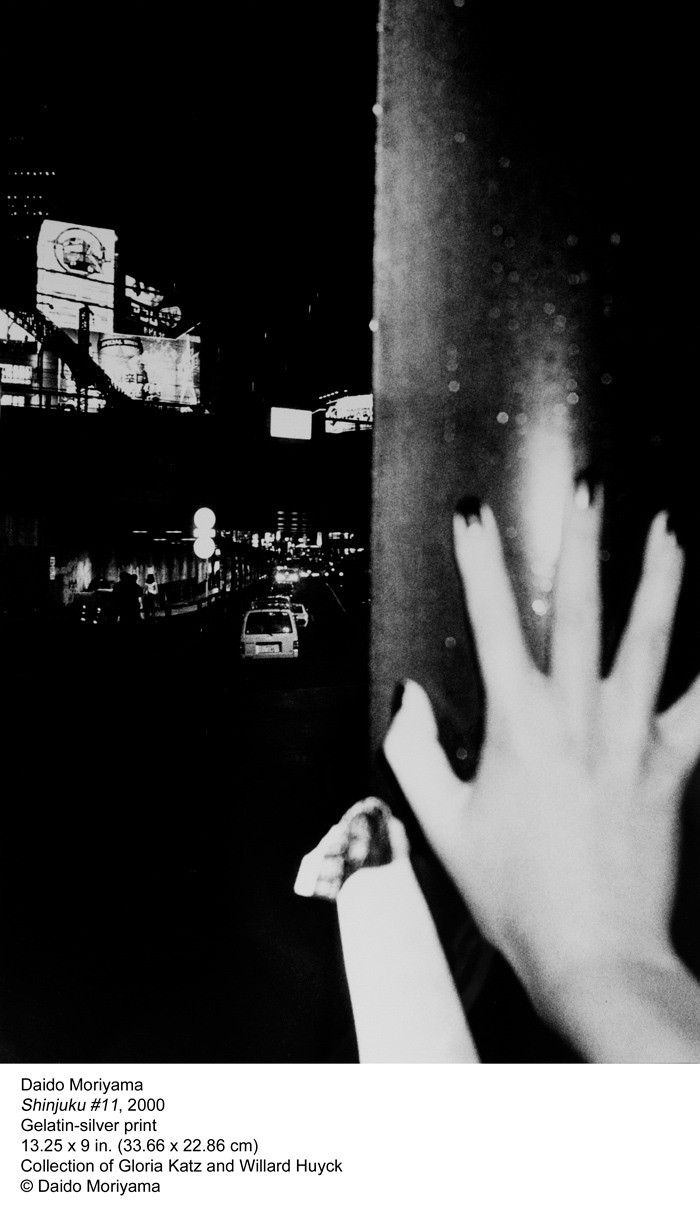
Moriyama’s black and white photographs provide “a raw, restless vision of city life and the chaos of everyday existence, strange worlds, and unusual characters.” More than that, they plunge us into a mesmerising, hypnotic world where the viewer is immersed in a fractured dream / scape / space. Kagerou (Mayfly) (1972, below) is just such an example of this holographic, bugs caught in amber view of our world; the dirty footed, fleeing creature in Untitled (woman in white dress running) (1971, below) confirms this ambiguity, the trapped animal caught by the flash of the camera. Strange, haunting and evocative, Moriyama’s black and white photographs project the derangement of the world onto the psyche of the viewer, producing an abnormal condition of the mind that promotes a loss of contact with reality. The colour photographs never stand a chance against such life changing affirmations.

Dr Marcus Bunyan


Many thankx to the Los Angeles County Museum of Art for allowing me to publish the photographs in the posting. Please click on the photographs for a larger version of the image.


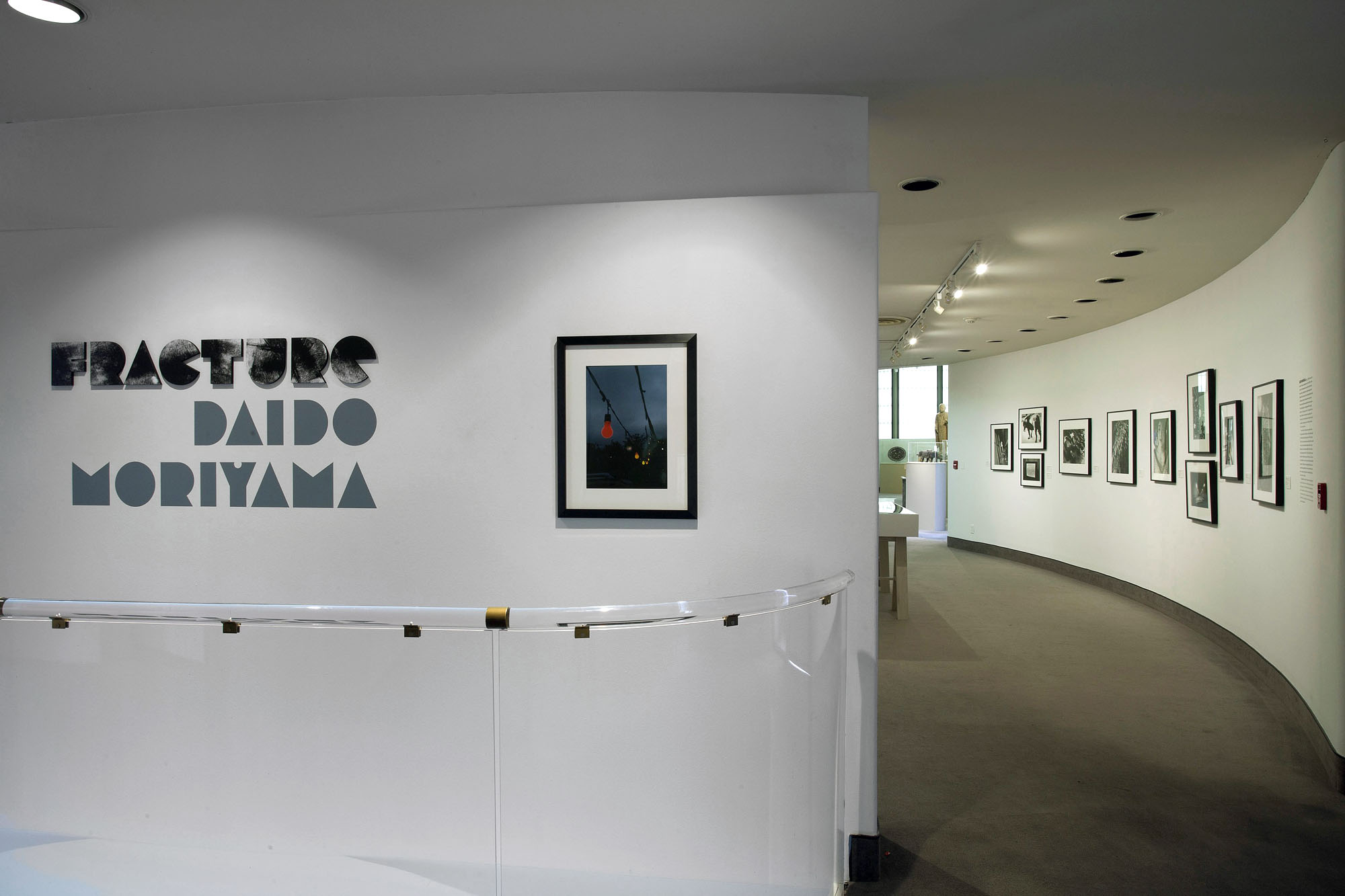
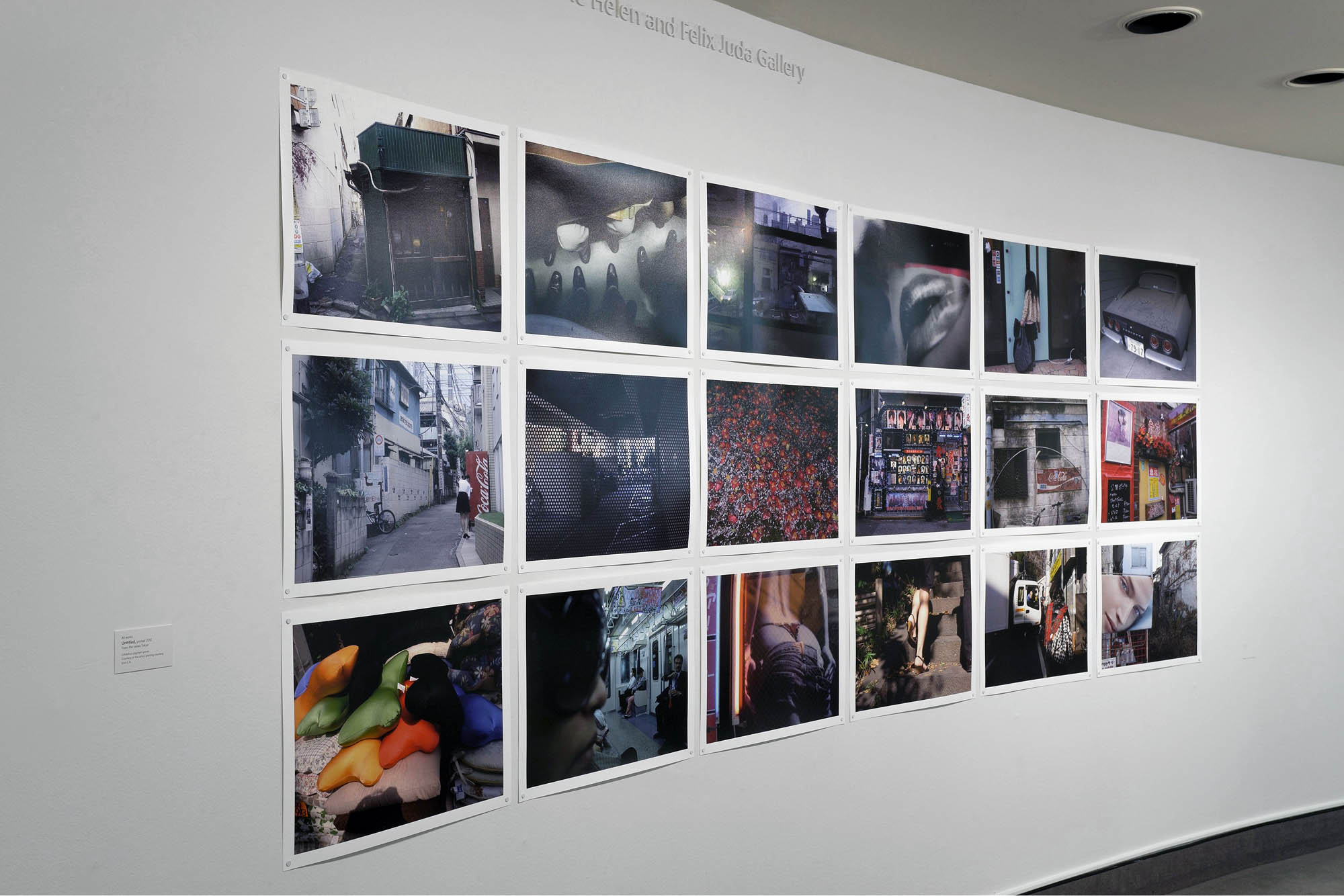
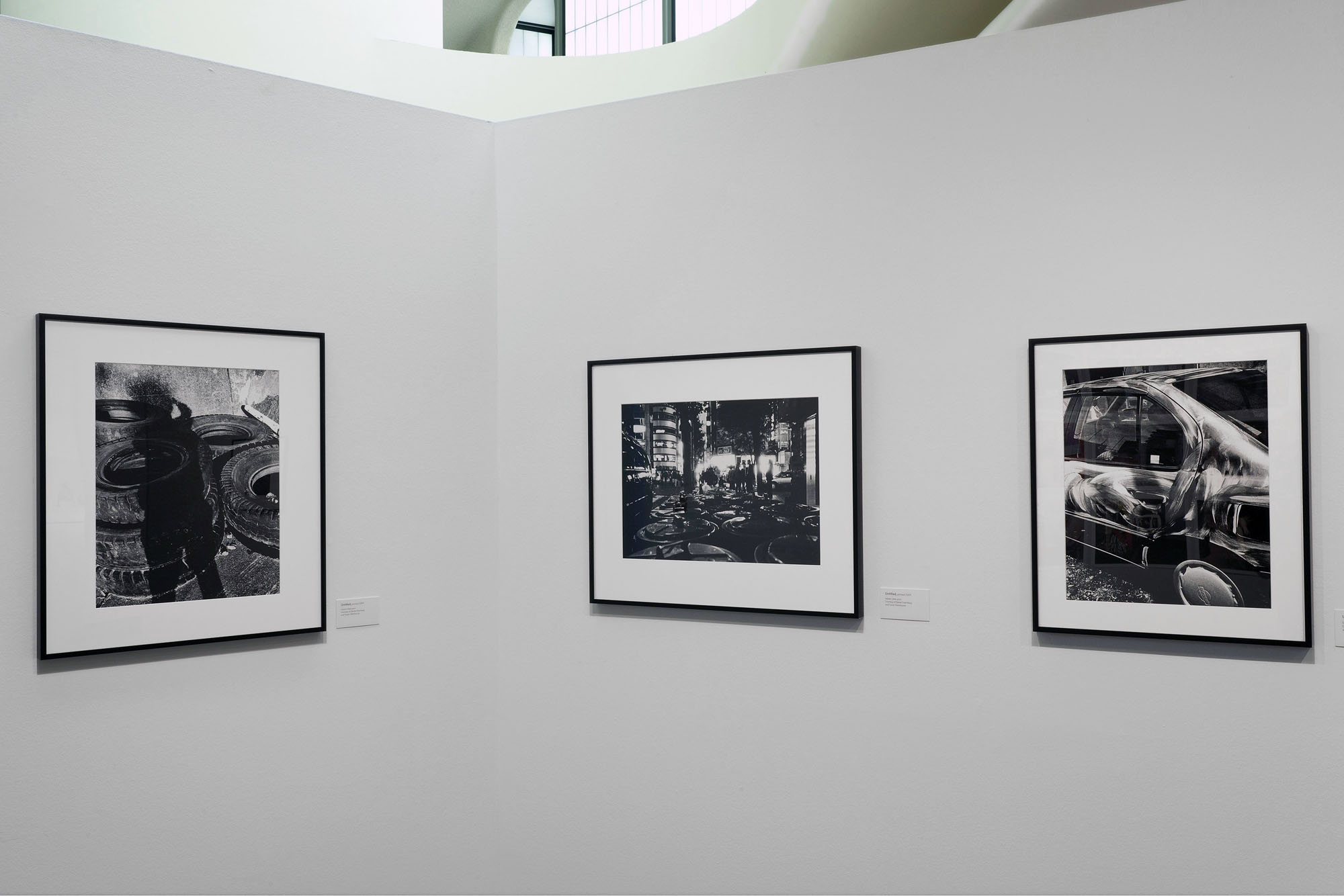
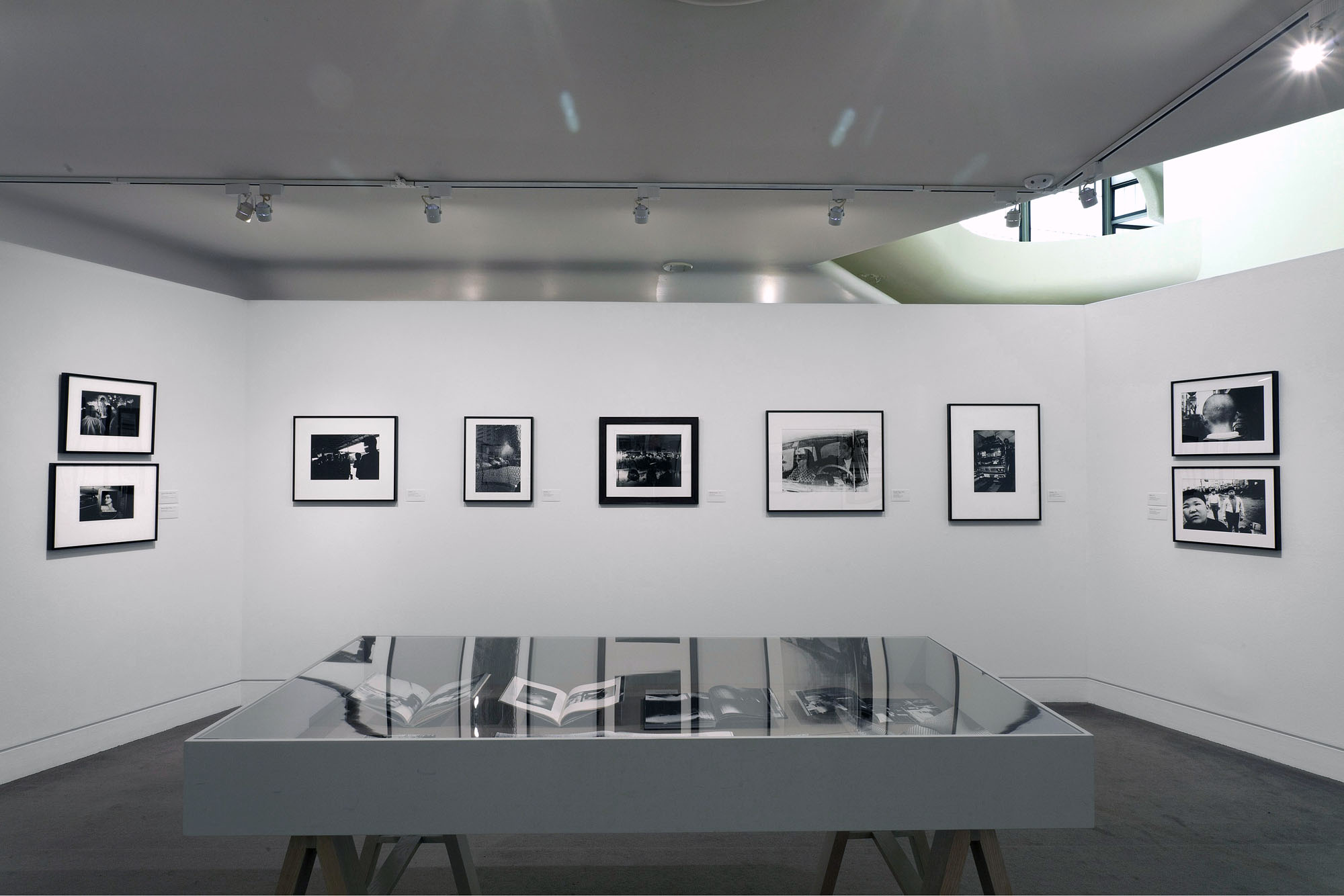
Installation view of the exhibition 'Fracture: Daido Moriyama' at the Los Angeles County Museum of Art (LACMA) 

Installation view of the exhibition 'Fracture: Daido Moriyama' at the Los Angeles County Museum of Art (LACMA) 

Installation view of the exhibition 'Fracture: Daido Moriyama' at the Los Angeles County Museum of Art (LACMA) 

Installation view of the exhibition 'Fracture: Daido Moriyama' at the Los Angeles County Museum of Art (LACMA) 

Installation view of the exhibition 'Fracture: Daido Moriyama' at the Los Angeles County Museum of Art (LACMA) 

Installation view of the exhibition 'Fracture: Daido Moriyama' at the Los Angeles County Museum of Art (LACMA) 


Installation views of the exhibition Fracture: Daido Moriyama at the Los Angeles County Museum of Art (LACMA)
Courtesy of Daido Moriyama and Los Angeles County Museum of Art, Los Angeles


Daido Moriyama (Japanese, b. 1938) 'Untitled' c. 1975


Daido Moriyama (Japanese, b. 1938)
Untitled
c. 1975
Gelatin silver print
© Daido Moriyama


Daido Moriyama (Japanese, b. 1938) 'Street, Tokyo, Japan' 1981


Daido Moriyama (Japanese, b. 1938) 'Untitled' 2011


Daido Moriyama (Japanese, b. 1938) 'Untitled' 2011


Daido Moriyama (Japanese, b. 1938) 'Untitled' 2011


Daido Moriyama (Japanese, b. 1938) 'Kagerou (Mayfly)' 1972


Daido Moriyama (Japanese, b. 1938) 'Untitled' 2011


Daido Moriyama (Japanese, b. 1938) 'Untitled' 2011


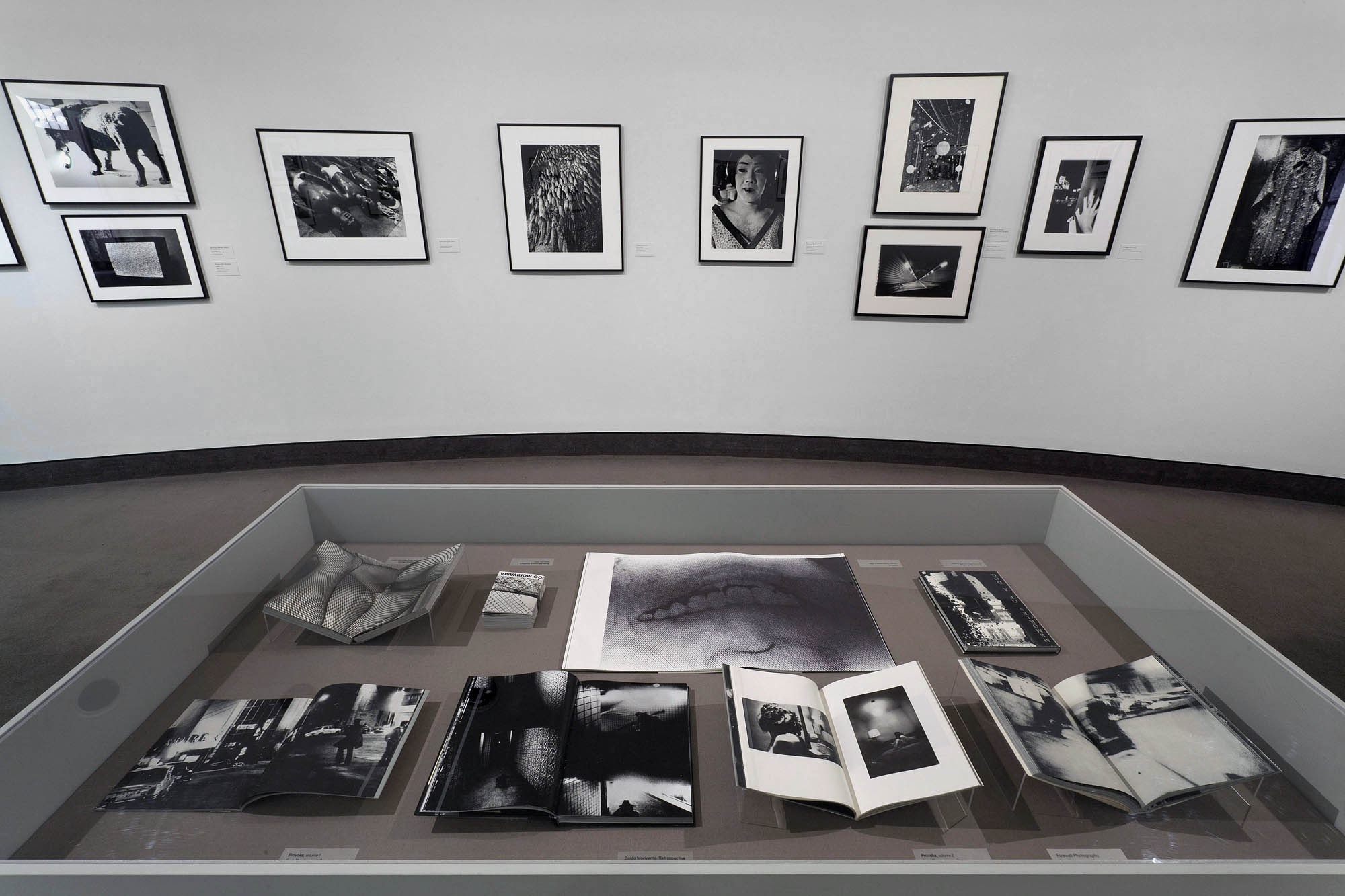
The Los Angeles County Museum of Art (LACMA) presents Fracture: Daido Moriyama, the first solo museum exhibition of photographer Daido Moriyama (b. 1938) to be shown in Los Angeles. Moriyama first came to prominence in the mid-1960s with his gritty depictions of Japanese urban life. His highly innovative and intensely personal photographic approach often incorporates high contrast, graininess, and tilted vantages to convey the fragmentary nature of modern realities.

Spanning his early years to present day, the show features nearly fifty works, including a range of Moriyama’s renowned black-and-white photographs, his many important photo books, and the debut of recent colour work taken in Tokyo.

“Daido Moriyama’s immensely inventive and prolific achievements make him one of the leading photographers of our era. Inspiring viewers and artists world-wide, Moriyama continues to demonstrate a raw and restless exploration of the fractured realities of modern times, including his most recent colour work, appearing for the first time,” observes Edward Robinson, associate curator of LACMA’s Wallis Annenberg Photography Department and curator of the exhibition.

Exhibition overview

Responding to the rapid changes that transformed post-World War II Japan, Daido Moriyama’s black-and-white works express a fascination with the cultural contradictions of age-old traditions persisting within modern society, along with the effects of westernisation and consumerism.

Providing a raw, restless vision of city life and the chaos of everyday existence, strange worlds, and unusual characters, Moriyama frequently photographs while on walks through Tokyo – particularly the dark, labyrinthine streets of the Shinjuku district – as well as when traveling on Japan’s postwar highways and during strolls through other urban centers in Japan and abroad. His work suggests the bold intuition informing the artist’s ongoing exploration of urban mystery, memory, and photographic invention.

Fracture: Daido Moriyama will display the artist’s iconic black-and-white photographs, exemplifying the are, bure, boke (grainy, blurry, out-offocus) style, in addition to a new installation of recent colour work. An accompanying video will feature documentary footage of the photographer at work, exploring by foot and responding to the vibrant cityscape of Tokyo. Also on view will be a selection of books – Moriyama has published more than forty to date – which highlights the artist’s highly influential experimentation with reproduction media and the transformative possibilities of the printed page.

About Daido Moriyama

Born in Ikeda, Osaka, Moriyama trained in graphic design, then took up photography with Takeji Iwaniya, a professional photographer of architecture and crafts. Moving to Tokyo in 1961, he assisted photographer Eikoh Hosoe for three years and became familiar with the trenchant societal critiques produced by photographer Shomei Tomatsu. Moriyama also drew inspiration from William Klein’s confrontational photographs of New York, Andy Warhol’s silkscreened multiples of newspaper images, and the writings of Jack Kerouac and Yukio Mishima.

His work has been collected by numerous public and private collections internationally, including LACMA, the Museum of Modern Art, New York, the San Francisco Museum of Modern Art, the Metropolitan Museum of Art, New York, the Getty Museum, Los Angeles, the Museum of Fine Arts, Boston, and the Centre Pompidou, Paris. Moriyama has had recent major solo shows at The Fondation Cartier pour l’Art Contemporain, Paris, The Fotomuseum, Winterthur, Switzerland, the Metropolitan Museum of Photography in Tokyo, and will be exhibited with William Klein at the Tate Modern this fall.

Press release from the LACMA website


Daido Moriyama (Japanese, b. 1938) 'Untitled (shadows with tires)' Nd, printed 2009
 

Daido Moriyama (Japanese, b. 1938)
Untitled (shadows with tires)
Nd, printed 2009
Gelatin silver print
Courtesy of Courtesy Daniel Greenberg and Susan Steinhauser
© Daido Moriyama


Daido Moriyama (Japanese, b. 1938) 'Male actor playing a woman' Tokyo 1966


Daido Moriyama (Japanese, b. 1938)
Male actor playing a woman
Tokyo 1966
Gelatin silver print
© Daido Moriyama


Daido Moriyama (Japanese, b. 1938) 'Untitled' 2002


Daido Moriyama (Japanese, b. 1938) 'Love Motel, Miyagi Prefecture' 1970


Daido Moriyama (Japanese, b. 1938) 'Shinjuku #11' 2000


Daido Moriyama (Japanese, b. 1938) 'Untitled (woman in white dress running)' 1971


Los Angeles County Museum of Art (LACMA)
5905 Wilshire Boulevard (at Fairfax Avenue)
Los Angeles, CA, 90036
Phone: 323 857-6000

Opening hours:
Monday, Tuesday, Thursday: 11am – 5pm
Friday: 11am – 8pm
Saturday, Sunday: 10am – 7pm
Closed Wednesday

LACMA website

LIKE ART BLART ON FACEBOOK

Back to top

Review: ‘Berlinde De Bruyckere: We are all Flesh’ at the Australian Centre for Contemporary Art (ACCA), Melbourne

Exhibition dates: 2nd June – 29th July 2012


Apologies, just a short review as I have been sick all weekend. It’s hard to think straight with a thumping headache…

~ An interesting exhibition with several strong elements

~ Wonderful use of the ACCA space. Nice to see the building allowed to speak along with the work; in other words a minimal install that shows off the work and the building to advantage. ACCA could do more of this.

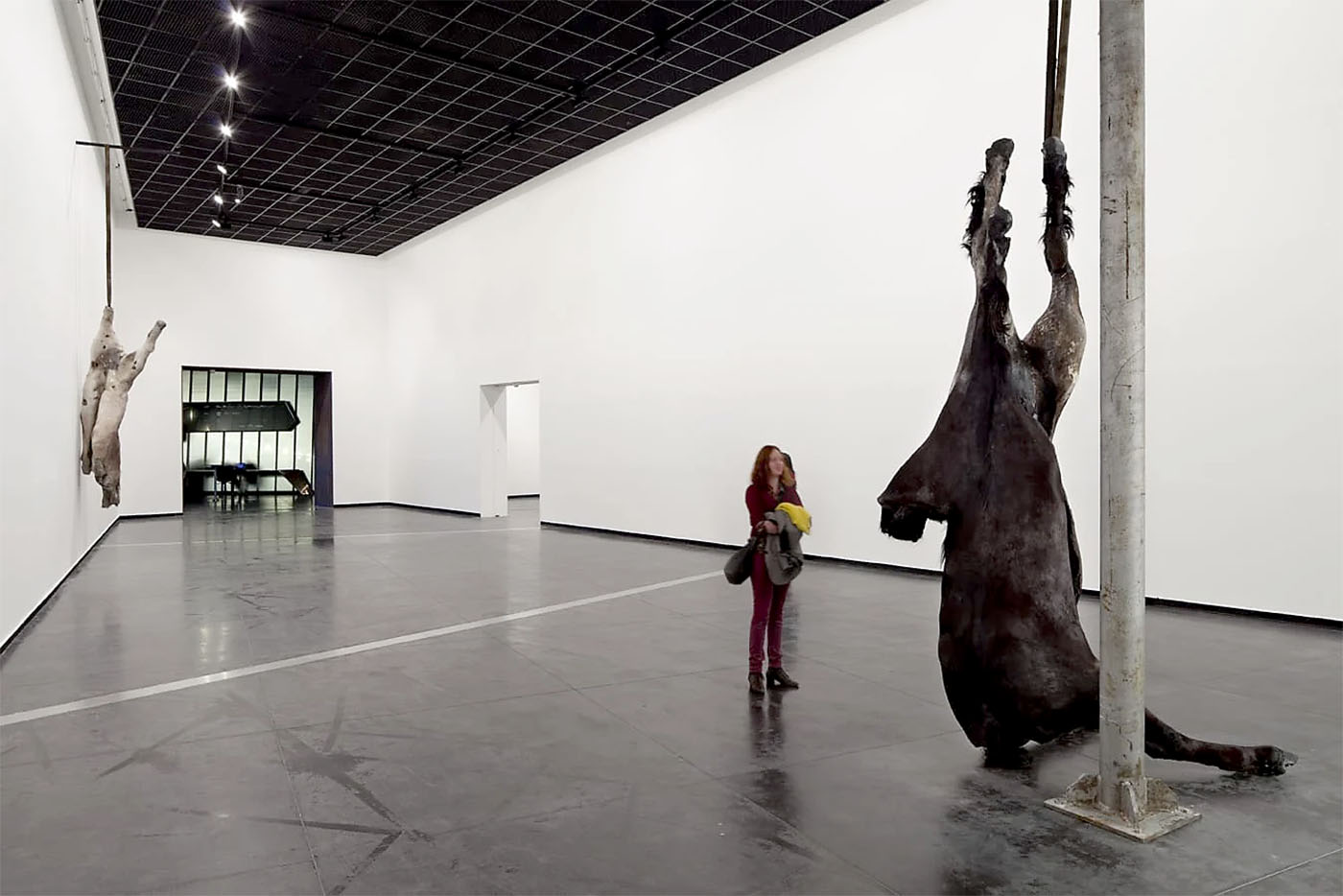
~ The main work We Are All Flesh (2012, below) reminded me of a version of the game The Hanged Man (you know, the one where you have to guess the letters of a word and if you don’t get the letter, the scaffold and the hanged man are drawn). The larger of the two hanging pieces featured two horse skins of different colours intertwined like a ying yang paux de deux. Psychologically the energy was very heavy. The use of straps to suspend the horses was inspired. Memories of Rembrandt’s The Anatomy Lesson of Dr. Nicolaes Tulp and The Godfather rose to the surface…

~ I found it difficult to get past the fact that the sculptures were built on an armature with epoxy = the construction of these objects, this simulacra, had to be put to the back of my mind but was still there

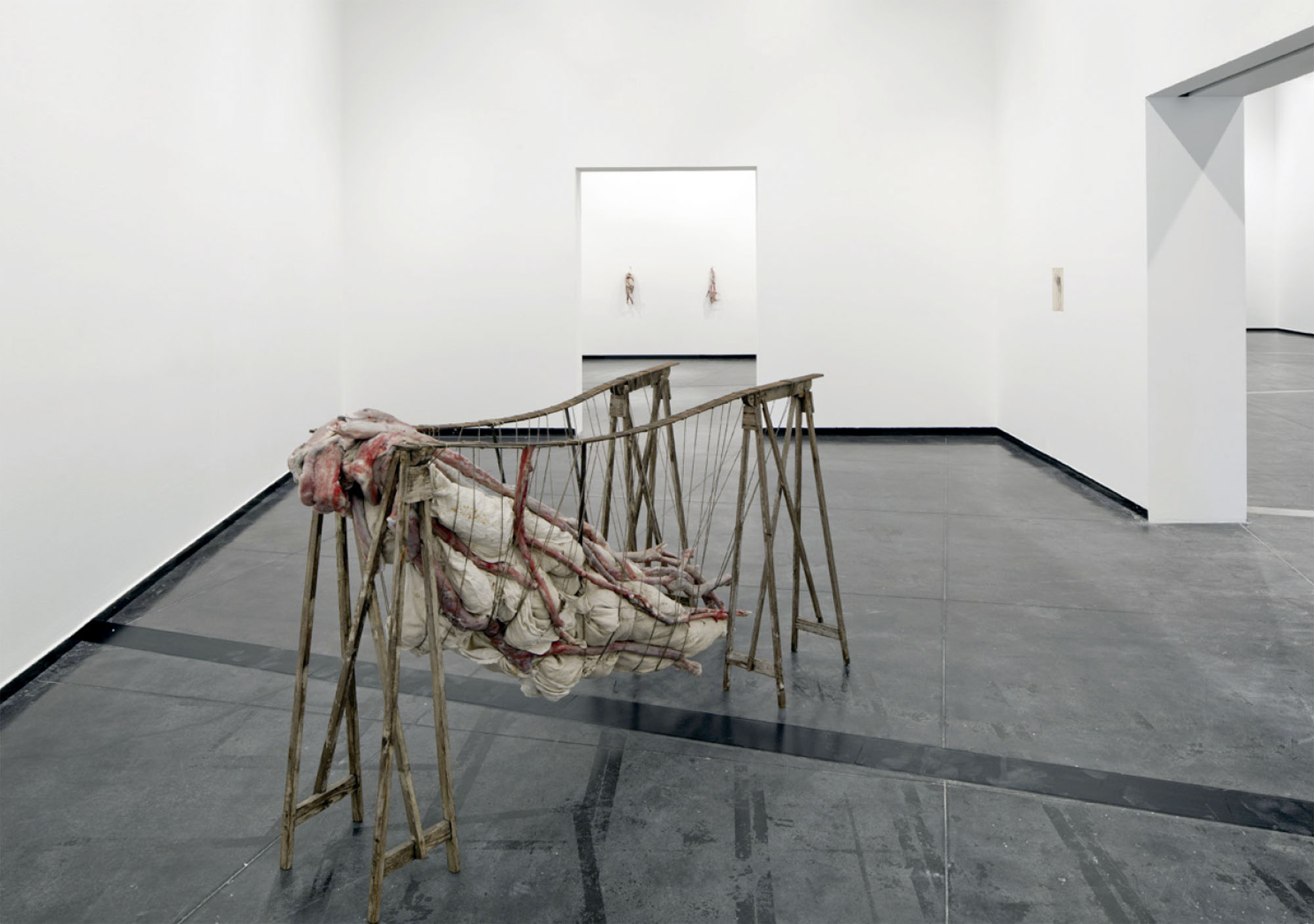
~ Inside me III (2012, below) was a strong work reminding me of an exposed spinal column being supported by thin rope and fragile trestles. Excellent

~ The series of work Romeu “my deer” (2012, below) was the least strong in the exhibition. Resembling antler horns or the blood vessels of the aorta bound together with futon like wadding, the repetition of form simply emphasised the weakness of the conceptual idea

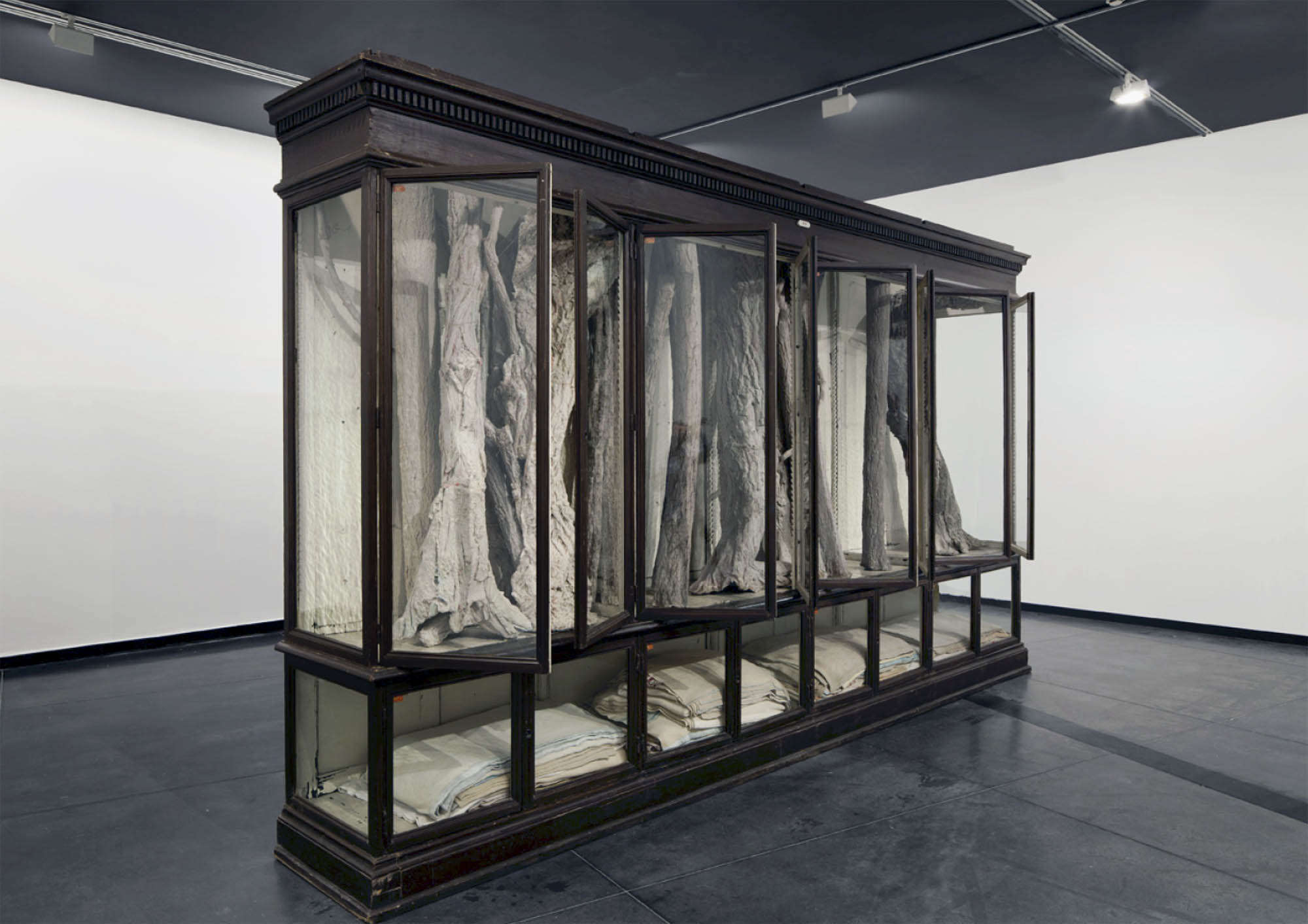
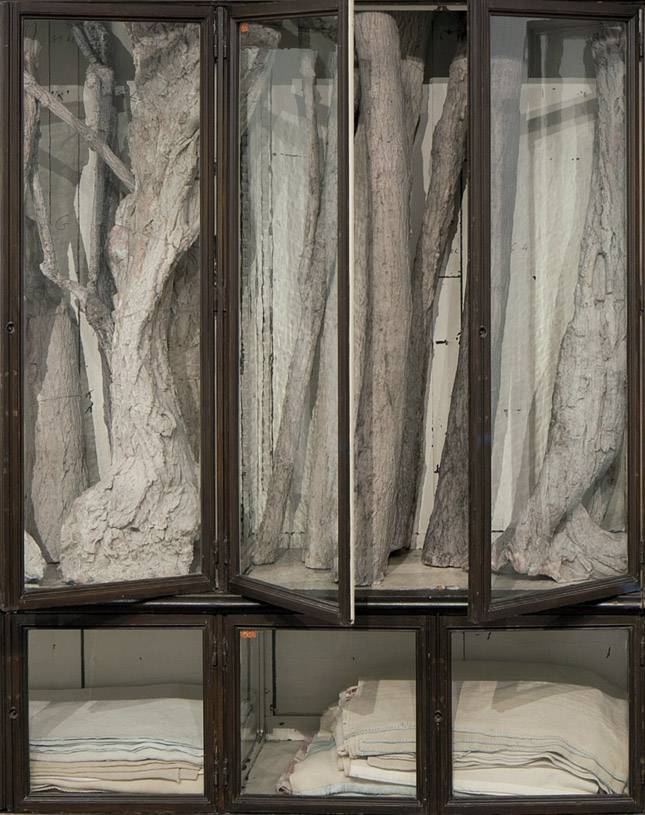
~ My favourite piece was 019 (2007, below). Elegant in its simplicity this beautiful display case from a museum was dismantled and shipped over to Australia in parts and then reassembled here. The figurative pieces of wood, made of wax, seemed like bodies drained of blood displayed as specimens. The blankets underneath added an element of comfort. The whole piece was restrained and beautifully balanced. Joseph Beuys would have been very proud!
~ The “visceral gothic” contained in the exhibition was very evident. I liked the artist’s trembling and shuddering. Her narratives aroused a frisson, a moment of intense danger and excitement, the sudden terror of the risen animal

Dr Marcus Bunyan


Many thankx to the Australian Centre for Contemporary Art for allowing me to publish the photographs in the posting. Please click on the photographs for a larger version of the image.


“On one hand, I shoot disconcerting questions at the spectator, to which I do not give any re-assuring answers; on the other hand, the presence of human characteristics in my figures is familiar, and therefore comforting.”

“Life is beautiful even if we have to deal with fear and pain… It makes it easier if we take care of each other and if we have a language with each other to communicate about pain, suffering and fear.”

“That’s what makes a good sculpture, I think: the fact it doesn’t rely on a meaning or subject matter, but that it is so broad that you can take it in any number of different directions, and lose your way in it.”


Berlinde De Bruyckere


Berlinde De Bruyckere (Belgian, b. 1964) 'We Are All Flesh' 2012 (installation view)


Berlinde De Bruyckere (Belgian, b. 1964)
We Are All Flesh (installation view)
2012
Treated horse skin, epoxy, iron armature
280 x 160 x 100cm
Courtesy the artist, Hauser & Wirth and Galleria Continua
Photo: Andrew Curtis


Berlinde De Bruyckere (Belgian, b. 1964) 'We Are All Flesh' 2012 (installation view)


Berlinde De Bruyckere (Belgian, b. 1964)
We Are All Flesh (installation view)
2012
Treated horse skin, epoxy, iron armature
280 x 160 x 100cm
Courtesy the artist, Hauser & Wirth and Galleria Continua
Photo: Andrew Curtis


“I only use animals in a human way. I started to work on horses in 1999, when the Flanders Fields Museum in Ypres asked me to reflect on war today. I was working more than one year in their archives and did a lot of research on this matter. The most important images for me were the abandoned city and the dead bodies of the horses. These images were staying with me. I took the motif of the dead horse as a symbol for loss in war, wherever it happens. Because if we address war, it’s about losing people. I wanted to translate that feeling so I started to work on six portraits of dead horses. Some years afterwards when people were asking about other animals in my work, I said ‘no’. I need the horse because of its beauty and its importance to us. It has a mind, a character and a soul. It is closest to us human beings. I couldn’t imagine another animal being so important.”


Berlinde De Bruyckere, 2011


Berlinde De Bruyckere (Belgian, b. 1964) 'We Are All Flesh' 2012 (installation view detail)


Berlinde De Bruyckere (Belgian, b. 1964)
We Are All Flesh (installation view detail)
2012
Treated horse skin, epoxy, iron armature
280 x 160 x 100cm
Courtesy the artist, Hauser & Wirth and Galleria Continua


Berlinde De Bruyckere uses wax, wood, wool, horse skin and hair to make haunting sculptures of humans, animals and trees in metamorphosis.

Based in her home town of Ghent, Berlinde De Bruyckere’s studio is an old neo-Gothic Catholic school house. From here she creates her incredible sculptures – torsos morph into branches, trees are captured and displayed inside old museum cabinets and cast horses are crucified upside down in works that have been described as brutal, challenging, inspiring and both frightening and comforting.

Heavily influenced by the old masters, De Bruyckere’s early years at boarding school were spent hiding in the library, pouring over books on the history of catholic art. She went on to study at the Saint-Lucas Visual Arts School in Ghent, and was known in the early stages of her career for using old woollen blankets in her works, sometimes simply stacked on tables of beds, a response to news footage she had seen of blanket-swathed refugees in Rwanda.

Her breakthrough work In Flanders Fields, five life-size splay-legged horses captured in the throes of death, was commissioned by the In Flanders Fields Museum, in the town of Ypres, the site of the legendary World War 1 battle. She was then invited to participate in the 2003 Venice Biennale, and the subsequent work, an equine form curled up on a table titled Black Horse, firmly established her on the international scene. She has since had solo exhibitions at Hauser & Wirth in Zurich and New York and in prestigious museums across Europe.

“Berlinde De Bruyckere creates works that recall the visceral gothic of Flemish trecento art, updated to a new consideration of the human condition,” says Juliana Engberg, ACCA Artistic Director.

“Her work taps into our human need to experience transformation and transcendence, to experience great depths of feeling transferred from the animal to human. Through experiencing Berlinde’s amazing sculptural works we come closer to the human condition and the tragedy and drama of mortality, out of which something miraculous occurs in metamorphosis.”

We are all Flesh will include the rarely seen and iconic work 019 and two new commissions created specially for this exhibition.

Text from the ACCA website


Berlinde De Bruyckere (Belgian, b. 1964) '019' 2007 (installation view)


Berlinde De Bruyckere (Belgian, b. 1964)
019 (installation view)
2007
Wax, epoxy, metal, glass, wood, blankets
293.5 x 517 x 77.5cm
Private Collection, Paris
Photo: Andrew Curtis


“Behind the distorted, antique glass, you see sculptures in the shape of trees or branches. The trees are nearly the colour of human skin, so you end up with something fragile. Because the antique glass distorts your view, a couple of doors are left open, inviting you to look inside. I don’t want people to see the sculptures as trees, but as strange, vulnerable beings. The vitrines have a shelf at the bottom on which I placed three piles of blankets. It looks as if they are shielding and nurturing the roots of the trees… I also refer to those blankets as a “soothing circumstance” because they can sometimes lead us to a less harsh reality.”


Berlinde De Bruyckere


Berlinde de Bruyckere (Belgian, b. 1964) '019' 2007 (installation view)


Berlinde De Bruyckere (Belgian, b. 1964)
019 (installation view)
2007
Wax, epoxy, metal, glass, wood, blankets
293.5 x 517 x 77.5cm
Private Collection, Paris


Berlinde De Bruyckere (Belgian, b. 1964) '019' 2007 (installation view detail)


Berlinde De Bruyckere (Belgian, b. 1964)
019 (installation view detail)
2007
Wax, epoxy, metal, glass, wood, blankets
293.5 x 517 x 77.5cm
Private Collection, Paris


What is the Meaning of Trecento (1300-1400)

The term “trecento” (Italian for ‘three hundred’) is short for “milletrecento” (‘thirteen hundred’), meaning the fourteenth century. A highly creative period, it witnessed the emergence of Pre-Renaissance Painting, as well as sculpture and architecture during the period 1300-1400. In fact, since the trecento coincides with the Pre-Renaissance movement, the term is often used as a synonym for Proto-Renaissance art – that is, the bridge between Medieval Gothic art and the Early Renaissance. The following century (1400-1500) is known as the quattrocento, and the one after that (1500-1600) is known as the cinquecento.

The main types of art practised during the trecento period showed relatively little change from Romanesque times. They included: fresco painting, tempera panel painting, book-painting or illuminated manuscripts, metalwork, relief sculpture, goldsmithery and mosaics.


Berlinde De Bruyckere (Belgian, b. 1964) 'Inside me III' 2012 (installation view)


Berlinde De Bruyckere (Belgian, b. 1964)
Inside me III (installation view)
2012
Wax, wool, cotton, wood, epoxy, iron armature
135 x 235 x 115cm
Courtesy the artist, Hauser & Wirth and Galleria Continua


Created especially for ACCA, Inside Me III is a tangle of flesh-coloured wax branches reminiscent of intestines, tree roots and human limbs, splayed across worn white pillows and slung between a frame based on a drying rack for herbs. This is a body turned inside out shown as a bag of bones and flesh. It’s a body reduced to its most basic form. In this state the viewer is encouraged to think about what makes us human. Yes we are all flesh – but we are more than the physical, aren’t we? Inside Me alludes to an interior state of being, a tangle of intangible emotions and feelings that are very real. Similar to the work in Gallery 4, here human limbs become branches, as tree trunks stand in for people in 019, reminding us of a universal life cycle, and for De Bruyckere ‘life and hope’.

Text from the Berlinde De Bruyckere We Are All Flesh ACCA Education Kit


Berlinde De Bruyckere (Belgian, b. 1964) 'Inside me III' 2012 (installation view)


Berlinde De Bruyckere (Belgian, b. 1964)
Inside me III (installation view)
2012
Wax, wool, cotton, wood, epoxy, iron armature
135 x 235 x 115cm
Courtesy the artist, Hauser & Wirth and Galleria Continua


Berlinde De Bruyckere (Belgian, b. 1964) 'The Pillow' 2010 (installation view)


Berlinde De Bruyckere (Belgian, b. 1964)
The Pillow (installation view)
2010
Wax, epoxy, iron, wool, cotton, wood
90 x 70 x 60cm
Private Collection, Brussels


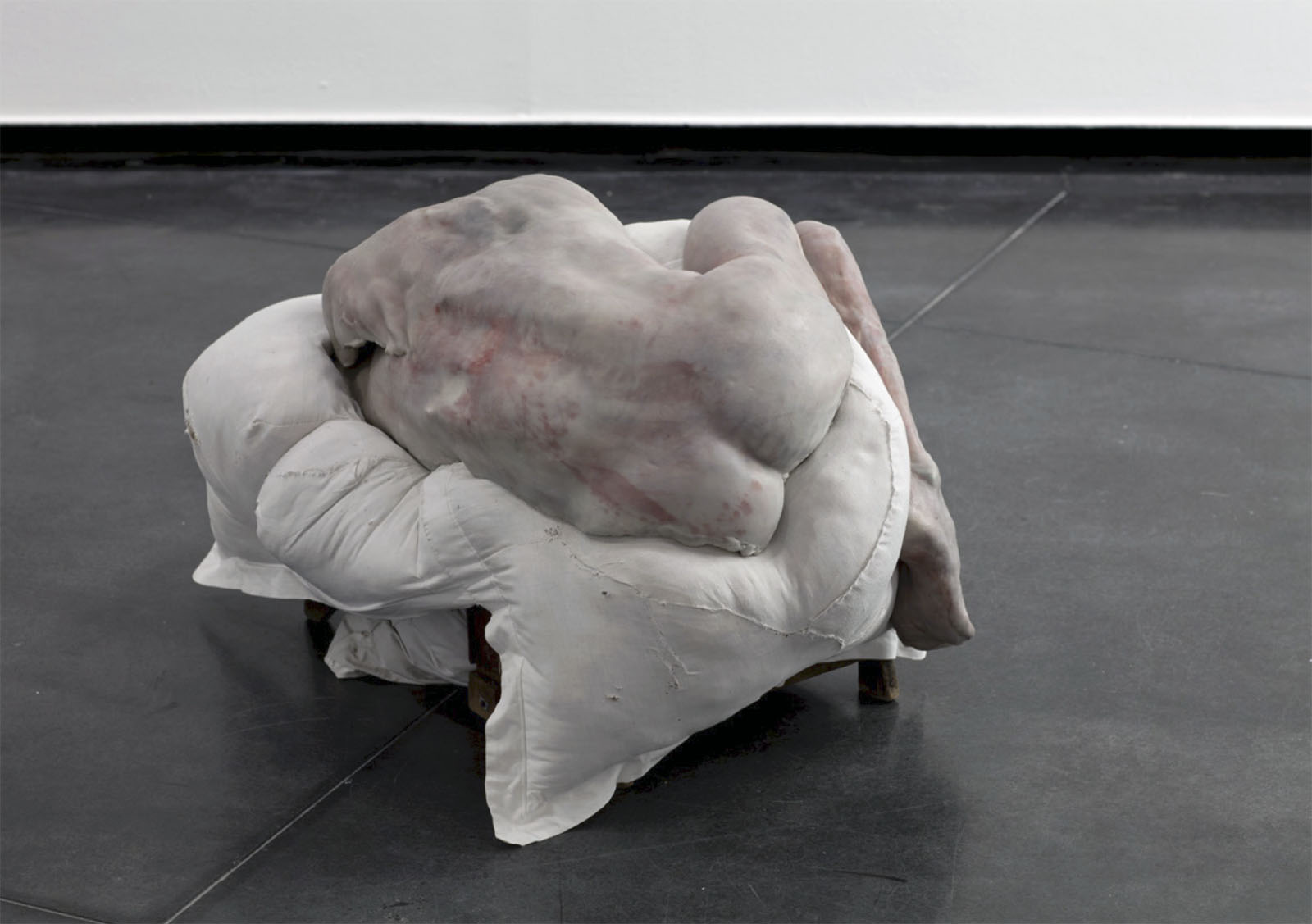
To one side of the room a wax figure is crouched over a soft pillow, the body hairless, faceless and surface almost transparent. ‘The Pillow’ is another important loan in the exhibition and the only obviously human figurative element. The figure appears to be protecting itself, curled inwards into a pillow atop a small wooden box. The fragility and rawness of the body is softened by the use of pillows. Here the pillow supports the figure as a sort of plinth, comforting the body. Four antler-based works are suspended by strings from the gallery wall. Unlike the clichéd hunting trophies mounted in baronial halls, these antlers are pallid, delicate and raw. Antlers are a more recent motif for De Bruyckere. In Metamorphoses, Ovid retells the Greek myth of Actaeon, who accidentally stumbled across the Goddess Diana bathing. In an embarrassed fury she transforms Actaeon into a stag. He is unable to speak and flees in fear. His fellow hunters and their dogs do not recognise him and he is torn to death by his own hounds. The male deer’s antlers serve to seduce the female but also to test their strength with other males and defend themselves against predators. In this sense they are also capable of destruction. The antler grows out of the body without control, and in some of De Bruyckere’s drawings they grow back inside it, suggesting that sometimes our strongest weapons can, despite their benefits, also be a threat to our own lives. Not only referencing mythology, the stag is also a traditional symbol of Christ. De Bruyckere has frequently used the Man of Sorrows motif, which throughout history has shown Christ, usually on the cross with the wounds of the passion, Here its interpretation enhances our sympathy for the hunted animal as well.

Text from the Berlinde De Bruyckere We Are All Flesh ACCA Education Kit


Berlinde De Bruyckere (Belgian, b. 1964) 'Romeu "my deer"' 2012 (installation view)


Berlinde De Bruyckere (Belgian, b. 1964)
Romeu “my deer” (installation view)
2012
Pencil, watercolour, collage
37.5 x 28cm
Courtesy the artist, Hauser & Wirth and Galleria Continua


Berlinde De Bruyckere (Belgian, b. 1964) 'Romeu "my deer"' 2012 (installation view detail)


Berlinde De Bruyckere (Belgian, b. 1964)
Romeu “my deer” (installation view detail)
2012
Pencil, watercolour, collage
37.5 x 28cm
Courtesy the artist, Hauser & Wirth and Galleria Continua


Australian Centre for Contemporary Art (ACCA)
111 Sturt Street
Southbank
Victoria 3006
Australia

Opening hours:
Tuesday – Friday 10am – 5pm
Saturday – Sunday 11am – 5pm
Monday closed
Open all public holidays except Christmas Day and Good Friday

Australian Centre for Contemporary Art website

LIKE ART BLART ON FACEBOOK

Back to top

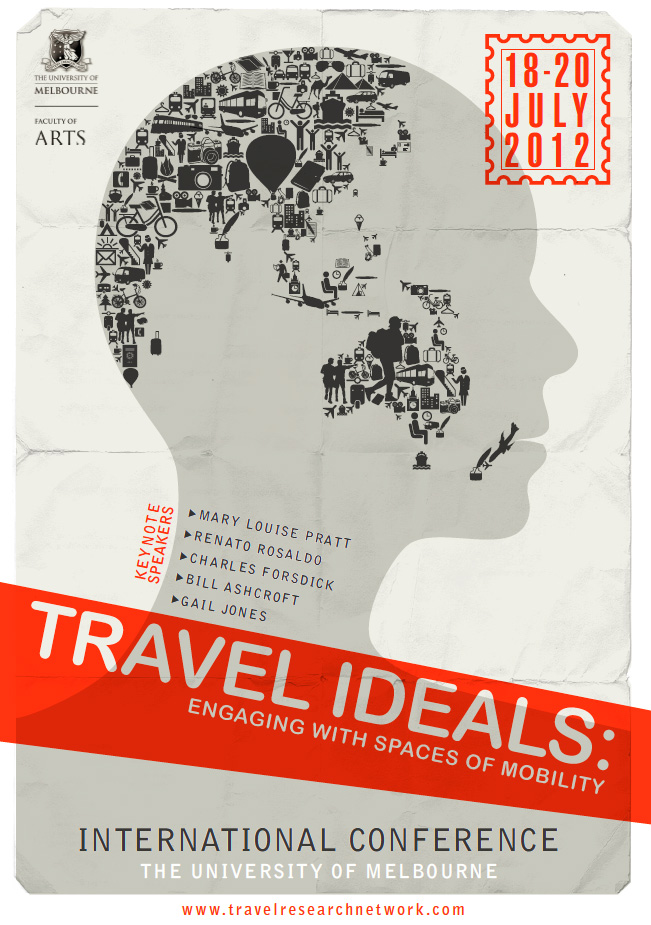
International Conference: ‘Travel Ideals: Engaging with spaces of mobility’ at the University of Melbourne

Conference dates: 18th July – 20th July 2012


I am presenting an academic paper Traversing the unknown at the international conference Travel Ideals: Engaging with spaces of mobility this Wednesday afternoon at the University of Melbourne. Come along if you can!

Dr Marcus Bunyan, Faculty of Arts, The University of Melbourne.


International Conference: 'Travel Ideals: Engaging with spaces of mobility' at the University of Melbourne


LIKE ART BLART ON FACEBOOK

Back to top

Exhibition: ‘Eugène Atget, Paris’ at the Carnavalet Museum, Paris

Exhibition dates: 25th April – 29th July 2012


Eugène Atget (French, 1857-1927) 'Heurtoir à tête de lion, hôtel de la Monnaie, quai Conti, 6e arrondissement' September 1900


Eugène Atget (French, 1857-1927)
Heurtoir à tête de lion, hôtel de la Monnaie, quai Conti, 6e arrondissement
(Lion head knocker, Hotel Monnaie, Quai Conti, 6th District)
September 1900
Albumen paper print
Paris, musée Carnavalet
© Eugène Atget / Musée Carnavalet/ Roger-Viollet


More photographs from the master, including some of the less well known figurative work. The exhibition has been rating its socks off, with long queues and people being stopped from entering until the crowds inside have dissipated, so that people can actually see the small prints. Being a Leo the image of the lion’s head (Heurtoir à tête de lion, 1900, above) is my favourite in the posting, which is why it’s at the top. Owning an Atget. It has a nice ring to it. Just imagine owning this Atget. I would be in a spin for days!

Dr Marcus Bunyan


Many thankx to the Carnavalet Museum for allowing me to publish the photographs in the posting. Please click on the photographs for a larger version of the image.


Eugène Atget (French, 1857-1927) 'Chevet de l'église Saint-Séverin, rue Saint-Jacques, 5ème arrondissement, Paris' 1908


Eugène Atget (French, 1857-1927)
Chevet de l’église Saint-Séverin, rue Saint-Jacques, 5ème arrondissement, Paris
1908
Albumen paper print
Musée Carnavalet, Histoire de Paris
CC0 Paris Musées / Musée Carnavalet – Histoire de Paris


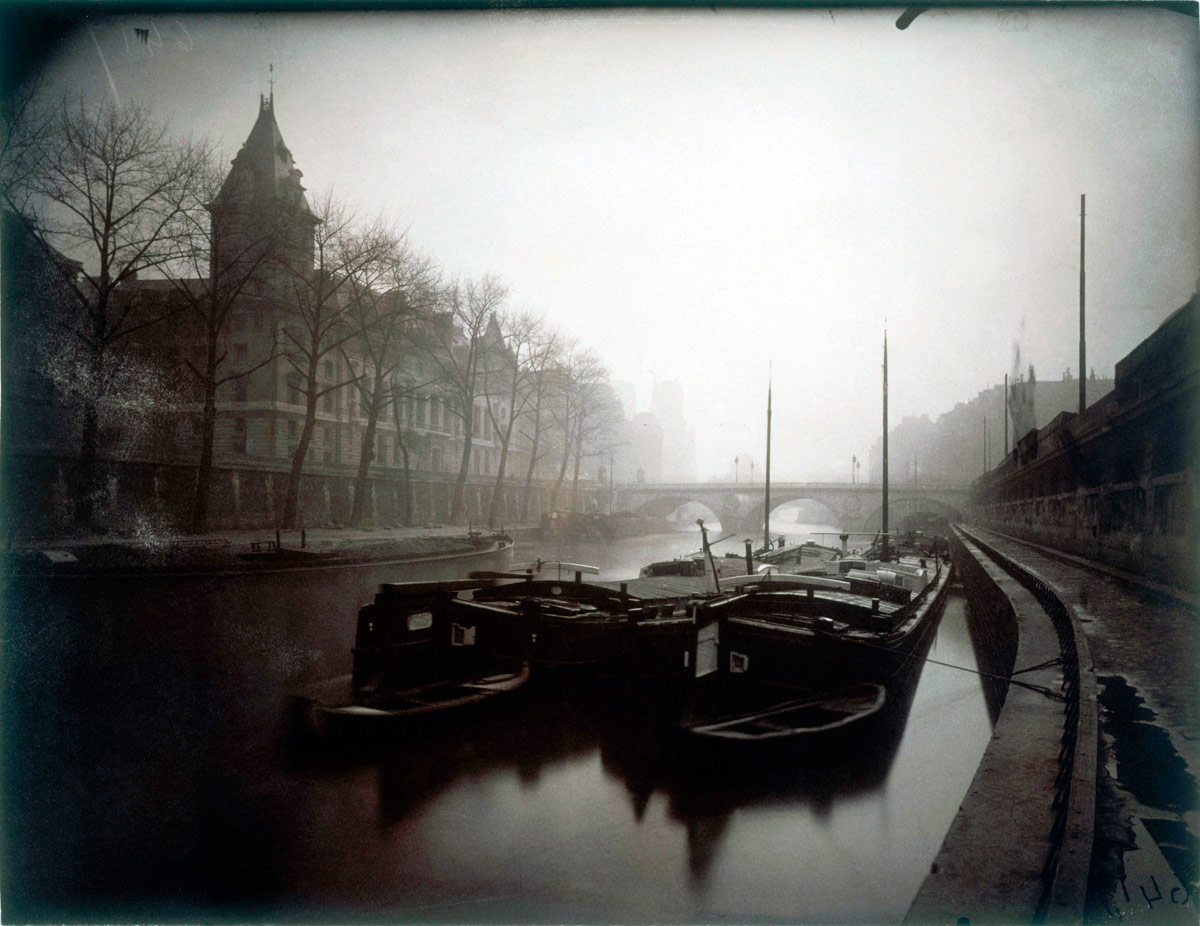
Eugène Atget (French, 1857-1927) 'La Conciergerie et la Seine, brouillard en hiver, 1er arrondissement' 1923


Eugène Atget (French, 1857-1927)
La Conciergerie et la Seine, brouillard en hiver, 1er arrondissement
(The Conciergerie and the Seine, fog in winter, 1st district)

1923
Print on matte albumen paper
Paris, musée Carnavalet
© Eugène Atget / Musée Carnavalet / Roger-Viollet


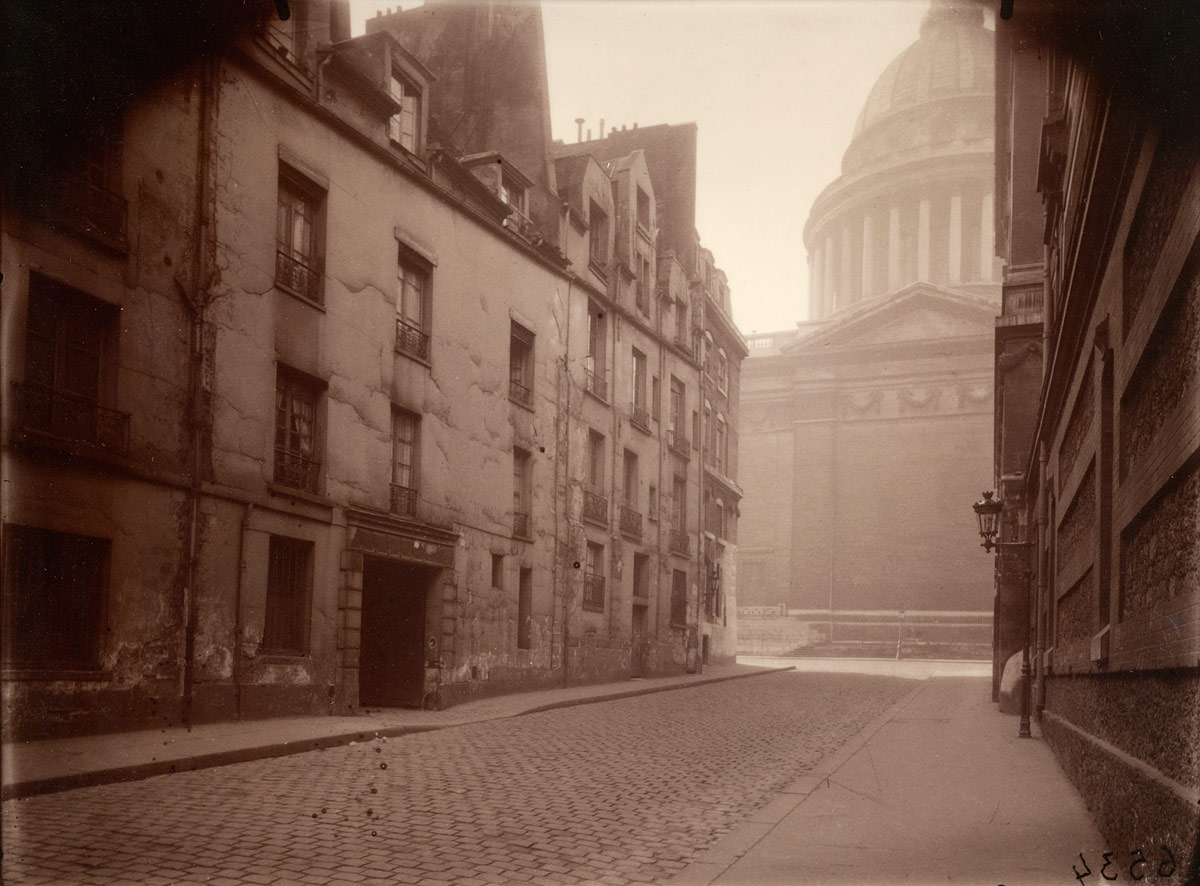
Eugène Atget (French, 1857-1927) 'Coin de la rue Valette et Pantheon, 5e arrondissement, matinee de mars' 1925


Eugène Atget (French, 1857-1927)
Coin de la rue Valette et Pantheon, 5e arrondissement, matinee de mars
1925
Albumen paper print
Paris, musée Carnavalet
© Eugène Atget / Musée Carnavalet / Roger-Viollet


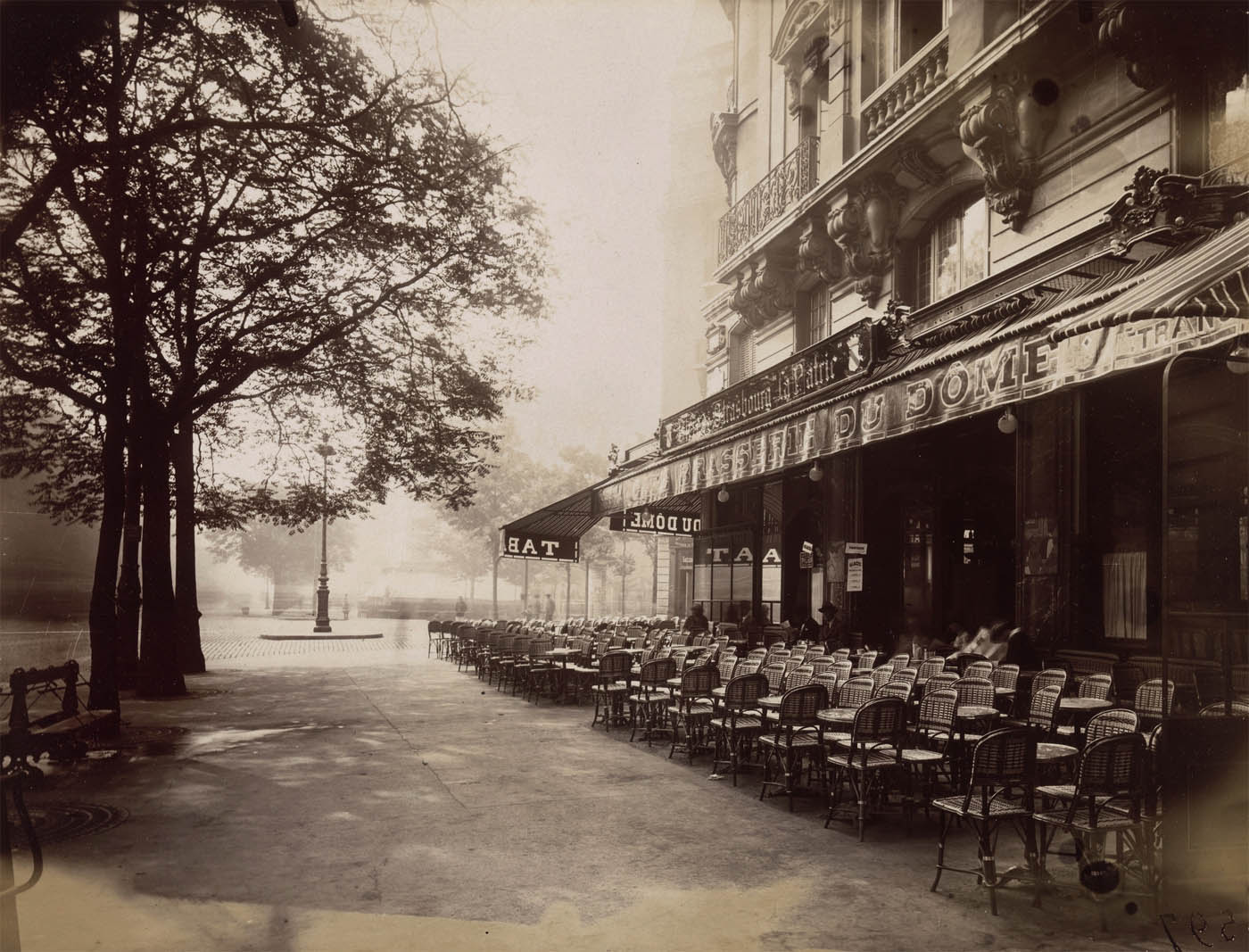
Eugène Atget (French, 1857-1927) 'Le Dôme, boulevard Montparnasse' June 1925


Eugène Atget (French, 1857-1927)
Le Dôme, boulevard Montparnasse
June 1925
Albumen paper print
Paris, musée Carnavalet
© Eugène Atget / Musée Carnavalet / Roger-Viollet


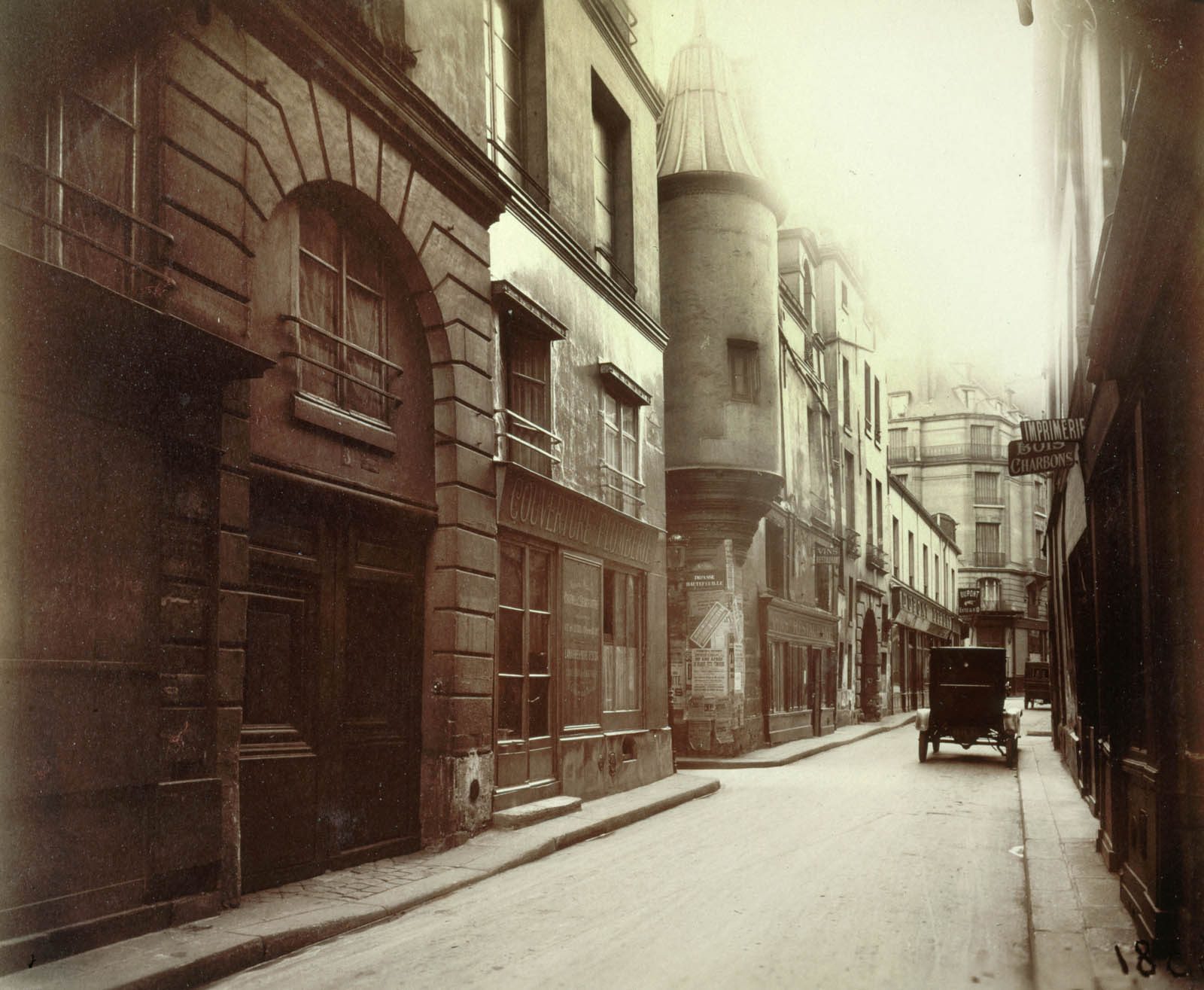
Eugène Atget (French, 1857-1927) 'Rue Hautefeuille, 6e arrondissement' 1898


Eugène Atget (French, 1857-1927)
Rue Hautefeuille, 6e arrondissement
1898
Albumen paper print
Paris, musée Carnavalet
© Eugène Atget / Musée Carnavalet / Roger-Viollet


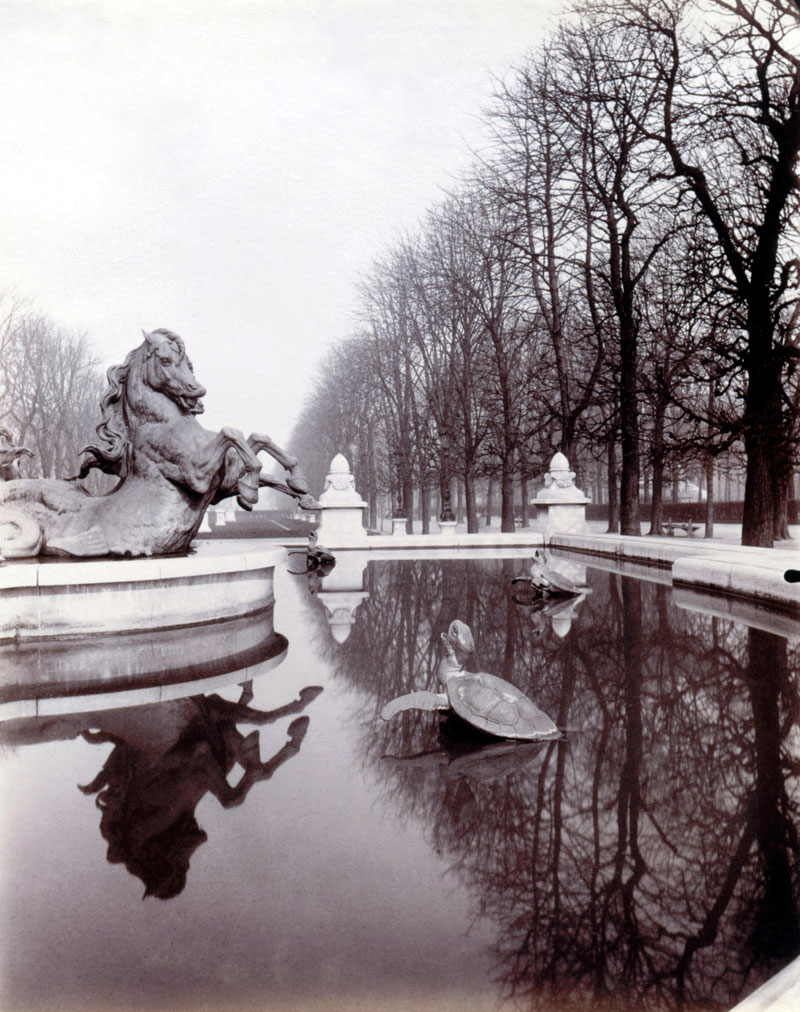
Eugène Atget (French, 1857-1927) 'Fontaine de l’Observatoire, par le sculpteur Carpeaux, jardin Marco-Polo, vue prise vers le jardin du Luxembourg, 6e arrondissement' 1902


Eugène Atget (French, 1857-1927)
Fontaine de l’Observatoire, par le sculpteur Carpeaux, jardin Marco-Polo, vue prise vers le jardin du Luxembourg, 6e arrondissement
(Fountain of the Observatory, by the sculptor Carpeaux, Marco Polo Garden, view towards the Luxembourg gardens, the sixth borough)

1902
Albumen paper print
Paris, musée Carnavalet
© Eugène Atget / Musée Carnavalet / Roger-Viollet


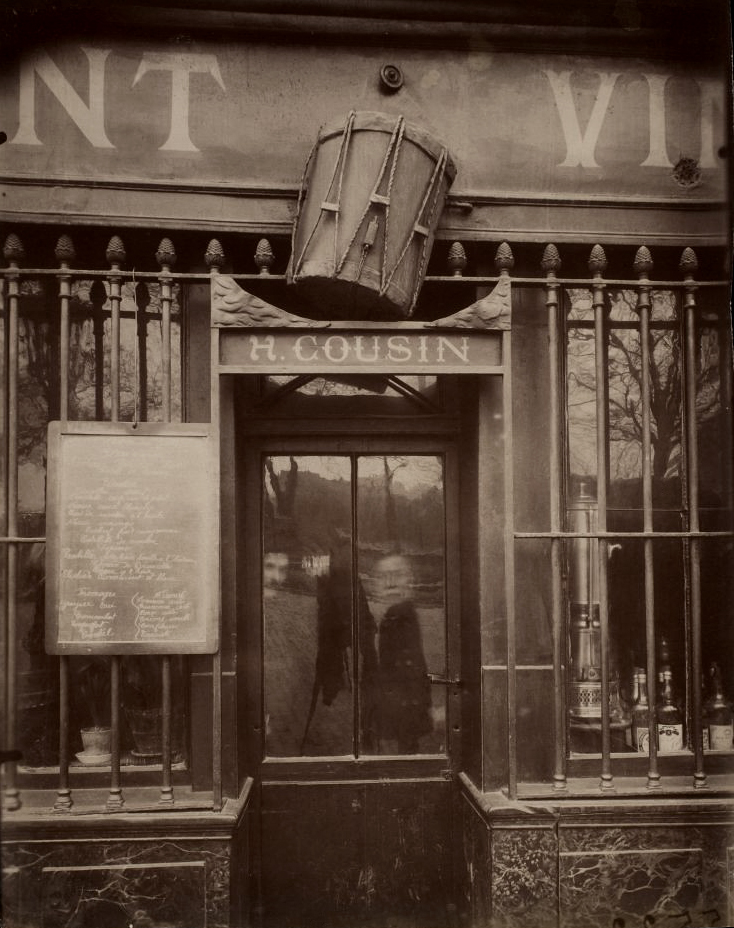
Eugène Atget (French, 1857-1927) 'Cabaret au Tambour, 62 quai de la Tournelle, 5th arrodissement' 1908


Eugène Atget (French, 1857-1927)
Cabaret au Tambour, 62 quai de la Tournelle, 5th arrodissement
1908
Albumen paper print
Paris, musée Carnavalet
© Eugène Atget / Musée Carnavalet / Roger-Viollet


In spring 2012, the Carnavalet Museum presents the Parisian work of one of the most famous photographers of the 20th century, Eugène Atget (Libourne, 1857 – Paris, 1927). The exhibition proposes a selection of 230 prints created in Paris between 1898 and 1927 from the collections of the Carnavalet Museum, in addition to those of the George Eastman House in Rochester and the collections of the Fundación Mapfre in Madrid.

This retrospective, which brings together some well-known images and others previously unseen, paints an unusual portrait of the capital, far from the clichés of the Belle Époque. Visitors will discover the streets of the Paris of old, the gardens, the quays of the Seine, the former boutiques and the travelling salesmen. Atget’s photographs also reveal the changes in his processes: when he started out, this self-taught photographer tried to bring together landscapes and motifs and then images of Paris streets, in order to sell them to artists as models. It was when he dedicated himself to the streets of Paris that he attracted the attention of prestigious institutions such as the Carnavalet Museum and the National Library, which were to become his main clients until the end of his life.

In addition, one room in the exhibition is dedicated to the presentation of a series of 43 photograph prints, collected in the 1920s by the American artist Man Ray. This album, which is currently kept in Rochester (United States), allows visitors to gain a better understanding of Atget’s influence on the Surrealists. Reflecting on Atget’s prints, the public will also discover the work of Emmanuel Pottier (Meslaydu-Maine, 1864 – Paris, 1921), his practically unknown contemporary who, like other photographers, explored the subject of picturesque Paris.

Press release from the Carnavalet Museum website


Eugène Atget (French, 1857-1927) 'Hôtel des abbés de Fecamp, 3 rue Hautefeuille, 6ème arrondissement, Paris' 1902


Eugène Atget (French, 1857-1927)
Hôtel des abbés de Fecamp, 3 rue Hautefeuille, 6ème arrondissement, Paris
1902
Albumen paper print
Musée Carnavalet, Histoire de Paris
CC0 Paris Musées / Musée Carnavalet – Histoire de Paris


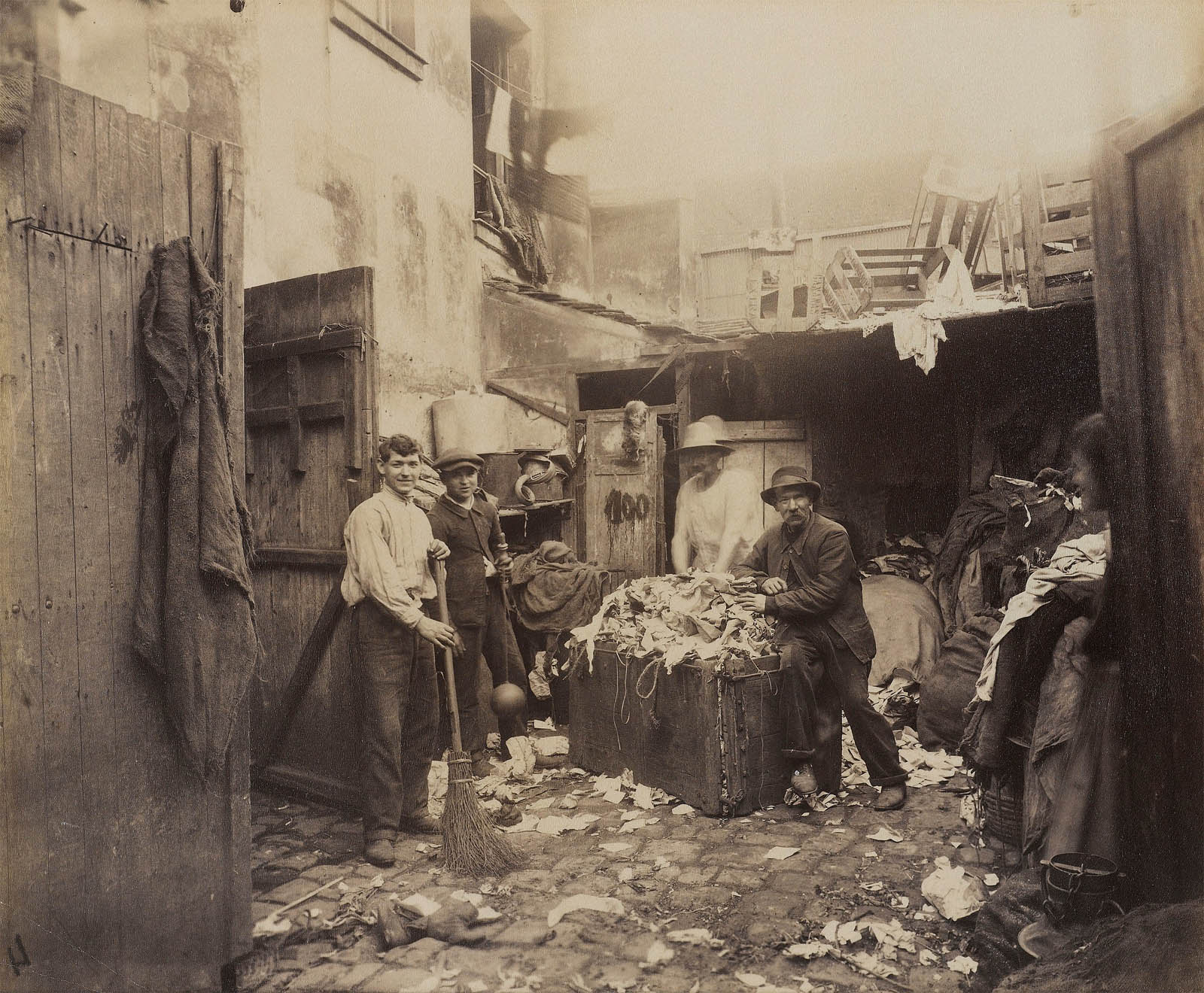
Eugène Atget (French, 1857-1927) 'Porte d'Asnières (gate), Cité Valmy (17th arr.), chiffonniers (rag-and-bone men)' 1913


Eugène Atget (French, 1857-1927)
Porte d’Asnières (gate), Cité Valmy (17th arr.), chiffonniers (rag-and-bone men)
1913
Albumen paper print
Paris, musée Carnavalet
© Eugène Atget / Musée Carnavalet / Roger-Viollet


Eugène Atget is known for his views of Paris streets and parks from the early 20th century. Equipped with a tripod, an 18 x 24 cm camera, glass plates with the same dimensions and a black cover, he captured street scenes, beautiful façades or out-of-the-way courtyards. The Carnavalet Museum was one of his first clients and conserves over 9,100 prints by this photographer.

In 1913, Atget became interested in a section of Paris that was scheduled to disappear. This was the “Zone”, unbuildable land that extended beyond the old fortifications built under Louis Philippe between 1841 and 1844. From the beginning, this area was the totally illegal refuge for the poorest of the poor, in particular day labourers and ragmen. They lived there and developed their activities of collection and sorting. Atget’s photos reveal the precarious circumstances of the families that lived and worked in these insalubrious lodgings, without dwelling on their misery. A place with a sulfurous and disquieting reputation, the Zone is represented without pathos or romanticism.

Text from the Carnavalet website


Eugène Atget (French, 1857-1927) 'Chanteuse de rue et joueur d’orgue de Barbarie' 1898


Eugène Atget (French, 1857-1927)
Chanteuse de rue et joueur d’orgue de Barbarie
(Street singer and organ player of Barbary)

1898
Albumen paper print
Paris, musée Carnavalet
© Eugène Atget / Musée Carnavalet / Roger-Viollet


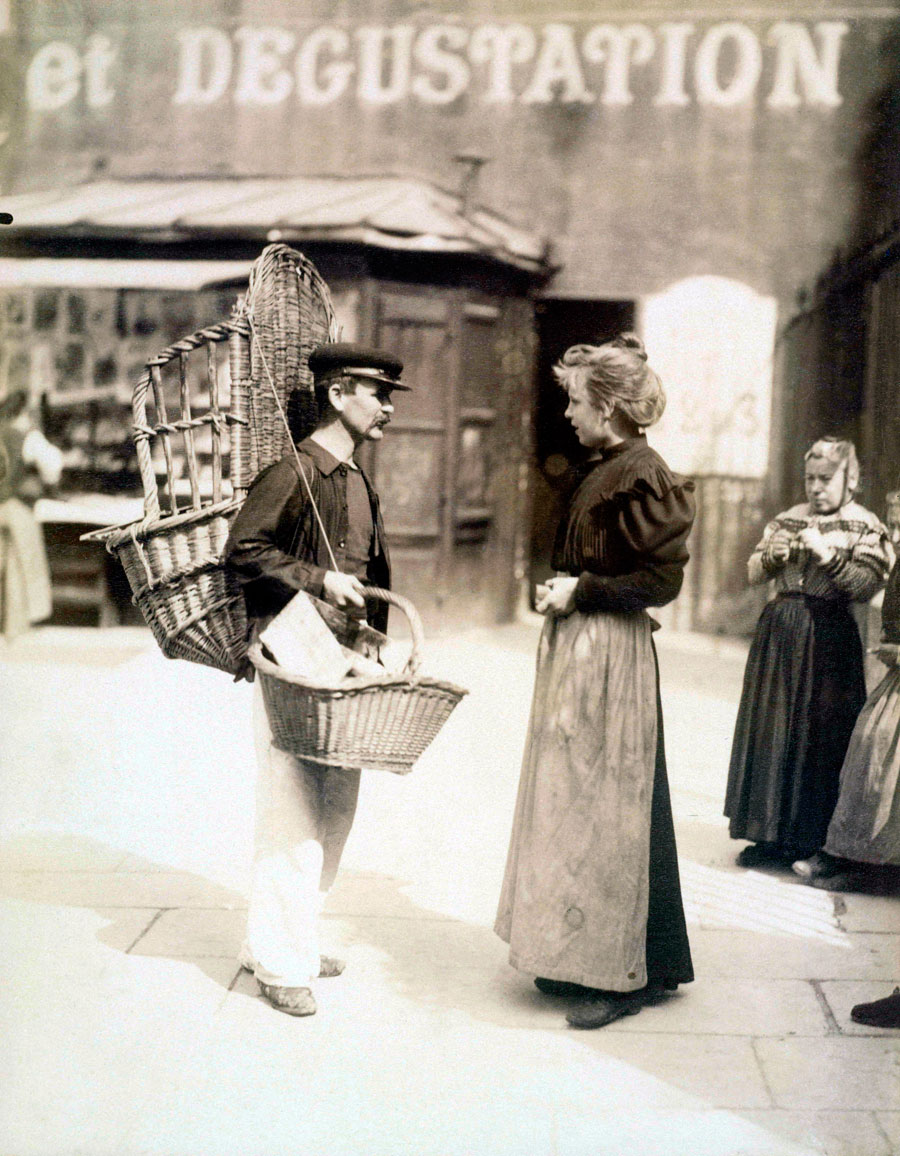
Eugène Atget (French, 1857-1927) 'Marchand ambulant, place Saint-Médard, 5e arrondissement' Septembre 1899


Eugène Atget (French, 1857-1927)
Marchand ambulant, place Saint-Médard, 5e arrondissement
(Peddler, Place Saint-Médard, 5th District)

Septembre 1899
Albumen paper print
Paris, musée Carnavalet
© Eugène Atget / Musée Carnavalet / Roger-Viollet


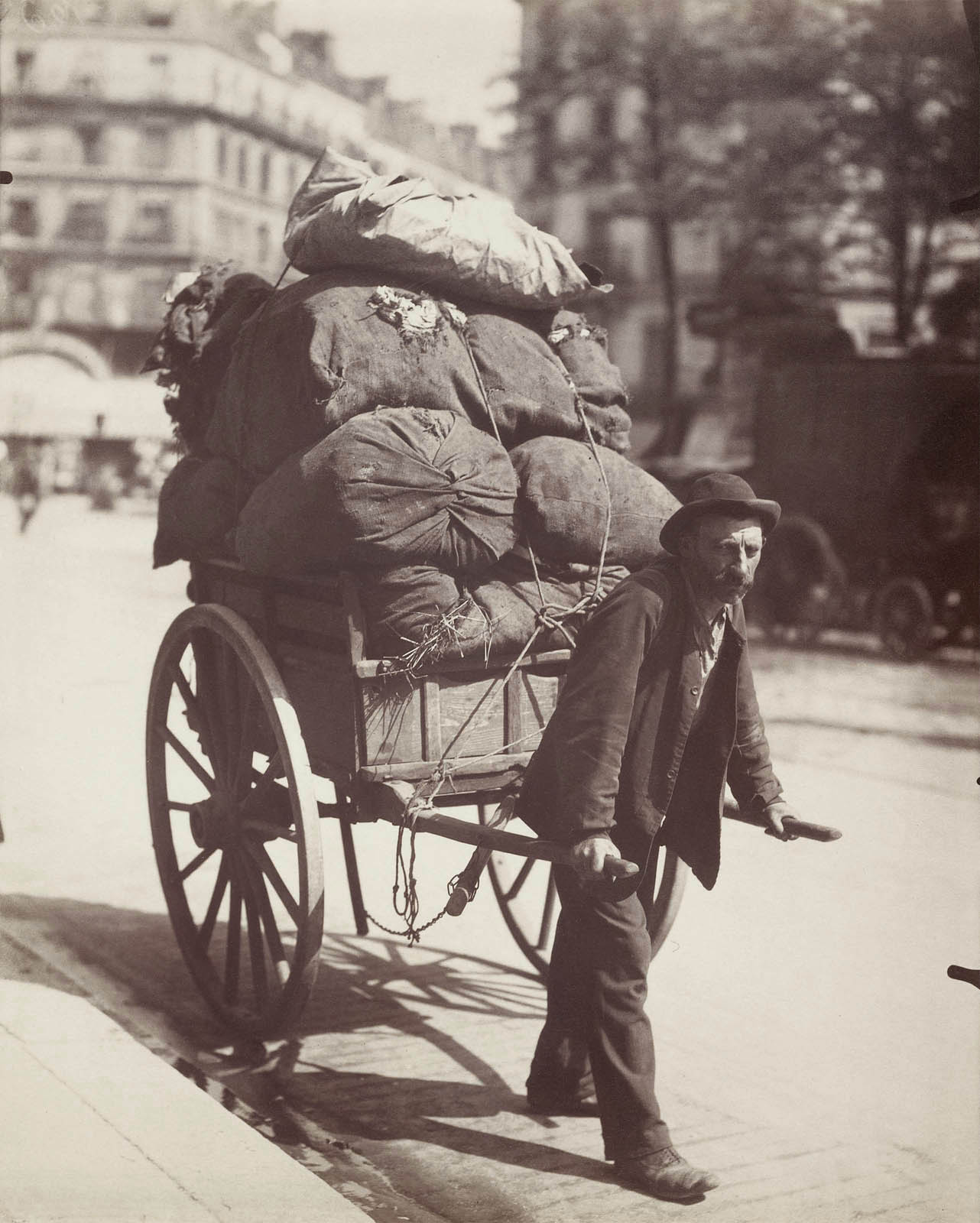
Eugène Atget (French, 1857-1927) 'Chiffonier' (Ragpicker) 1899


Eugène Atget (French, 1857-1927)
Chiffonier (Ragpicker)
1899
Albumen paper print
Paris, musée Carnavalet
© Eugène Atget / Musée Carnavalet / Roger-Viollet


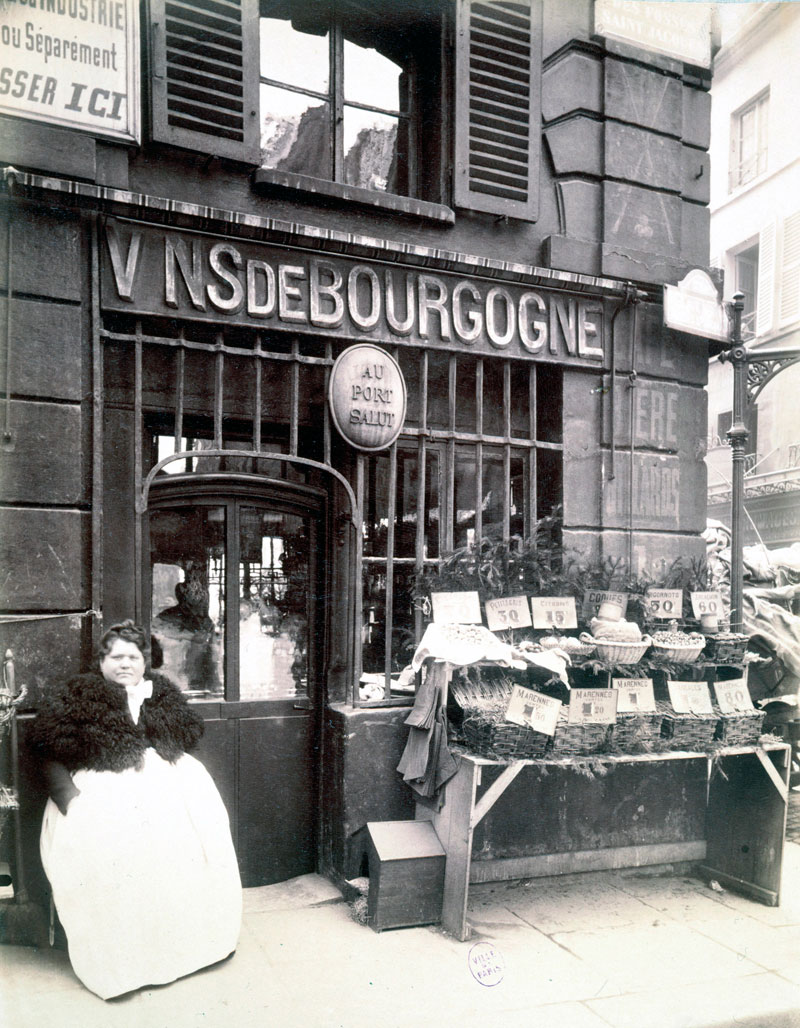
Eugène Atget (French, 1857-1927) 'Cabaret "Au Port Salut," marchande de coquillages, rue des Fossés-Saint-Jacques, 5e arrondissement' 1903


Eugène Atget (French, 1857-1927)
Cabaret “Au Port Salut,” marchande de coquillages, rue des Fossés-Saint-Jacques, 5e arrondissement
(Cabaret “At Port Salut,” Merchant of shells, Rue des Fosses-Saint-Jacques, 5th District)

1903
Albumen print mounted on blue grey cardboard
Paris, musée Carnavalet
© Eugène Atget / Musée Carnavalet / Roger-Viollet


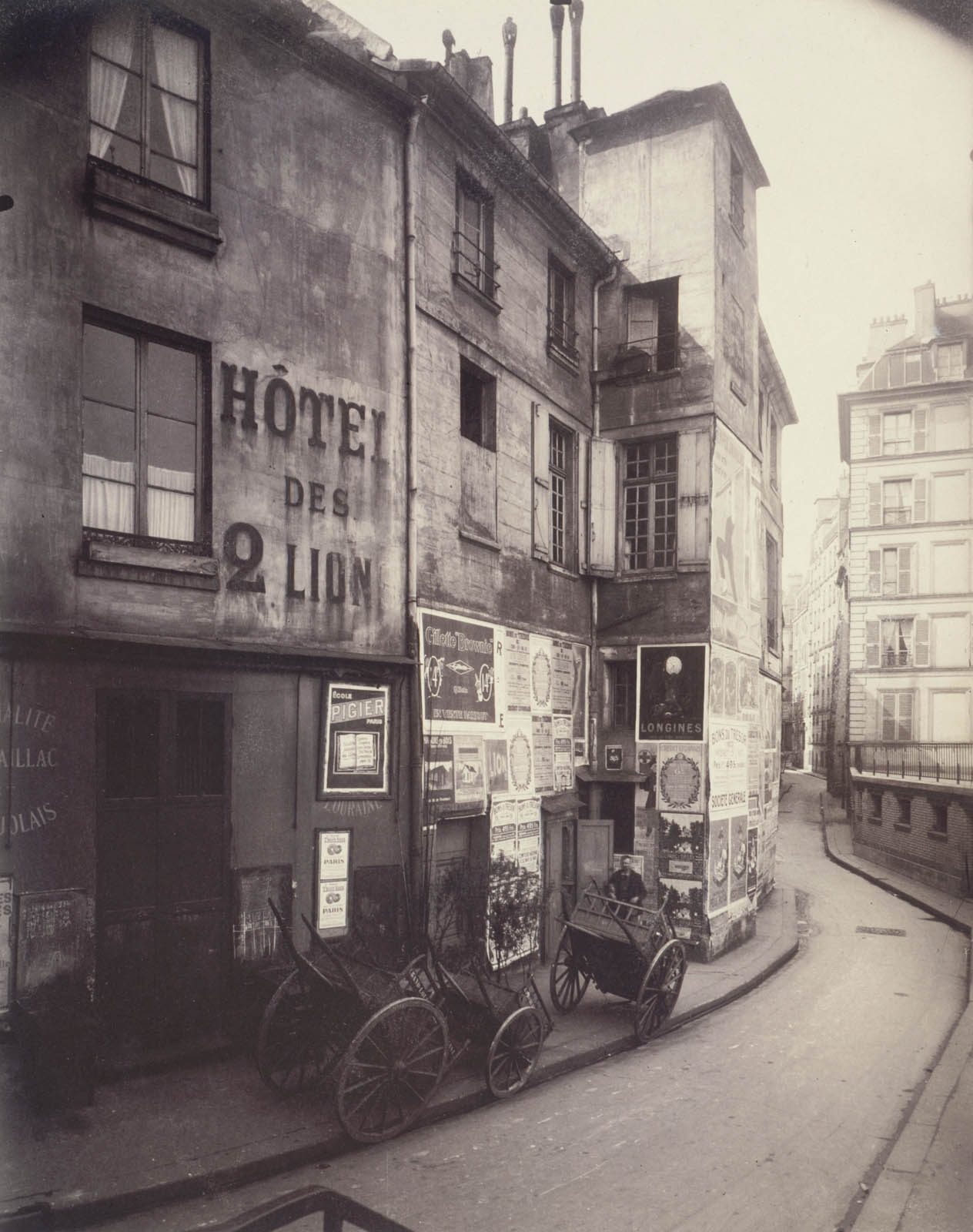
Eugène Atget (French, 1857-1927) '"Hotel des Deux Lions", rue des Ursins, 4ème arrondissement, Paris' 1923


Eugène Atget (French, 1857-1927)
“Hotel des Deux Lions”, rue des Ursins, 4ème arrondissement, Paris
1923
Musée Carnavalet, Histoire de Paris
CC0 Paris Musées / Musée Carnavalet – Histoire de Paris


Eugène Atget (French, 1857-1927) 'Rue Asseline' 1924-1925


Eugène Atget (French, 1857-1927)
Rue Asseline
1924-1925
Gelatin aristotype
Collection Man Ray 1926
© Eugène Atget/Album de Man Ray, George Eastman House


Carnavalet Museum
23, rue de Sévigné
75003 Paris
Phone: 01 44 59 58 58

Tuesday – Sunday 10am – 6pm,
except Mondays and public holidays

Carnavalet Museum website

LIKE ART BLART ON FACEBOOK

Back to top

Exhibition: ‘Christer Strömholm: Les Amies de Place Blanche’ at the International Centre of Photography (ICP), New York

Exhibition dates: 18th May – 2nd September 2012

Curator: Pauline Vermare, ICP Curatorial Assistant


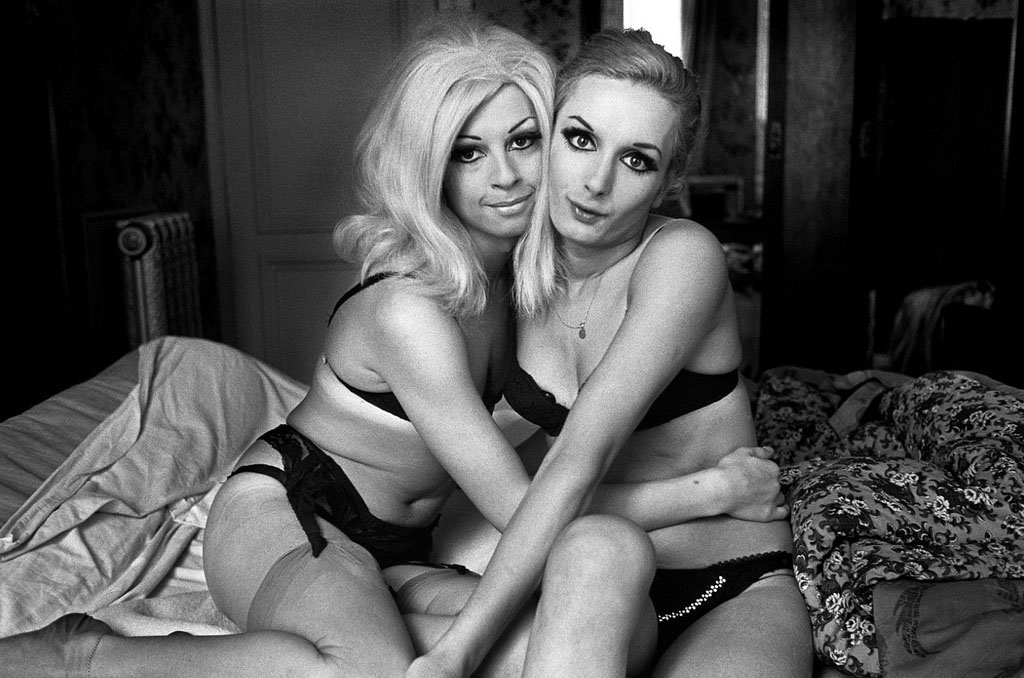
Christer Strömholm (Swedish, 1918-2002) 'Pepita' 1963


Christer Strömholm (Swedish, 1918-2002)
Pepita
1963
Gelatin silver print
© Christer Strömholm/Strömholm Estate


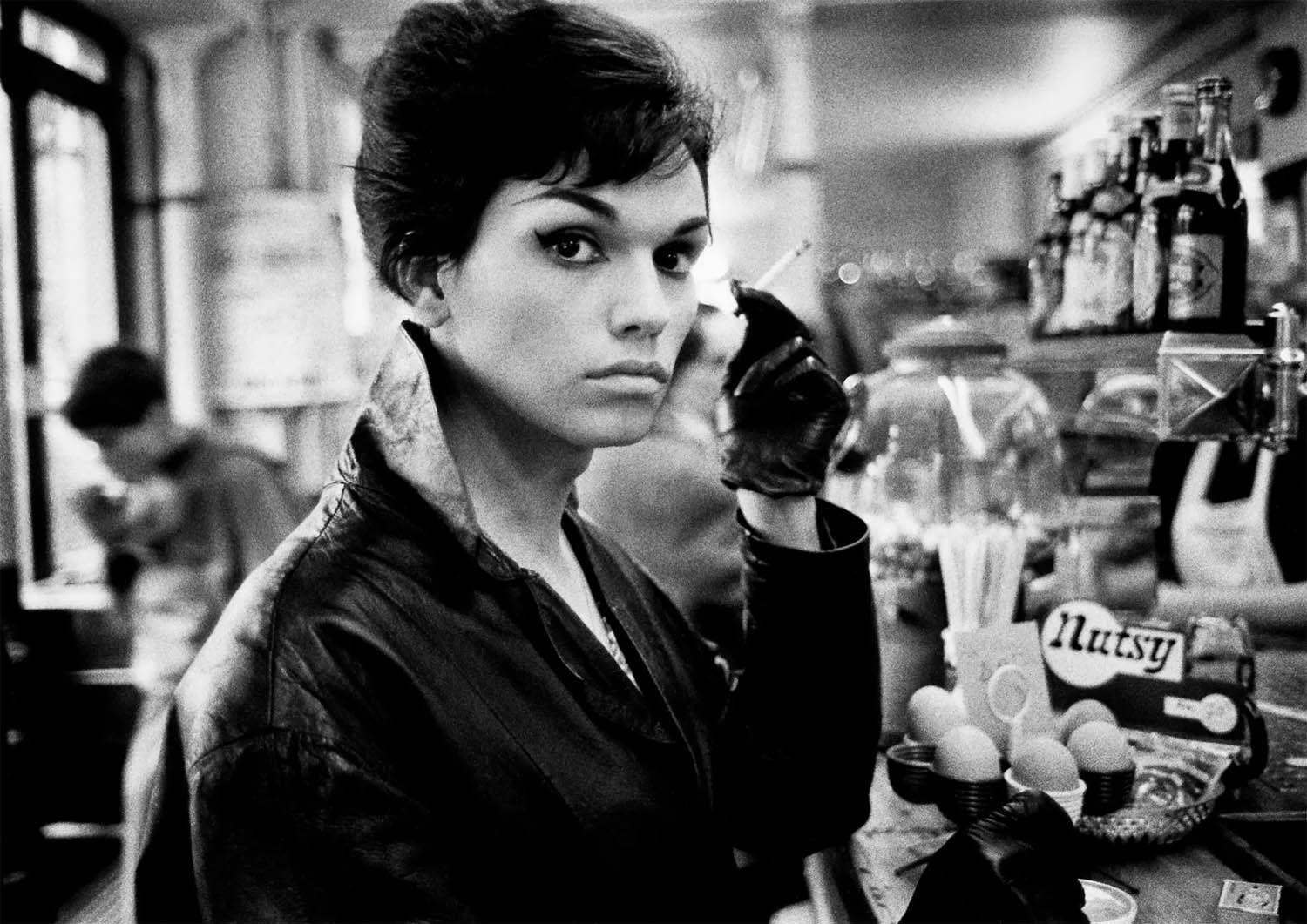
I am myself

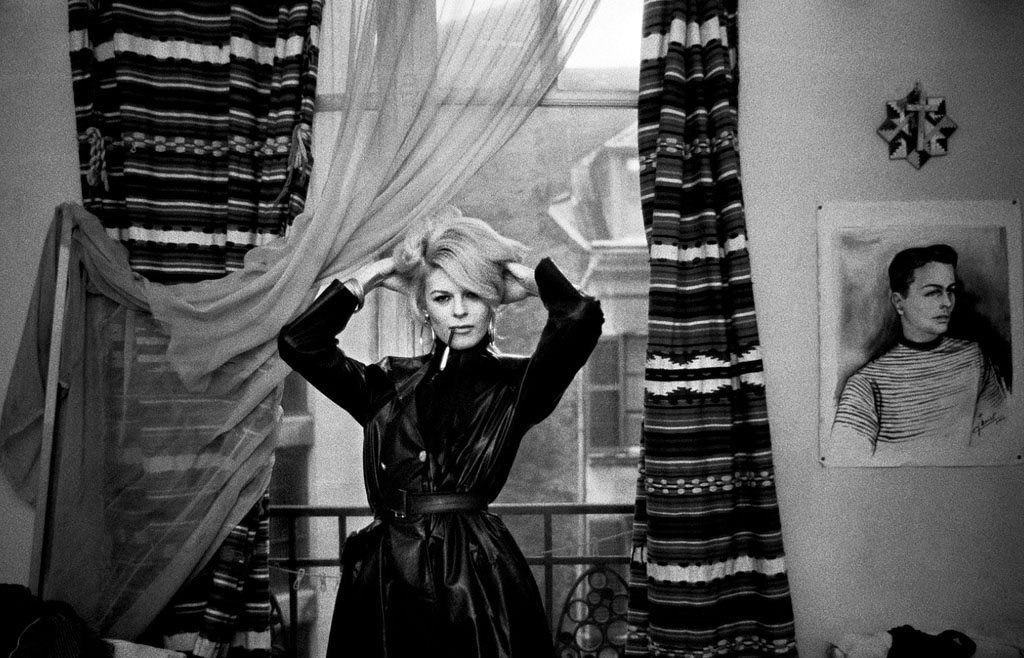
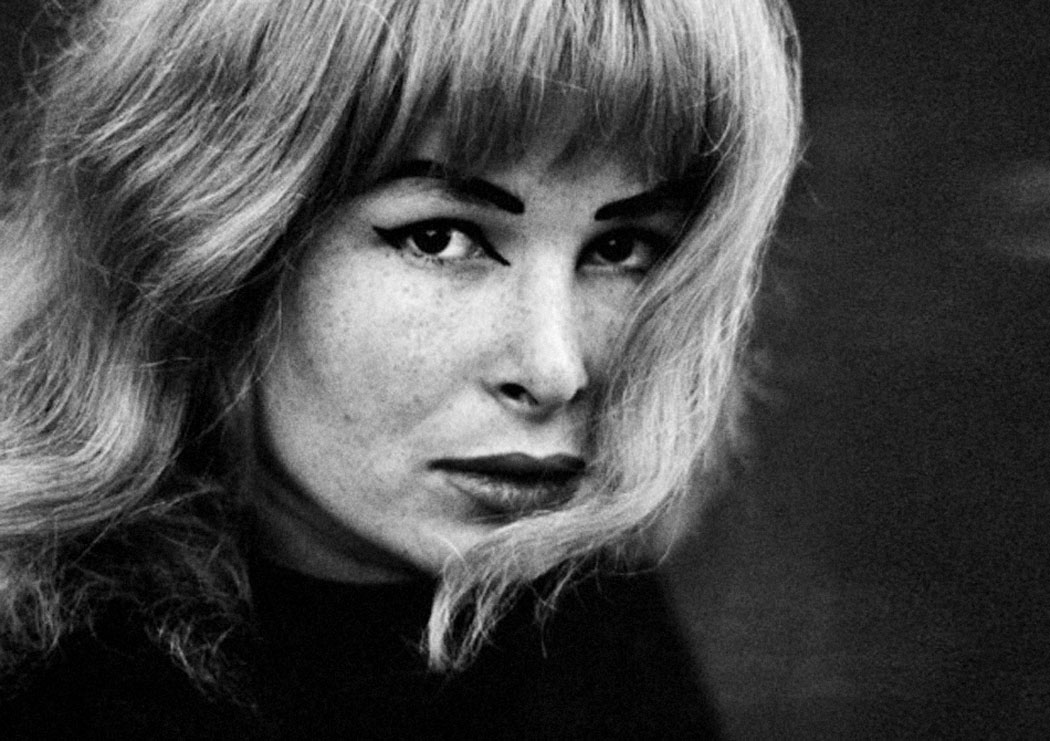
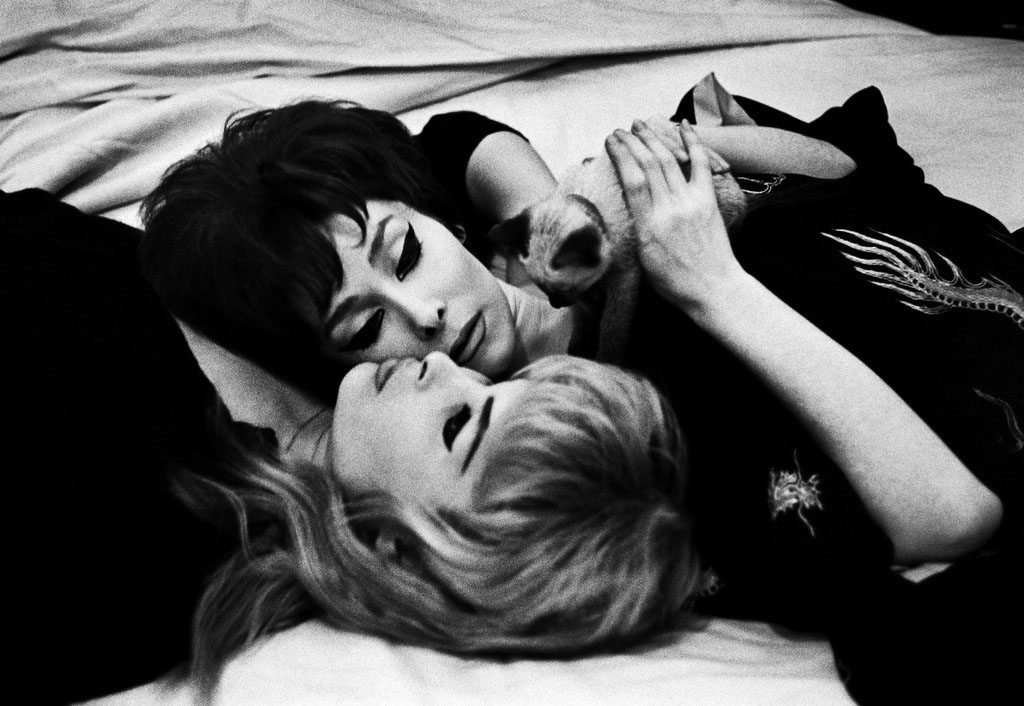
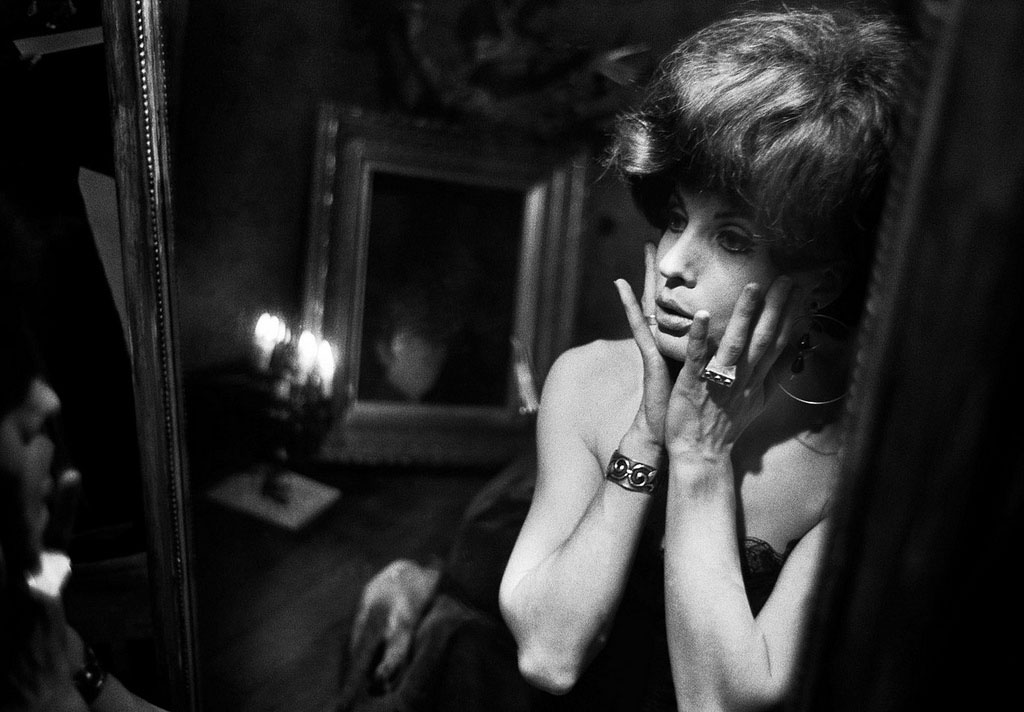
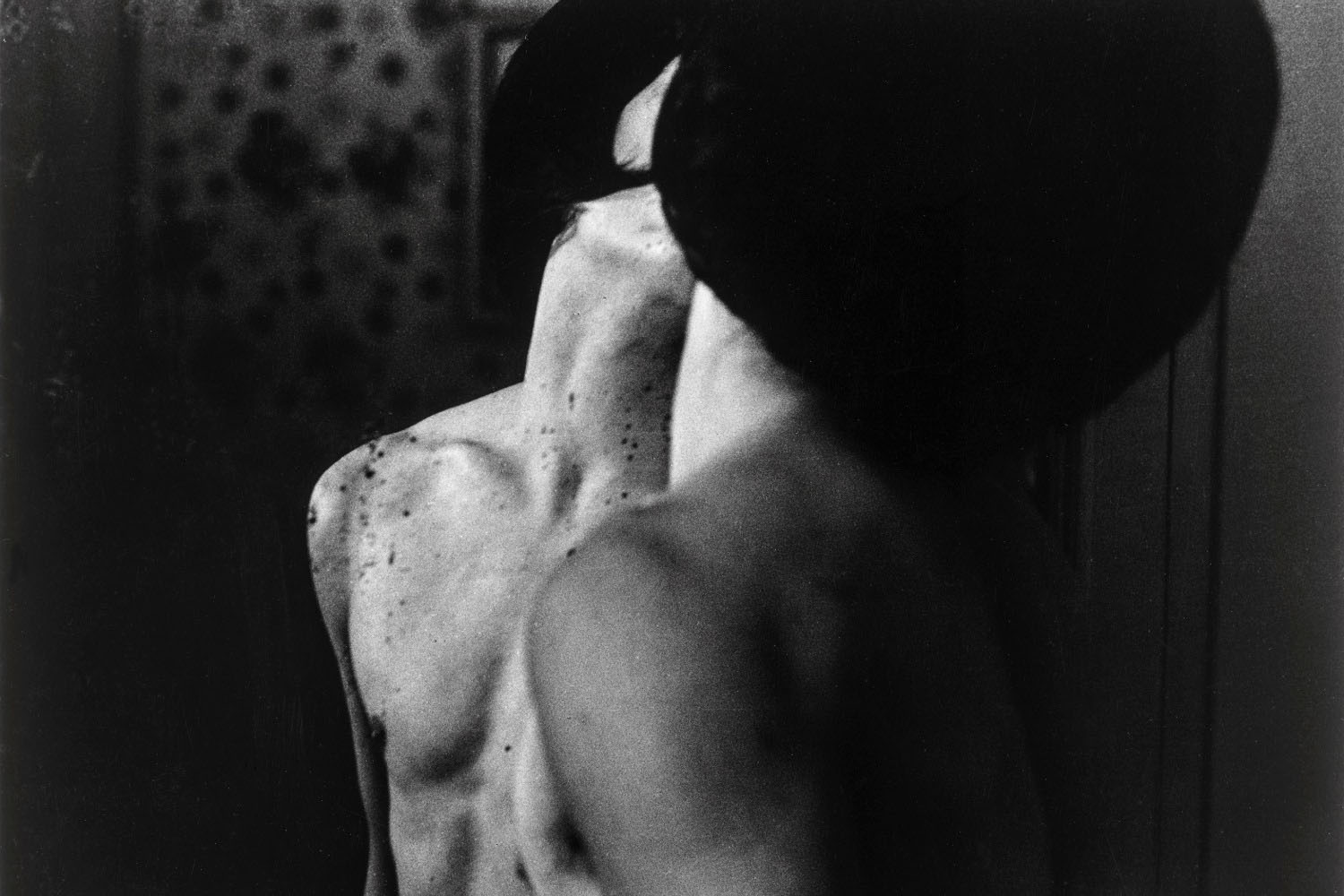
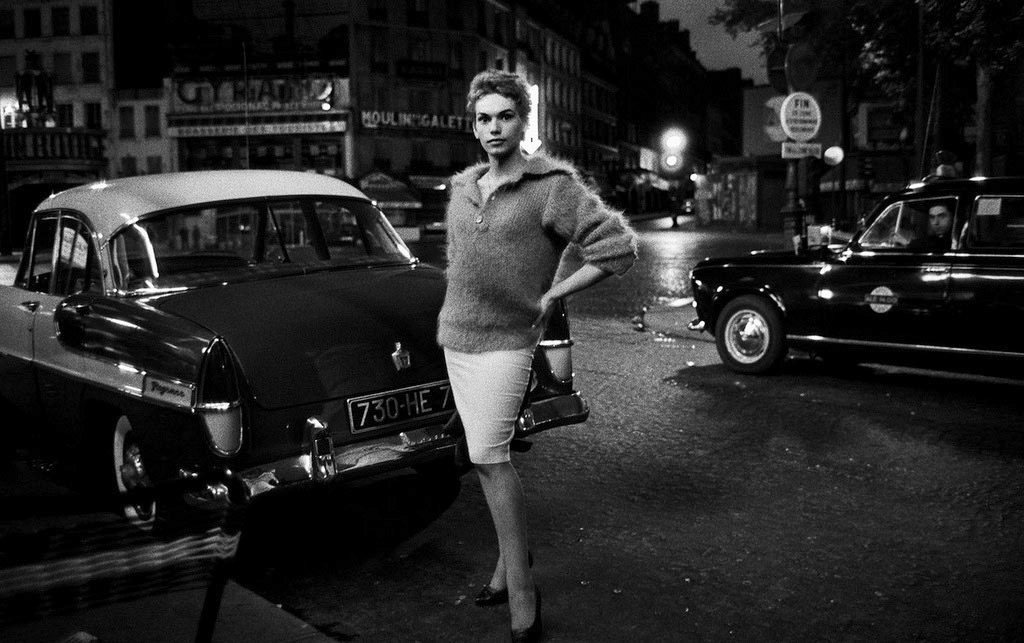
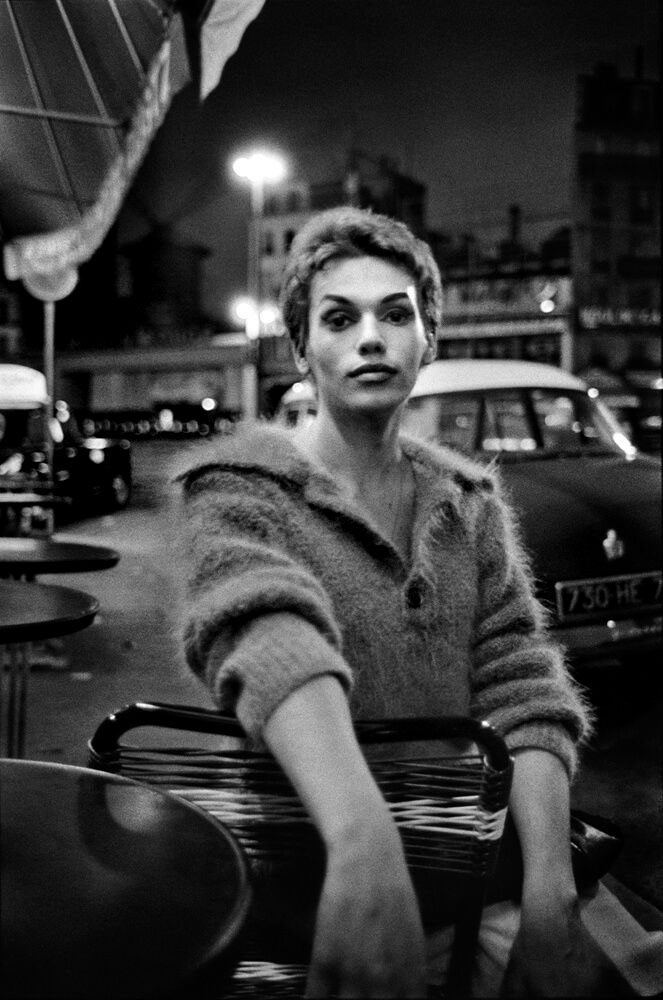
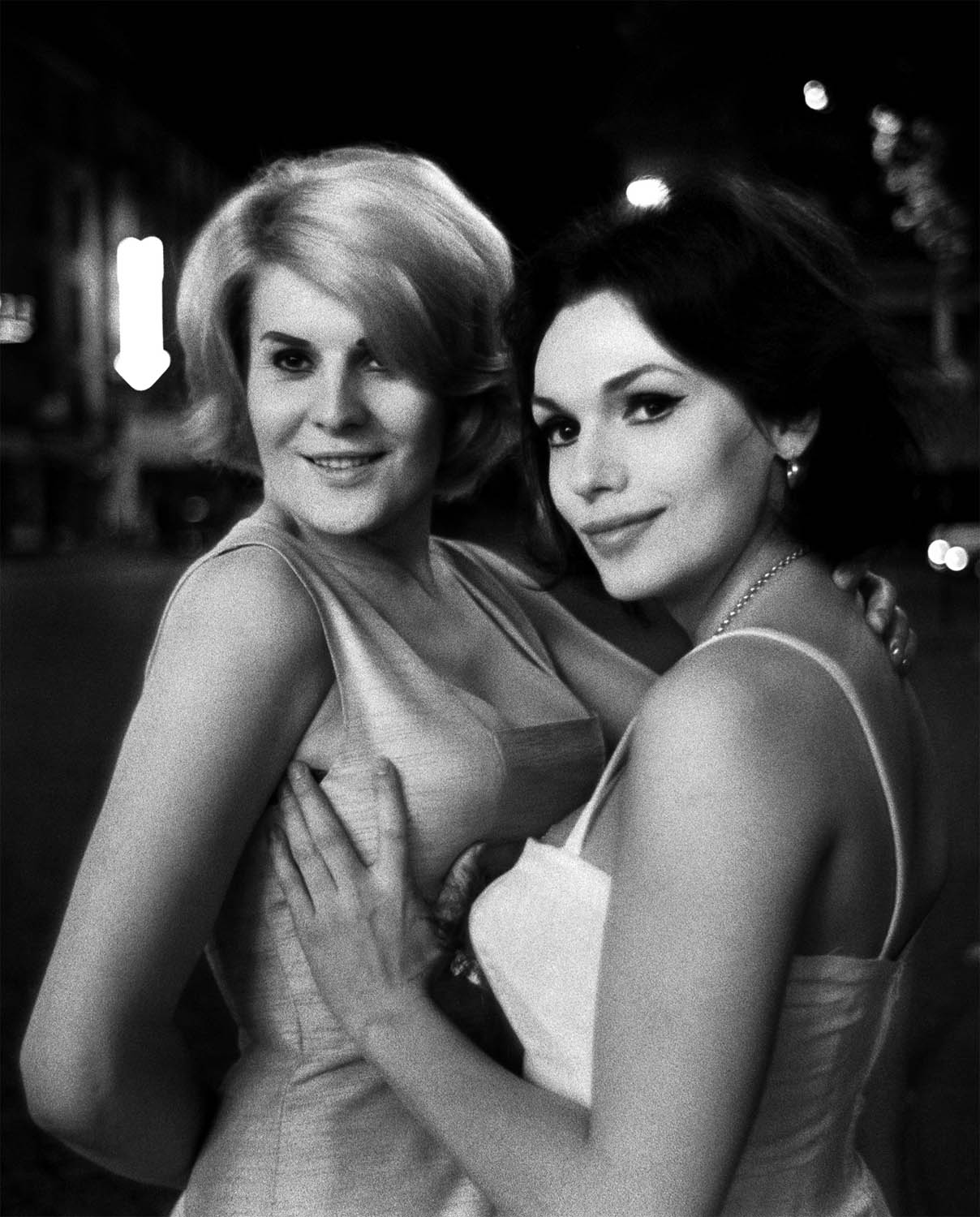
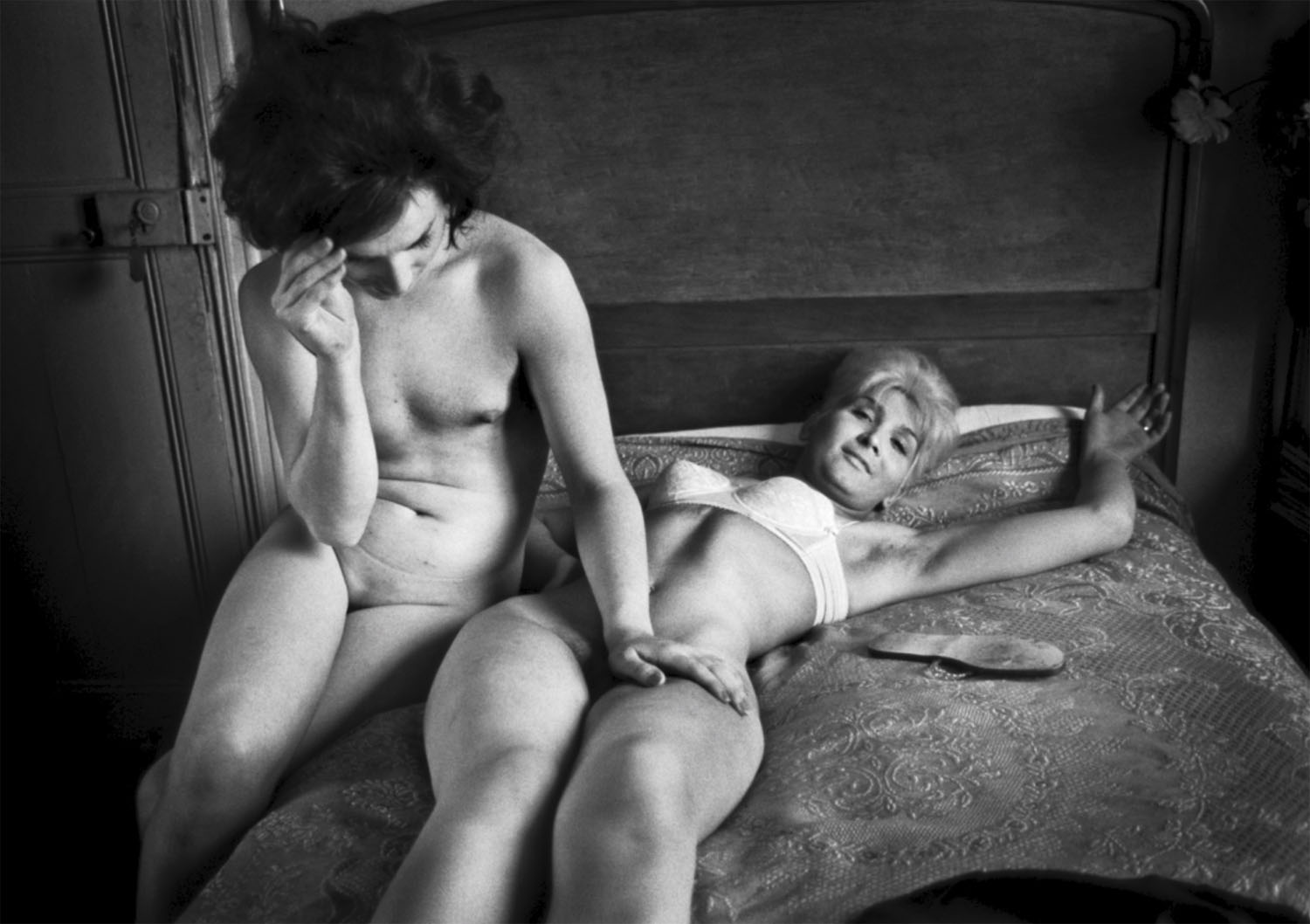
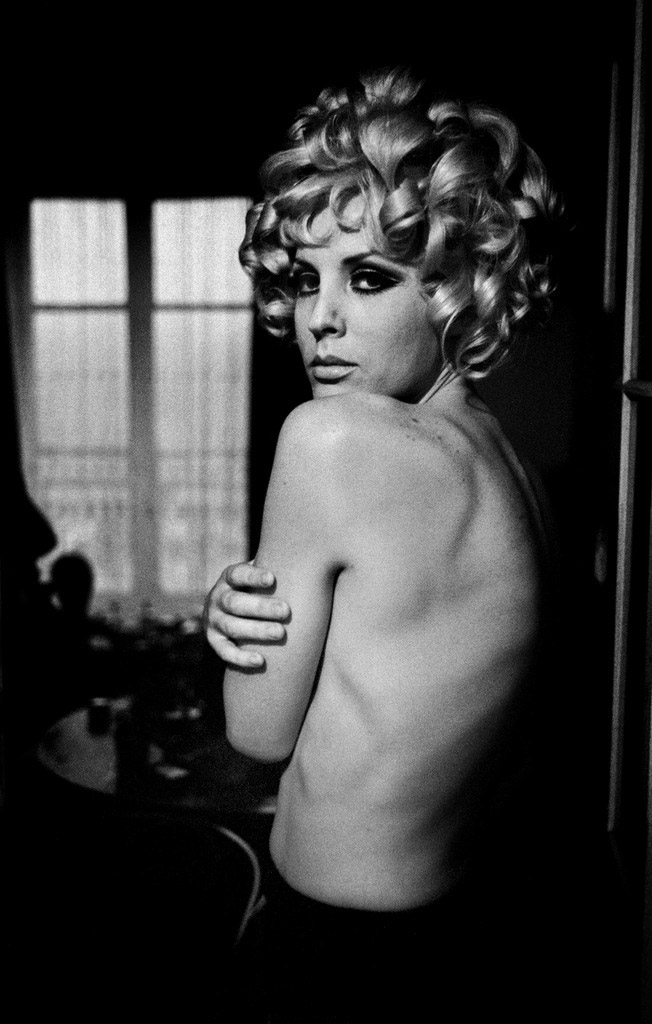
These are stunning photographs; they glow with an inner light and energy. With perfect composition and use of chiaroscuro the artist let’s the women speak for themselves – confident, self assured and happy in the life they are leading. Having come out as a gay man myself in 1975, six short years after the Stonewall Riots in New York, I can attest to how difficult and how much prejudice there was against gay men in the early 1970s. Imagine then, being a transexual living in Paris in the early to mid 1960s and the issues that these woman had to deal with.

And yet there is a joyous quality to these photographs, an intimate relationship between people (not just artist and subject), a sense of fondness, friendship and fraternity. There is an intimacy here that transcends documentation. The last photograph in the posting (Gina, 1963, below) is just this wonderful, happy photograph where you just can’t help smiling yourself. There is a lightness here that is at variance with Brassai’s heavy set Parisian nights, that is more sensitive to the subject than Diane Arbus’ thrusting camera and her depiction of transexuals.

As good as the quote by Strömholm is (below), it is not just the freedom to choose one’s own life and identity, it is the ability to make that choice an informed choice, where you can select from a variety of things, where your preference indicates that your choice is based on one’s values or predilections. Without being informed the decision you may make is not free; if you are uninformed you may be unaware. An informed choice is based upon a clear appreciation and understanding of the facts, implications, and future consequences of any action.

Despite the prejudice and pain these woman would have suffered living an everyday life in the 1960s they have made an informed choice. These are strong, courageous woman and their friend has captured their resolve beautifully.

Dr Marcus Bunyan


Many thankx to the International Centre of Photography for allowing me to publish the photographs in the posting. Please click on the photographs for a larger version of the image.


“It was then – and still is – about obtaining the freedom to choose one’s own life and identity.”


“It was because I didn’t understand it myself… as soon as you ask yourself why their lives are the way they are, it becomes difficult not to take pictures.”


“This is a book [Les Amies de Place Blanche] about insecurity. A portrayal of those living a different life in the big city of Paris, of people who endured the roughness of the streets. … This is a book about the quest for self-identity, about the right to live, about the right to own and control one’s own body.”


Christer Strömholm


Christer Strömholm: Les Amies de Place Blanche @ ICP

Christer Strömholm (1918-2002) was one of the great photographers of the 20th century, but he is little known outside of his native Sweden. This exhibition presents his most powerful and acclaimed body of work: Les Amies de Place Blanche, a documentation of transsexual “ladies of the night” in Paris in the 1960s. Arriving in Paris in the late 1950s, Strömholm settled in Place Blanche in the heart of the city’s red-light district. There, he befriended and photographed young transsexuals struggling to live as women and to raise money for sex-change operations. Strömholm’s surprisingly intimate portraits and lush Brassaï-like night scenes form a magnificent, dark, and at times quite moving photo album, a vibrant tribute to these girls, the “girlfriends of Place Blanche.” The photographs were first published in Sweden in 1983, and the book quickly sold out, becoming a cult classic; it is being reissued in French and English this year. Strömholm’s photo-essay raises profound issues about sexuality and gender; as he wrote in 1983, “It was then – and still is – about obtaining the freedom to choose one’s own life and identity.” This exhibition, the first presentation of Strömholm’s work in an American museum, is organised by ICP Curatorial Assistant Pauline Vermare


Christer Strömholm (Swedish, 1918-2002) 'At a fun fair, Paris' 1954-1955


Christer Strömholm (Swedish, 1918-2002)
At a fun fair, Paris
1954-1955
Gelatin silver print
© Christer Strömholm/Strömholm Estate


Christer Strömholm (Swedish, 1918-2002) '"Lady Leopard" at a fair, Paris' 1954-1955


Christer Strömholm (Swedish, 1918-2002)
“Lady Leopard” at a fair, Paris
1954-1955
Gelatin silver print
© Christer Strömholm/Strömholm Estate


Christer Strömholm (Swedish, 1918-2002) "Little Christer" 1955


Christer Strömholm (Swedish, 1918-2002)
“Little Christer”
1955
Gelatin silver print
© Christer Strömholm/Strömholm Estate


Christer Strömholm (Swedish, 1918-2002) 'Nana, Paris' 1959


Christer Strömholm (Swedish, 1918-2002)
Nana, Paris
1959
Gelatin silver print
© Christer Strömholm/Strömholm Estate


Christer Strömholm (Swedish, 1918-2002) 'Nana, Paris' 1959


Christer Strömholm (Swedish, 1918-2002)
Nana, Paris
1959
Gelatin silver print
© Christer Strömholm/Strömholm Estate


Christer Strömholm (Swedish, 1918-2002) 'Jacky' 1959


Christer Strömholm (Swedish, 1918-2002)
Jacky
1959
Gelatin silver print
© Christer Strömholm/Strömholm Estate


Christer Strömholm (Swedish, 1918-2002) 'Agnès Caprice' 1960s


Christer Strömholm (Swedish, 1918-2002)
Agnès Caprice
1960s
Gelatin silver print
© Christer Strömholm/Strömholm Estate


Agnès Caprice, showgirl of trans cabaret Le Carrousel and frequent subject of photo series Les Amies de La Place Blanche. She later partnered and had a child with an actress and performer of a butch lesbian cabaret. Caprice would pass at a young age due to addiction, after the devastating loss of 7 of her fellow Le Carrousel performers in a 1966 plane crash.

Text from the Genderoutlaws website


Christer Strömholm (Swedish, 1918-2002) 'Cobra and Caprice' 1961


Christer Strömholm (Swedish, 1918-2002)
Cobra and Caprice
1961
Gelatin silver print
© Christer Strömholm/Strömholm Estate


Christer Strömholm (Swedish, 1918-2002) 'Nana' 1963


Christer Strömholm (Swedish, 1918-2002)
Nana
1963
Gelatin silver print
© Christer Strömholm/Strömholm Estate


Christer Strömholm (Swedish, 1918-2002) 'Carmen, Pigalle, Paris' 1962


Christer Strömholm (Swedish, 1918-2002)
Carmen, Pigalle, Paris
1962
Gelatin silver print
© Christer Strömholm/Strömholm Estate


Christer Strömholm (Swedish, 1918-2002) 'Belinda' 1967


Christer Strömholm (Swedish, 1918-2002)
Belinda
1967
Gelatin silver print
© Christer Strömholm/Strömholm Estate


Christer Strömholm (Swedish, 1918-2002) 'Sabrina' 1967


Christer Strömholm (Swedish, 1918-2002)
Sabrina
1967
Gelatin silver print
© Christer Strömholm/Strömholm Estate


Christer Strömholm (Swedish, 1918-2002) 'Suzannah, Hôtel Pierrots' 1962


Christer Strömholm (Swedish, 1918-2002)
Suzannah, Hôtel Pierrots
1962
Gelatin silver print
© Christer Strömholm/Strömholm Estate


Christer Strömholm (Swedish, 1918-2002) 'Soraya and Sonia' 1962


Christer Strömholm (Swedish, 1918-2002)
Soraya and Sonia
1962
Gelatin silver print
© Christer Strömholm/Strömholm Estate


Christer Strömholm (Swedish, 1918-2002) 'Jacky' 1961


Christer Strömholm (Swedish, 1918-2002)
Jacky
1961
Gelatin silver print
© Christer Strömholm/Strömholm Estate


Christer Strömholm (Swedish, 1918-2002) 'Themis' 1963


Christer Strömholm (Swedish, 1918-2002)
Themis
1963
Gelatin silver print
© Christer Strömholm/Strömholm Estate


Christer Strömholm (Swedish, 1918-2002) 'Giulia and Carol' 1964


Christer Strömholm (Swedish, 1918-2002)
Giulia and Carol
1964
Gelatin silver print
© Christer Strömholm/Strömholm Estate


Christer Strömholm (Swedish, 1918-2002) 'Giulia and Carol, Pigalle, Paris' 1964


Christer Strömholm (Swedish, 1918-2002)
Giulia and Carol, Pigalle, Paris
1964
Gelatin silver print
© Christer Strömholm/Strömholm Estate


Christer Strömholm (Swedish, 1918-2002) 'Sabrina' 1967


Christer Strömholm (Swedish, 1918-2002)
Sabrina
1967
Gelatin silver print
© Christer Strömholm/Strömholm Estate


Christer Strömholm (Swedish, 1918-2002) 'Narcissus' 1968


Christer Strömholm (Swedish, 1918-2002)
Narcissus
1968
Gelatin silver print
© Christer Strömholm/Strömholm Estate


Raising profound issues about identity, sexuality, and gender, Christer Strömholm: Les Amies de Place Blanche, on view at the International Center of Photography (1133 Avenue of the Americas at 43rd Street) May 18 – September 2, 2012, presents 40 photographs, historical publications, and ephemera documenting young transgender males in the heart of Paris’ red-light district in the 1960s.

Arriving in Paris in the late 1950s, Christer Strömholm (Stockholm, 1918-2002) settled in Place Blanche, home of the famous Moulin Rouge. There, he befriended and photographed young transsexuals – “ladies of the night” – struggling to live as women and to raise money for sex-change operations. In General Charles de Gaulle’s ultra-conservative France, transvestites were outlaws, regularly abused and arrested by the police for being “men dressed as women outside the period of carnival.” Some of these women had tragic fates. Others, like “Nana” and “Jacky,” eventually fulfilled their destiny and led happy lives as women. Living alongside them for 10 years, Strömholm photographed his subjects in their hotel rooms, in bars, and in the streets of Paris.

“These intimate portraits and Brassaï-like lush night scenes form a magnificent, dark, and moving photo album, a vibrant tribute to these girls,” said ICP Curatorial Assistant Pauline Vermare, who organised the exhibition. These photographs were first published in Sweden in 1983, and the book Vännerna frÃ¥n Place Blanche (“The Girlfriends of Place Blanche”) – which will be reissued this year in French and English – quickly sold out, becoming a cult classic and solidifying Strömholm as one of the great photographers of the 20th century. The work for this exhibition is provided by the Strömholm Estate in Stockholm, the Marvelli Gallery in New York, and from the collection of Alice Zimet.

As Strömholm wrote in 1983: “These are images of people whose lives I shared and whom I think I understood. These are images of women – biologically born as men – that we call ‘transsexuals.’ As for me, I call them ‘my friends of Place Blanche.’ It was then – and still is – about obtaining the freedom to choose one’s own life and identity.”

Christer Strömholm is a lesser known artist, but may well be the father figure of Scandinavian photography. A prominent artist and winner of the prestigious Hasselblad Award in 1997, he was also an influential teacher and the mentor to some of today’s leading Swedish photographers including J.H. Engström, Anders Petersen, and Lars Tunbjörk. Highly revered in his native Sweden since the 1980s, he is still little known outside of Europe. This exhibition is the first presentation of Strömholm’s work in an American museum, and features his most powerful and acclaimed body of work.

Press release from the International Centre of Photography website


Christer Strömholm (Swedish, 1918-2002) 'Nana with cars' 1959


Christer Strömholm (Swedish, 1918-2002)
Nana with cars
1959
Gelatin silver print
© Christer Strömholm/Strömholm Estate


Christer Strömholm (Swedish, 1918-2002) 'Nana' 1959


Christer Strömholm (Swedish, 1918-2002)
Nana
1959
Gelatin silver print
© Christer Strömholm/Strömholm Estate


Christer Strömholm (Swedish, 1918-2002) 'Nana' 1959


Christer Strömholm (Swedish, 1918-2002)
Nana
1959
Gelatin silver print
© Christer Strömholm/Strömholm Estate


Christer Strömholm (Swedish, 1918-2002) 'Gina and Nana' 1960


Christer Strömholm (Swedish, 1918-2002)
Gina and Nana
1960
Gelatin silver print
© Christer Strömholm/Strömholm Estate


Christer Strömholm (Swedish, 1918-2002) 'Carole and Nana' 1960


Christer Strömholm (Swedish, 1918-2002)
Carole and Nana
1960
Gelatin silver print
© Christer Strömholm/Strömholm Estate


Christer Strömholm (Swedish, 1918-2002) 'Suzannah and Sylvia' 1962


Christer Strömholm (Swedish, 1918-2002)
Suzannah and Sylvia
1962
Gelatin silver print
© Christer Strömholm/Strömholm Estate


Christer Strömholm (Swedish, 1918-2002) 'Suzannah and Sylvia' 1962


Christer Strömholm (Swedish, 1918-2002)
Suzannah and Sylvia
1962
Gelatin silver print
© Christer Strömholm/Strömholm Estate


Under the strict Catholic social regime of Charles de Gaulle, transsexuals in Paris at this time were forced to confine their identities to within their hotel rooms, fearing the brutality of the police and imprisonment. Against this political backdrop Strömholm delved into the harsh world of sex work; Strömholm pervades this intimate and world of prostitution and deconstructs the division between private and public. The image of Susannah and Mimosa pictured below provides an insight into their private lives; the playful depiction of the women contrasts heavily with our contextual understanding of the photograph, of the hard life transsexuals endured in Paris. Strömholm reveals a dynamic sense of sorority between Suzanne and Mimosa in this portrait, personal interactions emerge which portrays the women as vibrant characters, a contrast against the grim reality of prostitution in Paris. Strömholm reveals a close bond between the women which goes beyond simplistic definitions of the women solely as exploited sex workers. Whilst Strömholm’s work can be viewed as a social commentary of the transgender women of Paris and the struggles they faced in daily life, there is a rather more emotive and delicate edge to Strömholm’s work which is a stark departure from the work of social documentary photographers.

Anonymous. “Christer Strömholm Exhibition Review: ‘Les Amies de Place Blanche’,” on the Camera History website 23rd January 2013 [Online] Cited 19/09/2024


Christer Strömholm (Swedish, 1918-2002) 'Sonia, Hôtel Pierrots' 1962


Christer Strömholm (Swedish, 1918-2002)
Sonia, Hôtel Pierrots
1962
Gelatin silver print
© Christer Strömholm/Strömholm Estate


“This is a book about the quest for self-identity, about the right to live, about the right to own and control one’s body. These are images of people whose lives I shared and whom I think I understood. This is where I arrived in 1959. This is where I settled and started to tell of the life I shared with the transsexuals. They soon became ‘the friends of Place Blanche’. …

After the sun had set, the air cooled down. At the time when shadows stretched, we could catch glimpses of prostitutes walking out of alleys. Big and beautiful women. Some of them exceeded in height their hope-swollen clients. Surrounded by circuses, freaks and snakes, the prostitutes stood there in the buildings’ shadows, keeping a constant eye on the boulevard, the shows and the clients.

Midway through January, when the fairground people set off again, the boulevard went back to normal – the party was over. On the boulevard and in the alleys surrounding place Pigalle and place Blanche, the prostitutes – both male and female, lesbians, transsexuals, transvestites or in other words: the usual group – took back their old spots.

Prostitution was as active as it used to be at the end of the 19th century. Organised prostitution happened all year long. A desperate fight, both to earn the daily bread and, for transsexuals, to see their identitarian dreams come true.

These beautiful ladies dreamt of travelling to Casablanca to undergo surgery. The outcome of a transformation started a long time ago. These women were biologically born as men. They lived here, in the place Blanche neighbourhood. They worked in cabarets, sang, did stripteases. They were outspoken and they answered back immediately to the public, it was a typical Parisian tradition. A cocky and saucy sense of humour.

They earned 60 French francs a day, enough to pay for the food and the hotel room but not enough to afford the 40,000 francs surgery. The streets were their only solution. Some of them had loyal customers, others stood in the same place on the street. Here, prostitution was part of the neighbourhood life. A way to survive.

At the time of the Commune, there already were transvestites on the place Blanche. But it was in the late 50s that the word ‘transsexual’ began to be used. It was also at that time that it became possible for a man to physically become a woman thanks to hormones and surgery. But hormone therapy has also been the cause of tragedies. Often they were denied the help of a doctor. So they had to fend for themselves.

My friends lived together in a world apart, a world of shadows and loneliness, anxiety, hopelessness and alienation. The only thing they demanded was to have the right to be themselves, not to be forced to deny or repress their feelings, to have the right to live their own lives, to be responsible, to be at ease with themselves.

Nothing more. It was then – and still is – about attaining the right to own one’s own life and identity.

Christer Strömholm from his 1983 book Les Amies de Place Blanche


Christer Strömholm (Swedish, 1918-2002) 'Sabrina' 1967


Christer Strömholm (Swedish, 1918-2002)
Sabrina
1967
Gelatin silver print
© Christer Strömholm/Strömholm Estate


Christer Strömholm (Swedish, 1918-2002) 'Gina' 1963


Christer Strömholm (Swedish, 1918-2002)
Gina
1963
Gelatin silver print
© Christer Strömholm/Strömholm Estate


International Center of Photography
1133 Avenue of the Americas at 43rd Street
New York NY 10036
Phone: 212 857 0045

Opening hours:
Wednesday – Monday 11am – 7pm
Closed Tuesdays

International Center of Photography website

LIKE ART BLART ON FACEBOOK

Back to top

Exhibition: ‘Speed: The Art of the Performance Automobile’ at Utah Museum of Fine Arts (UMFA)

Exhibition dates: 2nd June – 16th September 2012


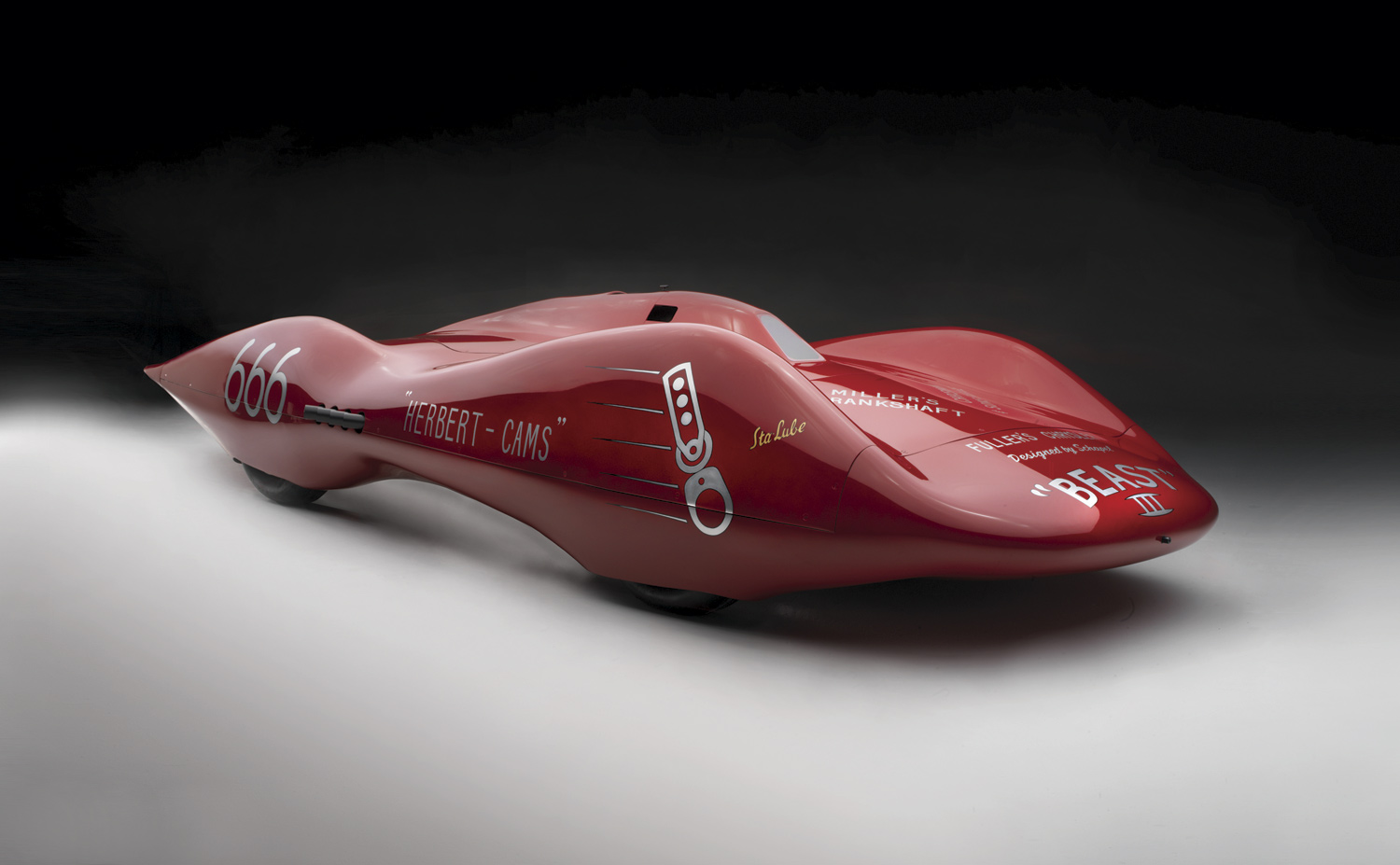
Beast III Streamliner 1952


Beast III Streamliner
1952
Courtesy of Mark and Newie Brinker, Houston, Texas
© Peter Harholdt


The “Beast III” has a Chrysler Hemi engine and was the fastest single-engine car in America in 1952. It was the first car to have its body designed in a wind tunnel.


Continuing my fascination with the design of the automobile, here are another selection of classics!

Marcus


Many thankx to the Utah Museum of Fine Arts for allowing me to publish the photographs in the posting. Please click on the photograph for a larger version of the image.


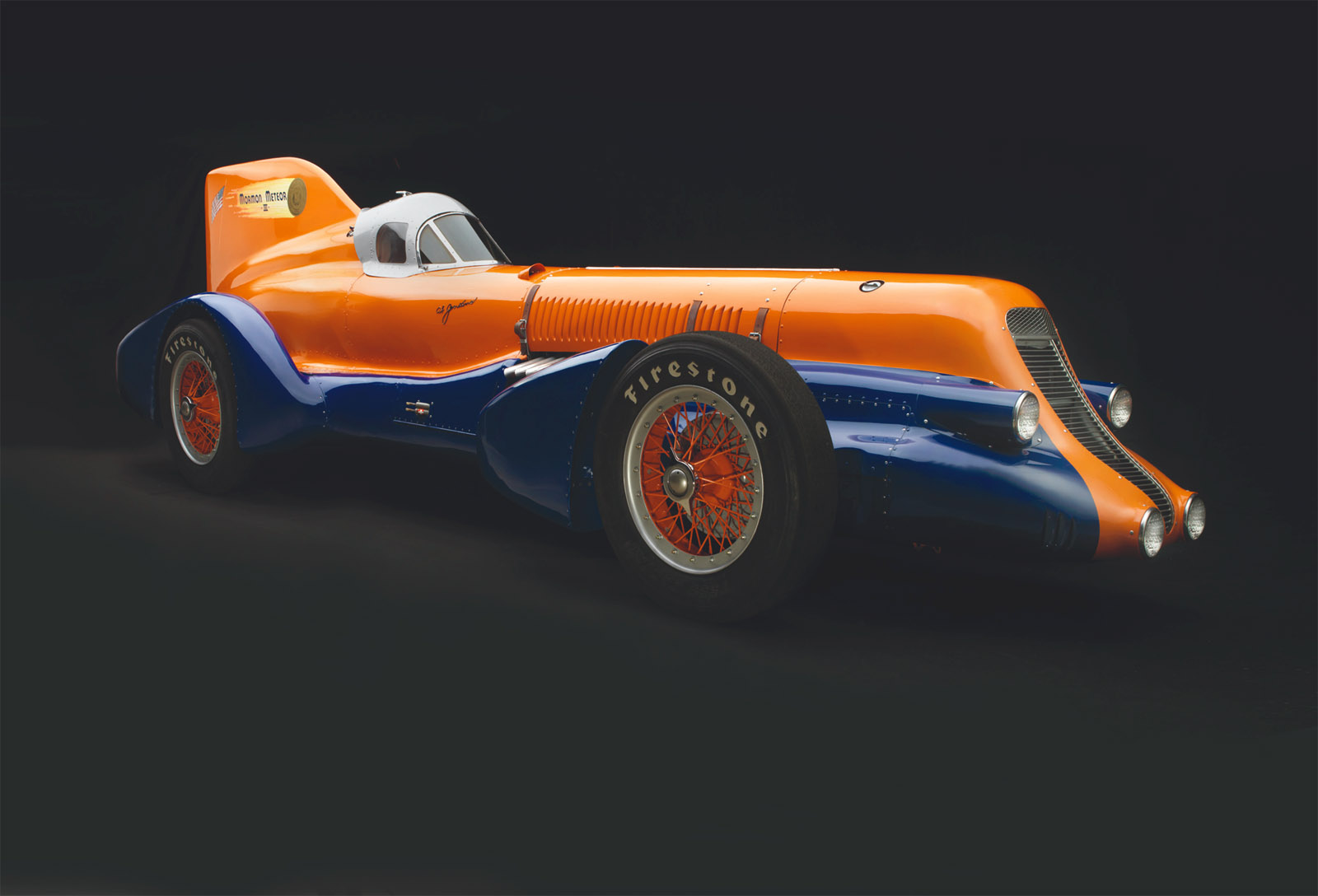
Mormon Meteor III 1938


Mormon Meteor III
1938
Courtesy of Price Museum of Speed, Salt Lake City, Utah
© Peter Harholdt


The “Mormon Meteor III,” the last Duesenberg built, set more long-distance land-speed records than any other car in history. It has a handcrafted Curtis Conqueror aircraft V12 engine.


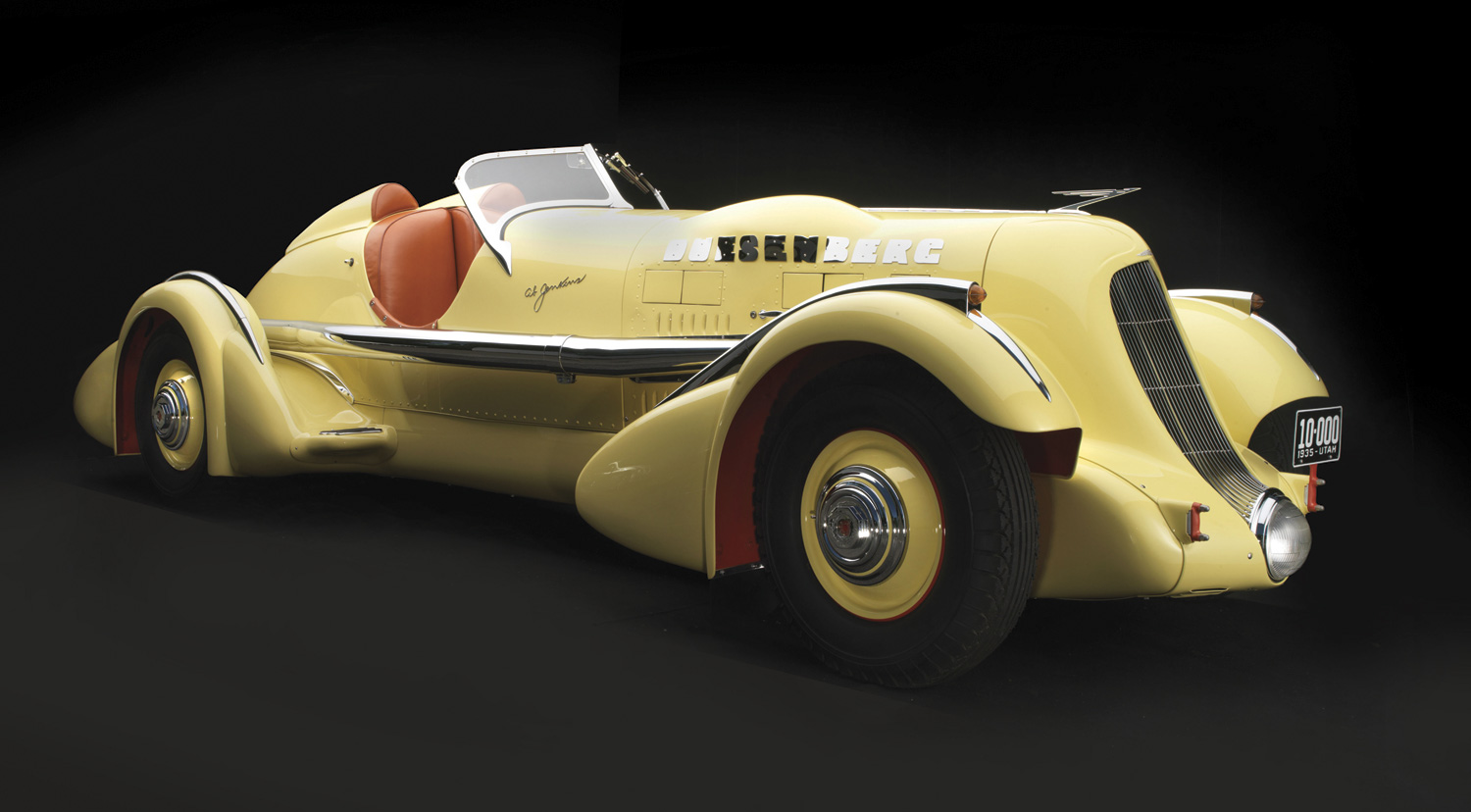
Duesenberg SJ "Mormon Meteor I" 1935


Duesenberg SJ Mormon Meteor I
1935 
Courtesy of Harry Yeaggy Auto Museum, Cincinnati, Ohio
© Peter Harholdt


Ford Modified Roadster 1927


Ford Modified Roadster
1927
Courtesy of Richard V. Munz, Madison, Wisconsin
© Peter Harholdt


Miller 122 Front-Wheel-Drive 1925


Miller 122 Front-Wheel-Drive
1925 
Courtesy of Price Museum of Speed, Salt Lake City, Utah
© Peter Harholdt


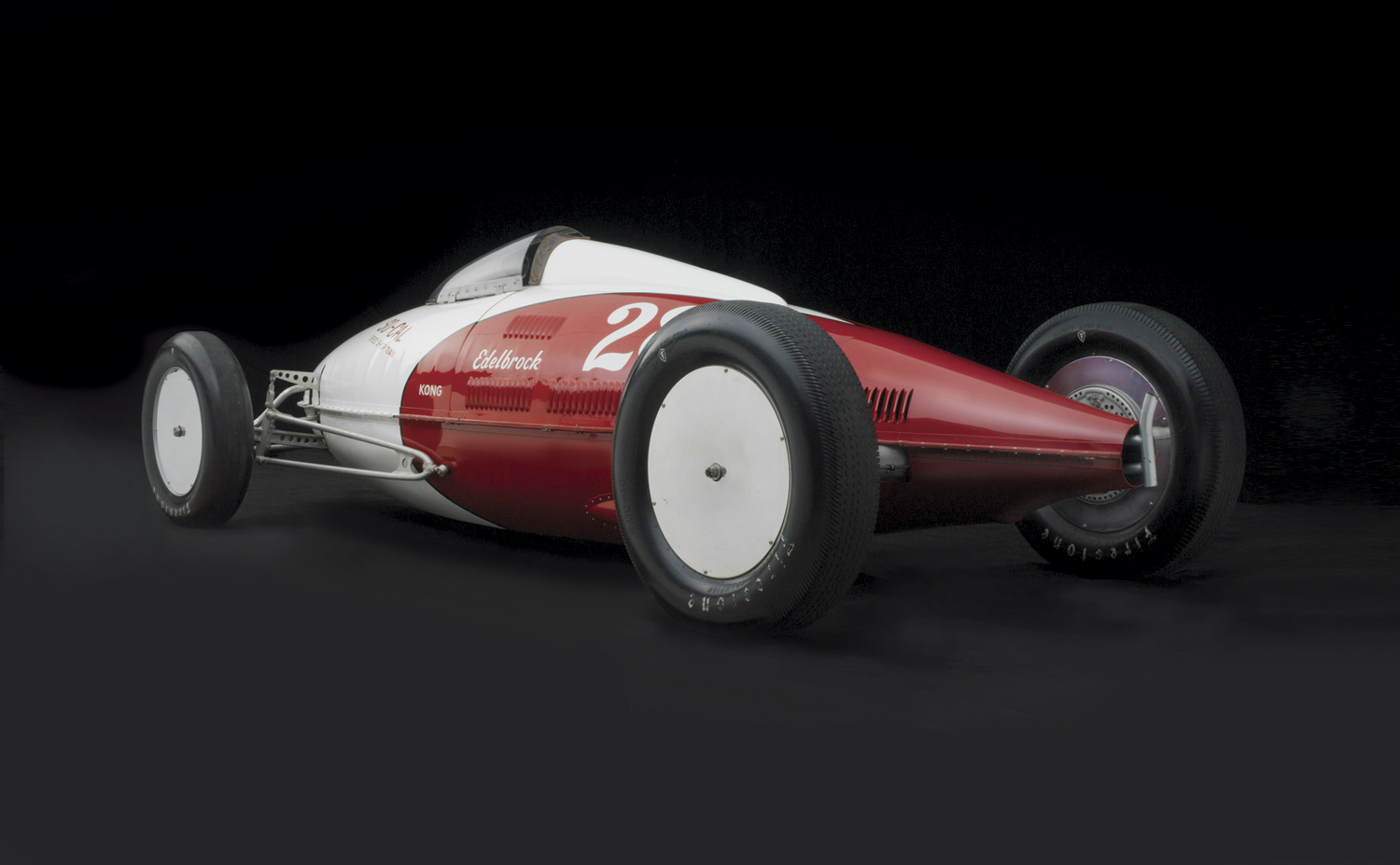
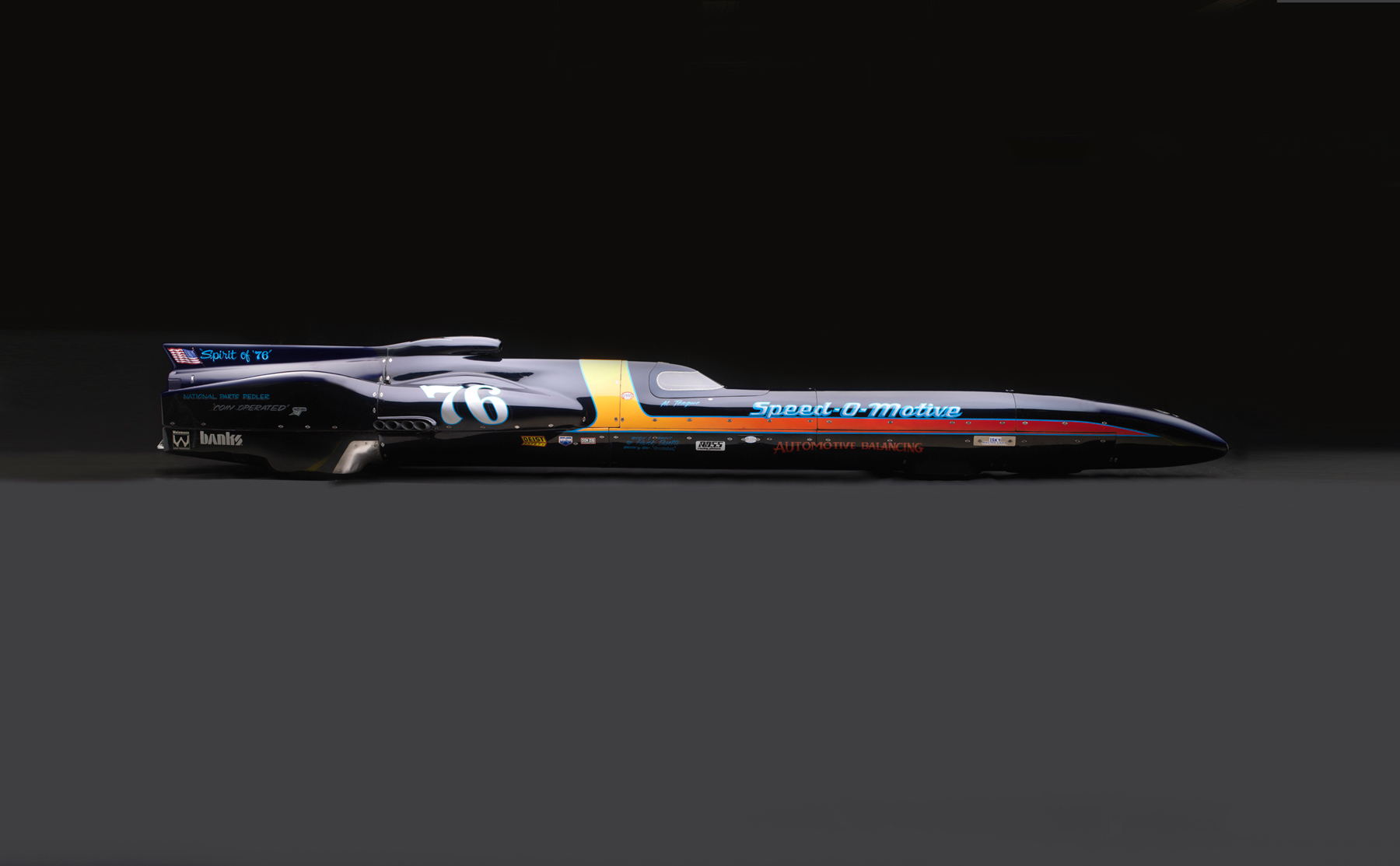
Racing into town this summer, Speed: The Art of the Performance Automobile will be on display at the University of Utah on the first-floor galleries of the Utah Museum of Fine Arts in the Marcia and John Price Museum Building from June 2 – September 16. The exhibition comprises 19 of the world’s finest automobiles and was organised by automotive historian, museum consultant and guest curator Ken Gross.

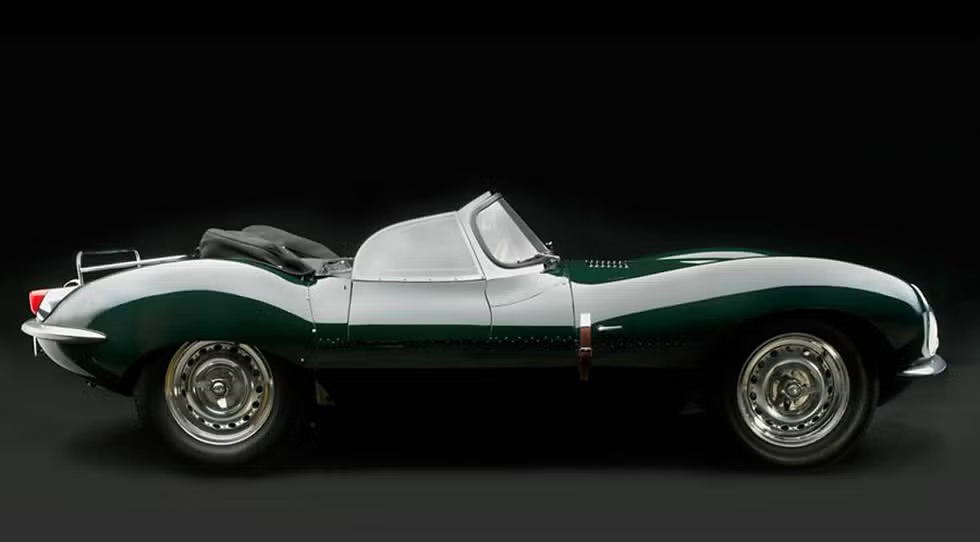
Speed will showcase a century of automobiles that exemplify premier aerodynamics, engineering, art and design of their eras. The cars range from the menacing 1952 “Beast III” Bonneville racer to the ultra-cool 1957 Jaguar XK-SS Roadster, once owned by Steve McQueen. The cars are on loan from some of the country’s top automobile collections, including the Price Museum of Speed; National Automobile Museum; Petersen Automotive Museum; Bruce Meyer; Peter and Merle Mullin; Jon and Mary Shirley; and the Larry H. Miller Family.

“We are delighted to be presenting ‘Speed: The Art of the Performance Automobile’ and are confident that our visitors will be amazed at the beauty, engineering, and amazing stories of these incredible cars” says Gretchen Dietrich, executive director of the UMFA. “We hope many first time visitors will come to see the exhibition and be introduced to our wonderful museum and collection.”

A number of art museums in America and Europe recently presented popular exhibitions of cars, including Curves of Steel at the Phoenix Art Museum (2007), Allure of the Automobile at the High Museum of Art in Atlanta (2010) and the Portland Art Museum (2011), as well as L’Art de L’Automobile: Chef d’Oeuvres de la Collection Ralph Lauren at the Les Arts Décoratifs in Paris (2011). The first art exhibition of cars was Eight Automobiles, mounted sixty years ago at the Museum of Modern Art in New York City (1951).

The UMFA’s automobile exhibition, however, is the first of its kind. Speed will examine automobiles not only as works of art and design, but as objects of rich racing history. The featured cars were created by legendary engineers, distinguished designers, and storied automobile companies; many are speed record-setters that were owned and raced by famous drivers and other notable people of their time. This is the first and only time these 19 cars have been seen together in one venue.

Many of the cars in Speed: The Art of the Performance Automobile have a special connection to Utah’s famed Bonneville Salt Flats, where racers from all over the world traveled, and continue to travel, in attempts to break land speed records. The “Mormon Meteor III” is perhaps the most famous Bonneville race car. Designed and driven by legendary racer and former Salt Lake City Mayor David Abbott “Ab” Jenkins (1883-1956), the “Mormon Meteor III” set more long distance land speed records than any other automobile in history, and it still holds 12 of them today.

“These 19 special automobiles comprise a remarkable selection of historic racers and high performance cars, spanning more than a century,” notes guest curator Ken Gross. “Unlikely to be repeated, this exhibition represents a once-in-a-lifetime opportunity to see and study these legends on wheels.”

Press release from the UMFA website


4 1/2-Litre "Blower" Bentley 1931


4 1/2-Litre “Blower” Bentley
1931 
Courtesy of Price Museum of Speed, Salt Lake City, Utah
© Peter Harholdt


Bugatti Type 35B Grand Prix 1929


Bugatti Type 35B Grand Prix
1929 
Courtesy of Price Museum of Speed, Salt Lake City, Utah
© Peter Harholdt


Peerless "Green Dragon" Racer 1904


Peerless “Green Dragon” Racer
1904
Courtesy of Price Museum of Speed, Salt Lake City, Utah
© Peter Harholdt


Renault AI 35/45 HP Vanderbilt Racer 1907


Renault AI 35/45 HP Vanderbilt Racer
1907 
Courtesy of Price Museum of Speed, Salt Lake City, Utah
© Peter Harholdt


Ferrari 375MM 1953


Ferrari 375MM
1953
© Peter Harholdt


Cord 812 1937


Cord 812
1937 
Courtesy of The National Automobile Museum (The Harrah Collection), Reno, Nevada
© Peter Harholdt


So-Cal Speed Shop Belly Tank 1952


So-Cal Speed Shop Belly Tank
1952 
Courtesy of Collection of Bruce Meyer, Los Angeles, California
© Peter Harholdt


Jaguar XK-SS 1957


Jaguar XK-SS
1957
© Peter Harholdt


The Jaguar XK-SS is just one of 16 built. This particular example was owned by Steve McQueen.


"Speedomotive Special" Streamliner 1975 


“Speedomotive Special” Streamliner
1975 
Courtesy of Price Museum of Speed, Salt Lake City, Utah
© Peter Harholdt


Utah Museum of Fine Arts
University of Utah campus
Marcia and John Price Museum Building
410 Campus Center Drive

Opening hours:
Tuesday – Sunday 10am – 5pm
Closed Mondays

Utah Museum of Fine Arts website

LIKE ART BLART ON FACEBOOK

Back to top

Review: ‘Lost & Found: Family Photos Swept away by the 3.11 East Japan Tsunami’ at the Centre for Contemporary Photography (CCP), Fitzroy, Melbourne

Exhibition dates: 1st June – 15th July 2012


'Untitled' from 'Lost and Found' 2011


This is a profound exhibition of photographs that have been lost then found. Too damaged to be returned to the families of their missing owners after the 3.11 East Japan Tsunami they have been cleaned, dried, digitally catalogued and put on display. As remnants of disaster they have taken on an ethereal, abstract expressionist beauty.

Like Atget’s photographs (his “documents for artists”) they were never meant to be “art”, but through morphogenesis (‘beginning of the shape’) these snapshots of places, family and friends reveal their inherent form. This beginning of form has been exposed through displacement, washing and erasure. Through this process of erasure these anonymous images reveal their underlying structure with its link to alchemy, as the image dis/appears from view; they have become unfixed (as in the fixer that stabilises the image in the analogue darkroom) from reality. In this process they have become art.


The images are incredibly beautiful.

They hid secrets (of ownership, names, families and places, of time and space).

Something (energy, spirit?) emerges when you least expect it.


Photographs are coded, but usually so as to appear uncoded but here the link to the indexicality of the image – the idea of the visible as evidence of truth – has been broken. These photographs, taken out of their original context, have lost their specific use value in the particular time and place of their consumption. The fragmentation of this use value, together with the dissolution of their formal characteristics, means that they are freed of the conditions that limit and determine their meaning.1 As Annette Kuhn has written in The Power of the Image, “Meanings do not reside in images, then: they are circulated between representation, spectator and social function.”2 And in these images all three things have changed.

Further, the link between the image and its referent, the photograph and the thing being photographed has been irreversibly broken. As the French critic Maurice Blanchot has written, “The image has nothing to do with signification, meaning, as implied by the existence of the world, the effort of truth, the law and the brightness of the day. Not only is the image of an object not the meaning of that object and of no help in comprehending it, but it tends to withdraw it from its meaning by maintaining it in the immobility of a resemblance that it has nothing to resemble.”3 In other words (and especially in these photographs) it is this severance of meaning and its object, this resemblance of nothing.

But think about this idea:

THINK ABOUT THE IDEA OF RE(AS)SEMBLANCE!

DOES THE PHOTOGRAPH REASSEMBLE A SIGNIFICATION, A MEANING WHOLLY ITS OWN, OR IS THAT RE(AS)SEMBLANCE PART OF THE ORIGINAL MEANING OF THE OBJECT PHOTOGRAPHED?


In these photographs there is an obfuscation of reality in which the usually coded photographs now appear to be uncoded in some visceral sense. In fact there is a double obfuscation, a double effacement, as the images are displayed on the wall like a series of bathroom tiles in plastic sleeves, here not at one remove but at two (the clouding of the image and the clouding through the plastic). What emerges from this alchemical miasma is the ghost of the meaning of the object, where we acknowledge that the essence of these people did really exist. The recognition of their presence, this partial reassemblance of the context and meaning of the object originally photographed, is the strength of these images: our acknowledgment of some form of existence in the trace of the photograph, where seeing is subconsciously believing.

What we are left with in these images are vestiges of presence, remnants or traces of people that have passed on. In a kind of divine intervention, these photographs ask the viewer questions about the one fact that we cannot avoid in our lives, our own mortality, and what remains after we pass on. We can never know these people and places, just as we can never know the place and time of our death – when our “time” is up – but these photographs awaken in us a subconscious remembering: that we may be found (in life), then lost (through death), then found again in the gaze of the viewer looking at the photographs in the future present. We are (dis)continuous beings.

There is no one single reading of these photographs for “there are only competing narratives and interpretations of a world that cannot be wholly, accurately described.”4 These indescribable photographs impinge on our consciousness calling on us to remember even as the speed of contemporary life asks us to forget. This ethical act of looking, of mourning and remembering, of paying homage to presence acknowledges that we choose not to let pass into the dark night of the soul these traces of our forebears, for each emanation is deeply embedded within individual and cultural memory.

These photographs are a contemporary form of Western ‘dreaming’ in which we feel a link to the collective human experience. In this reification, we bear witness to the (re)assemblance of life, the abstract made (subconsciously) concrete, as material thing. These images of absent presence certainly reached out and touched my soul.

Vividly, I choose to remember rather than to forget.

Dr Marcus Bunyan


Footnotes

1/ Kuhn, Annette. The Power of the Image: Essays on Representation and Sexuality. London: Routledge and Kegan Paul, 1985, p. 6

2/ Ibid.,

3/ Blanchot, Maurice. The Gaze of Orpheus. New York: Barrytown, 1981, p. 85

4/ Townsend, Chris. Vile Bodies: Photography and the Crisis of Looking. Munich: Prestel, 1998, p. 10


Many thankx to Munemasa Takahashi, Kristian Haggblom and Karra Rees for their help and the CCP for allowing me to publish the photographs in the posting. Please click on the photographs to view a larger version of the image.


'Untitled' from 'Lost and Found' 2011


Opening of the 'Lost & Found' exhibition at the Centre for Contemporary Photography


Opening of the Lost & Found exhibition at the Centre for Contemporary Photography, Melbourne


'Untitled' from 'Lost and Found' 2011


'Untitled' from 'Lost and Found' 2011


'Untitled' from 'Lost and Found' 2011


Lost & Found is a profoundly moving exhibition of collected photographs recovered from the devastation following the earthquake and tsunami and subsequent nuclear catastrophe that took place in the Tohoku region in 2011. 

The tsunami not only swept the harbour away, but also houses, cars, trains; and many people lost their lives. Although no longer in the media, people in this region are still in great need. These photographs remind us of their presence and make us aware of their silent voices. The exhibition also gives us an opportunity to think about the relationship people have with their photographs.

The Lost & Found project is attempting to return pictures from the collection to their owners by cleaning, cataloguing and creating a digital database of the photographs. Many images were too badly damaged and can not be returned; rather than discard them, the project team decided to exhibit the imagery and give people the opportunity to see these photographs in the belief that they carry powerful messages. 

This project was initiated by Munemasa Takahashi and Hiroshi Hatate in Japan and Kristian Haggblom from Wallflower Photomedia Gallery in Australia. Funds raised will go directly to the people of Yamamoto-cho.

Text from the CCP website


'Untitled' from 'Lost and Found' 2011


'Untitled' from 'Lost and Found' 2011


'Untitled' from 'Lost and Found' 2011


'Untitled' from 'Lost and Found' 2011


'Untitled' from 'Lost and Found' 2011


All photographs are from the exhibition Lost & Found


Centre for Contemporary Photography

No permanent exhibition space at the moment

Centre for Contemporary Photography website

LIKE ART BLART ON FACEBOOK

Back to top