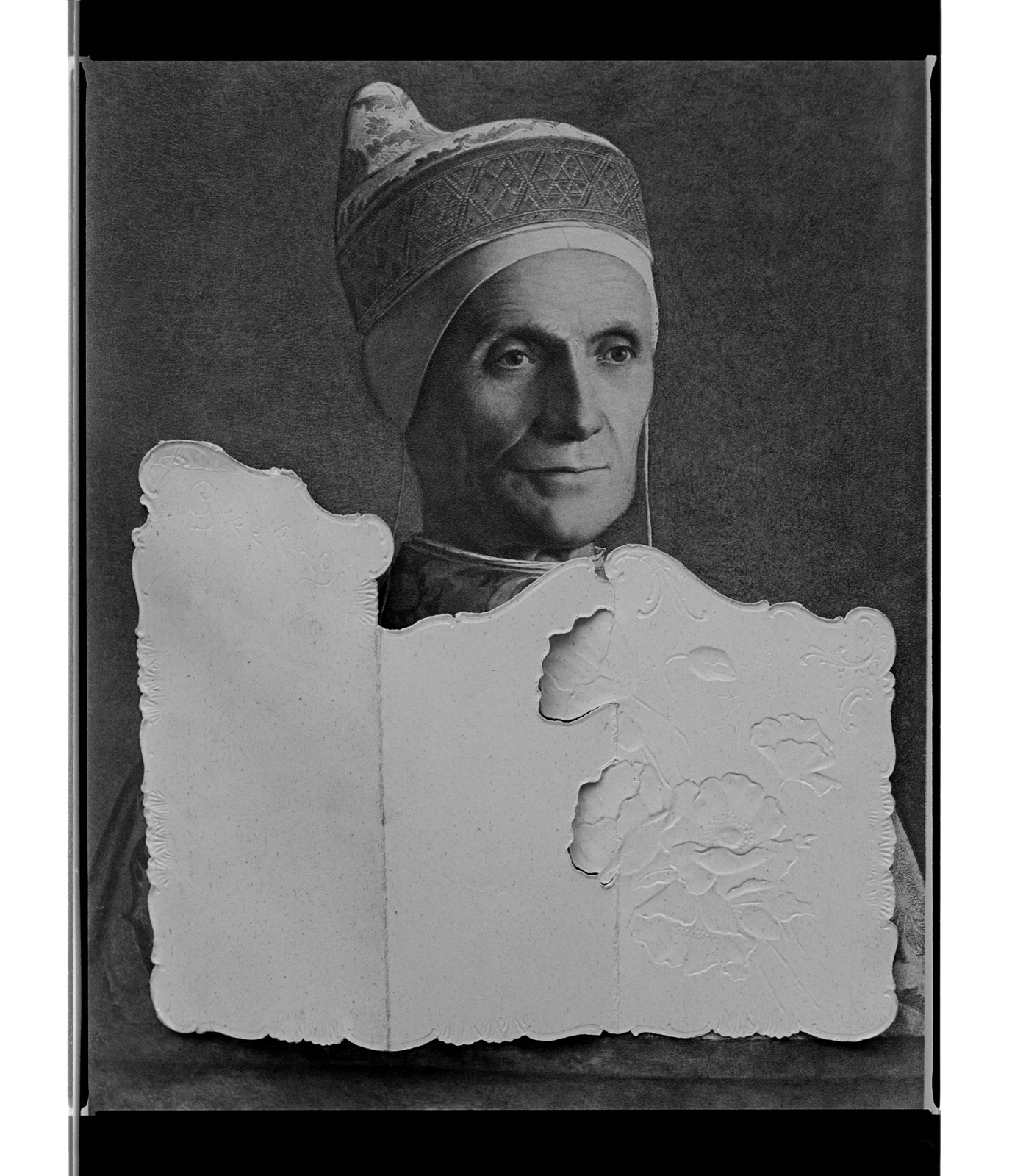
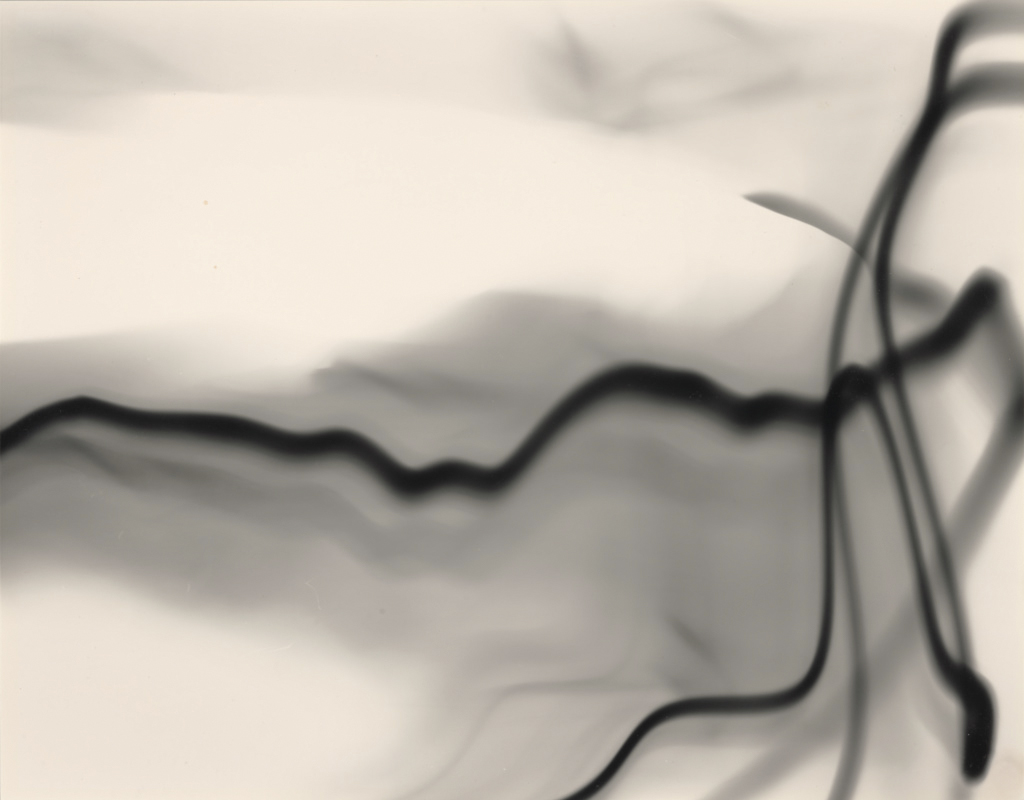
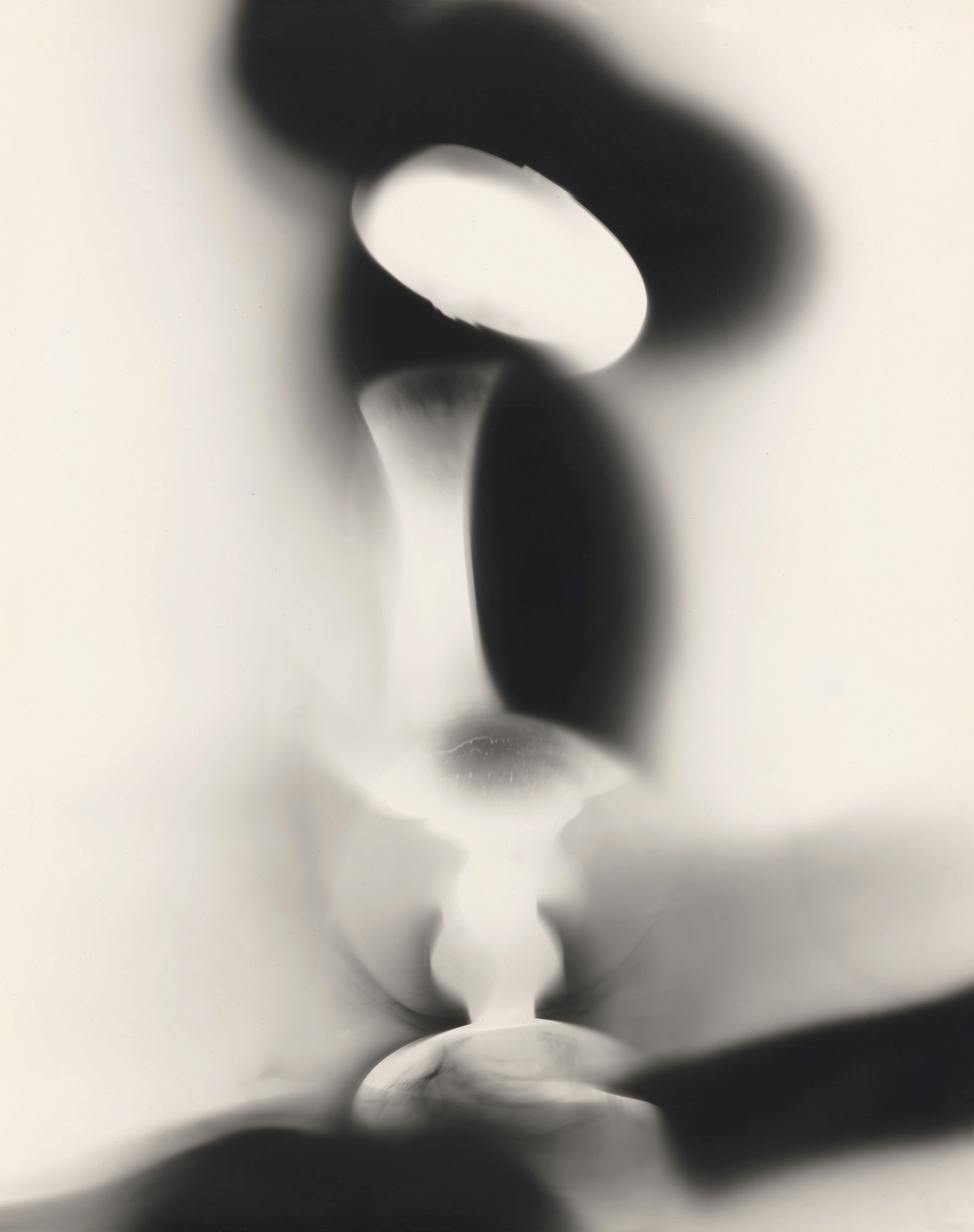
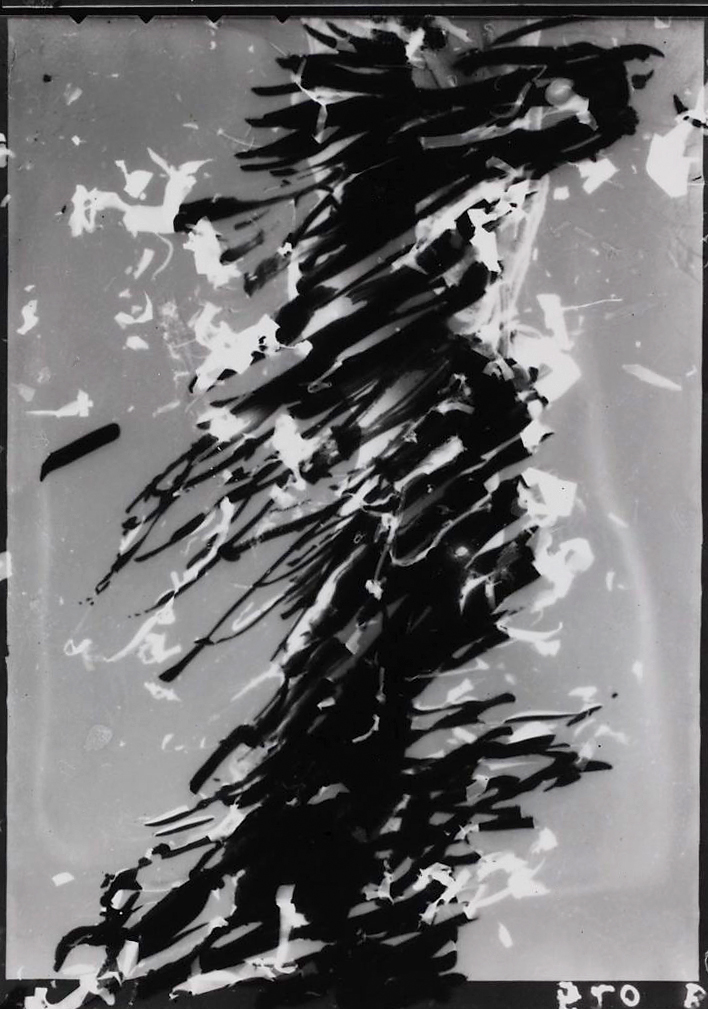
Marcus Bunyan (Australian, b. 1958) Ma mère 1994 Gelatin silver print
Earlier in my life I believed that identity was always fluid, always in flux. These photographs reflect that belief.
Now as I get older, this belief has changed.
Identity is always steady – at a certain level – and that the old adage to know ones-self is still the greatest challenge. And that this knowledge brings a core that is consistent.
The fluidity of self-knowledge disappears when attention is sharpened.
Marcus Bunyan 2021
I am scanning my medium format Mamiya RZ67 negatives made during the years 1991-1997 to preserve them in the form of an online archive as a process of active memory, so that the images are not lost forever. These photographs were images of my life and imagination at the time of their making, the ideas I was thinking about and the people and things that surrounded me.
*PLEASE NOTE THIS POSTING CONTAINS ART PHOTOGRAPHS OF MALE NUDITY – IF YOU DO NOT LIKE PLEASE DO NOT LOOK, FAIR WARNING HAS BEEN GIVEN*
Photographs are available from this series for purchase. As a guide, a vintage 8″ x 10″ silver gelatin print costs $700 plus tracked and insured shipping. For more information please see my Store web page.
Marcus Bunyan (Australian, b. 1958) Untitled (Rembrandt thinking) 1996 Gelatin silver print
Marcus Bunyan (Australian, b. 1958) The conversation 1996 Gelatin silver print
Marcus Bunyan (Australian, b. 1958) Untitled (Pope folded) 1996 Gelatin silver print
Marcus Bunyan (Australian, b. 1958) Untitled (Pope unfolded) 1996 Gelatin silver print
Marcus Bunyan (Australian, b. 1958) The Angelus, New R, 1892 1996 Gelatin silver print
Marcus Bunyan (Australian, b. 1958) Thy Kingdom Come 1996 Gelatin silver print
Marcus Bunyan (Australian, b. 1958) Purity 1996 Gelatin silver print
Marcus Bunyan (Australian, b. 1958) Whistler’s mother (looking out to sea) 1996 Gelatin silver print
Marcus Bunyan (Australian, b. 1958) Holbein’s Happiness 1996 Gelatin silver print
Marcus Bunyan (Australian, b. 1958) Untitled (Sweet heart with leaves) 1996 Gelatin silver print
Marcus Bunyan (Australian, b. 1958) Windows at 63aa 1995 Gelatin silver print
Marcus Bunyan (Australian, b. 1958) Untitled 1995 Gelatin silver print
Marcus Bunyan (Australian, b. 1958) Urban abstraction (for Max) 1995 Gelatin silver print
Marcus Bunyan (Australian, b. 1958) Untitled 1995 Gelatin silver print
Marcus Bunyan (Australian, b. 1958) Between the breath and the silence 1995 Gelatin silver print
Marcus Bunyan (Australian, b. 1958) Shame Fraser 1995 Gelatin silver print
Marcus Bunyan (Australian, b. 1958) Port Melbourne to Port of Melbourne 1995 Gelatin silver print
Marcus Bunyan (Australian, b. 1958) Out back 1995 Gelatin silver print
Marcus Bunyan (Australian, b. 1958) Untitled (pear on black) 1994 Gelatin silver print
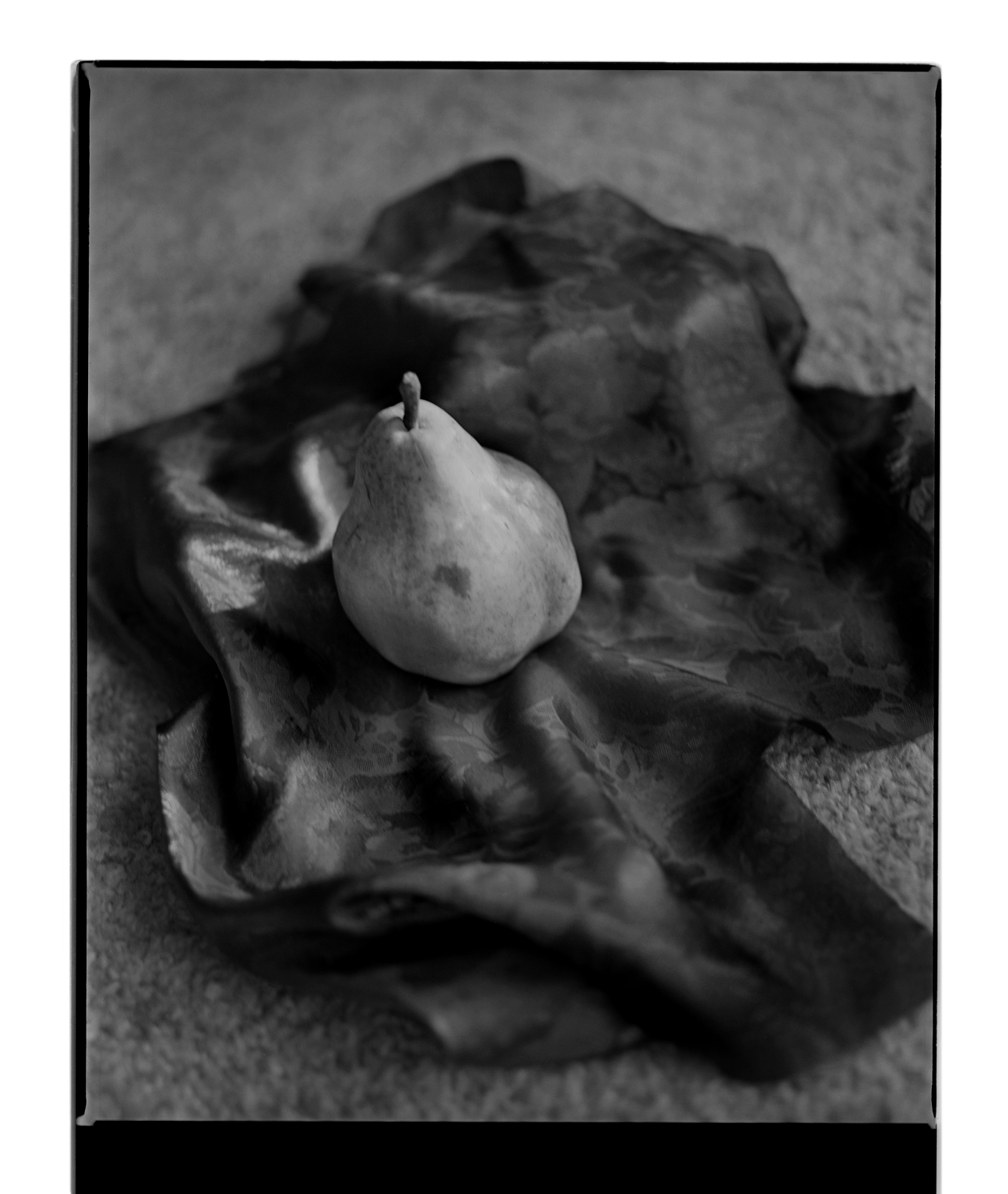
Marcus Bunyan (Australian, b. 1958) Pear I 1994 Gelatin silver print
Marcus Bunyan (Australian, b. 1958) Pear II 1994 Gelatin silver print
Marcus Bunyan (Australian, b. 1958) Abstract I 1995 Gelatin silver print
Marcus Bunyan (Australian, b. 1958) Abstract II 1995 Gelatin silver print
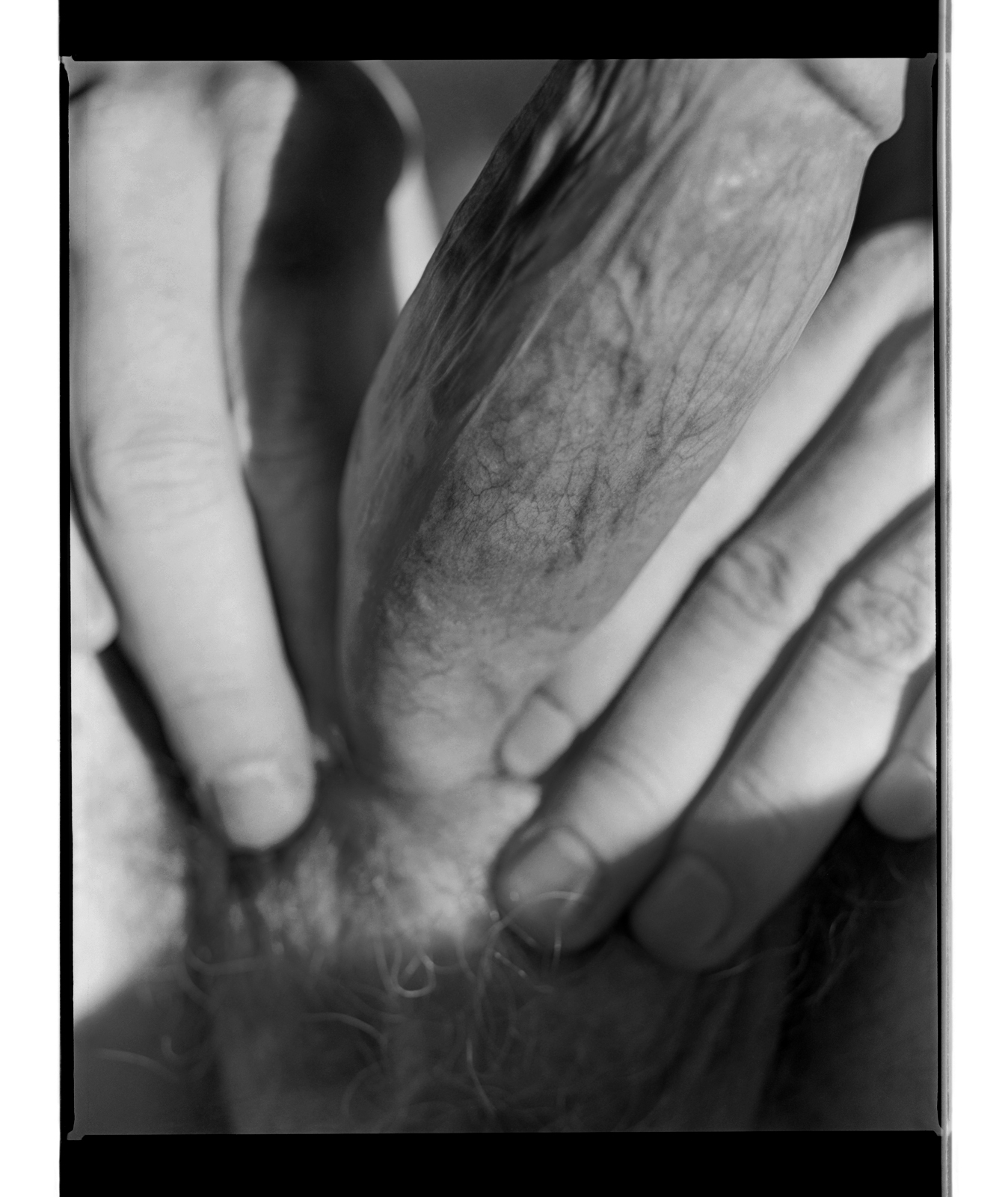
Marcus Bunyan (Australian, b. 1958) Nude in sunlight 1995 Gelatin silver print
Marcus Bunyan (Australian, b. 1958) Abstract III 1995 Gelatin silver print
Marcus Bunyan (Australian, b. 1958) Abstract IIII 1995 Gelatin silver print
Marcus Bunyan (Australian, b. 1958) Abstract V 1995 Gelatin silver print
Marcus Bunyan (Australian, b. 1958) Abstract VI 1995 Gelatin silver print
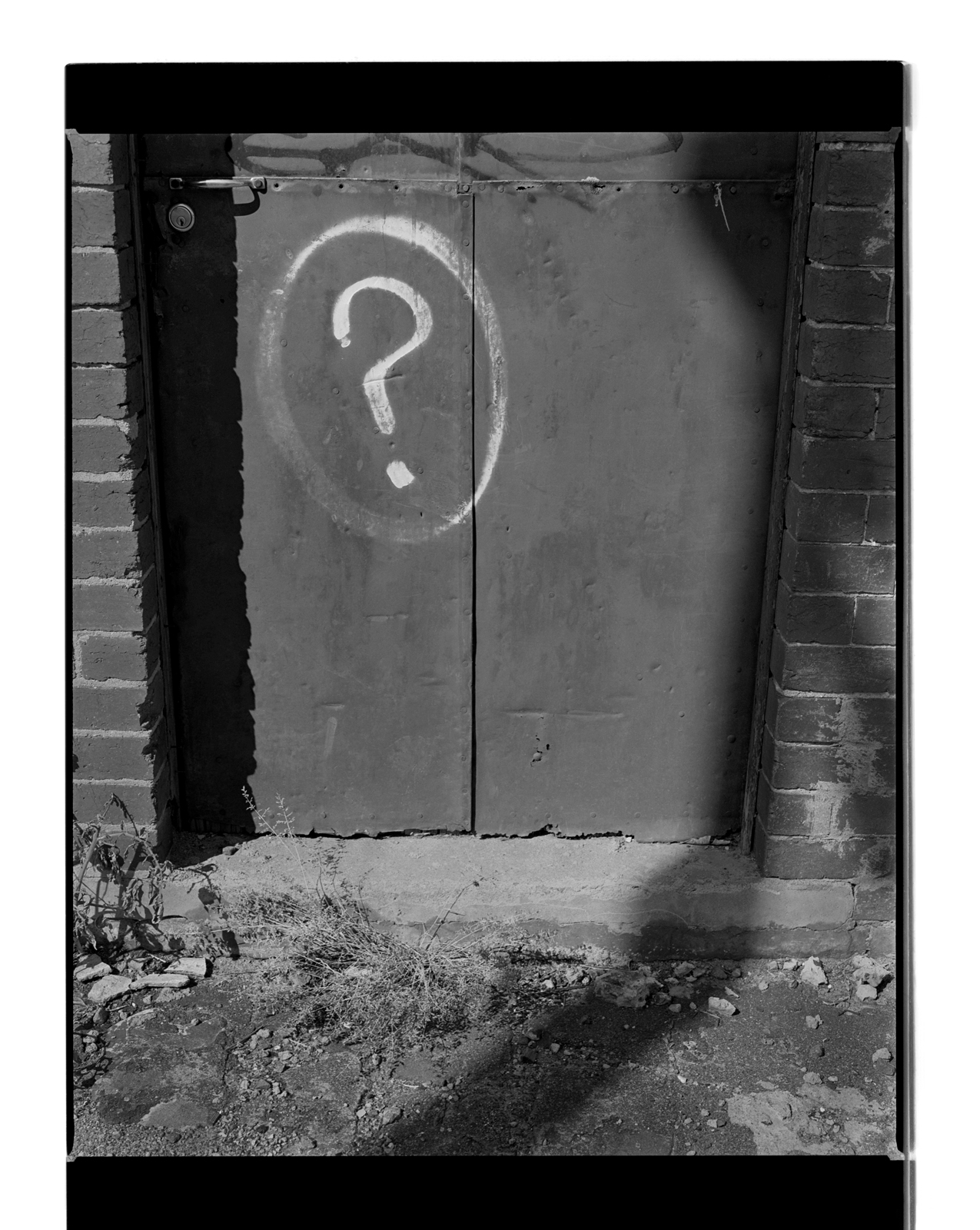
Marcus Bunyan (Australian, b. 1958) Question mark 1995 Gelatin silver print
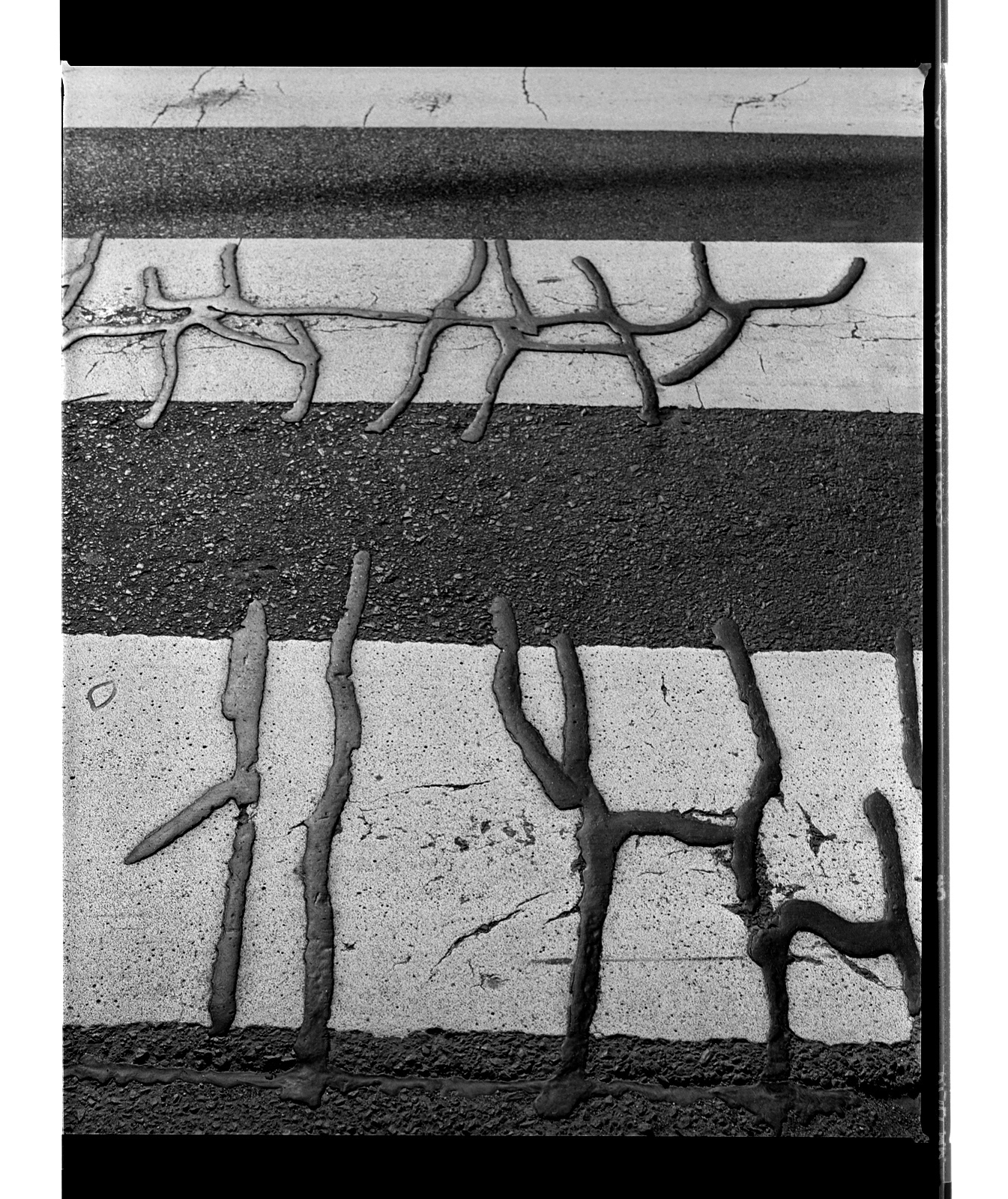
Marcus Bunyan (Australian, b. 1958) Four lines and two trestles 1995 Gelatin silver print
Marcus Bunyan (Australian, b. 1958) Four tyres 1995 Gelatin silver print
Marcus Bunyan (Australian, b. 1958) Untitled (two cracks) 1995 Gelatin silver print
Marcus Bunyan (Australian, b. 1958) Untitled 1995 Gelatin silver print
Marcus Bunyan (Australian, b. 1958) Untitled (plank) 1995 Gelatin silver print
Marcus Bunyan (Australian, b. 1958) Untitled (creature) 1996 Gelatin silver print
Marcus Bunyan (Australian, b. 1958) Untitled (creature) 1996 Gelatin silver print
Marcus Bunyan (Australian, b. 1958) Untitled (creature) 1996 Gelatin silver print
Marcus Bunyan (Australian, b. 1958) Untitled (creature) 1996 Gelatin silver print
Marcus Bunyan (Australian, b. 1958) Untitled (creatures) 1996 Gelatin silver print
Marcus Bunyan (Australian, b. 1958) Untitled (creatures) 1996 Gelatin silver print
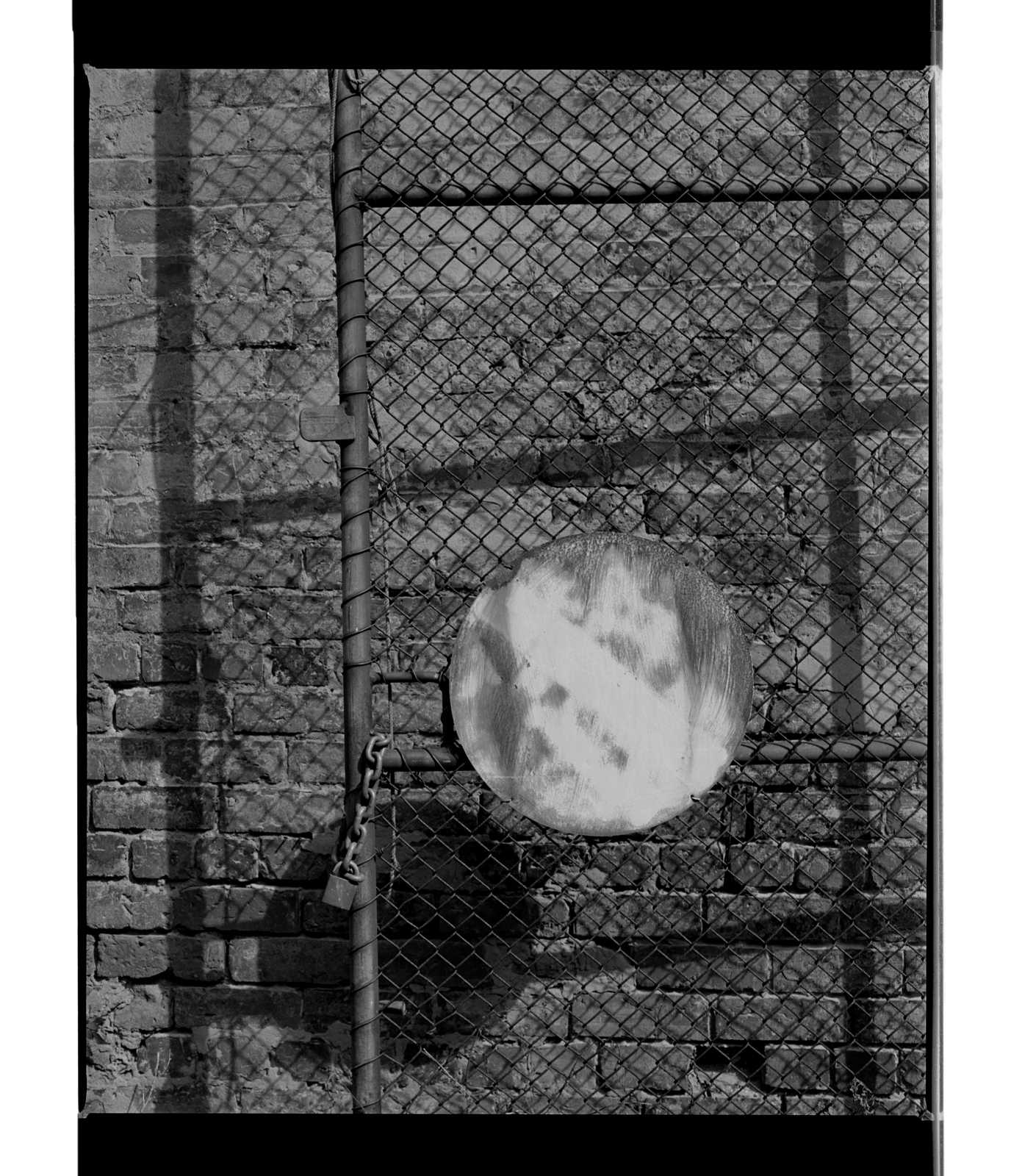
Marcus Bunyan (Australian, b. 1958) Roundel I 1996 Gelatin silver print
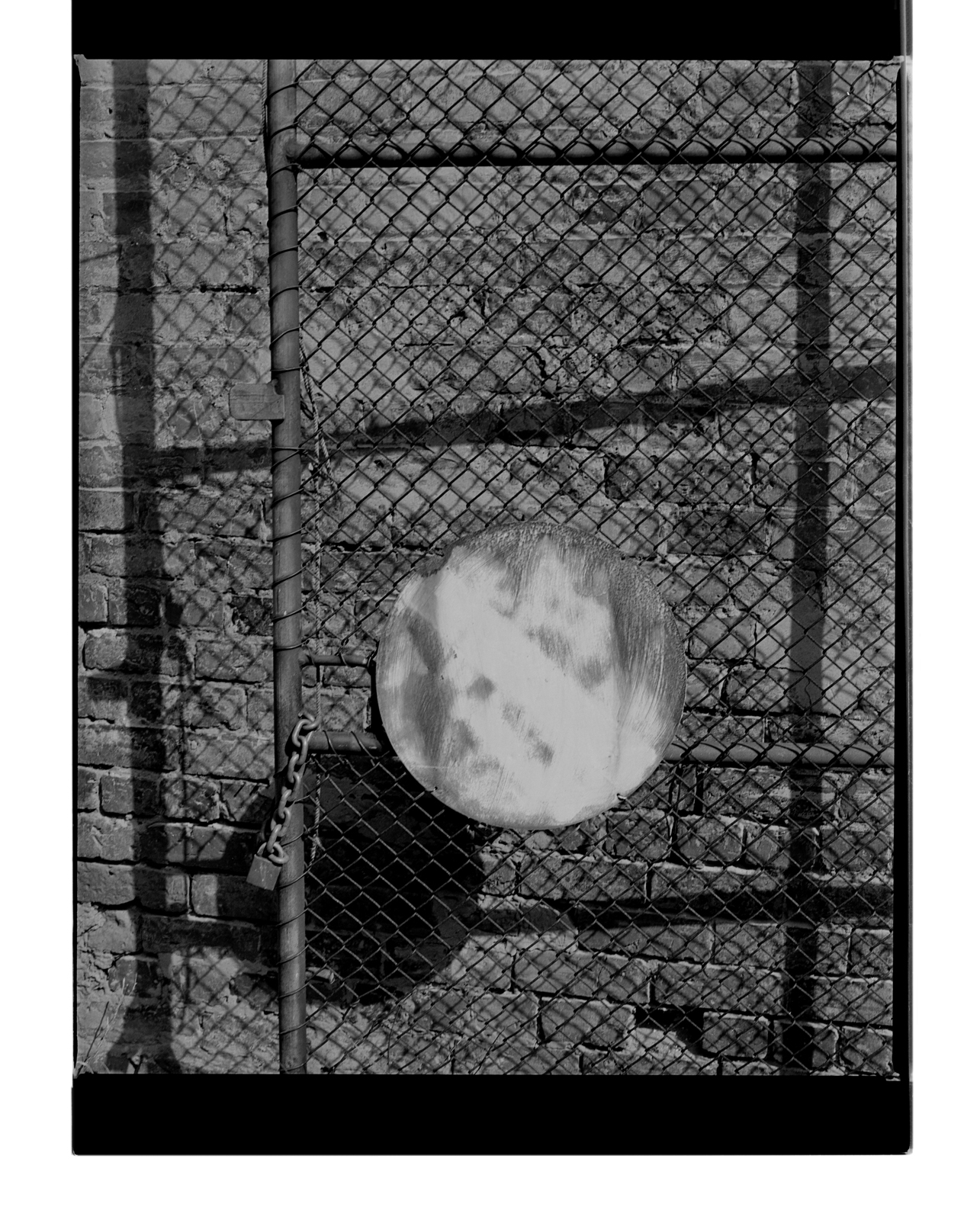
Marcus Bunyan (Australian, b. 1958) Roundel II 1996 Gelatin silver print
Marcus Bunyan (Australian, b. 1958) Roundel III 1996 Gelatin silver print
Marcus Bunyan (Australian, b. 1958) Roundel IIII 1996 Gelatin silver print
Marcus Bunyan (Australian, b. 1958) The structure and fabric of existence 1 1995 Gelatin silver print
Marcus Bunyan (Australian, b. 1958) Passionfruit² 1995 Gelatin silver print
Marcus Bunyan (Australian, b. 1958) Passionfruit² 1995 Gelatin silver print
Marcus Bunyan (Australian, b. 1958) The structure and fabric of existence 2 1995 Gelatin silver print
Marcus Bunyan (Australian, b. 1958) Untitled 1995 Gelatin silver print
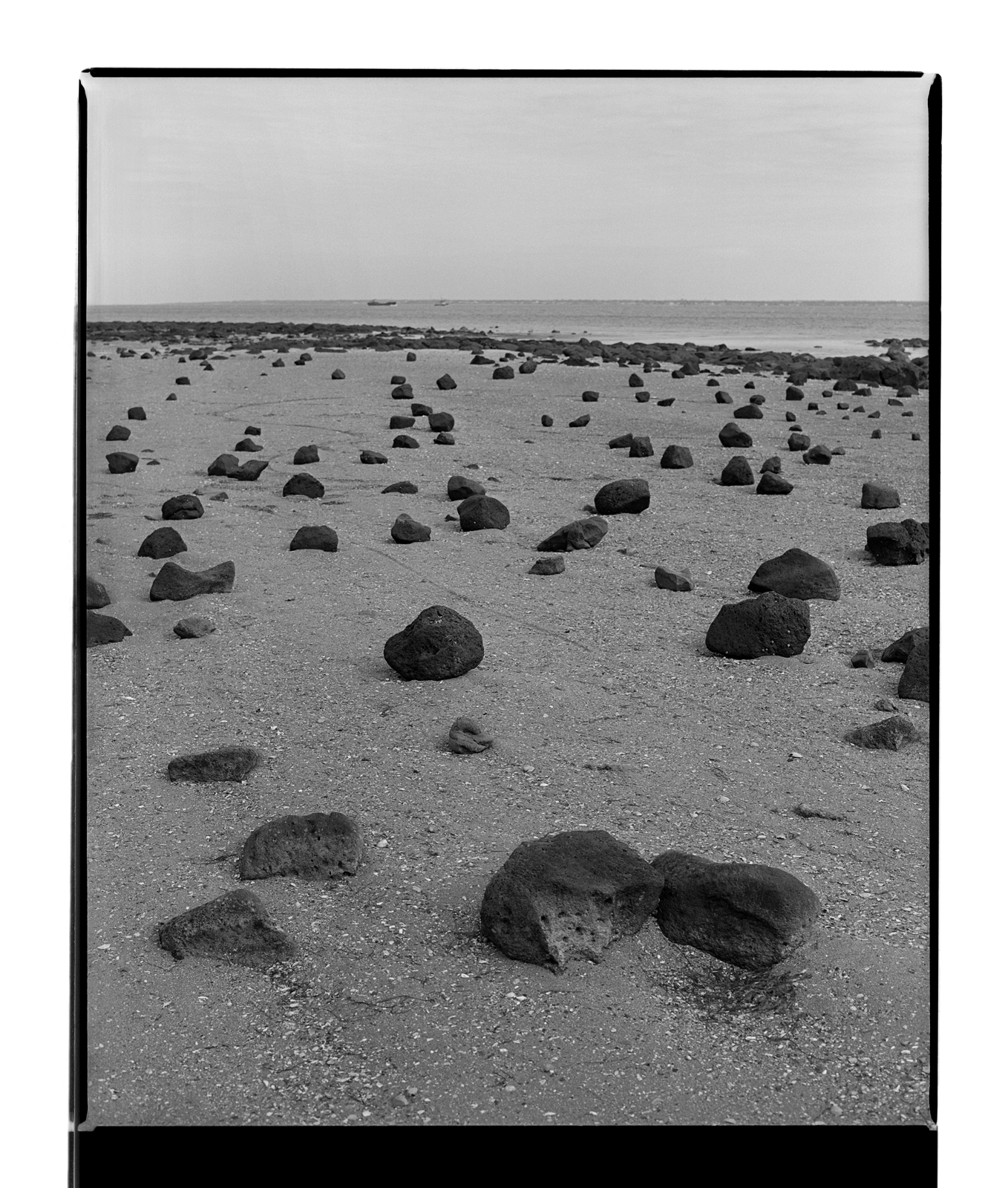
Marcus Bunyan (Australian, b. 1958) Williamstown 1 1995 Gelatin silver print
Marcus Bunyan (Australian, b. 1958) Williamstown 2 1995 Gelatin silver print
Marcus Bunyan (Australian, b. 1958) Williamstown 3 1995 Gelatin silver print
Marcus Bunyan (Australian, b. 1958) Case Tractor – 1925 – 1996 Gelatin silver print
Marcus Bunyan (Australian, b. 1958) Fordson Tractor 1922 1995 Gelatin silver print
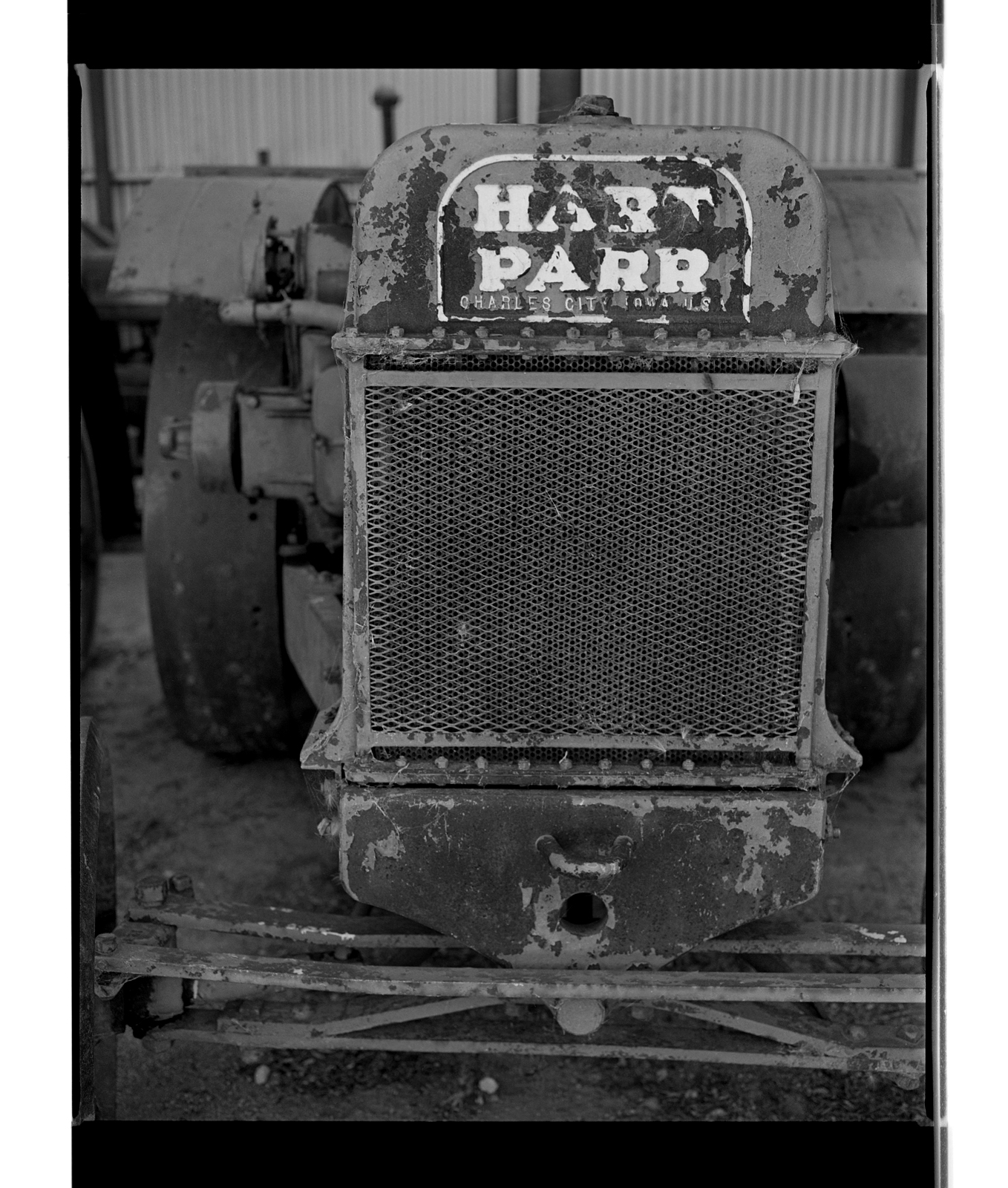
Marcus Bunyan (Australian, b. 1958) Hart Parr 1995 Gelatin silver print
Marcus Bunyan (Australian, b. 1958) John Deere Tractor c. 1925 1995 Gelatin silver print
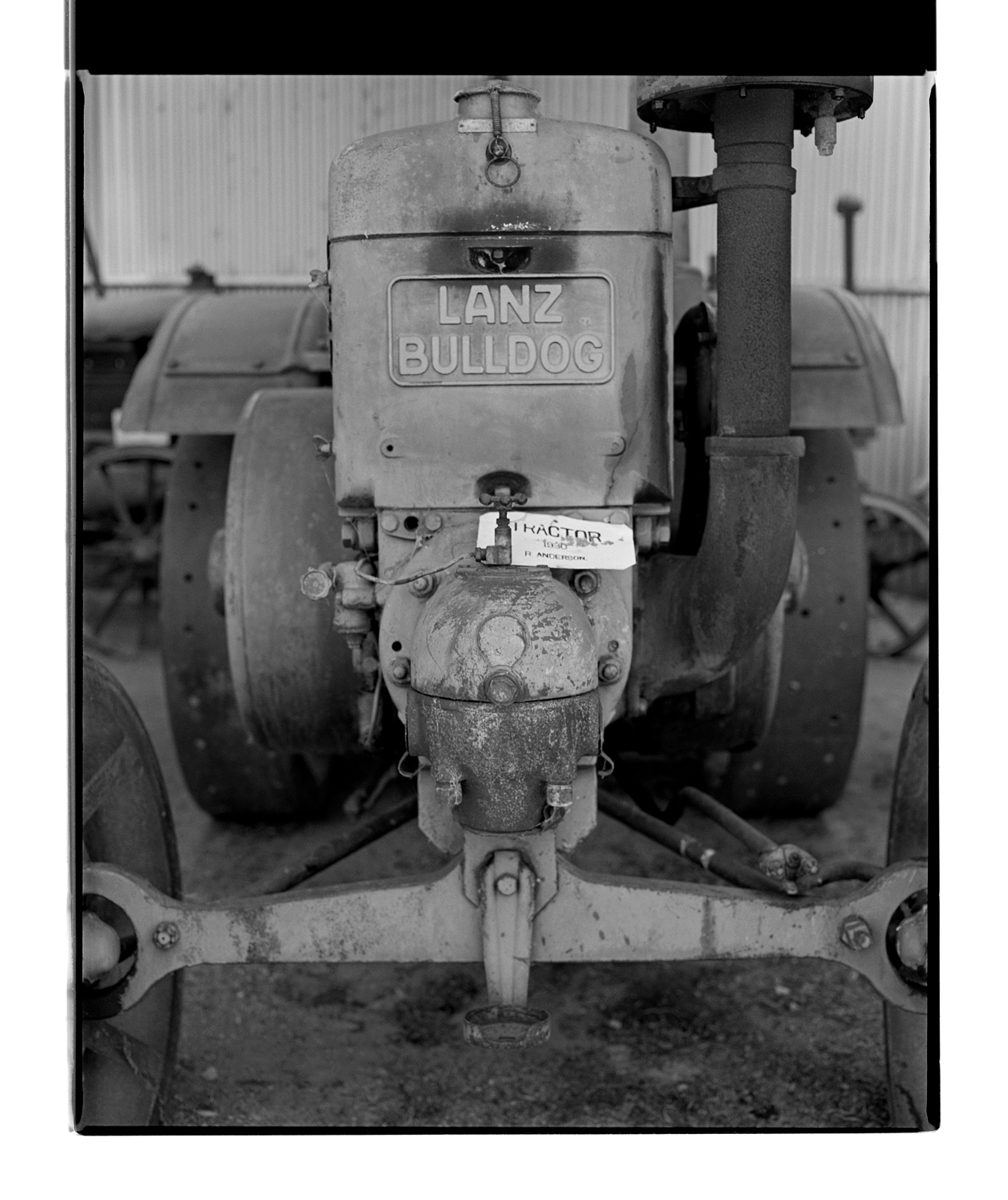
Marcus Bunyan (Australian, b. 1958) Lanz Bulldog Tractor 1930 1995 Gelatin silver print
Marcus Bunyan (Australian, b. 1958) McCormick Deering Tractor c. 1928 1995 Gelatin silver print
Marcus Bunyan (Australian, b. 1958) Fighter 1 1994-96 Gelatin silver print
Marcus Bunyan (Australian, b. 1958) Fighter 2 1994-96 Gelatin silver print
Marcus Bunyan (Australian, b. 1958) “Boomerang Way” Tocumwal Wishing Well 1995 Gelatin silver print
Marcus Bunyan (Australian, b. 1958) “Boomerang Way” Tocumwal Wishing Well 1995 Gelatin silver print
Marcus Bunyan (Australian, b. 1958) “Boomerang Way” Tocumwal Wishing Well 1995 Gelatin silver print
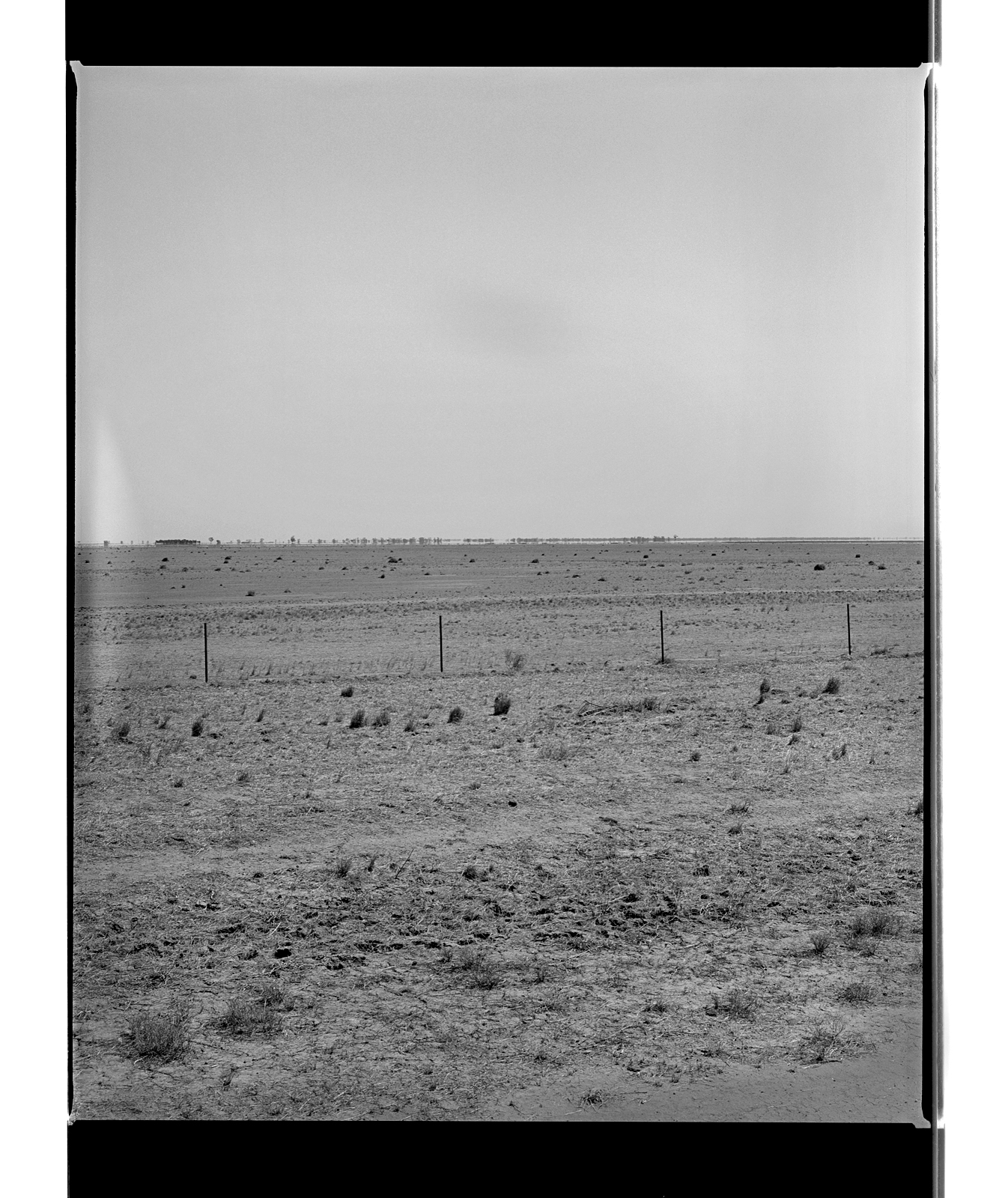
Marcus Bunyan (Australian, b. 1958) Australian landscape 1995 Gelatin silver print
Marcus Bunyan (Australian, b. 1958) Australian landscape 1995 Gelatin silver print
Marcus Bunyan (Australian, b. 1958) Australian landscape 1995 Gelatin silver print
Marcus Bunyan (Australian, b. 1958) A twist of the mind 1995 Gelatin silver print
Marcus Bunyan (Australian, b. 1958) A twist of the mind 1995 Gelatin silver print
Marcus Bunyan (Australian, b. 1958) A twist of the mind 1995 Gelatin silver print
Marcus Bunyan (Australian, b. 1958) Australian landscape 1995 Gelatin silver print
Marcus Bunyan (Australian, b. 1958) Australian landscape 1995 Gelatin silver print
Marcus Bunyan (Australian, b. 1958) Australian landscape 1995 Gelatin silver print
Marcus Bunyan (Australian, b. 1958) Australian landscape 1995 Gelatin silver print
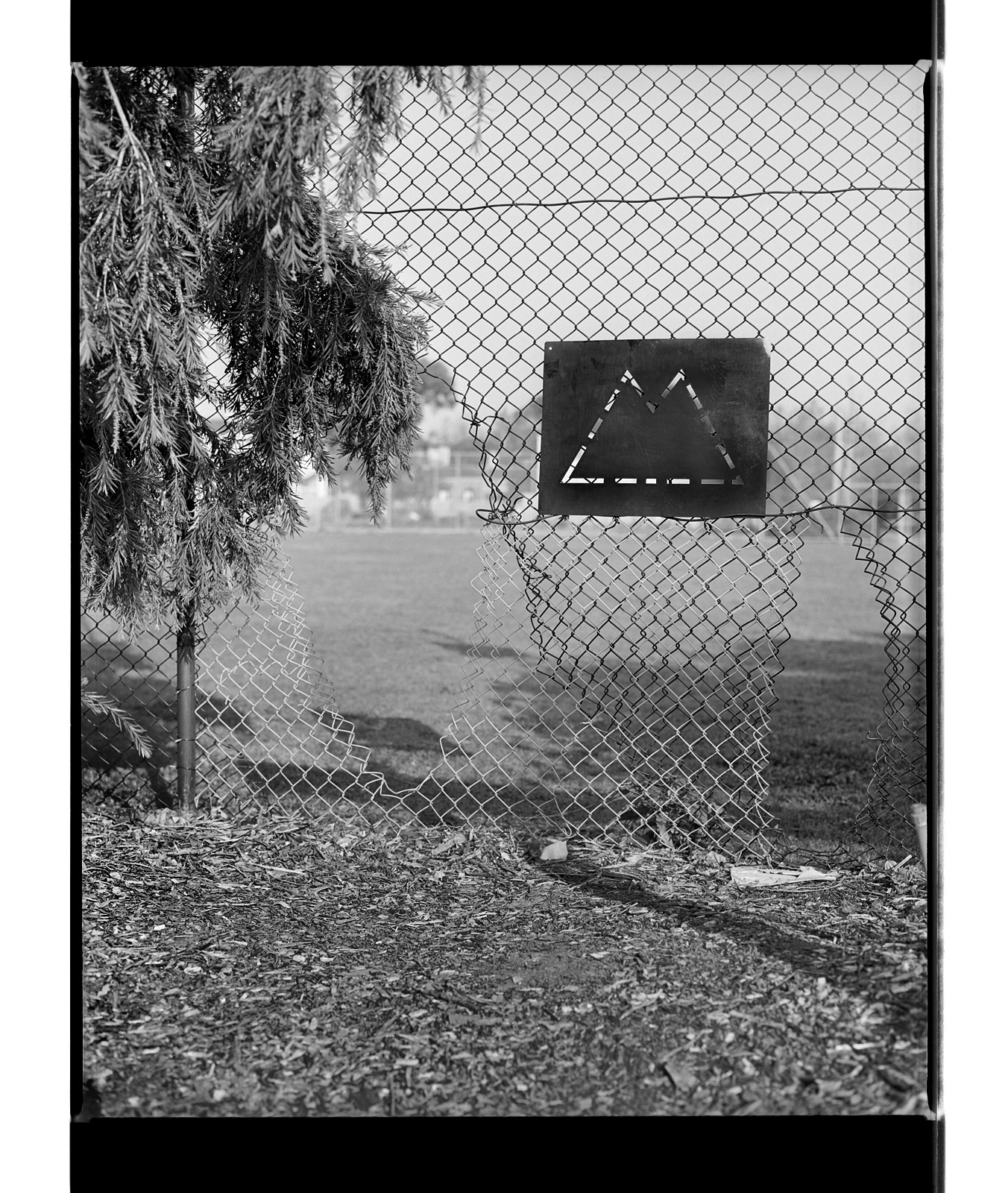
Marcus Bunyan (Australian, b. 1958) Untitled 1995 Gelatin silver print
Marcus Bunyan (Australian, b. 1958) Untitled 1995 Gelatin silver print
Marcus Bunyan (Australian, b. 1958) Untitled 1995 Gelatin silver print
Marcus Bunyan (Australian, b. 1958) Untitled 1995 Gelatin silver print
Marcus Bunyan (Australian, b. 1958) Untitled 1995 Gelatin silver print
Marcus Bunyan (Australian, b. 1958) Untitled 1995 Gelatin silver print
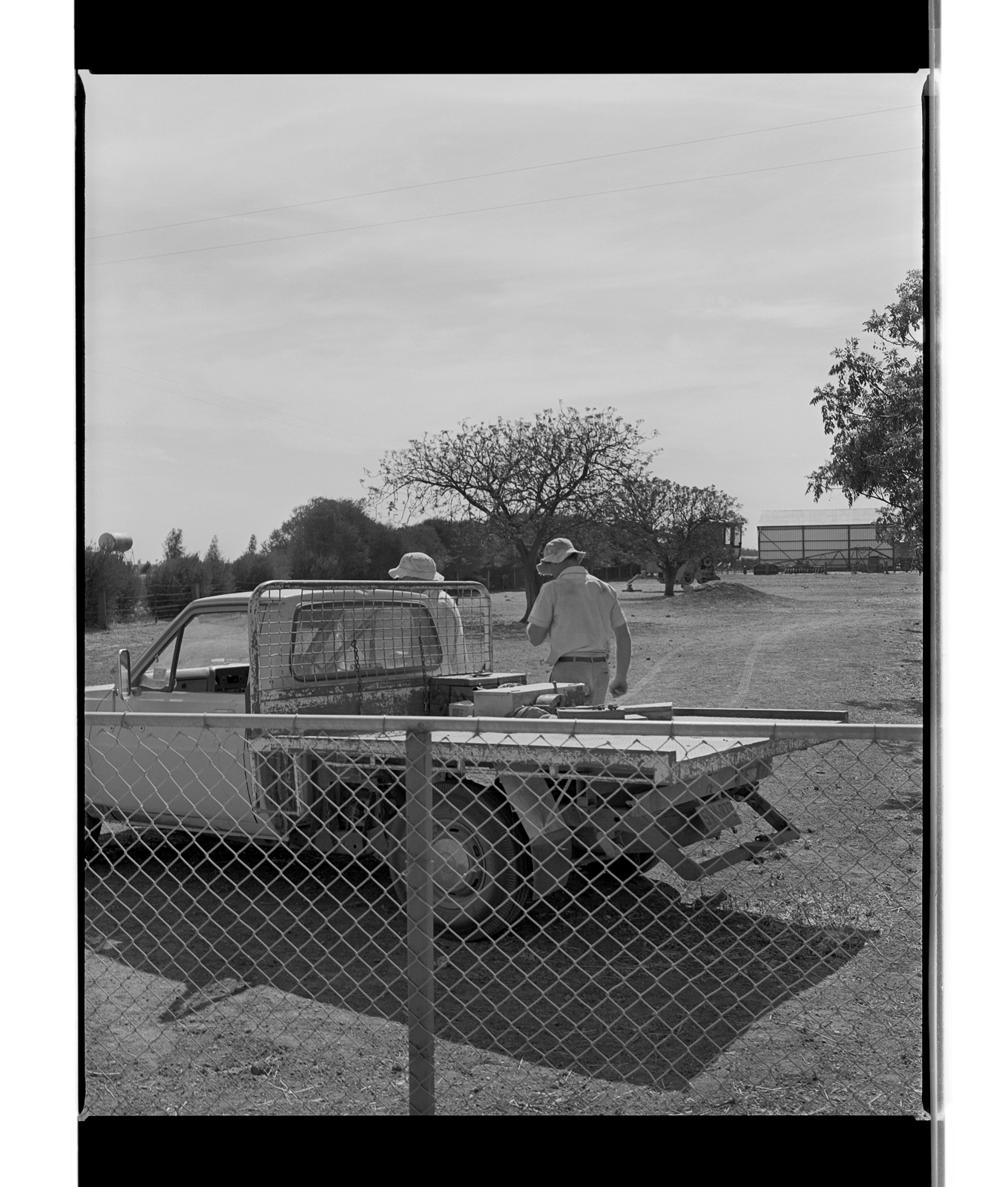
Marcus Bunyan (Australian, b. 1958) Two men and a ute 1994-95 Gelatin silver print
Marcus Bunyan (Australian, b. 1958) Plume (X marks the spot) 1995 Gelatin silver print
Marcus Bunyan (Australian, b. 1958) Lumbe, Blacksmith, Undertaker 1995 Gelatin silver print
Exhibition dates: 20th November 2019 – 15th March 2020
Curators: Dora Maar is curated by Karolina Ziebinska-Lewandowska, Curator, Centre Pompidou, Paris, Damarice Amao, Assistant Curator, Centre Pompidou, Paris and Amanda Maddox, Associate Curator, the J. Paul Getty Museum, Los Angeles with Emma Lewis, Assistant Curator, Tate Modern. The Tate Modern presentation is curated by Emma Lewis, Assistant Curator with Emma Jones, Curatorial Assistant, Tate Modern.
What a creative woman. But yet another abused by the ego of a male, that of her lover, Picasso.
Beth Gersh-Nesic observes, “Was Dora Maar’s brilliant career cut short by the typical conflicts facing professional women in the 1930s, and even today? Or was she a victim of Picasso’s psychological abuse, which chipped away at her original confidence? Was she compromised to the point that she only wanted to please the man she loved? According to art historian John Richardson, Dora Maar sacrificed her gifts on the altar of her art god, her idol, Picasso. Based on the early Surrealist photographs we see in her retrospective, one can only wish she hadn’t taken up with Picasso, for it seems she might have achieved far more in her lifetime without him.”
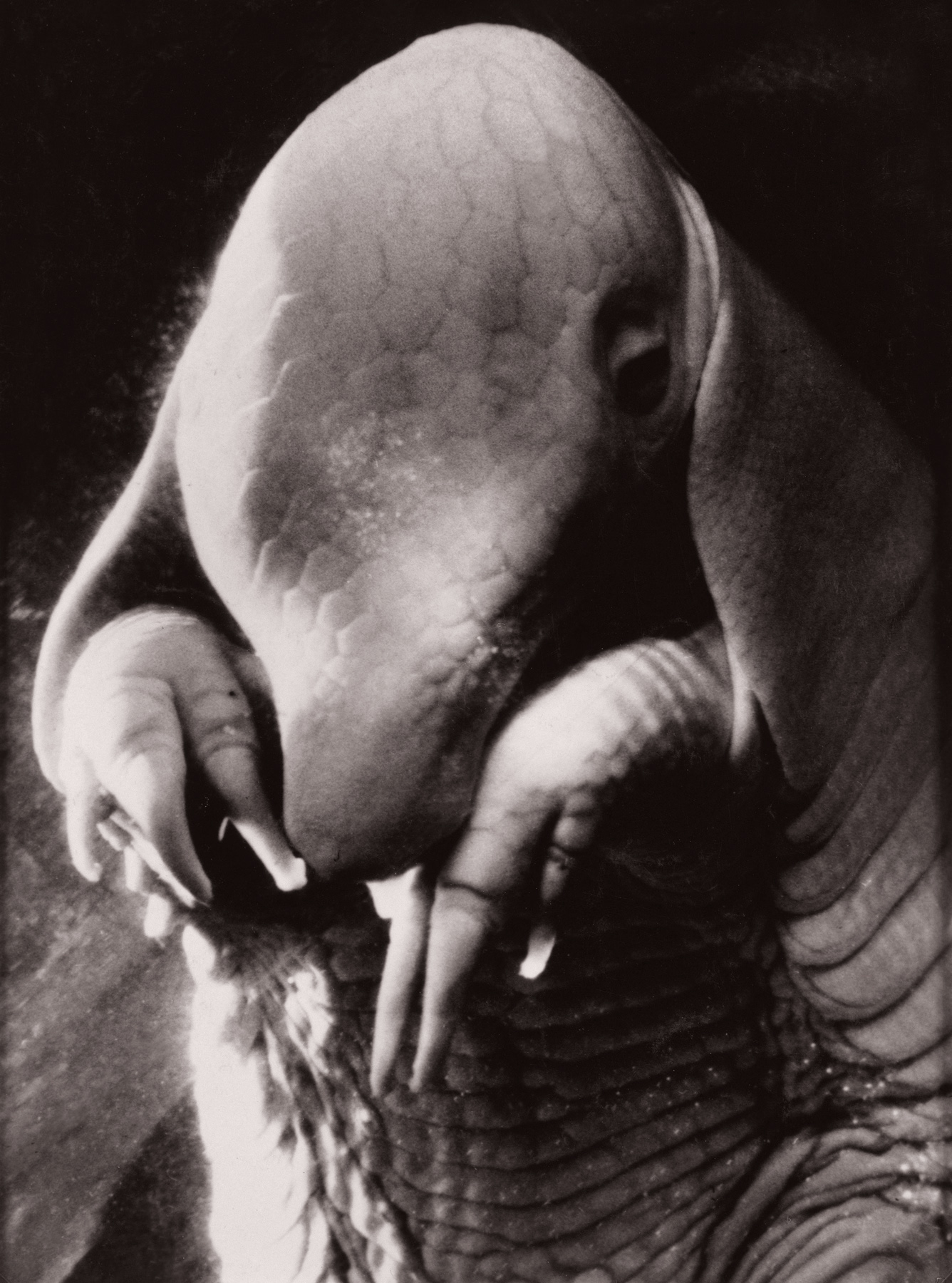
What we can say is that Maar left behind a strong body of photographic work – from fashion and commercial, to restrained, classical formalism with surrealist inflections; from street photography to “the stuff of delirium and nightmare, [which] taps into the unconscious, internalised sublime”, her Portrait of Ubu (1936, below) reminding me strongly of William Blake’s painting The Ghost of a Flea (c. 1819). Ubu is “a ghastly being of indeterminate origin and melancholy aspect… [an idea] something like l’informe, the concept Maar’s lover Georges Bataille coined to describe his fellow-Surrealists’ admiration for all things larval and grotesquely about-to-be.” Ubu is a her dark notion of a street “urchin”.
Her warped photomontages are technical marvels. “”She captures the mysterious,” Caws wrote, “in a combination of the unresolved and the sharply angled. This frequently creates a sense of ambiguity, even menace.” Caws notes that Dora Maar responded to Louis Aragon’s invocation “for each person there is one image to find that will disturb the whole universe.” Maar’s images managed to “disturb and reveal” with a bit of the macabre mixed in.”
But her images are more than a bit of this and a bit of that. They possess a utilitarian feeling in the enunciation of their menace, which makes them all the more effective when impinging on our waking dreams. Susan Sontag notes, “Photographs are perhaps the most mysterious of all the objects that make up, and thicken, the environment we recognise as modern” (Sontag, On Photography, p. 2). Thicken is the critical word. Maar’s photographs thicken our atmospheric (and mental) miasma, prescient of our modern world full of dark passages: pitch black sewers, fatbergs, drone strikes, bush fire skies, virus, murder and mayhem. In the back of my head. My eyes. Roll, roll, roll. Skewered. Roasted.
Dr Marcus Bunyan
Many thankx to the Tate Britain for allowing me to publish the photographs in the posting. Please click on the photographs for a larger version of the image.
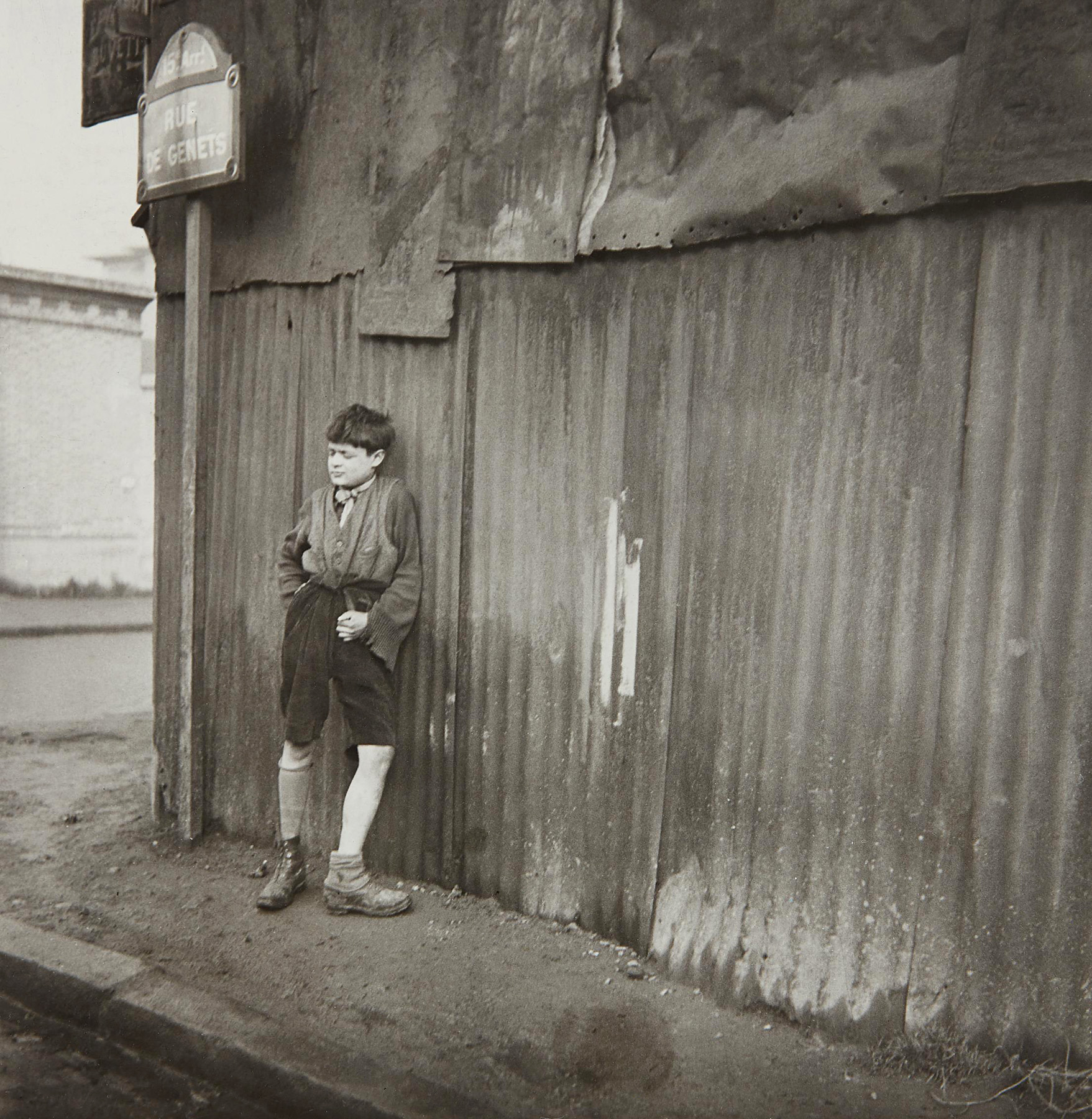
The most accomplished examples of Maar’s art are the photomontages of 1935 and 1936. There were already many vaults and arches in her Mont-Saint-Michel pictures; now she took the cloistral galleries of the Orangerie at Versailles, upended them so that they looked like sewers, and populated them with cryptic beings engaged in arcane rituals or dramas. In “The Simulator,” [below] a boy from one of her street photographs is bent backward at an obscene angle; Maar has retouched his eyes so that they roll back in his head toward us, like one of those thrashing hysterics photographed in the nineteenth century. In “29 Rue d’Astorg” (below) – of which Maar made several versions, black-and-white and hand-coloured – a human figure with a curtailed, avian head is seated beneath arches that have been subtly warped in the darkroom.
During the 1930s, Dora Maar’s provocative photomontages became celebrated icons of surrealism.
Her eye for the unusual also translated to her commercial photography, including fashion and advertising, as well as to her social documentary projects. In Europe’s increasingly fraught political climate, Maar signed her name to numerous left-wing manifestos – a radical gesture for a woman at that time.
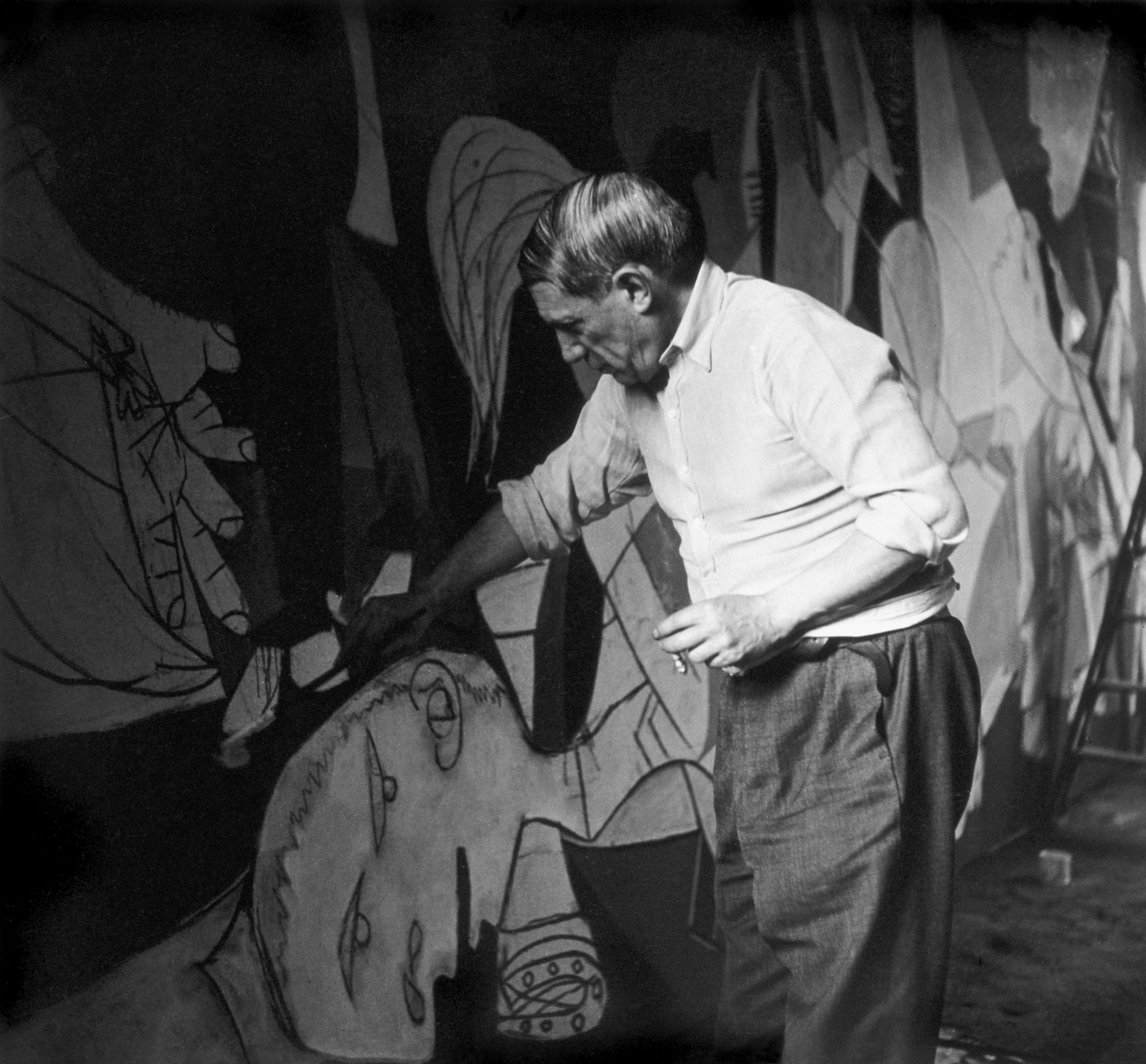
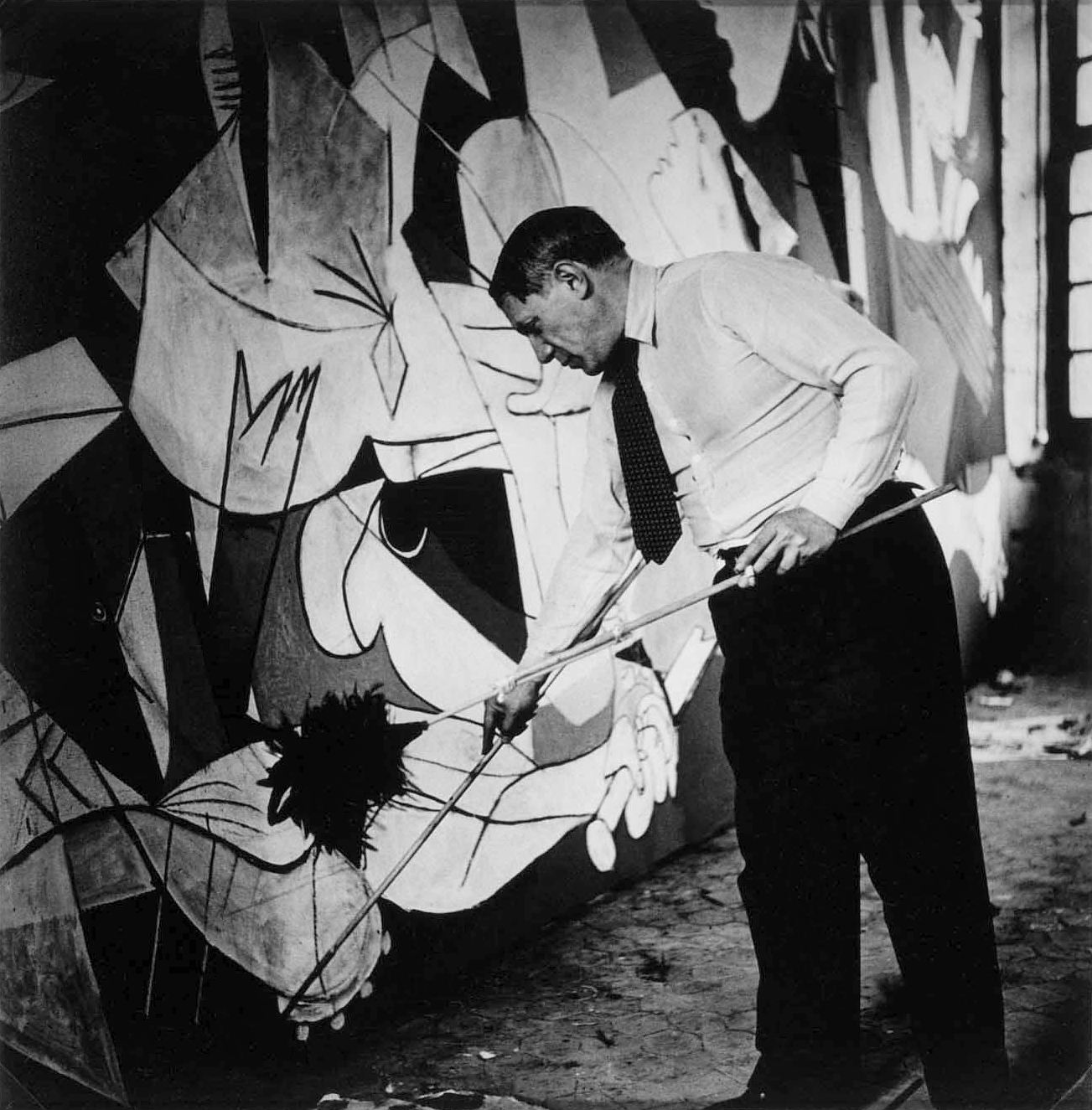
Her relationship with Pablo Picasso had a profound effect on both their careers. She documented the creation of his most political work, Guernica 1937. He painted her many times, including Weeping Woman 1937. Together they made a series of portraits combining experimental photographic and printmaking techniques.
In middle and later life Maar withdrew from photography. She concentrated on painting and found stimulation and solace in poetry, religion, and philosophy, returning to her darkroom only in her seventies.
This exhibition will explore the breadth of Maar’s long career in the context of work by her contemporaries.
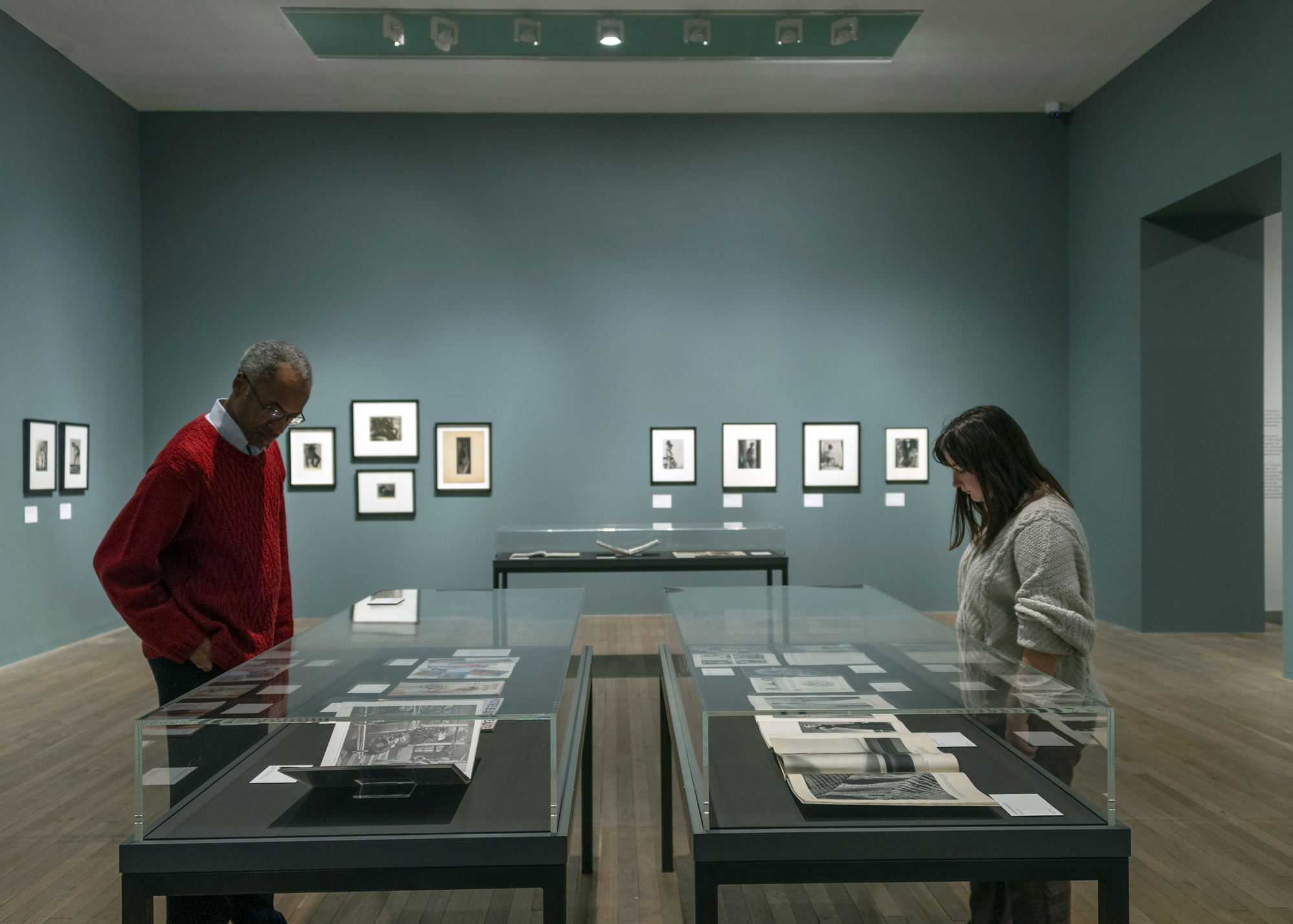
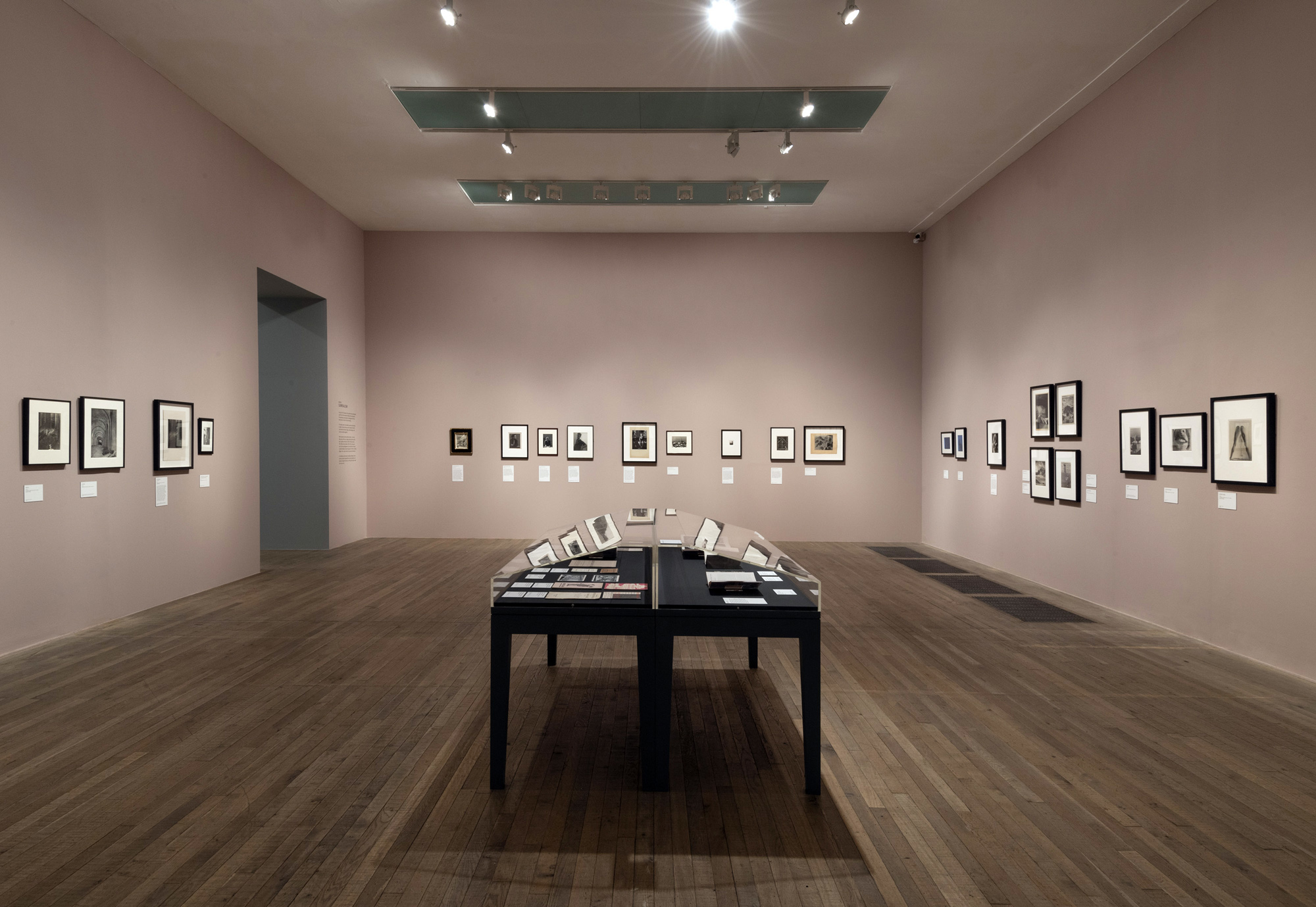
Installation views of the exhibition Dora Maar at Tate Modern, 2019 showing, in the bottom image, the photographs Untitled (Nude) 1930s (left) and Untitled (Nude) c. 1938 (right)
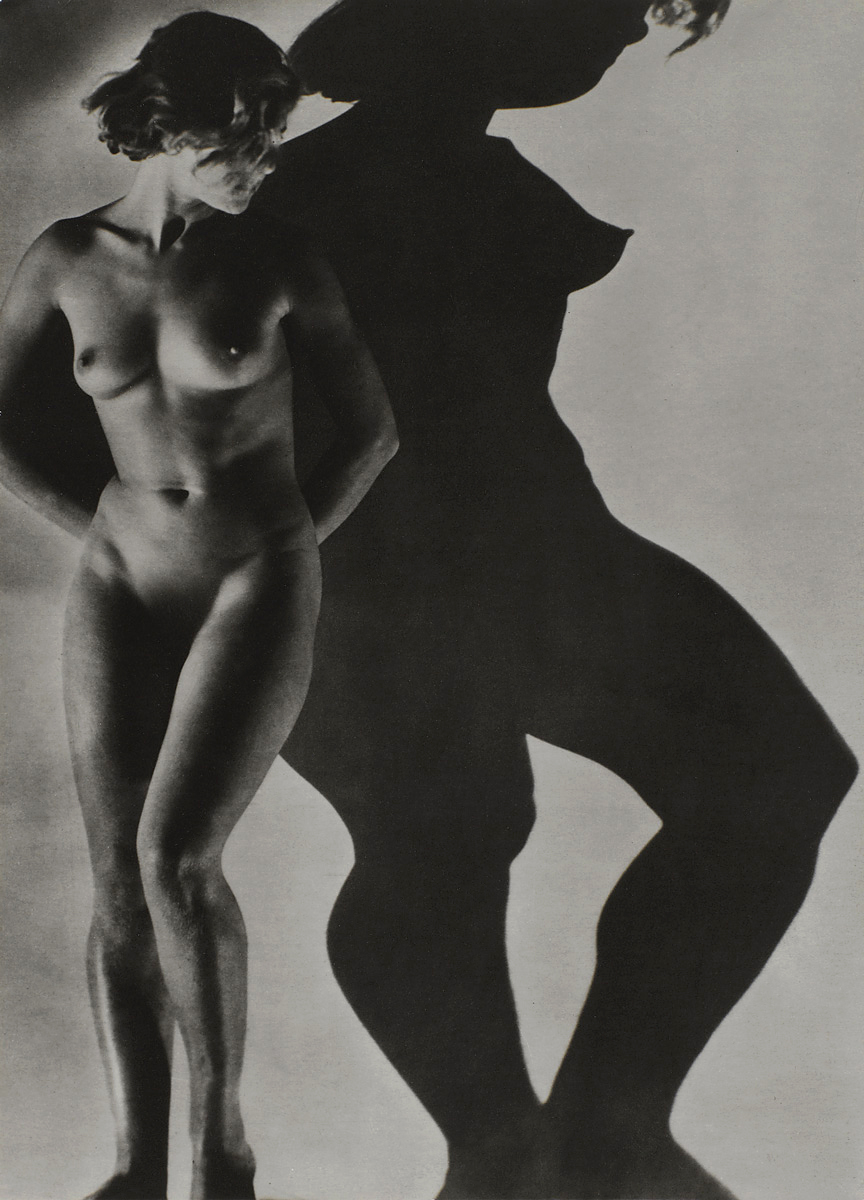
Dora Maar (French, 1907-1997) Assia 1934 Gelatin silver print 26.4 x 19.5cm
This autumn, Tate Modern presents the first UK retrospective of the work of Dora Maar (1907-1997) whose provocative photographs and photomontages became celebrated icons of surrealism. Featuring over 200 works from a career spanning more than six decades, this exhibition shows how Maar’s eye for the unusual also translated to her commercial commissions, social documentary photographs, and paintings – key aspects of her practice which have, until now, remained little known.
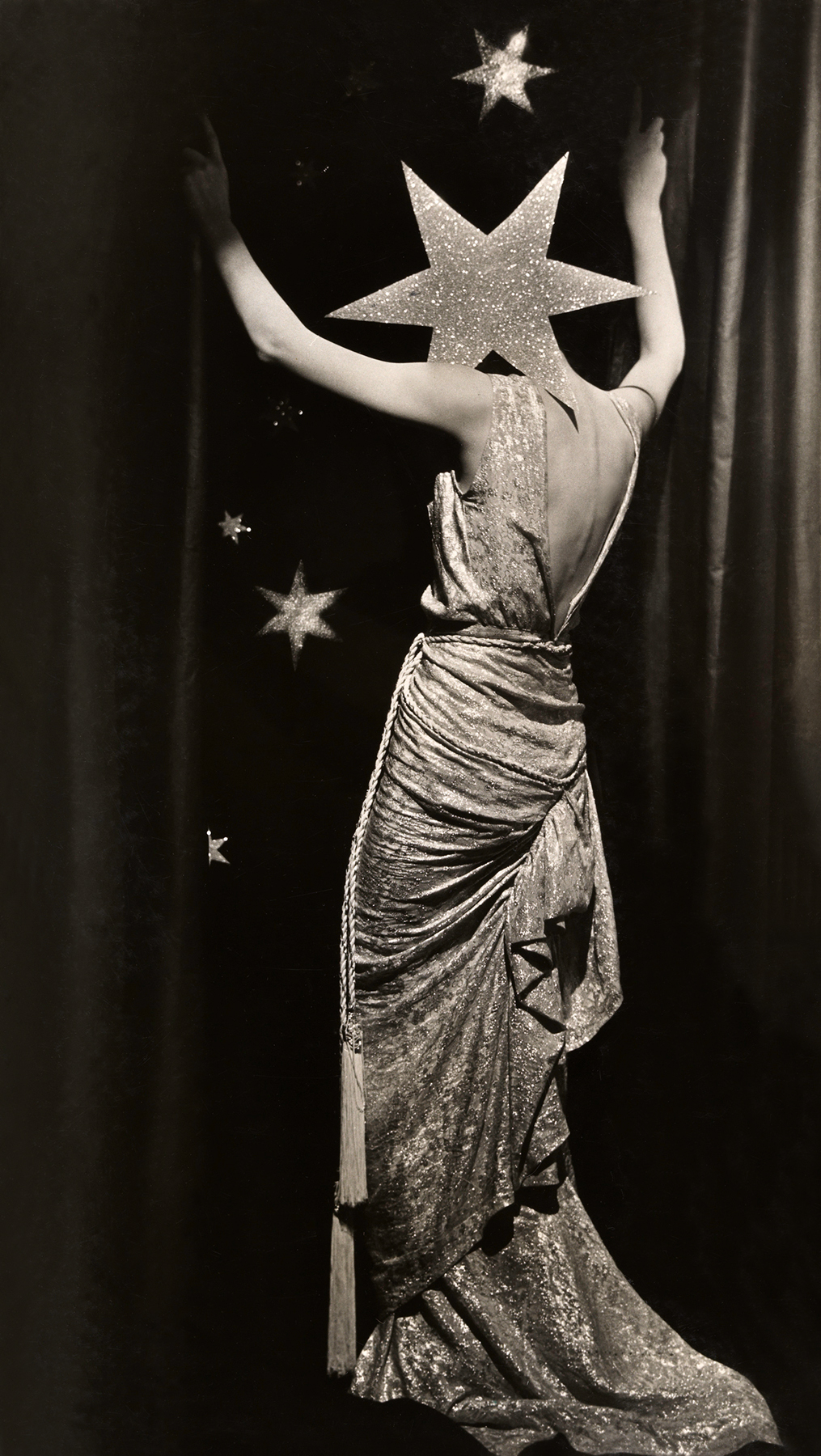
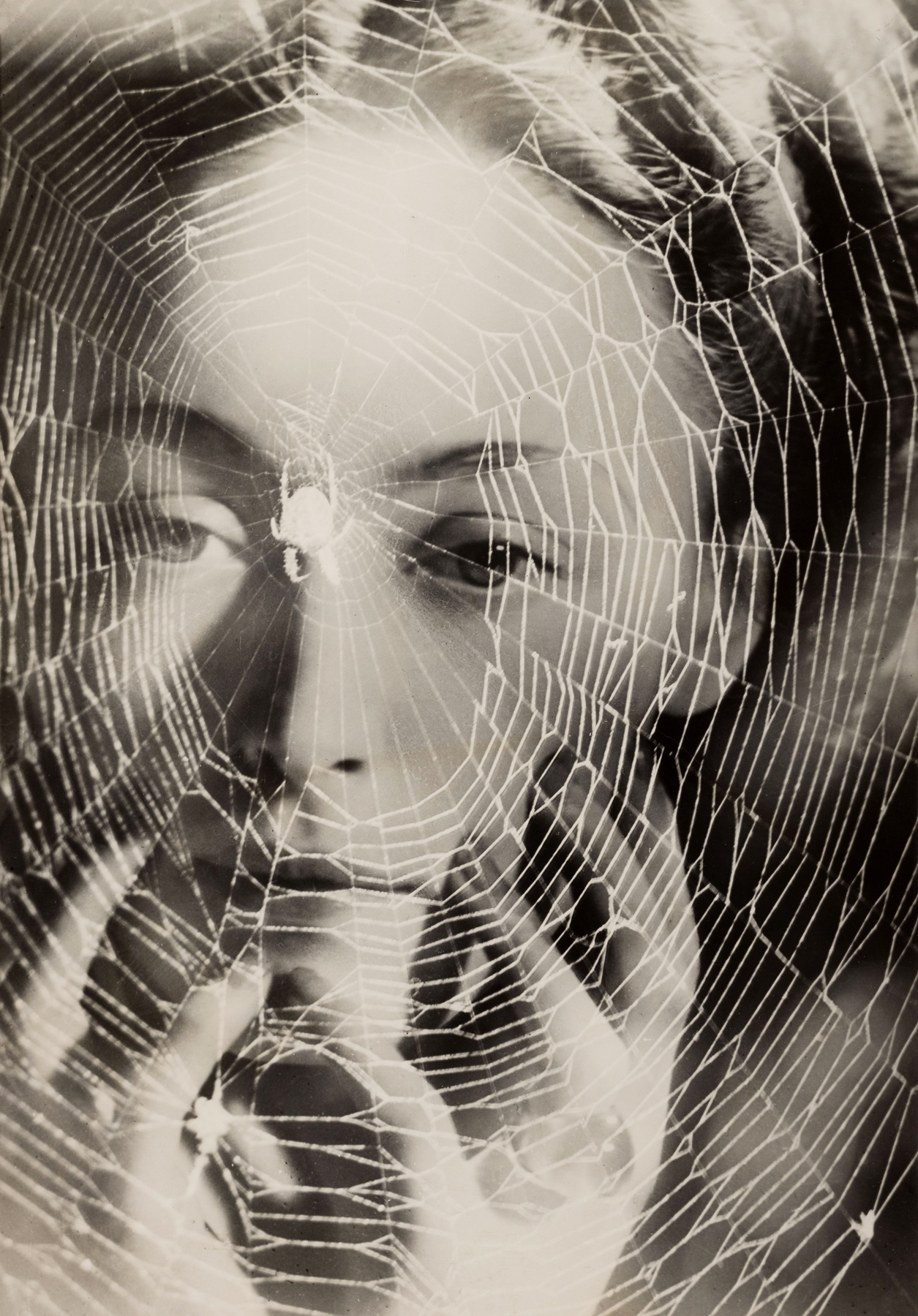
Born Henriette Théodora Markovitch, Dora Maar grew up between Argentina and Paris and studied decorative arts and painting before switching her focus to photography. In doing so, Maar became part of a generation of women who seized the new professional opportunities offered by advertising and the illustrated press. Tate Modern’s exhibition will open with the most important examples of these commissioned works. Around 1931, Maar set up a studio with film set designer Pierre Kéfer specialising in portraiture, fashion photography and advertising. Works such as Untitled (Les années vous guettent) c. 1935 – believed to be an advertising project for face cream that Maar made by overlaying two negatives – will reveal Maar’s innovative approach to constructing images through staging, photomontage and collage. Striking nude studies such as that of famed model Assia Granatouroff will also reveal how women photographers like Maar were beginning to infiltrate relatively taboo genres such as erotica and nude photography.
During the 1930s, Maar was active in left-wing revolutionary groups led by artists and intellectuals. Reflecting this, her street photography from this time shot in Barcelona, Paris and London captured the reality of life during Europe’s economic depression. Maar shared these politics with the surrealists, becoming one of the few photographers to be included in the movement’s exhibitions and publications. A major highlight of the show will be outstanding examples of this area of Maar’s practice, including Portrait d’Ubu 1936, an enigmatic image thought to be an armadillo foetus, and the renowned photomontages 29, rue d’Astorg c. 1936 and Le Simulateur 1935. Collages and publications by André Breton, Georges Hugnet, Paul and Nusch Eluard, and Jacqueline Lamba will place Maar’s work in context with that of her inner circle.
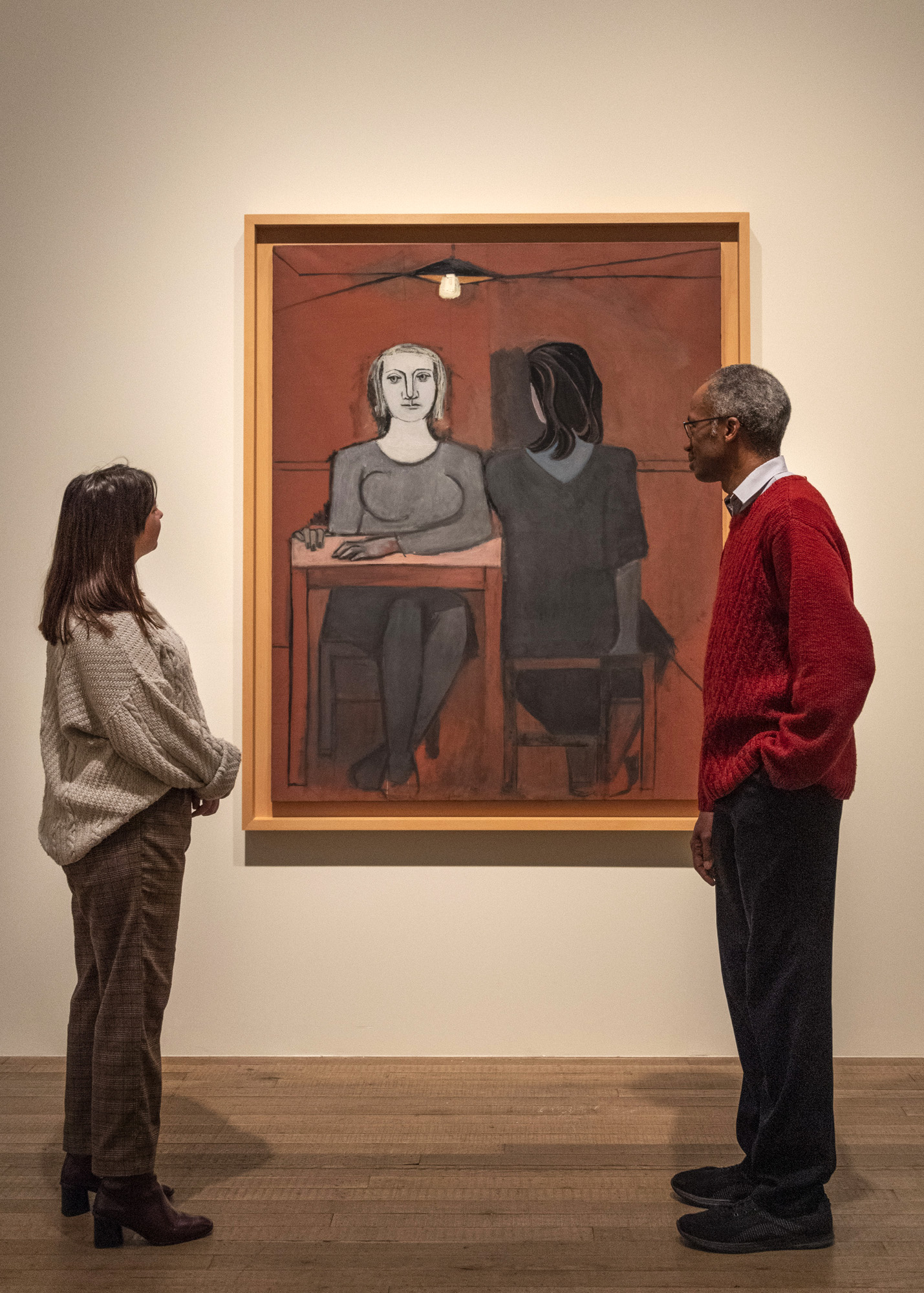
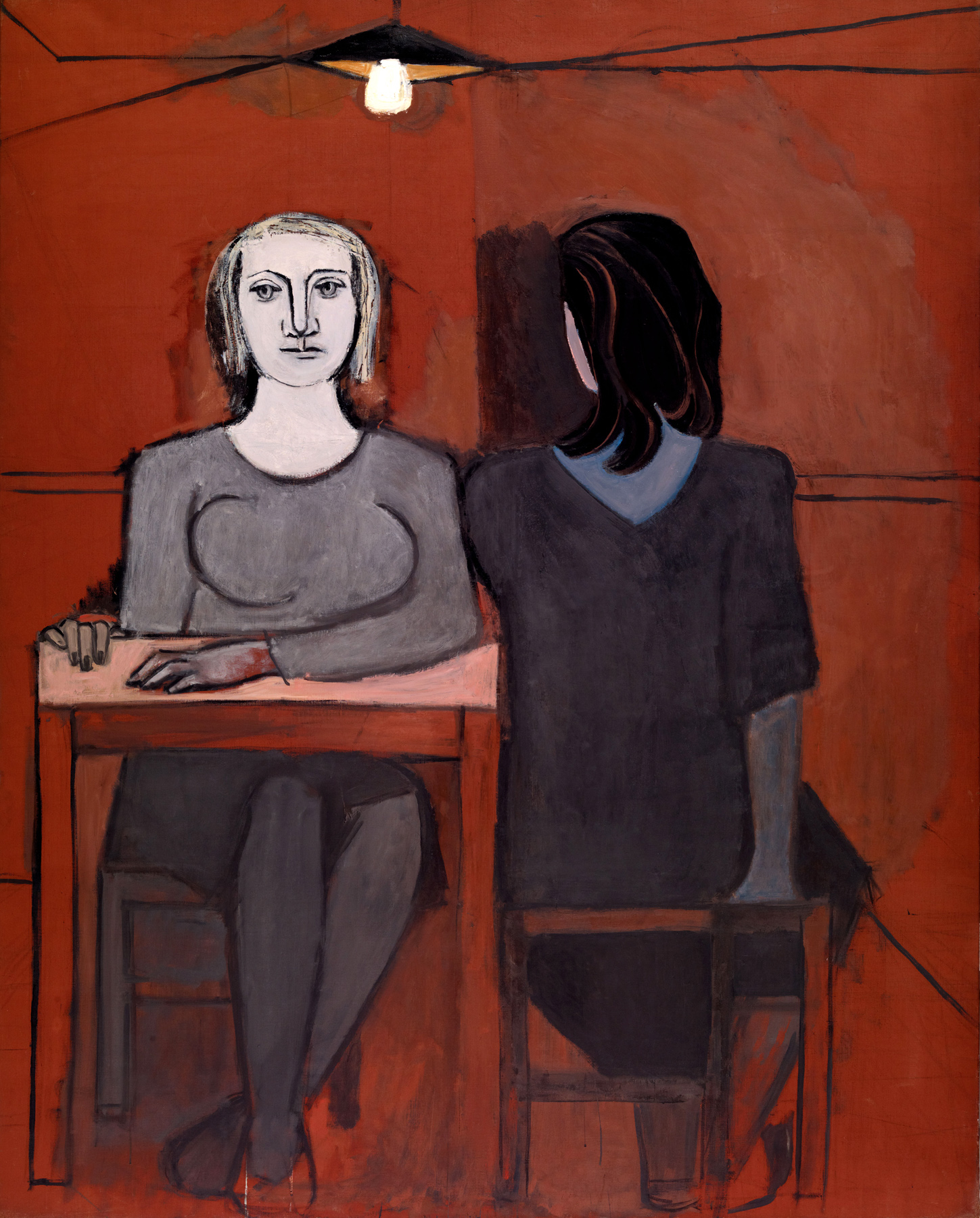
In the winter of 1935-1936 Maar met Pablo Picasso and their relationship of around eight years had a profound effect on both their careers. She documented the creation of his most political work Guernica 1937, offering unprecedented insight into his working process. He in turn immortalised her in the motif of the ‘weeping woman’. Together they made a series of portraits that combined experimental photographic and printmaking techniques, anticipating her energetic return to painting in 1936. Featuring rarely seen, privately-owned canvases such as La Conversation 1937 and La Cage 1943, and never-before exhibited negatives from the Dora Maar collection at the Musée National d’art Moderne, the exhibition will shed new light on the dynamic between these two artists during the turbulent wartime years.
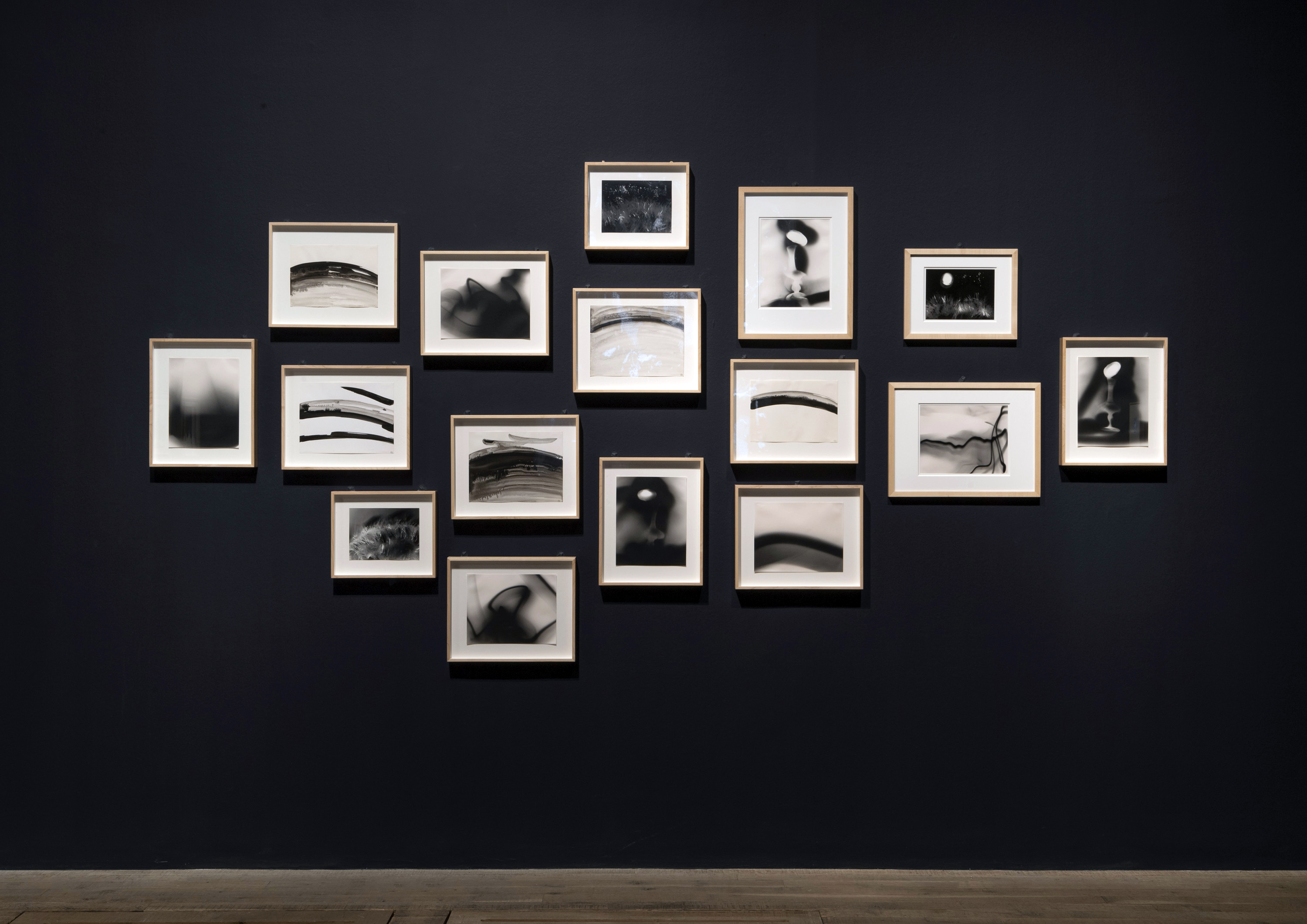
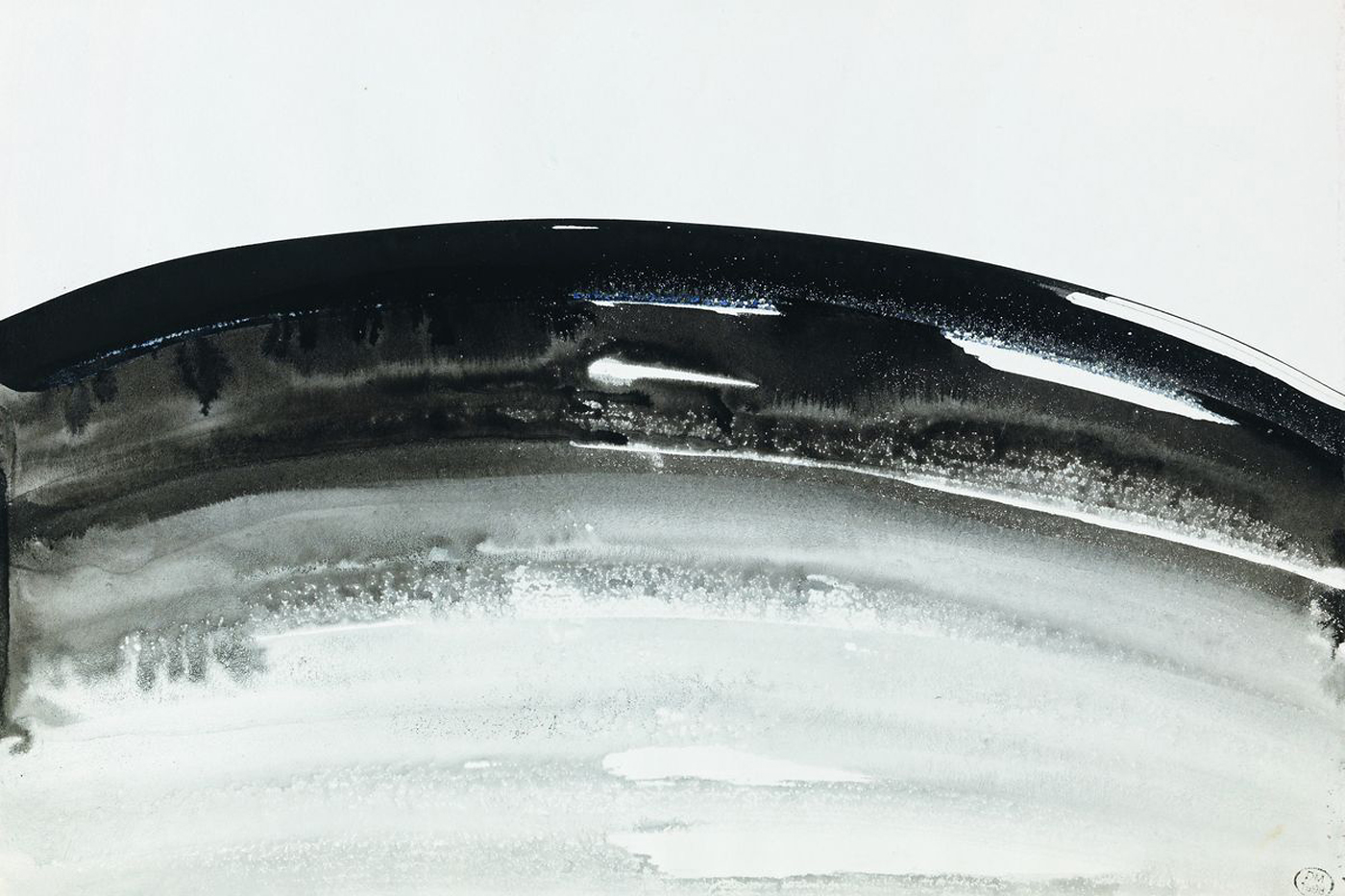
After the Second World War, Maar began dividing her time between Paris and the South of France. During this period, she explored diverse subject matter and styles before focusing on gestural, abstract paintings of the landscape surrounding her home. Though these works were exhibited to acclaim in London and Paris into the 1950s, Maar gradually withdrew from artistic circles. As a result, the second half of her life became shrouded in mystery and speculation. The exhibition will reunite over 20 works from this little-known – yet remarkably prolific – period. Dora Maar concludes with a substantial group of camera-less photographs that she made in the 1980s when, four decades after all but abandoning the medium, Maar returned to her darkroom.
Dora Maar is curated by Karolina Ziebinska-Lewandowska, Curator, Centre Pompidou, Paris, Damarice Amao, Assistant Curator, Centre Pompidou, Paris and Amanda Maddox, Associate Curator, the J. Paul Getty Museum, Los Angeles with Emma Lewis, Assistant Curator, Tate Modern. The Tate Modern presentation is curated by Emma Lewis, Assistant Curator with Emma Jones, Curatorial Assistant, Tate Modern.
The exhibition will be accompanied by a fully-illustrated catalogue jointly published by Tate and the J. Paul Getty Museum and a programme of talks and events in the gallery.
Press release from Tate Britain [Online] Cited 16/11/2019
Installation views of the exhibition Dora Maar at Tate Modern, 2019 showing at second left, Untitled (Study of Beauty) (c. 1931, below)
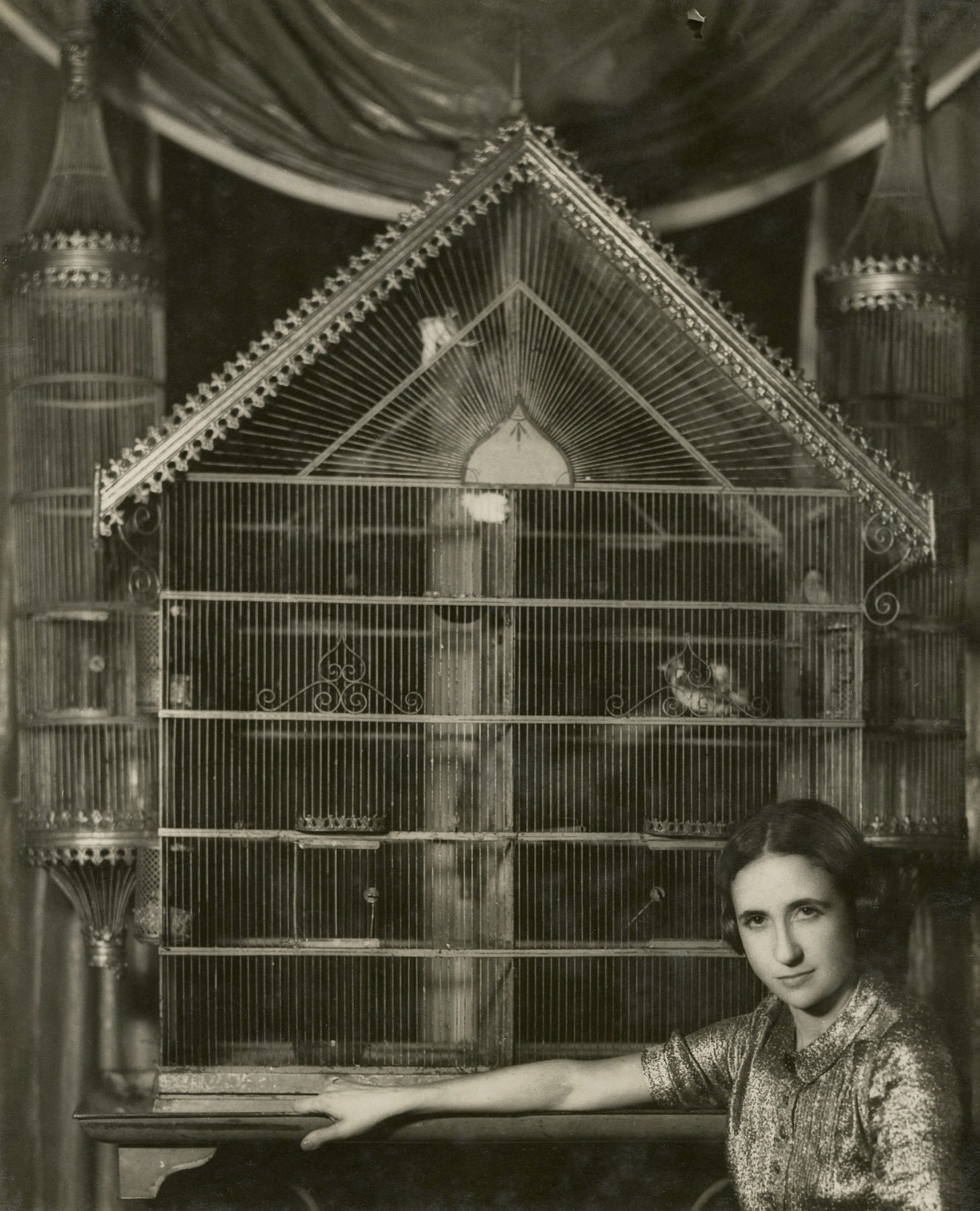
Dora Maar (French, 1907-1997) Portrait of Lise Deharme, chez elle devant sa cage a oiseaux Portrait of Lise Deharme, at home in front of her birdcage 1936 Gelatin silver print
Associated with Pierre Kéfer from 1930 to 1934, she collaborated in 1931 on the photographic illustration of the art historian Germain Bazin’s book Le Mont Saint-Michel (1935). She then shared a studio with Brassaï, after which Emmanuel Sougez, the spokesman for the New Photography movement, became her mentor. Her work met the aesthetic criteria of the time: close-ups of flowers and objects, and photograms in the style of Man Ray. She also took portraits, original publicity shots, and fashion and erotic photographs. In 1934, while traveling alone in Spain, Paris and London, she shot a vast number of urban views (posters, shop windows, ordinary people). Both a passionate lover and committed intellectual, she became the mistress of the filmmaker Louis Chavance and of the writer Georges Bataille, whom she met in a left-wing activist group. She signed the Contre-Attaque manifesto and rubbed shoulders with the agitprop artistic group Octobre. A close friend of Jacqueline Lamba, who became Breton’s wife, she was fully involved in the surrealist group, of whose members she made many portraits. At the height of her creativity in 1935-1936, she composed strange and bold photomontages, the most famous being 29, rue d’Astorg and The Simulator (both below). Some of her compositions verge on eroticism, like the photomontage showing fingers crawling out of a shell and sensually digging into the sand (Untitled, 1933-1934, top). She also used her city photographs as backdrops for unsettling scenes: her Portrait of Ubu (1936, below) – in fact the picture of an armadillo foetus – conforms to the surrealists’ fascination for macabre and deformity.
Anne Reverseau. “Dora Maar,” from the Dictionnaire universel des créatrices on the Archives of Women Artists Research & Exhibitions website [Online] Cited 16/11/2019
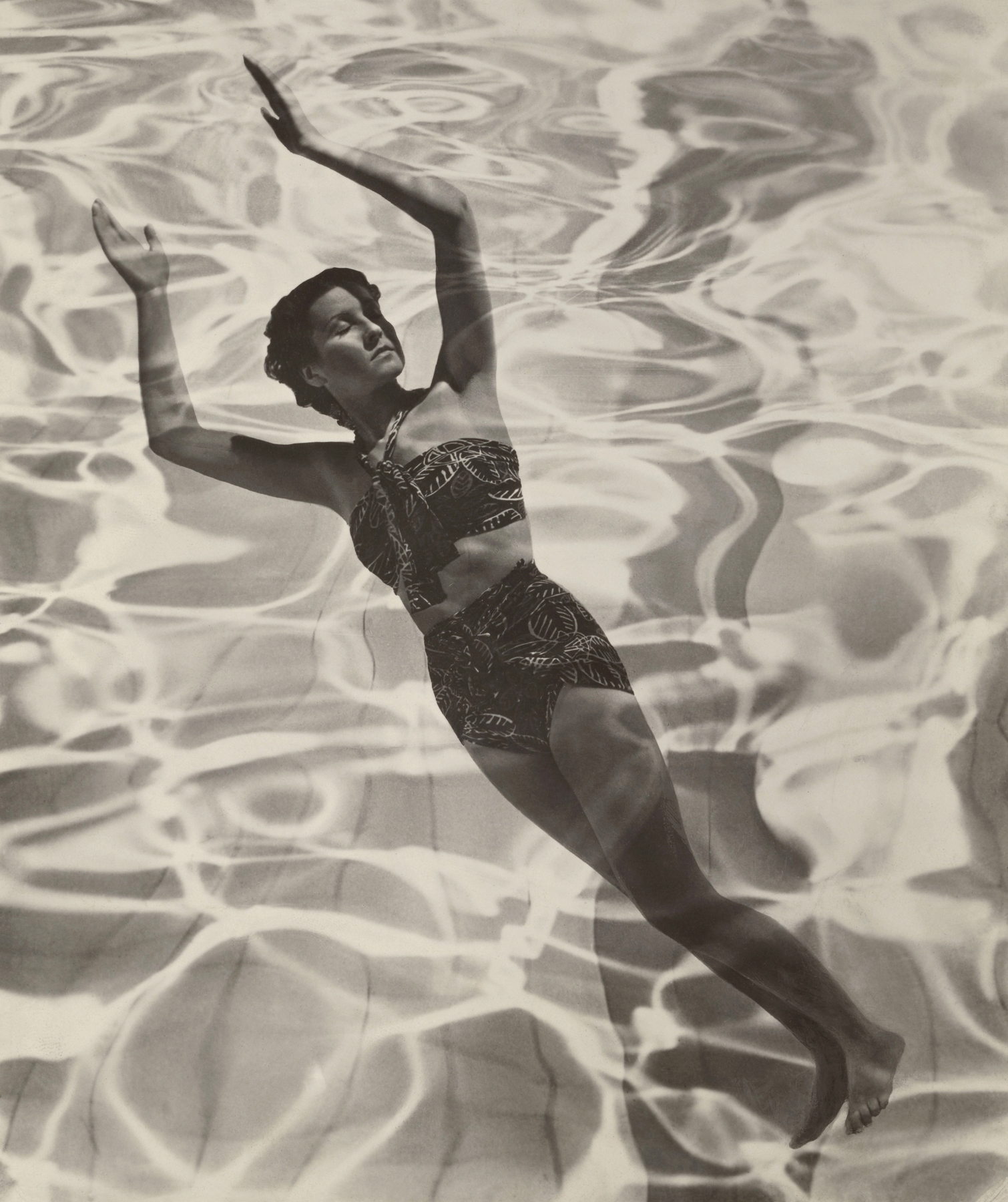
When Maar began her career, the illustrated press was expanding quickly. This created a growing market for experimental photography. Maar embraced this opportunity, exploring the creative potential of staged images, darkroom experiments, collage and photomontage.
Most of Maar’s work had one thing in common: an uncanny atmosphere. Her connection to the surrealists led her to create fantastical images. This included using photomontage to bring together contrasting images and reflect the workings of the unconscious mind.
Unlike many other photomontage creators of this time, Maar did not use photographs taken from illustrated newspapers or magazines. Instead the images often came from her own work, including both street and landscape photography. This experimentation and obvious construction became a defining feature of Maar’s work.
Anonymous text from “Seven Things to Know: Dora Maar,” on the Tate website [Online] Cited 16/11/2019
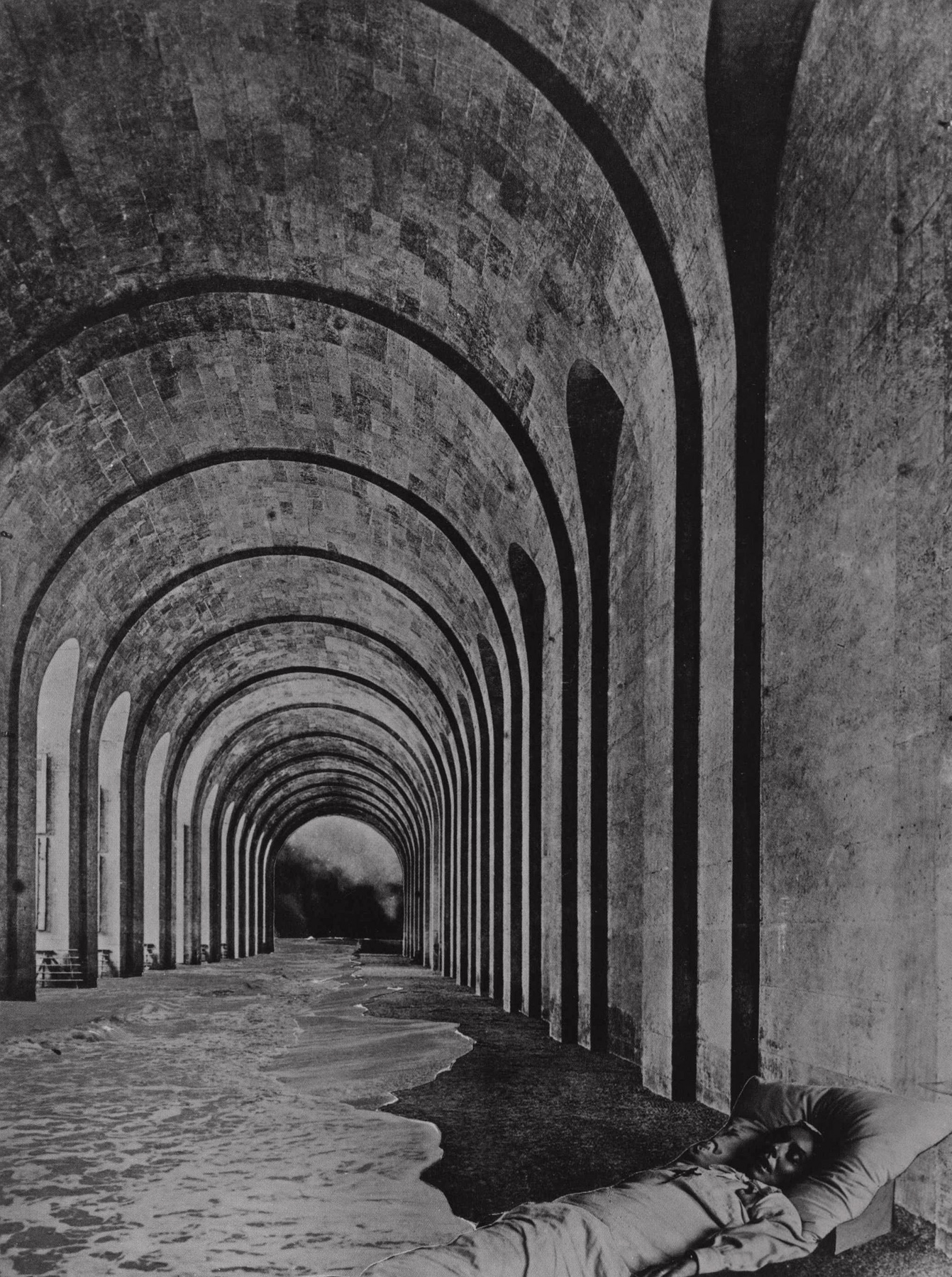
Installation view of the exhibition Dora Maar at Tate Modern, 2019 showing at second left, Arcade (1934, see below)
Dora Maar (French, 1907-1997) Arcade 1934 Photomontage
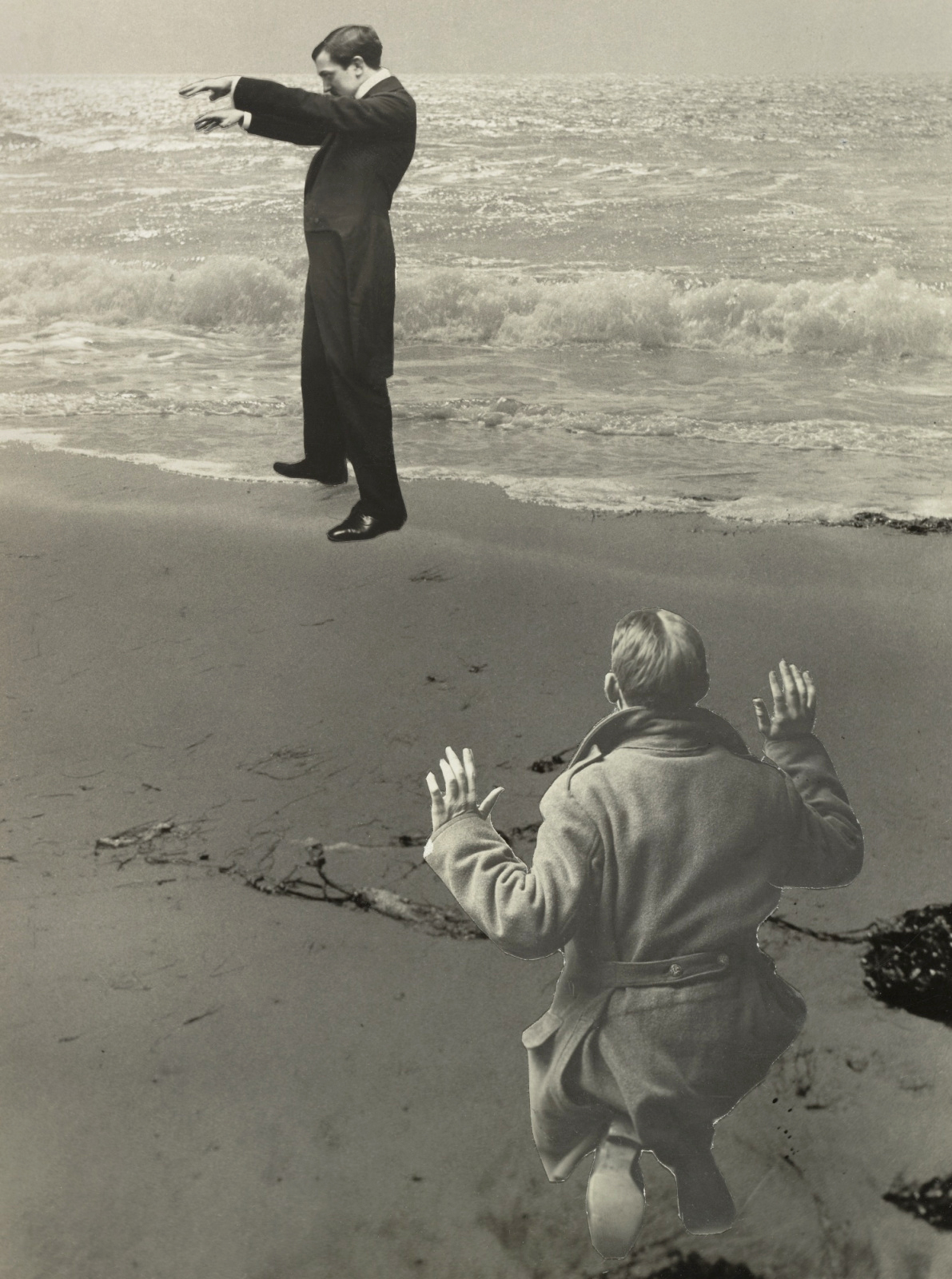
Dora Maar (French, 1907-1997) Danger 1936 Gelatin silver print
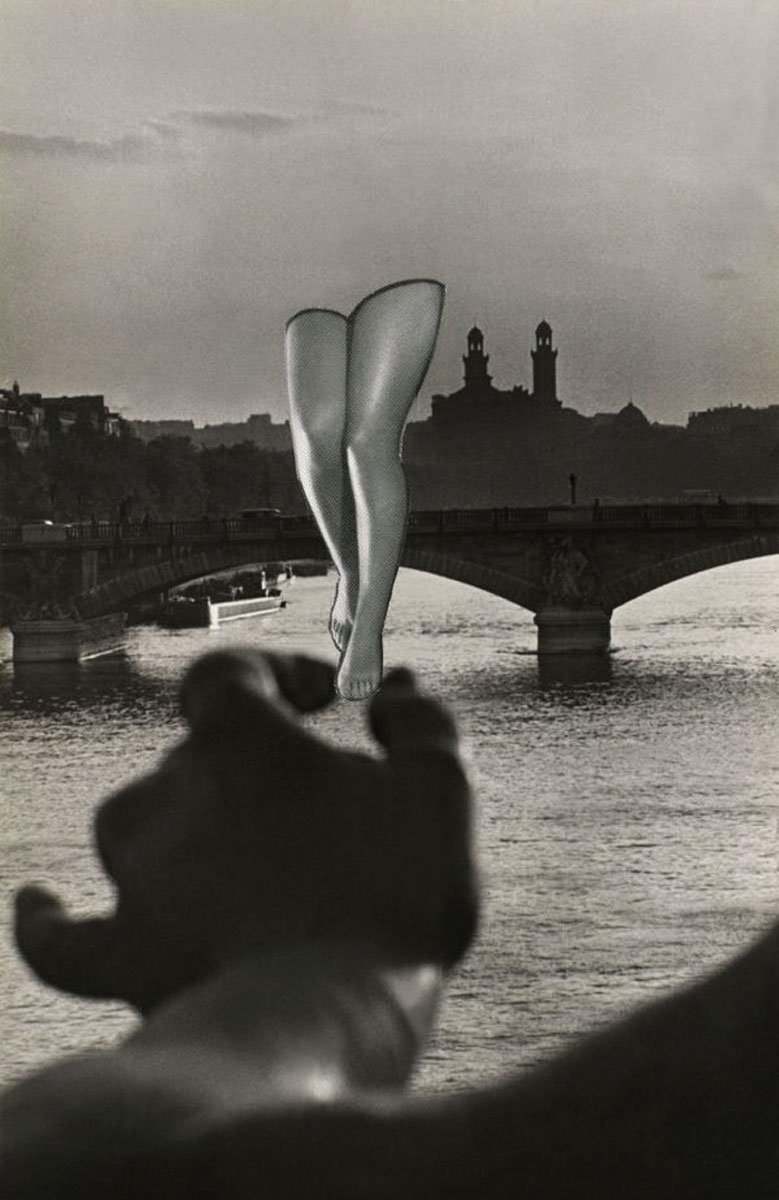
Maar’s early photomontages look almost as modish and styled as her fashion work. From a shell resting on sand, a dummy hand protrudes, with delicate fingers and painted nails, just like Maar’s own (see top image). In a way, the image could be by one of many photographers of the period – Cecil Beaton, say, or Angus McBean – who politely surrealised their pictures, as if the artistic movement were merely a visual style. Except: there is something ominously self-involved about this hybrid thing. The shell and hand recall Bataille’s obsessions with crustaceans, mollusks, and orphaned or butchered body parts. The hand rhymes with similar ones in the photographs of Claude Cahun, where they sometimes have masturbatory implications. And what are we to make of the storm-lit, gothic sky that looms over this auto-curious object?
The most accomplished examples of Maar’s art are the photomontages of 1935 and 1936. There were already many vaults and arches in her Mont-Saint-Michel pictures; now she took the cloistral galleries of the Orangerie at Versailles, upended them so that they looked like sewers, and populated them with cryptic beings engaged in arcane rituals or dramas. In “The Simulator,” (above) a boy from one of her street photographs is bent backward at an obscene angle; Maar has retouched his eyes so that they roll back in his head toward us, like one of those thrashing hysterics photographed in the nineteenth century. In “29 Rue d’Astorg” (above) – of which Maar made several versions, black-and-white and hand-coloured – a human figure with a curtailed, avian head is seated beneath arches that have been subtly warped in the darkroom.
Dora Maar also participated in the Surrealists’ group exhibitions, such as the one at Charles Ratton’s Gallery in 1936, wherein her Portrait of Ubu became the “icon of Surrealism,” according to her biographer Mary Ann Caws in her exceptional book Picasso’s Weeping Woman: The Life and Art of Dora Maar (2000). “She captures the mysterious,” Caws wrote, “in a combination of the unresolved and the sharply angled. This frequently creates a sense of ambiguity, even menace.” (p. 20) Caws notes that Dora Maar responded to Louis Aragon’s invocation “for each person there is one image to find that will disturb the whole universe.” Maar’s images managed to “disturb and reveal” with a bit of the macabre mixed in. (p. 71)
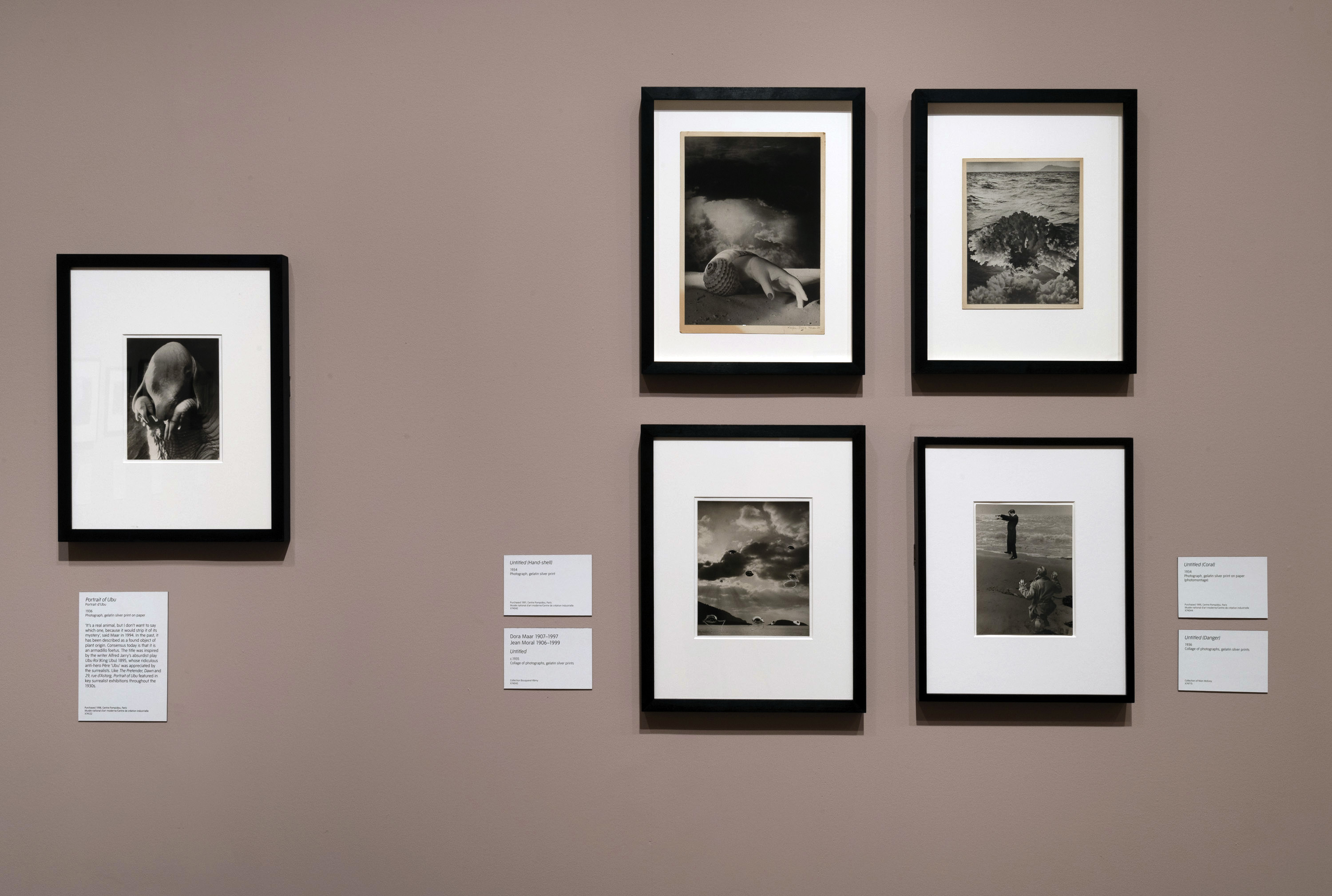
Installation view of the exhibition Dora Maar at Tate Modern, 2019 showing Maar’s photographs Portrait of Ubu (1936, left), Untitled (Hand-Shell) (1934, top middle) and Danger (1936, bottom right) Photo: Tate (Andrew Dunkley)
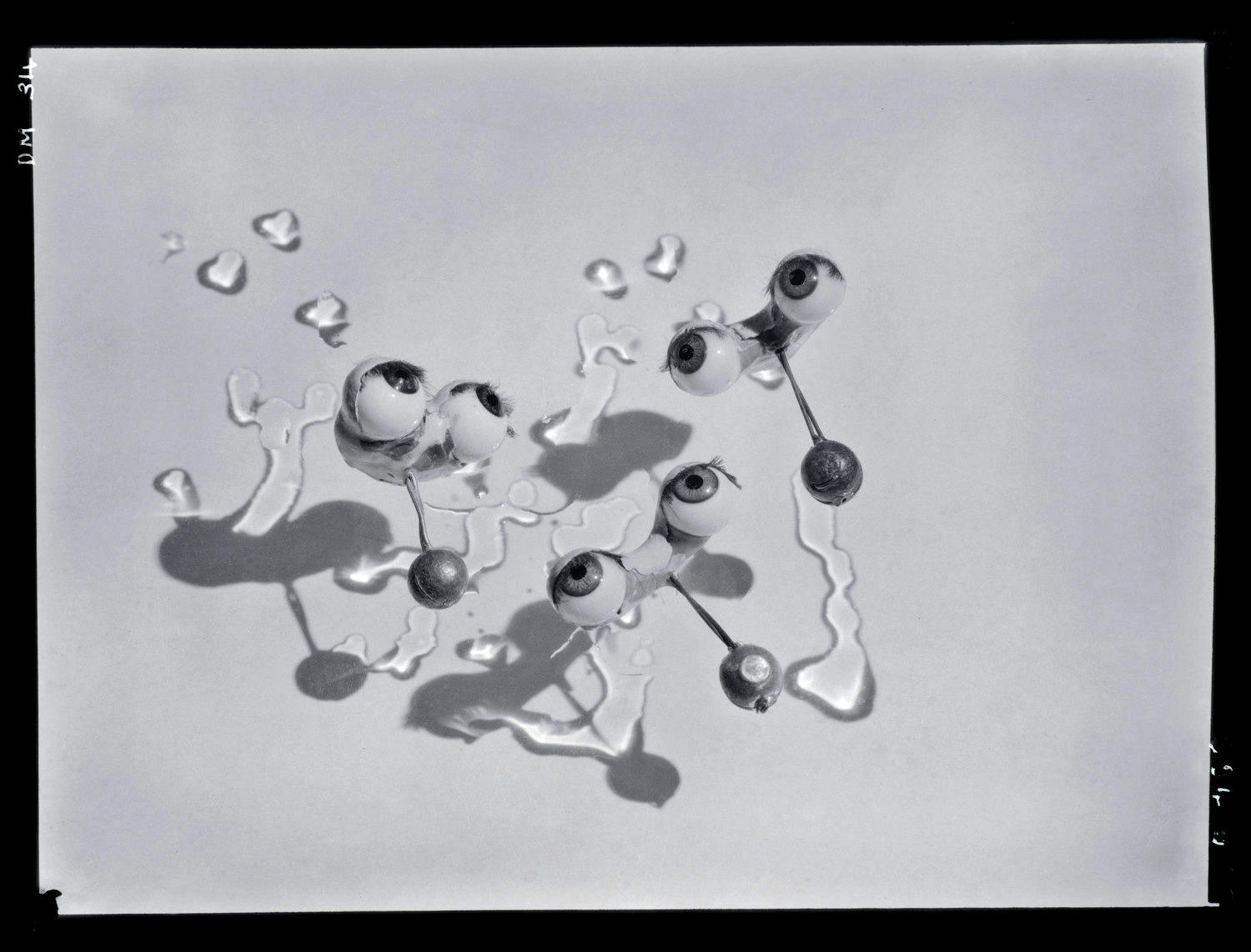
In 1936, at the summit of her celebrity as a photographic artist, Dora Maar showed her picture “Portrait of Ubu” in the International Surrealist Exhibition, at the New Burlington Galleries, London. Named after a scatological, ur-Surrealist play by Alfred Jarry, from 1896, the black-and-white photograph shows a ghastly being of indeterminate origin and melancholy aspect. Maar would never say what the clawed, scaly creature was, nor where she had come across it. Her Ubu has elements of Jarry’s porcine, louse-like original, and, with its doleful eye and drooping ears, it also resembles an ass or an elephant. Scholars generally agree that the monster is in fact an armadillo foetus, preserved in a specimen jar. It is also an idea: something like l’informe, the concept Maar’s lover Georges Bataille coined to describe his fellow-Surrealists’ admiration for all things larval and grotesquely about-to-be.
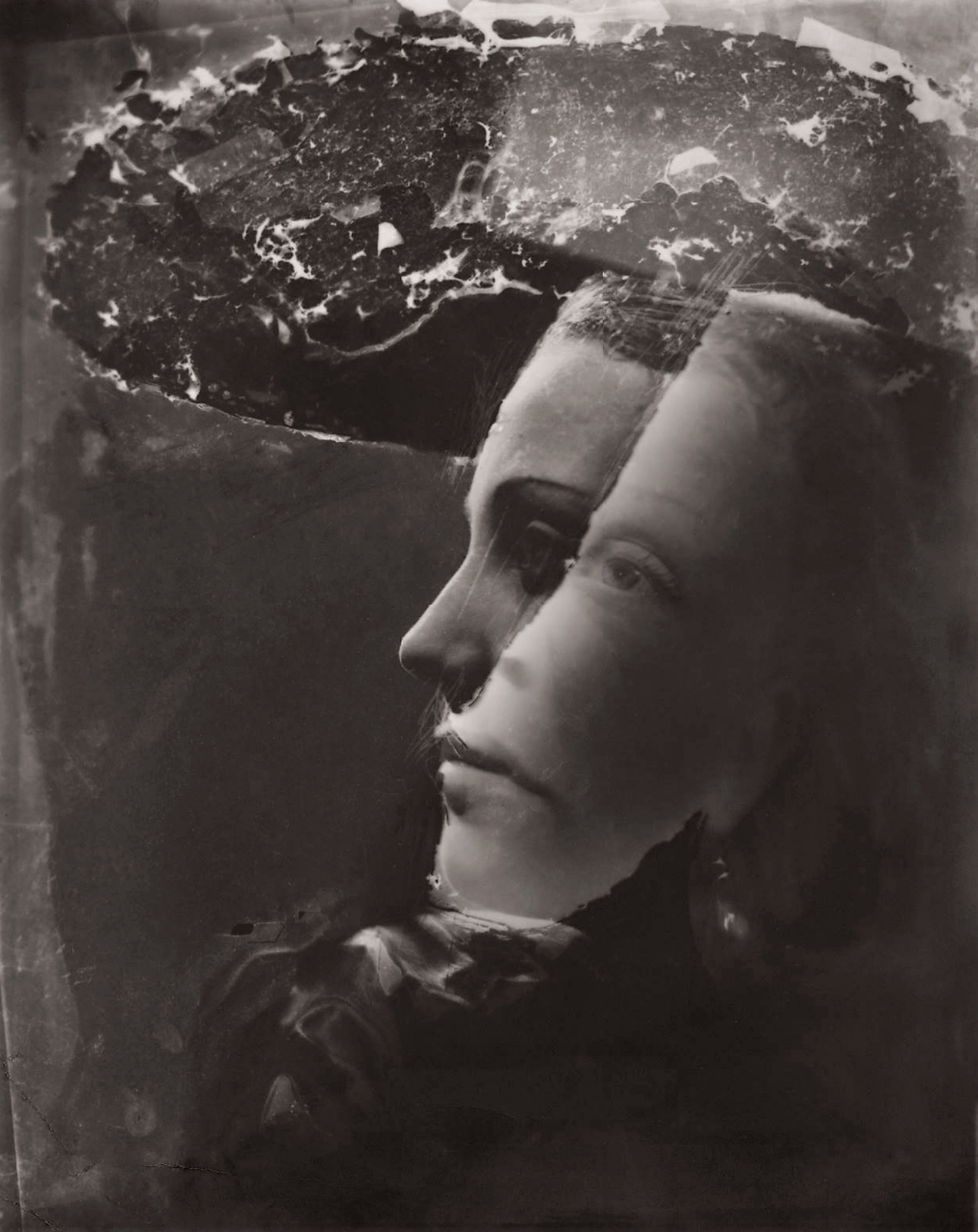
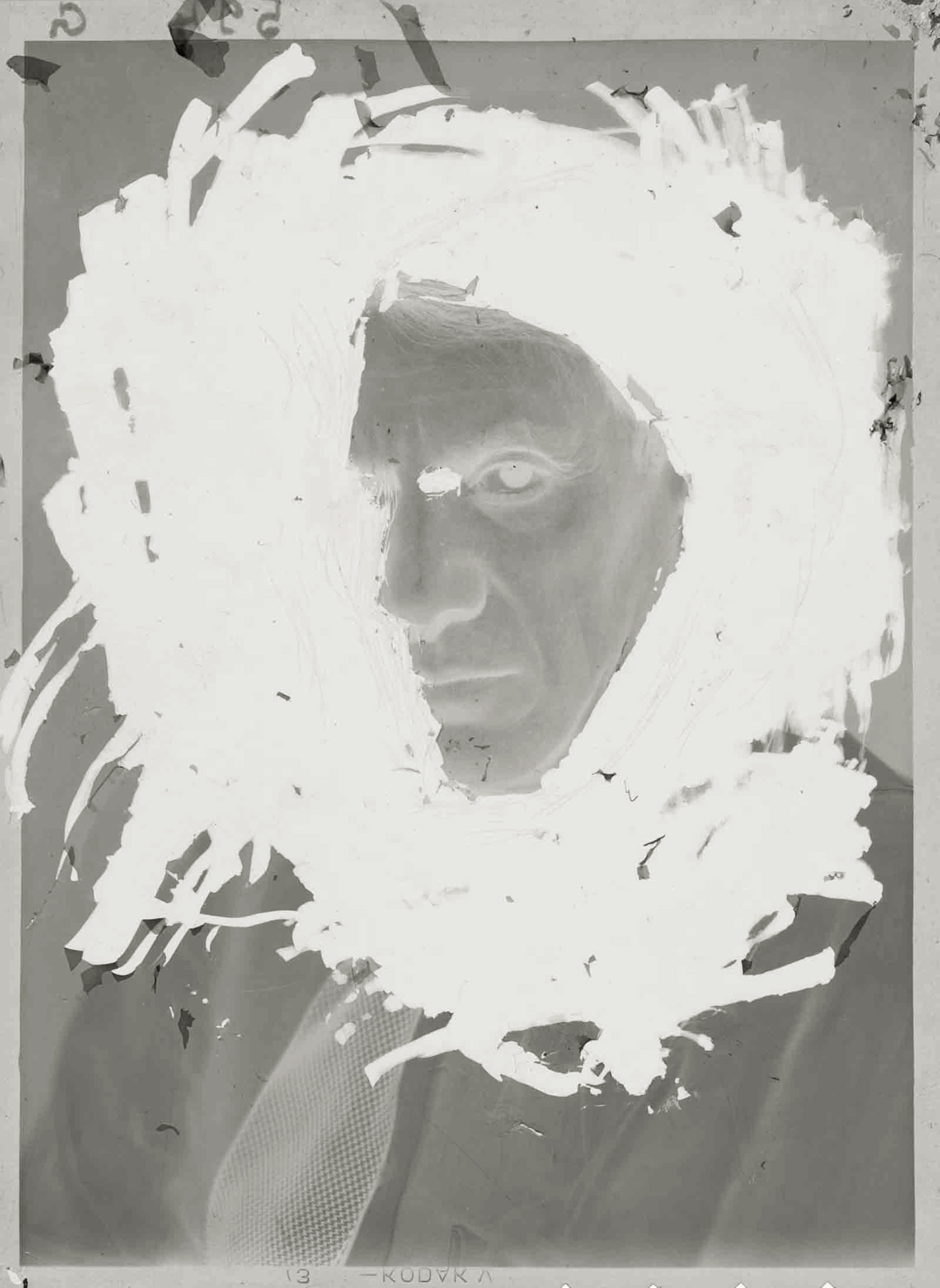
To produce this complex image, Maar sandwiched together two negatives of the same model, one frontal and one profile, scavenged from a magazine assignment on springtime hats, and painted the background and hat (or decomposing halo?) onto the negative. Softening the emulsion, she scraped and lifted it off, techniques that involve destruction and suggest disintegration. The face evokes Picasso’s depictions of female faces, especially his 1938 paintings of weeping women for which Maar was the model. Although the divided face is not Maar’s, it is tempting to interpret it as a reflection of her emotional state at the time, torn between her career and independence and Picasso’s demands and potent personality. frontal and one profile, scavenged from a magazine assignment on springtime hats, and painted the background and hat (or decomposing halo?) onto the negative. Softening the emulsion, she scraped and lifted it off, techniques that involve destruction and suggest disintegration. The face evokes Picasso’s depictions of female faces, especially his 1938 paintings of weeping women for which Maar was the model. Although the divided face is not Maar’s, it is tempting to interpret it as a reflection of her emotional state at the time, torn between her career and independence and Picasso’s demands and potent personality.
Text from The Cleveland Museum of Art website [Online] Cited 16/11/2019
Maar became involved with the surrealists from 1933 and was one of the few artists – and even fewer women – to be included in the surrealists’ exhibitions. She became close to the group because of their shared left-wing politics at a time of social and civil unrest in France.
Maar’s photography and photomontages explore surrealist themes such as eroticism, sleep, the unconscious and the relationship between art and reality. Cropped frames, dramatic angles, unexpected juxtapositions and extreme close-ups are used to create surreal images. Contrasting with the idea of a photograph as a factual record, Maar’s scenes disorientate the viewer and create new worlds altogether.
Anonymous text from “Seven Things to Know: Dora Maar,” on the Tate website [Online] Cited 16/11/2019
Installation view of the exhibition Dora Maar at Tate Modern, 2019 showing Maar’s photographs Portrait of Nusch Éluard (1935, left) and Les années vous guettent (The Years are Waiting for You) (1932, right)
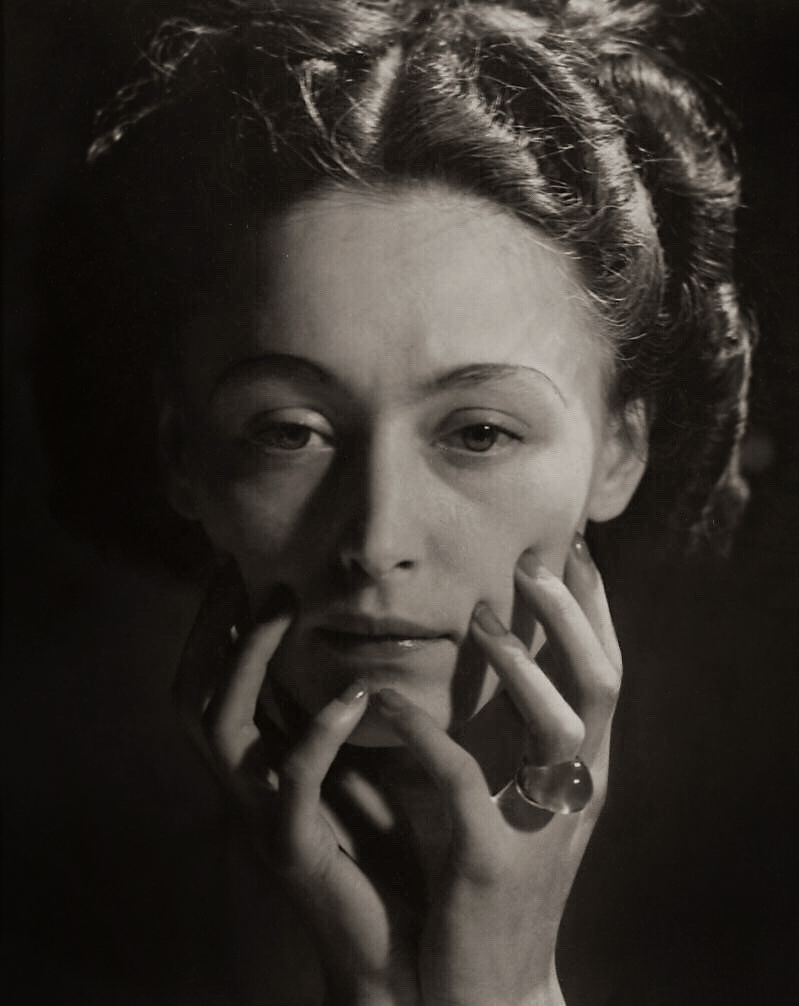
Dora Maar (French, 1907-1997) Portrait of Nusch Éluard 1935 Gelatin silver print
Dora Maar (French, 1907-1997) Untitled c. 1940 Gelatin silver print
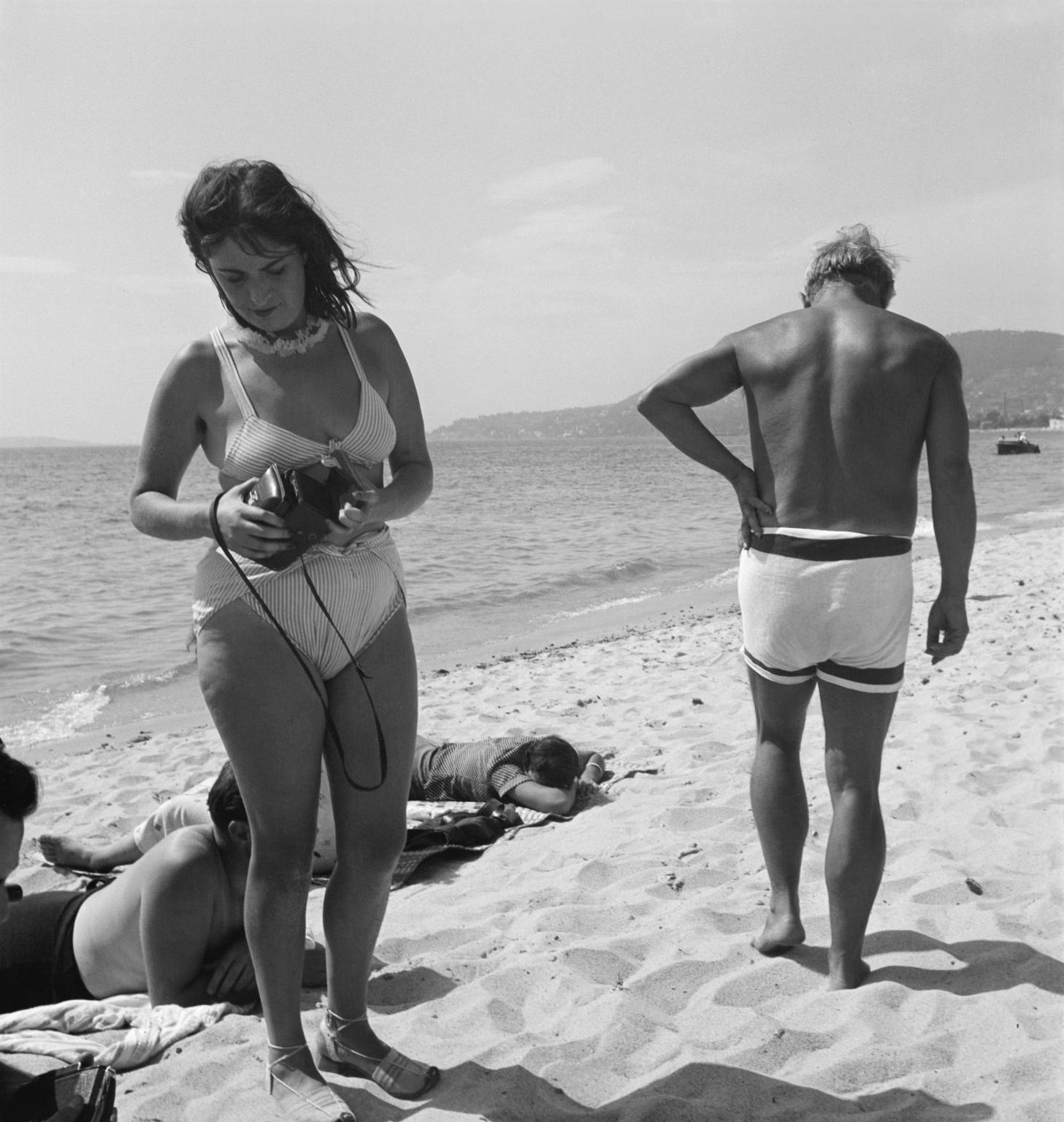
Eileen Agar (British-Argentinian, 1899-1991) Photograph of Dora Maar and Pablo Picasso on the beach September 1937 Gelatin silver print 68 x 60 mm Taken in Juan-les-pins, France Tate Archive Presented to Tate Archive by Eileen Agar in 1989 and transferred from the photograph collection in 2012
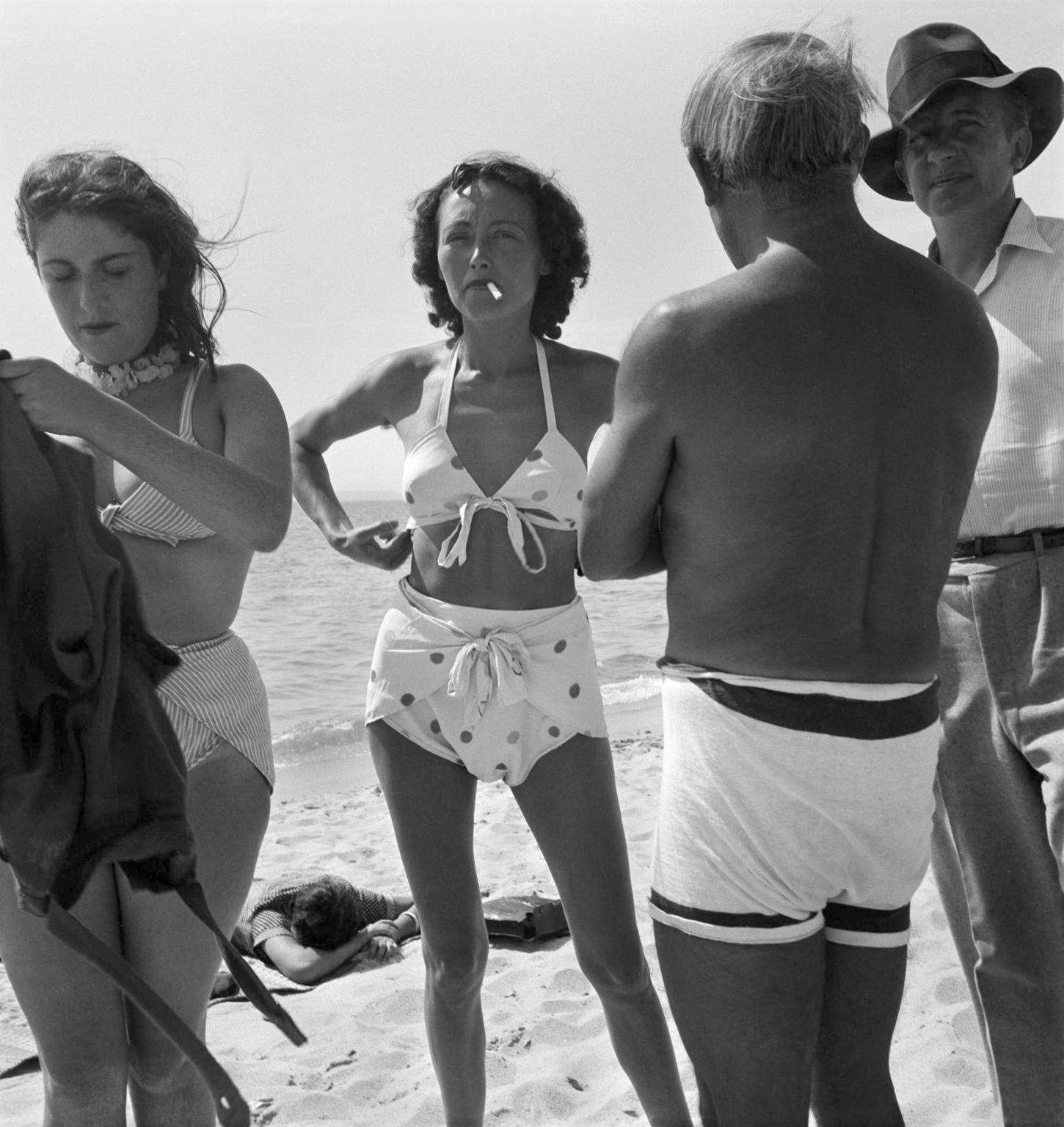
Eileen Agar (British-Argentinian, 1899-1991) Photograph of Dora Maar, Nusch Éluard, Pablo Picasso and Paul Éluard on the beach September 1937 Gelatin silver print 66 x 66 mm Taken in Juan-les-pins, France Tate Archive Presented to Tate Archive by Eileen Agar in 1989 and transferred from the photograph collection in 2012
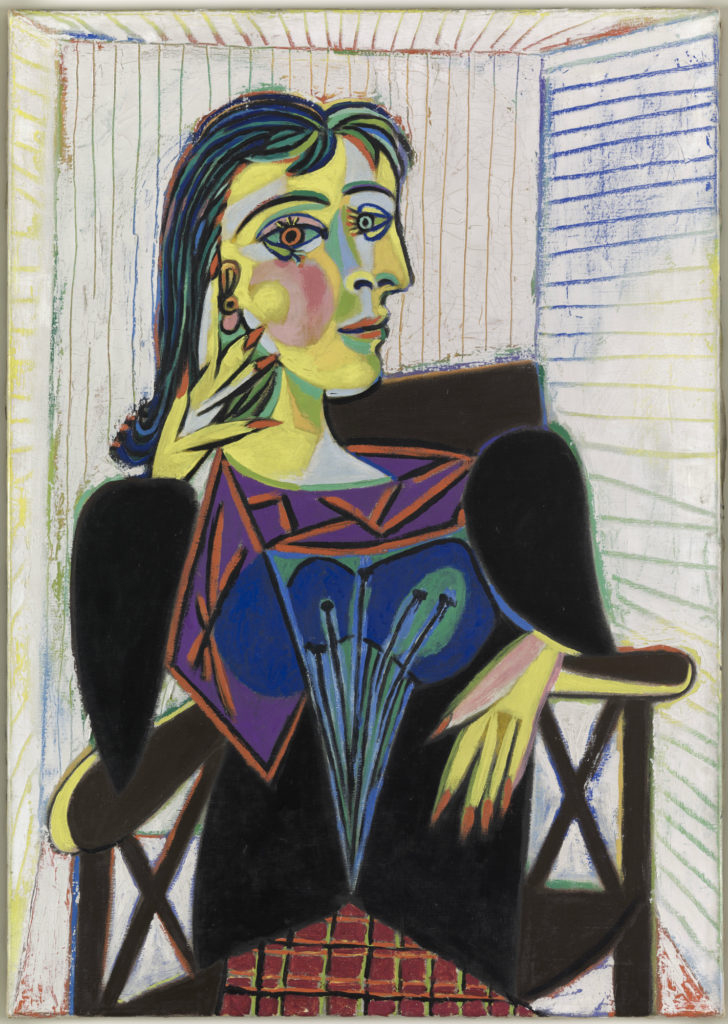
Pablo Picasso (Spanish, 1881-1973) Portrait of Dora Maar 1937 Musée National Picasso-Paris Copyright RMN-Grand Palais, Mathieu Rabeau and Succession Picasso, 2018
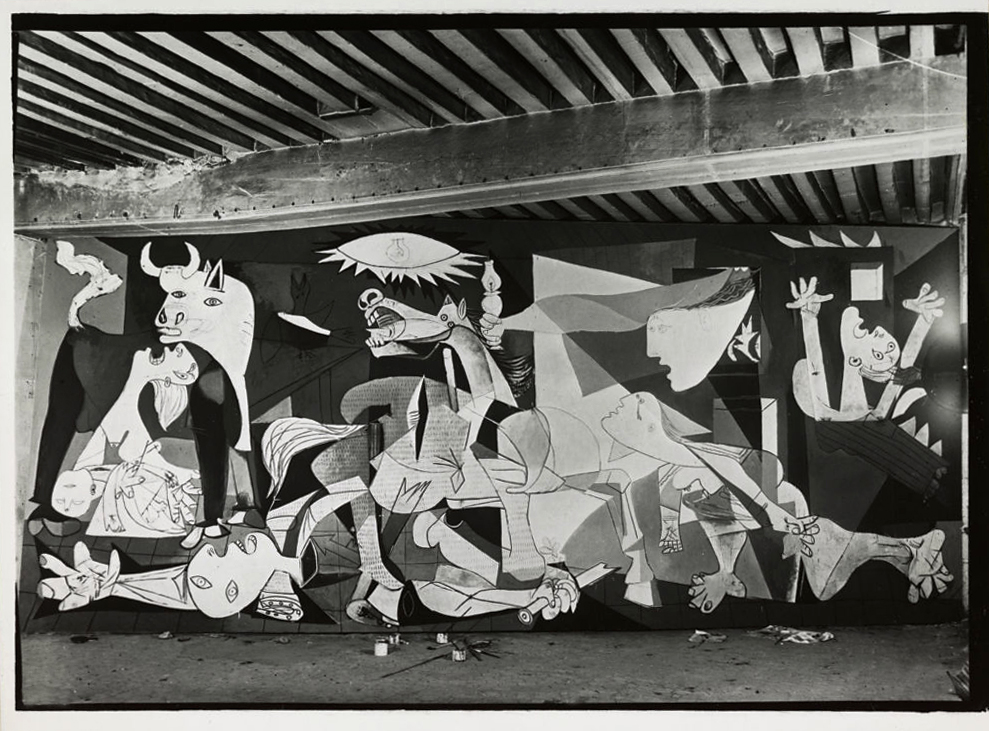
Dora Maar (French, 1907-1997) Guernica May-June, 1937 Gelatin silver print Musée National Picasso-Paris Copyright RMN-Grand Palais, Mathieu Rabeau and Succession Picasso, 2018
Dora Maar (French, 1907-1997) Picasso working on “Guernica” 1937 Gelatin silver print Courtesy VEGAP / Museo Nacional Centro de Arte Reina Sofia
Dora Maar (French, 1907-1997) Picasso working on “Guernica” 1937 Gelatin silver print Courtesy VEGAP / Museo Nacional Centro de Arte Reina Sofia
Installation view of the exhibition Dora Maar at Tate Modern, 2019 showing Maar’s painting The Conversation 1937 Photo: Tate (Andrew Dunkley)
“I must dwell apart in the desert,” the artist and surrealist photographer Dora Maar once said. “I want to create an aura of mystery about my work. People must long to see it.
“I’m still too famous as Picasso’s mistress to be accepted as a painter.”
These words form part of a conversation recorded by Maar’s friend, the art writer James Lord, in his memoir “Picasso and Dora.” During the exchange, the French artist also explains how she rationalised the work of her later years, given that she rarely exhibited and was not in demand. …
With its deliberate focus on their art, the exhibition doesn’t address certain troubling questions about the pair’s unequal personal relationship. In her memoirs, Picasso’s later lover, Françoise Gilot, recounted the brutal bullying to which the artist subjected Maar. Picasso once described the time that Maar and a previous lover, Marie-Thérèse Walter, came to blows in his studio as one of his “choicest memories.”
It’s a subject Maar didn’t shy away from in her art, painting herself alongside Walter in “The Conversation,” one of the works on show at the Tate Modern. Maar is depicted facing away while Walter looks directly at the viewer.
During the aforementioned exchange with James Lord, Maar told the writer that Picasso’s portraits of her were “lies.” But the struggle for recognition she went on to describe is more insightful – that she had to survive in the “desert” to be celebrated on her own terms.
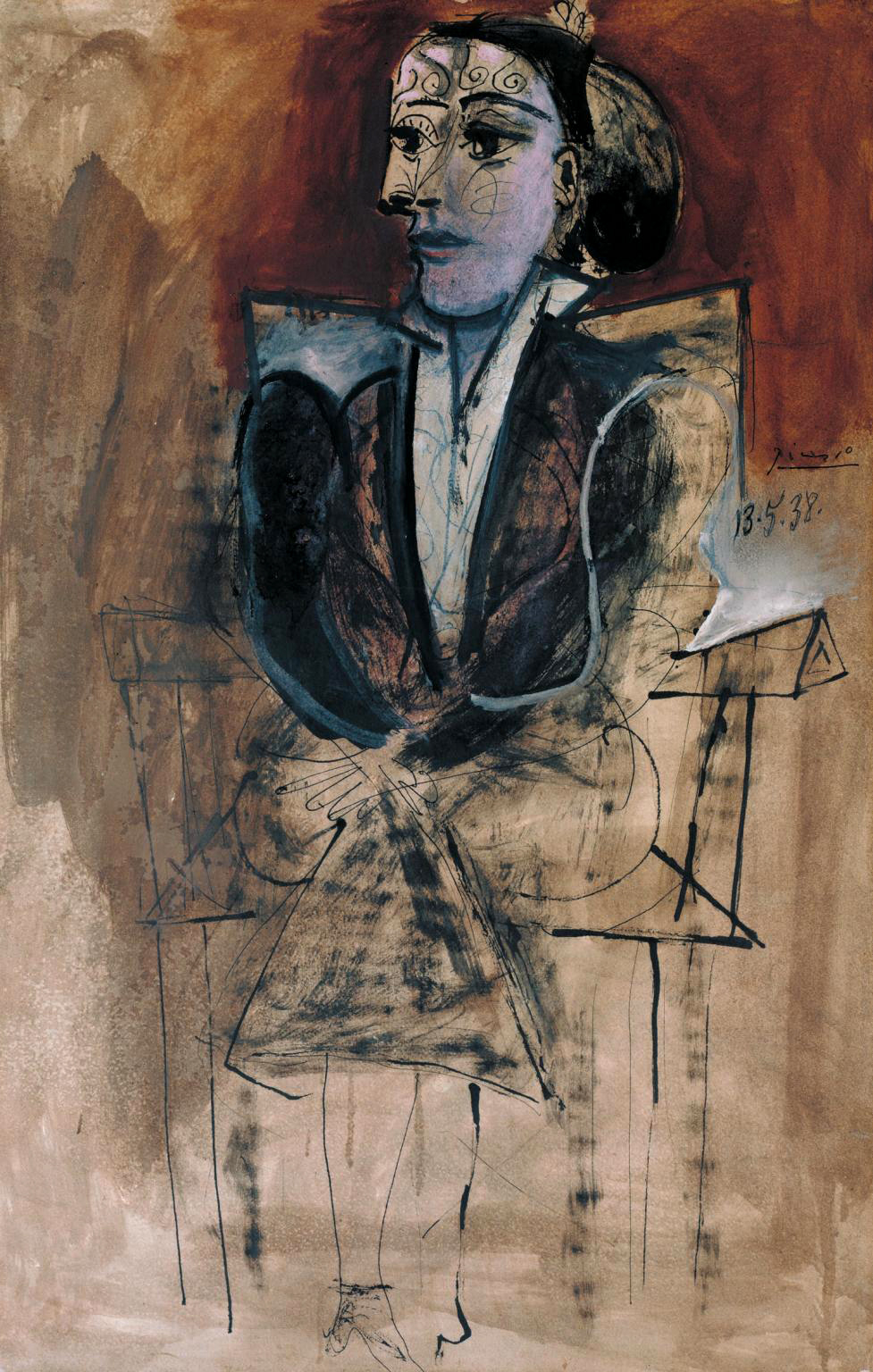
Pablo Picasso (Spanish, 1881-1973) Dora Maar seated 1938 Ink, gouache and oil paint on paper on canvas Support: 689 x 625 mm Frame: 925 x 685 x 120 mm Tate Purchased 1960
In late 1935 or early 1936, Maar met Pablo Picasso. They became lovers soon afterwards. She was at the height of her career, while he was emerging from what he described as ‘the worst time of my life’. He had not sculpted or painted for months.
Their relationship had a huge affect on both their careers. Maar documented the creation of Picasso’s most political work, Guernica 1937, encouraged his political awareness and educated him in photography. Specifically, Maar taught Picasso the cliché verre technique – a complex method combining photography and printmaking.
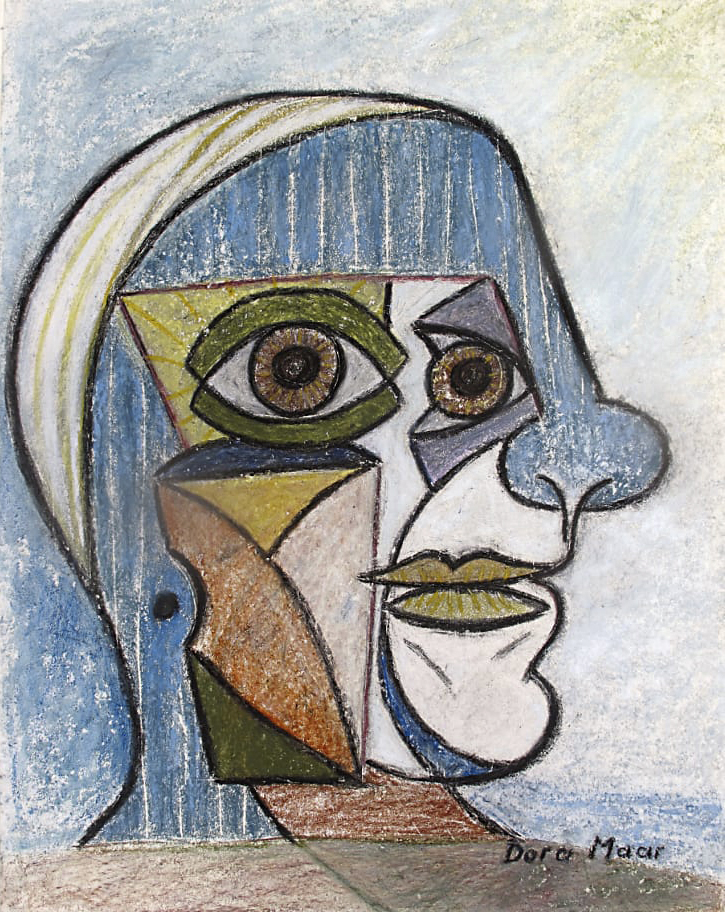
Picasso painted Maar in numerous portraits, including Weeping Woman 1937. However, Maar explained that she felt this wasn’t a portrait of her. Instead it was a metaphor for the tragedy of the Spanish people. Picasso also encouraged Maar to return to painting. The flattened features and bold outlines of the cubist-style portraits Maar made at this time suggest Picasso’s influence. By 1940 her passport listed her profession as ‘photographer-painter’.
Anonymous text from “Seven Things to Know: Dora Maar,” on the Tate website [Online] Cited 16/11/2019
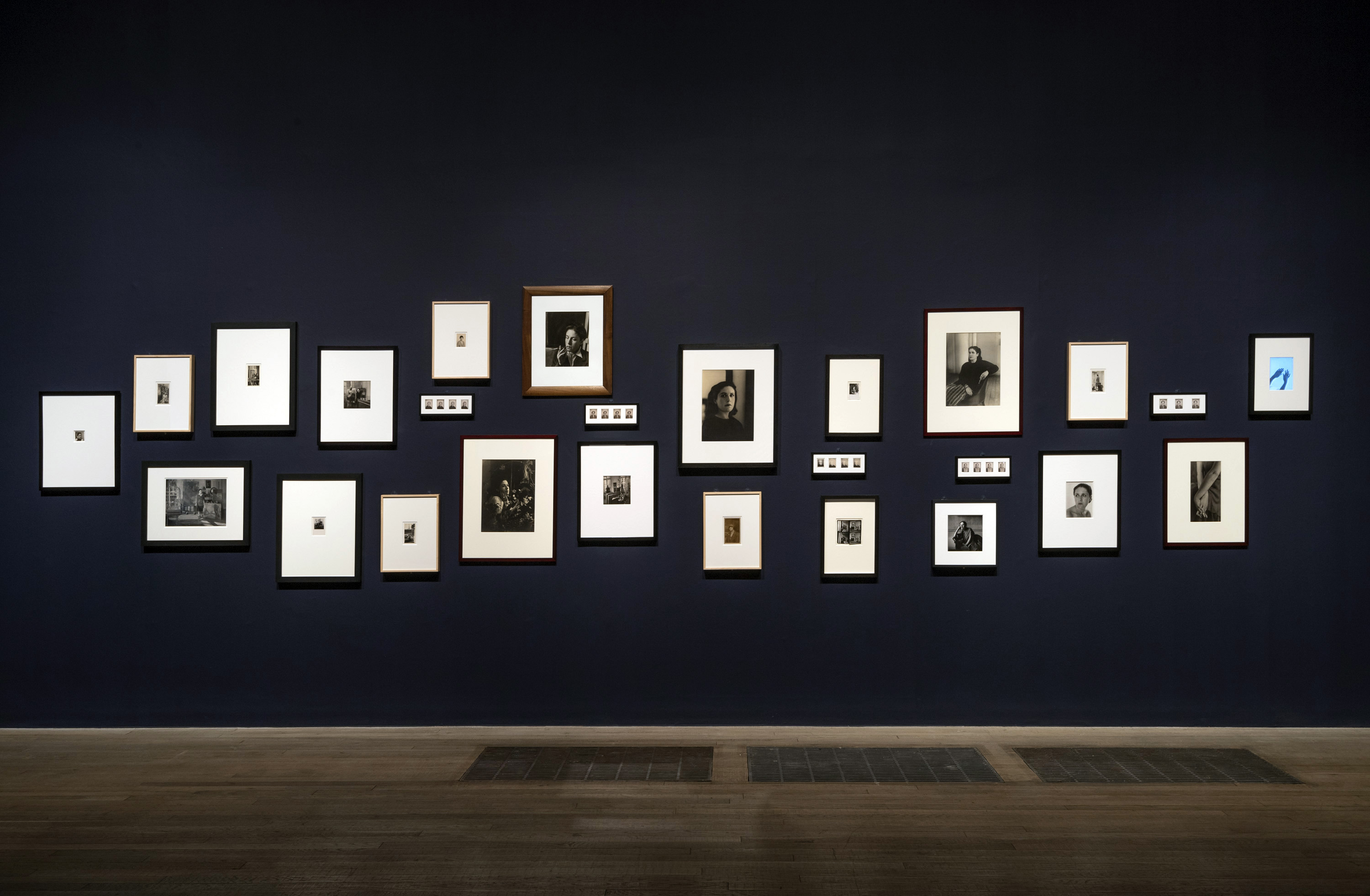
Installation view of the exhibition Dora Maar at Tate Modern, 2019 showing portraits of the artist by numerous artists, some of which you can see below
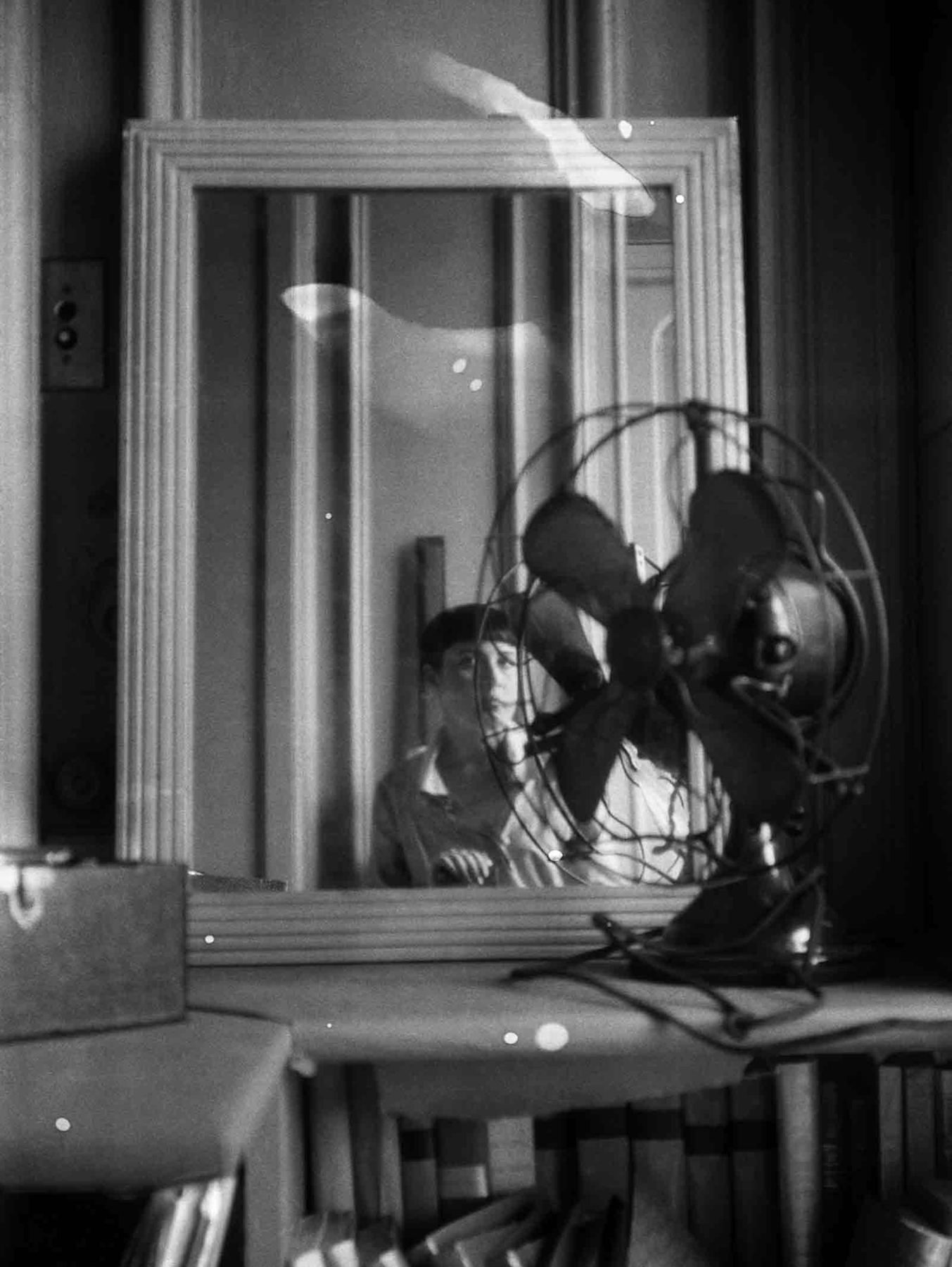
Dora Maar (French, 1907-1997) Self-portrait with Fan 1930 Gelatin silver print
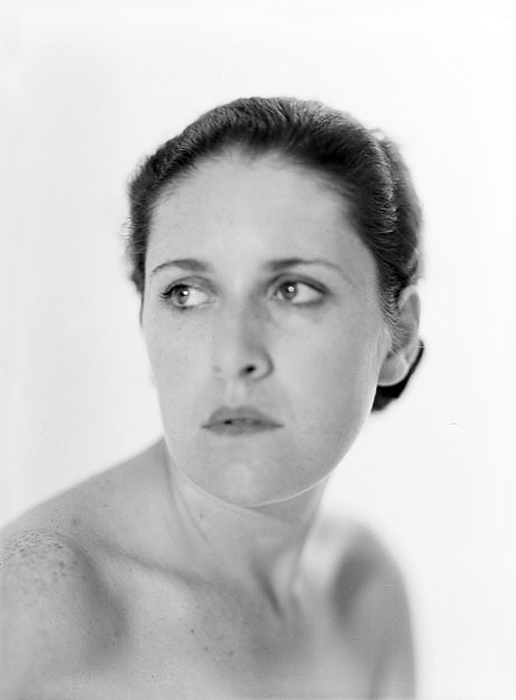
Emmanuel Sougez (French, 1889-1972) Dora Maar Paris, 1934 Gelatin silver print
Dora Maar considered the French commercial photographer Emmanuel Sougez (1889-1972) her mentor. Her first commission was a book on Mont-Saint-Michel written by art critic Germain Bazin. She collaborated with the stage-set designer Pierre Kéfer in 1931. From that experience they formed a business partnership, set up at first in his parents’ garden in Neuilly and then moving to their own studio at 9 rue Campagne-Première, lent by the Polish photographer Harry Ossip Meerson (1910-1991), younger brother of the cinema art director Lazare Meerson (1900-1938), who had worked with Kéber at Film Albatros studio in the mid-1920s. Harry Meerson also lent out his darkroom to the Hungarian photographer Brassai (Gyula Halász, 1899-1984), who became Dora Maar’s close friend. Her contact with Brassai brought her into the Surrealist circle.
The Kéfer-Dora Maar studio produced glamorous, innovative images for advertising and portraits, becoming part of the booming industry of commercial photography in glossy magazines. It was a fertile context for Dora Maar’s imagination. Her perspective on the modern women of the 1930s produced models oozing with elegant sensuality. Cool, natural, sometimes athletic, sometimes aristocratic, the Kéfer-Dora Maar female gave off a whiff of eroticise insouciance that emanated from Dora’s own disposition. This conceptualisation of contemporary beauty fed the appetite for luxury and leisure time activities, despite the Great Depression. It was a fantasy for some, a reality for others. During this period of working intensely with Pierre Kéfer, Dora had affairs with the filmmaker Louis Chavance (c. 1932-1933) and the erotically transgressive writer Georges Bataille (late 1933-1934). The Kéfer-Dora Maar studio closed in 1934.
Israëlis Bidermanas (17 January 1911 in Marijampolė – 16 May 1980 in Paris), who worked under the name of Izis, was a Lithuanian-Jewish photographer who worked in France and is best known for his photographs of French circuses and of Paris.
Upon the liberation of France at the end of World War II, Izis had a series of portraits of maquisards (rural resistance fighters who operated mainly in southern France) published to considerable acclaim. He returned to Paris where he became friends with French poet Jacques Prévert and other artists. Izis became a major figure in the mid-century French movement of humanist photography – also exemplified by Brassaï, Cartier-Bresson, Doisneau, Sabine Weiss and Ronis – with “work that often displayed a wistfully poetic image of the city and its people.”
For his first book, Paris des rêves (Paris of Dreams), Izis asked writers and poets to contribute short texts to accompany his photographs, many of which showed Parisians and others apparently asleep or daydreaming. The book, which Izis designed, was a success. Izis joined Paris Match in 1950 and remained with it for twenty years, during which time he could choose his assignments.
Although the late works are not as significant contributions to the history of art as her Surrealist photomontages, they inform our knowledge of this Parisian artist’s accomplishments in general and beg the question: Was Dora Maar’s brilliant career cut short by the typical conflicts facing professional women in the 1930s, and even today? Or was she a victim of Picasso’s psychological abuse, which chipped away at her original confidence? Was she compromised to the point that she only wanted to please the man she loved? According to art historian John Richardson, Dora Maar sacrificed her gifts on the altar of her art god, her idol, Picasso. Based on the early Surrealist photographs we see in her retrospective, one can only wish she hadn’t taken up with Picasso, for it seems she might have achieved far more in her lifetime without him.
The 1940s brought a series of traumas. Maar’s father left Paris for Argentina, her mother and best friend Nusch Eluard both died suddenly, her relationship with Picasso ended, and friends went into exile. The difficulty of this time is reflected in some of her work from this period.
Maar was included in many group and solo exhibitions in the 1940s and 1950s. In the mid-1940s she began to spend more time in rural surroundings of Ménerbes in the south of France. Here she regained her confidence as a painter and developed her own style of abstract landscapes. Exhibited across Europe, this work received very positive reviews.
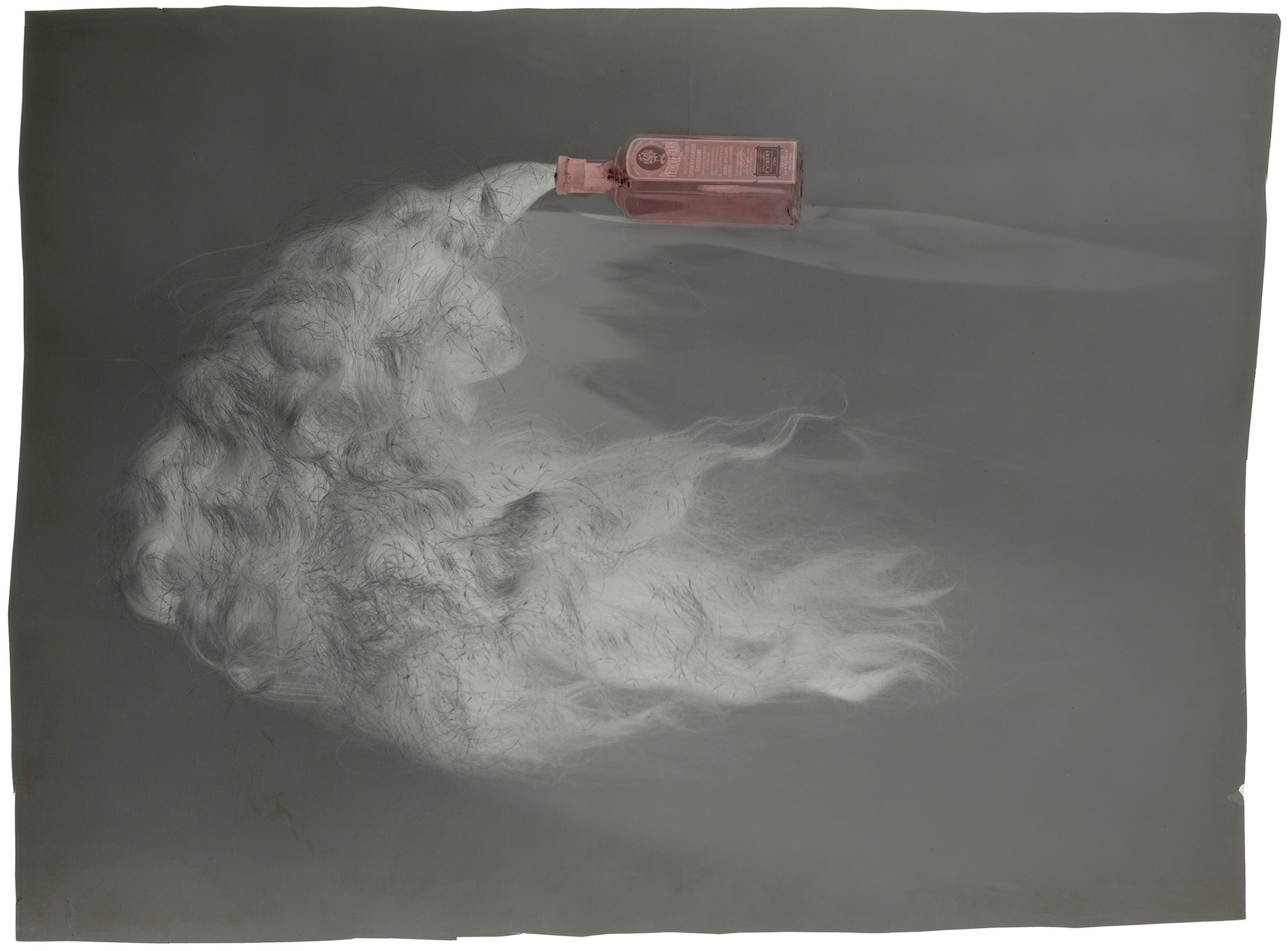
In the 1980s, Maar returned to photography. However, she was no longer interested in photographing life on the street. Instead, Maar was interested in what she could create in the darkroom and experimented with hundreds of photograms (camera-less photographs).
Dora Maar died on July 16, 1997, at 89 years old. Throughout her life she created a vast and varied range of work, much of which was only discovered after her death.
Anonymous text from “Seven Things to Know: Dora Maar,” on the Tate website [Online] Cited 16/11/2019
This is a magnificent exhibition, well paced and beautifully hung in the gallery spaces. It is gratifying to see a “blockbuster” at the National Gallery of Victoria that does not rely on papered walls or patterned floors, that just allows the work to speak for itself. There is an excellent chronological trajectory to the work, showcasing the holistic development of the artist in one interweaving arc: from the early history paintings, where Degas is educating himself not only in the history of art but also in the practicalities of the history of painting (how actually to paint) … through to the late, bravura pastels.
Pastel is Degas’s strongest medium and it was incredible to observe close up how he could make pastel look like oil paint and vice versa. My favourite was Femme à la toilette [Woman at her toilette] (c. 1894, below) were the flattened perspectival image disintegrates before your eyes: “As well as reflecting the artist’s love of Japanese woodblock prints with their frequently intimate subject matter, in this late drawing Degas applied his vivid pigments with an almost sculptural intensity, building them up as though modelling form with his fingers.” Abstraction eat your heart out.
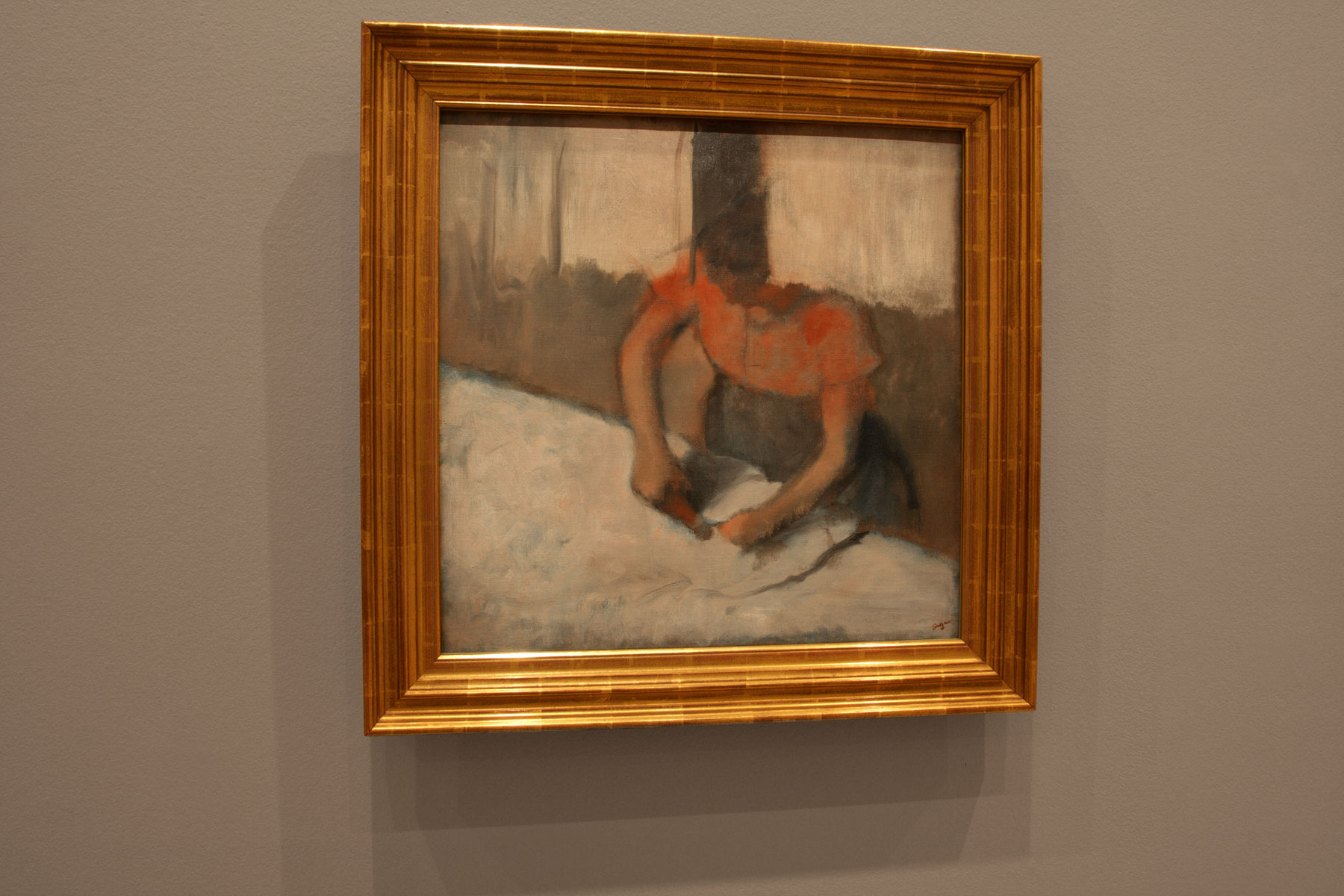
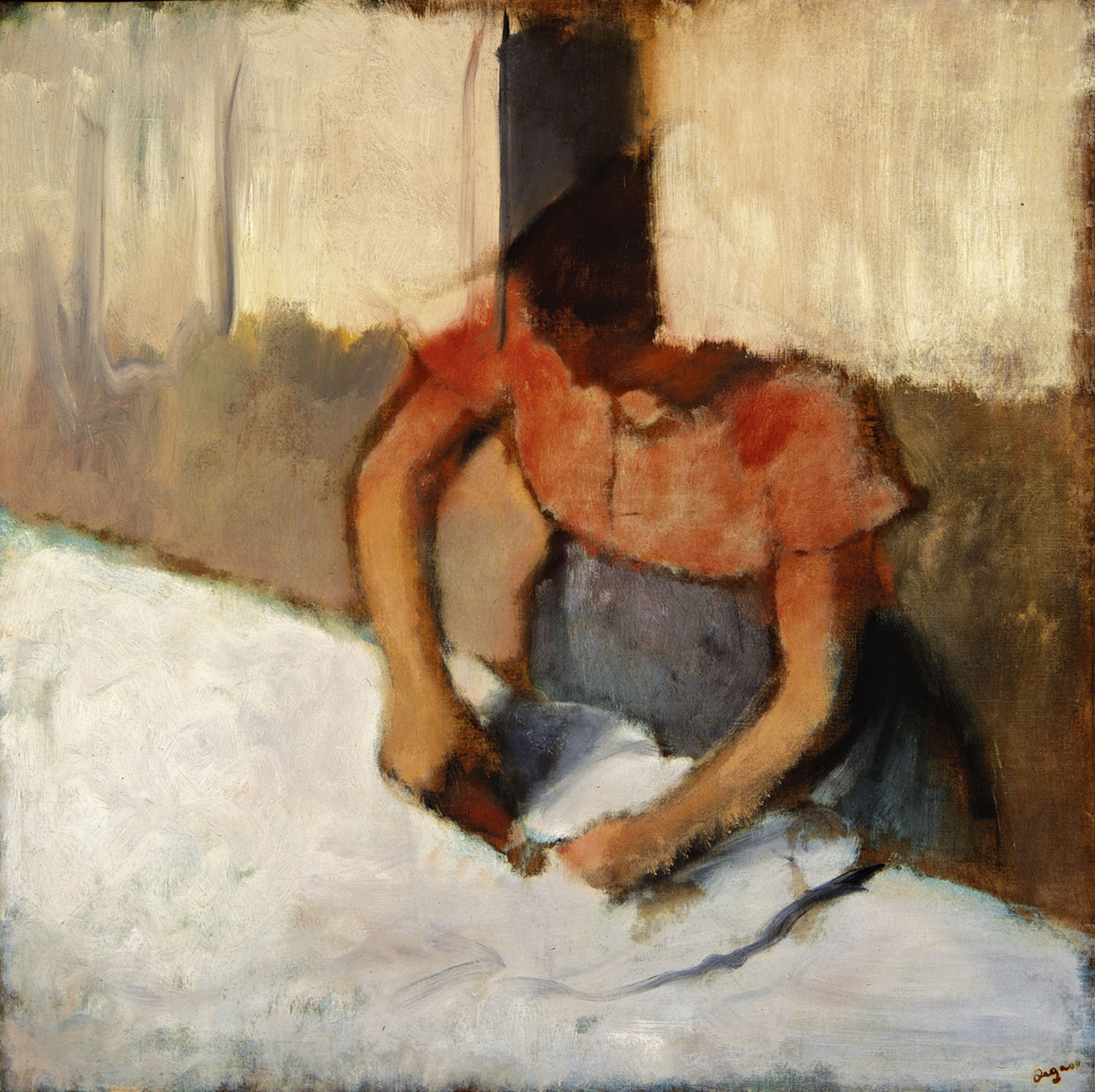
His “impressions” of reality rely on a keen eye, a wonderful understanding of space and the refractions of light, and the use of depth of field. The paintings I like best were not of the ballet, but rather the everyday “observational” paintings of the theatre box, a conversation and, particularly, The laundress ironing (c. 1882-86, below) with its simplified planar colour fields that run in different directions. These “punctures” of reality, or punctum to use a photographic term, elevate mundane everyday occurrences into a revelatory state – as though these encounters were taken from the flow of space and time, one frame out of a non-linear narrative.
The paintings of women at the toilettes are not voyeuristic but show a love and passion for an intimacy with women which he perhaps never achieved in real life, brought forth in observations of the female form “that challenged conventional notions of feminine beauty in their depiction of non-idealised jolie-laide (unconventionally beautiful) models”. Melbourne arts blogger Natalie Thomas observes that, “”Women and girls are everywhere in this show, but strangely absent too,” writes Thomas. Despite the fact the majority of Degas’ work explores femininity and the female body, the show, she says, fails to provide a female perspective.” (Natalie Thomas quoted in Shad D’Souza, “Gender and the NGV: ‘More white male artists than you can shake a stick at’,” on The Guardian website 15 September 2016 Cited 16/09/2016).
While I agree with Natalie Thomas that these paintings fail to provide a contemporaryfemale perspective, that is not all that these paintings are about. Of course, they are a privileged white male gaze looking upon the body of a female and we must accept and acknowledge that is what they are. But that is just one element of their narrative. It’s all very well critiquing the work from the present day and saying there is no female perspective, but in the era in which these “sensational” paintings emerged – it was an epoch where the privileged, powerful male gaze could look upon the female body. Yes, please look at the paintings from a contemporary perspective while understanding the conditions under which they were created, and then try to say something more interesting about them: the perspective, the colours, the form, the position of the painter, the framing of the scene, the possible disappearance of the artist to the sitter, as though the camera (his eyes) had disappeared: where someone is so used to the other being there, that they are natural (do not act or perform), unselfconscious in front of them. Then, and only then, do the paintings perhaps become something else – about women, their lives and habits / habitats. A different perspective from trotting out the usual “we are objectified / subjugated / defiled” trope.
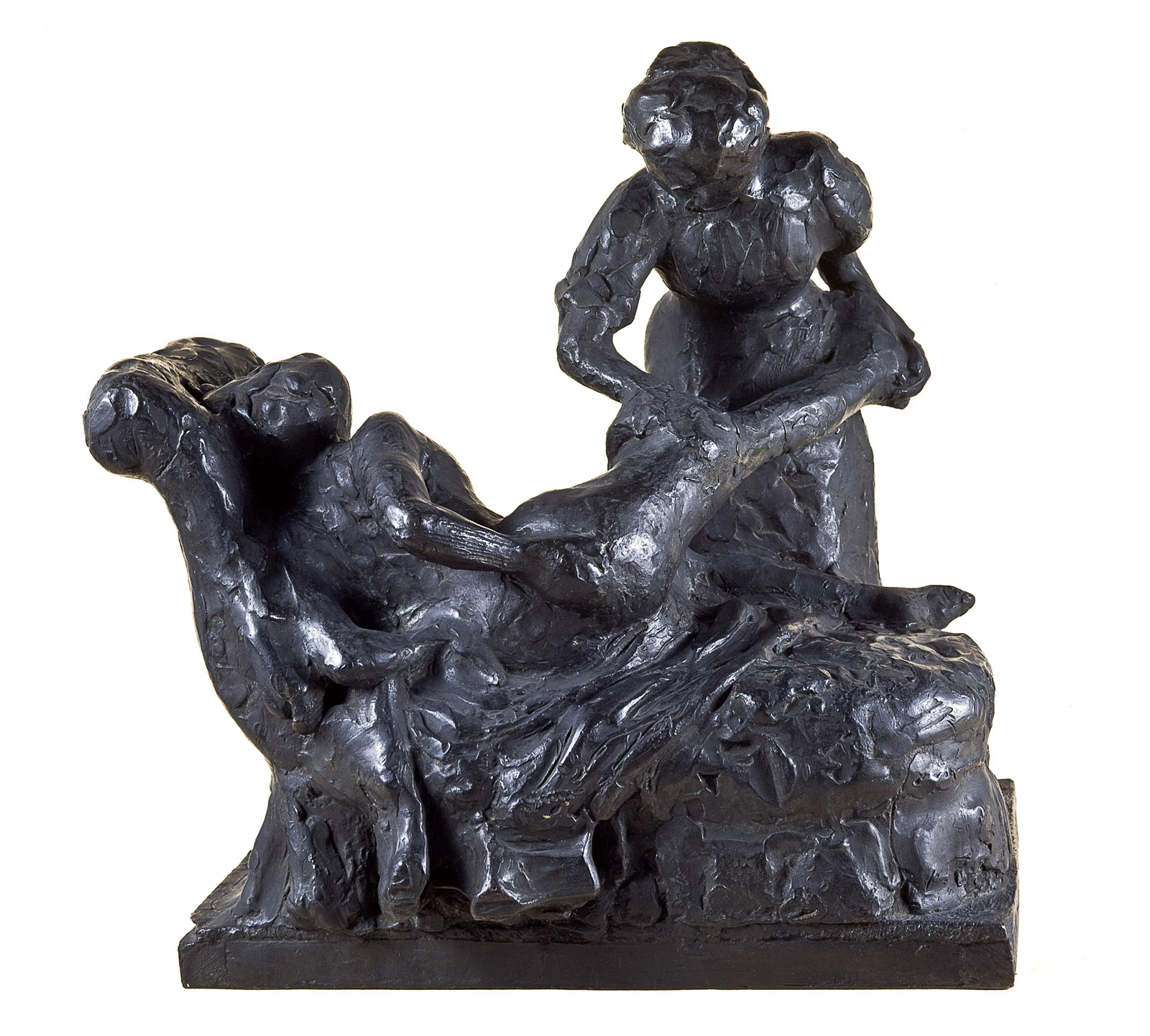
The sculptures are the revelation of the exhibition. Again, the male gaze pushing and prodding at the female form… except, these sculptures seem to erupt from within – like bubbling hot mud that seems to emanate from deep within the artist, erupting into the glorious form of the female body. Dark and mysterious, I would have loved to have seen one of the wax models, just one, to see the colour and feel the fragility of that form, over the robustness of the bronze.
And finally to the last room, the late works. There is an essentialness to the late work, the form stripped bare, heavily applied pastel in layers, dark heavy outlines with the frame filled with an “orgy of colours” – he “developed an expressive use of colour and line that may have arisen due to his deteriorating vision.” But he could still feel what he was doing and we can feel it too: the working of the medium, the working of the theme to its final resolution.
While I didn’t know much about the work of Degas other than the ballet pictures before this exhibition – after three visits, perhaps I know just a little more.
Edgar Degas was born in 1834 into a wealthy banking family. Unlike many of his contemporaries, his family were supportive of his artistic talent and desire to become an artist.
Degas resisted being labelled an ‘Impressionist’ yet was at the core of the movement’s most important manifestations. Classically trained, Degas initially aspired to be a painter of historical narratives. As he matured, however, he made the depiction of daily life the central focus of his art. He was drawn primarily to the human figure engaged in movement and work, sketching on the spot then working up his finished compositions indoors in his studio. Degas’ obsession with the theatre and ballet in particular enabled him to explore his fascination with artificial light, which set him apart from the other Impressionists who preferred to work out-of-doors capturing the transient effects of natural daylight.
Degas absorbed many diverse influences, from Japanese prints to Italian Mannerism, and reinterpreted them in innovative ways. Degas obsessively revisited and experimented with his favourite themes which saw him fashion varied and unusual vantage points and asymmetrical framing. His depictions of ballet dancers alone number in the hundreds. Such endeavours helped him to achieve the innovative and distinctive style which is explored in Degas: A New Vision.
Degas served in the Franco-Prussian War of 1870-71 and began to experience eyesight deterioration by the late 1880s. He increasingly took up sculpture as his eyesight weakened. In his later years, he was preoccupied with the subject of women bathing unselfconsciously and developed an expressive use of colour and line that may have arisen due to his deteriorating vision.
Degas continued working to as late as 1912. He died five years later in 1917, at the age of eighty-three.
[Dancers (Fan, design)] belongs to a group of fans made in the late 1870s that reflect Degas’s fascination at this time with Japanese art. Highly aestheticised, these fans show how Degas took advantage of this unusual format to explore new compositional possibilities. Here, for example, the balletic action taking place on stage competes for the viewer’s attention with the theatre’s screening machinery, as well as with the group of black-clad abonnés (subscribers with back stage passes) gathered in the wings in the middle distance.
In contrast with his numerous ballet works, Degas produced relatively few studies of the spectators at the Opera and other theatrical venues. Theatre box is one of his most captivating studies of the magical effects created by artificial stage lighting. Its contrast between the shadowy reality of the viewer in her dimmer theatre box and the vividly illuminated fantasy being performed before her onstage is as compelling as it is radical.
When exhibited at the fifth ‘impressionist’ group exhibition in Paris in 1880, this pastel attracted the attention of the critic Charles Ephrussi, who wrote glowingly of how it shoed ‘a profound knowledge of the relations between tones, producing the most unexpected and curious effects: the wine-coloured draperies of the spectator’s box and the yellowish glow of the footlights are projected onto the face of a diminutive theatre-goer, who thus finds herself illuminated by violet and brilliant yellow; the impression is strange, but captured with perfect reality’.
Wall text from the exhibition
Edgar Degas (French, 1834-1917) Theatre box 1880 Pastel and oil on cardboard on canvas 66.0 x 53.0cm The Lewis Collection
The time that Degas spent overseas in New Orleans made him surprisingly nostalgic for everything he had left behind in Paris. The simple reason he gave was that ‘One loves and gives art only to the things to which one is accustomed’. Although delighted by the new sights and sensations he experienced in New Orleans, he felt that ‘ new things capture your face and bore you by turns’. With these words, Degas expressed what would become his credo for the rest of his career.
After this time, Degas refused invitations to travel to exotic locales and put aside the search for new subjects, focusing instead on the same themes: dancers, rockets, women in the bath. The novelty of what he had discovered in America also led him soon afterwards to retreat into himself. seeing inspiration in introspection. For Degas the exotic could be found perfectly well at home, especially in the new evening venues of 1870s Paris, the café-concerts. He delighted in exploring the tension and psychological preparation that lay behind the surface glamour of stage performances conducted within an artificial other-reality.
Wall text from the exhibition
All that gesture in theatre summon, or that the agile and mendacious tongue of ballet speaks to those who comprehend the silent eloquence of limbs in motion.
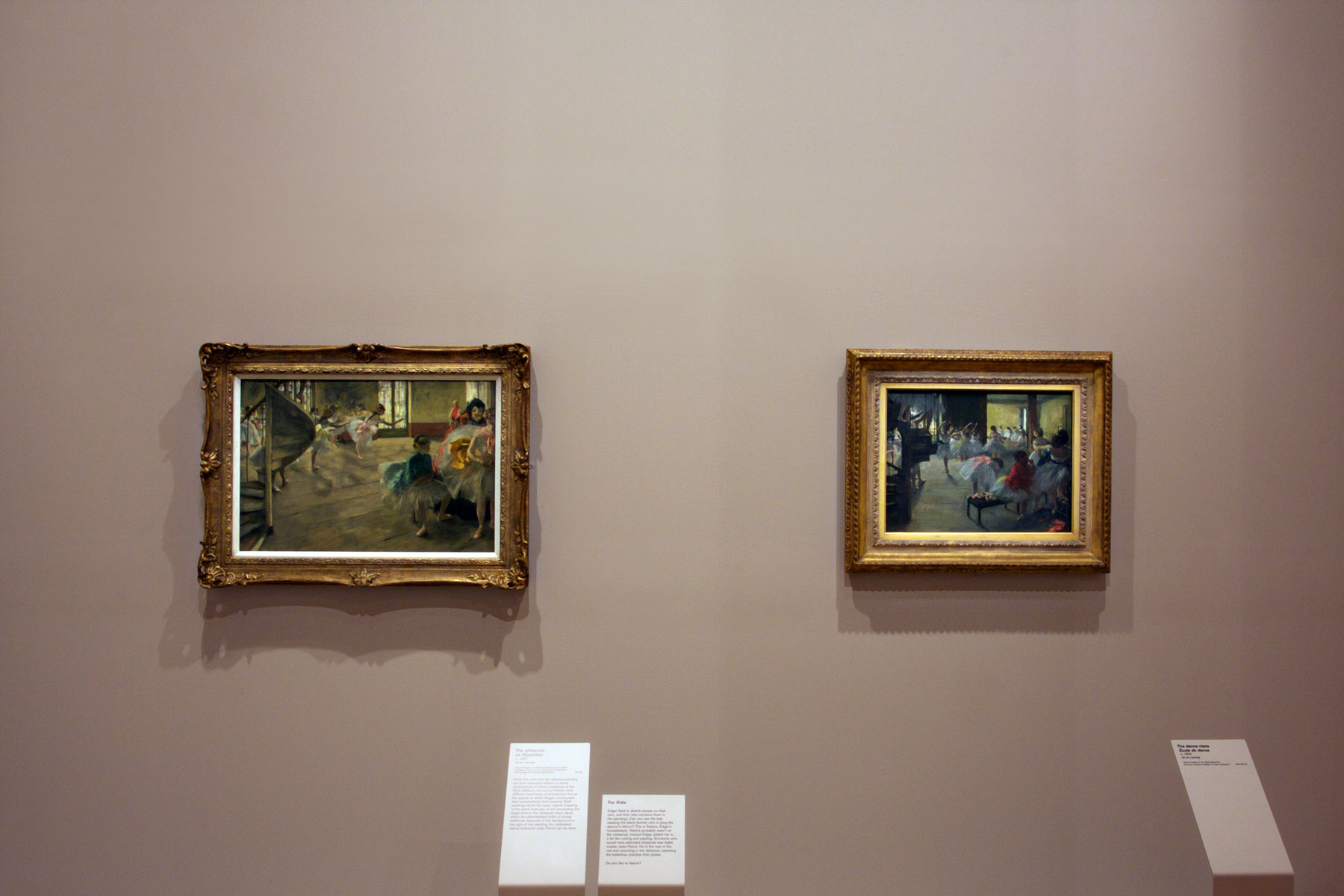
Edgar Degas (French, 1834-1917) The dance rehearsal c. 1870-1872 Oil on canvas 40.6 x 54.6cm The Phillips Collection, Washington D.C. Gift of anonymous donor, initiated 2001, completed 2006
While the friendships he established in the 1860s with musicians such as Désiré Dihau, a bassoon player with the Paris Opéra, brought Degas into the orbit of ballet performances in the French capital, the full extent of his access to this world prior to the mid-1880s remains unknown. This may explain why his many depictions of dancers practising backstage in rehearsal rooms in the 1870s were his own studio inventions rather than accurate depictions of the Opéra’s foyers de la danse.
Degas’ favourite theatrical venues – the Opéra in the rue le Peletier that was destroyed by fire in October 1873 and its replacement, the Palais Garnier, which opened in 1875 – were both located in the 9th arrondissement, close to his studio. Degas exhibited ballet compositions at the ‘impressionist’ group exhibitions from 1874 onwards, all the while resisting the label, arguing that his own art was Realist and meticulously crafted in the studio instead of spontaneously created before nature. When the Galeries Durand-Ruel began acquiring Degas’ paintings in 1872, the artist’s first sales at this time were of ballet subjects. Unlike the romantic perspective through which these scenes are viewed today, Degas’ contemporaries recognised in them a rejection of the surface glamour of ballet’s front of house in favour of a serious study of the gritty reality of life backstage. There, junior impoverished dancers jostled for attention from their trainers, all too frequently prostituting themselves on the side so they could afford to stay in competition for coveted stardom.
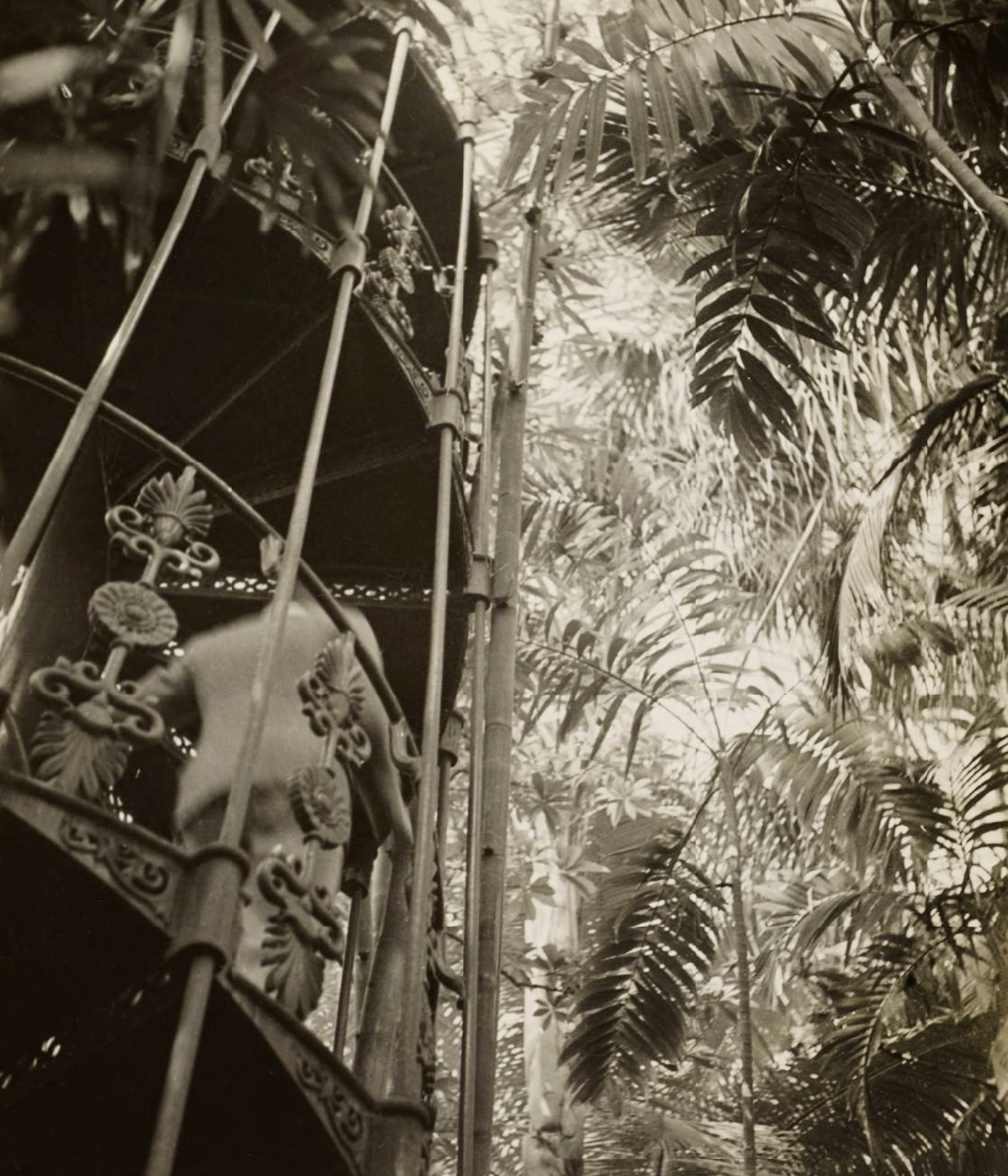
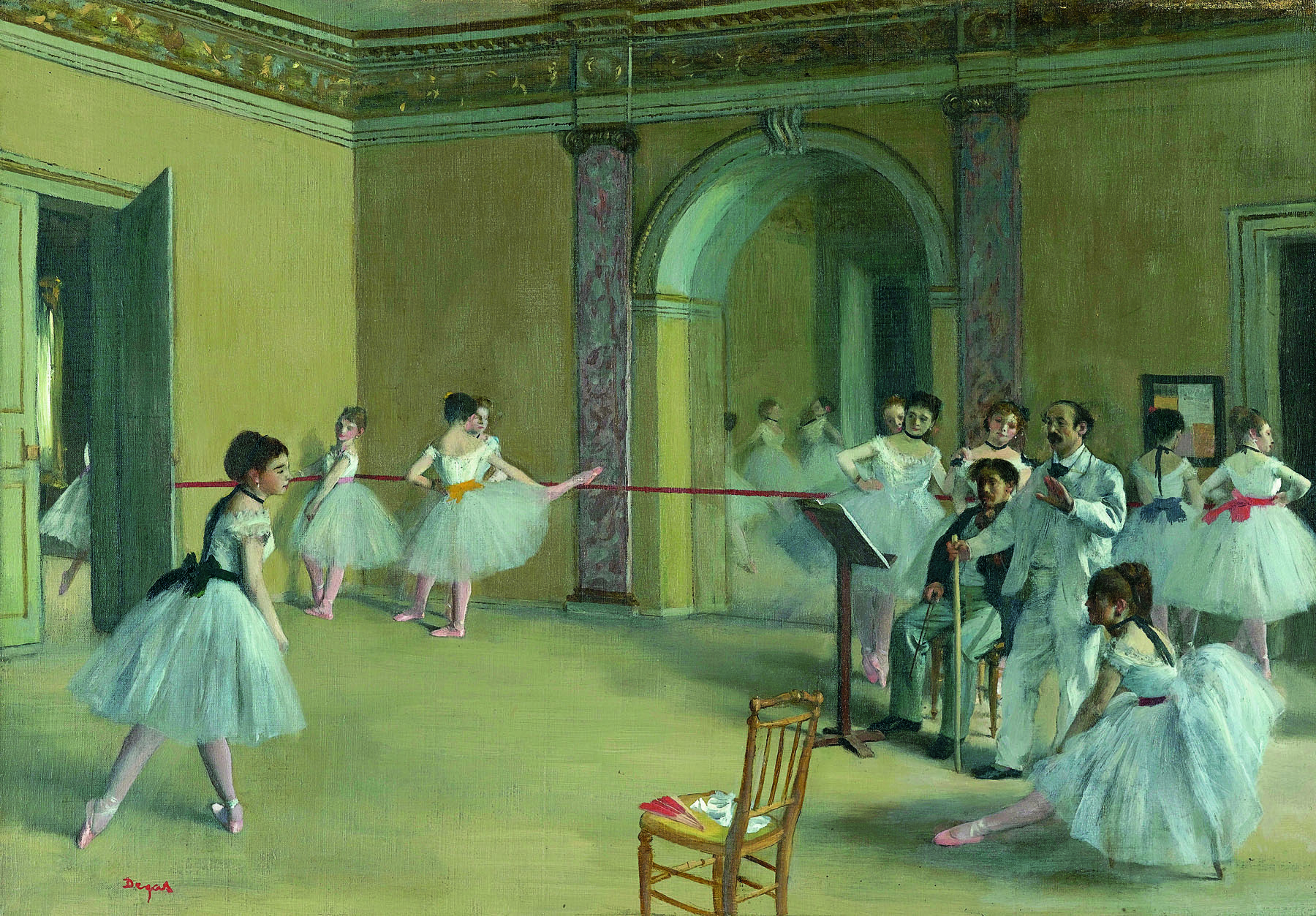
While The rehearsal and other similar depictions such as The dance class, c. 1873, are ostensibly based on direct observations of dance rehearsals at the Paris Opéra in the rue Le Peletier, their different treatments of architecture hint at the degree to which Degas constructed their compositions from memory. This painting shows a radical cropping of the spiral staircase at left connecting the stage level to the rehearsal room, down which the disembodied limbs of young ballerinas descend. In the background to the right the celebrated dance instructor Jules Perrot can be seen.
Edgar Degas (French, 1834-1917) Dancers on the stage (detail) c. 1899 Oil on canvas 76.0 x 82.0cm Musée des Beaux-Arts de Lyon Legs Jacqueline Delubac, 1997
Dancers on the stage looks back to the experiments with pictorial space and repoussoir compositional staging that had so characterised Degas’s ballet works of the 1870s and early 1880s. Repoussoir was a favourite technique for Degas, a technique in which an object place prominently in the foreground of a work serves to emphasise the recession of physical space in the rest of the composition. In an unusual choice for the artist, Degas shows here a dress rehearsal on stage. The attention of the dancers is focused upon the diminutive figure of the dave master in the far left background whose presence ignites a diagonal magnetism that animates the whole painting.
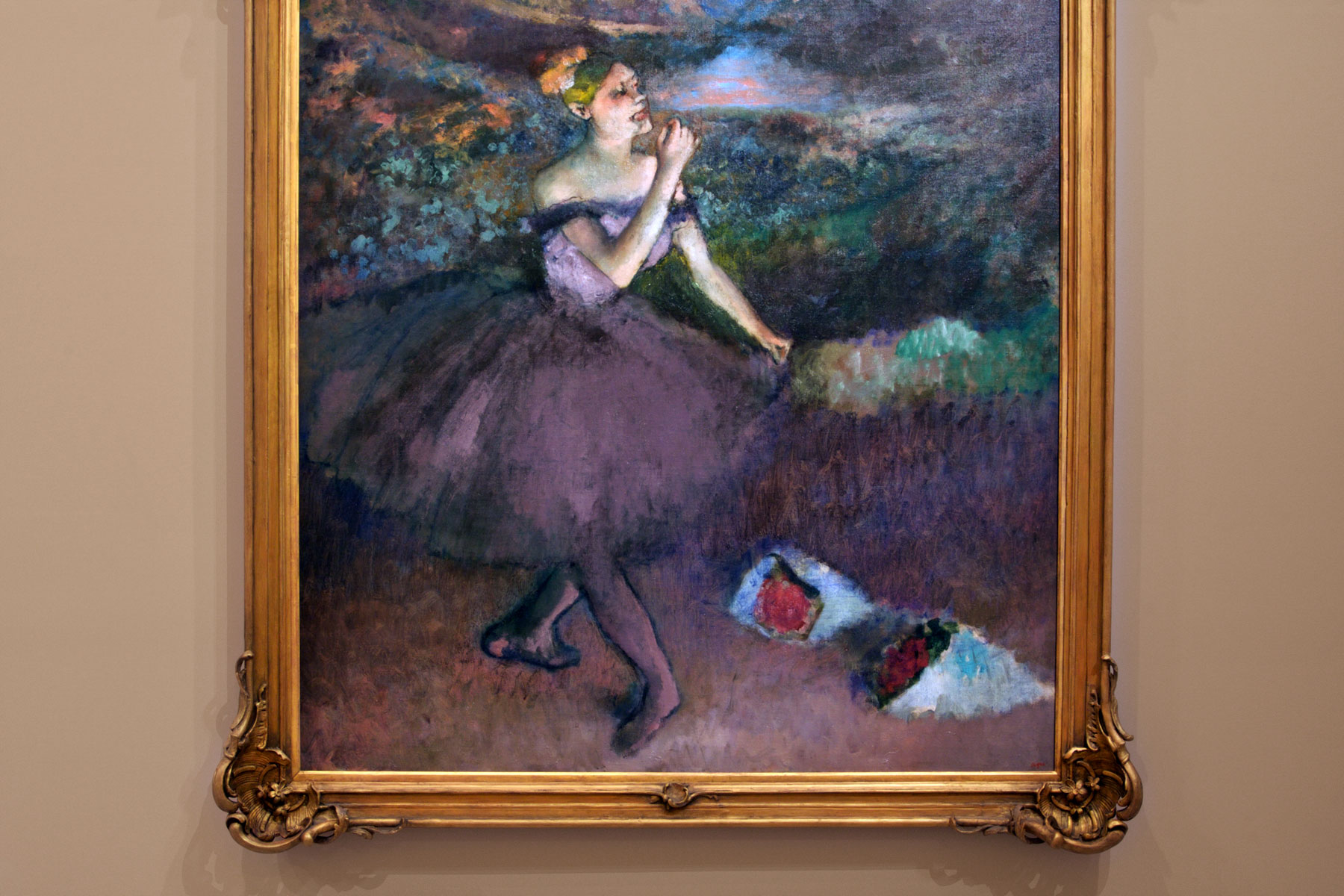
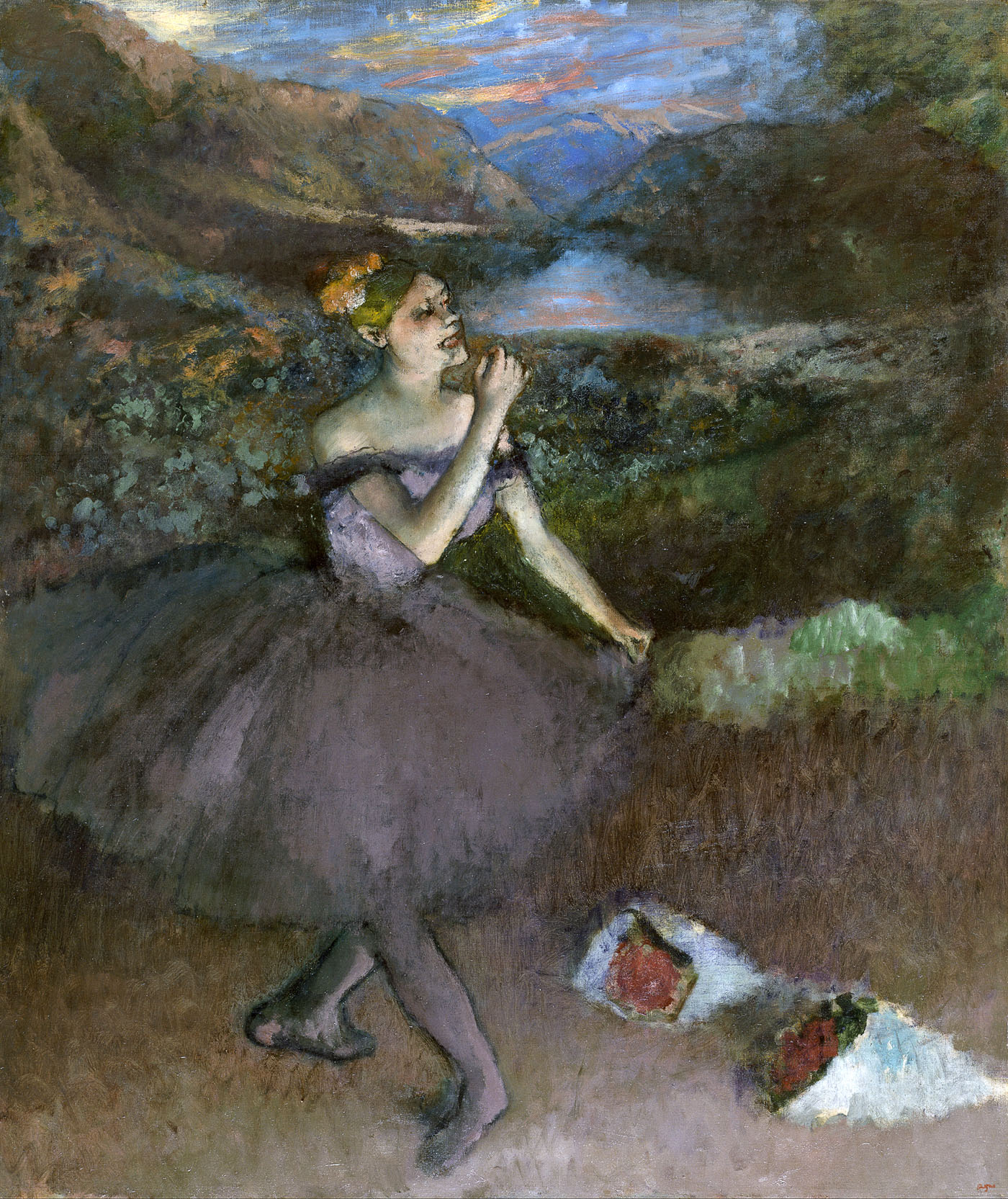
Edgar Degas (French, 1834-1917) Dancer with bouquets c. 1895-1900 Oil on canvas 180.3 x 152.4cm Chrysler Museum of Art, Norfolk, Virginia Gift of Walter P. Chrysler, Jr, in memory of Della Viola Forker Chrysler
Sculptures
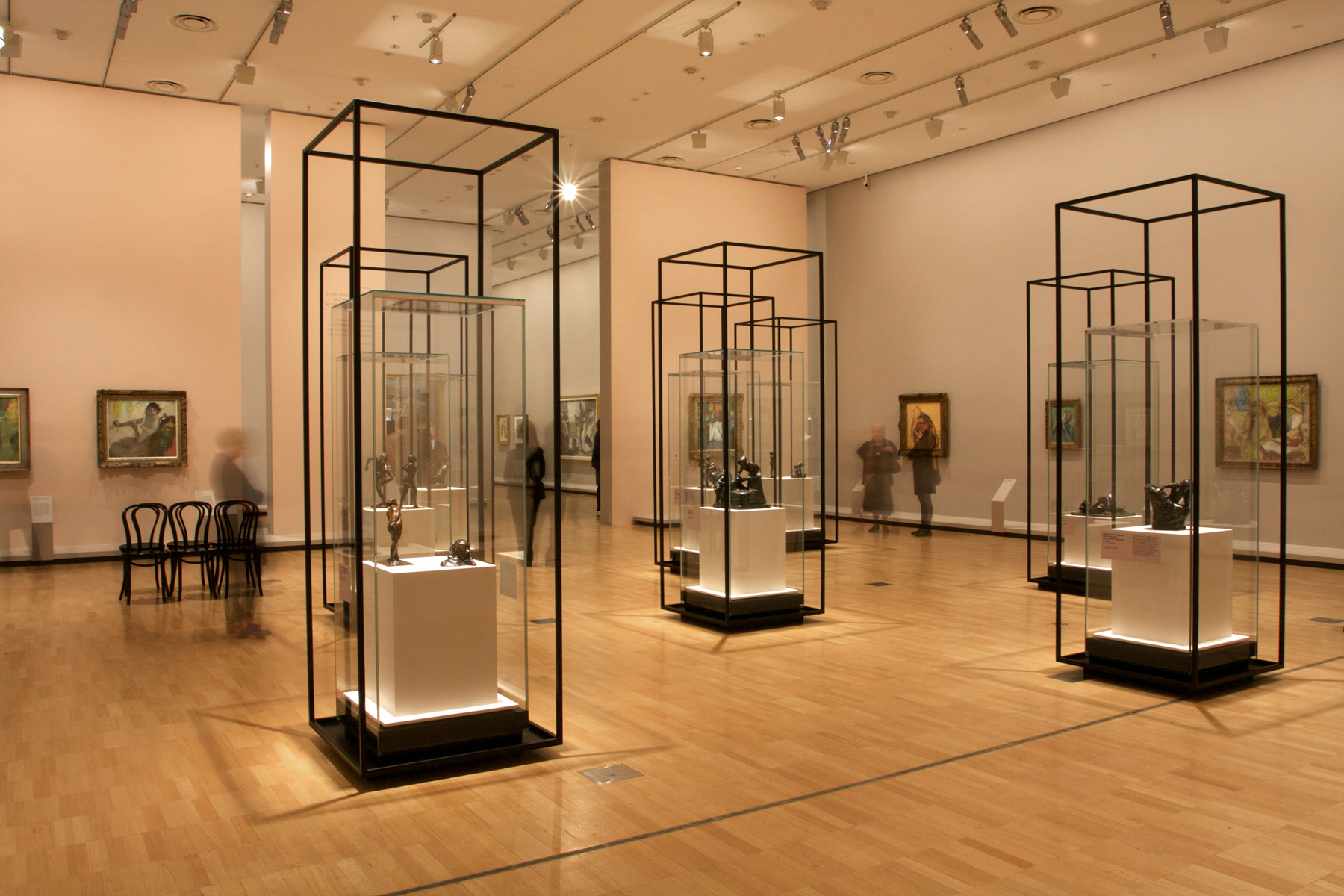
Although Degas exhibited only one sculpture during his lifetime, The little fourteen-year old dancer, he worked in this medium in privacy in his studio from the 1860s until the 1910s. His primary subjects were thoroughbred racehorses, female dances and women at the toilette, and he modelled his sculptures in wax, over steel wire and cork armatures. Never satisfied, he made, destroyed and remade them repeatedly. As Degas’s eyesight deteriorated in his later years, making three-dimensional figures fulfilled a physical and emotional need that transcended any desire to perfect a finished object; he allegedly side that sculpture was ‘a blind man’s trade’.
After Degas’s death in 1917, some 150 wax sculptures were found in his studio, some broken but many intact. His heirs subsequently authorised the casting in bronze of seventy-four of the most intact of Degas’s sculptures. While many of Degas’s original wax sculptures still survive, they are too fragile to travel. These bronzes allow wider audiences today to engage with some of the most beautiful sculptures of the nineteenth century.
Edgar Degas (French, 1834-1917) The tub 1888-89, cast 1919-32 Bronze 22.5 x 45.0 x 42.0cm Czestochowski/Pingeot 26 (cast S) Museu de Arte de São Paulo, Assis Chateaubriand Donated by Alberto José Alves, Alberto Alves Filho and Alcino Ribeiro de Lima
Edgar Degas (French, 1834-1917) The masseuse c. 1896-1911, cast 1919-32 Bronze 43 x 38 x 30cm Czestochowski/Pingeot 55 (cast S) Museu de Arte de São Paulo, Assis Chateaubriand Donated by Alberto José Alves, Alberto Alves Filho and Alcino Ribeiro de Lima
Edgar Degas (French, 1834-1917) Seated woman wiping her left side c. 1901-11, cast 1919-32 Bronze 35 x 30.5 x 30.4cm Czestochowski/Pingeot 46 (cast S) Museu de Arte de São Paulo, Assis Chateaubriand Donated by Alberto José Alves, Alberto Alves Filho and Alcino Ribeiro de Lima
Edgar Degas (French, 1834-1917) Dancer adjusting the shoulder strap of her bodice 1882-95, cast 1919-32 Bronze 35.2 x 15.9 x 11.8cm Czestochowski/Pingeot 64 (cast S) Museu de Arte de São Paulo, Assis Chateaubriand Donated by Alberto José Alves, Alberto Alves Filho and Alcino Ribeiro de Lima
Edgar Degas (French, 1834-1917) Dancer looking at the sole of her right foot (Second study) c. 1900-1910, cast 1919-1937 or later Bronze 47.3 x 24.3 x 20.8cm Czestochowski/Pingeot 59 (cast T) National Gallery of Victoria, Melbourne Purchased with funds donated by Leigh Clifford AO and Sue Clifford, 2016
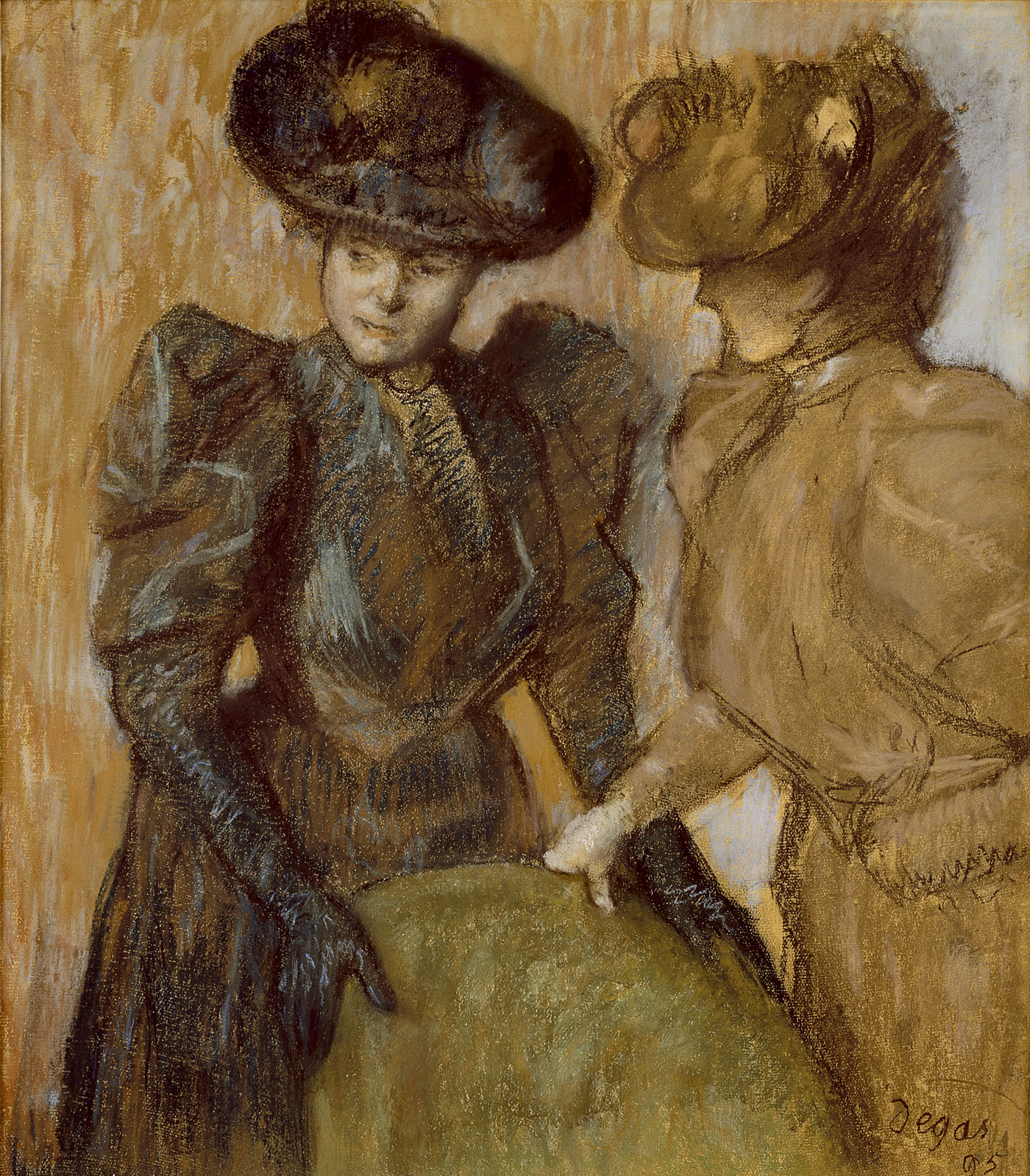
Walter Sickert recalled Degas speaking of his obsession with observing women at their most private moments. He wanted to look at their private activities through keyholes, according to Sickert: ‘He said that painters too much made of women formal portraits, whereas their hundred and one gestures, their chatteries, &c., should inspire an infinite variety of design’. The Conversation reflects the artist’s love of Japanese woodblock prints and their frequently intimate subject matter. The specifics of setting are only alluded to in this exquisite pastel, the emphasis being placed instead upon the close relationship between these two elegant Parisiennes.
In 1875 pastel became one of Degas’s favourite techniques. Gustave Moreau had introduced him to this medium during their time together in Italy during the late 1850s, and the increasing interest in pastel in artistic circles during the 1870s influenced Degas’s choice to explore its potential. At the eighth and last ‘impressionist’ group exhibition in 1886 Degas exhibited a suite of pastel studies of women bathing that challenged conventional notions of feminine beauty in their depiction of non-idealised jolie-laide (unconventionally beautiful) models. George Moore wrote tellingly of these nudes: ‘The effect is prodigious. Degas has done what Baudelaire did – he has invented un frisson nouveau (a new sensation)’.
Because intimate access to female ablutions was rarely experience by husbands in bourgeois married life at the time, it was assumed by critics and audiences that Degas’s female nudes were performing their toilettes in a brothel setting. The close observation of undressed women engaged in private acts of washing and drying themselves led Degas’s ongoing status as a bachelor to become a topic of speculation in both the art world and wider social circles.
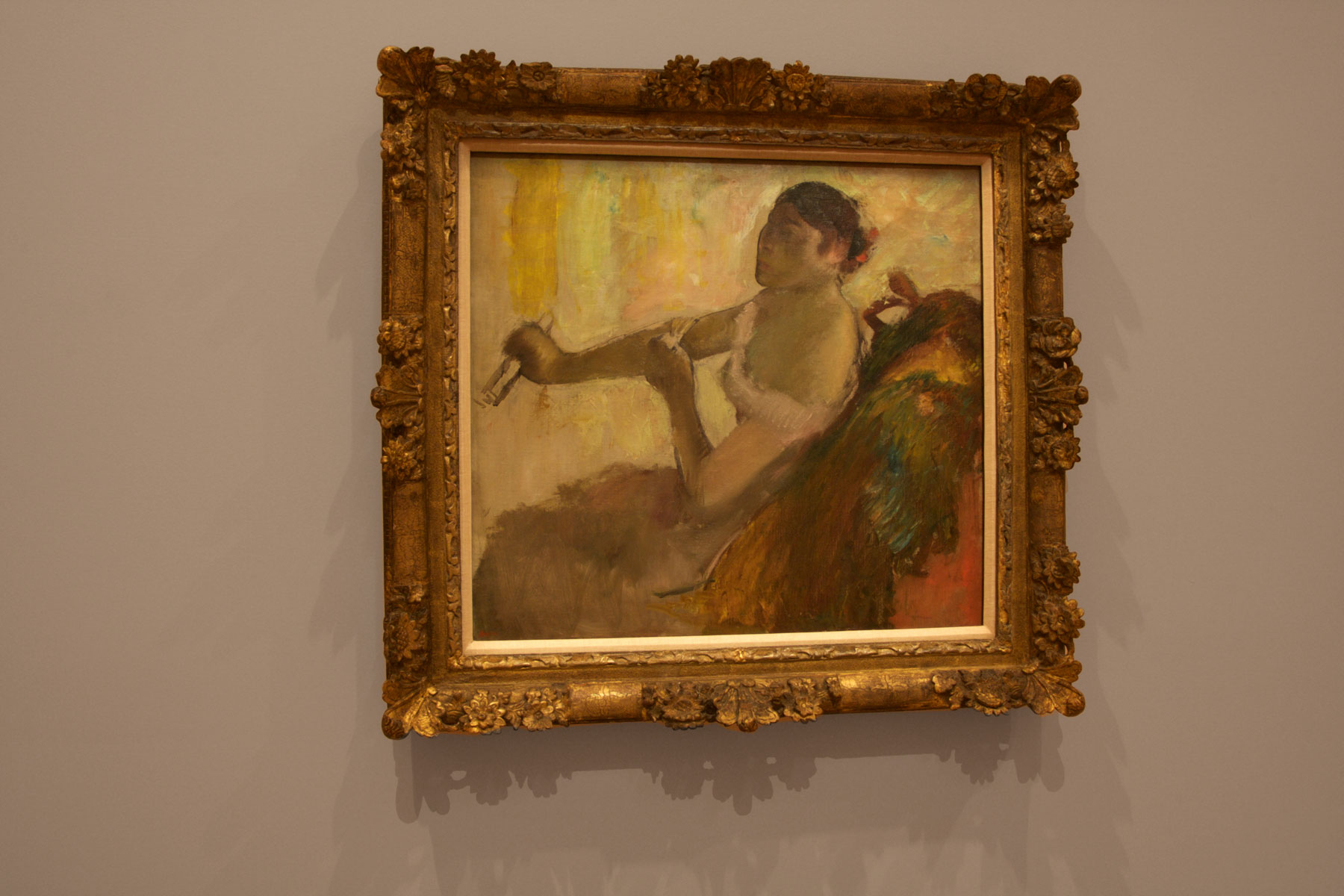
The repetitive work involved in a woman’s daily maintenance of her hair appealed greatly to Degas. As early as 187 he asked whether he could observe Geneviève Halévy, a cousin of his old school friend Ludovic, performing this private tasks. Woman at her toilette is a fascinating study of a woman’s labour-intensive morning routine, drawn with a sense of pathos and human frailty. As well as reflecting the artist’s love of Japanese woodblock prints with their frequently intimate subject matter, in this late drawing Degas applied his vivid pigments with an almost sculptural intensity, building them up as though modelling form with his fingers.
Broken staccato heralds its approach, strong, steaming breath, as early as the dawn, kept to its straining pace by stable lad, the fine colt gallops throwing up the dew.
Edgar Degas
Racecourses: 1860s
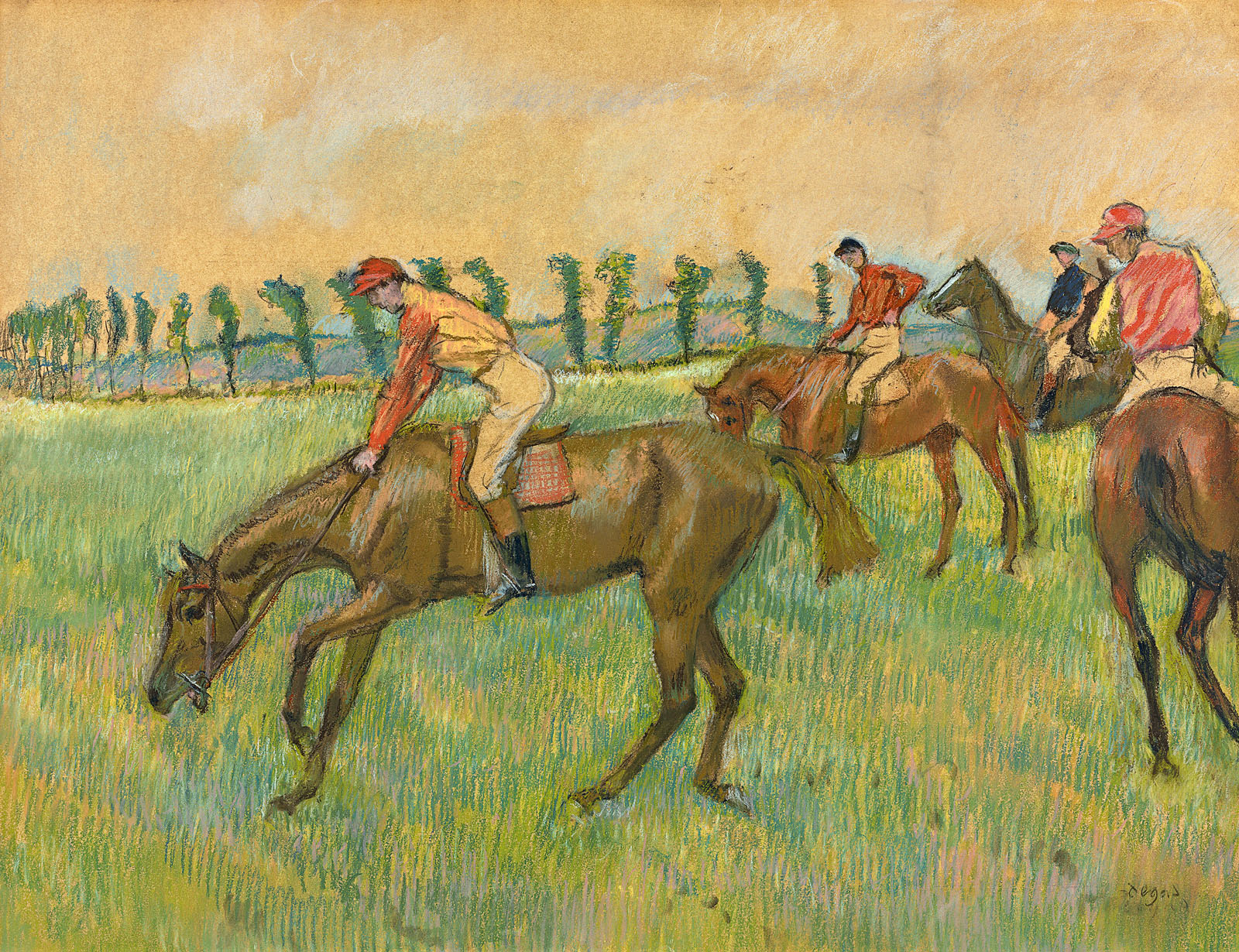
Horse racing was Degas’s first recurrent modern subject, and preceded his dance classes and opera scenes. In 1861 Degas visited Ménil-Hubert in the Normandy countryside, the family estate of his old school friend Paul Valpinçon, situated near to the Haras-le-Pin stud and the Argentan racecourse. The recreational sports of horse racing and the steeplechase now offered him scope for exploring contemporary narrative painting. In pre-mechanised Europe, horses were as ubiquitous as the car is today. They were an essential part of life, whether for work or pleasure, and Degas was accordingly fascinated by these magnificent creatures. They feature in his earliest sketchbooks when he carefully copied equestrian subjects after the Parthenon frieze sculptures and the Italian Old Masters Paolo Uccello and Benozzo Gozzoli; and he continuously drew, painted and sculpted horses until his death.
Degas’s approach to depicting horses embodies his lifelong methodology. He studied and copied how they were represented by specialist animalier artists, as well as by the Old Masters, and he spent many hours observing and examining them. How he portrayed horses changed over time and his earliest works reveal a slightly tentative and clichéd manner as he struggled for perfection. As his art evolved, his images of horses became more innovative and remarkable: he attained great precision in their appearance yet the rendering remained tactile and lively. He also perfectly captured the physical relationship between rider and horse through all the different poses they struck, whether at rest or in full flight. Few artists have reproduced the grace, power and elegance of horses as well as Degas.
Wall text from the exhibition
Edgar Degas (French, 1834-1917) Out of the paddock (Racehorses) c. 1871-1872, reworked c. 1874-1878 Oil on wood panel 32.5 x 40.5cm Private collection
Edgar Degas (French, 1834-1917) Before the race c. 1883-1990 Pastel 49 x 62cm (sheet) Private collection
Photography
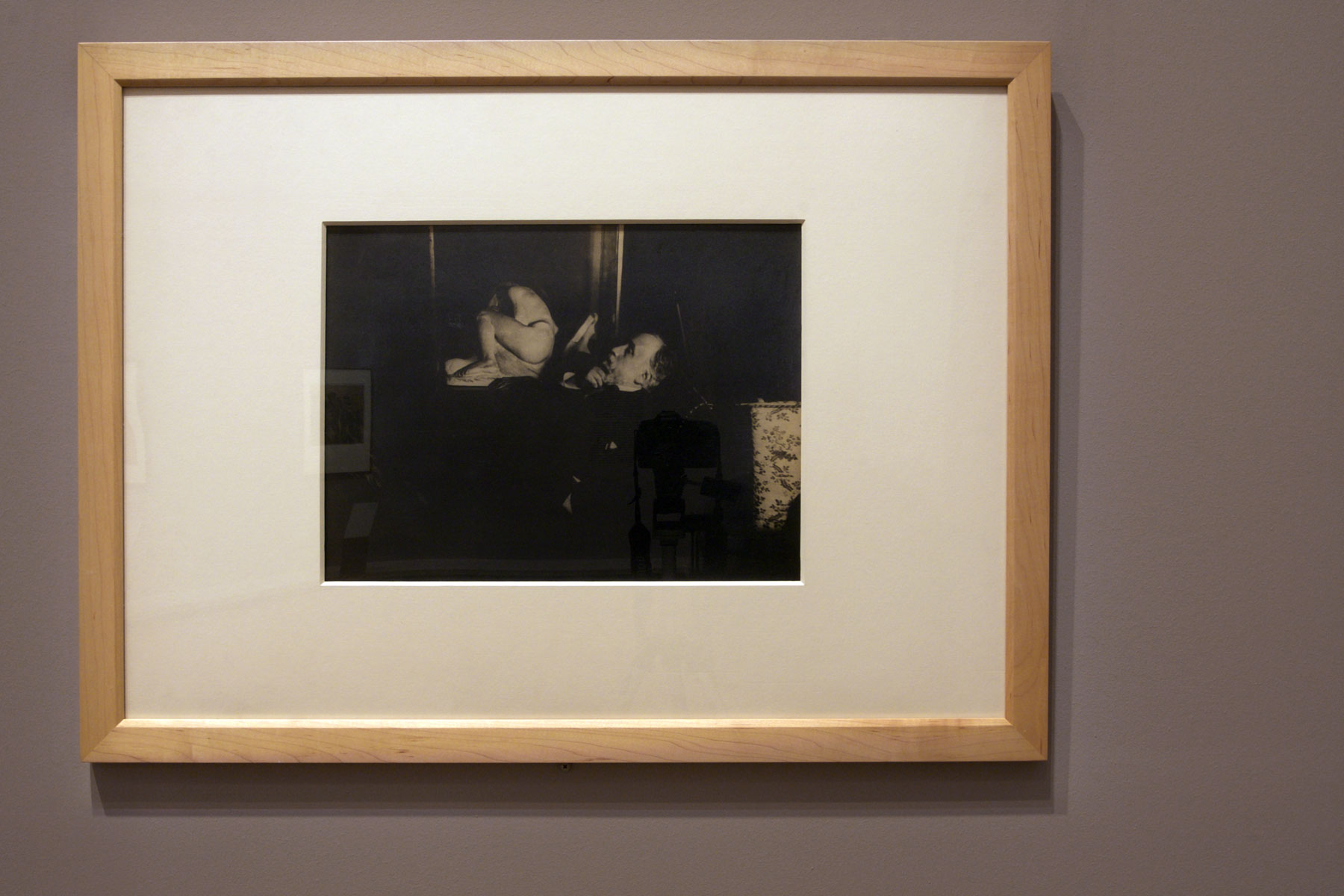
By the time he began making photographs in 1895, Degas was 61 years old and the eighth and final Impressionist exhibition was a decade behind him. Daniel Halévy, son of his old friends Ludovic and Louise Halévy, introduced Degas to photography, prompting the artist to acquire a camera that required glass plates and a tripod. In a burst of creative energy that lasted less than five years, he made a body of photographs of which fewer than 50 survive…
Exactly why Degas took up photography remains unknown. Clearly, photography provided a new pair of eyes during the period when his eyesight was failing. The illness and death of his sister, Marguerite, in 1895 and his brother Achille in 1893 may also have played a role. Photographs were for Degas a powerful tool of memory to recall his loved ones, and the activity of photographing bound him closely to an extended family-the Halévys-that embraced him in his time of grief…
Degas often illuminated his subjects with a single bright light source. The figures seem to emerge from darkness. In a series of individual portraits he made of Daniel and Louise Halévy in the autumn of 1895, each sitter is pictured in the same armchair in their home, under this Rembrandtesque light. They are seen in original contact prints (about 3 x 4 inches) and in enlargements. Altogether, these images show the artist’s picture-making process and reveal Degas’ manipulations of space, scale, focus, and emotional effect. In Louise Halévy Reading to Degas (J. Paul Getty Museum), another enlargement from a contact print done about the same time, Degas conveys unusual intimacy. It shows a vulnerable man’s dependence upon a friend in reading the newspaper at a time when his eyesight was failing.
Text from the J. Paul Getty Museum website. No longer available online
“These days, Degas abandons himself entirely to his new passion for photography,” wrote an artist friend in autumn 1895, the moment of the great Impressionist painter’s most intense exploration of photography. Degas’s major surviving photographs little known even among devotees of the artist’s paintings and pastels, are insightfully analysed and richly reproduced for the first time in this volume, which accompanies an exhibition at The Metropolitan Museum of Art, The J. Paul Getty Museum, and the Bibliothéque Nationale de France.
Degas’s photographic figure studies, portraits of friends and family, and self-portraits – especially those in which lamp-lit figures emerge from darkness – are imbued with a Symbolist spirit evocative of realms more psychological than physical. Most were made in the evenings, when Degas transformed dinner parties into photographic soirees, requisitioning the living rooms of his friends, arranging oil lamps, and directing the poses of dinner guests enlisted as models. “He went back and forth … running from one end of the room to the other with an expression of infinite happiness,” wrote Daniel Halévy, the son of Degas’s close friends Ludovic and Louise Halévy, describing one such evening. “At half-past eleven everybody left; Degas, surrounded by three laughing girls, carried his camera as proudly as a child carrying a rifle.”
Edgar Degas (French, 1834-1917) Self-portrait with Zoé Closier Probably Autumn 1895 Gelatin silver print 18.2 x 24.2cm (image and sheet) Bibliothèque Nationale de France
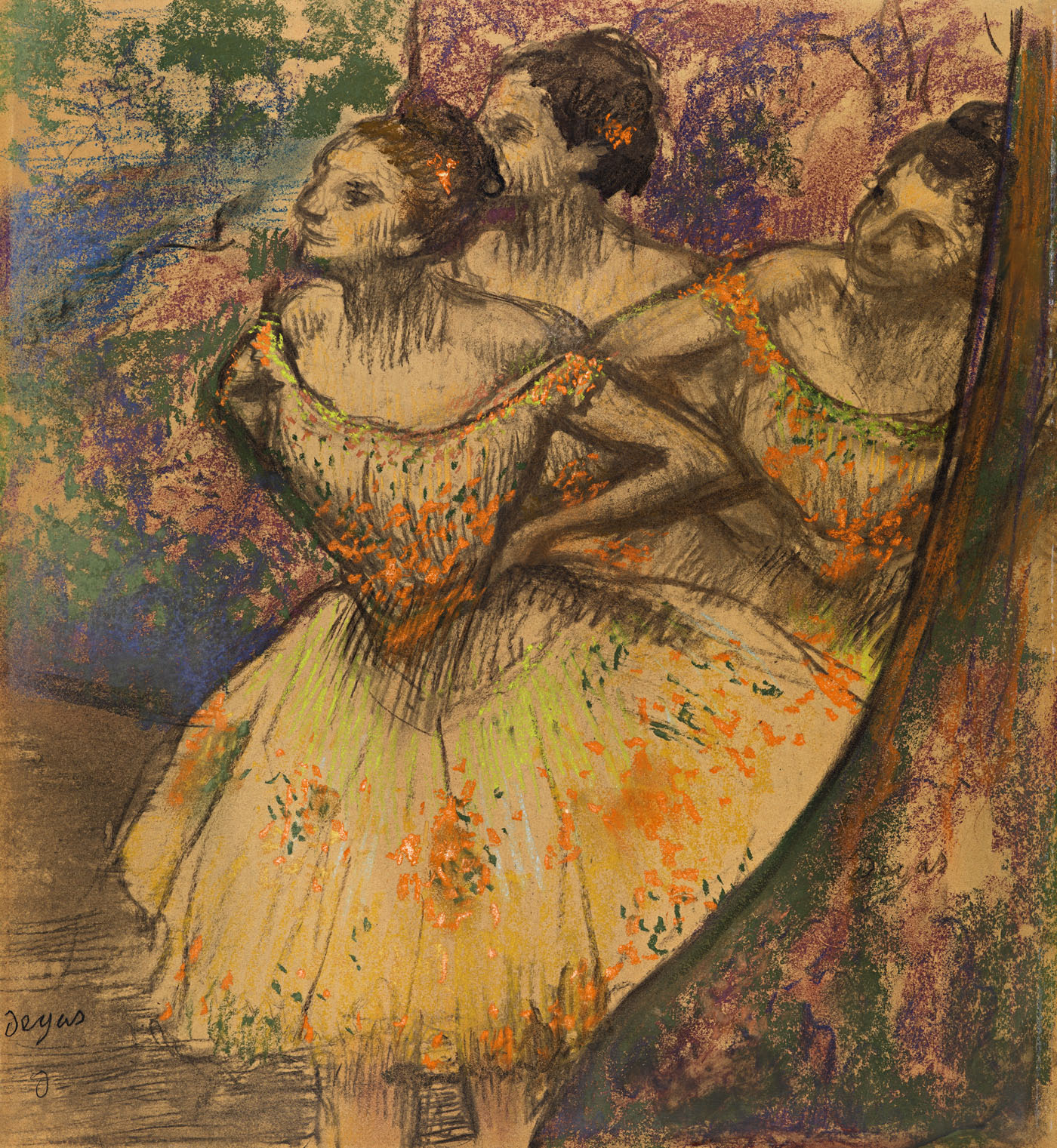
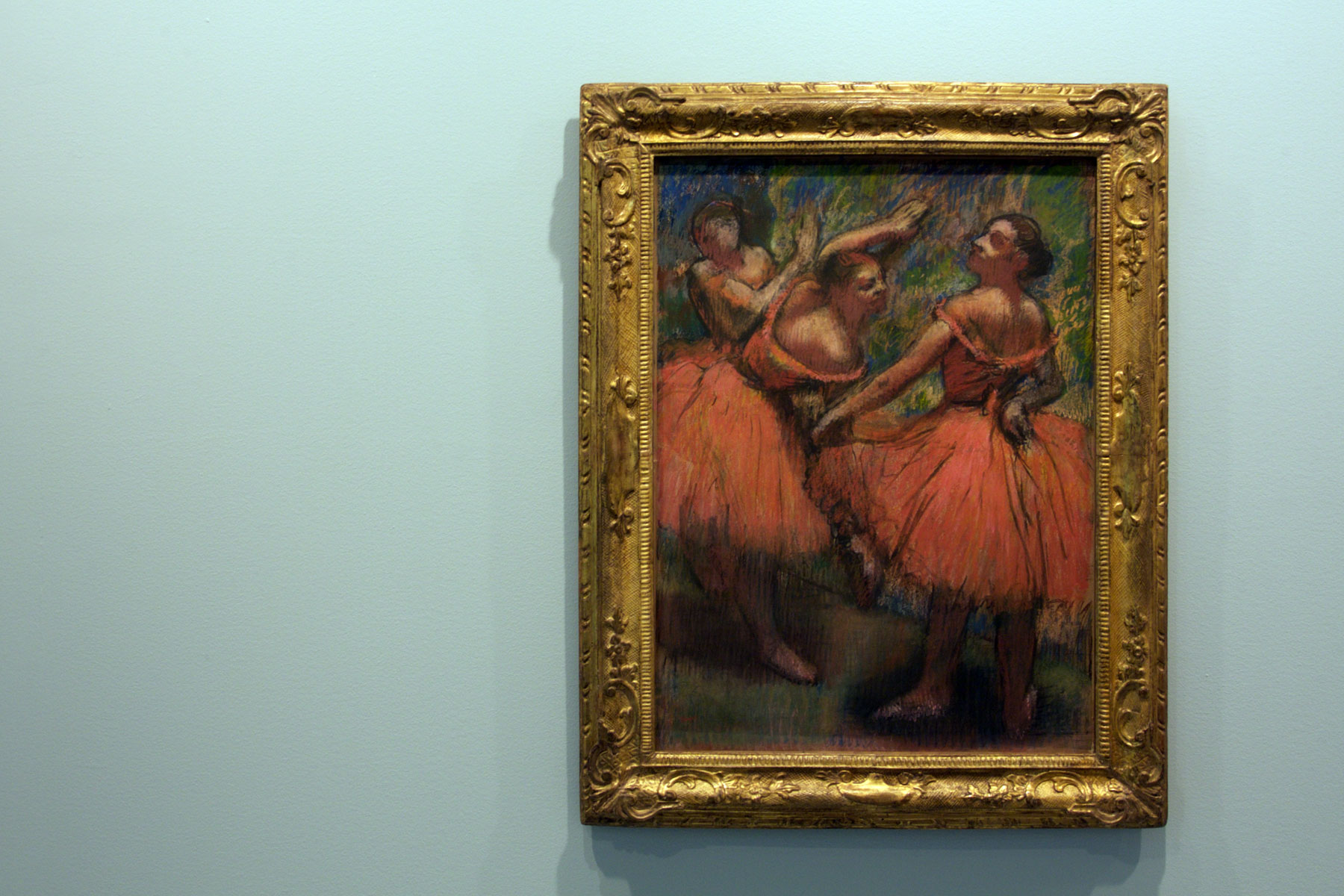
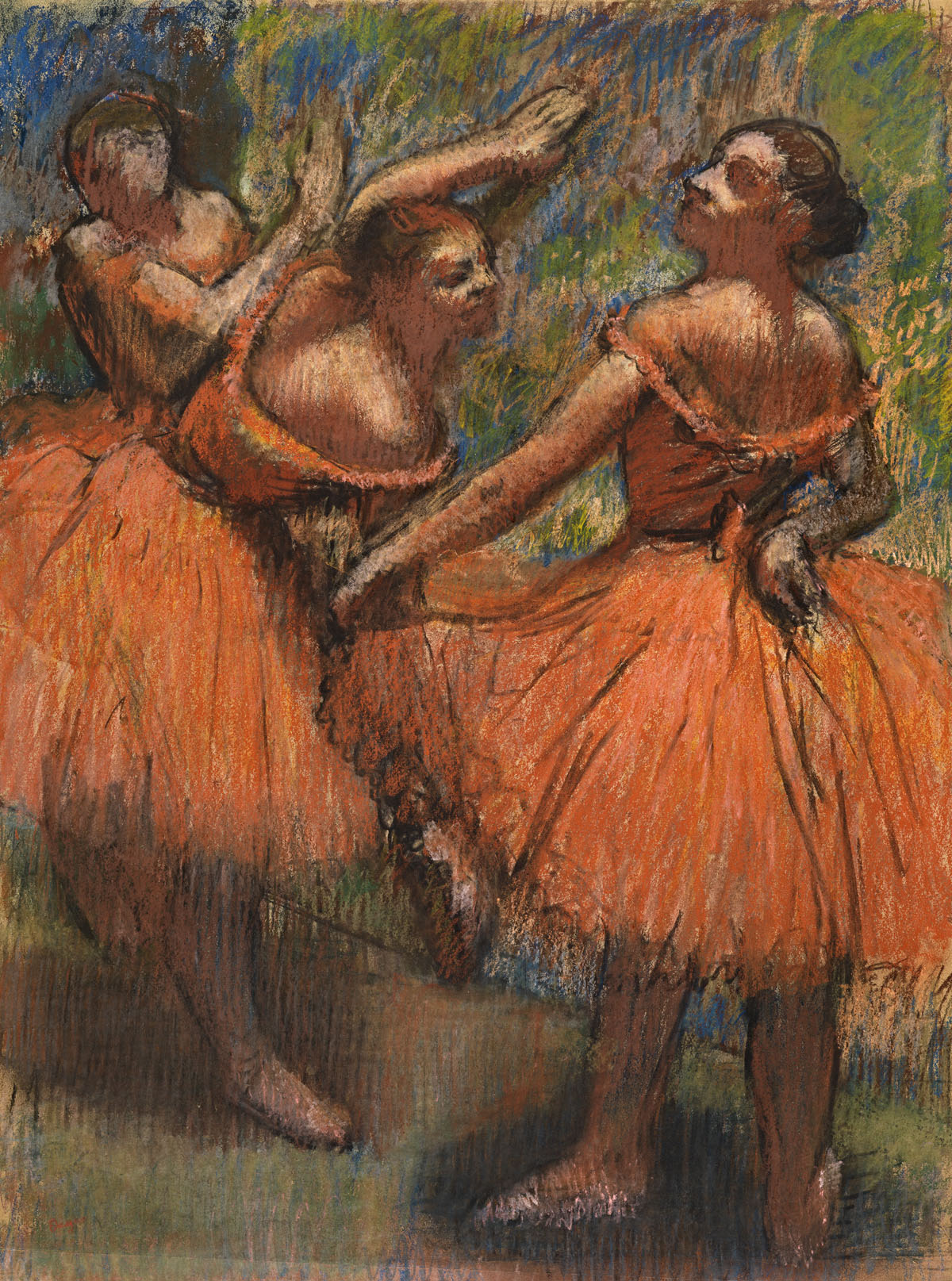
Pastel entitled Les Jupes Rouges, depicting three ballet dancers in red skirts – in posing practice.
Throughout his career Degas produced more than 700 works in pastel. In the 1870s he often worked ‘wet’, employing pastel à l’eau (crushing pastel sticks to powder which, mixed with water, could be applied with a brush) to create smooth, seamless textures. By the mid 1890s he worked increasingly with layers of pastel cement together over applications of fixative. This created shimmering optical effects that celebrated the crumbly texture of the pastel medium.




































![Edgar Degas (French, 1834-1917) 'Danseuses, éventail [Dancers (Fan, design)]' 1879 (installation view)](https://artblart.com/wp-content/uploads/2016/08/installation-al.jpg "Edgar Degas (French, 1834-1917) 'Danseuses, éventail [Dancers (Fan, design)]' 1879 (installation view)")

![Edgar Degas (French, 1834-1917 'La Loge [Theatre box]' 1885 (installation view)](https://artblart.com/wp-content/uploads/2016/09/installation-am.jpg "Edgar Degas (French, 1834-1917 'La Loge [Theatre box]' 1885 (installation view)")
![Edgar Degas (French, 1834-1917) 'La Loge [Theatre box]' 1880 (installation view)](https://artblart.com/wp-content/uploads/2016/09/installation-an.jpg "Edgar Degas (French, 1834-1917) 'La Loge [Theatre box]' 1880 (installation view)")











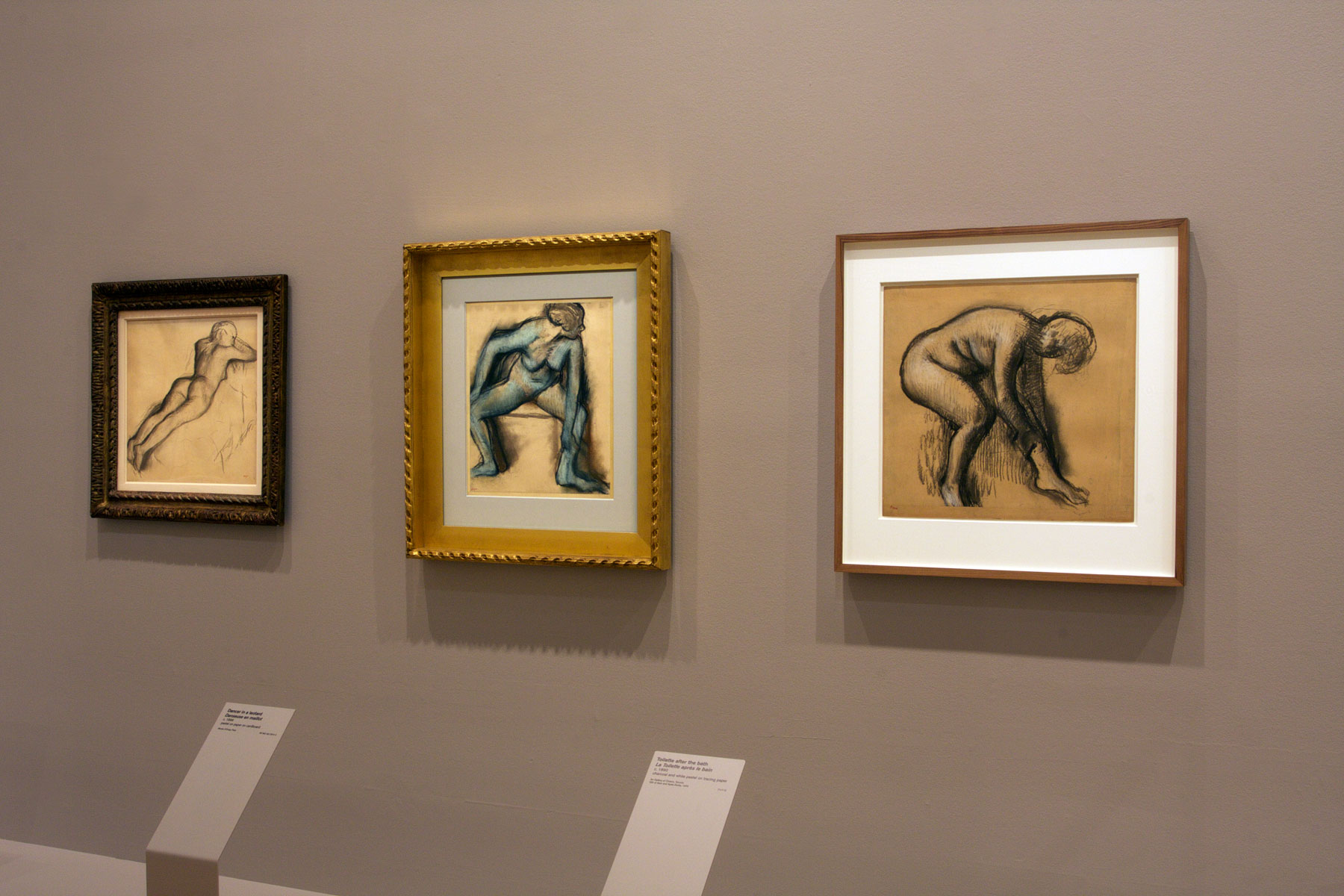
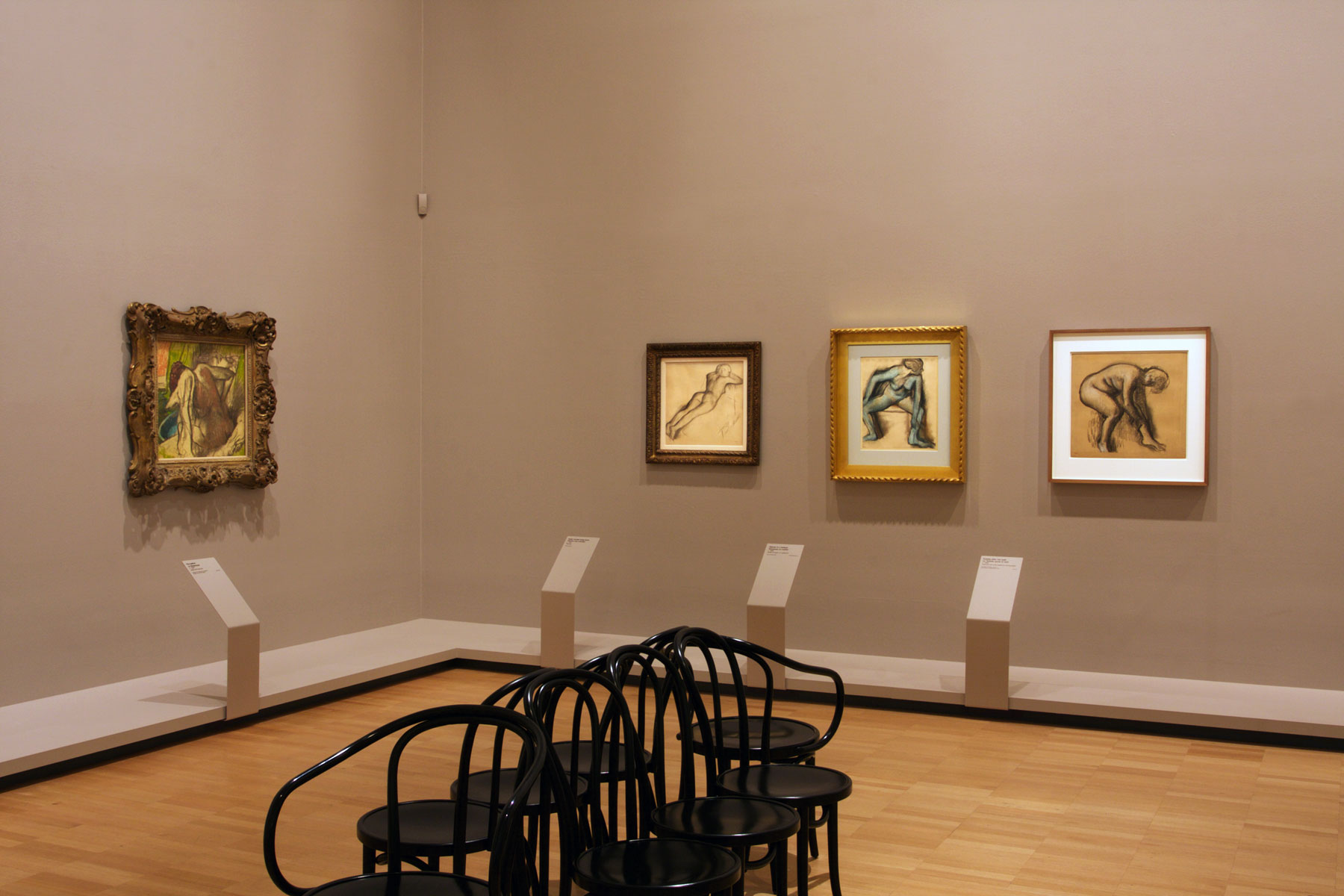

![Edgar Degas (French, 1834-1917) 'La Baigneuse [The bather]' c. 1895](https://artblart.com/wp-content/uploads/2016/09/installation-bp.jpg "Edgar Degas (French, 1834-1917) 'La Baigneuse [The bather]' c. 1895")
![Edgar Degas (French, 1834-1917) 'Femme a la toilette [Woman at he toilette] c. 1895-1900 (installation view)](https://artblart.com/wp-content/uploads/2016/09/installation-bd.jpg "Edgar Degas (French, 1834-1917) 'Femme a la toilette [Woman at he toilette] c. 1895-1900 (installation view)")
![Edgar Degas (French, 1834-1917) 'Femme a la toilette [Woman at her toilette] c. 1894 (installation view)](https://artblart.com/wp-content/uploads/2016/09/installation-be.jpg "Edgar Degas (French, 1834-1917) 'Femme a la toilette [Woman at her toilette] c. 1894 (installation view)")
![Edgar Degas (French, 1834-1917) 'Femme a la toilette [Woman at her toilette] c. 1894](https://artblart.com/wp-content/uploads/2016/08/exhi036044-web.jpg "Edgar Degas (French, 1834-1917) 'Femme a la toilette [Woman at her toilette] c. 1894")


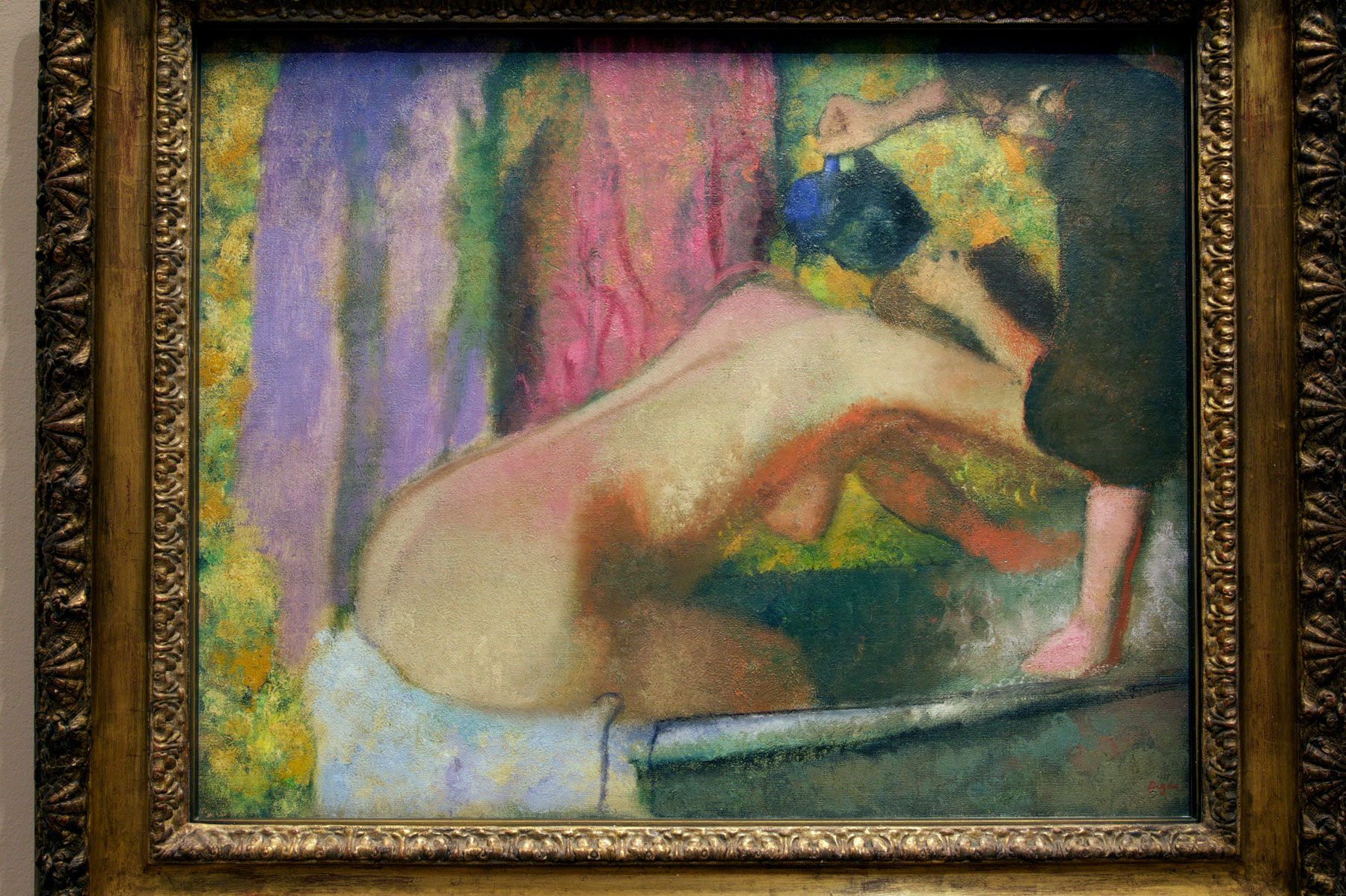
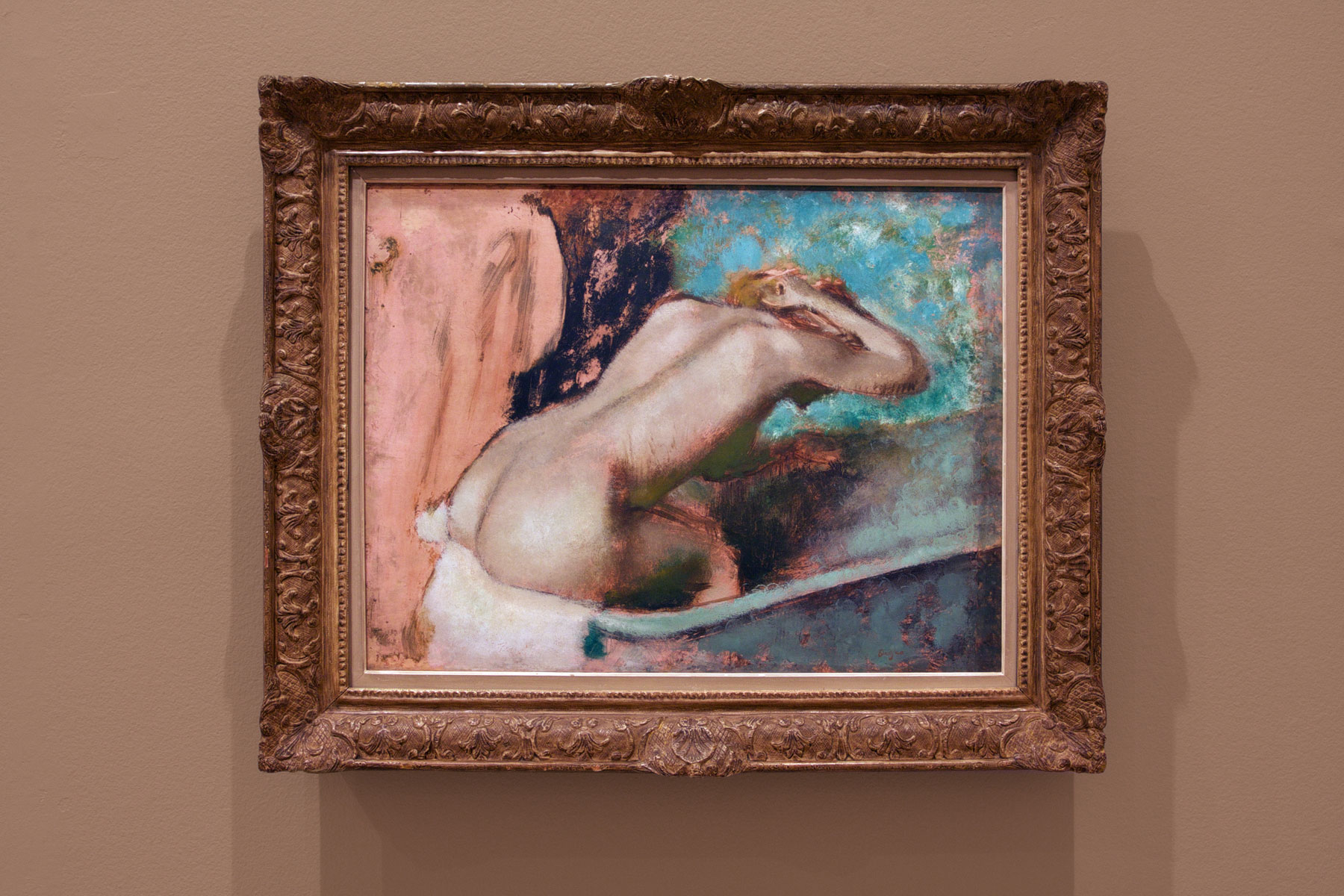

![Installation view of the exhibition 'Degas: A New Vision' at the National Gallery of Victoria International, Melbourne showing at right, 'Femme au Tub' [Nude woman drying herself] c. 1884-1886](https://artblart.com/wp-content/uploads/2016/09/installation-bh.jpg "Installation view of the exhibition 'Degas: A New Vision' at the National Gallery of Victoria International, Melbourne showing at right, 'Femme au Tub' [Nude woman drying herself] c. 1884-1886")
![Edgar Degas. 'Femme au Tub [Nude woman drying herself]' c. 1884-1886 (installation view)](https://artblart.com/wp-content/uploads/2016/09/installation-bi.jpg "Edgar Degas. 'Femme au Tub [Nude woman drying herself]' c. 1884-1886 (installation view)")

![Edgar Degas (French, 1834-1917) 'Chevaux de courses [Racehorses]' c. 1895-1899 (installation view)](https://artblart.com/wp-content/uploads/2016/09/installation-bf.jpg "Edgar Degas (French, 1834-1917) 'Chevaux de courses [Racehorses]' c. 1895-1899 (installation view)")
![Edgar Degas (French, 1834-1917) 'Chevaux de courses [Racehorses]' c. 1895-1899](https://artblart.com/wp-content/uploads/2016/08/exhi039831_web.jpg "Edgar Degas (French, 1834-1917) 'Chevaux de courses [Racehorses]' c. 1895-1899")






 Art Blart _ art and cultural memory archive
You must be logged in to post a comment.