Upon his tomb is inscribed this epitaph: “Cole – Photographer”
‘Photographer’ could have had the prefix: ethical, conscientious, brave, magnificent. But there is no need… Ernest Cole was a photographer.
Cole fled South Africa in 1966 in order to publish his seminal book about living under apartheid, House of Bondage (1967), and then lived a nomadic existence around the world until his death, never returning to the country of his birth.
I feel so sad that this legend of photography died penniless and living rough on the streets of New York in 1990.
But then I rejoice in the photographs that he left us. For (unlike so many photographs) they are memorable. They make us remember that we must respect each other – through an ability to see a person as he is, to be aware of his unique individuality.
“Respect is not fear and awe, it denotes, in accordance with the root of the word (respicere = to look at), the ability to see a person as he is, to be aware of his unique individuality. Respect means the concern that the other person should grow and unfold as he is. Respect, thus, implies the absence of exploitation … It is clear respect is possible only if I have achieved independence; if I can stand and walk without needing crutches, without having to dominate and exploit anyone else. Respect exists only on the basis of freedom … To respect a person is not possible without knowing him; care and responsibility would be blind if they were not guided by knowledge. Knowledge would be empty if it were not motivated by concern. There are many layers of knowledge; the knowledge which is an aspect of love is one which does not stay at the periphery, but penetrates to the core. It is possible only when I can transcend the concern for myself and see the other person in his own terms.”1
Respect exists only on the basis of freedom … and love.
Dr Marcus Bunyan
1/ Erich Fromm. The Art of Loving. London: Allen and Unwin, 1957, pp. 28-29.
Many thankx to FOAM for allowing me to publish the photographs in the posting. Many thankx to my friend and fellow artist Drager Meurtant for visiting the exhbition for me and allowing me to publish his photographs of the exhibition in the posting. Please click on the photographs for a larger version of the image.
“I knew what I must do. I would show the world what the white South African had done to the black.”
Ernest Cole
“Cole was born Ernest Levi Tsoloane Kole in 1940, to a working-class Black family in a Black township outside the city of Pretoria. Growing into that society he came to know, with a depth of understanding that only belonging could bring, both its richness and the hardship and humiliation imposed by apartheid. As a boy he photographed people in the township for a shilling a time. By the age of eighteen he had begun to work as a photojournalist, and within a few years he was deeply committed to his essay on what it meant to be Black under apartheid. At age twenty-six, to escape the Security Police and to publish his seminal book, House of Bondage, he went into bitter and destructive exile. Cancer killed him in 1990. Apartheid destroyed him.”
David Goldblatt
Foam x Aperture: Celebrating the Legacy of Ernest Cole
For the current exhibition House of Bondage by Ernest Cole, Foam has joined forces with Aperture to host a special online event celebrating the enduring legacy of Ernest Cole (1940-1990). During the evening, a distinguished panel of experts will share their insights and reflections on Cole’s powerful photographic work, which captured the brutal realities of apartheid-era South Africa, exposing the dehumanising effects of racial oppression in the daily life of black South Africans.
The Mines
Installation view of the exhibition Ernest Cole: House of Bondage at Foam, Amsterdam showing at left, Cole’s Pensive tribesmen, newly recruited to mine labour, awaiting processing and assignment (1960-1966, above)
Installation view of the exhibition Ernest Cole: House of Bondage at Foam, Amsterdam showing at right an Untitled image from Cole’s House of Bondage (1960-1966, below)
Installation view of the exhibition Ernest Cole: House of Bondage at Foam, Amsterdam
Foam proudly presents the first overview of the work of South African photographer Ernest Cole. The exhibition includes parts of his archive, which had long been considered lost. The overview was assembled in collaboration with the Ernest Cole Family Trust, which in 2017 secured control of Cole’s archive. Restless and tenacious, yet dedicated and empathetic. It is difficult to define the enigmatic South African photographer Ernest Cole (1940-1990). He is celebrated for his tireless documentation of Black lives in South Africa under apartheid: a regime of institutionalised racial segregation that was in effect from 1948 to the early 1990s.
As one of the first Black freelance photographers, Cole offered with his work an unprecedented view from the inside. Born in a township, Cole experienced the strains of apartheid first-hand. By having himself reclassified from ‘black’ to ‘coloured’, he managed to access places where most South Africans were banned. He risked his life exposing the grim reality of racial segregation, by documenting miners inside the mines, police controls and the demolition of townships, among others.
Cole lived a nomadic life, exiled from his native South Africa for his photographic publication House of Bondage (1967). The chapters from this book form the narrative for this exhibition. The book openly denounced the apartheid regime and was promptly banned in South Africa. In risk of arrest, Cole had gone into exile in 1966. He would never return to South Africa again.
Living between Sweden and the United States, Cole continued to document Black lives in the wake of the Civil Rights Movement. However, being Black and stateless proved debilitating there too, and a publication of his American work would never materialise. Towards the end of his life, Cole became increasingly disillusioned and reportedly started living on the streets of New York. He died at age 49 from pancreatic cancer. Much of Cole’s work had been considered lost, until the rediscovery of 60,000 negatives and contact sheets in the safety deposit boxes of a Swedish bank in 2017.
Besides (colour) images from his time in America, the archive contains unpublished photographs and contact sheets from House of Bondage. The exhibition in Foam is the first large scale overview of Cole’s work to include parts of his retrieved archive.
About the exhibition
As one of the first Black freelance photographers, Cole offered with his work an unprecedented view from the inside. Born in a township, Cole experienced the strains of apartheid first-hand. By having himself reclassified from ‘black’ to ‘coloured’, he managed to access places where most South Africans were banned. He risked his life exposing the grim reality of racial segregation, by documenting miners inside the mines, police controls and the demolition of townships, among others.
This exhibition shows the rediscovery of 60,000 negatives and contact sheets in the safety deposit boxes of a Swedish bank in 2017. Besides (colour) images from his time in America, the archive contains unpublished photographs and contact sheets from House of Bondage. The exhibition in Foam is the first large scale overview of Cole’s work to include parts of his retrieved archive.
The photographs in this exhibition were taken between 1958-1966, unless stated otherwise. All contact sheets are modern prints from scans. Original titles and text from House of Bondage are in quotation marks or italics. The exhibition pens in tandem with the launch of two volumes published by Aperture: the first a republication of House of Bondage, the second presenting US work for the first time in history.
This exhibition was made in collaboration with the Ernest Cole Family Trust and Magnum Photos.
Press release from Foam
Installation view of the exhibition Ernest Cole: House of Bondage at Foam, Amsterdam showing in the background at left the section of the exhibition entitled ‘Banishment’
Banishment
Cole secretly visited Frenchdale, a remote government detention camp. Its inhabitants were banished without trial, on account of their political views. Cole recorded the basis conditions under which they lived in exile, sometimes for decades. Cole’s presence in the camp was unauthorised, and he recalls having to hide from the police during his stay. When he left, he was relieved. “For them and infinity of unremarkable days stretched ahead. For me the frightful nothingness of Frenchdale was about to end (…) ironically, as I re-entered the restricted black life of Johannesburg, I felt free.”
Cole’s anger about apartheid education is inescapable in his chapter ‘Education for Servitude’, for which he visited various Bantu schools. His images and handwritten notes from a visit to a school in Vlakfontein in 1965 testify to overly crowded and understaffed classrooms in which children are studying to be “educated for servitude”.
Wall text from the exhibition
Installation views of the exhibition Ernest Cole: House of Bondage at Foam, Amsterdam showing photographs from the section ‘Education for Servitude’: in the bottom image at left, Cole’s Earnest boy (1960-1966, below); and at right, Teacher toward end of her day in school, South Africa (1960-1966, below)
Installation views of the exhibition Ernest Cole: House of Bondage at Foam, Amsterdam showing photographs and contact sheets from Cole’s series Black Spots from Cole’s House of Bondage (see photographs below)
Installation view of the exhibition Ernest Cole: House of Bondage at Foam, Amsterdam showing photographs and contact sheets from Cole’s series Black Spots from Cole’s House of Bondage Photo: Drager Meurtant
“African township is bulldozed out of existence to make way for white expansion. Government trucks will move residents and their few possessions to matchbox houses in new locations, usually in remote areas, perhaps not even named on the map. Even to live there, families must qualify. People at right did not, and thus have not only had their homes razed, but have nowhere to go.”
Installation view of the exhibition Ernest Cole: House of Bondage at Foam, Amsterdam showing Nightmare Rides (1960-1966, all below) from the House of Bondage Period Photo: Drager Meurtant
Encouraged by his boss Jürgen Schadeberg, and inspired by other photographers at Drum – such as Peter Magubane, Bob Gosani and Alf Kumalo – Cole became one of South Africa’s first Black freelance photojournalists. Working in Johannesburg but not being allowed to live there, he commuted to the office by train. The platforms and carriages were segregated and overcrowded leading to bizarre situations that inspired the series ‘Nightmare Rides’. The item was commissioned by the Rand Daily Mail and first published in the Netherlands in 1962 as Mensen als vee [People as Cattle] in Katholieke Illustratie.
“Twice each day, at the morning and evening rush hours, the segregated station platforms are a bizarre sight. At one end, a few white trailers stand about, surrounded by space. At the other, a dense mass of Africans is congregated, crowded and compressed.”
Installation views of the exhibition Ernest Cole: House of Bondage at Foam, Amsterdam showing in the bottom image at right, Untitled (Police and Passes) (1960-1966, below) from the House of Bondage Period Photos: Drager Meurtant
“The standard by which the police operate is cruelly simple. To them every black man is a criminal suspect. In a technical sense, the police are not far off the mark to be so suspicious. The laws of apartheid are a far-reaching tangle of restrictions, reaching so deeply into everyday life that it is a rare African who does not violate some law.”
This is the last posting for 2021, the next being 9th January 2022. This year the website had 1,158,000 views and 769,000 visitors. Wow!
There is no more time
Time is something that photography has so little of – the snap of the shutter – and yet, paradoxically, so much of. Photographs transcend the time in which they were taken, bringing past time to present and future time. Photographs that were important at the time they were taken and have great “exposure” may loose their relevance over time, only to have their presence reignited in the present future, to have their power and insightfulness understood by a new generation.
This applies to the work of Marion Palfi. I had never heard of this woman artist before and I have been studying photography for over 30 years now. That’s the question that keeps buzzing around my head. Why is this courageous artist and human being not better known – this “social researcher photographer” (her term) that fought the good fight and pictured social injustices in America wherever she saw it.
Born in Germany, Palfi rejected Germany’s radical politics and began to use photography and art to effect social change. In 1934 she opened her own portrait studio in Berlin before fleeing the Nazis and opening a successful portrait studio in Amsterdam in 1936. She then fled Europe for the United States in 1940 after marrying an American soldier.
“Marion Palfi’s work centered around equity, opportunity, and justice for all people. In her photo book There is No More Time: An American Tragedy, Palfi documented racism and segregation in Irwinton, GA, the site of the murder of Caleb Hill, the first reported lynching of 1949.
Palfi’s 1952 book Suffer Little Children focused on the living condition of disadvantaged children across the U.S., including the young inmates of the New York Training School for Girls. Palfi was a contributing photographer to Edward Steichen’s landmark Family of Man exhibition in 1955. During her time traveling across the United States she was bothered by the amount of poverty and racial intolerance she was exposed. She also was confused by Americans lack of acknowledgement of these problems within their communities. Palfi decided to use her camera as a way to document these problems and bring attention to them within the public eye. Using her new perspective on the topic of injustice and racial discrimination she was able to draw attention to these issues by documenting them with her camera.
Palfi’s photography explored the concepts of social injustices in America. She created many photographic studies that focus on racial injustice against African Americans, poverty in cities, and racial discrimination against Native Americans. She originally had trouble getting her photographs displayed or show cased because many Americans refused to address these social justice issues within their own society.”1
Equality, opportunity and justice for all people. What honourable concepts she was investigating using her camera to affect social change. But for Palfi, it was not enough to simply document. She wanted to know the “why” of a situation, how it affected the people involved – hence the classification of herself as a social researcher photographer.
“Her arrival in New York at a time when America was called “the arsenal of democracy” [1940] unexpectedly confronted her with the fact that the United States was not the ideal society many envisioned. Almost immediately, Palfi became involved in the struggles of minorities for social justice, and soon she was launched upon a career that can only be described as a life-long quest to ameliorate the living conditions of abandoned children, the neglected elderly, black both northern and southern, the abused native American of the Southwest, and finally, the broken lives of prisoners in penitentiaries. To the end of her days, Palfi traveled the country lecturing to whatever groups invited her, whooping hundreds of slides documenting injustices. Her involvement was as impassioned as that of Jacob Riis in the slums of New York, and like the works of Riis, her pictures were used to educate the officials about the need for legislative change.”2
Imagine if you can being a German arriving in America in 1940, being an alien in a foreign land during the Second World War and then, afterwards, confronting racism head on in her 1949 book There is No More Time: An American Tragedy documenting racism and segregation in Irwinton, GA, the site of the murder of Caleb Hill, the first reported “lynching” of 1949 (the victim was actually shot in the head and body). Don’t forget this is years before Robert Frank, another foreigner, travelled across the country to picture this insular and dysfunctional land in his seminal The Americans (1958). What guts it would have taken!
As noted by Maurice Berger, research professor and the chief curator at the Center for Art Design and Visual Culture at the University of Maryland in his 2015 article “A Meditation on Race, in Shades of White,” on The New York Times website:
“The most significant lesson of “Killers of the Dream,” [by Lillian Smith] one echoed in “There Is No More Time,” was that we must alter our expectations about who was responsible for talking about race. By focusing on the social and cultural mores of white Southerners – and by providing a platform for ordinary people to speak honestly about a difficult and controversial subject – both books exposed the attitudes, fears and rationalisations that underwrote racial prejudice.
They challenged the myth that racism was exceptional, perpetrated only by monstrous or evil people. As Ms. Smith argued, few were spared the “grave illness” of prejudice. “The mother who taught me what I know of tenderness and love and compassion taught me also the bleak rituals of keeping Negroes in their ‘place,'” she observed about the banality and ubiquity of racism.
Similarly and with uncompromising honesty, “There Is No More Time” revealed an enduring secret of American race relations: that ostensibly good people – men and women much like our neighbours, our family and ourselves – could also harbour virulent prejudices. For Ms. Palfi, this revelation was necessary and urgent.”3
In the photographs from the book in this posting we can see how the banality of evil can fester in a community, for Palfi “was as interested in the discriminator as in the victims of discrimination.” “Obviously, the presence of a photographer in such a community would attract unwanted attention and might have endangered her life. But by a happy stroke of luck, the Vice-President of the Georgia Power Company was interested in her work. Warning her that she must “photograph the South as it really is, not as the North slanders it,” he wanted her to get to meet the “right” people. As it happened, the “right” people turned out to be the very discriminators she wanted to photograph. Left in the protection of the local postmistress, she proceeded to take terms, objective pictures of overseers and white-suited politicians.”4
We only have to look at the countenance of that racist Alexander S. Boone, a certified three-time card carrying member of the Klan with dirty shirt, big fat cigar, painted nails and wig who publishes the local rag, the “official county organ”. Can you imagine him at a lynching? He’d probably be at the front of the queue. Then there is “Baby” Boone, youngest son of “old man” (senior figure, elder statesman) Boone. Behind him on the glass window of his business offering seeds & feeds is a handbill:
Old-fashioned REVIVAL Mt Pleasant Baptist Church July 17-22 John L. Mcay
Old fashioned (one of the meanings of this phrase is: favouring traditional or conservative ideas or customs), and a REVIVAL – Christian revivalism is increased spiritual interest or renewal in the life of a church congregation or society – a church which probably welcomed the Klan card carrying Representative of Wilkinson County in the Georgia Legislature with open arms. And then there is the sheriff of the small community where a young black man had been walked out of a jail cell and shot by two men… when he was innocent of any crime. Nervously fingering his shirt, looking away from the camera. None of this covert racism. A woman explained: “If a white man buys something from a colored man, the colored man may not hand it to the white man.”
Palfi had trouble finding a publisher in America because of the controversial nature of her photographs. No wonder. 1940s American society was not ready to confront the ugly truth staring back at them in the mirror until decades later, and even today, nothing much has changed.
The wife of the victim said, simply, “Caleb was a good man … he believed in his rights and therefore he died.”
This is a artist and a human being that I would have very much liked to meet. Her photographs are strong, direct, informed, never flinching from the subject matter she was researching and picturing… yet they are also compassionate and caring. As Elizabeth Lindquist-Cock observes, “She fearlessly placed herself in danger again and again, seeing her work as having the possibility of direct influence on a social revolution.”
She placed herself in dangerous situations time and time again – until that particular time (of photographing) has become universal time, until her force majeure, her force of nature and her will for reform, transcends the very time of the photographs creation, bringing us face to face with hidden realities roiling under the surface.
As the protest placard in her photograph Chicago School Boycott (1963-1964, below) says and the title of the exhibition opines, “Freedom Must Be Lived” – YES, but freedom must also be fought for! “The only thing necessary for the triumph of evil is for good humans to do nothing.”
The battles that Marion Palfi fought have not been won. We are still fighting the same battles all these decades later. There is no more time… change must happen now.
Dr Marcus Bunyan
Footnotes
1/ “Marion Palfi,” on the Wikipedia website [Online] Cited 15/12/2021
2/ Elizabeth Lindquist-Cock. “Marion Palfi: An Appreciation,” in The Archive Research Series Number 19, September 1983, Center for Creative Photography, University of Arizona, p. 5.
3/ Maurice Berger. “A Meditation on Race, in Shades of White,” on The New York Times website Sept. 27, 2015 [Online] Cited 27/10/2021
4/ Elizabeth Lindquist-Cock, Op cit.,
Many thankx to the Phoenix Art Museum for allowing me to publish the photographs in the posting. Please click on the photographs for a larger version of the image.
“We talk about the poverty of the Indian, their port health, their substandard of living – we cry – ! Who is responsible for this? The murder of the American Indian has stopped as such. No more Indian wars, but all kinds of schemes are constantly working to take still their last piece of land (we found oil, uranium, and other valuable minerals and there is fish, timer, etc.) and above all to wipe the image away – erase – “to change the Indian” – Into what? Into a middle class personality with all the ambitions and drives of our society. Competition and exploitation are the most important assets, we think. Foreign to all Indian thinking! What do we actually do? We destroy the Indian completely, mentally, psychologically, and spiritually. You might ask – so what? What is so good not to assimilate with the predominant society? Let me tell you what. Our society destroys lives – with our “know how” destroy all living. We polite the air, the water, poison the plants and animal life. The Indian knew no money, but the Indian knew security, happiness – the Indian was a supreme conserver of nature – of life. The Indian worked with nature not against it.”
Marion Palfi. “Some Thoughts,” preface to the unpublished manuscript, “My Children, First I liked the Whites, I Gave Them Fruits,” in the possession of Martin Magner, pp. 1-2 quoted in Elizabeth Lindquist-Cock. “Marion Palfi: An Appreciation,” in The Archive Research Series Number 19, September 1983, Center for Creative Photography, University of Arizona, p. 9.
“She fearlessly placed herself in danger again and again, seeing her work as having the possibility of direct influence on a social revolution.”
Elizabeth Lindquist-Cock. “Marion Palfi: An Appreciation,” in The Archive Research Series Number 19, September 1983, Center for Creative Photography, University of Arizona, p. 8.
Unknown photographers Portraits of Marion Palfi (at left in 1967)
Freedom Must Be Lived: Marion Palfi’s America, 1940-1978 will survey the career of Marion Palfi (1907-1978), who produced an important visual document of 20th-century American injustice.
To tell you about my work. I am developing a new approach to photography… I am photographing only after extensive research, never before. I do not photograph for purely emotional reasons, but only after I became an integral part of the situation, have gained full understanding and knowledge, then I try to ‘write down’ my findings with the camera. My photographs are never editorialized, nor ‘accidents,’ nor posed, but always the ultimate results of thorough research. They must tell the story, so that the words are only needed as commentary or explanation. It goes without saying, I wish my photographs to be artistic achievements, other wise they would be simply a dry documentation and not move the onlooker.
~ Marion Palfi
With these words Marion Hermine Serita Palfi compressed her intentions as a photographer: to tell a story through photography with a minimum of words; to tell it well, that is, through aesthetically strong images; to tell it knowledgable and patiently – to earn the telling; and to tell it “truthfully” by focusing on the subject, not the technique, personality, or identity of the person holding the camera. With the discipline of a trained dancer, the eye of an artist, and the will of a solitary activist, Marion Palfi never wavered in her commitment to untold stories. She lived a life-in-praxis, connecting belief to action.
Janet Zandy. Unfinished Stories: The Narrative Photography of Hansel Mieth and Marion Palfi. RIT Press, 2013, pp. 71.
“Her arrival in New York at a time when America was called “the arsenal of democracy” [1940] unexpectedly confronted her with te fact that the United States was not the ideal society many envisioned. Almost immediately, Palfi became involved in the struggles of minorities for social justice, and soon she was launched upon a career that can only be described as a life-long quest to ameliorate the living conditions of abandoned children, the neglected elderly, black both northern and southern, the abused native American of the Southwest, and finally, the broken lives of prisoners in penitentiaries. To the end of her days, Palfi traveled the country lecturing to whatever groups invited her, whooping hundreds of slides documenting injustices. Her involvement was as impassioned as that of Jacob Riis in the slums of New York, and like the works of Riis, her pictures were used to educate the officials about the need for legislative change.
She was a person, in other words, whose life made a difference in the lives of perfect strangers. Appreciated by humanitarians like John Collier and Eleanor Roosevelt, Sr., recognised and encouraged by artists like Edward Steichen and Langston Hughes, applauded by Karl Menninger, she has nevertheless received less attention than she deserved. As James Enyeart observed, she has remained “invisible in America,” like so many of her pathetic and neglected subjects. It would seem that her extraordinary selflessness and devotion did not help to write her name large in the histories of photography, as the same activities ensured the fame of Jacob Riis, Lewis Hine, Dorothea Lange, or W. Eugene Smith. That inattention should be rectified, especially now, where there seems to be, once again, a general callousness toward the less fortunate members of our society and a devastating neglect of racial and ethnic minorities. The battles that Marion Palfi fought have not been won. They continue today, with the startling increase in the numbers of older women in poverty. the increasing withdrawal of government support to the American Indians, the hungry children, and the black youths without employment. Photography continues to be a potent medium that needs to be revitalized by spirits like Palfi.”
Elizabeth Lindquist-Cock. “Marion Palfi: An Appreciation,” in The Archive Research Series Number 19, September 1983, Center for Creative Photography, University of Arizona, p. 5.
Sono Osato (大里 ソノ, Osato Sono, August 29, 1919 – December 26, 2018) was an American dancer and actress.
In 1927, when she was eight, Osato’s mother took her and her sister to Europe for two years; while in Monte Carlo, they attended a performance of Cléopâtre by Sergei Diaghilev’s famous Ballets Russes company, which inspired Osato to start ballet classes when she returned to Chicago in late 1929. She studied with prominent dancers Berenice Holmes and Adolph Bolm.
She performed with ballet companies Ballets Russe de Monte-Carlo and the American Ballet Theatre. As an actress, she starred alongside Frank Sinatra in the film The Kissing Bandit.
Osato began her career at the age of fourteen with Wassily de Basil’s Ballets Russe de Monte-Carlo, which at the time was the world’s most well known ballet company; she was the youngest member of the troupe, their first American dancer and their first dancer of Japanese descent. De Basil tried to persuade Osato to change her name to a Russian name, but she refused to do so. She spent six years touring the United States, Europe, Australia and South America with the company, leaving in 1941 as she felt her career was stagnating. She went to study at the School of American Ballet in New York City for six months, then joined the American Ballet Theatre as a dancer. While at the ABT, she danced roles in such ballets as Kenneth MacMillan’s Sleeping Beauty, Antony Tudor’s Pillar of Fire, and Bronislava Nijinska’s The Beloved.
As a musical theatre performer, her Broadway credits included principal dancer in One Touch of Venus (a performance for which she received a Donaldson Award in 1943), Ivy Smith in the original On the Town, and Cocaine Lil in Ballet Ballads.
Charles Dean Dixon (January 10, 1915 – November 3, 1976) was an American conductor.
Dixon was born in the upper-Manhattan neighbourhood of Harlem in New York City to parents who had earlier migrated from the Caribbean. He studied conducting with Albert Stoessel at the Juilliard School and Columbia University. When early pursuits of conducting engagements were stifled because of racial bias (he was African American), he formed his own orchestra and choral society in 1931. In 1941, he guest-conducted the NBC Symphony Orchestra, and the New York Philharmonic during its summer season. He later guest-conducted the Philadelphia Orchestra and Boston Symphony Orchestra. In 1948 he won the Ditson Conductor’s Award.
In 1949, he left the United States for the Israel Philharmonic Orchestra, which he directed during its 1950 and 1951 seasons. He was principal conductor of the Gothenburg Symphony in Sweden 1953-1960, the Sydney Symphony Orchestra in Australia 1964-1967, and the hr-Sinfonieorchester in Frankfurt 1961-1974. During his time in Europe, Dixon guest-conducted with the WDR Sinfonieorchester in Cologne and the Symphonieorchester des Bayerischen Rundfunks in Munich. He also made several recordings with the Prague Symphony Orchestra in 1968-1973 for Bärenreiter, including works of Beethoven, Brahms, Haydn, Mendelssohn, Mozart, Schumann, Wagner, and Weber. For Westminster Records in the 1950s, his recordings included symphonies and incidental music for Rosamunde by Schubert, symphonic poems of Liszt (in London with the Royal Philharmonic), and symphonies of Schumann (in Vienna with the Volksoper Orchester). Dixon also recorded several American works for the American Recording Society in Vienna. Some of his WDR broadcast recordings were issued on Bertelsmann and other labels. Dean Dixon introduced the works of many American composers, such as William Grant Still, to European audiences.
During the 1968 Olympic Games, Dixon conducted the Mexican National Symphony Orchestra.
Dixon returned to the United States for guest-conducting engagements with the New York Philharmonic, Chicago Symphony Orchestra, Detroit Symphony, Milwaukee Symphony, Pittsburgh Symphony, St. Louis Symphony, and San Francisco Symphony in the 1970s. He also served as the conductor of the Brooklyn Philharmonic, where he gained fame for his children’s concerts. He also conducted most of the major symphony orchestras in Africa, Israel, and South America. Dixon’s last appearance in the US was conducting the Philadelphia Orchestra in April 1975.
In 1945, Ebony was founded by Black businessman John H. Johnson as a sleek monthly illustrated magazine from the African-American market in a time when few major media outlets addressed Black readers and consumers. Intended to emulate the glossy look of Life and Look magazines, it featured photo essays and long-form articles chronicling all aspects of Black American life, including current events in race relations, and the successes of Black artists, athletes, scientists, and celebrities. Marion Palfi contributed photographs to the inaugural issue in November 1945, including the cover image of students at a racially integrated elementary school. Over the next five years she was regular contributor to the magazine, covering subjects ranging from National Association for the Advancement of Colored People (NAACP) and cases in the U.S. Supreme Court, to all aspects of the fight against racial segregation, to famous cultural figures like Langston Hughes and Dean Dixon.
Between 1950 and 1951, Marion Palfi embarked on a cross-country trip for a study on housing integrity. Her photographs charted the distressed living conditions of Black Americans, immigrants, and sharecroppers – the result of redlining [refuse (a loan or insurance) to someone because they live in an area deemed to be a poor financial risk], blockbusting [the practice of persuading owners to sell property cheaply because of the fear of people of another race or class moving into the neighbourhood, and then profiting by reselling at a higher price], urban renewal, white flight [the phenomenon of white people moving out of urban areas, particularly those with significant minority populations, and into suburban areas], and the long legacy of racialised federal, state, and local housing policies. In cities as far apart as Charlottesville, Virginia; Phoenix, Arizona; Waterbury, Connecticut; Chicago, Illinois; and Sledge, Mississippi, Palfi interviewed and photographed people living in unsanitary and crowded conditions in parcelled tenements, boarding houses, and other low-income housing settlements. She trained her camera on the crumbling edifices of buildings and the communities experiencing poverty who lived there. The resulting booklet, In These 10 Cities (1951), co-published by the New York State Committee on Discrimination in Housing and the Public Affairs Committee, featured her photographs and research alongside text by the political activist Alexander L. Crosby, as part of a series of “picture pamphlets” meant to edify New Yorkers on national issues of social concern.
Marion Palfi (American born Germany, 1907-1978) Waterbury, Connecticut 1951 From the series In These Ten Cities Gelatin silver print 26.2 x 34.2cm
Marion Palfi (American born Germany, 1907-1978) Phoenix 1951 From the series In These Ten Cities Gelatin silver print 26.3 x 34.6cm
Marion Palfi (American born Germany, 1907-1978) Chicago 1951 From the series In These Ten Cities Gelatin silver print 31.8 x 26.5cm
Marion Palfi (American born Germany, 1907-1978) Hudson School for Girls, the Only New York State Training School for Delinquent Girls, Solitary 1946-1949 From the Suffer Little Children series, 1946-1949 Gelatin silver print 24.0 x 20.2cm
Marion Palfi (American born Germany, 1907-1978) Three children playing behind houses in Boyle Heights 1946 Gelatin silver print UCLA, Library Special Collections, Charles E. Young Research Library
Marion Palfi (1907-1978), an immigrant photographer and member of the New York Photo League, a pivotal organisation in photography and U.S. history, took photographs of girls at the Training School in Hudson, NY. Though she was one of the most under-recognised of the Photo League photographers, Palfi’s images of girls at the New York State Training School for Girls may be the best-known photographs ever taken at the Hudson prison.
Palfi, who called herself a “social research photographer”, was born in Germany and came to America from Amsterdam in 1940 just ahead of Adolf Hitler’s invasion of Europe. Soon thereafter she launched a ‘study’ on minority artists and met Langston Hughes who became an ardent supporter of her work until his death in 1967. In 1946, Palfi received a Rosenwald Fellowship, the second ever granted by the foundation for photography and the only one ever given for photography on race relations. The grant made possible a nation-wide study of children and youth that resulted in an exhibition, “Children in America” and a book, Suffer Little Children, published in 1952. The exhibition opened in January of 1949 at the New York Public Library and subsequently traveled for three years throughout the United States. The photographs in the exhibition and book showed children and youth suffering from everything from poverty and prejudice to prisons and delinquency.
Though reputedly the first white photojournalist to focus specifically on the linkages between racism and poverty, in Suffer Little Children Palfi focused on the diversity of American society, not isolating one ethnic group and their difficulties. She portrayed poverty as a destructive force affecting African Americans, Asian Americans, whites and Latinos alike. She attacked the suffering of children with a particular fury: “Poverty is like the murdering of little angels”, she wrote.
Many of her images for the project comment on the physical limits of the national vision, exploring the very bars, walls, and gestures that separate outsiders from larger society. Palfi presents photographs of white girls at the Training School in Hudson including a 12-year-old white girl in “solitary confinement”.
Of these images she writes: “At the time (of her visit to the NYS Training School for Girls in 1946), 15 girls were in ‘solitary’ in the ‘discipline’ cottage. The first 10 days the girls received bread and milk for two of their three meals. One girl spent 81 days in solitary confinement, aside from periods when she was let out to scrub the floors in the corridor. One of the girls was talking to herself. The matron was very annoyed and said to her through the door: ‘You know you may not talk now – it is rest period.’ Girls were sent to the discipline cottage for running away, breaking other rules or for being too emotionally disturbed.”
Anonymous text. “Suffer Little Children,” on the Prison Public Memory website, October 28, 2014 [Online] Cited 26/10/2021
This retrospective exhibition will survey the career of Marion Palfi (1907-1978), who produced an important visual document of 20th-century American injustice. Freedom Must Be Lived: Marion Palfi’s America, 1940-1978 features more than 100 photographic prints and numerous archival materials, including photobooks, magazine spreads, research journals, and grant applications, drawn exclusively from the Center for Creative Photography’s vast Marion Palfi Archive. Many of these prints and materials have never before been exhibited or published and will offer an unprecedented opportunity to draw new insights into the work.
Palfi’s philosophy of using photography to influence social change shaped her vision and distinguished her career. A German immigrant to the United States during World War II, Palfi arrived in Los Angeles to find a reality far from the myth of the American Dream. Outraged at the economic, racial, and social inequalities she encountered, she spent more than three decades traveling throughout the United States documenting various communities to expose the links between racism and poverty. As a self-described “social research photographer,” Palfi aspired for her photographs to live in the world and effect social change. Her work was featured in numerous American periodicals, including Ebony and The New York Times. Sponsors for her work included the Council Against Intolerance in America, the NAACP, and the New York State Committee on Discrimination in Housing.
Each of the photographer’s four major projects are represented in the exhibition, including her piercing nationwide study of children living in poverty; her decades-long civil rights activism documenting the effects of systemic racism against African Americans; her research on the abject conditions of ageing in New York; and her revelatory pictures, funded by a 1967 Guggenheim Fellowship, of the forced relocation of Indigenous off of reservations in the Southwest. Weaving together more than three decades of work, the exhibition elucidates Palfi’s sustained focus on themes of inequity, solitude, and racial victimisation. Taken as a whole, it elucidates the photographer’s crusade for human rights and presents a cumulative photographic record that resonates with many of the social concerns still plaguing the United States today.
This summer, Phoenix Art Museum will present Freedom Must Be Lived: Marion Palfi’s America, the first major solo exhibition of the photographer’s incisive work since her death in 1978. A self-described “social-research photographer,” Marion Palfi observed and documented victims of discrimination over three decades, exposing the links between racism and poverty in the United States. Organised by Phoenix Art Museum and the Center for Creative Photography (CCP), University of Arizona, and drawing exclusively from CCP’s vast Marion Palfi Archive, Freedom Must Be Lived features more than 80 prints and extensive archival materials, many of which have never before been exhibited or published. Shedding light on Palfi’s career-long focus on themes of inequity, solitude, and racial victimisation, the exhibition provides unprecedented insight into the work of a photographer who created one of the most powerful visual documentations of 20th-century American injustice. Freedom Must Be Lived will be on view July 21, 2021 through January 2, 2022.
“We are delighted to present this timely exhibition of Marion Palfi’s socially conscious photography with Freedom Must Be Lived: Marion Palfi’s America,” said Gilbert Vicario, Deputy Director for Curatorial Affairs and the Selig Family Chief Curator of Phoenix Art Museum. “This powerful and poignant retrospective highlights an extraordinary photographer whose work has been under-recognised for more than four decades, furthering the Museum’s commitment to showcasing works by diverse artists whose legacies have not yet been fully acknowledged in the canon of art history.”
A German immigrant to the United States who fled during World War II, Palfi arrived in New York to a reality that stood in stark contrast with the myth of the American Dream. Outraged at the economic, racial, and social inequalities she encountered, Palfi spent the next three and a half decades traveling the nation to document various subjects, including the elderly, families of hate-crime victims, abandoned children, residents of the Jim Crow South, Los Angeles-prison inmates, Puerto Rican immigrants in New York, white supremacist groups, and Navajo families who were the victims of government-enforced relocation and “acculturation.” Her work was featured in numerous U.S. periodicals throughout her career, including Ebony and The New York Times, and she received sponsorships from the Council Against Intolerance in America, the NAACP, and the New York State Committee on Discrimination in Housing. Palfi also passed on her political and aesthetic philosophies through her role as an educator, teaching classes on the “social uses of photography” at the Photo League School (1948), The New School for Social Research (1959-1962), UCLA (1965-1966), and other institutions.
“Palfi’s vision and commitment to social justice allowed her to build a visual archive of otherwise ‘invisible’ Americans, reminding us of photography’s ability to influence social change,” said Audrey Sands, PhD, the Norton Family Assistant Curator of Photography at Phoenix Art Museum, a joint appointment with the Center for Creative Photography. “Her trenchant, poetic, and piercing work reflects her compassion behind the lens. She actively confronted the political, racial, and economic injustices that overshadowed her lifetime, so many of which still plague our country today. Given the continued resonance of these topics, now is the perfect moment to rediscover Palfi’s important work.”
Organised to showcase the four major projects of her career, the exhibition presents photographs from Palfi’s piercing nationwide study of disadvantaged children living in poverty, her documentation of systemic racism against Black Americans, her research into the abject living conditions of New York’s ageing population, as well as her revelatory photographs, funded by a 1967 Guggenheim Fellowship, of the forced relocation of Hopi, Navajo, and Papago peoples in the Southwest. The exhibition’s numerous archival materials, including photobooks, magazine spreads, project proposals, and field research notes, provide audiences with additional context about the scope of Palfi’s photographic practice.
Freedom Must Be Lived: Marion Palfi’s America is the most recent collaboration between Phoenix Art Museum and the Center for Creative Photography. Over the past 13 years, the two institutions have organised nearly 40 exhibitions that bring outstanding works spanning the history of photography to wider audiences in Arizona and beyond.
“As a photographer, she was as interested in the discriminator as in the victims of discrimination. Long before what we tend to think of as the crux of the civil rights struggle in the 1960s, Palfi went to Georgia at a particularly dangerous time. In 1949, she was drawn to do an in-depth portrait of Irwinton, a small community where a young black man had been torn out of jail and shot by a lynch mob. The tremendous public outcry over this barbaric incident included front-page coverage and editorials by the New York Times. Obviously, the presence of a photographer in such a community would attract unwanted attention and might have endangered her life. But by a happy stroke of luck, the Vice-President of the Georgia Power Company was interested in her work. Warning her that she must “photograph the South as it really is, not as the North slanders it,” he wanted her to get to meet the “right” people. As it happened, the “right” people turned out to be the very discriminators she wanted to photograph. Left in the protection of the local postmistress, she proceeded to take terms, objective pictures of overseers and white-suited politicians.
Even if the press had not indicted Irwinton for its racism, the extreme conservatism and tension were evident in the faces of its citizens. She found a white supremacist group, “The Columbians,” whose insignia was a thunderbolt, the symbol of Hitler’s elite guard. “Mein Kampf was their bible,” she believed. Meanwhile, the wife of the lunch victim said, simply, “Caleb was a good man … he believed in his rights and therefore he died.”
Elizabeth Lindquist-Cock. “Marion Palfi: An Appreciation,” in The Archive Research Series Number 19, September 1983, Center for Creative Photography, University of Arizona, pp. 7-8.
The crackers sat in the sun, their backs to the decaying summer house and watched the strangers. Irwinton seemed full of strangers, their cars raising clouds of red Georgia dust. Said one resentfully: “We had a white man lay over in a swamp near Big Sandy Creek till the buzzards ate him up, and they found his bones. We didn’t have a single newspaperman look at the bones. But seein’ as Picky Pie is a nigger he makes headlines.” Irwinton was reacting to 1949’s first lynching.
It all started Sunday night, when Sheriff George C. Hatcher was waked by a Negro. He was bleeding across the chest. “Picky Pie Hill done did me over at the New Harlem Club in Mclntyre,” he said. The sheriff jumped into his car and headed for the tin-roofed Negro juke joint four miles away.
Bare bulbs glared through the smoky, crowded room. Caleb (“Picky Pie”) Hill, a husky, 28-year-old Negro, was drunk, but the sheriff got handcuffs on him, and began to question witnesses. Suddenly, the sheriff felt his pistol pulled from the holster, turned to find Picky Pie aiming at his head. Hatcher ducked and the bullet went into the ceiling. In the scuffle, the sheriff’s pistol got lost. The sheriff took his prisoner back to town and put him in a cell with another Negro in the jail on the second floor of the sheriff’s house. Then he went back to get his pistol. It took him 2½ hours.
The Door Was Open. The sheriff explained later: “The trouble was a report had got around that the Negro had killed me. The men were pretty riled up and when they didn’t find me at home, they thought maybe I was dead.”
While he was gone, two men walked into the sheriff’s house. They had no trouble. The keys to the jail were on a cabinet in the living room, where the sheriff had left them, and the front door was open – “if I lock it the lock sticks,” explained the sheriff. The men calmly picked up the keys and went upstairs to the cell. “Come on, Picky Pie, let’s go,” one said. Without a protest, Picky Pie walked out with them. Mrs. Hatcher, asleep downstairs, heard no commotion.
Next morning two young farmers found Hill’s body, face downward in the sandy Georgia roadside, near Big Sandy Creek. He had been shot through the head and body. Roused, Sheriff Hatcher was amazed: “I thought, could it be they’d come and got my prisoner? I ran upstairs and sure enough, Hill was gone.”
No Memory. At the inquest, Tom Carswell, the Negro who had shared Hill’s cell, shook perceptibly as he was questioned. “They were white and there were two of them,” he said. Did he recognise them? “I know just about everybody around here, but I never saw those two before.” Wispy-haired Coroner C. C. Thompson, who is also Mclntyre’s town butcher, asked: “You probably couldn’t identify the men if you saw them again, could you?” “No, suh,” said Carswell eagerly.
Around the square, the loafers settled back and talked it over: “He was a bad nigger, all bad.” Picky Pie had worked in the chalk mines, but mostly he bootlegged liquor. He had been arrested several times before, once for shooting at a white boy just to make him jump. They snorted at the reports that he supported his crippled father and three sisters besides his wife and three children.
But the reporters and all made the coroner nervous. Leaning on his meat counter, he declared: “I am still making a desperate effort to apprehend the guilty party.” Sheriff Hatcher called in the Georgia Bureau of Investigation, and dug the bullets out of Picky Pie. At week’s end, the G.B.I, arrested two white men on suspicion. They figured there were more, and were still looking for them.
Anonymous text. “THE SOUTH: Death of Picky Pie,” in Time Magazine, Monday, June 13, 1949 on the Time website [Online] Cited 27/10/2021.
Ms. Palfi set out to document racism and segregation in Irwinton, Ga., the small town where Caleb Hill, in the first reported lynching of 1949, was murdered.
Later that year, Ms. Palfi spent two weeks in Irwinton documenting its residents, both black and white.
Juxtaposing portraits, Ms. Palfi’s written observations and interview excerpts, “There Is No More Time” chronicles the many faces and viewpoints of white supremacy in Irwinton: the obedience to God and family; the religious and pseudoscientific justifications for believing that black people were inherently inferior; the resentment of outside intervention in the South’s racial affairs; and the determination to protect the legal authority of white people.
The book also demonstrates that white racial attitudes were neither uniform nor without ambivalence. Some qualified their prejudices by also voicing disdain for poor whites. Others unconsciously revealed the insecurity and self-doubt that fuelled their bitterness and, by extension, bigotry. Some discreetly criticised the biases of their neighbours, while others attacked them as traitors for doing so.
The town’s African-American residents appear in the book less frequently but to great dramatic effect. Their images make clear the tragic consequences of racial prejudice, their lives compromised and shattered in innumerable ways. This was no more evident than in the haunting portrait of Mr. Hill’s widow (image below) or in the text of an anonymous letter from black prisoners, unceasingly abused and dehumanised by their white jailers. …
The back story of “There Is No More Time” reveals much about Ms. Palfi’s sophisticated and prescient understanding of American race relations. The manuscript met with considerable resistance from publishers. Contending that the subject matter “in these sticky times would not be very well received,” one rejection letter subtly accused her of overstating the problem of segregation.
In order to make her book more appealing, the photographer offered to collaborate with a well-known author. Although her choice, Lillian Smith, ultimately declined, and Ms. Palfi wrote the text herself, the selection was telling. Five years earlier, Ms. Smith rose to prominence with the publication of her best-selling novel “Strange Fruit,” on the then controversial subject of interracial romance. But it was “Killers of the Dream,” her more recently published analysis of the origins and persistence of racism in the Jim Crow South, that undoubtedly caught Ms. Palfi’s attention.
In contrast to other race books of the period, “Killers of the Dream” examined prejudice not just from the perspective of its victims, but also through the candid autobiographical observations of its Southern white author.
The most significant lesson of “Killers of the Dream,” one echoed in “There Is No More Time,” was that we must alter our expectations about who was responsible for talking about race. By focusing on the social and cultural mores of white Southerners – and by providing a platform for ordinary people to speak honestly about a difficult and controversial subject – both books exposed the attitudes, fears and rationalisations that underwrote racial prejudice.
They challenged the myth that racism was exceptional, perpetrated only by monstrous or evil people. As Ms. Smith argued, few were spared the “grave illness” of prejudice. “The mother who taught me what I know of tenderness and love and compassion taught me also the bleak rituals of keeping Negroes in their ‘place,'” she observed about the banality and ubiquity of racism.
Similarly and with uncompromising honesty, “There Is No More Time” revealed an enduring secret of American race relations: that ostensibly good people – men and women much like our neighbours, our family and ourselves – could also harbour virulent prejudices. For Ms. Palfi, this revelation was necessary and urgent.
“There is no more time, we must act now – the whole world is looking on,” she wrote in the book’s foreword. Sixty-five years later, the problem remains dire and far from resolved as we cling to the belief that it is always, inevitably, the others who hate and discriminate.
Maurice Berger. “A Meditation on Race, in Shades of White,” on The New York Times website Sept. 27, 2015 [Online] Cited 27/10/2021
Maurice Berger is a research professor and the chief curator at the Center for Art Design and Visual Culture at the University of Maryland, Baltimore County, and a consulting curator at the Jewish Museum in New York.
Born into an aristocratic family in Berlin in 1907, Ms. Palfi began her career as an actress and model. Distressed by Germany’s increasingly reactionary politics, she turned to photography as a form of personal expression and activism. In 1935, she opened a photo studio in Amsterdam. Five years later, having married an American serviceman, she immigrated to New York.
A member of the activist Photo League, Ms. Palfi believed that photographs, beyond merely representing problems, could influence social change.
“A Palfi photograph brings us face to face with hidden realities that its surface only causes us to begin to explore,” wrote the American poet Langston Hughes, a friend and admirer of her work.
Ms. Palfi produced photo essays on a range of pressing social issues, including child abuse and delinquency, the neglect of seniors, Native American displacement, prison inmate rights, and the ways poverty, segregation and racism imperilled democracy. She died in 1978.
Maurice Berger. “A Meditation on Race, in Shades of White,” on The New York Times website Sept. 27, 2015 [Online] Cited 27/10/2021
Marion Palfi (American born Germany, 1907-1978) Men’s Shelter, New York – Your Fortune Must Be Less Thank $2 To Be Acceptable 1956-58 from the series You Have Never Been Old Gelatin silver print 23.9 x 34.3cm
Marion Palfi (American born Germany, 1907-1978) Case History 1956-1958 from the series You Have Never Been Old Gelatin silver print 26.3 x 34.3cm
Marion Palfi (American born Germany, 1907-1978) Navajo Family Life, the Blue Lake Family on the Black Mesa 1967-1969 From the series First I Liked the Whites, l Gave Them Fruits Gelatin silver print 23.9 x 34.2cm
Marion Palfi (American born Germany, 1907-1978) Untitled 1967-1969 From the series First I Liked the Whites, l Gave Them Fruits Gelatin silver print 29.7 x 41.9cm
Biography
Social documentary photographer Marion Palfi (1907-1978) sought equity, opportunity, and justice for all people, using her camera as a tool for that end. Farm Security Administration projects and the Photo League inspired her initial efforts toward reform, but for Palfi, the desire for social change was a lifelong pursuit.
Marion Palfi was born in Berlin in 1907 to a Hungarian father and a Polish mother. Her father, Victor Palfi, came from an aristocratic family and became an important producer-director in the German theatre. Her parents provided her with an upper middle class life that included private schooling in both Berlin and Hamburg, where she learned English. She began studying dance at thirteen and eventually followed her father into a career on the stage. A lucrative modelling career and debut performances in film ensued.
After a short time in the limelight, however, she renounced her status as a privileged member of German society, and left the theater. She acquired a small folding camera and began a two-year apprenticeship at a Berlin portrait studio. By 1932, she opened a commercial portraiture and photojournalism studio. Palfi married a journalist and they traveled across Europe, but by the end of 1935 Palfi had opened a studio in Amsterdam alone. In 1940, just before Hitler’s army entered the Low Countries, she married an American serviceman and emigrated to New York.
Palfi gained employment in 1944, developing and retouching governmental war photographs at Pavelle Laboratories, and devoted evenings and weekends to her own photography. A crucial first project, “Great American Artists of Minority Groups and Democracy at Work,” was sponsored by the Council Against Intolerance in America. Through this assignment, she met Langston Hughes, the American poet, who became an ardent supporter. He would say of her work, “A Palfi photograph brings us face to face with hidden realities that its surface only causes us to begin to explore.” Her close ties with Hughes allowed her to establish a circle of friends that included John Collier, Sr., Eleanor Roosevelt, Edward Steichen, and Lisette Model.
Between 1945 and 1955 Palfi was included in group exhibitions at the Museum of Modern Art, the Los Angeles County Museum of Art, New York’s Photo League, and in a solo exhibition at the New York Public Library. She received four major awards in her lifetime: a Julius Rosenwald Fellowship (1946), a Taconic Foundation grant (1963), a Guggenheim Fellowship (1967), and a National Endowment for the Arts grant ( 1974). In addition to such sources, she supported her photographic investigations at her own expense; the liberal press and African-American picture magazines also championed her views and images.
Throughout her mature career Palfi produced photographic essays on subjects of social concern, always with the intent of building public awareness that would ultimately lead to better living and working conditions. Unfortunately, the social documentary approach came to be associated with liberal political ideas and the New Deal, and therefore in direct opposition to the conservative policies of Harry Truman’s government of the late 1940s. Some of the issues she addressed include racism, Native American living conditions and relocation, juvenile delinquency, elder housing, the infringement of prison inmate rights, the effects of child neglect and abuse, the rise of gangs, and the persistence of poverty and slums. Throughout her years in America, Palfi eschewed a more lucrative career, producing photojournalistic work that conformed to popular expectations, and chose instead to pursue imagery that challenged notions of the American Dream.
Additional biographical information on Marion Palfi can be found in two Center publications – The Archive number 19 (1983) and Guide Series number 10 (1985). The Center is the largest repository of Palfi material, with over 1,100 fine prints. The archive contains materials from major photographic projects from 1945 to 1978, correspondence between Palfi and friends, photographers, scholars, writers, publishers, and governmental and private institutions on subjects including her philosophy of using photography to influence social change, her sales of photographs, and her mostly unsuccessful efforts to publish her work. Of particular research value are her scrapbooks, research notes, draft manuscripts, and book maquettes.
Text from the Center for Creative Photography at the University of Arizona website [Online] Cited 26/10/2021
Marion Palfi (American born Germany, 1907-1978) Untitled 1975 From the series Ask Me lf l Got Justice Gelatin silver print 18.7 x 24.2cm
Phoenix Art Museum McDowell Road & Central Avenue 1625 N. Central Avenue Phoenix, AZ 85004
Opening hours: Monday and Tuesday Museum closed Wednesday: 10am – 7pm Thursday – Sunday: 10am – 5pm
Bearing witness – in private, in public, through creative judgement, editing and the selection process
“Bearing witness is a term that, used in psychology, refers to sharing our experiences with others, most notably in the communication to others of traumatic experiences. Bearing witness is a valuable way to process an experience, to obtain empathy and support, to lighten our emotional load via sharing it with the witness, and to obtain catharsis. Most people bear witness daily, and not only in reaction to traumatic events. We bear witness to one another through our writing, through art, and by verbally simply sharing with others.
In legal terms, witness is derived from a root meaning “to bear in mind;” “to remember;” “to be careful.” A witness in this light can be defined as one who has knowledge of something by recollection and experience, and who can tell about it accurately. By this definition, we are all witnesses for one another, whether or not by choice. Some instances of bearing witness, whether legally or psychologically, do not require the permission of the witness. At other times, the witness is a willing and active participant.
Art is a wonderful avenue for us to bear witness…”
Many thankx to Museum für Kunst und Gewerbe Hamburg for allowing me to publish the photographs in the posting. Please click on the photographs for a larger version of the image.
The exhibition DELETE at the Museum für Kunst und Gewerbe Hamburg (MKG) explores the production conditions under which photojournalists work and the selection processes their photographs go through before journals and magazines print them. How do publishers, editors, authors, and graphic designers influence the photographers’ work and the expressive force of their pictures? What requirements do the commissioned reports have to fulfil? What mechanisms determine which photos are shown and which never see the light of day? What then ends up being remembered, and what is forgotten? Guided by these questions, the MKG takes a look at four reportages from 1968 to 1983. On view are some 60 reportage photographs, four photo-spreads from the magazines, Stern, Playboy, Kristall, and Der Bote für die evangelische Frau, and four interview films which the photographers made for the exhibition. By comparing and contrasting the published photo-spreads with the original contact sheets as well as with the pictures selected by the photographers for the museum collection, and based on the photographers’ own accounts, viewers can discover the background behind the selection process, how journalists work, and what scope photographers are given to exercise their own creative judgement. The historical works by Thomas Hoepker, Ryūichi Hirokawa, Günter Hildenhagen, and Hanns-Jörg Anders are supplemented by a contemporary art film by Sirah Foighel Brutmann and Eitan Efrat that illuminates the selectivity of memory from an artistic perspective.
The exhibition DELETE is part of the 7th Triennial of Photography Hamburg, which is taking place from 8 June until 25 November 2018 under the motto Breaking Point.
Text from the Museum für Kunst und Gewerbe Hamburg website
“It was 1963 and I was on the staff of Kristall magazine in Germany when the editor asked me if I would be interested in taking a road trip across America with a writer friend of mine. I said, “Of course, but what do you want us to report on?” He simply answered, “show us the United States outside of the big cities and the well-known tourist spots. Show us what it’s like to live there for ordinary people.”
“This was a typical assignment in that period. It was still post-war Germany; people had not traveled widely, television was in its infancy and the magazine’s readers simply wanted to see and read about foreign countries. So we rented a car and drove it from New York to Los Angeles and back, looking at Middle America. The trip took us three months. My pictures were later printed in Kristall, covering twenty-five pages in five consecutive issues.”
The Sabra and Shatila massacre (also known as the Sabra and Chatila massacre) was the killing of between 460 and 3,500 civilians, mostly Palestinians and Lebanese Shiites, by a militia close to the Kataeb Party, also called Phalange, a predominantly Christian Lebanese right-wing party in the Sabra neighbourhood and the adjacent Shatila refugee camp in Beirut, Lebanon. From approximately 18.00 on 16 September to 08.00 on 18 September 1982, a widespread massacre was carried out by the militia under the eyes of their Israeli allies. The Phalanges, allies to the Israeli Defence Forces (IDF), were ordered by the IDF to clear out Palestine Liberation Organization (PLO) fighters from Sabra and Shatila, as part of the IDF manoeuvring into West Beirut. The IDF received reports of some of the Phalanges atrocities in Sabra and Shatila but failed to stop them.
The massacre was presented as retaliation for the assassination of newly elected Lebanese president Bachir Gemayel, the leader of the Lebanese Kataeb Party. It was wrongly assumed by the Phalangists that Palestinian militants had carried out the assassination. In June 1982, the Israel Defense Forces had invaded Lebanon with the intention of rooting out the PLO. By mid-1982, under the supervision of the Multinational Force, the PLO withdrew from Lebanon following weeks of battles in West Beirut and shortly before the massacre took place. Various forces – Israeli, Phalangists and possibly also the South Lebanon Army (SLA) – were in the vicinity of Sabra and Shatila at the time of the slaughter, taking advantage of the fact that the Multinational Force had removed barracks and mines that had encircled Beirut’s predominantly Muslim neighbourhoods and kept the Israelis at bay during the Beirut siege. The Israeli advance over West Beirut in the wake of the PLO withdrawal, which enabled the Phalangist raid, was considered a violation of the ceasefire agreement between the various forces. The Israeli Army surrounded Sabra and Shatila and stationed troops at the exits of the area to prevent camp residents from leaving and, at the Phalangists’ request, fired illuminating flares at night.
According to Alain Menargues, the direct perpetrators of the killings were the “Young Men”, a gang recruited by Elie Hobeika, a prominent figure in the Phalanges, the Lebanese Forces intelligence chief and liaison officer with Mossad, from men who had been expelled from the Lebanese Forces for insubordination or criminal activities. The killings are widely believed to have taken place under Hobeika’s direct orders. Hobeika’s family and fiancée had been murdered by Palestinian militiamen, and their Lebanese allies, at the Damour massacre of 1976, itself a response to the 1976 Karantina massacre of Palestinians and Lebanese Muslims at the hands of Christian militants. Hobeika later became a long-serving Member of the Parliament of Lebanon and served in several ministerial roles. Other Phalangist commanders involved were Joseph Edde from South Lebanon, Dib Anasta, head of the Phalangist Military Police, Michael Zouein, and Maroun Mischalani from East Beirut. In all 300-400 militiamen were involved, including some from Sa’ad Haddad’s South Lebanon Army.
In 1983, a commission chaired by Seán MacBride, the assistant to the UN Secretary General and President of United Nations General Assembly at the time, concluded that Israel, as the camp’s occupying power, bore responsibility for the violence. The commission also concluded that the massacre was a form of genocide.
In 1983, the Israeli Kahan Commission, appointed to investigate the incident, found that Israeli military personnel, aware that a massacre was in progress, had failed to take serious steps to stop it. The commission deemed Israel indirectly responsible, and Ariel Sharon, then Defense Minister, bore personal responsibility “for ignoring the danger of bloodshed and revenge”, forcing him to resign.
The four historical reportages deal with such diverse themes as the situation of blacks in the USA around 1963, the escalation of the conflict in Northern Ireland in 1969, the Sabra and Shatila massacre in Beirut in 1982, and the relationship of a disabled homosexual couple in a care facility from 1976 to 1999. These topics have lost nothing of their pertinence today – we need only think of the continuing racial conflicts in the USA, the renewed concerns about Northern Ireland with the prospect of the Brexit, or the treatment of the physically and mentally disabled. The exhibition does not aim to delve in depth into the complex historical incidents pictured, however, but rather to shed light on the power structures that determine what we remember about them. According to Michel Foucault, it is the limitations of the speakable that establish and define the discourse on what a society remembers and what is forgotten. The focus of the exhibition is thus on the mechanisms and processes of image selection and exclusion, with the aim of sensitising viewers to just how selective the contents of media reporting really are.
Thomas Hoepker (b. 1936) presents an epoch-making photo report on the USA, which he put together in the autumn of 1963 for the magazine Kristall. Several of his photos show black children growing up in poverty and desolation. Hoepker thus addresses racial segregation, one of the most pressing social problems facing the USA, and yet hardly any space was devoted to this issue in the photo-spreads printed across a total of 56 pages in six issues of Kristall during the year 1964. Although in the interview Hoepker describes selecting photos for the magazine as a collaborative effort between the author, photographer, and picture editors, the editor-in-chief always had the last word. The reportage photos that Hoepker handed over to MKG reflect his consuming interest in the situation of blacks in America. This discrepancy illustrates how events and situations may be evaluated very differently by photographers and editorial departments, and shows that photographers, although working on commission, view themselves as independent authors with their own agenda.
Thomas Hoepker taught himself photography and worked from 1960 alternately freelance and as a staff photographer for magazines, from 1962 for Kristall and from 1964 for Stern. He produced television documentaries in the 1970s. From 1978 to 1981, he was editor-in-chief of Geo magazine and from 1986 to 1989 art director at Stern. Hoepker has been a member of Magnum Photos since 1989.
Hanns-Jörg Anders (b. 1942) documented for Stern magazine the escalation of violence between Catholics and Protestants in Northern Ireland in 1969. He was working as a staff photographer for the magazine and largely left the selection of images for the report up to the picture editors. Anders’s colleague Gilles Caron took the rolls of film he had shot to Paris and sent them from there to the magazine in Hamburg. By the time Anders returned from his trip, the picture editors at Stern had already selected three photos for publication. The report focused on the street fighting in Belfast and Londonderry, showing demonstrators throwing stones, smoke, and heavily armed policemen – visuals that have dominated media coverage from the Prague Spring to the G20 summit. The photos in which Anders documented the social consequences of the civil war were passed over. Among them was the image We Want Peace, which Anders only discovered while subsequently reviewing his contact sheets, submitting it that same year to the World Press Photo Award contest. The picture shows a man wearing a gas mask leaning against a dark wall which is emblazoned with large white letters spelling “We Want Peace.” The photo won the award and is today an iconic image expressing the despair of people caught up in civil wars. In the interview film, Anders looks back on photojournalists’ work process in the days of analogue photography and the pre-eminence of the picture editors. As the exposed film was often not developed until it reached the editorial departments, photographers had no way of reviewing their own shots on site and thus no say in the selection of motifs for publication.
Hanns-Jörg Anders did commercial training and began working as a self-taught photographer in 1967. He was hired by Stern in 1968 and traveled the world doing reports for the magazine until retiring in 2002.
The Japanese journalist Ryūichi Hirokawa (b. 1943) photographed the scenes of the 1982 Sabra and Shatila massacre in Beirut on his own initiative, bringing to light the murder of hundreds of Palestinian refugees during the Lebanese Civil War. Hirokawa portrayed desperate survivors but mainly focused his lens on the numerous corpses strewn across the streets. He confronts the viewer with shocking images of the maimed faces and bodies of the victims. His report thus raises a question that still remains unanswered today: What role should be given in media coverage to photos that are meant to shock, and what should or must one be willing to expose viewers to? Hirokawa attaches great importance to retaining control over his images. He therefore decided against selling these photos to the Associated Press agency so that he could choose for himself how they would be used and published. Hirokawa’s Israel-critical photos were published in Yomiuri Shimbun, one of the most widely read Japanese daily papers at the time, in the magazine Shagaku, and in the Japanese Playboy.
Ryūichi Hirokawa was active in the Japanese student movement and uses the camera to express his political convictions. In 1967, he worked in an Israeli kibbutz and conceived a book about destroyed Palestinian villages, which was published in Japan in 1970. After returning to Japan, Hirokawa was a staff member in the Japanese office of the Palestine Liberation Organization (PLO).
Günter Hildenhagen (b. 1935) has been active as a freelance photojournalist since the mid-1960s, taking photos at hospitals, care facilities, and charitable organisations. He concentrates on portraits of individuals and images showing people relating to one another on equal terms. In 1976, the Wittekindshof, a care facility for the physically and mentally disabled, hired Hildenhagen and the journalist Maria Urbanczyk to portray the institute. Among the residents of the home, the photographer’s attention was drawn especially to a deaf Iranian named Mehri and his partner Karlheinz, who suffered from spastic paralysis. The two men had been living at the Wittekindshof since their youth and had become friends in the late 1950s, and ultimately also lovers. Hildenhagen was fascinated by how the friends had found their own form of communication, which remained incomprehensible to outsiders. He put these strengths and the personal story of his subjects at the centre of his reportage, thus going far beyond what his contemporaries were generally willing to acknowledge about disabled people, their abilities, their needs, and their sexuality. Unable to find a magazine willing to publish his story, Hildenhagen chose the exhibition format as a way to present his pictorial account to the public.
Günter Hildenhagen apprenticed with Pan Walther and then studied photography with Otto Steinert. He has been working as a freelance photojournalist since 1965. Hildenhagen started specialising in social issues early on, working for charitable organisations such as Diakonie and the German Caritas association.
The artist duo Sirah Foighel Brutmann (b. 1983) and Eitan Efrat (b. 1983) explore in their film Printed Matter (2011) the archive of the press photographer André Brutmann (1947-2002), who worked in Israel and Palestine from the early 1980s until 2002. On the basis of contact sheets and negatives that are placed one after the other on a light table, the viewer learns in chronological order of the events of the years 1982 to 2002. The material gives us an in-depth look at the day-to-day work of a photojournalist. The documented events range from politicians’ speeches, to fashion shows, to the battles of the first and second Intifadas in Israel (1987-1993, 2000-2005) and the assassination of Israeli Prime Minister Yitzhak Rabin in 1995. In the film, André Brutmann’s partner Hanna Foighel comments on the contact sheets, which are repeatedly interrupted by pictures of family life. Political history is thus interwoven with the private realm. The film presents the photographer as a chronicler of the times but at the same time questions the notion of the photojournalist as a neutral observer, underlining how he is wrapped up in both his own private life and the events of the day.
Sirah Foighel Brutmann and Eitan Efrat collaborate on audiovisual projects. They deal in their works with the spatial and temporal aspects of reading images. Printed Matter, too, addresses in this way the relationship between spectators and history as well as the time-bound nature of narratives and memories.
Text from the Museum für Kunst und Gewerbe Hamburg website
Curators: Brett Abbott, Keough Family Curator of Photography and Head of Collections at the High Museum of Art, in collaboration with Peter W. Kunhardt, Jr., Executive Director from the Gordon Parks Foundation
Gordon Parks (American, 1912-2006) Airline Terminal, Atlanta, Georgia 1956 Courtesy of and copyright The Gordon Parks Foundation
The more I see of this man’s work, the more I admire it.
A sense of history, truth and injustice; a sense of beauty, colour and disenfranchisement; above all, a sense of composition and knowing the right time to take a photograph to tell the story. It’s all there, right in front of us, in almost every photograph. Photographs of institutionalised racism and the American apartheid, “the state of being apart”, laid bare for all to see.
From the languid curl and mass of the red sofa on which Mr. and Mrs. Albert Thornton, Mobile, Alabama (1956) sit, which makes them seem very small and which forms the horizontal plane, intersected by the three generations of family photos from top to bottom – youth, age, family … to the blank stare of the nanny holding the white child while the mother looks on in Airline Terminal, Atlanta, Georgia (1956). I love the amorphous mass of black at the right hand side of the this image. From the neon delightful, downward pointing arrow of ‘Colored Entrance’ in Department Store, Mobile, Alabama (1956) to the ‘WHITE ONLY’ obelisk in At Segregated Drinking Fountain, Mobile, Alabama (1956). And so the story flows on like some great river, unstoppable, unquenchable…
But then we have two of the most intimate moments of beauty that brings me to tears as I write this, the two photographs at the bottom of the posting Untitled, Shady Grove, Alabama (1956). Just look at the light that Parks uses, this drawing with light. And then the use of depth of field, colour, composition (horizontal, vertical and diagonal elements) that leads the eye into these images and the utter, what can you say, engagement – no – quiescent knowingness on the children’s faces (like an old soul in a young body). This is a wondrous thing.
Notice how the photographer has pre-exposed the sheet of film so that the highlights in both images do not blow out. Pre-exposing the film lessens the contrast range allowing shadow detail and highlight areas to be held in balance. Also notice how in both images the photographer lets the eye settle in the centre of the image – in the photograph of the boy, the out of focus stairs in the distance; in the photograph of the three girls, the bonnet of the red car – before he then pulls our gaze back and to the right of the image to let the viewer focus on the faces of his subjects. In both photographs we have vertical elements (a door jam and a telegraph post) coming out of the red colours in the images and this vertically is reinforced in the image of the three girls by the rising ladder of the back of the chair. Masterful image making, this push and pull, this bravura art of creation.
Surely, Gordon Parks ranks up there with the greatest photographers of the 20th century.
Dr Marcus Bunyan
Many thankx to the High Museum of Art for allowing me to publish the photographs in the posting. Please click on the photographs for a larger version of the image. Many thanx also to Carlos Eguiguren for sending me his portrait of Gordon Parks taken in New York in 1985, which reveals a wonderful vulnerability within the artist.
Gordon Parks (American, 1912-2006) Mr. and Mrs. Albert Thornton, Mobile, Alabama 1956 Promised gift of The Gordon Parks Foundation Courtesy of and copyright The Gordon Parks Foundation
This portrait of Mr. and Mrs. Albert Thornton Sr., aged 82 and 70, served as the opening image of Parks’s photo essay. The well-dressed couple stares directly into the camera, asserting their status as patriarch and matriarch of their extensive Southern family. Photography is featured prominently within the image: a framed portrait, made shortly after the couple was married in 1906, hangs on the wall behind them, while family snapshots, including some of the Thorntons’ nine children and nineteen grandchildren, are proudly displayed on the coffee table in the foreground.
Gordon Parks (American, 1912-2006) Department Store, Mobile, Alabama 1956 Promised gift of The Gordon Parks Foundation Courtesy of and copyright The Gordon Parks Foundation
Joanne Wilson, one of the Thorntons’ daughters, is shown standing with her niece in front of a department store in downtown Mobile. The pair is impeccably dressed in light, summery frocks. The jarring neon of the “Colored Entrance” sign looming above them clashes with the two young women’s elegant appearance, transforming a casual afternoon outing into an example of overt discrimination. Notice the fallen strap of Wilson’s slip. Though this detail might appear discordant with the rest of the picture, its inclusion may have been strategic: it allowed Parks to emphasise the humanity of his subjects.
Gordon Parks (American, 1912-2006) Outside Looking In, Mobile, Alabama 1956 Promised gift of The Gordon Parks Foundation Courtesy of and copyright The Gordon Parks Foundation
A group of children peers across a chain-link fence into a whites-only playground with a Ferris wheel. Although they had access to a “separate but equal” recreational area in their own neighbourhood, this photograph captures the allure of this other, inaccessible space. The children, likely innocent to the cruel implications of their exclusion, longingly reach their hands out to the mysterious and forbidden arena beyond. The pristinely manicured lawn on the other side of the fence contrasts with the overgrowth of weeds in the foreground, suggesting the persistent reality of racial inequality.
Gordon Parks (American, 1912-2006) At Segregated Drinking Fountain, Mobile, Alabama 1956 Promised gift of The Gordon Parks Foundation Courtesy of and copyright The Gordon Parks Foundation
The Jim Crow laws established in the South ensured that public amenities remained racially segregated. These laws applied to schools, public transportation, restaurants, recreational facilities, and even drinking fountains, as shown here. The photograph documents the prevalence of such prejudice, while at the same time capturing a scene of compassion. Here, a gentleman helps one of the young girls reach the fountain to have a refreshing drink of water.
Gordon Parks (American, 1912-2006) Ondria Tanner and Her Grandmother Window-Shopping, Mobile, Alabama 1956 Promised gift of The Gordon Parks Foundation Courtesy of and copyright The Gordon Parks Foundation
RARE PHOTOS BY GORDON PARKS PREMIERE AT HIGH MUSEUM OF ART
Featuring works created for Parks’ powerful 1956 Life magazine photo essay that have never been publicly exhibited.
The High Museum of Art presents rarely seen photographs by trailblazing African American artist and filmmaker Gordon Parks in Gordon Parks: Segregation Story on view November 15, 2014 through June 21, 2015.
The exhibition, presented in collaboration with The Gordon Parks Foundation, features more than 40 of Parks’ colour prints – most on view for the first time – created for a powerful and influential 1950s Life magazine article documenting the lives of an extended African-American family in segregated Alabama. The series represents one of Parks’ earliest social documentary studies on colour film. The High will acquire 12 of the colour prints featured in the exhibition, supplementing the two Parks works – both gelatin silver prints – already owned by the High. These works augment the Museum’s extensive collection of Civil Rights era photography, one of the most significant in the nation.
Following the publication of the Life article, many of the photos Parks shot for the essay were stored away and presumed lost for more than 50 years until they were rediscovered in 2012 (six years after Parks’ death). Though a small selection of these images has been previously exhibited, the High’s presentation brings to light a significant number that have never before been displayed publicly. As the first African-American photographer for Life magazine, Parks published some of the 20th century’s most iconic social justice-themed photo essays and became widely celebrated for his black-and-white photography, the dominant medium of his era. The photographs that Parks created for Life’s 1956 photo essay The Restraints: Open and Hidden are remarkable for their vibrant colour and their intimate exploration of shared human experience.
The images provide a unique perspective on one of America’s most controversial periods. Rather than capturing momentous scenes of the struggle for civil rights, Parks portrayed a family going about daily life in unjust circumstances. Parks believed empathy to be vital to the undoing of racial prejudice. His corresponding approach to the Life project eschewed the journalistic norms of the day and represented an important chapter in Parks’ career-long endeavour to use the camera as his “weapon of choice” for social change. The Restraints: Open and Hidden gave Parks his first national platform to challenge segregation. The images he created offered a deeper look at life in the Jim Crow South, transcending stereotypes to reveal a common humanity.
“Parks’ images brought the segregated South to the public consciousness in a very poignant way – not only in colour, but also through the eyes of one of the century’s most influential documentarians,” said Brett Abbott, exhibition curator and Keough Family curator of photography and head of collections at the High. “To present these works in Atlanta, one of the centres of the Civil Rights Movement, is a rare and exciting opportunity for the High. It is also a privilege to add Parks’ images to our collection, which will allow the High to share his unique perspective with generations of visitors to come.
A Day in the Life
For The Restraints: Open and Hidden, Parks focused on the everyday activities of the related Thornton, Causey and Tanner families in and near Mobile, Ala. The images present scenes of Sunday church services, family gatherings, farm work, domestic duties, child’s play, window shopping and at-home haircuts – all in the context of the restraints of the Jim Crow South.
Key images in the exhibition include:
~ Mr. and Mrs. Albert Thornton, Mobile Alabama (1956) ~ Outside Looking In, Mobile, Alabama (1956) ~ Department Store, Mobile Alabama (1956) ~ Airline Terminal, Atlanta, Georgia (1956) ~ Willie Causey, Jr., with Gun During Violence in Alabama, Shady Grove, Alabama (1956)
About Gordon Parks
Gordon Parks was born in Fort Scott, Kansas. He grew up poor and faced racial discrimination. Parks was initially drawn to photography as a young man after seeing images of migrant workers published in a magazine, which made him realise photography’s potential to alter perspective. Parks became a self-taught photographer after purchasing his first camera at a pawnshop, and he honed his skills during a stint as a society and fashion photographer in Chicago. After earning a Julius Rosenwald Fellowship for his gritty photographs of that city’s South Side, the Farm Security Administration hired Parks in the early 1940s to document the current social conditions of the nation.
By 1944, Parks was the only black photographer working for Vogue, and he joined Life magazine in 1948 as the first African-American staff photographer. In 1970, Parks co-founded Essence magazine and served as the editorial director for the first three years of its publication. Parks later became Hollywood’s first major black director when he released the film adaptation of his autobiographical novel The Learning Tree, for which he also composed the musical score, however he is best known as the director of the 1971 hit movie Shaft. Parks received the National Medal of Arts in 1988 and received more than 50 honorary doctorates over the course of his career. He died in 2006
About The Gordon Parks Foundation
The Gordon Parks Foundation permanently preserves the work of Gordon Parks, makes it available to the public through exhibitions, books, and electronic media and supports artistic and educational activities that advance what Gordon described as “the common search for a better life and a better world.” The Foundation is a division of The Meserve-Kunhardt Foundation.
Press release from the High Museum of Art
Gordon Parks (American, 1912-2006) Untitled, Alabama 1956 Collection of The Gordon Parks Foundation Courtesy of and copyright The Gordon Parks Foundation
Gordon Parks (American, 1912-2006) Untitled, Shady Grove, Alabama 1956 Collection of The Gordon Parks Foundation Courtesy of and copyright The Gordon Parks Foundation
Gordon Parks (American, 1912-2006) Store Front, Mobile Alabama 1956 Collection of The Gordon Parks Foundation Courtesy of and copyright The Gordon Parks Foundation
Gordon Parks (American, 1912-2006) Untitled, Shady Grove, Alabama 1956 Collection of The Gordon Parks Foundation Courtesy of and copyright The Gordon Parks Foundation
Gordon Parks (American, 1912-2006) Willie Causey, Jr., with Gun During Violence in Alabama, Shady Grove, Alabama 1956 Collection of The Gordon Parks Foundation Courtesy of and copyright The Gordon Parks Foundation
Gordon Parks (American, 1912-2006) Untitled, Shady Grove, Alabama 1956 Collection of The Gordon Parks Foundation Courtesy of and copyright The Gordon Parks Foundation
Gordon Parks (American, 1912-2006) Untitled, Shady Grove, Alabama 1956 Collection of The Gordon Parks Foundation Courtesy of and copyright The Gordon Parks Foundation
Gordon Parks (American, 1912-2006) Black Classroom, Shady Grove, Alabama 1956 Promised gift of The Gordon Parks Foundation Courtesy of and copyright The Gordon Parks Foundation
Although this photograph was taken in the 1950s, the wood-panelled interior, with a wood-burning stove at its centre, is reminiscent of an earlier time. Parks’s photograph of the segregated schoolhouse, here emptied of its students, evokes both the poetic and prosaic: springtime sunlight streams through the missing slats on the doors, while scraps of paper, rope, and other detritus litter the uneven floorboards. One of the Thorntons’ daughters, Allie Lee Causey, taught elementary-grade students in this dilapidated, four-room structure. After Parks’s article was published in Life, Mrs. Causey, who was quoted speaking out against segregation, was suspended from her job. She never held a teaching position again.
High Museum of Art 1280 Peachtree Street, N.E. Atlanta, GA 30309
Ernest Cole: Journeys through photojournalism, social documentary photography and art
Dr Marcus Bunyan
Abstract
This text investigates the trajectory of the work of Ernest Cole in order to understand how it developed under the influence of the South African Apartheid system.
Keywords
Ernest Cole, photography, photojournalism, social documentary photography, South Africa, apartheid, The Family of Man, photo book, photo essay, Drum magazine, Life magazine, art, House of Bondage.
“For each individual photographer, there was the struggle to overcome the blind spots resulting from an internalised apartheid ideology. To see what had not hitherto been seen; to make visible what had been invisible; to find ways of articulating through the medium of photography, a reality obscured by government propaganda.”
Joyce Ozynski 1
“The Whites are more oppressed than the blacks in this country. Because they can’t feel. They have lost their humanity.”
Omar Badsha 2
For 43 years (1948-1991) the country of South Africa and its people lived under the racially discriminatory policy of apartheid (separateness), adopted when the National Party (NP) took power and enshrined segregation laws between black and whites into law. Under these laws the rights of the majority black inhabitants of South Africa were curtailed and white supremacy / Afrikaner minority rule was maintained. The population was split into four groups: “native”, “white”, “coloured”, and “Asian”, and residential areas were segregated, sometimes by means of forced removals.3 One man who grew up under this oppressive regime and whose photographic representation of its nature made him a world-renowned photographer was Ernest Cole.
The photographer that we know as Ernest Cole was born Ernest Levi Tsoloane Kole on the 21st March 1940 in humble circumstances, the fourth of sixth children, in Eersterust, an Eastern suburb of Pretoria. Cole suffered from malnutrition growing up, was slight of build (he was only 5′ tall as an adult) but was very intelligent. He took a series of menial jobs after leaving school at the age of 16, all he could find as an unskilled labourer. At the weekends during the 1950s, Cole began taking photographs on a black box camera and obtained a job as a dark room assistant to a Chinese photographer, later becoming photographer at Zonk magazine, a competitor to Drum magazine that he eventually joined as page layout designer and photographer in 1958.4
Drum magazine, founded as The African Drum in 1951, was the most influential magazine for black people during the anti-apartheid era, “A Magazine for Africa by Africa” that was loosely based on the template of the American Life magazine. Cole would have been exposed to international photojournalism through its pages; he also studied photography by correspondence course with the New York Institute of Photography and was always carrying around photography books that he avidly studied.5 Although few photographs by Cole were published to illustrate photo-essays in Drum (the photographs always appearing with accompanying text), he was exposed to the work of other photojournalists who appeared in its pages; he would also have seen the article that appeared in Drum in May 1958 on the international touring exhibition curated by Edward Steichen titled The Family of Man. This exhibitionopened in Johannesburg in September 1958, and Cole would have certainly have visited the “no colour bar” post-war humanist photography exhibition.6 Darren Newbury’s chapter on the history of Drum in his excellent book Defiant Images: Photography and Apartheid South Africa (2009) situates the magazine, “in the context of developments in international photojournalism and the rise of picture magazines in Europe and the US, while acknowledging the influence that urban black culture had on its style and content, with its concentration on US sportsmen and jazz music as well as stories on crime and poverty.”7
Here we observe the difference between photojournalism and social documentary photography. Photojournalism differs from social documentary photography in the primacy of text, the limited number of photographs, the more rigid conventions of framing, and the more direct form of highlighting injustice and inhumanity in resistance photojournalism.8
“Photojournalism is a particular form of journalism (the collecting, editing, and presenting of news material for publication or broadcast) that creates images in order to tell a news story… [and] is distinguished from other close branches of photography (eg. documentary photography, social documentary photography, or street photography) by complying with a rigid ethical framework which demands that the work is both honest and impartial whilst telling the story in strictly journalistic terms.”9 When compared to photojournalism, social documentary photography, “is the recording of humans in their natural condition with a camera. Often it also refers to a socially critical genre of photography dedicated to showing the life of underprivileged or disadvantaged people.”10
Cole, eventually unsettled by the piecemeal approach of taking single photographs to illustrate photo-essays in Drum – in other words being a photojournalist – moved towards being a social documentary photographer, inveigling himself of the history of this form of photography through the work of artists such as Jacob Riis, Lewis Hine, Dorothea Lange, Walker Evans and the photographers of the Farm Security Administration (FSA).11 With his two 35mm Nikon cameras slung over his shoulder, Cole accessed areas that were usually restricted to black people because he had been classified as “coloured.” Being a loner, he could move about the city and country more freely than most black people who required identity passes, or “dompas” (“stupid passes”), to enter white areas. The work was dangerous and fraught with difficulty for when photographing in hospitals, prisons and mines, fear of discovery and arrest was ever present: paranoia and adrenalin were always part of this mix. Cole was frequently arrested and had, on occasion, to bury his negatives to hide them from the Secret Police. “He seemed to be able to get in anywhere and shoot anything, short and neat, in sports coat and slacks, he was the invisible man.”12
In one sense Cole’s photographs can be seen to have a relationship to “scene of the crime” photographs (such as those by Weggee),13 for Cole “steals” his images from the continuum of time, whipping out his camera, framing the image, snatching its import and returning the camera to the dark before anyone has noticed. Unlike Weggee, who used flash to capture his nightmarish scenes (making the presence of the photographer part of the psychology of the picture), Cole eschewed the use of flash. He was also an insider photographing a subject matter that was of great importance to him, not an outsider looking in at the subject, like the French photographer Henri Cartier-Bresson whose book People of Moscow was a great influence on the construction of his own book (see footnote 15).
Cole had a vested interest in recording the injustices and violence perpetrated on his fellow human beings by the white minority, representing in forensic detail as chronicler the travails of his people, for he was working toward a book that would document the condition of black people under apartheid, ultimately to be titled House of Bondage (1967). “He believed passionately in his mission to tell the world in photographs what it was like and what it meant to be black under apartheid, and identified intimately with his own people in photographs. With imaginative daring, courage, and compassion, he portrayed the full range of experience of black people as they negotiated their lives through apartheid.”14
Cole was like a spy, unobtrusively capturing his images and through the subtleties of composition and framing, making them art. “Considered both compositionally and in terms of the moment that is captured on film, what is most remarkable about them… and it is true of much of Cole’s work – is how elusive Cole, as photographer, remains within the unfolding dramas he documents.”15 He gathered the pictures for his meta-narrative in fourteen parts, House of Bondage,16 by photographing in the midst of the subject, registering “that climate of fear and loathing – the bondage – that is the subject of his work at the deepest level, in the way he goes about making his pictures.”17 His images have a level of documentary detail and narrative point that give them an immediate presence and the spaces within have an inescapable discomfort about them. “The sense is of the specific image as just one moment within a continuum of discomfort, resignation and suffering, encircling the photographs from all sides.”18
You feel what he feels, in the midst of, from inside. For example, look at the photograph Penny baas… (1960-1966, below) and just feel the explosive slap on the face of the boy begging, his right leg raised by the force of the casual yet sadistic blow, the other lad at left still holding his hands out pleading for a few tossed coins, enough to buy a small amount of food to ward off starvation. The photograph makes all right minded people angry but it also makes you complicit as well. The distinction between viewer and the subject being photographed is elided, as the viewer is propelled into the maelstrom of oppression and survival that is the apartheid state (of being).
In 1966, Cole was forced to leave South Africa or face becoming an informer or doing prison time, after being arrested with a gang of petty criminals he was photographing. His work was smuggled out of the country by international photojournalists and friends and his book, House of Bondage, was eventually published in New York in 1967. It was immediately banned in South Africa and Cole was never to return, passing away of cancer, homeless, penniless after more than 23 years of painful exile, leaving few negatives and prints of his monumental work. House of Bondage would expose the daily humiliation of the regime and achieve considerable success in the West, despite being banned in South Africa. Darren Newbury notes in Defiant Images that, “the tone of Cole’s book… was distinct from the photographic humanism which dominated Drum. Despite moments of human intimacy and humour, there is a sense of bitterness and anger.”19
Newbury goes on to observe that in House of Bondage Cole moved away from the photographic humanism that took root in South Africa in the 1950s, and which provided the initial context for Cole’s photographs. “House of Bondage moved in the opposite direction, representing the refraction of these ideas through the lens of apartheid South Africa and their return to the West. Read in this way House of Bondage is an antidote to Steichen’s Family of Man.“20 In other words, Cole was a photographer who transformed one visual language into an artistic language all his own – one not abrogated on Western ideals – as an affirmation of his own existence and his ability to create a body of work in spite of persecution, arrest, harassment and the restrictions of apartheid. He then returned that vision to the West.
Working secretively from inside the system, constantly under surveillance but almost invisible to it, Cole’s art explores the cracks, weaknesses, ambivalences, aporias and hypocrisy of the apartheid system, insinuating himself into the inner duplicities of its rationalisms.21 As he moves deftly through the spaces of the city taking photographs, Cole’s art transcends the inhospitality of that setting.22 As Newbury observes, Cole eschewed the romantic image of Johannesburg focusing instead on apartheid’s distortion of African culture. He created a damning visual critique that can also be read as a commentary on international humanist photojournalism itself. His was no naïve record.23
F(r)ame of reference, point of view
“By repositioning [Roman] Vishniac’s iconic photographs of Eastern Europe within the broader tradition of social documentary photography, and introducing recently discovered and radically diverse bodies of work, this exhibition stakes Vishniac’s claim as a modern master.”
International Center of Photography Adjunct Curator Maya Benton 24
With the current global interest in South African photography (which includes Distance and Desire: Encounters with the African Archive Part 1-3, a major exhibition program focusing on late nineteenth / early twentieth century African photography from The Walther Collection; Rise and Fall of Apartheid: Photography and the Bureaucracy of Everyday Life at Haus der Kunst, Munich; and South Africa in Apartheid and After: David Goldblatt, Ernest Cole, Billy Monk at the San Francisco Museum of Modern Art all in 2012-13) – the viewing public has to be made aware of the curatorial interpretation of Ernest Cole’s photographs and seminal work, House of Bondage. As his fame spreads and becomes legendary, we must understand how his photographs can be interpreted across a range of frames of reference – from photojournalism, to social documentary photography and art.
Speaking to Nicholas Henderson, archivist at the Melbourne office of the National Archives of Australia,25 he made the point that the interpretation of Cole’s photographs becomes problematic depending on what frame of reference one applies to them and how their interpretation is negotiated between these multiple, fluid points of view. As can be seen in the quote above by Maya Benton, repositioning an artist’s work within a broader context changes the nature of the interpretation of the work and raises the pertinent question: who is repositioning the work and for what reason(s); who is pushing what agenda and curatorial barrow (in Benton’s case it is because she wants Vishniac’s work to be seen as that of a modern master, to make the import of the exhibition and the artist more than it possibly is).
Personally I believe that Cole’s work moves between all three frames of reference (fields of existence) – photojournalism, social documentary photography and art – with feeling (hence the quote by Omar Badsha at the beginning of this text). His work frames the historical discourse of apartheid in the past, present and future. What we must make ourselves fully aware of is the danger he placed himself in to make the work and the conditions for its initial reception – the era of mid-1960s global politics: the Cold War, civil rights movement in America, Vietnam War, gay liberation, era of free love, etc. “With imaginative daring, courage, and compassion, he portrayed the full range of experience of black people as they negotiated their lives through apartheid.”26
Speaking of the black American photographer Gordon Parks, Dr Henry Louis Gates has said, “Long after the events that he photographed have been forgotten, his images will remain with us, testaments to the genius of his art, transcending time, place and subject matter.”27 The same can be said of the art of Ernest Cole.
Dr Marcus Bunyan
July 2013
Word count 2,316
Endnotes
1/ Ozynski, Joyce quoted in Oliphant, Andries and Vladislavic, Ivan. Ten Years of Staffrider. Johannesburg: Raven Press, 1988, p. 163
2/ Badsha Omar. Transcript of a conversation between Chris Ledechowski and Omar Badsha, 11/1985, 1 on Anon. “Photography and the Liberation Struggle in South Africa,” (academic paper) on South African History Online website [Online] Cited 13/04/2013
4/ Robertson, Struan. “Ernest Cole in the House of Bondage,” in Knape. Gunilla (ed.,). Ernest Cole Photographer. Hasselblad Foundation/Steidl, 2010, p. 23
5/ Ibid., p. 24
6/ Newbury, Darren. “‘Johannesburg Lunch-hour’: Photographic Humanism and the Social Vision of Photography,” in Newbury, Darren. Defiant Images: Photography and Apartheid South Africa. Pretoria: Unisa Press, 2009, pp. 55-56
7/ Lowe, Paul. “Review of Defiant Images: Photography and Apartheid South Africa,” on Times Higher Education website, 22nd July 2010 [Online] Cited 13/04/2013
12/ Robertson, Struan. “Ernest Cole in the House of Bondage,” in Knape. Gunilla (ed.,). Ernest Cole Photographer. Hasselblad Foundation/Steidl, 2010, p. 35
13/ Powell, Ivor. “A Slight Small Youngster with an Enormous Rosary: Ernest Cole’s Documentation of Apartheid,” in Knape. Gunilla (ed.,). Ernest Cole Photographer. Hasselblad Foundation/Steidl, 2010, p. 41
16/ House of Bondage contains 183 photographs organised thematically into 14 sections, each beginning with between two and five pages of text. The section titles give a sense of the underlying political and sociological analysis: ‘The Mines’, ‘Police and Passes’, ‘Black Spots’, ‘Nightmare Rides’, ‘The Cheap Servant’, ‘For Whites Only’, ‘Below Subsistence’, ‘Education for Servitude’, ‘Hospital Care’, ‘Heirs of Property’, ‘Shebeens and Bantu Beer’, ‘The Consolation of Religion’, ‘African Middle Class’ and ‘Banishment’. How the final decision on the number and titles of sections was arrived at may be unknowable, but the idea for a thematic structure of this kind was undoubtedly Cole’s. This is clear not only from the New York Times pieces, but also reflects the book that Cole cited as one of the determining influences on his photography: Cartier-Bresson’s People of Moscow. Newbury, Darren. “An ‘Unalterable Blackness’: Ernest Cole’s House of Bondage,” in Newbury, Darren. Defiant Images: Photography and Apartheid South Africa. Pretoria: Unisa Press, 2009, pp. 187-188
17/ Powell., p. 41
18/ Ibid., p. 44
19/ Newbury, Darren. “An ‘Unalterable Blackness’: Ernest Cole’s House of Bondage,” in Newbury, Darren. Defiant Images: Photography and Apartheid South Africa. Pretoria: Unisa Press, 2009, p. 174
20/ Ibid., p. 175
21/ Ekpo, Denis. “Any European around to help me talk about myself? The white man’s burden of black Africa’s critical practices,” in Third Text 19(2), 2005, p. 17
22/ See Caldwell, Marc. “Look Again, What Do You See?” in Journal of Southern African Studies 38(1), 2012, pp. 241-243
23/ Newbury Op. cit., p. 207
24/ Press release from the exhibition Roman Vishniac Rediscovered at the International Center of Photography (ICP), New York, January 18, 2013 – May 5, 2013
25/ Conversation with the author, Sunday 7th April 2013
27/ Dr Henry Louis Gates quoted in the press release from the Gordon Parks: Centennial exhibition at the Jenkins Johnson Gallery, February 21 – April 27, 2013
Ernest Cole (1940-1990), one of South Africa’s first black photojournalists, passionately pursued his mission to tell the world what it was like to be black under apartheid. With imaginative daring, courage and compassion, he portrayed the lives of black people as they negotiated apartheid’s racist laws and oppression. Ernest Cole Photographer – on view at the Fowler Museum from April 7 – July 7, 2013 – brings 113 original, extremely rare black-and-white silver gelatin prints from Cole’s stunning archive to the United States for the first time.
Inspired by the photo-essays of French photographer Henri Cartier-Bresson, Cole documented scenes of life during apartheid from 1958–66. He captured everyday images such as lines of migrant mineworkers waiting to be discharged from labor, a schoolchild studying by candlelight, parks and benches for “Europeans Only,” young men arrested and handcuffed for entering cities without their passes, worshippers in their Sunday best, and crowds crammed into claustrophobic commuter trains. Together with Cole’s own incisive and illuminating captions, these striking photographs bear stark witness to a wide spectrum of experiences during the apartheid era. Ernest Cole Photographer is the first major public presentation of Cole’s work since the publication of his book, House of Bondage, in 1967. A large majority of the images are shown for the first time in the way Cole had originally intended – uncropped and accompanied only by his minimal remarks. These images of apartheid are astonishing not only for their content but also their formal beauty and narrative power.
About the artist
Ernest Cole was born March 21, 1940, in the black freehold township Eersterust, east of Pretoria. The son of a tailor and a laundry woman, Cole grew up in the countryside where he stayed with an aunt. For high school, he re-joined his parents in the township where he was born. He became interested in photography as a teen, and landed a position in Johannesburg as a darkroom assistant at DRUM magazine in 1958. There he began to mingle with other talented young black South Africans – journalists, photographers, jazz musicians, and political leaders in the burgeoning anti-apartheid movement – and became impassioned in his political views.
In the mid-1960s Cole set out at great personal risk to produce a book that would communicate to the rest of the world the corrosive effects of South Africa’s apartheid system. Working in areas continually patrolled by police forced Cole to become covert in his approach: he smuggled his camera into prisons and mines inside a lunch bag, used a long lens to photograph from a distance, and even fooled the apartheid bureaucracy into reclassifying his racial identity as “coloured,” or mixed race, thus providing more freedom to move around towns and cities.
In 1966 Cole was arrested along with a group of petty thieves whom he had befriended in order to document their lives and means of survival. The police discovered Cole’s fraudulent identity and offered him two options: join their ranks as an informer, or be punished for fraud. Cole quickly left South Africa for Europe and took with him little more than the layouts for his book. His photographs and negatives were separately smuggled out of the country shortly after.
Cole’s project was realised in 1967 when Random House in New York published House of Bondage, a graphic and hard-hitting exposé of the racism and economic inequalities that underpinned apartheid. Although House of Bondage was banned in South Africa, contraband copies circulated and played an important role in shaping South Africa’s tradition of activist photography that emerged in the succeeding decades.
Uprooted from his home and community and divorced from the circumstances that had fired his creative imagination, Cole never found his feet in Europe or America. He died homeless in New York in 1990 after more than twenty-three years of painful exile, never having returned to South Africa and leaving no known negatives and few photographic prints.
Tio fotografer, an association of Swedish photographers with whom Cole had worked when he lived for a short time in Stockholm, received a collection of Cole’s work that was later donated to the Hasselblad Foundation. In 2006 eminent South African artist David Goldblatt received a major award from the Hasselblad Foundation and urged them to make their Ernest Cole collection accessible through a book and an exhibition.
Press release from The Fowler Museum at UCLA website
Drum magazine Shadow over Johannesburg October 1951



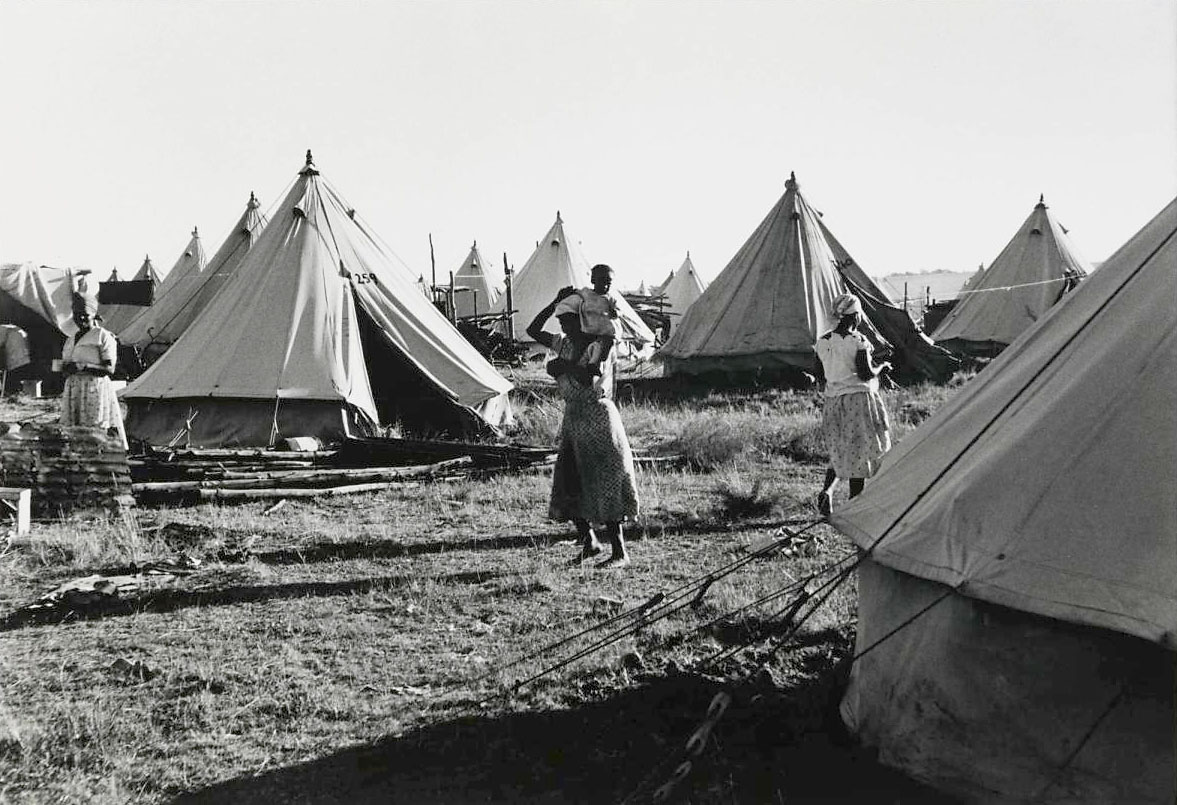


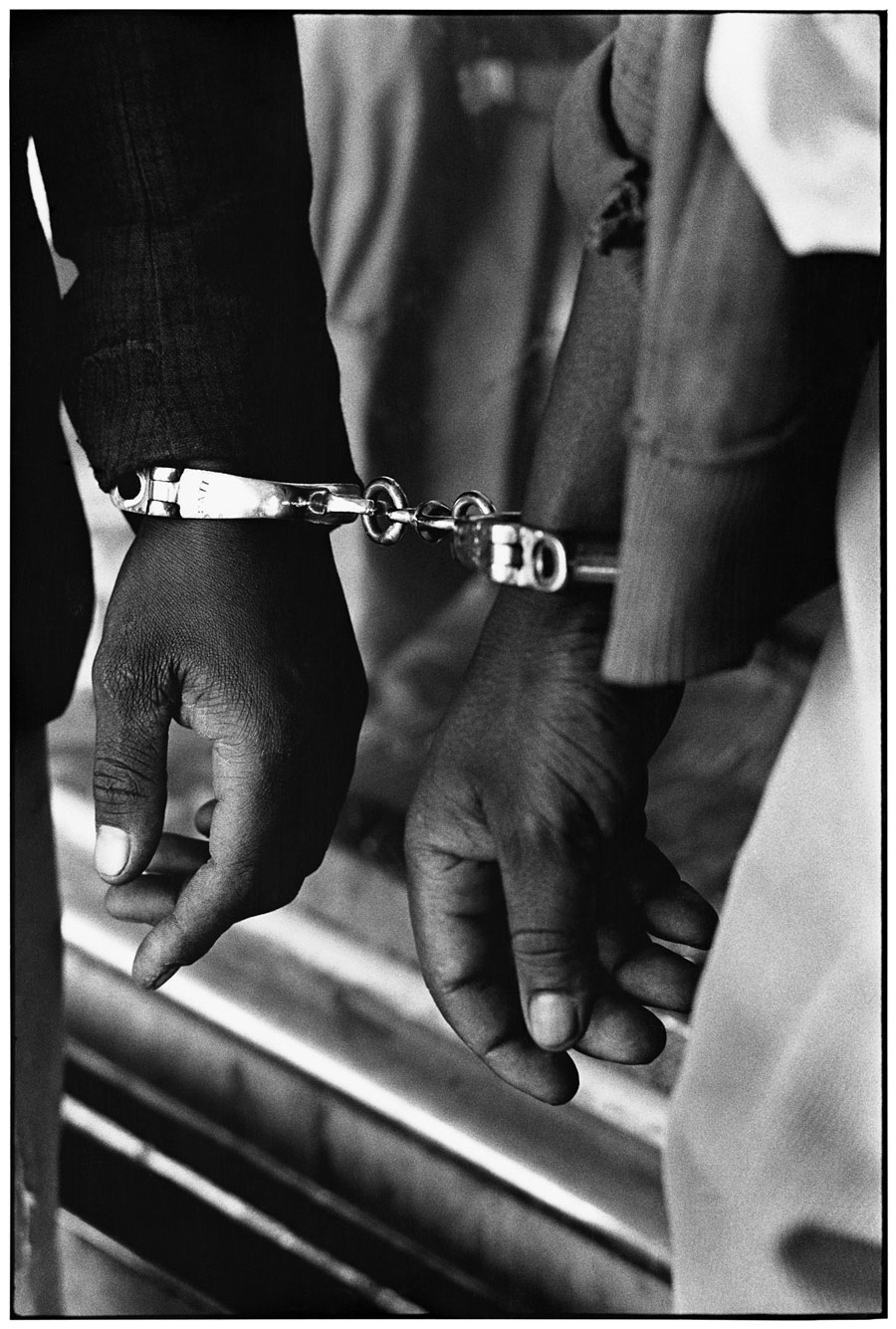


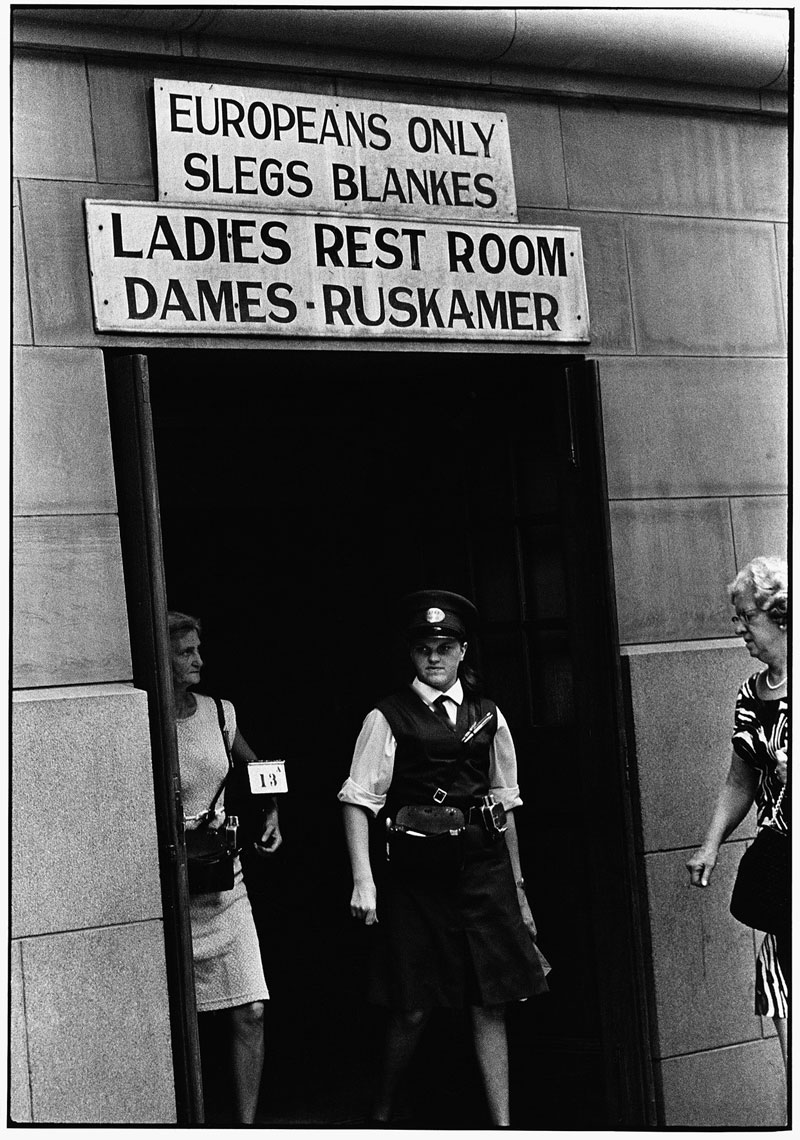

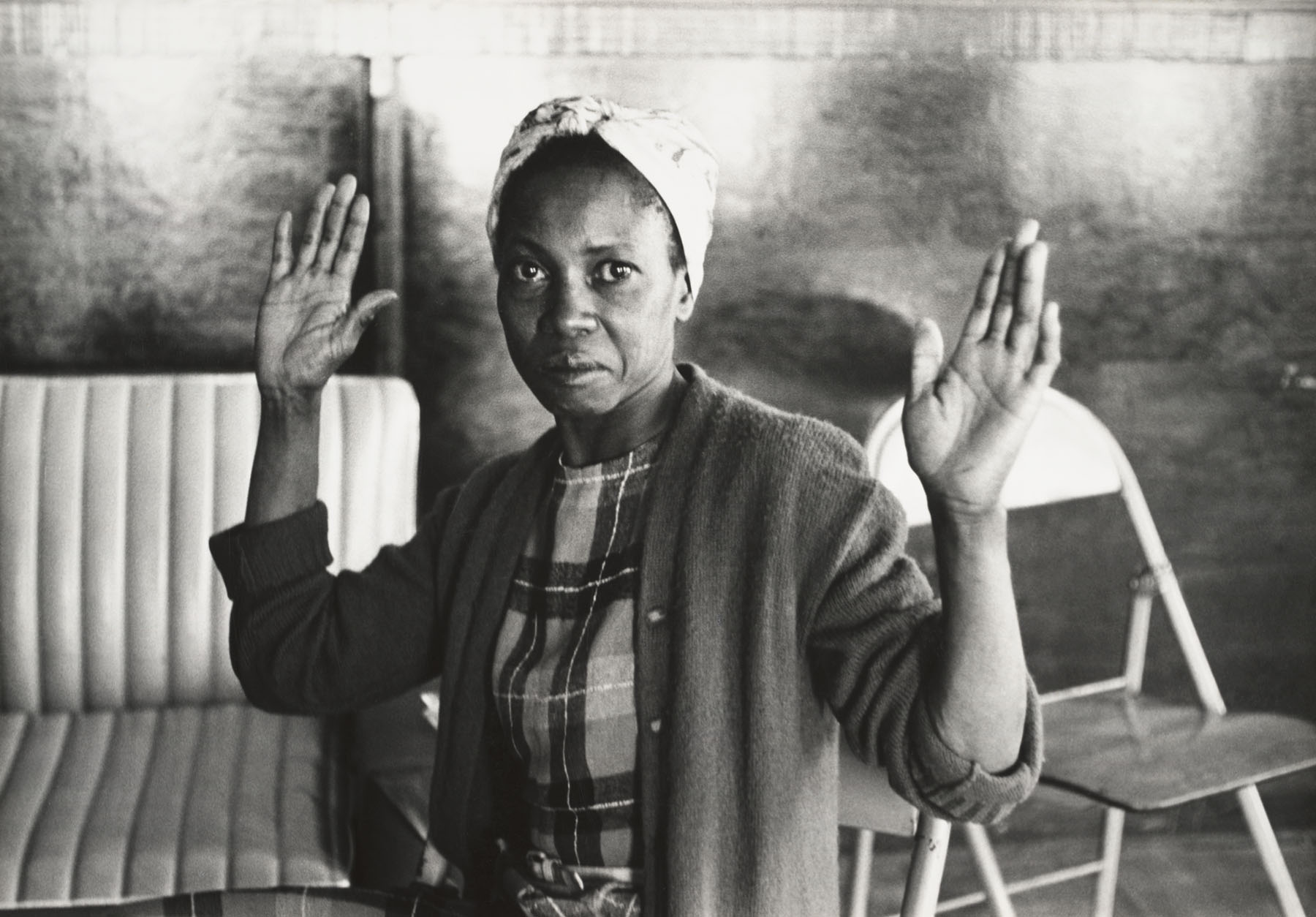
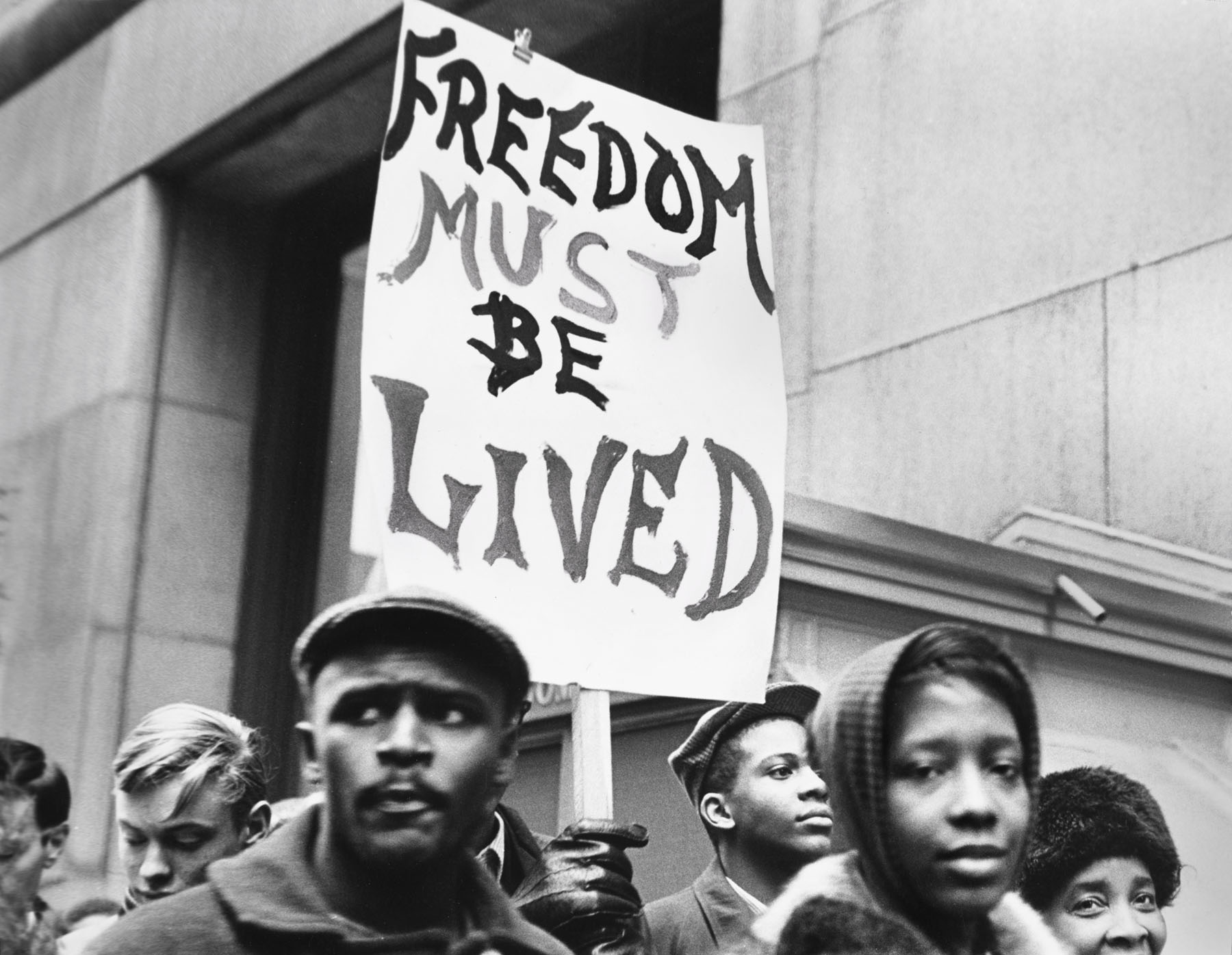
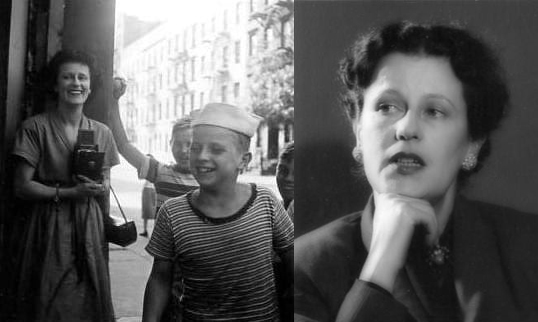
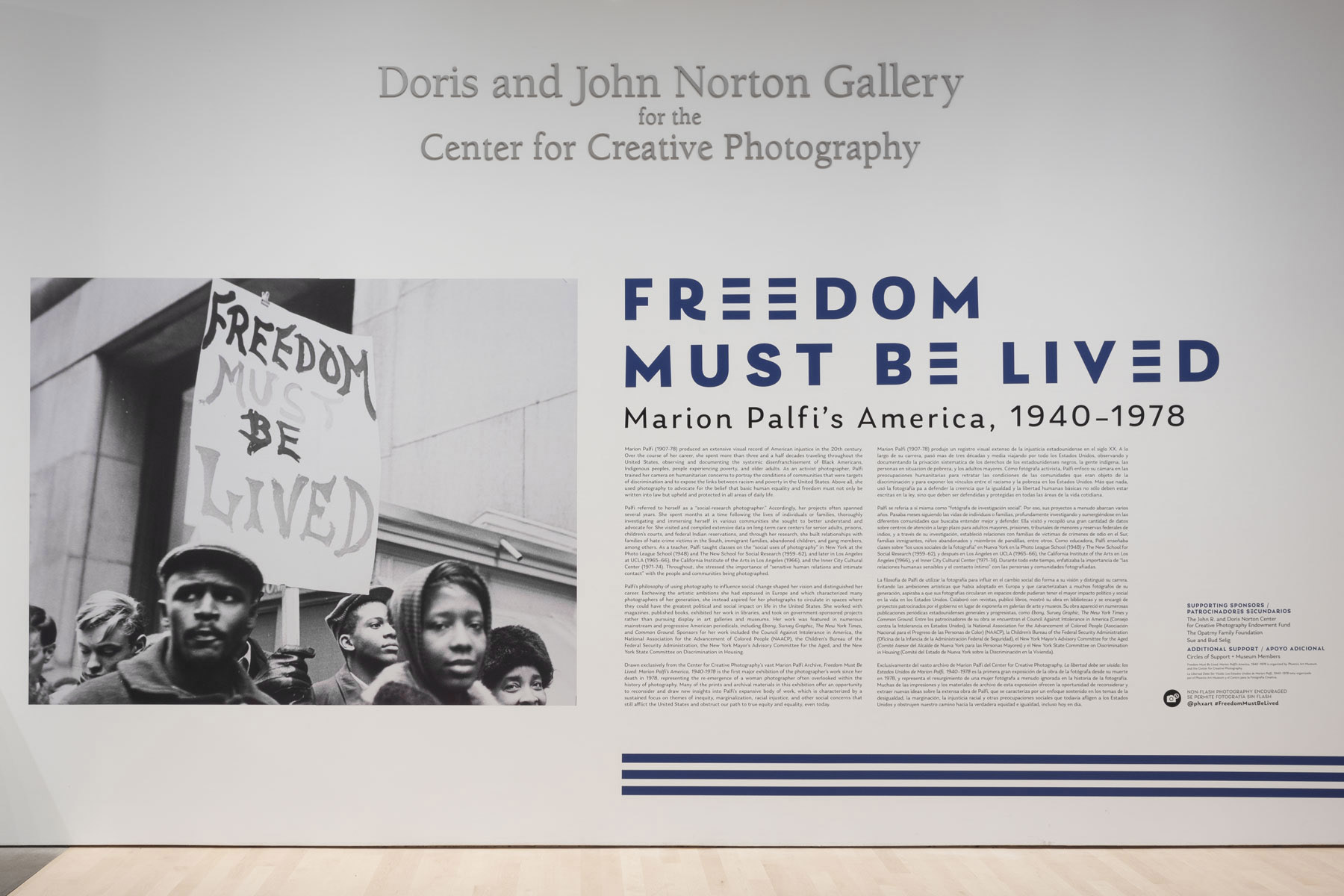
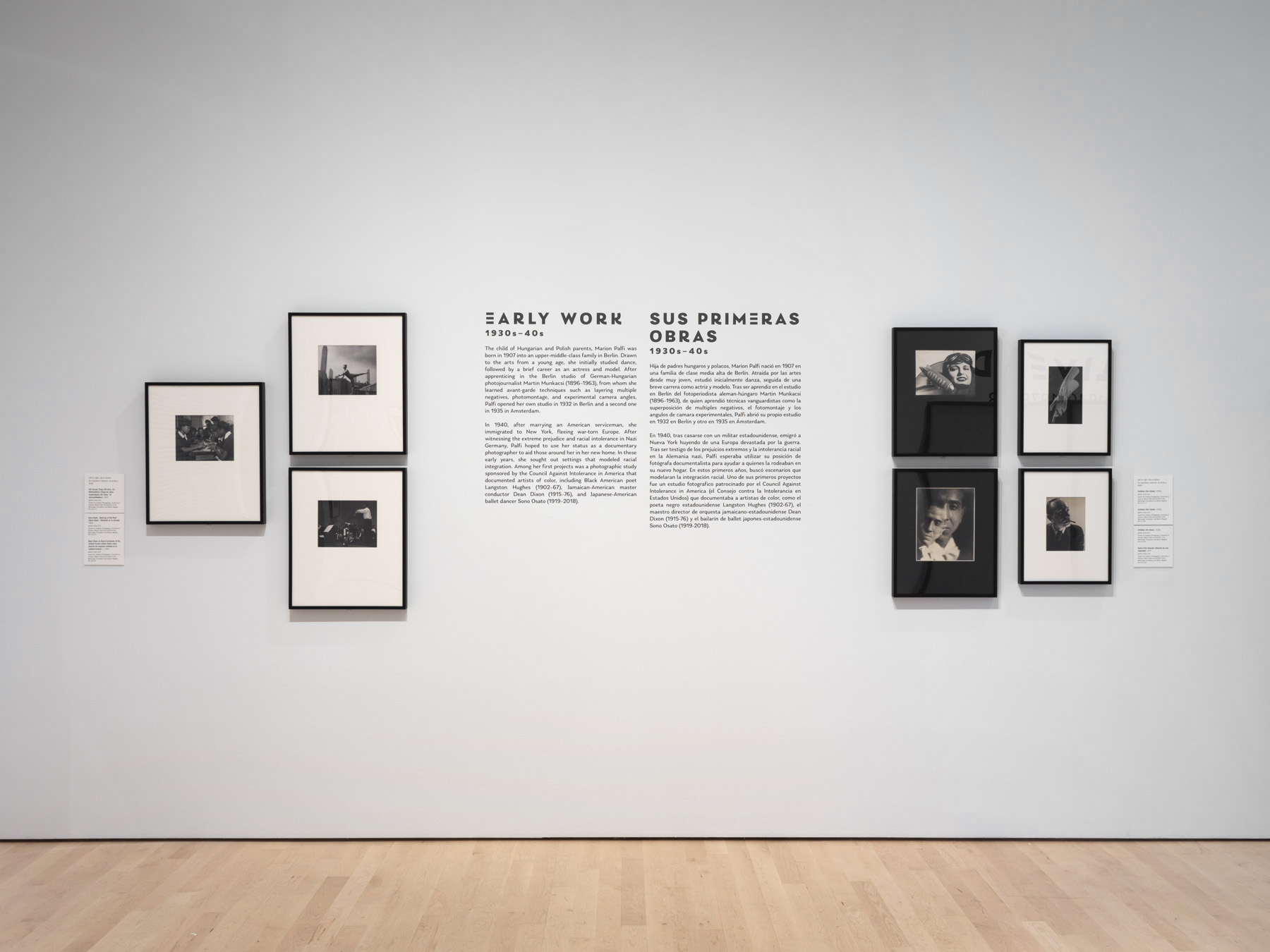
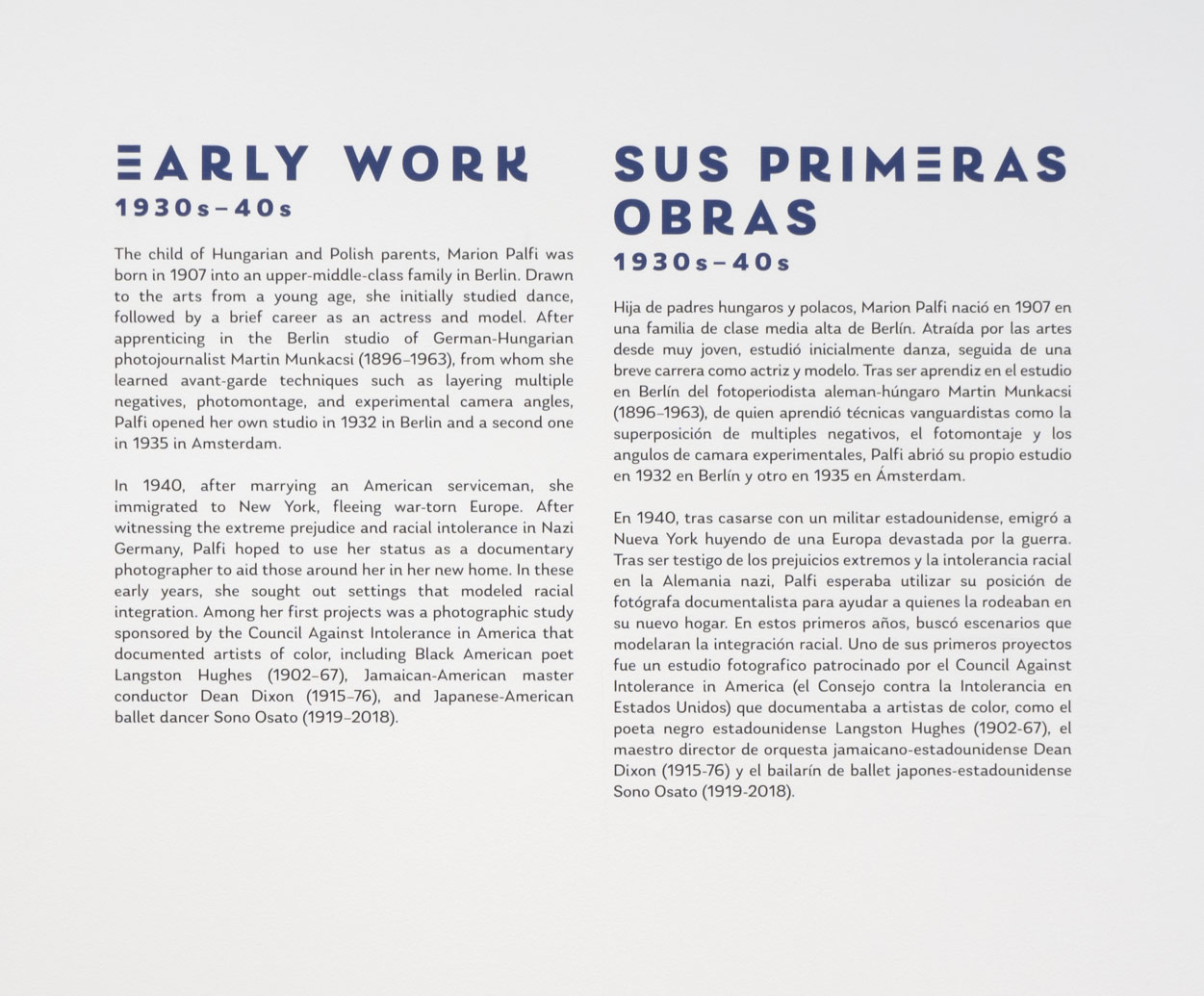
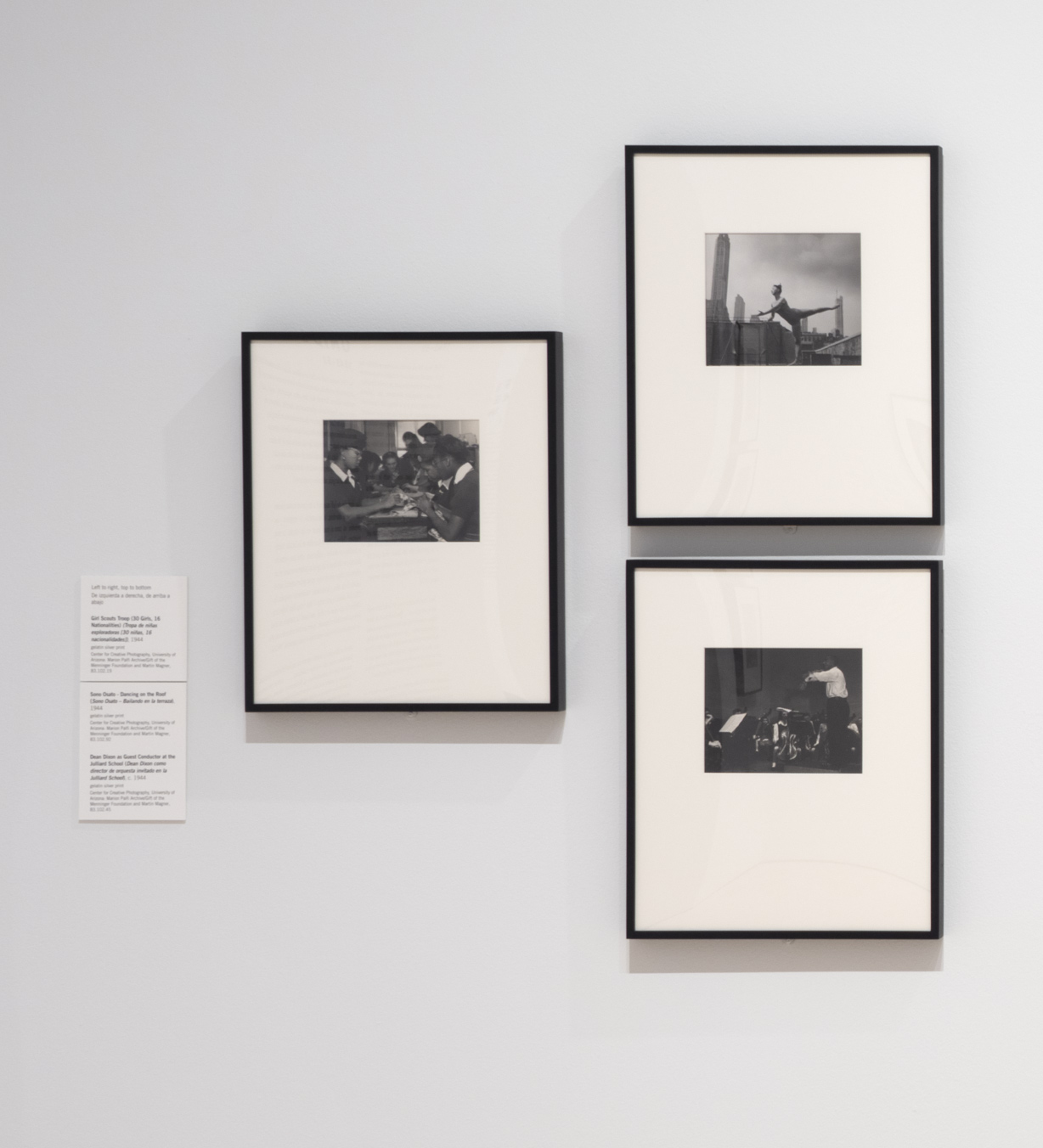
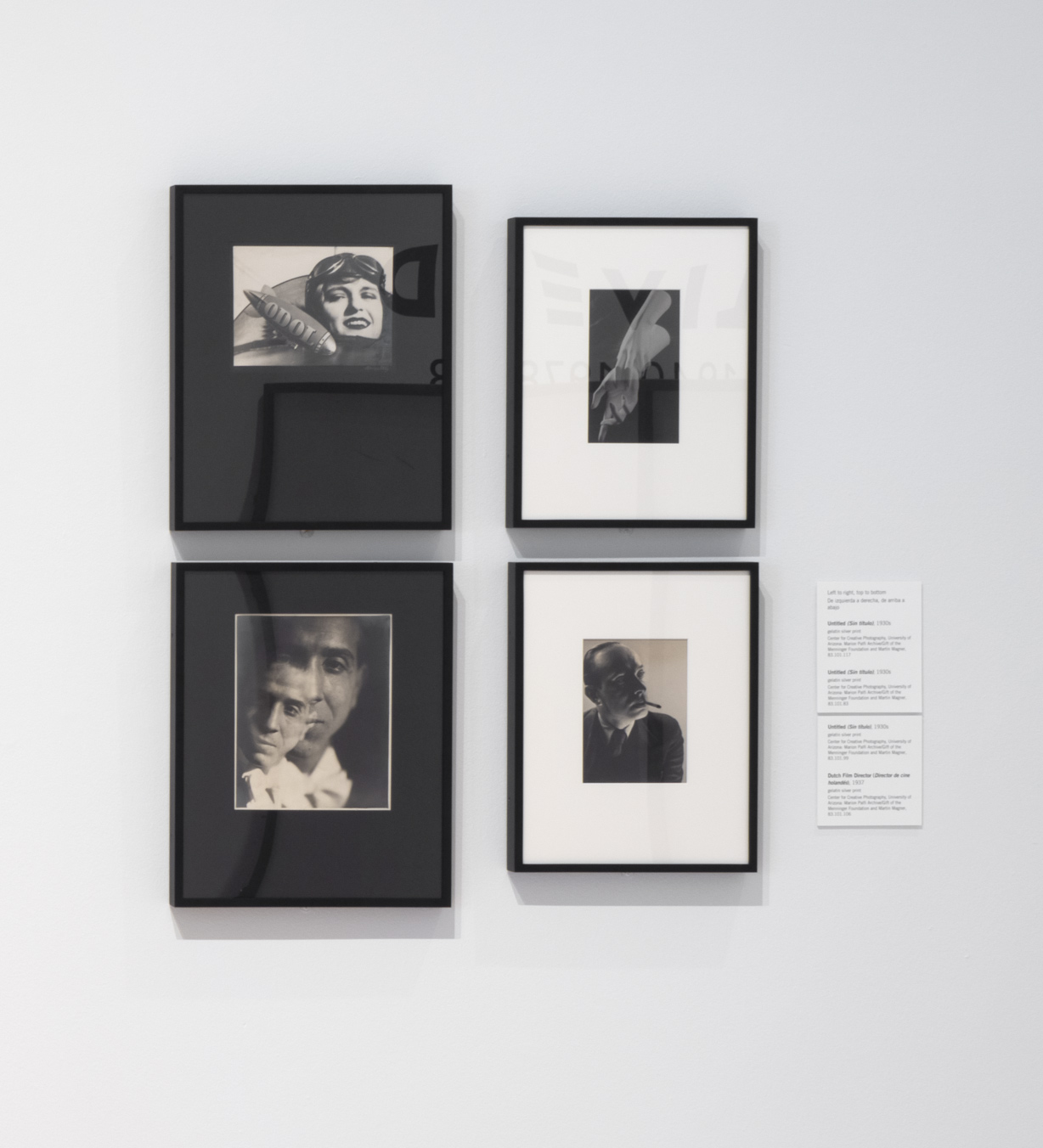
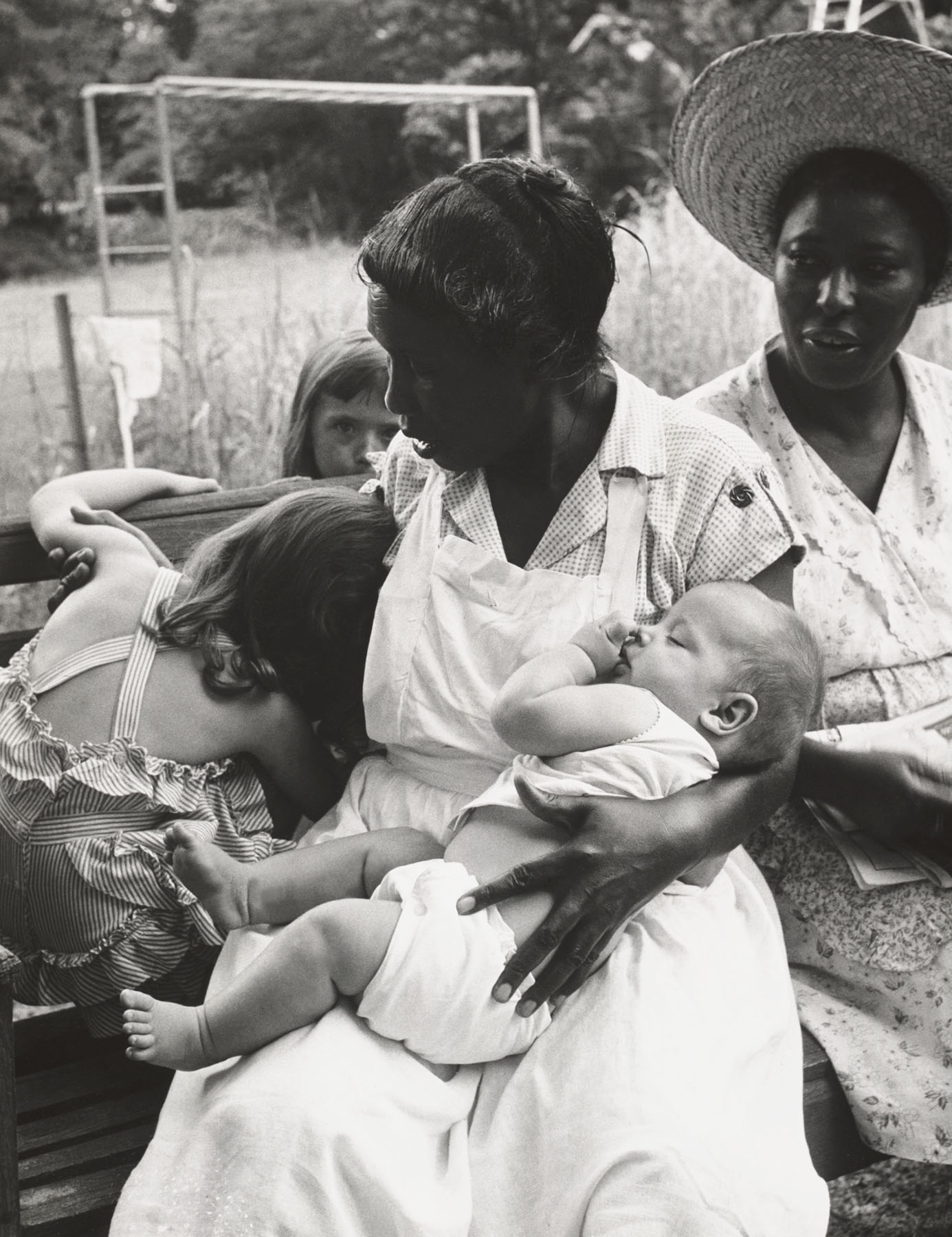
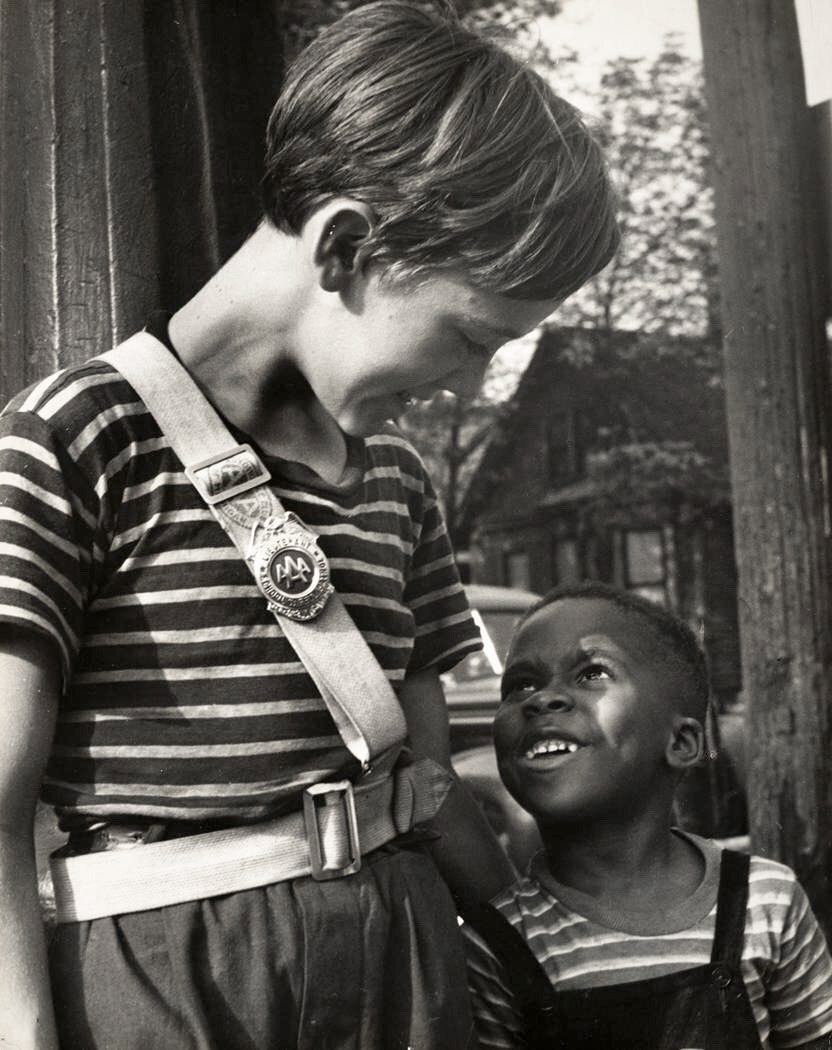
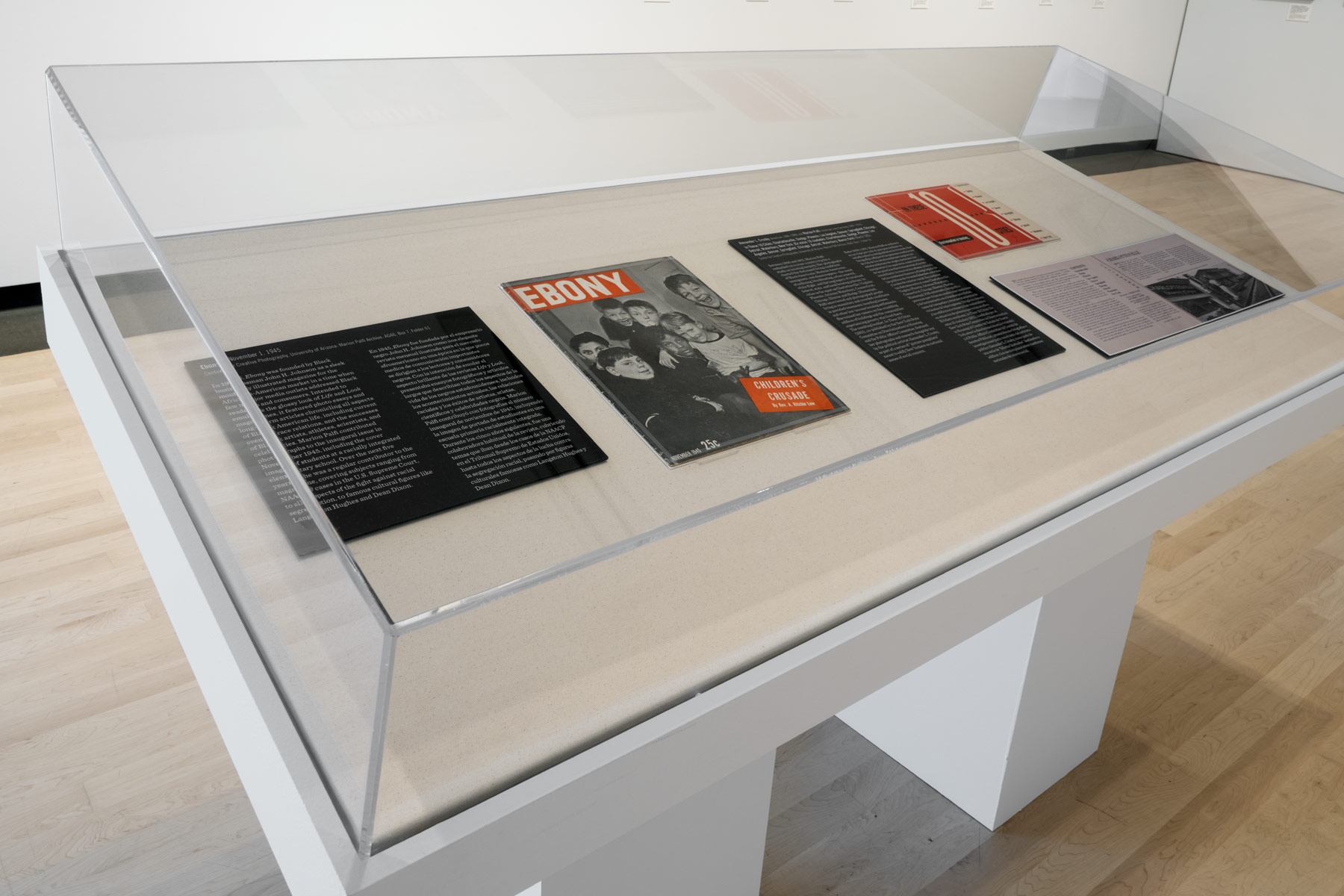
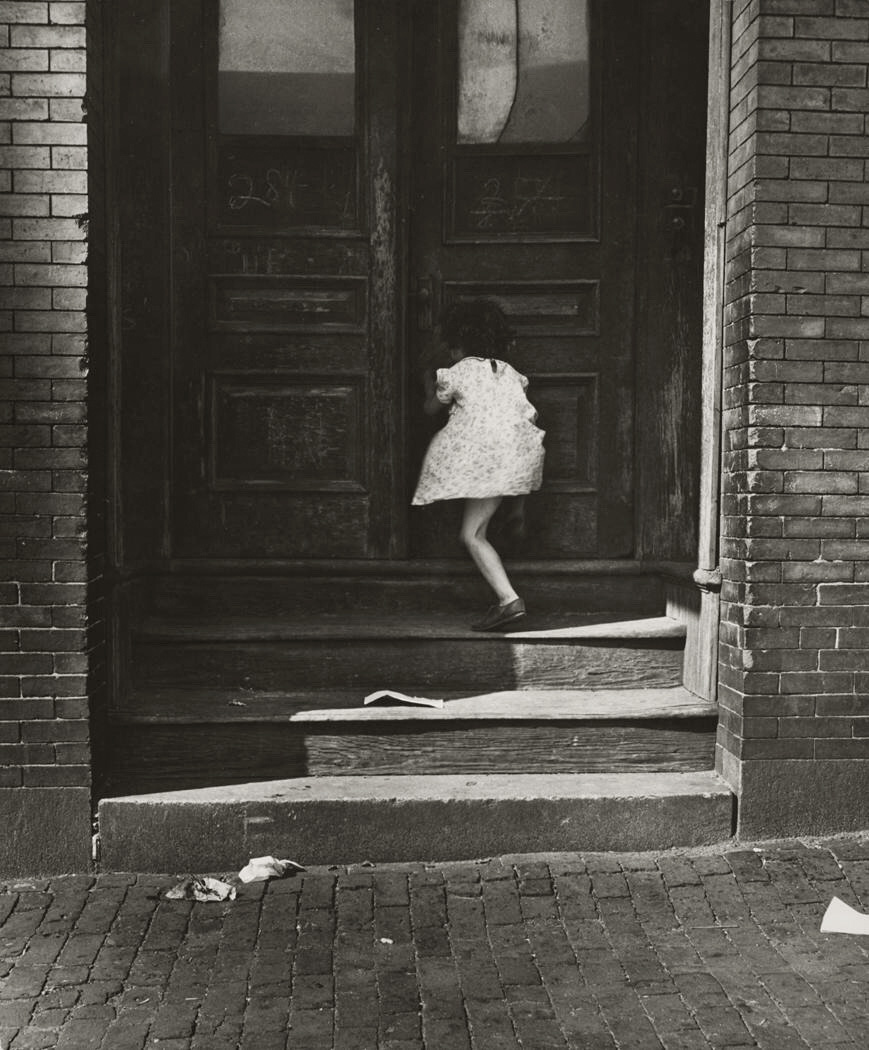
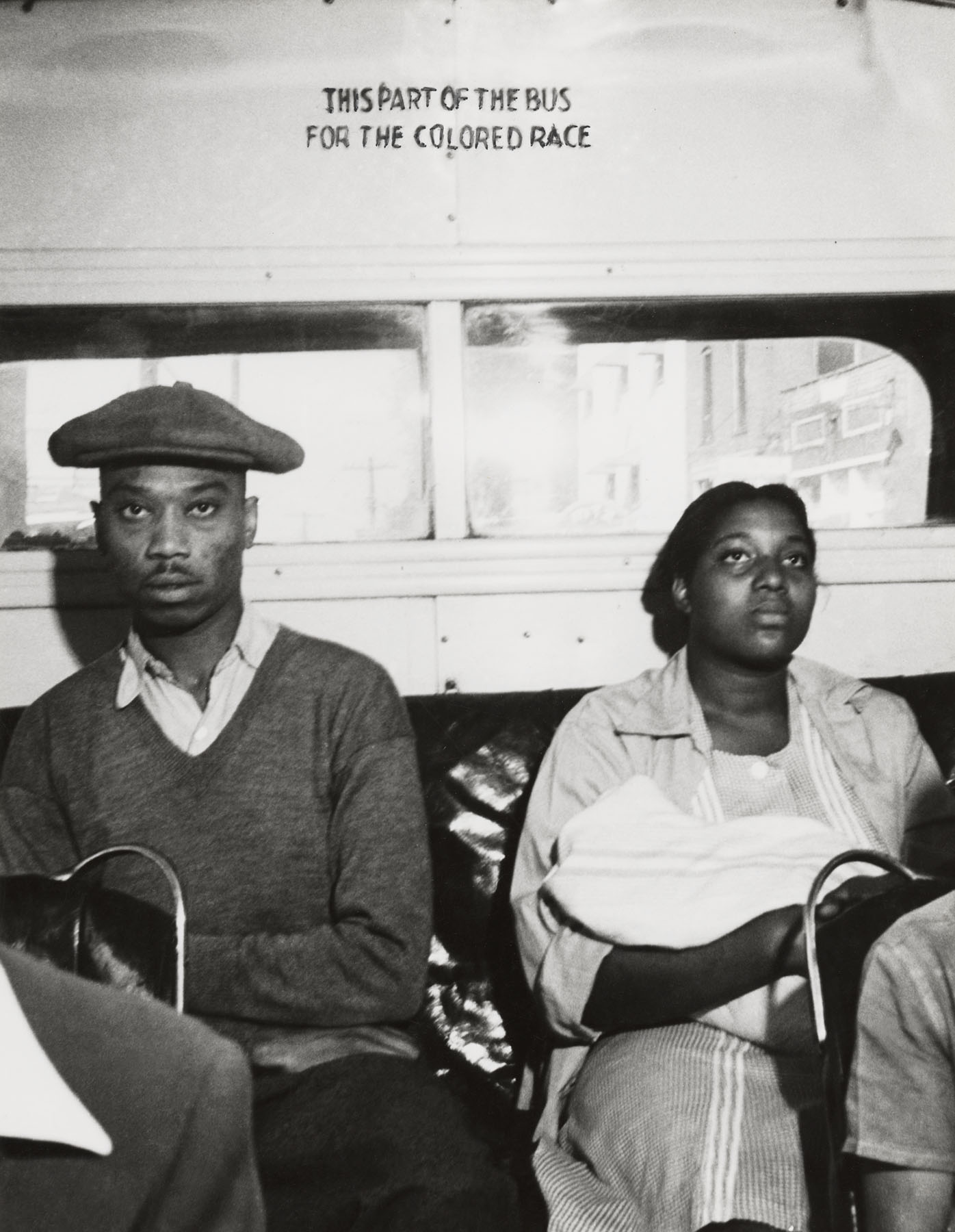
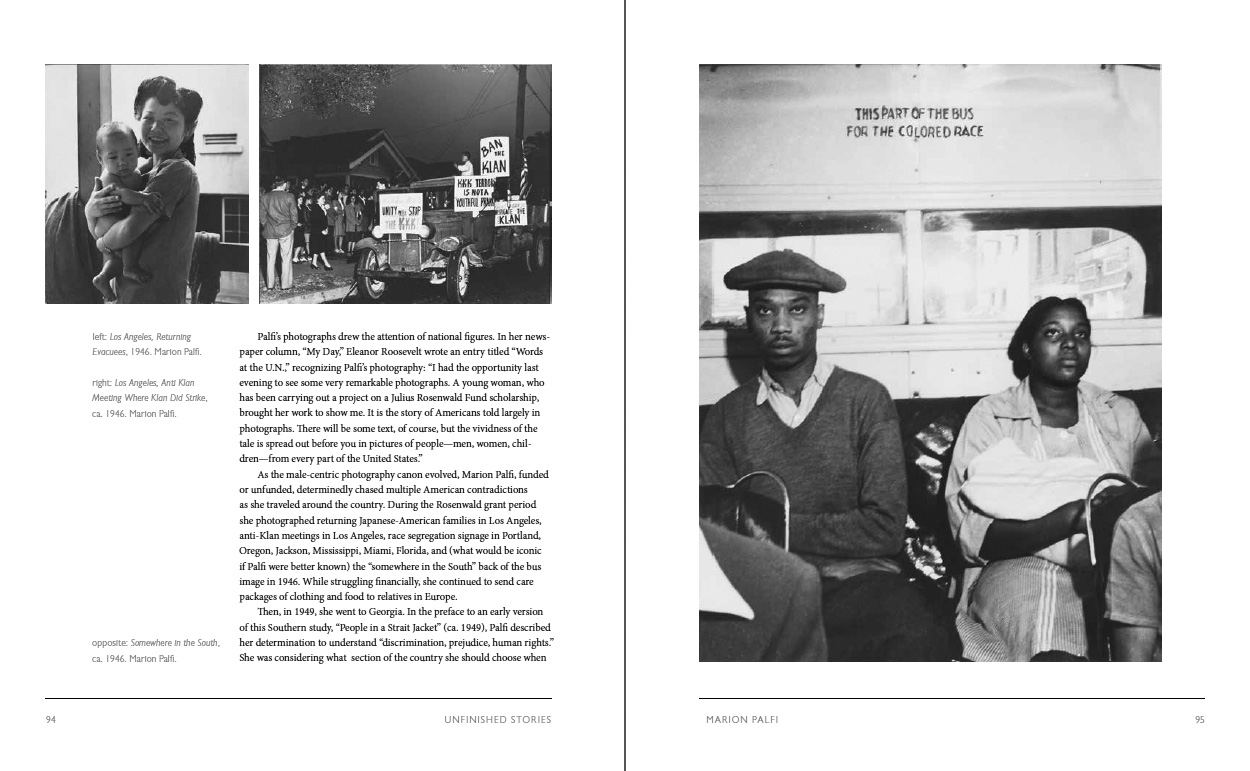
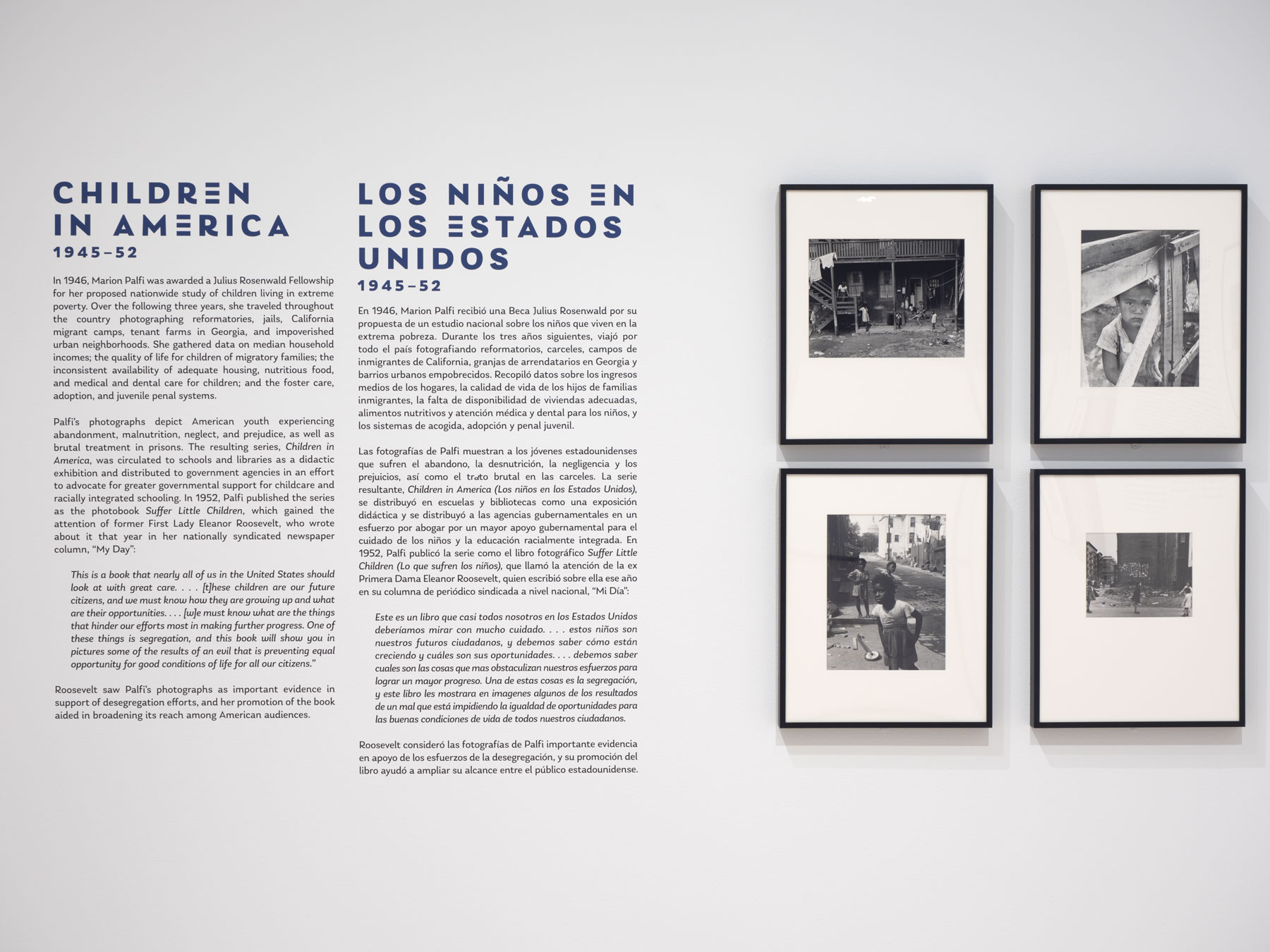
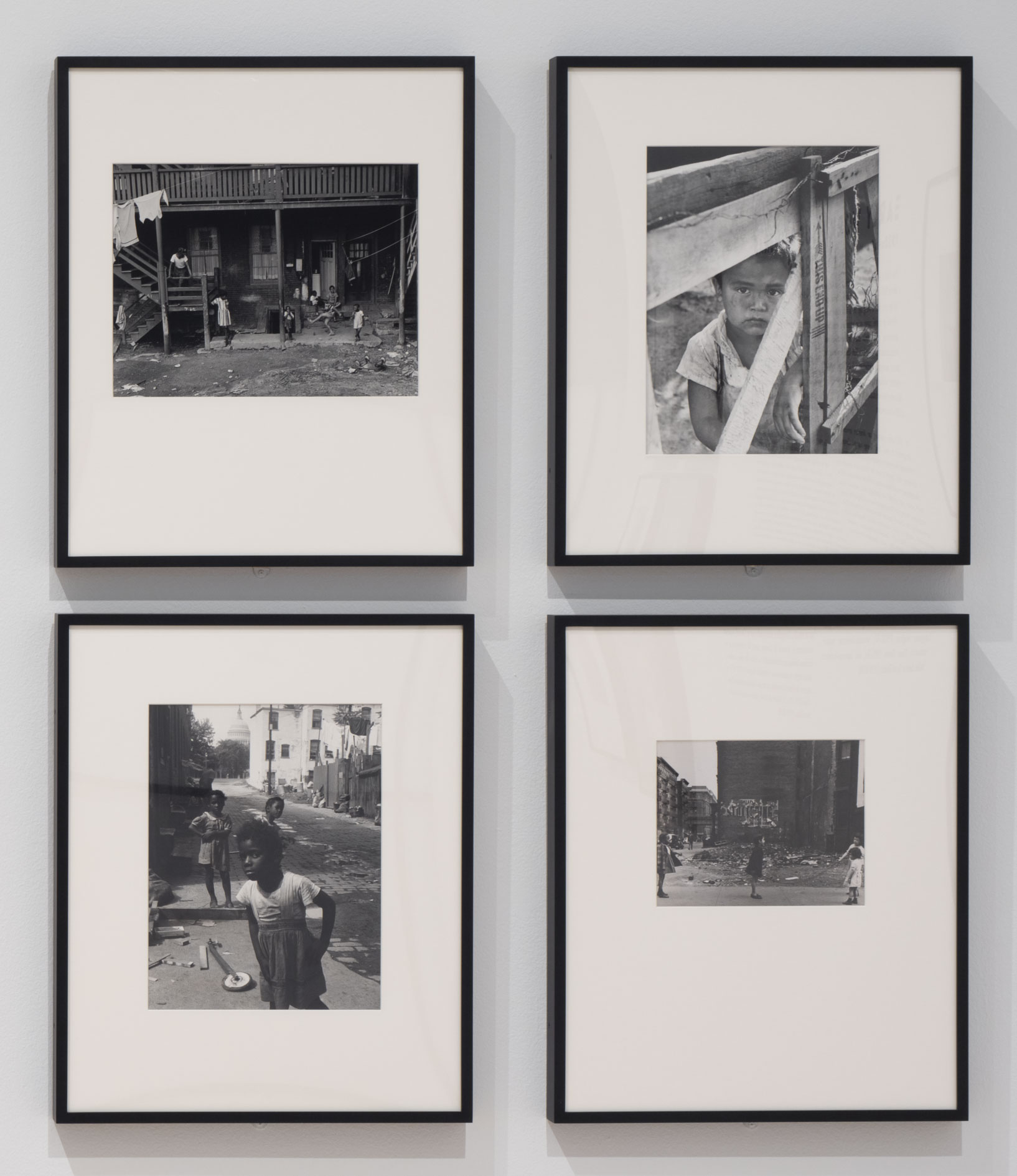
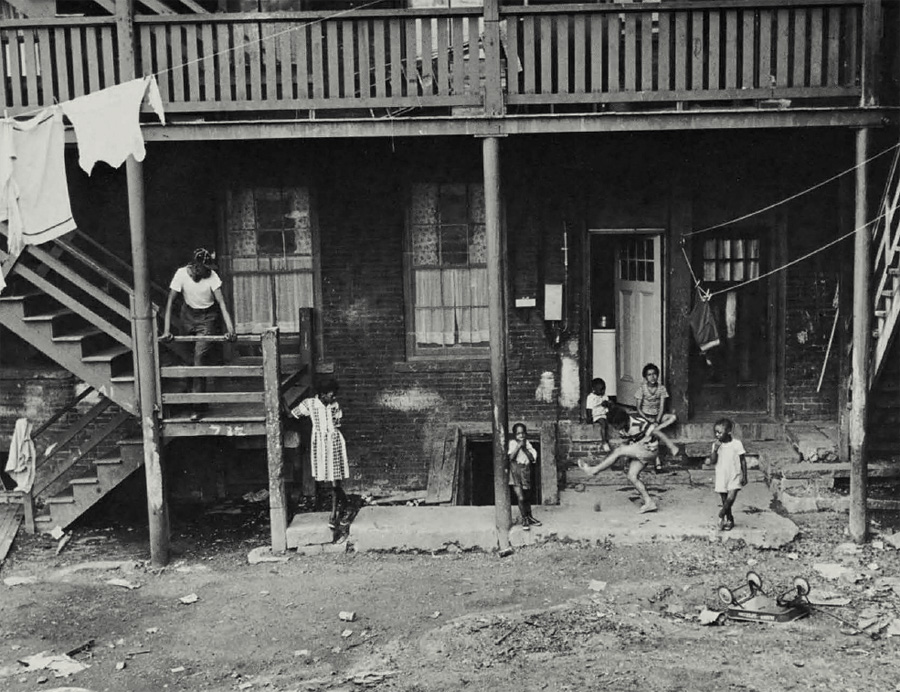
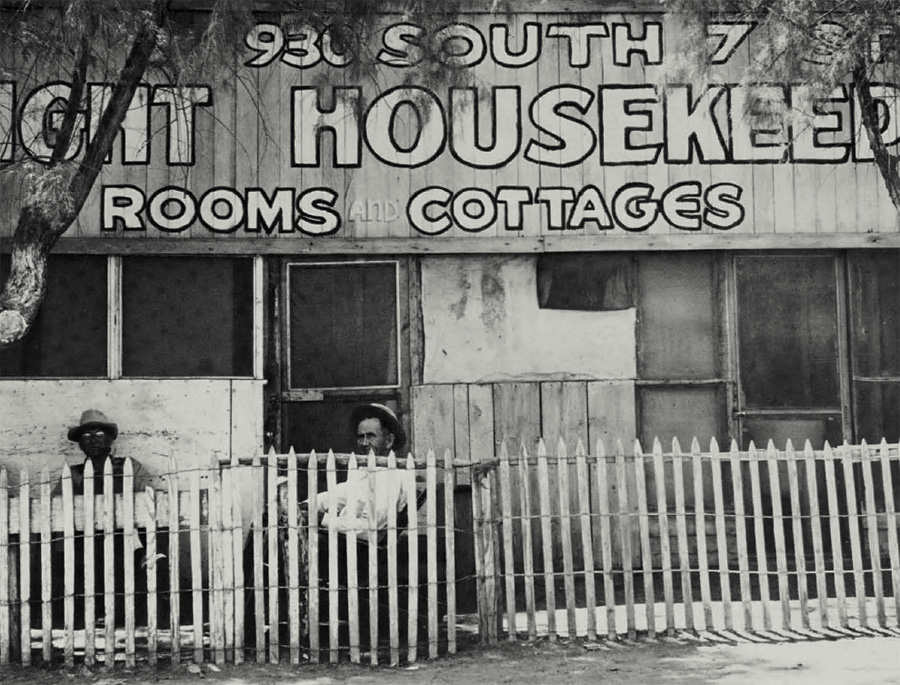
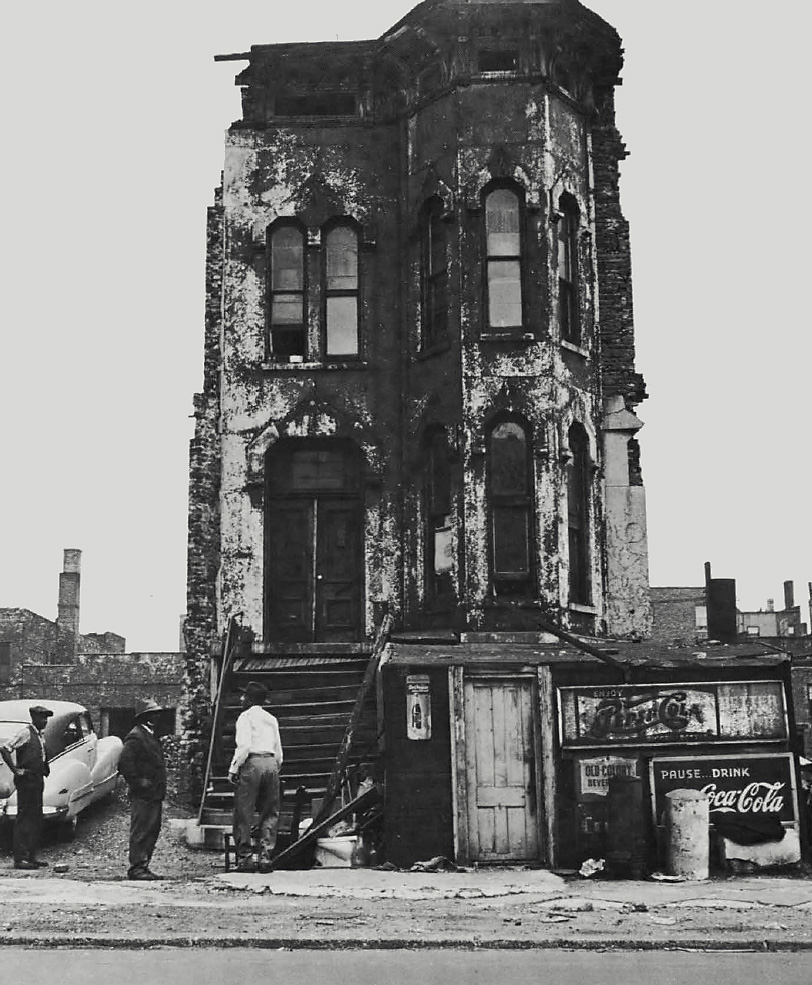
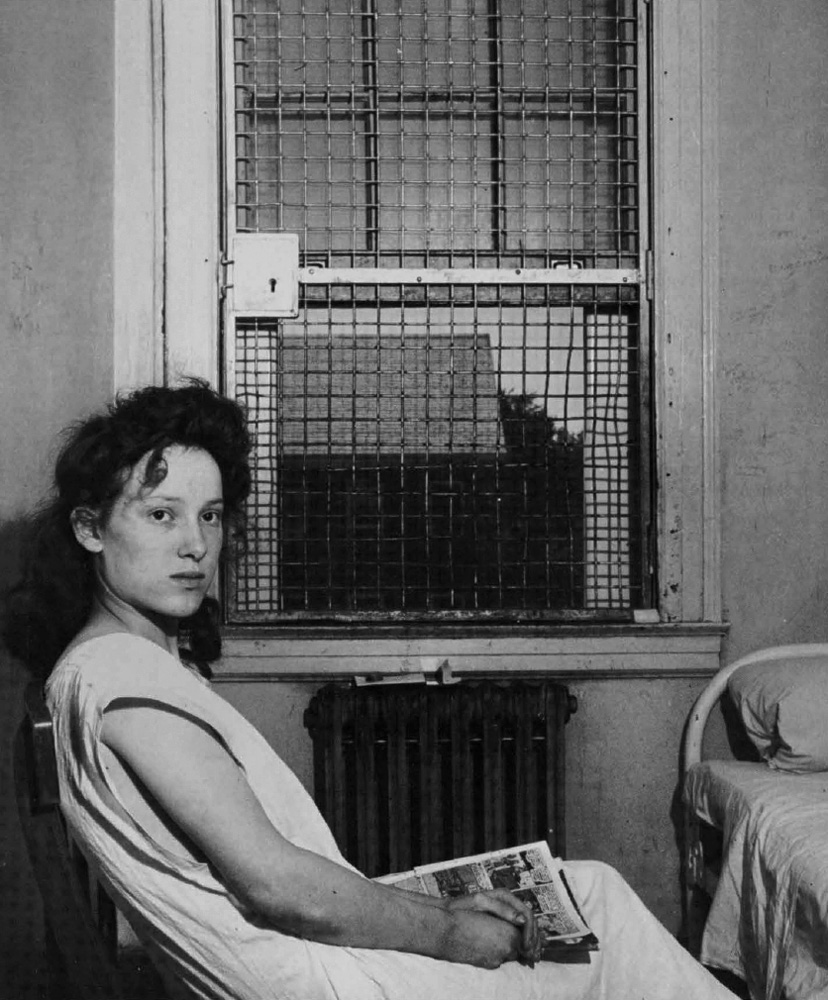
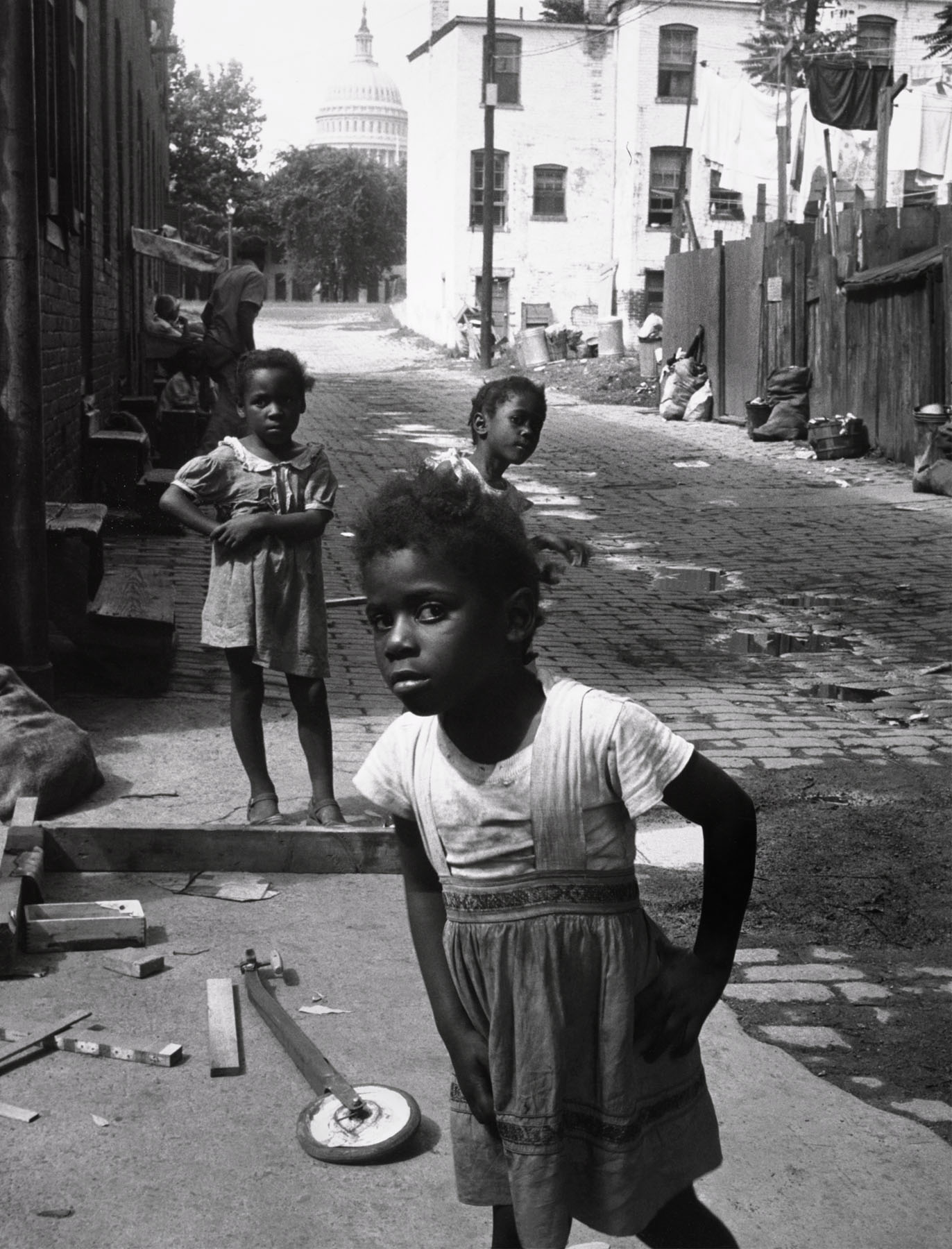
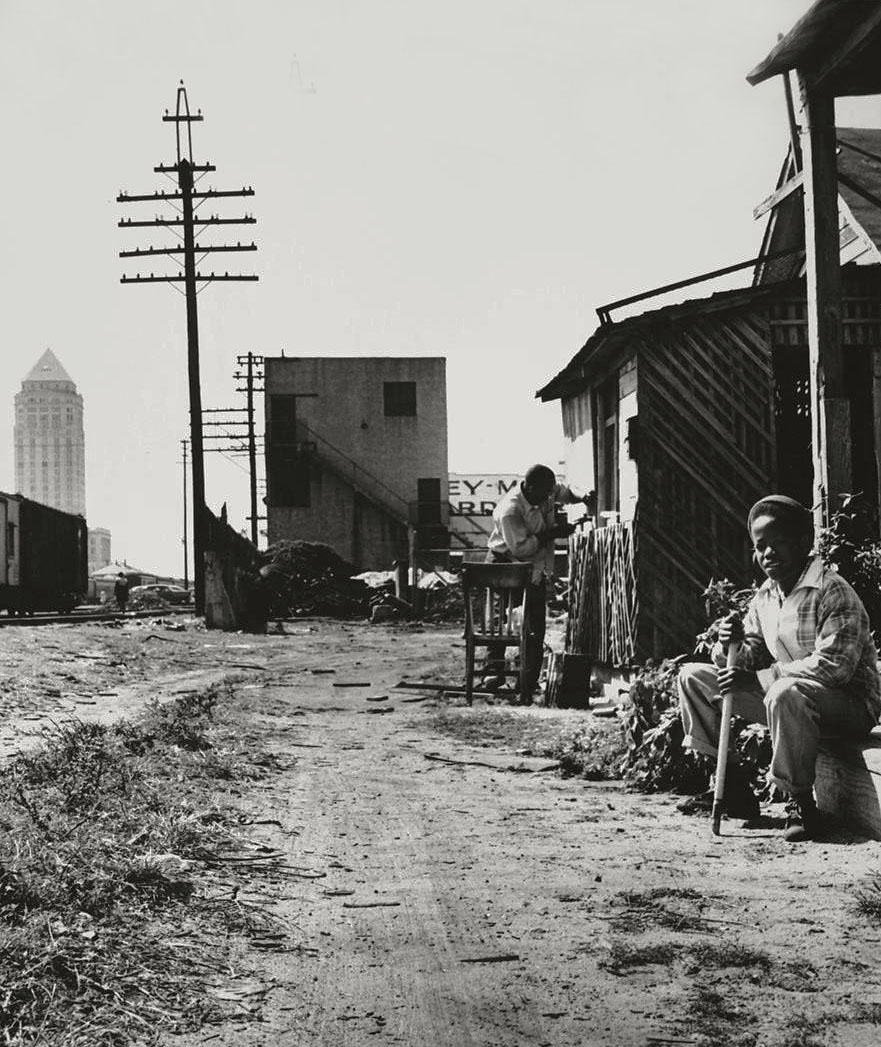
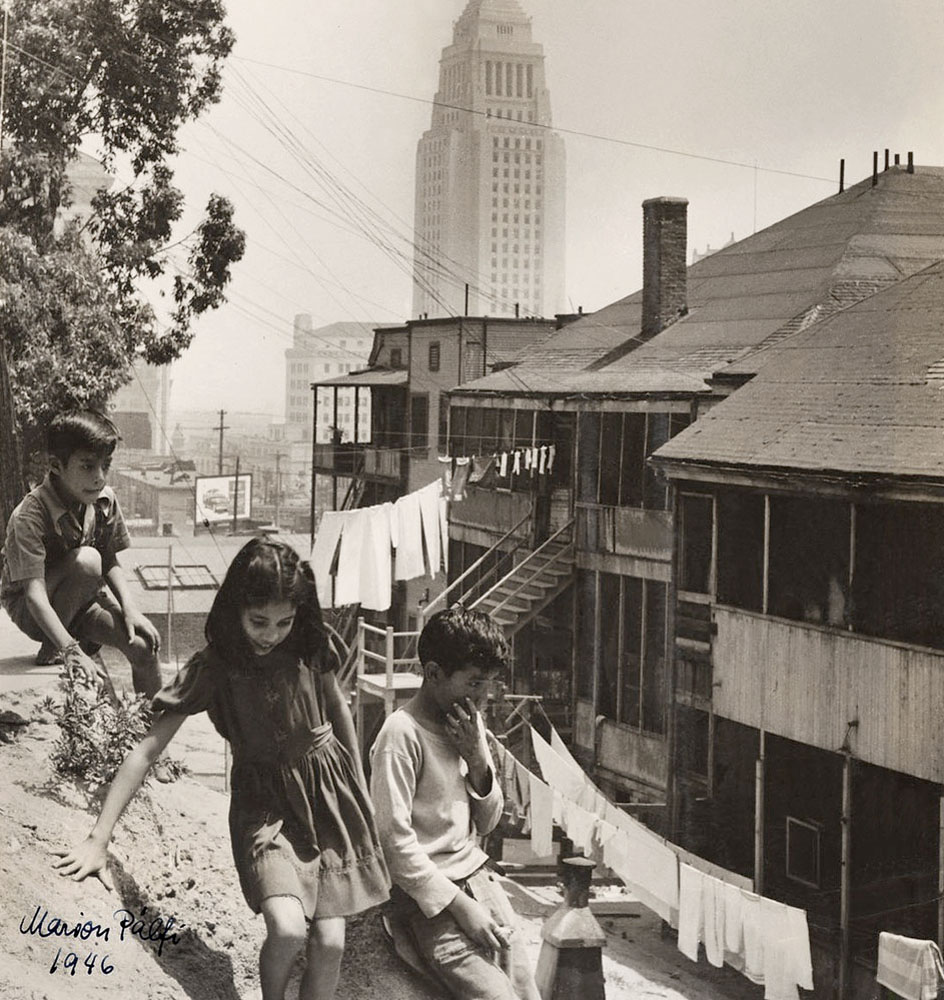
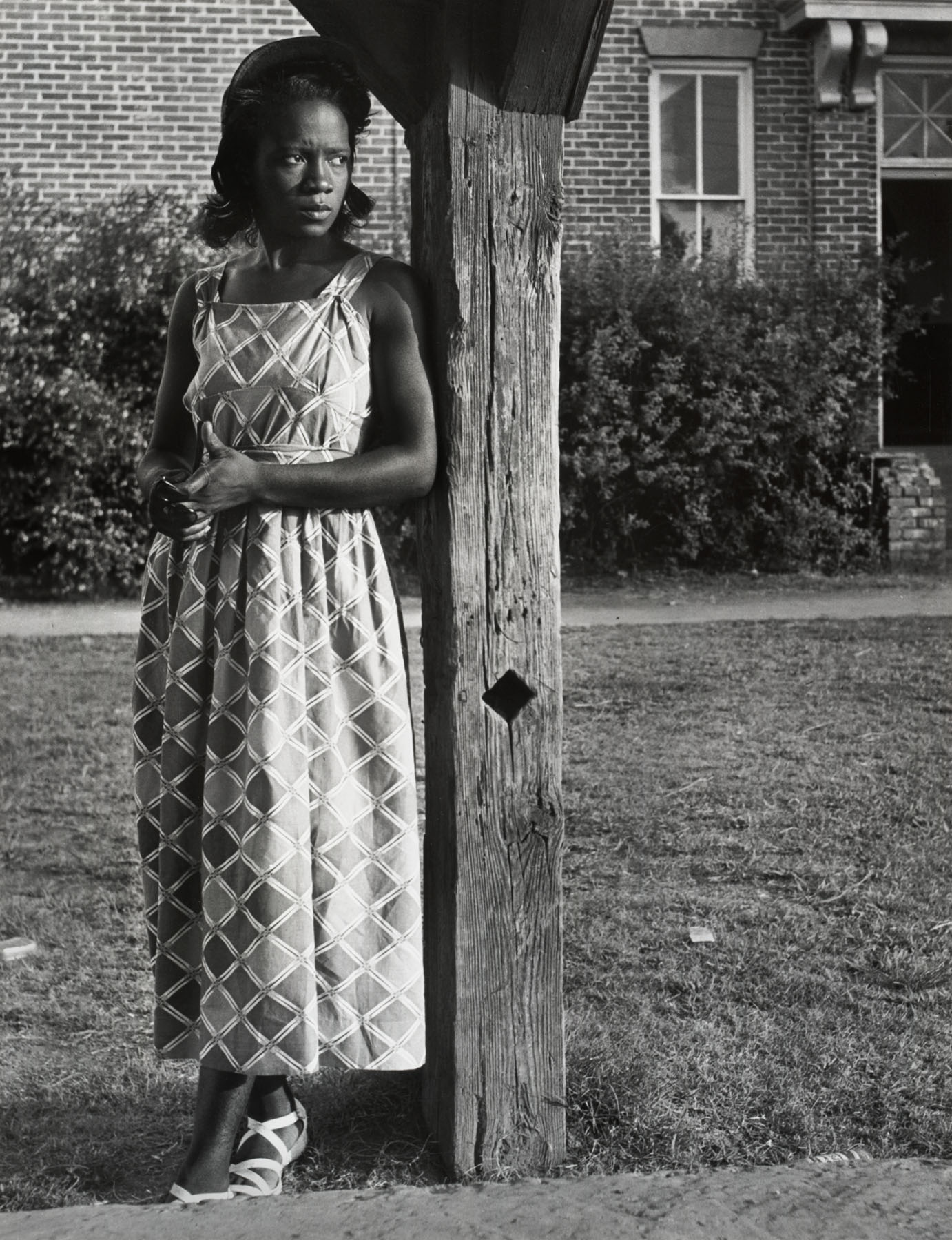
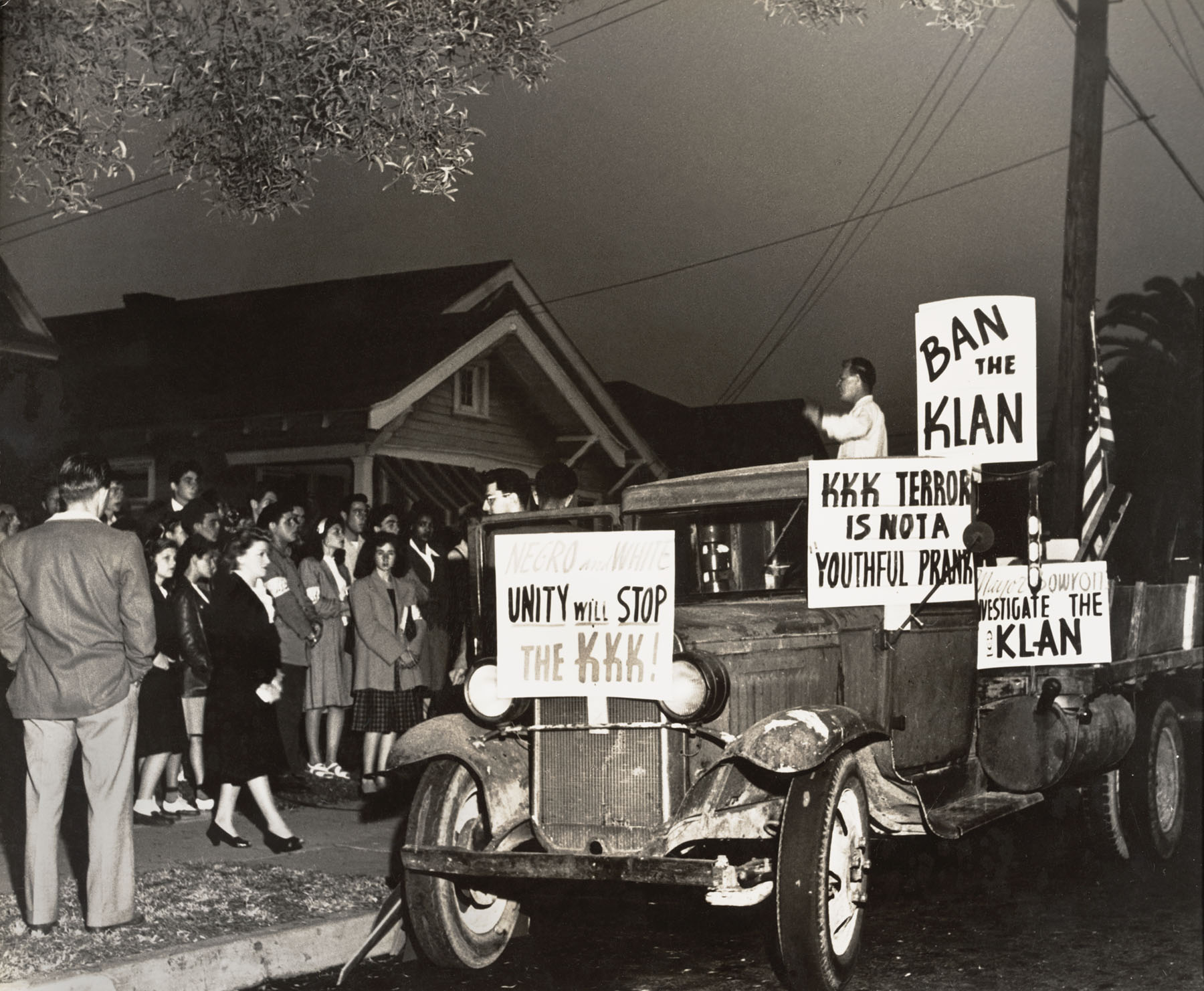
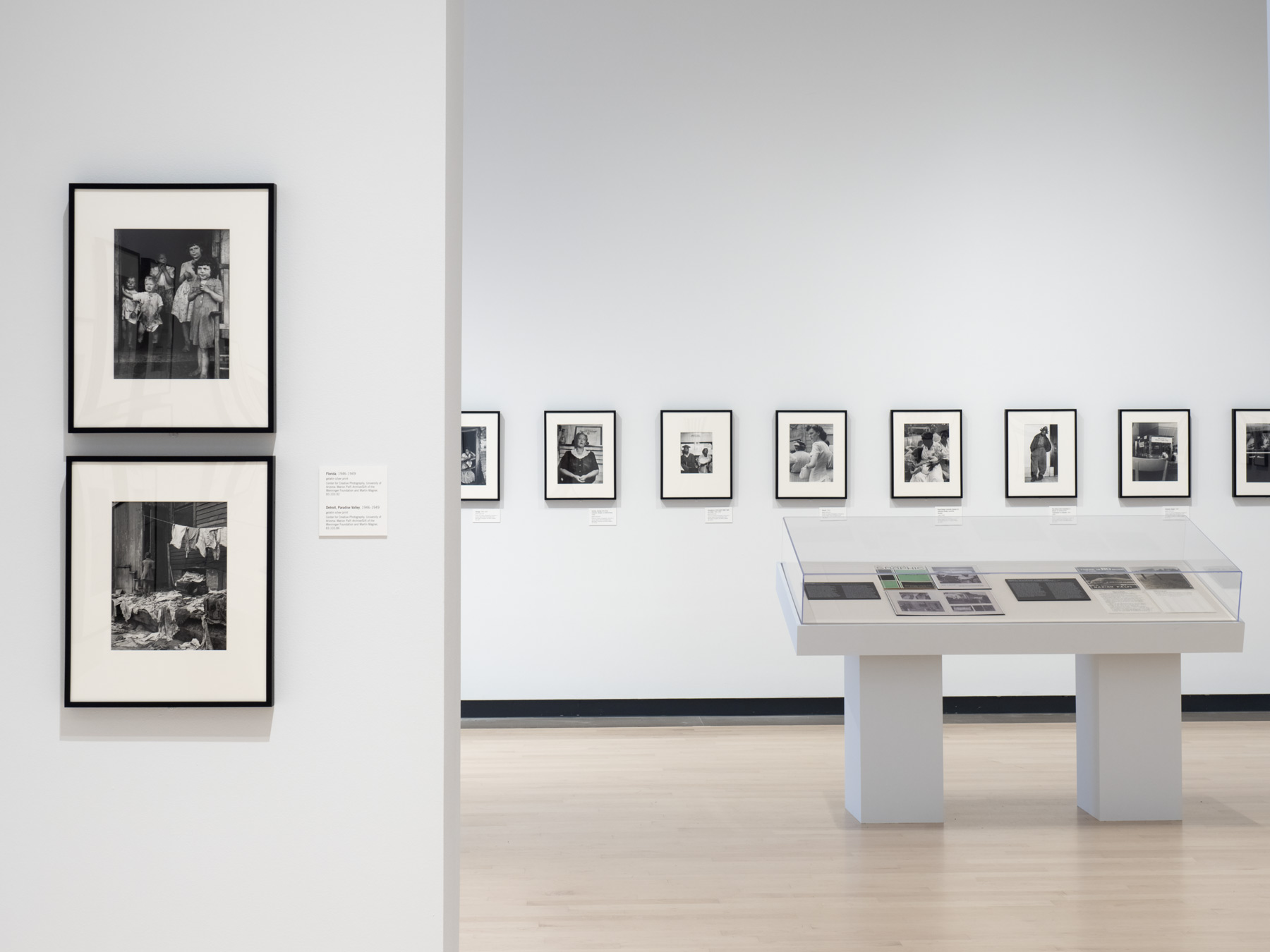
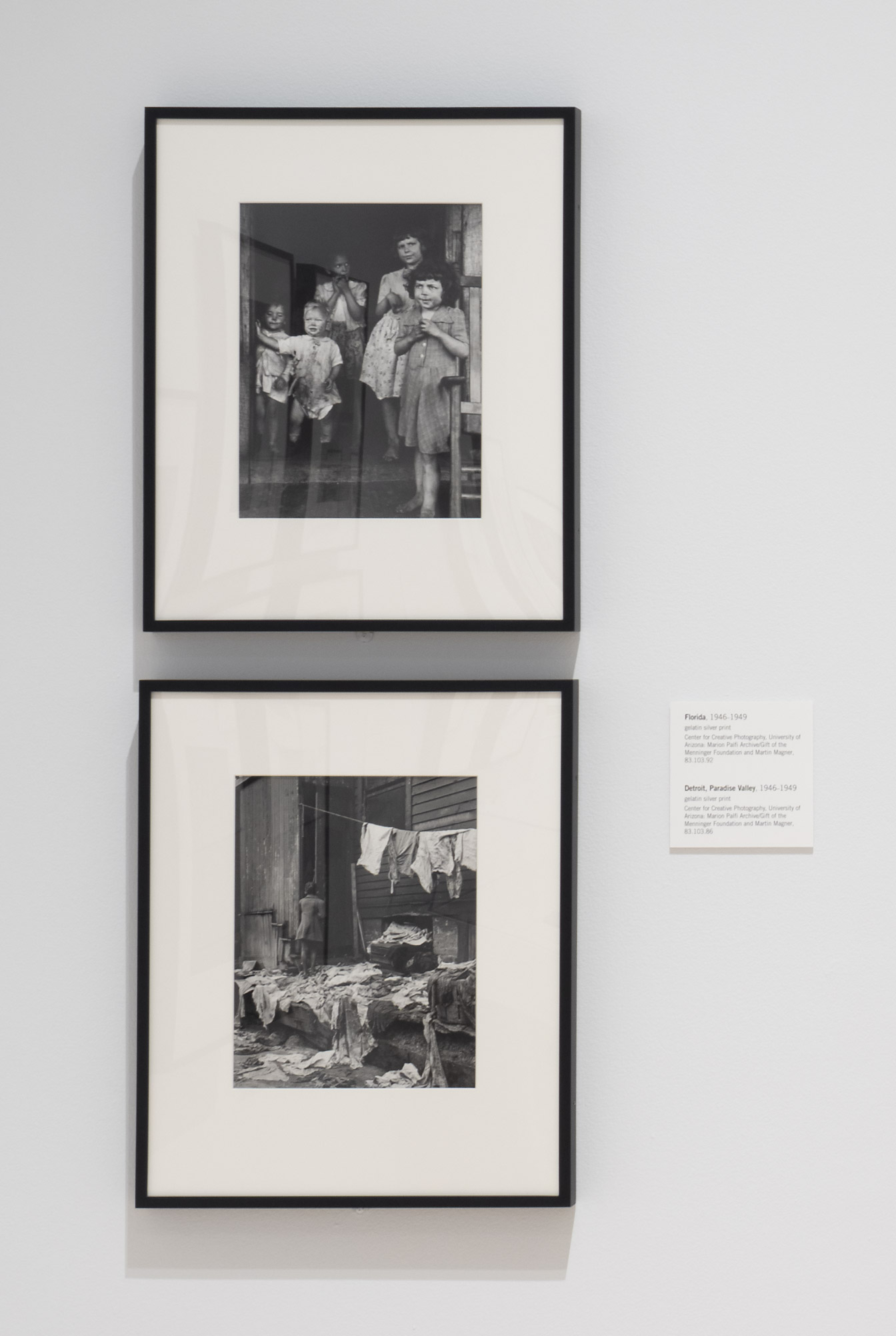
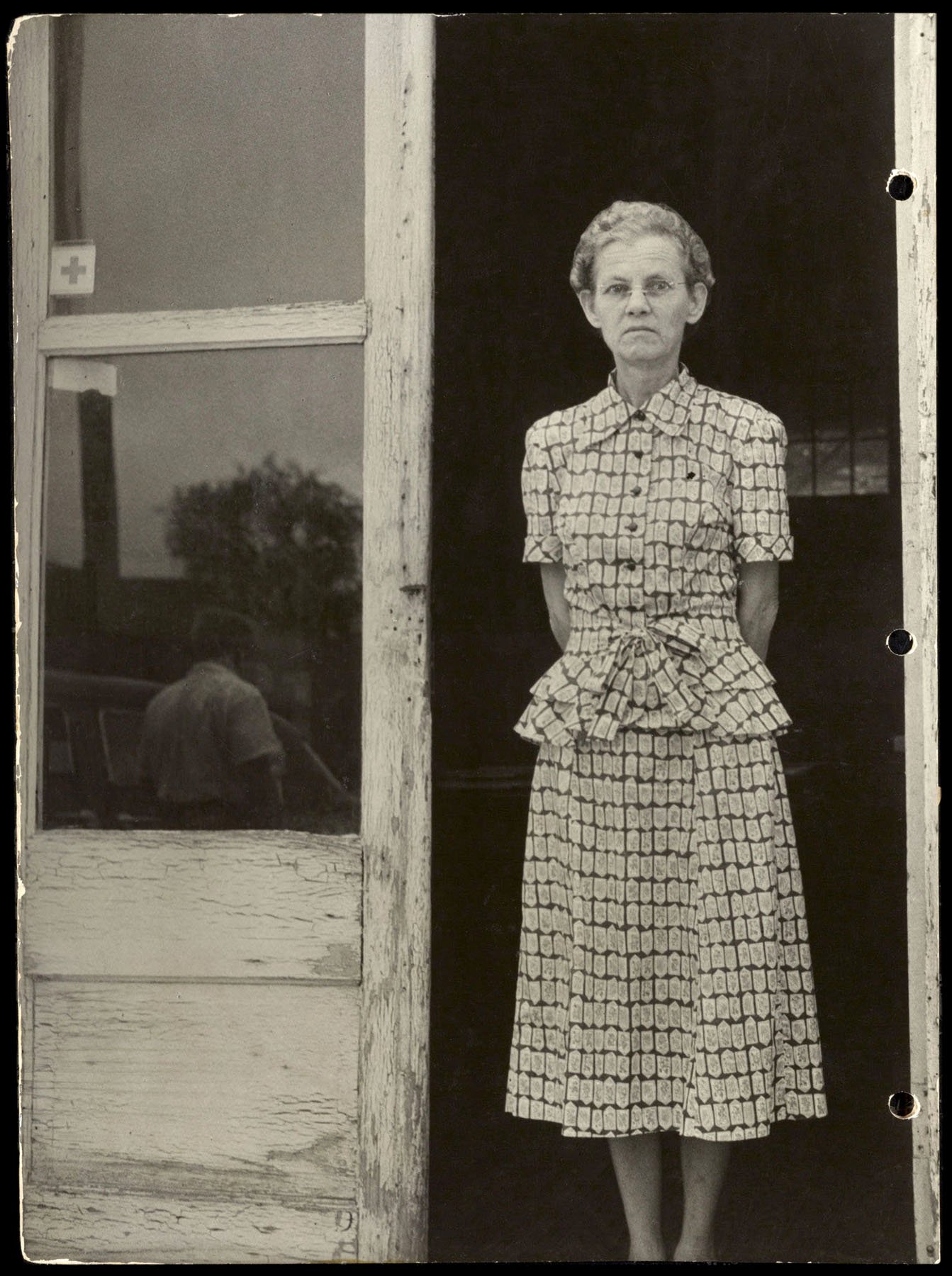
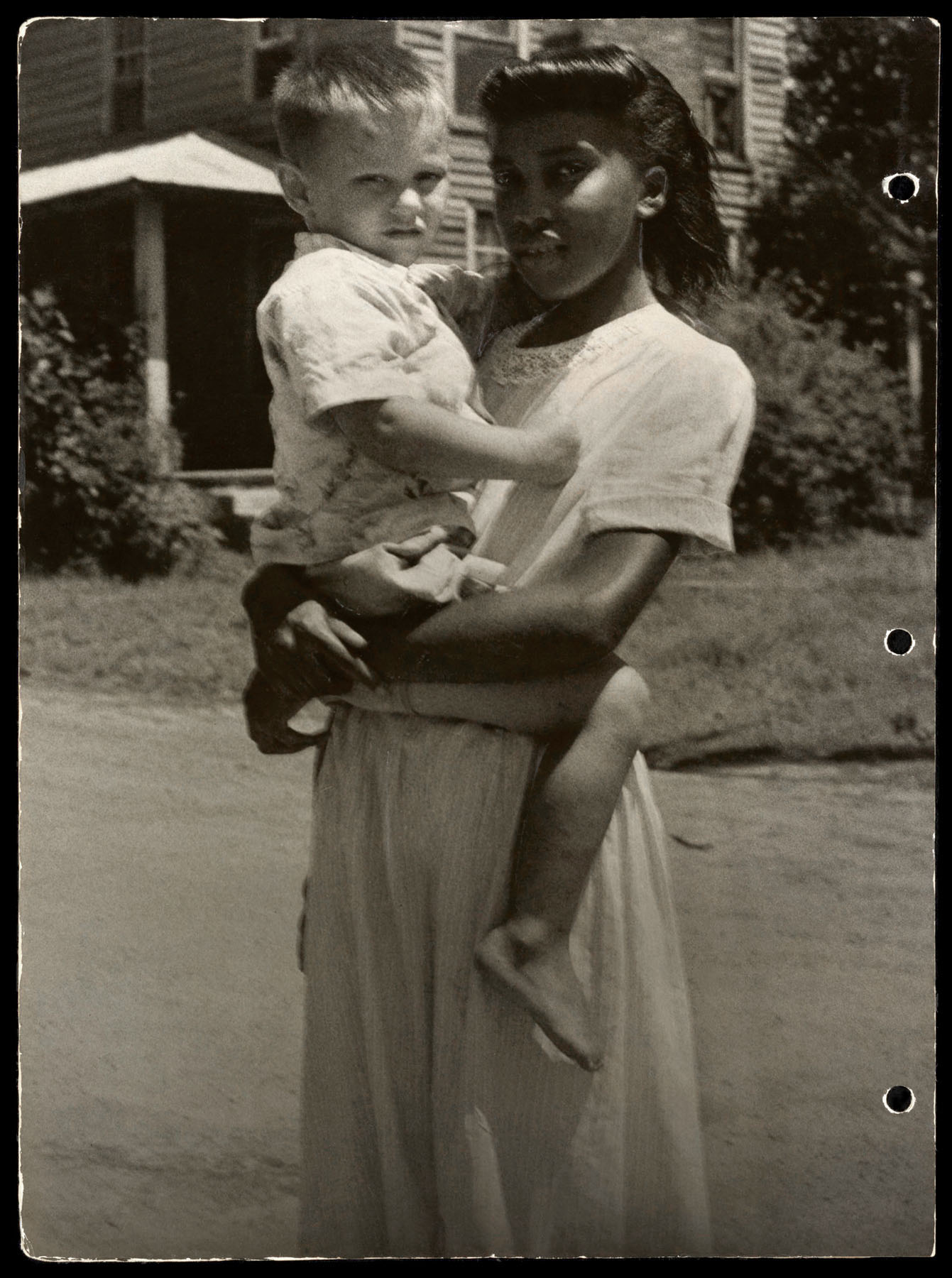
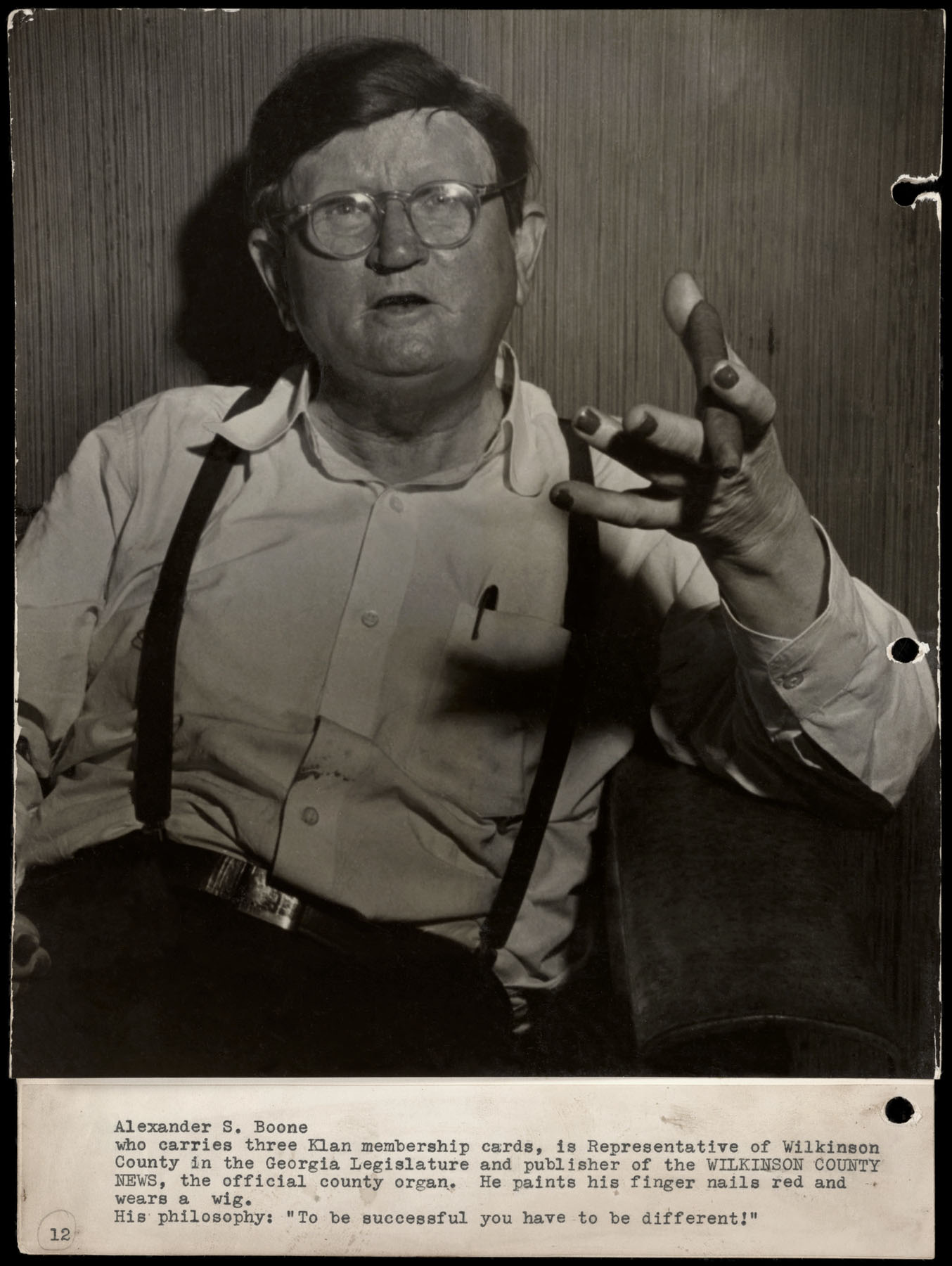
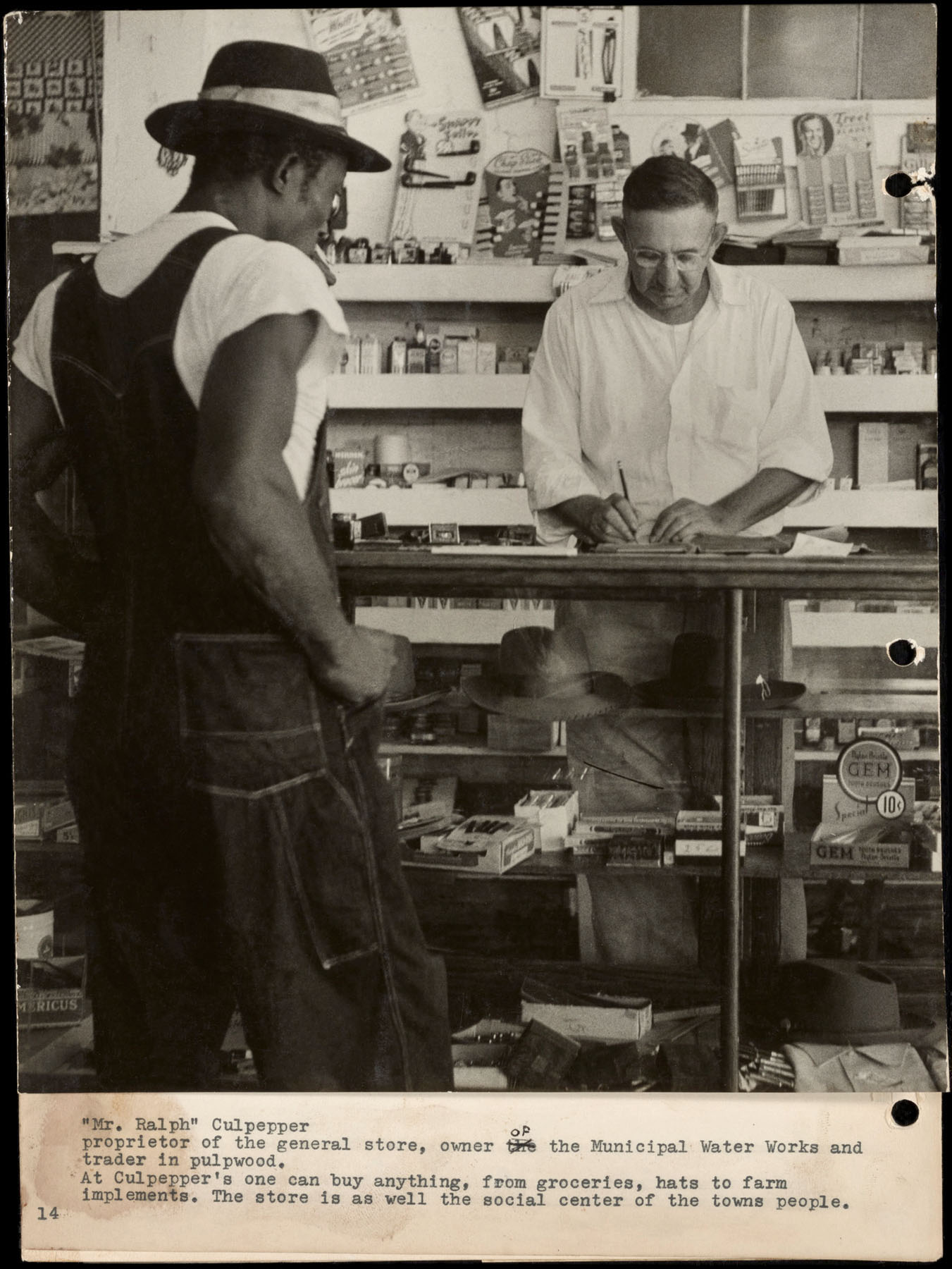
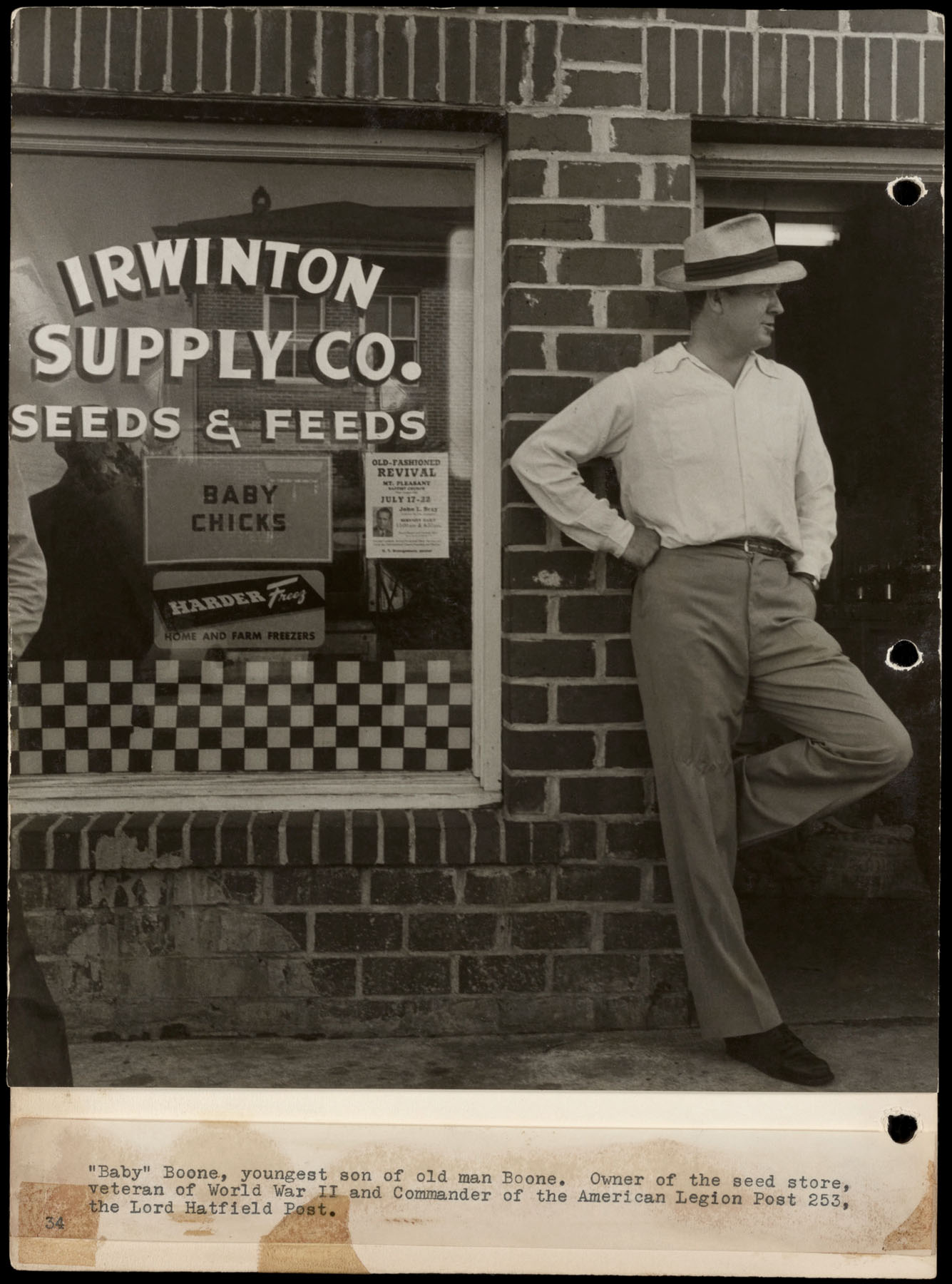
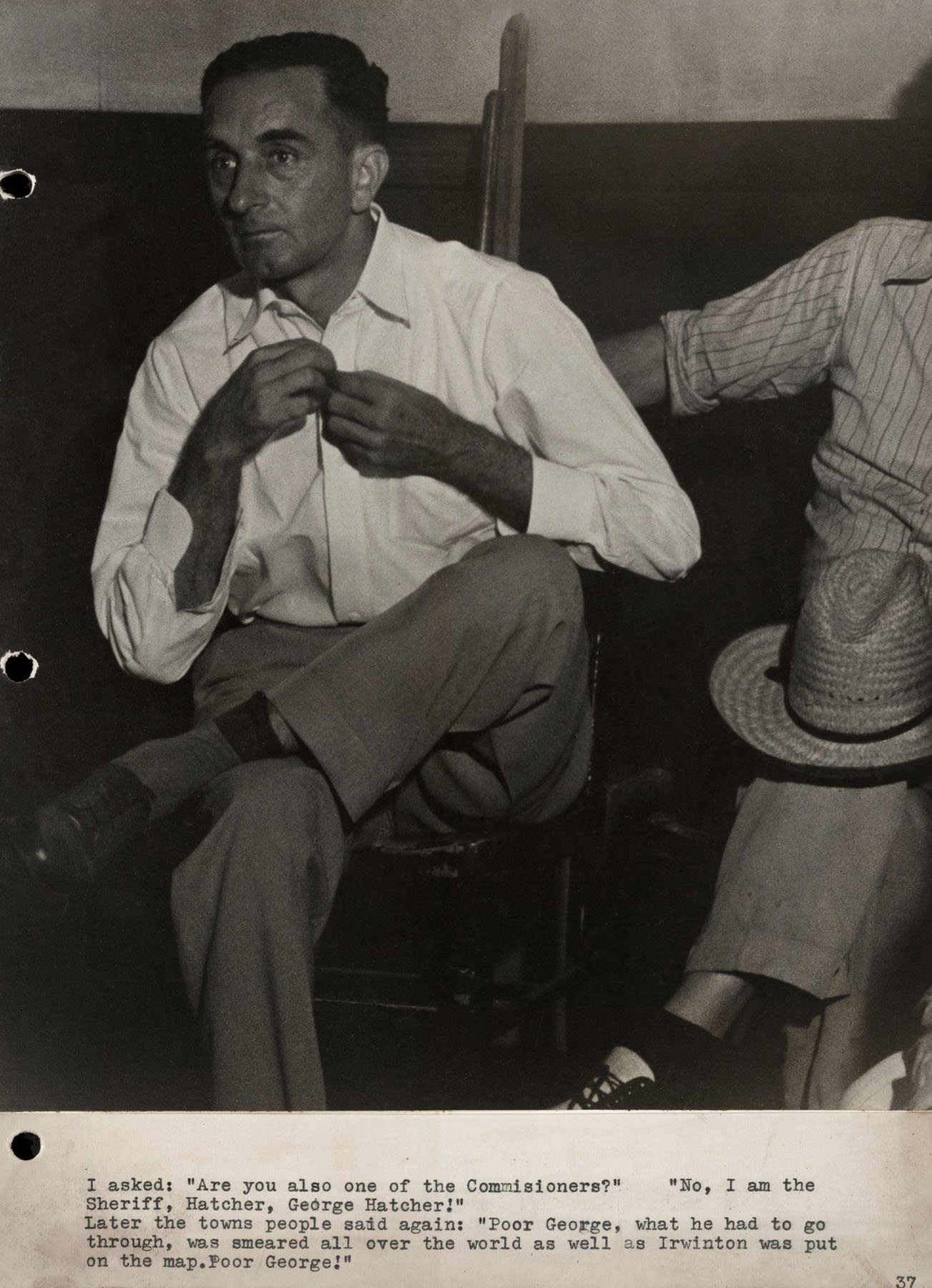
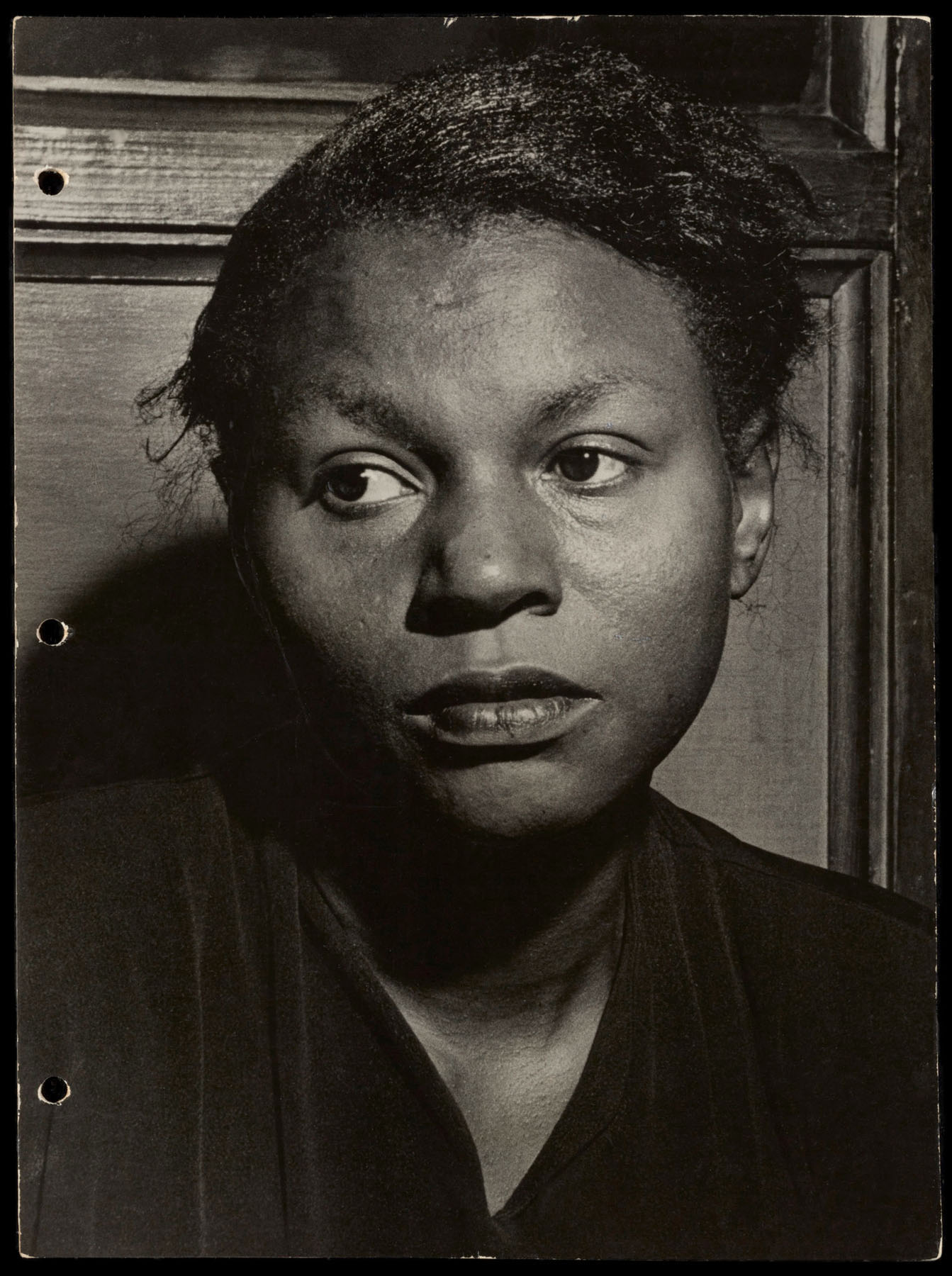
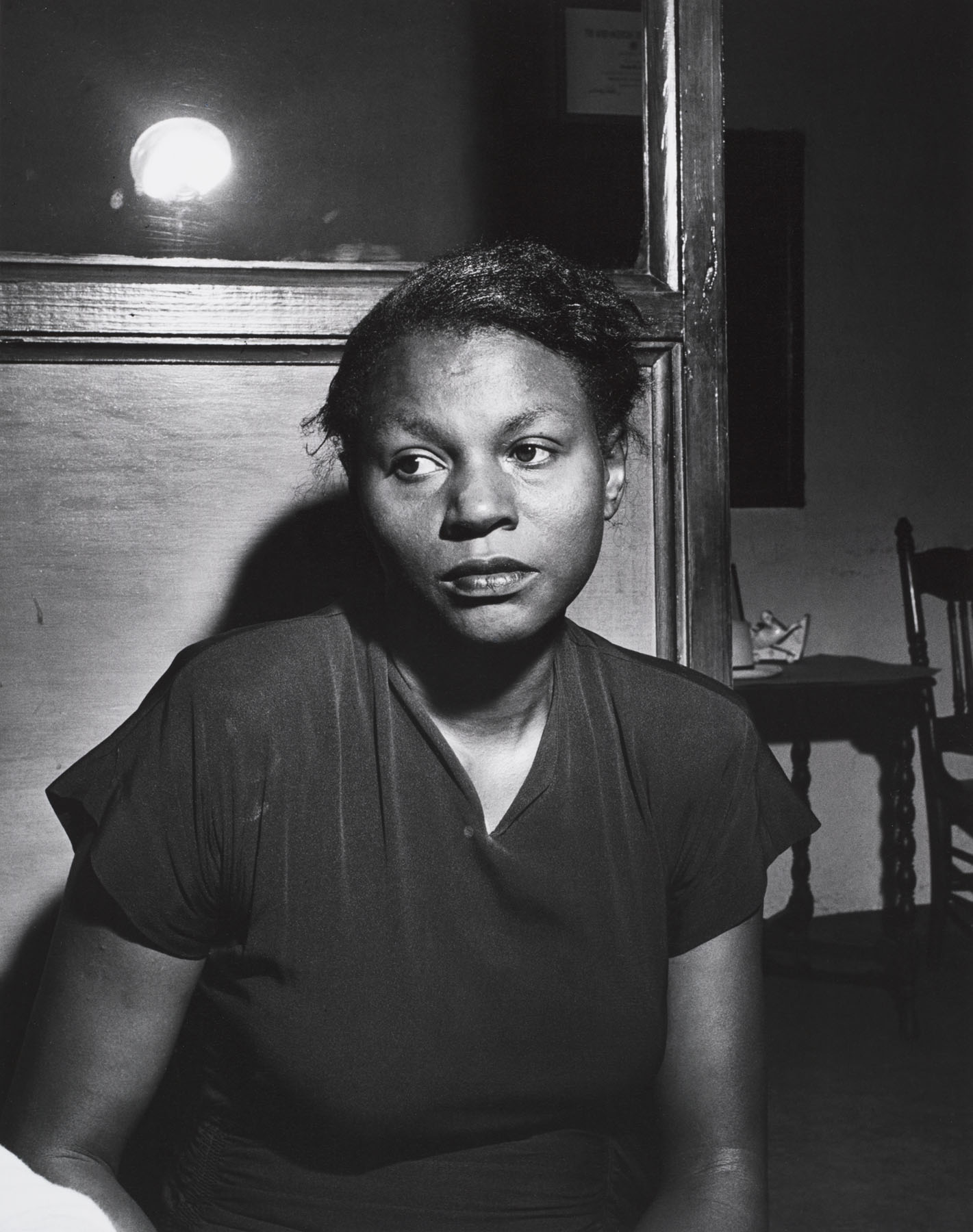
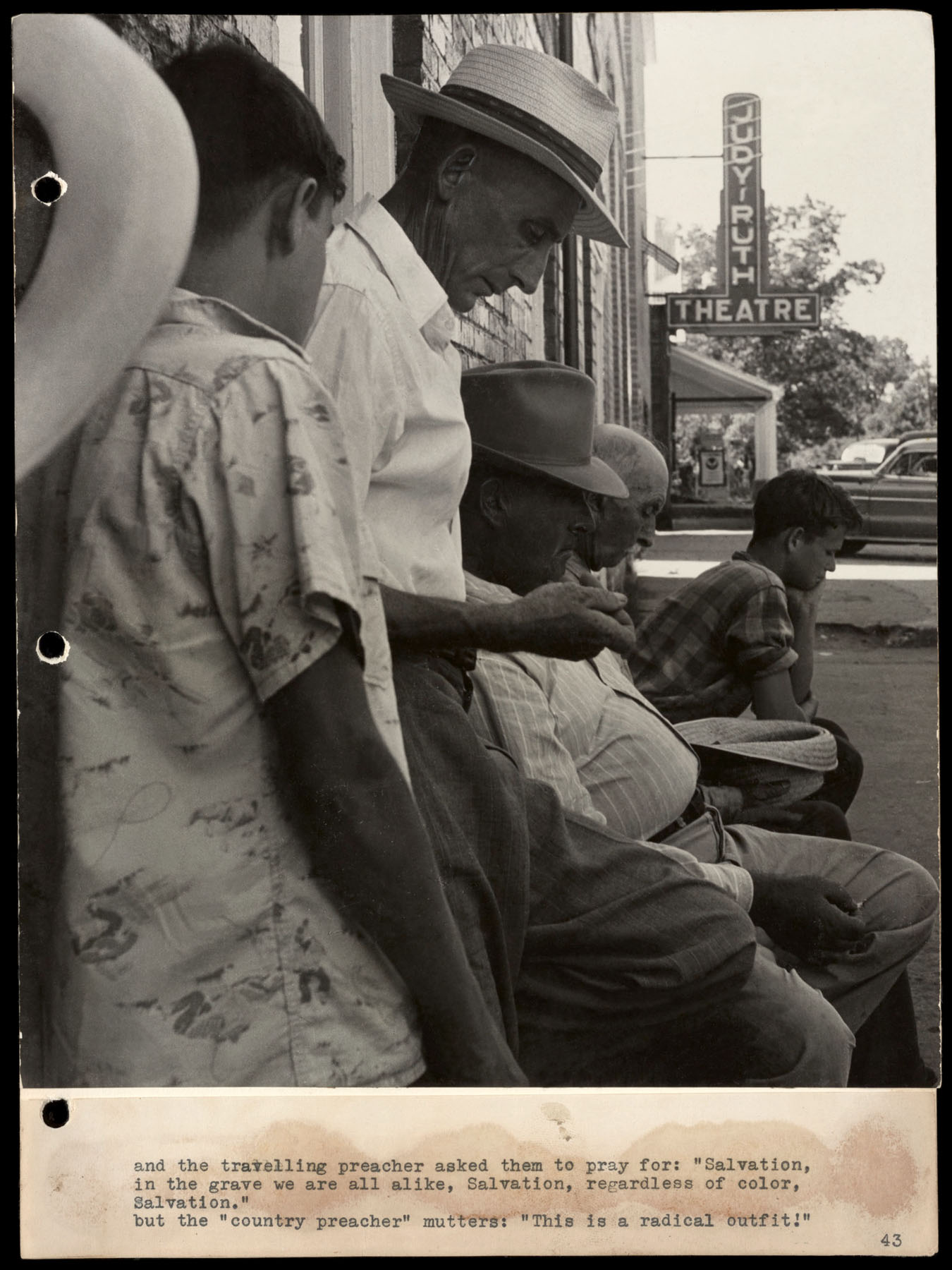
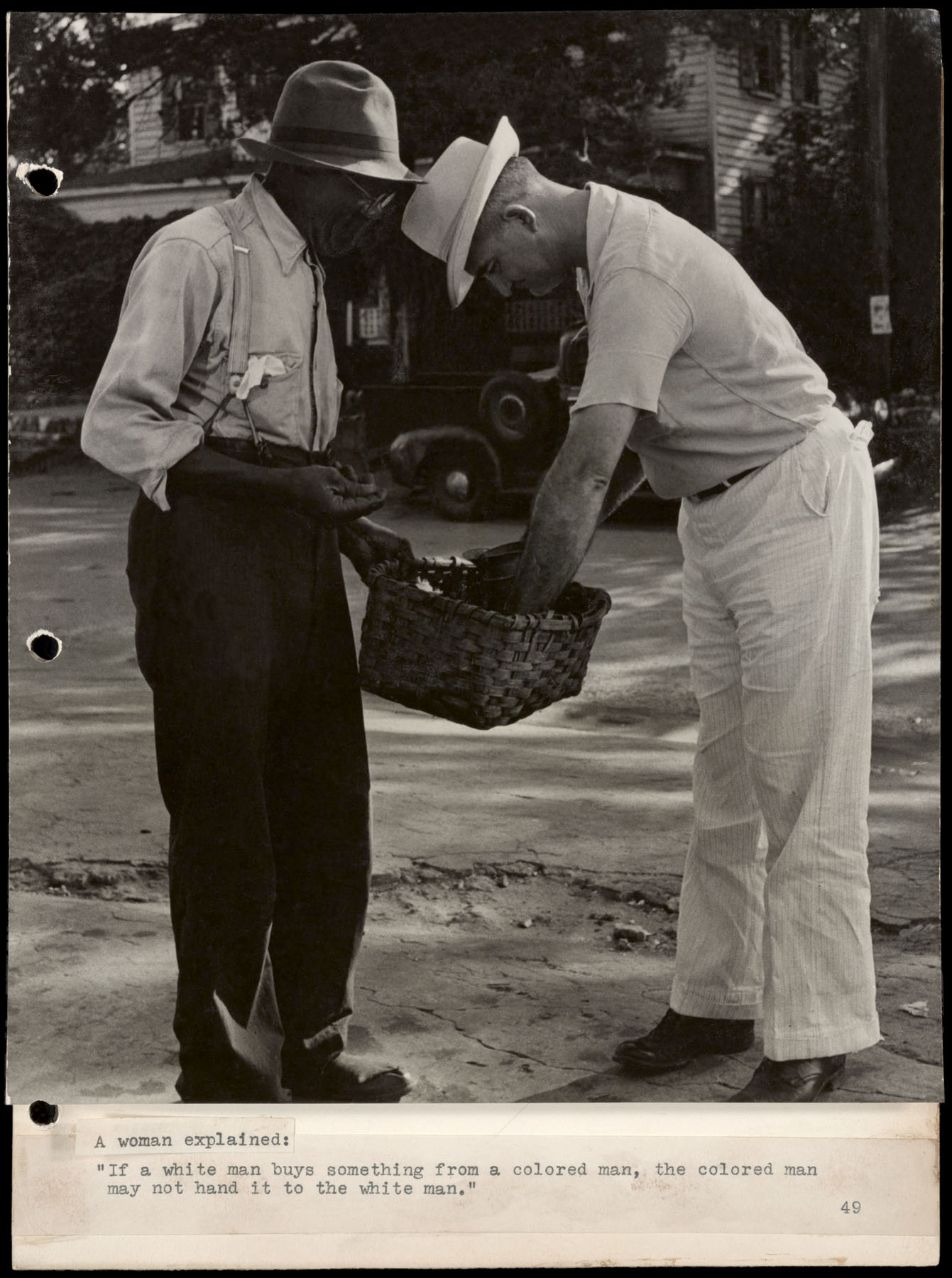
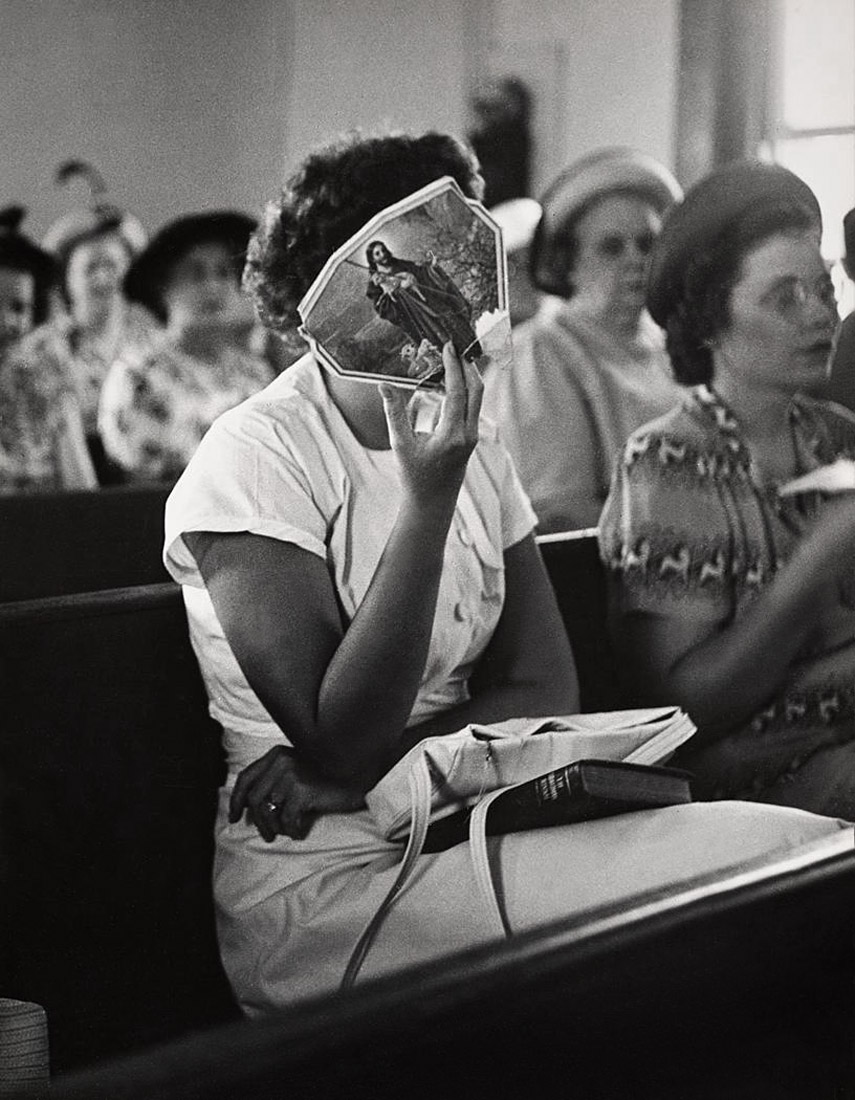
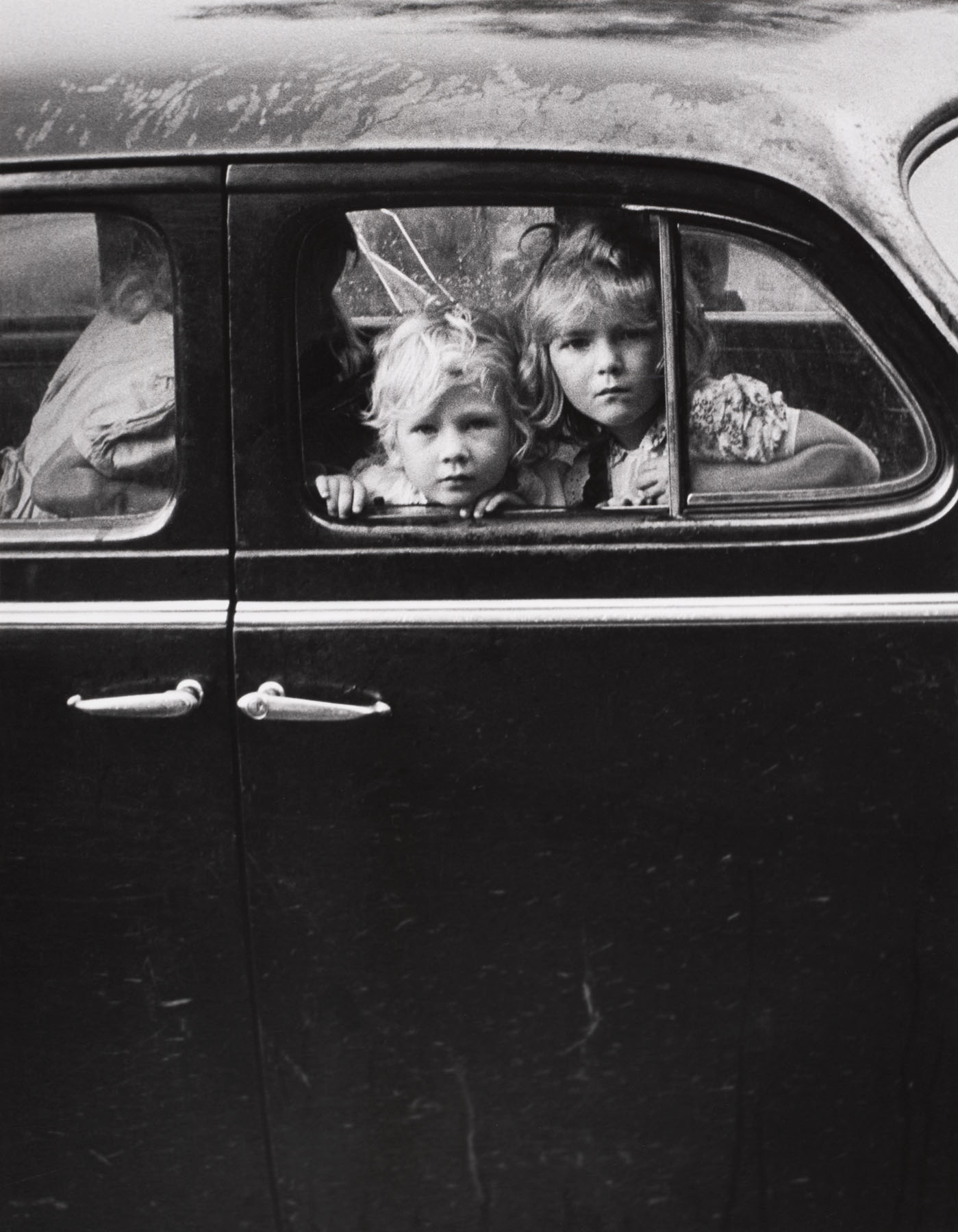
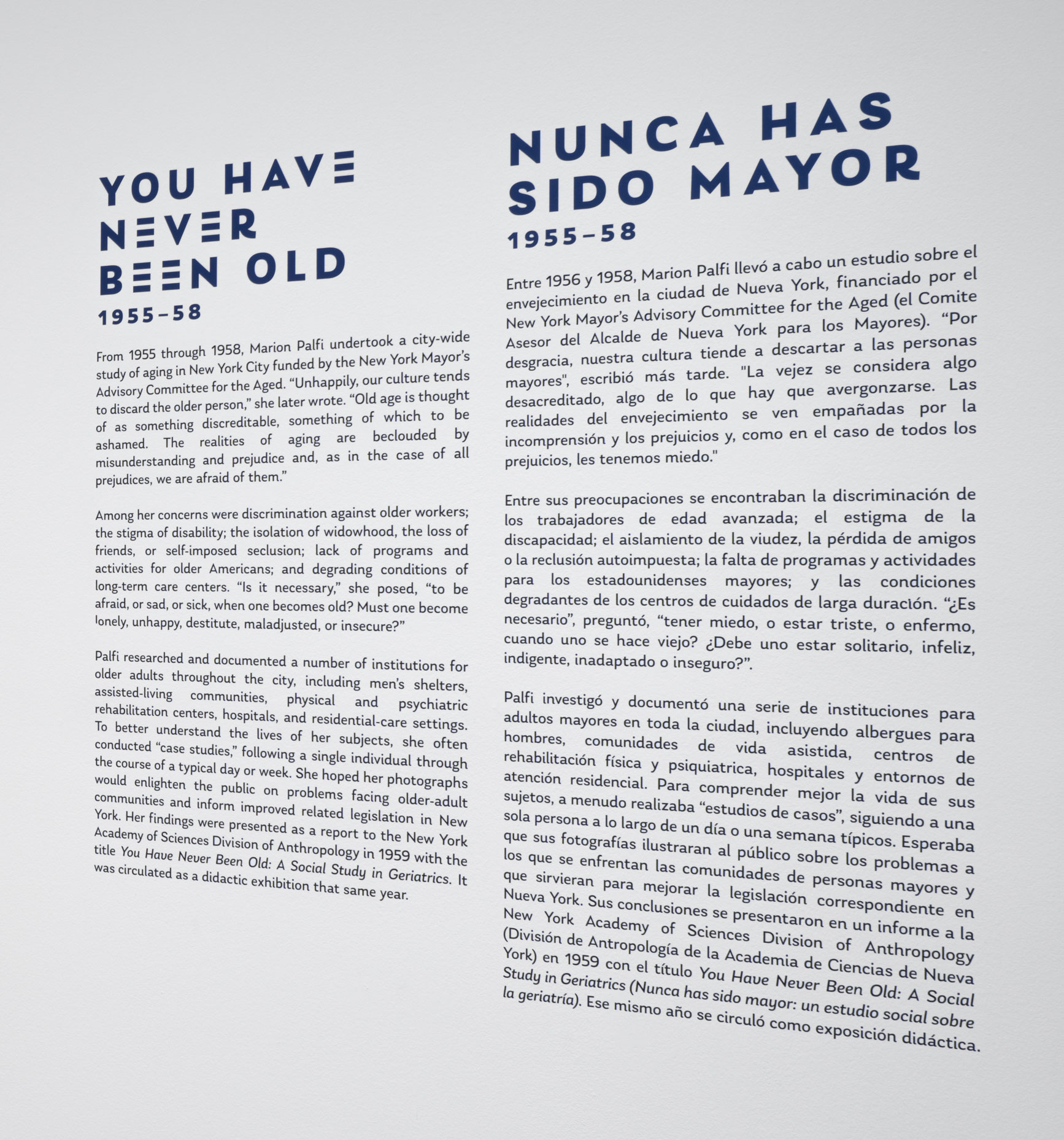
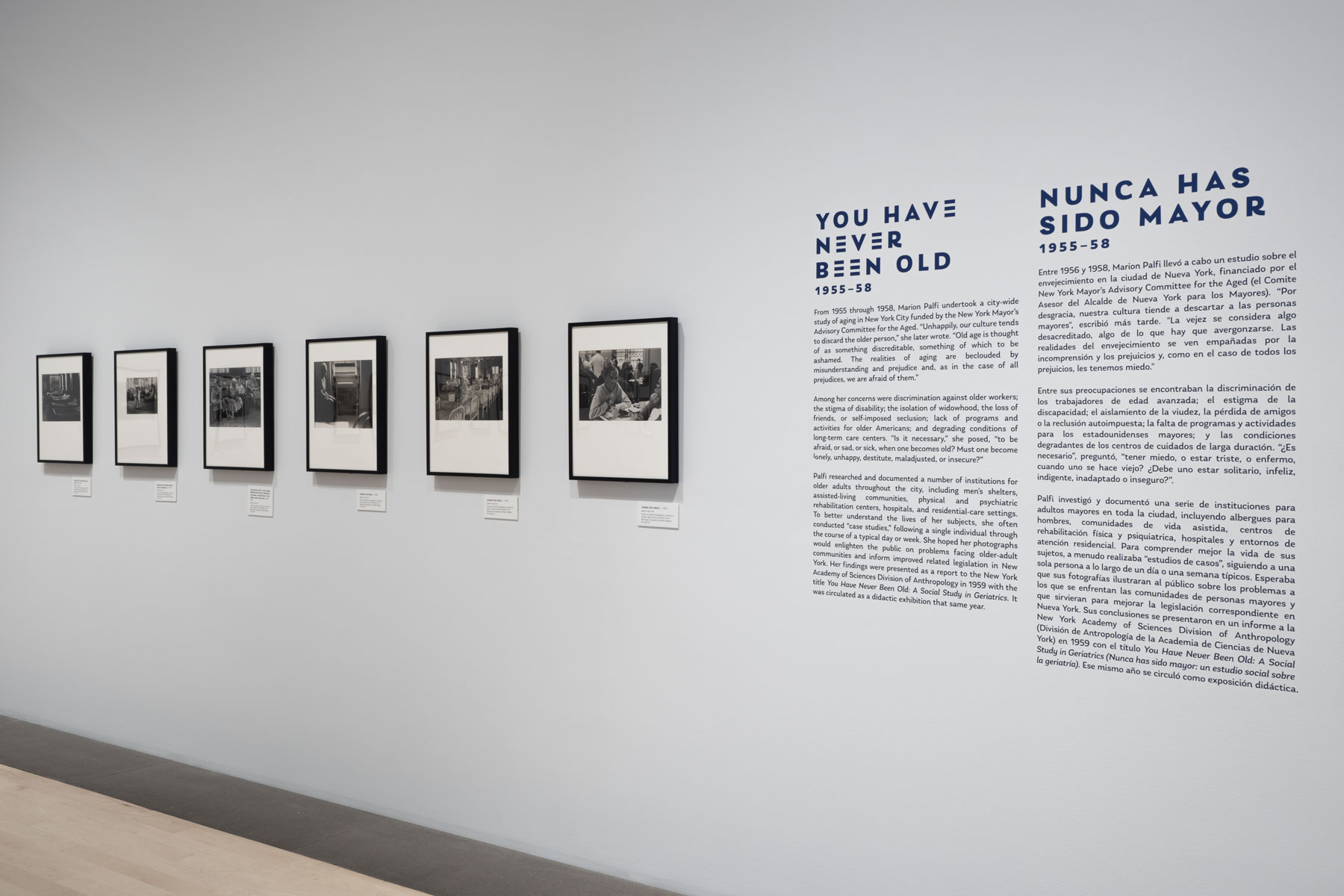
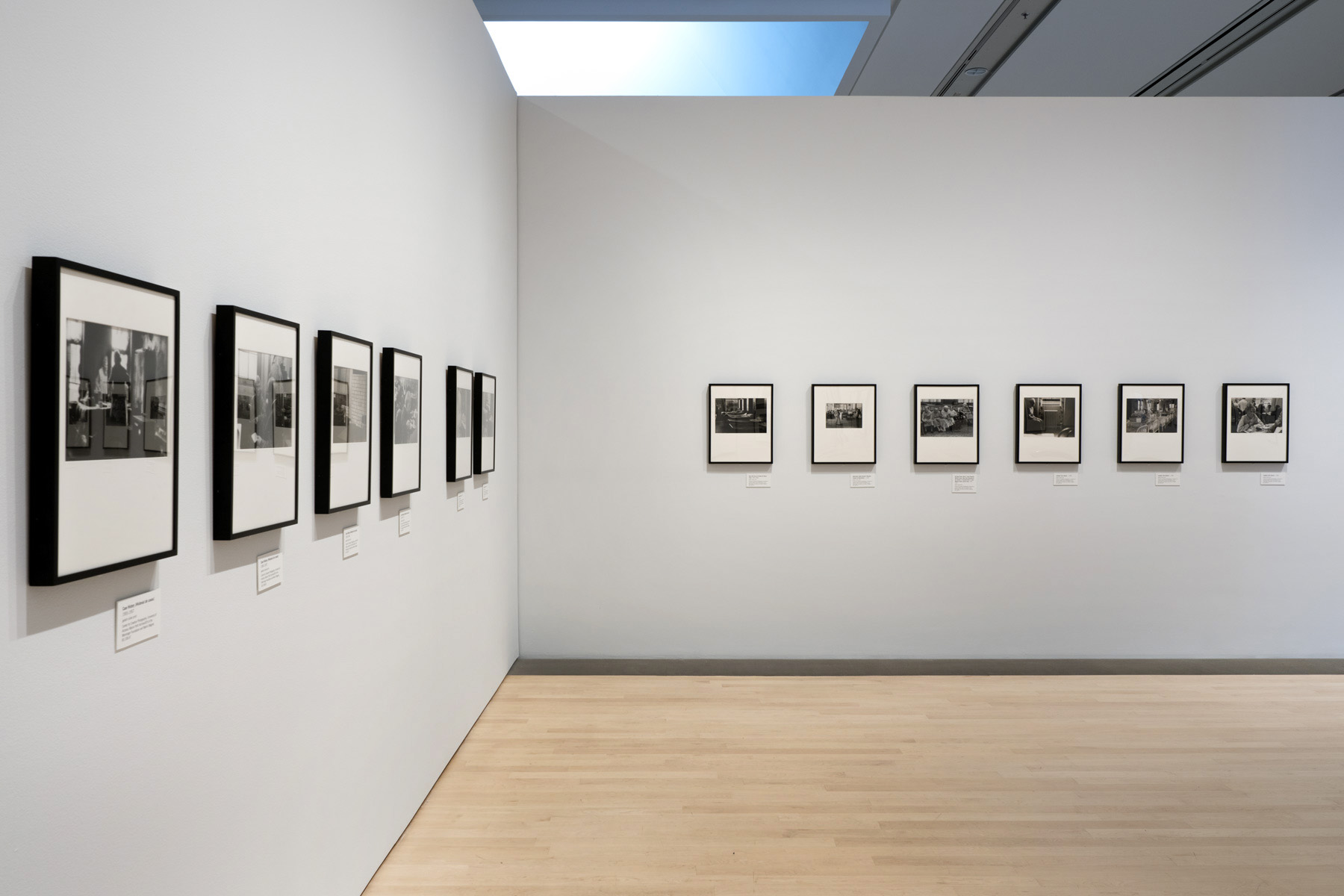
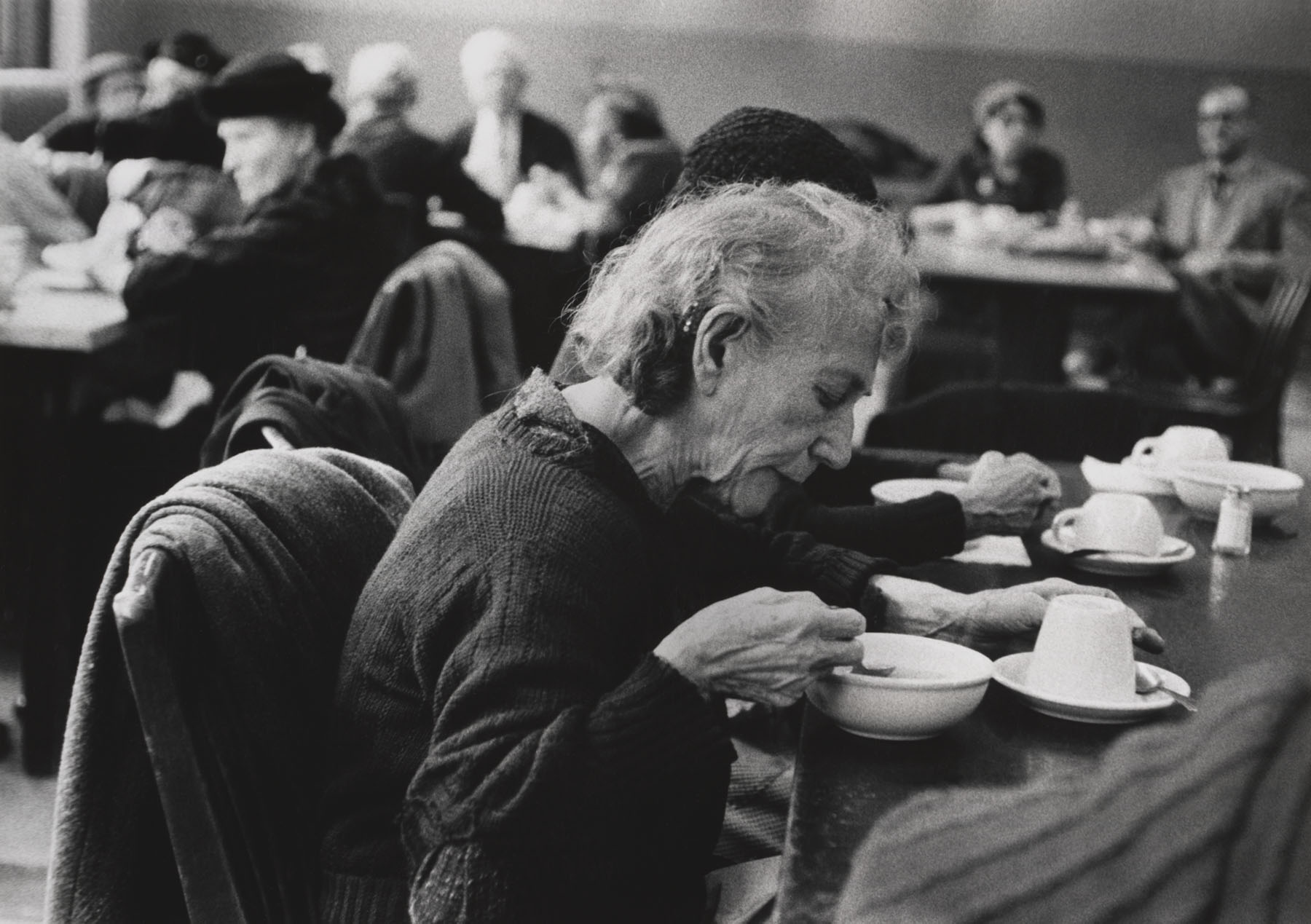
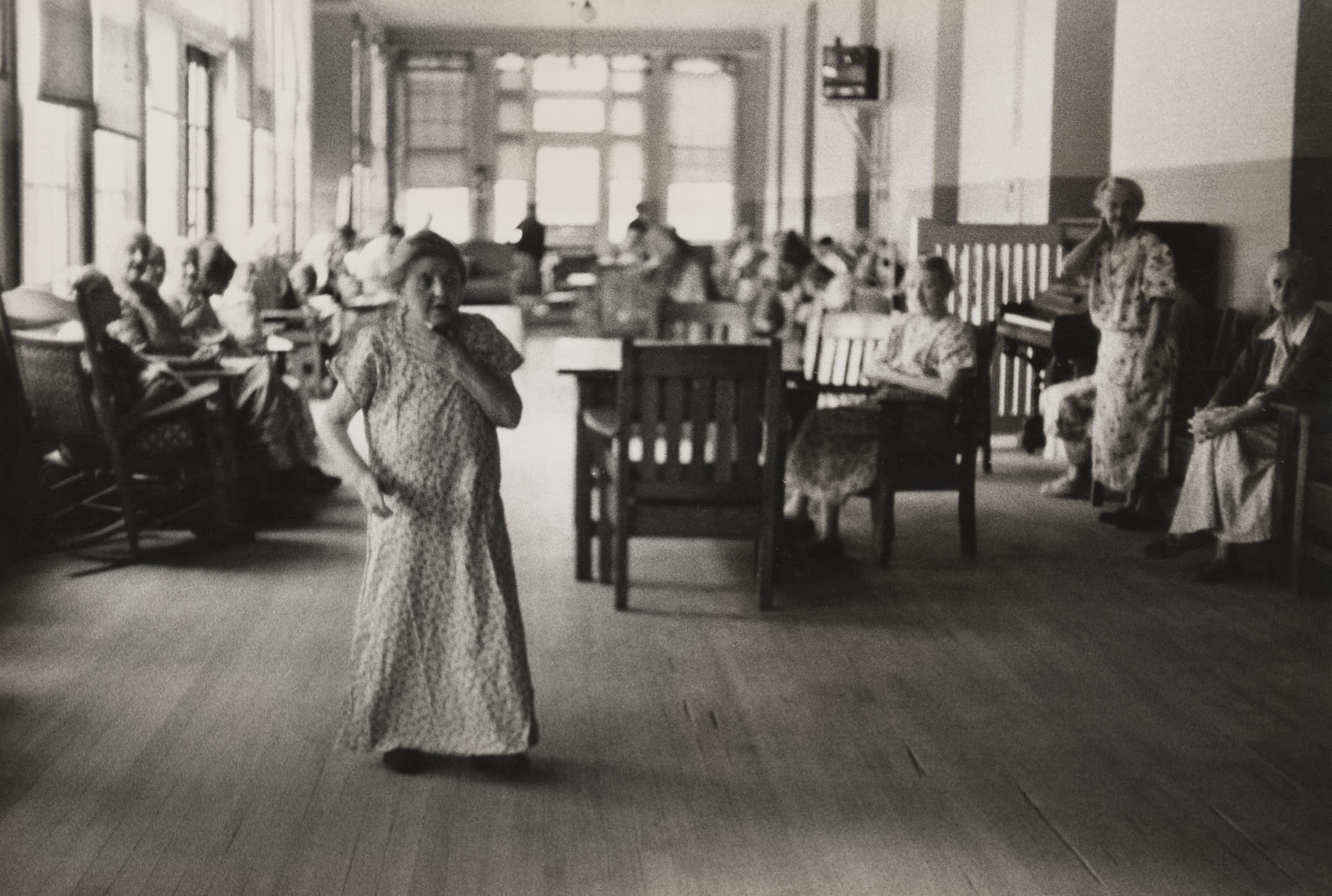
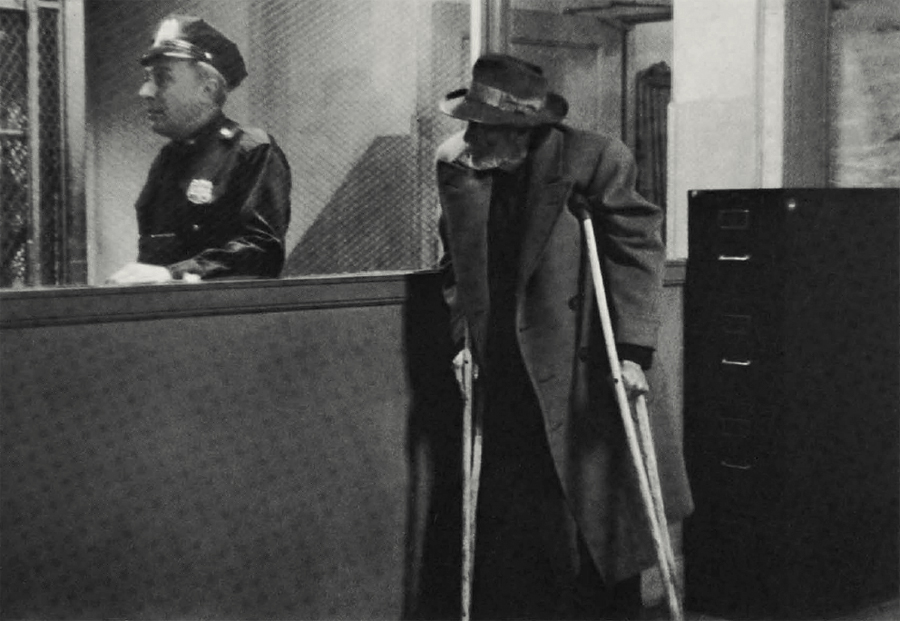
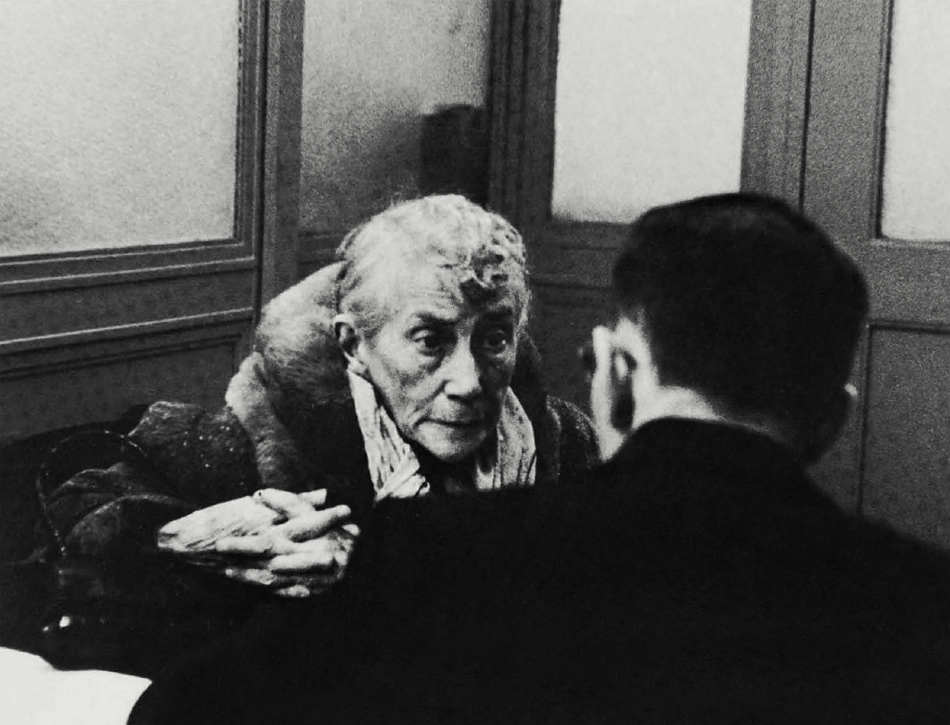
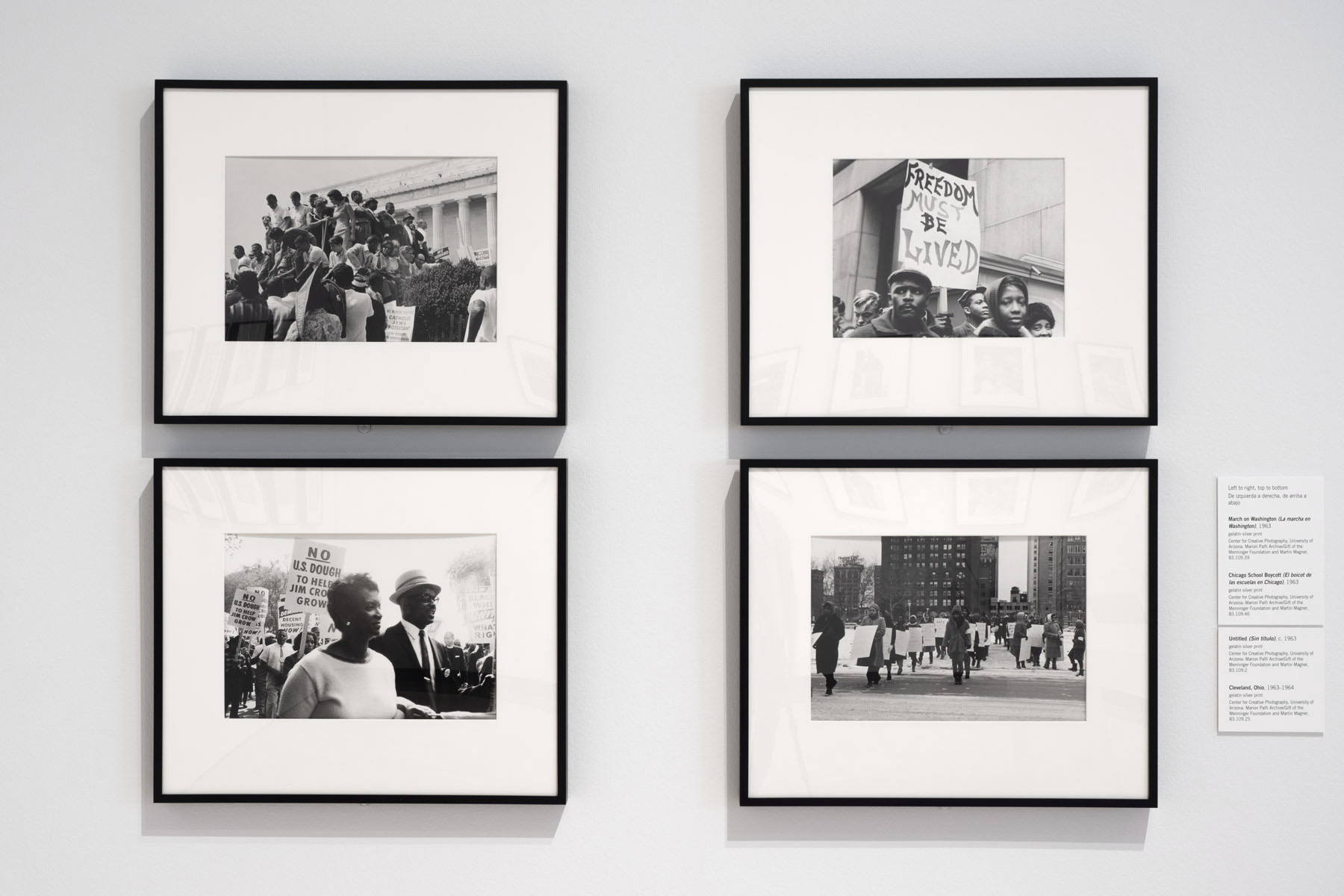
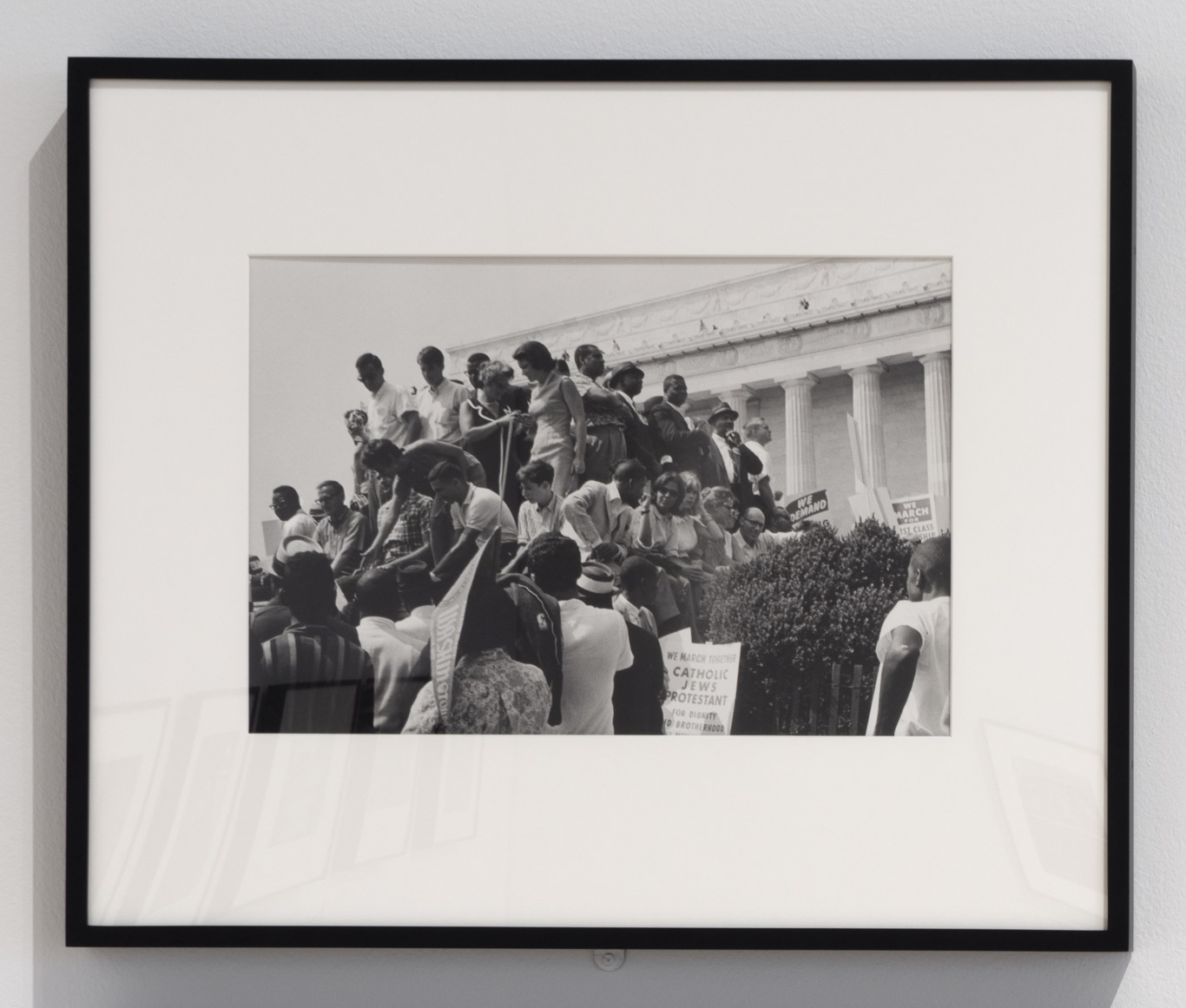
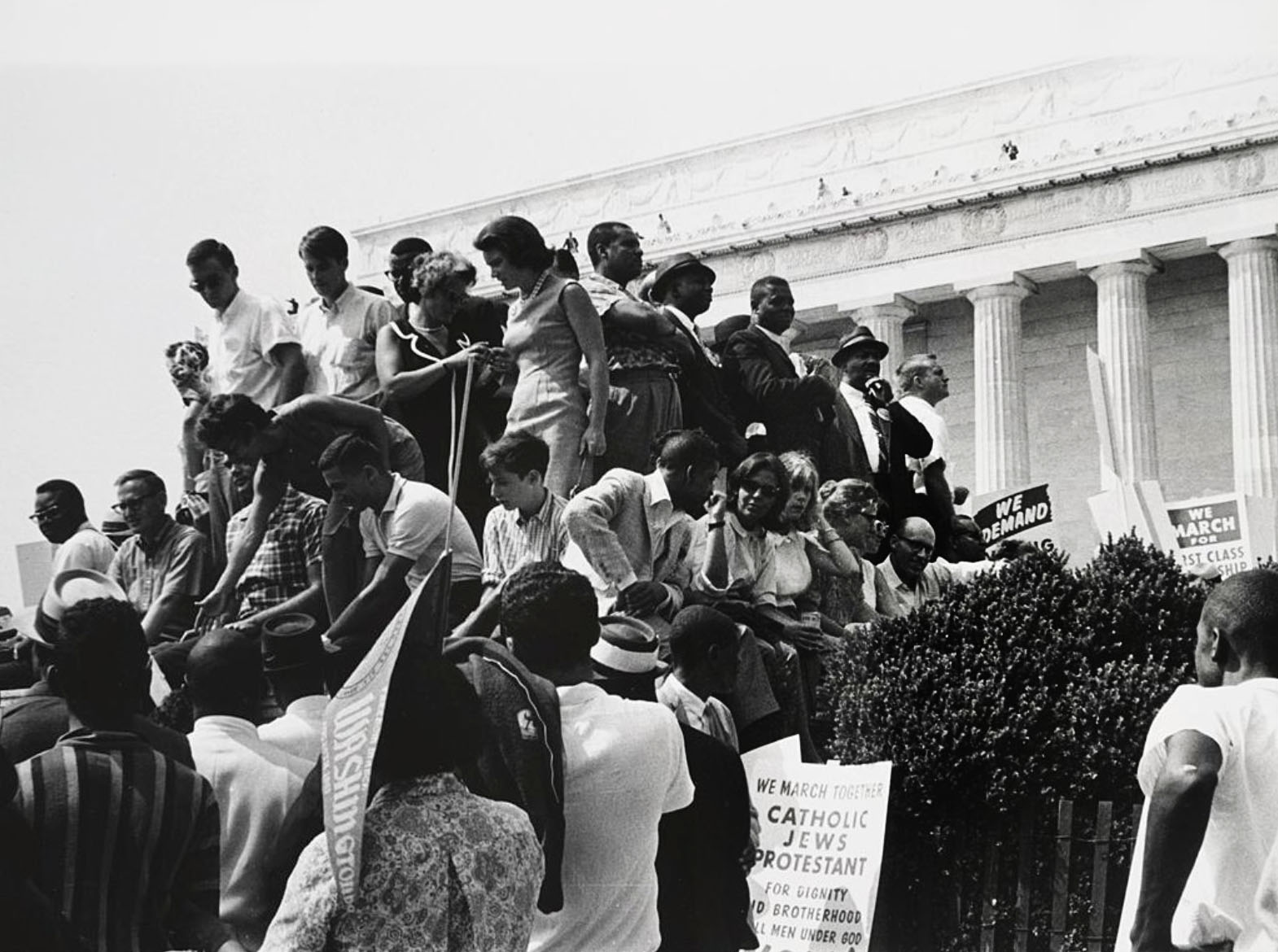
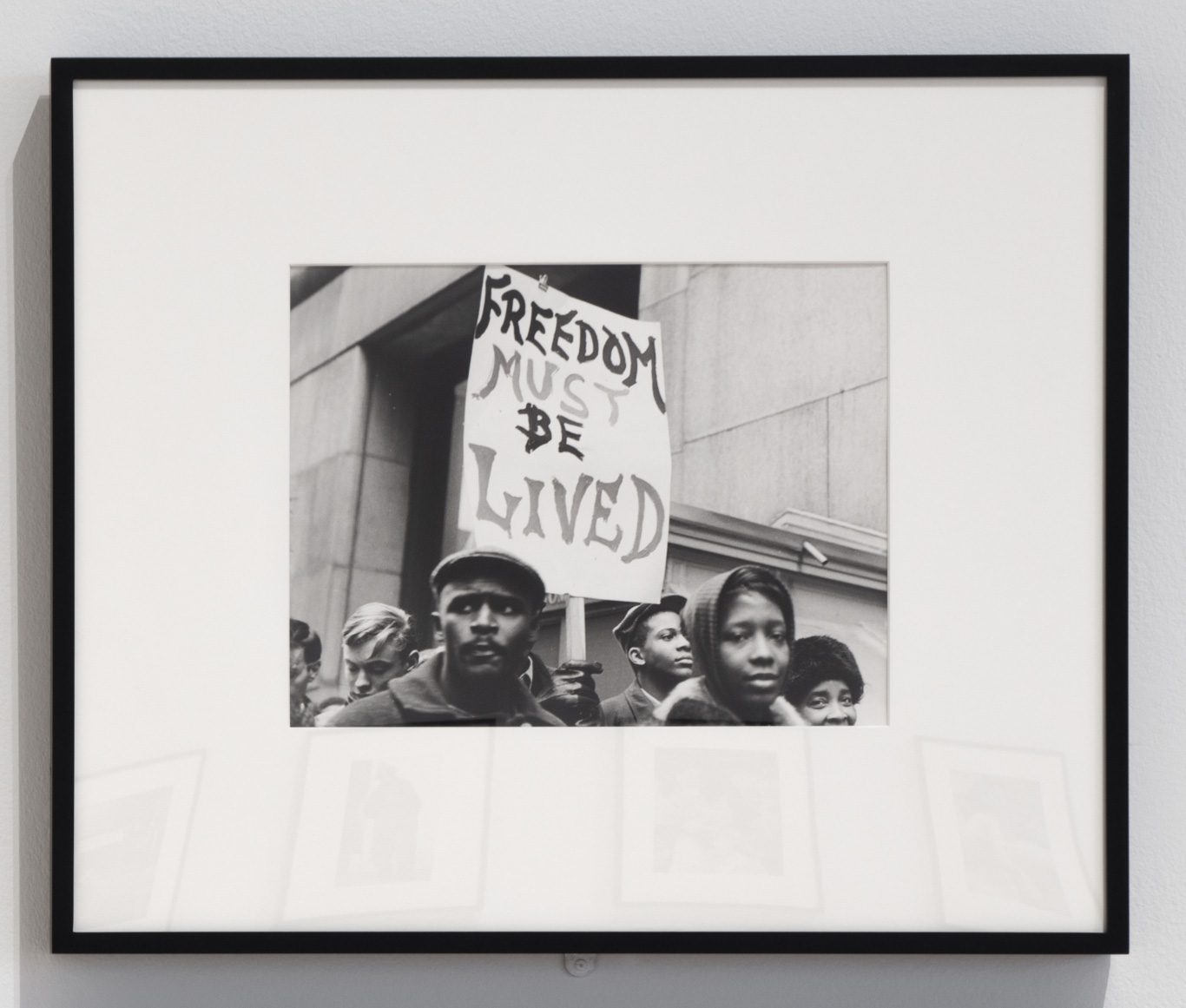
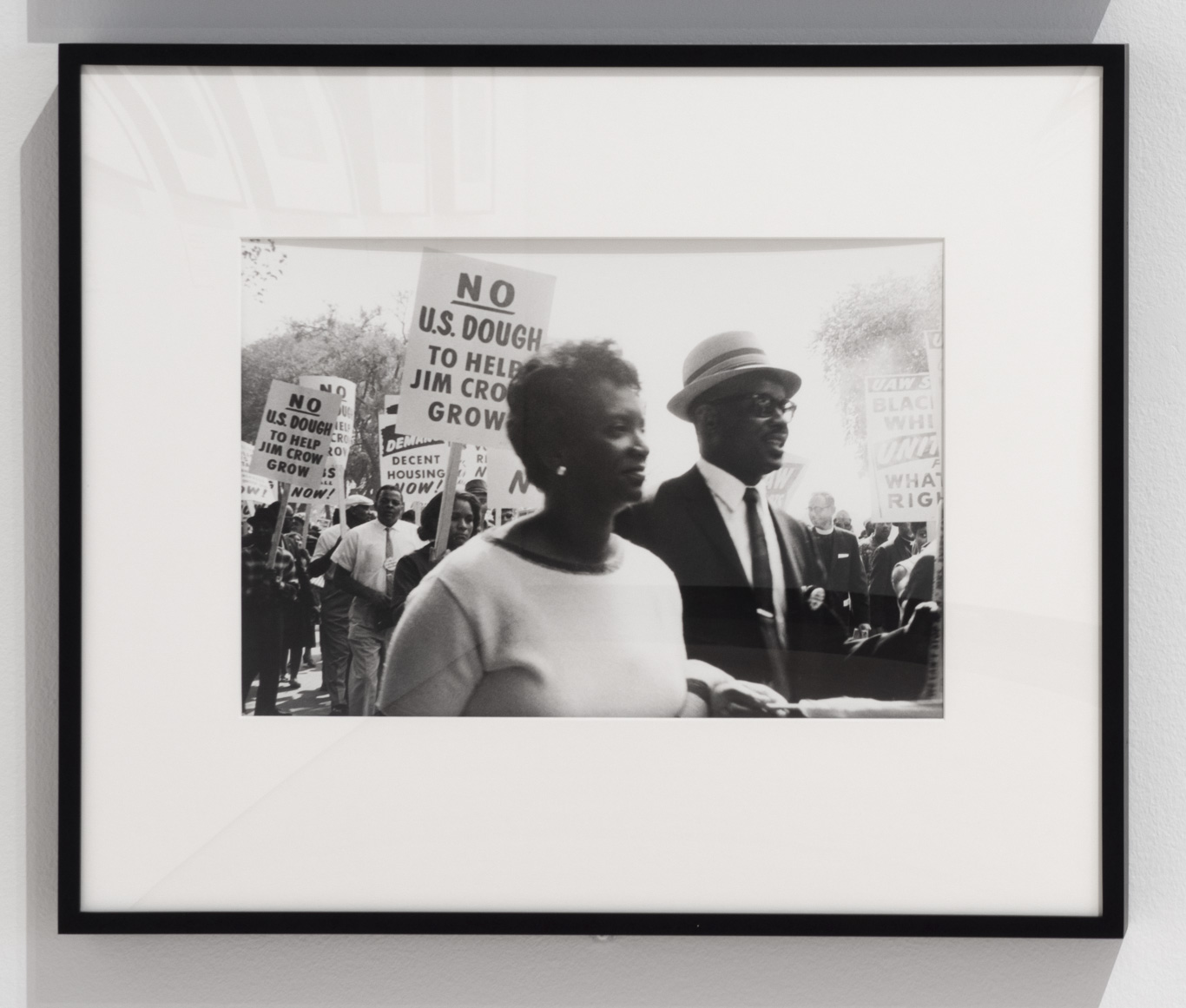
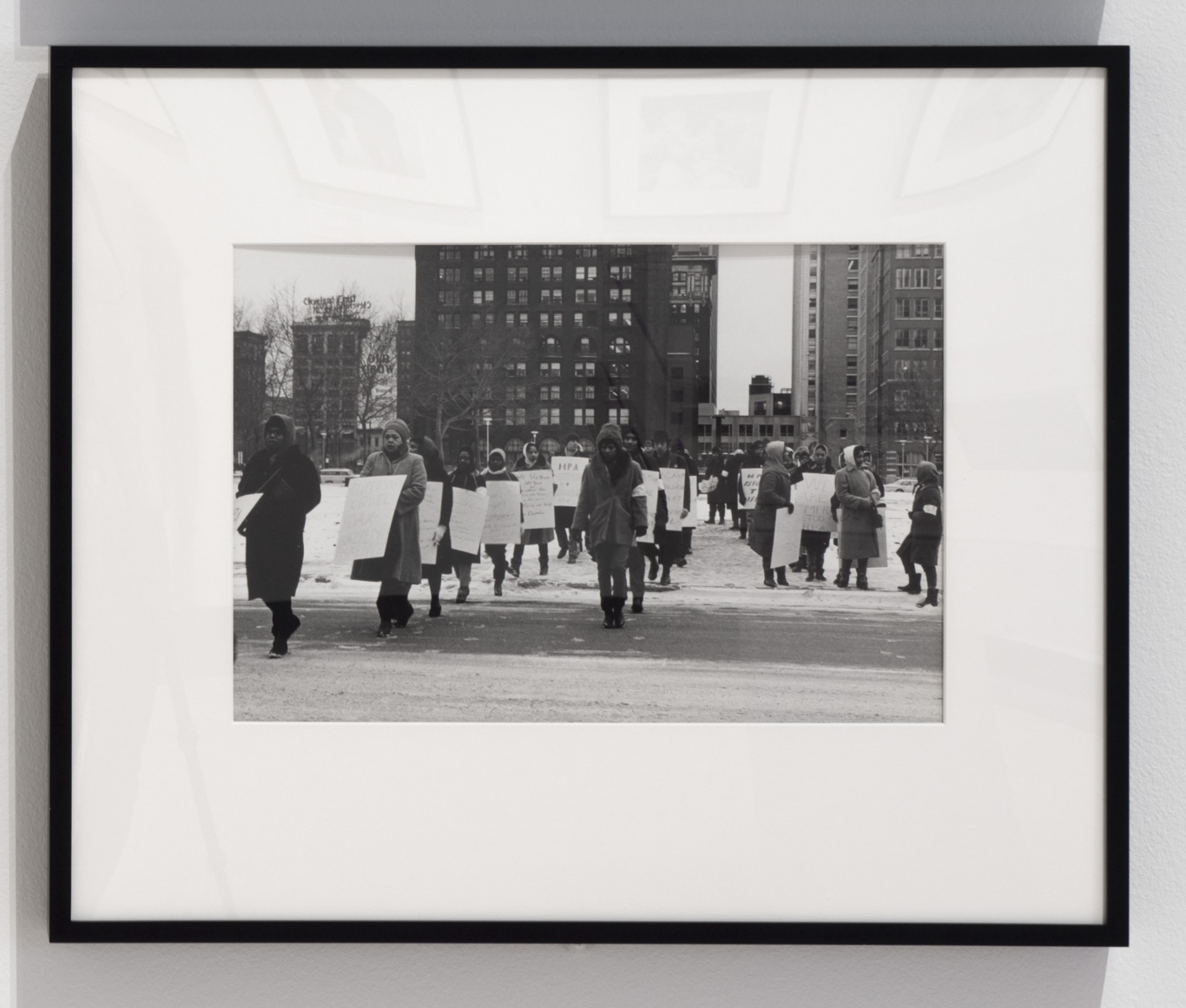
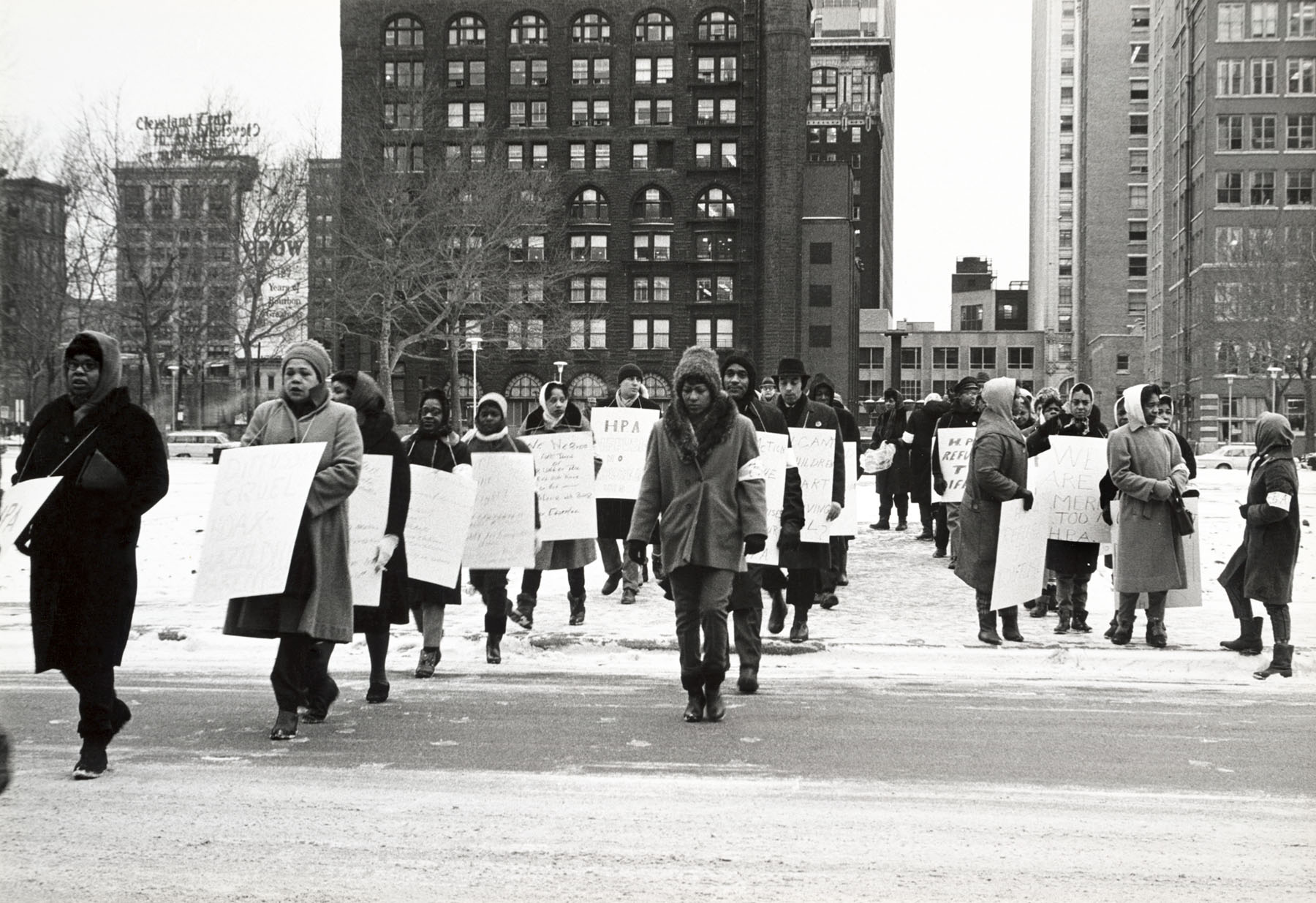
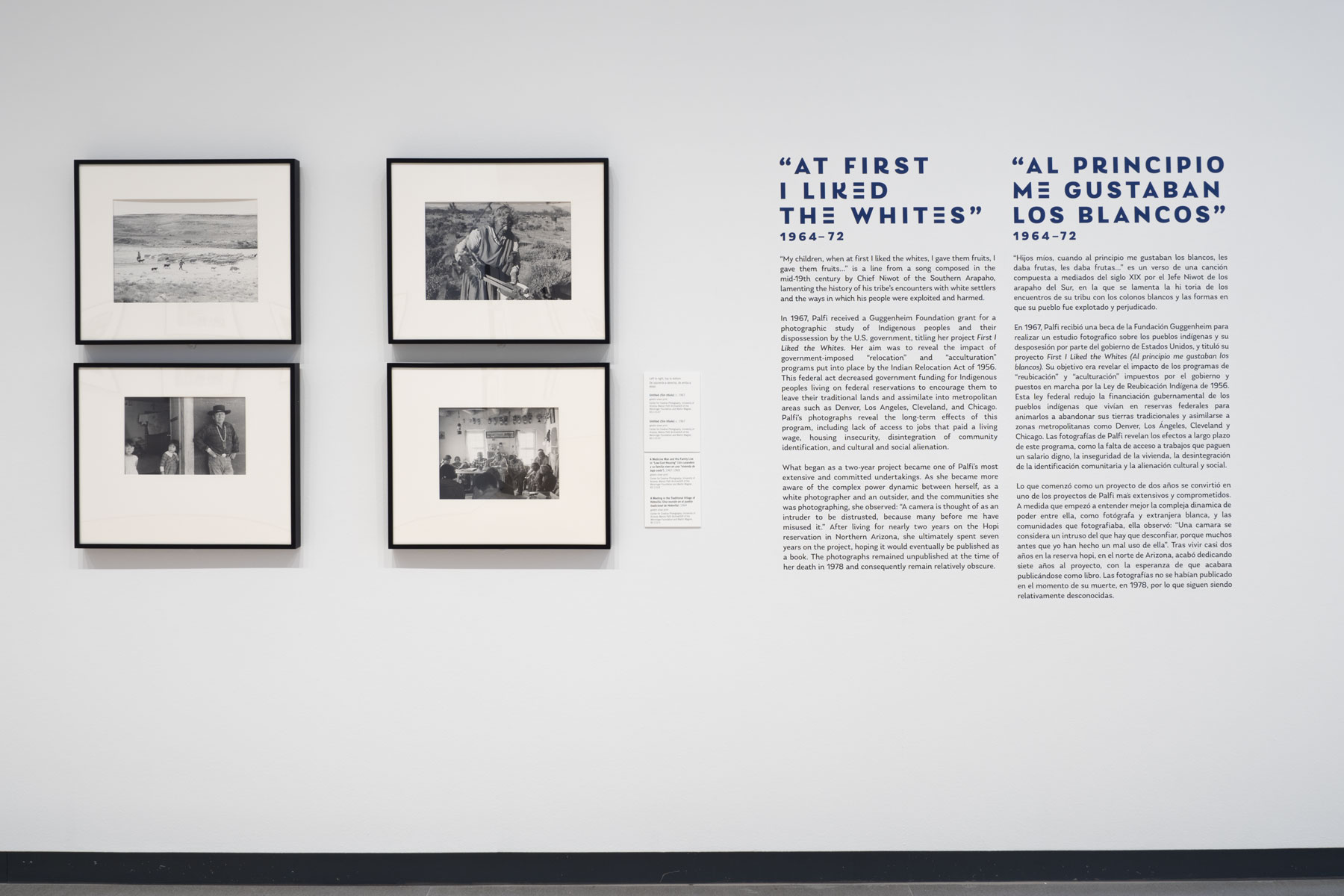
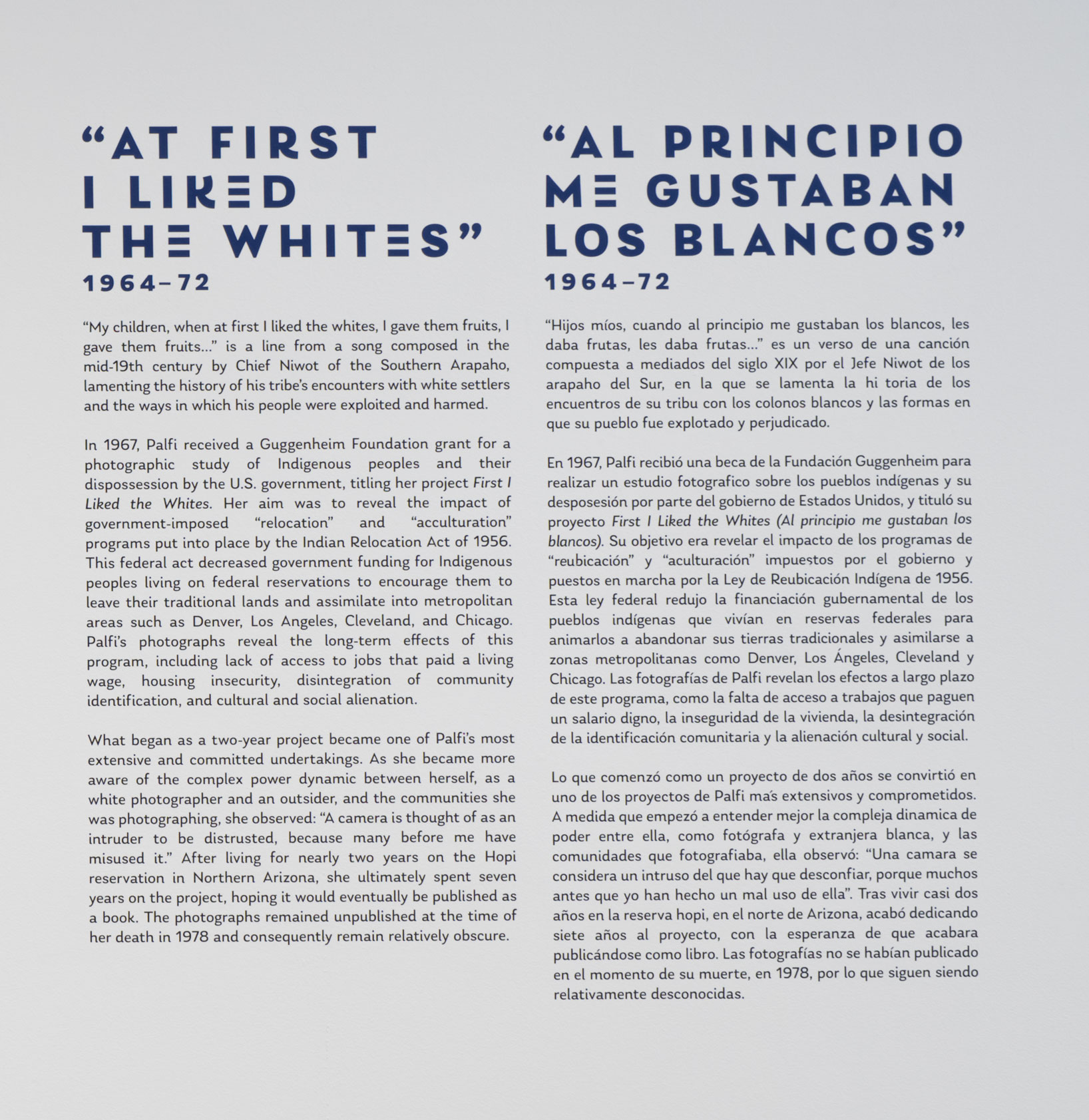
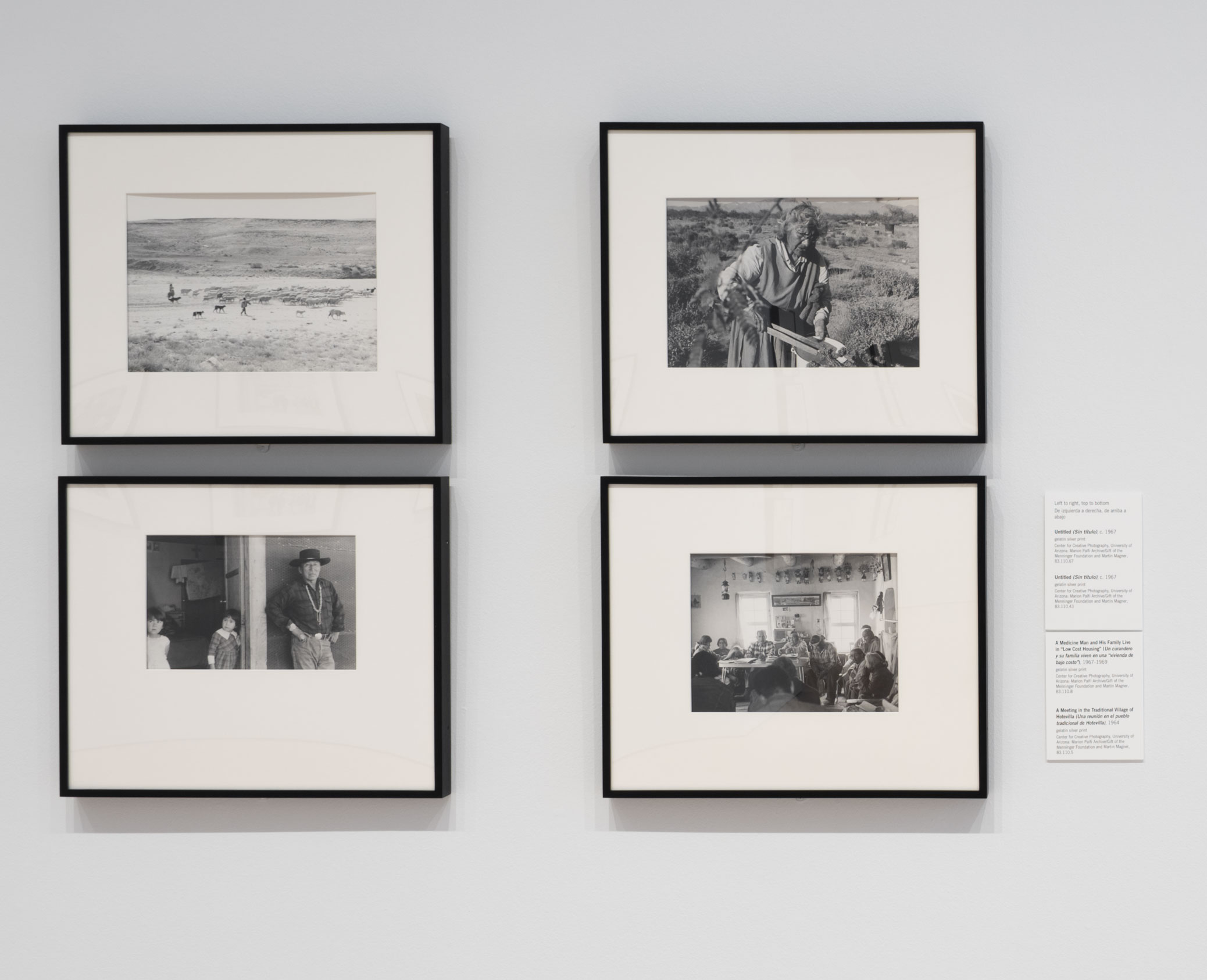
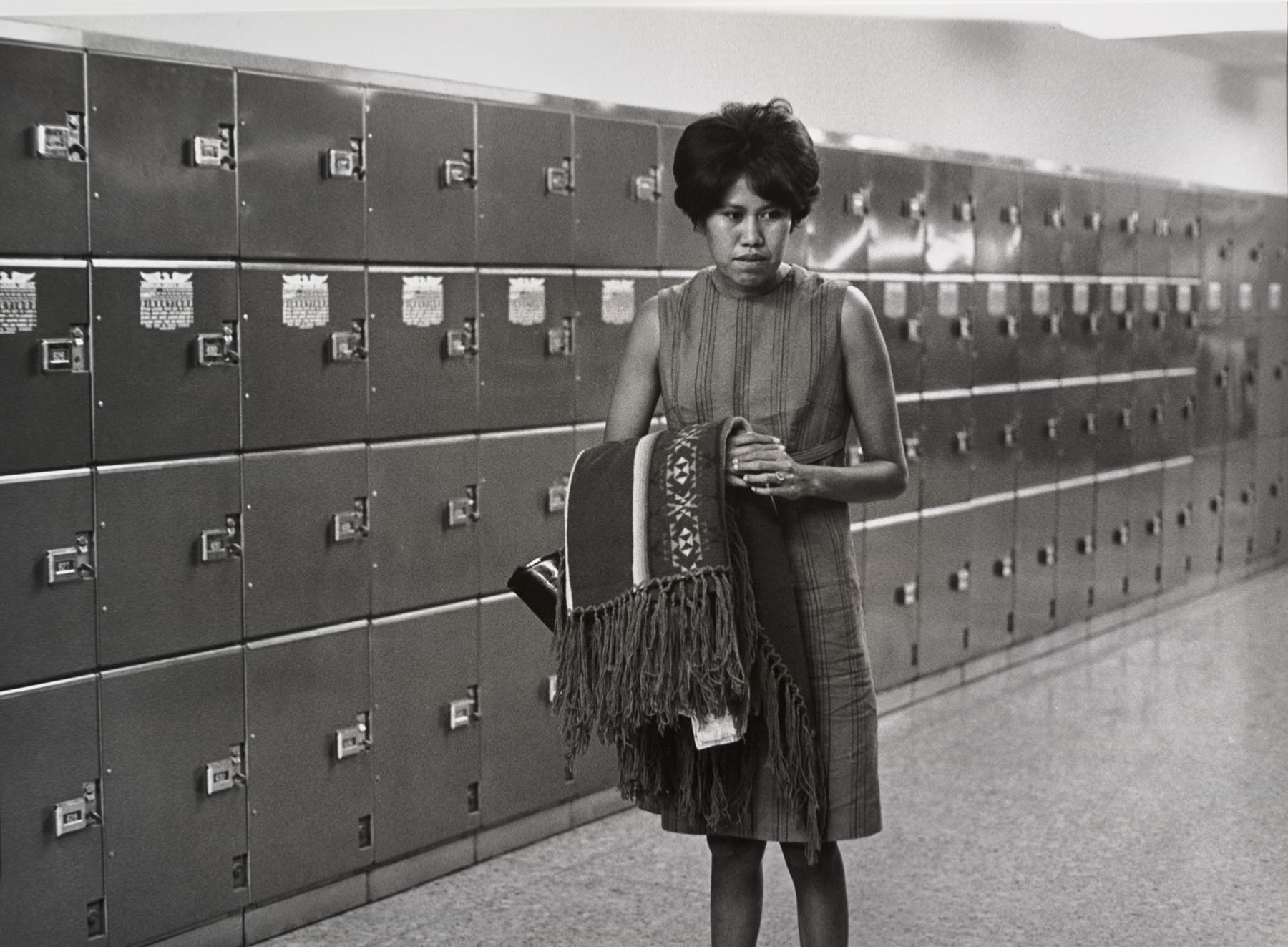
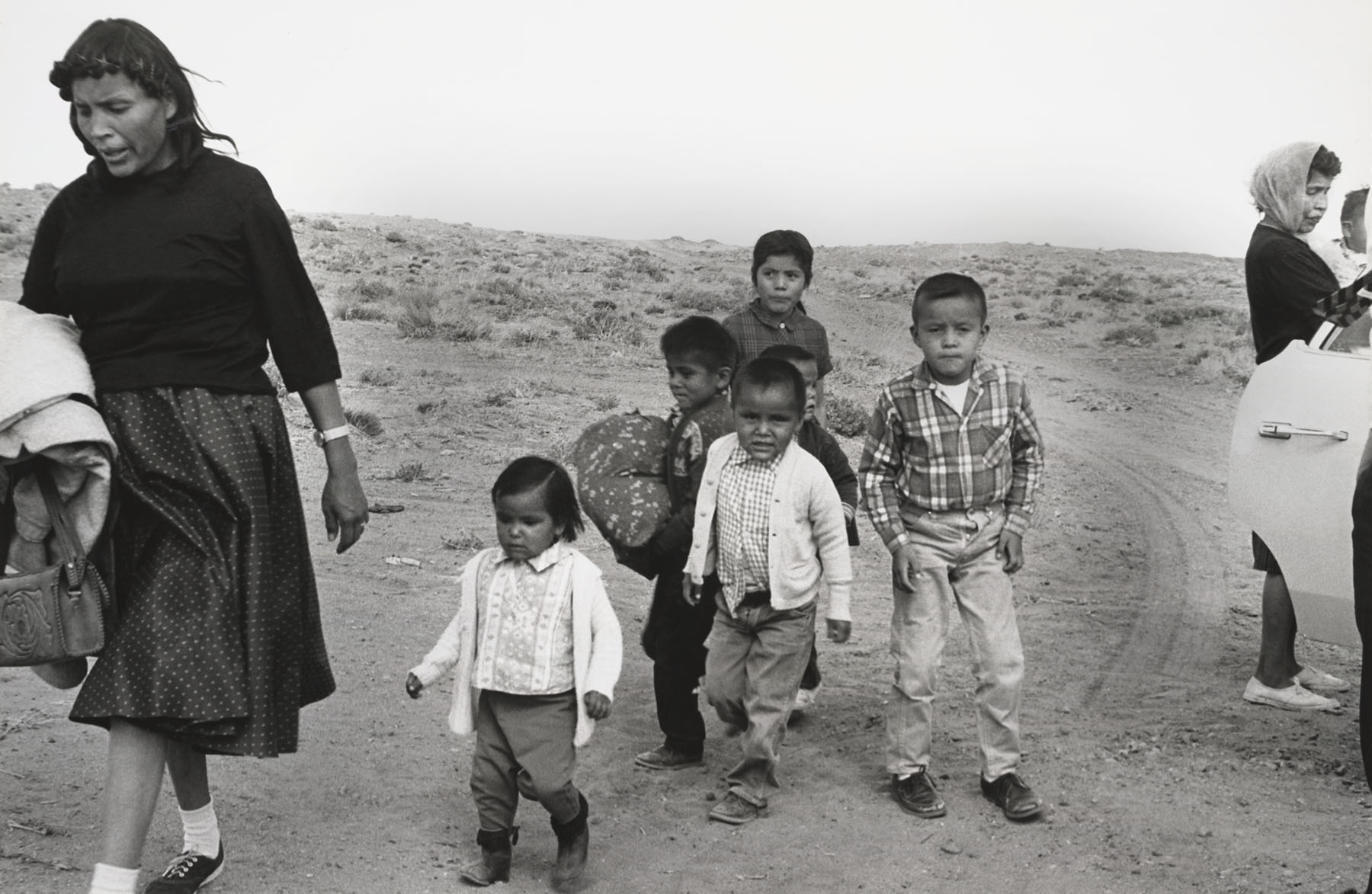
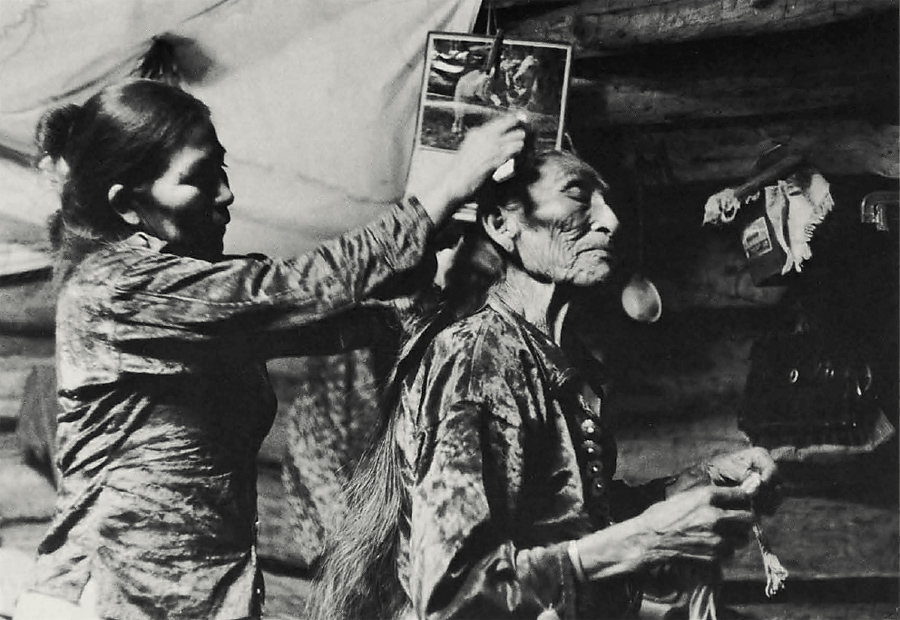
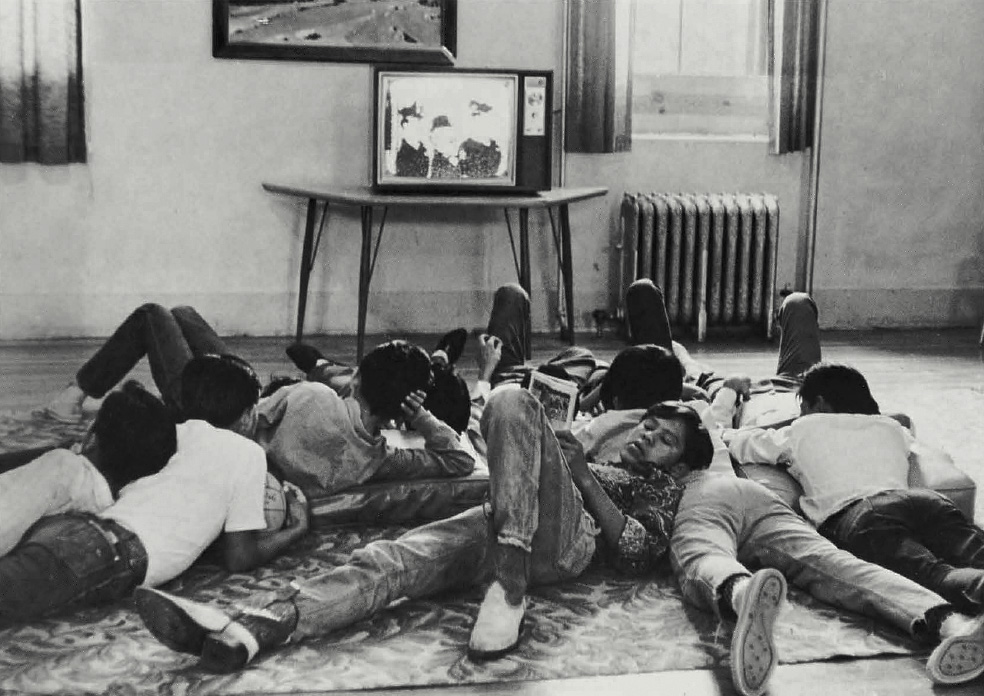
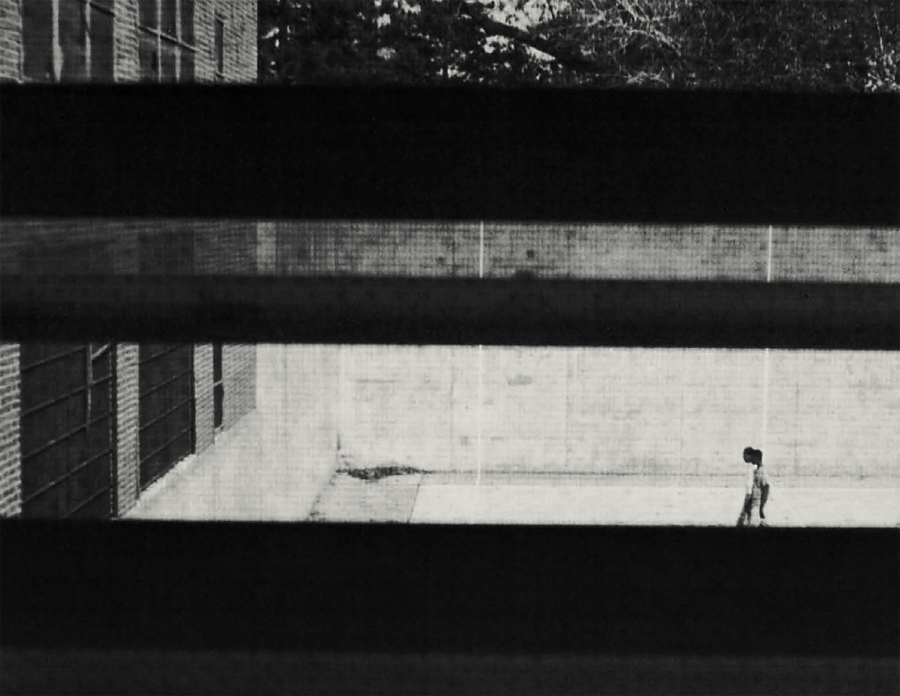
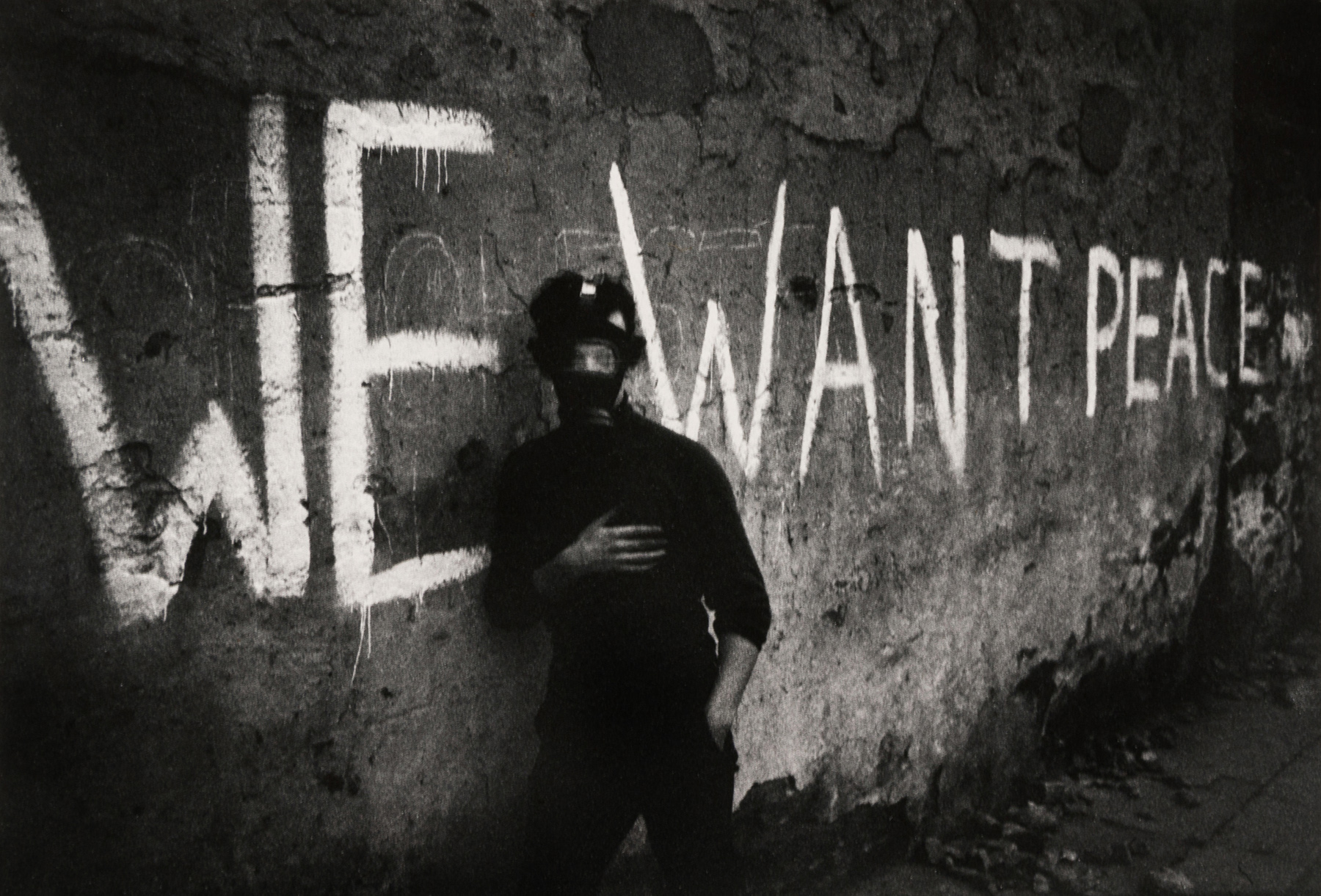
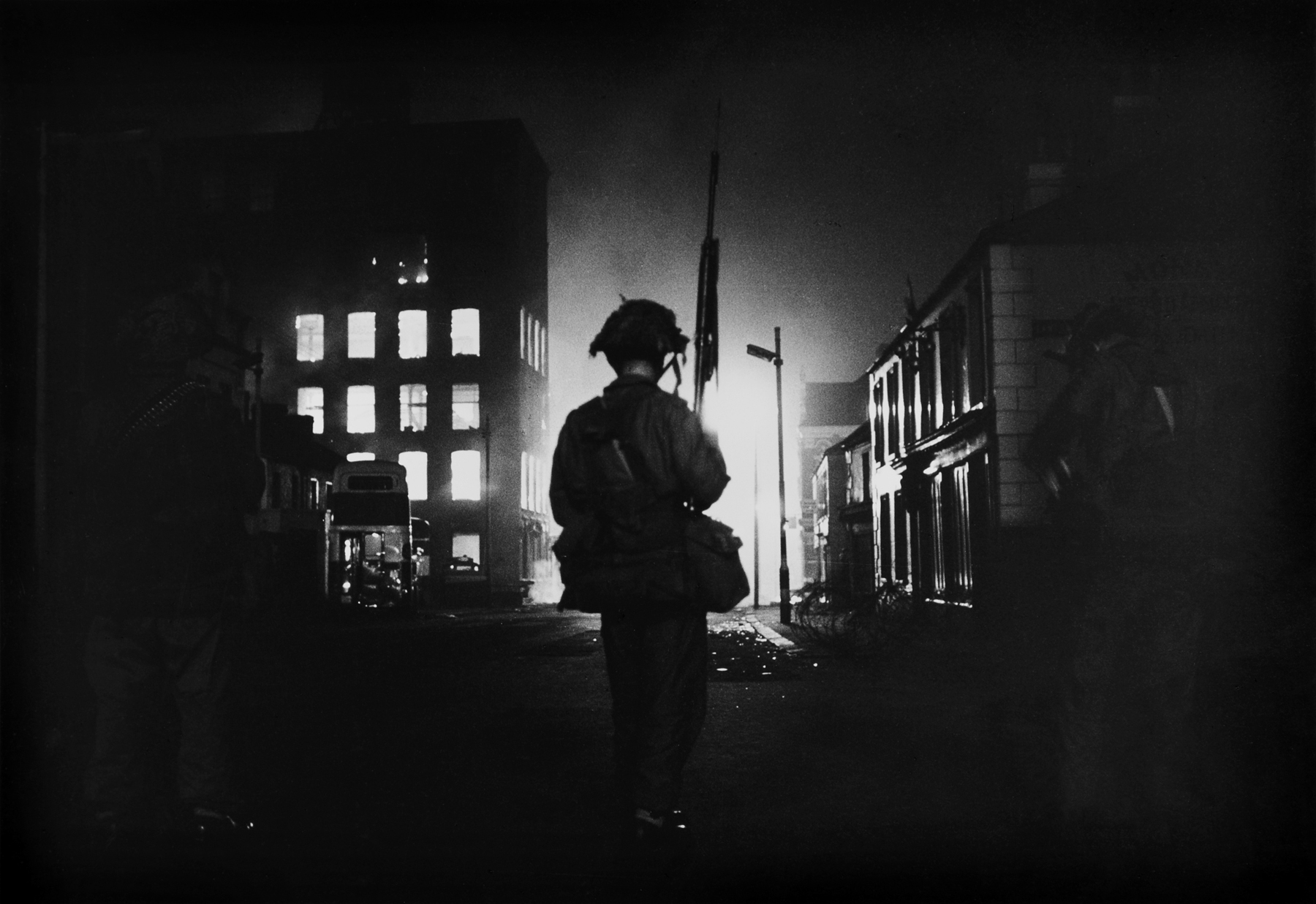
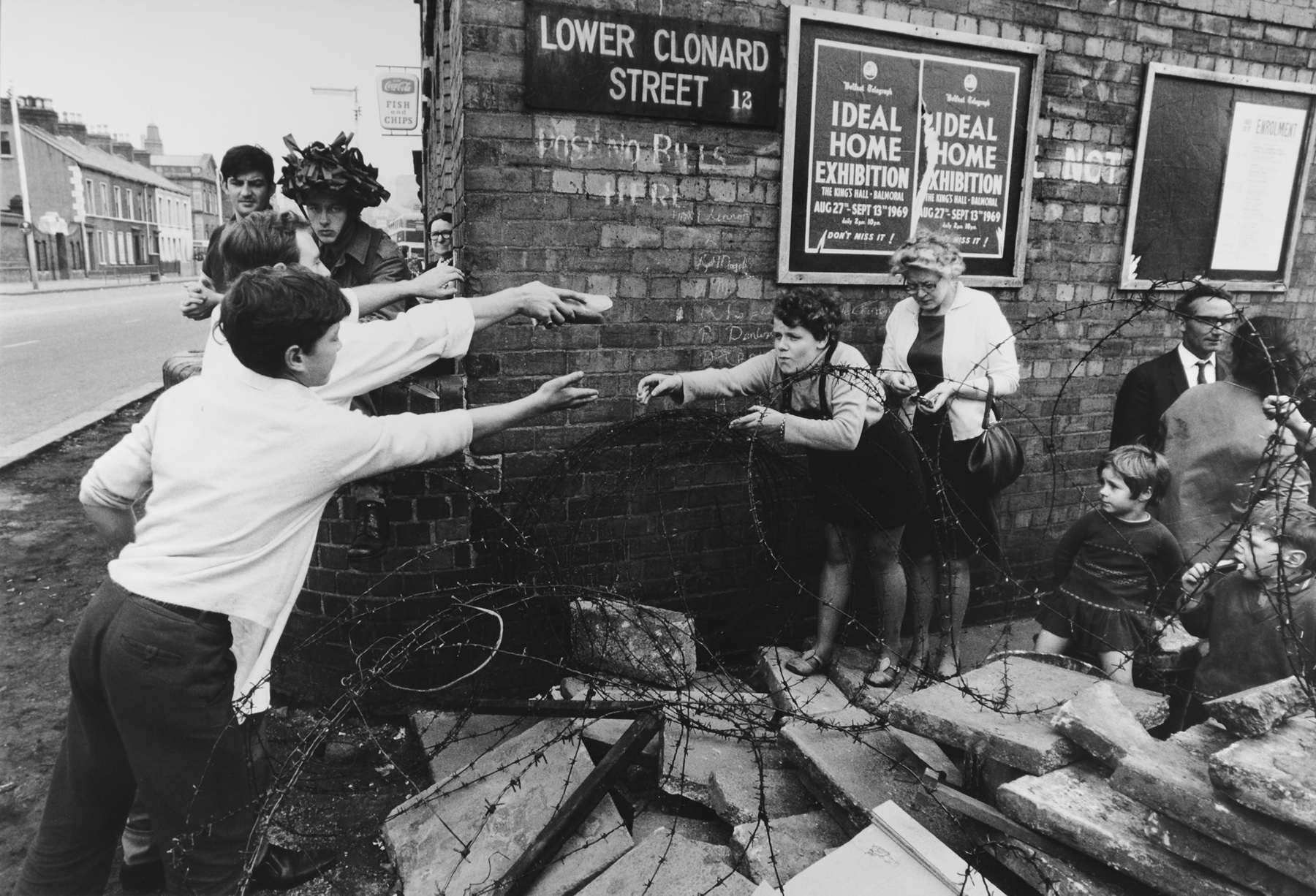
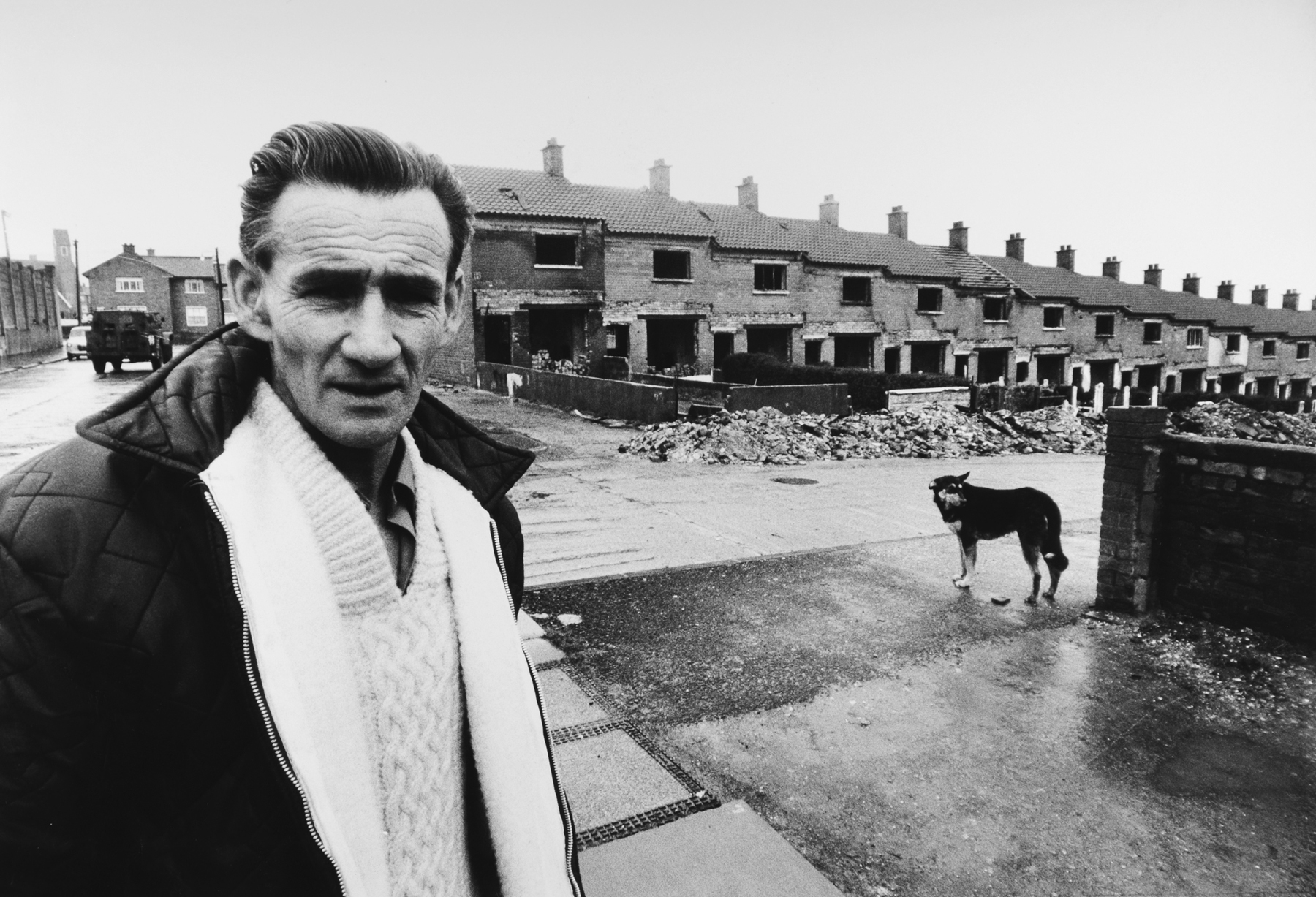
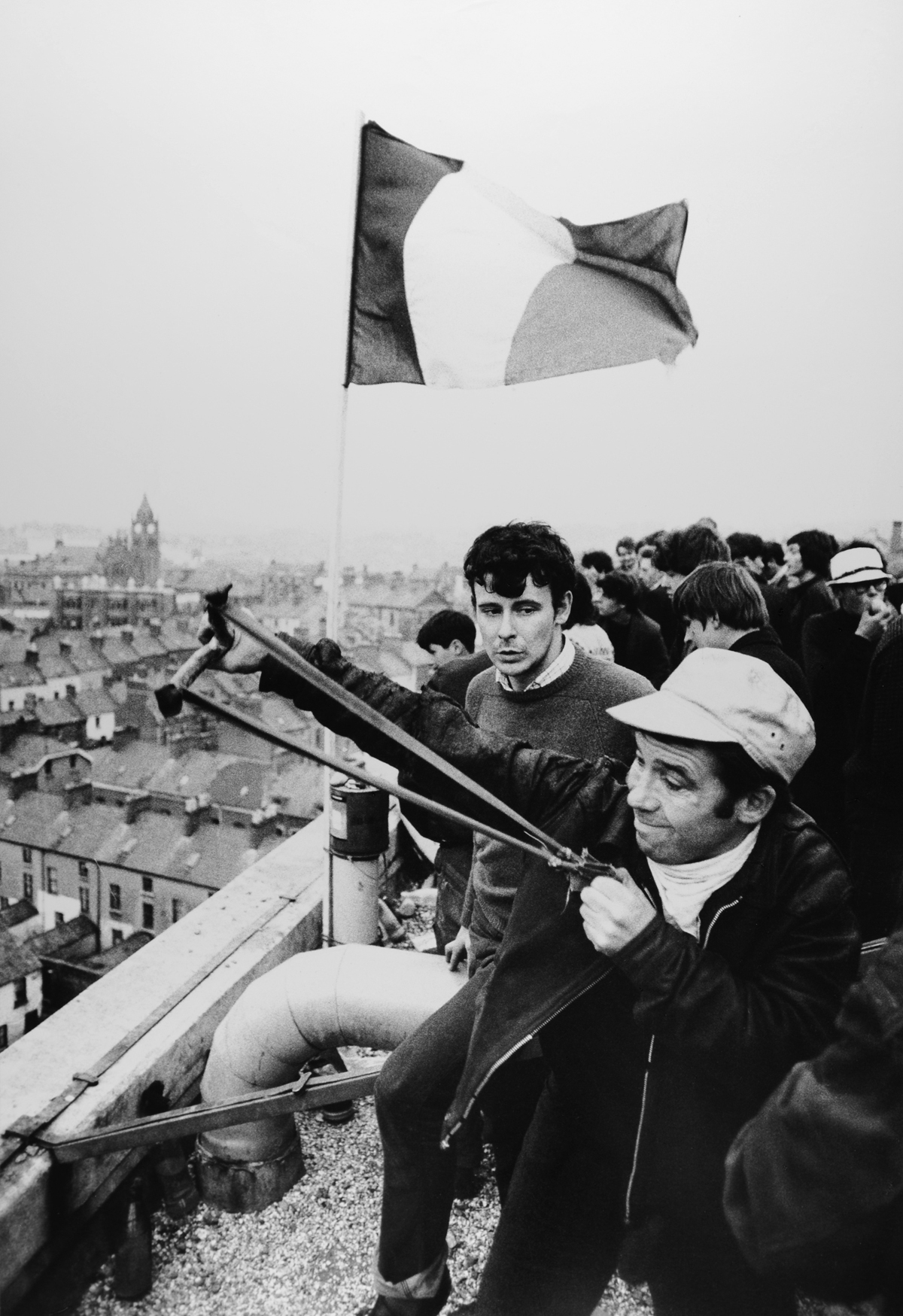
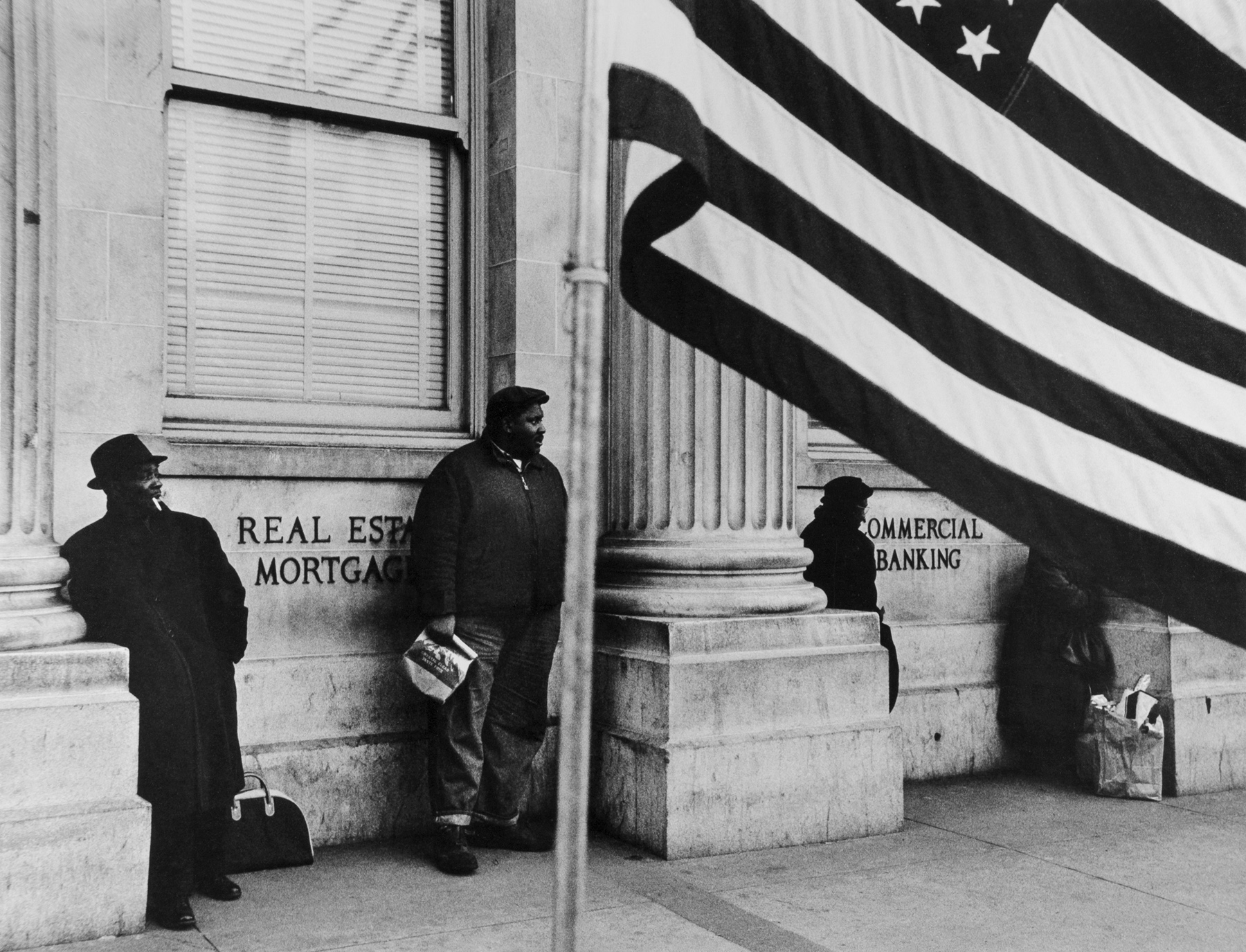
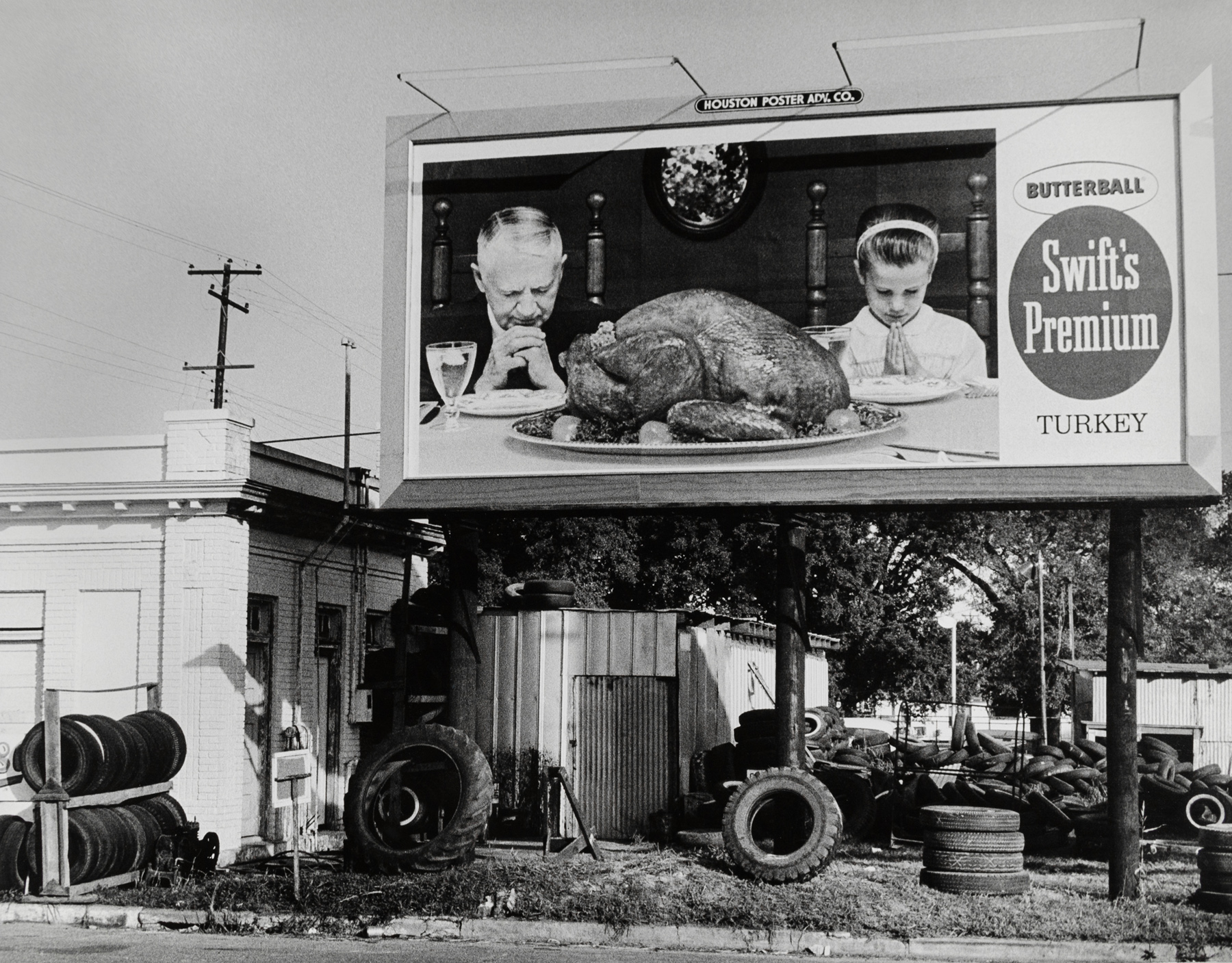
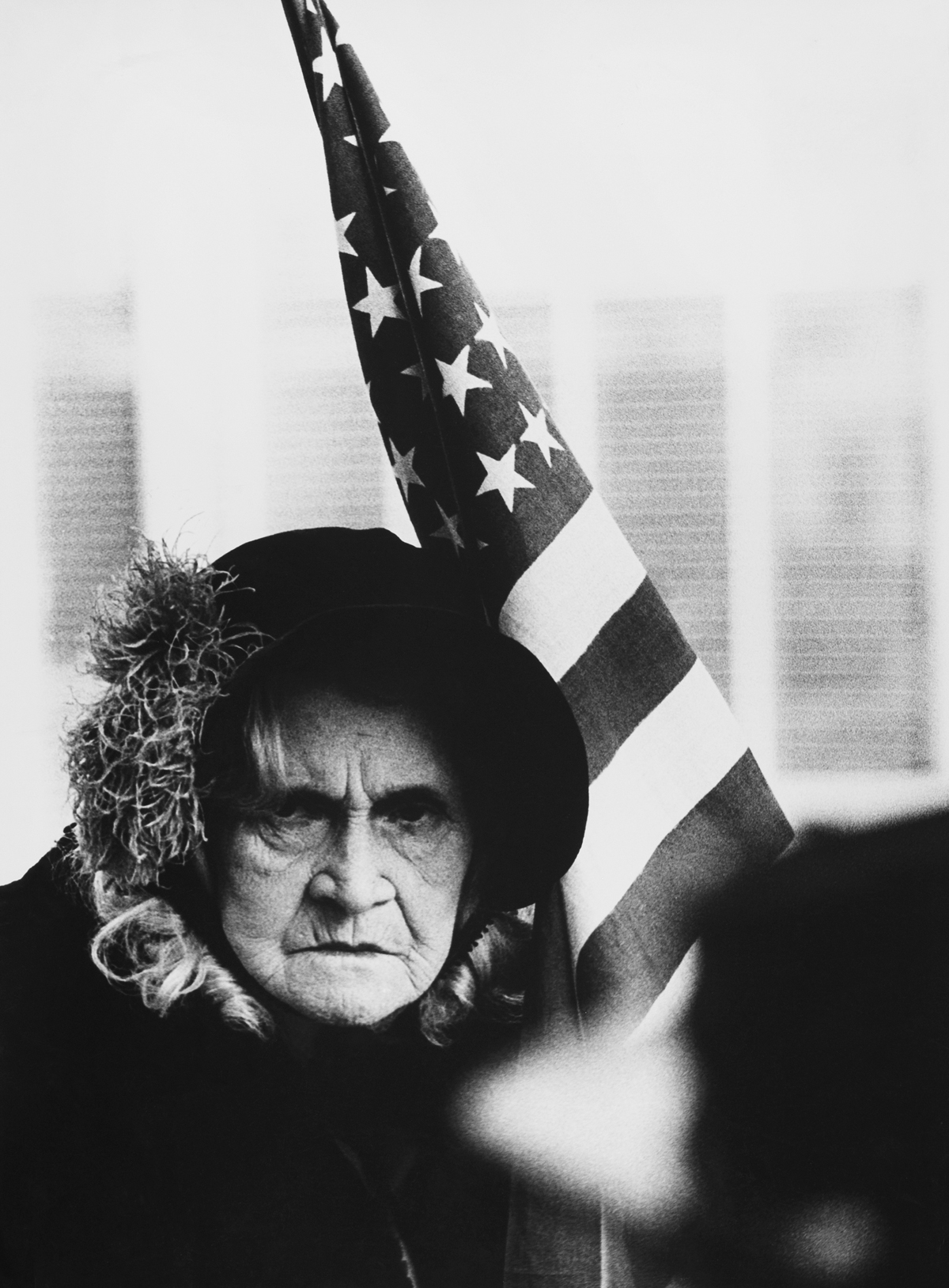
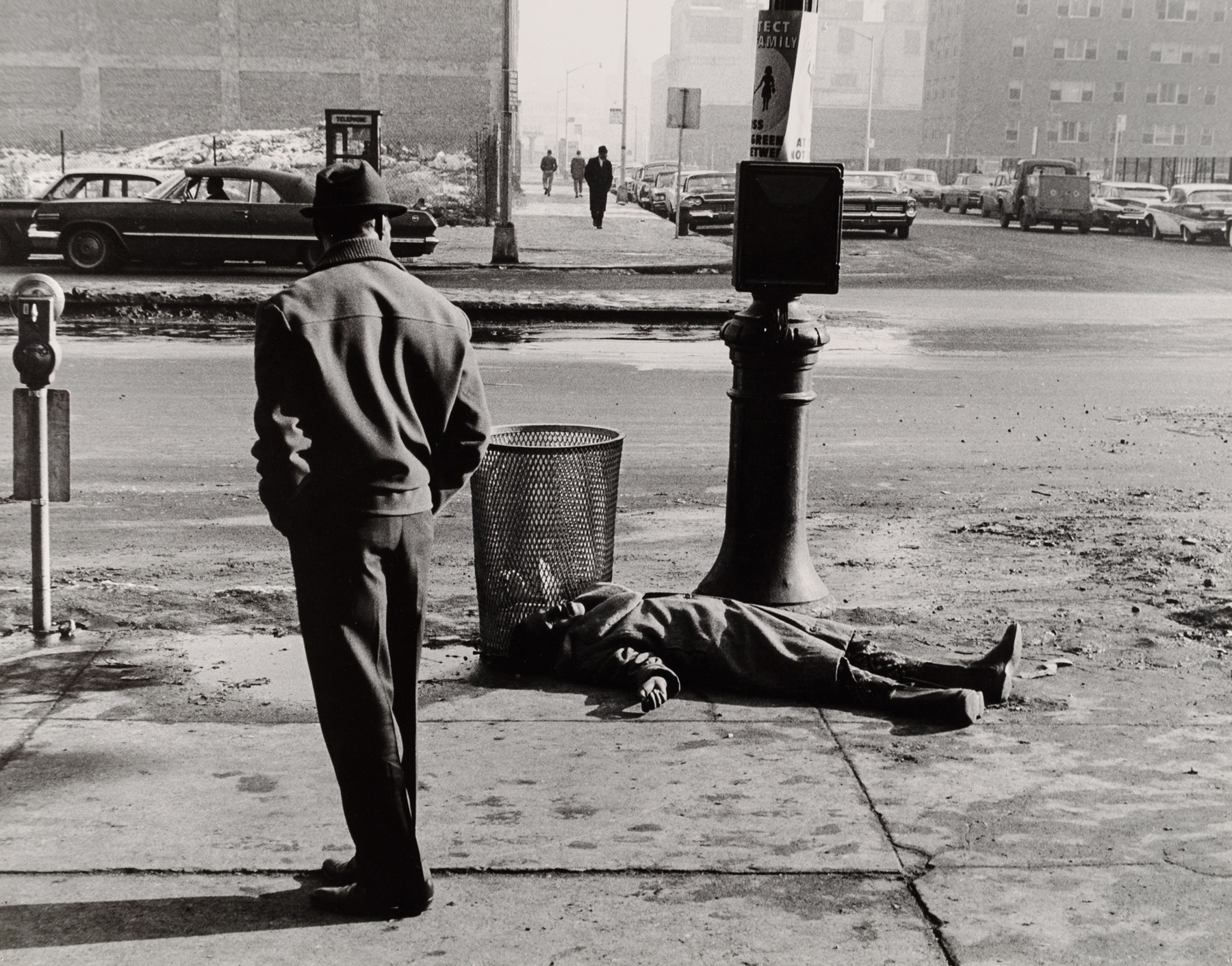
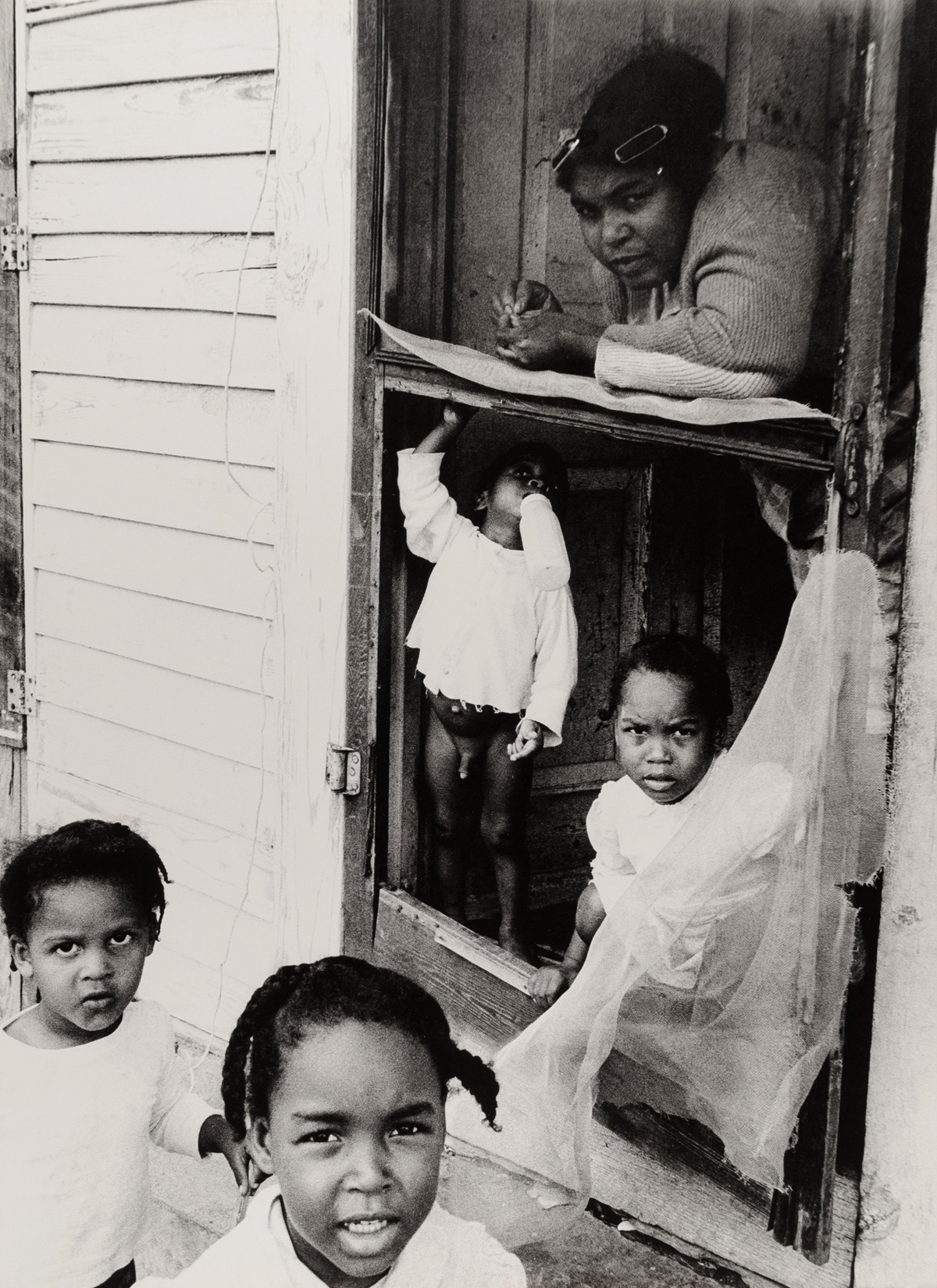
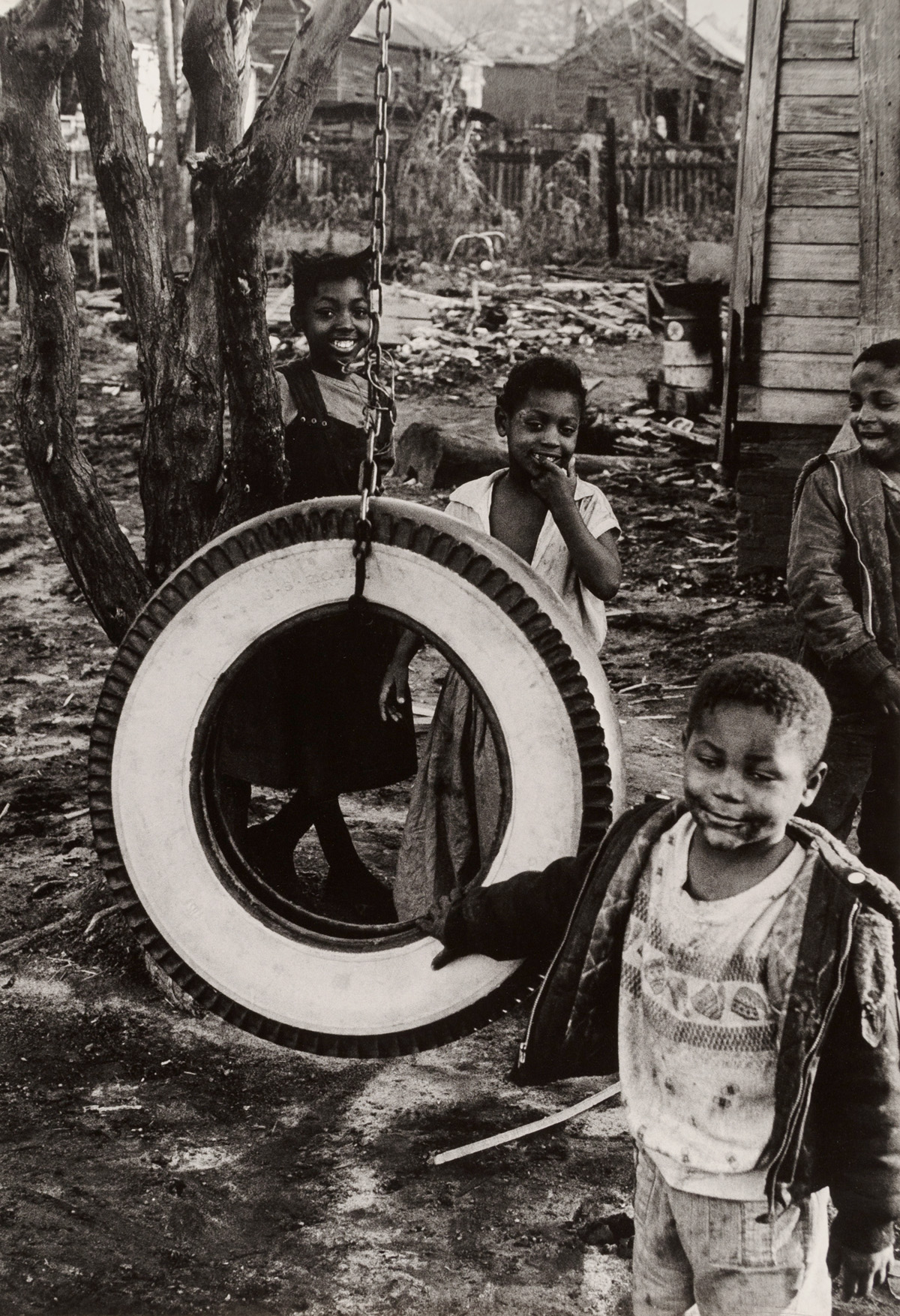
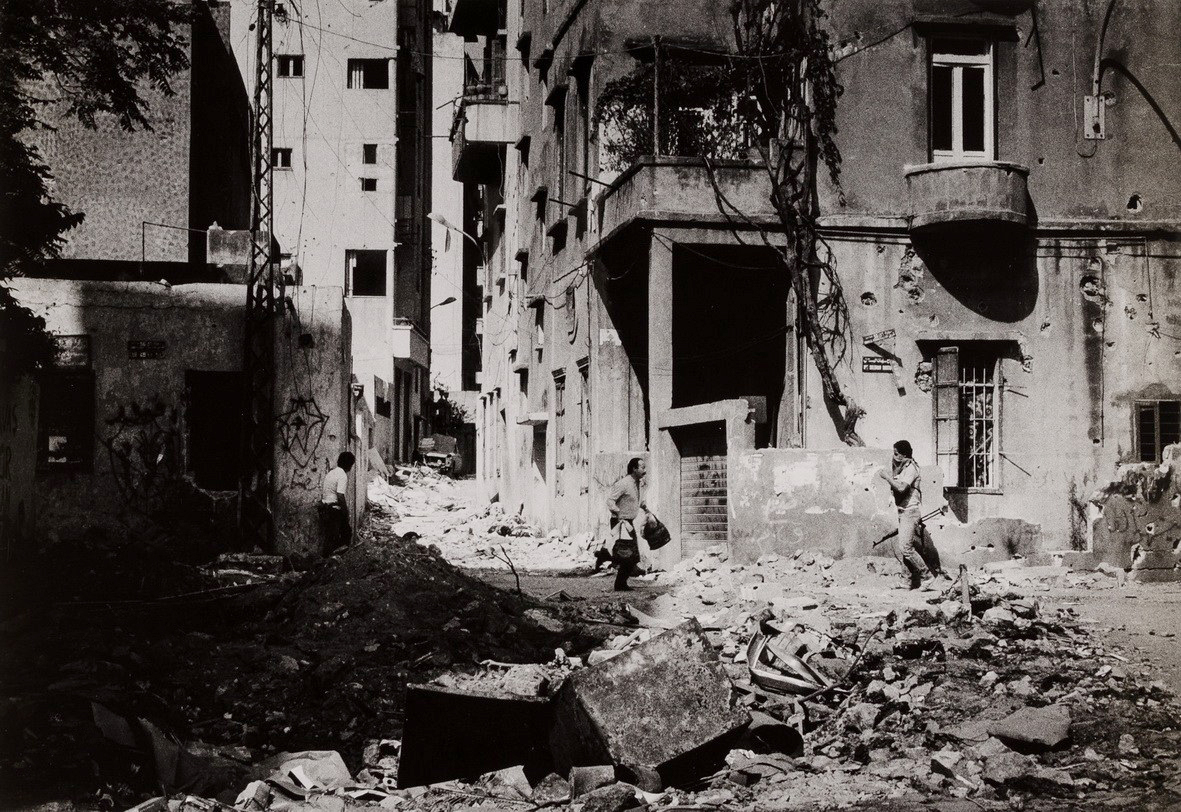
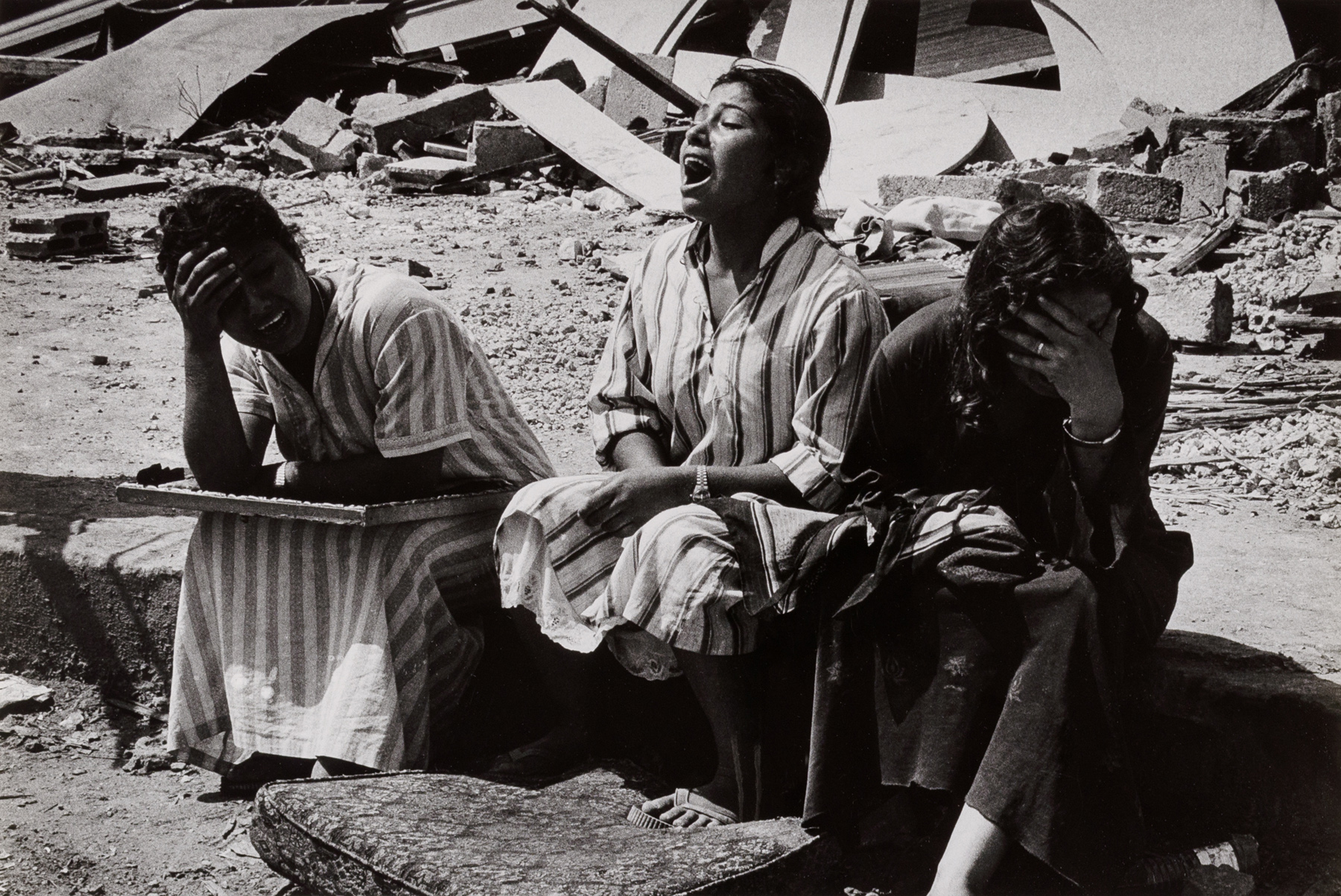
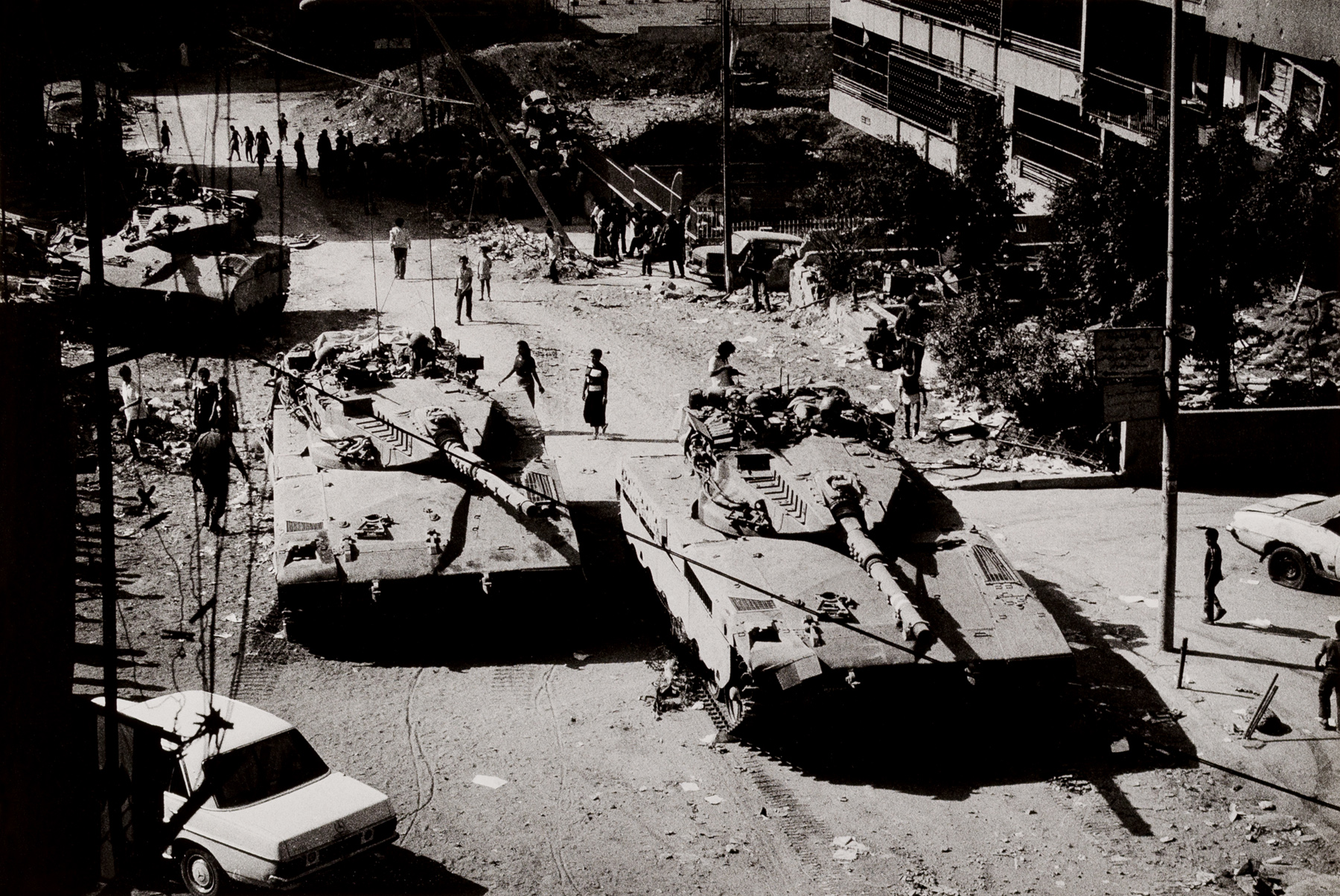
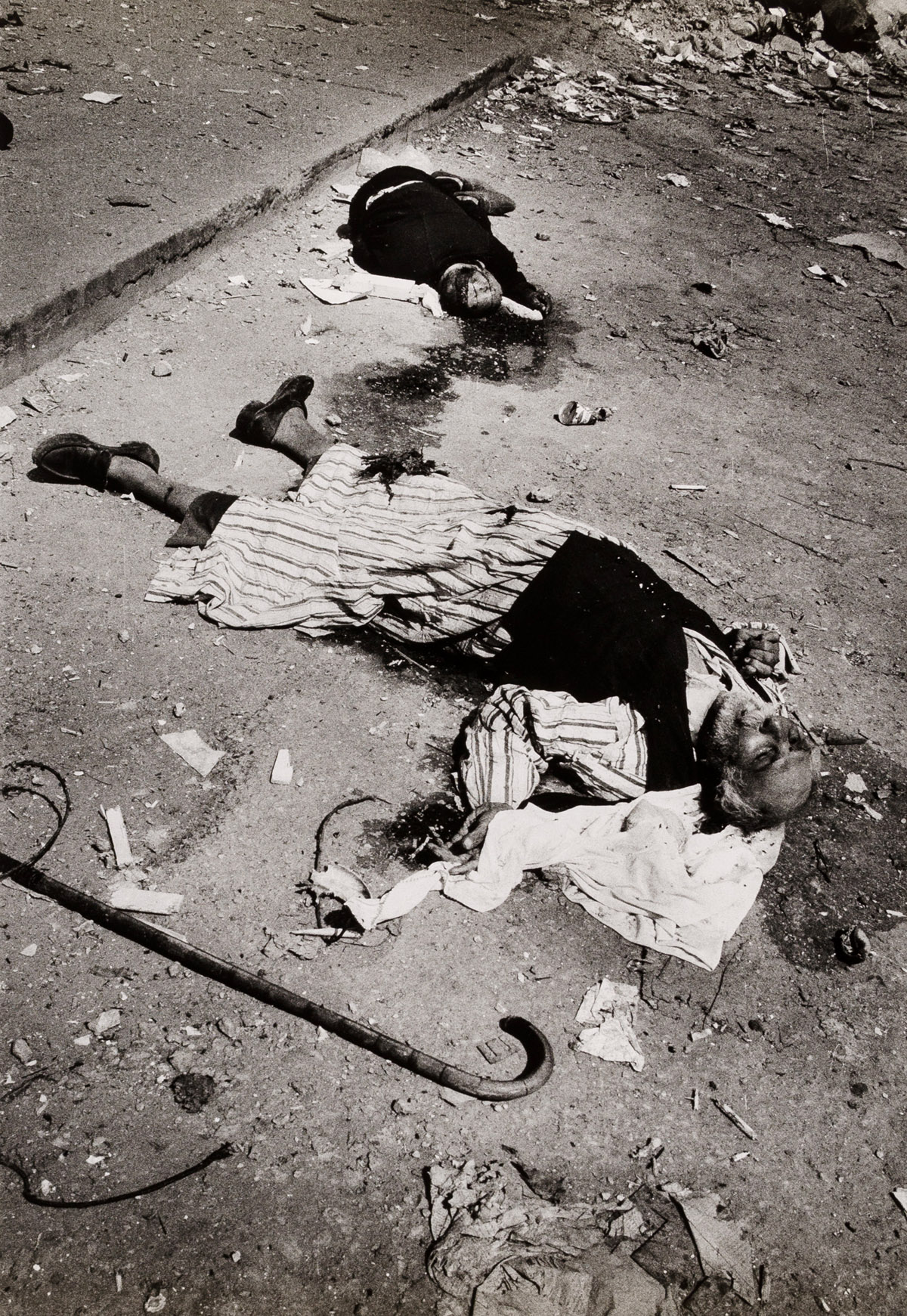
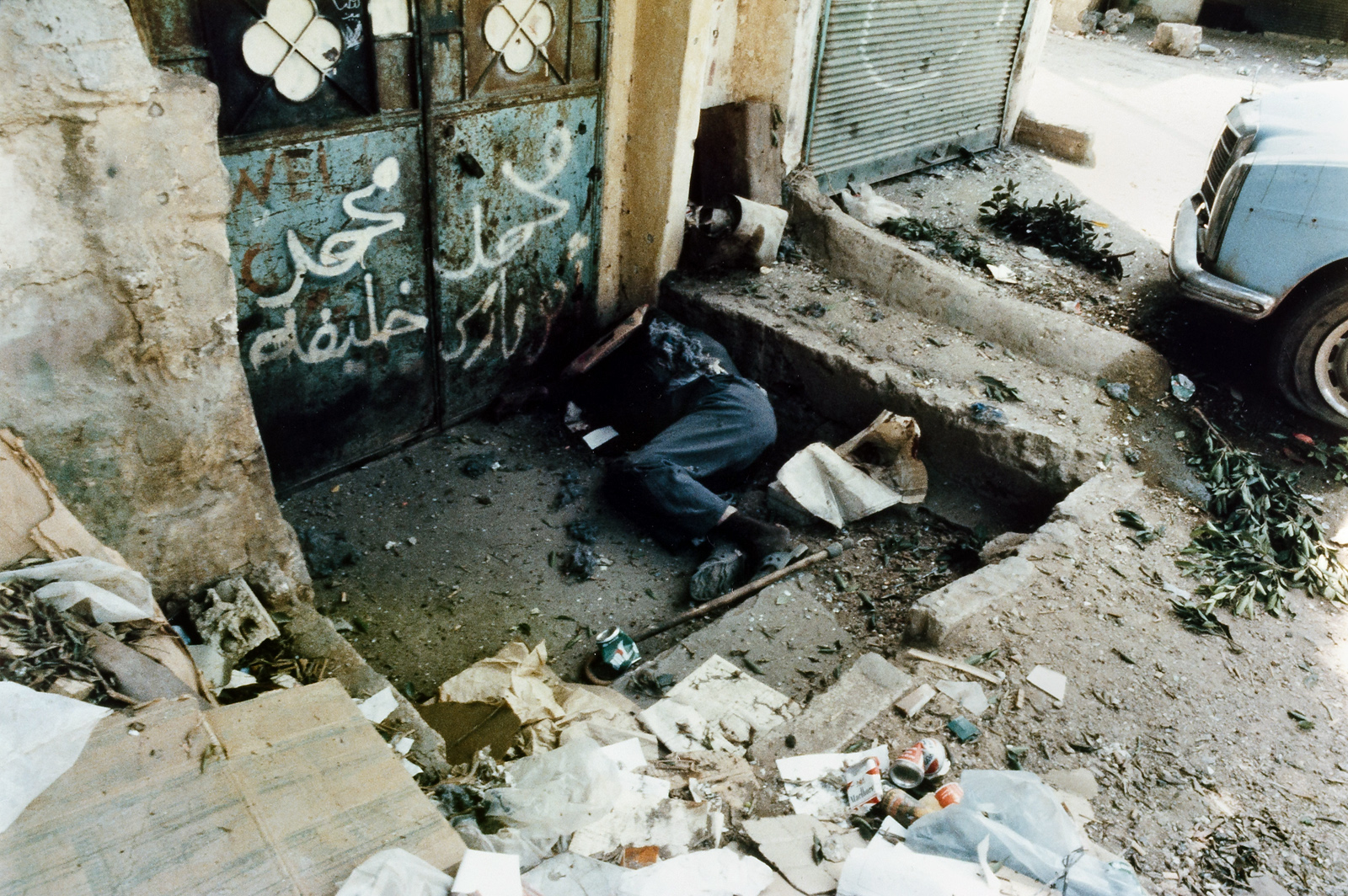
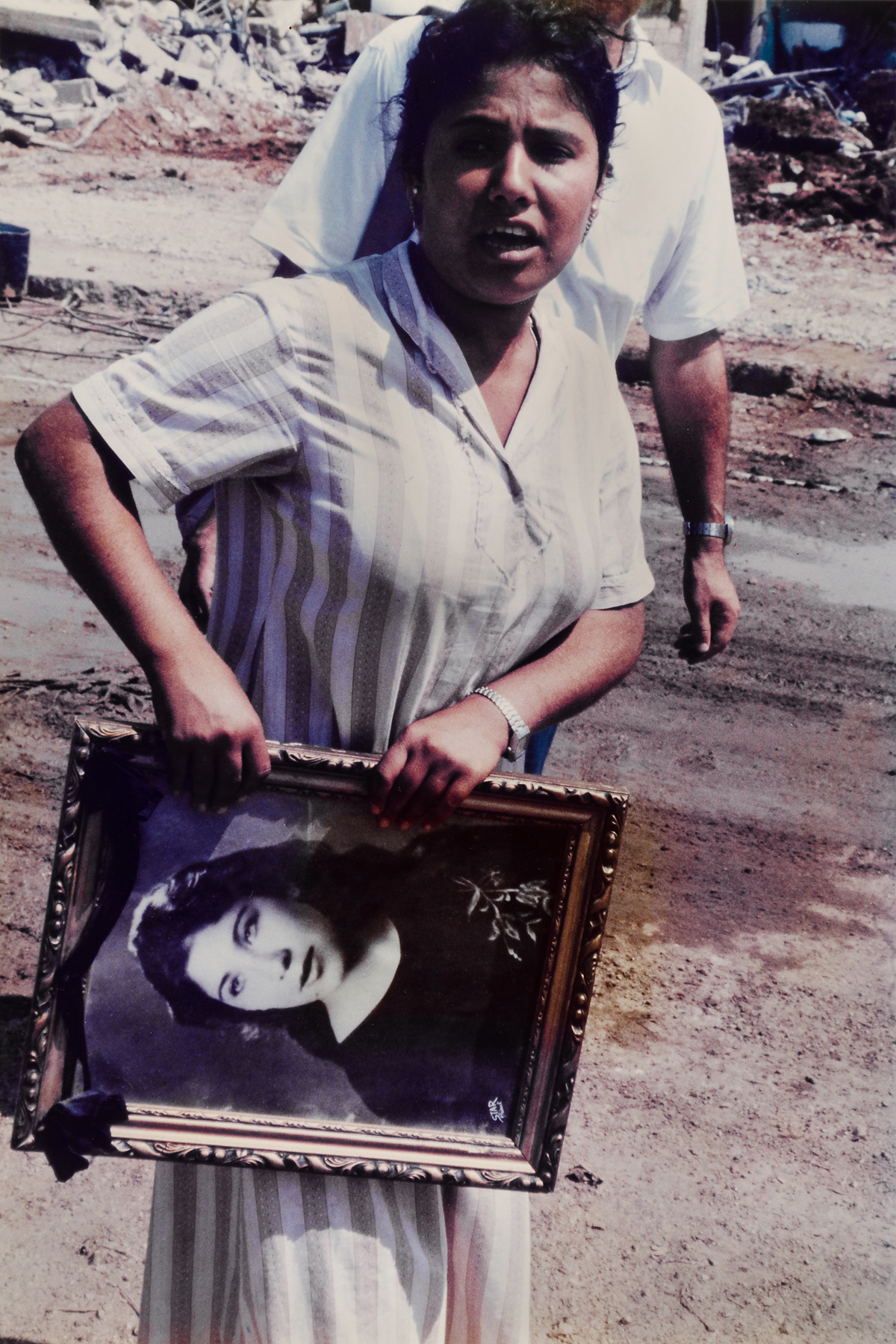
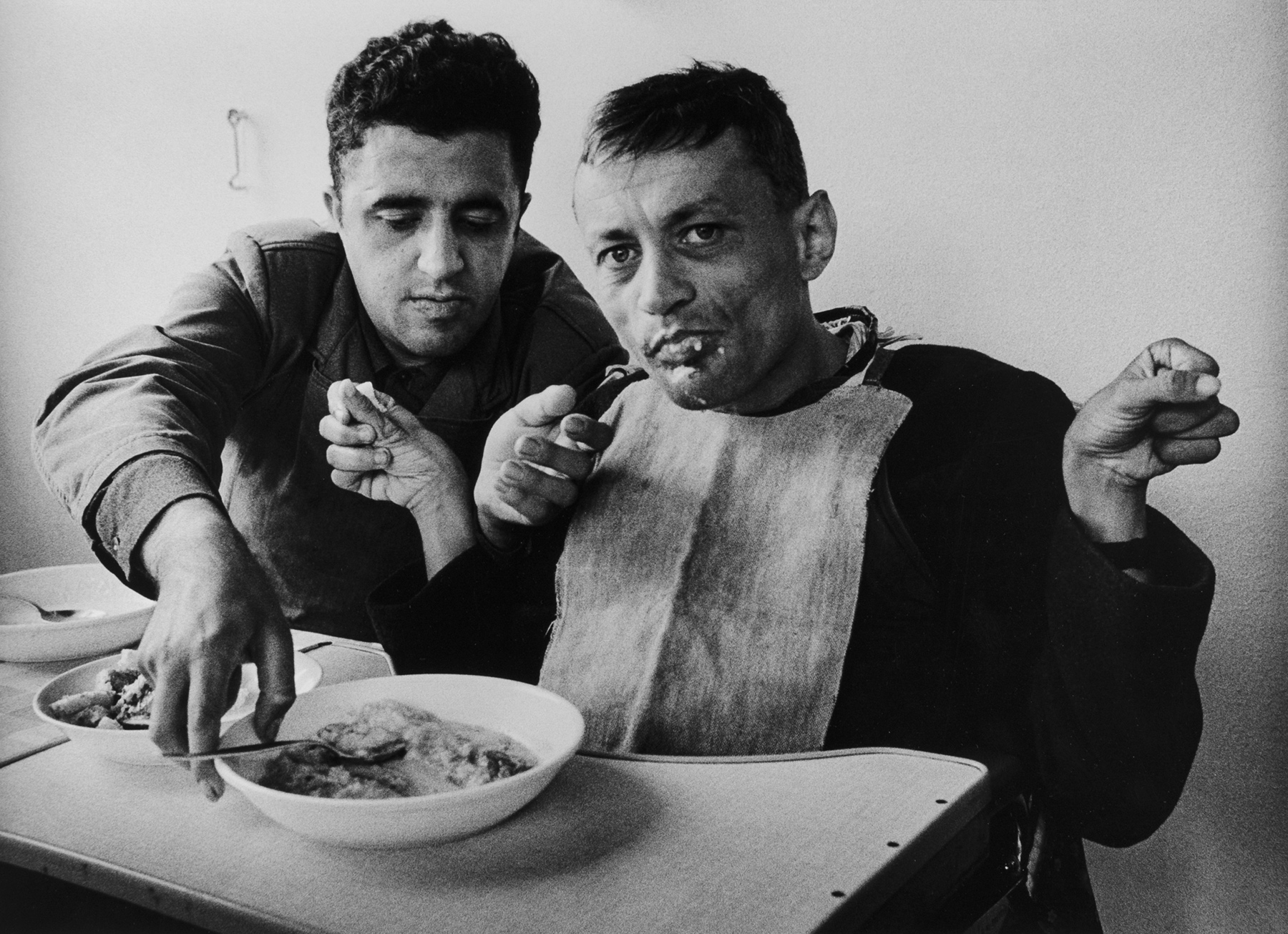
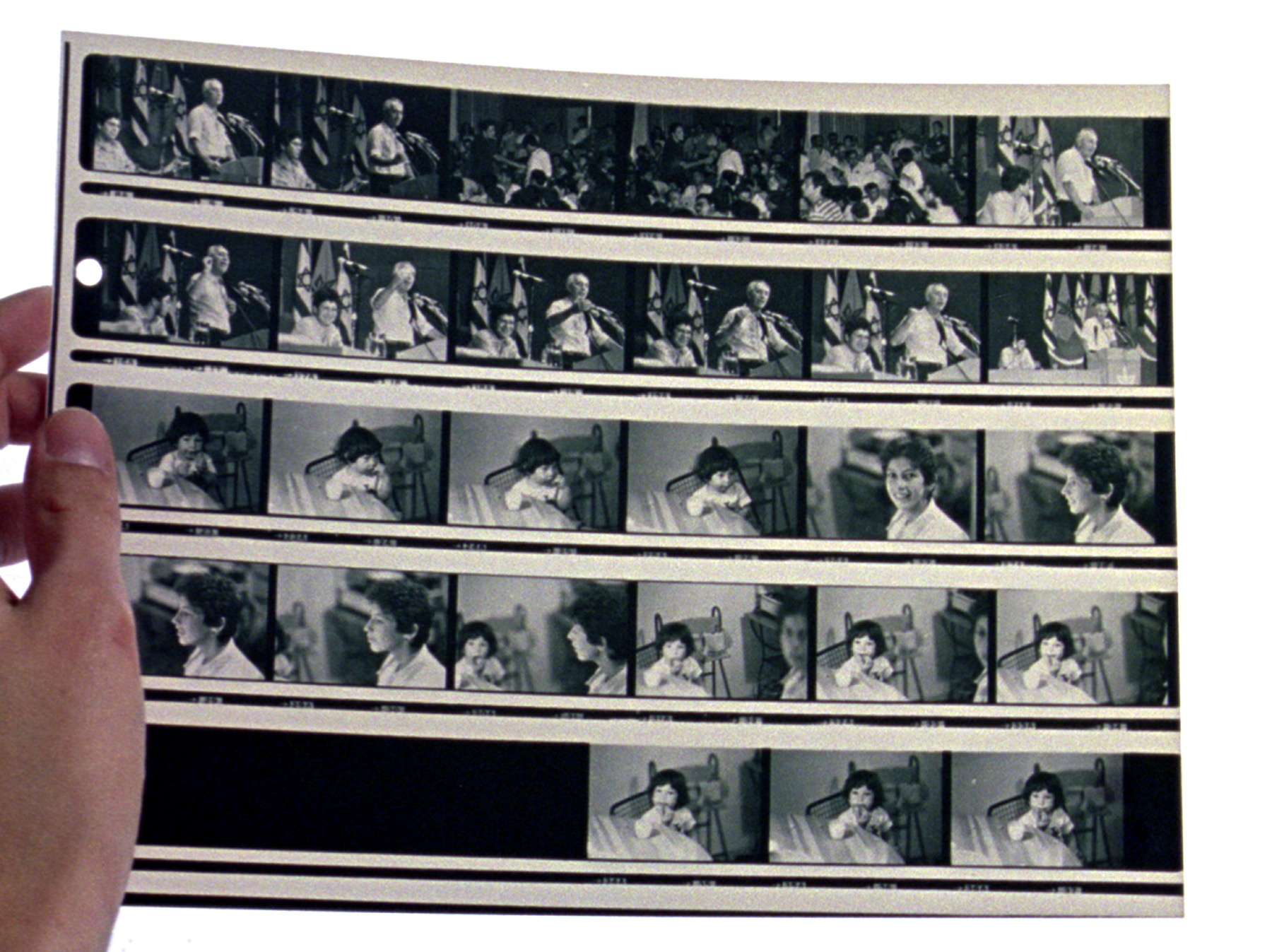
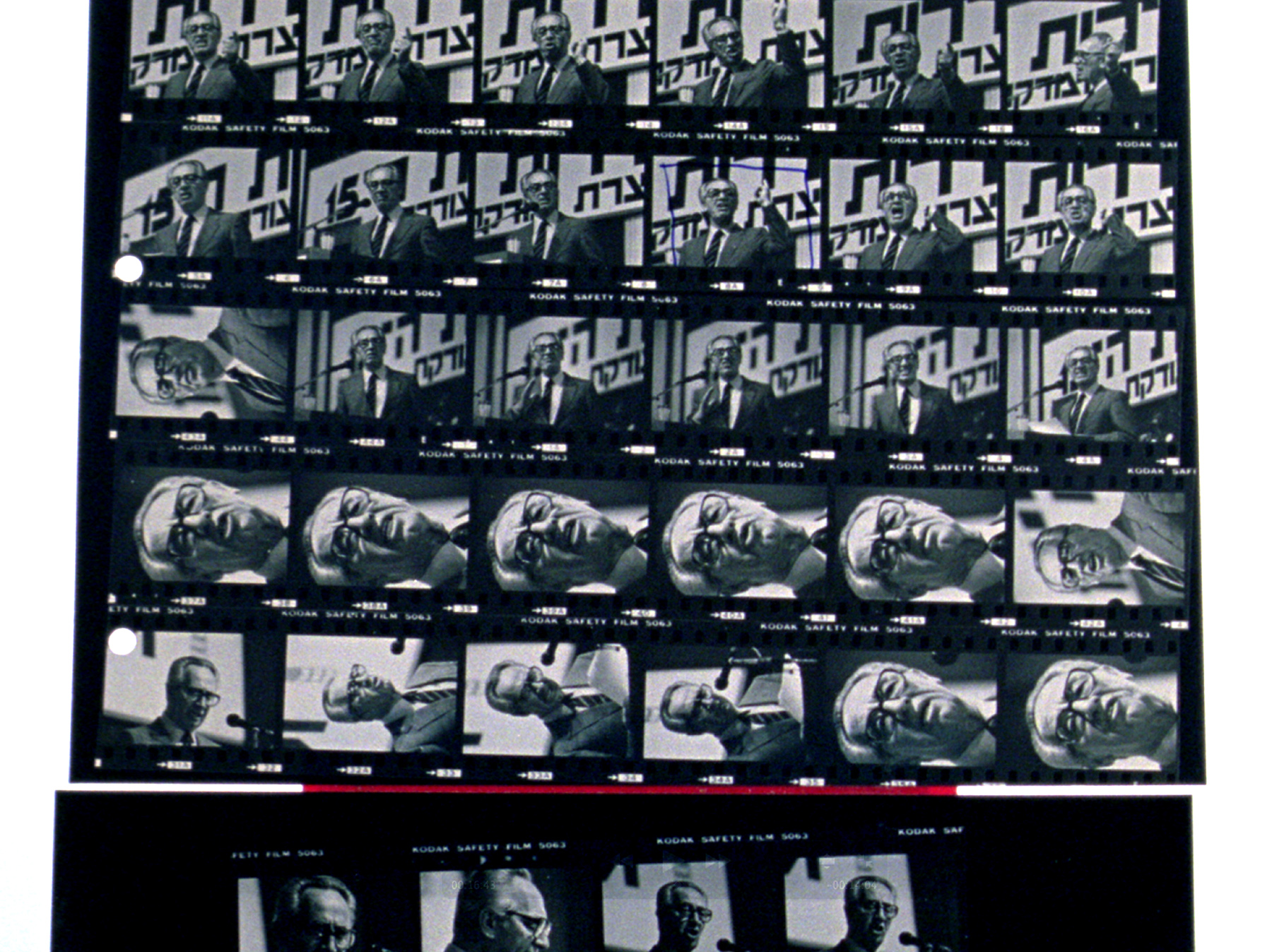


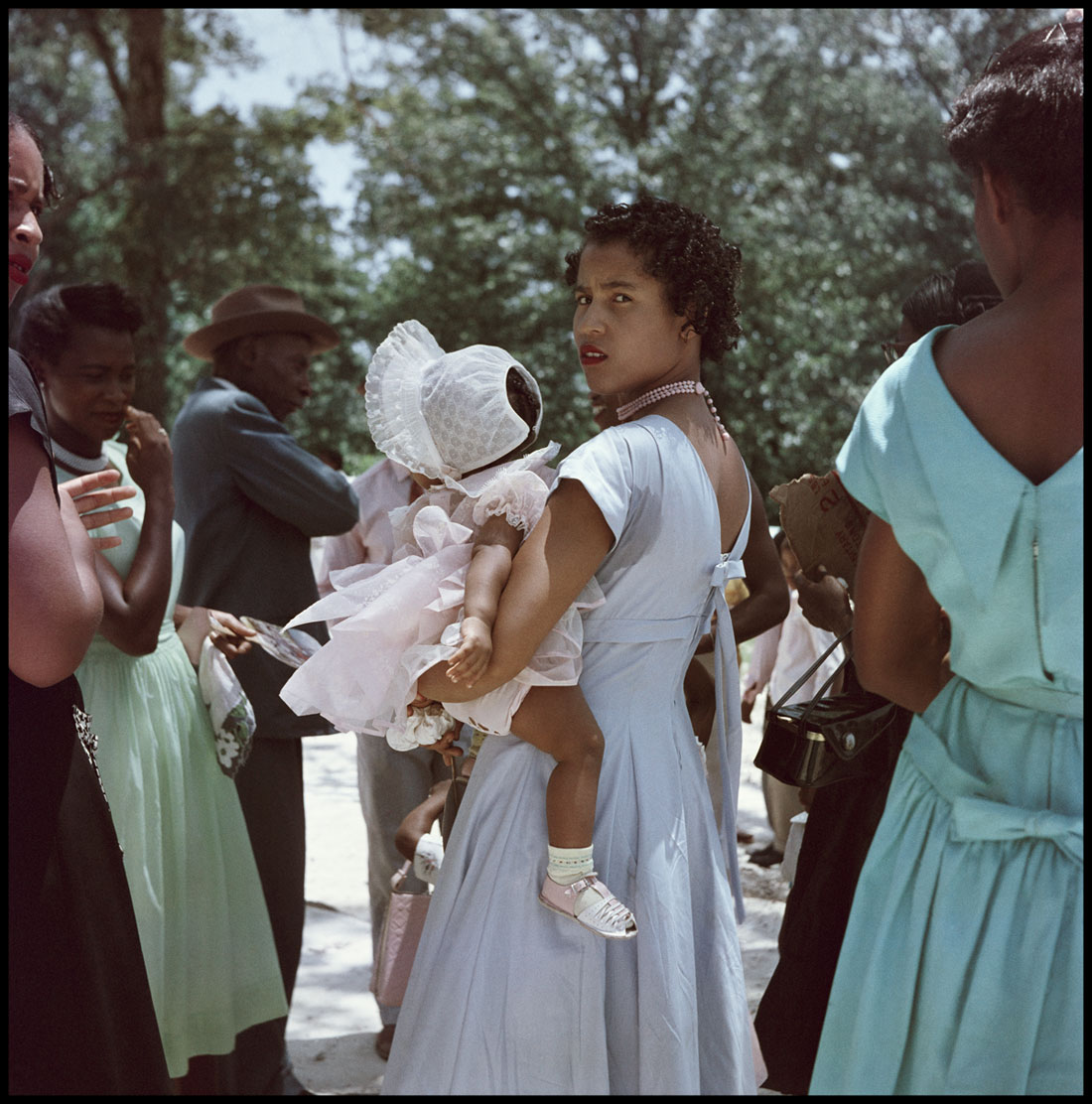
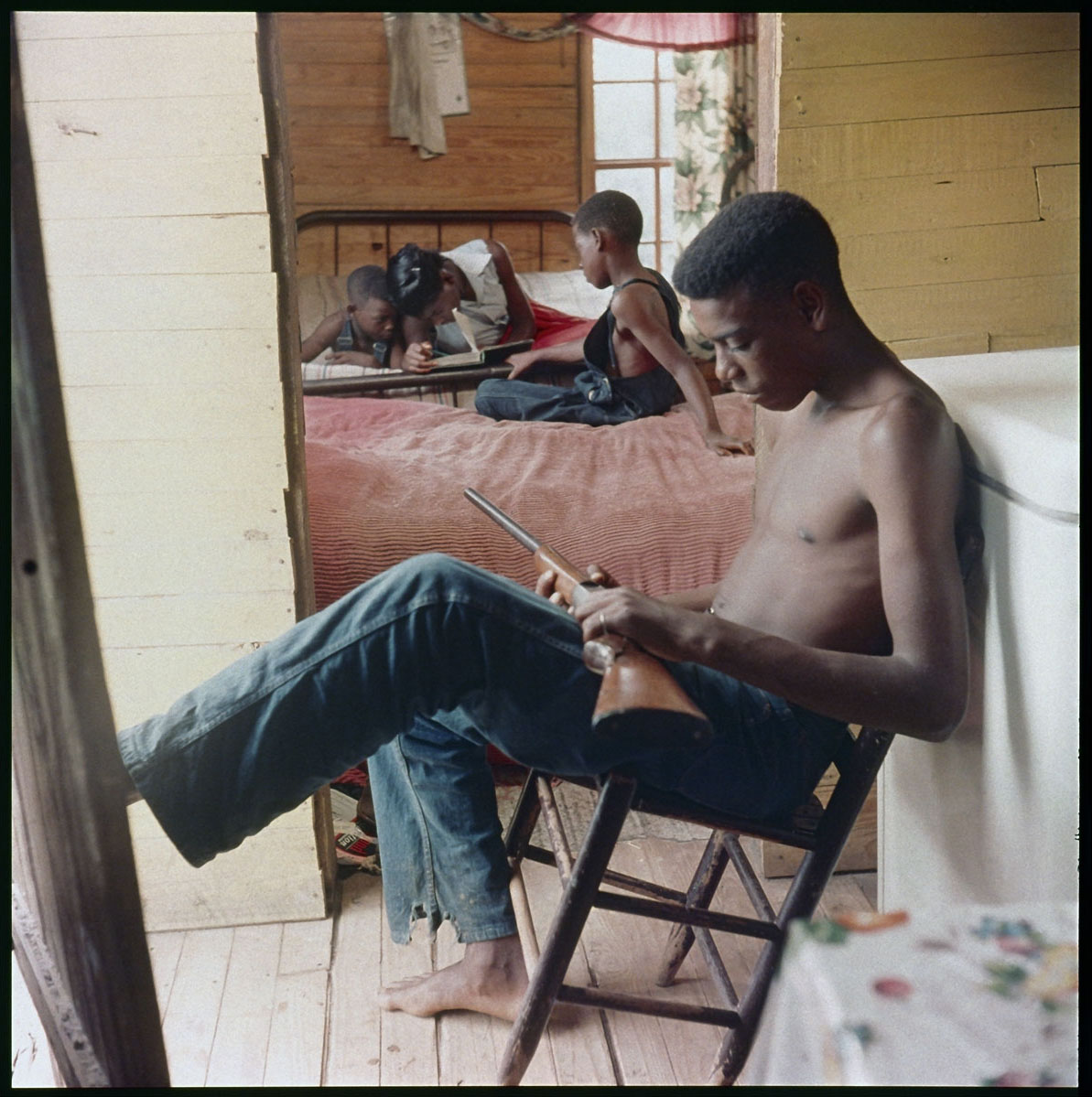


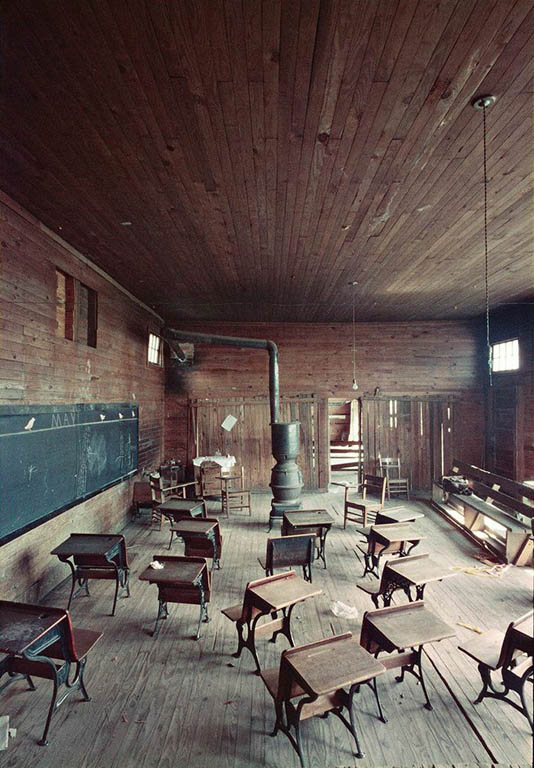


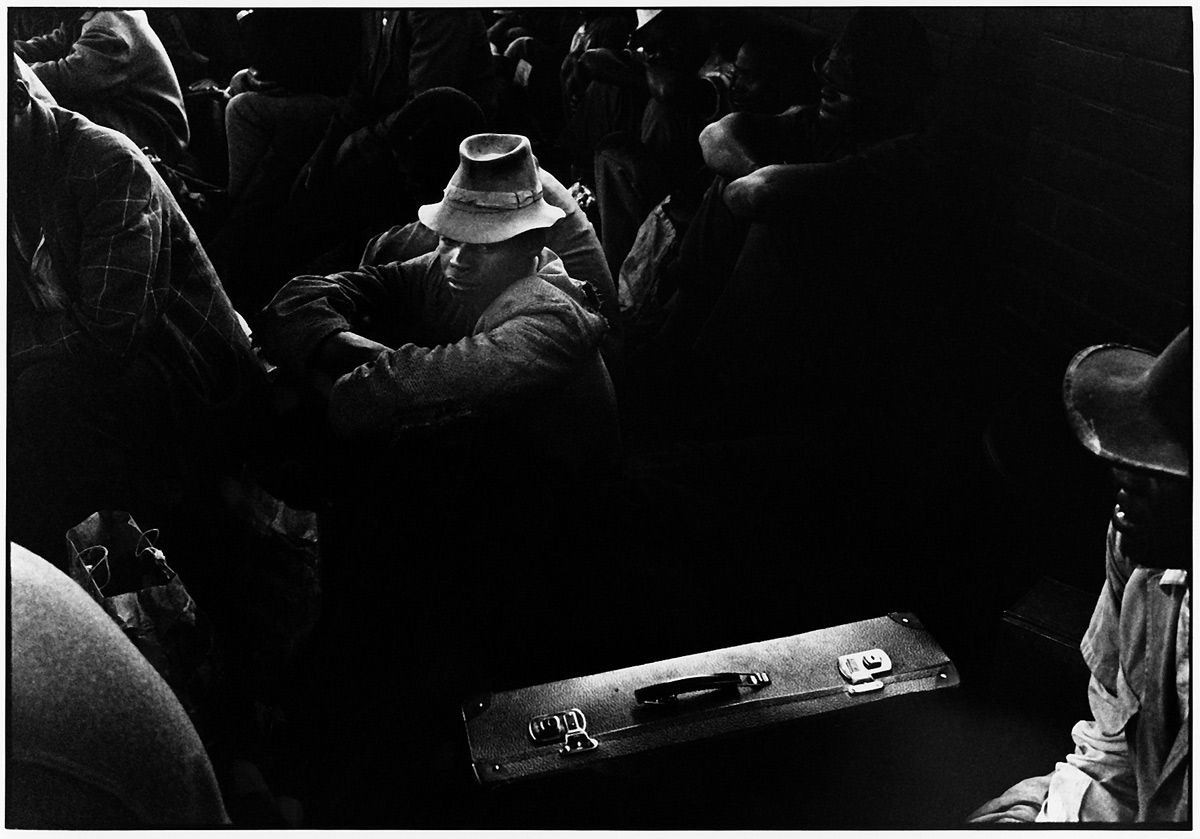

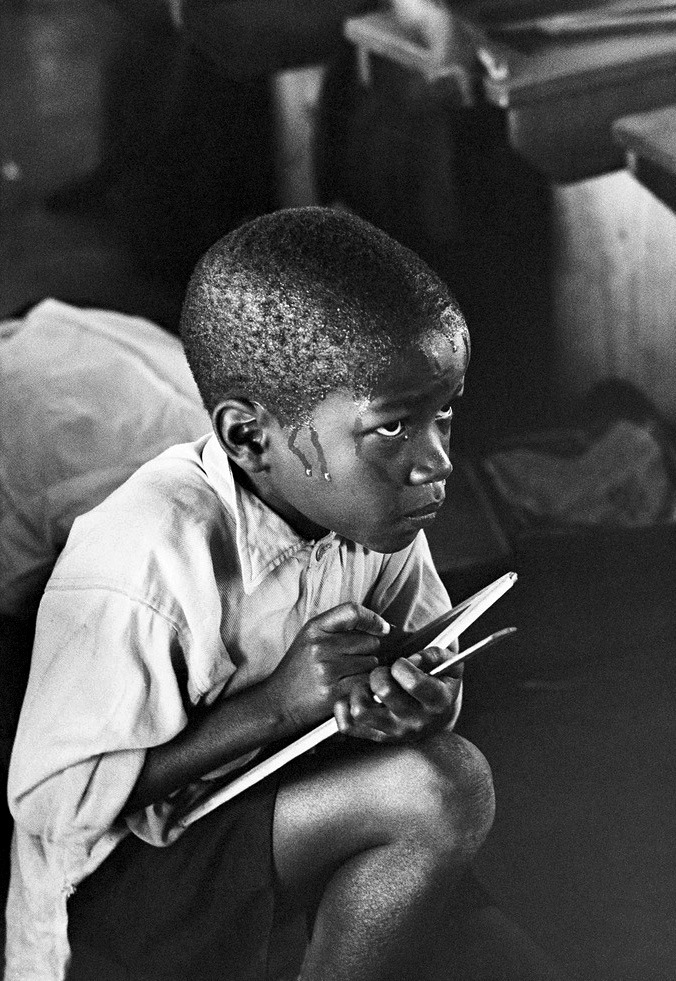

 Art Blart _ art and cultural memory archive
You must be logged in to post a comment.