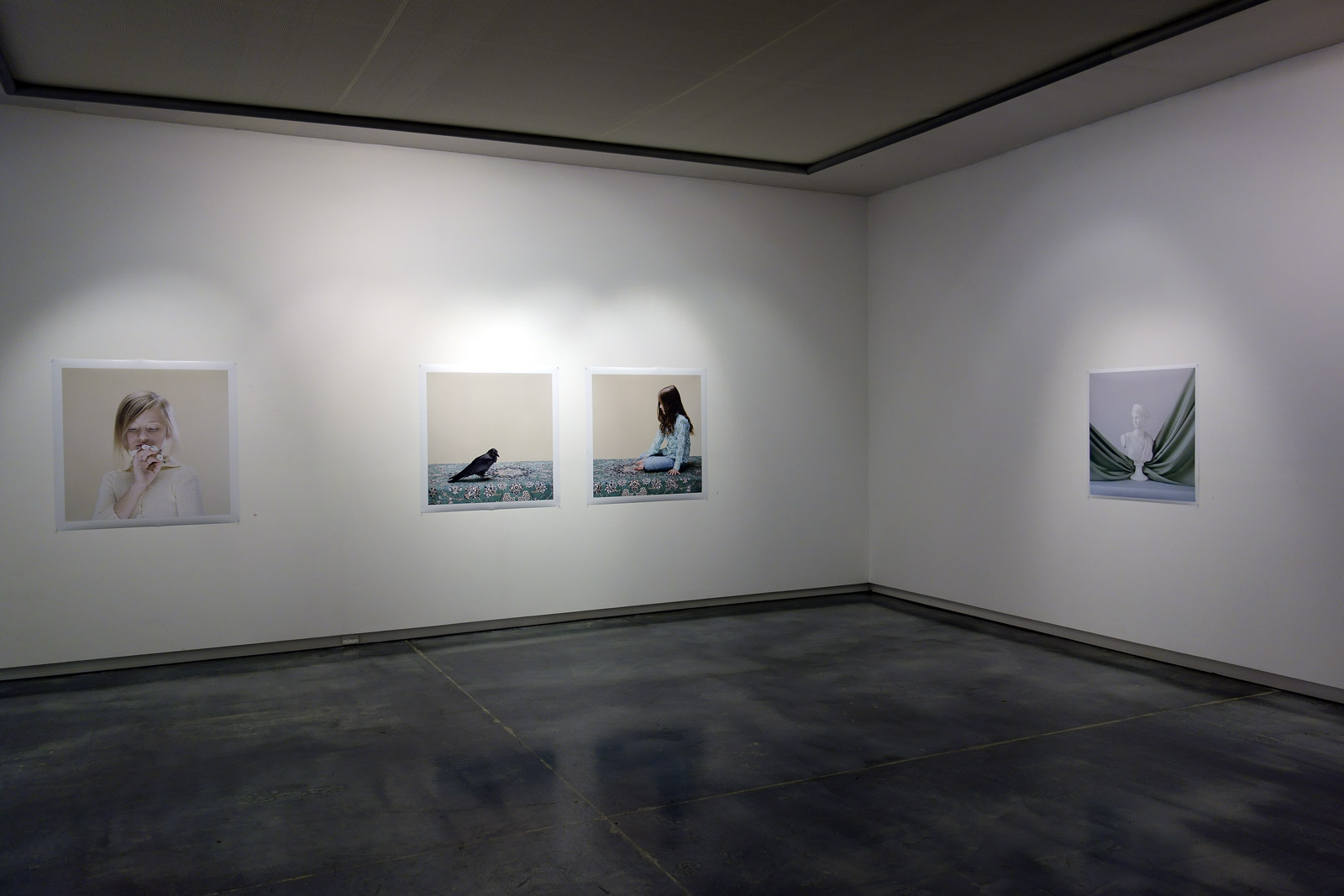
Exhibition: ‘Petrina Hicks: Selected Photographs, 2013’ at Helen Gory Galerie, Prahran, Melbourne

Exhibition dates: 12th June – 6th July 2013


Petrina HicksĀ (Australian, b. 1972) 'Venus' 2013


Petrina HicksĀ (Australian, b. 1972)
Venus
2013
Pigment print, Edition of 8
100 x 100cm


“They’re thoughtful pictures that arouse curiosity rather than desire.”


Robert Nelson


A stunning, eloquent and conceptually complex exhibition buy Petrina Hicks at Helen Gory Galerie. It seems churlish to repeat writing about the themes and mythologies exhibited in the work after they have been so excellently delineated in the catalogue essay by Dan Rule. Everything that you need to know about the work is in that concise piece of writing.

I am just going to add that the photographĀ VenusĀ (2013, above) is one of the most beautiful photographs that I have seen “in the flesh” (so to speak) for a long time. Hicks control over the ‘presence’ of the image, her control over the presence within the image is immaculate. To observe how she modulates the colour shift from blush of pink within the conch shell, to colour of skin, to colour of background is an absolute joy to behold. The pastel colours of skin and background only serve to illuminate the richness of the pink within the shell as a form of immaculate conception (an openness of the mind and of the body). I don’t really care who is looking at this photograph (not another sexualised male gaze!) the form is just beauty itself. I totally fell in love with this work.

Forget the neo-feminist readings, one string of text came to mind: The high fidelity of a fetishistic fecundity.

Dr Marcus Bunyan


Many thankx to Helen Gory Galeries for allowing me to publish the photographs in the posting. Please click on the photographs for a larger version of the image.
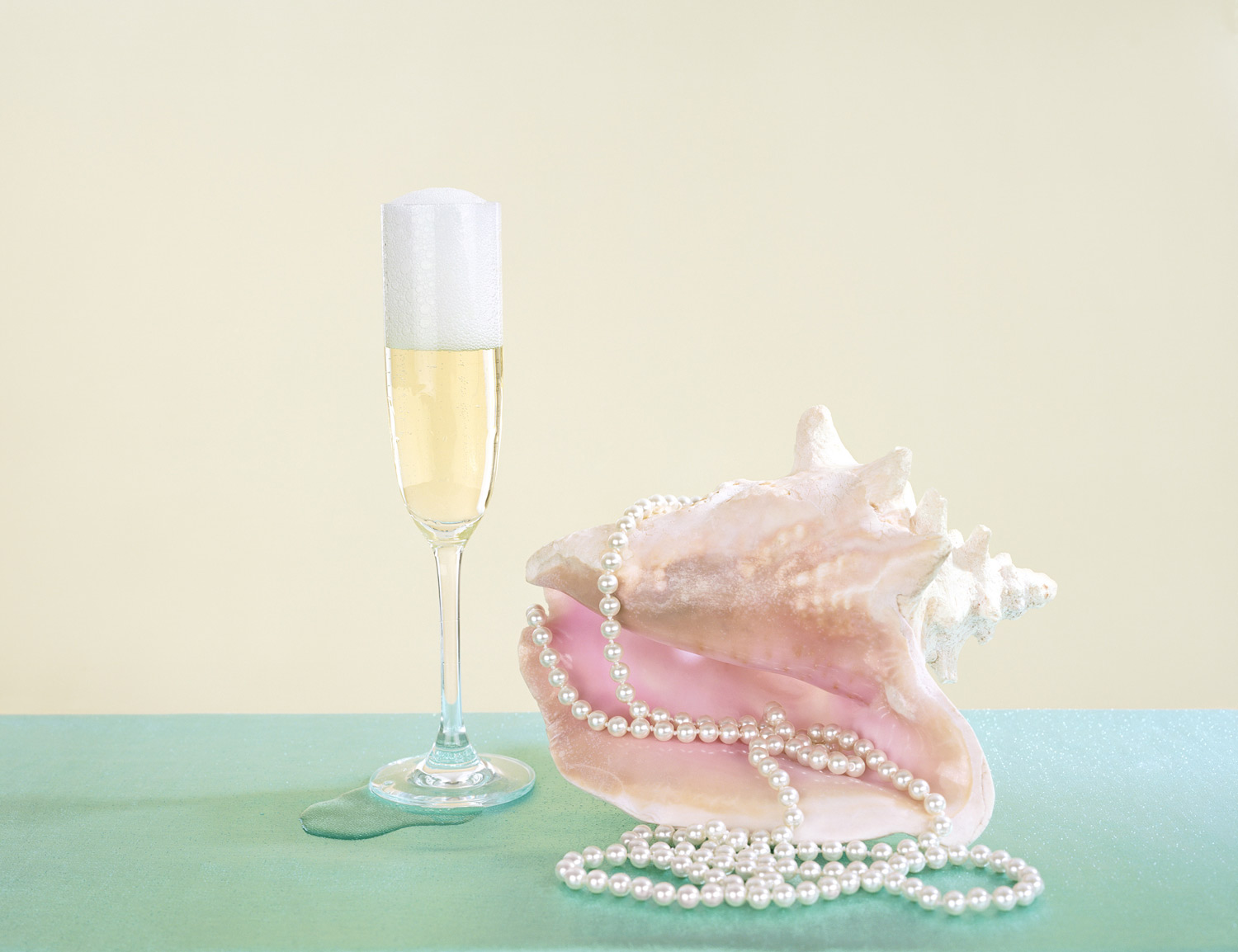


Petrina HicksĀ (Australian, b. 1972) 'The Birth of Venus' 2013


Petrina HicksĀ (Australian, b. 1972)
The Birth of Venus
2013
Pigment print, Edition of 8
100 x 133cm
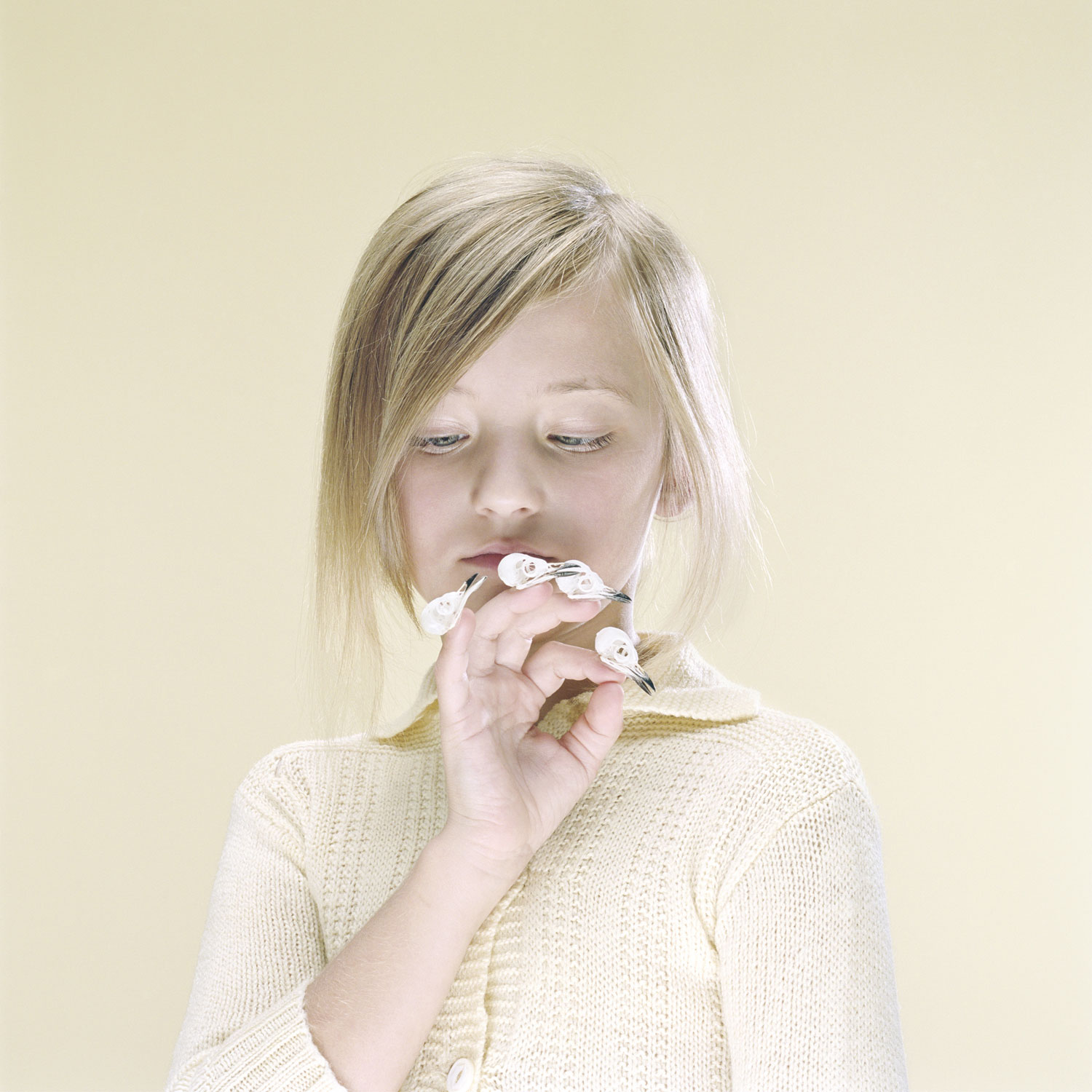
 

Petrina HicksĀ (Australian, b. 1972) 'Birdfingers' 2013


Petrina HicksĀ (Australian, b. 1972)
Birdfingers
2013
Pigment print, Edition of 8
100 x 100cm


Beauty and Artifice

Catalogue Essay by Dan Rule

“There’s a particular acuteness to the various strands, cues and counterpoints informing Petrina Hicks’ by now extensive body of work. Her highly keyed brand of hyperrealism is at once incisive in tenor and rich in historical, referential and allegorical depth.

An obvious vantage has long been that of the advertised image. Hicks’ subjects, palette and props are enveloped in a slickened and stunningly sickening sheen that is all too familiar. Augmented, buffed and polished, her works are traces of the highly aestheticised and fetishistic images that proliferate throughout the popular visual language. The skin, hair, clothing, surface and light assume an all but unsettling patina. The index is set askew amid the insidious markers of style and desire.

But Hicks’ highly constructed images aren’t mere transgressions of what has become a gleaming vernacular form. Every encroachment into the frame, every flat, luridly coloured backdrop has an implication and a consequence. In previous works, she has broached creation mythologies; she has recast religious subplots and in gloss and saccharine. Her 2011 series Hippy and the Snake – which comprised a painstakingly realised 25-minute video work alongside a collection of large-scale photographs – might have been read as a flirtation with Eve’s dalliance with the serpent in a re-imagined Garden of Eden.

Sex, birth and death also lurk amid Hicks’ latest series of images, presented as the central strand of her Selected Photographs exhibition. Set against a muted, neutral backdrop, these large-format photographs broach both the portrait and the still life, teasing out a taxonomy of sensuous allegories and sinister omens. In the somewhat aptly titled Bird Fingers, a young girl intently studies her fingertips, each of which is adorned with a tiny bird’s skull, as if a finger puppet or a jewel. That the girl’s expression is neither one of fear nor admiration – but rather, a measured intrigue – gives this work a fascinating twist. Her reaction to death is unlearned; she studies and surveys and pieces together the evidence. Another work, The Hand That Feeds, sees another young protagonist calmly offering her palm to a crow – an avian so often cast with the pall of death.

Venus, meanwhile, sees a woman hold a glossy, pink conch shell – fleshy and open – before her face as if a beacon. The accompanying Birth of Venus is a still life comprising a conflation of symbologies and references. An overfilled champagne glass perches beside the aforementioned shell, a string of pearls draped across and within its span. It delves deep into both art and socio-feminist history. While the pearl has long invoked purity and femininity throughout mythology, the conch engenders that of fertility. But these works also echo with a more contemporary resonance – one perhaps found in second-wave feminism. While the champagne might be read as an allusion to upward mobility and financial independence, the string pearls almost resemble birth control pills (perhaps an allegory for the emancipation of the female reproductive organs?). In New Age, a jagged crystal takes the place of pubic hair, resting hard and sharp against the softness and fragility of the flesh. This symbol for healing only works to amplify the vulnerability of the body. That Hicks’ engages with such themes in 2013 points to the folly of complacency. The notion that we can sleep in the wake ofĀ  feminism is bogus, null and void.

Indeed, Hicks’ retrieval and reinterpretation of mythologies and social precedents suggests that history repeats. While her images of children suggest minds unsullied by the scourge of learned prejudices and social mores, Venus and her like describe the continuum of the sexualised male gaze. That Hicks’ co-opts a visual language so often used to hock products and desires serves as the ultimate repost. Human complexity can continue to exist, even amid the cycle and the cynicism of the commercial artifice.
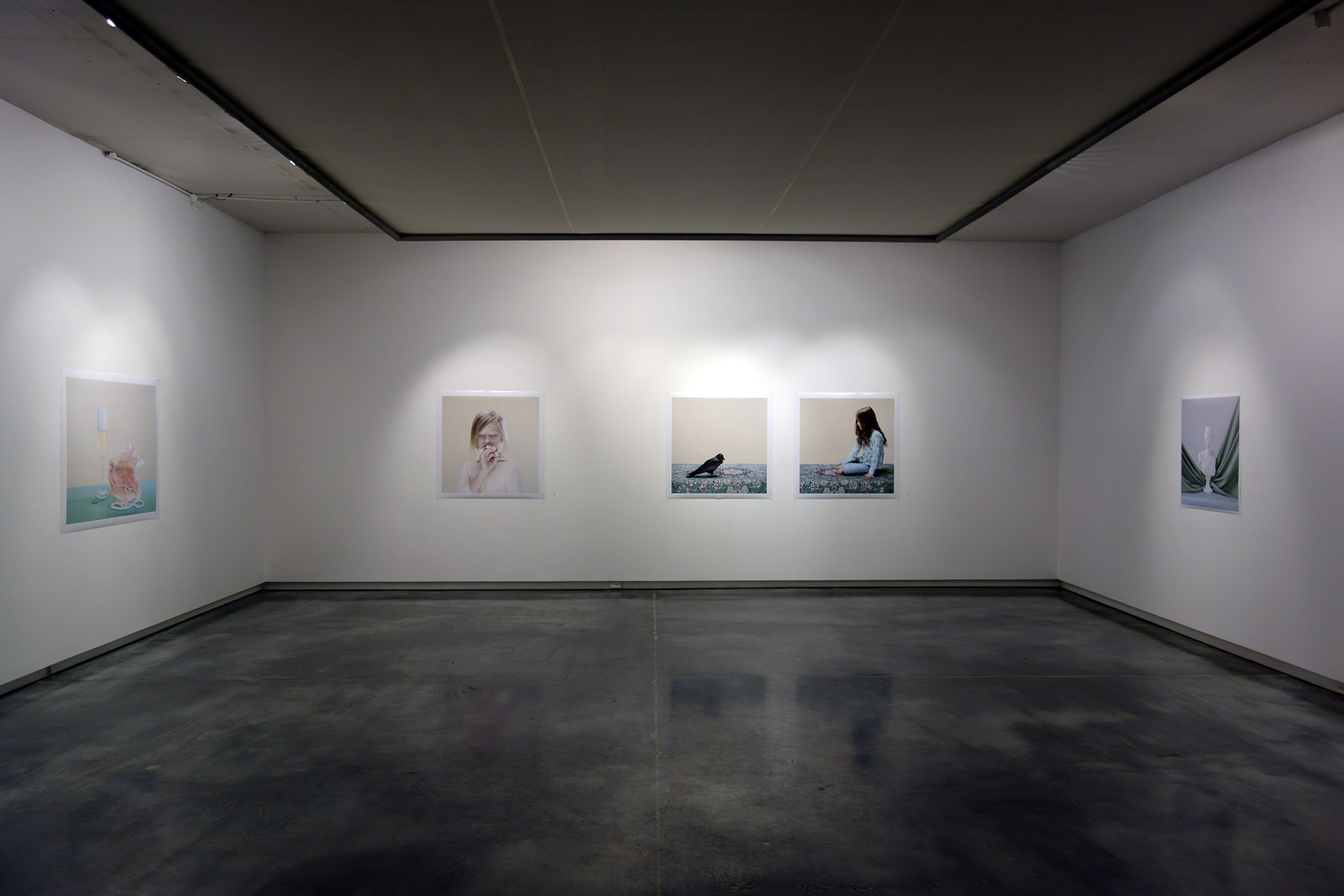
 

Installation view of 'Petrina Hicks: Selected Photographs, 2013' at Helen Gory Galerie

Installation view of 'Petrina Hicks: Selected Photographs, 2013' at Helen Gory Galerie

Installation view of 'Petrina Hicks: Selected Photographs, 2013' at Helen Gory Galerie


Installation views of Petrina Hicks: Selected Photographs, 2013 at Helen Gory Galerie
Photos: Marcus Bunyan


Petrina HicksĀ (Australian, b. 1972) 'Enigma' 2013


Petrina HicksĀ (Australian, b. 1972)
Enigma
2013
Pigment print, Edition of 8
100 x 100cm
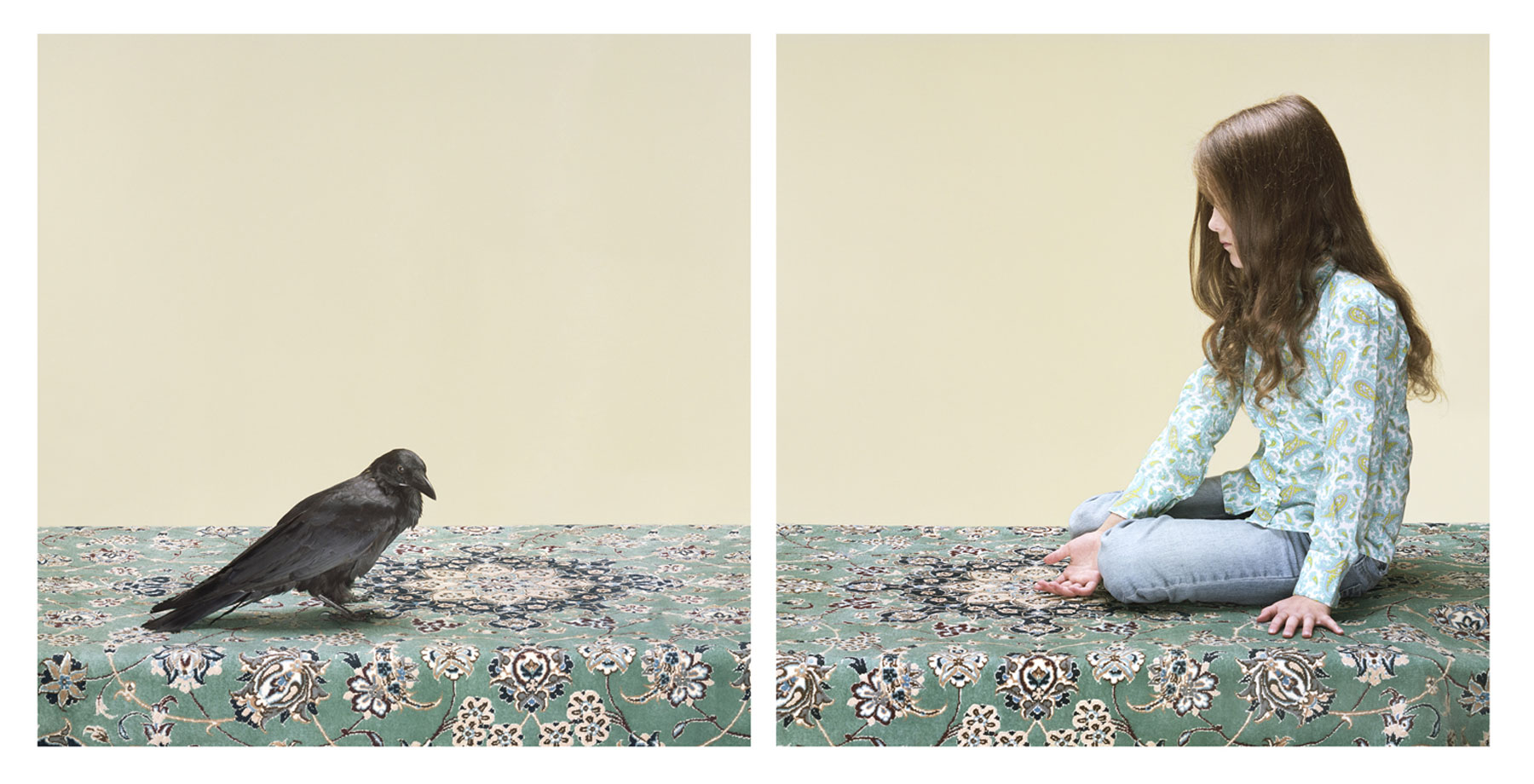
 

Petrina HicksĀ (Australian, b. 1972) 'The Hand That Feeds' 2013


Petrina HicksĀ (Australian, b. 1972)
The Hand That Feeds
2013
Pigment print, Edition of 8
100 x 220cm


Petrina HicksĀ (Australian, b. 1972) 'The Beauty of History' 2010


Petrina HicksĀ (Australian, b. 1972)
The Beauty of History
2010
Pigment print, Edition of 8
85 x 85cm


Petrina HicksĀ (Australian, b. 1972) 'New Age' 2013


Petrina HicksĀ (Australian, b. 1972)
New Age
2013
Pigment print, Edition of 8
100 x 220cm


Helen Gory Galerie

This gallery has now closed.
LIKE ART BLART ON FACEBOOK

Back to top

Marcus Bunyan black and white archive: South Yarra and surrounds, 1994

June 2013

PLEASE NOTE: THIS POSTING CONTAINS ART PHOTOGRAPHS OF MALE NUDITY – IF YOU DO NOT LIKE PLEASE DO NOT LOOK, FAIR WARNING HAS BEEN GIVEN


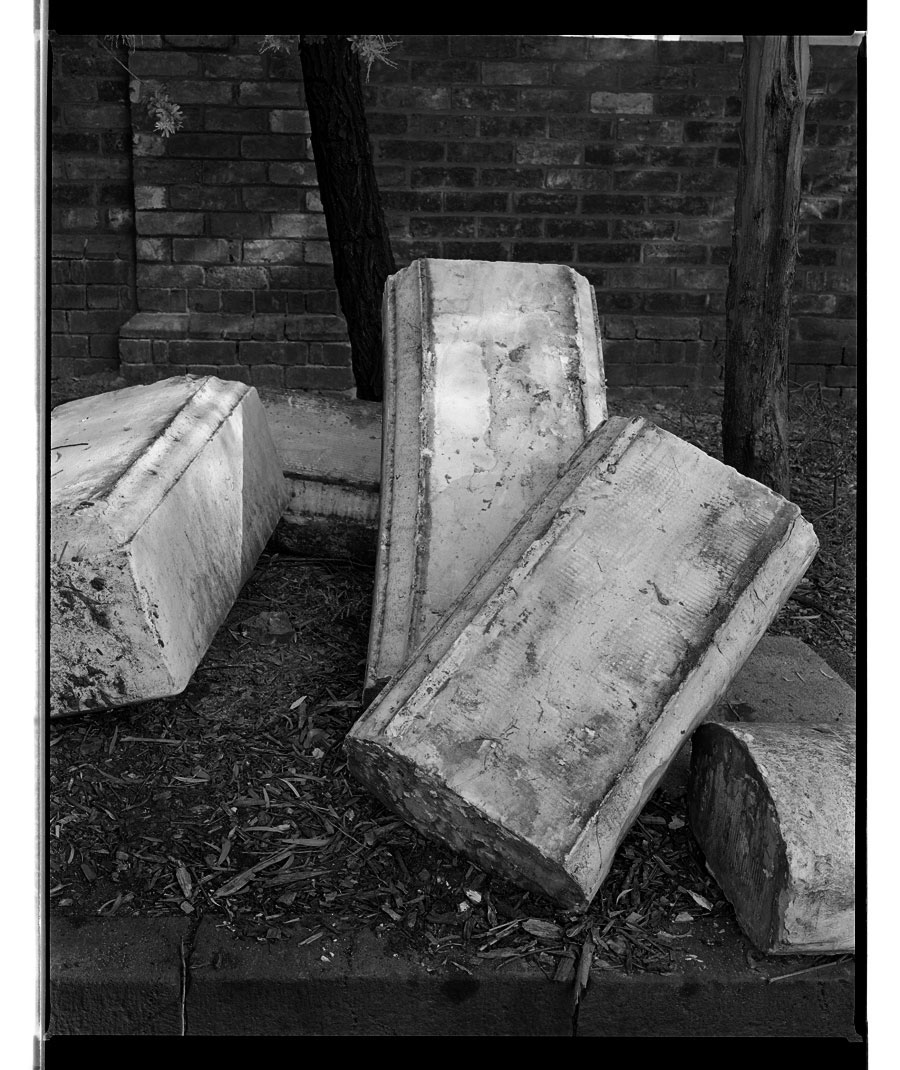
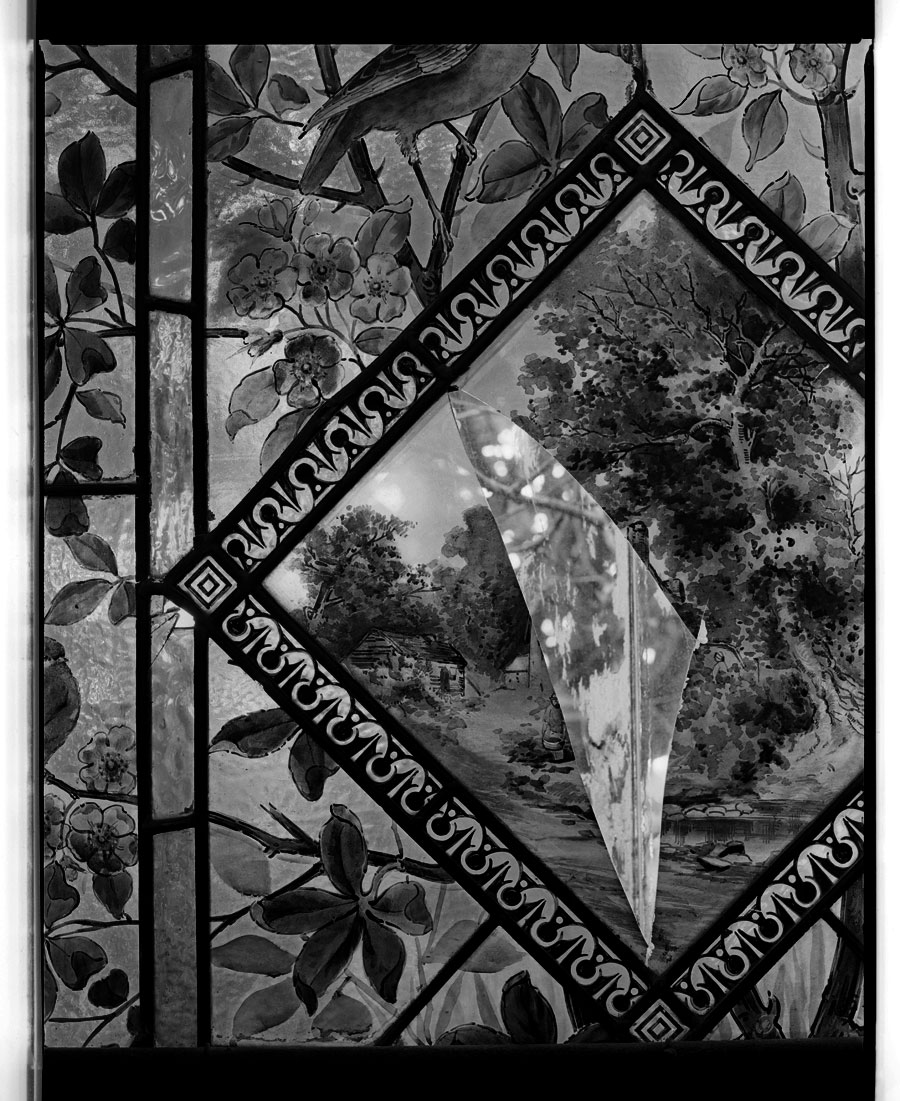
Marcus BunyanĀ (Australian, b. 1958) 'Stained glass, cracked' 1994


Marcus BunyanĀ (Australian, b. 1958)
Stained glass, cracked
1994
Silver gelatin photograph


I am scanning my negatives made during the years 1991-1997 to preserve them in the form of an online archive as a process of active memory, so that the images are not lost forever. These photographs were images of my life and imagination at the time of their making, the ideas I was thinking about and the people and things that surrounded me.

All images Ā© Marcus Bunyan. Please click the photographs for a larger version of the image; remember these are just straight scans of the negatives !

Photographs are available from this series for purchase. As a guide, a vintage 8″ x 10″ silver gelatin print costs $700 plus tracked and insured shipping. For more information please see my Store web page.


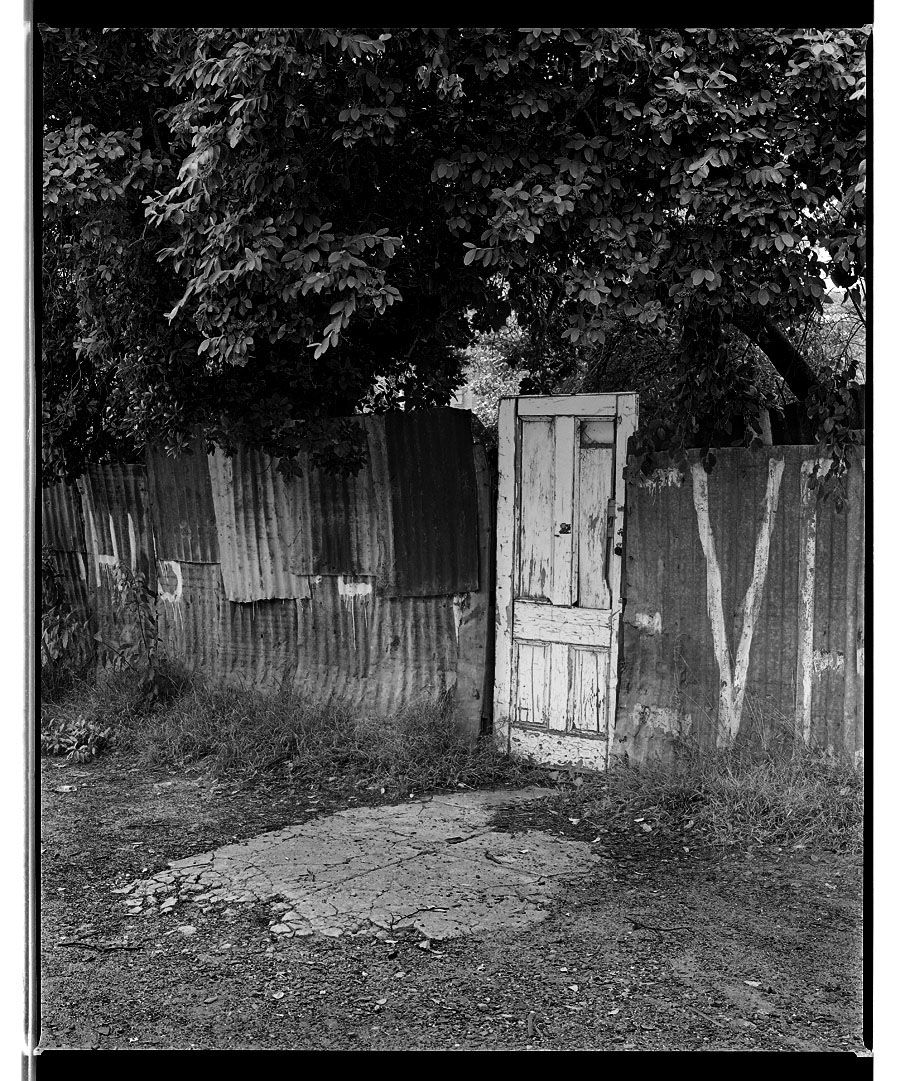
Marcus BunyanĀ (Australian, b. 1958) 'White door 1' 1994


Marcus BunyanĀ (Australian, b. 1958)
White door 1
1994
Silver gelatin photograph


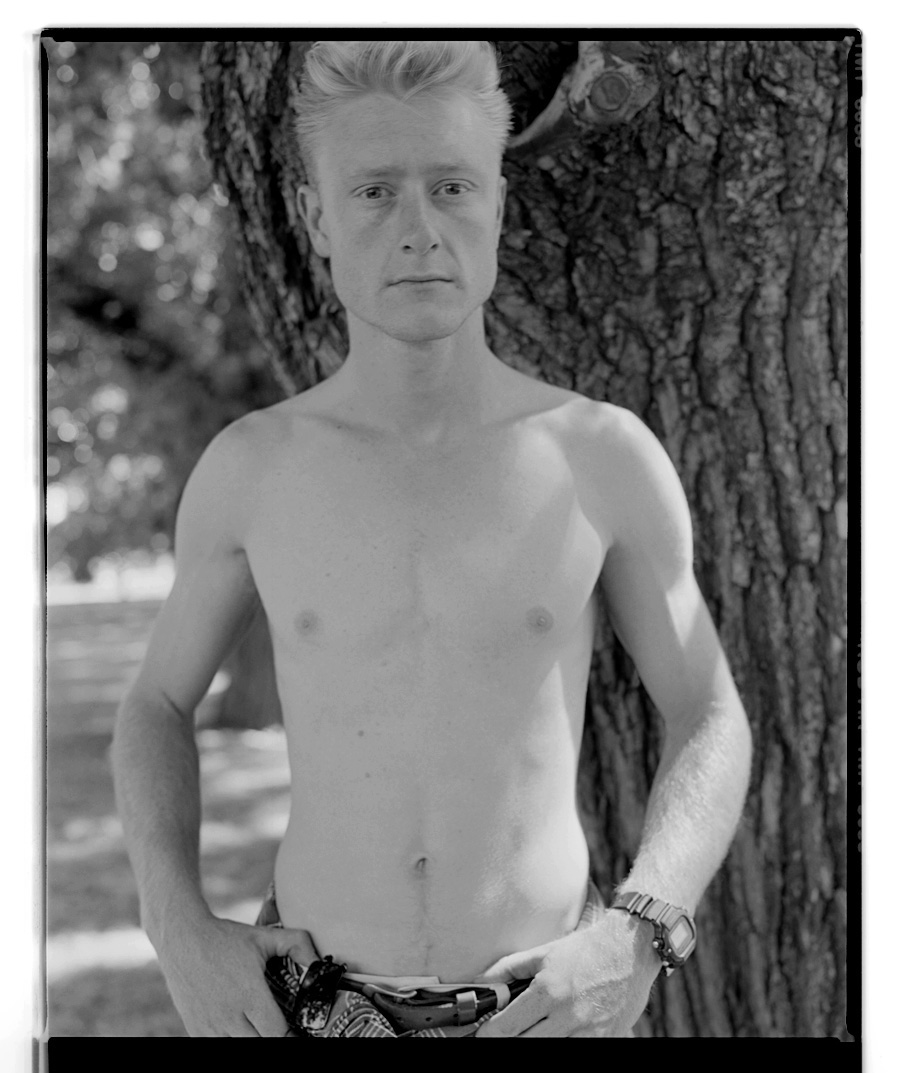
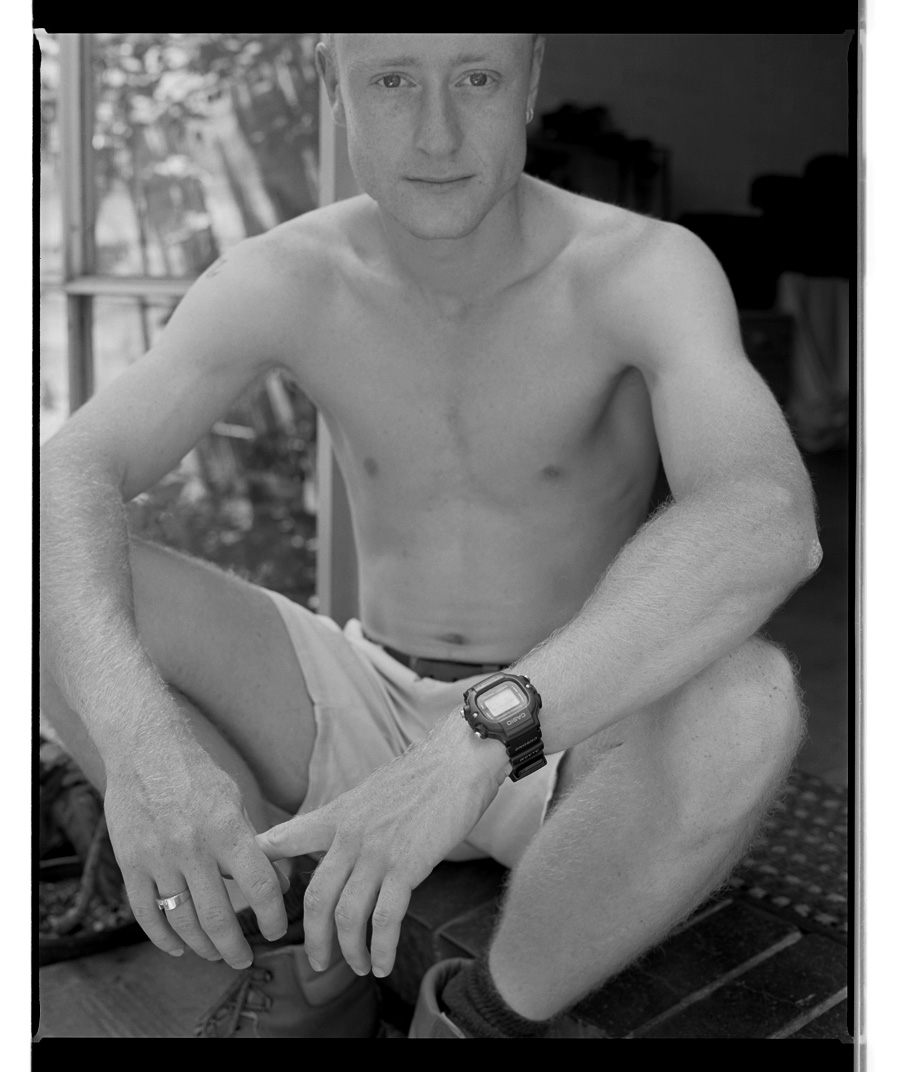
Marcus BunyanĀ (Australian, b. 1958) 'Damien, 1994' 1994


Marcus BunyanĀ (Australian, b. 1958)
Damien, 1994
1994
Silver gelatin photograph


Marcus BunyanĀ (Australian, b. 1958) 'Night repair' 1994


Marcus BunyanĀ (Australian, b. 1958)
Night repair
1994
Silver gelatin photograph


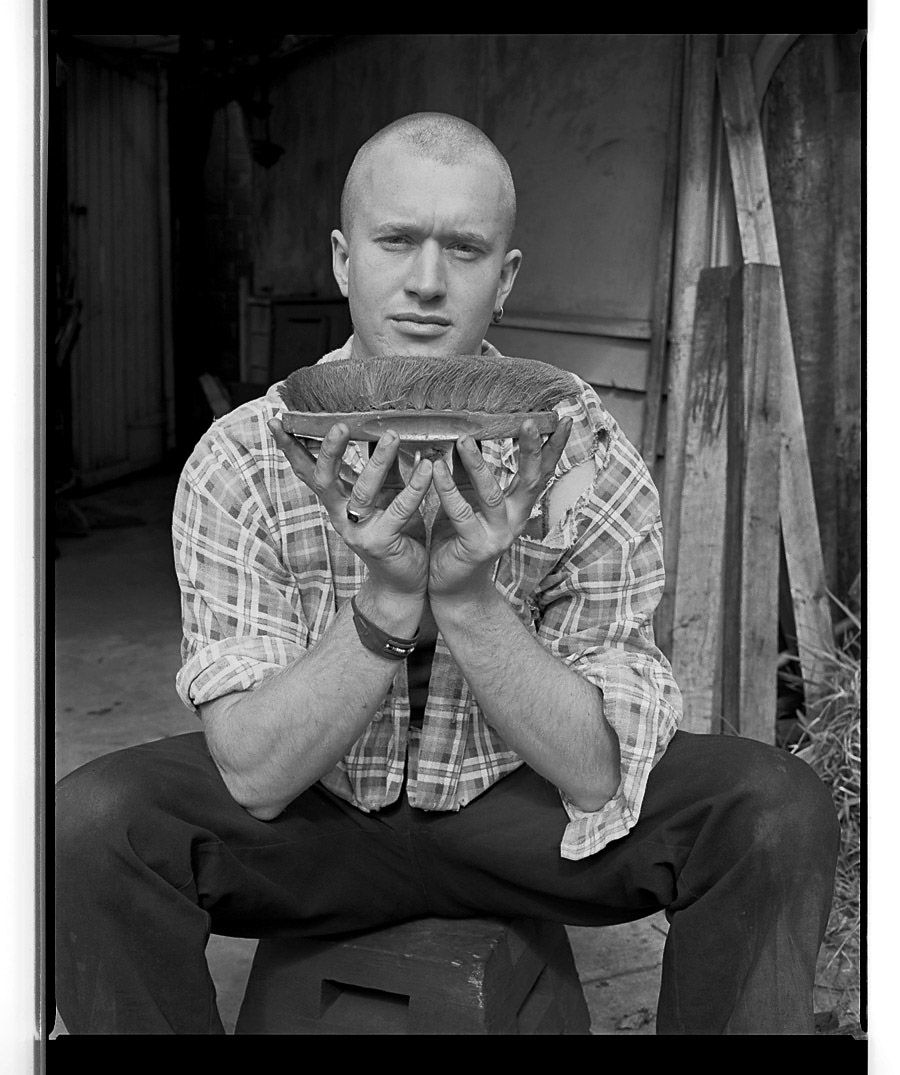
Marcus BunyanĀ (Australian, b. 1958) 'Jerry holding a brush, South Yarra' 1994


Marcus BunyanĀ (Australian, b. 1958)
Jerry holding a brush, South Yarra
1994
Silver gelatin photograph


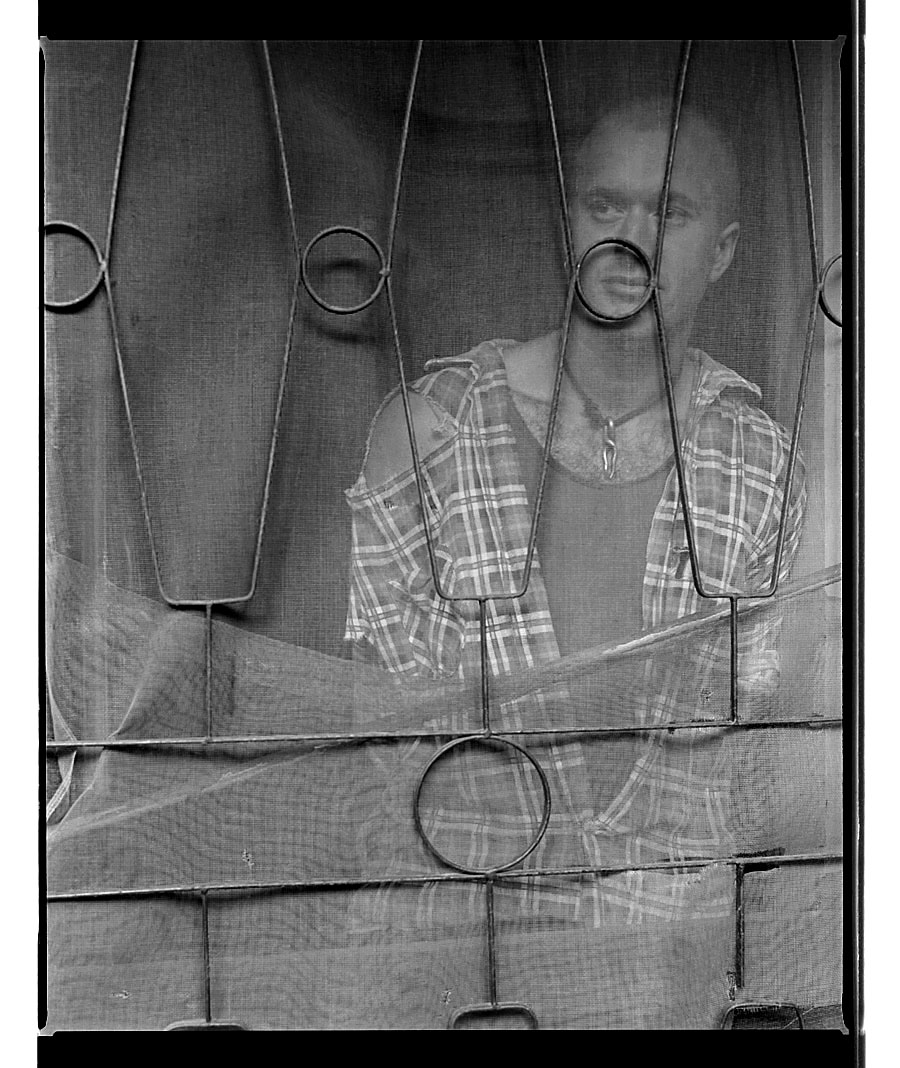
Marcus BunyanĀ (Australian, b. 1958) 'Jerry behind safety screen, Punt Road, South Yarra' 1994


Marcus BunyanĀ (Australian, b. 1958)
Jerry behind safety screen, Punt Road, South Yarra
1994
Silver gelatin photograph


Marcus BunyanĀ (Australian, b. 1958) 'Presence' 1994


Marcus BunyanĀ (Australian, b. 1958)
Presence
1994
Silver gelatin photograph


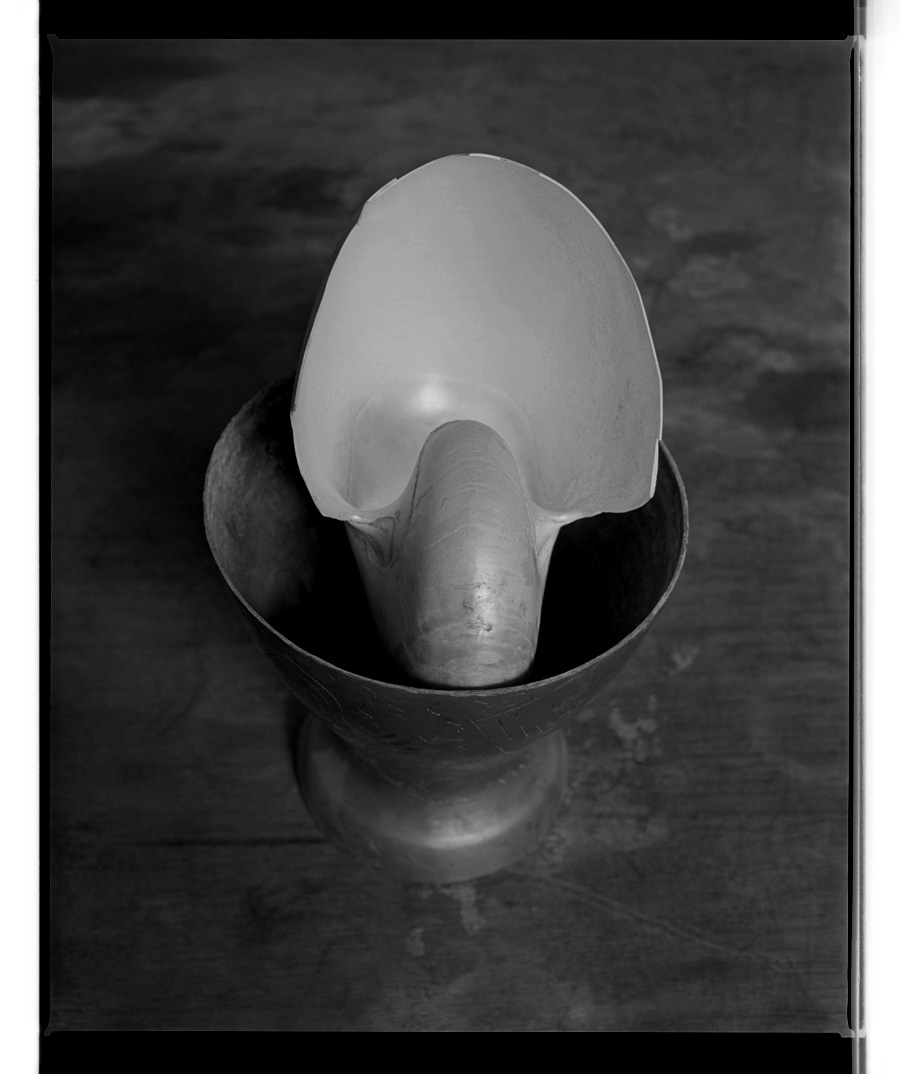
Marcus BunyanĀ (Australian, b. 1958) 'Nautilus shell in cup' 1994


Marcus BunyanĀ (Australian, b. 1958)
Nautilus shell in cup
1994
Silver gelatin photograph


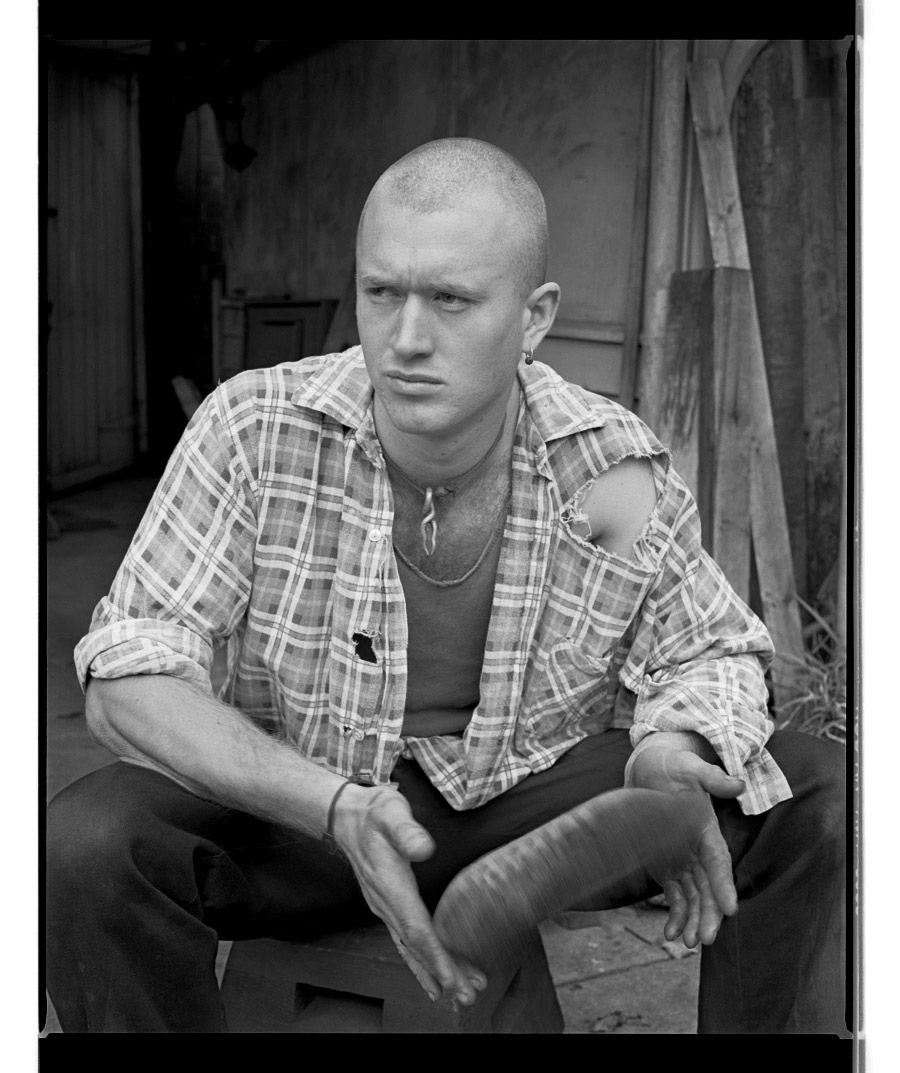
Marcus BunyanĀ (Australian, b. 1958) 'Jerry with shaved head' 1994


Marcus BunyanĀ (Australian, b. 1958)
Jerry with shaved head
1994
Silver gelatin photograph


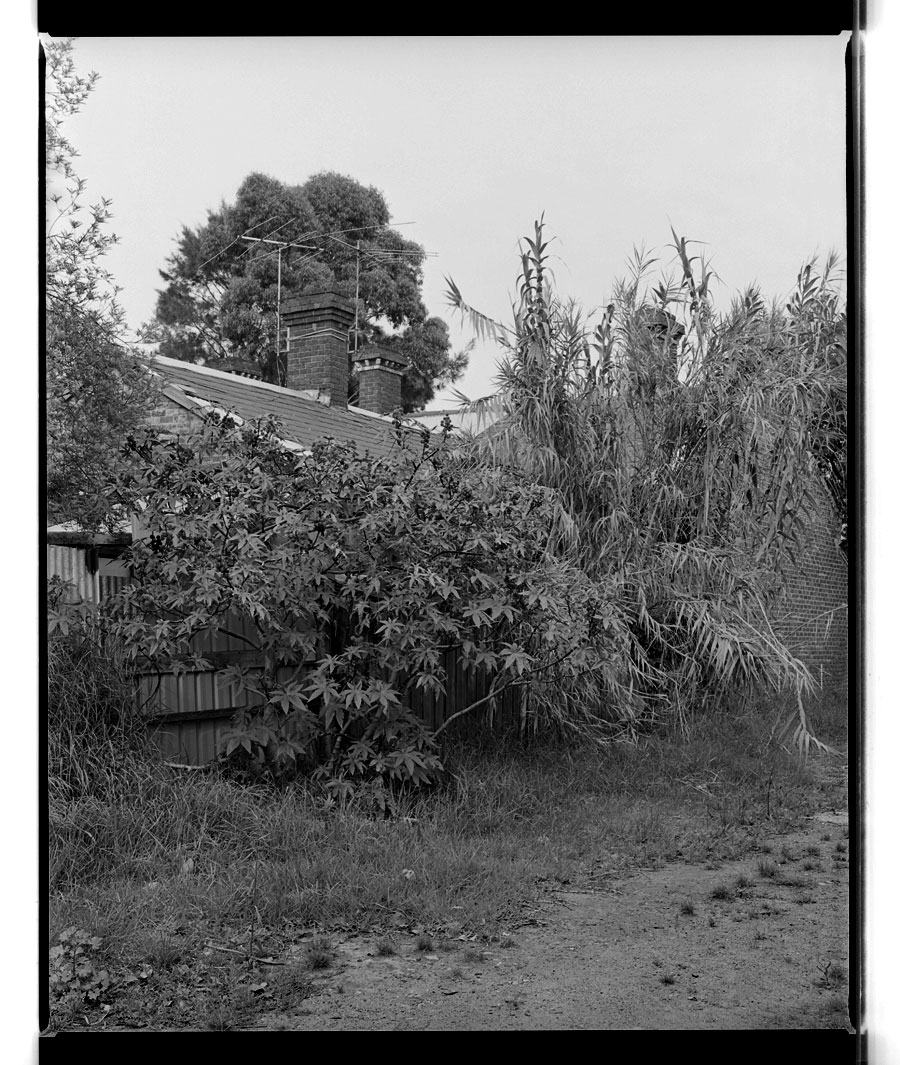
Marcus BunyanĀ (Australian, b. 1958) 'Undergrowth' 1994


Marcus BunyanĀ (Australian, b. 1958)
Undergrowth
1994
Silver gelatin photograph


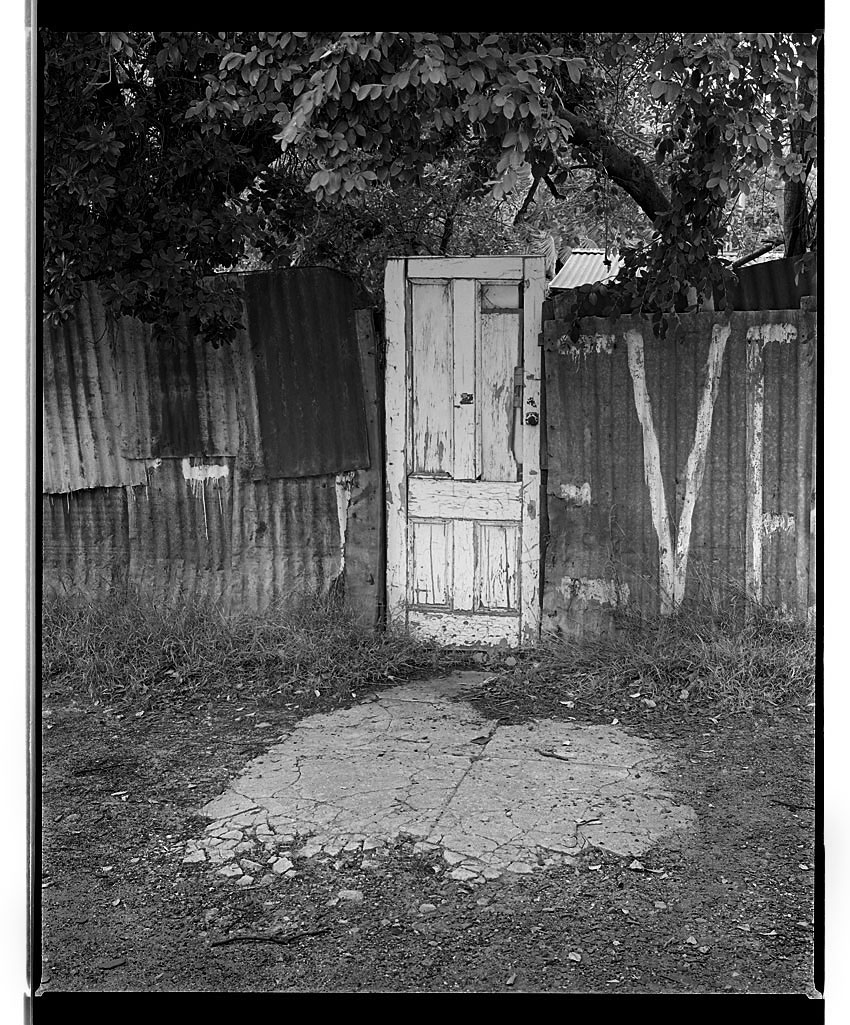
Marcus BunyanĀ (Australian, b. 1958) 'White door 2' 1994


Marcus BunyanĀ (Australian, b. 1958)
White door 2
1994
Silver gelatin photograph


Marcus BunyanĀ (Australian, b. 1958) 'Damien sitting outside his flat, South Yarra, 1994' 1994


Marcus BunyanĀ (Australian, b. 1958)
Damien sitting outside his flat, South Yarra, 1994
1994
Silver gelatin photograph


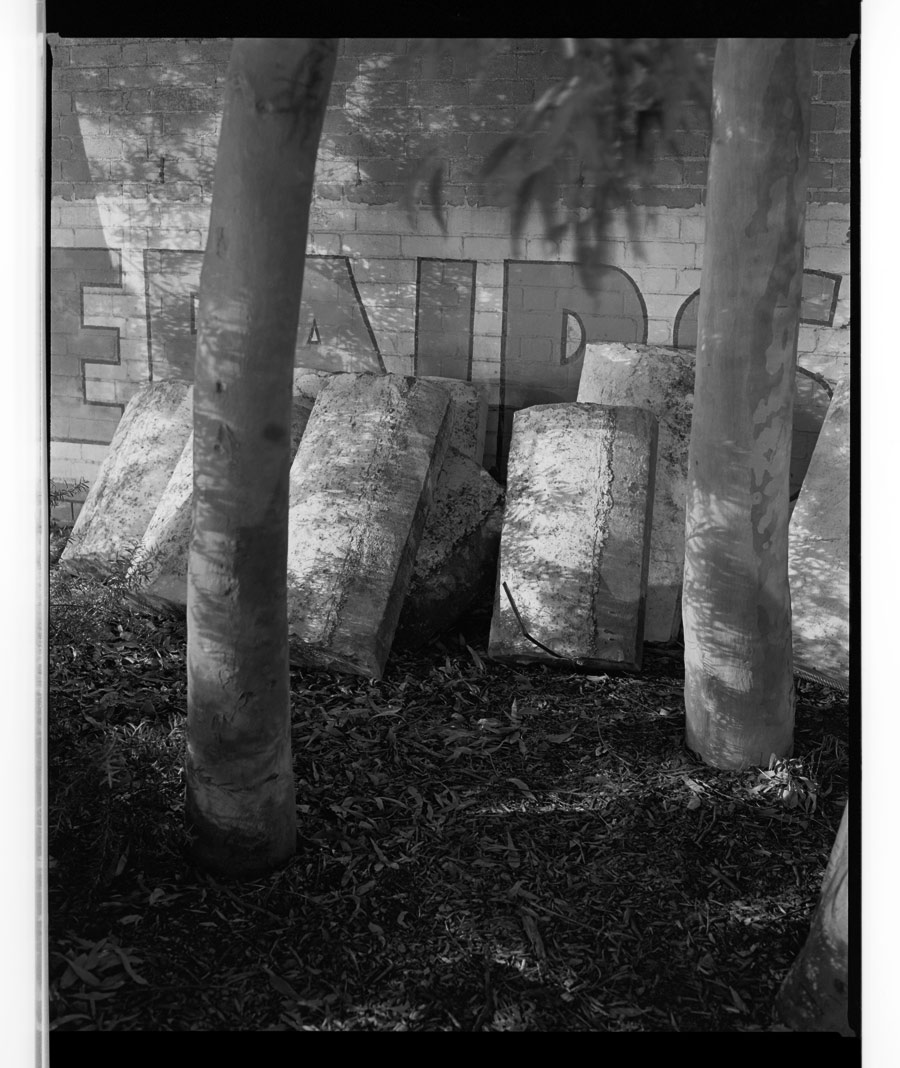
Marcus BunyanĀ (Australian, b. 1958) 'Trees, capstone, shadows' 1994


Marcus BunyanĀ (Australian, b. 1958)
Trees, capstone, shadows
1994
Silver gelatin photograph


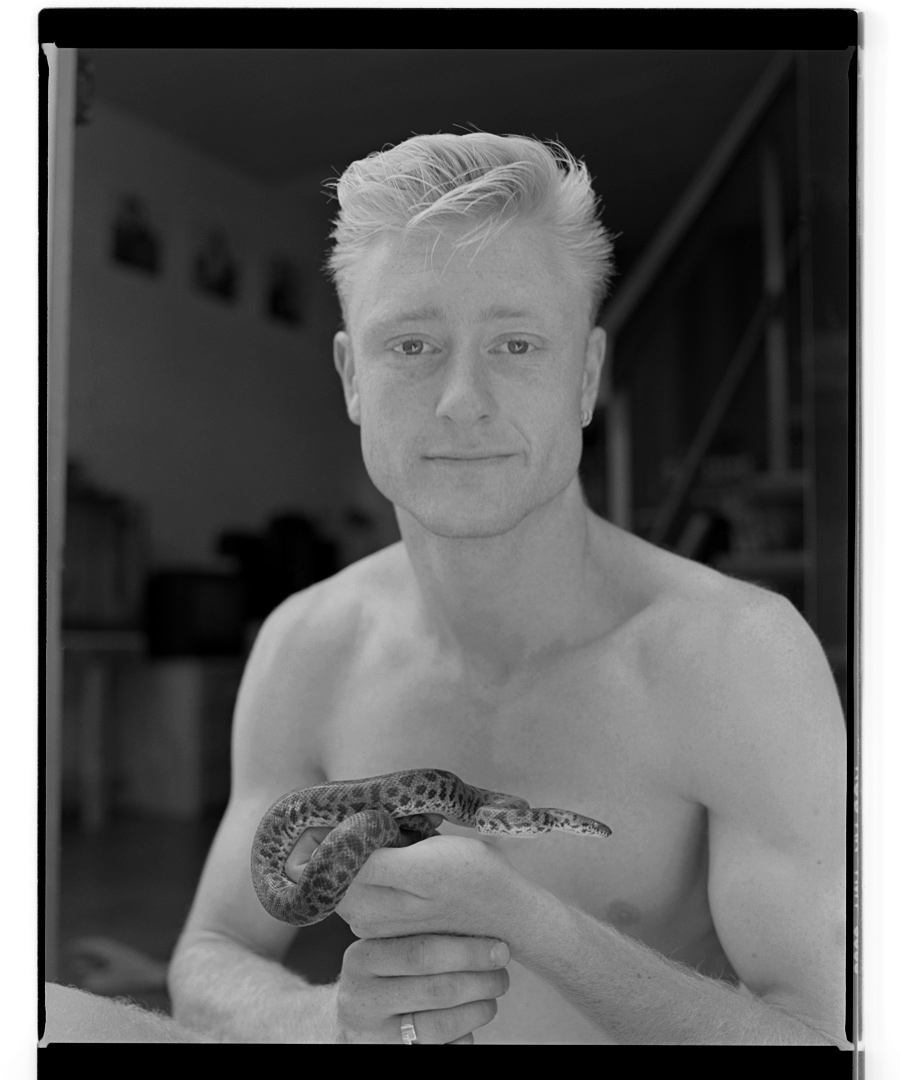
Marcus BunyanĀ (Australian, b. 1958) 'Damien with snake' 1994


Marcus BunyanĀ (Australian, b. 1958)
Damien with snake
1994
Silver gelatin photograph


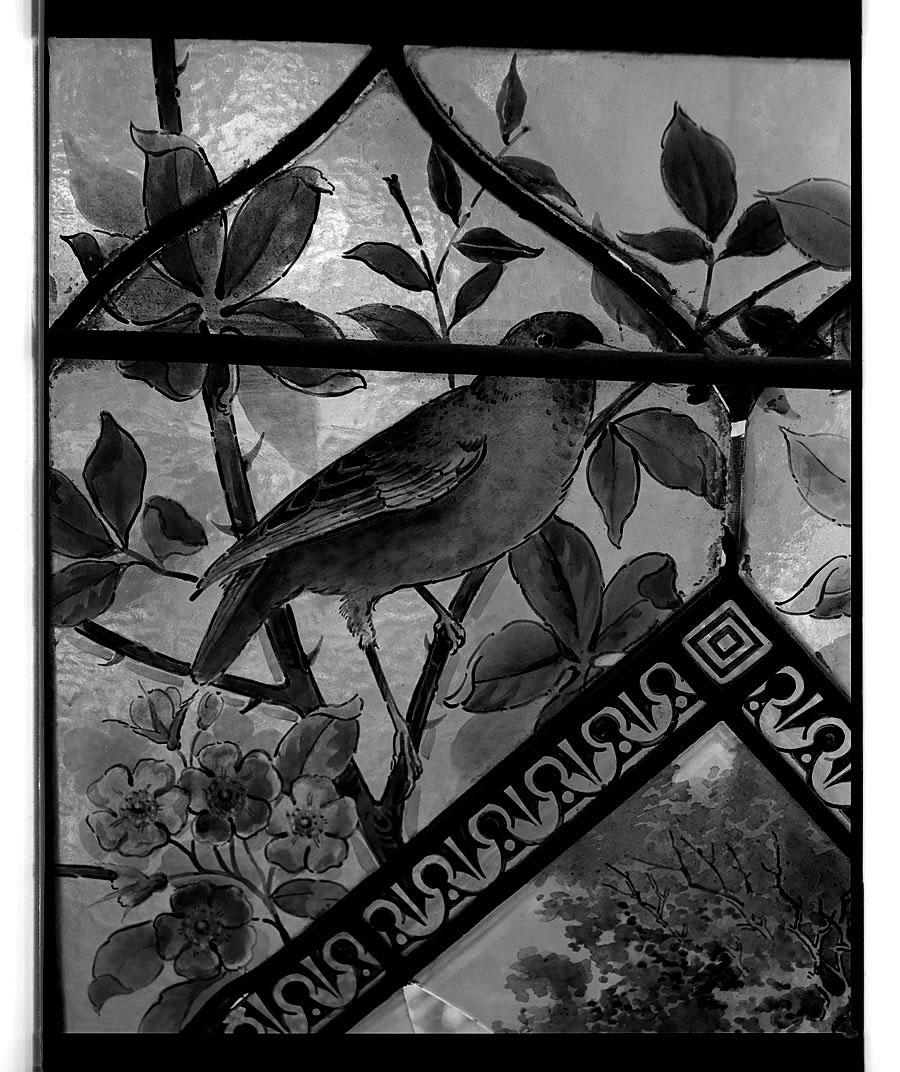
Marcus BunyanĀ (Australian, b. 1958) 'Glass bird, Punt Road, South Yarra' 1994


Marcus BunyanĀ (Australian, b. 1958)
Glass bird, Punt Road, South Yarra
1994
Silver gelatin photograph


Marcus BunyanĀ (Australian, b. 1958) 'Easter Sunday' 1994


Marcus BunyanĀ (Australian, b. 1958)
Easter Sunday
1994
Silver gelatin photograph


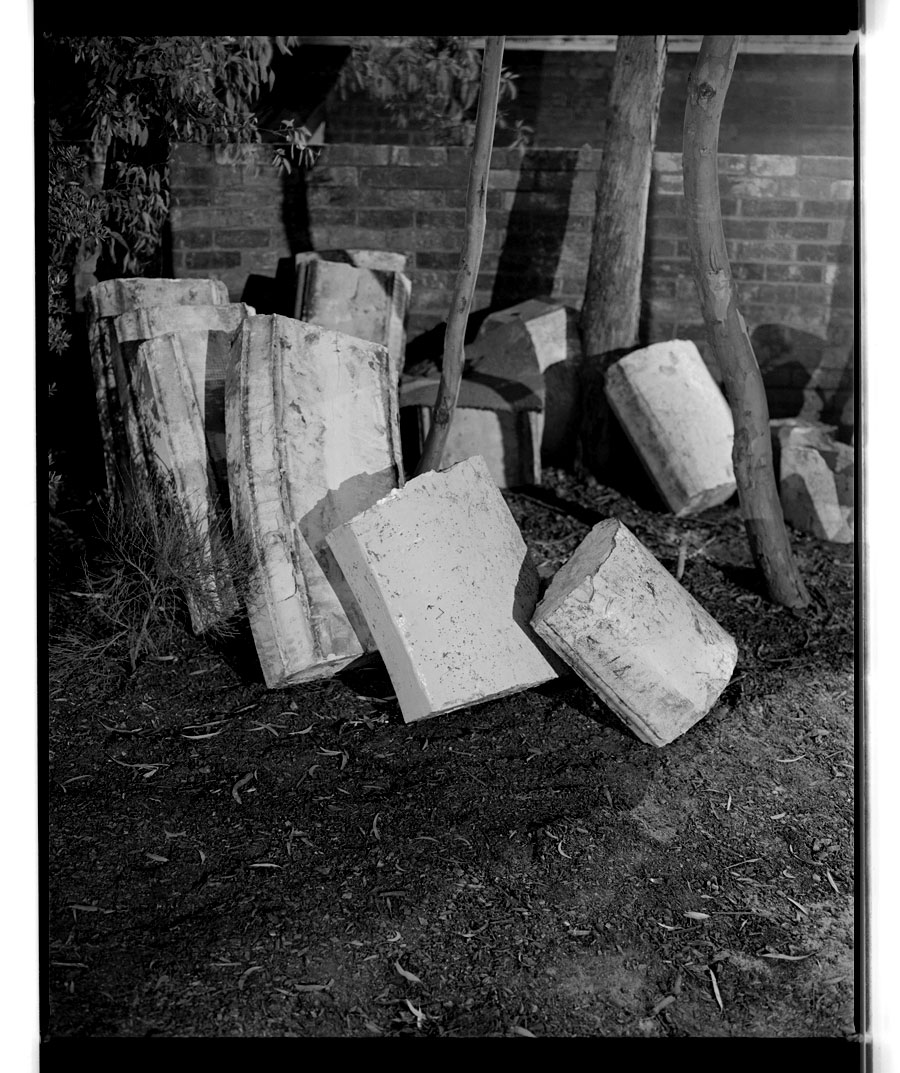
Marcus BunyanĀ (Australian, b. 1958) 'Capstone, night, Windsor train station' 1994


Marcus BunyanĀ (Australian, b. 1958)
Capstone, night, Windsor train station
1994
Silver gelatin photograph


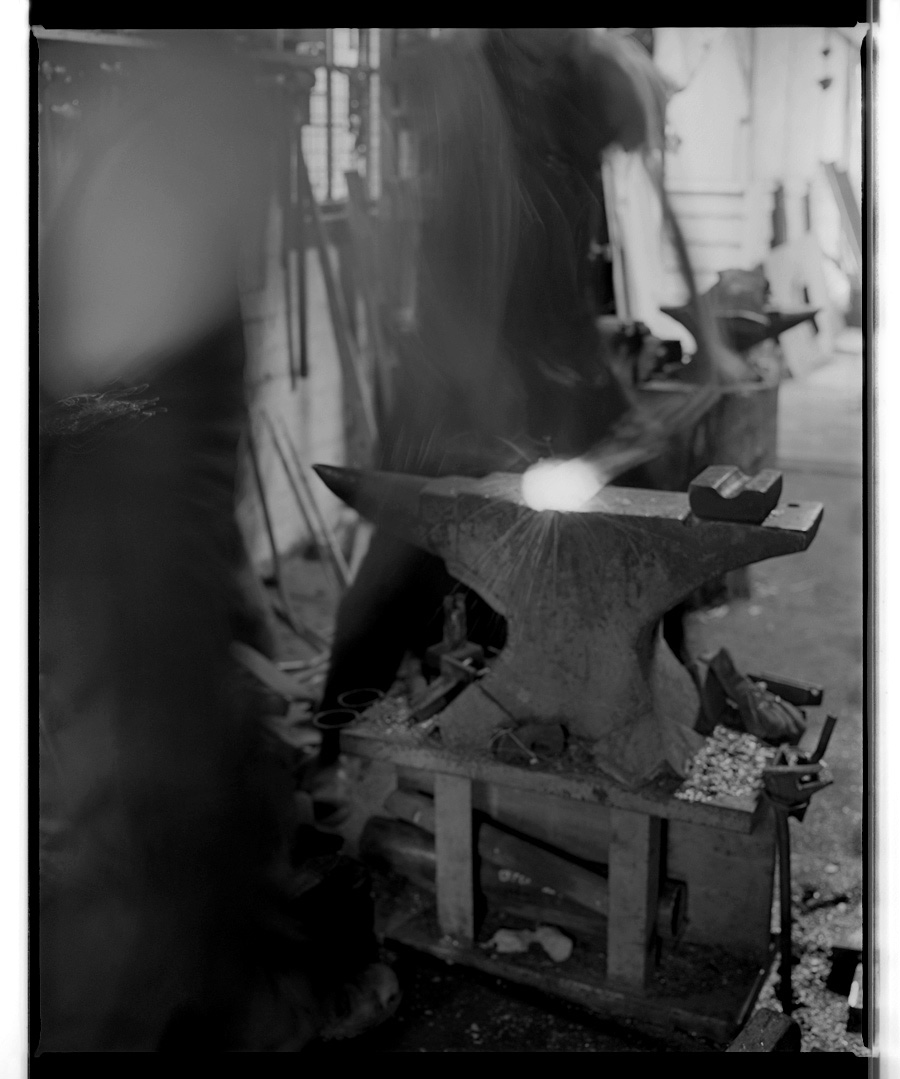
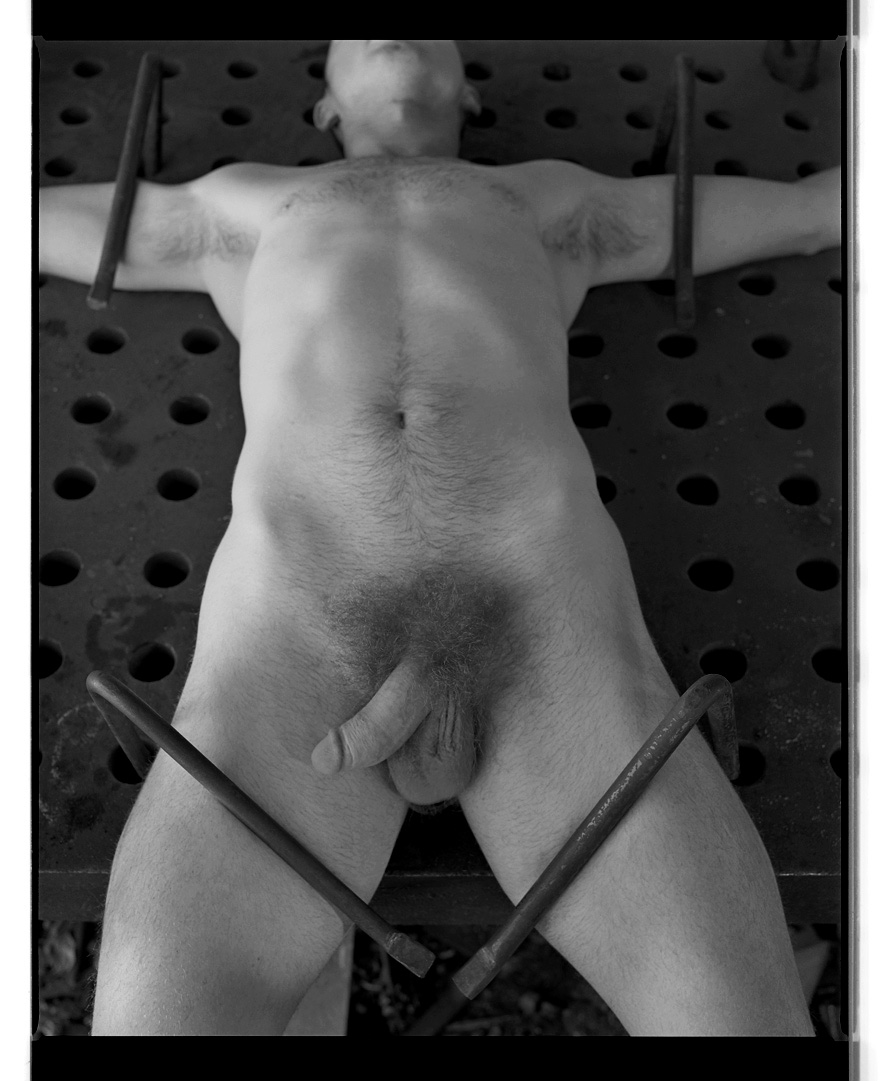
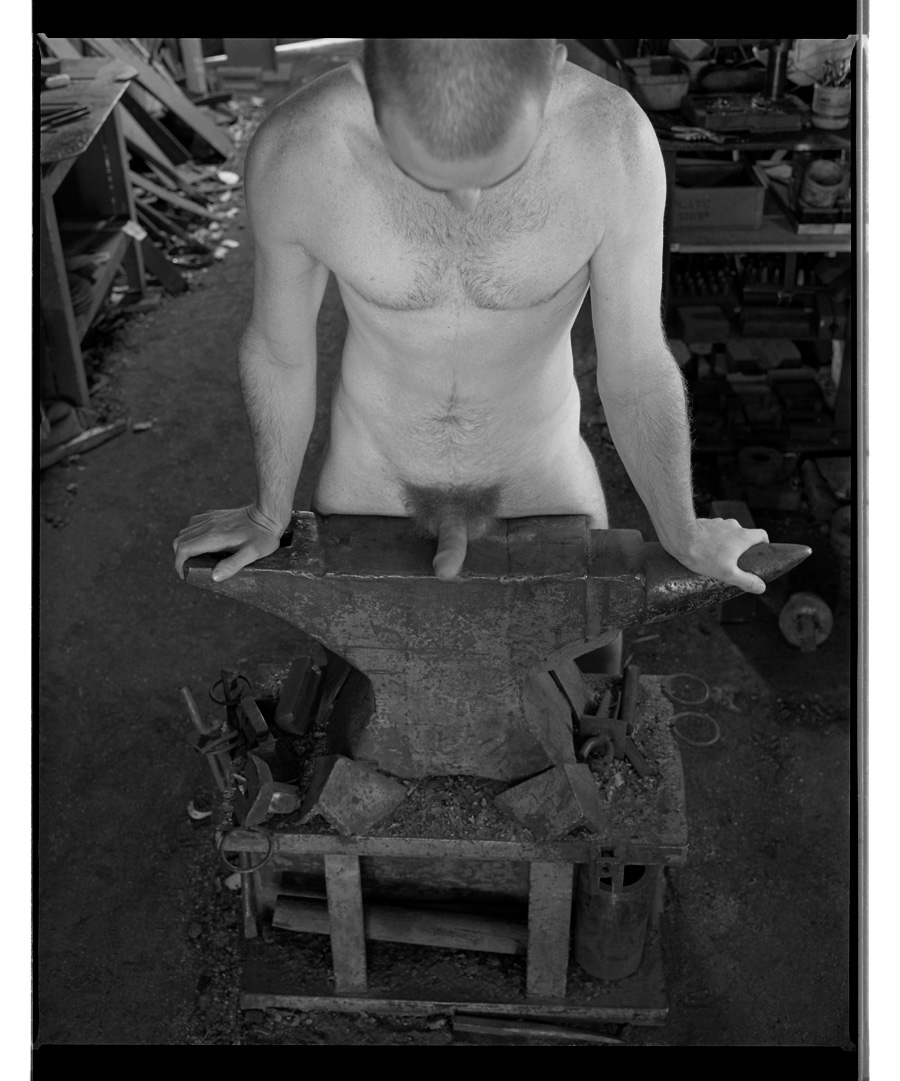
Marcus BunyanĀ (Australian, b. 1958) 'Paul, cock on anvil' 1994


Marcus BunyanĀ (Australian, b. 1958)
Paul, cock on anvil
1994
Silver gelatin photograph


Marcus Bunyan black and white archive 1991-1997

LIKE ART BLART ON FACEBOOK

Back to top

Review: ‘Tourist #5: Disappearing Project 1-41’ by Nicola Loder at Helen Gory Galerie, Prahran, Melbourne

Exhibition dates:Ā 14th March – 7th April 2012


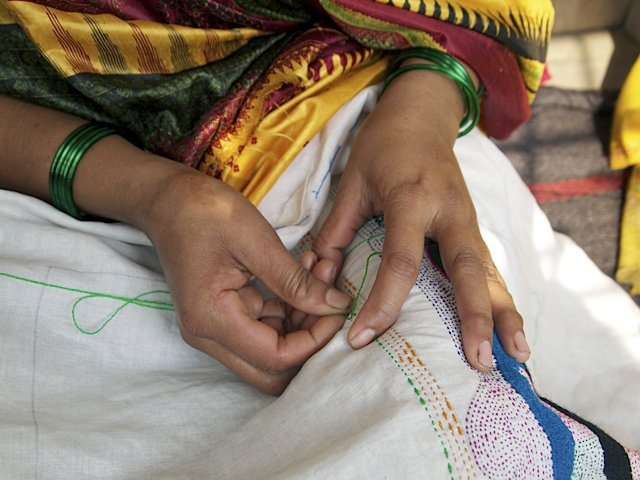
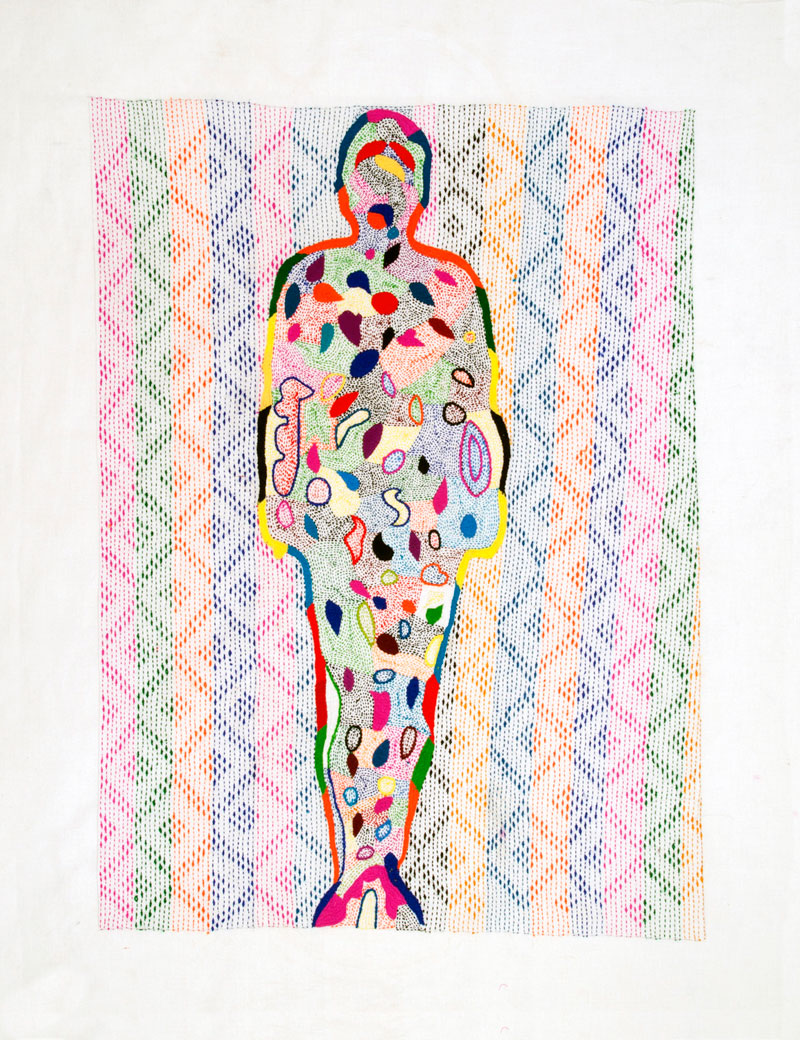
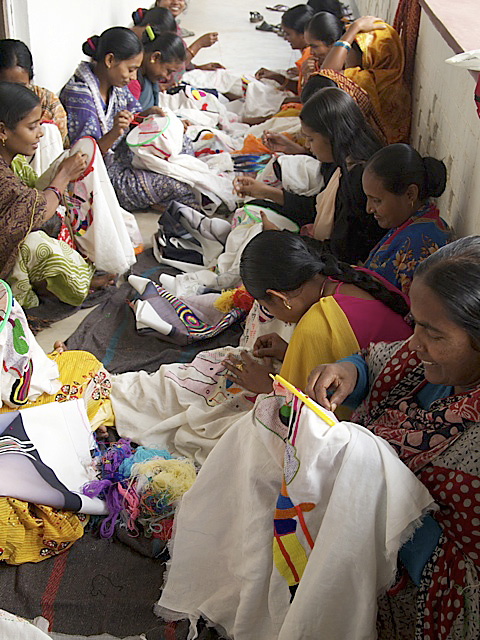
West Bengali womanĀ embroidering the 'Disappearances'


West Bengali womanĀ embroidering the Disappearances


I have always loved the work of Nicola Loder ever since I saw her solo exhibitionĀ Child 1-175: A Nostalgia for the PresentĀ at Stop 22 Gallery in St Kilda in 1996. This exhibition is no exception. Loder is the consummate professional, her work is as imaginative and intriguing as ever and there has been a consistent thematic development of ideas within her work over a long period of time. These ideas relate to the nature of seeing and being seen, the mapping of identity and the process of its (dis)appearance.

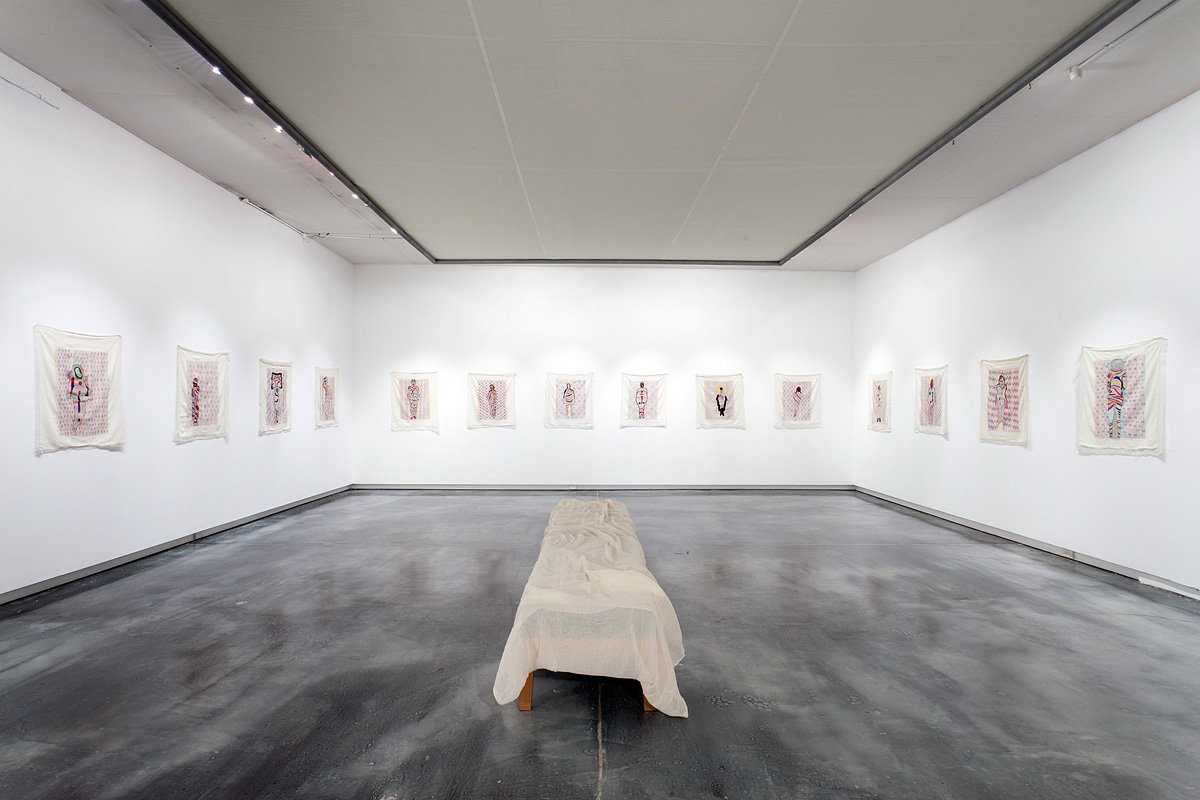
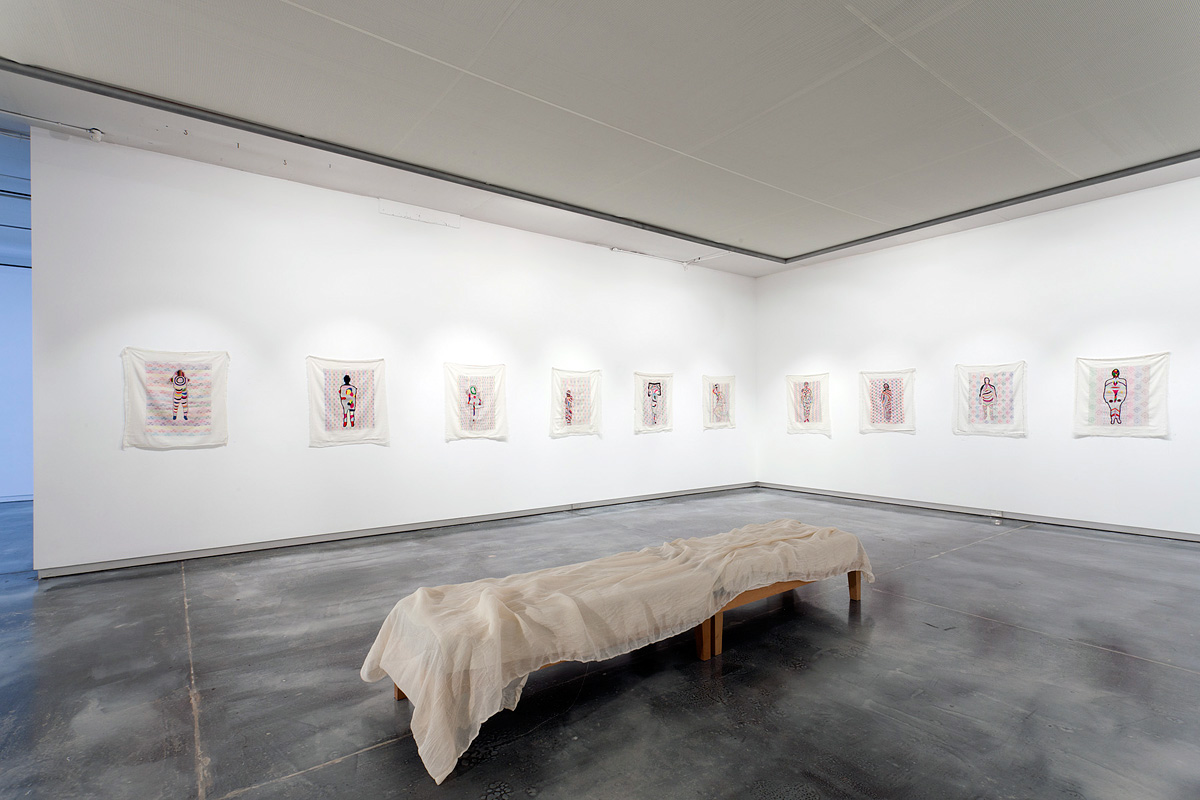
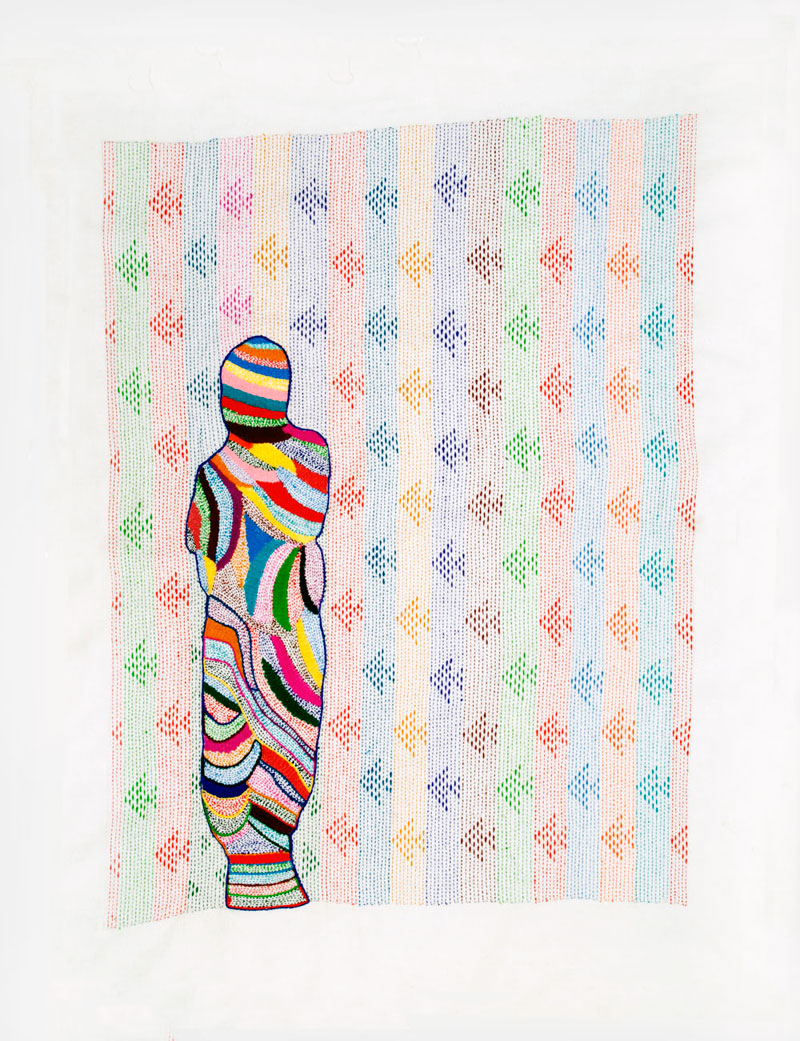
This latest iteration of her ongoing series TouristĀ (described in detail, below, in the erudite essay by Stuart Koop) again involves de/reconstructions of identity through slippages, elisions, deletions, disappearances and transformations. InĀ Tourist #5: Disappearing Project 1-41 the shroud-like effigies that result from Loder’s project, a reference reinforced by the muslin cloth lying over the bench in the gallery space (see the installation photographs below), are a repeated re-presentation of a lost or missing identity: the disappearance of the person in their own minds; photography’s “capture” of the original person; Loder’s deletion of this identity (I was there) to be substituted by Photoshop’s geometric algorithms; the West Bengali women’s reinterpretation of this disappearance; and the reappearance of a new energy in the colourful, embroidered reinterpretations. I have very much a feeling of a spiritual energy in this last embodiment – think of the link between death and the spirit (as in the Shroud of Turin).

The images have multiple narratives and are already textualised but Loder disrupts this marking, the continual reiteration of norms by weaving a lack of fixity into her objects. In her reconceptualisations of space and matter Loder redefines the significations of the body in the fold of inscription, through a process of materialisation. But this materialisation, like the image seared into the fabric of the Shroud of Turin, still somehow eludes us. This is what makes this work so tantalising…

This interweaving of texts culminates in the body inscribed on another plane existing in, as Loder herself describes it, a “de-constructed non-space somewhere between image, imagination, identity, language and being,” which, as Stuart Koop observes, “is… not a removal or deletion but a reconfiguration beyond verisimilitude, beyond our appearance to others and ourselves.” This is theĀ navigation through a virtual space that Sherry Turkle posits in the quotation at the top of the posting, where the self is decentred and identity is fluid and multiple.

Loder’s exquisitely sensuous description of disappearance allows us to see theĀ phenomenal word afresh. I look forward with a sense of anticipation to the next voyage of discovery the artist will take me on.

Dr Marcus Bunyan


Many thankx to Nicola Loder, Stuart Koop and Helen Gorie Galerie for allowing me to publish the text and photographs in the posting. Please click on the photographs for a larger version of the image.


Fredric Jameson wrote that in the postmodern world, the subject is not alienated but fragmented. He explained that the notion of alienation presumes a centralized, unitary self who could become lost to himself or herself. But if, as a postmodernist sees it, the self is decentred and multiple, the concept of alienation breaks down. All that is left is an anxiety of identity… In simulation, identity can be fluid and multiple, a signifier no longer points to a thing that is signified, and understanding is less likely to proceed through analysis than by navigation through virtual space.


Sherry Turkle. Life on The Screen: Identity in the Age of the Internet. New York: Simon and Schuster, 1995, p. 49.


'Tourist #5: Disappearing Project 1-41' by Nicola Loder, installation photograph at Helen Gorie Galerie

'Tourist #5: Disappearing Project 1-41' by Nicola Loder, installation photograph at Helen Gorie Galerie


Tourist #5: Disappearing Project 1-41Ā by Nicola Loder, installation photograph at Helen Gorie Galerie
Photos: Marcus Bunyan


Photographer Nicola Loder explores the way in which people see.

The purpose of photography is largely to make things visible. Inspired in part by herĀ experiences teaching blind children photography, Loder reverses photography’s functionĀ using it instead to capture objects and experiences that aren’t visible. She embracesĀ Photoshop but counters its typical role of improving clarity and focus, rather using it toĀ collapse images into layers of pattern and colour.

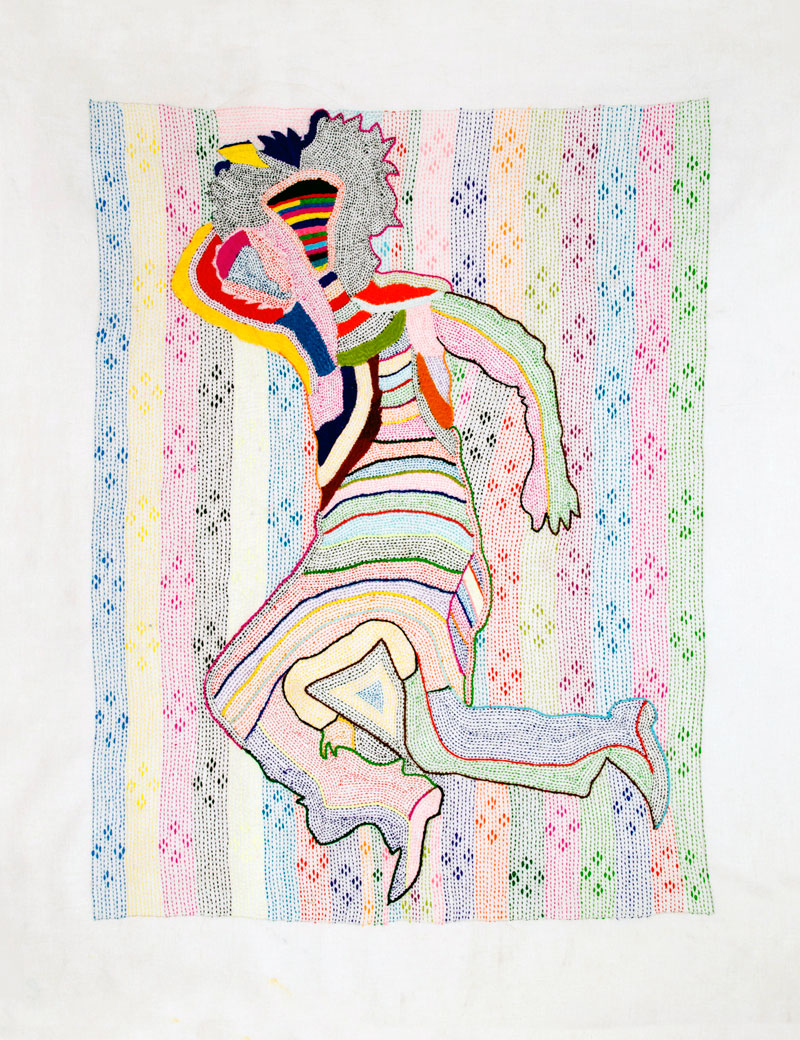
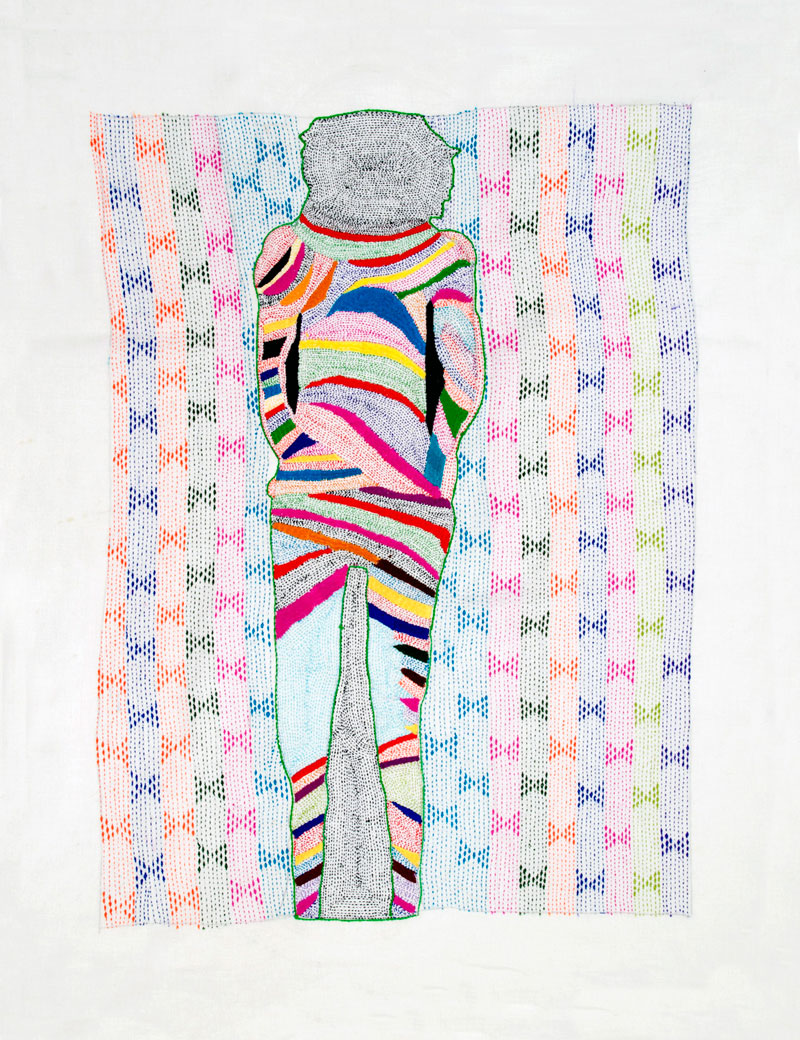
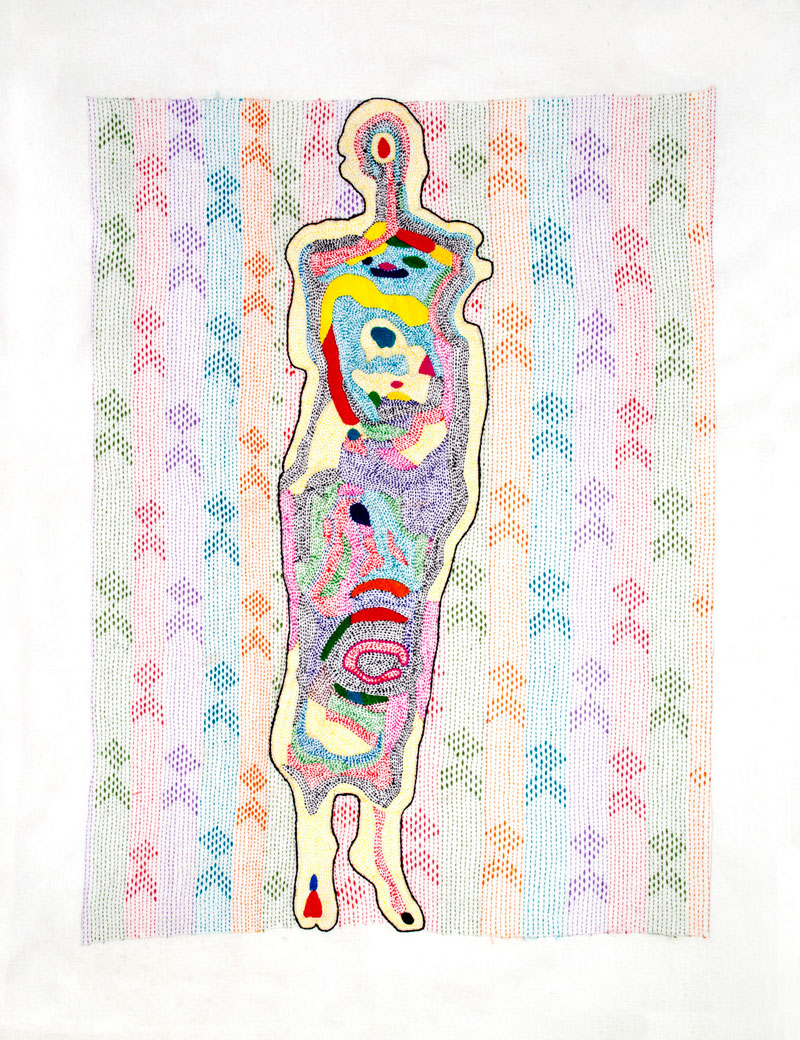
Tourist #5: disappearing project 1-40 is a multi-faceted project that teases out notions of seeing and being seen and the role of creator as truth teller. Loder sent out a flyer inviting people who had disappeared to send her a full-length image of themselves with a written description of what happened when they disappeared. The stories and images she received range from out of body near death experiences to the mundane act of sleeping, each shedding light on what people identify as disappearing. Loder then manipulated the submitted images into highly colourful digital patterns, resonant of her earlier photographic work. She took the reworked images to India where they were embroidered onto muslin by local women in West Bengal. The result is beautiful hand-embroidered works that reflect the women’s personal interpretations of the images and incorporate their rich history, cultural patterns and iconography.

“The obliterated, atomised, reconfigured portraits ‘rematerialise’ as tapestries executed by women from a small rural village, at the margins of Indian society, who – but for NGOs dedicated to overcome disadvantage, in this case Street Survivors empowering rural women through skills development – are largely invisible to their communities, to politicians, as well as their castes.

Of course, Loder has paid these women, a means of recognising and honouring their work, a means of bringing them into view, at the margins of economy, welfare and community. Indeed, she has taken their portraits and documented them at work, and it’s a startling contrast. Our middle-class stories, anxieties and interests ending up in the careful hands of these women in colourful saris, sitting and working together, our (largely) passing concerns darned into the muslin cloth in their laps, our own saturated photographic hues indistinguishable from the bright chaos of folded cloth and pleated skirts, with their nimble fingers tracing our desires and cares in bright lurid threads.” (Stuart Koops, 2012)

For Loder India is a central tenet of the project given its multiple associations with disappearing, from the focus on meditation to the burning of bodies at the Ghats in Varanasi, the final act of disappearing. On a personal level Loder lived in Calcutta as a child and views her experience of leaving India as another act of disappearing: both her Indian Ayah (Moti) and India physically disappeared from her life. Involving the women from her Ayah’s village is Loder’s reflection on and tribute to those experiences of disappearing.

Press release from Helen Gorie Galerie website


Nicola LoderĀ (Australian, b. 1964) 'Tourist #5: Disappearing Project 1-41 (no 11)' 2012 Polyester thread, muslin 86 x 69cm


Nicola LoderĀ (Australian, b. 1964)
Tourist #5: Disappearing Project 1-41 (no 11)
2012
Polyester thread, muslin
86 x 69cm


Nicola LoderĀ (Australian, b. 1964) 'Tourist #5: Disappearing Project 1-41 (no 16)' 2012 Polyester thread, muslin 86 x 69cm


Nicola LoderĀ (Australian, b. 1964)
Tourist #5: Disappearing Project 1-41 (no 16)
2012
Polyester thread, muslin
86 x 69cm


Catalogue Essay by Stuart Koops

Nicola Loder has facilitated childrens’ photography projects before, on several occasions working with marginalised groups, including kids from low socio-economic and non-English speaking schools and kids from the Royal Victorian Institute for the Blind. Indeed she chose these groups with purpose, to consider the role of photography in highlighting certain communities most often occluded on the basis of an incapacity – making the invisible visible, making those who cannot see visible to us, giving those without the means of expression a language we can understand – in many ways, reversing the polarity of familiar concepts, disrupting our conventional understanding.

In teaching blind kids especially, Nicola told me she felt like she was disappearing. Not surprising, I guess, when you try to describe the camera, the lens, optics, focus, framing, composition. When your identity or your role as a photographer dissipates along with the explanatory power of these foundation terms and concepts. And practical demonstrations must at first seem frustratingly pointless.

That profound experience seems to have led Loder to use photography in reverse, as the means to decompose images; to utilise PhotoĀ­shop’s algorithms, not to augment or highlight certain attributes in her portraits she ultimately took of these kids, but return images to an undifferentiated field of static, the digital correlate to the original photochemical chaos, the entropy of raw silver halides, which the ‘irrefutable sun’ miraculously sorts into resemblance. In short, to unphotograph the kids somehow, commensurate with their disability and her own disappearance in the workshops.

But it’s not just Loder who has had the experience of disappearing. It’s a profound sensation shared by many and for different reasons, and Loder has collected different accounts of the experience which illustrate the further registers in which one may ‘disappear’; from spiritual attainment in transcending physical reality to out of body transcendental near-death experiences, from relief at escaping a difficult situation, to feelings of terror as a child abandoned, or worse, abducted, from the social isolation and alienation of teenagers and adults, to a freedom or liberation from social constraint and physical containment, wanting to leave behind an unhappy circumstance or just wanting to be magically, wonderfully invisible.

Practically speaking, there’s considerable interest in – and information on – how to disappear, especially in America. In 2008 artist Seth Price published How to Disappear from America, excerpted text from found sectarian tracts, paranoid rants and helpful DIY tips to assist anyone wishing to get off the grid without a trace (burn your credit cards, dump your car, hide your tracks, grow your own, etc) including great suggestions about where to go (motorcycle hangouts, punk rocks groups, new age dance studios, soup kitchens, churches, and homeless shelters).

But Loder’s more interested in the personal, individual experience of disappearing. She asked for photo-portraits to accompany people’s descriptions of disappearing, from which she has seemingly excised each subject, using Photoshop as she did before with the blind kids, leaving a whorl of digital effect in the vacant space within their outline, set in high relief against a lounge-room, or a yard, or other family members. Yet on closer inspection this is perhaps a matter of transformation, since ‘disappearing’ may be very different from ‘deletion’.

In Photoshop we are each just so much chroma, luma and shape. A touch of the magic wand and we are separated from the rest of our lives, ‘lassooed’, a godly power to designate liberated from special-effects cinema by the Knoll brothers in 1988 and given to every geek with a Mac II. Since when it’s just too easy to be deleted; two clicks and we’re in the trash.

But in Loder’s work our data is recast, colour intensified, details blurred, outlines softened, curves modified, screens overlaid and so it seems Photoshop’s myriad algorithms – set against their intended technical imperative to optimise appearances – might provide a metaphor for our disappearing, which is indeed not a removal or deletion but a reconfiguration beyond verisimilitude, beyond our appearance to others and ourselves. And while we might lose visual coherence as an image, we are inscribed upon another plane altogether, one at odds with photographic realism, and which Loder describes as a “de-constructed non-space somewhere between image, imagination, identity, language and being.”Ā Like the shimmering dissipation of Kirk on the teleporter’s deck in Star Trek, these subjects are transported to another realm, different orders of reality merging into a new volatile blend. Perhaps it’s a higher plane too where all souls mingle and coalesce as either zeros or ones, a digital afterlife in which everything is equivalent and a new digital equanimity prevails.

Stuart Koops 2012


Nicola LoderĀ (Australian, b. 1964) 'Tourist #5: Disappearing Project 1-41 (no 8)' 2012 Polyester thread, muslin 86 x 69cm


Nicola LoderĀ (Australian, b. 1964)
Tourist #5: Disappearing Project 1-41 (no 8)
2012
Polyester thread, muslin
86 x 69cm


Nicola LoderĀ (Australian, b. 1964) 'Tourist #5: Disappearing Project 1-41 (no 17)' 2012 Polyester thread, muslin 86 x 69cm


Nicola LoderĀ (Australian, b. 1964)
Tourist #5: Disappearing Project 1-41 (no 17)
2012
Polyester thread, muslin
86 x 69cm


Nicola LoderĀ (Australian, b. 1964) 'Tourist #5: Disappearing Project 1-41 (no 18)' 2012 Polyester thread, muslin 86 x 69cm


Nicola LoderĀ (Australian, b. 1964)
Tourist #5: Disappearing Project 1-41 (no 18)
2012
Polyester thread, muslin
86 x 69cm


West Bengali womenĀ embroidering the 'Disappearances'


West Bengali womenĀ embroidering the Disappearances


Helen Gory Galerie

This gallery is now closed.
Nicola Loder website

LIKE ART BLART ON FACEBOOK

Back to top

Exhibition: ‘Birthmark’ by Owen Leong at Anna Pappas Gallery, Prahran

Exhibition dates: 13th May – 5th June, 2010


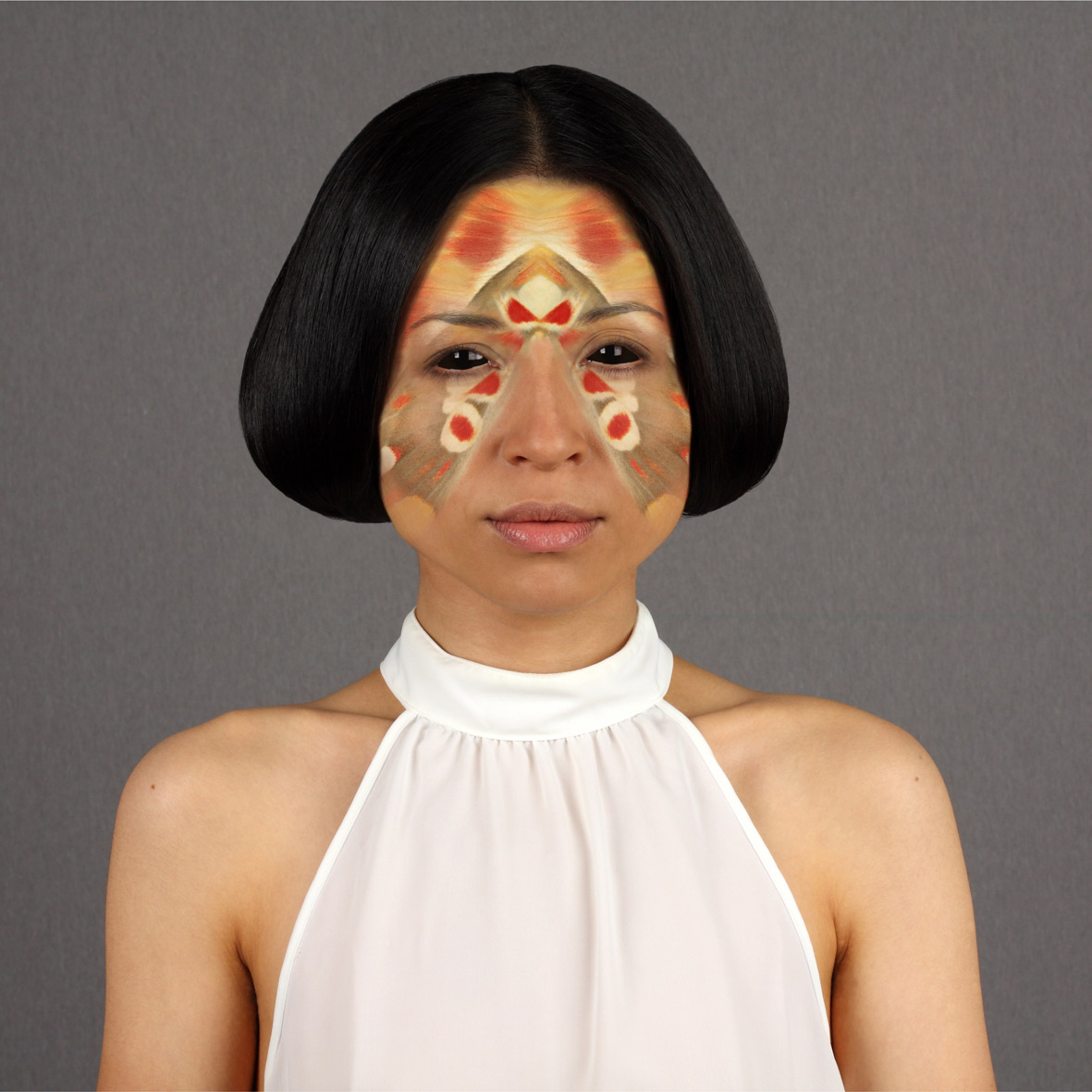
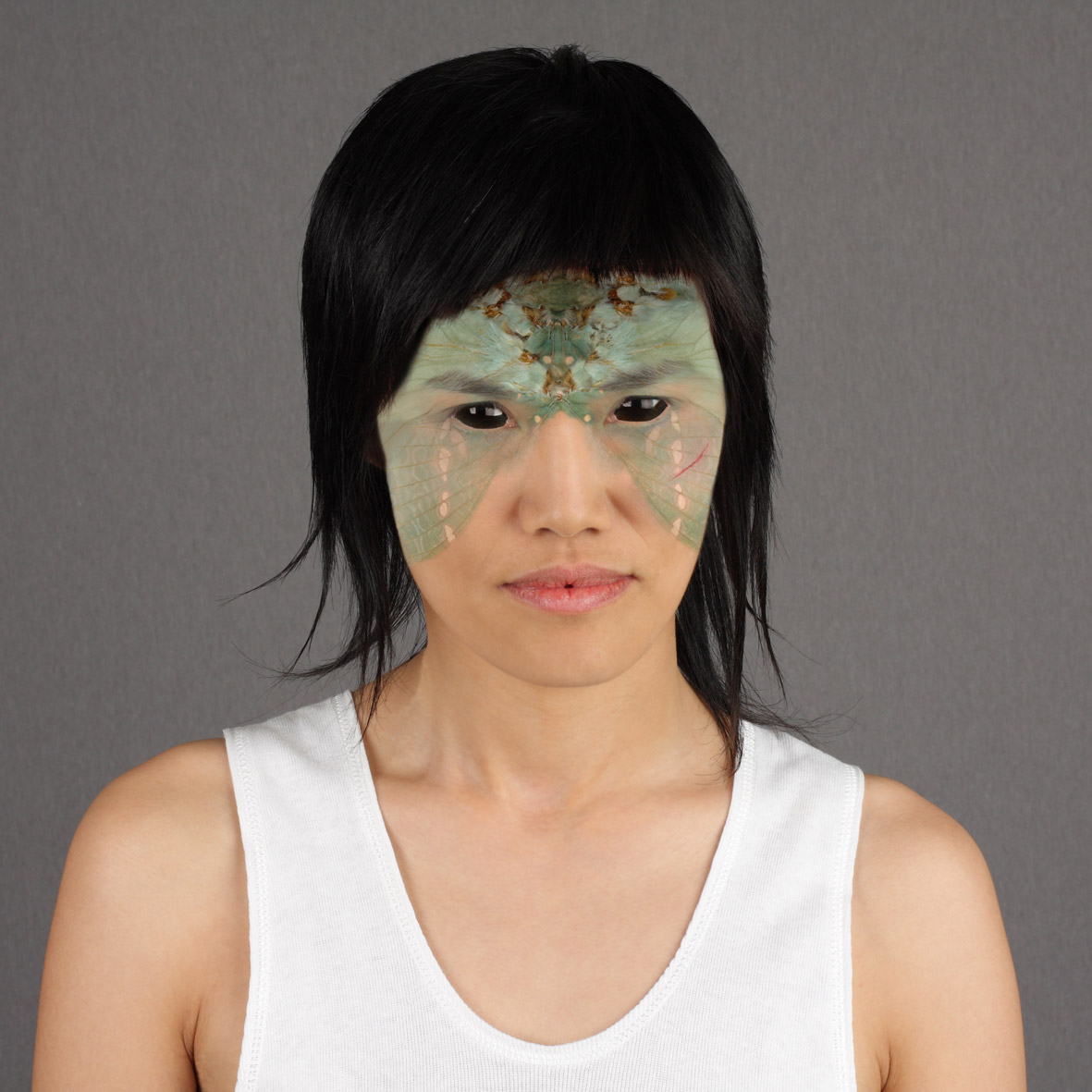
Owen Leong (Australian, b. 1979) 'Chi' 2009-2010 from the exhibition 'Birthmark' by Owen Leong at Anna Pappas Gallery, Prahran, May - June, 2010


Owen Leong (Australian, b. 1979)
Chi
2009-2010
Pigment print on archival paper
73 x 73cm, edition of 5
Courtesy of the artist and Anna Pappas Gallery


Apologies for the late posting on this exhibition but I only received the images for the posting today.

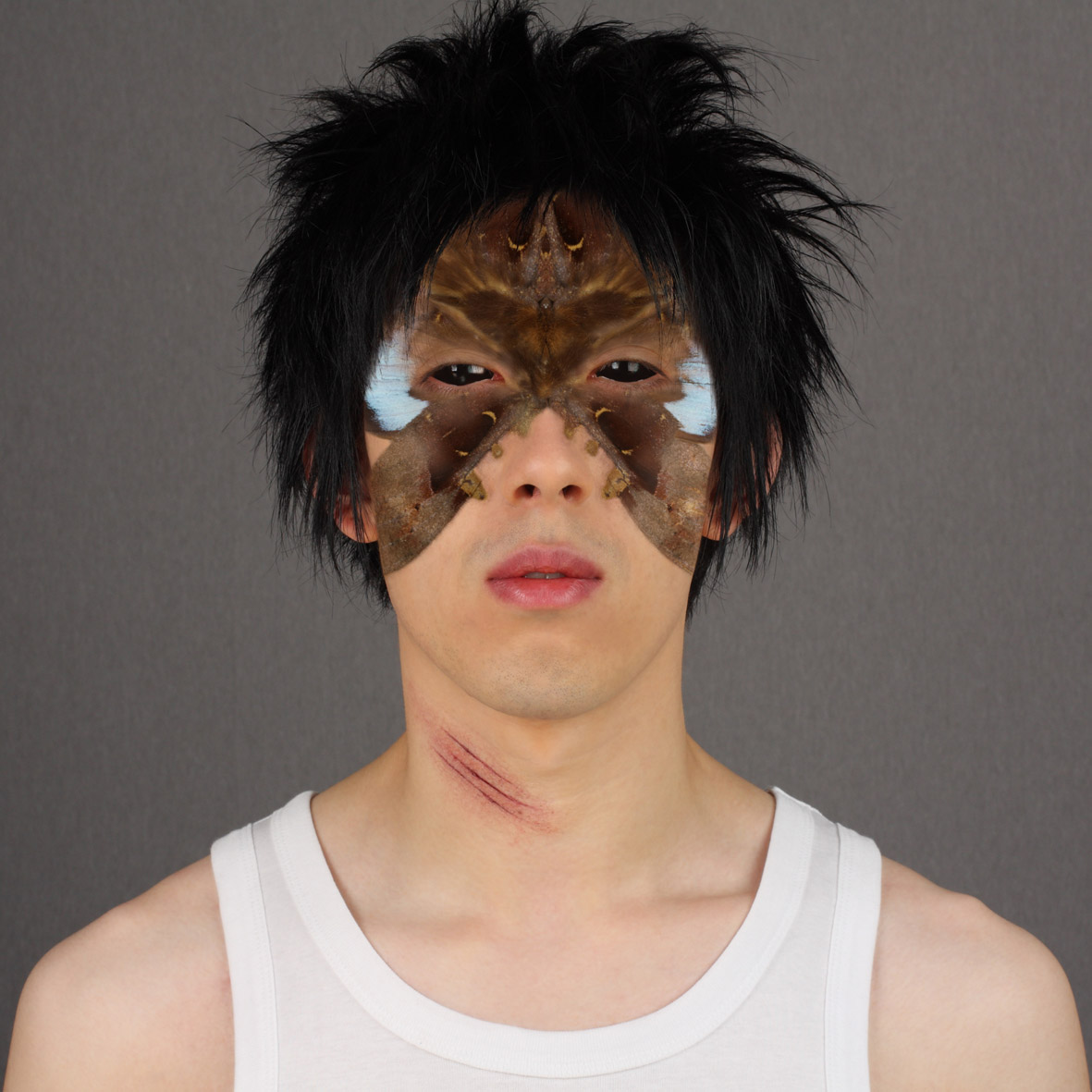
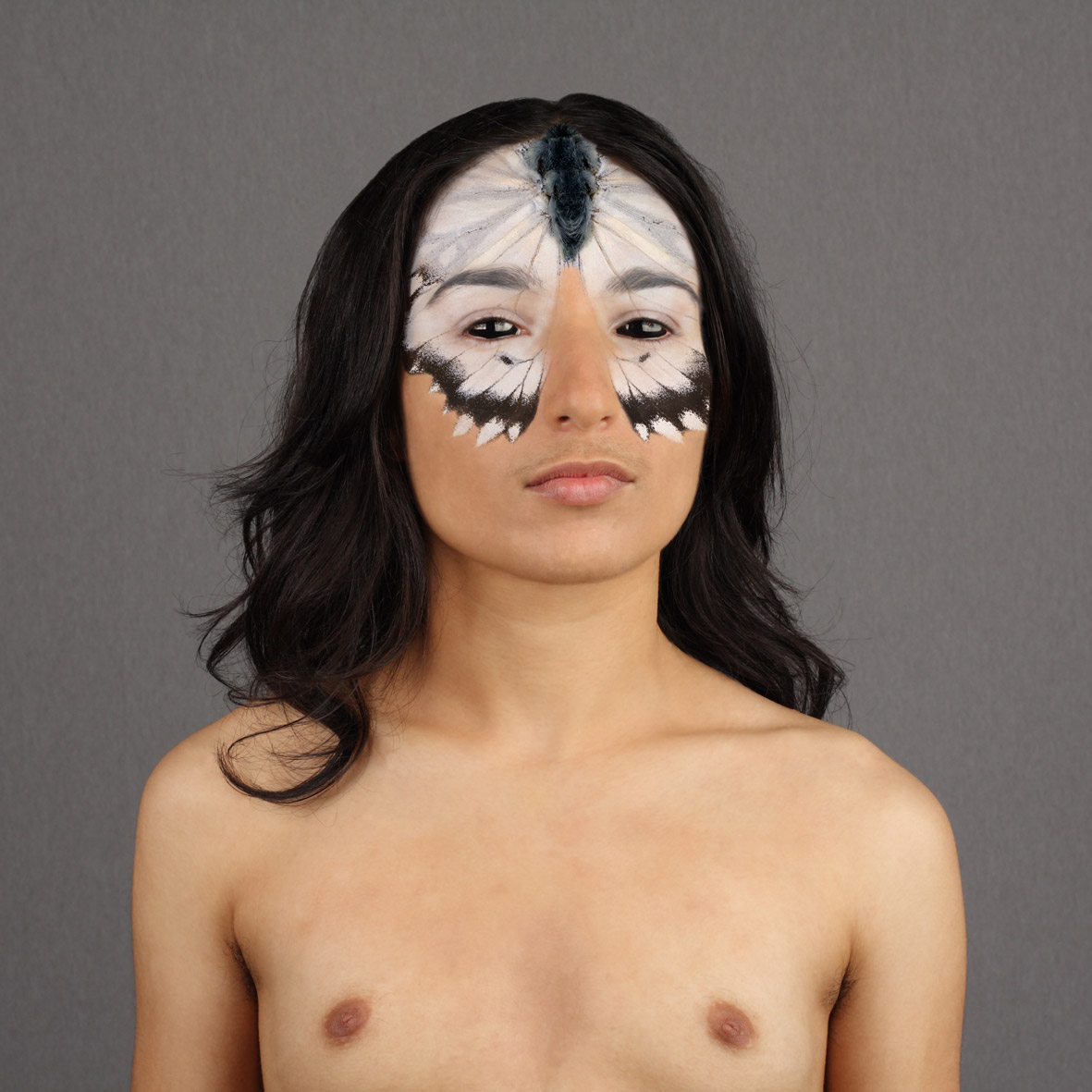
A strong body of work by Owen Leong, twelve portraits of Asian-Australians, their faces digitally overlaid with the unique wing patterns of the Bogong moth, an insect often seen as a pest in Australia. Uniformly lit, of consistent size and presented in modern white frames the series hangs quietly but impressively in the upstairs space of the Anna Pappas Gallery. Here the uniqueness of human physiognomy (and attendant modifications such as scars, piercings and tattoos) is symbiotically paired with that of the moth – it is almost as though one breathes the other – with the eyes of the humans occluded, becoming blackened pits.

The slightly amateurish digital blacking out of some of the eyes is my only point of contention: perhaps this was intentional (?) but sharp shape selections in Photoshop do not make for a good blend between layers of information. Be that as it may, Leong’s practice of selective breeding applied to humans has produced some beautiful, eloquent photographs that promote difference and diversity through a palpable intimacy with the subject matter.

Dr Marcus Bunyan


Many thankx to Anna Pappas, Leah Crossman and the Anna Pappas Gallery for allowing me to use the photographs in the posting. Please click on the photographs for a larger version of the image.


Owen Leong (Australian, b. 1979) 'Jac' 2009-2010 from the exhibition 'Birthmark' by Owen Leong at Anna Pappas Gallery, Prahran, May - June, 2010


Owen Leong (Australian, b. 1979)
Jac
2009-2010
Pigment print on archival paper
73 x 73cm, edition of 5
Courtesy of the artist and Anna Pappas Gallery


Owen Leong (Australian, b. 1979) 'Justin' 2009-2010 from the exhibition 'Birthmark' by Owen Leong at Anna Pappas Gallery, Prahran, May - June, 2010


Owen Leong (Australian, b. 1979)
Justin
2009-2010
Pigment print on archival paper
73 x 73cm, edition of 5
Courtesy of the artist and Anna Pappas Gallery


Owen Leong (Australian, b. 1979) 'Raina' 2009-2010


Owen Leong (Australian, b. 1979)
Raina
2009-2010
Pigment print on archival paper
73 x 73cm, edition of 5
Courtesy of the artist and Anna Pappas Gallery


Anna Pappas Gallery

Open by appointment only
Phone: +613 9521 7300

Anna Pappas Gallery website

LIKE ART BLART ON FACEBOOK

Back to top

Review: ‘Diction’ by Stormie Mills at Helen Gory Galerie, Prahran, Melbourne

16th September – 10th October, 2009


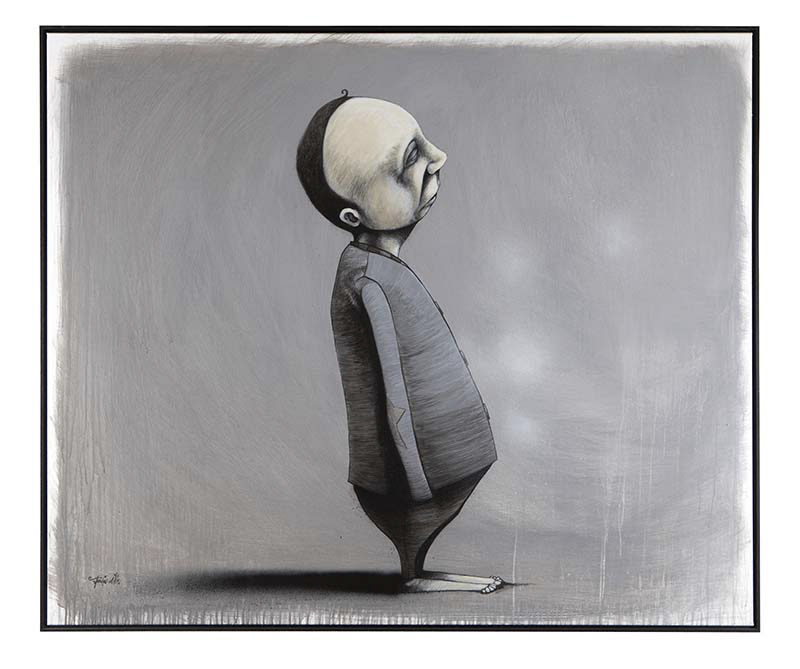
Stormie Mills (Australian, b. 1969) 'Some days all my shadow are behind me' 2009 from the exhibition 'Diction' by Stormie Mills at Helen Gory Galerie, Prahran, Melbourne, Sept - Oct, 2009


Stormie Mills (Australian, b. 1969)
Some days all my shadows are behind me
2009
Acrylic, spray paint and dirt on canvas
1370 mm x 1620 mm


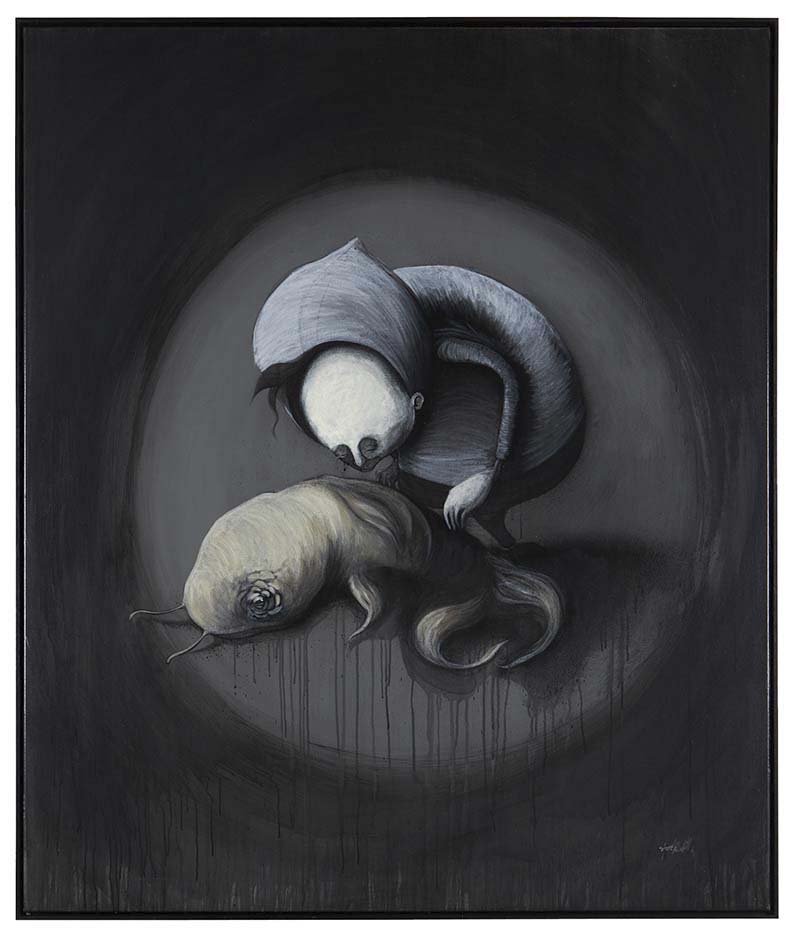
This is a hit and miss show by Stormie Mills at Helen Gory Galerie in Prahran, Melbourne. Some pieces (mainly the smaller paintings) work incredibly well whilst others (mainly the larger paintings such as There is an unkroken continuity and Here I stand) fail to inspire, laden as they are with much dourness and lacking a lightness of touch.

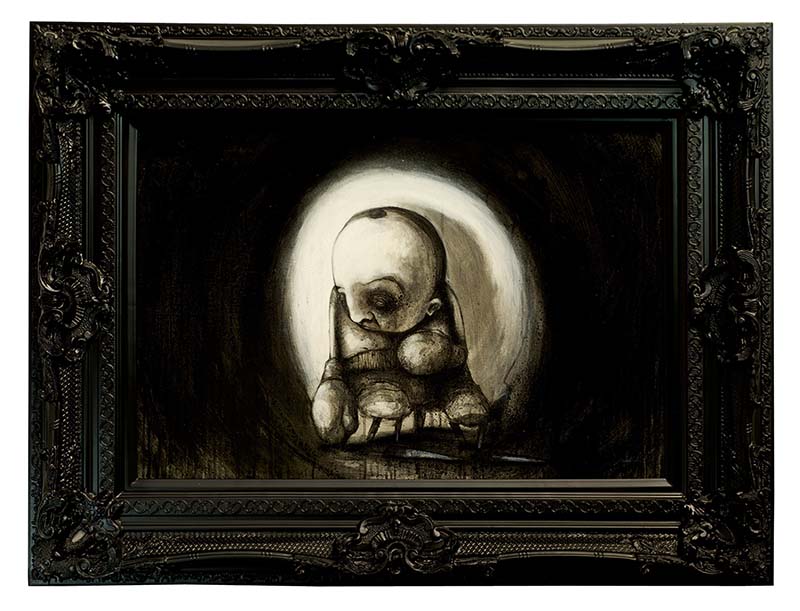
Mills’ uses a palette of greys, blacks and whites to create layered, dripping contextless backgrounds against which his characters tell their prophetic stories. His laconic figures offer a knowing stoicism, surviving everything the world throws at them. The best work made me chuckle at their delicious ironies: I feel how the character is in Some days all my shadows are behind meĀ (2009, above). Not yet ready to quit (2009, below) portrays a boxer slumped on his stool surrounded in a halo of white paint. The heavy remarkably wax-like black carved frame reminds me of Victorian mourning frames and works well with the sentiment proposed by the painting: again I feel a direct response. Elsewhere the use of these heavy black frames less suit the works, even overpower the delicacy of some of the paintings (for example in Fabrique de PainĀ and Summer Solitude (both 2009)).

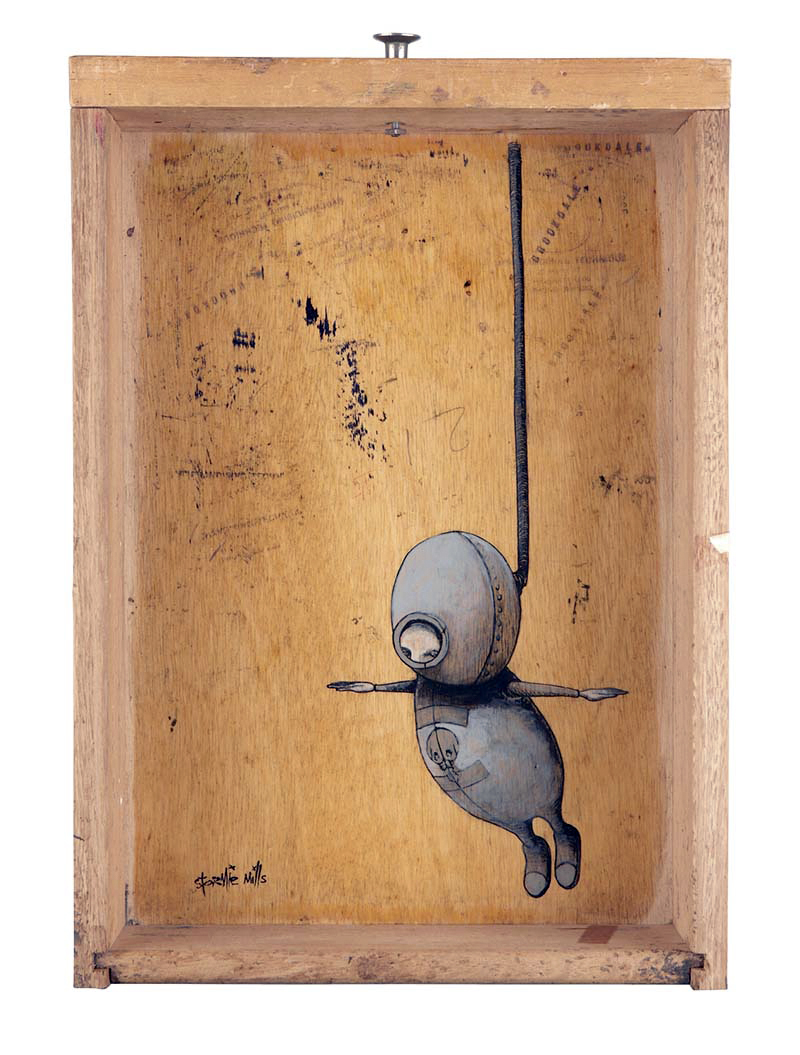
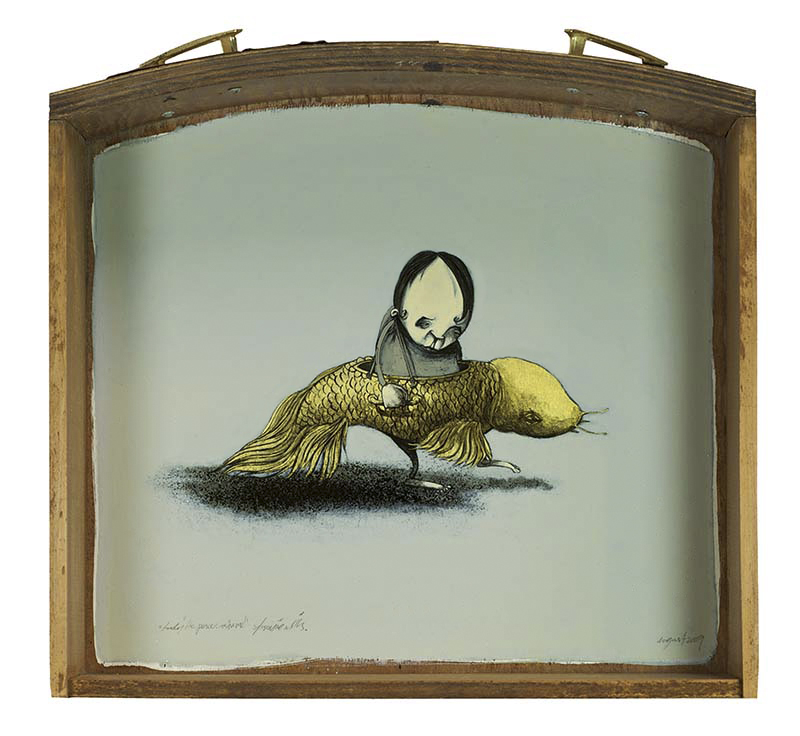
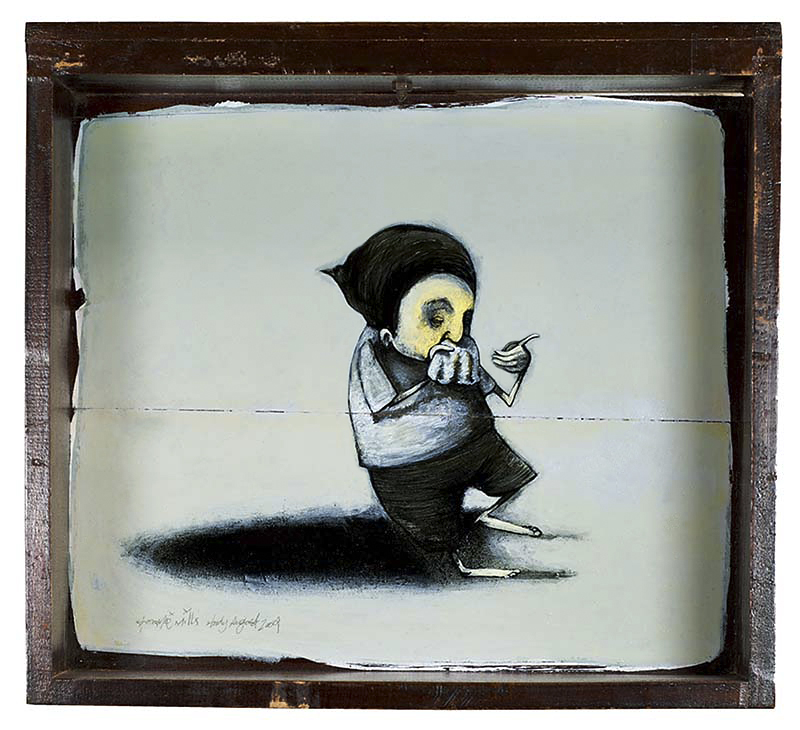
The best grouping in the exhibition are eight works painted on the bottom of old drawers, complete with handles and hung together (three of which are pictured below). This cohesion of concept, painting and intensities seems to bring all the ideas together in a satisfying whole, the characters trapped by the four walls of the drawers, insulated in their contextless worlds. I adored 5 fathoms for the simplicity of it’s design and execution, the use of the box reminding me of the work of Joseph Cornell and the drawing Banksy at one and the same time. Here in this work there is a generosity of spirit which some of the other work lacks, a balance between dark and light, empathy and hope.

Overall some interesting work that had me thinking and feeling but ultimately failed to convince with their melancholic melange.

Dr Marcus Bunyan


Many thankx to Helen Gory Galerie for allowing me to publish the art work in the posting. Please click on the photographs for a larger version of the image.


Stormie MillsĀ (Australian, b. 1969) 'Not yet ready to quit' 2009 from the exhibition 'Diction' by Stormie Mills at Helen Gory Galerie, Prahran, Melbourne, Sept - Oct, 2009


Stormie Mills (Australian, b. 1969)
Not yet ready to quit
2009
Acrylic, spray paint and dirt on canvas
610 mm x 920 mm


Stormie MillsĀ (Australian, b. 1969) 'Come on mate, Get up' 2009 from the exhibition 'Diction' by Stormie Mills at Helen Gory Galerie, Prahran, Melbourne, Sept - Oct, 2009


Stormie Mills (Australian, b. 1969)
Come on mate, Get up
2009
Acrylic, spray paint and dirt on canvas
1630 mm x 1370 mm


Stormie MillsĀ (Australian, b. 1969) '5 fathoms' 2009


Stormie Mills (Australian, b. 1969)
5 fathoms
2009
Mixed media on found object
400 mm x 280 mm x 100 mm


Stormie MillsĀ (Australian, b. 1969) The pesca costume' 2009


Stormie Mills (Australian, b. 1969)
The pesca costume
2009
Mixed media on found object
450 mm x 480 mm x 130 mm


Stormie MillsĀ (Australian, b. 1969) 'Wiping the smile from his face' 2009


Stormie Mills (Australian, b. 1969)
Wiping the smile from his face
2009
Mixed media on found object
360 mm x 390 mm x 100 mm


Helen Gory Galerie

This gallery is now closed.
LIKE ART BLART ON FACEBOOK

Back to top