Exhibition: ‘Lisette Model Retrospective’ at the Albertina Museum, Vienna

Exhibition dates: 30th October, 2025 – 22nd February, 2026

Curators: Walter Moser, head of the department of photography at the Albertina, with assistant curator Nina Eisterer
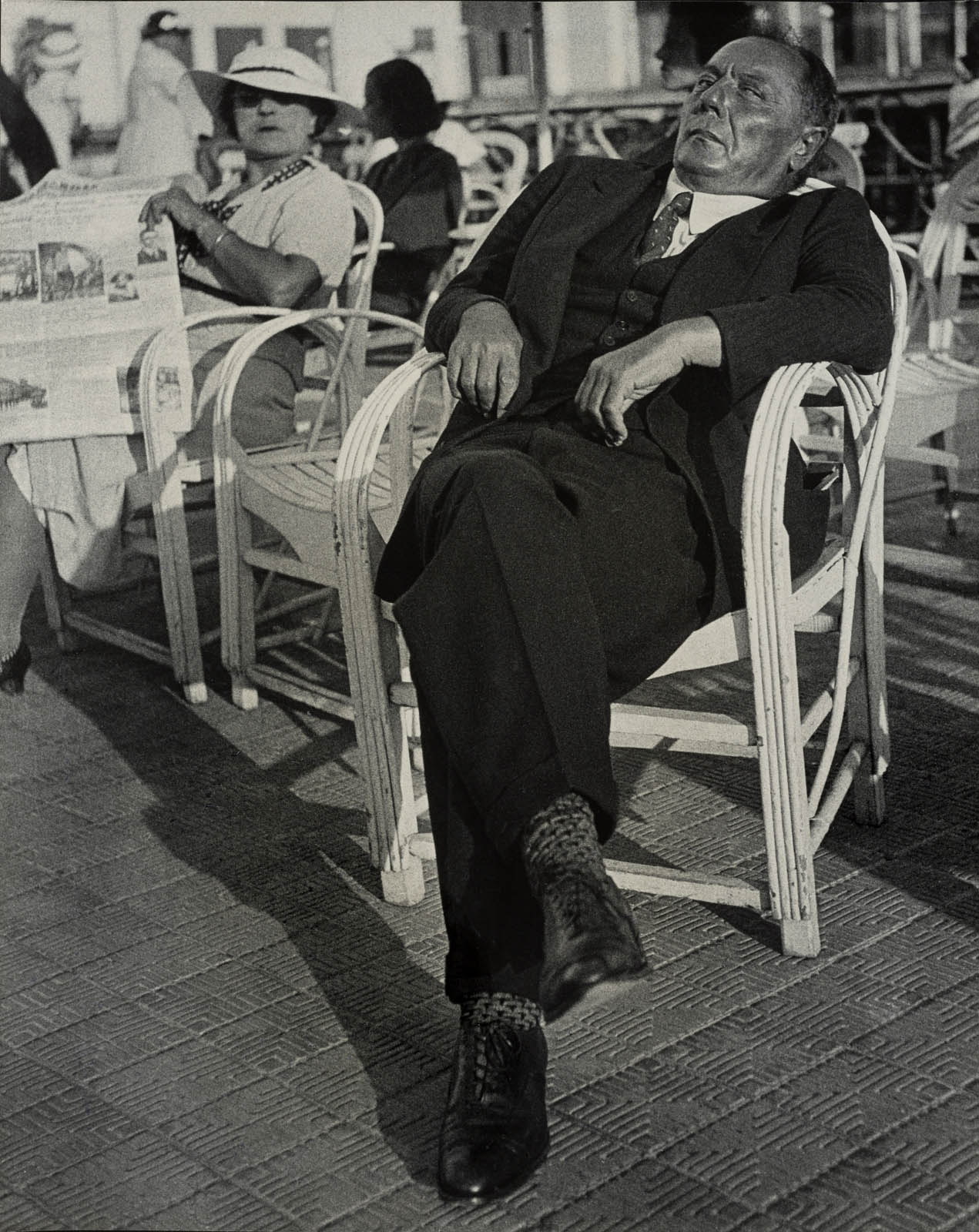
 

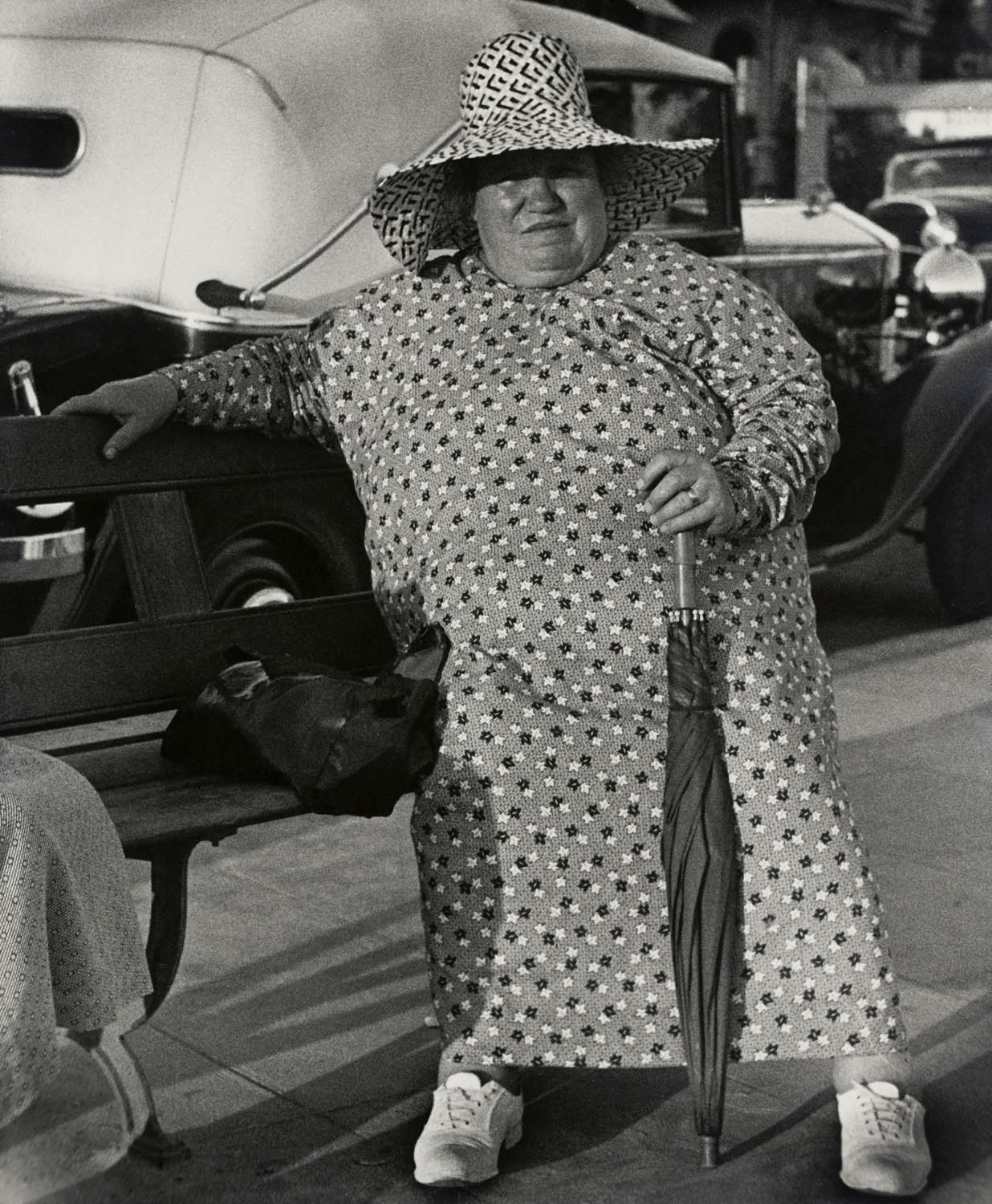
Lisette Model (American born Austria, 1901-1983) 'Promenade des Anglais, Nice' 1934 from the exhibition 'Lisette Model Retrospective' at The Albertina Museum, Vienna, October 2025 - February 2026


Lisette Model (American born Austria, 1901-1983)
Promenade des Anglais, Nice
1934
Gelatin silver print
50.7 x 40.4cm
Estate of Gerd Sander, Julian Sander Gallery, Cologne
© Estate of Lisette Model, courtesy of baudoin lebon and Avi Keitelman


From the gut

All the haughtiness of the upper-upper, lower-upper, socialites and high society in Promenade des Anglais, Nice (1934, below) versus all the “colour” and characters of Sammy’s Bar in New York, salt of the earth, dead beat party animals (1940-1944, below).

All the obsequious opulence of the women in Fashion Show, Hotel Pierre, New York (1940-1946, below) versus all the low angle, unbuttoned bulk of a New York bag lady in Lower East Side, New York (1940-1947, below)

Model sure doesn’t pull any punches and, perchance, you know which side of the fence she sits.

Combining social realism and emotional expression Model’s street-life scenes and portraits are shot with a razor sharp mind and eye, honed with emotional insight and social conviction, promoting “a fierce attack on the bourgeoisie of the time.” These images are shot from the gut, felt in the gut! Oooof! Kapow!

This philosophical, libertarian vision is grounded in the everydayness of working people, not in men “who sit at desks as large as thrones, who gather in solemn hemicycles, in splendid and severe seats…”

Her Promenade des Anglais photographs are incisive, cutting to the marrow, evidencing a piercing, core-level truth about the nature of power, money, humility, humanity. Knowing exactly the story she wanted to tell, Model cropped her negatives in the darkroom to get the desired, constructed photographs of the elite, this promenade of the privileged. That she passed on her wisdom to Diane Arbus is only to our benefit.

Model’s photographs in this series are more biting, satirical and oblique than those of Arbus. Direct in one way (in the placement of the camera in front of the subject) but oblique in another … in the asymmetrical placement of the figures within the picture plane, in the sly acknowledgement (or not) and resentment of the camera by the subject. Conversely, her photographs of people in nightclubs, jazz performers and the socially disadvantaged are humanist photographs of the highest order, unorthodox musical compositions that sing with light, movement, and life much more so than the square, formal attributes of the Arbus.

God bless Lisette Model for her glorious irreverence and musical lyricism.

Dr Marcus Bunyan


Many thankx to The Albertina Museum for allowing me to publish the photographs in the posting. Please click on the photographs for a larger version of the image.


“As long as man exploits man, as long as humanity is divided into masters and servants, there will be neither normality nor peace. The reason for all the evil of our time is here. Do you see these? Severe, double-breasted, elegant men who get on and off airplanes, who run in powerful cars, who sit at desks as large as thrones, who gather in solemn hemicycles, in splendid and severe seats: these men with the faces of dogs or of saints, of hyenas or eagles, these are the masters.”


Pier Paolo Pasolini


Model’s libertarian philosophy is not easy to classify… it is often stuck in the approximation of street photography… but photography, when it is great, is one! and one only!… Genres only serve to sink it into the language of commerce! The lopsided shots, the deep blacks, the stellar whites… beaded with emotional uniqueness… see the human being as an end and never as a means… they invite us to think that justice is inseparable from beauty, it is a way of doing things well, like a chair-setter, a coalman, or a bricklayer… to flee from the arrogance, imitation, and contempt that accompany social codifications… what is beautiful is naturally right… because photography is not just a linguistic quest, but precisely as a linguistic quest, it is a philosophical vision… that respects no barriers or emulates the gods… it is an original, archetypal desire, that takes precedence over everything and carries it as the absolute value of beauty and justice!


Pino Bertelli. “Lisette Model. Sulla fotografia del disinganno,” on the Phocus Magazine website Nd [Online] Cited 02/02/2026. Translated from the Italian by Google Translate. Used under fair use conditions for the purposes of education and research


Lisette Model (American born Austria, 1901-1983) 'Promenade des Anglais, Nice' 1934


Lisette Model (American born Austria, 1901-1983)
Promenade des Anglais, Nice
1934
Gelatin silver print
43.2 x 35.4cm
The ALBERTINA Museum, Vienna
© Estate of Lisette Model, courtesy Lebon, Paris /
Keitelman, Brussels


“Visiting her mother in Nice in 1934 Model took her camera out on the Promenade des Anglais and made a series of portraits which to this day are among her most widely reproduced and widely exhibited images. With them Model declared her trademark style: Close-up, biting, satirical – almost like photographic political cartoons. In a nice bit of art history sleuthing, Thomas discovered that this series was published in the communist periodical Regards, a publication led by Ehrenburg, Gide, Gorky and Malreaux in 1935. Model, she says, never denied having published her work in Europe, but neither did she ever precisely acknowledge having done so… Thomas also relates Model’s style to the style of images published in Regards and what was being shown in small galleries – that approach, almost mocking, surely exposing, with the photographer or artist clearly separate/different if not superior from the subject – was in the air. Model perfected it, but she didn’t invent it.”

Elsa Dorfman. “Ann Thomas on Lisette Model,” on the AMERICANSUBURB X: THEORY website, June 14, 2010 [Online] Cited 03/02/2026. Used under fair use conditions for the purposes of education and research
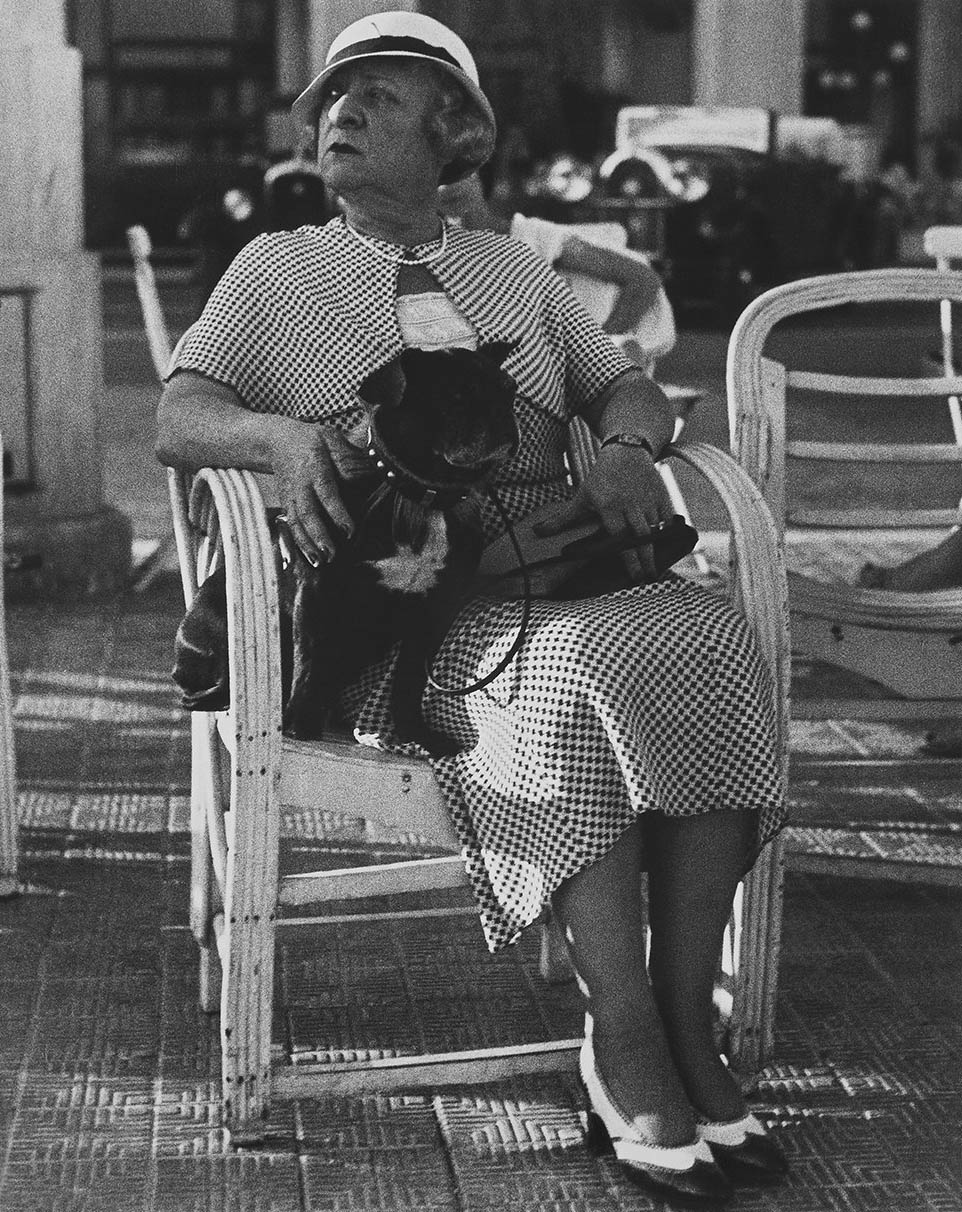
 

Lisette Model (American born Austria, 1901-1983) 'Promenade des Anglais, Nice' 1937 from the exhibition 'Lisette Model Retrospective' at The Albertina Museum, Vienna, October 2025 - February 2026


Lisette Model (American born Austria, 1901-1983)
Promenade des Anglais, Nice
1937
Gelatin silver print
50.7 x 40.4cm
Estate of Gerd Sander, Julian Sander Gallery, Cologne
© Estate of Lisette Model
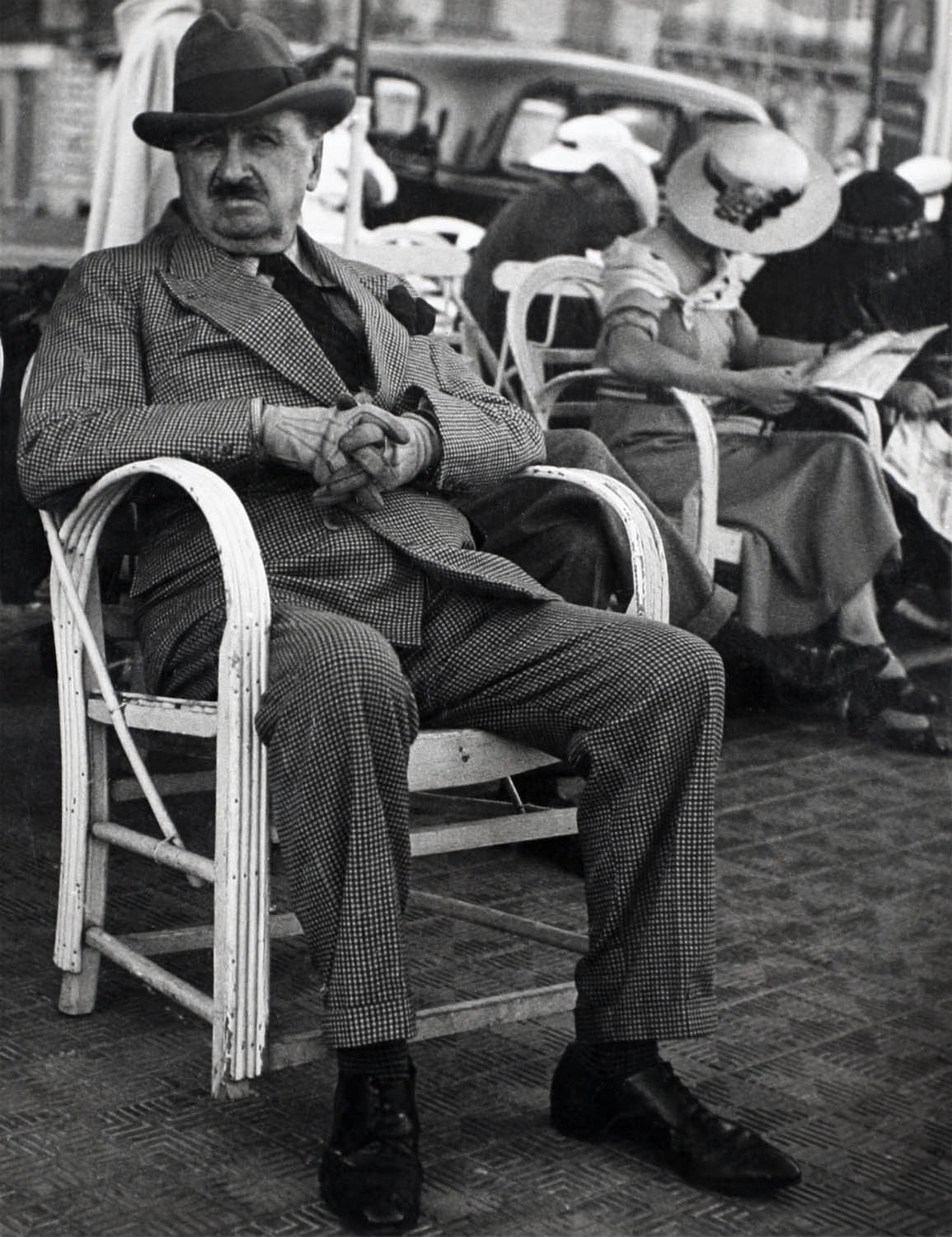
 

Lisette Model (American born Austria, 1901-1983) 'Promenade des Anglais, Nice' 1937


Lisette Model (American born Austria, 1901-1983)
Promenade des Anglais, Nice
1937
Gelatin silver print
50.7 x 40.4cm
Estate of Gerd Sander, Julian Sander Gallery, Cologne
© Estate of Lisette Model


Lisette Model (1901-1983), born into a Viennese Jewish family, is regarded as one of the 20th century’s most influential photographers. This ALBERTINA exhibition presents a broad retrospective covering her most important groups of works created between 1933 and 1959. Alongside iconic photographs such as Coney Island Bather and Café Metropole, the selection will also include seldom-seen works.

Model, following her emigration to New York in 1938, quickly rose to prominence with her pictures for magazines such as Harper’s Bazaar showing facets of urban life: the poverty of the Lower East Side, the upper class at their leisure pursuits, and night life at bars and jazz clubs. Model went on to become an influential teacher during the McCarthy Era. The exhibition features the first-ever public presentation of the original draft of her 1979 monograph, a classic of photo book history.

Text from The Albertina Museum website
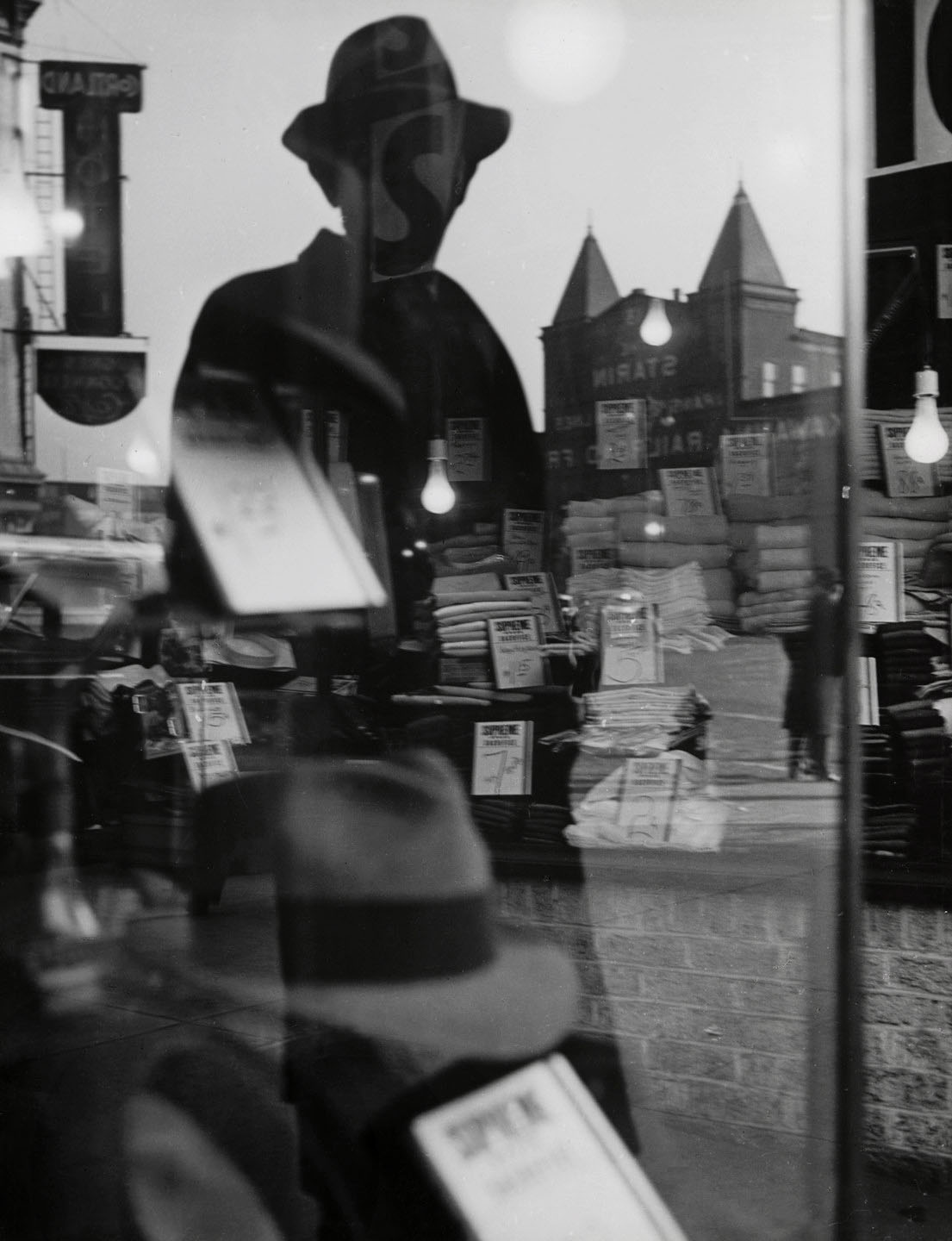
 

Lisette Model (American born Austria, 1901-1983) 'First Reflection, New York' 1939-1940, printed 1976-1981


Lisette Model (American born Austria, 1901-1983)
First Reflection, New York
1939-1940, printed 1976-1981
Gelatin silver print
Estate of Gerd Sander, Julian Sander Gallery, Cologne
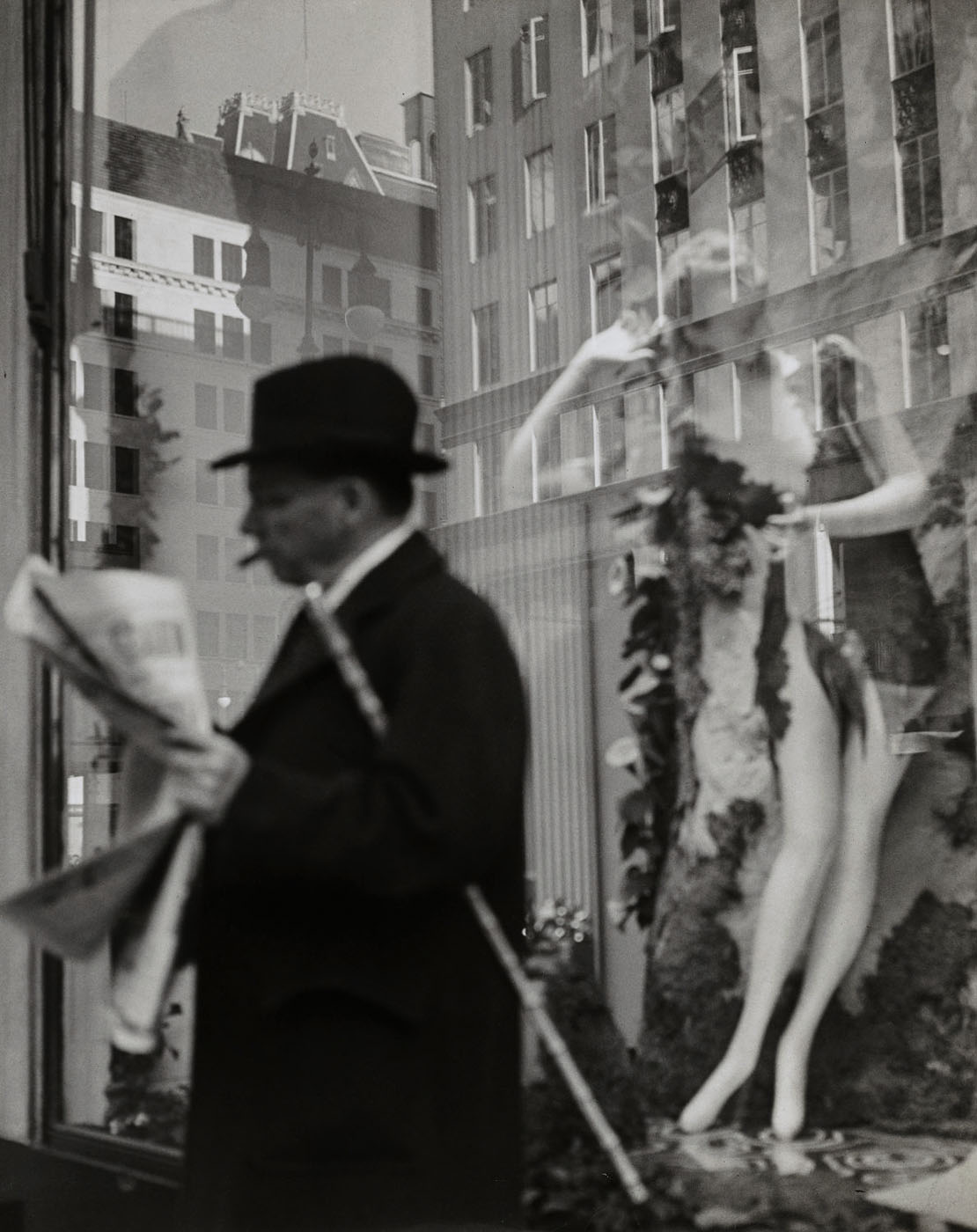
 

Lisette Model (American born Austria, 1901-1983) 'Window, Bonwit Teller, New York' 1939-1940, printed 1976-1981


Lisette Model (American born Austria, 1901-1983)
Window, Bonwit Teller, New York
1939-1940, printed 1976-1981
Gelatin silver print
Estate of Gerd Sander, Julian Sander Gallery, Cologne
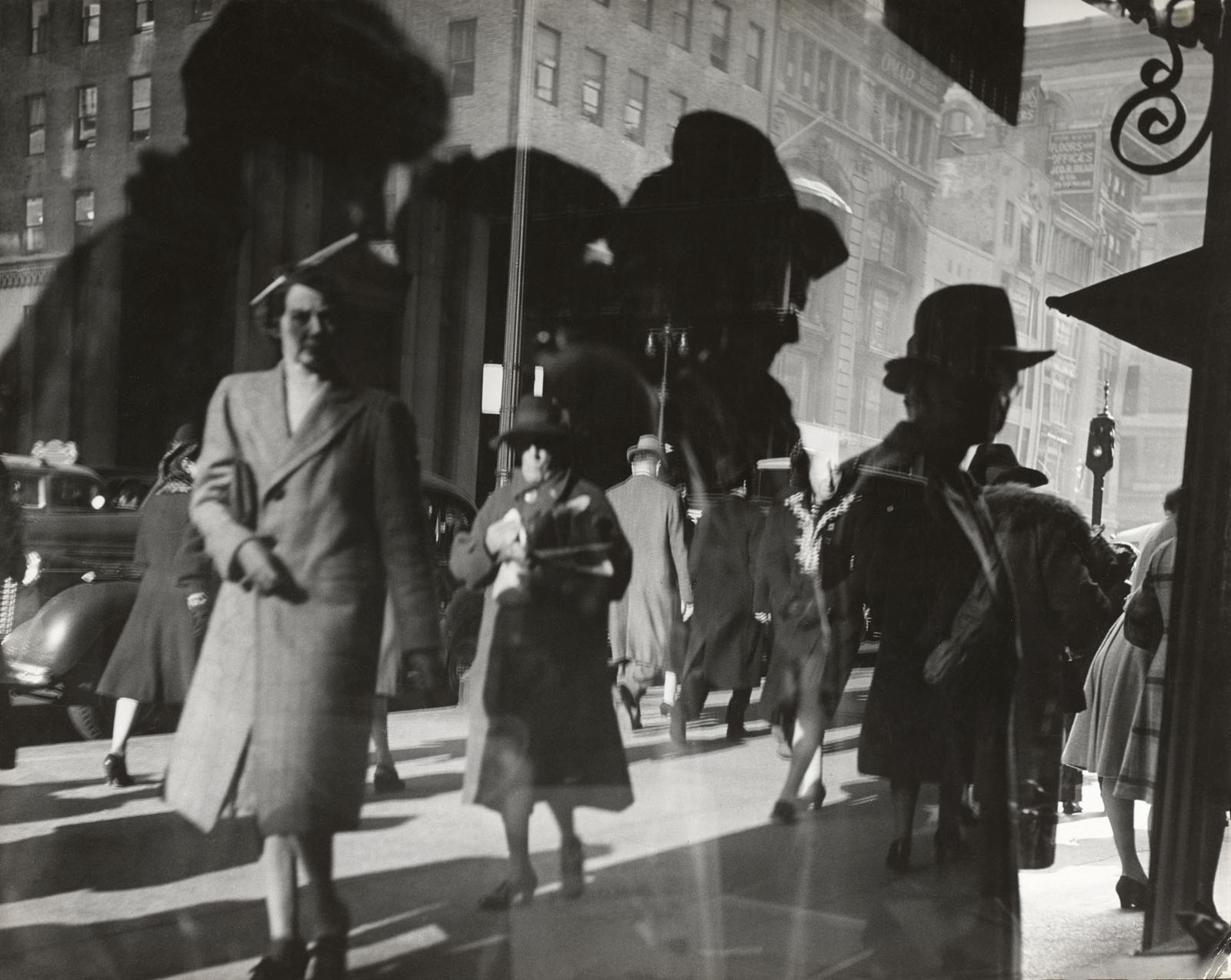
 

Lisette Model (American born Austria, 1901-1983) 'Reflections, New York' 1939-1945


Lisette Model (American born Austria, 1901-1983)
Reflections, New York
1939-1945
Gelatin silver print
26.5 x 33.4cm
The ALBERTINA Museum, Vienna
© Estate of Lisette Model, courtesy Lebon, Paris / Keitelman, Brussels
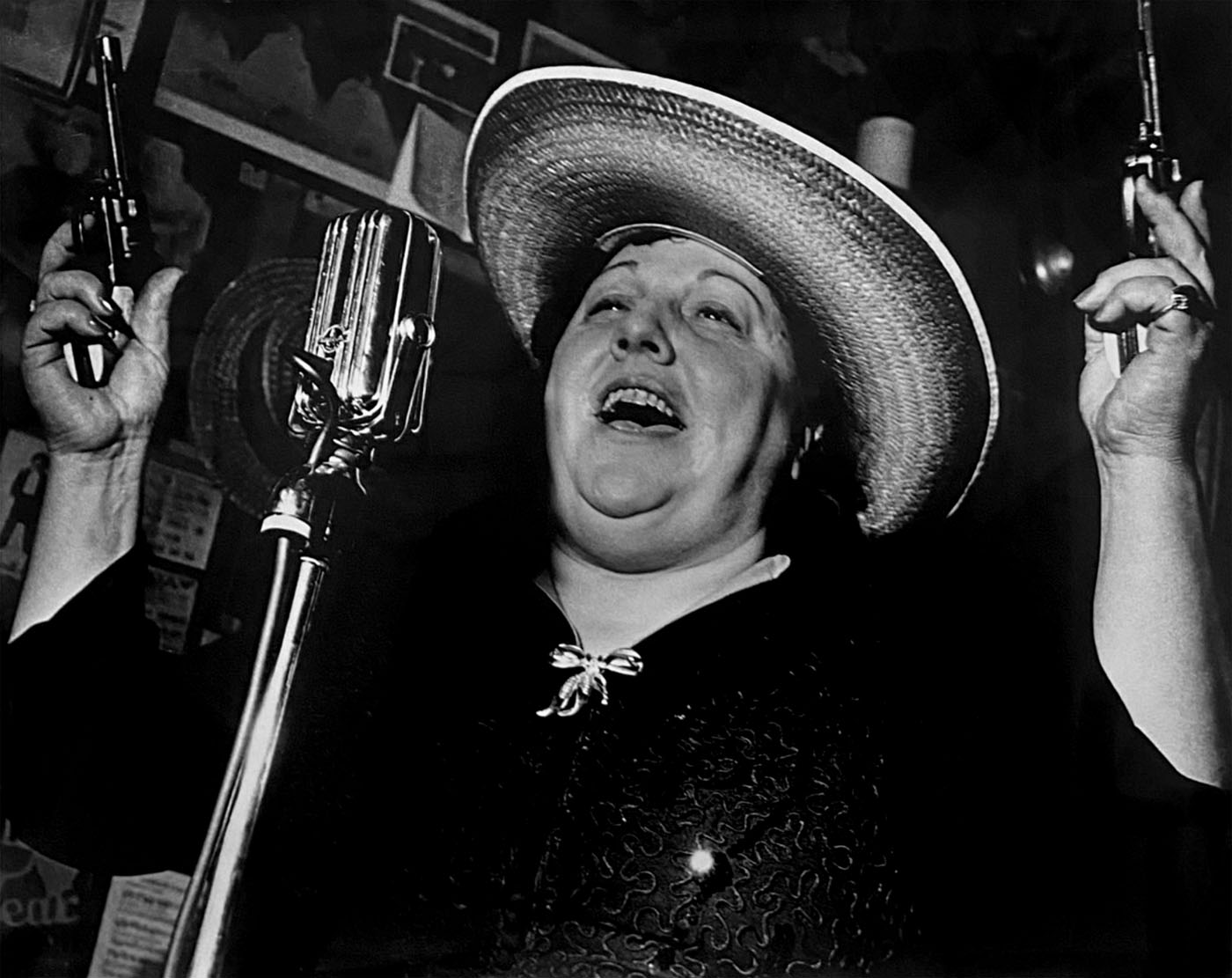
 

Lisette Model (American born Austria, 1901-1983) 'Singer, Sammy's Bar, New York' c. 1940


Lisette Model (American born Austria, 1901-1983)
Singer, Sammy’s Bar, New York
c. 1940
Gelatin silver print
© Estate of Lisette Model
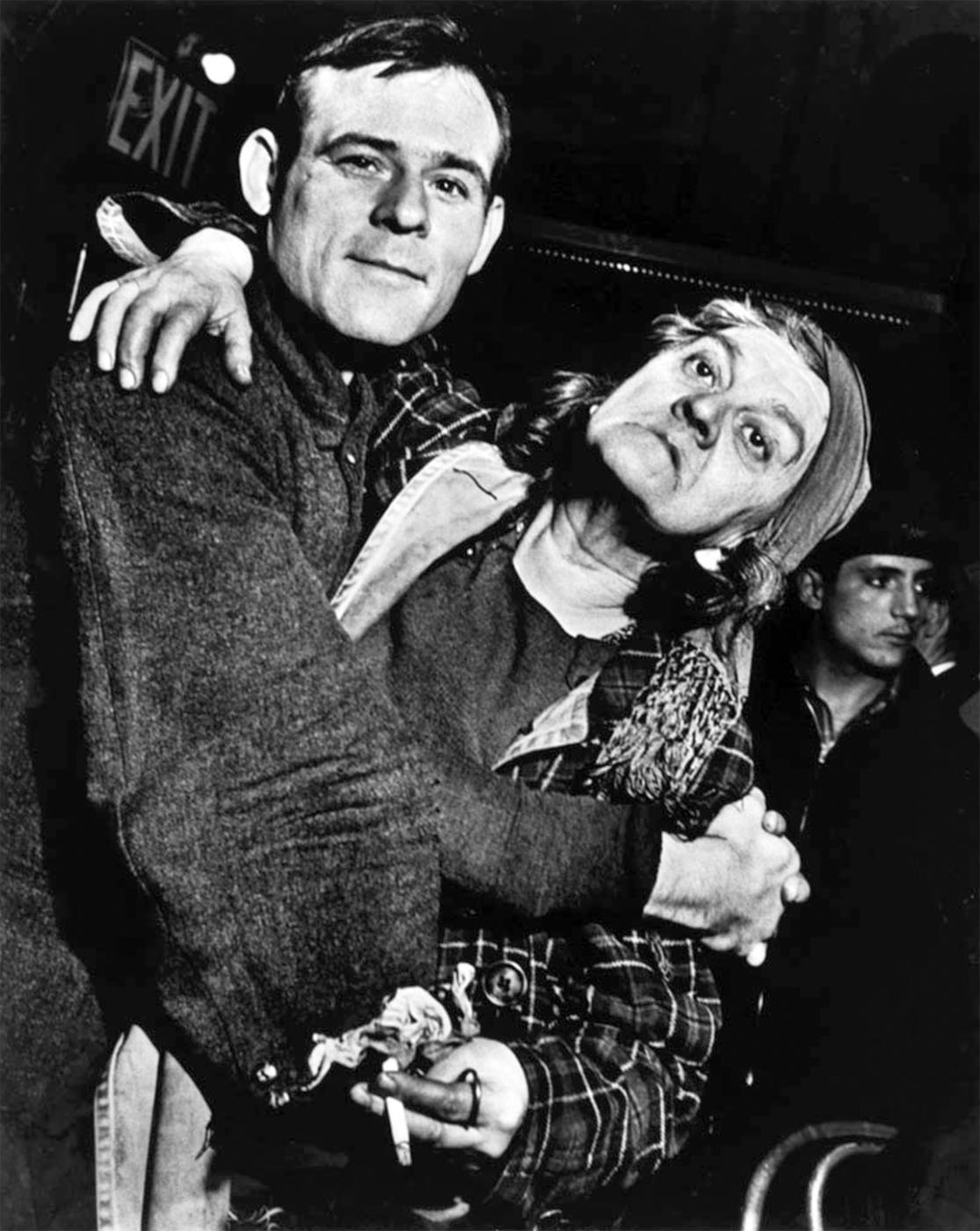
 

Lisette Model (American born Austria, 1901-1983) 'Couple Dancing' 1940


Lisette Model (American born Austria, 1901-1983)
Couple Dancing
1940
Gelatin silver print
© Estate of Lisette Model
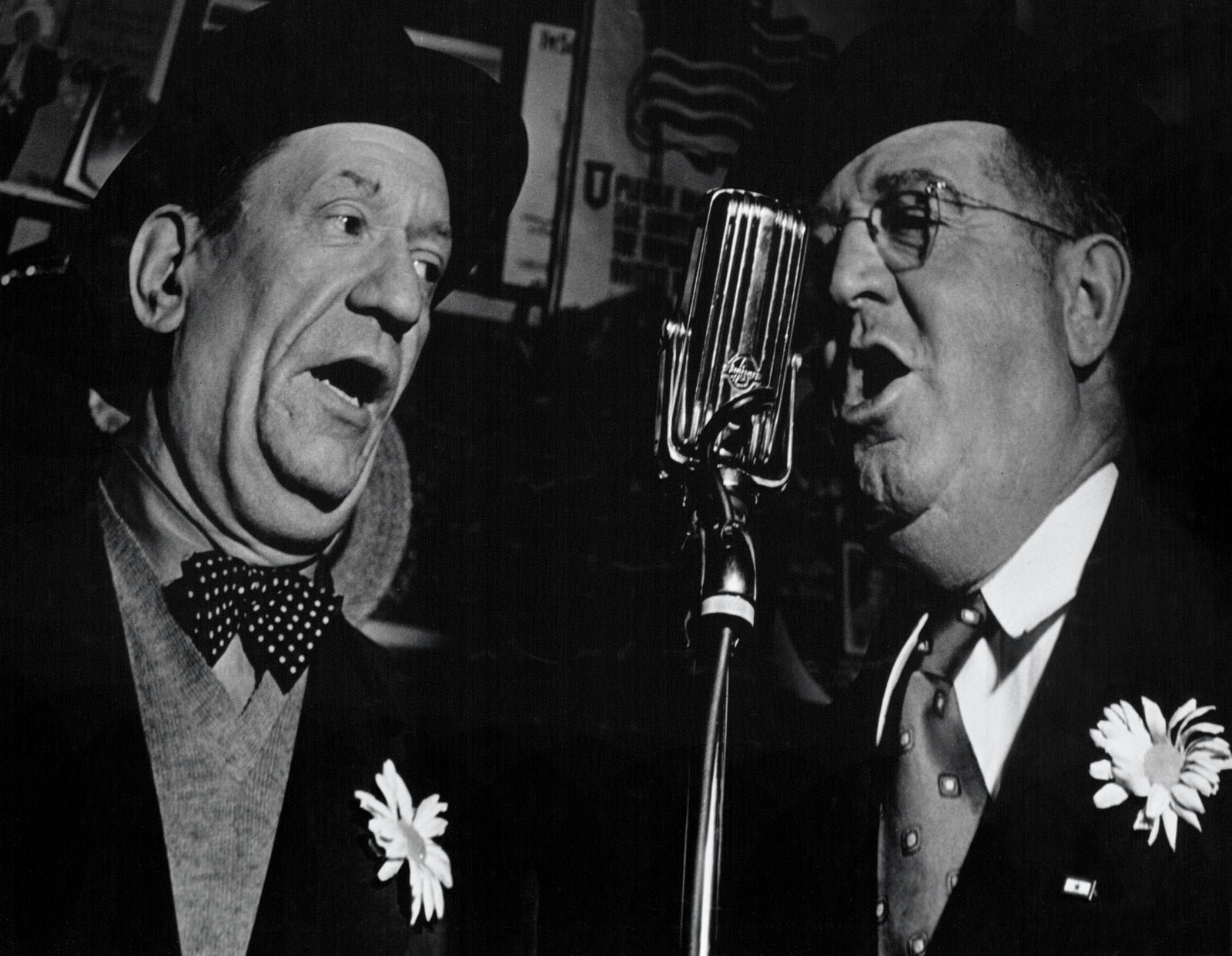
 

Lisette Model (American born Austria, 1901-1983) 'Sammy’s Bar, New York' 1940-1944


Lisette Model (American born Austria, 1901-1983)
Sammy’s Bar, New York
1940-1944
Gelatin silver print
37.8 x 49cm
The ALBERTINA Museum, Vienna – Permanent Loan Austrian Ludwig Foundation for Arts and Science
© Estate of Lisette Model, courtesy Lebon, Paris / Keitelman, Brussels


Lisette Model (American born Austria, 1901-1983) 'Sammy's' 1940-1944


Lisette Model (American born Austria, 1901-1983)
Sammy’s
1940-1944
Gelatin silver print
© Estate of Lisette Model


Born into a Viennese family with Jewish roots, Lisette Model (1901-1983) is considered one of the most internationally influential female photographers. The exhibition at the ALBERTINA Museum is the most comprehensive presentation of the artist in Austria to date and brings together her most important groups of works from 1933 to 1959. In addition to iconic photographs such as Coney Island Bather and Singer at the Metropole Café, the exhibition also includes lesser-known works that have never been shown before.

While Lisette Model initially pursued a musical education, it was only in France, where she lived from the mid-1920s, that she found her way to photography: in 1934, the self-taught photographer took her revealing series of portraits of rich idlers in Nice, which caused a sensation as a biting social critique in the heated political climate of the time. After Model emigrated to New York in 1938, she quickly made a name for herself in the vibrant art scene as a freelance photographer for style-setting magazines such as Harper’s Bazaar. She photographed the diverse and contradictory facets of urban life: Model showed the poor population of the Lower East Side district in unsparing shots, the upper class at their pleasures in confrontational portraits and the vibrant nightlife in bars and jazz clubs in dynamic series. In the late 1940s and 1950s, she created extensive groups of works outside New York.

The photos of the west coast of the USA or Venezuela are characterised by a melancholy and gloomy mood without Model losing sight of social conditions. Due to political reprisals during the McCarthy era, Model began her second, enormously influential career as a teacher. After decades of effort, the publishing house Aperture published her first monograph in 1979. The exhibition Lisette Model presents the original design of this publication, which is now a classic among photo books, for the first time.

Lisette Model

Lisette Model (1901-1983) brought about a sudden change in photography with her spectacularly direct pictures. Her immediate, humorous, frequently confrontational, yet sometimes also empathetic style of representation revolutionised traditional documentary photography. Her pictures of street-life scenes and portraits combine social realism and emotional expression: “Shoot from the gut!” was her famous credo. This retrospective brings together Model’s most important groups of works from her nearly thirty-year career, from 1933 to 1959, including works that have never been on view before.

Lisette Model was born as Elise Amelie Felicie Stern (Seybert) into an upper class Viennese family with Jewish roots in 1901. She initially pursued a musical education and from 1919 to 1921 attended courses taught by composer Arnold Schönberg at the progressive Schwarzwald School, which had been founded by Eugenie Schwarzwald. Her contact with Schönberg proved formative for Model’s artistic work. After her father’s death, Lisette Model, together with her mother and sister, moved to France in 1926, where she discovered photography. In 1934 she shot her first extensive portrait series of wealthy idlers in Nice, which caused a furor for betraying social criticism in the heated political climate of the time.

Having emigrated to New York in 1938, Model quickly made a name for herself in the art scene as a freelance photographer for such influential magazines as Harper’s Bazaar. She photographed the contrasts of urban life: in unsparing images, Model presented the impoverished population of the Lower East Side; in scathing portraits, she depicted the upper classes indulging in their pleasures; and in a number of dynamic series, she captured the pulsating nightlife of the metropolis. In the late 1940s and 1950s she created her first series of works outside New York. Due to political reprisals during the McCarthy era, Model’s artistic work stagnated. She embarked on an influential career as a teacher, shaping an entire generation of photographers, including Larry Fink, Diane Arbus, and others.

France

In 1926, Lisette Model moved to France, where she continued her vocal training, which she was forced to discontinue abruptly due to voice problems. In 1933 she turned to photography instead. The threatening political situation in Europe made it necessary for her to learn a profession, and photography offered itself as a modern field of activity especially for women. Model’s sister Olga, a trained photographer, and the artist Rogi André provided important inspiration, including the momentous advice to photograph only what aroused her passionate interest.

The economic crisis and the rise of fascism went hand in hand with a debate among committed left-wing artists about documentary photography. The central question was to what extent photography could expose social injustices and serve as a weapon in social conflicts. It is unclear how closely Model followed these debates; in later years, she remained persistently silent on the subject. Her early photographs from Paris clearly reveal a socially critical approach. Going about her work with distinct directness, she photographed sleeping homeless people and blind beggars, whom she characterised as victims of social circumstances through their bent bodies.

In July 1934, Lisette Model used a Rolleiflex to photograph a series of portraits of wealthy idlers on the Promenade des Anglais in Nice. It was synonymous with glamour and elite tourism and a popular motif at the time. Yet Model portrayed her subjects as caricatures through their facial expressions, postures, and gestures. The narrow cropping of the motifs suggests that the photographer was in close proximity to her subjects, who look condescendingly into the camera. In fact, however, Model achieved this effect in the darkroom, where she selected radically novel perspectives from the negatives.

Regards

Although Lisette Model was only at the beginning of her career, the respected communist magazine Regards published her photographs from the series Promenade des Anglais in 1935. The layout of the article juxtaposed Model’s portraits with an image of a female worker with a fishing net. The accompanying text also embeds the photographs in the ideological rhetoric of class struggle: “The Promenade des Anglais is a zoological garden where the most abominable specimens of the human species lounge in white armchairs. Their faces betray boredom, condescension, impertinent stupidity, and at times malice. These rich people, who spend most of their time dressing, adorning themselves, manicuring their nails, and applying makeup, fail to conceal the decadence and immeasurable emptiness of bourgeois thinking.”

Against the backdrop of the repressive climate of the McCarthy era in the 1950s, Lisette Model would later tone down the political content of her images from Nice. Instead, she emphasised the humour and her intuitive approach to portraiture in public spaces.

New York

In October 1938, Lisette Model emigrated to New York with her husband Evsa Model, a Jewish-Russian painter. Her first series shot there reveal her great fascination with the metropolis. The work Reflection, which makes use of reflections in shop windows, merges motifs and spaces to create an enigmatic collage. For the Running Legs photographs, Model did not point her camera upwards at the skyscrapers as usual, but looked at the feet of passersby at street level. Model experienced New York’s hectic and consumer-oriented culture as ambivalent: the dark shadows in the windows of the department stores seem threatening, and the dense crowds of legs have a claustrophobic effect. In portraits of people on Fifth Avenue and Wall Street photographed from below, Model highlights the arrogance of the pedestrians rushing by.

Shortly after her arrival in New York, Lisette Model attracted the attention of several key figures in the art and media world. Her contacts with Ralph Steiner, editor of the magazine PM’s Weekly, and Alexey Brodovitch, the legendary art director of Harper’s Bazaar, proved momentous. In 1941, Steiner published Model’s biting photographs of the Promenade des Anglais in Nice under the provocative title “Why France Fell” as an explanation for the country’s defeat in World War II. Model’s first commission for Harper’s Bazaar took her to the popular leisure destination of Coney Island, where she shot her iconic photographs of a bather with an empathetic eye. As early as 1940, the Museum of Modern Art in New York acquired one of Model’s pictures and continued to show her works in exhibitions in the following years.

Lower East Side

In one of her most extensive groups of works, Lisette Model focuses on the residents of the Lower East Side. Model’s attention to physical peculiarities and extremes becomes particularly apparent in it. Retrospectively defined cropping detaches the people from their spatial surroundings and emphasises the sitters’ statuesque monumentality.

Lisette Model shared her interest in the socially disadvantaged with photographers from the New York Photo League, an influential left-wing political association dedicated to socially committed photography. Becoming a member, Model actively participated in Photo League events and exhibited on its premises. And yet she distanced herself from her photography being categorised as political or social documentary. She also rejected accusations of portraying her models overly sarcastically, arguing instead for a humanist point-of-view that focuses on the strength and personality of her subjects. Emotional expression and social realism are inextricably linked in these photographs: the expressive bodies clearly display the burden of tough living conditions.

Entertainment

Similar to her photographs from France, Model also explored disparities in urban life in New York. The harsh images of the Lower East Side are juxtaposed with photographs of people indulging in leisure activities and amusing themselves at all kinds of shows. Model captured these scenes with a keen eye for human contradictions and bizarre moments: dressed-up ladies at a fashion show are just as much a part of this as participants in a dog show bearing a striking resemblance to their four-legged friends. Photographs taken in museums do not focus on the artworks intently viewed by visitors, but rather on the act of vision itself. With a few exceptions, the series Dog Show and Museum have only survived as negatives. They can now be presented here in digital form for the first time.

Nightlife

Lisette Model’s intuitive approach to photography reached its peak in her pictures of nightclubs. Using bright flashes, she snatched the celebrating guests and energetic performers from the darkness and in the subsequent post-editing of the images tilted the motifs to render the compositions more dynamic. The depiction of expressive gestures and people in moments of emotional tension recalls the body images of the early Viennese Expressionists, whom Model got to know through her contact with Arnold Schönberg. Model, who always vehemently denied the influence of other artists, acknowledged solely Schönberg’s impact on her work. His theory of the “emancipation of dissonance,” which expands on classical harmony, is echoed both in Model’s unorthodox compositions and in her caricatures.

The traumatic experience of exile left deep traces in Lisette Model’s work. Like the Lower East Side before, nightclubs were places populated by immigrants. They evoked a sense of social belonging and cultural familiarity in the artist.

West Coast

In 1946, Lisette Model accompanied her husband Evsa to San Francisco on an invitation from the California School of Fine Arts (CSFA). She quickly established connections with the lively photography scene on the US West Coast, where famous photographers such as Ansel Adams and Edward Weston were active. Model returned several times and in 1949 taught a course on documentary photography at the CSFA’s photography department; she continued with her teaching in New York from 1951 onward.

Model did her first major groups of works outside New York. The photographs of visitors to the opera of San Francisco rank among her most striking portraits and illustrate her strategy of bringing out individual characters by exaggerating physical peculiarities.

In 1949 an assignment for the Ladies Home Journal took Lisette Model to Reno, Nevada. She photographed women staying at so-called “divorce ranches,” waiting for their divorces to be finalised. Thanks to more liberal laws, divorce was possible in Nevada after a waiting period of just a few weeks – compared to the patriarchal rules of other states, this was an uncomplicated way for women in particular to separate from their spouses. Lisette Model’s sympathy for her sitters becomes palpable. Unlike the pictures taken in San Francisco, these portraits are less expressive, but more melancholic instead.

Venezuela

In the 1950s, in the wake of Senator Joseph McCarthy’s communist witch hunt, the Federal Bureau of Investigation (FBI) inquired into Lisette Model’s activities. Neighbours and even her grocer were questioned about the artist. In February 1954 two FBI agents finally interrogated Lisette Model and accused her of alleged membership in the communist party and of her actual affiliation with the Photo League, which had already disbanded in 1951 due to political pressure. The agents were unable to prove any wrongdoing on Model’s part, but classified her as uncooperative and recommended that she be placed on the security watch list. As a result of these accusations, Model lost some of her most important clients and was forced to supplement her income by working as a teacher.

Plagued by financial difficulties, she travelled to Caracas in 1954, accepting an invitation extended by the Venezuelan government. By then, Venezuela had been under the presidency of Marcos Evangelista Pérez Jiménez for two years – a military officer and dictator who modernised Caracas and exploited the country’s rich oil reserves. In photographs that were unusual for her in terms of motif and style, Model captured the technical infrastructure for oil production around Lake Maracaibo. Because of their gloomy atmosphere, the images were unsuitable for use in advertising and propaganda. Unsettled by the paranoia of the McCarthy era, the photographer often found it difficult to relate to her surroundings.

Jazz

As a result of the reprisals during the McCarthy era, Lisette Model photographed significantly less in the 1950s than in the promising decades before. One exception were the photographs she took during a horserace in New York in 1956, where she directed her attention at the audience instead of the competition. Her preoccupation with the subject of jazz was most intense. It is Model’s largest body of work, which developed from her photographs of New York nightclubs in the 1940s. Model was one of the few women to photograph jazz events such as the Newport Jazz Festival or concerts of the Lenox School of Jazz at the Berkshire Music Barn in Massachusetts. Highly musical herself, Model knew how to use her straightforward approach to convey the passion and intensity of the musicians’ playing as an immediate experience. No musician was photographed by her as often as Billie Holiday. One of Lisette Model’s last pictures, taken in 1959, shows the singer lying in her coffin.

In the 1950s, Model planned to publish her jazz photographs. It would have been the first monographic jazz book in history, but the project failed when her former client at Harper’s Bazaar discredited Model as a “troublemaker” and, due to her “political unreliability,” dissuaded potential financial backers.

Starting in the 1970s, Lisette Model was rediscovered in exhibitions and interviews. After years of effort, the first monograph on her work, with an introduction by Berenice Abbott, came out in 1979 with the renowned publisher Aperture. It is now considered an incunabulum within the photo book genre. The Albertina owns the hitherto unpublished dummy with original prints. Originally, the book was to be printed with a comprehensive biography of the artist penned by author Phillip Lopate. Dissatisfied with the text, Model had the manuscript withdrawn and commented on it with scathing remarks: “I thought an introduction was to be written – not that I was to be put on trial,” she noted down on the title page.

Model’s behaviour was indicative of the protective shield she had built around her private life as a result of her threatening encounter with the paranoia of the McCarthy era. In her public statements and interviews she obscured facts and details of her biography. She resisted simplistic interpretations of her work, but also concealed and marginalised references to politically explosive works, such as the publication of her photographs from Nice in the communist publication Regards in the mid-1930s.

Press release from The Albertina Museum
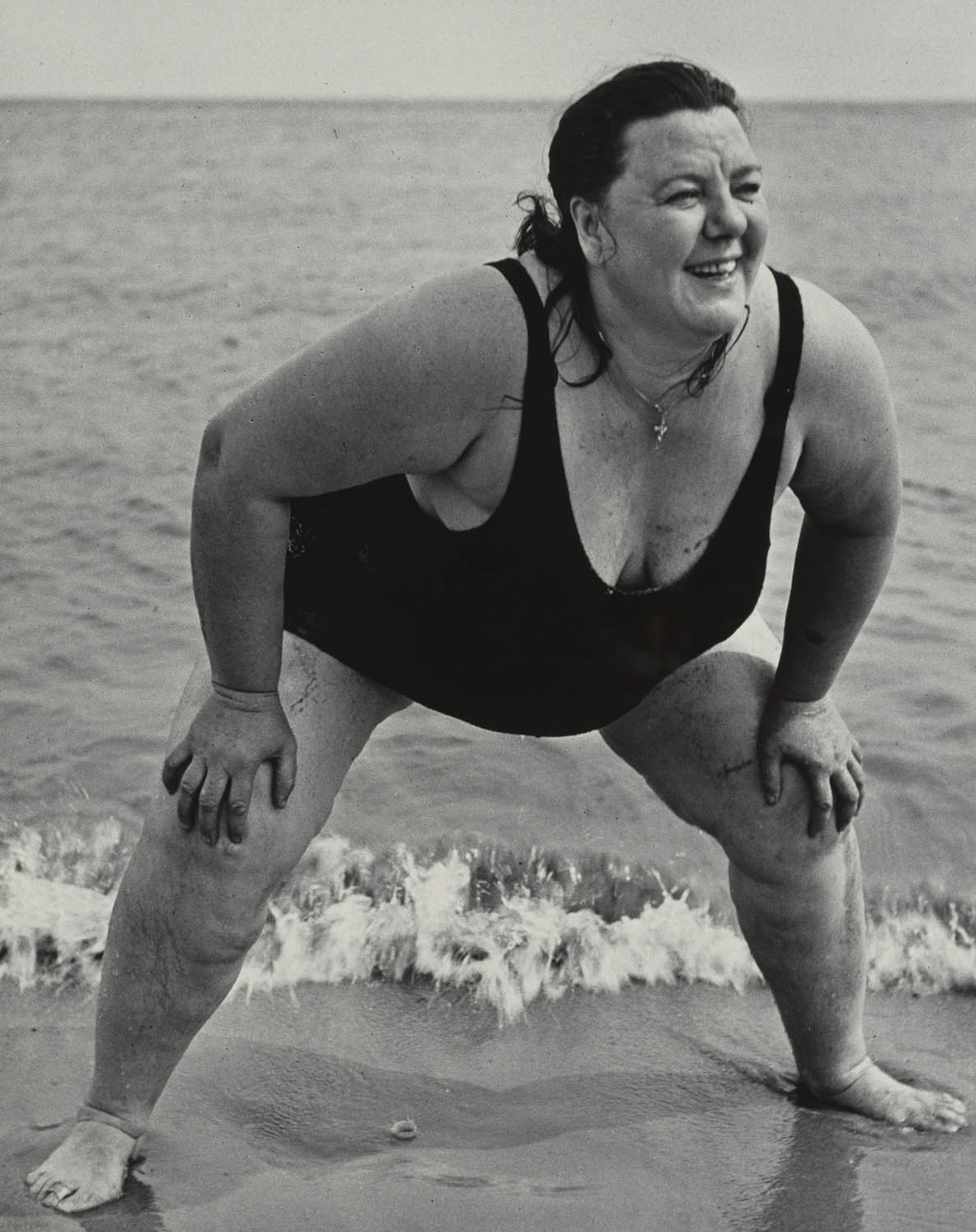
 

Lisette Model (American born Austria, 1901-1983) 'Coney Island Bather, New York' 1939-1941


Lisette Model (American born Austria, 1901-1983)
Coney Island Bather, New York
1939-1941
Gelatin silver print
49.5 × 39.3cm
Estate of Gerd Sander, Julian Sander Gallery, Cologne
©️ Estate of Lisette Model, courtesy of baudoin lebon and Avi Keitelman
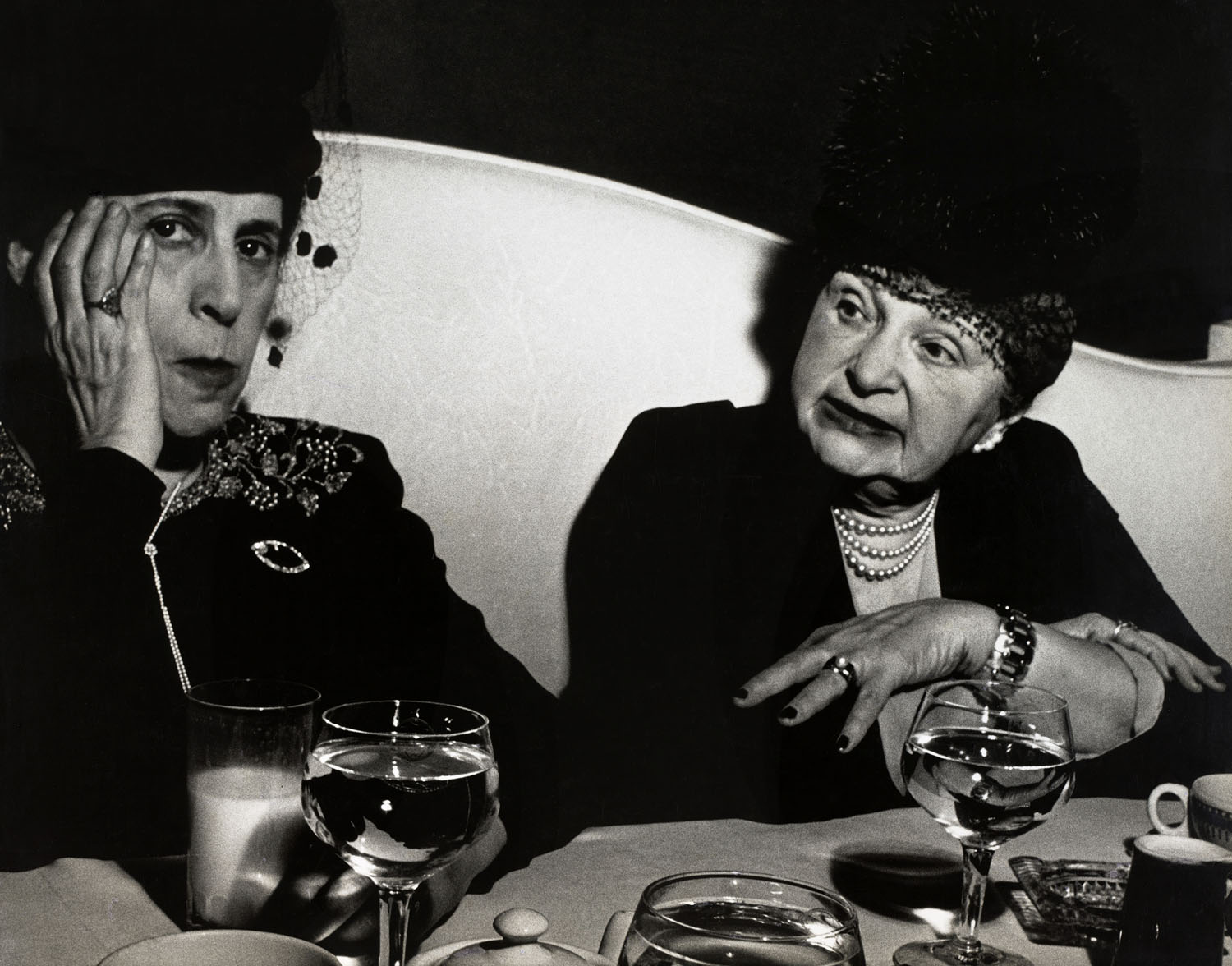
 

Lisette Model (American born Austria, 1901-1983) 'Fashion Show, Hotel Pierre, New York' 1940-1946


Lisette Model (American born Austria, 1901-1983)
Fashion Show, Hotel Pierre, New York
1940-1946
Gelatin silver print
39.3 x 49.2 cm
The ALBERTINA Museum, Vienna, Permanent Loan Austrian Ludwig Foundation for Arts and Science
© Estate of Lisette Model, courtesy Lebon, Paris / Keitelman, Brussels
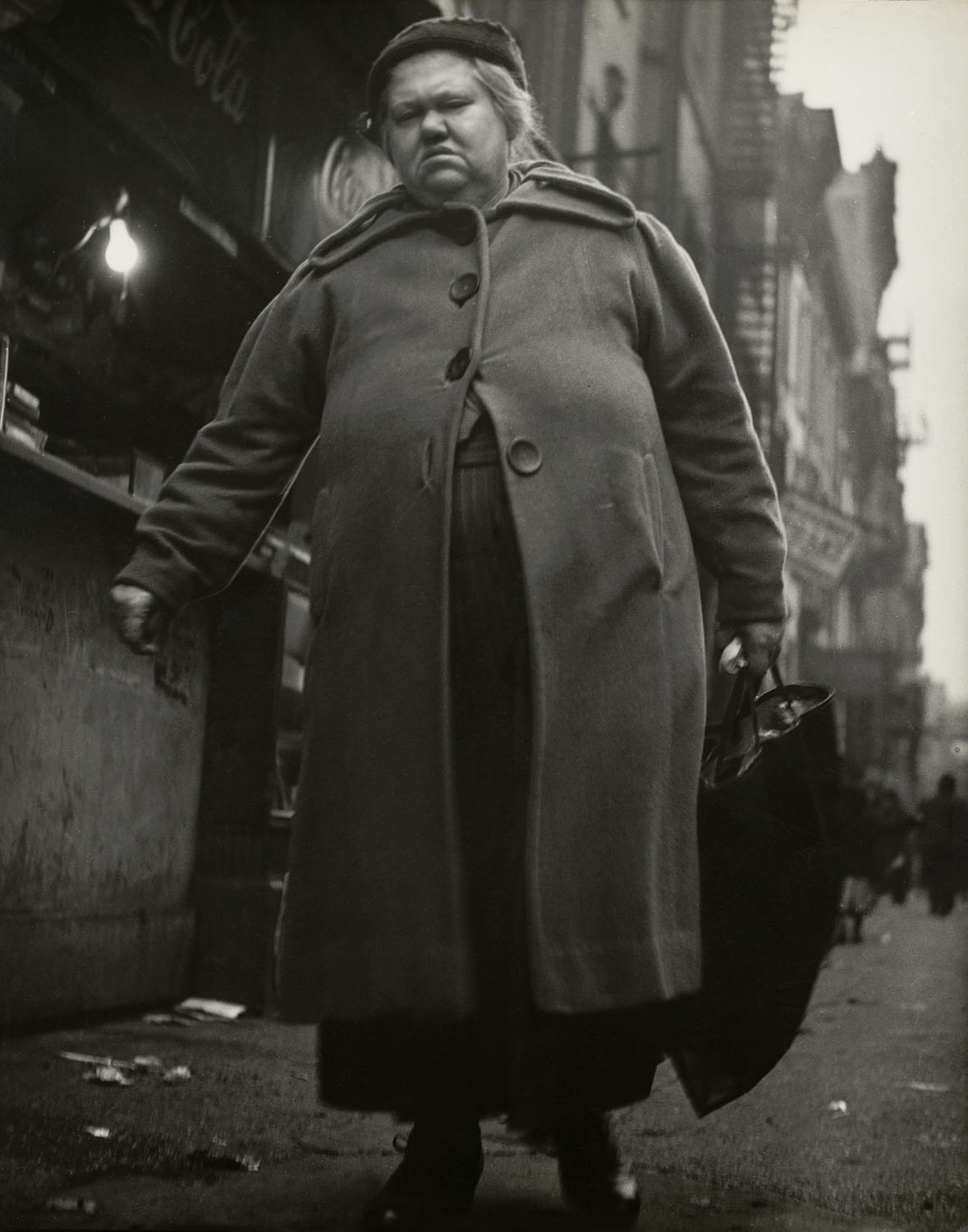
 

Lisette Model (American born Austria, 1901-1983) 'Lower East Side, New York' 1940-1947


Lisette Model (American born Austria, 1901-1983)
Lower East Side, New York
1940-1947
34.6 × 27.1cm
The ALBERTINA Museum, Vienna
© Estate of Lisette Model, courtesy Lebon, Paris / Keitelman, Brussels


Lisette Model (1901-1983) 'Albert-Alberta, Hubert's 42nd St Flea Circus, New York' 1945


Lisette Model (American born Austria, 1901-1983)
Albert-Alberta, Hubert’s Forty-second Street Flea Circus, New York
1945, printed 1980s
Gelatin silver print
Estate of Gerd Sander, Julian Sander Gallery, Cologne
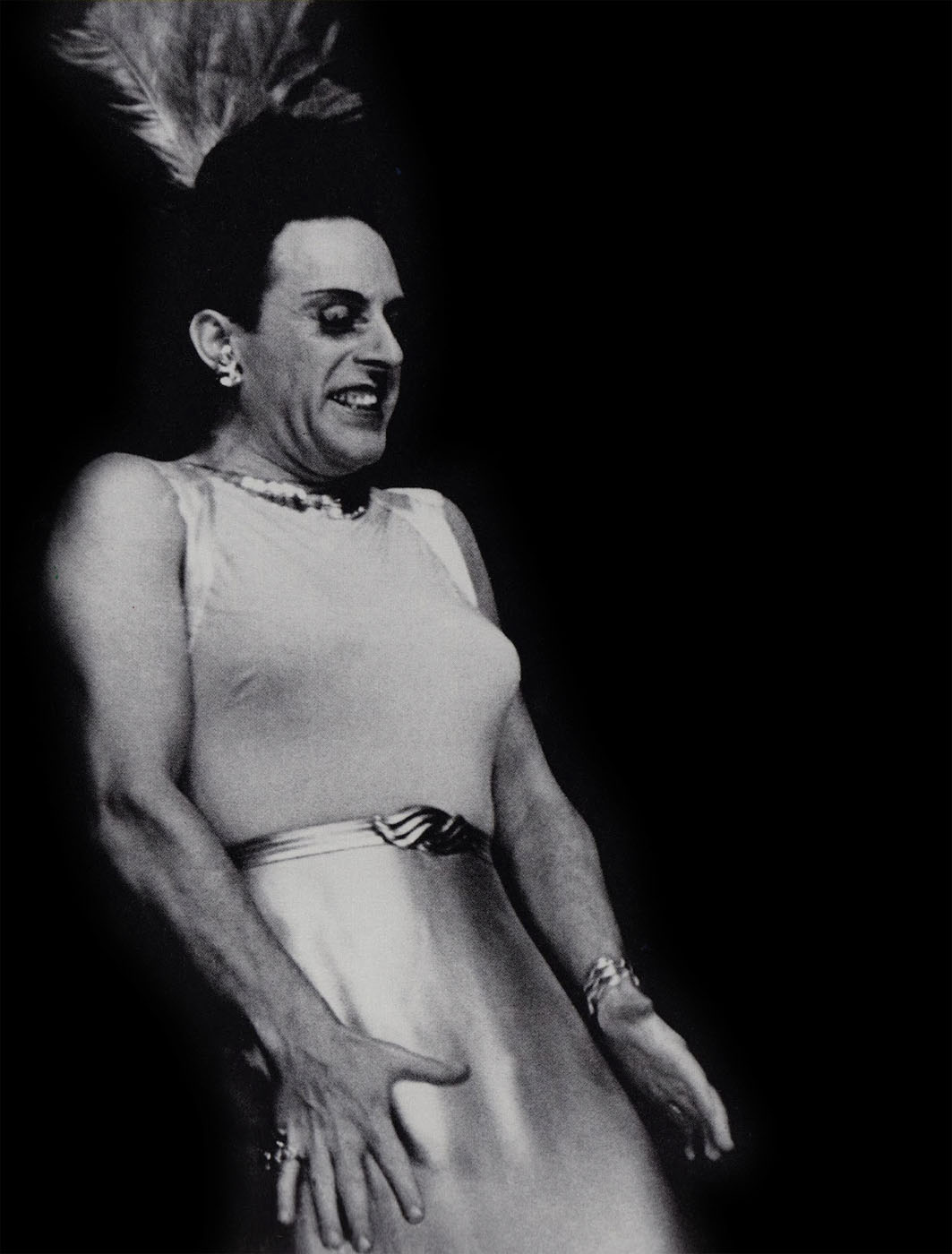
 

Lisette Model (American born Austria, 1901-1983) 'Female impersonator' c. 1945


Lisette Model (American born Austria, 1901-1983)
Female impersonator
c. 1945
Gelatin silver print
National Gallery of Canada, Ottawa
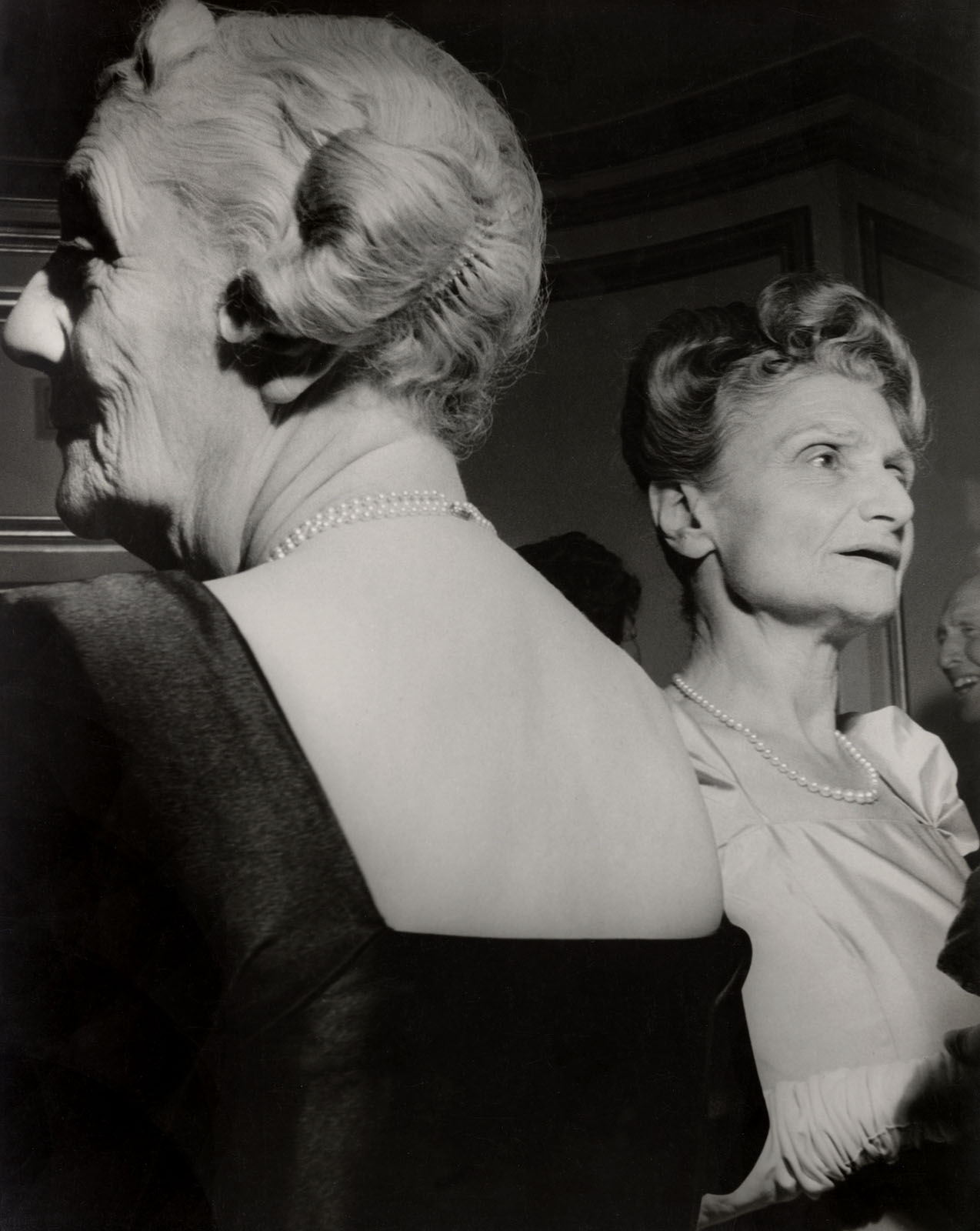
 

Lisette Model (American born Austria, 1901-1983) 'Opera, San Francisco' 1949


Lisette Model (American born Austria, 1901-1983)
Opera, San Francisco
1949
Gelatin silver print
34 × 26.6cm
The ALBERTINA Museum, Vienna
© Estate of Lisette Model, courtesy Lebon, Paris / Keitelman, Brussels


Lisette Model (American, born Austria 1901-1983) 'Opera, San Francisco' 1949


Lisette Model (American born Austria, 1901-1983)
Opera, San Francisco
1949
Gelatin silver print
© The Lisette Model Foundation


Lisette Model (American born Austria, 1901-1983)

Lisette Model (Vienna, 1901 – New York, 1983) was one of the main practitioners of North American direct photography. Born into a Jewish bourgeois family in Vienna, she studied piano and singing with Arnold Schönberg. In 1926 she moved to Paris where she became interested in painting and photography. Due to the oncoming war in Europe and growing anti-Semitism spreading throughout the continent, Model moved to New York in 1938 and began to work as a photographer for the magazine Harper’s Bazaar under the guidance of Alexey Brodovitch. She became a member of the Photo League.

Free of any sort of indoctrination, Model’s work stands out for her use of direct portraiture and for focusing on the peculiarities of the people she portrayed. Her images are full of low-angle shots, radical framings, and powerful black and white contrasts, making them greatly expressive. Some of her most renowned series – Promenade des Anglais, Reflections, and Running Legs – were produced in the French Côte d’Azur and in New York.

At the end of her career Model worked with Gerhard Sander, grandson of the photographer August Sander, who became her art dealer and lab assistant. Her work as an instructor was also notable. She began teaching in 1949 at the California School of Fine Arts and continued to teach throughout her life at other institutions such as the New School for Social Research. Her role as a professor would leave a mark on some of the most important photographers of the following generation, such as Diane Arbus, Larry Fink, and Peter Hujar, to name a few.

Text from the Fundacion MAPFRE website
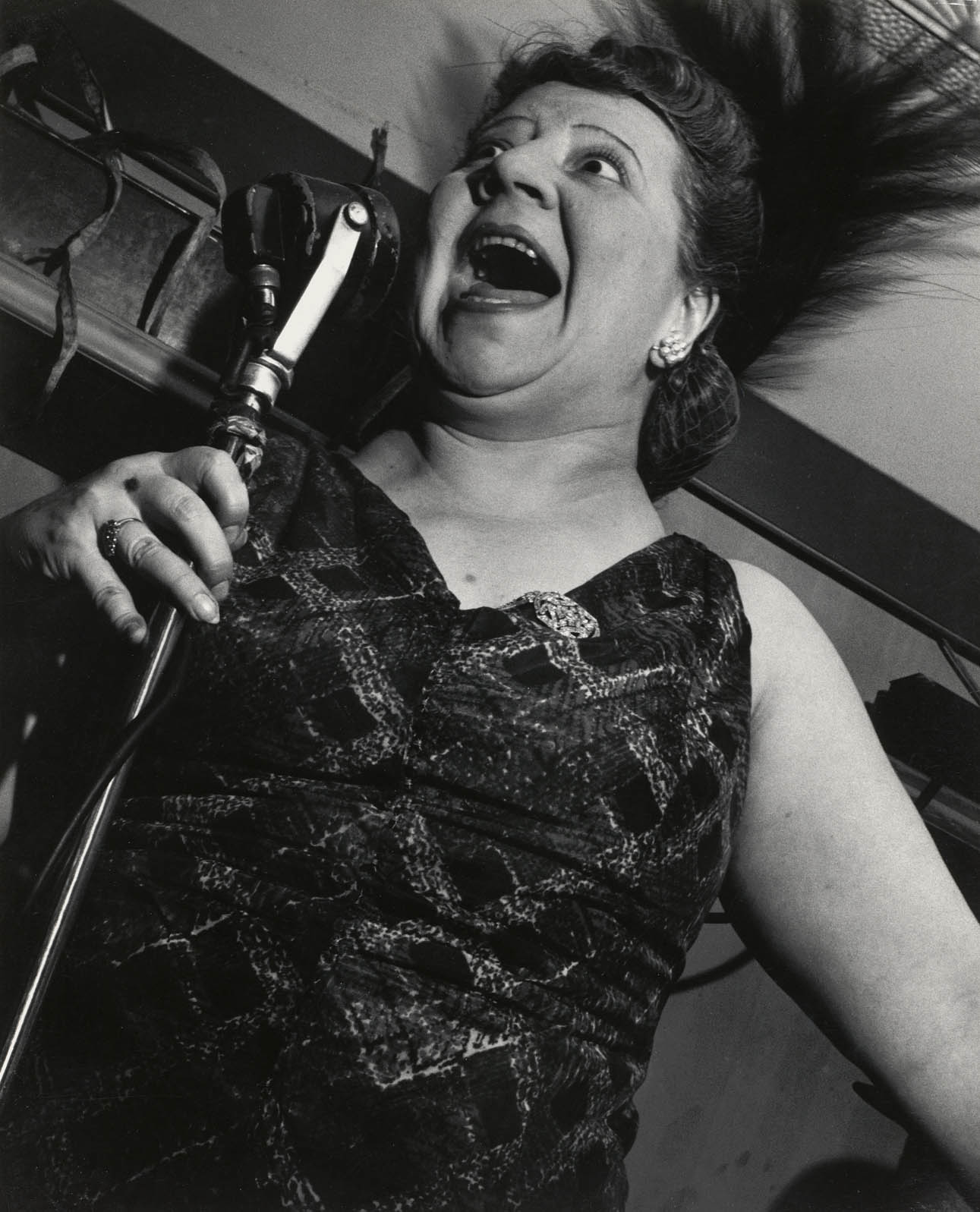
 

Lisette Model (American born Austria, 1901-1983) 'Singer at the Metropole Café, New York' 1946


Lisette Model (American born Austria, 1901-1983)
Singer at the Metropole Café, New York
1946
Gelatin silver print
49.6 x 39.8 cm
The ALBERTINA Museum, Vienna
© Estate of Lisette Model, courtesy Lebon, Paris /
Keitelman, Brussels
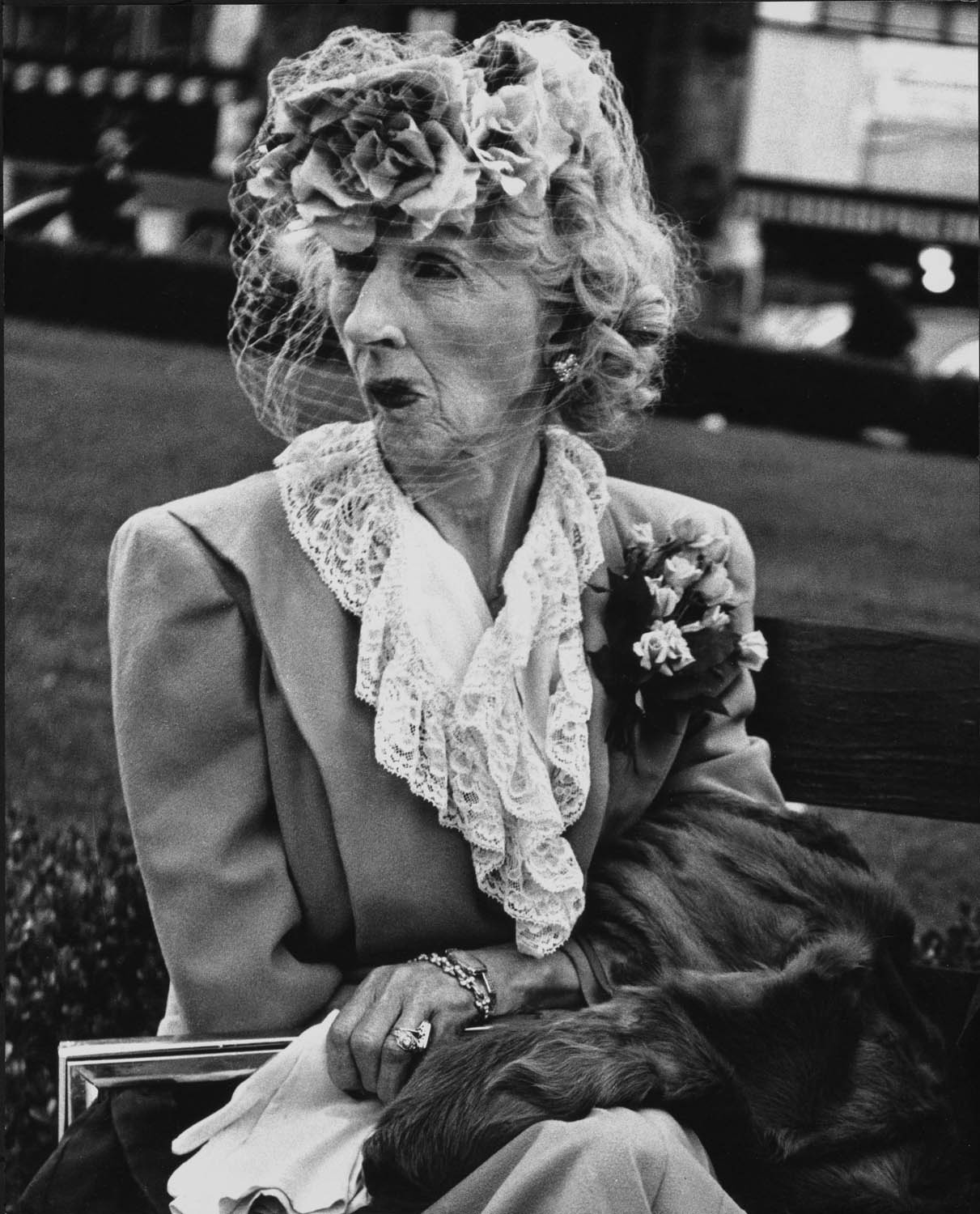
 

Lisette Model (American born Austria, 1901-1983) 'Woman with Veil, San Francisco' 1949


Lisette Model (American born Austria, 1901-1983)
Woman with Veil, San Francisco
1949
Gelatin silver print
49.8 x 10.1 cm
Estate of Gerd Sander, Julian Sander Gallery, Cologne
© Estate of Lisette Model, courtesy of baudoin lebon and Avi Keitelman


Closeness that does not comfort

Model’s photographs are close. Uncomfortably close. Faces, bodies, gestures fill the frame, often to the limit of what is bearable. The famous tight cropping, often decided only in the darkroom, frees the people from their surroundings and confronts the viewer with full presence. There is no escaping. No decorative surroundings.

And yet there is no voyeurism. No mockery. Despite all the harshness, these images carry a form of respect, often with a good dose of humor or, depending on the subject, social criticism. You sense that someone is looking here, not looking down. There is tension hanging in the air – between ruthlessness and empathy – and it keeps the work relevant to this day.

Anonymous. “Zeit hinzusehen: Lisette Model in der Albertina,” on the ViennaCultgram website Nd [online] Cited 02/02/2026. Used under fair use conditions for the purposes of education and research
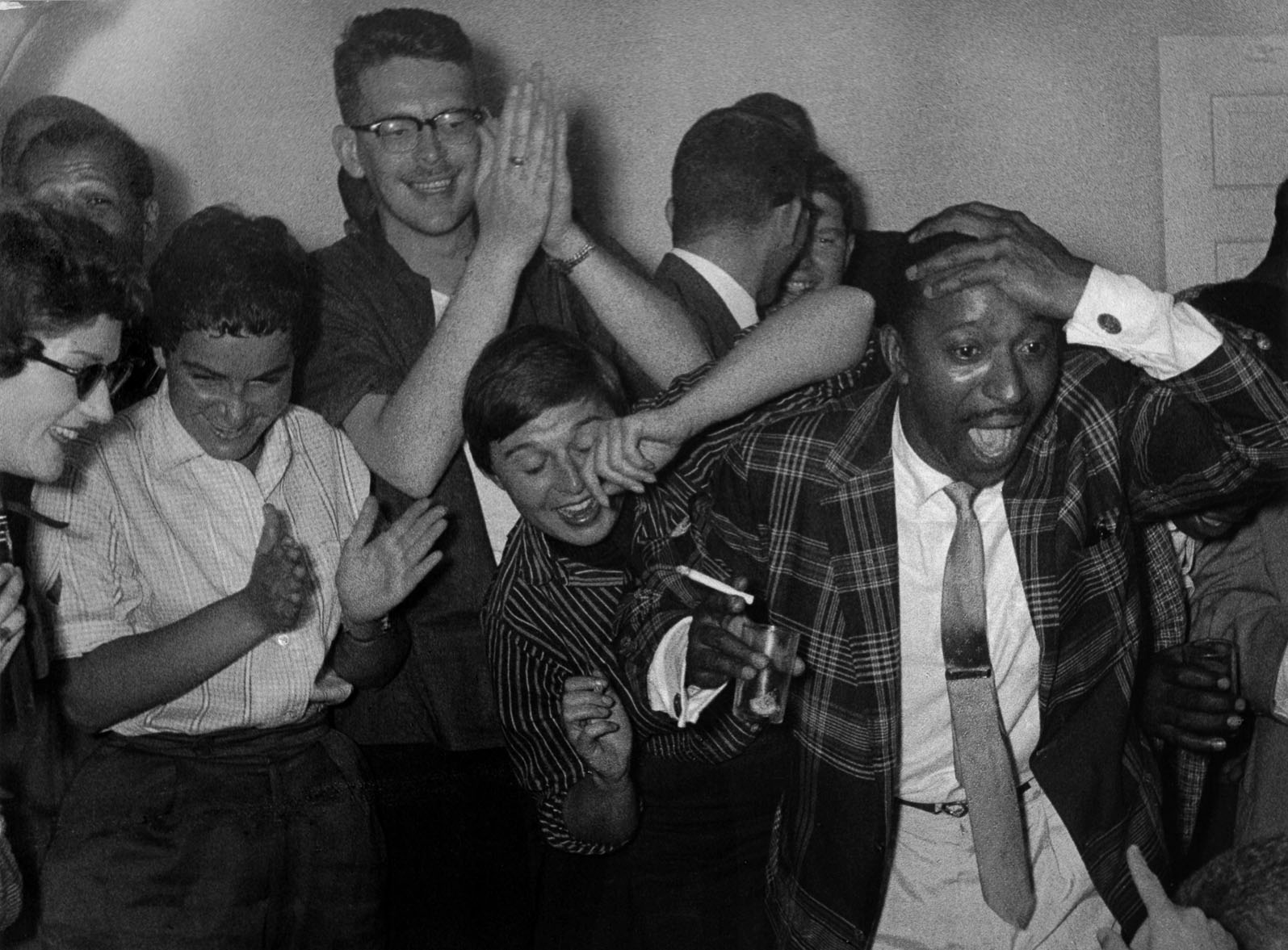
 

Lisette Model (American born Austria, 1901-1983) 'Ollie McLaughlin, Hotel Viking, Newport Jazz Festival, Rhode Island' 1956


Lisette Model (American born Austria, 1901-1983)
Ollie McLaughlin, Hotel Viking, Newport Jazz Festival, Rhode Island
1956
Gelatin silver print
27.5 × 34.9cm
© Estate of Lisette Model, courtesy of baudoin lebon and Avi Keitelman
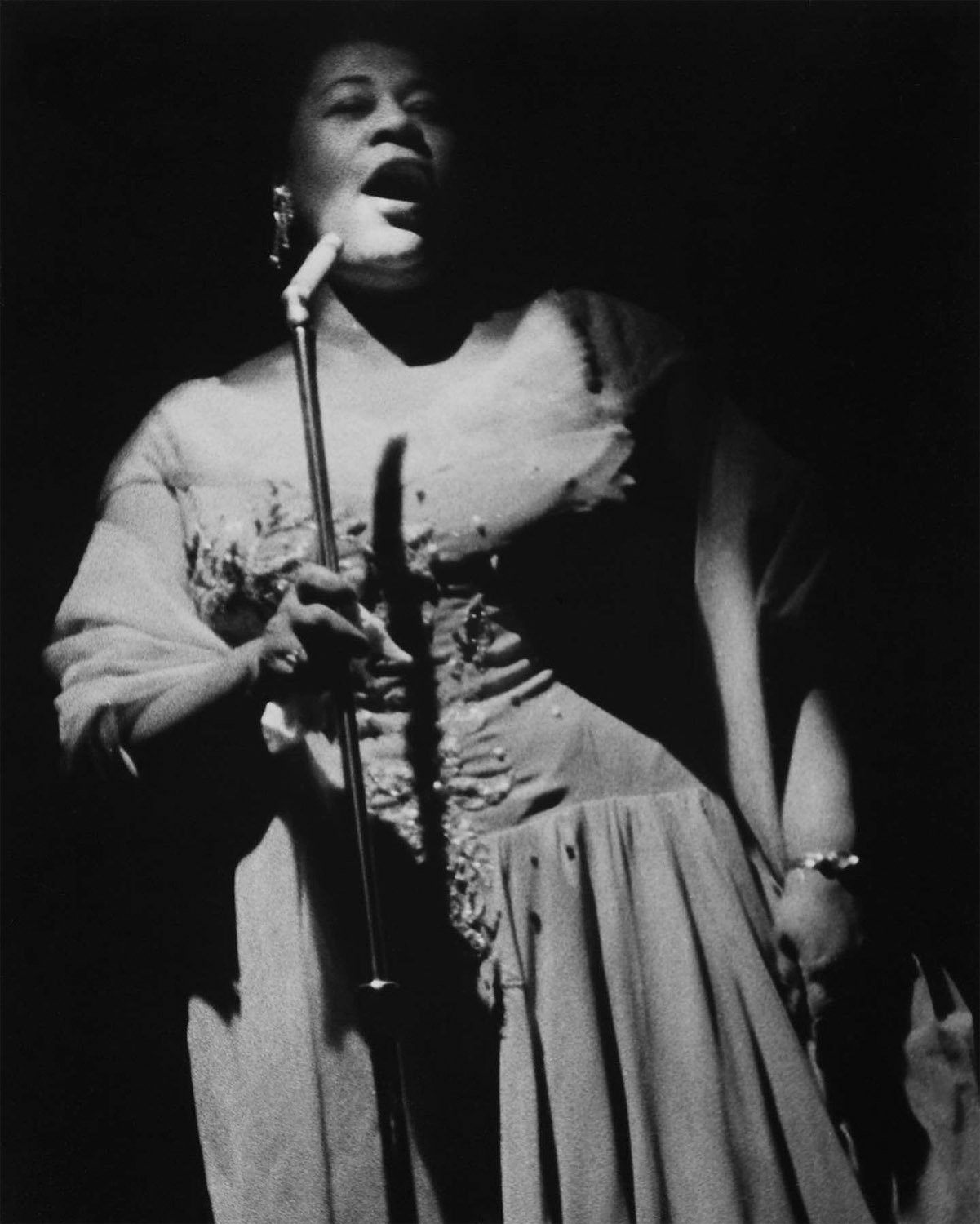
 

Lisette Model (American born Austria, 1901-1983) 'Ella Fitzgerald' 1954


Lisette Model (American born Austria, 1901-1983)
Ella Fitzgerald
1954
Gelatin silver print
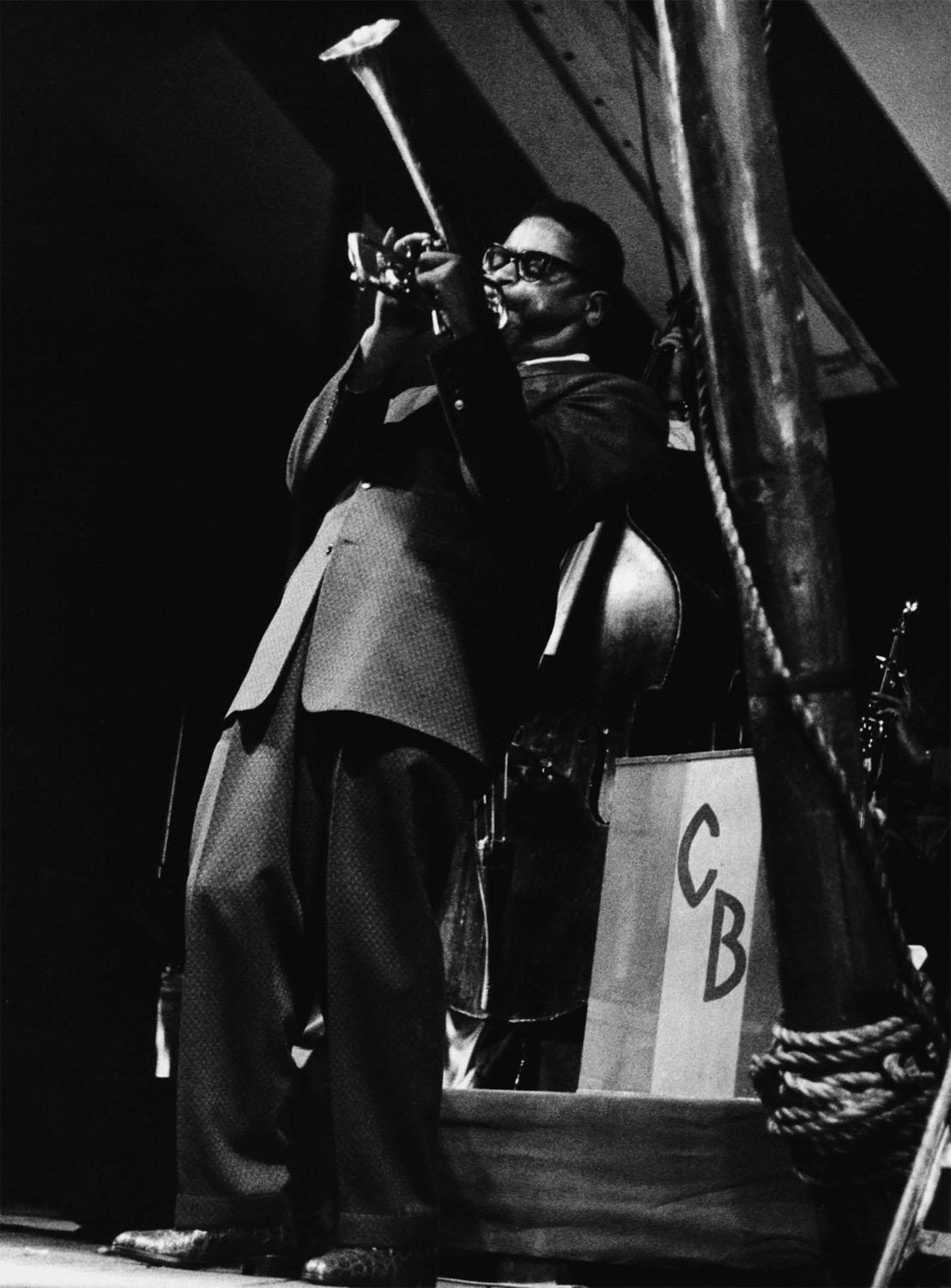
 

Lisette Model (American born Austria, 1901-1983) 'Dizzy Gillespie, New York Jazz Festival' 1956


Lisette Model (American born Austria, 1901-1983)
Dizzy Gillespie, New York Jazz Festival
1956
Gelatin silver print
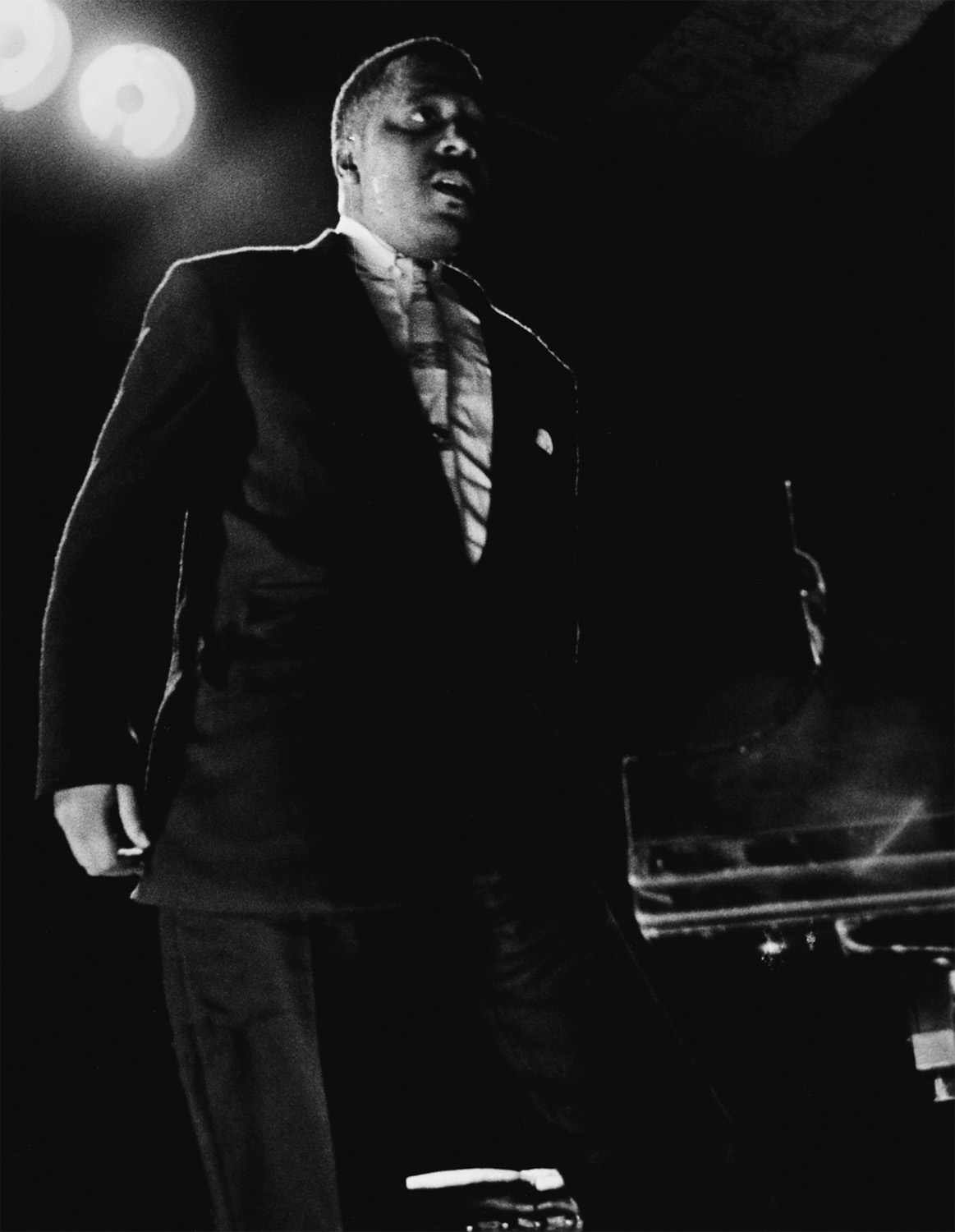
 

Lisette Model (American born Austria, 1901-1983) 'Bud Powell, New York Jazz Festival' 1957


Lisette Model (American born Austria, 1901-1983)
Bud Powell, New York Jazz Festival
1957
Gelatin silver print


The Albertina Museum
Albertinaplatz 1
1010 Vienna
Phone: +43 (0)1 534 83 0

Daily 10am – 6pm
Except Wednesday and Friday 10am – 9pm
The Albertina Museum website

LIKE ART BLART ON FACEBOOK

Back to top

Exhibition: ‘Annelies Štrba – “My Otherness Colourfully Unfolds”‘ at Fotostiftung Schweiz, Winterthur, Zurich

Exhibition dates: 25th February – 13th August 2023

Curator: Teresa Gruber at Fotostiftung Schweiz


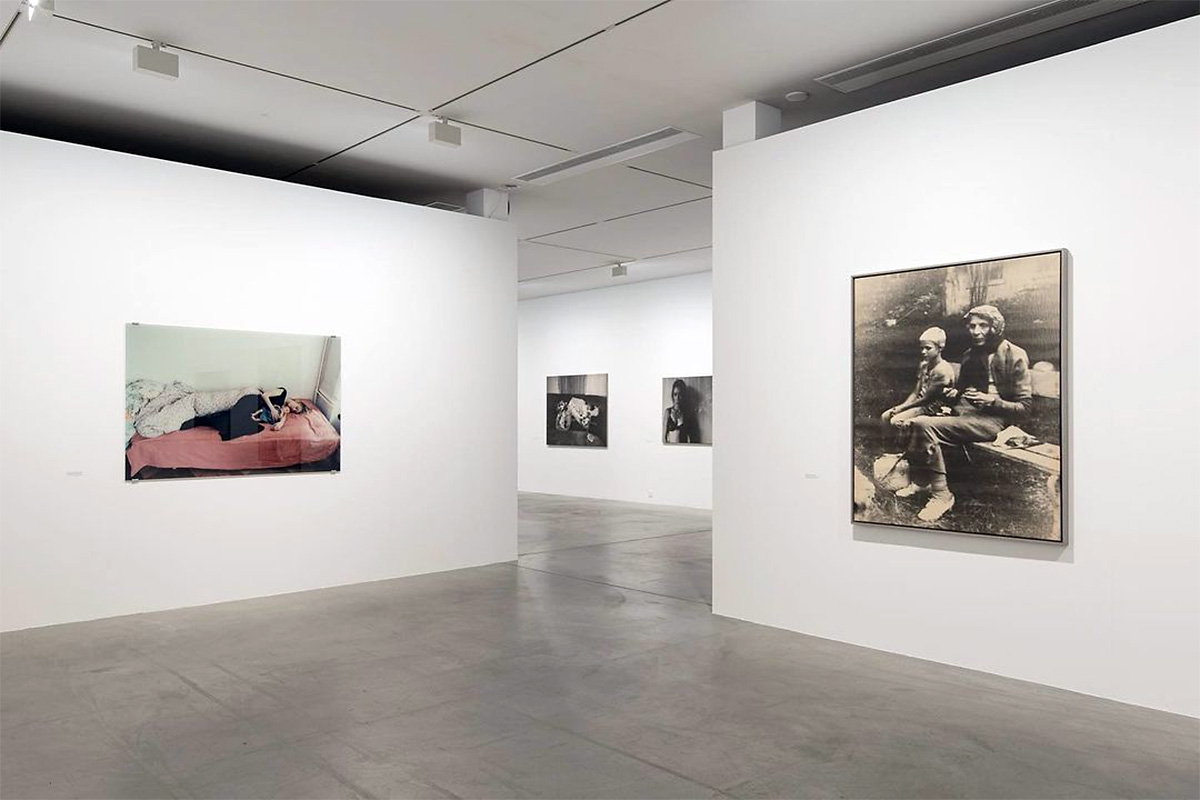
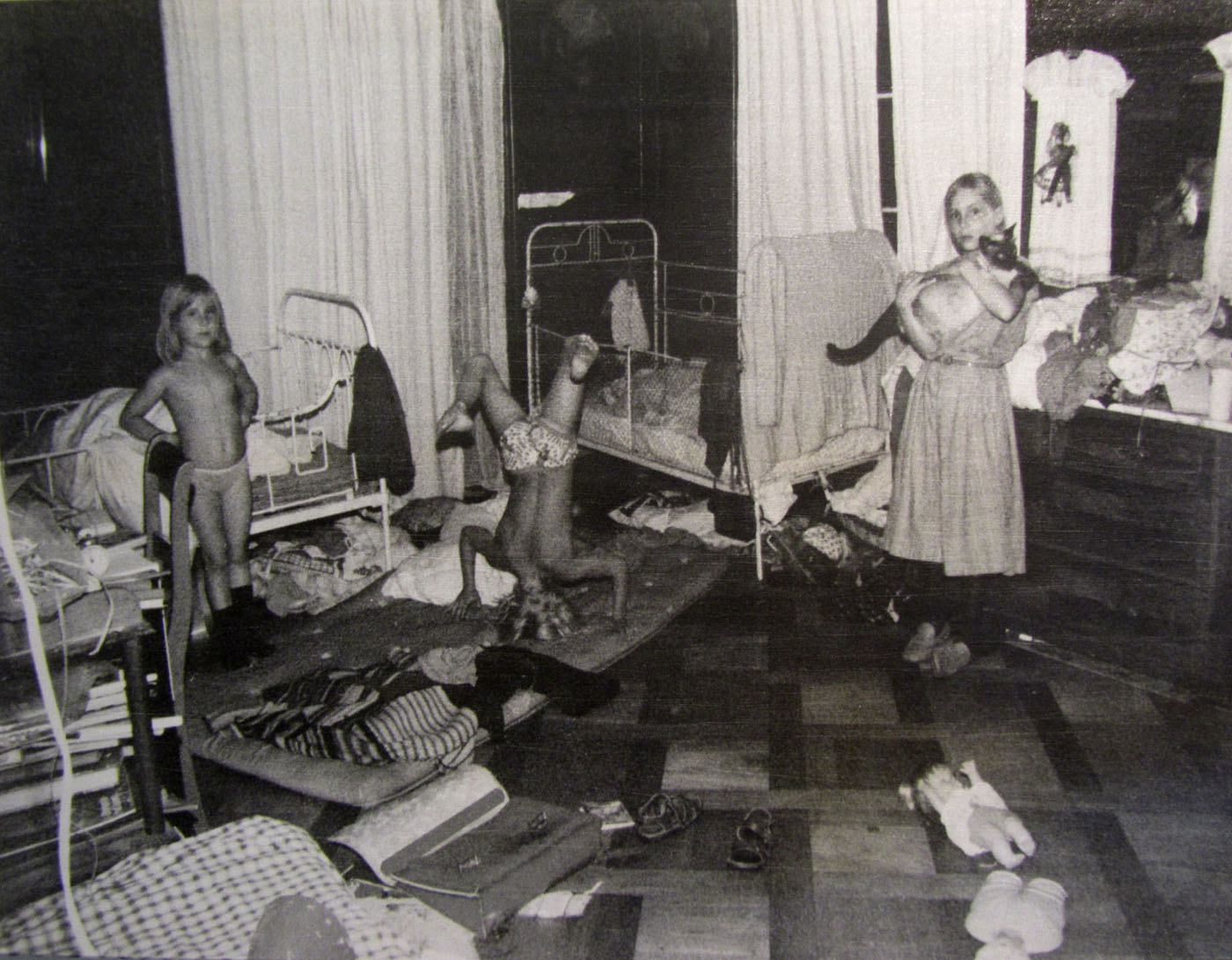
Annelies Štrba (Swiss, b. 1947) 'In the children's room' 1978 from the exhibition 'Annelies Štrba – "My Otherness Colourfully Unfolds"' at Fotostiftung Schweiz, Feb - Aug, 2023


Annelies Štrba (Swiss, b. 1947)
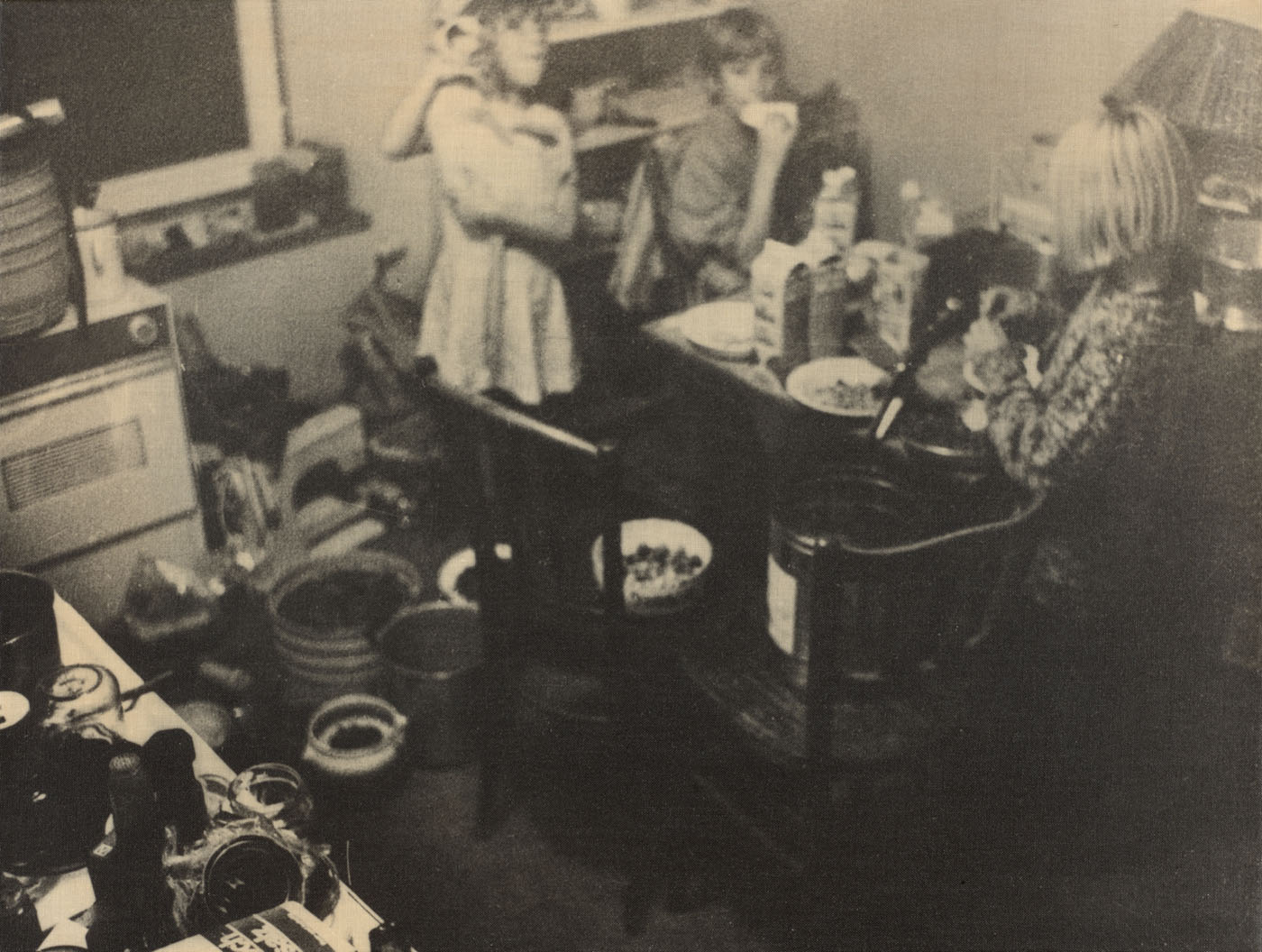
In the children’s room
1978
© Annelies Štrba / Pro Litteris


A short text this week because I’m suffering from sinusitis and headache.

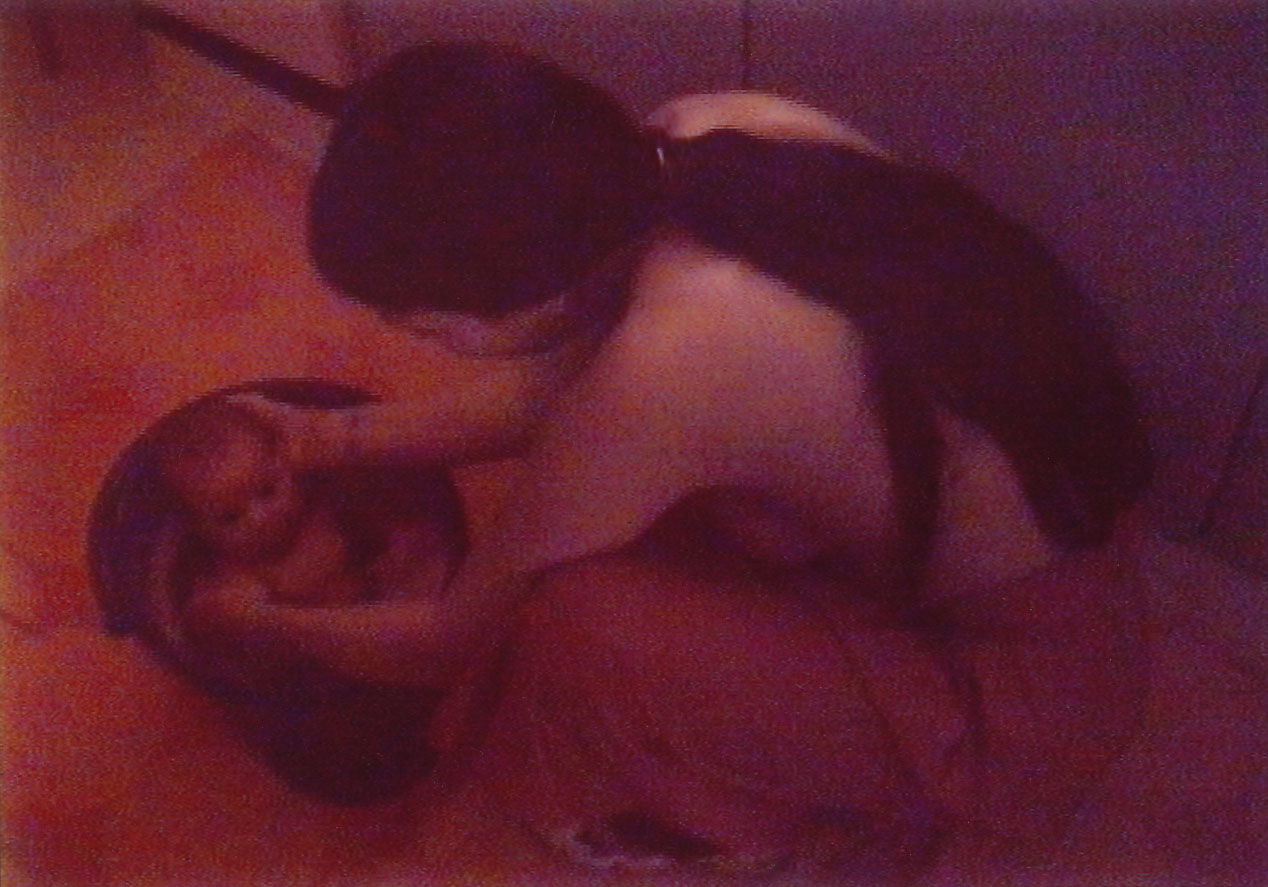
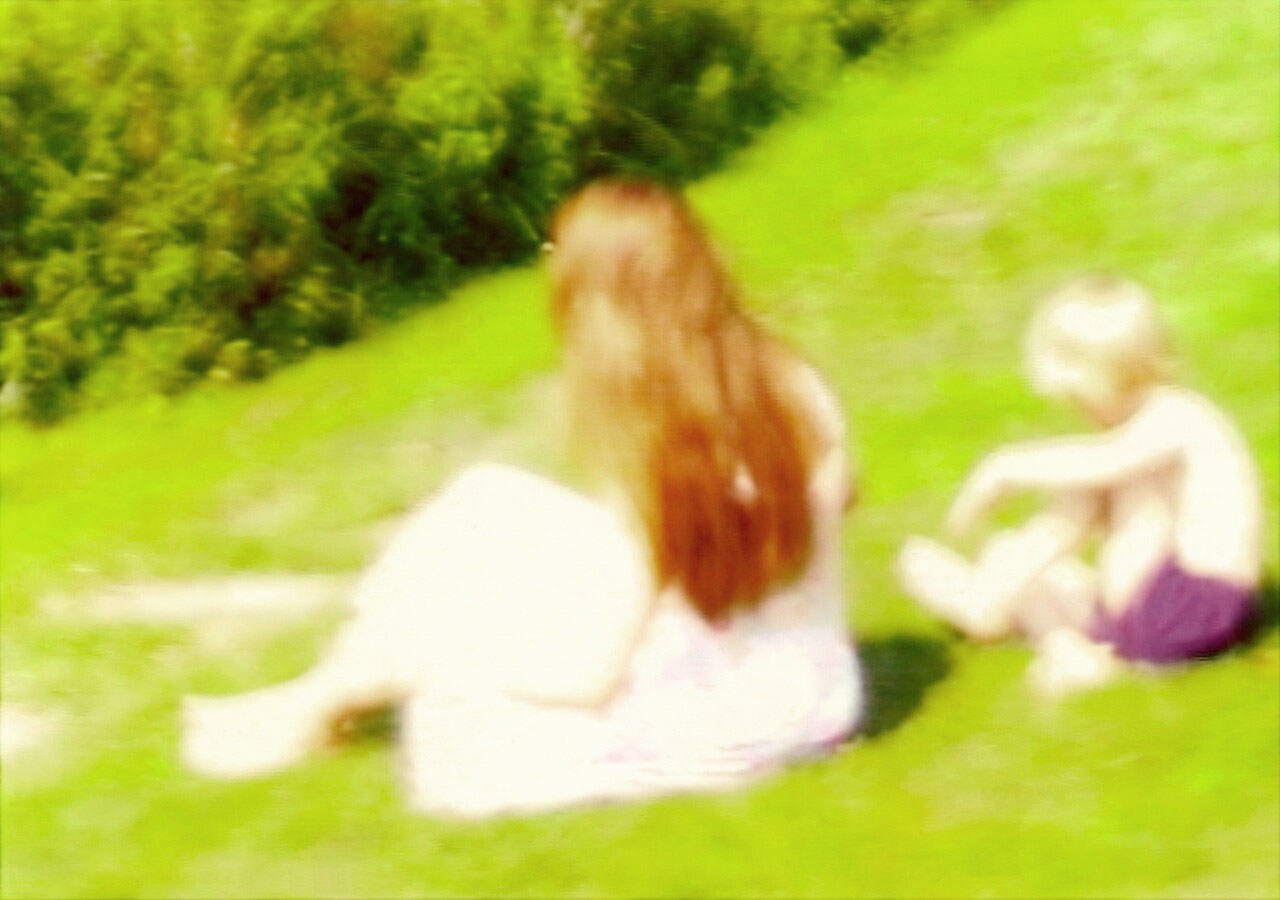
Annelies Štrba’s “intimate family scenes… breaking away from the rules of perfect photographic reproduction” are the antithesis – or anti-thesis – of last weeks posting were the curators conceptualised 1930s American documentary photography as a sort of reality-dream.

Here there is no need to conceptualise such a response to the photographs for Štrba’s unconventional, poetic photographs really are a mixture of dream and reality. At the limits of visibility Štrba’s glances, glimpses, clefts, over / under exposures, double exposures, colour disfigurations and ingressions – the process by which a potentiality enters into actuality – offer to the viewer a “no place” of becoming, where “recognition” is the trigger of exposure.

Like the sudden gust of wind drops the ripe apple. (Minor White)

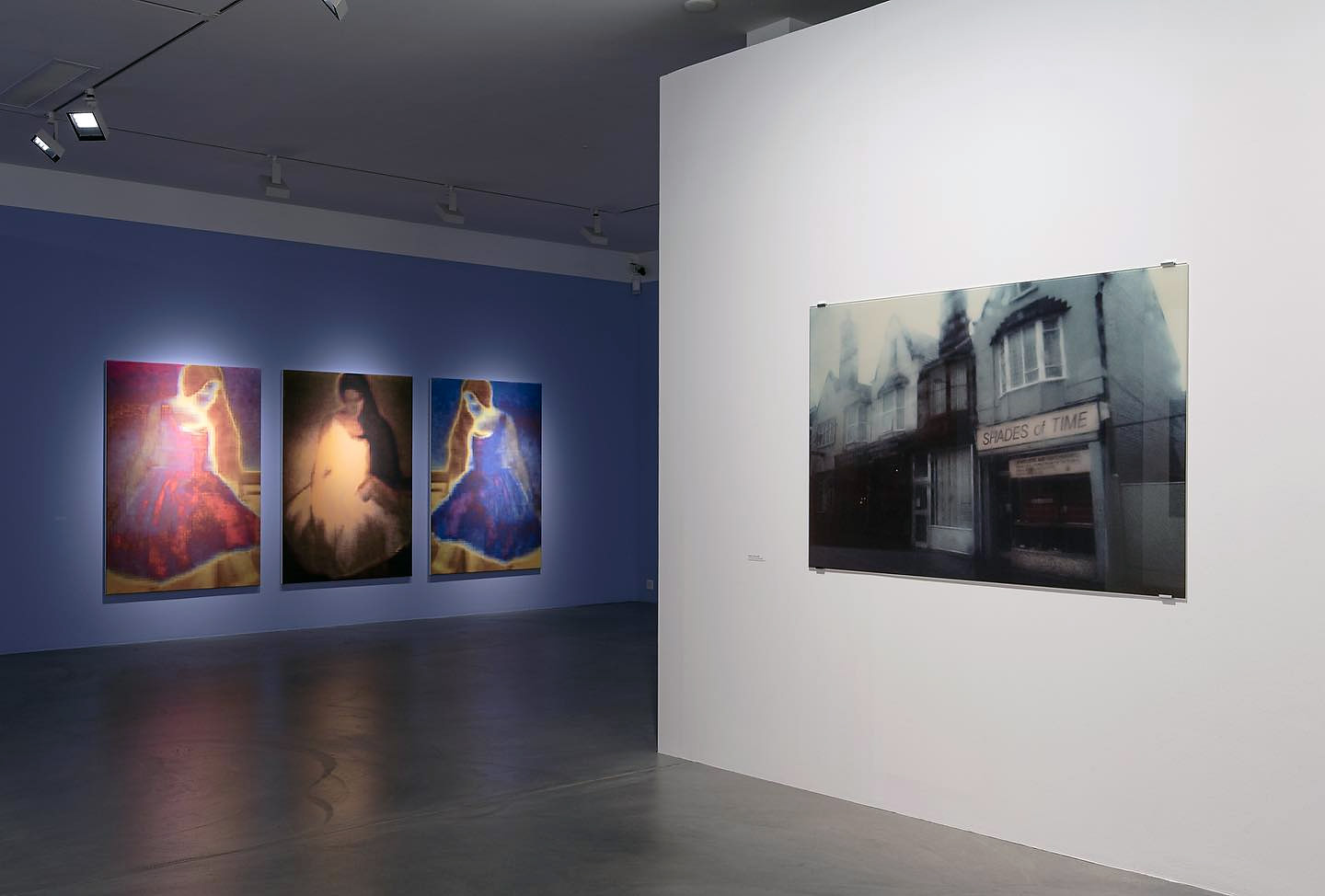
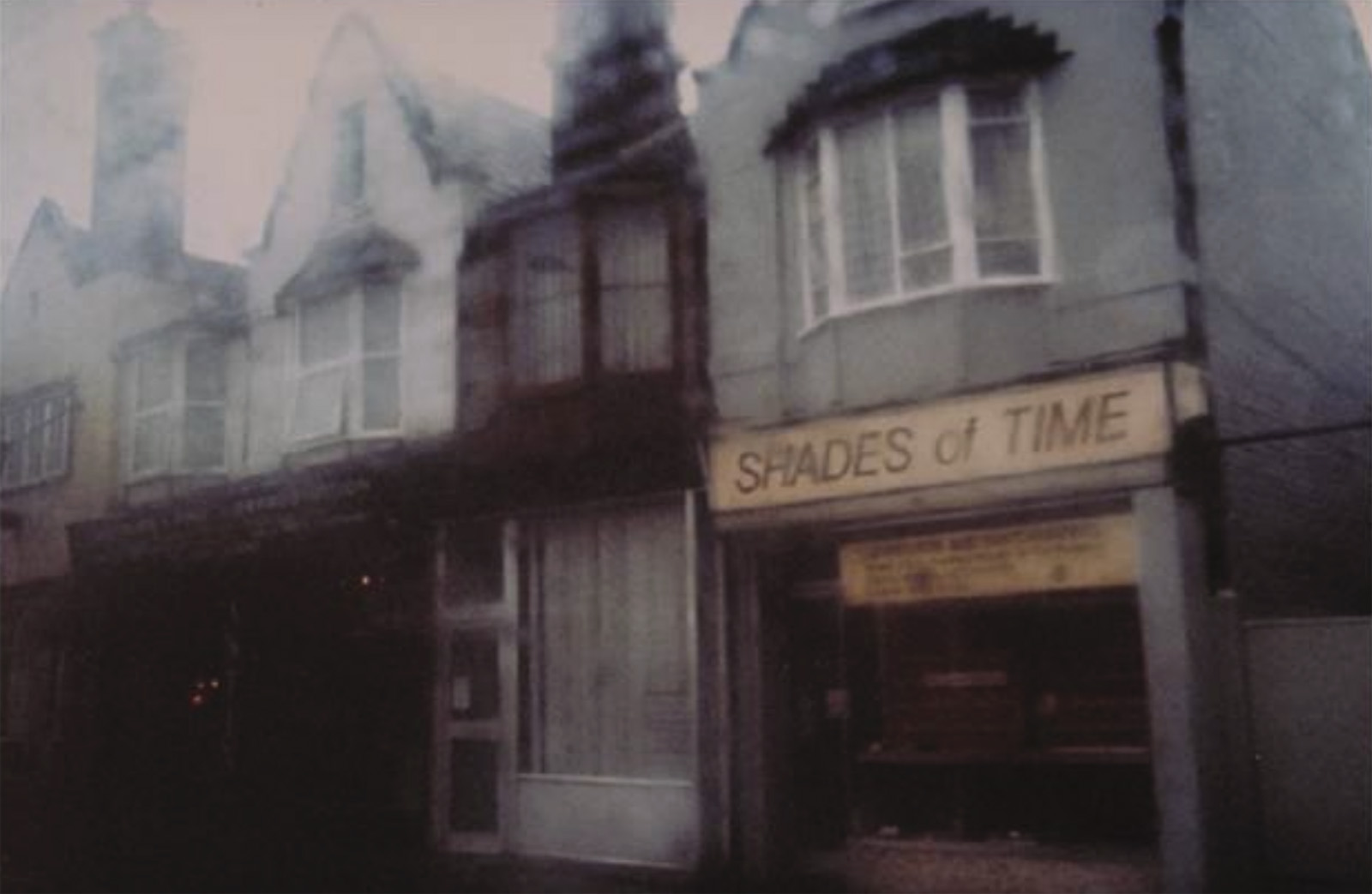
It is difficult in a posting to leave an “impression” of an artists body of work in so few photographs, especially an artist who works in series of images. Therefore, I heartily recommend viewing the familial architectural Shades of Time series (1970-1997) on Annelies Štrba’s website.

Dr Marcus Bunyan


Many thankx to Fotostiftung Schweiz for allowing me to publish the photographs in the posting. Please click on the photographs for a larger version of the image.


Annelies Štrba (Swiss, b. 1947) 'Drying cherries' 1979 from the exhibition 'Annelies Štrba – "My Otherness Colourfully Unfolds"' at Fotostiftung Schweiz, Feb - Aug, 2023


Annelies Štrba (Swiss, b. 1947)
Drying cherries
1979
© Annelies Štrba / Pro Litteris


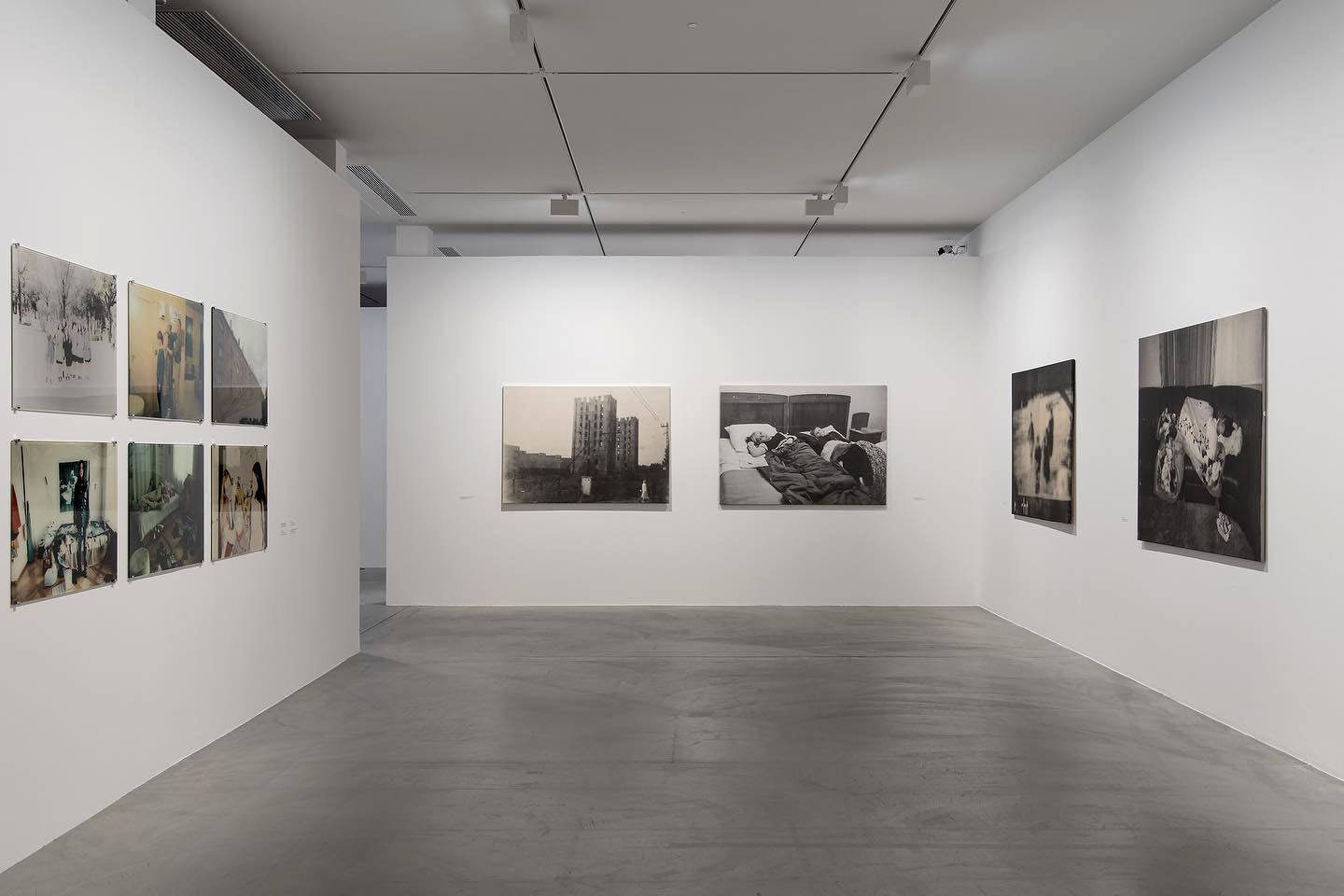
The exhibition Annelies Štrba – “My Otherness Colourfully Unfolds” focuses on Annelies Štrba’s early works. Black-and-white photo canvases, colour photographs and the projection Shades of Time show images from the years 1974 to 1997. These works are framed by her later expressionist video stills, a newly conceived projection with photographs from the years up to 2015 and staged scenes of fairy-tale princesses sleeping in enchanted landscapes. All the pictures revolve around the theme of family. Their juxtaposition enables an understanding of how this artist’s personal and artistic development over time is reflected in her view of children and grandchildren.⁠

Text from the Fotostiftung Schweiz website


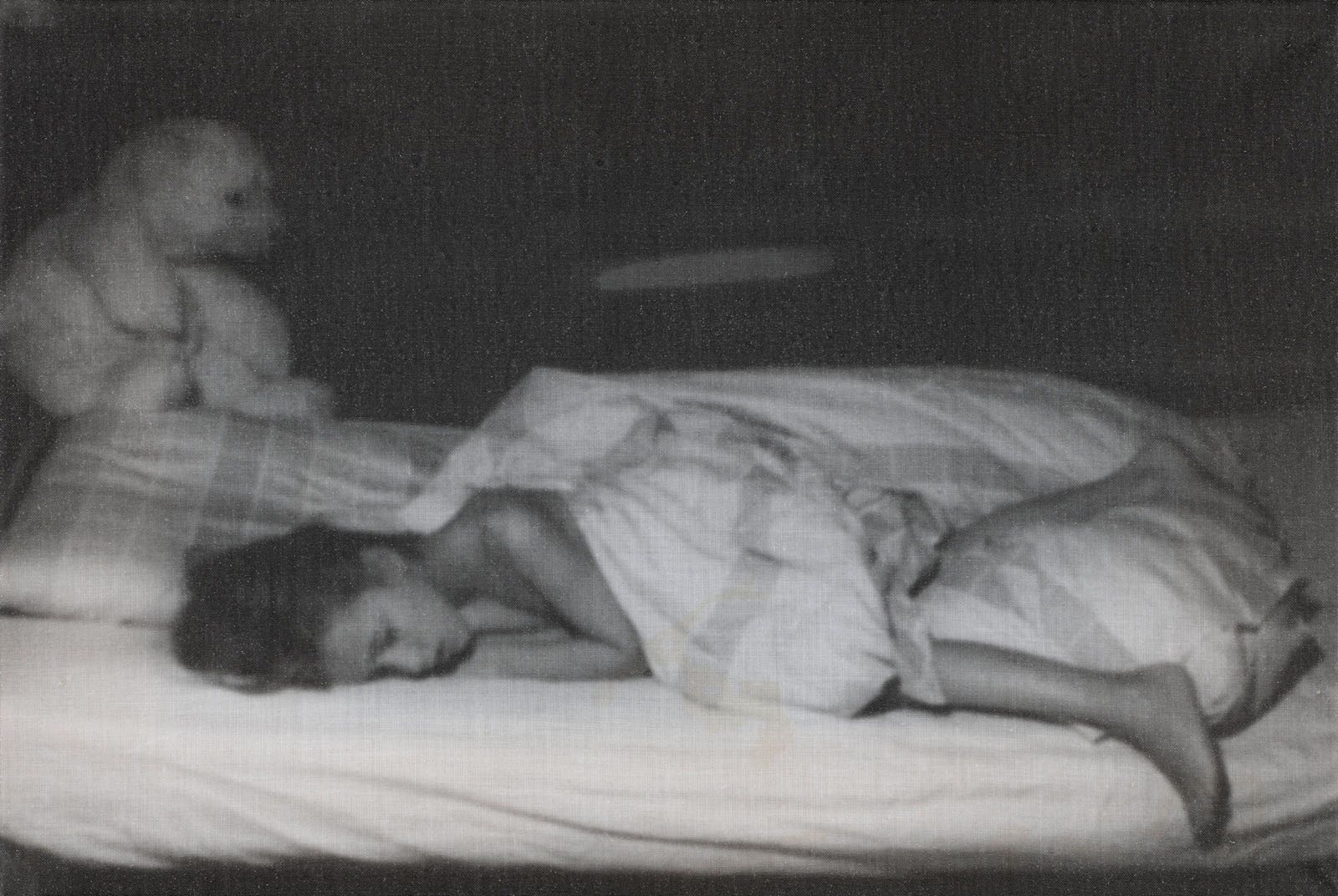
Annelies Štrba (Swiss, b. 1947) 'Linda with Teddybear' 1981 from the exhibition 'Annelies Štrba – "My Otherness Colourfully Unfolds"' at Fotostiftung Schweiz, Feb - Aug, 2023


Annelies Štrba (Swiss, b. 1947)
Linda with Teddybear
1981
© Annelies Štrba / Pro Litteris


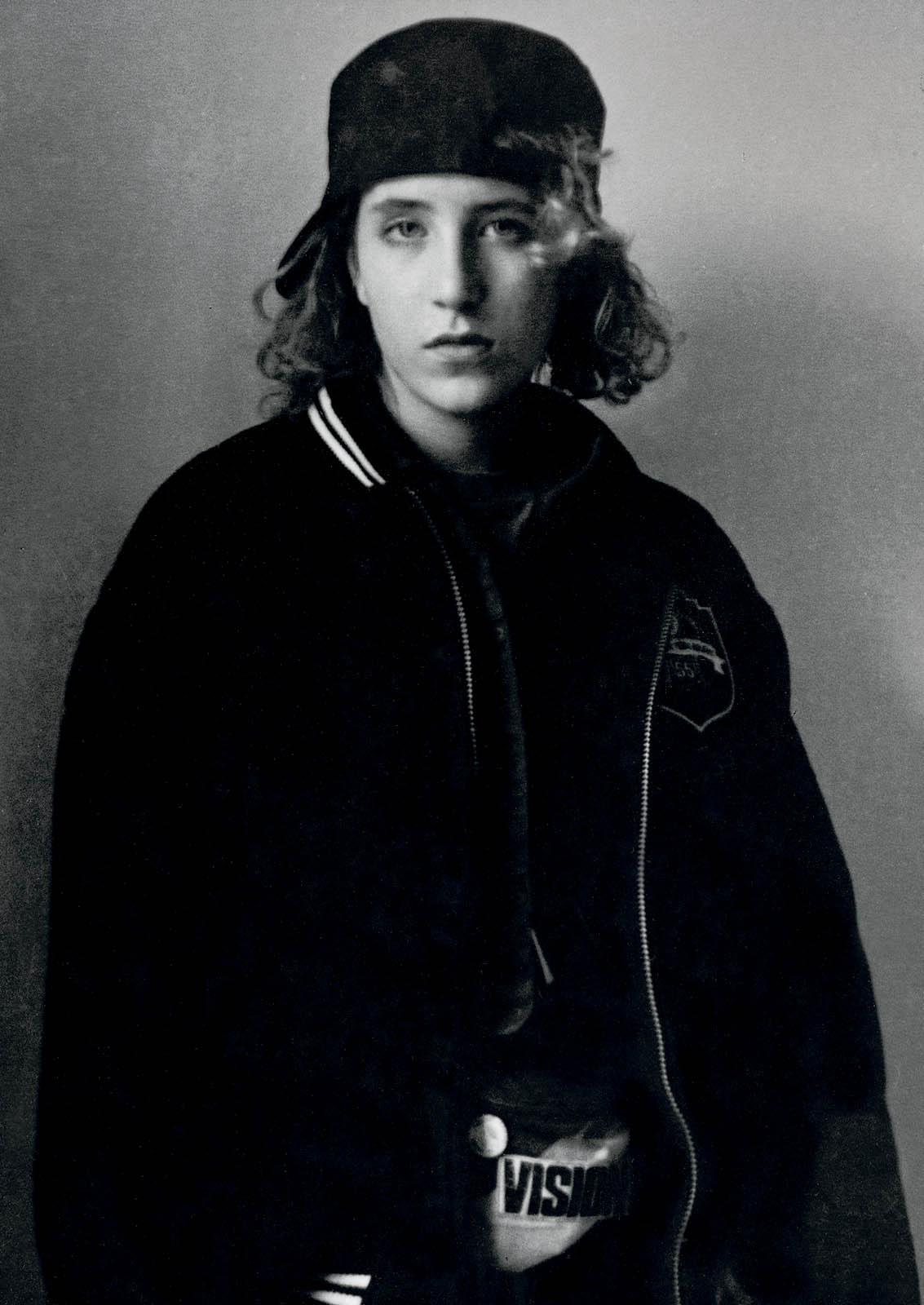
Annelies Štrba (Swiss, b. 1947) 'Linda Vision' 1980


Annelies Štrba (Swiss, b. 1947)
Linda Vision
1980
© Annelies Štrba / Pro Litteris


An­nelies Štrba (b. 1947) is an ob­server and ma­gi­cian: She cap­tures fleet­ing mo­ments and cre­ates dream im­ages; life and art in­ter­twine. When her chil­dren were small, the cam­era was part of every­day fam­ily life; at night, the mother would de­velop her prints in the dark­room. Again and again, she adopted new tech­niques and forms of pre­sen­ta­tion, for in­stance when she began work­ing with video in the 1990s and when she even­tu­ally started to paint over pho­tographs printed on can­vas. While her ear­lier ana­logue works play with snap­shot aes­thet­ics, her video stills and edited dig­i­tal pho­tographs achieve the in­ten­sity of ex­pres­sion­ist paint­ings.

The Fo­to­s­tiftung Schweiz col­lec­tion con­tains a big group of Štrba’s early black-and-white photo can­vases and colour pho­tographs – in­ti­mate fam­ily scenes, but also bleak fa­cades of large-panel-sys­tem build­ings and high-rises.

This ret­ro­spec­tive ex­hi­bi­tion, whose title quotes a poem by Emmy Hen­nings, pre­sents these works for the first time. They are po­si­tioned around two newly conceived pro­jec­tions of the work cy­cles with which An­nelies Štrba trans­lated her view of the fam­ily into im­ages: Shades of Time brings to­gether pho­tographs taken be­tween 1974 and 1997, show­ing the chil­dren Sonja, Samuel and Linda as they grow up. Noon­day is ded­i­cated to her chil­dren’s chil­dren. When these se­ries are seen to­gether, the in­ter­weav­ing of eras be­comes tan­gi­ble. The vi­sual worlds, char­ac­terised by sub­jec­tiv­ity and in­tu­ition, merge to form one com­pre­hen­sive cos­mos.

Text from the Fotostiftung Schweiz website


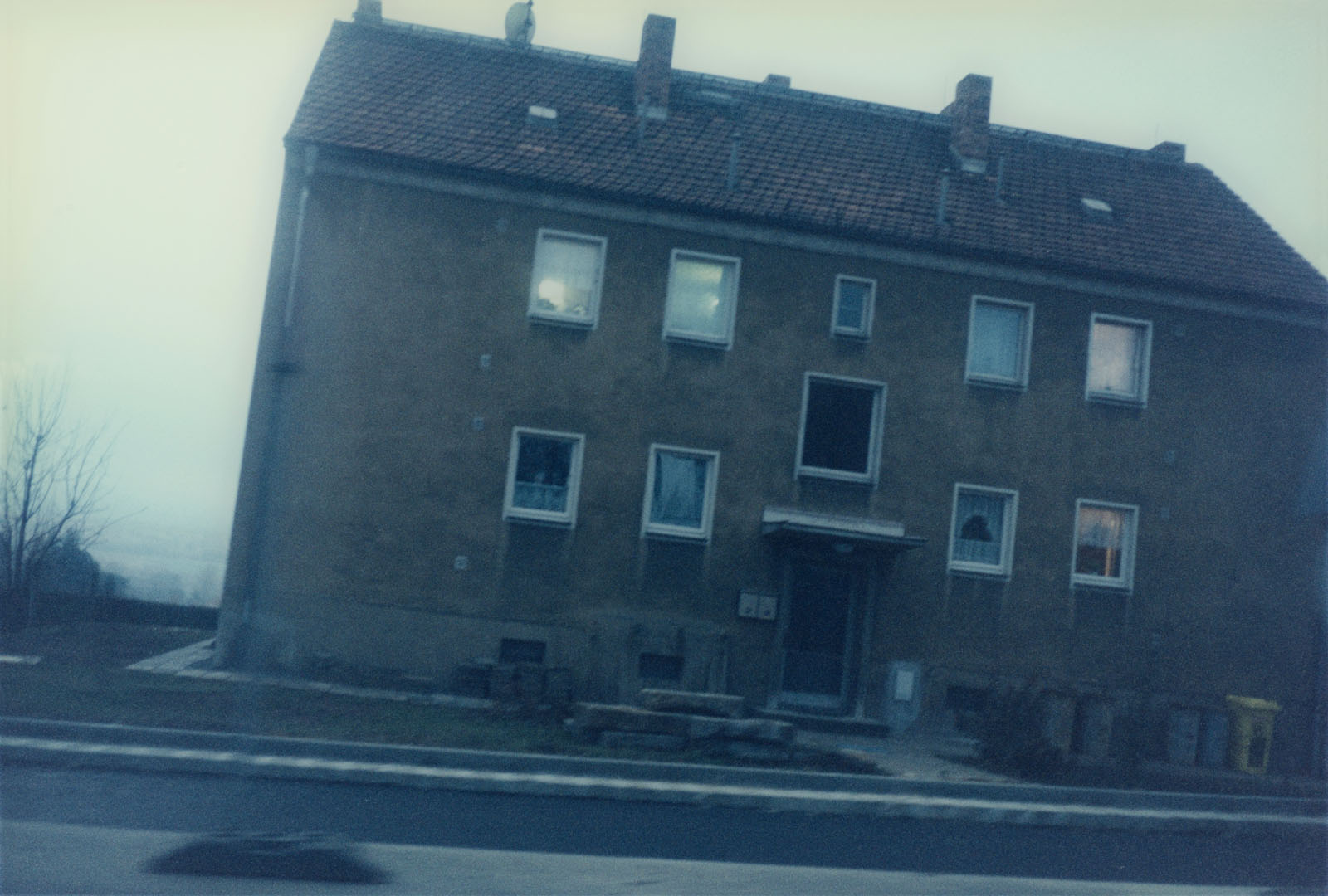
Annelies Štrba (Swiss, b. 1947) 'Zeitz' 1983


Annelies Štrba (Swiss, b. 1947)
Zeitz
1983
© Annelies Štrba / Pro Litteris


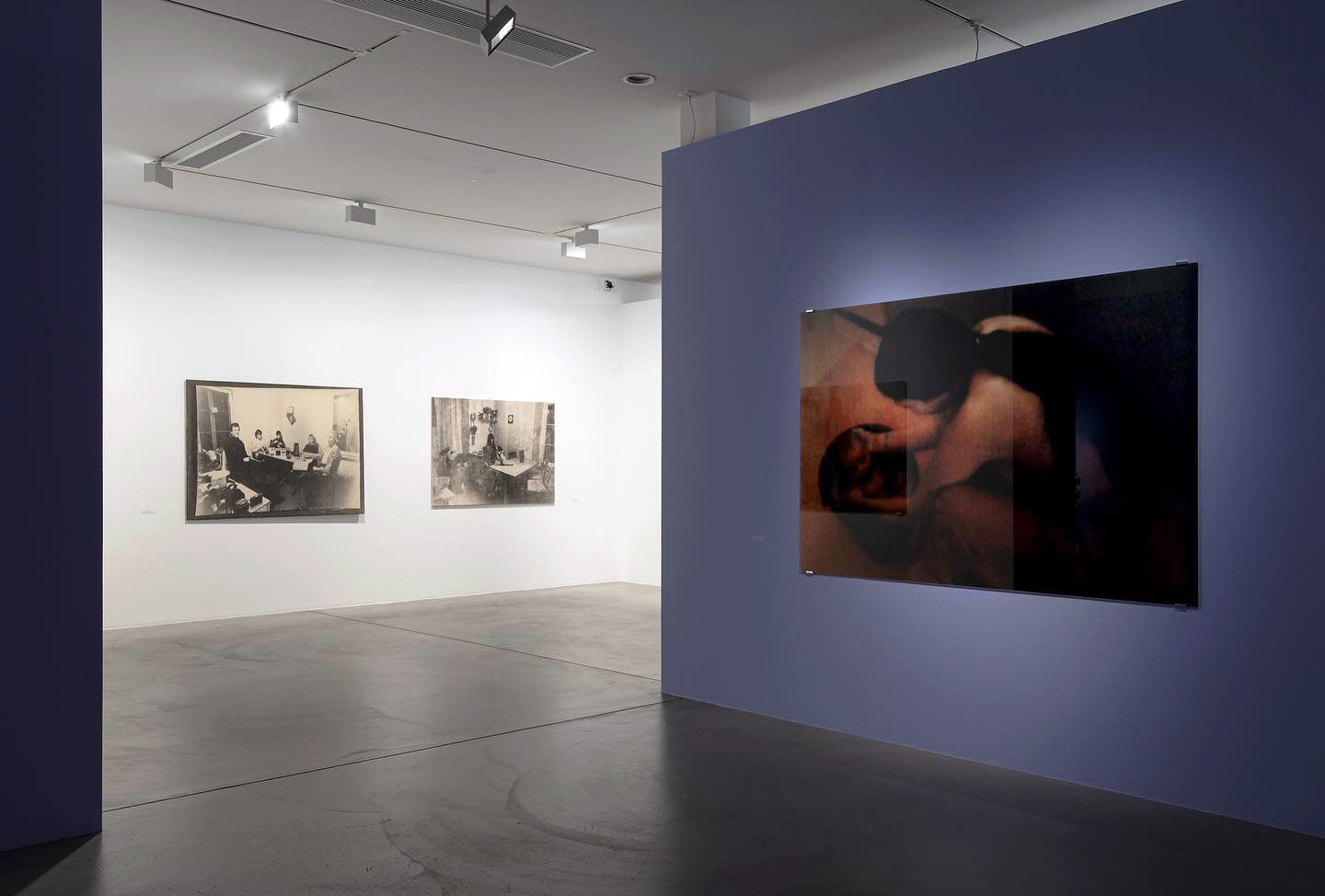
Installation view of the exhibition 'Annelies Štrba – "My Otherness Colourfully Unfolds"' at the Fotostiftung Schweiz, Winterthur, Zurich


Installation view of the exhibition Annelies Štrba – “My Otherness Colourfully Unfolds” at the Fotostiftung Schweiz, Winterthur, Zurich


Annelies Štrba (b. 1947) is one of Switzerland’s most internationally renowned contemporary artists using photography. In her works, she captures fleeting moments and creates dream images; life and art intertwine. This exhibition at Fotostiftung Schweiz presents, for the first time, large-format photo canvases from the collection and a projection specially conceived for Fotostiftung Schweiz.

The exhibition Annelies Štrba – “My Otherness Colourfully Unfolds” focuses on Annelies Štrba’s early works. Black-and-white photo canvases, colour photographs and the projection Shades of Time show images from the years 1974 to 1997. These works are framed by her later expressionist video stills, a newly conceived projection with photographs from the years up to 2015 and staged scenes of fairy-tale princesses sleeping in enchanted landscapes. All the pictures revolve around the theme of family. Their juxtaposition enables an understanding of how this artist’s personal and artistic development over time is reflected in her view of children and grandchildren.

From the attic to Kunsthalle Zurich

Despite her photographic apprenticeship, which she commenced at the age of 16, Annelies Štrba is a self-taught artist, as she never attended an art school. In 1969, she married Bernhard Schobinger, whom she accompanied and assisted in his work as a goldsmith and artist. Štrba came into contact with the art scene in her husband’s gallery for contemporary art, which he opened in Richterswil, where the pair lived. Mostly though, she took care of their three children: Sonja, Samuel and Linda. With the little ones in tow, she sold selected clothes and shoes for the punk and new wave scene at the Bürkliplatz flea market in Zurich to support their modest household. Meanwhile, without any ambition at first, she documented family life with her camera, developing her prints at night in the attic and storing them in boxes.

It was in Bernhard Schobinger’s 1987 publication Devon-Karbon-Perm that Štrba’s photographs first attracted attention. Her presentation of Schobinger’s jewellery in photographs that look raw and unmediated, and reproductions of handmade prints with scratches and streaks, bear witness to a confident photographic language, vehemently rejecting any smoothness, perfection or conformity. However, it was not until 1990, at the age of 43, that Annelies Štrba first appeared as an artist in her own right. Bernhard Mendes Bürgi, who was Kunsthalle Zurich’s curator at the time, offered her an exhibition. Against all expectations and advice (from the men involved), Annelies Štrba decided to enlarge her intimate sketchy pictures on photo canvases, in formats of up to 100 by 150 centimetres. From the very start, she emphasised the difference between a mother’s snapshots hoarded in a photo album and the visual works that were now revealed to the public. The formats and the rough unprotected surface of the canvases gave the photographs the presence of paintings. Štrba abstracted and thereby intensified the peculiar mood of the everyday scenes. She superimposed a heaviness, a seriousness, on the photographs of the children playing, sleeping or sitting together in the kitchen, which turned them into symbolic images of the human condition: loneliness in togetherness, eeriness in the familiar, the depths of the family.

Shades of Time: changes in the visual language

As the children grew older and the artist became more successful, her radius of movement increased: In the 1990s, Annelies Štrba received a studio scholarship from Landis+Gyr. She travelled to England, Scotland, Ireland and Japan, and exhibited in Berlin, London, New York, Paris and Tokyo. In 1997, Lars Müller Publishers released her extensive monograph Shades of Time (which has long since been out of print). In this book’s series of images, a change can be seen in her visual language and attitude to life over the years: landscapes passing by the car window, house facades, gardens, but above all Sonja and Linda as young women continuing the game with the camera, on equal footing, and obviously enjoying it. The birth of the first grandchild, Samuel-Maria, brings a Madonna-like depiction of maternal love and care into Štrba’s visual cosmos – a motif that had been absent until then, not least because the mother had remained hidden behind the camera.

First video works and video stills

Also in 1997, Štrba produced her first video, because a filmed portrait of the artist was required for the Whitechapel Gallery in London and she did not want to leave the making of it to anyone else. Enthused by the possibilities for manipulation offered by this technique, which was new to her, she put the still camera aside and concentrated on video works, in addition to video stills produced as stand-alone images. By adjusting or saturating the colours and using visual distortion, she created special aesthetics that looked painterly and technical at the same time. The motifs also liberated themselves more and more radically from the domesticity of the previous years. Landscapes, cityscapes and flowers served as visual composition elements, as did the silhouettes of her adult daughters.

However, still photography and children did come back to dominate Annelies Štrba’s imagery once again. From countless photographs of her grandchildren, especially Linda’s daughter Shereen, a new cycle of works emerged, culminating in the 2015 publication Noonday: Colourful scenes, many of which were taken at the artist’s home in Amden, show a children’s paradise comprising brightly coloured fabrics, cushions, blankets and a trove of princess dresses.

“My Otherness Colourfully Unfolds”

The photo canvases that were purchased in 2015 and 2021 with support from the Förderverein Fotostiftung Schweiz, among others, and supplemented by generous donations from the artist, are presented for the first time in this exhibition, whose title quotes a poem by Emmy Hennings, The motifs also appear in a digital interpretation of the Shades of Time slide show, newly conceived in 2020. In addition, Štrba has composed a projection from the Noonday picture series specifically for this exhibition in Winterthur, with a soundtrack produced by her son, Samuel Schobinger. The Shades of Time and Noonday projections run alternately in the exhibition, one after the other, uniting their eras in a never-ending flow of images. The inclusion of selected video stills, mounted behind glass in a large format, also visualises the themes of the artist’s life and her tireless pursuit of image forms for her cosmos.

With the exhibition Annelies Štrba – “My Otherness Colourfully Unfolds”, Fotostiftung Schweiz continues its commitment to honouring female photographers. Like previous presentations of female artists, such as Pia Zanetti and Manon, this show offers a focused retrospective on an oeuvre that shaped the history of photography in Switzerland. The exhibition was curated by Teresa Gruber, curator at Fotostiftung Schweiz.

Press release from the Fotostiftung Schweiz


Installation view of the exhibition 'Annelies Štrba – "My Otherness Colourfully Unfolds"' at the Fotostiftung Schweiz, Winterthur, Zurich showing at left, 'Linda' (1991); 'Hiroshima' (1994); and 'Linda and Sonja with Samuel-Maria' (1995)


Installation view of the exhibition Annelies Štrba – “My Otherness Colourfully Unfolds” at the Fotostiftung Schweiz, Winterthur, Zurich showing at left, Linda (1991, below); Hiroshima (1994, below); and Linda and Sonja with Samuel-Maria (1995, below)


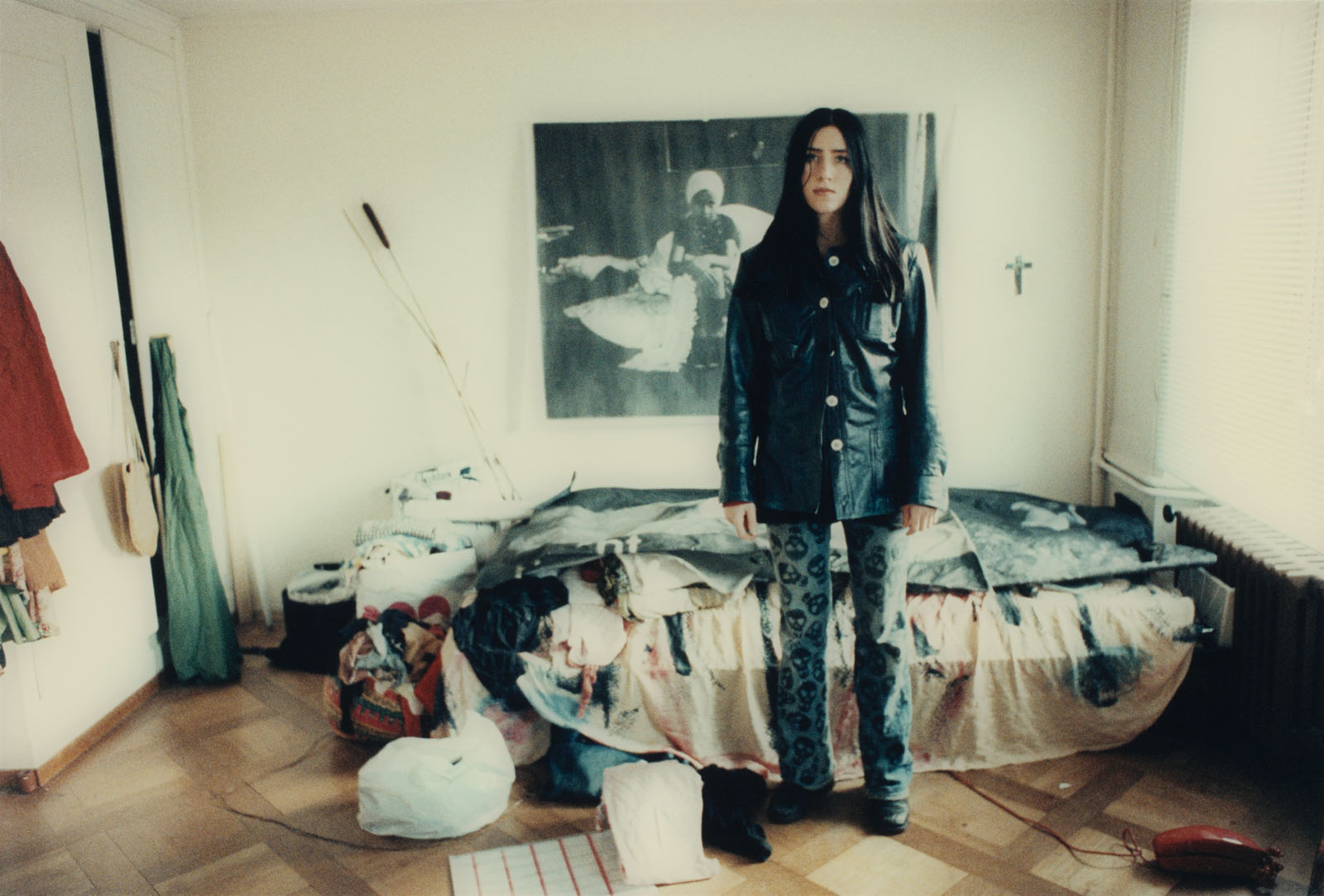
Annelies Štrba (Swiss, b. 1947) 'Linda' 1991


Annelies Štrba (Swiss, b. 1947)
Linda
1991
© Annelies Štrba / Pro Litteris


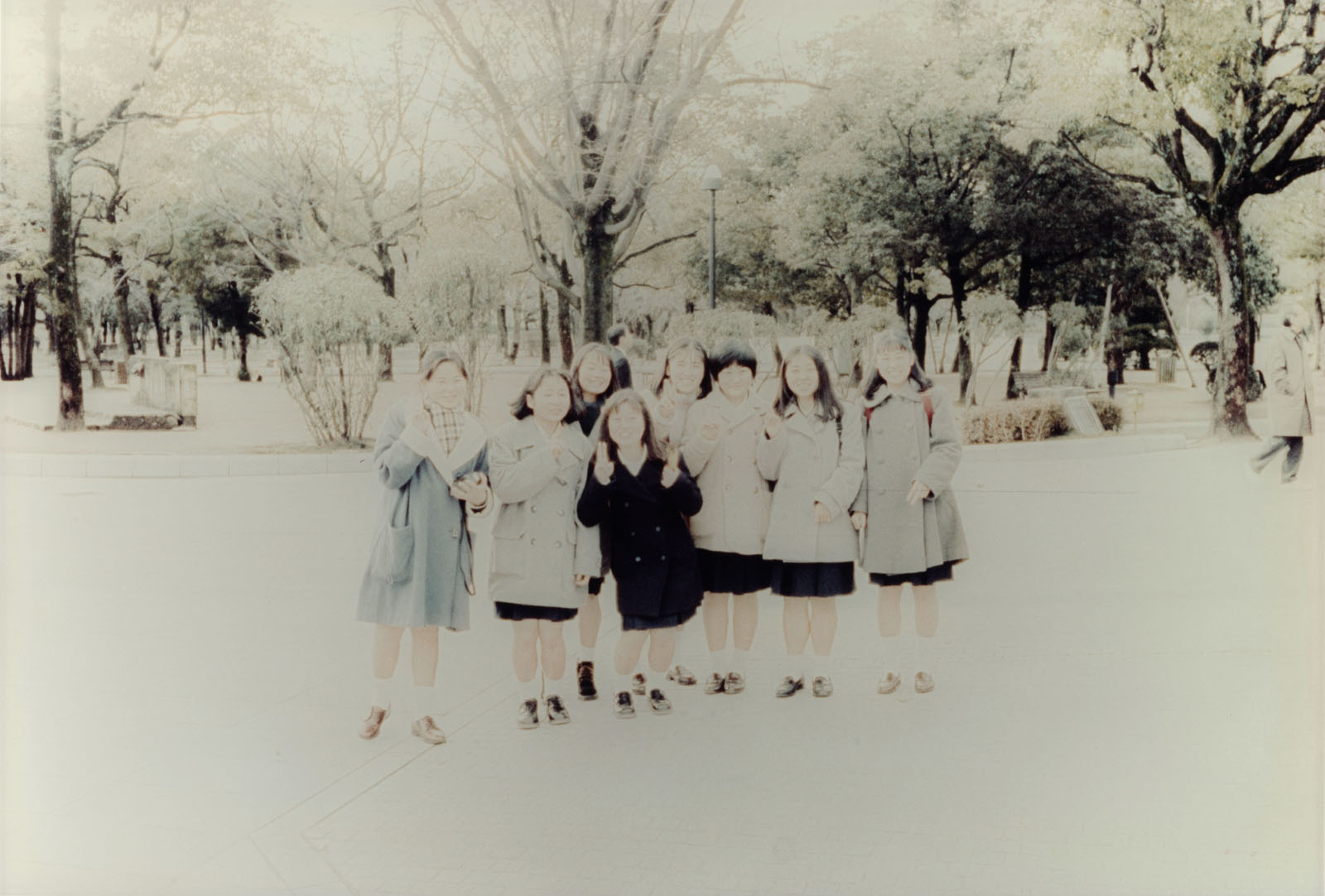
Annelies Štrba (Swiss, b. 1947) 'Hiroshima' 1994


Annelies Štrba (Swiss, b. 1947)
Hiroshima
1994
© Annelies Štrba / Pro Litteris


Annelies Štrba (Swiss, b. 1947) 'Linda and Sonja with Samuel-Maria' 1995


Annelies Štrba (Swiss, b. 1947)
Linda and Sonja with Samuel-Maria
1995
© Annelies Štrba / Pro Litteris


Annelies Štrba (Swiss, b. 1947) From 'Shades of Time' 1970-1997


Annelies Štrba (Swiss, b. 1947)
From Shades of Time
1970-1997
© Annelies Štrba / Pro Litteris


Annelies Štrba (Swiss, b. 1947) 'In the kitchen' 1995


Annelies Štrba (Swiss, b. 1947)
In the kitchen
1995
© Annelies Štrba / Pro Litteris


Annelies Štrba (b. 1947) is a keen observer, but also a magician: She intuitively captures fleeting moments, then transforms them into images that come across as symbolic. Today, she is one of Switzerland’s most internationally renowned artists working with photography. Her first solo exhibition though, in 1990 at Kunsthalle Zurich, was provocative. An unknown at the time, she appeared in public with her intimate family scenes, defying all expectations and breaking away from the rules of perfect photographic reproduction. Shortly afterwards, Annelies Štrba’s works were exhibited in Berlin, London and New York. She has continued to amaze ever since. Always open to new stylistic devices, techniques and modes of presentation, she translates her view of the world into unconventional poetry.

In this exhibition at Fotostiftung Schweiz, her early work comes to the fore: Black-and-white photo canvases, colour photographs and (in a reconceived digital interpretation from 2020) the slide show Shades of Time present images from the 1970s through to 1997. They show Štrba’s children Sonja, Samuel and Linda growing up. There are also indications of an initial shift in the visual language here, towards more movement and a playful handling of motifs, in which the daughters participate as young women. These almost traditional works are framed by the video stills created later. By means of manipulation carried out on the monitor, colours are remixed and stills dissolve into shimmering structures.

Annelies Štrba’s grandchildren then brought her back to photography. With a mobile phone camera and digital photography, she accompanied her heroines and heroes through everyday life, opening up a new colourful cosmos, which she encapsulated under the title Noonday in 2015. From that group of works, Štrba has also composed a projection, specifically for this exhibition in Winterthur. The Shades of Time and Noonday projections run alternately in the exhibition, one after the other, uniting their eras in a never-ending flow of images. Finally, princesses sleeping in fairy-tale landscapes (usually granddaughter Shereen is the performer) whisk the observer away to the land of dreams: The artist had begun to work on the picture surfaces with brush and paint. Štrba made reference to art history and her own images, reproducing, defamiliarising and creating objects, into which the marks of time are, in turn, inscribed.

In 2015 and 2021, Fotostiftung Schweiz was able to purchase a group of Annelies Štrba’s canvases, with support from the society Friends of Fotostiftung Schweiz, among others. These works were supplemented by generous donations from the artist. Representing various phases of her early work, they are now being exhibited together for the first time – and confronted with later works.

Biography

Annelies Štrba was born in 1947 in Zug. After training as a photographer and completing her first professional assignments, she married Bernhard Schobinger in 1969, whom she accompanied and assisted in his work as a goldsmith and artist. Štrba came into contact with the art scene in her husband’s gallery for contemporary art, which he opened in Richterswil. Mostly though, she took care of their three children: Sonja, Samuel and Linda. With the little ones in tow, she sold selected clothes and shoes for the punk and new wave scene at the Bürkliplatz flea market in Zurich to support their modest household. Meanwhile, without any ambition at first, she documented family life with her camera, developing her prints at night in the attic and storing them in boxes. It was in Bernhard Schobinger’s 1987 publication Devon-Karbon-Perm that Štrba’s photographs first attracted attention. Her presentation of Schobinger’s jewellery in pictures that look raw and unmediated, and reproductions of handmade prints with scratches and streaks, bear witness to a confident photographic language, vehemently rejecting any smoothness, perfection or conformity. However, it was not until 1990, at the age of 43, that Štrba first appeared as an artist in her own right. Bernhard Mendes Bürgi, who was Kunsthalle Zurich’s curator at the time, offered her an exhibition.

Triptych

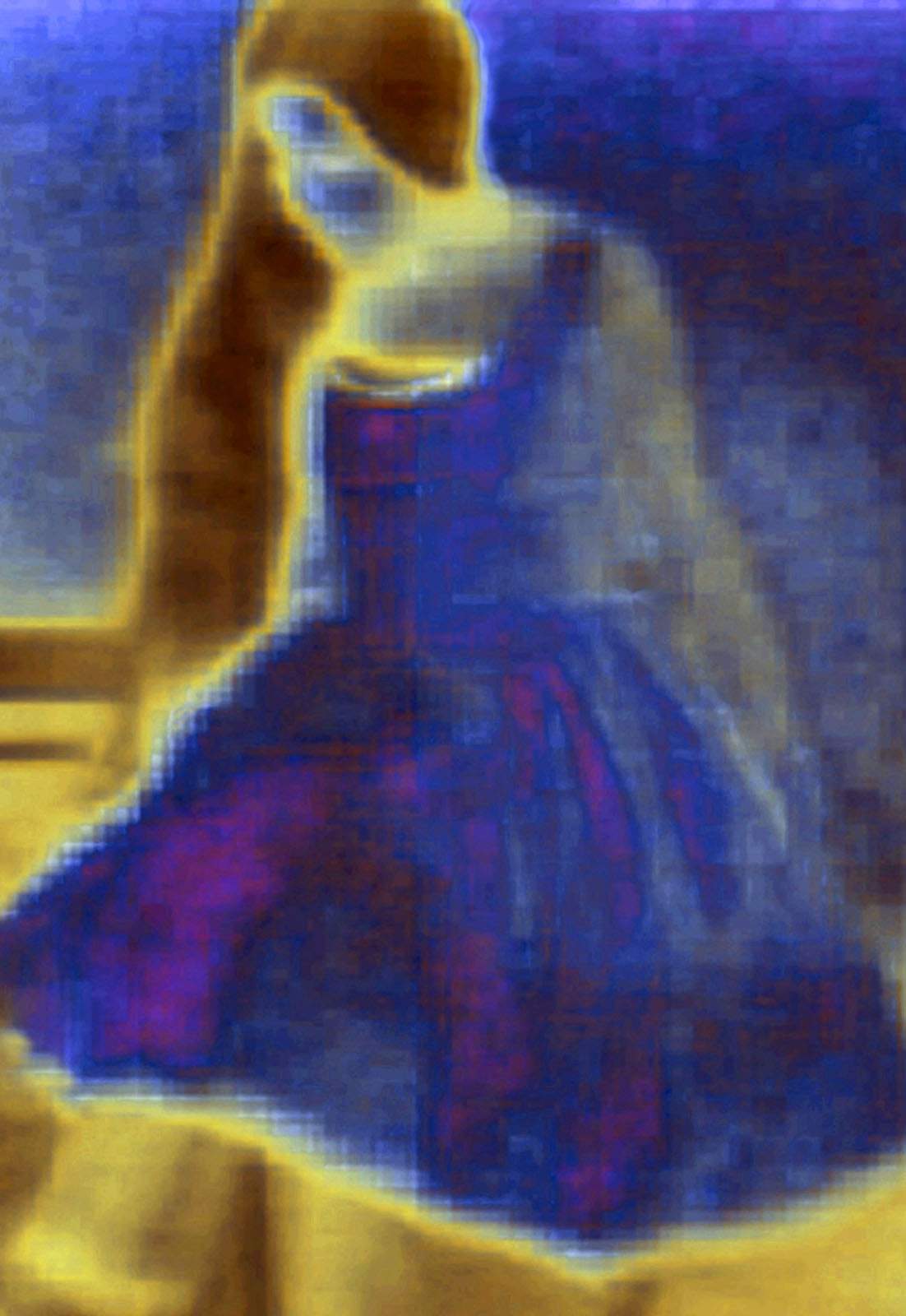
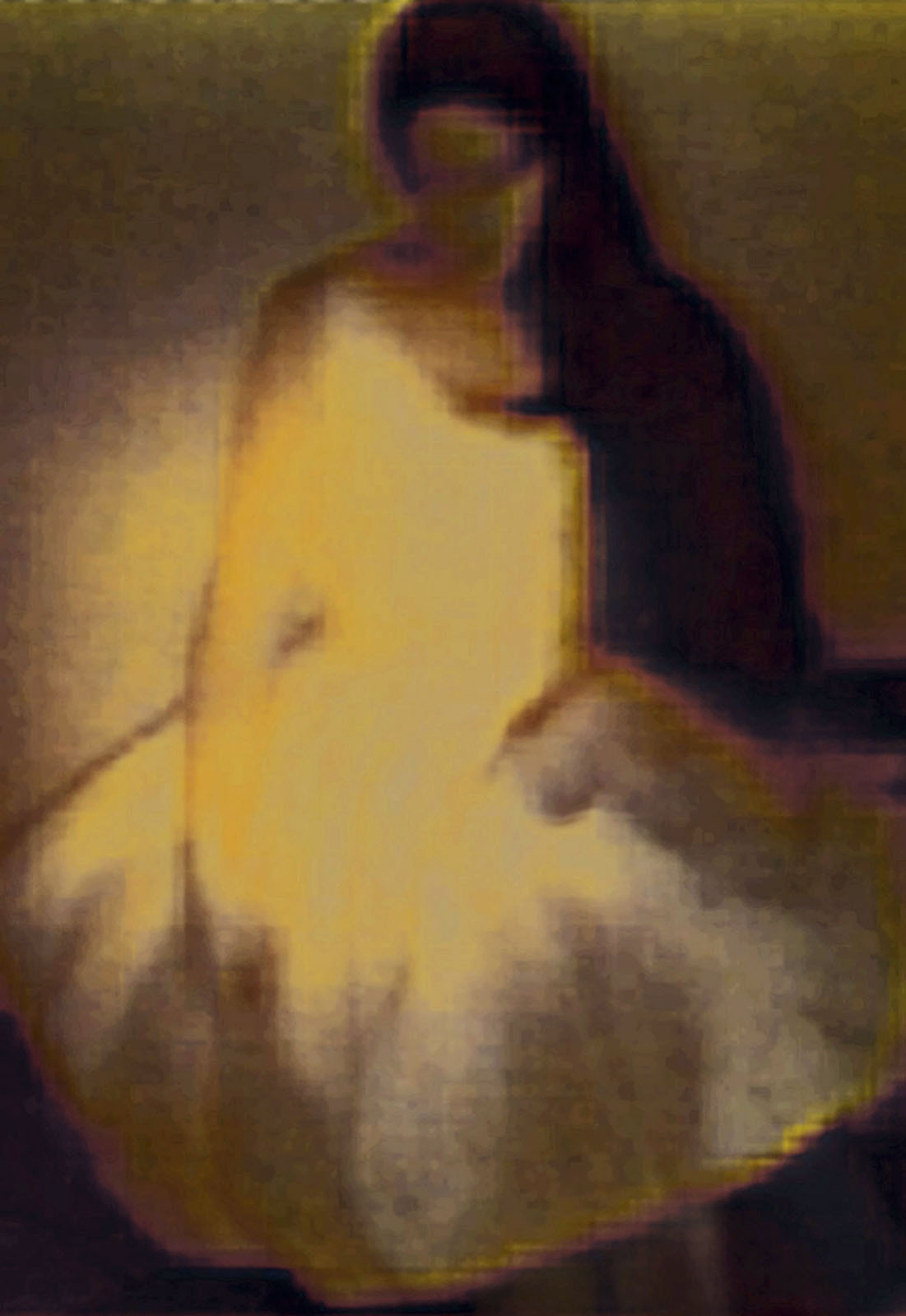
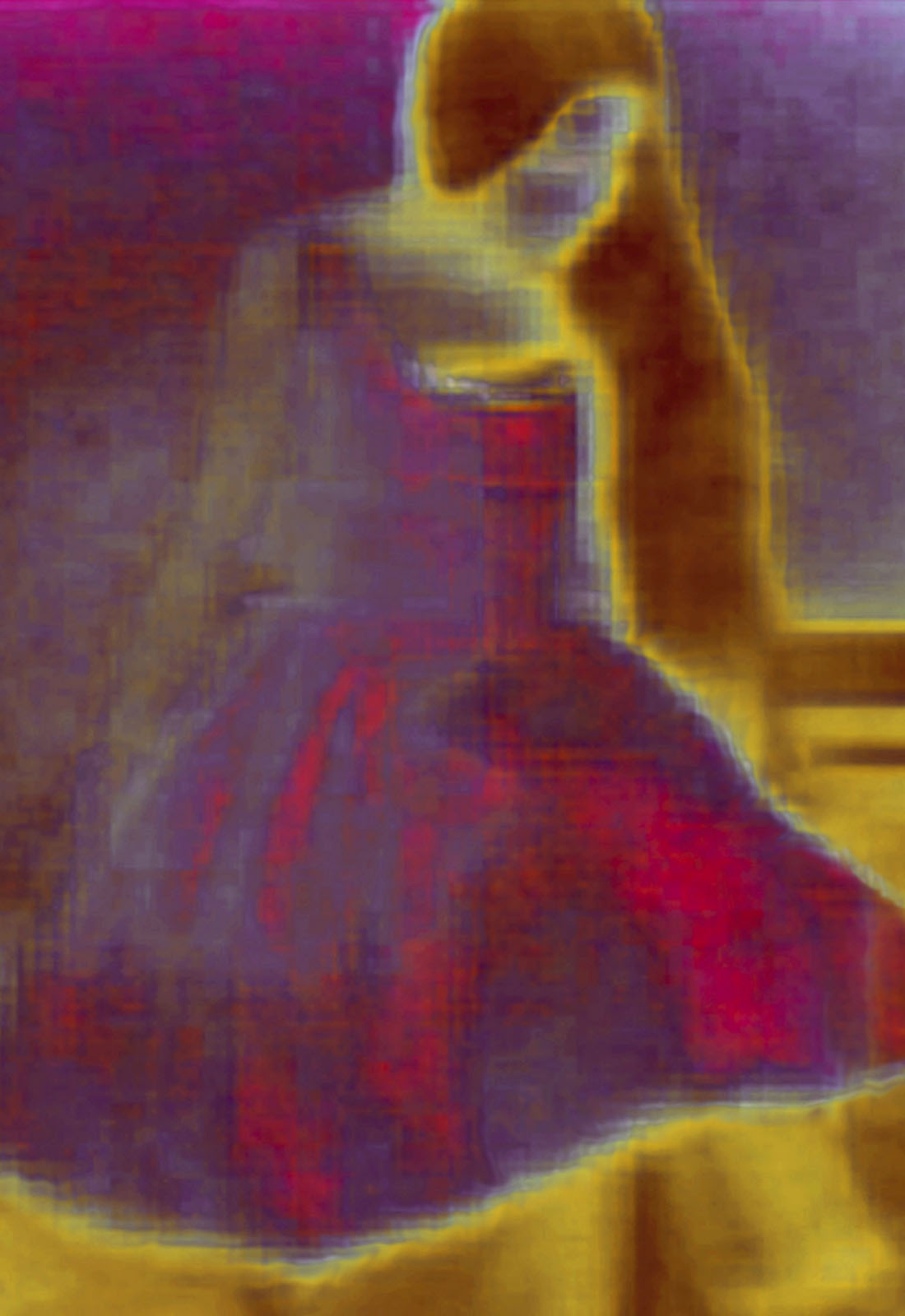
The first room of the exhibition introduces Annelies Štrba’s various spheres by means of a brightly coloured triptych – a group of three, albeit constituting one female figure. By extracting two stills from a video work and mirroring one of them, the artist has created a ‘community’ and arranged it as a psychedelic altarpiece: Shown frontally and immersed in golden brown, the internally calm queen is bowed to by her brightly dressed servants on the left and right – one in blue, the other in magenta, with glowing contours. Due to the coarse resolution of the video images, the surface and figure disintegrate into pixel-like patches of colour, bringing to mind the structure of paintings. The pictures’ saturated defamiliarised colouring makes reference to expressionist works.

Canvases

For her first exhibition, at Kunsthalle Zurich in 1990, Annelies Štrba enlarged her photographs on canvases in formats of up to 100 by 150 centimetres. From the very start, she emphasised the difference between a mother’s snapshots hoarded in a photo album and these visual works that were now revealed to the public. The formats and the rough unprotected surface of the canvases gave the photographs the presence of paintings. At the same time, they came across like washed-out yellowed pictures from a bygone era. Štrba abstracted and thereby intensified the peculiar mood of the everyday scenes. She superimposed a heaviness, a seriousness, on the photographs of the children playing, sleeping or sitting together in the kitchen, which turned them into symbolic images of the human condition: loneliness in togetherness, eeriness in the familiar, the depths of the family.

Kitchen pictures

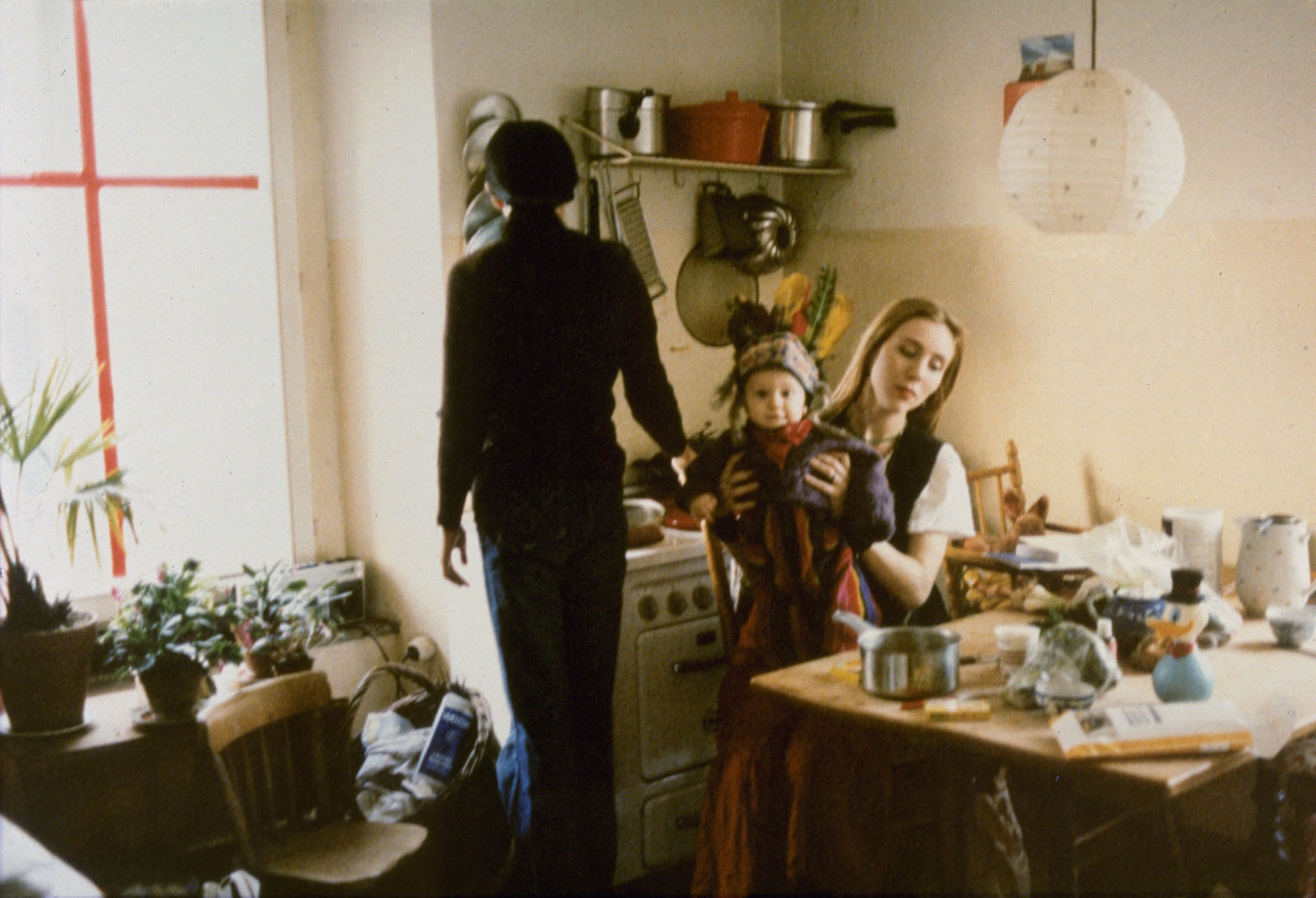
The kitchen was the heart of the Richterswil house in which Annelies Štrba and Bernhard Schobinger raised their three children Sonja, Samuel and Linda together. Here, they did not merely cook and eat, but also received visitors, discussed and pondered. In this room, which looks cramped and humble, cosiness and chaos merge. Years pass, and suddenly adult daughters are sitting at the same table. The video Max, Annelies Štrba’s first video piece, marks a turning point in her oeuvre and shows a bizarre kitchen spectacle. Although all movements are in slow motion, the activeness of Sonja and Linda setting and clearing the table contrasts with the rather passive attitude that they exhibit in many photographs. In flowing dresses, they make preparations, but these do not lead to anything and instead seem to represent an inherently strange ritualistic process. Annelies Štrba produced this video when a filmed portrait of the artist was required for a 1997 exhibition at the Whitechapel Gallery in London and she did not want to leave the making of it to anyone else. Enthused by the possibilities for manipulation offered by the technology, which was new to her, she put the still camera aside and concentrated on video works, in addition to video stills produced as stand-alone images.

Shades of Time projection

Also in 1997, Lars Müller Publishers released an extensive monograph that encompassed Annelies Štrba’s photographic oeuvre. Its title, Shades of Time, was provided by a sign on a shop front, photographed from a moving car during a trip to England. Years and impressions pass by in an associative and only roughly chronological sequence. The shots of sleeping and playing children are replaced by house fronts and landscapes. The heaviness of the early domestic scenes dissolves into increasing movement and colourfulness. This shift in photographic language can also be interpreted autobiographically. In 2001, Annelies Štrba conceived a slide show in which the images were projected in groups of three, with a techno audio accompaniment by Peter Ford. The duplication and mirroring of some individual motifs give rise to arrangements that sometimes appear ornamental or even sacral. The digital version of this projection was made in 2020, in collaboration with video company in Zofingen.

Noonday projection

While growing up, Annelies Štrba’s grandchildren presented her with a new world of images: a chaotic clarity, a banal colourfulness, in which there is also room for laughter and group photos. Annelies Štrba cleverly combined the children’s joy in dressing up and acting with spontaneous photo shoots. Mostly though, she reacted impartially to life as it happened, proudly taking part in the daily routine and marvelling at it. Štrba herself remains invisible, but her backdrop, her colourfully designed nest, as if made for her little protagonists, frames the action. In 2015, the book Noonday, comprising over three hundred pages, was released by Lars Müller Publishers. In 2023, the artist has collaborated with video company to compose a Noonday projection, adding new motion to the captured moments, with the accompaniment of a soundtrack by her son Samuel Schobinger.

Buildings

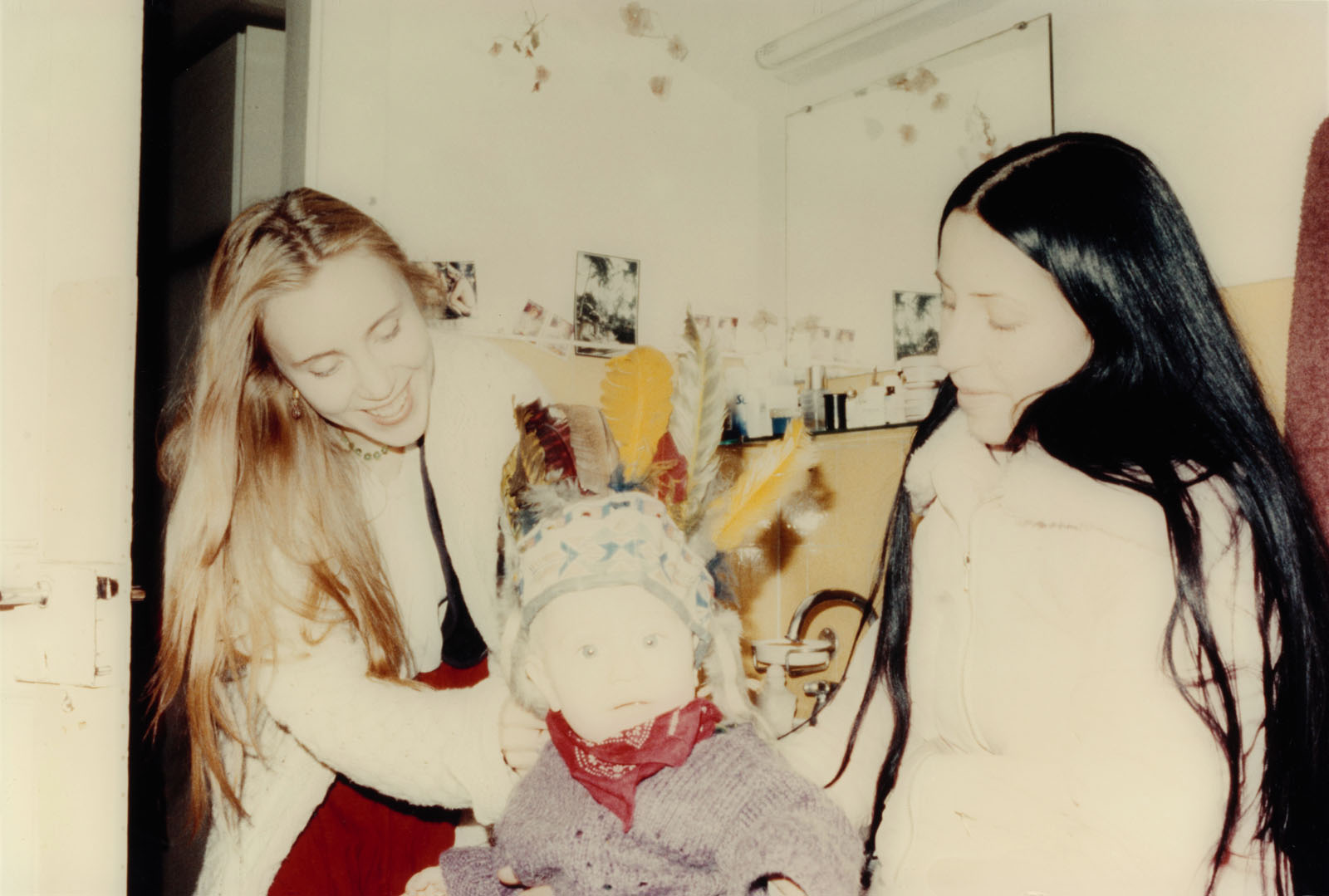
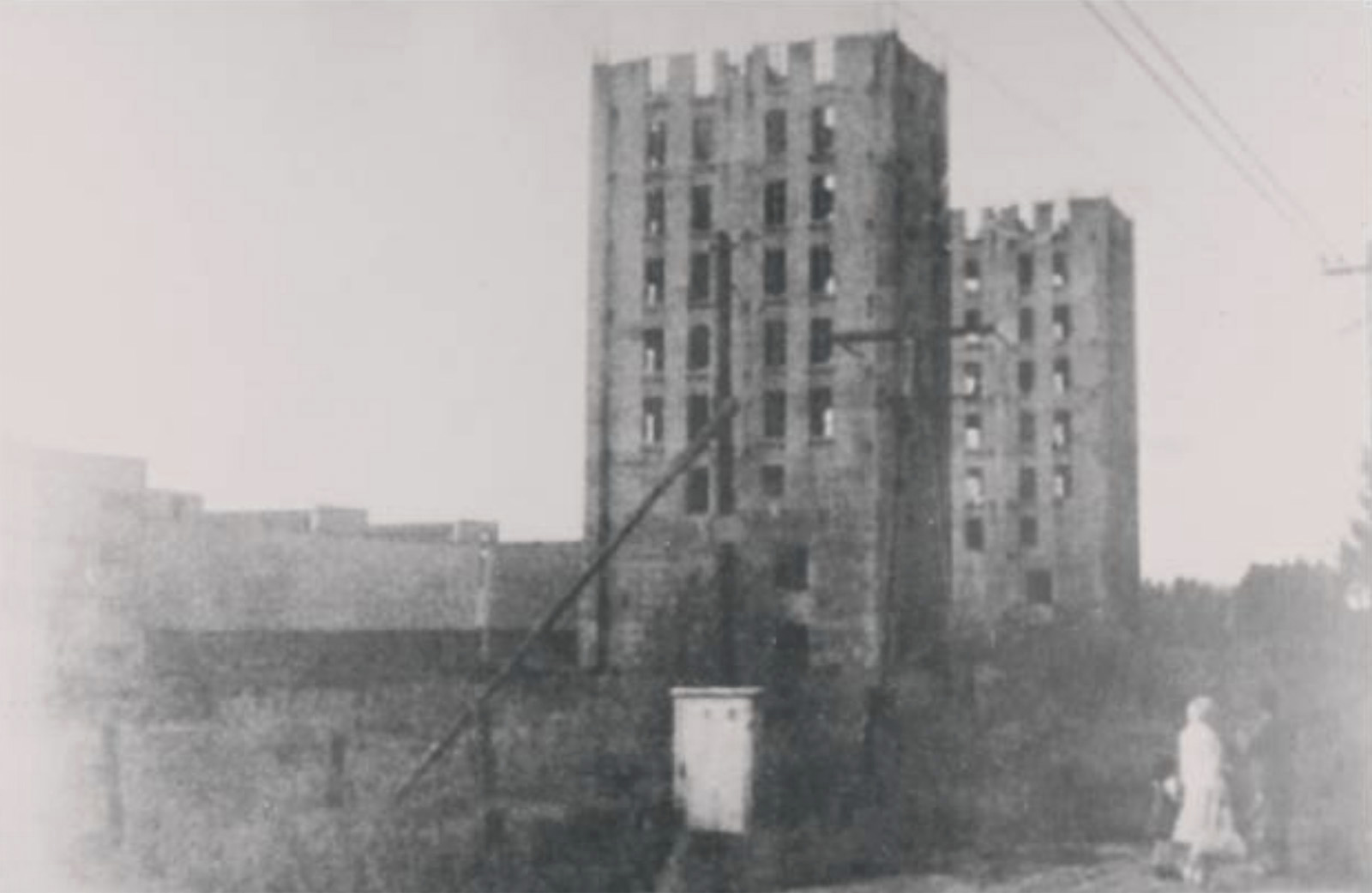
Already in her first exhibitions, Annelies Štrba placed architectural photographs between the pictures of her children. The bleak facades of residential blocks and high-rise buildings that she photographed on her travels through Silesia contrast with the depictions of cosiness at home. Often, the photographer seems to just glance at these buildings in passing. People also live in most of them, including families. On the other hand, the ruins of Einstürzende Neubauten (collapsing new buildings) captured in the Polish city of Sosnowiec recall Soviet planning and memorialise the Berlin band of the same name, founded in 1980. Štrba’s interest in experimental and electronic music is also incorporated into her video works and projections.

Fairy-tale pictures

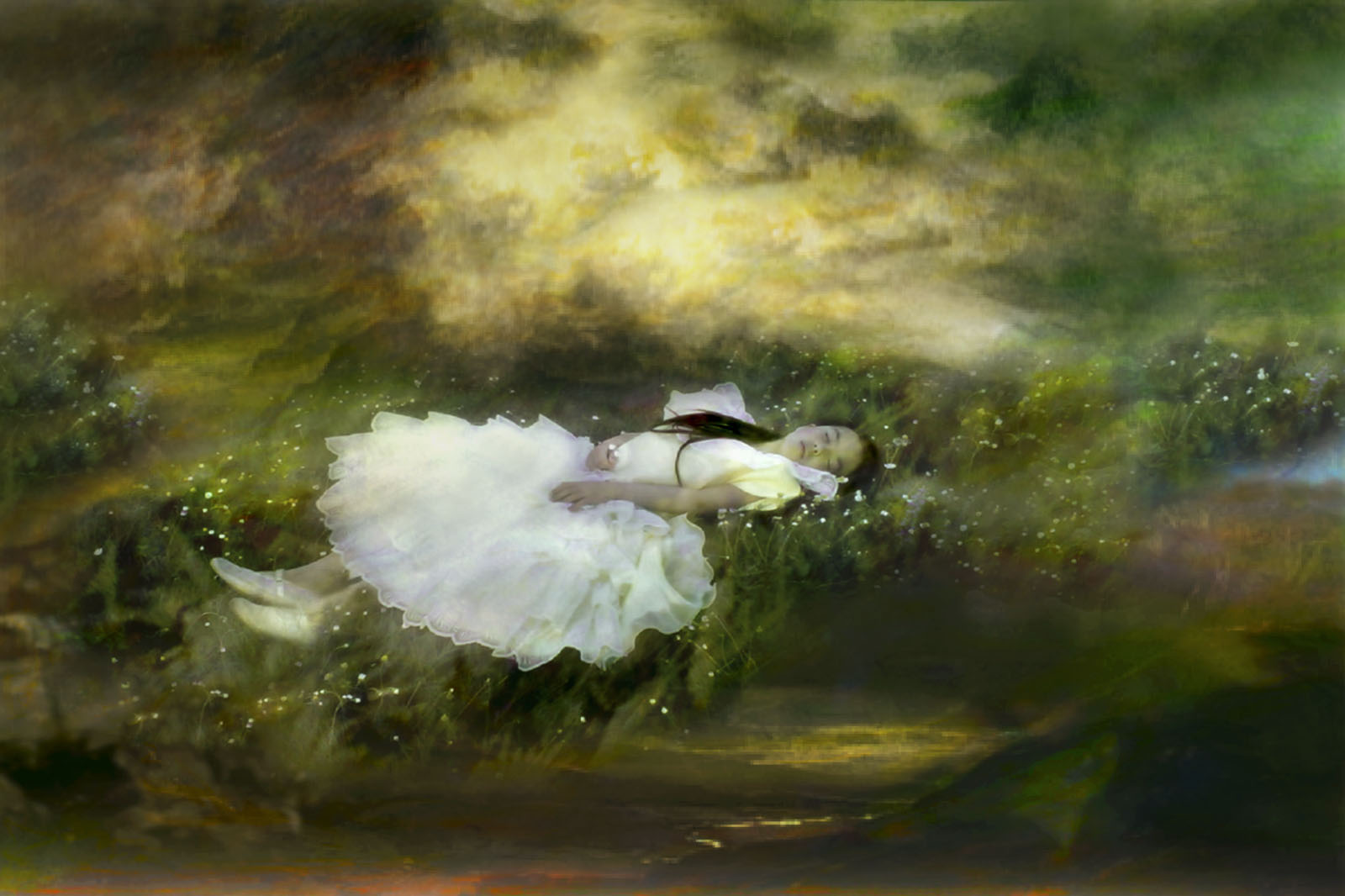
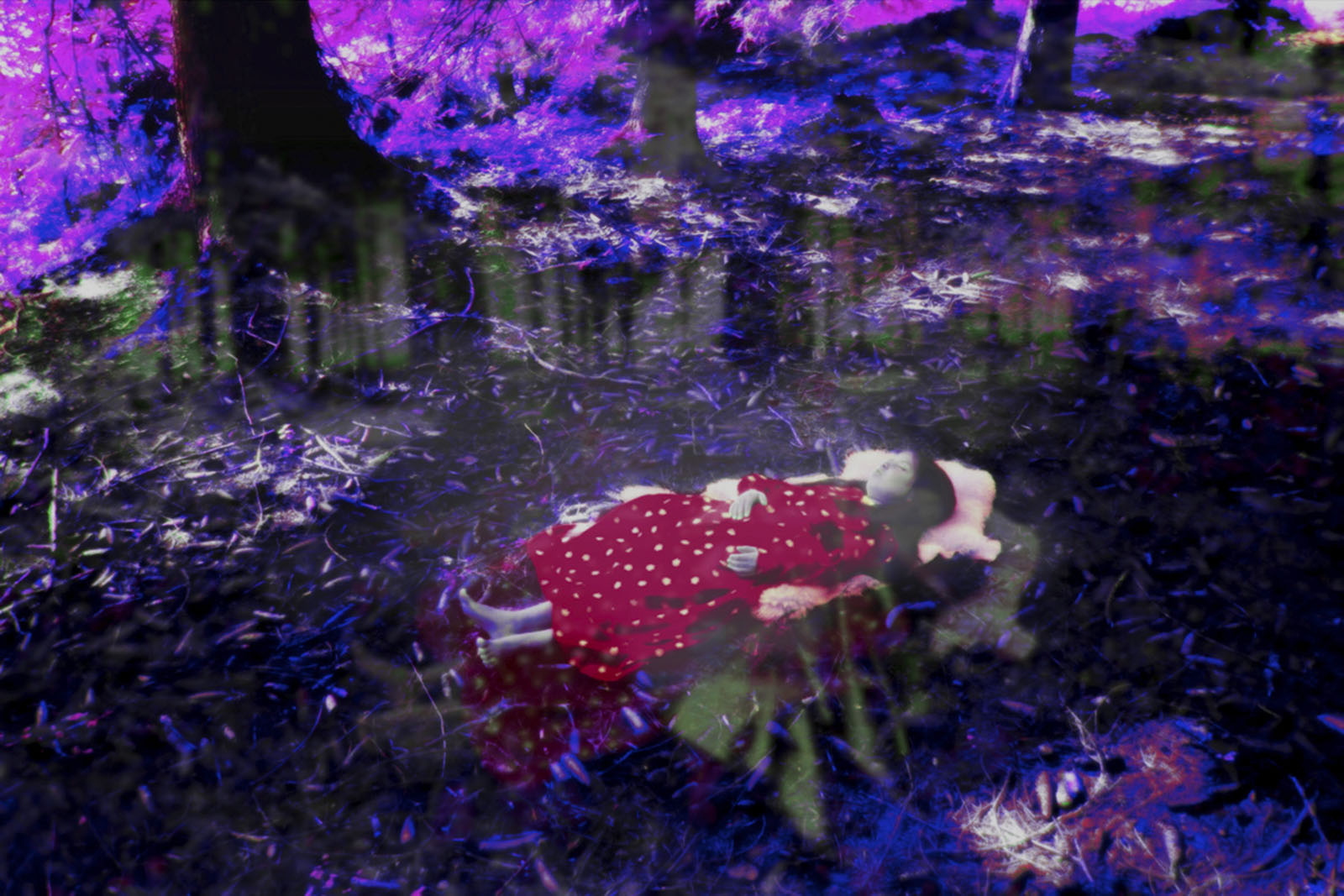
The motif of sleeping children connects the Shades of Time and Noonday groups of works with NYIMA and Momoka. For the latter, Annelies Štrba edited digital photographs, some of which were taken in the context of Noonday, but also took new photographs: staged scenes, mostly featuring her granddaughter Shereen. All of them show resting girls – in forests, in meadows or on sofas, seemingly immersed in deep sleep. In their princess dresses, they appear to be from another time. Defamiliarisation of colours and superimposition of multiple exposures transform the photographs into visualisations of these dainty figures’ dreams. Aesthetically and compositionally, they resemble the famous painting by the Pre-Raphaelite John Everett Millais, which depicts the drowned Ophelia lying in a stream, surrounded by plants, flowers and her magnificent gown. The romantic beauty of Štrba’s pictures can also evoke associations with the relationship between sleep and death.

Sleeping children

The exhibition’s final room completes the circle and leads back to the beginnings of Annelies Štrba’s photographic oeuvre. While the kitchen has already been examined as an important motif, we now look into the bedroom or children’s room. The artist remembers how, after long evenings in the darkroom, she used to find her children asleep. She would often feel an urge to photograph them like this, cosy in their nests, or surrounded by evidence of play. However, the bed is also a platform on which the state of being awake can be presented: Time and time again, the artist produced portraits of her children sitting on beds.

Text from the exhibition leaflet


Installation view of the exhibition 'Annelies Štrba – "My Otherness Colourfully Unfolds"' at the Fotostiftung Schweiz, Winterthur, Zurich showing at right, 'Linda with Shereen' (2000)


Installation view of the exhibition Annelies Štrba – “My Otherness Colourfully Unfolds” at the Fotostiftung Schweiz, Winterthur, Zurich showing at right, Linda with Shereen (2000, below)


Annelies Štrba (Swiss, b. 1947) 'Linda with Shereen' 2000


Annelies Štrba (Swiss, b. 1947)
Linda with Shereen
2000
© Annelies Štrba / Pro Litteris


Annelies Štrba (Swiss, b. 1947) 'Aya 026' 2002


Annelies Štrba (Swiss, b. 1947)
Aya 026
2002
© Annelies Štrba / Pro Litteris


Installation view of the exhibition 'Annelies Štrba – "My Otherness Colourfully Unfolds"' at the Fotostiftung Schweiz, Winterthur, Zurich showing at left, 'Nyima 410, Nyima 409, Nyima 408' (2009); and on the right a photograph from the series 'Shades of Time' (1970-1997)


Installation view of the exhibition Annelies Štrba – “My Otherness Colourfully Unfolds” at the Fotostiftung Schweiz, Winterthur, Zurich showing at left, Nyima 410, Nyima 409, Nyima 408 (2009, below); and on the right a photograph from the series Shades of Time (1970-1997)


Annelies Štrba (Swiss, b. 1947) From 'Shades of Time' 1970-1997


Annelies Štrba (Swiss, b. 1947)
From Shades of Time
1970-1997
© Annelies Štrba / Pro Litteris


Annelies Štrba (Swiss, b. 1947) 'Nyima 408' 2009


Annelies Štrba (Swiss, b. 1947)
Nyima 408
2009
© Annelies Štrba / Pro Litteris


In Tibetan Nima (also spelled as “Nyima”) is also a female or male given name which means ‘the sun’, also the one with radiance of the Sun. And in Hebrew as a female given name it means ‘grace, mercy’.


Annelies Štrba (Swiss, b. 1947) 'Nyima 409' 2009


Annelies Štrba (Swiss, b. 1947)
Nyima 409
2009
© Annelies Štrba / Pro Litteris


Annelies Štrba (Swiss, b. 1947) 'Nyima 410' 2009


Annelies Štrba (Swiss, b. 1947)
Nyima 410
2009
© Annelies Štrba / Pro Litteris


Annelies Štrba (Swiss, b. 1947) 'Nyima 438' 2010


Annelies Štrba (Swiss, b. 1947)
Nyima 438
2010
© Annelies Štrba / Pro Litteris


Annelies Štrba (Swiss, b. 1947) 'Nyima 445' 2010


Annelies Štrba (Swiss, b. 1947)
Nyima 445
2010
© Annelies Štrba / Pro Litteris


Fotostiftung Schweiz
Grüzenstrasse 45
CH-8400 Winterthur (Zürich)
Phone: +41 52 234 10 30

Opening hours:
Tuesday to Sunday 11am – 6pm
Wednesday 11am – 8pm (with free admission from 5 pm!)
Closed on Mondays

Fotostiftung Schweiz website

LIKE ART BLART ON FACEBOOK

Back to top

Exhibition: ‘C’est la vie. Press photography since 1940’ at the Swiss National Museum, Zurich

Exhibition dates: 11th January – 22nd March 2012


Anonymous photographer. 'Frozen Lake Biel' 1941


Anonymous photographer
Frozen Lake Biel
1941
© Swiss National Museum


Another fascinating, quirky photography exhibition. The photographs from the 1940s are poignant, especially when we remember what was happening in the rest of Europe at this time. Contrary to popular opinion, the Swiss did not have an easy time of it during the Second World War: threatened with invasion by Hitler on one the hand, this landlocked country relied heavily on imports to survive. Many of its citizens were near starvation during the course of the war but they became more self sufficient, growing their own food. They also built up their military (ironically using pre-war German assembled Messerschmitt planes as a basis for their air force). The Germans knew that Switzerland would be a hard country to conquer so they did not force the issue. For an in depth look at the fate of neutral countries during the Second World War see the excellent book The Neutrals by Denis J. Fodor (Volume 35 of World War Two: Time-Life Books, 1982) which includes “chapters on Switzerland, Sweden, Norway, Finland, Netherlands, Belgium, Ireland, Turkey, and others including their success or lack of success in maintaining their neutrality.” (Neal A. Wellons) There is also a picture essay on Switzerland. An absorbing read.

The photograph Swimming lessons for schoolchildren at the Wollishofen lakeside swimming area, Zurich (1943, below) is especially foreboding of the conflict that was swirling around Switzerland in 1943, the child’s heads in a noose as he tries to stay afloat a metaphor for the conflagration that was occurring all around. One slip for Switzerland, and the world, and it was over. Chilling.

Dr Marcus Bunyan


Many thankx to the Swiss National Museum for allowing me to publish the photographs in the posting. Please click on the photographs for a larger version of the image.


Anonymous photographer. 'Using boats to transport wood and stone on Lake Lugano' 1940. © Swiss National Museum


Anonymous photographer
Using boats to transport wood and stone on Lake Lugano
1940
© Swiss National Museum


Anonymous photographer. 'Swimming lessons for schoolchildren at the Wollishofen lakeside swimming area, Zurich' 1943


Anonymous photographer
Swimming lessons for schoolchildren at the Wollishofen lakeside swimming area, Zurich
1943
© Swiss National Museum


Anonymous photographer. 'Walter Diggelmann repairs a tyre during the Tour de Suisse' 1950


Anonymous photographer
Walter Diggelmann repairs a tyre during the Tour de Suisse
1950
© Swiss National Museum


Walter Diggelmann (Zürich, 11 August 1915 – Guntalingen, 5 March 1999) was a Swiss professional road bicycle racer. Diggelmann won one stage in the 1952 Tour de France.


For the first time, the Swiss National Museum in Zurich presents its extensive archive of press photographs. The exhibition looks at recent Swiss history from the perspective of the press photographer and reveals how, in the second half of the 20th century, press photography developed into the photojournalism we know today.

Housed in three original pavilions by the designer and engineer Jean Prouvé from the 1940s, C’est la vie includes meticulously composed photographs depicting political events, episodes from everyday life, unforgettable moments, candid pictures of well-known personalities and portraits of everyday heroes. It also shows how the extensive photo reportages of the early years were superseded by individual snapshots – initially still in black and white, then in colour. New methods of image transfer and printing technologies enabled ever-increasing numbers of up-to-the-minute photos to appear in the daily press. From the 1960s onwards, the illustrated weekly press went into decline. The exhibition illustrates this process by juxtaposing an analogue picture agency from the 1940s with its present-day digital counterpart.

In 2006 the Swiss National Museum acquired the archives of the press photo agencies Presse Diffusion Lausanne and Actualité Suisse Lausanne, which together comprise millions of negatives, paper prints and transparencies from 1940 (foundation of PDL) to 2000 (closure of ASL). The archives are an ideal complement to the photographs taken by private individuals that previously formed the core of the Swiss National Museum’s photography collection. An examination of the archives soon revealed a wealth of treasures. The diversity, breadth and aesthetic quality of the photographic material are remarkable and exceptional. The new holdings will also be an invaluable source of visual material for the Swiss National Museum’s research activities.

Press release from the Swiss National Museum website


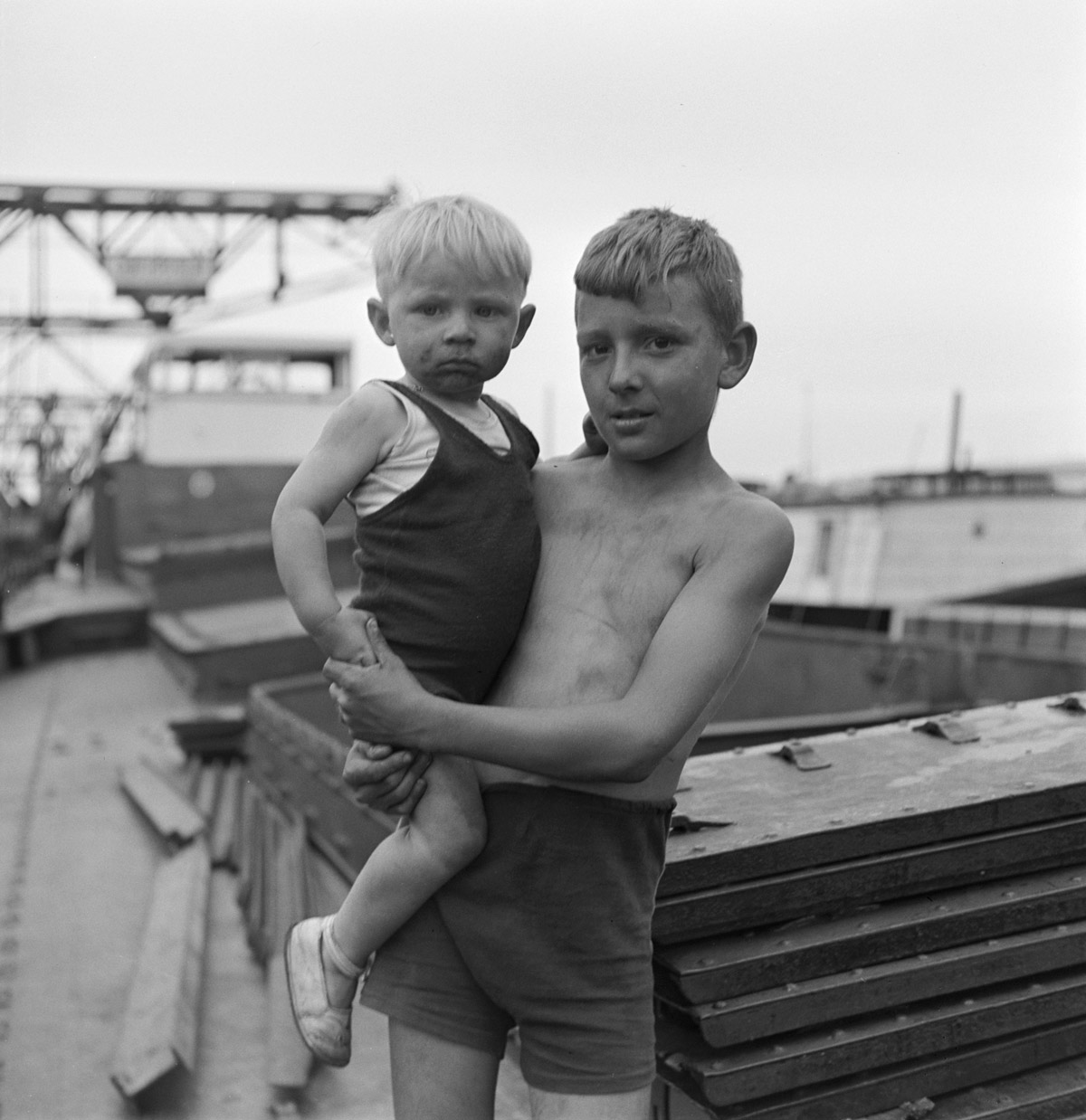
Anonymous photographer. 'Two brothers in the Rhine harbour at Kleinhüningen, Basel' c. 1939


Anonymous photographer
Two brothers in the Rhine harbour at Kleinhüningen, Basel
c. 1939
© Swiss National Museum


Anonymous photographer. 'Passenger in the dining car of the “Compagnie Suisse des Wagons-Restaurants”' c. 1940


Anonymous photographer
Passenger in the dining car of the “Compagnie Suisse des Wagons-Restaurants”
c. 1940
© Swiss National Museum


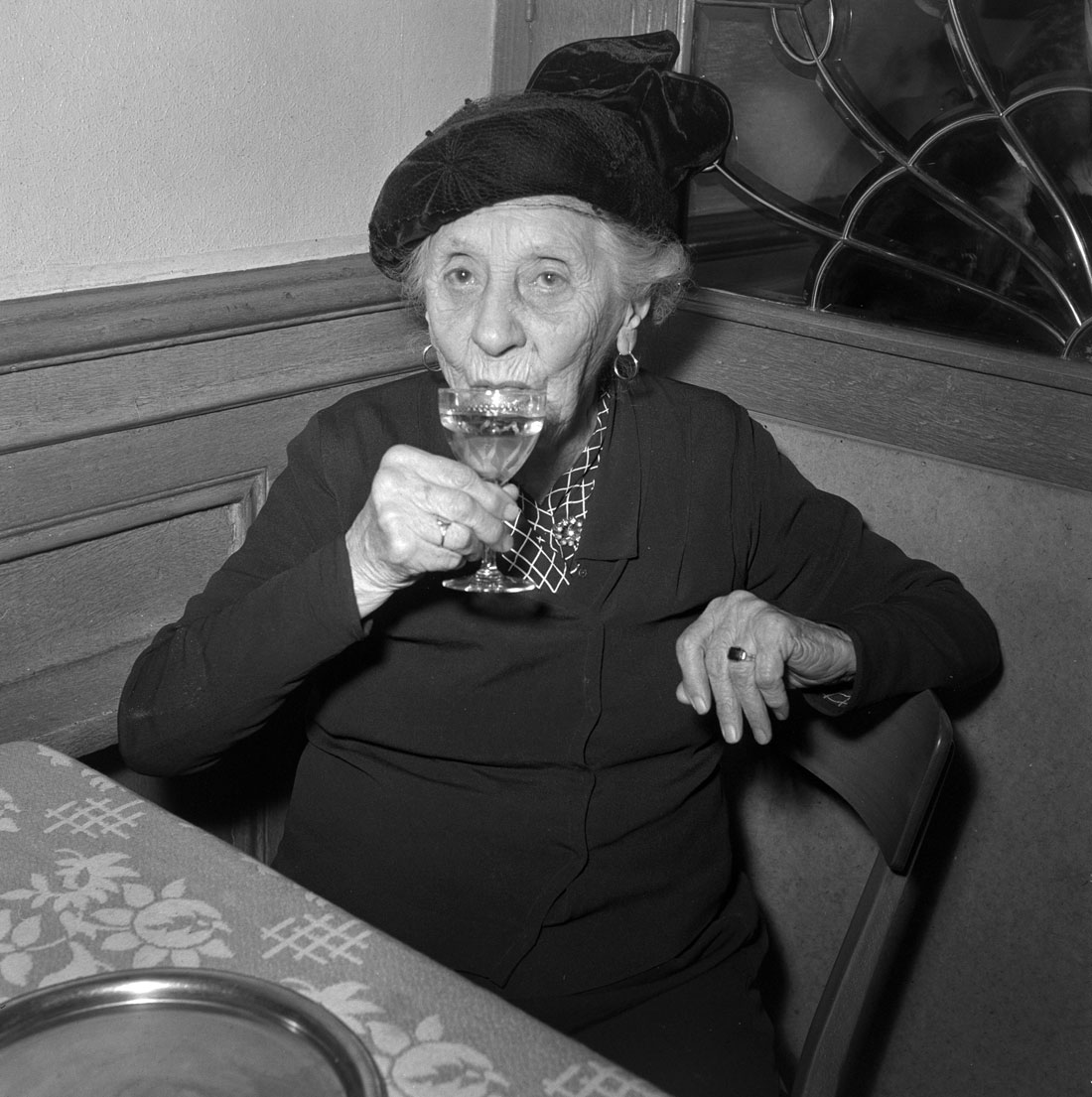
Anonymous photographer. 'Elderly lady in a restaurant, Lausanne' 1959


Anonymous photographer
Elderly lady in a restaurant, Lausanne
1959
© Swiss National Museum


Anonymous photographer. 'Italian guest workers arriving in Switzerland' 1956


Anonymous photographer
Italian guest workers arriving in Switzerland
1956
© Swiss National Museum


Swiss National Museum
Landesmuseum Zürich
Museumstrasse 2
8021 Zurich
Phone: +41 (0)44 218 65 11

Opening hours:
Tuesday – Sunday 10am – 5pm
Thursday 10 am – 7pm
Closed Mondays
Open on public holidays

Swiss National Museum website

LIKE ART BLART ON FACEBOOK

Back to top