European photographic research tour exhibition: ‘L’equilibriste, André Kertész’ at Jeu de Paume, Château de Tours Part 2

Exhibition dates: 26th June – 27th October, 2019
Visited September 2019 posted September 2020

Curators: Matthieu Rivallin and Pia Viewing
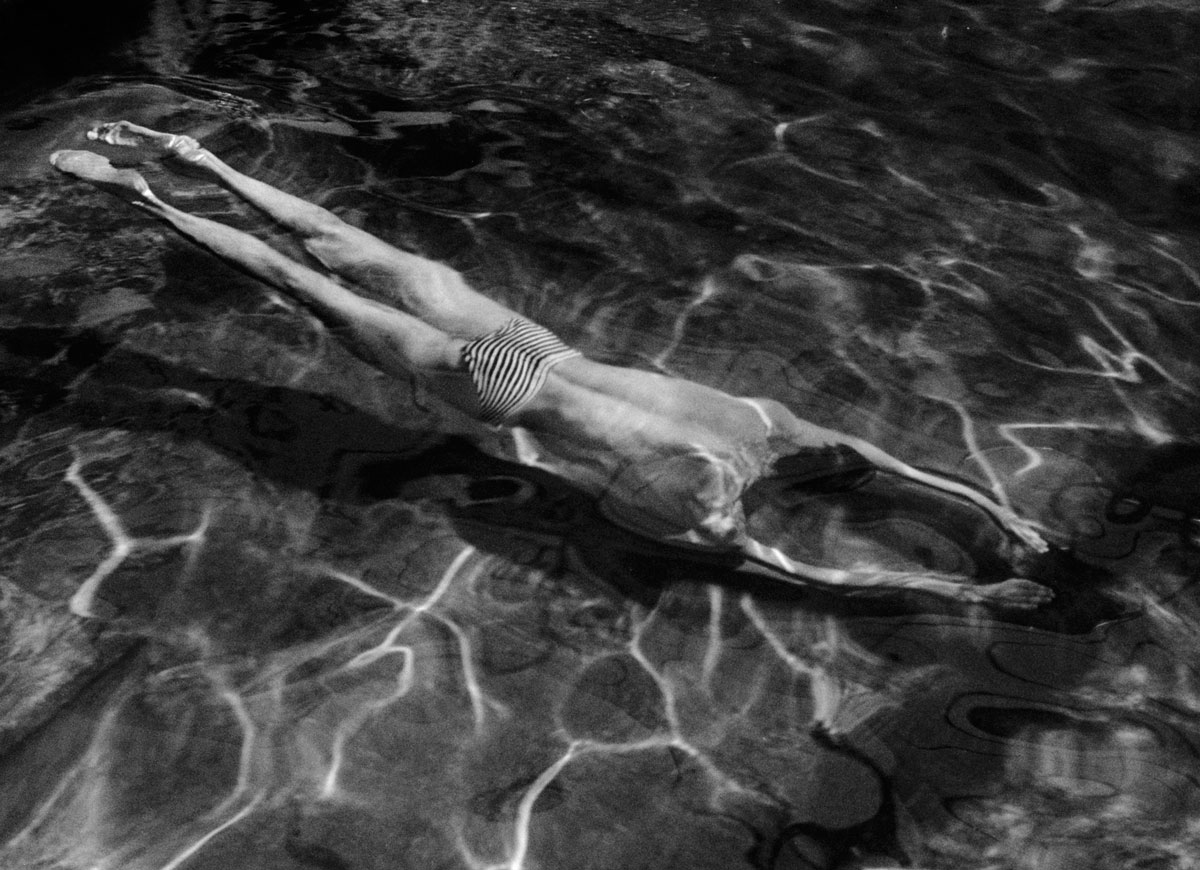
 

André Kertész (Hungarian, 1894-1985) 'Nageur sous l'eau, Esztergom' (Underwater swimmer, Esztergom) 1918 from the exhibition 'L'equilibriste, André Kertész' at Jeu de Paume, Château de Tours Part 2, June - Oct, 2019


André Kertész (Hungarian, 1894-1985)
Nageur sous l’eau, Esztergom
Underwater swimmer, Esztergom
1918
Contact original


“”… especially haptic qualities are demanded of the deconstructionist performer, spectator, and reader; not to follow optically the ‘line of ideas’ in the text or in a picture and see only the representation proper, the surface, but to probe with the eyes the pictorial texture and even to enter the texture.”69 Such “touching” with the eye did not lead to a secure tactile experience of being firmly planted on the ground, for all grounds, all foundations, were suspect, however construed. We are, as Nietzsche knew, swimming in an endless sea, rather than standing on dry land. To “touch” a trace, groping blindly in the dark, is no more the guarantee of certainty than to see its residues.”


Gandelman, Claude. ‘Reading Pictures, Viewing Texts’. Bloomington, Indiana, 1991, p. 140 quoted in Martin Jay. ‘Downcast Eyes: The Denigration of Vision in Twentieth-Century French Thought’. Berkley: University of California Press, 1993, p. 512.


Touching with the eye

Part 2 of a large posting on the exhibition L’equilibriste, André Kertész at Jeu de Paume, Château de Tours, which I saw in Tours in September 2019.

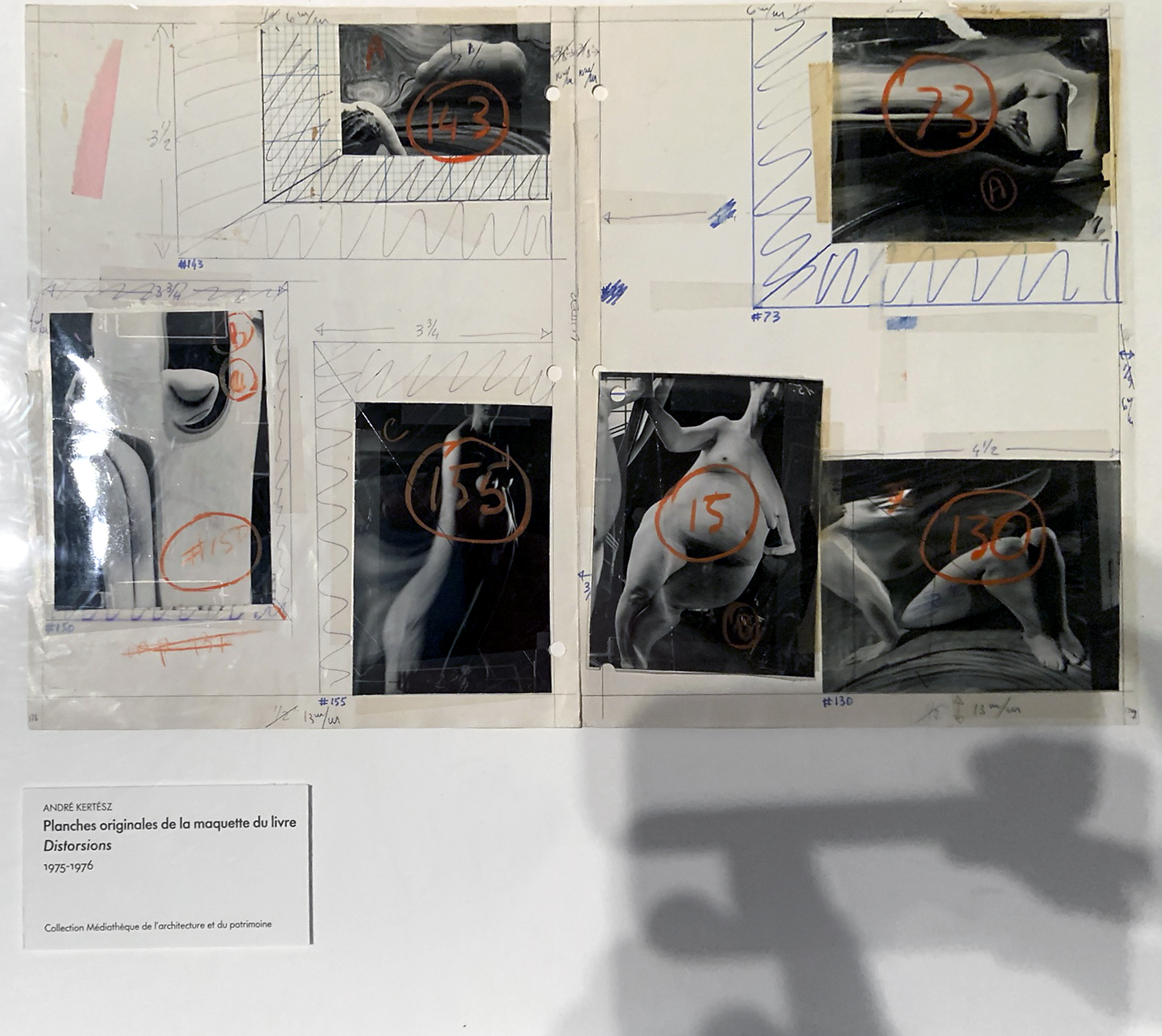
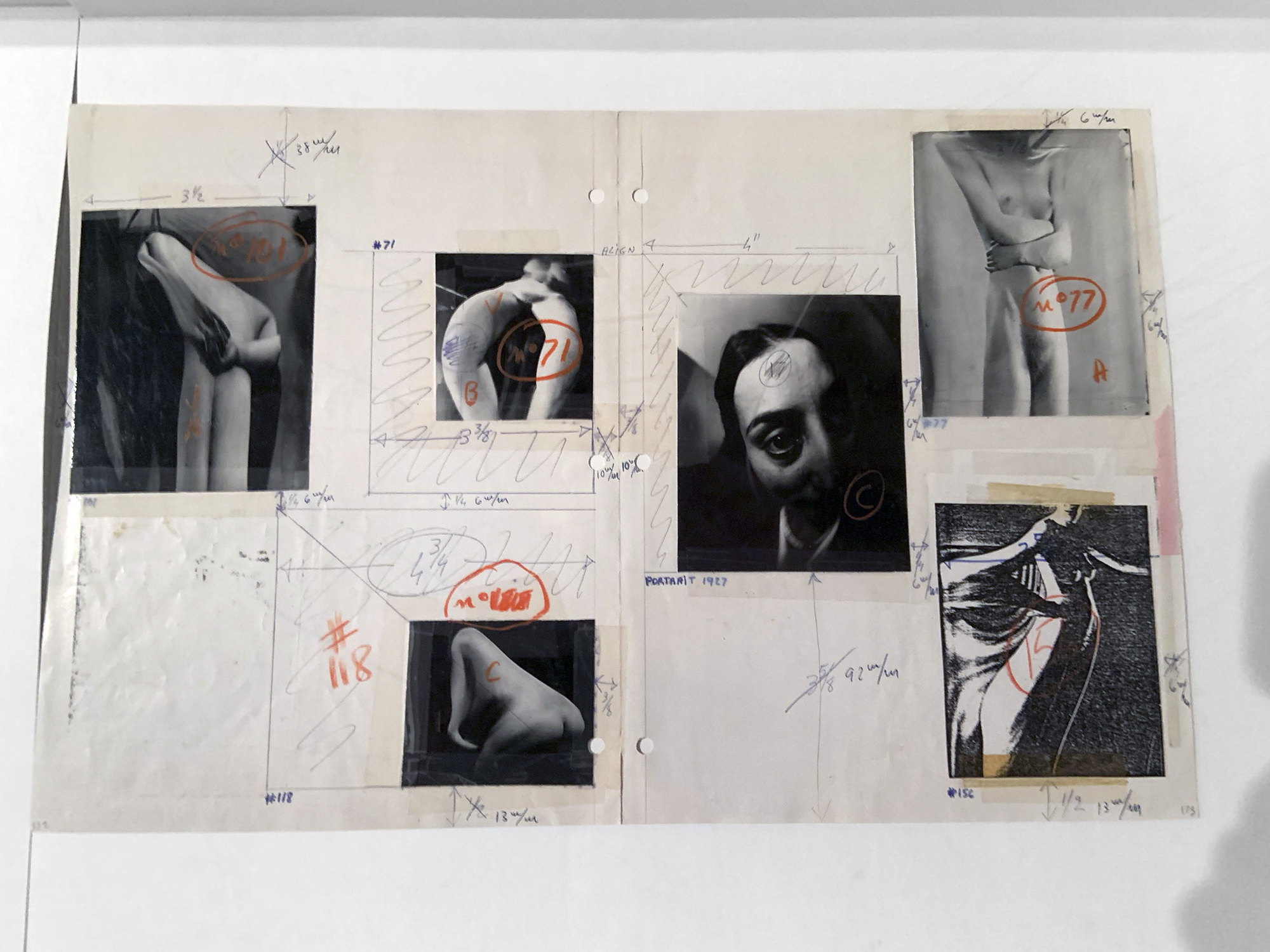
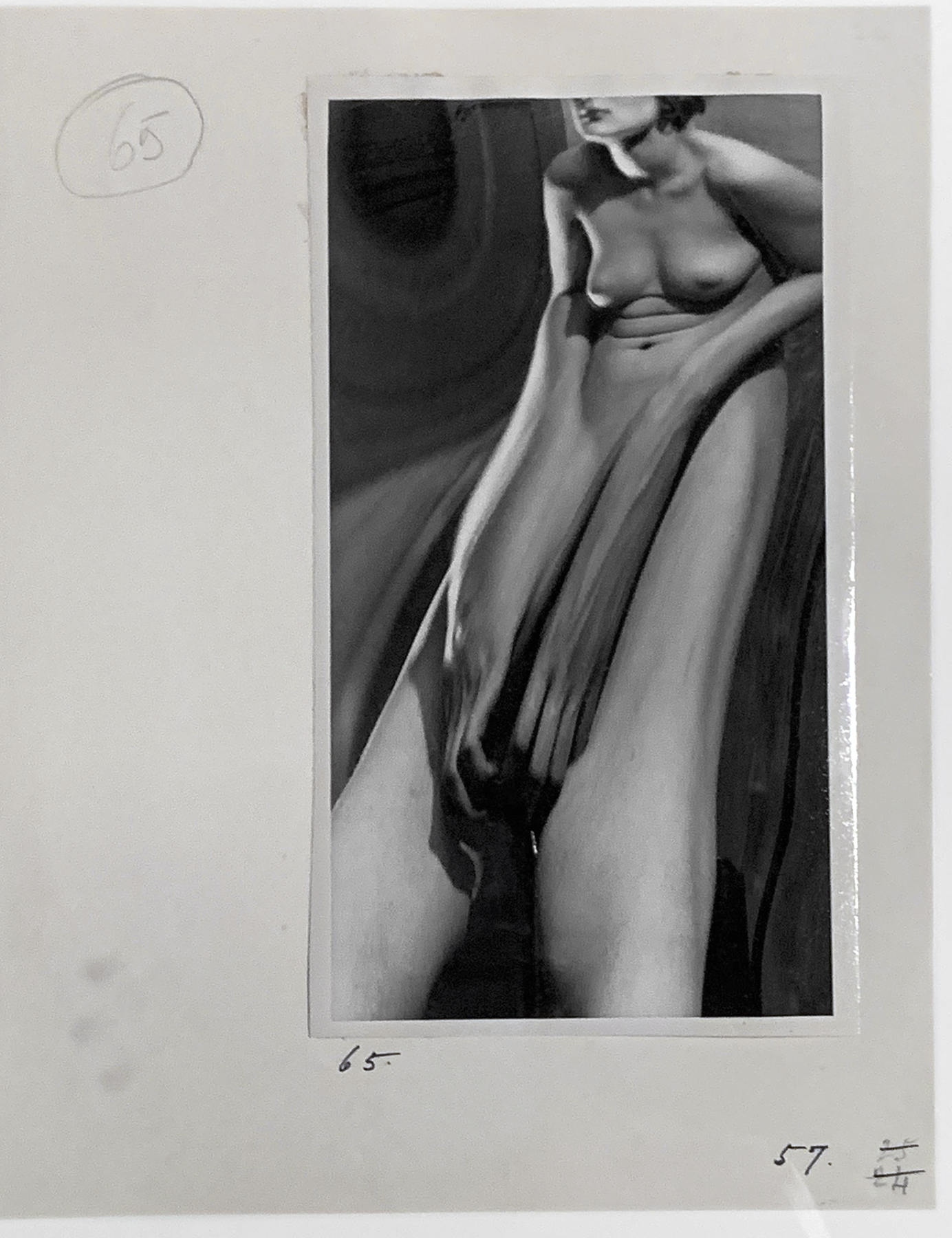
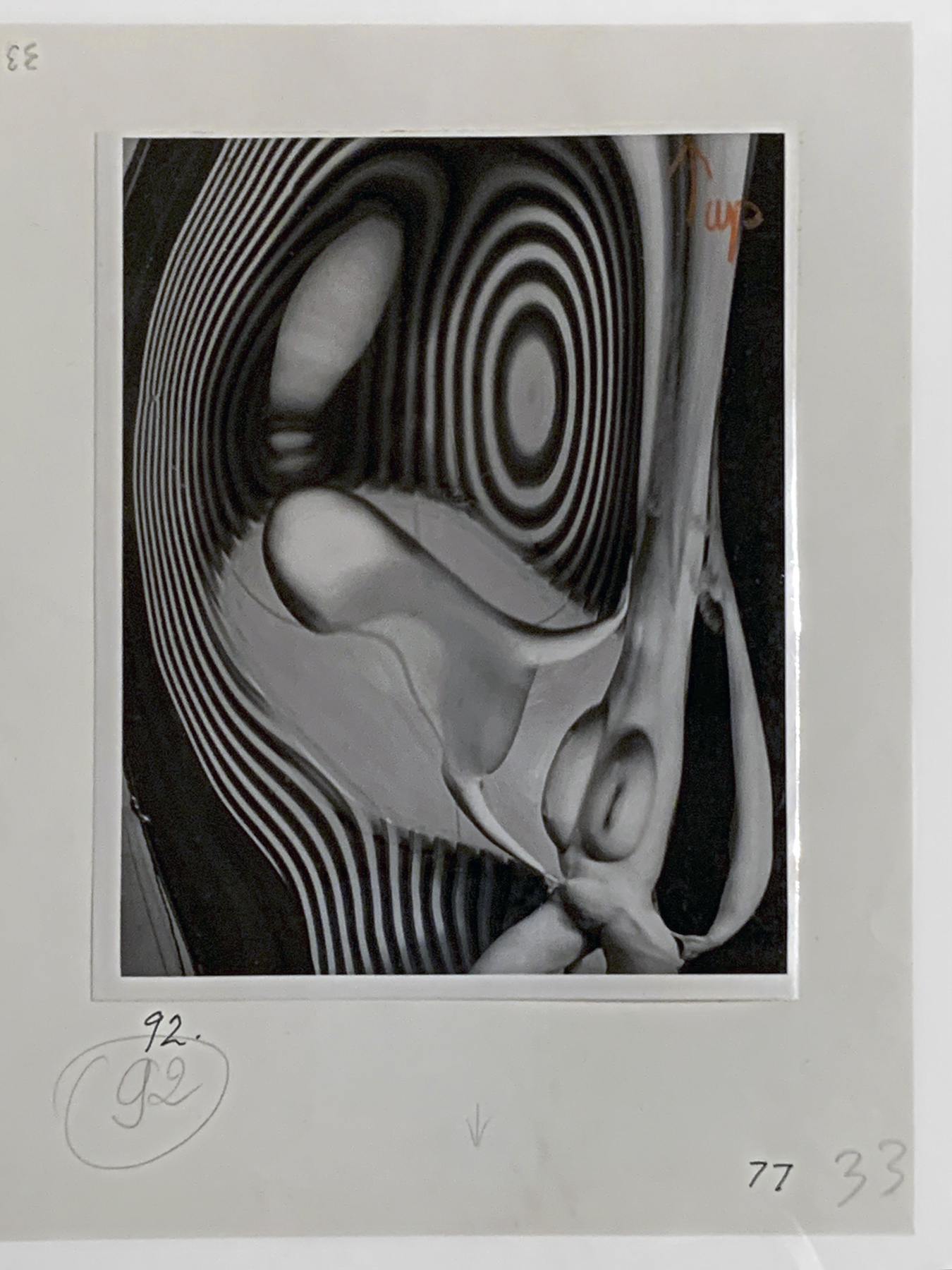
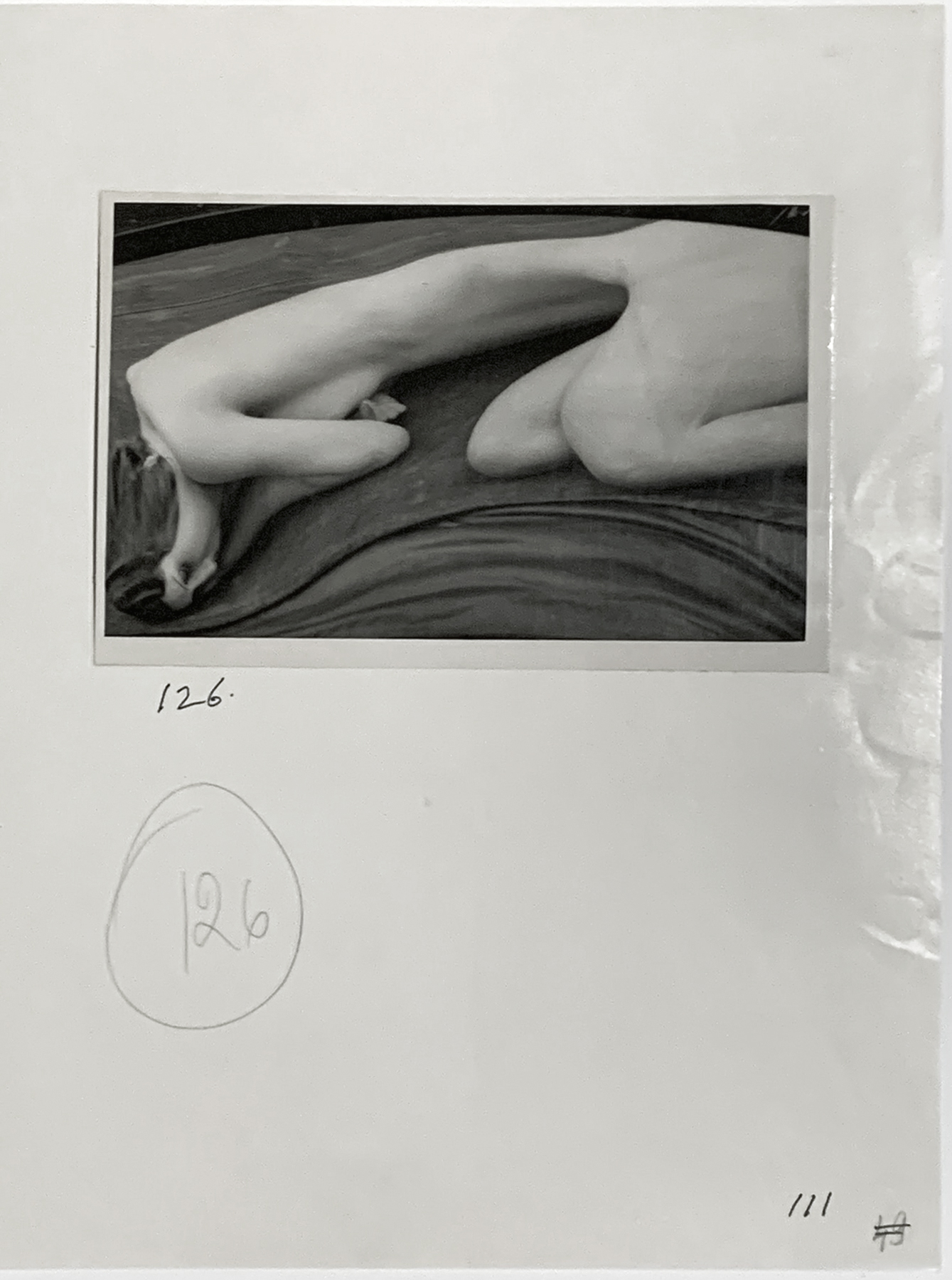
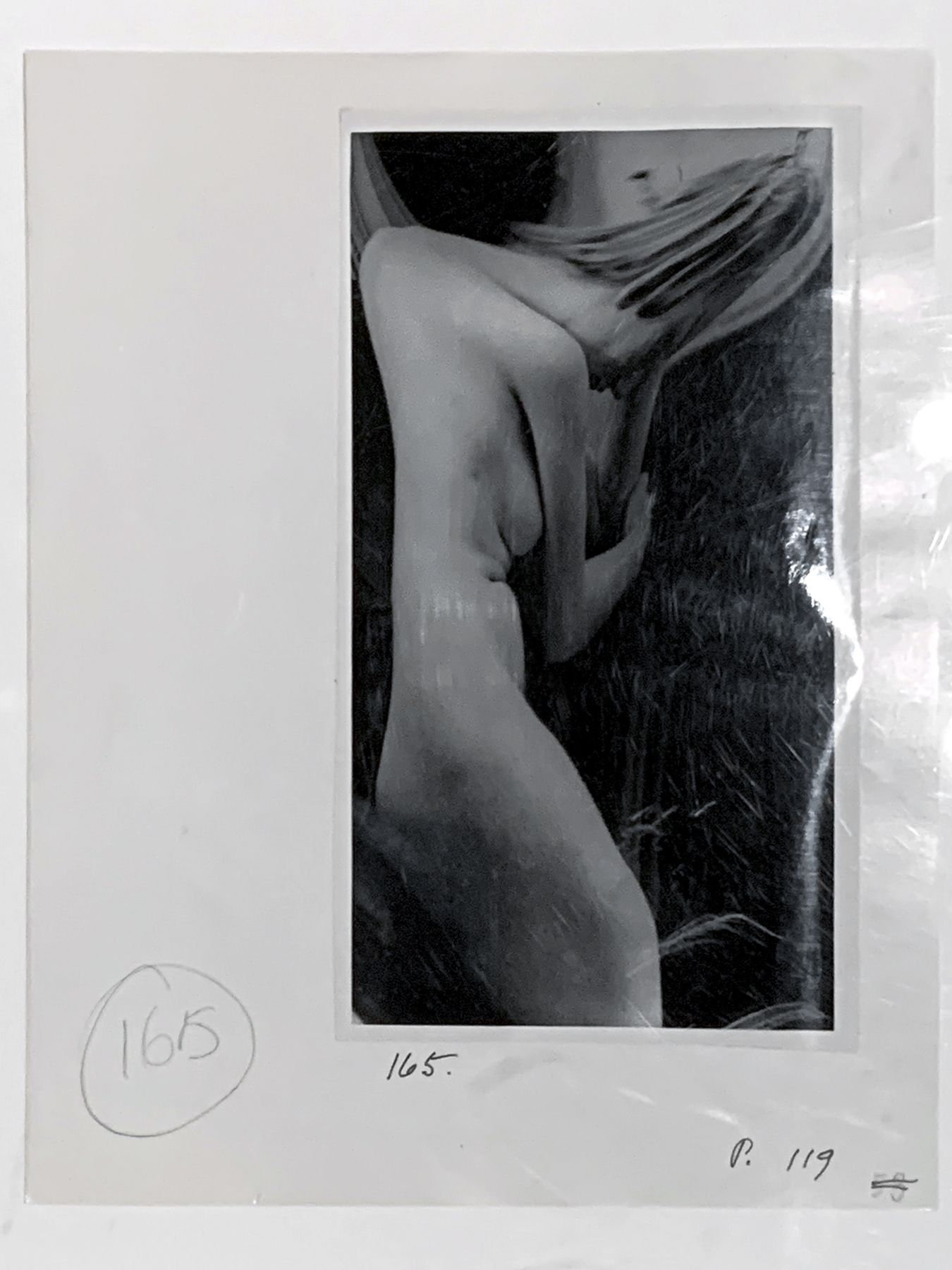
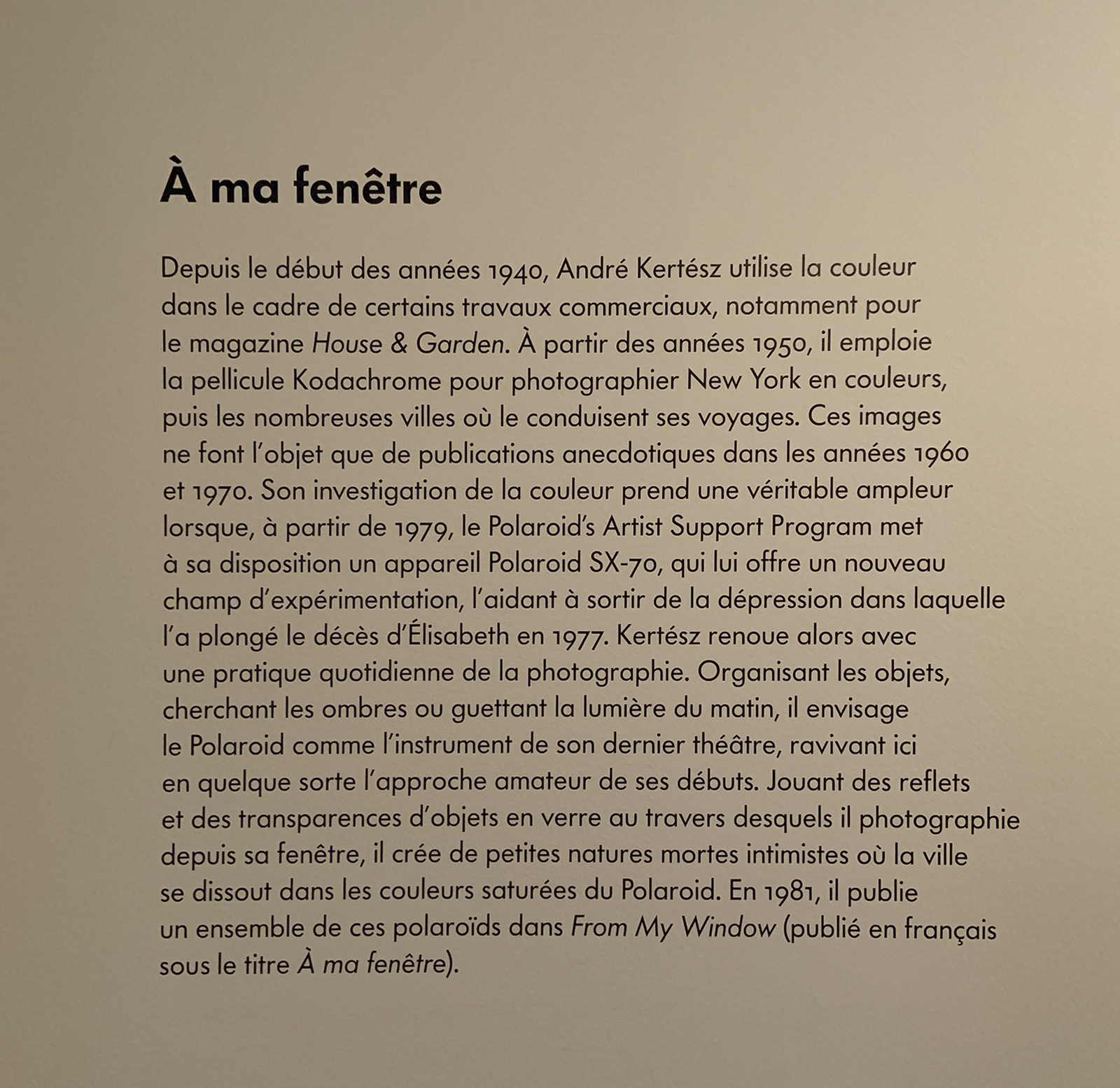
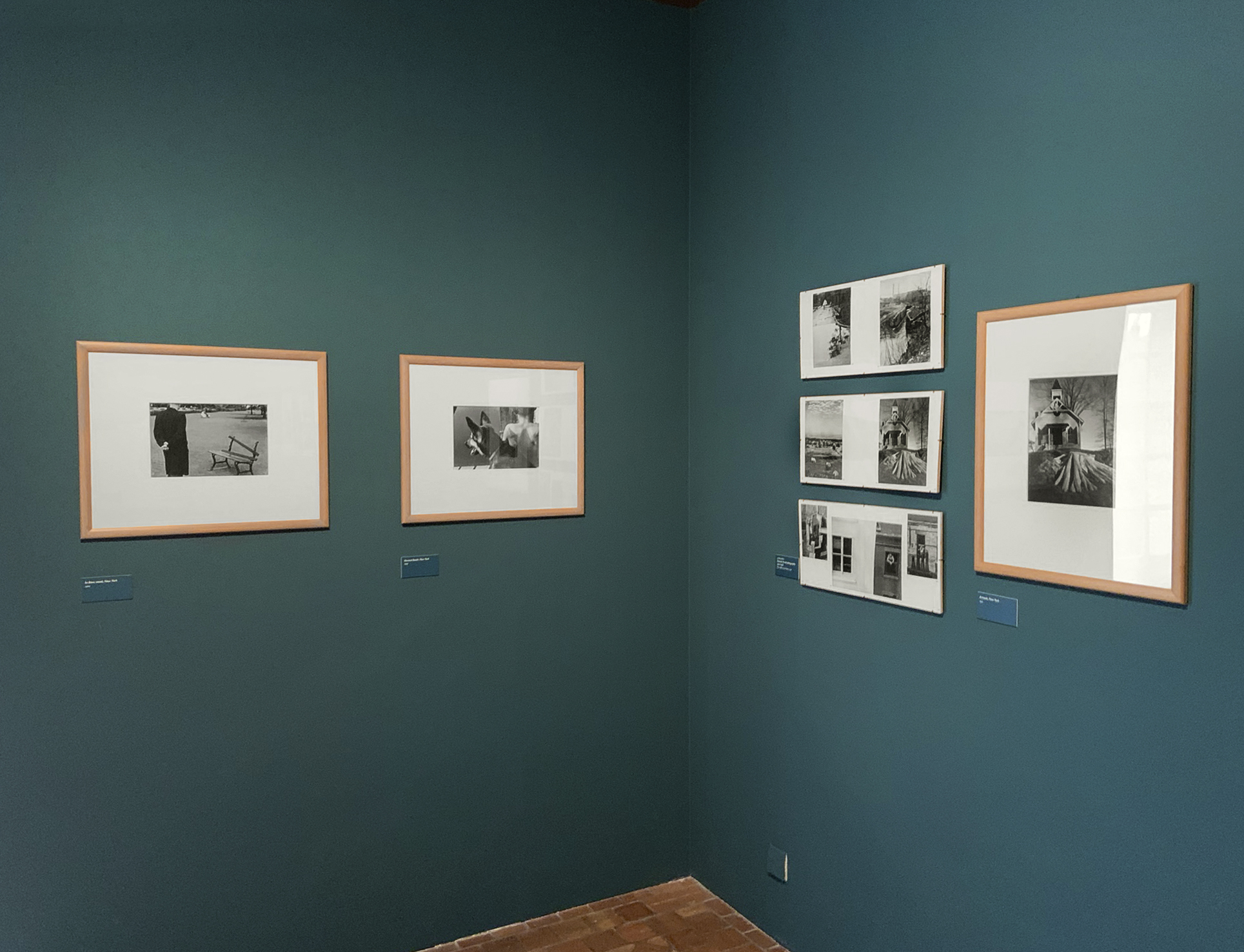
This posting contains photographs from his famous series “Distortions” (fascinating to see the original plates for the book of the same name, complete with cropping marks and red lead pencil annotations); American works from 1936 onwards, when Kertész moved to the United States to avoid the persecution of the Jews and the threat of World War II; and the late work colour Polaroids.

I admit that Kertész is not my favourite photographer. While I admire some of his photographs, I feel emotionally distant from most of them. Edward Clay observes in the quotation below that Kertész was “one of the most lyrical and formally inventive photographers of the twentieth-century… [His photographs] often convey a quiet mood of melancholy … He remains revered for his clarity of style and ability to blend simplicity with emotion, prizing impact over technical precision, seeking metaphors and geometry in everyday objects and scenarios, to turn the mundane into the surreal.”

Personally, I don’t find his photographs emotional nor lyrical, only a few poetic. Not melancholic, but geometric. In later works, he simplifies, simplifies, simplifies much like his friend Mondrian did. For me, the balance between sacred / geometry, the sacred geometry of the mystery of things, is often unbalanced in these images (particularly relevant, given the title of this exhibition). Is it enough just to turn the mundane into the surreal? Where does that lead the viewer? Is it enough to just observe, represent, without digging deeper.

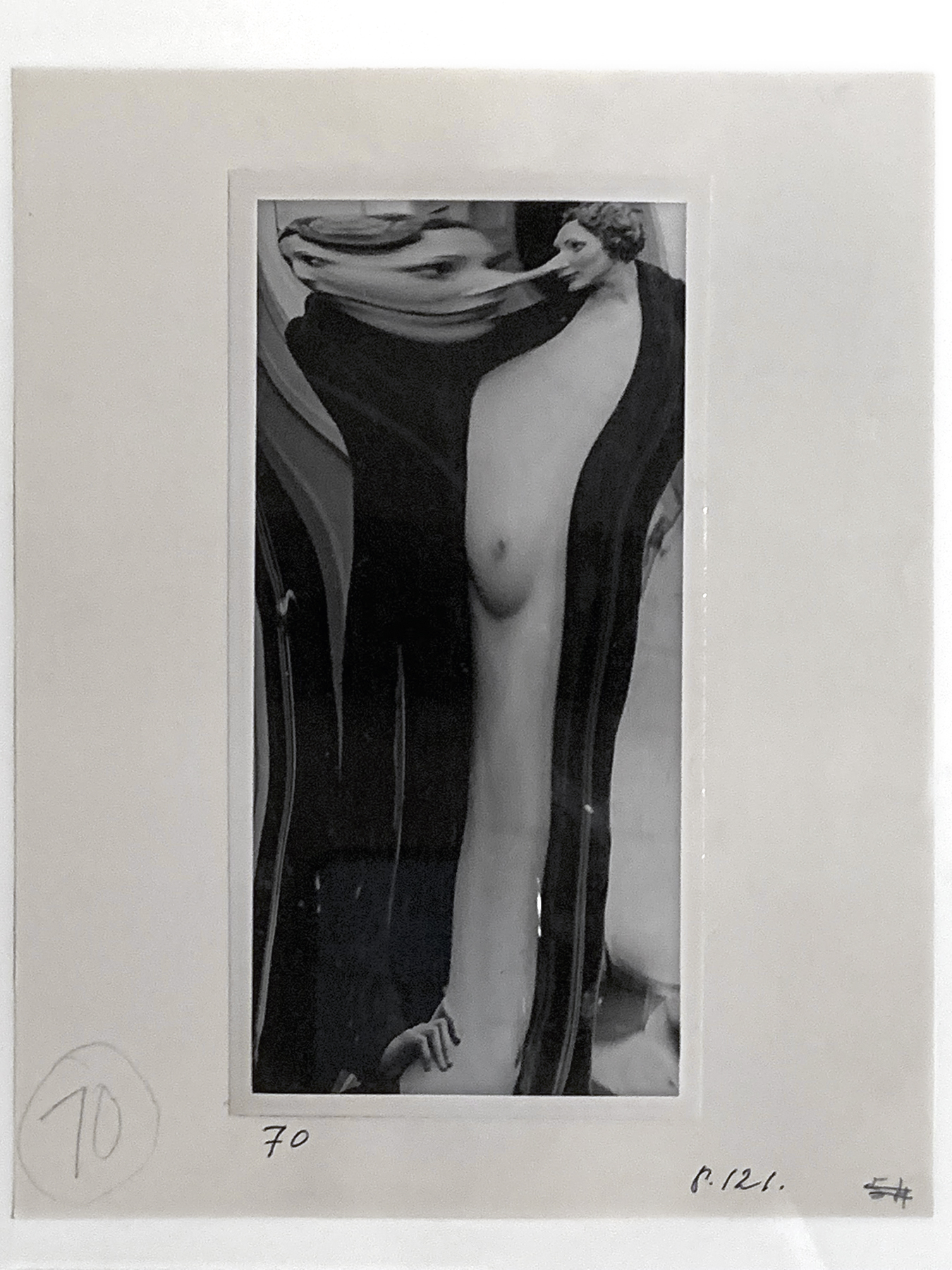
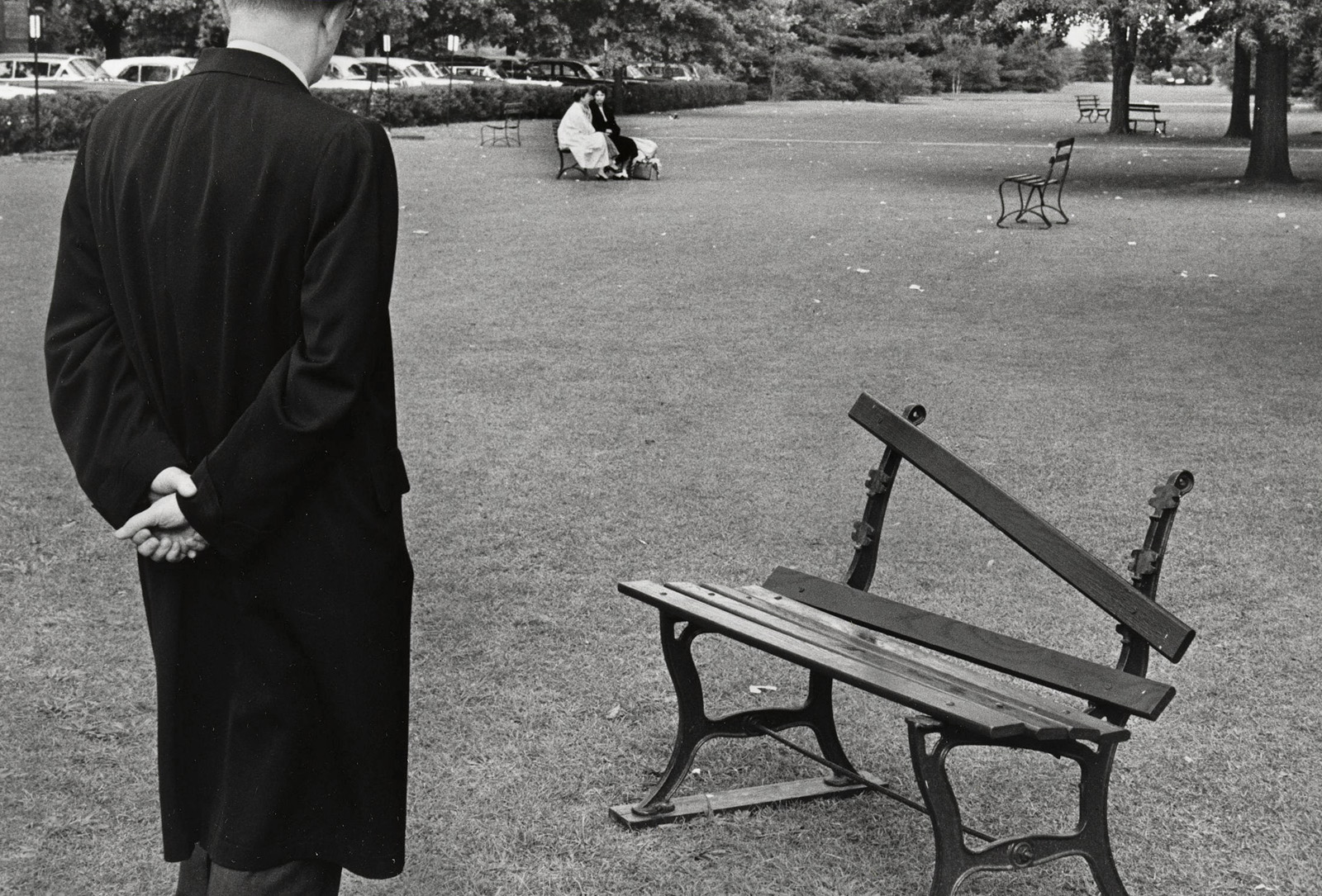
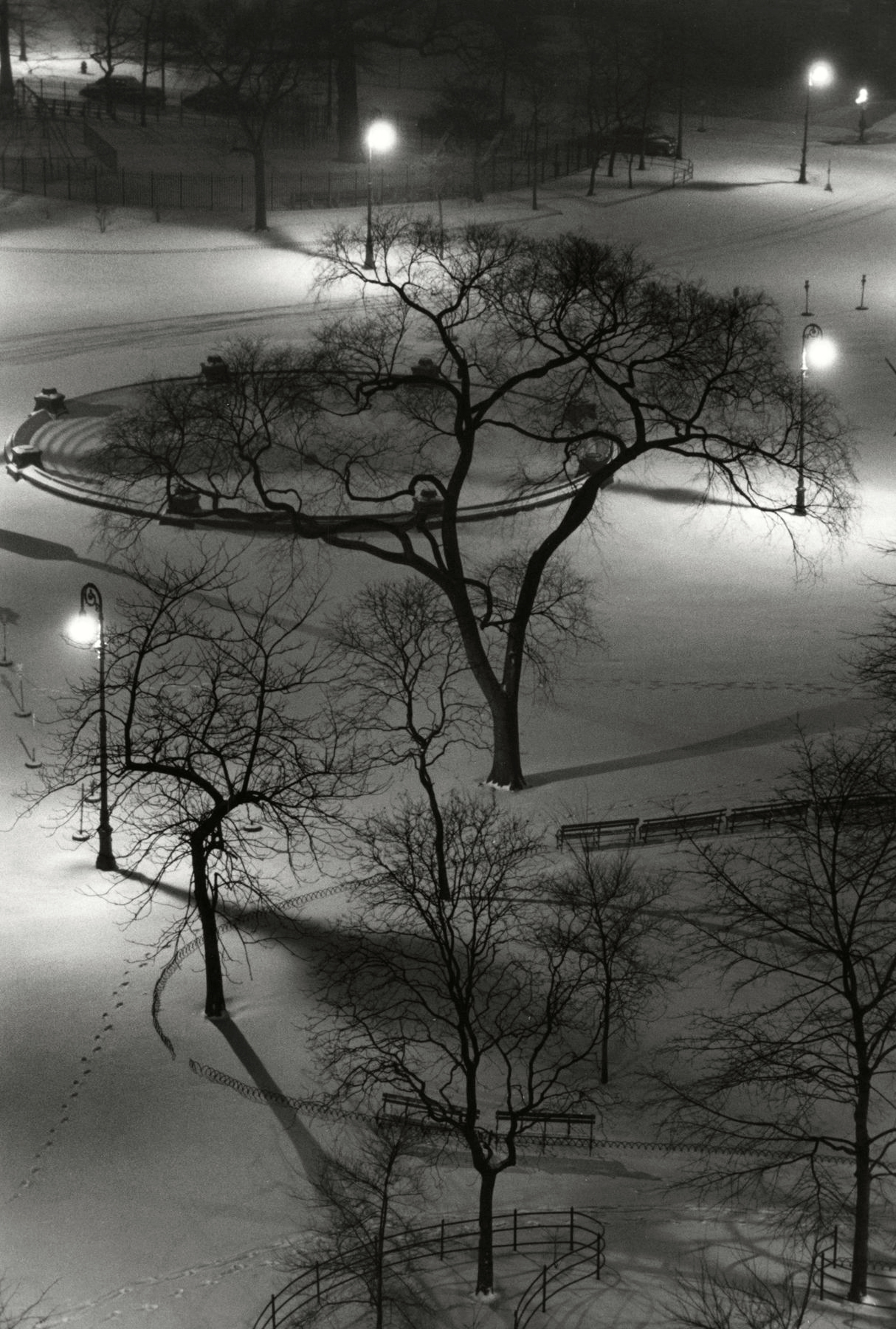
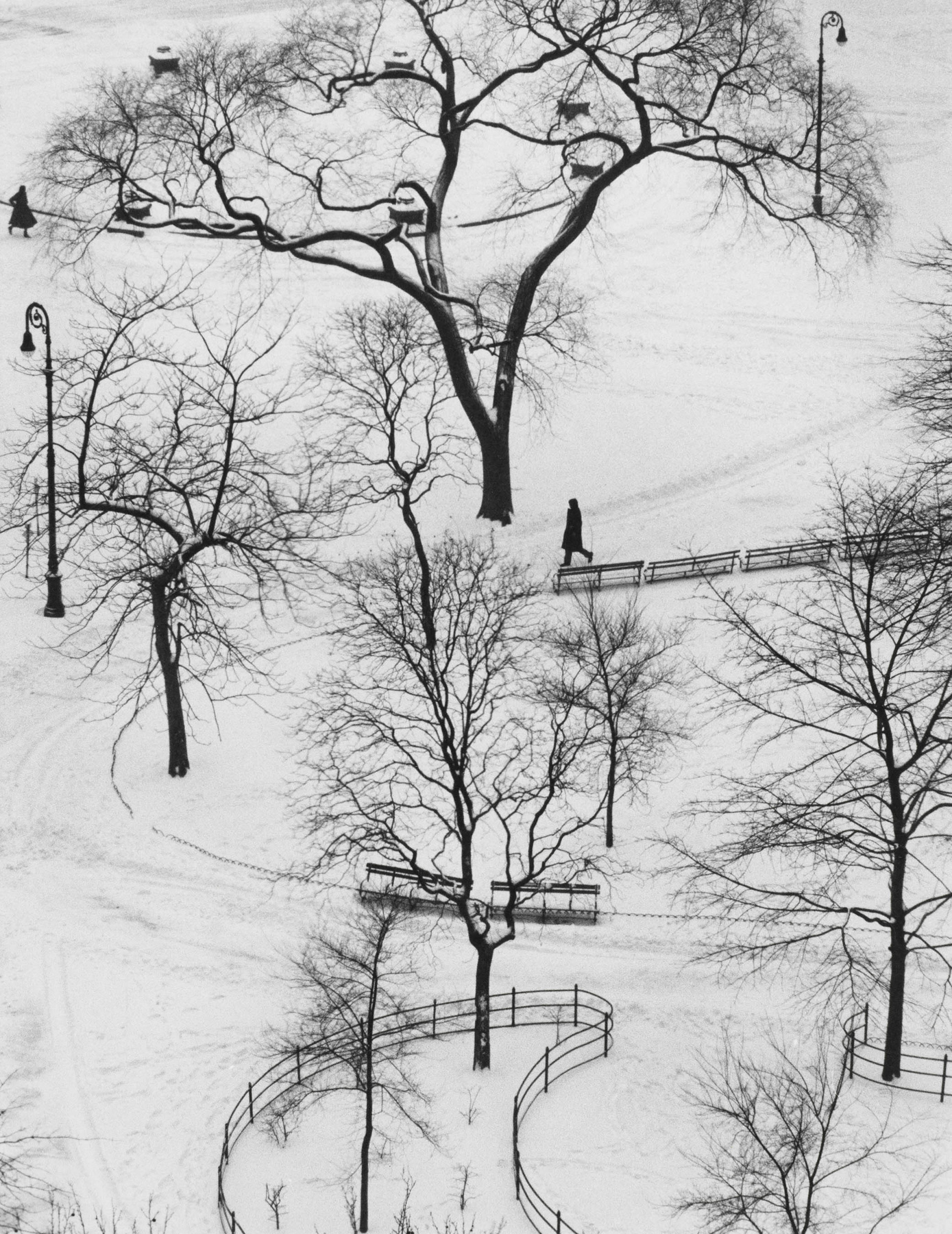
At his best, in images such as Underwater swimmer, Esztergom (1918, above), Arm and Fan, New York (1937, below) and Washington Square, New York (1954, below) there is a structured, avant-garde mystery about the reality of the world, as re/presented through the object of the photograph, it’s physical presence. In Underwater swimmer, the body is stretched and distorted by an element, water, not a man-made mirror. His photographs from Hungary, Italy and early Paris possess a sensitivity of spirit that seems to have been excised from his life, the older he got. Far too often in later images, there is a “brittleness” to his photography, in which the object of reflection sits at the surface of the image, all sparkling in unflinching light. The single cloud oh so lonely in the sterile city; the man looking at the broken bench; the “buy, buy, buy” of consumer culture. You consumer Kertész’s later images, you do not reflect on them.

Dr Marcus Bunyan


All iPhone installation photographs © Marcus Bunyan. Please click on the photographs for a larger version of the image. View Part 1 of the posting.


“André Kertész, one of the most lyrical and formally inventive photographers of the twentieth-century, whose work advocated for spontaneity over technical precision, has left a distinctive legacy of poetic images which form a bridge between the avant-garde and geometrical precision. A roamer for much of his life, his feelings of rootlessness manifest in his work and often convey a quiet mood of melancholy. …

Claiming “I am an amateur and I intend to stay that way for the rest of my life”, Kertesz was a great source of inspiration to photographic legends such as Cartier-Bresson.

He remains revered for his clarity of style and ability to blend simplicity with emotion, prizing impact over technical precision, seeking metaphors and geometry in everyday objects and scenarios, to turn the mundane into the surreal. Nothing was too plain or ordinary for his eye, since he had a special ability to breathe life into even the most ‘unremarkable’ subjects.”


Edward Clay. “André Kertész: between poetry and geometry,” on ‘The Independent Photographer’ website, May 19th 2020 [Online] Cited 26/08/2020
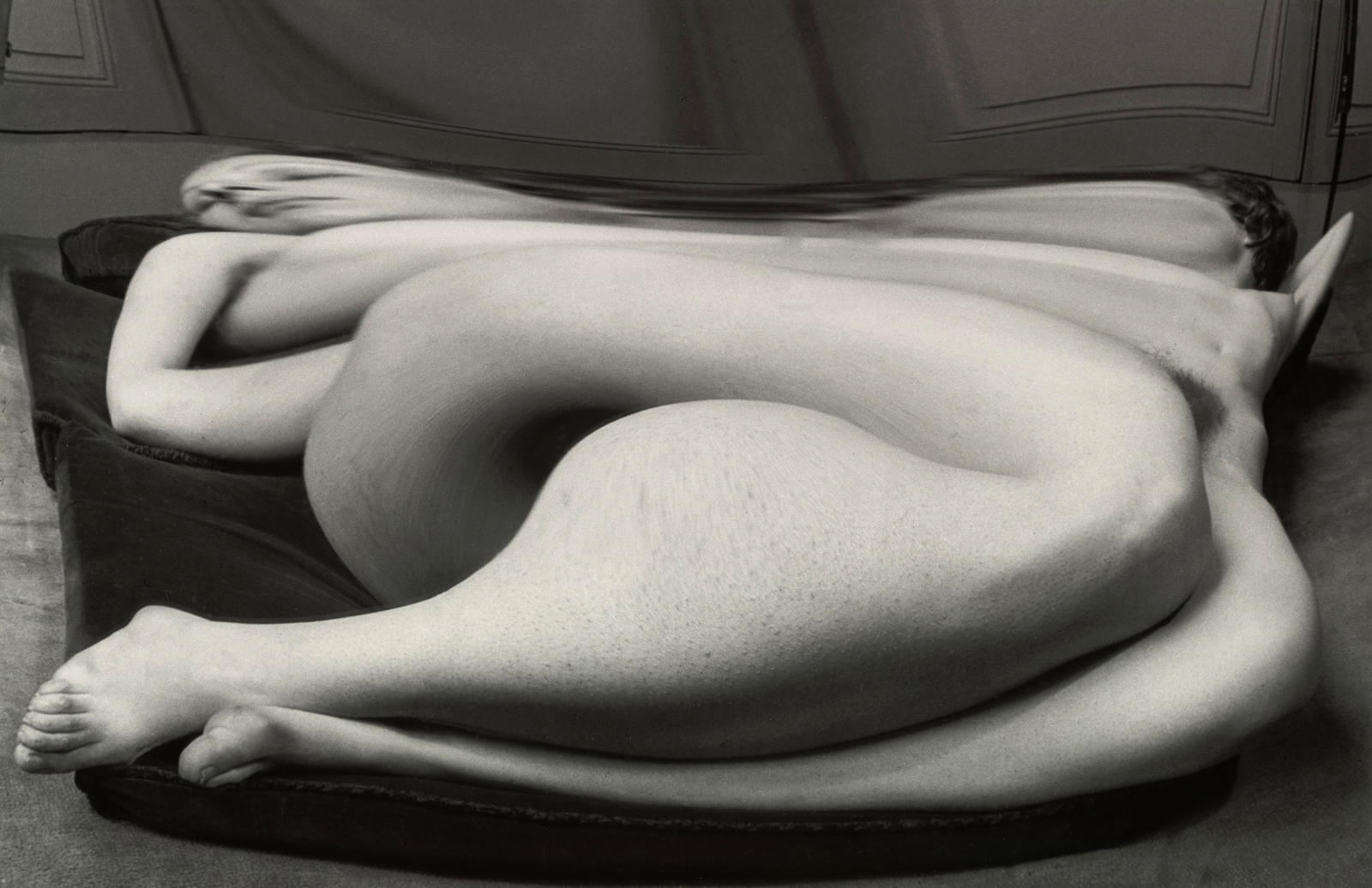


André Kertész (Hungarian, 1894-1985) 'Distortion #34' 1933 from the exhibition 'L'equilibriste, André Kertész' at Jeu de Paume, Château de Tours Part 2, June - Oct, 2019


André Kertész (Hungarian, 1894-1985)
Distortion #34 
1933
Gelatin silver print
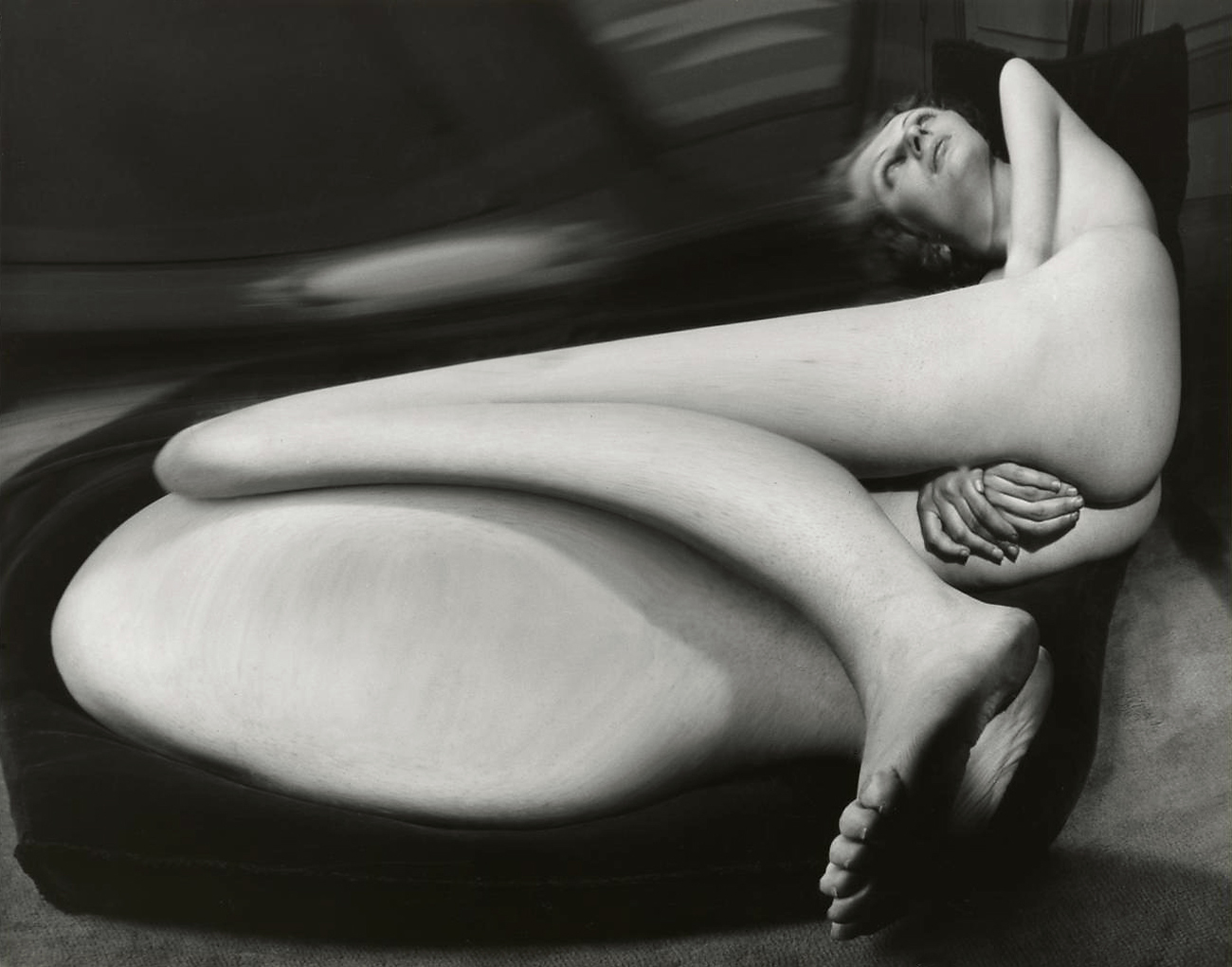
 

André Kertész (Hungarian, 1894-1985) 'Distortion #40' 1933


André Kertész (Hungarian, 1894-1985)
Distortion #40
1933
Gelatin silver print


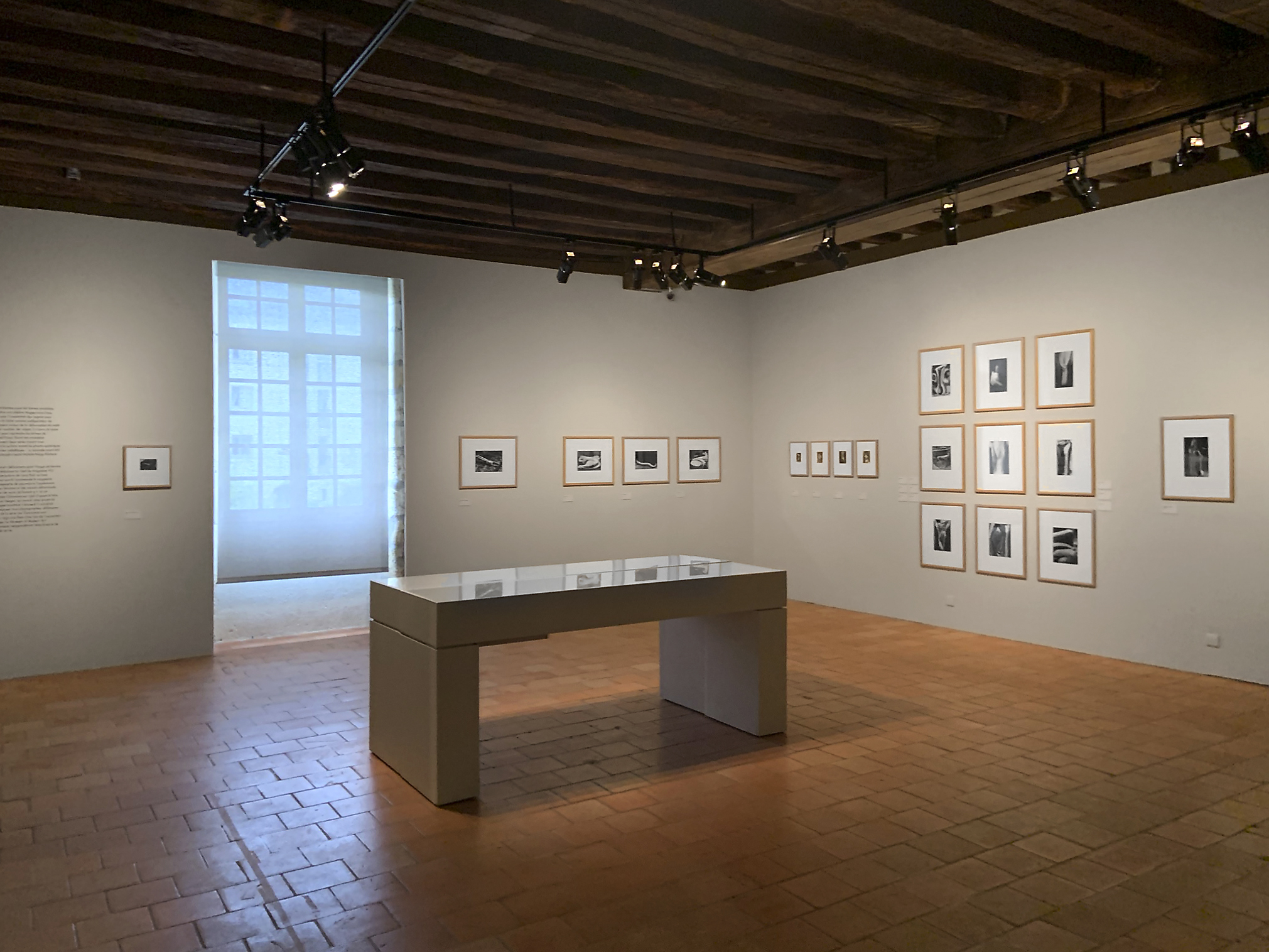
Installation view of the exhibition 'L'equilibriste, André Kertész' at Jeu de Paume, Château de Tours

Installation view of the exhibition 'L'equilibriste, André Kertész' at Jeu de Paume, Château de Tours

Installation view of the exhibition 'L'equilibriste, André Kertész' at Jeu de Paume, Château de Tours

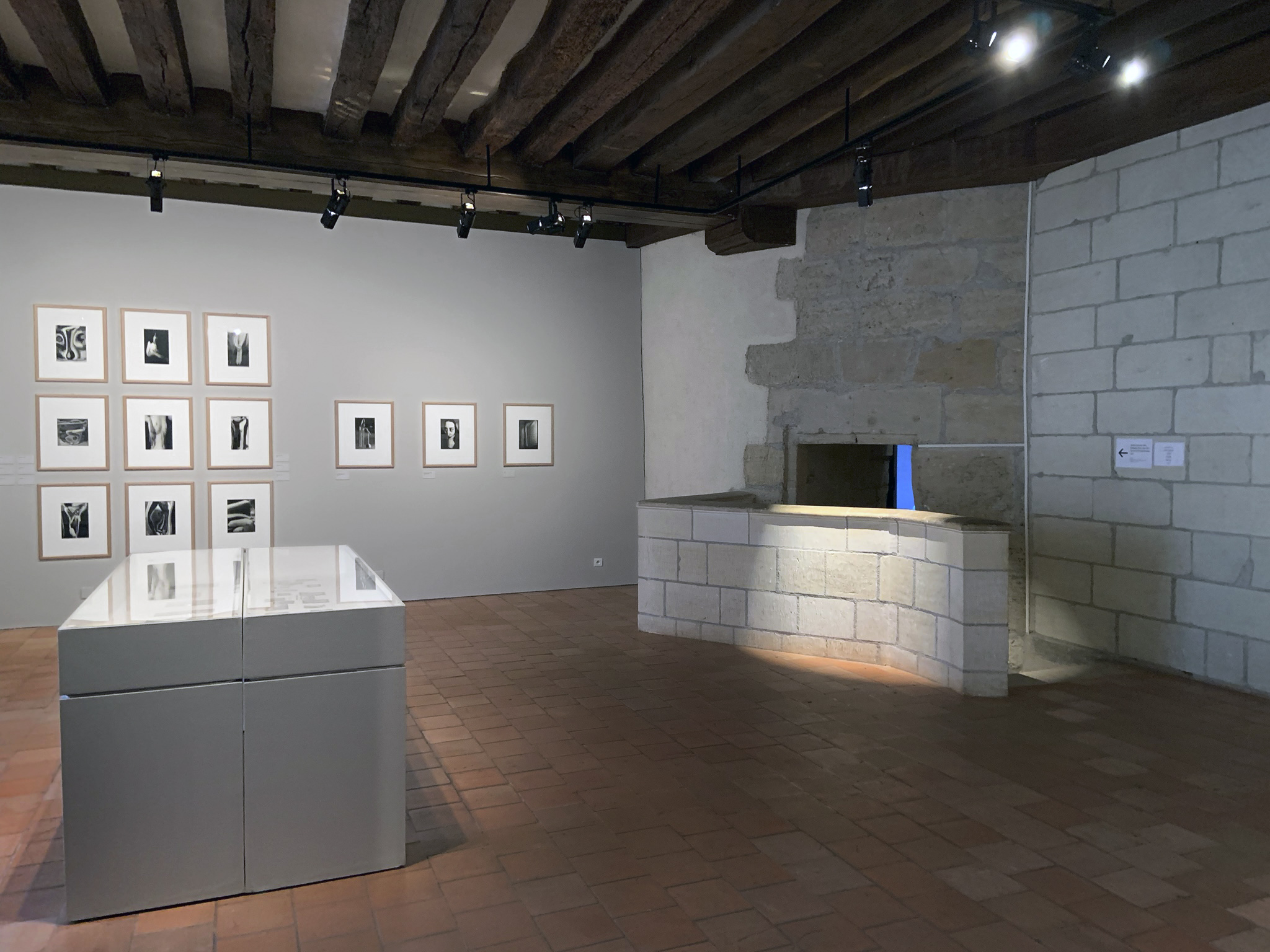
Installation view of the exhibition 'L'equilibriste, André Kertész' at Jeu de Paume, Château de Tours showing at left, the photograph 'Underwater swimmer, Esztergom' 1918


Installation views of the exhibition L’equilibriste, André Kertész at Jeu de Paume, Château de Tours showing photographs from the series Distortions, the bottom image showing at left, the photograph Underwater swimmer, Esztergom 1918
Photos: Marcus Bunyan
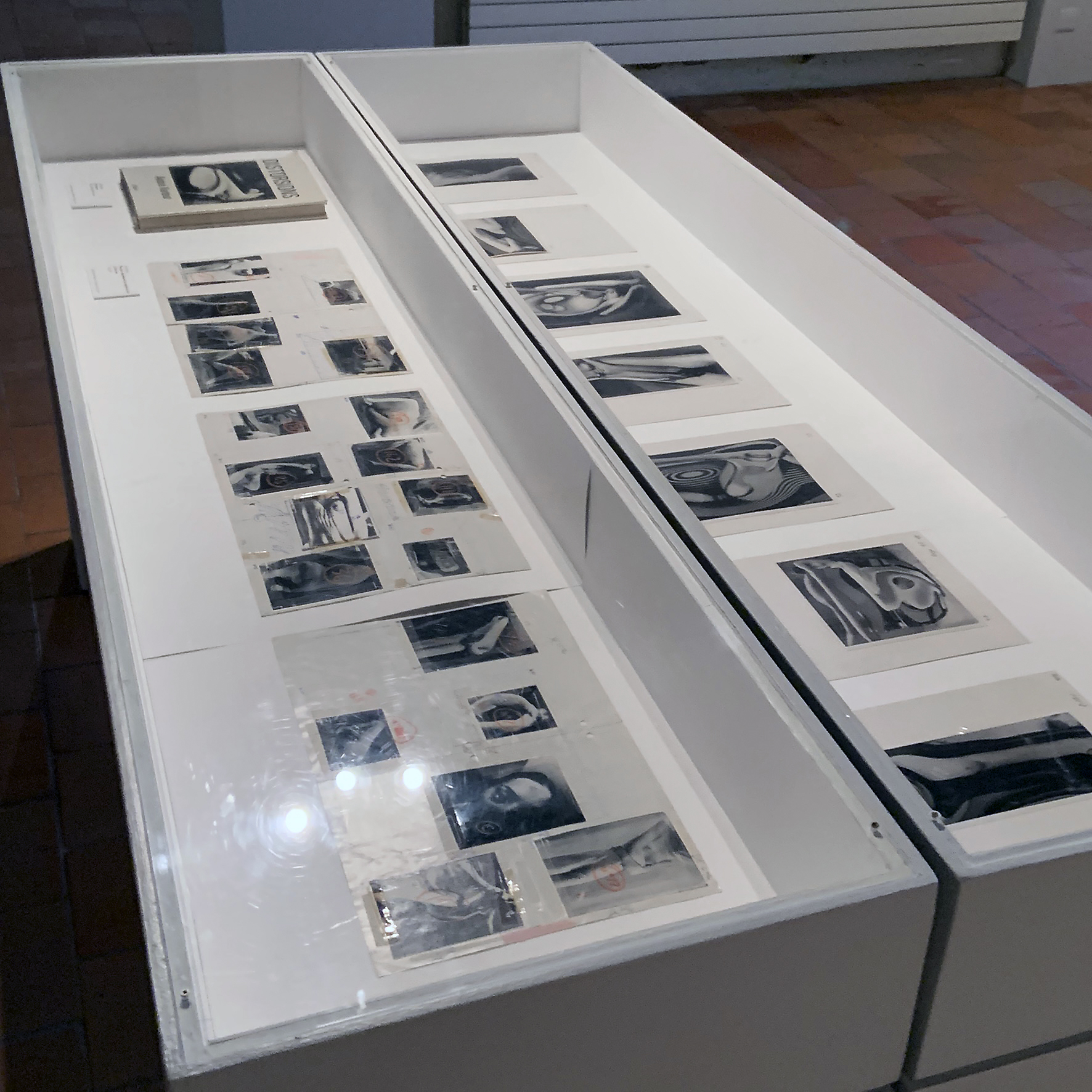
 

André Kertész (Hungarian, 1894-1985) 'Original plates of the model of the book 'Distortions'' 1975-1976 (installation view)

André Kertész (Hungarian, 1894-1985) 'Original plates of the model of the book 'Distortions'' 1975-1976 (installation view)

André Kertész (Hungarian, 1894-1985) 'Original plates of the model of the book 'Distortions'' 1975-1976 (installation view)

André Kertész (Hungarian, 1894-1985) 'Original plates of the model of the book 'Distortions'' 1975-1976 (installation view)

André Kertész (Hungarian, 1894-1985) 'Original plates of the model of the book 'Distortions'' 1975-1976 (installation view)

André Kertész (Hungarian, 1894-1985) 'Original plates of the model of the book 'Distortions'' 1975-1976 (installation view)

André Kertész (Hungarian, 1894-1985) 'Original plates of the model of the book 'Distortions'' 1975-1976 (installation view)

André Kertész (Hungarian, 1894-1985) 'Original plates of the model of the book 'Distortions'' 1975-1976 (installation view)

André Kertész (Hungarian, 1894-1985) 'Original plates of the model of the book 'Distortions'' 1975-1976 (installation view)

André Kertész (Hungarian, 1894-1985) 'Original plates of the model of the book 'Distortions'' 1975-1976 (installation view)


André Kertész (Hungarian, 1894-1985)
Planches originales de la maquette du livre ‘Distortions’ (installation view)
Original plates of the model of the book ‘Distortions’ 
1975-1976
Collection Médiathèque de l’architecture et du patrimoine
Photos: Marcus Bunyan
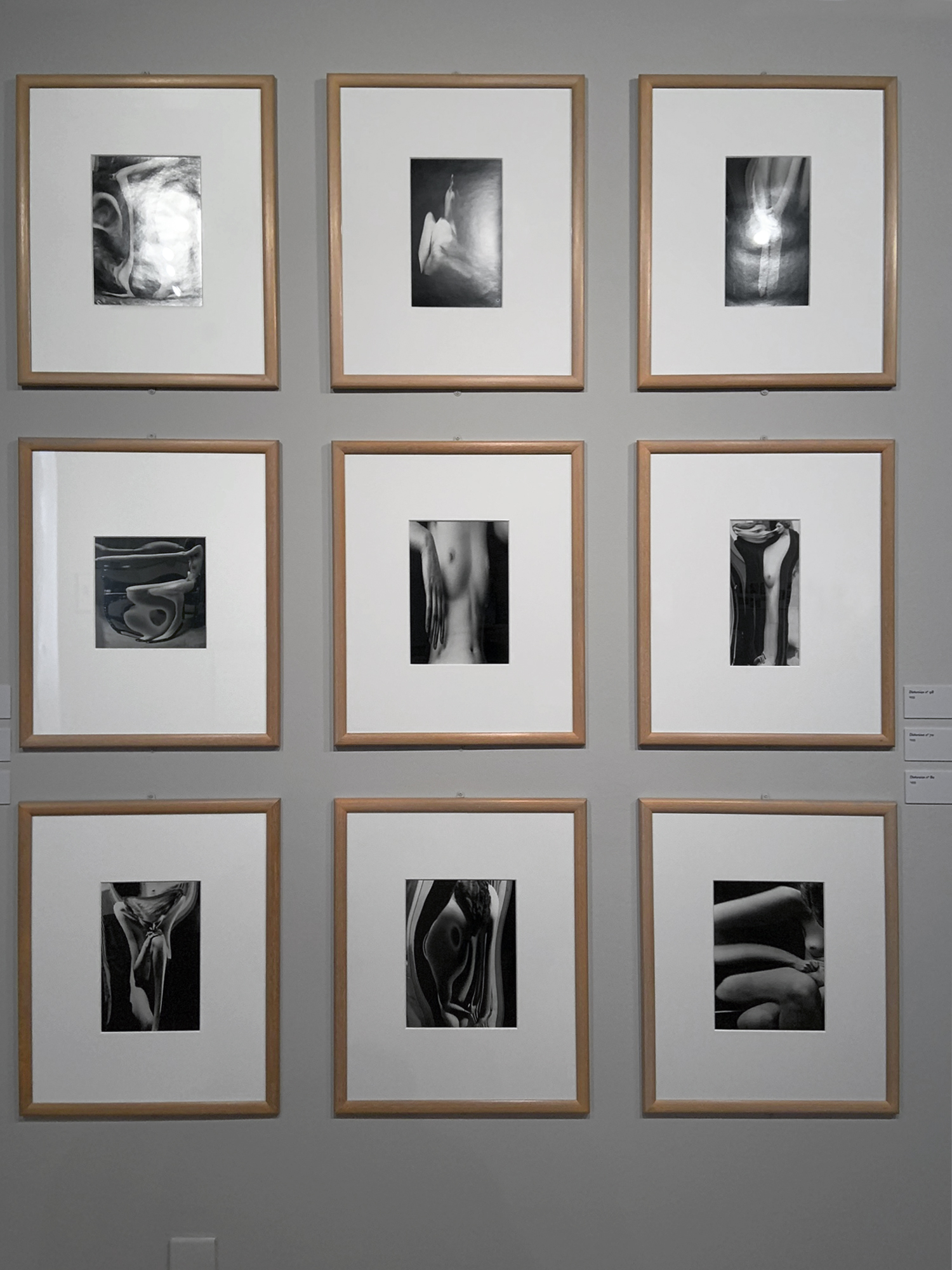
 

Installation view of the exhibition 'L'equilibriste, André Kertész' at Jeu de Paume, Château de Tours


Installation view of the exhibition L’equilibriste, André Kertész at Jeu de Paume, Château de Tours showing photographs from the series Distortions
Photo: Marcus Bunyan
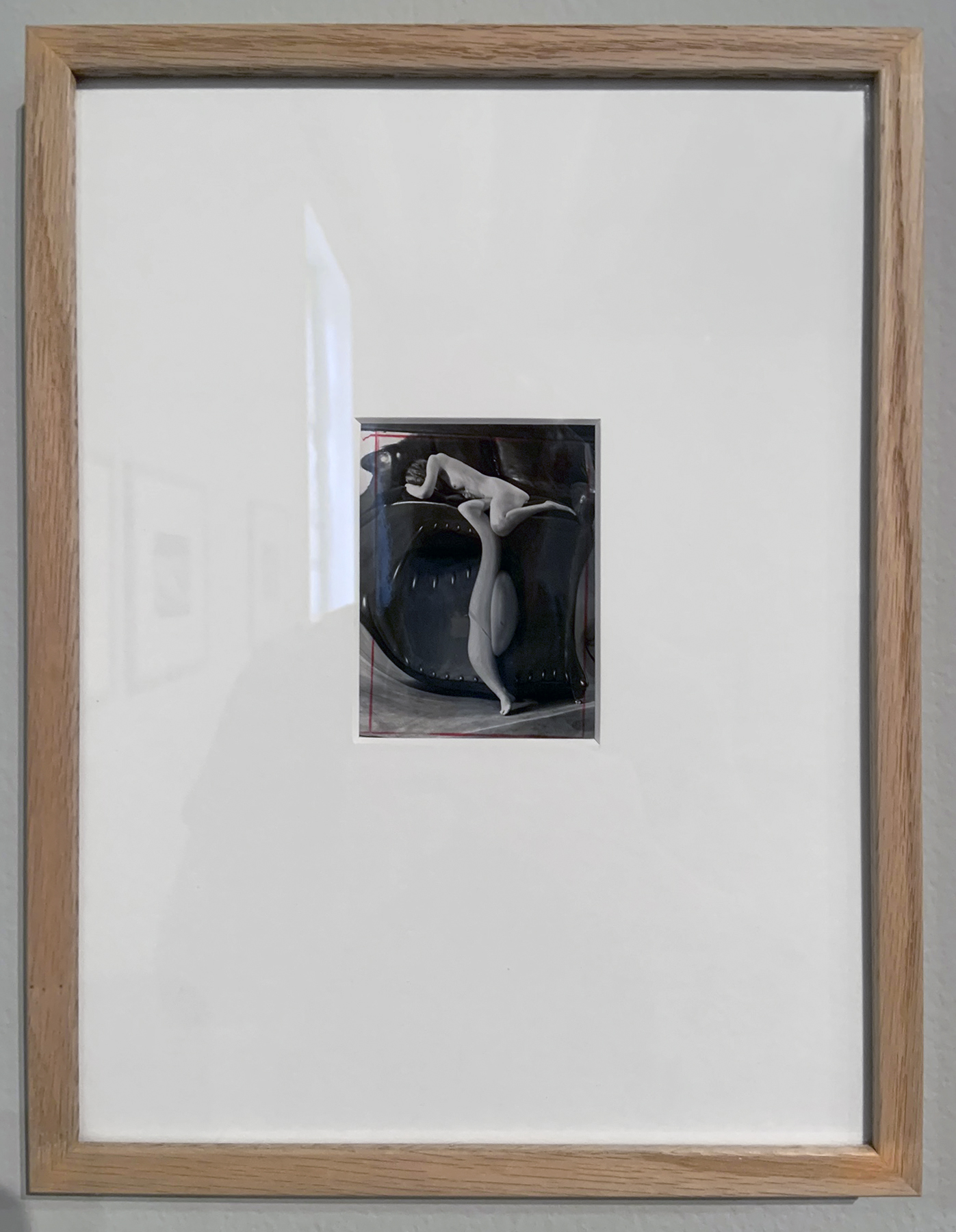
 

André Kertész (Hungarian, 1894-1985) 'Distortion #60' 1933 (installation view)


André Kertész (Hungarian, 1894-1985)
Distortion #60 (installation view)
1933
Contact original
Photo: Marcus Bunyan
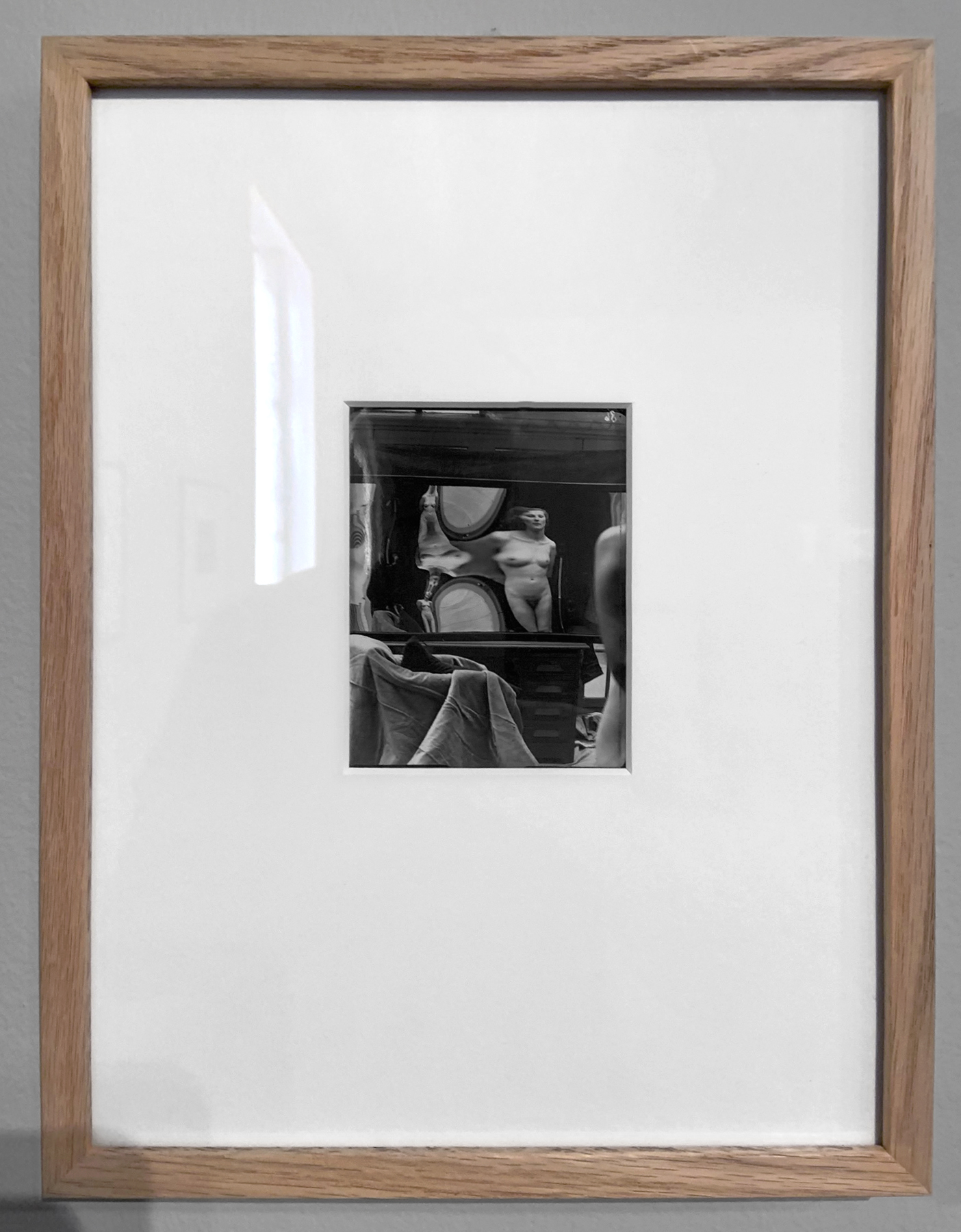
 

André Kertész (Hungarian, 1894-1985) 'Distortion #86' 1933 (installation view)


André Kertész (Hungarian, 1894-1985)
Distortion #86 (installation view)
1933
Contact original
Photo: Marcus Bunyan
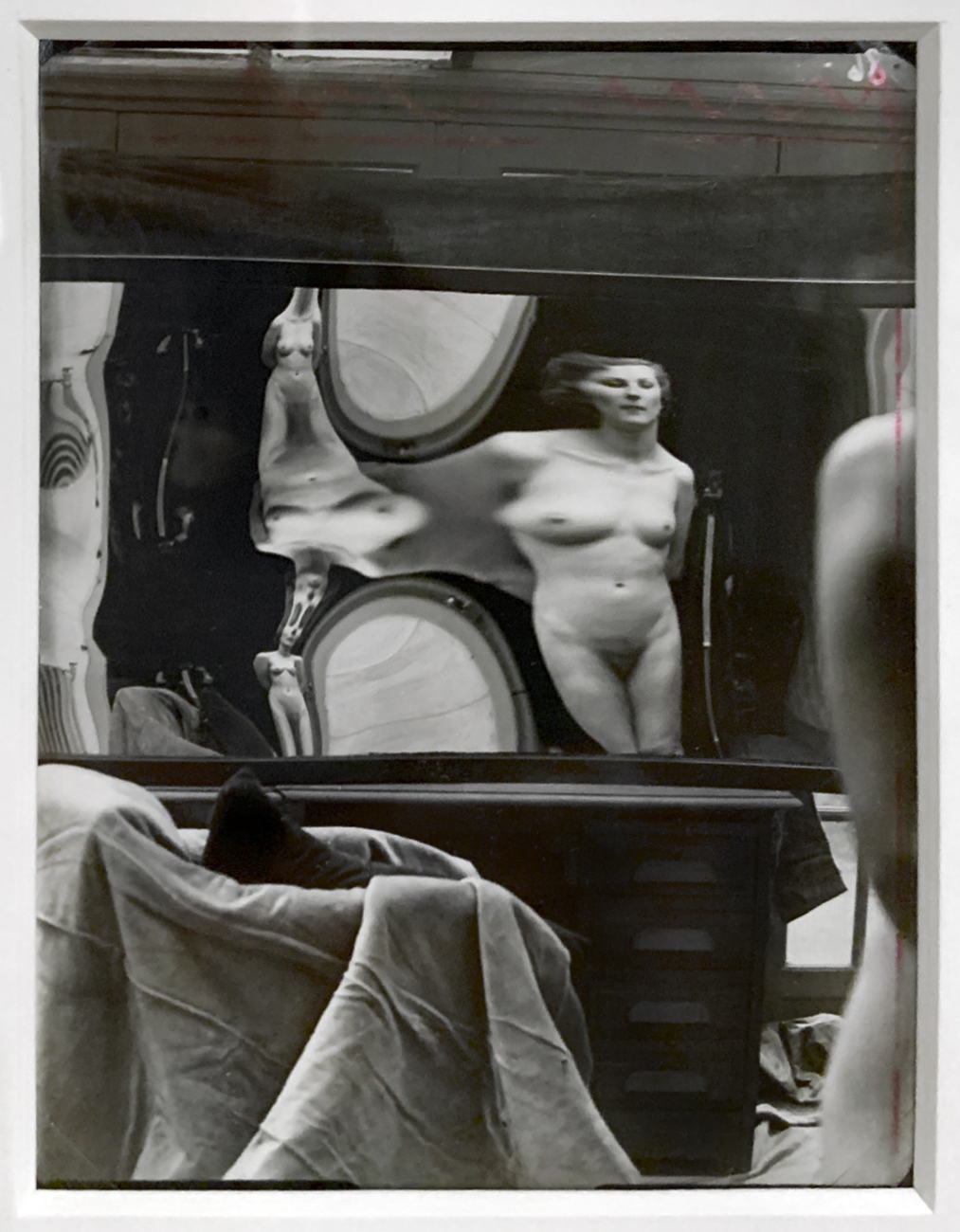
 

André Kertész (Hungarian, 1894-1985) 'Distortion #86' 1933 (installation view)


André Kertész (Hungarian, 1894-1985)
Distortion #86 (installation view)
1933
Contact original
Photo: Marcus Bunyan
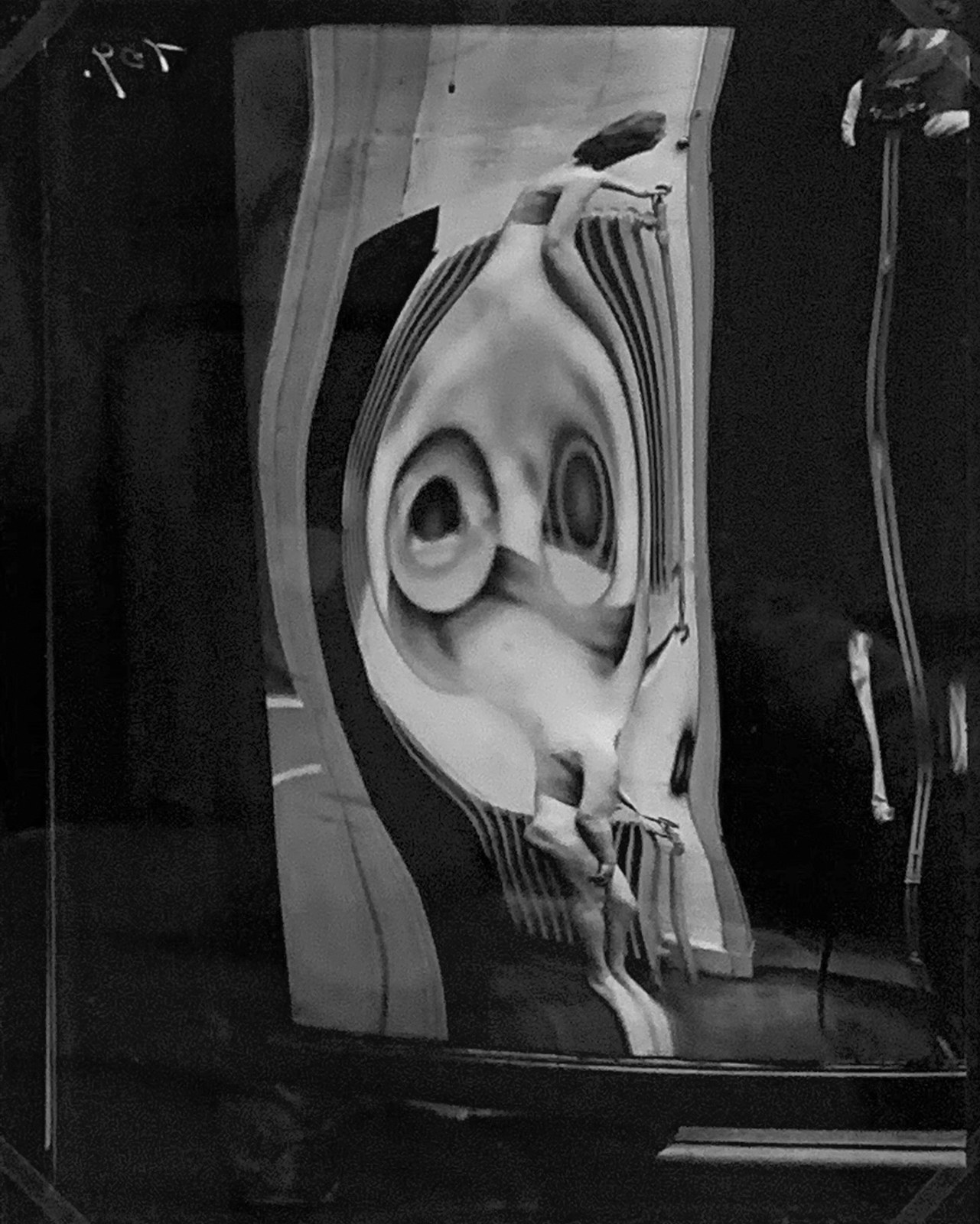
 

André Kertész (Hungarian, 1894-1985) 'Distortion #109' 1933 (installation view)


André Kertész (Hungarian, 1894-1985)
Distortion #109 (installation view)
1933
Contact original
Photo: Marcus Bunyan
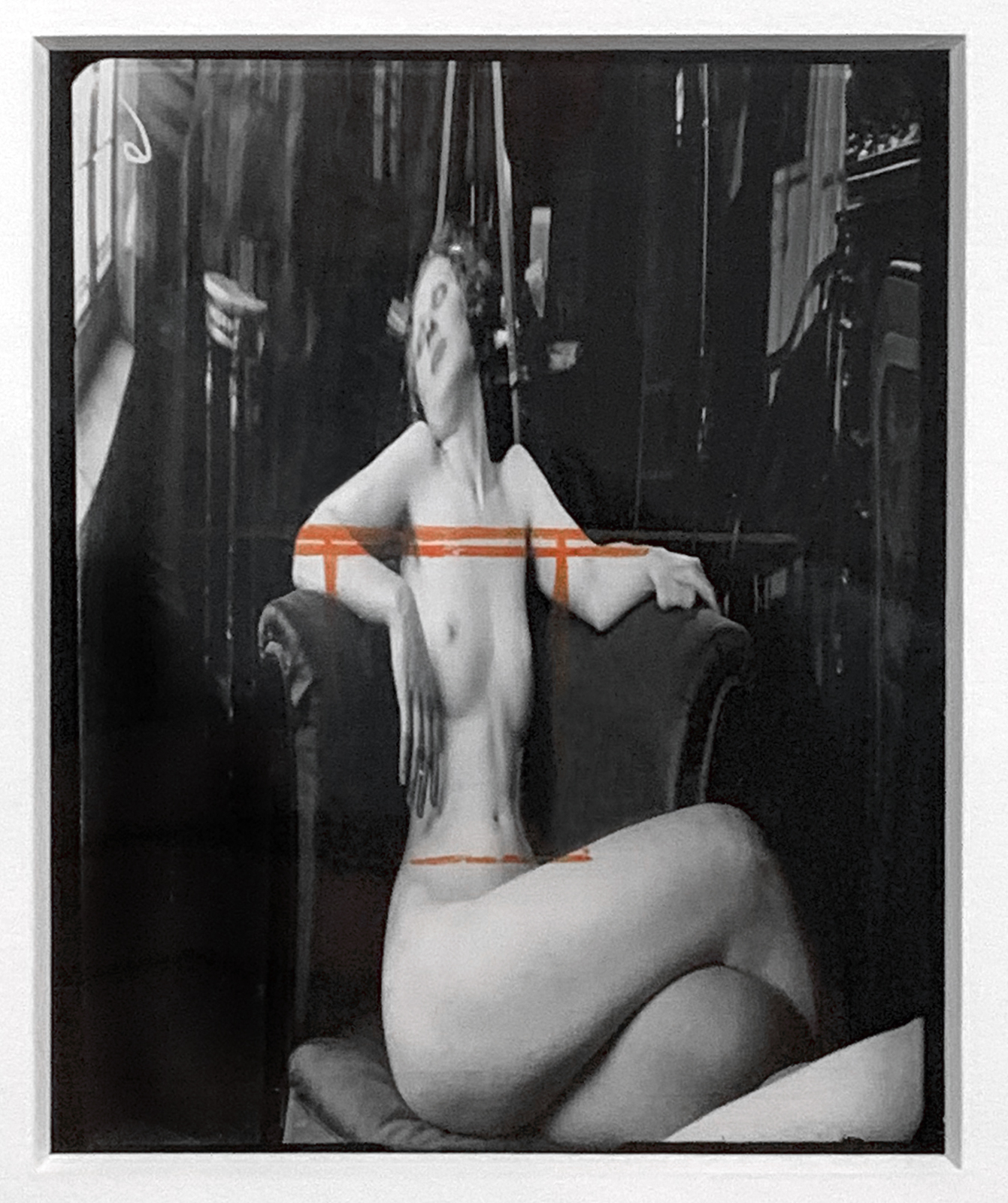
 

André Kertész (Hungarian, 1894-1985) 'Distortion #6' 1933 (installation view)


André Kertész (Hungarian, 1894-1985)
Distortion #6 (installation view)
1933
Contact original
Photo: Marcus Bunyan
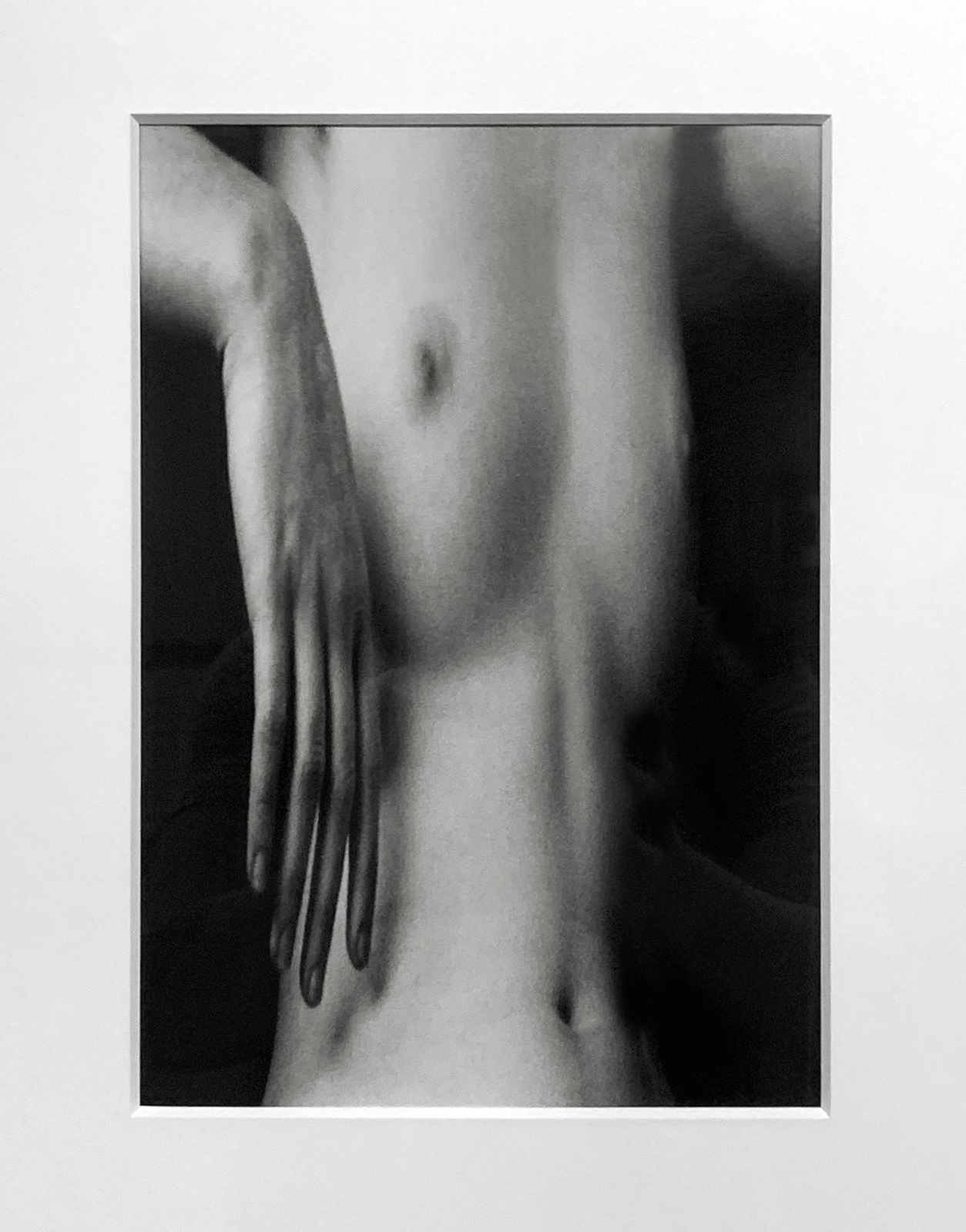
 

André Kertész (Hungarian, 1894-1985) 'Distortion #159' 1933 (installation view)


André Kertész (Hungarian, 1894-1985)
Distortion #159 (installation view)
1933
Contact original
Photo: Marcus Bunyan
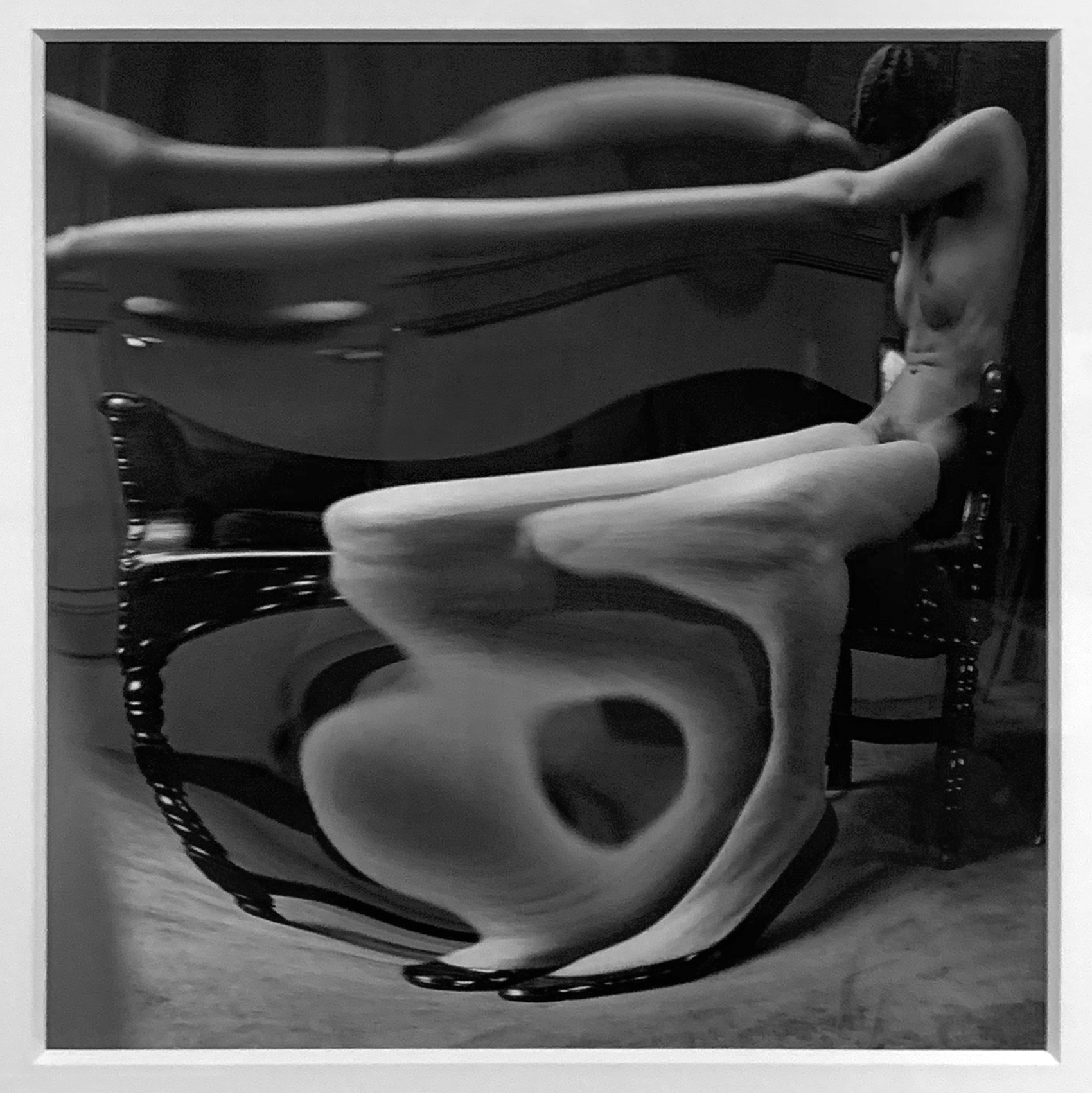
 

André Kertész (Hungarian, 1894-1985) 'Distortion #128' 1933 (installation view)


André Kertész (Hungarian, 1894-1985)
Distortion #128 (installation view)
1933
Contact original
Photo: Marcus Bunyan
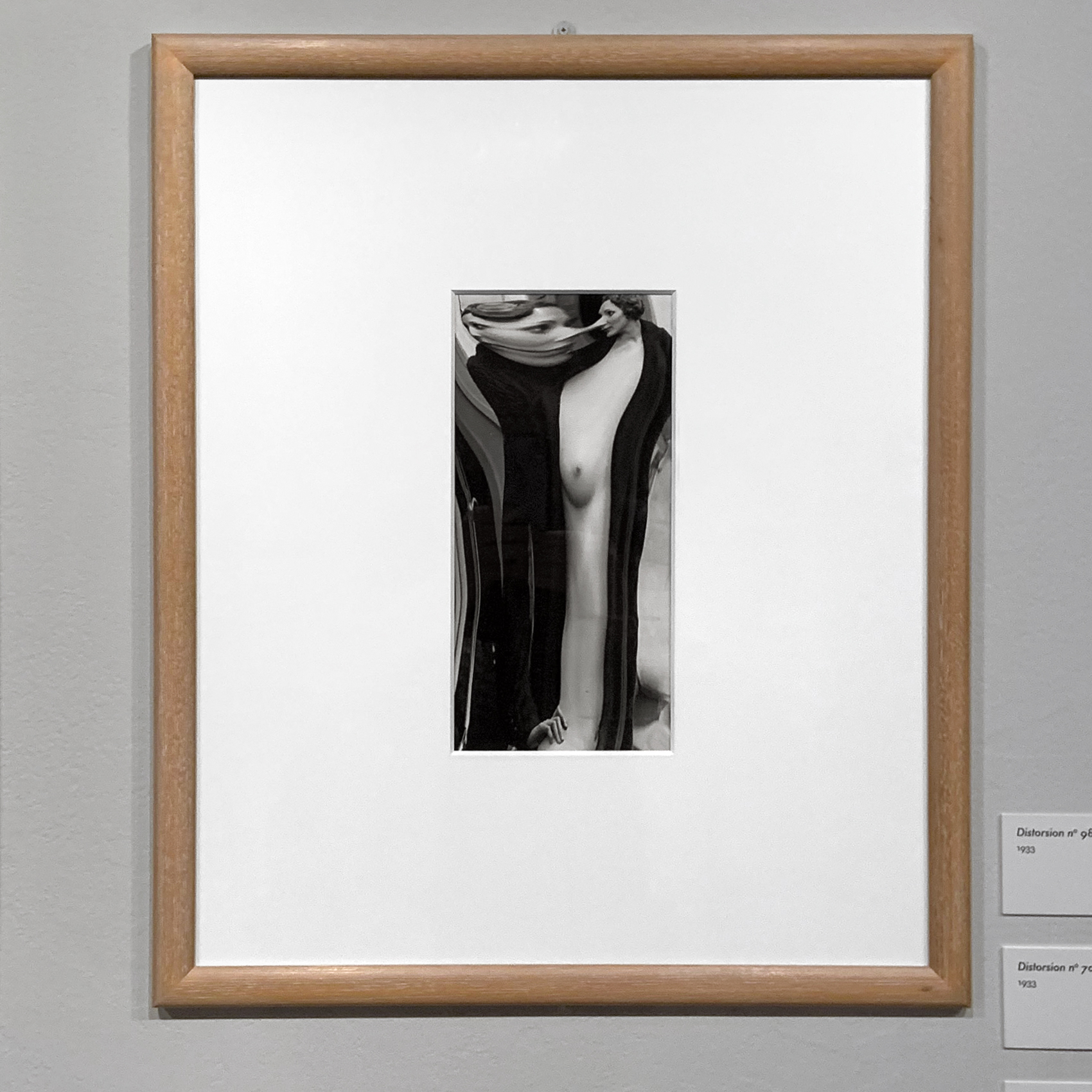
 

André Kertész (Hungarian, 1894-1985) 'Distortion #70' 1933 (installation view)


André Kertész (Hungarian, 1894-1985)
Distortion #70 (installation view)
1933
Contact original
Photo: Marcus Bunyan
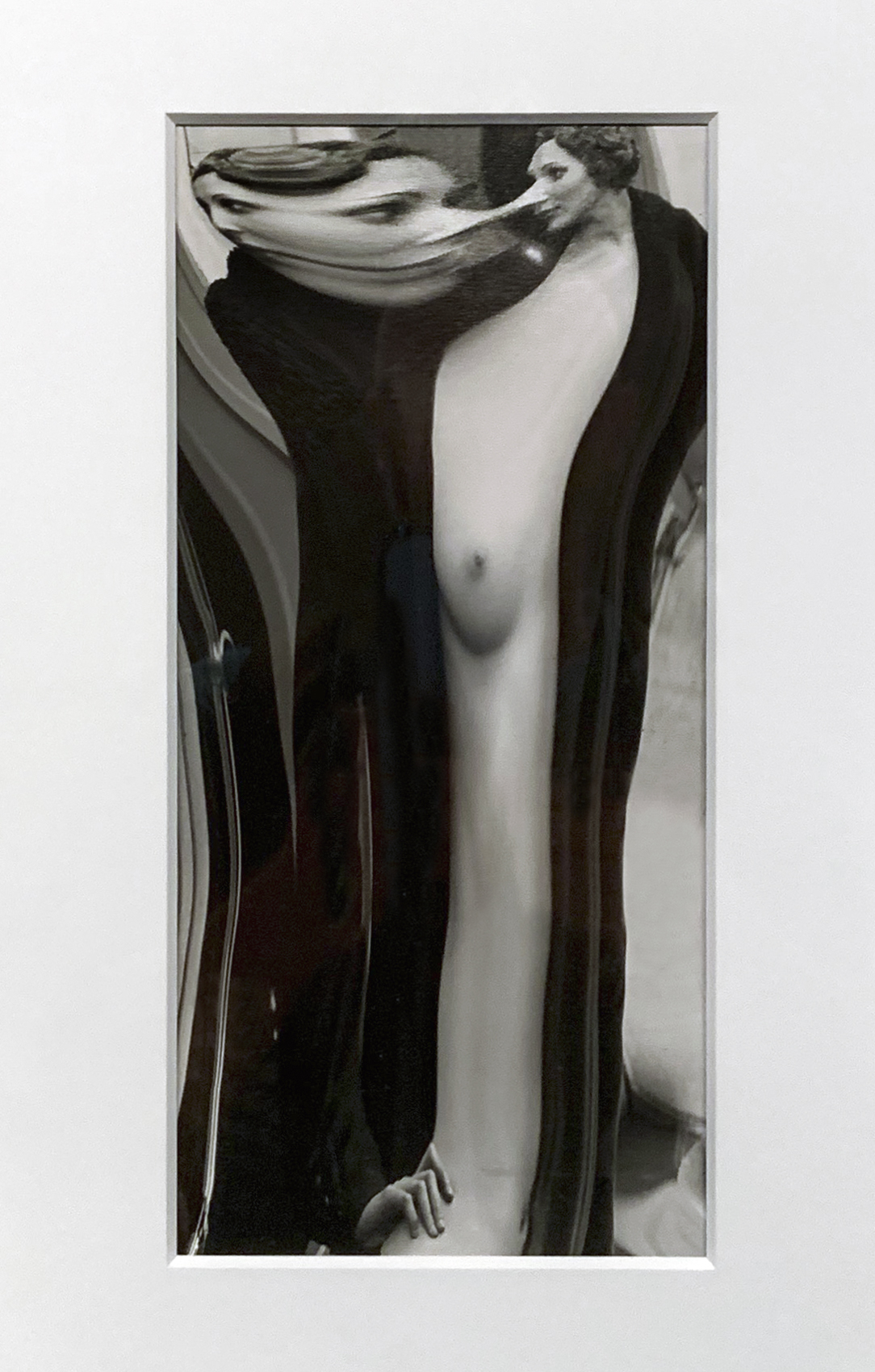
 

André Kertész (Hungarian, 1894-1985) 'Distortion #70' 1933 (installation view)


André Kertész (Hungarian, 1894-1985)
Distortion #70 (installation view)
1933
Contact original
Photo: Marcus Bunyan
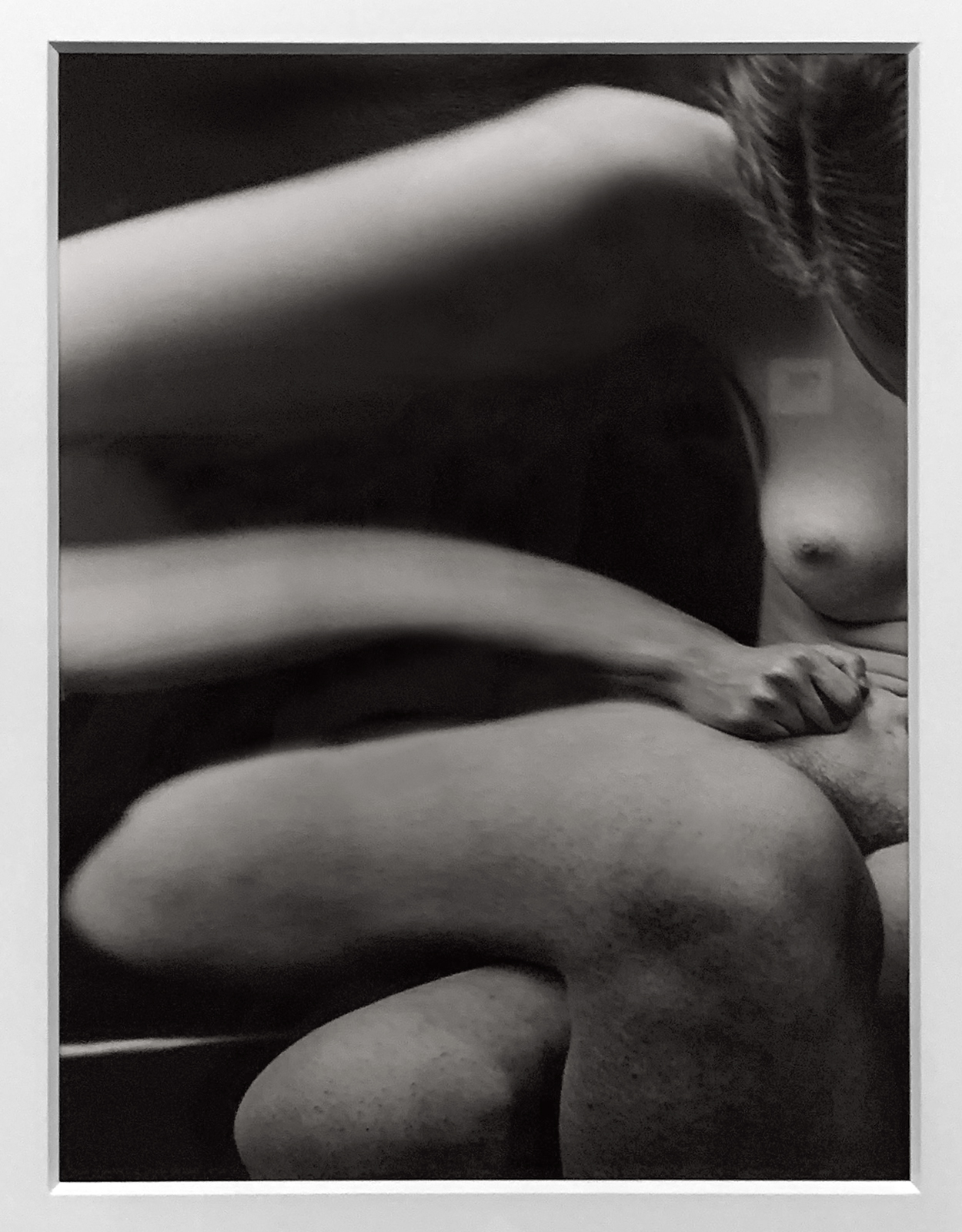
 

André Kertész (Hungarian, 1894-1985) 'Distortion #80' 1933 (installation view)


André Kertész (Hungarian, 1894-1985)
Distortion #80 (installation view)
1933
Contact original
Photo: Marcus Bunyan


André Kertész (Hungarian, 1894-1985) 'Distortion' 1933 (installation view)


André Kertész (Hungarian, 1894-1985)
Distortion (installation view)
1933
Contact original
Photo: Marcus Bunyan
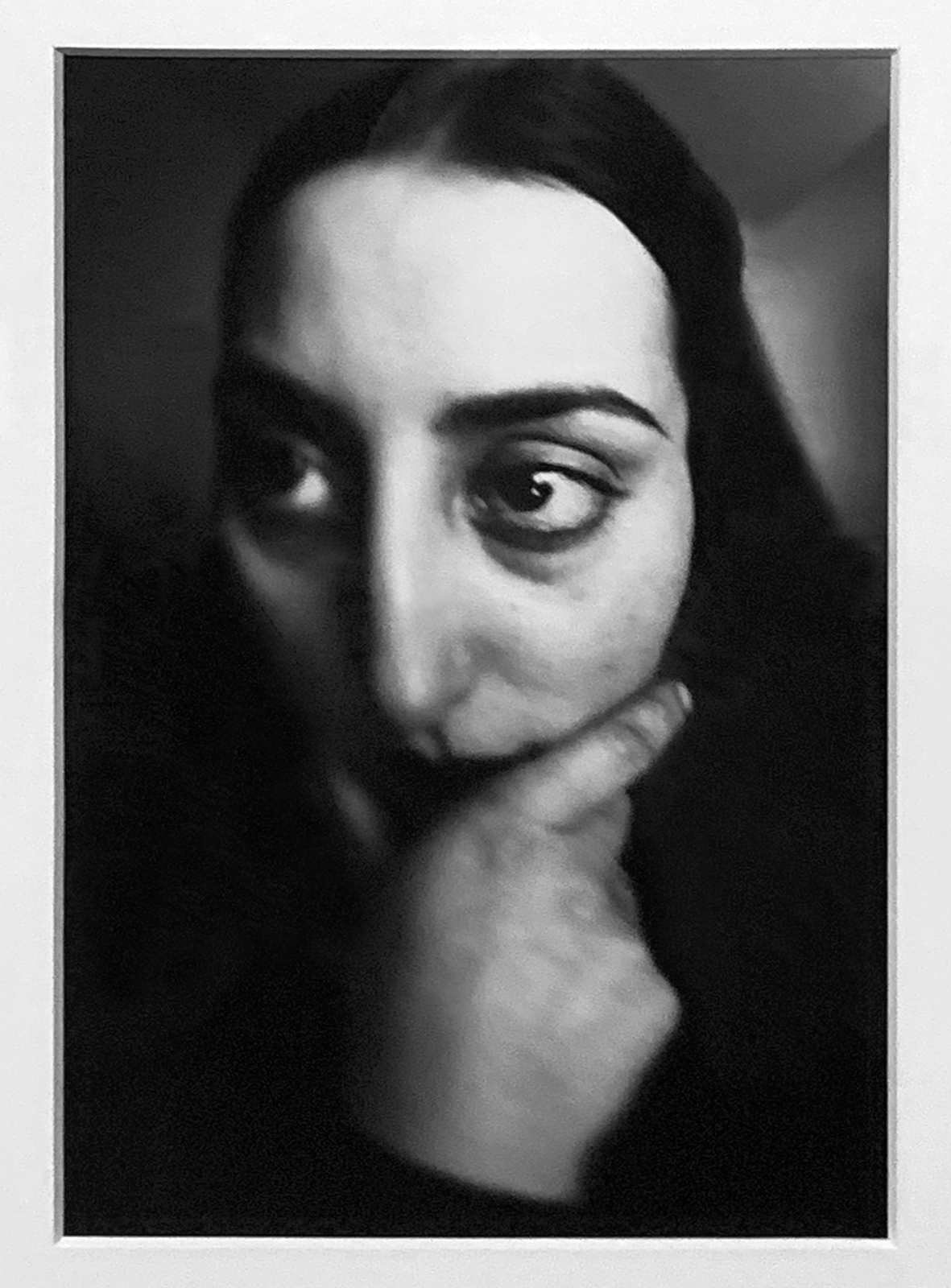
 

André Kertész (Hungarian, 1894-1985) 'Distorted Portrait (Face of a Woman), Paris' 1927 (installation view)


André Kertész (Hungarian, 1894-1985)
Portrait déformé (Visage de femme), Paris (installation view)
Distorted Portrait (Face of a Woman), Paris
1927
Gelatin silver print
Photo: Marcus Bunyan


One of the twentieth century’s great photographers, André Kertész (Budapest, 1894 – New York, 1985) left a prolific body of work spanning more than seventy years (1912-1984), a blend of the poetic and the intimate with its wellspring in his Hungarian culture. The Art of Poise: André Kertész traces this singular career, showcasing compositions that bear the stamp of Europe’s avant-garde art movements, from the artist’s earliest Hungarian photographs to the blossoming of his talent in France, and from his New York years to ultimate international recognition.

Kertész arrived in Paris in October 1925. Moving in avant-garde literary and artistic circles, he photographed his Hungarian friends, artists’ studios, street life and the city’s parks and gardens. In 1933 he embarked on his famous Distortions series of nudes deformed by funhouse mirrors, producing anamorphic images similar in spirit to the work of Pablo Picasso, Jean Arp and Henry Moore.

In addition to this profusion of activity, he explored the possibility of disseminating his work in publications. Between 1933 and the end of his life he had designed and published a total of nineteen books.

In 1936 Kertész and his wife Elizabeth left for New York, where he began with a brief assignment for Keystone, the world’s biggest photographic agency. He struggled, though, to carve out a place for himself in a context whose demands were very different from those of his Paris years.

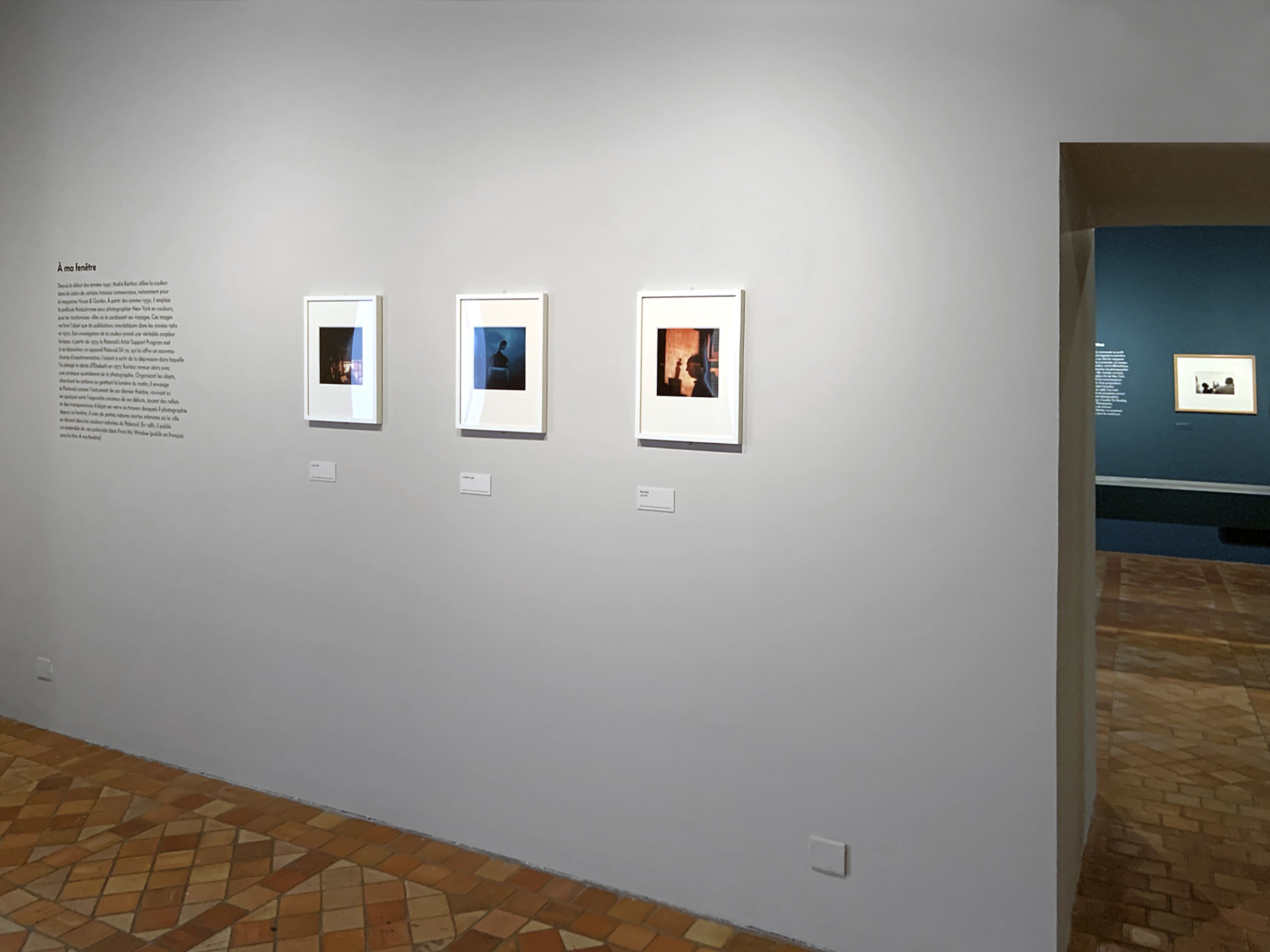
Inspired by the rediscovery of his Hungarian and French negatives, from 1963 onwards he devoted himself solely to personal projects, and was offered retrospectives by the French National Library in Paris and MoMA in New York. This fresh recognition sparked a flurry of books in which he harked back to the high points of his oeuvre. In his last years, armed with a Polaroid, he returned to his earlier practice of everyday photography.

Text from the Jeu de Paume website for the earlier exhibition The Art of Poise: André Kertész
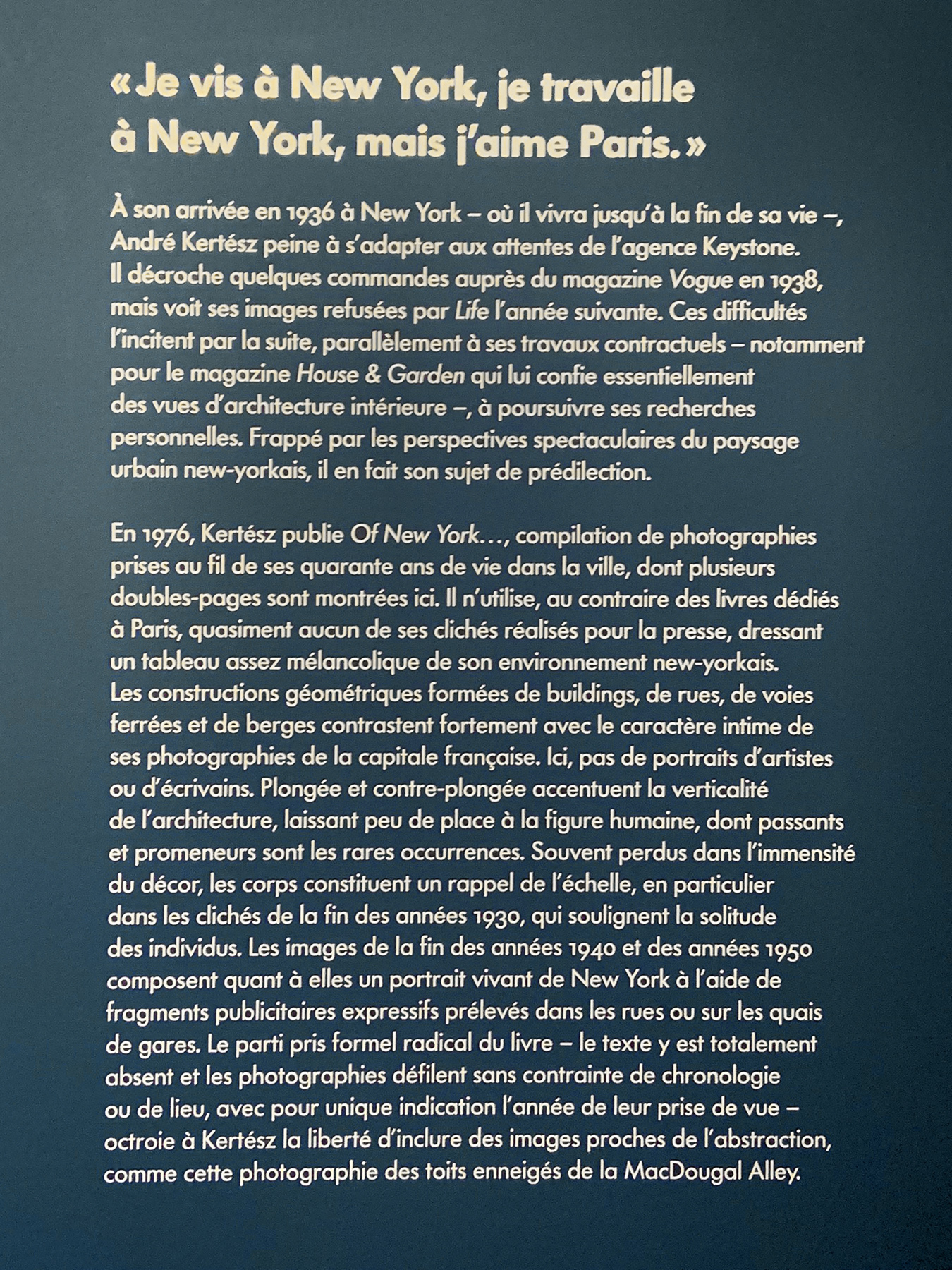
 

Text from the exhibition 'L'equilibriste, André Kertész' at Jeu de Paume, Château de Tours


Text from the exhibition L’equilibriste, André Kertész at Jeu de Paume, Château de Tours


André Kertész (Hungarian, 1894-1985) 'La Tulipe mélancolique, New York' (Melancholic Tulip, New York) 1939


André Kertész (Hungarian, 1894-1985)
La Tulipe mélancolique, New York
Melancholic Tulip, New York
1939
Gelatin silver print
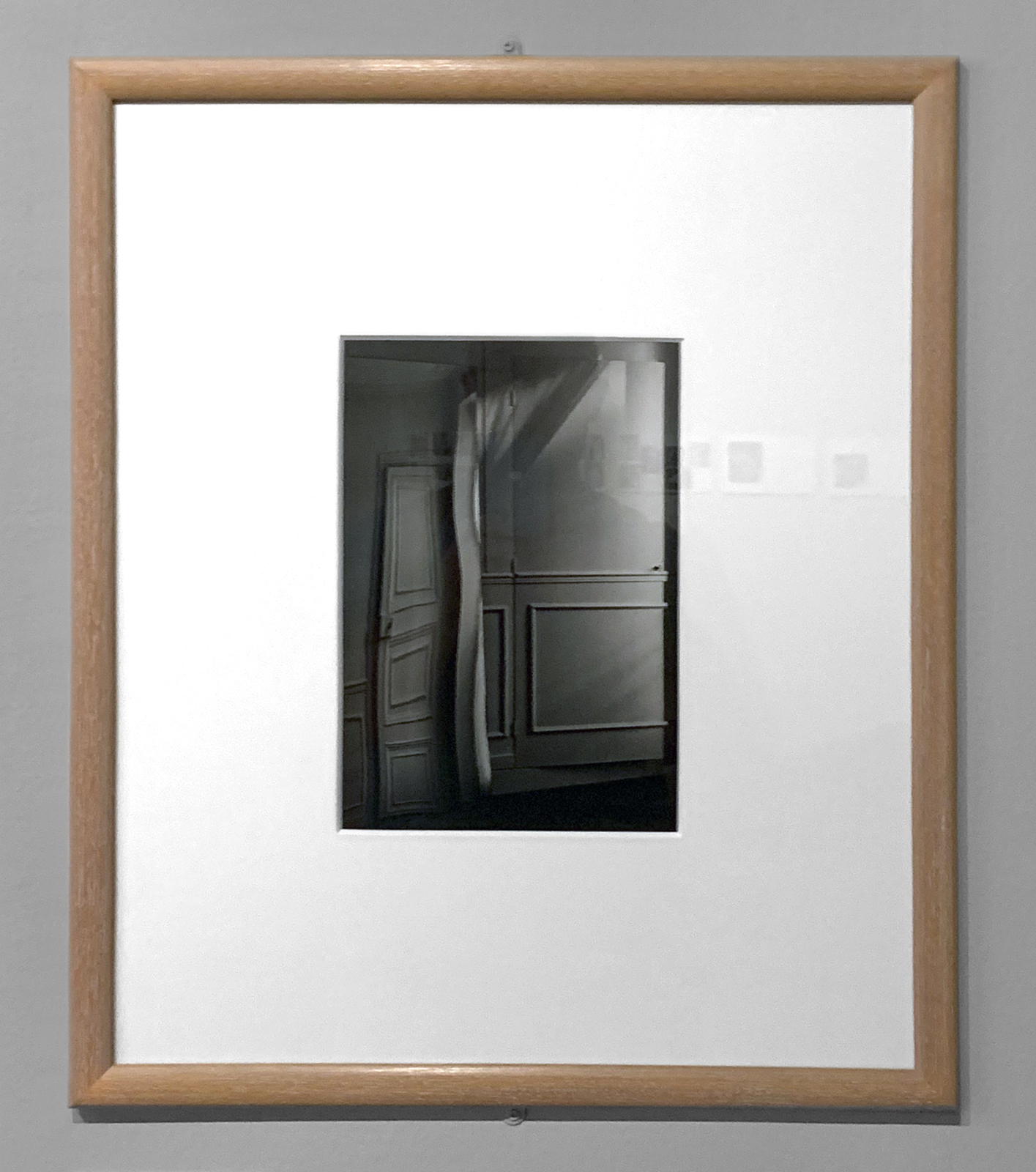
 

André Kertész (Hungarian, 1894-1985) 'Paris' 1984 (installation view)


André Kertész (Hungarian, 1894-1985)
Paris (installation view)
1984
Gelatin silver print
Photo: Marcus Bunyan
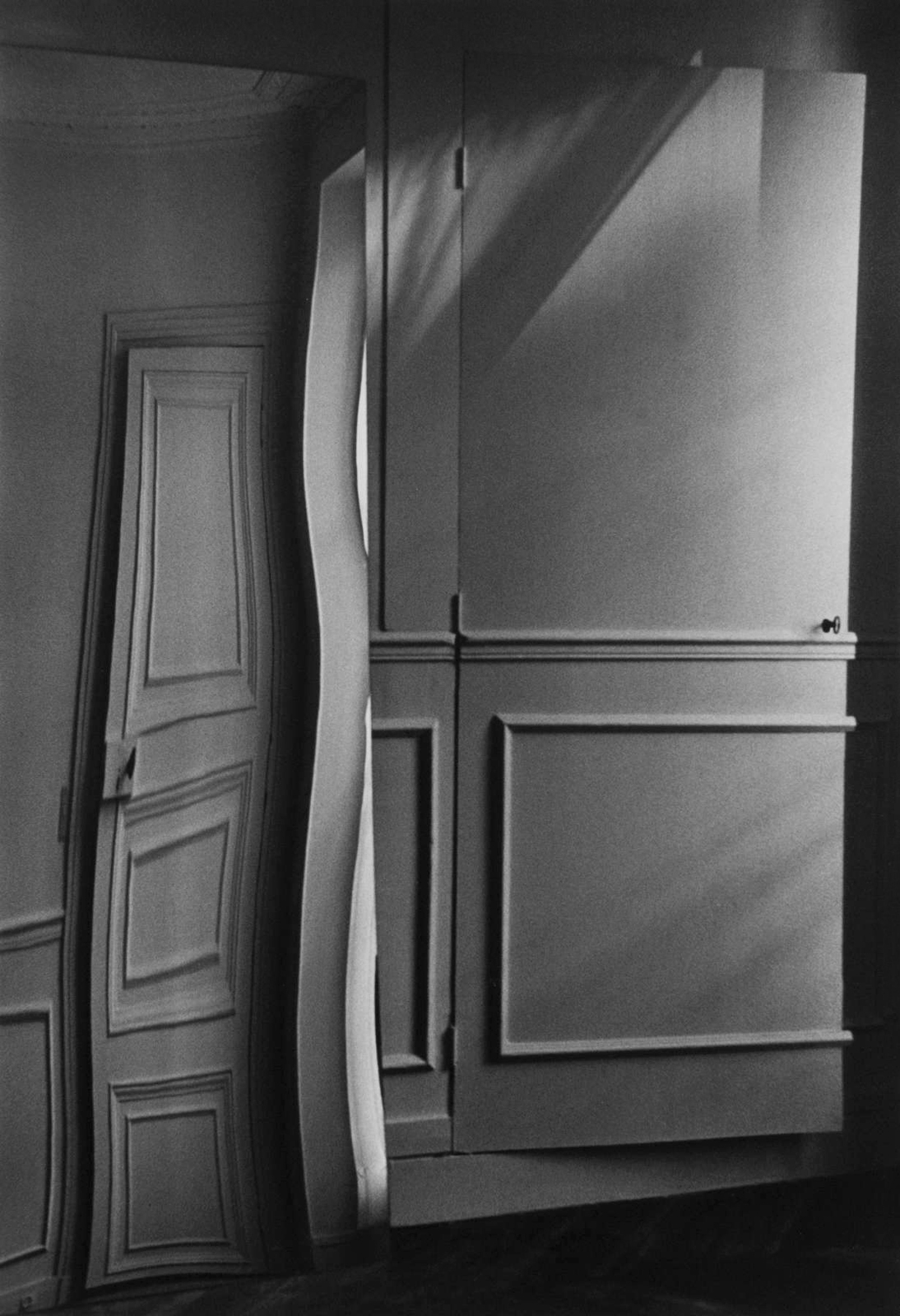
 

André Kertész (Hungarian, 1894-1985) 'Paris' 1984


André Kertész (Hungarian, 1894-1985)
Paris
1984
Gelatin silver print
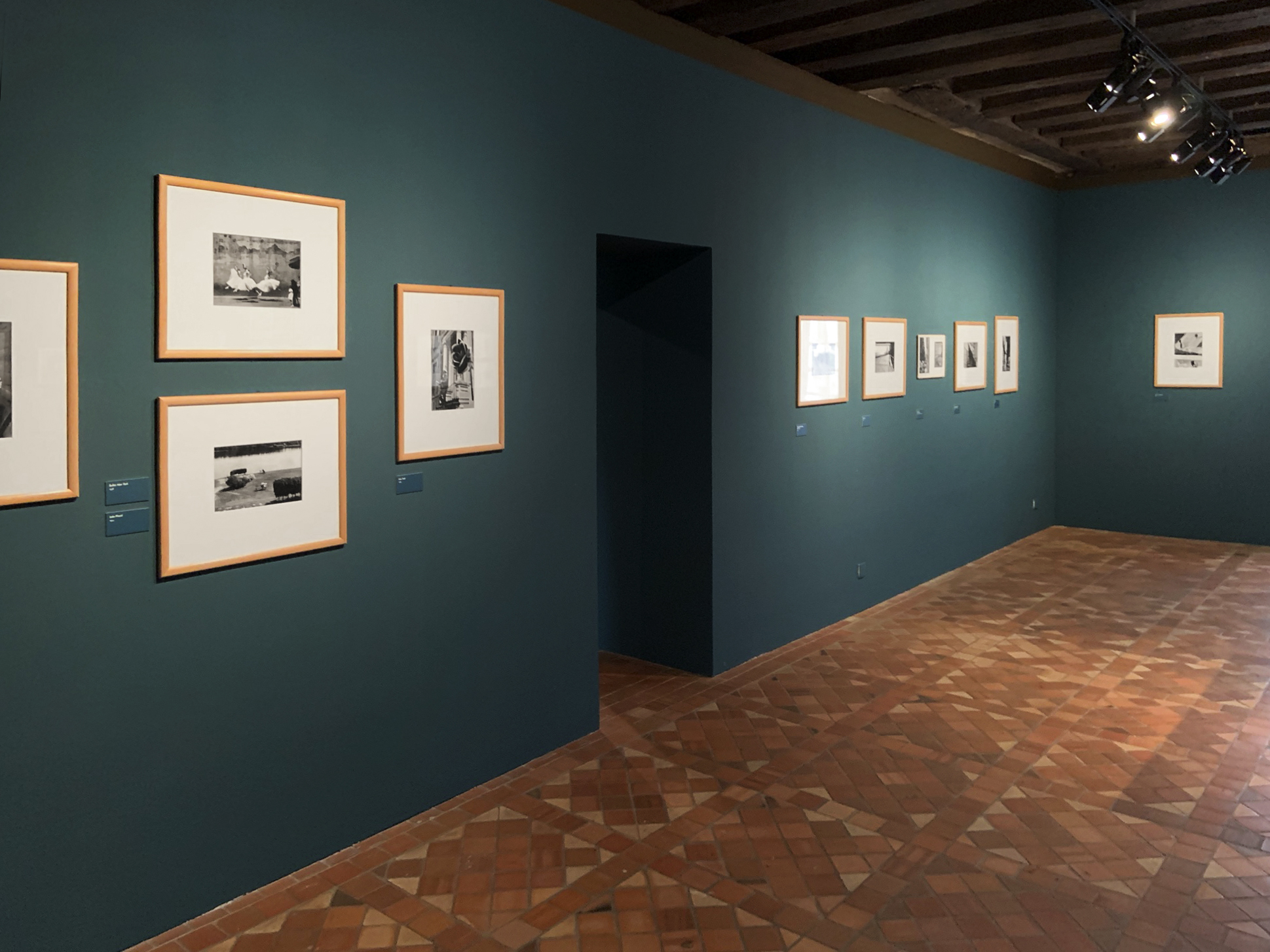
 

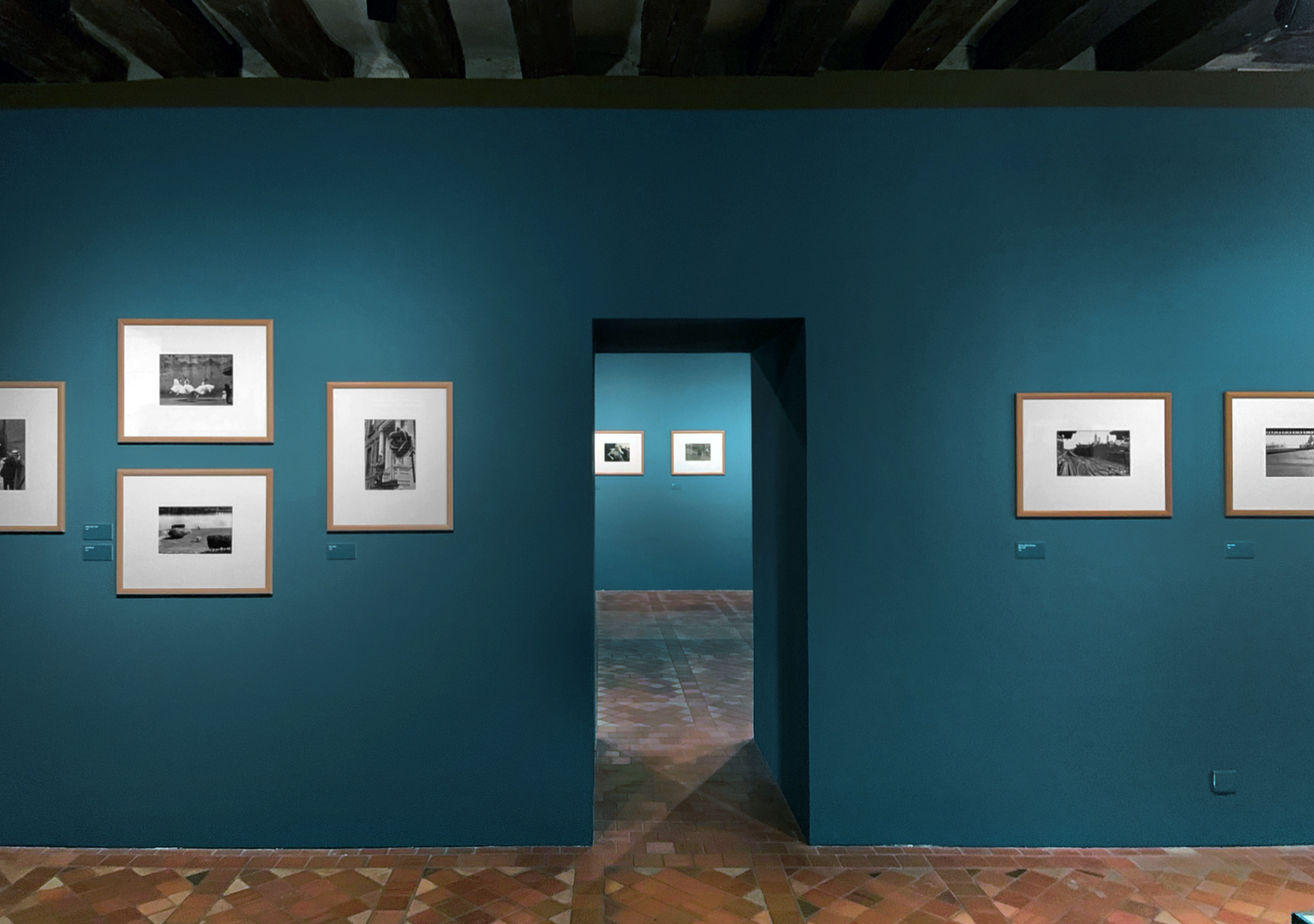
Installation view of the exhibition 'L'equilibriste, André Kertész' at Jeu de Paume, Château de Tours showing at top left, 'Ballet, New York' 1938; and at bottom left, 'Lake Placid' 1954

Installation view of the exhibition 'L'equilibriste, André Kertész' at Jeu de Paume, Château de Tours showing at top left, 'Ballet, New York' 1938; and at bottom left, 'Lake Placid' 1954


Installation views of the exhibition L’equilibriste, André Kertész at Jeu de Paume, Château de Tours showing at top left, Ballet, New York 1938; and at bottom left, Lake Placid 1954
Photos: Marcus Bunyan
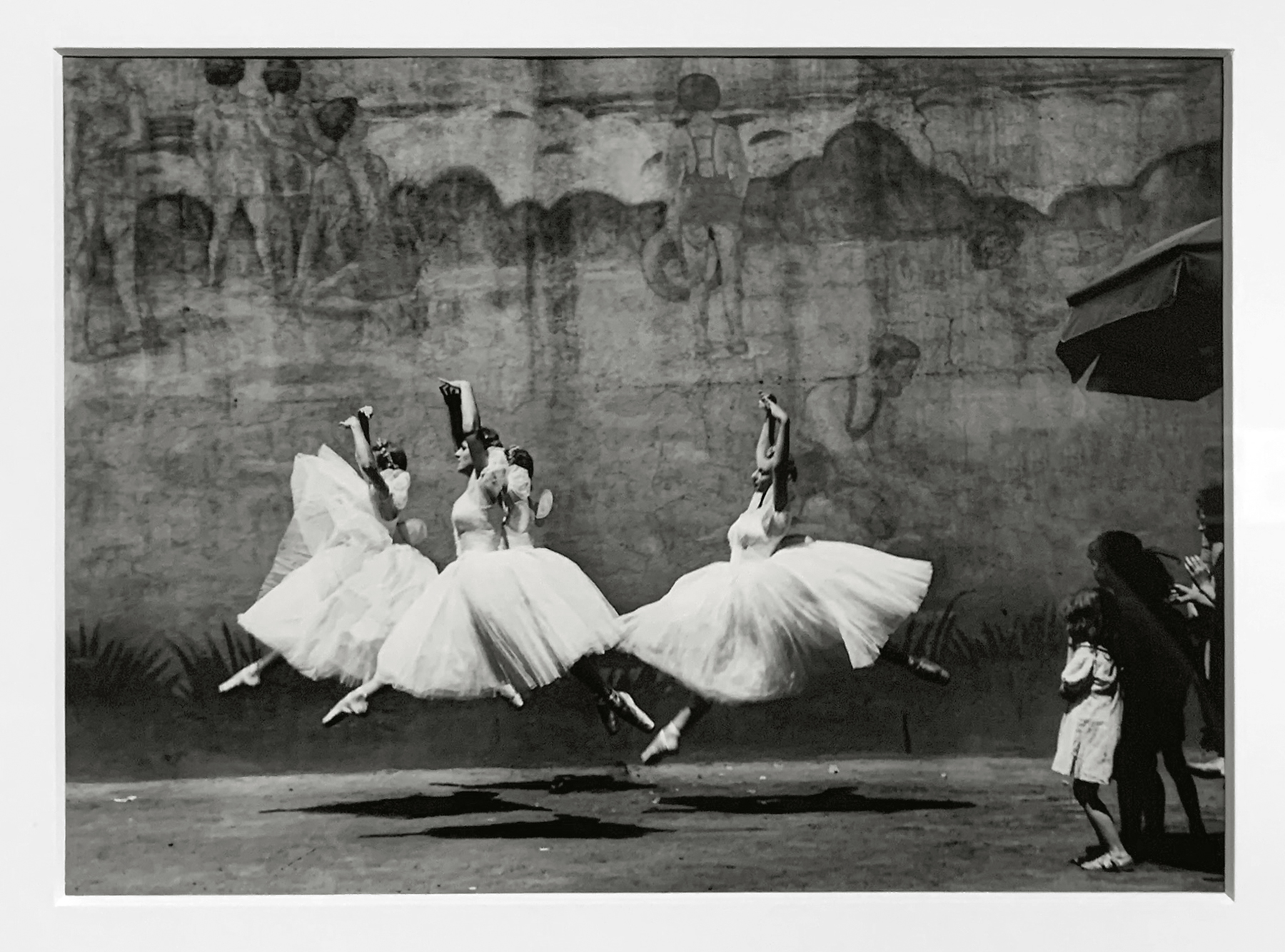
 

André Kertész (Hungarian, 1894-1985) 'Ballet, New York' 1938 (installation view)


André Kertész (Hungarian, 1894-1985)
Ballet, New York (installation view)
1938
Gelatin silver print
Photo: Marcus Bunyan
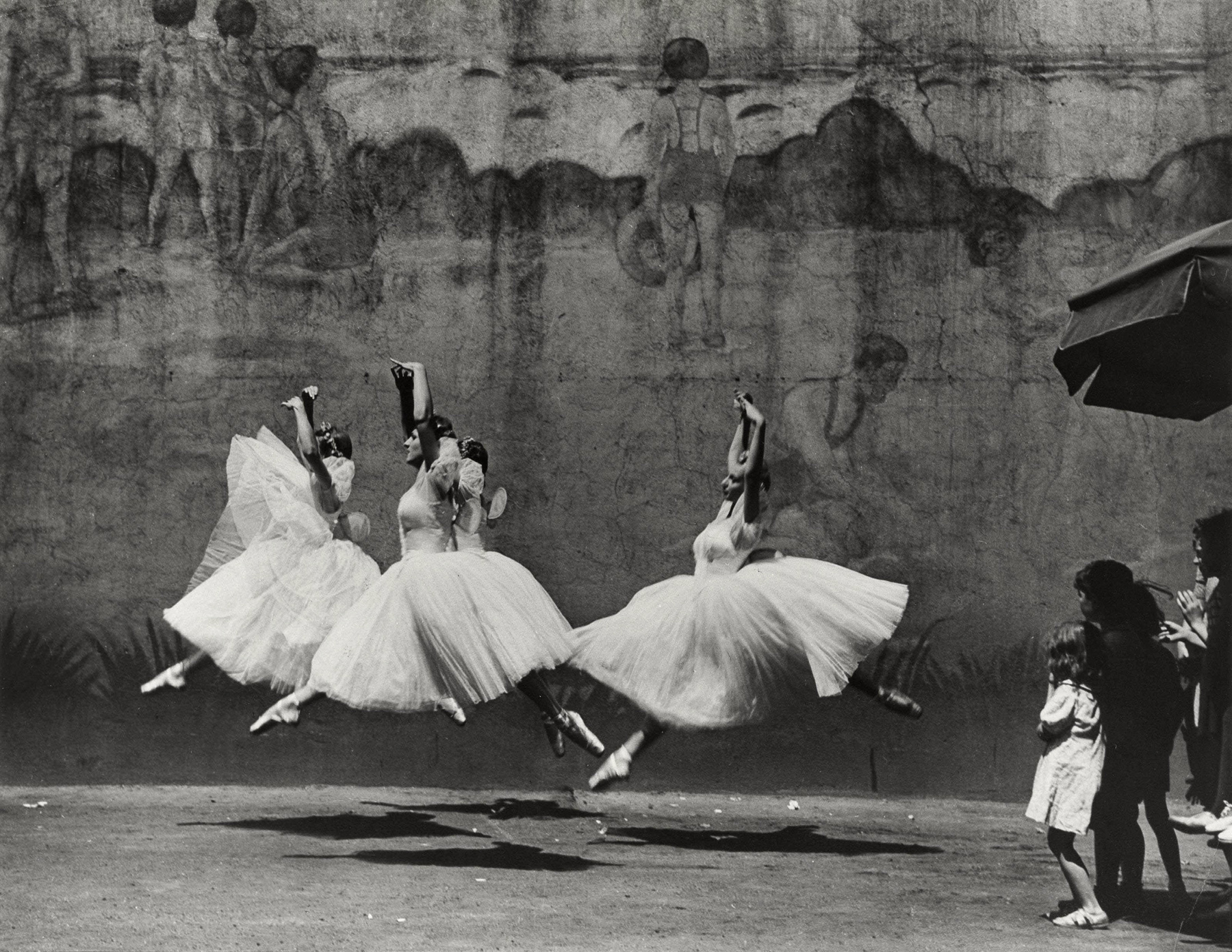
 

André Kertész (Hungarian, 1894-1985) 'Ballet, New York' 1938


André Kertész (Hungarian, 1894-1985)
Ballet, New York
1938
Gelatin silver print


André Kertész (Hungarian, 1894-1985) 'Lake Placid' 1954 (installation view)


André Kertész (Hungarian, 1894-1985)
Lake Placid (installation view)
1954
Gelatin silver print
Photo: Marcus Bunyan


André Kertész (Hungarian, 1894-1985) 'New York' 1937 (installation view)


André Kertész (Hungarian, 1894-1985)
New York (installation view)
1937
Gelatin silver print
Photo: Marcus Bunyan


André Kertész (Hungarian, 1894-1985) 'New York' 1939 (installation view)


André Kertész (Hungarian, 1894-1985)
New York (installation view)
1939
Gelatin silver print
Photo: Marcus Bunyan
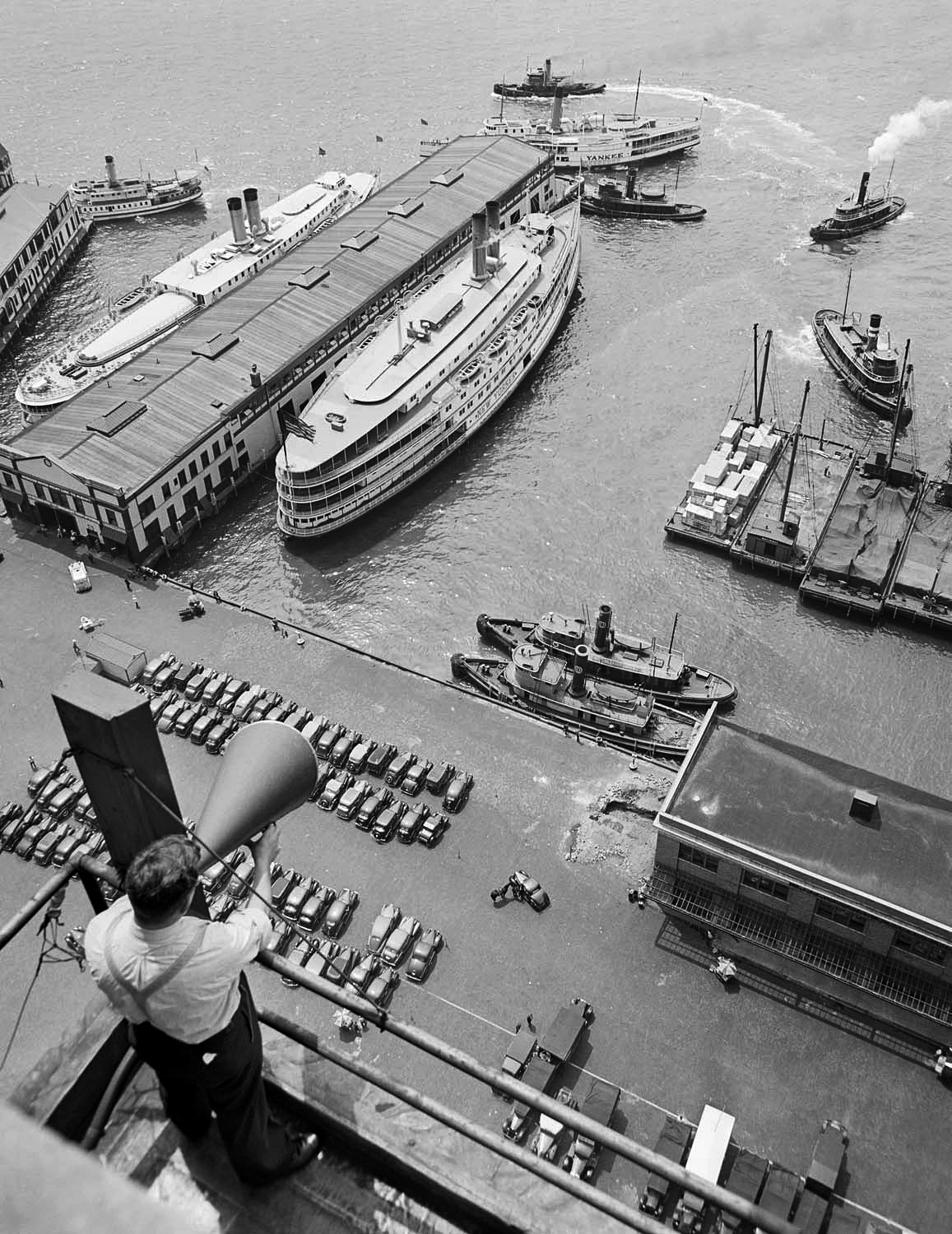
 

André Kertész (Hungarian, 1894-1985) 'New York' 1939


André Kertész (Hungarian, 1894-1985)
New York
1939
Gelatin silver print
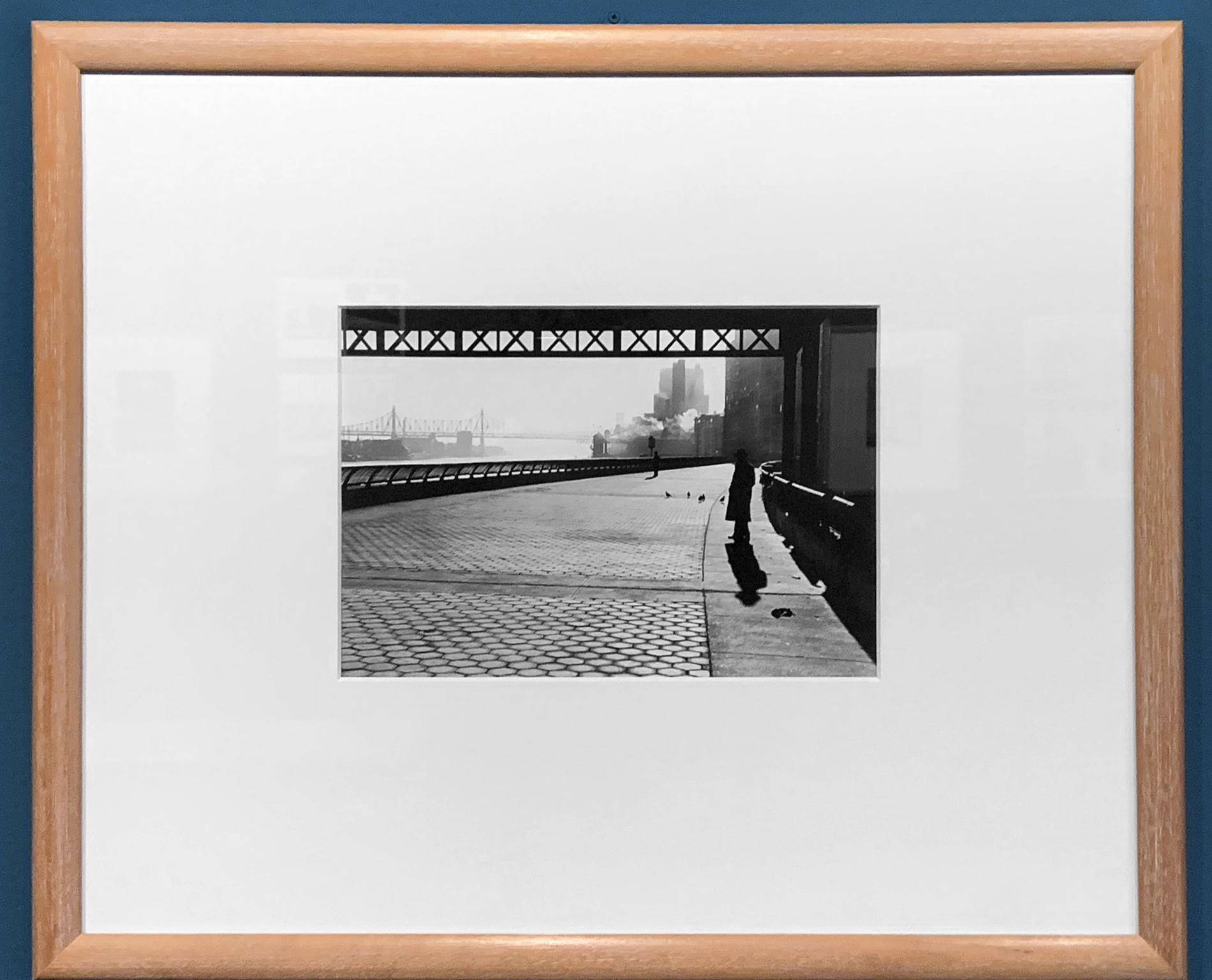
 

André Kertész (Hungarian, 1894-1985) 'New York' 1954 (installation view)


André Kertész (Hungarian, 1894-1985)
New York (installation view)
1954
Gelatin silver print
Photo: Marcus Bunyan


André Kertész (Hungarian, 1894-1985) Escalier, rampe, ombres et femme, New York (installation view) 'Staircase, banister, shadows and woman, New York' 1951 (installation view)


André Kertész (Hungarian, 1894-1985)
Escalier, rampe, ombres et femme, New York (installation view)
Staircase, banister, shadows and woman, New York

1951
Gelatin silver print
Photo: Marcus Bunyan


André Kertész (Hungarian, 1894-1985) Escalier, rampe, ombres et femme, New York (installation view) 'Staircase, banister, shadows and woman, New York' 1951 (installation view)


André Kertész (Hungarian, 1894-1985)
Escalier, rampe, ombres et femme, New York (installation view)
Staircase, banister, shadows and woman, New York

1951
Gelatin silver print
Photo: Marcus Bunyan


André Kertész (Hungarian, 1894-1985) '"Buy", Long Island' 1963


André Kertész (Hungarian, 1894-1985)
“Buy”, Long Island
1963
Gelatin silver print
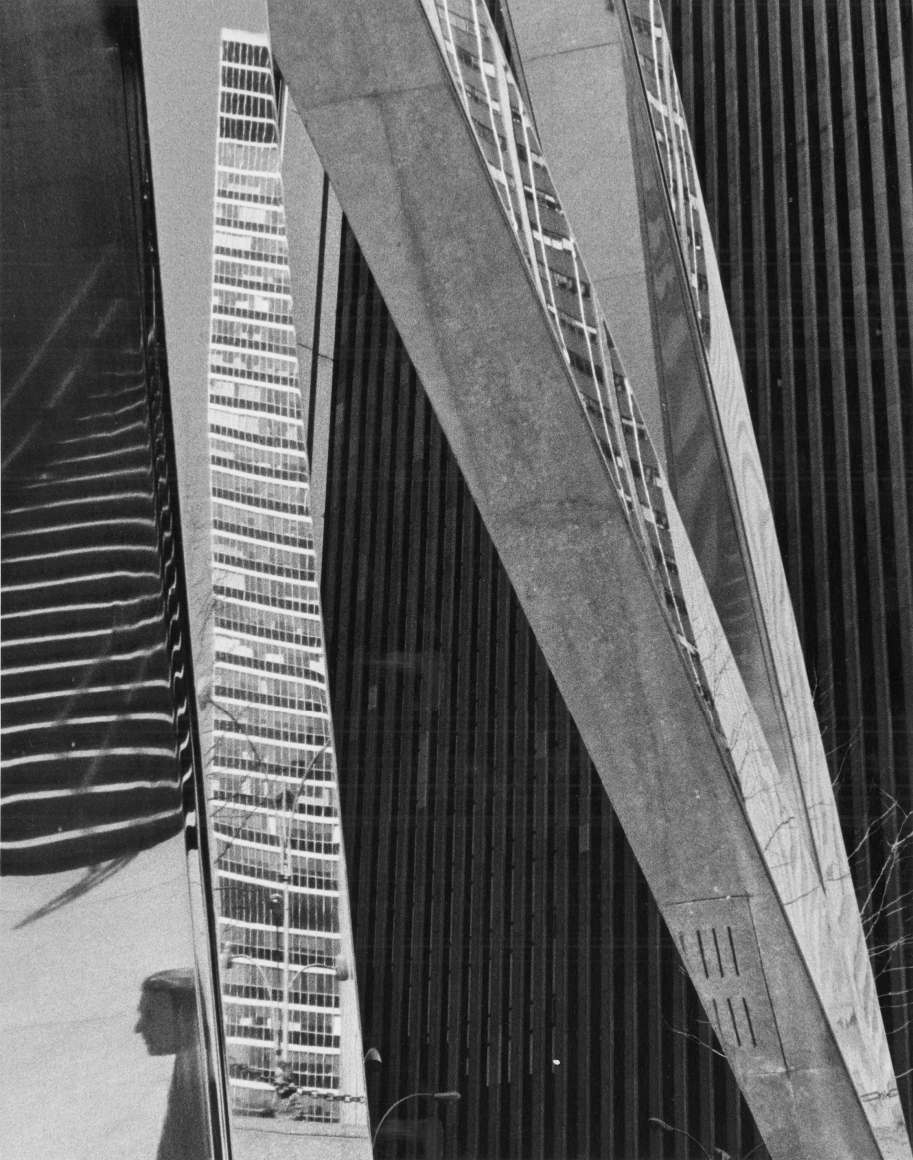
 

André Kertész (Hungarian, 1894-1985) '6th Avenue, New York' 1973


André Kertész (Hungarian, 1894-1985)
6th Avenue, New York
1973
Gelatin silver print
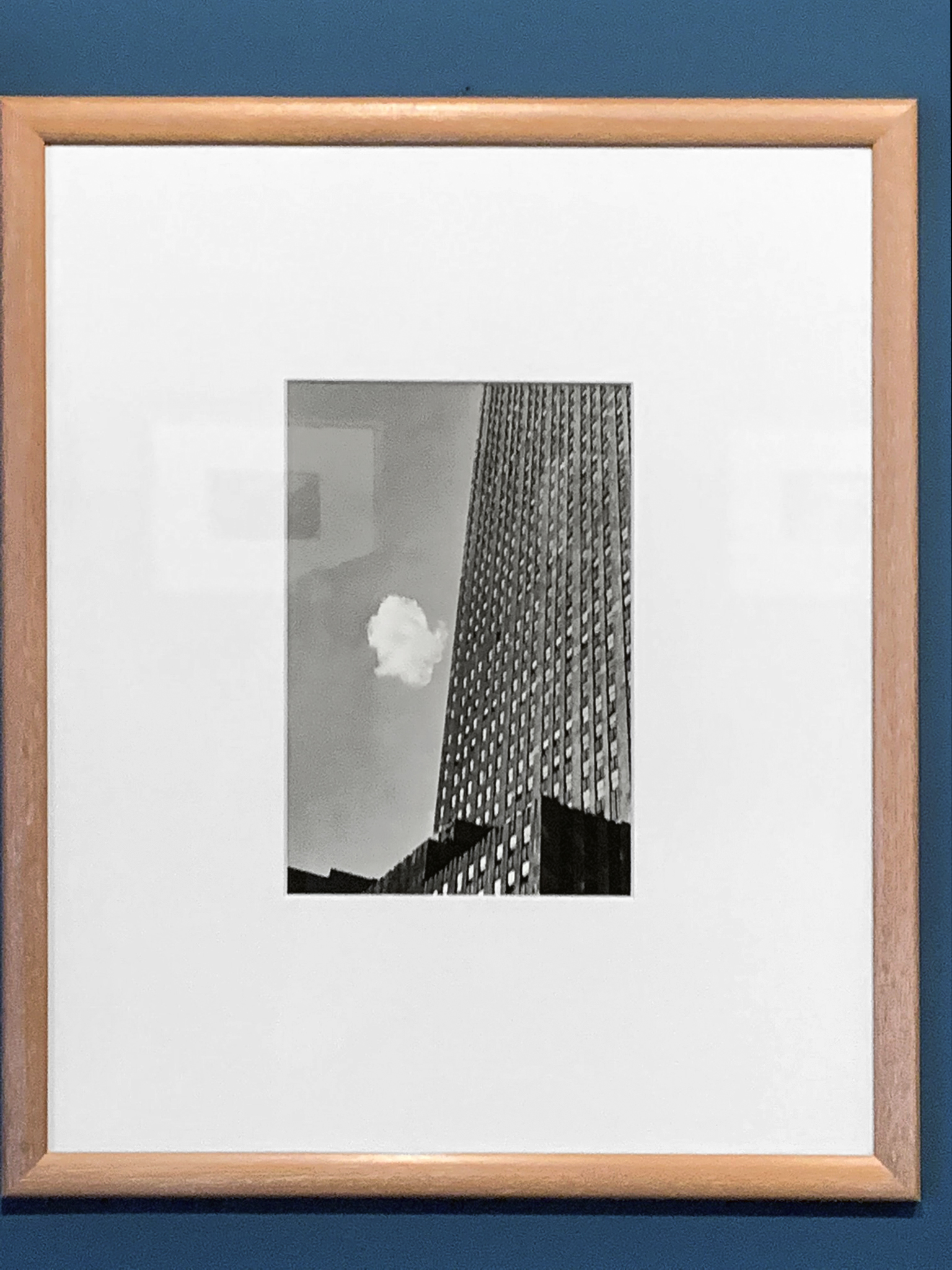
 

André Kertész (Hungarian, 1894-1985) 'Nuage égaré' 'Lost cloud' 1937 (installation view)


André Kertész (Hungarian, 1894-1985)
Nuage égaré
Lost cloud
1937
Photo: Marcus Bunyan
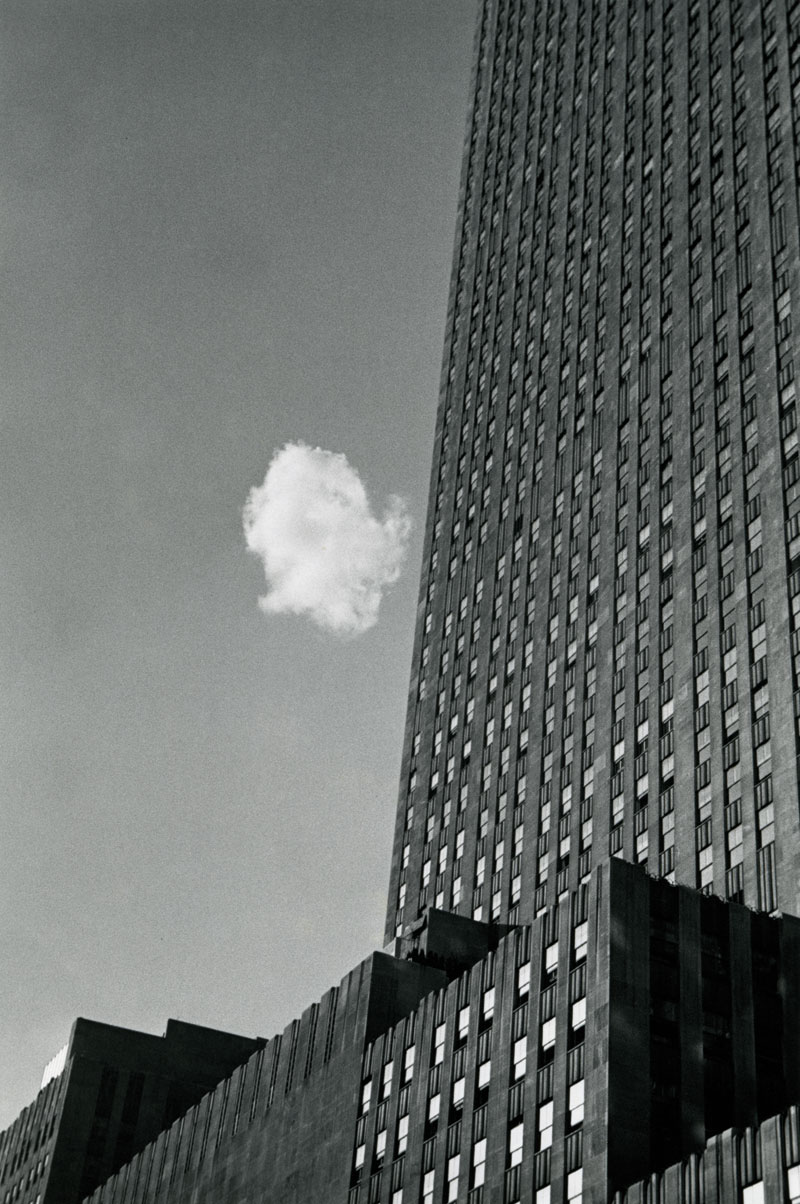
 

André Kertész. 'Lost Cloud' New York, 1937


André Kertész (Hungarian, 1894-1985)
Nuage égaré
Lost cloud
1937
Gelatin silver print


André Kertész (Hungarian, 1894-1985) 'Poughkeepsie, New York' 1937 (installation view)


André Kertész (Hungarian, 1894-1985)
Poughkeepsie, New York (installation view)
1937
Gelatin silver print
Photo: Marcus Bunyan
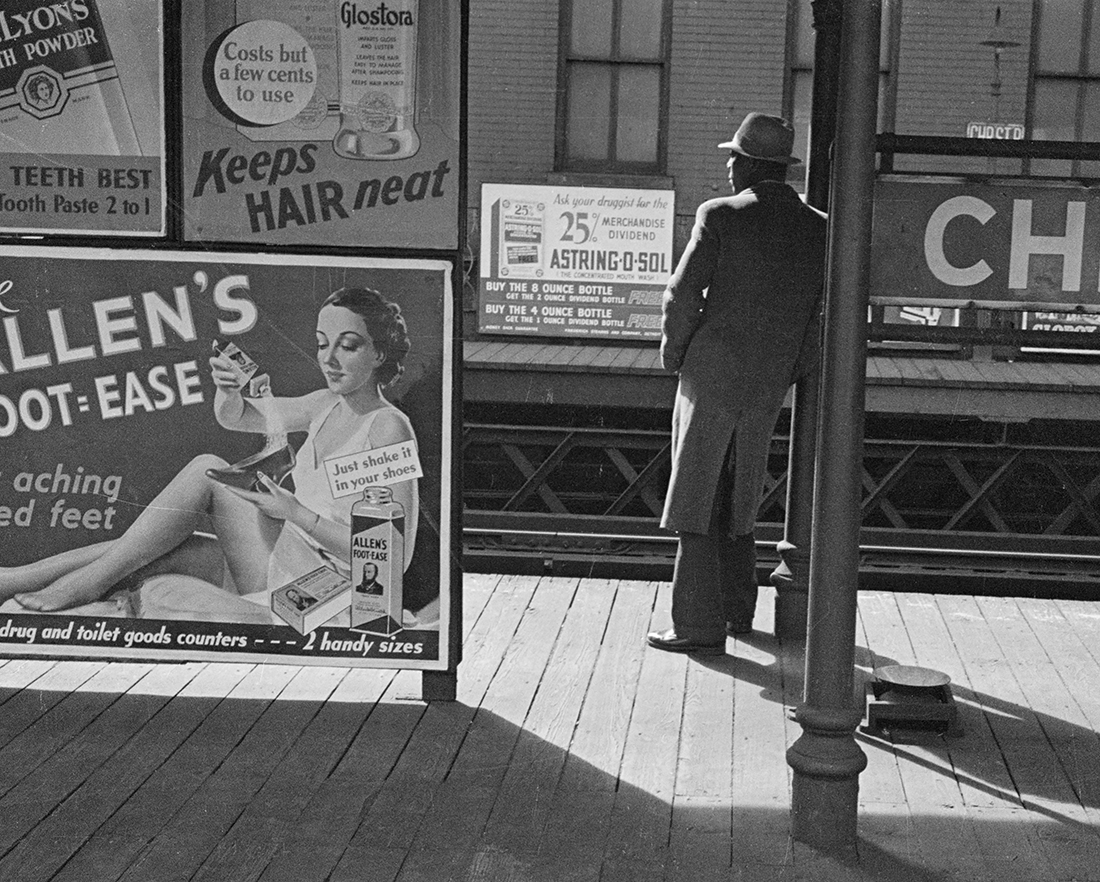
 

André Kertész (Hungarian, 1894-1985) 'Poughkeepsie, New York' 1937


André Kertész (Hungarian, 1894-1985)
Poughkeepsie, New York
1937
Gelatin silver print
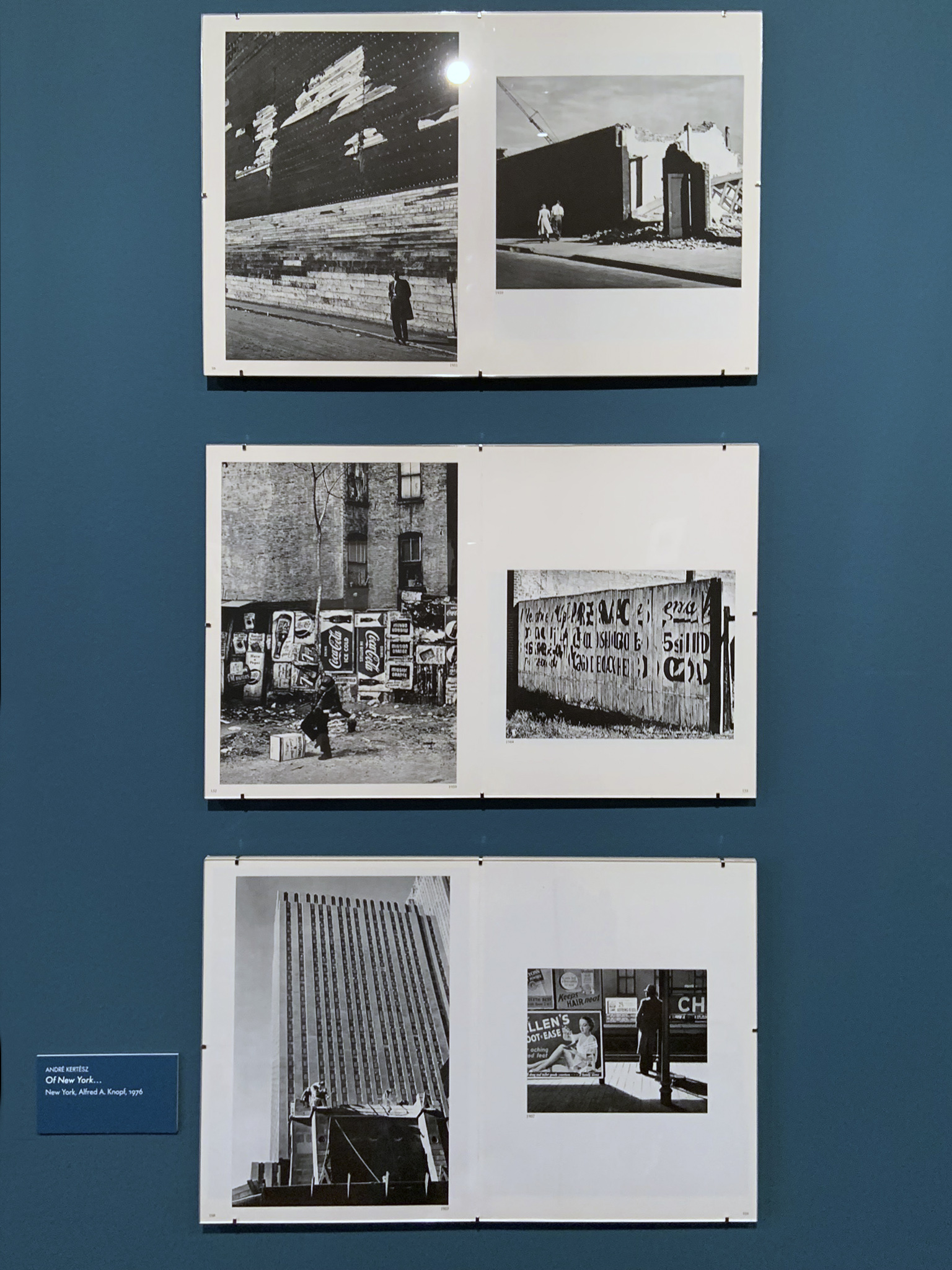
 

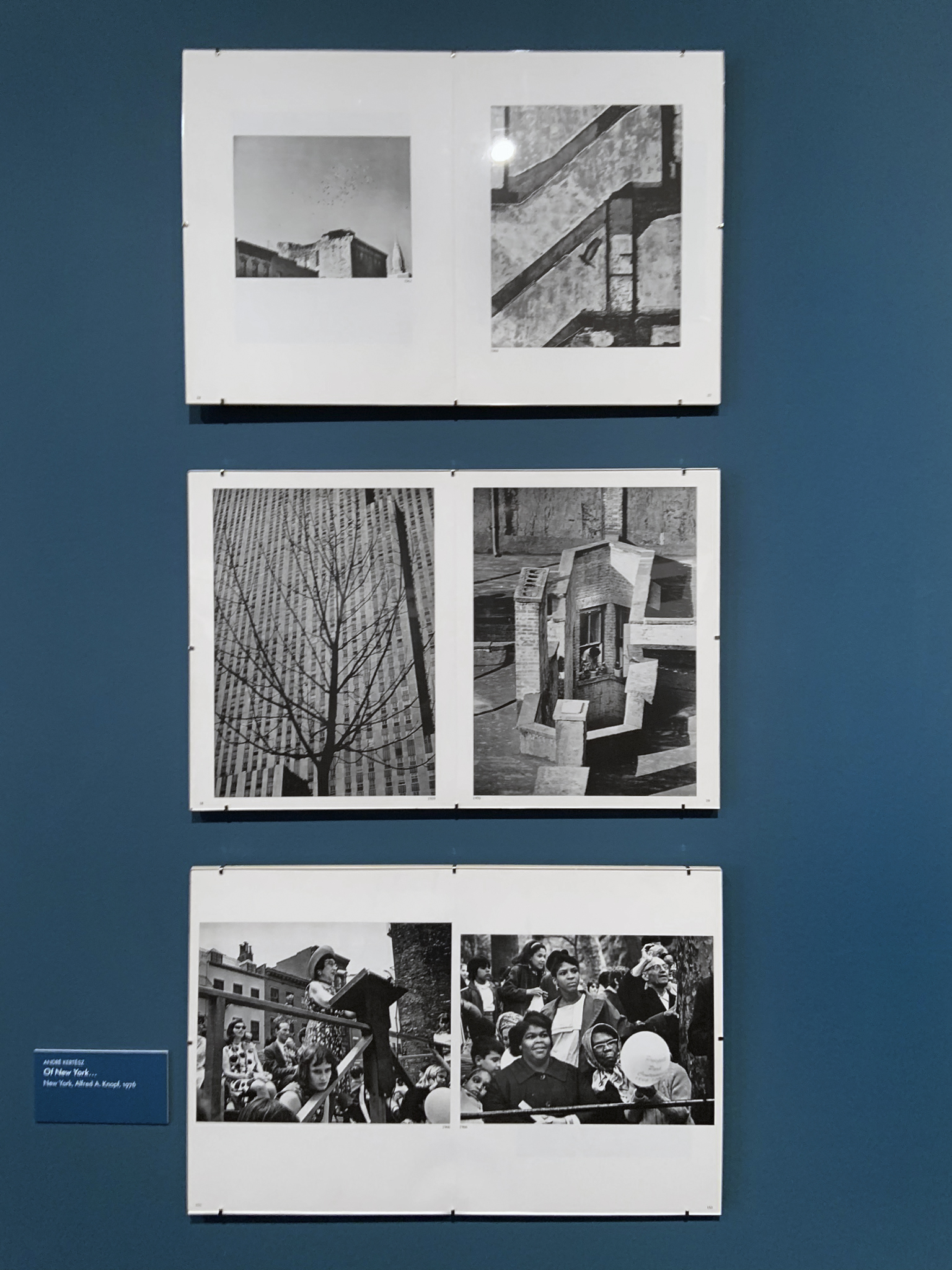
André Kertész (Hungarian, 1894-1985) 'Of New York…' New York, Alfred A. Knopf, 1976 (installation view)


André Kertész (Hungarian, 1894-1985)
Of New York… (installation view)
New York, Alfred A. Knopf, 1976
Photo: Marcus Bunyan


André Kertész (Hungarian, 1894-1985) 'New York' 1951 (installation view)


André Kertész (Hungarian, 1894-1985)
New York (installation view)
1951
Gelatin silver print
Photo: Marcus Bunyan
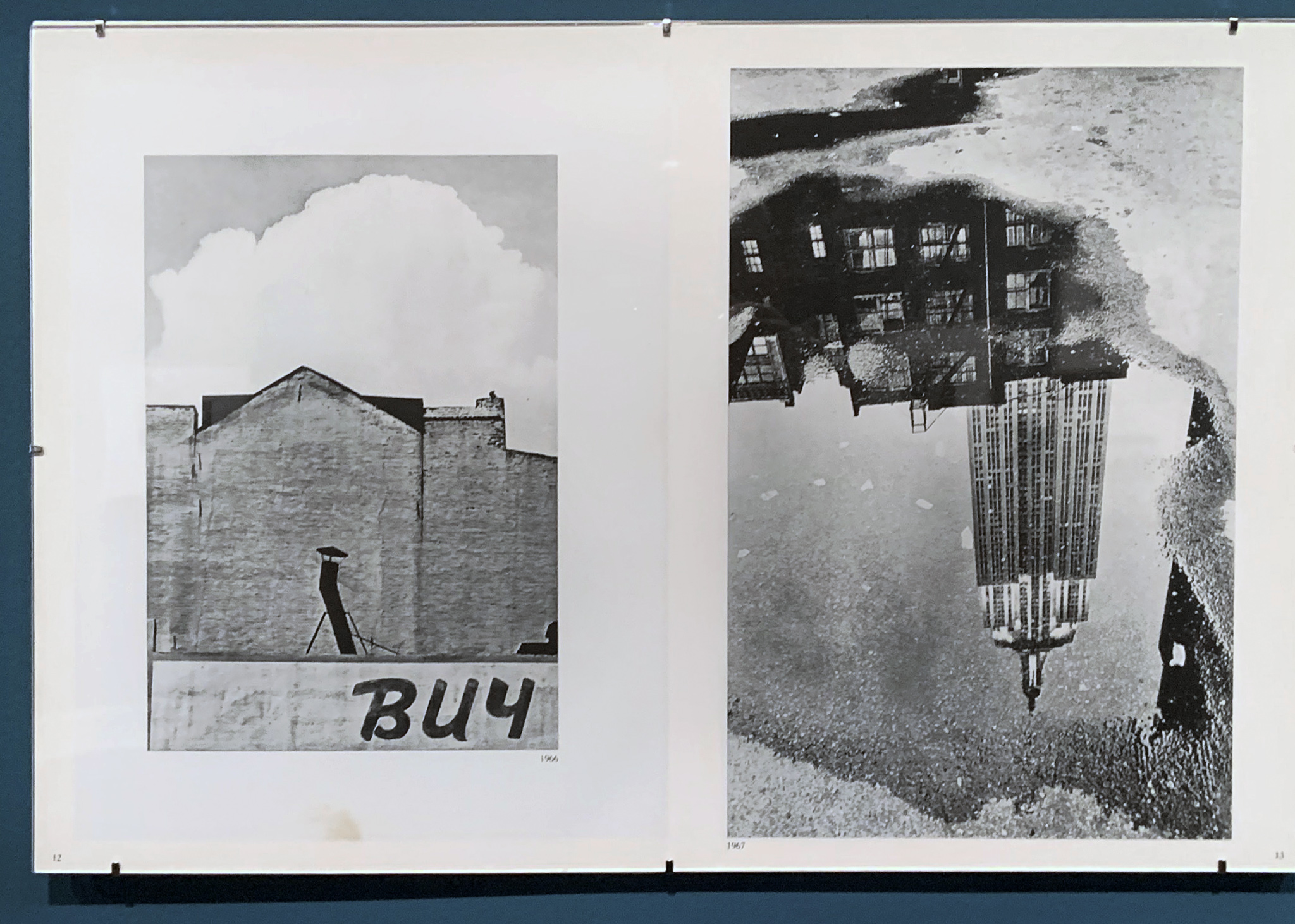
 

André Kertész (Hungarian, 1894-1985) 'Of New York…' New York, Alfred A. Knopf, 1976 (installation view)


André Kertész (Hungarian, 1894-1985)
Of New York… (installation view)
New York, Alfred A. Knopf, 1976
Photo: Marcus Bunyan


André Kertész (Hungarian, 1894-1985) '"Buy", New York' 1966 (installation view)


André Kertész (Hungarian, 1894-1985)
“Buy”, New York (installation view)
1966
Gelatin silver print
Photo: Marcus Bunyan
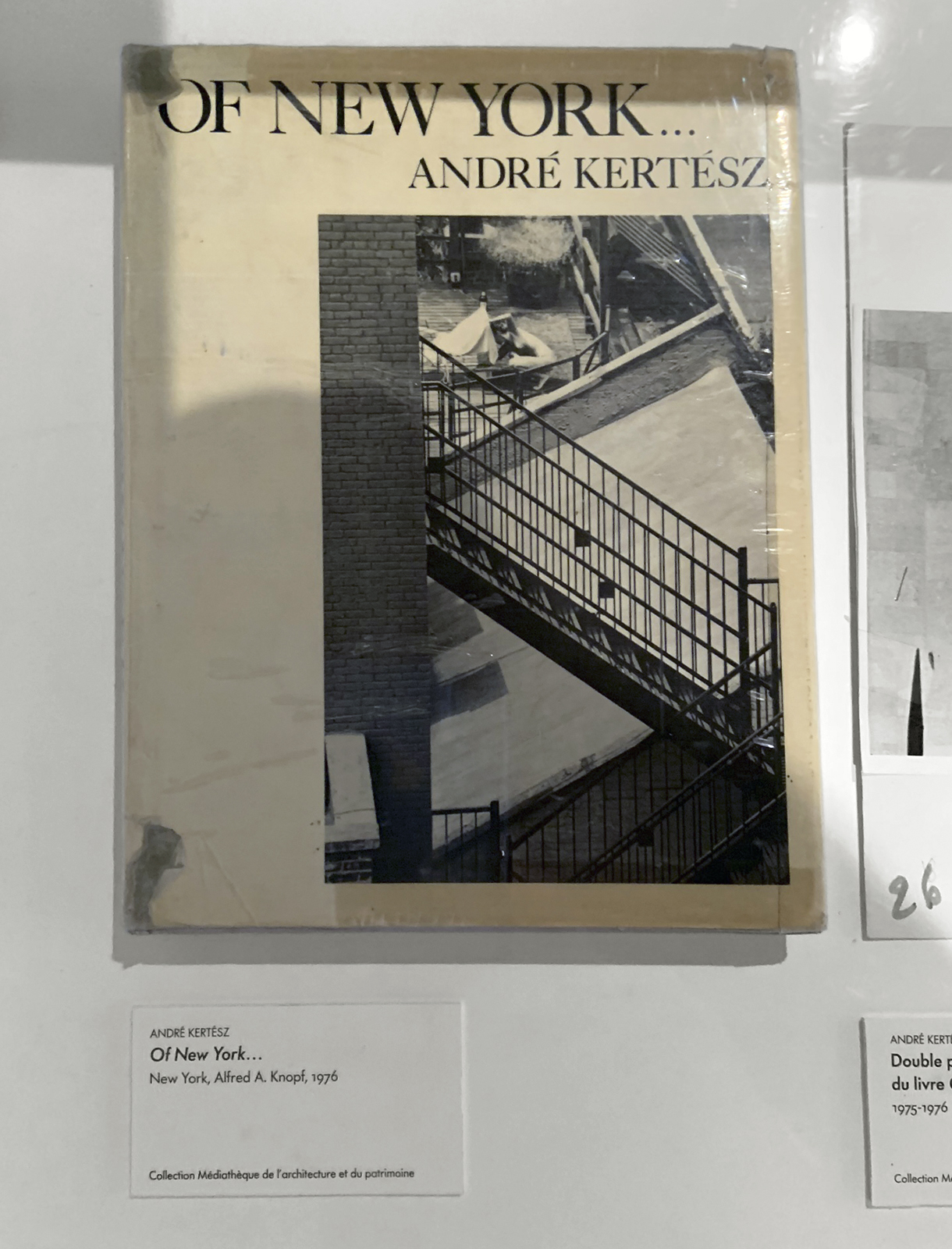
 

André Kertész (Hungarian, 1894-1985) 'Of New York…' New York, Alfred A. Knopf, 1976 (installation view)


André Kertész (Hungarian, 1894-1985)
Of New York… (installation view)
New York, Alfred A. Knopf, 1976
Photo: Marcus Bunyan
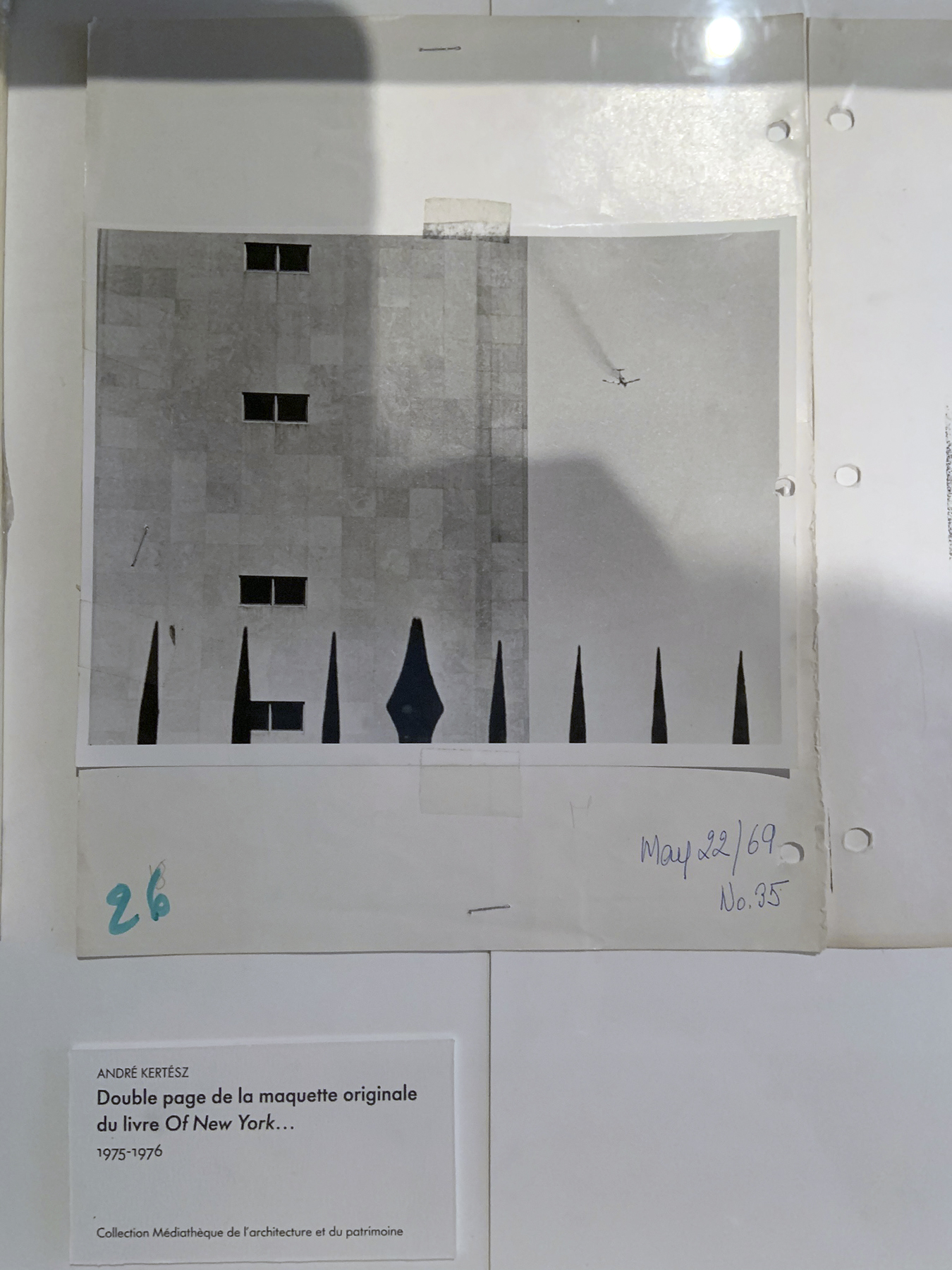
 

André Kertész (Hungarian, 1894-1985) 'Of New York…' New York, Alfred A. Knopf, 1976 (installation view)


André Kertész (Hungarian, 1894-1985)
Double page de la maquette originale du livre ‘Of New York…’ (installation view)
Double page of the original model of the book ‘Of New York…’
1975-76
Photo: Marcus Bunyan


Installation view of the exhibition 'L'equilibriste, André Kertész' at Jeu de Paume, Château de Tours showing at second left, 'New York' 1939; and at third left, 'New York' 1936


Installation view of the exhibition L’equilibriste, André Kertész at Jeu de Paume, Château de Tours showing at second left, New York 1939; and at third left, New York 1936
Photo: Marcus Bunyan


André Kertész (Hungarian, 1894-1985) 'New York' 1939 (installation view)


André Kertész (Hungarian, 1894-1985)
New York (installation view)
1939
Gelatin silver print
Photo: Marcus Bunyan
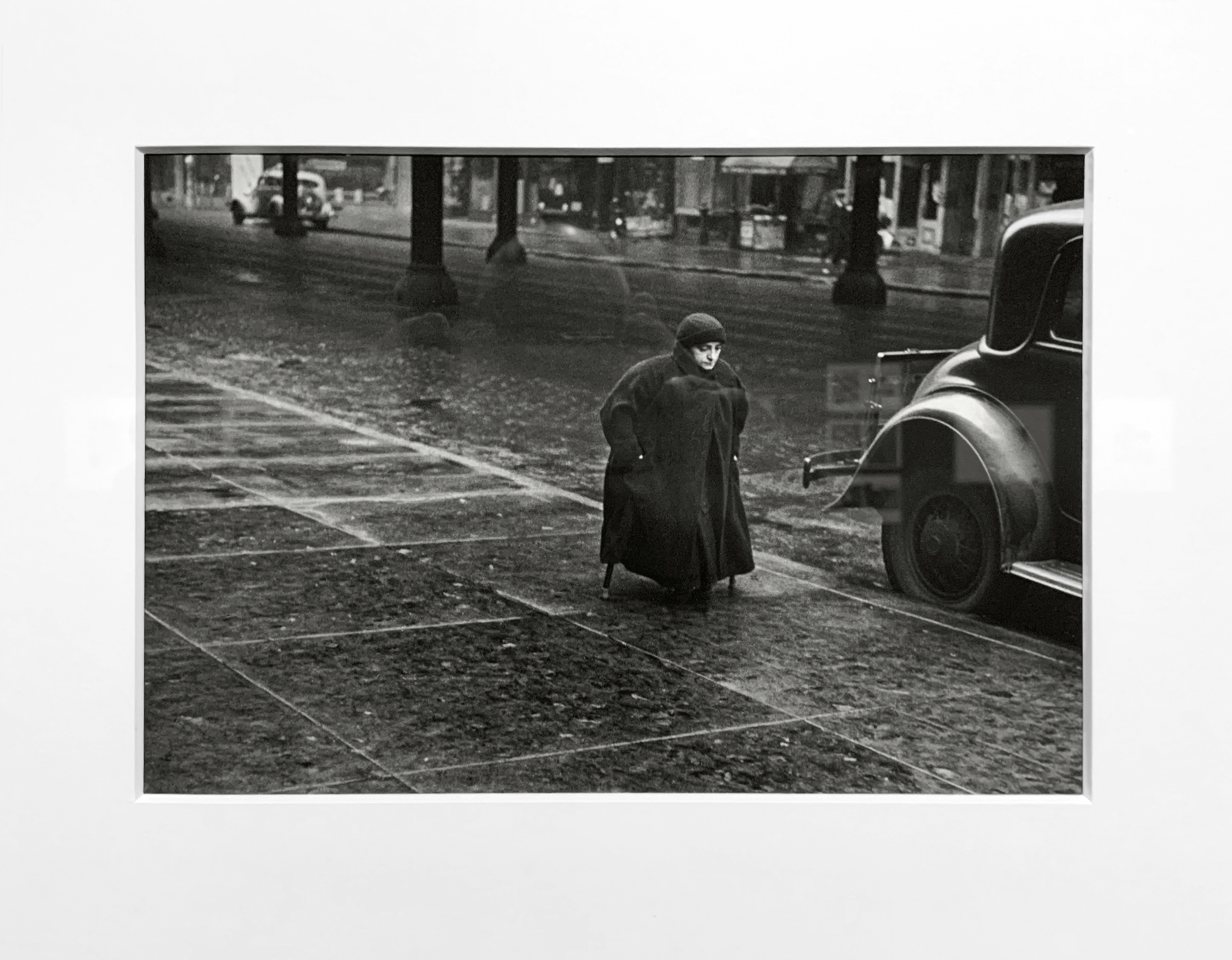
 

André Kertész (Hungarian, 1894-1985) 'New York' 1936 (installation view)


André Kertész (Hungarian, 1894-1985)
New York (installation view)
1936
Gelatin silver print
Photo: Marcus Bunyan
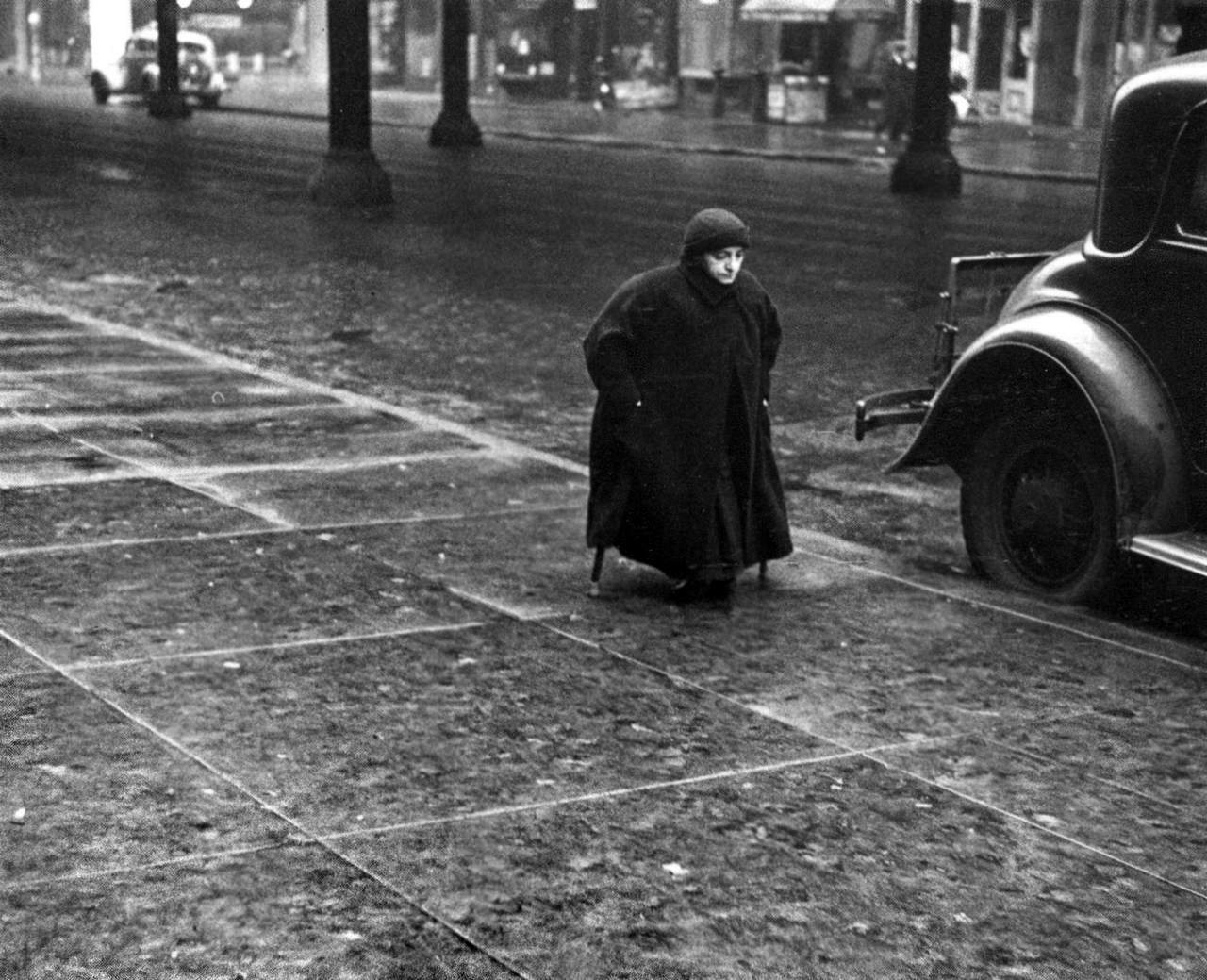
 

André Kertész (Hungarian, 1894-1985) 'New York' 1936


André Kertész (Hungarian, 1894-1985)
New York
1936
Gelatin silver print
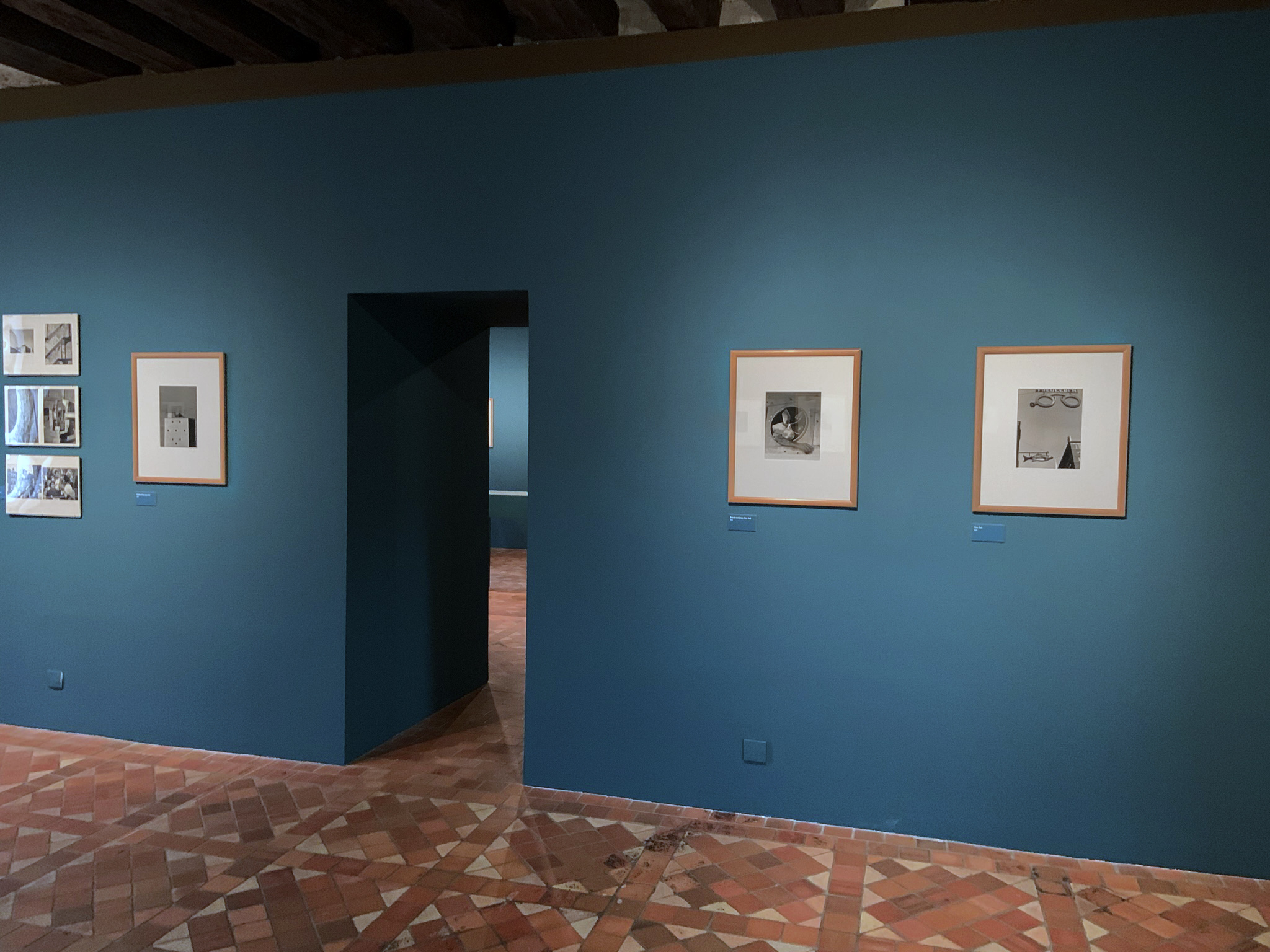
 

Installation view of the exhibition 'L'equilibriste, André Kertész' at Jeu de Paume, Château de Tours showing at second right, 'Arm and Fan, New York' 1937


Installation view of the exhibition L’equilibriste, André Kertész at Jeu de Paume, Château de Tours showing at second right, Arm and Fan, New York 1937
Photo: Marcus Bunyan
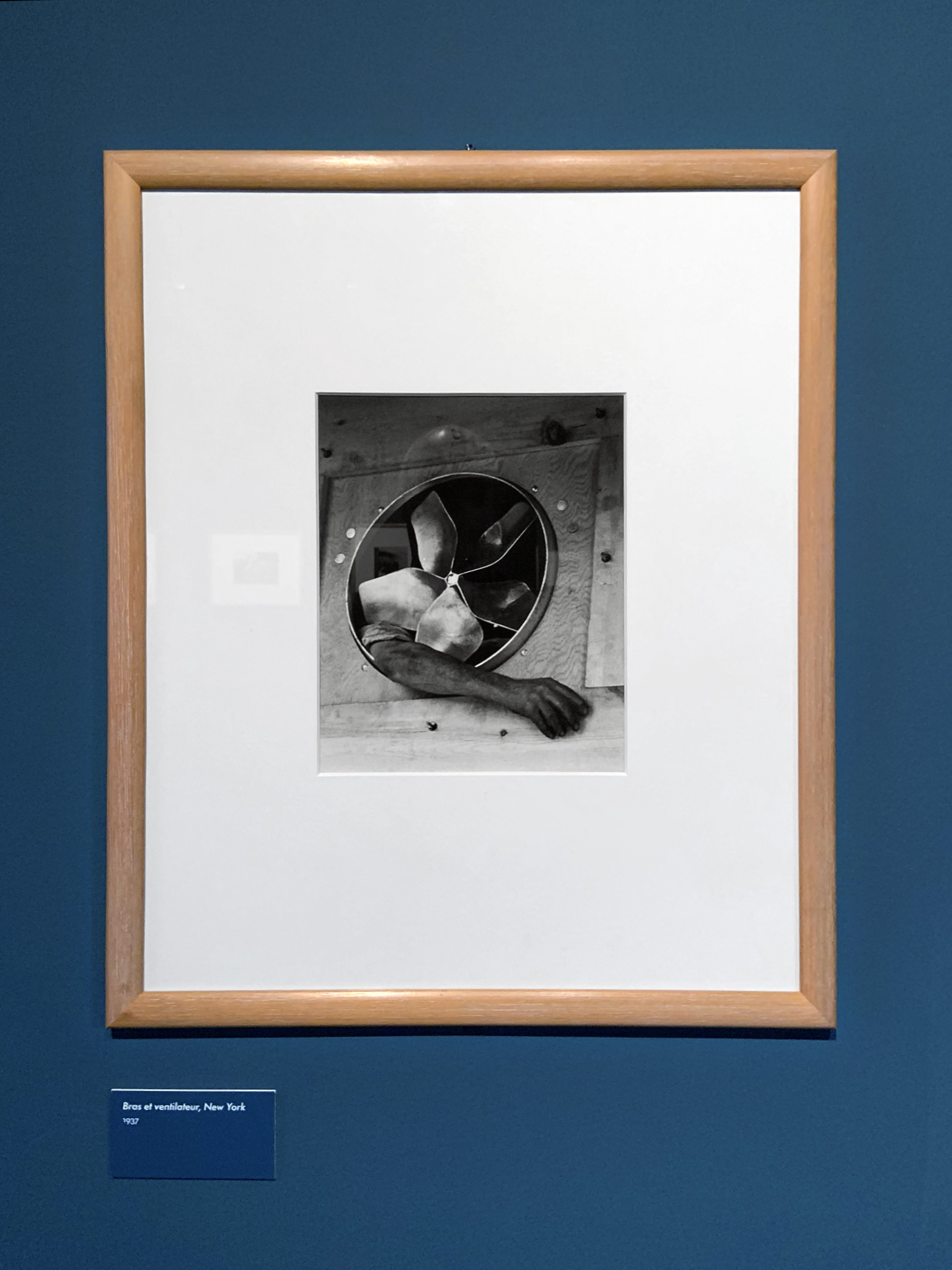
 

André Kertész (Hungarian, 1894-1985) 'Bras et ventilateur, New York' 'Arm and Fan, New York' 1937 (installation view)


André Kertész (Hungarian, 1894-1985)
Bras et ventilateur, New York (installation view)
Arm and Fan, New York
1937
Gelatin silver print
Photo: Marcus Bunyan


André Kertész (Hungarian, 1894-1985) 'Arm and Fan, New York' 1937


André Kertész (Hungarian, 1894-1985)
Bras et ventilateur, New York
Arm and Fan, New York
1937
Gelatin silver print
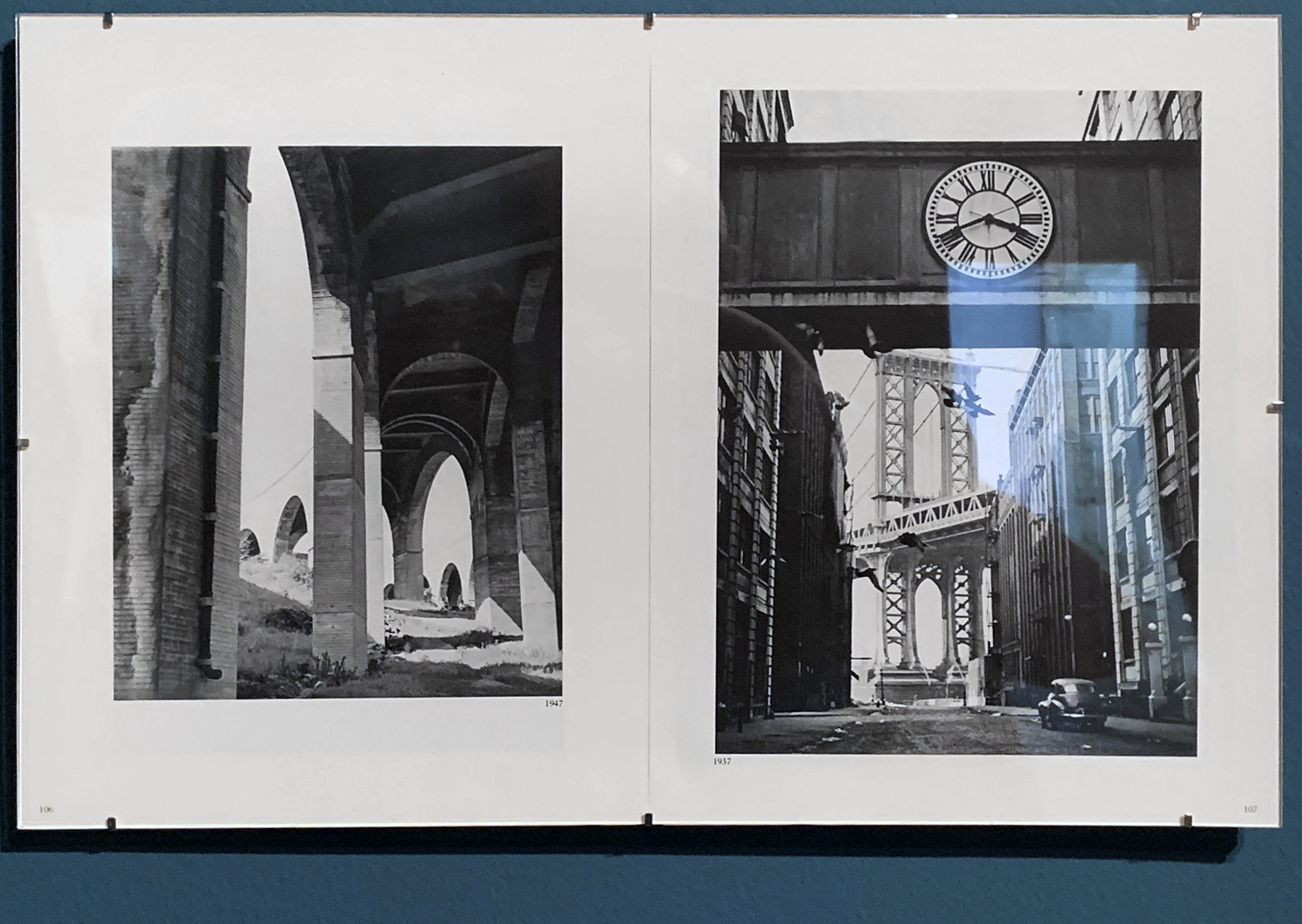
 

André Kertész (Hungarian, 1894-1985) 'Of New York…' New York, Alfred A. Knopf, 1976 (installation view)


André Kertész (Hungarian, 1894-1985)
Of New York… (installation view)
New York, Alfred A. Knopf, 1976
Photo: Marcus Bunyan


André Kertész (Hungarian, 1894-1985) 'New York' 1947 (installation view)


André Kertész (Hungarian, 1894-1985)
New York (installation view)
1947
Gelatin silver print
Photo: Marcus Bunyan
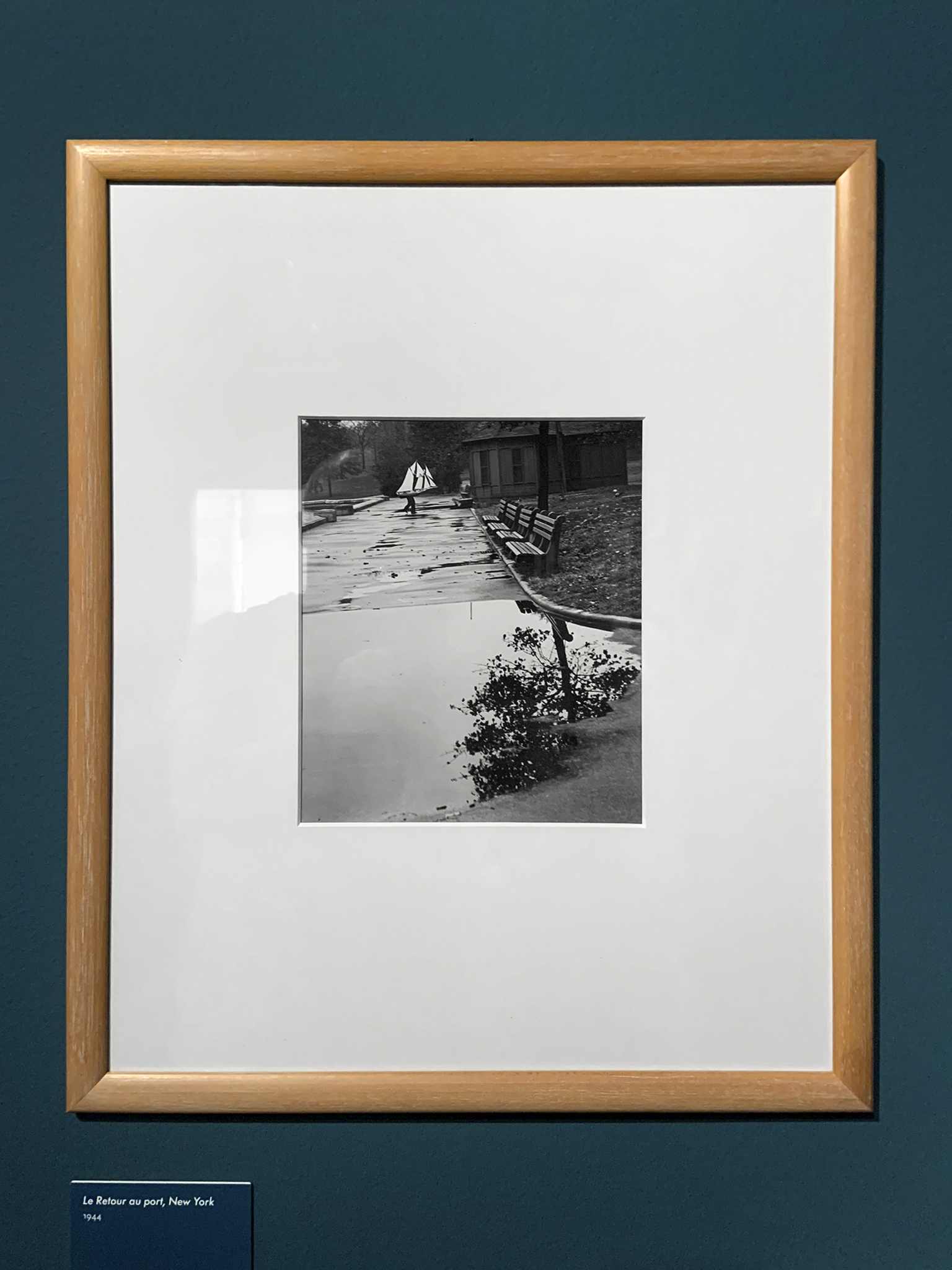
 

André Kertész (Hungarian, 1894-1985) 'Le retour au port, New York' 'Return to port, New York' 1944 (installation view)


André Kertész (Hungarian, 1894-1985)
Le retour au port, New York (installation view)
Return to port, New York
1944
Gelatin silver print
Photo: Marcus Bunyan


Installation view of the exhibition 'L'equilibriste, André Kertész' at Jeu de Paume, Château de Tours showing at left, 'Disappearance, New York' 1955


Installation view of the exhibition L’equilibriste, André Kertész at Jeu de Paume, Château de Tours showing at left, Disappearance, New York 1955
Photo: Marcus Bunyan
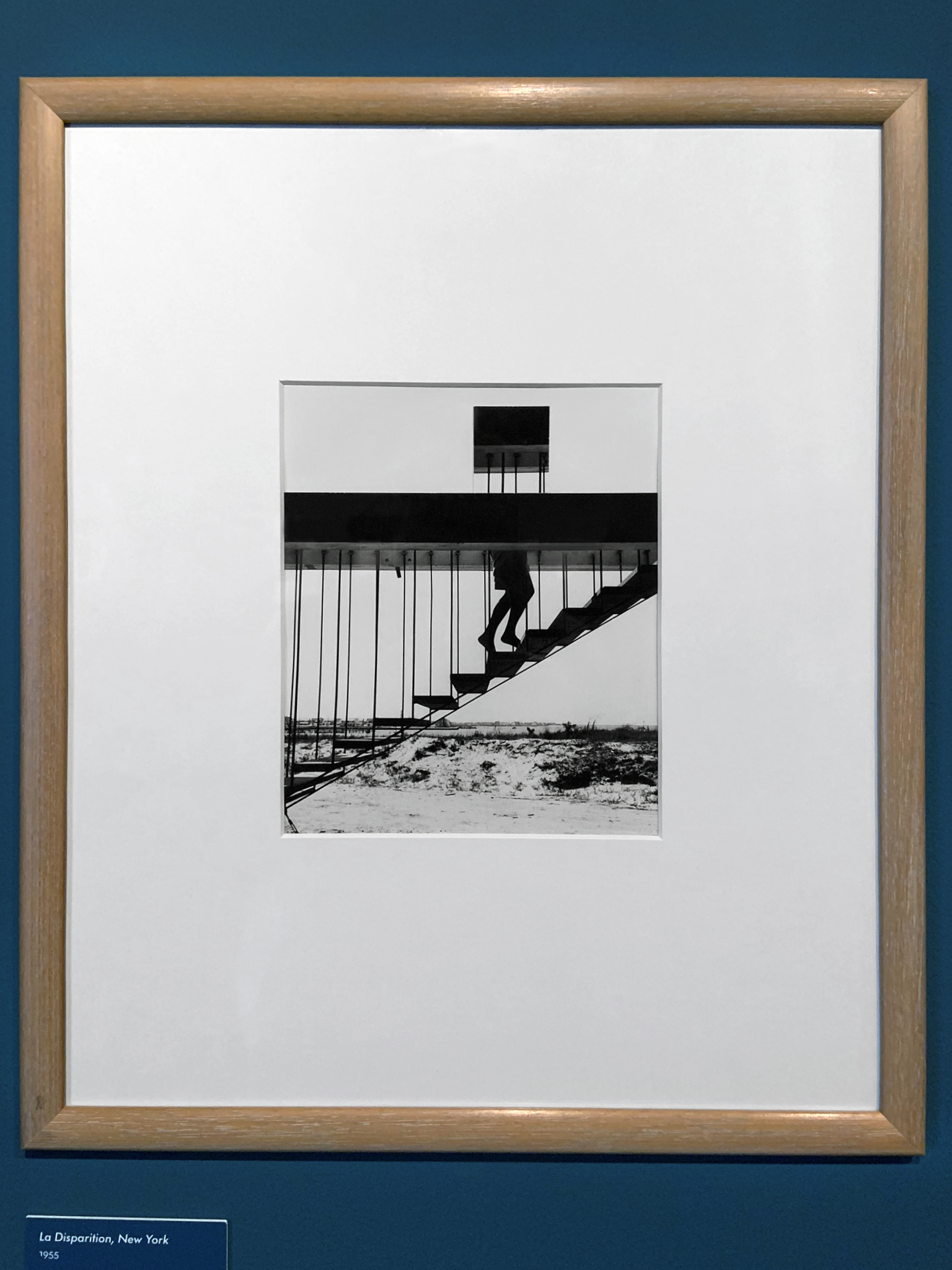
 

André Kertész (Hungarian, 1894-1985) 'La Disparition, New York' 'Disappearance, New York' 1955 (installation view)


André Kertész (Hungarian, 1894-1985)
La Disparition, New York (installation view)
Disappearance, New York
1955
Gelatin silver print
Photo: Marcus Bunyan
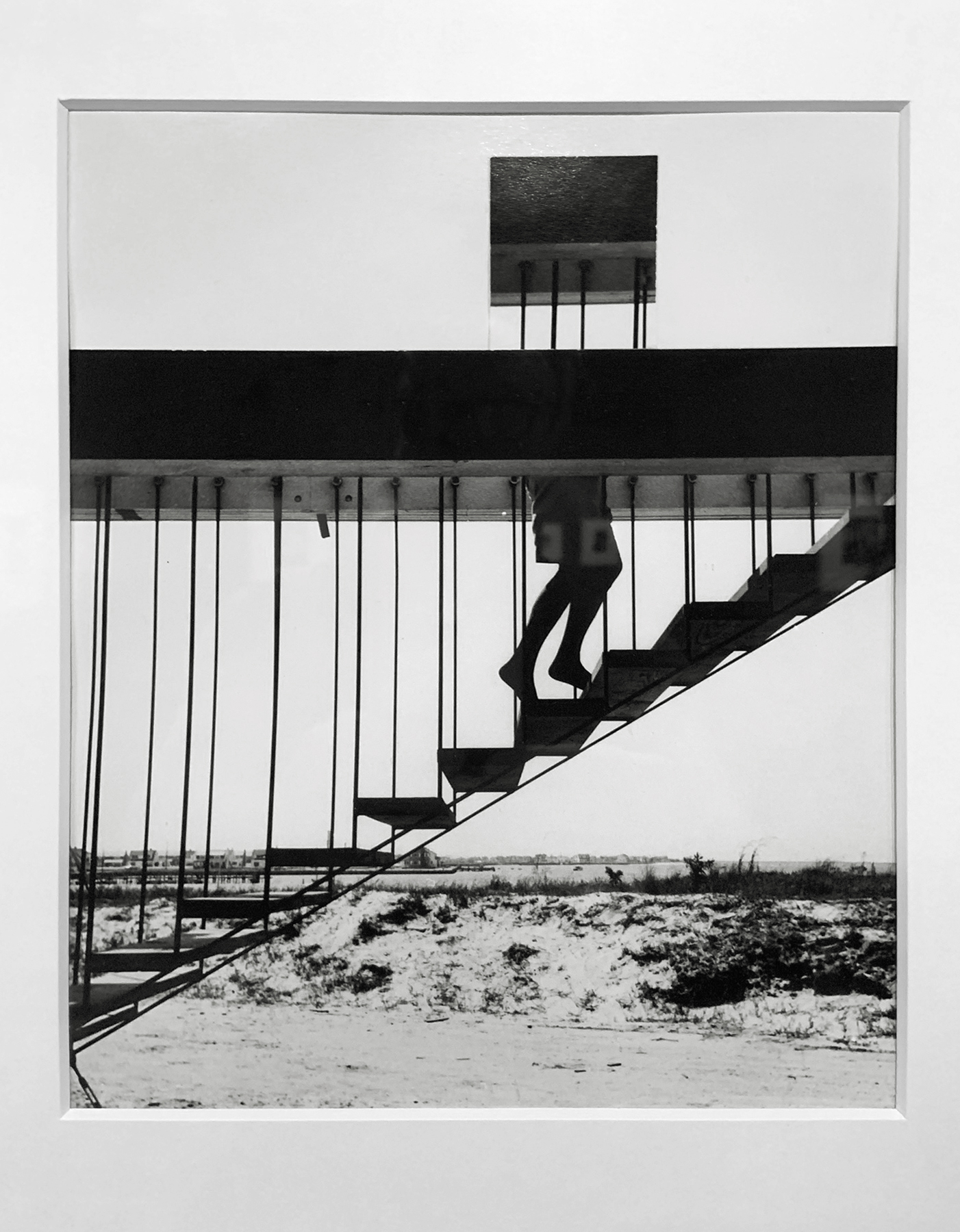
 

André Kertész (Hungarian, 1894-1985) 'La Disparition, New York' 'Disappearance, New York' 1955 (installation view)


André Kertész (Hungarian, 1894-1985)
La Disparition, New York (installation view)
Disappearance, New York
1955
Gelatin silver print
Photo: Marcus Bunyan
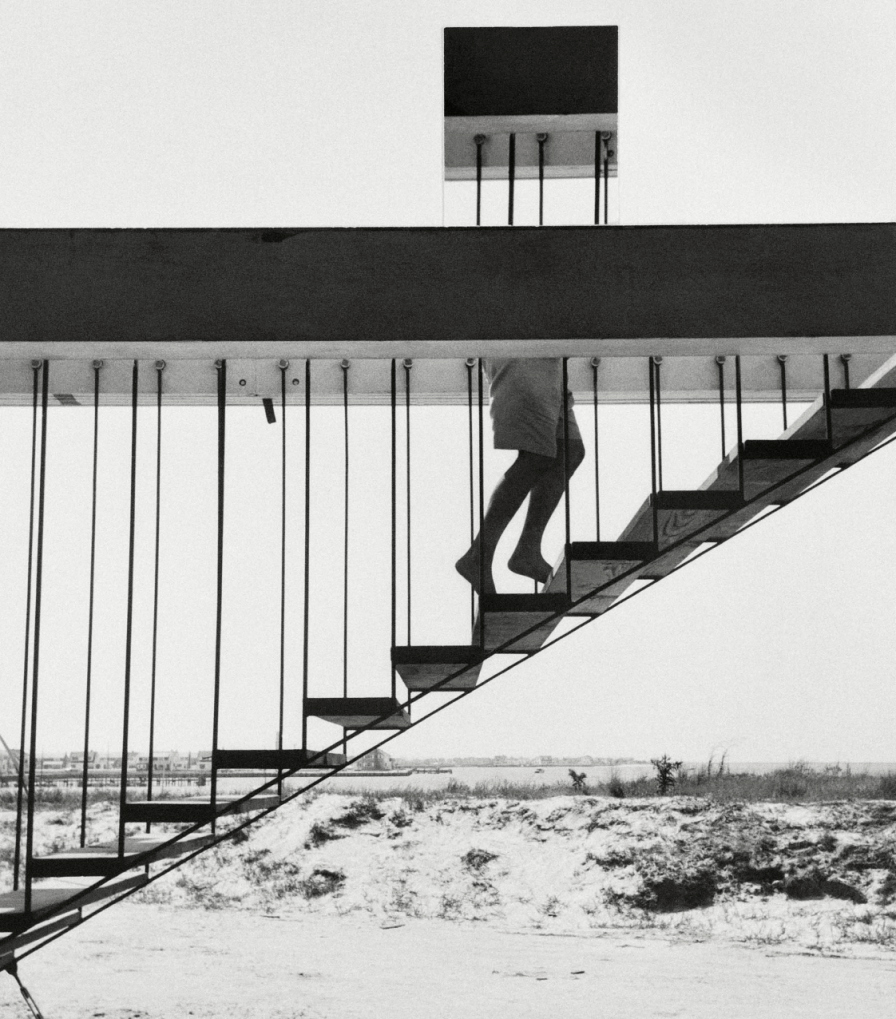
 

André Kertész (Hungarian, 1894-1985) 'Disappearance, New York' 1955


André Kertész (Hungarian, 1894-1985)
Disappearance, New York
1955
Gelatin silver print
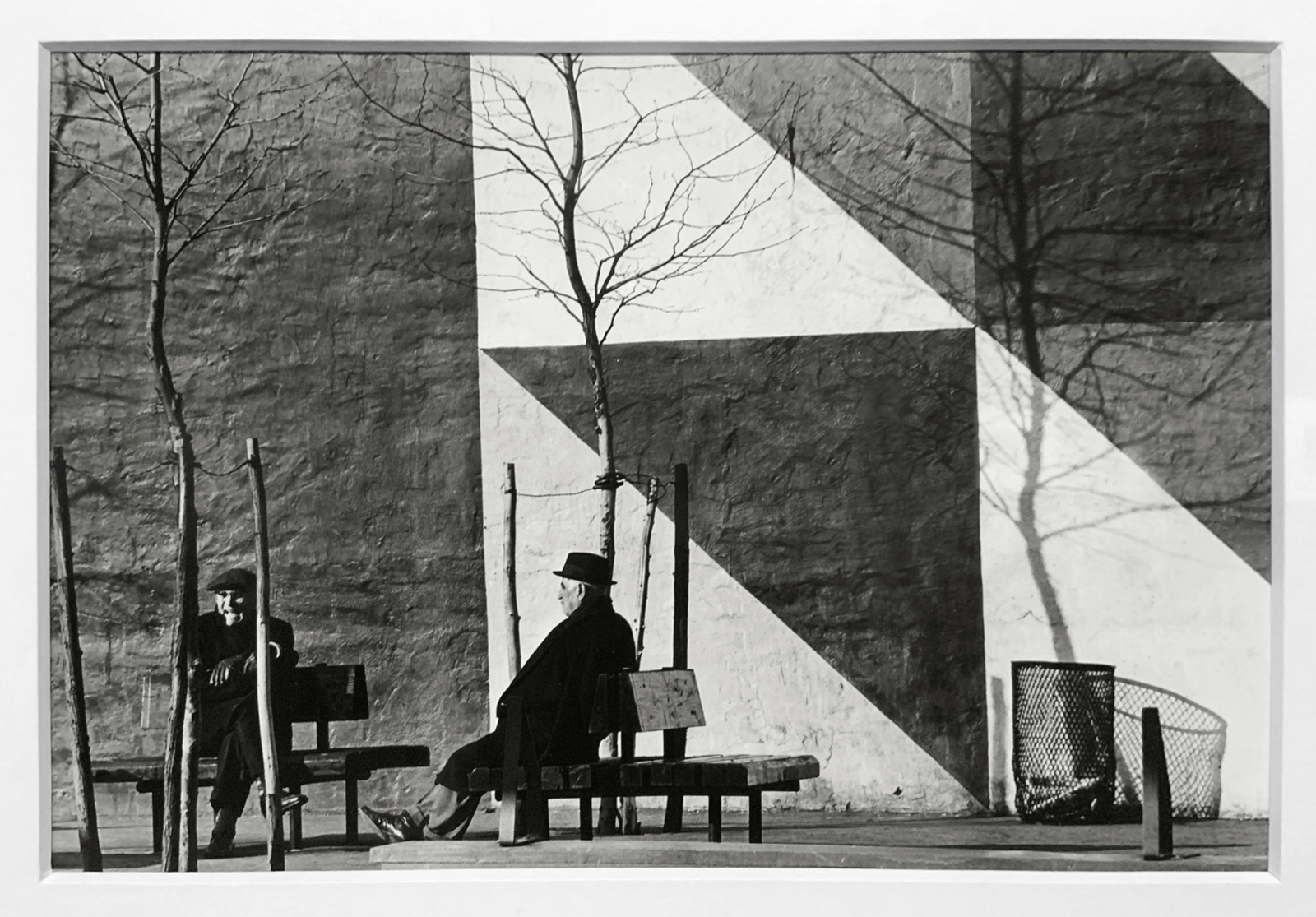
 

André Kertész (Hungarian, 1894-1985) 'New York' 1969 (installation view)


André Kertész (Hungarian, 1894-1985)
New York (installation view)
1969
Gelatin silver print
Photo: Marcus Bunyan


Text from the exhibition 'L'equilibriste, André Kertész' at Jeu de Paume, Château de Tours


Text from the exhibition L’equilibriste, André Kertész at Jeu de Paume, Château de Tours
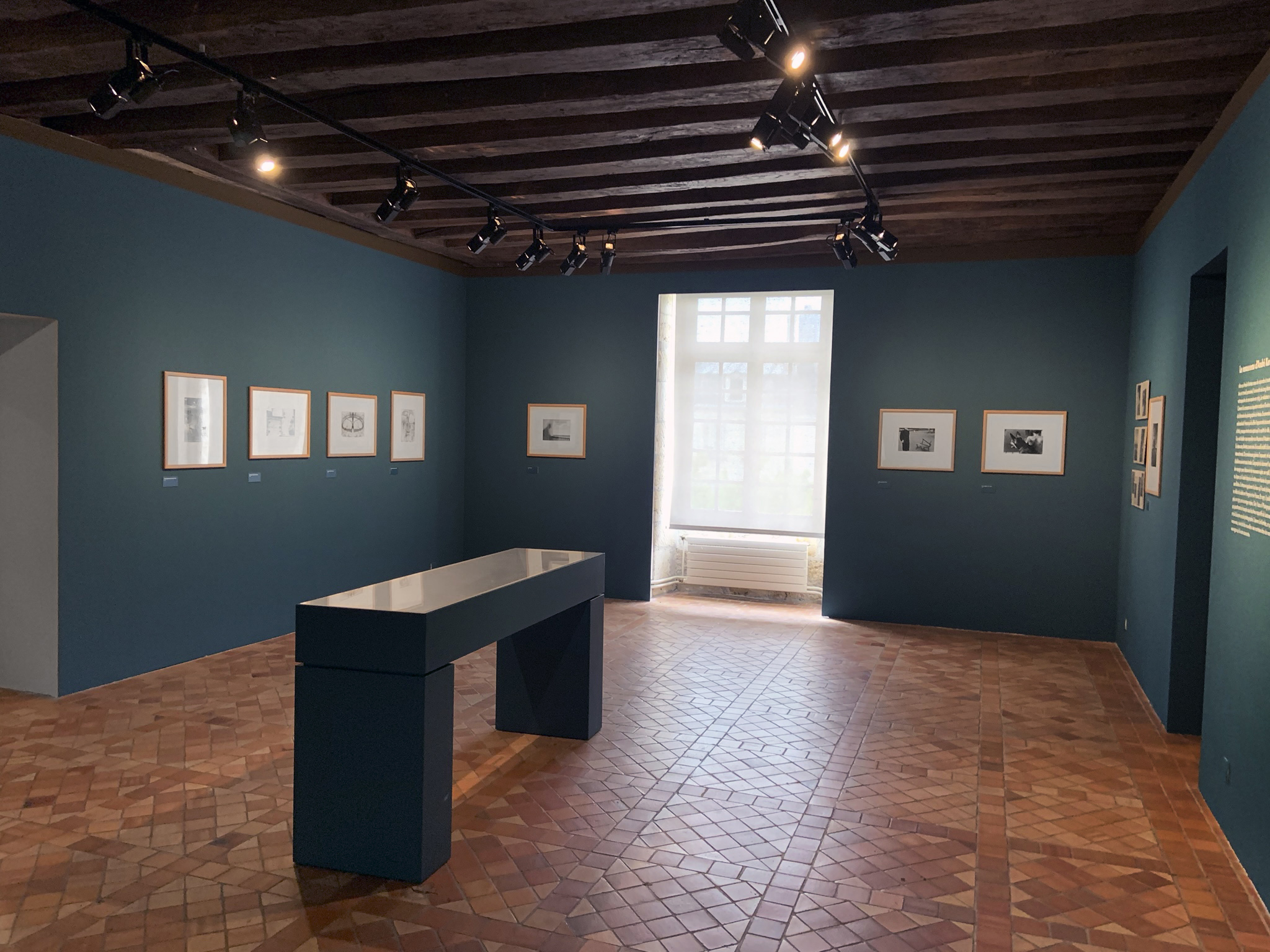
 

Installation view of the exhibition 'L'equilibriste, André Kertész' at Jeu de Paume, Château de Tours

Installation view of the exhibition 'L'equilibriste, André Kertész' at Jeu de Paume, Château de Tours

Installation view of the exhibition 'L'equilibriste, André Kertész' at Jeu de Paume, Château de Tours

Installation view of the exhibition 'L'equilibriste, André Kertész' at Jeu de Paume, Château de Tours showing at left, 'Broken Bench, New York' 1962


Installation views of the exhibition L’equilibriste, André Kertész at Jeu de Paume, Château de Tours showing at left in the bottom image, Broken Bench, New York 1962
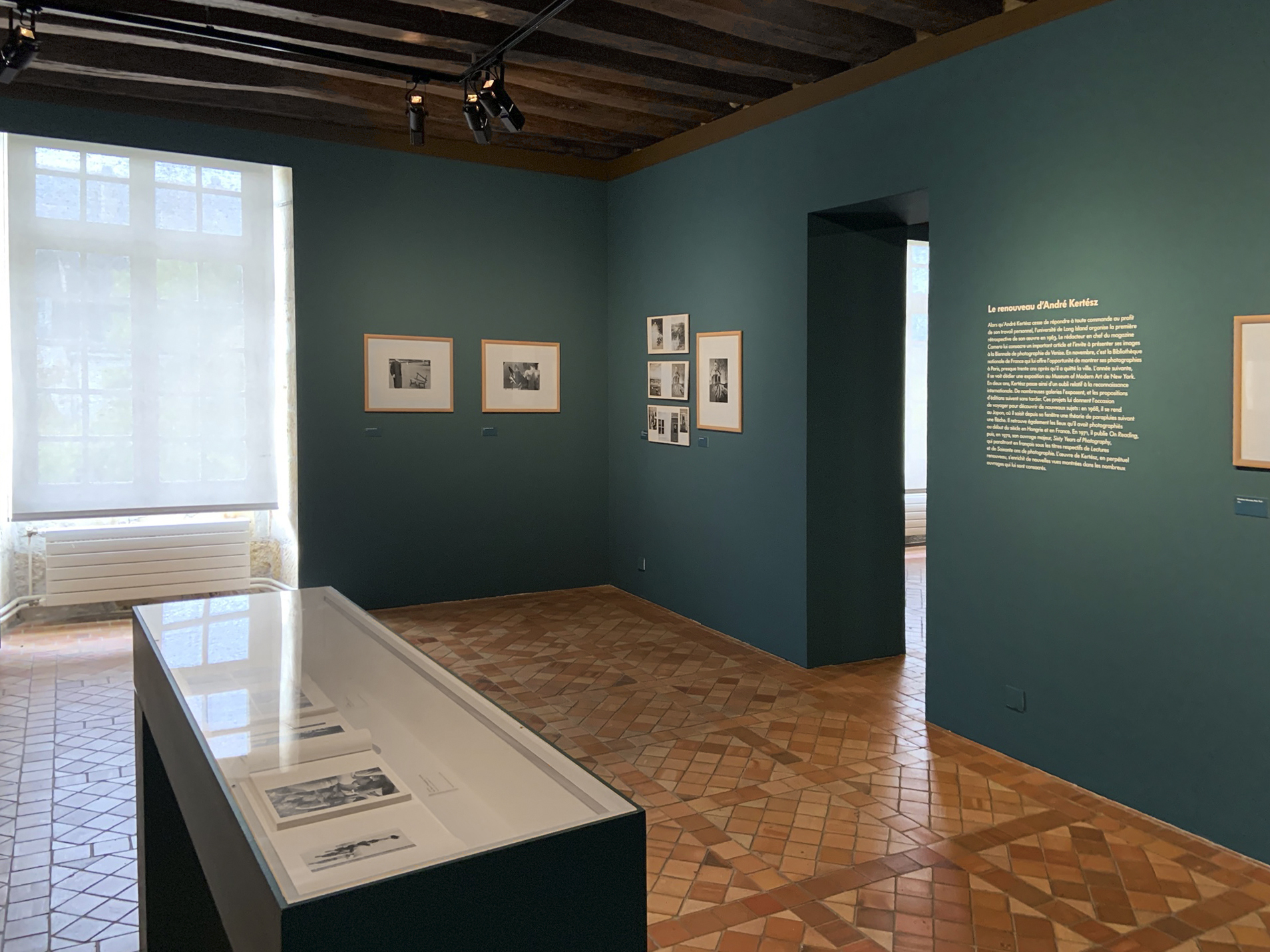
Photos: Marcus Bunyan


André Kertész (Hungarian, 1894-1985) 'Le Banc cassé, New York' (Broken Bench, New York) 1962


André Kertész (Hungarian, 1894-1985)
Le Banc cassé, New York
Broken Bench, New York

1962
Gelatin silver print


André Kertész (Hungarian, 1894-1985) 'Of New York…' New York, Alfred A. Knopf, 1976 (installation view)


André Kertész (Hungarian, 1894-1985)
Of New York… (installation view)
New York, Alfred A. Knopf, 1976
Photo: Marcus Bunyan


André Kertész (Hungarian, 1894-1985) 'Soixante ans de photographie' 'Sixty years of photography' 1912-1972 (installation view)


André Kertész (Hungarian, 1894-1985)
Soixante ans de photographie (installation view)
Sixty years of photography
1912-1972
Paris, éditions du Chêne, 1972
Photo: Marcus Bunyan


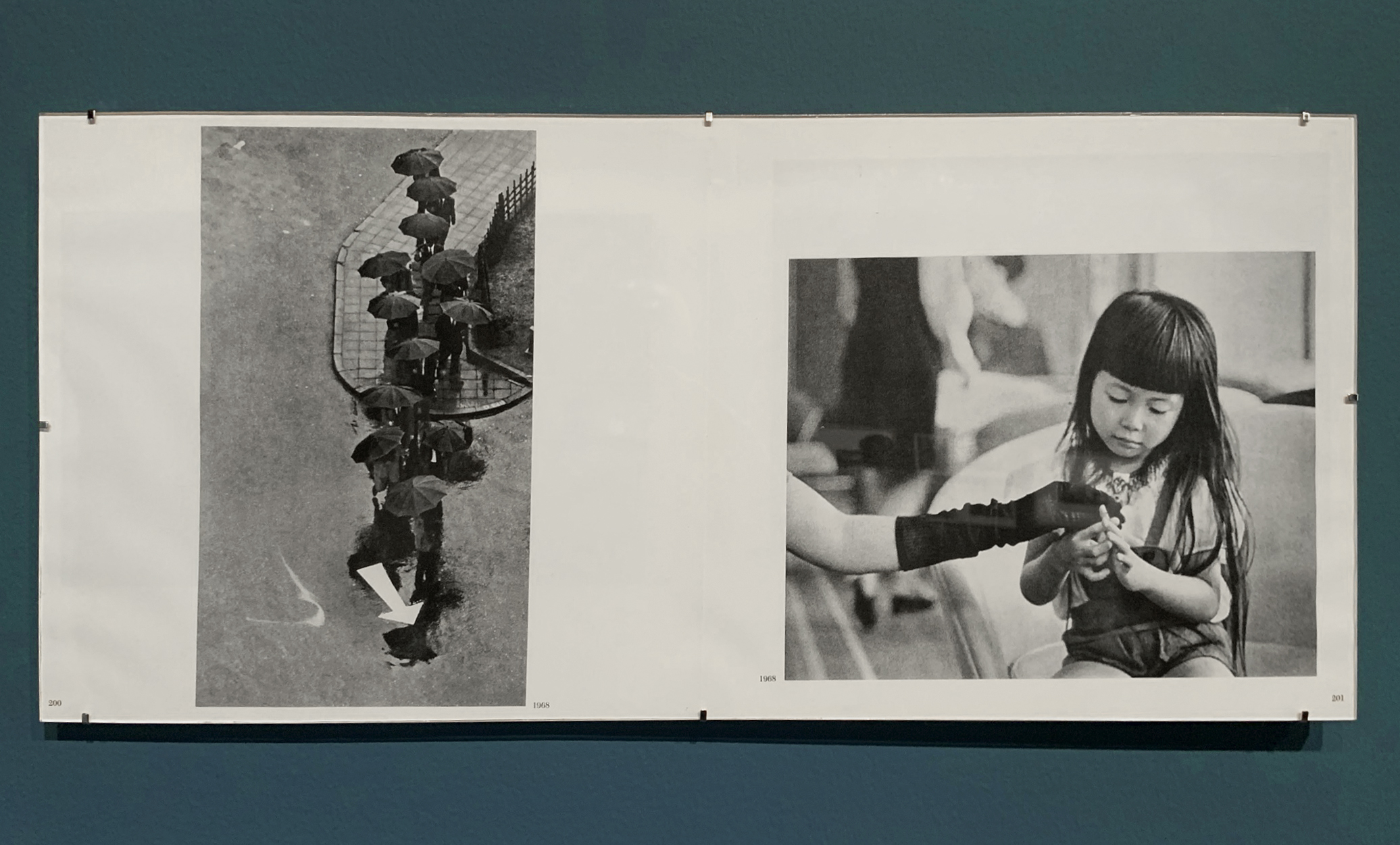
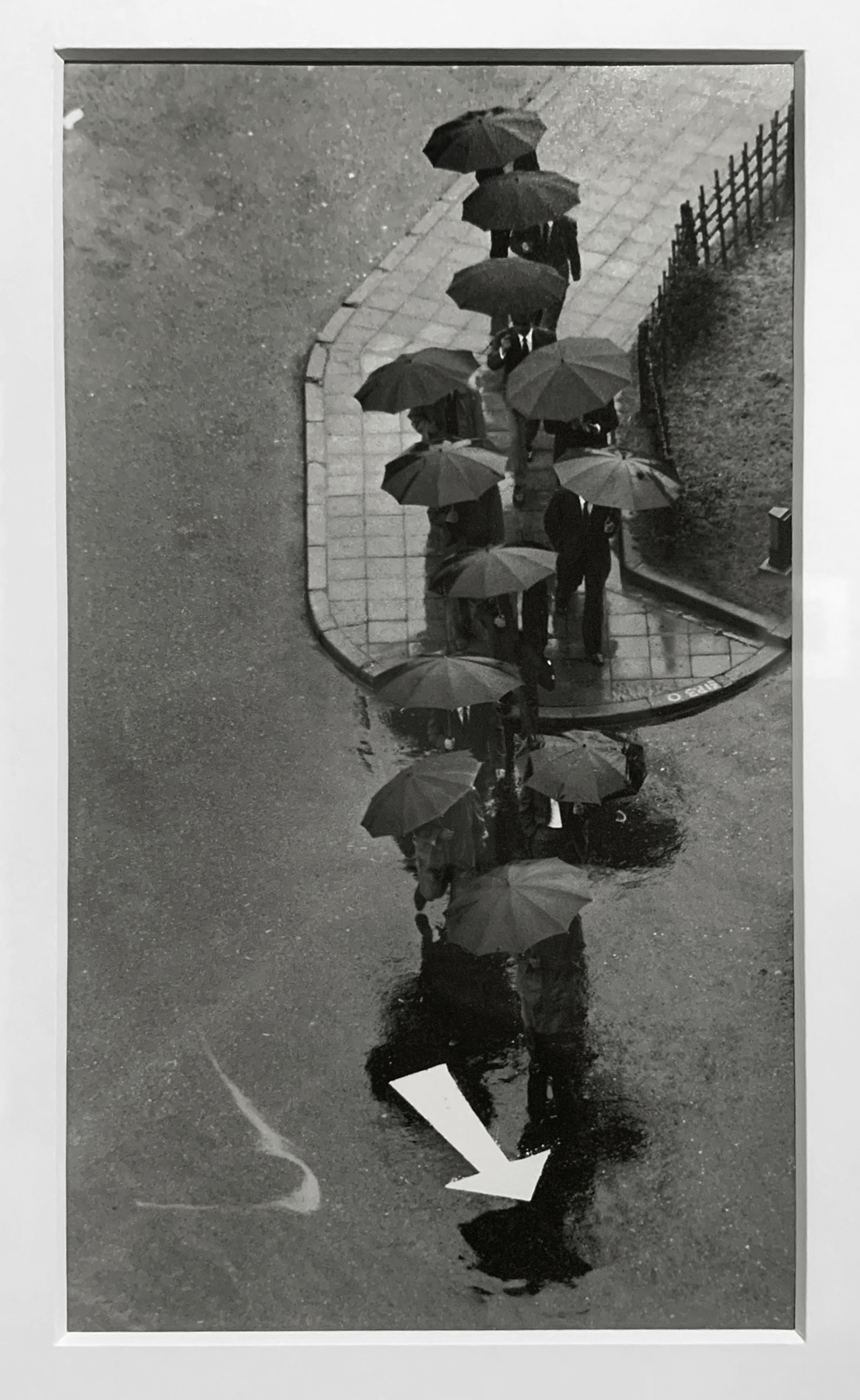
André Kertész (Hungarian, 1894-1985) 'Jour pluvieux, Tokyo' 'Rainy day, Tokyo' 1968 (installation view)


André Kertész (Hungarian, 1894-1985)
Jour pluvieux, Tokyo (installation view)
Rainy day, Tokyo
1968
Gelatin silver print
Photo: Marcus Bunyan


André Kertész (Hungarian, 1894-1985) 'McDougall Alley, New York' 1965 (installation view)


André Kertész (Hungarian, 1894-1985)
McDougall Alley, New York (installation view)
1965
Gelatin silver print
Photo: Marcus Bunyan


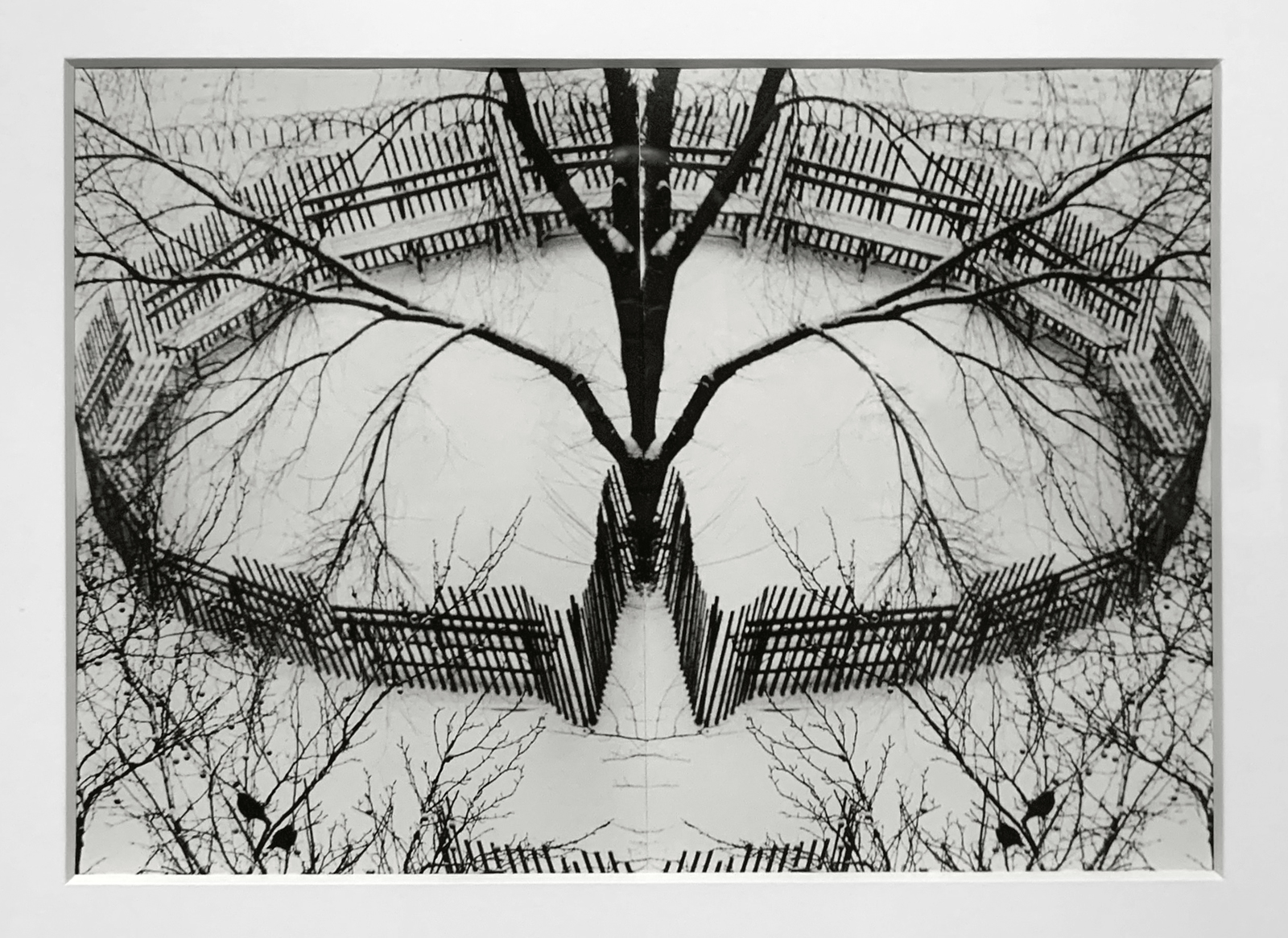
André Kertész (Hungarian, 1894-1985) 'Washington Square, New York' 1954


André Kertész (Hungarian, 1894-1985)
Washington Square, New York
1954
Gelatin silver print


André Kertész (Hungarian, 1894-1985) 'Washington Square, New York' 1954 (installation view)


André Kertész (Hungarian, 1894-1985)
Washington Square, New York (installation view)
1954
Gelatin silver print
Photo: Marcus Bunyan


André Kertész (Hungarian, 1894-1985) 'Washington Square, New York' 1954


André Kertész (Hungarian, 1894-1985)
Washington Square, New York
1954
Gelatin silver print


André Kertész (Hungarian, 1894-1985) 'Winter Garden, New York' 1970 (installation view)


André Kertész (Hungarian, 1894-1985)
Jardin d’hiver, New York (installation view)
Winter Garden, New York
1970
Gelatin silver print
Photo: Marcus Bunyan


André Kertész (Hungarian, 1894-1985) 'Martinique' 1972


André Kertész (Hungarian, 1894-1985)
Martinique
1972
Gelatin silver print


André Kertész (Hungarian, 1894-1985) 'Soixante ans de photographie' 'Sixty years of photography' 1912-1972 (installation view)


André Kertész (Hungarian, 1894-1985)
Soixante ans de photographie (installation view)
Sixty years of photography
1912-1972
Paris, éditions du Chêne, 1972
Photo: Marcus Bunyan


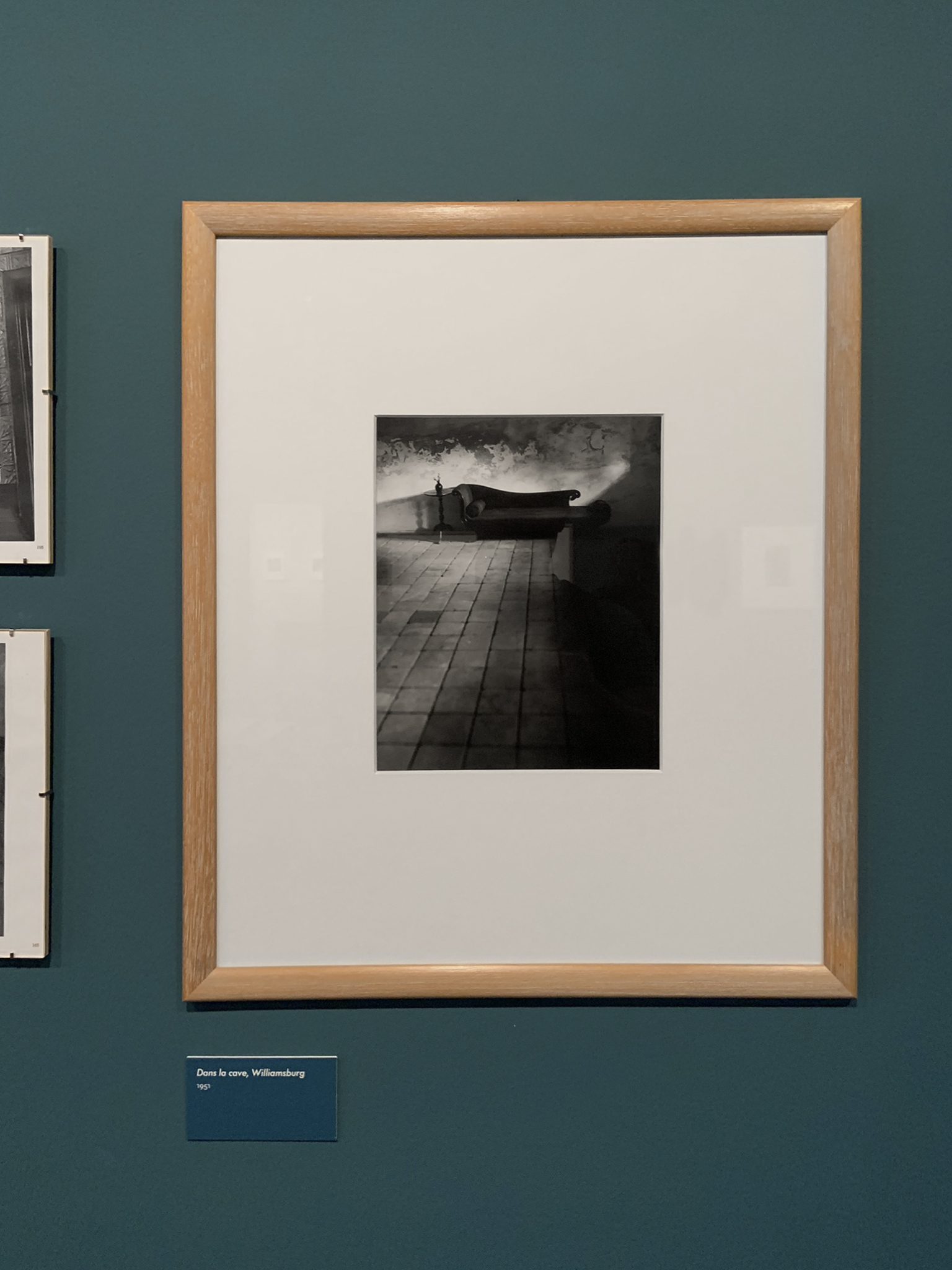
André Kertész (Hungarian, 1894-1985) 'In the cellar, Williamsburg' 1951 (installation view)


André Kertész (Hungarian, 1894-1985)
Dans la cave, Williamsburg (installation view)
In the cellar, Williamsburg
1951
Gelatin silver print
Photo: Marcus Bunyan


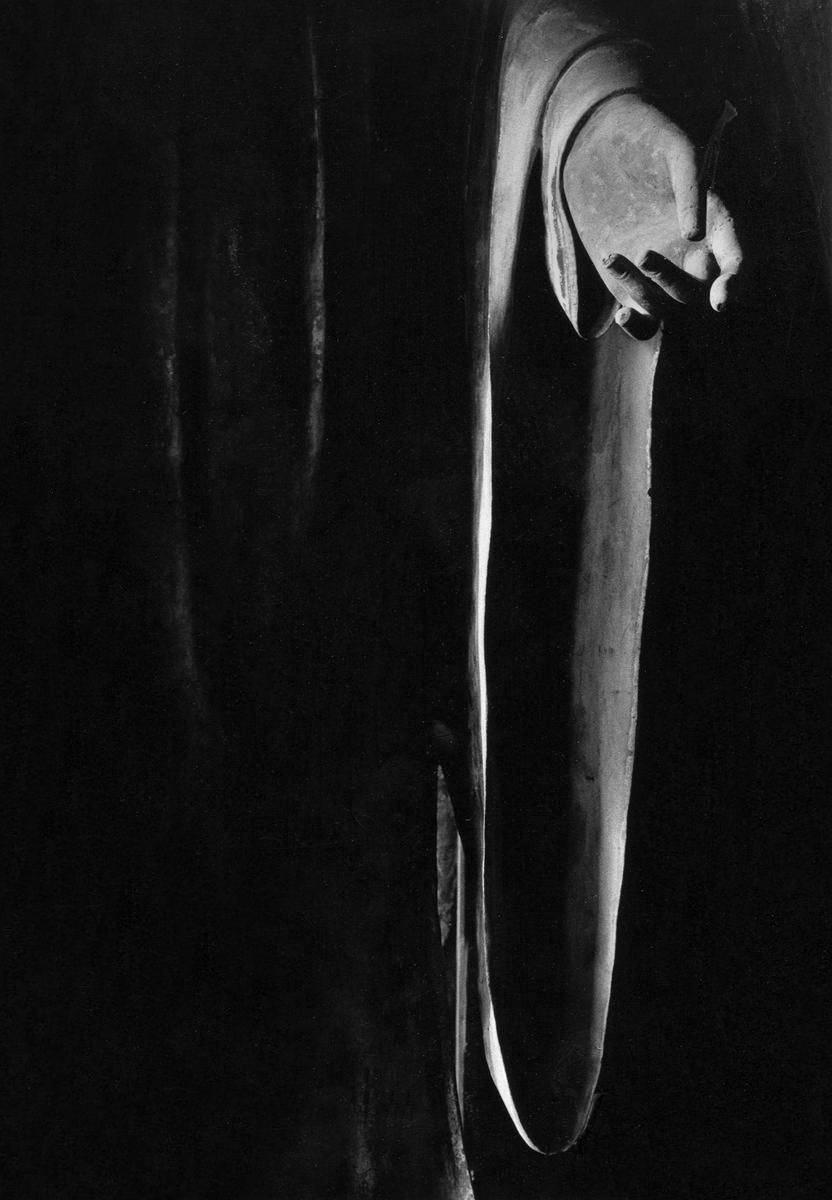
André Kertész (Hungarian, 1894-1985) 'Nara, Japan' 1968


André Kertész (Hungarian, 1894-1985)
Nara, Japan
1968
Gelatin silver print


Text from the exhibition 'L'equilibriste, André Kertész' at Jeu de Paume, Château de Tours


Text from the exhibition L’equilibriste, André Kertész at Jeu de Paume, Château de Tours


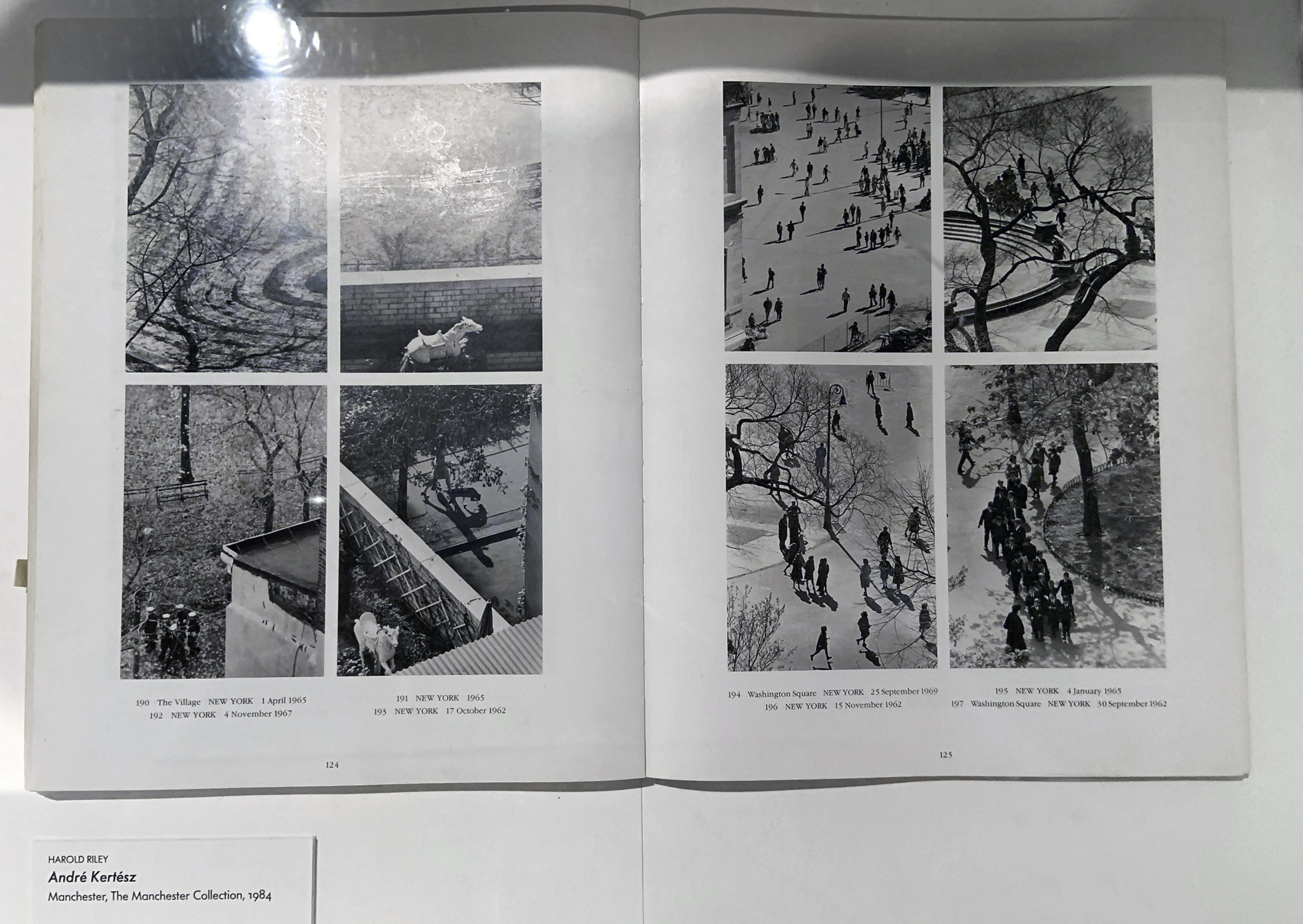
Harold Riley. 'André Kertész' Manchester, The Manchester Collection, 1984  (installation view)


Harold Riley
André Kertész (installation view)
Manchester, The Manchester Collection, 1984
Collection Médiathèque de l’architecture et du patrimoine
Photo: Marcus Bunyan


Installation view of the exhibition 'L'equilibriste, André Kertész' at Jeu de Paume, Château de Tours

Installation view of the exhibition 'L'equilibriste, André Kertész' at Jeu de Paume, Château de Tours

Installation view of the exhibition 'L'equilibriste, André Kertész' at Jeu de Paume, Château de Tours

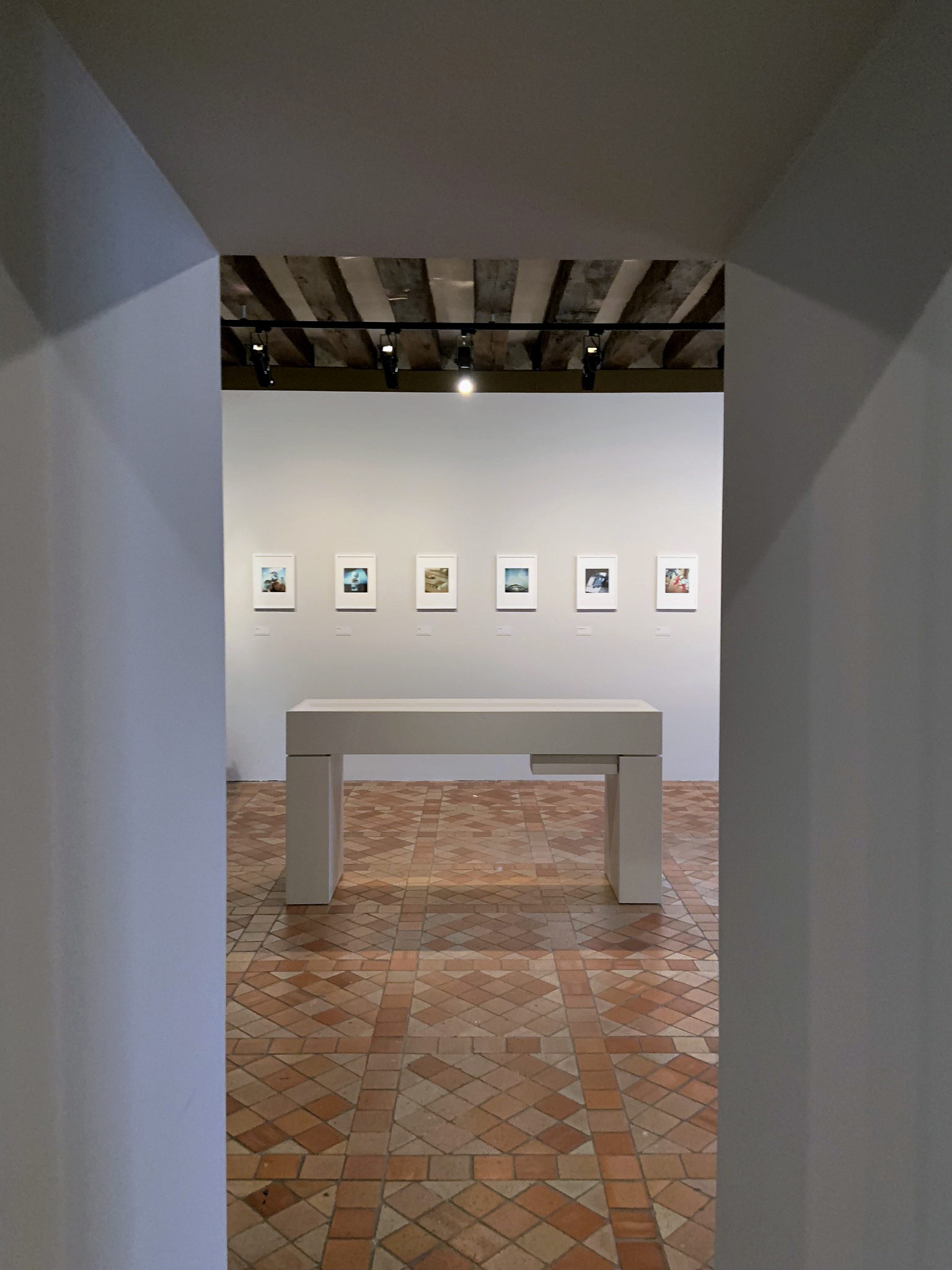
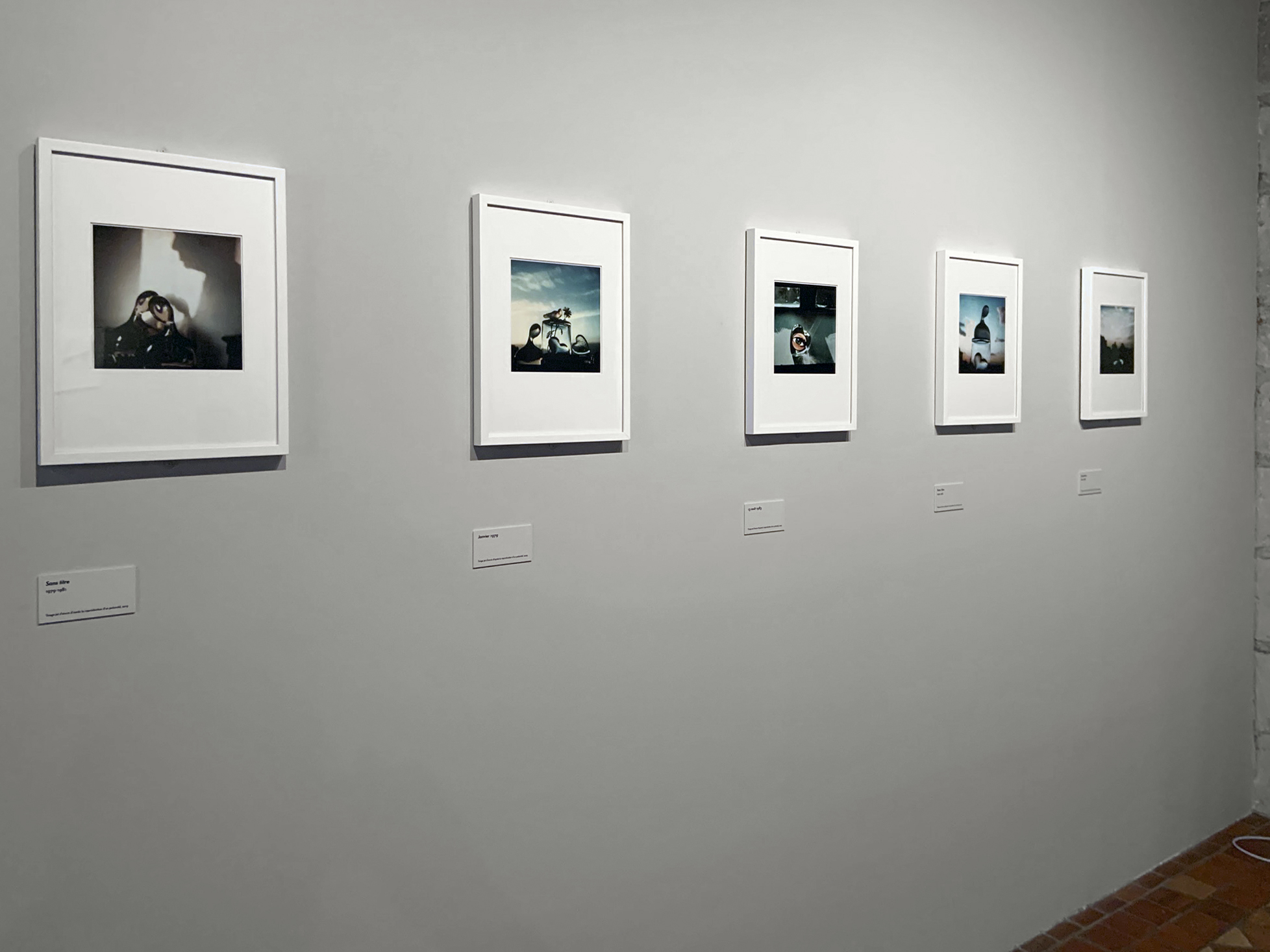
Installation view of the exhibition 'L'equilibriste, André Kertész' at Jeu de Paume, Château de Tours showing his late Polaroid work


Installation views of the exhibition L’equilibriste, André Kertész at Jeu de Paume, Château de Tours showing his late Polaroid work
Photos: Marcus Bunyan
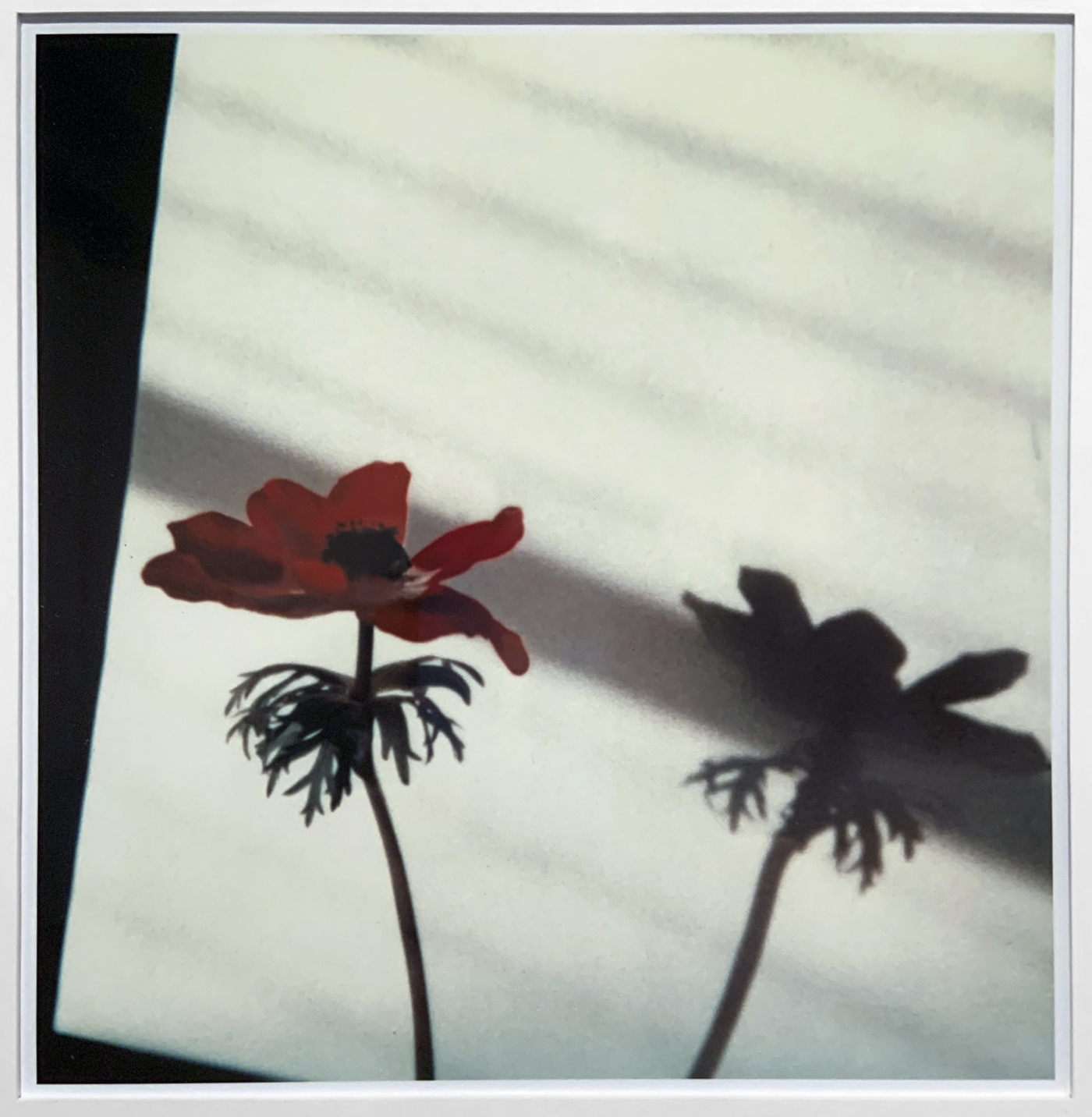
 

André Kertész (Hungarian, 1894-1985) '12 December 1979' (installation view)


André Kertész (Hungarian, 1894-1985)
12 December 1979 (installation view)
1979
Tirage jet d’encre d’après la reproduction d’un polaroid, 2019
Inkjet print from a reproduction of a polaroid, 2019
Photo: Marcus Bunyan
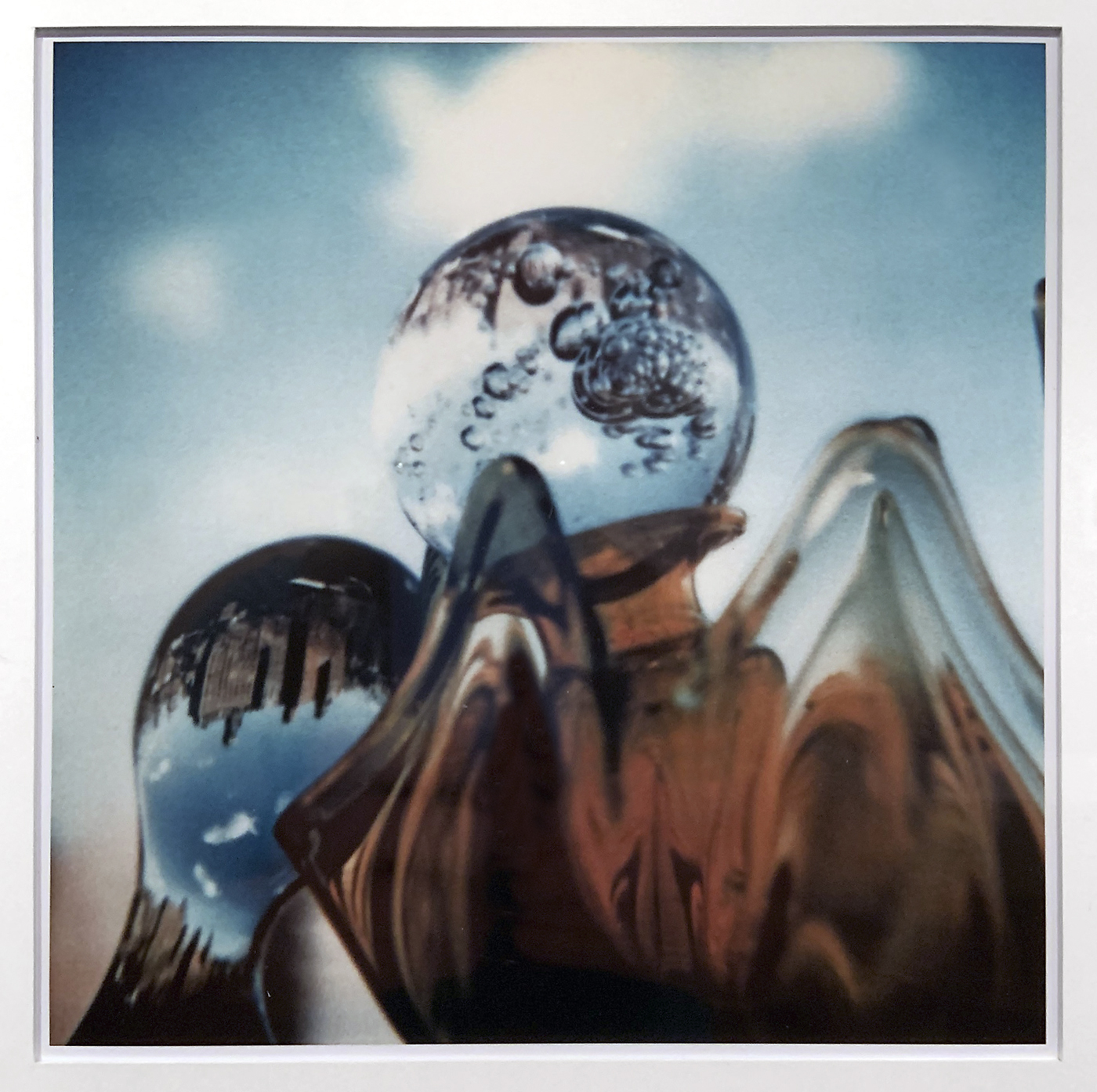
 

André Kertész (Hungarian, 1894-1985) 'Untitled' 1979-1981 (installation view)


André Kertész (Hungarian, 1894-1985)
Untitled (installation view)
1979-1981
Tirage jet d’encre d’après la reproduction d’un polaroid, 2019
Inkjet print from a reproduction of a polaroid, 2019
Photo: Marcus Bunyan
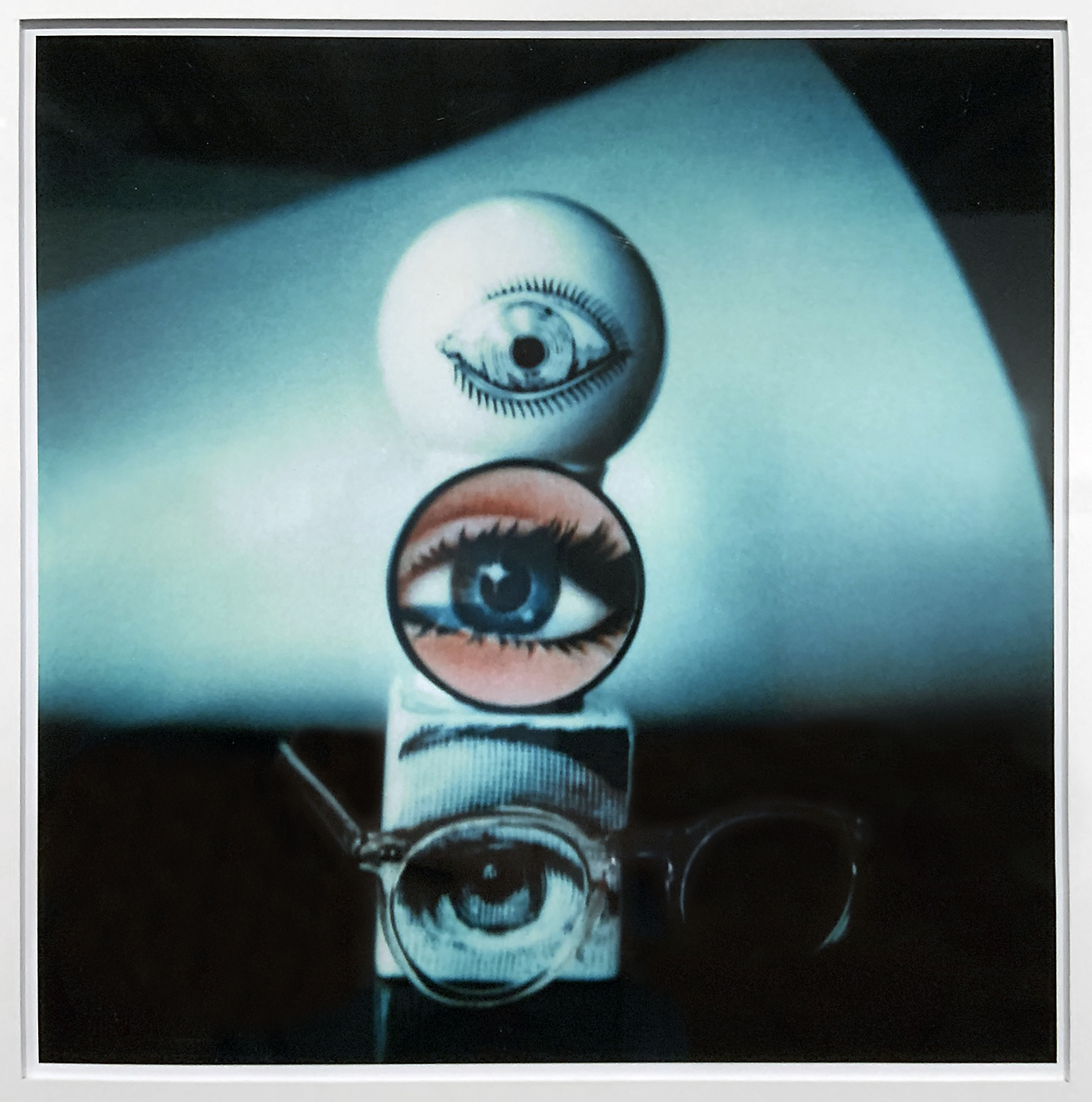
 

André Kertész (Hungarian, 1894-1985) 'June 1979' (installation view)


André Kertész (Hungarian, 1894-1985)
June 1979 (installation view)
1979
Tirage jet d’encre d’après la reproduction d’un polaroid, 2019
Inkjet print from a reproduction of a polaroid, 2019
Photo: Marcus Bunyan


André Kertész (Hungarian, 1894-1985) '21 June 1979' (installation view)


André Kertész (Hungarian, 1894-1985)
21 June 1979 (installation view)
1979
Tirage jet d’encre d’après la reproduction d’un polaroid, 2019
Inkjet print from a reproduction of a polaroid, 2019
Photo: Marcus Bunyan


André Kertész (Hungarian, 1894-1985) 'Untitled' 1979-1981 (installation view)


André Kertész (Hungarian, 1894-1985)
Untitled (installation view)
1979-1981
Tirage jet d’encre d’après la reproduction d’un polaroid, 2019
Inkjet print from a reproduction of a polaroid, 2019
Photo: Marcus Bunyan
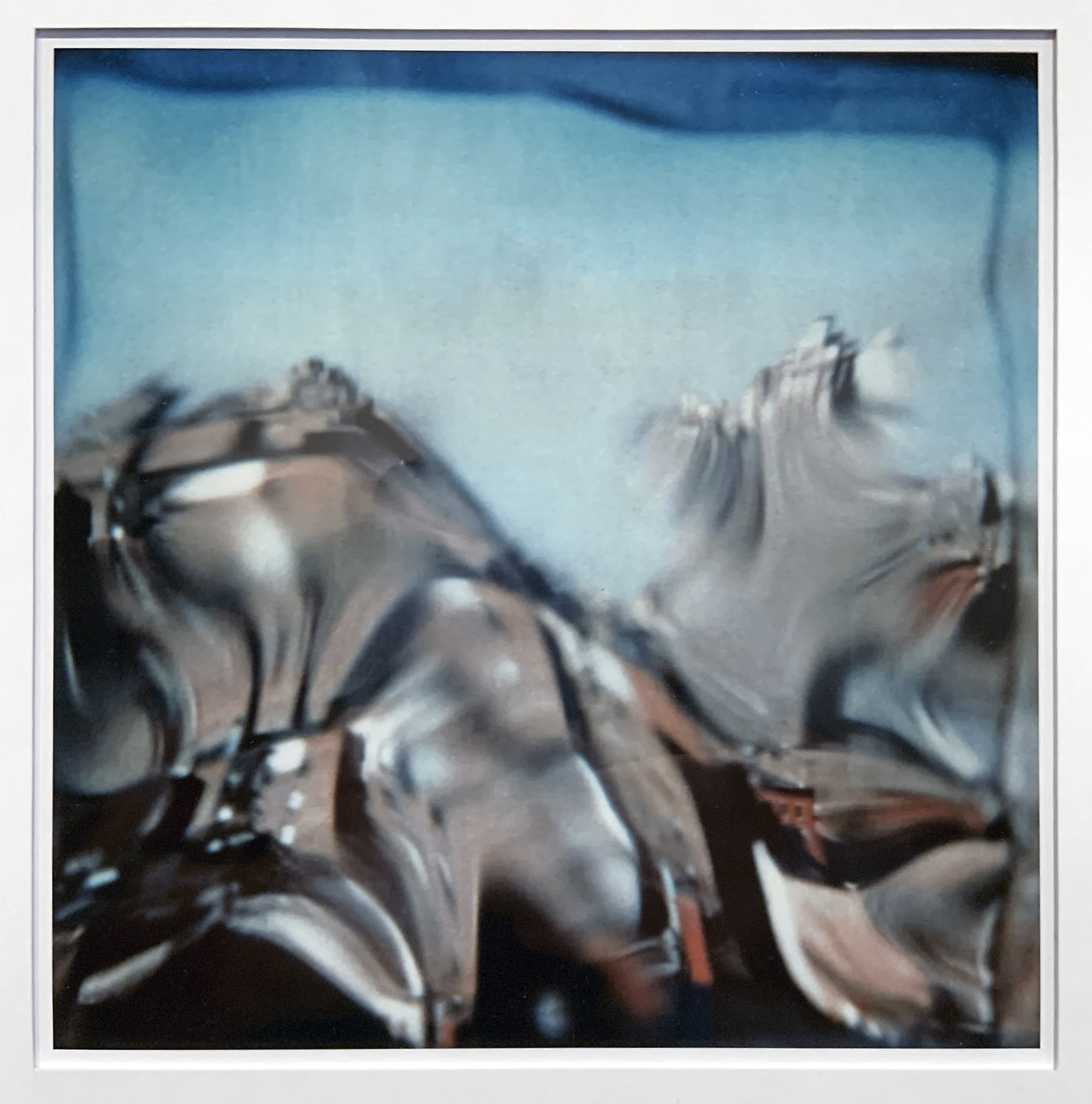
 

André Kertész (Hungarian, 1894-1985) '13 August 1979' (installation view)


André Kertész (Hungarian, 1894-1985)
13 August 1979 (installation view)
1979
Tirage jet d’encre d’après la reproduction d’un polaroid, 2019
Inkjet print from a reproduction of a polaroid, 2019
Photo: Marcus Bunyan
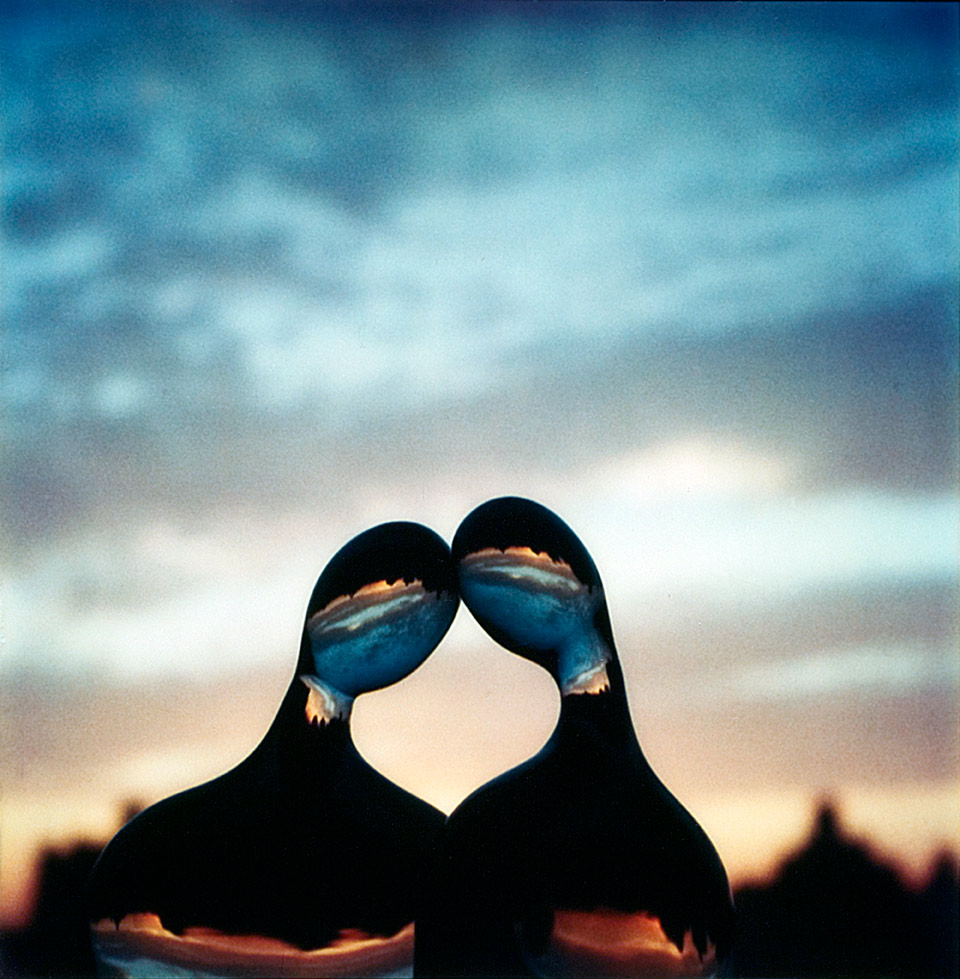
 

André Kertész (Hungarian, 1894-1985) 'July 3, 1979
'


André Kertész (Hungarian, 1894-1985)
July 3, 1979

1979
Tirage jet d’encre d’après la reproduction d’un polaroid, 2019
Inkjet print from a reproduction of a polaroid, 2019
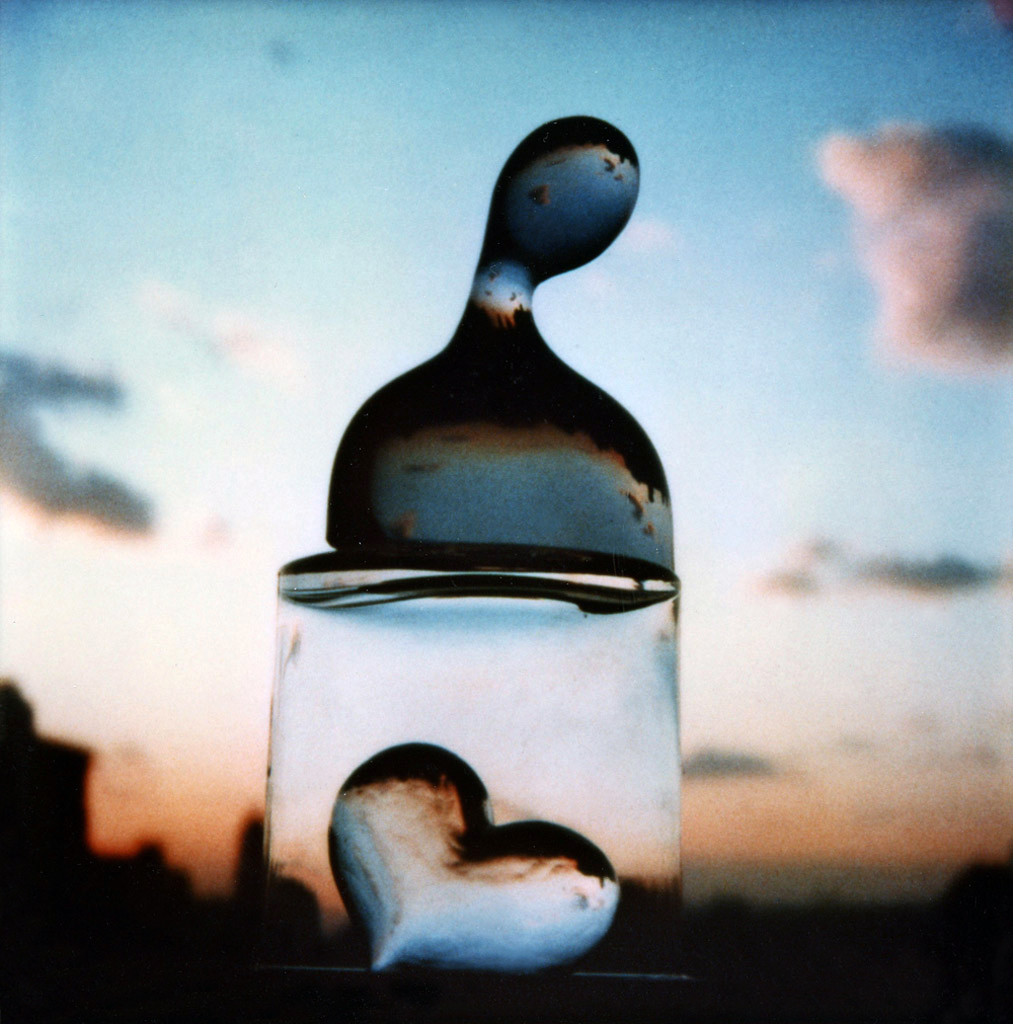
 

André Kertész (Hungarian, 1894-1985) 'Untitled' 1979-1981


André Kertész (Hungarian, 1894-1985)
Untitled
1979-1981
Tirage jet d’encre d’après la reproduction d’un polaroid, 2019
Inkjet print from a reproduction of a polaroid, 2019


André Kertész (Hungarian, 1894-1985) '13 August 1983'


André Kertész (Hungarian, 1894-1985)
13 August
1983
Tirage jet d’encre d’après la reproduction d’un polaroid, 2019


Jeu de Paume at the Château de Tours
25 avenue André Malraux, 37000 Tours
Phone: 02 47 70 88 46

Opening hours:
Tuesday – Sunday 2pm – 6pm
Closed on Monday
Jeu de Paume website

LIKE ART BLART ON FACEBOOK

Back to top

Exhibition: ‘Dave Heath: Dialogues with Solitudes’ at The Photographers’ Gallery, London

Exhibition dates: 8th March – 2nd June, 2019

Curator: Diane Dufour, Director of LE BAL


Dave Heath (Canadian born United States, 1931-2016) 'California' 1964 from the exhibition 'Dave Heath: Dialogues with Solitudes' at The Photographers' Gallery, London, March - June, 2019


Dave Heath (Canadian born United States, 1931-2016)
California
1964
Gelatin silver print
© Dave Heath / Courtesy of Howard Greenberg Gallery, New York, and Stephen Bulger Gallery, Toronto


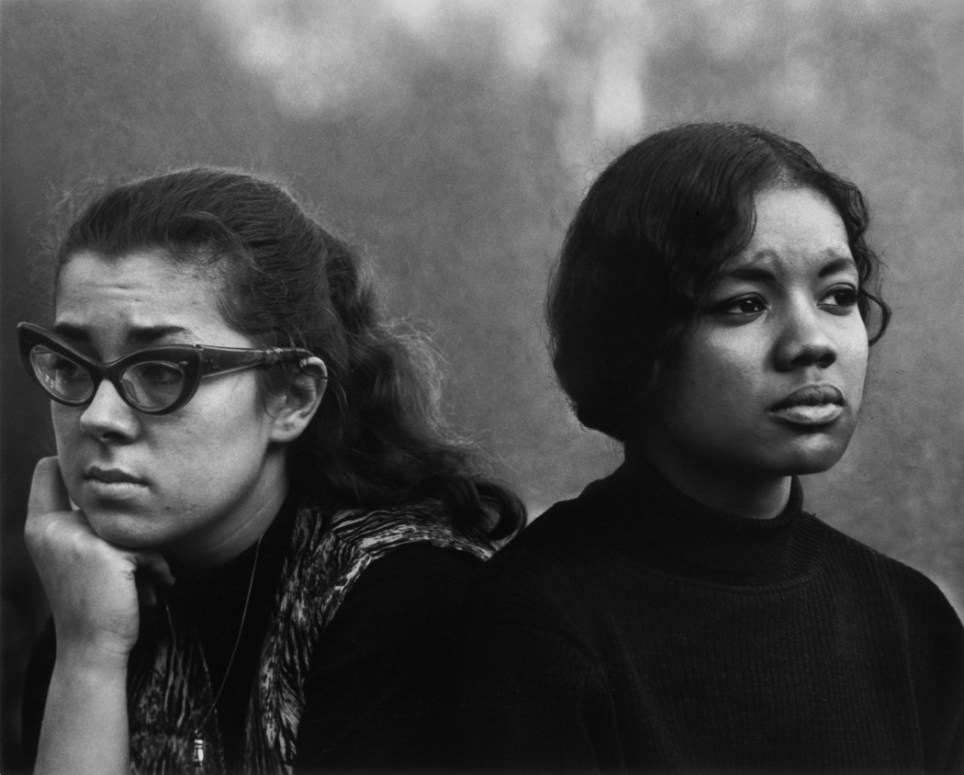
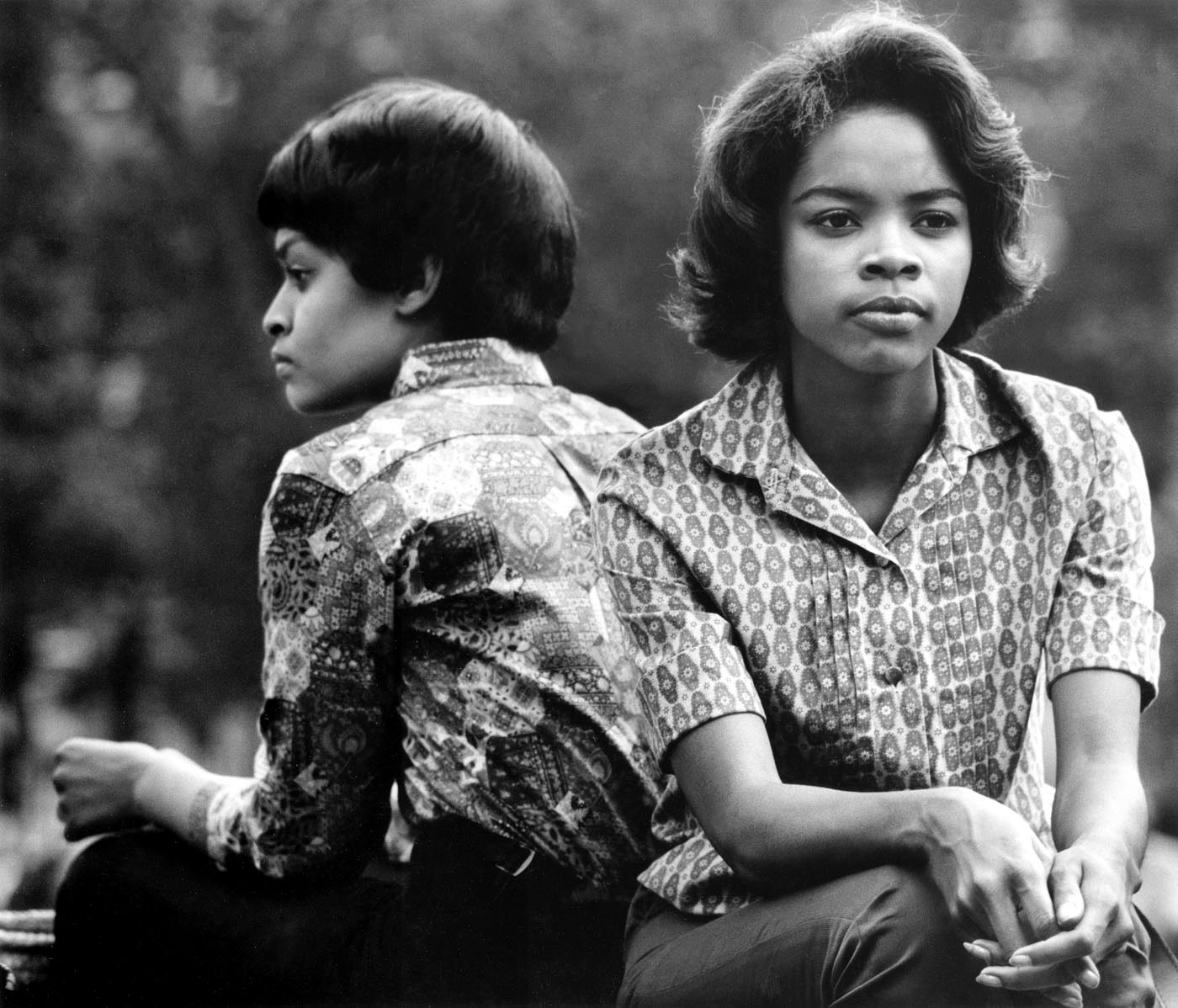
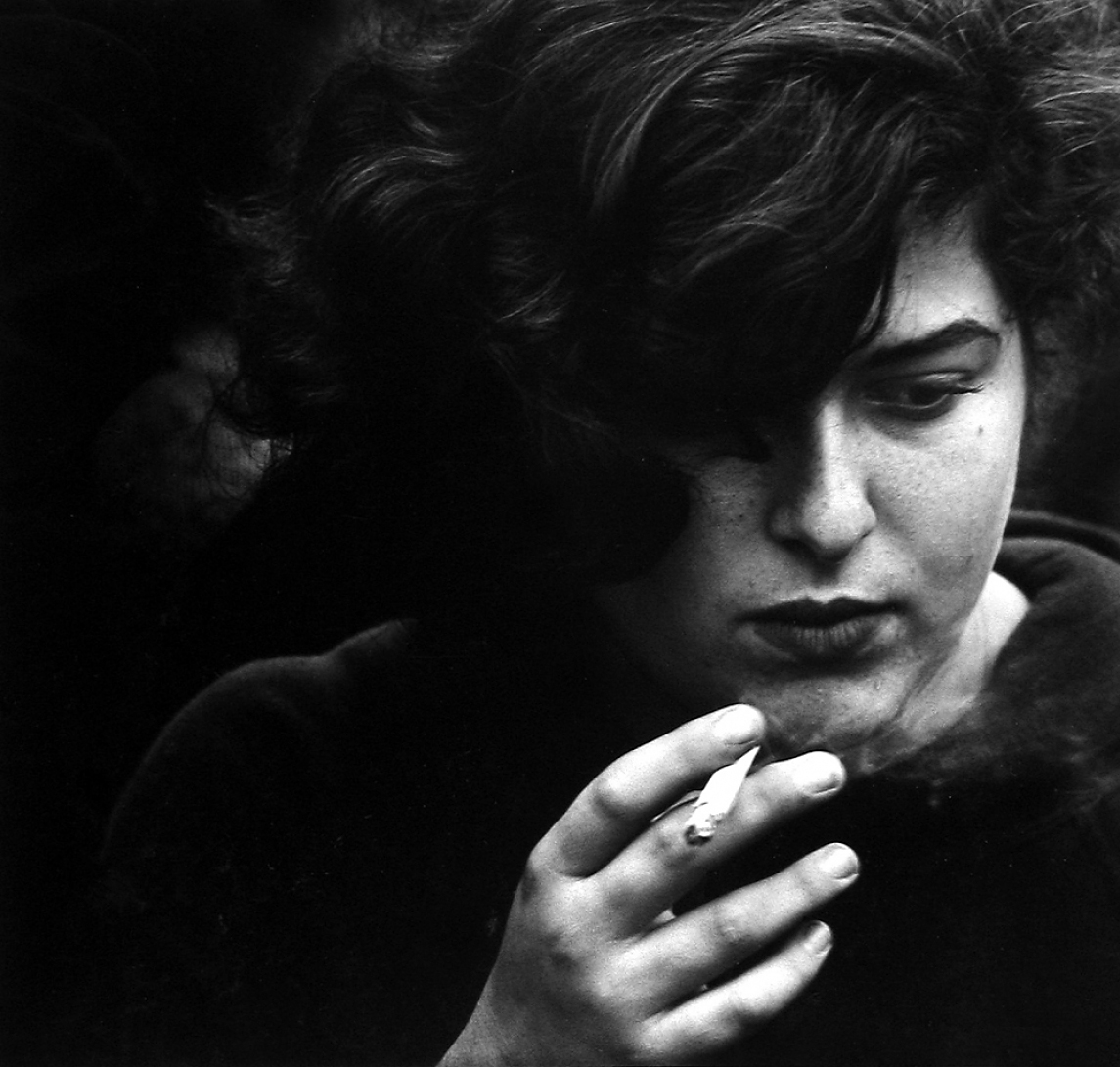
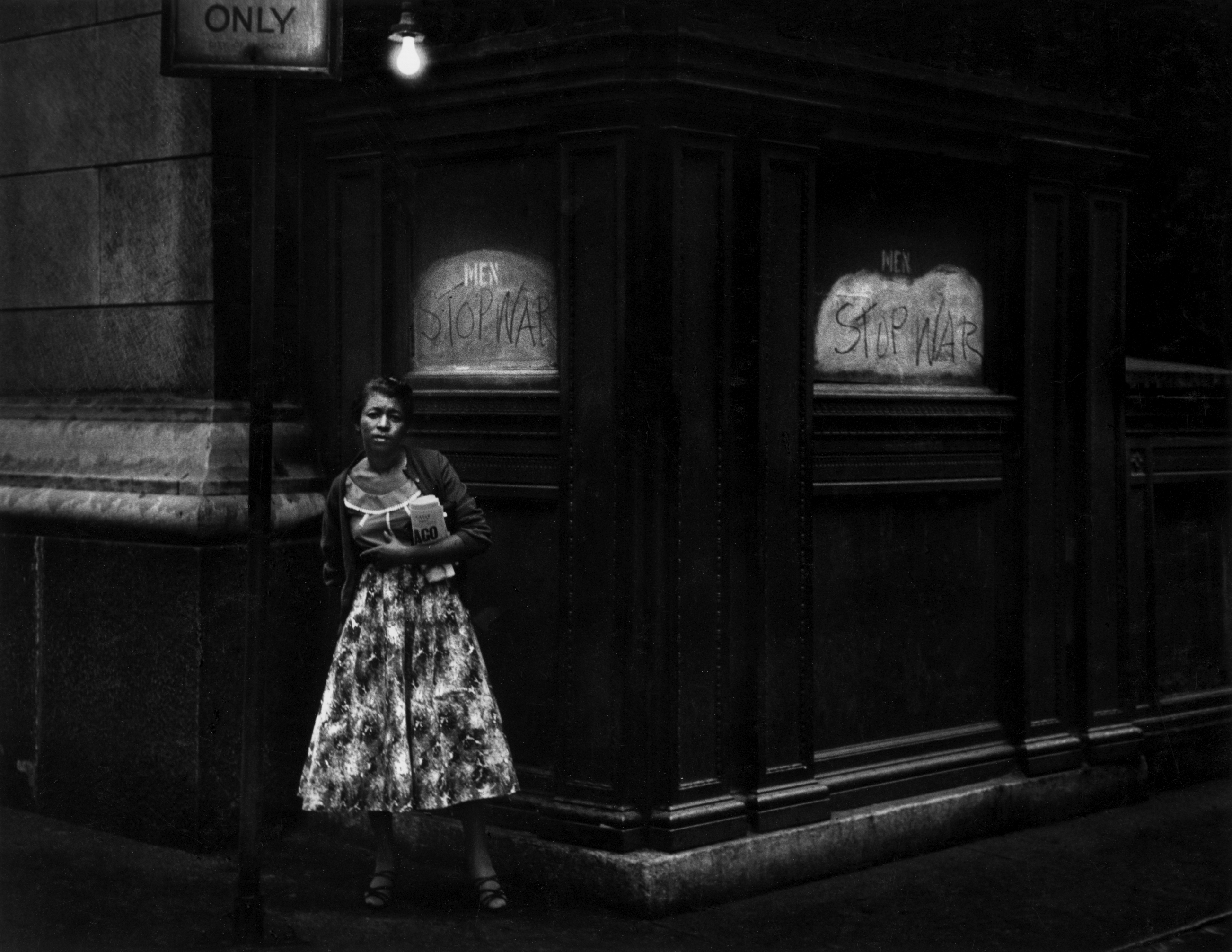
The master of what we see / visions of the self

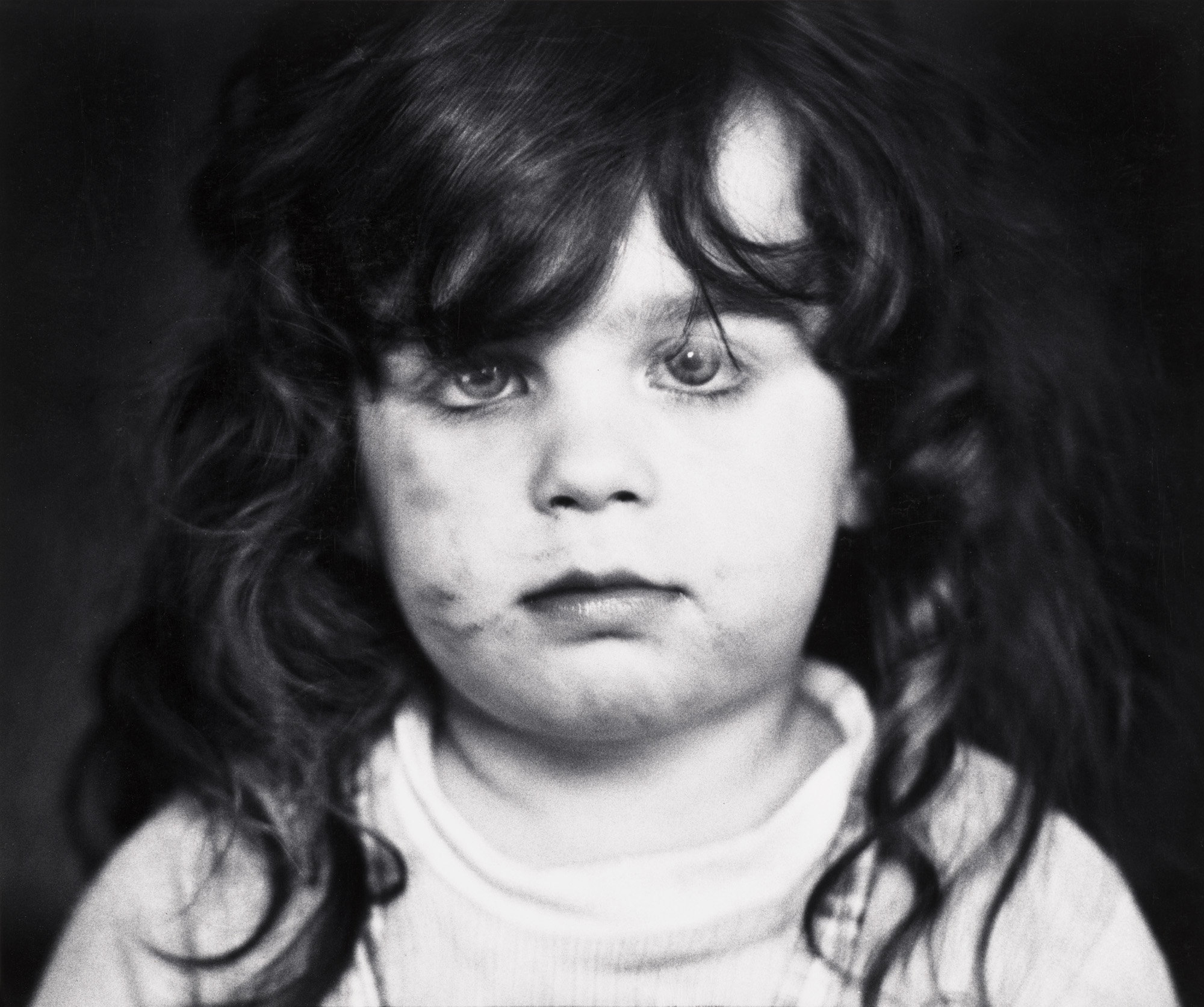
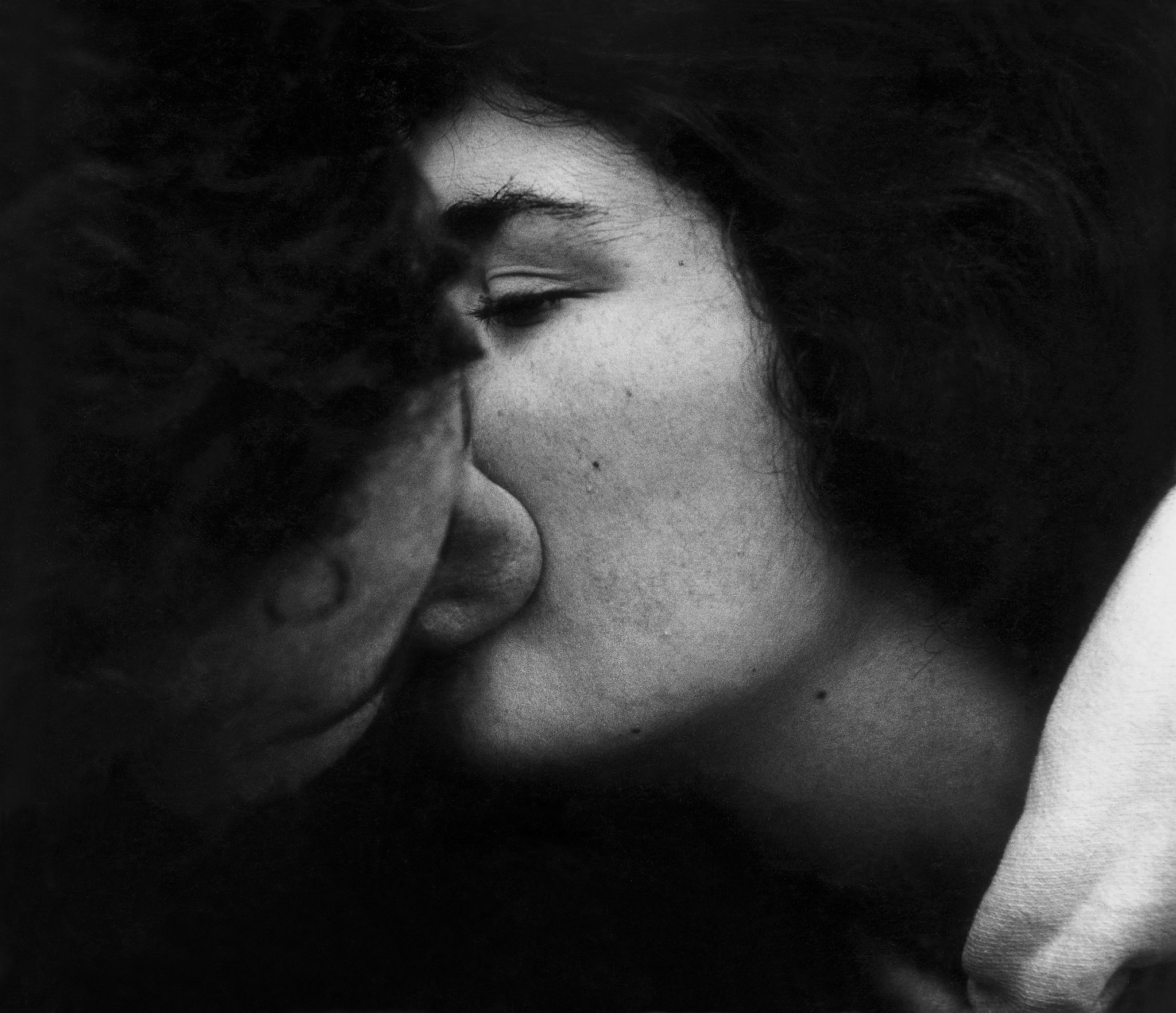
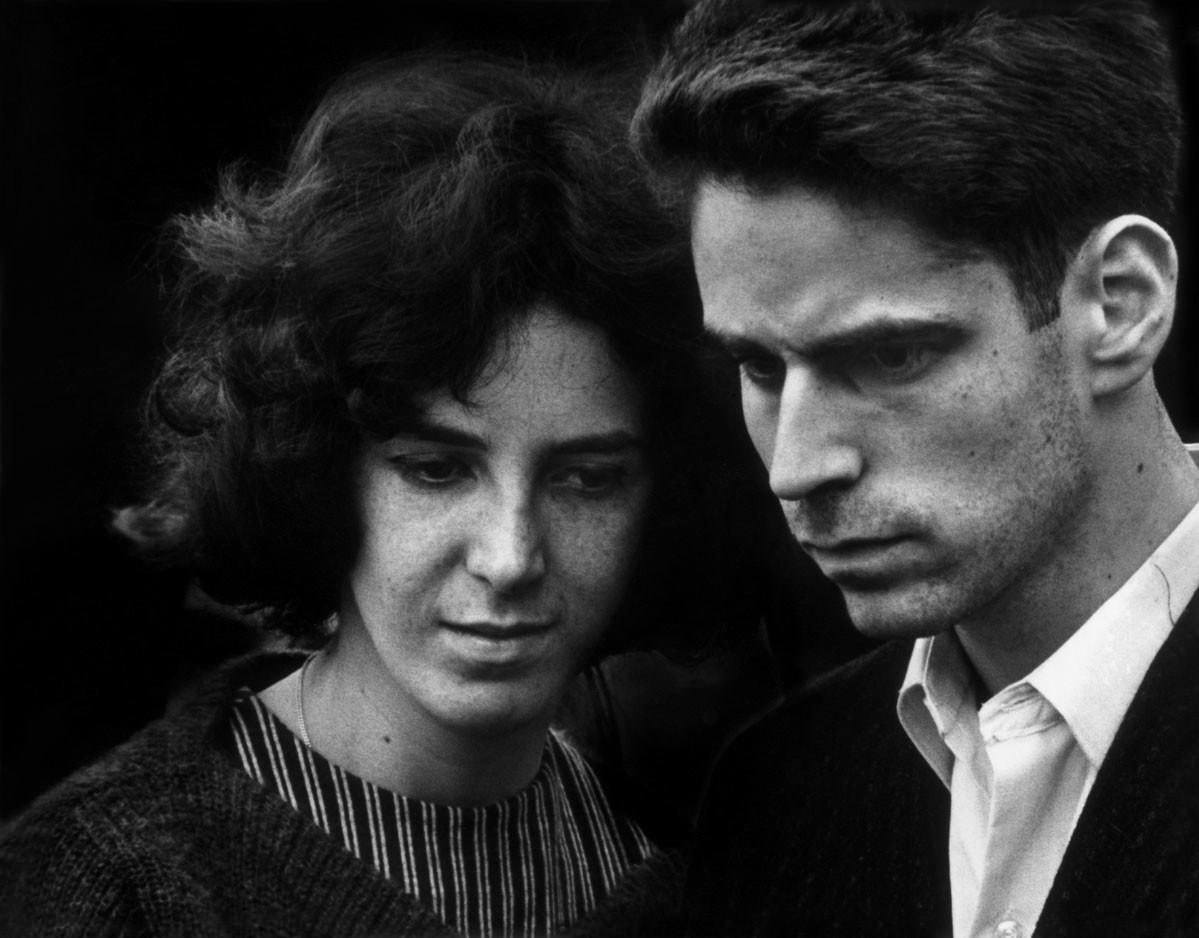
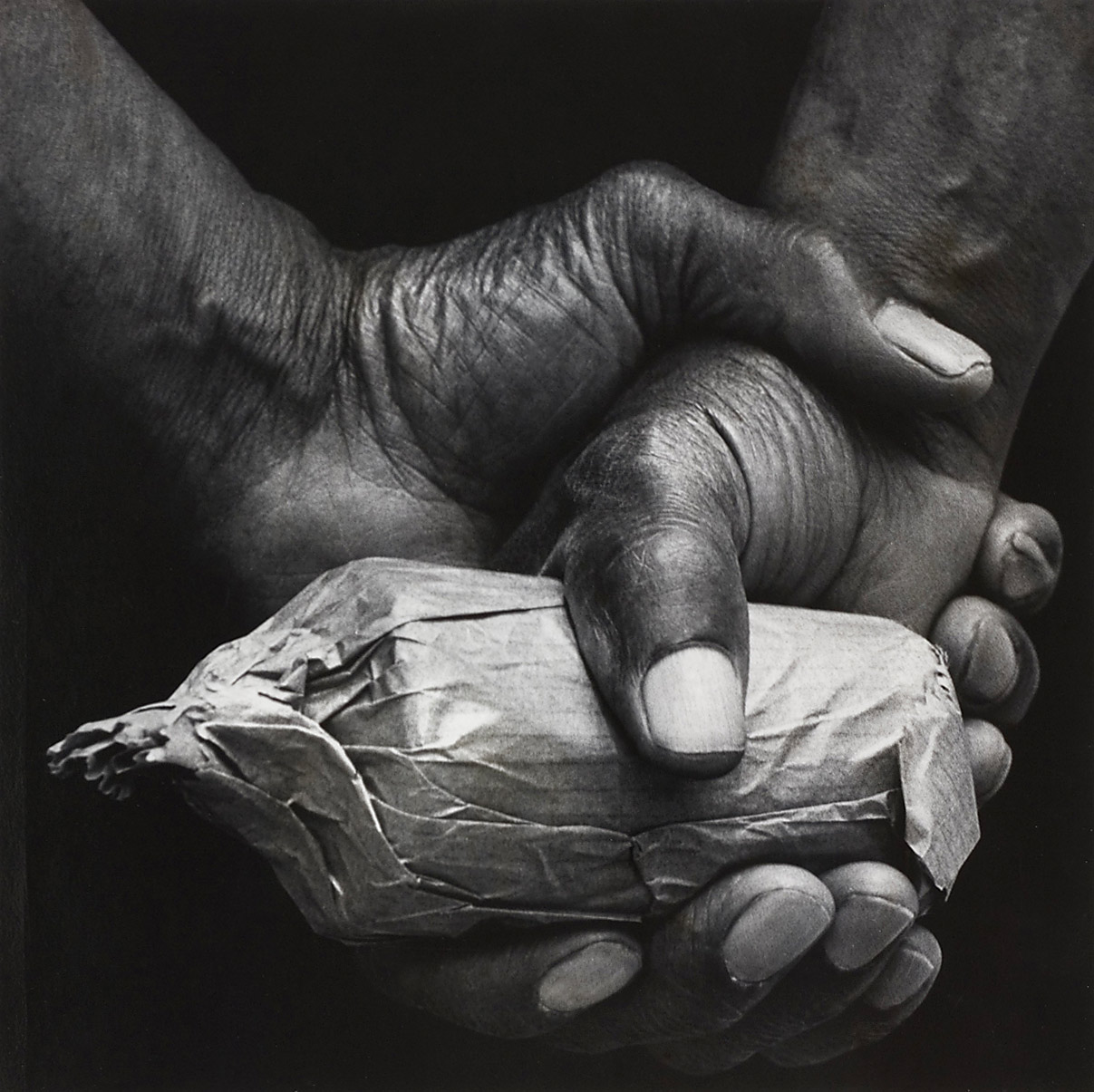
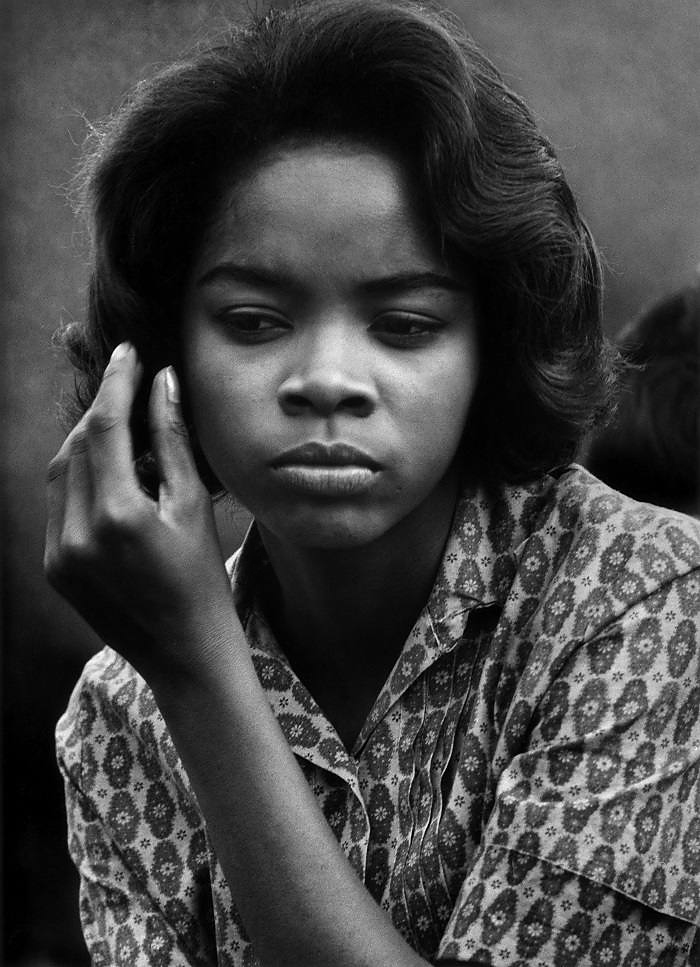
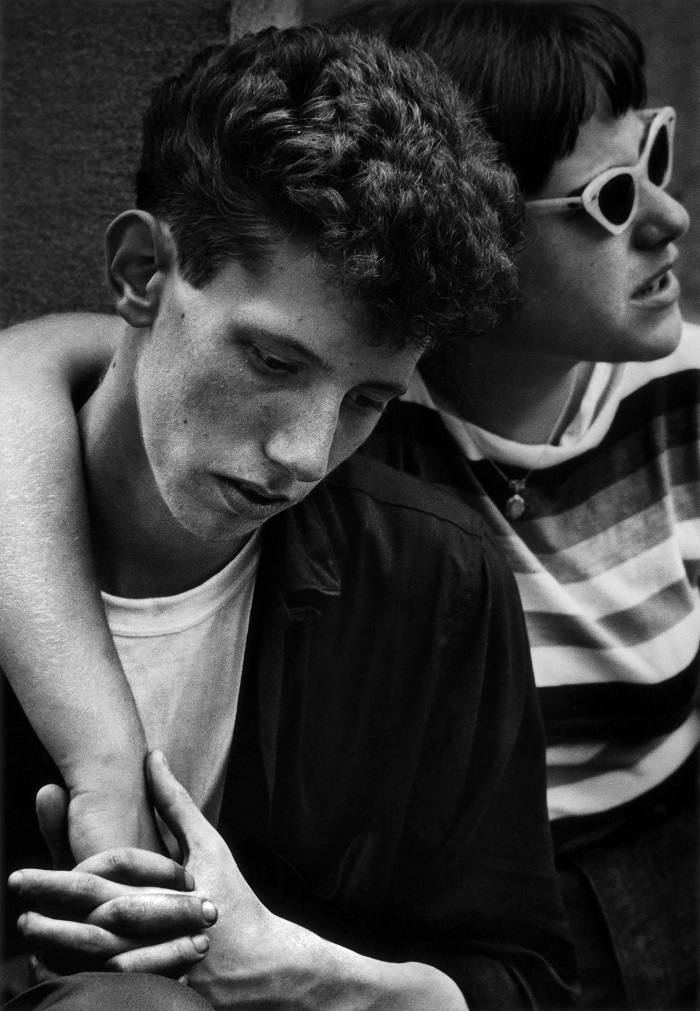
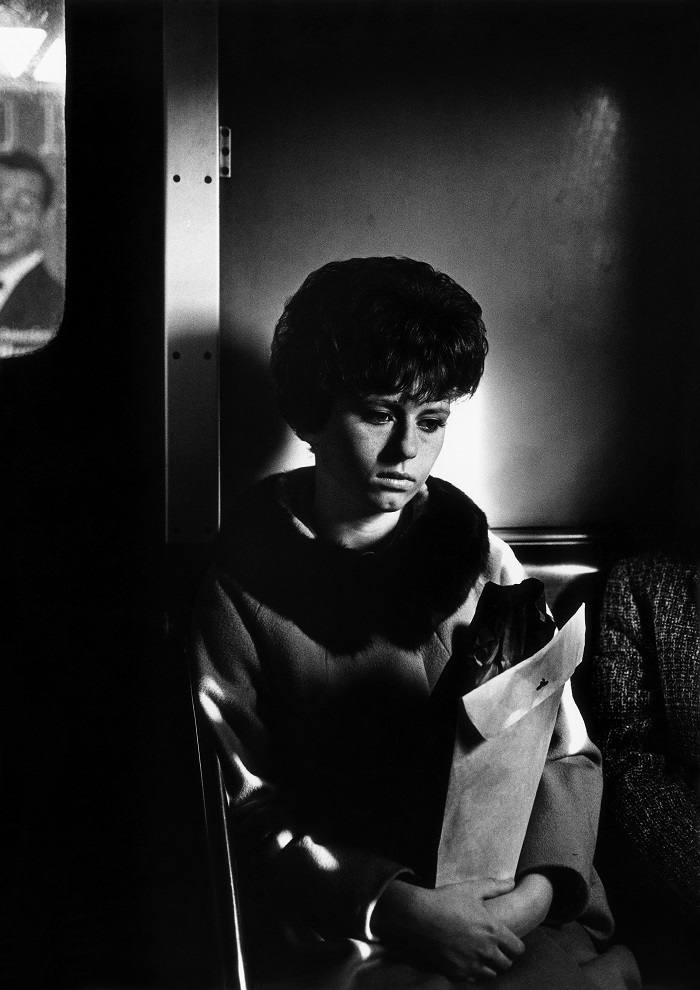
In which the visions (ghosts?) in these haunting photographs live, breathe, and barely exist in a strange closed world. Where the subjects seem so vulnerable.

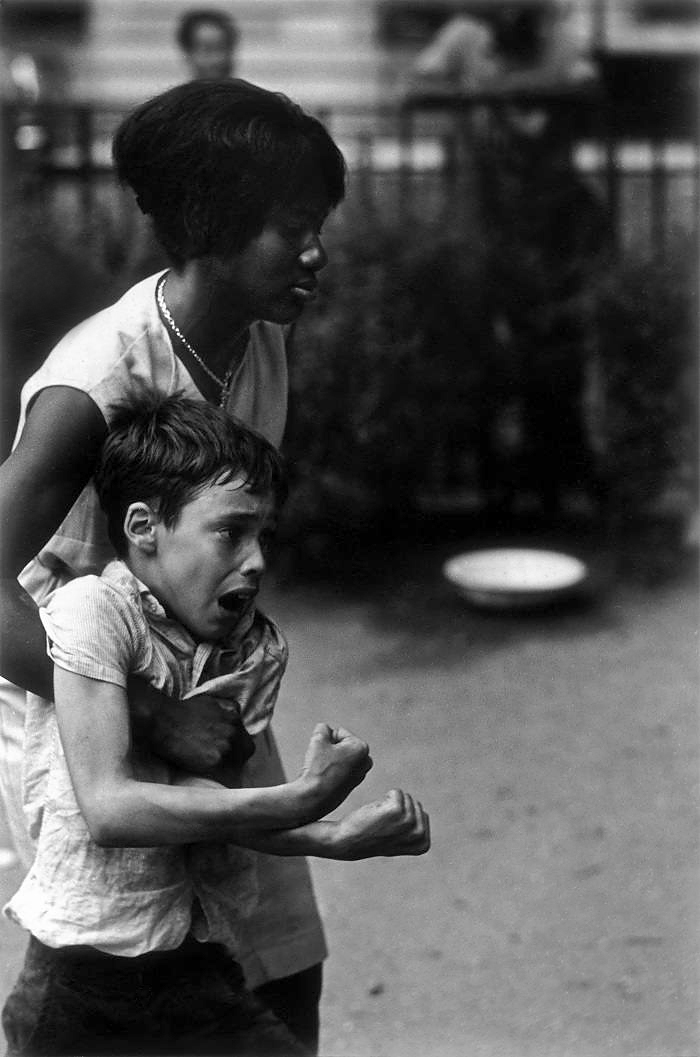
In which there is little sentimentality. The portraits emit a deep sense of melancholy in their re/pose, in the subjects temporal existence separated out from time. Heath photographs people as they are. He projects himself, not his ego, into this vision of vulnerable humanity.

In which this vision of truth illuminates the complex relationship between human nature and reality through emotional energy.

Dr Marcus Bunyan


Many thankx to The Photographers’ Gallery for allowing me to publish the photographs in the posting. Please click on the photographs for a larger version of the image.


“… the conundrum of the title is a reference about how to navigate the terrain of solitude one wishes to experience (to be alone), but also how to make that extend into a conversation with the subjects in front of you that will eventually become a single body of work for many to view (to be of more than one). This is of course conditional to your position within the world at large and how you view your presence within the greater universal ether. You must carry your solipsism like a rusty bucket of dirty brown well water. In Heath’s case, the solitary monologue and the ramble of the flaneur become something of a mantra – an incessant need to repeat, to be part of the cacophony of the worship of modern life in which the self and the crowd / city are forced to adjust to one another, but at safe distance with impassioned and yearning eyes.”


Extract from Brad Feuerhelm. “David Heath: “Dialogues With Solitudes”,” on the ASX website November 23, 2018 [Online] Cited 26/05/2019


“”A Dialogue with Solitude” is a self-portrait in which the artist himself never really appears, but is revealed and interpreted by every detail. Its revolt is alive with sympathy and acceptance of man’s modern placement in the world, mated with contradictory realization and resistance which deny and combat the absurdities of existence. This is expressed with a sincere poetry which is never shocked out of countenance by reality.”


Edwards, exh. label for A Dialogue of Solitude, 1963, on file in the Photography Department, Art Institute of Chicago quoted in Hugh Edwards. “Dave Heath,” on the Art Institute of Chicago website [Online] Cited 26/05/2019


The first major UK exhibition dedicated to the work of this hugely influential American photographer.

Heath’s psychologically charged images both reflect and respond to the alienation particularly prevalent in post war North American society. He was one of the first of a new generation of artists seeking new ways to try and make sense of the increasing sense of isolation and vulnerability that typified the age.

Predominantly self-taught, Heath was nonetheless extremely informed and versed in the craft, theory and history of photography and taught extensively throughout his life. Although greatly influenced by W. Eugene Smith and the photographers of the Chicago School, including Aaron Siskind and Harry Callahan, Heath cannot be neatly pigeonholed as either a documentary or experimental photographer. His work feels more at home within a narrative or poetic tradition, where an interior reality takes precedence.

Taking his masterwork and first publication, A Dialogue With Solitude, as a point of departure, this exhibition highlights Heath’s preoccupations with solitude and contemplation and further makes explicit the importance of sequencing in his practice. Heath was clear that “the central issue of my work is sequence” and held the belief that the relativity and rhythm of images offered a truer way of conveying a universal psychological state than a single image. He perfected a form of montage, often blending text and image to create visual poems, which captured the mood of the decade in a manner akin to a photographic protest song.

Heath’s photographs are shown in dialogue with cult American films from the 1960s similarly focused on themes of solitude and alienation. These include: Portrait of Jason by Shirley Clarke (1966); Salesman by Albert and David Maysles and Charlotte Mitchell Zwerin (1968); and The Savage Eye by Ben Maddow, Sidney Meyers and Joseph Strick (1960).

“The fact that I never had a family, a place or a story that defined me, inspired a need in me to join the community of mankind. I did so by inventing a poetic form linking this community, at least symbolically, in my imagination, through this form.” ~ Dave Heath


Curated by Diane Dufour, Director of LE BAL. Exhibition conceived by LE BAL with the support of Stephen Bulger Gallery (Toronto), Howard Greenberg Gallery (New York), Archive of Modern Conflict (London) and Les Films du Camélia (Paris).

Text from the Photographers’ Gallery website [Online] Cited 25/05/2019


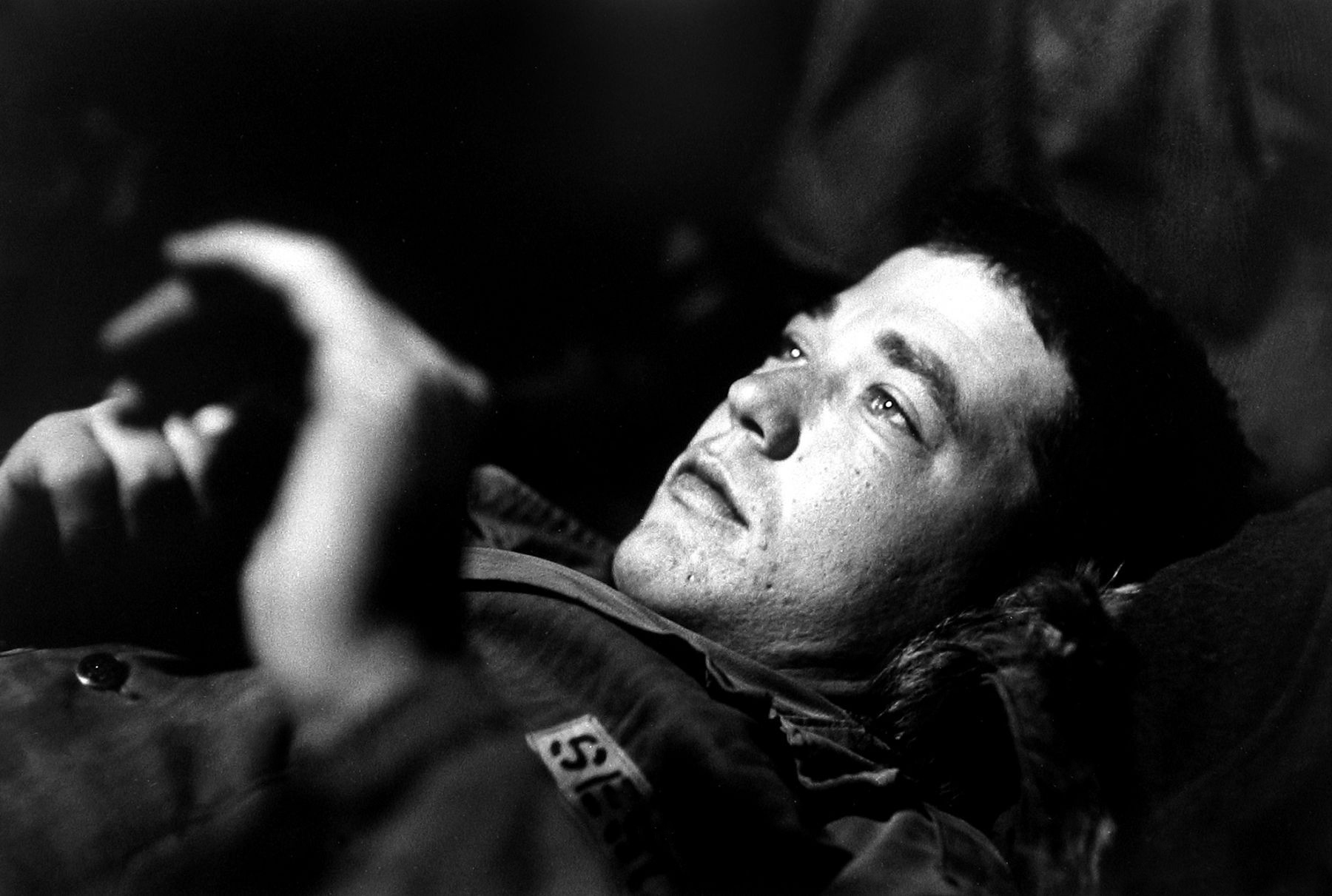
Dave Heath (Canadian born United States, 1931-2016) 'Sesco Corée' 1953-1954 from the exhibition 'Dave Heath: Dialogues with Solitudes' at The Photographers' Gallery, London, March - June, 2019


Dave Heath (Canadian born United States, 1931-2016)
Sesco, Corée
1953-1954
Gelatin silver print
© Dave Heath / Courtesy of Howard Greenberg Gallery, New York, and Stephen Bulger Gallery, Toronto


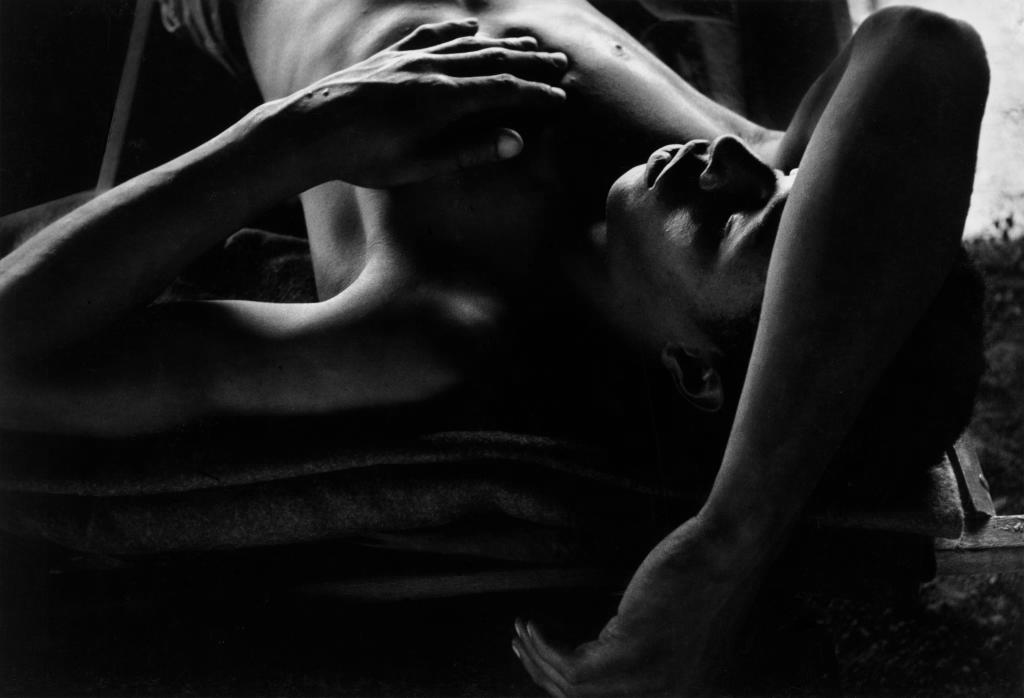
Dave Heath (Canadian born United States, 1931-2016) 'Carl Dean Kipper, Korea' 1953-1954


Dave Heath (Canadian born United States, 1931-2016)
Carl Dean Kipper, Korea
1953-1954
Gelatin silver print
© Dave Heath / Courtesy of Howard Greenberg Gallery, New York, and Stephen Bulger Gallery, Toronto


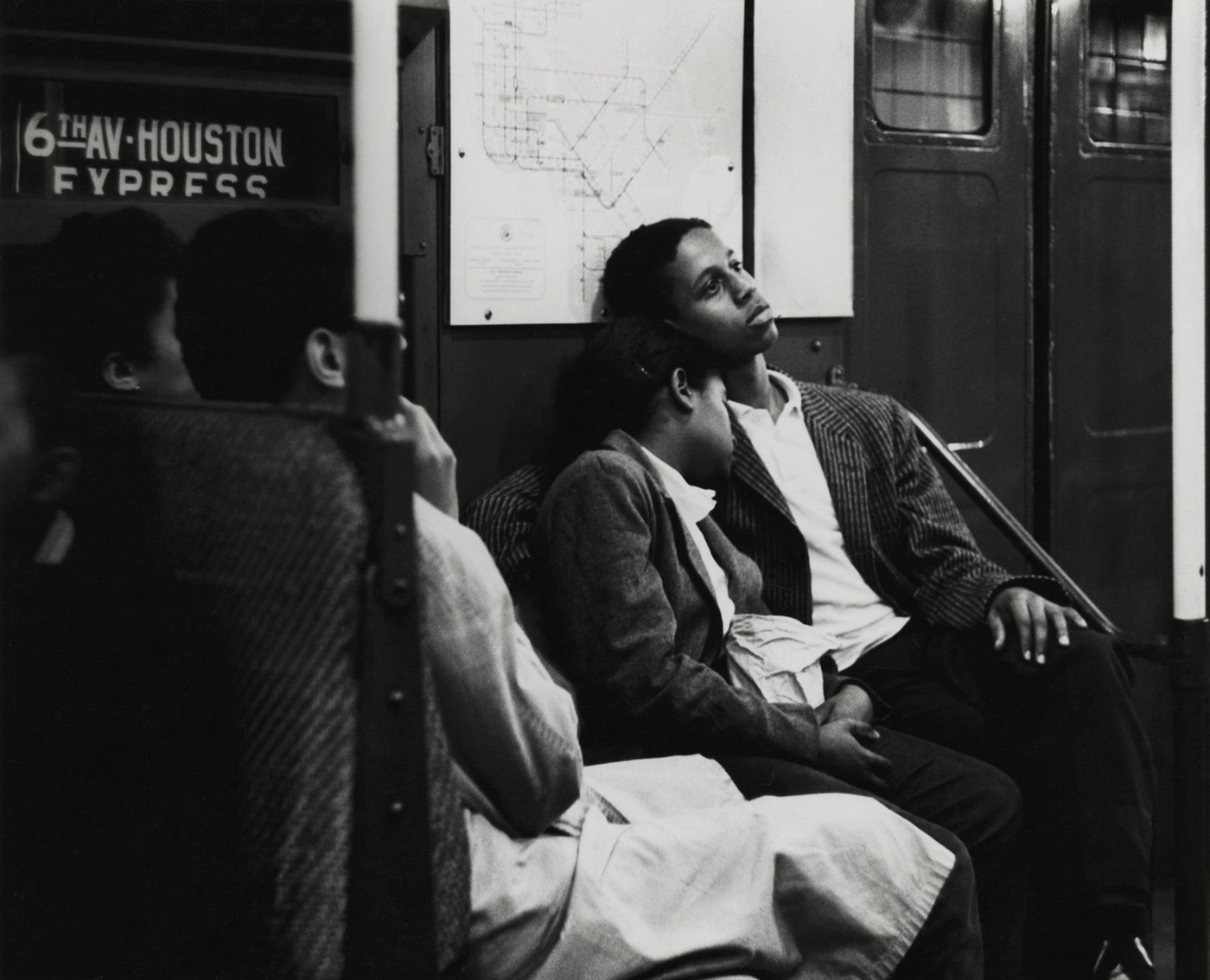
Dave Heath (Canadian born United States, 1931-2016) 'New York City, 1958-1959


Dave Heath (Canadian born United States, 1931-2016)
New York City
1958-1959
Gelatin silver print
© Dave Heath / Courtesy of Howard Greenberg Gallery, New York, and Stephen Bulger Gallery, Toronto


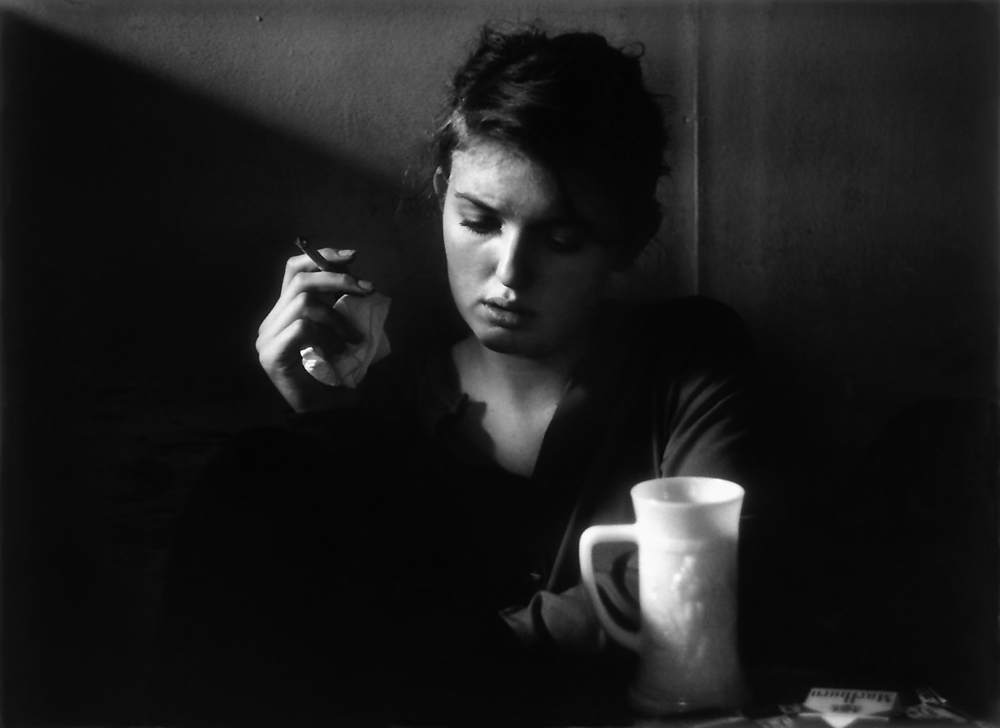
Dave Heath (Canadian born United States, 1931-2016) 'Janine Pommy Vega, Seven Arts Coffee Gallery, New York' 1959


Dave Heath (Canadian born United States, 1931-2016)
Janine Pommy Vega, Seven Arts Coffee Gallery, New York
1959
Gelatin silver print
© Dave Heath / Courtesy of Howard Greenberg Gallery, New York, and Stephen Bulger Gallery, Toronto


Dave Heath (Canadian born United States, 1931-2016) 'Washington Square, New York City' 1960


Dave Heath (Canadian born United States, 1931-2016)
Washington Square, New York City
1960
Gelatin silver print
© Dave Heath / Courtesy of Howard Greenberg Gallery, New York, and Stephen Bulger Gallery, Toronto


Dave Heath (Canadian born United States, 1931-2016) 'Washington Square, New York City' 1960


Dave Heath (Canadian born United States, 1931-2016)
Washington Square, New York City
1960
Gelatin silver print
© Dave Heath / Courtesy of Howard Greenberg Gallery, New York, and Stephen Bulger Gallery, Toronto


Dave Heath (Canadian born United States, 1931-2016) 'Washington Square, New York City' 1960


Dave Heath (Canadian born United States, 1931-2016)
Washington Square, New York City
1960
Gelatin silver print
© Dave Heath / Courtesy of Howard Greenberg Gallery, New York, and Stephen Bulger Gallery, Toronto


Dave Heath (Canadian born United States, 1931-2016) 'Washington Square, New York City' 1960


Dave Heath (Canadian born United States, 1931-2016)
Washington Square, New York City
1960
Gelatin silver print
© Dave Heath / Courtesy of Howard Greenberg Gallery, New York, and Stephen Bulger Gallery, Toronto


Dave Heath (Canadian born United States, 1931-2016) 'Erin Freed, New York City' 1963


Dave Heath (Canadian born United States, 1931-2016)
Erin Freed, New York City
1963
Gelatin silver print
© Dave Heath / Courtesy of Howard Greenberg Gallery, New York, and Stephen Bulger Gallery, Toronto


Dave Heath (Canadian born United States, 1931-2016) 'New York City (Young Couple Kissing)' 1962


Dave Heath (Canadian born United States, 1931-2016)
New York City (Young Couple Kissing)
1962
Gelatin silver print
© Dave Heath / Courtesy of Howard Greenberg Gallery, New York, and Stephen Bulger Gallery, Toronto


Dave Heath (Canadian born United States, 1931-2016) 'New York City' 1960


Dave Heath (Canadian born United States, 1931-2016)
New York City
1960
Gelatin silver print
© Dave Heath / Courtesy of Howard Greenberg Gallery, New York, and Stephen Bulger Gallery, Toronto


The Photographers’ Gallery, in collaboration with LE BAL Paris, presents Dave Heath: Dialogues with Solitudes; the first major UK exhibition dedicated to the work of this hugely influential American photographer (b. 1931 USA, d. 2016 Canada).

Heath’s psychologically charged images both reflect and respond to the alienation particularly prevalent in post war North American society. He was one of the first of a new generation of artists seeking new ways to try and make sense of the increasing sense of isolation and vulnerability that typified the age. Predominantly self-taught, Heath was nonetheless extremely informed and versed in the craft, theory and history of photography and taught extensively throughout his life. Although greatly influenced by W. Eugene Smith and the photographers of the Chicago School, including Aaron Siskind and Harry Callahan, Heath cannot be neatly pigeonholed as either a documentary or experimental photographer. His work feels more at home within a narrative or poetic tradition, where an interior reality takes precedence.

Heath was born in Philadelphia in 1931 and had a turbulent childhood, abandoned by his parents at the age of four and consigned to a series of foster homes before being placed in an orphanage. He first became interested in photography as a teenager, and joined an amateur camera club. He was fascinated by the photo essays in Life Magazine and cites one in particular as having a decisive impact on his future. Bad Boy’s Story by Ralph Crane, charted the emotional landscape of a young orphan. Not only did Heath identify with the protagonist, he immediately recognised the power of photography as a means of self expression and as a way of connecting to others. In the following years he trained himself in the craft, taking courses in commercial art, working in a photo processing lab, and studying paintings at the Philadelphia Museum of Art. While stationed in Korea with the US Army, he began to photograph his fellow soldiers, eschewing the drama of the battlefield for quiet and private moments of subdued reflection.

On his return, Heath dedicated himself to photography, continuing his interest with capturing an “inner landscape” and training his lens on anonymous strangers whom he identified as similarly lost or fragile. Although he photographed in mostly public spaces, on the streets of Chicago and New York (where he moved to in 1957), his subjects seem detached from their physical context, shot in close-up, articulated by their isolation. His frames possess an intensity of concentration, showing single figures or close-knit couples entirely wrapped up in their own world. An occasional sidelong glance conveys a momentary awareness of being photographed, but for the most part Heath is an unobserved, unobtrusive witness. By concentrating on the fragility of human connection, focusing on the personal over the political, Heath gave ‘voice’ to those largely unheard and joined a growing community of artists searching for alternative forms of expression. His work was pivotal in depicting the fractured feeling of societal unease just prior to the rise of the civil rights movement and opposition to the Vietnam War and his ground-breaking approaches to narrative and image sequence, his exquisite printing techniques, handmade book maquettes, multimedia slide presentations culminated in his poetic masterwork, A Dialogue with Solitude, 1965. This sensitive exploration of loss, pain, love and hope reveals Heath as one the most original photographers of those decades.

After 1970, Dave Heath devoted much of his time to teaching (in particular at Ryerson University, Toronto) in Canada, where he later became a citizen. He died in 2016.

Press release from The Photographers’ Gallery website [Online] Cited 25/05/2019


Dave Heath (Canadian born United States, 1931-2016) 'Philadelphia, 1952'


Dave Heath (Canadian born United States, 1931-2016)
Philadelphia
1952
Gelatin silver print
© Dave Heath / Courtesy of Howard Greenberg Gallery, New York, and Stephen Bulger Gallery, Toronto


Dave Heath (Canadian born United States, 1931-2016) 'Washington Square, New York City' 1960


Dave Heath (Canadian born United States, 1931-2016)
Washington Square, New York City
1960
Gelatin silver print
© Dave Heath / Courtesy of Howard Greenberg Gallery, New York, and Stephen Bulger Gallery, Toronto


Dave Heath (Canadian born United States, 1931-2016) 'Washington Square, New York City' 1960


Dave Heath (Canadian born United States, 1931-2016)
Washington Square, New York City
1960
Gelatin silver print
© Dave Heath / Courtesy of Howard Greenberg Gallery, New York, and Stephen Bulger Gallery, Toronto


Dave Heath (Canadian born United States, 1931-2016) 'Untitled' c. 1960


Dave Heath (Canadian born United States, 1931-2016)
Untitled
c. 1960
Gelatin silver print
© Dave Heath / Courtesy of Howard Greenberg Gallery, New York, and Stephen Bulger Gallery, Toronto


Dave Heath (Canadian born United States, 1931-2016) 'Elevated in Brooklyn, New York City' 1963


Dave Heath (Canadian born United States, 1931-2016)
Elevated in Brooklyn, New York City
1963
Gelatin silver print
© Dave Heath / Courtesy of Howard Greenberg Gallery, New York, and Stephen Bulger Gallery, Toronto


The Photographers’ Gallery
16-18 Ramillies Street
London
W1F 7LW

Opening hours:
Mon – Wed: 10.00 – 18.00
Thursday – Friday: 10.00 – 20.00
Saturday: 10.00 – 18.00
Sunday: 11.00 – 18.00

The Photographers’ Gallery website

LIKE ART BLART ON FACEBOOK

Back to top