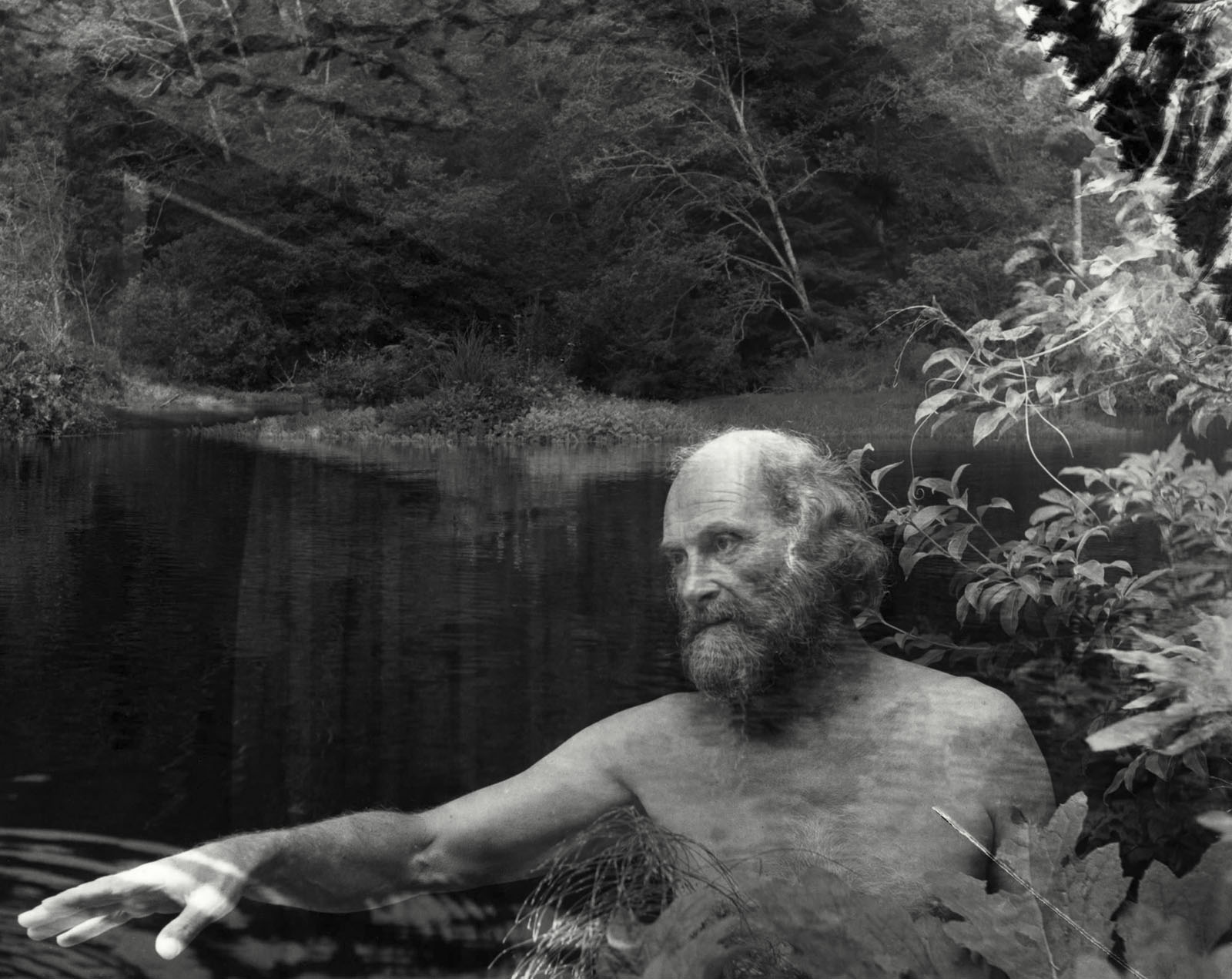
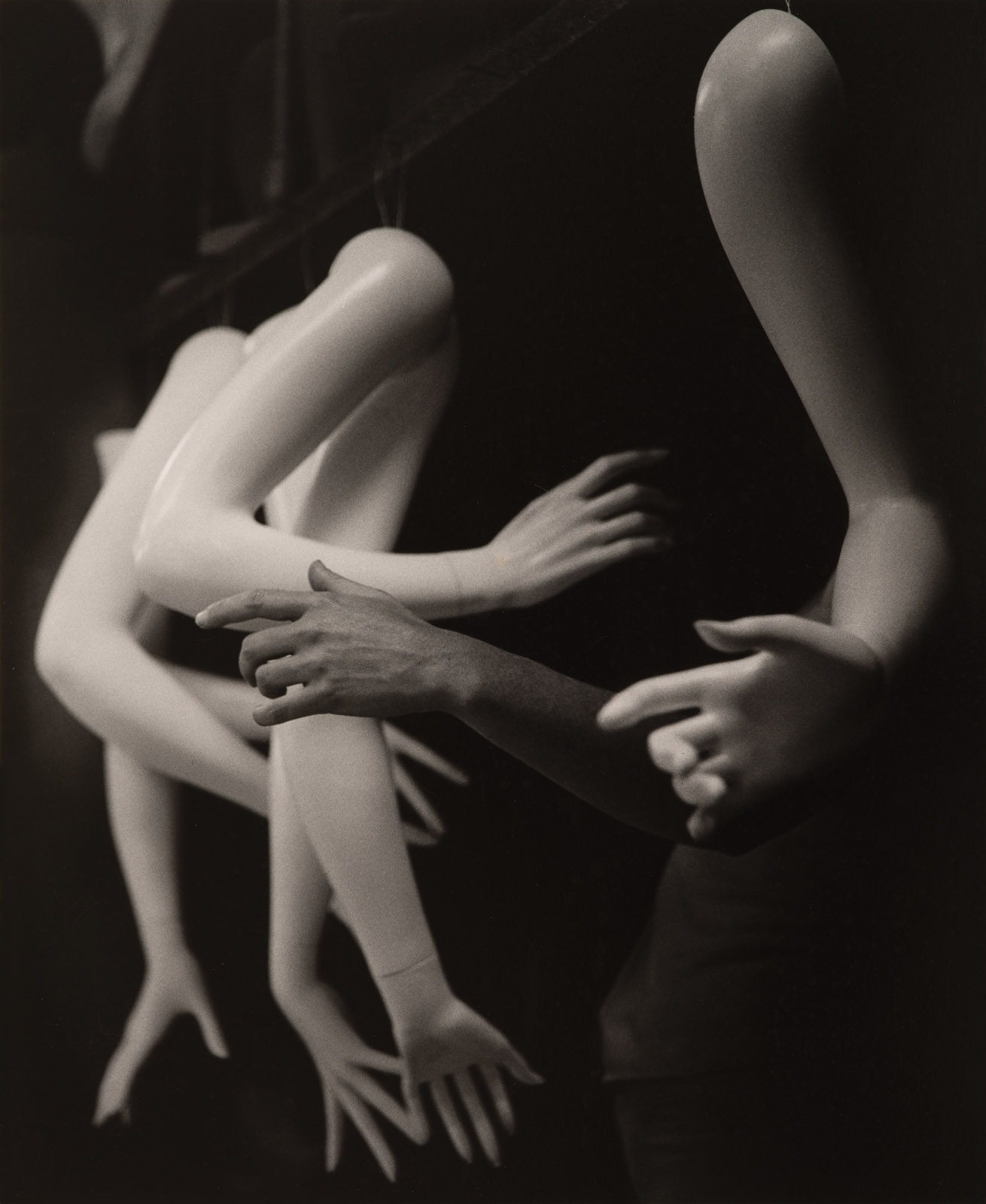
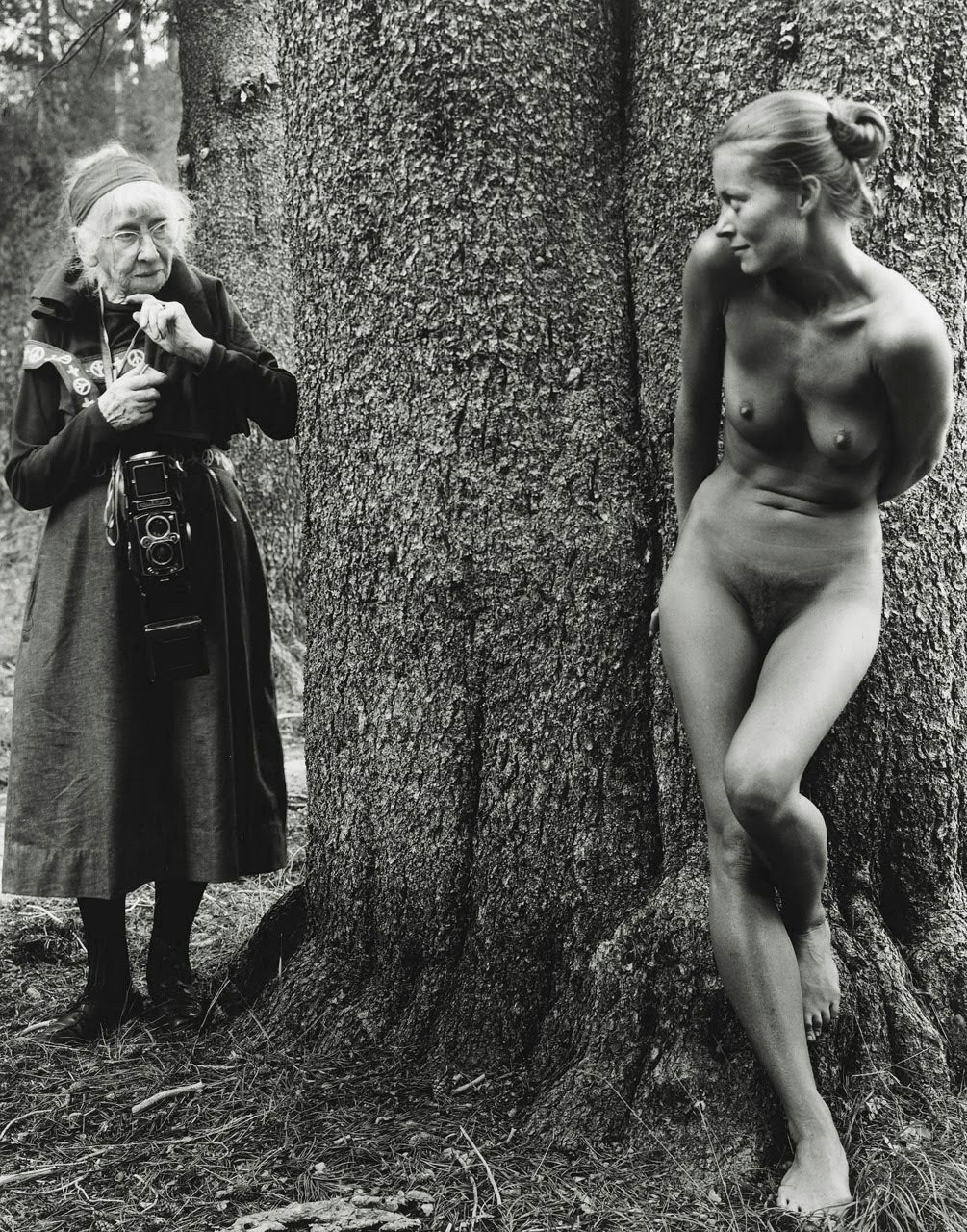
Exhibition: ‘Photography’s New Vision: Experiments in Seeing’ at the High Museum of Art, Atlanta

Exhibition dates: 13th June, 2025 – 4th January, 2026

Curator: Maria L. Kelly, High Museum of Art assistant curator of photography
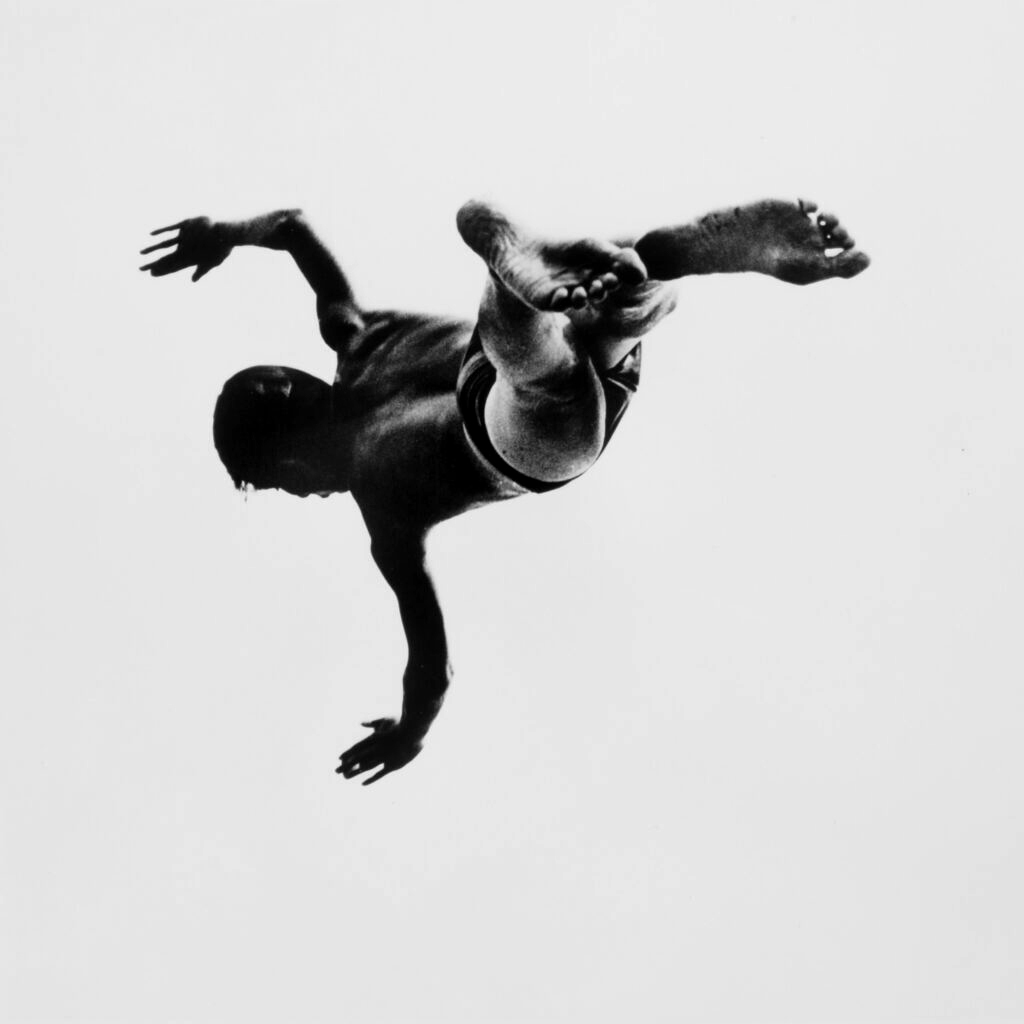
 

Aaron Siskind (American, 1903-1991) 'Pleasures and Terrors of Levitation #37' 1953


Aaron Siskind (American, 1903-1991)
Pleasures and Terrors of Levitation #37
1953
Gelatin silver print
High Museum of Art, Atlanta, gift of Adair and Joe B. Massey in honour of Gus Kayafas


Aaron Siskind was recognised for the ways he rendered his surroundings into often stark shapes and forms, which reflected his fascination with contemporary trends in abstract art. He was an influential teacher at Chicago’s Institute of Design, which was founded by László Moholy-Nagy as the New Bauhaus. This image of a person flying or falling comes from a series Siskind made of the contorted bodies of divers plunging into Lake Michigan. He masterfully created its disorienting effect through tight focus on the floating figure without contextual elements.

Text from the High Museum of Art website


While contemporarily AI-powered technologies are revolutionising the way we interact with and consume media, enabling us to “to process and analyse vast amounts of data quickly, making it easier to find and access the information we need” in the 1920s and 1930s there was also a revolution in the way artists (and their use of the camera) viewed and felt the world – one not based on information, image quality or duplicity in the veracity of the image but one based on the word, perspective – be that point of view, context, close ups, surreality, fragmentation, scale, concept, construction, colour, aesthetics, identity, gender, or radical experimentation.

In this departure from traditional photographic methods, “New Vision photographers foregrounded experimental techniques, including photograms, photomontages and compositions that favoured extreme angles and unusual viewpoints, and these extended to movements such as surrealism and constructivism.” (Press release)

To me, this New Vision is about experiencing different perspectives – experiencing, sensing, feeling and seeing the world in a new light. After the disasters and machine-ations, the destruction of a conservative way of life before the First World War, here was a way to grasp hold of (and picture) the speed of a new world order, the dreams of physiological analysis, the diversity of new identities, and the fluidity of rapidly evolving technological and social cultures.

While today this (r)evolution continues at an ever expanding pace with the consumption of huge amounts of information and images, I believe it may be advantageous to rest for a while on certain experiences and images … so that we let the daggers drop from our eyes, to ‘not make images’ in our minds eye but just to be present in the viewing of a photograph, so that we appreciate and understand every aspect of the great life spirit of this wondrous earth.

Then and now, new vision.

Dr Marcus Bunyan


Many thankx to the High Museum of Art for allowing me to publish the photographs in the posting. Please click on the photographs for a larger version of the image.


The New Vision movement of the 1920s and 1930s offered a revolutionary approach to seeing the world. It represented a rebellion against traditional photographic methods and an embrace of avant-garde experimentation and innovative techniques. László Moholy-Nagy, an artist and influential teacher at the Bauhaus in Germany, named this period of expansion the “New Vision.” Today, the term encompasses photographic developments that took place between the two World Wars in Europe, America, and beyond. New Vision photographers foregrounded inventive techniques, including photograms, photomontages, and light studies, and made photographs that favoured extreme angles and unusual viewpoints. These approaches – which also extended to more defined movements like Surrealism – spoke to a desire to find and see different perspectives in the wake of World War I.

Uniting more than one hundred works from the High’s photography collection, the exhibition traces the movement’s impact, from its origins in the 1920s to today, and demonstrates its long-standing effect on subsequent generations.

Text from the High Museum of Art website

Photography’s New Vision: Experiments in Seeing

Named by the influential German artist and teacher László Moholy-Nagy, the “New Vision” comprised an expansive variety of photographic exploration that took place in Europe, America, and beyond in the 1920s and 1930s. The movement was characterised by its departure from traditional photographic methods. New Vision photographers foregrounded experimental techniques, including photograms, photomontages, and light studies, and made photographs that favoured extreme angles and unusual viewpoints.

This exhibition, uniting more than one hundred works from the High’s robust photography collection, will trace the impact of the New Vision movement from its origins in the 1920s to today. Photographs from that era by Ilse Bing, Alexander Rodchenko, Imogen Cunningham, and Moholy-Nagy will be complemented by a multitude of works by modern and contemporary artists such as Barbara Kasten, Jerry Uelsmann, Hiroshi Sugimoto, and Abelardo Morell to demonstrate the long-standing impact of the movement on subsequent generations.

Text from the High Museum of Art website


Installation view of the exhibition 'Photography's New Vision: Experiments in Seeing' at the High Museum of Art, Atlanta, June 2025 - January 2026


Installation views of the exhibition Photography’s New Vision: Experiments in Seeing at the High Museum of Art, Atlanta, June 2025 – January 2026
Photos: Mike Jensen


The High Museum of Art presents “Photography’s New Vision: Experiments in Seeing” (June 13, 2025 – Jan. 4, 2026), an exhibition uniting more than 100 works from the High’s robust photography collection to trace the impact of the New Vision movement from its origins in the 1920s to today. Works include century-old photographs exemplifying themes from the movement and modern and contemporary images that emphasise the relevance of current artistic and social practices as a response to the technological and cultural changes that occurred in the early 20th century.

“This exhibition provides an opportunity to illuminate photographers’ creativity and innovative practices, all inspired by the progression of the medium in the 1920s and 30s,” said High Museum of Art Director Rand Suffolk. “Many of the works are rarely on view, so it will be an exciting experience for visitors to see them and learn about photographers’ abilities as they reflect reality while experimenting with technique and perspective.” Named by the influential German artist and teacher László Moholy-Nagy, the “New Vision” comprised an expansive variety of photographic exploration that took place in Europe, America and beyond in the 1920s and 1930s. The movement was characterised by its departure from traditional photographic methods. New Vision photographers foregrounded experimental techniques, including photograms, photomontages and compositions that favoured extreme angles and unusual viewpoints, and these extended to movements such as surrealism and constructivism.

“Experiments in Seeing” features nearly 100 photographers. It also demonstrates how the New Vision movement revolutionised the medium of photography in the early 20th century in response to the great societal, economic and technological shifts spurred by the upheaval of the two World Wars. Photographs from that era by Ilse Bing, Alexander Rodchenko, Imogen Cunningham and Moholy-Nagy have been complemented by a multitude of photographs by modern and contemporary artists such as Barbara Kasten, Jerry Uelsmann, Hiroshi Sugimoto and Abelardo Morell to demonstrate the long-standing impact of the movement on subsequent generations.

The first section of the exhibition delves into experimental techniques that foreground the light-sensitive aspects of photography, followed by works created through in-camera manipulations or additions to the surfaces of the prints. Subsequent sections explore inventive methods of capturing unexpected views of the world articulated with radical angles or detailed close-ups. Other works showcase surreal approaches to subjects such as humanlike forms and bodies, the use of mirrors and doubling, and everyday scenes heightened by uncanny moments or distorted through the interplay of light, shadow and water.

“Not only does the early 20th century and its art movements continue to be influential, but that time also echoes our current moment – one that feels similarly consequential and innovative with the development of new emerging technologies and methods of communicating,” said Maria L. Kelly, the High’s assistant curator of photography. “The movements and happenings of a century ago are akin to those of today and those shown in the exhibition. There remains a desire for alternative ways to see and approach the world through art, and particularly through photography.”

“Photography’s New Vision: Experiments in Seeing” is on view in the Lucinda W. Bunnen Galleries for Photography located on the Lower Level of the High’s Wieland Pavilion.

Press release from the High Museum of Art


“Light was considered the medium that permits photography. But for me it became the main subject: the protagonist of my photography.”


Ilse Bing, c. 1920s


Light Experimentation

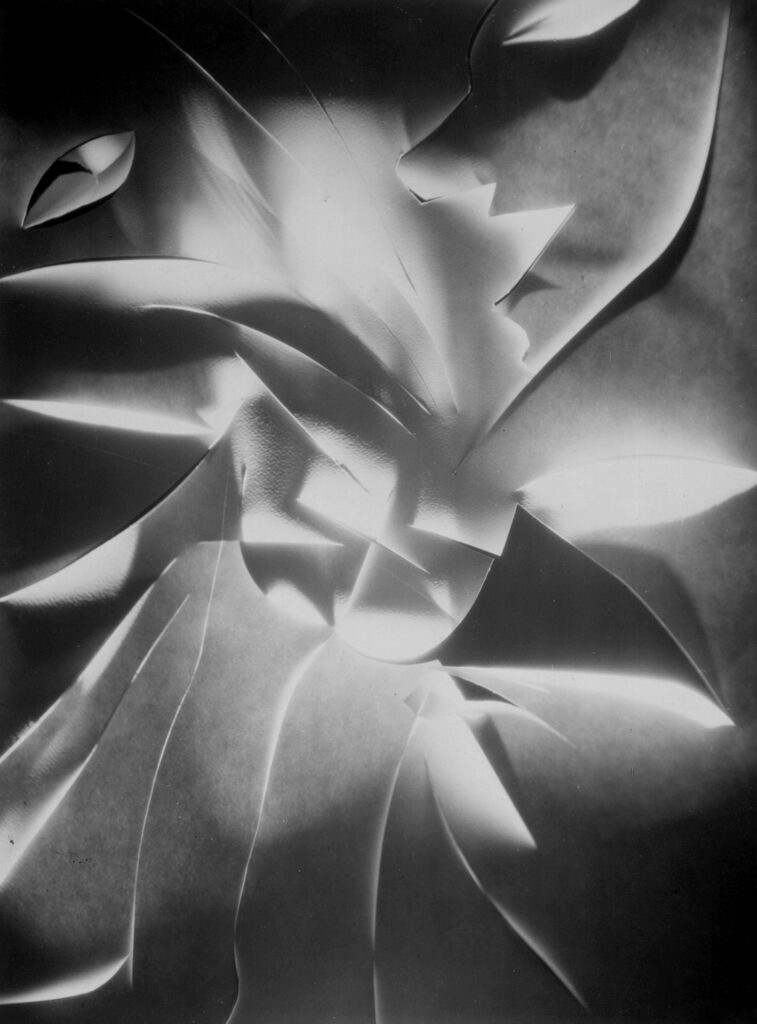
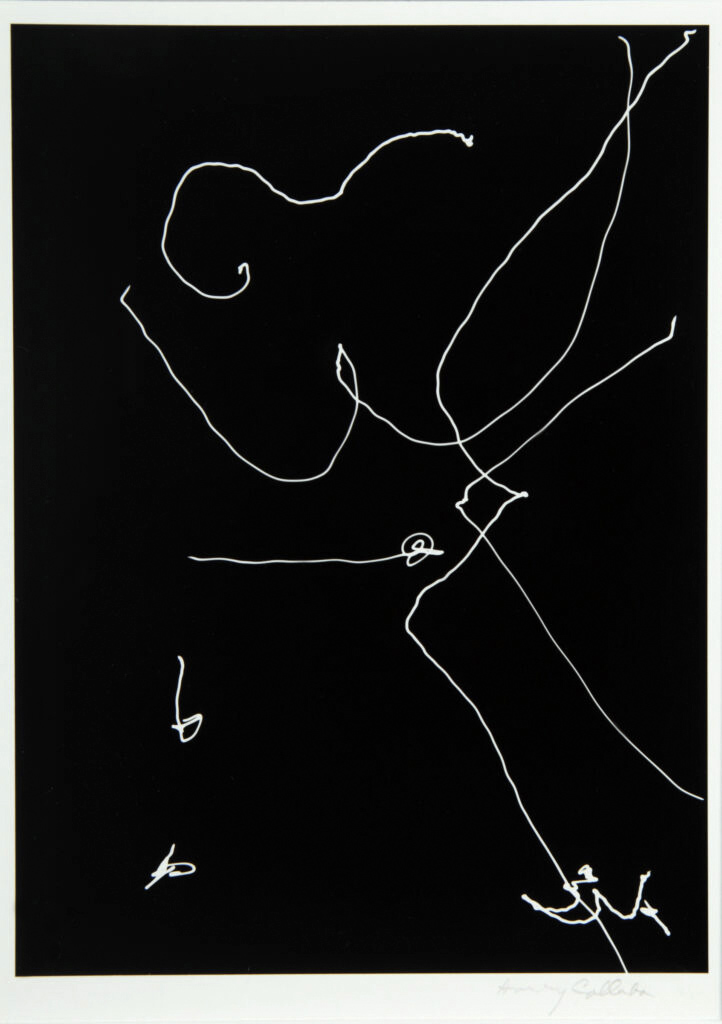
After the trauma of World War I, many artists felt compelled to reconsider conventional art making methods to better reflect and engage with the world. Some photographers turned their attention to the essential element of photography: light. Through innovative visual investigations, cameraless photographs were produced, viewes of the world altered, and scientific discoveries made.

Experimentations with illumination and light-sensitive paper in the darkroom gave rise to photograms, enabling artists to pursue abstraction and to wield light as a sculptural element. The process of solarisation – reversing tones in a print using a flash of light during developing – provided an unconventional view of a subject. Early attempts to capture traces of light on film led to scientific innovations such as using strove lights to freeze movement, depicting magnetic fields, and tracing electrical currents on light sensitive paper.

These processes aim to reveal the invisible, with the elements of change as a constant companion. While artists can insert some control over the elements, the process ultimately shapes the final image. Many artworks in this section exist as unique prints, challenging the assumption of the reproducibility of photography, and emphasising the singularity of the creative moment.

Wall text from the exhibition


Francis Bruguière (American, 1879-1945) 'The Light That Never Was on Land or Sea' c. 1925


Francis Bruguière (American, 1879-1945)
The Light That Never Was on Land or Sea
c. 1925
Gelatin silver print
High Museum of Art, Atlanta, purchase with funds from Georgia-Pacific Corporation


Nathan Lerner (American, 1913-1977) 'Light Drawing #8 (Smoke)' 1938-1939


Nathan Lerner (American, 1913-1977)
Light Drawing #8 (Smoke)
1938-1939
Gelatin silver print
High Museum of Art, Atlanta, gift of Hilary Leff and Elliot Groffman


Ilse Bing (American born Germany, 1899-1998) 'Untitled [Seated Woman with Necklace, Solarized]' 1943


Ilse Bing (American born Germany, 1899-1998)
Untitled [Seated Woman with Necklace, Solarized]
1943
Gelatin silver print
High Museum of Art, Atlanta, gift of the Estate of Ilse Bing Wolff


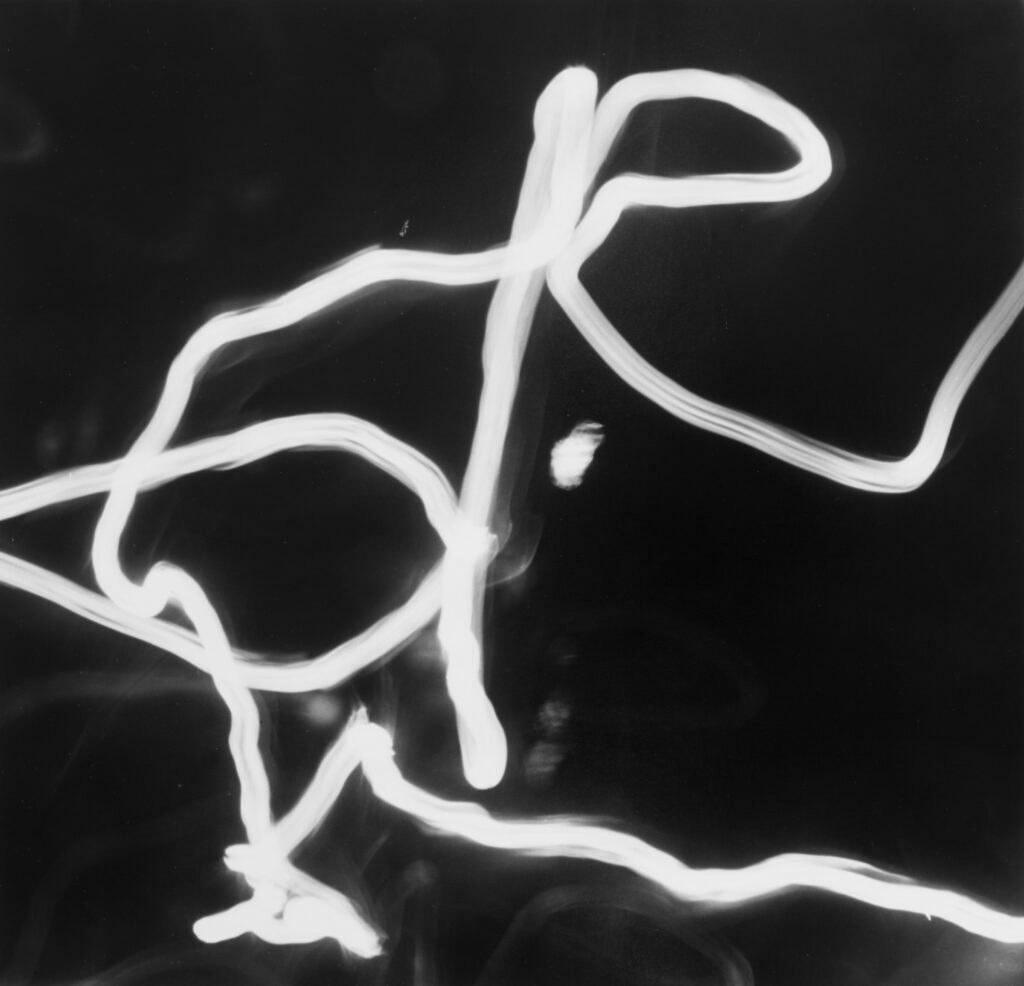
Harry Callahan (American, 1912-1999) 'Camera Movement on Flashlight, Chicago' c. 1949


Harry Callahan (American, 1912-1999)
Camera Movement on Flashlight, Chicago
c. 1949
Gelatin silver print
High Museum of Art, Atlanta, purchase with funds from the H. B. and Doris Massey Charitable Trust, Dr. Robert L. and Lucinda W. Bunnen, Collections Council Acquisition Fund, Jackson Fine Art, Powell, Goldstein, Frazer and Murphy, Jane and Clay Jackson, Beverly and John Baker, Roni and Sid Funk, Gloria and Paul Sternberg, and Jeffery L. Wigbels
© 2018 The Estate of Harry Callahan


Abelardo Morell (American born Cuba, b. 1948) 'Still Life with Wine Glass: Photogram on 20" x 24" Film' 2006


Abelardo Morell (American born Cuba, b. 1948)
Still Life with Wine Glass: Photogram on 20″ x 24″ Film
2006
Gelatin silver print
High Museum of Art, Atlanta, purchase with funds from the Friends of Photography
© Abelardo Morell


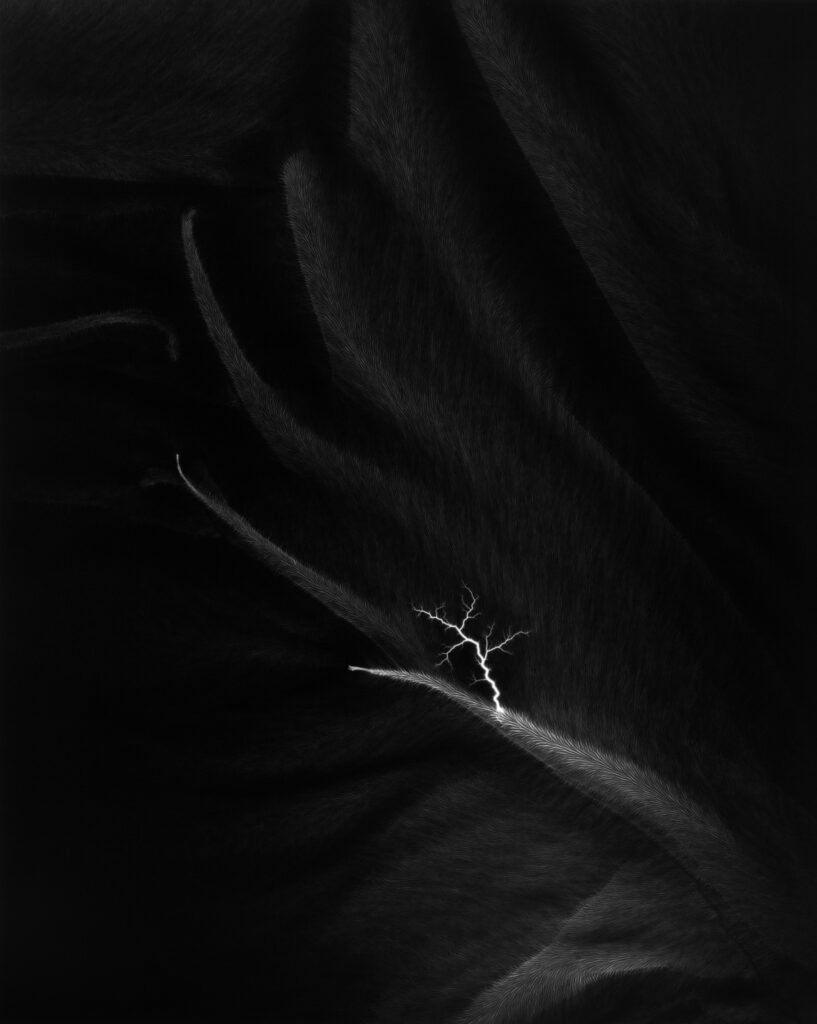
Hiroshi Sugimoto (Japanese, b. 1948) 'Lightning Fields 182' 2009


Hiroshi Sugimoto (Japanese, b. 1948)
Lightning Fields 182
2009
Gelatin silver print
High Museum of Art, Atlanta, purchase through funds provided by patrons of Collectors Evening 2012
© Hiroshi Sugimoto


Inspired by William Henry Fox Talbot, an inventor of photography who was fascinated with electromagnetic conduction, Hiroshi Sugimoto began applying charges of electricity directly to unexposed photographic film. After months of honing his technique in the darkroom, he managed to achieve remarkable results with a handheld wand charged by a generator. His Lightning Fields photographs are made without a camera or lens. Here, the abstract visual trace of an electric charge measuring over 400,000 volts sweeps across the composition, reading like the textures of a human hand, the upward tentacles of a fern, or the stark branches of a tree.

Text from the High Museum of Art website


Hans-Christian Schink (German, b. 1961) '2/26/2010, 7:54 am – 8:54 am, S36° 49.622' E 175° 47.340'' 2010


Hans-Christian Schink (German, b. 1961)
2/26/2010, 7:54 am – 8:54 am, S36° 49.622′ E 175° 47.340′
2010
From the series 1h
© Hans-Christian Schink


Abelardo Morell (American born Cuba, b. 1948) 'Camera Obscura: View of Philadelphia from Loews Hotel Room #3013 with Upside Down Bed, April 14th, 2014' 2014


Abelardo Morell (American born Cuba, b. 1948)
Camera Obscura: View of Philadelphia from Loews Hotel Room #3013 with Upside Down Bed, April 14th, 2014
2014
Pigmented inkjet print
High Museum of Art Atlanta, gift of Dr. Roger Hartl
© Abelardo Morell


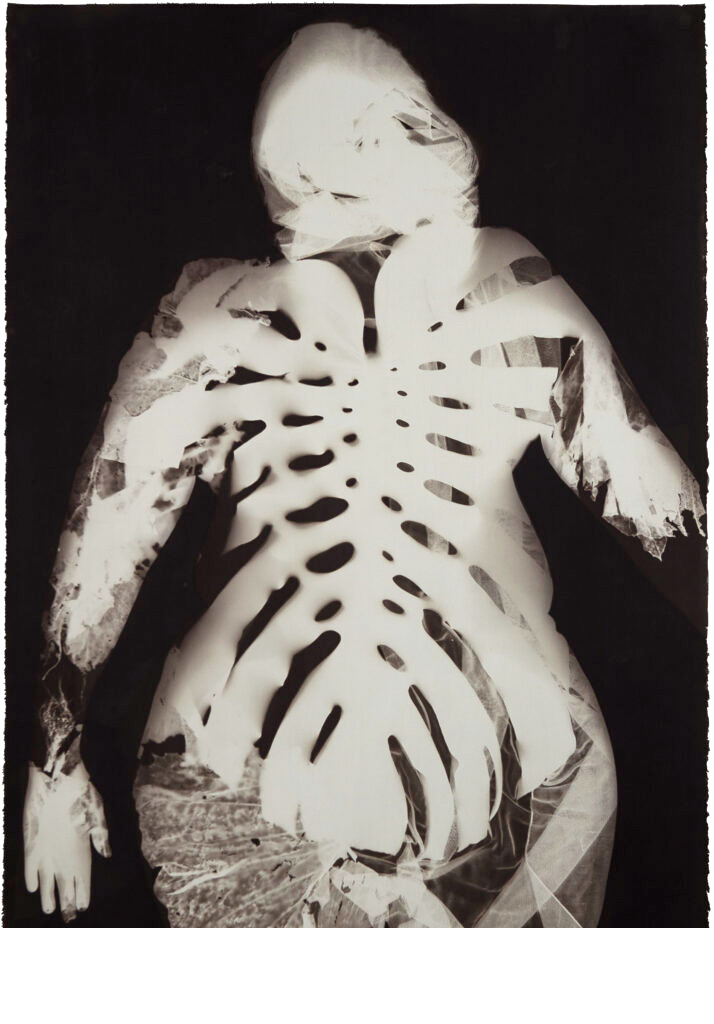
V. Elizabeth Turk (American, b. 1945) 'Calaeno' 2018


V. Elizabeth Turk (American, b. 1945)
Calaeno
2018
Van Dyke print
High Museum of Art, Atlanta, purchase with funds from Lucinda W. Bunnen for the Bunnen Collection
© Elizabeth Turk


V. Elizabeth Turk is an Atlanta-based photographer whose work explores the connections between the human body and the natural world. To make this print, Turk used an analog process from the 1800s that involves coating a large sheet of paper with light-sensitive chemicals. She then arranged her model on top of the sheet and exposed it to light, creating a ghostly silhouette, before repeating the exposure with plants. The resulting photogram is a unique image in which botanical forms intersect with the body, alluding to bones, veins, and skin and suggesting a visceral bond between humans and the environment. 

Text from the High Museum of Art website


“The limits of photography are incalculable; everything is so recent that even the mere act of searching may lead to creative results. […] The illiterate of the future will be the person ignorant of the use of the camera as well as of the pen.”


László Moholy-Nagy 1928


Radical Viewpoints

From photography’s inception in 1839, camera technology involved cumbersome equipment and time-consuming development processes until the advent of lightweight cameras in the 1920s. Photographers were then able to work more nimbly, transforming photography into a medium capable of capturing fleeting moments, unusual viewpoints, and multiple perspectives. The exploration of unexpected angles became a hallmark of New Vision photography. Sharp diagonals, extreme vantage points, and shortened perspectives opened novel pathways of perceiving otherwise commonplace environments.

Alexander Rodchenko, a pioneer in this method, championed the camera’s ability to reveal, stating, “in order to teach man to see from all viewpoints, it is necessary to photograph […] from completely unexpected viewpoints and in unexpected positions […] We don’t see what we are looking at. We don’t see marvellous perspectives.” This approach aimed to provide a fuller impression of subjects, prompting viewers to seek and appreciate what might otherwise be overlooked.

Though these early photographs may not appear groundbreaking today, their makers’ carefully considered methods transferred how photography is used. This is evident in photographers’ creative interpretations of their surroundings over the past century.

Wall text from the exhibition


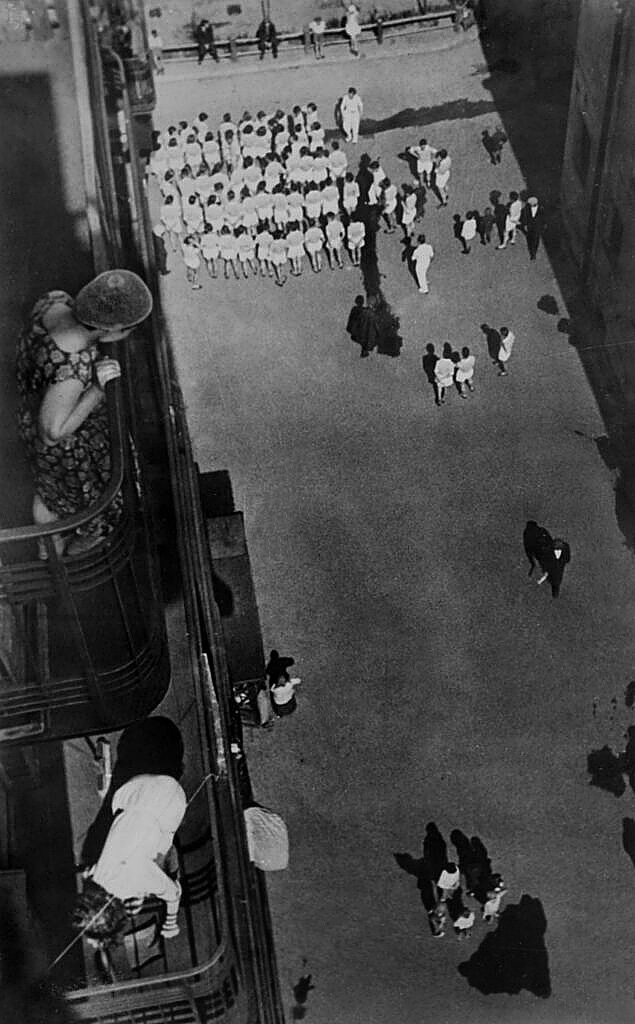
Alexander Rodchenko (Russian, 1891-1956) 'Sbor na demonstratsia' (Gathering for a Demonstration) 1928


Alexander Rodchenko (Russian, 1891-1956)
Sbor na demonstratsia (Gathering for a Demonstration)
1928
Gelatin silver print
High Museum of Art, Atlanta, gift of Joseph and Yolandra Alexander, Moscow/VAGA at Artists Rights Society (ARS), New York
© Estate of Alexander Rodchenko/RAO, Moscow/VAGA at Artists Rights Society (ARS), New York


Alexander Rodchenko was a key figure in the movements of New Vision and Constructivism – abstract and functional art that reflected an industrial society. Advocating “to achieve a revolution in our visual thought,” he explored various methods, such as photographing from unexpected angles, to capture dynamic views and expose new realities. With a new, lightweight 35 mm camera, he often photographed from his apartment balcony to create dramatic scenes of the street below. The perspective in this photograph flattens the building’s stories into one visual field, giving the image a theatrical quality as an onlooker peers over the railing.

Text from the High Museum of Art website


Walker Evans (American, 1903-1975) 'The Bridge' 1929


Walker Evans (American, 1903-1975)
The Bridge
1929
Gelatin silver print
High Museum of Art, Atlanta, gift of Arnold H. Crane
© Walker Evans Archive, The Metropolitan Museum of Art


A central figure among twentieth-century American photographers, Walker Evans created works in his early career that sample from the New Vision aesthetic, which he may have encountered while abroad in Paris in 1926. His photographs of New York City, made after he returned to the United States, feature dramatically angled or cropped scenes of architecture and city life. Evans made numerous photographic studies of the Brooklyn Bridge from both below and on the bridge, portraying it less as a recognisable landmark and more as a hulking expanse whose form fills each tight frame.

Text from the High Museum of Art website


László Moholy-Nagy (Hungarian 1895-1946) 'Stage Set for Madame Butterfly' 1931


László Moholy-Nagy (Hungarian 1895-1946)
Stage Set for Madame Butterfly
1931
Gelatin silver print
High Museum of Art, Atlanta, purchase with funds from Georgia-Pacific Corporation


Moholy-Nagy, a leader of the New Vision, had an expansive artistic practice that included painting, photography, sculpture, film, and more. As a teacher at the Bauhaus, which connected art and industry, he believed in technology’s potential to advance art and society. In 1929, he became set designer at the Kroll Opera House and created avant-garde sets with translucent and perforated materials, often making light itself a sculptural element. Lucia Moholy, a photographer, writer, teacher, and Moholy-Nagy’s first wife, was commissioned as Kroll’s stage photographer. In this image, which either artist may have made, the sharp angle shot from above complicates the set of Madame Butterfly, emphasising intersecting, moving elements and heightening areas of light and shadow.

Text from the High Museum of Art website


Lucas Foglia (American, b. 1983) 'Esme Swimming, Parkroyal on Pickering, Singapore' 2014


Lucas Foglia (American, b. 1983)
Esme Swimming, Parkroyal on Pickering, Singapore
2014
Pigmented inkjet print
High Museum of Art, Atlanta, gift of Irene Zhou
© Lucas Foglia


Close Ups

Similar to the practice of using unusual angles to offer unexpected perspectives, some photographers began capturing highly detailed, close-up views of objects. This approach affords a study of texture, pattern, and structure that may otherwise go unnoticed by the human eye. By eliminating surroundings that could offer a narrative, the physicality of the object becomes the primary focus, allowing it to transcend beyond its everyday existence.

Practitioners of straight photography in the United States and the concurrent New Objectivity movement in Germany shared a core desire to unearth a balance of the familiar and the foreign within intricate images of forms. While Imogen Cunningham and Edward Weston perfected carefully composed studies of plants and other natural matter, Albert Renger-Patzsch, Alexander Rodchenko, and Ralph Steiner explored scientific and industrial objects. Such images celebrated the technological advancements of the time and revealed how mechanical structures often mimic those found in nature, suggesting a shared framework, and a shared beauty, between humanmade and natural. The emphasis on detail and abstraction invites viewers to reconsider their perceptions of both the ordinary and the extraordinary in the world around them.

Wall text from the exhibition


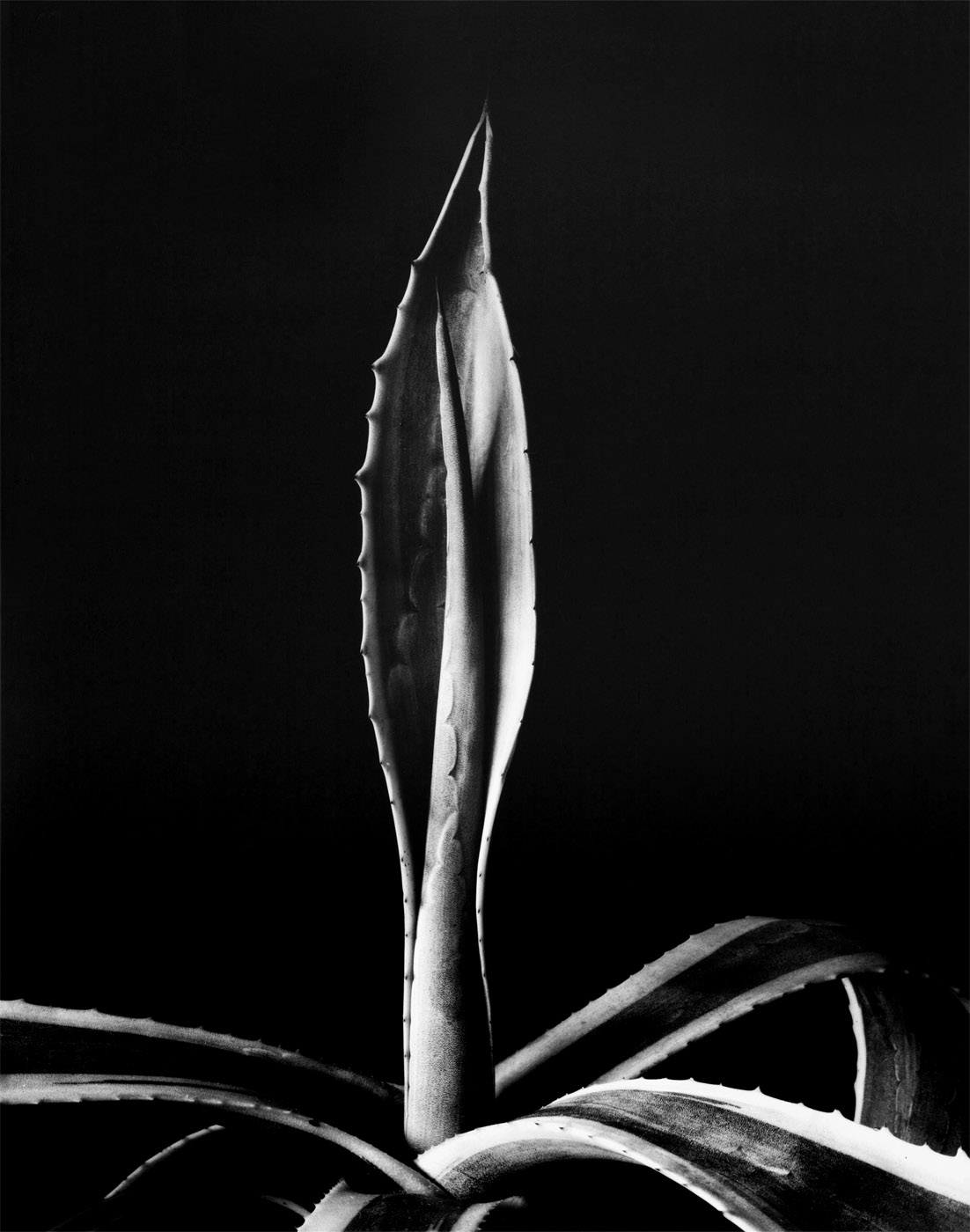
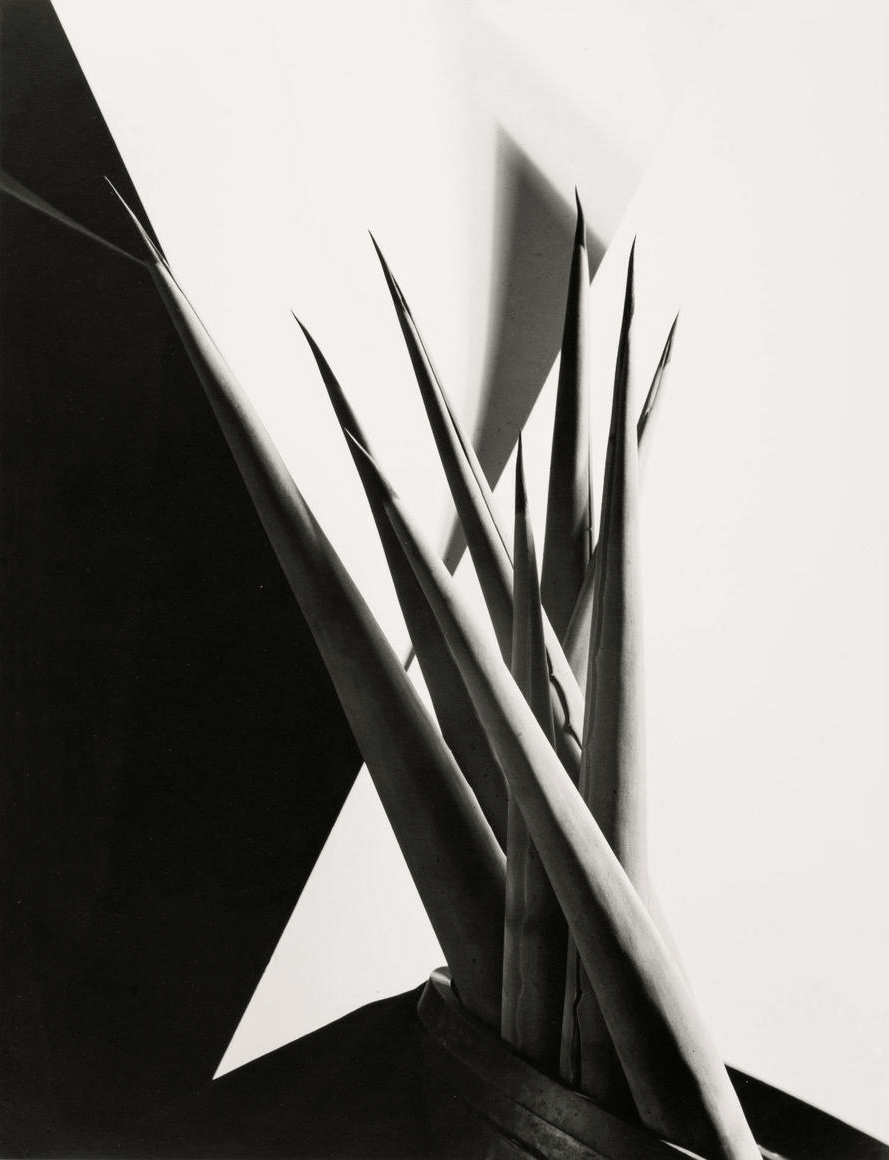
Imogen Cunningham (American, 1883-1976) 'Agave Americanus' 1929


Imogen Cunningham (American, 1883-1976)
Agave Americanus
1929
Gelatin silver print
High Museum of Art, Atlanta
© The Imogen Cunningham Trust


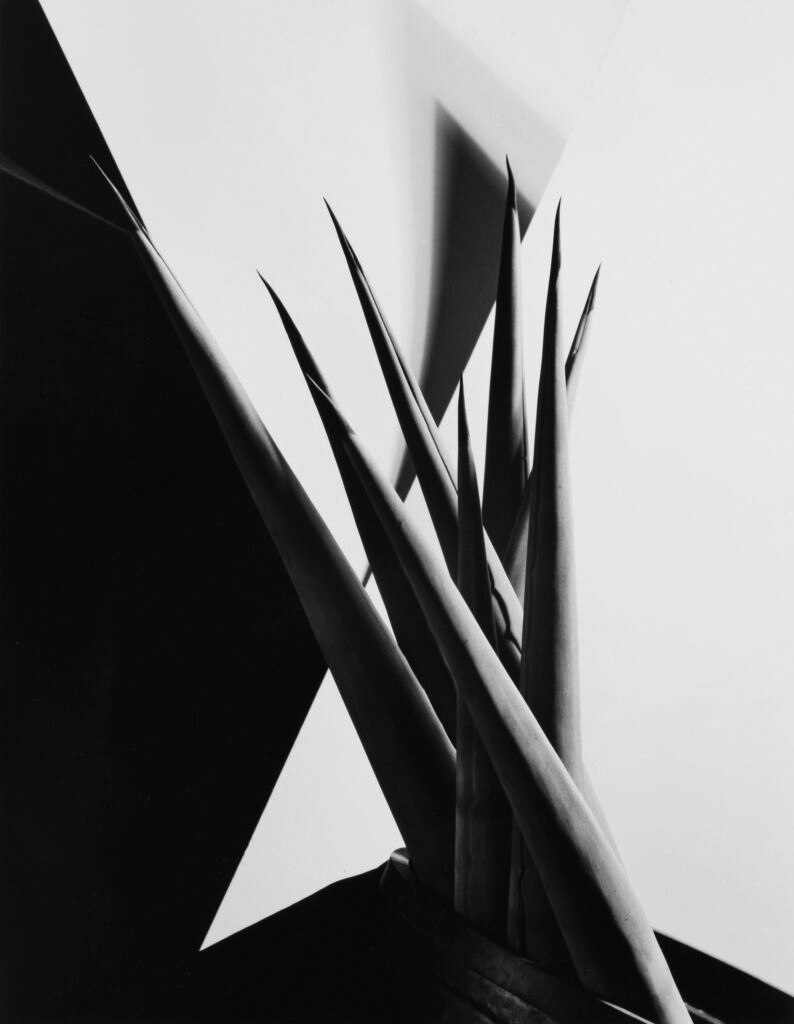
Imogen Cunningham (American, 1883-1976)
'Agave Design I' c. 1920


Imogen Cunningham (American, 1883-1976)
Agave Design I
c. 1920
Gelatin silver print
High Museum of Art, Atlanta, purchase with funds from Georgia-Pacific Corporation
© The Imogen Cunningham Trust


Edward Weston (American 1886-1958) 'Palma Cuernavaca II' 1925


Edward Weston (American 1886-1958)
Palma Cuernavaca II
1925
Palladium print
High Museum of Art, Atlanta, gift of Lucinda W. Bunnen for the Bunnen Collection to mark the retirement of Gudmund Vigtel
© Center for Creative Photography, Arizona Board of Regents


Ralph Steiner (American, 1899-1986) 'Electrical Switches' 1929


Ralph Steiner (American, 1899-1986)
Electrical Switches
1929
Gelatin silver print
8 x 10 5/16 inches
Purchase with funds from Georgia-Pacific Corporation


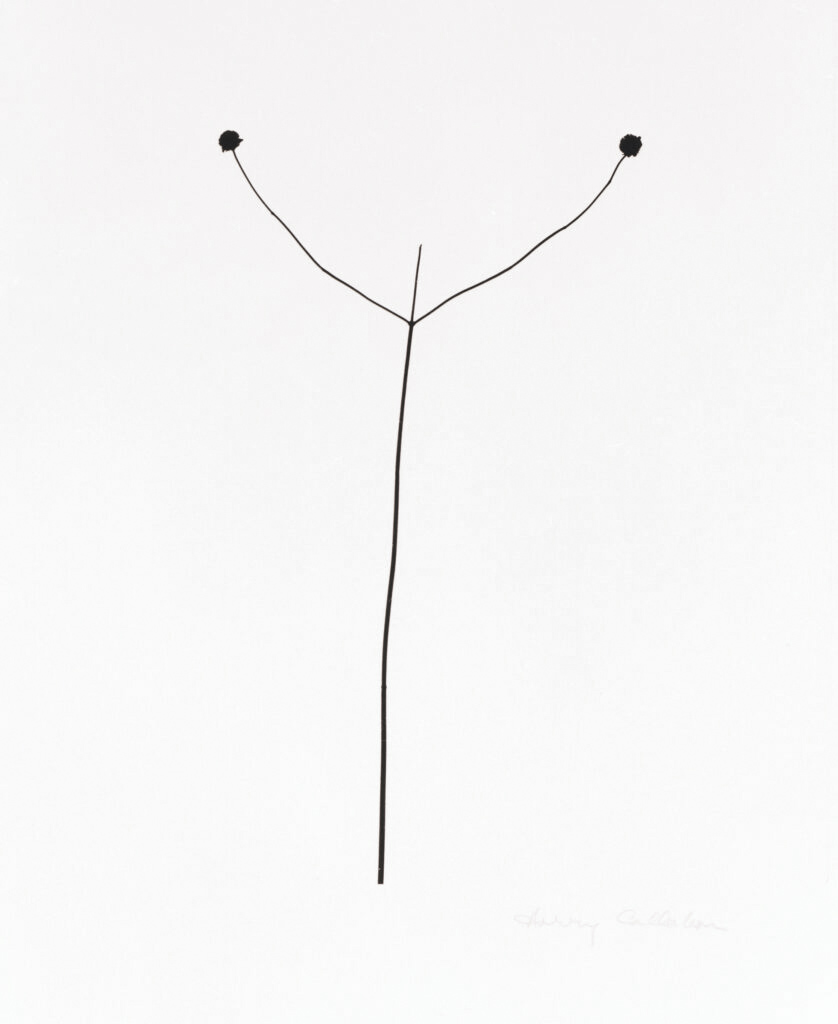
Harry Callahan (American, 1912-1999) 'Weed Against Sky, Detroit' 1948


Harry Callahan (American, 1912-1999)
Weed Against Sky, Detroit
1948
Gelatin silver print
High Museum of Art, Atlanta, gift of the Callahan and Hollinger Families
© 2018 The Estate of Harry Callahan


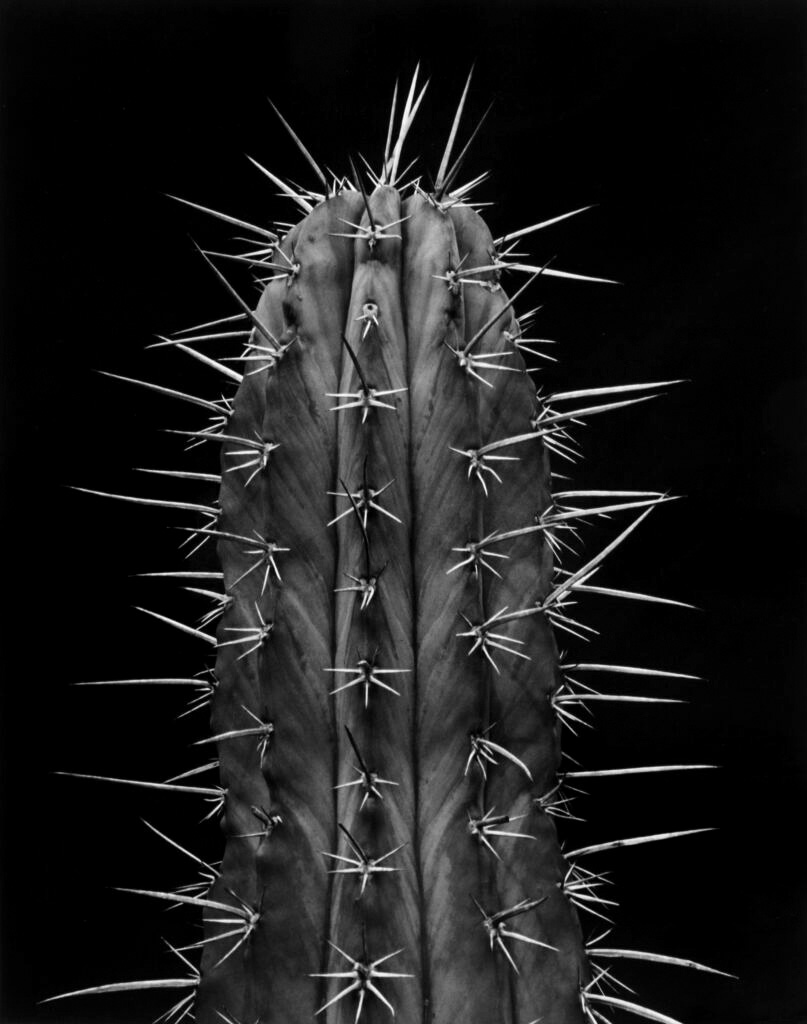
Eugenia de Olazabal (Mexican, b. 1936) 'Espinas' c. 1985


Eugenia de Olazabal (Mexican, b. 1936)
Espinas
c. 1985
Gelatin silver print
High Museum of Art, Atlanta, gift of the artist


“Surrealism lies at the heart of the photographic enterprise: in the very creation of a duplicate world, of a reality in the second degree, narrower but more dramatic than the one perceived by natural vision.”


Susan Sontag, 1973


Surreality

Surrealism emerged as an artistic movement in reaction to the horrors of World War I. The often disconcerting imagery and literature of the movement reflected a world that felt disorienting and chaotic and captured how the very foundations of reason and humanity were tested and questioned through the realities of war. In his Surrealist Manifesto (1924), French writer Andre Breton advocates for a rejection of rational ways of approaching the world in four of dreams and imagination as pathways to new creative expressions.

Photography played an important role in the Surrealist movement. Artists valued how the medium could capture spontaneous moments that reveal the unexpected, be manipulated to stage scenes, or be altered with darkroom processes. They harness photography in a multitude of ways to create dreamlike and unconscious associations with reality. In these galleries, artists explore uncanny moments and create links to the human psyche by focusing on humanlike forms and fragmented body parts, mirrored and doubled views, and the impact of light and shadows in space.

Wall text from the exhibition


Eugène Atget (French, 1857-1927) 'Men's Fashions (Avenue des Gobelins)' 1925, printed 1956


Eugène Atget (French, 1857-1927)
Men’s Fashions (Avenue des Gobelins)
1925, printed 1956
Gelatin silver print
Purchase


Eugène Atget was the great chronicler of Paris at the turn of the century. His vast photographic archive captures a city on the precipice of modernisation. Though his photographs of empty city streets were documentary in nature, the Surrealists admired their dreamlike quality and claimed Atget as one of their own despite his protestations. They believed any photograph could shed its original context and intent when viewed with a surrealist sensibility. Atget’s photograph of mannequins peering out of a shop window appealed to the movement by embodying the uncanny valley, where the human likeness of a nonhuman entity evokes both affinity and discomfort in viewers.

Text from the High Museum of Art website


Florence Henri (Swiss born United States, 1893-1982) 'Composition' 1932, printed 1972


Florence Henri (Swiss born United States, 1893-1982)
Composition
1932, printed 1972
Gelatin silver print
High Museum of Art, Atlanta, gift of Dr. Joe B. Massey in honor of Maria L. Kelly


Florence Henri is well known for her manipulations of light and form that create complex, surrealist scenes. She used angled mirrors to frame, obscure, and replicate portions of scenes to dissolve a sense of perspective and space, as seen in this still life comprising mirrors, pears, and an image of the sea. After only one semester studying under László Moholy-Nagy at the Bauhaus in 1927, Henri shifted her focus from painting to photography and began using various experimental techniques such as photomontage, multiple exposures, photograms, and negative printing.

Text from the High Museum of Art website


Barbara Kasten (American, b. 1936) 'Construct NYC' 1984


Barbara Kasten (American, b. 1936)
Construct NYC
1984
Dye destruction print
High Museum of Art, Atlanta, gift of Lucinda W. Bunnen for the Bunnen Collection
© Barbara Kasten


Barbara Kasten’s art is as much about the process of setting up innovative still life scenes as it is about the photographs she makes of them. Her Constructs series focuses on large-scale complex assemblages that she builds in her studio using a wide variety of materials, including painted wood, plaster, mirrors, screens, and fibers. Her work is not digitally altered; instead, she complicates the scene using mirrors and light, much in the tradition of Florence Henri, whose photograph is also on view in the exhibition.

Text from the High Museum of Art website


Manipulations

This final section features photographers from the New Vision period to the present day who experiment with physically manipulating photographs. Through approaches such as double exposure, photomontage, surface alteration, and multilayering, they challenge and expand our perceptions of reality. The artworks in this section prioritise the creative process through labour, intention, intervention, and theatricality.

Double exposures is the process of photographing multiple images with the same negative within the camera, resulting in layered images that often provide a frenetic, multifaceted view of a scene. In contrast to the in-camera process of double exposure, photomontage combines separate images in the darkroom to produce a final photograph that emphasises the image’s artifice and absurdity. Physically disrupting the surface of photographs with alterations such as adding unnatural colour, drawing connections, stitching into prints, or inscribing texts augments the visual experience and offers emotional and narrative depth. Finally, whether through ancient visual techniques like the camera obscure or new technologies like digital screens, these artists create enigmatic scenes by layering and physically transforming subject, composition, and image.

Wall text from the exhibition


Barbara Morgan (American, 1900-1992) 'Protest' 1940


Barbara Morgan (American, 1900-1992)
Protest
1940
Gelatin silver print
High Museum of Art, Atlanta, purchase


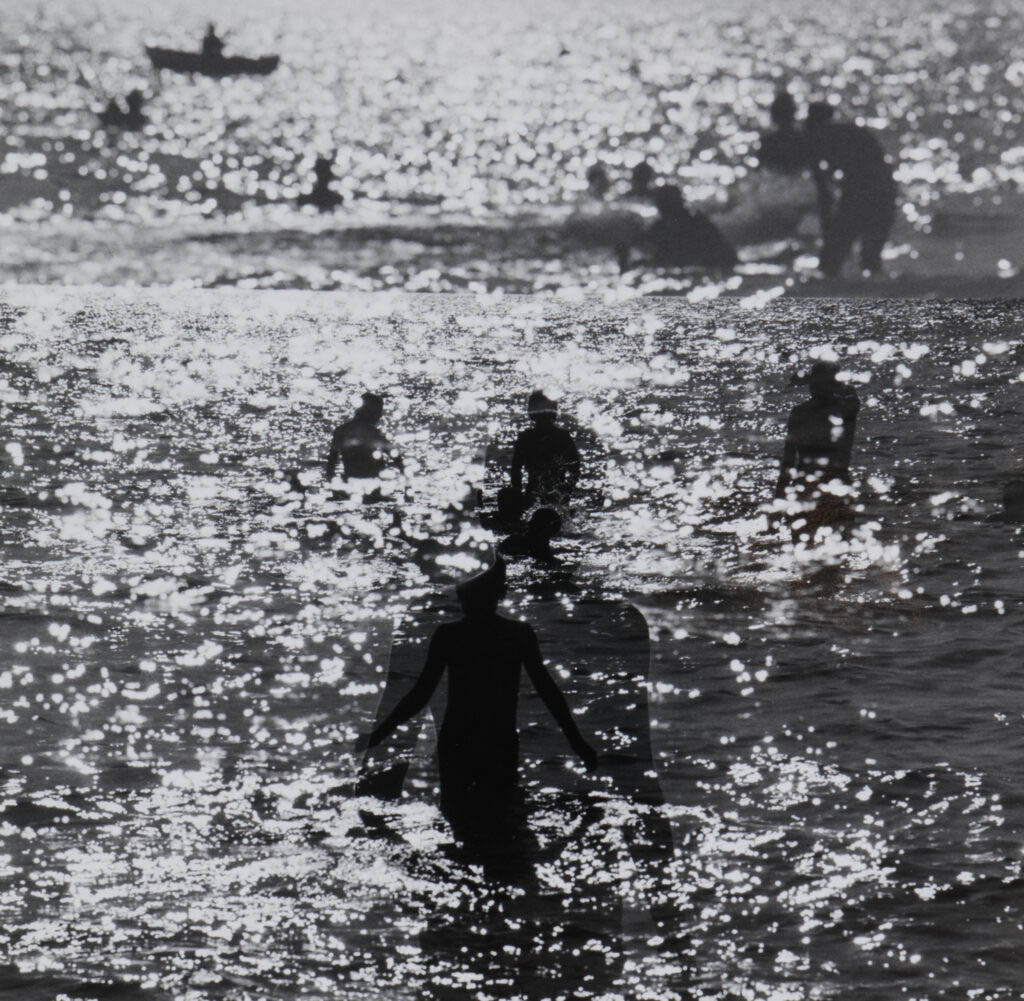
Charles Swedlund (American, b. 1935) '31 St. Beach' c. 1955


Charles Swedlund (American, b. 1935)
31 St. Beach
c. 1955
Gelatin silver print
High Museum of Art, Atlanta, gift of Steven Nordman
© Charles Swedlund


Jerry Uelsmann (American, 1934-2022) 'Untitled' 1964


Jerry Uelsmann (American, 1934-2022)
Untitled
1964
Gelatin silver print
High Museum of Art, Atlanta, purchase with funds from a friend of the Museum


Lucinda Bunnen (American, 1930-2022) 'Untitled' 1974


Lucinda Bunnen (American, 1930-2022)
Untitled
1974
Gelatin silver print
High Museum of Art, Atlanta, purchase with funds from the Lawrence and Alfred Fox Foundation for the Ralph K. Uhry Collection
© Lucinda Bunnen


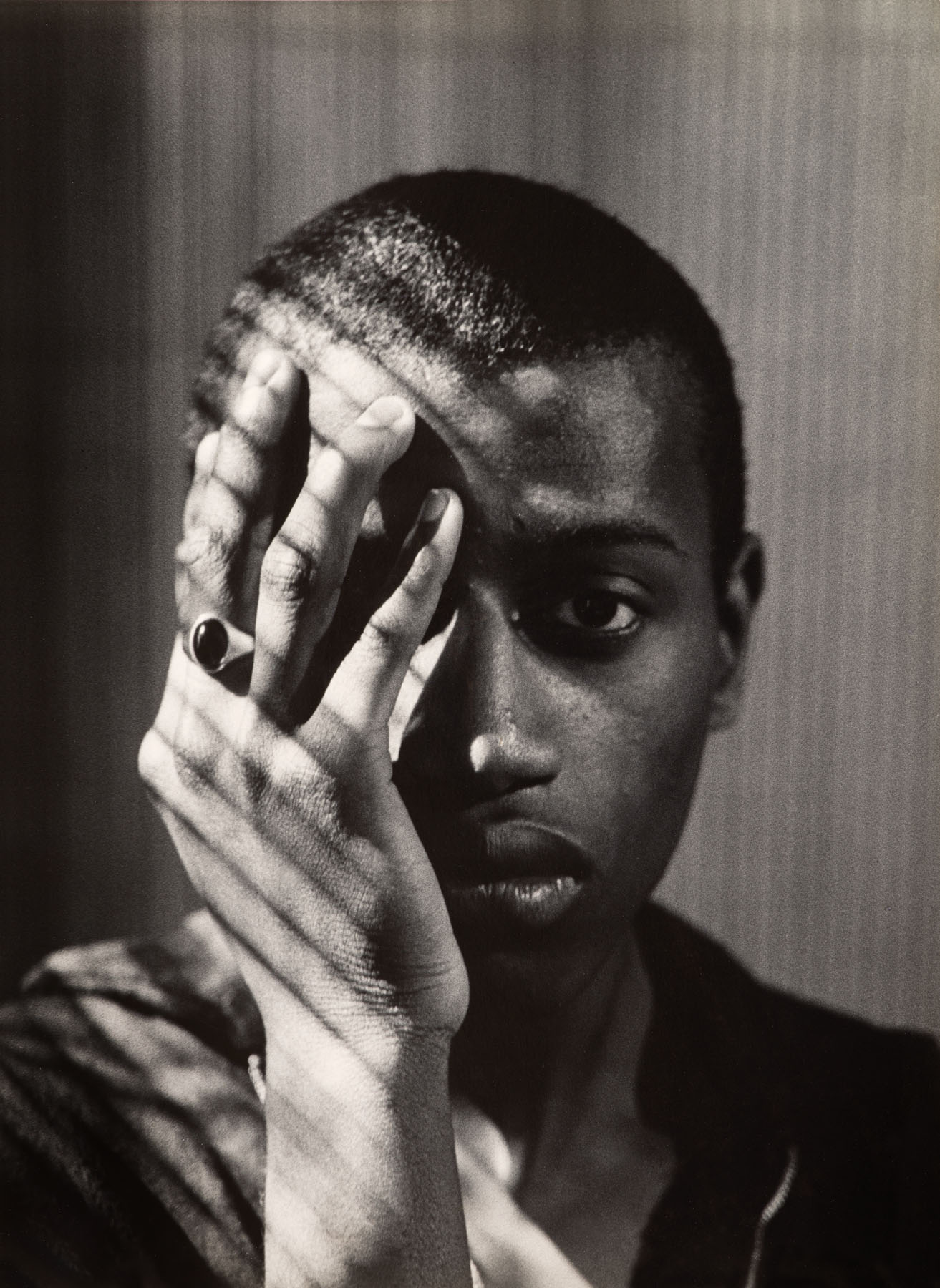
Duane Michals (American, b. 1932)
'Untitled' 1989 From the 'Indomitable Spirit Portfolio'


Duane Michals (American, b. 1932)
Untitled
1989
From the Indomitable Spirit Portfolio
Gelatin silver print
High Museum of Art, Atlanta


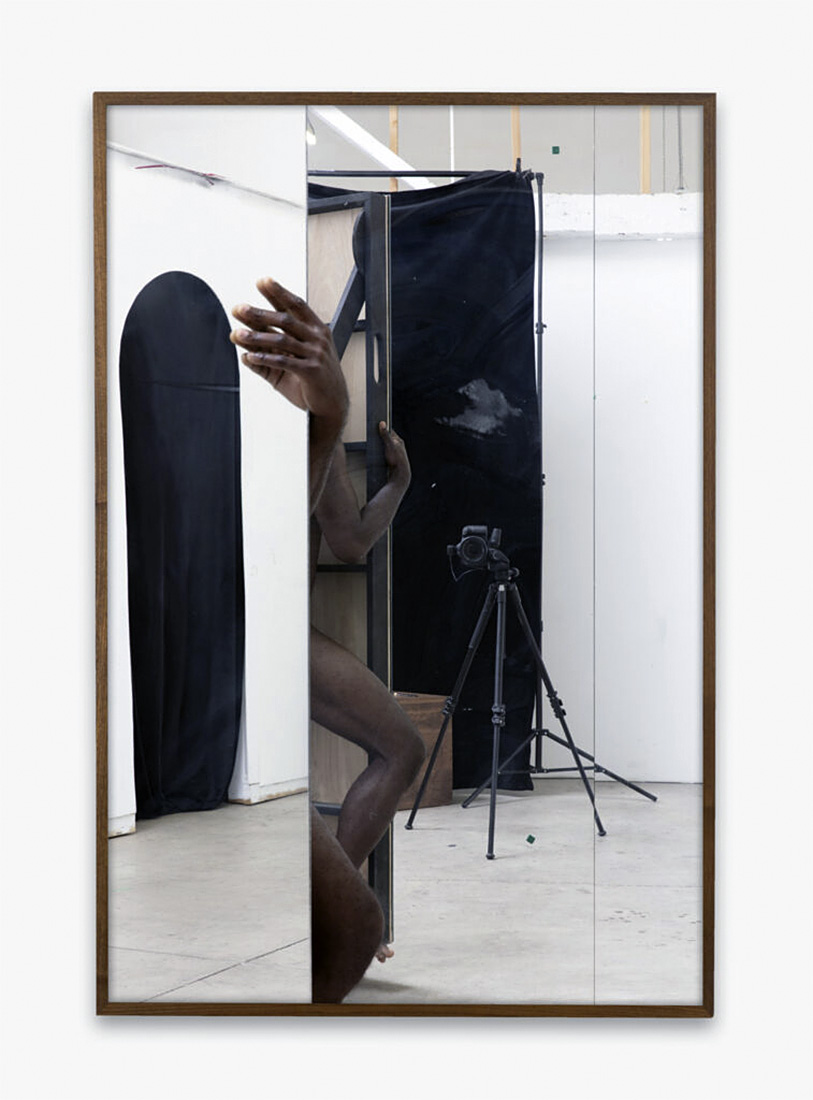
Paul Mpagi Sepuya (American, b. 1982) 'Studio (0X5A8180)' 2021


Paul Mpagi Sepuya (American, b. 1982)
Studio (0X5A8180)
2021
Archival pigment print
High Museum of Art, Atlanta, purchase with funds from the Donald and Marilyn Keough Family Foundation
© Paul Mpagi Sepuya


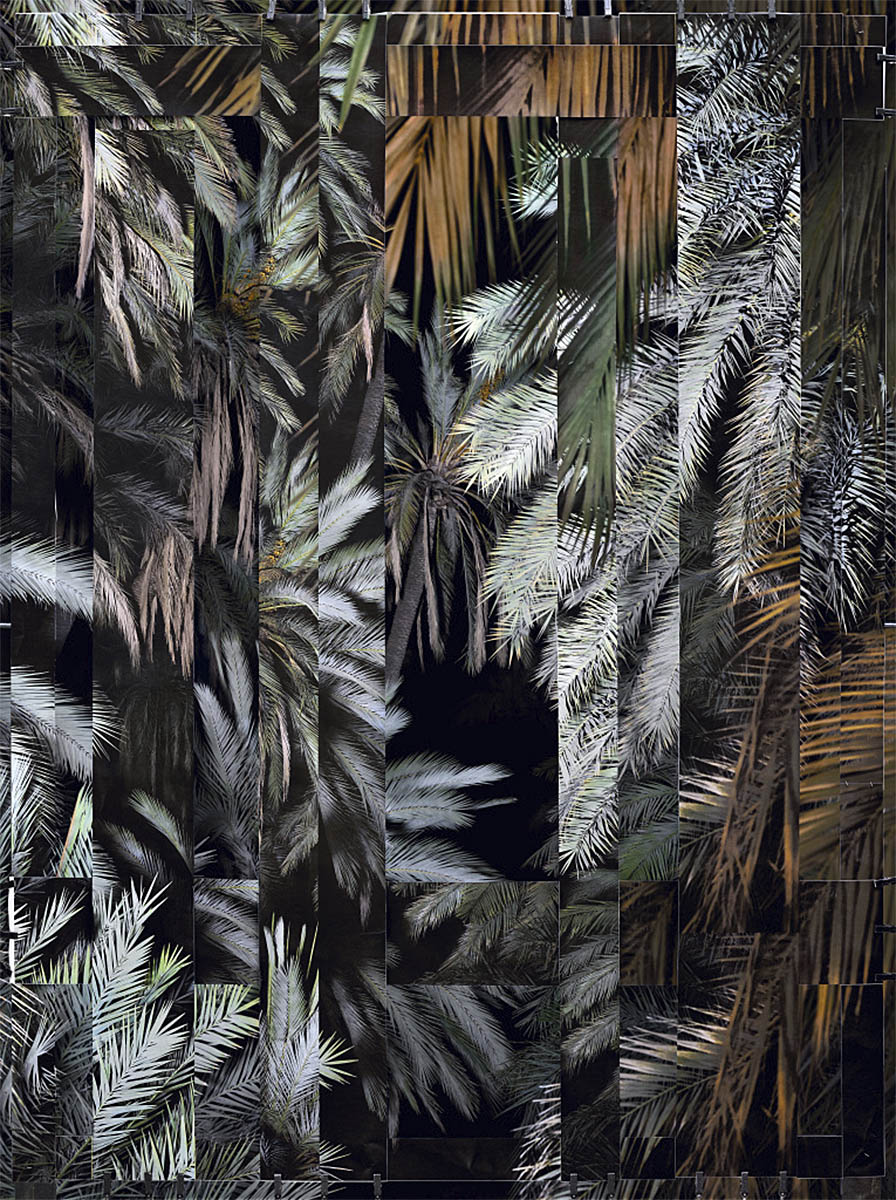
Noémie Goudal (French, b. 1984) 'Phoenix V' 2021


Noémie Goudal (French, b. 1984)
Phoenix V
2021
Dye coupler print
High Museum of Art, Atlanta, purchase through funds provided by patrons of Collectors Evening 2023


Noémie Goudal visualises “deep time” (geological history of the planet) and paleoclimatology (study of past climates) to challenge our perception of the world. Referring to the ancient continental split two billion years ago that formed South America and Africa, this image features the Phoenix atlantica, a palm tree that grows on both sides of the Atlantic. Goudal arranged strips of photographic prints of the palms made on one continent in front of the physical palms on the other and rephotographed the scene. The resulting image interweaves the two continents, creating a glitchy, kaleidoscopic view meant to unsettle our sense of stability and the constancy of the planet.

Text from the High Museum of Art website


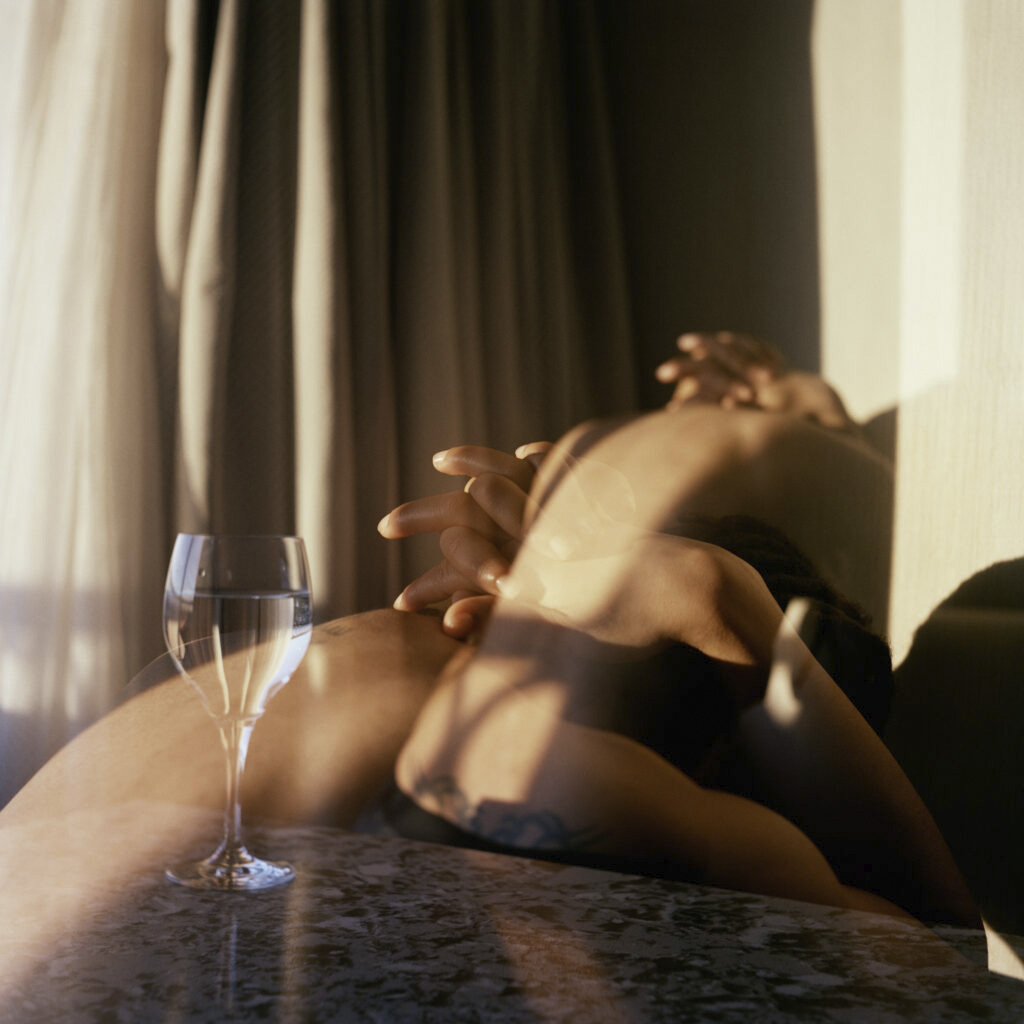
Naima Green (American, b. 1992) 'It Lingers Sweetly' 2022


Naima Green (American, b. 1992)
It Lingers Sweetly
2022
Pigmented inkjet print
High Museum of Art, Atlanta, purchase with funds from the LGBTQIA+ Photography Centennial Initiative


Naima Green’s practice centres connection and collaboration to cast a tender lens on her own queer community of colour. Her lyrical portraits take shape in intimate domestic spaces and airy outdoor environments that embody havens for the people in those spaces. Through double exposure and serial photographs, she provides what she calls “multiple entry points” into a moment in time, translating movements and emotions into a single image. She explains her interest in double exposure “as a means of capturing things that can’t be held in just one way … ,” allowing her to “play with loosening the narrative and letting go of some control.”

Text from the High Museum of Art website


The High Museum of Art
1280 Peachtree St NE
Atlanta, GA
30309

Opening hours:
Tuesday – Saturday 10am – 5pm
Sunday 12 – 5pm
Monday closed

The High Museum of Art website

LIKE ART BLART ON FACEBOOK

Back to top

Exhibition: ‘Imogen Cunningham: A Retrospective’ at the Seattle Art Museum (SAM)

Exhibition dates: 18th November, 2021 – 6th February, 2022


Imogen Cunningham: A Retrospective


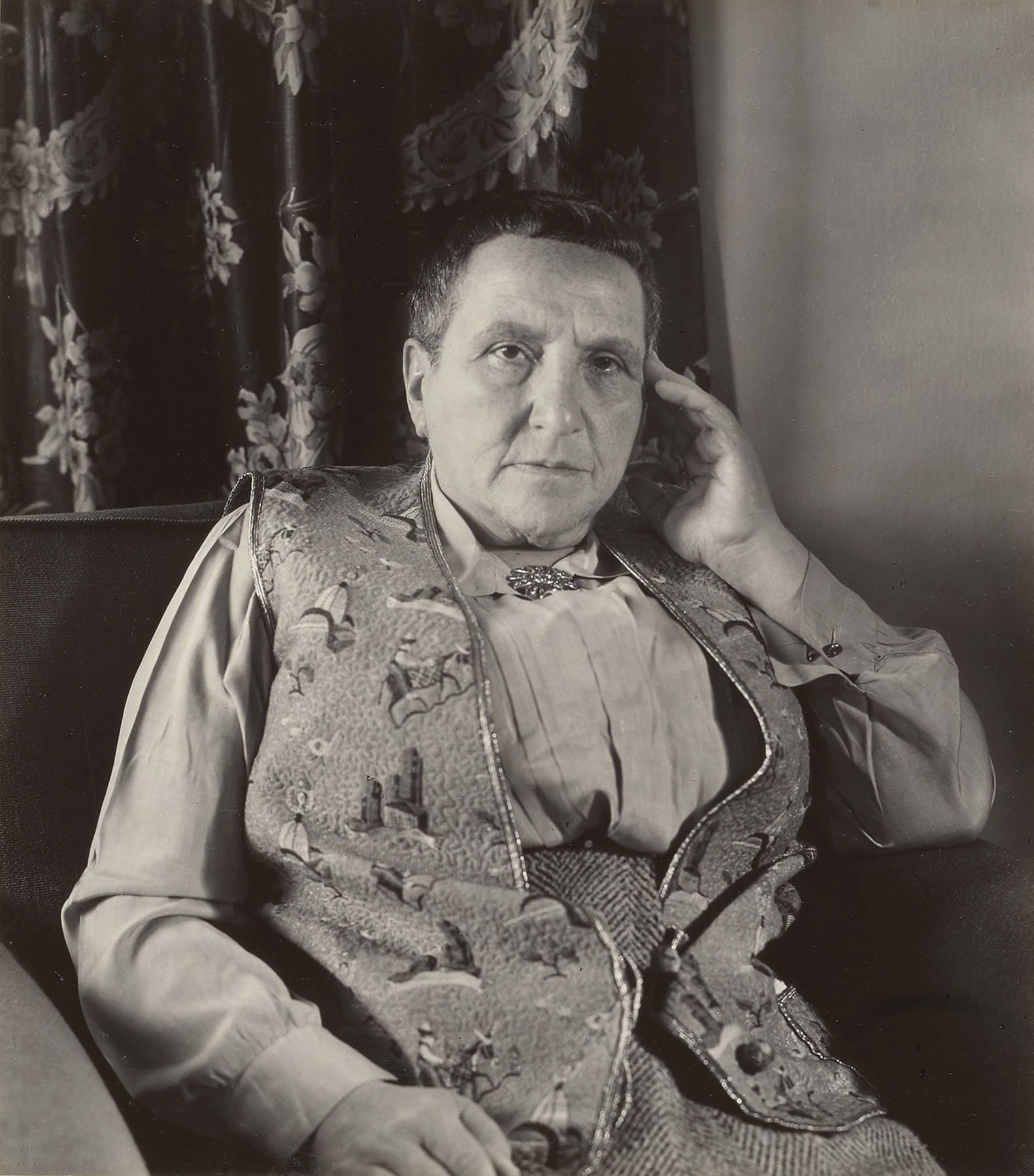
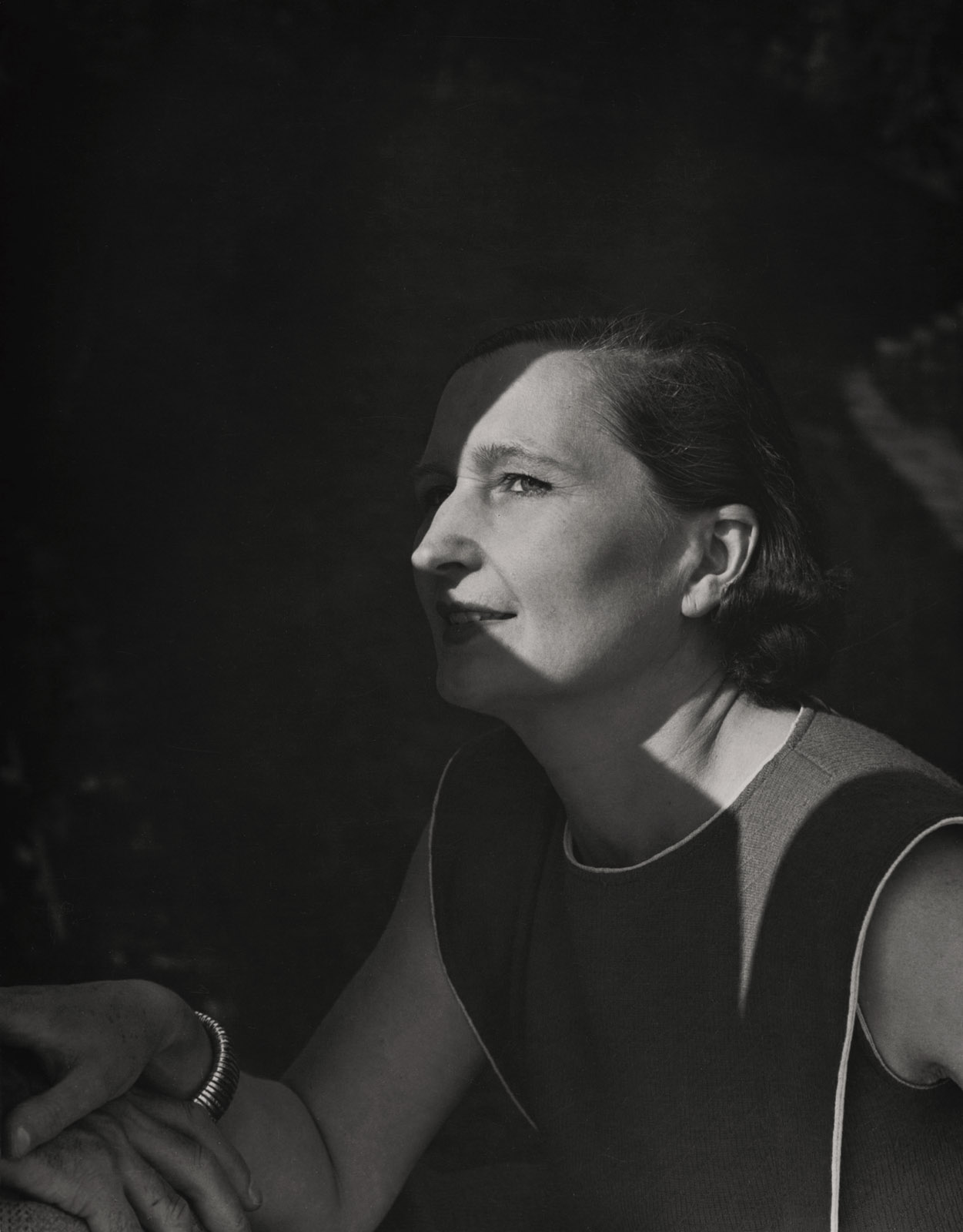
I’m not going to say a lot about the work of the Imogen Cunningham because the quality and breadth of the work speaks for itself. If you are attuned you can feel the strength of her images and imbibe of her sensitivity to subject matter, a sense of actual presence in light and form. For example, the portrait of Gertrude Stein, Writer (1934, below) is a masterpiece of light and form and of … perspicacity and intensity.

“An early feminist and inspiration to future generations, Cunningham engaged intensely with pictorialism and modernism, along with portraiture, landscape photography, the nude, still life and street photography… Under appreciated during her life, Cunningham was an inventive, inspired and prolific photographer who tirelessly explored her chosen medium until her death at the age of 93.”1

“Observing that her “taste lay somewhere between reality and dreamland,” Cunningham knew herself and her style well. The reality is the clarity of the images, and the dreamland could be seen in her abstract perspective.”2


I will tell an story though.

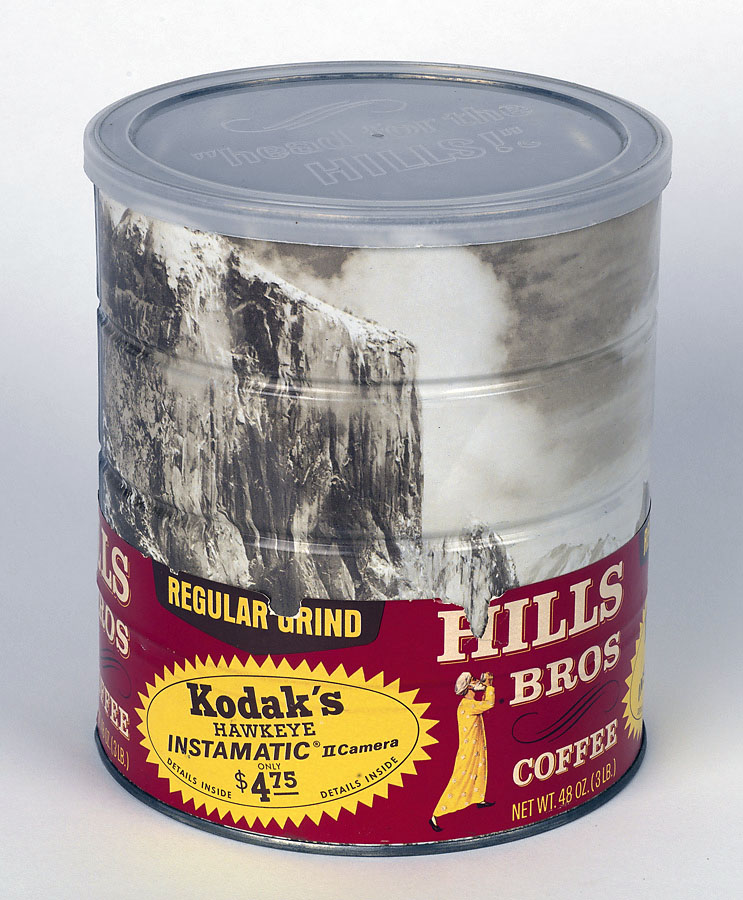
“[Ansel] Adams collaborated with Hills Brothers Coffee to have one of his images on the front of the can, which came out in 1968 [see below]. The idea was that the can would be a ‘keepsake’, for it had an original image by Ansel Adams of Yosemite during the winter [Winter Morning, Yosemite Valley, California c. 1940]. Cunningham summed up her disapproval when she sent the can to Ansel potted with a marijuana plant! Although hurtfully honest, Imogen was a tender, emotional woman. When Dorothea Lange’s marriage to Maynard Dixon had come to its end, Imogen burst into tears upon hearing the news.”3


Strength and tenderness. An independent spirit.

Dr Marcus Bunyan


1/ Anonymous. “Sheets ahead: the pioneering photography of Imogen Cunningham – in pictures,” on The Guardian website Wednesday 11 November 2020 [Online] Cited 27/01/2022

2/ Anonymous. “Imogen Cunningham,” on the International Photography Hall of Fame and Museum website Nd [Online] Cited 27/01/2022

3/ Ibid.,


Many thankx to the Seattle Art Museum for allowing me to publish the art work in the posting. Please click on the photographs for a larger version of the image.


Ansel Adams / Hills Brothers coffee can 1969. Hills Brothers coffee can, with a wraparound image of Adams' Winter Morning, Yosemite Valley; this can with the rare original red and yellow "belly band" specifying the grind and date, and advertising a Kodak Instamatic II camera on special offer for only $4.75.


Hills Brothers coffee can, with a wraparound image of Adams’ Winter Morning, Yosemite Valley; this can with the rare original red and yellow “belly band” specifying the grind and date, and advertising a Kodak Instamatic II camera on special offer for only $4.75. Tin, 7 inches high and 6 1/4 in diameter (17.8 and 15.9 cm.), with the printed Hills Brothers and Adams credit and the date; with the original plastic top which reads “Head for the HILLS!” 1969

Anonymous text and image from the Swann Auction Galleries website February 26, 2016 [Online] Cited 27/01/2022


“These days, high modernism can sometimes look as distant as a faraway star, a place of heedless optimism and tranquil contemplation. For that very reason, though, the images can be tonic, lowering one’s blood pressure as they induce concentration of sight. Imogen Cunningham took up a camera at the dawn of the 20th century, when few women were working in the field, and made pictures for nearly seven decades. She took every sort of photo; portraits, street scenes and landscapes all figure brilliantly in her body of work. What she did best, though, was to convey the sensual impact of harmonious forms, finding these especially in nudes, both male and female, and in the vegetable kingdom. Imogen Cunningham: A Retrospective, by Paul Martineau, displays her ecstatic studies of flowers – lilies, tuberoses, magnolias – seen in extreme close-up as if they were worlds in themselves, and juxtaposes them with languorous sprawled bodies that become dunes and arroyos. She can turn her eye with similar entrancement to ceramics, textiles, the organically flowing wire sculptures of Ruth Asawa, and even industrial structures. She has never been granted anywhere near the attention accorded her counterpart and contemporary Edward Weston, but revision is clearly in order.”


Luc Sante, The New York Times Book Review 12/1/2020


“‘Cunningham’s decision to become a photographer in the first decade of the 20th century was a daring career choice for a woman,’ says Timothy Potts, director of the J Paul Getty Museum. ‘The field was dominated by men, many of whom saw the complexity and physical demands of the photographic process as beyond the abilities of most women. Armed with intelligence and determination, Cunningham completed her college degree in three years, won a scholarship to study photographic chemistry in Dresden and opened her own portrait studio in Seattle in 1910′”


Text from “Sheets ahead: the pioneering photography of Imogen Cunningham – in pictures,” on the Guardian website Wed 11 Nov 2020 [Online] Cited 08/01/2022


“Cunningham had a peripatetic eye, and this combined with her innate curiosity and forward-thinking attitudes about gender, race and sexuality resulted in an unusually diverse body of work.”


Curator Paul Martineau in the book’s foreword


Imogen Cunningham: A Retrospective | Nov 18 – Feb 6 | Seattle Art Museum

Imogen Cunningham: A Retrospective showcases the endless innovation and profound influence of this remarkable photographer who pushed the boundaries for both women and photography within fine art. Nearly 200 of Cunningham’s insightful portraits, elegant flower and plant studies, poignant street pictures, and groundbreaking nudes present a singular vision developed over seven decades of work. The first major retrospective in the United States of Imogen Cunningham’s work in 35 years, the exhibition examines the artist’s Seattle upbringing and includes works by female artists such as Ruth Asawa and Martha Graham who Cunningham championed, as well as works by Group f/64 which she helped found with Ansel Adams, Edward Weston, and others. Cunningham’s spark of creative possibility asserted photography as a distinct and valuable art form in the 20th century.

This exhibition is organised by the J. Paul Getty Museum, Los Angeles.


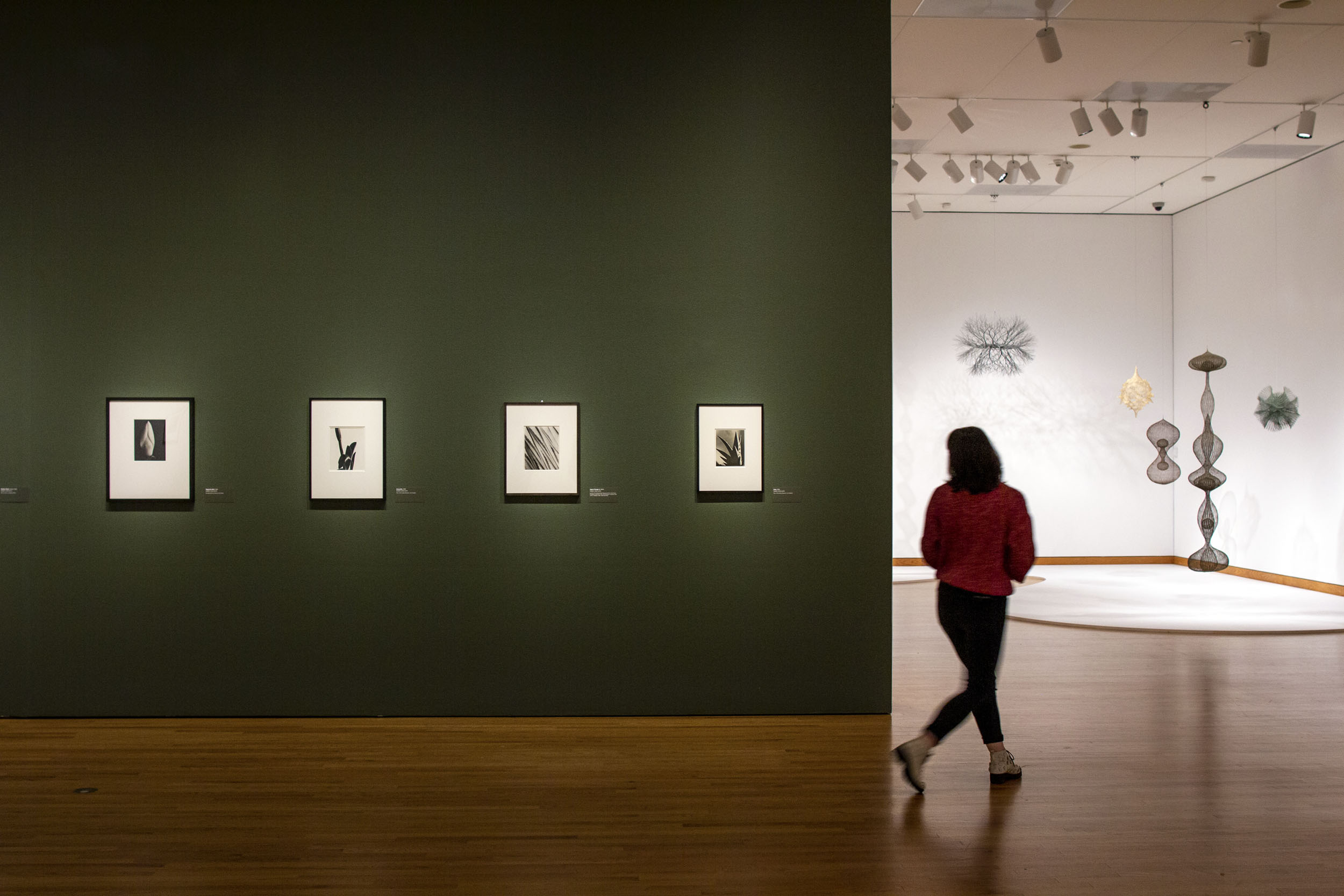
Installation view of the exhibition 'Imogen Cunningham: A Retrospective' at the Seattle Art Museum (SAM) showing at left, 'Magnolia Bud' (1929); at second left, 'Amaryllis' (1933); at third left, 'Agave Design 2' (1920s); and at right, 'Aloe' (1925)


Installation view of the exhibition Imogen Cunningham: A Retrospective at the Seattle Art Museum (SAM) showing at left, Magnolia Bud (1929); at second left, Amaryllis (1933); at third left, Agave Design 2 (1920s); and at right, Aloe (1925)
Photo: Natali Wiseman


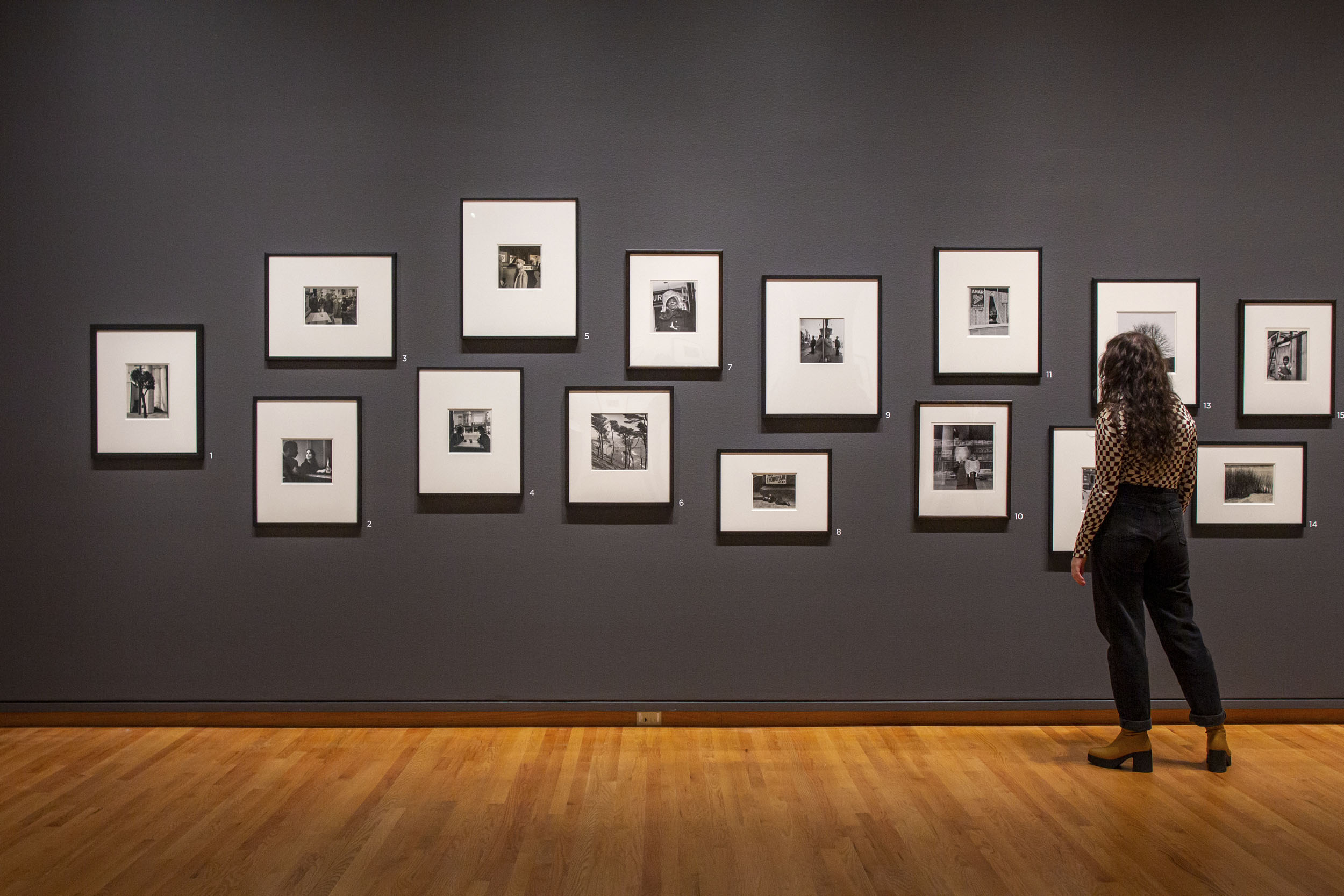
Installation view of the exhibition 'Imogen Cunningham: A Retrospective' at the Seattle Art Museum (SAM) showing No. 7: Double Image, Sutter St. and Fillmore (c. 1940); 8: Under the Queensboro Bridge, 1934; 9: Sunbonnet Lady, Fillmore Street, San Francisco (c. 1950s); 10: Self-portrait in Copenhagen, 1961; 11: Leni in Chartres, 1960; 14: Reeds, 1952; 15: Me Too, 1955


Installation view of the exhibition Imogen Cunningham: A Retrospective at the Seattle Art Museum (SAM) showing No. 7: Double Image, Sutter St. and Fillmore (c. 1940); 8: Under the Queensboro Bridge, 1934; 9: Sunbonnet Lady, Fillmore Street, San Francisco (c. 1950s); 10: Self-portrait in Copenhagen, 1961; 11: Leni in Chartres, 1960; 14: Reeds, 1952; 15: Me Too, 1955
Photo: Natali Wiseman


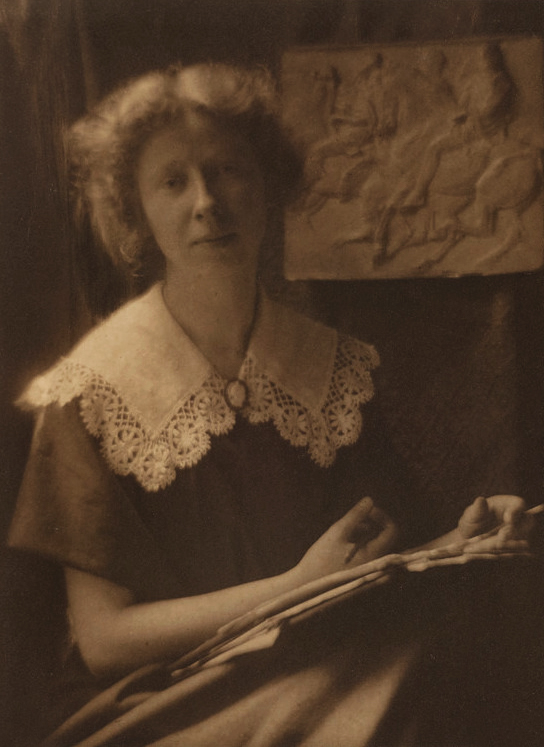
Imogen Cunningham (American, 1883-1976) 'Self-Portrait with Elgin Marbles, London' 1910


Imogen Cunningham (American, 1883-1976)
Self-Portrait with Elgin Marbles, London
1910
Platinum print
6 9/16 × 4 7/8 in.
The J. Paul Getty Museum, Los Angeles
© 2021 The Imogen Cunningham Trust


An early feminist and inspiration to future generations, Cunningham engaged intensely with Pictorialism and Modernism, along with portraiture, landscape photography, the nude, still life and street photography.


Imogen Cunningham (American, 1883-1976) 'Self-Portrait' 1910


Imogen Cunningham (American, 1883-1976)
Self-Portrait
1910
Platinum print
Image: 4 13/16 × 3 1/8 in.
Frame: 20 1/2 x 15 1/2 x 7/8 in.
The J. Paul Getty Museum, Los Angeles


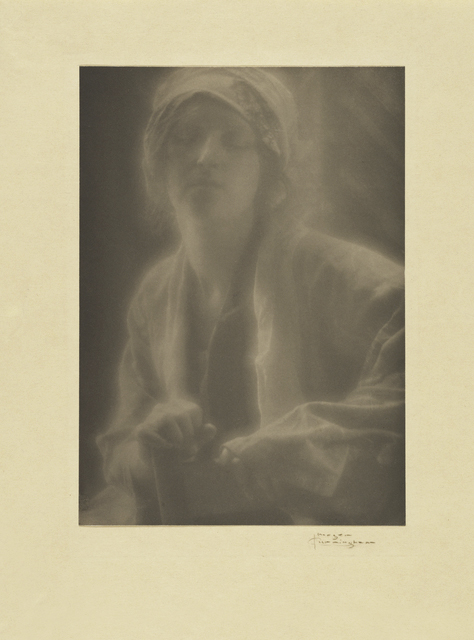
Imogen Cunningham (American, 1883-1976) 'The Dream (Nei-san-Koburi)' about 1910


Imogen Cunningham (American, 1883-1976)
The Dream (Nei-san-Koburi)
about 1910
Platinum print
8 15/16 × 6 3/8 in.
The J. Paul Getty Museum, Los Angeles
© 2021 The Imogen Cunningham Trust


“Her first paying photo gig was making lantern slides of microscopic plant details for the university’s botany department. Cunningham also made some of her first creative work while at UW, including a nude self-portrait in the grass on the UW campus that was way ahead of its time (an early hint of the boundary-pushing career that would follow). After interning with and later working for Northwest photographer Edward S. Curtis, in 1910 she established her own studio in a small bungalow on what is now First Hill.”

Margo Vansynghel. “How Seattle’s Imogen Cunningham changed photography forever,” on the Crosscut website November 16, 2021 [Online] Cited 08/01/2022


Imogen Cunningham (American, 1883-1976) 'Wood Beyond the World I' 1910


Imogen Cunningham (American, 1883-1976)
Wood Beyond the World I
1910
Platinum print
Image: 9 7/16 × 6 13/16 in.
Frame: 23 1/4 x 17 1/4 x 7/8 in.
The J. Paul Getty Museum, Los Angeles


Imogen Cunningham (American, 1883-1976) 'In the Wood (Voice of the Wood)' 1910


Imogen Cunningham (American, 1883-1976)
In the Wood (Voice of the Wood)
1910
Platinum print
Image: 7 13/16 × 7 1/2 in.
Frame: 21 1/4 x 17 1/4 x 7/8 in.


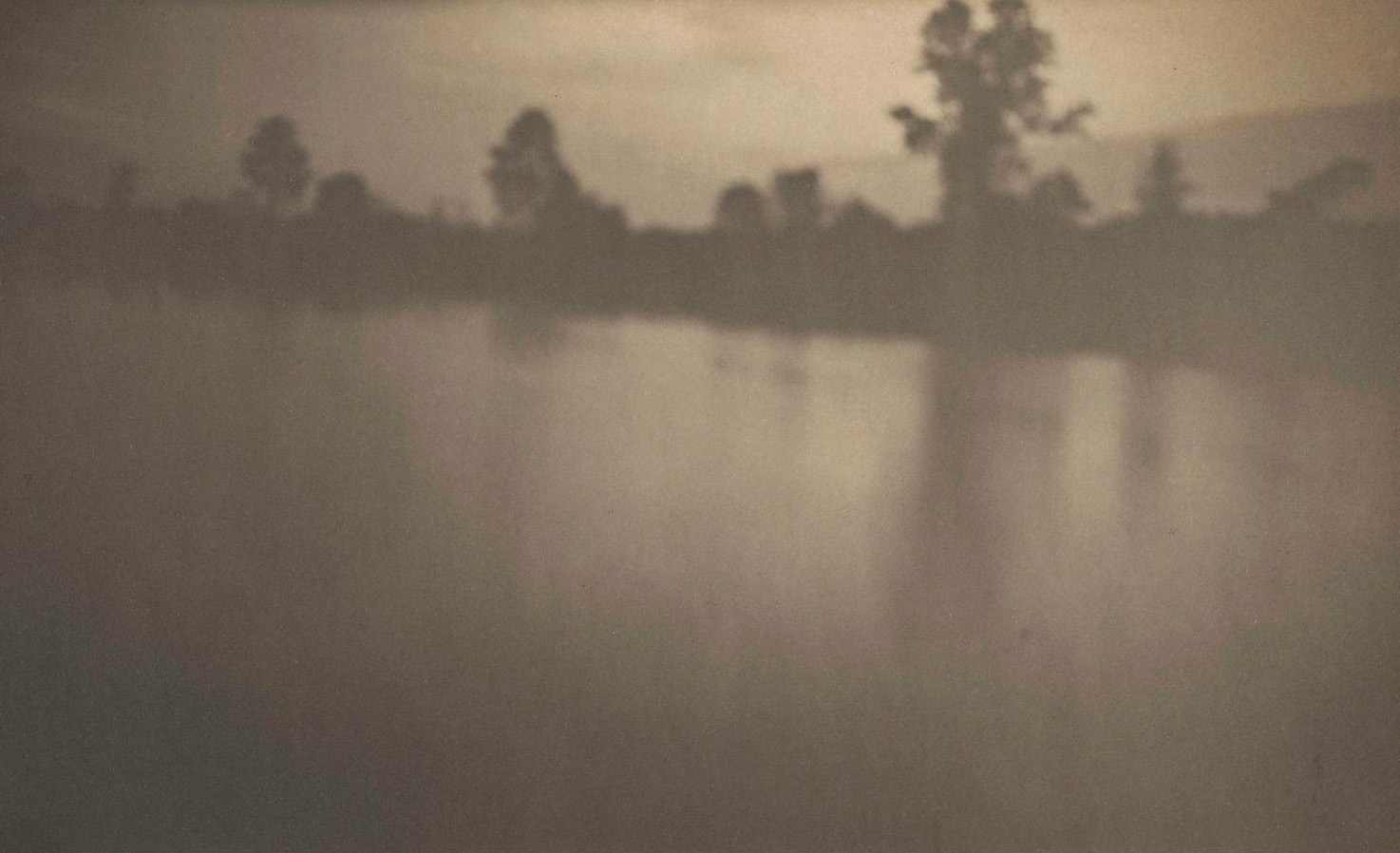
Imogen Cunningham (American, 1883-1976) 'Evening on the Duwamish River' About 1911


Imogen Cunningham (American, 1883-1976)
Evening on the Duwamish River
About 1911
Platinum print
Image: 5 13/16 × 9 1/2 in.
Mount: 9 5/16 × 12 5/8 in.
Frame: 15 1/2 x 20 1/2 x 7/8 in.
The J. Paul Getty Museum, Los Angeles


Cunningham took this photo of an “Evening on the Duwamish River,” around 1911, after she established her photo studio on Seattle’s First Hill. (The Imogen Cunningham Trust)


Imogen Cunningham: The Dream c. 1910

In this soft-focused black and white photograph, a woman is visible from the waist-up. She sits in three-quarter profile and wears a loose, white robe which emphasises her pale skin. This woman, who glows in contrast to the dark, hazy background which surrounds her, is miniaturist painter Clare Shepard.

Imogen Cunningham photographed her friend, Shepard, at the peak of the Pictorialist movement. This movement saw photographers approach cameras as a tool – similar to a paintbrush – that made an artistic statement. Rather than capturing the real, Pictorialism emphasised the beauty of a subject and an image’s composition.

In this audio recording produced by the J. Paul Getty Museum, Chris Johnson, chair of the photography department at the California College of the Arts, considers the Pictorialist approach Cunningham took in creating The Dream (Nei-san-Koburi) and the romantic feelings it relays.

Transcript

Chris Johnson: It’s a kind of a classic, romantic, Pictorialist image of a young beautiful woman.

Narrator: Chris Johnson, chair of the photography department at the California College of the Arts.

Chris Johnson: You can see that Imogen is very sensitive to the falling of light and shadow over this young woman.

Narrator: The atmosphere around her, seems to glow. Diffused light falls on her headscarf and the folds of her painter’s smock. Her eyes are half closed, as if in a trance. The close framing of the portrait keeps the background abstract. The subject is Clare Shepard, a friend and miniaturist painter.

Chris Johnson: Imogen, in her heart of hearts, was really a romantic and a romantic takes her feelings very seriously so her feelings as she was projecting them on to this young woman are pretty clear.

Narrator: The otherworldly portrait hints at Shepard’s rumoured abilities as a clairvoyant. The image exemplifies Pictorialism, an approach that prioritised beauty and expressiveness, composition and atmospheric effects. The movement rejected the realistic, documentary nature of photography and instead looked to painters as artistic influences.

Chris Johnson: One of the ideas behind the Pictorialists was that you would use the soft-focus technique as a trope to indicate dreamy, romantic, ethereal, spiritual qualities. She’s catching this moment when Claire is lost within thought and it intends to try to draw us into the mood space that she’s occupying using pictorialist soft-focus as a formal strategy.

Narrator: When Cunningham took this portrait around 1910, Pictorialism was at its peak. Cunningham had recently opened her own studio in Seattle after studying photographic chemistry in Germany. The photograph marked a specific, early period in her career.

Chris Johnson: All of her photography subsequent to this phase is in marked contrast to the visual effects of this image.

~ Lily Hansen, SAM Marketing Content Creator, “Imogen Cunningham: The Dream,” on the SAMBlog website December 21, 2021 [Online] Cited 06/01/2022


Imogen Cunningham (American, 1883-1976) 'On Mount Rainier' 1915


Imogen Cunningham (American, 1883-1976)
On Mount Rainier
1915
Platinum print
7 1/4 × 9 3/16 in.
The J. Paul Getty Museum, Los Angeles
© 2021 The Imogen Cunningham Trust


With a series of photos of her husband naked “On Mount Rainier,” Imogen Cunningham caused quite the stir in 1915. It was unusual for a woman to be photographing male nudes. (The Imogen Cunningham Trust)


Imogen Cunningham (American, 1883-1976) 'On the Mountain' 1915


Imogen Cunningham (American, 1883-1976)
On the Mountain
1915
Platinum print
Image: 9 × 7 1/4 in.
Sheldon Museum of Art, University of Nebraska-Lincoln, Anna R. and Frank M. Hall Charitable Trust


Imogen Cunningham (American, 1883-1976) 'Agave Design 1' 1920s


Imogen Cunningham (American, 1883-1976)
Agave Design 1
1920s
Gelatin silver print
Image: 13 1/2 × 10 1/2 in.
Mat: 20 × 18 in.
Collection of The Imogen Cunningham Trust


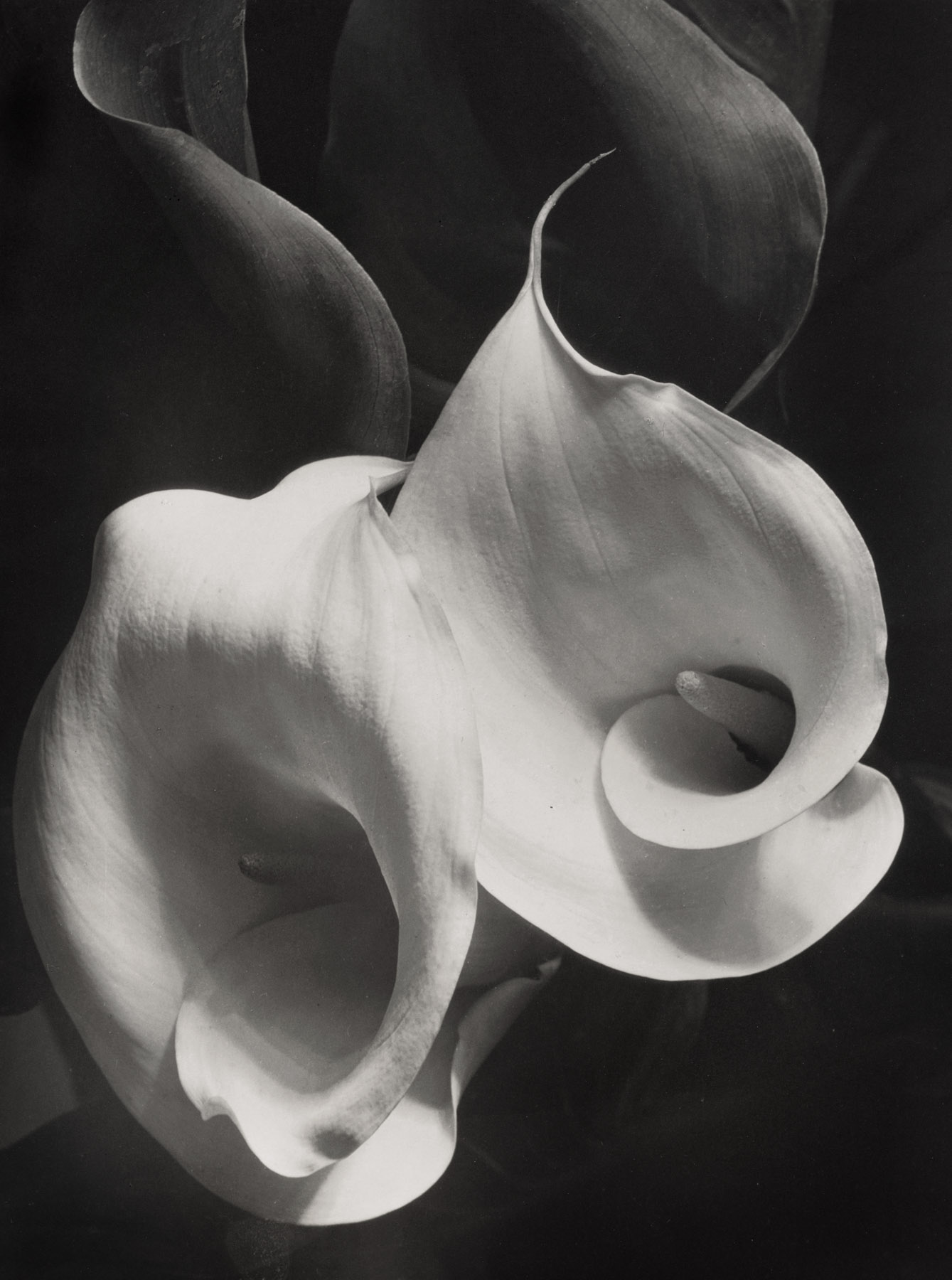
Imogen Cunningham (American, 1883-1976) 'Two Callas' 1925-1929


Imogen Cunningham (American, 1883-1976)
Two Callas
1925-1929
Gelatin silver print
11 13/16 × 8 7/8 in.
The Art Institute of Chicago, Julien Levy Collection, Gift of Jean Levy and the Estate of Julien Levy
© 2021 The Imogen Cunningham Trust


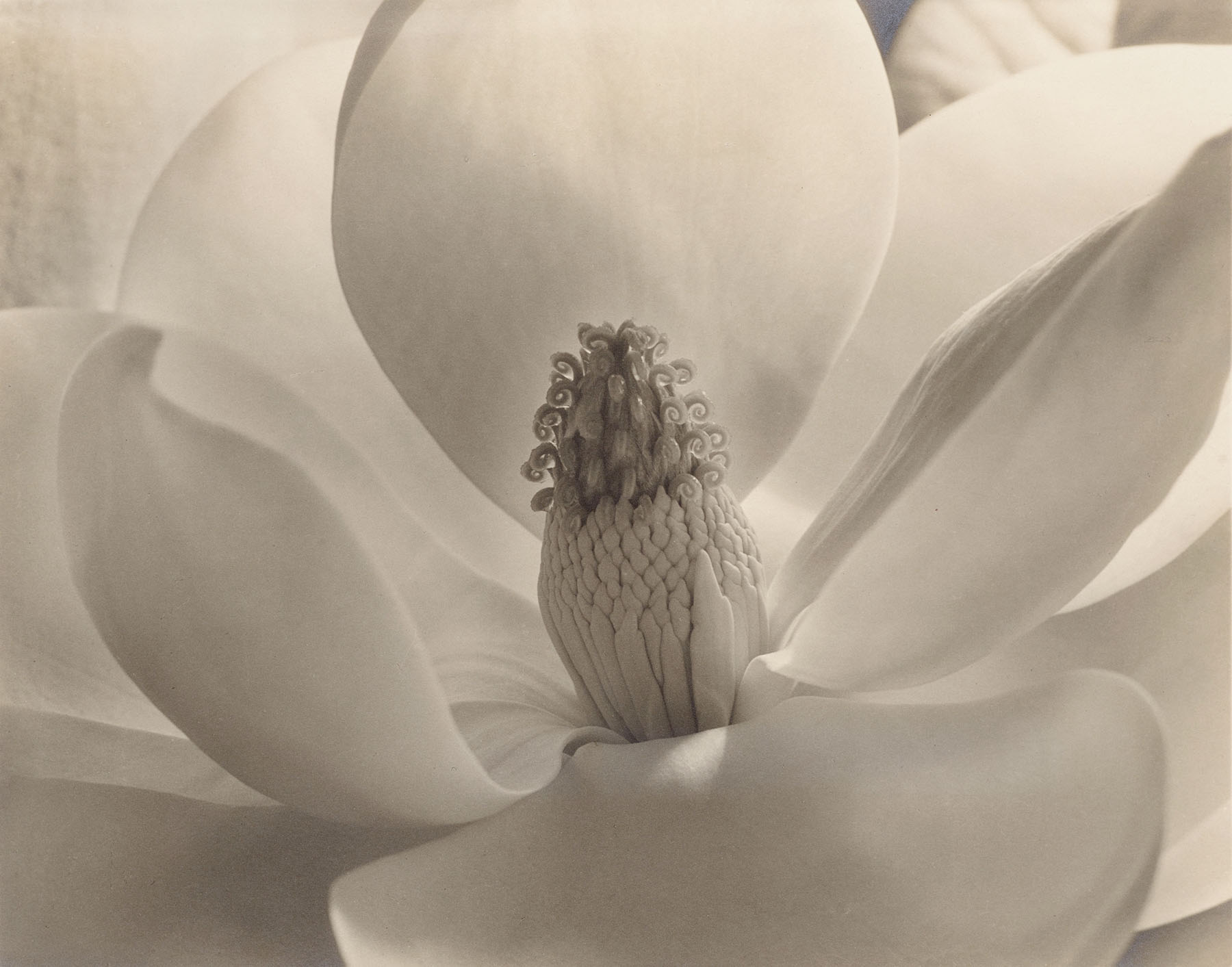
Imogen Cunningham (American, 1883-1976) 'Magnolia Blossom' Negative 1925; print 1930


Imogen Cunningham (American, 1883-1976)
Magnolia Blossom
Negative 1925; print 1930
Gelatin silver print
9 5/16 × 11 5/8 in.
Fine Arts Museums of San Francisco, Museum purchase, M.H. de Young Memorial Museum
© 2021 The Imogen Cunningham Trust


Imogen Cunningham: Magnolia Blossom 1925

For nearly a decade of her 70-year career, Imogen Cunningham focused on capturing the beauty of botanicals. Having studied chemistry and worked in the botany department at the University of Washington, she wrote her thesis in 1907 on the chemical process of photography while employing a variety of plants as her subjects.

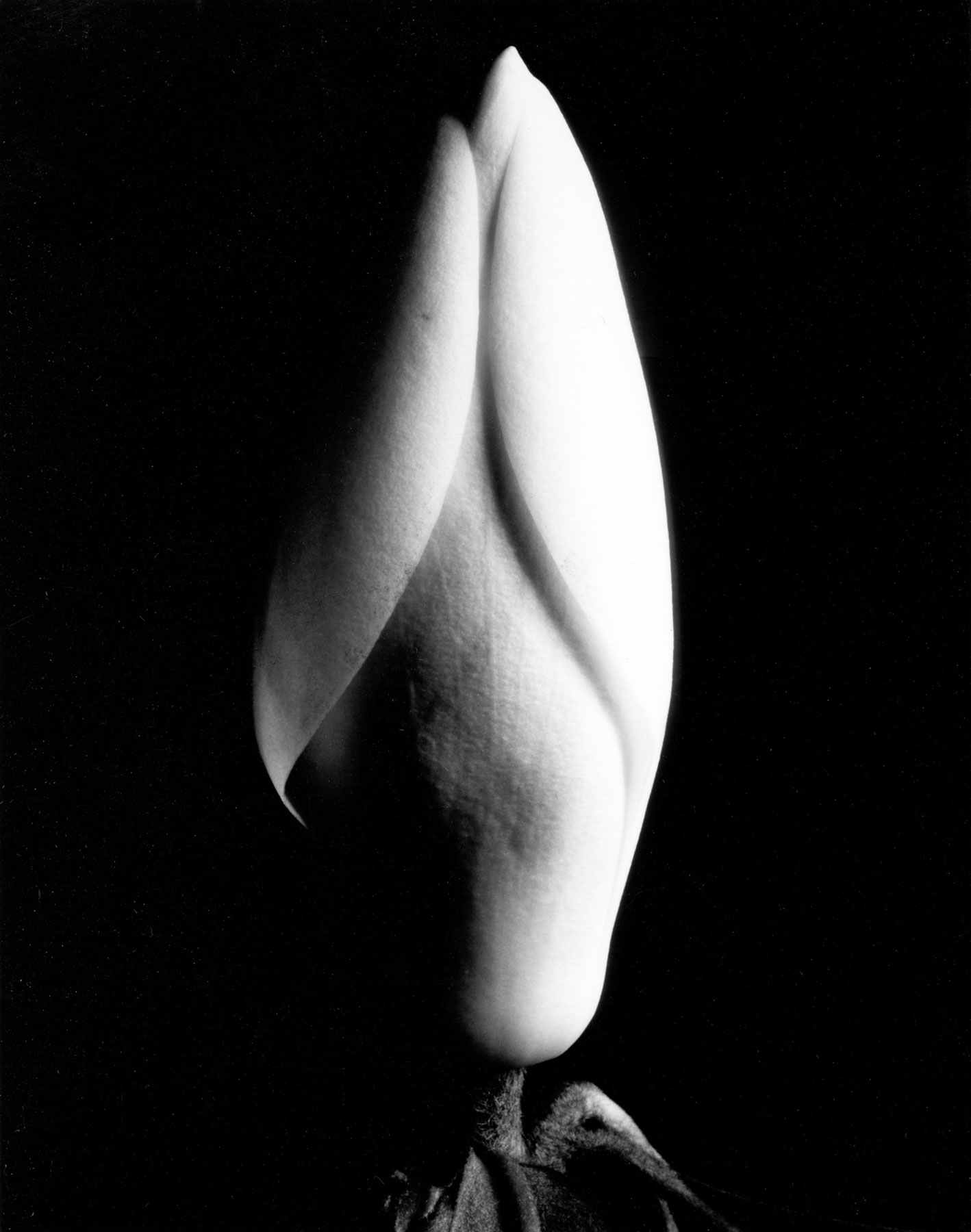
Magnolia Blossom is perhaps Cunningham’s most well-known botanical image. The close-cropped photograph of the flower reveals the cone of stamens and pistils hiding between the petals. Taken as a whole, the image represents a transfixing study of light and shadows within the history of black and white photography.

In this audio recording produced by the J. Paul Getty Museum, Meg Partridge, the granddaughter of Imogen Cunningham, discusses the significance of this photograph within Cunningham’s larger body of work and provides insight on the photographer’s fascination with botanicals.

Transcript

Narrator: This close-cropped image of a magnolia flower fills the entire frame. The petals have completely opened revealing the cone of stamens and curlicue carpels.

Meg Partridge: It’s really a beautifully sharp, focused, large-format image that is a simple subject, but it’s very powerful.

Narrator: For roughly a decade, Cunningham focused her attention on botanical studies. This is perhaps her most well-known example. She had an extensive knowledge of plants – as a chemistry major in college, she worked in the botany department, making slides for lectures and research.

Meg Partridge: She knew the botanical names of all of the plants that she had photographed and all the plants that she gardened with. She spent a good bit of time in the garden. So I think it was more about the relationship she had with her subject – be it a person or a plant – that we really see and respond to.

Narrator: There was a practical aspect to these botanical works as well. Cunningham once explained: “The reason I really turned to plants was because I couldn’t get out of my own backyard when my children were small. I photographed the plants in my garden and steered my children around at the same time.”

Meg Partridge: And she would do it in moments where she had children underfoot, but also a moment to focus. She always used natural light and she often took photographs either inside with a simple backdrop or she even took simple backdrops, a white board or a black cloth, out into the garden to photograph.

Narrator: Cunningham’s full-frame botanicals such as this one were groundbreaking in early modernist photography.

~ Lily Hansen, SAM Marketing Content Creator, “Imogen Cunningham: Magnolia Blossom,” on the SAMBlog website December 7, 2021 [Online] Cited 06/01/2022


Imogen Cunningham (American, 1883-1976) 'Magnolia Bud' 1929


Imogen Cunningham (American, 1883-1976)
Magnolia Bud
1929
Gelatin silver print
Image: 9 1/4 × 7 1/16 in.
Mount: 19 7/8 × 14 15/16 in.
George Eastman Museum, purchase


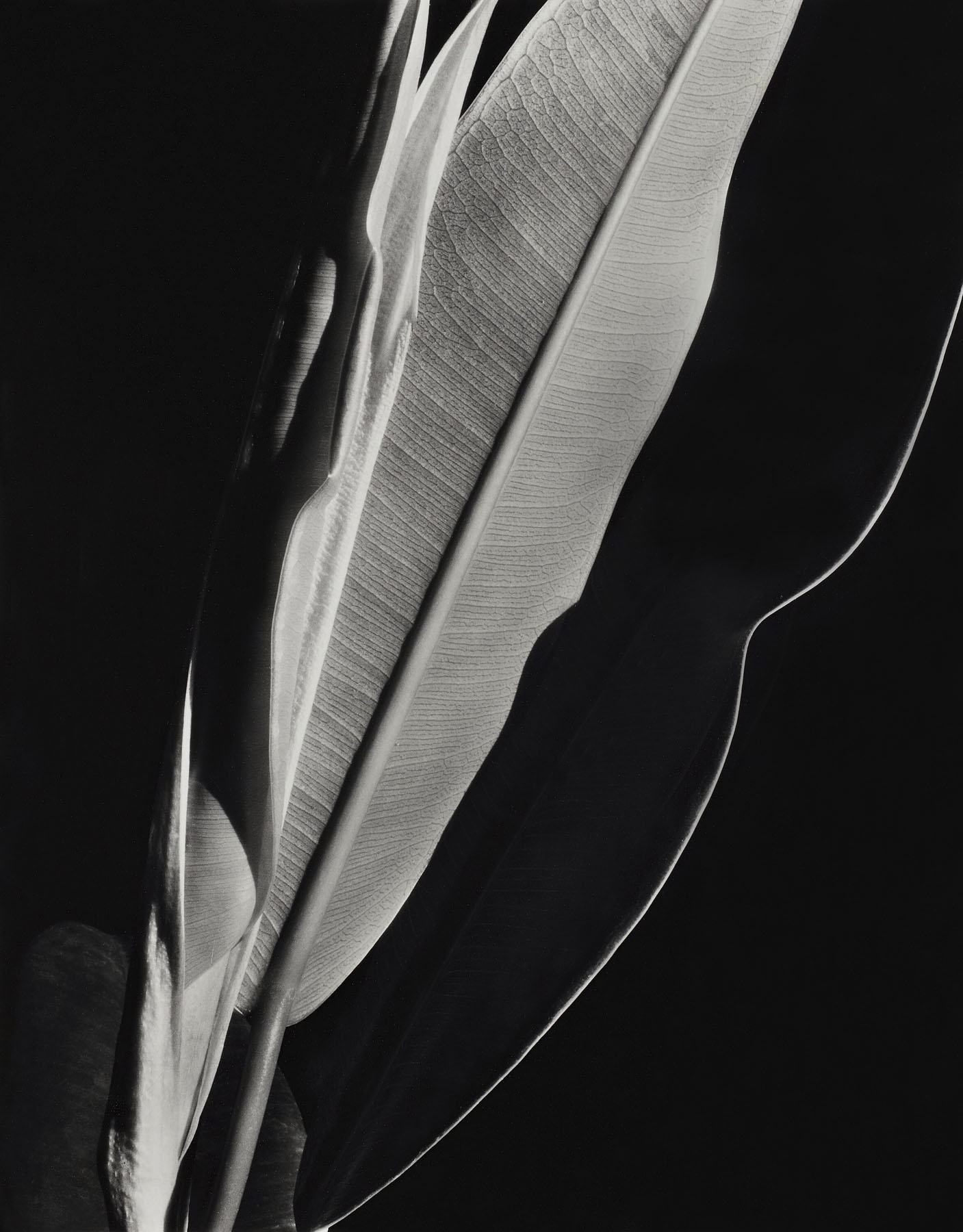
“The photos from this period, often tightly framed to the point of almost cropped, cast off much of Cunningham’s earlier romantic tendencies in favor of a modernist sharpness and chiaroscuro that, while still moody, nears abstraction. The leaves of rubber plants and flax plants become spears, and in close-up, paper-skinned magnolia blossoms almost look like thighs.”

Margo Vansynghel. “How Seattle’s Imogen Cunningham changed photography forever,” on the Crosscut website November 16, 2021 [Online] Cited 08/01/2022


Imogen Cunningham (American, 1883-1976) 'Rubber Plant' before 1929


Imogen Cunningham (American, 1883-1976)
Rubber Plant
before 1929
Gelatin silver print
13 3/8 x 10 1/4 in. (34 x 26cm)
Seattle Art Museum, Gift of John H. Hauberg


Imogen Cunningham (American, 1883-1976) 'Aloe' 1925


Imogen Cunningham (American, 1883-1976)
Aloe
1925
Gelatin silver print
8 13/16 × 6 1/2 in.
The J. Paul Getty Museum, Los Angeles
© The 2021 Imogen Cunningham Trust


Cunningham started photographing plants upon moving to the Bay Area from Seattle. “The reason I really turned to plants was because I couldn’t get out of my own backyard when my children were small,” Cunningham later said. (The Imogen Cunningham Trust)


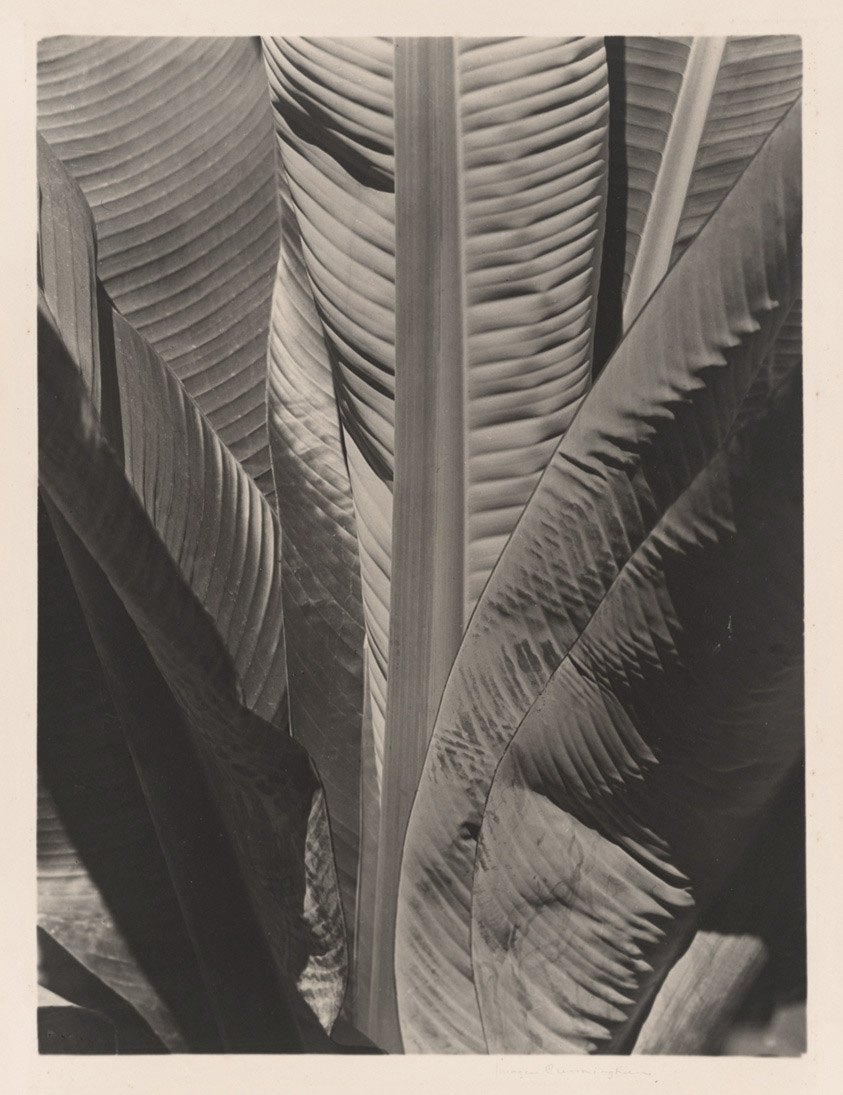
Imogen Cunningham (American, 1883-1976) 'Banana Plant' 1925-1929


Imogen Cunningham (American, 1883-1976)
Banana Plant
1925-1929
Gelatin silver print
Image: 11 5/8 × 8 3/4 in.
Sheet: 14 × 10 15/16 in.
The Art Institute of Chicago, Julien Levy Collection, Gift of Jean Levy and the Estate of Julien Levy


Imogen Cunningham (American, 1883-1976) 'Billbergia' 1929


Imogen Cunningham (American, 1883-1976)
Billbergia
1929
Gelatin silver print
Image: 12 1/8 × 8 1/16 in.
Sheet: 13 7/8 × 10 15/16 in.
The Art Institute of Chicago, Julien Levy Collection, Gift of Jean Levy and the Estate of Julien Levy


Imogen Cunningham (American, 1883-1976) 'Tuberose' 1920s


Imogen Cunningham (American, 1883-1976)
Tuberose
1920s
Gelatin silver print
Image: 8 3/8 × 9 3/8 in.
Lent by The Metropolitan Museum of Art, Purchase, Dorothy Levitt Beskind Gift, 1973


Imogen Cunningham (American, 1883-1976) 'Hen and Chickens' 1929


Imogen Cunningham (American, 1883-1976)
Hen and Chickens
1929
Gelatin silver print
9 15/16 × 9 11/16 in.
The J. Paul Getty Museum, Los Angeles
© 2021 The Imogen Cunningham Trust


The Seattle Art Museum (SAM) presents Imogen Cunningham: A Retrospective (November 18, 2021 – February 6, 2022), the photographer’s first major retrospective in the United States in more than 35 years. Organised by the J. Paul Getty Museum, Los Angeles, the exhibition is a visual celebration of Cunningham’s immense contribution to the history of 20th-century photography. It features nearly 200 works from her seventy-year career, including portraits of artists, musicians and Hollywood stars; elegant flower and plant studies; poignant street pictures; and groundbreaking nudes.

“We are thrilled to open this important retrospective here in Seattle, Cunningham’s first home as an artist,” says Amada Cruz, SAM’s Illsley Ball Nordstrom Director and CEO. “She once said that she ‘photographs anything the light touches’ – this is an extraordinary opportunity for our visitors to bask in the glow of her dynamic and expansive body of work and be inspired.”

“Imogen Cunningham was under appreciated for most of her career, only finding recognition in her last years – an unfortunately common tale for many women artists,” says Carrie Dedon, SAM’s Associate Curator of Modern and Contemporary Art. “Her photographs reveal an endlessly curious, innovative, and determined mind that places her as one of the most important photographers of the last century.”

Beginnings in Seattle

Imogen Cunningham (1883-1976) had deep connections to the Pacific Northwest; born in Portland, she grew up in Port Angeles and Seattle. The precocious child of a free-thinking father, Cunningham decided to become a photographer around 1901, while still in high school. Her father famously asked, “Why do you want to become a dirty photographer?” Yet he built her a darkroom in a woodshed, including the necessary and messy chemical supplies. Her first works were in the soft-focus, Pictorialist style.

Cunningham completed a chemistry degree at the University of Washington in 1907. During these years, she also participated in the artistic scene, becoming the youngest charter member – and only photographer – of the Seattle Fine Arts Society in 1908. She also apprenticed and then worked from 1907-1909 at the Seattle studio of well-known photographer Edward S. Curtis. After a year-long fellowship in Dresden, Germany, Cunningham returned to Seattle in 1910 and opened what is considered the first studio for artistic photography in Seattle. She lived and worked in this ivy-covered building located at 1117 Terry Avenue, making portraits of local figures as well as her own works in the then-popular Pictorialist mode, including some early daring nudes.

Cunningham married a Seattle artist, Roi Partridge, in 1915, and eventually had three sons with him, including twin boys. With her husband on the road, Cunningham struggled to run her studio and household, and eventually set out to join Partridge in San Francisco in 1917.

A Modernist Pioneer

The next decade of Cunningham’s life saw her balancing her roles as an artist, mother, and mentor to the students of Mills College in Oakland, where her husband taught. Amid the very real constraints of her life in California, Cunningham created photographs that are regarded today as historically radical and groundbreaking, including modernist botanicals and portraits.

Bound to the home while caring for her infant boys, Cunningham planted a garden in 1921 to create subjects for her camera. In these works, including perhaps her more celebrated botanical, Magnolia Blossom (1925), she isolates the plant forms, precisely revealing their essential elements in close-up compositions. Their sensuality is heightened by Cunningham’s choice of warm-toned matte-surface papers for printing. These works were included in a momentous avant-garde exhibition in 1925 in Stuttgart, Germany, which brought her international attention.

Her portrait subjects in these years featured people from her artistic community such as dancers Jose Limon and Hanya Holm, musicians from the Cornish College of the Arts, fencer Helene Mayer, and artists Frida Kahlo and Morris Graves. She also made portraits of Hollywood luminaries for Vanity Fair, including Cary Grant, Joan Blondell, and Spencer Tracy.

Artist and collaborator

SAM’s iteration of the exhibition highlights Cunningham’s collaborations with artists of many mediums, particularly dancer Martha Graham and sculptor Ruth Asawa. In a section of artist portraits is one of Graham, taken during a 1931 session that resulted in dramatic close-ups of the dancer’s face and body; also in this section is a video of the dancer in her iconic solo Lamentation (1930). Cunningham was introduced to Asawa in 1950, and the two, though 43 years apart in age, established a lasting friendship. Cunningham regularly photographed Asawa and her looped wire sculptures and wrote on her behalf for a Guggenheim Foundation grant. The exhibition features seven Asawa sculptures alongside Cunningham’s five portraits of the artist and her work.

Another section of the exhibition features examples from Group f/64, a Bay Area association of photographers begun in 1932 that championed a direct and objective approach. In addition to Cunningham, the group included Edward Weston, Ansel Adams, Sonya Noskowiak, and more. Also on view are photographs by Gertrude Kasebier, Dorothea Lange, Listette Model, and more; they were all sources of inspiration for or collaborators with Cunningham.

The Light Within

The exhibition also explores the last 42 years of Cunningham’s life, as the artist continued to face challenges and late-in-life triumphs in her career. It was only in the final twelve years of her life that she finally began to receive attention, with major solo shows in New York, Chicago, and San Francisco; a 1964 Aperture monograph spearheaded by her champion and fellow photographer, Minor White; and a 1970 Guggenheim Foundation grant that enabled her to print a cache of her early glass plate negatives.

During these years, she continued to innovate, gravitating toward street photography and creating cleverly composed examples of the genre. She also taught and mentored young artists, and she became involved in civic issues in San Francisco, as well as the civil rights and the anti-war movements. At the age of 92, she embarked on a final series focusing on ageing, traveling with an assistant to document subjects. In 1976, just months before her death, she appeared on the Tonight Show with Johnny Carson, charming the host and the audience. On view in this final gallery is Portrait of Imogen (1988), a short documentary film directed by Meg Partridge.

Press release from SAM


Portrait of Imogen – Part 1


Portrait of Imogen – Part 2


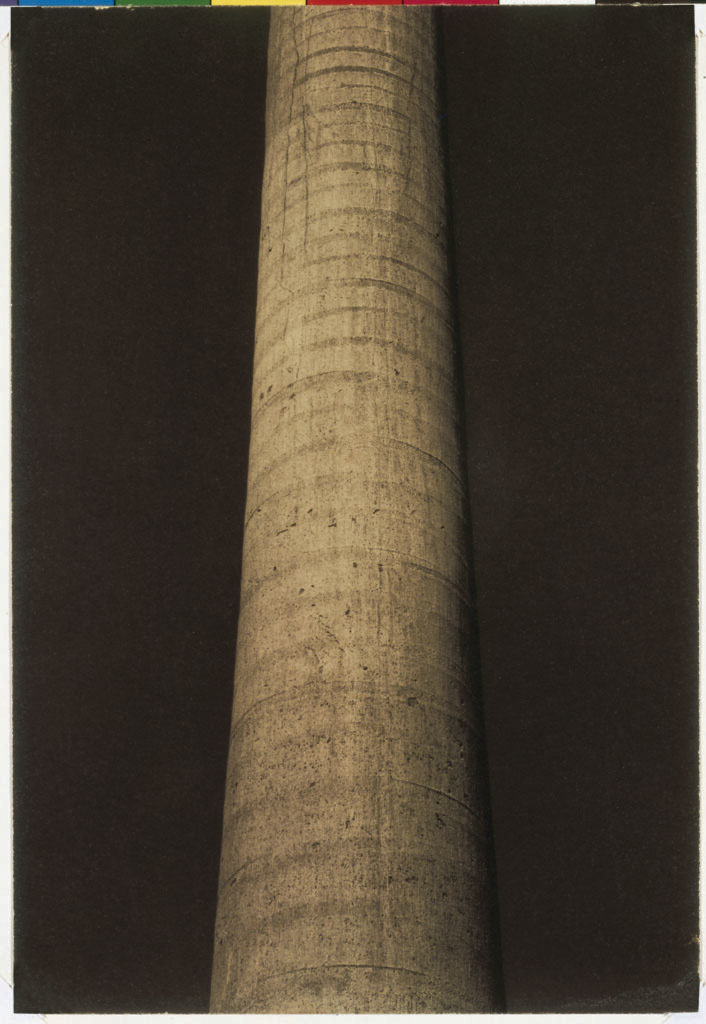
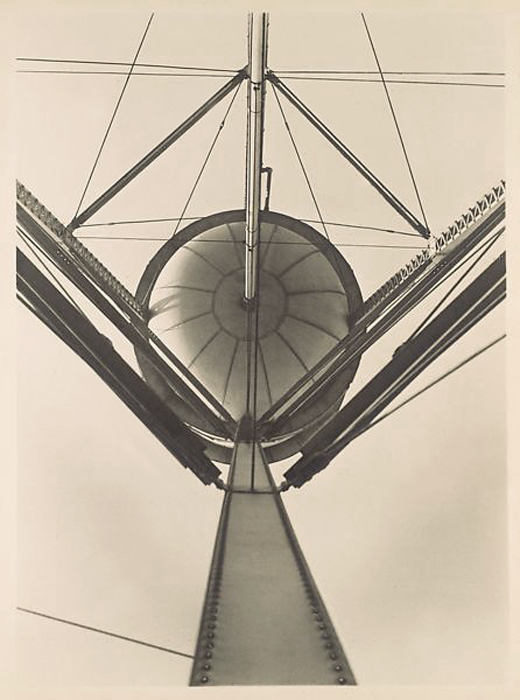
Imogen Cunningham (American, 1883-1976) 'Shredded Wheat Tower' 1928


Imogen Cunningham (American, 1883-1976)
Shredded Wheat Tower
1928
Gelatin silver print
Image: 8 7/8 × 6 9/16 in.
Lent by The Metropolitan Museum of Art, Ford Motor Company Collection, Gift of Ford Motor Company and John C. Waddell, 1987


Radiating outward, the beams of this water tower unfold as if in bloom. Imogen Cunningham is best known for her floral studies, which monumentalise the intricate architecture of petals and leaves. Here, she turns her signature subject on its head, finding organic elegance in an industrial view. Cunningham exhibited this photograph at the landmark 1929 Film und Foto exhibition in Stuttgart, and its inverted viewpoint reflects the influence of the show’s avant-garde organisers. Pioneering a new West Coast modernism, Cunningham adapted European approaches to the California skyline, here depicting a Shredded Wheat factory near her home in Oakland.

Text from the Metropolitan Museum of Art website


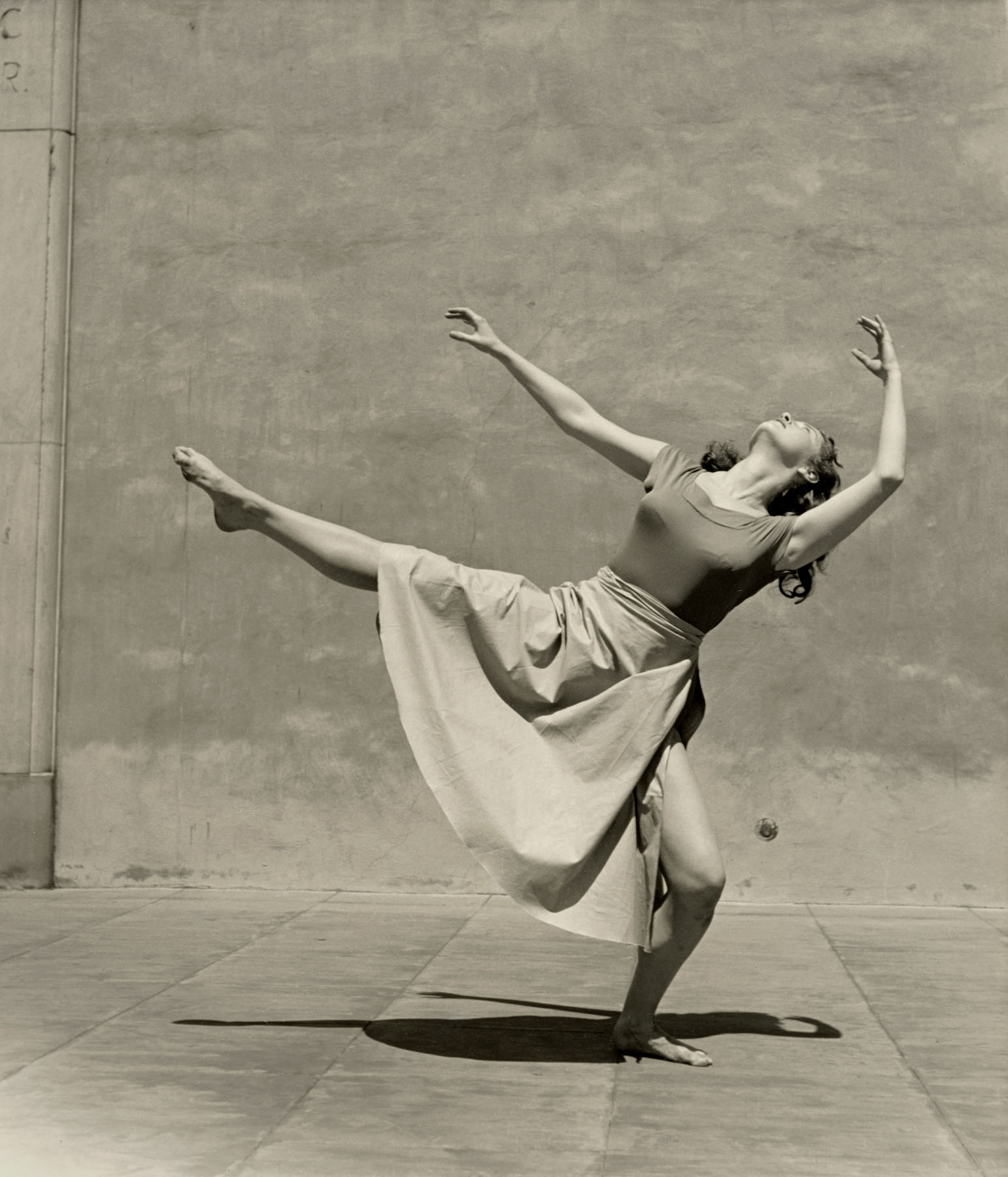
Imogen Cunningham (American, 1883-1976) 'Dancer, Mills College' 1929


Imogen Cunningham (American, 1883-1976)
Dancer, Mills College
1929
Gelatin silver print
8 9/16 × 7 3/8 in.
The J. Paul Getty Museum, Los Angeles
© 2021 The Imogen Cunningham Trust


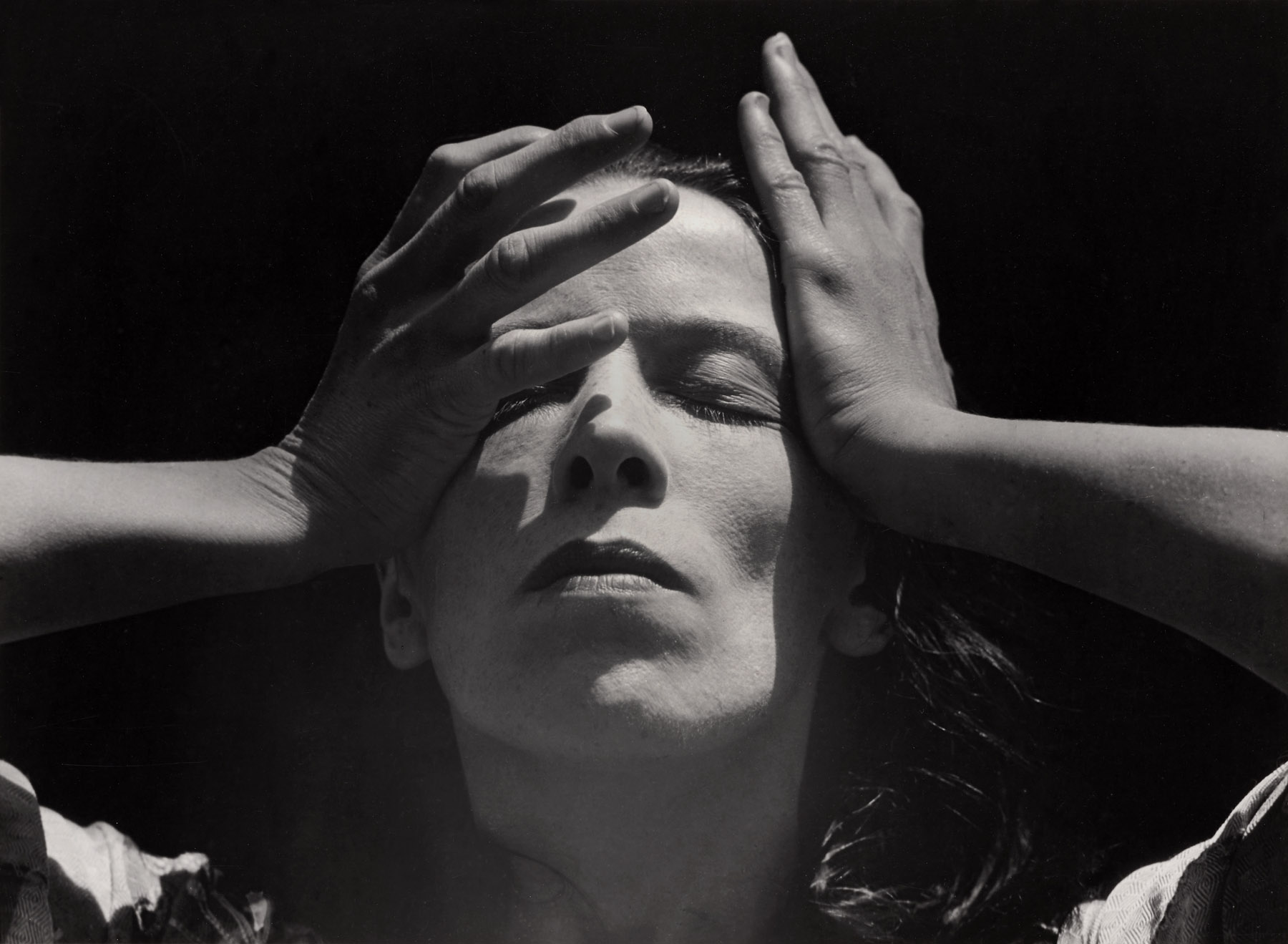
Imogen Cunningham (American, 1883-1976) 'Martha Graham, Dancer' 1931


Imogen Cunningham (American, 1883-1976)
Martha Graham, Dancer
1931
Gelatin silver print
7 5/16 × 9 15/16 in.
The J. Paul Getty Museum, Los Angeles, Gift of Daniel Greenberg and Susan Steinhauser
© 2021 The Imogen Cunningham Trust


Martha Graham (May 11, 1894 – April 1, 1991) was an American modern dancer and choreographer. Her style, the Graham technique, reshaped American dance and is still taught worldwide.

Graham danced and taught for over seventy years. She was the first dancer to perform at the White House, travel abroad as a cultural ambassador, and receive the highest civilian award of the US: the Presidential Medal of Freedom with Distinction. In her lifetime she received honours ranging from the Key to the City of Paris to Japan’s Imperial Order of the Precious Crown. She said, in the 1994 documentary The Dancer Revealed: “I have spent all my life with dance and being a dancer. It’s permitting life to use you in a very intense way. Sometimes it is not pleasant. Sometimes it is fearful. But nevertheless it is inevitable.” Founded in 1926 (the same year as Graham’s professional dance company), the Martha Graham School is the oldest school of dance in the United States. First located in a small studio within Carnegie Hall the school currently has two different studios in New York City.

Text and more information on the Wikipedia website


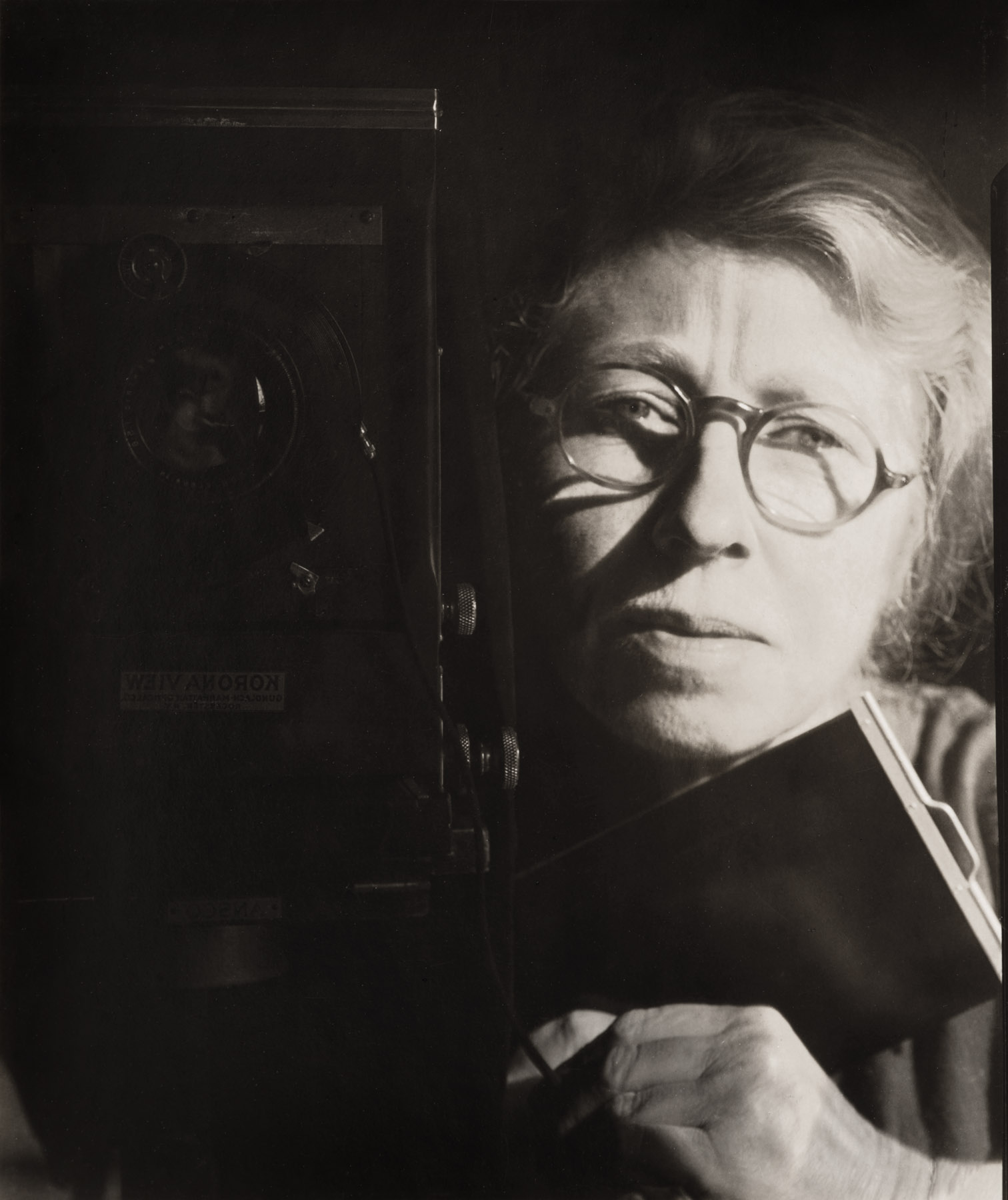
Imogen Cunningham (American, 1883-1976) 'Self-Portrait with Korona View' 1933


Imogen Cunningham (American, 1883-1976)
Self-Portrait with Korona View
1933
Gelatin silver print
4 × 3 5/16 in.
Collection of The Imogen Cunningham Trust
© 2021 The Imogen Cunningham Trust


Imogen Cunningham (American, 1883-1976) 'Under the Queensboro Bridge' 1934


Imogen Cunningham (American, 1883-1976)
Under the Queensboro Bridge
1934
Gelatin silver print
Image: 6 1/8 × 7 5/8 in.
Frame: 15 1/4 x 20 1/4 x 3/4 in.
The J. Paul Getty Museum, Los Angeles, Gift of Leslie and Judith Schreyer and Gabri Schreyer-Hoffman in honour of Virginia Heckert


Imogen Cunningham (American, 1883-1976) 'Gertrude Stein, Writer' 1934


Imogen Cunningham (American, 1883-1976)
Gertrude Stein, Writer
1934
Gelatin silver print
Image: 7 9/16 × 6 11/16 in.
Frame: 22 5/8 x 16 5/8 x 1 3/8 in.
The J. Paul Getty Museum, Los Angeles


Imogen Cunningham (American, 1883-1976) 'Cornish School Trio 2' 1935


Imogen Cunningham (American, 1883-1976)
Cornish School Trio 2
1935
Gelatin silver print
9 × 7 1/2 in.
Collection of The Imogen Cunningham Trust
© 2021 The Imogen Cunningham Trust


About the exhibition

Imogen Cunningham (1883-1976) had deep connections to the Pacific Northwest; born in Portland, she grew up in Port Angeles and Seattle. She completed a chemistry degree at the University of Washington in 1907 and in 1910 opened what is considered the first studio for artistic photography in Seattle, making portraits of local figures as well as her own works in the then-popular Pictorialist mode, including some early daring nudes.

Cunningham then moved to California, where she created photographs that are regarded today as historically radical and groundbreaking, including modernist botanicals and portraits. She began to earn international attention, and created portraits of people from her artistic community as well as celebrities including artist Frida Kahlo and actor Cary Grant.

SAM’s iteration of the exhibition highlights Cunningham’s collaborations with artists of many mediums, particularly dancer Martha Graham and sculptor Ruth Asawa. Another section of the exhibition features examples from the famous Group f/64, including Edward Weston and Ansel Adams.

The exhibition also explores the last 42 years of Cunningham’s life, as the artist continued to face challenges and late-in-life triumphs in her career. She created clever examples of street photography, taught and mentored young artists, and embarked on a final important series on ageing. Visitors can also watch Portrait of Imogen (1988), a short documentary film directed by Meg Partridge.

Text from SAM


Imogen Cunningham (American, 1883-1976) 'Mr. and Mrs. Ozenfant' 1935


Imogen Cunningham (American, 1883-1976)
Mr. and Mrs. Ozenfant
1935
Gelatin silver print
Image: 9 3/8 × 7 1/4 in.
Frame: 23 1/4 x 17 1/4 in.
The J. Paul Getty Museum, Los Angeles


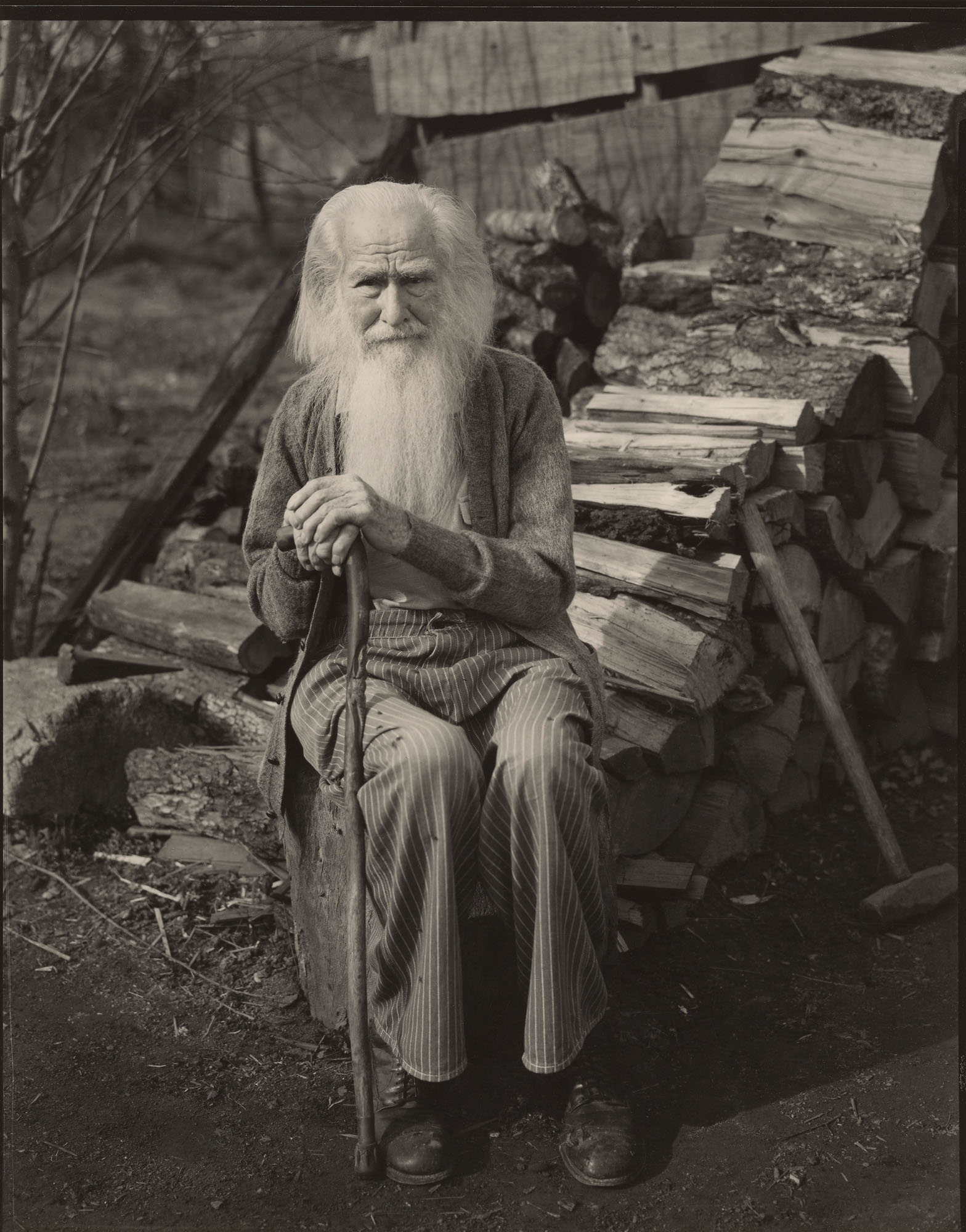
Imogen Cunningham (American, 1883-1976) 'My Father at Ninety' 1936


Imogen Cunningham (American, 1883-1976)
My Father at Ninety
1936
Gelatin silver print
9 3/4 × 7 11/16 in.
The J. Paul Getty Museum, Los Angeles
© 2021 The Imogen Cunningham Trust


Imogen Cunningham: My Father at Ninety, 1936

Around 1901, Imogen Cunningham purchased her first camera. Aware of his daughter’s interest in photography, Cunningham’s father, Isaac Burns Cunningham, built her a darkroom in a woodshed on their property in Seattle. With her photography career in full bloom, Cunningham returned to the site of the original darkroom more than 30 years later to photograph her first and biggest supporter, her father.

Seated on a log in front of split wood, Cunningham intimately captures her ageing father. In this recording produced by the J. Paul Getty Museum, Meg Partridge, the granddaughter of Imogen Cunningham, reflects on Cunningham’s loving relationship with her father and reveals the supportive role he played throughout her career.

Transcript

Meg Partridge: In all the photographs Imogen took of her father, you can just see that relationship between the two. You experienced that relationship a bit when you look into the eyes of Isaac Burns in this photograph.

Narrator: Cunningham had a host of ways for getting her subjects to relax and reveal a bit of themselves. She’d chat them up, catch them off guard, or mesmerise them with her own fluid, busy movement, all in order to, as she once said, “gain an understanding at short notice and at close range.” But with this sitter, those techniques weren’t necessary. Her father’s guard was never up.

Meg Partridge: Imogen was very close to her father. I think there was a real similar interest in their curiosity and their intellect and their pursuit of information.

Narrator: Isaac Burns Cunningham was a freethinker. His formal education was interrupted by the Civil War, yet he was a voracious reader and a student of all religions. He supported his large family with a wood and coal supply business. In his daughter, named for the Shakespearian character he found most noble, he nurtured a love of nature and art, buying her first set of watercolours and arranging painting lessons on weekends and summers.

Meg Partridge: This is from a very low-income, frugal family that didn’t have a lot of extra money to spare. Isaac Burns also made her a darkroom in his woodshed. So that’s how Imogen got started actually processing her own work as a teenager in Seattle.

Narrator: Like her father, Imogen Cunningham lived into her nineties. When asked in an interview two months before her death at age ninety-three which one of her photographs was her favourite, she replied, “The one I’m going to take tomorrow.”

~ Lily Hansen, SAM Marketing Content Creator, “Imogen Cunningham: My Father at Ninety,” on the SAMBlog website December 28, 2021 [Online] Cited 06/01/2022


Imogen Cunningham (American, 1883-1976) 'Double Image, Sutter St. and Fillmore' c. 1940


Imogen Cunningham (American, 1883-1976)
Double Image, Sutter St. and Fillmore
c. 1940
Gelatin silver print
7 3/4 × 7 1/2 in.
Collection of the Oakland Museum of California, Gift of the Junior League of Oakland
© 2021 The Imogen Cunningham Trust


Imogen Cunningham (American, 1883-1976) 'Hand Weaving with Hand, Henning Watterson, Weaver' 1946


Imogen Cunningham (American, 1883-1976)
Hand Weaving with Hand, Henning Watterson, Weaver
1946
Gelatin silver print
Image: 13 3/16 × 9 3/8 in.
Mount: 13 7/8 × 10 15/16 in.
Frame: 22 /8 x 18 5/8 x 1 3/8 in.
The J. Paul Getty Museum, Los Angeles, Gift of Daniel Greenberg and Susan Steinhauser


“Whenever I photographed anybody who does anything with his hands,” Cunningham once said, “I usually come down and focus on them, and do the hand.”


Imogen Cunningham (American, 1883-1976) 'Morris Graves, Painter' 1950


Imogen Cunningham (American, 1883-1976)
Morris Graves, Painter
1950
Gelatin silver print
15 × 16 in.
Sheldon Museum of Art, University of Nebraska-Lincoln, Anna R. and Frank M. Hall Charitable Trust
© 2021 The Imogen Cunningham Trust


Morris Graves (August 28, 1910 – May 5, 2001) was an American painter. He was one of the earliest Modern artists from the Pacific Northwest to achieve national and international acclaim. His style, referred to by some reviewers as Mysticism, used the muted tones of the Northwest environment, Asian aesthetics and philosophy, and a personal iconography of birds, flowers, chalices, and other images to explore the nature of consciousness.

An article in a 1953 issue of Life magazine cemented Graves’ reputation as a major figure of the ‘Northwest School’ of artists. He lived and worked mostly in Western Washington, but spent considerable time traveling and living in Europe and Asia, and spent the last several years of his life in Loleta, California.

Text and more information on the Wikipedia website


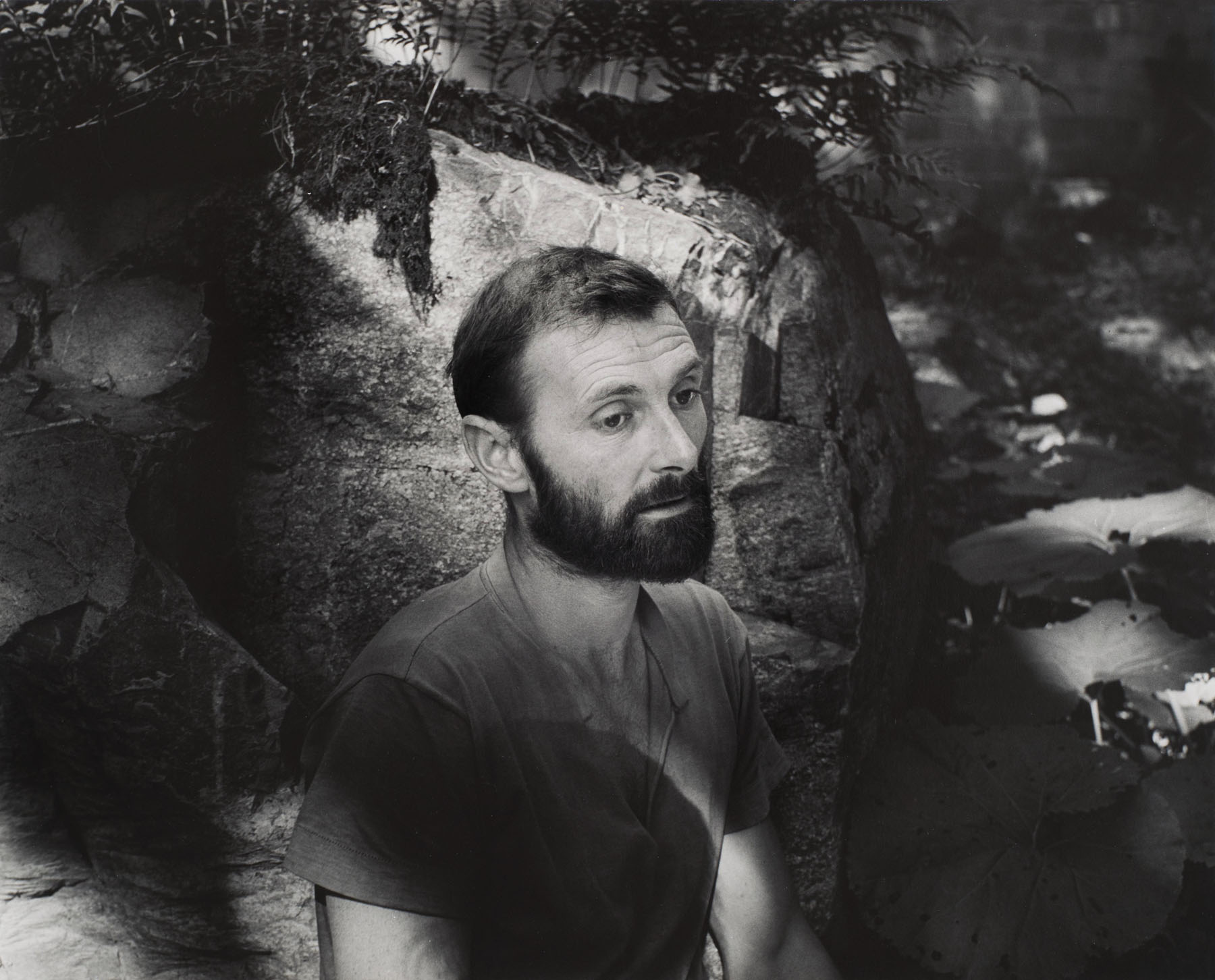
Imogen Cunningham: Morris Graves In His Leek Garden 1973

From close friends to strangers, and even the artist herself, photographer Imogen Cunningham found inspiration in capturing the human form in various settings. Taking portraits of those around her, Cunningham aimed to find the “beauty of the inner self.”

Listen to this audio interview to hear Japanese and Chinese Canadian photographer Kayla Isomura discuss the lessons she has learned from Cunningham’s extensive body of work. Paying particular attention to the artist’s 1973 portrait, Morris Graves In His Leek Garden, Isomura highlights the intentional melancholy of the image and shares admiration for Cunningham’s keen ability to capture her subjects in their natural state.

Transcript

Narrator: Like Imogen Cunningham, photographer Kayla Isomura is known for her portraits.

Kayla Isomura: I am a fourth-generation Japanese and Chinese Canadian, with a background as well in journalism, all of which have influenced my interest in multimedia storytelling.

Narrator: Kayla identifies with Cunningham’s goal of finding the “beauty of the inner self” in her portraits. Here, Kayla notes Cunningham’s deft touch with her subject, the painter Morris Graves.

Kayla Isomura: For me, I really like capturing people kind of as they are. Even taking a photo on the spot. Sometimes people will feel self-conscious about that. But more often than not I’m taking a photo of them because there is something about them that is photogenic even if it might not be in the sort of what society might expect. It’s very important that anybody can feel comfortable in front of the camera, or anybody can feel like they’re able to see themself in a photograph.

Narrator: Twenty-three years after Cunningham first photographed her friend Graves, she received a somewhat concerning letter from him. In addition to asking if she would once again take his portrait, Graves wrote, “Like us all, I am undergoing changes that are beyond my comprehension. I am tired of life, and I understand less and less.” Soon after, Cunningham visited Graves at his retreat, a 380-acre property in Loleta, California, where she took this photo.

Kayla Isomura: Something that really stood out to me is how authentic I guess in a way that I feel like this image was captured. Looking at how the photo was taken through the leeks and the contemplative expression on his face, it made me feel like there was more to this too. Like I didn’t know if there’s a sense of even mourning or even loss or maybe he’s just kind of lost in thought in his garden.

Narrator: After developing her photographs, Cunningham sent them to Graves along with her own letter, complimenting his “aura of beauty” and hoping that her portrait would inspire him to paint again.

~ Lily Hansen, SAM Marketing Content Creator, “Imogen Cunningham: Morris Graves In His Leek Garden,” on the SAMBlog website November 30, 2021 [Online] Cited 06/01/2022


Imogen Cunningham (American, 1883-1976) 'Sunbonnet Lady, Fillmore Street, San Francisco' c. 1950s


Imogen Cunningham (American, 1883-1976)
Sunbonnet Lady, Fillmore Street, San Francisco
c. 1950s
Gelatin silver print
8 3/4 x 7 1/2 in. (22.2 x 19.1cm)
Seattle Art Museum, Gift of John H. Hauberg


“I don’t hunt for anything. I don’t hunt for things – I just wait until something strikes me,” Cunningham said. “Of course, I hunt for an expression when I’m trying to photograph people.”


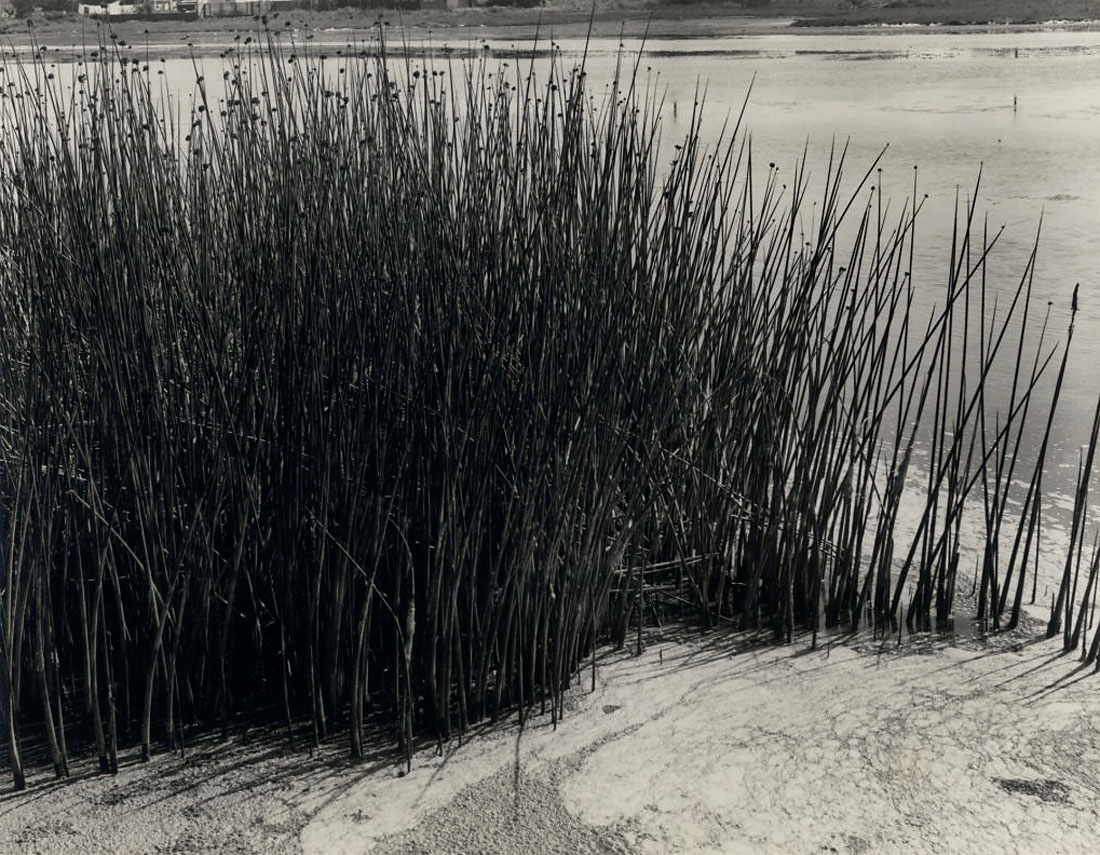
Imogen Cunningham (American, 1883-1976) 'Reeds' 1952


Imogen Cunningham (American, 1883-1976)
Reeds
1952
Gelatin silver print
Image: 6 13/16 × 8 3/4 in.
Mount: 12 3/16 × 13 in.
Frame: 20 5/8 x 16 5/8 x 1 3/8 in.
The J. Paul Getty Museum, Los Angeles


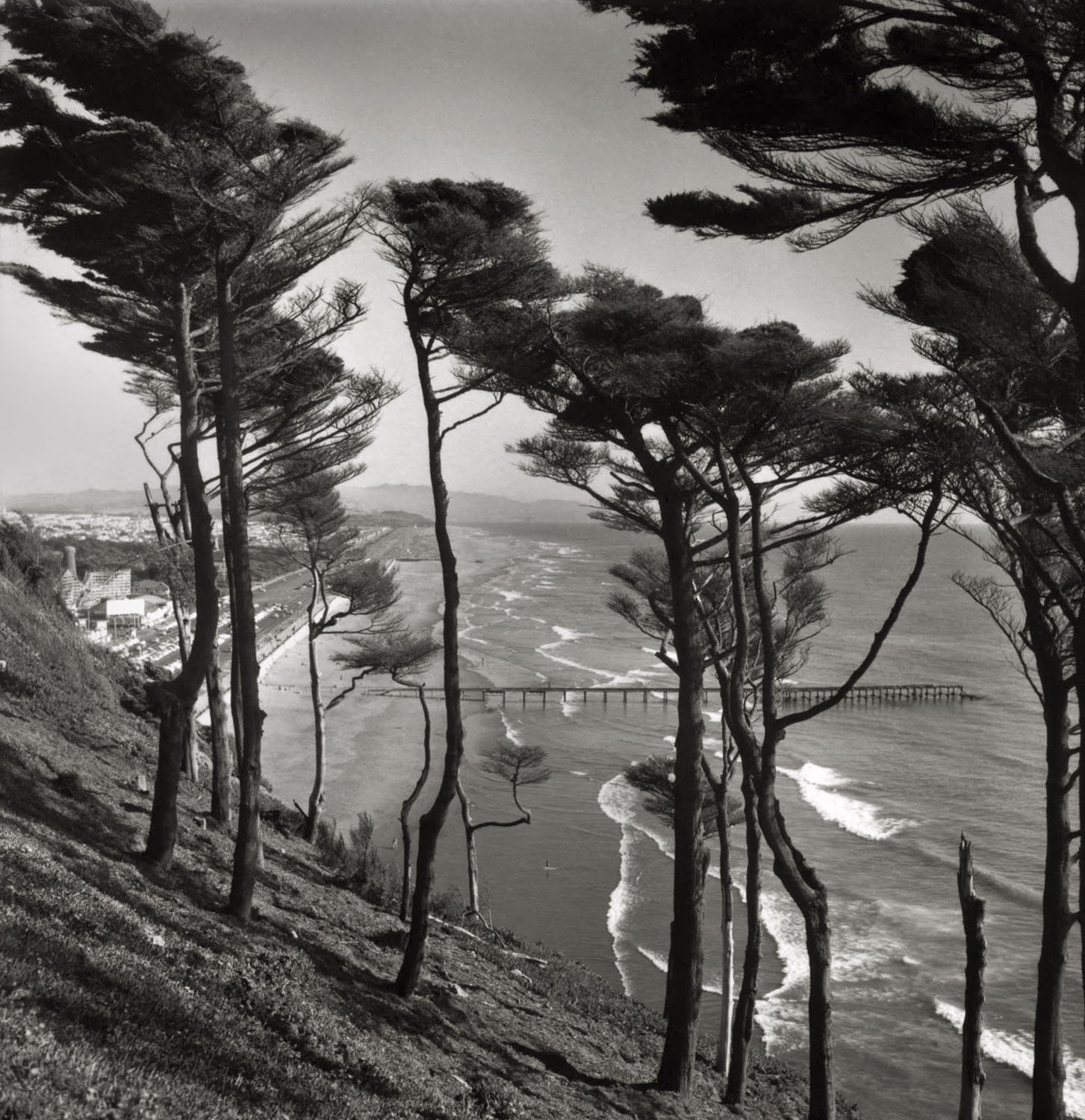
Imogen Cunningham (American, 1883-1976) 'The Beach, San Francisco' About 1955


Imogen Cunningham (American, 1883-1976)
The Beach, San Francisco
About 1955
Gelatin silver print
Image: 9 15/16 × 10 1/16 in.
Sheet: 11 7/16 × 10 7/8 in.
George Eastman Museum, museum accession


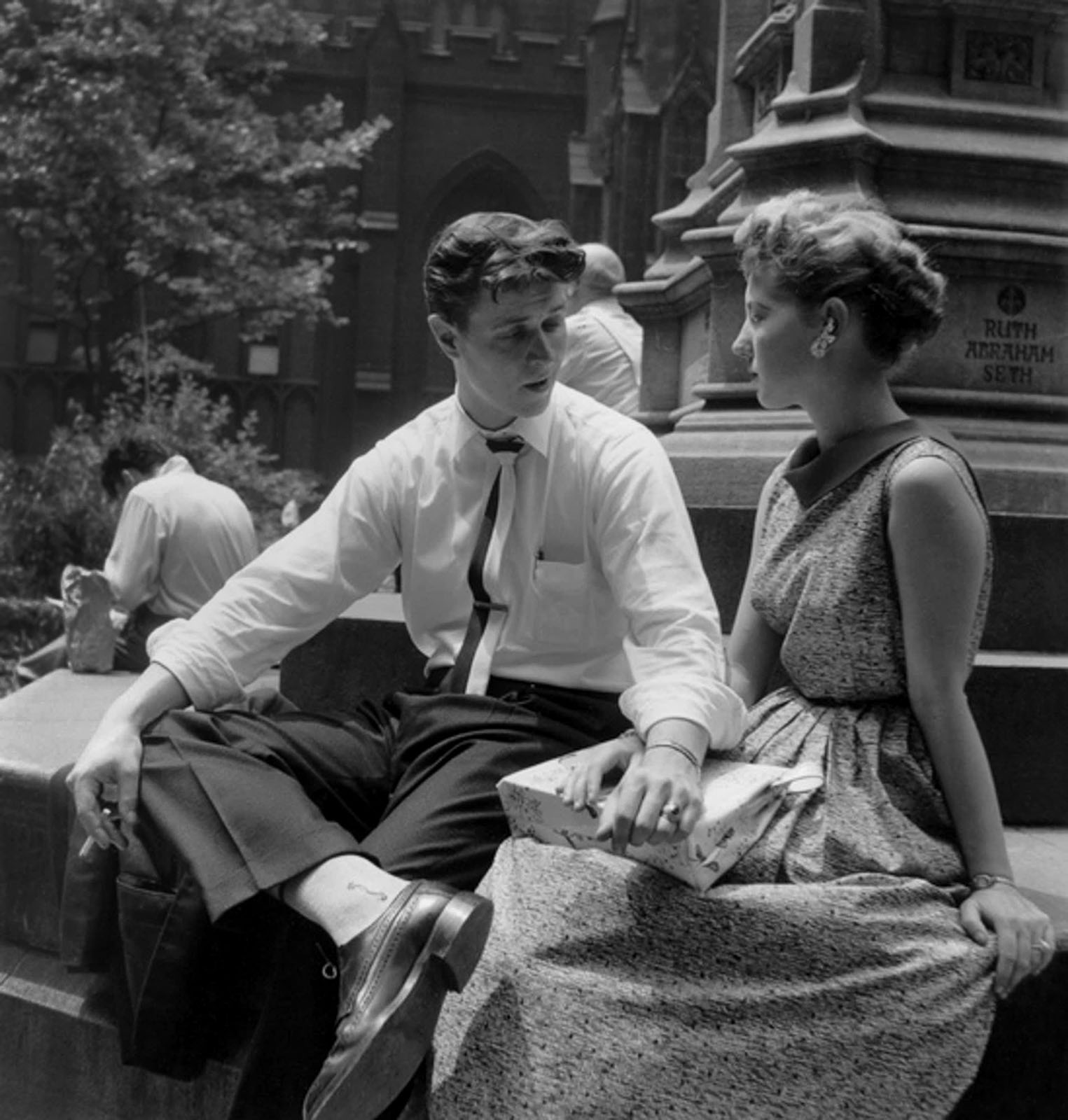
Imogen Cunningham (American, 1883-1976) 'In Trinity Churchyard, No. 2, New York' 1956


Imogen Cunningham (American, 1883-1976)
In Trinity Churchyard, No. 2, New York
1956
Gelatin silver print
7 1/2 x 7 3/8 in. (19.1 x 18.7cm)
Seattle Art Museum, Gift of John H. Hauberg


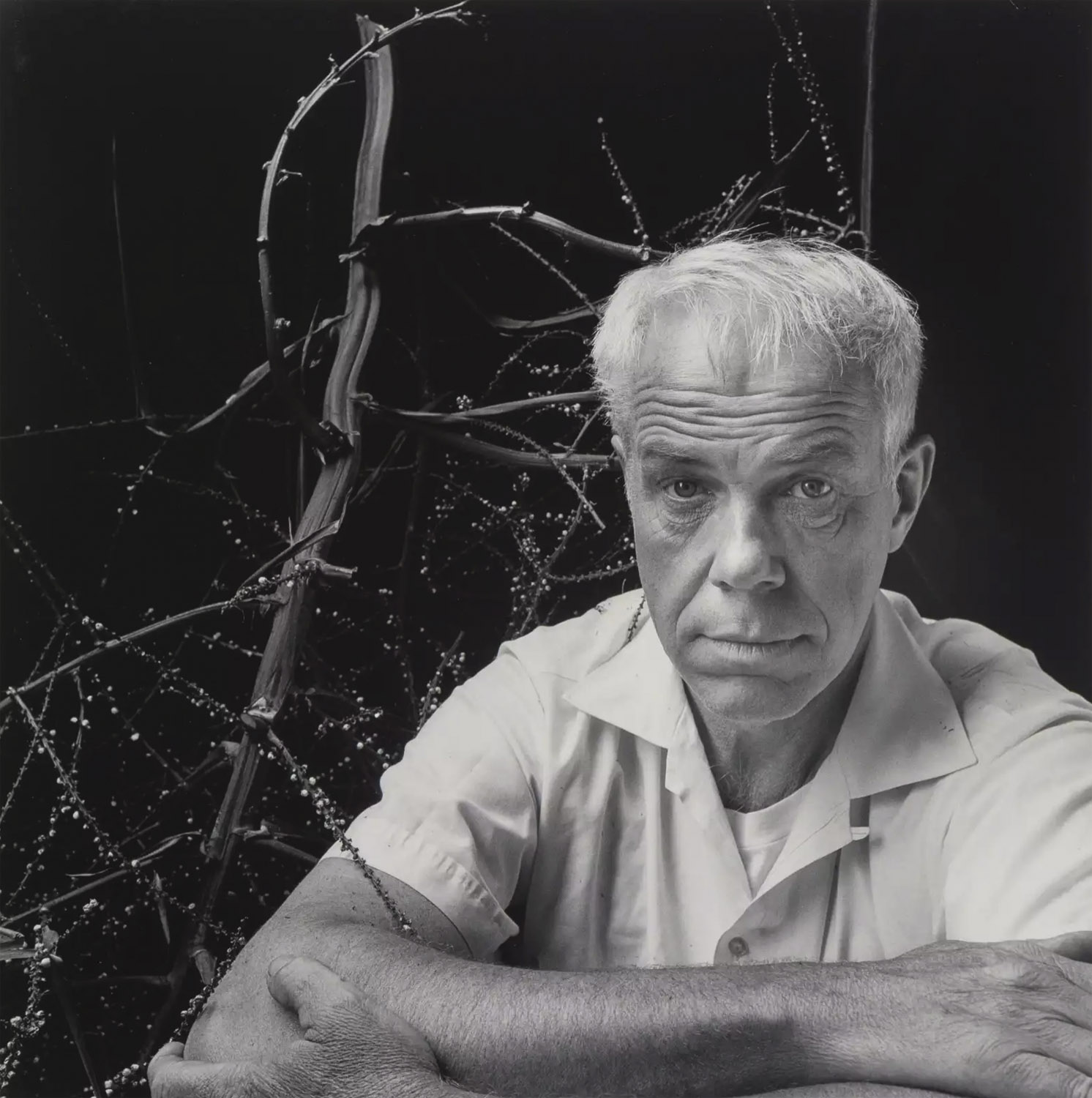
Imogen Cunningham (American, 1883-1976) 'Morris Graves in His Leek Garden' 1973


Imogen Cunningham (American, 1883-1976)
Morris Graves in His Leek Garden
1973
Gelatin silver print
8 1/4 x 11 3/16 in.
Seattle Art Museum, Gift of John H. Hauberg


In 1973, at ninety years old, Cunningham traveled to Loleta, California, to photograph Morris Graves in his leek garden. (The Imogen Cunningham Trust)


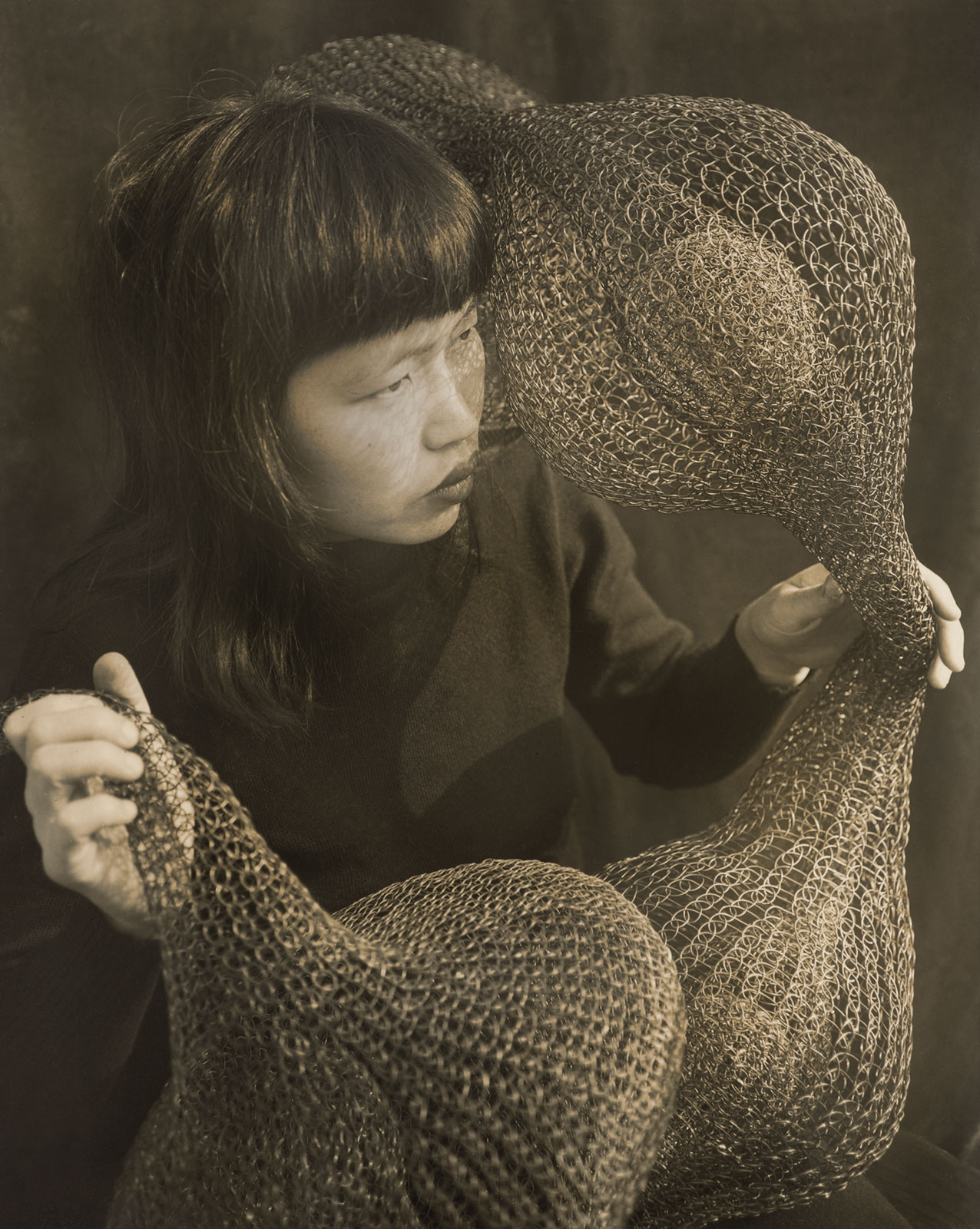
Imogen Cunningham (American, 1883-1976) 'Ruth Asawa, Sculptor' 1952


Imogen Cunningham (American, 1883-1976)
Ruth Asawa, Sculptor
1952
Sepia toned gelatin silver print
9 1/2 × 7 1/2 in.
Fine Arts Museums of San Francisco, Gift of Ruth Asawa and Albert Lanier
© 2021 The Imogen Cunningham Trust
Photo: Randy Dodson


Ruth Aiko Asawa (January 24, 1926 – August 5, 2013) was an American modernist sculptor. Her work is featured in collections at the Solomon R. Guggenheim Museum and the Whitney Museum of American Art in New York City. Fifteen of Asawa’s wire sculptures are on permanent display in the tower of San Francisco’s de Young Museum in Golden Gate Park, and several of her fountains are located in public places in San Francisco. She was an arts education advocate and the driving force behind the creation of the San Francisco School of the Arts, which was renamed the Ruth Asawa San Francisco School of the Arts in 2010. In 2020, the U.S. Postal Service honoured her work by producing a series of ten stamps that commemorate her well-known wire sculptures.

Text and more information on the Wikipedia website


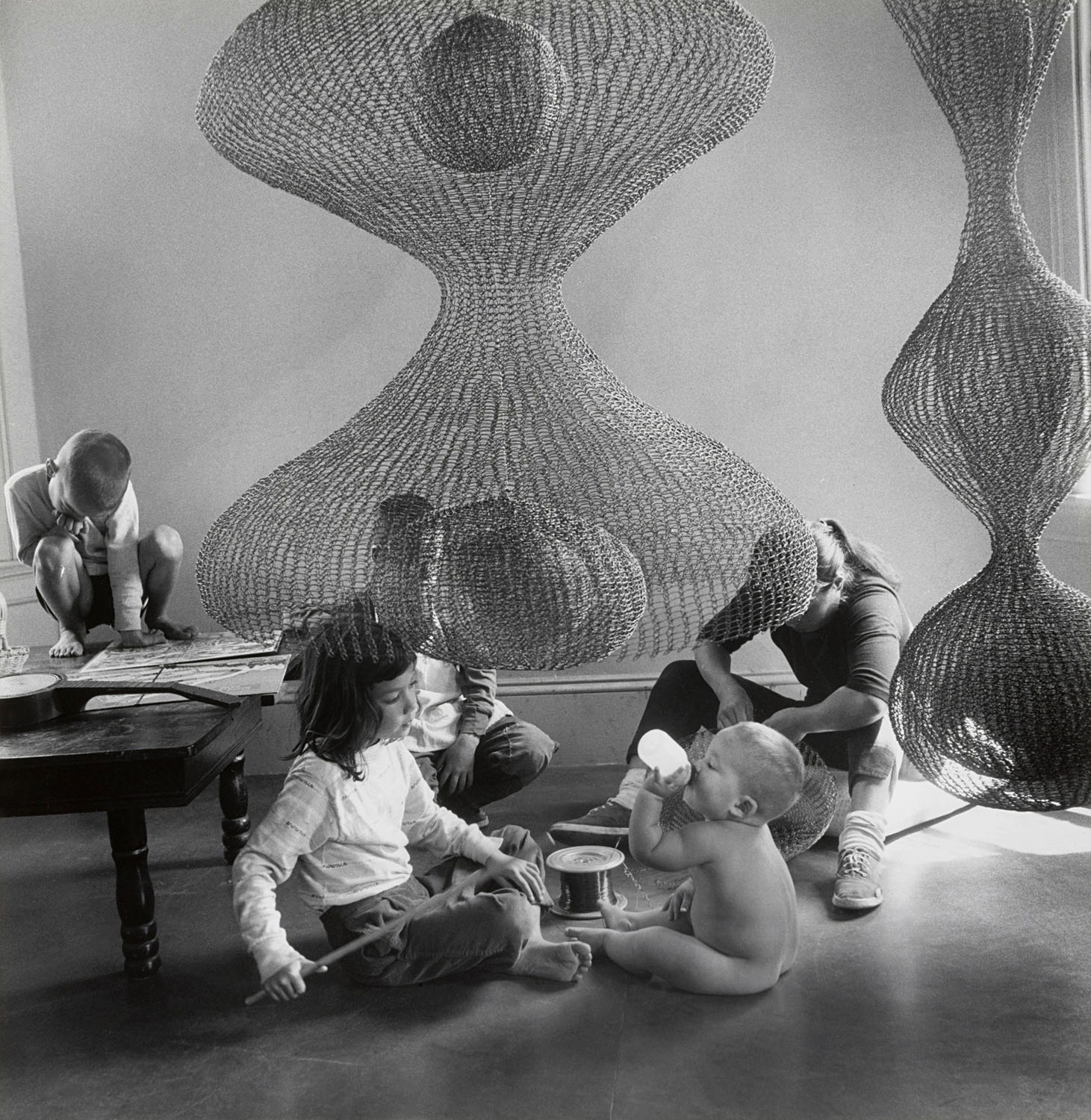
Imogen Cunningham (American, 1883-1976) 'Ruth Asawa Family and Sculpture' 1957


Imogen Cunningham (American, 1883-1976)
Ruth Asawa Family and Sculpture
1957
Gelatin silver print
10 3/8 x 10 3/8 in. (26.4 x 26.4cm)
Seattle Art Museum, Gift of John H. Hauberg


Cunningham struck up a friendship with Japanese American visual artist Ruth Asawa and took a keen interest in Asawa’s strong but delicate wire sculptures, some of which are included in the Seattle Art Museum exhibit. (The Cunningham Trust)


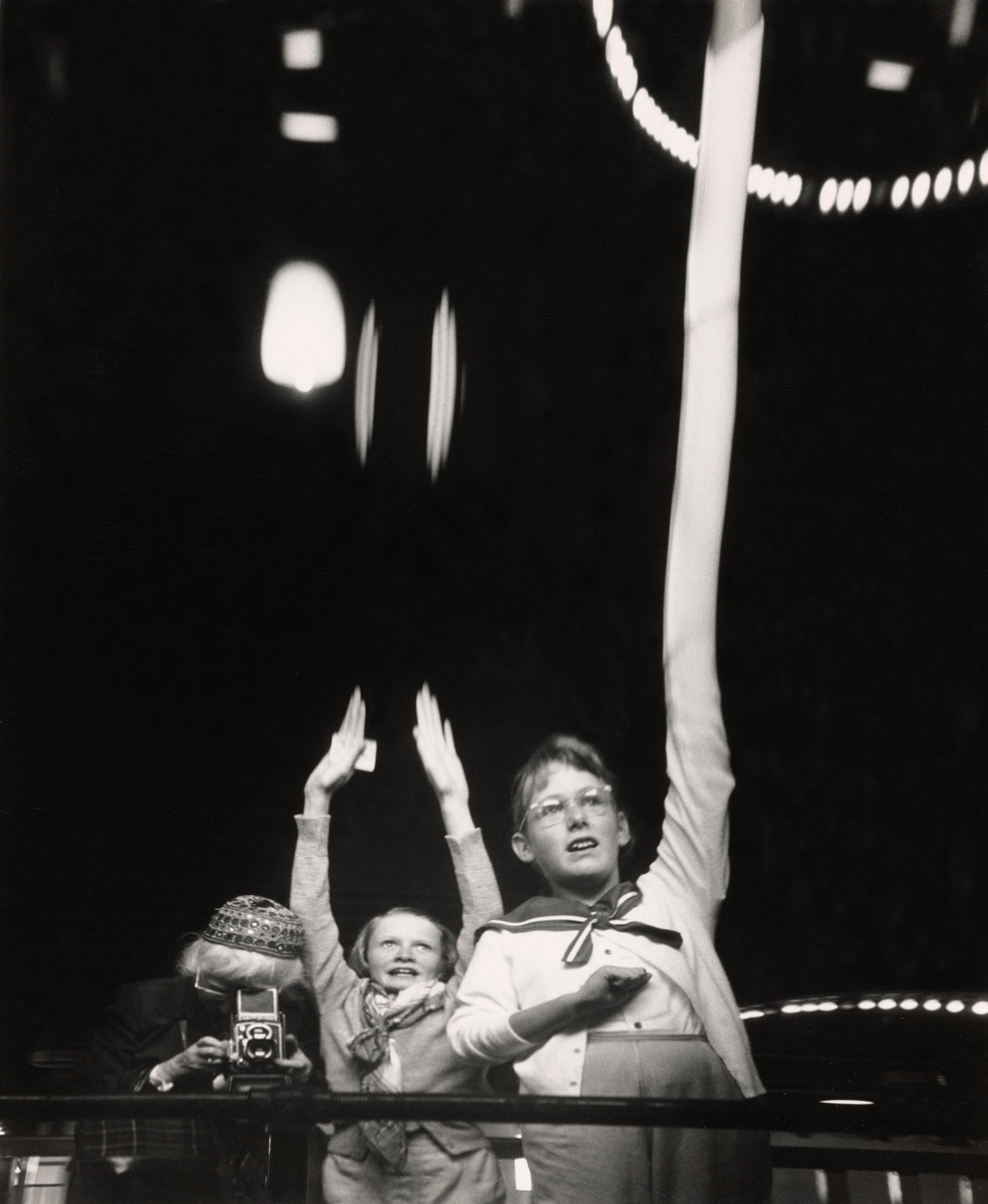
Imogen Cunningham (American, 1883-1976) 'Self-Portrait with Grandchildren in Funhouse' 1955


Imogen Cunningham (American, 1883-1976)
Self-Portrait with Grandchildren in Funhouse
1955
Gelatin silver print
8 3/4 × 7 5/16 in.
The J. Paul Getty Museum, Los Angeles
© 2021 The Imogen Cunningham Trust


Imogen Cunningham: Self-Portrait with Grandchildren in Funhouse 1955

In Self-Portrait with Grandchildren in Funhouse, Imogen Cunningham captures a moment of joy with two of her young grandchildren, Joan and Loren, as they experiment with the effects of a warped mirror. Despite the playful nature of the image, Cunningham remains stoic in photographing herself. Her face points down as she looks into the viewfinder of her black and silver-lined rectangular camera which she steadies with both hands. She is small in comparison to her grandchildren, whose elongated arms stretch the entirety of the image, but identifiable by her white hair, gemmed cap, and metallic glasses.

Tune in to this audio recording to hear Imogen Cunningham’s granddaughter, Meg Partridge, discuss Cunningham’s relationship with her grandchildren. Produced by the J. Paul Getty Museum, Partridge describes how this image came together and emphasises Cunningham’s signature artistic style.

Transcript

Narrator: An outing with two of her granddaughters and a fun house mirror provided Imogen Cunningham with an irresistible subject. Meg Partridge, granddaughter of Imogen Cunningham.

Meg Partridge: Imogen was really being very playful as she always was with photography.

Narrator: Partridge was only two when this photograph was taken, and too young to tag along. Instead, we see her older sister Joan, in the middle with both hands raised, and her cousin Loren, on the right with a hyper-elongated arm.

Meg Partridge: Imogen did not spend a lot of time taking grandchildren places and doing grandmotherly-like things. She enjoyed children once they became, as I would say, of interest to her. They could be articulate. They could have opinions. They could share thoughts.

Narrator: Cunningham worked while raising her three sons, and continued to do so once their children came along.

Meg Partridge: Looking at her work, you can see some of the same subjects coming in again and again. So we see many photographs of Imogen looking into her camera and photographing herself in a reflection or often in a shadow as well. But another is a very sort of surrealistic view that she took with her camera.

Narrator: Unlike the distorted versions of her granddaughters, her reflection in the self-portrait remains relatively true. We get just a glimpse of her grey hair beneath an embroidered cap and one-half of her eyeglasses, as her hands adjust the dials on her ever-present Rolleiflex camera.

Meg Partridge: She was able to capture great shots that were unexpected because she had a camera around her neck and she just always wore it.

~ Lily Hansen, SAM Marketing Content Creator, “Imogen Cunningham: Self-Portrait with Grandchildren in Funhouse,” on the SAMBlog website January 4, 2022 [Online] Cited 06/01/2022


Imogen Cunningham (American, 1883-1976) 'Jump Rope, New York' 1956


Imogen Cunningham (American, 1883-1976)
Jump Rope, New York
1956
Gelatin silver print
7 1/2 x 7 3/8 in.
Seattle Art Museum, Gift of John H. Hauberg
© 2021 The Imogen Cunningham Trust


Imogen Cunningham (American, 1883-1976) 'The Unmade Bed' 1957


Imogen Cunningham (American, 1883-1976)
The Unmade Bed
1957
Gelatin silver print
10 11/16 × 13 1/2 in.
The J. Paul Getty Museum, Los Angeles, Gift of Daniel Greenberg and Susan Steinhauser
© 2021 The Imogen Cunningham Trust


Imogen Cunningham: The Unmade Bed 1957

While teaching at the California School of Fine Arts in 1957, Imogen Cunningham overheard her friend and co-worker Dorothea Lange give her students an assignment: photograph something you use every 24 hours. Inspired by the simple prompt, Cunningham returned to class the next week with a new photograph she had taken titled The Unmade Bed.

Listen to an interpretive analysis of the work from Cunningham’s close friend and collaborator Judy Dater. From the perfectly rumpled sheets to the spread out piles of bobby pins, Dater discusses how this image acts as a self-portrait of the artist and explains the reason why Cunningham often gifted a print of this image to newlyweds.

Transcript

Narrator: A rumpled sheet and blanket are thrown back to reveal a pile of hairpins and another of bobby pins. Subtle gradations vary from the crisp white sheets exposed by sunlight, to the grey wool blanket with a shimmery trim, to the completely dark background.

Judy Dater: I can’t look at that photograph and not think of it as a self-portrait, a very personal self-portrait.

Narrator: In 1957, Dorothea Lange, best known for documenting the Great Depression, was teaching at the California School of Fine Arts, now the San Francisco Art Institute. Cunningham was also teaching there when she heard her friend and fellow photographer give her students an intriguing assignment.

Judy Dater: And the assignment that, apparently, that Dorothea Lange, gave the class that day was to go home and photograph something you use every twenty-four hours. And so Imogen went home and made that particular photograph. And then when she came back the following week, she brought that in as her example.

Narrator: Did she intend it as a self-portrait? After all, those are her hair pins. Do they signify the letting down of one’s hair or one’s guard? Cunningham never said as much, but she did ascribe one message to the image.

Judy Dater: She sometimes would give that photograph to people as a wedding present so that the husband would know that the wife was going to be busy, that she had things to do, and not to expect the bed to always be made.

Narrator: Cunningham may have deliberately arranged the sheets and hairpins, or perhaps she happened upon the unmade bed exactly as she left it. For photographer Judy Dater, that’s irrelevant.

Judy Dater: She saw it and she was at the right angle at the right moment, and she knew what to do with it.

~ Lily Hansen, SAM Marketing Content Creator, “Imogen Cunningham: The Unmade Bed,” on the SAMBlog website December 14, 2021 [Online] Cited 06/01/2022


Imogen Cunningham (American, 1883-1976) 'Self-Portrait on Geary Street' 1958


Imogen Cunningham (American, 1883-1976)
Self-Portrait on Geary Street
1958
Gelatin silver print
9 3/16 × 6 7/8 in.
The J. Paul Getty Museum, Los Angeles, Gift of Daniel Greenberg and Susan Steinhauser
© 2021 The Imogen Cunningham Trust


Imogen Cunningham (American, 1883-1976) 'Stan, San Francisco' 1959


Imogen Cunningham (American, 1883-1976)
Stan, San Francisco
1959
Gelatin silver print
9 1/2 × 7 1/16 in.
Collection of The Imogen Cunningham Trust
© 2021 The Imogen Cunningham Trust


Imogen Cunningham (American, 1883-1976) 'Cemetery In France' 1960


Imogen Cunningham (American, 1883-1976)
Cemetery In France
1960
Gelatin silver print
8 1/2 x 7 1/4 in. (21.6 x 18.4cm)
Gift of John H. Hauberg


Imogen Cunningham (American, 1883-1976) 'Minor White, Photographer' 1963


Imogen Cunningham (American, 1883-1976)
Minor White, Photographer
1963
Gelatin silver print
Image: 7 5/16 × 7 5/16 in.
Mat: 17 11/16 × 14 in.
Frame: 20 1/2 x 15 1/2 x 7/8 in.
The J. Paul Getty Museum, Los Angeles


Imogen Cunningham (American, 1883-1976) 'Humboldt' 1968


Imogen Cunningham (American, 1883-1976)
Humboldt
1968
Gelatin silver print
Image: 7 3/4 × 7 11/16 in.
Mat: 18 × 14 in.
Collection of The Imogen Cunningham Trust


Imogen Cunningham (American, 1883-1976) 'Chris Through the Curtain' 1972


Imogen Cunningham (American, 1883-1976)
Chris Through the Curtain
1972
Gelatin silver print
Image: 9 13/16 × 6 11/16 in.
Mat: 18 × 14 in.
Collection of The Imogen Cunningham Trust


Imogen Cunningham (American, 1883-1976) 'Pentimento' 1973


Imogen Cunningham (American, 1883-1976)
Pentimento
1973
Gelatin silver print
Image: 7 3/16 × 8 13/16 in.
Mount: 14 1/2 × 14 7/16 in.
Frame: 16 5/8 x 22 5/8 x 1 3/8 in.
The J. Paul Getty Museum, Los Angeles, Gift of Daniel Greenberg and Susan Steinhauser


Imogen Cunningham (American, 1883-1976) 'Another Arm' 1973


Imogen Cunningham (American, 1883-1976)
Another Arm
1973
Gelatin silver print
9 1/8 × 7 1/2 in.
Collection of The Imogen Cunningham Trust
© 2021 The Imogen Cunningham Trust


Through the final years of her life, Cunningham would continue to do street photography. She took this photo of “Another Arm” in 1973, three years before she passed away. (The Imogen Cunningham Trust)


Judy Dater. 'Imogen Cunningham and Twinka Thiebaud' 1974


Judy Dater (American, b. 1941)
Imogen and Twinka at Yosemite
1974
Gelatin silver print
Image: 9 1/2 × 7 1/2 in.
Mount: 17 15/16 × 14 in.
Frame: 22 5/8 x 16 5/8 x 1 3/8 in.
The J. Paul Getty Museum, Los Angeles, Gift of Jack von Euw


Seattle Art Museum Downtown
1300 First Avenue
, Seattle, WA 98101-2003
206.654.3100
TTY 206.654.3137

Opening hours:
Wednesday – Sunday 10am – 5pm
Closed Monday and Tuesday
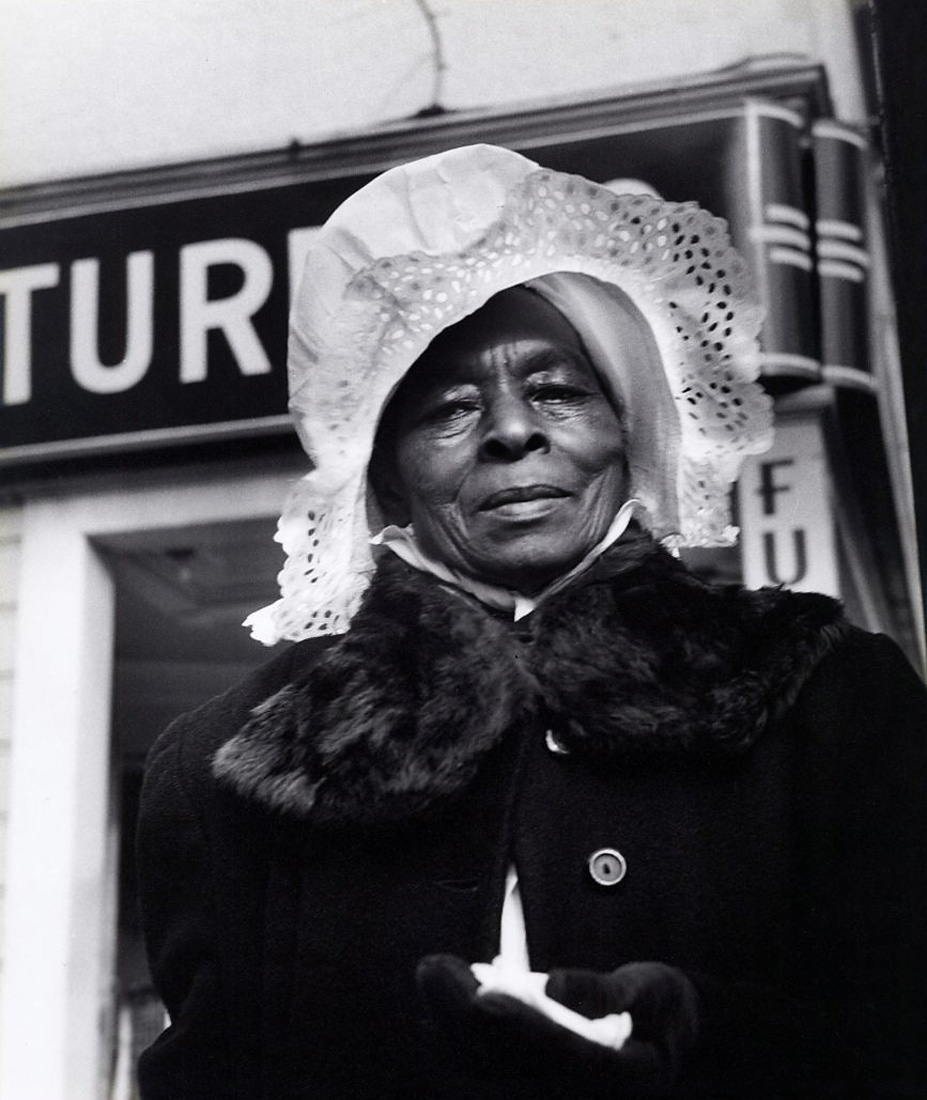
Seattle Art Museum website

LIKE ART BLART ON FACEBOOK

Back to top