Exhibition: ‘Zofia Rydet: Sociological Record’ at The Photographers’ Gallery, London

Exhibition dates: 10th October, 2025 – 22nd February, 2026

Poland 1978-1990

Co-curators: Clare Grafik and Karol Hordziej
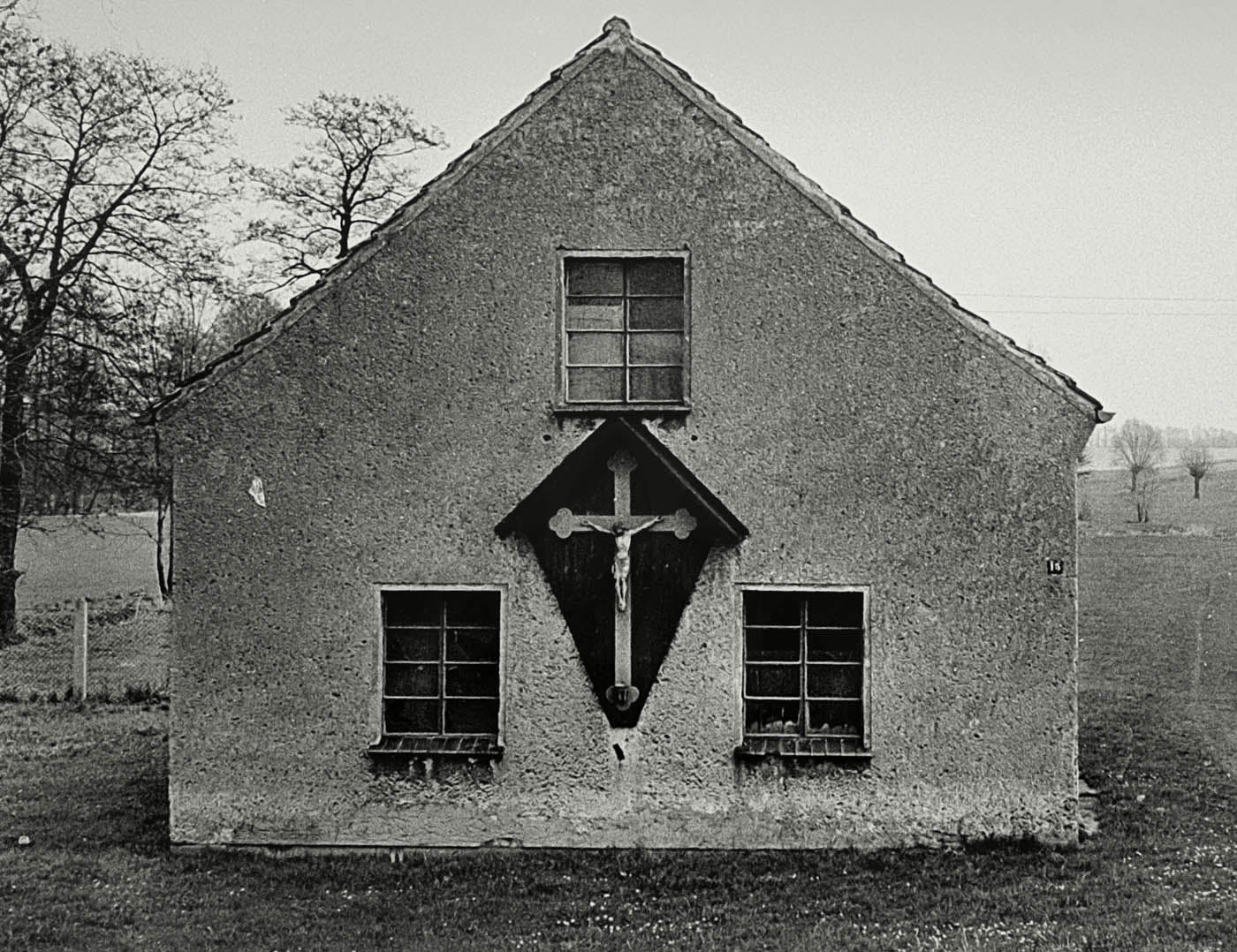
 

Zofia Rydet (Polish, 1911-1997) From 'Sociological Record' 1978-1990


Zofia Rydet (Polish, 1911-1997)
From Sociological Record
1978-1990
© Zofia Rydet, courtesy of the Zofia Rydet Foundation


Photo-gene(ic)

I profoundly admire the work of Polish social documentary photographer Zofia Rydet.

There are no ‘look at me I’m the photographer’ flourishes to her photographs, no egotistical excess, just a version of reality pictured through direct flash photography – rural Polish life, interiors and ancestors, families and marriages, portraits of younger self, older self and the transience of time.

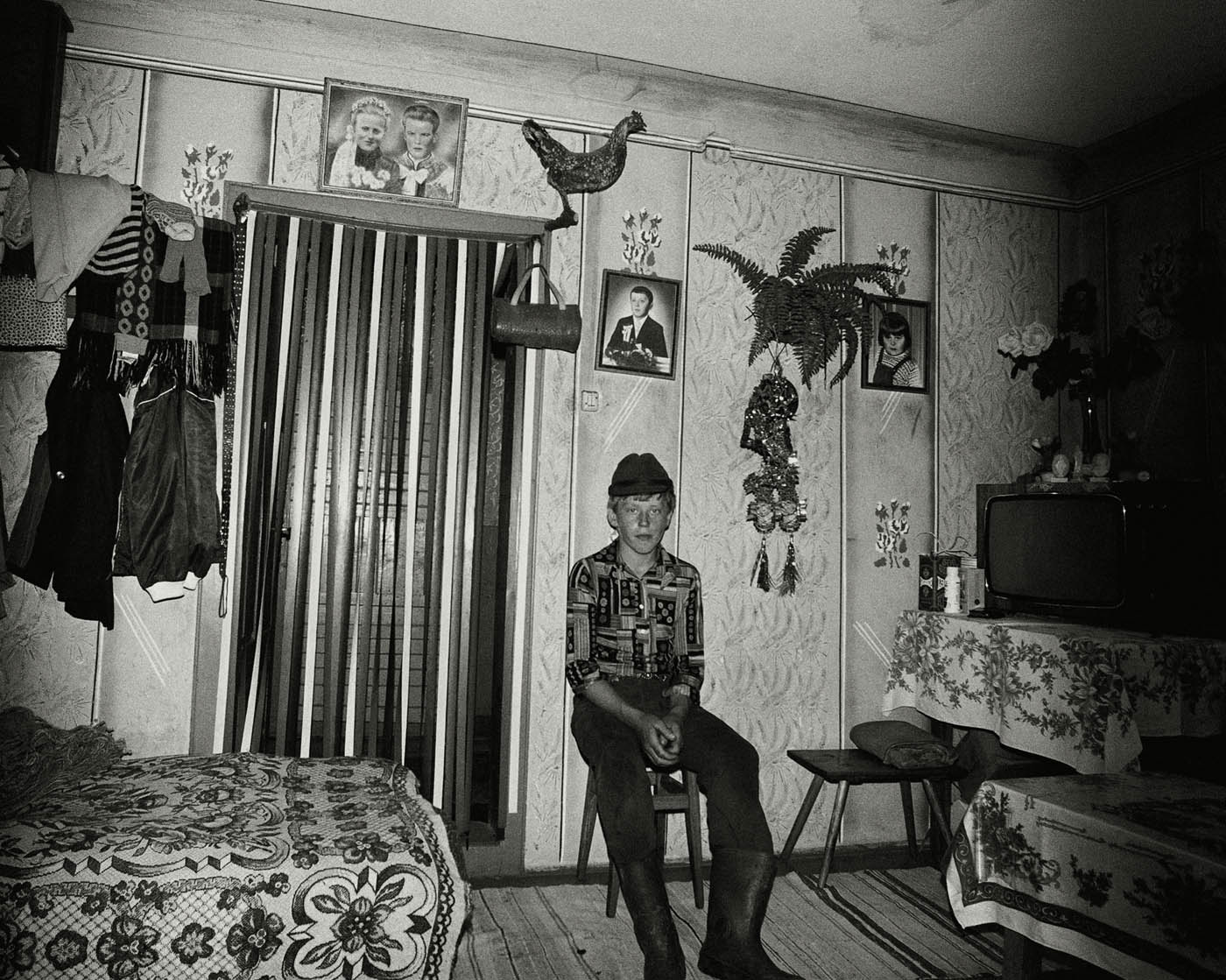
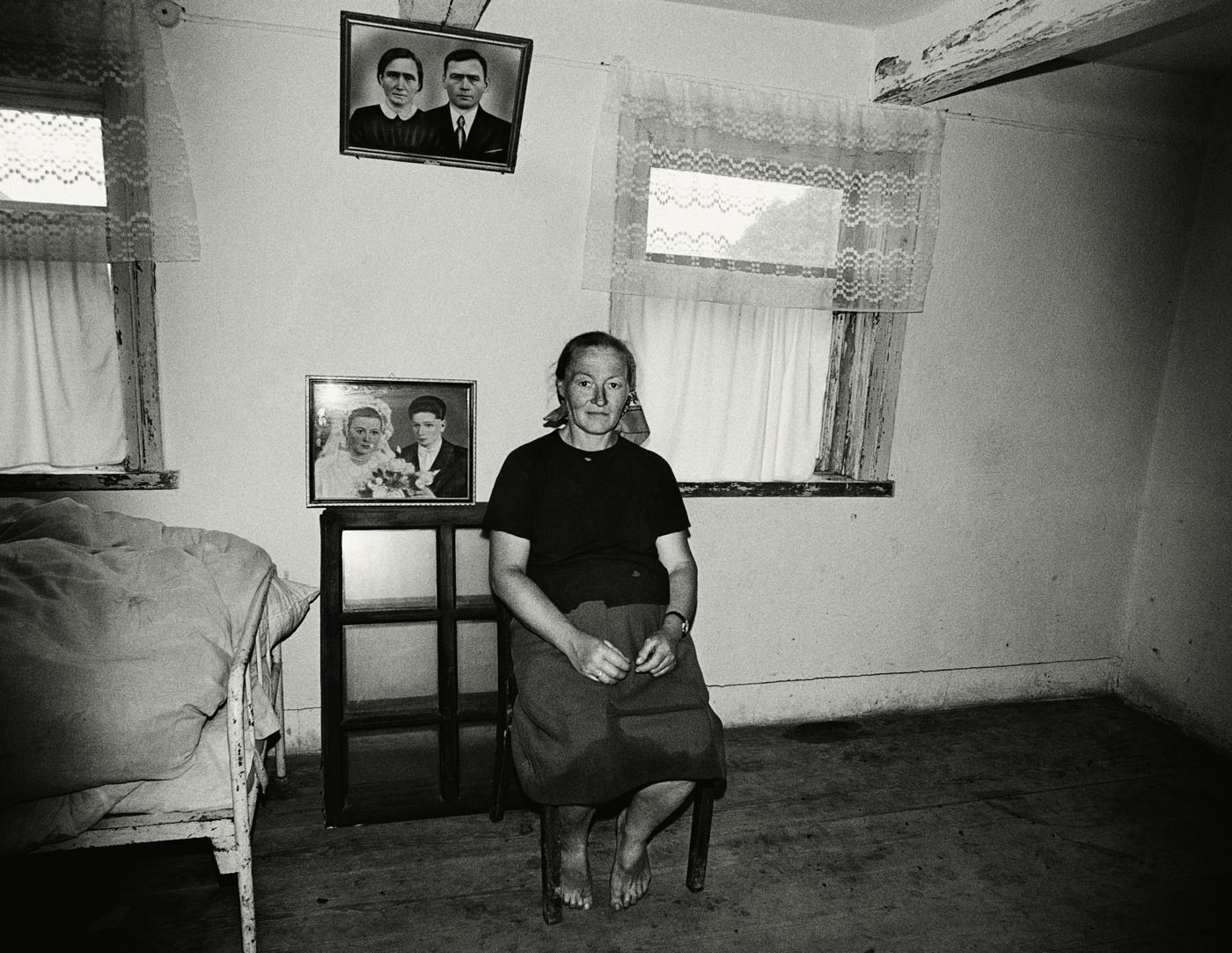
Here lives religion, wallpaper, stencils pasted directly onto thick, rough hewn walls, patterned, fabrics, youth and old age. A boy in his flat with a racing helmet and a poster of Brazilian Formula 1 driver Carlos Reutemann on the wall, bottles of gin and brandy above the door; a young girl, wall plastered with posters of Sting and the band The Police; a woman sitting on a chair, bare feet, rickety bed to left, portraits of wedding day and husband and life behind her. Ancient and modern.

Like August Sander’s unfinished magnum opus People of the 20th Century in which the photographer attempted “to produce a definitive atlas of the German people over the course of his lifetime” (Getty), Zofia Rydet’s archive, record, document, is “an unfinished atlas of memory” of a Polish way of life that is fast disappearing. Her stories of Polish humanity with their huts and habitations speaks to the essential nature, the rootedness, of a people and culture.

The souls are not photogenic, but through Rydet’s direct, engaging process they become photo-gene(ic), archetypes and representatives of ancestors past, present and future which together form the genetic make-up of Polish society. Rydet tells their stories with empathy and compassion, the artist “captivated by something worth preserving – especially the wonderful human stories I hear during these visits.”

These photographs hold the viewers attention because they mean something in this transient world of facile images. As Youssra Manlaykhaf cogently observes,

“Today, in an age when we document ourselves endlessly but often forget what those images mean, Rydet’s work feels newly vital. Her archive is a reminder that photography can still be an act of devotion, a way of saying I see you, and you matter. Rydet didn’t just photograph people; she photographed the fragile dignity of being human. And in doing so, she built a record not just for Poland, but for all of us; an unfinished atlas of memory, tender and eternal.”1

Dr Marcus Bunyan


1/ Youssra Manlaykhaf. “The Unfinished Archive,” on The Photographers’ Gallery website Nd [Online] Cited 05/02/202. Used under fair use conditions for the purposes of education and research


Many thankx to The Photographers’ Gallery for allowing me to publish the photographs in the posting. Please click on the photographs for a larger version of the image.


“I knock on the door, I say ‘hello’, and I shake hands.”


“Even if they don’t publish it… this will remain, not art perhaps, but a document of the times.”


“For me, photography is not just a visual image, but above all, a language I’d like to speak to ordinary people, not great artists. Photography’s greatest value lies in its informative role, its content – not in its transient artistic endeavours. The more my “Record” grows, the more I believe it will have lasting value. I’m convinced I’m on the right track – I still have so many plans, just not enough life ahead of me…”


“I know some people think I’m hypocritical, self-serving, telling these people they’re beautiful. But I truly see something interesting, beautiful in every person, and I’m captivated by something worth preserving – especially the wonderful human stories I hear during these visits. Each person is a story in itself, some very interesting, some instructive, sometimes moving…”


Zofia Ryde


Interview with the Zofia Rydet Foundation | The Photographers’ Gallery

Delve into the life and work of the warmly remembered Polish social documentarian, Zofia Rydet in an interview with the Zofia Rydet Foundation and Clare Grafik, Head of Exhibitions, The Photographers’ Gallery.

Sociological Record by Zofia Rydet is a sweepingly comprehensive documentary portrait of Polish domestic life which spans decades, eras, regions and cultures.


Head curator and art historian Karolina Ziębińska explorie the work and legacy of Zofia Rydet (1911-1997), one of Poland’s most significant post-war photographers.

Best known for her lifelong project The Sociological Record (1978-1990), Rydet sought to systematically document the interiors and inhabitants of Polish homes, creating a vast visual archive of everyday life during a time of profound social and political transformation.

In this talk, Ziębińska introduce Rydet’s distinctive approach to photography, situating her practice within the shifting cultural, historical and ideological contexts of 20th-century Poland. It also spotlights other areas of Rydet’s practice and is an opportunity to consider how Rydet’s work resonates within broader conversations about identity, memory and the role of the photograph as social document.
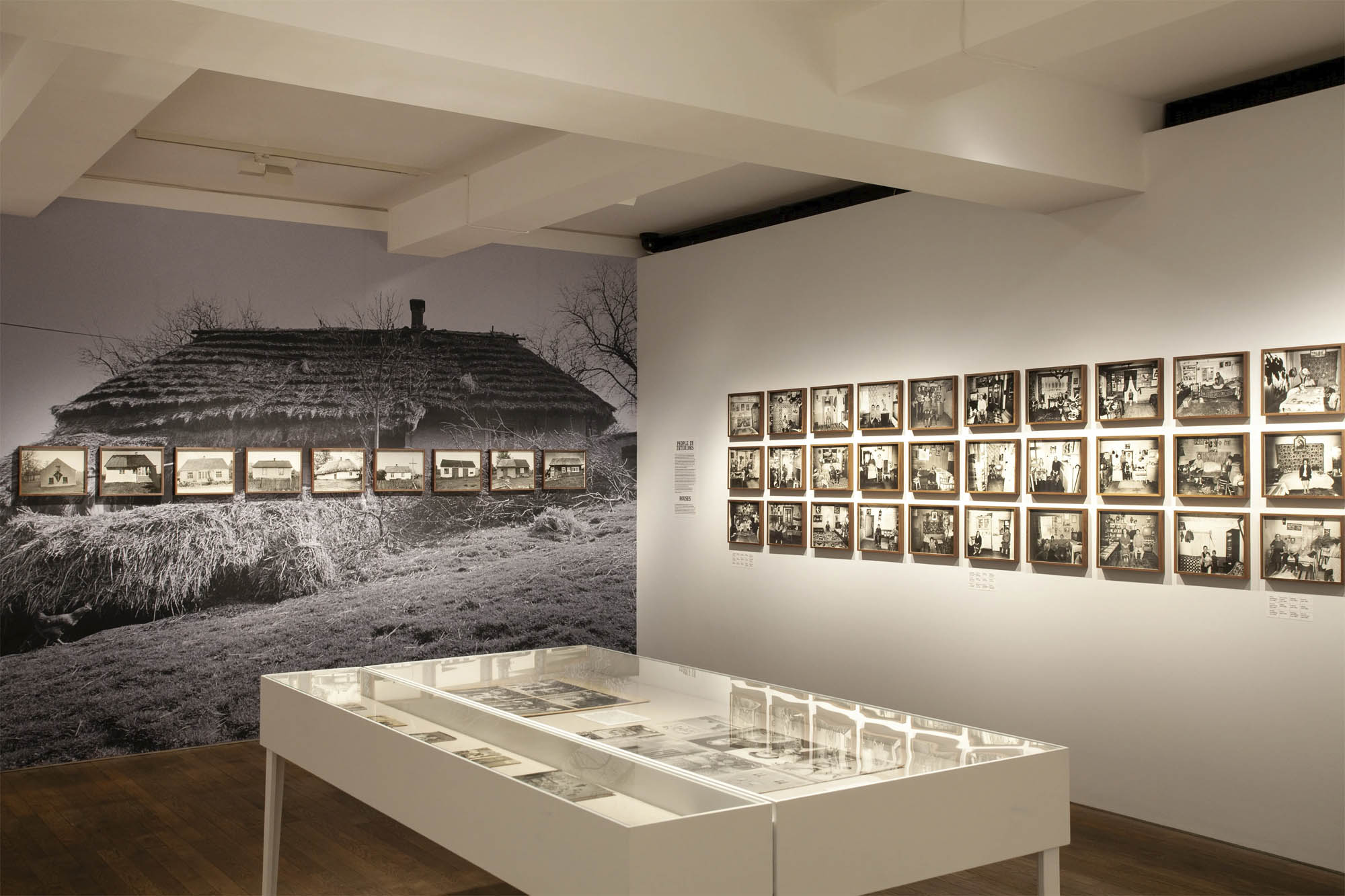
 

Installation view of the exhibition 'Zofia Rydet Sociological Record' at The Photographers' Gallery, London


Installation view of the exhibition Zofia Rydet: Sociological Record at The Photographers’ Gallery, London


From 1978, when she was 67, Zofia Rydet (1911-1997) set out to photograph the inside of every Polish household. She would approach a home unannounced, knock, and warmly introduce herself and ask the people living there if they would like to take part in her project.

Rydet was always on the road, with a camera in her hand. For nearly three decades, she photographed people in their homes, still lives, building exteriors and landscapes. She also returned to the same houses several years after she first visited to document the transformation of rural Poland. The result – Sociological Record – is a monumental project and one of the most important achievements in 20th century Polish photography.

Rydet used photography to express everyday stories and capture the essence of what it meant to be human. Despite the project’s epic scope, the individual portraits often feel intimate and revealing. Her careful and considered practice spans decades and she worked on the project until her death in 1997.

Text from The Photographers’ Gallery website
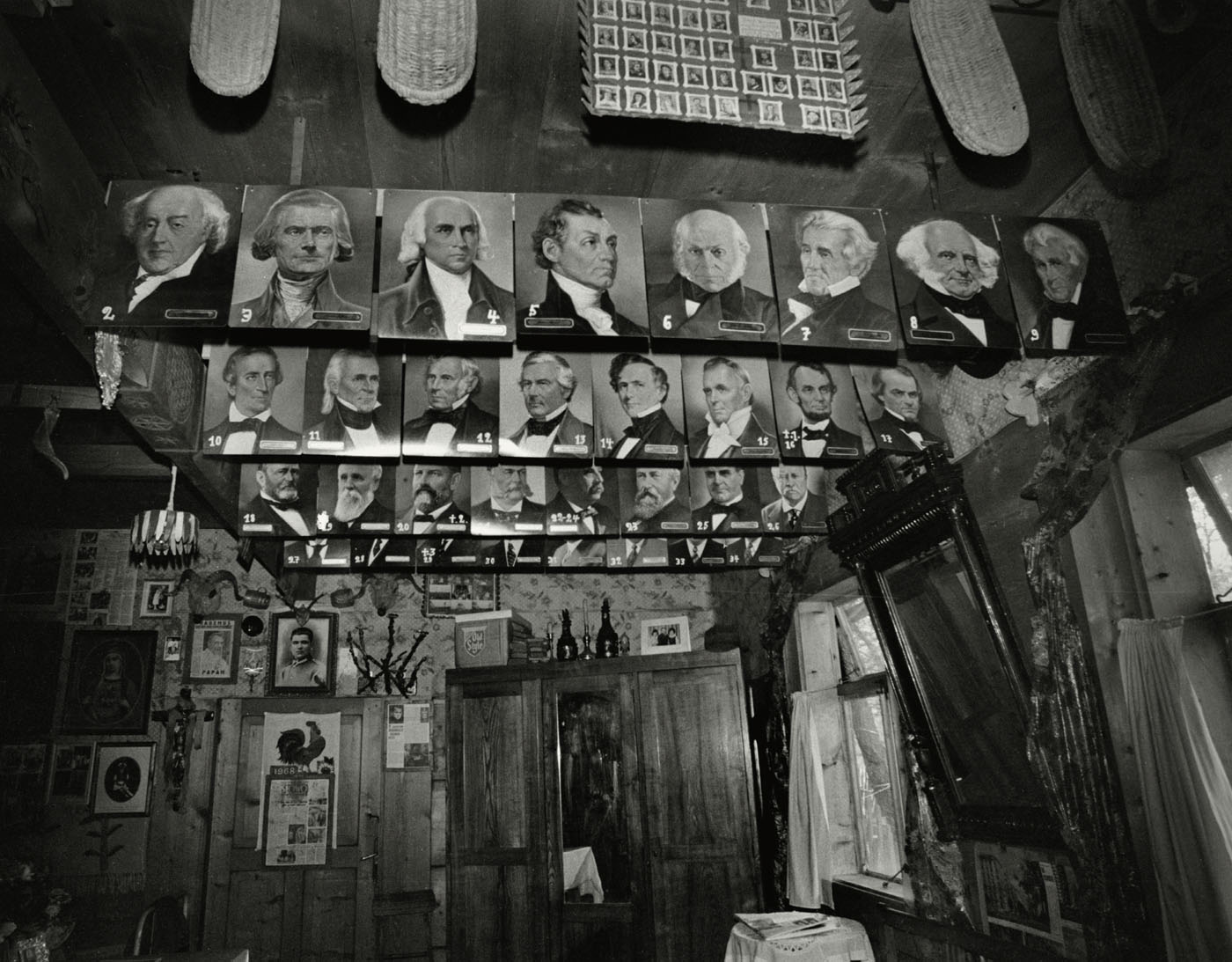
 

Zofia Rydet (Polish, 1911-1997) From 'Sociological Record' 1978-1990


Zofia Rydet (Polish, 1911-1997)
From Sociological Record
1978-1990
© Zofia Rydet, courtesy of the Zofia Rydet Foundation
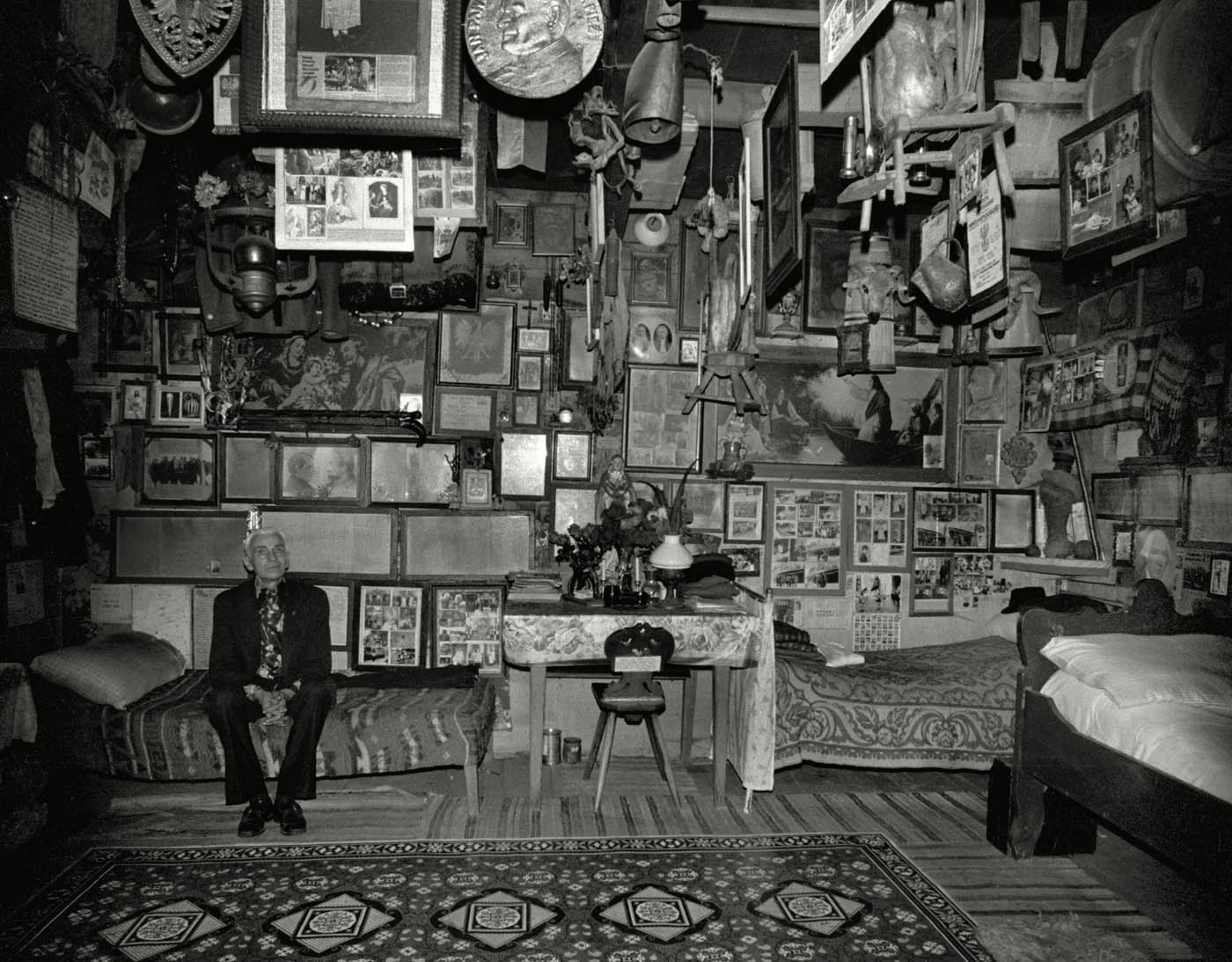
 

Zofia Rydet (Polish, 1911-1997) From 'Sociological Record' 1978-1990


Zofia Rydet (Polish, 1911-1997)
From Sociological Record
1978-1990
© Zofia Rydet, courtesy of the Zofia Rydet Foundation
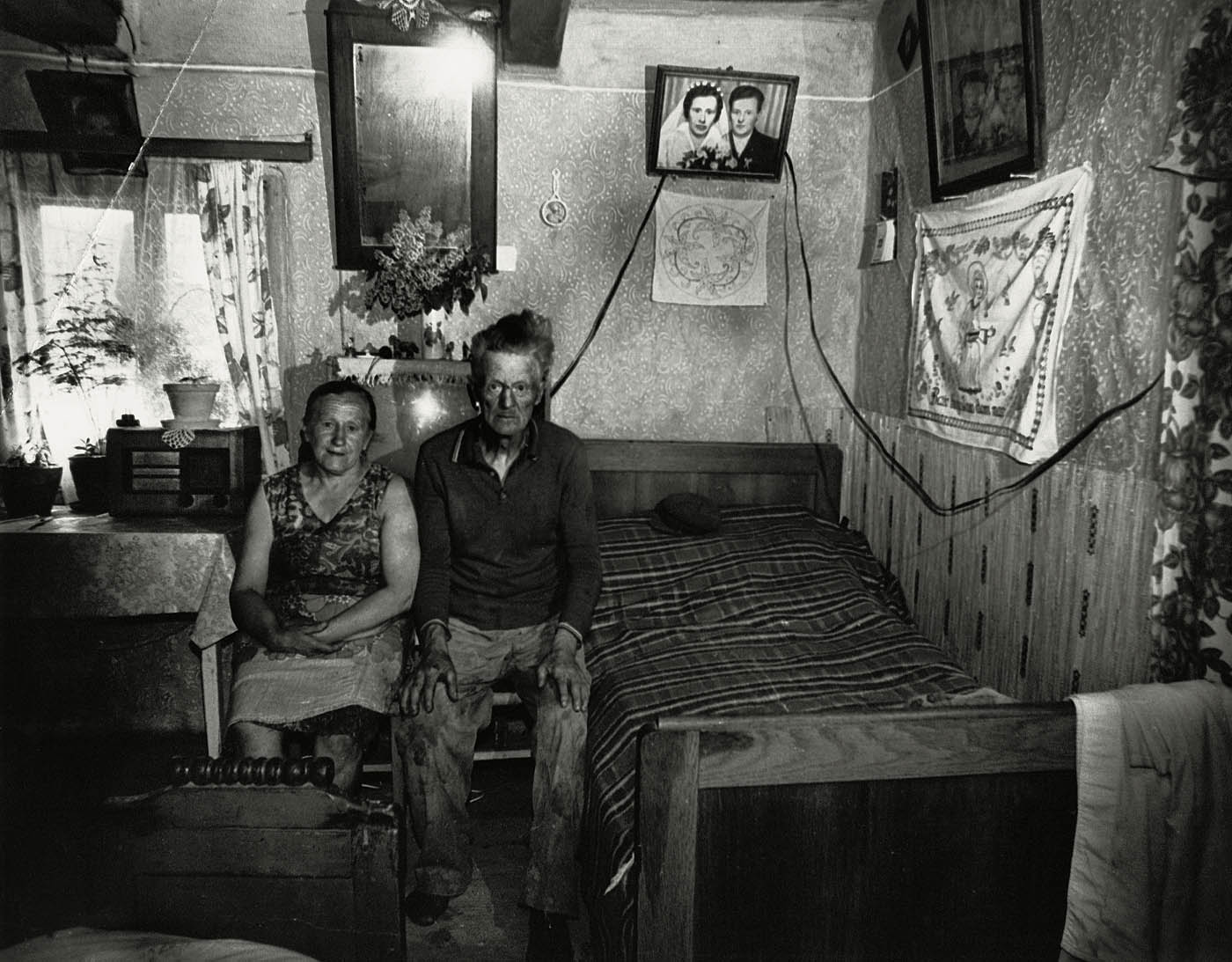
 

Zofia Rydet (Polish, 1911-1997) From 'Sociological Record' 1978-1990


Zofia Rydet (Polish, 1911-1997)
From Sociological Record
1978-1990
© Zofia Rydet, courtesy of the Zofia Rydet Foundation


Rydet is best known for The Sociological Record – an extraordinary lifelong project documenting thousands of domestic interiors and portraits across Poland from the late 1970s onwards. Her work captured the nuances of everyday life during a time of rapid social and political change, revealing how identity, class and belonging were expressed within the home. For me, Rydet’s photographs are a commentary on a particular period in time, a transition from communism to capitalism, a shift from rural to the urban and a way of seeing that span the personal and the collective. …

I discussed Sociological Record with my mum who also visited the exhibition. We were both deeply moved by the large vinyl image of a straw house surrounded by smaller photographs of other homes. It is heartwarming to see such intimate, everyday experiences documented and acknowledged in the Gallery – moments that resonate deeply with many Polish people living in the UK. …

The recurring presence of John Paul II in Rydet’s work also struck a familiar chord; his image continues to appear in Polish households both in the UK and in Poland, carrying with it layers of cultural memory, belonging, but also conflict. Some of Rydet’s portraits – with their lace curtains, tablecloths, patterned rugs and carefully arranged family photographs – reminded me of our own home in Poland. They share an aesthetic and emotional language that feels instantly recognisable: the way ancestors’ portraits watch quietly from the walls, the mix of pride and modesty in how people present their space. To see this visual culture acknowledged and valued within a major British art institution feels both affirming and long awaited – a recognition of a Polish history that has long existed yet has rarely been seen.

Zula Rabikowska. “Zula Rabikowska responds to Zofia Rydet’s Sociological Record,” on The Photographers’ Gallery website Nd [Online] Cited 06/02/2026. Used under fair use conditions for the purposes of education and research
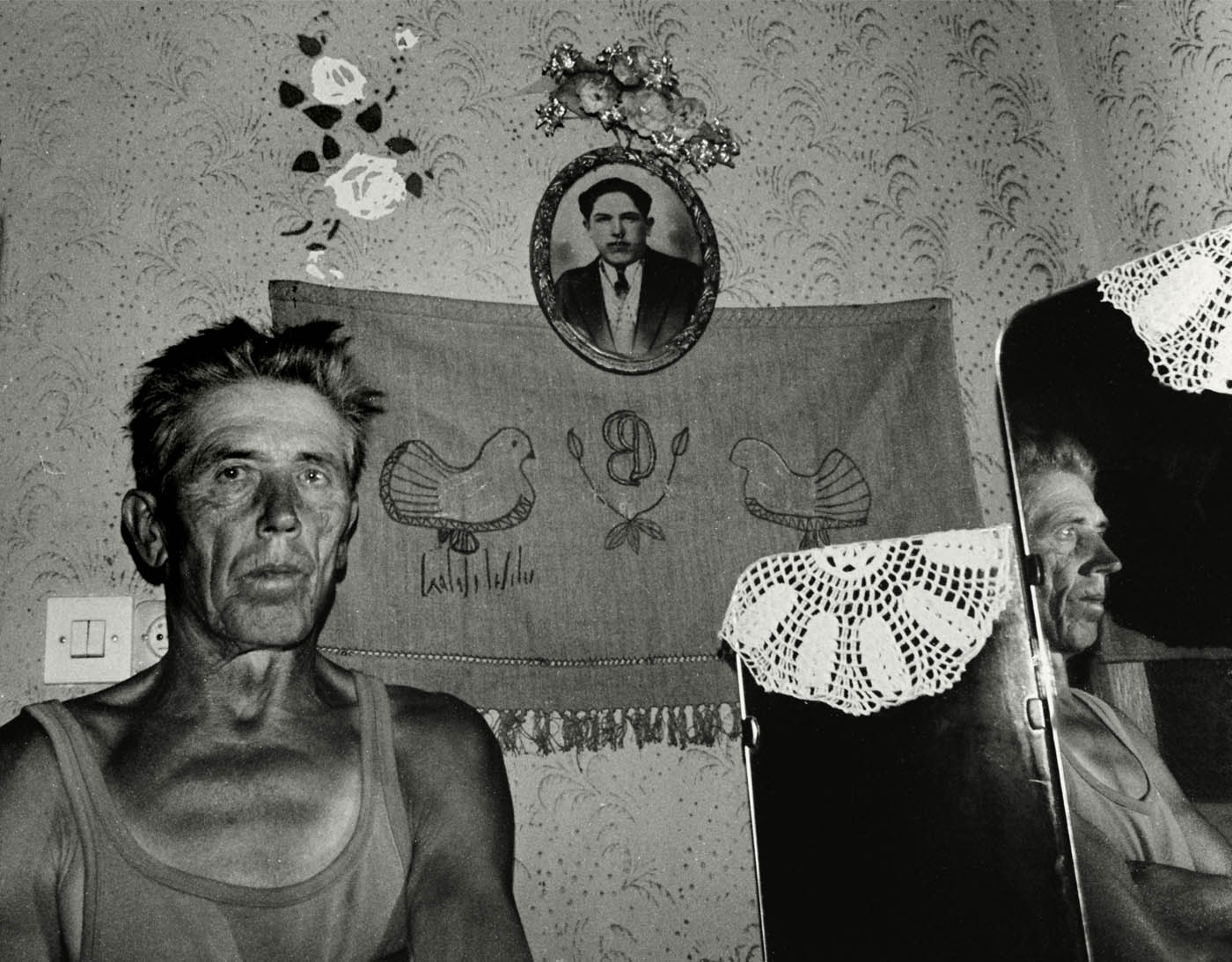
 

Zofia Rydet (Polish, 1911-1997) From 'Sociological Record' 1978-1990


Zofia Rydet (Polish, 1911-1997)
From Sociological Record
1978-1990
© Zofia Rydet, courtesy of the Zofia Rydet Foundation
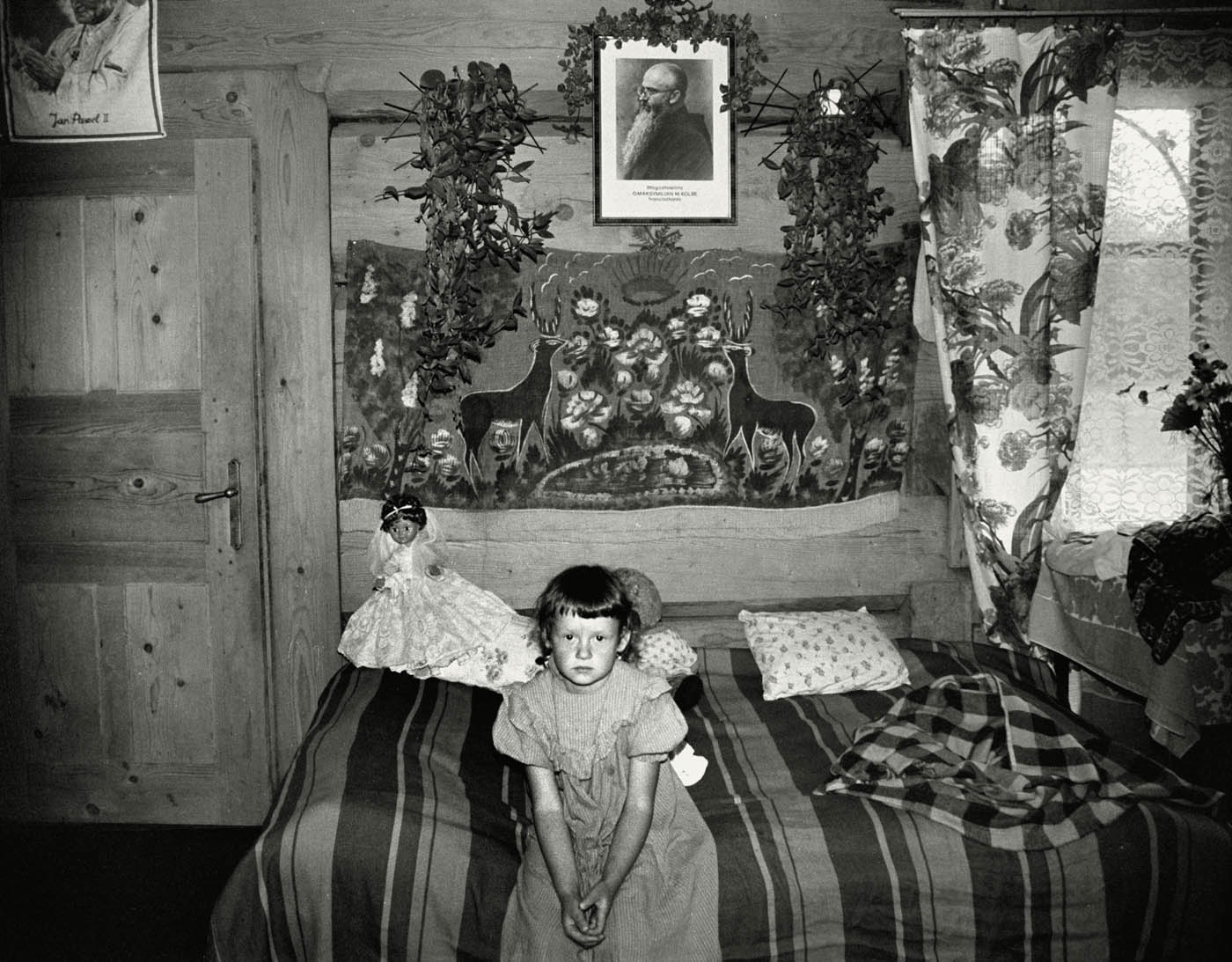
 

Zofia Rydet (Polish, 1911-1997) From 'Sociological Record' 1978-1990


Zofia Rydet (Polish, 1911-1997)
From Sociological Record
1978-1990
© Zofia Rydet, courtesy of the Zofia Rydet Foundation
 

Zofia Rydet (Polish, 1911-1997) From 'Sociological Record' 1978-1990


Zofia Rydet (Polish, 1911-1997)
From Sociological Record
1978-1990
© Zofia Rydet, courtesy of the Zofia Rydet Foundation
 

Zofia Rydet (Polish, 1911-1997) From 'Sociological Record' 1978-1990


Zofia Rydet (Polish, 1911-1997)
From Sociological Record
1978-1990
© Zofia Rydet, courtesy of the Zofia Rydet Foundation


The Unfinished Archive

Delve into the life and work of the warmly remembered Polish social documentarian, Zofia Rydet

By the time Zofia Rydet began her greatest work, she was already in her sixties, an age when most photographers might be reflecting on what they’ve accomplished, not setting out to capture an entire nation. Yet that’s exactly what she did. From the late 1970s until a few years before the end of her life, Rydet roamed through towns and villages across Poland, camera in hand, knocking on doors and asking to come inside. 

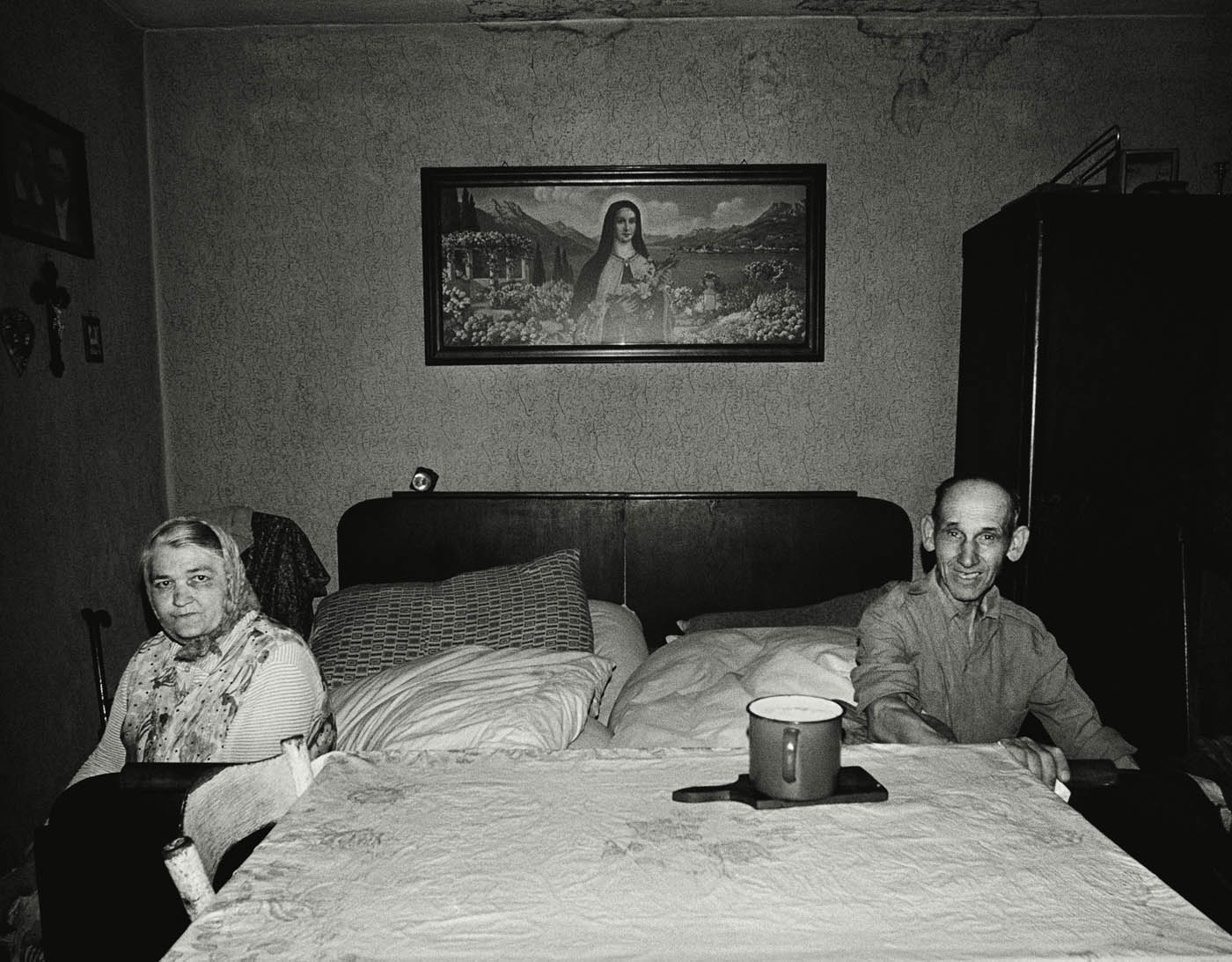
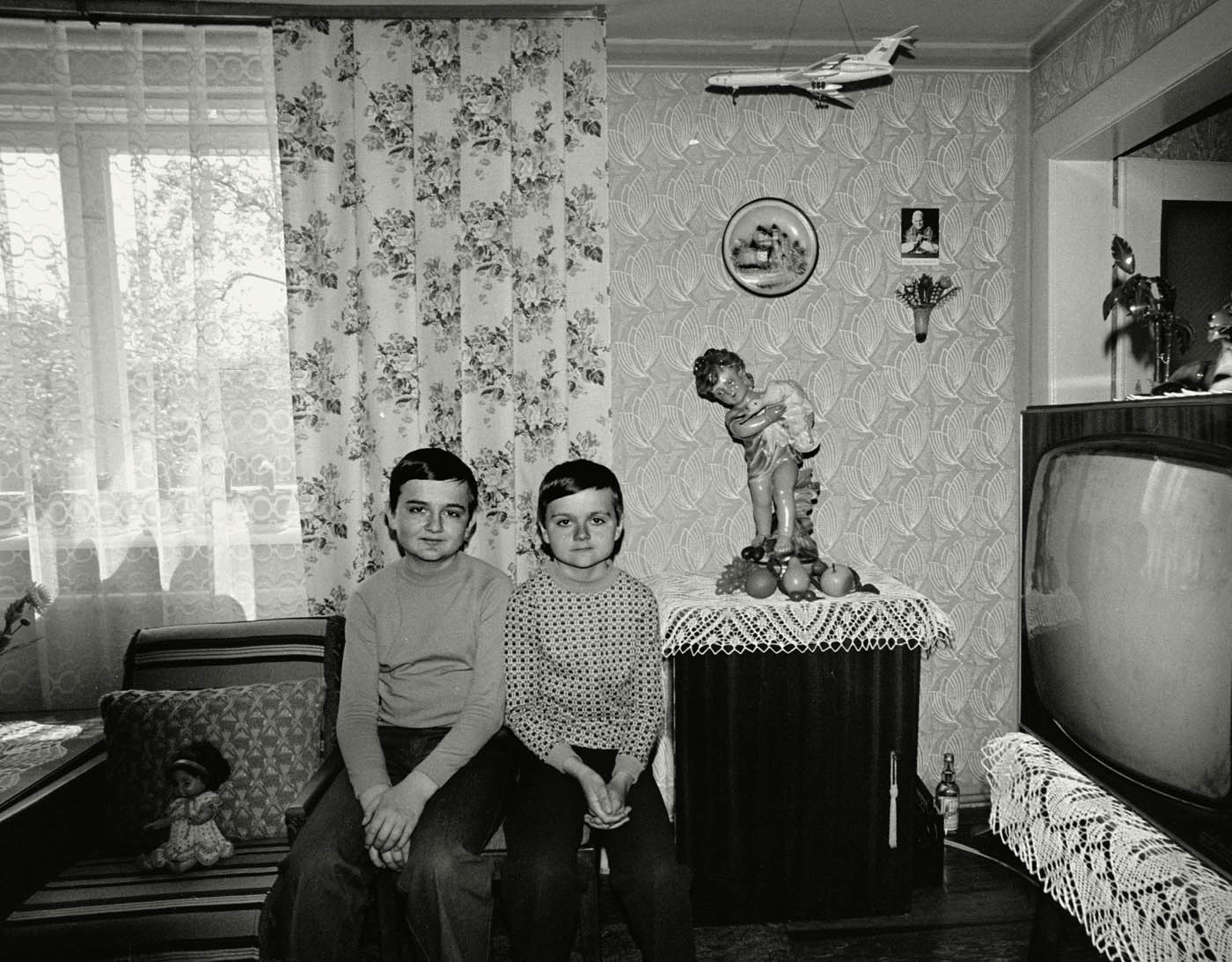
Her project, Sociological Record (Zapis socjologiczny), became one of the most extraordinary photographic archives of the twentieth century: over 20,000 black-and-white portraits, most taken inside a person’s home. The format rarely changed. Her subjects stand in their living rooms, surrounded by furniture, family photos, crucifixes, embroidery, clocks and wallpaper that tells as much of a story as their faces do. Every image is composed with the same direct flash, the same square frame, and the same feeling that time has briefly stood still. 

At first glance, Rydet’s portraits might seem uniform, almost bureaucratic in their repetition. But look longer, and the sameness dissolves. You begin to notice the delicate individuality in each frame: the proud tilt of a chin, a mismatched chair, a child’s toy tucked behind an armchair. Each photograph becomes a world of its own.

Rydet was born in 1911 in Stanisławów, a city that no longer exists as it once did. Over her lifetime, Poland’s borders shifted, wars came and went, and entire ways of life vanished. Perhaps that’s why she photographed with such urgency. She once said she wanted to “save people from disappearing,” and in Sociological Record, that impulse becomes visible. Her archive reads like a collective portrait of Poland on the brink of transformation, the last breaths of a rural and domestic culture before modernity swept through. “I can already see the difference now, three or four years later – the huts are disappearing, being rebuilt… I miss the houses near Warsaw, but I’m afraid to go there…” 

Before she began this monumental project, Rydet had already spent two decades photographing daily life: children playing in the streets, fishermen, women at markets. Her early images are tender and human, often filled with humour. But in the late 1970s, she found her true calling. Carrying her medium-format camera and a small flash, she entered the homes of strangers, sometimes by invitation, sometimes by bold insistence, and created what she saw as a kind of “photographic sociology.”

What’s remarkable is that Rydet’s approach, while systematic, never feels cold. Her use of flash flattens space so that every detail, faces, furniture, wallpaper and light becomes equally significant. It’s as if she believed that the soul of a person might just as easily reside in the pattern of a curtain as in their expression.

Her images speak not only of individuals but of collective identity: Polish Catholic iconography, working-class aspiration, domestic pride. And beneath it all, the quiet ache of time passing. In one photo, a couple stands shoulder to shoulder beneath their wedding portrait, two images separated by decades, yet bound by the same gaze. In another, a young boy stares directly at the camera, his future still unwritten.

Rydet continued photographing well into the 1980s, often assisted by younger artists who recognised the importance of what she was building. She never considered the project finished; how could she? The very premise, recording the human condition through its domestic spaces, was infinite by nature. When she died in 1997, she left behind a sprawling, incomplete monument to ordinary lives.

Today, in an age when we document ourselves endlessly but often forget what those images mean, Rydet’s work feels newly vital. Her archive is a reminder that photography can still be an act of devotion, a way of saying I see you, and you matter. Rydet didn’t just photograph people; she photographed the fragile dignity of being human. And in doing so, she built a record not just for Poland, but for all of us; an unfinished atlas of memory, tender and eternal.

Youssra Manlaykhaf. “The Unfinished Archive,” on The Photographers’ Gallery website Nd [Online] Cited 05/02/202. Used under fair use conditions for the purposes of education and research
 

Zofia Rydet (Polish, 1911-1997) From 'Sociological Record' 1978-1990


Zofia Rydet (Polish, 1911-1997)
From Sociological Record
1978-1990
© Zofia Rydet, courtesy of the Zofia Rydet Foundation
 

Zofia Rydet (Polish, 1911-1997) From 'Sociological Record' 1978-1990


Zofia Rydet (Polish, 1911-1997)
From Sociological Record
1978-1990
© Zofia Rydet, courtesy of the Zofia Rydet Foundation
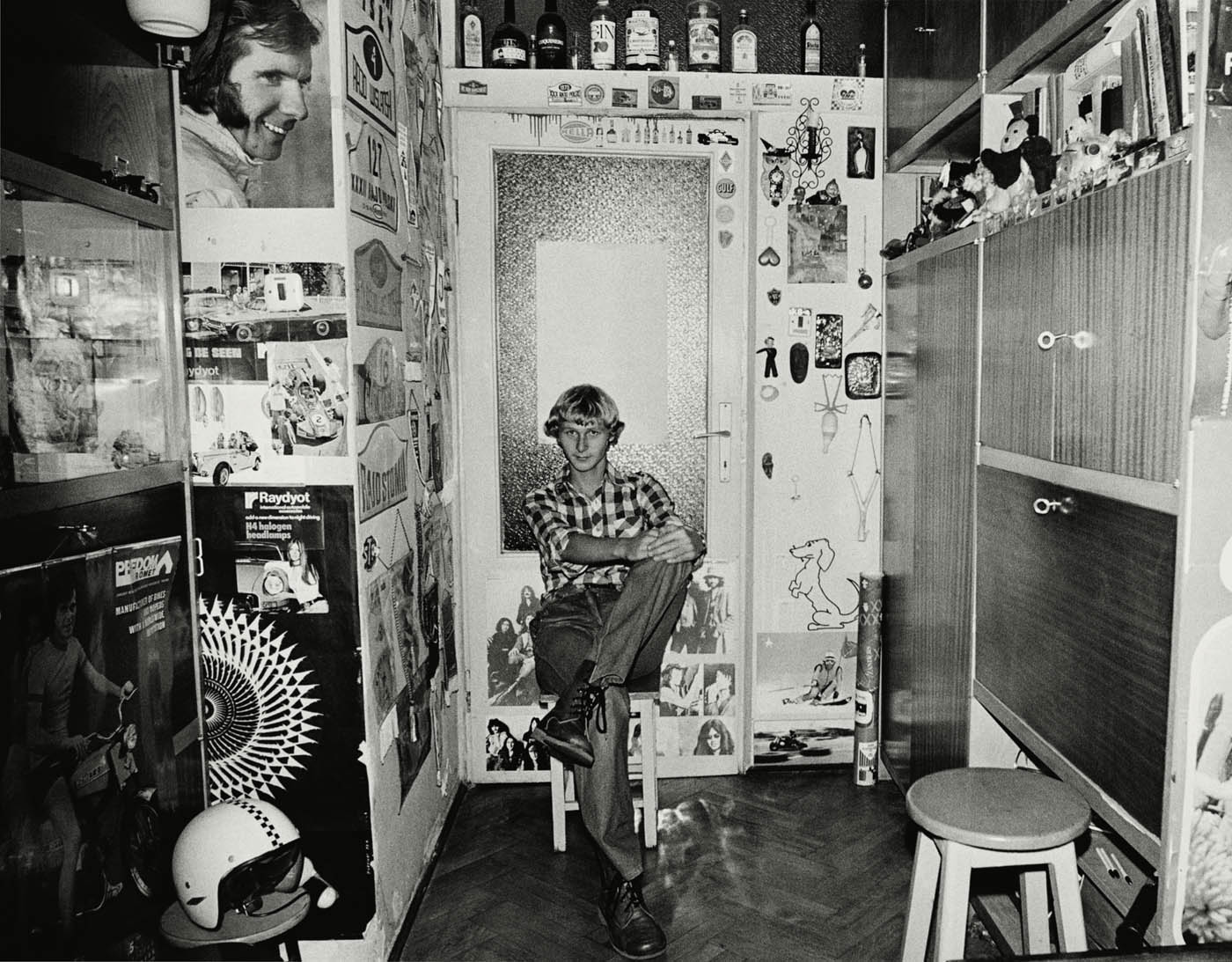
 

Zofia Rydet (Polish, 1911-1997) From 'Sociological Record' 1978-1990


Zofia Rydet (Polish, 1911-1997)
From Sociological Record
1978-1990
© Zofia Rydet, courtesy of the Zofia Rydet Foundation
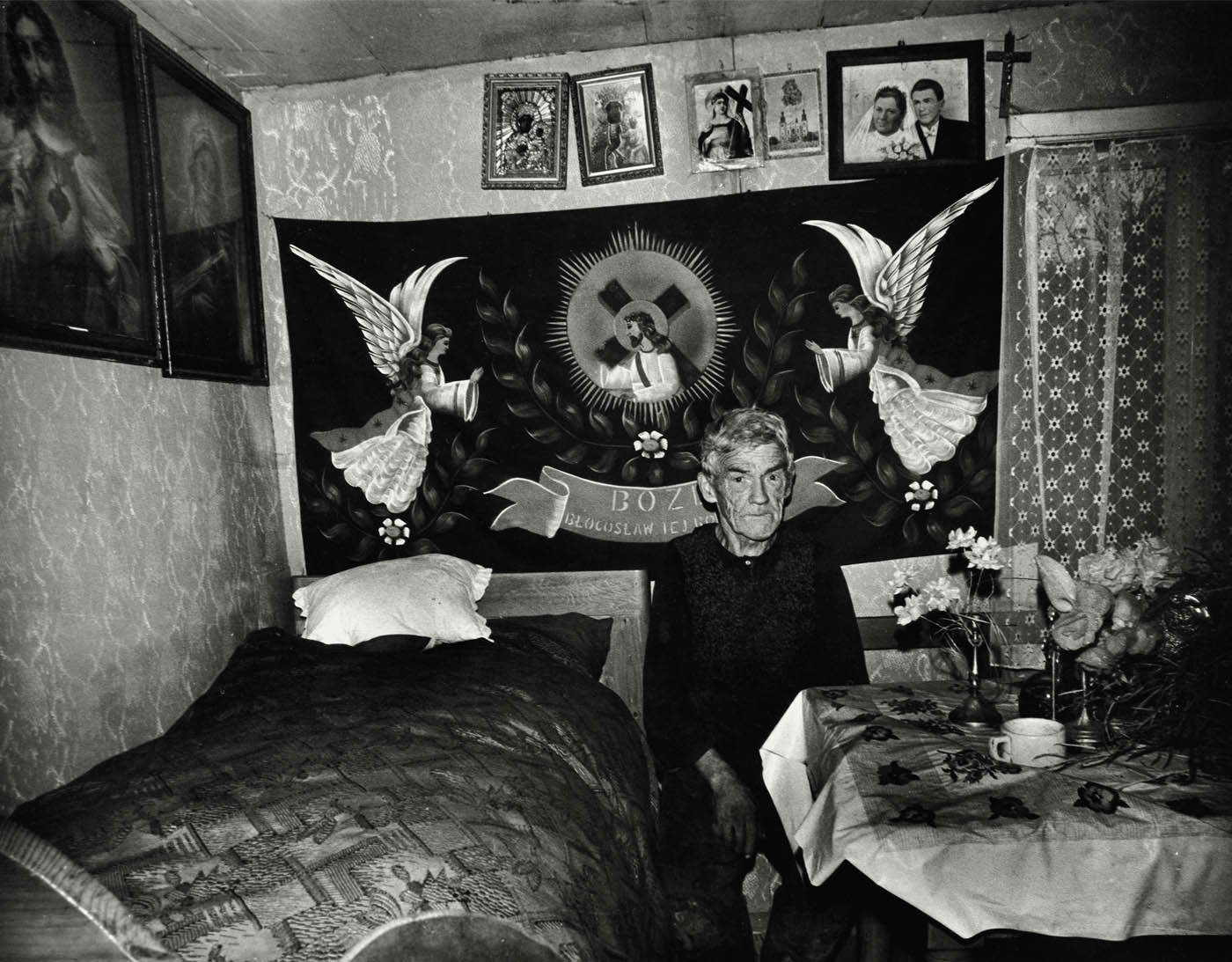
 

Zofia Rydet (Polish, 1911-1997) From 'Sociological Record' 1978-1990


Zofia Rydet (Polish, 1911-1997)
From Sociological Record
1978-1990
© Zofia Rydet, courtesy of the Zofia Rydet Foundation
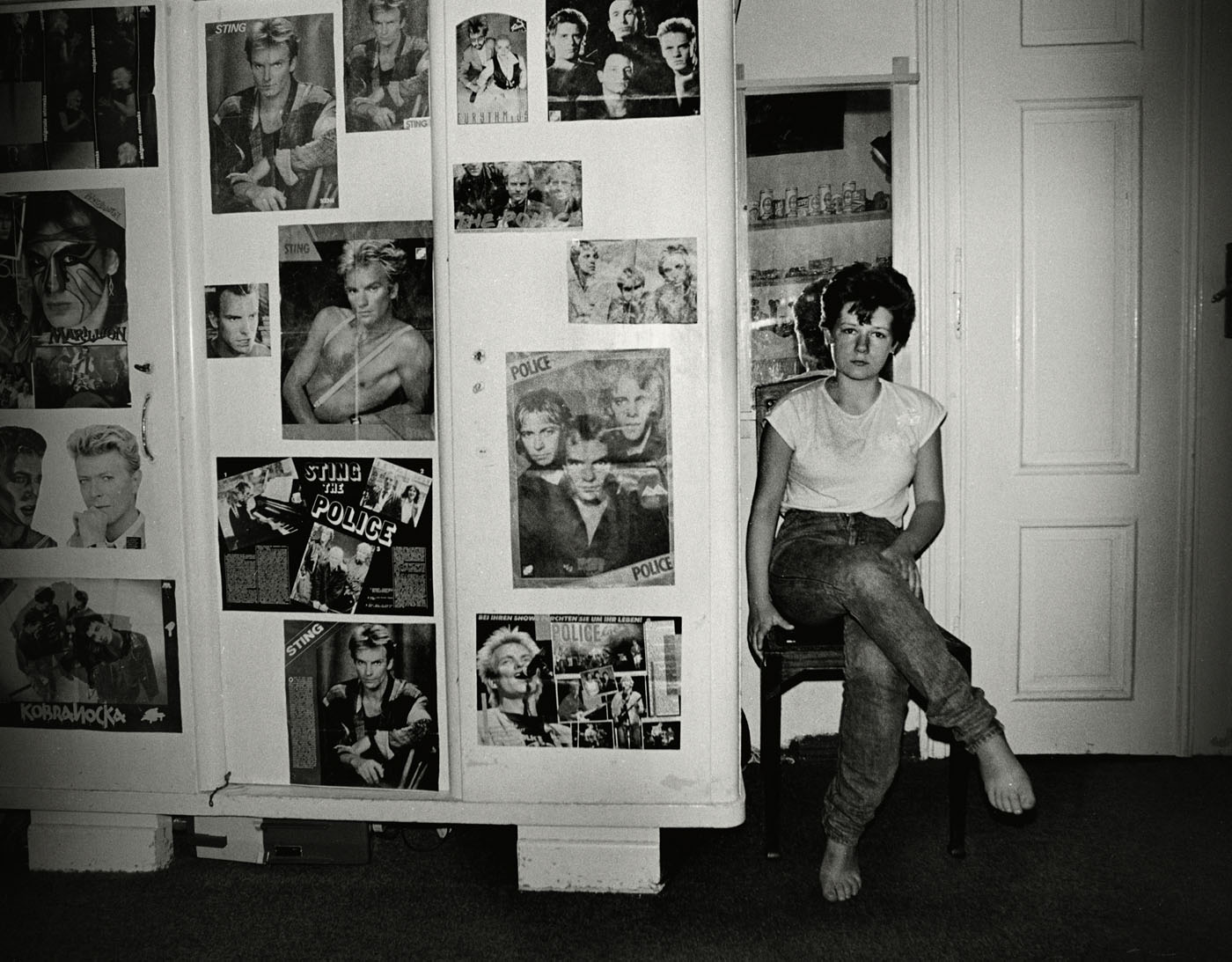
 

Zofia Rydet (Polish, 1911-1997) From 'Sociological Record' 1978-1990


Zofia Rydet (Polish, 1911-1997)
From Sociological Record
1978-1990
© Zofia Rydet, courtesy of the Zofia Rydet Foundation
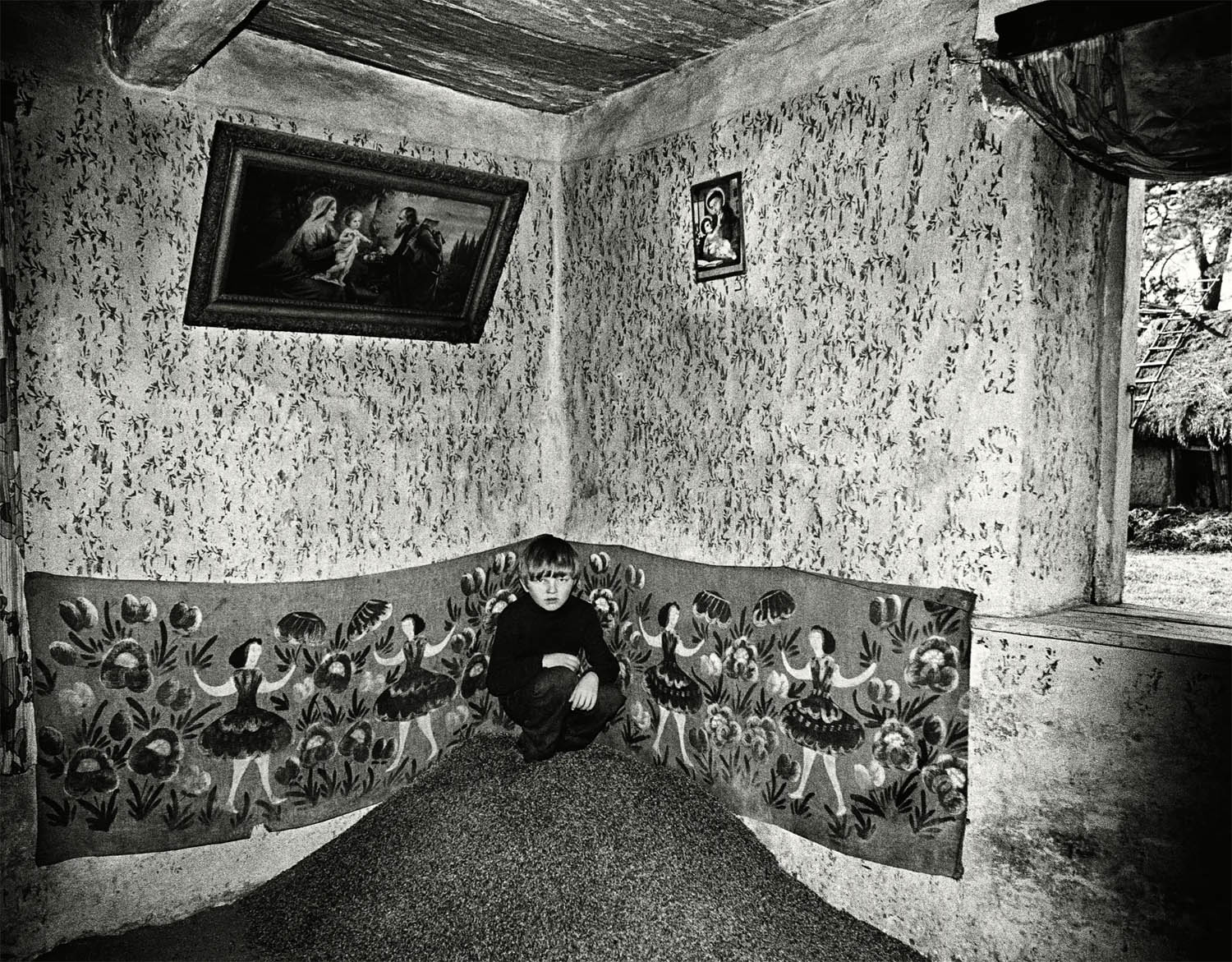
 

Zofia Rydet (Polish, 1911-1997) From 'Sociological Record' 1978-1990


Zofia Rydet (Polish, 1911-1997)
From Sociological Record
1978-1990
© Zofia Rydet, courtesy of the Zofia Rydet Foundation


Opening this October at The Photographers’ Gallery, as part of the UK/Poland Season 2025, Sociological Record is a landmark photographic project undertaken by Polish photographer Zofia Rydet. The series is a comprehensive documentary portrait of Polish domestic life which spans decades, eras, regions and cultures.

Starting in 1978, aged 67 years old, Zofia Rydet (1911-1997) set out on a mammoth task to photograph the inside of ‘every’ Polish household. Motivated by a desire to capture the ordinary, unsung populations, particularly of the countryside – but also covering towns and cities – Rydet would become increasingly obsessed with her mission to record the cultures and people that she sought out.

Rydet cut an unlikely figure on her field trips to different regions, a diminutive woman travelling by bus or with the help of friends who could drive her. Approaching households unannounced, she would knock and warmly introduce herself, asking those living there if they would like to take part in her project. Using a newly acquired wide angle lens and flash, Rydet was able to capture often darkened interiors of homes and their inhabitants in great detail. Asking her sitters not to smile and look straight ahead into the camera lens, her subjects are posed in their homes, rich in personal histories.

As the series progressed, Rydet would identify different categories within the Sociological Record such as ‘Women on Doorsteps’, ‘Professions’, ‘The Ill’, ‘Road Signs’, ‘Windows’, ‘Houses’ and ‘Televisions’. She would also come to identify more philosophical themes such as ‘Presence’ – noting the omniscience of the Polish Pope John Paul II’s image (inaugurated the same year Rydet started the Record in 1978) within Polish households. Others included ‘The Myth of Photography’ focusing on the central position and significance of family photographs within the home, such as traditional, hand-painted studio photographs of married couples in homes with little or no other decoration.

Through the cumulative interactions with her sitters, sometimes returning to households more than once over time, Rydet identified a change in her own personal and artistic journey and the role photography played within it. Creating over 20,000 images, many of which by the end of the project were never printed – Sociological Record is a monumental project and one of the most important achievements in 20th century Polish photography.

Rydet said of her hopes for the work: “Even if they don’t publish it… this will remain, not art perhaps, but a document of the times.” Rydet continued working on the Record until 1990, seven years before she died aged 86 years old.

This is the first substantial exhibition of Zofia Rydet’s Sociological Record in the UK. It focuses on the small proportion of rare prints she made from the series in her home darkroom, including the significant ‘People in Interiors’ works, and other sub-series such as ‘Women on Doorsteps’ and ‘Presence’. It will also feature ephemera from Rydet’s archives and original publications. Polish filmmaker Andrzej Różycki’s 1989 documentary film about Rydet, ‘Endlessly Distant Roads’, as well as Polish photographer Anna Beata Bohdziewicz’s documentary portraits of Rydet at work will also be on show.

Zofia Rydet: Sociological Record is part of the UK/Poland Season 2025. It is produced by The Photographers’’’ Gallery in partnership with the Adam Mickiewicz Institute (co-financed by the Ministry of Culture and National Heritage), Poland, and the Zofia Rydet Foundation.

A new English catalogue will accompany the exhibition featuring texts by Zofia Rydet and 100 images from the Sociological Record series. Edited by co-curators of the exhibition, Clare Grafik and Karol Hordziej, image edit with the collaboration of Wojciech Nowicki. Produced by Lola Paprocki and designed by Brian Kanagaki / Kanagaki Studio. Co-published by The Photographers’ Gallery and Palm* Studios, with support from the Adam Mickiewicz Institute.

About Zofia Rydet

Zofia Rydet was born in 1911 in Stanisławów, Galicia – then part of the Austro-Hungarian Empire, later Poland, now Ivano-Frankivsk, Ukraine. The daughter of a Polish lawyer and judge who served the rural populations of the area, her first photographs were in the regions of south-eastern Polish borderlands.

Following the brutal and tumultuous occupation of Nazi Germany in World War II and the region’s absorption into the Ukrainian Soviet Socialist Republic, her family fled into the newly defined borders of Poland at the end of the war to Rabka and then Bytom in Upper Silesia. There she would focus on her passion for photography, as one of the few women members of the Gliwice Photography Society, which she joined in 1954. She met other avant-garde photographers, became a photography teacher and began sending her photographs to international and national competitions.

Her artistic career developed through many distinct but overlapping phases which included the seminal series and photobook Little Man (Mały Człowiek), which drew on her many photographs of children taken during her national and international travels, highlighting humanist approaches to documentary photography and emphasising the complexities and challenges of childhood. Her long-standing surrealist collage series The World of Feelings and Imagination (Świat uczuć i wyobraźni) also marked an important expressive phase in her creative practice. Sociological Record (Zapis socjologiczny) would become her final and largest artistic project.

About Adam Mickiewicz Institute

The Adam Mickiewicz Institute (AMI) brings Polish culture to people around the world. Being a state institution, it creates lasting interest in Polish culture and art through strengthening the presence of Polish artists on the global stage. It initiates innovative projects, supports international cooperation and cultural exchanges. It promotes the work of both established and promising artists, showing the diversity and richness of our culture. The Adam Mickiewicz Institute is also responsible for the Culture.pl website, a comprehensive source of knowledge about Polish culture. For more information please visit: www.iam.pl.

Press release from The Photographers’ Gallery
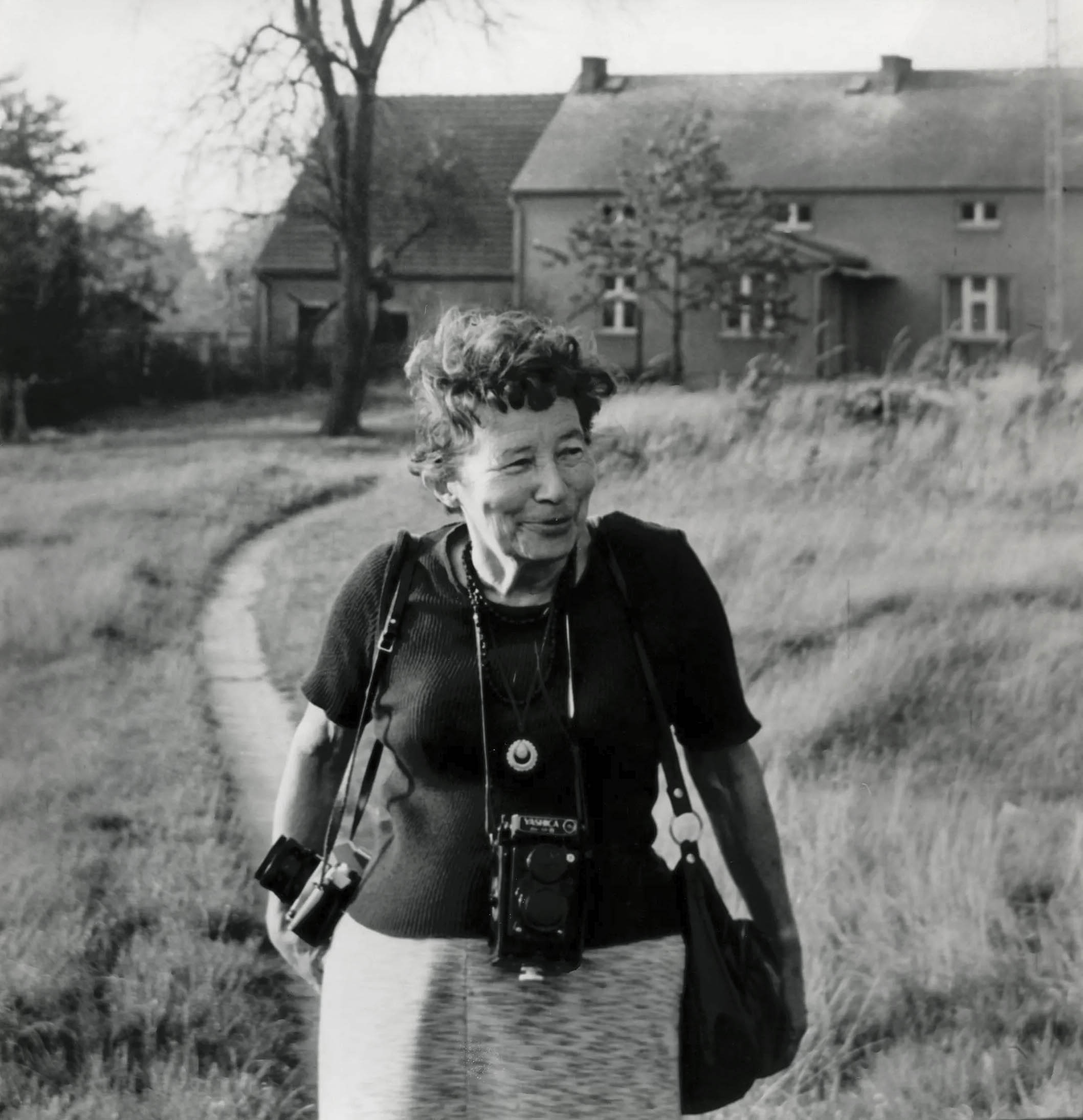
 

Portrait of Zofia Rydet Nd
 

Portrait of Zofia Rydet Nd


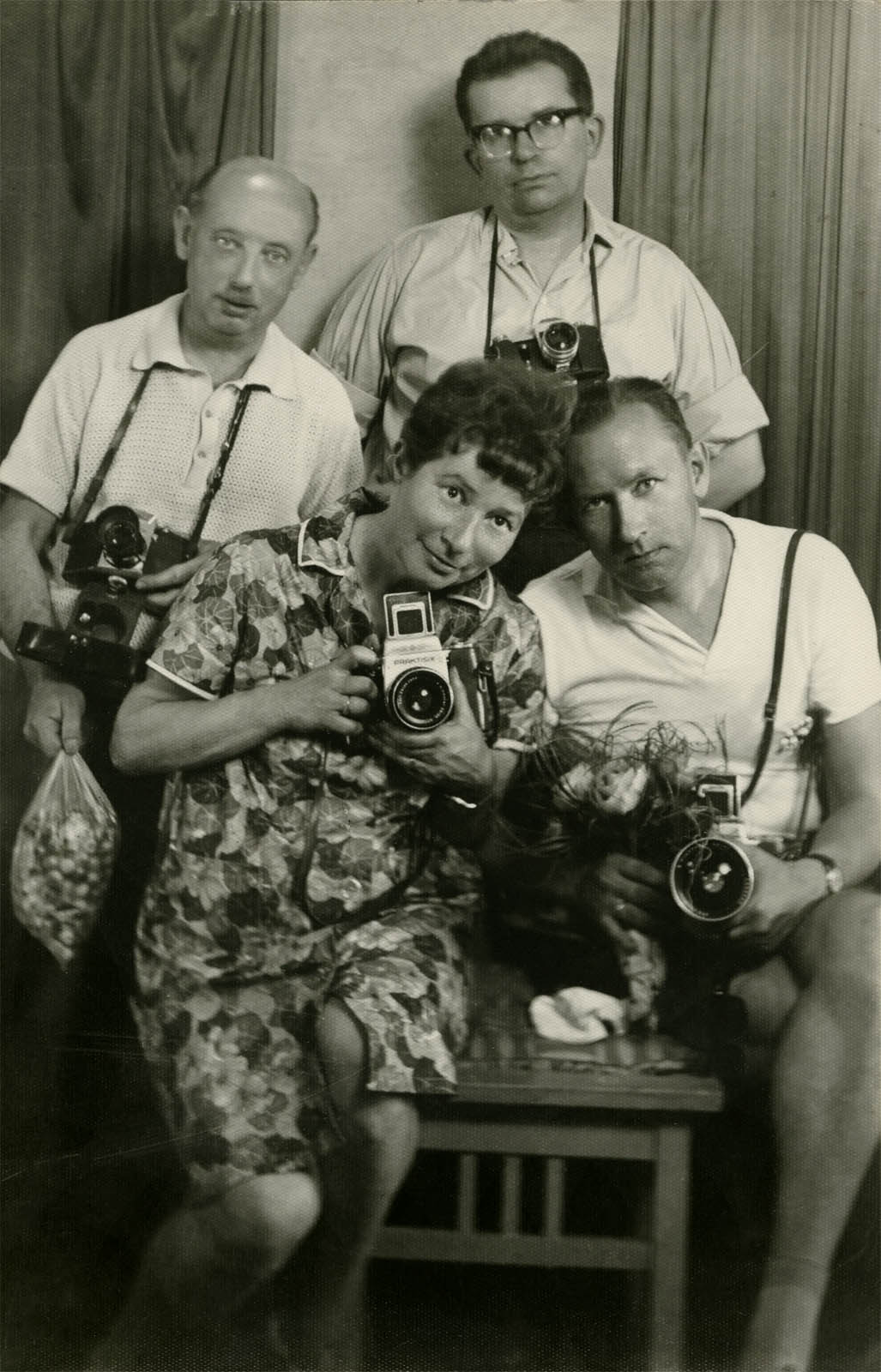
Zofia Rydet and photographer friends Nd
 

Zofia Rydet and photographer friends Nd


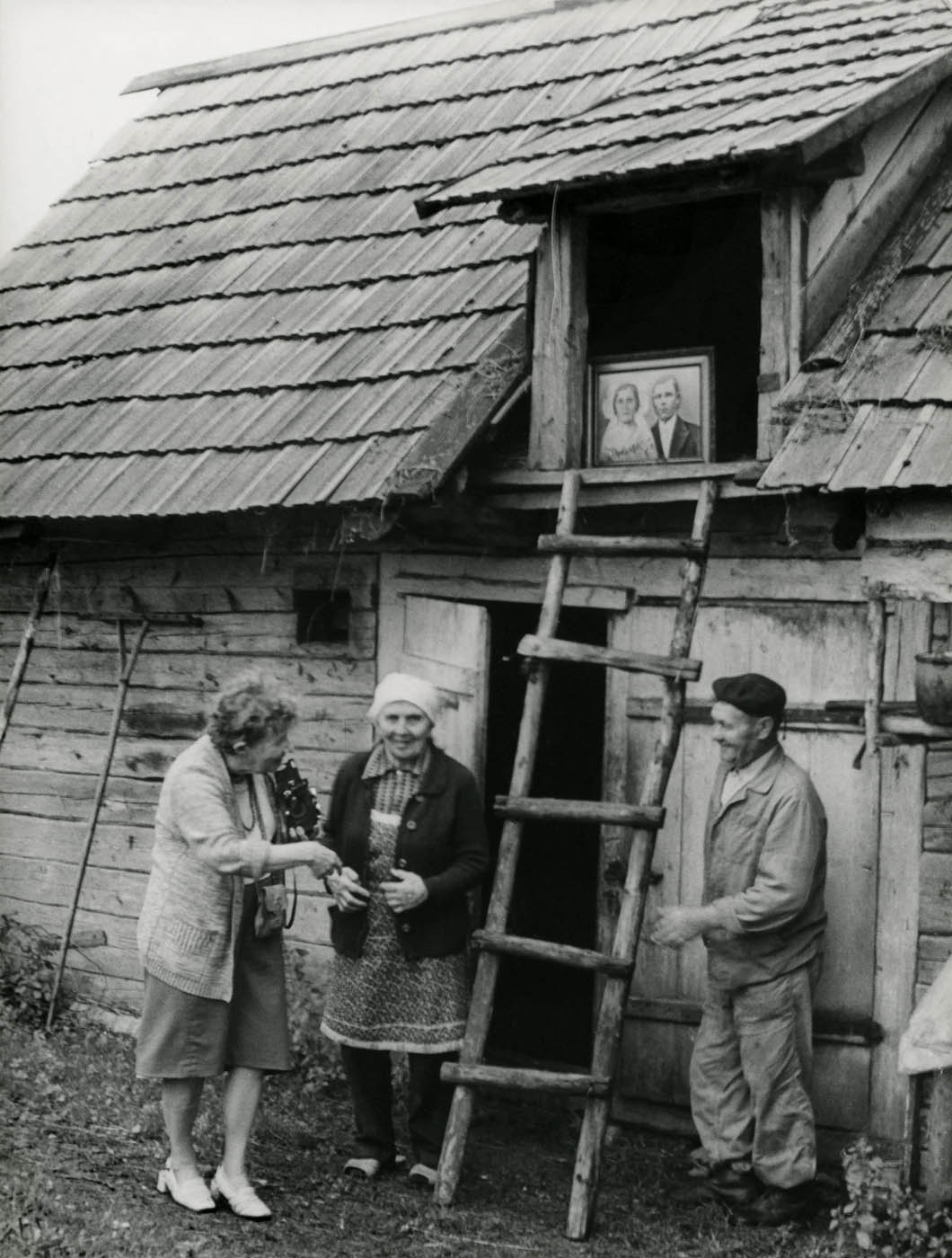
Zofia Rydet with camera and subjects Nd


Zofia Rydet with camera and subjects Nd


The Photographers’ Gallery
16-18 Ramillies Street
London
W1F 7LW

Opening hours:
Mon – Wed: 10.00 – 18.00
Thursday – Friday: 10.00 – 20.00
Saturday: 10.00 – 18.00
Sunday: 11.00 – 18.00
The Photographers’ Gallery website

LIKE ART BLART ON FACEBOOK

Back to top

Exhibition: ‘War from the Victims’ Perspective, Photographs by Jean Mohr’ at the Moscow Manege, Moscow

Exhibition dates: 11th November – 14th December, 2014

An exhibition produced by the Musée de l’Elysée, Lausanne, and the Swiss Ministry of Foreign Affairs

Curator: Jean Mohr


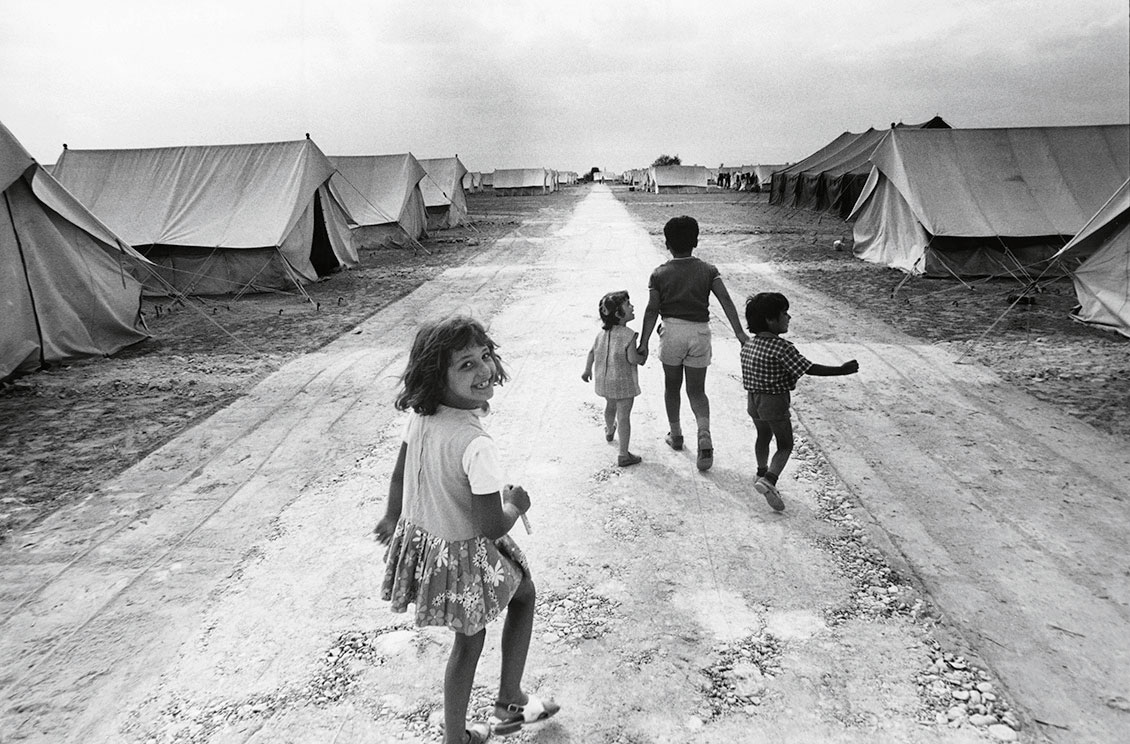
Jean Mohr (Swiss, 1925-2018) 'Greek children, Strovolos camp planned for 1,600 people, Cyprus, 1974' from the exhibition 'War from the Victims' Perspective, Photographs by Jean Mohr' at the Moscow Manege, November - December, 2014


Jean Mohr (Swiss, 1925-2018)
Greek children, Strovolos camp planned for 1,600 people, Cyprus, 1974
1974
© Jean Mohr, Musée de l’Elysée


It’s always the women and children that suffer.

Marcus


Many thanxk to the Musée de l’Elysée, Lausanne and the Moscow Manege for allowing me to publish the photographs in the posting. Please click on the photographs for a larger version of the image.


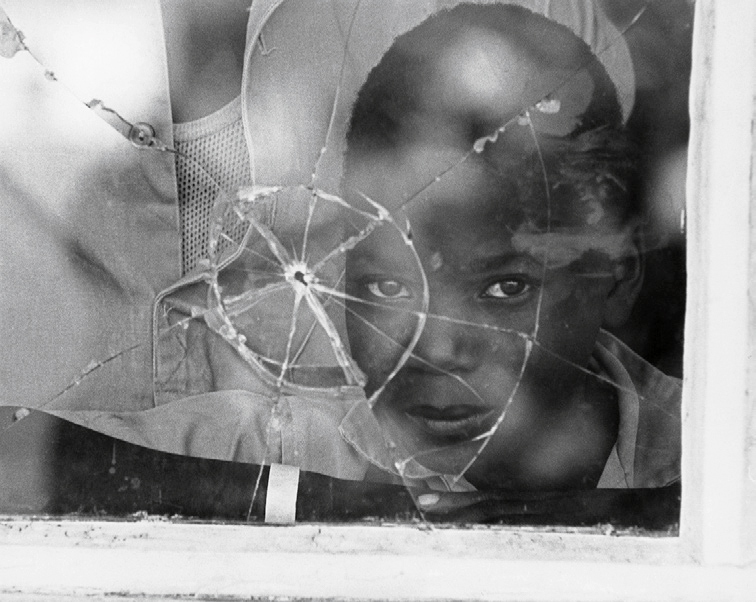
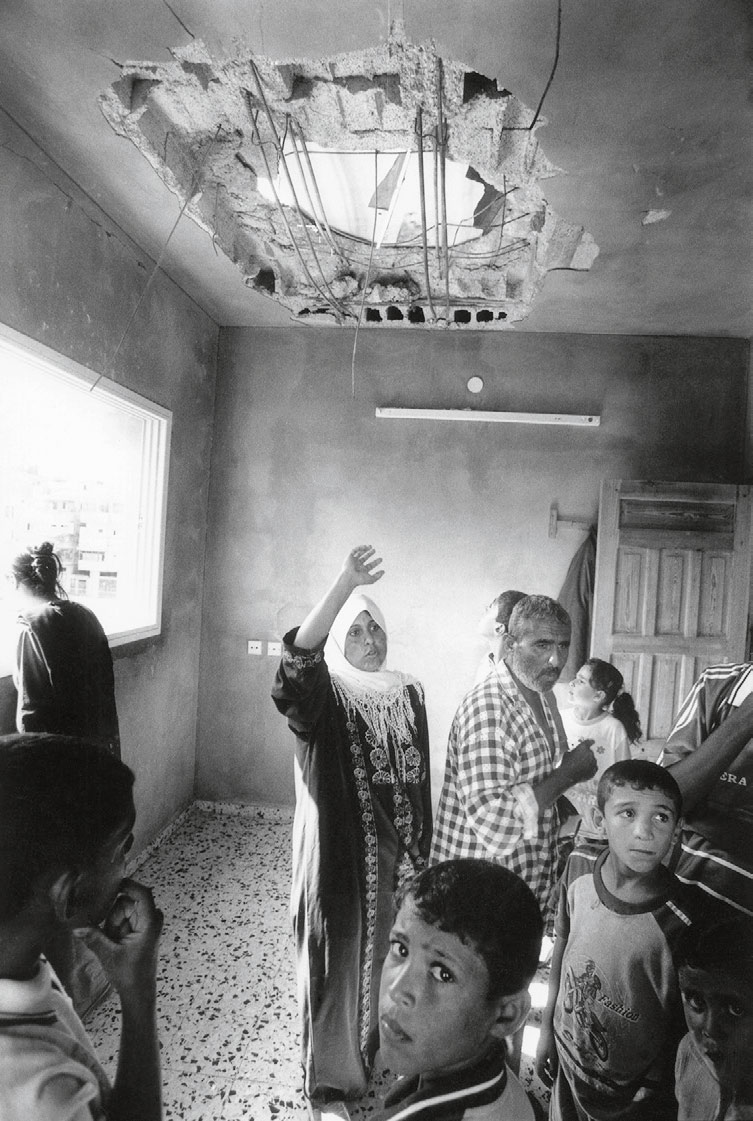
Jean Mohr (Swiss, 1925-2018) 'Bullet-holes in a façade, Cyprus, 1974' from the Victims' Perspective, Photographs by Jean Mohr' at the Moscow Manege, November - December, 2014


Jean Mohr (Swiss, 1925-2018)
Bullet-holes in a façade, Cyprus, 1974
1974
© Jean Mohr, Musée de l’Elysée


Jean Mohr (Swiss, 1925-2018) 'Palestinian refugees camp, Gaza, 1979'


Jean Mohr (Swiss, 1925-2018)
Palestinian refugees camp, Gaza, 1979
1979
© Jean Mohr, Musée de l’Elysée


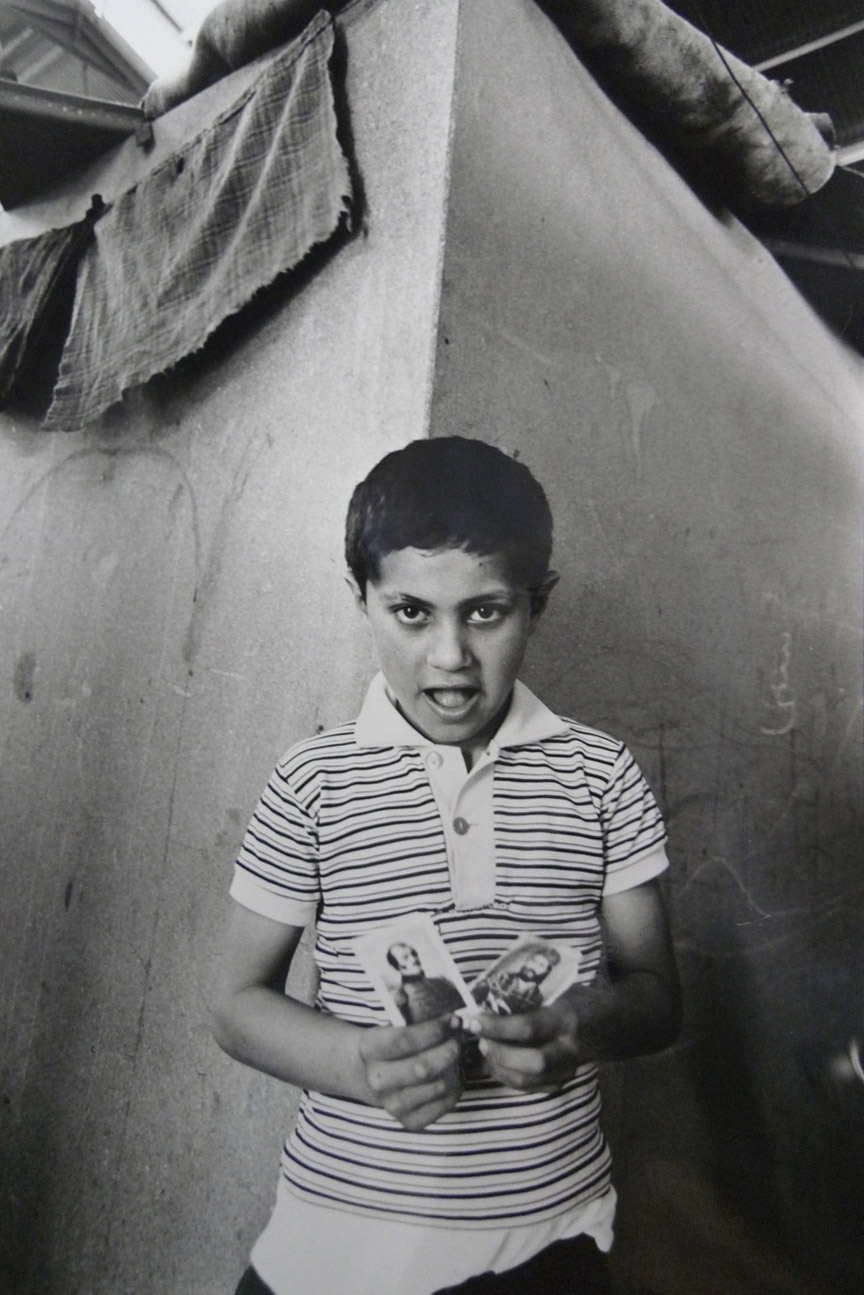
Jean Mohr (Swiss, 1925-2018) 'Portrait of a Greek refugee, Larnaca, Cyprus, 1976'


Jean Mohr (Swiss, 1925-2018)
Portrait of a Greek refugee, Larnaca, Cyprus, 1976
1976
© Jean Mohr, Musée de l’Elysée


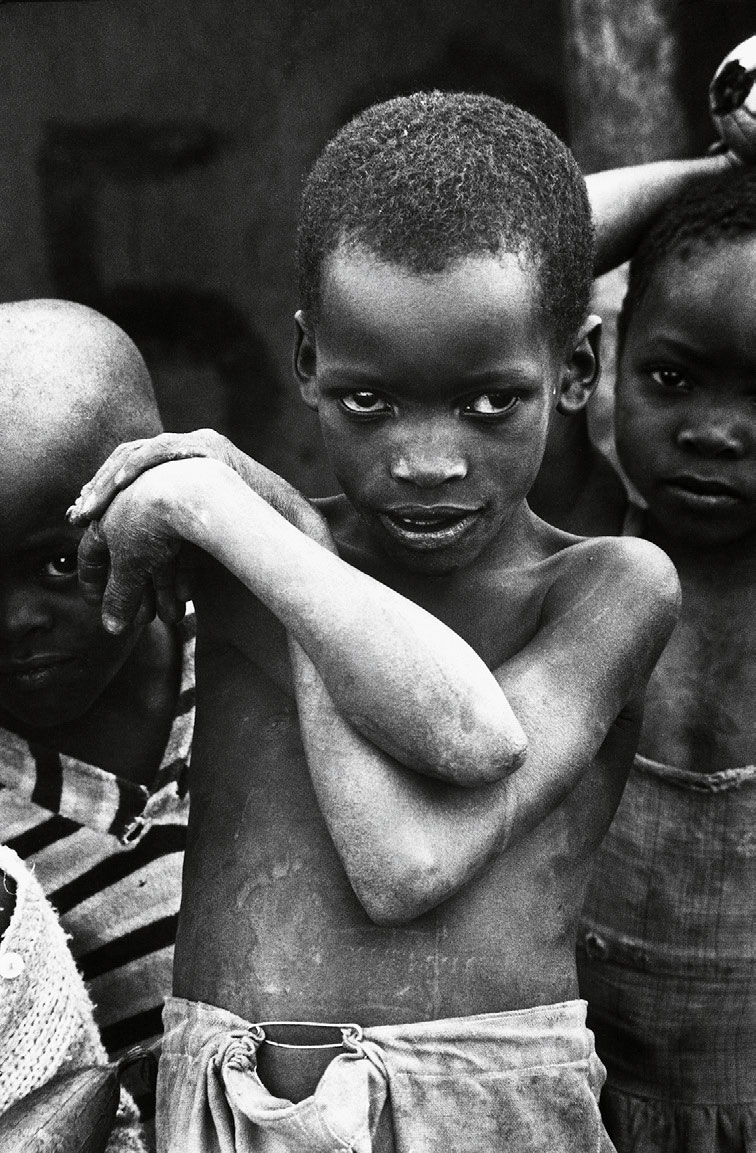
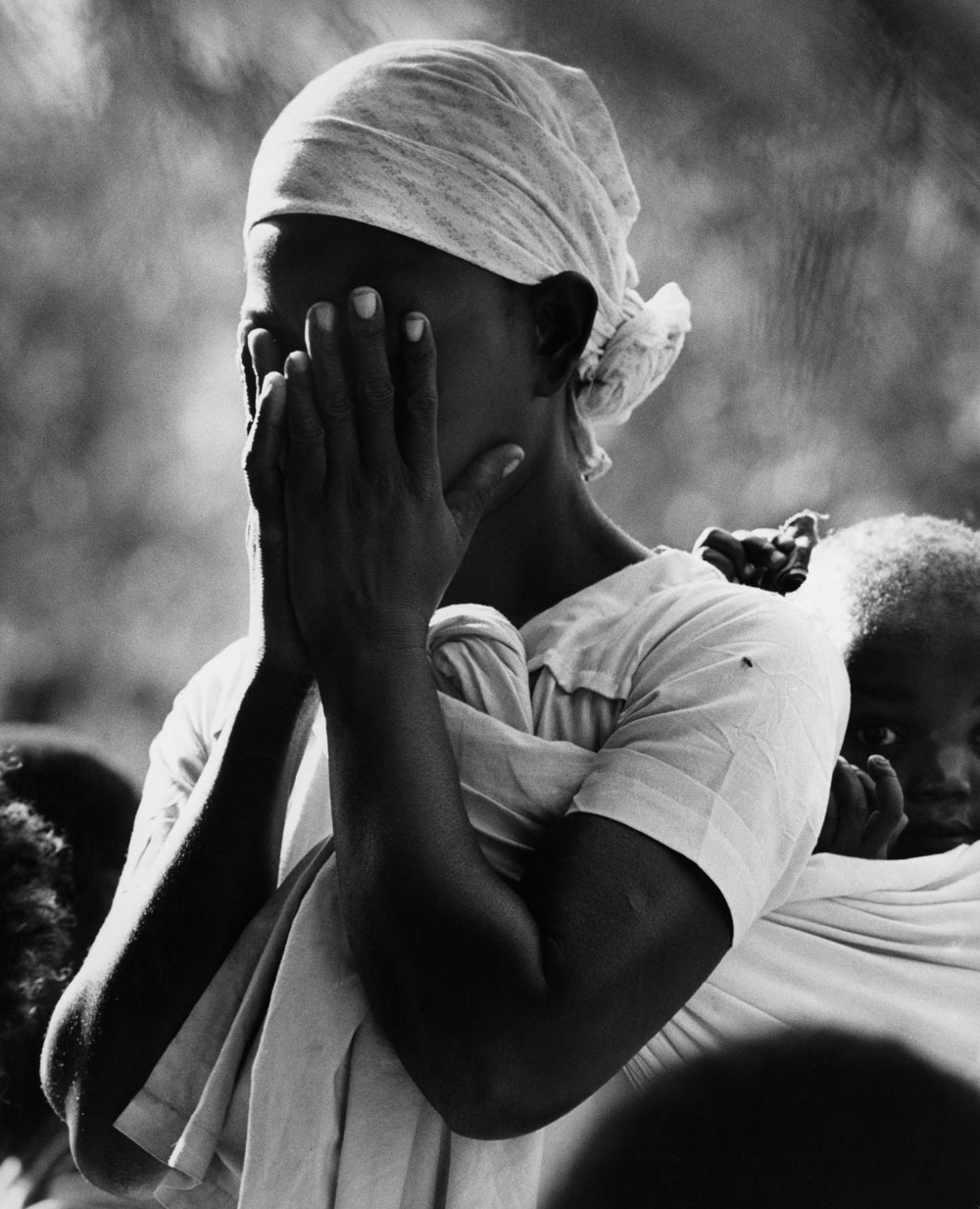
Jean Mohr (Swiss, 1925-2018) 'Young Mozambican refugee, Nyimba camp, Zambia, 1968'


Jean Mohr (Swiss, 1925-2018)
Young Mozambican refugee, Nyimba camp, Zambia, 1968
1968
© UNHCR / J. Mohr


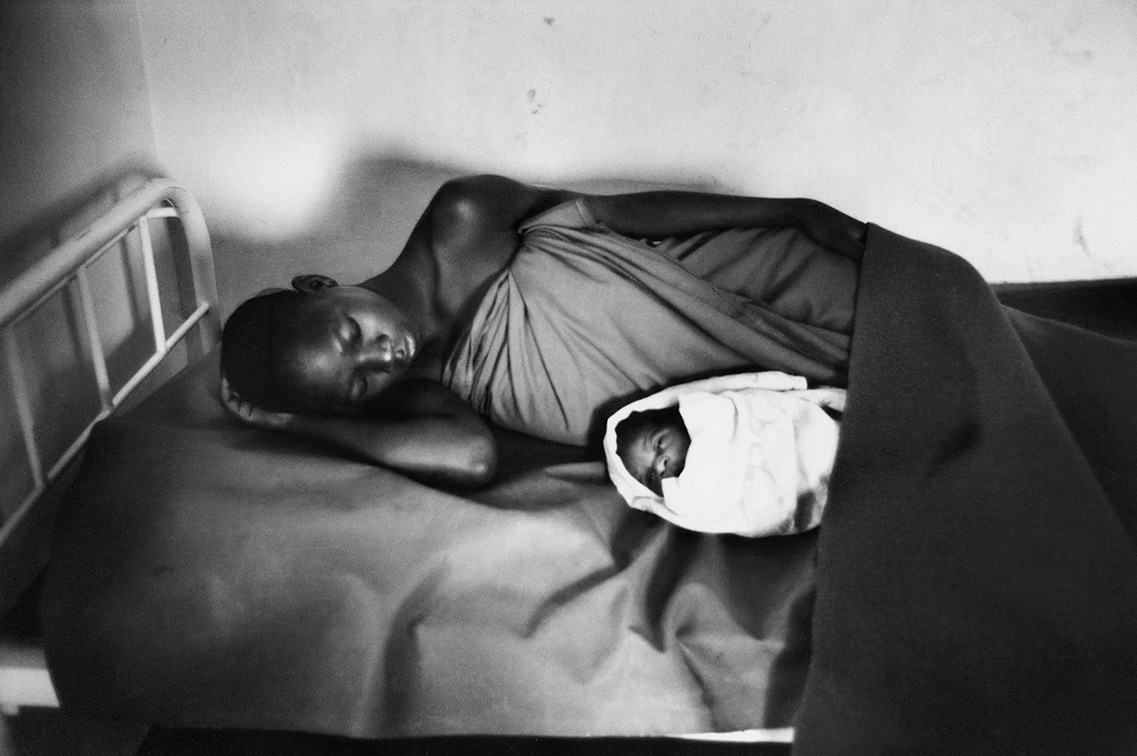
Jean Mohr (Swiss, 1925-2018) 'Young Mozambican refugee who gave birth at the Lundo clinic, Tanzania, 1968'


Jean Mohr (Swiss, 1925-2018)
Young Mozambican refugee who gave birth at the Lundo clinic, Tanzania, 1968
1968
© HCR/J.Mohr


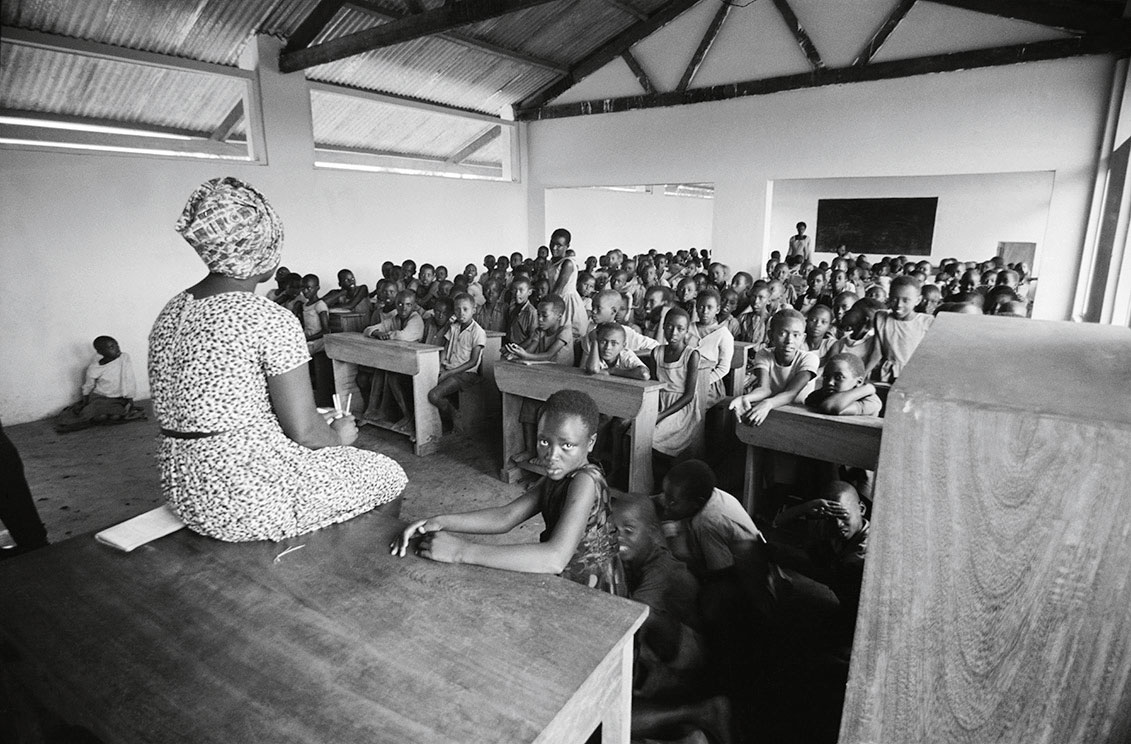
Jean Mohr (Swiss, 1925-2018) 'School, Kyangwali camp, Uganda, 1968'


Jean Mohr (Swiss, 1925-2018)
School, Kyangwali camp, Uganda, 1968
1968
© Jean Mohr, Musée de l’Elysée


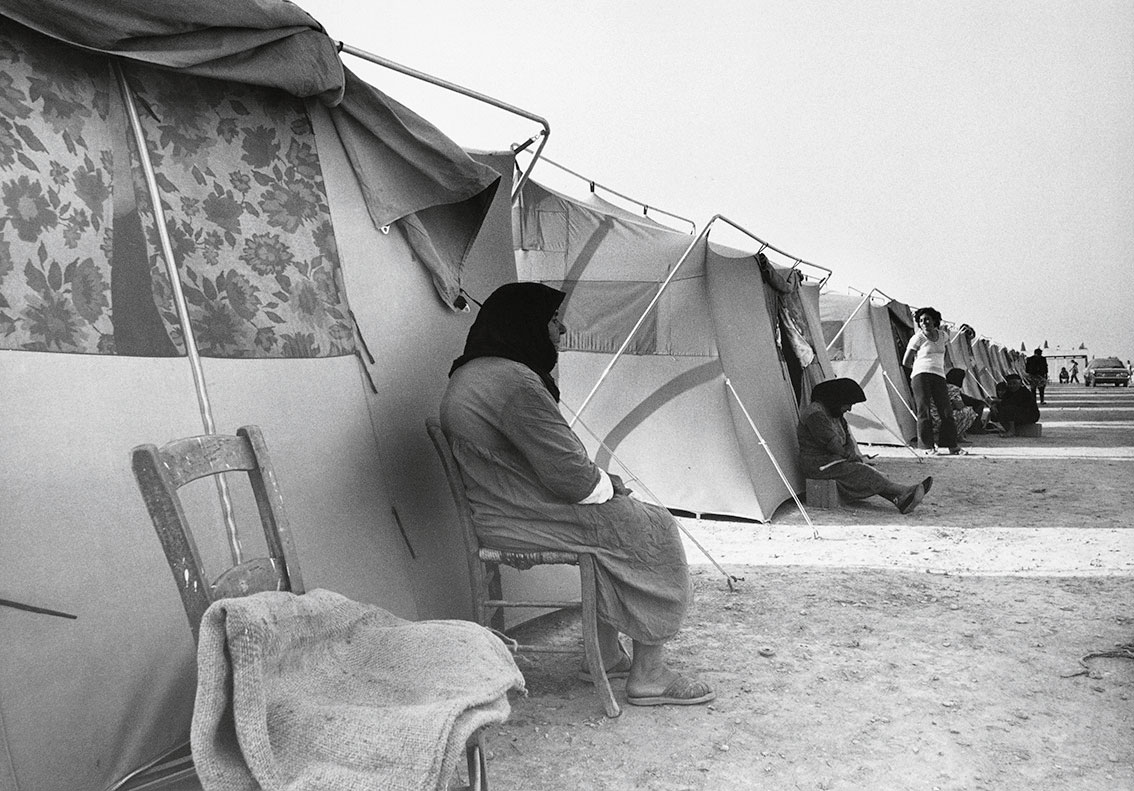
Jean Mohr (Swiss, 1925-2018) 'A camp of 300 tents for 1,400 refugees, Lefkaritis, near Lamaca, Cyprus, 1974'


Jean Mohr (Swiss, 1925-2018)
A camp of 300 tents for 1,400 refugees, Lefkaritis, near Lamaca, Cyprus, 1974
1974
© HCR/J.Mohr


War from the Victims’ Perspective, Photographs by Jean Mohr


Early on, Jean Mohr sought to understand and explain the drama of civilians trapped in belligerent situations. His reportages are the result of decades of experience, which saw a ICRC and UNRWA (United Nations Relief and Works Agency for Palestine Refugees in the Near East) delegate transform himself into a full-time photographer, after a spell at an academy of painting.

More than 80 exhibitions worldwide have been dedicated to his work, including two at the Musée de l’Elysée in Lausanne that holds his collection. In 1978, at Photokina (Frankfurt’s major Photography Fair), Jean Mohr was awarded the prize for the photographer who had most consistently served the cause of human rights. He is one of the best representatives of humanist photography, masterfully balancing sensitivity and rigour, emotion and reflection, art and documentary evidence.

The exhibition addresses the issues of victims of conflicts, refugees and communities suffering from war and still under potential threat. It focuses on the emblematic cases of Palestine, Cyprus, and Africa. Other examples illustrate the universal problems of populations directly or indirectly enduring repercussions of war (in Iran, Pakistan, Nicaragua…).

Palestine, its refugee camps, precarious sanitary conditions, and the Gaza stalemate, whilst being the subject of major media attention, is a case worthy of reconsideration. It needs to be regularly re-explained and repositioned in the context of the Israeli-Arab conflict. The case of Cyprus serves as a reminder that the refugee problem still remains an issue for certain members of the European Union. Several hundreds of thousands of people were forced into exile. Africa too needed to be addressed, as the post-colonial conflicts forced millions into displacement. The fragility of these States, outlined as they are by inherited colonial borders, regularly fuels turmoil which leads to humanitarian crises. The refugee problem is present throughout the continent.

Focussing upon these three geographical regions presents the problem of war victims in an historical setting classified by theme: “Portraits of Exile”, “The Children’s Diaspora”, “Temporary Landscapes”, and “Life Goes On”. These photographs render a face to the casualties and retrace the steps of their displacement, from their settlement in the precariousness of the camps and reception centres to their attempts to adapt to an enduring situation.

Portraits of Exile

Featuring portraits of refugees from different countries and cultures, the first section gives a human face to the impact of conflict.

Temporary Landscapes

The second section deals with the impact that war has on people’s homes. The photos document the displacement process and the precarious settlement of victims in camps, reception centres, mosques and shanty towns.

The Children’s Diaspora

Featuring images that capture the day-to-day lives of war’s youngest victims, this section reveals the gamut of situations faced by child refugees, as well as the many and diverse activities they engage in. Some photos show children attending a medical centre or clinic, while others show them playing, dancing or in class at a temporary school.

Life Goes On

The final section documents how people adapt to temporary situations that stretch out indefinitely. The images illustrate how important the distribution of food and clothing is, as well as documenting efforts to ensure that refugees can continue their schooling and education. This section includes the iconic image of a young Mozambican refugee and her newborn baby in a clinic in Lundo, Tanzania.

Press release from the Musée de l’Elysée


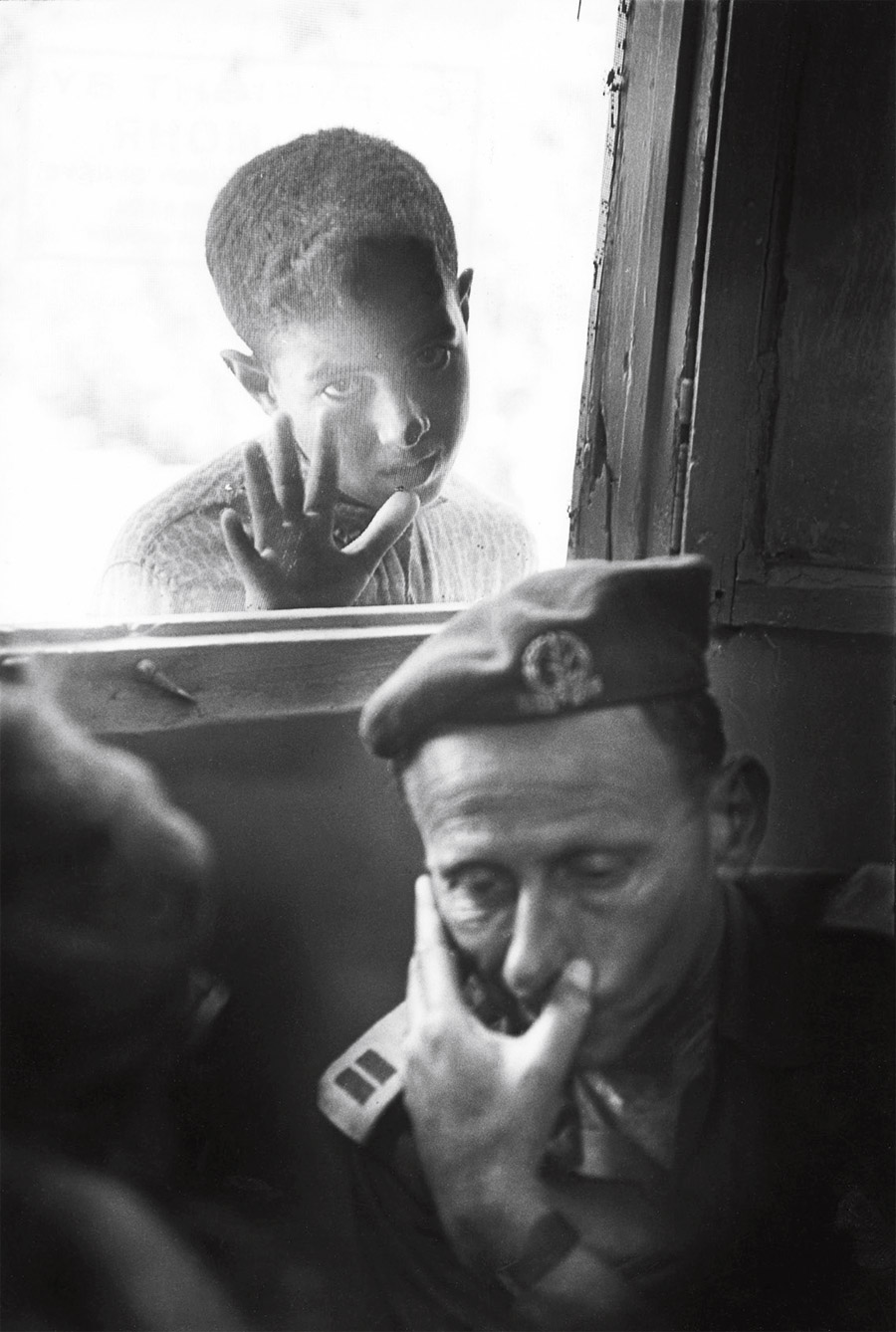
Jean Mohr (Swiss, 1925-2018) 'A few days after the Six-Day War, an Israeli officer considers an ICRC proposal, under the gaze of a Palestinian boy, Kalandia village between Jerusalem and Ramallah, 1967'


Jean Mohr (Swiss, 1925-2018)
A few days after the Six-Day War, an Israeli officer considers an ICRC proposal, under the gaze of a Palestinian boy, Kalandia village between Jerusalem and Ramallah, 1967
1967
© ICRC / Mohr, Jean


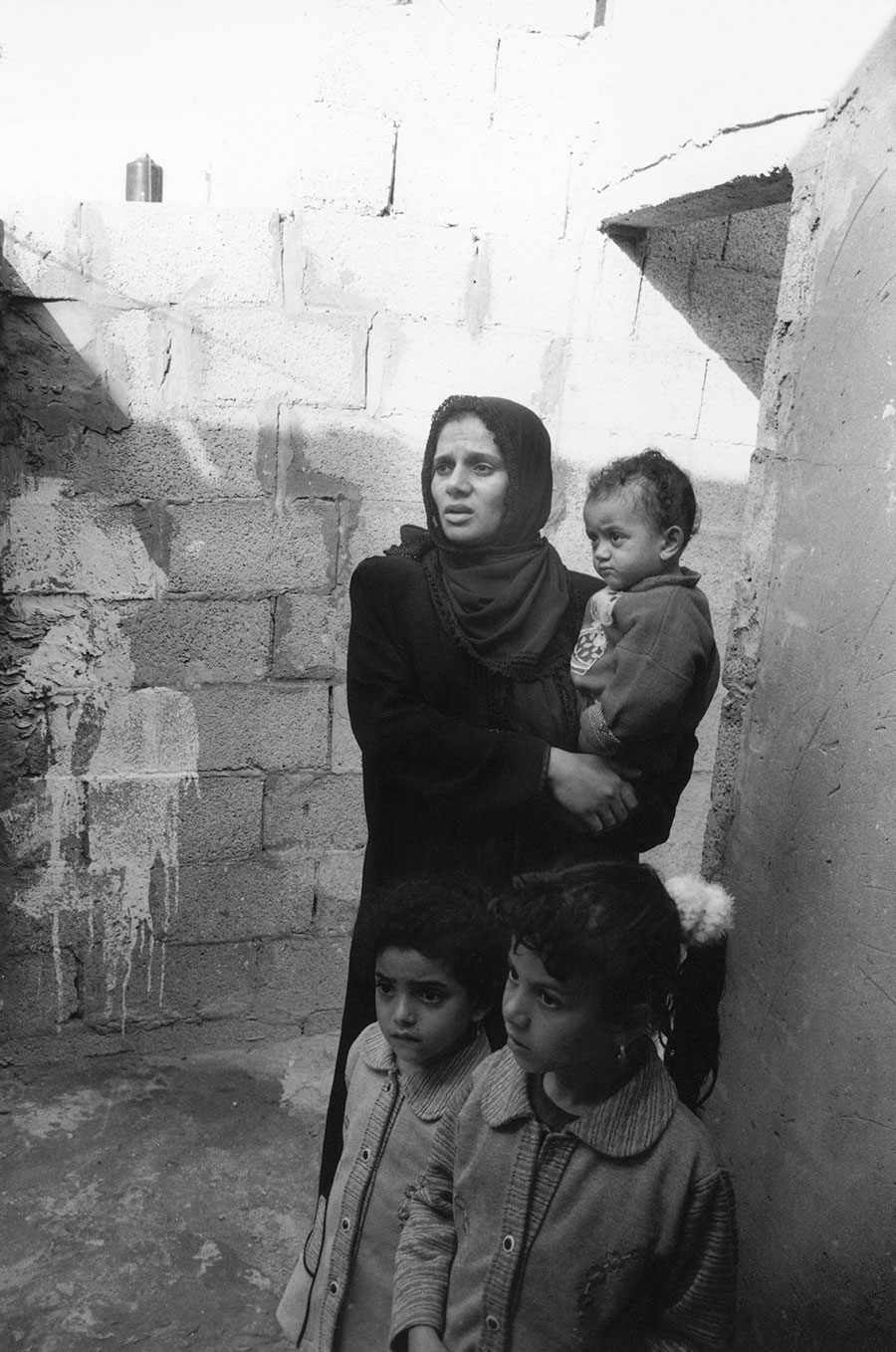
Jean Mohr (Swiss, 1925-2018) 'A needs assessment visit to stricken families, Khan Yunis, Gaza, 2002'


Jean Mohr (Swiss, 1925-2018)
A needs assessment visit to stricken families, Khan Yunis, Gaza, 2002
2002
© ICRC/MOHR, Jean


Jean Mohr (Swiss, 1925-2018) 'A needs assessment visit to stricken families, Khan Yunis, Gaza, 2002'


Jean Mohr (Swiss, 1925-2018)
A needs assessment visit to stricken families, Khan Yunis, Gaza, 2002
2002
© ICRC/MOHR, Jean


Jean Mohr (Swiss, 1925-2018) 'A young Mozambican refugee, Muhukuru clinic, Tanzania, 1968'


Jean Mohr (Swiss, 1925-2018)
A young Mozambican refugee, Muhukuru clinic, Tanzania, 1968
1968
© HCR/J.Mohr


Jean Mohr (Swiss, 1925-2018) 'Young Greek refugee, Cyprus, 1976'


Jean Mohr (Swiss, 1925-2018)
Young Greek refugee, Cyprus, 1976
1976
© Jean Mohr, Musée de l’Elysée


Jean Mohr (Swiss, 1925-2018) 'Kurdish refugees waiting for a food distribution, Qatr camp, Mahabad, Iran, 1991'


Jean Mohr (Swiss, 1925-2018)
Kurdish refugees waiting for a food distribution, Qatr camp, Mahabad, Iran, 1991
1991
© ICRC/Mohr, Jean


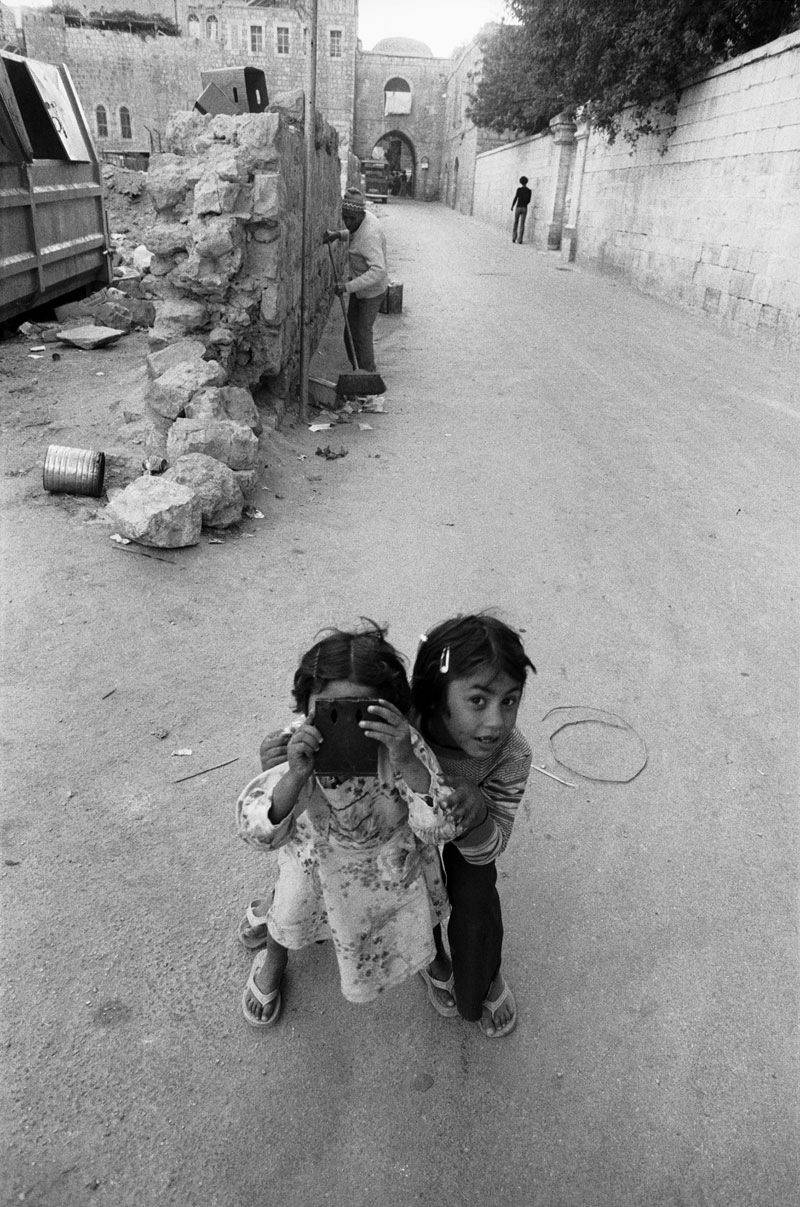
Jean Mohr (Swiss, 1925-2018) 'The photographed photographer, Jerusalem, 1979'


Jean Mohr (Swiss, 1925-2018)
The photographed photographer, Jerusalem, 1979
1979
© Jean Mohr, Musée de l’Elysée


Jean Mohr (Swiss, 1925-2018) 'Mozambican refugee at Sunday mass, Lundo installation area, Tanzania, 1968 The photographed photographer, Jerusalem, 1979'


Jean Mohr (Swiss, 1925-2018)
Mozambican refugee at Sunday mass, Lundo installation area, Tanzania, 1968
1968
© UNHCR / J. Mohr


Moscow Manege
Manezhnaya ploschad (Manege Square), 1
Moscow 125009

Opening hours:
Tuesday – Sunday 12.00 – 22.00
Closed Monday

Moscow Manege website

LIKE ART BLART ON FACEBOOK

Back to top

Exhibition: ‘Kati Horna’ at Jeu de Paume, Paris

Exhibition dates: 3rd June – 21st September, 2014

Curators: Ángeles Alonso Espinosa, anthropologist and curator at the Museo Amparo in Mexico, and José Antonio Rodríguez, historian of the image and freelance curator


Kati Horna (Mexican born Hungary, 1912-2000) 'Untitled' Paris, 1939 from the exhibition 'Kati Horna' at Jeu de Paume, Paris, June-  September, 2014


Kati Horna (Mexican born Hungary, 1912-2000)
Untitled
Paris, 1939
From theMuñecas del miedo series [Dolls of Fear],
Gelatin silver print
15.3 x 22.8cm
Archivo Privado de Fotografía y Gráfica Kati y José Horna
© 2005 Ana María Norah Horna y Fernández


I really love the work of artists such as Kati Horna and Florence Henri “with the production of collages and photomontages inspired by the avant-garde movements of the 1930s (the Bauhaus, Surrealism, German Neue Sachlichkeit, Russian Constructivism).”

Horna’s photographs have more of a political edge than that of Florence Henri, with her unique photographic reportage of the Spanish Civil War between 1937-39 and her Hitler series both having a strong social critique. Here is another politically aware artist who stood up for the cause, who recorded the “everyday life for the civilian population through a vision that was in empathy with the environment and the people.” Again, here is another who was lucky to survive the maelstrom of the Second World War, who would have certainly ended up dead if she and her Andalusian artist husband José Horna had not fled Paris in 1939 for their adopted country Mexico.

Dr Marcus Bunyan

PS I spent hours cleaning up the press images, there were in a really poor state, but the work was so worthwhile… they really sing now!


Many thankx to the Jeu de Paume for allowing me to publish the photographs in the posting. Please click on the photographs for a larger version of the image.


This summer, the Jeu de Paume, which is celebrating 10 years devoted to the image, will be inviting the public to discover Kati Horna (1912-2000), an avant-garde, humanist photographer, who was born in Hungary and exiled in Mexico, where she documented the local art scene.


Robert Capa (Hungarian-American, 1913-1954) (attributed to) 'Kati Horna in the Studio of József Pécsi' Budapest, 1933 from the exhibition 'Kati Horna' at Jeu de Paume, Paris, June-  September, 2014


Robert Capa (Hungarian-American, 1913-1954) (attributed to)
Kati Horna in the Studio of József Pécsi
Budapest, 1933
Gelatin silver print
10.5 x 7.5cm
Archivo Privado de Fotografía y Gráfica Kati y José Horna
© 2005 Ana María Norah Horna y Fernández


In collaboration with the Museo Amparo in Puebla (Mexico), the Jeu de Paume is presenting the first retrospective of the work of photographer Kati Horna (Szilasbalhási, Hungary, 1912-Mexico, 2000), showing more than six decades of work in Hungary, France, Spain and Mexico. Kati Horna, a photographer whose adopted homeland was Mexico, was one of a generation of Hungarian photographers (including André Kertész, Robert Capa, Eva Besnyö, László Moholy-Nagy, Nicolás Muller, Brassaï, Rogi André, Ergy Landau and Martin Munkácsi) forced to flee their country due to the conflicts and social upheaval of the 1930s.

Cosmopolitan and avant-garde, Kati Horna was known above all for her images of the Spanish Civil War, produced at the request of the Spanish Republican government between 1937 and 1939. Her work is characterised by both its adherence to the principles of Surrealist photography and her very personal approach to photographic reportage.

This major retrospective helps to bring international recognition to this versatile, socially committed, humanist photographer, highlighting her unusual artistic creativity and her contribution to photojournalism. It offers a comprehensive overview of the work of this artist, who started out as a photographer in Hungary at the age of 21, in the context of the European avant-garde movements of the 1930s: Russian Constructivism, the Bauhaus school, Surrealism and German Neue Sachlichkeit. Her vast output, produced both in Europe and Mexico, her adopted country, is reflected in a selection of over 150 works – most of them vintage prints, the vast majority of them unpublished or little known.

In Mexico, Kati Horna formed a new family with the émigré artists Remedios Varo, Benjamin Péret, Emerico ‘Chiki’ Weisz, Edward James and, later on, Leonora Carrington. In parallel with her reportages, she took different series of photographs of visual stories, extraordinary creations featuring masks and dolls, motifs that began to appear in her work in the 1930s.

Kati Horna also became the great portraitist of the Mexican literary and artistic avant-garde; her visionary photographs captured the leading artists in Mexico during the 1960s, such as Alfonso Reyes, Germán Cueto, Remedios Varo, Pedro Friedeberg, Alejandro Jodorowsky, Mathias Goeritz and Leonora Carrington.

The exhibition is divided into five periods: her beginnings in Budapest, Berlin and Paris between 1933 and 1937; Spain and the Civil War from 1937 to 1939; Paris again in 1939; then Mexico. The exhibition also presents a number of documents, in particular the periodicals that she contributed to during her travels between Hungary, France, Spain and Mexico. The works come from the Archivo Privado de Fotografía y Gráfica Kati y José Horna, the Centro Documental de la Memoria Histórica de España, Salamanca, the Museo Amparo, Puebla, as well as private collections.

Press release from the Jeu de Paume website


Kati Horna (Mexican born Hungary, 1912-2000) 'Invierno en el patio' [Winter in the Courtyard] Paris, 1939


Kati Horna (Mexican born Hungary, 1912-2000)
Invierno en el patio [Winter in the Courtyard]
Paris, 1939
Gelatin silver print
18.8 x 18.3cm
Archivo Privado de Fotografía y Gráfica Kati y José Horna
© 2005 Ana María Norah Horna y Fernández


Beginnings: Budapest, Berlin And Paris

Afterwards I returned to Paris, and do you know why I didn’t die of hunger in Paris? Before I left, everyone mocked me, “there’s the photographer”, I was the photographer of eggs. I had this idea of being the first one to do things, not with figurines, but little stories with eggs, and it was that wonderful draughtsman who subsequently committed suicide who did the faces for me… The first was the romantic story of a carrot and a potato. The carrot declared its love to the potato. He always did the faces and I staged the scenes. I took the photos with my big camera with 4 x 5 negatives.

Kati Horna


Born in Hungary to a family of bankers of Jewish origin during a period of political and social instability, Kati Horna would always be deeply marked by the violence, injustice and danger around her. This situation helped to forge her ideological commitment, her perpetual search for freedom, her particular way of denouncing injustice, as well as her compassionate and human vision, like that of Lee Miller and her pictures of the Second World War. As was the case for her great childhood friend Robert Capa, to whom she would remain close throughout her life, photography became a fundamental means of expression.

At the age of 19 she left Budapest to live in Germany for a year, where she joined the Bertolt Brecht collective. She frequented photographer friends and compatriots Robert Capa and ‘Chiki’ Weisz, as well as other major figures in Hungarian photography, such as László Moholy-Nagy – who at the time was a teacher at the Bauhaus school – and Simon Guttman, founder of the Dephot agency (Deutscher Photodienst). On her return from Budapest, she enrolled in the studio of József Pécsi – the famous Hungarian photographer (1889-1956) – before leaving her birth country again, in 1933, to settle in Paris.

It was during this period of apprenticeship that her own aesthetic took shape, which marked her entire career, with the production of collages and photomontages inspired by the avant-garde movements of the 1930s (the Bauhaus, Surrealism, German Neue Sachlichkeit, Russian Constructivism). Paris was a cosmopolitan capital and Surrealism was at its height at the time. This movement heavily influenced Kati Horna’s style, both through its themes and its techniques, be it the narrative collage, superimposition or photomontage. Her photography was closely linked to the arts of the image, used as an illustrative technique and as a support for a poetics of the object. Her taste for stories and staged images are clearly evident. From 1933 she worked for the Lutetia-Press agency, for whom she did her first photo stories: Mercado de pulgas [Flea Market] (1933), which would not be published until 1986 in the Mexican periodical Foto Zoom, and Cafés de París (1934).


Kati Horna (Mexican born Hungary, 1912-2000) 'Robert Capa in the Studio of József Pécsi' Budapest, 1933


Kati Horna (Mexican born Hungary, 1912-2000)
Robert Capa in the Studio of József Pécsi
Budapest, 1933
Gelatin silver print
25.3 x 20.1cm
Archivo Privado de Fotografía y Gráfica Kati y José Horna
© 2005 Ana María Norah Horna y Fernández


Kati Horna (Mexican born Hungary, 1912-2000) 'Untitled' Paris, 1937


Kati Horna (Mexican born Hungary, 1912-2000)
Untitled
Paris, 1937
From the Hitlerei series [Hitler series]
in collaboration with Wolfgang Burger
Gelatin silver print
16.8 x 12cm
Archivo Privado de Fotografía y Gráfica Kati y José Horna
© 2005 Ana María Norah Horna y Fernández


Spain And The Civil War

Photography, with its various possibilities, enables one to show, liberate and develop one’s own sensibility which can be expressed in graphic images.

And at the moment of pressing the shutter you had to keep the image, let your emotion, discovery and visual surprise flow, the moment had to be kept in your head. That’s what I call developing one’s visual memory.

Kati Horna


Between 1937 and 1939, Kati Horna covered the Spanish Civil War with great sensitivity. The Spanish Republican government asked her to produce images on the Civil War. Thus, between 1937 and 1939 she photographed the places where the major events of the war took place, in the Aragon province, in the country’s cities (Valencia, Madrid, Barcelona and Lerida), as well as a number of strategic villages in Republican Spain.

A collection of more than 270 negatives has survived from this period, today conserved in the Centro Documental de la Memoria Histórica de España, Salamanca. They bear witness to the reality of the conflict at the front as well as, and above all, everyday life for the civilian population through a vision that was in empathy with the environment and the people. Committed to the anarchist cause, she became the editor of the periodical Umbral, where she would meet her future husband, the Andalusian anarchist José Horna – and worked on the cultural periodical of the National Confederation of Labour, Libre-Studio. She also collaborated on the periodicals Tierra y Libertad, Tiempos Nuevos and Mujeres Libres, publications that are being exhibited for the first time. At the time, her work was distinguished by its photomontages, which have both a symbolic and metaphorical character.


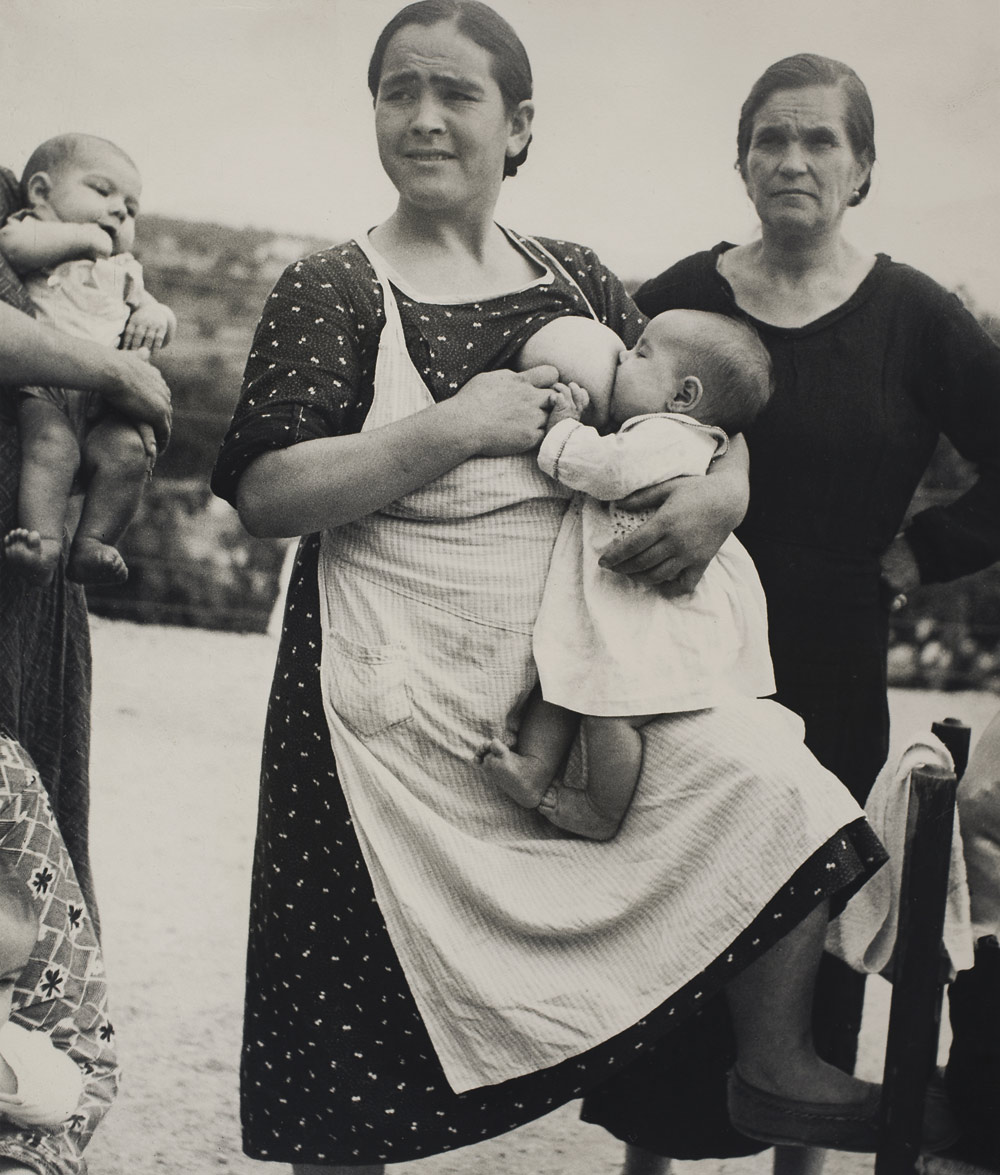
Kati Horna (Mexican born Hungary, 1912-2000) 'Untitled, Vélez Rubio, Almeria province, Andalusia, Spanish Civil War' 1937


Kati Horna (Mexican born Hungary, 1912-2000)
Untitled, Vélez Rubio, Almeria province, Andalusia, Spanish Civil War
1937
Gelatin silver print
25.5 x 20.5cm
Archivo Privado de Fotografía y Gráfica Kati y José Horna
© 2005 Ana María Norah Horna y Fernández


Kati Horna (Mexican born Hungary, 1912-2000) 'Subida a la catedral [Ascending to the Cathedral], Spanish Civil War' Barcelona 1938


Kati Horna (Mexican born Hungary, 1912-2000)
Subida a la catedral [Ascending to the Cathedral], Spanish Civil War
Barcelona, 1938
Gelatin silver print (photomontage)
22.2 x 16.6cm
Archivo Privado de Fotografía y Gráfica Kati y José Horna
© 2005 Ana María Norah Horna y Fernández


Kati Horna (Mexican born Hungary, 1912-2000) 'Los Paraguas, mitin de la CNT' [Umbrellas, Meeting of the CNT], Spanish Civil War Barcelona, 1937


Kati Horna (Mexican born Hungary, 1912-2000)
Los Paraguas, mitin de la CNT [Umbrellas, Meeting of the CNT], Spanish Civil War
Barcelona, 1937
Gelatin silver print
24.2 x 19.2cm
Archivo Privado de Fotografía y Gráfica Kati y José Horna
© 2005 Ana María Norah Horna y Fernández


Mexico

I am in an existential crisis. Today everyone is running, today everyone is driving. My pictures? They were the product of a creative love, linked to my experiences and the way they were taken. I was never in a hurry.

S.nob was a joy… I don’t know why I enjoyed myself so much, but the facility that Salvador [Elizondo] and the team, and Juan [García Ponce] gave me, a great creativity came out of me.

Kati Horna


Kati Horna returned to Paris in 1939. Her husband, the Andalusian artist José Horna, enlisted in the Ebra division that covered the retreat of the Spanish civilians to France. In October, as soon as he reached Prats-de-Mollo, in the French Pyrenees, he was incarcerated in a camp for Spanish refugees. Kati Horna succeeded in getting him freed. They left for Paris where they were again harassed, obliging them to flee France for Mexico. Mexico would become her final homeland.

During her everyday life she came into contact with some of the extraordinary figures of Surrealism (Leonora Carrington, Remedios Varo, Benjamin Péret and Edward James) and the Panic movement (Alejandro Jodorowsky), as well as avant-garde Mexican artists, writers and architects (Mathias Goeritz, Germán Cueto, Pedro Friedeberg, Salvador Elizondo, Alfonso Reyes and Ricardo Legorreta).

Kati Horna established herself as a chronicler of the period, leaving for posterity a unique corpus. In Mexico, she worked as a reporter for periodicals such as Todo (1939), Nosotros (1944-1946), Mujeres (1958-1968), Mexico this Month (1958-1965), S.nob (1962) and Diseño (1968-1970). During the last 20 years of her life, she also taught photography at the Universidad Iberoamericana and the San Carlos Academy (Univesidad Nacional Autónoma de México), where she trained an entire generation of contemporary photographers.

Horna’s quotes come from the catalogue, co-published by the Jeu de Paume and the Museo Amparo


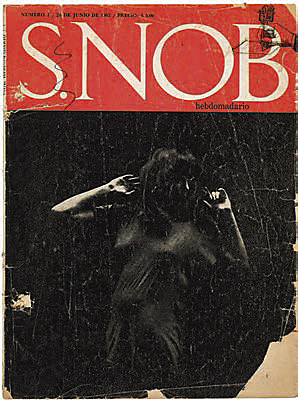
Cover of the magazine S.nob No. 2 (27 June 1962)


Cover of the magazine S.nob No. 2 (27 June 1962)
© 2005 Ana María Norah Horna y Fernández


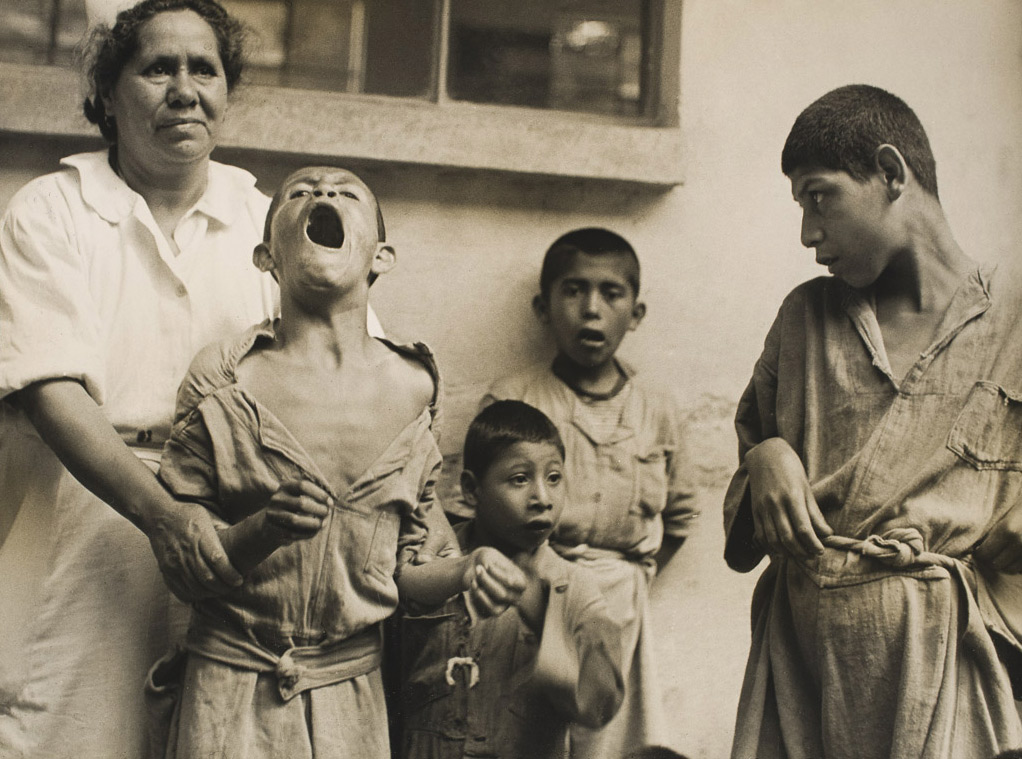
Kati Horna (Mexican born Hungary, 1912-2000) 'Untitled, La Castañeda psychiatric hospital, Mixcoac' Mexico, 1944


Kati Horna (Mexican born Hungary, 1912-2000)
Untitled, La Castañeda psychiatric hospital, Mixcoac
Mexico, 1944
Archivo Privado de Fotografía y Gráfica Kati y José Horna
© 2005 Ana María Norah Horna y Fernández


Kati Horna (Mexican born Hungary, 1912-2000) 'Untitled, Carnaval de Huejotzingo, Puebla' 1941


Kati Horna (Mexican born Hungary, 1912-2000)
Untitled, Carnaval de Huejotzingo, Puebla
1941
Gelatin silver print
19.5 x 21.5cm
Archivo Privado de Fotografía y Gráfica Kati y José Horna
© 2005 Ana María Norah Horna y Fernández


Kati Horna (Mexican born Hungary, 1912-2000) 'Untitled, Oda a la necrofília series [Ode to Necrophilia]' Mexico 1962


Kati Horna (Mexican born Hungary, 1912-2000)
Untitled
Mexico, 1962
From the Oda a la necrofília series[Ode to Necrophilia]
Gelatin silver print
25.4 x 20.8cm
Museo Amparo Collection
© 2005 Ana María Norah Horna y Fernández


Kati Horna (Mexican born Hungary, 1912-2000) 'El botellón' [The Bottle] Mexico, 1962


Kati Horna (Mexican born Hungary, 1912-2000)
El botellón [The Bottle]
Mexico, 1962
From theParaísos artificiales series[Artificial Paradises]
Gelatin silver print
24.4 x 18.9cm
Collection Museo Amparo
© 2005 Ana María Norah Horna y Fernández


Kati Horna (Mexican born Hungary, 1912-2000) 'Remedios Varo' Mexico, 1957


Kati Horna (Mexican born Hungary, 1912-2000)
Remedios Varo
Mexico, 1957
Gelatin silver print
25.3 x 20.3cm
Private collection
© 2005 Ana María Norah Horna y Fernández


Kati Horna (Mexican born Hungary, 1912-2000) 'Antonio Souza y su esposa Piti Saldivar' [Antonio Souza and his Wife Piti Saldivar] Mexico, 1959


Kati Horna (Mexican born Hungary, 1912-2000)
Antonio Souza y su esposa Piti Saldivar [Antonio Souza and his Wife Piti Saldivar]
Mexico, 1959
Gelatin silver print
25 x 20.3cm
Archivo Privado de Fotografía y Gráfica Kati y José Horna
© 2005 Ana María Norah Horna y Fernández


Kati Horna (Mexican born Hungary, 1912-2000) 'José Horna elaborando la maqueta de la casa de Edward James' [José Horna Working on the Maquette for Edward James's House] Mexico, 1960


Kati Horna (Mexican born Hungary, 1912-2000)
José Horna elaborando la maqueta de la casa de Edward James [José Horna Working on the Maquette for Edward James’s House]
Mexico, 1960
Gelatin silver print
25.3 x 20.3cm
Archivo Privado de Fotografía y Gráfica Kati y José Horna
© 2005 Ana María Norah Horna y Fernández


Kati Horna (Mexican born Hungary, 1912-2000) 'Mujer y máscara' [Woman with Mask] Mexico, 1963


Kati Horna (Mexican born Hungary, 1912-2000)
Mujer y máscara [Woman with Mask]
Mexico, 1963
Gelatin silver print
25 x 19.7 cm
Archivo Privado de Fotografía y Gráfica Kati y José Horna
© 2005 Ana María Norah Horna y Fernández


Jeu de Paume
1, Place de la Concorde
75008 Paris
métro Concorde
Phone: 01 47 03 12 50

Opening hours:
Tuesday – Sunday: 11.00am – 7.00pm
Closed Monday

Jeu de Paume website

LIKE ART BLART ON FACEBOOK

Back to top