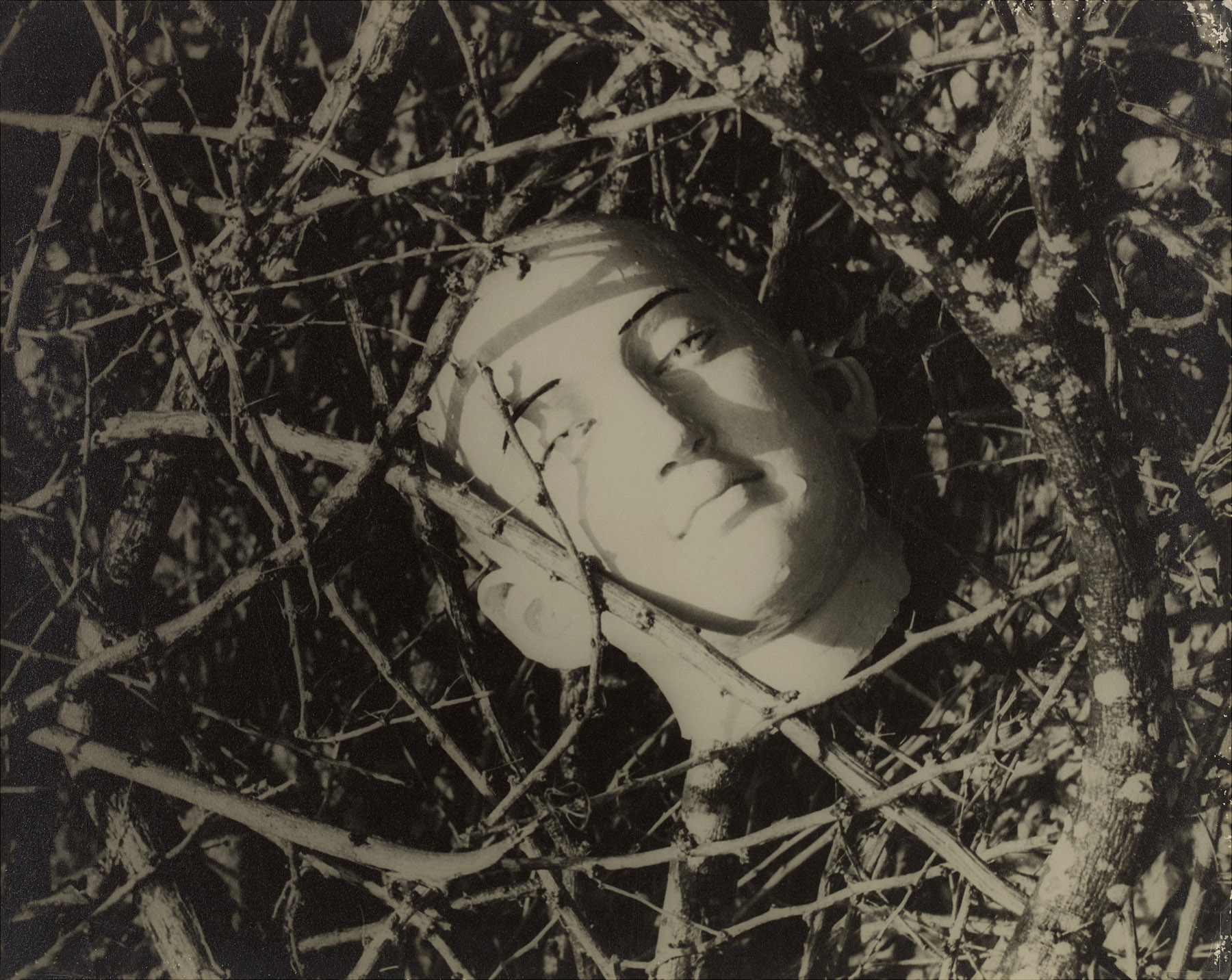
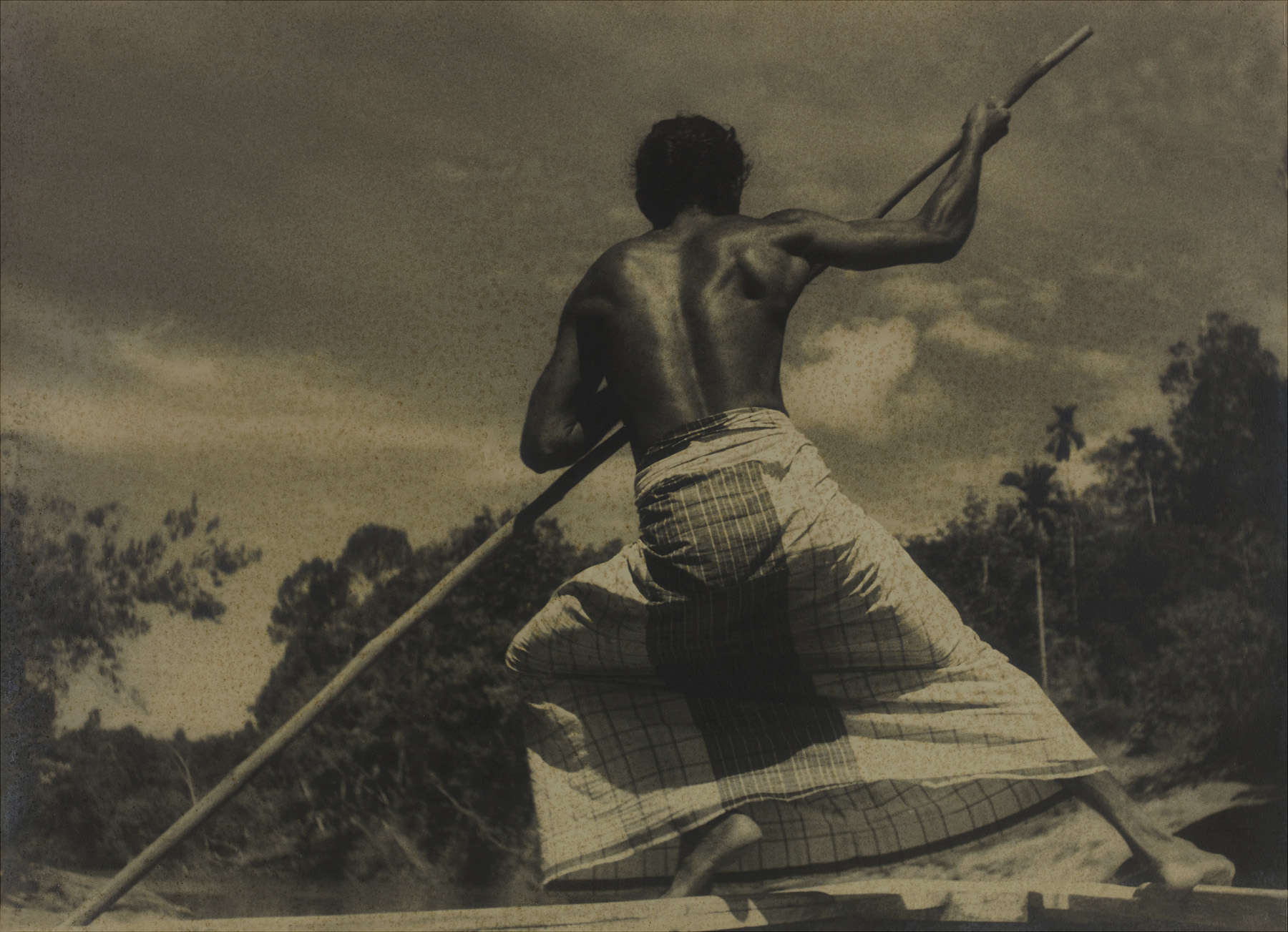
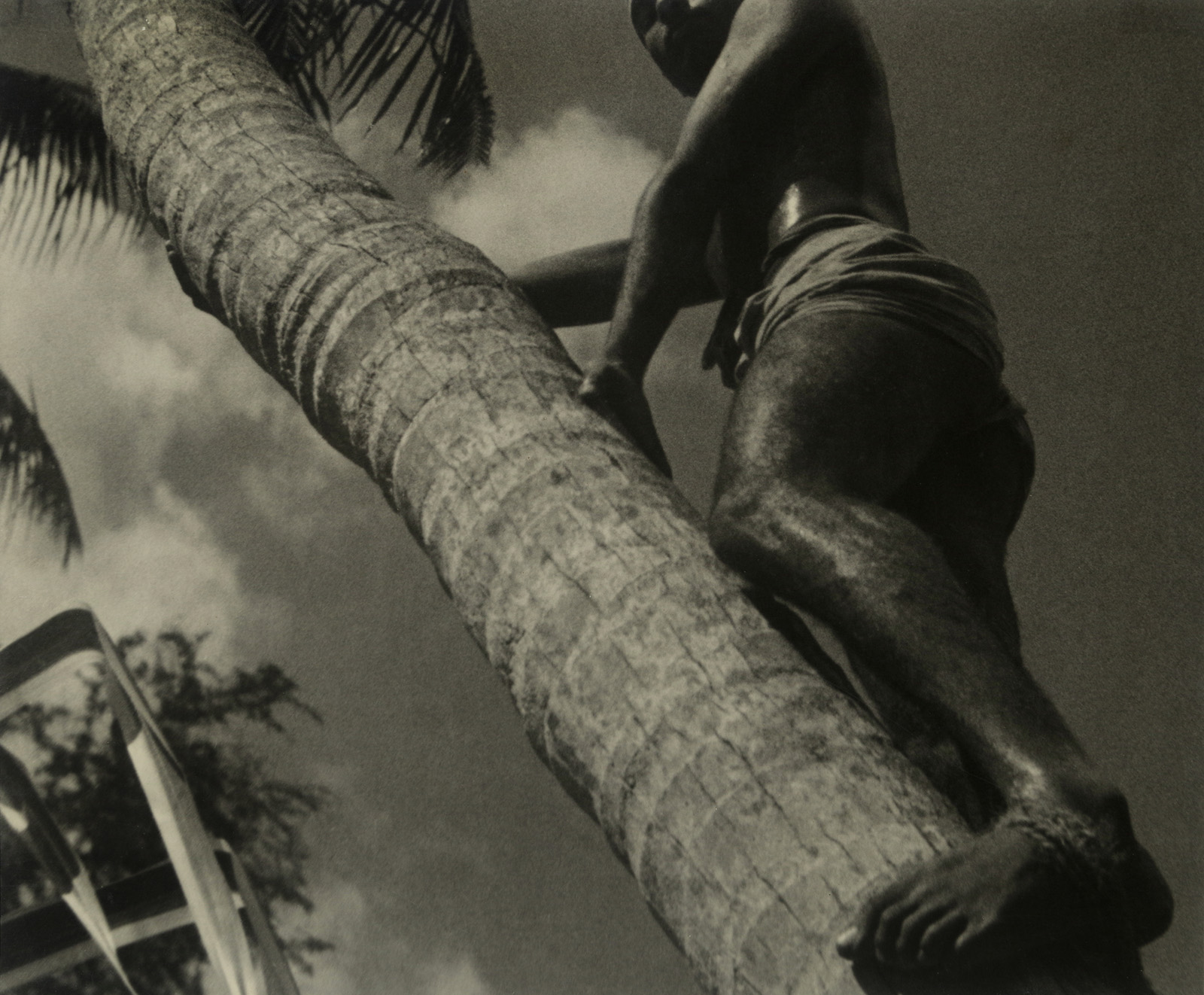
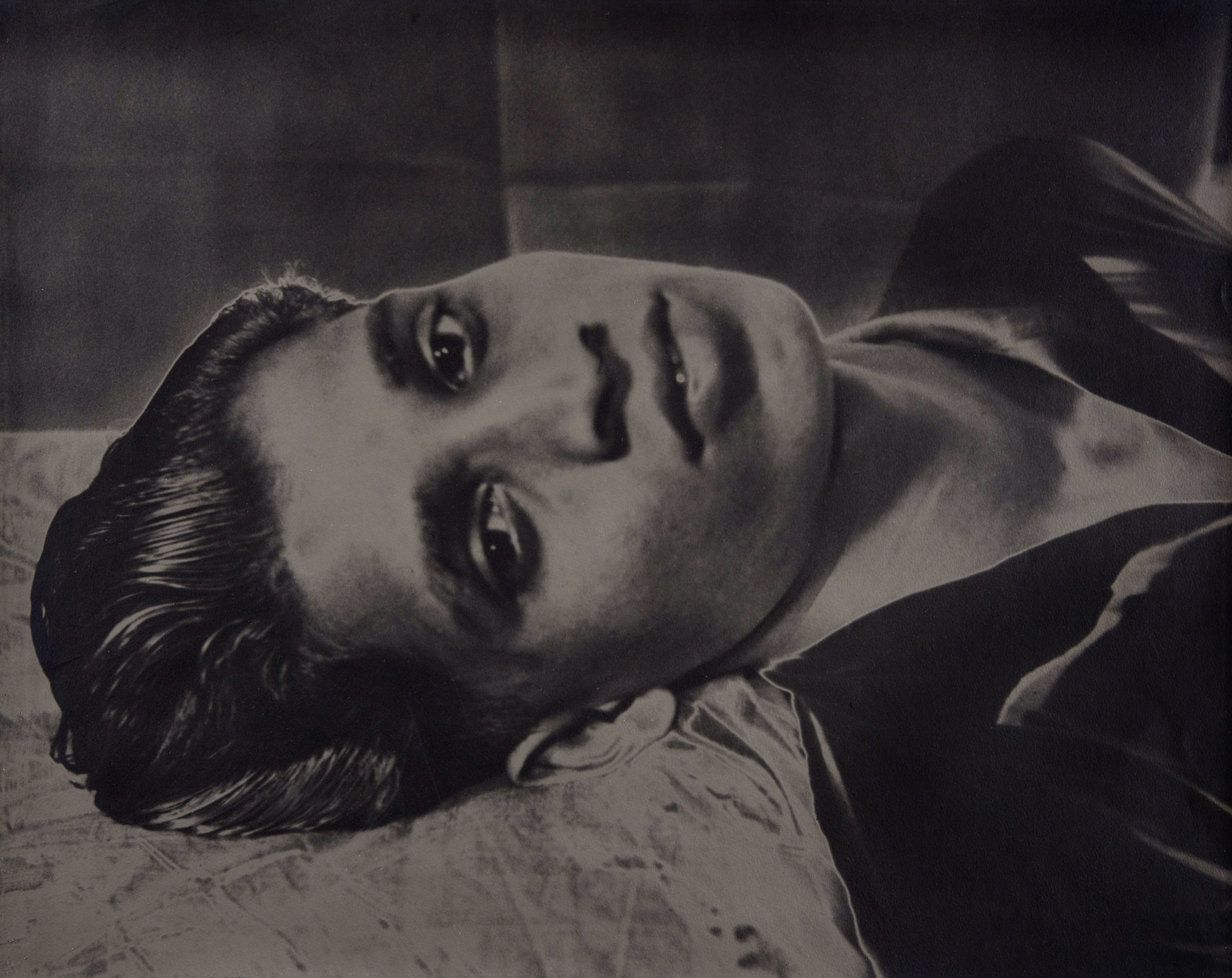
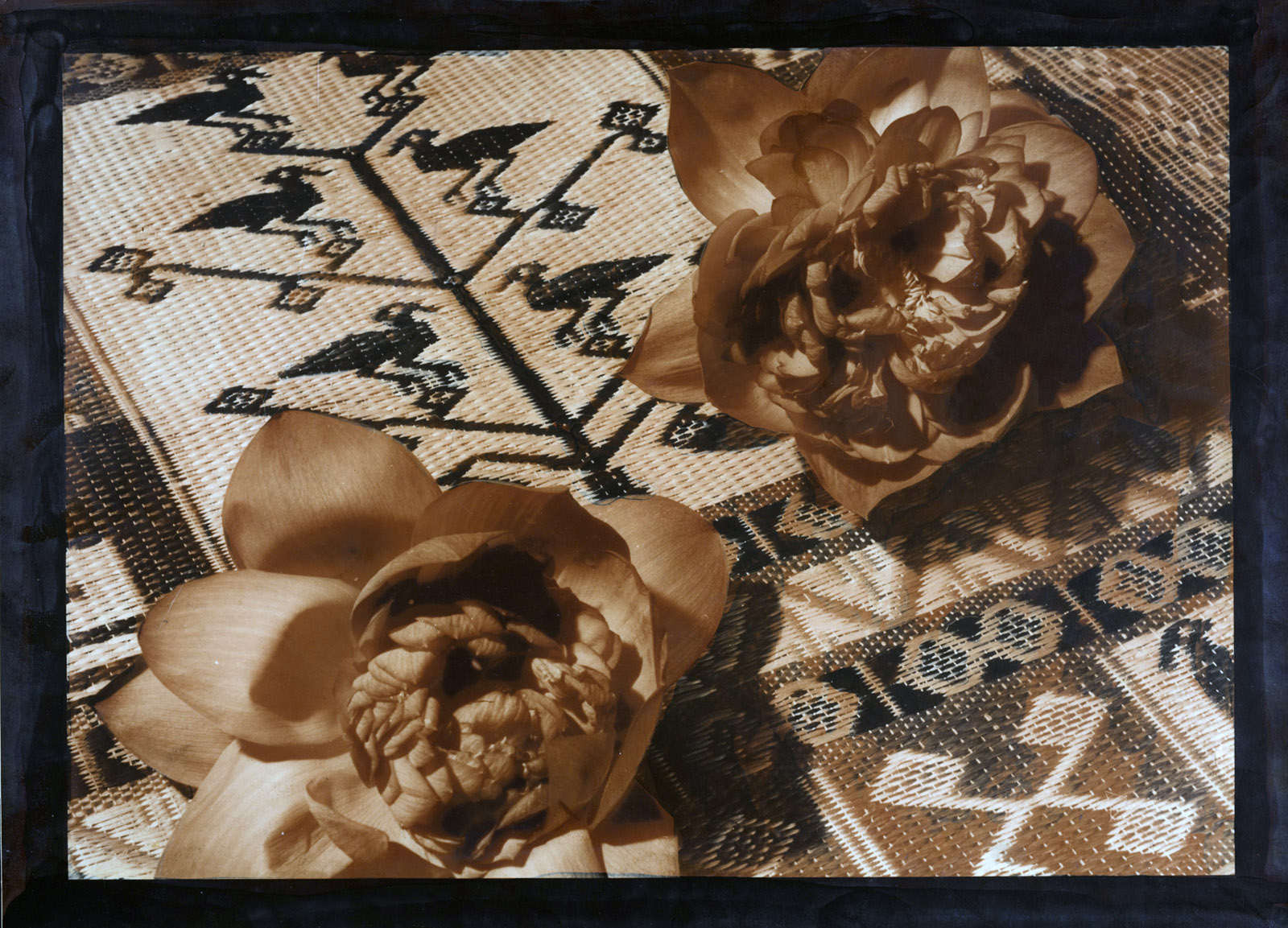
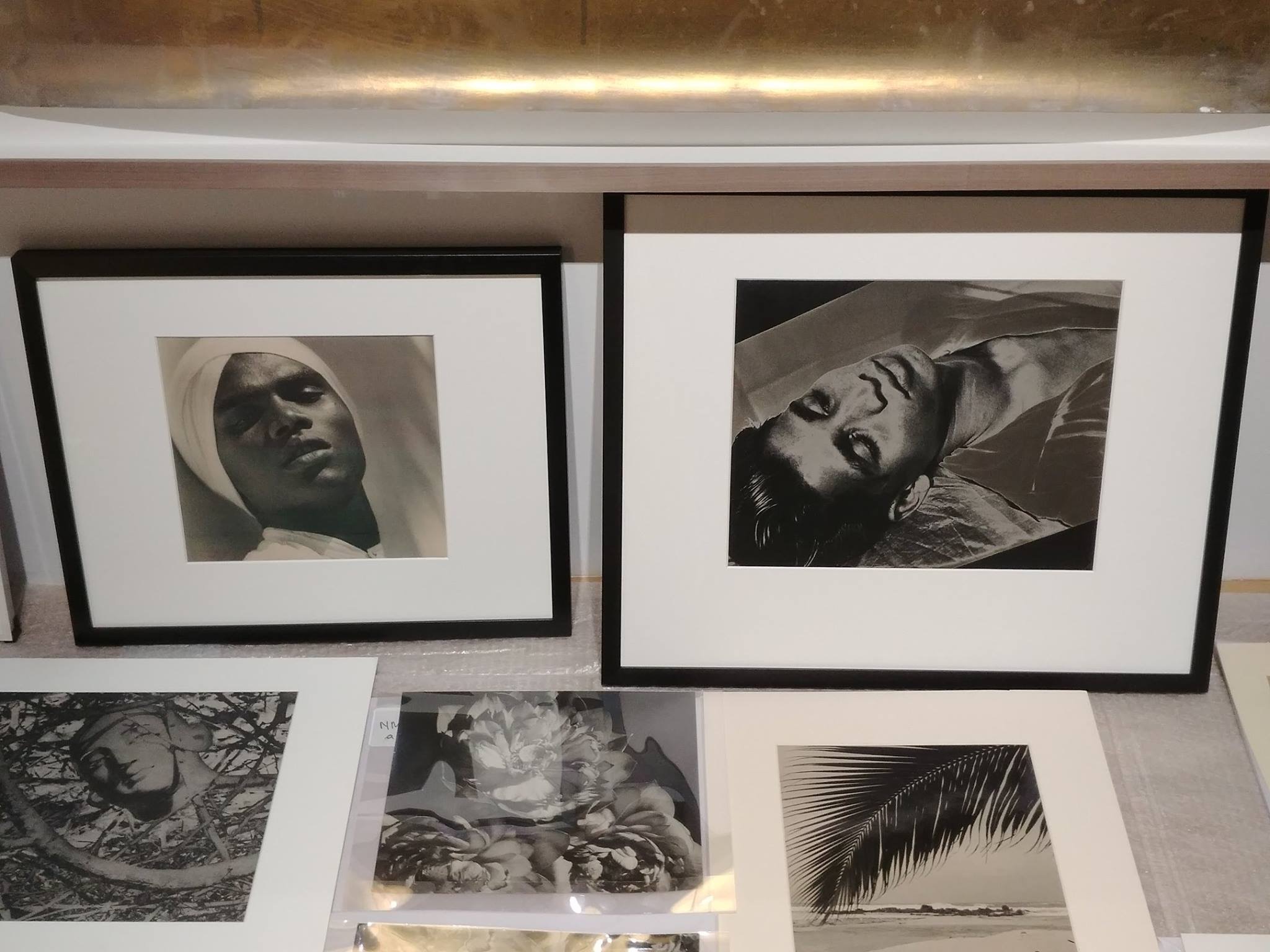
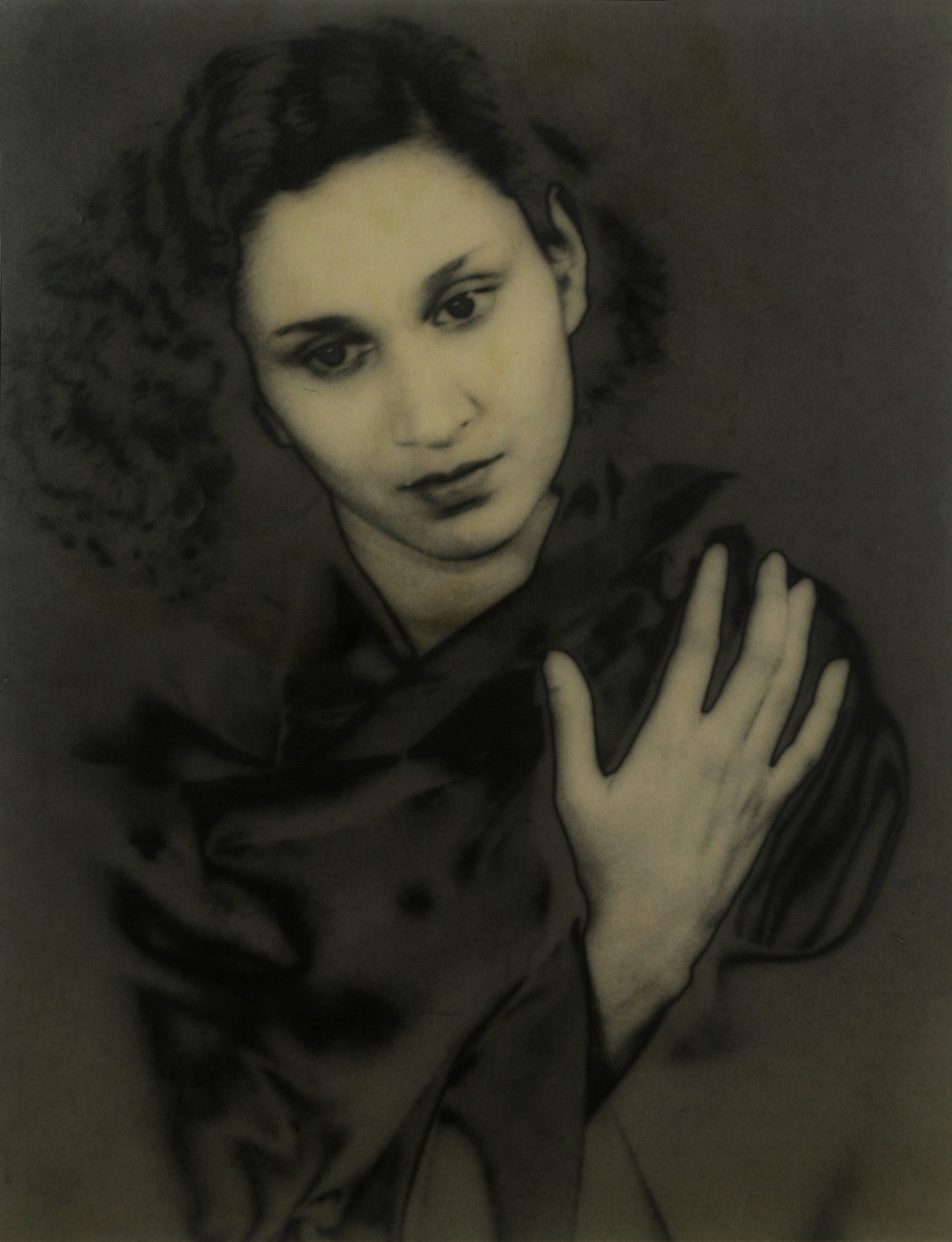
Glorious modernist photographs with avant-garde and surrealist overtones: the use of photomontage, double printing and solarisation is particularly effective.
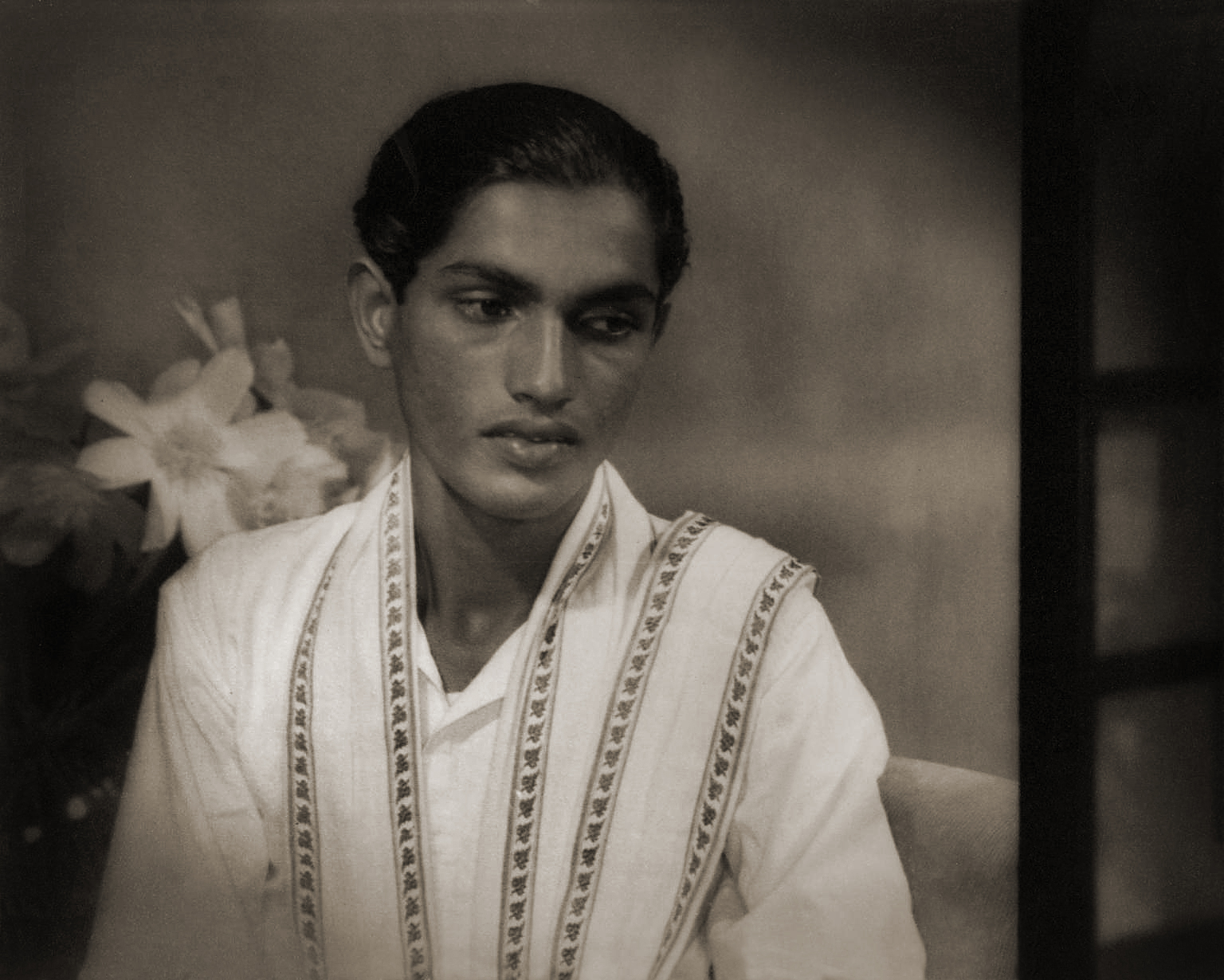
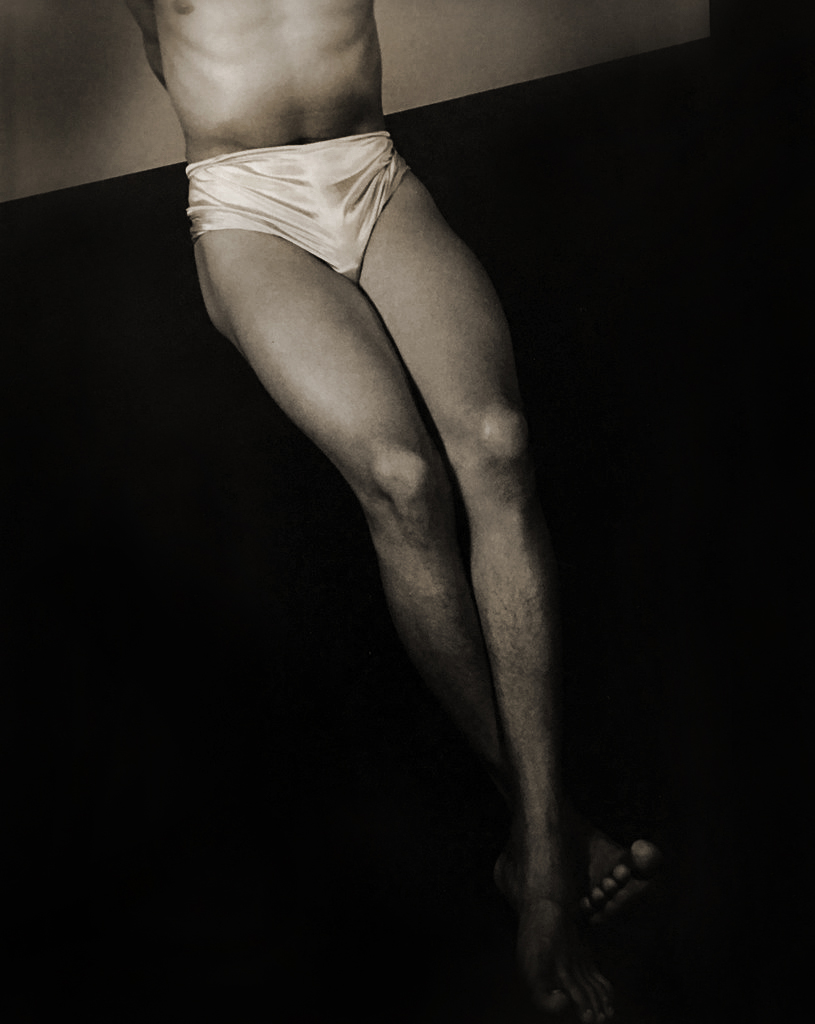
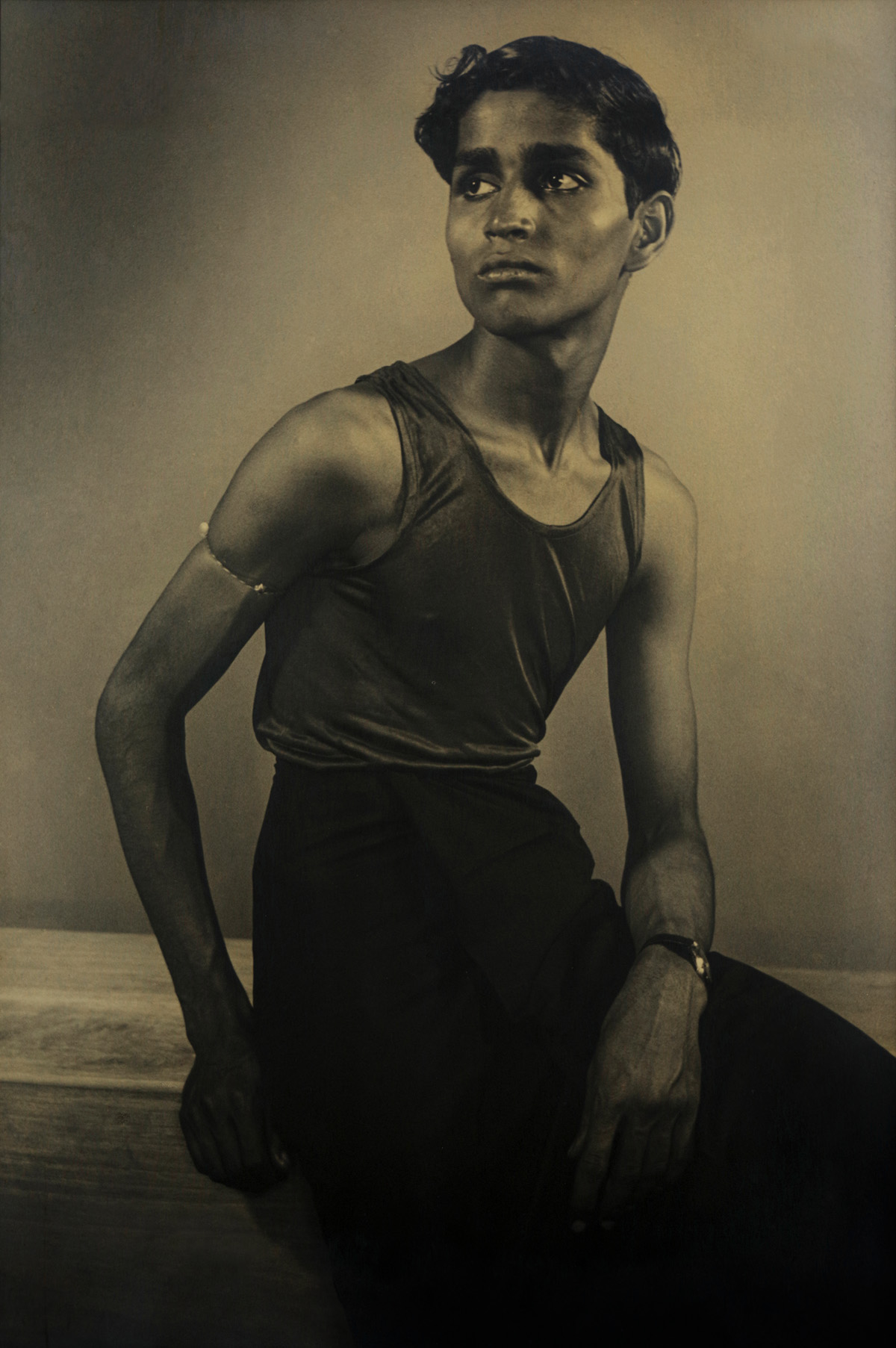
The sensitive figure studies of males in classical pose carry an over current of barely suppressed desire evidencing a sexualised (post-colonial?) gaze falling on the exotic Other – even as Wendt was part of an emerging generation of artists documenting Sri Lanka’s culture and history from the inside.
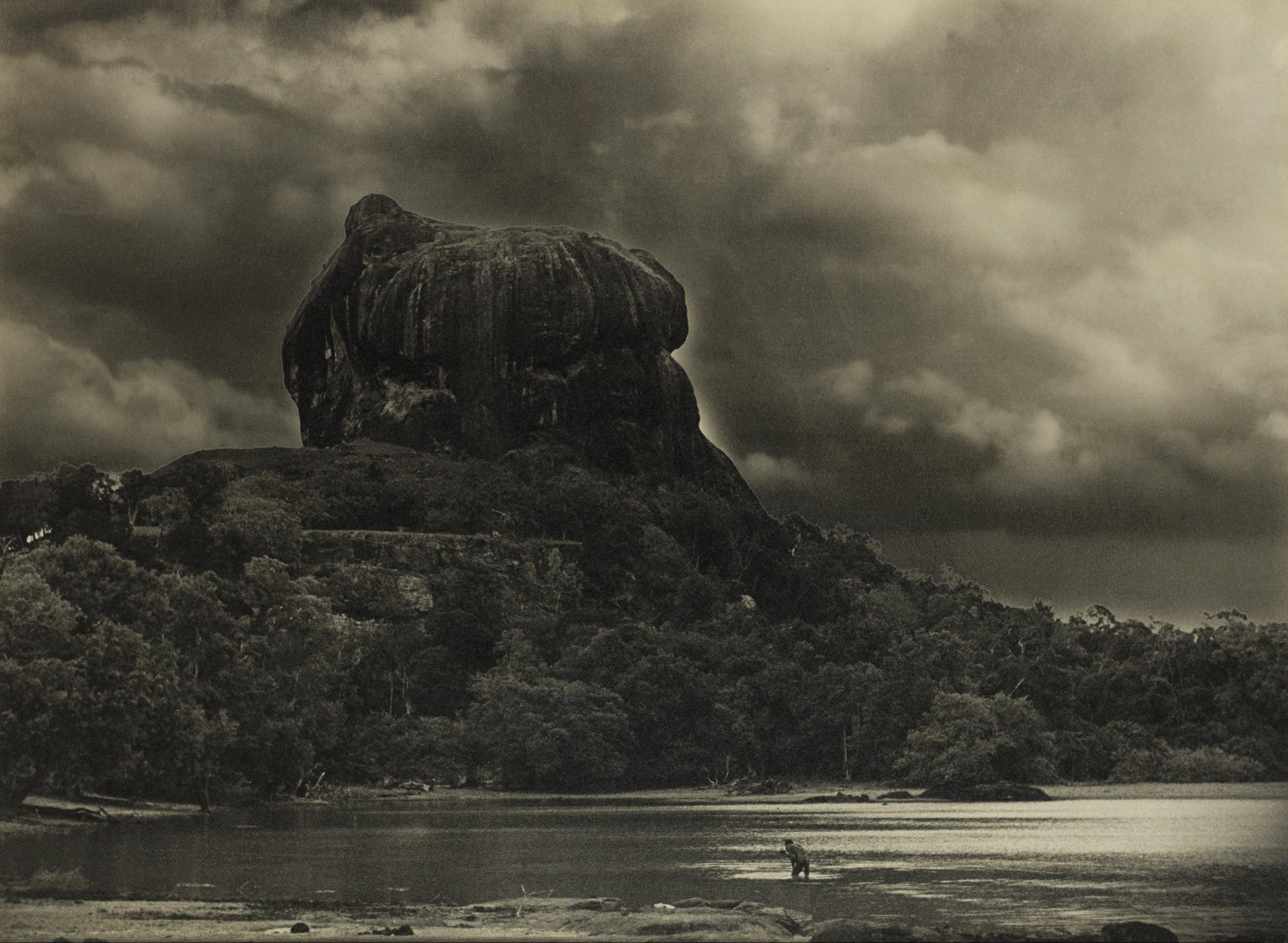
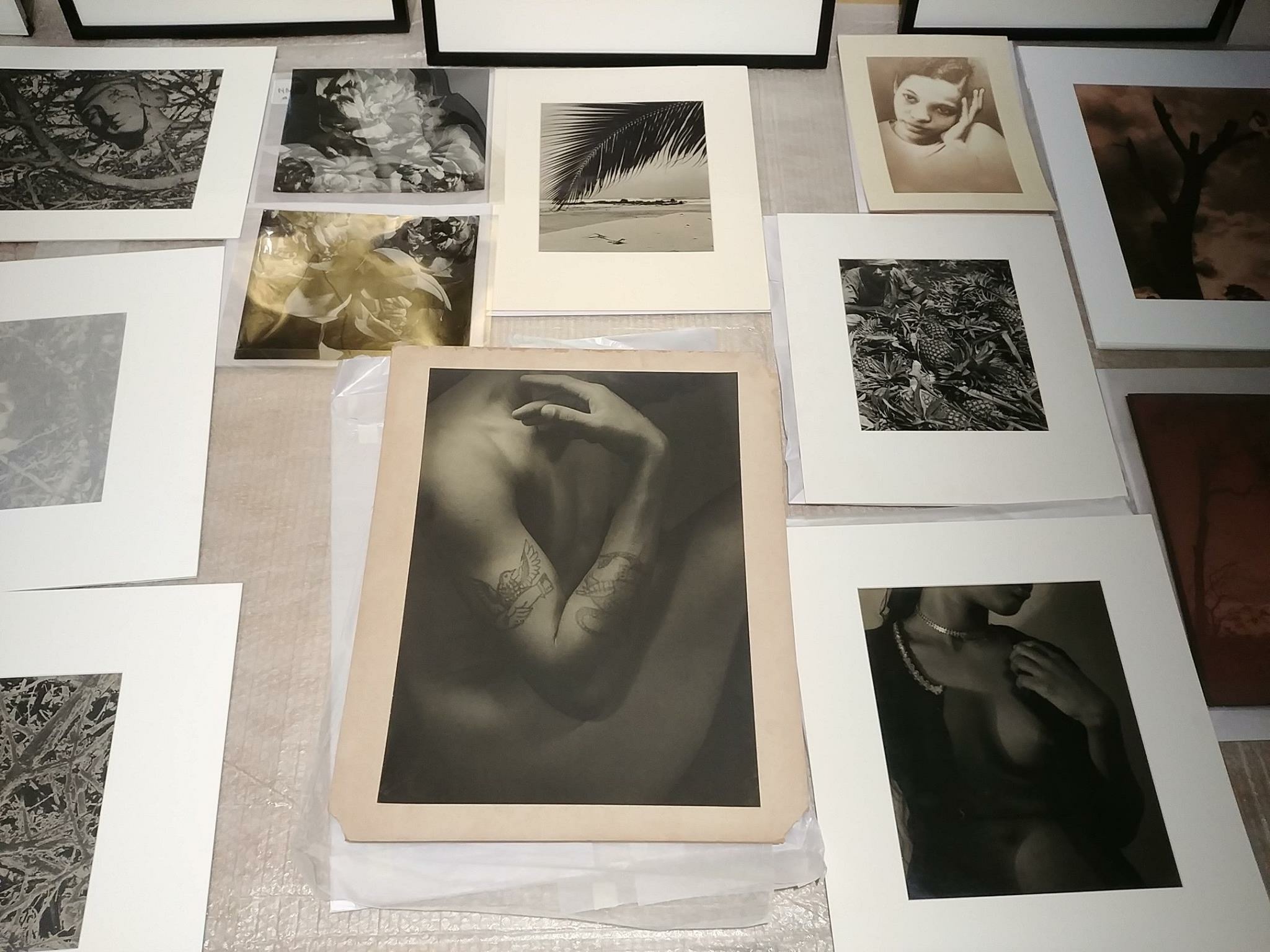
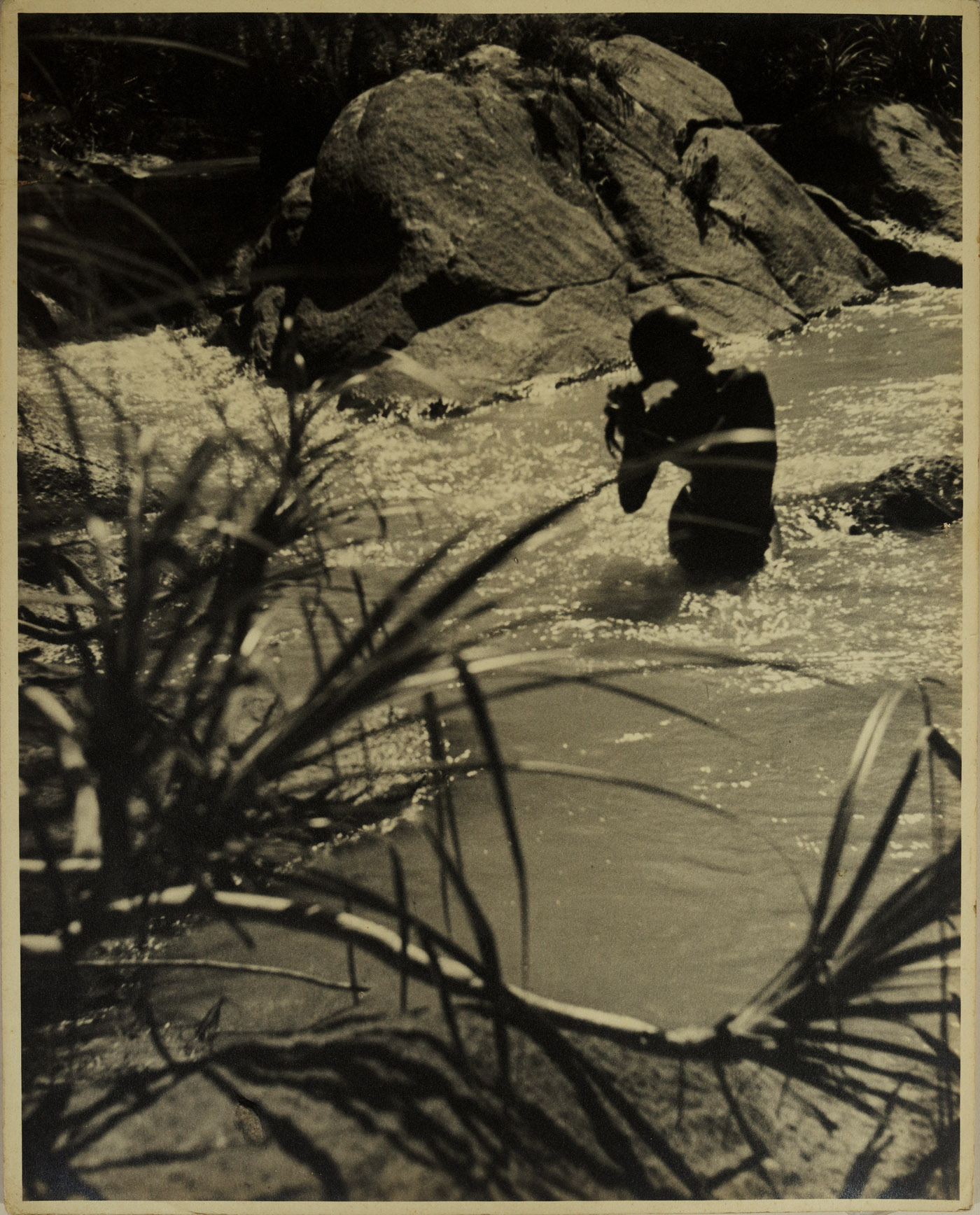
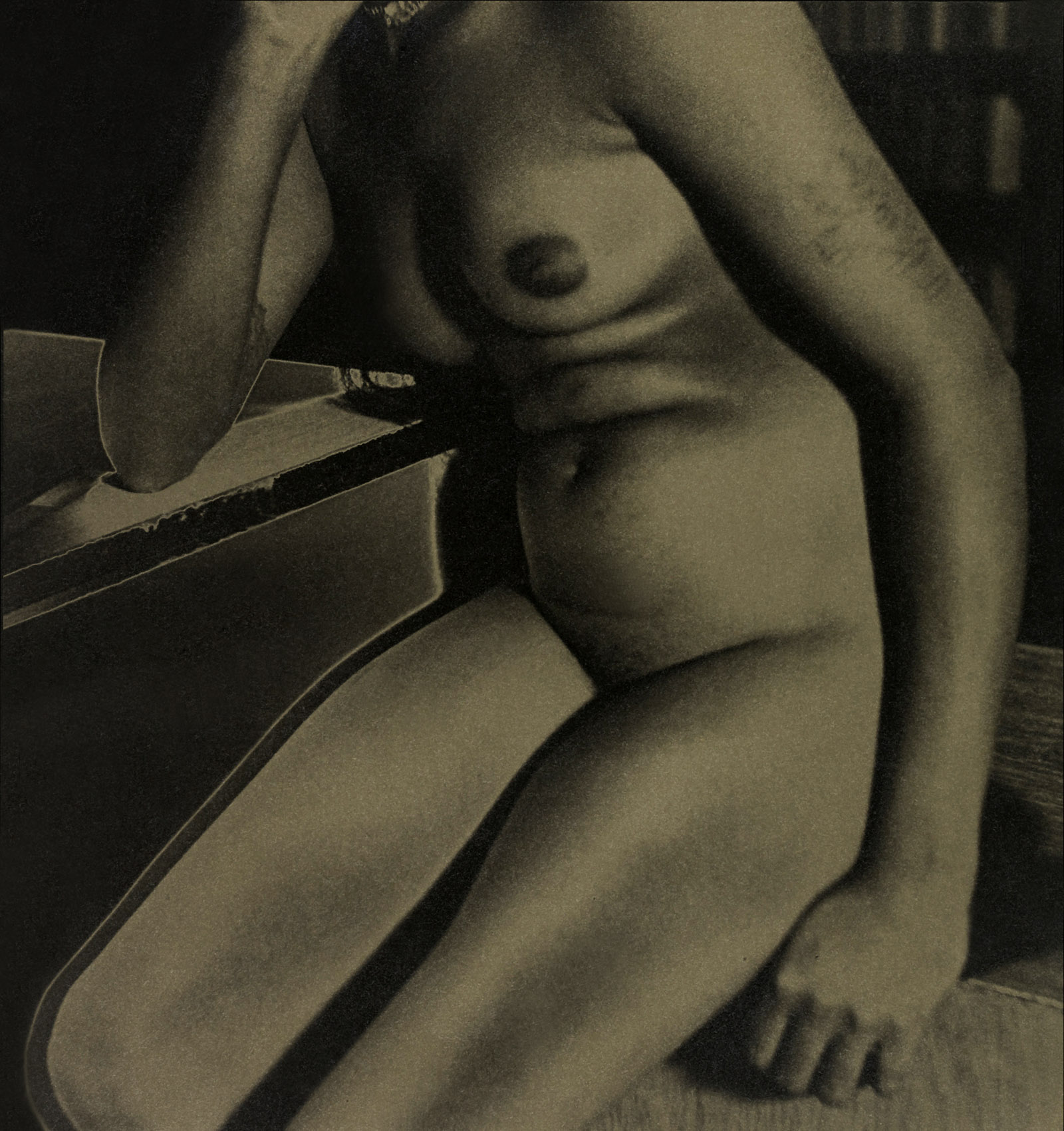
More interesting than desire hiding through artistic ethnographic study are the landscapes, abstracts of coils of rope and the voluptuous female nudes. Stunning.
The media images were in such poor condition when I received them that I have spent a long time digitally cleaning and balancing them for your pleasure.
Dr Marcus Bunyan
Many thankx to Huis Marseille for allowing me to publish the photographs in the posting. Please click on the photographs for a larger version of the image.
“Lionel Wendt was the central figure of a cultural life torn between the death rattles of the Empire and a human appraisal of the untapped values of Ceylon.”
Pablo Neruda, Memoirs
“The proposition that confronted Wendt was that Sri Lanka had a way of life that was very old but which remained, in spite of poverty, squalor and apathy, a vital sense of life. He recognised that here man, living in traditional ways, had not become alienated from his environment… Evidence of his deep regard for Sri Lanka and its traditions are illustrated in the images he chose to capture with his camera, each being a tiny microcosm of a vast and magnificent tapestry. It was recognised by all those who knew him that Wendt had an endless capacity for work. He focussed on the country and the people with unerring judgement and relentless dedication, and in doing this, he stimulated a new consciousness among them and (just as pertinent) in some high places.”
Neville Weeraratne
“He never spoke much about his photography. I expect he wanted his images to speak for themselves and he never spoke of them or about himself. I suppose he was so critical of everybody else that he did not want to expose himself to the same treatment. He did not reveal himself. He was a very interior person. He showed no emotion though he expressed a great passion for things. Perhaps he was hypocritical.”
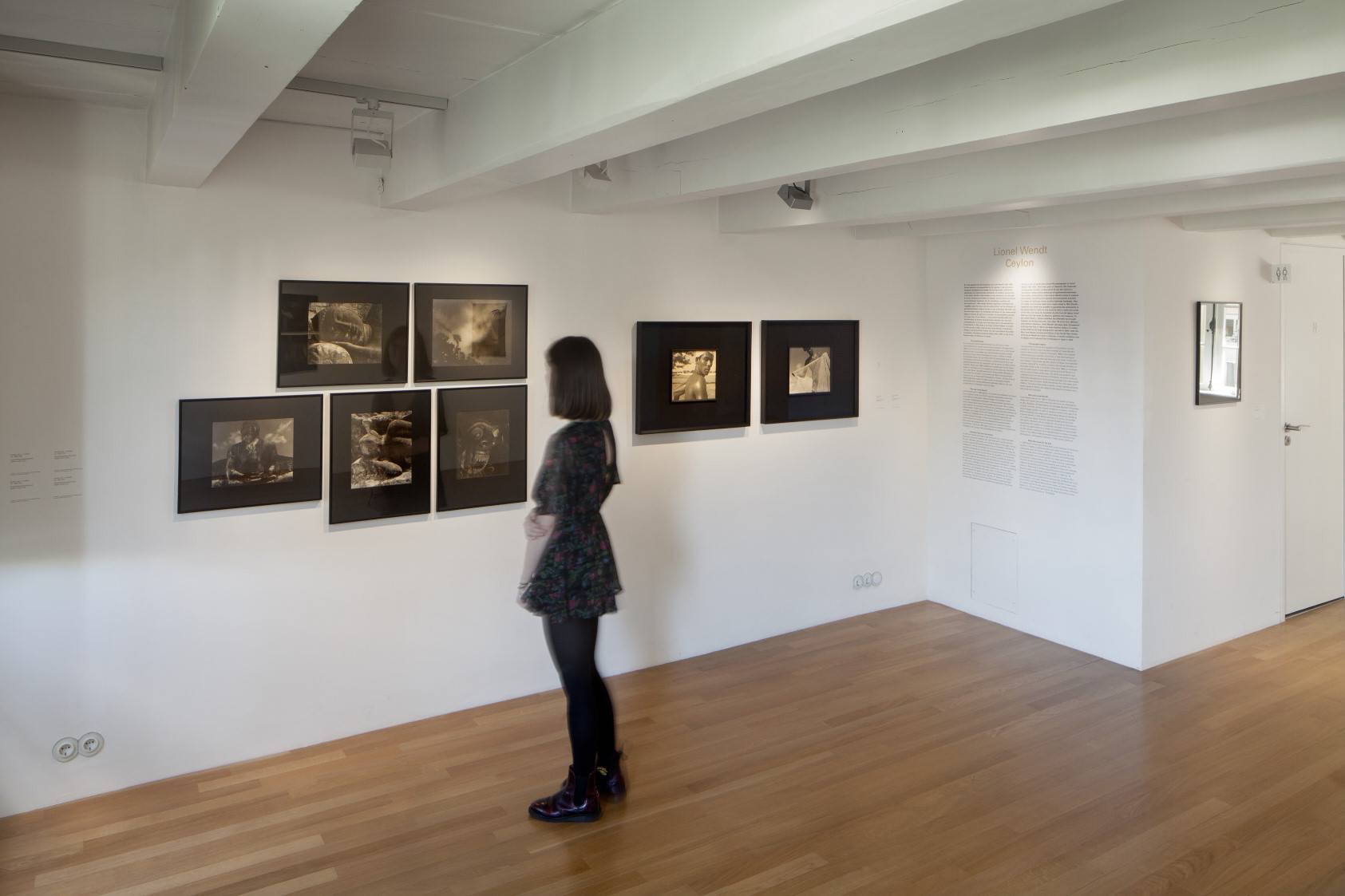
There is something special going on with regard to the oeuvre of Ceylonese photographer Lionel Wendt (1900-1944). After a period of relative obscurity, Wendt was rediscovered – or discovered, in fact – worldwide as a unique, individualistic photographer who availed himself of experimental techniques and modern compositions. Wendt’s choice of subjects was eclectic: from sensual and homo-erotic portraits to tropical images of Ceylon (now Sri Lanka), and from picturesque scenes to compositions for which he used modernist stylistic devices and experimental techniques. After Wendt’s premature death in 1944 his negatives were destroyed, but the work he left behind lives on. This consists of a collection of beautiful experimental prints, of which several are included in the renowned collections of such museums as Tate Modern in London and Rijksmuseum in Amsterdam. This year, Wendt’s work is being exhibited at Documenta 14 in Athens and, from 10 June till 3 September 2017, in a large-scale retrospective exhibit at Huis Marseille, which shines a spotlight on the fascinating work of this photographer in all its facets.
Who was Lionel Wendt?
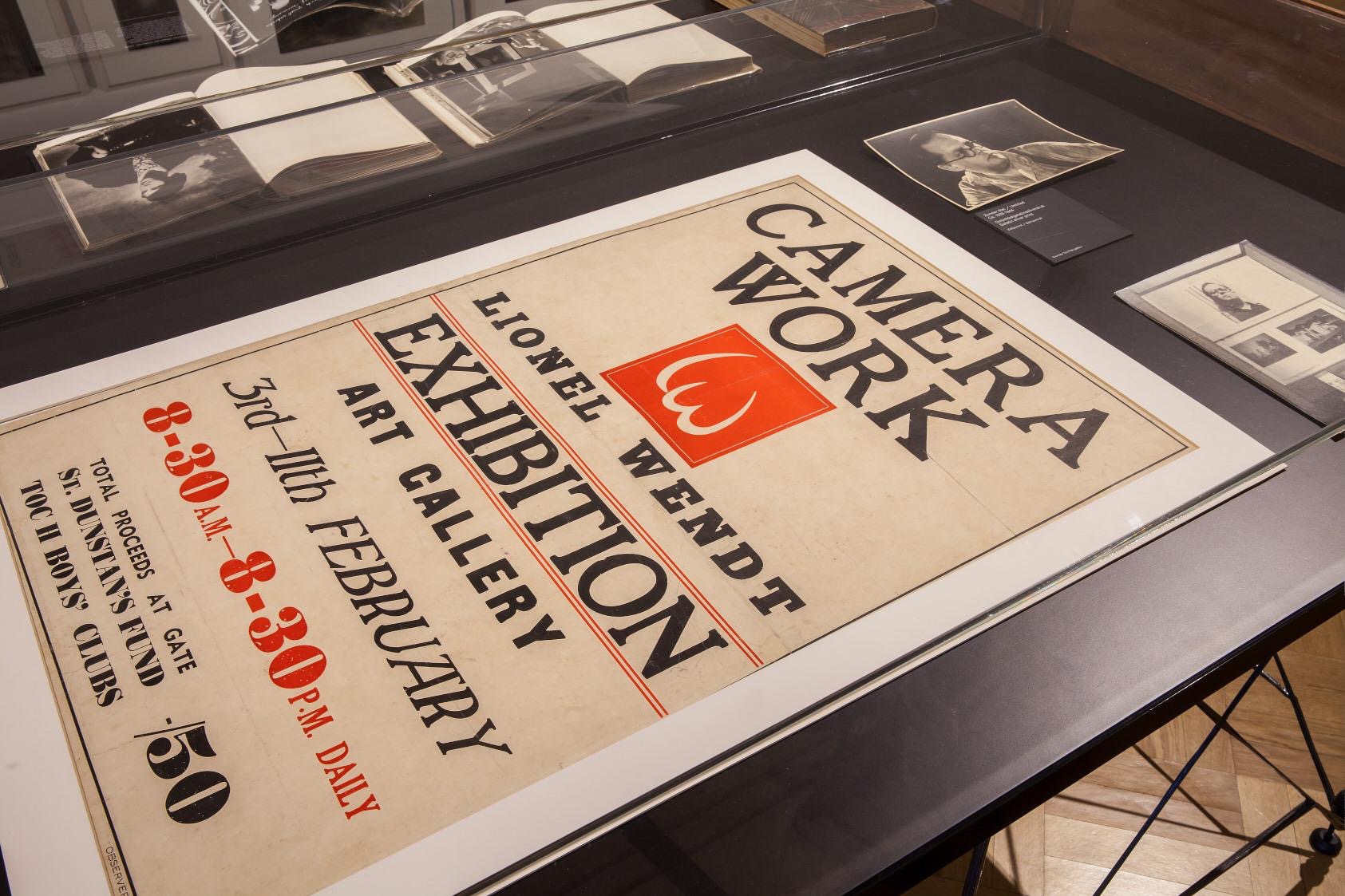
Lionel Wendt was a concert pianist, author, patron of the arts, teacher and, above all, a first-class photographer. After having studied law and musical training as a concert pianist in Great Britain, Wendt returned to the city of his birth, Colombo in Ceylon, at the age of 24. It did not take long for him to dedicate himself fully to the arts after his return: piano, literature and the visual arts. It was particularly in photography that he found an ideal vehicle for expression. In 1934, he established the Photographic Society of Ceylon jointly with Bernard G. Thornley and P.J.C. Durrant, and started running Chitrafoto, the photographic studio of the Associated Newspapers of Ceylon and in which he also published a photographic column, in 1938. Wendt developed into a prominent avant-gardist – the ‘Oscar Wilde’ of the Ceylonese arts scene. His first solo exhibition took place in 1938 at the Camera Club in London, at the invitation of Ernst Leitz, the inventor and manufacturer of the Leica. Two years later, a solo exhibition followed in Colombo entitled Camera Work, probably in reference to Alfred Stieglitz’s avant-gardist photography magazine of the same name.
Tropical modernism, masterful prints
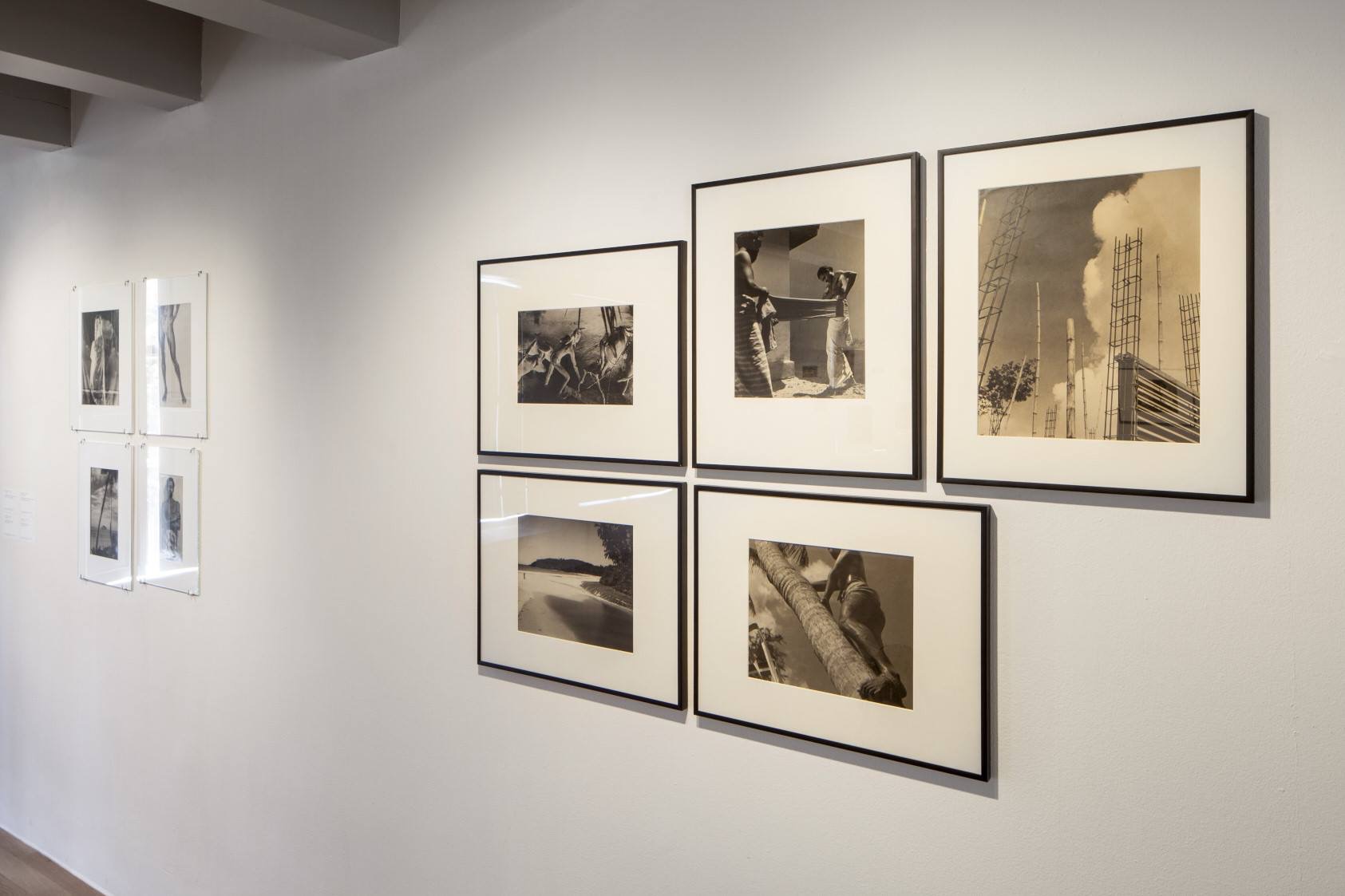
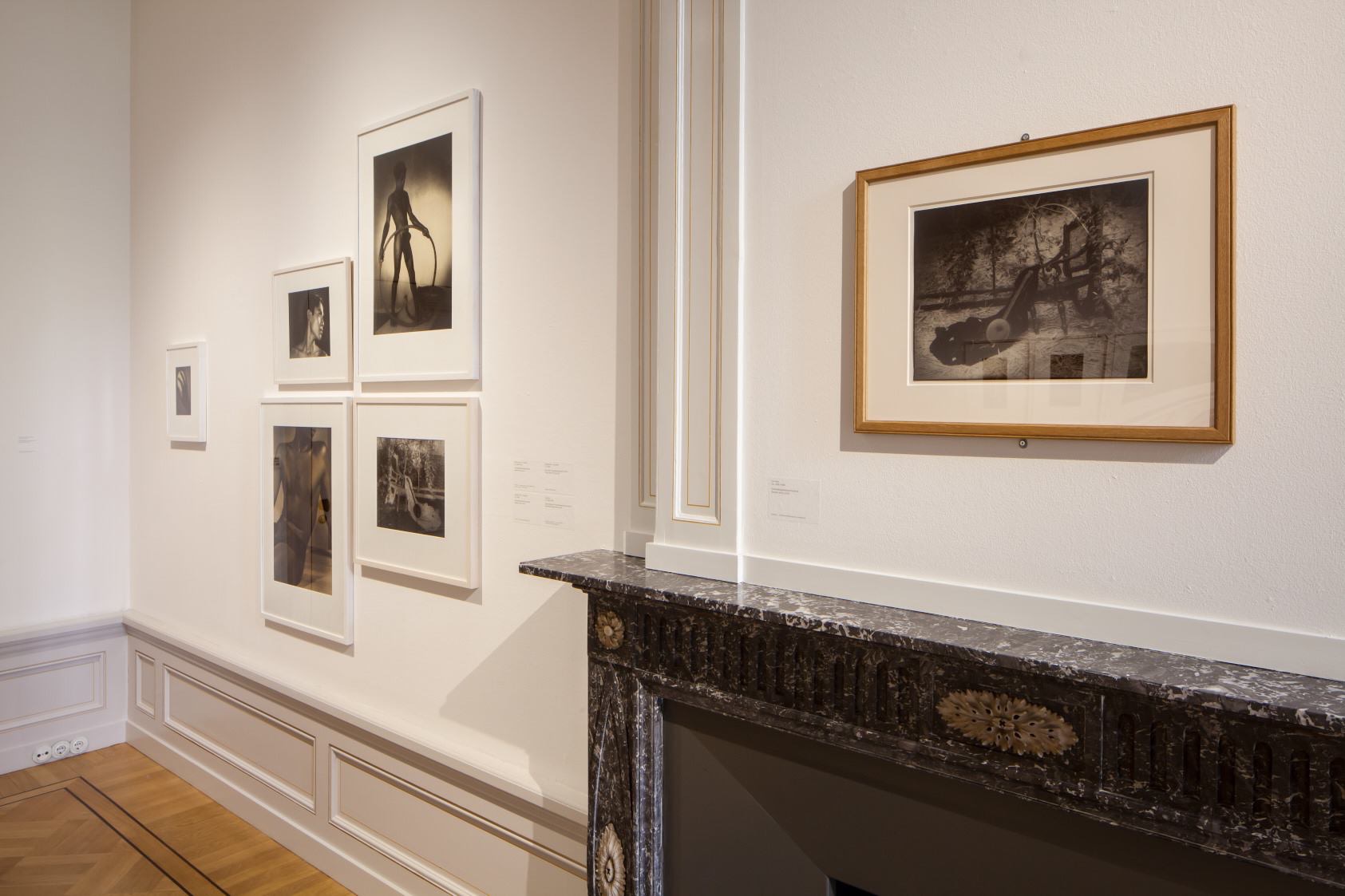
Initially, Wendt used a Rolleiflex for his photography, which he quickly replaced by a Leica. From approximately 1933 onwards, he started to print his film in his own darkroom, where he soon showed himself to be a master. He made refined bromide and gelatine silver prints with subtle shades of grey and gradations of black, which gave his nudes and landscapes a velvet-like quality. Wendt allowed himself to be inspired by the ‘straight photography’ of Paul Strand and Edward Weston and the surrealistic experiments of Man Ray, and experimented with techniques such as photogram, photomontage, double printing and solarisation.
Homosexuality, hiding in plain sight
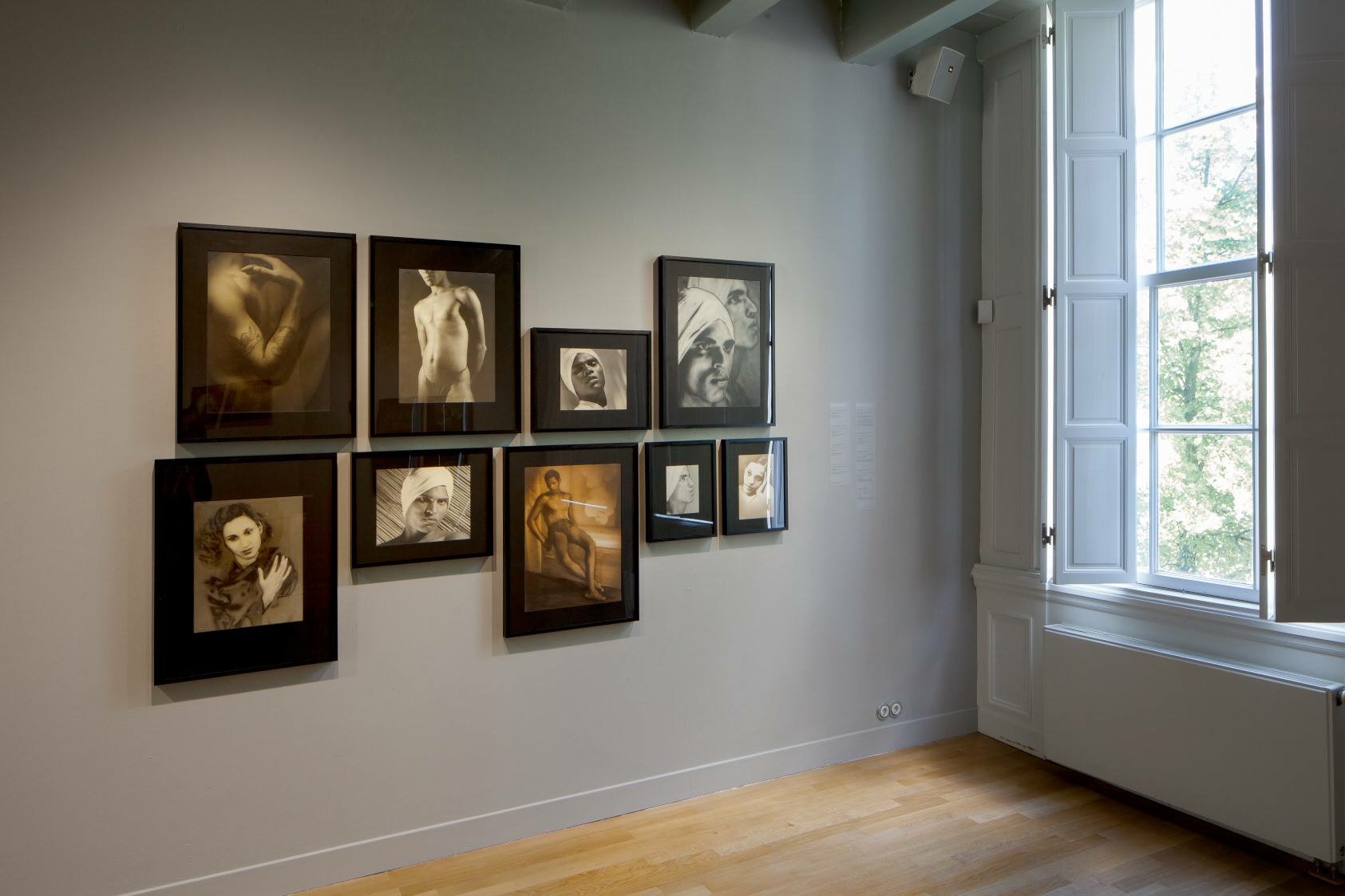
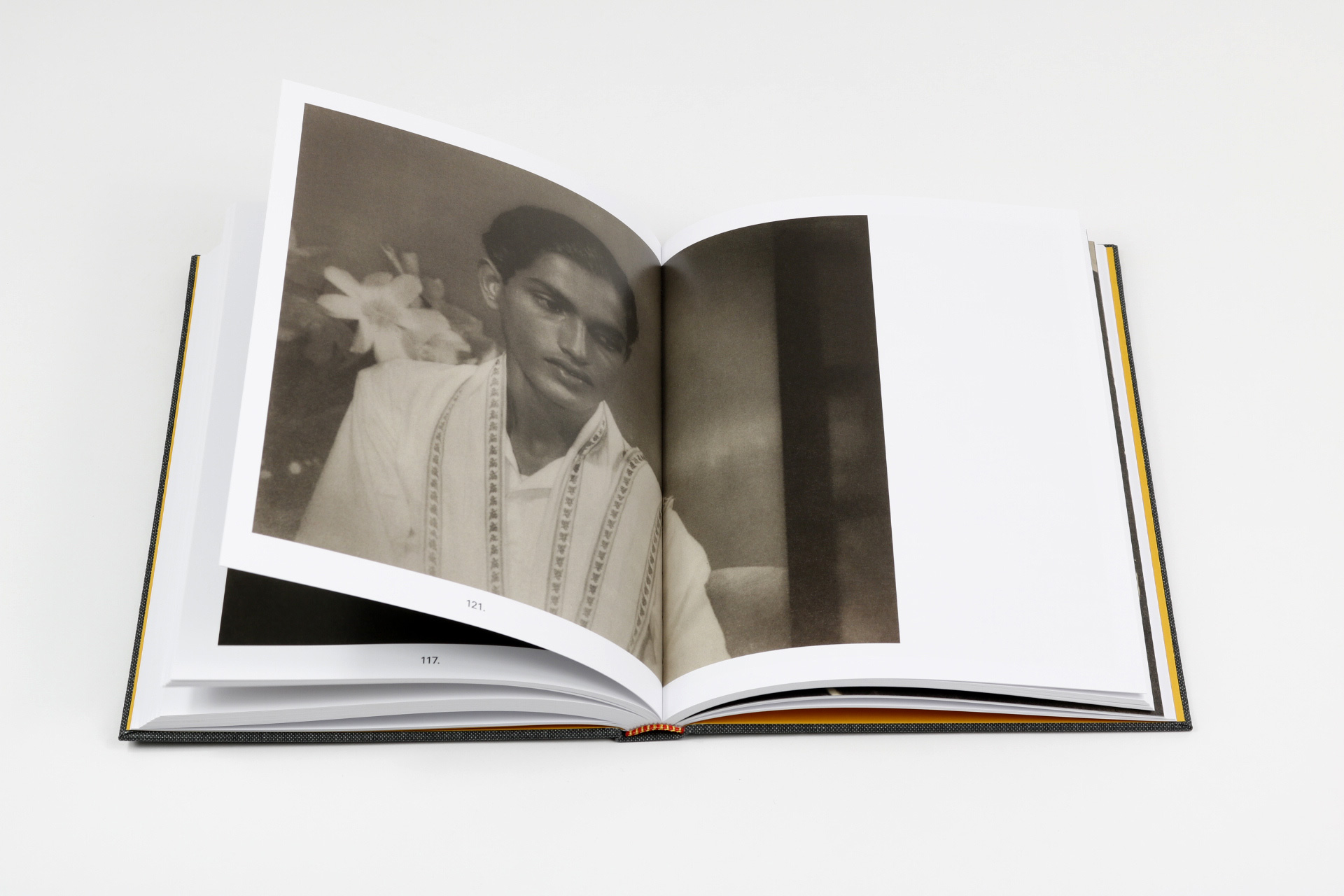
Wendt’s work includes spectacular images of Ceylon: its landscapes, cultural heritage and local population, photographed during everyday activities or traditional rituals. However, his sensual homoerotic nudes are particularly astounding. In a time and at a place where homosexuality was not accepted, Wendt had his male subjects (men and boys) pose in the landscape or in his studio. Through the traditional Ceylonese loincloths worn by his subjects, which leave little to the imagination, and the academic poses he asked them to take, he was able to express his homosexuality under the guise of art and ethnography. He also created portraits of the members of the island’s avant-garde movement. Wendt played a significant role in the development of modernist painting on Ceylon; he acted as a patron of the arts and his house was a meeting place for the ’43 Group, the artistic movement that was a predecessor of Ceylonese modernism.
A dormant legacy reawakens
Following Wendt’s early death in 1944 his work sank into oblivion. In the course of time the hundreds of prints that comprise his legacy came into the possession of several collectors, galleries and museums. After having led a dormant existence for several decades, Wendt’s work was once again brought to the attention of the public in 1994.
Large-scale museum retrospective in the Netherlands
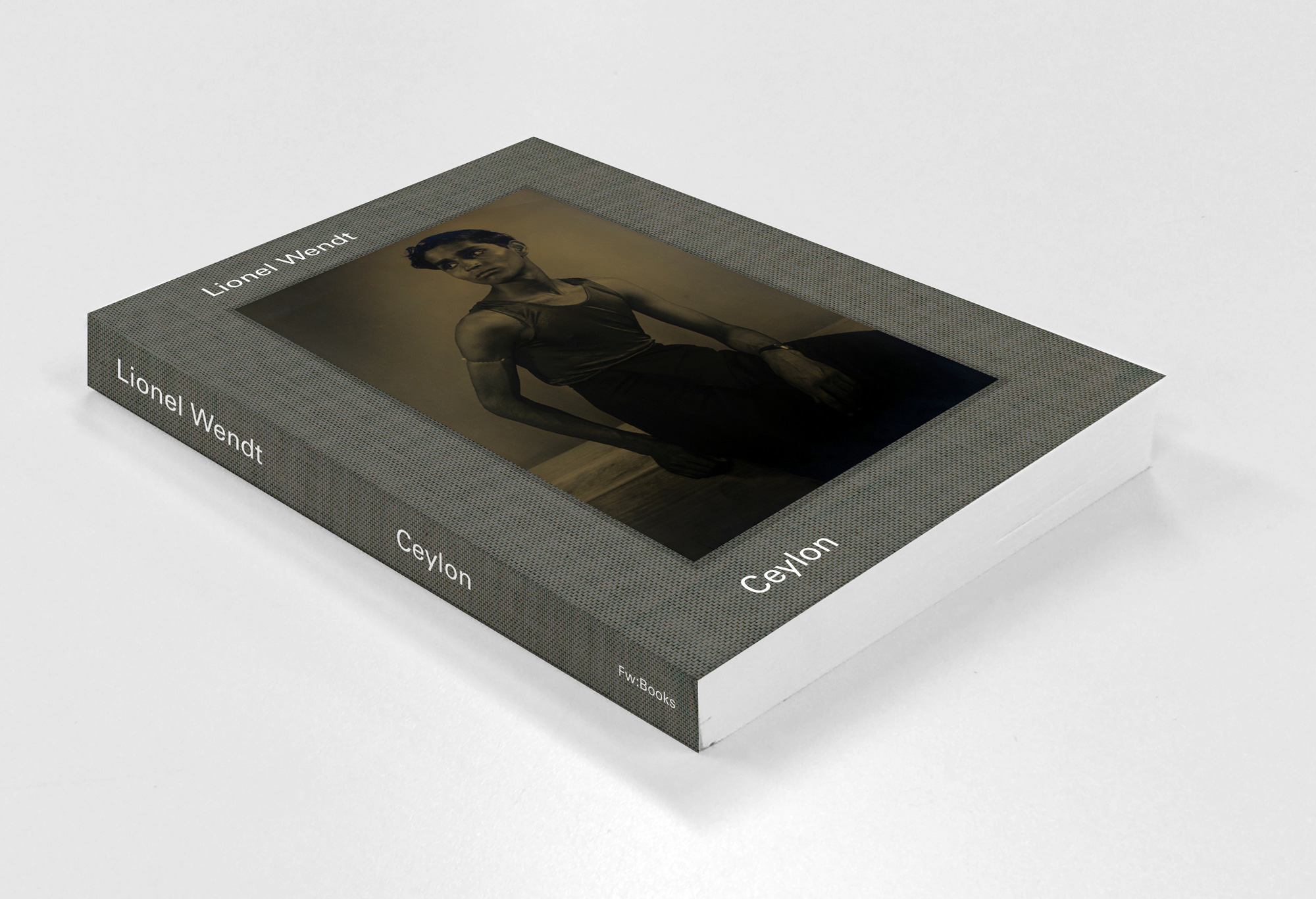
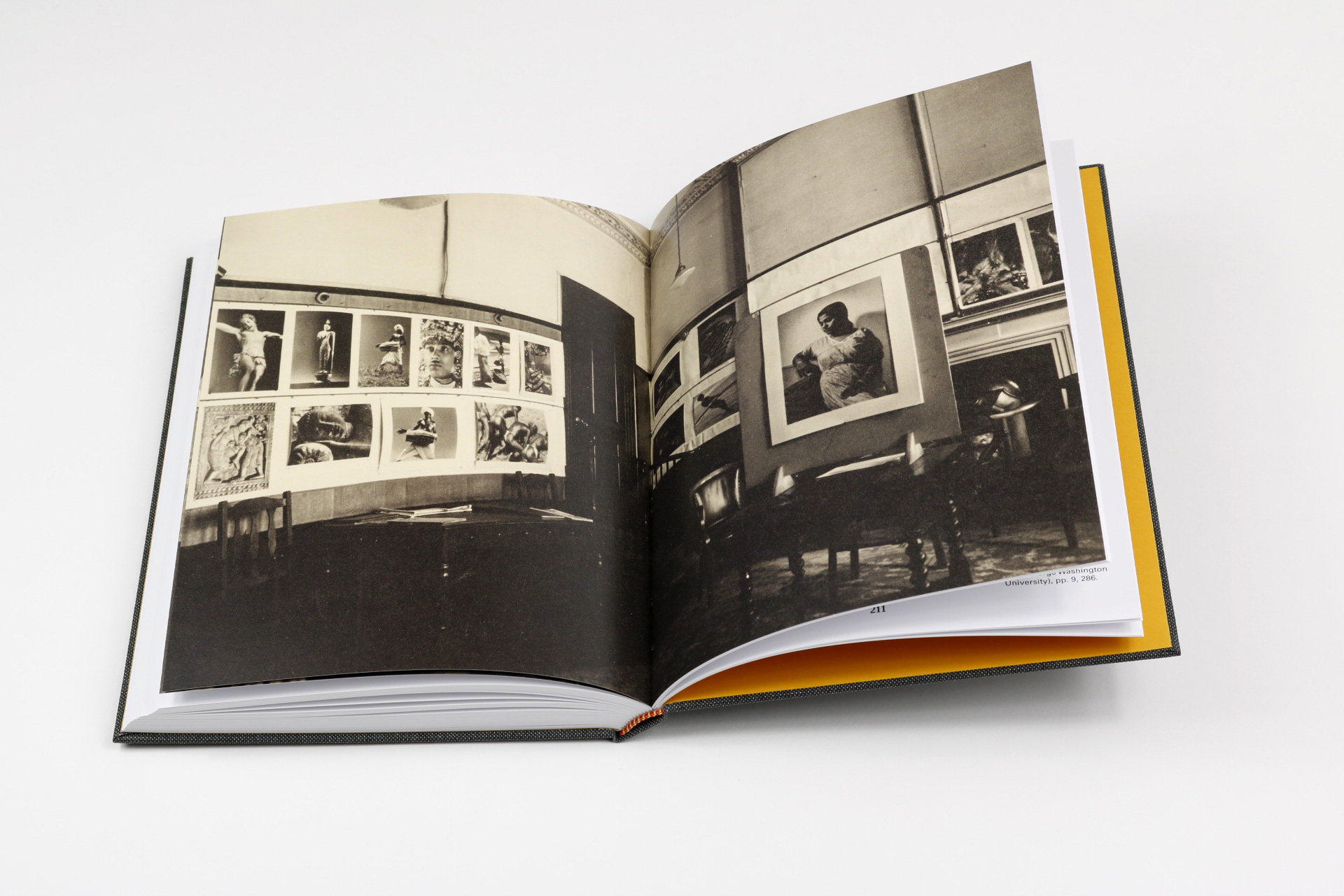
From 10 June through 3 September 2017, Huis Marseille is presenting the first museum solo exhibition of Lionel Wendt in the Netherlands, in collaboration with the Ton Peek Gallery (Utrecht) and Jhaveri Contemporary Gallery (London/Mumbai). Over 140 prints from various international private and museum collections have been brought together. Concurrent to the exhibition, the publishing house Fw:Books will be presenting the book Lionel Wendt. Ceylon featuring an overview of Wendt’s work (hardcover, 200 pages, design by Hans Gremmen). This is the first monograph since Lionel Wendt. A Centennial Tribute (2000), an extensive and revised version of the very first catalogue of Wendt’s oeuvre: Lionel Wendt’s Ceylon (1950).
Text from Huis Marseille
Installation views of the exhibition Lionel Wendt: Ceylon at Huis Marseille, Amsterdam
Opening: Tuesday 22nd July 6-8pm Nite Art: Wednesday 23rd July until 11pm Artists represented: Philip Potter, John Storey, John Englart, Barbara Creed, Ponch Hawkes, Rennie Ellis
Curated by Dr Marcus Bunyan and Nicholas Henderson
Five days, that’s all you’ve got! Just five days to see this fabulous exhibition, so make a note of it now in your diaries…
The exhibition Out of the closets, into the streets: gay liberation photography 1971-73 pictures the very beginning of the gay liberation movement in Australia through the work of Philip Potter, John Storey, John Englart, Barbara Creed, Ponch Hawkes and Rennie Ellis. The exhibition examines for the first time images from the period as works of art as much as social documents. The title of the exhibition is a slogan from the period.
As gay people found their voice in the early 1970s artists, often at the very beginning of their careers, were there to capture meetings in lounge rooms, consciousness raising groups and street protests. The liberation movement meant ‘being there’, putting your body on the line. “It was a key feature of the new left that this embodied politics couldn’t stop in the streets: that is, the public arena as conventionally understood. ‘Being there’ politically also applied to households, classrooms, sexual relations, workplaces and the natural environment.”1
Curated by Dr Marcus Bunyan and Nicholas Henderson and with catalogue essays by Professor Dennis Altman and Dr Marcus Bunyan, the show is a stimulating experience for those who want to be inspired by the history and art of the early gay liberation movement in Australia.
The exhibition coincides with AIDS 2014: 20th International AIDS Conference (20-25 July 2014) and Nite Art which occurs on the Wednesday night (23rd July 2014). The exhibition will travel to Sydney to coincide with the 14th Australia’s Homosexual Histories Conference in November at a venue yet to be confirmed.
Dr Marcus Bunyan
1/ Connell, Raewyn. “Ours is in colour: the new left of the 1960s,” in Carolyn D’Cruz and Mark Pendleton (eds.,). After Homosexual: The Legacies of Gay Liberation. Perth: UWA Publishing, 2013, p. 43.
Many thankx to all the artists for allowing me to publish the photographs in the posting. Please click on the photographs for a larger version of the image.
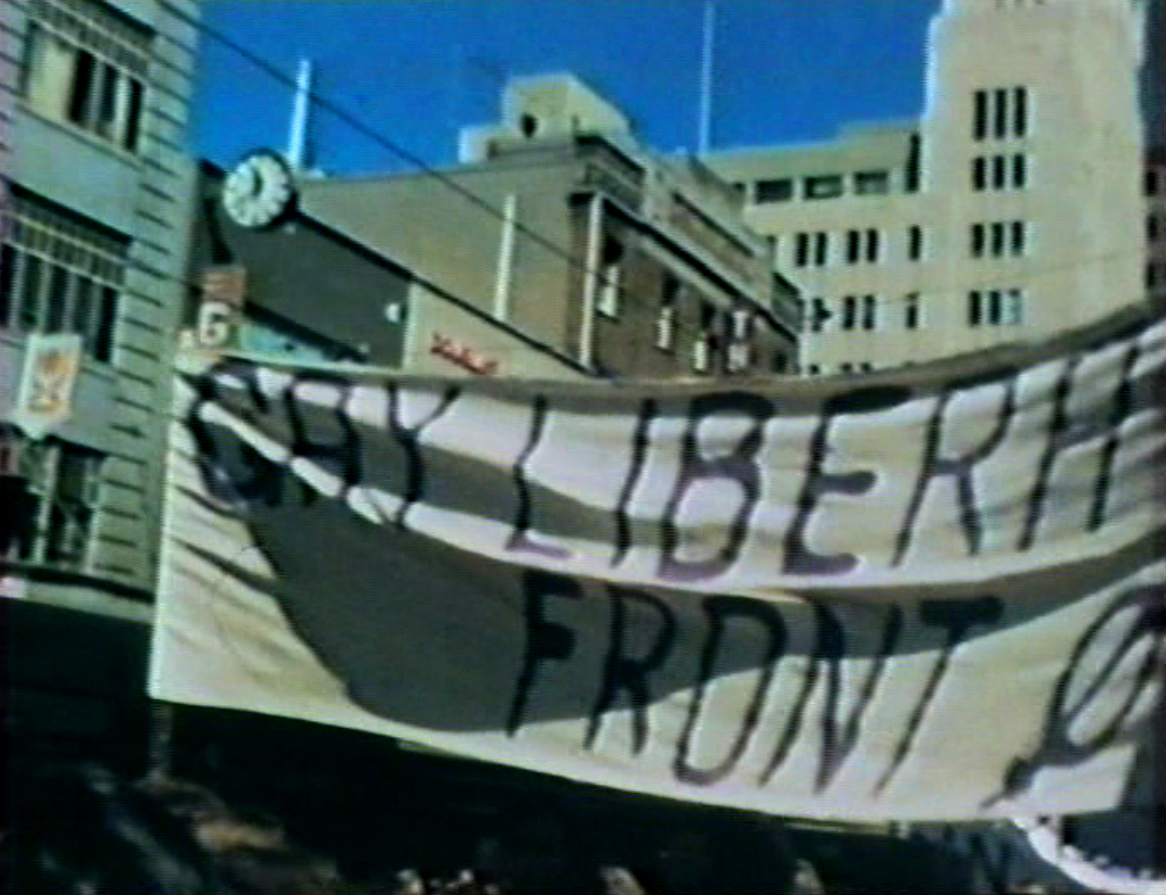
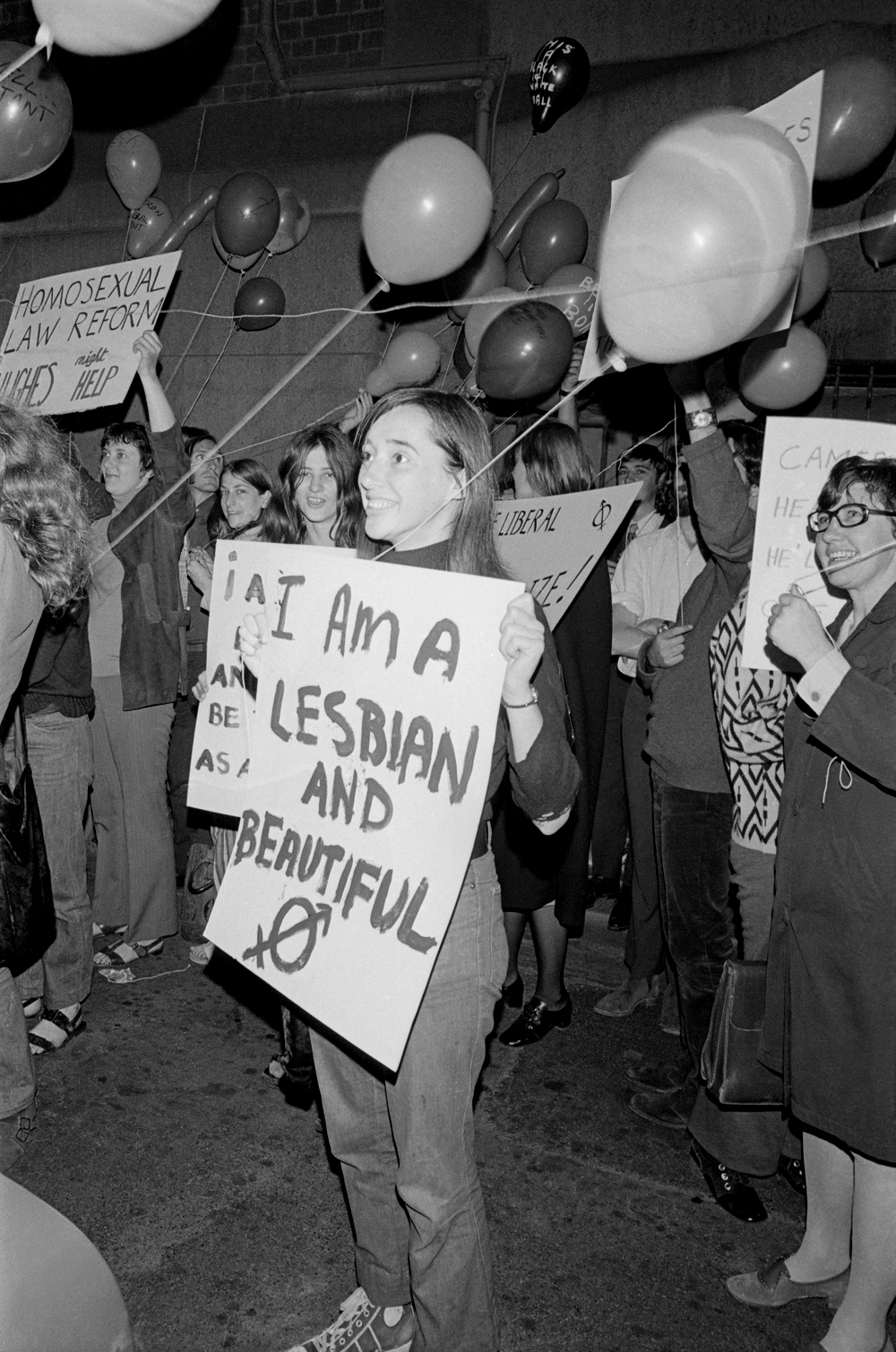
From a series of photographs of the very first gay rights demonstration which attracts 70 people outside NSW Liberal Party headquarters in support of the pre-selection of Tom Hughes against a right wing challenge following his support for homosexual law reform.
From a series of photographs of the very first gay rights demonstration which attracts 70 people outside NSW Liberal Party headquarters in support of the pre-selection of Tom Hughes against a right wing challenge following his support for homosexual law reform.
From a series of photographs of the very first gay rights demonstration which attracts 70 people outside NSW Liberal Party headquarters in support of the pre-selection of Tom Hughes against a right wing challenge following his support for homosexual law reform.
Sponsored by
For photographic services in Australia, Art Blart highly recommends CPL Digital (03) 8376 8376 cpldigital.com.au
Dr Marcus Bunyan and the best cultural archive in Australia sponsor this event artblart.com
AQUA actively collects and preserves lesbian and gay material from across Australia queerarchives.org.au
Supported by
Rennie Ellis is an award winning photographer and writer (03) 9525 3862 www.rennieellis.com.au
AIDS 2014: 20th International AIDS Conference 20 July – 25 July 2014 Melbourne, Australia





























 Art Blart _ art and cultural memory archive
You must be logged in to post a comment.