Curators: Kate Addleman-Frankel, the Gary and Ellen Davis Curator of Photography at the Johnson, and Stacey Lambrow, curator of the Loewentheil Photography of China Collection, with the assistance of Yuhua Ding, curatorial assistant for Asian art at the Johnson.
Lai Fong (Chinese, c. 1839-1890) [Actors] 1870s Albumen print Collection of Stephan Loewentheil, Cornell JD 1975
Such a rare commodity (and I use the word deliberately) – an Indigenous photographer – in a world educated “in the colonial view of photography’s history that has privileged Western travel photographers.” And yet, Lai Fong buys into the photographic conventions of the day, based on Western ideals of ethnographic portraiture and documentary landscape photography, to sell his impressive product range. In a photograph such as [Group portrait near Fangguangyan Monastery, Fujian] (c. 1869, below) the positioning of the European figures could have come straight out of an Édouard Manet painting, complete with their air of posed insouciance. Even in the photograph of a brothel, a Canton boat which served only wealthy Chinese clients [Flower boat, Guangzhou] (1870s, below), the West encroaches, as can be seen by the funnels and sails of a ship that lurks behind the traditional floating pleasure den.
Only rarely do we glimpse Lai Fong’s individuality as an artist… the low camera position, long vanishing point and panoramic landscape of the two magnificent images [Ming Tombs, Beijing] (1879, below); or the sublime construction of the image in photographs such as [Piled Stone Peaks in Mount Wuyi] (c. 1869, below) with its reference to Chinese brush-and-ink landscape painting known as Shan shui.
Dr Marcus Bunyan
Many thankx to the Johnson Museum of Art for allowing me to publish the photographs in the posting. Please click on the photographs for a larger version of the image.
Installation views of the exhibition Lai Fong (ca. 1839-1890): Photographer of China at the Herbert F. Johnson Museum of Art, Cornell University Credit: David O. Brown, Johnson Museum
This exhibition introduces viewers to the work of Lai Fong, arguably the most ambitious and successful photographer of nineteenth-century China. He began practicing under the name Afong in Hong Kong in the 1860s, and over the next twenty years built a towering reputation on his illustrious clientele, his impressive product range, and a catalogue of views of China “larger, choicer, and more complete… than any other in the Empire,” according to his advertisements. His photographs of Chinese cities, monuments, people, and land – however shaped by the desires of his cosmopolitan clientele – stand as records of places that have changed often beyond recognition, and of his own artistry, exuberance, and entrepreneurial brilliance. Managed by his son and daughter-in-law after his death, his studio persisted into the 1940s, an instance of remarkable longevity in a famously difficult field.
“Despite the historical fame of Lai’s studio and the reach of his photographs, which exist today in collections worldwide, Lai remains little known outside of specialist circles,” said Kate Addleman-Frankel, the Gary and Ellen Davis Curator of Photography at the Johnson Museum. “His work is understudied and rarely exhibited, the result in part of a colonial view of photography’s history that has privileged Western travel photographers over indigenous practitioners. Lai Fong: Photographer of China is not only the first exhibition dedicated to Lai, but to any Chinese photographer working in the initial decades of photography’s global proliferation.”
The exhibition brings together almost fifty images, many of which have never been previously published or exhibited, suggesting them as emblematic of one of the nineteenth century’s most significant, and significantly overlooked, photographic careers. They are drawn primarily from the singular collection of Stephan Loewentheil, JD ’75, who over three decades has assembled one of the world’s foremost collections of early photographs of China. Other lenders to the exhibition include the Cornell Library’s Division of Rare and Manuscript Collections, the Metropolitan Museum of Art, and the Getty Research Institute.
Of special note is the Ming Tombs album from Cornell Library’s Division of Rare and Manuscript Collections. This album of ninety-five photographs of Beijing has been in the collection of the Cornell Library since 1940. In 2019, the photographs were attributed to Lai by Kate Addleman-Frankel, the Gary and Ellen Davis Curator of Photography at the Johnson, as part of ongoing research on the university’s collections of Asian photographs. The album is a remarkable compendium, the most complete collection of Lai’s images of the Chinese capital yet discovered. At least nineteen of them may have been entirely unknown previously; they do not appear in the only catalogue of Lai’s photographs reconstructed to date, by the historian Terry Bennett.
This exhibition was curated by Kate Addleman-Frankel, the Gary and Ellen Davis Curator of Photography at the Johnson, and Stacey Lambrow, curator of the Loewentheil Photography of China Collection, with the assistance of Yuhua Ding, curatorial assistant for Asian art at the Johnson. It is supported in part by the Helen and Robert J. Appel Exhibition Endowment.
Press release from the Herbert F. Johnson Museum of Art
Lai Fong (Chinese, c. 1839-1890) [Itinerant barber] 1870s Albumen print Collection of Stephan Loewentheil, Cornell JD 1975
Genre images like these, along with views of monuments, cities, and natural scenery, were central to the Chinese photography market. Lai created them both at home and on expedition, setting up makeshift studios where necessary. The photographs feature people who may or may not have actually inhabited the traditional roles they play for the camera: Lai had a talent for summoning natural postures and expressions from subjects he had costumed and arranged.
Lai’s photographs certainly appealed to Chinese buyers but, like most nineteenth-century photographs of China, they were largely produced for export. They left Hong Kong as souvenirs with the international officials, merchants, missionaries, and tourists who began to enter Chinese cities in great numbers in the 1860s, after successive incursions by the British military forced the Qing dynasty to expand foreigners’ access to the country.
Lai Fong (Chinese, c. 1839-1890) [Flower boat, Guangzhou] 1870s Albumen print Collection of Stephan Loewentheil, Cornell JD 1975
For hundreds of years, floating brothels existed on the Pearl River Delta, part of a river scene that grew alongside maritime trade between China and Europe in the eighteenth century. The boats in most harbours were open to men from any nation, but the Canton boats served only Chinese clients, primarily the wealthy elite. Called flower boats, they were places of lavish entertainment. They could be exquisitely constructed and outfitted, and were often romantically depicted in souvenir paintings.
Despite the boats’ glamorous reputation, the industry turned on slavery. The women and girls working aboard were the property of the boats’ owners, purchased as children and trained in appealing to men of high society. When age or disease rendered them no longer lucrative, they were sold or discarded. Such cruelty was increasingly reviled as the century wore on. The last boats disappeared in the 1930s.
Lai Fong (Chinese, c. 1839-1890) [Beijing] 1879 Albumen print Division of Rare and Manuscript Collections, Cornell University Library
Lai Fong (Chinese, c. 1839-1890) [Ming Tombs, Beijing] 1879 From an album of albumen prints Cornell University Library, Division of Rare and Manuscript Collections
Lai Fong (Chinese, c. 1839-1890) [Ming Tombs, Beijing] 1879 From an album of albumen prints Cornell University Library, Division of Rare and Manuscript Collections
This album of ninety-five photographs of Beijing has been in the collection of the Cornell Library since 1940. In 2019, the photographs were attributed to Lai by Kate Addleman-Frankel, the Gary and Ellen Davis Curator of Photography at the Johnson Museum, as part of ongoing research on the university’s collections of Asian photographs. The album is a remarkable compendium, the most complete collection of Lai’s images of the Chinese capital yet discovered. At least nineteen of them may have been entirely unknown previously; they do not appear in the only catalogue of Lai’s photographs reconstructed to date, by the historian Terry Bennett.
Lai traveled to what was then Peking in 1879, possibly on the invitation of the foreign diplomats whose portraits are included in the album. Alongside these portraits are views of the monuments of the ancient city, including temples, pagodas, the observatory, the Summer Palace, and the Ming Tombs. As here, many of these monuments are pictured from a distance. Lai makes the approach to the subject as central to the picture as the subject itself.
Lai Fong (Chinese, c. 1839-1890) Part of the Bund, Shanghai 1870s From an album of albumen prints Getty Research Institute, Clark Worswick collection of photographs of China and Southeast Asia
Lai Fong (Chinese, c. 1839-1890) Part of the Bund, Shanghai 1870s From an album of albumen prints Getty Research Institute, Clark Worswick collection of photographs of China and Southeast Asia
Contrary to accounts first propagated by its early European and American inhabitants, Shanghai had not been an inconsequential place – a “fishing village on a mudflat,” as one famous city guide put it – before it was opened to foreign settlement and trade by the 1842 Treaty of Nanking. In fact, for centuries it had been an important point along trade routes between China and Southeast Asia, and by the 1830s it had a quarter of a million inhabitants. Nonetheless, its growth after 1842 was explosive. By the start of the new century its physical size had more than doubled, its population quadrupled, and it had become a global commercial capital.
The landmarks of the early decades of this era – the Hong Kong and Shanghai Bank, the Shanghai Club, many of the important mercantile hongs, or trading houses – were clustered along the Shanghai Bund. This waterfront embankment district reached the International Settlement at one end and the French Concession at the other.
Lai Fong (Chinese, c. 1839-1890) [Group portrait near Fangguangyan Monastery, Fujian] c. 1869 Albumen print Metropolitan Museum of Art, Gilman Collection Purchase, Robert Rosenkranz Gift, 2005
Around 1869, Lai was invited by foreign residents of Fuzhou to record a private excursion by boat to the Fangguangyan Monastery, a “hanging temple” known for its spectacular location and design. Lai posed the group for photographs at several spots along the route.
The rather illustrious expedition party included Charles Sinclair, the British Consult of Fuzhou, who sits on the stool at left; Sinclair’s wife, who leans against the rock wall; Baron de Méritens, an Imperial Maritime Customs Service commissioner, who perches on a rock at center; Prosper Giquel, Director of the Fuzhou Arsenal, who stands by Sinclair’s wife; and Francis Temple, an accountant at the Shanghai branch of the Oriental Bank, who is stretched out informally in the foreground. The man adopting a similar pose in the background remains unidentified.
Lai Fong (Chinese, c. 1839-1890) [Piled Stone Peaks in Mount Wuyi] c. 1869 Metropolitan Museum of Art, Gilman Collection Purchase, Robert Rosenkranz Gift, 2005
Shan shui was a traditional form of Chinese brush-and-ink landscape painting that followed a complex set of compositional and conceptual rules. Lai refers to it in his images of magnificent natural forms, but photography grounded his representations in the observed, external world – a key difference from the idealism of shan shui pictures.
In his picture of Mount Wuyi, Lai monumentalises the Danxia landform that characterises the mountain, located in the southern suburb of Wuyishan, Fujian. Danxia comprise isolated hills and steep layered rocks of red sandstone that have been shaped by eons of weathering and fluvial erosion. Lai was among the first Chinese photographers to photograph Mount Wuyi’s marvellous stone peaks.
Lai Fong (Chinese, 1839-1890) Bridal Carriage 1870s Albumen silver print from glass negative Courtesy of the Loewentheil Collection
Lai Fong (Chinese, 1839-1890) Chinese Junks, Hong Kong 1870s Albumen silver print from glass negative Courtesy of the Loewentheil Collection
Lai Fong (Chinese, 1839-1890) Dragon Boat Race, Guangzhou 1870s Albumen silver print from glass negative Courtesy of the Loewentheil Collection
Lai Fong (Chinese, 1839-1890) Waterfall in the Dinghu Mountains 1870s Albumen silver print from glass negative Courtesy of the Loewentheil Collection
Lai Fong (Chinese, 1839-1890) Portrait of an Official 1870s Albumen silver print from glass negative Courtesy of the Loewentheil Collection
Attributed to Lai Fong (Chinese, 1839-1890) Culling Tea c. 1869 Albumen silver print from glass negative 6 15/16 × 9 3/8 in. (17.6 × 23.8cm) Gilman Collection, Purchase, Robert Rosenkranz Gift, 2005 CC0 1.0 Universal (CC0 1.0) Public Domain
Lai Fong (Chinese, 1839-1890) Portrait of a Merchant c. 1870 Albumen print 29 cm x 22cm Loewentheil Photography of China Collection
Herbert F. Johnson Museum of Art Cornell University, 114 Central Avenue, Ithaca, NY 14853
Since we can’t go travelling ourselves at the moment let us travel, virtually, through time – back to the 19th century – and space, to journey with Scottish-born travel photographer up the River Min to the Chinese city of Fuzhou (Foochow). Let us wonder at these European colonial photographs, reflections of pagoda, bucolic landscapes, Eastern temples, Western churches and dangerous rapids. Thomson “portrayed a halcyon land, with romanticised vistas that reference the ethereal atmosphere of Chinese paintings and the sweeping panoramas of European paintings.”
Let us luxuriate, then, in these stunning carbon prints – their rich colour, their stillness – as lasting mementos of a vanished land, as memory objects reanimated in our imagination, so that we can travel beyond our current confinement.
Dr Marcus Bunyan
Many thankx to the Peabody Essex Museum for allowing me to publish the photographs in the posting. Please click on the photographs for a larger version of the image.
As far as travel souvenirs go, few can beat John Thomson’s leather-bound photo album Foochow and the River Min. From 1870 to 1871, the Scottish-born photographer traveled 160 miles up the River Min to document the area in and around the city of Fuzhou (Foochow), an important centre of international trade and one of the most picturesque provinces in China. Thomson sold his book by advance subscription to the foreign residents of Fuzhou – tea planters, merchants, missionaries and government officials 0 who wanted a way to share their experiences with friends and family back home.
Fewer than 10 of the original 46 copies of this album survived, and the Peabody Essex Museum is privileged to own two of them. A Lasting Memento: John Thomson’s Photographs Along the River Min presents this rare collection of photographs for the first time at PEM. The exhibition also features 10 works by contemporary Chinese photographer Luo Dan.
Installation view of the exhibition A Lasting Memento: John Thomson’s Photographs Along the River Min at the Peabody Essex Museum (PEM), Salem MA
Photographic Journeys Past and Present Show China in a New Light
The Peabody Essex Museum (PEM) presents a voyage into 19th-century China through one of PEM’s photographic treasures, John Thomson’s rare album Foochow and the River Min. More than forty striking landscapes, city views, and portrait studies will be on view, captured by Thomson as he travelled in the Fujian province in Southeast China from 1870 to 1871. These prints are complemented by a selection of photographs by contemporary artist Luo Dan, who was inspired by Thomson to undertake his own journey in southwestern China in 2010. A Lasting Memento: John Thomson’s Photographs Along the River Min is on view at PEM from June 1, 2019 through May 17, 2020.
From 1870 to 1871, Scottish-born photographer John Thomson traveled 160 miles up the River Min to document the area in and around the city of Fuzhou (Foochow), one of the most picturesque regions in China. Thomson gathered eighty photographs from this voyage into an album titled Foochow and the River Min which was sold by advance subscription to the foreign residents of Fuzhou – tea planters, merchants, missionaries and government officials – who wanted a way to share their experiences with friends and family back home. Of the 46 copies originally published, fewer than 10 survive today and PEM is privileged to own two of them, both of which are featured in the exhibition.
“Many people have a conception of China as very industrialised and modern, even sterile, but these photographs complicate that notion and reveal the country’s incredible beauty and geographic diversity,” says Sarah Kennel, PEM’s Byrne Family Curator of Photography. “The roots of China’s rapid modernisation go back to the 19th-century and are part of a larger history of maritime culture, trade, and globalisation that are also entwined with PEM’s origin story. This exhibition affirms how photography can bring us back to another place in time and can change the way we see the world.”
Thomson was a renowned photographer, focusing on fine art, landscape, and architectural photos, and was often credited with being one of the first photographers to use pictures in conjunction with journalistic commentary. Foochow and the River Min is accompanied by introductory text, presenting a pictorial journey featuring the character of the growing city of Fuzhou, the beauty of the landscapes surrounding the River Min, as well as Thomson’s studies of the people he encountered there.
Documenting Eastern culture
Thomson is considered one of the first photographers to document East and South Asia. Born in Scotland, he learned photography while still in school, working as an apprentice to a maker of optical and scientific instruments. In 1862, he joined his older brother William, also a photographer and watchmaker, in Singapore, where they established a studio. Thomson spent the next several years photographing throughout Asia, including Cambodia, India, and Thailand. By 1866, he had joined the Royal Ethnological Society of London, was elected a Fellow member of the Royal Geographic Society, and styled himself as an expert on Eastern cultures. In 1868, he established a studio in Hong Kong, a burgeoning centre of photography and trade. For the next four years, Thomson traveled and photographed throughout China before returning in 1872 to Britain, where he remained until his death in 1921.
The exhibition follows Thomson’s journey up the River Min, from the city of Fuzhou to Nanping. “Thomson’s extraordinary gifts as a photographer are evident in his compositions, including his famous view of the floating island pagoda,” says Kennel. “You can look at these as merely beautiful pictures, but if you unlock them a little bit they tell the story of an important moment of economic trade, cultural exchange, and political tension.”
Among the works on view are an extraordinary series on the Yuen Fu monastery, tucked high up a steep, rocky ravine. A strain of wistful romanticism is present, particularly in landscape photographs that incorporate a solitary figure.
In order to make his negatives, Thomson used the wet-collodion process. This required him to set up a large camera on a tripod and prepare the photographic plate on the spot by dipping it into light-sensitive chemicals in a makeshift darkroom, putting it in a plate holder and making the exposure within five minutes. He experimented with these processes while traveling by boat or ascending very steep hills and traversing rough terrain with a coterie of Chinese employees who not only hauled his equipment but also sometimes carried Thomson himself. Missionary and business colleagues helped facilitate introductions and provide access to unique locations so that Thomson could make his landscapes and portraits. The albums were printed using the carbon process, which imbues them with a rich, purplish tonality.
Inspired by Thomson
Contemporary Chinese photographer Luo Dan’s work focuses on the impact of modernisation and globalisation in China. Inspired by Thomson’s example, Luo traveled to the remote Nu River Valley in southwestern China, where he lived with and photographed the Lisu and Nu Christian ethnic minority communities for nearly two years, using the same hand-made wet-collodion process that Thomson had employed some 150 years earlier. Luo was especially interested in what he perceived as the villagers’ connection to local cultural traditions. A Lasting Memento features 10 works by Luo that reflect on and reverberate with the spirit and enterprise of Thomson’s 19th-century project.
Press release from the Peabody Essex Museum website
“In an eerie parallel to today, the late 1800’s represented an international inflection point, with rampant Western industrialisation spurring expansive global trade, cultural exchange and attendant political tension. The invention of photography in 1839 enabled our earliest photographs of faraway lands and exotic cultures, most often brought back by wealthy amateurs (many of those images are held in the rich archives of the PEM.) Not so with John Thomson, a renowned professional photographer who garnered capital through pre-paid subscriptions to his album “Foochow and the River Min.” Thomson photographed the project on a two-year journey, traveling 160 miles up the River Min, from the city of Fuzhou (Foochow) to Nanping, considered one of the most picturesque regions in China.
In this scenic southeast region of China, a new British tea trade was flourishing. Thomson’s album catered to the interests of foreign tea planters, merchants, missionaries and governmental officials. These ex-patriots clamoured to share with their European family and friends Thomson’s skilfully crafted documentary photographs of the Chinese land and people who shaped their new lives. Interestingly, Thomson did not photograph much industry or commerce. Rather, he portrayed a halcyon land, with romanticised vistas that reference the ethereal atmosphere of Chinese paintings and the sweeping panoramas of European paintings. …
Thomson’s carbon prints are technically awe-inspiring. Utilising the cumbersome wet-plate collodion method of creating negatives on large, delicate glass plates that must be exposed while still wet in a hefty view camera on a tripod, Thomson then created his photographic prints on paper with the tricky but stable carbon method in his studio. I imagine this undertaking bore similarities to Hannibal crossing the Alps and that Thomson must have been a robust and determined 33 year-old. Perhaps he was also a perfectionist, because Thomson’s prints from the 1870’s are impeccably pristine. Come see, it is uncanny.”
Elin Spring. “Images of China, Then & Now,” on the What Will You Remember? website [Online] Cited 29/03/2020
John Thomson (14 June 1837 – 29 September 1921) was a pioneering Scottish photographer, geographer, and traveller. He was one of the first photographers to travel to the Far East, documenting the people, landscapes and artefacts of eastern cultures. Upon returning home, his work among the street people of London cemented his reputation, and is regarded as a classic instance of social documentary which laid the foundations for photojournalism. He went on to become a portrait photographer of High Society in Mayfair, gaining the Royal Warrant in 1881. …
Travels in China
After a year in Britain, Thomson again felt the desire to return to the Far East. He returned to Singapore in July 1867, before moving to Saigon for three months and finally settling in Hong Kong in 1868. He established a studio in the Commercial Bank building, and spent the next four years photographing the people of China and recording the diversity of Chinese culture.
Thomson traveled extensively throughout China, from the southern trading ports of Hong Kong and Canton to the cities of Peking and Shanghai, to the Great Wall in the north, and deep into central China. From 1870 to 1871 he visited the Fukien region, travelling up the Min River by boat with the American Protestant missionary Reverend Justus Doolittle, and then visited Amoy and Swatow.
He went on to visit the island of Formosa (modern-day Taiwan) with the missionary Dr James Laidlaw Maxwell, landing first in Takao in early April 1871. The pair visited the capital, Taiwanfu (now Tainan), before travelling on to the aboriginal villages on the west plains of the island. After leaving Formosa, Thomson spent the next three months travelling 3,000 miles up the Yangtze River, reaching Hupeh and Szechuan.
Thomson’s travels in China were often perilous, as he visited remote, almost unpopulated regions far inland. Most of the people he encountered had never seen a Westerner or camera before. His expeditions were also especially challenging because he had to transport his bulky wooden camera, many large, fragile glass plates, and potentially explosive chemicals. He photographed in a wide variety of conditions and often had to improvise because chemicals were difficult to acquire. His subject matter varied enormously: from humble beggars and street people to Mandarins, Princes and senior government officials; from remote monasteries to Imperial Palaces; from simple rural villages to magnificent landscapes.
Luo Dan was born in Chongqing, China, in 1968 and graduated from the Sichuan Fine Art Academy in 1992. He currently lives and works in Chengdu, China.
On another trip, Luo Dan found a remote village, in the Nu River valley in the western part of Yunnan Provence that still remained authentic to a simple agricultural life. This was a predominantly Christian village, the Lisu (a Chinese minority nationality), who were converted to Christianity by missionaries many years before. Luo Dan was attracted to their lifestyle and beliefs.
Luo Dan returned to photograph the villagers with a wooden box camera that he had found in Shandong. The camera was really a museum piece with a lens from 1900 that was slightly soft in its focus. Luo Dan decided to use a wet plate collodion process. This process was first used in the 1850s, using glass plates to make a negative. The process required the photographic material to be coated, sensitised, exposed and developed within the span of about fifteen minutes, necessitating a portable darkroom for use in the field. Luo Dan converted a minivan to a travelling darkroom.
Luo himself says,
“As photography grew ever more technologically complete, it drifted ever farther from its earliest starting point. External factors entered in, and its purity was gradually lost. …
The collodian process is from the earliest times of photography and although laborious, produces remarkable detail and a sense of timelessness that comes from the historic nature of the process. This area is very remote and has almost been forgotten by the modern world. In his photographs, titled “Simple Song”, Luo Dan wishes to show something of the human condition that goes beyond the preoccupations of modern China; materialism, urban development and economic growth. China’s economic achievements are remarkable but on other levels there are many gaps and voids in human experience due to this rapid development. Luo Dan’s work holds a mirror to show that there is an alternate view, one that may have a more spiritual value.
Luo Dan photographs his subjects with a very clear, steady gaze with an awareness of placement and composition. The collodion process makes very slow exposures and the subject must hold the position for up to a minute depending on the light. Often the images are slightly soft due to the movement of the subject or the surroundings. There is also a limited depth of field at times that selectively isolates the subject in front of the softer focus of the background.
His interest in this place and its people has some reference to anthropology in his scrutiny, however the photographs are so much more than an anthropological or ethnographic study by an outsider. The photographs document the lives of the Lisu people through their daily activities, their possessions and traditional costumes. The people are often posed in their Sunday best. They have a timelessness, a ‘difficult to place’ sense of being from the past but also the present and the future. The villagers could continue with this traditional lifestyle for many years to come. There is some concern however, that China’s demand for power will result in dams for hydropower, forever changing this region. Luo Dan stayed in the villages for about twelve months while making this series and he keeps returning.
The wet-plate process necessitates a very hands-on approach by the photographer. It reaches back to the basic fundamentals of photography; the effect of light on silver halide crystals that results in an image. Luo Dan’s photographs show the collodion process through the peeling and painterly edges of the prints, the marks and imperfections and the incredible detail of the collodion. The final works are the result of scanning the glass plates and printing the works to a larger scale on Ilford gold silk fibre paper. They are incredibly beautiful and capture a moment in time with great sensitivity. For some photographers who use this process it becomes all about the technique, however this is not the case. Luo Dan uses the wet-plate collodion technique as a way to return to a handcrafted skill of the past that mirrors the primitive tools and farming methods of the villagers. He is an alchemist in the way he creates ‘magic’ with his wooden box, glass and chemicals. The immediacy of the technique enables the villages to share this magic in the making of the glass plates. He is an authentic cultural observer.
In his words, “I travelled a long road, saw a lot of things, and in the end realised that all differences are actually similarities. And so I stopped, and looked in a single place for something unchanging, tried to figure out why this place had the power to stand still in time.”
Anonymous text from the China Photo Education website [Online] Cited 31/03/2020
Installation view of the exhibition Turning Points: Contemporary Photography from China at the National Gallery of Victoria, Melbourne Photo: Marcus Bunyan
Writing the body politic / broken
Ho hum, ho hum.
The exhibition Turning Points: Contemporary Photography from China at the National Gallery of Victoria is an extension of the 2008 exhibition Body Language: Contemporary Chinese Photography with many of the same photographs being shown again, with new additions to the collection.
Nothing much seems to have changed in the last 12 years. Contemporary Chinese photography still concentrates on limited narratives based around the performing body, the body positioned in time and space in relation to history, memory, tradition, culture and consumerism. What the “turning points” are in the title of this exhibition remains unclear. Turning points for who? The art, the artists, the stories they tell, or the restrictive nature of contemporary Chinese culture.
Certain things remain constant: an emphasis on the performing body, (its) theatrical style, (in) elaborate tableaux, contemporary consumer society, urban reconstruction, and tradition and change. The body is usually isolated against contextless backgrounds, free floating, paired with a rather stilted iconography derived from Chinese culture – coins, calligraphy, statues, spirits, tattoos as traditional historical painting, calligraphy, buildings, revolution – focusing on “the dismantling of tradition during a period of rampant consumerism and modernisation.”
Even while these artists apparently possess, “an urgent desire to explore individual and social identity in a time of unprecedented change … that reflect the tensions in Chinese society as the processes of social change meet traditional culture and expectations head-on”, no/body mentions the elephant in the room – the repressive and aggressive nature of the Chinese government, it’s suppression of dissent both internally and externally, its appalling human rights record and its expansionist policy in the South China Sea. The paradox is that while, “Hai Bo’s paired portraits illustrate the cultural shifts that have occurred over forty years as people in China have become increasingly able to show their individuality”, that individuality is closely controlled by the State. Step out of line, as many artists have found to their peril, and you are soon done for.
No mention here of the 1989 Tiananmen Square protests, the current democracy protests in Hong Kong, or the recently released report by Human Rights Watch (HRW) which contains a damning essay on China’s “global threat” to human rights. No other government “flexes its political muscles with such vigour and determination to undermine the international human rights standards and institutions that could hold it to account.” The HRW report cites a slew of violations ranging from the mass detention of Uyghur Muslims in the far-western autonomous region of Xinjiang, to increased censorship, to the use of technologies for mass surveillance and social control. Nothing to see here!
The work of most of the artists in this exhibition seems insular, inward looking – chained to the country’s past and present, memory and history, culture and its re/constitution. Addressing its constitution through supplication. Addressing the representation of institutional power in socialist regimes through images with heroic overtones. It’s almost as if these artists are painting symbols, painting a monosyllabic mythology of how their country was and is now with no turning point in sight. Parsing on ancient and modern to no great effect.
The only two artists who really lay it on the line, who confront the dragon, are Rong Rong’s photographs of a performance by artist Zhang Huan titled 12 square metres (1994, below) in which the artist sat naked, smeared in honey and fish oil in a local public toilet for an hour before cleansing himself in a polluted pond; and Sheng Qi’s Memories (Mother),Memories (Me) and Memories (Mao) (2000, below) in which the artist was deeply affected by the changed political climate following the Tiananmen Square protests of 1989 and uses his disfigurement “as the backdrop for a series of self-portraits that juxtapose his past and present.”
These are the photographs that I will remember. The others, stolid, prosaic, are lost.
Installation view of the exhibition Turning Points: Contemporary Photography from China at the National Gallery of Victoria, Melbourne showing Cang Xin (Chinese, b. 1967) Six photographs from the Communication series (1996-2006) Photo: Marcus Bunyan
Cang Xin is a celebrated performance artist who uses photography as an adjunct to his practice. In these photographs he is documenting a ritualistic performance in which he licks various objects that have a symbolic resonance for him. Each object has a link to China and its history, although those meanings remain intentionally obscured and subjective. The artist literally experiences the objects through a sense of taste and a physical action; the intimate act of licking becomes a gesture of communication or communion with the past.
Installation view of the exhibition Turning Points: Contemporary Photography from China at the National Gallery of Victoria, Melbourne showing at left, Qiu Zhijie (Chinese, b. 1969) Tattoo no. 7 (1994); at second left, Rong Rong (Chinese, b. 1968) East Village Beijing no. 15 (1994); and at middle right, Zhang Huan (Chinese, b. 1965) Shanghai family tree (2001) Photo: Marcus Bunyan
In his Tattoo series, Qui Zhijie overlays self-portraits with drawings, images and objects, such as the coins shown here. Discussing this series, he writes, ‘The Tattoo series focuses on the problematic relationship between an image and its background … In this series the two find common ground. The substance of the subject, the weight of the person, and the physicality of the figure all dissolve … This series is a response to the futility and drowning of the individual brought about by the onslaught of the Chinese media culture which began to develop during the 1990s’.
Rong Rong (Chinese, b. 1968) East Village Beijing no. 15 1994 Gelatin silver photograph, coloured dyes National Gallery of Victoria, Melbourne Gift of Larry Warsh, 2016
Rong Rong is well known for his images that show the lives and activities of the avant-garde Beijing East Village artistic community during the 1990s. This photograph is one of a series created to document a famous performance by fellow artist Zhang Huan, during which Zhang covered his naked body with honey and fish oil and sat on a stool in a public toilet, allowing flies to swarm over his body. Rong Rong’s photographs, made throughout the performance, form a crucial record of this performative action that was intended to comment on the squalid conditions in which the artists were living.
Installation views of the exhibition Turning Points: Contemporary Photography from China at the National Gallery of Victoria, Melbourne showing Zhang Huan (Chinese, b. 1965) Shanghai family tree (2001) Photos: Marcus Bunyan
The faces of the two young men and the young woman in Zhang Huan’s suite of nine photographs are used like the blank pages in a book carrying an increasingly oppressive weight of words. The Chinese characters inscribed on their faces gradually obliterate their features and identities. In the final photograph, the trio are shown in front of a new housing development in Shanghai. Their features are totally obscured, suggesting a parallel between the loss of personal identity and the rapid pace of development that is rendering the city unrecognisable.
In 1999 the internationally renowned Chinese performance and video artist, sculptor and photographer Zhang Huan wrote of his distinctive approach to his practice: ‘The body is the only direct way through which I come to know society and society comes to know me. The body is proof of identity. The body is language’. The complex tangle of history and tradition that can override the individual appears as a theme in much of Zhang Huan’s avant-garde performances and photographs and, as seen in this work, is frequently expressed through the use of language. In Shanghai family tree Zhang Huan (to the left) poses with a man and woman, their faces becoming increasingly obscured by Chinese characters. This work seems to suggest the importance of language which, while it can overwhelm the individual, undoubtedly also helps define a person’s relationship to society.
Installation views of the exhibition Turning Points: Contemporary Photography from China at the National Gallery of Victoria, Melbourne showing two photographs from Zhuang Hui’s One and Thirty series (1996) Photos: Marcus Bunyan
The series title of these photographs, One and Thirty, is didactic. There are ‘thirty’ portraits in the sequence and ‘one’ figure who appears in each image, the ever-smiling figure of the artist. Each photograph shows Zhuang Hui posed with an individual he has selected as the representative of a particular vocational or social group. In one of the works shown here Zhuang is photographed seated beside an older man holding a baby on his knee, a classic doting grandfather; in the other image he is photographed with a smartly dressed, young professional woman.
Wang Jinsong’s Standard family project investigates contemporary Chinese culture and the effects of the one-child policy, which was introduced in China in the 1970s as a means of curbing population growth. Without any clear agenda or critical stance, Wang invited families to participate in photo shoots where the parents invariably elected to pose flanking their lone child. When the images are repeated and presented in a grid, the ‘standard’ nature of the family unit becomes evident, allowing for a reading of generic poses and expressions across the various families, and inviting speculation and commentary on the effects of collectivism when imposed on social structures.
Installation views of the exhibition Turning Points: Contemporary Photography from China at the National Gallery of Victoria, Melbourne showing Qiu Zhijie’s Standard Pose series (1996-1998) Photos: Marcus Bunyan
In common with many photographers working in China in the 1990s, Qiu Zhijie uses the performing body in his images. Throughout his career he has combined performance, video and photography to create works that explore ideas of history, individuality and identity in contemporary China. The four photographs from the Standard Pose series reference propaganda images produced during the Cultural Revolution and consider the failure of the future that they promised. Photographed in a simple studio setting and wearing contemporary clothes, the models, with their overly dramatic poses and facial expressions, appear comical rather than heroic.
Turning Points: Contemporary Photography from China explores the work of established and emerging photo-artists working in a time of rapid social and economic change.
In the 1990s, Chinese photography became one of the most dynamic and exciting areas in contemporary international art. Artists in China increasingly began to use photography to not only to document their lives but to question and challenge the status quo. The ‘first generation’ of contemporary Chinese artists included here – those born in the 1960s – examined the societal impact of the Cultural Revolution, and reflected on their own and their families’ personal experiences. The next generation of photographers, born in the 1980s and later, bring not only different life experience, having come of age in the twenty-first century, but are actively engaged with the global community in ways that were not possible in previous decades.
The works included in this exhibition offer commentaries on individuality and identity, cultural change, the transformation of Chinese cities, and the impact of consumerism and globalisation on contemporary society.
The National Gallery of Victoria began to collect contemporary Chinese photography in 2004, and in 2008 presented the exhibition Body Language: Contemporary Chinese Photography. Since that time the Gallery has continued to build this aspect of the collection.
More recently, in 2016 and 2017, the NGV photography collection was transformed through the generosity of Larry Warsh. An American collector, publisher and founder of AW Asia, a private organisation and exhibition space in New York, Warsh presented a suite of twenty-nine contemporary Chinese photographs as a gift to the Gallery. His donation comprises works by some of the most important Chinese photographic artists working in the 1990s and early 2000s, including Hong Lei, Rong Rong and Wang Qingsong. Warsh’s presentation effectively doubled the NGV’s holdings of contemporary Chinese photography, and this exhibition, which includes a number of works from this important gift, was made possible because of his generosity.
Text from the National Gallery of Victoria website [Online] Cited 23/12/2019
Installation view of the exhibition Turning Points: Contemporary Photography from China at the National Gallery of Victoria, Melbourne showing at left, Wang Qingsong’s City walls (2002); at second left bottom Zhang Dali’s 2001 42A (2001) from the Demolition and Dialogue series; at centre, Chi Peng’s Apollo in transit (2005); at centre right, Yang Yongliang’s Eclipse (2008); and at right Huang Yan’s Chinese landscape – Tattoo (1999) Photo: Marcus Bunyan
Installation views of the exhibition Turning Points: Contemporary Photography from China at the National Gallery of Victoria, Melbourne showing Wang Qingsong’s City walls (2002) Photos: Marcus Bunyan
Wang Jinsong’s photograph shows aspects of the architecture and history of Beijing, drawing attention to the abandonment of time-honoured buildings, homes and ways of living. City walls comprises a grid of 360 images of buildings in Beijing. The great majority of the photographs are of generic concrete constructions, printed in a grey monotone. Interspersed among these are richly coloured images showing traditional architecture. The placement of the photographs in a grid creates an immediate visual link to the idiosyncratic brick construction of the older buildings, which are rapidly being replaced by new, uniform reinforced concrete structures.
Installation views of the exhibition Turning Points: Contemporary Photography from China at the National Gallery of Victoria, Melbourne showing at top, Weng Fen’s On the wall: Guangzhou (4) (2002) and at bottom, Zhang Dali’s 2001 42A (2001) Photos: Marcus Bunyan
This photograph, showing a partially demolished wall emblazoned with a large-scale painted outline of the artist’s head and his pseudonym, AK-47, brings together several aspects of the practice of multidisciplinary artist Zhang Dali. Zhang went into self-imposed exile from China in 1989 and when he returned to Beijing six years later, he found his home was in the midst of rapid change. Zhang wanted to protest the loss of traditional buildings, document the ruined remnants before they were swept away, and convey his sense of the loss of history and identity that was a consequence of those changes.
Installation views of the exhibition Turning Points: Contemporary Photography from China at the National Gallery of Victoria, Melbourne showing Chi Peng’s Apollo in transit (2005) Photos: Marcus Bunyan
Chi Peng’s works often contain naked figures spiriting or running through ‘history’, while refusing any start or ending of their visual narrative. Unravelling like a traditional Chinese scroll, the red brick wall surrounding the Forbidden City extends the length of this digitally altered panoramic image. The artist has inserted repeat images of himself running left to right alongside the wall, in front of a variety of onlookers. A metaphor for East / West relations, this theatrical image brings together potent symbols of traditional and contemporary life in China.
Yang Yongliang creates an optical illusion by combining elements of a traditional Chinese shānshuǐ (mountain-water) landscape painting with imagery from modern Shanghai life. From afar, the work appears to be a watercolour on paper, representing misty mountains and an ethereal sea stretching to the horizon. Upon closer inspection, the ghostly formations are revealed as digitally constructed collages of apartment blocks, buildings, construction sites and giant cranes. The built metropolis becomes indistinguishable from the natural landscape, highlighting the insidious modernisation, construction and environmental degradation characteristic of contemporary existence.
Installation views of the exhibition Turning Points: Contemporary Photography from China at the National Gallery of Victoria, Melbourne showing Huang Yan’s Chinese landscape – Tattoo No. 4 and Chinese landscape – Tattoo No. 1 (1999) Photos: Marcus Bunyan
Prior to commencing his photography practice in the 1990s, Huang Yan trained as a painter. His recent work combines the centuries-old, traditional style of landscape painting with new technology; the images are contemporary while also affirming traditional Chinese culture and values. The artist alludes to complex traditions in this ‘self-portrait’ in which his bare chest is painted with a traditional shānshuǐ (mountain-water) landscape painting. The title of the work implies permanence, yet the scenes painted on the body are ephemeral, suggesting the fragility of the natural environment and the transience of the body.
Last supper was one of a number of photographs commissioned for the exhibition Christian Dior and Chinese Artists that opened at the Ullens Center for Contemporary Art (UCCA), Beijing, in 2008. The work references the iconography of Western paintings of Christian subjects, in particular depictions of the Last Supper; however, in place of the twelve disciples Wang presents fashion models, and the simple meal traditionally depicted in Western art has been replaced with a feast of digitally enhanced, oversized, unnaturally perfect fruit and vegetables. The result is an image of affluence and excess.
Installation view of the exhibition Turning Points: Contemporary Photography from China at the National Gallery of Victoria, Melbourne showing at centre, Wang Qingsong’s Preincarnation (2002) and at right, Shi Guowei’s Cactus garden (2016) Photo: Marcus Bunyan
Installation view of the exhibition Turning Points: Contemporary Photography from China at the National Gallery of Victoria, Melbourne showing one image from Wang Qingsong’s Preincarnation (2002) Photo: Marcus Bunyan
Wang Qingsong works in a theatrical style, constructing and photographing elaborate tableaux in which his models play the roles of characters from traditional Chinese stories and paintings, popular culture and Western historical painting. In the foreground of this work, men carry tools to vandalise or disassemble giant sacred ‘sculptures’ standing atop lotus thrones. The title suggests that the man has been reborn into the past, and upon arriving in Chinese pre-history, is set to destroy it in his relentless pursuit of materialism. This work alludes to China’s relationship with its early history, and the dismantling of tradition during a period of rampant consumerism and modernisation.
Installation view of the exhibition Turning Points: Contemporary Photography from China at the National Gallery of Victoria, Melbourne showing Shi Guowei’s Cactus garden (2016) Photo: Marcus Bunyan
Shi Guowei (Chinese, b. 1977) Cactus garden 2016 Gelatin silver photograph, colour dyes Purchased NGV Foundation, 2017
Shi Guowei’s subtly coloured image is created through the application of layered pigment to the surface of the photograph. In some areas of the work, the colour is applied with lifelike precision, in others it registers as being ‘not quite right’. His palette recalls that of early colour photographs in which the colour fades or shifts over time, creating a nostalgic quality; however, it also creates an awareness of the artificiality inherent in the scene. Although the planting in this cactus garden is ‘naturalistic’, it is clearly a constructed landscape, and not the wild arid landscape it would seem at first glance.
Installation view of the exhibition Turning Points: Contemporary Photography from China at the National Gallery of Victoria, Melbourne showing at top, Sheng Qi’s Memories (Mother),Memories (Me) and Memories (Mao) (2000) Photos: Marcus Bunyan
Sheng Qi was a key member of the ’85 New Wave art movement in China that championed freedom of expression in the arts over state-approved Social Realism. He was deeply affected by the changed political climate following the Tiananmen Square protests of 1989, and responded in a physically direct and shocking way. He cut off the little finger of his left hand, buried it in a flowerpot, and went into self-imposed exile in Rome. When he returned to Beijing a decade later, he used his disfigured hand as the backdrop for a series of self-portraits that juxtapose his past and present.
Installation view of the exhibition Turning Points: Contemporary Photography from China at the National Gallery of Victoria, Melbourne showing at left in the top image, Wang Qingsong’s Another battle no. 3 (2001) and at right, Hong Hao’s My things no. 2 (2001-2002) Photos: Marcus Bunyan
Wang Qingsong works in a theatrical style, constructing and photographing elaborate tableaux in which his models play the roles of characters from traditional Chinese stories and paintings, contemporary life, popular culture, and Western historical painting. In this work he shows a wounded soldier, trapped behind the battlelines, caught between gunfire and razor wire that is littered with soft-drink cans, one of the most common forms of litter found globally. In this highly theatrical image Wang has taken imagery from popular cinema and used it to highlight the challenges presented by Western-style consumerism.
Completely filled from edge to edge with ordinary, domestic objects, this image is a visual archive of things used by the artist in everyday life. Describing his creative process, Hong Hao writes, ‘Day by day, I put my daily consumed objects into a scanner piece by piece, like keeping a visual diary. After scanning the original objects, I’ll save them in digital forms and categorise these digital files into different folders [on] my PC, in order to make a collage of them later on. This task, like a yogi’s daily practice, has become a habit in my day-to-day life as well as a tool to observe the human condition in contemporary consumer society’.
Installation view of the exhibition Turning Points: Contemporary Photography from China at the National Gallery of Victoria, Melbourne showing Wang Jinsong’s One hundred signs of demolition #1980 (1998) Photo: Marcus Bunyan
The two photographs from the series One Hundred Signs of Demolition show the Chinese character ‘chai’, meaning ‘demolition’, that is commonly painted on the walls of buildings earmarked for destruction. For Wang Jinsong it has become a symbol of the inexorable push for urban reconstruction. In his photographs ‘chai’ came to stand for the loss of the ancient city, where buildings were once on a domestic scale and constructed to facilitate interaction in communal space, and their replacement with more socially isolating multistorey tower blocks.
Hai Bo’s paired portraits illustrate the cultural shifts that have occurred over forty years as people in China have become increasingly able to show their individuality. In this image, a photograph of a young woman proudly wearing the uniform of the student paramilitary movement, known as the Red Guard, and holding Mao’s Quotations from Chairman Mao Zedong (commonly known as the Little Red Book) is shown counterpointed by a contemporary picture of the same person, now a smiling middle-aged woman wearing a floral dress. Such a garment would have been unthinkable – and unattainable – forty years earlier.
Installation view of the exhibition Turning Points: Contemporary Photography from China at the National Gallery of Victoria, Melbourne showing Hai Bo’s Wood horse (1999) Photos: Marcus Bunyan
PLEASE NOTE: THIS POSTING CONTAINS ART PHOTOGRAPHS OF FEMALE NUDITY – IF YOU DO NOT LIKE PLEASE DO NOT LOOK, FAIR WARNING HAS BEEN GIVEN
Many thankx to the Kunsthalle Zürich for allowing me to publish the photographs in the posting. Please click on the photographs for a larger version of the image.
Yang Fudong. Close to the Sea & The Revival of the Snake – Pechino
Yang Fudong’s videos must number without doubt among the most talismanic works in the history of Chinese independent cinema. On Artribune Television, “Art inChina” presents “Close to the Sea & The Revival of the Snake”, Yang Fudong’s first one-man show in Beijing, featured at ShanghART Gallery & ARTMIA Gallery.
Yang Fudong (Chinese, b. 1971) East of Que Village (installation view)
2007
Six channel video installation, b&w, with sound
20 minutes 50 seconds
Installation view Marian Goodman Gallery, New York, 2009
Courtesy of the artist; Marian Goodman Gallery, New York / Paris; ShanghART gallery, Shanghai
Yang Fudong (Chinese, b. 1971) East of Que Village (still)
2007
Six channel video installation, b&w, with sound
20 minutes 50 seconds
Courtesy of the artist, Marian Goodman Gallery, New York / Paris, ShanghART gallery, Shanghai
Yang Fudong (born 1971 in Beijing, lives and works in Shanghai) is one of the most important figures of China’s contemporary art scene and independent cinema movement. His films and photographic work, often rooted in traditional Chinese painting, examine tensions between urban and rural, history and the present, worldliness and intellectualism. Their a-temporal and dreamlike quality, long and suspended sequences, dividing narratives, as well as multiple relationships and story lines reflect the conundrums of idealism and ideology of a new generation. At the same time, the works address the ideals and anxieties of young people who are struggling to find their place in the fast-paced changes of present-day China. Estranged Paradise. Works 1993-2013, curated by Beatrix Ruf and Philippe Pirotte, is Yang Fudong’s first major institutional survey exhibition in Europe, presenting film, installation as well as photography from the late 1990s until today, highlighting the formal aspects of the construction of cinema in the artist’s oeuvre and its resonance in Film Noir aesthetics. Following the exhibition in Zurich, the show will travel to the UC Berkeley Art Museum and Pacific Film Archive (21 August – 1 December 2013).
Yang came to the attention of the Western art world in 2002, when he premiered his film An Estranged Paradise (1997-2002) at Documenta XI. Beginning with a meditation on the composition of space in Chinese painting, the film traces the spiritual instability of Zhuzi, a young intellectual in the legendary city of Hangzhou. The film reflects the artist’s fascination with international cinema, referencing such works as Jim Jarmusch’s Stranger Than Paradise (1984) and Jean-Luc Godard’s À bout de souffle (1960), as well as Shanghai films from the 1920s and 1930s, a place and time in which China was strongly influenced by the West. Using camera, lighting and cinematic space to outline the landscape of Chinese modernity, Yang reveals his love of black and white cinematography. Likewise, the contradictions and discontents raised by a progressive modernity as characteristic themes of Film Noir play a significant role in the artist’s work: an invocation of the past and anxiety about the future, and tensions between indifference and engagement, remembrance and forgetting. Films that embody Film Noir concepts include the single channel videos Backyard – Hey, Sun is Rising! (2001), in which four men engage in a series of simultaneous but isolated rituals: smoking, massage, military exercises in a park; City Light (2000), which functions as a noir detective story with elements of slapstick; Honey (2003) then again, a stylistic reference to spy films and all their clichés, invokes ambiguity of seduction and deceit as the earmark of espionage, but also a sense of heightened anxiety and alienation, reflecting paranoia, possibly a metaphor for an ambivalent situation in contemporary China. More recently, since Yang doesn’t direct his actors anymore, they seem to inhabit plot-less noirs, reflecting the genre more in stylistic ways, as low-key lighting, exaggerated contrasts, a dramatically shadowed lighting, an eroticist style and a psychologically expressive approach to visual composition, or mise-en-sène.
The protagonists of Yang’s works are mostly his contemporaries, young people between the ages of twenty and forty, who have spent most of their lives in a society in transformation. The ideals and anxieties of a new generation, the dignity of the individual in a rapidly developing society still in the process of adjusting to the material conditions of the constantly changing times, are recurring themes. This is most obvious in photographic series like Don’t worry, it will be better (2000) or Mrs. Huang at M last night (2006), both depict a fancy lady and her courtiers, in a hotel room or at a night out, seemingly enjoying the trophies of their material success. The sly glances of the protagonists, leave the audience in a state of uncertainty regarding the actual events and the storyline.
In other works some scenes and settings visually recall the literati paintings of ancient China, made by artists and intellectuals pursuing spiritual freedom living in seclusion. The Evergreen Nature of Romantic Stories (2000), a series of photographs in which young men and women stare at miniature landscapes (constructed landscapes mimicking natural scenery of rocks, hills and rivers), relocates the importance of reflection in traditional Chinese gardens as a metaphor for personal orientation and identity, in the domesticity of modern apartments. In the early video-installation Tonight Moon (2000), men in swimsuits and men in costumes mingle in an Eastern botanical garden. Multiple story lines develop and diverge on small monitors and a large screen, conveying a sense of ambiguity. International Hotel (2010), the recent series of black and white photographs of attractive women in bathing suits dipping into a pool at an Art Deco Hotel, invokes the sentimental and touches upon questions about feminine interiority, imbued with melancholy connotations taking the form of moderation and accommodation.
With the film installation East of Que Village (2007), Yang diverges from the urbanity of his other work, delivering a highly personal film that focuses on the sense of isolation and loss increasingly present in China’s contemporary society as communities are scattered, traditional rural villages dissolved, and the fight for survival takes precedence. The imagery is of a desolate and hostile landscape, the host to a group of wild dogs fighting a merciless life-and-death struggle for survival, with only a sporadic presence of human life and social values.
More and more in recent works, Yang shifts his attention toward a reflection on film production. The Fifth Night (Rehearsal) (2010) is an alternative edition of his seven-screen video installation The Fifth Night (with each screen running ten minutes and thirty-seven seconds, the exact length of a reel of film), including four full takes as well as an earlier rehearsal. The artist used different lenses for each camera, but films everything at the same moment. Yang calls this type of installation a “spatial film” or “multiple views” film, and he compares the technique to a contemporary form of the Chinese hand scroll. We see the itinerant youths who often occupy his films, with their pensive, inhibited expressions. Each screen features one solitary “absolute” protagonist; together they compose a series of distinct and mutually unbeknownst worlds. One screen’s lead character, in turn, becomes another’s extra. The sets and props are Yang’s most elaborate to date, with stages, spiral staircases, and alleyways merging into one. The enclosed courtyard in which the piece was shot comes to resemble a maze, pushing the concept of the narrative spatial possibilities of cinema. This bold experiment, which takes an open, outdoor space as an interior, breaks down a boundary that runs throughout Yang’s other films, which have been shot entirely inside or entirely outside. The “rehearsal” version captures the video output from seven monitors that were connected to seven film cameras and ends in “failure”, as one witnesses that one of the cameras breaks, leaving only six channels, assuming the notion that film is both a medium and a site. Additionally, there are three screens of photo documentation and a documentary. Yang coined it a “preview film” because of its raw-image quality, which included viewfinder frames, contradicting the very slick and refined results of the known version. In this instance, Yang transcended his traditional working process of shooting-editing-screening, and pushed further his theory that “anything which has been filmed can be shown. I found that what attracts me the most, and becomes my material, is the process of filmmaking itself.”
Press release from the Kunsthalle Zürich website
Yang Fudong (Chinese, b. 1971) Shenjia alley. Fairy (1) 2000
C-print
96 x 150cm
Courtesy of the artist; Marian Goodman Gallery, New York / Paris; ShanghART gallery, Shanghai
Yang Fudong (Chinese, b. 1971) Mrs. Huang at M last Night (8) 2006
C-print, b&w
120 x 180cm
Courtesy of the artist; Marian Goodman Gallery, New York / Paris; ShanghART gallery, Shanghai
Yang Fudong (Chinese, b. 1971) An Estranged Paradise (mo sheng tian tang) (still)
1997-2002
Five-channel video (35 mm b&w film transferred to DVD), music by Jin Wang
76 minutes
Courtesy of the artist, Marian Goodman Gallery, New York / Paris, ShanghART gallery, Shanghai
Yang Fudong (Chinese, b. 1971) I love my motherland (wo ai wo de zhu guo) (still)
1999
5-channel b&w video-installation
12 minutes
Courtesy of the artist; Marian Goodman Gallery, New York / Paris; ShanghART gallery, Shanghai
Yang Fudong (Chinese, b. 1971) City Light (Cheng shi Zhi guang) (still)
2000
Single-channel video, colour, with sound
6 minutes
Courtesy of the artist, Marian Goodman Gallery, New York / Paris, ShanghART gallery, Shanghai
Yang Fudong (Chinese, b. 1971) International Hotel (1) 2010
Inkjet print, b&w
180 x 120cm
Courtesy of the artist; Marian Goodman Gallery, New York / Paris; ShanghART gallery, Shanghai
Yang Fudong (Chinese, b. 1971) The First Intellectual 2000
C-print
193 x 127cm
Courtesy of the artist, Marian Goodman Gallery, New York / Paris, ShanghART gallery, Shanghai
Many thankx to Fotomuseum Winterthur for allowing me to publish the text and the photographs in the posting. Please click on the photographs for another version of the image.
Ai Weiwei – Interlacing is the first major exhibition of photographs and videos by Ai Weiwei. It foregrounds Ai Weiwei the communicator – the documenting, analysing, interweaving artist who communicates via many channels. Ai Weiwei already used photography in his New York years, but especially since his return to Beijing, he has incessantly documented the everyday urban and social realities in China, discussing it over blogs and Twitter. Photographs of radical urban transformation, of the search for earthquake victims, and the destruction of his Shanghai studio are presented together with his art photography projects, the Documenta project Fairytale, the countless blog and cell phone photographs. A comprehensive book accompanies this exhibition.
Ai Weiwei is a generalist, a conceptual, socially critical artist dedicated to creating friction with, and forming reality. As an architect, conceptual artist, sculptor, photographer, blogger, Twitterer, interview artist, and cultural critic, he is a sensitive observer of current topics and social problems: a great communicator and networker who brings life into art and art into life.
Ai Weiwei was born in 1957, the son of the poet Ai Qing. Following his studies at the Beijing Film Academy, he cofounded in 1978 the artists’ collective The Stars, which rejected Social Realism and advocated artistic individualism and experimentation in art. In 1981 Ai Weiwei went to the USA and 1983 to New York, where he studied at Parsons School for Design in the class of the painter Sean Scully. In New York he discovered artists like Allen Ginsberg, Jasper Johns, Andy Warhol, and, above all, Marcel Duchamp. Duchamp is important for him because he understood art as part of life. At this time, Ai Weiwei produced his first ready-mades and thousands of photographs documenting his life and friends in the Chinese art community in New York. After his father fell ill, he returned to Beijing in 1993. In 1997 he cofounded the China Art Archives & Warehouse (CAAW) and began from then on to deal with architecture as well. Ai Weiwei opened his own studio in 1999 in Caochangdi and set up the architecture studio FAKE Design in 2003. In the same year, he played a major role, together with the Swiss architects Herzog & de Meuron, in the construction of the Olympic stadium, the so-called Bird’s Nest. Following its completion, it became a new symbol of Beijing. In 2007, 1001 Chinese visitors traveled, at his instigation, to Documenta 12 in Kassel (Fairytale). In 2010 the world marvelled at his large, yet formally minimal carpet of millions of hand-painted porcelain sunflower seeds at the Tate Modern.
Ai Weiwei deliberately confronts social conditions in China and in the world: Through photographically documenting the architectonic clear-cutting of Beijing in the name of progress, with provocative measurements of the world, his personal positionings in the Study of Perspective, with radical cuts in the past (made to found pieces of furniture) in order to create possibilities for the present and the future, and with his tens of thousands of blog entries, blog photographs, and cell phone photographs (along with many other artistic declarations). This first, large exhibition and book project of his photography and videos focuses on Ai Weiwei’s diversity, complexity, and connectedness, his “interlacing” and “networking” with hundreds of photographs, blogs, and explanatory essays.
The artist as network, as company, as activist, as political voice, as social container, as agent provocateur: at every moment – in the past, present, and future – every society on Earth needs outstanding unique figures like Ai Weiwei in order to stay awake, to be shaken awake, to be made to recognise their own obstinacy, and to be able to avoid tunnel vision. We are therefore deeply saddened that the completion of this book coincides with Ai Weiwei’s arrest which we deplore. We are extremely concerned about the artist. And we wish that this great thinker, designer, and fighter will remain a resistant public voice for all of us – and especially for China.
The exhibition and book were developed in close collaboration with Ai Weiwei. For reasons already mentioned, however, he was unable to be involved in completing the book. We continue to hope that he will be personally present for the installation of the exhibition.
Press release from the Fotomuseum Winterthur website [Online] Cited 06/07/2011 no longer available online
Curators: Roxana Marcoci, Curator, and Eva Respini, Associate Curator, Department of Photography, The Museum of Modern Art
Many thank to The Museum of Modern Art, New York for allowing me to publish the photographs in the posting. Please click on the photographs for a larger version of the image.
Installation view of the exhibition Staging Action: Performance in Photography Since 1960 at The Museum of Modern Art (MoMA), New York showing at right, George Maciunas Performing for Self-Exposing Camera, New York 1966
George Maciunas (American born Lithuania, 1931-1978) George Maciunas Performing for Self-Exposing Camera, New York 1966 Gelatin silver print
Focusing on a wide range of images of performances that were expressly made for the artist’s camera, Staging Action: Performance in Photography Since 1960 draws together approximately 50 works from the Museum’s collection, and is on view from January 28 to May 9, 2011. Though performances are often intended to be experienced live, in real time, with photography playing an ancillary function in recording them, these works function as independent, expressive pictures, often staged in the absence of a public audience. At the center of these pictures is a performer (often the artist), posing or enacting an action conceived for the photographic lens. Among the works on view, approximately half are recent acquisitions by MoMA, including pieces by Laurel Nakadate, Rong Rong, Ai Weiwei, Huang Yan, and La Monte Young. Staging Action is organised by Roxana Marcoci, Curator, and Eva Respini, Associate Curator, Department of Photography, The Museum of Modern Art.
Beginning with Fluxus artists in the 1960s, Staging Action includes the work of George Maciunas, an artist who engaged the production of the self as positional rather than fixed and often played with transvestism. According to personal reminiscences of the American poet Emmett Williams, a friend, Maciunas’s closets were full of prom dresses that he scavenged from the Salvation Army. In his 1966 cross-dressing striptease, George Maciunas Performing for Self-Exposing Camera, New York, he reinforced the active construction of identity through gender indeterminacy. The participation of the camera as accomplice to the artist’s actions was also a constant theme in Vito Acconci’s work of the early 1970s. In Conversions I: Light, Reflections, Self-Control (1970-1971), Acconci tried to feminize his male body by plucking hair from his chest and navel area, pushing his pectorals together to mimic breasts, and hiding his genitals between his legs. Performances that explored gender play were soon embraced by other artists. A few years later, Richard Prince and Cindy Sherman collaborated on a photo shoot in which they sported identical suits and red-haired wigs, each playing androgynous double to the other.
Staging Action continues with artists who experimented with the camera to test the physical and psychological limits of the body. Reacting against the post-World War II repressive sexual and political atmosphere of Austrian society, the group known as the Vienna Actionists – including Günter Brus, Otto Muehl, Herman Nitsch, and Rudolf Schwarzkogler – staged highly provocative actions that were mostly ritualistic, incorporating elements such as wine and animal blood from Dionysian rites and Christian ceremonies in an attempt to free human instincts that had been repressed by society. In the early 1990s, numerous artists living in Beijing’s East Village artist community actively engaged in endurance-based performances. On view is East Village, Beijing No. 22 (1994) by Rong Rong, an iconic picture of the now seminal performance known as 12 Square Meters, which takes its title from the size of the public urinal where the action took place. The artist Zhang Huan covered himself in fish guts and honey and sat motionless for an hour in the heat of a summer day as flies gathered on his body, while the photographer Rong Rong captured the gritty performance.
The face as a site for alteration and extreme expression is of particular interest to several artists in the exhibition. In his five-part work, Studies for Holograms (1970), Bruce Nauman poked, pulled, pinched, and kneaded his mouth, neck, and cheeks in extreme and cartoonish ways. For her 1972 work (Untitled) Facial Cosmetic Variations, Ana Mendieta used tape and make-up to mould and manipulate her face to create, at turns, disturbing and humorous results that reference the cosmetic changes women inflict upon themselves in the name of beauty. Lucas Samaras’s transformations in a series of self-portrait Polaroids from 1969-1971 suggest the plasticity or mutability of identity itself. For these works, the artist utilised an array of wigs, pancake make-up, and props to transform himself into grotesque characters for the camera.
Other performances required a sustained, emotional engagement on the part of the artist. Bas Jan Ader’s particular brand of existential-based Conceptualism is crystallised in I’m too sad to tell you (1970), in which the artist cried in front of the camera. In 1971, Adrian Piper performed a time-lapse piece titled Food for Spirit. Inspired by an assignment to write a text on Immanuel Kant’s Critique of Pure Reason, Piper began fasting in order to isolate herself into a state of self-transcendence, and took pictures of herself in front of a mirror to insure reconnaissance of her own body. The ability of the camera to both freeze and extend a moment in time was also instrumental to the Japanese artist Mieko Shiomi. In Disappearing Music for Face (1966), Shiomi sequenced a series of film stills focusing on the mouth of Yoko Ono as her smile intermittently faded into a neutral facial expression. In Laurel Nakadate’s pictures from the Lucky Tiger series that she conceived of in 2009 during a road trip through the American West, the artist is seen riding a horse in a cropped T-shirt, doing a backbend in cowboy boots by the Grand Canyon, and striking a Playboy pose in her “lucky tiger” bikinis, rehashing photographic conventions inspired by 1950s-style “cheesecake” and camera-club pictures. Lorna Simpson’s multi-part work, May, June, July, August ’57 / ’09 (2009) also responds to the photographic conventions of posing for the camera. Simpson turned to the photographic archive as source material, combining found photographs of a young African-American woman who posed for hundreds of pin-up pictures in 1957 in Los Angeles with her own performative self-portraits, in which she replicates every outfit, pose, and setting of the original photographs. Through juxtaposition, repetition, and de-contextualization, a historical fiction arises, whereby the two women, despite the many differences that separate them, seem to be joined through a shared identity.
The exhibition includes both off-the-cuff and staged performative gestures of political dissent. Ai Weiwei’s photographic series Study of Perspective (1995-2003) reveals a spirited irreverence toward national monuments. Traveling to various landmarks – from the Eiffel Tower to Tiananmen Square to the White House – the artist photographed his own arm extended in front of the camera’s lens as he gave each marker the middle finger. Robin Rhode’s pictures, presented sequentially in storyboard format, record situations in which the artist interacts with a set of objects that he has drawn, erased and redrawn in black charcoal on dilapidated walls. Untitled, (Dream House) (2005) comprises a sequence of 28 colour photographs in which Rhode mimics the act of struggling to catch a television set, a chair, and a car that appear to have been thrown at him from above. In reality, these items are drawn in cartoonish lines on an exterior wall. Referencing the South African New Year custom of tossing out old objects, the artist identifies society’s two opposing poles: consumerism and dispossession. Rhode’s pictures, like those of the other artists in Staging Action, attest to the myriad ways in which photography constitutes – not just documents – performance as a conceptual exercise.
Press release from the MoMA website
Installation view of the exhibition Staging Action: Performance in Photography Since 1960 at The Museum of Modern Art (MoMA), New York showing at right, Rong Rong’s East Village, Beijing, No. 81 1994
Installation view of the exhibition Staging Action: Performance in Photography Since 1960 at The Museum of Modern Art (MoMA), New York showing at left, Ana Mendieta’s Facial Cosmetic Variations 1972; at centre, the work of Rudolf Schwarzkogler; and at right, VALIE EXPORT with Peter Hassmann’s Action Pants: Genital Panic (1969, below)
This series of screenprints relates to a performance in which EXPORT reportedly walked into an experimental art-film house in Munich wearing crotchless trousers and a tight leather jacket, with her hair teased wildly, and roamed through the rows of seated spectators, her exposed genitalia level with their faces. Challenging the public to engage with a “real woman” instead of with images on a screen, she illustrated her notion of “expanded cinema,” in which the artist’s body activates the live context of watching. EXPORT’s defiant feminist action was memorialised in a picture taken the following year by the photographer Peter Hassmann in Vienna. EXPORT had the image, in which she holds a machine gun, screenprinted in a large edition and fly-posted it in public squares and on the street.
Gallery label from From the Collection: 1960-69, March 26, 2016 – March 12, 2017
Installation view of the exhibition Staging Action: Performance in Photography Since 1960 at The Museum of Modern Art (MoMA), New York showing at left, Bruce Nauman’s Studies for Holograms (1970); and at right, Lorna Simpson’s May, June, July, August ’57/’09 #8 (2009, below)
Lorna Simpson describes 1957-2009 as “a project that happened kind of by accident.” Since she often works with vintage photographs, advertisements, and magazines, she was on eBay in search of material, when she came across a couple of black-and-white photographs of a young black woman posing alluringly. As it turned out, these were part of a much larger album of photographs, featuring this woman, and, occasionally, a young black man, in attractively staged poses. The sellers offered the entire album to Simpson. Struck by the images, though not yet sure what to do with them, she bought it.
When the album arrived, she hung the photographs in her studio, where they remained for months. Taken in 1957, in modest domestic and outdoor settings, most of them appeared to be inspired by the pin-up, mass-produced images of seductively posed actresses and models, widely circulated in the 1940s and 50s. But the identities of the photographer, the woman, and the man were unknown. Ultimately, Simpson decided to restage these images. Using herself as her model, she mimicked the settings, clothing, hairstyles, and poses of both the woman and the man and photographed herself using black-and-white film. She then paired her own photographs with the originals (for a total of 307 individually framed images) and has displayed them together in various arrangements.
As with much of her work, it is up to viewers to draw their own conclusions about the identities of the subjects of 1957-2009. A feminist and an African American woman, Simpson has been concerned with black female identity since the beginning of her career. By providing little or no information about the people who appear in her images, she poses challenging questions about how we perceive and make assumptions about others based upon their appearance – and upon stereotypes associated with aspects of identity like skin colour, hair, gender, and clothing.
Exhibition dates: 26th March – 6th September, 2010
Looks like a great exhibition – wish I was there to see it!
Many thankx to Claire Laporte and the Solomon R. Guggenheim Museum for allowing me to publish the photographs in the posting. Please click on the photographs for a larger version of the image.
Adam Helms (American, b. 1974) Untitled Portrait (Santa Fe Trail) 2007 Double-sided screenprint on paper vellum edition 2/2 101.3 x 65.7cm Solomon R. Guggenheim Museum, New York, Purchased with funds contributed by the Photography Committee 2007.131
Idris Khan (British, b. 1978) Homage to Bernd Becher 2007 Bromide print edition 1/6 49.8 x 39.7cm Solomon R. Guggenheim Museum, New York, Purchased with funds contributed by the Photography Committee
Bernd Becher (German, 1931-2007) and Hilla Becher (German, 1934-2015) Water Towers 1980 Nine gelatin silver prints 155.6 x 125.1cm Solomon R. Guggenheim Museum, New York, Purchased with funds contributed by Mr. and Mrs. Donald Jonas
Andy Warhol (American, 1928-1987) Orange Disaster #5 1963 Acrylic and silkscreen enamel on canvas 269.2 x 207cm Solomon R. Guggenheim Museum, New York, Gift, Harry N. Abrams Family Collection 74.2118
Joan Jonas (American, b. 1936) Mirror Piece I 1969 Chromogenic print 101 x 55.6cm Solomon R. Guggenheim Museum, New York, Purchased with funds contributed by the Photography Committee
Zhang Huan (Chinese, b. 1965) 12 Square Meters 1994 Chromogenic print A.P. 3/5, edition of 15 149.9 x 99.7cm Solomon R. Guggenheim Museum, New York, Purchased with funds contributed by Manuel de Santaren and Jennifer and David Stockman
Much of contemporary photography and video seems haunted by the past, by the history of art, by apparitions that are reanimated in reproductive mediums, live performance, and the virtual world. By using dated, passé, or quasi-extinct stylistic devices, subject matter, and technologies, such art embodies a longing for an otherwise unrecuperable past.
From March 26 to September 6, 2010, the Solomon R. Guggenheim Museum presents Haunted: Contemporary Photography / Video / Performance, an exhibition that documents this obsession, examining myriad ways photographic imagery is incorporated into recent practice. Drawn largely from the Guggenheim’s extensive photography and video collections, Haunted features some 100 works by nearly 60 artists, including many recent acquisitions that will be on view at the museum for the first time. The exhibition is installed throughout the rotunda and its spiralling ramps, with two additional galleries on view from June 4 to September 1, featuring works by two pairs of artists to complete Haunted’s presentation.
The works in Haunted: Contemporary Photography / Video / Performance range from individual photographs and photographic series to sculptures and paintings that incorporate photographic elements; projected videos; films; performances; and site-specific installations, including a new sound work created by Susan Philips for the museum’s rotunda. While the show traces the extensive incorporation of photography into contemporary art since the 1960s, a significant part of the exhibition will be dedicated to work created since 2001 by younger artists.
Haunted is organised around a series of formal and conceptual threads that weave themselves through the artworks on view:
Appropriation and the Archive
In the early 1960s, Robert Rauschenberg and Andy Warhol began to incorporate photographic images into their paintings, establishing a new mode of visual production that relied not on the then-dominant tradition of gestural abstraction but rather on mechanical processes such as screenprinting. In so doing, they challenged the notion of art as the expression of a singular, heroic author, recasting their works as repositories for autobiographical, cultural, and historical information. This archival impulse revolutionised art production over the ensuing decades, paving the way for a conceptually driven use of photography as a means of absorbing the world at large into a new aesthetic realm. Since then, a number of artists, including Bernd and Hilla Becher, Sarah Charlesworth, Douglas Gordon, Luis Jacob, Sherrie Levine, Richard Prince, Cindy Sherman, and Sara VanDerBeek, have pursued this archival impulse, amassing fragments of reality either by creating new photographs or by appropriating existing ones.
Cindy Sherman (American, b. 1954) Untitled Film Still #58 1980 Gelatin silver print 20.3 x 25.4cm Solomon R. Guggenheim Museum, Gift, Ginny Williams
“I’ve always played with make-up to transform myself, but everything, including the lighting, was self taught. I just learned things as I needed to use them. I absorbed my ideas for the women in these photos from every cultural source that I’ve ever had access to, including film, TV, advertisements, magazines, as well as any adult role models from my youth.”1
Cindy Sherman (b. 1954, Glen Ridge, N.J.) emerged onto the New York art scene in the early 1980s as part of a new generation of artists concerned with the codes of representation in a media-saturated era. Along with many artists working in the 1980s, Sherman explored photography as a way to reveal and examine the cultural constructions we designate as truth. Confronting the belief that photographs are truthful documents, Sherman’s fictional narratives suggested that photographs, like all forms of representation, are ideologically motivated. She is aware that the camera is not a neutral device but rather a tool that frames a particular viewpoint.
Sherman’s reputation was established early on with her Untitled Film Stills, a series of 69 black-and-white photographs that she began making in 1977, when she was twenty-three. In this series, the artist depicted herself dressed in the various melodramatic guises of clichéd B-movie heroines presented in 8 x 10 publicity stills from the 1950s and 1960s. In photograph after photograph, Sherman both acts in and documents her own productions. Although Sherman is both model and photographer, these images are not autobiographical. Rather, they memorialise absence and leave us searching for a narrative and clues to what may exist beyond the frame of the camera.
By the time Sherman made the Untitled Film Stills, black-and-white photography was already recognised as belonging to the past, and the styles she replicated were taken not from her own generation but from that of her mother’s. Sherman used wigs and makeup as well as vintage clothing to create a range of female characters. She sets her photos in a variety of locations, including rural landscapes, cities, and her own apartment. Although many of the pictures are taken by Sherman herself using an extended shutter release, for others she required help, sometimes enlisting friends and family. The characters she created include an ingénue finding her way in the big city, a party girl, a housewife, a woman in distress, a dancer, and an actress. In 1980 she completed the series and has said that she stopped when she ran out of clichés to depict. Unlike the media images they refer to, Sherman’s stills have a deliberate artifice that is heightened by the often-visible camera cord, slightly eccentric props, unusual camera angles, and by the fact that each image includes the artist rather than a recognisable actress or model. Sherman remains an important figure, with works in major collections around the globe, and continues to create striking, imaginative art.
Text from the Teacher’s Guide to the exhibition
1/ Cindy Sherman, quoted in Monique Beudert and Sean Rainbird, eds., Contemporary Art: The Janet Wolfson de Botton Gift, p. 99.
Landscape, Architecture, and the Passage of Time
Historically, one of photography’s primary functions has been to document sites where significant, often traumatic events have taken place. During the Civil War, which erupted not long after the medium was invented, a new generation of reporters sought to photograph battles, but due to the long exposure times required by early cameras, they could only capture the aftermath of the conflicts. These landscapes, strewn with the dead, now seem doubly arresting, for they capture past spaces where something has already occurred. Their state of anteriority, witnessed at such an early stage in the medium’s development, speaks to the very nature of a photograph, which possesses physical and chemical bonds to a past that disappears as soon as it is taken. As viewers, we are left with only traces from which we hope to reconstruct the absent occurrences in the fields, forests, homes, and offices depicted in the works in the exhibition. With this condition in mind, many artists, among them James Casebere, Spencer Finch, Ori Gersht, Roni Horn, Luisa Lambri, An-My Lê, Sally Mann, and Hiroshi Sugimoto, have turned to empty spaces in landscape and architecture, creating poetic reflections on time’s inexorable passing and insisting on the importance of remembrance and memorialisation.
“A good work of art can never be read in one way. My work is full of contradictions. An artwork is open – it is the spectators looking at the work who make the piece, using their own background. A lamp in my work might make you think of a police interrogation, but it’s also religious, like a candle. At the same time it alludes to a precious painting, with a single light shining on it. There are many way of looking at the work. It has to be ‘unfocused’ somehow so that everyone can recognize something of their own self when viewing it.”1
The power of photography to recall the past has inspired many contemporary artists to use photographs to revisit the experience of historical events. In so doing, artists reconsider the photograph itself as an object imbued with history. They became aware that using the medium of photography would lend the elements of specificity and truth to their work.
Since the late 1960s, Christian Boltanski (b. 1944, Paris) has worked with photographs collected from ordinary and often ephemeral sources, endowing the commonplace with significance. Rather than taking original photographs to use in his installations, he often finds and rephotographs everyday documents – passport photographs, school portraits, newspaper pictures, and family albums – to memorialise everyday people. Boltanski seeks to create an art that is indistinguishable from life and has said, “The fascinating moment for me is when the spectator hasn’t registered the art connection, and the longer I can delay this association the better.”2 By appropriating mementos of other people’s lives and placing them in an art context, Boltanski explores the power of photography to transcend individual identity and to function instead as a witness to collective rituals and shared cultural memories.
In Boltanski’s 1986-1987 work Autel de Lycée Chases (which means “Altar to the Chases High School”) enlarged photographs of children are hung over a platform constructed from stacked tin biscuit boxes, which are rusted as if they have been ravaged by time. The black-and-white photographs look like artefacts from another era. An electric light illuminates each face while at the same time obscuring it. The arrangement gives no way to identify or connect the unnamed individuals.
The photos used in Autel de Lycée Chases were taken from a real-world source, the school photograph of the graduating class of 1931 from a Viennese high school for Jewish students. These students were coming of age in a world dominated by war and persecution, and it is likely that many perished over the next decade.
At once personal and universal in reference, Boltanski’s work serves as a monument to the dead, hinting at the Holocaust without naming it. Within this haunting environment, Boltanski intermingles emotion and history, sentimentality and profundity.
Text from the Teacher’s Guide to the exhibition
1/ Christian Boltanski, “Tamar Garb in conversation with Christian Boltanski,” in Christian Boltanski (London: Phaidon Press, 1997), p. 24. 2/ “Christian Boltanski: Lessons of Darkness”
Documentation and Reiteration
Since at least the early 1970s, photographic documentation, including film and video, has served as an important complement to the art of live performance, often setting the conditions by which performances are staged and sometimes obviating the need for a live audience altogether. Through an ironic reversal, artworks that revolved around singular moments in time have often come to rely on the permanence of images to transmit their meaning and sometimes even the very fact of their existence. For many artists, these documents take on the function of relics-objects whose meaning is deeply bound to an experience that is always already lost in the past. Works by artists such as Marina Abramović, Christian Boltanski, Sophie Calle, Tacita Dean, Joan Jonas, Christian Marclay, Robert Mapplethorpe, Ana Mendieta, and Gina Pane examine various aesthetic approaches inspired by the reiterative power of the photograph. Using photography not only to restage their own (and others’) performances but to revisit the bodily experience of past events, these artists have reconsidered the document itself as an object embedded in time, closely attending to its material specificity in their works.
James Casebere (American, b. 1953) Garage 2003 Chromogenic print, face-mounted to acrylic 181.6 x 223.5cm Solomon R. Guggenheim Museum, New York Anonymous gift
“Black and white had more to do with memory and the past. Color was too much about the present, I associated it with color TV, which was not a part of my past. I wanted the images to be related to a sense of history, let’s say, whether personal or social. And I think black and white adds a certain level of abstraction.”1
Since the mid-1970s James Casebere (b. 1953, Lansing, Michigan) has been carefully constructing architectural models and photographing them, yielding images somewhere between realism and obvious fabrication. His photographs are stripped of color and detail to evoke a sense of emotional place rather than the physicality of a place’s forms. Casebere is interested in the memories and feelings that are brought to mind by the architectural spaces he represents. The resulting works are dramatic, surreal, and remarkably true to life, embracing qualities of photography, architecture, and sculpture.
His tabletop models imitate the appearance of architectural institutions (home, school, library, prison) or common sites (tunnel, corridor, archway), representing the structures that occupy our everyday world. These models, made from such featureless materials as Foamcore, museum board, plaster, and Styrofoam, remain empty of detail and human figures. It is only when Casebere casts light on their bland surfaces and spartan interiors that the models are transformed. By eliminating the details, and taking advantage of dramatic lighting effects and the camera’s ability to flatten space, Casebere is able to transform familiar domestic spaces to find the extraordinary in the everyday. He asks viewers to rely on their memory to fill in the gaps and to create a context in which to understand his images.
Casebere stages his photographs to construct realities inspired by contemporary American visual culture that blur the line between fiction and fact. In this way, his images suggest psychologically charged spaces and have an otherworldly quality. The notion that these may be actual places seems plausible, but the lack of human presence leads us to wonder what has happened here. The viewer may imagine a human story within the abandoned spaces. Without people or colour, the photographs are about our own associations with these spaces and what they may represent.
When Andy Warhol created his silkscreen paintings of Marilyn Monroe in the wake of her death, he touched on the darker side of a burgeoning media culture that, during the Vietnam War, became an integral part of everyday life. Today, with vastly expanded channels for the propagation of images, events as varied as the terrorist attack on the World Trade Center and the deaths of celebrities such as Princess Diana and Michael Jackson have the ability to become traumatic on a global scale. Many artists, including Adam Helms, Nate Lowman, Adam McEwen, Cady Noland, and Anri Sala, have reexamined the strategy of image appropriation Warhol pioneered, attending closely to the ways political conflict can take on global significance. At the same time, photography has altered, or as some theorists argue, completely reconfigured our sense of personal memory. From birth to death, all aspects of our lives are reconstituted as images alongside our own experience of them. This repetition, which is mirrored in the very technology of the photographic medium, effectively produces an alternate reality in representation that, especially when coping with traumatic events, can take on the force of the uncanny. Artists such as Stan Douglas, Anthony Goicolea, Sarah Anne Johnson, Jeff Wall, and Gillian Wearing exploit this effect, constructing fictional scenarios in which the pains and pleasures of personal experience return with eerie and foreboding qualities.
Press release from the Solomon R. Guggenheim Museum website [Online] Cited 22/08/2010 no longer available online
Gillian Wearing (British, b. 1963) Self-Portrait at Three Years Old 2004 Chromogenic print 182 x 122cm Solomon R. Guggenheim Museum, New York Purchased with funds contributed by the International Directors Council and Executive Committee Members: Ruth Baum, Edythe Broad, Elaine Terner Cooper, Dimitris Daskalopoulos, Harry David, Gail May Engelberg, Shirley Fiterman, Nicki Harris, Dakis Joannou, Rachel Lehmann, Linda Macklowe, Peter Norton, Tonino Perna, Elizabeth Richebourg Rea, Mortim
“I taught myself to use a camera – it’s not very difficult to use a camera, but I never bothered looking at any textbooks on how to make a picture. I had a much more casual relation to it. For me at the time it was much more about the process rather than the results.”1
Photography has not only profoundly impacted our understanding of historical events, it has also changed the way we remember our personal histories. Beginning at birth, all aspects of our lives are recorded as images alongside our own experiences of them. These parallel recording devices, the camera and personal memory, produce alternate realities that may sometimes be synchronised but at other times are askew.
Gillian Wearing (b. 1963, Birmingham, England) uses masks as a central theme in her videos and photographs. The masks, which range from literal disguises to voice dubbing, conceal the identities of her subjects and free them to reveal intimate secrets. For her 2003 series of photographs Album, Wearing used this strategy to create an autobiographical work. Donning silicon prosthetics, she carefully reconstructed old family snapshots, transforming herself into her mother, father, uncle, and brother as young adults or adolescents. In one of the works, Wearing recreated her own self-portrait as a teenager – and in fact the artist considers all the photographs in this series as self-portraits. She explains: “I was interested in the idea of being genetically connected to someone but being very different. There is something of me, literally, in all those people – we are connected, but we are each very different.”2
To make the Album series, Wearing collaborated with a talented team (some of whom have worked for Madame Tussaud’s wax works) who sculpted, cast, painted, and applied hair to create the masks, wigs, and body suits used in these photographs. The elaborate disguises the artist wears, when combined with the snapshot “realism” of the original images on which they are based, create an eerie fascination that serves to reveal aspects of her identity rather than conceal it.
Self-Portrait at Three Years Old (2004) carries this role-playing further back in time. Confronting the viewer with her adult gaze through the eyeholes of the toddler’s mask, Wearing plays on the rift between interior and exterior and raises a multitude of provocative questions about identity, memory, and the truthfulness of the photographic medium. Wearing says, “What I love about photographs is that they give you a lot and also they withhold a lot.”3
Text from the Teacher’s Guide to the exhibition
1/ “Gillian Wearing,” interview by Leo Edelstein, Journal of Contemporary Art 2/ Quoted in Jennifer Bayles, “Acquisitions: Gillian Wearing,” Albright-Knox Art Gallery, Buffalo, NY (accessed January 25, 2010) 3/ Sebastian Smee, “Gillian Wearing: The art of the matter,” The Independent (London), October 18, 2003
Sophie Calle (French, b. 1953) Father Mother (The Graves, #17) 1990 Two gelatin silver prints in artist’s frames edition 2/2 181.0 x 111.1cm each Solomon R. Guggenheim Museum, New York, Gift, The Bohen Foundation
Ana Mendieta (Cuban American, 1948-1985) Untitled (Silueta series) 1978 Gelatin silver print 20.3 x 25.4cm Solomon R. Guggenheim Museum, New York, Purchased with funds contributed by the Photography Committee
Anne Collier (American, b. 1970) Crying 2005 Chromogenic print edition 1/5 99.1 x 134 x 0.6cm Solomon R. Guggenheim Museum, New York, Purchased with funds contributed by Mr. and Mrs. Aaron M. Tighe
Miranda Lichtenstein (American, b. 1969) Floater 2004 Chromogenic print edition 5/5 104.1 x 127cm Solomon R. Guggenheim Museum, New York, Purchased with funds contributed by the Photography Committee
Sarah Anne Johnson (Canadian, b. 1976) Morning Meeting (from Tree Planting) 2003 Chromogenic print edition 73.7 x 79.7cm Solomon R. Guggenheim Museum, New York, Purchased with funds contributed by Pamela and Arthur Sanders; the Harriett Ames Charitable Trust; Henry Buhl; the Heather and Tony Podesta Collection; Ann and Mel Schaffer; Shelley Harrison; and the Photography Committee
Sally Mann (American, b. 1951) Virginia from the Mother Land series 1992 Gelatin silver print 76.2 x 96.5cm Solomon R. Guggenheim Museum, New York, Gift, The Bohen Foundation
Solomon R. Guggenheim Museum 1071 5th Avenue (at 89th Street) New York
Exhibition dates: 24th September – 14th November, 2009
Exhibition artists: Peter Bialobrzeski, Stephane Couturier, DoDo Jin Ming, Toshio Shibata
Many thankx to Laurence Miller Gallery for allowing me to publish the photographs in the posting. Please click on the photographs for a larger version of the image.
DoDo Jin Ming (Chinese, b. 1955) Behind My Eyes 2nd Movement, Plate I 2002
DoDo Jin Ming (Chinese, b. 1955) Behind My Eyes 2nd Movement, Plate VIII 2003
DoDo Jin Ming (Chinese, b. 1955) Free Element, Plate XXX 2002
Stéphane Couturier (French, b. 1957) Olympic Parkway No. 1 2001
Stéphane Couturier (French, b. 1957) Proctor Valley No. 1 2004
Laurence Miller is pleased to present, as its opening show for the fall, The Abstracted Landscape, featuring the work of four midcareer international artists: Peter Bialobrzeski, from Hamburg; Stephane Couturier, from Paris; DoDo Jin Ming from Beijing and New York; and Toshio Shibata, from Tokyo.
These four photographers each translate the landscape into a poetic and abstract vision, utilising techniques and processes unique to photography to create scenes that remain sufficiently recognisable yet unobtainable through the naked eye. Peter Bialobrzeski, in his series Lost in Transition, photographs rapid urbanisation and industrialisation by taking very long exposures, which create other-worldly colours and lighting not visible to the naked eye. Stéphane Couturier embraces the camera’s monocularity in his series from Havana to flatten our normal reading of space and render totally ambiguous the walls of a decaying interior. DoDo Jin Ming, in her series Behind My Eyes, applies the technique of negative printing to render mysterious and foreboding fields of sunflowers. And Toshio Shibata wields his large view camera, with multiple tilts and swings, to look straight down the side of a dam, creating a vertigo-inducing viewpoint we would be unable (and perhaps unwilling) to see directly with our own eyes.
Abstraction in the landscape has a rich tradition within the history of photography. Felix Teynard’s Egyptian views from the mid-1850’s are wonderfully abstract, as are those of J.B. Greene and August Salzmann. Timothy O’Sullivan, Carlton Watkins and William Henry Jackson each made views of the American west from the 1806’s through the 1880’s, that were equally rich in detail and minimal in composition. In the 20th century there are many examples, from George Seeley to Paul Strand, through Moholy Nagy and the Bauhaus to Edward Weston’s glorious sand dunes.
Text from the Laurence Miller Gallery website [Online] Cited 12/10/2009. No longer available online
Toshio Shibata (Japanese, b. 1949) Kashima Town, Fukushima Prefecture 1990
Toshio Shibata (Japanese, b. 1949) Grand Coulee Dam, Douglas County, WA 1996
Peter Bialobrzeski (German, b. 1961) Transition #33 from the series Lost in Transition 2005
Peter Bialobrzeski (German, b. 1961) Transition #20 from the series Lost in Transition 2005
Peter Bialobrzeski (German, b. 1961) Transition #23 from the series Lost in Transition 2005
Laurence Miller Gallery
Laurence Miller Gallery is now operating as a private dealer and consultant.

![Lai Fong (Chinese, c. 1839-1890) '[Actors]' 1870s from the exhibition 'Lai Fong (ca. 1839-1890): Photographer of China' at the Herbert F. Johnson Museum of Art, Ithaca, NY, Feb - June, 2020](https://artblart.com/wp-content/uploads/2020/04/hfj-laifong-actors-sl.jpg "Lai Fong (Chinese, c. 1839-1890) '[Actors]' 1870s from the exhibition 'Lai Fong (ca. 1839-1890): Photographer of China' at the Herbert F. Johnson Museum of Art, Ithaca, NY, Feb - June, 2020")
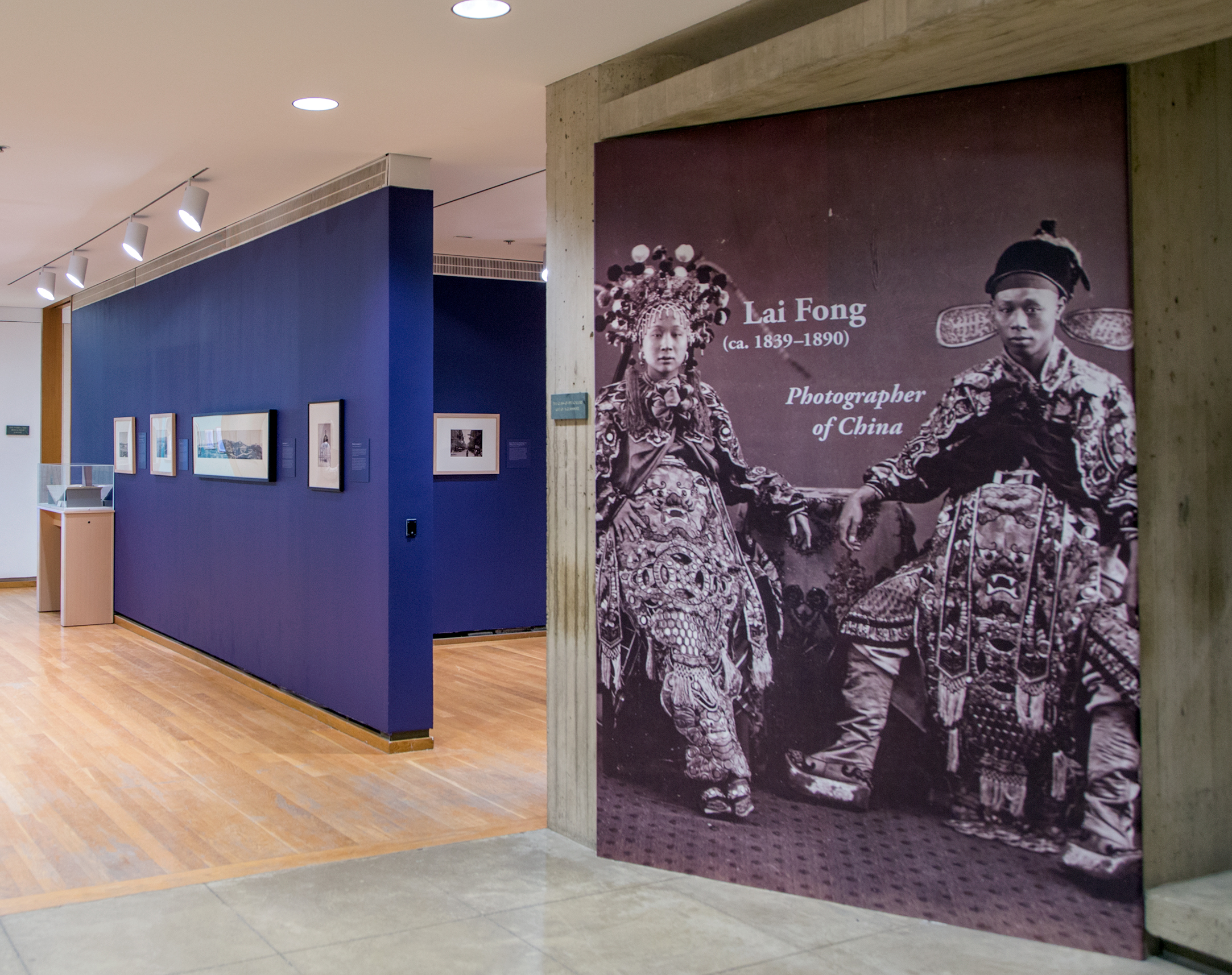
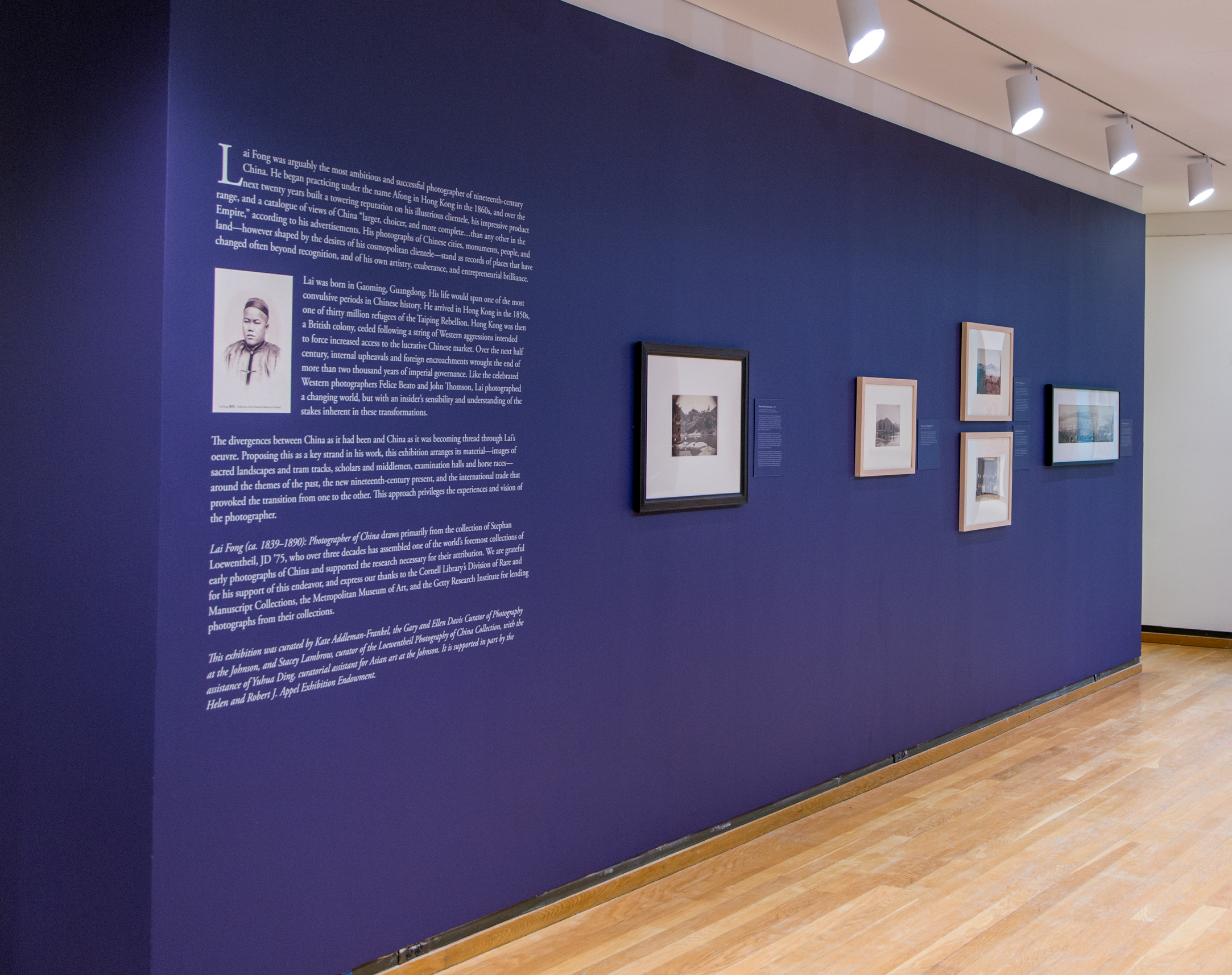
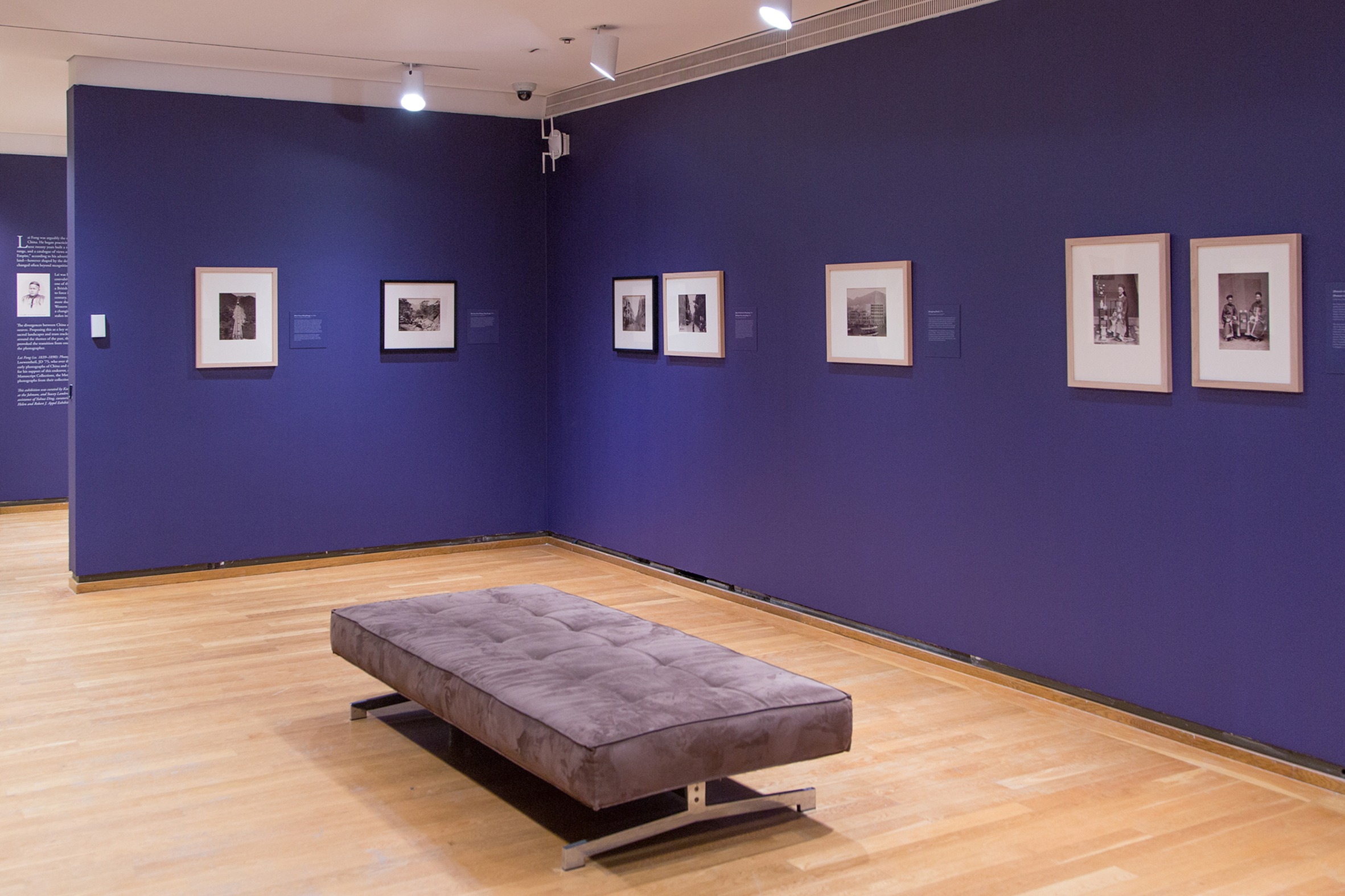
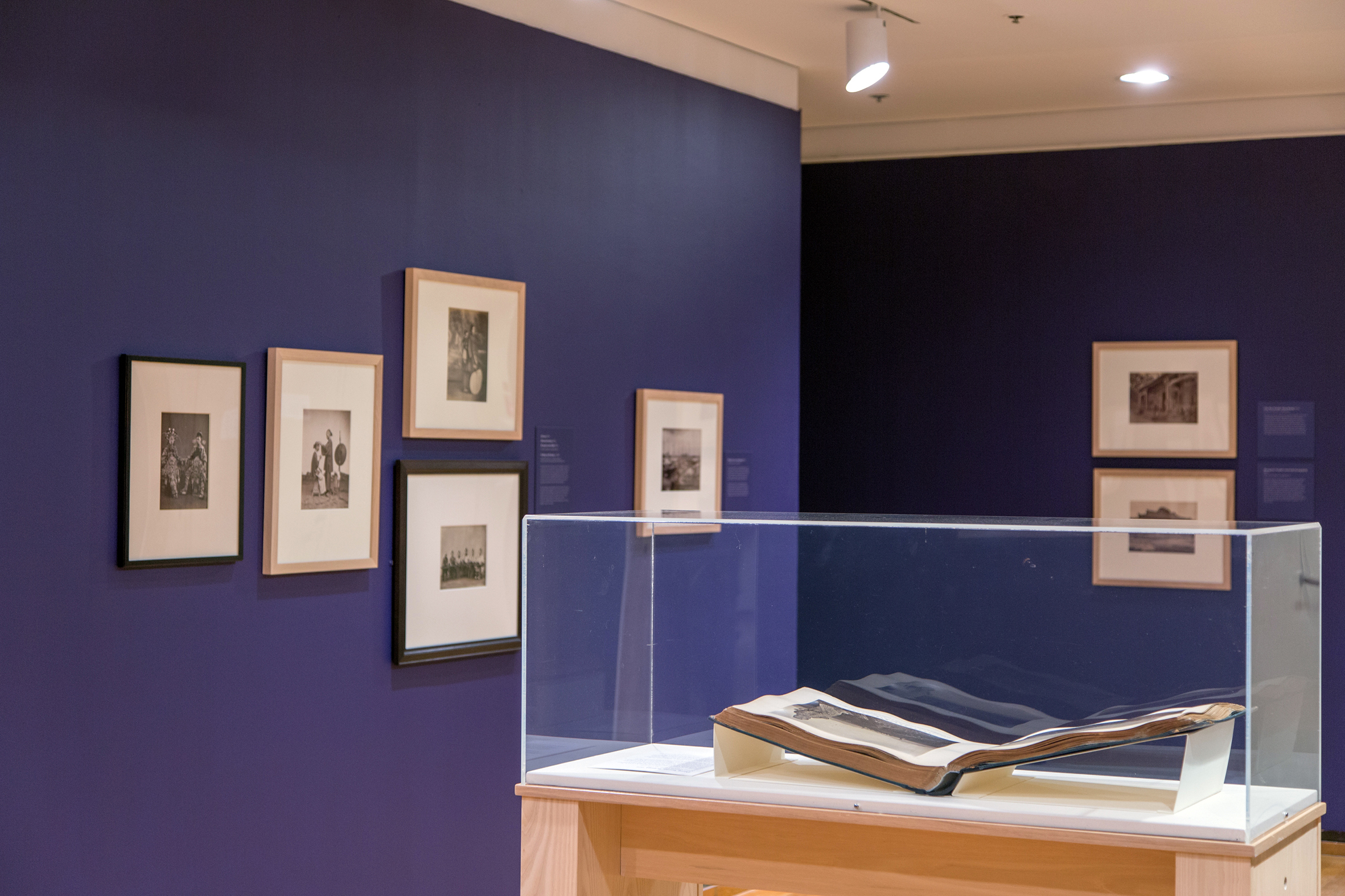
![Lai Fong (Chinese, c. 1839-1890) '[Itinerant barber]' 1870s from the exhibition 'Lai Fong (ca. 1839-1890): Photographer of China' at the Herbert F. Johnson Museum of Art, Ithaca, NY, Feb - June, 2020](https://artblart.com/wp-content/uploads/2020/02/hfj-laifong-barber-sl.jpg "Lai Fong (Chinese, c. 1839-1890) '[Itinerant barber]' 1870s from the exhibition 'Lai Fong (ca. 1839-1890): Photographer of China' at the Herbert F. Johnson Museum of Art, Ithaca, NY, Feb - June, 2020")
![Lai Fong (Chinese, c. 1839-1890) '[Flower boat, Guangzhou]' 1870s](https://artblart.com/wp-content/uploads/2020/04/hfj-laifong-flowerboat-sl.jpg "Lai Fong (Chinese, c. 1839-1890) '[Flower boat, Guangzhou]' 1870s")
![Lai Fong (Chinese, c. 1839-1890) '[Beijing]' 1879](https://artblart.com/wp-content/uploads/2020/04/hfj-laifong-beijing-cornellrare.jpg "Lai Fong (Chinese, c. 1839-1890) '[Beijing]' 1879")
![Lai Fong (Chinese, c. 1839-1890) '[Ming Tombs, Beijing]' 1879](https://artblart.com/wp-content/uploads/2020/04/hfj-laifong-mingtombs-cornellrare-web.jpg "Lai Fong (Chinese, c. 1839-1890) '[Ming Tombs, Beijing]' 1879")
![Lai Fong (Chinese, c. 1839-1890) '[Ming Tombs, Beijing]' 1879](https://artblart.com/wp-content/uploads/2020/04/lai-fong-ming-tombs-beijing-1879.jpg "Lai Fong (Chinese, c. 1839-1890) '[Ming Tombs, Beijing]' 1879")
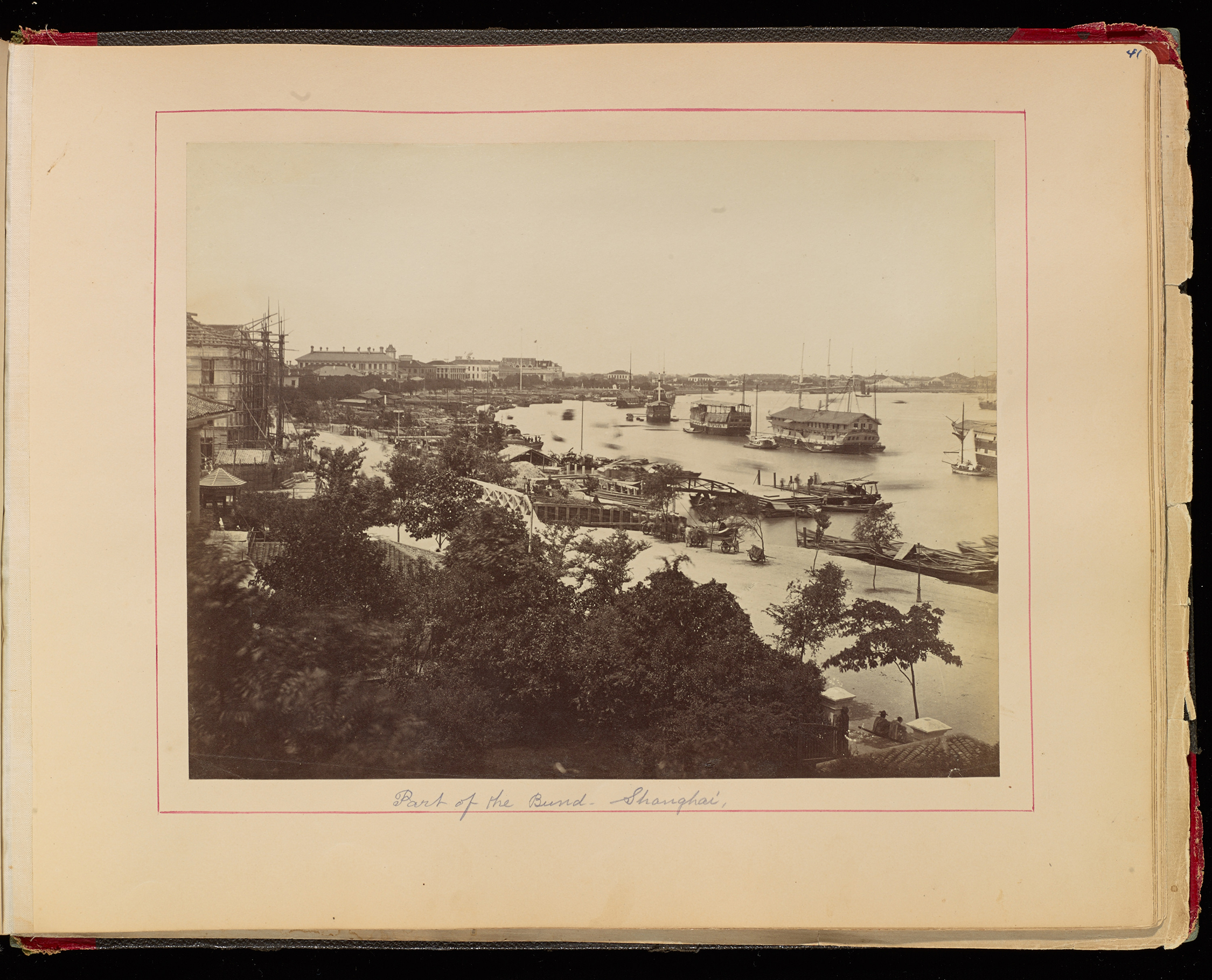
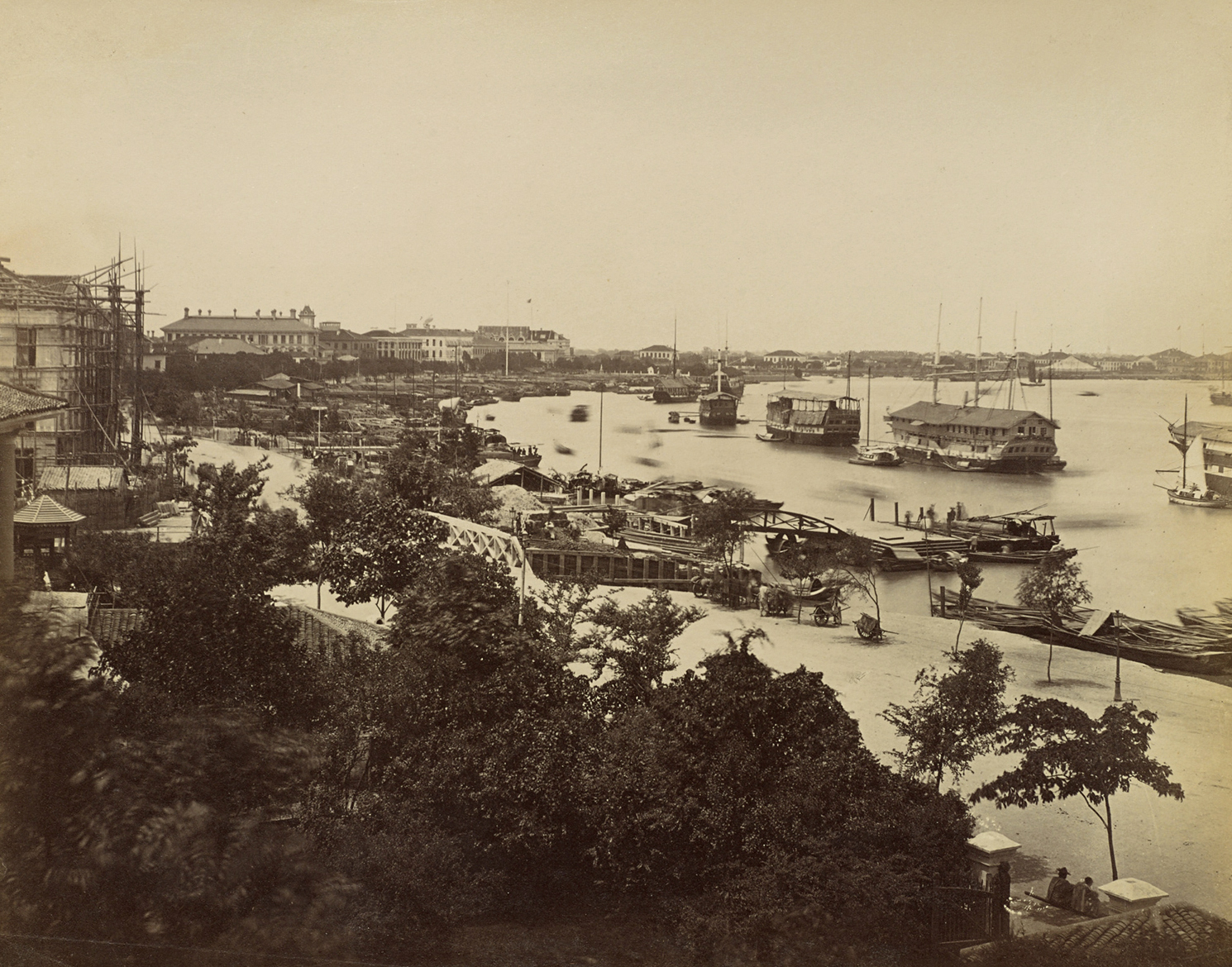
![Lai Fong (Chinese, c. 1839-1890) '[Group portrait near Fangguangyan Monastery, Fujian]' c. 1869](https://artblart.com/wp-content/uploads/2020/02/hfj-laifong-group-met.jpg "Lai Fong (Chinese, c. 1839-1890) '[Group portrait near Fangguangyan Monastery, Fujian]' c. 1869")
![Lai Fong (Chinese, c. 1839-1890) '[Piled Stone Peaks in Mount Wuyi]' c. 1869](https://artblart.com/wp-content/uploads/2020/02/hfj-laifong-stonepeaks-met.jpg "Lai Fong (Chinese, c. 1839-1890) '[Piled Stone Peaks in Mount Wuyi]' c. 1869")
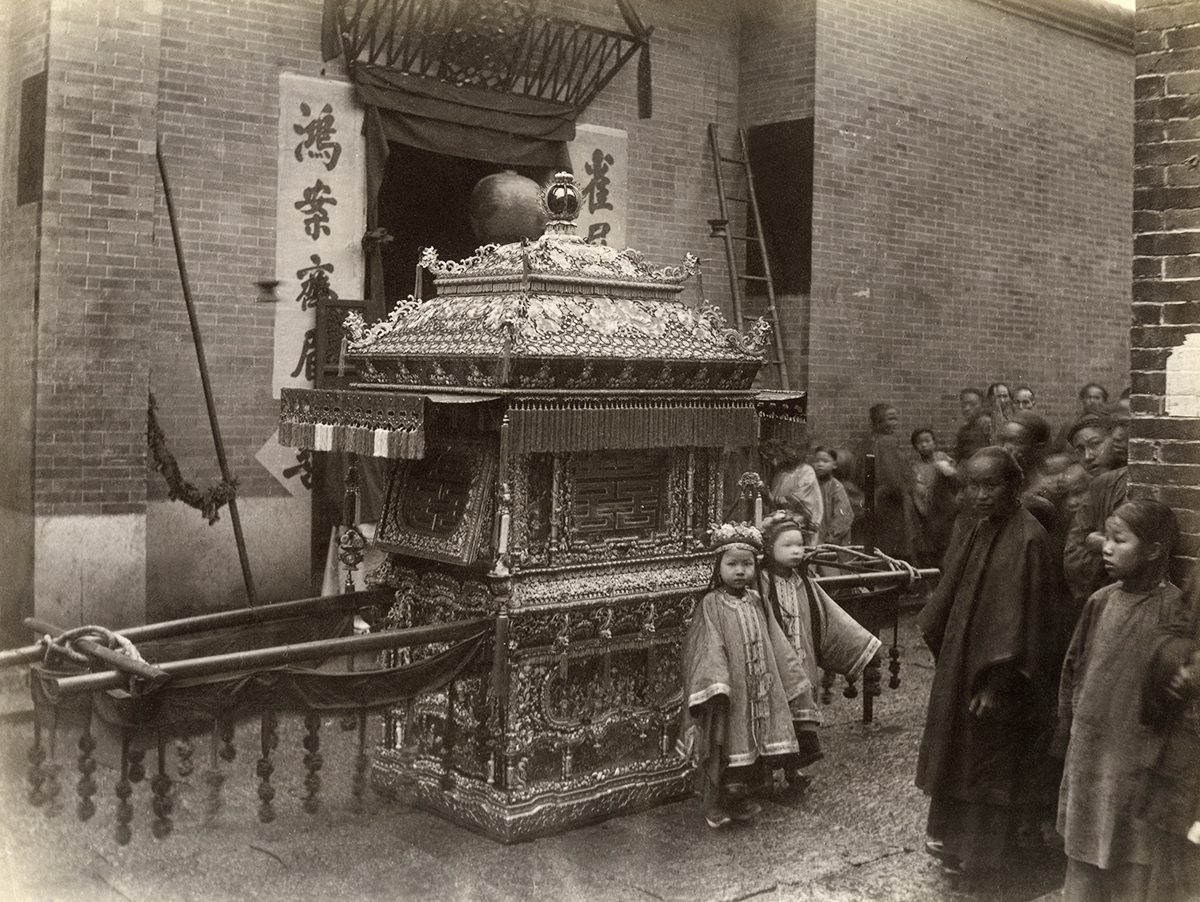
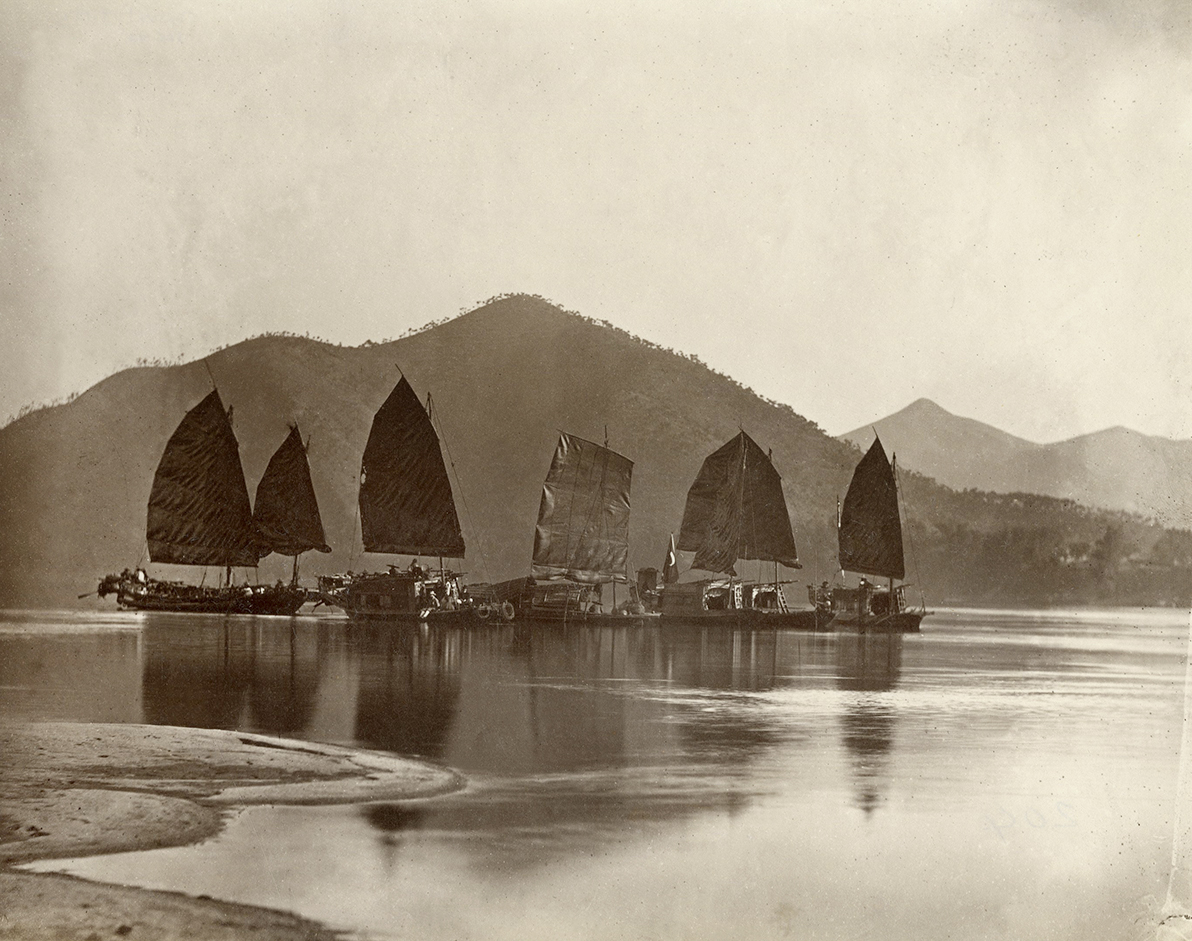
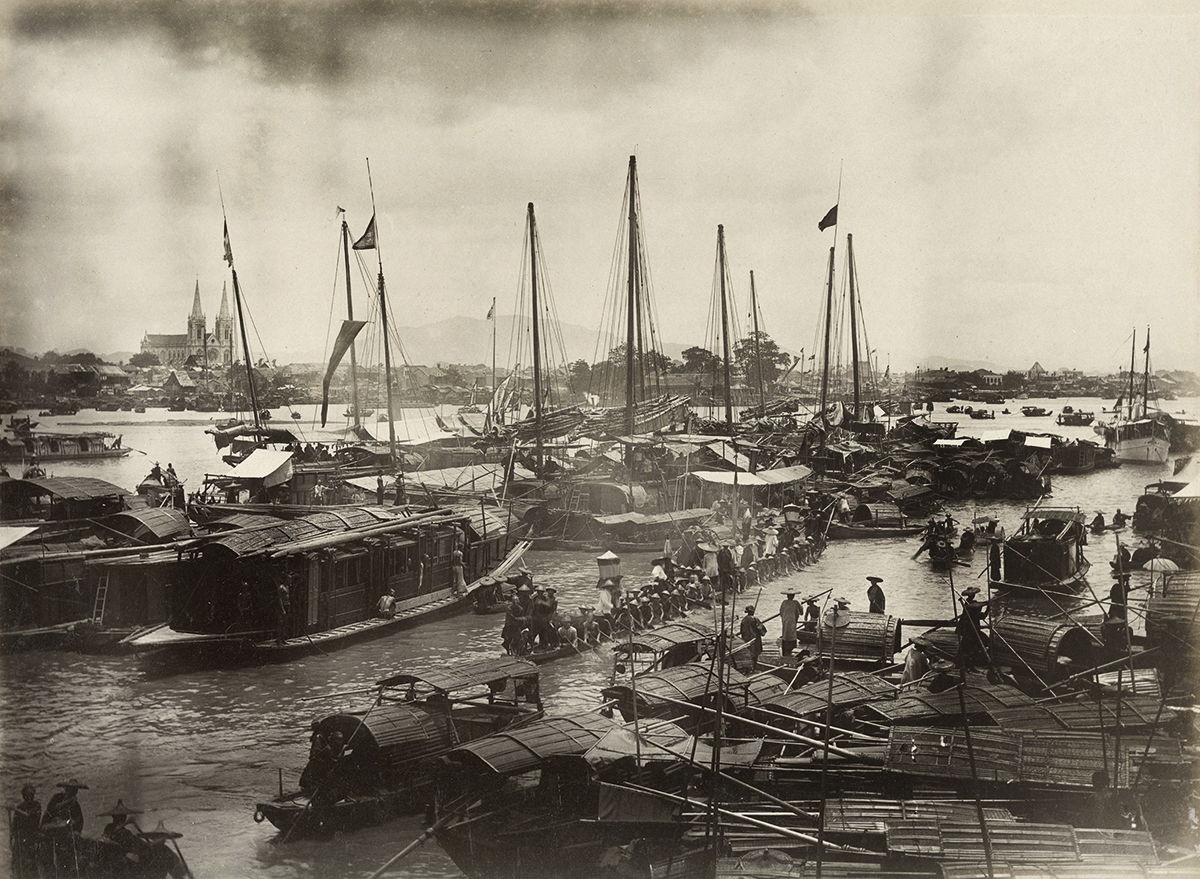
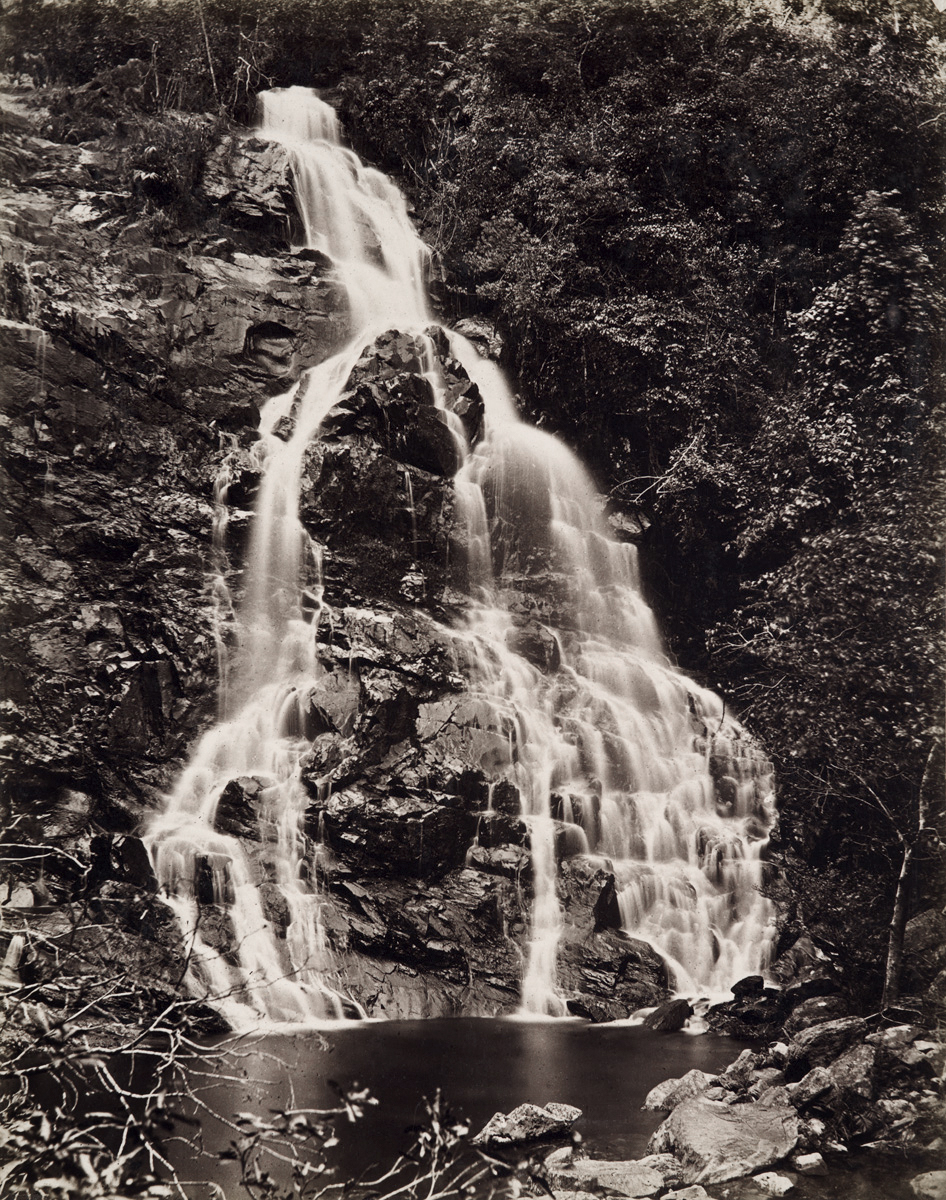
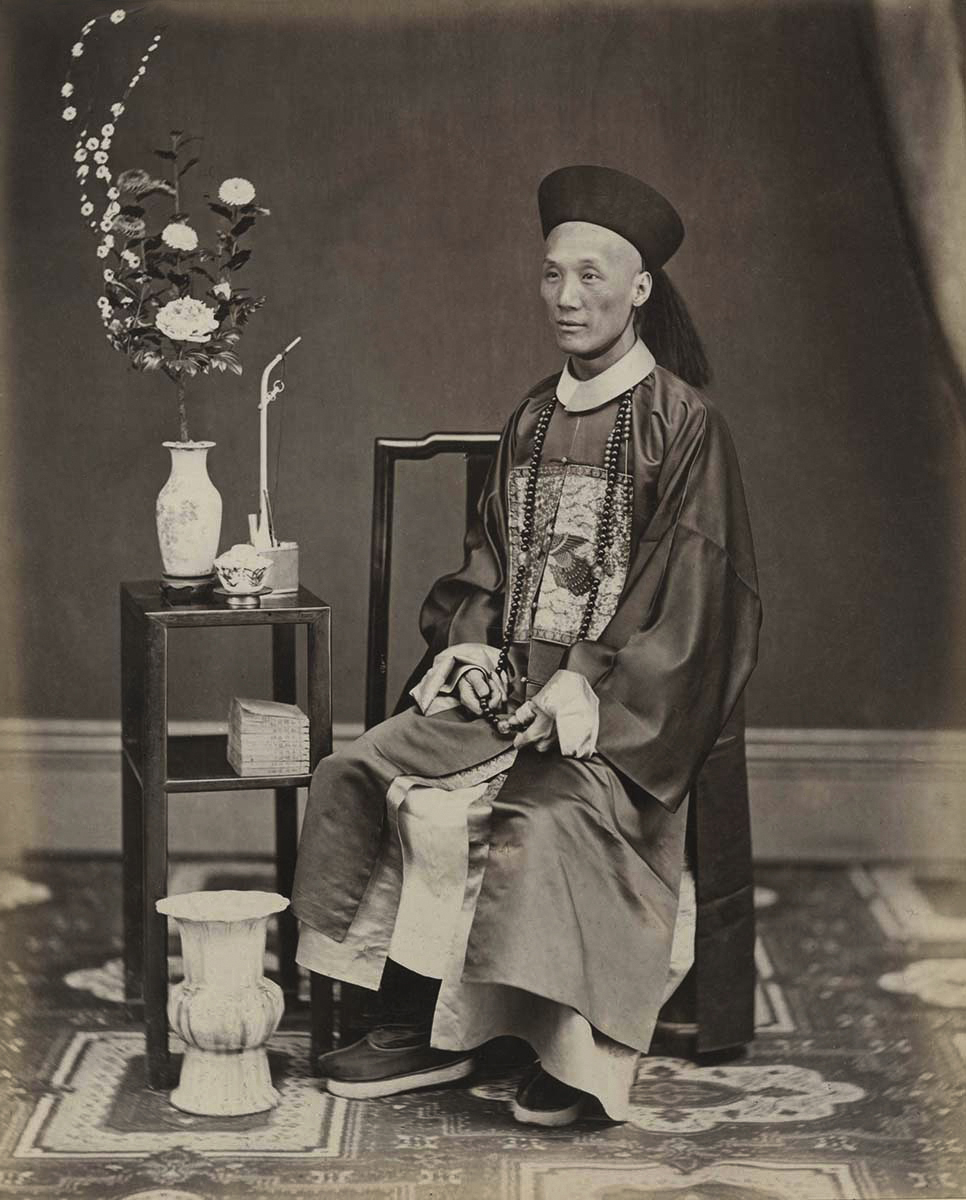
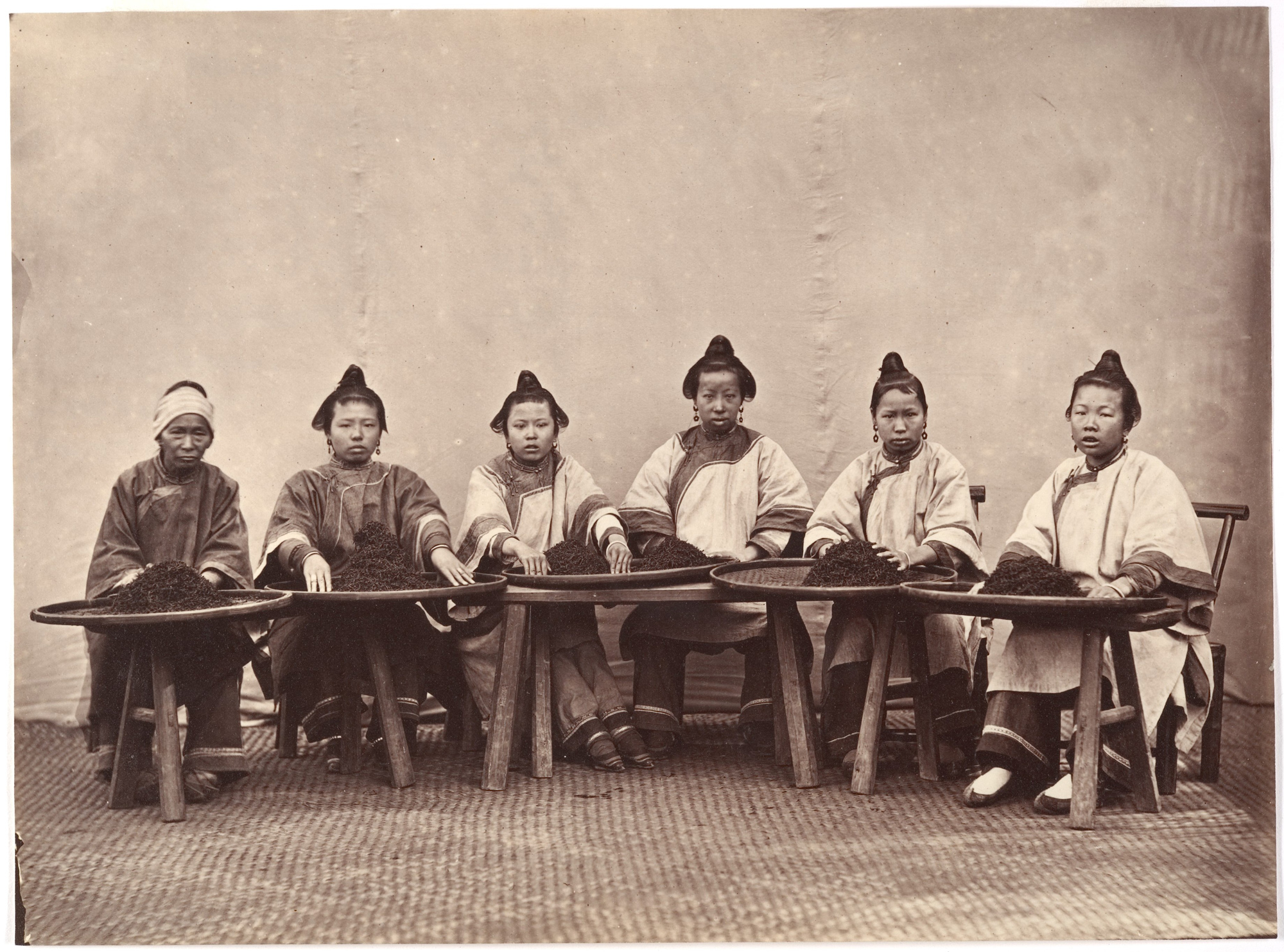
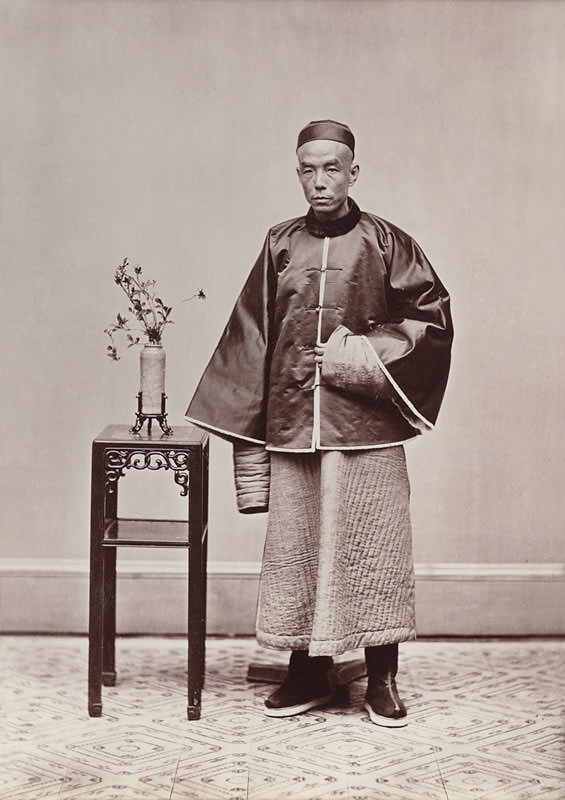
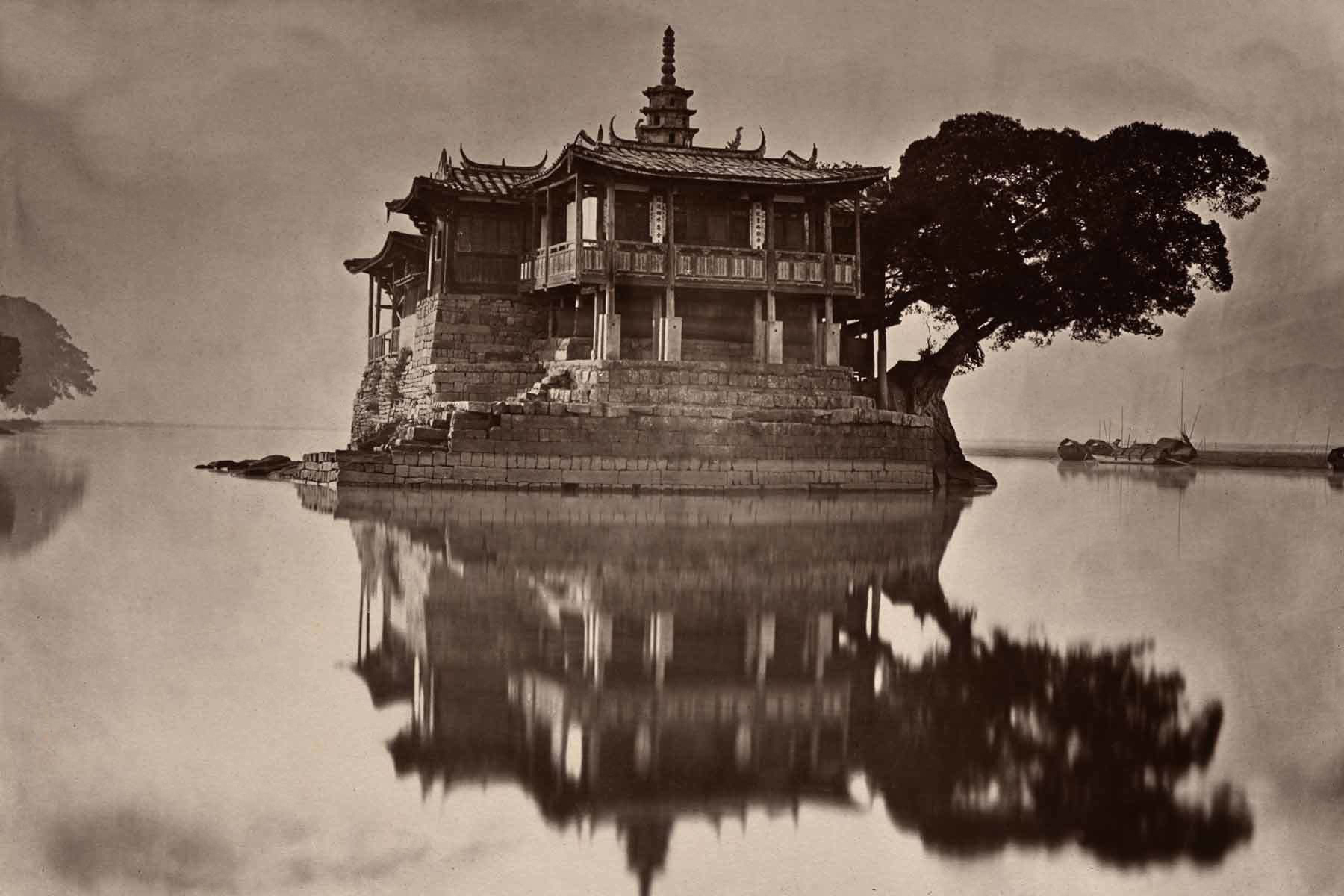

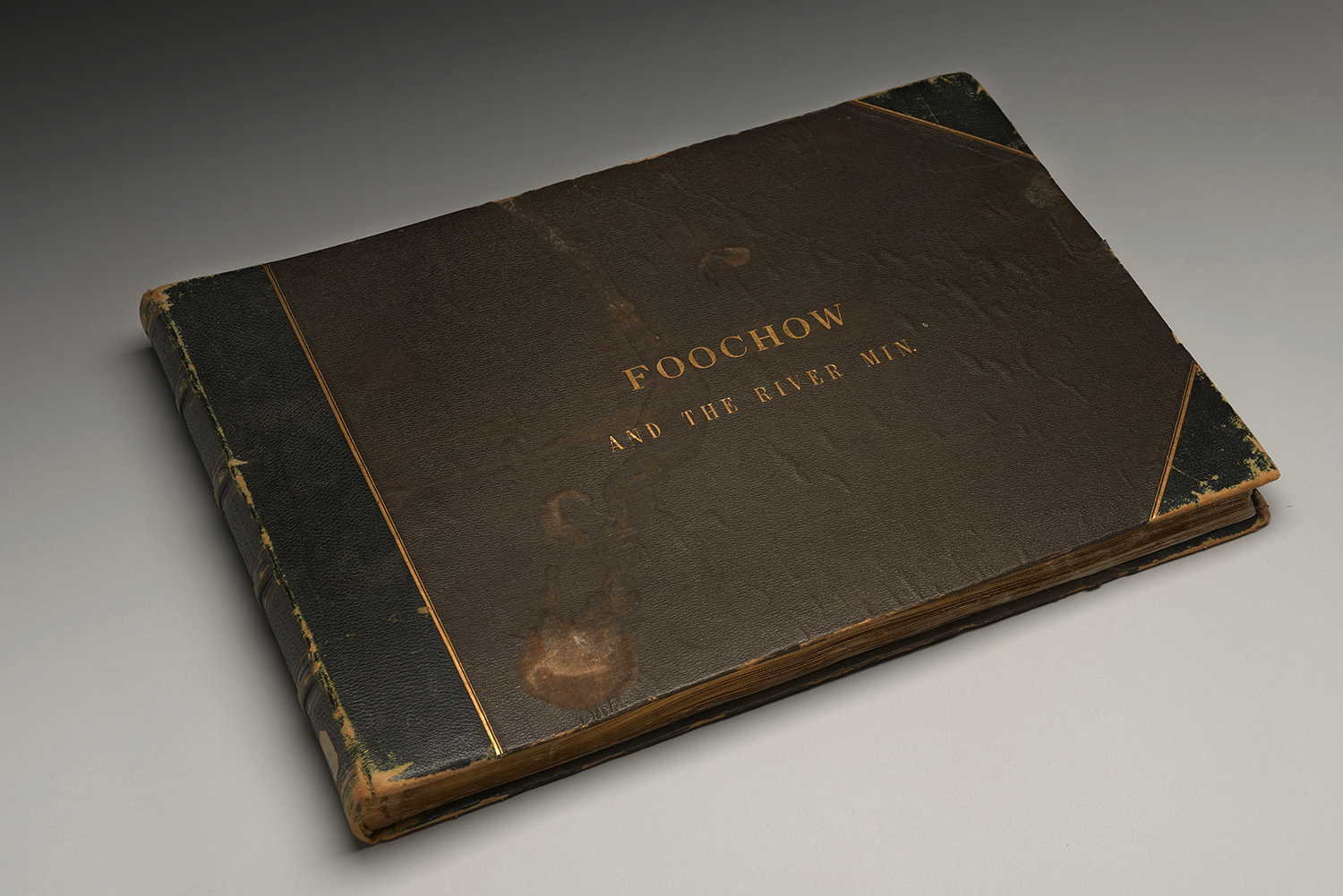

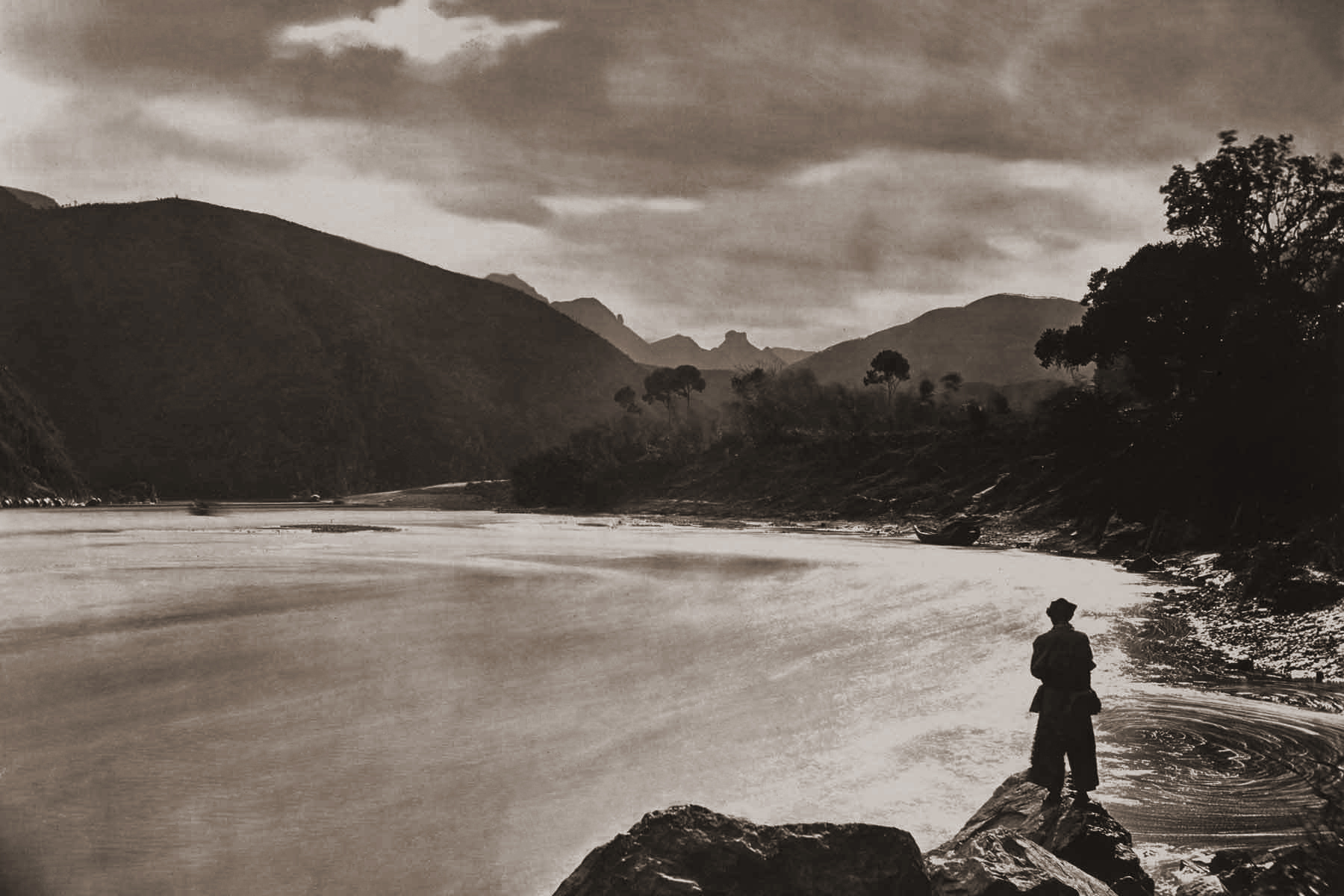

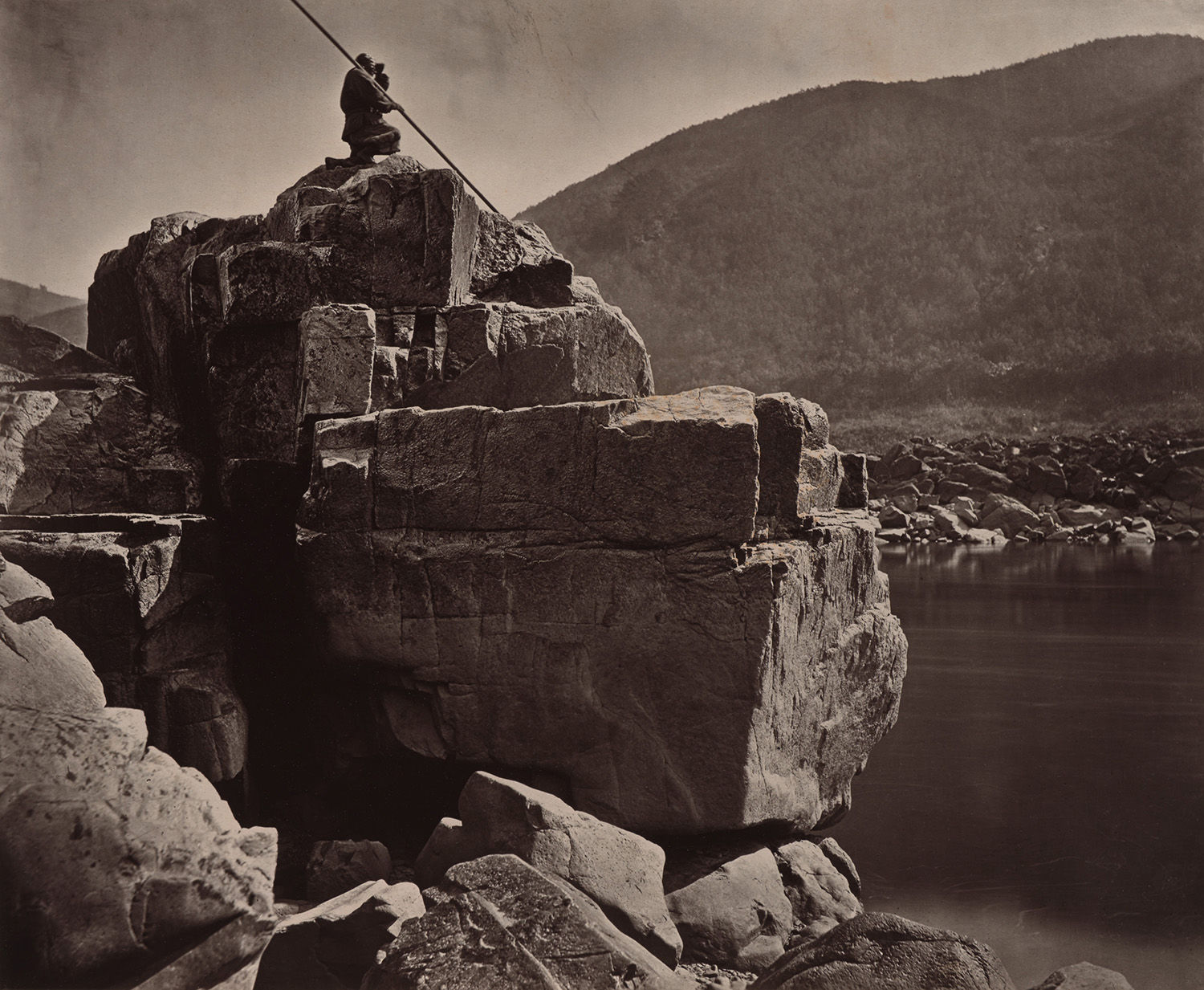
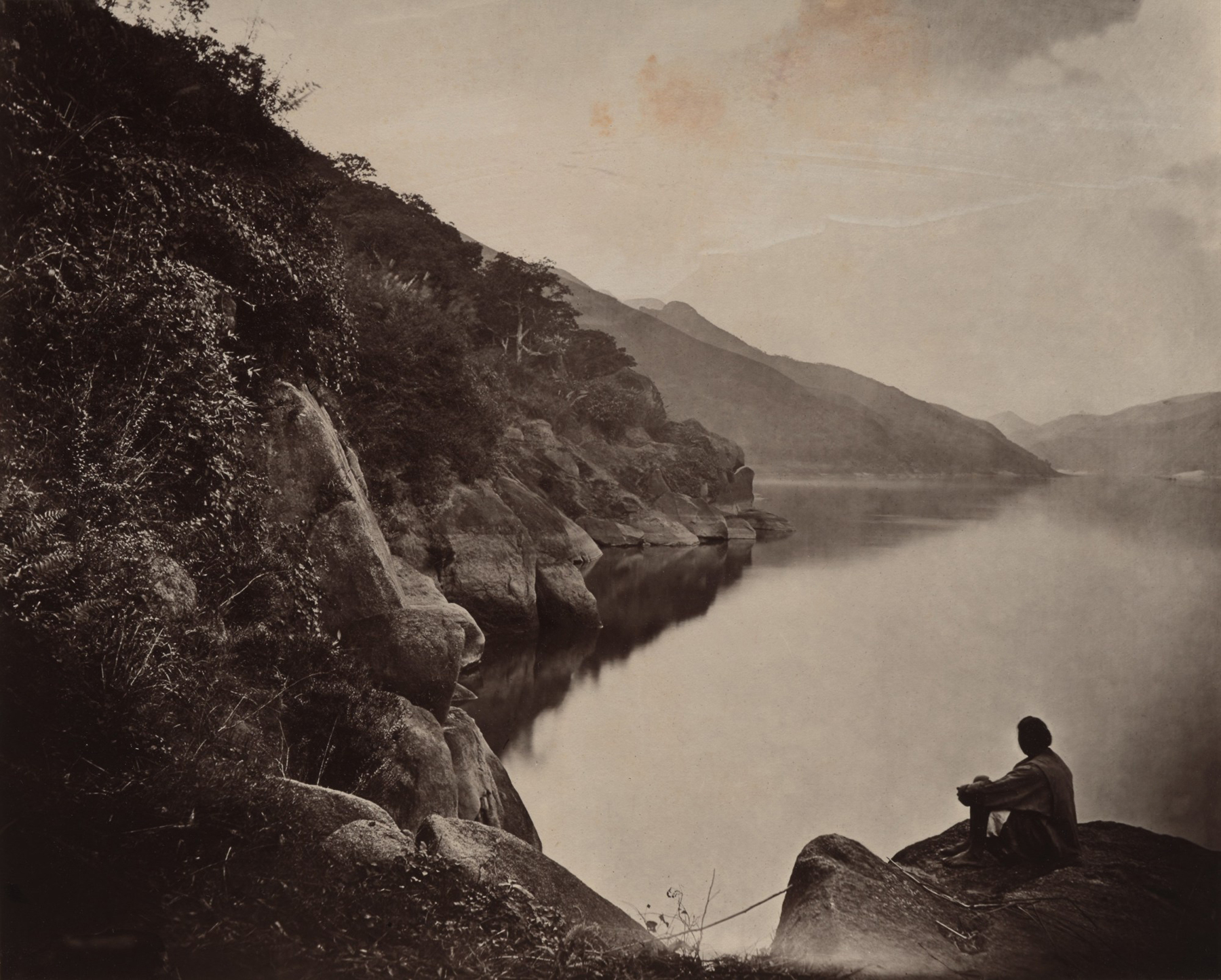
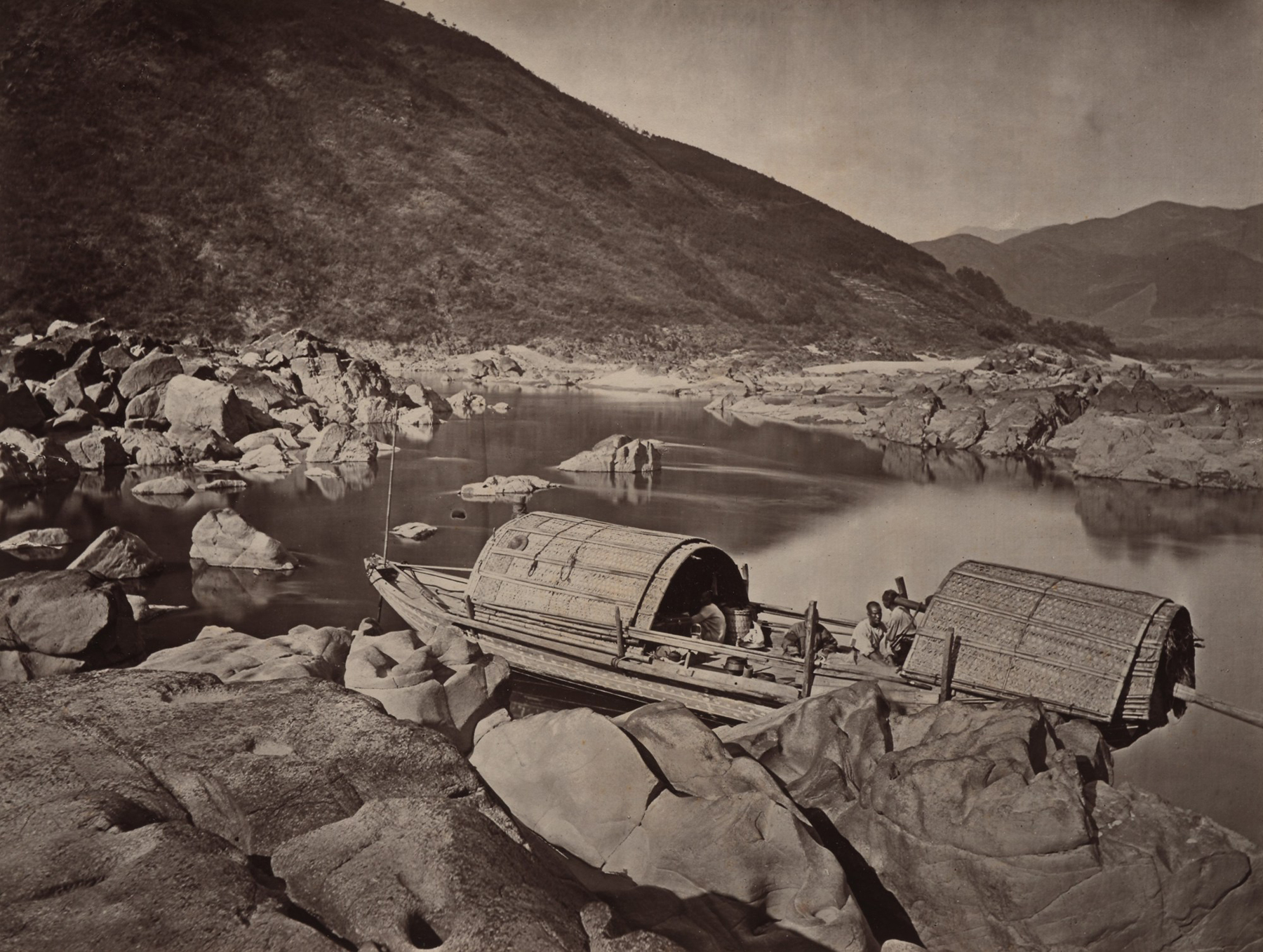
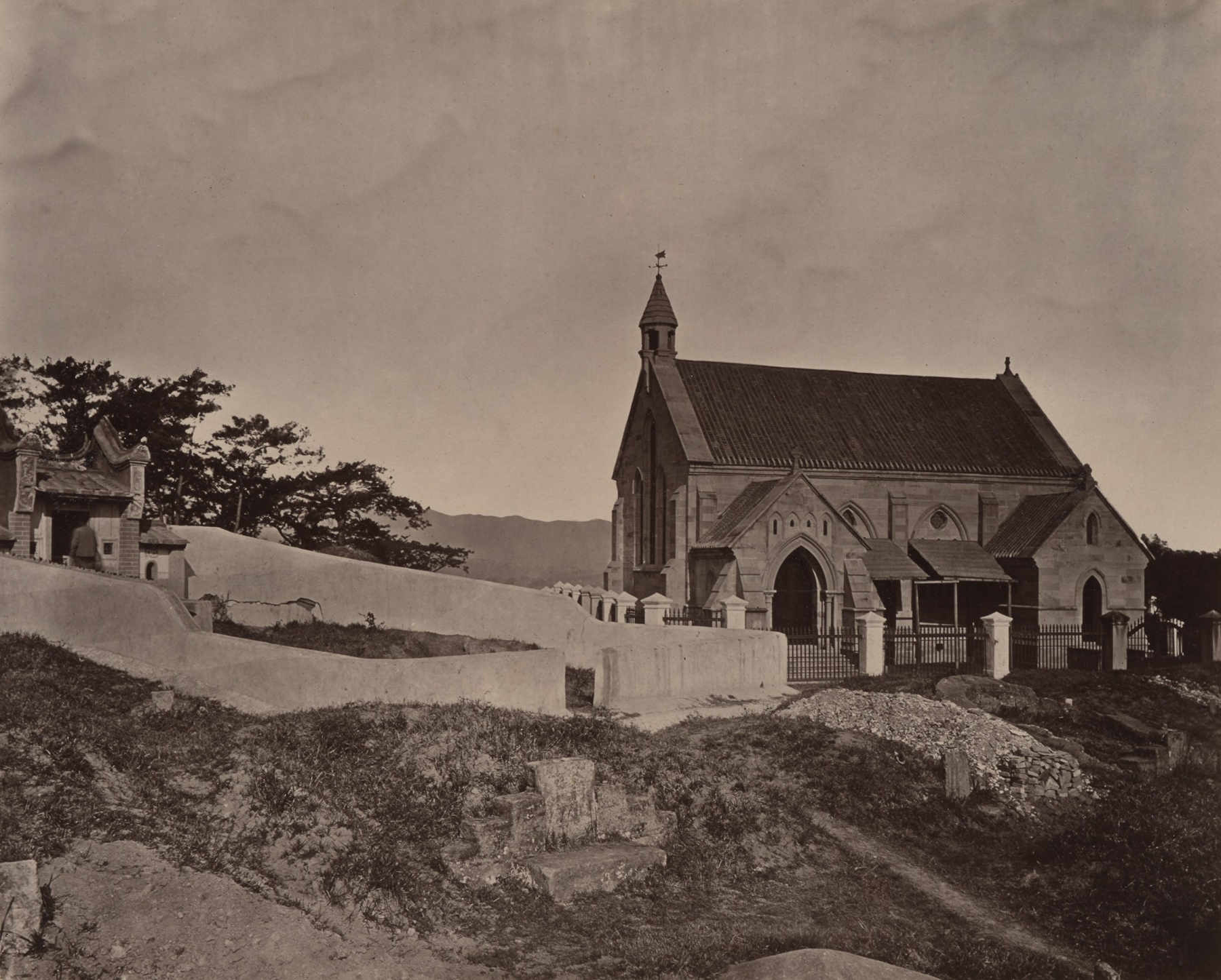
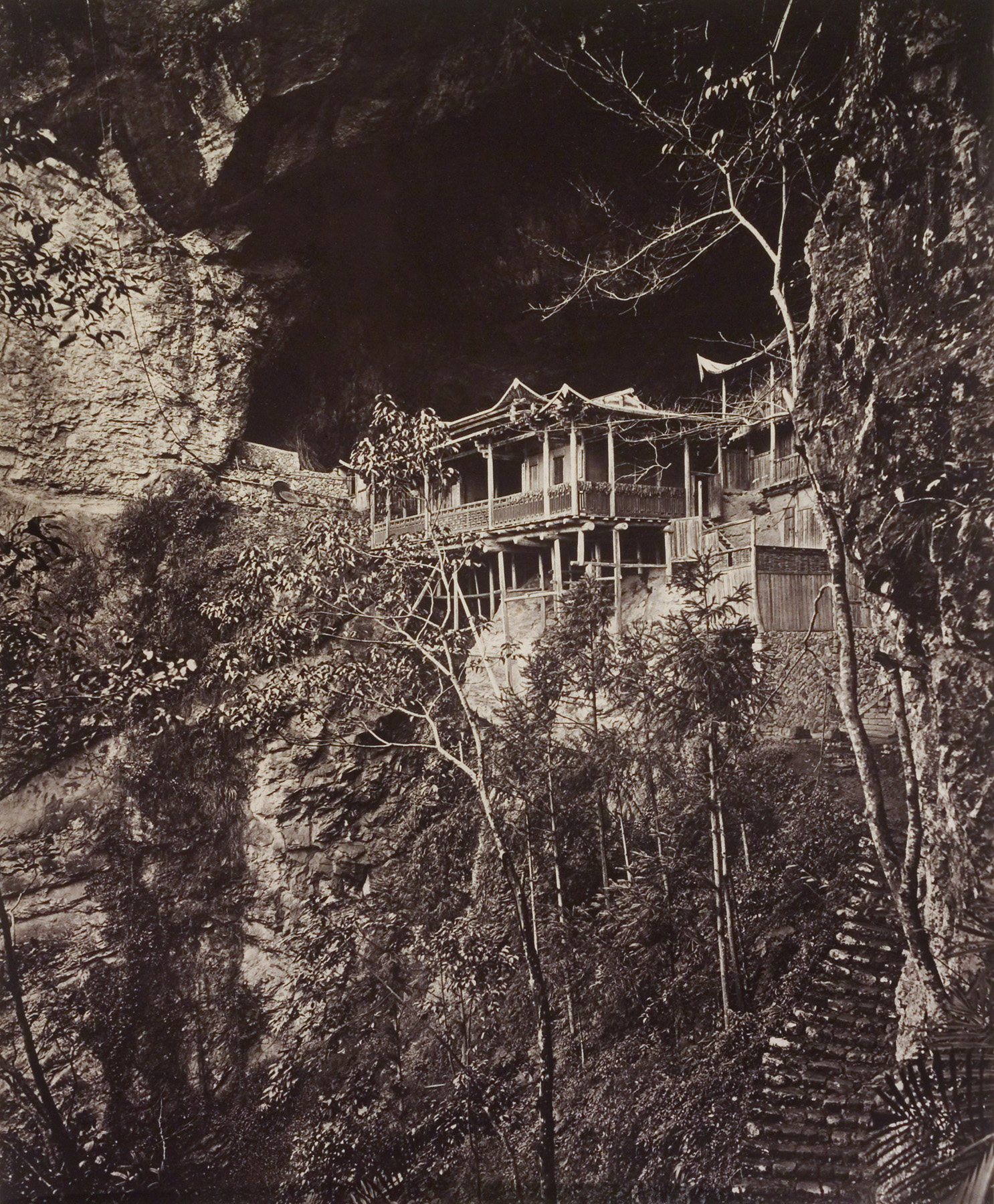
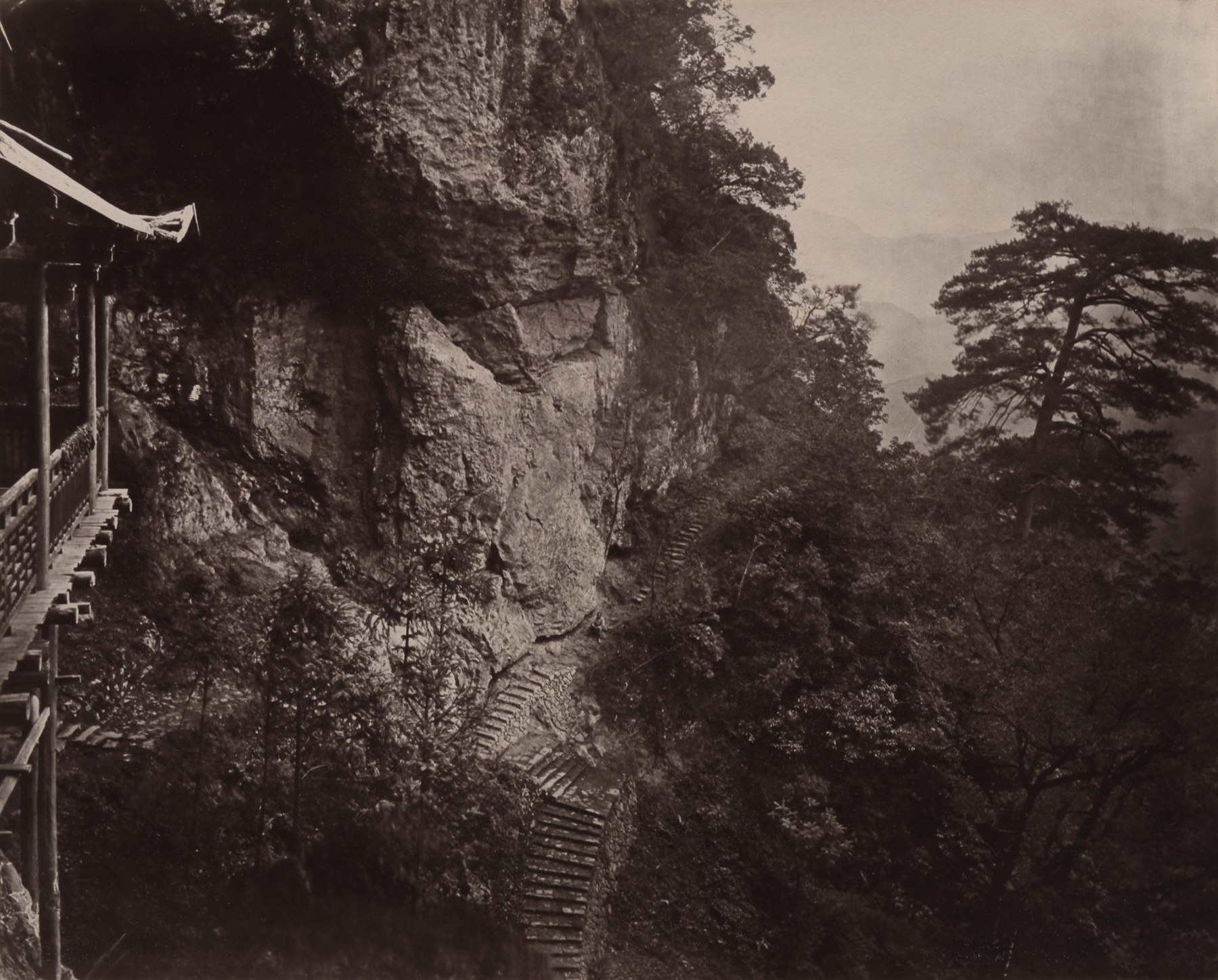
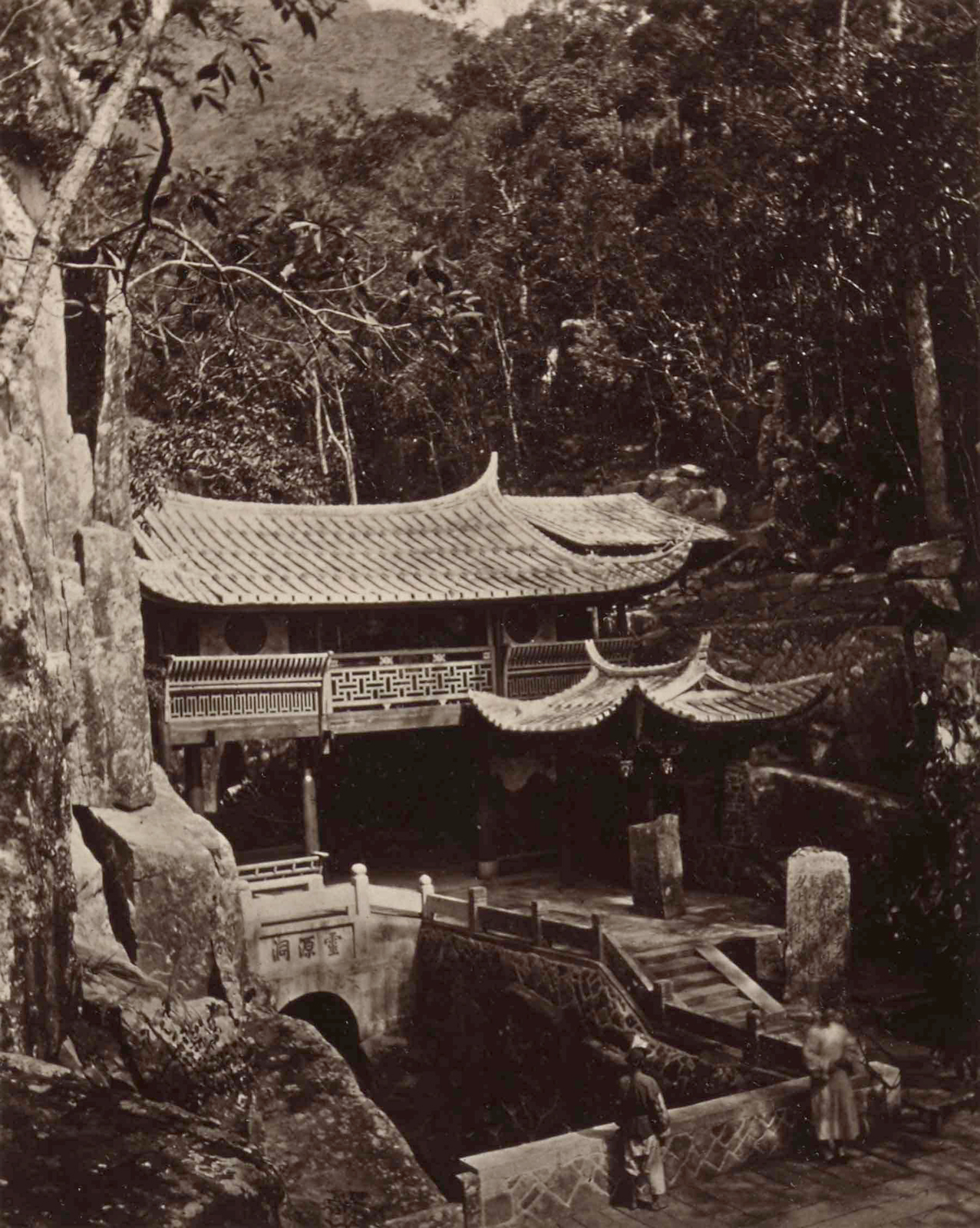
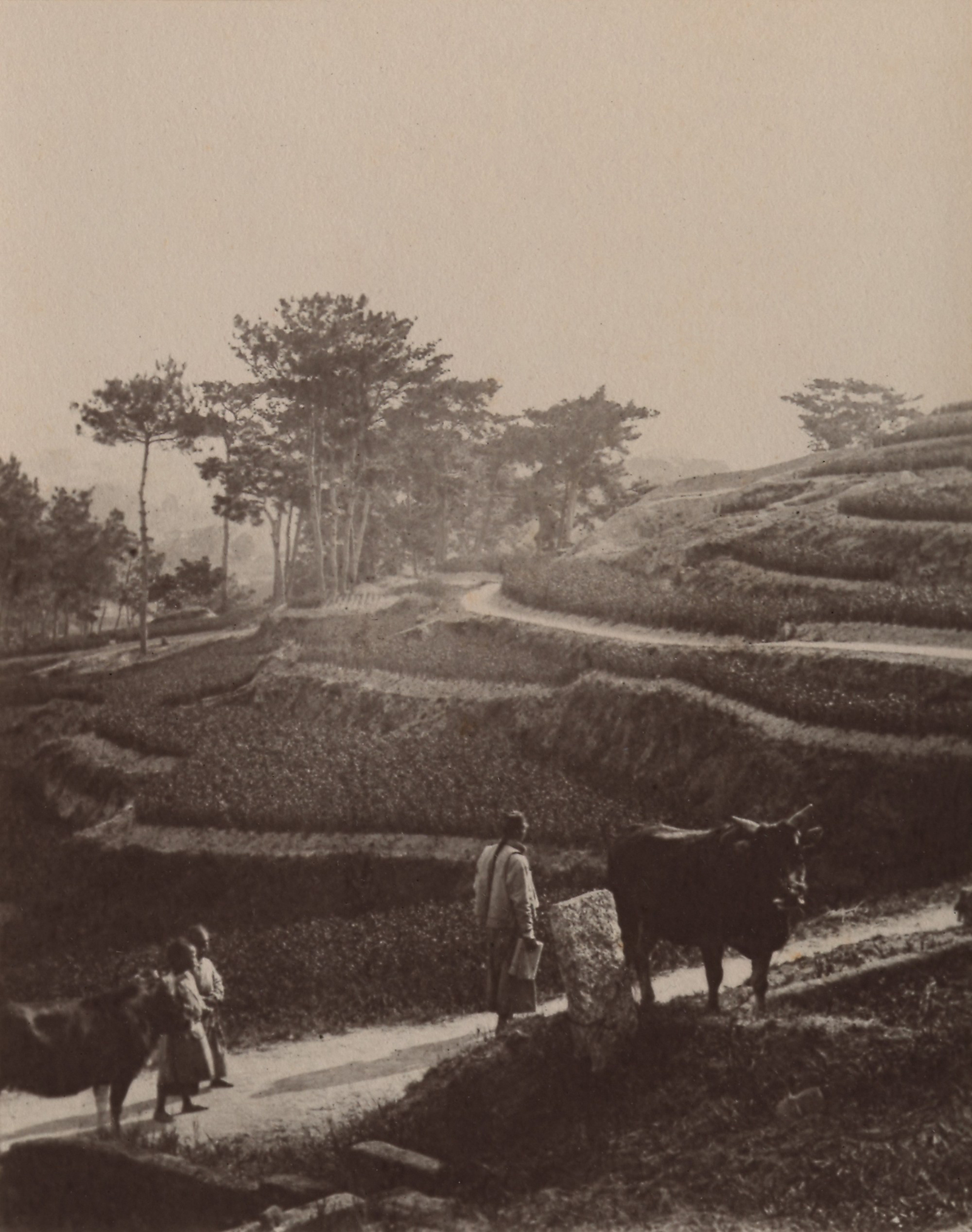
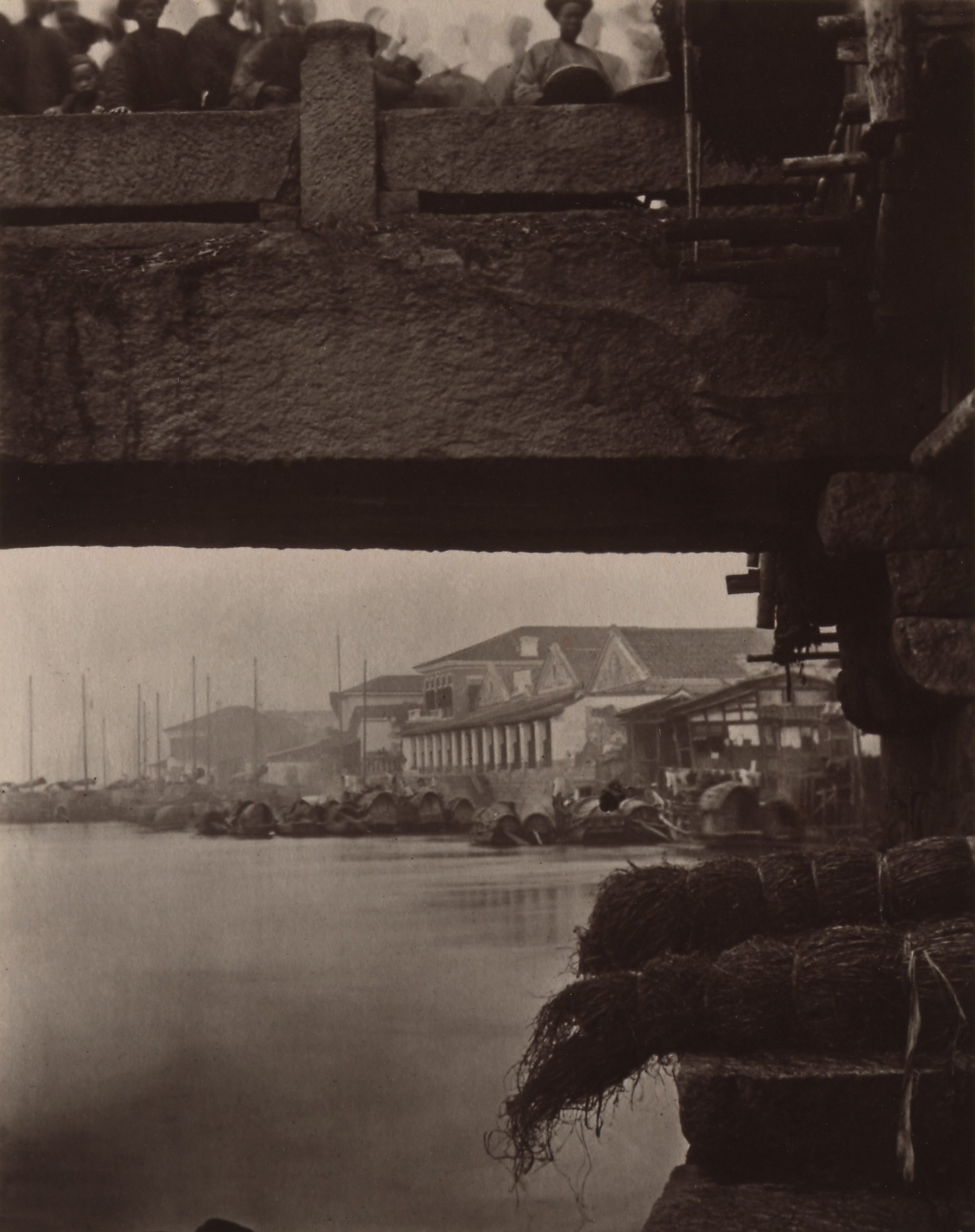
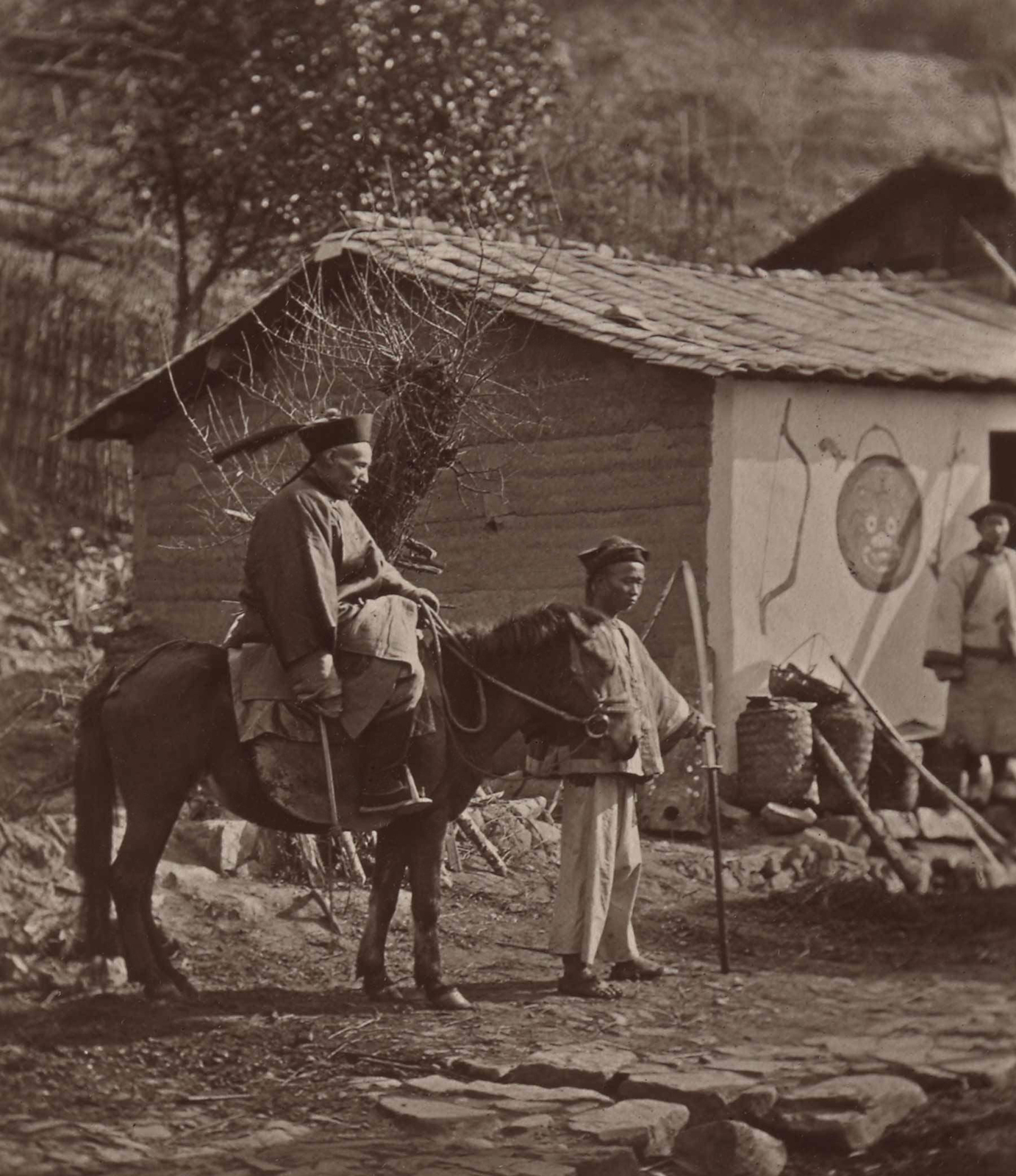
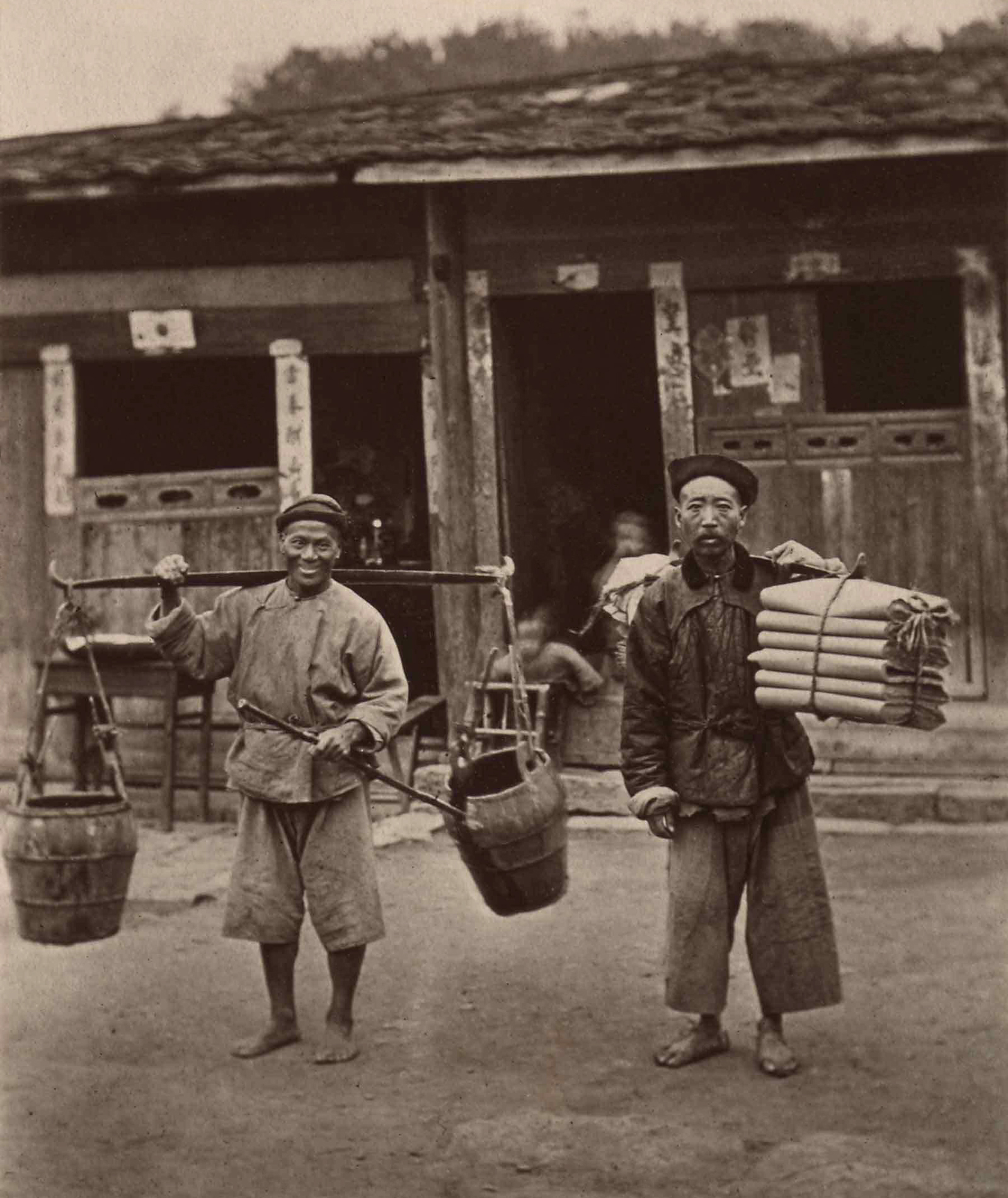
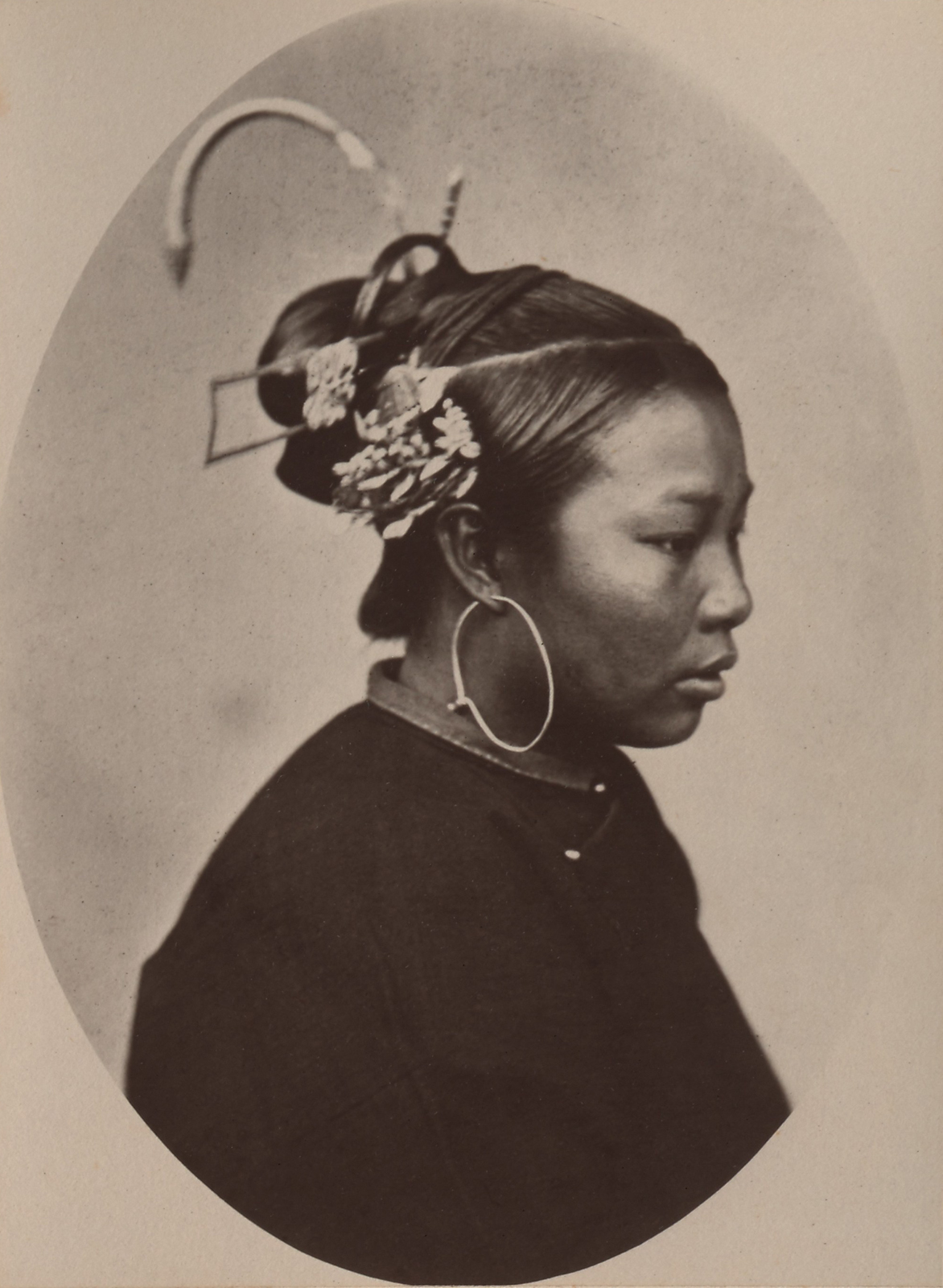
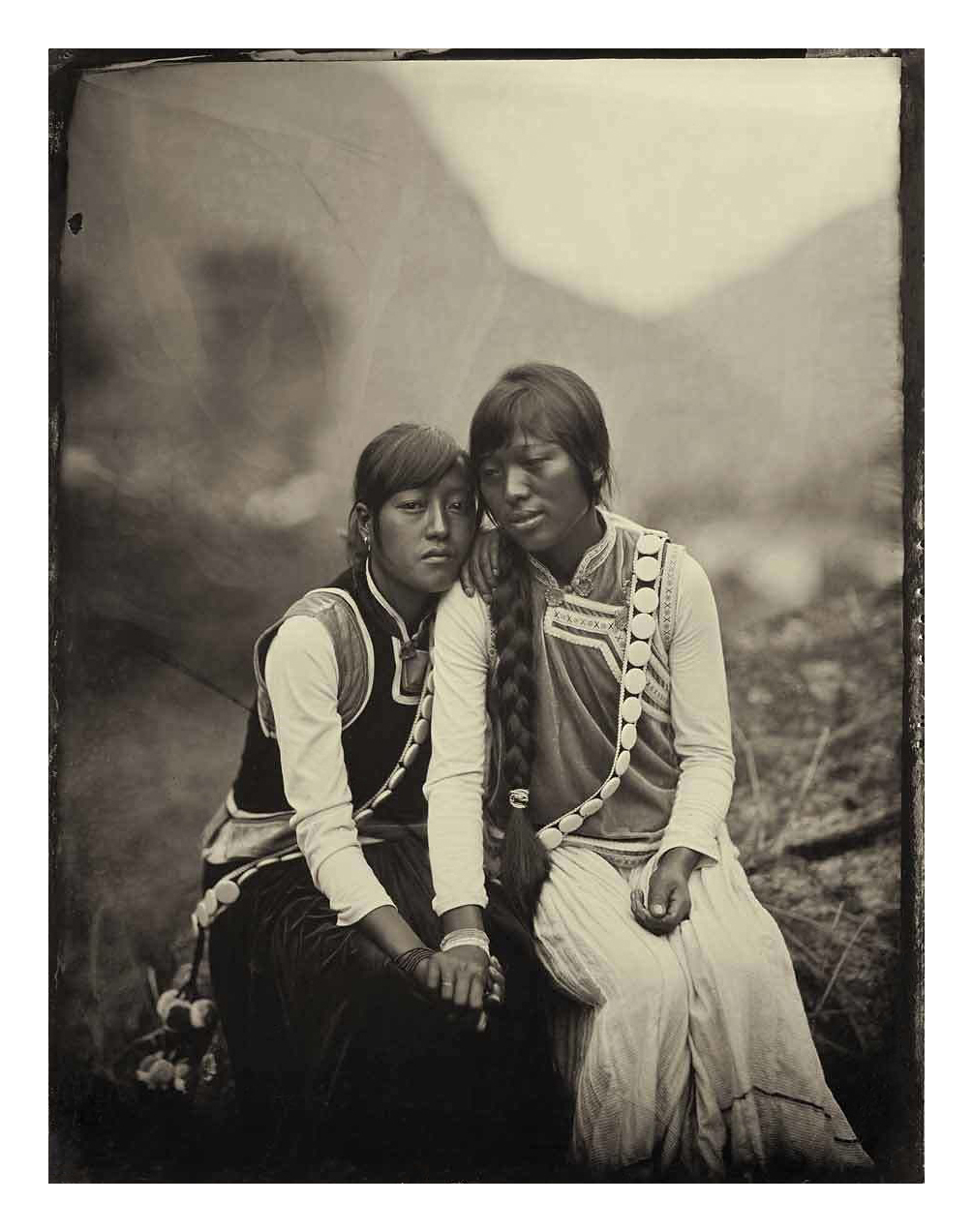
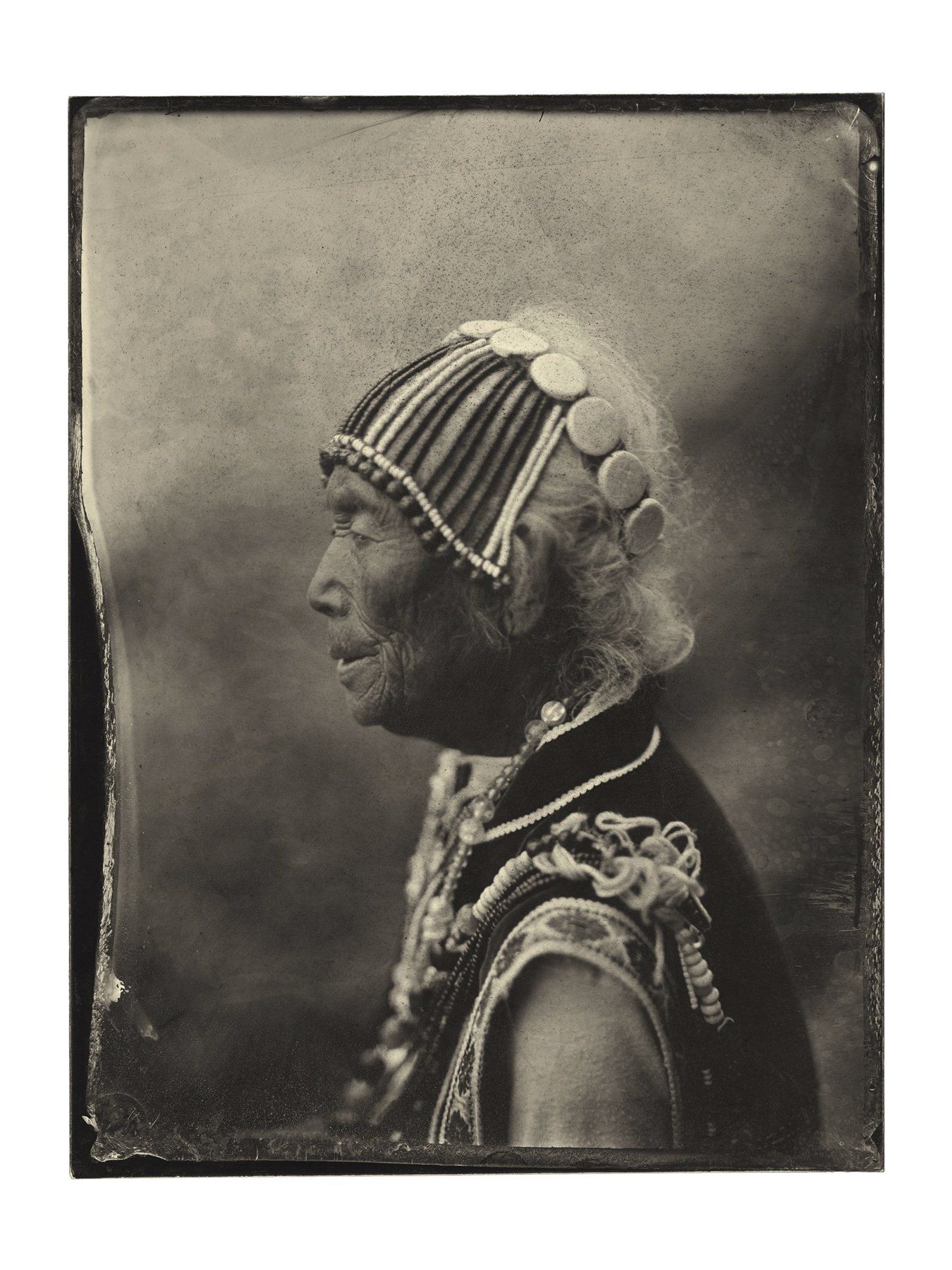
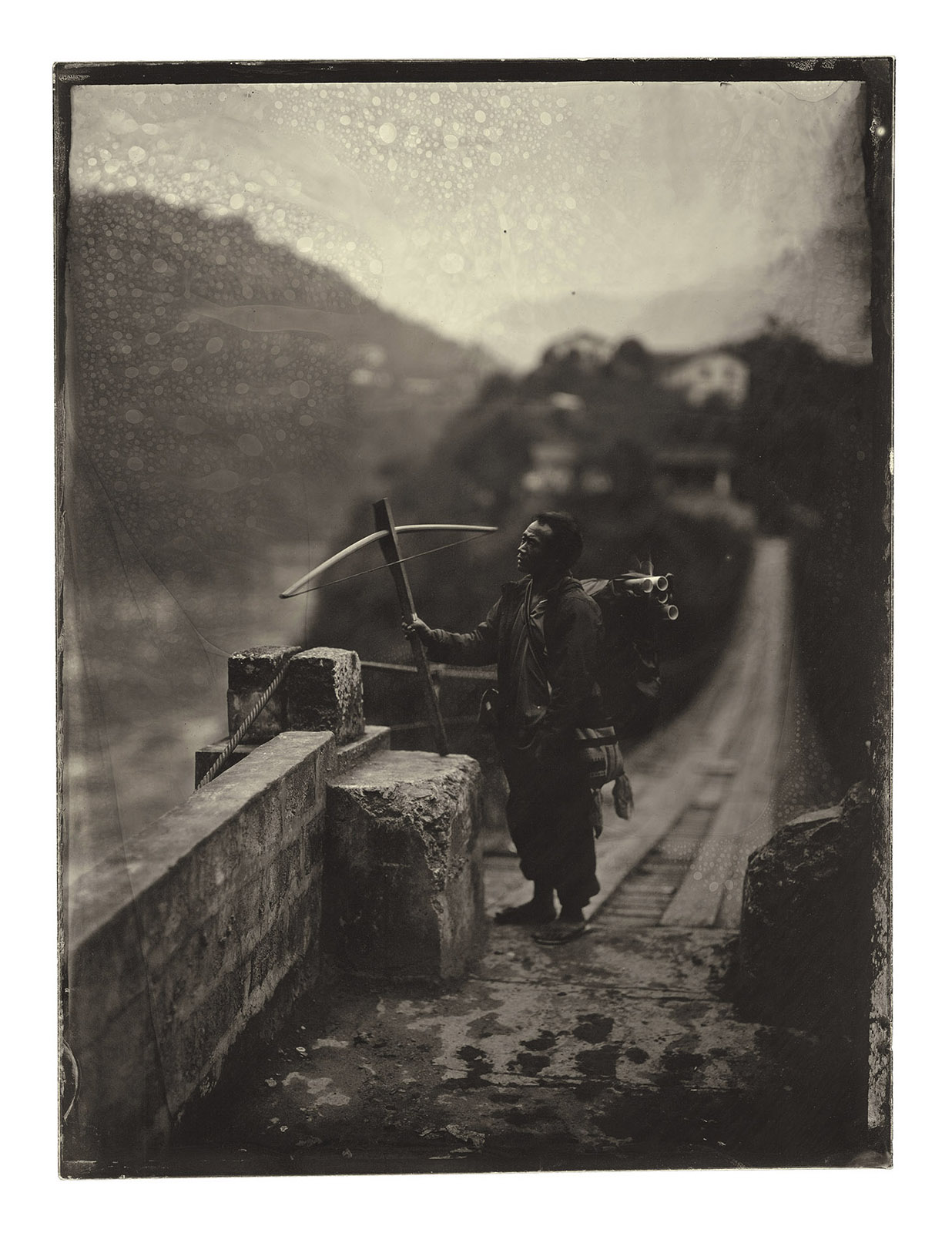
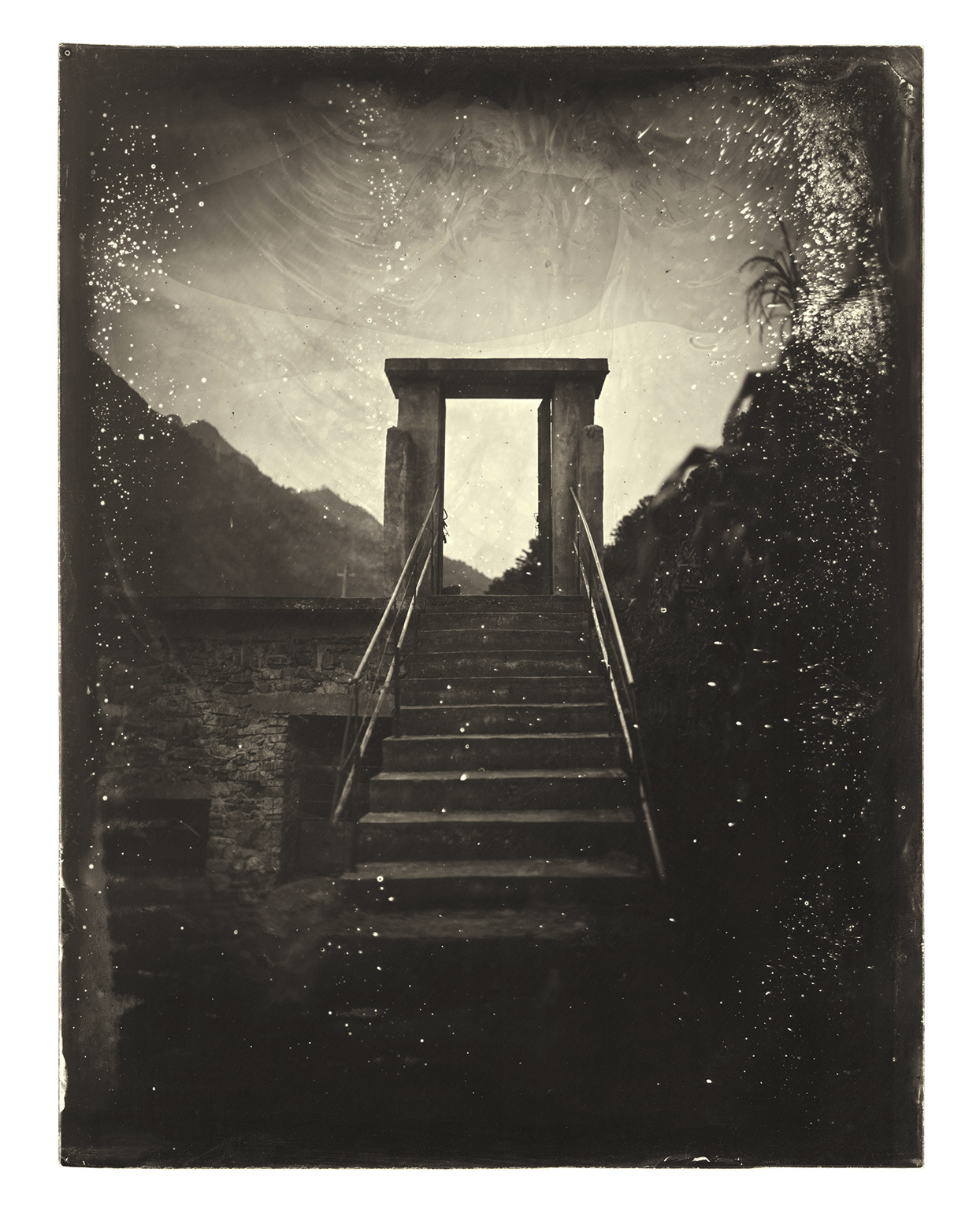


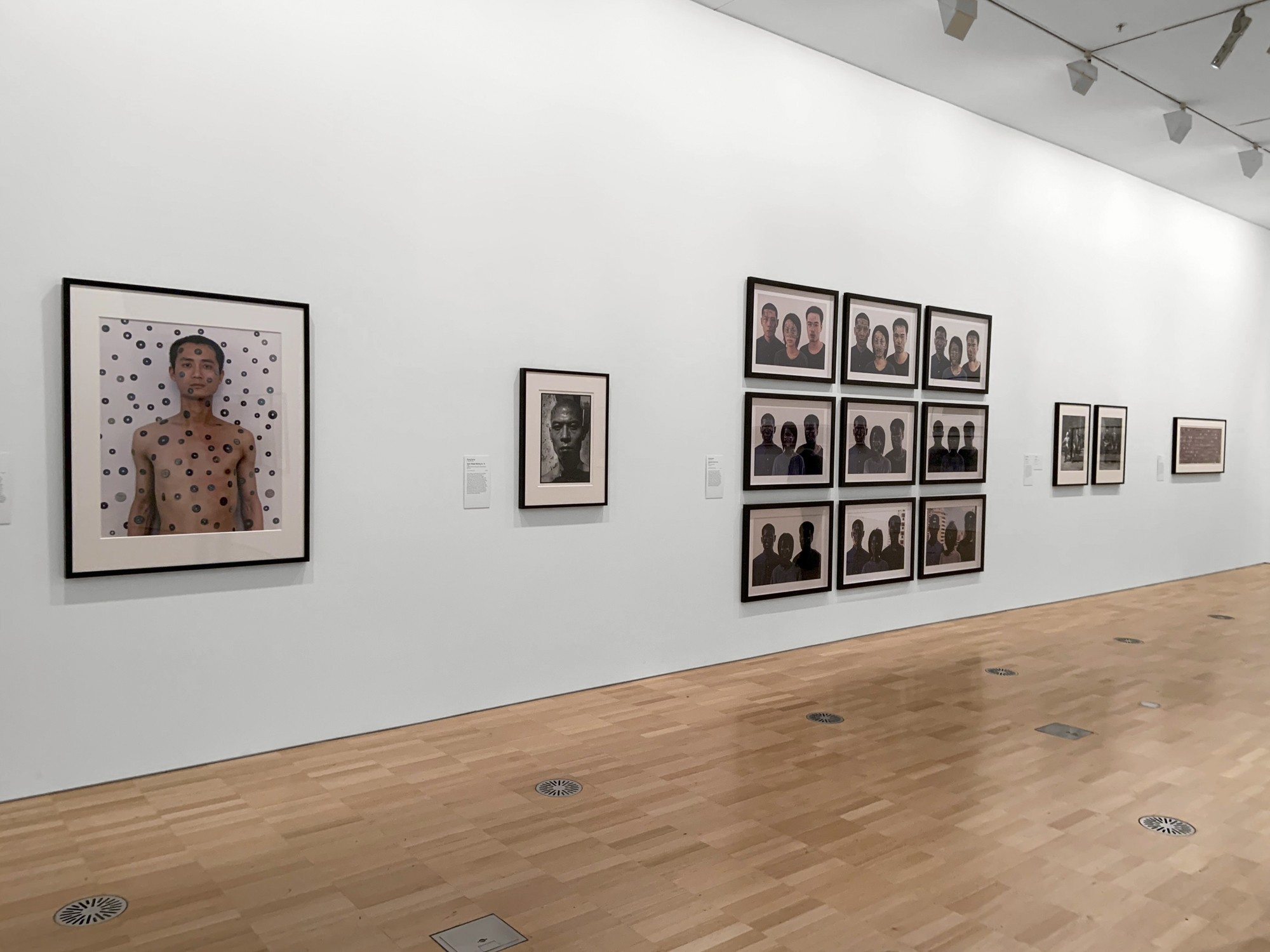


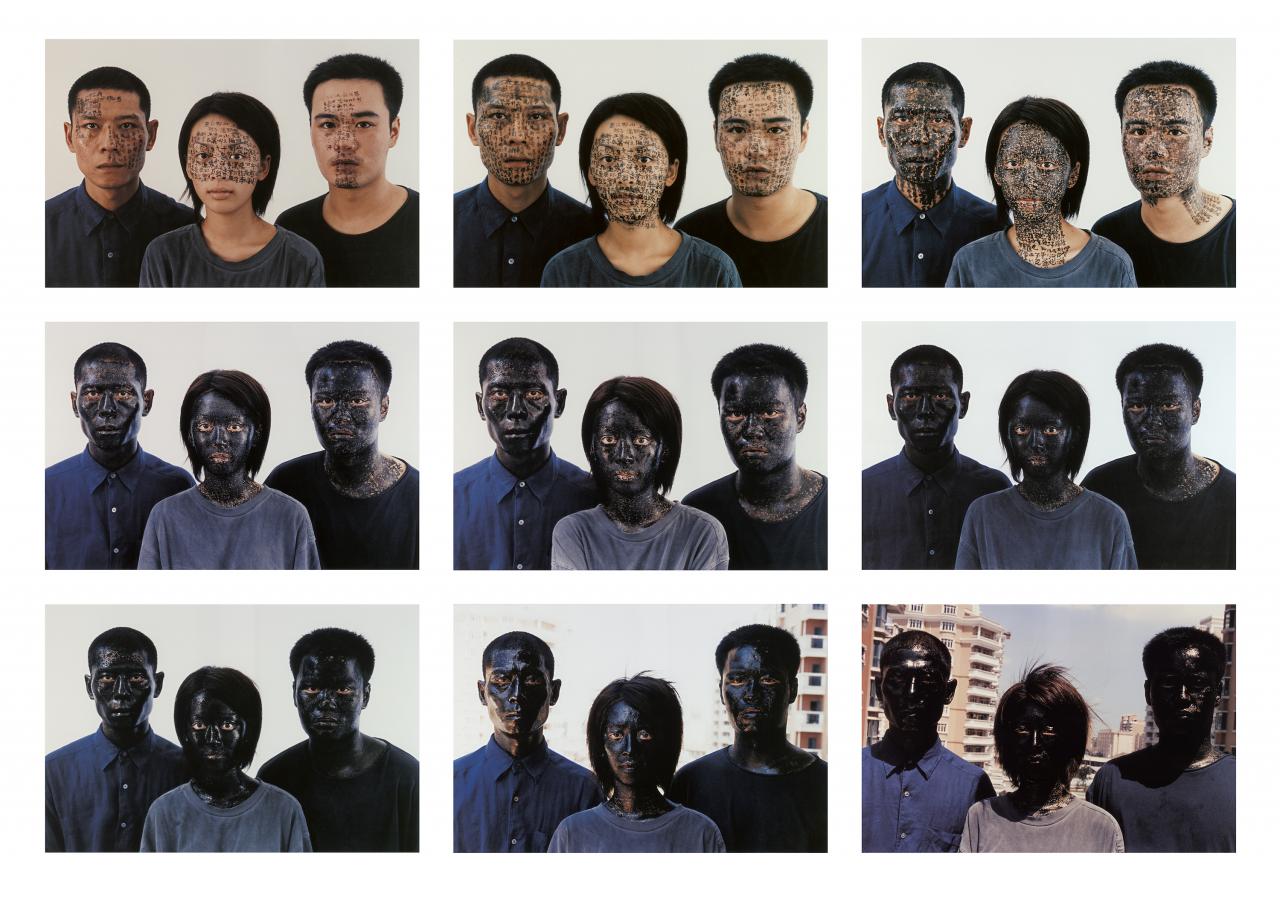

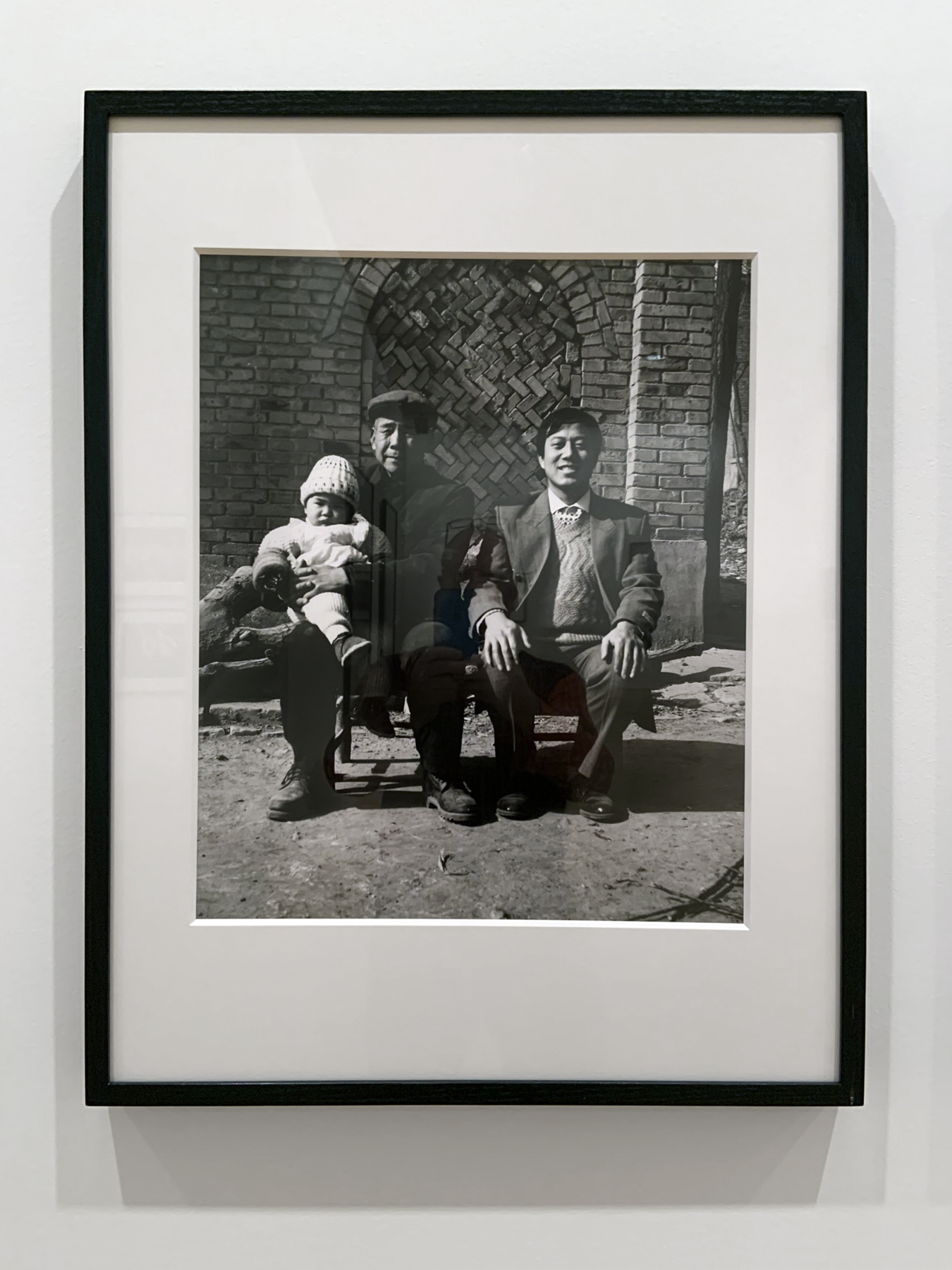


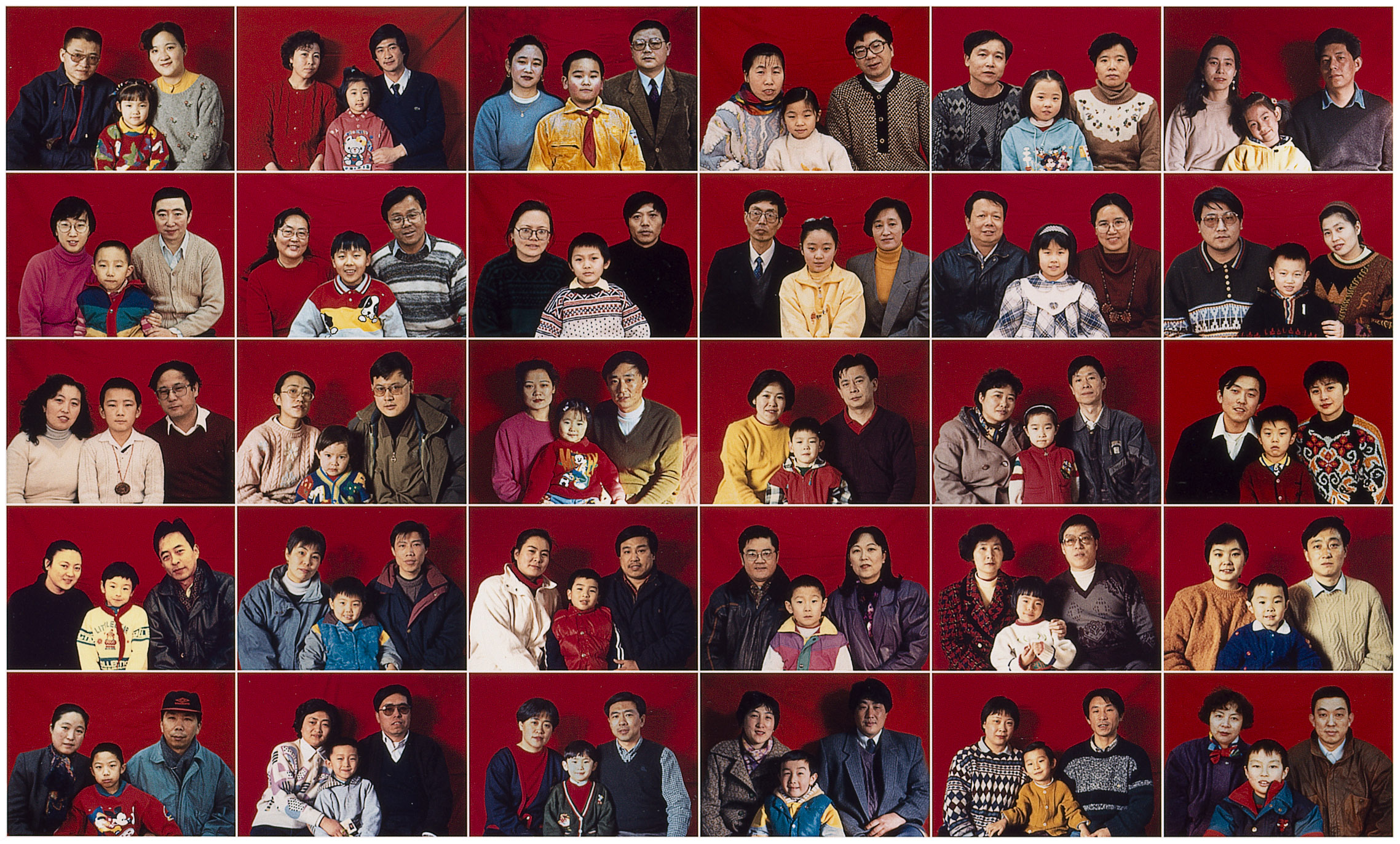


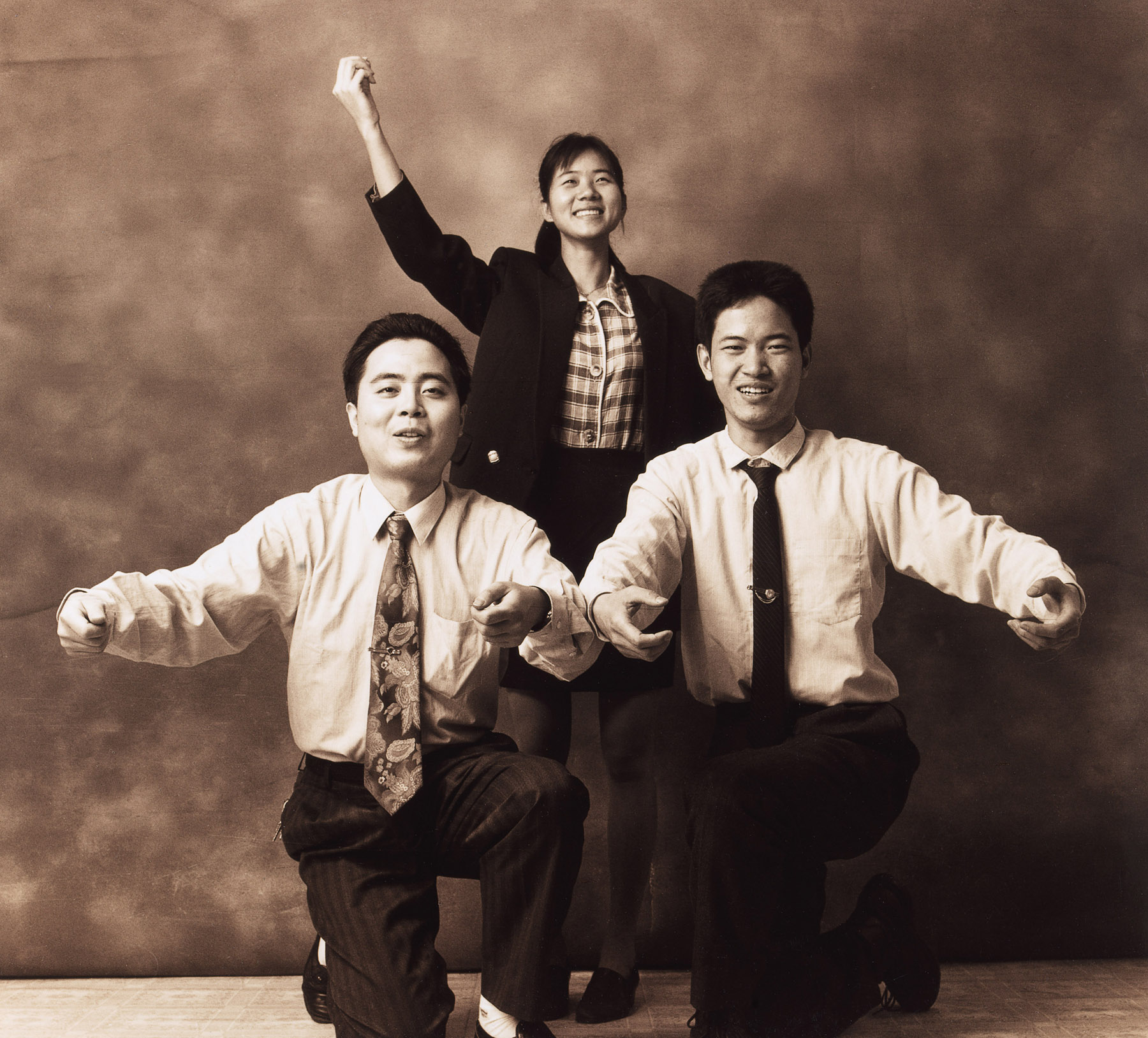


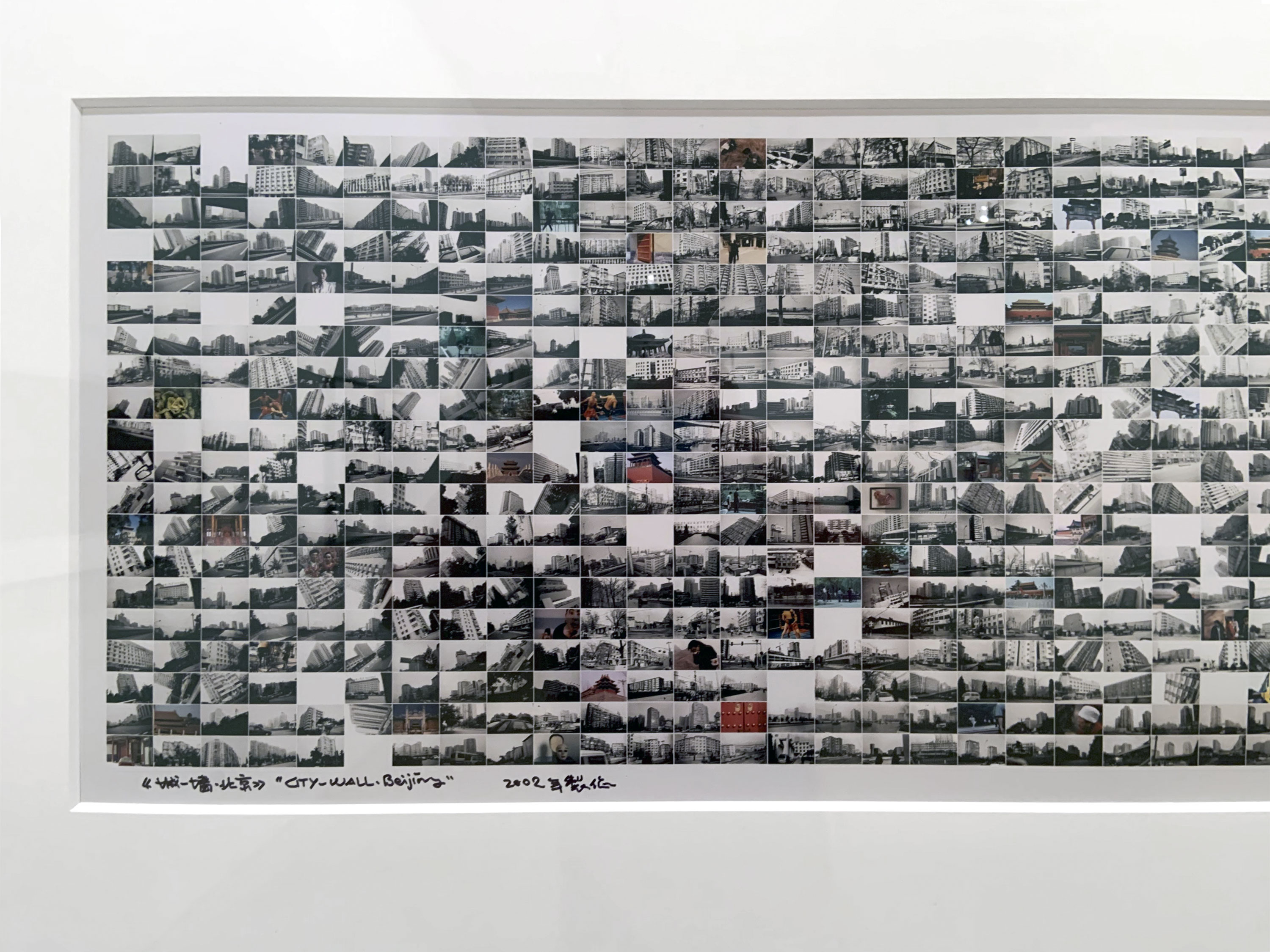


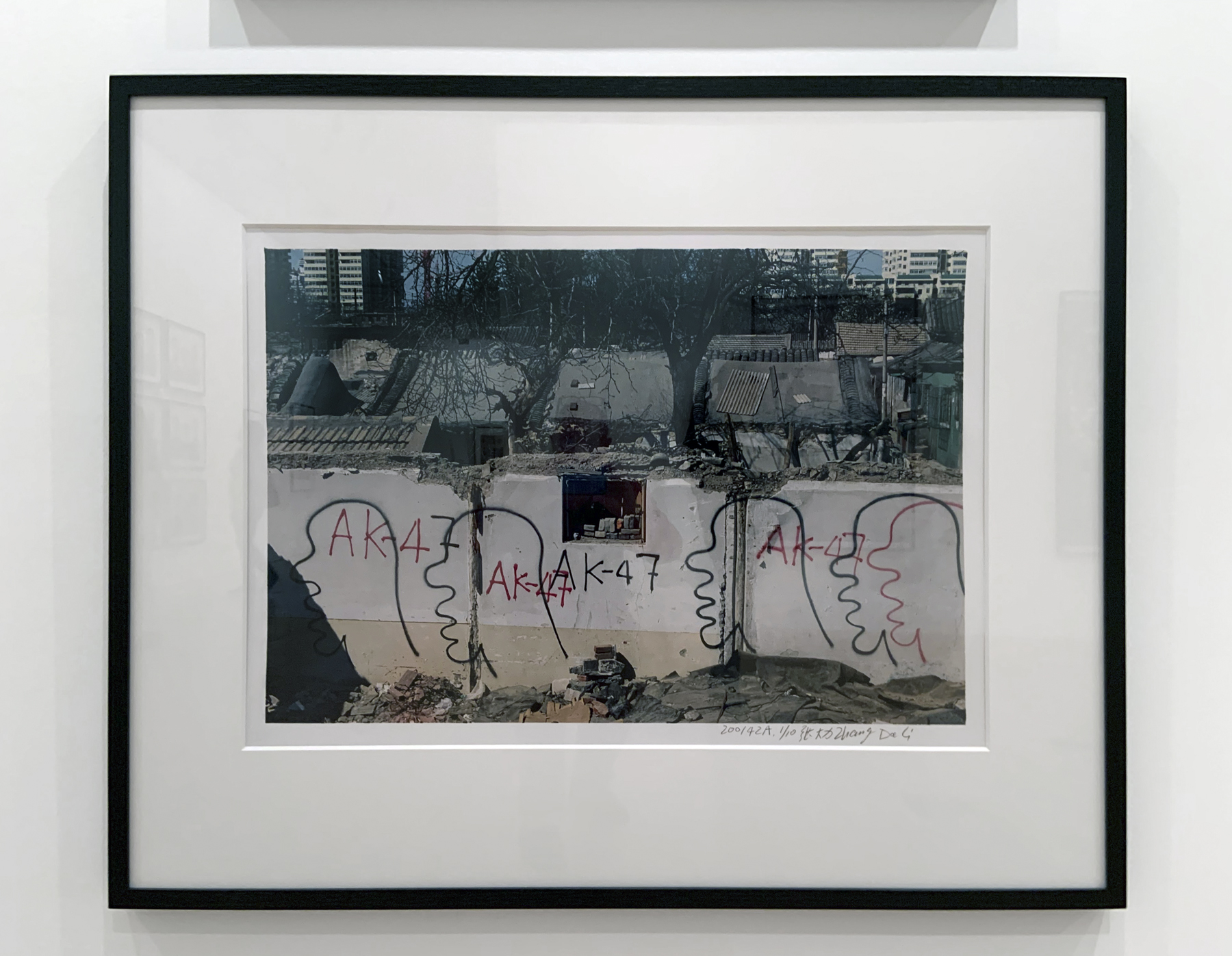
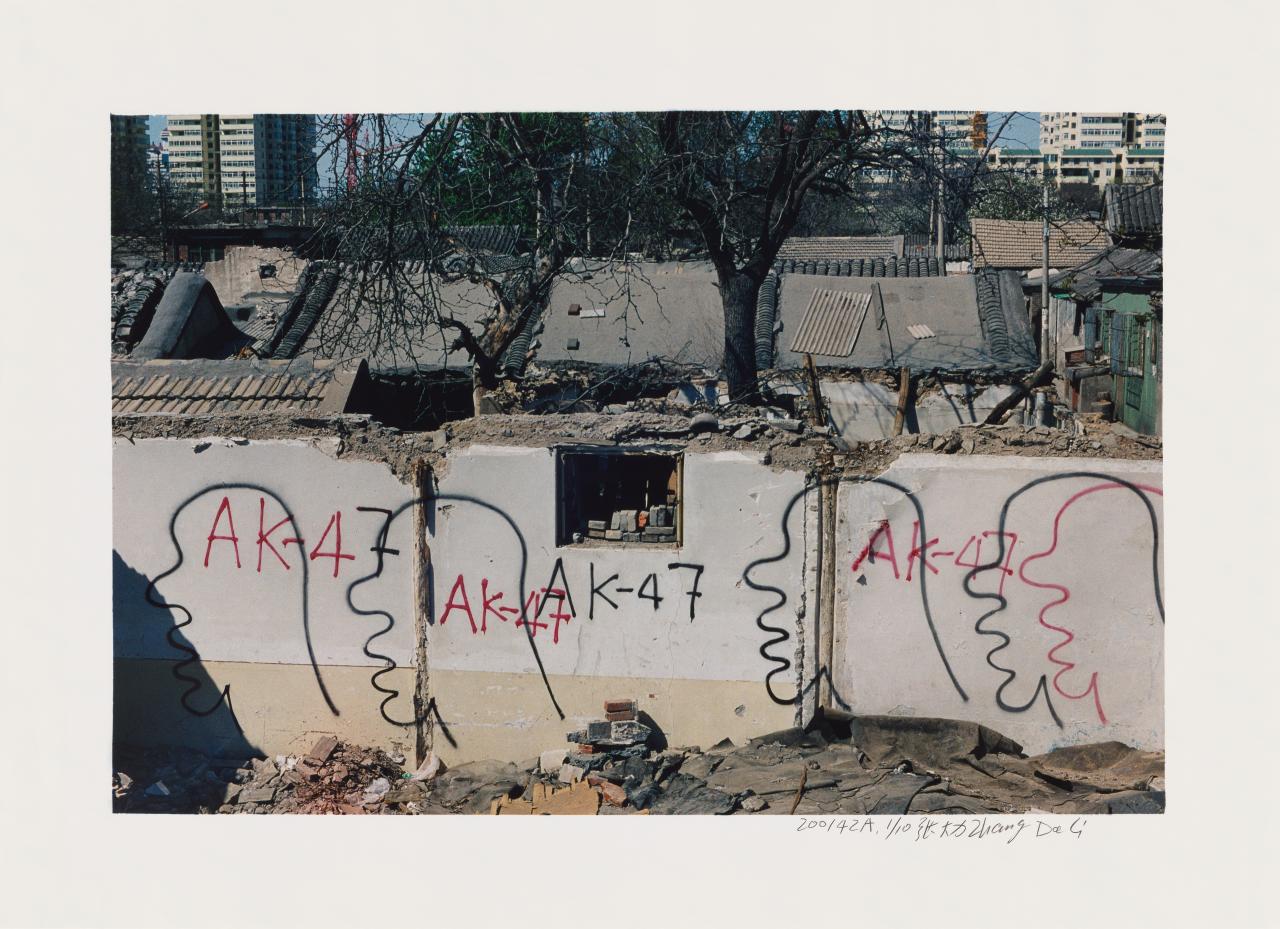
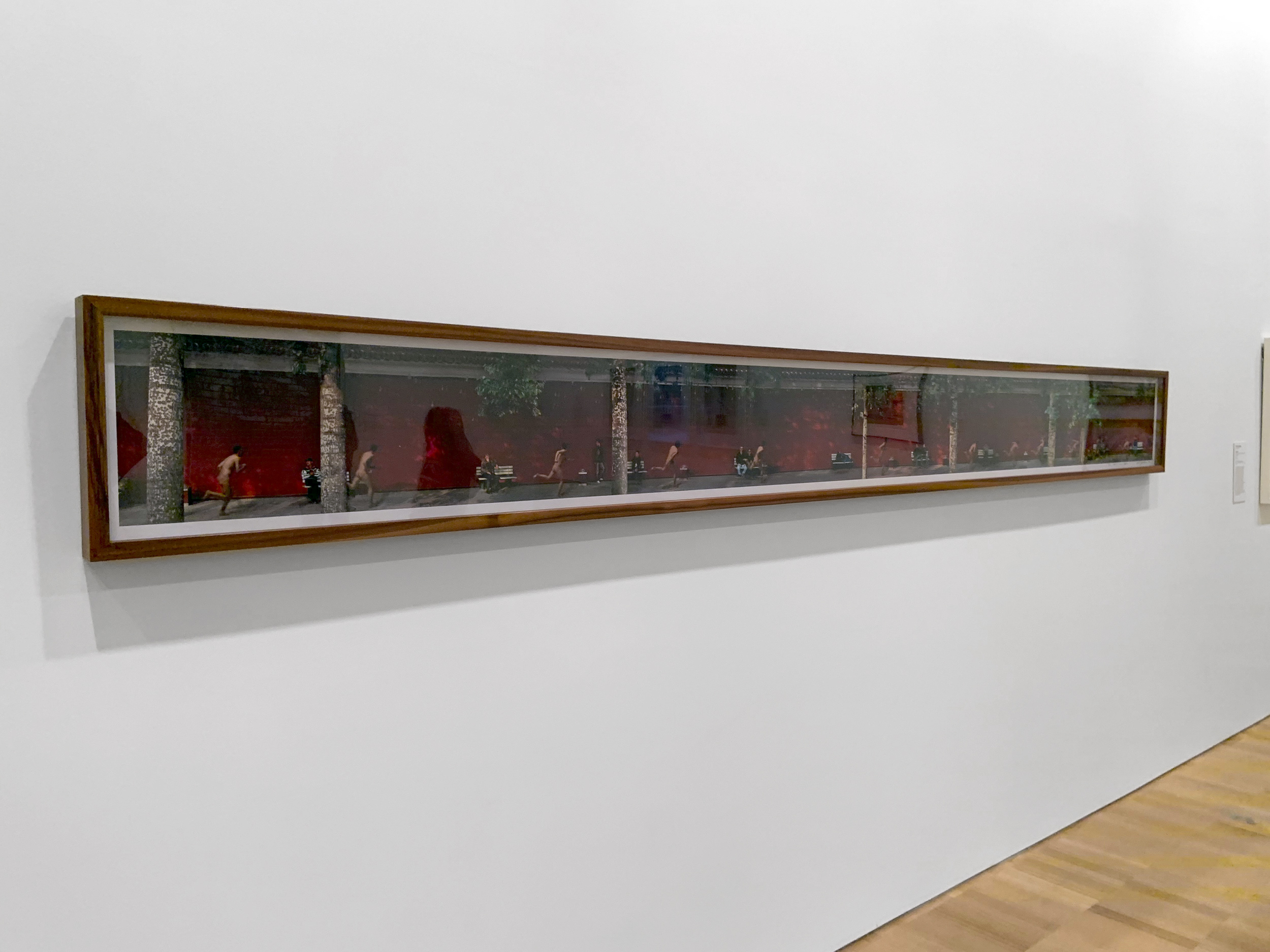


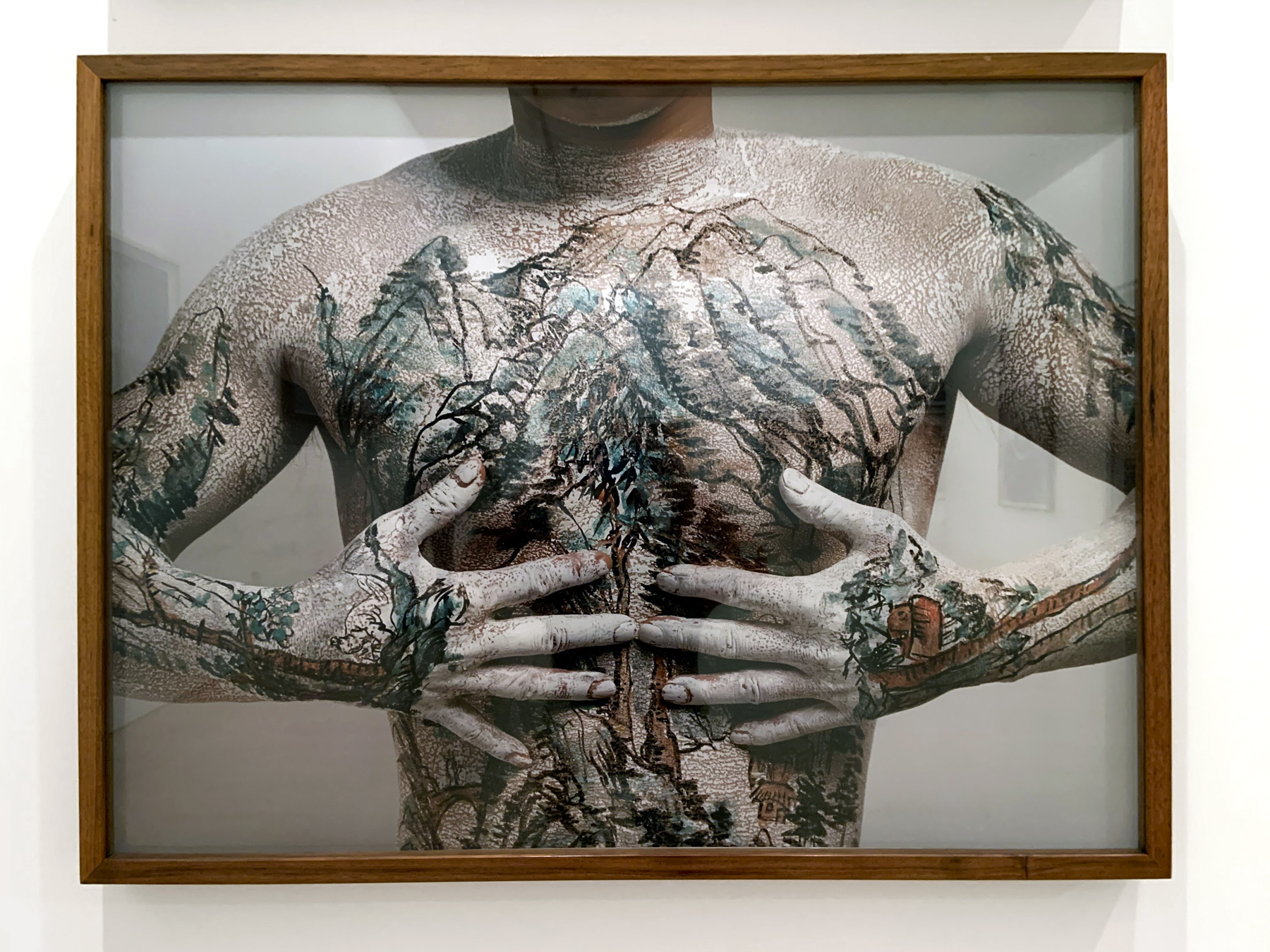
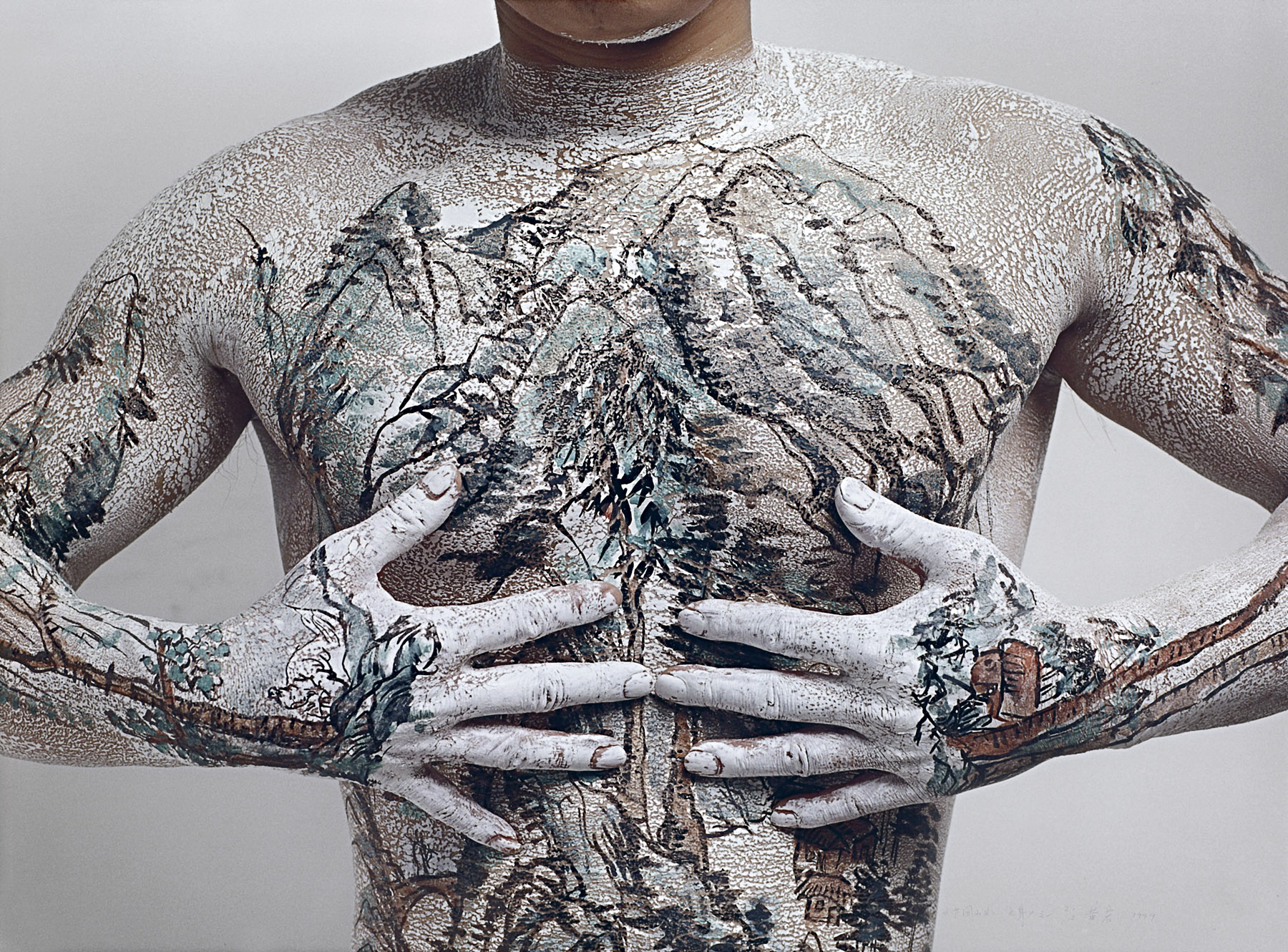


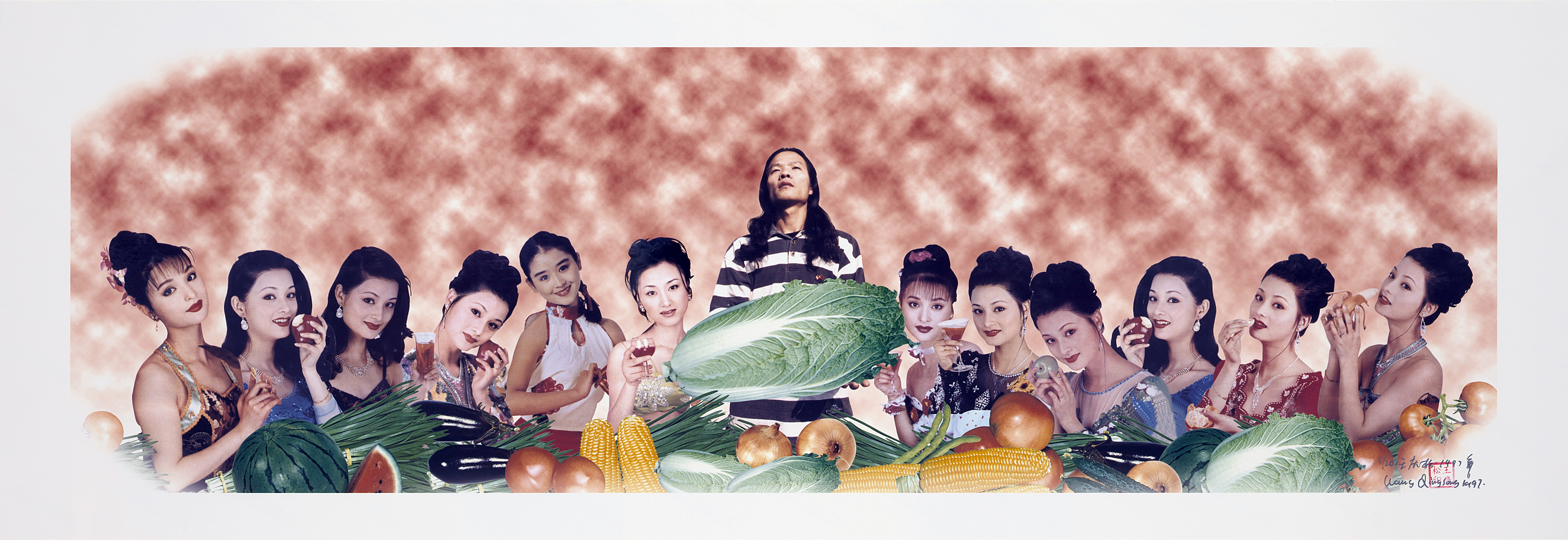

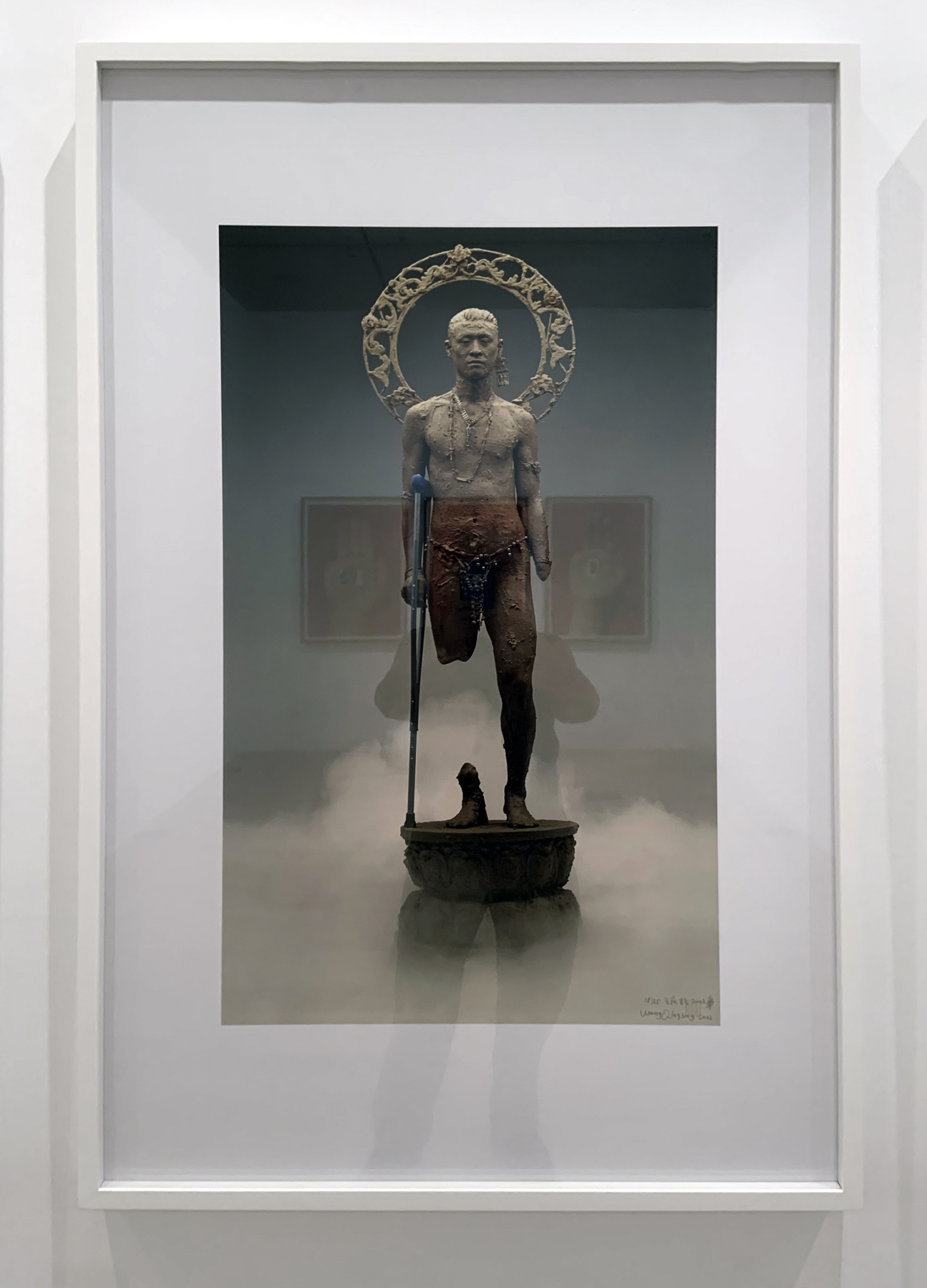


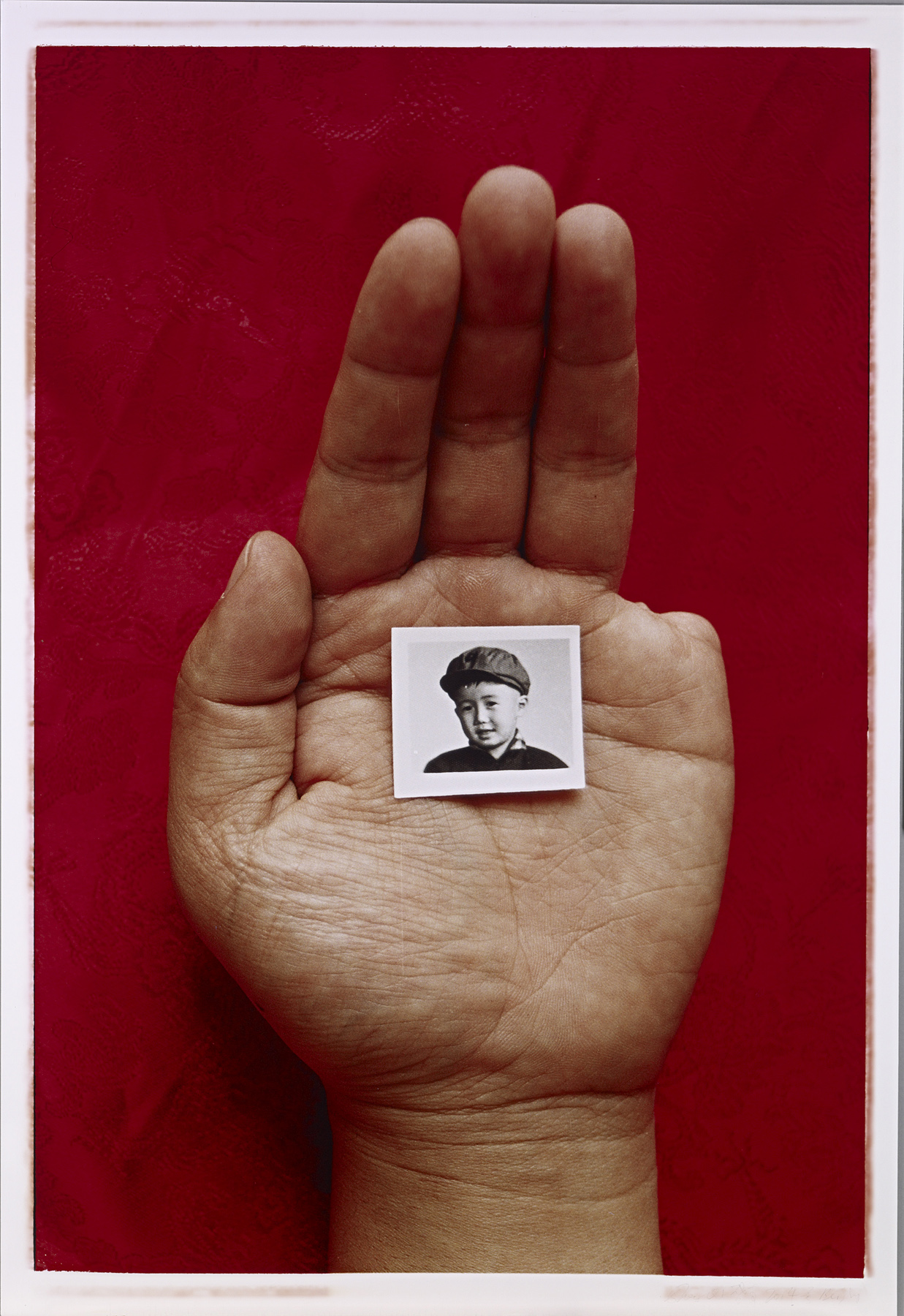


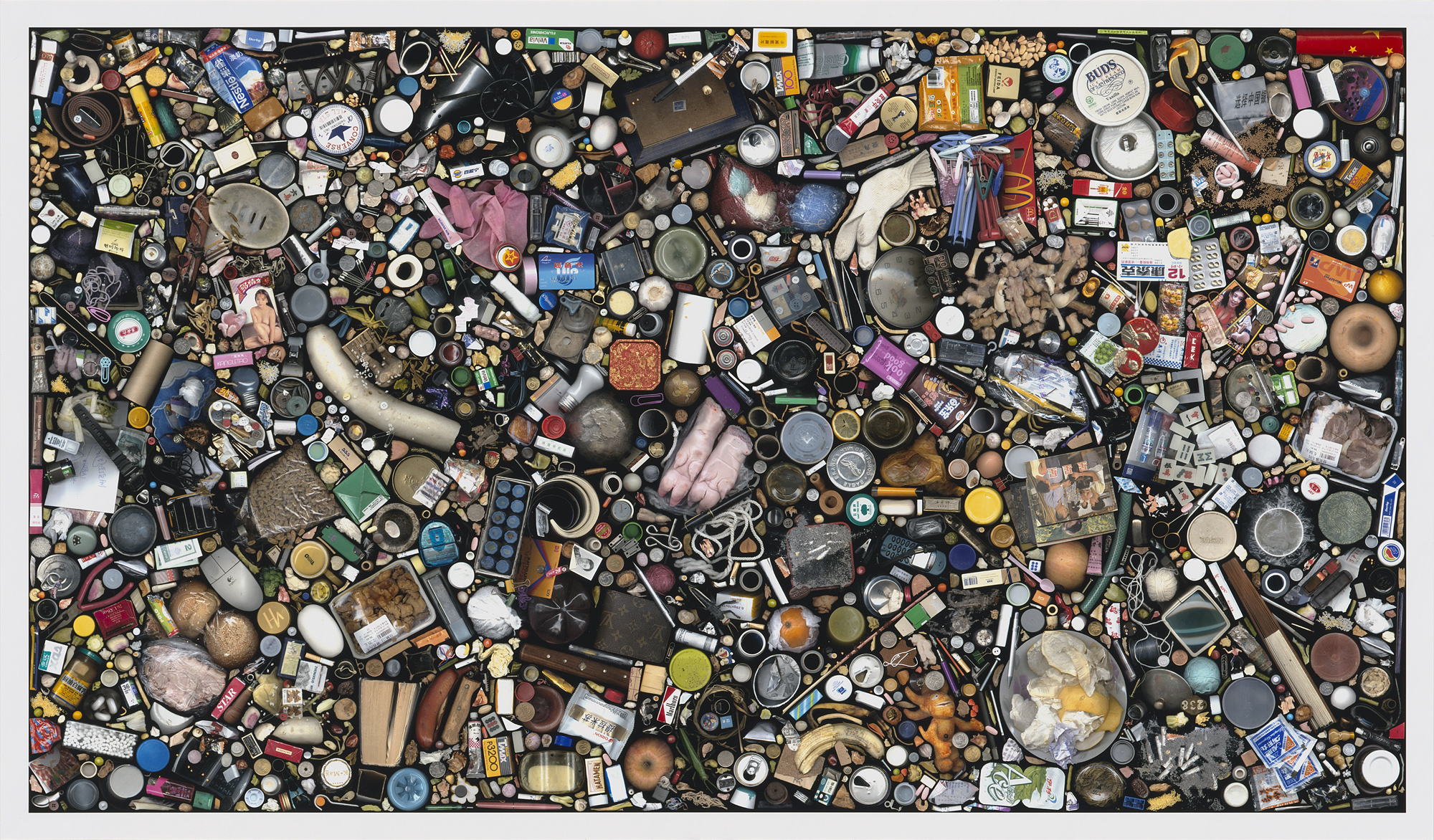


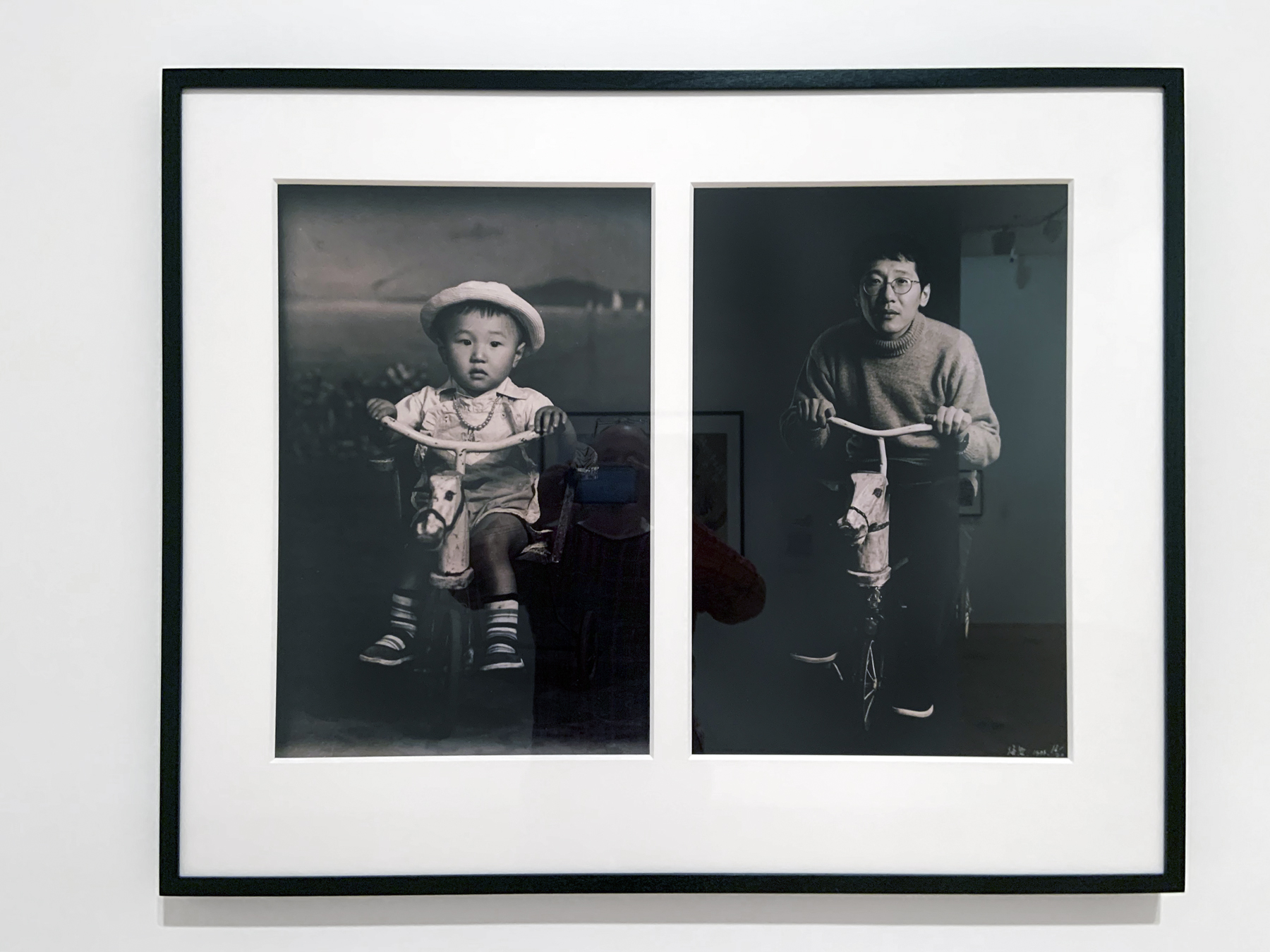

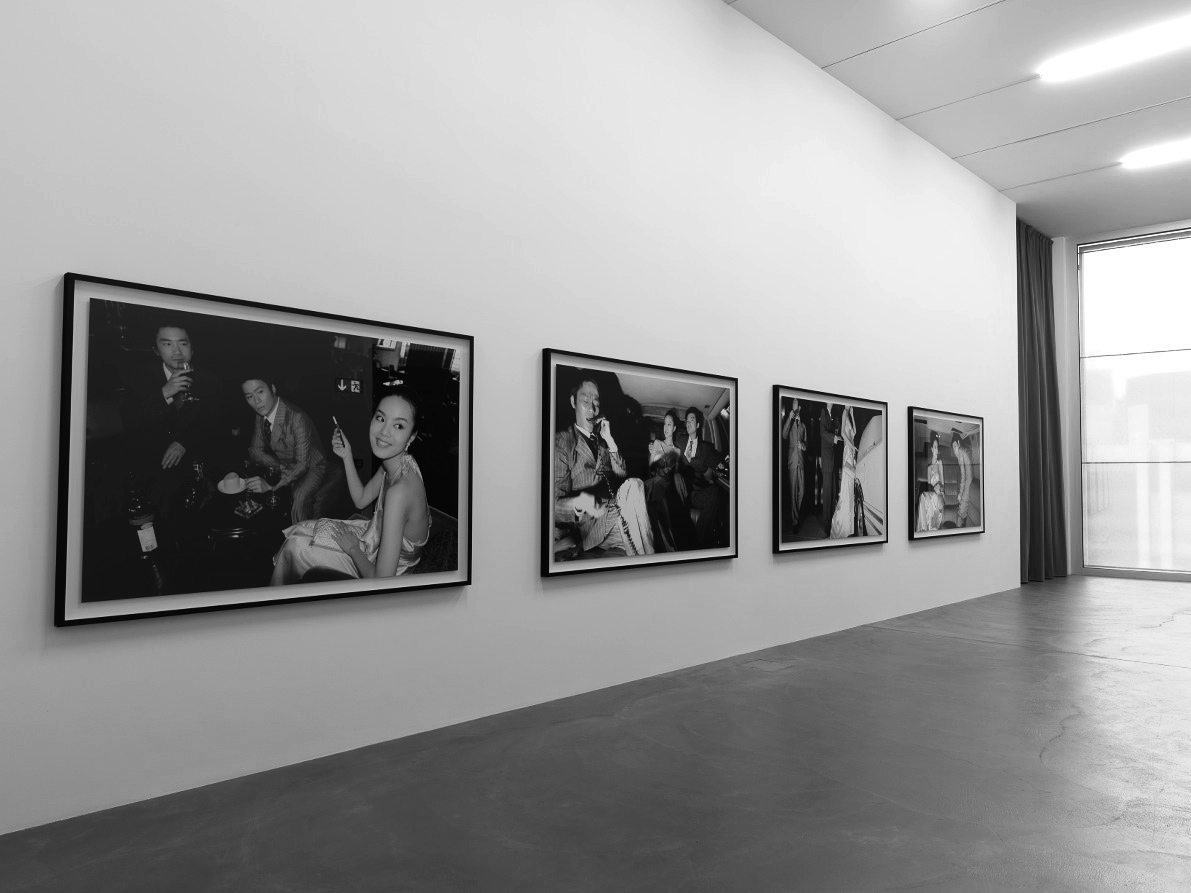
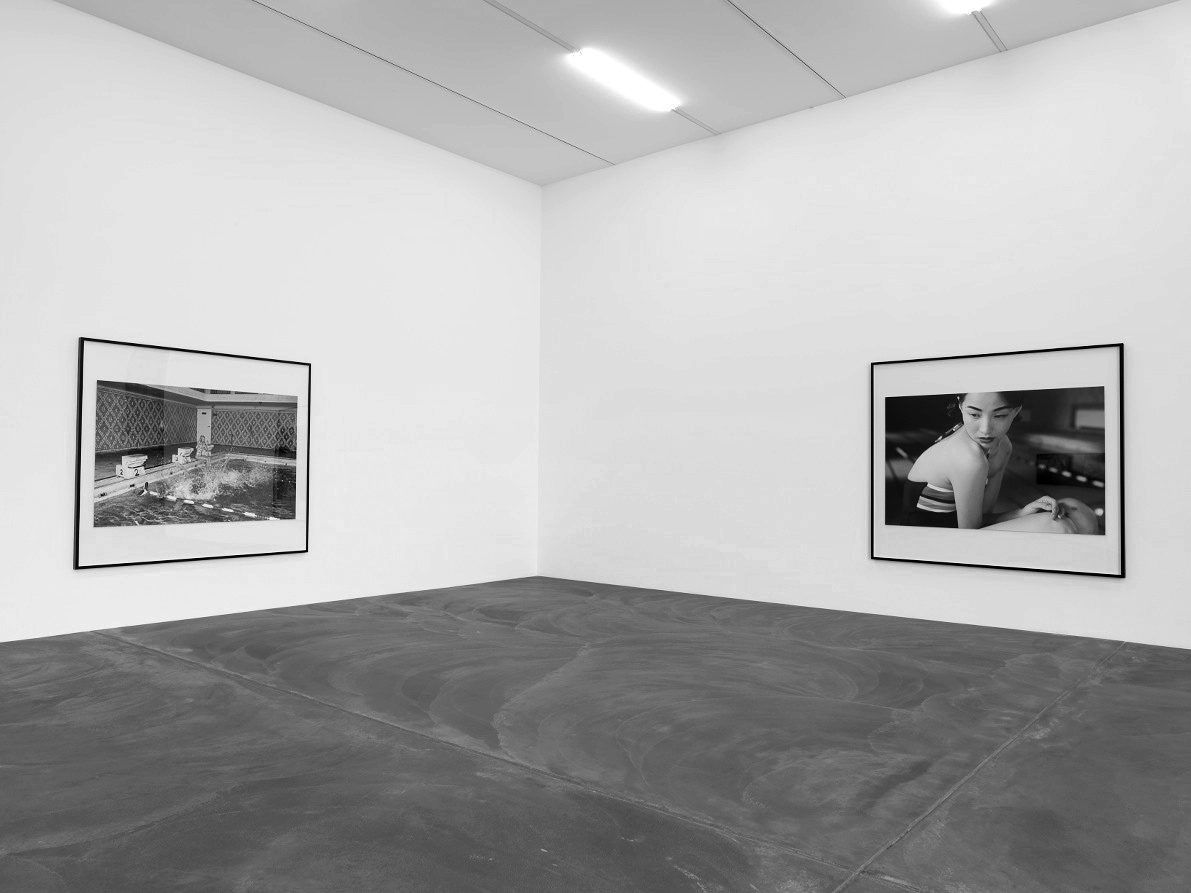
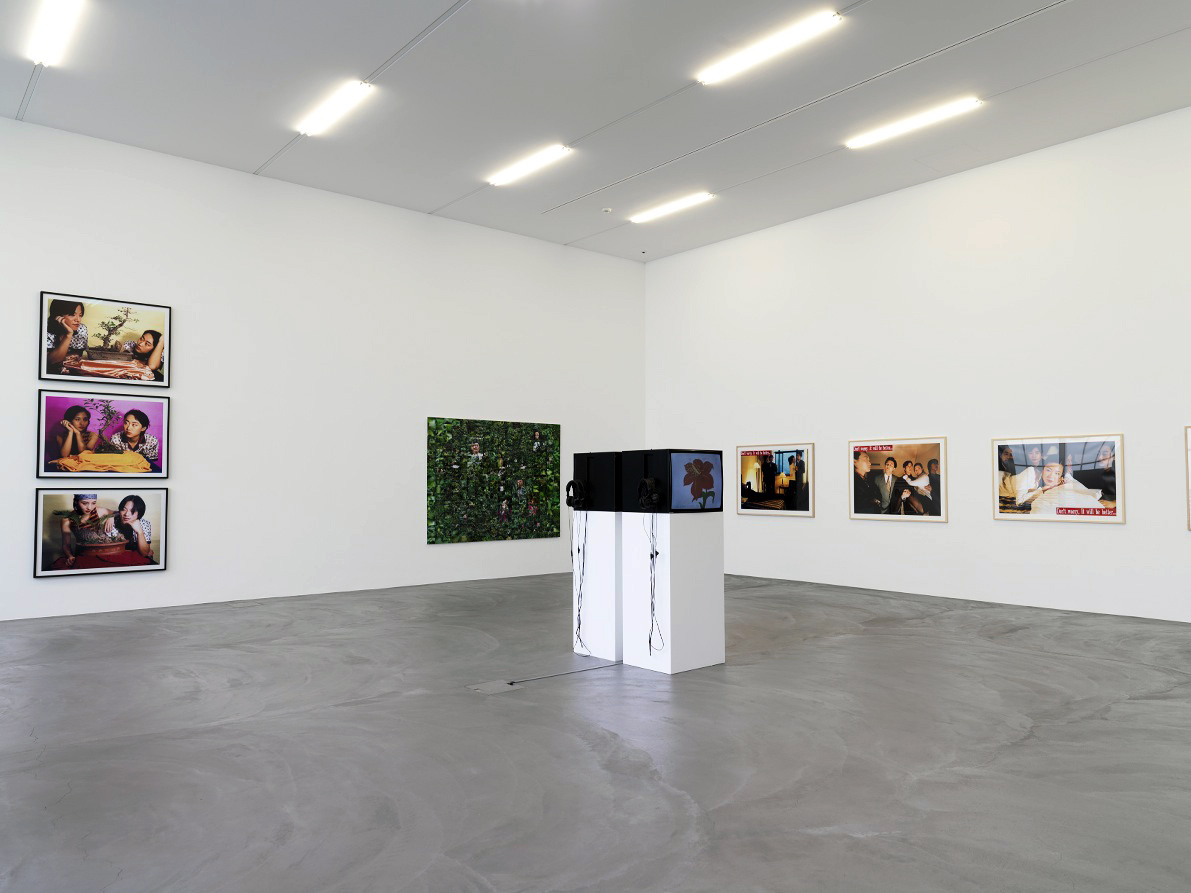
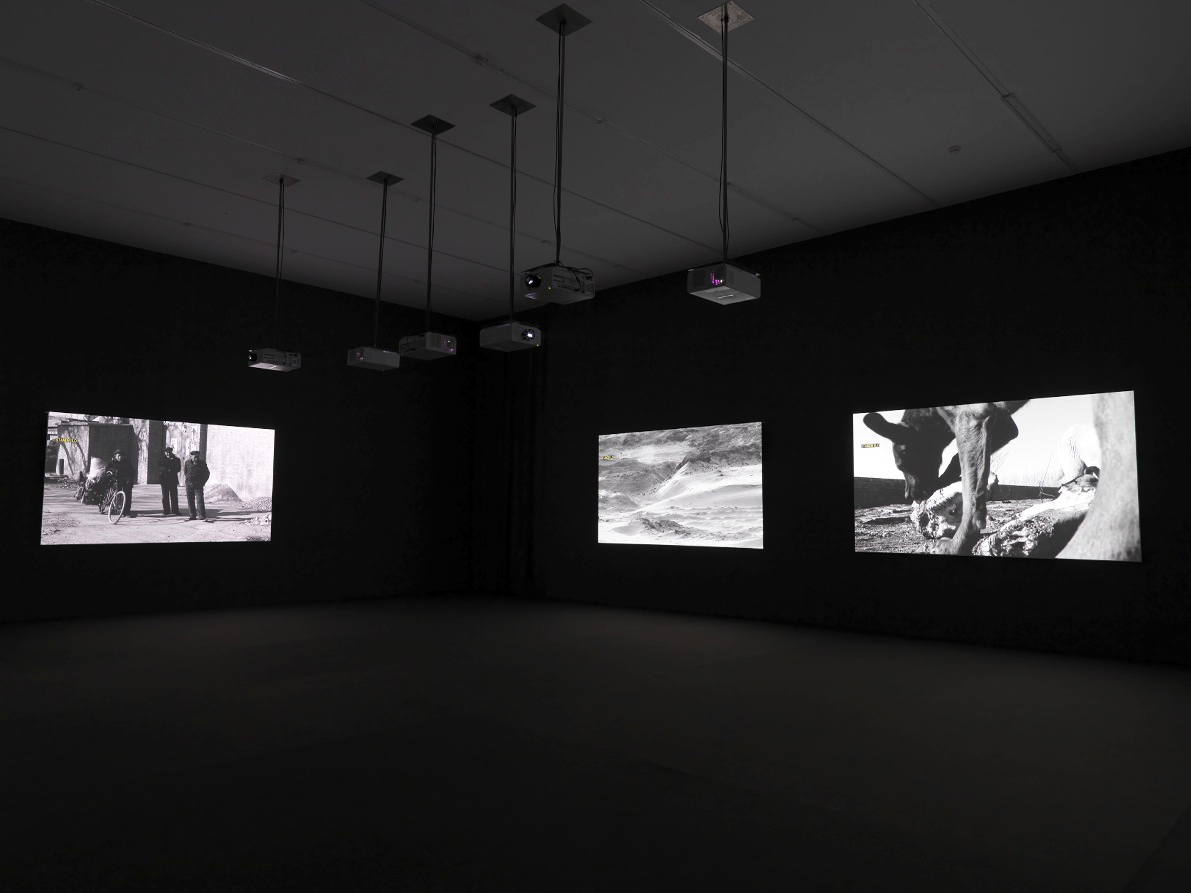
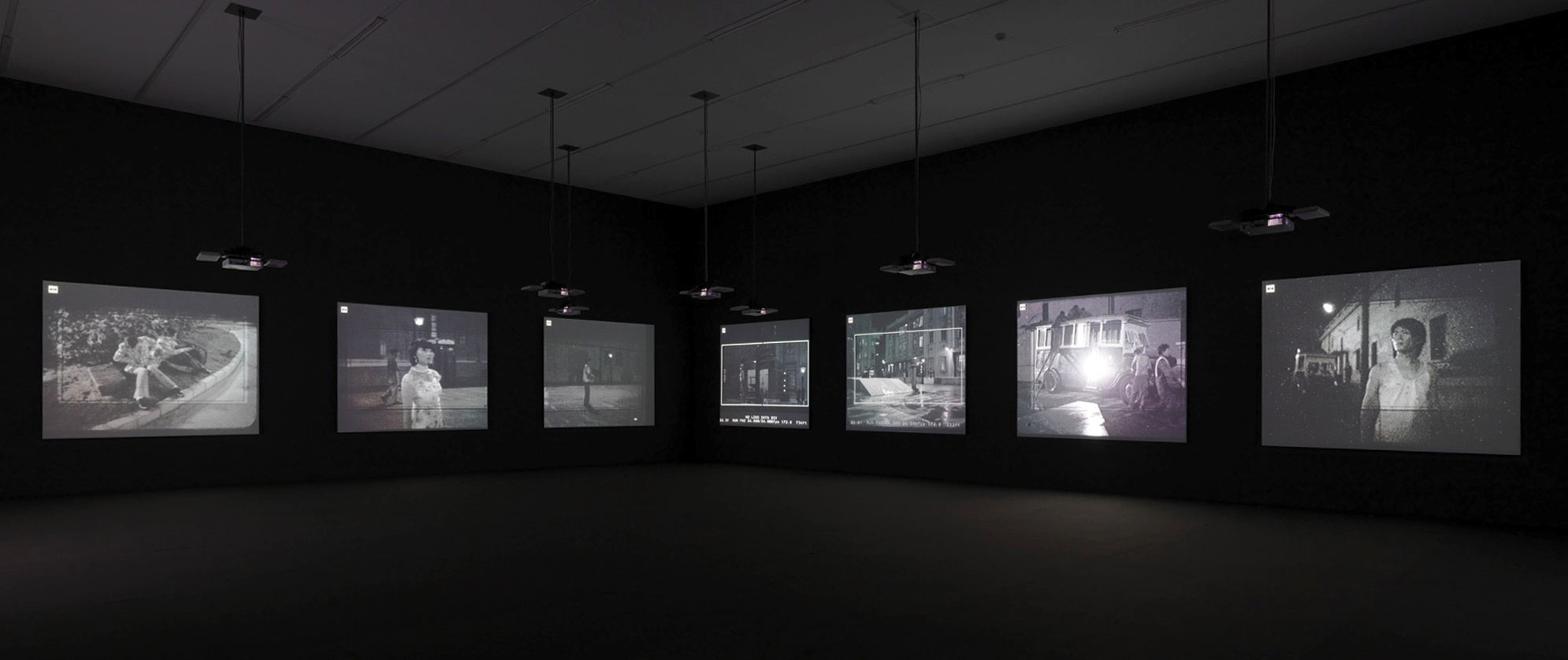
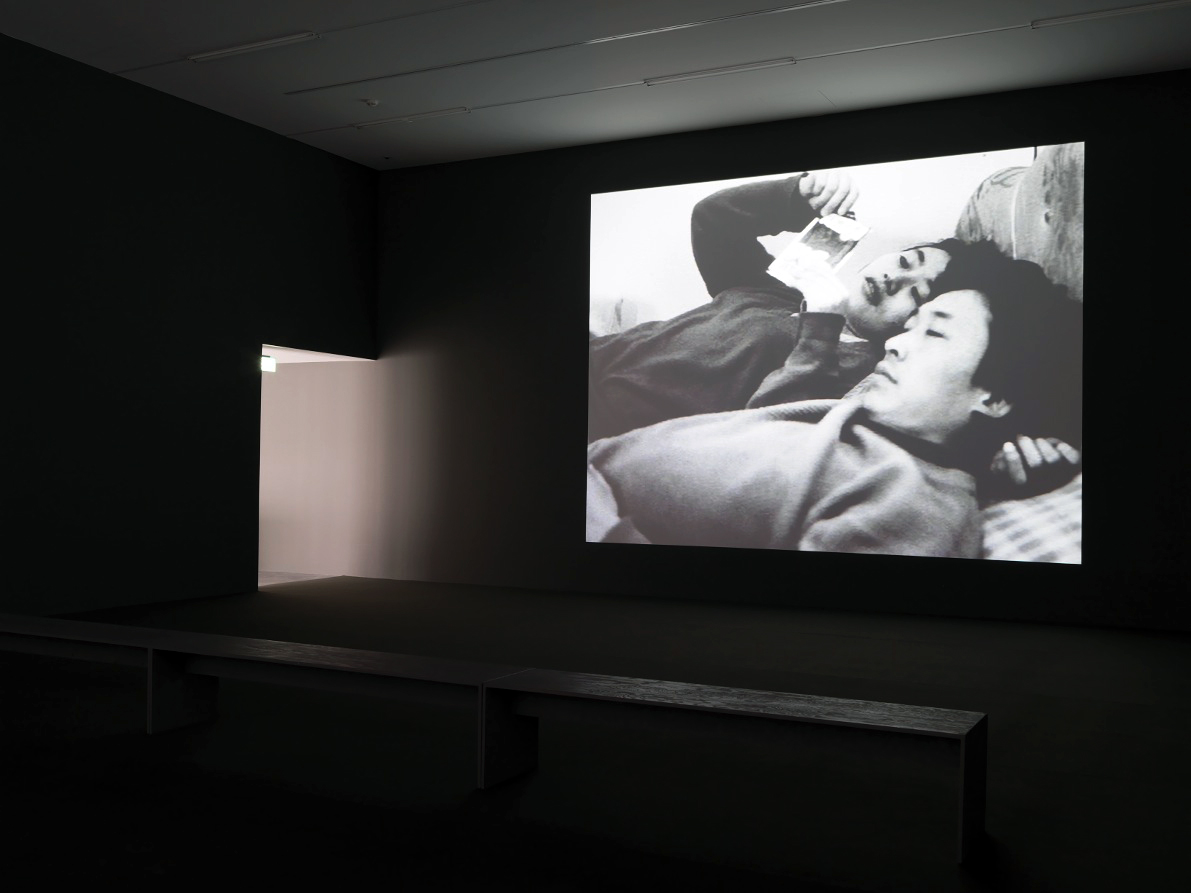
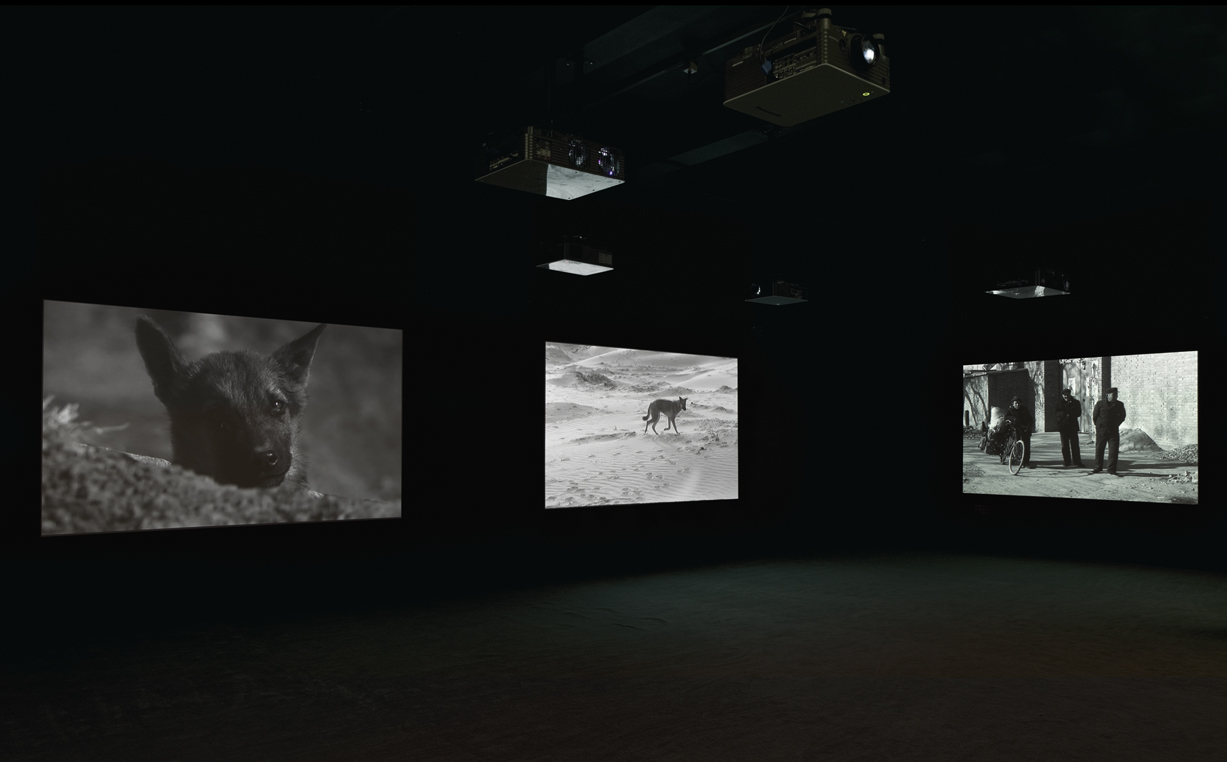
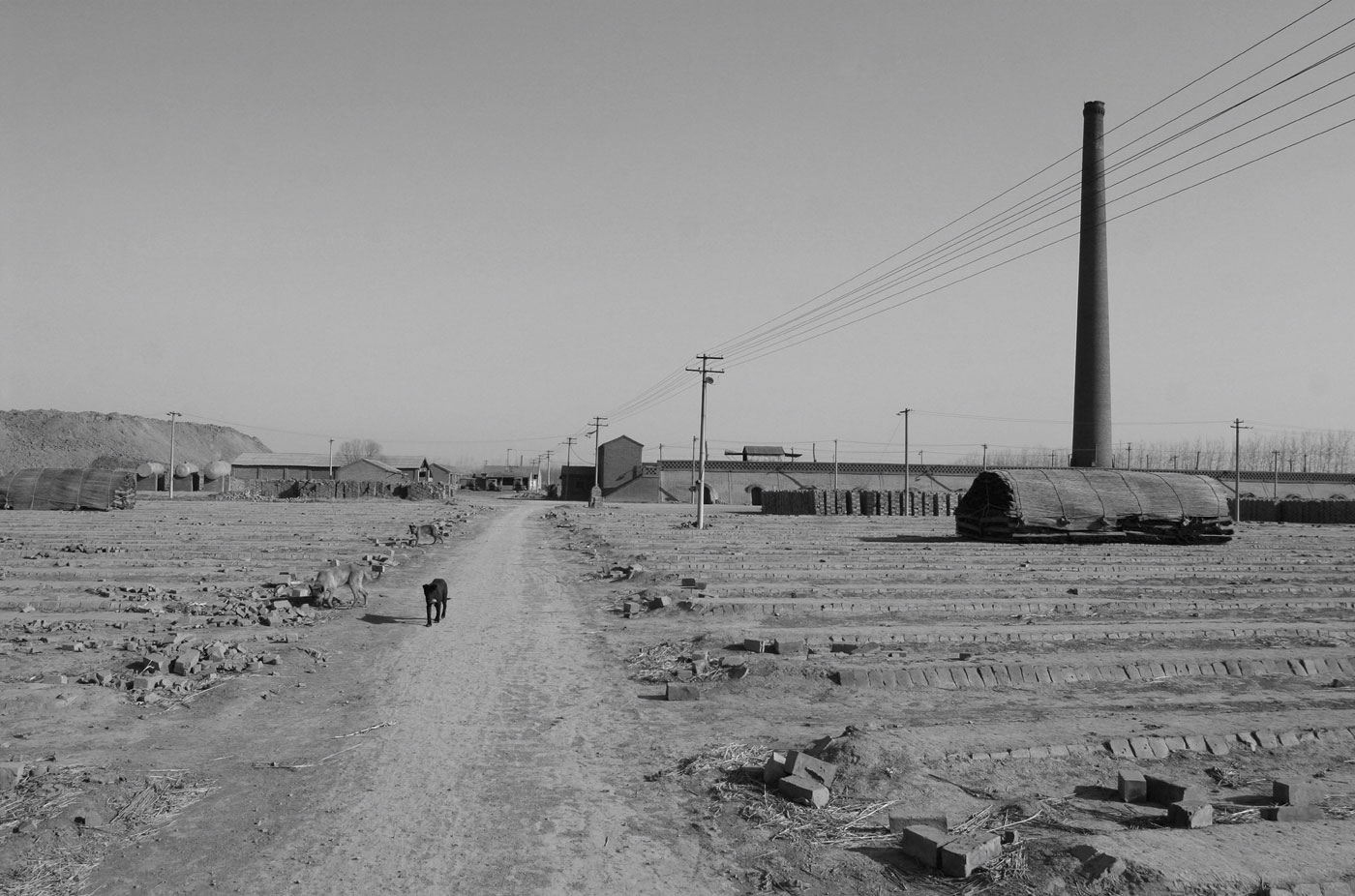
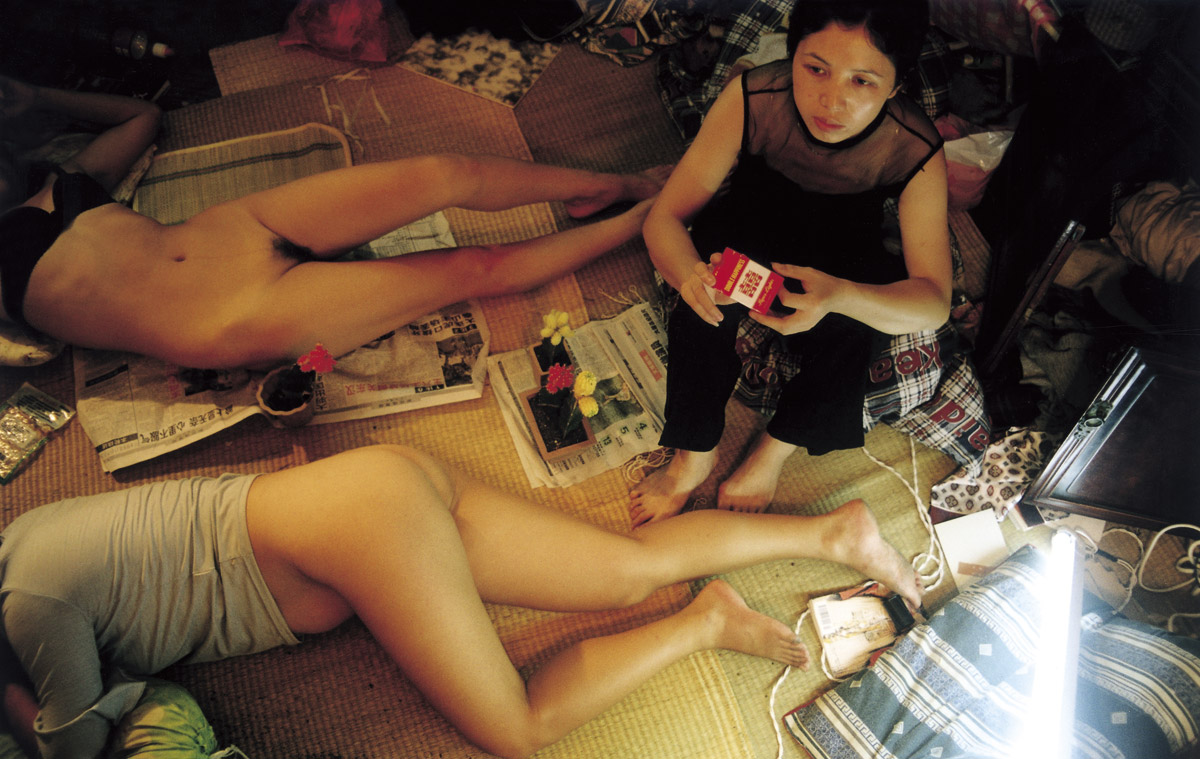
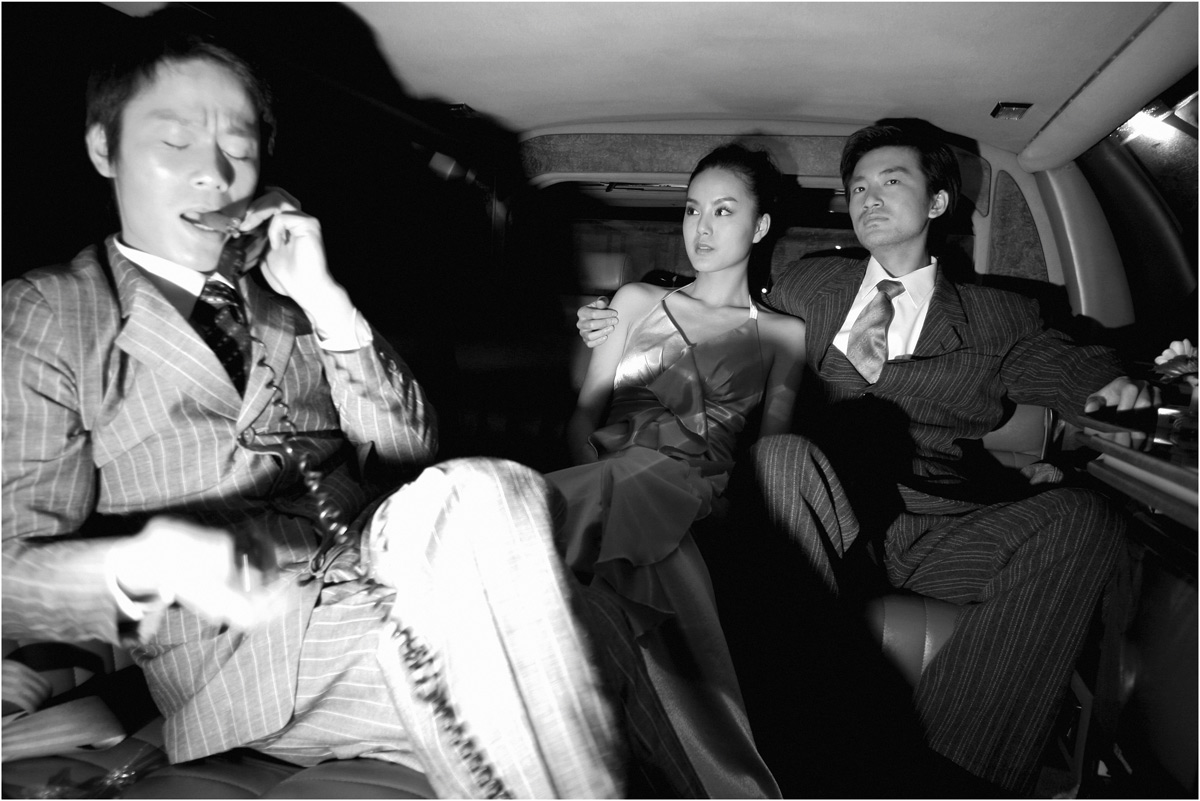
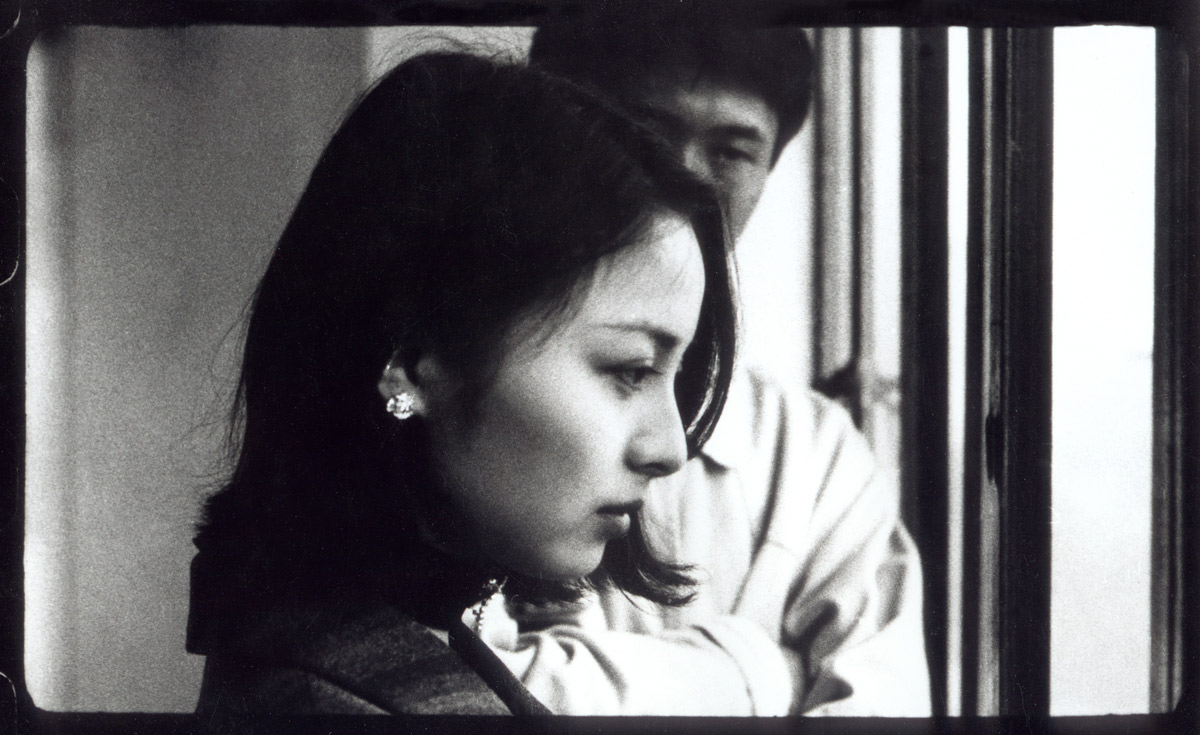
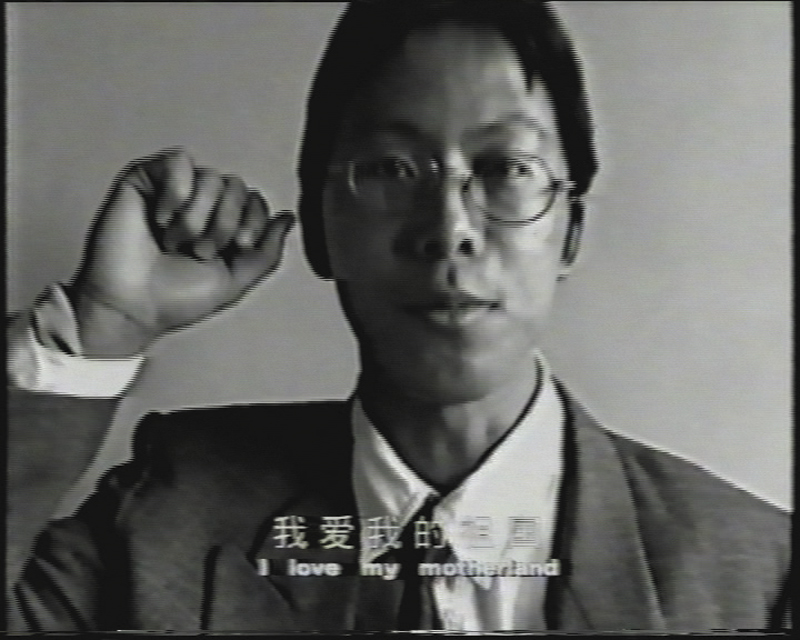
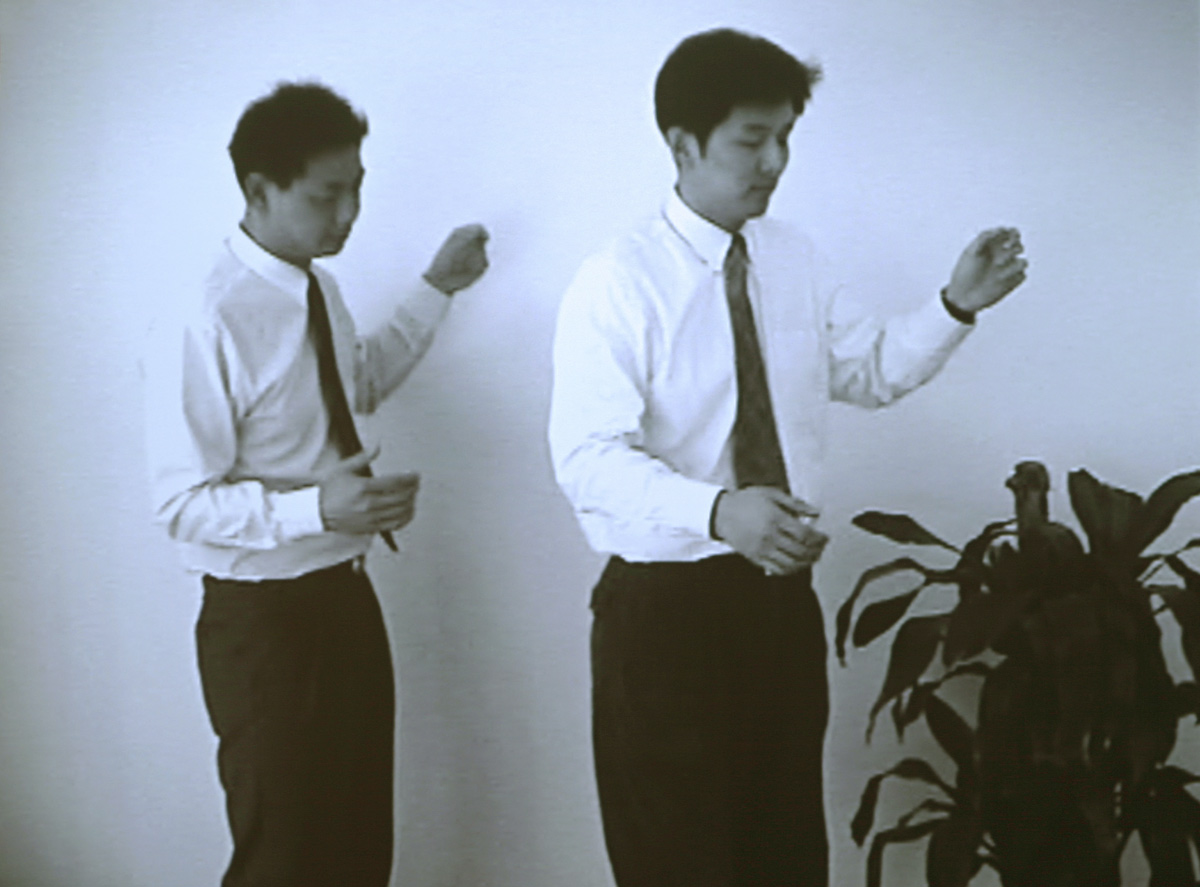
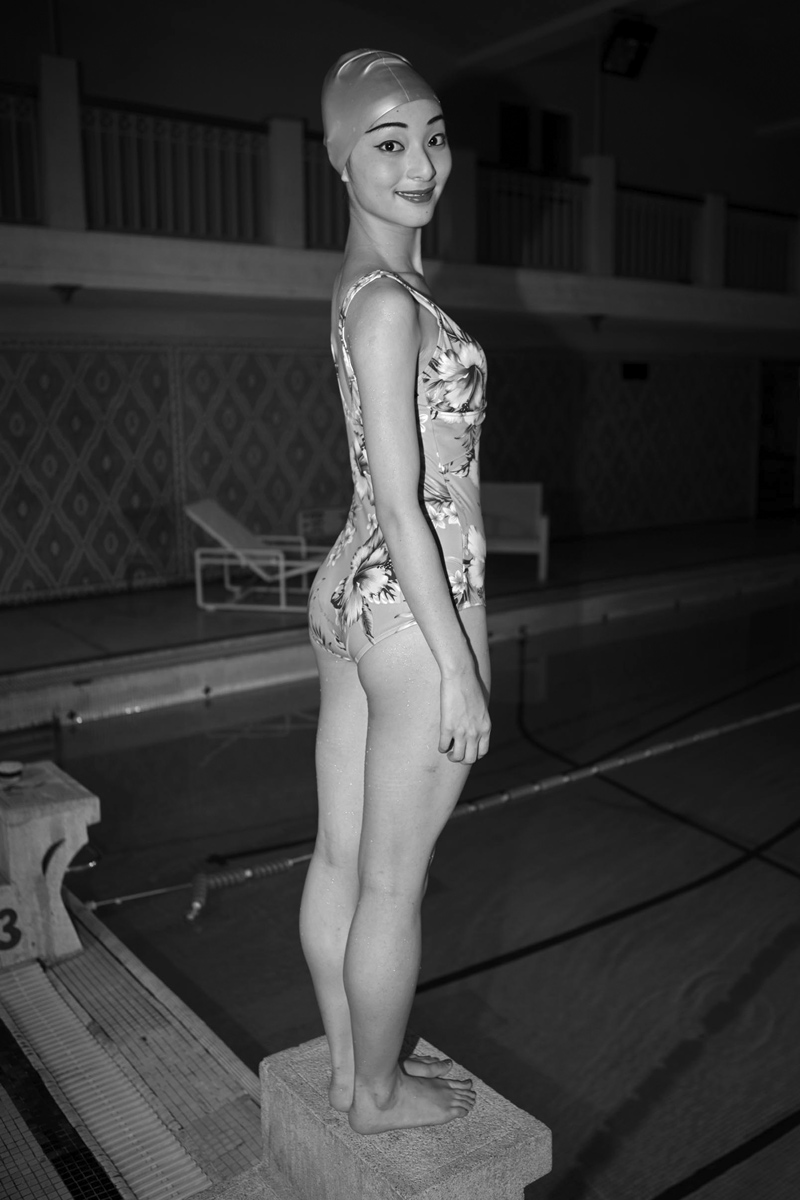
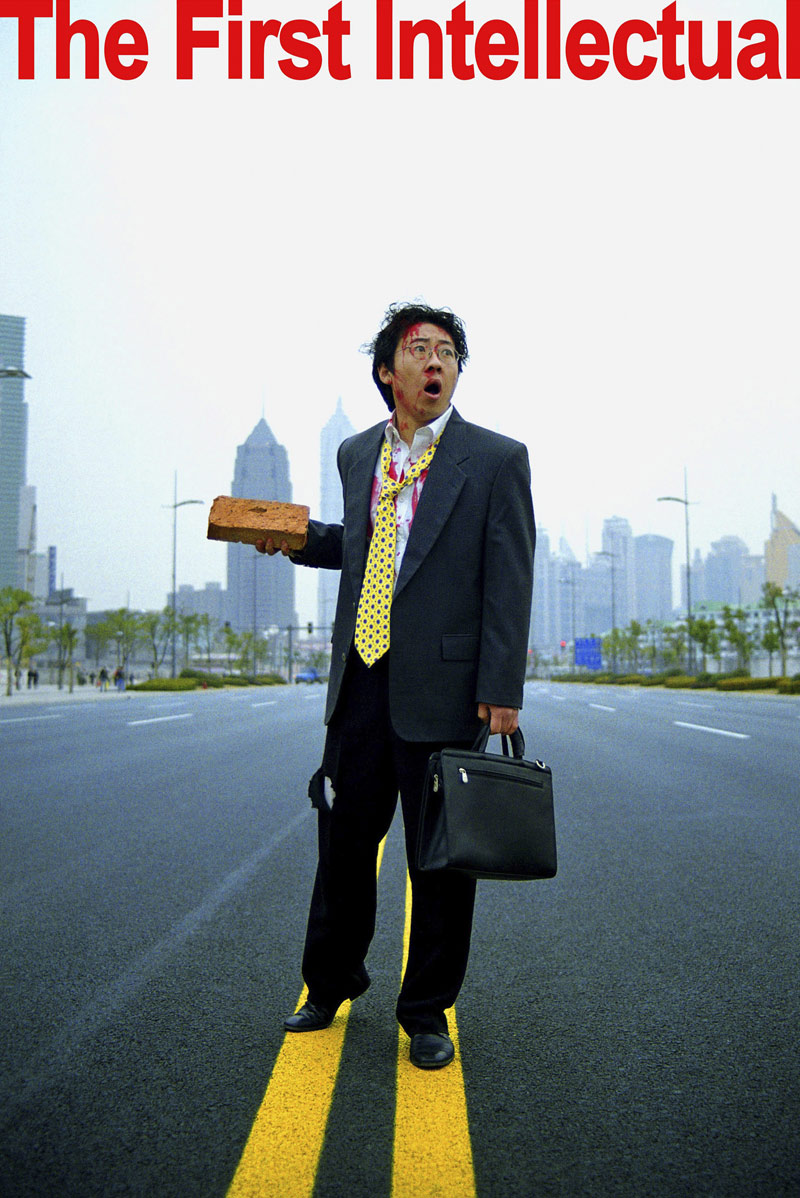


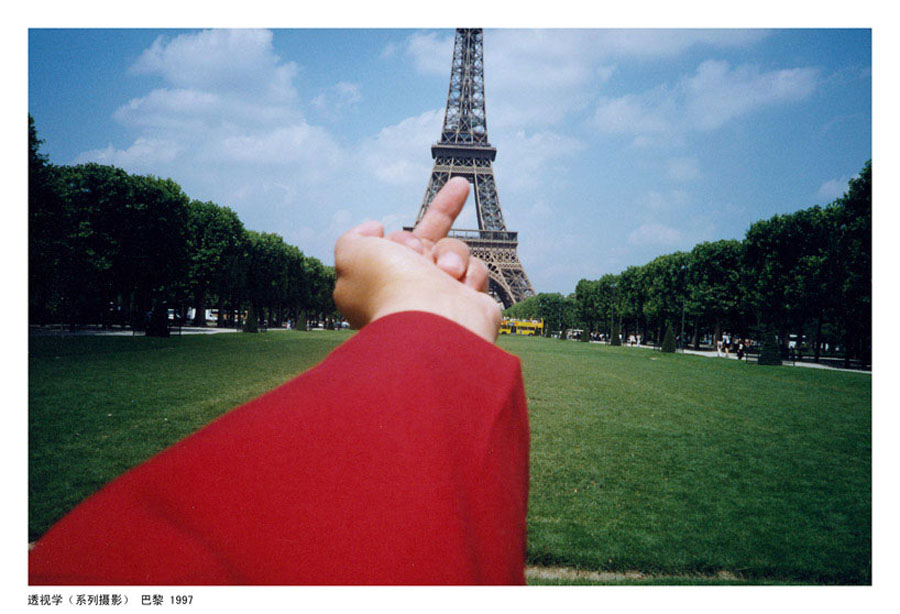


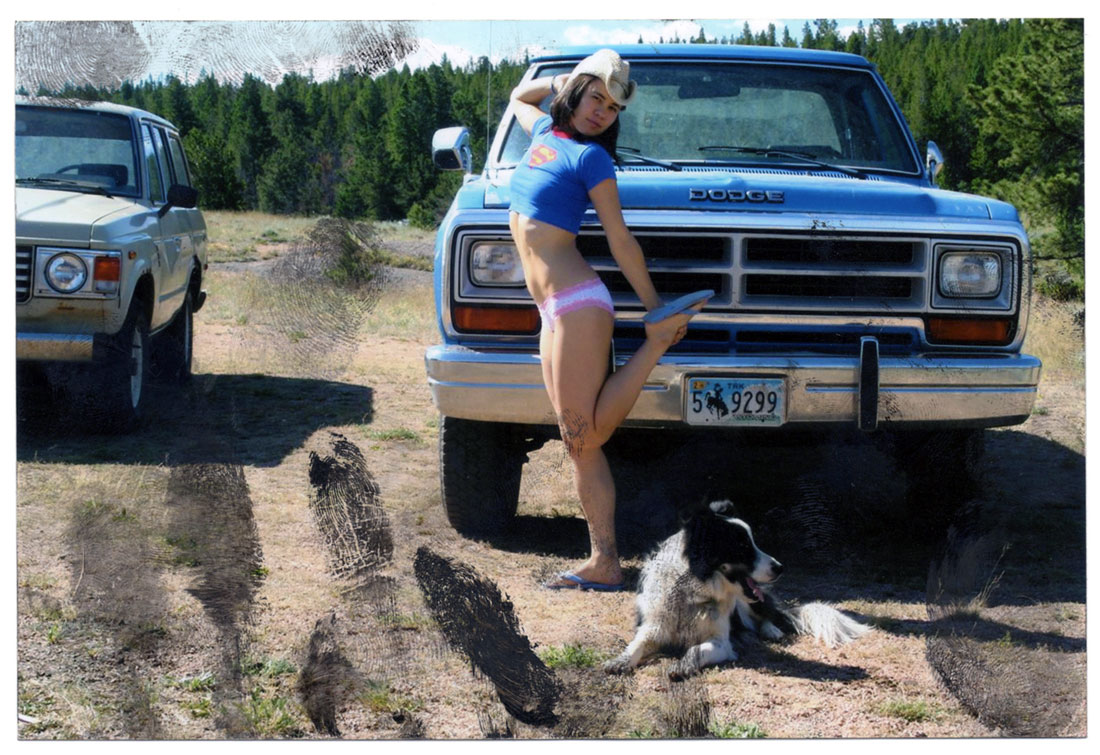


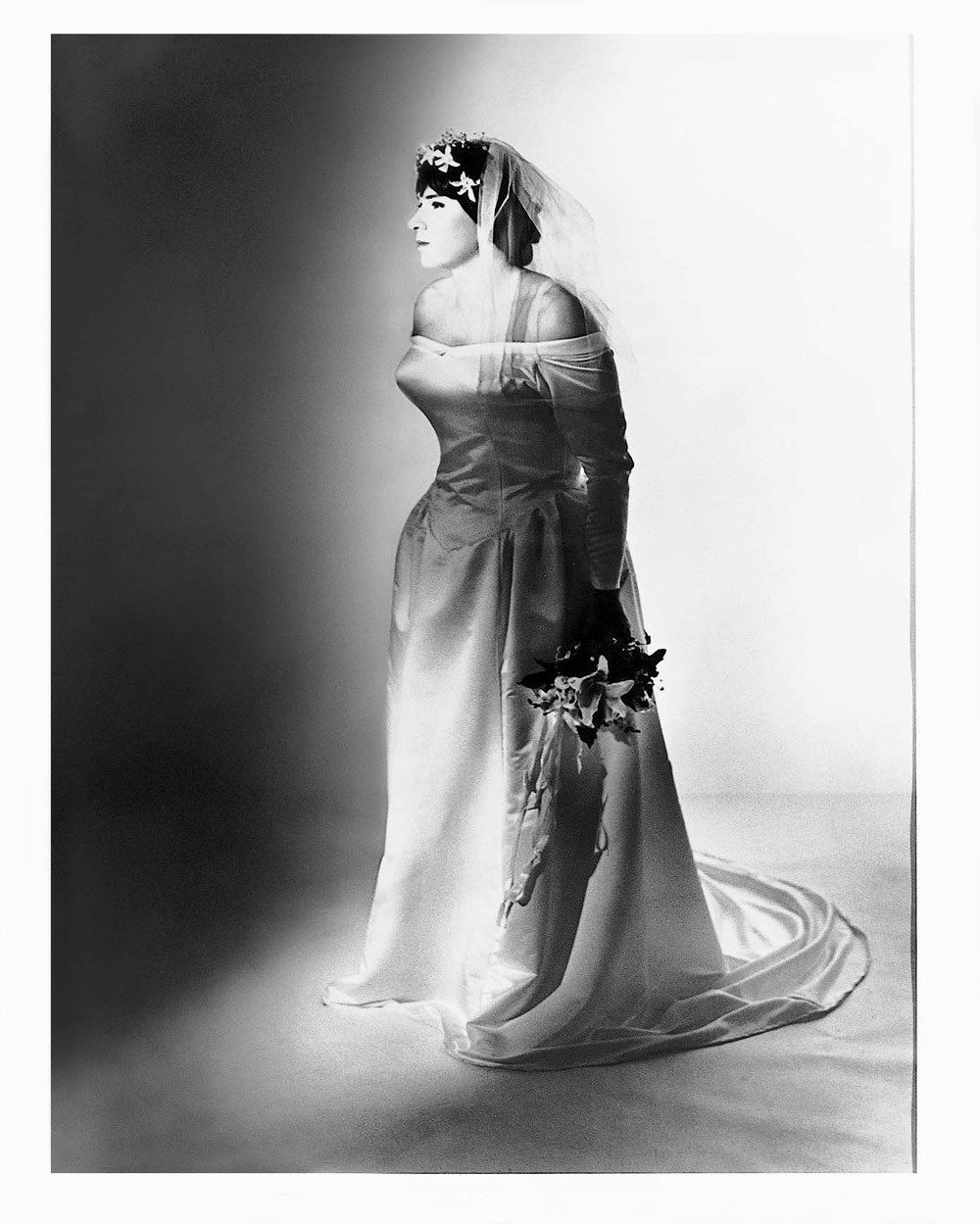

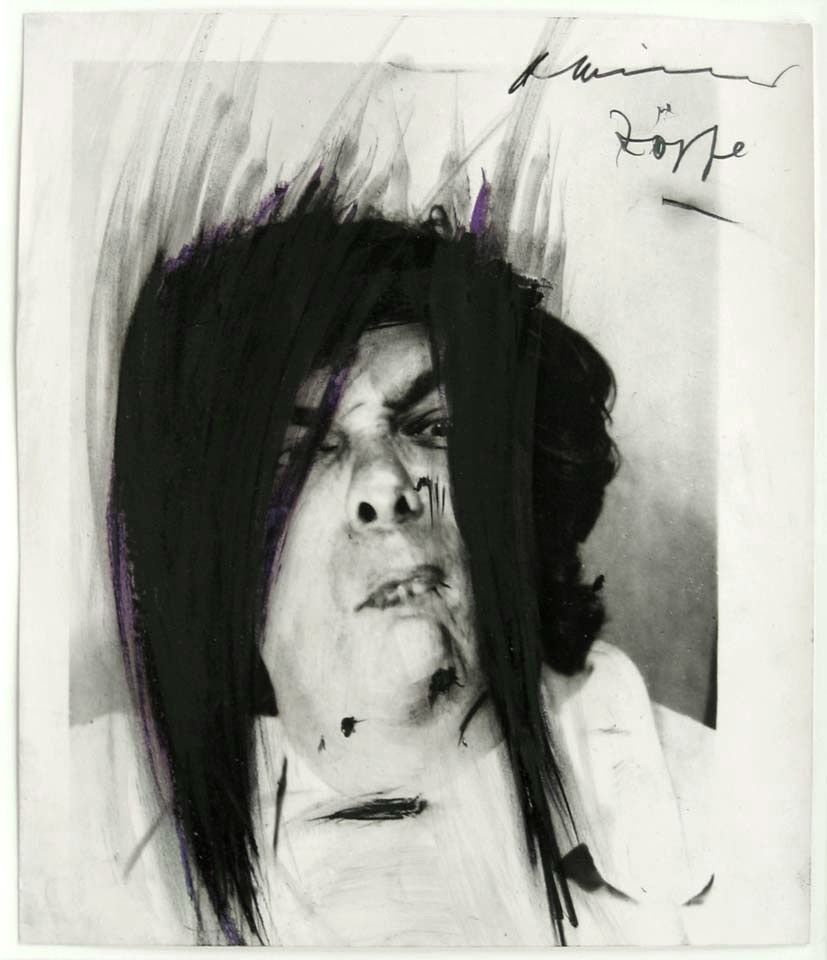

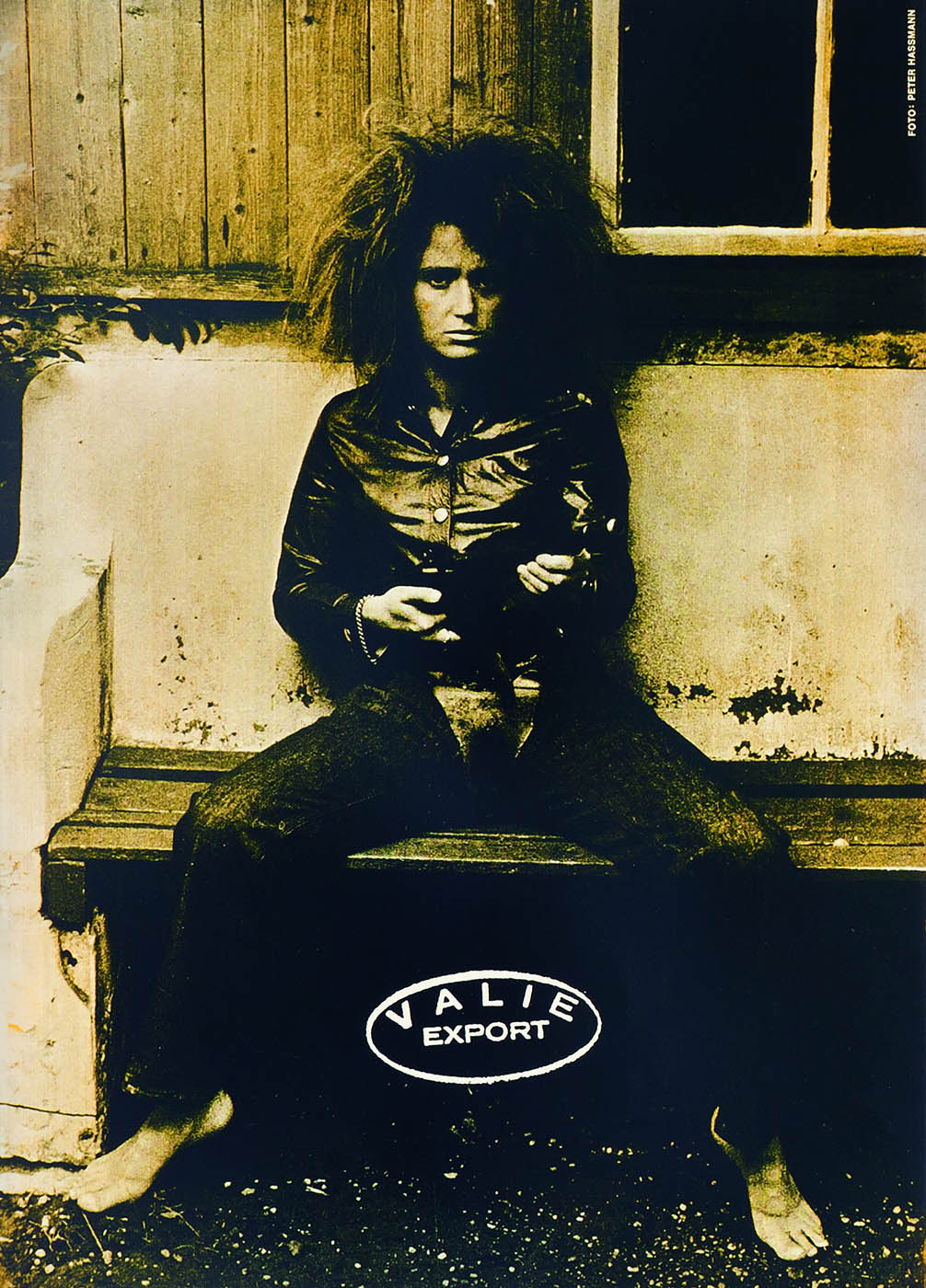


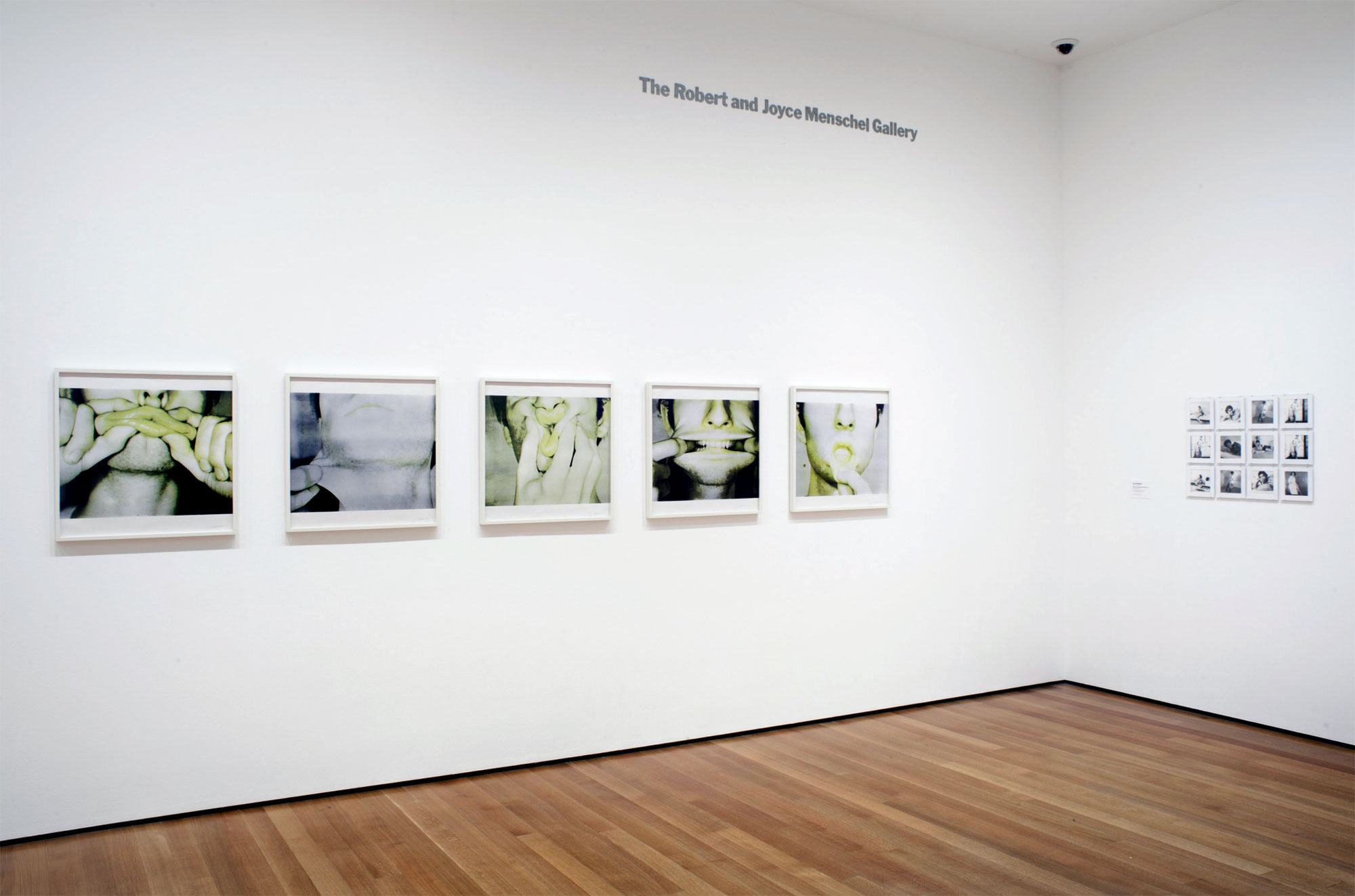
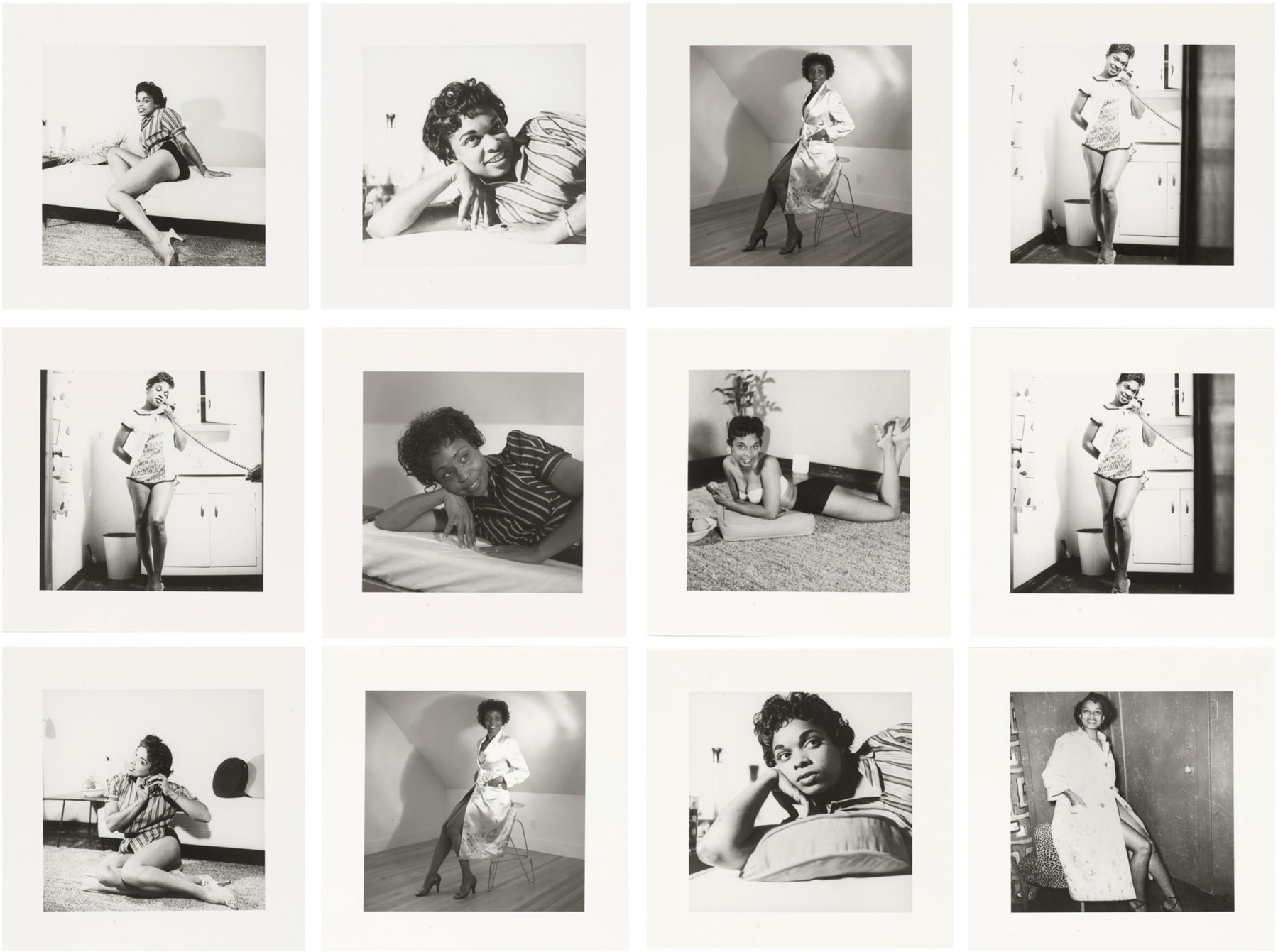


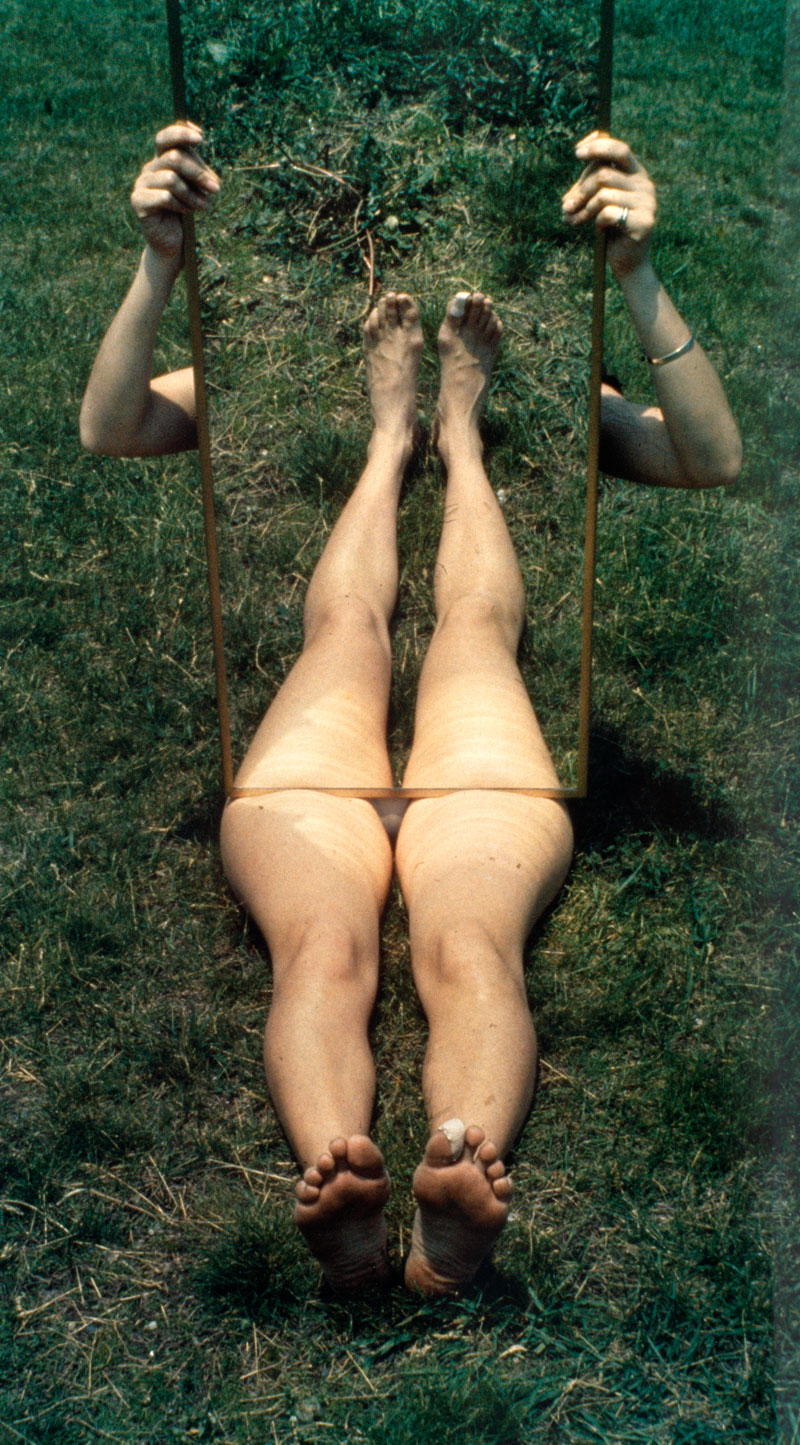
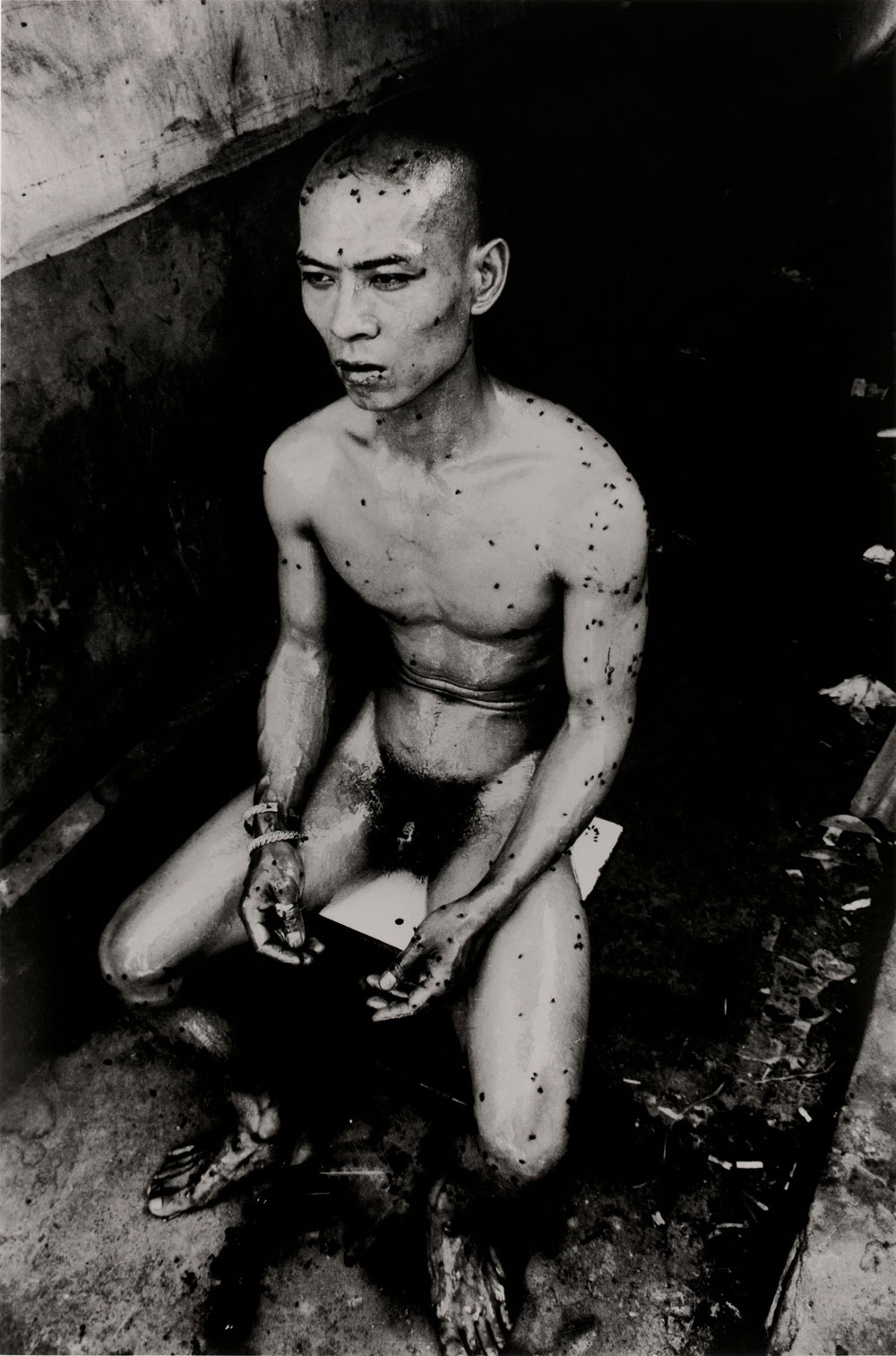
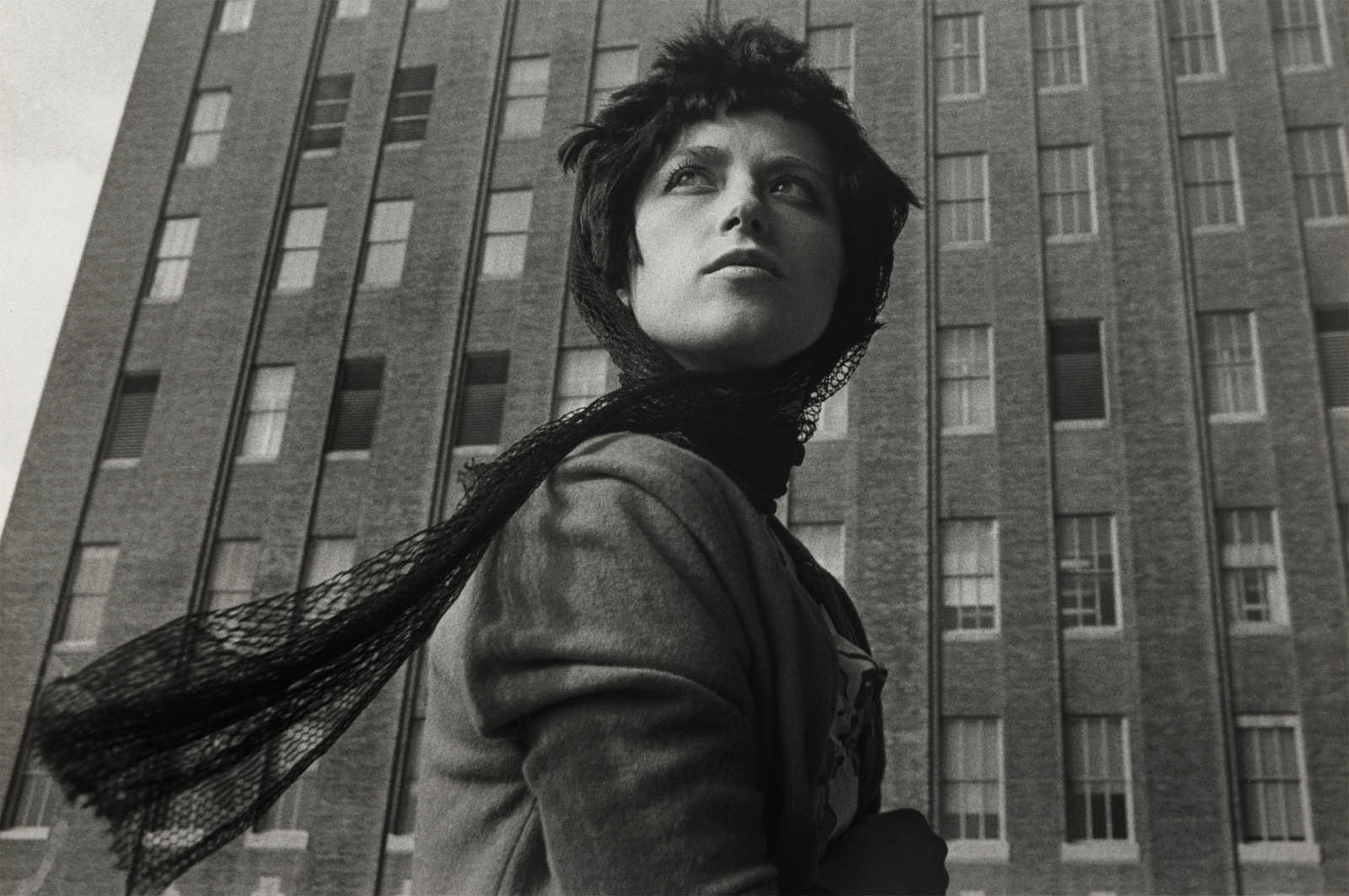
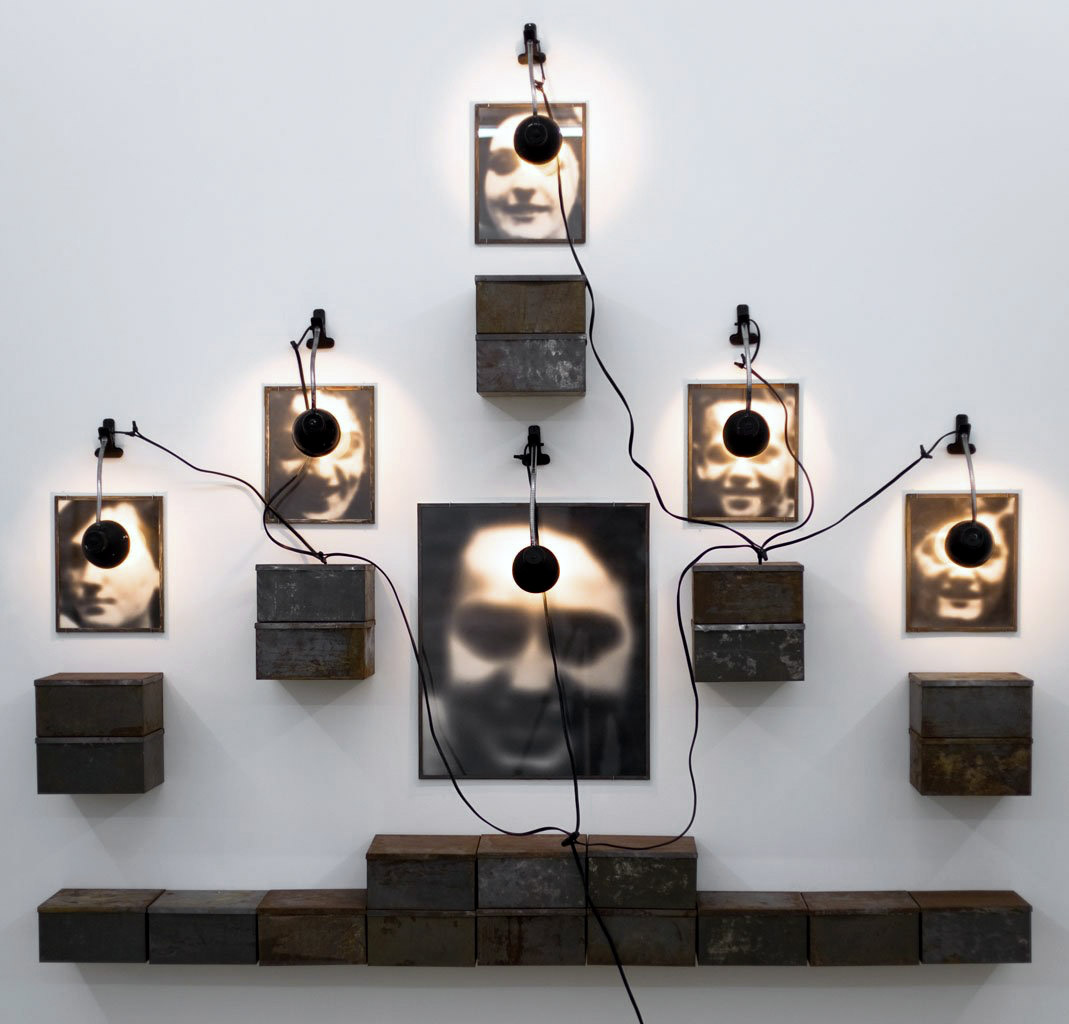

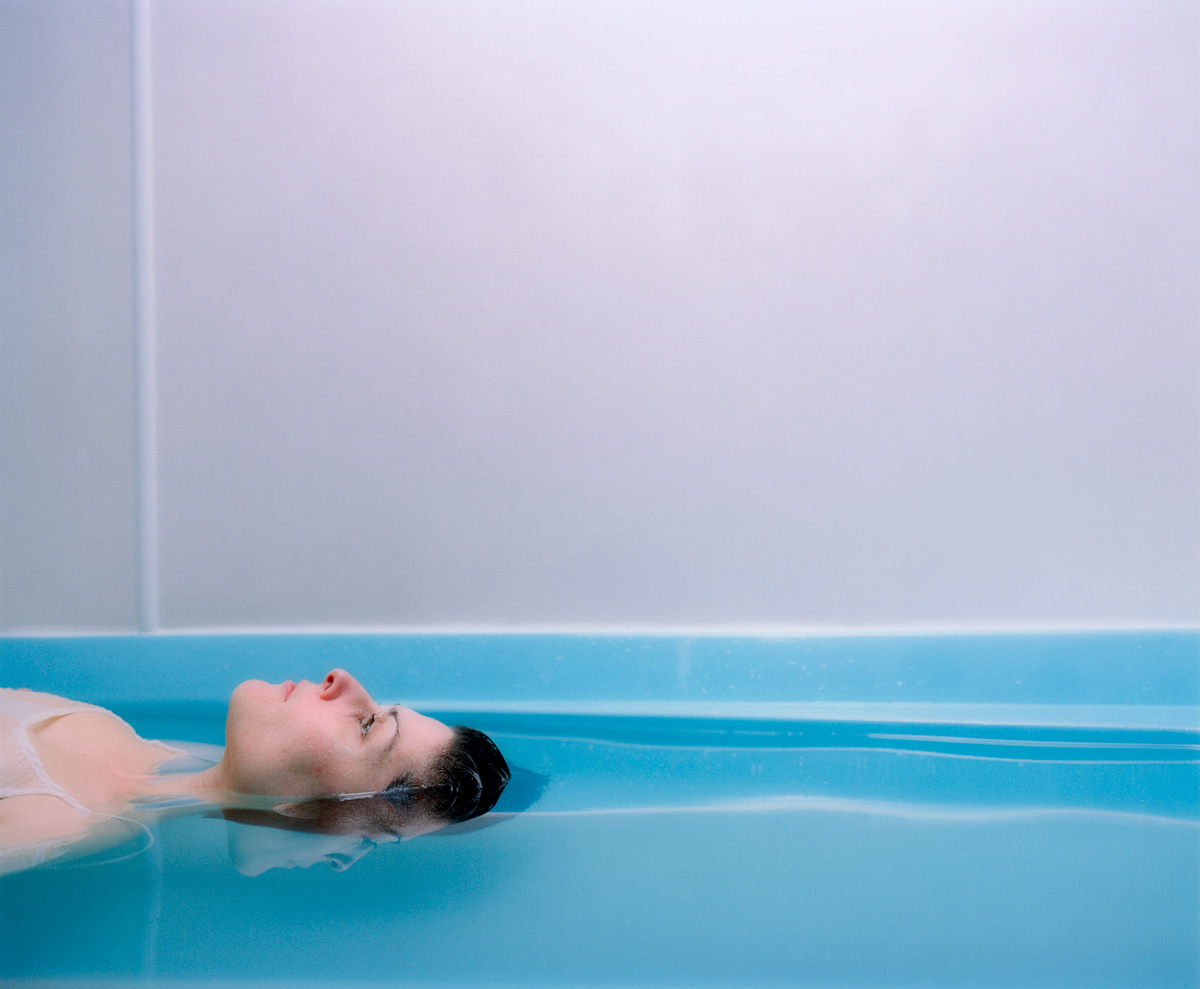


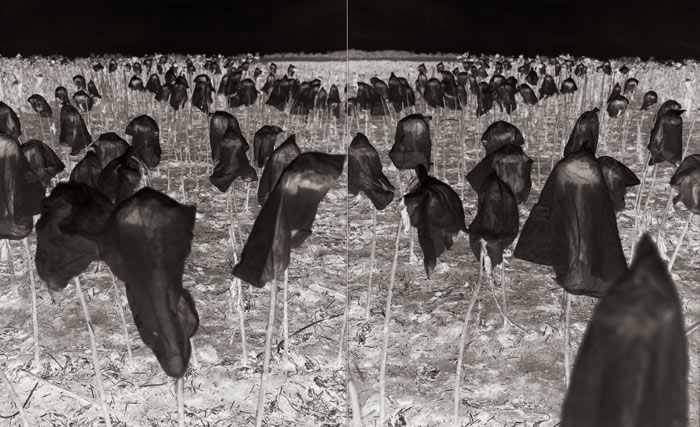


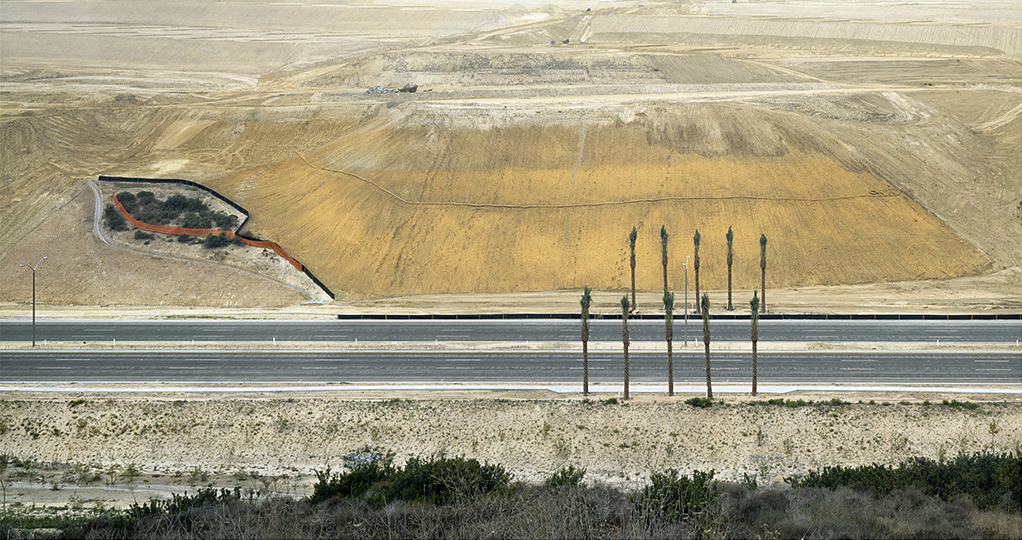
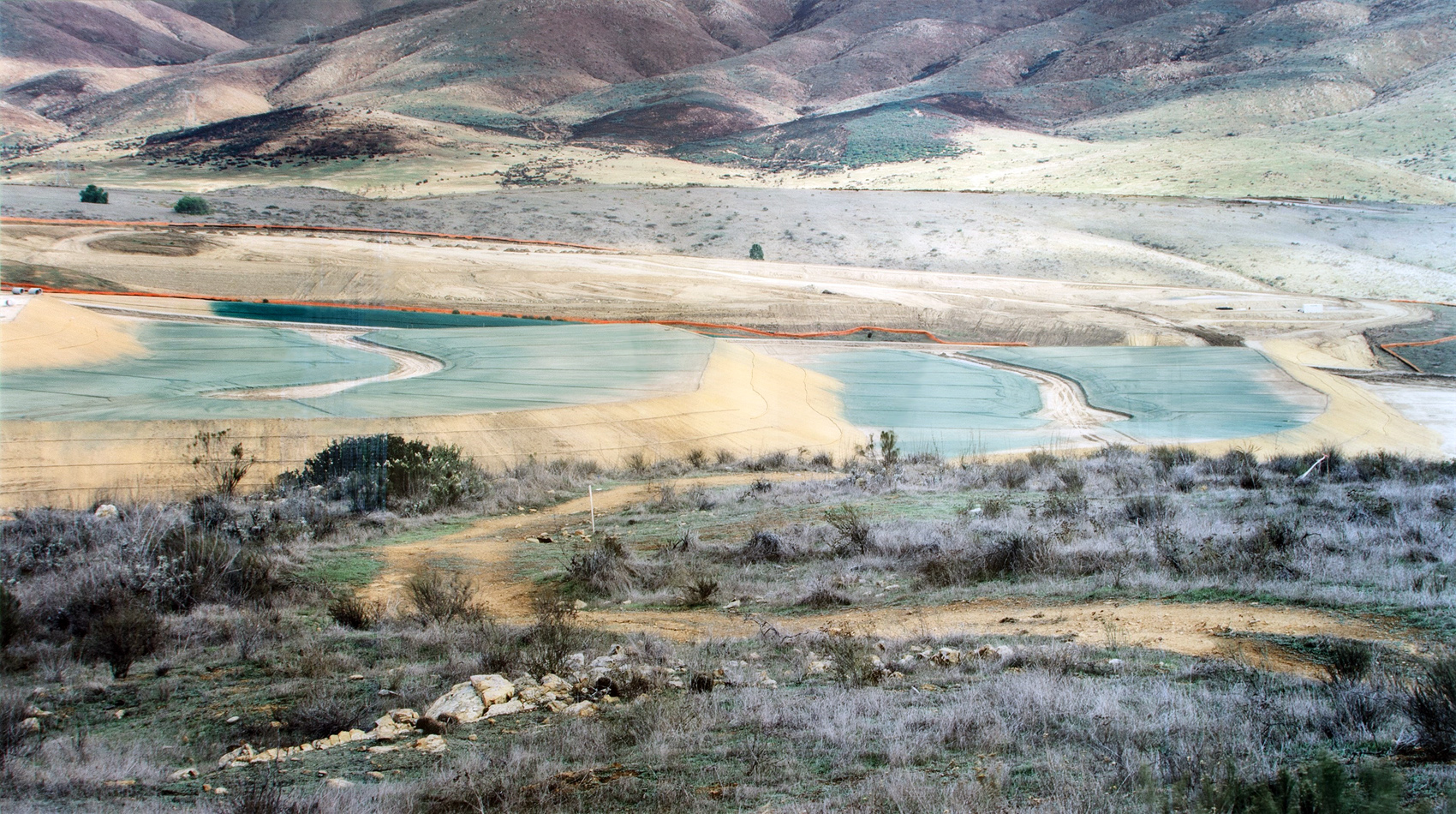
 Art Blart _ art and cultural memory archive
You must be logged in to post a comment.