Exhibition: ‘A World of Its Own: Photographic Practices in the Studio’ at the Museum of Modern Art (MoMA), New York Part 2

Exhibition dates: 8th February – 2nd November 2014

The Edward Steichen Photography Galleries, third floor

Curators: Organised by Quentin Bajac, The Joel and Anne Ehrenkranz Chief Curator, with Lucy Gallun, Assistant Curator, Department of Photography
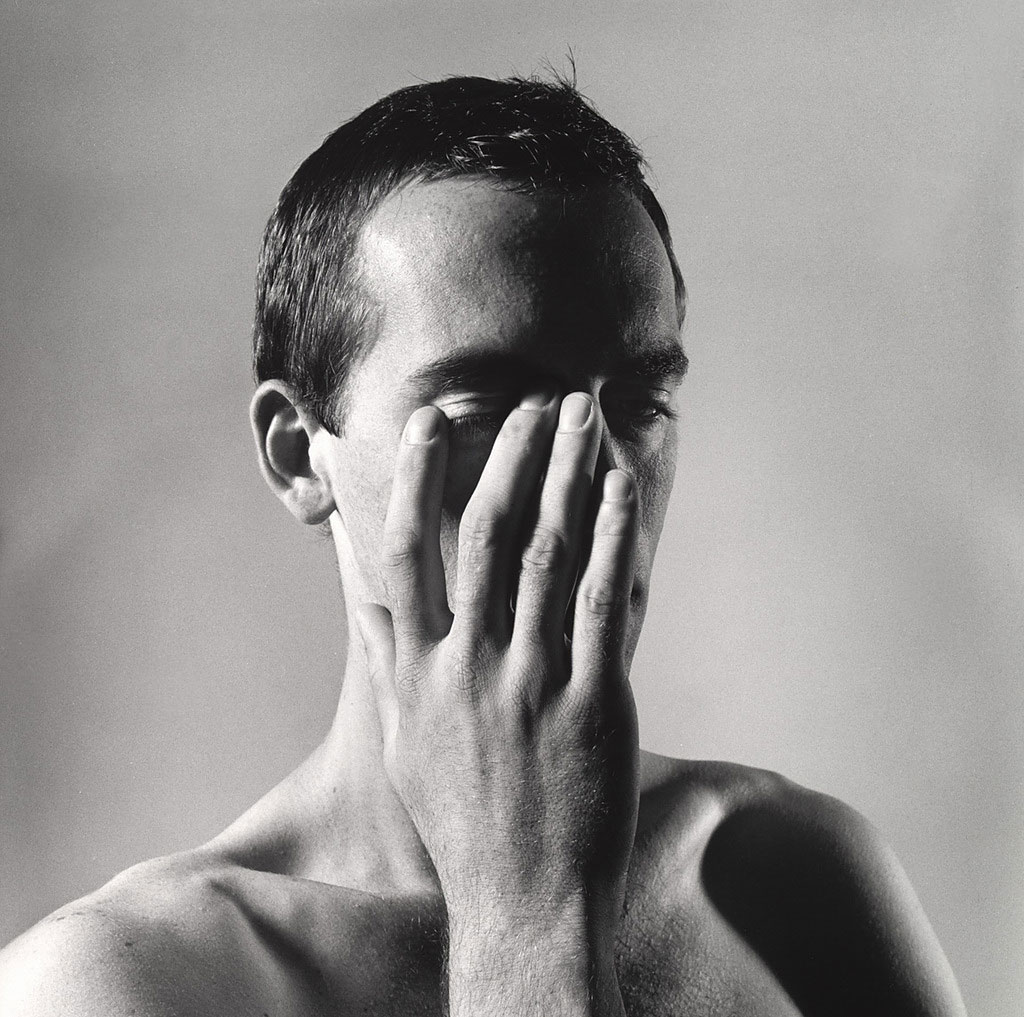
 

Peter Hujar (American, 1934-1987) 'David Wojnarowicz' 1981


Peter Hujar (American, 1934-1987)
David Wojnarowicz
1981
Gelatin silver print
14 x 14″ (35.6 x 35.6cm)
The Fellows of Photography Fund
Museum of Modern Art Collection


Many thankx to MoMA for allowing me to publish four of the photographs in the posting. The rest of the images were sourced from the Internet in order to give the reader a more comprehensive understanding of what this exhibition is actually about – especially if you are thousands of miles away and have no hope of ever seeing it!

Dr Marcus Bunyan


Please click on the photographs for a larger version of the image.


The exhibition is divided into 6 themes each with its own gallery space:

1/ Surveying the Studio
2/ The Studio as Stage
3/ The Studio as Set
4/ A Neutral Space
5/ Virtual Spaces
6/ The Studio, from Laboratory to Playground


A Neutral Space
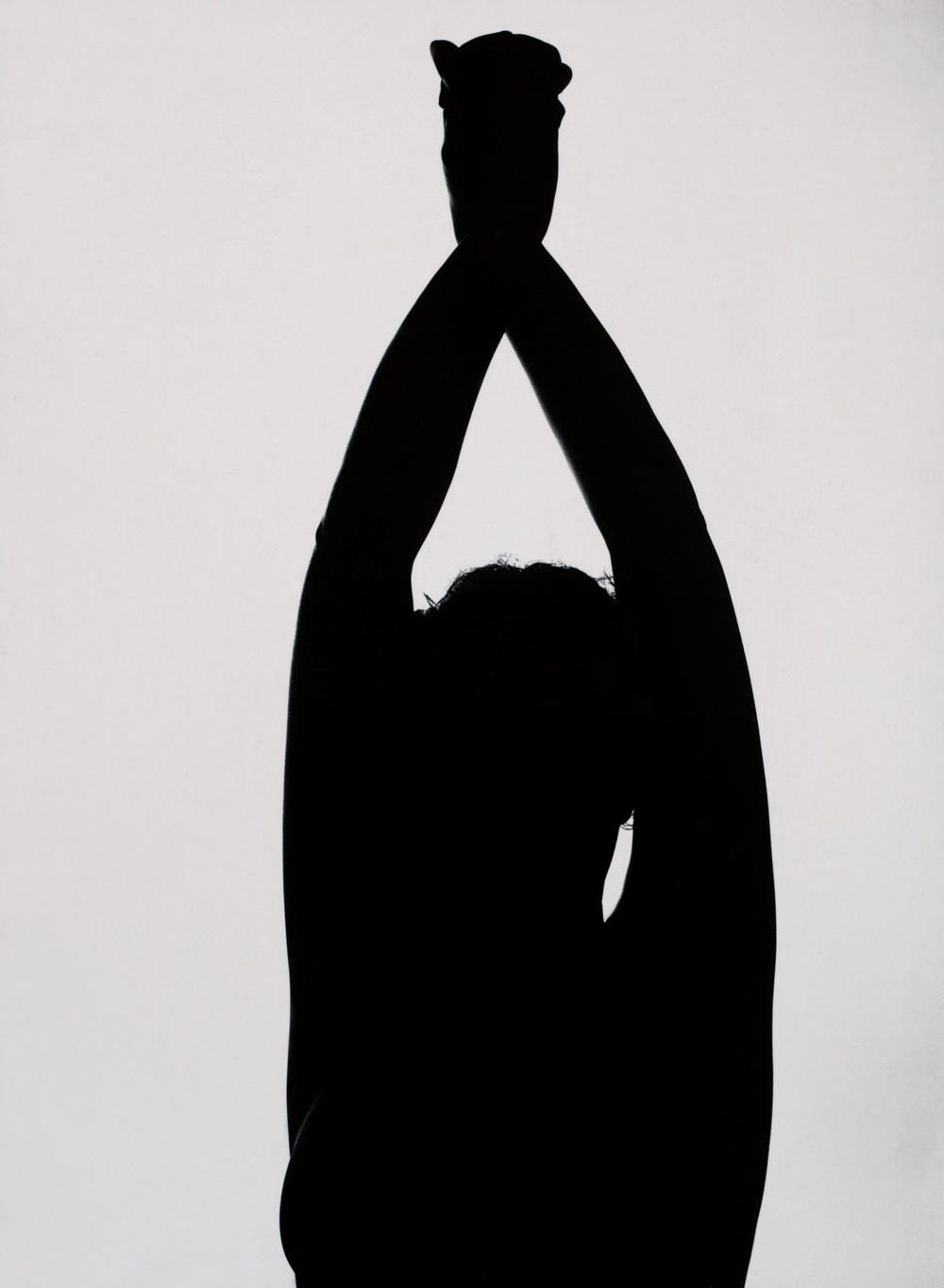
 

Harry Callahan (American, 1912-1999) 'Eleanor' 1948


Harry Callahan (American, 1912-1999)
Eleanor
1948
Gelatin silver print
4 1/2 x 3 1/4″ (11.4 x 8.3cm)
Gift of the artist
Museum of Modern Art Collection


Charles Harry Jones (English, 1866-1959) 'Brussels Sprouts' c. 1900


Charles Harry Jones (English, 1866-1959)
Brussels Sprouts
c. 1900
Gelatin silver printing-out-paper print
6 1/8 × 8 1/16″ (15.5 × 20.5cm)
Acquired through the generosity of Robert B. Menschel
Museum of Modern Art Collection


Charles Harry Jones (1866 – 15 November 1959) was an English gardener and photographer, noted for his still lifes of fruit and vegetables.

The photographs were probably made between 1895 and 1910, and likely while he was employed at Ote Hall. Jones’ work was never exhibited in his lifetime, and was largely unknown even to his family, until the photographic prints were discovered by accident in 1981. Sean Sexton found a suitcase containing hundreds of prints of vegetables, fruits and flowers at Bermondsey antiques market. Other than a very few exceptions, Jones’ photographs exist only in unique examples. None of the glass-plate negatives have been located.

Jones isolated his vegetables, fruits and flowers against neutral dark or light backgrounds, in the manner of formal studio portraits. He used long exposures and small apertures to give depth of field.

Text from the Wikipedia website
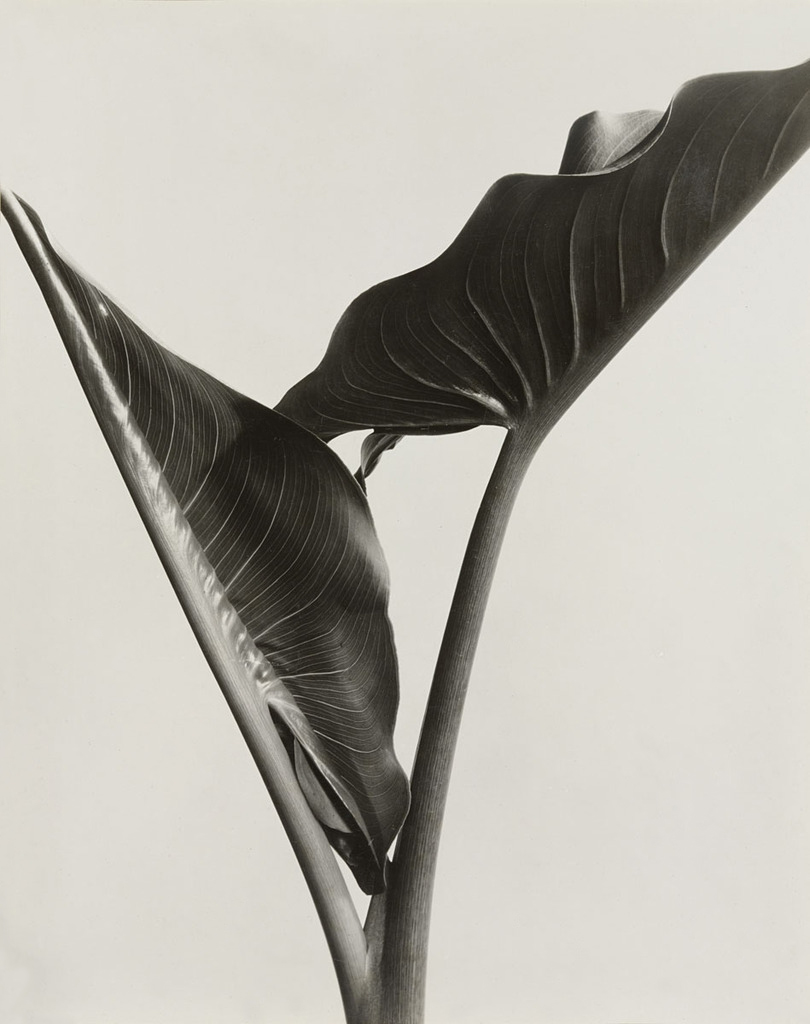
 

Imogen Cunningham (American, 1883-1976) 'Cala Leaves' 1932


Imogen Cunningham (American, 1883-1976)
Cala Leaves
1932
Gelatin silver print
9 9/16 x 7 9/16″ (24.3 x 19.2cm)
Gift of Paul F. Walter
Museum of Modern Art Collection
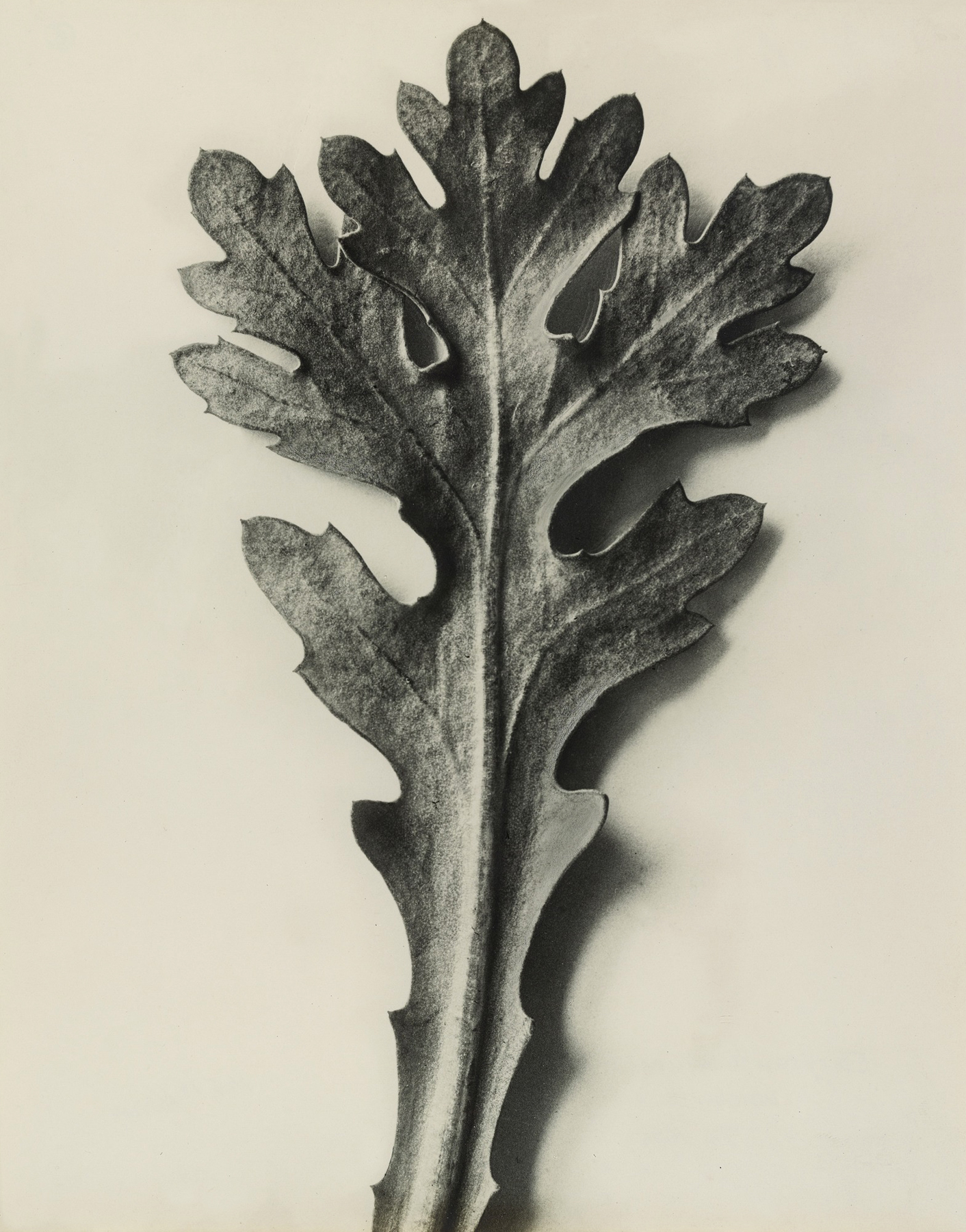
 

Karl Blossfeldt (German, 1865-1932) 'Chrysanthemum segetum – Feverfew' before 1928


Karl Blossfeldt (German, 1865-1932)
Chrysanthemum segetum – Feverfew Enlarged 8 Times
Before 1928
Gelatin silver print
11 15/16 × 9 7/16″ (30.4 × 23.9cm)
Thomas Walther Collection. Gift of James Thrall Soby, by exchange
Museum of Modern Art Collection
© 2022 Karl Blossfeldt / Artists Rights Society (ARS), New York
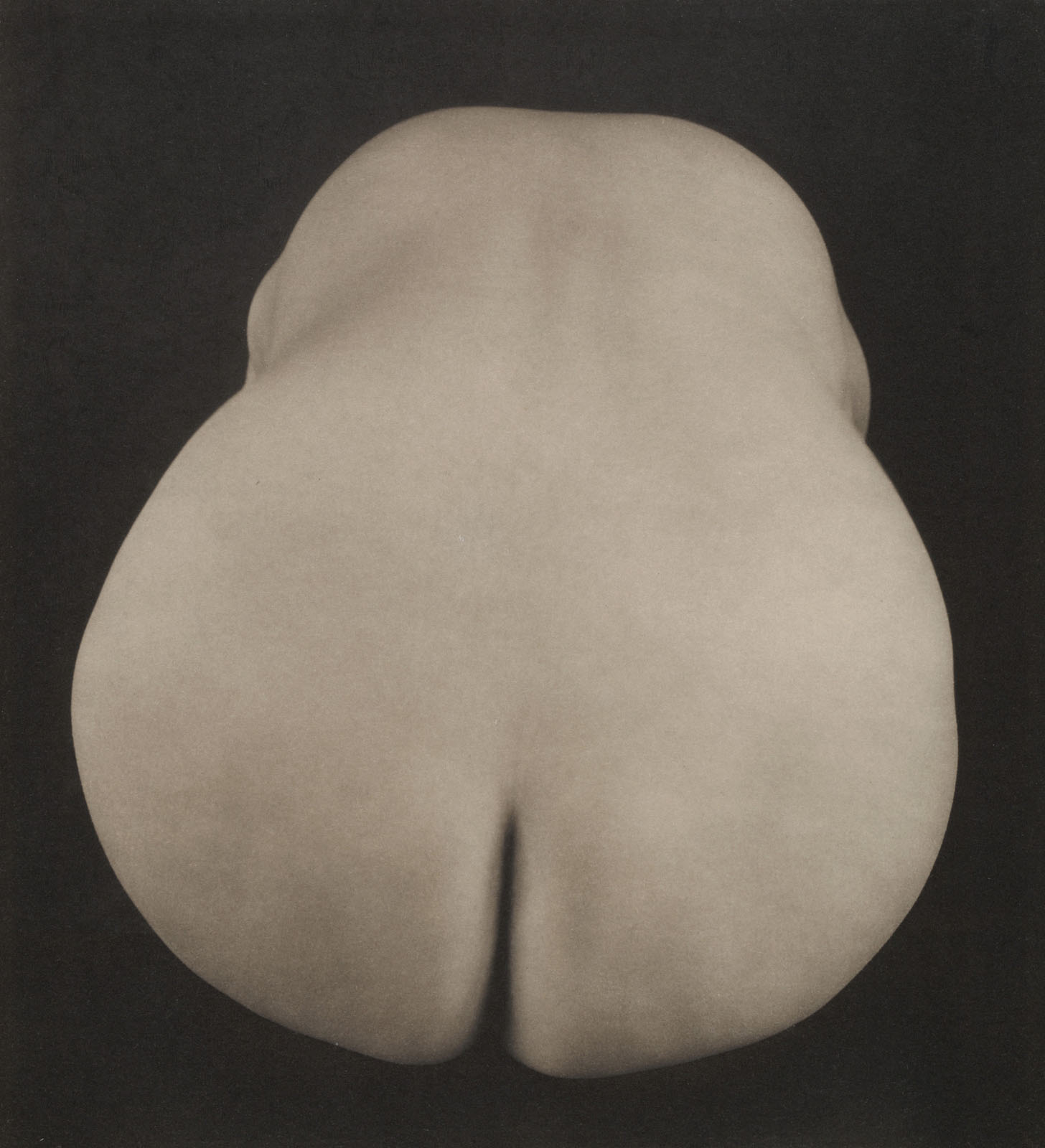
 

Edward Weston (American, 1886-1958) 'Nude, Mexico' 1925


Edward Weston (American, 1886-1958)
Nude, Mexico
1925
Palladium print
8 3/8 × 7 5/8″ (21.2 × 19.3cm)
Gift of David H. McAlpin
Museum of Modern Art Collection
© 1981 Center for Creative Photography, Arizona Board of Regents


Richard Avedon (American, 1923-2004) 'Carl Hoefert, unemployed blackjack dealer, Reno, Nevada', from the series 'In the American West' August 30, 1983


Richard Avedon (American, 1923-2004)
Carl Hoefert, unemployed blackjack dealer, Reno, Nevada, from the series In the American West
August 30, 1983
Gelatin silver print, printed 1985
47 1/2 x 37 1/2″ (120.6 x 95.2cm)
Gift of the artist
Museum of Modern Art Collection
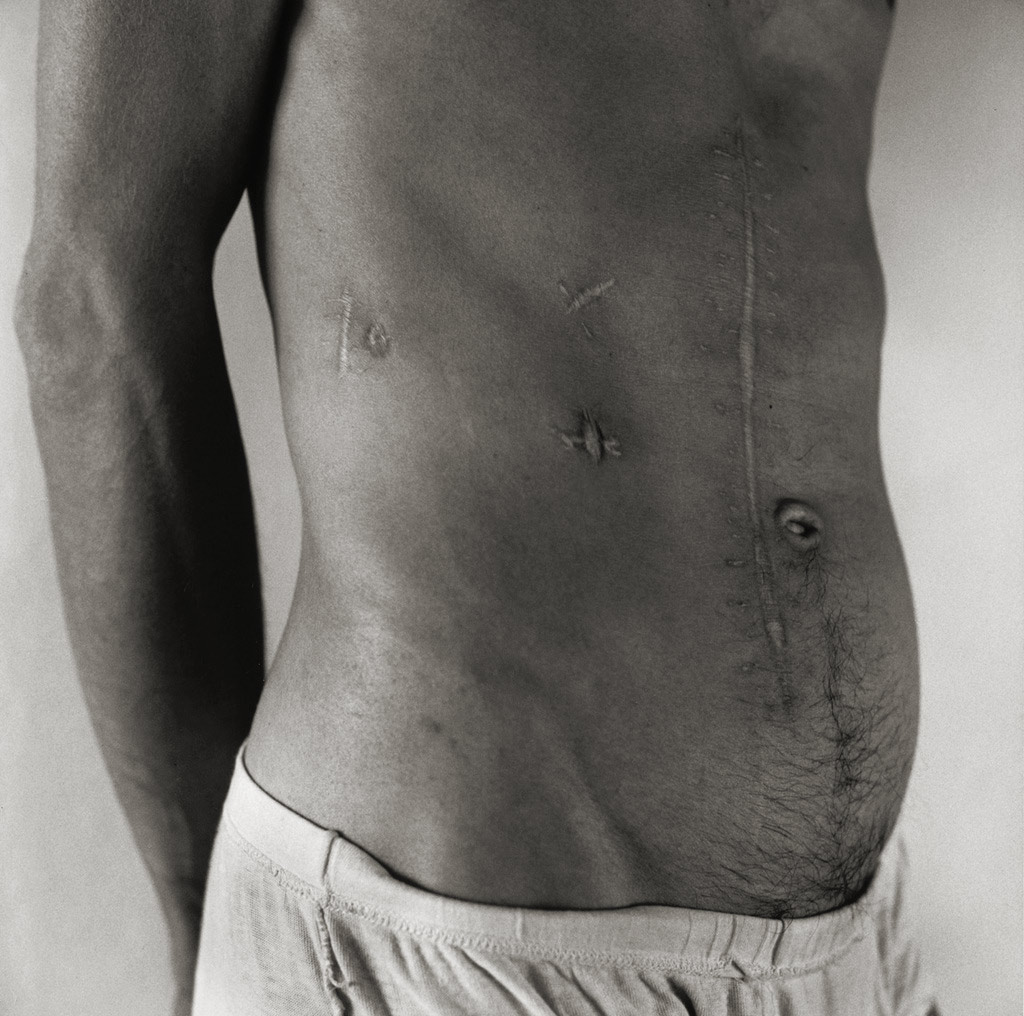
 

Peter Hujar (American, 1934-1987) 'Pascal (Paris)' 1980


Peter Hujar (American, 1934-1987)
Pascal (Paris)
1980
Gelatin silver print
14 5/8 x 14 11/16″ (37.1 x 37.3cm)
Gift of David Wojnarowicz
Museum of Modern Art Collection
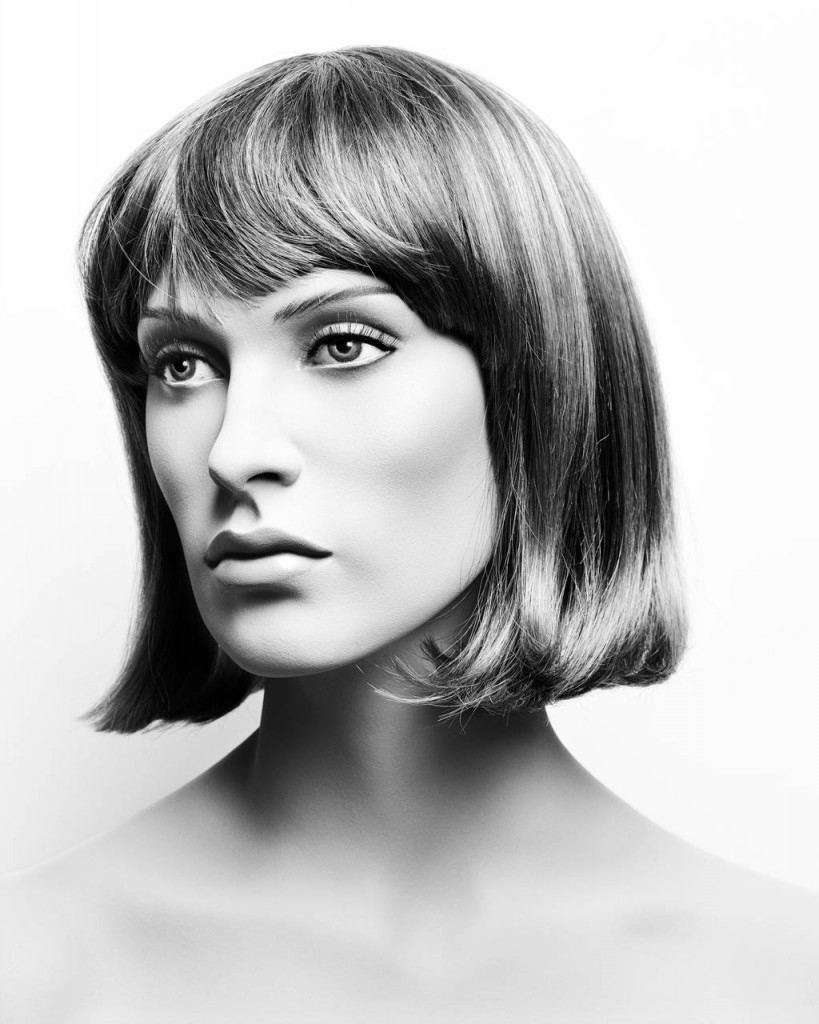
 

Valérie Belin (French, b. 1964) 'Untitled' from the series 'Mannequins' 2003


Valérie Belin (French, b. 1964)
Untitled from the series Mannequins
2003
Gelatin silver print
61 x 49″ (154.9 x 124.5cm)
Purchase
Museum of Modern Art Collection
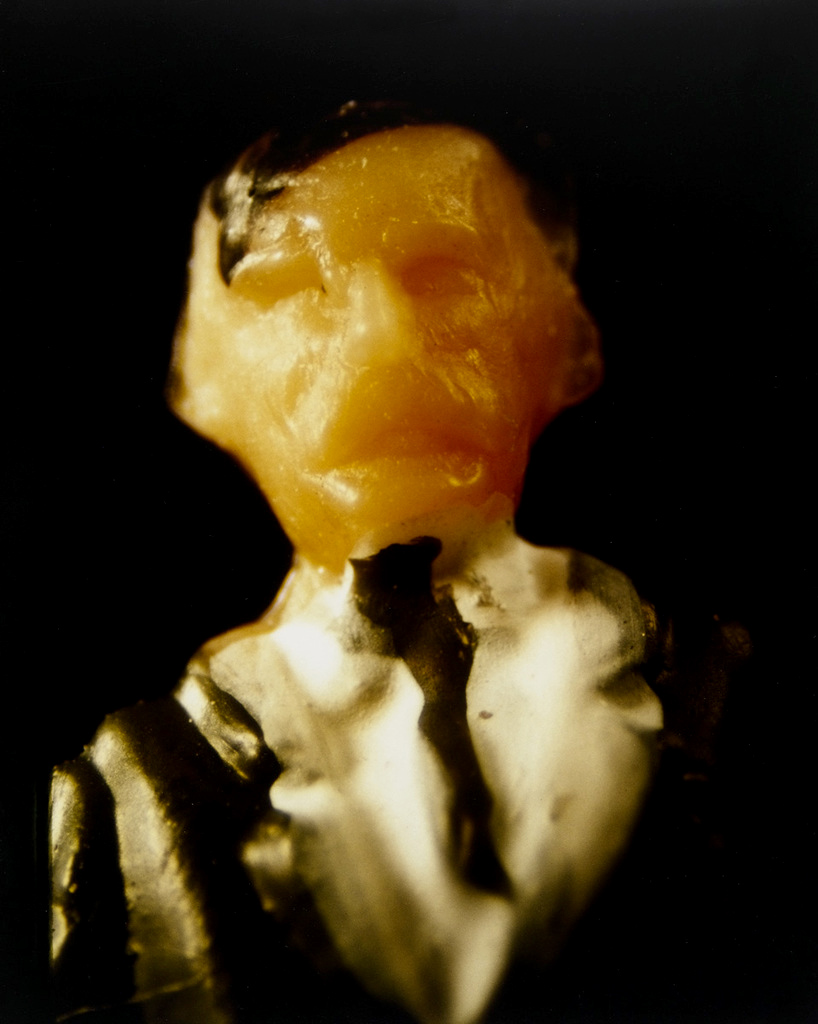
 

Laurie Simmons (American, b. 1949) Allan McCollum (American, b. 1944) 'Untitled' from the series 'Actual Photos' 1985


Laurie Simmons (American, b. 1949)
Allan McCollum (American, b. 1944)
Untitled from the series Actual Photos
1985
Silver dye bleach print
9 5/16 x 6 5/16″ (23.7 x 16.1cm)
Joel and Anne Ehrenkranz Fund
Museum of Modern Art Collection
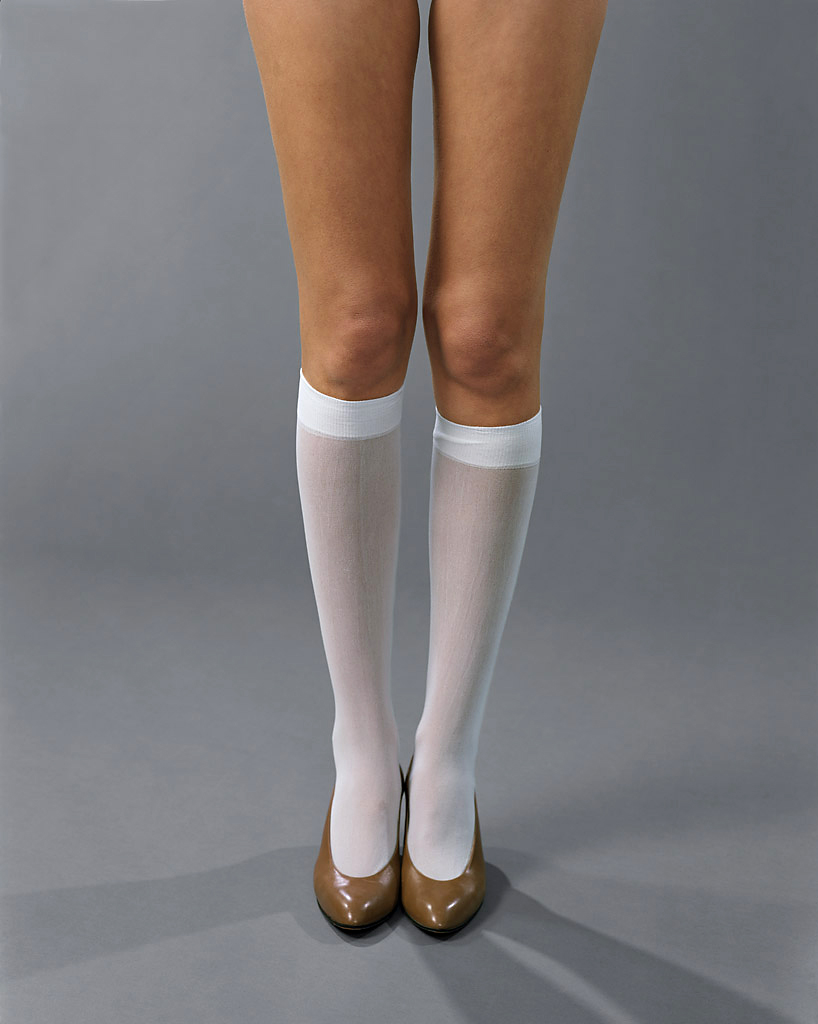
 

Josephine Meckseper (German, b. 1964) 'Blow-Up (Michelli, Knee-Highs)' 2006


Josephine Meckseper (German, b. 1964)
Blow-Up (Michelli, Knee-Highs)
2006
Chromogenic colour print
78 5/8 x 62 5/8″ (199.7 x 159.1cm)
Fund for the Twenty-First Century
Museum of Modern Art Collection
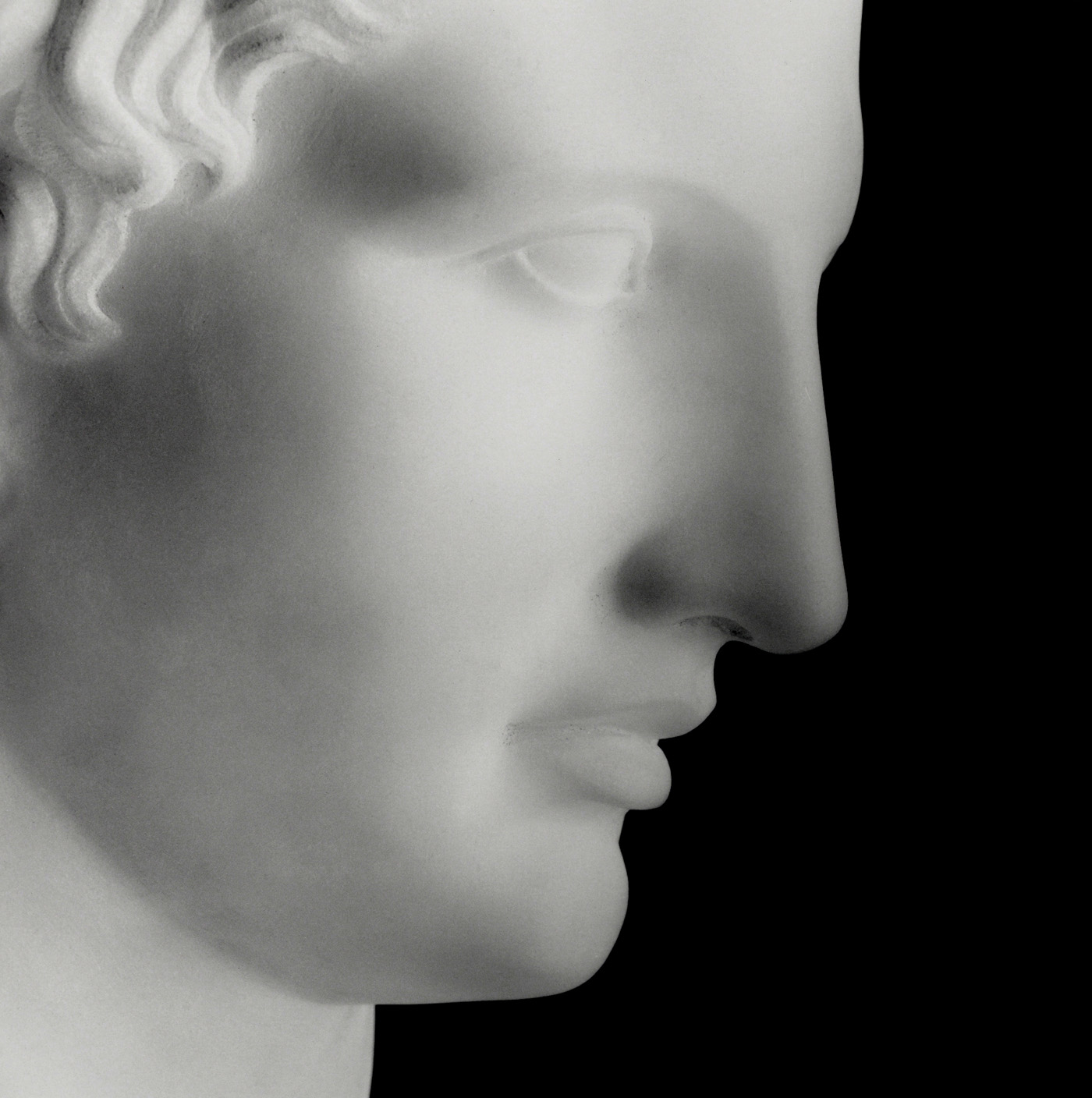
 

Robert Mapplethorpe (American, 1946-1989) 'Hermes' 1988


Robert Mapplethorpe (American, 1946-1989)
Hermes
1988
Gelatin silver print
19 1/4 × 19 1/4″ (48.9 × 48.9cm)
Gift of Agnes Gund
Museum of Modern Art Collection
© 2022 Robert Mapplethorpe Foundation


Virtual Spaces


Christian Marclay (American and Swiss, b. 1955) 'Allover (Genesis, Travis Tritt, and Others)' 2008


Christian Marclay (American and Swiss, b. 1955)
Allover (Genesis, Travis Tritt, and Others)
2008
Cyanotype
Composition and sheet: 51 1/2 x 97 3/4″ (130.8 x 248.3cm)
Publisher and printer: Graphic studio, University of South Florida, Tampa
Acquired through the generosity of Steven A. and Alexandra M. Cohen
Museum of Modern Art Collection


Luigi Veronesi (Italian, 1908-1998) 'Composition' 1935


Luigi Veronesi (Italian, 1908-1998)
Composition
1935
Gelatin silver print
9 7/16 × 11 1/4″ (24 × 28.6 cm)
Thomas Walther Collection. Gift of Ansel Adams, by exchange
Museum of Modern Art Collection
© 2022 Archivio Luigi Veronesi, Milan


Luigi Veronesi (28 May 1908 – 25 February 1998) was an Italian photographer, painter, scenographer and film director born in Milan.
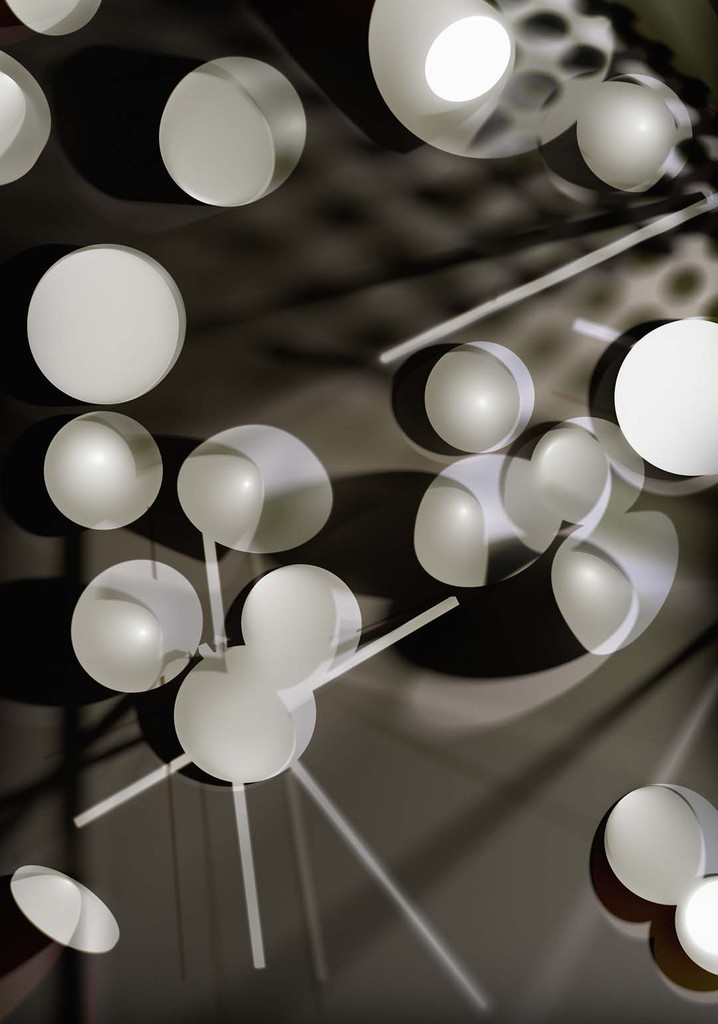
 

Thomas Ruff (German, b. 1958) 'phg.06' 2012


Thomas Ruff (German, b. 1958)
phg.06
2012
Chromogenic colour print
100 3/8 x 72 13/16″ (255 x 185cm)
Courtesy David Zwirner, New York/London
Museum of Modern Art Collection
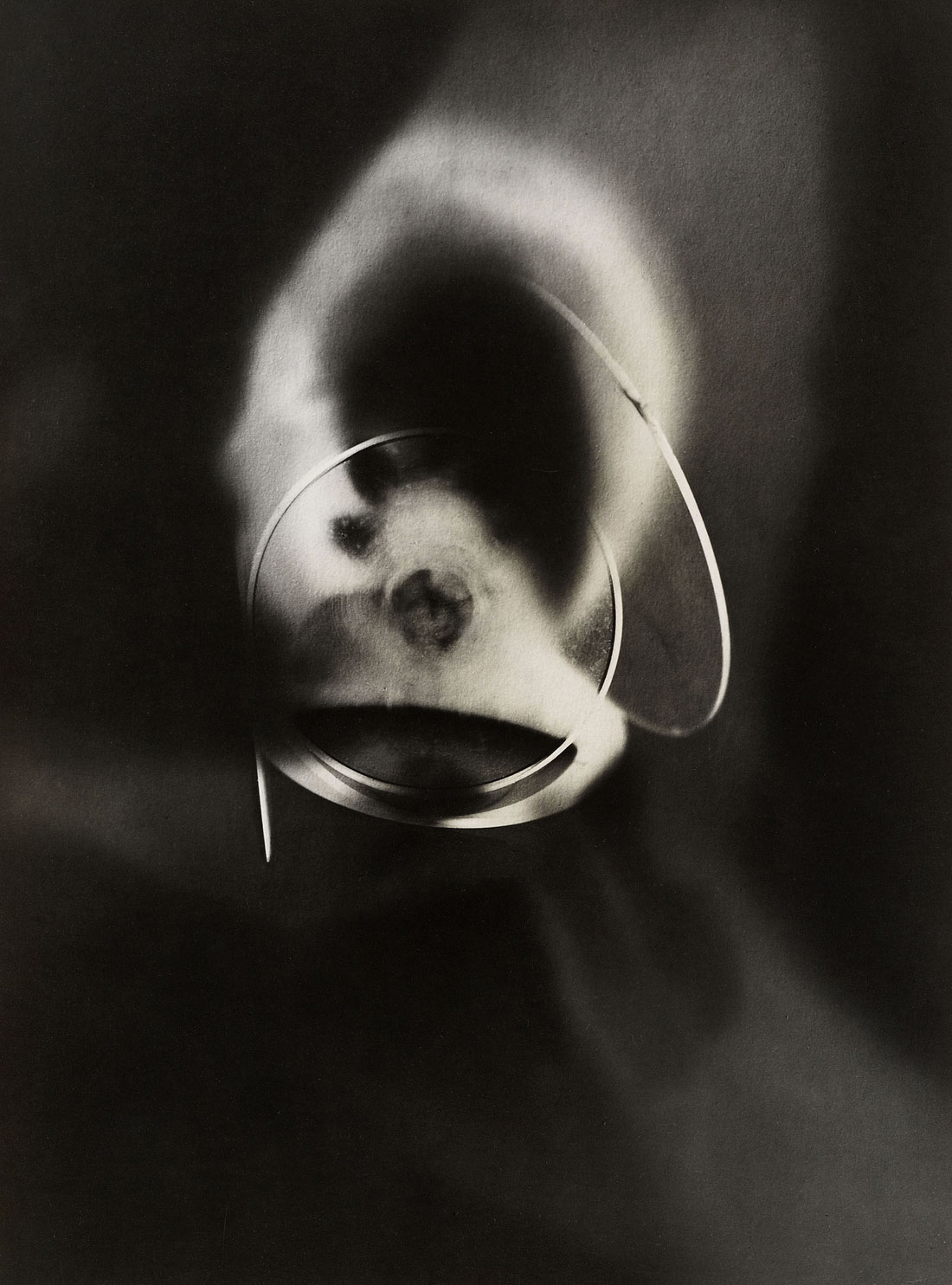
 

Man Ray (American, 1890-1976) 'Rayograph' 1923


Man Ray (American, 1890-1976)
Rayograph
1923
Gelatin silver print
9 7/16 x 7″ (23.9 x 17.8cm)
Purchase
Museum of Modern Art Collection
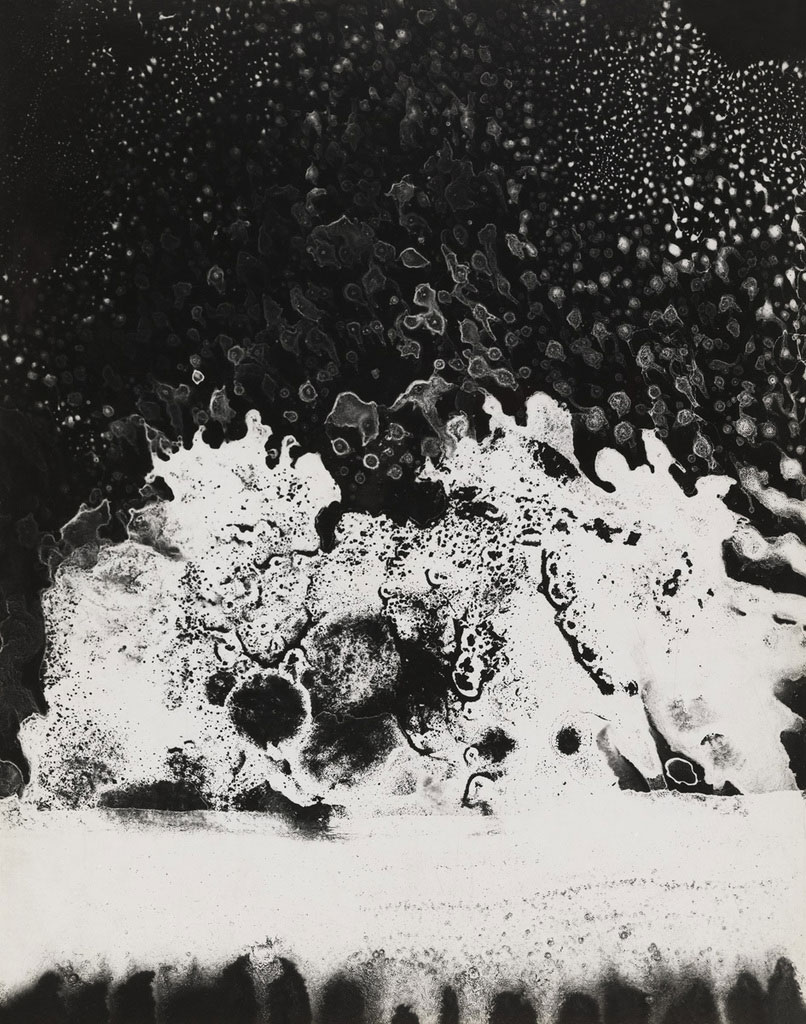
 

György Kepes (American born Hungary, 1906-2001) 'Abstraction – Surface Tension #2' c. 1940


György Kepes (American born Hungary, 1906-2001)
Abstraction – Surface Tension #2
c. 1940
Gelatin silver print
14 x 11 1/8″ (35.6 x 28.3cm)
Gift of the artist
Museum of Modern Art Collection


The Studio, from Laboratory to Playground


Barbara Morgan (American, 1900-1992) 'Pure Energy and Neurotic Man' 1941


Barbara Morgan (American, 1900-1992)
Pure Energy and Neurotic Man
1941
Gelatin silver print, printed 1971
19 1/8 x 15 1/2″ (48.6 x 39.3cm)
Gift of the artist
Museum of Modern Art Collection


Barbara Morgan (American, 1900-1992) 'Cadenza' 1940


Barbara Morgan (American, 1900-1992)
Cadenza
1940
Gelatin silver print, printed 1971
17 7/8 x 15″ (45.4 x 38.2cm)
Gift of the artist
Museum of Modern Art Collection
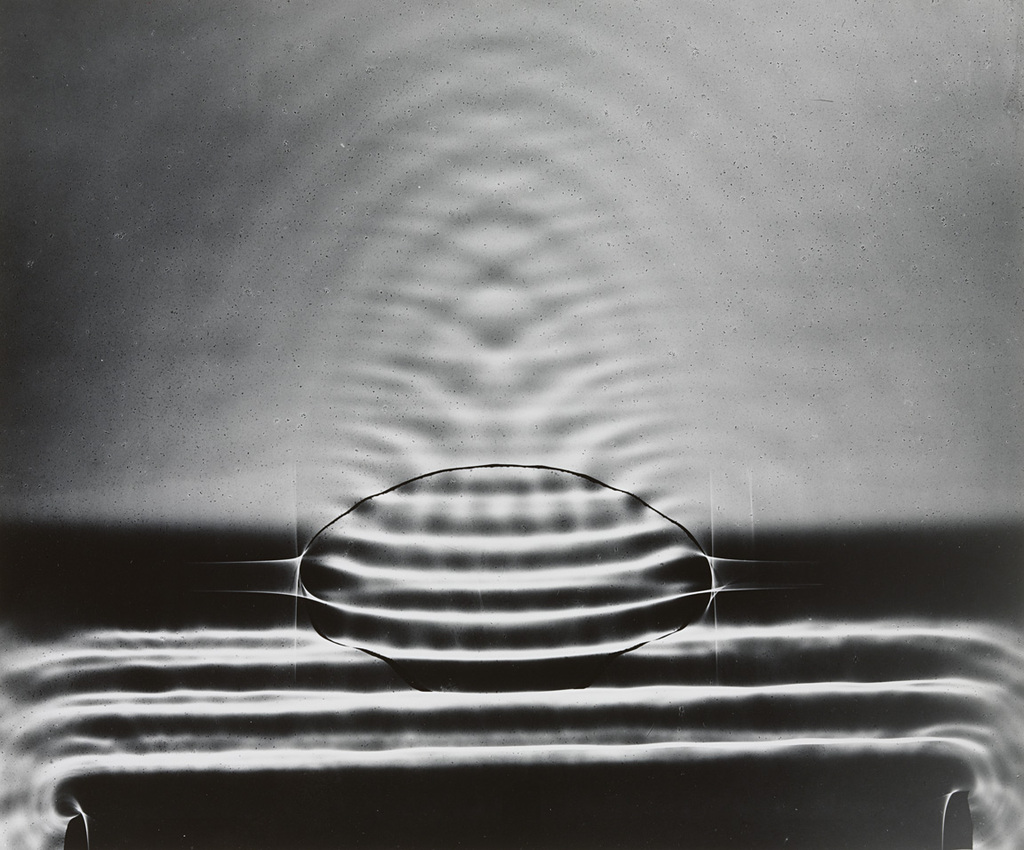
 

Berenice Abbott (American, 1898-1991) 'Focusing Water Waves, Massachusetts Institute of Technology' 1958-1961


Berenice Abbott (American, 1898-1991)
Focusing Water Waves, Massachusetts Institute of Technology
1958-1961
Gelatin silver print
6 9/16 x 7 15/16″ (16.7 x 20.1cm)
Gift of Ronald A. Kurtz
Museum of Modern Art Collection


Berenice Abbott (American, 1898-1991) 'Wave Pattern with Glass Plate, Massachusetts Institute of Technology' 1958-1961


Berenice Abbott (American, 1898-1991)
Wave Pattern with Glass Plate, Massachusetts Institute of Technology
1958-1961
Gelatin silver print
6 9/16 x 7 9/16″ (16.7 x 19.2cm)
Gift of Ronald A. Kurtz
Museum of Modern Art Collection
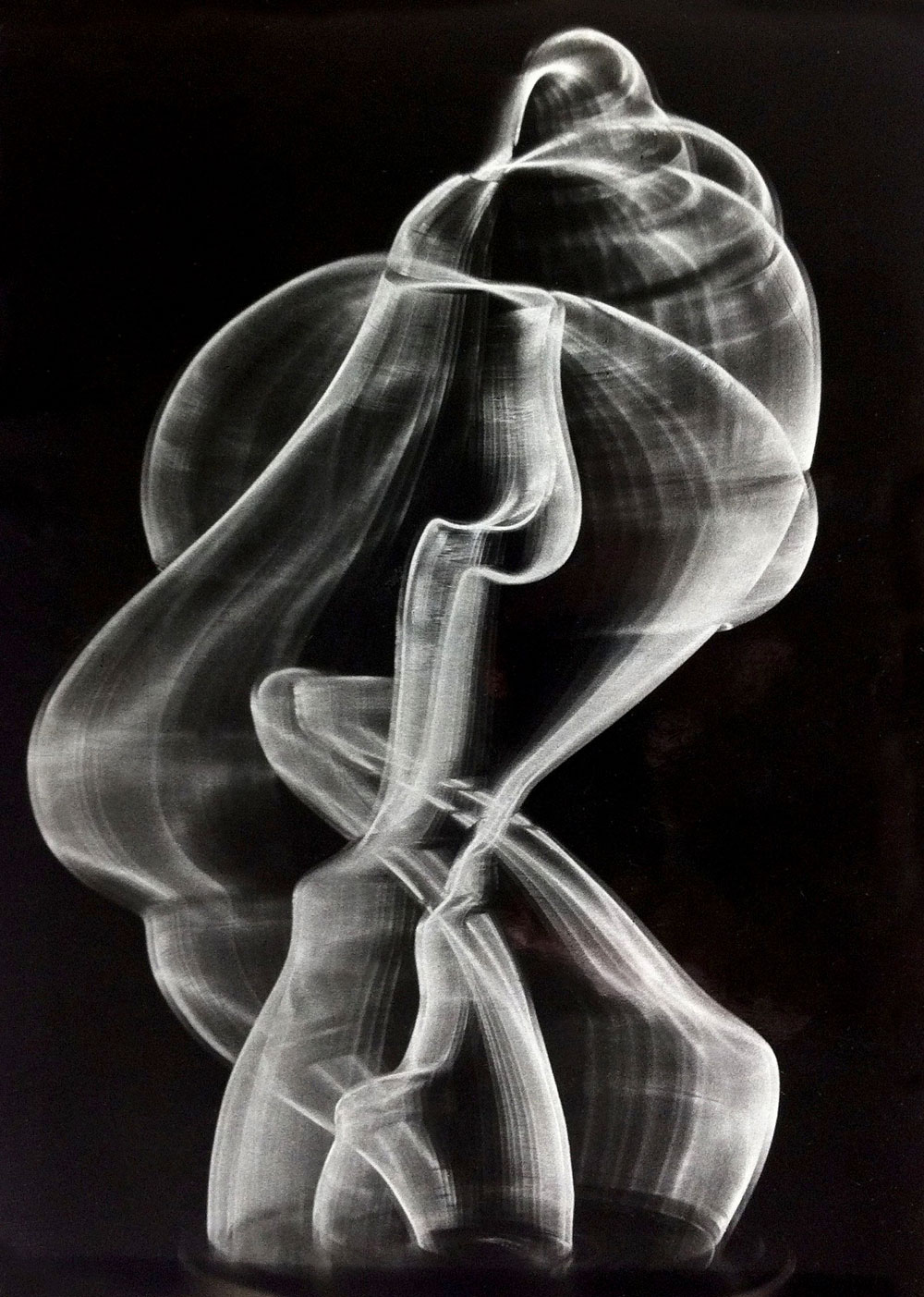
 

Heinz Hajek-Halke (German, 1898-1983) 'Embrace (Umarmung)' 1947-1951


Heinz Hajek-Halke (German, 1898-1983)
Embrace (Umarmung)
1947-1951
Gelatin silver print
15 5/8 x 11 3/8″ (39.7 x 29.0cm)
Gift of the artist
Museum of Modern Art Collection
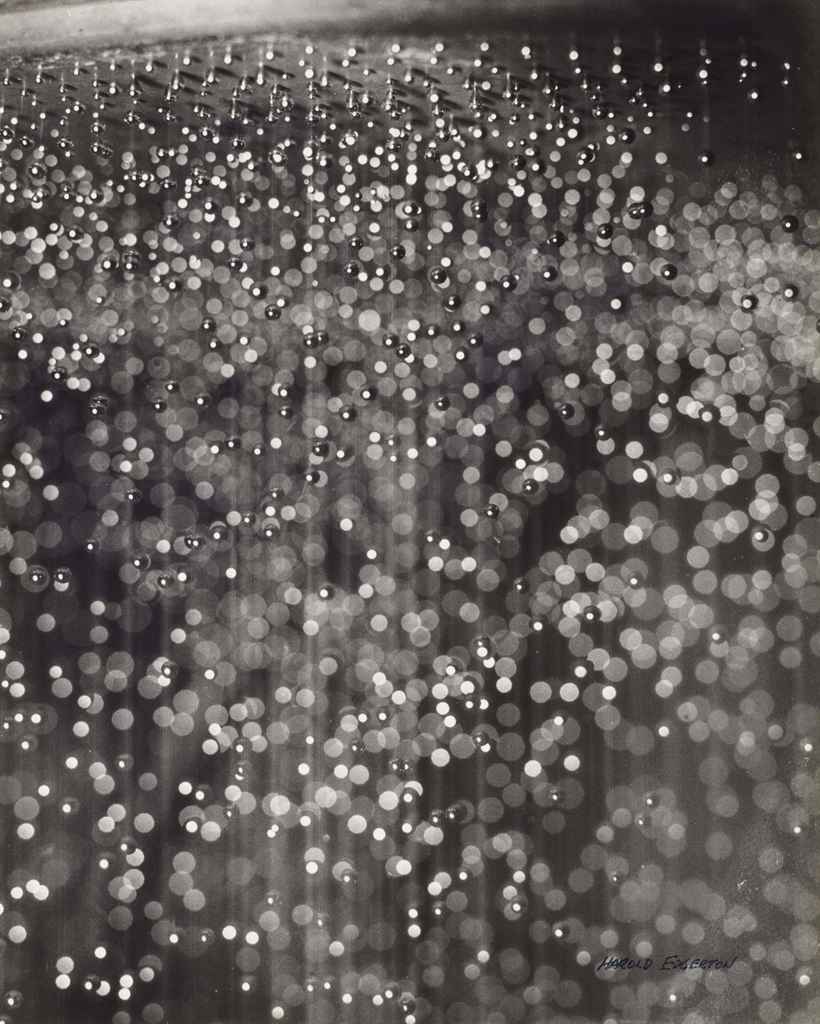
 

Harold Edgerton (American, 1903-1990) 'Lead Falling in a Shot Tower' 1936


Harold Edgerton (American, 1903-1990)
Lead Falling in a Shot Tower
1936
Gelatin silver print
7 9/16 x 9 1/2″ (19.3 x 24.2cm)
Gift of Gus and Arlette Kayafas
Museum of Modern Art Collection


Harold Edgerton (American, 1903-1990) 'Bouncing Ball Bearing' 1962


Harold Edgerton (American, 1903-1990)
Bouncing Ball Bearing
1962
Gelatin silver print
9 9/16 x 7 11/16″ (24.3 x 19.5cm)
Gift of Gus and Arlette Kayafas
Museum of Modern Art Collection
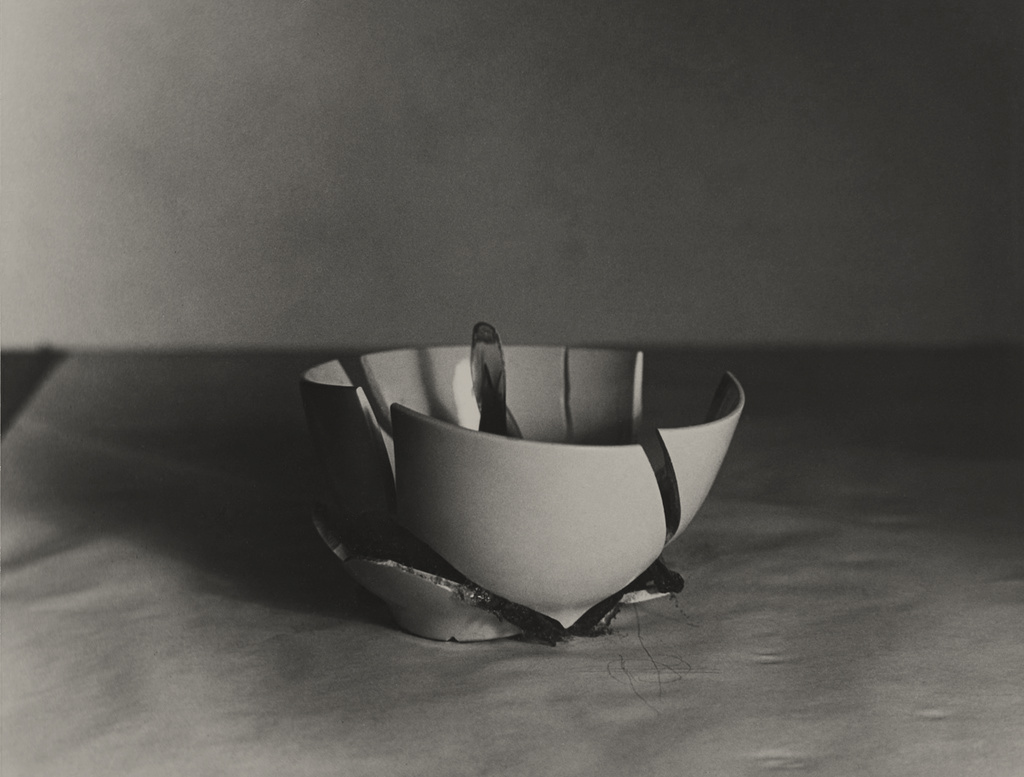
 

Harold Edgerton (American, 1903-1990) 'This is Coffee' 1933


Harold Edgerton (American, 1903-1990)
This is Coffee
1933
Gelatin silver print
9 7/8 x 12 7/8″ (25.1 x 32.7cm)
Gift of the artist
Museum of Modern Art Collection


Roman Signer (Swiss, b. 1938) 'Sand Curtain (Sandvorhang)' 1983


Roman Signer (Swiss, b. 1938)
Sand Curtain (Sandvorhang)
1983
Super 8 film transferred to video (colour, silent)
Approximately 2 min.
Committee on Media Funds
Museum of Modern Art Collection


Roman Signer (Swiss, b. 1938) 'Sand Stairs (Sandtreppe)' 1975


Roman Signer (Swiss, b. 1938)
Sand Stairs (Sandtreppe)
1975
Super 8 film transferred to video (colour, silent)
Approximately 2 min.
Committee on Media Funds
Museum of Modern Art Collection


Roman Signer (Swiss, b. 1938) 'Rubber Motor (Gummimotor)' 1983


Roman Signer (Swiss, b. 1938)
Rubber Motor (Gummimotor)
1983
Super 8 film transferred to video (colour, silent)
Approximately 2 min.
Committee on Media Funds
Museum of Modern Art Collection
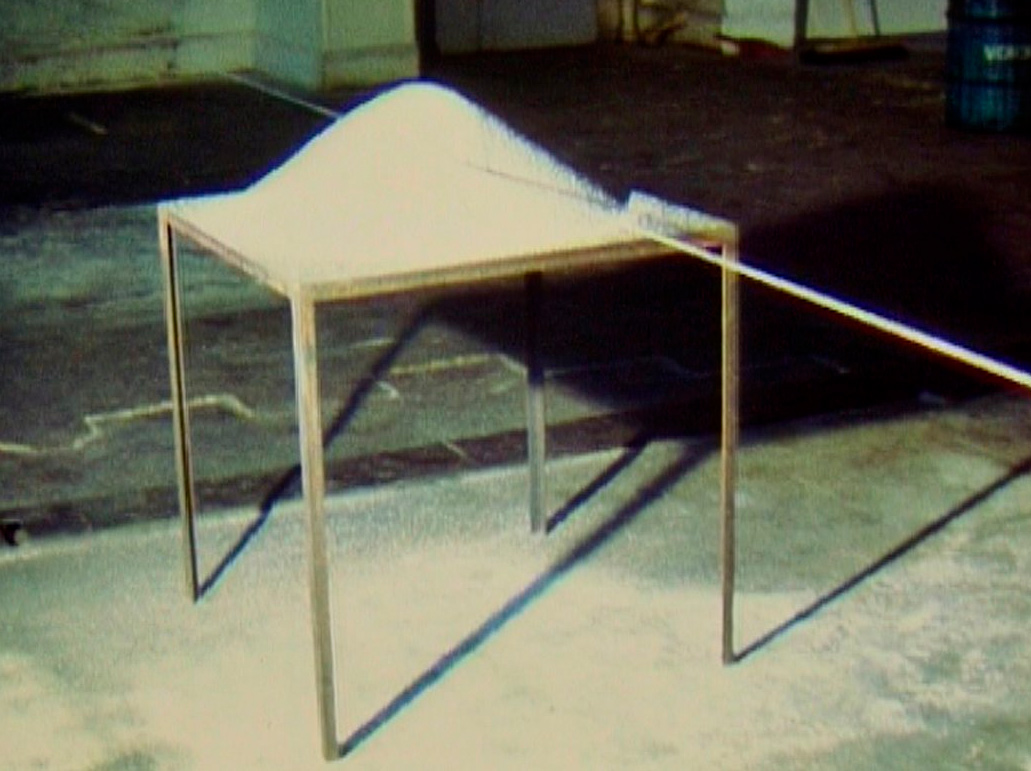
 

Roman Signer (Swiss, b. 1938) 'Sand Cone (Sandkegel)' 1984


Roman Signer (Swiss, b. 1938)
Sand Cone (Sandkegel)
1984
Super 8 film transferred to video (colour, silent)
Approximately 2 min.
Committee on Media Funds
Museum of Modern Art Collection
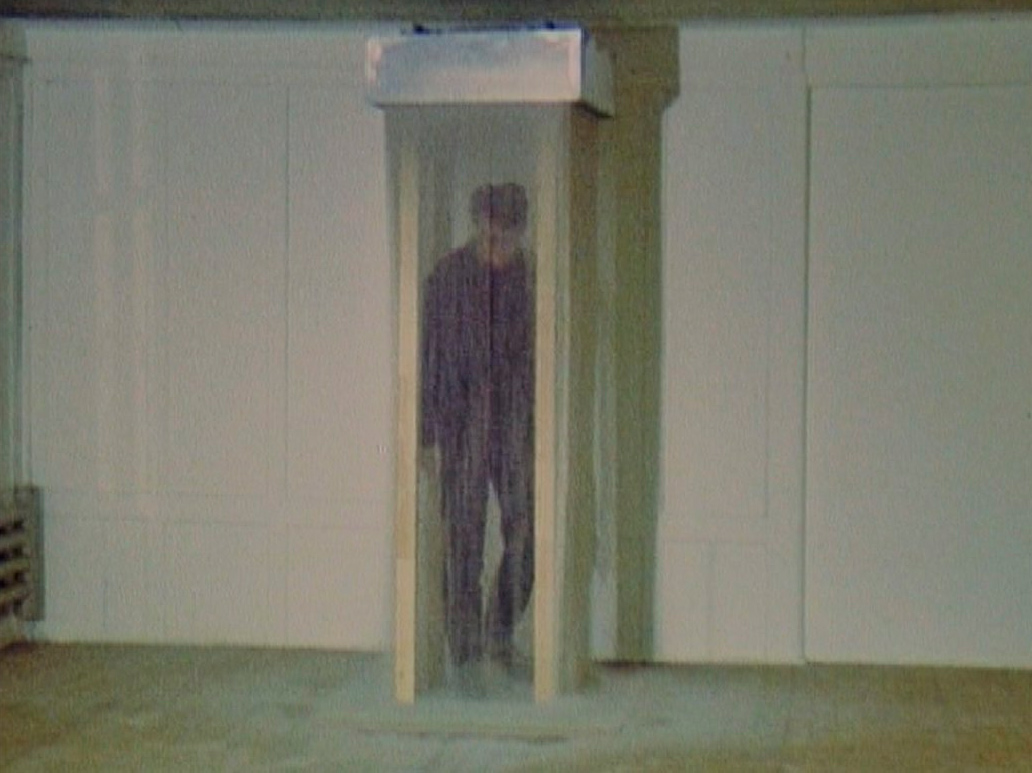
 

Roman Signer (Swiss, b. 1938) 'Sand Pillar (Sandturm)' 1987


Roman Signer (Swiss, b. 1938)
Sand Pillar (Sandturm)
1987
Super 8 film transferred to video (colour, silent)
Approximately 2 min.
Committee on Media Funds
Museum of Modern Art Collection
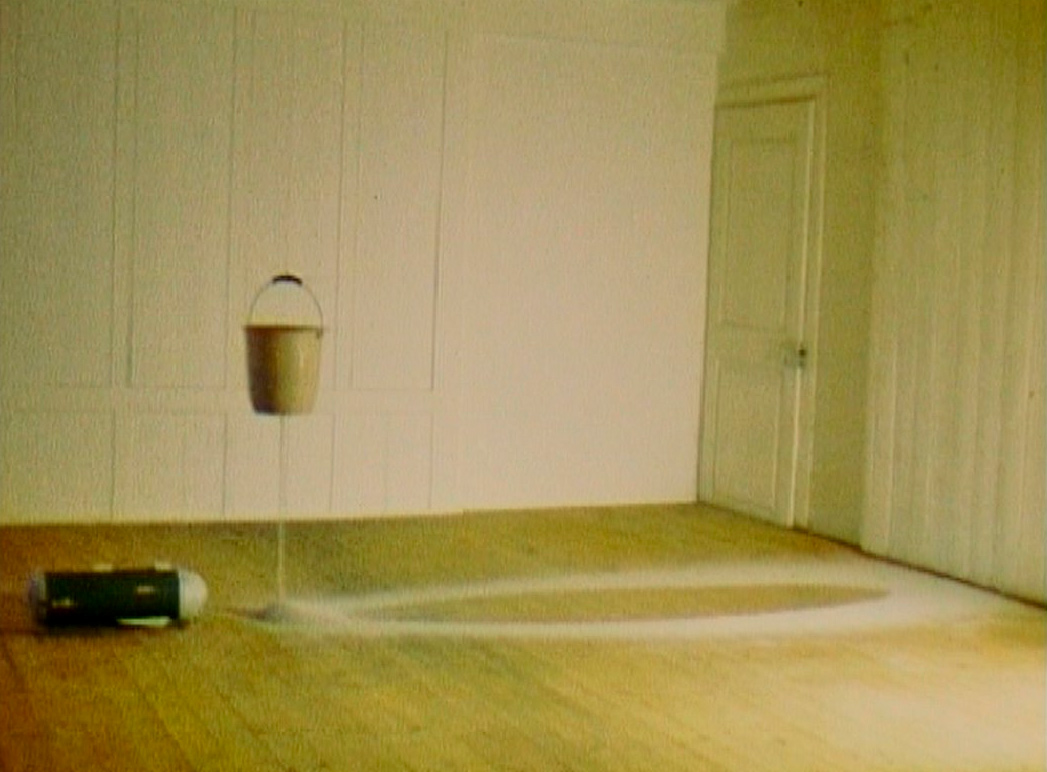
 

Roman Signer (Swiss, b. 1938) 'Sand (Sand)' 1988


Roman Signer (Swiss, b. 1938)
Sand (Sand)
1988
Super 8 film transferred to video (colour, silent)
Approximately 2 min.
Committee on Media Funds
Museum of Modern Art Collection
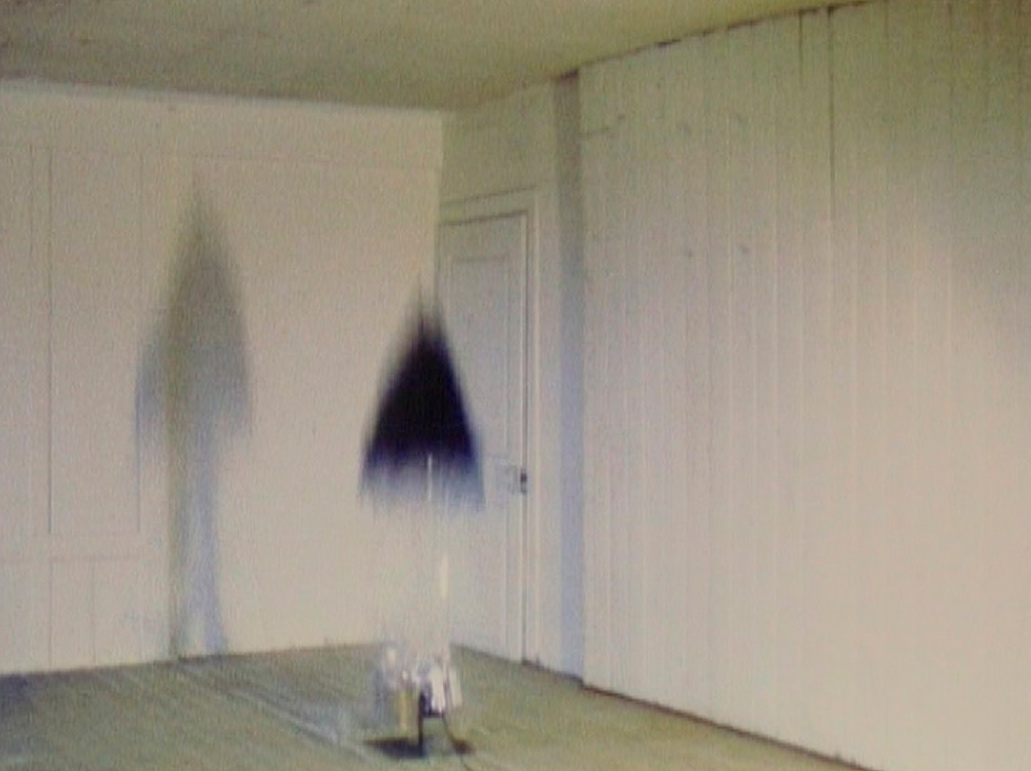
 

Roman Signer (Swiss, b. 1938) 'Umbrella (Schirm)' 1989


Roman Signer (Swiss, b. 1938)
Umbrella (Schirm)
1989
Super 8 film transferred to video (colour, silent)
Approximately 2 min.
Committee on Media Funds
Museum of Modern Art Collection
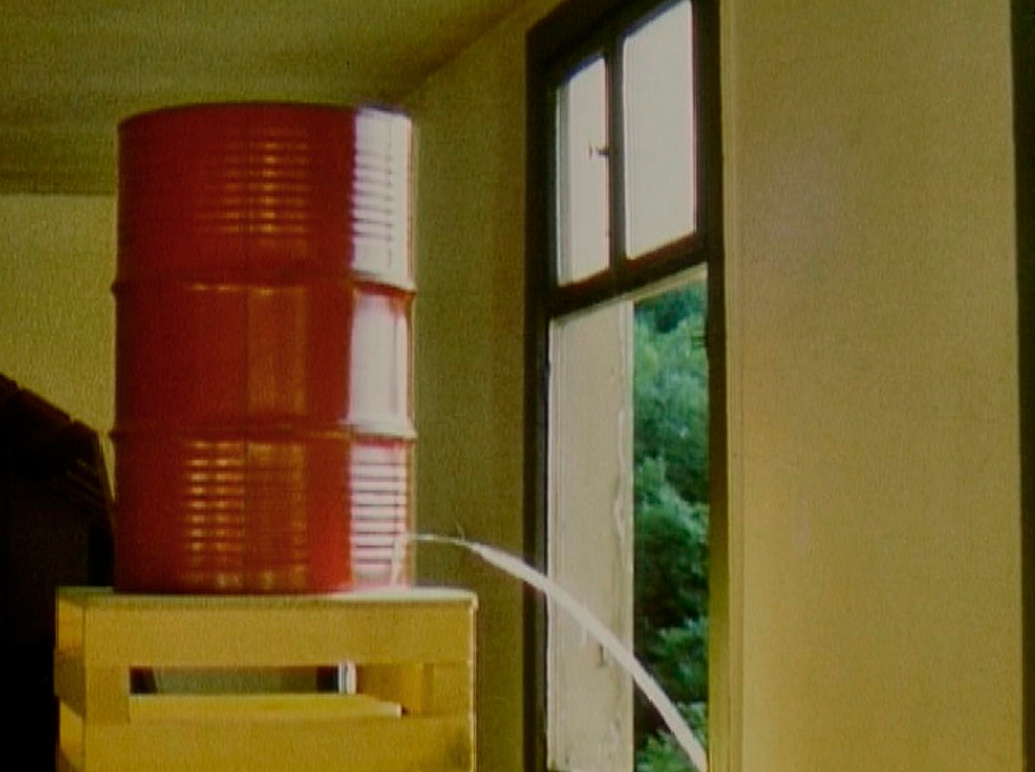
 

Roman Signer (Swiss, b. 1938) 'Barrel (Fass)' 1985


Roman Signer (Swiss, b. 1938)
Barrel (Fass)
1985
Super 8 film transferred to video (colour, silent)
Approximately 2 min.
Committee on Media Funds
Museum of Modern Art Collection
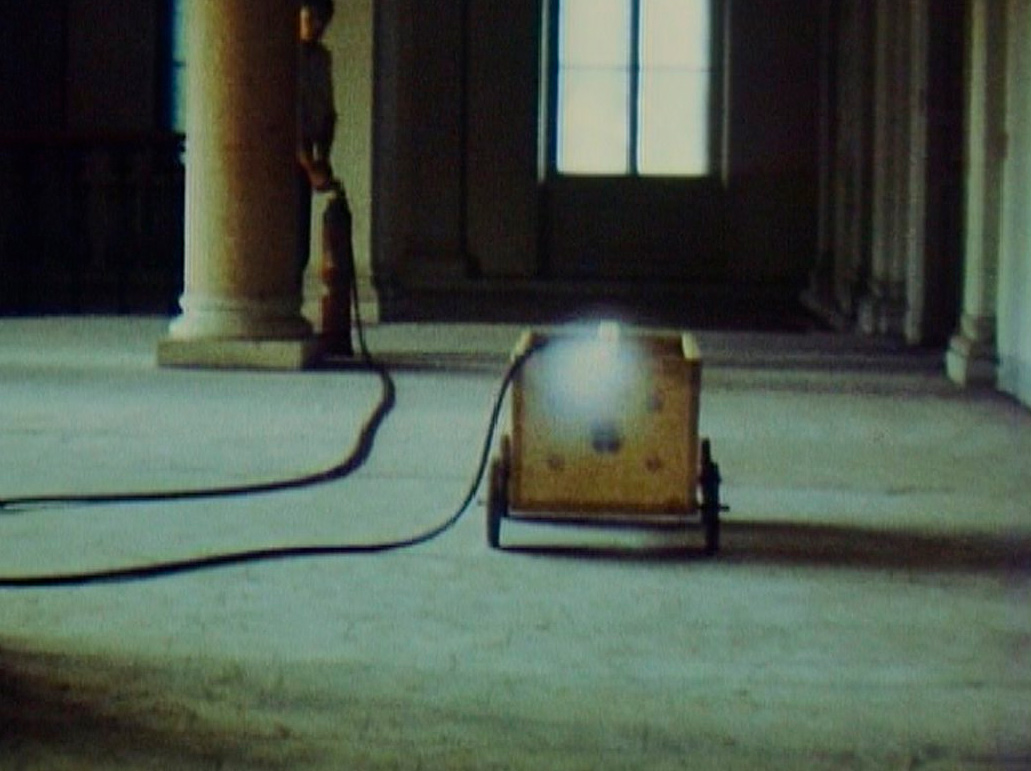
 

Roman Signer (Swiss, b. 1938) 'Carriage (Wagen)' 1982


Roman Signer (Swiss, b. 1938)
Carriage (Wagen)
1982
Super 8 film transferred to video (colour, silent)
Approximately 2 min.
Committee on Media Funds
Museum of Modern Art Collection
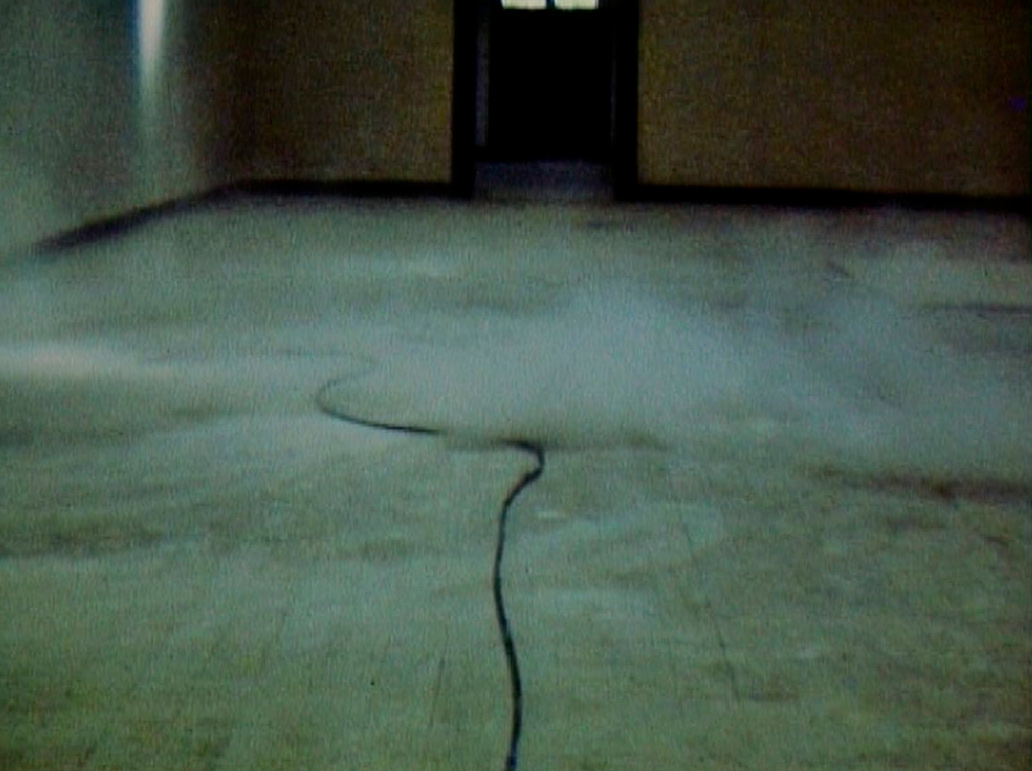
 

Roman Signer (Swiss, b. 1938) 'Tube (Schlauch)' 1982


Roman Signer (Swiss, b. 1938)
Tube (Schlauch)
1982
Super 8 film transferred to video (colour, silent)
Approximately 2 min.
Committee on Media Funds
Museum of Modern Art Collection


Roman Signer (b. 1938 in Appenzell, Switzerland) is principally a visual artist who works in sculpture, installations photography, and video. Signer’s work has grown out of, and has affinities with both land art and performance art, but they are not typically representative of either category.It is often being described as following the tradition of the Swiss engineer-artist, such as Jean Tinguely and Peter Fischli & David Weiss.

Signer’s “action sculptures” involve setting up, carrying out, and recording “experiments” or events that bear aesthetic results. Day-to-day objects such as umbrellas, tables, boots, containers, hats and bicycles are part of Signer’s working vocabulary. Following carefully planned and strictly executed and documented procedures, the artist enacts and records such acts as explosions, collisions, and the projection of objects through space. Signer advocates ‘controlled destruction, not destruction for its own sake’. Action Kurhaus Weissbad (1992) saw chairs catapulted out of a hotel’s windows; Table (1994) launched a table into the sea on four buckets; Kayak (2000) featured the artist being towed down a road in a canoe. In documenta 8 (1987), he catapulted thousands of sheets of paper into the air to create an ephemeral wall in the room for a brief, but all the more intense moment. As the Swiss representative at the Venice Biennale in 1999, he made 117 steel balls fall from the ceiling on to lumps of clay lying on the ground. Many of his happenings are not for public viewing, and are only documented in photos and film. Video works like Stiefel mit Rakete (Boot with Rocket) are integral to Signer’s performances, capturing the original setup of materials that self-destruct in the process of creating an emotionally and visually compelling event.

Text from Wikipedia website


Kiki Smith (American born Germany, b. 1954) 'My Secret Business' 1993


Kiki Smith (American born Germany, b. 1954)
My Secret Business
1993
Lithograph
23 9/16 x 18 1/8″ (59.8 x 46cm)
Gift of Howard B. Johnson
Museum of Modern Art Collection
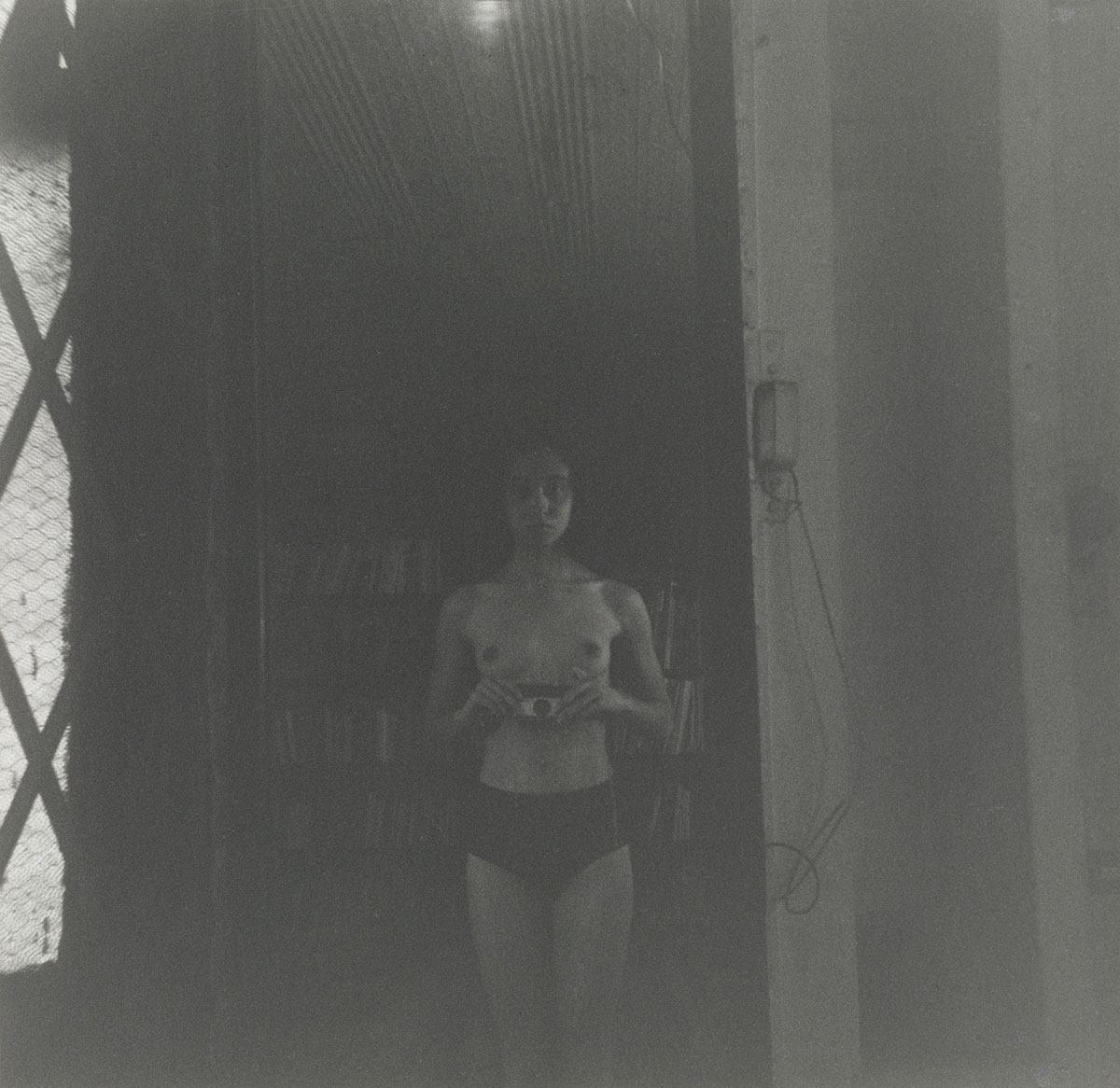
 

Adrian Piper (American, b. 1948) 'Food for the Spirit #2' 1971, printed 1997


Adrian Piper (American, b. 1948)
Food for the Spirit #2
1971, printed 1997
Gelatin silver print
14 9/16 x 15″ (37 x 38.1cm)
The Family of Man Fund
Museum of Modern Art Collection


Adrian Piper (American, b. 1948) 'Food for the Spirit #8' 1971, printed 1997


Adrian Piper (American, b. 1948)
Food for the Spirit #8
1971, printed 1997
Gelatin silver print
14 9/16 x 14 15/16″ (37 x 38cm)
The Family of Man Fund
Museum of Modern Art Collection
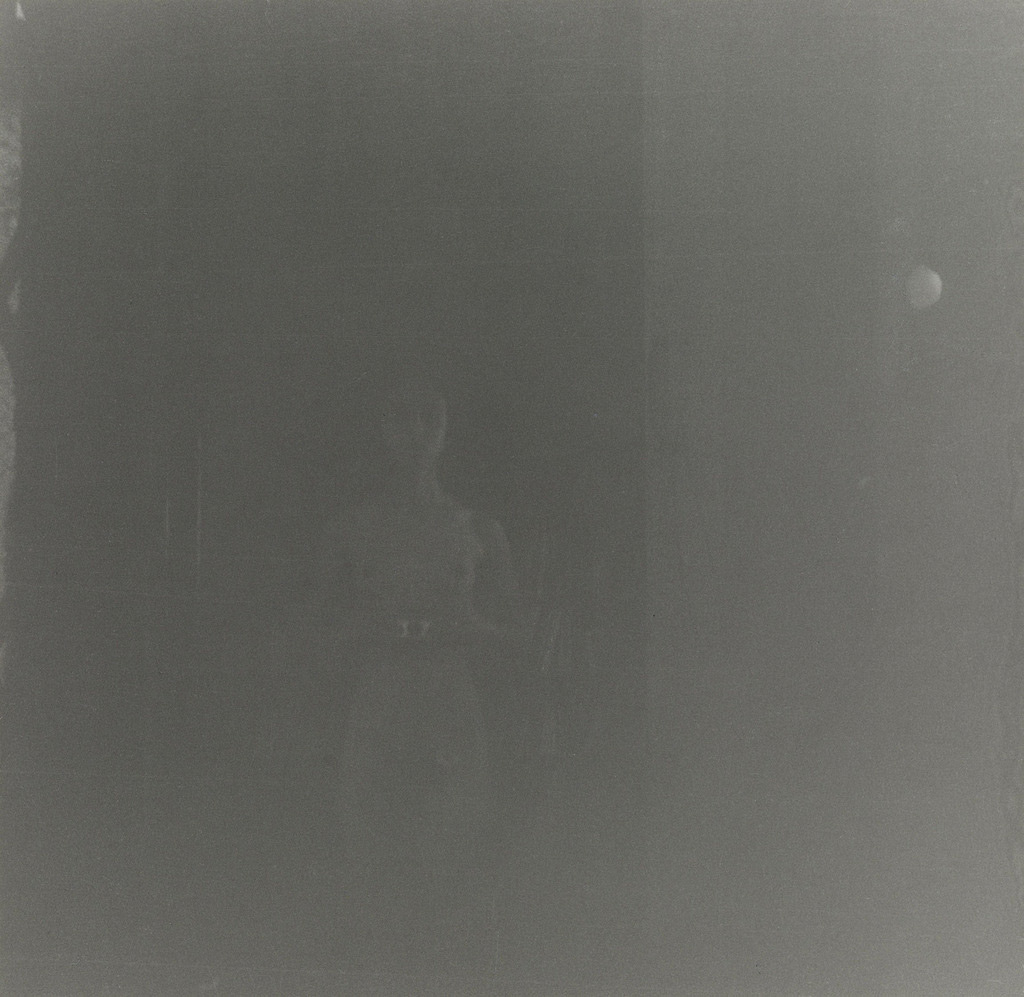
 

Adrian Piper (American, b. 1948) 'Food for the Spirit #14' 1971, printed 1997


Adrian Piper (American, b. 1948)
Food for the Spirit #14
1971, printed 1997
Gelatin silver print
14 9/16 x 15″ (37 x 38.1cm)
The Family of Man Fund
Museum of Modern Art Collection


Harold Edgerton (American, 1903-1990) 'Indian Club Demonstration' 1939


Harold Edgerton (American, 1903-1990)
Indian Club Demonstration
1939
Gelatin silver print
13 x 10″ (33.0 x 26.0cm)
Gift of the artist
Museum of Modern Art Collection
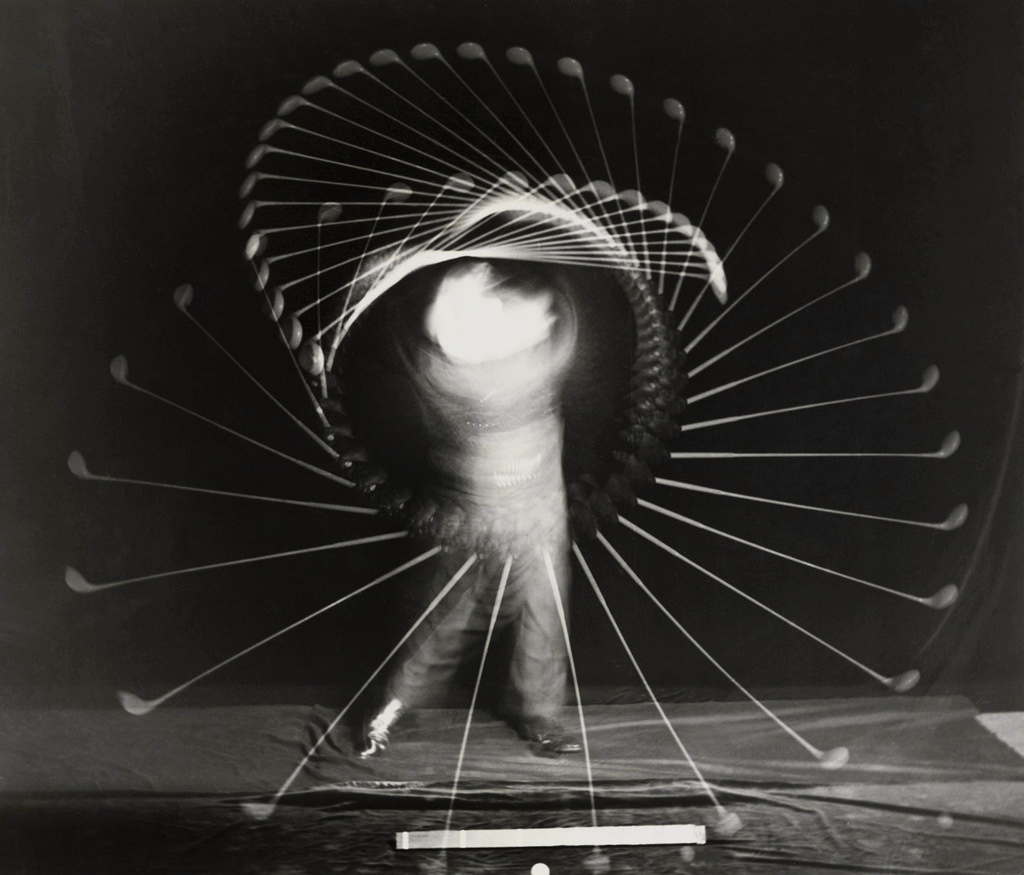
 

Harold Edgerton (American, 1903-1990) 'Bobby Jones with an Iron' 1938


Harold Edgerton (American, 1903-1990)
Bobby Jones with an Iron
1938
Gelatin silver print
9 5/8 x 11 1/2″ (24.4 x 29.2cm)
Gift of the artist
Museum of Modern Art Collection
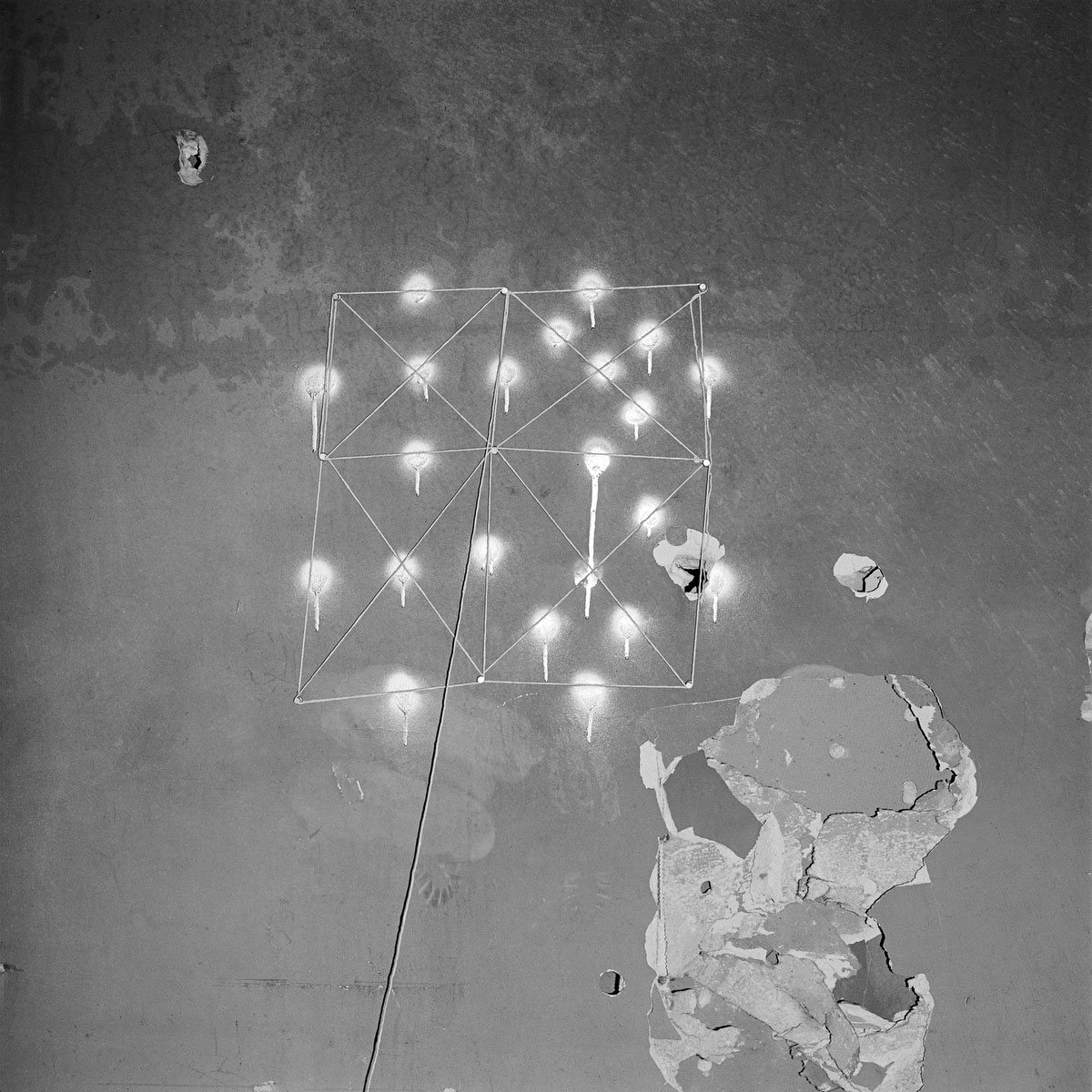
 

John Divola (American, b. 1949) 'Untitled' from the series 'Vandalism' 1974


John Divola (American, b. 1949)
Untitled from the series Vandalism
1974
Gelatin silver print
7 1/16 x 7 1/16″ (18.0 x 18.0cm)
Purchase
Museum of Modern Art Collection
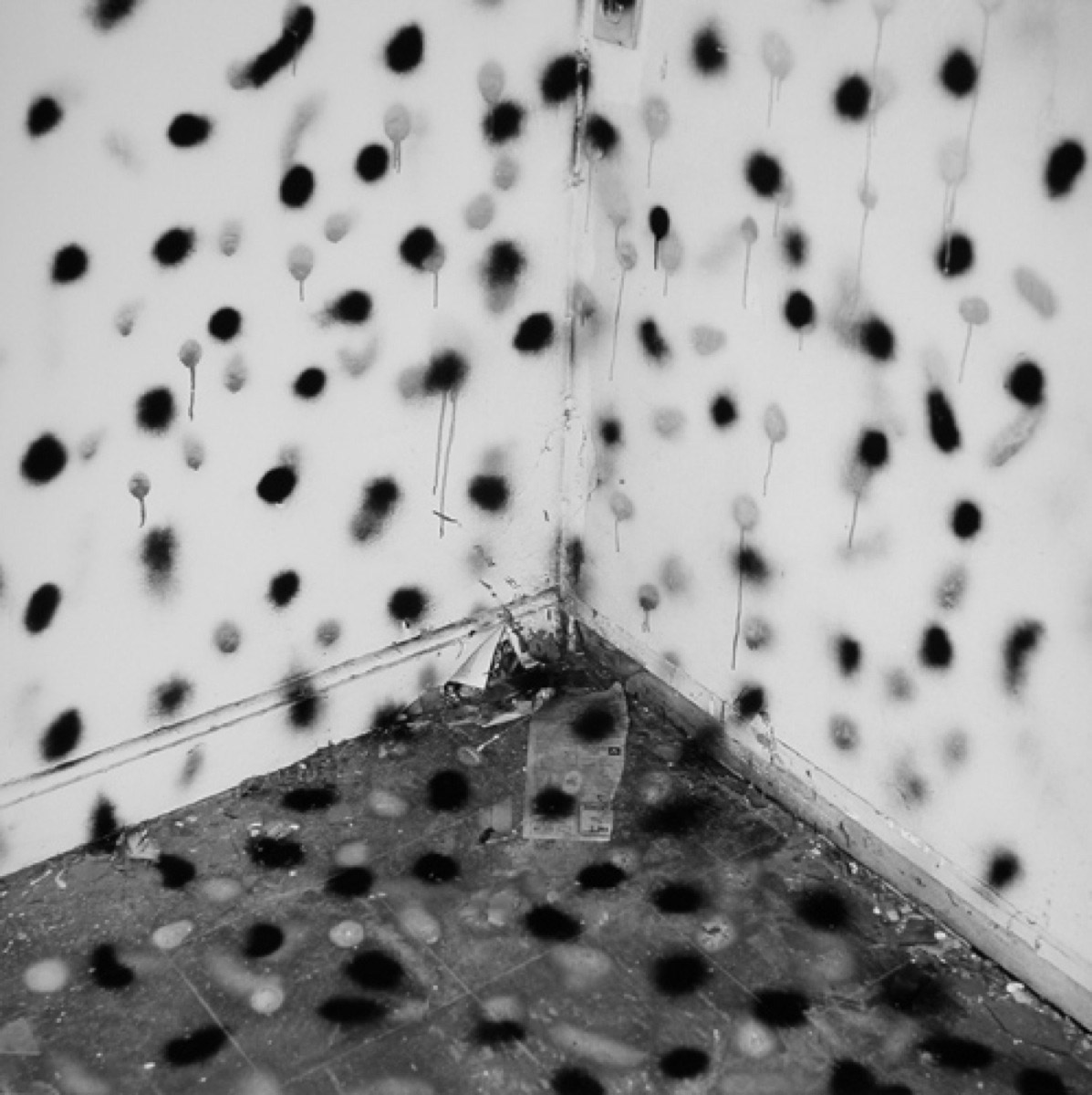
 

John Divola (American, b. 1949) 'Untitled' from the series 'Vandalism' 1974


John Divola (American, b. 1949)
Untitled from the series Vandalism
1974
Gelatin silver print
7 x 7″ (17.9 x 17.9cm)
Purchase
Museum of Modern Art Collection
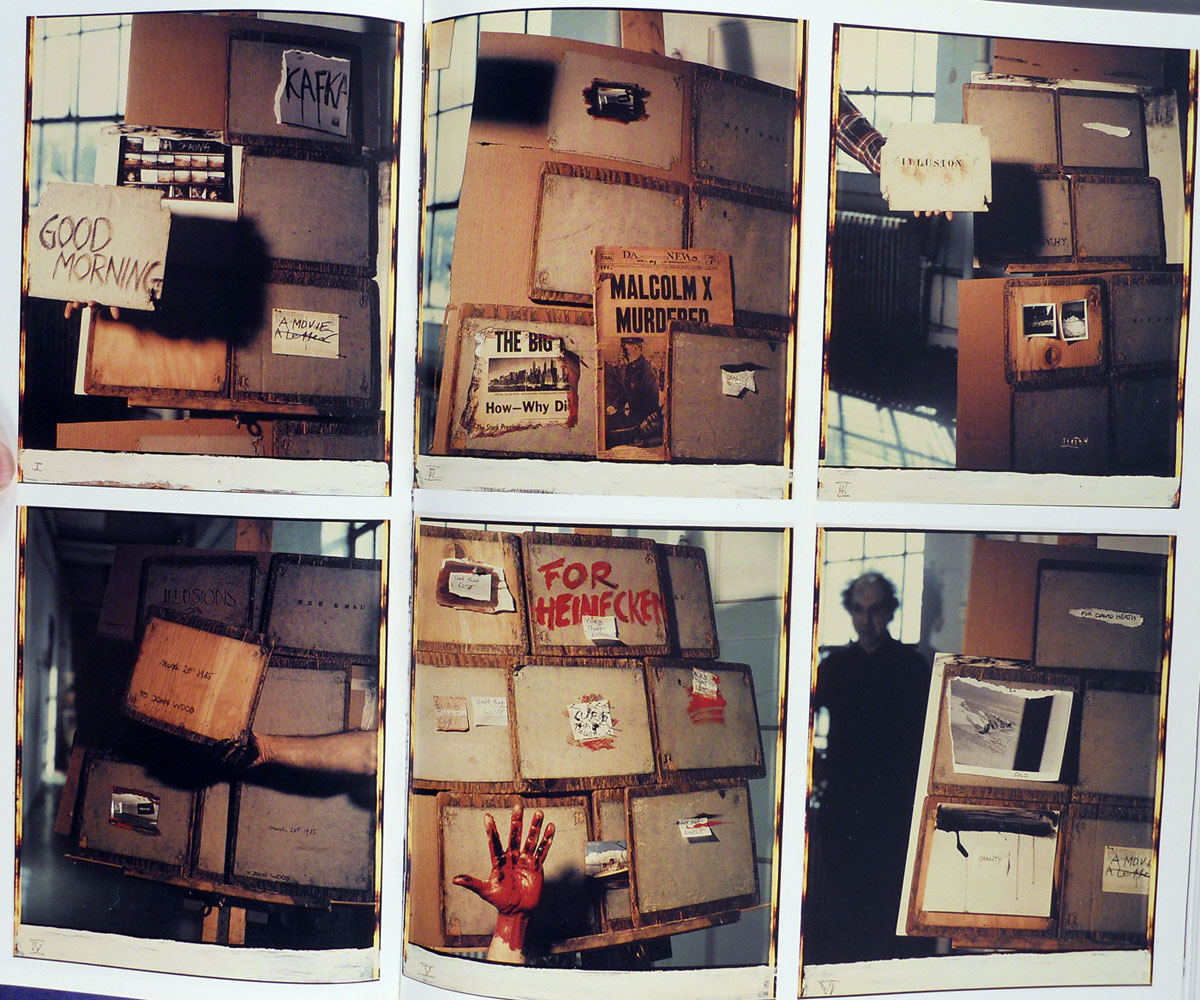
 

Robert Frank (American born Switzerland, 1924-2019) 'Boston' March 20, 1985 (detail)


Robert Frank (American born Switzerland, 1924-2019)
Boston (detail)
March 20, 1985
Colour instant prints (Polaroids) with hand-applied paint and collage
Each 27 3/4 x 22 1/4″ (70.3 x 56.4cm)
Acquired through the generosity of Polaroid Corporation
Museum of Modern Art Collection


Anna Blume (German, 1937-2020) Bernhard Blume (German, 1937-2011) 'Kitchen Frenzy (Küchenkoller)' 1986 (detail)


Anna Blume (German, 1937-2020)
Bernhard Blume (German, 1937-2011)
Kitchen Frenzy (Küchenkoller) (detail)
1986
Gelatin silver prints
Each 66 15/16 x 42 1/2″ (170 x 108cm)
Acquired through the generosity of the Contemporary Arts Council of The Museum of Modern Art
Museum of Modern Art Collection


Anna Blume (née Helming; 21 April 1936 – 18 June 2020) and Bernhard Johannes Blume (8 September 1937 – 1 September 2011) were German art photographers. They created sequences of large black-and-white photos of staged scenes in which they appeared themselves, with objects taking on a “life” of their own. Their works have been shown internationally in exhibitions and museums, including New York’s MoMA. They are regarded as “among the pioneers of staged photography”. …

Anna and Bernhard Blume together created installations, sequences of large photo scenes and, mostly in the 1990s, Polaroids. Both created drawings. They staged and photographed scenes in which they appeared themselves, with objects taking on a “life” of their own. According to the Deutsche Börse Photography Foundation, their process was to create their picture sequences together and complete all related tasks without outside help. That included designing the sets and costumes, developing the negatives, and producing enlargements; at each stage the artwork was refined, polished and painted. Anna said: “Wir malen mit der Kamera, und diese malerische Arbeit findet auch noch im Labor statt.” (We paint with our camera, and this painterly work continues in the lab, too.) The images were produced without the aid of digital manipulation or post-production montages. Taking pictures of a “flying, crashing, and swirling world”, the artists used safety features such as ropes, nets and mattresses.

Text from the Wikipedia website


The Museum of Modern Art
11 West 53 Street
New York, NY 10019
Phone: (212) 708-9400

Opening hours:
10.30am – 5.30pm
Open seven days a week

MoMA website

LIKE ART BLART ON FACEBOOK

Back to top

Exhibition: ‘Into the Sunset: Photography’s Image of the American West’ at The Museum of Modern Art (MoMA), New York

Exhibition dates: 29th March – 8th June, 2009

Curator: Eva Respini, Associate Curator, Department of Photography, The Museum of Modern Art


Carelton Watkins (American, 1829-1916) 'View from the Sentinel Dome, Yosemite' 1865-1866 from the exhibition 'Into the Sunset: Photography's Image of the American West' at The Museum of Modern Art (MoMA), New York, March - June, 2009

Carelton Watkins (American, 1829-1916) 'View from the Sentinel Dome, Yosemite' 1865-1866

Carelton Watkins (American, 1829-1916) 'View from the Sentinel Dome, Yosemite' 1865-1866


Carelton Watkins (American, 1829-1916)
Views from the Sentinel Dome, Yosemite
1865-1866
Albumen silver prints from glass negatives
Museum of Modern Art, New York


The Museum of Modern Art presents Into the Sunset: Photography’s Image of the American West, a survey of 138 photographic works dating from 1850 to 2008 that chart the West’s complex, rich, and often compelling mythology via photography. The exploration of a large part of the American West in the mid-nineteenth century by European Americans coincided with the advent of photography, and photography and the West came of age together. The region’s seemingly infinite bounty and endless potential symbolised America as a whole, and photography, with its ability to construct persuasive and seductive images, was the perfect medium with which to forge a national identity. This relationship has resulted in a complex association that shapes the perception of the West’s social and physical landscape to this day. With political, cultural, and social attitudes constantly shifting in the region over the last 150 years, Into the Sunset further examines the way photographers have responded to these changes. The exhibition is organised by Eva Respini, Associate Curator, Department of Photography, The Museum of Modern Art, and is on view in the Special Exhibitions Gallery on the third floor from March 29 to June 8, 2009.

Organised thematically rather than chronologically, Into the Sunset brings together the work of over 70 photographers, including Robert Adams, John Baldessari, Dorothea Lange, Timothy O’Sullivan, Cindy Sherman, Joel Sternfeld, Carleton E. Watkins, and Edward Weston, among others. The exhibition draws extensively from MoMA’s collection, along with private and public collections in the United States, and features new acquisitions from Adam Bartos, Katy Grannan, and Dennis Hopper, with each work also on view for the first time at the Museum.

Ms. Respini states: “Ranging from grand depictions of paradise to industrial development, from pictures taken on the road to prosaic suburban scenes, the photographs included in Into the Sunset do not all picture the West from the same point of view, or even perhaps, picture the same West. Rather, each is one part in a continually shifting and evolving composite image of a region that has itself been growing and changing since the opening of the frontier.”

Into the Sunset begins with the birth of photography and the American West. In the mid-nineteenth century, the region’s seemingly infinite bounty and endless potential symbolised America as a whole, and Carleton E. Watkins (American, 1829-1916) captured the grand depictions of an American paradise in his photographs of Yosemite Valley in California. Arguably the world’s first renowned landscape photographer, Watkins made his first photographs there in 1861 – large sized prints made with an 18-by-22-inch mammoth plate camera, well suited to the grandeur of the land. Included are the three contiguous photographs that make up his extraordinarily detailed View from the Sentinel Dome (1865-1866).

The exhibition balances the early work of landscape photographers with the twentieth century focus on the failure of the West’s promised bounty. In Joel Sternfeld’s (American, b. 1944) After a Flash Flood, Rancho Mirage, California (1979), the photographer documents the impact of a natural disaster, specifically a landslide, shot with neutral tones softly camouflaging the extent of flash flood on this suburban neighbourhood. And in Karin Apollonia Müller’s (German, b. 1963) Civitas (1997), the photographer shows a very different view of California than that of Watkins, with Müller revealing a contemporary Los Angeles as a littered wasteland of freeways and anonymous glass towers.

As highways and interstate travel became more prevalent, the automobile and the open road became synonymous with the region, with Edward Weston (American, 1886-1958) as the first great photographer of these open roads. Included is Weston’s iconic Hot Coffee, Mojave Desert (1937), a humorous black-and-white photograph of a road sign revealing a greater thematic shift to the highway and its signage as an inescapable element in picturing the West in the twentieth century.

Once the West became more populated, photographers began to showcase humans’ effects on the land, including images of industrial development. In the 1950s William Garnett (American, 1916-2006) was hired by a real estate company to record the efficiency of mass-produced housing. For this series, Lakewood, California (1950), Garnett took photographs of the neighbourhood from an airplane, resulting in images that are completely devoid of people and focus on the progress of mass-produced construction. However, the series subsequently came to represent all that was wrong with such development and the massive sprawl of the West in the eyes of its critics.

Photographs of the people of the West represent a diversity of archetypes: gold miners and loggers, Native Americans, cowboys, suburbanites, city dwellers, starlets, dreamers, and drifters. Into the Sunset explores these archetypes, and their mutability into the twenty-first century. Included is Half Indian / Half Mexican (1991), from the photographer James Luna (Native American, Pooyukitchum / Luiseno, b. 1950), an artist of Native American ancestry. This tongue-in-cheek self-portrait captures in profile both an identity photograph and a mug shot, and works as a counterpoint to the tokenised portrayals of Native Americans from the past 150 years.

A similar reevaluation of past archetypes occurs in Richard Prince’s (American, b. 1949) Cowboy series from 1980, with one work from the series included in the exhibition. For that series Prince famously photographed Marlboro advertisements, cutting out the text, cropping the images, and enlarging them, highlighting the artifice of the virile image of the cowboy and its potency as a deeply ingrained figure in American mythology.

The suburbs and their inhabitants have been a rich subject for photographers of the West, and included are Larry Sultan’s (American, b. 1946) Film Stills from the Sultan Family Home Movies (1943-1972), in which Sultan chose individual frames from his family’s home movies and enlarged them. Although the images feature the activities that epitomise suburban life, a sense of unease lurks beneath the surface of these images; cropped and grainy, they resemble surveillance or evidence photographs.

Into the Sunset concludes with the theme of the failed promise of Western migration. Dorothea Lange’s well-known 1936 photograph Migrant Mother, Nipomo, California, photographed when Lange was employed by the Farm Security Administration, is included and documents the conditions of the West in rural areas during the Great Depression. Her photographs had a humanist purpose and resulted in putting a face on the hardships of that era.

This tradition of capturing the downtrodden of the West continues into this century with Katy Grannan (American, b. 1969), a photographer who recently completed a series of new pioneers, individuals struggling to define themselves in the West of today. In Nicole, Crissy Field Parking Lot (I) (2006), a woman, “Nicole,” poses seductively on a gravel parking lot, with her makeup-streaked face and harsh light alluding to her perilous existence on the fringe of society.”

Text from the MoMA website [Online] Cited 12/04/2009. No longer available online


Many thankx to MoMA for allowing me to publish the photographs in the posting. Please click on the photographs for a larger version of the image.


Installation view of the exhibition 'Into the Sunset: Photography's Image of the American West' at The Museum of Modern Art (MoMA), New York showing Ed Ruscha's 'Every Building on the Sunset Strip' 1966


Installation view of the exhibition Into the Sunset: Photography’s Image of the American West at The Museum of Modern Art (MoMA), New York showing Ed Ruscha’s Every Building on the Sunset Strip 1966


Joel Sternfeld (American, b. 1944) 'After a Flash Flood, Rancho Mirage, California' 1979 from the exhibition 'Into the Sunset: Photography's Image of the American West' at The Museum of Modern Art (MoMA), New York, March - June, 2009


Joel Sternfeld (American, b. 1944)
After a Flash Flood, Rancho Mirage, California
1979
Chromogenic colour print, printed 1987
15 15/16 x 20″ (40.5 x 50.8cm)
Museum of Modern Art, New York
Gift of Beth Goldberg Nash and Joshua Nash


During the 1970s, Joel Sternfeld’s work reflected a trend towards a newly dispassionate, less idealised approach to nature and culture. His photographs have a seductive beauty, even though they often focus on those places where the natural and man-made worlds come together in uncomfortable ways. Working with a large-format camera and luminous colour to create images that are frequently ironic or even humorous, his compositions appear simple but in fact are surprisingly complex and often unsettling. In this photograph of a suburban California neighbourhood in the aftermath of a flash flood, the lovely monochrome tones trick us into not immediately seeing the car that has toppled into the gaping sinkhole or realising that the buildings above could be on the verge of falling, too.

Text from the Museum of Fine Arts Boston website


Apollonia Müller (German, b. 1963) 'Civitas' 1997


Apollonia Müller (German, b. 1963)
Civitas
1997
From Angels in Fall
Chromogenic colour print
19 3/4 x 24 1/2″ (50.1 x 62.2cm)
Gift of Howard Stein
Museum of Modern Art, New York
© 2018 Karin Apollonia Müller


William A. Garnett (American, 1916-2006) 'Foundations and Slabs, Lakewood, California' 1950


William A. Garnett (American, 1916-2006)
Foundations and Slabs, Lakewood, California
1950
Gelatin silver print
18.9 × 23.8cm (7 7/16 × 9 3/8 in.)
© J. Paul Getty Museum


William A. Garnett (American, 1916-2006) 'Grading, Lakewood, California' 1950


William A. Garnett (American, 1916-2006)
Grading, Lakewood, California
1950
Gelatin silver print
18.9 × 24cm (7 7/16 × 9 7/16 in.)
© J. Paul Getty Museum


William A. Garnett (American, 1916-2006) 'Trenching, Lakewood, California' 1950


William A. Garnett (American, 1916-2006)
Trenching, Lakewood, California
1950
Gelatin silver print
7 5/16 x 9 7/16 in.
© J. Paul Getty Museum


“I was hired commercially to illustrate the growth of that housing project. I didn’t approve of what they were doing. Seventeen thousand houses with five floor plans, and they all looked alike, and there was not a tree in sight when they got through.”

“I was discharged and heard you could hitchhike on the transport taking GIs home. The airplane was full, but the captain let me sit in the navigator’s seat so I had a command view. I was amazed at the variety and beauty of these United States. I had never seen anything like that – in a book, in school, or since then. So I changed my career.”


William A. Garnett


Lakewood, located on the outskirts of Los Angeles, was the location for the second major postwar housing development built in the United States. Some 17,500 tract houses were constructed assembly-line style on 3,500 acres of cleared farmland. Mass production made the houses affordable, so a greater number of people could take part in the American dream of home ownership. The developers hired William Garnett to document different phases of the subdivision’s construction from his Cessna airplane. He often photographed his subjects early in the day, so the angled light would emphasise their otherwise flat-looking forms. The photographs serve a utilitarian purpose but also demonstrate Garnett’s impeccable sense of design. In Trenching Lakewood, California, stacked lumber appears for the foundations, utility poles are installed, and the main roads are carved out. …

William Garnett took his first cross-country flight after serving as a United States Army Signal Corps cameraman during World War II. What he saw below inspired him to learn how to pilot a plane so he could photograph the American landscape. Garnett’s aerial photographs resemble abstract expressionist paintings or views through a microscope. As landscapes, they do not have the conventional grounding of a horizon line. All reveal astonishing patterns that are not seen from the ground. Garnett honed his elegant design sensibility well before earning a pilot’s license. Before the war, he attended Art Center College of Design in Los Angeles. Later, he headed the Pasadena Police Department’s photography lab. In the 1940s and 1950s, he began to rack up flying hours around Los Angeles, speaking out about the area’s increasing air pollution. He illustrated Nathaniel Owings’s American Aesthetic, a book about land-use practices. During ten thousand hours of flying, Garnett simultaneously piloted a plane while photographing out the window – traveling above every state and many parts of the world. His light 1956 Cessna plane allowed him to fly to just the right location to capture subjects with precision. At first, he experimented with a variety of camera formats and films but found that two 35mm cameras (one loaded with black-and-white film, the other with colour film) best suited his needs. Garnett’s work defies the stereotype of aerial photography as purely scientific and devoid of artistry. He became the first aerial photographer to earn a prestigious Guggenheim fellowship.

Anonymous. “Historical Witness, Social Messaging,” from the J. Paul Getty Museum Education Department [Online] Cited 13/01/2019


William A. Garnett (American, 1916-2006) 'Framing, Lakewood, California' 1950


William A. Garnett (American, 1916-2006)
Framing, Lakewood, California
1950
Gelatin silver print
18.4 × 24.1cm (7 1/4 × 9 1/2 in.)
© J. Paul Getty Museum


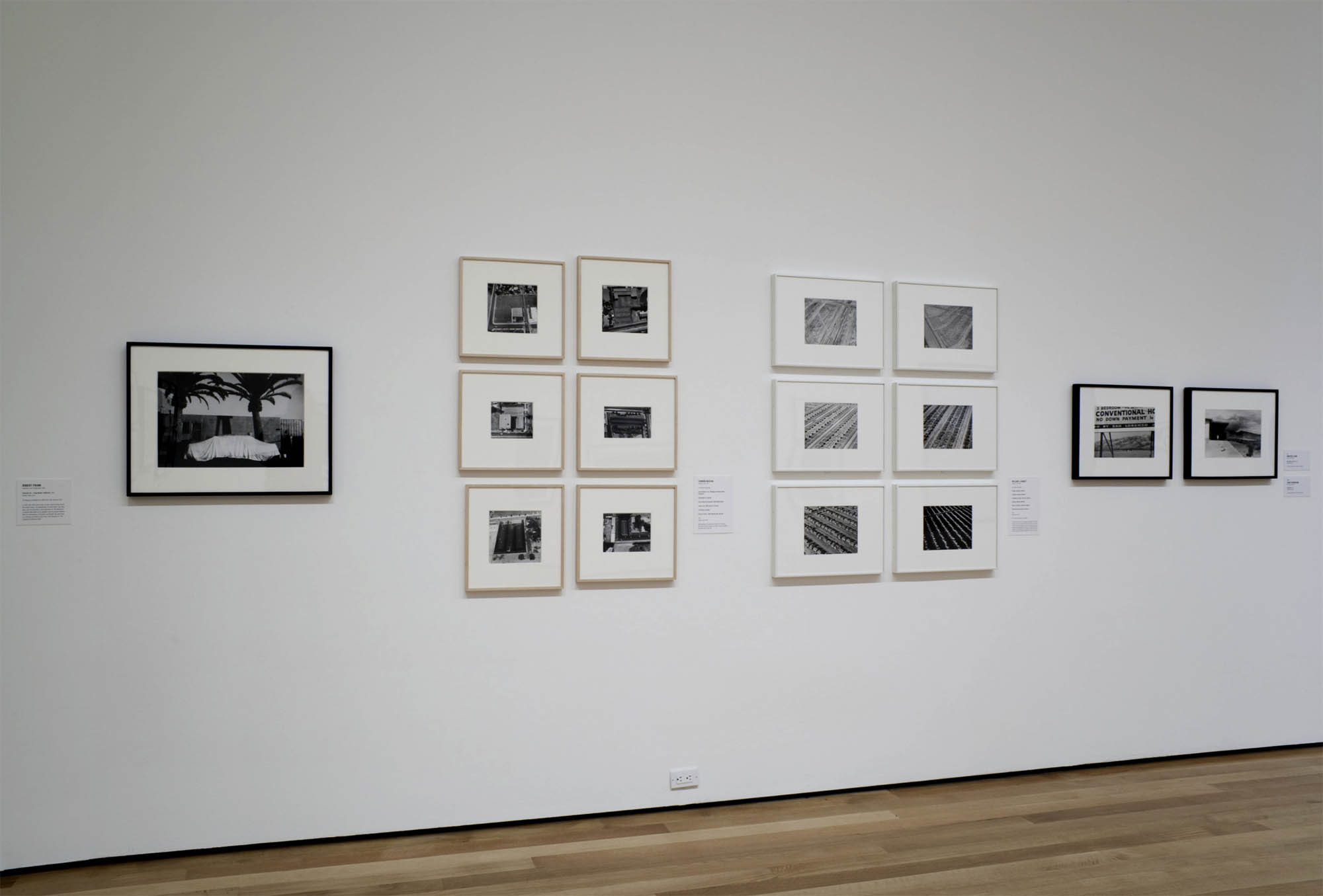
Installation view of the exhibition 'Into the Sunset: Photography's Image of the American West' at The Museum of Modern Art (MoMA), New York showing at left, Robert Frank's 'Covered Car - Long Beach, California' (1956); and at centre right, photographs by William A. Garnett


Installation view of the exhibition Into the Sunset: Photography’s Image of the American West at The Museum of Modern Art (MoMA), New York showing at left, Robert Frank’s Covered Car – Long Beach, California (1956, below); and at centre right, photographs by William A. Garnett (above)


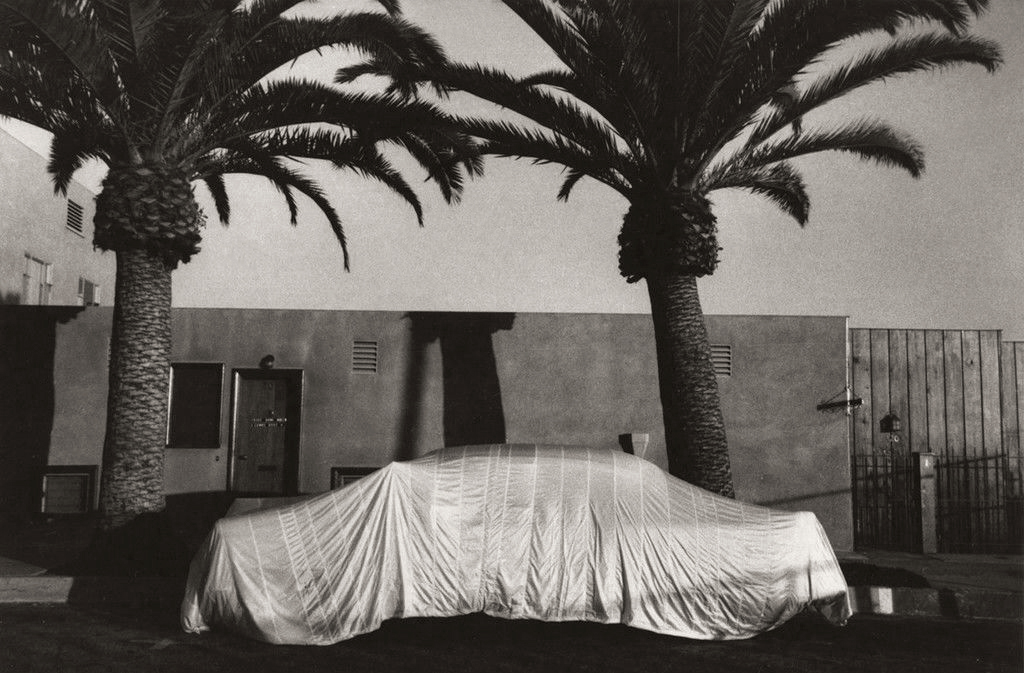
Robert Frank (American, 1924-2019) 'Covered Car - Long Beach, California' 1956


Robert Frank (American, 1924-2019)
Covered Car – Long Beach, California
1956
From The Americans (1955-1956)
Gelatin silver print
Museum of Modern Art, New York


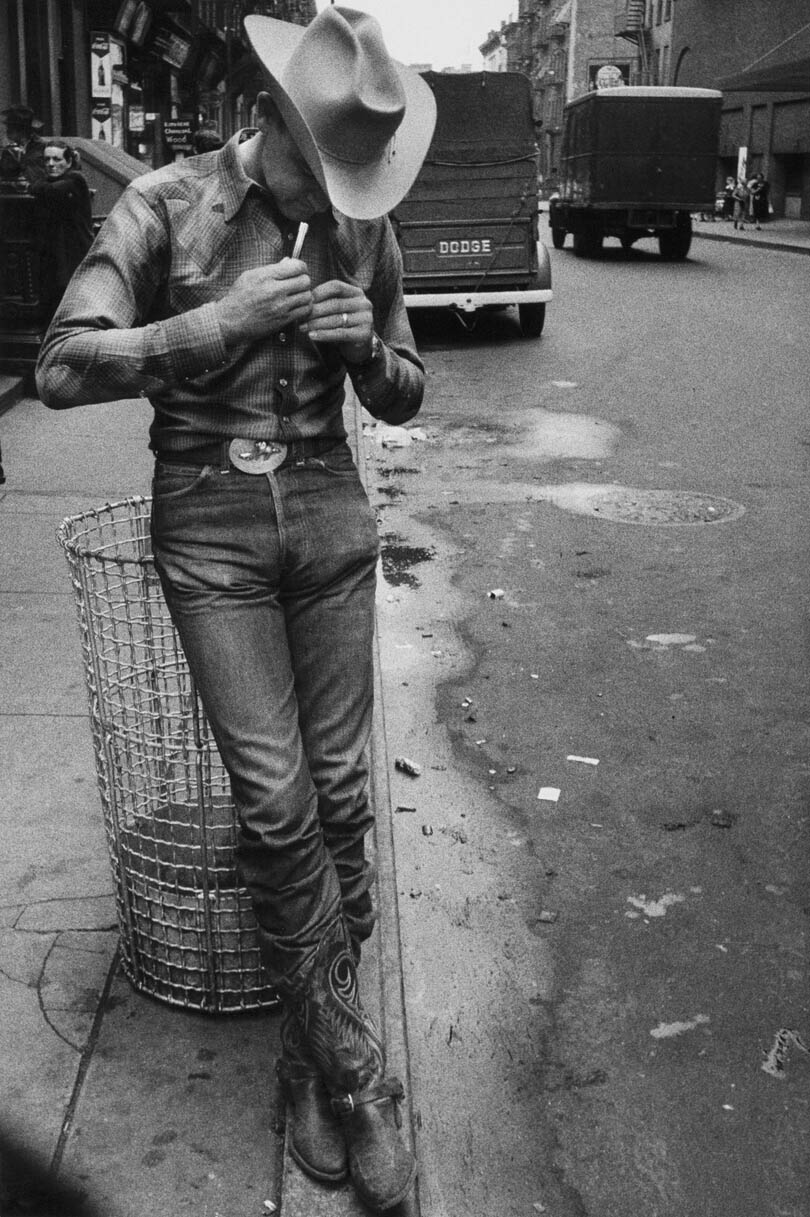
Robert Frank (American, 1924-2019) 'Rodeo - New York City' 1954


Robert Frank (American, 1924-2019)
Rodeo – New York City
1954
From The Americans (1955-1956)
Gelatin silver print
Museum of Modern Art, New York


Dorothea Lange (American, 1895-1965) 'Migrant Mother, Nipomo, California' 1936


Dorothea Lange (American, 1895-1965)
Migrant Mother, Nipomo, California
1936
Gelatin silver print
11 1/8 x 8 9/16″ (28.3 x 21.8cm)
Museum of Modern Art, New York


Dorothea Lange took this photograph on assignment for the U.S. government’s Farm Security Administration (FSA) program, formed during the Great Depression to provide aid to impoverished farmers. FSA photographers documented the conditions that Americans faced throughout the course of the Great Depression, a period of economic crisis. Lange’s photograph suggests the impact of these harsh conditions on a 32-year-old mother of seven. She took a number of pictures of the mother with her children and chose this image as the most effective. Her keen sense of composition and attentiveness to the power of historical images of the Madonna and Child have helped this photograph transcend its original documentary function and become an iconic work of art.

Text from the MoMA website


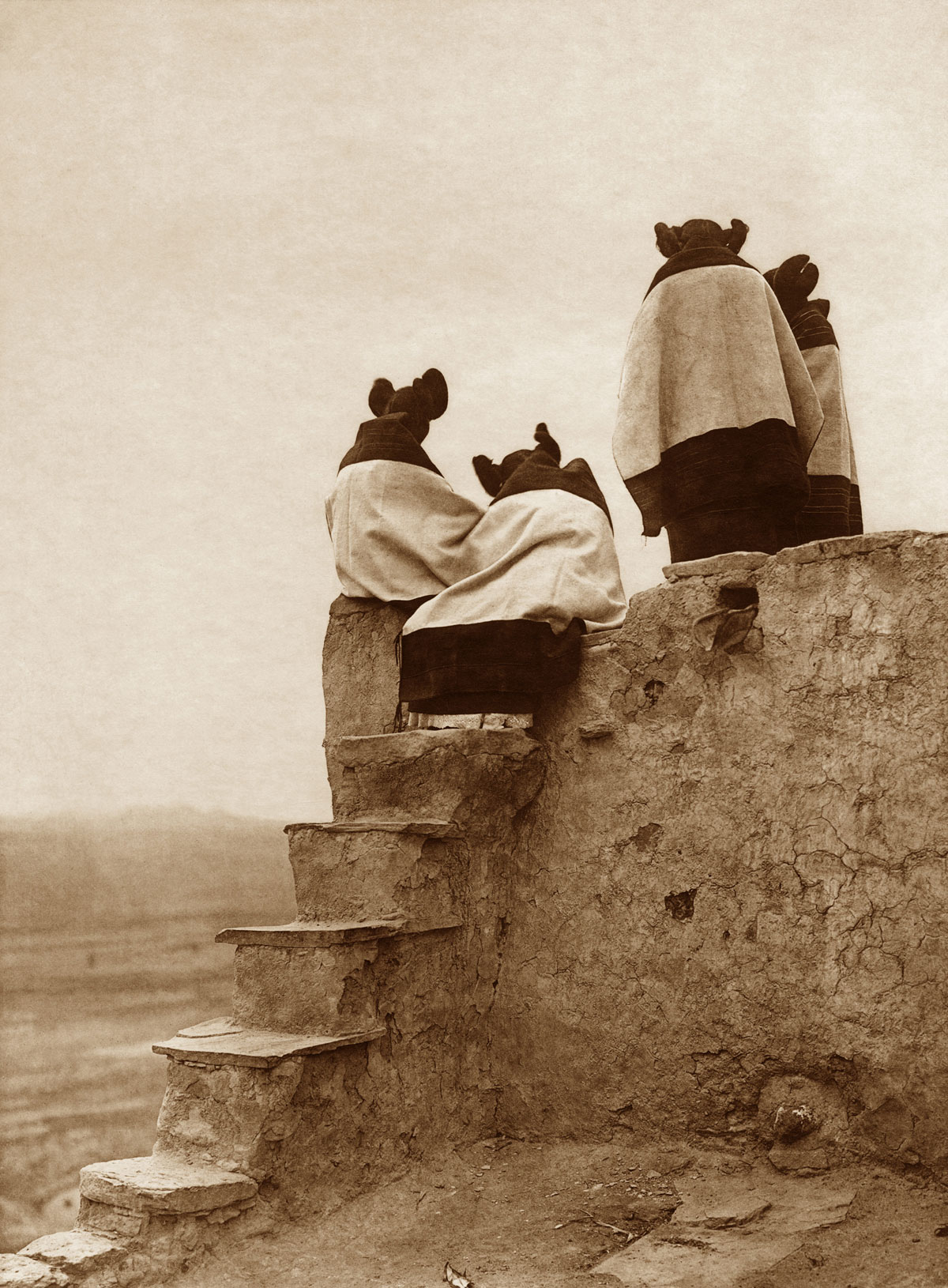
Edward S. Curtis (1868 - 1952) 'Watching the Dancers' 1906


Edward S. Curtis (American, 1868-1952)
Watching the Dancers
1906
Photogravure
Museum of Modern Art, New York


James Luna (American, 1950-2018) 'Half Indian/Half Mexican' 1991


James Luna (American, 1950-2018)
Half Indian/Half Mexican (installation view)
1991
Gelatin silver print


James Luna (February 9, 1950 – March 4, 2018) was a Payómkawichum, Ipi, and Mexican-American performance artist, photographer and multimedia installation artist. His work is best known for challenging the ways in which conventional museum exhibitions depict Native Americans. With recurring themes of multiculturalism, alcoholism, and colonialism, his work was often comedic and theatrical in nature. In 2017 he was awarded a Guggenheim Fellowship.


Richard Prince (American, b. 1949) 'Untitled (Cowboy)' 1989


Richard Prince (American, b. 1949)
Untitled (Cowboy)
1989
Chromogenic print
127 x 177.8cm (50 x 70in.)
The Metropolitan Museum of Art
Purchase, The Horace W. Goldsmith Foundation Gift, through Joyce and Robert Menschel, and Jennifer and Joseph Duke Gift, 2000
© Richard Prince


In the mid-1970s Prince was an aspiring painter who earned a living by clipping articles from magazines for staff writers at Time-Life Inc. What remained at the end of the day were the advertisements, featuring gleaming luxury goods and impossibly perfect models; both fascinated and repulsed by these ubiquitous images, the artist began rephotographing them, using a repertoire of strategies (such as blurring, cropping, and enlarging) to intensify their original artifice. In so doing, Prince undermined the seeming naturalness and inevitability of the images, revealing them as hallucinatory fictions of society’s desires.

“Untitled (Cowboy)” is a high point of the artist’s ongoing deconstruction of an American archetype as old as the first trailblazers and as timely as then-outgoing president Ronald Reagan. Prince’s picture is a copy (the photograph) of a copy (the advertisement) of a myth (the cowboy). Perpetually disappearing into the sunset, this lone ranger is also a convincing stand-in for the artist himself, endlessly chasing the meaning behind surfaces. Created in the fade-out of a decade devoted to materialism and illusion, “Untitled (Cowboy)” is, in the largest sense, a meditation on an entire culture’s continuing attraction to spectacle over lived experience.

Text from the Metropolitan Museum of Art website


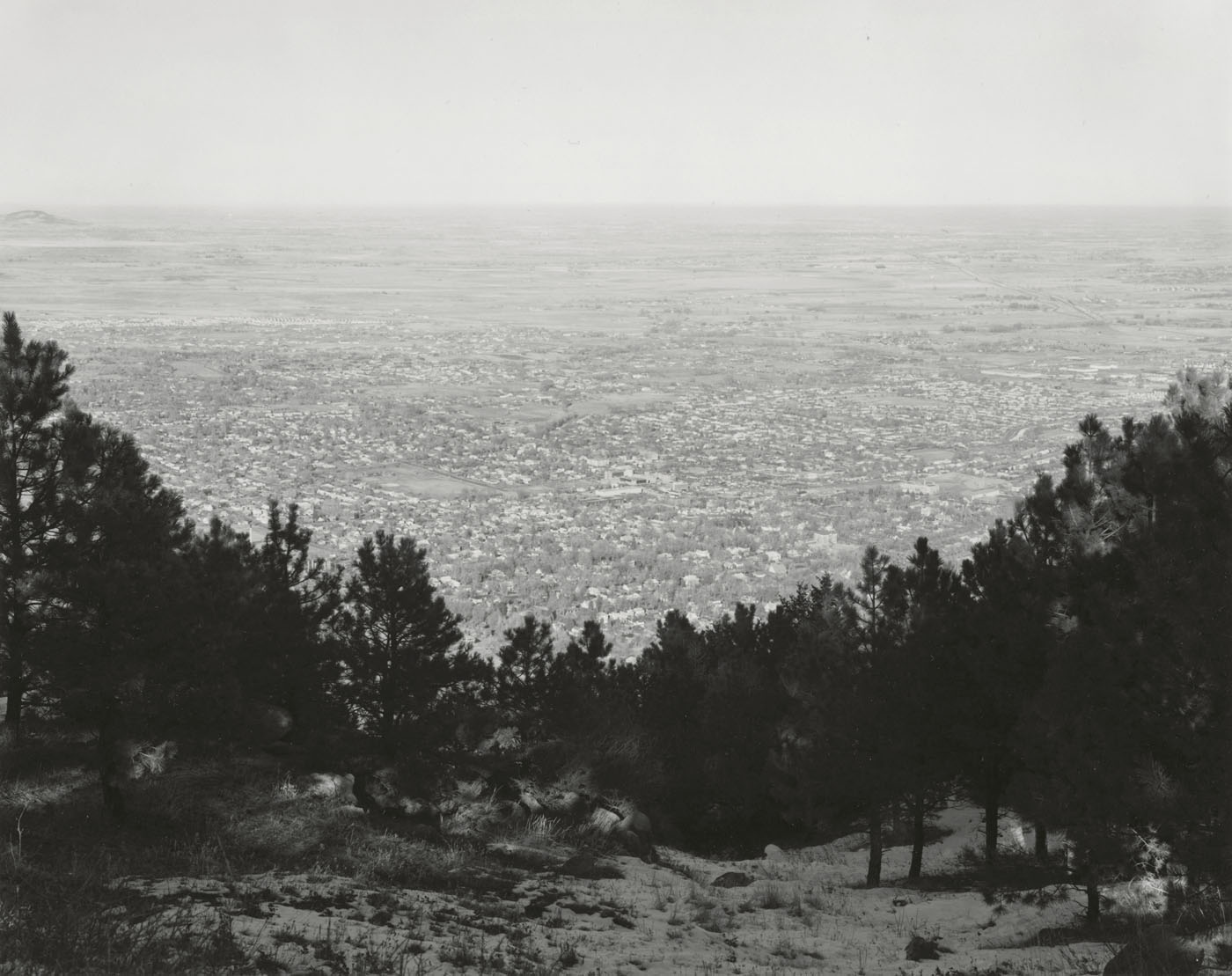
Robert Adams (American, b. 1937) 'East from Flagstaff Mountain, Boulder County, Colorado' 1975


Robert Adams (American, b. 1937)
East from Flagstaff Mountain, Boulder County, Colorado
1975
Gelatin silver print
Museum of Modern Art, New York


Robert Adams (American, b. 1937) 'Colorado Springs' 1968


Robert Adams (American, b. 1937)
Colorado Springs
1968
Gelatin silver print
Museum of Modern Art, New York


Robert Adams (American, b. 1937)
'Burning oil sludge, north of Denver, Colorado' 1973-1974


Robert Adams (American, b. 1937)
Burning oil sludge, north of Denver, Colorado
1973-1974
Gelatin silver print
Museum of Modern Art, New York


Stephen Shore (American, b. 1947) 'Beverly Boulevard and La Brea Avenue, Los Angeles, California, June 21, 1975' From the series 'Uncommon Places', 1973-1986


Stephen Shore (American, b. 1947)
Beverly Boulevard and La Brea Avenue, Los Angeles, California, June 21, 1975
1975
From the series Uncommon Places, 1973-1986
Museum of Modern Art, New York


Katy Grannan (American, b. 1969) 'Nicole, Crissy Field Parking Lot (I)' 2006


Katy Grannan (American, b. 1969)
Nicole, Crissy Field Parking Lot (I)
2006
Pigmented inkjet print
40 x 50″ (101.6 x 127cm)
Cornelius N. Bliss Memorial Fund
Museum of Modern Art, New York
© Katy Grannan


Cindy Sherman (American, b. 1954) 'Untitled Film Still #43' 1979


Cindy Sherman (American, b. 1954)
Untitled Film Still #43
1979
Gelatin silver print
7 9/16 x 9 7/16″ (19.2 x 24cm)
Acquired through the generosity of Sid R. Bass
Museum of Modern Art, New York


Cindy Sherman’s Untitled Film Stills is a suite of seventy black-and-white photographs in which the artist posed in the guises of various generic female film characters, among them, ingénue, working girl, vamp, and lonely housewife. Staged to resemble scenes from 1950s and ’60s Hollywood, film noir, B movies, and European art-house films, the printed images mimic in format, scale, and quality the often-staged “stills” used to promote films. By photographing herself in such roles, Sherman inserts herself into a dialogue about stereotypical portrayals of women. Whether she was the one to release the camera’s shutter or not, she is considered the author of the photographs. However, the works in Untitled Film Stills are not considered self-portraits.

Text from the MoMA website


Bill Owens (American, b. 1938) 'We're really happy. Our kids are healthy, we eat good food, and we have a really nice home' 1972


Bill Owens (American, b. 1938)
We’re really happy. Our kids are healthy, we eat good food, and we have a really nice home
1972
Gelatin silver print
8 1/16 x 9 15/16″ (20.4 x 25.3cm)
Gift of the photographer
Museum of Modern Art, New York
© Bill Owens


Richard Avedon (American, 1923-2004) 'Carl Hoefert, unemployed blackjack dealer, Reno, Nevada', from the series 'In the American West' August 30, 1983


Richard Avedon (American, 1923-2004)
Carl Hoefert, unemployed blackjack dealer, Reno, Nevada
August 30, 1983
From the series In the American West
Gelatin silver print
Museum of Modern Art, New York


The Museum of Modern Art
11 West 53 Street
New York, NY 10019
Phone: (212) 708-9400

Opening hours:
Sun – Fri 10.30am – 5.30pm
Sat 10.30am – 7.00pm

Monday mornings from 10.30am to 1.00pm are reserved exclusively for members and their guests.

MoMA website

LIKE ART BLART ON FACEBOOK

Back to top