Exhibition: ‘View from the Window’ at Edmund Pearce Gallery, Melbourne

Exhibition dates: 2nd – 19th July 2014

Curated by: Vivian Cooper Smith and Jason McQuoid

Artists include: Sean Barrett, Danica Chappell, Kim Demuth, Jackson Eaton, Mike Gray, Megan Jenkinson, Benjamin Lichtenstein, Phuong Ngo, Izabela Pluta, Kate Robertson, Jo Scicluna, Vivian Cooper Smith, Melanie Jayne Taylor and Justine Varga


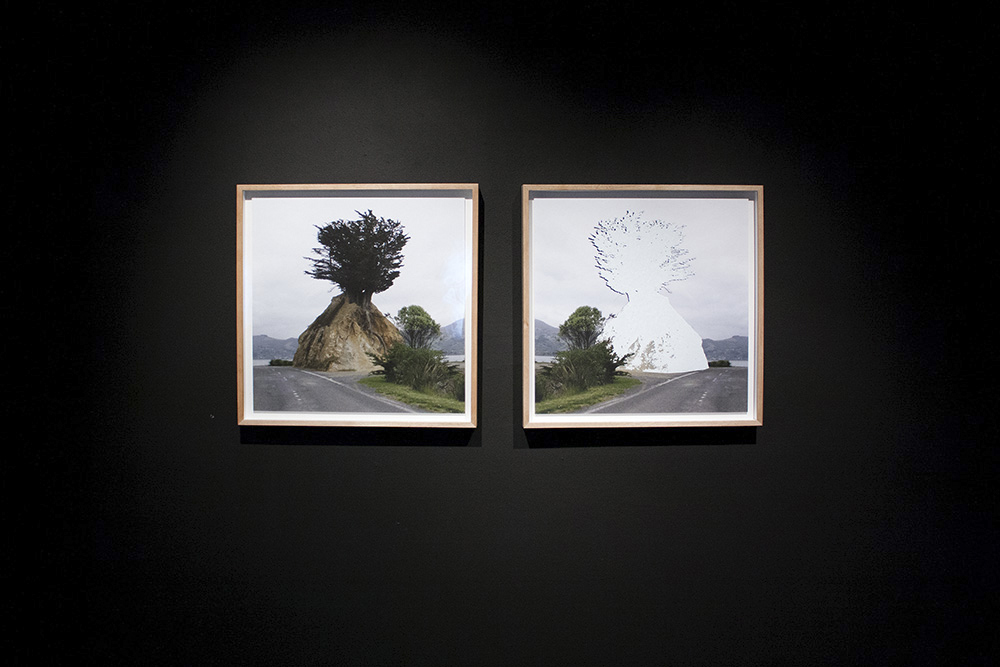
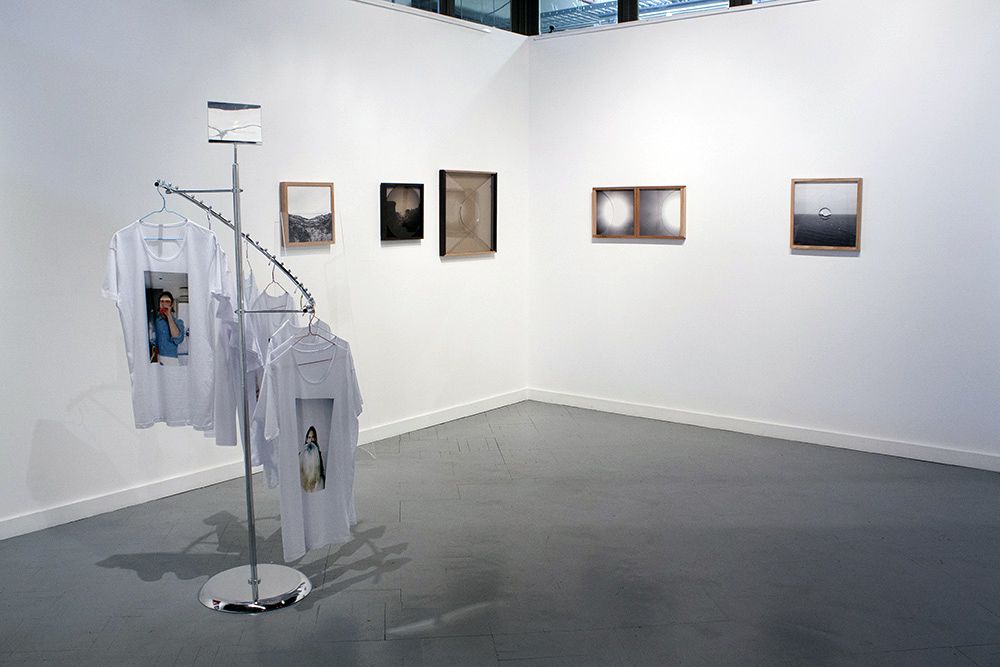
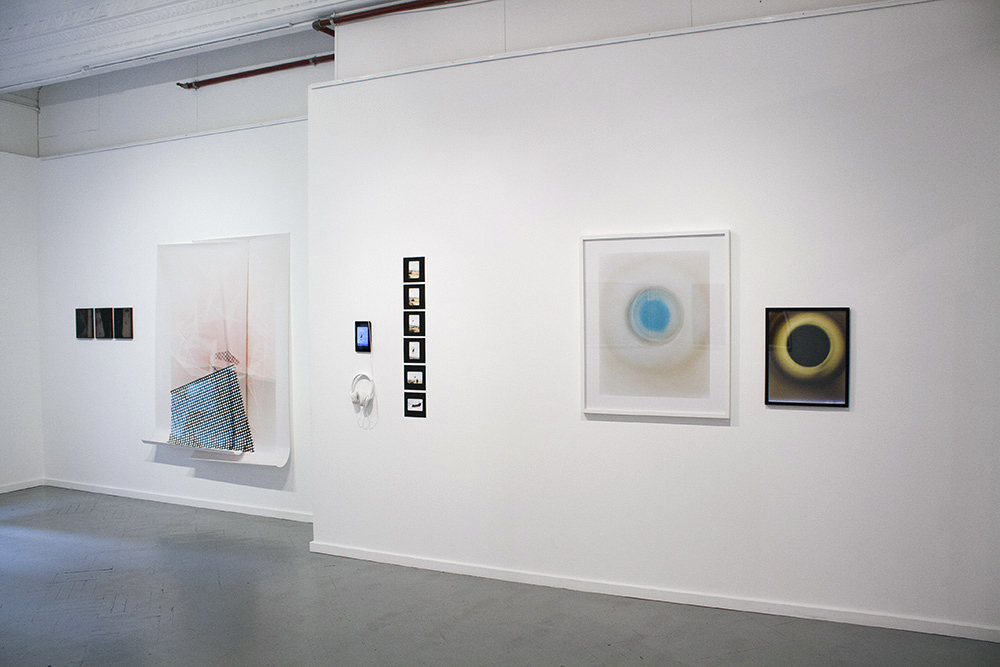
Installation view of the exhibition 'View from the Window' at Edmund Pearce Gallery, Melbourne, July 2014


Installation view of the exhibition View from the Window at Edmund Pearce Gallery, Melbourne, July 2014


Photography can be anything your heart desires (or so they say)…

Another stimulating exhibition at Edmund Pearce Gallery, Melbourne.

My personal favourites are the works of Jo Scicluna and the two large “sculptural” photographs by Kim Demuth, but every artist in the exhibition had something interesting to offer.

Marcus


Many thankx to Edmund Pearce Gallery for allowing me to publish the photographs in the posting. Please click on the photographs for a larger version of the image.
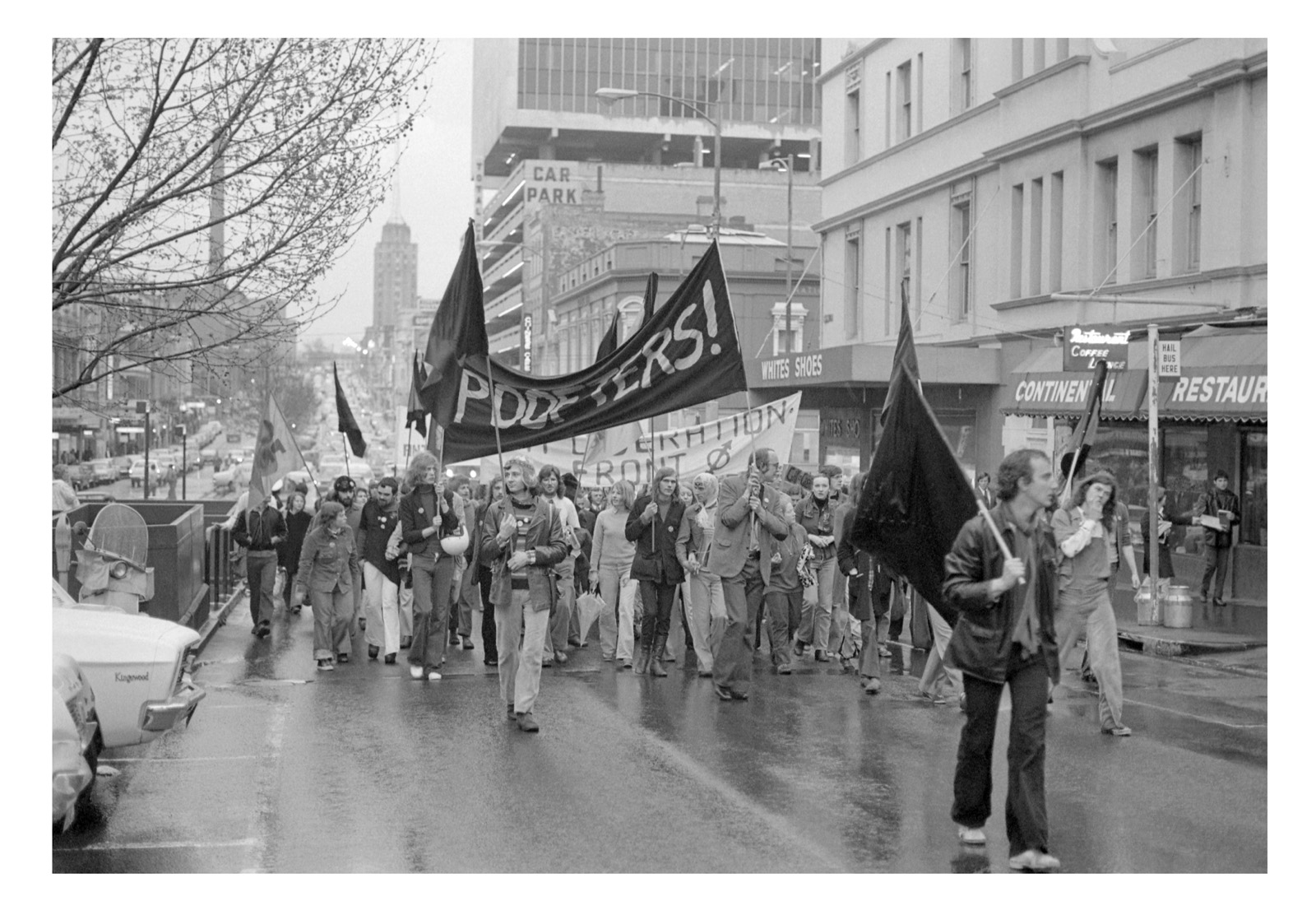


Justine Varga (Australian, b. 1984) 'Morning' from the series 'Sounding Silence' 2014


Justine Varga (Australian, b. 1984)
Morning from the series Sounding Silence
2014
Type C print
77 x 61cm
Edition of 6 + 1AP
Images courtesy of the artist, Stills Gallery, Sydney and Hugo Michell Gallery, Adelaide


Justine Varga (Australian, b. 1984) 'Evening' from the series 'Sounding Silence' 2014


Justine Varga (Australian, b. 1984)
Evening
from the series Sounding Silence
2014
Type C print
47 x 38.5cm
Edition of 6 + 1AP
Images courtesy of the artist, Stills Gallery, Sydney and Hugo Michell Gallery, Adelaide


Izabela Pluta (Australian born Poland, b. 1979) 'Study for a sham ruin #7 and #8' 2012 (installation view)


Izabela Pluta (Australian born Poland, b. 1979)
Left: Study for a sham ruin #7, pigment print, 50 x 50cm, 2012 (installation view)
Right: Study for a sham ruin #8, acrylic on pigment print, 50 x 50cm, 2012
Images courtesy of the artist, Dianne Tanzer Gallery + Projects, Melbourne and Galerie pompom, Sydney


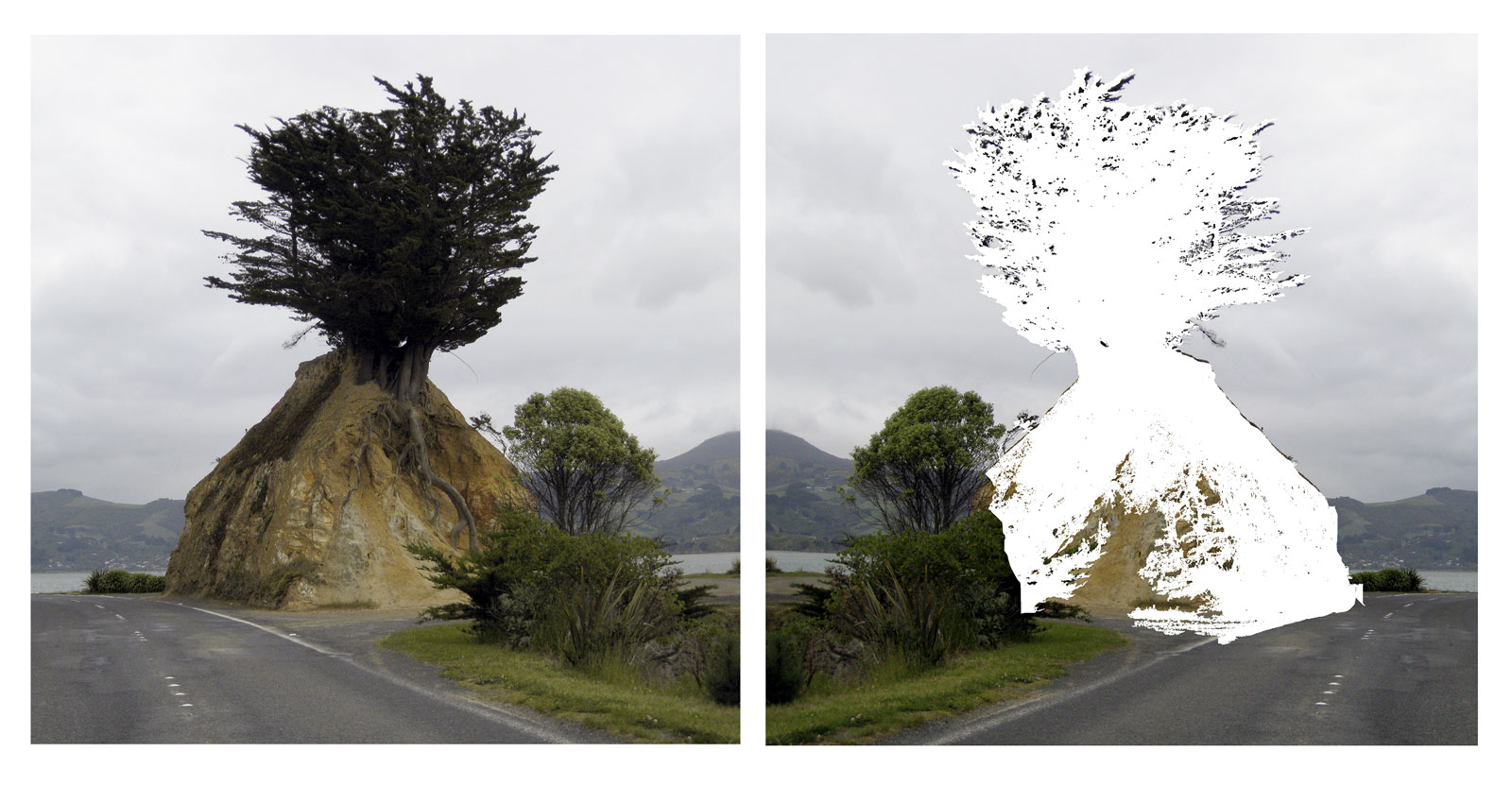
Izabela Pluta (Australian born Poland, b. 1979) 'Study for a sham ruin #7 and #8' 2012


Izabela Pluta (Australian born Poland, b. 1979)
Left: Study for a sham ruin #7, pigment print, 50 x 50cm, 2012
Right: Study for a sham ruin #8, acrylic on pigment print, 50 x 50cm, 2012
Images courtesy of the artist, Dianne Tanzer Gallery + Projects, Melbourne and Galerie pompom, Sydney


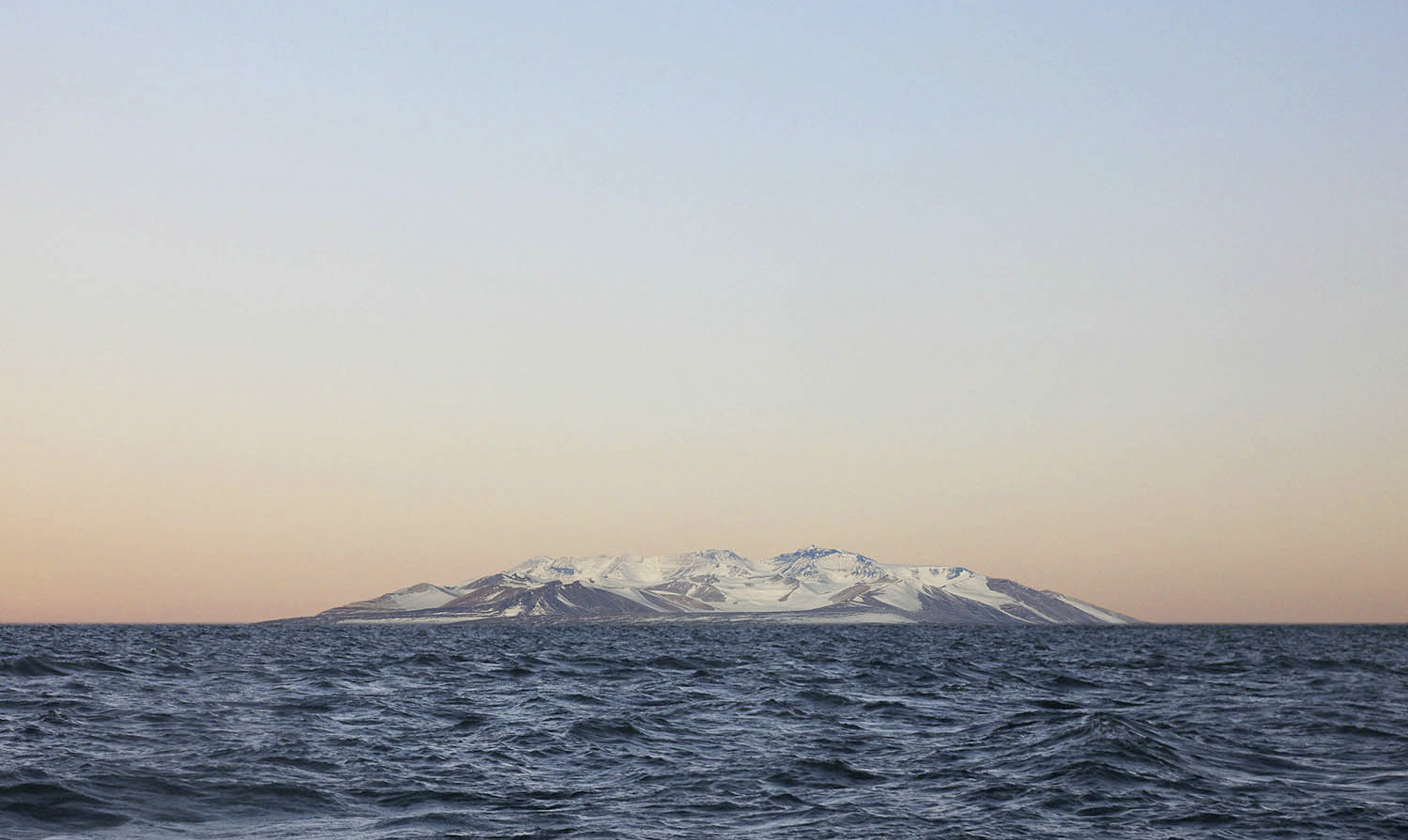
Megan Jenkinson (New Zealand, b. 1958) 'Promise – Morrell’s Islands' 2009


Megan Jenkinson (New Zealand, b. 1958)
Promise – Morrell’s Islands
2009
Type lenticular
22.6 x 38cm
Edition of 5
Image courtesy the artist and Stills Gallery, Sydney


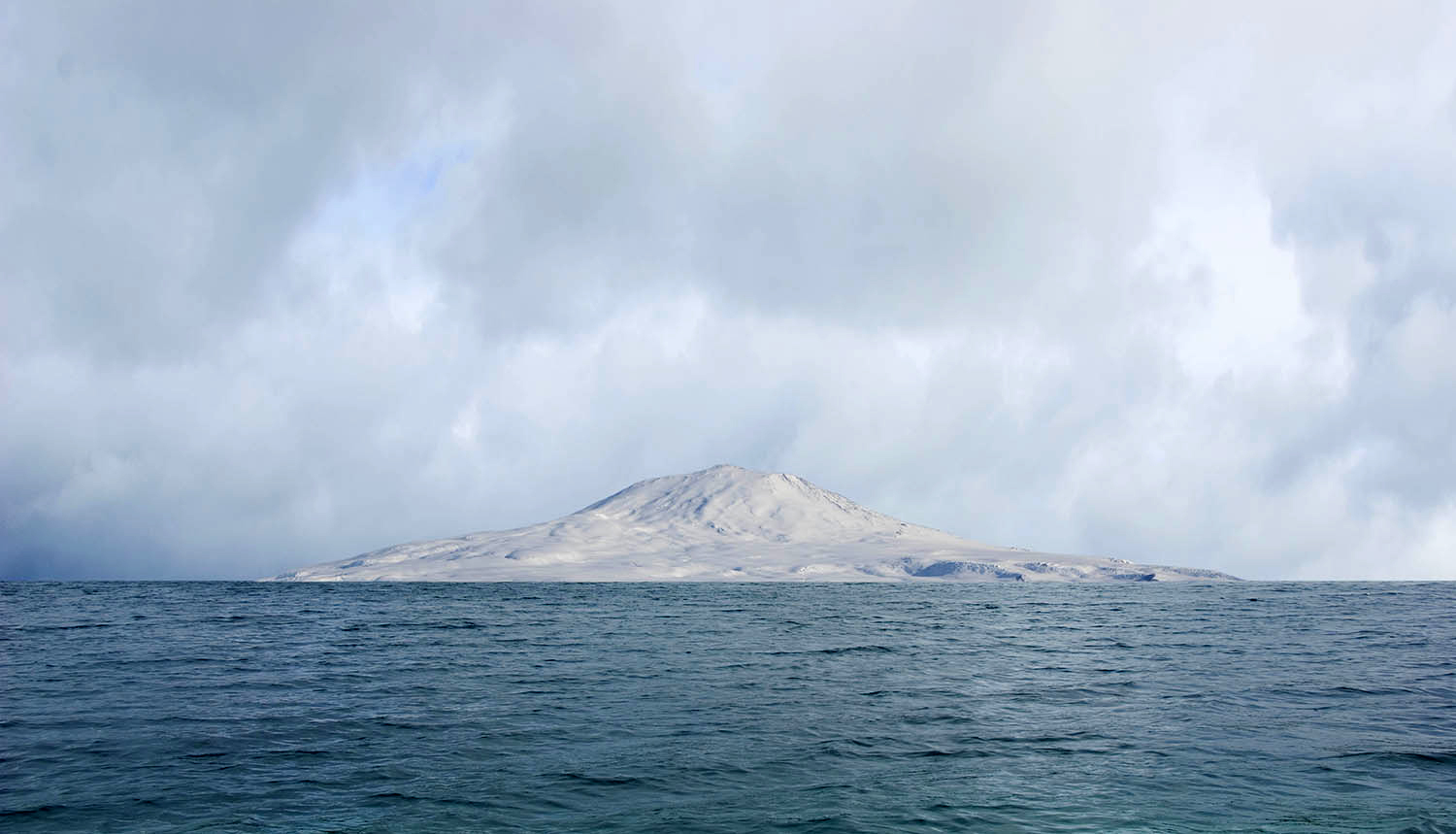
Megan Jenkinson (New Zealand, b. 1958) 'Solace – Morrell's Islands' 2009


Megan Jenkinson (New Zealand, b. 1958)
Solace – Morrell’s Islands
2009
Type lenticular
21.7 x 38cm
Edition of 5
Image courtesy the artist and Stills Gallery, Sydney


View from the Window presents current thinking around photography (if we can even talk of something called photography any more).

The exhibition adapts its name from the oldest existing camera photograph, View from the Window at Le Gras by Nicéphore Niépce. Created with a cumbersome process using Bitumen of Judeah, it remains a trace of a day nearly two hundred years ago and a fragile, enigmatic object today. Since that time, photography has undergone continual seismic shifts in its short history. Given its technological foundations it was inevitable that as new processes and techniques were discovered they would influence current photographic practice. From daguerreotypes, cyanotypes through to Kodachrome, C-41, digital negatives and Photoshop just about everything has changed how we engage with the medium.

With the ubiquity of the modern photographic image View from the Window attempts to highlight the need for considered reflection upon the place and value of current photographic practices. The artists respond to this by considering what ‘photography’ is, and in doing so re-shape, re-imagine, expand and break it down. They explore new thinking with traditional techniques and invent new methods of image making. The work is digital and analogue, flat and sculptural, conceptual and experiential, whole and fragmented. Despite all this, the photographic ‘idea’ remains – reshaping the way we see the world.

Press release from the Edmund Pearce Gallery website


Installation view of the exhibition 'View from the Window' at Edmund Pearce Gallery, Melbourne, July 2014


Installation view of the exhibition View from the Window at Edmund Pearce Gallery, Melbourne, July 2014


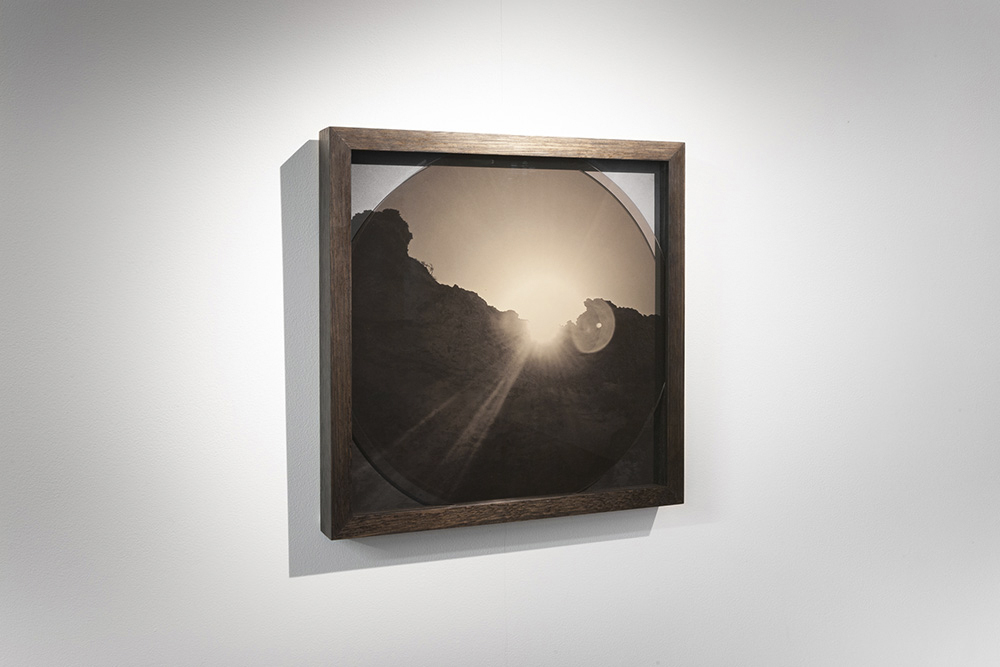
Jo Scicluna (Australian, b. 1969) 'Where A Circle Meets A Line (#4)' 2014 (installation view)


Jo Scicluna (Australian, b. 1969)
Where A Circle Meets A Line (#4)
(installation view)
2014
Archival pigment ink on cotton rag, victorian ash timber, tinted acrylic
37.5 x 37.5cm
Edition of 5
Image courtesy of the artist


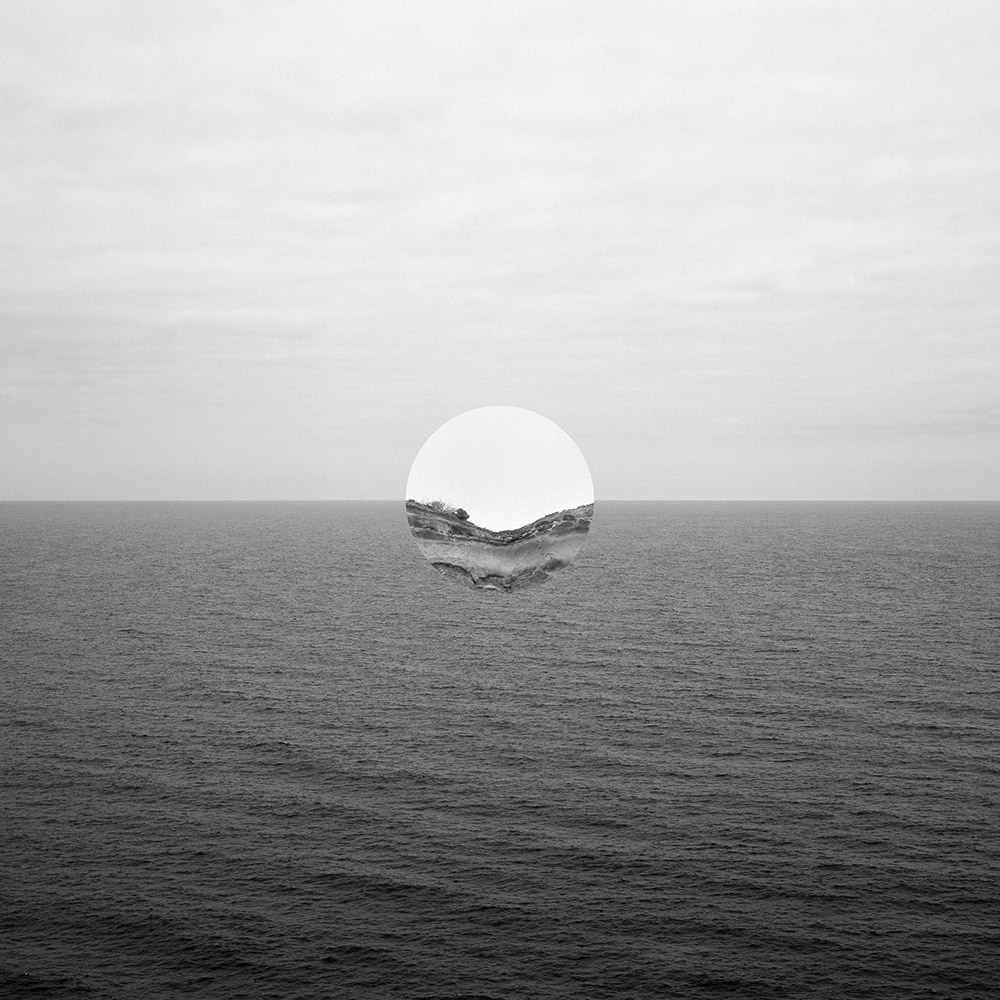
Jo Scicluna (Australian, b. 1969) 'Where I Have Always Been (An Island)' 2014 (detail)


Jo Scicluna (Australian, b. 1969)
Where I Have Always Been (An Island) (detail)
2014
Archival pigment ink on cotton rag, Victorian Ash timber, acrylic
45 x 45cm
Edition of 5
Image courtesy of the artist


Extracts from the catalogue essay View from the Window

Over 180 years ago, the French inventor Nicéphore Niépce produced View from the Window at Le Gras. Depicting the view over a series of buildings and the countryside surrounding a French estate, this fragile work was produced in a camera obscura by focusing light onto a pewter plate coated with Bitumen of Judea. Its archaic form and production seem far removed from the digitally-augmented, large-scale work of many contemporary artists, yet it still haunts photography. As well as recalling the origins of photography, it indicates a number of enduring polarities: analogue and digital; image and object; physical darkroom practices and digital post-production; personal and institutional or collective experiences; and duration and snapshot…

As these artists’ works demonstrate, the field of contemporary photography is fundamentally multifarious, constantly eluding attempts to delimit and define it. Despite the diversity of these practices, they share a sense of critical inquiry. Whether working with analogue photographs in darkrooms or digital images in post-production, building physical objects or emphasising the immaterial, these artists all foreground the capacity for photography to interrogate our understanding of the world. Consequently these practices recall art historian Bernd Stiegler’s vision of photography as a ‘reflective medium’.5 By this term Stiegler refers to the inextricable link between photography and realism, but importantly not a form of realism understood as naïve mimesis. Rather, for Stiegler, photography reflects upon the structures and assumptions through which we perceive the world, it ‘plumbs the conditions and limits of our understanding of reality’.6 More than a veridical document or hollow simulacrum, photography thus exists as image, object and process, potentially all simultaneously.

The complexity of these works signals a second common element: the investment of time. All these artists expend considerable time and effort in producing their work, as do any dedicated artists. However, the relevance of this observation is that this temporal investment differentiates such work from the overwhelming glut of photographic images that circulate through the electronic networks of globalised society. Although it would be disingenuous and insensitive to claim that tourist snaps of well-travelled monuments are only meaningless ephemera or signs of globalised homogeneity,7 the near ubiquity of photographic images highlights the need for considered reflection upon the place and value of photographic practices. Committed to extended periods of observation and experimentation, these artists display the patience and persistence to interrogate the problems and possibilities of photography. At their gentle request we repay this dedication through our own extended viewing, for without the time to look we might lose the time to think.

Christopher Williams-Wynn
2014

Christopher Williams-Wynn is an art history honours graduate of The University of Melbourne, and co-founder and co-editor of Dissect Journal.


5/ Bernd Stiegler, ‘Photography as the Medium of Reflection’ in Robin Kelsey and Blake Stimson (eds), The Meaning of Photography. Williamstown, MA: Sterling and Francine Clark Art Institute, 2008, pp. 194-197.
6/ Ibid., p. 197.
7/ John Urry and Jonas Larsen, The Tourist Gaze 3.0, London: SAGE Publications, 2011, pp. 155-187.


Kim Demuth (Australian born England) '12.16am 18.02.2009' 2012


Kim Demuth (Australian born England)
12.16am 18.02.2009
2012
Sculptural photography
110 x 92 x 6.5cm
Edition of 3
Image courtesy of the artist


Kim Demuth (Australian born England) '9.55am 11.06.2008' 2012


Kim Demuth (Australian born England)
9.55am 11.06.2008
2012
Sculptural photography
110 x 88 x 6.5cm
Edition of 3
Image courtesy of the artist


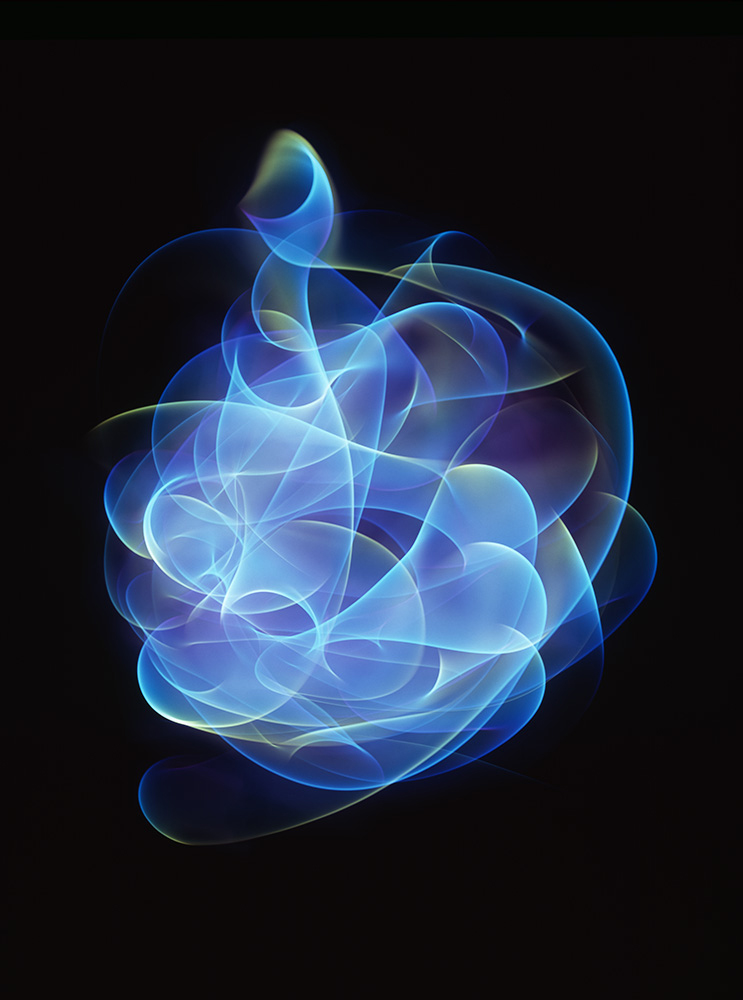
Sean Barrett. 'Cool Aether' 2014


Sean Barrett
Cool Aether
2014
Duratrans on blackwood lightbox
80 x 60cm
Edition of 3
Image courtesy of the artist


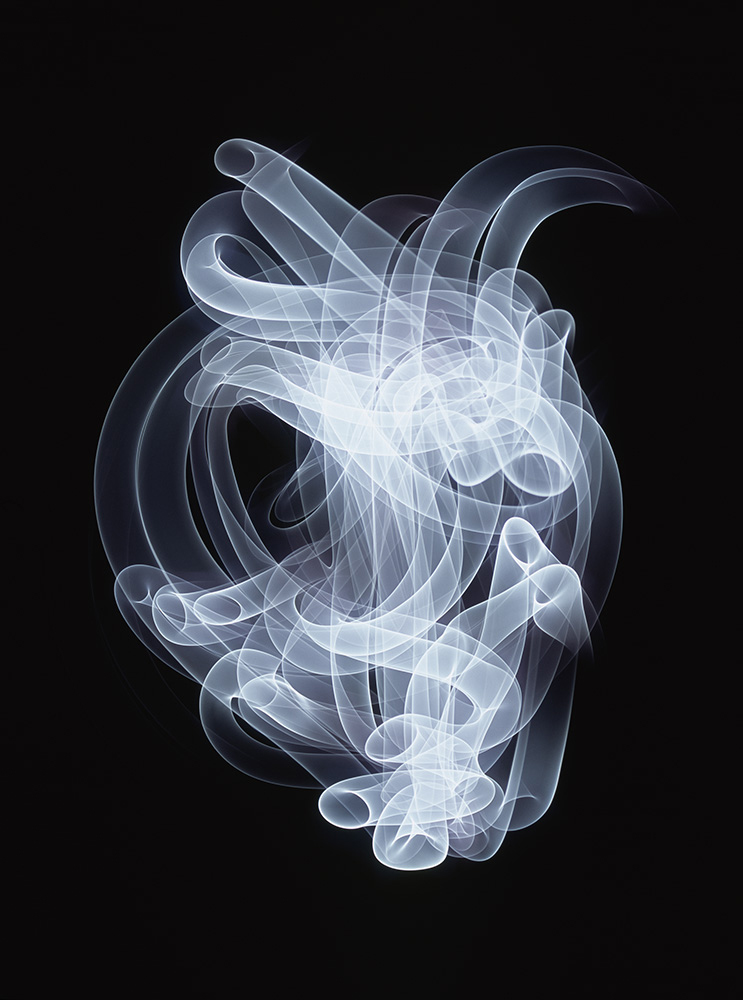
Sean Barrett. 'Bright Swarm' 2014


Sean Barrett
Bright Swarm
2014
Duratrans on blackwood lightbox
80 x 60cm
Edition of 3
Image courtesy of the artist


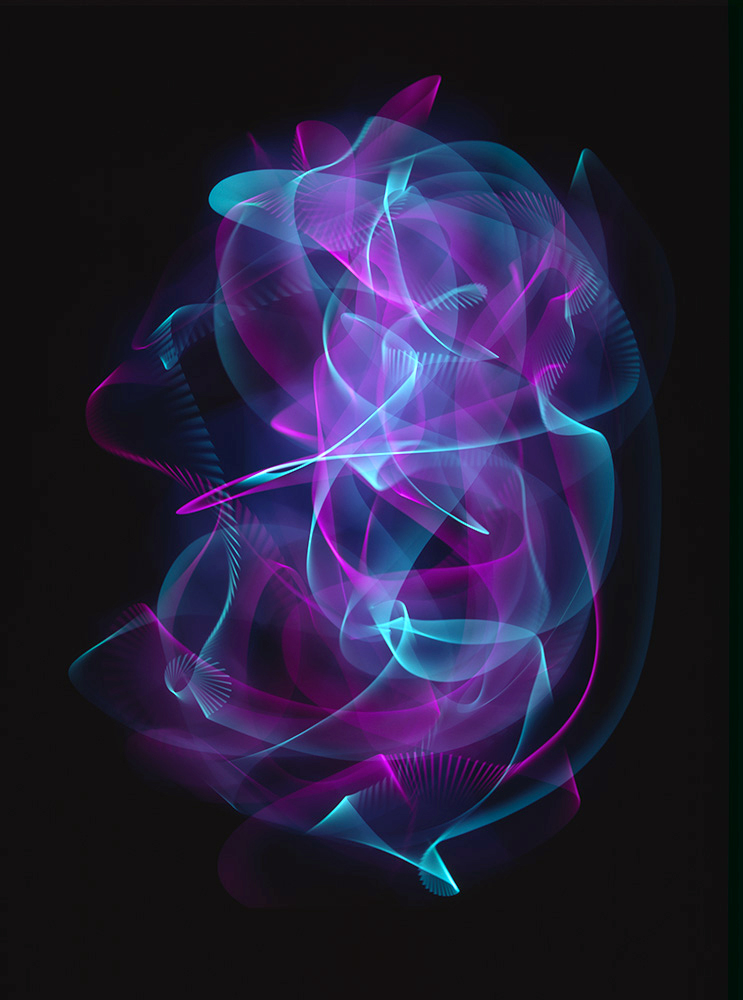
Sean Barrett. 'Dual Aurora' 2014


Sean Barrett
Dual Aurora
2014
Duratrans on blackwood lightbox
80 x 60cm
Edition of 3
Image courtesy of the artist


Edmund Pearce Gallery

This gallery has now closed.
LIKE ART BLART ON FACEBOOK

Back to top

Marcus Bunyan black and white archive: ‘The Songs of Eternity’, 1994

July 2014


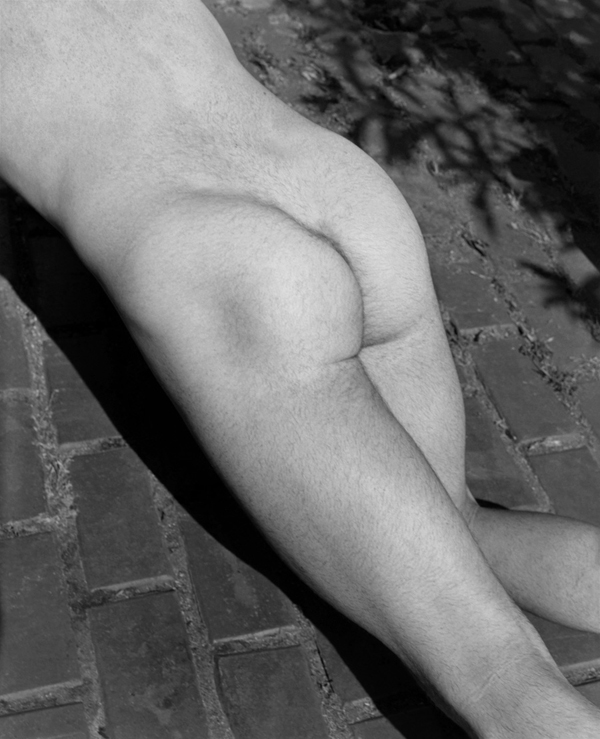
These are really important photographs for me.

As Minor White’s artist book The Temptation of St. Anthony is Mirrors (1948) is a visual love poem to Tom Murphy, so my artist book The Songs of Eternity (1994) is a visual love poem to my then long-time partner Paul. Both are exceedingly rare books: there are two copies of White’s book and there is one copy of mine.

The prints are even more beautiful in the flesh (so to speak).

Marcus


I am scanning my negatives made during the years 1991-1997 to preserve them in the form of an online archive as a process of active memory, so that the images are not lost forever. These photographs were images of my life and imagination at the time of their making, the ideas I was thinking about and the people and things that surrounded me.

All images © Marcus Bunyan. Please click the photographs for a larger version of the image. Please remember these are just straight scans of the prints, all full frame, no cropping !

Photographs are available from this series for purchase. As a guide, a vintage 8″ x 10″ silver gelatin print costs $700 plus tracked and insured shipping. For more information please see my store web page.

*PLEASE NOTE THIS POSTING CONTAINS ART PHOTOGRAPHS OF MALE NUDITY – IF YOU DO NOT LIKE PLEASE DO NOT LOOK, FAIR WARNING HAS BEEN GIVEN*


The Songs of Eternity

Images and poetry by M. Bunyan 1994


I stood at the edge of the precipice / and peered in as William Blake would say

The timepiece of eternity / swung hands through all the hours

so how naive I’ve been / not to see its powers

Did I deceive / or was I led

What a rude awakening / throughout my head

Many fabulous things were said /

many a doubt was in silence bled …

Nothing is certainty but the change – I was must be strong to attain

Depth, spirit, integrity and the rest

This affirmation I will confirm – not in conformity but in my own special way

Not this way nor that but my own path / that one day will whisper gently in my ear

Be strong, for we have much to say / when the sea becomes the sky.

Strong in your arms I become your scent

Lying in my bed the sheets of flowers enfold me

Trusting in my heart I know

Today    Yesterday    Tomorrow


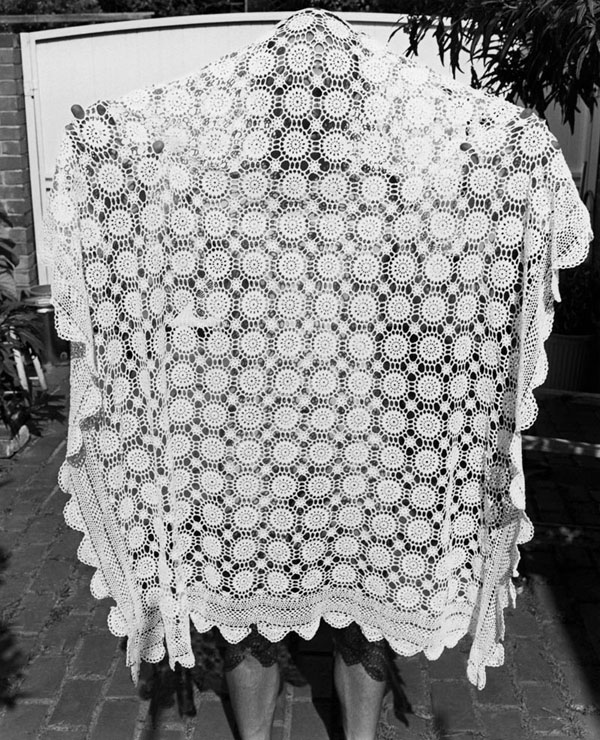
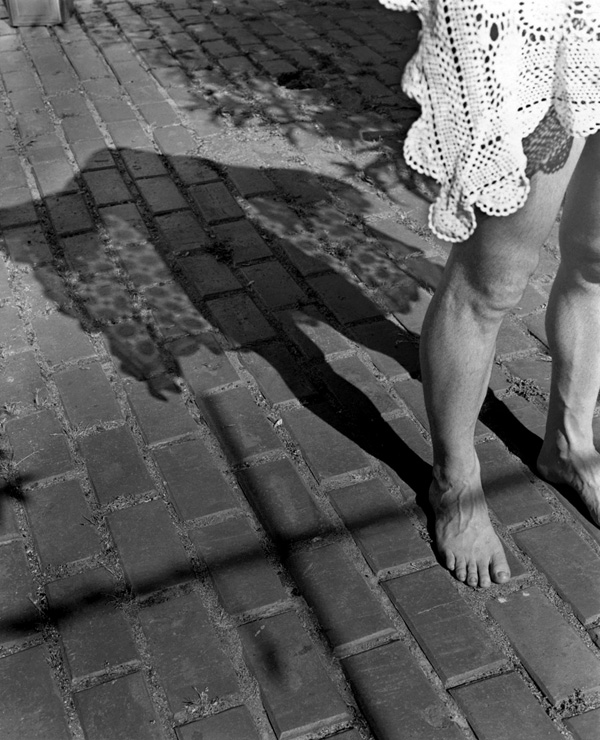
Marcus Bunyan (Australian, b. 1958) 'Shroud' 1994


Marcus Bunyan (Australian, b. 1958)
Shroud
1994
From the series The Songs of Eternity
Silver gelatin photograph


The Songs of Eternity


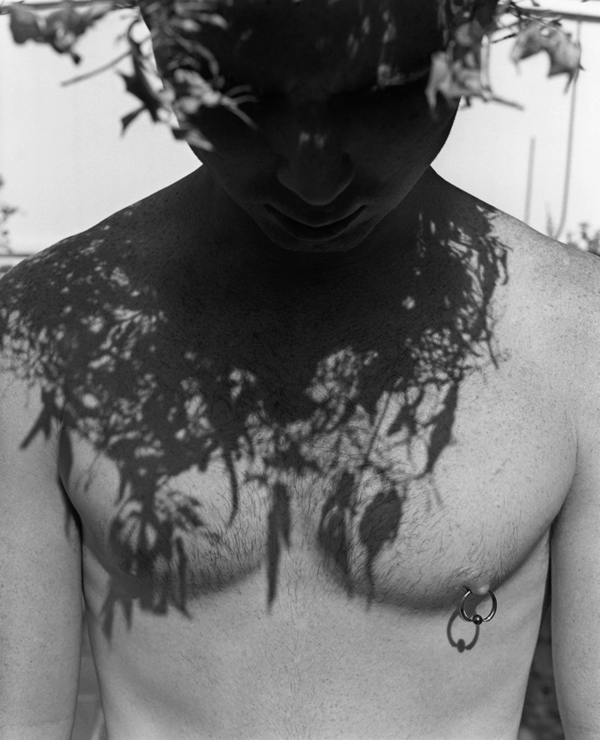
Marcus Bunyan (Australian, b. 1958) 'Paul, shadows' 1994


Marcus Bunyan (Australian, b. 1958)
Paul, shadows
1994
From the series The Songs of Eternity
Silver gelatin photograph


I stood at the edge of the precipice / and peered in as William Blake would say


Marcus Bunyan (Australian, b. 1958) 'Eternal timepiece' 1994


Marcus Bunyan (Australian, b. 1958)
Eternal timepiece
1994
From the series The Songs of Eternity
Silver gelatin photograph


The timepiece of eternity / swung hands through all the hours


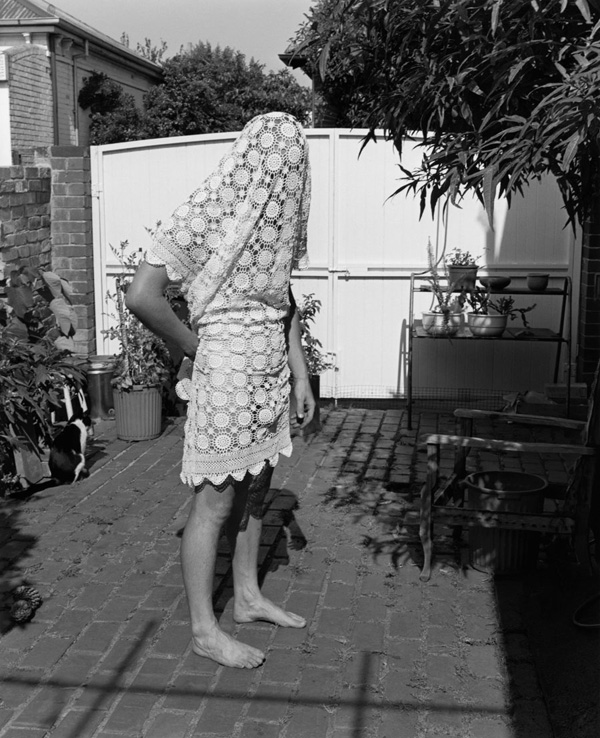
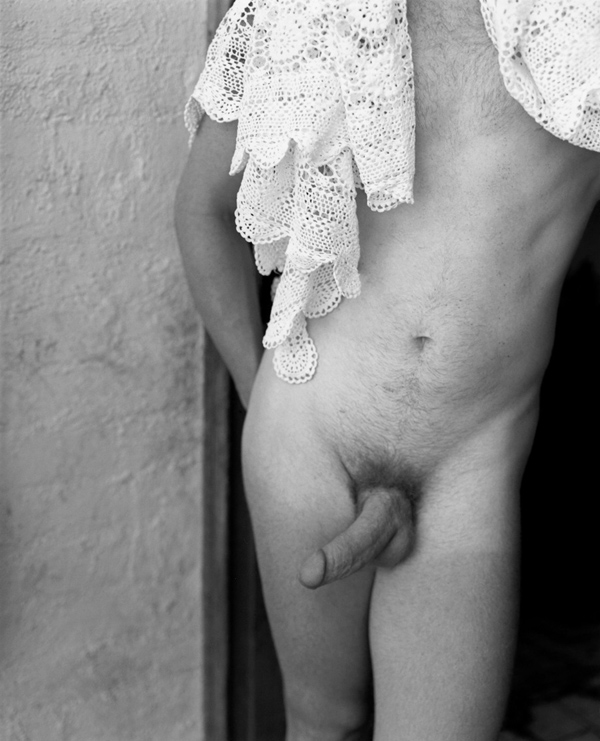
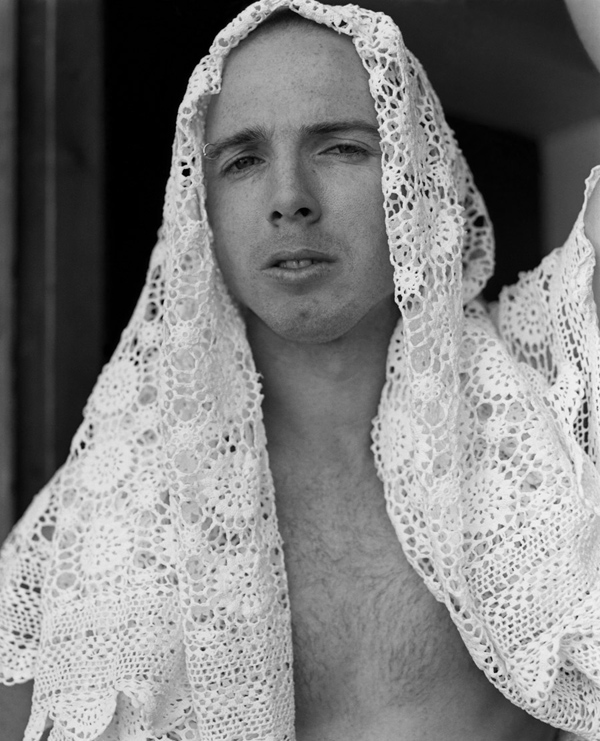
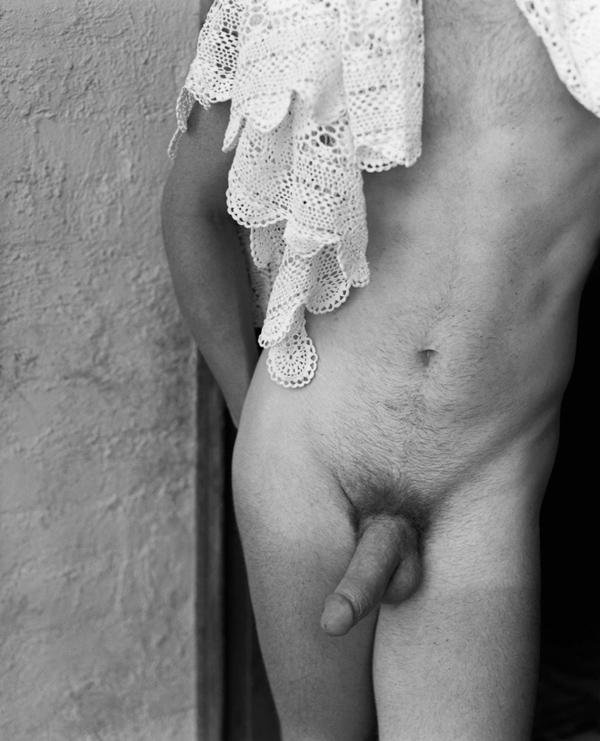
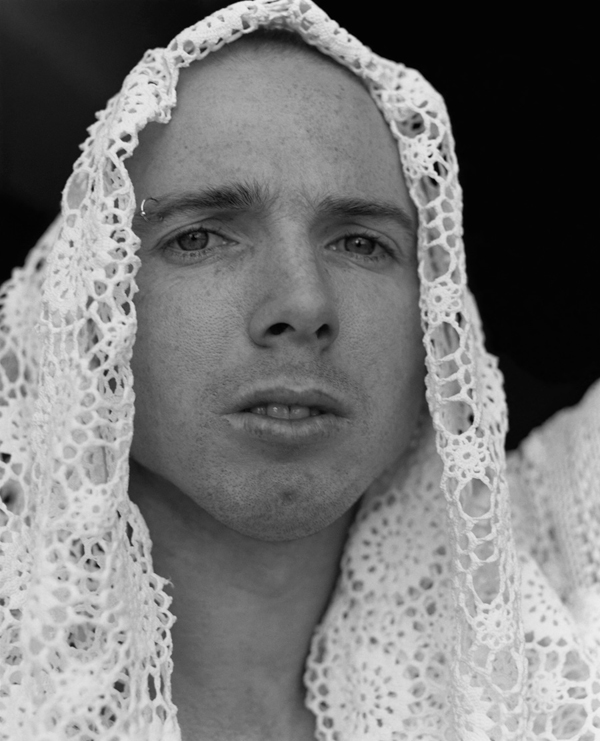
Marcus Bunyan (Australian, b. 1958) 'Paul, head covered' 1994


Marcus Bunyan (Australian, b. 1958)
Paul, head covered
1994
From the series The Songs of Eternity
Silver gelatin photograph


so how naive I’ve been / not to see its powers


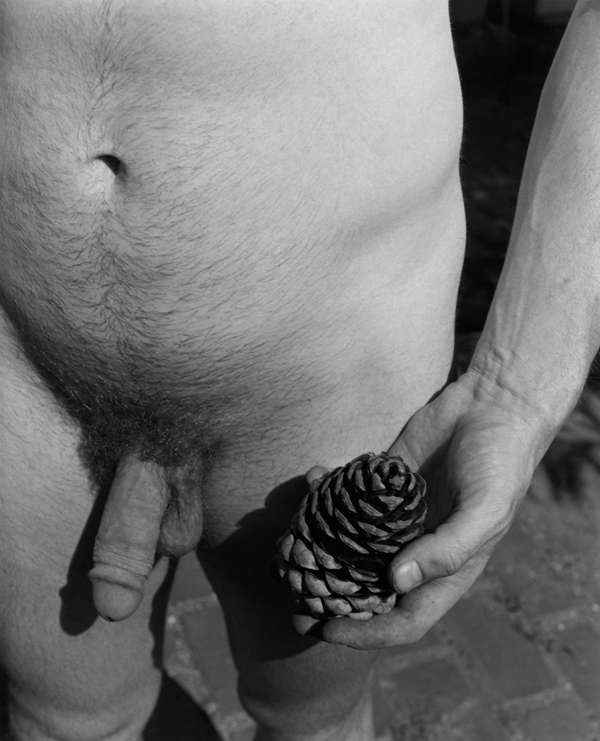
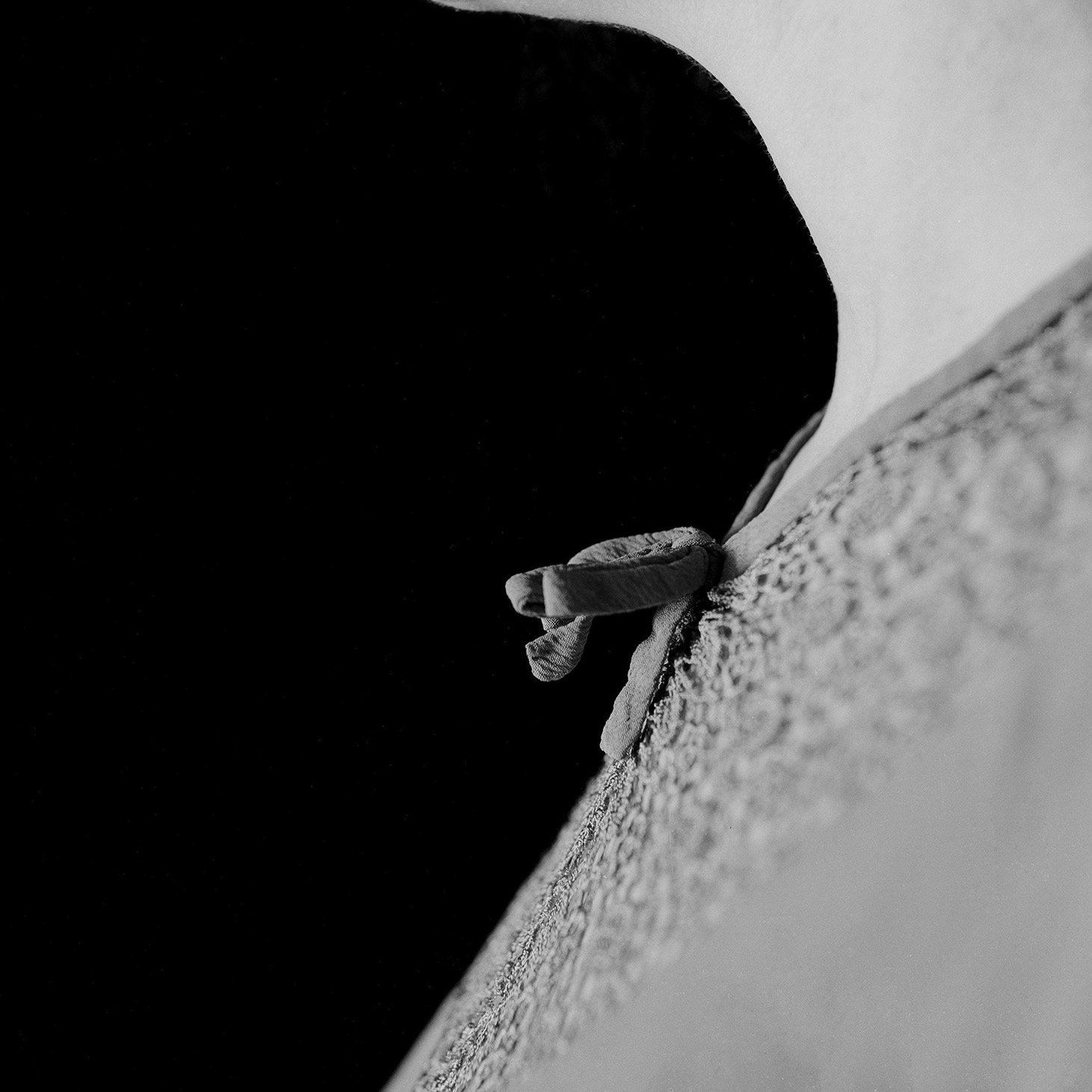
Marcus Bunyan (Australian, b. 1958) 'Pendent #1' 1994


Marcus Bunyan (Australian, b. 1958)
Pendent #1
1994
From the series The Songs of Eternity
Silver gelatin photograph


Did I deceive / or was I led


Marcus Bunyan (Australian, b. 1958) 'Untitled' 1994


Marcus Bunyan (Australian, b. 1958)
Untitled
1994
From the series The Songs of Eternity
Silver gelatin photograph


What a rude awakening / throughout my head


Marcus Bunyan (Australian, b. 1958) 'Untitled' 1994


Marcus Bunyan (Australian, b. 1958)
Untitled
1994
From the series The Songs of Eternity
Silver gelatin photograph


Many fabulous things were said /


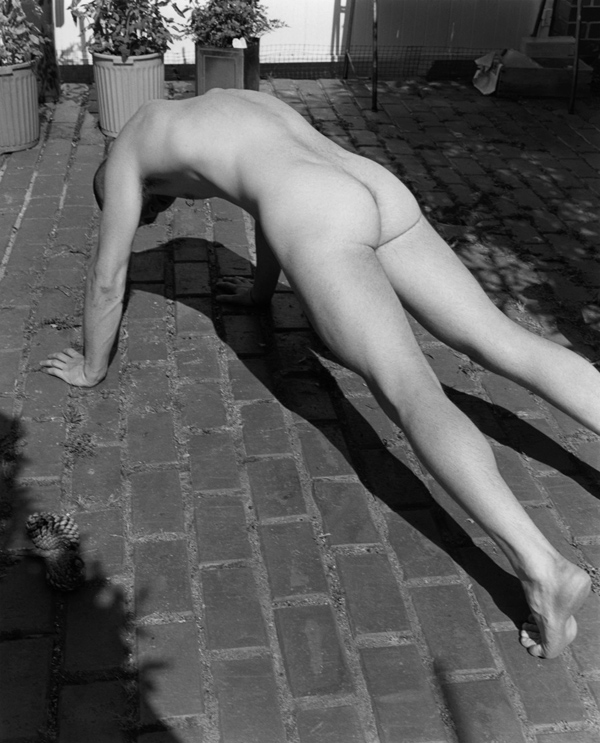
Marcus Bunyan (Australian, b. 1958) 'Suspension #1' 1994


Marcus Bunyan (Australian, b. 1958)
Suspension #1
1994
From the series The Songs of Eternity
Silver gelatin photograph


many a doubt was in silence bled …


Marcus Bunyan (Australian, b. 1958) 'Chyralis' 1994


Marcus Bunyan (Australian, b. 1958)
Chrysalis
1994
From the series The Songs of Eternity
Silver gelatin photograph


Nothing is certainty but the change – I was must be strong to attain


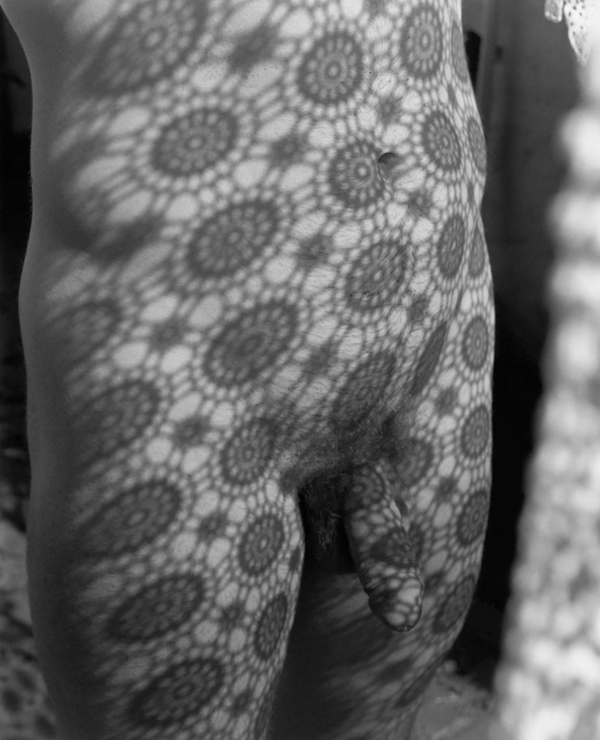
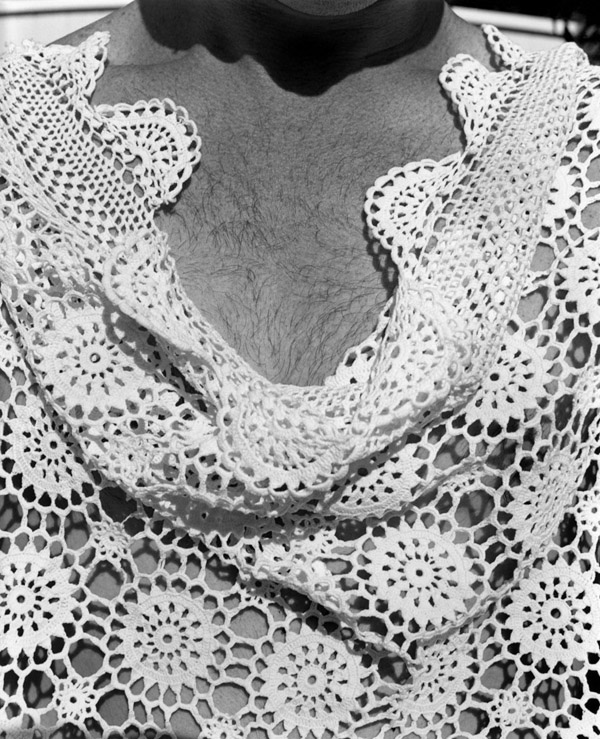
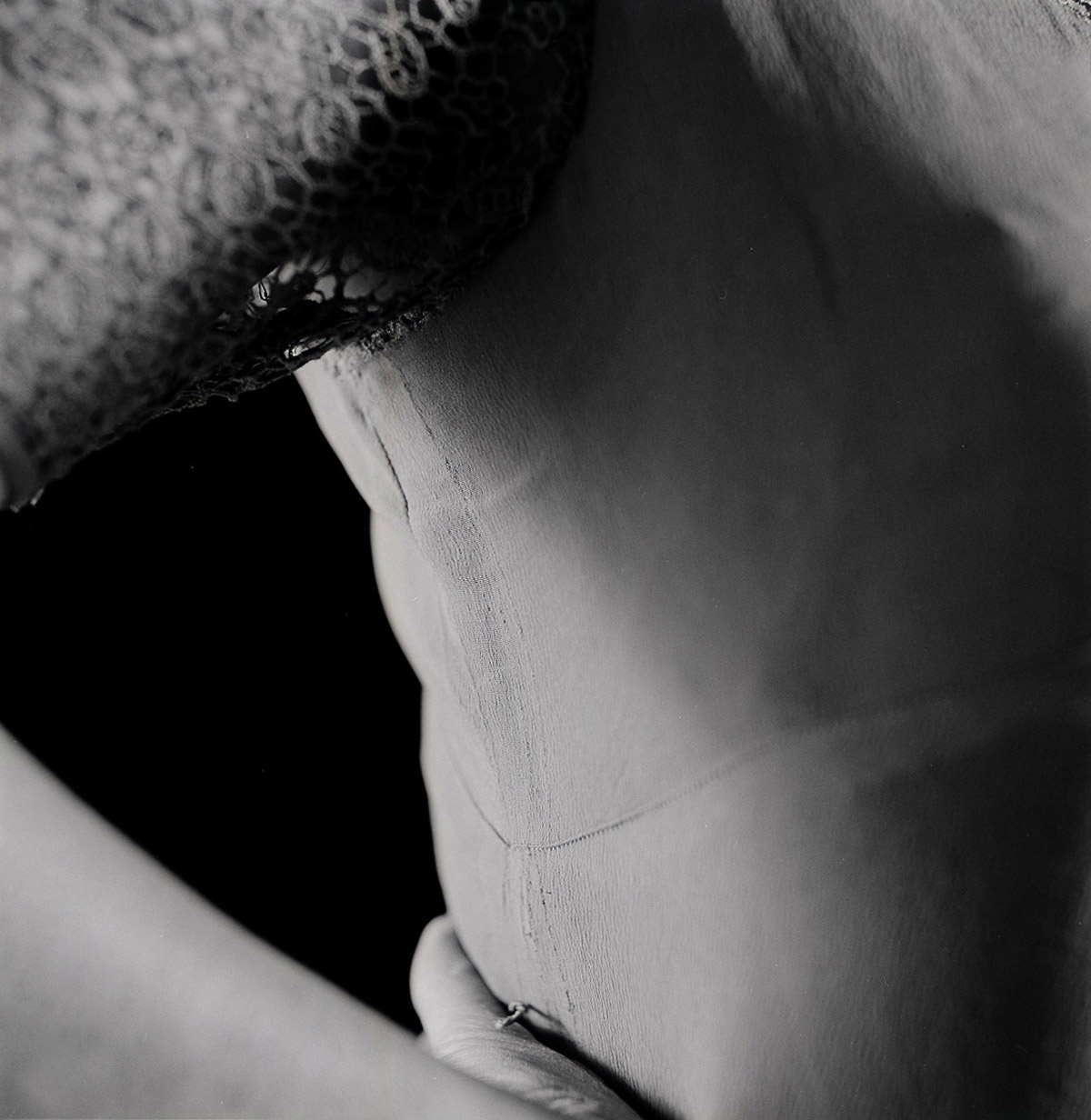
Marcus Bunyan (Australian, b. 1958) 'Décolleté' 1994


Marcus Bunyan (Australian, b. 1958)
Décolleté
1994
From the series The Songs of Eternity
Silver gelatin photograph


Depth, spirit, integrity and the rest


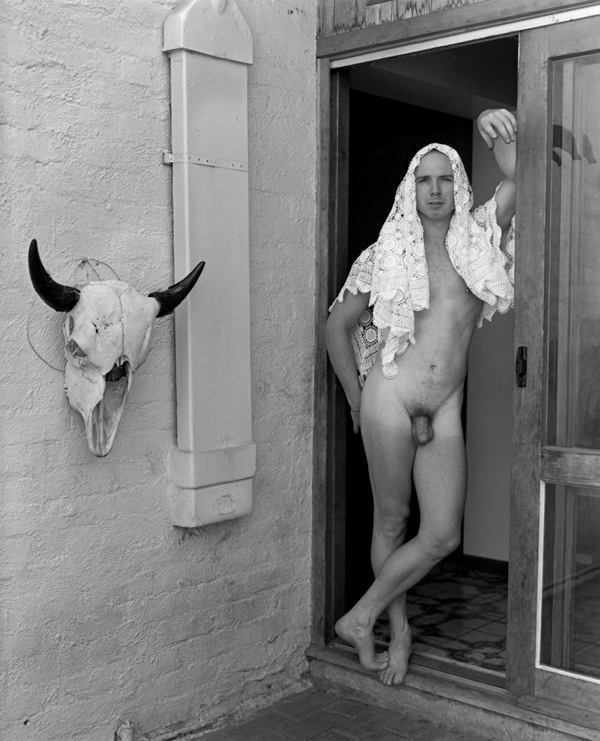
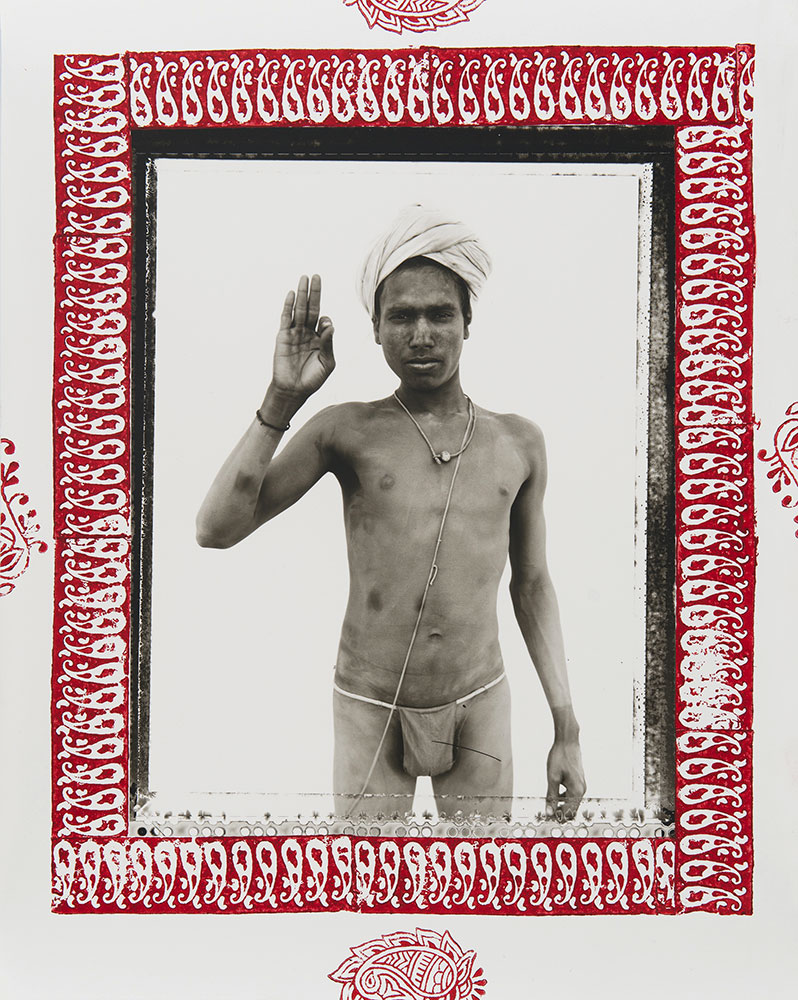
Marcus Bunyan (Australian, b. 1958) 'Paul, doorway (for Georgia O'Keeffe)' 1994


Marcus Bunyan (Australian, b. 1958)
Paul, doorway (for Georgia O’Keeffe)
1994
From the series The Songs of Eternity
Silver gelatin photograph


This affirmation I will confirm – not in conformity but in my own special way


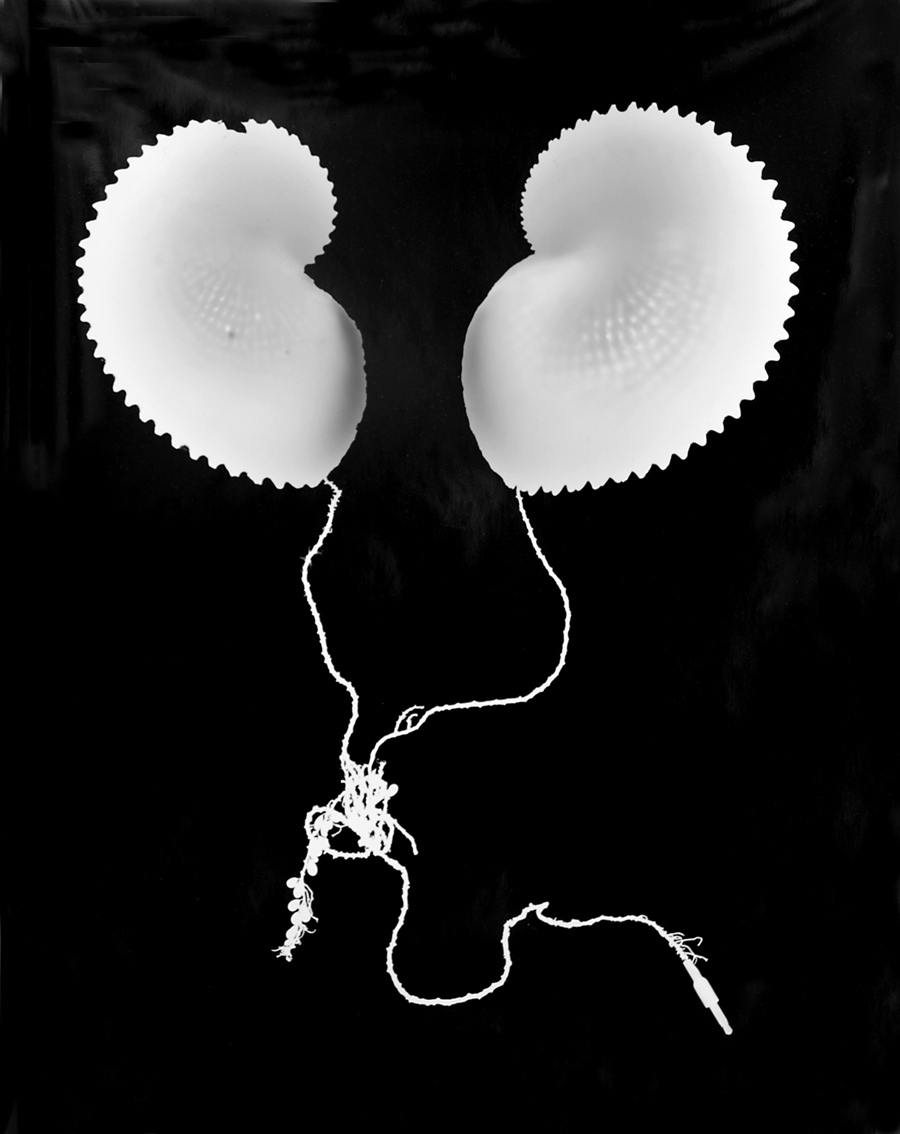
Marcus Bunyan (Australian, b. 1958) 'Pendent #2' 1994


Marcus Bunyan (Australian, b. 1958)
Pendent #2
1994
From the series The Songs of Eternity
Silver gelatin photograph


Not this way nor that but my own path / that one day will whisper gently in my ear


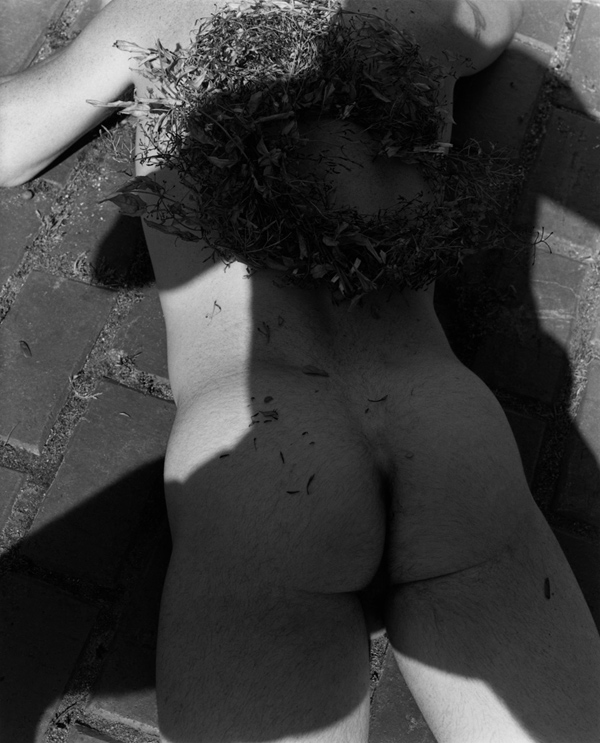
Marcus Bunyan (Australian, b. 1958) 'Shadow, wreath' 1994


Marcus Bunyan (Australian, b. 1958)
Shadow, wreath
1994
From the series The Songs of Eternity
Silver gelatin photograph


Be strong, for we have much to say / when the sea becomes the sky.


Marcus Bunyan (Australian, b. 1958) 'Madonna, male' 1994


Marcus Bunyan (Australian, b. 1958)
Madonna, male
1994
From the series The Songs of Eternity
Silver gelatin photograph


Strong in your arms I become your scent


Marcus Bunyan (Australian, b. 1958) 'Suspension #2' 1994


Marcus Bunyan (Australian, b. 1958)
Suspension #2
1994
From the series The Songs of Eternity
Silver gelatin photograph


Lying in my bed the sheets of flowers enfold me


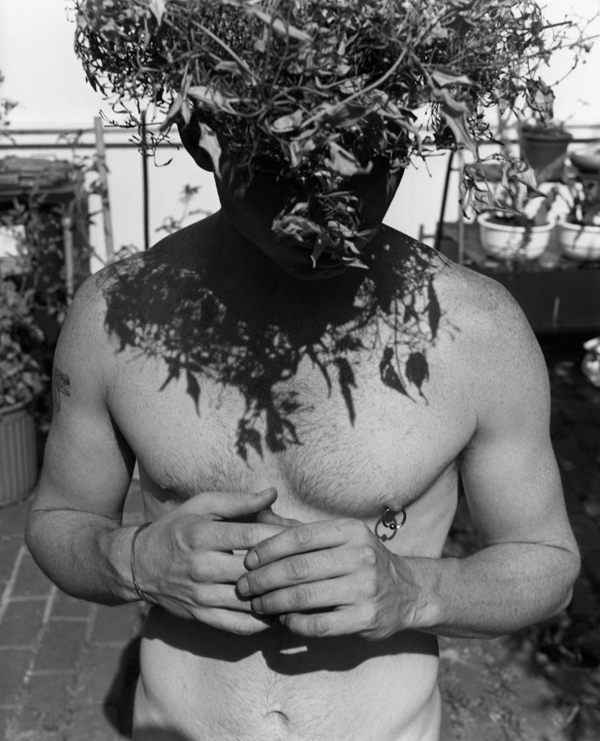
Marcus Bunyan (Australian, b. 1958) 'Paul, wreath and hands' 1994


Marcus Bunyan (Australian, b. 1958)
Paul, wreath and hands
1994
From the series The Songs of Eternity
Silver gelatin photograph


Trusting in my heart I know


Marcus Bunyan (Australian, b. 1958) 'Untitled' 1994


Marcus Bunyan (Australian, b. 1958)
Untitled
1994
From the series The Songs of Eternity
Silver gelatin photograph


Today    Yesterday    Tomorrow


Marcus Bunyan black and white archive page

LIKE ART BLART ON FACEBOOK

Back to top

Exhibition preview: ‘Vital Signs – Interpreting the Archive’ at Blindside, Melbourne

Exhibition dates: Wednesday 9th – Saturday 26th July 2014

Opening: Thursday 10th July 6 – 8pm

Artists: Marcus Bunyan, Penny Byrne, Ray Cook, Deborah Kelly, Peter Lambropoulos, Salote Tawale
Curated by: Angela Bailey and Nick Henderson

Nite Art Melbourne: Wednesday 23rd July 6 – 11pm

Short and sharp – on the hour, every hour – featuring artists and curator talks, music and performance. As part of the Nite Art CBD program Blindside is one of many galleries staying open late.

Queering the Archive panel discussion: Saturday 12th July 2.30 – 4pm

A panel discussion on GLBTQI representation in collections and its interpretations with: Susan Long (Artist and SLV Librarian); Nick Henderson (Archivist, AQuA Committee Member); Peter Lambropoulos (Vital Signs Artist). All welcome.


Penny Byrne (Australian) 'Badge of Honour' 2014 (installation view detail)


Penny Byrne (Australian)
Badge of Honour (installation view detail)
2014


Vital Signs presents a unique opportunity for contemporary artists to engage  with and creatively interpret the collection of the Australian Queer Archives (AQuA). Each of the artists have a rich art practise that considers social justice, activism and GLBTQI cultures and will engage with different aspects of the collection to inform their work.

The Archives (until 2020 the Australian Gay and Lesbian Archives) were established in 1978 and for the last 35 years has actively collected and preserved GLBTQI material from across Australia and actively sought to educate a wider audience about Australian GLBTQI history. The Archives is a community-orientated organisation committed to preserving and sharing the rich and diverse histories of the GLBTQI communities for future generations. The exhibition is presented as part of the Cultural Program of the 2014 20th International AIDS Conference in Melbourne and considers the shared histories of the GLBTQI and HIV communities in a contemporary representation.

Vital Signs is supported by the National Association of People Living with HIV Australia (NAPWHA), Australian Queer Archives and the Victorian AIDS Council.

Press release from the Blindside website. Please click on the photographs for a larger version of the image.


Peter Lambropoulos (Australian) 'Side A' 2014 (video still)


Peter Lambropoulos (Australian)
Side A (video still)
2014
Duration 31 minutes
Digital video on iPad (continuous loop)


Peter Lambropoulos (Australian) 'Side A, Side B and Master' 2014


Peter Lambropoulos (Australian)
Side A, Side B and Master (still)
2014
Digital video on iPad (continuous loop)


Salote Tawale (Australian born Fiji) 'Pocari Sweat' 2014 (video still)


Salote Tawale (Australian born Fiji)
Pocari Sweat (video still)
2014
Video


Ray Cook (Australian, b. 1962) 'Arm' 2009


Ray Cook (Australian, b. 1962)
Arm
2009
Photograph
80 x 80cm
Image courtesy the artist


Ray Cook (Australian, b. 1962) 'Untitled' from the series 'Conversations with Ancestors' 2014


Ray Cook (Australian, b. 1962)
Untitled from the series Conversations with Ancestors
2014
(Lottie, Melbourne 1960’s from the ALGA collection)
Digital photograph


Deborah Kelly (Australian, b. 1962) 'Acting up' (in memory of the Floral Clock action, 1991) 2014


Deborah Kelly (Australian, b. 1962)
Acting up (in memory of the Floral Clock action, 1991)
2014
Paper collage on Stonehenge cotton paper with pigment ink
56 x 76.5cm


Marcus Bunyan (Australian, b. 1958) 'Untitled' from the series 'Deep Water' 2014


Marcus Bunyan (Australian, b. 1958)
Untitled from the series Deep Water
2014
Digital photograph on archival rag paper
70 x 97cm


Marcus Bunyan (Australian, b. 1958) 'Untitled' from the series 'Deep Water' 2014


Marcus Bunyan (Australian, b. 1958)
Untitled from the series Deep Water
2014
Digital photograph on archival rag paper
70 x 97cm


Blindside
Level 7, Room 14, Nicholas Building
37 Swanston Street, Melbourne
VIC 3000 Australia
Phone: (+61 3) 9650 0093

Opening hours:
Wednesday to Saturday, 12 – 6pm (during exhibition program)
Closed on public holidays

Blindside website

National Association of People Living with HIV Australia (NAPWHA) website Australian Queer Archives website
Nite Art Melbourne website

LIKE ART BLART ON FACEBOOK

Back to top

Review: ‘Concrete’ at the Monash University Museum of Art (MUMA), Melbourne

Exhibition dates: 3rd May – 5th July 2014

Curator: Geraldine Kirrihi Barlow

Artists: Laurence Aberhart (NZ), Jananne al-Ani (IRQ/UK), Kader Attia (DEU/DZA), Saskia Doherty (AUS), Fabien Giraud & Raphaël Siboni (FRA), Igor Grubić (CRO), Carlos Irijalba (ESP), Nicholas Mangan (AUS), Rä di Martino (ITY), Ricky Maynard (AUS), Callum Morton (AUS), Tom Nicholson (AUS), Jamie North (AUS), Justin Trendall (AUS) and James Tylor (AUS)


Igor Grubic (Croatia, b. 1969) 'Monument' 2014


Igor Grubic (Croatia, b. 1969)
Monument
2014
Video still
Courtesy of the artist


While not as strong as previous exhibitions such as NETWORKS (cells & silos) (2011) and Reinventing the Wheel: the Readymade Century (2013), this exhilarating show at the Monash University Museum of Art (MUMA) confirms that this is the premier public gallery in Melbourne staging intellectually stimulating group exhibitions on specific ideas, concepts and themes.

There are some really interesting works here and I easily spent an hour and a half on each visit pondering, looking, thinking and inquiring. Some of the work is a little overexposed, such as Tom Nicholson’s Comparative monument (Palestine) (2012) – seen in Melbourne Now; Nicholas Mangan’s Some kinds of duration (2011), Ricky Maynard’s photographs and even more Callum Morton after his appearance in the Reinventing the Wheel exhibition. It’s about time some other local artists were given a go.

Justin Trendall’s white Lego buildings are stunning; Laurence Aberhart’s war memorials are printed too dark and seemed to be neither a record nor a feeling (they looked so much better in the recently published book); James Tylor’s photographs are adaptive as they seek to place traditional Indigenous dwellings back into the landscape but the base photographs from which he is working are not up to much; Rä di Martino’s Star Wars ruins are just too cute; and Carlos Irijalba’s drilling/tides are fascinating, but only if you know the context from which the work emanates. Video art was the highlight of the exhibition, and I don’t get to make that statement too often. Igor Grubic’s film Monument (2014, below) was mesmerising, as was Jananne al-Ani’s Shadow sites II (2011, below) – two of the best pieces of video art I have seen in a long time.

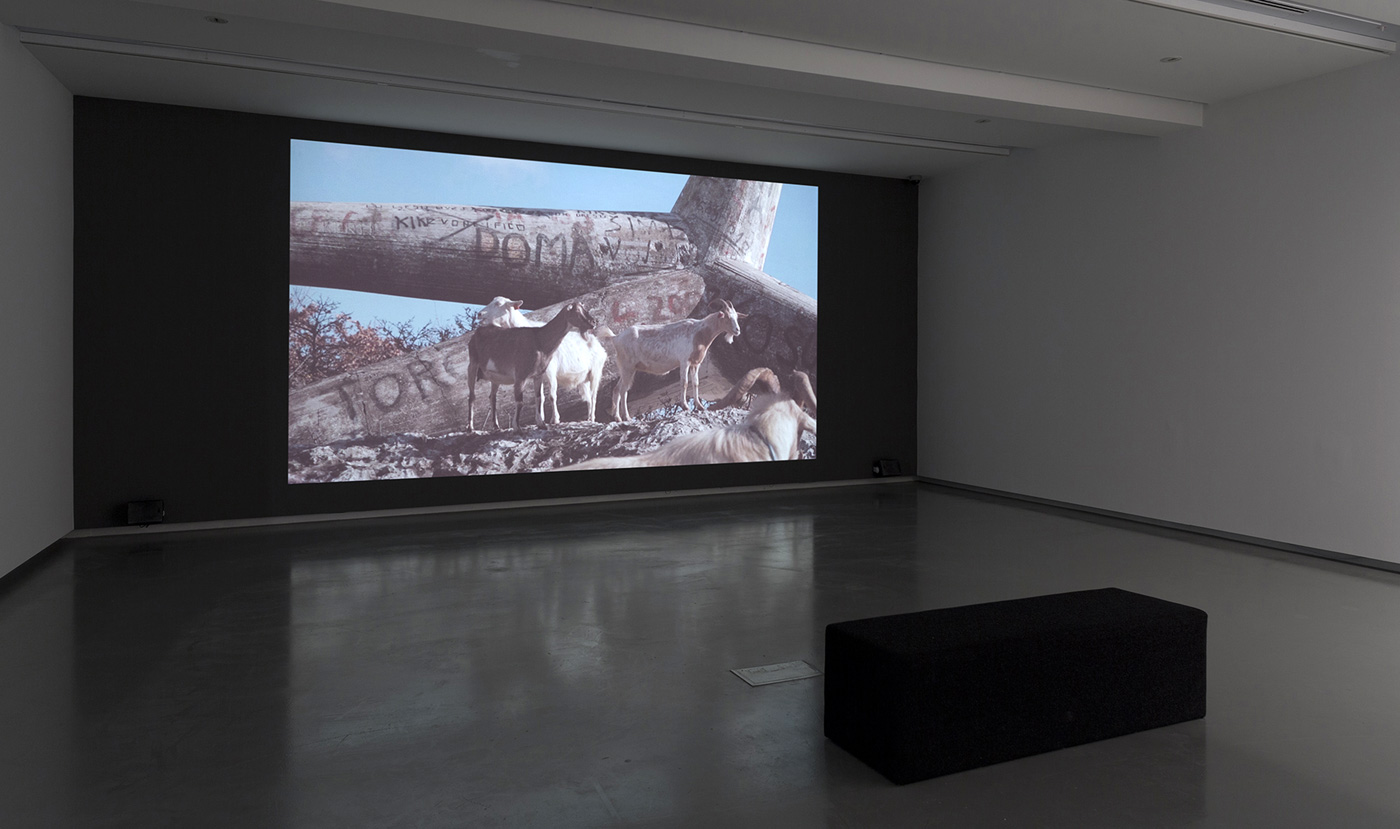
Monument features a series of meditative ‘portraits’ of the massive concrete memorials called ‘Spomenik’ built by the former Yugoslav communist state. Grubic abstracts these huge, cathedral-like memorials to various battles (usually of the Second World War) and events,  instead focusing on textures, environments and seasons. He photographs the monuments in mist and accompanies the images with ambient soundscapes that are haunting and evocative. The film holds the viewer in the palm of its hand and you are unable to look away, as the artist’s camera scours the surface of concrete and steel, intercut with branches and leaves, angles and vistas, pulling back and pushing forward. Usually video art doesn’t hold my attention for all but a few minutes but this film you can’t take your eyes from. The screen flickers and crackles, fades to orange and back again – its almost like a failure of transmission, as though the signal is not strong enough to support these interstitial spaces.

In Jananne al-Ani’s immersive film Shadow sites II, the viewer sits in a darkened room and the screen is full width of the space. Here, we are constantly moving forward and the camera never pulls back from the image. The film offers a sequence of aerial views in sepia tones; second by second our perspective nears the ground – but we never arrive. Accompanied by a David Sylvian style ambient soundtrack, the images are absolutely beautiful and intriguing as they morph one to another. Are you looking at the earth, the ground or a closeup of the surface of concrete, such as the patterns in Man Ray’s Dust Breeding (1920), which documents Duchamp’s The Large Glass after it had collected a year’s worth of dust while he was in New York? You are never quite sure…

The other thing to note with this exhibition is that, like many contemporary exhibitions, there are no wall notes or even a hand-out at the beginning that would enable the casual visitor to gain insight into the nature and meaning of the works. If I had not read the press release and done my own research I would have had no idea about the origins of some of the concepts for the work. This really is not good enough for the casual visitor to the gallery, any gallery. Are visitors expected to spend hours before they arrive, researching what the work is about so that they might actually understand what is going on? I took a friend to the gallery and luckily I was on hand to explain to her the ‘how’ and ‘why’ of the works concepts and origins. For example, if you read the wall label for Monuments you would have no idea that these were in Yugoslavia and that they had mostly been built to honour the dead from World War II; similarly, if you read the wall label to Carlos Irijalba’s High Tides (drilling) (2012) you would gain only the vaguest idea that the soil drilling sample was taken from under the tarmac of a former weapons factory in the Urdaibai or Guernica Estuary, Basque Country. Guernica – that place of horror bombed in the Spanish Civil War and most notably memorialised in the painting by Picasso of the same name. We, the viewer, need to know these things… not as an addendum after hours of reading, or on getting home and reading the catalogue essay – but while we are at the gallery!

While artists hint at the meaning of a work, leaving interpretation open ended and up to the viewer’s imagination and what life history they bring to the work, it may be useful and indeed I think desirable to provide the viewer with some tangible clues. Not much, just a paragraph that they can take with them to help with interpretation. It’s not much to ask, is it?

Dr Marcus Bunyan


Many thankx to MUMA for allowing me to publish the photographs in the posting. Please click on the photographs for a larger version of the image.


“Concrete is an interesting metaphor in the sense that it’s an aggregate that’s then bonded together. In some ways, that might represent this positive idea of pluralism, or it could be this completely hideous idea of homogeneity. Many of the works deal with samples of time and cycles violence and trauma and how we go about representing that history.”


Geraldine Kirrihi Barlow


Igor Grubic (Croatia, b. 1969) 'Monument' 2014


Igor Grubic (Croatia, b. 1969)
Monument
2014
Video still
Courtesy of the artist


Igor Grubic (Croatia, b. 1969) 'Monument (work in progress)' installation view, Monash University Museum of Art, 2014


Igor Grubic (Croatia, b. 1969)
Monument (work in progress) installation view, Monash University Museum of Art, 2014
2014
Video projection, colour, sound
53 minutes
Photo: Christian Capurro


Born in Zagreb, Croatia, 1969. Lives and works in Zagreb

In the film Monument Zagreb-based artist Igor Grubic offers a series of meditative ‘portraits’ of the massive concrete memorials built by the former Yugoslav state. With the rise of neo-fascism these mysterious sentinel forms, originally intended to honour World War II victims of fascism, are increasingly subject to neglect, even attack.

Emphasising the unexpected fragility of these monumental structures, Grubic sets human attempts to fix meaning, memory and the experience of loss against a backdrop of seasonal change. In a landscape which has witnessed so many cycles of trauma and upheaval, this work mirrors the rise and fall of many monuments built to preserve the memory of events which might otherwise be forgotten. Can such forms ever communicate a stable message through time?

“The work is void of explanation or commentary, instead concentrating on the surfaces of the monuments, their surrounding environments and the shifting seasons. We are left with little but their looming presence. “When we were filming, I was trying to read them without ideological background or context, but at the same time I couldn’t help but feel the fact that lots of people died and suffered at these sites – I could feel a real sense of spirituality. I began seeing them as new cathedrals in a way.””

Text from the Sydney Morning Herald website


Jananne al-Ani (Iraq, b. 1966) 'Shadow sites II' 2011


Jananne al-Ani (Iraq, b. 1966)
Shadow sites II
2011
Video still
Courtesy of the artist


Born in Kirkuk, Iraq, 1966. Lives and works in London

Jananne al-Ani’s film Shadow sites II offers a sequence of aerial views in sepia tones; second by second our perspective nears the ground. Our appreciation of the formal beauty of these images co-exists with our unease as we try to determine what it is we are looking at. Are these archaeological sites, or housing compounds damaged by missile or drone strikes? Iraqi-born al-Ani notes as inspiration the ‘strange beauty’ of Edward Steichen’s 1918 photographs of the Western Front taken whilst he was a member of the US Aerial Expeditionary Force.

“UK-based Iraqi artist Jananne al-Ani’s striking video work saw her film archaeological sites in the Middle East from high up in a fixed-wing airplane, the shadows of the early morning and late evening revealing former buildings, structures and sites of significance in extraordinary resolution. While al-Ani’s work evokes the nightmarish recent histories of drone strikes and bombing campaigns, it also digs deep into the past.”

Text from the Sydney Morning Herald website


Extracts from Jananne al-Ani’s film Shadow sites II 2011


James Tylor (Australia, b. 1986) '(Deleted scenes) From an untouched landscape #3' 2013


James Tylor (Australia, b. 1986)
(Deleted scenes) From an untouched landscape #3
2013
Inkjet print on Hahemuhle paper with hole removed to a black velvet void, ed. 4/5
Photo: Christian Capurro


James Tylor (Australia, b. 1986) '(Deleted scenes) From an untouched landscape #1' 2013


James Tylor (Australia, b. 1986)
(Deleted scenes) From an untouched landscape #1
2013
Inkjet print on Hahemuhle paper with hole removed to a black velvet void, ed. 4/5
Photo: Christian Capurro


James Tylor (Australia, b. 1986) 'Un-resettling (stone footing for dome hut)' 2013


James Tylor (Australia, b. 1986)
Un-resettling (stone footing for dome hut)
2013
Hand coloured archival inkjet prints
Courtesy of the artist


Born in Mildura, Victoria. Lives and works in Adelaide, South Australia

Australian cities and communities feature a wide array of memorials, however the long history of Indigenous Australia is almost entirely absent from such solid forms of public acknowledgement. In Un-resettling James Tylor presents the beginnings of a formal typology of Indigenous dwellings, a number of which relate to his own personal heritage. Tylor states, “Un-resettling seeks to place traditional Indigenous dwellings back into the landscape as a public reminder that they once appeared throughout the area.” Tylor’s photographs remind us of the invisible histories of this land, for instance the fertile volcanic plains west of Melbourne with remnants of stone dwellings and larger ceremonial sites of which there is little public knowledge.


Kader Attia (French Algerian, b. 1970) 'Rochers carrés' 2008


Kader Attia (French Algerian, b. 1970)
Rochers carrés [Square rocks]
2008
Courtesy of the artist and Galerie Nagel Draxler, Berlin and Cologne


'Concrete' installation view, Monash University Museum of Art, 2014


Concrete installation view, Monash University Museum of Art, 2014
Justin Trendall (at right), Tom Nicholson (on floor, see below), James Tylor (back wall middle, see above), Kader Attia (back wall left, see above)
Photo: Christian Capurro


'Concrete' installation view, Monash University Museum of Art, 2014


Concrete installation view, Monash University Museum of Art, 2014
Justin Trendall (back left), Tom Nicholson (on floor, see below), Rä di Martino (back wall right, see below)
Photo: Marcus Bunyan


Rä di Martino (Italian, b. 1975) 'No More Stars (Abandoned Movie Set, Star Wars)' 2010 (detail)


Rä di Martino (Italian, b. 1975)
No More Stars (Abandoned Movie Set, Star Wars) 33°50’34 N 7°46’44 E Chot El-Gharsa, Tunisia 01 September 2010 (detail)
2010
Series of 9 photographs, unique edition, lambda prints, wooden frame
30cm x 30cm each


No More Stars (Abandoned Movie Set, Star Wars) 33°50’34 N 7°46’44 E Chot El-Gharsa, Tunisia 01 September 2010 is a series of photographs taken in the abandoned movie sets of the film saga Star Wars, filmed through the years in different locations in the south of Tunisia. Unexpectedly those sets have been left on the locations so after years have now mostly become ruins, almost as some sort strange archeological sites. The particular hot and dry climate has helped maintain intact many parts of the sets, or buried under the sand just sections of it. (Artist statement)


In September 2010, New York-based visual artist and filmmaker Rä di Martino set out on a quest to photograph and document old abandoned film sets in the North African deserts of Tunisia. The project had started when she discovered that it was common practice to abandon these sets without tearing them down, leaving them fully intact and crumbling over time, like archeological ruins. Martino spent that month traveling around Chott el Djerid in Tunisia, finding and photographing three Star Wars sets in all for her photo series No More Stars and Every World’s a Stage.

“I think is very interesting the amazing poetic potential of those ruins, being ruins of something that was the future in our imagination,” Martino explained in an email to The Huffington Post. “It’s bewildering to see the biological decay of those cheap materials, which once built perfect images of our past and future.”


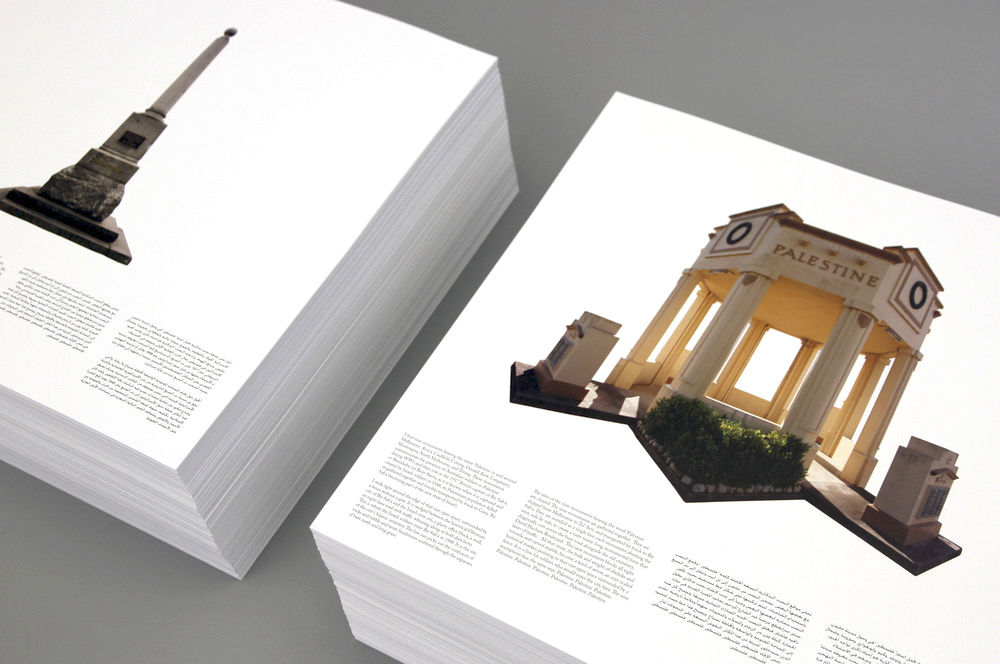
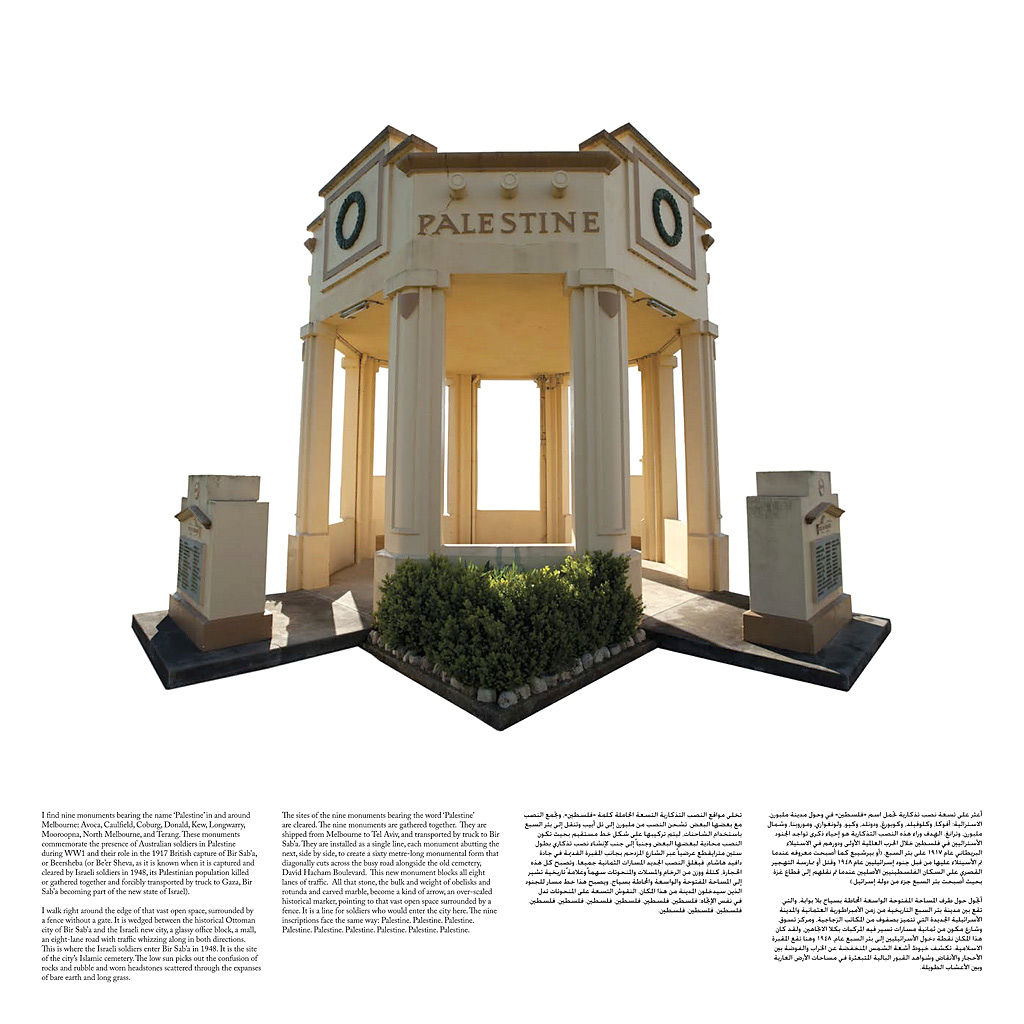
Tom Nicholson (Australian, b. 1973) 'Comparative monument (Palestine)' 2012


Tom Nicholson. 'Comparative monument (Palestine)' 2012


Tom Nicholson (Australian, b. 1973)
Comparative monument (Palestine)
2012
9 stacks of 1000 two-sided off-set printed posters
50 x 50cm each


Proposition for a monument, articulated as 9 stacks of 1000 two-sided off-set printed posters, each 50x50cm, for visitors to take away, and also pasted up around Ramallah.

Comparative monument (Palestine) is a proposition for a future monument, which takes the form of nine stacks of posters, from which the audience is free to take a poster. The project began with a search for war monuments bearing the name ‘Palestine’ erected in and around Melbourne in the early 1920s to commemorate the presence of Australian troops in Palestine during WW1. This project rethinks possibilities for the monument and suggests new forms of connection between different parts of the world and their histories.

Throughout Australia, war monuments bear the name “Palestine” to commemorate the presence of Australian troops in Palestine during World War I and, in particular, Australian involvement in the 1917 British capture of Beersheba (in turn a critical city in the events of 1948 and the Nakba). These monuments also reflect the realities of the 1920s (when they were erected) and the era of the British Mandate, when the name Palestine implicitly invoked the shared position of Australia and Palestine within British imperialism. Comparative monument (Palestine) begins with a complete photographic record of these monuments bearing the name “Palestine” in and around Melbourne. Figuring this material into a Palestinian context – both a kind of “homecoming” and exile for these Australian monumental forms – becomes a way to reanimate these linkages between Australia and Palestine. In these forms dedicated to 1917, Nicholson implicates the events and repercussions of 1948 with their echoes of Australian Aboriginal experiences of dispossession and colonial violence. Comparative monument (Palestine) is an attempt to rethink the possibilities of the monument in the face of these histories of dispossession and the acts of imagination and solidarity these histories demand.


Nicholas Mangan (Australian, b. 1979) 'Some kinds of duration' 2011 (detail)


Nicholas Mangan (Australian, b. 1979)
Some kinds of duration (detail)
2011
Installation view, Monash University Museum of Art, 2014
Photo: Marcus Bunyan


Nicholas Mangan (Australian, b. 1979) 'Some kinds of duration' 2011


Nicholas Mangan (Australian, b. 1979)
Some kinds of duration
2011
Installation view, Monash University Museum of Art, 2014
Photo: Christian Capurro


MUMA’s second exhibition for 2014, Concrete brings together the work of twelve artists, both Australian and international. The exhibition explores the concrete, or the solid and its counter: change, the flow of time. As we prepare to mark the centenary of the First World War, the exhibition considers the impact of time upon built and monumental form, reading between materiality and emotion, form and memory.

Monuments reflect a desire for commemoration, truth, honour and justice. Equally, they may function to consolidate political power and national identity. Works in the exhibition locate the monumental in relation to longer cycles of construction, displacement and erasure; archaeology, geology and palaeontology; the shifting politics of memory and ways to describe a history of place.

“Concrete explores the human desire to mark our presence as a complex drive for memory – as well as the need for a blank or negative, a placeholder for the unknowable, the unsayable, the missing.”

Exhibition curator, Geraldine Kirrihi Barlow:

“Concrete introduces a number of artists to Australian audiences for the very first time. Continuing MUMA’s highly regarded series of thematic and discursive exhibitions, and presenting a broad range of significant projects, Concrete considers the function of monuments and ruins from poetic, material and political perspectives.”

Director, Charlotte Day

Text from the MUMA press release


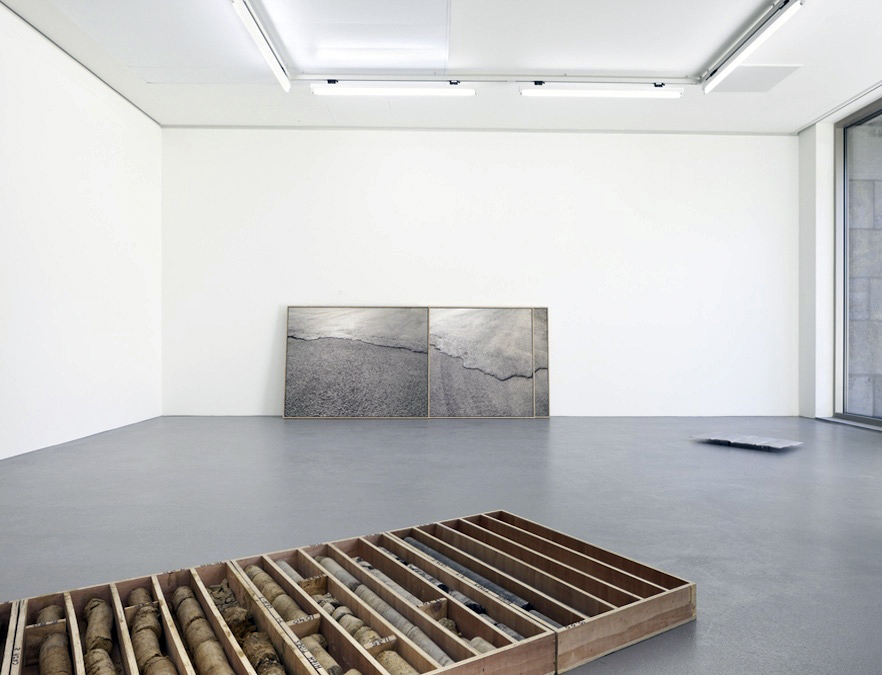
Carlos Irijalba (Spanish, b. 1979) 'High Tides (drilling)' 2012 (installation view)


Carlos Irijalba (Spanish, b. 1979)
High Tides (drilling) (installation view)
2012
Installation view
Courtesy of the artist


Carlos Irijalba (Spanish, b. 1979) 'High Tides (drilling)' 2012 (installation view detail)


Carlos Irijalba (Spanish, b. 1979)
High Tides (drilling) (installation view detail)
2012
Photo: Marcus Bunyan


Born in Pamplona, Spain, 1979. Lives and works in Amsterdam, Netherlands

High Tides (drilling) by Carlos Irijalba presents a 17 metre drilling core from the site of a former weapons factory in the Urdaibai or Guernica Estuary, Basque Country. Beneath an asphalt ‘cap’, layers of soil, clay, limestone and the sedimentary rock Marga are evident. The bombing of Guernica is remembered for its devastating impact upon the civilian population and was the subject of an iconic painting by Pablo Picasso. Irijalba offers a window into the history of this place, as well as longer geological measures of time and materiality.

Tides I, II and III 2012 is a series of three photographs of converging layers of asphalt from which the sample has been taken. Together, these images detail a common surface so ubiquitous we cannot value it as rare or particular. And yet these images record a very specific piece of ‘ground’ or earth, just as they also suggest a vast aerial view, perhaps the meeting of two oceans.


'Concrete' installation view, Monash University Museum of Art, 2014


Concrete installation view, Monash University Museum of Art, 2014
Laurence Aberhart (left), Jamie North (doorway), Carlos Irijalba (right)
Photo: Christian Capurro


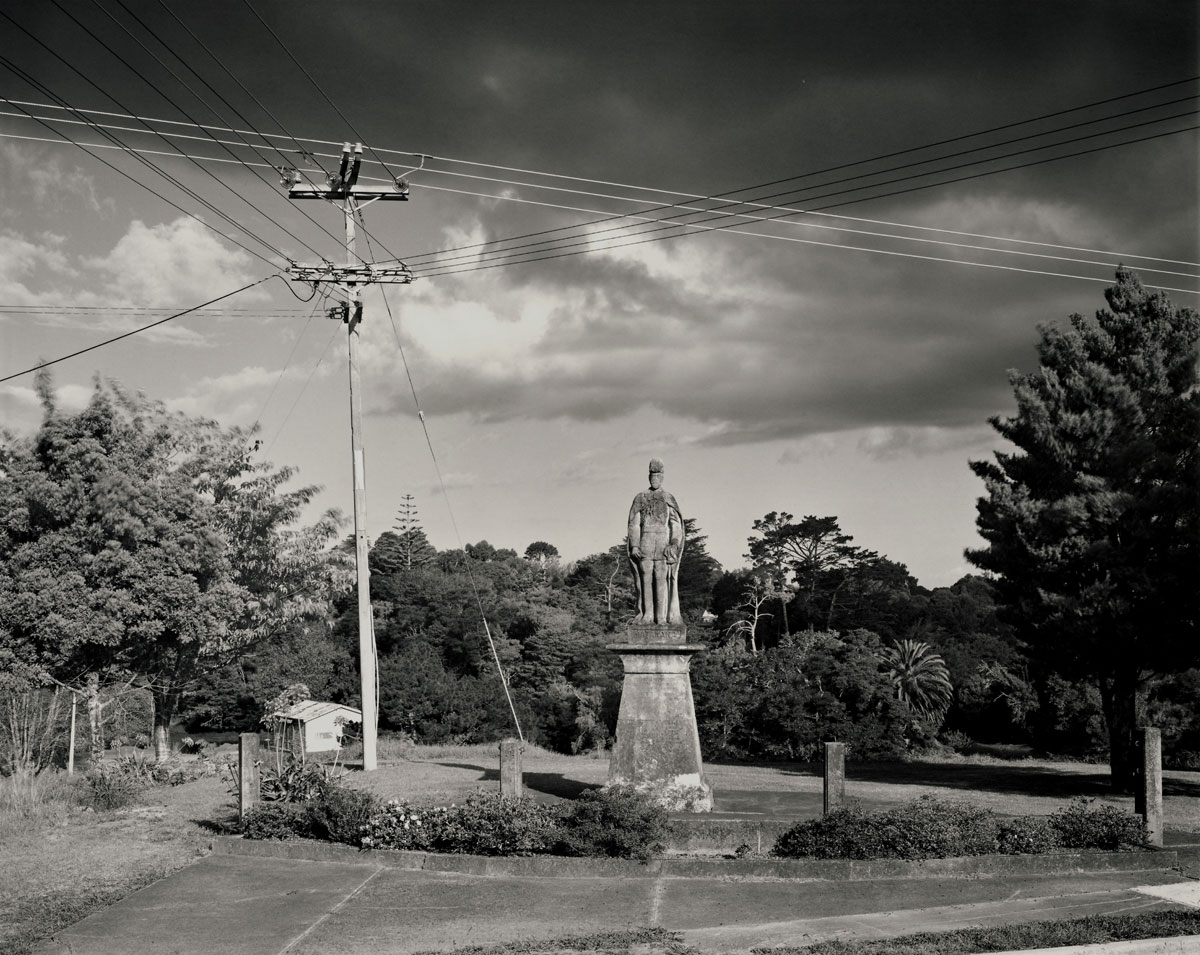
Laurence Aberhart (New Zealand, b. 1949) 'Auroa Taranaki' 1991


Laurence Aberhart (New Zealand, b. 1949)
Auroa Taranaki
1991
Silver gelatin photograph


Laurence Aberhart (New Zealand, b. 1949) 'Matakana, North Auckland' 1994


Laurence Aberhart (New Zealand, b. 1949)
Matakana, North Auckland
1994
Silver gelatin photograph


Born in New Zealand, 1949. Lives and works in Russell, Northland, New Zealand

Photographer Laurence Aberhart is drawn to the edge of dominant historical narratives, creating archives of built and monumental forms particular to certain places and periods of time. He returns to these chosen subjects repeatedly. His photographs of the ANZAC memorials of Australia and New Zealand have been taken over the past thirty years. Familiar across both countries, the memorials were built after the First World War to commemorate those who served with the Australia and New Zealand Army Corps. Very few families were able to visit the graves of those who died, and so these monuments served the bereaved as well as larger national concerns. As we approach the centenary of the war, these memorials are the focus of greater attention, yet what they mean is difficult to lock down. In these images the single figure on each column is a fixed point against landscapes in states of constant change.


Saskia Doherty. 'Footfalls' 2013-2014


Saskia Doherty
Footfalls
2013-14
Cast concrete and printed paper
Installation view, Monash University Museum of Art, 2014
Photo: Christian Capurro


Saskia Doherty poetically references the Samuel Beckett play Footfalls, expanding on an image of famed American palaeontologist Dr Barnum Brown discovering a dinosaur footprint with texts and concrete sculptural gestures, describing the footprint as “a vastly preserved index of a life”.


Jamie North (Australian, b. 1971) 'Tropic cascade #1 and #2' 2014


Jamie North (Australian, b. 1971)
Tropic cascade #1 and #2
2014
Cement, blast furnace slag, coal ash, galvanised steel, Australian native plants
Installation view, Monash University Museum of Art, 2014
Photo: Christian Capurro


Jamie North (Australian, b. 1971) 'Tropic cascade #2' 2014 (installation view detail)


Jamie North (Australian, b. 1971)
Tropic cascade #2 (installation view detail)
2014
Cement, blast furnace slag, coal ash, galvanised steel, Australian native plants
Installation view, Monash University Museum of Art, 2014
Photo: Marcus Bunyan


Monash University Museum of Art (MUMA)
Ground Floor, Building F.
Monash University Caulfield campus
900 Dandenong Road
Caulfield East, VIC 3145
Phone: 61 3 9905 4217

Opening hours:
Tuesday – Friday 10am – 5pm
Saturday 12 – 5pm

Monash University Museum of Art (MUMA) website

LIKE ART BLART ON FACEBOOK

Back to top

Review: ‘The Rennie Ellis Show’ at Monash Gallery of Art, Wheelers Hill, Melbourne

Exhibition dates: 3rd April – 8th June 2014


Ponch Hawkes (Australian, b. 1946) 'Rennie Ellis photographing at the Gay Liberation march, Elizabeth Street, Melbourne, 1973' 1973


Ponch Hawkes (Australian, b. 1946)
Rennie Ellis photographing at the Gay Liberation march, Elizabeth Street, Melbourne, 1973
1973
Silver gelatin photograph
© Ponch Hawkes


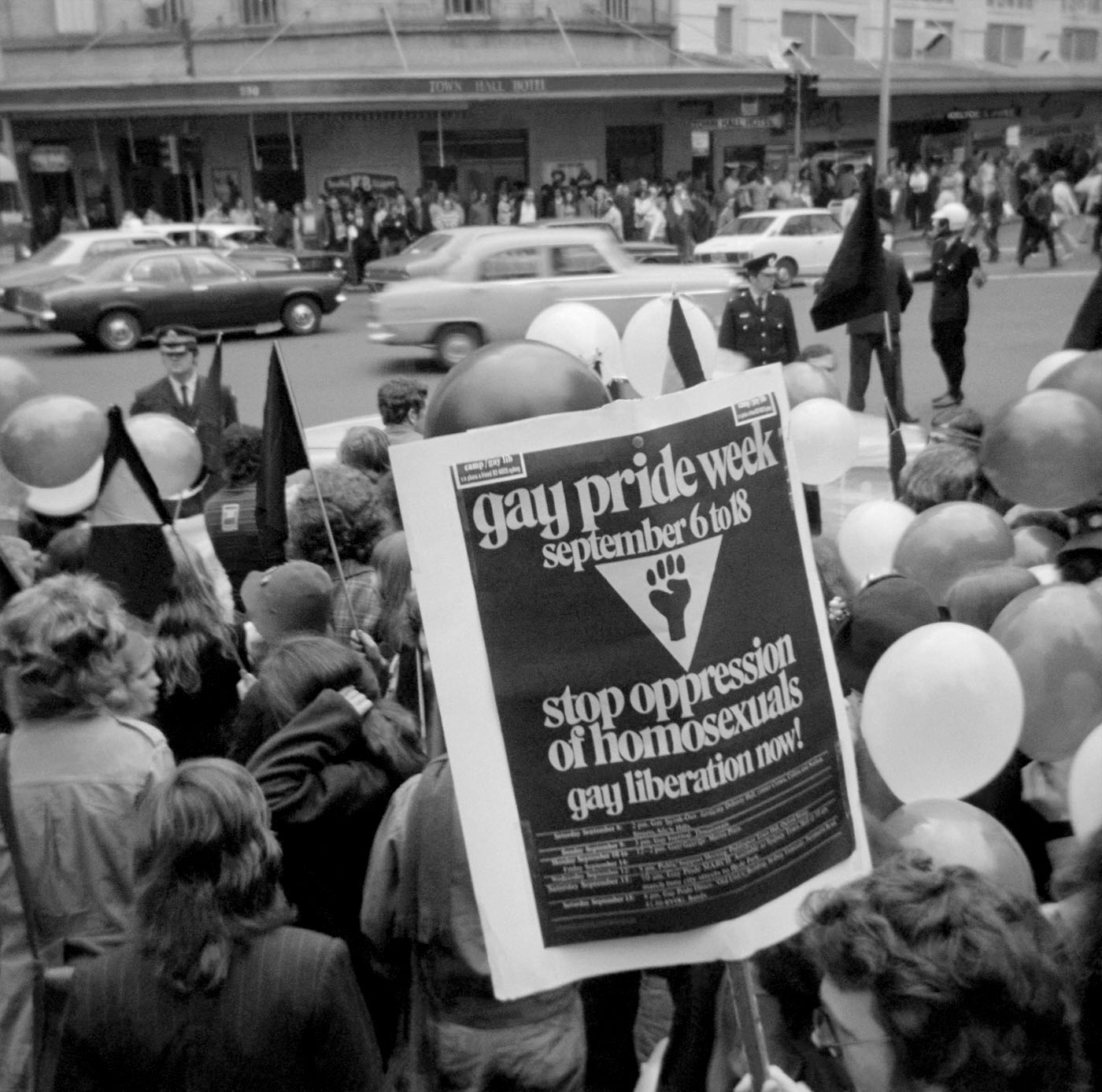
In researching photographs for the upcoming exhibition Out of the closets, onto the streets: Gay Liberation photography 1971-73 I came across this photograph taken by Ponch Hawkes of the Gay Liberation march that was part of Gay Pride week in 1973. Ponch had never seen this image before until I scanned the negative. And there, front and centre as always, is Rennie Ellis capturing the action… What a special find and a wonderful photograph by Ponch!


We Are Family

This is FAB, one of the best experiences I have had this year at an exhibition in Melbourne. You know you are having a good time when you laugh out loud at so many photographs, sharing the experience of the artist as though you had been there. As indeed I had, for in many cases the clubs pictured in Rennie Ellis’ photographs are the ones I went to.

I remember: Wednesday nights at Inflation in the late 80s, where to satisfy licensing restrictions you had to be served a “meal” so that you could drink alcohol (Dining Out, Inflation, 1980 below). The famous Razor Club (1986-1992), based at the Light Car Club of Australia’s clubrooms on the corner of Queens Road and Roy Street, opposite the Albert Park Lake and golf course. “It was Melbourne’s version of Studio 54, the hedonistic, off-the-wall New York disco of the late ’70s – both places notoriously hard to get into but once inside a wonderland of celebrities, freaks, transvestites and fantastic music free from the tyranny of genre.” Once on a big party night the gang of us tried to get in but the queue was so long it was impossible – so I went down the side, climbed up the drain pipes past the ladies loo, and up to the first floor balcony where someone pulled me over – completely off my face, just to get my friends in. Zu Zu’s, Cadillac Bar, 397, Commerce Club, Tasty, Freakazoid, Dome, Baseline, Hardware Club, The Peel and so many parties you could poke a stick at – what a time we had!

There to capture it all – affectionately, non-judgementally – was Rennie Ellis. He wasn’t like Diane Arbus, who thrust her camera as an outsider at people, waiting for a reaction. He was always part of the action because he was part of the family. He was a humanist photographer in the true sense of the word, for he loved photographing human beings, their social relations and their habitats, whatever that might be – sunning, partying, boozing, smoking, picking up. He referred to himself as a “people perv.”

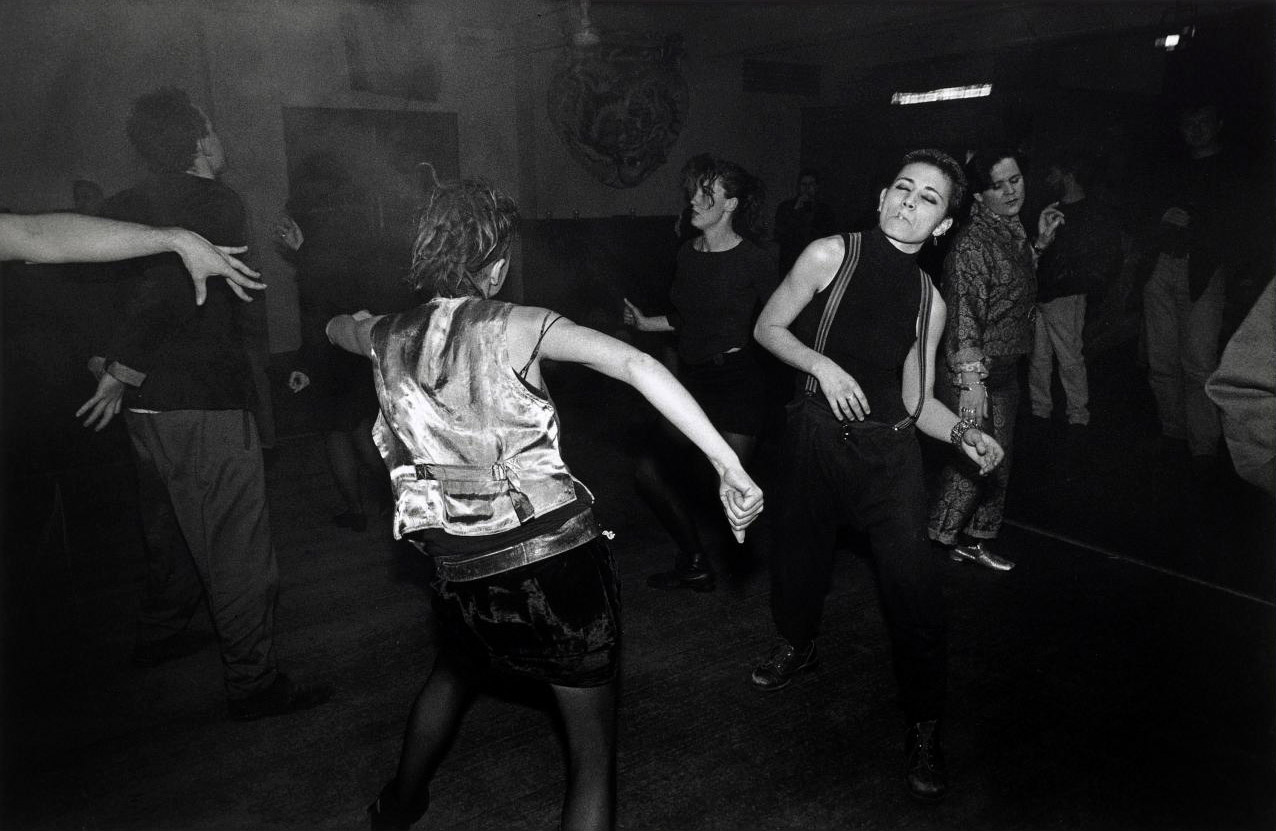
Ellis had an eloquently clumsy eye, and for the type of baroque photographs he took this is a great thing. No perfect framing, no perfect tension points within the image, no regular alignment of horizontals, verticals or diagonals – just instinctual images taken in a split second, with his own particular brand of humour embedded in them. And always with this slight eccentricity in his vision. Look at the image of Dancing People, Razor Club (1991, below) and notice the odd hand poking in at the left hand side and the attitude of the dancers, or Fully equipped, Albert Park Beach (c. 1981, below), with the angle of the three cigarettes, the drink and the bottle of sun tan lotion strapped to the hip – FIERCE!

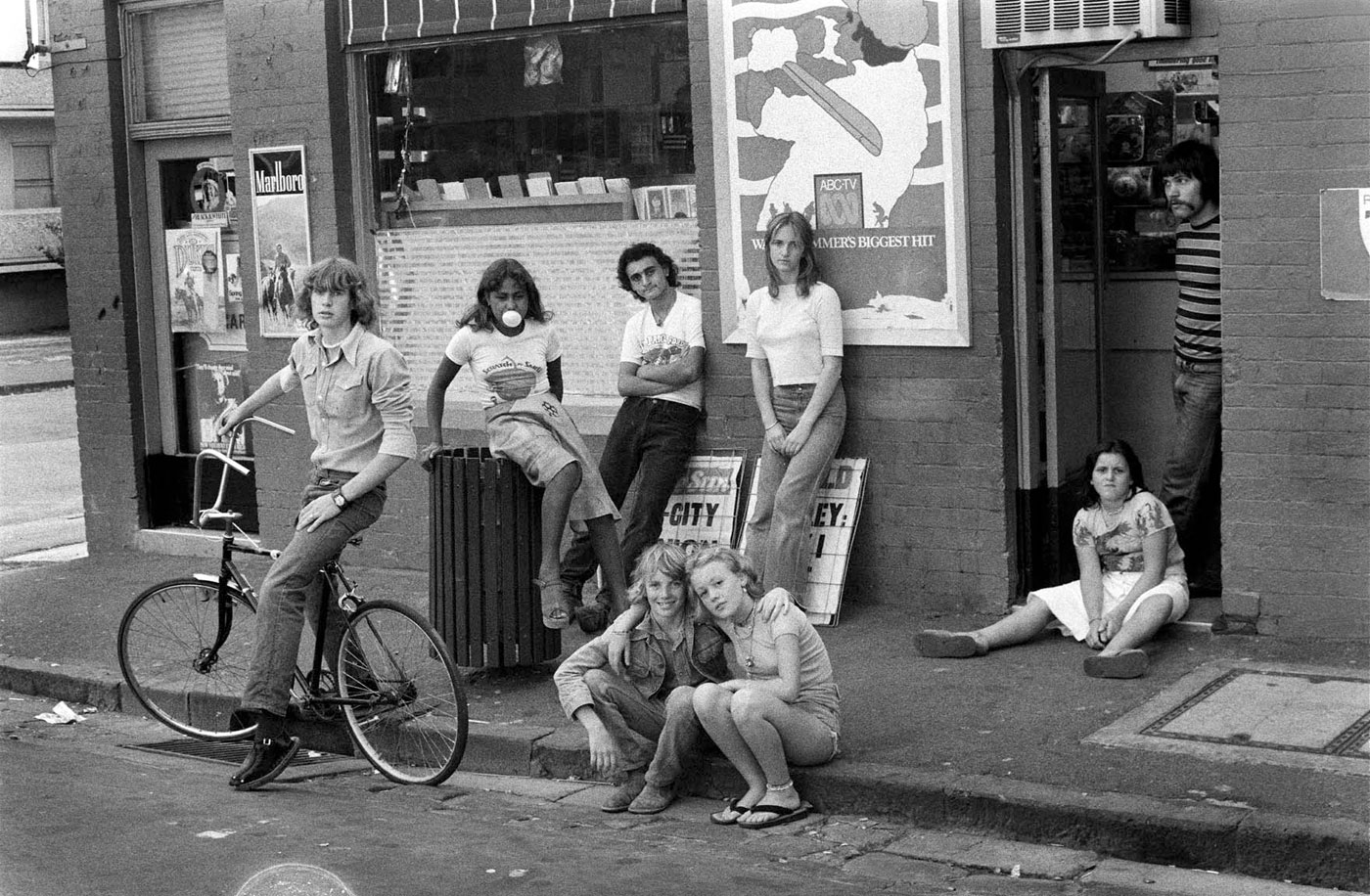
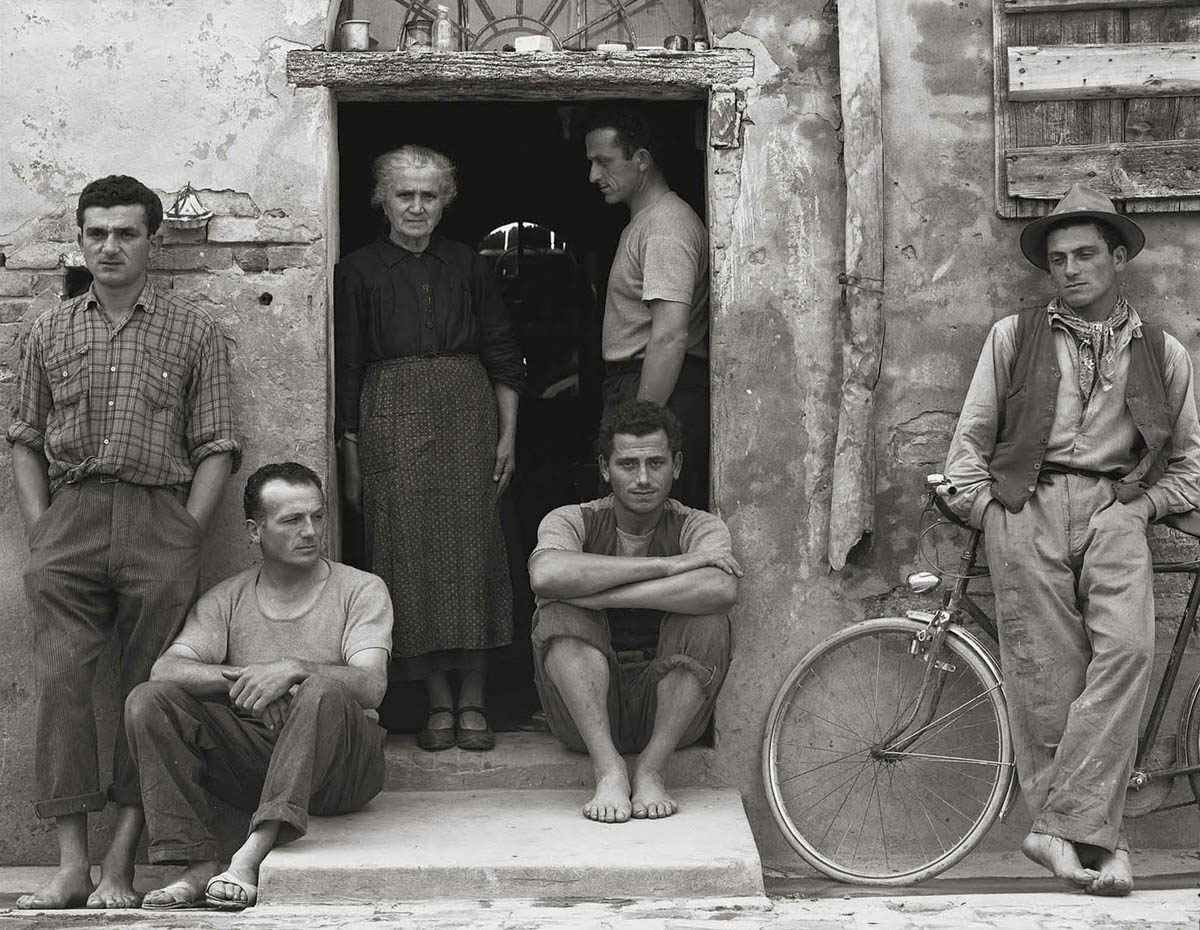
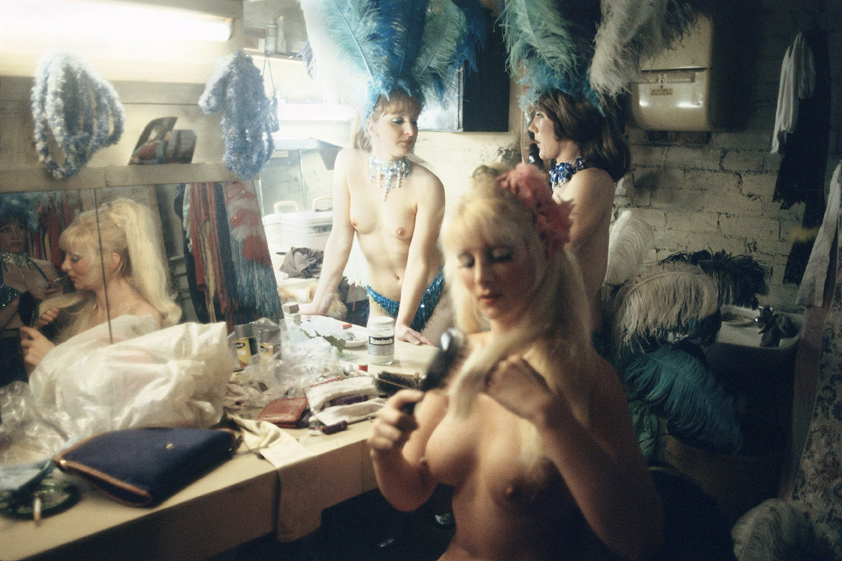
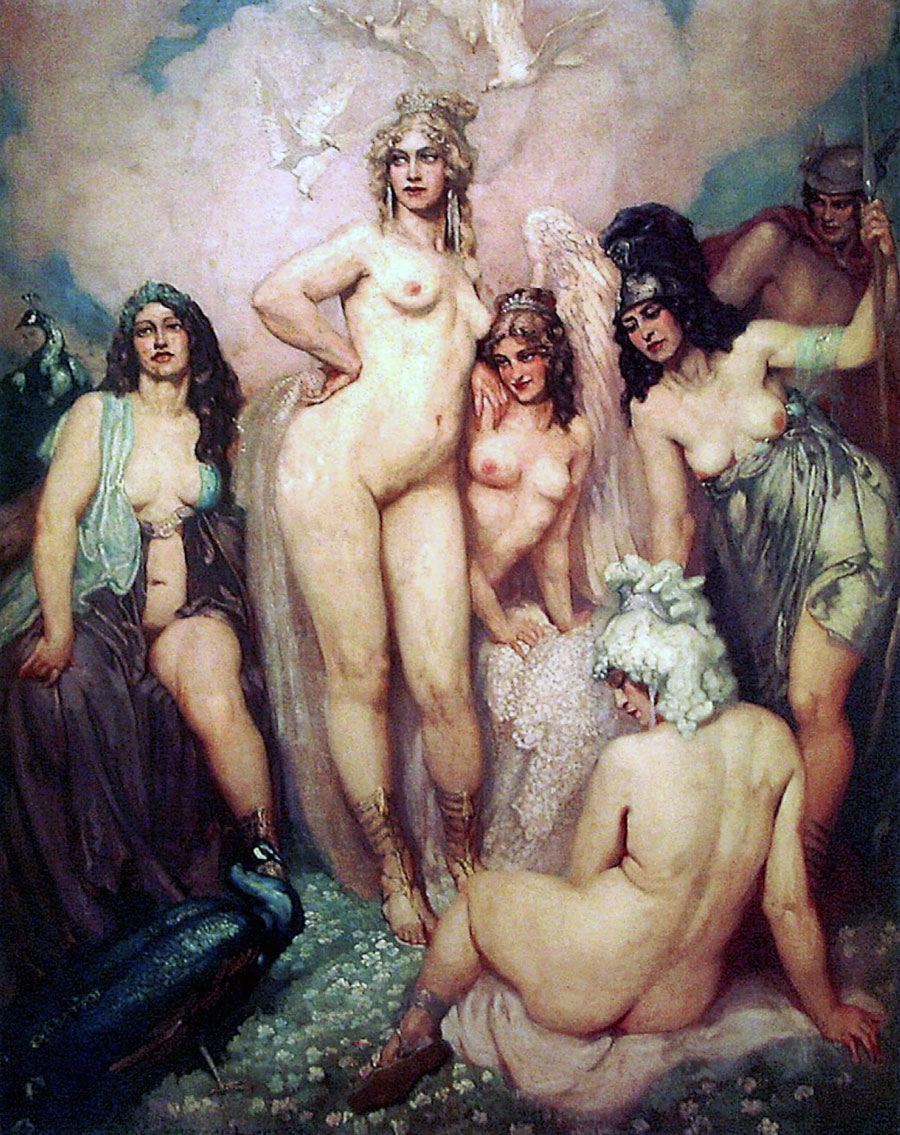
But he was not averse to understanding the structure of his images either, as can be seen by my comparison between the tight, formal structure of Paul Strand’s The Family, Luzzara, Italy (1953, below) and the looser, more natural gathering in Ellis’ The Gang, Windsor (1976, below); or the influence of other artists on his work, for example Norman Lindsay in his My Bare Lady, The Ritz, St Kilda (1977, below). Ellis also liked to push and pull at the pictorial plane; he liked to use pairs of people; he was not afraid of out of focus elements in the foreground of his images; he used chiaroscuro; and his use of light is always excellent. Above all, there is a consistency to his vision that never falters – a concatenation of images that is his style?

This is not just nostalgia. These are bloody good images, and Ellis takes these insightful type of images over and over again – the excesses of hedonism, the influences of wealth, the see-and-be-seen syndrome, things erotic and bizarre and, most importantly, enduring friendships. He photographs what he sees with a love and affection for his subject matter. None of this “staged” vernacular photography that I recently featured in an exhibition at the Art Gallery of New South Wales. This is the real deal. A friend said to me recently, “Ah, but you know, he never did in depth photo-essays like Mary Ellen Mark did of the circus, for example.” To which I have a one word reply: BULLSHIT. His whole oeuvre is a huge photo-essay on the human race, specifically the construction of Australian identity as evidenced in sections like portraits, gangs, sharpies, Aboriginals, Kings Cross, Social Documentary, Decadence, Graffiti, Life’s a Parade, Life’s a Beach etc…

When you look at his photography it would seem to me that his images dissolve the barriers between image / subject / viewer. It’s a strange phenomena to feel so connected to a person’s work. It’s the journey that he takes us on, that we went on too – not so much the destination but the rejoicing in this journey… of company, of environment, friends, places – the joy of being human. He was allowed entry into these public/private spaces because he earned our trust. He lived with the people, and they allowed him to take a bit of their life with him – as a photographic memory, to be retold and relived in the present, allowing us all to relive those times and places. It’s the love, trust, humour and anticipation of the journey that make Ellis’ images truly unique in the history of Australian photography.

Dr Marcus Bunyan


Many thankx to Manuela Furci, Rennie Ellis Photographic Archive and the Monash Gallery of Art for allowing me to publish the photographs in the posting. Please click on the photographs for a larger version of the image.


Rennie Ellis (Australian, 1940-2003) 'Dancing People, Razor Club' 1991


Rennie Ellis (Australian, 1940-2003)
Dancing People, Razor Club
1991
Selenium-toned gelatin silver print
26.7 x 40.7cm
Courtesy of the Rennie Ellis Photographic Archive


Robyn Dean (Australian) 'Marcus dancing at an unknown club, Melbourne' c. 1991-1992


Robyn Dean (Australian)
Marcus dancing at an unknown club, Melbourne
c. 1991-1992


Rennie Ellis (Australian, 1940-2003) 'Dining Out, Inflation' 1980


Rennie Ellis (Australian, 1940-2003)
Dining Out, Inflation
1980
Selenium-toned gelatin silver print
26.7 x 40.7cm
Courtesy of the Rennie Ellis Photographic Archive


SISTER SLEDGE – WE ARE FAMILY (1979) OFFICIAL VIDEO


Rennie Ellis (Australian, 1940-2003) 'Fitzroy extrovert' 1974


Rennie Ellis (Australian, 1940-2003)
Fitzroy extrovert
1974
Selenium-toned gelatin silver print
40.5 x 50.8cm
Courtesy of the Rennie Ellis Photographic Archive


Rennie Ellis (Australian, 1940-2003) 'Dino Ferrari, Toorak Road' 1976


Rennie Ellis (Australian, 1940-2003)
Dino Ferrari, Toorak Road
1976
Selenium-toned gelatin silver print
26.7 x 40.7cm
Courtesy of the Rennie Ellis Photographic Archive


Rennie Ellis (Australian, 1940-2003) 'Bon Scott and Angus Young, Atlanta, Georgia' 1978


Rennie Ellis (Australian, 1940-2003)
Bon Scott and Angus Young, Atlanta, Georgia
1978
Selenium-toned gelatin silver print
26.7 x 40.7cm
Courtesy of the Rennie Ellis Photographic Archive


Ronald Belford “Bon” Scott (9 July 1946 – 19 February 1980) was a Scottish-born Australian rock musician, best known for being the lead singer and lyricist of Australian hard rock band AC/DC from 1974 until his death in 1980.

Angus McKinnon Young (born 31 March 1955) is a Scottish-born Australian guitarist best known as a co-founder, lead guitarist, and songwriter of the Australian hard rock band, AC/DC. Known for his energetic performances, schoolboy-uniform stage outfits, and popularisation of Chuck Berry’s duckwalk, Rolling Stone magazine ranked Young as the 24th greatest guitarist of all time.

AC/DC’s popularity grew throughout the 1970s, initially in Australia, and then internationally. Their 1979 album Highway to Hell reached the top twenty in the United States, and the band seemed on the verge of a commercial breakthrough. However, on 19 February 1980, Scott died after a night out in London. AC/DC briefly considered disbanding, but the group quickly recruited vocalist Brian Johnsonof the British glam rock band Geordie. AC/DC’s subsequent album, Back in Black, was released only five months later, and was a tribute to Scott.

Text from the Wikipedia website


AC/DC – Highways to Hell (Official Video)


Rennie Ellis (Australian, 1940-2003) 'At the Pub, Brisbane' 1982


Rennie Ellis (Australian, 1940-2003)
At the Pub, Brisbane
1982
Selenium-toned gelatin silver print
26.7 x 40.7cm
Courtesy of the Rennie Ellis Photographic Archive


Rennie Ellis (Australian, 1940-2003) 'The Gang, Windsor' 1976


Rennie Ellis (Australian, 1940-2003)
The Gang, Windsor
1976
Selenium-toned gelatin silver print
26.7 x 40.7cm
Courtesy of the Rennie Ellis Photographic Archive


Paul Strand (American, 1890-1976) 'The Family, Luzzara, Italy' 1953


Paul Strand (American, 1890-1976)
The Family, Luzzara, Italy
1953
Silver gelatin photograph


The photographer Rennie Ellis (1940-2003) is a key figure in Australian visual culture. Ellis is best remembered for his effervescent observations of Australian life during the 1970s-90s, including his now iconic book Life is a beach. Although invariably inflected with his own personality and wit, the thousands of social documentary photographs taken by Ellis during this period now form an important historical record.

The Rennie Ellis Show highlights some of the defining images of Australian life from the 1970s and ’80s. This is the period of Gough Whitlam and Malcolm Fraser, Paul Keating and Bob Hawke; AC/DC and punk rock; cheap petrol and coconut oil; Hare Krishnas and Hookers and Deviant balls.

This exhibition of over 100 photographs provides a personal account of what Ellis termed ‘a great period of change’. Photographs explore the cultures and subcultures of the period, and provide a strong sense of a place that now seems worlds away, a world free of risk, of affordable inner city housing, of social protest, of disco and pub rock, of youth and exuberance.

Text from the MGA website


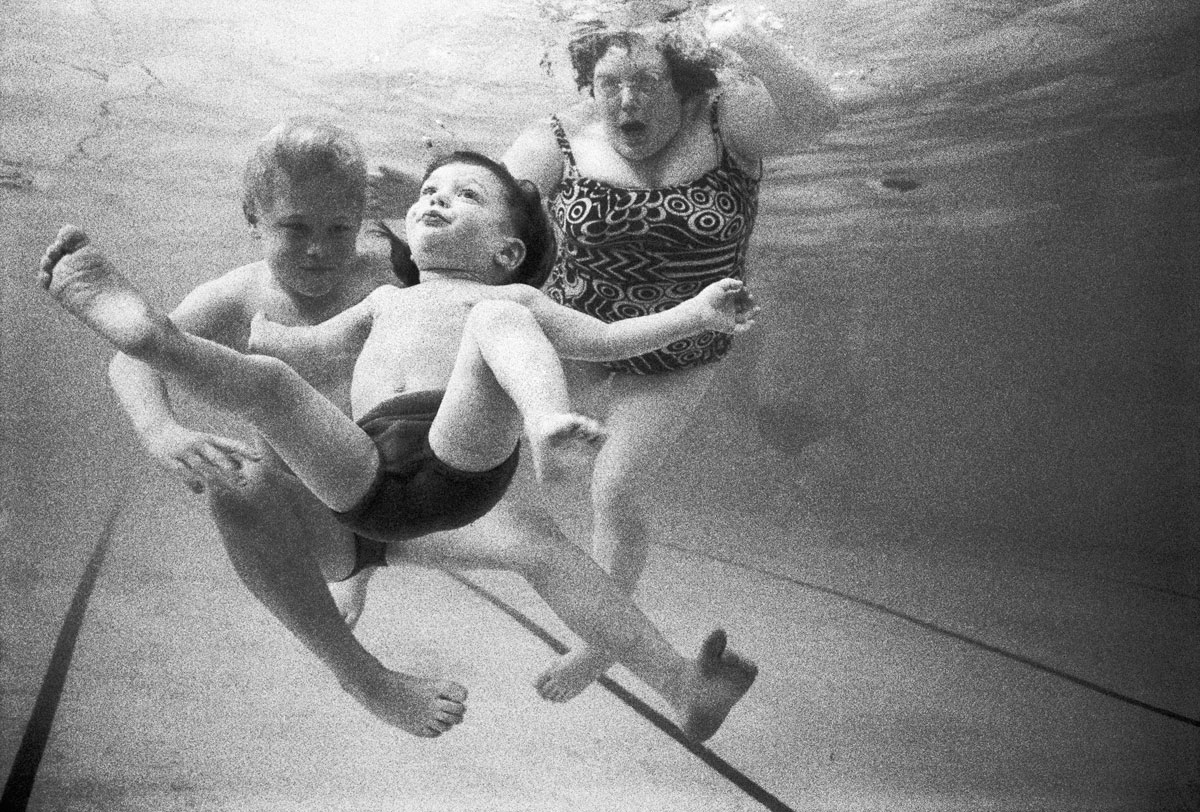
Rennie Ellis (Australian, 1940-2003) 'My son Josh learns to swim' 1972


Rennie Ellis (Australian, 1940-2003)
My son Josh learns to swim
1972
Selenium-toned gelatin silver print
26.7 x 40.7cm
Courtesy of the Rennie Ellis Photographic Archive


Rennie Ellis (Australian, 1940-2003) 'My Bare Lady, The Ritz, St Kilda' 1977


Rennie Ellis (Australian, 1940-2003)
My Bare Lady, The Ritz, St Kilda
1977
Digital C Type photograph
Fuji Crystal Archive print
Courtesy of the Rennie Ellis Photographic Archive


Norman Lindsay (Australian, 1879-1969) 'The Olympians' Nd


Norman Lindsay (Australian, 1879-1969)
The Olympians
Nd
Oil on canvas
Collection of Hamilton Art Gallery


Rennie Ellis (Australian, 1940-2003) 'Richmond fans, Grand Final, MCG' 1974


Rennie Ellis (Australian, 1940-2003)
Richmond fans, Grand Final, MCG
1974
Chromogenic print
40.5 x 50.8 cm
Courtesy of the Rennie Ellis Photographic Archive


Interesting to note that Ellis must have been shooting both black and white and colour film during the VFL Grand Final of 1974. He must have had two cameras with him (this is more likely than swapping between films in the same 35mm camera) to shoot the photograph above in colour and the black and white image of Robbie McGhie (1974, below).


Rennie Ellis (Australian, 1940-2003) 'Mr Muscleman, Albert Park Beach' c. 1986


Rennie Ellis (Australian, 1940-2003)
Mr Muscleman, Albert Park Beach
c. 1986
Chromogenic print
26.7 x 40.7cm
Courtesy of the Rennie Ellis Photographic Archive


Rennie Ellis (Australian, 1940-2003) 'Fully equipped, Albert Park Beach' c. 1981


Rennie Ellis (Australian, 1940-2003)
Fully equipped, Albert Park Beach
c. 1981
Digital C Type photograph
Fuji Crystal Archive print
Courtesy of the Rennie Ellis Photographic Archive


Rennie Ellis (Australian, 1940-2003) 'Don and Patrizia, St Kilda Beach' 1985


Rennie Ellis (Australian, 1940-2003)
Don and Patrizia, St Kilda Beach
1985
Chromogenic print
40.5 x 50.8cm
Courtesy of the Rennie Ellis Photographic Archive


Rennie Ellis (Australian, 1940-2003) 'Berlin Party, Inflation, Melbourne' 1980


Rennie Ellis (Australian, 1940-2003)
Berlin Party, Inflation, Melbourne
1980
Digital C Type photograph
Fuji Crystal Archive print
Courtesy of the Rennie Ellis Photographic Archive


Rennie Ellis book covers: 'Decade, 1970-1980' (left) and 'Decadent, 1980-2000' (right)


Rennie Ellis book covers: Decade: 1970-1980 (left) and Decadent: 1980-2000 (right)


Decade: 1970-1980 is a photography book showcasing Rennie Ellis’ (1940-2003) contribution to photography and social history. With an introduction by film maker and Rennie contemporary Paul Cox and an essay by academic Susan Van Wyk, Decade highlights Ellis as one of Australia’s most important chroniclers of the 1970s. The photographs, predominantly black and white, are drawn from a core selection originally made by Rennie from his own unpublished book, supplemented by other significant and iconic images from 1970 to 1980 drawn from the Rennie Ellis Photographic Archive and the State Library of Victoria Rennie Ellis collection. Many of the photographs are accompanied by extended captions written by Rennie himself, published here for the first time. Decade explores the cultures and sub-cultures of the seventies: the political upheavals, alternative lifestyles and counter culture, the women’s movement, gay liberation, the new religions and cults, pop festivals, Vietnam and other protests, massage parlours, the disco scene, the blossoming of Australia’s film industry, the new sexual freedom, Aboriginal rights, street festivals, the new theatre, fashion, drugs and the emergence of a decadent and hedonistic society that would later characterise the 1980s.

Decadent: 1980-2000 is a photography book showcasing Rennie Ellis’ (1940-2003) contribution to photography and social history. It is a fascinating snapshot of the wild, opulent, sometimes tacky and always decadent 1980s in Australia by a true original. With an introduction by photographer and Rennie contemporary William Yang and an essay by photographer and art critic Robert McFarlane, Decadent highlights Ellis as one of Australia’s most important chroniclers of the 1980s. The photographs, both colour and black and white, are drawn from the Rennie Ellis Photographic Archive and the State Library of Victoria Rennie Ellis collection. Decadent explores the rise of the hedonism that we now associate with the 1980s. Ellis’ boundary-pushing, racy and sometimes voyeuristic works capture a society that seems to be revelling in its abandonment of the politically charged 1970s documented in Decade.

About the Author

No other photographer has documented – in such depth – the life and times in Australia, throughout the 1970s until his death in 2003, with such insight into the human condition as Rennie Ellis. His non-judgmental approach was his ‘access-to-all-areas’ pass. Ellis used his camera as a key to open the doors to the social arenas of the rich and famous and to enter the underbelly of the nightclubs, bearing witness to the indulgences and excesses. In today’s post-Henson era, these captured moments offer an intimate access to an Australia tantalisingly, but sadly, now almost out of reach.


Rennie Ellis (Australian, 1940-2003) 'Robert McGhie, Grand Final, MCG' 1974


Rennie Ellis (Australian, 1940-2003)
Robert McGhie, Grand Final, MCG
1974
Selenium-toned gelatin silver print
50.8 x 40.5cm
Courtesy of the Rennie Ellis Photographic Archive


Robert ‘Robbie’ McGhie is a former Australian rules football player who played in the VFL between 1969 and 1972 and again in 1979 for the Footscray Football Club, from 1973 to 1978 for the Richmond Football Club and in 1980 and 1981 for the South Melbourne Football Club. His height was 192 cm and he weighed 85.5 kg. He played 46 games for Footscray, 80 games for Richmond and 16 games for South Melbourne. He was a Richmond Premiership Player 1973, 1974 (the year this photograph by Rennie Ellis was taken at the Grand Final).


Rennie Ellis (Australian, 1940-2003) 'Property of Hells Angels, Kings Cross' 1970-1971


Rennie Ellis (Australian, 1940-2003)
Property of Hells Angels, Kings Cross
1970-1971
Selenium-toned gelatin silver print
50.8 x 40.5cm
Courtesy of the Rennie Ellis Photographic Archive


Invitation to The Rennie Ellis Show at the Monash Gallery of Art


Invitation to The Rennie Ellis Show at the Monash Gallery of Art


Monash Gallery of Art
860 Ferntree Gully Road, Wheelers Hill
Victoria 3150 Australia
Phone: + 61 3 8544 0500

Opening hours:
Tue – Fri: 10am – 5pm
Sat – Sun: 10pm – 4pm
Mon/public holidays: closed

Monash Gallery of Art website

Rennie Ellis Photographic Archive

LIKE ART BLART ON FACEBOOK

Back to top

Review: ‘The Paper’ by Rosemary Laing at Tolarno Galleries, Melbourne

Exhibition dates: 5th April 2014 – 3rd May 2014


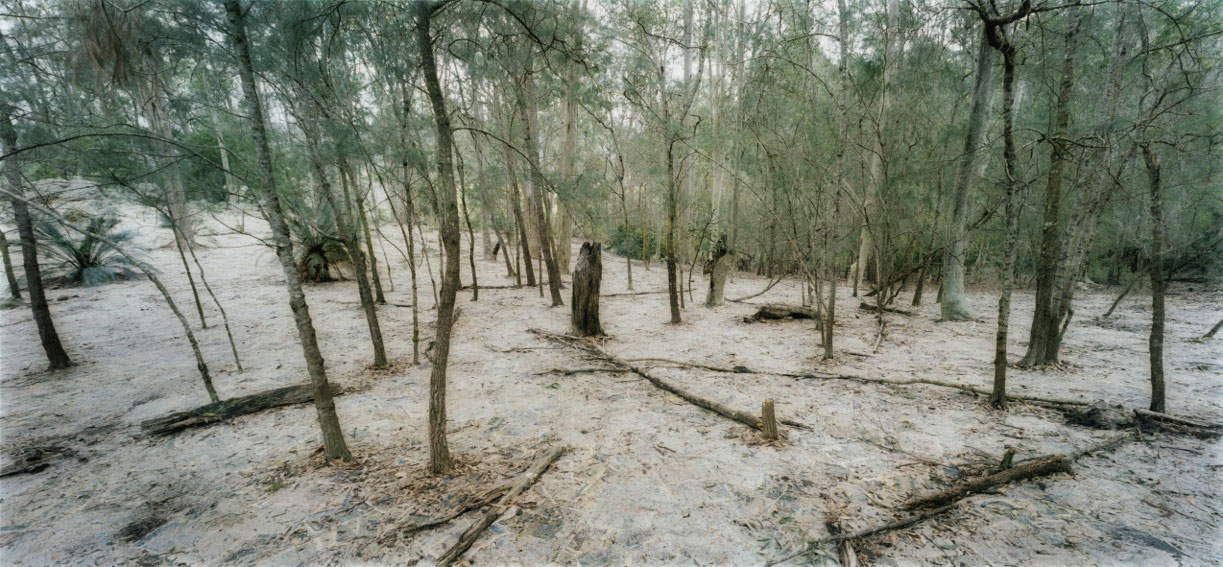
Rosemary Laing (Australian, 1959-2024) 'The Paper, Monday' 2013


Rosemary Laing (Australian, 1959-2024)
The Paper, Monday
2013
C Type photograph
110 x 214cm
Courtesy the artist and Tolarno Galleries, Melbourne


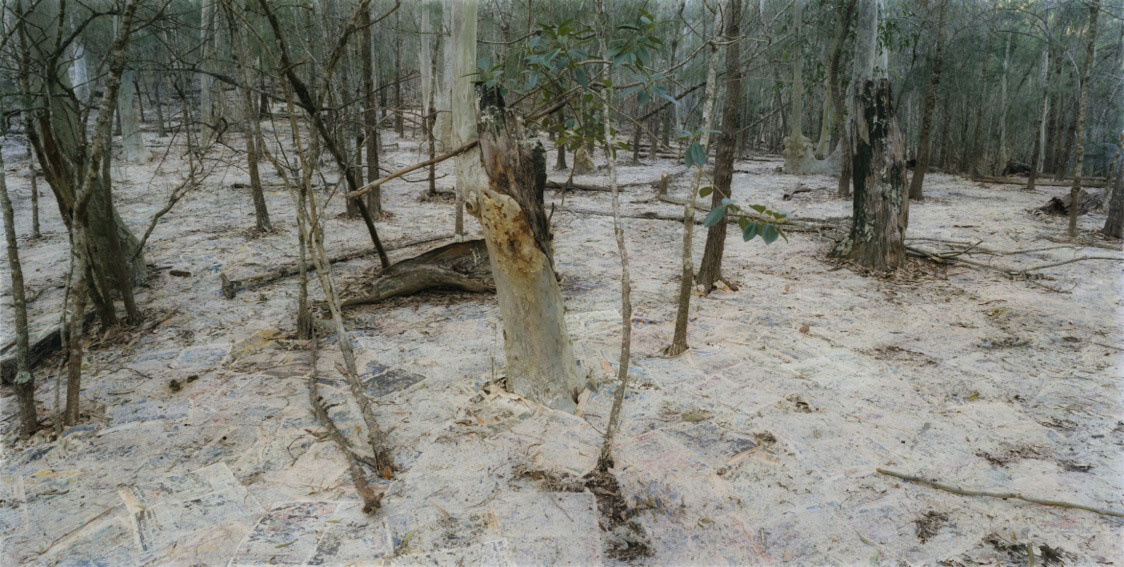
I always look forward to new work by the incomparable Rosemary Laing with great anticipation. I have never been disappointed. This magnificent group of five images is no exception, one of the photographic highlights so far this year in Melbourne.

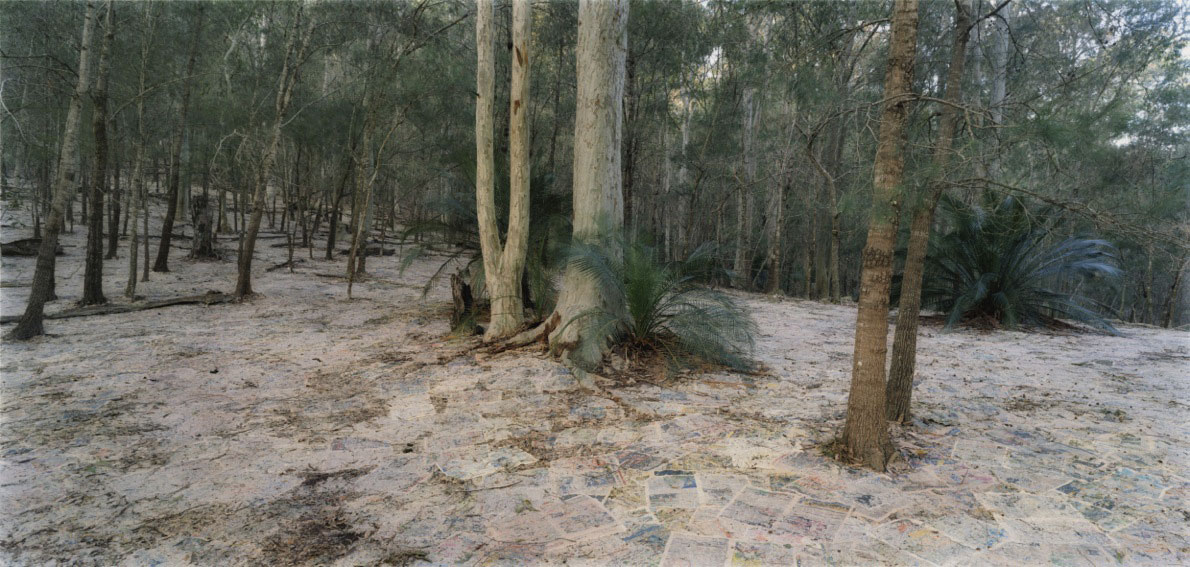
These large, Type-C analogue landscape format photographs feature decomposing newspapers literally (being words) carpeting the forest floor. These site-specific interventions feature no digital manipulation and, as the erudite catalogue essay by George Alexander observes below, investigate the replacement of our daily newspaper by online information bytes, “the graphic graphic newsprint breaking down like typographic stew,” the “transmigration of matter from one form to another,” “a meditation on time,” recycling, deforestation, information overload. These concepts build on earlier fragments from work by the artist (such as groundspeed2001) into something transformational, transnational and, even, otherworldly.

These entropic panoramas, which hang mysteriously between words and worlds, are indeed meditations on time and space. As Annette Hughes states,

“Laing’s pictorial space, like that of cinema, is generally art-directed, constructed, rehearsed, performed and shot in physical time and space, and though it could easily be Photoshopped these days, that’s not the point. The art object is only the end product of the making of these images. Being able to see the many human hours devoted to their execution is also a way of building duration back into the photograph.”1


Here’s my tuppence worth on Laing’s new work.

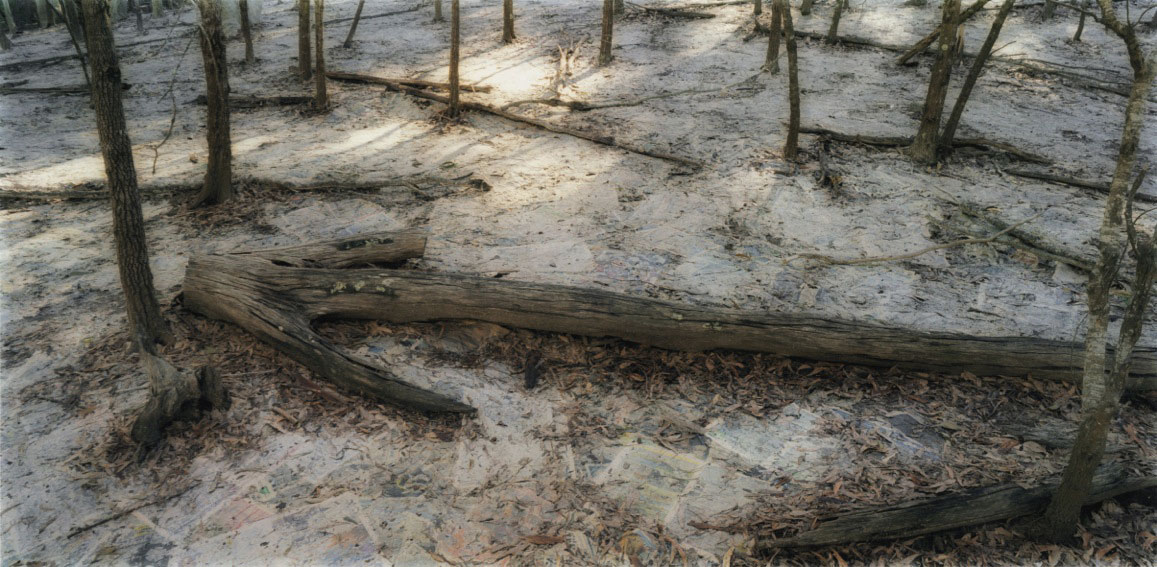
This suite of photographs has a panoramic immersiveness. The viewer feels as though time has stood still when looking at these photographs, where the newspapers are analogous to snow upon the ground, imparting something of a dream-like existence to the images. There is a talismanic quality to the images, like a standing stone circle that is believed to have magic powers and cause good things to happen. And they are full of symbols, such as arrows, to mark the way (see The Paper, Wednesday, earlier, 2013, below).

These are not unquiet images, suspended midway between fantasy and reality, but (un)quiet images – a subtle but pivotal difference. They possess the quietness of the forest but also the isolation and loneliness. They are based on a harmonic instability, like a minor chord at the beginning of a Beethoven symphony, which is then eventually resolved in the major. These images are the journey of that resolution. The words, the flesh of the textural body, has been pulped: that immersive instability of the fecund body laying down in the soil of mother earth.

The viewer is disorientated. We have no idea where we are, the paper (the word and world) creating for the body this foggy, dream-like atmosphere. As in all of Laing’s work, there is an inquiring instability here, one that seeks the resolution of stability through the love of the human body and of our existence. I stand still before them.

Dr Marcus Bunyan


1/ Hughes, Annette. “ABIGAIL SOLOMON-GODEAU Rosemary Laing,” Review on The Newtown Review of Books website 3th July 2012 [Online] Cited 27th April 2014. No longer available online


Many thankx to Tolarno Galleries for allowing me to publish the photographs in the posting. Please click on the photographs for a larger version of the image.


Rosemary Laing (Australian, 1959-2024) 'The Paper, Tuesday' 2013


Rosemary Laing (Australian, 1959-2024)
The Paper, Tuesday
2013
C Type photograph
110 x 209cm
Courtesy the artist and Tolarno Galleries, Melbourne


Rosemary Laing (Australian, 1959-2024) 'The Paper, Wednesday, earlier' 2013


Rosemary Laing (Australian, 1959-2024)
The Paper, Wednesday, earlier
2013
C Type photograph
110 x 203cm
Courtesy the artist and Tolarno Galleries, Melbourne


Rosemary Laing

The Paper

A forest is carpeted with truckloads of newspapers. A cacophony of printed voices layers the soil horizon of the ground. The former surface litter of loose and partly decayed organic matter is overlaid with pulped tree product. The 21st century cultural carpet of current events and mercenary babble is already time-lined by weathering, which is fast-tracking the decomposition of the worded pages. The graphic of newsprint is breaking down like typographic stew, falling apart like old lacework, dissolving like paint – it’s losing its imprint as fallen branches and leaves scatter over it. It seems to expect that over time it will disappear beneath what comes after, what fresh coats some future century will lay over it.

For this undertaking, Rosemary Laing located her activity among the woodlands of Bundanon, a casuarina forest peppered with eucalyptus and Burrawang. Located in the Shoalhaven of southern New South Wales, the site was originally the land of the Wodi Wodi people of the Yuin nation. Layered with subsequent occupations since the early 19th century, in 1993 the properties were gifted by Arthur and Yvonne Boyd and became the Bundanon Trust – a place for artists of all disciplines to work and a place for all people to draw inspiration.

Two unique opportunities here were made possible by the Trust to Rosemary Laing. The opportunity to develop and consider her actions unhindered by a time frame; together with access to the Bundanon collection of the influential gnarled ceramics that Arthur’s father Merric Boyd (1888-1959) made with their blue and green underglazes and swaying lines of treescapes on clay.

As it happened, while making this work, the place was inundated with floodwaters. Natural disaster has often enclosed her work, as in swanfires (2002-2004), with its incinerated sheds and buildings, following bushfires in the Sussex Inlet area – also part of the Shoalhaven. Destruction sculpts and re-sculpts the world, and Laing joins the material cycle, the perpetual transmigration of matter from one form to another. A “terrible beauty”, as a friend remarked.

This series is called The Paper, for the daily newspaper – our long time companion and a primary fix for information of the world – that is swiftly being superseded by the new material technologies of our times. If the overwhelming flood of data and culture and spin is hitting us with some 500,000 discrete bits of information at any time, then we may be faced with inabilities to absorb that Total Noise. We probably missed the 25 bits that were important. The latest innovations of the Infosphere replay confections of overstimulation and boredom, sugar-hits of overload followed by emotional numbness.

Yet the covering of the ground that we saw in 2001 with groundspeed – not far geographically from this site – isn’t the same as here in the series The Paper. The point of loungeroom carpets in groundspeed was as an index of the latecomer’s sense of belonging. A kind of comfort zone for the non-indigenous, bridging old world and new. The carpeting this time – as she writes in her notes – “seems to be composting the present as a past about to happen; taking a once-upon- a-time not-that-long-ago standard as the ground-amendment-of- tomorrow already.” It is, among other things, a meditation on time.

Every new presentation of Laing’s work is also a running commentary on her previous corpus of work. The Paper explores themes touched upon in – Natural Disasters (1988), groundspeed (2001) with its patterned loungeroom carpets out in the ‘wild’ and in 2006, weather with its cyclone of newspaper shreds – while constantly replenishing what had remained surplus to that work. And this compost of earlier fragments, that are dismembered and scattered and gathered again, expands her material formation on this site.

From top to bottom the planet is being transfigured. Something essential is changing now and forever. The “global” has become everyone’s “local”. The human race is going through things it has never experienced before – as we are forced to join the caravan of this moment in time.

Hellish or heavenly? Promised Land or Wasteland? Take your pick. You do get the sense – with the dramatic shiny green of the ancient Burrrawang palms scattered about – of human impermanence against the bedrock temporal dimensions of the primitive Gondawan rainforest margins. As anyone who has spent time slogging through genuine bushland, and sensing the century’s long pulse of trees: we’ve fallen out of tune with the eternal present of the animal world, we’ve fallen into Time with its past and future, the chopped-up time of daily newspapers.

Find tongues in trees, books in the running brooks, sermons in stones … wrote Shakespeare (As You Like It, 2.1). The quote recalls the medieval idea of the Book of Nature that we are here to read, whose infinite pages unfold enormous landscapes: some see good, some evil, some both, some neither. Laing’s art takes root in a fissure, in that crack in the covenant between word and world, and the historical moment is right: we are in the age of the “trans-book” with the rise of the Kindle and iGoogle, and with it the end of newspapers, the demise of print and the retrenchment of journalists.

So as you enter the space, walk around the room with the suite of images – named for the days of the week – there’s an entropic feel with their grubby matte and muted beauty. Underfoot, things fall apart, the riggings of the page disintegrate into tissue, print naturalises into leaf mould, and words on paper are composted back into wood pulp and waste slurry. Accordingly, to make the images this time around, she put her dalliances with digital cameras and print-output machines aside, in favour of analogue, for all the lovely limitations and imperfections of light on cellulose triacetate, and the physical shadings of Laing’s printer in the darkroom.

The curving earth is a body, and these lacework landscapes show off the marks of ageing. The woods are a damp chamber, with a thick carpet of newspapers, and many doors open to the wind and faraway light. The images enclose you in brushwork of soft jade while the soggy colours of disintegration make time tangible.

There’s nothing said about the world here (recycling, deforestation, information overload) that you couldn’t find more reliably elsewhere. It’s rather Laing’s process of invention, through the hinterlands of her material imagination, that communicates her unexpected vision, tells her story of an imagined afterwards of along-the-way. There’s a stand of trees in these pictures still growing inside the shellacking and composting of our times.

George Alexander
September 2013

Published with permission


Rosemary Laing (Australian, 1959-2024) 'The Paper, Wednesday' 2013


Rosemary Laing (Australian, 1959-2024)
The Paper, Wednesday
2013
C Type photograph
110 x 197.5cm
Courtesy the artist and Tolarno Galleries, Melbourne


Rosemary Laing (Australian, 1959-2024) 'The Paper, Thursday' 2013


Rosemary Laing (Australian, 1959-2024)
The Paper, Thursday
2013
C Type photograph
110 x 207cm
Courtesy the artist and Tolarno Galleries, Melbourne


Rosemary Laing (Australian, 1959-2024) 'The Paper, Friday' 2013


Rosemary Laing (Australian, 1959-2024)
The Paper, Friday
2013
C Type photograph
110 x 196.3cm
Courtesy the artist and Tolarno Galleries, Melbourne


Tolarno Galleries
Level 4
104 Exhibition Street
Melbourne VIC 3000
Australia
Phone: 61 3 9654 6000

Opening hours:
Tue – Fri 10am – 5pm
Sat 1pm – 4pm

Tolarno Galleries website

LIKE ART BLART ON FACEBOOK

Back to top

Text / review: ‘A Vocabulary of Printing and the Syntax of the Image’ from the exhibition ‘KHEM’ at Strange Neighbour, Fitzroy, Melbourne

Exhibition dates: 11th April – 3rd May 2014

Curator: Linsey Gosper

Artists: Jane Brown, Ponch Hawkes, Siri Hayes, Ruth Maddison, Lloyd Stubber, David Tatnall, Claudia Terstappen


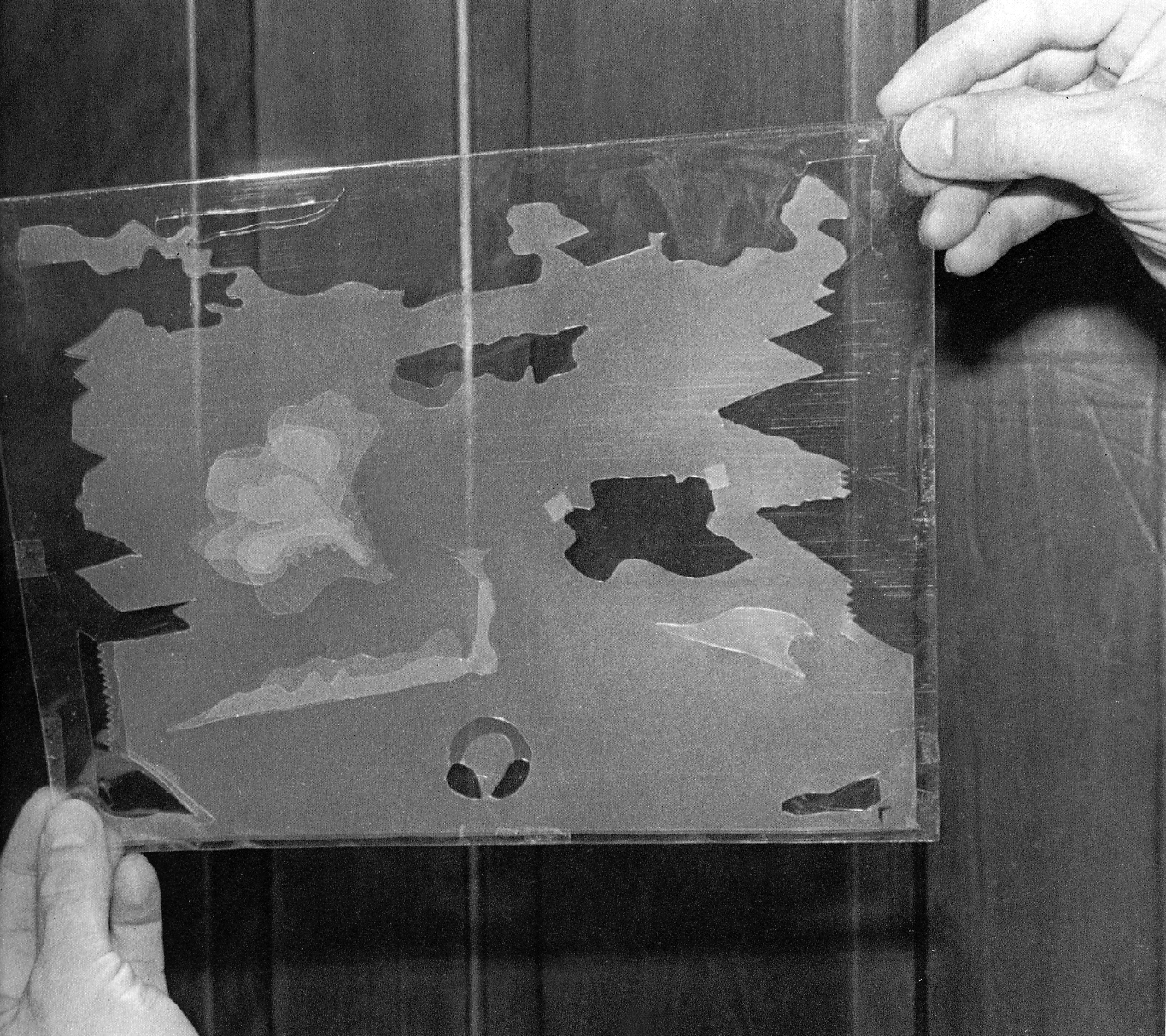
Emmet Gowin printing mask for The Hint That Is a Garden: Siena, Italy 1975


Emmet Gowin printing mask for The Hint That Is a Garden: Siena, Italy 1975 (below)


A Vocabulary of Printing and the Syntax of the Image


“No matter how slow the film, Spirit always stands still long enough for the photographer It has chosen.”

“One should not only photograph things for what they are but for what else they are.”


Minor White


As an artist who originally trained in the alchemical, analogue art of photography, the magic of this process will always hold sway in my heart. No matter how many excellent digital photographs I see, there is always a longing for silver – that indescribable feeling of looking at a master printers work, an image that literally takes your breath away. I hardly ever get that in a digital print. For me, it’s the difference between the fidelity of a CD and the aura of an LP, with all its scratches and pops, hisses and, yes, atmosphere.

Minor White, that guru of enlightenment, knew how difficult it was to capture spirit in a photograph. To make a connection between photographer and object, back through a glass lens and a metal box onto a piece of plastic or glass (completing a Zen circle), then printed onto a piece of paper. There are three ways it goes: you see something (you previsualise it) and you don’t capture it in the negative; you don’t see it, and the negative surprises you; but, best of all, you see it and you capture it – the object of your attention reveals itself to you. Then all you have to do is print it – easier said than done. Much testing and assessing, dodging and burning to balance the print knowing that, as MW says, each negative is like a dragon that an image has to be wrenched from.


No longer for ears …: sound
which like a deeper ear,
hears us, who only seem
to be hearing. Reversal of spaces.


Extract from Rainer Maria Rilke Gong 1925


When you do the analogue printing yourself (or when assessing a digital test print at a lab such as CPL Digital), the most important thing is to understand the vocabulary of printing. In both analogue and digital printing it all starts from the negative/file. If you don’t understand your negative or digital file, what hope have you of attaining a good end result? You must study the negative to understand its pushes and pulls, what needs to be held back, what other areas brought forward in the image. You have to feel the balance within the negative/file in the sensibility of the print. Darren from CPL observes that he has a lot of photographers and students come in and say, “I don’t want it to be like that,” but then they can’t explain what they do want it to be like or how they can get there. They have no vocabulary of printing or how to get the “feel” that they want from the print. I believe this is where training in the analogue darkroom can stand digital photographers in good stead.

What photographers need to understand is the syntax of an image, “the system of organization used in putting lines together to form pictures that can stand as representations of particular objects,”1 where they is a clear association between the structure of photographic prints and the linguistic structure that makes verbal communication possible. Photographers are the Keepers of Light and photography broke the boundaries of the visual field that had been delimited by etchings and prints, to allow human beings to see far beyond the physical field of view, to have photographic power over space and time which fundamentally changed the scope of human consciousness.2 Photography makes drawing unnecessary in the physical sense, but through previsualisation photography is predicated on mental drawing (with light) and through the physical form of the photograph, the print, photography has a syntactical basis – which comes from the languages of the photographer inherent in human consciousness and the chemical, optical and mechanical relationships that make photography possible. Both feeling and technology.

I believe that these two things go hand in hand and when photographers have no language, no vocabulary to describe what they want from a photographic print, then they are basically coming up against the limitations of their feelings, technologies and the machine. “Genius is constantly frustrated – and tempered – by the machine.”3 As William Crawford observes, “You simply cannot look at photographs as if they were ends without means. Each is the culmination of a process in which the photographer makes his decisions and discoveries within a technological framework.”4 “Each step in the photographic process plays a syntactical role to the degree that it affects the way the information, the sentiment, the surprises, and the frozen moments found in photographs actually meet the eye.”5 In the case of the photographic print, this means understanding the emotional linguistic vocabulary of printing through the syntax of the image.


With these thoughts in mind, the two standouts in this delightful group exhibition are Claudia Terstappen and Ponch Hawkes. Terstappen’s Brazilian rainforest photographs are as well seen and exquisitely printed as ever but this time they are slightly let down by the nearness of the frame and the colour of the moulding, both of which seen to limit the breathe of the image. Hawkes’ photographs are sublime (especially the two reproduced below), the best silver gelatin photographs that I have seen by an Australian artist in since Terstappen’s last solo exhibition In the Shadow of Change at Monash Gallery of Art. They have wonderful tonality and presence, and a quietness that really lets you contemplate the image through the beauty of the print – and a snip at only $800 each framed!

Other artists in the exhibition have singular images that are interesting (pictured below), but the major disappointment are the prints of Jane Brown. When I first saw the images of Brown’s Australian Gothic at Edmund Pearce Gallery in 2012 I said that they were, “small, darkly hewn, traditionally printed silver gelatin photographs… surrealist tinged, film noir-ish mise-en-scènes, the ones that emphasise the metaphorical darkness of the elements gathered upon the stage. Photographs such as Big TroutThe Female Factory, Adelong, New South Wales and Captain’s Flat Hotel, New South Wales really invoke a feeling of unhomely (or unheimlich), where nature is out of kilter. These images unsettle our idea of Oztraliana, our perceived sense of Self and our place in the world. They disrupt normal transmission; they transmutate the seen environment, transforming appearance, nature and form.”6 This was again the feeling that I got when I saw the series at a later exhibition at the Centre for Contemporary Photography.

Not this time. The prints shown here are much darker and have become almost ungrammatical; where the syntax of the image has broken down so that the linguistic structure of the image makes communication nearly impossible. It is not enough just to make prints darker and darker, hoping for some mystery to magically appear in the image because it won’t. This is a case of overprinting the negative, forcing the vocabulary of the image through a wish to impart something emphatic, some condition of being from the negative that has been imperfectly understood. Is this because this is Edition 2 out of 7, a different printer and a different size? I don’t know the answer to those questions, but Brown really needs to go back to the negatives and reassess the results, especially as these nearly incomprehensible prints are selling for an overinflated $2,000 each framed.

Dr Marcus Bunyan


Footnotes

1/ Crawford, William. “Photographic Syntax,” in Crawford, William. The Keepers of Light: A History and Working Guide to Early Photographic Processes. Morgan and Morgan, 1979, p. 2

2/ Ibid., p. 5

3/ Ibid., p. 6

4/ Ibid., p. 6

5/ Ibid., p. 7

6/ Bunyan, Marcus. Review: Jane Brown / Australian Gothic at Edmund Pearce Gallery, Melbourne, 6th May 2012 [Online] Cited 21st April 2014


Many thankx to Strange Neighbour for allowing me to publish the photographs in the posting. Please click on the photographs for a larger version of the image.


Emmet Gowin (American, b. 1941) 'The Hint That Is a Garden: Siena, Italy' Dedicated to Frederick Sommer, 1975


Emmet Gowin (American, b. 1941)
The Hint That Is a Garden: Siena, Italy
Dedicated to Frederick Sommer, 1975
Gelatin silver print
19.5 x 24.5cm (7 11/16 x 9 5/8 in.)
Gift of Mrs Saul Reinfeld


William Crawford. "Photographic Syntax," in William Crawford. The Keepers of Light: A History and Working Guide to Early Photographic Processes. Morgan and Morgan, 1979, p. 6.


William Crawford. “Photographic Syntax,” in William Crawford. The Keepers of Light: A History and Working Guide to Early Photographic Processes. Morgan and Morgan, 1979, p. 6.


Claudia Terstappen (Australian born Germany, b. 1959) 'Jungle I (Brazil)' 1991


Claudia Terstappen (Australian born Germany, b. 1959)
Jungle I (Brazil)
1991
From the series Ghosts at the Jucurucu
Silver gelatin print
46 x 68cm


Lloyd Stubber (Australian) 'Untitled' 2012


Lloyd Stubber (Australian)
Untitled
2012
Fibre-based silver gelatin print
11 x 14 inches


David Tatnall (Australian, b. 1955) 'Clifton Springs Jetty' 2012


David Tatnall (Australian, b. 1955)
Clifton Springs Jetty
2012
From the series Coastal Pinholes
Silver gelatin contact print
20 x 25cm


Ruth Maddison (Australian, b. 1945) 'Bellambi, NSW' 1989


Ruth Maddison (Australian, b. 1945)
Bellambi, NSW
1989
Hand coloured gelatin silver print
19.6 x 49cm
Vintage print, unique state


Ruth Maddison (Australian, b. 1945) 'Self-portrait #2' 2004


Ruth Maddison (Australian, b. 1945)
Self-portrait #2
2004
From the series Light touches
Sun print on black and white photographic paper
Vintage print, unique state


“The process of analogue photography is created through darkness and light. To celebrate the launch of the Strange Neighbour Darkroom this exhibition brings together a group of artists who pursue and extend the practice of analogue and darkroom photography. These artists work across many of the countless possibilities of the medium: 35mm, medium format and large format photography, and their diverse processes include pinhole photography, photograms, sun prints, fibre printing and hand colouring. Contemporary photographers are driving the current resurgence in analogue photography and Strange Neighbour is excited to be able to facilitate this irreplaceable art form. Darkroom practice is unique and magickal, alive and well.”

Press release from the Strange Neighbour website


Khem; a possible derivative of the word alchemy, the native name of Egypt, is thought to mean black. Some scholars maintain that Khem is derived from a root meaning wise.1

Alchemy is described as chemistry endowed with magic, and alchemists as those who work with metals and keep these operations secret.2 Apart from the obvious associations of working with metals (silver) and chemistry, there are more subtle and intimate parallels between the art and science of alchemy and darkroom practice.

It is common among darkroom practitioners to consider the process as ‘magic’. When most people encounter printing their first photograph in the darkroom, the simple sight of an image appearing on the paper in the developer tray seems ‘magical’. Even experienced darkroom practitioners never lose this special feeling. Exhibiting artist, Siri Hayes notes, “Watching images come up in developing tray is as mysterious and exciting as any magic show. Perhaps more so as there are no tricks except that the photographic product is the grandest of illusions.”

Distinct from many other forms of photography, darkroom based practice is now specialised, with few people having access to the knowledge, equipment and skills associated with the medium. Like a secret esoteric order, few share this wisdom, and even those willing to teach it may keep special recipes, techniques and discoveries to themselves or within a select dedicated group. Some of this information, although scientific, is not completely understood in rational terms of facts or calculations, but is more related to intuition and perception. It is technical and it is intuitive.

The complex rituals associated with the process allow practitioners to get into a headspace that is conducive to contemplation, bringing forth intuition, allowing space for chance and universal cause and effect. In this art and science there are so many variables with endless possibilities. Ruth Maddison‘s Sun prints are made without camera, film, enlarger or developer. She states, “the tonal range depends on variables like paper stock, length of time in sun or shade, whether the objects are wet or dry … and an unpredictable magic that happens when light sensitive paper is touched by light.”

In this unpredictable environment often mistakes lead to new ideas and create new methodologies. One of the charms of analogue processes is the discovery of beauty through error. Ponch Hawkes recalls this as disasters and wonderful happenstance. Claudia Terstappen remarks it is the number of variables in the darkroom that leaves the creative process wide open and it is often these inaccuracies caused by chemical reactions that lead to a new meaning. This is what makes analogue processes so valuable and irreplaceable. There are many effects in the analogue process that one can recreate with digital technologies, but not invent.

Imperfections caused by these variables or ‘mistakes’ may imbue the image with a ‘spirit’ and otherworldliness, as if the energy of a place or person has been captured. Black and white photography too has the ability to transcend time, memory and death. Jane Brown says, “I examine this a lot in my work – landscapes seem to have vestiges or traces of past life and memorials become otherworldly.” Claudia Terstappen’s work, “is motivated by the stories, beliefs and histories of the people who live there. Here people spoke about the forest spirits that one should be aware of. B+W images suggest a kind of silence.” At a symbolic level, silence is part of most sacred traditions3, and it is part of darkroom practice.

Using analogue processes and working in the darkroom can be aligned to the slow movement, of valuing quality over quantity and returning to a feeling of connectedness. For the images in this exhibition David Tatnall has used an 8 x 10 inch pinhole camera and made contact prints. He expresses of this technology, “my reasons for using this slow, cumbersome and fickle means to make photographs is because I feel it conveys the interaction of the sky and water, the presence of wind and the pulse of nature. I am particularly interested in how the long exposures and lack of sharpness make these features merge into something else… (The) simplicity: no lens, shutter or batteries, no need to upgrade, no click or buzz, no flashing lights or mega pixels no viewfinder and no distortion.” For Ruth Maddision, “she says of working with hand colouring, the pleasure of it – I love working on the real object again, and away from the screen.”

Clearly there is belief and an element of trust in the medium. Lloyd Stubber‘s images in this exhibition are taken from a one-month round the world trip. On return he processed the 15 rolls of film in his laundry. Perhaps the potential fear of loss is overwhelmed by the sense of anticipation, surprise and the flood of memories that return on seeing the work at a later date, as compared to digital, which is immediate and holds none of the mystery.

Another important distinction of darkroom and analogue practice from other forms of photography is the presence of artist’s hand throughout the entire progression of creation to final outcome. In each step of the process, significant choices are made from the many possibilities, from exposing light sensitive film in the camera, developing the film, to printing and finishing the art object. The artist’s mark is therefore not only discernible but also inherently valuable. To Ponch Hawkes, being the maker is of significance. For Terstappen, The physicality of arriving at the ‘perfect’ Gelatin Silver print – with its deep tonal ranges – is something that I highly value.

Contemporary artists are driving the current resurgence in analogue photography. This is a treasured, magickal4 and irreplaceable art form. It is with great pleasure that I declare the Strange Neighbour Darkroom open, and may it provide the space and opportunity for the love of darkroom practice to be enjoyed, shared and fostered.”

Linsey Gosper, curator, darkroom lover, 2014

1/ Francis Melville. The Book of Alchemy. Quarto Publishing plc, 2002, p. 6
2/ Kurt Seligman. Magic, Supernaturalism and Religion. Pantheon Books, 1948, p. 84
3/ Ami Ronnberg (ed.,). The Book of Symbols. Taschen, 2010, p. 676
4/ Magick, in the context of Aleister Crowley’s Thelema, is a term used to differentiate the occult from stage magic and is defined as the Science and Art of causing Change to occur in conformity with Will, including both mundane acts of will as well as ritual magic


Jane Brown (Australian, b. 1967) 'Decommissioned Art History Library, University of Melbourne' 2012-2013


Jane Brown (Australian, b. 1967)
Decommissioned Art History Library, University of Melbourne
2012-2013
Fibre-based gelatin silver print
44 x 49.5cm
Edition 2 of 7


Jane Brown (Australian, b. 1967) 'Lathamstowe' 2011- 2013


Jane Brown (Australian, b. 1967)
Lathamstowe
2011- 2013
Fibre-based, gelatin silver print
46 x 44cm
Edition 2 of 7


Ponch Hawkes (Australian, b. 1946) 'Silken Seam' 2005


Ponch Hawkes (Australian, b. 1946)
Silken Seam
2005
Silver gelatin print
34 x 34cm
Courtesy of the artist and Chrysalis Gallery, Melbourne


Ponch Hawkes (Australian, b. 1946) 'Rouleau' 2005


Ponch Hawkes (Australian, b. 1946)
Rouleau
2005
Silver gelatin print
34 x 34cm
Courtesy of the artist and Chrysalis, Melbourne


Siri Hayes (Australian, b. 1977) 'Aquatic listening device' 2009


Siri Hayes (Australian, b. 1977)
Aquatic listening device
2009
Silver gelatin print
39 x 45cm
Courtesy of the artist and M.33, Melbourne


Strange Neighbour

This gallery has now closed

LIKE ART BLART ON FACEBOOK

Back to top

Review: ‘Stephen Dupont / The White Sheet Series No. 1’ at Edmund Pearce Gallery, Melbourne

Exhibition dates: 2nd April – 3rd May 2014


Stephen Dupont (Australian, b. 1967) 'Untitled #16' 2010


Stephen Dupont (Australian, b. 1967)
Untitled #16
2010
Silver gelatin print and ink
20 x 16″ (51 x 40.5cm) / edition of 5 + 2 AP’s


This is a wonderful exhibition by Stephen Dupont at Edmund Pearce Gallery. Using a 4″ x 5″ Polaroid type 55 and striping away the emulsion, Dupont is left with a fine grain large format black and white negative (which he can use in an enlarger) with the “Polaroid frame look”, which he incorporates into the silver gelatin prints.1

Most of the photographs are glorious, notably the ones where Dupont pulls back from his subject to reveal the context of the sitter (much like taking the mat of a Daguerreotype to reveal more of the studio hidden underneath). I particularly like where you can see two hands poking over the top of the white sheet hiding the person behind (see Untitled #08 2010, below). The spontaneity and improvisation of this act is very appealing. As Dupont observes this allows him “to reveal the audience gathering and the environment around the sheet. This is meant to give the viewer a real sense of place and time, and a window onto the streets of Haridwar.” This technique gives the images real presence, they fairly “sing” to me from the gallery wall. And then! to surround the silver with hand printed Indian textile stamps in red ink… these images are really something.

Dupont’s incisiveness at the coal face of the pictorial plane is also exemplary. Notice the construction of Untitled #14 (2010, below), and observe the arms of the protagonists. An arm is raised aloft mirroring the arm of the swami in the photograph behind and also the supporting pole of the tent at top right. His other arm points to the earth but this is crossed by the arm of an out of focus man at left, which forms a strong diagonal intervention into the image as he reaches out. The money and mobile phone, at bottom left, add to the incongruity of the scene.

I am less enamoured with Dupont’s riff on Richard Avedon’s contextless background portraits. They don’t really possess the power or presence of the photographs mentioned above or of Avedon’s portraits from the series In The American West. I would have also liked to have seen the field journal (the small images at the bottom of the posting) in the exhibition. It would have been fascinating to read the text and view the other textile stamp designs. Finally, a couple of prints at a much larger size would have been good to see, to break the regularity of the series.

Having said that, you really have to see these images in the flesh for they look so much better than when reproduced online. The red is luminous and it is a joy to see good silver gelatin prints instead of so-so digital failures (Polly Borland I hope your ears are burning). This exhibition is a perfect example of what Bill Henson was talking about in his recently curated exhibition Wildcards: Bill Henson shuffles the deck at Monash Gallery of Art (MGA) where he states that his interest “is in the photograph as an object, in the physical presence of the print or whatever kind of technology is being used to make it…”2 where the images appeal not just to the eye but to the whole body, “because photographs are first and foremost objects, their size, shape grouping and texture are as important as the images they’re recording.”3

These photographs have, as Henson notes of some photographs, “the ability to suggest some other thing and that’s what draws you in.”4 You stand in front of the best of these images and contemplate them with a sense of wonder, for they suggest to the viewer – through the hand and eye of the artist in the analogue process, through the hand of the artist when applying the wood block printing which was made with much spontaneity and feeling – other worlds of which we know very little brought close to our imagination. Through their inherent textures and tonalities, their physical presence, there is a sense of the people who populate that place, but more than that, there is a sense of our own fragility and mortality.

A feeling of anOther existence for our life if we had been born into such worlds.
And that is what makes these images so compelling.

Dr Marcus Bunyan


Footnotes

1/ According to Wikipedia, “Type 55 negatives are the famous source of the “Polaroid frame look” … the Polaroid reagent / gel is squeezed between the negative and positive. Some of the reagent is trapped underneath the onion-skin-like frame that crops the print into a perfect 4 x 5 image. This reagent however creates an impression of that frame on the negative, which is not protected. The result is a perfect negative, but with imperfect frame-like image surrounded 3 of the four sides, while the 4th side shows the impression of the connective mesh that controls aspects of the Polaroid packet’s sleeve functionality.”

2/ Interview with Bill Henson by Toby Fehily posted 01 Feb 2014 on the Art Guide Australia website [Online] Cited 18/02/2014. No longer available online

3/ Fiona Gruber. “Review of Wildcards, Bill Henson Shuffles the Deck” on the Guardian website, Wednesday 12 February 2014 [Online] Cited 16/03/2014

4/ Fehily op. cit.,


Many thankx to Edmund Pearce Gallery for allowing me to publish the photographs in the posting. Please click on the photographs for a larger version of the image.


Stephen Dupont (Australian, b. 1967) 'Untitled #08' 2010


Stephen Dupont (Australian, b. 1967)
Untitled #08
2010
Silver gelatin print and ink
20 x 16″ (51 x 40.5cm) / edition of 5 + 2 AP’s


Stephen Dupont (Australian, b. 1967) 'Untitled #14' 2010


Stephen Dupont (Australian, b. 1967)
Untitled #14
2010
Silver gelatin print and ink
20 x 16″ (51 x 40.5cm) / edition of 5 + 2 AP’s


Stephen Dupont (Australian, b. 1967) 'Untitled #04' 2010


Stephen Dupont (Australian, b. 1967)
Untitled #04
2010
Silver gelatin print and ink
20 x 16″ (51 x 40.5cm) / edition of 5 + 2 AP’s


Edmund Pearce is excited to present a solo exhibition by legendary Australian photographer Stephen Dupont, entitled The White Sheet Series Number 1. This new series was shot during India’s most important Hindu Festival, Kumbh Mela, and features portraits of pilgrims and visitors combined with hand printed Indian textile stamps.

Stephen Dupont has produced a remarkable body of visual work throughout his career; hauntingly beautiful photographs of fragile cultures and marginalised peoples. He captures the human dignity of his subjects with great intimacy and his images have received international acclaim for their artistic integrity and valuable insight into the people, culture and communities that have existed for hundreds of years, yet are fast disappearing from our world.

Mark Feeney of the Boston Globe states, “Inevitably, Dupont is an outsider; yet he’s an engaged outsider, full of calm, clear-eyed curiosity. There’s not just a sense of place in his work but also something that matters even more: a sense of the people who populate that place.”

Stephen’s work has earned him a number of photography’s most prestigious prizes, including a Robert Capa Gold Medal citation from the Overseas Press Club of America. His work has featured in influential publications such as The New Yorker, Aperture and The New York Times Magazine; and he has had major exhibitions in London, Paris, New York, Sydney, Canberra, Tokyo, and Shanghai. His photographic artist books and portfolios are held in numerous private collections and by prestigious institutions such as the National Gallery of Australia, the National Library of Australia, the British Library and the Library of Congress in Washington DC to name but a few.

Press release from the Edmund Pearce Gallery website


Stephen Dupont (Australian, b. 1967) 'Untitled #07' 2010


Stephen Dupont (Australian, b. 1967)
Untitled #07
2010
Silver gelatin print and ink
20 x 16″ (51 x 40.5cm) / edition of 5 + 2 AP’s


Stephen Dupont (Australian, b. 1967) 'Untitled #13' 2010


Stephen Dupont (Australian, b. 1967)
Untitled #13
2010
Silver gelatin print and ink
20 x 16″ (51 x 40.5cm) / edition of 5 + 2 AP’s


Stephen Dupont (Australian, b. 1967) 'Untitled #12' 2010


Stephen Dupont (Australian, b. 1967)
Untitled #12
2010
Silver gelatin print and ink
20 x 16″ (51 x 40.5cm) / edition of 5 + 2 AP’s


Stephen Dupont (Australian, b. 1967) 'Untitled #18' 2010


Stephen Dupont (Australian, b. 1967)
Untitled #18
2010
Silver gelatin print and ink
20 x 16” (51 x 40.5cm) / edition of 5 + 2 AP’s


Richard Avedon at work


Richard Avedon at work


Richard Avedon (American, 1923-2004) 'Bill Curry, drifter, Interstate 40, Yukon, Oklahoma, 6/16/80' 1980


Richard Avedon (American, 1923-2004)
Bill Curry, drifter, Interstate 40, Yukon, Oklahoma, 6/16/80
1980
from In the American West, 1979-1984


Stephen Dupont artist book


This body of work is a selection of portraits I made in 2010 at India’s most important Hindu festival called the Kumbh Mela. In one of four locations every four years Hindu pilgrims and visitors descend into the holy waters of the Ganges River to purify the soul in a spiritual ritual considered the largest peaceful gathering in the world. The photographs were taken in Haridwar of pilgrims and sadhus I chose randomly during that festival.

Inspired by an earlier series I made of anonymous portraits of Afghans in Kabul titled Axe Me Biggie, or Mr Take My Picture, but instead of an existing Afghan outdoor studio backdrop I chose the white sheet this time for its purity and simplicity. My subjects were asked to simply stand and pose before my camera. I use a white bed sheet to create an outdoor studio that not only captures my subject but also allows me to reveal the audience gathering and the environment around the sheet. This is meant to give the viewer a real sense of place and time, and a window onto the streets of Haridwar. Had I used the backdrop in a conventional way, to solely isolate a person, you’d have the impression that they were taken anywhere – New York, Sydney, or in a studio. This process is a creative choice and allows me with some control over my sitter but brings with it the spontaneity and surprise of what may take place around the zone I am working in: the gaze of someone holding the sheet that has no idea they are in the frame, or a hand holding the sheet or something else that crops up in front or behind. In the end my portraits are environmental or even landscapes.

Over many years of travel throughout India I have been collecting textile stamps and I decided to use them on my photographs. The research and experiments started in my field journal and then to the final hand printed images in this show. I wanted to create a relationship with Indian design and cloth, the Polaroid borders and the people in my pictures. Much like my photographic practice here the wood block printing was made with much spontaneity and feeling. The photographs have been handcrafted by Chris Reid at Blanco Negro using warmtone paper and processed in a specialised developer for unique tonality.

Stephen Dupont
Sydney, February 28, 2014


Edmund Pearce Gallery

This gallery has now closed.
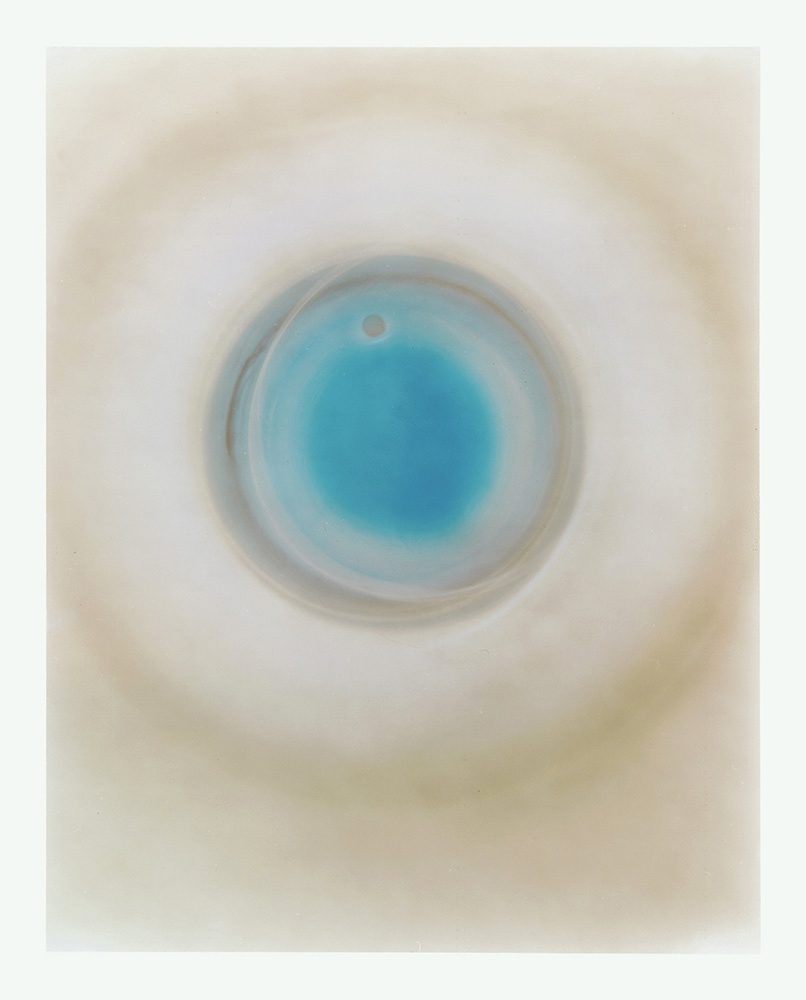
LIKE ART BLART ON FACEBOOK

Back to top

Review: ‘Hoda Afshar / Under Western Eyes’ at Edmund Pearce Gallery, Melbourne

Exhibition dates: 2nd April – 3rd May 2014


Hoda Afshar (Australian born Iran, b. 1983) 'Westoxicated #1' 2013


Hoda Afshar (Australian born Iran, b. 1983)
Westoxicated #1
2013
Archival Pigment Print
104 x 90cm / edition of 5


Dear readers, my apologies for the lack of local reviews and postings since the beginning of the year. It’s not that I haven’t been out and about looking at exhibitions, far from it, simply that there has been little stimulating enough to do a posting on. Photographically, it has been a very slow start to 2014 in Melbourne.

It is a great pleasure then to finally discover some strong exhibitions around Melbourne town that are worthy of a posting: Hoda Afshar / Under Western Eyes and Stephen Dupont / The White Sheet Series No. 1, both at Edmund Pearce; the group exhibition Khem at Strange Neighbour; The Rennie Ellis Show at Monash Gallery of Art; and the magnificent Rosemary Laing / The Paper at Tolarno Galleries. Other postings to follow in the next week or so.


I love Hoda Afshar’s work. It’s big, bold, brash, beautiful, and it has something important to say and does so, eloquently. I only wish I could read the text written on nipple and background to further understand the intricacies and references of the work. The photographs pull back the veil on how Westerners commodify the representation of Islamic women in the form of decodable stereotypes. This reductive interpretation of the identity of Muslim women is bound up with aspects of exoticism, which has links to the influential book Orientalism (1978), by Edward W. Saïd, “a foundational text for the academic field of Post-colonial Studies, wherein the denotations and connotations of the term “orientalism” are expanded to describe what Saïd sees as the false cultural assumptions of the “Western world”, facilitating the cultural misrepresentation of the “The Orient”, in general, and of the Middle East, in particular.” (Wikipedia)

For Western society, “oriental” art emanated from a type of primitive fantasy, reflecting the increasingly exotic tastes of Europe from the late 19th-century following European colonialism. In her work Afshar interrogates aspects of a visual neo-colonialism. Here the voices of the marginalised are acknowledged but only so far as the language of acknowledgement is controlled by neo-colonialism (another form of imperialism which is an out a growth of classical colonialism) – in which the image and literature of the oppressed is controlled by societal structures that seek to delimit the nature of their independence.

As Bhabha notes, “Postcolonial perspectives emerge from the colonial testimony of Third World countries and the discourses of “minorities” within the geopolitical divisions of East and West, North and South. They intervene in those ideological discourses of modernity that attempt to give a hegemonic “normality” to the uneven development and the differential, often disadvantaged, histories of nations, race, communities, peoples.” (Bhabha, H. K. The location of culture. London: Routledge, 1994, p. 71)

Postcolonial theory formulates its critique around the social histories, cultural differences and political discrimination that are practised and normalised by colonial and imperial machineries. What Afshar does is poke a great big stick at these (visual) machineries, phenomenologies that continue to operate within the operating “theatres”, the mass-produced and parcelled consumer identities of the Western world.

Dr Marcus Bunyan


Many thankx to Edmund Pearce Gallery for allowing me to publish the photographs in the posting. Please click on the photographs for a larger version of the image.


Hoda Afshar (Australian born Iran, b. 1983) 'Westoxicated #2' 2013


Hoda Afshar (Australian born Iran, b. 1983)
Westoxicated #2
2013
Archival Pigment Print
104 x 90cm / edition of 5


Hoda Afshar (Australian born Iran, b. 1983) 'Westoxicated #3' 2013


Hoda Afshar (Australian born Iran, b. 1983)
Westoxicated #3
2013
Archival Pigment Print
104 x 90cm / edition of 5


Edmund Pearce is pleased to present Under Western Eyes, a solo exhibition by Hoda Afshar. The exhibition comprises a series of digitally manipulated photographs, criticising the continual representation of Islamic women in the contemporary art world as veiled, subjugated and suppressed. This new project explores how the veil – seen as a sort of forced enclosure – has become the dominant mode of representing Islamic women in the West.

In speaking of the series Hoda states, “veiled women are often portrayed as a homogeneous group; powerless subjects whose veil serves either as a symbol and tool of oppression, or is celebrated as an exotic commodity. As such, the images of Muslim women have been reduced to easily decodable stereotypes; mass-produced and parcelled for Western audiences as a consumer item. In this series, I intend to emphasise the reductive interpretation of the identity of Muslim women in the West and praising of such imagery as an attitude bound up with aspects of exoticism.”

Hoda Afshar is a visual artist and Photographer. She is currently a PhD candidate at the Department of Art at Curtin University. After finishing a BFA, majoring in Photography, at Azad University of Art and Architecture in Tehran, she began her career as a documentary photographer. In 2006 she was selected by World Press Photo as one of the top ten young documentary photographers of Iran to attend their Educational training program. Additionally, Hoda is currently a lecturer at the Photography Studies College in Melbourne. She has also been exhibiting locally and internationally since 2007 and was short listed for prestigious photography awards such as the Moran Contemporary Photographic Prizes (2012) and the Josephine Ulrick and Win Schubert Photography Prize (2013). She lives and works in Melbourne, Australia.


Hoda Afshar (Australian born Iran, b. 1983) 'Westoxicated #5' 2013


Hoda Afshar (Australian born Iran, b. 1983)
Westoxicated #5
2013
Archival Pigment Print
104 x 90cm / edition of 5


Hoda Afshar (Australian born Iran, b. 1983) 'Westoxicated #6' 2013


Hoda Afshar (Australian born Iran, b. 1983)
Westoxicated #6
2013
Archival Pigment Print
104 x 90cm / edition of 5


Hoda Afshar (Australian born Iran, b. 1983) 'Westoxicated #7' 2013


Hoda Afshar (Australian born Iran, b. 1983)
Westoxicated #7
2013
Archival Pigment Print
104 x 90cm / edition of 5


Hoda Afshar (Australian born Iran, b. 1983) 'Westoxicated #9' 2013


Hoda Afshar (Australian born Iran, b. 1983)
Westoxicated #9
2013
Archival Pigment Print
104 x 90cm / edition of 5


Edmund Pearce Gallery

This gallery has now closed.
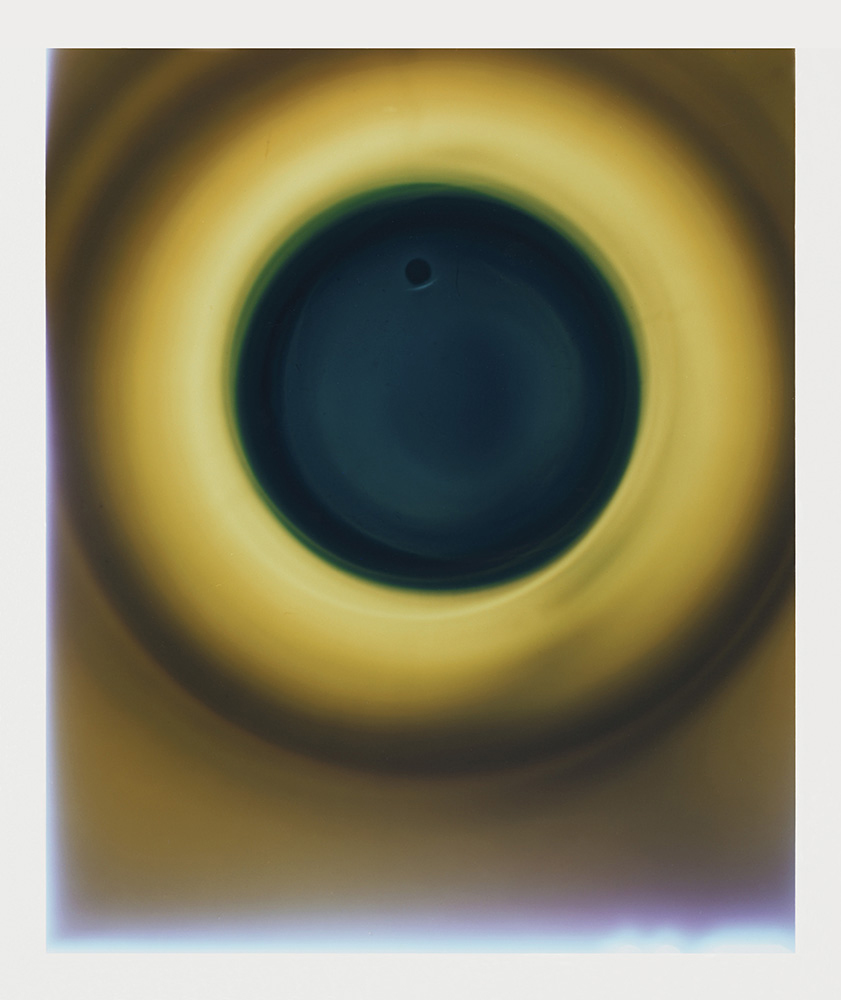
LIKE ART BLART ON FACEBOOK

Back to top

Exhibition and book launch preview: ‘In the Folds of Hills’ by Kristian Laemmle-Ruff at The Field Institute, Melbourne

Exhibition dates: 1st – 8th May 2014

Exhibition opening and book launch: Thursday 1st May, 6 – 8.30 pm

To be opened by Robert McFarlane
Stories by Charlotte Laemmle


Kristian Laemmle-Ruff (Australian) 'In the Folds of Hills' book cover 2014


Kristian Laemmle-Ruff (Australian)
In the Folds of Hills book cover
2014


One of my favourite contemporary Australian photographers has a new book and exhibition!

Hopefully a review to follow but having seen a digital copy of the book, the sensitivity of the work feels admirable… unrecalled stories and photographs of people’s lives and the environments in which they live.

The book retails for $60 AUD and will be available in selected book stores nationally. It is being published by Pearce Press and includes a foreword by former prime minister Malcolm Fraser and an essay by Robert McFarlane.

Marcus


Many thankx to Kristian Laemmle-Ruff for allowing me to publish the photographs in the posting. Please click on the photographs for a larger version of the image.


Kristian Laemmle-Ruff (Australian) 'Barn in the Mist' 2014


Kristian Laemmle-Ruff (Australian)
Barn in the Mist
2014


Foreword

In the Folds of Hills depicts a life in the secluded valleys around Lima, a little over 100 kms from Melbourne, Victoria. Kristian Laemmle-Ruff not only has great technical control of his craft, but translates this skill into truly artistic photographs.

His images of ordinary objects from everyday life invite the viewer to slow down and contemplate. These photos create a narrative that offers us insight into the way these people live.

The portfolio focuses on individuals who have lived most, if not all their lives in this area. They would all be hard-working and modest in their possessions. Their individual characters shine through the photographs with a rugged determination and strength.

In the Folds of Hills will come to have historic significance because it captures aspects of Australian rural life, which in many parts of this country are fast disappearing.

Rt Hon Malcolm Fraser AC CH


Kristian Laemmle-Ruff (Australian) 'Lima East Valley' 2014


Kristian Laemmle-Ruff (Australian)
Lima East Valley
2014


Kristian Laemmle-Ruff (Australian) 'Ralph Pearce' 2014


Kristian Laemmle-Ruff (Australian)
Ralph Pearce
2014


Photographer’s Note

This project began with a curiosity to discover something that is quietly going unnoticed. As our cities grow and society increasingly relies on technological advances, there remain those older generations whose lives are still rooted in a past era: the early to mid 20th century. This was an era where small-scale labor-intensive livelihoods could thrive. In the face of changing needs and corporate competition these kinds of livelihoods, such as the family-owned farm, are disappearing.
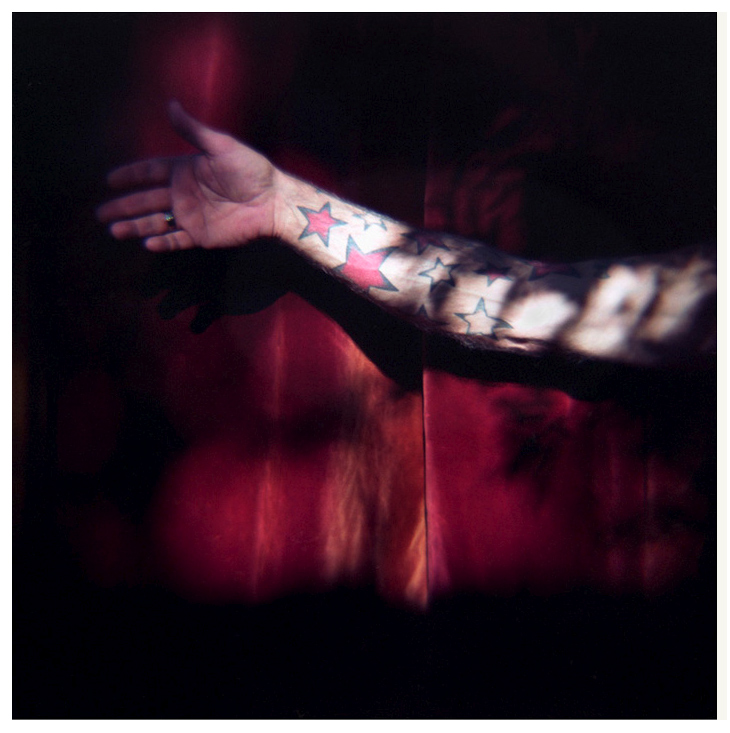
Susan Sontag wrote in her book On Photography that “a beautiful subject can be the object of rueful feelings because it has aged or decayed or no longer exists … Photography is a twilight art.” This photo-series also lingers in some kind of twilight zone and has a sense of urgency; indeed one person has passed away since being photographed.
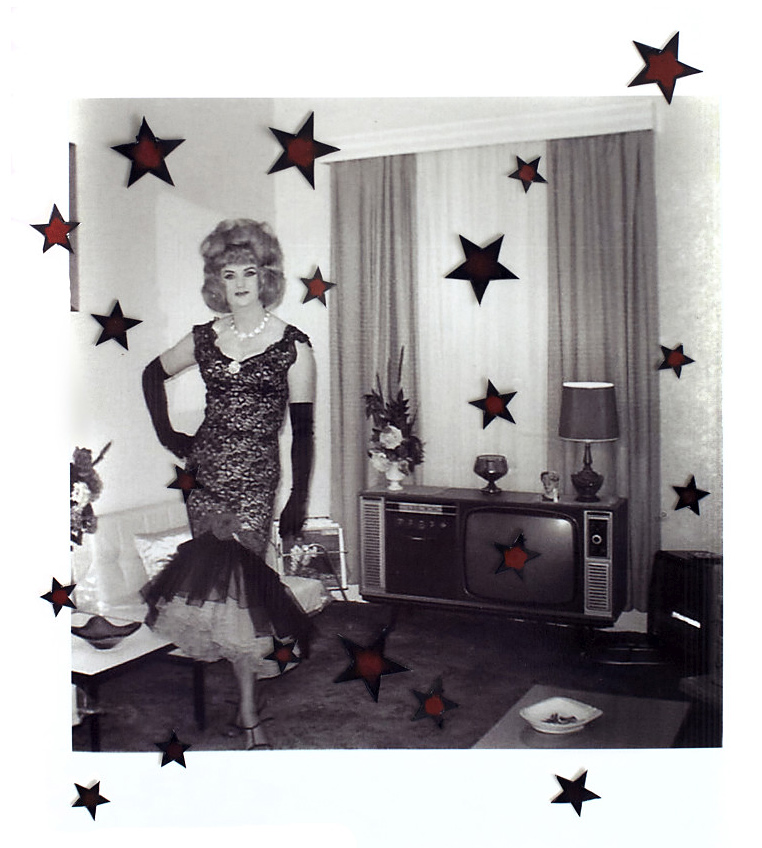
I first intended to capture day-to-day life and work in these secluded rural valleys. With subject matter so steeped in romanticism, I felt a need to explore beyond the ‘countryside’ clichés and idealisation common in the attitudes of city people. After meeting the subjects and gaining their trust, I sensed personal stories that needed to be told. To my surprise these stories were told not so much in the words spoken, but rather in the person’s material surrounds. Domestic interiors scattered with objects became allegories for human experience. These environments were full of memory.
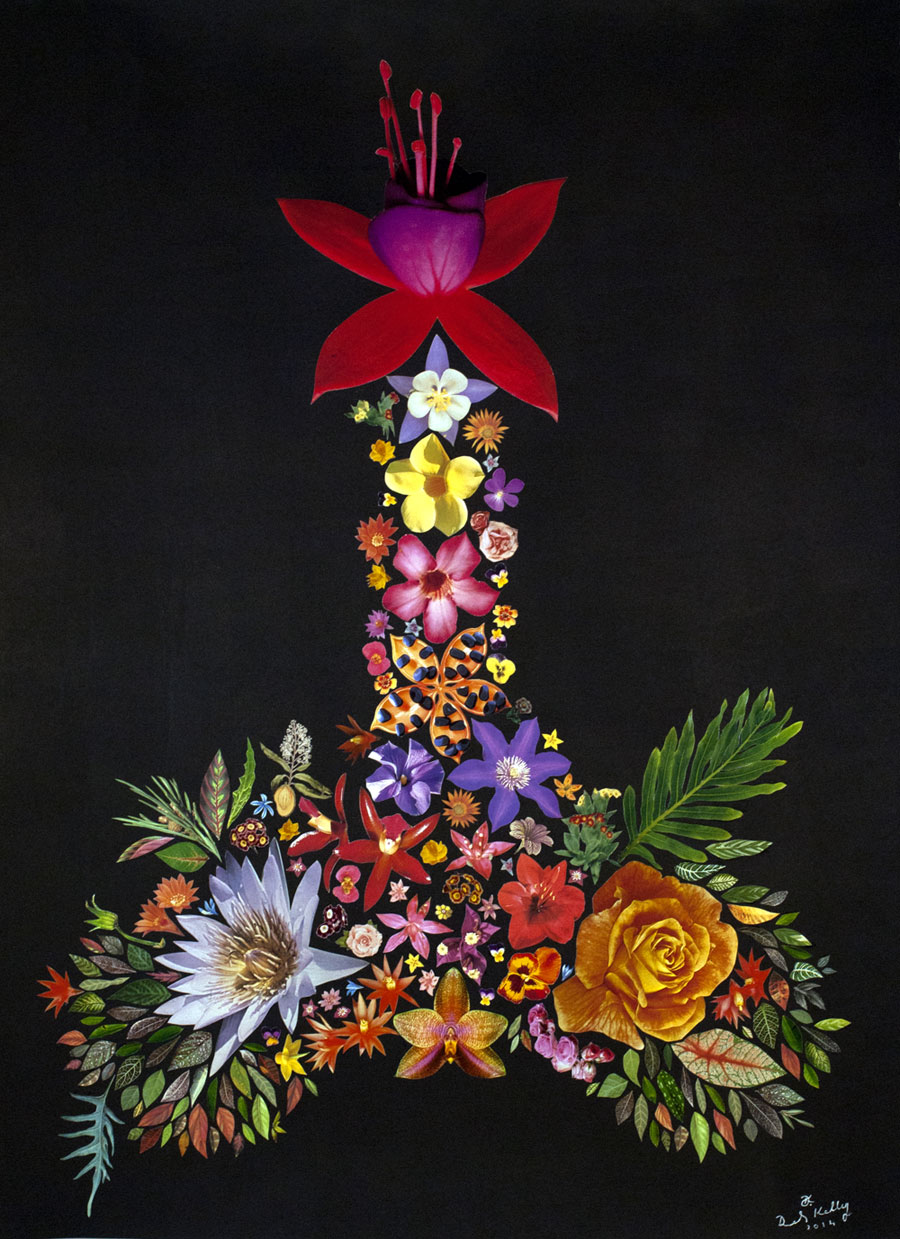
It wasn’t uncommon for someone to still live in the house they were born in. An empty chair, a leaning barn, a clock ticking on the wall: these once mundane objects became potent symbols of their owner’s past, their hopes and their reality. Some objects suggested loss and melancholia, others embodied feelings of pride and even humour.

In the Folds of Hills is an exploration of the wisdom and rich humanity found in the characters living and working on this land. In celebrating and acknowledging them and their stories, the photo-narratives also offer a somewhat poetic insight into their inner worlds.

Kristian Laemmle-Ruff


Kristian Laemmle-Ruff (Australian) 'On Mother's Bed' 2014


Kristian Laemmle-Ruff (Australian)
On Mother’s Bed
2014


Kristian Laemmle-Ruff (Australian) 'Old Flowers' 2014


Kristian Laemmle-Ruff (Australian)
Old Flowers
2014


Ralph Pearce

Ralph’s knowledge and understanding of this part of the world is humbling. Rainfall patterns, geography and vegetation are things that matter to Ralph. He invites us to climb into his ute and drives to a stand of fabled Lima stringybarks. Few now exist in the valley. Our gentle giant is very much at home amongst the tall timbers that have been his livelihood for so many years.

“I still love mucking about in the bush,” chuckles Ralph with a twinkle in his eye. He shows us his tools, most importantly his axes, and carefully describes their variations and uses. The sheds back at the homestead hold a treasury of farming history and Ralph proudly shows us the old dairy, his shearing shed and a faithful companion, a Honda 110 motorbike. The land continues to give Ralph what he needs. His vegetable patch is impressive and the old gnarled fruit trees bear their gifts seasonally. Once a fortnight Ralph drives to Benalla for groceries and a chat. Every second Tuesday evening he travels to the nearby Moorngag Hall for a round of cards with friends from the district. Charlie Jensen, his childhood mate, collects him.

When next we visit Ralph he shows us around the rest of his house. His mother was clearly a significant influence. She died in 1985 aged ninety-eight and was blind for the last nine years of her life. Ralph cared for her. Her suitcase, packed for hospital, still sits in her room. Little has changed in the house since she died.
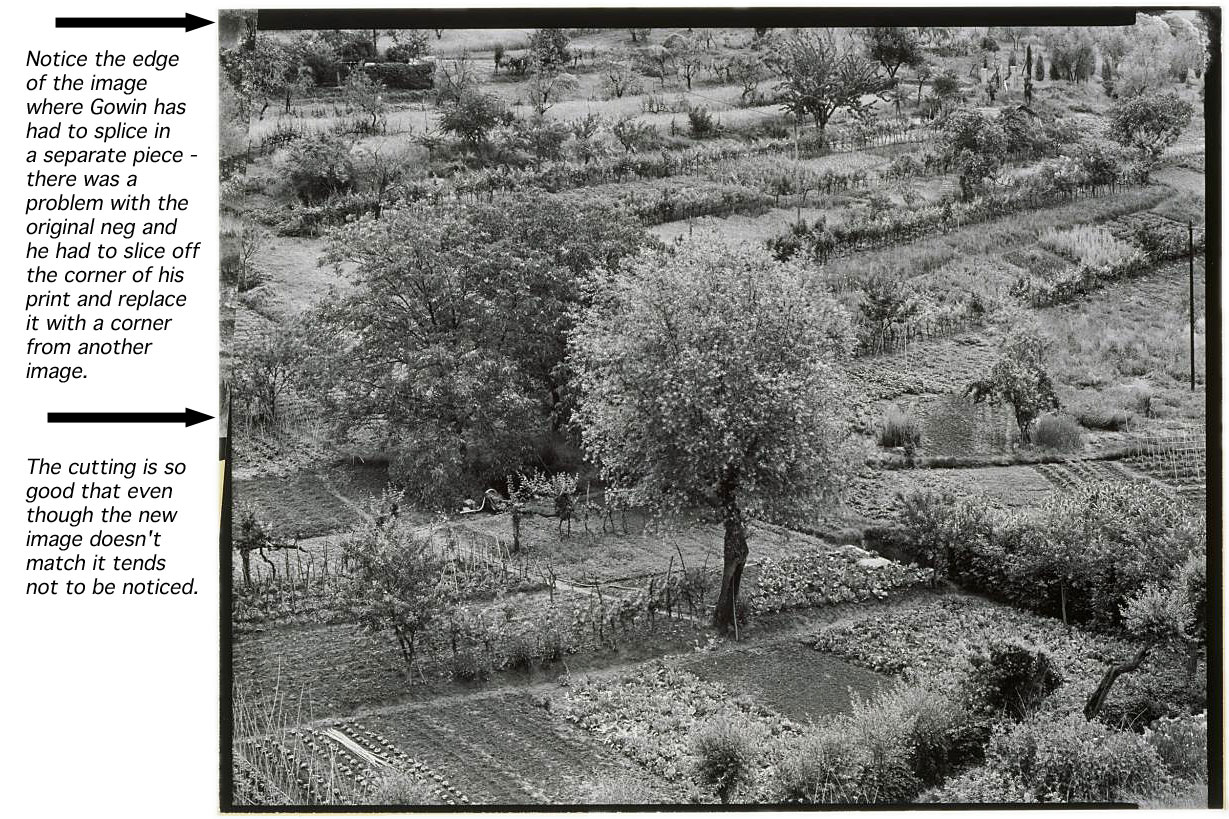
ABC Radio keeps Ralph informed. And informed he is. Television has never made an appearance in this house. Ralph speaks to us with the wisdom of someone who has seen many fashions and many politicians come and go. One cannot help but be touched by the simplicity and integrity of this man’s life. Ralph is a quiet gentleman, unassuming, self-reliant and comfortable within his skin.
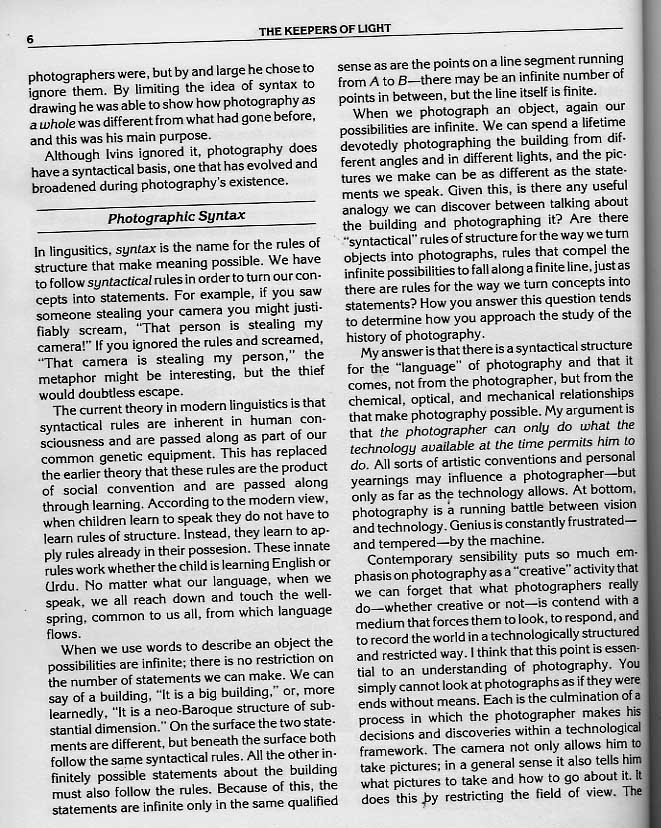
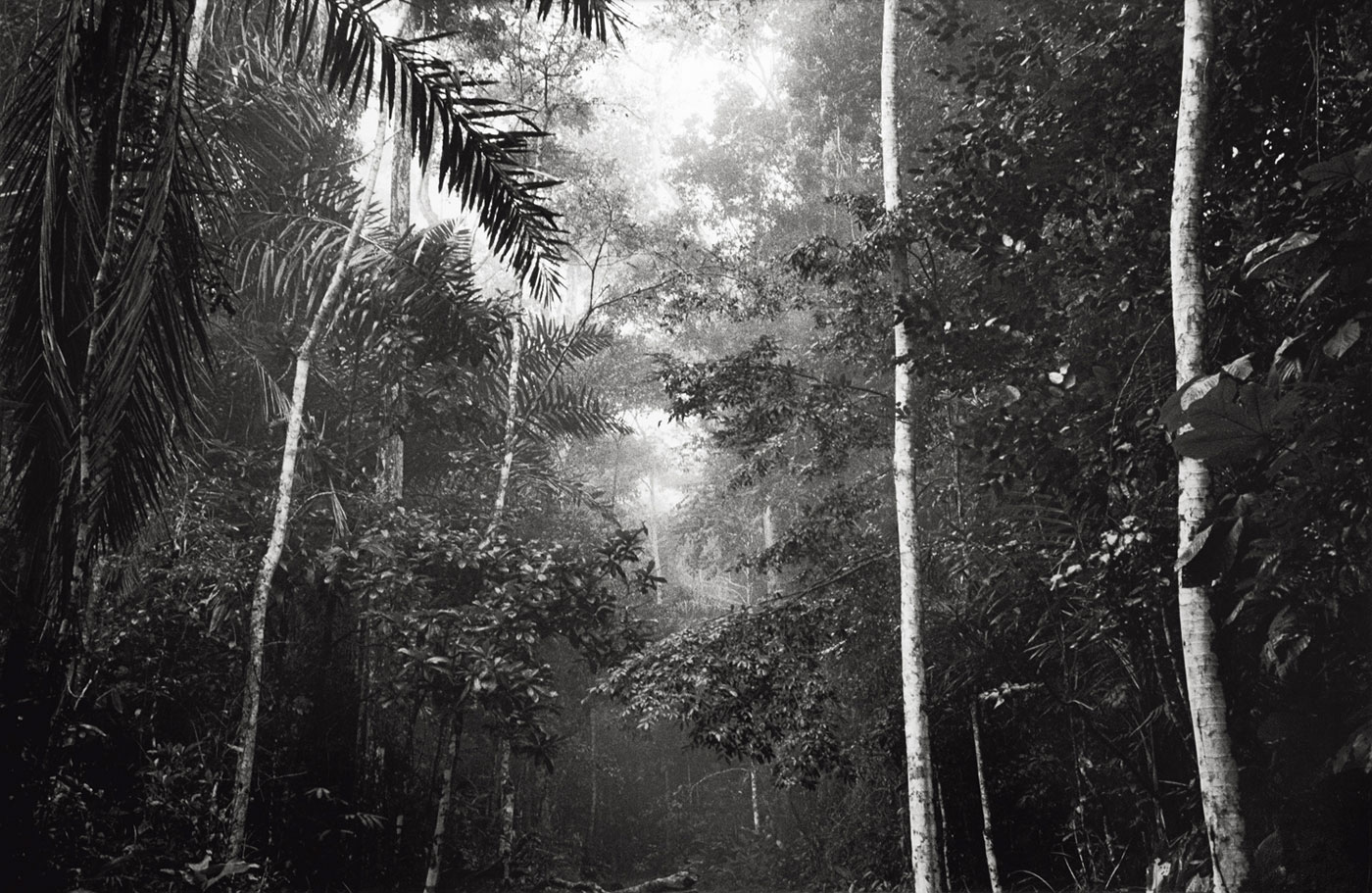
Extract from stories by Charlotte Laemmle from the book In the Folds of Hills


Kristian Laemmle-Ruff (Australian) 'Ralph's oven' 2014


Kristian Laemmle-Ruff (Australian)
Ralph’s oven
2014


The Field Institute at The Compound Interest (Centre for the Applied Arts)
15-25 Keele Street, Collingwood, Victoria

LIKE ART BLART ON FACEBOOK

Back to top