Exhibition: ‘Shea Kirk: Vantages’ at the Centre for Contemporary Photography, Fitzroy, Melbourne

Exhibition dates: 15 June - 11 August, 2019


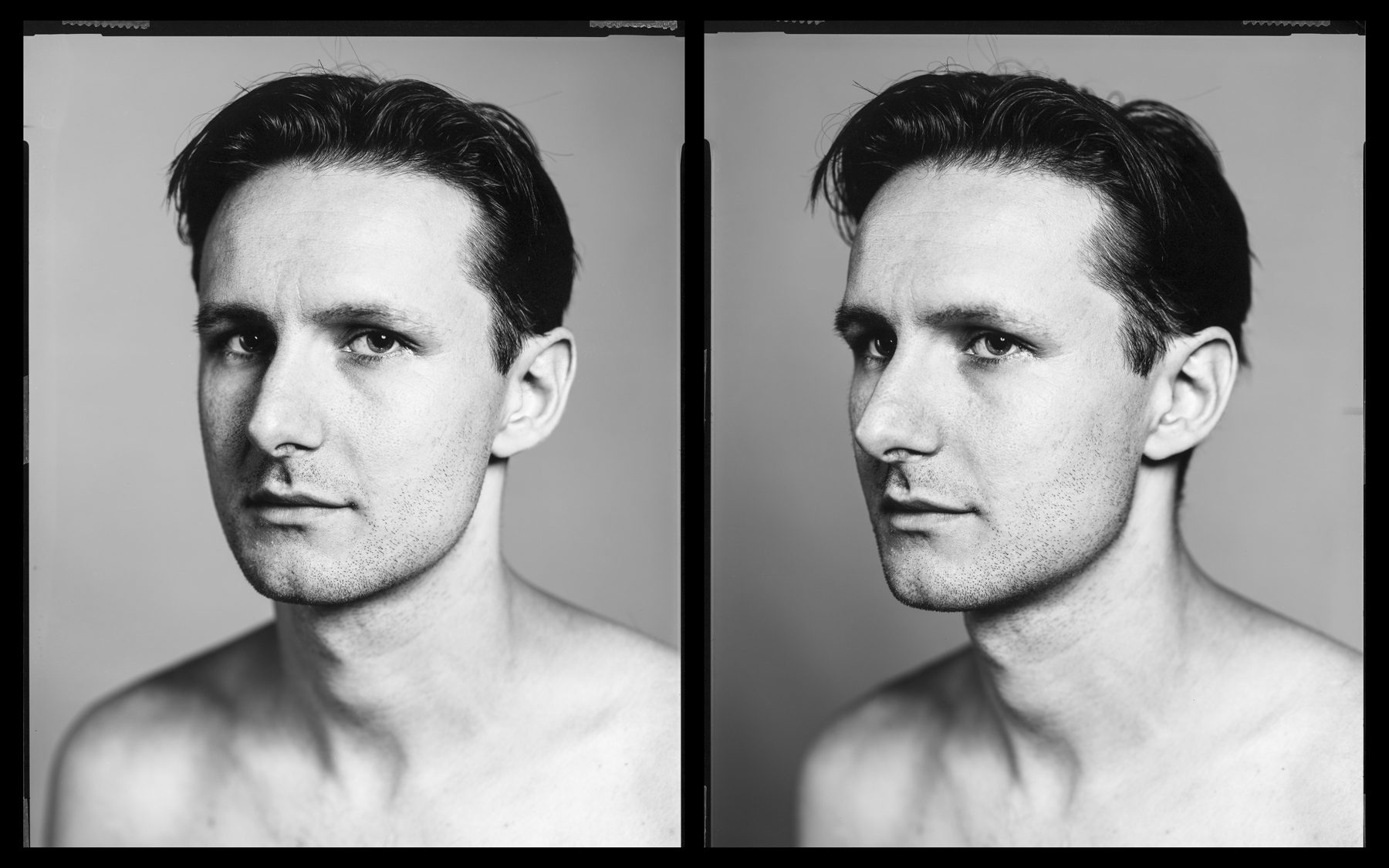
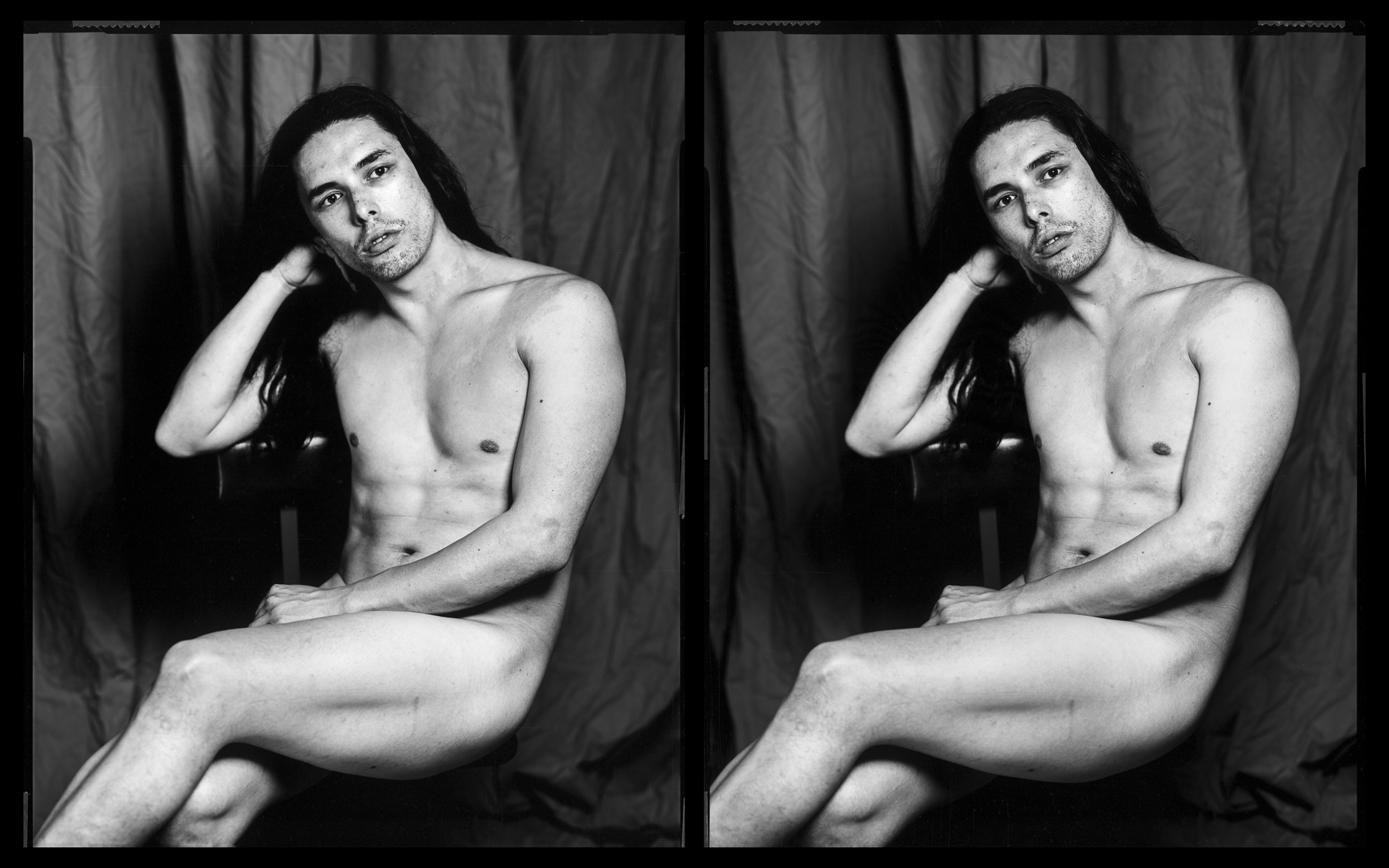
Shea Kirk (Australian, b. 1985) 'Dale Robertson (left and right view)' 2019 from the exhibition 'Shea Kirk: Vantages' at the Centre for Contemporary Photography, Fitzroy, Melbourne, June - August, 2019


Shea Kirk (Australian, b. 1985)
Dale Robertson (left and right view)
2019
From the series Vantages
Courtesy the artist


In Vantages, Kirk invites people to be photographed in the setting of his home studio, in front of simple, unadorned backdrops. Using dual large-format cameras, each portrait is exposed onto separate sheets of black-and-white film, capturing two images of the sitter from slightly different perspectives, emulating the viewpoints of each eye. In an explicitly contemporary take on traditional modes of portraiture, Kirk’s considered and methodical process facilitates an intimate exchange between photographer and subject, with the intention of creating a heightened sense of agency for each sitter. In this way, the series becomes an exercise for the sitter in representing themselves, defying the threat of reduction to a single vantage point.

Text from the National Gallery of Victoria website


Another impressive exhibition at the Centre for Contemporary Photography, this time by artist Shea Kirk in their first solo exhibition.

Photographed in a home-studio with plain backdrops (which remind me of photo-booth images and the white backgrounds of Richard Avedon) on dual large format cameras, I love the split screen vision of these stereoscopic portraits. The schism between left and right, as when you close and open your left and right eye to see something from a different point of view. I couldn’t get the stereoscopic viewer provided to work for me when looking through it… which is probably a good thing because I like the split between the images, those different vantage points, instead of the image being combined into a statuesque edifice.

(The definition of “vantage” is a point of view or position that is more superior or advantageous than another. Personally I don’t think any point of view, in terms of identity construction, should be superior to another.)

Where I think the exhibition is less successful is in the pose of some of the subjects. The press release states that the subjects “stare at us with a disarming self-awareness … presenting as though conscious of their own vulnerabilities – they are aware of what it means to represent themselves”, but all to often I get no sense of who these people really are, what their personality is, in their stillness and statuesqueness, in the time freeze snap of the camera shutter.

I am no great fan of dead pan photography, and here the subjects too often stare off into the distance, supposedly immersed in their own reverie, allowing the viewers eye to rove over their outer appearance, as though the edifice tells us all about who they are. This works well in the image of the nude women covered in tattoos, a magnificent image of strength and beauty but the technique falls flat in the image of Christiane D’Arc (2018, below) for example. I just don’t buy this vacant stare, or to put it another way, photography as mere representation.

The sitter might be aware of their own vulnerabilities and aware of what it means to represent themselves, but it’s not they who are engaged in deciphering the enigma. The best images give you more, for example the photographs of Dale Robertson (2019, above). Here, in the right hand side image, the subject stares straight at the camera engaging me directly, while the mystery of this human being is enhanced by the left hand portrait where he is staring away. What is he thinking, feeling? I get it, it works.

This is a fantastic exhibition for a first solo effort. What is going to be really interesting is to see how Kirk develops this work further. What direction will the work take, which pathways will the artist uncover on their journey of discovery. I would suggest reading the Robert Johnson books He, She and We if not already read. For any artist, these are exciting times!

Dr Marcus Bunyan


Many thankx to the Centre for Contemporary Photography for allowing me to publish the photographs in the posting. Please click on the photographs to view a larger version of the image.


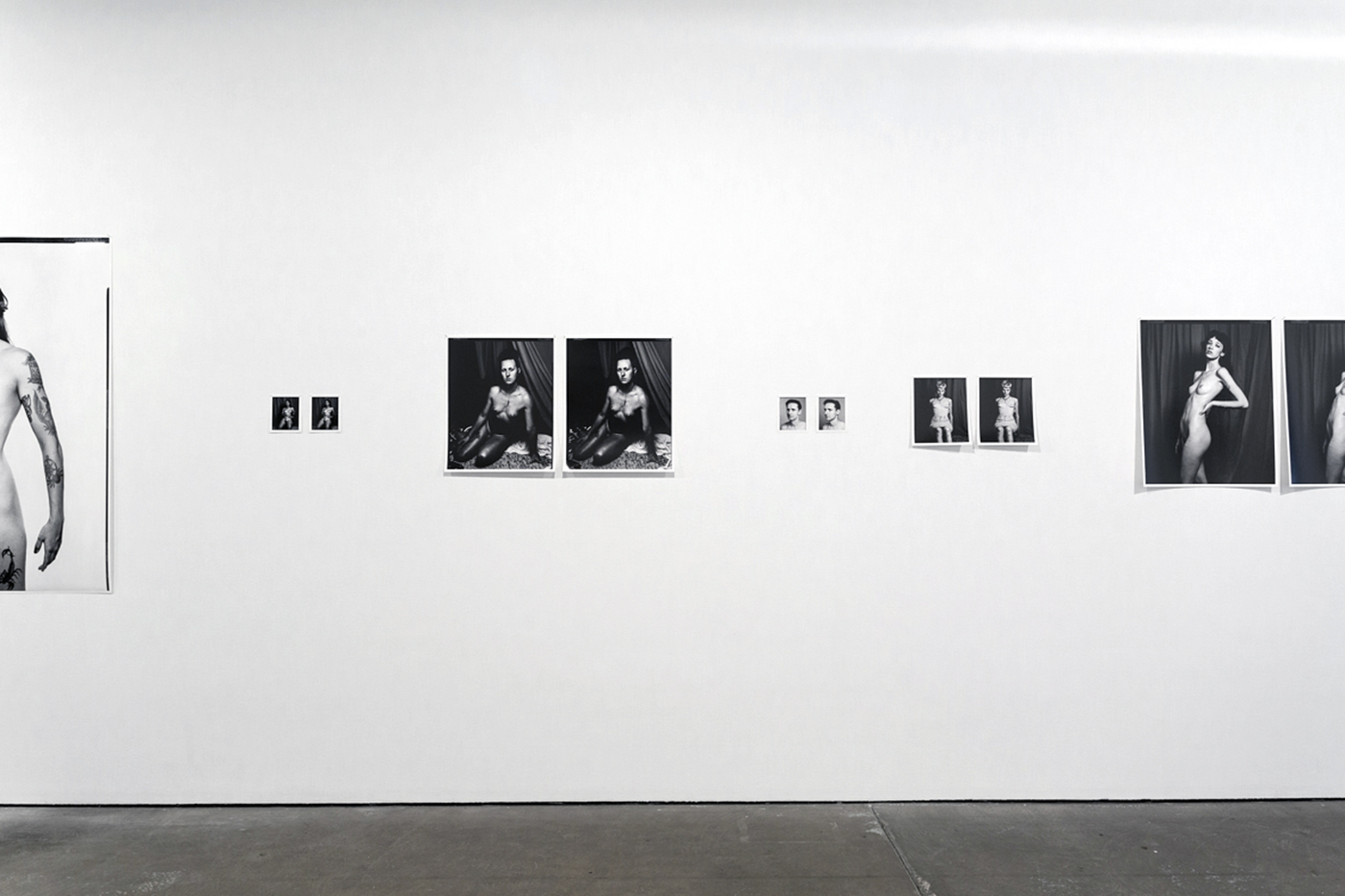
Installation view of the exhibition 'Shea Kirk: Vantages' at the Centre for Contemporary Photography, Melbourne

Installation view of the exhibition 'Shea Kirk: Vantages' at the Centre for Contemporary Photography, Melbourne

Installation view of the exhibition 'Shea Kirk: Vantages' at the Centre for Contemporary Photography, Melbourne

Installation view of the exhibition 'Shea Kirk: Vantages' at the Centre for Contemporary Photography, Melbourne

Installation view of the exhibition 'Shea Kirk: Vantages' at the Centre for Contemporary Photography, Melbourne


Installation views of the exhibition Shea Kirk: Vantages at the Centre for Contemporary Photography, Melbourne
Photographs: J. Forsyth


Vantages is an ongoing series of stereoscopic portraits by Melbourne-based artist Shea Kirk. Working with dual large-format cameras to simultaneously capture two images from different perspectives, Kirk invites subjects to be photographed in his humble home-studio. Each portrait is exposed onto black and white sheet film through a slow and methodical process, enabling an intimate exchange that highlights the agency between photographer and subject. When viewed through a stereoscope, these dual-portraits can be seen three-dimensionally, rendering the subject hauntingly statuesque.

Often in states of undress and portrayed standing or sitting in front of simple backdrops, the subjects in Vantages stare at us with a disarming self-awareness, perhaps only possible in the selfie-obsessed, smart-phone age. Subjects present as though conscious of their own vulnerabilities – they are aware of what it means to represent themselves – and through the very nature of this dual imaging process, they resist being reduced to a single vantage point.

Vantages references a rich history of photographic portraiture, with a freshness that is distinctly contemporary. Vantages considers the significance of portraiture now, through Kirk’s powerfully contemplative, and beautifully realised dual images.

Biography

Shea Kirk is a Melbourne-based visual artist working with traditional photographic methods and techniques. Shea Kirk has been a finalist in the Olive Cotton Award (2019); National Photographic Portrait Prize (2019) and the Head On Portrait Prize (2018), and has participated in a number of group exhibitions across Victoria.

Press release from the Centre for Contemporary Photography 21/09/2019


Shea Kirk (Australian, b. 1985) 'Mohini Hillyer (left and right view)' 2017 from the exhibition 'Shea Kirk: Vantages' at the Centre for Contemporary Photography, Fitzroy, Melbourne, June - August, 2019


Shea Kirk (Australian, b. 1985)
Mohini Hillyer (left and right view)
2017
From the series Vantages
Courtesy the artist


Shea Kirk (Australian, b. 1985) 'Christiane D'Arc (left and right view)' 2018


Shea Kirk (Australian, b. 1985)
Christiane D’Arc (left and right view)
2018
From the series Vantages
Courtesy the artist


Shea Kirk (Australian, b. 1985) 'Jacob Coppedge (left and right view)' 2019


Shea Kirk (Australian, b. 1985)
Jacob Coppedge (left and right view)
2019
From the series Vantages
Courtesy the artist


Shea Kirk (Australian, b. 1985) 'Paul Stillen (left and right view)' 2019


Shea Kirk (Australian, b. 1985)
Paul Stillen (left and right view)
2019
From the series Vantages
Courtesy the artist


Shea Kirk (Australian, b. 1985) 'Joao Quintao Marcolla (left and right view)' 2019


Shea Kirk (Australian, b. 1985)
Joao Quintao Marcolla (left and right view)
2019
From the series Vantages
Courtesy the artist


Centre for Contemporary Photography

No permanent exhibition space at the moment

Centre for Contemporary Photography website

LIKE ART BLART ON FACEBOOK

Back to top

Exhibition: ‘Sophie Gabrielle: Worry For The Fruit The Birds Won’t Eat’ at the Centre for Contemporary Photography, Fitzroy, Melbourne

Exhibition dates: 15th June – 11th August, 2019


Sophie Gabrielle (Australian) 'Worry For The Fruit The Birds Won't Eat #5' 2017-2019 from the exhibition 'Sophie Gabrielle: Worry For The Fruit The Birds Won't Eat' at the Centre for Contemporary Photography, Fitzroy, Melbourne, June - August, 2019


Sophie Gabrielle (Australian)
Worry For The Fruit The Birds Won’t Eat #5
2017-2019


This is the first posting on three strong exhibitions at the Centre for Contemporary Photography, Melbourne… and my pick of the bunch.

I admire an artist who can tell a moving personal story using historic images. An artist who has the imagination, does the research, and works on the process to fulfil the conceptualisation of an idea… to tell that personal story in strong, emotive images that really engage the viewer. Sophie Gabrielle is one such artist.

Gabrielle moves these historic images into the present, and into contemporary relevance, through clear insight into the condition of their becoming. What I mean by that is, she knows her subject matter and she knows where she wants to go with the work. So much contemporary photography is so full of concept that the images are crap. They have no feeling, they have no emotion. Will they engage me a week down the track, or a month, or a year? Will they speak to me, will they reveal themselves to me over and over again? Probably not.

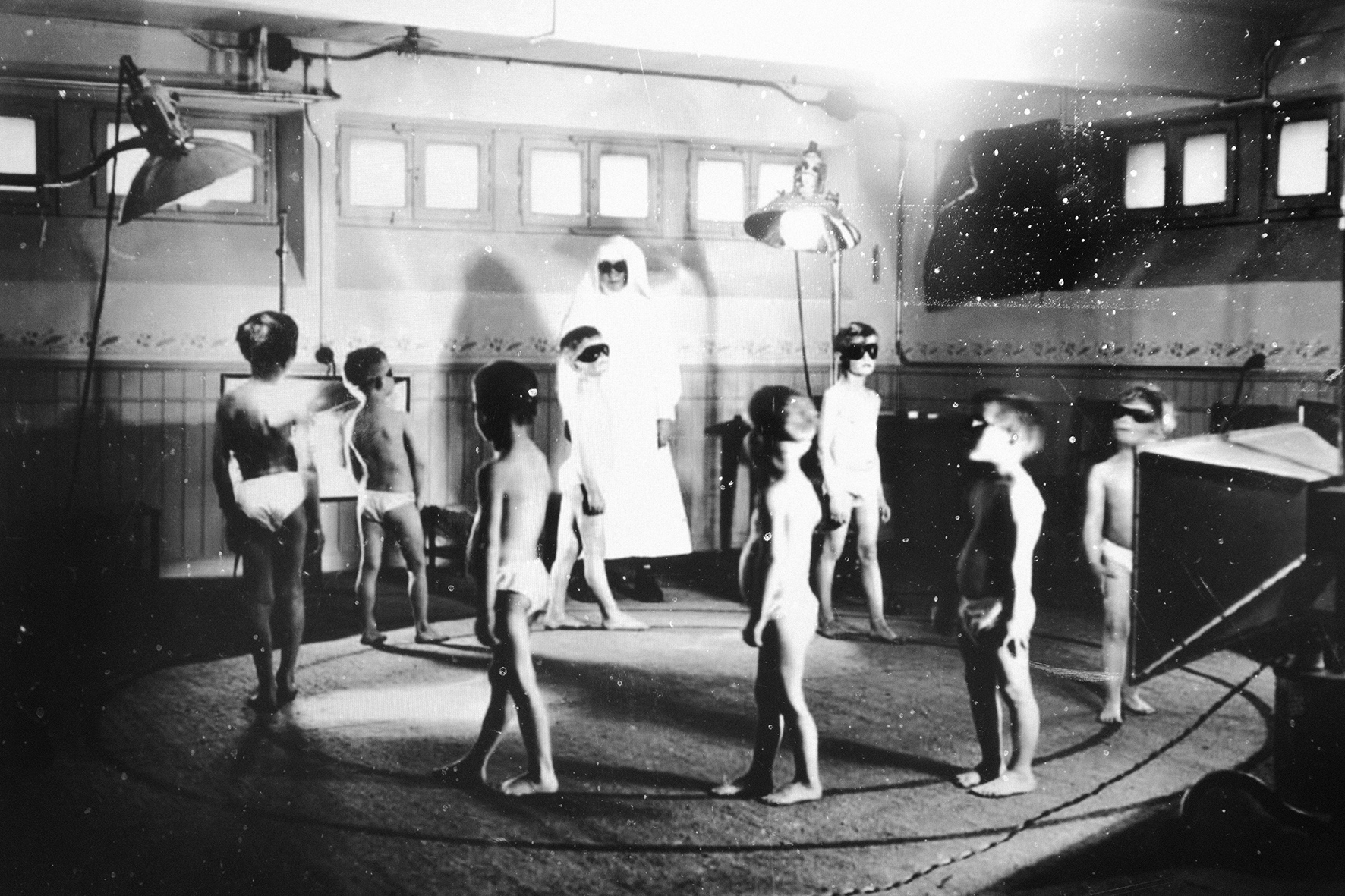
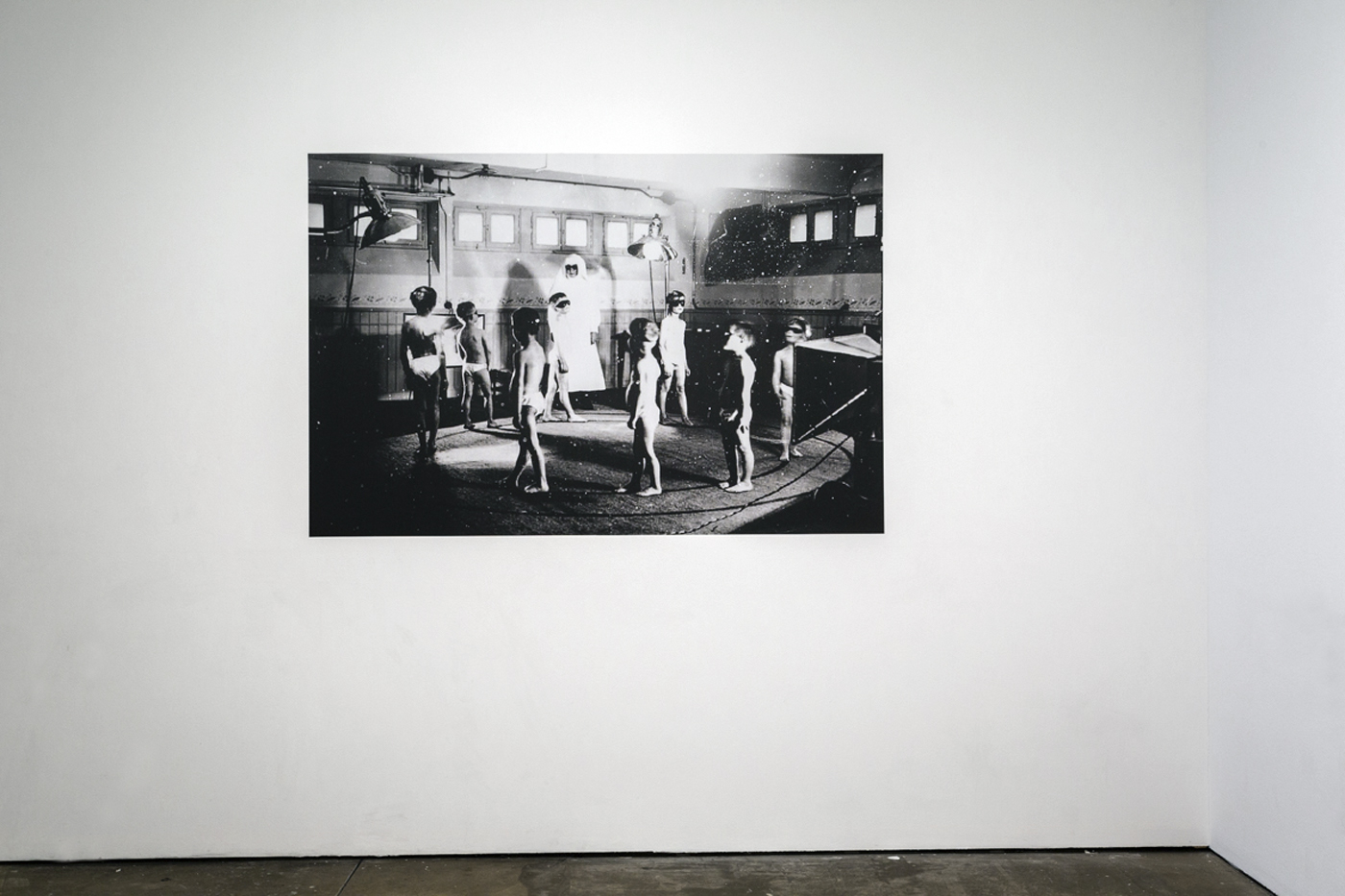
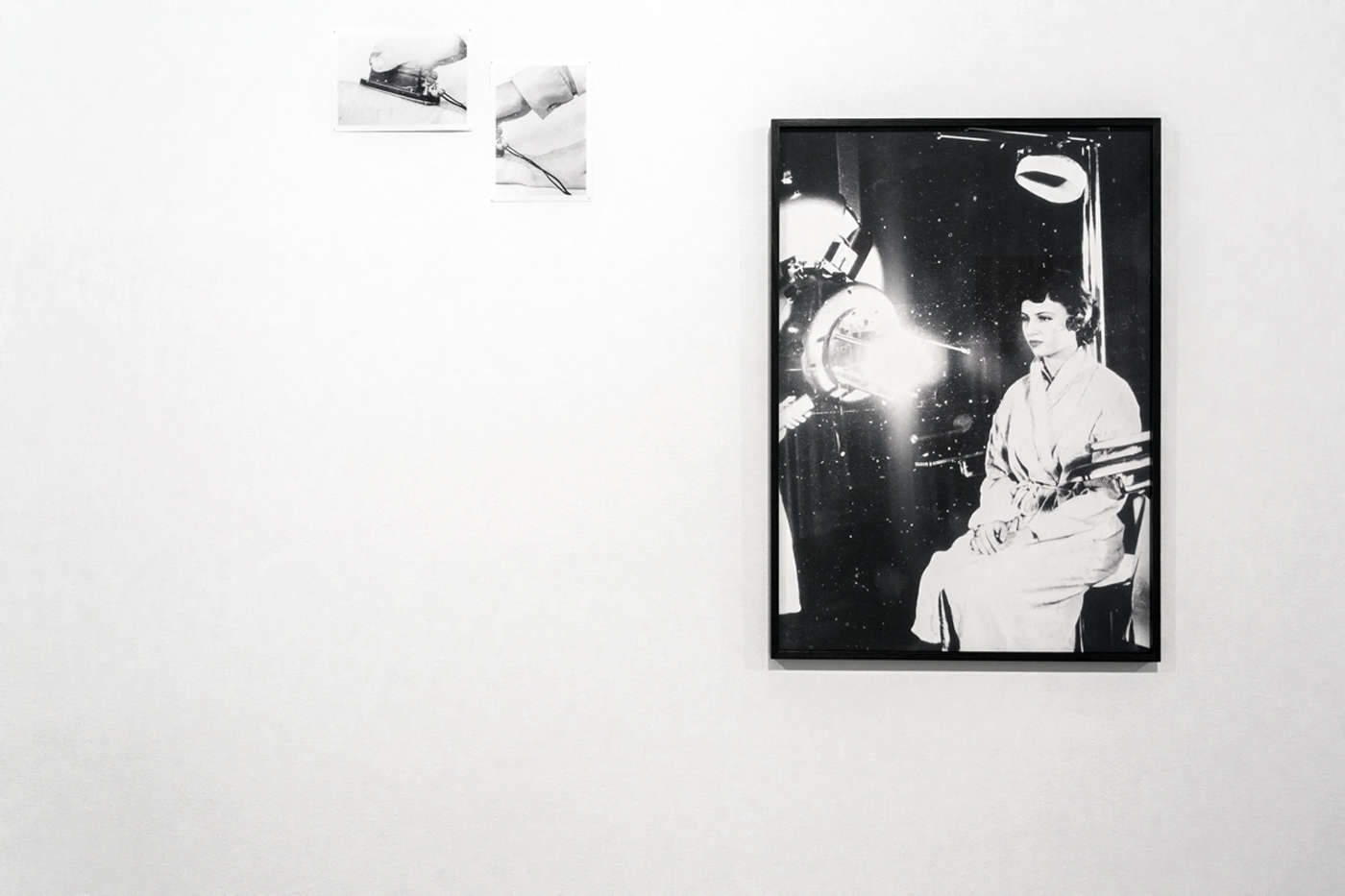
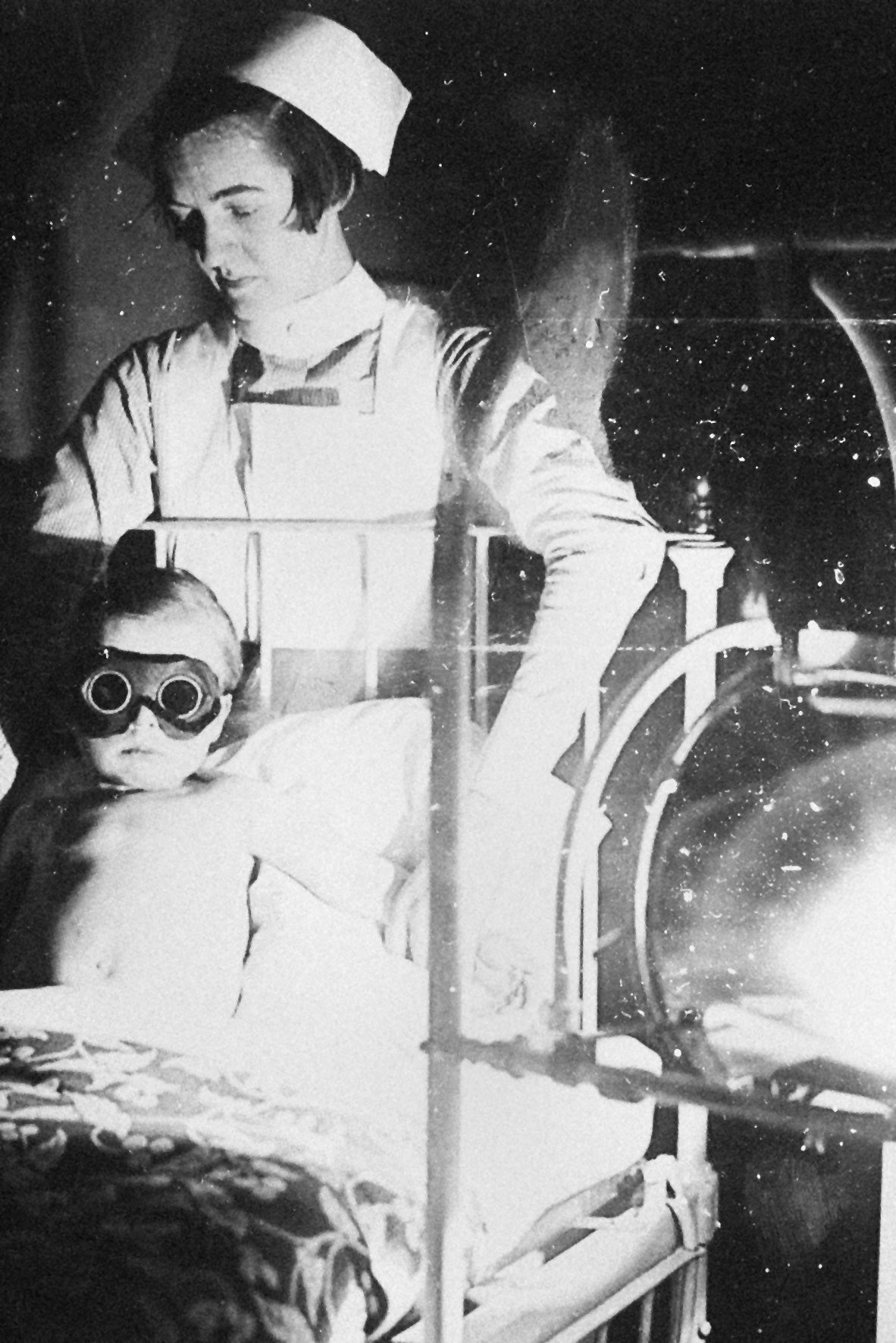
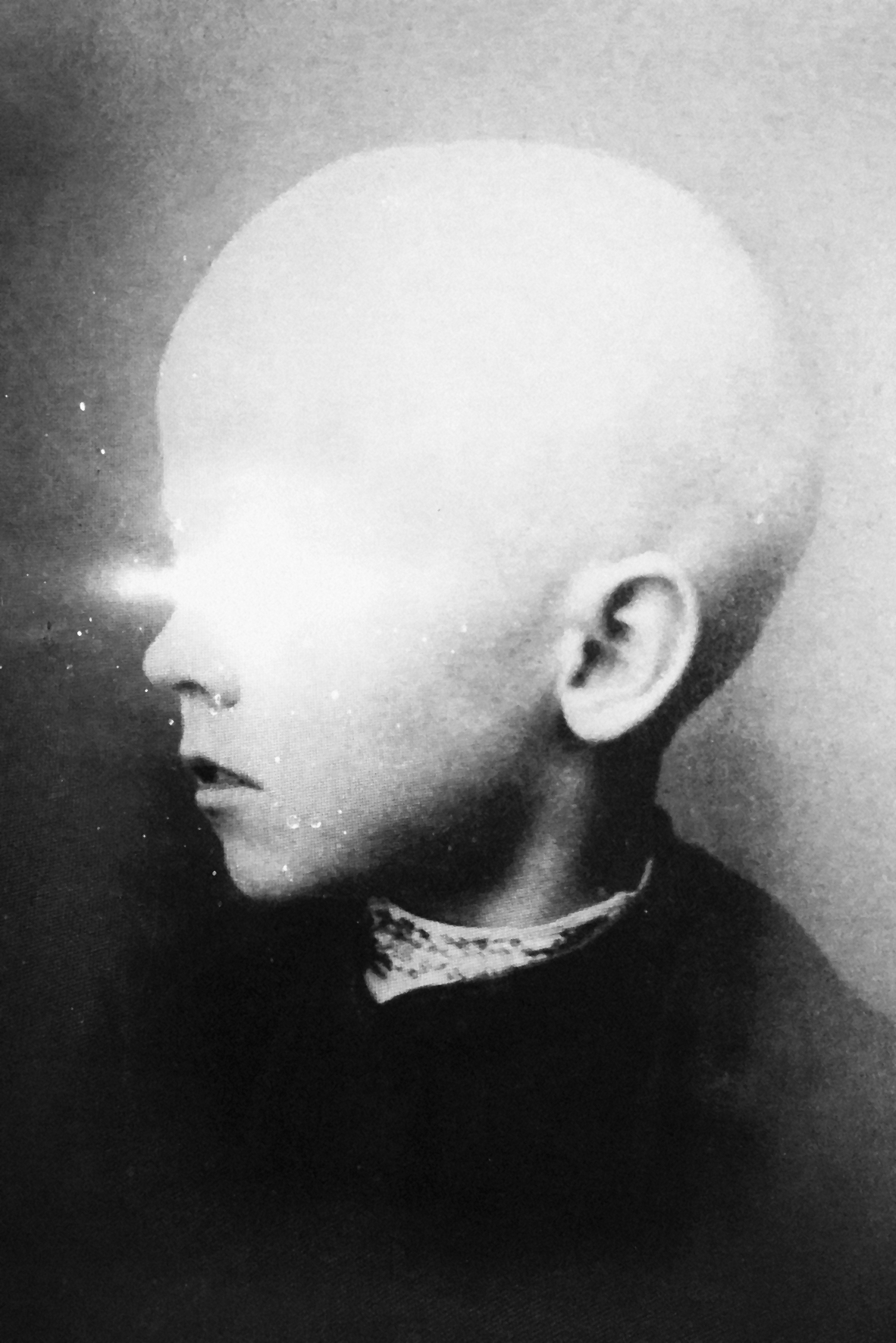
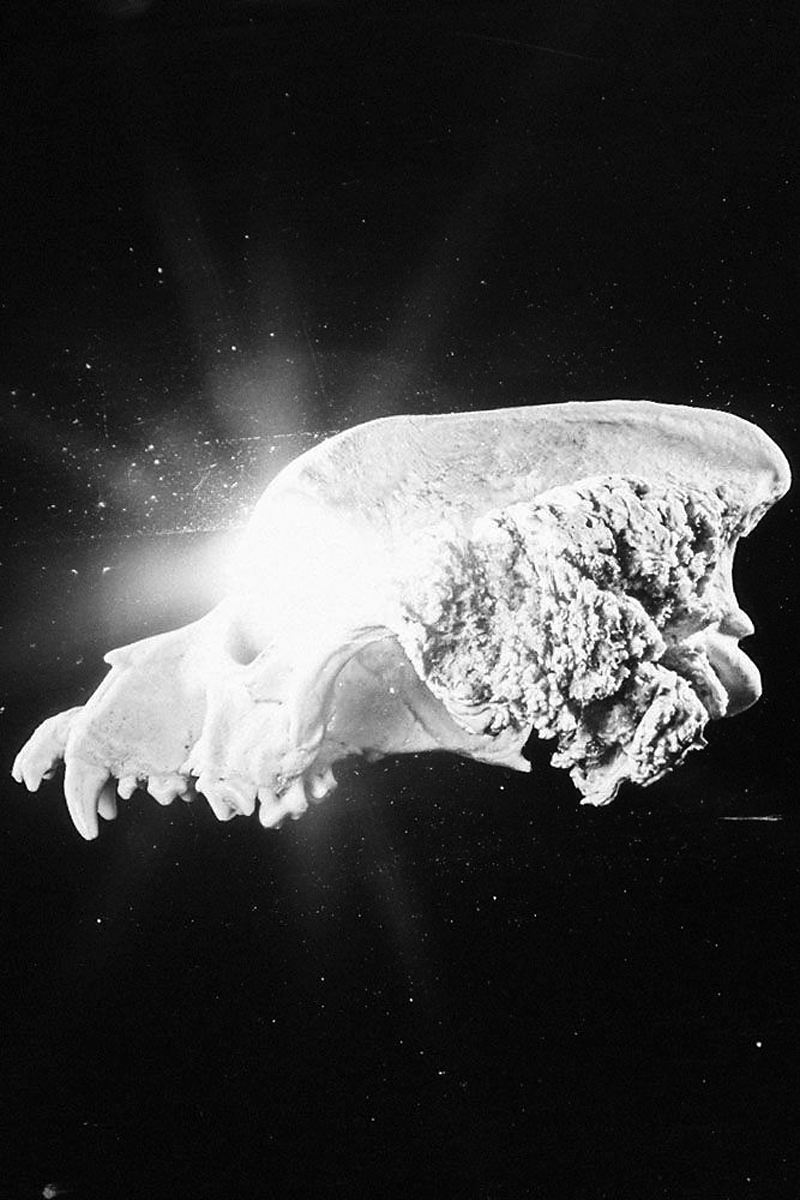
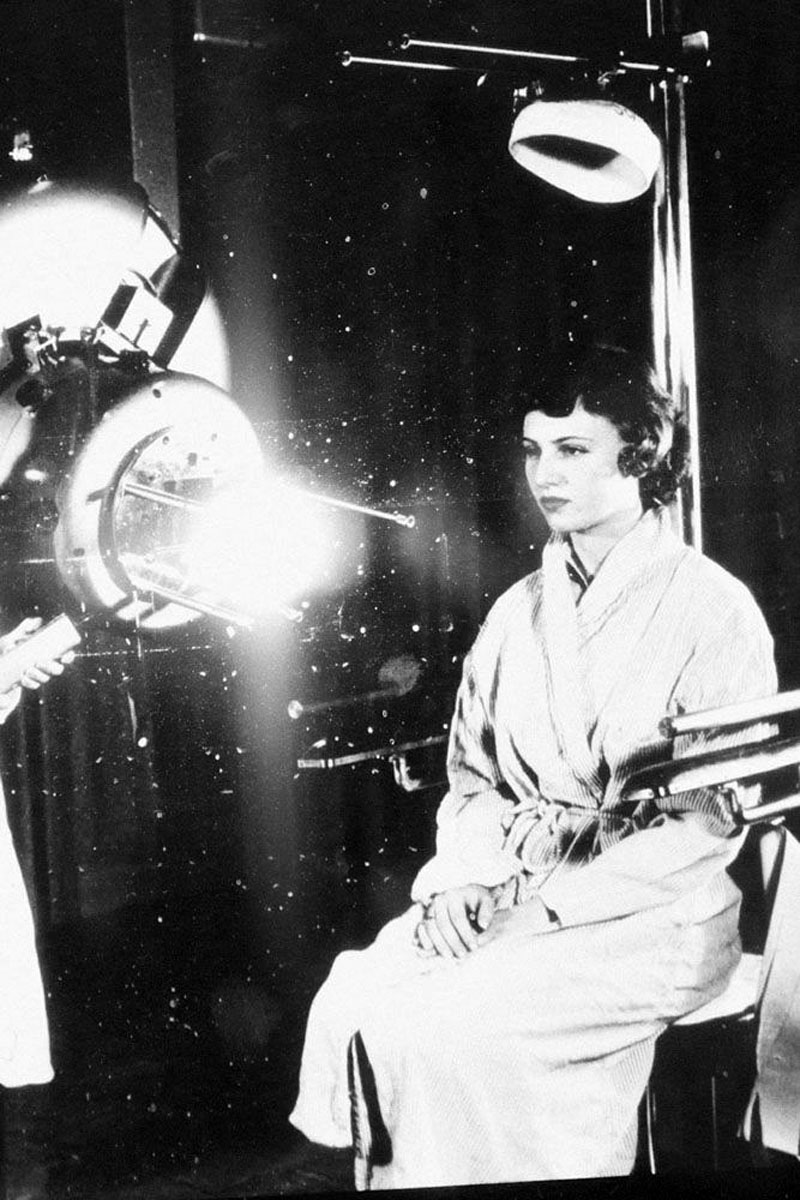
In these photographs Gabrielle combines sci-fi, Village of the Dammed photographs and images of botanicals (which are either medicinal or poisonous, a reflection of the alternate medicinal methods attributed to fighting cancer) with “traces” of her DNA, then re-photographing the image many times, and then degrading the emulsion of the negative in polluted water. In doing so, she pictures worlds in which people think that they are doing the right thing, only to later find that their world has been corrupted and has lost its moral certainty. In this case, Soviet era children blasted with ultraviolet light to cure vitamin D deficiency, or to rid them of freckles, inevitably leading to cancer down the track. The process is called heliotherapy, an archaic treatment for tuberculosis that involved UV light so the kids would produce vitamin D that would fight the bacteria. But as we now know in Australia, solarium and tanning beds have been banned because they significantly increase your risk of cancer.

And why would you want to cure someone of having freckles? Or to extrapolate further, for being left handed, or being gay, or having autism. To make them wear a yellow star or a pink triangle? According to the dictionary, a cure is a method or course of remedial treatment, as for disease. A means of correcting or relieving anything that is troublesome or detrimental. Troublesome or detrimental… or different!

Gabrielle describes Worry for the Fruit the Birds Won’t Eat as “an exploration into the world of the unseen through optics, chemical interactions, and the investigative processes used to photograph something invisible to the naked eye.” Cancer. The Big C. Death. Chemotherapy. Radiation treatment. Leukemia. Melanoma. On and on. Invisible but ever. Present. Here. Now. And then she shows us photographs that seek to dissolve, to dis-solve what is present – freckles, DNA, emulsion, reality – into light. To find an answer to, explanation for, or means of effectively dealing with (a problem or mystery). I’ll let you guess what that mystery might be.

Dr Marcus Bunyan


Many thankx to the Centre for Contemporary Photography for allowing me to publish the photographs in the posting. Please click on the photographs to view a larger version of the image.


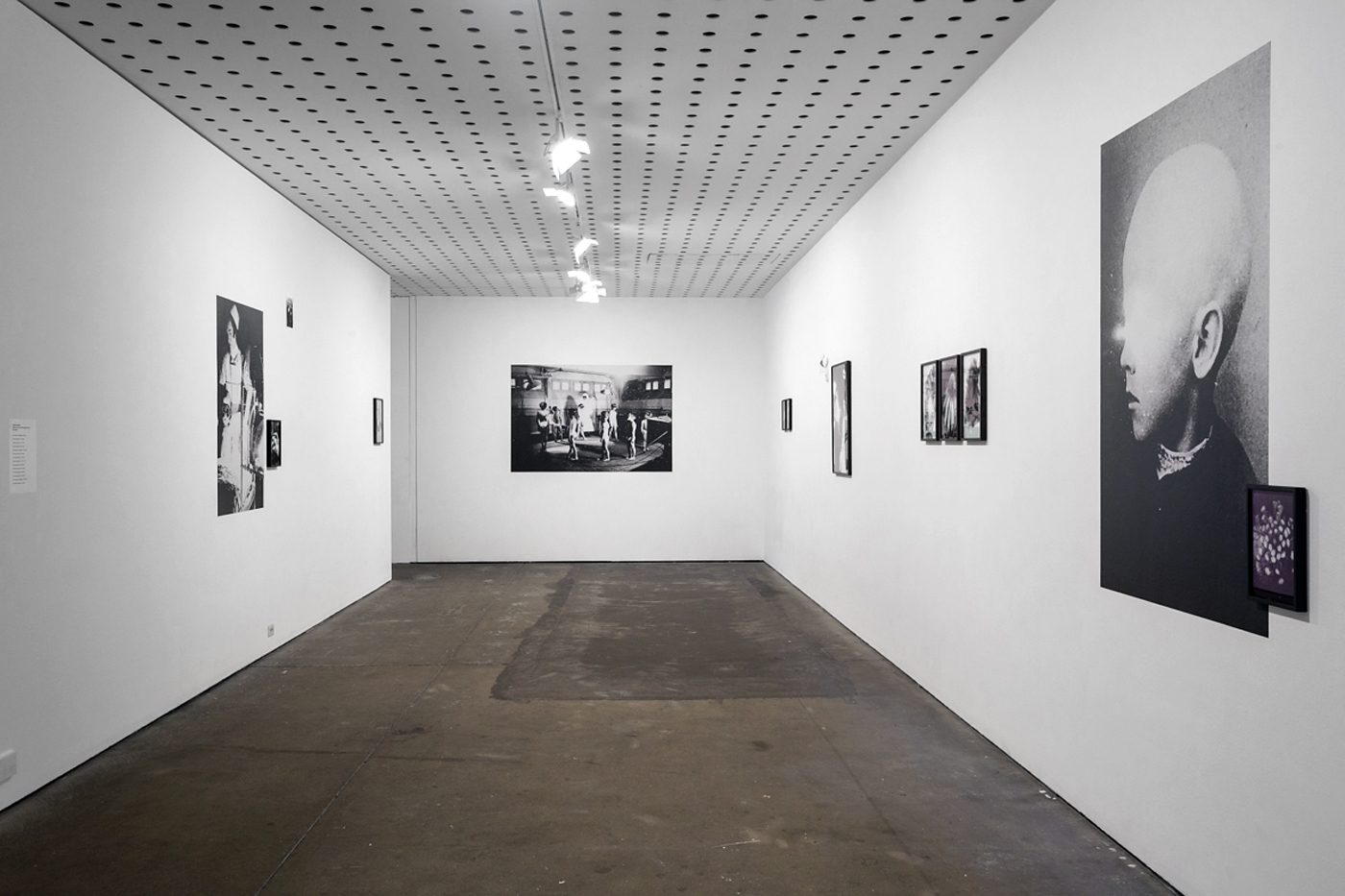
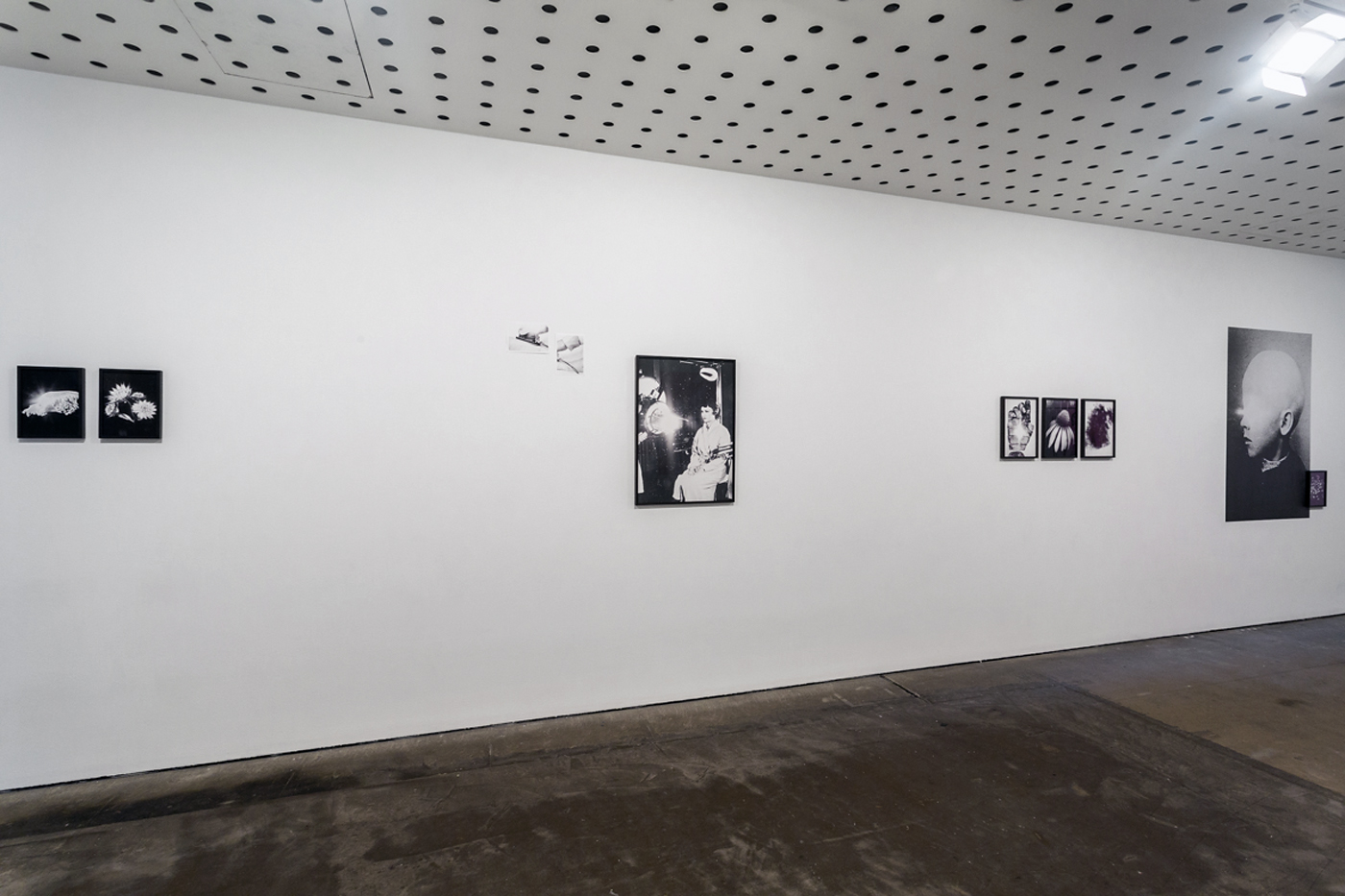
Installation view of the exhibition ‘Sophie Gabrielle: Worry For The Fruit The Birds Won’t Eat’ at the Centre for Contemporary Photography, Melbourne

Installation view of the exhibition ‘Sophie Gabrielle: Worry For The Fruit The Birds Won’t Eat’ at the Centre for Contemporary Photography, Melbourne

Installation view of the exhibition ‘Sophie Gabrielle: Worry For The Fruit The Birds Won’t Eat’ at the Centre for Contemporary Photography, Melbourne

Installation view of the exhibition ‘Sophie Gabrielle: Worry For The Fruit The Birds Won’t Eat’ at the Centre for Contemporary Photography, Melbourne

Installation view of the exhibition ‘Sophie Gabrielle: Worry For The Fruit The Birds Won’t Eat’ at the Centre for Contemporary Photography, Melbourne

Installation view of the exhibition ‘Sophie Gabrielle: Worry For The Fruit The Birds Won’t Eat’ at the Centre for Contemporary Photography, Melbourne

Installation view of the exhibition ‘Sophie Gabrielle: Worry For The Fruit The Birds Won’t Eat’ at the Centre for Contemporary Photography, Melbourne


Installation views of the exhibition Sophie Gabrielle: Worry For The Fruit The Birds Won’t Eat at the Centre for Contemporary Photography, Melbourne
Photographs: J. Forsyth


Through channelling her interest in psychology, science and perception, Sophie Gabrielle creates poetically arresting images that reflect the fragility of the human body, psyche and experience. Combining archival imagery from MRI scans, brain synaptic structures and science experiments from the 1930s and 1940s, Gabrielle creates haunting narratives that interweave the personal and clinical.

Worry For The Fruit The Birds Won’t Eat is a dreamy and deeply personal exploration of the artists’ experiences with cancer, presenting medicinal botanicals and photographic portraits, alongside archival images from obscure medical research catalogues. Photographed through plates of glass to catch minute particles of her own skin – images are overlaid with the artists’ own DNA – creating interwoven, abstract self-portraits.

Worry For The Fruit The Birds Won’t Eat is an exploration drawn from my experiences with cancer through optics and chemical interactions, and an investigative process to photograph that which is generally invisible to the naked eye.

This project started as a coping mechanism to address the impact cancer has had on my life over the past few years, after all the men in my family were diagnosed with stage four cancer. These works give a sense of the unsettled, fragile, daunting and overwhelming aspects that have culminated during this time in my life.”

~ Sophie Gabrielle, 2019

Biography

Sophie Gabrielle is a Melbourne based artist and curator working between analogue and digital photographic practices. Graduating from Photography Studies College in 2015, her work has been exhibited in Australia, Malaysia, New York, UK and Amsterdam. In 2018, Gabrielle was the first Australian chosen as a finalist for Foam Talent, Foam Fotografiemuseum, Amsterdam. In 2016, Gabrielle was a finalist for the Lensculture Emerging Talent Award.

Press release from the Centre for Contemporary Photography 21/09/2019


Sophie Gabrielle (Australian) 'Worry For The Fruit The Birds Won't Eat' 2017-2019 from the exhibition 'Sophie Gabrielle: Worry For The Fruit The Birds Won't Eat' at the Centre for Contemporary Photography, Fitzroy, Melbourne, June - August, 2019


Sophie Gabrielle (Australian)
Worry For The Fruit The Birds Won’t Eat
2017-2019


Sophie Gabrielle (Australian) 'Worry For The Fruit The Birds Won't Eat #7' 2017-2019


Sophie Gabrielle (Australian)
Worry For The Fruit The Birds Won’t Eat #7
2017-2019


After discovering a number of her close family members were ill with the disease, she searched through physical and digital scientific archives connected to the various strains associated with each loved one. “I was interested in archives that were connected to my family’s own story of diagnosis, treatment, recovery and death,” she explains. The resulting images make up her body of work Worry for the Fruit the Birds Won’t Eat, which Gabrielle describes as “an exploration into the world of the unseen through optics, chemical interactions, and the investigative processes used to photograph something invisible to the naked eye.”

As Gabrielle worked through the archives, she also worked through her own personal trauma and confusion. “It was an all-consuming process, both physically and emotionally. The images I was most drawn to ran parallel to the events happening in the lives of my family members during that painful time.” Each archival discovery pointed Gabrielle in another direction, so that she eventually found major points of comparison across multiple sets of images from a variety of different sources. “My father’s diagnosis of stage four prostate cancer made me reflect on the surgical procedures in the images, and my grandfather’s diagnosis of lung cancer drew me to x-rays, especially after seeing the dark clustered patterns of abnormal cells in the imagery. Also, the collection of botanicals are either medicinal or poisonous – a reflection of the alternate medicinal methods attributed to fighting cancer.”

Upon selecting each archival image, Gabrielle used historical processes to involve her own photographic practice in the work. After leaving each image under a glass plate to collect floating particles of dust and hair, she re-photographed each piece multiple times, creating negatives that incorporate flecks of the environment’s natural disruptions. “There was something healing about getting lost within the process of creating these images, transforming their scientific purpose into something personal and poetic. I left them to collect dust in places that were significant to me and my family.”

After re-photographing the images, Gabrielle submerged her negatives in polluted water, allowing the emulsion’s degradation to further highlight the lyrical features of illness. “I actually did it while sitting on a jetty in Penang, Malaysia,” she explains. “I was thinking about the clear water that runs from taps, and how this re-enters nature to become ill and polluted. It was this unseen danger that intrigued me, and I wanted to incorporate that into the work. The microbes in the polluted water ate away at the film, leaving their own marks upon the negatives before I made the prints.”

This incorporation of intervention and decay into her photographic process soon became an integral part of Gabrielle’s own healing process, affording her a clear state of mind to work through a number of complex emotions.

Extract from Cat Lachowskyj. “Worry for the Fruit the Birds Won’t Eat,” on the Lens Culture website [Online] Cited 21/07/2019


Sophie Gabrielle (Australian) 'Worry For The Fruit The Birds Won't Eat #1' 2017-2019


Sophie Gabrielle (Australian)
Worry For The Fruit The Birds Won’t Eat #1
2017-2019


Sophie Gabrielle (Australian) 'Worry For The Fruit The Birds Won't Eat #13' 2017-2019


Sophie Gabrielle (Australian)
Worry For The Fruit The Birds Won’t Eat #13
2017-2019


Sophie Gabrielle (Australian) 'Worry For The Fruit The Birds Won't Eat' 2017-2019


Sophie Gabrielle (Australian)
Worry For The Fruit The Birds Won’t Eat
2017-2019


Sophie Gabrielle (Australian) 'Worry For The Fruit The Birds Won't Eat' 2017-2019


Sophie Gabrielle (Australian)
Worry For The Fruit The Birds Won’t Eat
2017-2019


Centre for Contemporary Photography

No permanent exhibition space at the moment

Centre for Contemporary Photography website

LIKE ART BLART ON FACEBOOK

Back to top
Photographs: Marcus Bunyan. ‘The Night Journey’ 2019

July 2019


Marcus Bunyan (Australian, b. 1958) ‘Untitled’ from the series ‘The Night Journey’ 2019


Marcus Bunyan (Australian, b. 1958)
Untitled
2019
From the series The Night Journey
Digital photograph on cotton rag


The Night Journey

The only reason to make art is for yourself… but I hope you enjoy the images and the sequence as much as I enjoyed making it!

The images picture interstitial spaces, un/realities that hover at a median point, a tipping point between the real and the unreal. Which is which is open to question…

Please click on the photographs to see a larger version of the image. They are best viewed on a desktop computer to see the details of the image.

Marcus

38 images in the series in two sets
© Marcus Bunyan

SEE THE FULL SERIES ON MY WEBSITE

Photographs are available from this series for purchase. As a guide, a digital colour 16″ x 20″ costs $1000 plus tracked and insured shipping. For more information please see my Store web page.


Marcus Bunyan (Australian, b. 1958) ‘Untitled’ from the series ‘The Night Journey’ 2019


Marcus Bunyan (Australian, b. 1958)
Untitled
2019
From the series The Night Journey
Digital photograph on cotton rag


Marcus Bunyan (Australian, b. 1958) ‘Untitled’ from the series ‘The Night Journey’ 2019


Marcus Bunyan (Australian, b. 1958)
Untitled
2019
From the series The Night Journey
Digital photograph on cotton rag


Marcus Bunyan (Australian, b. 1958) ‘Untitled’ from the series ‘The Night Journey’ 2019


Marcus Bunyan (Australian, b. 1958)
Untitled
2019
From the series The Night Journey
Digital photograph on cotton rag


Marcus Bunyan (Australian, b. 1958) ‘Untitled’ from the series ‘The Night Journey’ 2019


Marcus Bunyan (Australian, b. 1958)
Untitled
2019
From the series The Night Journey
Digital photograph on cotton rag


Marcus Bunyan (Australian, b. 1958) ‘Untitled’ from the series ‘The Night Journey’ 2019


Marcus Bunyan (Australian, b. 1958)
Untitled
2019
From the series The Night Journey
Digital photograph on cotton rag


Marcus Bunyan (Australian, b. 1958) ‘Untitled’ from the series ‘The Night Journey’ 2019


Marcus Bunyan (Australian, b. 1958)
Untitled
2019
From the series The Night Journey
Digital photograph on cotton rag


Marcus Bunyan (Australian, b. 1958) ‘Untitled’ from the series ‘The Night Journey’ 2019


Marcus Bunyan (Australian, b. 1958)
Untitled
2019
From the series The Night Journey
Digital photograph on cotton rag


Marcus Bunyan (Australian, b. 1958) ‘Untitled’ from the series ‘The Night Journey’ 2019


Marcus Bunyan (Australian, b. 1958)
Untitled
2019
From the series The Night Journey
Digital photograph on cotton rag


Marcus Bunyan (Australian, b. 1958) ‘Untitled’ from the series ‘The Night Journey’ 2019


Marcus Bunyan (Australian, b. 1958)
Untitled
2019
From the series The Night Journey
Digital photograph on cotton rag


Marcus Bunyan (Australian, b. 1958) ‘Untitled’ from the series ‘The Night Journey’ 2019


Marcus Bunyan (Australian, b. 1958)
Untitled
2019
From the series The Night Journey
Digital photograph on cotton rag


Marcus Bunyan (Australian, b. 1958) ‘Untitled’ from the series ‘The Night Journey’ 2019


Marcus Bunyan (Australian, b. 1958)
Untitled
2019
From the series The Night Journey
Digital photograph on cotton rag


Marcus Bunyan (Australian, b. 1958) ‘Untitled’ from the series ‘The Night Journey’ 2019


Marcus Bunyan (Australian, b. 1958)
Untitled
2019
From the series The Night Journey
Digital photograph on cotton rag


Marcus Bunyan (Australian, b. 1958) ‘Untitled’ from the series ‘The Night Journey’ 2019


Marcus Bunyan (Australian, b. 1958)
Untitled
2019
From the series The Night Journey
Digital photograph on cotton rag


Marcus Bunyan website

LIKE ART BLART ON FACEBOOK

Back to top

Photographs: Marcus Bunyan. ‘Oblique’ 2019

March 2019


Marcus Bunyan (Australian born England, b. 1958) 'Untitled' 2019 From the series 'Oblique'


Marcus Bunyan (Australian born England, b. 1958)
Untitled
2019
From the series Oblique
Digital colour photograph


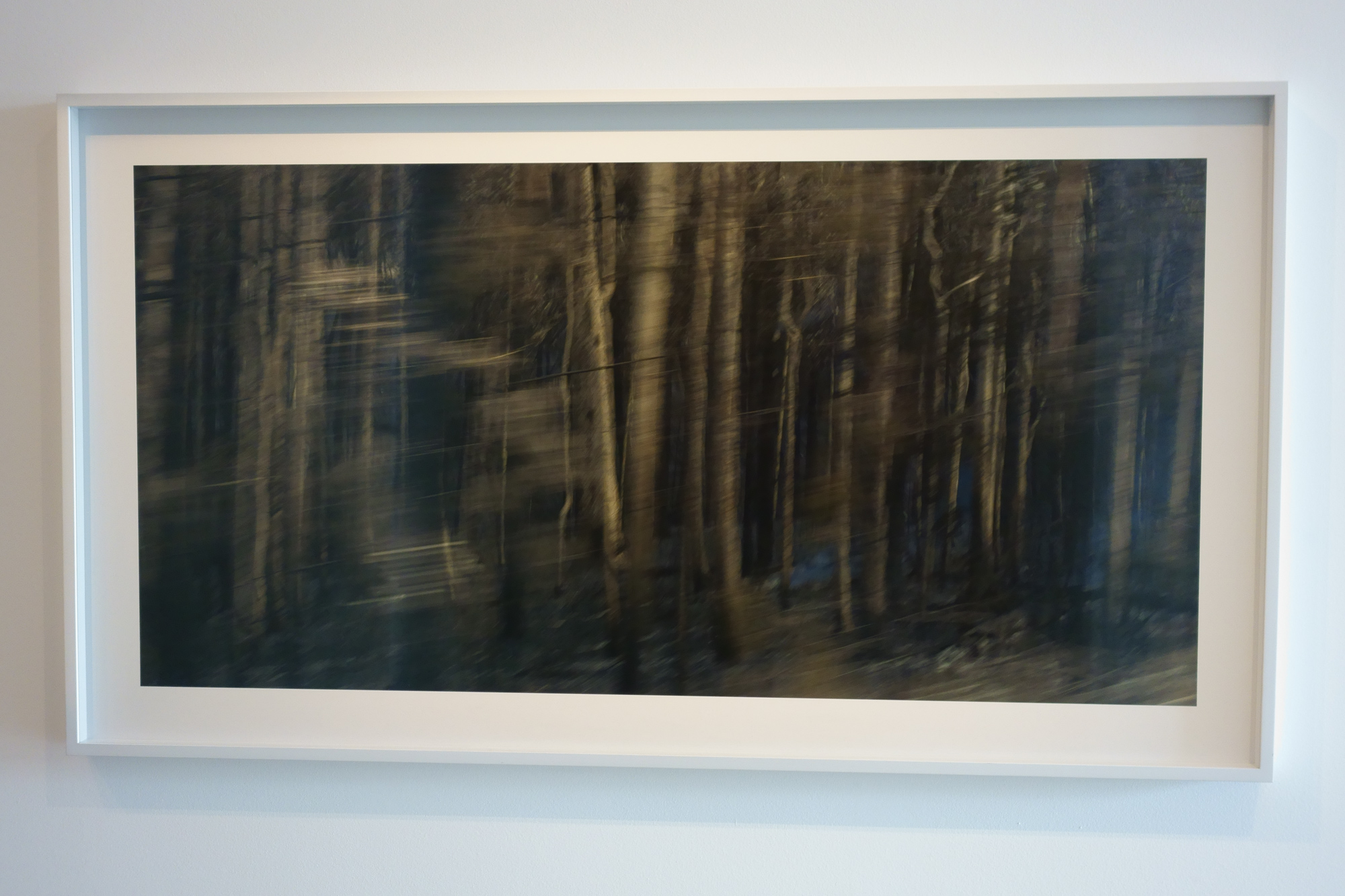
Here is a body of work shot mainly from moving taxi windows in Bangkok and surrounds, interspersed with still, Zen-like images.

With the moving images, you have to anticipate by a couple of seconds the movement of the taxi and the release of the shutter so you have no idea what the image will actually be. Your sense of previsualisation is completed on feel and instinct. You trust the world to provide the image which you are looking for. I enjoy them, they give me pleasure and contentment in their creation.


Oblique

In terms of defining the concept of the oblique we can say that: “The oblique is fundamentally interested in how a body physically experiences a space.”

In this case, both physically and spiritually.

The series investigates the concept through images of movement and stillness, fleeting glimpses of urban life intertwined with Zen-like images. The series is constructed not as a sequence, but as a “volume” where there is no beginning, no middle and no end. It is like a jewel that can be turned around and looked at from different perspectives, where no one perspective is the correct interpretation. Each volume has its own validity, its own uniqueness.

The images can also be read as a protest against death – no beginning, no middle, no end – where everything is connected to everything else. As Goethe observes in his Conversations with Eckermarm (5 June 1825):

“In nature we never see anything isolated, but everything in connection with something else which is before it, beside it, under it, and over it.”

Dr Marcus Bunyan


66 images
© Marcus Bunyan

Please note: the series is best viewed on a desktop computer with a large screen. Please click on the photographs to see a larger version of the image.

PLEASE VIEW THE WHOLE SERIES ON MY WEBSITE

Photographs are available from this series for purchase. As a guide, a digital colour 16″ x 20″ costs $1000 plus tracked and insured shipping. For more information please see my Store web page.


Marcus Bunyan (Australian born England, b. 1958) 'Oblique' series 2019


The 66 images of Oblique (2019). Please click on the photograph to see a larger version of the work


Marcus Bunyan (Australian born England, b. 1958) 'Untitled' 2019 From the series 'Oblique'


Marcus Bunyan (Australian born England, b. 1958)
Untitled
2019
From the series Oblique
Digital colour photograph


Marcus Bunyan website

LIKE ART BLART ON FACEBOOK

Back to top

Photographs: Marcus Bunyan. ‘Paris in film’ 2018 Part 2

July 2018


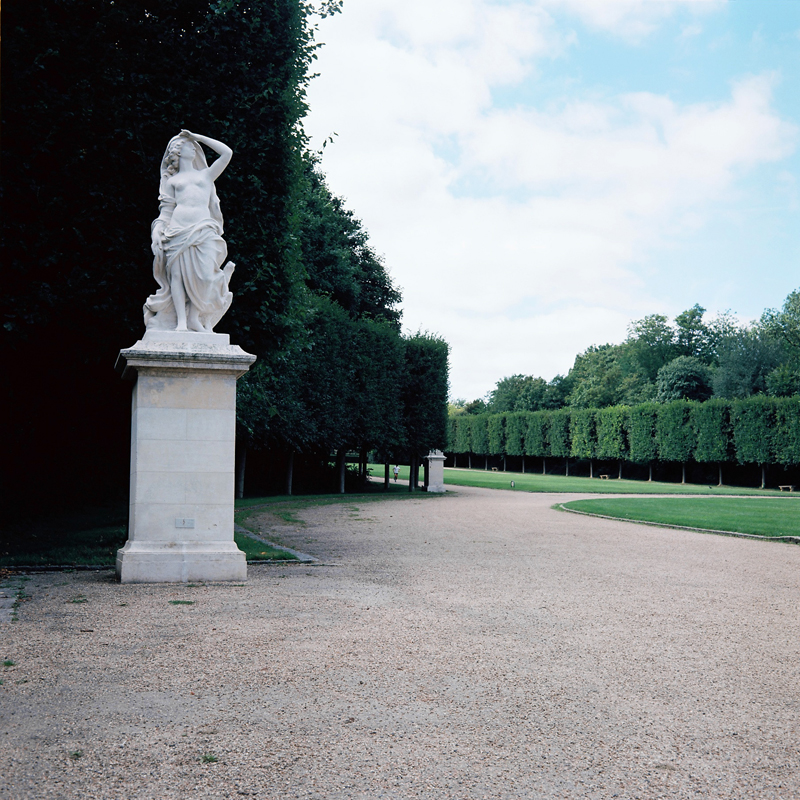
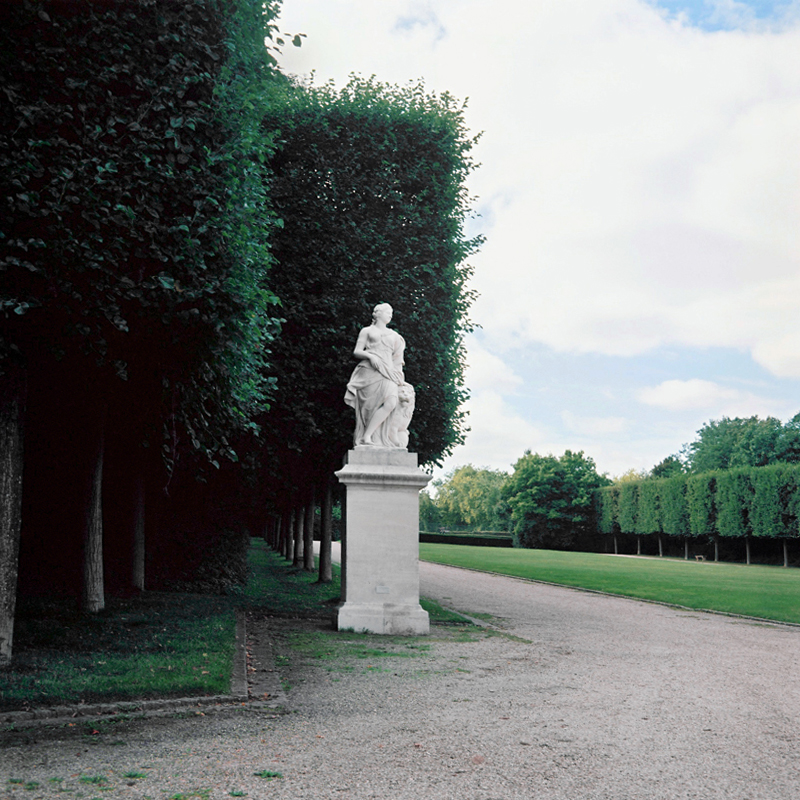
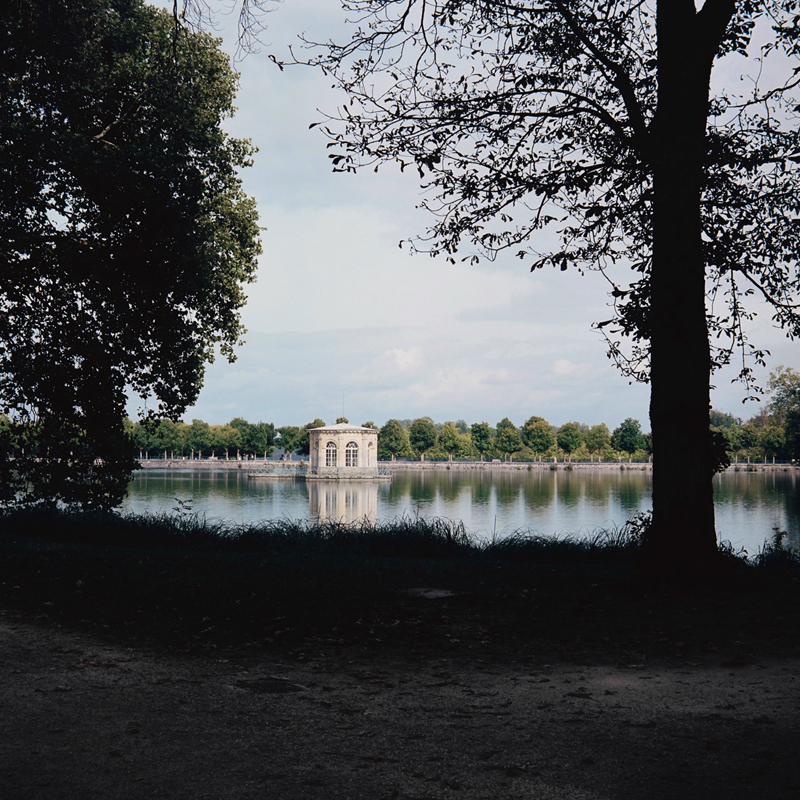
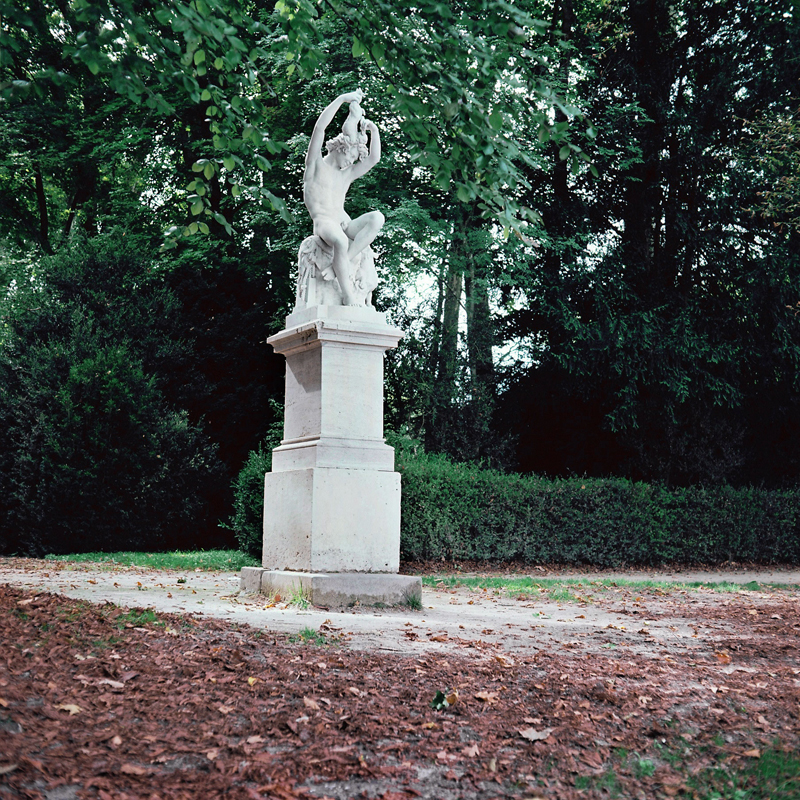
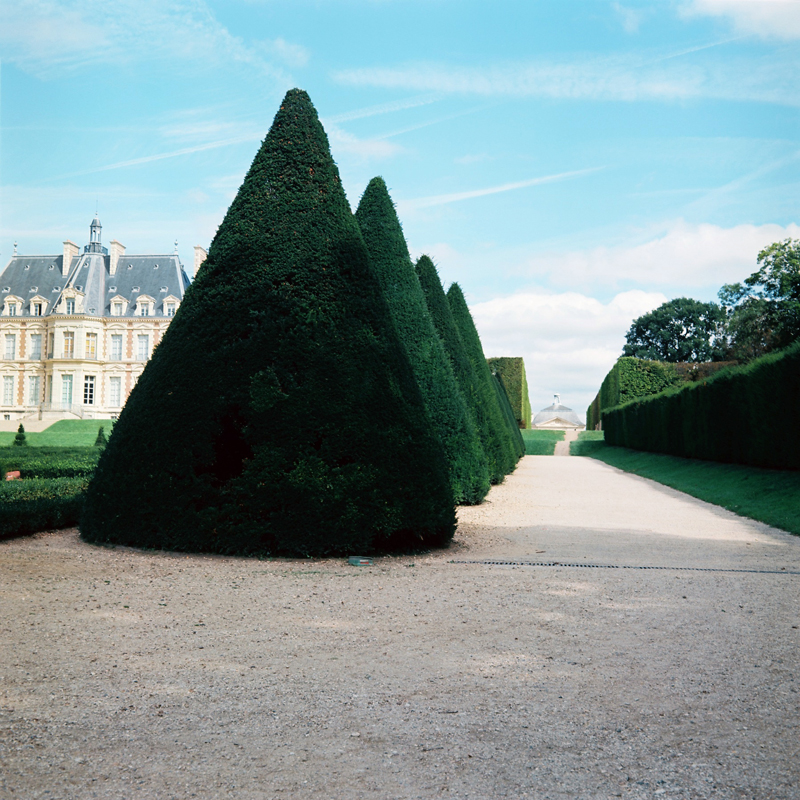
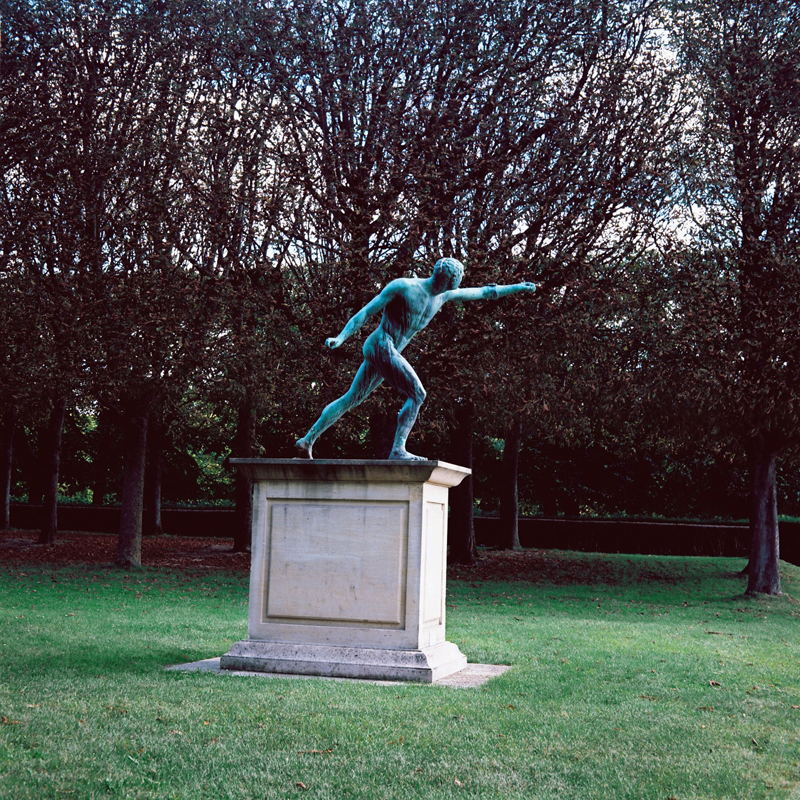
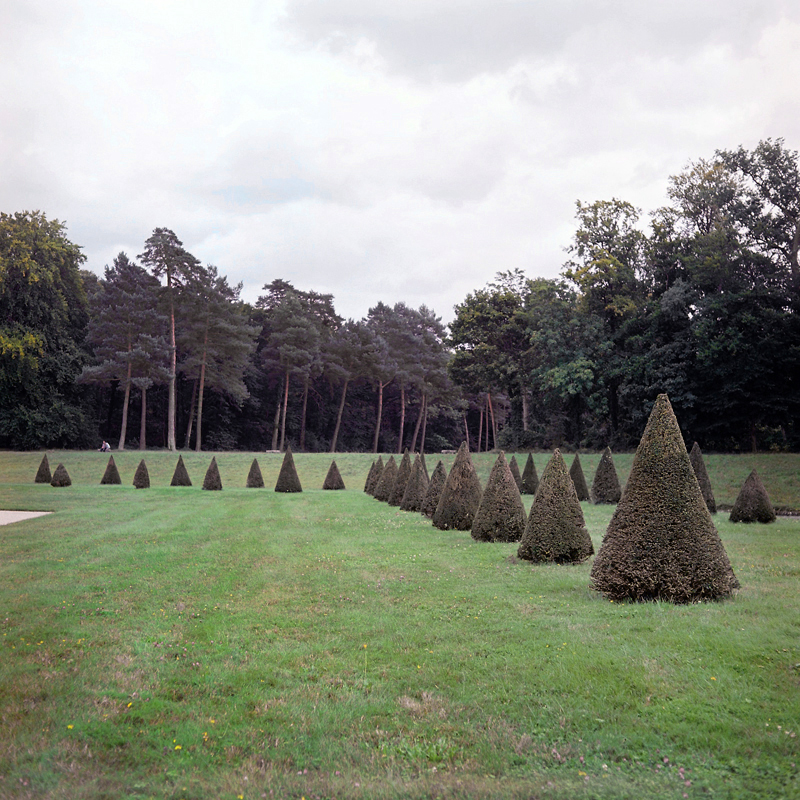
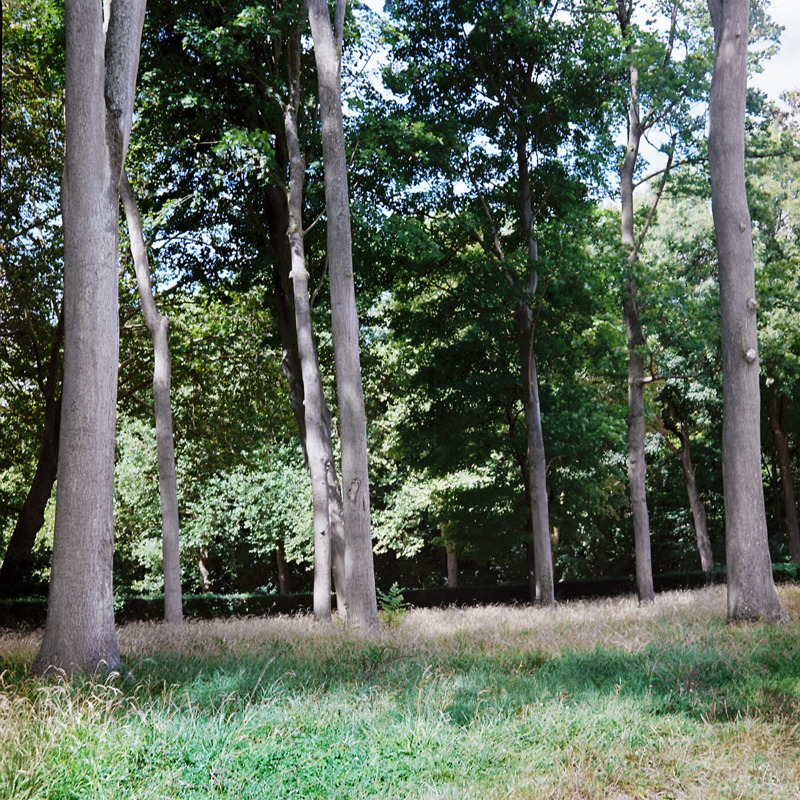
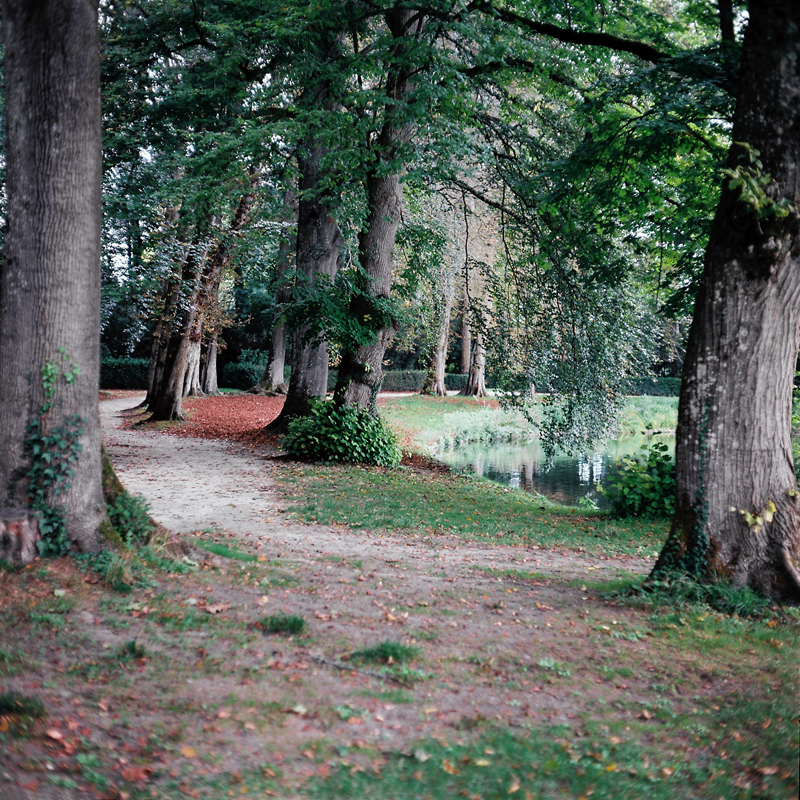
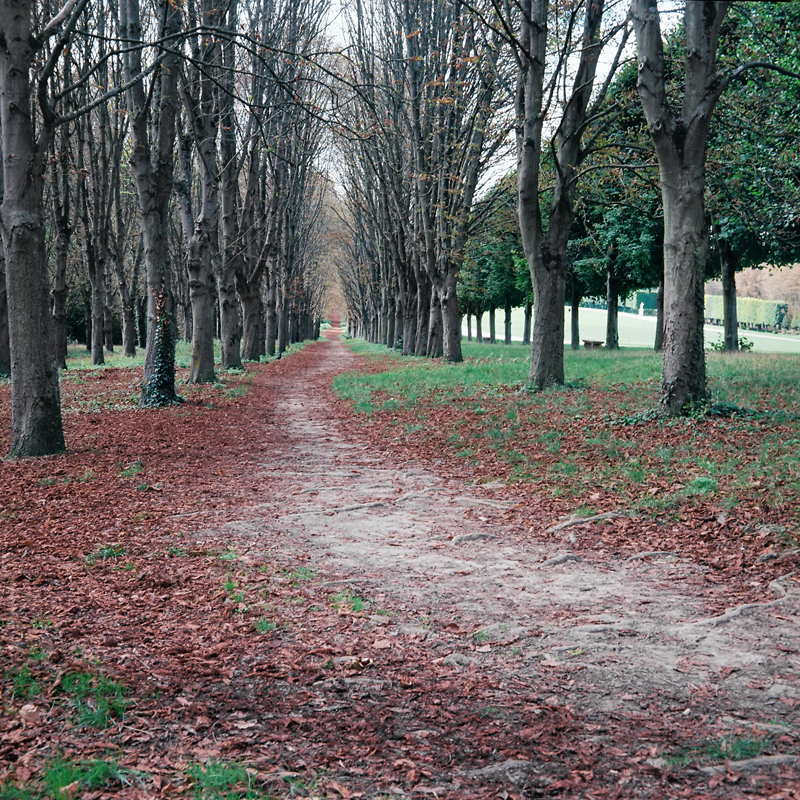
Marcus Bunyan (Australian, b. 1958) 'Parc de Sceaux' from the series 'Paris in film' 2018


Marcus Bunyan (Australian, b. 1958)
Parc de Sceaux
2018
From the series Paris in film
Digital photograph


Paris in film

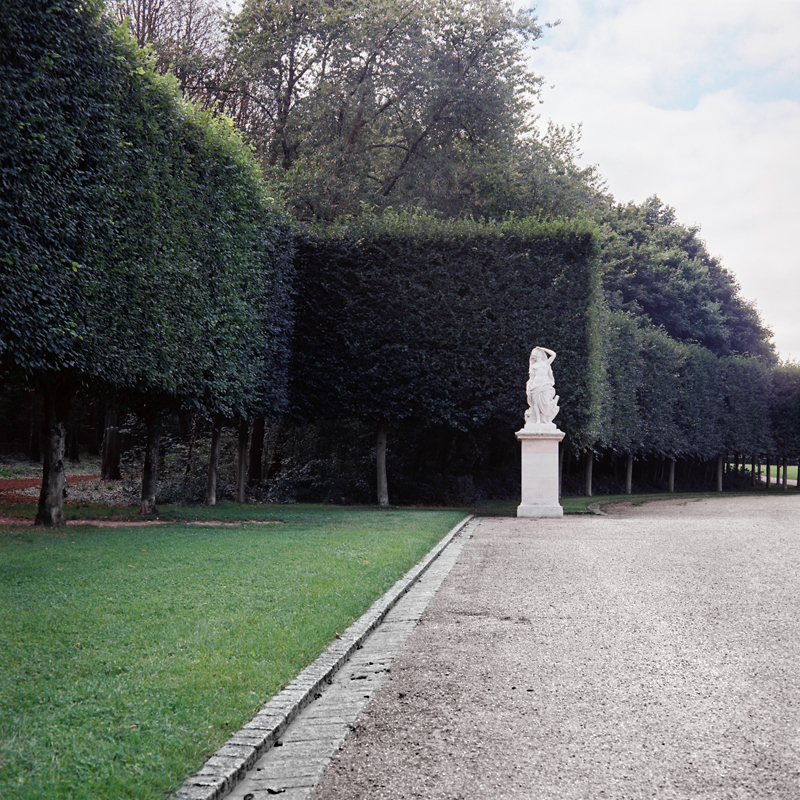
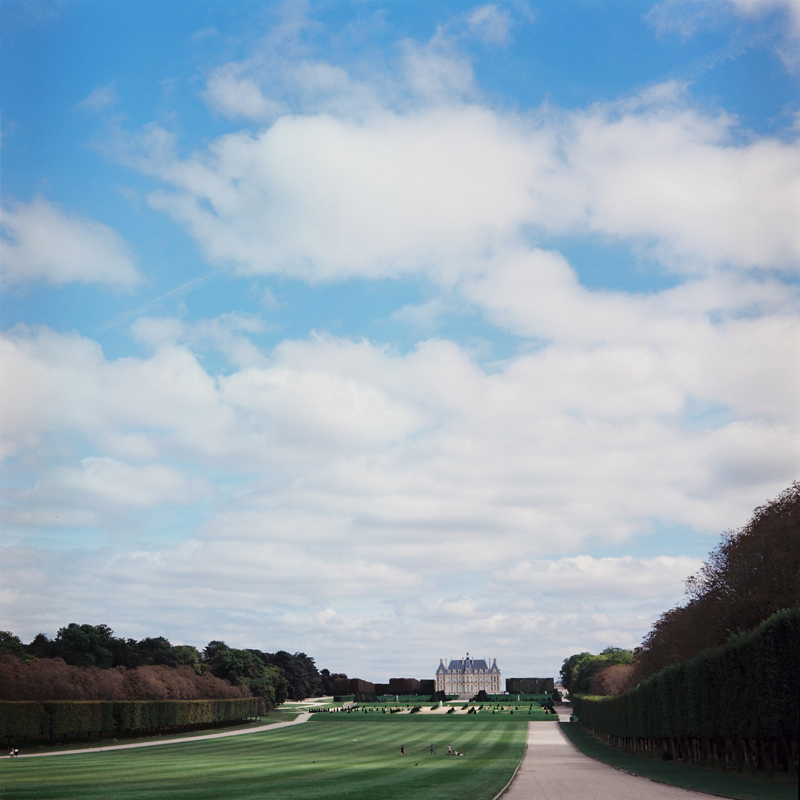
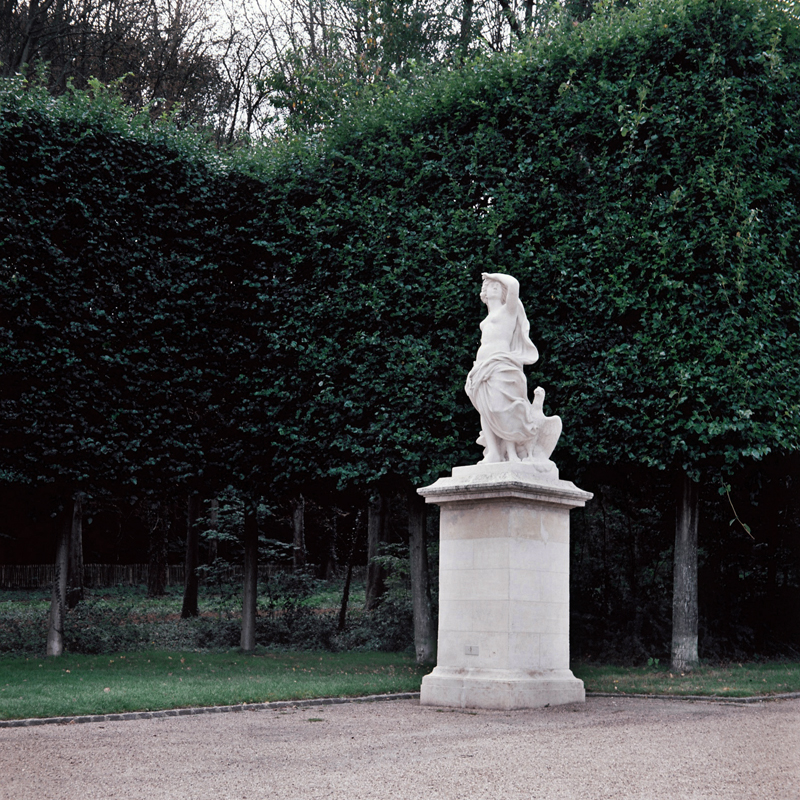
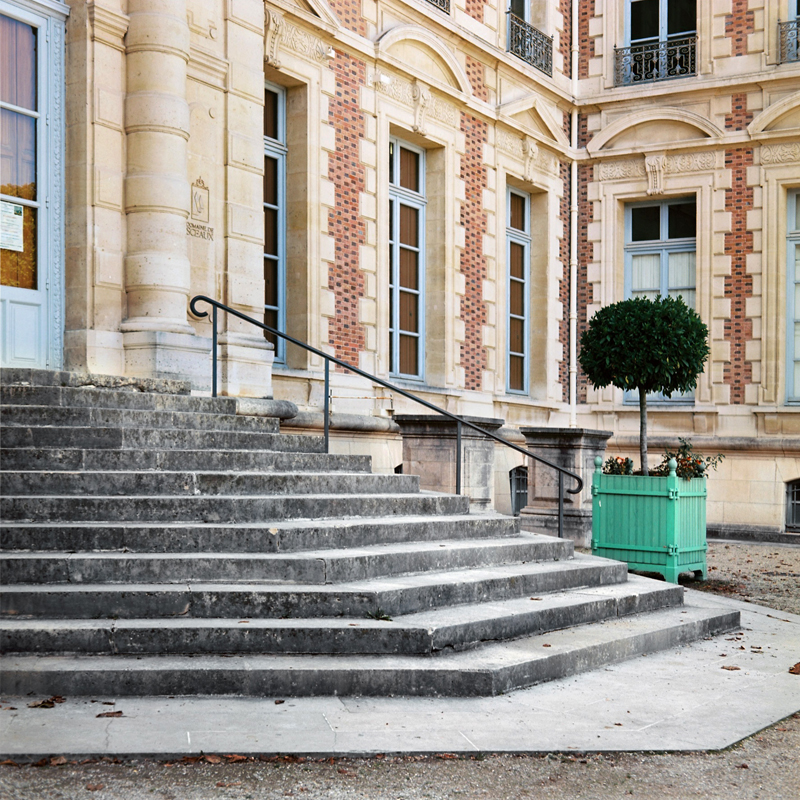
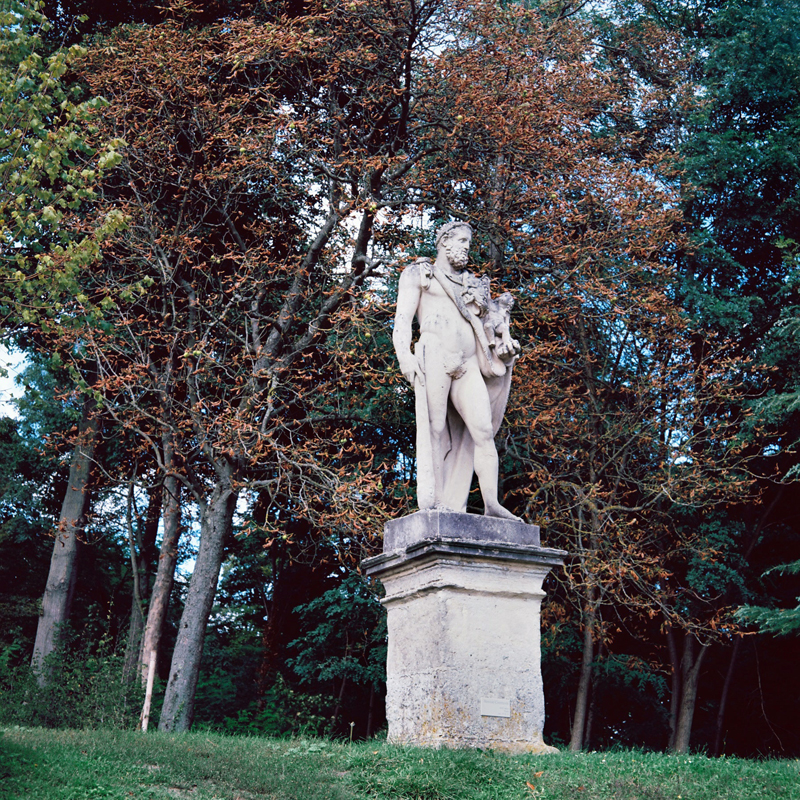
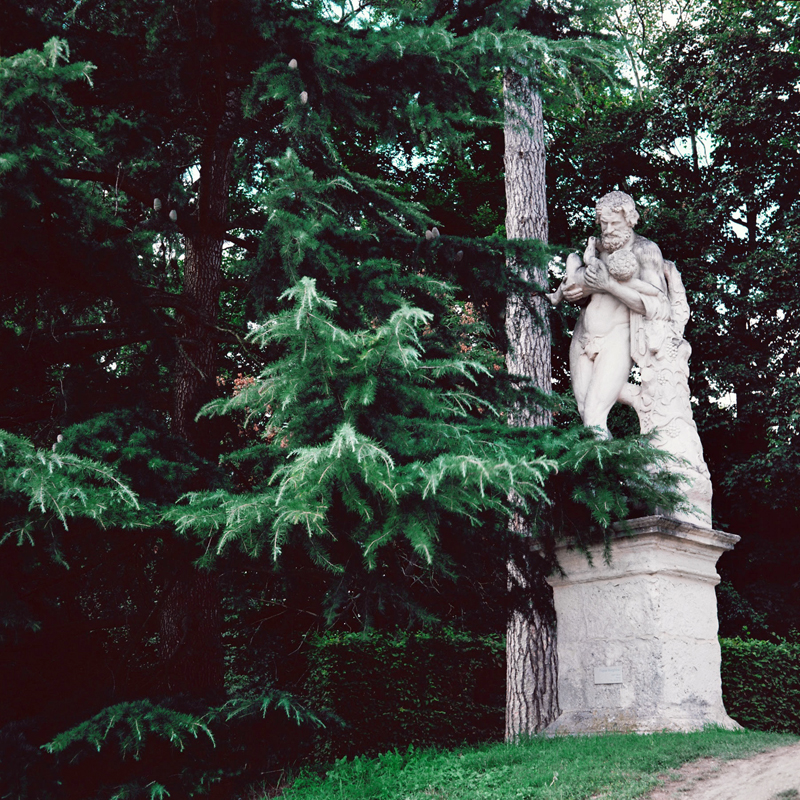
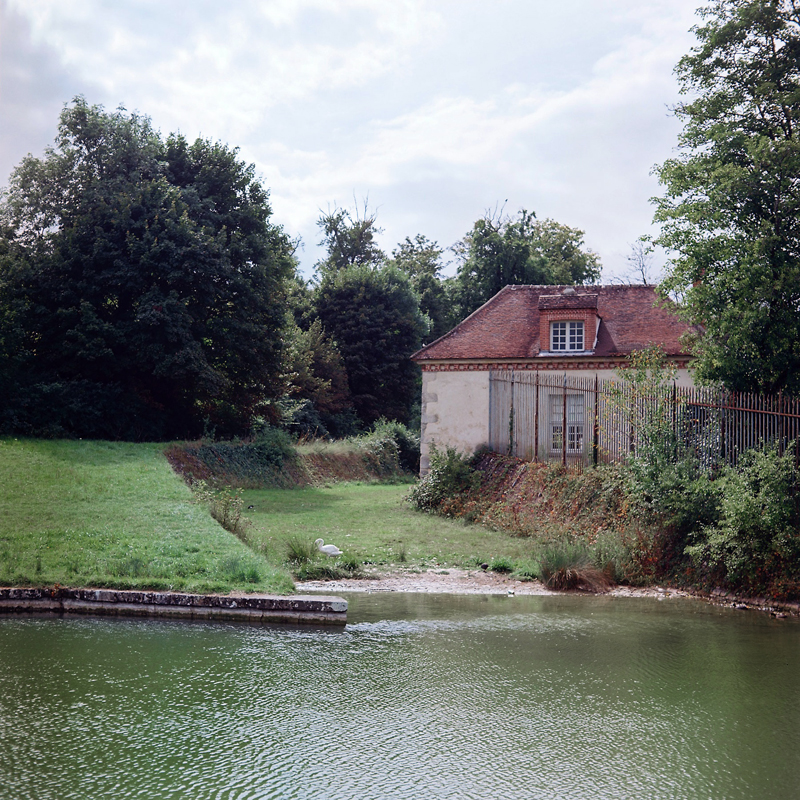
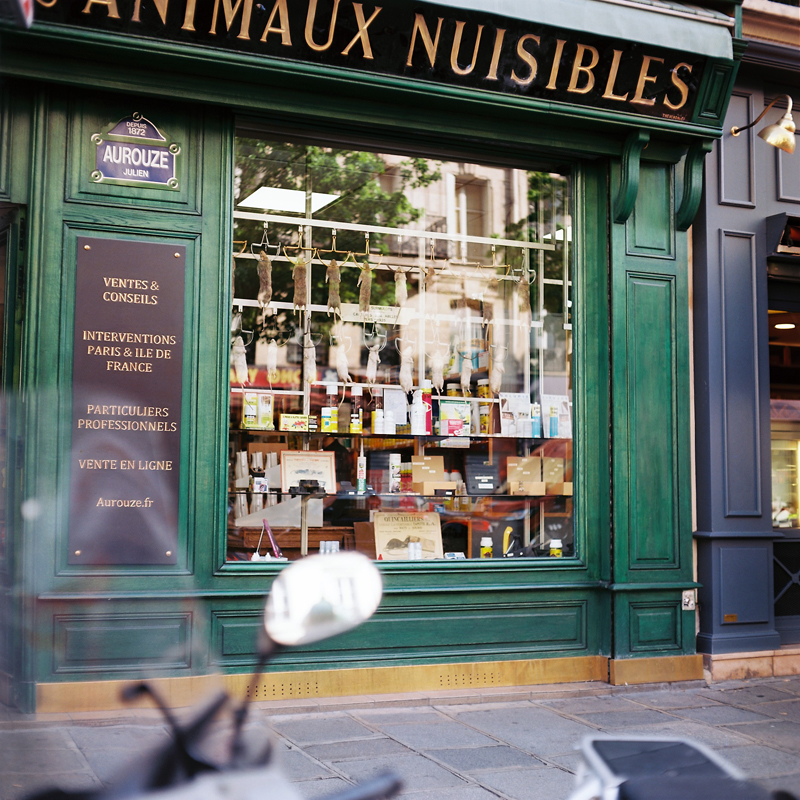
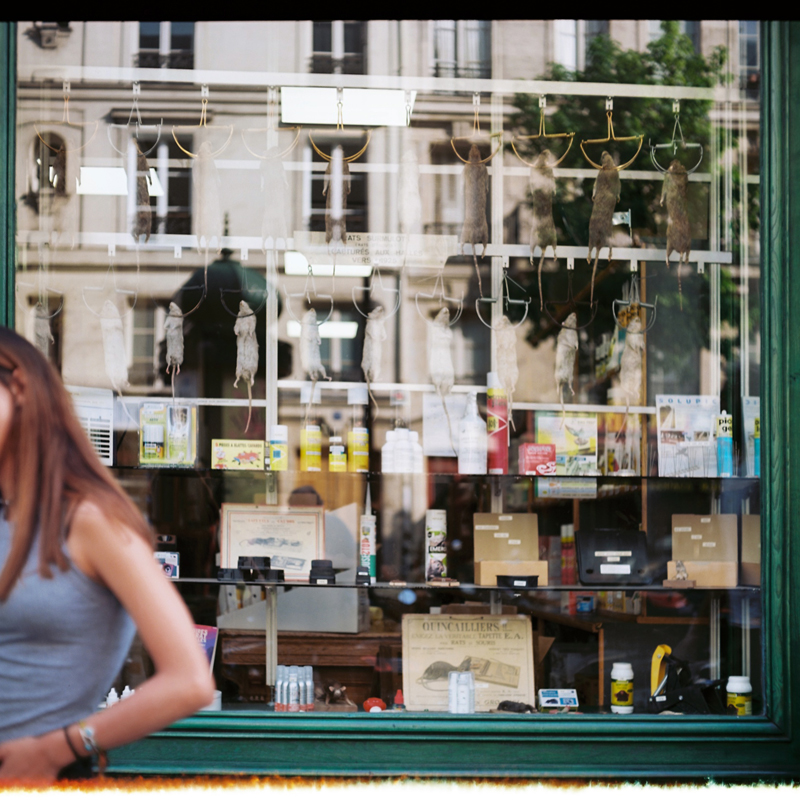
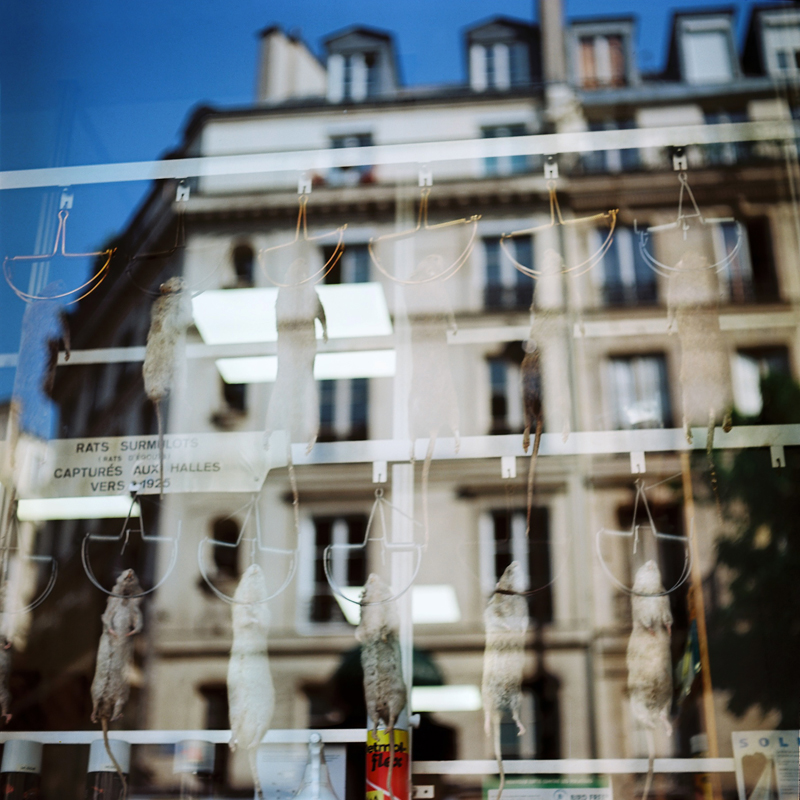
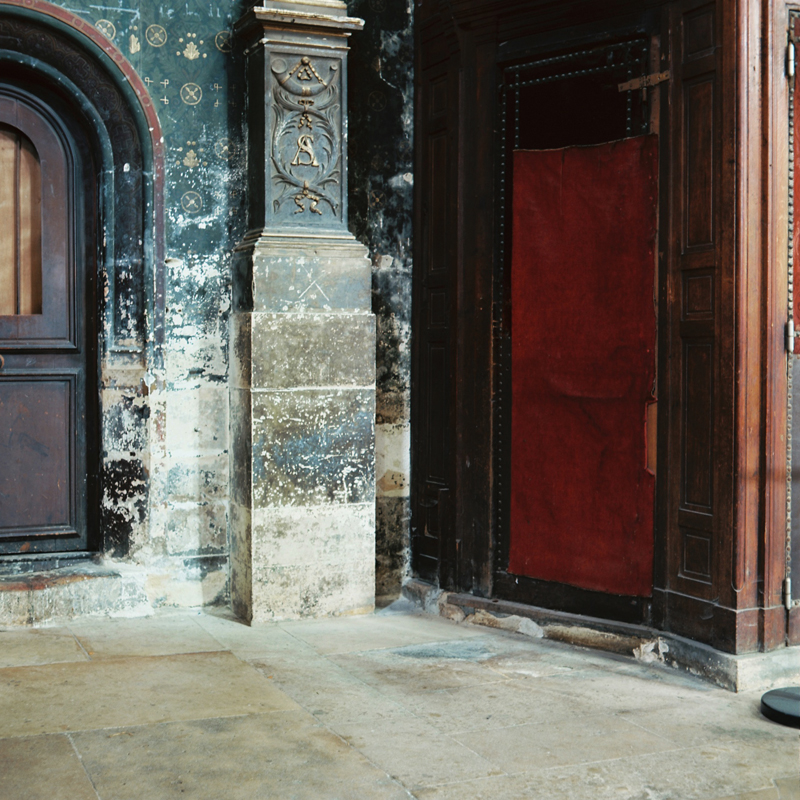
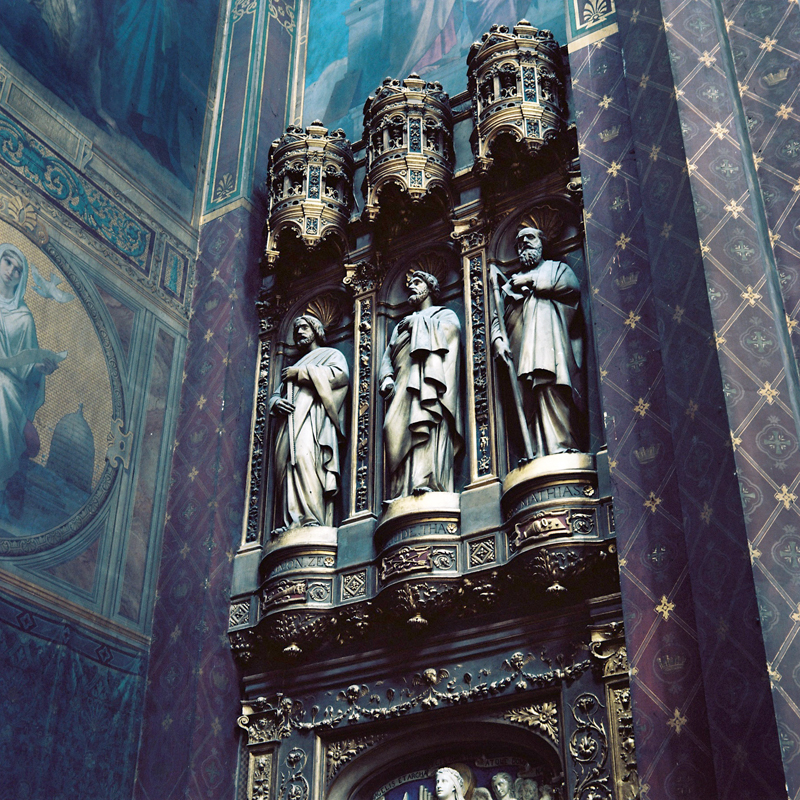
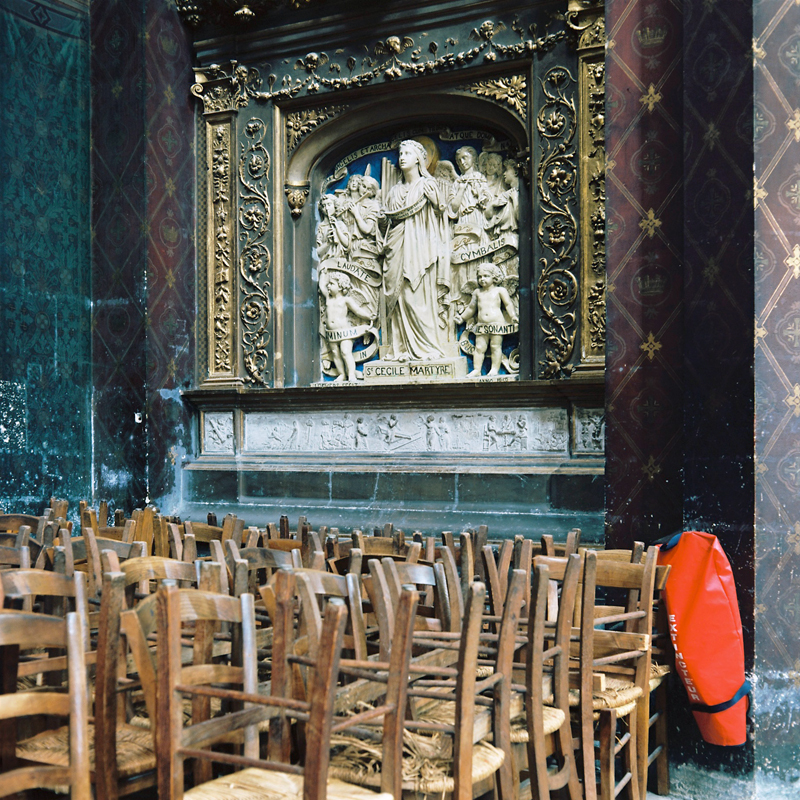
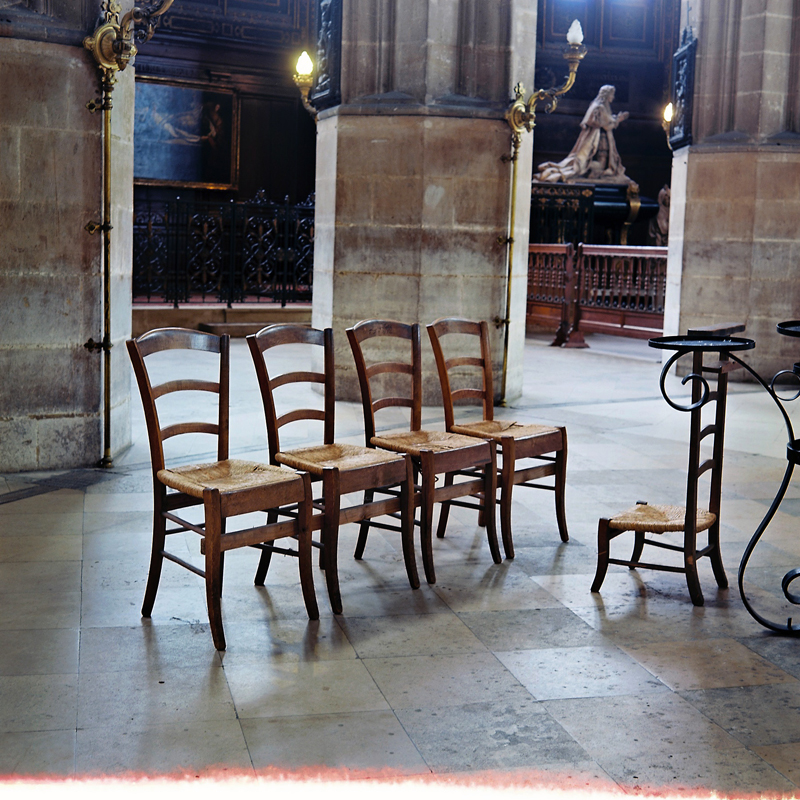
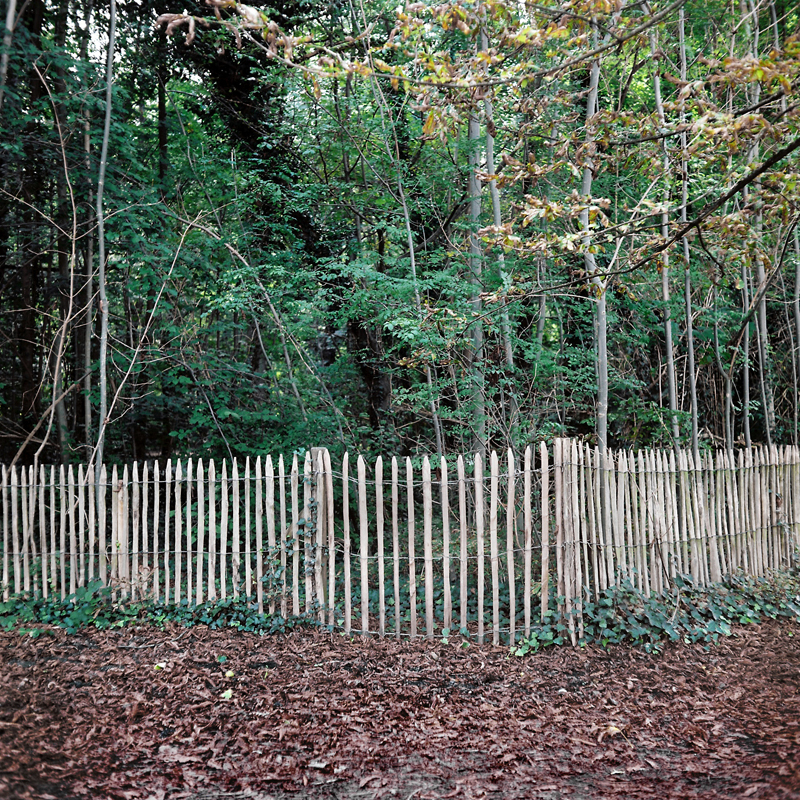
These photographs were taken on a trip to Paris in 2017 using my Mamiya twin-lens C220 medium format camera shot on Kodak Ektra 100 colour negative film.

It was strange taking these photographs over numerous, adventurous, energised days in Paris. Different from the yet to be sorted 4,000+ digital photographs I took, the act of taking these photographs allowed me to fully concentrate, to immerse myself in the environment, to loose myself in the process – with a commensurate dropping away of ego. I just was in the moment, “in the zone” as athletes would say.

They are reasonable scans of the negatives, full frame, no cropping, and I have colour corrected as best I can, noting that all digital images look different from computer monitor to monitor – one of the perennial hazards of looking at work online. They have not been sequenced at the moment.

The photographs seem to hang well together as a body of work.

Through their clear visualisation, the photographs speak directly to the viewer.

Marcus


68 images
© Marcus Bunyan

Please click on the photographs for a larger version of the image.

Photographs are available from this series for purchase. As a guide, a digital colour 16″ x 20″ costs $1000 plus tracked and insured shipping. For more information please see my Store web page.


“The great goal that we must all pursue is to kill off the great evil that eats away at us: egotism.”


“Sometimes I think I love nature just as much, if not more, for not being capable of translation into words… No words can describe some things. The more one says the less one sees. You see… nature is like love, it’s in the heart and you must not talk about it too much. You diminish what you try to describe. As for myself, I have no idea of my own nature when I act unselfconsciously. I only see what there is between the sky and myself. I have no part in it all. If I think of you, in my odd way I am you and I cease to exist.”


George Sand


Marcus Bunyan (Australian, b. 1958) 'Parc de Sceaux' from the series 'Paris in film' 2018


Marcus Bunyan (Australian, b. 1958)
Parc de Sceaux
2018
From the series Paris in film
Digital photograph


Marcus Bunyan (Australian, b. 1958) 'Parc de Sceaux' from the series 'Paris in film' 2018


Marcus Bunyan (Australian, b. 1958)
Parc de Sceaux
2018
From the series Paris in film
Digital photograph


Marcus Bunyan (Australian, b. 1958) 'Parc de Sceaux' from the series 'Paris in film' 2018


Marcus Bunyan (Australian, b. 1958)
Parc de Sceaux
2018
From the series Paris in film
Digital photograph


Marcus Bunyan (Australian, b. 1958) 'Parc de Sceaux' from the series 'Paris in film' 2018


Marcus Bunyan (Australian, b. 1958)
Parc de Sceaux
2018
From the series Paris in film
Digital photograph


Marcus Bunyan (Australian, b. 1958) 'Parc de Sceaux' from the series 'Paris in film' 2018


Marcus Bunyan (Australian, b. 1958)
Parc de Sceaux
2018
From the series Paris in film
Digital photograph


Marcus Bunyan. 'Parc de Sceaux' from the series 'Paris in film' 2018


Marcus Bunyan (Australian, b. 1958)
Parc de Sceaux
2018
From the series Paris in film
Digital photograph


Marcus Bunyan. 'Parc de Sceaux' from the series 'Paris in film' 2018


Marcus Bunyan (Australian, b. 1958)
Parc de Sceaux
2018
From the series Paris in film
Digital photograph


Marcus Bunyan. 'Parc de Sceaux' from the series 'Paris in film' 2018


Marcus Bunyan (Australian, b. 1958)
Parc de Sceaux
2018
From the series Paris in film
Digital photograph


Marcus Bunyan. 'Parc de Sceaux' from the series 'Paris in film' 2018


Marcus Bunyan (Australian, b. 1958)
Parc de Sceaux
2018
From the series Paris in film
Digital photograph


Marcus Bunyan. 'Parc de Sceaux' from the series 'Paris in film' 2018


Marcus Bunyan (Australian, b. 1958)
Parc de Sceaux
2018
From the series Paris in film
Digital photograph


Marcus Bunyan. 'Parc de Sceaux' from the series 'Paris in film' 2018


Marcus Bunyan (Australian, b. 1958)
Parc de Sceaux
2018
From the series Paris in film
Digital photograph


Marcus Bunyan. 'Parc de Sceaux' from the series 'Paris in film' 2018


Marcus Bunyan (Australian, b. 1958)
Parc de Sceaux
2018
From the series Paris in film
Digital photograph


Marcus Bunyan. 'Parc de Sceaux' from the series 'Paris in film' 2018


Marcus Bunyan (Australian, b. 1958)
Parc de Sceaux
2018
From the series Paris in film
Digital photograph


Marcus Bunyan. 'Parc de Sceaux' from the series 'Paris in film' 2018


Marcus Bunyan (Australian, b. 1958)
Parc de Sceaux
2018
From the series Paris in film
Digital photograph


Marcus Bunyan. 'Parc de Sceaux' from the series 'Paris in film' 2018


Marcus Bunyan (Australian, b. 1958)
Parc de Sceaux
2018
From the series Paris in film
Digital photograph


Marcus Bunyan. 'Parc de Sceaux' from the series 'Paris in film' 2018


Marcus Bunyan (Australian, b. 1958)
Parc de Sceaux
2018
From the series Paris in film
Digital photograph


Marcus Bunyan. 'Parc de Sceaux' from the series 'Paris in film' 2018


Marcus Bunyan (Australian, b. 1958)
Parc de Sceaux
2018
From the series Paris in film
Digital photograph


Marcus Bunyan. 'Parc de Sceaux' from the series 'Paris in film' 2018


Marcus Bunyan (Australian, b. 1958)
Parc de Sceaux
2018
From the series Paris in film
Digital photograph


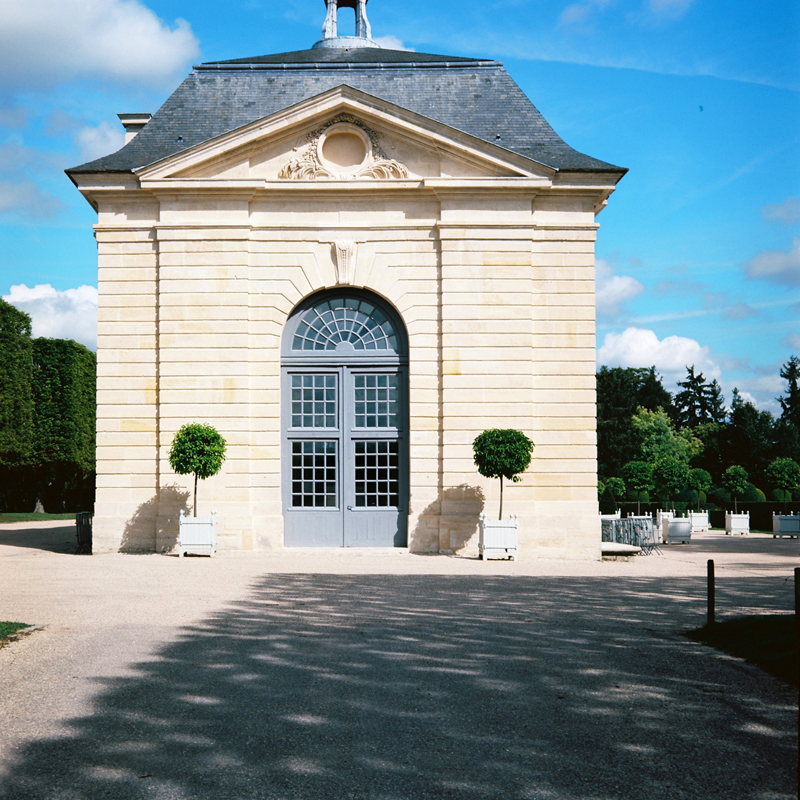
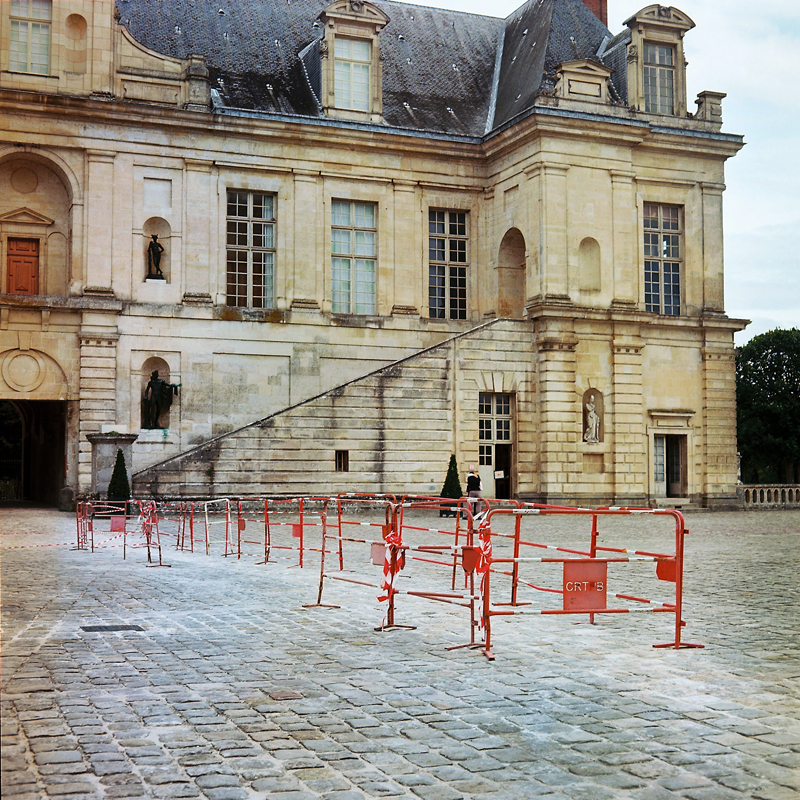
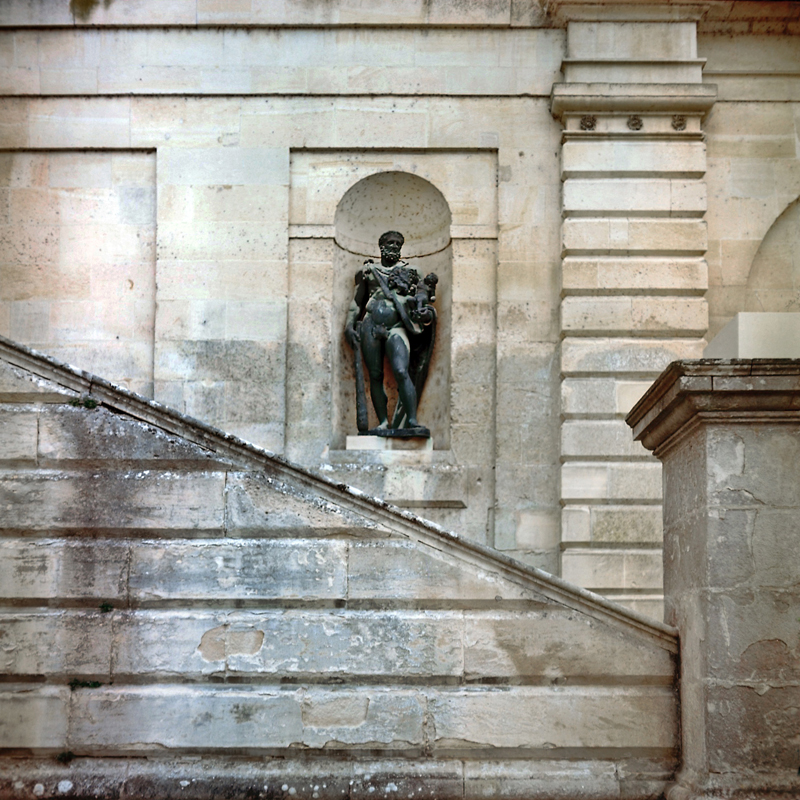
Marcus Bunyan (Australian, b. 1958) 'Fontainebleau' from the series 'Paris in film' 2018


Marcus Bunyan (Australian, b. 1958)
Fontainebleau
2018
From the series Paris in film
Digital photograph


Marcus Bunyan (Australian, b. 1958) 'Fontainebleau' from the series 'Paris in film' 2018


Marcus Bunyan (Australian, b. 1958)
Fontainebleau
2018
From the series Paris in film
Digital photograph


Marcus Bunyan (Australian, b. 1958) 'Animaux Nuisibles' from the series 'Paris in film' 2018


Marcus Bunyan (Australian, b. 1958)
Animaux Nuisibles
2018
From the series Paris in film
Digital photograph


Marcus Bunyan (Australian, b. 1958) 'Animaux Nuisibles' from the series 'Paris in film' 2018


Marcus Bunyan (Australian, b. 1958)
Animaux Nuisibles
2018
From the series Paris in film
Digital photograph


Marcus Bunyan (Australian, b. 1958) 'Animaux Nuisibles' from the series 'Paris in film' 2018


Marcus Bunyan (Australian, b. 1958)
Animaux Nuisibles
2018
From the series Paris in film
Digital photograph


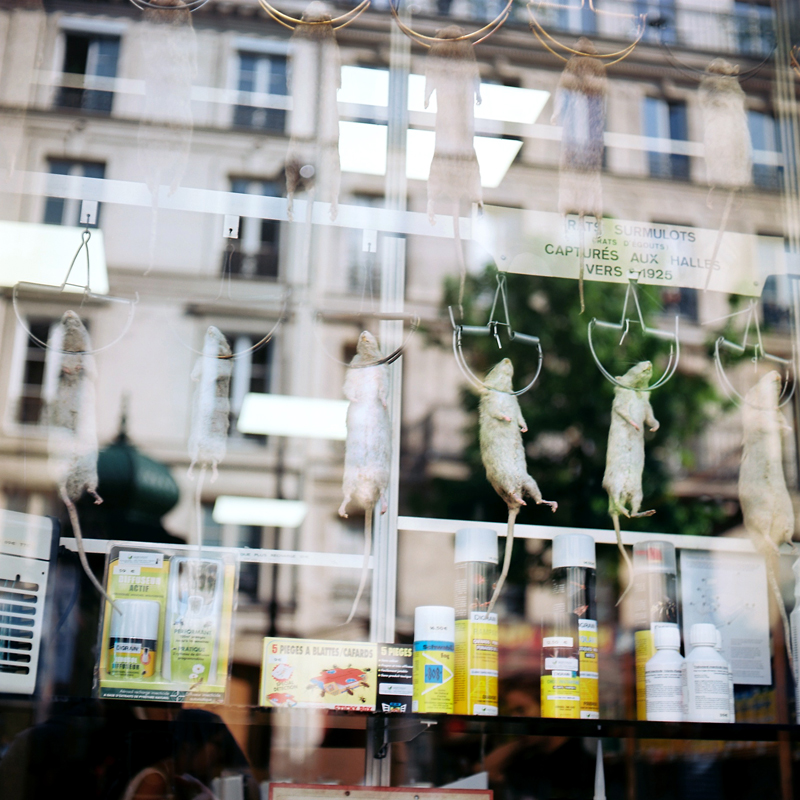
Marcus Bunyan (Australian, b. 1958) 'Rats Surmulots Captures aux Halles vers 1925' from the series 'Paris in film' 2018


Marcus Bunyan (Australian, b. 1958)
Rats Surmulots Captures aux Halles vers 1925
2018
From the series Paris in film
Digital photograph


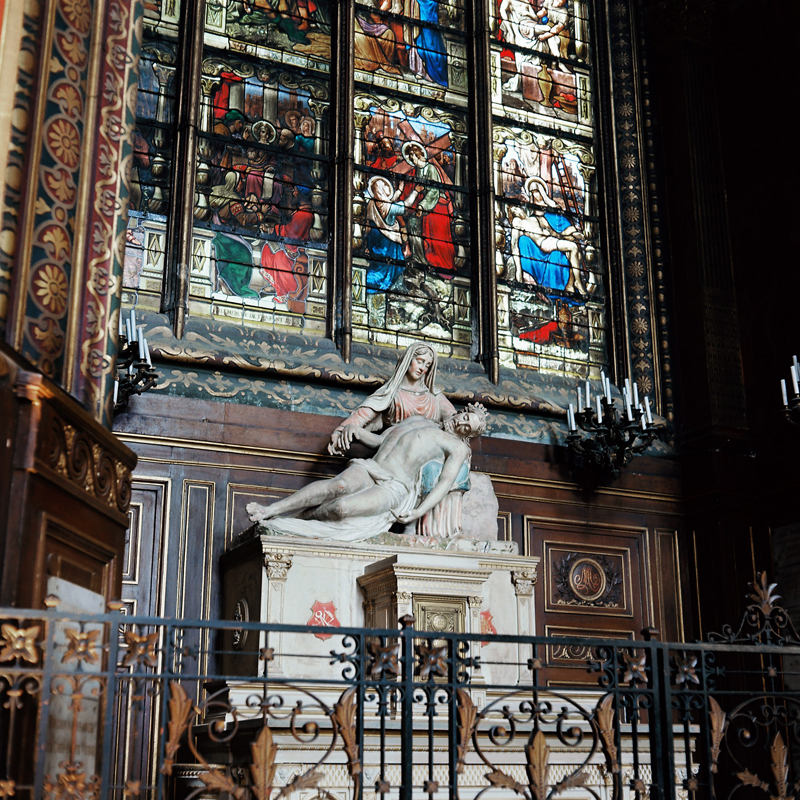
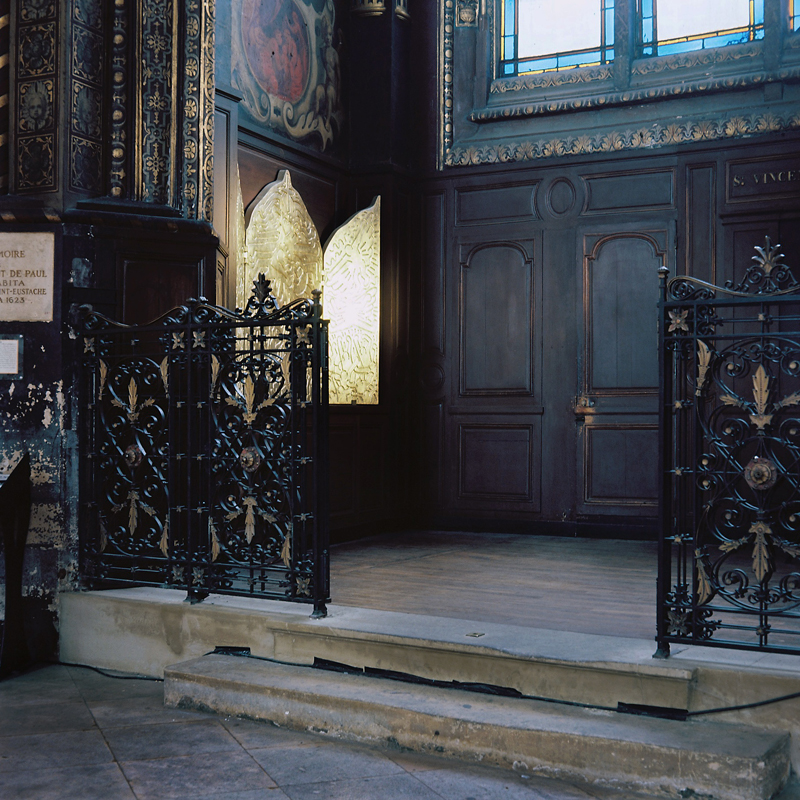
Marcus Bunyan (Australian, b. 1958) 'Saint-Eustache Church' from the series 'Paris in film' 2018


Marcus Bunyan (Australian, b. 1958)
Saint-Eustache Church
2018
From the series Paris in film
Digital photograph


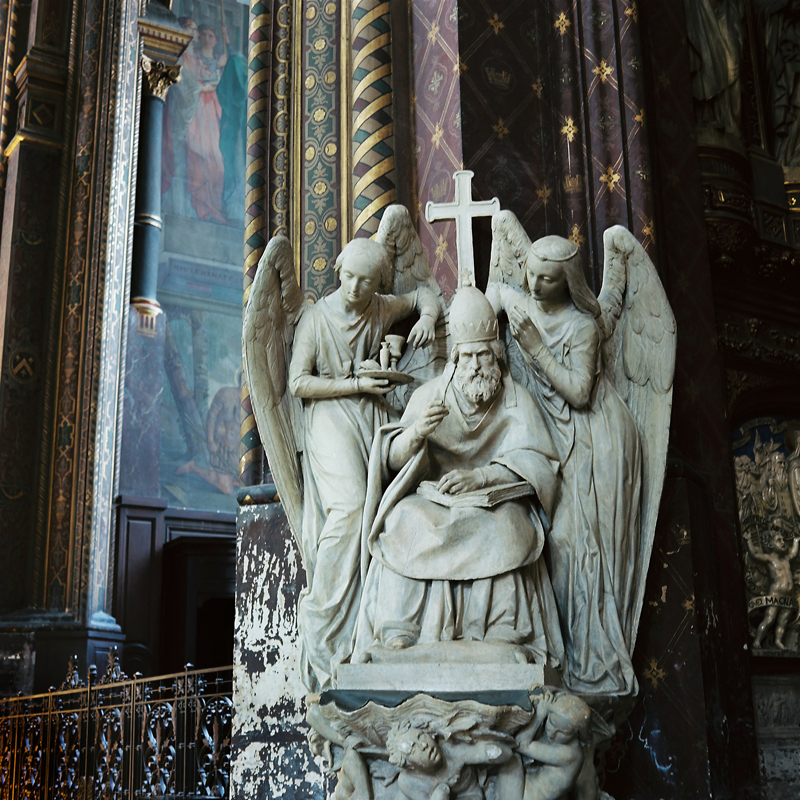
Marcus Bunyan (Australian, b. 1958) 'Saint-Eustache Church' from the series 'Paris in film' 2018


Marcus Bunyan (Australian, b. 1958)
Saint-Eustache Church
2018
From the series Paris in film
Digital photograph


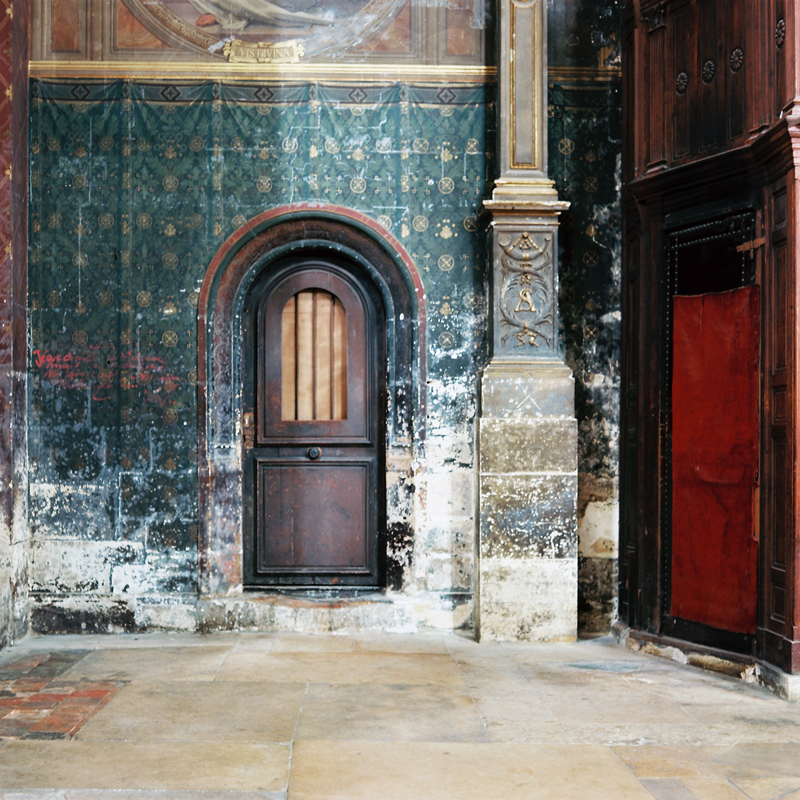
Marcus Bunyan (Australian, b. 1958) 'Saint-Eustache Church' from the series 'Paris in film' 2018


Marcus Bunyan (Australian, b. 1958)
Saint-Eustache Church
2018
From the series Paris in film
Digital photograph


Marcus Bunyan (Australian, b. 1958) 'Saint-Eustache Church' from the series 'Paris in film' 2018


Marcus Bunyan (Australian, b. 1958)
Saint-Eustache Church
2018
From the series Paris in film
Digital photograph


Marcus Bunyan (Australian, b. 1958) 'Saint-Eustache Church' from the series 'Paris in film' 2018


Marcus Bunyan (Australian, b. 1958)
Saint-Eustache Church
2018
From the series Paris in film
Digital photograph


Marcus Bunyan (Australian, b. 1958) 'Saint-Eustache Church' from the series 'Paris in film' 2018


Marcus Bunyan (Australian, b. 1958)
Saint-Eustache Church
2018
From the series Paris in film
Digital photograph


Marcus Bunyan (Australian, b. 1958) 'Saint-Eustache Church' from the series 'Paris in film' 2018


Marcus Bunyan (Australian, b. 1958)
Saint-Eustache Church
2018
From the series Paris in film
Digital photograph


Marcus Bunyan (Australian, b. 1958) 'Dying light, Keith Haring in Saint-Eustache Church' from the series 'Paris in film' 2018


Marcus Bunyan (Australian, b. 1958)
Dying light, Keith Haring in Saint-Eustache Church
2018
From the series Paris in film
Digital photograph


Marcus Bunyan website

LIKE ART BLART ON FACEBOOK

Back to top

Photographs: Marcus Bunyan. ‘Paris in film’ 2018 Part 1

July 2018


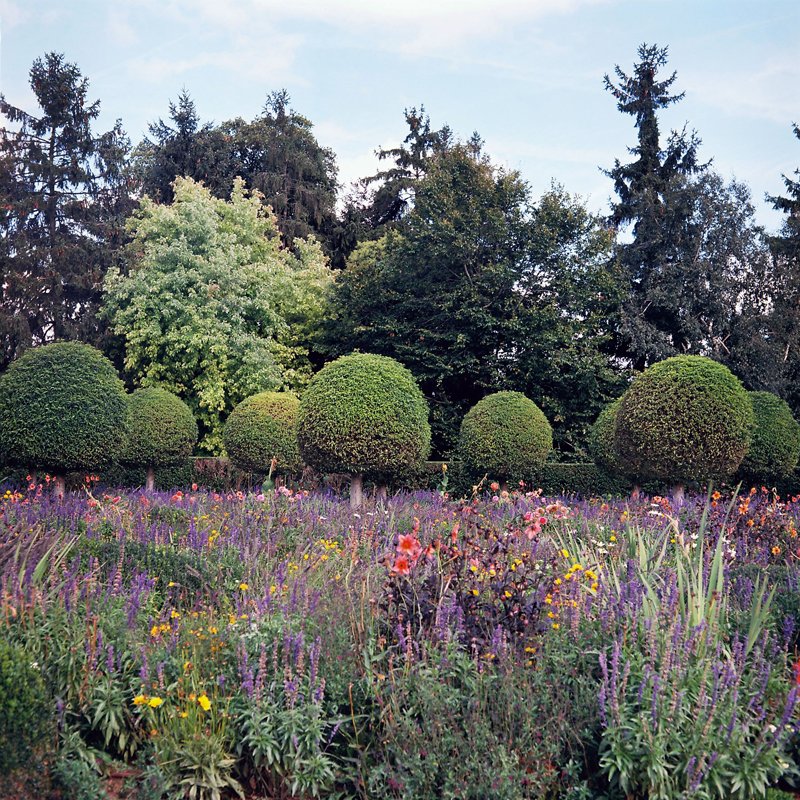
Marcus Bunyan (Australian, b. 1958) 'Fontainebleau' from the series 'Paris in film' 2018


Marcus Bunyan (Australian, b. 1958)
Fontainebleau
2018
From the series Paris in film
Digital photograph


Paris in film

These photographs were taken on a trip to Paris in 2017 using my Mamiya twin-lens C220 medium format camera shot on Kodak Ektra 100 colour negative film.

They are reasonable scans of the negatives, full frame, no cropping, and I have colour corrected as best I can, noting that all digital images look different from computer monitor to monitor – one of the perennial hazards of looking at work online. They have not been sequenced at the moment.

The photographs seem to hang well together as a body of work.

Through their clear visualisation, the photographs speak directly to the viewer.

Marcus


68 images
© Marcus Bunyan

Please click on the photographs for a larger version of the image.

Photographs are available from this series for purchase. As a guide, a digital colour 16″ x 20″ costs $1000 plus tracked and insured shipping. For more information please see my Store web page.


Marcus Bunyan (Australian, b. 1958) 'Fontainebleau' from the series 'Paris in film' 2018


Marcus Bunyan (Australian, b. 1958)
Fontainebleau
2018
From the series Paris in film
Digital photograph


Marcus Bunyan (Australian, b. 1958) 'Fontainebleau' from the series 'Paris in film' 2018


Marcus Bunyan (Australian, b. 1958)
Fontainebleau
2018
From the series Paris in film
Digital photograph


Marcus Bunyan (Australian, b. 1958) 'Fontainebleau' from the series 'Paris in film' 2018


Marcus Bunyan (Australian, b. 1958)
Fontainebleau
2018
From the series Paris in film
Digital photograph


Marcus Bunyan (Australian, b. 1958) 'Fontainebleau' from the series 'Paris in film' 2018


Marcus Bunyan (Australian, b. 1958)
Fontainebleau
2018
From the series Paris in film
Digital photograph


Marcus Bunyan (Australian, b. 1958) 'Fontainebleau' from the series 'Paris in film' 2018


Marcus Bunyan (Australian, b. 1958)
Fontainebleau
2018
From the series Paris in film
Digital photograph


Marcus Bunyan (Australian, b. 1958) 'Cimetière du Père Lachaise' from the series 'Paris in film' 2018


Marcus Bunyan (Australian, b. 1958)
Cimetière du Père Lachaise
2018
From the series Paris in film
Digital photograph


Marcus Bunyan (Australian, b. 1958) 'Cimetière du Père Lachaise' from the series 'Paris in film' 2018


Marcus Bunyan (Australian, b. 1958)
Cimetière du Père Lachaise
2018
From the series Paris in film
Digital photograph


Marcus Bunyan (Australian, b. 1958) 'Cimetière du Père Lachaise' from the series 'Paris in film' 2018


Marcus Bunyan (Australian, b. 1958)
Cimetière du Père Lachaise
2018
From the series Paris in film
Digital photograph


Marcus Bunyan (Australian, b. 1958) 'Cimetière du Père Lachaise' from the series 'Paris in film' 2018


Marcus Bunyan (Australian, b. 1958)
Cimetière du Père Lachaise
2018
From the series Paris in film
Digital photograph


Marcus Bunyan (Australian, b. 1958) 'Cimetière du Père Lachaise' from the series 'Paris in film' 2018


Marcus Bunyan (Australian, b. 1958)
Cimetière du Père Lachaise
2018
From the series Paris in film
Digital photograph


Marcus Bunyan (Australian, b. 1958) 'Cimetière du Père Lachaise' from the series 'Paris in film' 2018


Marcus Bunyan (Australian, b. 1958)
Cimetière du Père Lachaise
2018
From the series Paris in film
Digital photograph


Marcus Bunyan (Australian, b. 1958) 'Cimetière du Père Lachaise' from the series 'Paris in film' 2018


Marcus Bunyan (Australian, b. 1958)
Cimetière du Père Lachaise
2018
From the series Paris in film
Digital photograph


Marcus Bunyan (Australian, b. 1958) 'Parc de Sceaux' from the series 'Paris in film' 2018


Marcus Bunyan (Australian, b. 1958)
Parc de Sceaux
2018
From the series Paris in film
Digital photograph


Marcus Bunyan (Australian, b. 1958) 'Parc de Sceaux' from the series 'Paris in film' 2018


Marcus Bunyan (Australian, b. 1958)
Parc de Sceaux
2018
From the series Paris in film
Digital photograph


Marcus Bunyan (Australian, b. 1958) 'Parc de Sceaux' from the series 'Paris in film' 2018


Marcus Bunyan (Australian, b. 1958)
Parc de Sceaux
2018
From the series Paris in film
Digital photograph


Marcus Bunyan (Australian, b. 1958) 'Parc de Sceaux' from the series 'Paris in film' 2018


Marcus Bunyan (Australian, b. 1958)
Parc de Sceaux
2018
From the series Paris in film
Digital photograph


Marcus Bunyan (Australian, b. 1958) 'Parc de Sceaux' from the series 'Paris in film' 2018


Marcus Bunyan (Australian, b. 1958)
Parc de Sceaux
2018
From the series Paris in film
Digital photograph


Marcus Bunyan (Australian, b. 1958) 'Parc de Sceaux' from the series 'Paris in film' 2018


Marcus Bunyan (Australian, b. 1958)
Parc de Sceaux
2018
From the series Paris in film
Digital photograph


Marcus Bunyan (Australian, b. 1958) 'Parc de Sceaux' from the series 'Paris in film' 2018


Marcus Bunyan (Australian, b. 1958)
Parc de Sceaux
2018
From the series Paris in film
Digital photograph


Marcus Bunyan (Australian, b. 1958) 'Parc de Sceaux' from the series 'Paris in film' 2018


Marcus Bunyan (Australian, b. 1958)
Parc de Sceaux
2018
From the series Paris in film
Digital photograph


Marcus Bunyan (Australian, b. 1958) 'Parc de Sceaux' from the series 'Paris in film' 2018


Marcus Bunyan (Australian, b. 1958)
Parc de Sceaux
2018
From the series Paris in film
Digital photograph


Marcus Bunyan (Australian, b. 1958) 'Parc de Sceaux' from the series 'Paris in film' 2018


Marcus Bunyan (Australian, b. 1958)
Parc de Sceaux
2018
From the series Paris in film
Digital photograph


Marcus Bunyan (Australian, b. 1958) 'Parc de Sceaux' from the series 'Paris in film' 2018


Marcus Bunyan (Australian, b. 1958)
Parc de Sceaux
2018
From the series Paris in film
Digital photograph


Marcus Bunyan (Australian, b. 1958) 'Fontainebleau' from the series 'Paris in film' 2018


Marcus Bunyan (Australian, b. 1958)
Fontainebleau
2018
From the series Paris in film
Digital photograph


Marcus Bunyan (Australian, b. 1958) 'Fontainebleau' from the series 'Paris in film' 2018


Marcus Bunyan (Australian, b. 1958)
Fontainebleau
2018
From the series Paris in film
Digital photograph


Marcus Bunyan (Australian, b. 1958) 'Fontainebleau' from the series 'Paris in film' 2018


Marcus Bunyan (Australian, b. 1958)
Fontainebleau
2018
From the series Paris in film
Digital photograph


Marcus Bunyan (Australian, b. 1958) 'Fontainebleau' from the series 'Paris in film' 2018


Marcus Bunyan (Australian, b. 1958)
Fontainebleau
2018
From the series Paris in film
Digital photograph


Marcus Bunyan (Australian, b. 1958) 'Fontainebleau' from the series 'Paris in film' 2018


Marcus Bunyan (Australian, b. 1958)
Fontainebleau
2018
From the series Paris in film
Digital photograph


Marcus Bunyan (Australian, b. 1958) 'Fontainebleau' from the series 'Paris in film' 2018


Marcus Bunyan (Australian, b. 1958)
Fontainebleau
2018
From the series Paris in film
Digital photograph


Marcus Bunyan (Australian, b. 1958) 'Fontainebleau' from the series 'Paris in film' 2018


Marcus Bunyan (Australian, b. 1958)
Fontainebleau
2018
From the series Paris in film
Digital photograph


Marcus Bunyan (Australian, b. 1958) 'Fontainebleau' from the series 'Paris in film' 2018


Marcus Bunyan (Australian, b. 1958)
Fontainebleau
2018
From the series Paris in film
Digital photograph


Marcus Bunyan (Australian, b. 1958) 'Parc de Sceaux' from the series 'Paris in film' 2018


Marcus Bunyan (Australian, b. 1958)
Parc de Sceaux
2018
From the series Paris in film
Digital photograph


Marcus Bunyan (Australian, b. 1958) 'Parc de Sceaux' from the series 'Paris in film' 2018


Marcus Bunyan (Australian, b. 1958)
Parc de Sceaux
2018
From the series Paris in film
Digital photograph


Marcus Bunyan (Australian, b. 1958) 'Parc de Sceaux' from the series 'Paris in film' 2018


Marcus Bunyan (Australian, b. 1958)
Parc de Sceaux
2018
From the series Paris in film
Digital photograph


Marcus Bunyan website

LIKE ART BLART ON FACEBOOK

Back to top

Exhibition: ‘Jacqui Stockdale: Ghost Hoovanah’ at This Is No Fantasy, Melbourne

Exhibition dates: 30th June – 21st July, 2018


Jacqui Stockdale (Australian, b. 1968) 'The New Pilgrim' 2018


Jacqui Stockdale (Australian, b. 1968)
The New Pilgrim
2018
C Type Print
130 x 100cm


It’s time…

As I said to Jacqui recently in an email, her images are magnificent – as always. She has knocked the Debil right out of the park.

We are so lucky to have such a talented group of female artist photographers in Australia at the moment.

You would think one of the big galleries, such as the National Gallery of Victoria or the National Gallery of Australia, would curate a large exhibition on the emergence of these artists, whose work mainly revolves around issues of gender, sexuality, identity, and place.

Here is a list of prospective artists that I can already think of: Hoda Afshar, Jane Burton, Pat Brassington, Rosemary Laing, Anne Ferran, Destiny Deacon, Simryn Gill, Katrin Koenning, Jane Brown, Carolyn Lewens, Clare Rae, Claudia Terstappen, Bindi Cole, Elizabeth Gertsakis, Janina Green, Siri Hayes, Joan Ross, Nicola Loder, Tracey Moffatt, Petrina Hicks, Robyn Stacey, Patricia Piccinini, Jacqui Stockdale and the late Polixeni Papapetrou – to name but a few.

What an illuminating exhibition and research it would be, digging around in the backstories of these amazing artists. Never, ever, in Australia have we had such creative talent amassed in one place at one time.

Someone, anyone, now is the time!

Dr Marcus Bunyan


Many thankx to Jacqui Stockdale and This Is No Fantasy for allowing me to publish the photographs in the posting. Please click on the photographs for a larger version of the image.


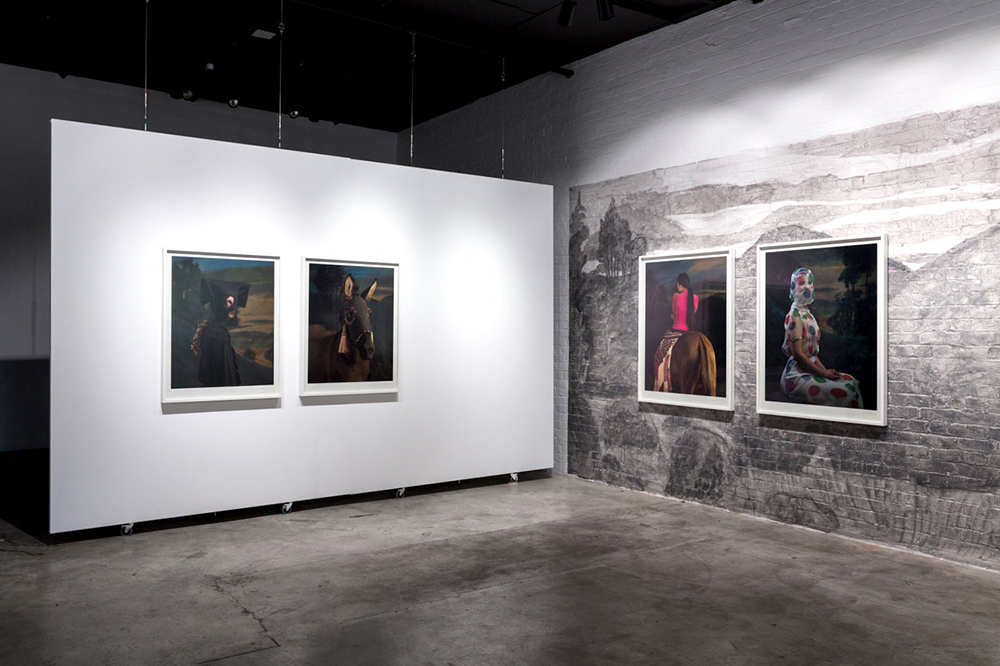
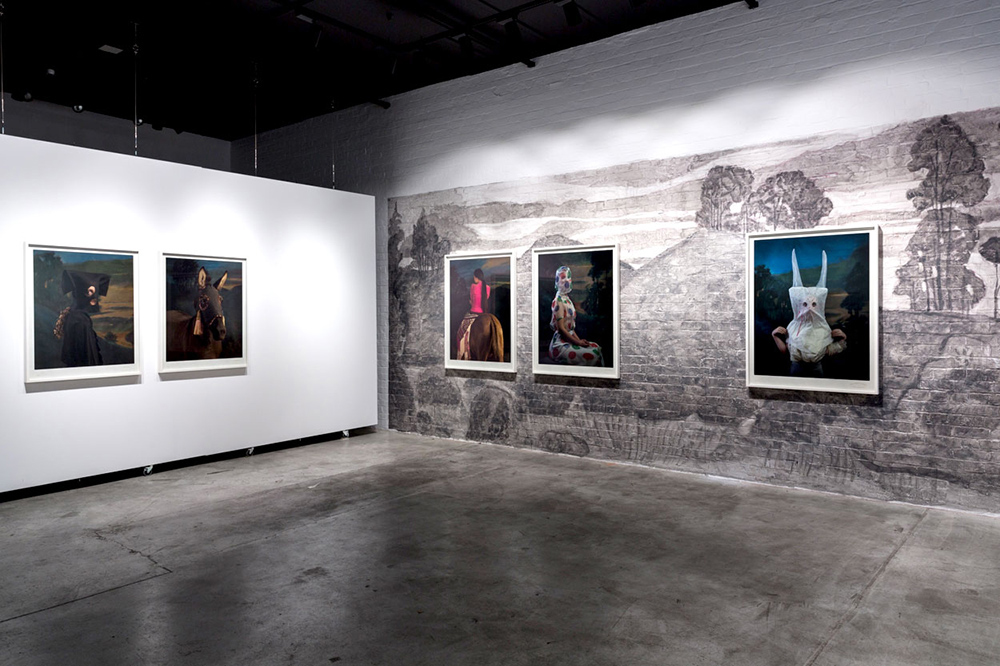
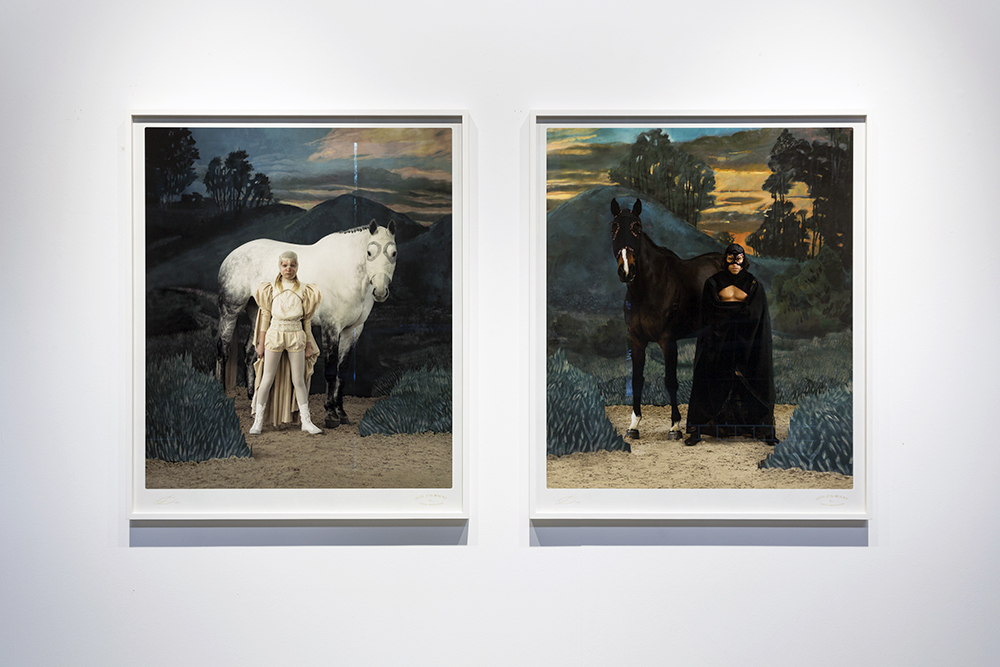
Installation view of the exhibition 'Jacqui Stockdale: Ghost Hoovanah' at This Is No Fantasy, Melbourne

Installation view of the exhibition 'Jacqui Stockdale: Ghost Hoovanah' at This Is No Fantasy, Melbourne


Installation views of the exhibition Jacqui Stockdale: Ghost Hoovanah at This Is No Fantasy, Melbourne


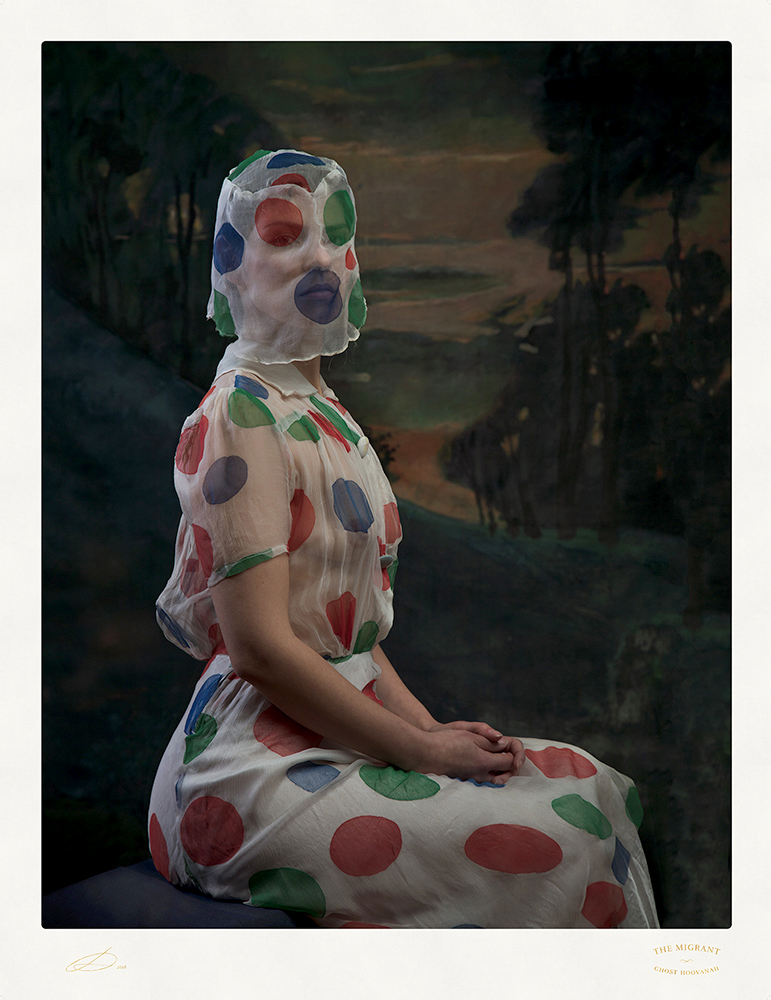
Jacqui Stockdale (Australian, b. 1968) 'The Migrant' 2018


Jacqui Stockdale (Australian, b. 1968)
The Migrant
2018
C Type Print
130 x 100cm


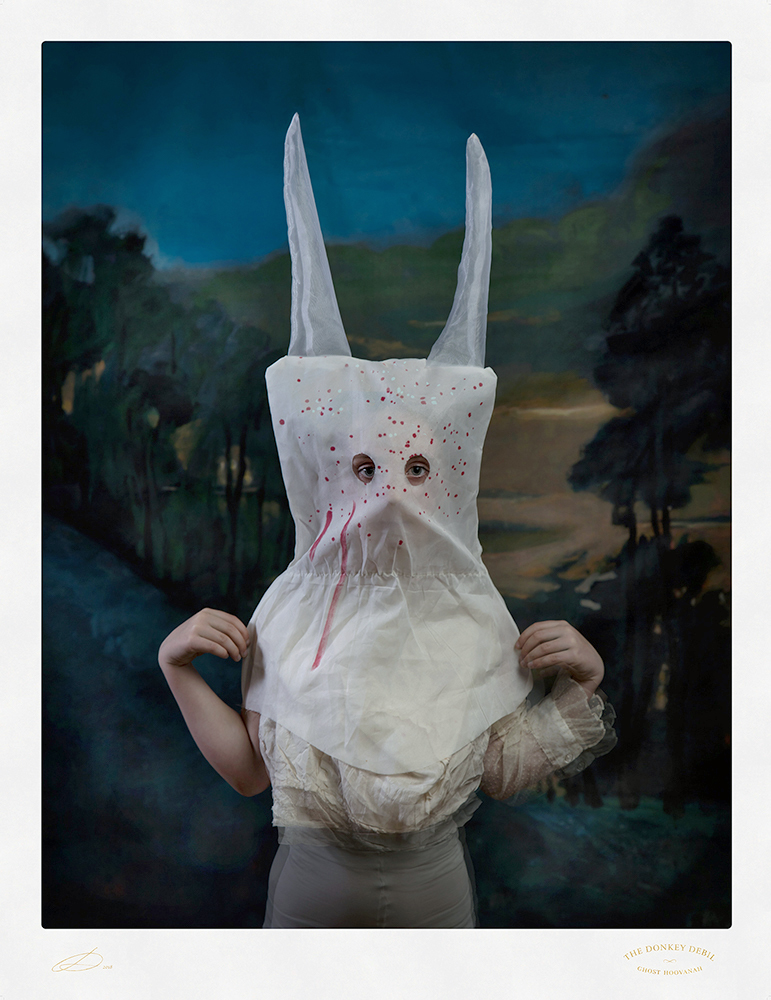
Jacqui Stockdale (Australian, b. 1968) 'The Donkey Debil' 2018


Jacqui Stockdale (Australian, b. 1968)
The Donkey Debil
2018
C Type Print
130 x 100cm


Jacqui Stockdale (Australian, b. 1968) 'The Hoo' 2018


Jacqui Stockdale (Australian, b. 1968)
The Hoo
2018
C Type Print
130 x 100cm


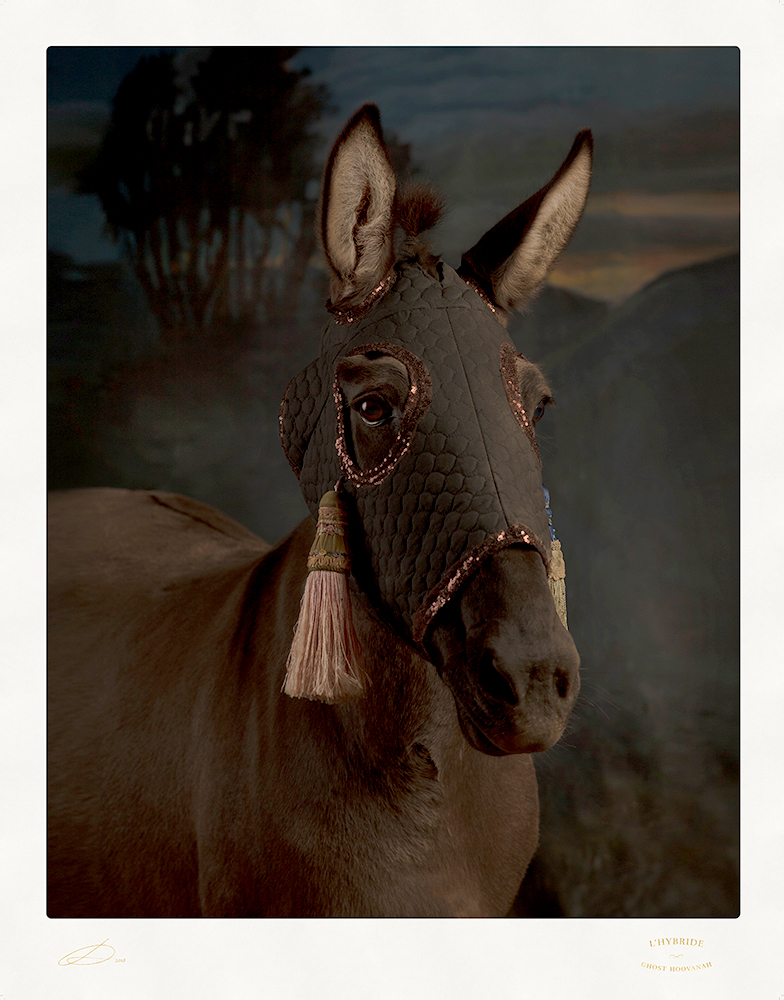
Jacqui Stockdale (Australian, b. 1968) 'The L'hybride' 2018


Jacqui Stockdale (Australian, b. 1968)
The L’hybride
2018
C Type Print
130 x 100cm


Hoovanah in the highest: Jacqui Stockdale and the post-colonial lens

Ghost Hoovanah is the title of Jacqui Stockdale’s new exhibition; but neither conventional geography nor modern linguistics will help in its decipherment. Instead, if we are to unpick her cryptic patois, an imaginative leap is required. Hoovanah? The word behooves its sassy Caribbean sister, Havana, that sweaty town of utopias where desires both real and imagined are woven into the fabric of its streets. And what of those spirits that inhabit this Ghost Hoovanah? The articulation of its name conjures a city of the dead; one that slumbers, but where those shouts of fervent praise, hosanna, might awaken the citizen spirits, who in turn come out to play for just one day of the year.

Stockdale is a contemporary Australian artist but her project is the production of a colonial history, albeit one that is conceived and written by all but the colonisers themselves. A classical historian might baulk at the site of a Mexican wrestler at large in the Australian landscape, displaced in time and space even as his status as ‘other’ is entirely suited to the job. This disruption of historical realities has a magical realist quality, but one also that unseats the authority of official histories. After all, how can one know if scenarios such as these were not a part of the local story? And why after all, would their narratives not be important as well?

Stockdale’s take on history – conflated, dark and elliptical – and which already has our attention, is further energised by a palpable sexuality. It pervades much of her imagery. Stockdale’s compositions beckon with sassy visual come-ons and haughty gestures of defiance, rolled together into tightly packed tableaus. This libidinous assertion of figures who are otherwise passively observed, is declarative in its liberating intent. In Stockdale’s photographic piece The Migrant 2018, the upright sitter gazes directly at the viewer, who surveys in turn, the curvaceous female form. The inference: Shove off, for the game is on. But the prerogative, dear viewer, is now mine and not yours, as once you might have thought. This is the crux of the artist’s revisionist position, the reanimation of voices that paternal histories repress. The awakening brings forth mothers, monsters, lovers and the wild folk, known to haunt the colonial scene. Even the tooth fairy is a fiend, as Stockdale reveals in The Donkey Debil 2018, a composition that captures a strange bunyip-like creature that suggests multiple mythic forms.

The question of who speaks for our past depends largely on who is asking the question. In Stockdale’s work that inquiry is the clarion call of the other. Yet in speaking for the past, Stockdale is accounting also for the present, and with it, the presence of those who are new to the local scene. This politicised stance draws strength from the artist’s historical awareness, wherein those who do not fit are simply expunged from the record. In Stockdale’s photograph The New Pilgrim 2018, the first impression is of a Georgian aristocrat set in the saddle, as one might see in a painting by George Stubbs (1724-1806), yet this is eclipsed as our eyes alight on a traditional Burmese skirt. The figure is revealed as a Karen Thai refugee, a friend of the Stockdale family, who arrived most recently on Australia’s distant shores and has now settled in Bendigo, in Northern Victoria.

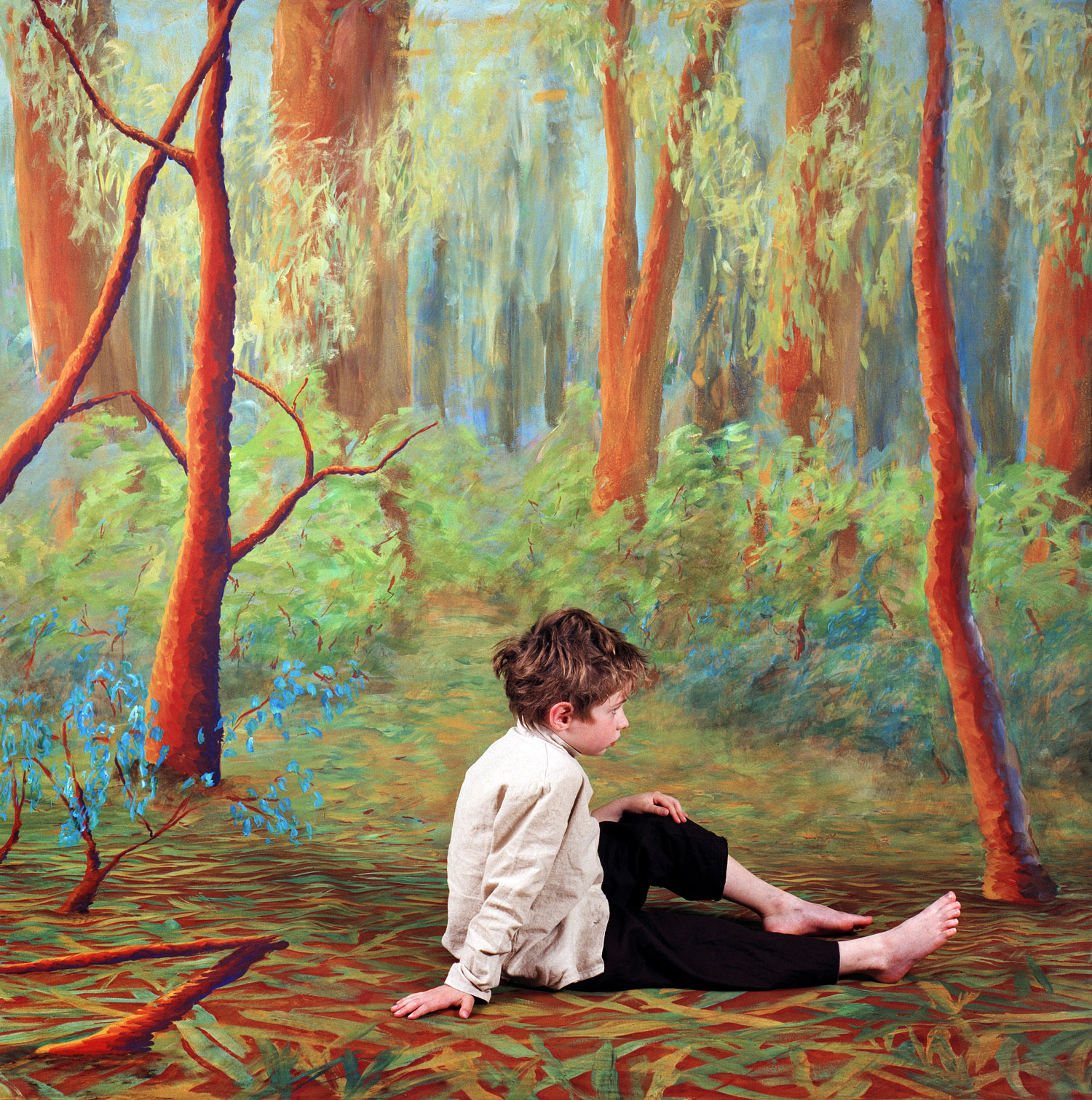
In Ghost Hoovanah each of Stockdale’s figures is set before a backdrop painted by the artist for the project. The staging is not new to Stockdale, and indeed it is a trope of early studio photography. It enabled that exciting yet gimmicky invention to look like posh old painting. But in Stockdale’s work, the link to painting recalls both her own immersion in the medium and also a self-conscious lineage. It is anchored in the Baroque canvases of Diego Velazquez (1599-1660) and the Romanticised vistas of colonial interloper John Glover (1767-1849). Velazquez confronted his viewers with the unnerving stares of spoilt Spanish Infantas and bilious courtier dwarfs, while Glover, enthralled by his arrival in Tasmania, evoked an idyll where the natives were at one with nature, even as the slaughter was upon them. Flickers of these antecedents emerge in Stockdale’s images and it is not surprising to discover that the scene she chose to paint is a disused gold-mine slag-heap abandoned by Chinese hopefuls who named their promised land as ‘Big Gold Mountain’.

The spectre of failure, as befell those Asian migrants and which dogged almost every colonial adventure, from Captain Cook to Burke and Wills, and our favourite outlaw Ned, is expunged in their unique apotheosis. Raised up as mythic spirits, their inability to triumph is transformed in the telling of their tales. Yet in Stockdale’s work, a subterranean undercurrent, of sub-cultures and those unnamed others who the white-man’s hall of fame passed by, emerge as entirely more enticing as they call us out to play. These are Dionysian dancers, and their haughty disinterest is catnip to our imagination. Even the mule, who appears in L’hybride 2018 seems fresh from Francisco de Goya’s nightmare Los Caprichos etchings. But on an upbeat note, the Sudanese Australian figure who appears in The Rider 2018, sets her eyes on the sky as clouds billow from her mind, as she, like all of Stockdale’s figures take possession of their imaginative space, and refuse in the face of all that surrounds them to be defined in the eyes of another. The promise of Stockdale’s work is the enfoldment of the world and its double, of all that is known and all that is dreamt of, and in that consummation of difference, the emergence of her vision is revealed. For the timid, such scenes may be affronting, but this bestiary is the artist’s presentiment, and in many respects, it is already the world.

Damian Smith, 2018

Dr Damian Smith is a freelance curator, arts writer and academic working in Australia at the University of Melbourne and RMIT, in Asia and Latin America. He is the Director of Words For Art, a member of the International Association of Art Critics and an art historian. He is currently curating Australian participation in the 2019 Bienal de la Habana, Cuba.


Installation view of the exhibition 'Jacqui Stockdale: Ghost Hoovanah' at This Is No Fantasy, Melbourne

Installation view of the exhibition 'Jacqui Stockdale: Ghost Hoovanah' at This Is No Fantasy, Melbourne


Installation views of the exhibition Jacqui Stockdale: Ghost Hoovanah at This Is No Fantasy, Melbourne


Jacqui Stockdale (Australian, b. 1968) 'The Rider' 2018


Jacqui Stockdale (Australian, b. 1968)
The Rider
2018
C Type Print
130 x 100cm


Jacqui Stockdale (Australian, b. 1968) 'Duel of the Mount' 2018 (installation view)


Jacqui Stockdale (Australian, b. 1968)
Duel of the Mount (installation view)
2018
Diptych
Dimensions variable


Jacqui Stockdale (Australian, b. 1968) 'Duel of the Mount 1' 2018


Jacqui Stockdale (Australian, b. 1968)
Duel of the Mount 1
2018
C Type Print
130 x 100cm


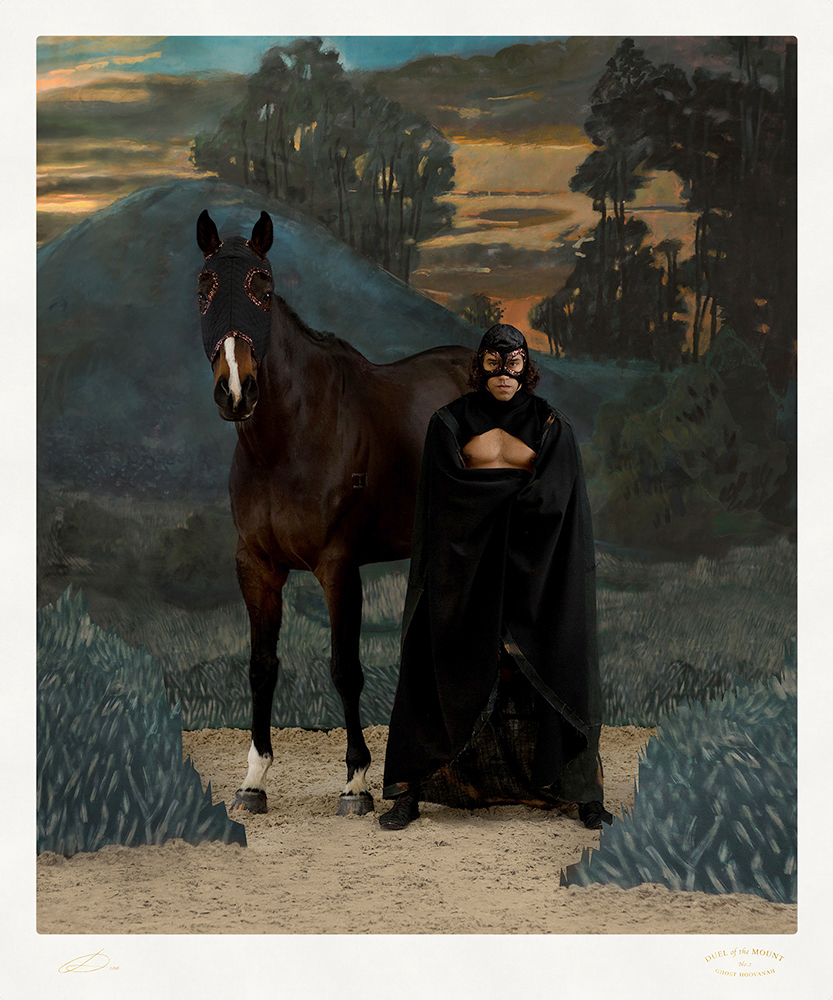
Jacqui Stockdale (Australian, b. 1968) 'Duel of the Mount 2' 2018


Jacqui Stockdale (Australian, b. 1968)
Duel of the Mount 2
2018
C Type Print
130 x 100cm


This Is No Fantasy
108-110 Gertrude St
Fitzroy VIC 3065
Australia
Phone: +61 3 9417 7172

Opening hours:
Tues – Fri 10am – 5pm
Sat 12 – 5pm

This Is No Fantasy website

LIKE ART BLART ON FACEBOOK

Back to top
Review: ‘DEEPER DARKER BRIGHTER’ at Town Hall Gallery, Hawthorn Arts Centre, Melbourne

Exhibition dates: 12th May – 1st July, 2018

Artists: Pamela Bain and Carolyn Lewens
Curator: Stephanie Sacco


Installation view of gallery one at the exhibition 'Deeper Darker Brighter' at Town Hall Gallery, Hawthorn Arts Centre, Melbourne


Installation view of gallery one at the exhibition Deeper Darker Brighter at Town Hall Gallery, Hawthorn Arts Centre, Melbourne
Photo: Christian Capurro


It is a great pleasure to be able to post on my friend Carolyn Lewens’ joint exhibition with Pamela Bains, DEEPER DARKER BRIGHTER at Town Hall Gallery, Hawthorn Arts Centre, both Visiting Fellows at Swinburne University’s Centre for Astrophysics and Supercomputing.

I have known Carolyn since we were both studying photography at Brighton Tech under the tutelage of Peter Barker in 1989. Nearly 30 years later, we are both still making art and writing about art, which says a lot for our perseverance and perspicacity as both artists and human beings. There are not a lot of us left from those days, photographers who are still being creative, still following the path of enquiry with dedication and insight into the condition of (our) becoming.

In this latest iteration, an exhibition which investigates our place in the universe, Carolyn and Pamela offer a “creative response to an astrophysics program that is searching for the fastest explosions in the universe… an immersive and stimulating space wherein fresh awareness of the cosmos and science is mediated via aesthetic and conceptual means.” As the catalogue essay by Associate Professor Christopher Fluke observes, “Science and Art are both highly creative endeavours, that cannot succeed without research, experimentation, and an acceptance that some ideas will not work.” And so with this exhibition also. Some ideas work, some ideas do not.

The highlight for me in the first two galleries were the model telescopes, observatories and types of star made by research staff and postgraduate students in weekly workshops with the two artists. It was fascinating to see how modern astronomers see their own building blocks, fantastical human creations, architectural marvels made specifically to capture faint electromagnetic signals from the sky; and stars that can only be “captured” on photographic plates which record features invisible to the human eye. Akin to naive or “outsider” art (I hate that term but there is no better one at present to describe the work), these sculptures possess an essential presence in the “hands on” nature of their construction. Only in the darkened third gallery does the work of the two main artists coalesce, cosmogrify (I know that’s not a real word, but we are “out of this world”, as in cosmography, the branch of science which deals with the general features of the universe) into a satisfying whole. And what an out of this world gallery it is!

Pamela’s wondrous paintings, full of colour and paint splatters, transmogrify their earthly origins into music from the stars, while the paintings themselves are physically transformed and printed as digital photographs: in other words, there is a double transmogrification of concept and aesthetics going on here, moving from hand to universe and from analog to digital. As Fluke states, “The death event and the life giving properties shared between supernovae and our own physical outcome often reside in the subtext of Pam’s work, offering scope for the contemplation of ourselves as celestial entities.” These “creations” are illuminated by spotlights on one side of gallery three, and their multi-hued presence play off Carolyn’s blue cyanotype photogram images digitally printed on cotton rag on the other side of the long gallery – the exchange of constructed cosmos’ making for a truly immersive, quite moving experience.

Carolyn’s camera-less photograms use cyanotype photography, a process invented by astronomer Sir John Herschel in the early 1840s, so this process is entirely appropriate for her investigation into the “metaphors of light and the mysteries of shadows.” As Fluke notes, “The creations that emerge are a direct response to the presence or absence of light, generating a shadowy imprint of more complexity than we can perceive. Links to photosynthesis via the cyanotype process mean her work is more about life than death.” Carolyn uses objects and materials which are often dense – folded and layered – which she then over exposes in order to get detail in some areas of the image. The resultant cyanotypes are then digital remastered (but not manipulated) in Photoshop, so that the resultant prints do not loose that beautiful blue that is the signature of the cyanotype process. Here again, transmogrification becomes a happening concept – an idea, a concept uses photosynthesis, the light of the sun, to create images in an early photographic process which are then scientifically remastered into digital photographs.

In both artists work, there is evidence of the ineffable, the unknowable, which is what makes this exhibition so special. These works have been created out of the explosions of human imagination and creativity (like little big bangs) after observing light from stars millions of miles away, light that may no longer exist since it takes millions of years to reach us here on Earth. The light that these artists and astronomers observe may no longer exist, it is just an after image of a physical presence that may be long gone. To then create these universal emanations as intimations of the retina of the eye, being underwater, in the womb, or being a plant (think the tactile qualities of Karl Blossfeldt’s photographs); or cells of the brain and spermatozoa, is a special thing. The nexus between the works and the universe make these associations quite breathtaking.

Dr Marcus Bunyan


Many thankx to Pamela Bain, Carolyn Lewens and Town Hall Gallery for allowing me to publish the photographs in the posting. Please click on the photographs for a larger version of the image.


Conveying the wonder of science through art, Pamela Bain and Carolyn Lewens explore the universe with Swinburne University’s Centre for Astrophysics and Supercomputing, resulting in an odyssey of aesthetic and sensory experiences.

DEEPER DARKER BRIGHTER is a creative response to an astrophysics program that is searching for the fastest explosions in the universe. The artists, present for real-time space observations, were stimulated by bombardments of astronomical imagery, data and technology that inspired these new bodies of work. The exhibition offers an immersive and stimulating space wherein fresh awareness of the cosmos and science is mediated via aesthetic and conceptual means.


Carolyn Lewens in front of her work 'In the Photic Zone' 2018 at the opening of the exhibition 'Deeper Darker Brighter' at Town Hall Gallery, Hawthorn Arts Centre, Melbourne


Carolyn Lewens in front of her work In the Photic Zone 2017 at the opening of the exhibition
Photo: ImagePlay


Pamela Bain in front of her work 'Electric Cosmic' 2018 at the opening of the exhibition 'Deeper Darker Brighter' at Town Hall Gallery, Hawthorn Arts Centre, Melbourne


Pamela Bain in front of her work Electric Cosmic 2018 at the opening of the exhibition
Photo: ImagePlay


THG Artist Interview: Carolyn Lewens & Pamela Bain – DEEPER DARKER BRIGHTER, 12 May – 1 July 2018


Installation view of gallery one at the exhibition 'Deeper Darker Brighter' at Town Hall Gallery, Hawthorn Arts Centre, Melbourne

Installation view of gallery one at the exhibition 'Deeper Darker Brighter' at Town Hall Gallery, Hawthorn Arts Centre, Melbourne

Installation view of gallery one at the exhibition 'Deeper Darker Brighter' at Town Hall Gallery, Hawthorn Arts Centre, Melbourne


Installation views of gallery one at the exhibition Deeper Darker Brighter at Town Hall Gallery, Hawthorn Arts Centre, Melbourne
Photos: Christian Capurro


Installation view of Pamela Bain's work 'Candidate Light Collective' 2018 (watercolour on cotton rag)


Installation view of Pamela Bain’s work Candidate Light Collective 2018 (watercolour on cotton rag)
Photo: ImagePlay


Installation view of gallery two at the exhibition 'Deeper Darker Brighter' at Town Hall Gallery, Hawthorn Arts Centre, Melbourne

Installation view of gallery two at the exhibition 'Deeper Darker Brighter' at Town Hall Gallery, Hawthorn Arts Centre, Melbourne

Installation view of gallery two at the exhibition 'Deeper Darker Brighter' at Town Hall Gallery, Hawthorn Arts Centre, Melbourne


Installation views of gallery two at the exhibition Deeper Darker Brighter at Town Hall Gallery, Hawthorn Arts Centre, Melbourne
Photos: Christian Capurro


Augmented visions: the art of the dynamic universe

Associate Professor Christopher Fluke

The consistency of the night sky was important for the development of astronomy: a science of observation, record-keeping and prediction. Across human lifetimes, the stars maintained their positions with respect to an imagined celestial sphere. The planets – literally wandering stars – moved with respect to the fixed stars in their own regular cycles.

Much rarer, and sometimes a cause for alarm, were the unexpected events – an eclipse of the Sun or the sudden appearance of a new star in the immutable heavens. On 4 July 1054, Chinese astronomers recorded a bright light appearing in the constellation Taurus. So luminous that it was visible in the daylight for 20 days, it faded from view over the next two years. The cause of this transient celestial event was the explosion of a star 6500 light years away: a supernova event in our own Galaxy. Today, astronomers search the sky for other exploding stars – but in galaxies far beyond our own. Sophisticated telescopes capture the brief yet spectacular death throes of some of the biggest stars, revealing valuable information about the origin and evolution of all stars. The spark of inspiration for artists Pamela Bain and Carolyn Lewens was the Deeper Wider Faster project: a systematic search for short-lived, transient explosions. Led by Swinburne University of Technology’s Associate Professor Jeff Cooke and PhD student Igor Andreoni, Deeper Wider Faster requires the coordination of multiple observatories distributed around the Earth, all watching the same regions of the sky, waiting to catch a cosmic cataclysm.

While signalling the death of a star, a supernova is also a source of new life. At the heart of the explosion, nuclear processes create gold, silver, and other elements. Billions of years ago, supernovae created the elemental mixture that would collapse and coalesce into our Solar System: the raw materials for life. As Carl Sagan noted “we are made of star-stuff”.

The mutual composition shared by humans and the Universe has influenced Pamela’s work for some time. Her paintings capture the essence of the explosion and the aftermath. The interplay between light and dark and the shadowy in between also reveals a human presence via daubs of colour, paint splatters and brushstrokes amalgamating the artist with the Universe. While technical processes are later integrated, evidence of an organic origin remain. The death event and the life giving properties shared between supernovae and our own physical outcome often reside in the subtext of Pam’s work, offering scope for the contemplation of ourselves as celestial entities.

Many of the great astronomers of the Renaissance were also great artists, perhaps none more so than Galileo Galilei. Although not the first to draw the Moon through a telescope, Galileo’s sketches of the craters and shadows of the Moon were an essential step in overturning the conception that the Moon was a perfect object. Through drawing and illustration, astronomers could share, discuss and debate what was seen via the augmentation of lenses and mirrors. As telescopes grew in size, the increased level of detail they revealed challenged the skills of many astronomers. The quality of the interpretation was only as good as the talents of the astronomer-artist. During the 19th century, a move from subjectivity to objectivity in astronomical imaging took place. While not without their own challenges, photographic plates could record features invisible to the human eye, and the era of the astronomer-artist came to an end. The longer the exposure, the DEEPER and DARKER elements of the Universe could be seen.

The cyanotype photography used by Carolyn was invented by astronomer Sir John Herschel in the early 1840s. While Herschel created the process to make blueprint copies of his notes, Carolyn’s camera-less photograms allow her to “investigate the metaphors of light and the mysteries of shadows.”

Physical engagement with processes of light and materiality is central to Carolyn’s work. The creations that emerge are a direct response to the presence or absence of light, generating a shadowy imprint of more complexity than we can perceive. Links to photosynthesis via the cyanotype process mean her work is more about life than death. There has always been a close connection between art and astronomy. Depictions of the night sky, accompanied by stories of the origin of the Universe, appear throughout human history. Complex motions of the celestial objects were often encoded in architecture. In Peru, the Thirteen Towers of Chankillo encode the Sun’s motion on the horizon throughout the year.

Modern astronomers build architectural marvels to capture faint electromagnetic signals from the sky. Large white domes huddle together on the tops of mountains far from the light pollution of cities, holding mirrors with diameters measured in metres. Elsewhere, an enormous parabolic dish sits incongruously in the Australian countryside, surrounded by sheep and the occasional poisonous snake.

The orchestration of observatories at the heart of Deeper Wider Faster is depicted in an animation in the Gallery, conceived by Pamela and Carolyn, and animated by James Josephides. Connections are made between geographical locations of observatories and their place in the electromagnetic spectrum. Radio waves, X-rays, infrared, ultraviolet and visible light are all the same phenomena. Yet each holds its own secret about the transient, dynamic Universe.

In a return to astronomy’s artistic roots, Pamela and Carolyn led weekly workshops with research staff and postgraduate students from Swinburne’s Centre for Astrophysics & Supercomputing. The opportunity to make model telescopes with Carolyn or learn to paint supernova with Pamela was taken up enthusiastically. Science and Art are both highly creative endeavours, that cannot succeed without research, experimentation, and an acceptance that some ideas will not work. The creative outputs of Swinburne’s astronomers are shown alongside the primary works of the exhibition.

Science and Art are both iterative experiences – it can be hard to say when either has come to an end. DEEPER DARKER BRIGHTER is an aesthetic and sensory response by Pamela Bain and Carolyn Lewens to Deeper Wider Faster. It implores us to reconsider the nature of the Universe, the light and the dark, and the augmented visions that astronomers use to capture the art of the dynamic Universe. This is the era of transient astronomy: the heavens are immutable no more.

Associate Professor Christopher Fluke is a researcher with Swinburne’s Centre for Astrophysics and Supercomputing, and Director of Swinburne’s Advanced Visualisation Laboratory.


Installation view of gallery three at the exhibition 'Deeper Darker Brighter' at Town Hall Gallery, Hawthorn Arts Centre, Melbourne

Installation view of gallery three at the exhibition 'Deeper Darker Brighter' at Town Hall Gallery, Hawthorn Arts Centre, Melbourne

Installation view of gallery three at the exhibition 'Deeper Darker Brighter' at Town Hall Gallery, Hawthorn Arts Centre, Melbourne

Installation view of gallery three at the exhibition 'Deeper Darker Brighter' at Town Hall Gallery, Hawthorn Arts Centre, Melbourne

Installation view of gallery three at the exhibition 'Deeper Darker Brighter' at Town Hall Gallery, Hawthorn Arts Centre, Melbourne

Installation view of gallery three at the exhibition 'Deeper Darker Brighter' at Town Hall Gallery, Hawthorn Arts Centre, Melbourne

Installation view of gallery three at the exhibition 'Deeper Darker Brighter' at Town Hall Gallery, Hawthorn Arts Centre, Melbourne

Installation view of gallery three at the exhibition 'Deeper Darker Brighter' at Town Hall Gallery, Hawthorn Arts Centre, Melbourne


Installation views of gallery three at the exhibition Deeper Darker Brighter at Town Hall Gallery, Hawthorn Arts Centre, Melbourne
Photos: Christian Capurro


Pamela Bain. 'Electric Cosmos' 2018


Pamela Bain
Electric Cosmos
2018
From the Death and Creation series
Painting remastered onto archival digital print on cotton rag
140 x 186cm
© image courtesy of the artist


Pamela Bain. 'Explosion' 2018


Pamela Bain
Explosion
2018
From the Death and Creation series
Painting remastered onto archival digital print on cotton rag
© image courtesy of the artist


Pamela Bain. 'Nebula' 2018


Pamela Bain
Nebula
2018
From the Death and Creation series
Painting remastered onto archival digital print on cotton rag
© image courtesy of the artist


Pamela Bain. 'Through A Portal Lightly' 2018


Pamela Bain
Through A Portal Lightly
2018
From the Death and Creation series
Painting remastered onto archival digital print on cotton rag
© image courtesy of the artist


Opening of the exhibition 'Deeper Darker Brighter' at Town Hall Gallery, Hawthorn Arts Centre, Melbourne


At the opening of the exhibition Deeper Darker Brighter at Town Hall Gallery, Hawthorn Arts Centre, Melbourne
Photo: ImagePlay


Carolyn Lewens (Australian, b. 1948) 'Light Phenomenon 2' 2017


Carolyn Lewens (Australian, b. 1948)
Light Phenomenon 2
2017
Dimensions variable
Unique state cyanotype photogram image digitally remastered print on cotton rag
© image courtesy of the artist


Carolyn Lewens (Australian, b. 1948) 'Fast Burst' 2017


Carolyn Lewens (Australian, b. 1948)
Fast Burst
2017
Dimensions variable
Unique state cyanotype photogram image digitally remastered print on cotton rag
© image courtesy of the artist


Carolyn Lewens (Australian, b. 1948) 'Filamentous' 2017


Carolyn Lewens (Australian, b. 1948)
Filamentous
2017
Dimensions variable
Unique state cyanotype photogram image digitally remastered print on cotton rag
© image courtesy of the artist


Carolyn Lewens (Australian, b. 1948) 'Naked Retina 8' 2017


Carolyn Lewens (Australian, b. 1948)
Naked Retina 8
2017
Dimensions variable
Unique state cyanotype photogram image digitally remastered print on cotton rag
© image courtesy of the artist


Carolyn Lewens (Australian, b. 1948) 'Naked Retina 9' 2017


Carolyn Lewens (Australian, b. 1948)
Naked Retina 9
2017
Dimensions variable
Unique state cyanotype photogram image digitally remastered print on cotton rag
© image courtesy of the artist


Carolyn Lewens (Australian, b. 1948) 'Spiralling orbits' 2017


Carolyn Lewens (Australian, b. 1948)
Spiralling orbits
2017
Dimensions variable
Unique state cyanotype photogram image digitally remastered print on cotton rag
© image courtesy of the artist


Carolyn Lewens (Australian, b. 1948) 'Light Remnants' 2017


Carolyn Lewens (Australian, b. 1948)
Light Remnants
2017
Dimensions variable
Unique state cyanotype photogram image digitally remastered print on cotton rag
© image courtesy of the artist


Carolyn Lewens (Australian, b. 1948) 'In the Photic Zone' 2013-2018


Carolyn Lewens (Australian, b. 1948)
In the Photic Zone
2013-18
Dimensions variable
Unique state cyanotype photogram image digitally remastered print on cotton rag
© image courtesy of the artist


Town Hall Gallery
Hawthorn Arts Centre
360 Burwood Road,
Hawthorn VIC 3122
Phone: +61 3 9278 4770

Opening hours:
Monday to Friday 10am – 5pm
Saturday 12 – 4pm
Closed on Sundays and public holidays

Town Hall Gallery website

LIKE ART BLART ON FACEBOOK

Back to top

Vale Polixeni Papapetrou (1960-2018)

April 2018


Polixeni Papapetrou (Australian, 1960-2018) 'Drag queen wearing cut out dress' 1993


Polixeni Papapetrou (Australian, 1960-2018)
Drag queen wearing cut out dress
1993
From the series Drag Queens 1988-1999
Gelatin silver photograph
28.5 x 28.5cm
Courtesy the artist and Nellie Castan Gallery, Melbourne and Stills Gallery, Sydney


My god, what a loss.

I am very sorry to hear of the passing of Polixeni Papapetrou. Sadness indeed…

Poli was a wonderful spirit and an incredibly gifted artist. Condolences to Robert Nelson and all of the family.

A selection of some of my favourite Papapetrou images are posted below – but really, there are so many memorable images, she leaves behind an indelible and lasting legacy.

From an earlier posting:

“What we should do is honour this talented and determined artist for creating so many memorable images over the years, for following her passion and her heart with courage and conviction. For the rest of my life I will always remember the spaces, the ambiguous vistas, the fantastical archetypes, the fables of her work. Images of drag queens and Dreamkeepers, Ghillies and goblins are etched in my memory. I will always remember them. You can’t ask much more from the work of an artist than that.”


You can kill the dreamer, but you cannot kill the dream.

Dr Marcus Bunyan


“Art does not reproduce the visible; rather, it makes visible.”


Paul Klee. Creative Credo (Schöpferische Konfession) 1920


Polixeni Papapetrou (Australian, 1960-2018) 'Three young men paying homage to Elvis on the 13th anniversary of Elvis’ death, Elvis Memorial Melbourne' 1990


Polixeni Papapetrou (Australian, 1960-2018)
Three young men paying homage to Elvis on the 13th anniversary of Elvis’ death, Elvis Memorial Melbourne
1990
From the series Elvis Immortal 1987-2002
Selenium toned gelatin silver photograph
40.7 x 40.7cm
Courtesy the artist and Nellie Castan Gallery, Melbourne and Stills Gallery, Sydney


Polixeni Papapetrou (Australian, 1960-2018) 'Mr Wrestling' 1992


Polixeni Papapetrou (Australian, 1960-2018)
Mr Wrestling
1992
From the series Wrestlers 1992
Pigment ink print
100 x 100cm


Polixeni Papapetrou (Australian, 1960-2018) 'Indian Brave' 2002


Polixeni Papapetrou (Australian, 1960-2018)
Indian Brave
2002
From the series Phantomwise 2002-2003
Pigment ink print
85 x 85cm
Courtesy the artist and Nellie Castan Gallery, Melbourne and Stills Gallery, Sydney


Polixeni Papapetrou (Australian, 1960-2018) 'Lost' 2005


Polixeni Papapetrou (Australian, 1960-2018)
Lost
2005
From the series Fairy Tales 2004-2014
Type C print
100 x 100cm
Courtesy the artist, Michael Reid Gallery, Sydney + Berlin and Jarvis Dooney Galerie, Berlin
Reproduced with permission


Polixeni Papapetrou (Australian, 1960-2018) 'In the Wimmera 1864 #1' 2006


Polixeni Papapetrou (Australian, 1960-2018)
In the Wimmera 1864 #1
2006
From the series Haunted country 2006
Pigment ink print
105 x 105cm
Geelong Gallery Collection


In the Wimmera 1864 #1 from the Haunted country series is amongst the earliest works by the artist to have been staged in the Australian landscape and is one in which she explores the narrative of the ‘lost child’. The work references the story of three children lost in Mallee scrub near their home outside Horsham in the Wimmera District and is reminiscent, as the artist intends, of Frederick McCubbin’s late 19th century paintings of children lost or at least wandering absent-mindedly through the Australia bush.

Text from the Culture Victoria website


Polixeni Papapetrou (Australian, 1960-2018) 'Hanging Rock 1900 #3' 2006


Polixeni Papapetrou (Australian, 1960-2018)
Hanging Rock 1900 #3
2006
From the series Haunted country 2006
Pigment ink print
105 x 105cm


Polixeni Papapetrou (Australian, 1960-2018) 'The Provider' 2009


Polixeni Papapetrou (Australian, 1960-2018)
The Provider
2009
From the series Between Worlds 2009-2012
Pigment print
105 x 105cm


Polixeni Papapetrou (Australian, 1960-2018) 'The Mourner' 2012


Polixeni Papapetrou (Australian, 1960-2018)
The Mourner
2012
From the series Between Worlds 2009-2012
Pigment print
105 x 105cm


Polixeni Papapetrou (Australian, 1960-2018) 'The Joy Pedlars' 2011 from 'The Dreamkeepers' 2011


Polixeni Papapetrou (Australian, 1960-2018)
The Joy Pedlars
2011
From the series The Dreamkeepers 2012
Pigment print
105 x 105cm


Polixeni Papapetrou (Australian, 1960-2018) 'The Wanderer No. 3', 2012 from 'The Dreamkeepers'


Polixeni Papapetrou (Australian, 1960-2018)
The Wanderer No. 3
2012
From the series The Dreamkeepers 2012
Pigment print
105 x 105cm


Polixeni Papapetrou (Australian, 1960-2018) 'Ocean Man' 2013


Polixeni Papapetrou (Australian, 1960-2018)
Ocean Man
2013
From the series The Ghillies 2013
120 x 120cm
National Gallery of Victoria, Melbourne
Purchased NGV Foundation, 2013


Polixeni Papapetrou (Australian, 1960-2018) 'Scrub Man' 2012


Polixeni Papapetrou (Australian, 1960-2018)
Scrub Man
2012
From the series The Ghillies 2013
120 x 120cm
National Gallery of Victoria, Melbourne
Purchased NGV Foundation, 2013


Review of the exhibition Polixeni Papapetrou: Lost Psyche at Stills Gallery, 2014

When “facing” adversity, it is a measure of a person’s character how they hold themselves, what face they show to the world, and how their art represents them in that world. So it is with Polixeni Papapetrou. The courage of this artist, her consistency of vision and insightful commentary on life even while life itself is in the balance, are inspiring to all those that know her.

Papapetrou has always created her own language, integrating the temporal dissemination of the historical “case” into a two-dimensional space of simultaneity and tabulation (the various archetypes and ancient characters), into an outline against a ground of Cartesian coordinates.1 In her construction, in her observation and under her act of surveillance, Papapetrou moves towards a well-made description of the states of the body in the tables and classification of the psychological landscape. Her tableaux (the French tableau signifies painting and scene (as in tableau vivant), but also table (as in a table used to organise data)) are a classification and tabulation that is an exact “portrait” of “the” illness, the lost psyche of the title. Her images lay out, in a very visible way, the double makeover: of the outer and inner landscape.

These narratives are above all self-portraits. The idea that image, archetype and artist might somehow be one and the same is a potent idea in Papapetrou’s work. What is “rendered” visible in her art is her own spirit, for these visionary works are nothing less than concise, intimate, focused self-portraits. They speak through the mask of the commedia dell’arte of a face half turned to the world, half immersed in imaginary worlds. The double skin (as though human soul, the psyche, is erupting from within, forcing a face-off) and triple skin (evidenced in the lack of depth of field of the landscape tableaux) propose an opening up, a revealing of self in which the anatomy (anatemnein: to tear, to open a body, to dissect) of the living is revealed. The images become an autopsy on the living and the dead: “a series of images, that would crystallise and memorise for everyone the whole time of an inquiry and, beyond that, the time of a history.”2

Papapetrou’s images become the “true retina” of seeing, close to a scientific description of a character placed on a two dimensional background (notice how the stylised clouds in The Antiquarian, 2014 match the fur hat trim). In the sense of evidence, the artist’s archetypes proffer a Type that is balanced on the edge of longing, poetry, desire and death, one that the objectivity of photography seeks to fix and stabilise. These images serve the fantasy of a memory: of a masked archetype in a made over landscape captured “exact and sincere” by the apparatus of the camera. A faithful memory of a tableau in which Type is condensed into a unique image: the visage fixed to the regime of representation,3 the universal become singular. This Type is named through the incorporated Text, the Legend: I am Day Dreamer, Immigrant, Merchant, Poet, Storyteller.

But even as these photographs seek to fix the Type, “even as the object of knowledge is photographically detained for observation, fixed to objectivity,”4 the paradox is that this kind of knowledge slips away from itself, because photography is always an uncertain technique, unstable and chaotic, as ever the psyche. In the cutting-up of bodies, cutting-up on stage, a staging aimed at knowledge – the facticity of the masked, obscured, erupting face; the corporeal surface of the body, landscape, photograph – the image makes visible something of the movements of the soul. In these heterotopic images, sites that relate to more stable sites, “but in such a way as to suspect, neutralise, or invert the set of relations that they happen to designate, mirror or reflect,”5 Papapetrou’s psyche, “creates the chain of tradition which passes a happening on from generation to generation.”6 In her commedia dell’ arte, an improvised comedy of craft, of artisans (a worker in a skilled trade), the artist fashions the raw material of experience in a unique way.7 We, the audience, intuitively recognise the type of person being represented in the story, through their half masks, their clothing and context and through the skilful dissemination of collective memory and experience.

Through her storytelling Papapetrou moves towards a social and spiritual transformation, one that unhinges the lost psyche. Her landscape narratives are a narrative of a recognisable, challenging, unstable non-linear art, an art practice that embraces “the speculative mystery of ancient roles… They’re all souls with divided emotions, torn between dream and reality, who like us, converge on the collective stage that is the world.” They are archetype as self-portrait: portraits of a searching, erupting, questioning soul, brave and courageous in a time of peril. And the work is for the children (of the world), for without art and family, extinction.

Dr Marcus Bunyan


Footnotes

1/ Adapted from Didi-Huberman, Georges. Invention of Hysteria: Charcot and the Photographic Iconography of the Salpetriere (trans. Alisa Hartz). Cambridge, Mass.: MIT Press, 2003, p. 24-25. I am indebted to the ideas of Georges Didi-Huberman for his analysis of the ‘facies’ and the experiments of Jean-Martin Charcot on hysteria at the Hôpital Salpêtrière in Paris in the 1880s.
2/ Ibid., p. 48
3/ Ibid., p. 49
4/ Ibid., p. 59
5/ Foucault, Michel. “Of Other Spaces,” in Diacritics Spring 1986, p. 24 quoted in Fisher, Jean. “Witness for the Prosecution: The Writings of Coco Fusco,” in Fusco, Coco. The Bodies That Were Not Ours. London: Routledge, 2001, pp. 226-227
6/ Fisher, Ibid., p. 227-228
7/ “One can go on and ask oneself whether the relationship of the storyteller to his material, human life, is not in itself a craftsman’s relationship, whether it is not his very task to fashion the raw material of experience, his own and that of others, in a solid, useful, and unique way.”
Benjamin, Walter. Illuminations (trans. by Harry Zohn; edited by Hannah Arendt). New York: Schocken Books, 1968 (2007), p. 108


Polixeni Papapetrou (Australian, 1960-2018) 'The Immigrant' 2014


Polixeni Papapetrou (Australian, 1960-2018)
The Immigrant
2014
From the series Lost Psyche 2014
Pigment print
100 x 150cm


Polixeni Papapetrou (Australian, 1960-2018) 'The Storyteller' 2014


Polixeni Papapetrou (Australian, 1960-2018)
The Storyteller
2014
From the series Lost Psyche 2014
Pigment print
100 x 150 cm


Polixeni Papapetrou website

LIKE ART BLART ON FACEBOOK

Back to top

Review: ‘Rosemary Laing’ at TarraWarra Museum of Art, Healesville, Victoria

Exhibition dates: 2nd December, 2017 – 11th February, 2018

Curator: Victoria Lynn


Rosemary Laing (Australian, 1959-2024) 'weather (Eden) #1' 2006 from the exhibition 'Rosemary Laing' at TarraWarra Museum of Art, Healesville, Victoria, Dec 2017 - Feb 2018


Rosemary Laing (Australian, 1959-2024)
weather (Eden) #1
2006
From the series weather
C Type photograph
110 x 221.5cm
Private Collection
© Rosemary Laing, Courtesy Tolarno Galleries, Melbourne


Disjunction and displacement in the Australian landscape

On a suitably apocalyptic day – in terms of our relationship to landscape, environment, elements and shelter – I drove up the Yarra Valley to the beautiful TarraWarra Museum of Art to see an exhibition of the works of Rosemary Laing. Through teeming rain, headlights gleaming, windshield wipers at full bore listening to Beethoven symphonies, I undertook an epic drive up to that most beautiful part of Victoria. The slightly surreal, disembodied experience of the drive continued once I stepped inside the gallery to view Laing’s work.
Laing’s work has always been a favourite, whether it be the floating brides, the carpet laid through the forest, or the melting newsprint after rain. I have always thought of her sensitive conceptual, performative work as evidenced through large, panoramic photographs as strong and focused, effective in challenging contemporary cultural cliché relating to the land, specifically the possession and inhabitation of it. As such, perhaps I was expecting too much of this exhibition but to put it bluntly, the presentation was a great disappointment.

There are various contributing factors that do not make this exhibition a good one.

Firstly, as the curator Victoria Lynn observes, “Laing’s photographs are conceived in series, so that each photograph is part of a larger cluster of images that are often arrange in specific sequences.” This exhibition, “includes 28 large-scale works selected from ten series over a thirty-year period” that focus on the themes of land and landscape in Laing’s oeuvre. The problem with this approach to Laing’s work is that the photographs from the different series sit uncomfortably together. The transitions between the photographs and different bodies of work as evidenced in this exhibition, simply do not work. Minor White’s ice / fire – that frisson of intensity between two disparate images that makes both images relevant to each other – is non-existent here. What might have more successful in displaying Laing’s work would have been a larger selection from a more limited number of series. It would have given the viewer a more holistic sense of belonging and investment in the work. This is the problem working in series and specific sequences… once the work leaves that cluster of energy, that magical place of nurture, nature and conceptualisation, how does it reintegrate itself into other states of being and display?

Secondly, the light levels in the gallery were so low the photographs seemed drained of all their energy. I understand that the “lux levels are quite particular according to museum requirements considering many works are lent from various institutions around Australia,” having done a conservation subject during my Master of Art Curatorship, but this is where the surreal experience from the drive continued: upon entering the gallery it was like navigating a stygian gloom, as can be seen in the installation photographs of the exhibition below. This is a museum of art situated in the most beautiful landscape and these are photographs, captured with light! that need light to bring them alive. I remember seeing Laing’s work leak at Tolarno galleries in Melbourne, and being amazed by their presence, their energy. Not here. Here the blues of the sky and the reds of the carpet seemed drained of energy, the vibrations of being of the forest and land victim to overzealous preservation.

Thirdly, and this relates to the first point, there was one work How we lost poor Flossie (fires) (1988, below) from Laing’s early series Natural Disasters. The work appeared out of nowhere at the end of the exhibition, had nothing that it related to around it, and had no explanation as to why it was there. I really would have liked to have known more about how Laing got from this work to the later series in the exhibition. What was her process of discovery, of change and experimentation. How did Laing go from Flossie – slicing together the spectacle and graphic imagery from media coverage of the Ash Wednesday fires – to the embeddedness [definition: the dependence of a phenomenon on its environment, which may be defined alternatively in institutional, social, cognitive, or cultural terms] of performances within the landscape of the later work? This would have been a more cogent, pungent and relevant investigation into the rigours of Laing’s art practice.

I emerged into the world and it was still pouring with rain. I rejoiced. It was as though I was alive again. Laing’s work is always strong and interesting. It was just such a pity that this iteration of it, specifically its closeted choreography, was not as restless as the landscape the works imagine.

Dr Marcus Bunyan


Many thankx to the TarraWarra Museum of Art for allowing me to publish the photographs in the posting. Please click on the photograph for a larger version of the image. All installation images © Dr Marcus Bunyan and TarraWarra Museum of Art.


Installation view of the exhibition 'Rosemary Laing' at the TarraWarra Museum of Art

Installation view of the exhibition 'Rosemary Laing' at the TarraWarra Museum of Art

Installation view of the exhibition 'Rosemary Laing' at the TarraWarra Museum of Art

Installation view of the exhibition 'Rosemary Laing' at the TarraWarra Museum of Art featuring the works 'welcome to Australia' (2004, C Type photograph, Collection of the University of Queensland) from the series 'to walk on a sea of salt'


Installation view of the exhibition Rosemary Laing at the TarraWarra Museum of Art featuring the works welcome to Australia (2004, C Type photograph, Collection of the University of Queensland) from the series to walk on a sea of salt
Photos: Marcus Bunyan


“… the detention centre images, so that you’ve got the Heysen, you know, trees that you want to belong to, and then you’ve got this endless vista – though it be a difficult journey across a horizon that never ends – and then you have the raised wire fence, completely closing off access to that land, and that place, and those images of belonging and heritage.”

Art Talk with Rosemary Laing


Installation view of the exhibition 'Rosemary Laing' at the TarraWarra Museum of Art featuring the works 'after Heysen' (2004) at left, and 'to walk on a sea of salt' (2004) at right, from the series 'to walk on a sea of salt'


Installation view of the exhibition Rosemary Laing at the TarraWarra Museum of Art featuring the works after Heysen (2004) at left, and to walk on a sea of salt (2004) at right, from the series to walk on a sea of salt
Photo: Marcus Bunyan


Installation view of Rosemary Laing's 'after Heysen' (2004, C Type photograph, Collection of Carey Lyon and Jo Crosby) from the series 'to walk on a sea of salt'


Installation view of Rosemary Laing’s after Heysen (2004, C Type photograph, Collection of Carey Lyon and Jo Crosby) from the series to walk on a sea of salt
Photo: Marcus Bunyan


The question of how to belong in Australia permeates Laing’s work. Australia has one of the highest immigrant populations in the world so that the question of arrival, and of making oneself at home, continues to be part of the everyday reality. We also have one of the world’s harshest policies for asylum seekers so that – in the political imaginary of contemporary Australia – land is conceived as a border that has to be protected.

The artist’s most potent response to the contested issue of being at home in Australia is the 2004 series to walk on a sea of salt, where images of Woomera detention centre, combined with photographs inspired by quintessential Australian imagery and stories, remind us that home does not travel with the asylum seeker. In after Heysen, Laing photographs the trees that Hans Heysen transformed into an Arcadian image of the Australian bush, but bleaches the image to invoke a sense of nationalistic nostalgia. By contrast, the spatial potential and magnitude of the Australian landscape is invoked by the image to walk on a sea of salt.

Wall text from the exhibition


Installation view of the exhibition 'Rosemary Laing' at the TarraWarra Museum of Art featuring works from the series 'The Paper' (2013)

Installation view of the exhibition 'Rosemary Laing' at the TarraWarra Museum of Art featuring works from the series 'The Paper' (2013)


Installation view of the exhibition Rosemary Laing at the TarraWarra Museum of Art featuring works from the series The Paper (2013)
Photos: Marcus Bunyan


Installation view of Rosemary Laing's work 'The Paper, Tuesday' (2013, C Type photograph, Monash University Collection) from the series 'The Paper' (2013)


Installation view of Rosemary Laing’s work The Paper, Tuesday (2013, C Type photograph, Monash University Collection) from the series The Paper (2013)
Photo: Marcus Bunyan


Installation view of Rosemary Laing's work 'The Paper, Thursday' (2013, C Type photograph, Monash University Collection) from the series 'The Paper' (2013)


Installation view of Rosemary Laing’s work The Paper, Thursday (2013, C Type photograph, Monash University Collection) from the series The Paper (2013)
Photo: Marcus Bunyan


Laing choreographs situations in the landscape, invoking a unique set of circumstances that reflect upon historic, social, environmental, economic and material conditions. Incongruous items are carefully positioned to flow with the compositional logic of a place.

On a hillside in Bundanon, New South Wales is a Casuarina forest sprinkled with Burrawang (cycads), an ancient plant that dates back to the Palaeozoic. The series The Paper was created on this hillside. The forest floor is covered in newspaper and photographed after the rains. The paper has literally been pressed into the forest floor by the torrent. It has been weathered. The sensationalism, headlines, imagery and opinion of the newspaper merge into a feathery ground cover of soft white, cream and beige hues. It is as if the area has flooded, not with water, but with paper. Words, colour and dates are dissolved into a tonal carpet. There is no light and shadow. This misalignment suggests the death of the daily paper, and here it inevitably returns to its natural habitat, its original ‘home’.

Wall text from the exhibition


Installation view of the exhibition 'Rosemary Laing' at the TarraWarra Museum of Art

Installation view of the exhibition 'Rosemary Laing' at the TarraWarra Museum of Art

Installation view of the exhibition 'Rosemary Laing' at the TarraWarra Museum of Art

Installation view of the exhibition 'Rosemary Laing' at the TarraWarra Museum of Art

Installation view of the exhibition 'Rosemary Laing' at the TarraWarra Museum of Art

Installation view of the exhibition 'Rosemary Laing' at the TarraWarra Museum of Art

Installation view of the exhibition 'Rosemary Laing' at the TarraWarra Museum of Art

Installation view of the exhibition 'Rosemary Laing' at the TarraWarra Museum of Art


Installation views of the exhibition Rosemary Laing at the TarraWarra Museum of Art
Photos: Marcus Bunyan


Installation view of Rosemary Laing's work 'weather (Eden) #1' (2006, C Type photograph, Collection of Peter and Anna Thomas) from the series 'weather'


Installation view of Rosemary Laing’s work weather (Eden) #1 (2006, C Type photograph, Collection of Peter and Anna Thomas) from the series weather
Photo: Marcus Bunyan


The idea of a natural disaster in the Australian landscape occupies the same intensity for Laing as the human or ‘unnatural’ disasters. The each speak of the endless transformation of the landscape, its unfolding stories and its capacity to conjure anxiety and fear.

the series weather, located on the south coast of New South Wales, was inspired by the impact of natural phenomena – coastal storms – on the area. The flash of red fish netting snagged unawares by the battered grey melaleucas in weather (Eden) #1 also signals the historic Indigenous and colonial whaling in the area and the more recent slow demise of the fishing industry. These images seem haunted.

Wall text from the exhibition


Installation view of the exhibition 'Rosemary Laing' at the TarraWarra Museum of Art showing 'The Flowering of the Strange Orchid' (2017) left, from the series 'Buddens', and at right 'weather (Eden) #2' from the series 'weather'


Installation view of Rosemary Laing’s works The Flowering of the Strange Orchid (2017) left, from the series Buddens, and at right weather (Eden) #2 from the series weather
Photo: Marcus Bunyan


Installation view of the exhibition 'Rosemary Laing' at the TarraWarra Museum of Art showing a detail of Rosemary Laing's work 'The Flowering of the Strange Orchid' (2017)


Detail of Rosemary Laing’s work The Flowering of the Strange Orchid (2017)
Photo: Marcus Bunyan


Installation view of the exhibition 'Rosemary Laing' at the TarraWarra Museum of Art showing the work 'Walter Hood' (2017) from the series 'Buddens'


Installation view of the exhibition Rosemary Laing at the TarraWarra Museum of Art showing the work Walter Hood (2017) from the series Buddens
Photo: Marcus Bunyan


In the most recent series Buddens, Laing turns again to the ‘unnatural disasters’ that impact ‘country’. The stream is covered in rolls of discarded clothing. It leads down to Wreck Bay, on the south coast of New South Wales, and is the site of multiple ship disasters. Historically these waters were used to transport convicts, goods, troops and settlers up and down the coast and they are littered with relics from shipwrecks including those of the vessels ‘Rose of Australia’ and ‘Walter Hood’.

The roof truss is like a piece of wreckage in amongst the trees, as if torn by the winds from an urban development on the outskirts of a city. Recalling the upside down house in the series leak (2010), it meets a natural A-frame in the foliage, yet the two don’t make a safe house.

The clothes seem to push through the landscape, like the rush of a river, perhaps in search of a safe haven. There is a mixture of metaphors in Buddens, highlighting the delicate balance between nature and culture required for survival.

Wall text from the exhibition


Installation view of Rosemary Laing's work 'brumby mound #5' (2003, C Type photograph, National Gallery of Victoria, Melbourne) from the series 'one dozen unnatural disasters in the Australian landscape'


Installation view of Rosemary Laing’s work brumby mound #5 (2003, C Type photograph, National Gallery of Victoria, Melbourne) from the series one dozen unnatural disasters in the Australian landscape
Photo: Marcus Bunyan


Installation view of Rosemary Laing's work 'brumby mound #6' (2003, C Type photograph, National Gallery of Victoria, Melbourne) from the series 'one dozen unnatural disasters in the Australian landscape'


Installation view of Rosemary Laing’s work brumby mound #6 (2003, C Type photograph, National Gallery of Victoria, Melbourne) from the series one dozen unnatural disasters in the Australian landscape
Photo: Marcus Bunyan


Landscape has a past, present an future; it is never the same as it used to be. In the face of wars, wrecks, and both natural and ‘unnatural’ destruction, we build shelters. We fence and furnish these landscape as we try to impose order on the precariousness and relative insignificance of life.  As can be seen in a number of Laing’s series, the introduction of elements from our ‘settled’ environment including carpet, clothing, architectural structures, newspapers and the like – creates a disjunction. Some thing is literally awry.

In the one dozen unnatural disasters in the Australian landscape series, red interior furniture occupies and unsuccessfully domesticates this landscape. Painted in red earth and glue, these items almost disappear in the desert landscape. they are both like relics of a lost civilisation, but also seem to have become attuned to the terrain.

In the series leak, Laing continues her poetic and political engagement with the Australian landscape whereby powerful and dynamic tensions are elicited through the construction and insertion of foreign objects in the natural environment. Although the land depicted has already been altered through years of cleating and grazing practices, these works metaphorically signal that the continued ‘leak’ of residential development into both remnant bushland and farmland owned by generations of families is an unwelcome accident or breach that threatens to overturn the ecological balance between nature and culture.

Wall text from the exhibition


Installation view of Rosemary Laing's work 'Aristide' (2010, C Type photograph, Collection of the University of Queensland) from the series 'leak'


Installation view of Rosemary Laing’s work Aristide (2010, C Type photograph, Collection of the University of Queensland) from the series leak
Photo: Marcus Bunyan


Landscape changes; its restless. It moves with the wind and rhymes with the seasons. It burns and floods. It is spatial, offering the visitor several perspectives that can be contradictory, paradoxical and durational. Landscape is also a ‘situation’, a complex interplay of historical and environmental conditions. Landscape has a past, present and future; it is never the same as it used to be. When we gaze out over a bay, or ponder and Indigenous site, we can’t help but wonder what it used to look like, how it used to be occupied, what tragedies and serendipities happened there. Landscape can be both a place of belonging and a destination, and depending on one’s perspective, it can embody the familiarity of home and the promise of adventure; the discomfort of displacement or the tragedy of invasion. Landscape is formed as much by natural forces as it is by human knowledge. …

Rosemary Laing introduces us to these histories by creating projects in the Australian landscape. These projects are sustained by her continuing search for understanding the multiple attitudes to belonging in the landscape. Miwon Kwon has argued that today ‘feeling out of place is the cultural symptom of late capitalism’s political and social reality’, so much so, that to be ‘situated’ is to be ‘displaced’. In Australia, the notion of displacement has a history that goes back to colonisation. Questions of who owns the land, how we inhabit it, and who feels displaced, are an intrinsic part of the Australian consciousness. Laing’s work also asks how we encounter the landscape; who or what is out of  place; who or what does not belong; are ‘we’ the alien? …

Laing choreographs situations in the landscape, invoking a unique set of circumstances that reflect upon historic, social, environmental and material conditions…

Doherty argues that rather than being site specific, art has shifted from a fixed location, to one that, in the words of Kwon, is ‘constituted through social, economic, cultural and economic processes’. Such artworks are not located in a single place, but rather take the form of interactive activities, collective actions, and spatial experiences. They are constitutive rather than absolute; propositional rather than conclusive. Rosemary Laing’s mise-en-scènes are not public, events or performances, but they forge a compositional dialogue with the natural environment that provokes a social, economic and environmental conscience.

Laing’s photographs are conceived in series, so that each photograph is part of a larger cluster of images that are often arrange in specific sequences. Moreover, the spatial tableaux and the photographic outcome have an intrinsic connection. The installations cannot be seen without the photographic apparatus and yet each mise-en-scène is presented from a variety of perspectives and angles, so that we cannot necessarily rely on the photographic outcome to be ‘truthful’. The photograph is not simply documentation. It is an activator. In many respects Laing places us in the landscape, so that we fell part of the image. She does this through both the size and relative height of the image, along with the point of view and our relation with the horizon line. Laing tests the limits of the photograph, and also provokes the viewer to rearticulate their connection to landscape, and re-energise it. She comes to be the interlocutor between the histories and meanings embedded in landscape, the installation, the photograph and the viewer.

Victoria Lynn. “Rosemary Laing – Co-belonging with the Landscape,” in Rosemary Laing exhibition catalogue, TarraWarra Art Museum, 2017, pp. 7-9.


Installation view of Rosemary Laing's work 'effort and rush #9 (swanfires)' (2013-2015, C Type photograph, Collection of Alex Cleary) from the series 'effort and rush'


Installation view of Rosemary Laing’s work effort and rush #9 (swanfires) (2013-2015, C Type photograph, Collection of Alex Cleary) from the series effort and rush
Photo: Marcus Bunyan


Detail of Rosemary Laing's work 'effort and rush #9 (swanfires)' (2013-2015)


Detail of Rosemary Laing’s work effort and rush #9 (swanfires) (2013-2015)
Photo: Marcus Bunyan


Installation view of Rosemary Laing's 'work burning Ayer #12' (2003, C Type photograph, Art Gallery of New South Wales, Sydney) from the series 'one dozen unnatural disasters in the Australian landscape'


Installation view of Rosemary Laing’s work burning Ayer #12 (2003, C Type photograph, Art Gallery of New South Wales, Sydney) from the series one dozen unnatural disasters in the Australian landscape
Photo: Marcus Bunyan


The fire in burning Ayer #12 gives us some clues to the relationship between fire and the artist’s quest to reimagine belonging in the Australian landscape. The earth-encrusted items of mass-produced domestic wooden furniture – a reference, once more, to the idea of ‘housing’, home and belonging. Their ashes fold back into the earth. The strength of the red desert plain holds its ground, as it were, as the stage for this enactment of both sacrifice and return. Fire comes to be a metaphor for the ways in which the Indigenous landscape refuses our presence and escapes from our control.

In effort and rush #9 (swanfires), the blur of movement across tall thin tree trunks, captured in a smoky black hue, considers both the rush of the fire, and the rush of escape. It is as if the camera has become a paintbrush.

Wall text from the exhibition


Installation view of Rosemary Laing's work 'swanfires, Chris's shed' (2002-2004, C Type photograph, Monash Gallery of Art) from the series 'swanfires'


Installation view of Rosemary Laing’s work swanfires, Chris’s shed (2002-2004, C Type photograph, Monash Gallery of Art) from the series swanfires
Photo: Marcus Bunyan


Detail of Rosemary Laing's work 'swanfires, Chris's shed' (2002-2004)


Detail of Rosemary Laing’s work swanfires, Chris’s shed (2002-2004)
Photo: Marcus Bunyan


Installation view of Rosemary Laing's work 'How we lost poor Flossie (fires)' (1988, Gelatin silver photograph, Art Gallery of South Australia, Adelaide) from the series 'Natural Disasters'


Installation view of Rosemary Laing’s work How we lost poor Flossie (fires) (1988, Gelatin silver photograph, Art Gallery of South Australia, Adelaide) from the series Natural Disasters
Photo: Marcus Bunyan


When Laing first tackled disasters in her 1988 Natural Disasters series, it was from the point of view of the media phenomenon. Slicing together imagery from media coverage of the Ash Wednesday fires, the series, including works such as How we lost poor Flossie (fires) was more to do with the slipstream of spectacle in the wake of the bicentennial of Australia. At the time, competing propositions about our cultural identity jostled for attention: 200 years of settlement, Aboriginal calls for recognition, the tourist panorama, and the sensationalism of fire in the landscape.

After every significant fire near her house in Swanhaven, on the south cost of New South Wales, Laing takes photographs in the aftermath of the blaze, like a marker of the irreconcilable yet continuing presence of natural and unnatural disasters.

In the series swanfires there is an overwhelming sense of loss. These two images speak of the abject disaster of fire, before the clean up. They depict situations that exceed our comprehension. In swanfires, John and Kathy’s auto services, the intersecting forms of corrugated iron – the quintessential material of rural Australia – are unexpectedly bathed in the softest of pink, their forms reflecting the tree line behind.

Wall text from the exhibition


Installation view of Rosemary Laing's work 'swanfires, John and Kathy's auto services' (2002-2004, C Type photograph,Courtesy of the artist and Tolarno Galleries, Melbourne) from the series 'swanfires'


Installation view of Rosemary Laing’s work swanfires, John and Kathy’s auto services (2002-2004, C Type photograph,Courtesy of the artist and Tolarno Galleries, Melbourne) from the series swanfires (see below)
Photo: Marcus Bunyan


Rosemary Laing (Australian, 1959-2024) 'swanfires, John and Kathy's auto services' 2002-2004


Rosemary Laing (Australian, b. 1959)
swanfires, John and Kathy’s auto services
2002-2004
From the series swanfires
C Type photograph
85 x 151cm
Courtesy the artist and Tolarno Galleries, Melbourne
© Rosemary Laing, Courtesy Tolarno Galleries, Melbourne


TarraWarra Museum of Art will stage an exhibition of the works of Rosemary Laing, one of Australia’s most significant and internationally-renowned photo-based artists, 2 December 2017 – 11 February 2018.

Focusing on the theme of land and landscape in Laing’s oeuvre, the Rosemary Laing exhibition includes 28 large scale works selected from 10 series over a thirty-year period. The exhibition, which is the first large-scale showing of Laing’s work in Victoria, will be accompanied by an exhibition of works by Fred Williams focusing on a single year of the artist’s oeuvre, Fred Williams – 1974. Curated by Anthony Fitzpatrick, the Williams exhibition reveals the ways in which colour and human intervention in the landscape became a focus for the artist.

Born in Brisbane and based in Sydney, Laing has worked with the photographic medium since the mid-1980s. Her projects have engaged with culturally and historically resonant sites in the Australian landscape, as well as choreographed performances. TarraWarra director, Victoria Lynn, curator of the exhibition, says Laing’s work is highly representative of the Museum’s central interest in the exchange between art, place and ideas.

“This exhibition reveals Laing’s compositional and technical ingenuity. It shows that Laing can create images of dazzling luminosity as well as solemnly subdued light. Flickers of bright red catch our eye, while passages of verdant greens create an all-over intensity. Her images take us to open and infinite plains as well as the depths of entangled forest trails.

“The artist builds structures and installations in coastal, farming, forest and desert landscapes from which she then creates photographic images. Whether it is papering the floor of a forest in the 2013 series The Paper, or creating a river of clothes displacing the water of a flowing creek in the new series Buddens 2017, Laing’s images reflect upon the historical and contemporary stories of human engagement with our continent. More specifically, the artist draws on colonisation and the impact of waves of asylum seekers, suggesting that the landscape is forever transformed both physically and metaphorically. The exhibition also includes works depicting the aftermath of fire, and the ways it too transforms what we thought we knew of the landscape,” Ms Lynn said.

Rosemary Laing comments: “The arrival of people, throughout history, shifts what happens in land, challenging those who have left their elsewhere, and disrupting the continuum of their destination-place. A disruption causes a reconfiguration. It elaborates both the beforehand and the afterward. The works are somewhere between – a narrative for the movement of people, the condition of landforms with a changing peopled condition, expectations of home and haven, flow and flooding, and the effect and affect of these passages.” The exhibition is supported by major exhibition partner the Balnaves Foundation, and will be accompanied by a catalogue authored by Judy Annear, funded by the Gordon Darling Foundation.

Annear, writes: “How to make sense of what humanity does in and to their environment regardless of whether that environment appears to be natural or made? What is the spectrum, the temperature of that activity? Laing is an artist who grapples with these questions and how to reflect and interpret the times in which she lives.”

Neil Balnaves AO, Founder The Balnaves Foundation said, “The exhibitions Rosemary Laing and Fred Williams – 1974 will be the third year that The Balnaves Foundation have supported the TarraWarra Museum of Art to deliver exhibitions of note by Australian artists. The Foundation is proud to partner in these major endeavours, providing vital opportunities for important Australian artists to be showcased, whilst providing art lovers – including inner-regional audiences – access to outstanding arts experiences.”

Laing has exhibited in Australia and abroad since the late 1980s. She has participated in various international biennials, including the Biennale of Sydney (2008), Venice Biennale (2007), Busan Biennale (2004), and Istanbul Biennial (1995). Her work is present in museums Australia-wide and international museums including: the Museo Nacional Centro De Arte Reina Sofia, Madrid; North Carolina Museum of Art, Raleigh; Modern Art Museum of Fort Worth, USA; 21st Century Museum of Contemporary Art, Kanazawa, Japan; Kunstmuseum Luzern, Lucerne, Switzerland; Wadsworth Atheneum Museum of Art, Hartford, Connecticut, USA.

Laing has presented solo exhibitions at several museums, including the Museum of Contemporary Art, Sydney; Kunsthallen Brandts Klædefabrik, Odense; Domus Artium 2002, Salamanca; Frist Center for the Visual Arts, Nashville; and National Museum of Art, Osaka. A monograph, written by Abigail Solomon-Godeau has been published by Prestel, New York (2012).

Press release from the TarraWarra Museum of Art


Rosemary Laing (Australian, 1959-2024) 'brumby mound #6' 2003 from the exhibition 'Rosemary Laing' at TarraWarra Museum of Art, Healesville, Victoria, Dec 2017 - Feb 2018


Rosemary Laing (Australian, 1959-2024)
brumby mound #6
2003
From the series one dozen unnatural disasters in the Australian landscape
C Type photograph
109.9 x 225cm
National Gallery of Victoria, Melbourne
Purchased with funds from the Victorian Foundation for Living Australian Artists, 2004
© Rosemary Laing, Courtesy Tolarno Galleries, Melbourne


Rosemary Laing (Australian, 1959-2024) 'The Paper, Tuesday' 2013


Rosemary Laing (Australian, b. 1959)
The Paper, Tuesday
2013
From the series The Paper
C Type photograph
90 x 189cm
Monash University Collection
Purchased by the Faculty of Science, 2015
Courtesy of Monash University Museum of Art
© Rosemary Laing, Courtesy Tolarno Galleries, Melbourne


Rosemary Laing (Australian, 1959-2024) 'Aristide' 2010


Rosemary Laing (Australian, b. 1959)
Aristide
2010
From the series leak
C Type photograph
110 x 223cm
The University of Queensland Art Museum, Brisbane
Collection of The University of Queensland, purchased 2011
© Rosemary Laing, Courtesy Tolarno Galleries, Melbourne


Rosemary Laing (Australian, 1959-2024) 'Walter Hood' 2017


Rosemary Laing (Australian, 1959-2024)
Walter Hood
2017
From the series Buddens
Archival pigment print
100 x 200.6cm
Courtesy the artist and Tolarno Galleries, Melbourne
© Rosemary Laing, Courtesy Tolarno Galleries, Melbourne


Rosemary Laing (Australian, 1959-2024) 'The Flowering of the Strange Orchid' 2017


Rosemary Laing (Australian, 1959-2024)
The Flowering of the Strange Orchid
2017
From the series Buddens
Archival pigment print
100 x 200cm
Ten Cubed Collection, Melbourne
© Rosemary Laing, Courtesy Tolarno Galleries, Melbourne


Rosemary Laing (Australian, 1959-2024) 'Drapery and wattle' 2017


Rosemary Laing (Australian, 1959-2024)
Drapery and wattle
2017
From the series Buddens
Archival pigment print
100 x 152.6cm
Collection of Sally Dan-Cuthbert Art Consultant
© Rosemary Laing, Courtesy Tolarno Galleries, Melbourne


TarraWarra Museum of Art
311 Healesville-Yarra Glen Road,
Healesville, Victoria, Australia
Melway reference: 277 B2
Phone: +61 (0)3 5957 3100

Opening hours:
Open Tuesday – Sunday, 11am – 5pm
Open all public holidays except Christmas day

Summer Season – open 7 days
Open 7 days per week from Boxing Day to the Australia Day public holiday

TarraWarra Museum of Art website

LIKE ART BLART ON FACEBOOK

Back to top