Marcus Bunyan (Australian, b. 1958) Antonios Schneider From the series Aus der Traum (From the Dream) 2023 Digital photograph
And did you get what you wanted from this life, even so? I did.
And what did you want? Too call myself beloved, to feel myself beloved on the earth.
Raymond Carver. ‘Late Fragment’ from A New Path to the Waterfall, Atlantic Monthly Press, 1989
This posting offers a selection of photographs from my new 269 image sequence Aus der Traum (From the Dream) (2023). To see the whole extended conversation please visit my website.
The starting point for this series was a black and white image from towards the end of the Second World War (when the Germans were obviously going to loose) of a German soldier looking at writing that has been scrawled in heavy chalk on the side of an armoured vehicle. ‘Aus der Traum’ translates as ‘From the Dream’.
As the series developed the work, as is its want, took on a life of its own. I use the photographs of war and its effects as part hallucinogenic, technicolour dream and part exploration “… not to follow optically the ‘line of ideas’ in the text or in a picture and see only the representation proper, the surface, but to probe with the eyes the pictorial texture and even to enter the texture.”1
1/ Martin Jay. Downcast Eyes: The Denigration of Vision in Twentieth-Century French Thought. Berkley: University of California Press, 1993, p. 512.
Please click on the photographs for a larger version of the image.
Photographs are available from this series for purchase. As a guide, a digital colour 16″ x 20″ print costs $1,000 plus tracked and insured shipping. For more information please see the Store web page.
Marcus Bunyan (Australian, b. 1958) Tobacco From the series Aus der Traum (From the Dream) 2023 Digital photograph
Marcus Bunyan (Australian, b. 1958) City (destruction) From the series Aus der Traum (From the Dream) 2023 Digital photograph
Marcus Bunyan (Australian, b. 1958) Destroyer From the series Aus der Traum (From the Dream) 2023 Digital photograph
Marcus Bunyan (Australian, b. 1958) Emanation From the series Aus der Traum (From the Dream) 2023 Digital photograph
Marcus Bunyan (Australian, b. 1958) Flick From the series Aus der Traum (From the Dream) 2023 Digital photograph
Marcus Bunyan (Australian, b. 1958) Goggles From the series Aus der Traum (From the Dream) 2023 Digital photograph
Marcus Bunyan (Australian, b. 1958) Gun From the series Aus der Traum (From the Dream) 2023 Digital photograph
Marcus Bunyan (Australian, b. 1958) Helmet From the series Aus der Traum (From the Dream) 2023 Digital photograph
Marcus Bunyan (Australian, b. 1958) Katyusha From the series Aus der Traum (From the Dream) 2023 Digital photograph
Marcus Bunyan (Australian, b. 1958) Men From the series Aus der Traum (From the Dream) 2023 Digital photograph
Marcus Bunyan (Australian, b. 1958) Prisoner From the series Aus der Traum (From the Dream) 2023 Digital photograph
Marcus Bunyan (Australian, b. 1958) Aus der Traum From the series Aus der Traum (From the Dream) 2023 Digital photograph
Marcus Bunyan (Australian, b. 1958) Trees From the series Aus der Traum (From the Dream) 2023 Digital photograph
Marcus Bunyan (Australian, b. 1958) Water From the series Aus der Traum (From the Dream) 2023 Digital photograph
tongue, long flickering tongue drenched in blood scours inside the cup rapacious for more blood thirsty luck sucks souls of men thorn and star spirit of insect bizarre–unique cannibal
“A lot of humans forget we are organic entities, the same as every other creature on the planet, and we’ve only been here for a short time. I am very pessimistic about the plight of beings. We don’t learn much, I mean, we’ve been wreaking havoc as they did in the Middle Ages. We also have bigger weapons. One thing I am not pessimistic about is the ability of nature to heal itself.”
Peter Booth quoted in Ashley Crawford View from the Booth blog 29 November 2003
PETER BOOTH at TarraWarra Museum of Art
Introductory wall text from the exhibition
Installation view of the exhibition Peter Booth at TarraWarra Museum of Art showing at left Painting 1974, and at centre Painting 1975 1975 Photo: Marcus Bunyan
While the TarraWarra survey features a collection of Booth’s works from the 1970s to the 2000s, it opens with a work in the ‘Doorway’ series: Painting, 1974. It’s a canvas covered with shades of black. As the curator says, “Just near the top, there’s this very thin horizon line of red, and it feels like there’s this massive magma just behind the surface that’s starting to seep through.” I’m told that written on the back of some ‘Doorway’ paintings is an instruction: “Never hang more than six inches from the floor.” As Fitzpatrick explains, “If you hang the work a little lower for the viewer … it becomes more immersive, and this painting is the opening work in the exhibition with the idea of the doorway as a threshold.”
This minimalism is compelling. “The ‘Doorway’ series could be about nothingness, or it could be a void,” says Fitzpatrick, “but voids are also where things are generated from – so they could be about an idea of fullness … you could almost see them as a kind of dark mirror.” In a rare interview with Australian artist, writer and curator Peter Hill, Booth humbly discusses how the ‘Doorway’ series was “influenced by what was going on in the art world at the time, in reduction, minimalism and colour field painting”.
With its shrouded figure standing before a highly volatile and fiery landscape, Painting 1977 conveys a forceful and undeniably apocalyptic vision. The painting finds a literary counterpart in the work of one of Booth’s favourite writers at the time, the novelist Doris Lessing with whom he found an affinity in their shared dystopian outlook. With its powerful blend of fantasy and reality, her 1971 novel Briefing for a Descent into Hell recounts the tale, vividly narrated in the first person, of a psychiatric patient’s hallucinatory journey through a dangerous and disturbing world of environmental despoliation, societal collapse, violent conflict and cosmic cataclysm.
Wall text from the exhibition
Doris Lessing (British-Zimbabwean born Iran, 1919-2013) Briefing for a Descent into Hell 1971 Vintage book cover published 1981
Peter Booth (Australian born England, b. 1940, Australia from 1958) Untitled (Daughters) c. 1976 Ink on paper 11 x 12.5cm Private collection
Untitled (Daughters), c. 1976, is a composition which originated in Booth’s visits to an inner-city park in Melbourne where he would take his young daughters to play. Here, through the intense rhythms of his lifework and cross hatching in black ink, and the introduction of symbolic forms such as a whirlpool and arrowhead, this everyday scene is imaginatively transformed into a mysterious, nocturnal realm. While his daughters play in the foreground, the artist has turned to face a rising moon on the horizon and there is a sense that he is being magnetically compelled to embark on the path which leads in its direction.
Text from the TarraWarra Museum of Art Facebook page
Installation view of the exhibition Peter Booth at TarraWarra Museum of Art showing at centre, Painting 1978 Photo: Marcus Bunyan
Installation view of Peter Booth Painting 1978 from the exhibition Peter Booth at TarraWarra Museum of Art Photo: Marcus Bunyan
Peter Booth became known for his black, minimal ‘doorway’ paintings of 1970-74. Yet by 1977 he had given up this style and begun to record the world of his dreams and nightmares in a series of apocalyptic, visionary landscapes. Booth’s paintings suggest that we are on the edge of another dark age. His paintings are brutal representations of his bleak dreams and fantasies. In an age of nuclear threat Booth’s work has a monumentality which is evocative of the final conflagration mentioned in The Book of Revelations. Painting 1978, challenges and disturbs the viewer by the artist’s choice of colour and method of painting. The dramatic black and red, yellow and white composition suggests both an industrial and a natural wasteland. The heavy impasto paint texture describes, with vigour and intensity, flames, explosions, and unidentified nightmarish images. Contradictory forces pull us into the central inferno below the glacial mountain peaks, and showers of rock explode towards us. Is it the artist himself who stands with his back to us, mesmerised by the scene, while grotesque metamorphosing figures stare out at us?
Booth’s subject matter largely concerns the Australian landscape, both urban and rural, and the relationship between environment and individual, as well as the individual’s capacity to create and destroy. And also what the world will be like in the future, humans as mutants.
Booth’s landscapes are charged with emotion and symbolic meaning. Memories of his childhood in the blackened industrial landscape of Sheffield seem to infuse the work, especially his well-known apocalyptic figurative paintings, which look like images of the end of the world; illustrations for The Book of Revelation. These images contain an intense image of anxiety, evoking the aftermath of some terrible destruction, vividly pictured with menacing forms and agitated, heavily applied brushstrokes.
An example is Painting 1978 which has been described as challenging and disturbing the viewer by the artist’s choice of colour and method of painting. “The dramatic black and red, yellow and white composition suggests both an industrial and a natural wasteland”. The heavy impasto paint texture describes, with vigour and intensity, flames, explosions, and unidentified nightmarish images. Contradictory forces pull us into the central inferno below the glacial mountain peaks, and showers of rock explode towards us.
Is it the artist himself who stands with his back to us, mesmerised by the scene, while grotesque metamorphosing figures stare out at us?” Peter Booth has centred many of his paintings around his childhood in Sheffield England where he grew up during the war years and their aftermath.
Anonymous. “Peter Booth,” on the Art History Essay website Nd [Online] Cited 07/02/2023
Peter Booth (Australian born England, b. 1940, Australia from 1958) Drawing (Figure with Insect Tail) 1982 Pastel and casein on paper 17.3 x 12.5cm National Gallery of Victoria, Melbourne Purchase, Victorian Foundation of Living Australian Artists, 2010
More than just figures of fantasy, Booth’s curious amalgams and mutated figures often express his personal insights into the interrelatedness of all living beings. With his closed eyes and restful expression, the metamorphic figure in Drawing (Figure with Insect Tail) appears contented with his hybrid condition, affirming the artist’s belief that humans “share something with these creatures … we are part of the same thing.”
Text from the TarraWarra Museum of Art Facebook page
William Blake (British, 1757-1827) The Ghost of a Flea c. 1819 Tempera heightened with gold on mahogany 214 x 162 mm Tate Bequeathed by W. Graham Robertson 1949
Another physiognomic “vision” – “the stuff of delirium and nightmare, [which] taps into the unconscious, internalised sublime” – was the painting The Ghost of a Flea (c. 1819) used to illustrate John Varley’s Treatise on Zodiacal Physiognomy (1828). In studying the work of Blake for this posting, I found it instructive to look at Blake’s preparatory sketches for his works which can be found online. They give you a good idea of the spontaneity of the drawing and the ideas that arise, transformed into the finished work. Here in the graphite on paper drawing of The Ghost of a Flea we can see Blake’s initial vision, a more static, pensive figure with serrated wings which morphs into a muscular, blood sucking monster set on a cosmic stage, of life framed by curtains and a shooting star. As the vision appeared to Blake he is said to have cried out: ‘There he comes! his eager tongue whisking out of his mouth, a cup in his hand to hold blood, and covered with a scaly skin of gold and green.’
Marcus Bunyan. “Visions of divine damnation” on the exhibition William Blake at Tate Britain, London Part 2, February 2020 on the Art Blart website [Online] Cited 09/02/2023
Artist and astrologer John Varley encouraged Blake to sketch the figures, called ‘visionary heads’, who populated his visions. This image is the best known. While sketching the flea, Blake claimed it told him that fleas were inhabited by the souls of bloodthirsty men, confined to the bodies of insects because, if they were the size of horses, they would literally drain the population. Their bloodthirsty nature is shown by the eager tongue flicking at the ‘blood’ cup it carries. This intense disorientating image, the stuff of delirium and nightmare, taps into the unconscious, internalised sublime.
William Blake, “The Ghost of a Flea c. 1819-20,” in Nigel Llewellyn and Christine Riding (eds.), The Art of the Sublime, Tate Research Publication, January 2013
Wall text from the exhibition
Installation view of the exhibition Peter Booth at TarraWarra Museum of Art showing from left to right, Painting Two 1984, Painting 1984 and Leadman 1986 Photo: Marcus Bunyan
In the blasted landscape of Painting Two we are presented with a vision of a volatile world in the process of unnatural mutation. As an artist who has always been keenly attuned to what’s happening environmentally and politically, this painting forcefully conveys the fallout of a colossal act of destruction, reflecting widespread concerns in the 1980s over the dramatic escalation of the nuclear arms race between the United States and the Soviet Union and the threat of atomic warfare.
In this work a hulking grey figure, with his fierce determination and body braced for battle, appears to be biologically adapted for survival in a desolated terrain. As the title suggests, this unrelentingly bleak and polluted atmosphere has eventuated from the unbridled destructive ambitions of the toxic Leadman who has transformed the world in his own image.
Wall text from the exhibition
Installation view of the exhibition Peter Booth at TarraWarra Museum of Art showing from left to right, Leadman 1986, Painting 1984 and Painting 2012 Photos: Marcus Bunyan
William Blake (English, 1757-1827) Thenot Remonstrates with Colinet Thenot Under a Fruit Tree Thenot Remonstrates with Colinet, Lightfoot in the Distance Colinet Departs in Sorrow, a Thunder-Scarred Tree on the Right Blasted Tree and Blighted Crops The Good Shepherd Chases Away the Wolf Sabrina’s Silvery Flood Colinet’s Fond Desire Strange Lands to Know 1821 From The Pastorals of Virgil adapted by R.J. Thornton, 3rd edition. F.C. & J. Rivington et al., London 1921 Wood engravings on thin, white handmade wove paper National Gallery of Victoria, Melbourne Purchased 1960 Photo: Marcus Bunyan
William Blake (English, 1757-1827) Blasted tree and blighted crops 1821 From The Pastorals of Virgil adapted by R.J. Thornton, 3rd edition. F.C. & J. Rivington et al., London 1921 Wood engraving on thin, white handmade wove paper National Gallery of Victoria, Melbourne Purchased 1960
William Blake (English, 1757-1827) The Good Shepherd Chases Away the Wolf 1821 From The Pastorals of Virgil adapted by R.J. Thornton, 3rd edition. F.C. & J. Rivington et al., London 1921 Wood engraving on thin, white handmade wove paper National Gallery of Victoria, Melbourne Purchased 1960
William Blake (English, 1757-1827) Colinet’s Fond Desire Strange Lands to Know 1821 From The Pastorals of Virgil adapted by R.J. Thornton, 3rd edition. F.C. & J. Rivington et al., London 1921 Wood engraving on thin, white handmade wove paper National Gallery of Victoria, Melbourne Purchased 1960
Cabinet text from the exhibition Photo: Marcus Bunyan
A survey exhibition of the work of the renowned Australian artist Peter Booth
With a remarkable career spanning several decades, Melbourne-based Booth is a unique voice in Australian art. This new survey of paintings and works on paper is the first major public gallery exhibition of Peter Booth’s work since the NGV retrospective in 2003 and features a number of the artist’s most significant works from the 1970s to 1990s, alongside important recent works from the past two decades.
The exhibition is presented thematically, honing in on and highlighting particular motifs, subjects and moods which have become hallmarks of Booth’s expansive oeuvre: stillness and turbulence, alterity and alienation, mutation and hybridity, the absurd and the grotesque, the road and the ruin, and the despoliation and the resilience of nature.
A small group of abstract paintings from the mid-1970s at the start of the exhibition provide a prelude to an important series of gestural paintings which mark the beginning of the artist’s journey into the highly expressive landscape and figure subjects which have characterised his practice since that time.
The exhibition progresses through Booth’s vivid imaginings of an apocalyptic world characterised by grotesque, unsettling, and at times absurd scenes of human and hybrid figures in varying states of apprehension, aggression and conflict. These works will be accompanied by a small selection of prints by William Blake, James Ensor, Francisco Goya, and Samuel Palmer, visionary artists who have been important touchstones for Booth and with whom he shares a number of affinities.
This survey also brings together important works from the past three decades to convey humanity’s often fraught and ambiguous relationship to the natural world, revealing Booth’s extraordinary capacity to transmute his intensely personal perceptions of the mysteries and forces of nature and the folly and hubris of human endeavours, into exceptional and deeply compelling paintings and drawings.
PETER BOOTH, curated by Anthony Fitzpatrick, is generously supported by The Balnaves Foundation.
Text from the TarraWarra Museum of Art website
Installation view of the exhibition Peter Booth at TarraWarra Museum of Art showing from left to right, Untitled 1997, Painting 1982 and Painting 1981 Photo: Marcus Bunyan
In Doris Lessing’s 1974 novel, The Memoirs of a Survivor, in the aftermath of an unspecified disaster, civilisation gradually disintegrates into anarchy as hordes of people form ad hoc tribes in the city streets to increase their chances of survival. In this dystopian narrative, Lessing describes the irrational and aggressive behaviour that can be unleashed within the safety and obscurity of a large group. This same sense of apprehension is one that Booth shares in many of his depictions of crowds. In Untitled, 1997, a large throng of men forms a single, impenetrable wall, gathered together to cheer on the spectacle of a violent struggle. Disturbing and absurd in equal measure, this work graphically portrays the violent actions that can be incited by a mob.
Wall text from the exhibition
Doris Lessing (British-Zimbabwean born Iran, 1919-2013) The Memoirs of a Survivor 1974 Penguin Random House book cover published 1988
Another scene of demonic possession enacted under the spell of a fiendish presence, Painting 1982, confronts the viewer with a deeply disturbing vision of human cannibalism. With its visceral imagery of mutilation and dismemberment, parallels have been drawn to the atrocities depicted in Goya’s series of etchings The Disasters of War, 1810-1815, while the highly theatrical quality of the painting suggests a more recent connection to George A. Romero’s cult zombie film Night of the Living Dead, 1968. When the work was first exhibited critics responded to what the painting conveyed about the current state of western mass culture, finding in its brutal imagery a powerful metaphor for greed and material consumption. Whichever way one choses to interpret this work, one thing remains clear, whenever a large group of men get together in Booth’s painting, there is always the potential for danger.
Wall text from the exhibition
Francisco Goya (Spanish, 1746-1828) Saturn Devouring His Son c. 1819-1823 Mixed media mural transferred to canvas 143.5 cm × 81.4cm (56.5 in × 32.0 in) Museo del Prado, Madrid
Saturn Devouring His Son is a painting by Spanish artist Francisco Goya. It is traditionally interpreted as a depiction of the Greek myth of the Titan Cronus (known as Saturn in Roman mythology) eating one of his offspring. Fearing a prophecy foretold by Gaea that predicted he would be overthrown by one of his children, Saturn ate each one upon their birth. The work is one of the 14 so-called Black Paintings that Goya painted directly on the walls of his house sometime between 1819 and 1823. It was transferred to canvas after Goya’s death and is now in the Museo del Prado in Madrid. …
Various interpretations of the meaning of the picture have been offered: the conflict between youth and old age, time as the devourer of all things, the wrath of God and an allegory of the situation in Spain, where the fatherland consumed its own children in wars and revolution. There have been explanations rooted in Goya’s relationships with his own son, Xavier, the only of his six children to survive to adulthood, or with his live-in housekeeper and possible mistress, Leocadia Weiss; the sex of the body being consumed cannot be determined with certainty. If Goya made any notes on the picture, they have not survived, as he never intended the picture for public exhibition.
In Painting 1981 a blindfolded boor is accompanied by a red-eyed, pointy-eared imp who appears to have just whispered a cosmic joke or secret in his ear. Situated in a bleak and desolate terrain, this disquieting scenario recalls the German legend of Faust in which, following the protagonist’s pact to sell his soul to the Devil in exchange for unlimited knowledge, Mephistopheles appears as his demonic guide. In this light, Booth’s painting can be seen as a powerful reimagining of this cautionary tale of how blind ambition and human hubris can lead to inner corruption and the unleashing of dangerous, irrational impulses.
A survey exhibition of the work of major Australian artist Peter Booth will be held at TarraWarra Museum of Art, 26 November 2022 – 13 March 2023.
With a remarkable career spanning several decades, Melbourne-based Booth is a unique voice in Australian painting and is considered by many to be one of the most significant contemporary artists working in Australia today.
This new survey of paintings and works on paper will be the first major public gallery exhibition of Peter Booth’s work since the NGV retrospective in 2003 and will feature a number of the artist’s most significant works from the 1970s to 1990s, alongside important recent works from the past two decades.
Curated by TarraWarra’s Anthony Fitzpatrick, the exhibition will be presented thematically, honing in on and highlighting particular motifs, subjects and moods which have become hallmarks of Booth’s expansive oeuvre: stillness and turbulence; alterity and alienation; mutation and hybridity; the absurd and the grotesque; the road and the ruin; and the despoilation and the resilience of nature.
“This exhibition will reveal Booth’s extraordinary capacity to transmute his intensely personal perceptions of the mysteries and forces of nature, and the folly and hubris of human endeavours, into exceptional and deeply-compelling paintings and drawings,” Mr Fitzpatrick said.
A small group of abstract paintings from the mid-1970s at the start of the exhibition provide a prelude to an important series of gestural paintings which mark the beginning of the artist’s journey into a neo-expressionist figurative style.
The exhibition progresses through Booth’s vivid imaginings of an apocalyptic world characterised by grotesque, unsettling, and at times absurd scenes of human and hybrid figures in varying states of apprehension, aggression and conflict.
These works will be accompanied by a small selection of prints by William Blake, James Ensor, Francisco Goya, and Samuel Palmer, visionary artists who have been important touchstones for Booth and with whom he shares a number of affinities.
This survey will also bring together important works from the past three decades to convey humanity’s often fraught and ambiguous relationship to the natural world.
“Initially Booth’s highly visceral paintings of fiery, turbulent environments were the stage for confronting and, at times, violent human encounters. Since the 1990s, many of the scenes he has painted have become increasingly depopulated, implicating the viewer who is called to contemplate and navigate their own subjective relationship to these vivid landscapes.
“Most recently, the artist has returned to the apocalyptic imagery that characterised his first forays into figuration, with large-scale paintings of desolate and devastated scenes of a world in a cataclysmic state of collapse. This is art for a time of ecological and existential crisis in which anthropogenic impacts have driven the planet, and its intricate web of ecosystems, to the brink of utter catastrophe,” Mr Fitzpatrick said.
Press release from the TarraWarra Museum of Art
Installation view of the exhibition Peter Booth at TarraWarra Museum of Art showing at second right, Painting 2022 (below) Photo: Marcus Bunyan
Acheron Way is named after a long snaking road which rises steeply through the rainforest of the Yarra Ranges between Narbethong and Warburton. Pictured beneath a clear blue sky, this scene of animated trees backlit by a soft, yellow light evokes a sense of energy, growth and even hope. The swaying trunks and tentacular forms of the sprawling limbs of the trees painted in thick swathes of impasto, imbue them with a powerful emotional charge. However, there is a more ambiguous aspect to this work alluded to in its title which not only refers to a real location, but also to an infernal realm of the imagination: Acheron (‘river of pain’) one of the rivers of the Underworld in Greek mythology over which the souls of the dead were ferried. From this perspective, the tangled and twisted forms of these sentinel-like trees seem to be denying us access to the light suffused landscape in the distance, forcing us to linger in their shadow, begging the question: are we in the realm of the living or the dead?
Wall text from the exhibition
Installation view of the exhibition Peter Booth at TarraWarra Museum of Art showing at left Untitled 1998 (below), and at right Painting 2017 (below) Photo: Marcus Bunyan
Peter Booth (Australian born England, b. 1940, Australia from 1958) Painting 2017 Oil on canvas 193.4 x 81.3cm Courtesy of the artist and Milani Gallery, Brisbane
In Painting 2017, as the sun begins to rise over the horizon, new epicormic growth spouts from the pruned limbs of a tree; a potent symbol of resilience and renewal. Peter Booth’s ‘Garden of Eden’ paintings vividly convey his feeling for the elemental and generative qualities found in nature and his fervent empathy for other nonhuman lifeforms. ‘Everything is connected. All life comes from the same source.’
Text from the TarraWarra Museum of Art Facebook page
Installation view of the exhibition Peter Booth at TarraWarra Museum of Art showing at left Acheron Way 1993, at third right Painting 2022, and at right Painting 2014 (below) Photo: Marcus Bunyan
Installation view of the exhibition Peter Booth at TarraWarra Museum of Art showing at second left Winter 1993 (below), and at right Mount Donna Buang 1991 (below) Photo: Marcus Bunyan
Installation view of the exhibition Peter Booth at TarraWarra Museum of Art showing at left Winter 1993 (below), and at right Mount Donna Buang 1991 (below) Photo: Marcus Bunyan
In discussing Winter when it was first exhibited in 1994, Booth revealed: it’s about my childhood, about taking walks with my brothers in the woods in Yorkshire. Triggered by a recent return to Sheffield, this memory is transformed into a richly textured landscape of open forest which has been stilled and silenced by a thick blanket of snow. As the artist later revealed, his younger twin brothers died in tragic circumstances adding particular poignancy to this painting and suggesting that the two very similar trees which occupy the centre of the work, could be seen as symbolic representations of his siblings. In this light, Winter becomes a powerful and deeply personal expression of remembrance and cathartic release.
Installation view of the exhibition Peter Booth at TarraWarra Museum of Art showing at left Painting 2018 (below), and at right Untitled 1995 (below) Photo: Marcus Bunyan
Installation view of the exhibition Peter Booth at TarraWarra Museum of Art showing at left Painting (Figure with bandaged head) 2004 (below), and at right Painting 1998 (below) Photo: Marcus Bunyan
The strength and power of Painting (Man with Bandaged Head), 2004 … is palpable. But like so many of Booth’s images, formulated over years of development, the strength lies not so much in the initial ‘shock’, but with the ensuing waves of other possible readings it evokes…
The tension between our first confrontation with the bandaged figure and the subsequent sensations of pathos for, even some recognition of sensitivity within, the character makes this such a successful work. And as we look upon the painting, venturing into the space behind the bandages, the focus of the work internalises: in reading the mind of the figure we are offered a portal to see within ourselves.
This notion of the mirror to one’s soul, with themes of the nature of power and frailty, desire and control, so deftly captured within Painting (Man with Bandaged Head), 2004 adds a further dimension to the history of this particular painting.
The figure in Untitled, 2007 has averted eyes and stoically sealed lips, suggesting that he has endured great hardship. This feeling is amplified by the rich tonal contrasts and paint texture built with swathes of impasto which transform his wizened face into a blustery landscape. Having taken the troubles and turmoil of the world into himself, this austere figure is imbued with a powerful sense of inner fortitude and resilience.
Text from the TarraWarra Museum of Art Facebook page
Marcus Bunyan (Australian, b. 1958) Women in orange London 2017 From the series The sun does not move 2017-2022 Digital colour photograph
This posting offers a selection of photographs from my new ninety-eight image sequence The sun does not move (2017-2022). To see the whole extended conversation please visit my website. The text below illuminates the rationale for the work…
Two students were arguing about a flag flapping in the wind. “It’s the wind that is really moving,” stated the first one. “No, it is the flag that is moving,” contended the second. A Zen master, who happened to be walking by, overheard the debate and interrupted them. “Neither the flag nor the wind is moving,” he said, “It is MIND that moves.”
The photographs in this sequence meditate on the idea that it is the mind of the viewer that constructs the spaces and meanings of these images. It is MIND that moves. The title of this sequence the sun does not move is attributed to Italian polymath Galileo Galilei.
The photographs are not a contemporary dissection of some archaic concept or hidden historical moment. They just are. Why do I make them? Because I feel impelled to be creative, to explore the spiritual in liminal spaces that I find across the earth. Ultimately, I make them for myself, to illuminate the journey that this soul is on.
With wonder and affection and empathy and feeling for the spaces placed before it. As clear as light is for the ‘mind’s eye’.
With thankx to the few “fellow travellers” for their advice and friendship.
Please click on the photographs for a larger version of the image.
Photographs are available from this series for purchase. As a guide, a digital colour 16″ x 20″ print costs $1,000 plus tracked and insured shipping. For more information please see the Store web page.
“To try to see more and better is not a matter of whim or curiosity or self-indulgence. To see or to perish is the very condition laid upon everything that makes up the universe, by reason of the mysterious gift of existence.”
Teilhard de Chardin, Seeing 1947
Marcus Bunyan (Australian, b. 1958) Brick pattern London 2017 From the series The sun does not move 2017-2022 Digital colour photograph
Marcus Bunyan (Australian, b. 1958) Sliver France 2017 From the series The sun does not move 2017-2022 Digital colour photograph
Marcus Bunyan (Australian, b. 1958) Bus depot South London 2017 From the series The sun does not move 2017-2022 Digital colour photograph
Marcus Bunyan (Australian, b. 1958) Gare du Nord Paris 2017 From the series The sun does not move 2017-2022 Digital colour photograph
Marcus Bunyan (Australian, b. 1958) Blue/White London 2017 From the series The sun does not move 2017-2022 Digital colour photograph
Marcus Bunyan (Australian, b. 1958) Tomb effigy V&A Museum, London 2017 From the series The sun does not move 2017-2022 Digital colour photograph
Marcus Bunyan (Australian, b. 1958) Float Paris 2017 From the series The sun does not move 2017-2022 Digital colour photograph
Marcus Bunyan (Australian, b. 1958) Scar Paris 2017 From the series The sun does not move 2017-2022 Digital colour photograph
Marcus Bunyan (Australian, b. 1958) Circle, two white lines, four pieces of white and a trail of dark oil Paris 2017 From the series The sun does not move 2017-2022 Digital colour photograph
Marcus Bunyan (Australian, b. 1958) Couple in light Paris 2017 From the series The sun does not move 2017-2022 Digital colour photograph
Marcus Bunyan (Australian, b. 1958) The crossing Paris 2017 From the series The sun does not move 2017-2022 Digital colour photograph
Marcus Bunyan (Australian, b. 1958) Equilibrium Tuileries, Paris 2017 From the series The sun does not move 2017-2022 Digital colour photograph
Marcus Bunyan (Australian, b. 1958) Leaving Paris 2017 From the series The sun does not move 2017-2022 Digital colour photograph
Marcus Bunyan (Australian, b. 1958) The sun does not move, it’s your mind that moves… France 2017 From the series The sun does not move 2017-2022 Digital colour photograph
Marcus Bunyan (Australian, b. 1958) Crystallize France 2017 From the series The sun does not move 2017-2022 Digital colour photograph
Marcus Bunyan (Australian, b. 1958) Hand in hand France 2017 From the series The sun does not move 2017-2022 Digital colour photograph
Marcus Bunyan (Australian, b. 1958) We might be otherwise – we might be all Paris 2017 From the series The sun does not move 2017-2022 Digital colour photograph
Marcus Bunyan (Australian, b. 1958) Every kind of pleasure Paris 2017 From the series The sun does not move 2017-2022 Digital colour photograph
Marcus Bunyan (Australian, b. 1958) Eiffel Tower II Paris 2017 From the series The sun does not move 2017-2022 Digital colour photograph
Marcus Bunyan (Australian, b. 1958) Profusion Paris 2017 From the series The sun does not move 2017-2022 Digital colour photograph
Marcus Bunyan (Australian, b. 1958) Ancient and modern V&A Museum, London 2017 From the series The sun does not move 2017-2022 Digital colour photograph
Marcus Bunyan (Australian, b. 1958) Two black holes V&A Museum, London 2017 From the series The sun does not move 2017-2022 Digital colour photograph
Marcus Bunyan (Australian, b. 1958) The Wheel of Time V&A Museum, London 2017 From the series The sun does not move 2017-2022 Digital colour photograph
Marcus Bunyan (Australian, b. 1958) Where is the love, beauty, and truth we seek (Shelley) France 2017 From the series The sun does not move 2017-2022 Digital colour photograph
Marcus Bunyan (Australian, b. 1958) Modernisation Montparnasse, Paris 2017 From the series The sun does not move 2017-2022 Digital colour photograph
Marcus Bunyan (Australian, b. 1958) The light whose smile kindles the universe Palace of Fontainebleau, France 2017 From the series The sun does not move 2017-2022 Digital colour photograph
Marcus Bunyan (Australian, b. 1958) The unknown thought I Paris 2017 From the series The sun does not move 2017-2022 Digital colour photograph
While conceptually based (as with much contemporary photography), her bodies of work have an elemental quality to them that keeps them grounded and present even as they reference a historical past, a “felt” (pardon the pun since Ferran uses felt material) response to a present day conundrum.
The new work Birdlike “continues the artist’s practice of photographing female performers as they improvise with lengths of coloured felt … [which] allows for complex and nuanced interpretations” in response to the initial proposition, in this case Ferran’s wish “to summon the return of a small ground-dwelling bird, the Plains wanderer, Pedionomus torquatus, to a place that it vanished from long ago.”
These birds “are surprisingly distinct from any other species on the planet, they are the last family on their evolutionary line,” the only representative of family Pedionomidae and genus Pedionomus. They are threatened by agricultural practices such as cropping and grazing, and so they are at risk of habitat loss, as well as other threats such as flooding, feral predators, pesticide use and their small population size. With their ground-nesting habits, poor flying ability, and the tendency to run rather than fly from predators, the birds become easy prey for the fox. Now listed as a critically endangered species the bird makes a haunting return, a form of speculative reappearance as Ferran puts it, to a place in which it was once common – that of Wiradjuri country, near Narrandera NSW.
These beautiful, conceptual, improvised photographs are not only about the here and now, but are about present and past (a longing for a quixotic past?), about presence and absence… and about death and loss. Every thing contemporary photography is good at – that is, unpicking the threads of history and reassembling them – is here grounded “in the flatness of the landscape, the vastness of the sky and the colours of the lengths of felt the performer is manipulating.” In other words, grounded in light, colour and the red soil of the Australian landscape these re-imagined birds are captured in a fantastical performance / sublime dance (of death).
I love these photographs. They possess a sublime mystery that makes me stop and question how little the human race has learnt and how much we have lost. With species extinction, climate change and ocean pollution ongoing, this is only the beginning of the desecration of Mother Earth.
Omnia mutantur nos et mutamur in illis (all things change, and we change with them).
In Birdlike I aimed to summon the return of a small ground-dwelling bird, the Plains wanderer, Pedionomus torquatus, to a place that it vanished from long ago. Once common over vast areas of southern NSW and Victoria, its existence is now threatened, and birdwatchers like me will go to great lengths to see it just once in their lives. In these photographs, made on Wiradjuri country, near Narrandera NSW, the Plains wanderer makes a form of speculative reappearance, via signs as indirect as the flatness of the landscape, the vastness of the sky and the colours of the lengths of felt the performer is manipulating.
I came to this way of working a few years ago. Its two key components are my collaboration with a performer – here it is Kirsten Packham – and her improvisations with lengths of dyed and painted felt. I choose the performer carefully, as so much depends on her sensitivity to her surroundings and her ability to transmit it through her physical body. With its inherent density, softness and weight, the felt can amplify and enhance her movements and gestures, while exerting a strong presence of its own. I never know what will emerge from these sessions, only that it will be something new, arising out of that moment, that performance and that situation.
Until now I have preferred to work in the familiar environment of a photographic studio. Decamping to the landscape introduced many small and some not-so-small considerations: the texture of the ground underfoot, the ever-changing effects of early morning or late afternoon light, whether it was hot, cold or blowing a gale at any one moment. Small trees crept into the frame and started acting like performers themselves. As the photographs began to accumulate, I thought I could see an out-of-place, almost alien quality emerging. This was unexpected, but on reflection it seems consistent with the displacements that have already happened in this place, as well as with those others that may come in the future.
~ Anne Ferran, 2022
Each image is available in two sizes: 65 x 50cm Ed. of 5 + 2APs and 144 x 104cm Ed. of 3 + 2APs
Marcus Bunyan (Australian, b. 1958) Untitled 2021 From the series Resonance
In 2021, I celebrate 30 years of art practice with the creation of a new website, the first to contain all my bodies of work since 1991 (note: more bodies of work still have to be added between 1996-1999).
My first solo exhibition was in a hair dressing salon in High Street, Prahran, Melbourne in 1991, during my second year of a Bachelor of Arts (Fine Art Photography) at RMIT University (formerly Phillip Institute out in Bundoora). Titled Of Magic, Music and Myth it featured black and white medium format photographs of the derelict Regent Theatre and the old Victorian Railway’s Newport Workshops.
The concerns that I had at the time in my art making have remained with me to this day: that is, an investigation into the boundaries between identity, space and environment. Music and “spirit” have always been an abiding influence – the intrinsic music of the world and the spirit of objects, nature, people and the cosmos … in a continuing exploration of spaces and places, using found images and digital and film cameras to record glances, meditations and movement through different environments.
30 years after I started I hope I have learnt a lot about image making … and a lot about myself. I also hope the early bodies of my work are still as valid now as they were when I made them. In the 30 years since I became an artist my concerns have remained constant but as well, my sense of exploration and joy at being creative remains undimmed and an abiding passion.
Now, with ego integrated and the marching of the years I just make art for myself, yes, but the best reason to make art is … for love and for the cosmos. For I believe any energy that we give out to the great beyond is recognised by spirit. Success is fleeting but making art gives energy to creation. We all return to the great beyond, eventually.
Dr Marcus Bunyan
Unknown photographer Opening of Marcus Bunyan’s exhibition The Naked Man Fears No Pickpockets at The Photographers’ Gallery and Workshop, Melbourne, 1993 showing at left (behind the crowd) the photograph Richmond Steps 1993 1993 Polaroid
Ian Lobb (Australian, b. 1948) Marcus 31/8/92 Taken by Ian Lobb at Phillip [Institute] 1992 Polaroid
Jeff Whitehead (Australian) Marcus in his Fred Perry and Doc Martens with his Mamiya RZ67 on tripod with Pelican case on Jeff’s car, Studley Park, Melbourne 1991-1992 Colour photograph
The only photograph of me with my camera 30 years ago!
Each photograph from a body of work in this posting (below) links to the body of work on my new website. Please click on the photographs to see the work.
Resonancenoun: the power to bring images, feelings, etc. into the mind of the person reading or listening; the images, etc. produced in this way…
A body of work for 2021. Very proud of this sequence…
Taken in heavy overcast conditions with slight rain after a thunderstorm had passed through on my Mamiya RZ67 medium format film camera, at Eagle’s Nest, Bunurong Marine and Coastal Park, Victoria, Australia.
A period of intense seeing and previsualisation.
No cropping, all full frame photographs. The colours are as the camera saw them.
Please click on the photographs for a larger version of the image.
Photographs are available from this series for purchase. As a guide, a digital colour 16″ x 20″ print costs $1,000 plus tracked and insured shipping. For more information please see the Store web page.
Exhibition dates: 5th February – 27th February, 2021
Photography & Curation/Art Direction – Tom Goldner Moving Image – Angus Scott Sound – Sean Kenihan Poetry – Dr Judith Crispin (publication) Colourist – CJ Dobson (moving image) Audio Visual – Toto Creative Cover Art – Katherina Rodrigues (publication)
Tom Goldner (Australian, b. 1984) Untitled from the series Do Brumbies Dream In Red? 2020
Strange Beauty
Bloated prostrate tentacles
wither into our idea of dying
overlapping human, shit
feeding foulest vegetables,
regenerating sourly
Kingdoms of foulest water
regorging sourly
Bloated brumbies, winged coal
rejigs
Strange Beauty
Floating in our mind
In grey greasy horror water
Full of surprises –
like a holocaust holding pond
At your peril
Skull twisted,
Served on corrugated soot
Land, once precious
disguised, drained
black, gold – split
burnt to reburn
charred brumbies, flying coal
rem/embers,
Millions of worst worst
Strange Beauty
lost as sources
Boiling, bubbling – like a holocaust
At your peril
Belching wishes to reassemble
Hexing new forms
Bottom of our nightmare
Bottom of our innings
Animals worst worst
Plants unredeemable
Satan not lucifer
Sky a trap
Wings a trap
Escape a trap
Strange Beauty
beside the dead and ugly
like a holocaust
Do you want to …
(At your peril)
… Remember ?
Marcus Bunyan and Ian Lobb, May 2021
Contested Ground
I saw this darkly mysterious, immersive exhibition by the artist Tom Goldner just after Melbourne suffered its mini-five day COVID lock down in February 2021, but I have been awaiting the installation photographs and video of the event to publish this posting.
This stimulating exhibition, with its wonderfully atmospheric sound track, was an overlapping animation of conceptual, documentary photographs that appear in Goldner’s book Do Brumbies Dream in Red? – and placed “the audience within the Snowy Mountains and Victorian Alpine regions during the period of 2019-2020 referred to as the Black Summer“, the project (both multimedia exhibition and book) considering “the systems which position the Snowy Mountain brumby and the catastrophic 2019-2020 Australian bushfires within a time of ecological uncertainty.” The starting point into Goldner’s investigation was that of the Snowy Mountain brumby, an Australian feral wild-roaming horse, an invasive, non-native species introduced during colonisation. The brumbies cannot see in red, and the artist wondered how the world must have appeared to them illuminated by the strange light of the raging bushfires. He uses this idea as a metonym throughout the project which acts as an entry point into both the human and nonhuman world, to begin to understand the human perception of this catastrophic event and the anthropogenic changes that are happening in the Australian landscape.
The research which underpins Goldner’s project is guided “by the work of English professor Timothy Morton and his theories on ‘ecological awareness’ in Dark Ecology (2016), which examine the intersection of places, scales and nonhuman interrelations. Running parallel to these ideas are those of American professor Donna Haraway’s most recent book, Staying with the Trouble (2016). Particularly her concept of the ‘Chthulucene’ that strives to capture a future in which all things in the world are connected, coexist and, in many cases, ‘collaborate’, and through this, we learn to ‘live and die well together’ and achieve a kind of ‘ongoingness’.” The artist seeks to flatten the hierarchy between human and nonhuman life by allowing us to recognise ourselves within the violence we inflict on the natural world during this human-assisted ecological disaster.
While the project professes to challenge the notion of clear and tidy boundaries in a time of ecological uncertainty, in reality it offers a particularly one-eyed perspective on the subject of anthropogenic changes to the landscape. I don’t mind this perspective at all, in fact I applaud it, for the ultimate goal of the photographs is to open our eyes to the destruction that human actions are inflicting on our environment. Through beautifully modulated photographs of great sensitivity Goldner pictures these spaces of destruction and re/generation. But is there ever an “original” landscape to which we must return?
In humans, a reduced sensitivity to red light due to missing or defective L-cones (or long wave cones) is known as protanopia or protanomaly. The derivation of the word protanopia is from the early 20th century: from proto- ‘original’ (red being regarded as the first component of colour vision) + an- ‘lacking’ + ‘opia’- (denoting a visual disorder). Protanomaly makes red look more green and less bright while protanopia makes you unable to tell the difference between red and green at all. People with protanopia are more likely to confuse black with many shades of red; dark brown with dark green, dark orange and dark red; some blues with some reds, purples and dark pinks; and mid-greens with some oranges (see image below).
When the first component of colour vision (red) is lacking we have a visual disorder. How, then, can we see the intersection of the human and non-human world clearly if we have a visual disorder? To what are we to return, to an untouched paradisiacal landscape pre-colonisation, pre-human inhabitation – to an “original” we can no longer see – or do we acknowledge the paradoxical “nature” of our contemporary existence on this earth in a more balanced way. Nothing is ever black and white, or in this case colour(–).1
For many generations humans have lived in the Snowy Mountains and Victorian Alpine regions, singing pastorals to the gods, seeking guidance to live on the land: the mountain ranges are thought to have had Aboriginal occupation for 20,000 years and after the areas were first explored by Europeans from the 1830s-1850s, high country stockmen followed using the mountains for grazing during the summer months (Wikipedia). Over the last few years, people of Victoria’s high country and animal lovers have rallied against the proposed culling of feral brumbies in the state’s national parks. They cite that brumbies hold “heritage value, they are part of our cultural and social history. Brumbies have lived in our Heritage National Parks for two centuries; are descendants of remounts that were sent to War with our soldiers… Brumbies were immortalised by Banjo Patterson, feature in paintings by Sydney Nolan and written about in the Silvery Brumby novels by Ellyne Mitchell. Brumbies are part of the fabric of our Australian society. It is undeniable that extremist elements must not be allowed to dictate on cultural and social values.”2 Goldner states that, “Brumbies are a symbol of national consciousness. While they may be labelled as a ‘feral species’ and a threat to native ecosystems by environmentalists, they are also valued as an important part of Australia’s history as a symbol of national spirit.”
Contested ground indeed, and perhaps one that needed to be more fully investigated in Goldner’s project.
While the second sentence in the above paragraph is true I would argue that the opposite of the first sentence is at least possible – that brumbies are an anti-symbol of national consciousness, for the animals hardly ever impinge on the collective consciousness of most Australians when they think about the Australian landscape. How often would the vast bulk of the city-dwelling Australian population think about the brumby as a symbol of national consciousness? Hardly ever would be my answer. It is not an original thought about the landscape that they would have.
Walking through the darkened spaces of the exhibition, I let the phenomena of superb images and sounds wash over me. The experience was particularly moving given the strange beauty of the limited colour palette images and the atmospheric vibrations of the music. For me, the key image of the exhibition was not that of the bloated brumby lying prostrate on the blackened earth, but that of an isolated grave standing erect in the scorched landscape. With no context to allow the viewer to anchor this grave to a historical past, all we are left with are questions and metaphors. What is this grave doing seemingly in the middle of nowhere? Who is the person buried there? The metaphors are rich indeed: the erect whiteness of the white man’s grave stone isolated against the black ness of the landscape, a landscape not their own, and perhaps not of their own making. The anonymous writing on the grave stone standing as a metaphor for any human who has ever lived. The iron fence that segregates the human from the land even as they buried in it… as though they are a part of this earth but apart from it. A masterful image if ever I saw one.
In the overlapping, interstitial, spatio-temporal dimensions of the gallery I placed myself into the existence of these works, into their networks of existence. As the artist wanted, I recognised “the violence we inflict on the natural world during this human-assisted ecological disaster” but not, I insist, through the flattening of the hierarchy between human and nonhuman life but through it’s very opposite – through an acknowledgement of the multiple, fragmented, lexias of existence,2 networks that live in multiple levels of intersectionality, like a spiders web created in the dimensions of extended space. Into this geometry of space, into the spatio-temporal ‘nature’ of photography – death, power, transcendence, timelines, delay, exposure, territorialisations, assemblage, bricolage, rhizomic structures and the author – “seeing is no longer framed or presupposed through relations of distance or perspective. Rather, the eye and the visible are embodied as they struggle with positionality, in the physical, mental, and emotional conflicts that result when you have to take responsibility for what you see, instead of conferring that responsibility on an-other.”4
Goldner’s vision embodies this ongoing thickness, this ongoing responsibility.
Dr Marcus Bunyan
Footnotes
1/ “Conceptually, wholes are divided up or taken apart, dis-integrated into component pieces. They may be reintegrated, but in a way that reflects the understanding of those pieces at the time of their disassembly; the way the functions of individual parts of a whole are seen depends on the way the whole is divided into parts. Different visions result in different views of the whole.” Wolf, Mark. Abstracting Reality: Art, Communication, and Cognition in the Digital Age. Lanham: University Press of America, 2000, p. 196.
2/ Anonymous author. “Melbourne rally “Stop the bullets”,” media release on the Australian Brumby Alliance website May 1, 2021 [Online] Cited 09/05/2021.
3/ Lexia is perhaps the most widely applicable term for describing the linked pieces of information within a hypertext, referred to in various contexts as nodes, pages, frames and workspaces.
4/ Burnett, Ron. Cultures of Vision: Images, Media, & the Imaginary. Bloomington: Indiana University Press, 1995, pp. 137-138.
Many thankx to Tom Goldner for allowing me to publish the photographs and video in the posting. Please click on the photographs for a larger version of the image. The Do Brumbies Dream in Red? – Photo Book is available from Tom Goldner’s website.
Protanopia vision
Photography & Curation/Art Direction – Tom Goldner Moving Image – Angus Scott
Photography & Curation/Art Direction – Tom Goldner Moving Image – Angus Scott
“A large portion of the project was made in the Snowy Mountain region of New South Wales.
During the first tip to the fire grounds in early January 2020 we came across a wild horse… It had died of a lung bleed while trying to escape the bushfires. I used the brumby as an entry point into Australia’s colonial history, proposing that the brumby is a manifestation of our collective actions.
I later learn that horses only see in blues and greens, and I wondered how the world must have appeared to them illuminated by that strange red light.
The project asks, can we too see the world differently?”
Tom Goldner on the Blackriver website [Online] Cited 05/04/2021
Do Brumbies Dream in Red? is a research-driven project which explores anthropogenic changes in the Australian landscape through the use of conceptual documentary photography. Presented as an immersive experience this collaborative project utilises large-scale projection to place the audience within the Snowy Mountains and Victorian Alpine regions during the period of 2019-2020 referred to as the Black Summer.
Do Brumbies Dream in Red? negotiates the human perception of this catastrophic event. This exhibition and publication reveals the bushfires and resulting damage through the eyes of another human-assisted ecological disaster, one of an invasive species: the Snowy Mountain Brumby.
The project considers the systems which position the Snowy Mountain brumby and the catastrophic 2019-2020 Australian bushfires within a time of ecological uncertainty. The Snowy Mountain brumby, an Australian feral wild-roaming horse, appears as a metonym throughout the project and acts as an entry point into both the human and nonhuman world.
Installation views of the exhibition Do Brumbies Dream In Red? – Tom Goldner 2021 at the Meat Market Stables, Melbourne
“Mixed-up times are overflowing with both pain and joy – with vastly unjust patterns of pain and joy, with unnecessary killing of ongoingness but also with necessary resurgence. The task is to make kin in lines of inventive connection as a practice of learning to live and die well with each other in a thick present. Our task is to make trouble, to stir up potent response to devastating events, as well as to settle troubled waters and rebuild quiet places.”
Donna Haraway, 2016
Do Brumbies Dream in Red? is a project driven by research which explores anthropogenic changes in the Australian landscape through the use of conceptual documentary photography, video and audio recordings.
The project considers the systems which position the Snowy Mountain brumby and the catastrophic 2019-2020 Australian bushfires within a time of ecological uncertainty. The Snowy Mountain brumby, an Australian feral wild-roaming horse, appears as a metonym throughout the project and acts as an entry point into both the human and nonhuman world.
Brumbies are a symbol of national consciousness. While they may be labelled as a ‘feral species’ and a threat to native ecosystems by environmentalists, they are also valued as an important part of Australia’s history as a symbol of national spirit. Brumbies represent wildness and the way we relate to, and attempt to control, nature.
The project challenges the notion of clear and tidy boundaries in a time of ecological uncertainty. The research is underpinned by the work of English professor Timothy Morton and his theories on ‘ecological awareness’ in Dark Ecology (2016), which examine the intersection of places, scales and nonhuman interrelations. Running parallel to these ideas are those of American professor Donna Haraway’s most recent book, Staying with the Trouble (2016). Particularly her concept of the ‘Chthulucene’ that strives to capture a future in which all things in the world are connected, coexist and, in many cases, ‘collaborate’, and through this, we learn to ‘live and die well together’ and achieve a kind of ‘ongoingness’.
Do Brumbies Dream in Red? seeks to flatten the hierarchy between human and nonhuman life by allowing us to recognise ourselves within the violence we inflict on the natural world. The visual outcomes that navigate these ideas are intertwined and are driven by a series of photographs, moving images and audio recordings. The project culminates in a photobook with an accompanying poem by Australian artist and academic Dr Judith Nangala Crispin. The publication was produced to be presented alongside a mixed-media exhibition, comprising of large-format projected still and moving imagery and a soundscape.
Text from the Tom Goldner website [Online] Cited 05/04/2021
Tom Goldner (Australian, b. 1984) Untitled from the series Do Brumbies Dream In Red? 2020
Tom Goldner (Australian, b. 1984) Untitled from the series Do Brumbies Dream In Red? 2020
Tom Goldner (Australian, b. 1984) Untitled from the series Do Brumbies Dream In Red? 2020
Tom Goldner (Australian, b. 1984) Untitled from the series Do Brumbies Dream In Red? 2020
Tom Goldner (Australian, b. 1984) Untitled from the series Do Brumbies Dream In Red? 2020
Tom Goldner (Australian, b. 1984) Untitled from the series Do Brumbies Dream In Red? 2020
Tom Goldner (Australian, b. 1984) Untitled from the series Do Brumbies Dream In Red? 2020
Tom Goldner (Australian, b. 1984) Untitled from the series Do Brumbies Dream In Red? 2020
Tom Goldner (Australian, b. 1984) Untitled from the series Do Brumbies Dream In Red? 2020
Tom Goldner (Australian, b. 1984) Untitled from the series Do Brumbies Dream In Red? 2020
Tom Goldner (Australian, b. 1984) Untitled from the series Do Brumbies Dream In Red? 2020
Tom Goldner (Australian, b. 1984) Untitled from the series Do Brumbies Dream In Red? 2020
Tom Goldner (Australian, b. 1984) Untitled from the series Do Brumbies Dream In Red? 2020
Tom Goldner (Australian, b. 1984) Untitled from the series Do Brumbies Dream In Red? 2020
Tom Goldner (Australian, b. 1984) Untitled from the series Do Brumbies Dream In Red? 2020
Tom Goldner (Australian, b. 1984) Untitled from the series Do Brumbies Dream In Red? 2020
Tom Goldner (Australian, b. 1984) Untitled from the series Do Brumbies Dream In Red? 2020
Marcus Bunyan (Australian, b. 1958) Ma mère 1994 Gelatin silver print
Earlier in my life I believed that identity was always fluid, always in flux. These photographs reflect that belief.
Now as I get older, this belief has changed.
Identity is always steady – at a certain level – and that the old adage to know ones-self is still the greatest challenge. And that this knowledge brings a core that is consistent.
The fluidity of self-knowledge disappears when attention is sharpened.
Marcus Bunyan 2021
I am scanning my medium format Mamiya RZ67 negatives made during the years 1991-1997 to preserve them in the form of an online archive as a process of active memory, so that the images are not lost forever. These photographs were images of my life and imagination at the time of their making, the ideas I was thinking about and the people and things that surrounded me.
*PLEASE NOTE THIS POSTING CONTAINS ART PHOTOGRAPHS OF MALE NUDITY – IF YOU DO NOT LIKE PLEASE DO NOT LOOK, FAIR WARNING HAS BEEN GIVEN*
Photographs are available from this series for purchase. As a guide, a vintage 8″ x 10″ silver gelatin print costs $700 plus tracked and insured shipping. For more information please see my Store web page.
Marcus Bunyan (Australian, b. 1958) Untitled (Rembrandt thinking) 1996 Gelatin silver print
Marcus Bunyan (Australian, b. 1958) The conversation 1996 Gelatin silver print
Marcus Bunyan (Australian, b. 1958) Untitled (Pope folded) 1996 Gelatin silver print
Marcus Bunyan (Australian, b. 1958) Untitled (Pope unfolded) 1996 Gelatin silver print
Marcus Bunyan (Australian, b. 1958) The Angelus, New R, 1892 1996 Gelatin silver print
Marcus Bunyan (Australian, b. 1958) Thy Kingdom Come 1996 Gelatin silver print
Marcus Bunyan (Australian, b. 1958) Purity 1996 Gelatin silver print
Marcus Bunyan (Australian, b. 1958) Whistler’s mother (looking out to sea) 1996 Gelatin silver print
Marcus Bunyan (Australian, b. 1958) Holbein’s Happiness 1996 Gelatin silver print
Marcus Bunyan (Australian, b. 1958) Untitled (Sweet heart with leaves) 1996 Gelatin silver print
Marcus Bunyan (Australian, b. 1958) Windows at 63aa 1995 Gelatin silver print
Marcus Bunyan (Australian, b. 1958) Untitled 1995 Gelatin silver print
Marcus Bunyan (Australian, b. 1958) Urban abstraction (for Max) 1995 Gelatin silver print
Marcus Bunyan (Australian, b. 1958) Untitled 1995 Gelatin silver print
Marcus Bunyan (Australian, b. 1958) Between the breath and the silence 1995 Gelatin silver print
Marcus Bunyan (Australian, b. 1958) Shame Fraser 1995 Gelatin silver print
Marcus Bunyan (Australian, b. 1958) Port Melbourne to Port of Melbourne 1995 Gelatin silver print
Marcus Bunyan (Australian, b. 1958) Out back 1995 Gelatin silver print
Marcus Bunyan (Australian, b. 1958) Untitled (pear on black) 1994 Gelatin silver print
Marcus Bunyan (Australian, b. 1958) Pear I 1994 Gelatin silver print
Marcus Bunyan (Australian, b. 1958) Pear II 1994 Gelatin silver print
Marcus Bunyan (Australian, b. 1958) Abstract I 1995 Gelatin silver print
Marcus Bunyan (Australian, b. 1958) Abstract II 1995 Gelatin silver print
Marcus Bunyan (Australian, b. 1958) Nude in sunlight 1995 Gelatin silver print
Marcus Bunyan (Australian, b. 1958) Abstract III 1995 Gelatin silver print
Marcus Bunyan (Australian, b. 1958) Abstract IIII 1995 Gelatin silver print
Marcus Bunyan (Australian, b. 1958) Abstract V 1995 Gelatin silver print
Marcus Bunyan (Australian, b. 1958) Abstract VI 1995 Gelatin silver print
Marcus Bunyan (Australian, b. 1958) Question mark 1995 Gelatin silver print
Marcus Bunyan (Australian, b. 1958) Four lines and two trestles 1995 Gelatin silver print
Marcus Bunyan (Australian, b. 1958) Four tyres 1995 Gelatin silver print
Marcus Bunyan (Australian, b. 1958) Untitled (two cracks) 1995 Gelatin silver print
Marcus Bunyan (Australian, b. 1958) Untitled 1995 Gelatin silver print
Marcus Bunyan (Australian, b. 1958) Untitled (plank) 1995 Gelatin silver print
Marcus Bunyan (Australian, b. 1958) Untitled (creature) 1996 Gelatin silver print
Marcus Bunyan (Australian, b. 1958) Untitled (creature) 1996 Gelatin silver print
Marcus Bunyan (Australian, b. 1958) Untitled (creature) 1996 Gelatin silver print
Marcus Bunyan (Australian, b. 1958) Untitled (creature) 1996 Gelatin silver print
Marcus Bunyan (Australian, b. 1958) Untitled (creatures) 1996 Gelatin silver print
Marcus Bunyan (Australian, b. 1958) Untitled (creatures) 1996 Gelatin silver print
Marcus Bunyan (Australian, b. 1958) Roundel I 1996 Gelatin silver print
Marcus Bunyan (Australian, b. 1958) Roundel II 1996 Gelatin silver print
Marcus Bunyan (Australian, b. 1958) Roundel III 1996 Gelatin silver print
Marcus Bunyan (Australian, b. 1958) Roundel IIII 1996 Gelatin silver print
Marcus Bunyan (Australian, b. 1958) The structure and fabric of existence 1 1995 Gelatin silver print
Marcus Bunyan (Australian, b. 1958) Passionfruit² 1995 Gelatin silver print
Marcus Bunyan (Australian, b. 1958) Passionfruit² 1995 Gelatin silver print
Marcus Bunyan (Australian, b. 1958) The structure and fabric of existence 2 1995 Gelatin silver print
Marcus Bunyan (Australian, b. 1958) Untitled 1995 Gelatin silver print
Marcus Bunyan (Australian, b. 1958) Williamstown 1 1995 Gelatin silver print
Marcus Bunyan (Australian, b. 1958) Williamstown 2 1995 Gelatin silver print
Marcus Bunyan (Australian, b. 1958) Williamstown 3 1995 Gelatin silver print
Marcus Bunyan (Australian, b. 1958) Case Tractor – 1925 – 1996 Gelatin silver print
Marcus Bunyan (Australian, b. 1958) Fordson Tractor 1922 1995 Gelatin silver print
Marcus Bunyan (Australian, b. 1958) Hart Parr 1995 Gelatin silver print
Marcus Bunyan (Australian, b. 1958) John Deere Tractor c. 1925 1995 Gelatin silver print
Marcus Bunyan (Australian, b. 1958) Lanz Bulldog Tractor 1930 1995 Gelatin silver print
Marcus Bunyan (Australian, b. 1958) McCormick Deering Tractor c. 1928 1995 Gelatin silver print
Marcus Bunyan (Australian, b. 1958) Fighter 1 1994-96 Gelatin silver print
Marcus Bunyan (Australian, b. 1958) Fighter 2 1994-96 Gelatin silver print
Marcus Bunyan (Australian, b. 1958) “Boomerang Way” Tocumwal Wishing Well 1995 Gelatin silver print
Marcus Bunyan (Australian, b. 1958) “Boomerang Way” Tocumwal Wishing Well 1995 Gelatin silver print
Marcus Bunyan (Australian, b. 1958) “Boomerang Way” Tocumwal Wishing Well 1995 Gelatin silver print
Marcus Bunyan (Australian, b. 1958) Australian landscape 1995 Gelatin silver print
Marcus Bunyan (Australian, b. 1958) Australian landscape 1995 Gelatin silver print
Marcus Bunyan (Australian, b. 1958) Australian landscape 1995 Gelatin silver print
Marcus Bunyan (Australian, b. 1958) A twist of the mind 1995 Gelatin silver print
Marcus Bunyan (Australian, b. 1958) A twist of the mind 1995 Gelatin silver print
Marcus Bunyan (Australian, b. 1958) A twist of the mind 1995 Gelatin silver print
Marcus Bunyan (Australian, b. 1958) Australian landscape 1995 Gelatin silver print
Marcus Bunyan (Australian, b. 1958) Australian landscape 1995 Gelatin silver print
Marcus Bunyan (Australian, b. 1958) Australian landscape 1995 Gelatin silver print
Marcus Bunyan (Australian, b. 1958) Australian landscape 1995 Gelatin silver print
Marcus Bunyan (Australian, b. 1958) Untitled 1995 Gelatin silver print
Marcus Bunyan (Australian, b. 1958) Untitled 1995 Gelatin silver print
Marcus Bunyan (Australian, b. 1958) Untitled 1995 Gelatin silver print
Marcus Bunyan (Australian, b. 1958) Untitled 1995 Gelatin silver print
Marcus Bunyan (Australian, b. 1958) Untitled 1995 Gelatin silver print
Marcus Bunyan (Australian, b. 1958) Untitled 1995 Gelatin silver print
Marcus Bunyan (Australian, b. 1958) Two men and a ute 1994-95 Gelatin silver print
Marcus Bunyan (Australian, b. 1958) Plume (X marks the spot) 1995 Gelatin silver print
Marcus Bunyan (Australian, b. 1958) Lumbe, Blacksmith, Undertaker 1995 Gelatin silver print
Curator: AGSA Curator of Australian Art and Exhibition Curator Tracey Lock
Clarice Beckett (Australia, 1887-1935) Solitude c. 1932 Melbourne Oil on board Gift of Alastair Hunter OAM and the late Tom Hunter in memory of Elizabeth through the Art Gallery of South Australia Foundation 2019 Art Gallery of South Australia, Adelaide
Realist structuralist illusionist
The only four words that you really need to know are this: I bought the catalogue.
Beckett’s story of tragedy and redemption is briefly told. Trained as a painter under Max Meldrum in the modernist Australian tonalist school (which she far surpassed). Painted the hazy, misty suburbs of Melbourne en plein air in all weather conditions, usually in the early morning or at dusk. Worked incredibly hard at her art but, as with a lot of artists, had little recognition during her brief career despite numerous solo exhibitions. Died at a young age of double pneumonia after an outdoor painting session. Work lost to the mists of time until the art historian Rosalind Hollinrake salvaged a mere 369 paintings – 1,600 were beyond repair – from an open sided barn in country Victoria. Sadness at the loss of a young life cut short, of so many paintings lost to the elements and possums, but a deep gratitude that we still have what remains of her reality, as seen through her paintings. Now become, in my humble opinion, one of the greatest Australian painters of all time.
In her review of the exhibition Catherine Speck observes that Beckett’s works are a “study in transience”; another commentary has her as the “master of the half-light”; curator Tracey Lock has said her work is “luminous, ethereal, and very gentle… producing some of the most radically minimalist landscapes of the period … atmospheric abstractions of the commonplace.” All true.
Beckett had studied theosophy – a belief in divine wisdom via mysticism – and had read Madame Blavatsky’s book The Voice of Silence. Blavatsky urged her followers to seek spiritual knowledge beyond sensory experience – a sense of “limitless” and expanse. As John MacDonald observes, Beckett “explored the spiritual dimension of modernism” but only in so far “as a function of the open-minded, open-hearted way she approached the subject of a painting.” Again, all true.
But I find there is something more grounded in Beckett’s work than just smoke and mirrors.
While Beckett’s work can be seen as both radically minimalist landscapes and “atmospheric abstractions”, if you really look at these paintings – seemingly just daubs of paint over layers of thin background washes – there is an incredible draughtsmanship and structure to all of her paintings. The underpinning of these transient paintings are anything but random tones applied to the canvas. A foundation built on sand cannot last, cannot sustain such a penetrating inquiry.
In many ways I see Beckett as much a structuralist as a modernist or tonalist. Following Meldrum’s ideas about the rational analytic observation of subtle visual patterns of tones and accents, we can say that Beckett worked to uncover the structures that underlie all the things that humans do, think, perceive, and feel in the immediacy of her painting, in her painting outdoors, in her inner vision of a reality that she felt and saw. In the phenomena of her life she envisaged, intimately, her interrelations with the world, and understood that below the surface phenomena there are constant laws of abstract structure.
How she evinces that structure in the solitude of a man in a boat, or passing trams, the warmth of the setting sun, or motor car lights in rain shows her “characteristic ability to catch the spontaneity of a lived moment.” As with a legion of great artists – van Gogh’s bedroom, Cezanne’s still life, Hooper’s diner at night – it is her ability to make the ordinary extraordinary that sets her apart from the rest. “She found a distinctive beauty in the ordinary objects such as telegraph poles, strips of road, trams, cars, buses and the daily activity taking place in the street.”
In paintings such as The Red Bus (Nd), Morning Ride (Nd), Out Walking (c. 1928-1929), The Bus Stop (1930), Evening light, Beaumaris (c. 1925), Beach Road after the rain (Street scene) (c. 1927), Walking home (1931) and Dusk (Nd) it is the spatial distance between objects, not just physically but mentally – that leap of faith that the viewer must make into the space of the painting – that draws you in, that immerses you into that time and space that Beckett observed so truthfully. Poetic and lyrical yes, but also grounded and spatial, opening out this vista in front of you … humans as colourful accretions of paint (in)distinct in their existence, placed in fleeting moments, caught on the wind.
MacDonald notes, “If this show were being staged at Tate Modern or the Museum of Modern Art, Beckett would be hailed as a figure of world renown.” I heartily concur. Much as the Swedish artist Hilma af Klint (1862-1944) – whose lyrical abstract canvases were hidden for 20 years after her death – has recently had blockbuster exhibitions at Moderna Museet Malmö, Solomon R. Guggenheim Museum, New York and coming to the Art Gallery of New South Wales Sydney later in 2021, so I believe that Clarice Beckett will be recognised as an important world artist.
You really can’t pick out a bad painting by Beckett. Each has its own personality and seduction. I am ravished by them all.
Dr Marcus Bunyan
Many thankx to the Art Gallery of South Australia for allowing me to publish the photographs in the posting. Please click on the photographs for a larger version of the image.
“To give a sincere and truthful representation of a portion of the beauty of Nature, and to show the charm of light and shade, which I try to give forth in correct tones so as to give as nearly as possible an exact illusion of reality.”
Clarice Beckett
“It sometimes sounds as though [Max] Meldrum actually invented the idea of tone, but artists had understood this quality since the days of Leonardo da Vinci and Velasquez. In brief, it refers to the lightness or darkness of colours and the way they relate to each other in a composition. Meldrum’s innovation was to make tone the defining feature of painting – the inflexible standard to which every other aspect of a work must conform.”
John MacDonald. “Misty Moderns,” on the Sydney Morning Herald website, November 21, 2009 [Online] Cited 19/03/2021
“The facts of Beckett’s life may be told in short order. She was born in 1887 into a well-heeled, middle-class family. She had a passion for art and literature and would go on to study drawing under Fred McCubbin at the National Gallery School, then spend nine months attending the independent art school run by the outspoken Max Meldrum. It was an experience that would help mould her technique and views on art, although not so much as many have presumed. Although Beckett had admirers, she turned down several offers of marriage and would end her life living at home in the bayside suburb of Beaumaris, having spent years looking after her invalid mother.
In 1935, shortly after her mother’s death, Beckett caught double pneumonia and passed away at the age of 48. What happened next is just as tragic, as her father burnt paintings that he didn’t consider finished or good enough. Her sister, Hilda, would store the remaining 2000 canvases in an open-sided shed in the countryside near Benalla. When Hollinrake tracked them down in 1970, only 369 were salvageable. The weather and the possums had laid waste to the rest.
The loss of so many works ranks as one of the great disasters of Australian art history. We may all be thankful that Hollinrake saved what she could.”
John MacDonald. “This exhibition is so phenomenal I saw it three days in row,” on the Sydney Morning Herald website, March 25, 2021 [Online] Cited 29/03/2021
“Modern science maintains that all colours in the universe are founded in three elements: hue (colour), saturation (chroma) and tone (value). Hue refers to the spectral colours such as red, green, blue, and so on, that are visibly distinct from each other…
Saturation represents the intensity, or quantity, of colour… The best way to understand this is if you take a can of blue paint and gradually stir in some white, rather than getting a new colour, the result is a lighter blue. An exception to this rule is that by adding white to red, we make pink. Red is a highly saturated pink; they are of the same hue but the quantity of red colour is less in pink.
Tone refers to how light or dark a colour is. On a scale of 0 to 10, 0 is colourless (or white), 5 is a medium grey [think Zone V in the black and white zone system] and 10 is black. So, as the tone increases, it intensifies the darkness [of the colour]. Tone begins to impact the saturation … once it reaches a percentage high enough to overpower it. This percentage varies with each colour, just as the saturation range varies with hues. For example, saturation in a yellow … may reach as high as ninety percent, whilst in a blue … it may only reach three percent, with the result that a small percentage increase in tone on a blue … would have a far greater impact on the blue, resulting in the grey becoming more noticeable. [Colours] with a higher saturation, such as yellow, would require correspondingly higher levels of tone for the brown to be observed. When the percentage of tone exceeds the saturation, the brown or grey will actually become the body (primary) colour and the hue the modifier, for example bluish-grey.”
Hamish Sharma. “Colour: How we see diamonds and gemstones,” in the Leonard magazine, Issue 90, February – March 2021 Cited 19/03/2021.
Featuring the artist’s luscious and distinctive soft focus, the Art Gallery of South Australia’s newly opened Clarice Beckett exhibition, curated by Tracey Lock, presents her paintings as a sensorium – with colour, music and video to enhance the experience.
Each room in the gallery’s exhibition space is dedicated to her paintings of specific times of the day, from sunrise, to early morning, then midday and sunset, concluding with the nocturnes. She was fascinated with temporal change. The exhibition is very much an experiential journey. Viewers enter through an elliptical portal to an immersive rounded space filled with magnified projections of her paintings, and music from Simone Slattery’s specially commissioned soundscape.
Beckett was musical too. The transcendence to another realm has begun. The mood changes with each room in the exhibition.
A sad loss but precious works remain
The poignant Clarice Beckett story is known by many. She died from pneumonia in 1935 at 48 years of age, and left behind a large cache of work. It was stored for a number of years in an open-side shed in rural Victoria, only to be discovered in the late 1960s, in a poor state of repair, by art historian Rosalind Hollinrake. She salvaged a mere 369 paintings – 1,600 were beyond repair.
Hollinrake guided the artist’s rediscovery at a time when numerous women artists were reinserted into the canon. The impetus for this exhibition is the generous donation by Alastair Hunter of a large collection of Beckett’s work previously held by Hollinrake.
Mysticism meets science
Theosophy – a belief in divine wisdom via mysticism – was a major influence on her approach to painting. Like others around the world, Beckett came under the popular esoteric movement’s spell in the early years of the 20th century. She owned a well-thumbed copy of Madame Blavatsky’s seminal occult text The Voice of Silence, attended spiritualist meetings and moved in artistic circles where post-dinner seances were often held.
But Beckett also took on board painter Max Meldrum’s quasi-scientific ideas about rational analytic observation of subtle visual patterns of tones and accents. She studied with him for nine months, although it is widely accepted she surpassed him with her brilliant tonal landscapes. This is the hybrid intellectual and artistic milieu she moved in, supplemented by an interest in Eastern philosophy and Freud.
For Beckett, painting was as much about performing her spiritual beliefs as it was about portraying that which was observable. Her friends in the Melbourne Society of Women Painters and Sculptors, to which she belonged, recall she loved talking about theories behind her work.
What emerges in the exhibition is her finely honed and daring visual language.
Artist without a studio
A curatorial coup is achieved with the installation of a domestic kitchen in the exhibition space. Her father had declined her request for a studio to work in. He suggested she use the kitchen table instead.
While most of her paintings were completed outdoors, she did paint still life and portraits, and finish off larger en plein air works at home. This work was indeed done on the kitchen table, which is so tellingly included in the exhibition, surrounded by her still life paintings including Marigolds (1925).
Catherine Speck. “Clarice Beckett exhibition is a sensory appreciation of her magical moments in time,” on The Conversation website March 1, 2021 [Online] Cited 06/03/2021.
Clarice Beckett (Australia, 1887-1935) Passing trams c. 1931 Oil on board 48.60 mm (1.91 in); Width: 44.20 mm (1.74 in) Art Gallery of South Australia Public domain, Google Art Project
Clarice Beckett (Australia, 1887-1935) Summer fields 1926 Naringal, Western District, Victoria Oil on board Gift of Alastair Hunter OAM and the late Tom Hunter in memory of Elizabeth through the Art Gallery of South Australia Foundation 2019 Art Gallery of South Australia, Adelaide
Clarice Beckett (Australia, 1887-1935) The plains 1926 Naringal, Western District, Victoria Oil on board; Gift of Alastair Hunter OAM and the late Tom Hunter in memory of Elizabeth through the Art Gallery of South Australia Foundation 2019 Art Gallery of South Australia, Adelaide
Clarice Beckett (Australia, 1887-1935) Wet sand, Anglesea 1929 Victoria Oil on board Gift of Alastair Hunter OAM and the late Tom Hunter in memory of Elizabeth through the Art Gallery of South Australia Foundation 2019 Art Gallery of South Australia, Adelaide
Clarice Beckett (Australia, 1887-1935) The boatshed 1929 Melbourne Oil on board Gift of Alastair Hunter OAM and the late Tom Hunter in memory of Elizabeth through the Art Gallery of South Australia Foundation 2019 Art Gallery of South Australia, Adelaide
Clarice Beckett (Australia, 1887-1935) October morning c. 1927 Melbourne Oil on board Gift of Alastair Hunter OAM and the late Tom Hunter in memory of Elizabeth through the Art Gallery of South Australia Foundation 2019 Art Gallery of South Australia, Adelaide
Clarice Beckett (Australia, 1887-1935) Walking home c. 1931 Oil on board Gift of Alastair Hunter OAM and the late Tom Hunter in memory of Elizabeth through the Art Gallery of South Australia Foundation 2019 Art Gallery of South Australia, Adelaide
The Art Gallery of South Australia is presenting the most comprehensive retrospective ever staged of Clarice Beckett, one of Australia’s most enigmatic and admired modernist painters. Clarice Beckett: The present moment, sees nearly 130 works by the artist on display as part of the 2021 Adelaide Festival in February 2021.
Associated with a legendary story of rediscovery, Clarice Beckett is today celebrated for her ethereal, atmospheric landscape paintings that capture the commonplace. In 1935 Clarice Beckett died at the age of forty-eight, and for the next thirty-five years her work vanished from art history before being rescued by Dr Rosalind Hollinrake. Hollinrake salvaged 369 of the artist’s neglected canvases from a remote, open-sided shed in rural Victoria. Hollinrake’s extensive research and promotion led to Beckett’s recognition as a major force in Australian modernism.
The present moment includes many of the salvaged paintings, as well as her master works drawn from national public collections as well as private collections including Russell Crowe and Ben Quilty. Misunderstood in her lifetime, The present moment presents Beckett as a visionary mystic who saw nature as all powerful and as an artist driven by spiritual impulses rather than worldly success.
Her timeless and incidental everyday scenes have been curated to chart the chronology of one single day. The present moment exhibition will take visitors on a sensory journey from the first breath of sunrise, through to the hush of sunset and finally a return into the enveloping mists of nightfall.
AGSA Curator of Australian Art and Exhibition Curator Tracey Lock says, ‘Audiences experience an affinity with the art of Clarice Beckett. On one level Beckett represents the triumph of the spirit over adversity and certainly the ideal of an artist driven by something beyond worldly success. On a deeper level they sense a profound humanity, something that has united the world in such adversity over the past year.
‘There is a certain magnetism to her paintings: an experiential quality of sound, sight or feeling that transcends language. Enveloped in diffused light and exuding peacefulness, her paintings invite a sense of stillness that points to a healing, spiritual quality.’
AGSA Director Rhana Devenport ONZM says, ‘The Art Gallery of South Australia is thrilled to stage this important exhibition which was initiated following the significant acquisition of 21 paintings by Clarice Beckett early in 2020, made possible thanks to the extraordinary generosity of Alastair Hunter OAM.’
Press release from the Art Gallery of South Australia
Clarice Beckett (Australia, 1887-1935) Sandringham Beach c. 1933 Oil on canvas 55.8 x 50.9cm National Gallery of Australia
Centre painting in the second installation image below.
Clarice Beckett’s Sandringham Beach is a dynamic and modern composition of sand, bathing boxes and beach walkers. Beckett depicted the scene from an unusual perspective – from a cliff looking down onto the beach. Captured in the glare of a summer day, the smooth body of sand appears to shimmer with ‘white heat’. Backing onto scruffy vegetation, the brightly coloured striped roofs of the bathing boxes are the most solid aspects of the composition.
The ocean occupies a small portion of Beckett’s view, with beachgoers strolling along the water’s edge and a game of beach cricket taking place. The bright modern swimsuits and exposed skin of the walkers have been brushed onto the canvas with soft dabs of colour. The playful atmosphere of Sandringham Beach encapsulates Australian’s love of the beach as a key site of recreation and relaxation.
Beckett first studied in Ballarat, and then from 1914 to 1916 with Frederick McCubbin at the National Gallery School. In 1917 she attended Max Meldrum’s public lecture on tonal painting at Melbourne’s Athenaeum Theatre and, impressed by his theories, enrolled in his classes. While Beckett was considered a ‘Meldrumite’ – a devotee of her teacher’s theories of tonal values as the best means of depicting nature – she adapted his ideas to create her own lyrical vision of the Australian landscape.
Clarice Beckett (Australia, 1887-1935) Beach Scene 1932 Oil on canvas 52.1 x 62.0cm Cbus art collection
Second left painting in the second installation image below.
Installation view of the exhibition Clarice Beckett: The present moment, Art Gallery of South Australia, Adelaide, 2021 Photos: Saul Steed
It may be that a dash of Meldrum had a beneficial effect on artists who took only what they wanted and never became followers. By contrast, those who bought the full package seem to belong to a single family, sharing the same DNA. The true Meldrumites in this show are Colin Colahan, Clarice Beckett, Percy Leason, A.D.Colquhoun, Hayward Veal, Justus Jorgensen, A.E.Newbury, John Farmer and Polly Hurry. Most took part in the first group exhibitions of the Meldrum School held in 1919, 1920 and 1921, in which paintings were exhibited in uniform black frames and identified only by numbers. A photograph in the catalogue shows pictures crammed together like items on a supermarket shelf.
This was not simply a way of submerging the ego of the student into that of the great God, Meldrum, it was intended to demonstrate the futility of any personal, subjective approach. For Meldrum, learning to paint was largely synonymous with learning to look. In his first major public lecture, given in 1917, he argued: “The art of painting is a pure science – the science of optical analysis.”
Needless to say there were numerous techniques to master, all of them expounded at great length in an anthology of 1950, titled The Science of Appearances – which has been freshly issued in a new (but expensive) paperback edition. The Meldrumite palette was restricted to only five tones, with outlines being strictly forbidden. This was one of the master’s articles of faith from his earliest days. …
Meldrum’s famous method required a lot of squinting and stepping back from the canvas to compare one’s impression with the true tones of the motif. Some students wore sunglasses to get the appropriate frisson, some put their palettes on trolleys that could be wheeled back and forth. They cared so little for the subject that detractors thought the School motto should be: “Anything’ll do.”
The paintings that resulted were remarkably similar in their blurred edges and smudgy, atmospheric surfaces. Looking at a large number of these works side by side one begins to see the world as a dim, misty, melancholy place. Even though Meldrum despised the word, this penchant for gloom seems to have been a temperamental preference among his students. They liked to paint on rainy, overcast days, which may explain why Melbourne remained the heartland of the movement.
Despite the self-imposed bondage of Meldrum’s method many of these artists were exceptionally talented. Painting in a doctrinaire style that eschewed individuality, squinting at the most ordinary scenery in the rain, they still managed to produce beautiful and poetic pictures.
Following her rediscovery in recent decades, Clarice Beckett is firmly established as a significant figure in Australian modern art. By almost universal assent she is now considered the greatest of the Meldrumites; her previous obscurity being caused by her early death at the age of forty-eight in 1935 and the misfortune of having many of her works in storage eaten by possums.
John MacDonald. “Misty Moderns,” on the Sydney Morning Herald website, November 21, 2009 [Online] Cited 19/03/2021.
Installation view of the exhibition Clarice Beckett: The present moment featuring Tea Gardens by Clarice Beckett, c. 1933, Gift of Sir Edward Hayward 1980, Art Gallery of South Australia, Adelaide, 2021 Photos: Saul Steed
Clarice Beckett (Australia, 1887-1935) Hawthorn Tea Gardens 1933 Oil on canvas laid on pulpboard 51.0 x 43.7cm Gift of Sir Edward Hayward 1980 Art Gallery of South Australia
Installation view of the exhibition Clarice Beckett: The present moment featuring Zinnias (Flower piece) by Clarice Beckett, 1927, Private collection, Art Gallery of South Australia, Adelaide, 2021 Photos: Saul Steed
Australian tonalism
Australian tonalism was an art movement that emerged in Melbourne during the 1910s. Known at the time as tonal realism or Meldrumism, the movement was founded by artist and art teacher Max Meldrum, who developed a unique theory of painting, the “Scientific Order of Impressions”. He argued that painting was a pure science of optical analysis, and believed that a painter should aim to create an exact illusion of spatial depth by carefully observing in nature tone and tonal relationships (shades of light and dark) and spontaneously recording them in the order that they had been received by the eye.
Meldrum’s followers – among the most notable being Clarice Beckett, Colin Colahan and William Frater – began staging group exhibitions at the Melbourne Athenaeum in 1919. They favoured painting in adverse weather conditions, and often went out together in the morning or towards evening in search of fog and wintry wet surfaces, which provided increased spatial effects. Their subtle, “misty” depictions of Melbourne’s beaches and parks, as well as its everyday, unadorned suburbia, show an interest in the interplay between softness and structure, nature and modernity.
The movement peaked during the interwar period, and its lingering influence can be seen in experimental works by other Australian artists, such as Lloyd Rees and Roland Wakelin. Although dismissed by many of their art world contemporaries, today the Australian tonalists are well-represented in Australia’s major public art galleries. The minimum of means they used to distil the essence of their subjects has drawn comparisons to the haiku form of poetry, and the movement has been described as prefiguring the late modernist style minimalism. [Tonalism opposed Post-Impressionism and Modernism and is now regarded as a precursor to Minimalism and Conceptualism.]
Clarice Beckett (Australia, 1887-1935) Evening, after Whistler c. 1931 Melbourne Oil on board Gift of Alastair Hunter OAM and the late Tom Hunter in memory of Elizabeth through the Art Gallery of South Australia Foundation 2019 Art Gallery of South Australia, Adelaide
Clarice Beckett (Australia, 1887-1935) Motor lights 1929 Melbourne Oil on board Gift of Alastair Hunter OAM and the late Tom Hunter in memory of Elizabeth through the Art Gallery of South Australia Foundation 2019 Art Gallery of South Australia, Adelaide
Clarice Beckett (Australia, 1887-1935) Tranquility c. 1933 Melbourne Oil on board Gift of Alastair Hunter OAM and the late Tom Hunter in memory of Elizabeth through the Art Gallery of South Australia Foundation 2019 Art Gallery of South Australia, Adelaide
Clarice Beckett (Australia, 1887-1935) Sea Drift c. 1930 Melbourne Oil on canvas on board Gift of Alastair Hunter OAM and the late Tom Hunter in memory of Elizabeth through the Art Gallery of South Australia Foundation 2019 Art Gallery of South Australia, Adelaide
Clarice Beckett
Clarice Marjoribanks Beckett (21 March 1887 – 7 July 1935) was an Australian artist and a key member of the Australian tonalist movement. Her works are featured in the collections of Australia’s major public galleries, including the National Gallery of Australia, National Gallery of Victoria and the Art Gallery of South Australia. …
Work
Beckett is recognised as one of Australia’s most important modernist artists, though some have classified her as a ‘daughter of Monet’. In his review of the first of two exhibitions held at the Rosalind Humphrey Gallery in 1971 and 1972, Patrick McCaughey described Beckett as a remarkable Modernist, because of the ‘flatness of the surface in her painting’. Despite a talent for portraiture and a keen public appreciation for her still lifes, the subject matter favoured by her teacher Meldrum, Beckett preferred the solo, outdoor process of painting landscapes. She persistently and diligently painted sea and beachscapes, rural and suburban scenes, often enveloped in the atmospheric effects of early mornings or evening. Candice Bruce describes “a sense of an ever-present melancholy: a vulnerability mixed with a calm that, even if one were in total ignorance of the details of the artist’s life, would still be felt.” Her subjects were often drawn from the Beaumaris area, where she lived for the latter part of her life. She was one of the first of her group to use a painting trolley, or mobile easel to make it easier to paint outdoors in different locations.
Formal qualities and reception
In her mid-thirties, Beckett elucidated her artistic aims in the catalogue accompanying the sixth annual exhibition of the Twenty Melbourne Painters in 1924:
To give a sincere and truthful representation of a portion of the beauty of Nature, and to show the charm of light and shade, which I try to give forth in correct tones so as to give as nearly as possible an exact illusion of reality.
…
By 1931, however, Percy Leason, writing a long review in Table Talk, draws comparison with Rembrandt, Whistler and Corot to say;
Miss Beckett’s work has so much in common with them: there is a like success in achieving the first essential, a convincing illusion of actual space and air and light; the same refinement and delicacy of true colour; the same regard for true form and character; and the same complete indifference to conventions and the mere clever handling of paint for the sake of it. (Leason in the next issue of Table Talk reiterated his praise, calling the show “one of the best exhibitions of the year.”)
However, like her female contemporaries, Beckett faced considerable prejudice from conservative male artists. Meldrum, commenting as late as 1939 on Nora Heyson’s receiving the Archibald Prize, expressed his opinion on women’s capacity to be great artists; “Men and women are differently constituted. Women are more closely attached to the physical things of life, and to expect them to do some things equally as well as men is sheer lunacy […] A great artist has to tread a lonely road. He becomes great only by exerting himself to the limit of his strength the whole time. I believe that such a life is unnatural and impossible for a women,” an attitude he qualified in relation to his favourite pupil Beckett, announcing in the event of her death that “Beckett had done work of which any nation should be proud.”
During her lifetime no Beckett work was purchased for a public collection, though now almost every major Australian gallery holds examples. By 2001 her paintings had achieved six figures at auction.
Australian Tonalism
Tonalism opposed Post-Impressionism and Modernism, but is now regarded as a precursor to Minimalism. The whole movement had been under fierce controversy and they were unpopular amongst other artists and derided as “Meldrumites”. Influential Melbourne artist and teacher George Bell described Australian Tonalism as a “cult which muffles everything in a pall of opaque density”.
Meldrum blamed social decadence for artists’ exaggerated interest in colour over tone and proportion. Beckett’s painting however represents a departure from Meldrum’s strict principles which dictated that tone should take precedence over colour, as commented upon in a newspaper critique of her 1931 solo exhibition. A reviewer of her 1932 Atheneum show expressed her particular version of this as “an adaptation of art to nature, which belongs neither to the realm of the orthodox normalist or the avowed modern, but is a purely individual expression of certain sensations in light, form and colour…” Rosalind Hollinrake, who was largely responsible for Beckett’s revival, notes a use colour to reinforce form, and more daring design, in the later years of the artist’s short life.
Clarice Beckett (Australia, 1887-1935) Luna Park 1919 Melbourne Oil on board Gift of Alastair Hunter OAM and the late Tom Hunter in memory of Elizabeth through the Art Gallery of South Australia Foundation 2019 Art Gallery of South Australia, Adelaide
Clarice Beckett (Australia, 1887-1935) Bathing boxes, Brighton 1933 Melbourne Oil on board Gift of Alastair Hunter OAM and the late Tom Hunter in memory of Elizabeth through the Art Gallery of South Australia Foundation 2019 Art Gallery of South Australia, Adelaide
Clarice Beckett (Australia, 1887-1935) The red sunshade 1932 Melbourne Oil on board Gift of Alastair Hunter OAM and the late Tom Hunter in memory of Elizabeth through the Art Gallery of South Australia Foundation 2019 Art Gallery of South Australia, Adelaide
Clarice Beckett (Australia, 1887-1935) Wet day, Brighton c. 1928 Melbourne Oil on board Gift of Alastair Hunter OAM and the late Tom Hunter in memory of Elizabeth through the Art Gallery of South Australia Foundation 2019 Art Gallery of South Australia, Adelaide
Clarice Beckett (Australia, 1887-1935) Bathing boxes in the storm 1934 Melbourne Oil on board Gift of Alastair Hunter OAM and the late Tom Hunter in memory of Elizabeth through the Art Gallery of South Australia Foundation 2019 Art Gallery of South Australia, Adelaide
Clarice Beckett (Australia, 1887-1935) Bathing boxes after the storm 1934 Melbourne Oil on board Gift of Alastair Hunter OAM and the late Tom Hunter in memory of Elizabeth through the Art Gallery of South Australia Foundation 2019 Art Gallery of South Australia, Adelaide
During the 1920s and 1930s Clarice Beckett surrendered to the sensory impressions of her everyday world with such intensity that the force of her painted observations created an entirely new visual language. The extreme economy of her painting tested her Australian audiences, and yet distinguished her as working at the avant-garde of international modernism. Drawn from national public and private collections, highlights include the artist’s famed ethereal images of commonplace motifs such as lone figures, waves, trams and cars.
Driven by spiritual impulses beyond worldly success, she was a visionary mystic that saw nature as all powerful. Through veils of natural light she captured the eternal in the temporal. Accordingly, the 130 paintings in The present moment will be thematically displayed around shifts in time that chart the chronology of one single day. The exhibition will take visitors on a sensory journey from the first breath of sunrise, through to the hush of sunset and finally a return into the enveloping mists of nightfall.
The Art Gallery of South Australia is renowned for collecting, displaying and publishing the work of modern Australian women artists. Clarice Beckett: The present moment showcases Alastair Hunter OAM’s recent support of the acquisition of 21 Clarice Beckett paintings and proudly announces the AGSA’s ongoing commitment to the promotion and celebration of the work of great Australian women artists.
Text from the Art Gallery of South Australia website [Online] Cited 19/03/2021
Clarice Beckett (Australia, 1887-1935) Pavlova, the dying swan 1929 Melbourne Oil on board Gift of Alastair Hunter OAM and the late Tom Hunter in memory of Elizabeth through the Art Gallery of South Australia Foundation 2019 Art Gallery of South Australia, Adelaide
Clarice Beckett (Australia, 1887-1935) Pavlova, the dying swan 1929 Melbourne Oil on board Gift of Alastair Hunter OAM and the late Tom Hunter in memory of Elizabeth through the Art Gallery of South Australia Foundation 2019 Art Gallery of South Australia, Adelaide
Clarice Beckett (Australia, 1887-1935) The cottage San Remo c. 1931 Melbourne Oil on board Gift of Alastair Hunter OAM and the late Tom Hunter in memory of Elizabeth through the Art Gallery of South Australia Foundation 2019 Art Gallery of South Australia, Adelaide
Clarice Beckett (Australia, 1887-1935) Sunset Nd Melbourne Oil on card Gift of Alastair Hunter OAM and the late Tom Hunter in memory of Elizabeth through the Art Gallery of South Australia Foundation 2019 Art Gallery of South Australia, Adelaide
Clarice Beckett (Australia, 1887-1935) Across the Yarra c. 1931 Oil on cardboard 32.5 × 45.9cm National Gallery of Victoria, Melbourne Purchased through The Art Foundation of Victoria with the assistance of the Marjorie Webster Memorial, Governor, 1985
Clarice Beckett (Australia, 1887-1935) Marigolds c. 1925 Oil on board 40.5 x 30.5cm
Unknown photographer Portrait of Clarice Beckett Nd Art Gallery of South Australia
Further works by Clarice Beckett
Clarice Beckett (Australia, 1887-1935) (Phillip Island from San Remo) c. 1930-1933 Oil on cardboard 18.6 × 23.7cm National Gallery of Victoria, Melbourne Gift of Jennifer Rogers in memory of her father, Ron Lilburne, 2008
Clarice Beckett (Australia, 1887-1935) Taxi rank c. 1931 Oil on canvas on board 58.5 x 51.0cm National Gallery of Australia
Clarice Beckett (Australia, 1887-1935) The Red Bus Nd Oil on canvas on composition board 36.5 x 44cm
The Red Bus is an excellent example of one of Clarice Beckett’s outer Melbourne suburban street scenes. It expresses her characteristic ability to catch the spontaneity of a lived moment, in an intensely lyrical and poetic manner. She found a distinctive beauty in the ordinary objects such as telegraph poles, strips of road, trams, cars, buses and the daily activity taking place in the street.
In this painting the everyday scene is made extraordinary by an atmospheric dreamlike slice of landscape which in turn is contrasted with the subtle feeling of action. This comes from the sensation of the motion of the bus travelling uphill in opposition to the gently felt abstract figures moving away downhill. Beckett’s use of the enveloping haze does not detract from the effect of the fresh atmosphere of a bright sunny morning in this painting, but serves to unify the scene and evoke a sense of quiet calm.
Beckett achieves this with her famed use of soft dissolving edges, a difficult technical feat employed to create an atmospheric reality of emotional content, a characteristic of her modernist style. The lumbering red bus moves towards the viewer and alerts our attention with its bright colour and dark windows which eerily suggest no visible driver. This creates an eerie feeling of uncertainty and mystery which is reminiscent of the paintings of Edward Hopper who worked at a similar time to Beckett although half a world away. Beckett’s modernism lies in her minimalist aesthetic and her ability to arouse an emotional response with her images.
She was hailed for making the tarred road artistically acceptable and as the critic Mervyn Skipper wrote in The Bulletin 29 October 1930: “She has become the most original painter. She has merely abandoned conventions which earlier artists brought from Europe, has in fact done quite quietly and as if by accident what Australian poets and writers are only just beginning to do.”
Beckett was an innovative and extremely important figure in Australia’s art history during the 1920’s and early 30’s. Her work is seldom found in auction rooms or galleries, and The Red Bus is a part of the first private collection to have ever come up for sale. Her influence and inspiration has been wide in contemporary Australian art beginning fifty years after her death. Her original label of artist’s artist continues to be vindicated, although a more receptive public now are beginning to appreciate the beauty and allure of her ability to capture transient moments of life and the calming effect of her beautiful meditative images.
Clarice Beckett (Australia, 1887-1935) Winter Morning, Beaumaris c. 1927-1931 Oil on canvas 39.3 x 55cm
Beckett was renowned for her innovative compositions, her remarkable poetic lyricism and the dramatic intensity she was able to create. This work shows the essence of the atmospheric moment as well as creating an illusion of the actual temperature and a sense of atmospheric space all characteristic traits of the artist.
Winter Morning Beaumaris has a typically Melbourne winter mood and is a very strong image due to the compositional choice where the image is dramatically strengthened by a stark tree trunk which contrasts with Zen-like meditative softness of shifting fog shrouding the headland and flora. Subtle in its poetic style, it holds the wonderful sense of the mysterious unknown that sea fog brings to the landscape. Another characteristic of Beckett’s work was her ability to create a sense of place and a sense of the actual temperature of the subject. This was due to her ability to mix the finest degrees of tonal range that the landscape before her held and her ability to run her soft edges into each other to form a unified and genuine sense of airy atmosphere. This is even difficult to achieve in a studio environment.
This large size work is a rare example of a limited number (approx. 10) paintings on canvas and stretcher that survived the destruction of at least 60 works of this size and even larger which were burnt straight after her death. The challenge of painting an impression of nature en plein air on this size canvas is immense. Fleeting sunsets, sunrises and gathering dusk and moving sea fogs last for only minutes and the image and tones in a landscape changes constantly. The painter must work with enormous speed and a great knowledge of tones, being able to know what colours to mix to achieve the perfect reflection of what is being painted. Incredible skill with handling the paint and keeping a freedom of the impression is evident in this image. Beckett was greatly admired for achieving all those requirements of painting to achieve a sense of living breathing elusive reality.
This work was painted from Beckett’s favourite haunts on the cliff tops along the foreshore looking out to Port Phillip Bay. It shows her classic poetic lyricism and a contemporary daring with her sparing use of paint and her paring back of form.
Rosalind Hollinrake on the Lauraine Diggins Fine Art website [Online] Cited 08/03/2021.
Clarice Beckett (Australia, 1887-1935) Out Walking c. 1928-1929 Oil on canvas on board 29 x 34.5cm
Out Walking, c. 1928-29, depicts a view close to Clarice Beckett’s home in the Melbourne bay-side suburb of Beaumaris. Beckett moved there from Casterton, near Bendigo, in 1919 with her parents whose health was failing; and the suburb is aptly named, being a truncation of the French ‘beau marais’, meaning ‘beautiful marsh’. Following Melbourne’s European settlement, Beaumaris became a popular holiday destination noted for its winding coastal trails, atmospheric tangles of ti-tree and capacious views over Port Phillip Bay. At the base of the weathered sandstone cliffs lie secluded beaches and rock ledges full of fossils. Beckett would return to these familiar sites many times throughout her career – and in all weathers – to such an extent that it is impossible to walk the same territory today and not see it through her eyes.
The family lived at ‘St. Enoch’s’ in Dalgetty Road, and Out Walking shows that street’s intersection with Beach Road, with the shimmering blue of the bay beyond. Beckett would already have been a familiar sight to locals, as she walked the paths with her hand-built painting trolley. Her painting technique was aligned to the group of artists called the ‘tonalists’ who gathered around Max Meldrum; and the trolley, in fact, had a particular use beyond mere transport. ‘Tonalist works were created to be viewed, when complete, from a distance of about six metres (approximately twenty feet). The painting process required much to-ing and fro-ing between the subject and the observation point by both the painter and the painting … Consequently to assist with this process, many of the artists constructed custom-built wheeled easels or painting trolleys. Clarice Beckett was one of the first to adopt a trolley.’1 This description of the dedicated process involved in constructing such images belies the spontaneous sensation given by Out Walking, that of a snapshot briefly glimpsed before being captured in a hurried application of paint. As noted by the curator Ted Gott, ‘Beckett’s compositions have an elusive, phantasmic mystique. [By comparison] everything in our world today is sharp, crystal clear, hard and fast.’2 Not surprisingly, critics often attached the term ‘Whistler-ian’ to her work.
Judging by the long coats, Out Walking was painted on an early Spring morning, with the overcast sky punctured at points by sunshine which illuminates patches of the sandy road and grassed verge. To the left, a carer in a blue coat watches a red-caped girl as she rushes towards the intersection. Two older ladies in grey hats and coats walk the other way, deep in conversation; and, crunching the unsealed road between them, the hand-propelled cart in the middle-centre. The rows of telegraph poles create a frame within the frame, anchored horizontally by the white fence line indicating the cliff path. To the left, a flash of muted red indicates an emergency box, a tiny detail of colour which links visually to the girl’s cape and the man’s cart. Like the companion work with the same title,3 Beckett’s paintings of pedestrians are predominantly solo studies, making this version of Out Walking one of the rarer compositions to include small groups of people.
We are grateful to Rosalind Hollinrake for her assistance with this catalogue entry.
Andrew Gaynor. “Clarice Beckett, Out Walking, c. 1928-29,” on the Invaluable website [Online] Cited 08/03/2021.
1/ Lock-Weir, T. Misty Moderns: Australian tonalists 1915-1950, Art Gallery of South Australia, Adelaide, 2008, p. 46
2/ Gott, T. ‘Foreword’, Clarice Beckett: 1887-1935, Niagara Galleries, Melbourne, 29 February – 1 April 2000, p. 5
3/ Rosalind Hollinrake describes this alternate version as being of Beckett’s young niece Patricia walking along the cliff top path
Clarice Beckett (Australia, 1887-1935) Silent Approach c. 1924 Oil on board 48.0 x 58.0cm National Gallery of Australia
Clarice Beckett, like the visual arts equivalent of a haiku master, was able to distil the essence of her subjects with a minimum of means. Silent approach is a particularly fine example of the strength and delicacy of Beckett’s approach in which no mark is wasted. While the painting exudes a pervasive stillness, the green vegetation in the foreground appears to have a vitality of its own, extending out to the shadowy figure. This fluid organic form is balanced by the vertical power pole (with echoes of the form receding into the distance), a classic Beckett subject indicating modernity. The interplay between structure and softness gives way on the left to the foggy atmosphere in which space itself is the dominant aspect.
A magical aspect of Silent approach is that, for all the restraint of Beckett’s palette, subtle tonalities and subject matter, it is full of presence and imbued with an inner life. In 1919, Beckett moved with her parents to the bayside suburb of Beaumaris, an environment that provided her with evocative inspiration. Despite many challenges, she was driven to paint every day and in all weathers. She also exhibited regularly. While each work is self-sufficient, she felt considerable pleasure in seeing the cumulative effects of her paintings shown together – each illuminating the other.
Beckett’s interest in a tonal approach was informed by Max Meldrum, an influential teacher in Melbourne who espoused a theory of Tonalism. Meldrum considered her his star pupil and, before long, her independent vision shone through – a fact that he acknowledged in a tribute to her at a memorial exhibition at the Athenaeum Gallery in 1936. Tragically, she died far too early, at the age of forty-seven, from pneumonia after catching a chill while painting in inclement weather.
After Beckett’s death, a large number of her paintings were left to deteriorate in a barn and were unsalvageable. Thanks to the great generosity of a number of donors, the Gallery has been able to add Silent approach, one of her most accomplished remaining works, to the national collection.
Deborah Hart, Senior Curator of Australian Painting and Sculpture post 1920 in artonview, issue 80, Summer 2014.
Clarice Beckett (Australia, 1887-1935) Princes Bridge Station c. 1928 Oil on board 25.0 x 35.0cm Private collection
Clarice Beckett (Australia, 1887-1935) Chestnut Avenue, Ballarat Gardens c. 1927 Oil on canvas board 30.5 x 40.5cm Private collection
Clarice Beckett’s connection with Ballarat was more than that of a happy visit to its beautiful lakeside gardens in 1927. Born in Casterton, she attended school in Ballarat at Queen’s College and also studied charcoal drawing under a Miss Eva Hopkins, before her family moved to Melbourne in 1904. Some years later, in 1914 she returned to art, studying drawing under Frederick McCubbin at the National Gallery School, and then painting with Max Meldrum from 1917. While she became Meldrum’s ‘star’ pupil, the poetic and philosophical inclination of her art was, no doubt, encouraged by McCubbin, whose philosophising had led to him being dubbed ‘The Proff’ by his friends. From 1919, when her parents retired to the Melbourne suburb of Beaumaris, its beach sides and surrounds became a major inspiration for her paintings. Captured early and late in the day, in different seasons, and focused on the everyday of unglamorous roads and telegraph poles, or bathing boxes, through her art the ordinary was metamorphosed into paintings of profound beauty. Evening Light, Beaumaris, c.1925, in the collection of the National Gallery of Victoria, Melbourne, and Sandringham Beach, c. 1933, in the National Gallery of Australia, Canberra are captivating examples of the prosaic transformed into the poetic. In Melbourne city she painted light-filled streets on wet nights and tranquil views across the Yarra River, often embraced by the spans of its most handsome bridges. One such major work, Princes Bridge, 1930, was sold by Deutscher and Hackett in Melbourne on 29 April 2009, lot 100.
Paintings of foggy mornings, dreamy sunsets, Collins Street, the Dandenongs and Olinda were among the sixty works that made up Beckett’s 1927 exhibition, which included Chestnut Walk, Avenue Gardens, c. 1927. There were only two other Ballarat subjects in the show – Ballarat Gardens and Ash Tree, Ballarat Gardens, clearly rare examples in her oeuvre. Ballarat Botanical Gardens would have appealed to Beckett both through recollections from childhood and in their own right as highly significant cool climate gardens. Established in 1858, they are noted for their many mature trees, the avenue of Horse Chestnuts being one of the four main axes running north south through the gardens.1 Beckett captures the quiet, natural grandeur of the avenue in Chestnut Walk, Avenue Gardens, greens contrasted with terracottas, verticals with horizontals, classic in balance. The shadows are as substantial as the trees that cast them, adding a sense of drama within the harmony of forms and colours wrapped in stillness. According to Beckett scholar and curator, Rosalind Hollinrake, one of the most striking features of Beckett’s art is her sense of place, which ‘… became heightened by the growing intimacy she developed for certain locations’.2 While this has been noted in her Beaumaris works, Chestnut Walk, Avenue Gardens captures perfectly the stately feel and calm of the place. Its sense of time past is touched by the universal through a seemingly disarming simplicity that invites contemplation of its profundity. Of art, Beckett said her aim was: ‘To give a sincere and truthful representation of a portion of the beauty of Nature, and to show the charm of light and shade, which I try to set forth in correct tones so as to give as nearly as possible an exact illusion of reality’.3
David Thomas on the Invaluable website [Online] Cited 13/03/2021
1/ Since 1940 this avenue has also accommodated the avenue of Prime Ministers’ bronze busts. The Botanical Gardens are rich in earlier sculptures, especially Italian marble figures donated by Thomas Stoddart in 1884 and the later Flight from Pompeii and others in the Statuary Pavilion of 1887
2/ Hollinrake, R., Clarice Beckett: Politically Incorrect, The Ian Potter Museum of Art, The University of Melbourne, Melbourne, 1999, p. 21
Clarice Beckett (Australia, 1887-1935) Beaumaris Foreshore Nd Oil on board 37 x 29cm
Clarice Beckett (Australia, 1887-1935) Evening landscape c. 1925 Oil on cardboard 35.5 x 40.7cm Purchased 1974 National Gallery of Australia
Clarice Beckett (Australia, 1887-1935) From the Boatshed Roof Nd
Clarice Beckett (Australia, 1887-1935) The Bus Stop 1930 Oil on canvas 41 x 34cm
Clarice Beckett (Australia, 1887-1935) Early Morning (The Fishermen) c. 1930 Oil on canvas on board 45.5 x 38cm
Clarice Beckett (Australia, 1887-1935) Evening light, Beaumaris c. 1925 Oil on canvas on cardboard 0.3 × 40.2cm National Gallery of Victoria, Melbourne Presented by the National Gallery Society of Victoria to mark the retirement of Paton Forster, General Secretary of the Society (1968-1989), 1989
‘For an artist of her time, and especially a woman artist, it must have been a leap of faith on her part to paint four ‘ordinary’ poles as revered and exalted lyrical subject matter. This was not only innovative, it was nothing short of daring.’
Painting ordinary elements of modern suburban life which included wet roads, telegraph poles, motor vehicles, bathing boxes and petrol bowsers was unique for its time. In contrast to the popular idealised views of rural landscapes often painted in panoramic scale, Beckett showed a sensitivity to beauty in the everyday in her modestly scaled paintings. In Evening light Beaumaris (c. 1925), seen above, she has taken a humble telegraph pole and turned it into something worthy of contemplation.
Hollinrake, Rosalind. ‘Clarice Beckett’, The Ordinary Instant, The Gallery at Bayside Arts and Cultural Centre: Melbourne, 2016, p. 11 quoted in Anonymous. “Her Own Path: Clarice Beckett,” in the Bayside City Council website [Online] Cited 08/03/2021.
Clarice Beckett (Australia, 1887-1935) Evening on the Yarra from Alexandra Avenue Nd Oil on pulpboard 29 x 39.5cm
Clarice Beckett (Australia, 1887-1935) Dusk Nd Oil on canvas on pulpboard 24.5 x 34.5cm
Clarice Beckett (Australia, 1887-1935) Anglesea 1929 Oil on pulpboard 24.5 x 34.5cm
An uncharacteristically sun-drenched work, this scene depicts Beckett’s companions on the foreshore in front of what is now the Anglesea Caravan Park. A land of rich resources for the Wathaurong people, the area had been popular with campers from Geelong since the 1860s. Like all of Beckett’s outdoor images, it was painted in one plein air session, capturing her friends on a perfect summer’s day without a cloud in the sky, and only a single distant yacht sharing the experience. Beckett has utilised broad, simplified bands of colour – caramel and blue highlighted by white – with the only pronounced brush stokes representing the waves rolling to the shore and the casual poses of the figures. Anglesea, is also an environmental record of the time for the foreshore has been much changed by ninety years of storms and erosion. The beach remains but the ochre-coloured limestone cliffs have crumbled leaving the shore strewn with large boulders. Beckett included a group of Anglesea paintings in her solo exhibition at the Athenaeum Gallery in October 1930.
Andrew Gaynor. “Anglesea, 1929,” on the Invaluable website [Online] Cited 08/03/2021
Clarice Beckett (Australia, 1887-1935) Beach Road after the rain (Street scene) c. 1927 Oil on cardboard 35.7 × 25.5cm National Gallery of Victoria, Melbourne Bequest of Harriet Minnie Rosebud Salier, 1984
Clarice Beckett (Australia, 1887-1935) Sunset across Beaumaris Bay c. 1930-1931 Oil on composition board Bayside City Council Art and Heritage Collection Purchased 2014
In 1919, her father retired due to ill health and the Beckett family moved to the Bayside suburb of Beaumaris, living in a newly built weatherboard house on the corner of Beach Road and Tramway Parade. Built without any consideration for Clarice’s painting practice, the new house had no space for an art studio, however she cleverly constructed a small cart which would hold her easel and painting equipment which she could transport to the sites she was to paint around the area. She had a relentless work ethic, painting most days of her life and became a known character in Beaumaris, wearing her dowdy art clothes as she painted the foreshore and suburban streets, occasionally selling a work to a local passer-by.
Aside from a brief stint teaching art at a girl’s school in Mount Macedon in 1927 and yearly painting trips to San Remo with fellow Meldrumites, Beckett was to remain in Beaumaris for the rest of her life and many of her paintings are synonymous with the area.
Anonymous. “Her Own Path: Clarice Beckett,” in the Bayside City Council website [Online] Cited 08/03/2021.
Clarice Beckett (Australia, 1887-1935) Cliff path c. 1929 Oil on composition board Bayside City Council Art and Heritage Collection Purchased 2000
Clarice Beckett (Australia, 1887-1935) Ship at sea or Warship on the Bay c. 1925 Oil on canvas on board 30 x 41.2cm Courtesy Cruthers Collection of Women’s Art, The University of Western Australia
Clarice Beckett (Australia, 1887-1935) Reflected Lights, Beaumaris Bay c. 1930-1931 Oil on composition board Bayside City Council Art and Heritage Collection Purchased 2014
Max Meldrum believed that the tonal values (areas of dark and light) of a subject were of utmost importance and privileged them over detailed draughtsmanship or the use of colour. Despite being criticised for it, Beckett embraced Meldrum’s theories and her work shows his influence in their limited colour and handling of tone.
In Reflected lights, Beaumaris Bay (c. 1930-1931), seen above, through an economy of brushstrokes and paint, Beckett has captured the hazy quality of her nocturnal coastal scene. Here Beckett records the atmosphere and unique evocation of the reflected lights rather than focusing on details.
Anonymous. “Her Own Path: Clarice Beckett,” in the Bayside City Council website [Online] Cited 08/03/2021.
Clarice Beckett (Australia, 1887-1935) (Summer Day, Beaumaris) c. 1933 Oil on canvas on board 55 x 45cm
Writing in the catalogue of the sixth annual exhibition of the Twenty Melbourne Painters in 1924, Clarice Beckett defined her artistic aim as being ‘To give a sincere and truthful representation of a portion of the beauty of Nature, and to show the charm of light and shade, which I try to give forth in correct tones so as to give as nearly as possible an exact illusion of reality’.1 A student of the Melbourne tonal realist painter Max Meldrum, whose theory and teaching of art as a science based on optical analysis upset conservative art circles and presented a direct challenge to the strict academic approach of the National Gallery School, Beckett absorbed his methods but developed a personal style and distinctive range of subject matter that made her work unique within early twentieth century Australian art. As curator Rosalind Hollinrake has noted, ‘She saw in soft focus and there were no edges in her work. She was concerned with achieving an harmonic atmospheric unity … While many paintings were completed in situ, many others were worked upon indoors, taken from colour notations, sketches and memory with later imaginative touches.’2
Beckett and her family moved to Beaumaris in 1919, the Melbourne bayside suburb where they had previously spent many summer holidays. The streets and surrounding coastal landscape of this and other nearby areas including Black Rock, Sandringham and Brighton soon became favourite subjects for her painting. In a vivid expression of her determination to succeed as a professional artist, Beckett responded to her father’s refusal to build a dedicated studio by constructing a small cart to house her painting materials which she wheeled around as she worked, using the lid of her painting box as a mobile easel.3 Her first solo exhibition was held at the Athenaeum Gallery, Melbourne in 1923 and in another measure of her drive and commitment, Beckett continued to exhibit there annually throughout the next decade before her premature death from pneumonia in 1935. During these years she reportedly painted almost every day, six hours in the morning and another six in the evening when, like so many other female artists, she worked at the kitchen table.
A gift from the artist to a friend which is still housed in its original Thallon frame, (Summer Day, Beaumaris), c. 1933 is classic Clarice Beckett. Tall gnarled trees shaped by their coastal environment and a row of bathing boxes – a familiar feature of Melbourne’s bayside beaches that appears frequently in her work – provide the backdrop for a trio of figures walking along the beach. The heat is palpable, glimpses of the pale bleached blue sky appear as part of a scene that has been recorded quickly and viewed through the haze of a hot summer afternoon. Her mature colour sense comes to the fore in this work, the muted tones of the trees enlivened by the subtle play of the pinks, brown and ochres of the bathing boxes and the brilliant flashes of blue and yellow that attract the eye to the movement of the foreground figures. Beckett found a seemingly endless array of inspiration in her immediate surrounds and when asked why she didn’t travel overseas replied, ‘Why would I wish to go somewhere else … I’ve only just got the hang of painting Beaumaris.’4
Kirsty Grant on the Invaluable website [Online] Cited 13/03/2021
1/ Beckett, C., Twenty Melbourne Painters 6th Annual Exhibition Catalogue, 1924 quoted in Hollinrake, R., Clarice Beckett: Politically Incorrect, exhibition catalogue, The Ian Potter Museum of Art, Melbourne, 1999, p. 19
2/ Hollinrake, R., ibid., p. 17
3/ Op. cit., pp. 14-15
4/ Mundy, A., quoted in interview with Hollinrake, R., op. cit., p. 24.
Clarice Beckett (Australia, 1887-1935) (At Rickett’s Point, Beaumaris) Nd Oil on canvas on composition board 35.5 x 45.5cm
Clarice Beckett (Australia, 1887-1935) Rose and Grey c. 1928-1929 Oil on pulpboard 27.5 x 37.5cm
Clarice Beckett (Australia, 1887-1935) After Sunset c. 1929 Oil on canvas on board 26 x 29cm
Clarice Beckett (Australia, 1887-1935) Evening on the Yarra Nd Oil on board 35 x 39.5cm
Clarice Beckett (Australia, 1887-1935) Evening Calm c. 1928 Oil on board 40.5 x 30.5cm
Clarice Beckett (Australia, 1887-1935) Saturday Nd Oil on pulpboard 30.5 x 23.7cm
Clarice Beckett (Australia, 1887-1935) Collins Street Nd Oil on board 39.5 x 29.5cm
Time has been Clarice Beckett’s friend both in terms of her art and her reputation. Largely overlooked during her lifetime, her posthumous recognition as one of Australia’s leading modernists has now far surpassed her initial cool reception at the hands of critics. Beckett’s interest in the everyday features of modern life were long captured through the poetic and ephemeral half-light of dusk and dawn or the soft darkness of the evening light.
To great effect, Beckett employs a rose-gold ambient light in City Street, Melbourne c. 1925 to reveal the dual realities of her hometown where cars share the road with a horse-led delivery cart and a pedestrian in transit – not an uncommon sight, but perhaps also the artist’s subtle signifier of transition as Melbourne transforms itself into the metropolis we know it as today.
Clarice Beckett (Australia, 1887-1935) The Yarra, Sunset c. 1930 Oil on board 30.5 x 35.5cm
‘When we look back at the 20th century from a vantage point in the next, certain Australian artists stand out, not just for the aesthetic quality of their work, but also for their significant contribution to our understanding of what constitutes the Australian identity. Clarice Beckett is one such artist. Her works capture the essence of Australian city life, in particular that of Melbourne and more specifically that of the bayside suburbs, at a time between the World Wars when the advent of the modern age was signified by the motor car and the ubiquitous telegraph pole’.1
Although enjoying universal admiration and acclaim today, Clarice Beckett’s highly evocative works that celebrated modernity and the quiet beauty of suburbia were nevertheless challenging for her time. Not only was the momentous task of expressing Australian values in landscape painting a distinctly male prerogative, with flower pieces and indoor scenes the only subject matter deemed suitable for women artists. Moreover, the ridicule and critical denigration she frequently encountered in reviews of her paintings was the direct result of her association with her teacher, tonal realist painter Max Meldrum a ferociously argumentative man whose theory and teaching of art as a science based upon exact optical analysis upset conservative art circles and undermined the strict academic approach endorsed by the National Gallery School. Indeed, that Beckett never compromised her unique vision, continuing to paint ‘against all odds’ and that today her legacy endures despite near obscurity at the time of her death in 1935 and the vast destruction of her works subsequently poignantly highlights the compelling and inspirational nature of her achievements.
Recalling Whistler’s lyrical nocturnes, The Yarra, Sunset, c. 1930 offers one of the most exquisite elaborations of the artist’s signature motif the city enveloped in a rosy toned, transparent veil of luminosity evoking the last moments of twilight. Painted on the Richmond side of the Yarra River, from a position near the Chapel Street bridge, the composition features the railway bridge still present today (although altered in appearance) that carries busy suburban trains to and from the city, with the tall gothic spires of the city churches, Scots and the Independent, just perceptible in the palest silhouette of the background. Although conveying a very definite sense of time and place Melbourne of the 1930s paradoxically the work also bears an unmistakable sense of the universal, of silence within its stillness. Rich in lyricism and beauty, it encapsulates the artist’s preference for early evening subjects which, importantly, was not simply to enhance poetic effect. Rather, Beckett delighted in the technical challenge of capturing the essence of her subject within the fleeting moment of observing the transient, atmospheric effects of light to develop delicate tonal nuances that blurred the boundaries between reality and illusion. As the artist herself aptly elucidated in the catalogue accompanying the sixth annual exhibition of the Twenty Melbourne painters in 1924, her artistic aim was always ‘To give a sincere and truthful representation of a portion of the beauty of Nature, and to show the charm of light and shade, which I try to give forth in correct tones so as to give as nearly as possible an exact illusion’.
No author. Text from the Invaluable website [Online] Cited 13/03/2021
Clarice Beckett (Australia, 1887-1935) Yacht at Sunset c. 1928 Oil on board 38 x 32cm
Clarice Beckett (Australia, 1887-1935) The Old Model T Ford Nd Oil on board 43 x 52cm
Clarice Beckett (Australia, 1887-1935) Sunset Glow 1928 Oil on pulpboard 24.5 x 34.5cm
Clarice Beckett (Australia, 1887-1935) Path to the Beach Nd Oil on board 49 x 43.5cm
Clarice Beckett (Australia, 1887-1935) Morning Ride Nd Oil on canvas on composition board 31 x 36cm
Clarice Beckett (Australia, 1887-1935) Dusk Nd Oil on board 28 x 41cm
Clarice Beckett (Australia, 1887-1935) Evening, St Kilda Road c. 1930 Oil on board 35.5 x 40.5cm
Times of transience and soft-focus realism unite in the art of Clarice Beckett, suited ideally to sunrises and sunsets, foggy days and heat haze. Evening, St Kilda Road, c. 1930 provides the perfect moment as Beckett cloaks the city scene in a diaphanous veil, highlighted by lights and anchored in the darker forms of cars and trams. Its aesthetic appeal is enormous. But there is twofold pleasure in the reminiscence of a scene well known to Melburnians from a time less crowded than today. The absence of narrative allows for the better presentation of beauty, like music, free from the demands of verisimilitude. As Beckett once said, ‘My pictures like music should speak for themselves.’1 The likeness was appreciated in her own time, as witness The Bulletin art critic, who said, when reviewing her solo exhibition at the Athenaeum Hall in 1930, ‘Her counterpoint is so simple in its elements that the intrusion of the slightest false accent would destroy the harmony.’2 Therein lies a happy paradox. The stillness which envelops her paintings, allies itself to silence, leitmotifs wherein comes so much of the magic of her art. In painting, as in music, there is harmony, rhythm, and colour. Painting gives you its pleasures in a moment, its realms of silence are unique. The seeming simplicity with which Beckett creates profoundly moving visual statements is disarming. While her subjects are the everyday, her creativity transforms the pedestrian into poetic vision.
While Beckett painted many scenes of Melbourne’s bayside beaches – Silver Morning (Near Beaumaris), c. 1931 or Sandringham Beach, c. 1933 (National Gallery of Australia, Canberra) – she found the city of Melbourne rich in subject matter, especially the River Yarra and its bridges. City street scenes include Collins Street, Evening, 1931 (National Gallery of Australia) and Taxi Rank, c. 1931. The latter, with its lights reflecting on wet roads, is so free and painterly that it might pass for a work of lyric abstraction. As in Evening, St Kilda Road, the illusion of depth is halted either by reflection or string of lights, with paint thin, and sky and ground similar in tone to maintain a flatness of the picture plane. Beckett seeks no illusion of reality, preferring the beauty of creativity and its inner harmonies. St Kilda Road and the suburb of St Kilda itself featured often as a sources of inspiration, as in St Kilda Road, Wet Night, and from her 1923 exhibition Sand Pump, Foreshore, St Kilda and Grey Morning, St Kilda. The mellifluous luminosity and handling of tone in Evening, St Kilda Road recalls the lyricism of Whistler in a nocturne, mellow of poesy, and dreamily romantic.
David Thomas on the Invaluable website [Online] Cited 13/03/2021
1/ Beckett, quoted in R. Hollinrake, Clarice Beckett: Politically Incorrect, Ian Potter Museum of Art, University of Melbourne, 1999, p. 19
2/ The Bulletin, Sydney, 29 October 1930, p. 33
Clarice Beckett (Australia, 1887-1935) Warm Shallows c. 1930 Oil on card 21 x 25cm
Clarice Beckett (Australia, 1887-1935) Summer Morning, Beaumaris Nd Oil on pulpboard 22 x 31cm
Clarice Beckett (Australia, 1887-1935) Moonrise Beaumaris, Sunset and Trees Nd Oil on pulpboard 17.5 x 19.5cm
Clarice Beckett (Australia, 1887-1935) Wet Evening c. 1927 25.7 x 30.4cm Oil on cardboard Castlemaine Art Museum, Maud Rowe Bequest, acq. 1937
Clarice Beckett (Australia, 1887-1935) Boatshed, Beaumaris c. 1928 Oil on cardboard 30.5 x 36.0cm Castlemaine Art Museum, Maud Rowe Bequest, acq. 1937
Art Gallery of South Australia North Terrace Adelaide Public information: 08 8207 7000
Marcus Bunyan (Australian, b. 1958) Tall Bamboo 1994-1996 Gelatin silver print
I am scanning my negatives made during the years 1991-1997 to preserve them in the form of an online archive as a process of active memory, so that the images are not lost forever. These photographs were images of my life and imagination at the time of their making, the ideas I was thinking about and the people and things that surrounded me.
Photographs are available from this series for purchase. As a guide, a vintage 8″ x 10″ silver gelatin print costs $700 plus tracked and insured shipping. For more information please see my Store web page.
Marcus Bunyan (Australian, b. 1958) Baby, Oslo 1994-1996 Gelatin silver print
Marcus Bunyan (Australian, b. 1958) Baby, Oslo 1994-1996 Gelatin silver print
Marcus Bunyan (Australian, b. 1958) Baby, Oslo 1994-1996 Gelatin silver print
Marcus Bunyan (Australian, b. 1958) Baby, Oslo 1994-1996 Gelatin silver print
Marcus Bunyan (Australian, b. 1958) Barrows 1994-1996 Gelatin silver print
Marcus Bunyan (Australian, b. 1958) Barrows 1994-1996 Gelatin silver print
Marcus Bunyan (Australian, b. 1958) Bellows 1994-1996 Gelatin silver print
Marcus Bunyan (Australian, b. 1958) Bonsai 1994-1996 Gelatin silver print
Marcus Bunyan (Australian, b. 1958) Bricks and cups 1994-1996 Gelatin silver print
Marcus Bunyan (Australian, b. 1958) Cabbage 1994-1996 Gelatin silver print
Children and flowers
Marcus Bunyan (Australian, b. 1958) Children and flowers I 1994-1996 Gelatin silver print
Marcus Bunyan (Australian, b. 1958) Children and flowers II 1994-1996 Gelatin silver print
Marcus Bunyan (Australian, b. 1958) Children and flowers III 1994-1996 Gelatin silver print
Marcus Bunyan (Australian, b. 1958) Children and flowers IV 1994-1996 Gelatin silver print
______________________________
Marcus Bunyan (Australian, b. 1958) Corrugations I 1994-1996 Gelatin silver print
Marcus Bunyan (Australian, b. 1958) Corrugations II 1994-1996 Gelatin silver print
Marcus Bunyan (Australian, b. 1958) Corrugations III 1994-1996 Gelatin silver print
Marcus Bunyan (Australian, b. 1958) Corrugations IV 1994-1996 Gelatin silver print
Marcus Bunyan (Australian, b. 1958) Crazy paving 1994-1996 Gelatin silver print
Marcus Bunyan (Australian, b. 1958) Marguerite Daisy I 1994-1996 Gelatin silver print
Marcus Bunyan (Australian, b. 1958) Marguerite Daisy II 1994-1996 Gelatin silver print
______________________________
Marcus Bunyan (Australian, b. 1958) Doll face I 1994-1996 Gelatin silver print
Marcus Bunyan (Australian, b. 1958) Doll face II 1994-1996 Gelatin silver print
Marcus Bunyan (Australian, b. 1958) Drainpipe I 1994-1996 Gelatin silver print
Marcus Bunyan (Australian, b. 1958) Drainpipe II 1994-1996 Gelatin silver print
Marcus Bunyan (Australian, b. 1958) Face I (William Klein) 1994-1996 Gelatin silver print
Marcus Bunyan (Australian, b. 1958) Face II (William Klein) 1994-1996 Gelatin silver print
Marcus Bunyan (Australian, b. 1958) Gate I 1994-1996 Gelatin silver print
Marcus Bunyan (Australian, b. 1958) Gate II 1994-1996 Gelatin silver print
Marcus Bunyan (Australian, b. 1958) Chalice I 1994-1996 Gelatin silver print
Marcus Bunyan (Australian, b. 1958) Chalice II 1994-1996 Gelatin silver print
Marcus Bunyan (Australian, b. 1958) Chalice III 1994-1996 Gelatin silver print
Marcus Bunyan (Australian, b. 1958) Cracked 1994-1996 Gelatin silver print
Marcus Bunyan (Australian, b. 1958) Gumnuts 1994-1996 Gelatin silver print
Marcus Bunyan (Australian, b. 1958) Hat I 1994-1996 Gelatin silver print
Marcus Bunyan (Australian, b. 1958) Hat II 1994-1996 Gelatin silver print
Marcus Bunyan (Australian, b. 1958) Helicopter, flag pole and sun 1994-96 Gelatin silver print
Marcus Bunyan (Australian, b. 1958) If? 1994-1996 Gelatin silver print
Marcus Bunyan (Australian, b. 1958) Jubilee Street, Melbourne 1994-1996 Gelatin silver print
Marcus Bunyan (Australian, b. 1958) Kids horse I 1994-1996 Gelatin silver print
Marcus Bunyan (Australian, b. 1958) Kids horse II 1994-1996 Gelatin silver print
Marcus Bunyan (Australian, b. 1958) Monster 1994-1996 Gelatin silver print
Marcus Bunyan (Australian, b. 1958) Marquetry 1994-1996 Gelatin silver print
Marcus Bunyan (Australian, b. 1958) Saint Gregory I 1994-1996 Gelatin silver print
Marcus Bunyan (Australian, b. 1958) Saint Gregory II 1994-1996 Gelatin silver print
Marcus Bunyan (Australian, b. 1958) Saint Gregory III 1994-96 Gelatin silver print
Melbourne gay pride 1994
Marcus Bunyan (Australian, b. 1958) Melbourne gay pride 1994 Gelatin silver print
Marcus Bunyan (Australian, b. 1958) Body painting, Melbourne gay pride 1994 Gelatin silver print
Marcus Bunyan (Australian, b. 1958) Body painting, Melbourne gay pride 1994 Gelatin silver print
Marcus Bunyan (Australian, b. 1958) Body painting, Melbourne gay pride 1994 Gelatin silver print
Marcus Bunyan (Australian, b. 1958) Body painting, Melbourne gay pride 1994 Gelatin silver print
Marcus Bunyan (Australian, b. 1958) James Dean, Melbourne gay pride 1994 Gelatin silver print
Marcus Bunyan (Australian, b. 1958) Banquet table, Melbourne gay pride 1994 Gelatin silver print
Marcus Bunyan (Australian, b. 1958) Eagle brand, Melbourne gay pride 1994 Gelatin silver print
Marcus Bunyan (Australian, b. 1958) Pentagram, Melbourne gay pride 1994 Gelatin silver print
Marcus Bunyan (Australian, b. 1958) Love, Melbourne gay pride 1994 Gelatin silver print
Marcus Bunyan (Australian, b. 1958) Dragons wing, Melbourne gay pride 1994 Gelatin silver print
Marcus Bunyan (Australian, b. 1958) Rose Kennedy, Melbourne gay pride 1994 Gelatin silver print
Marcus Bunyan (Australian, b. 1958) Om, Melbourne gay pride 1994 Gelatin silver print


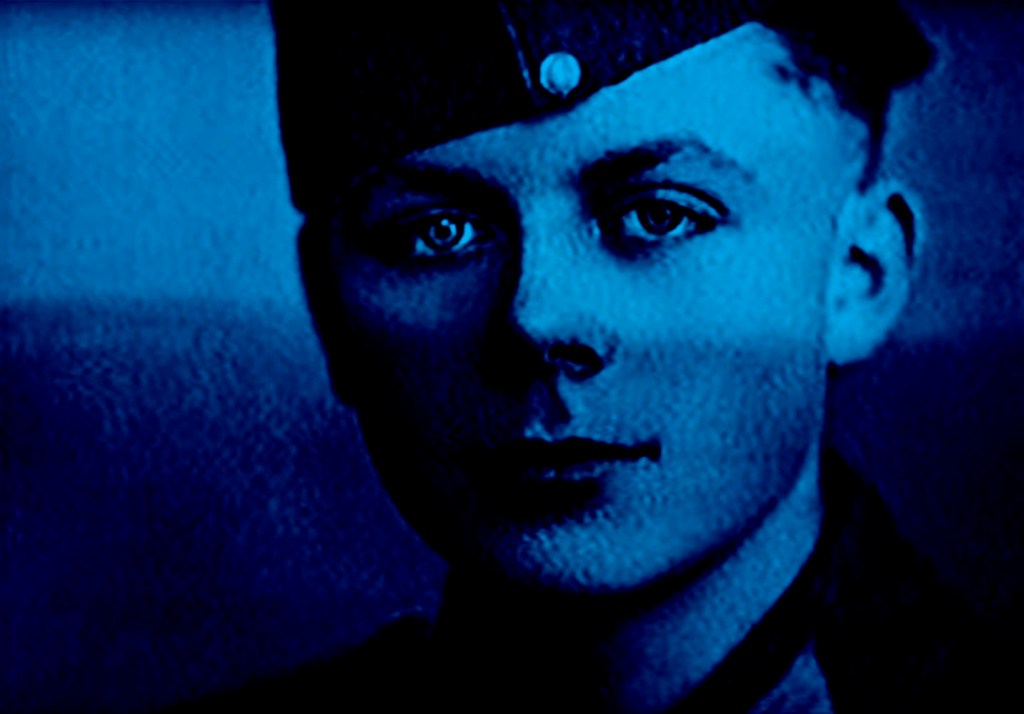
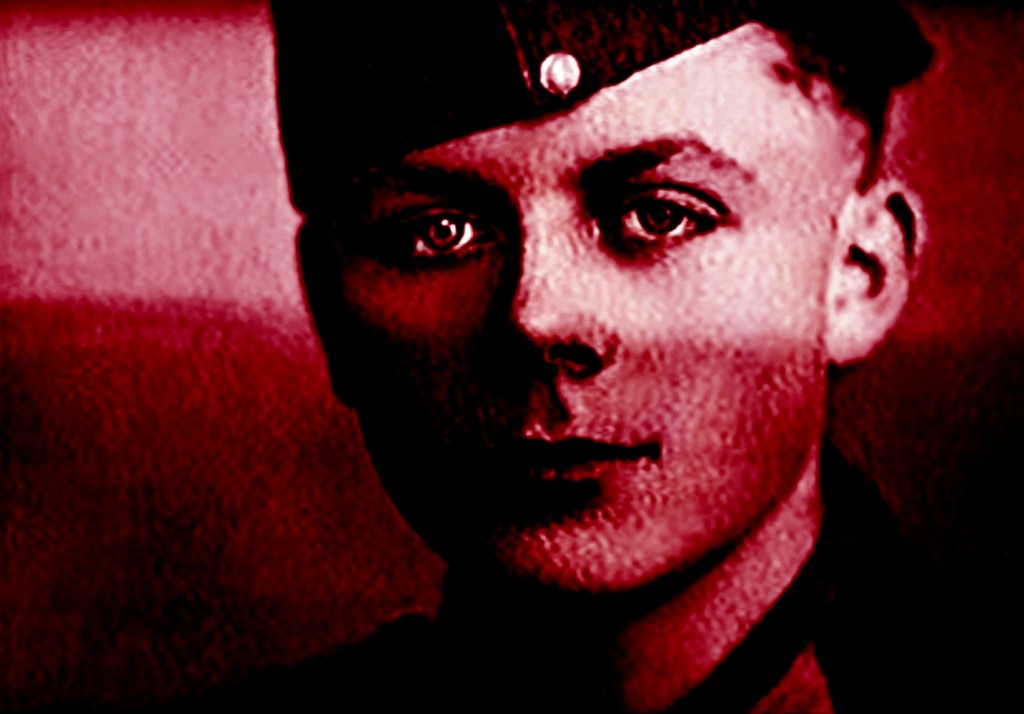
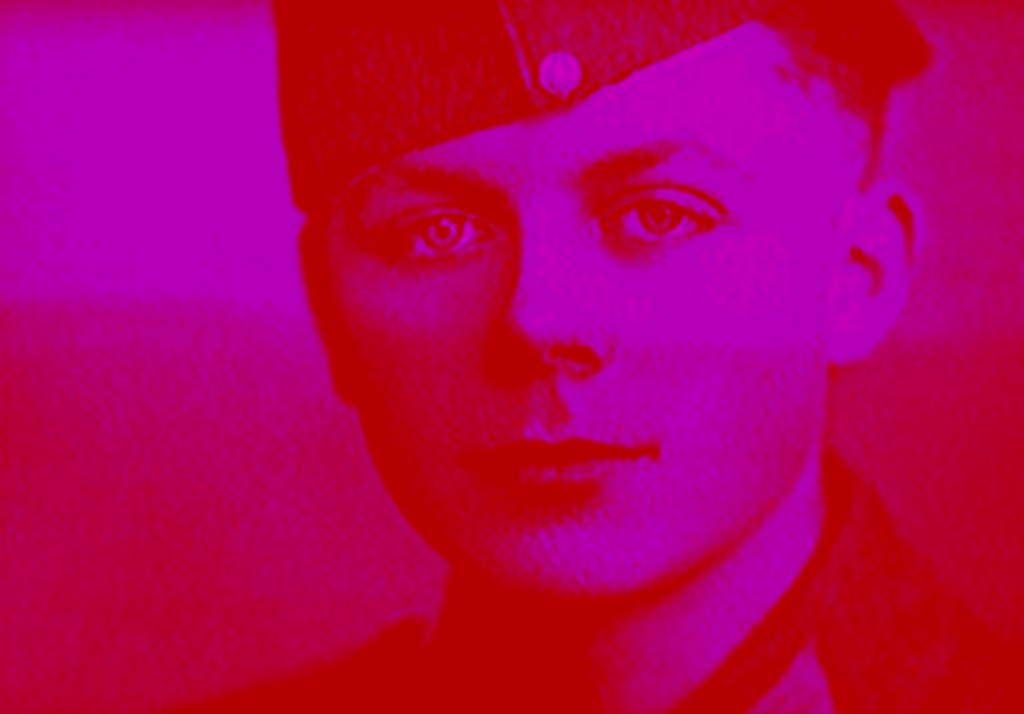
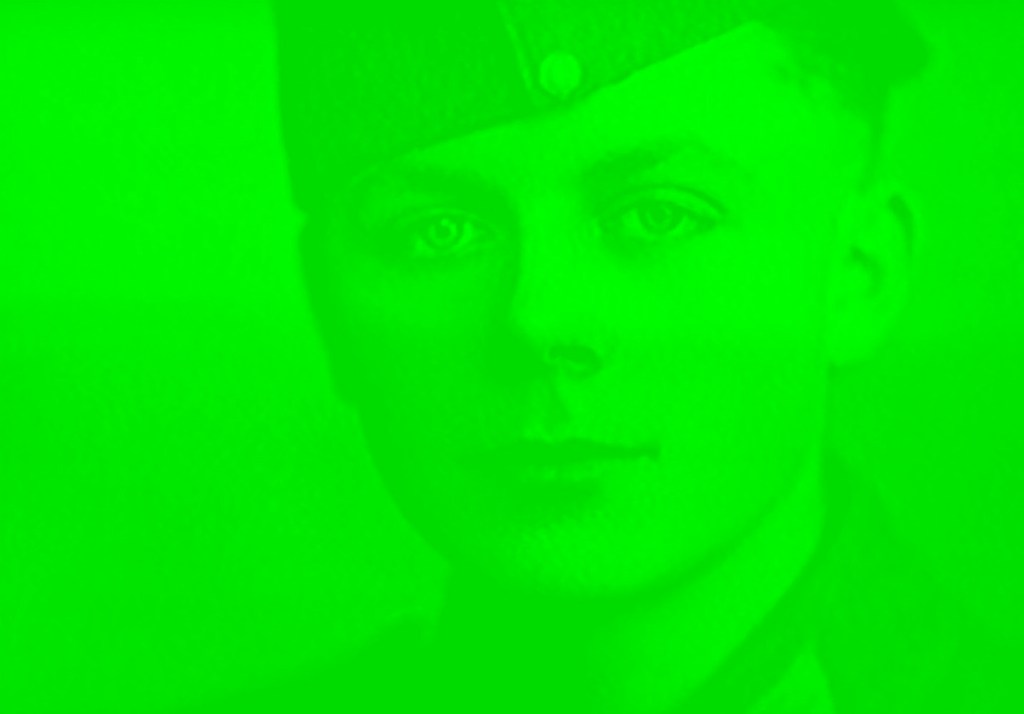

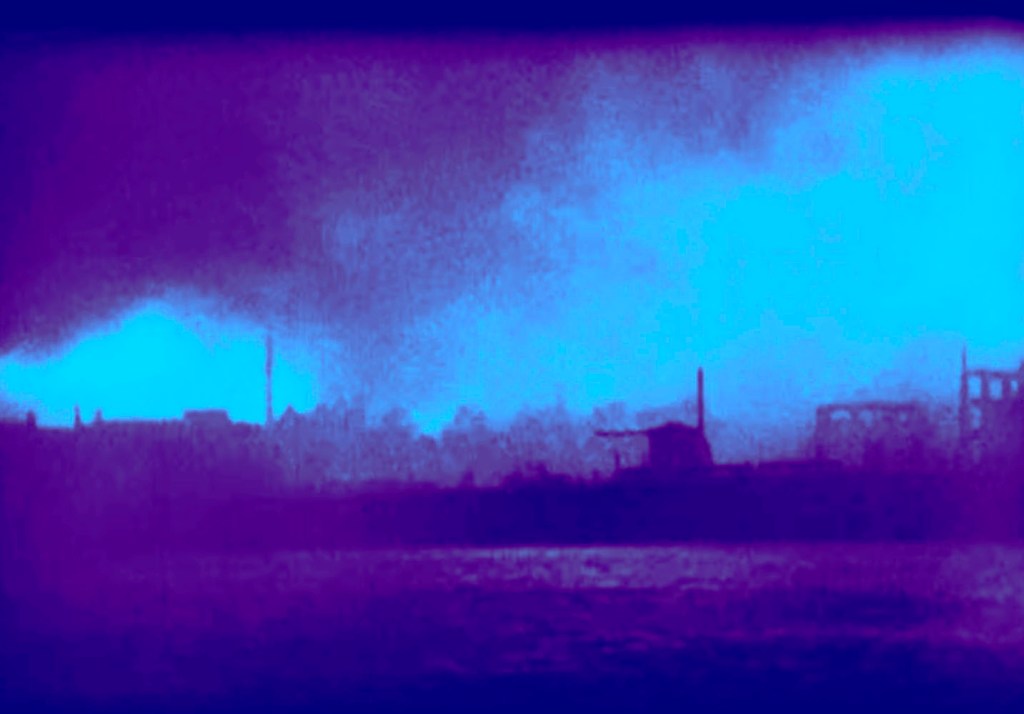
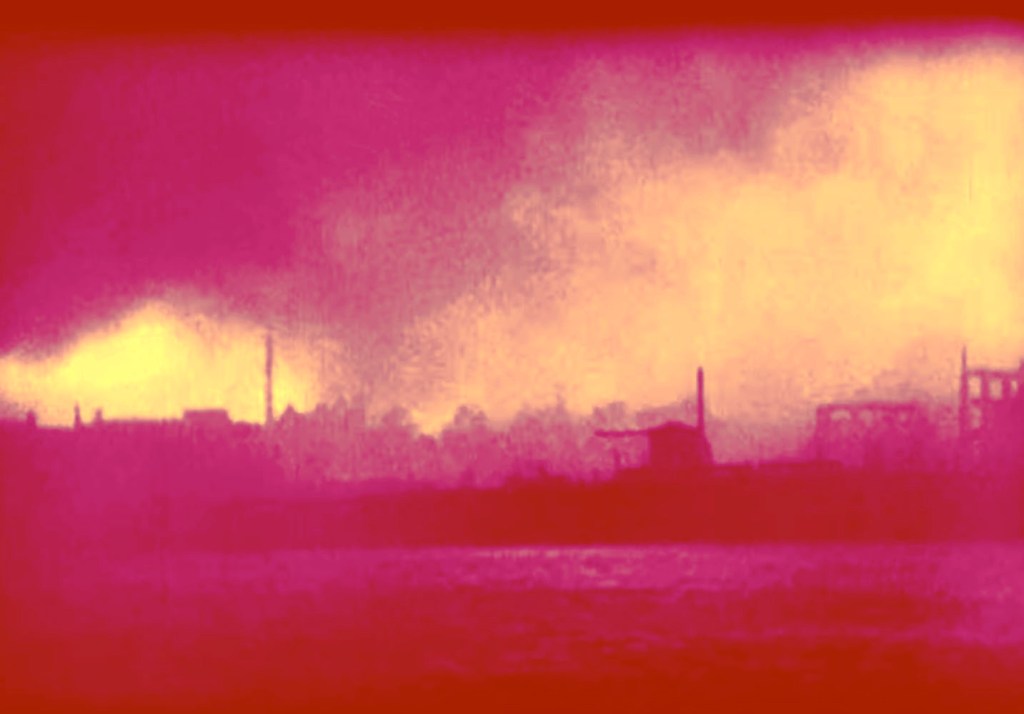
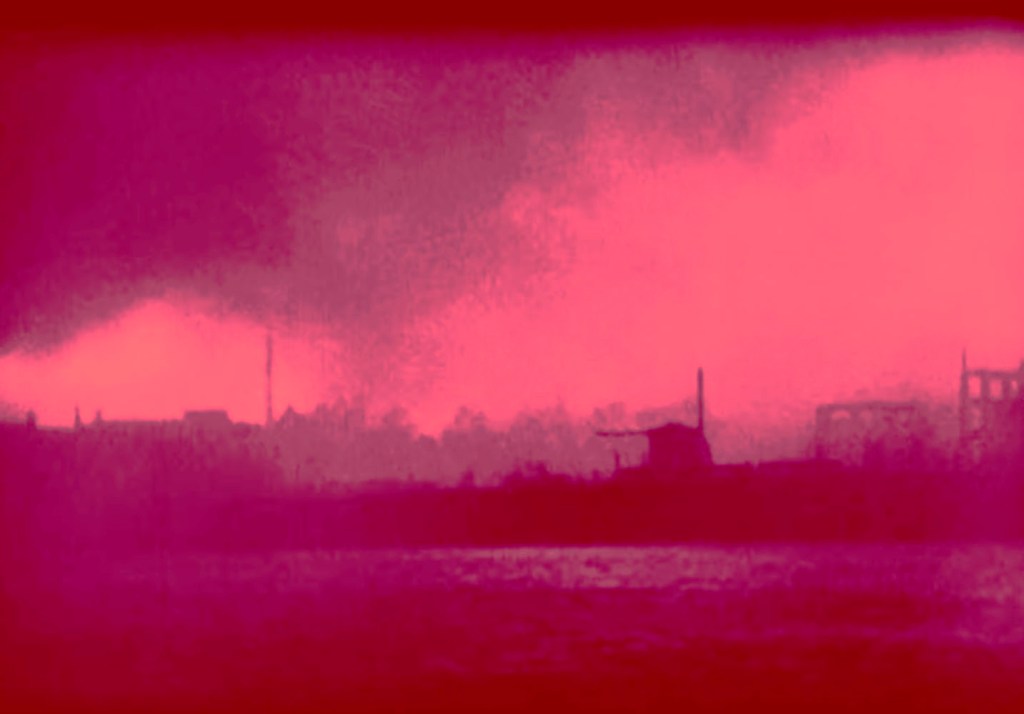
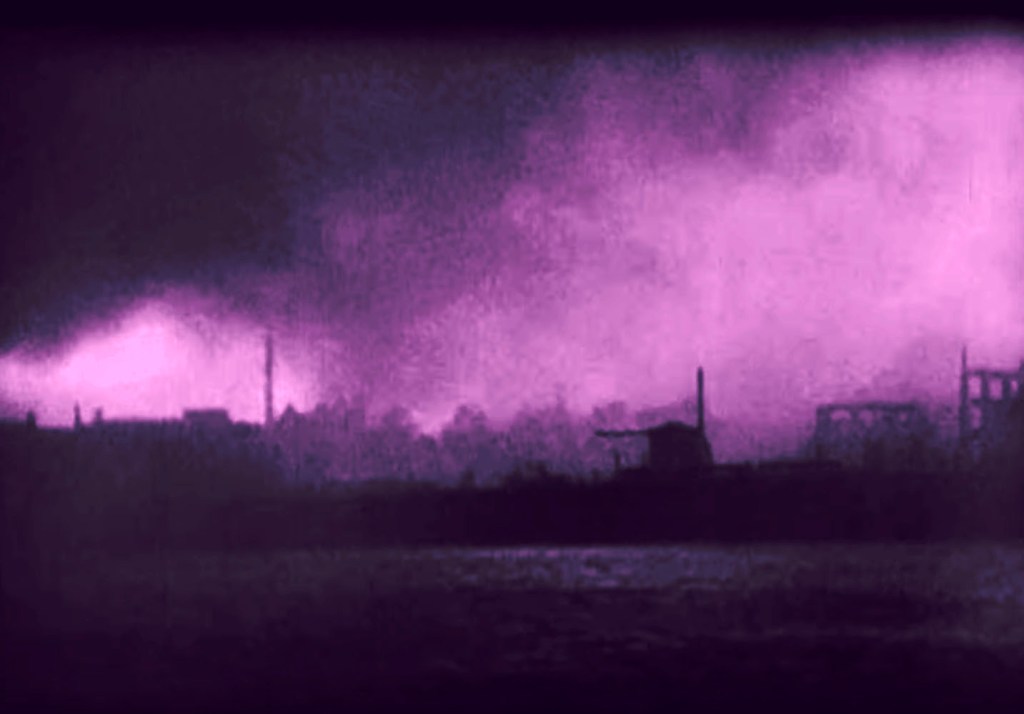

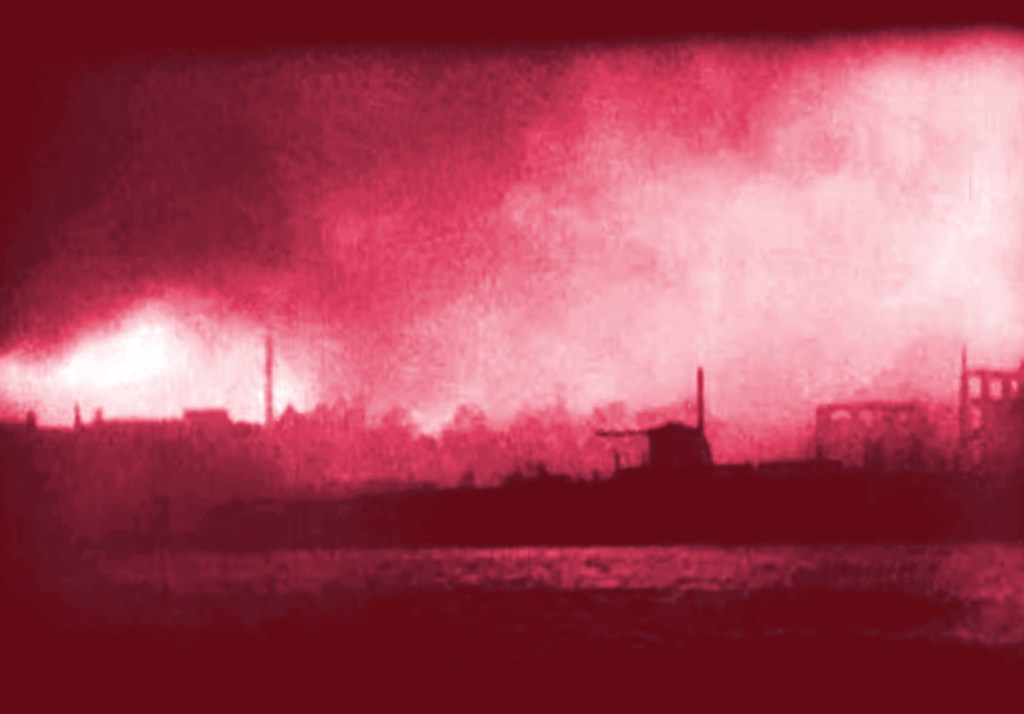
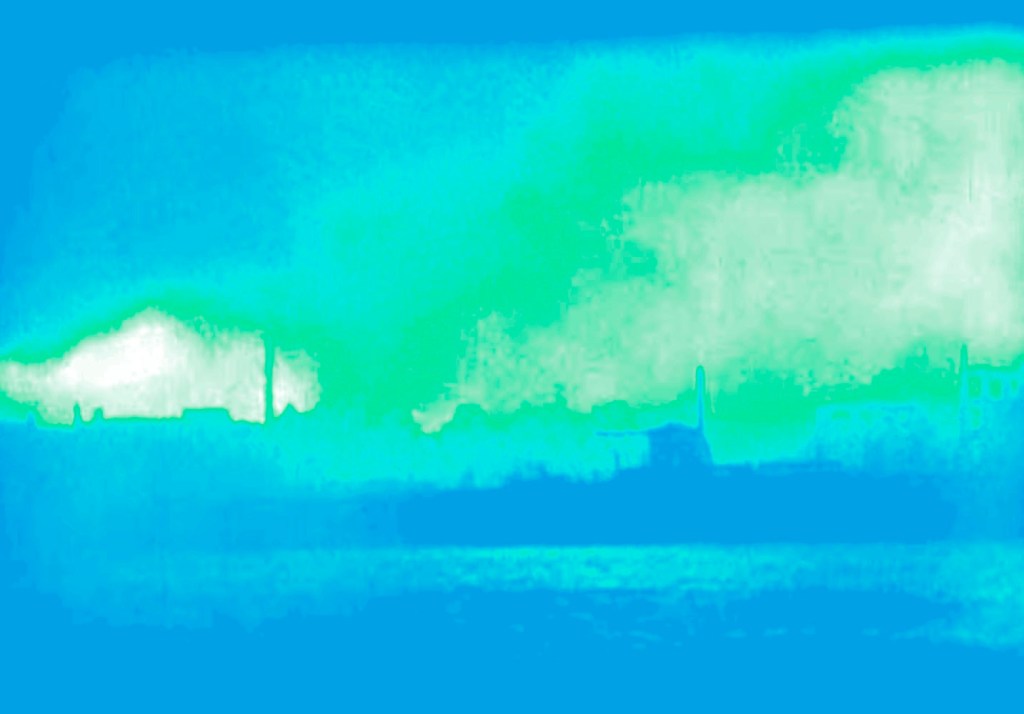
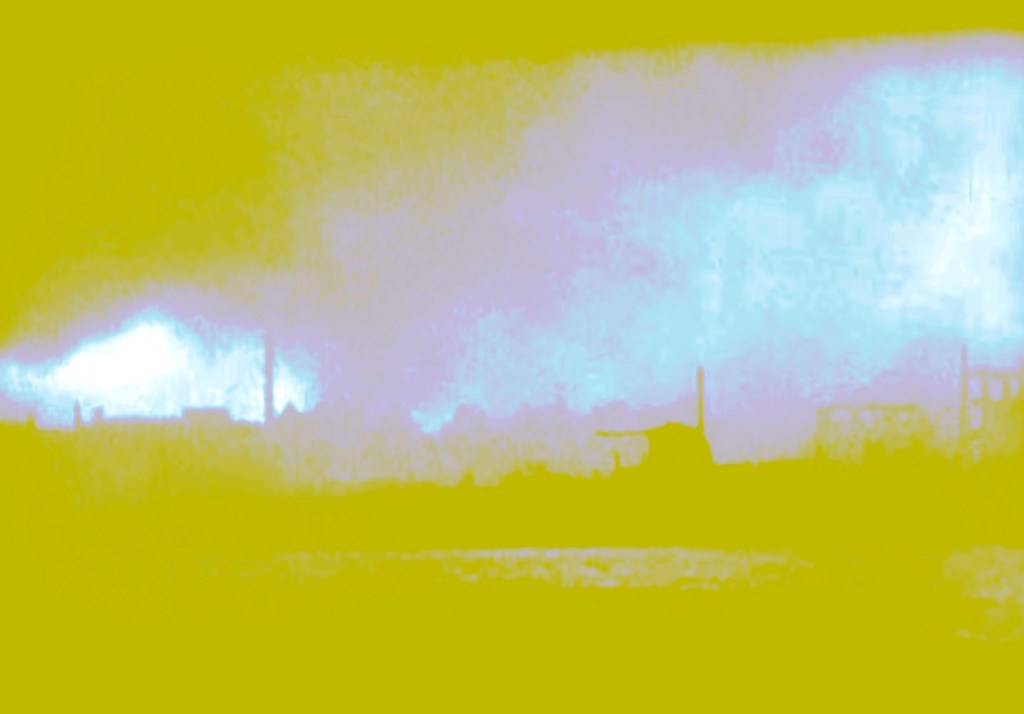

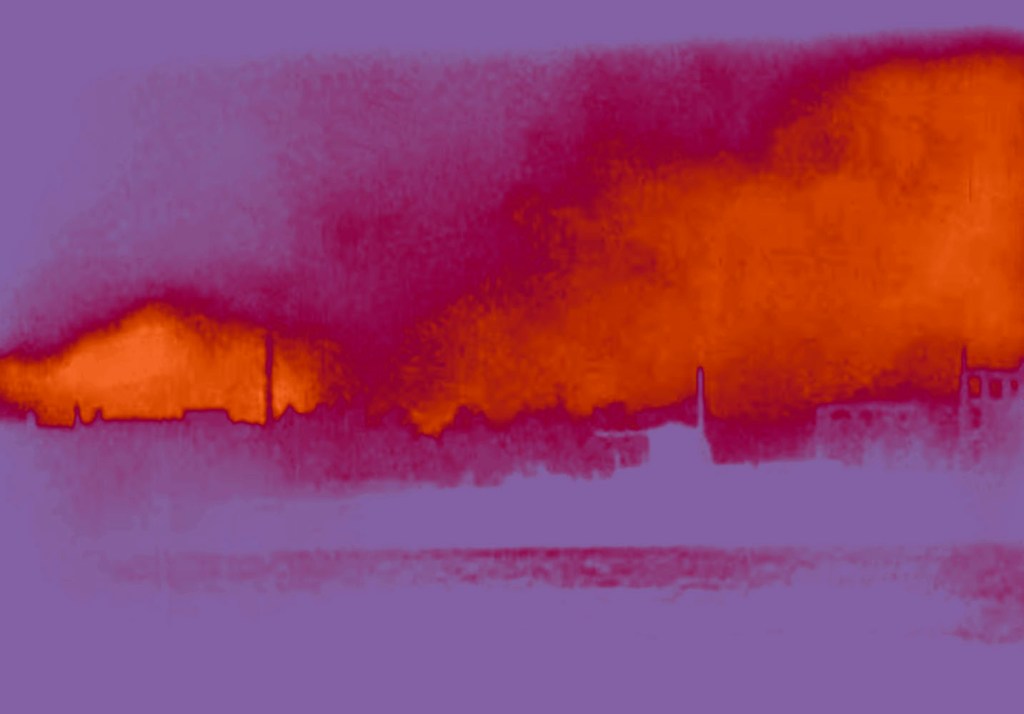
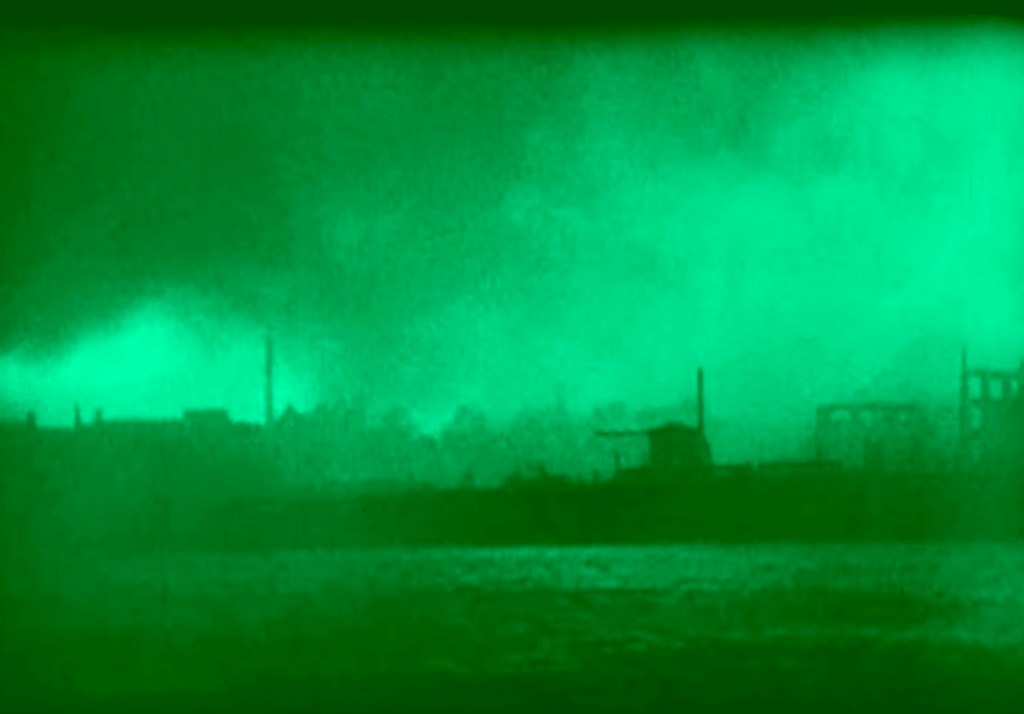
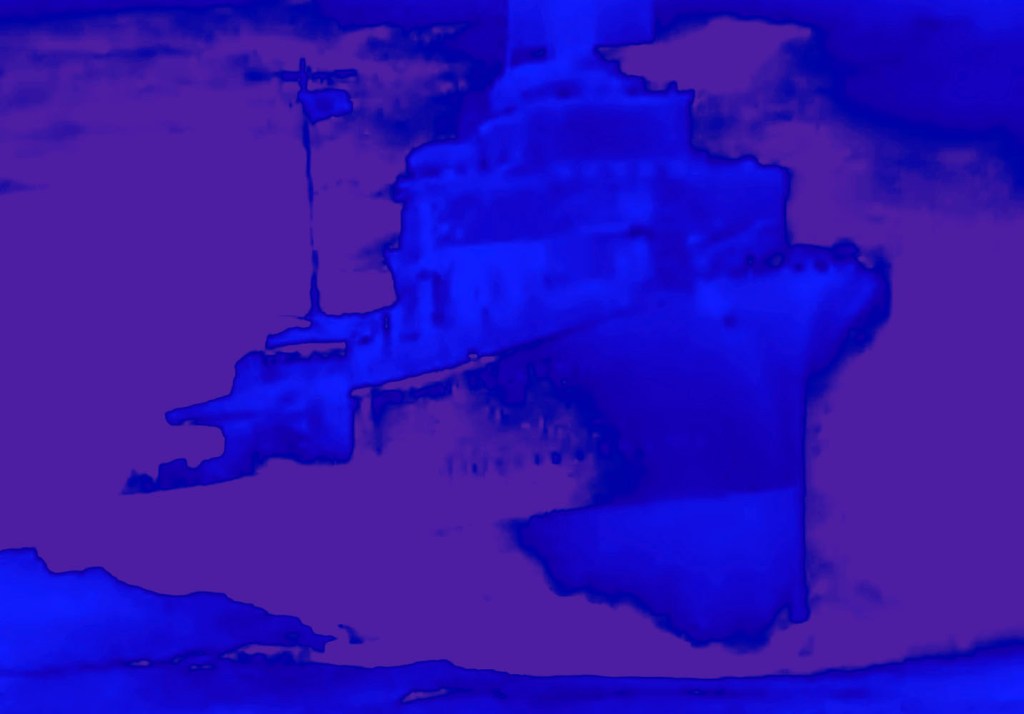
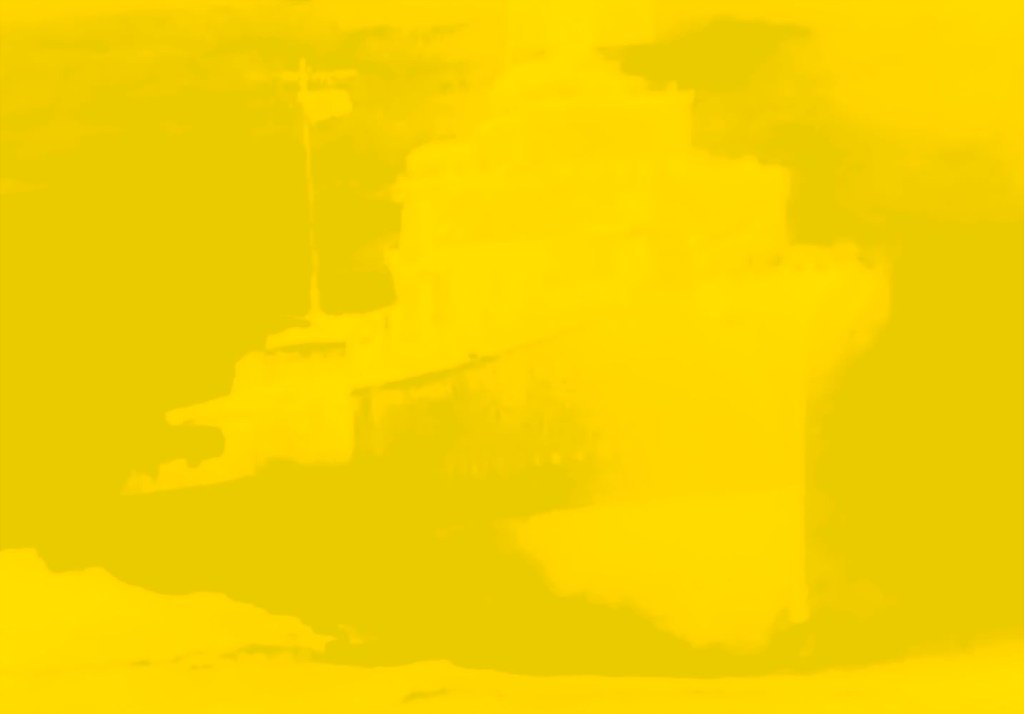
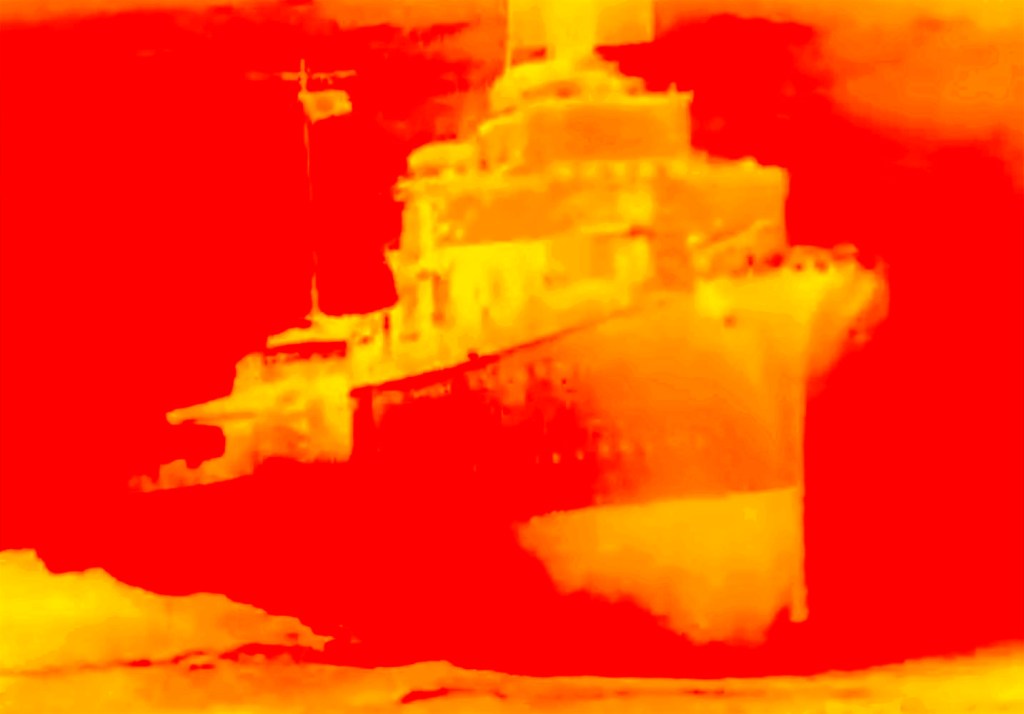
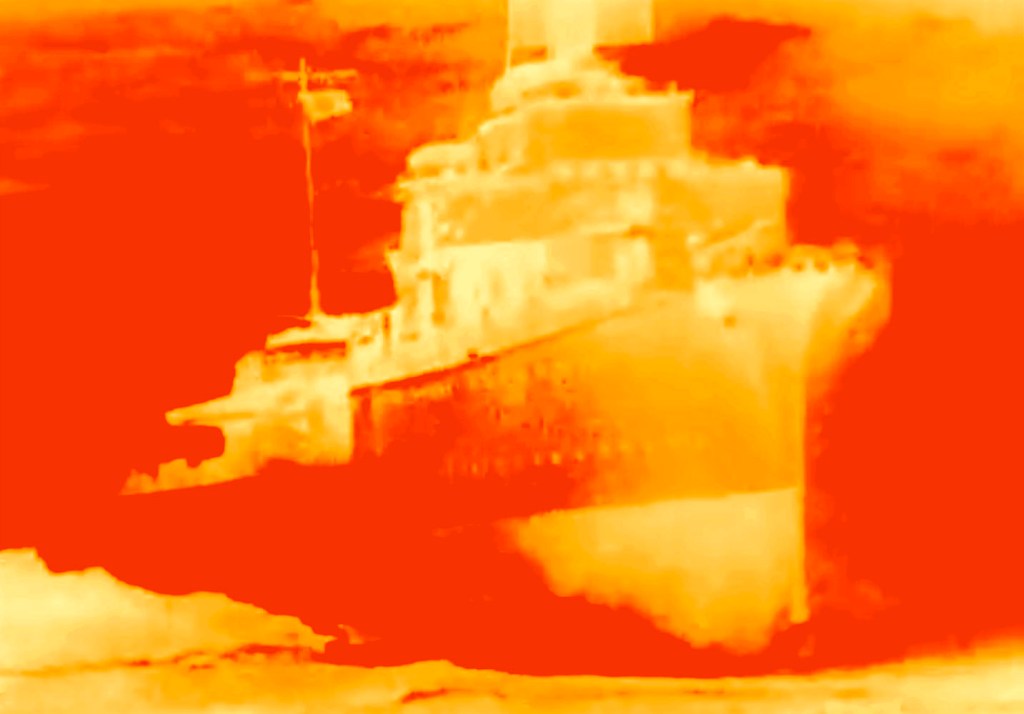



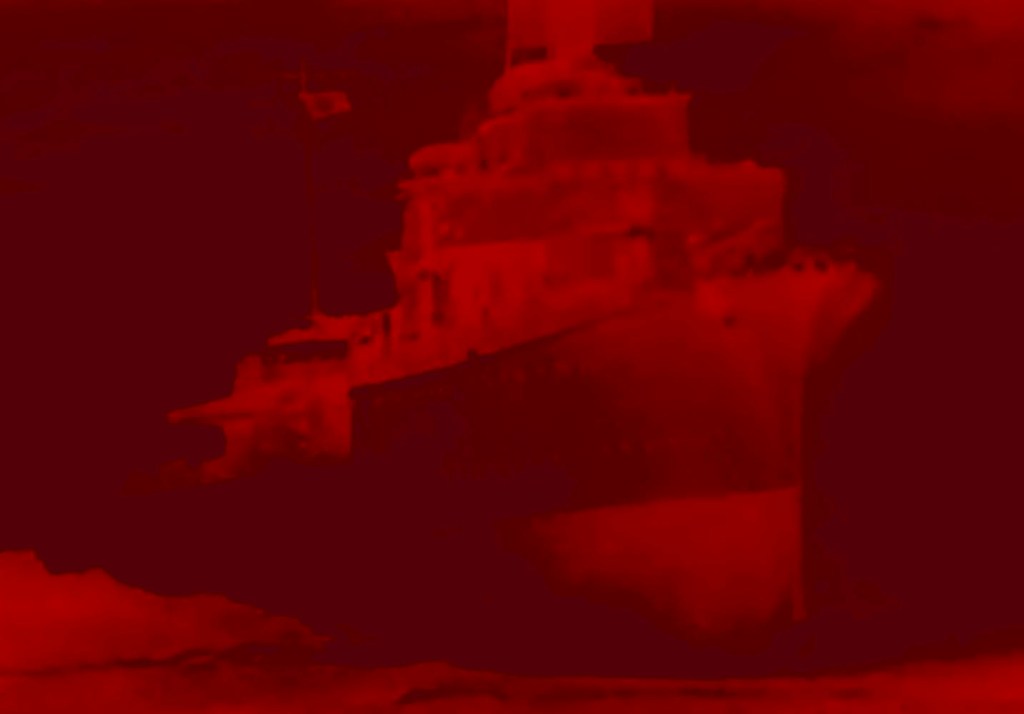

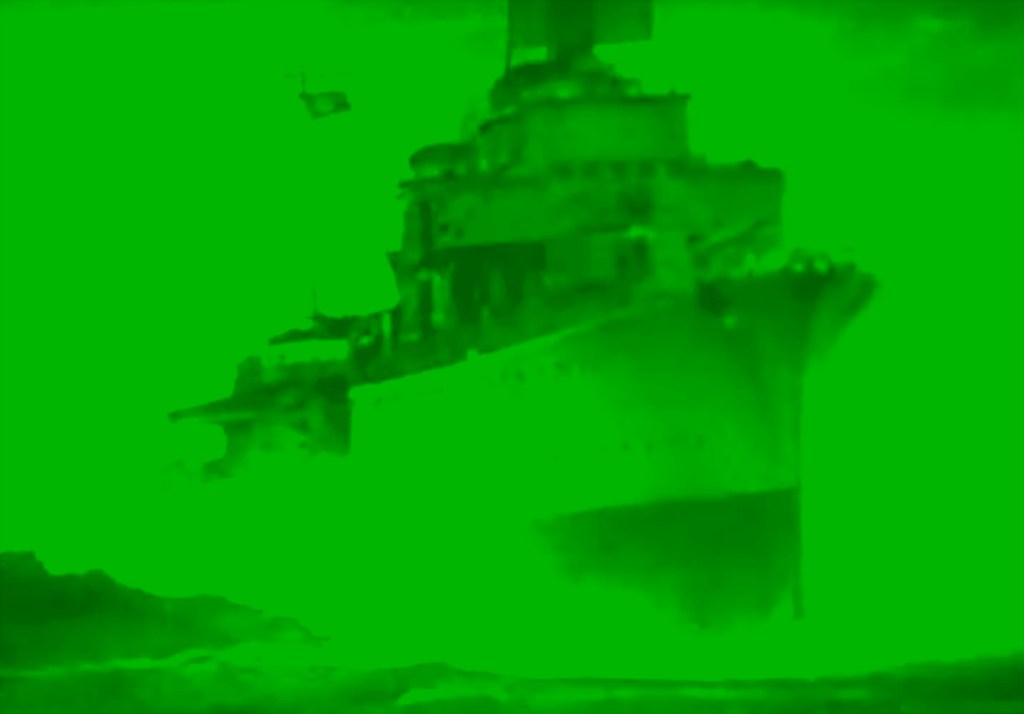
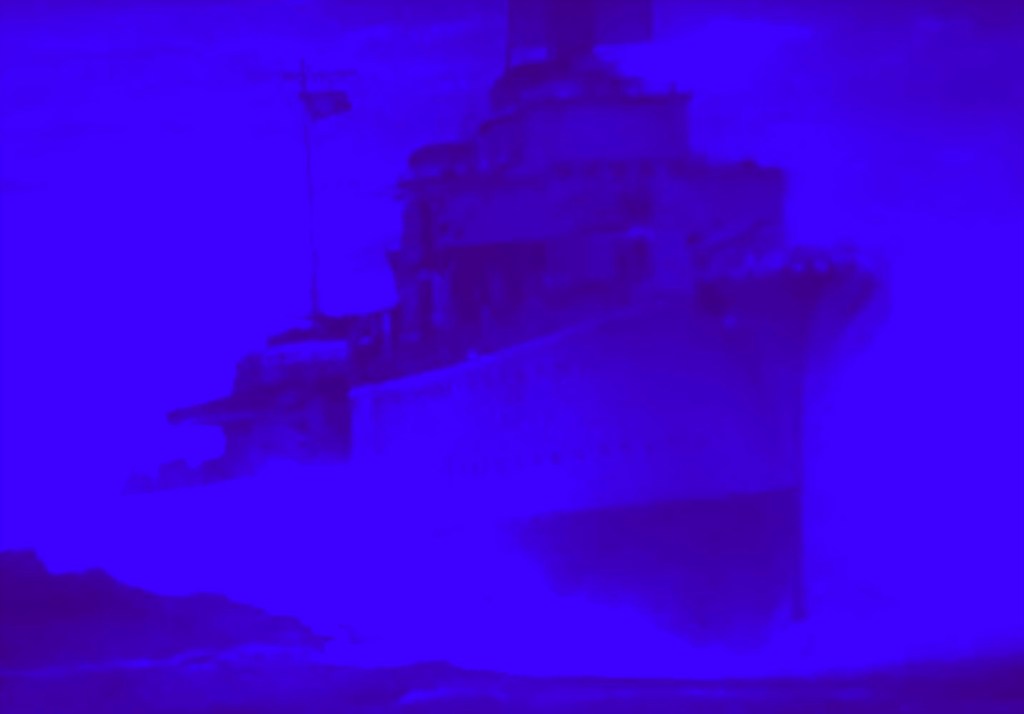
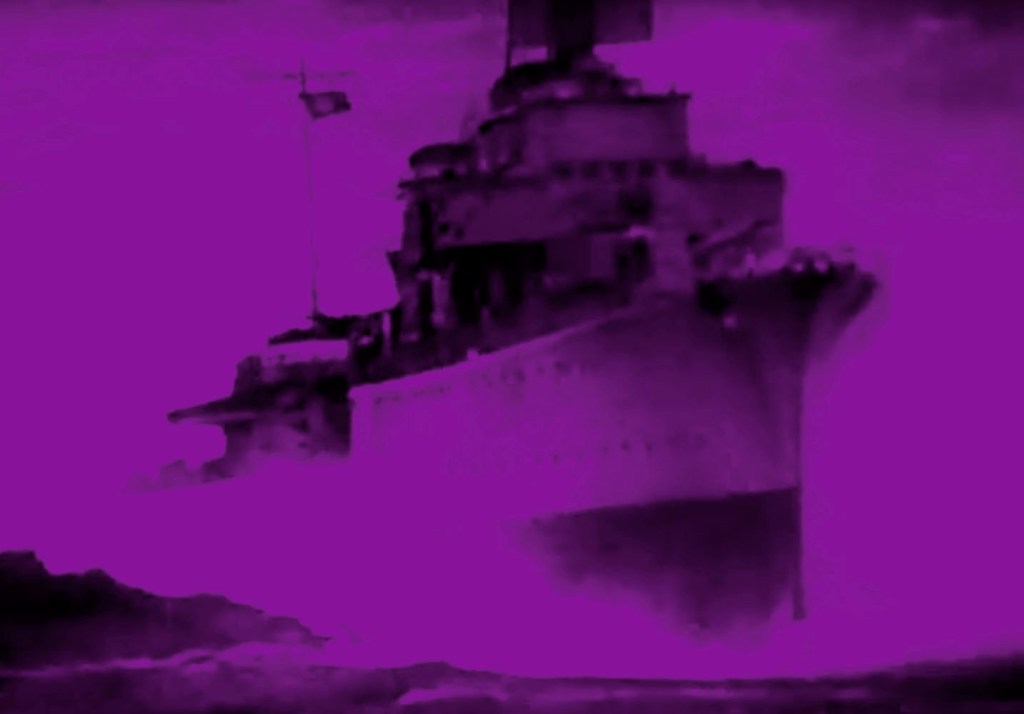
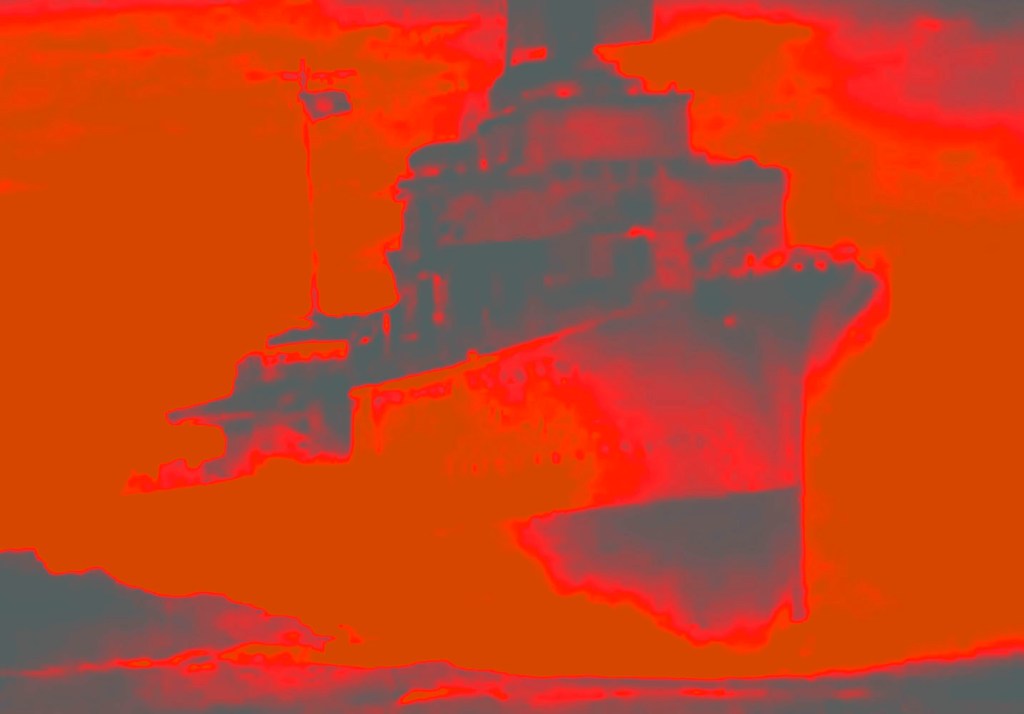
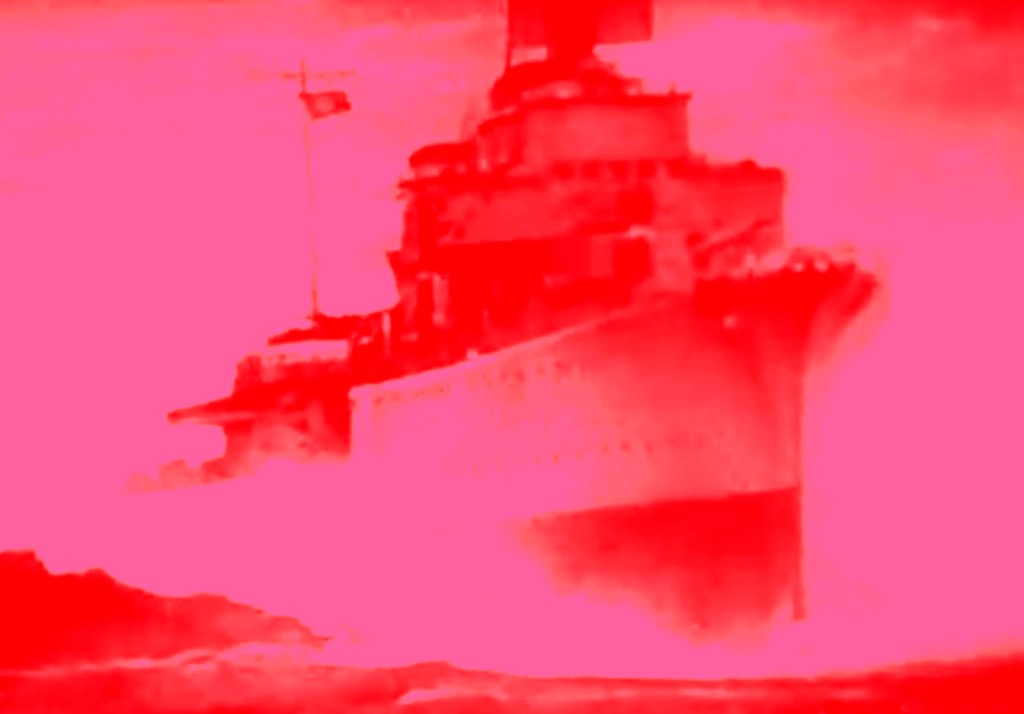

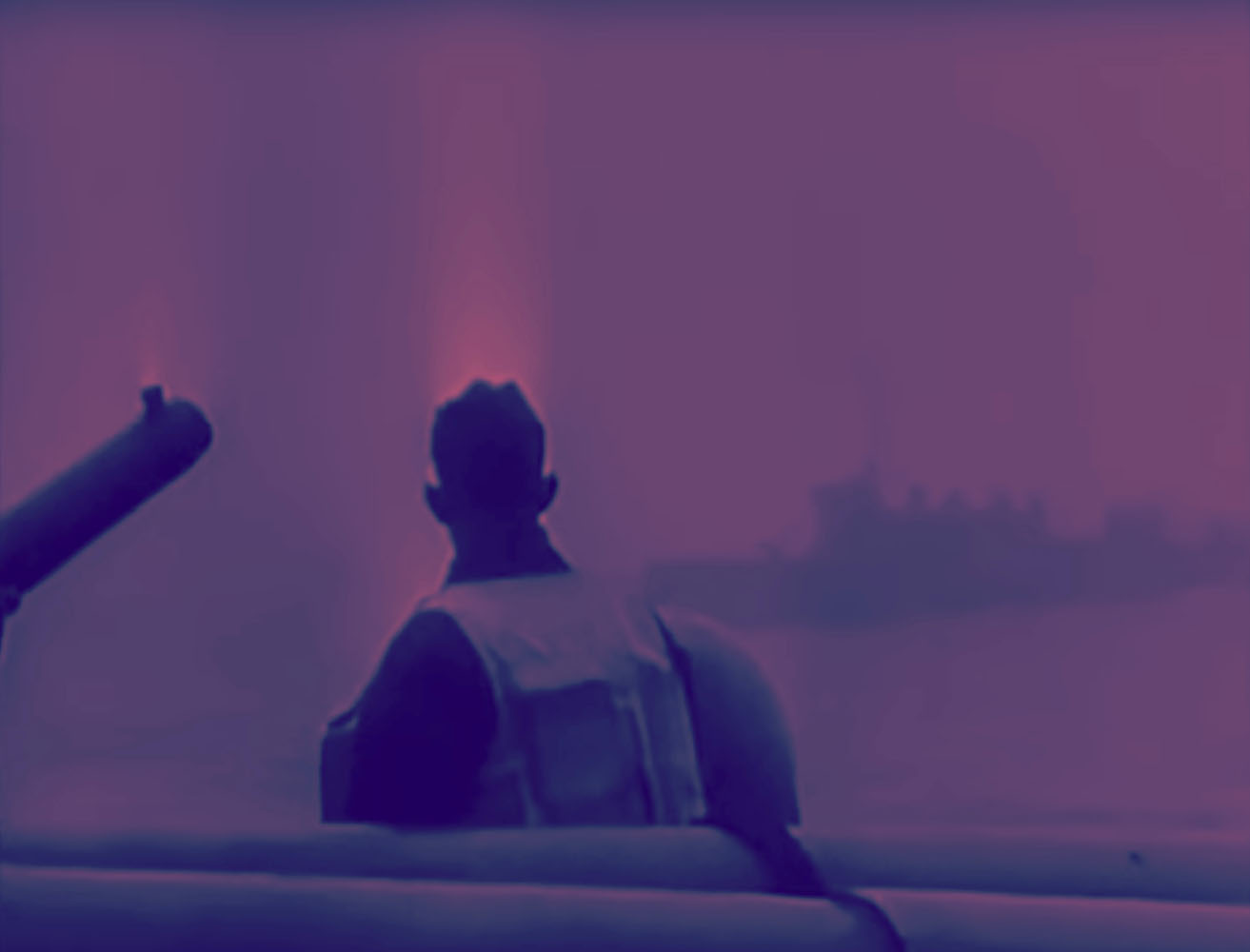


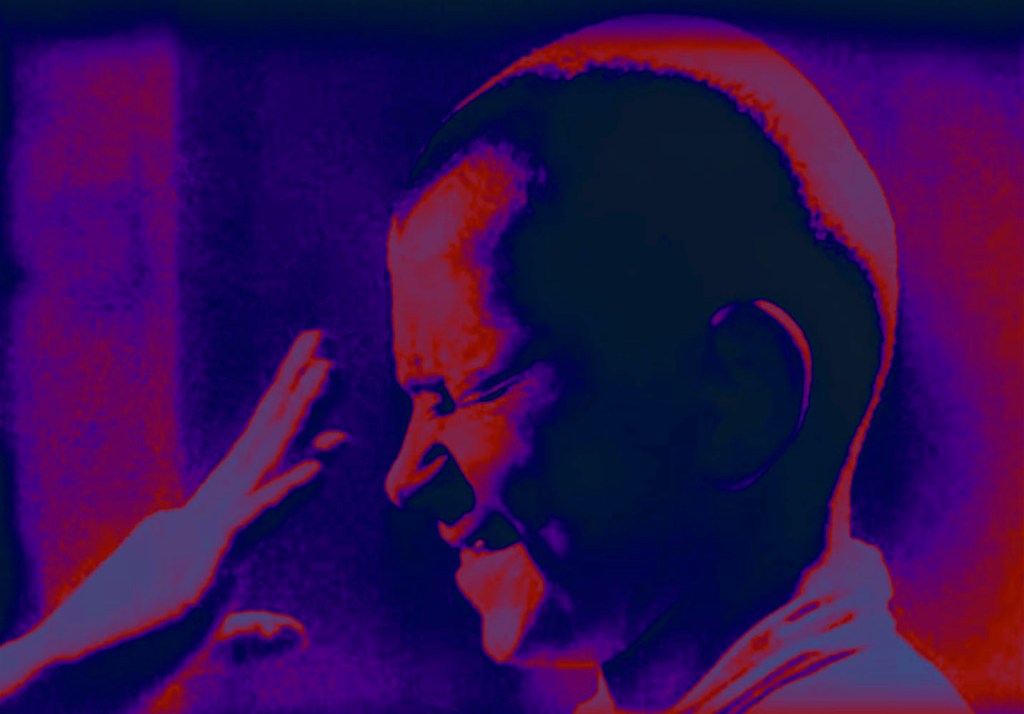
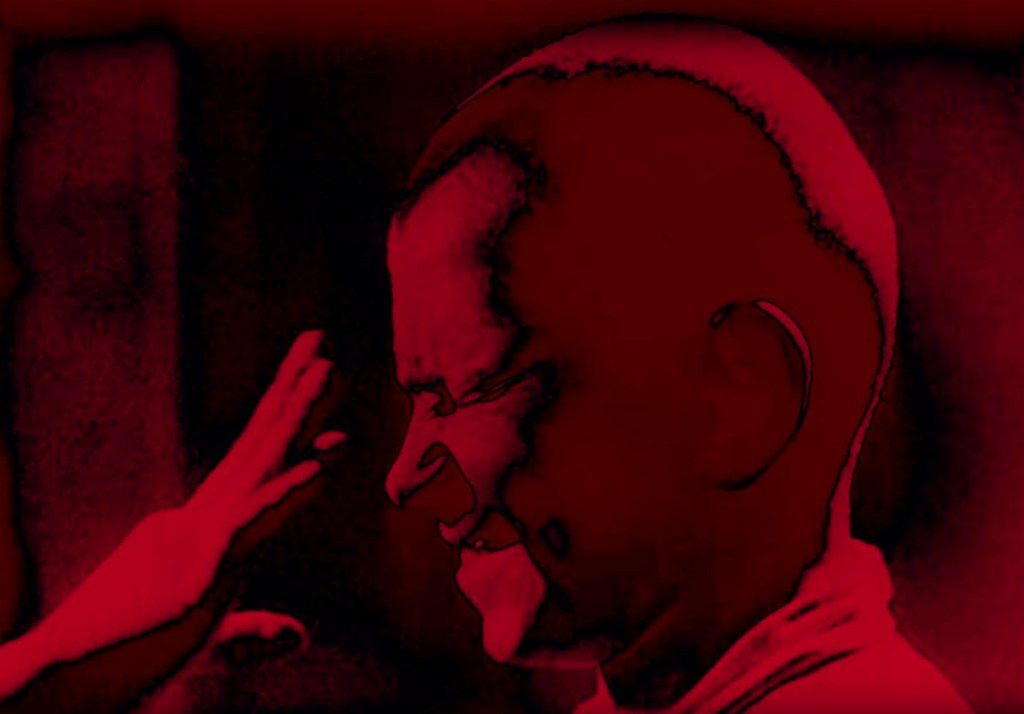
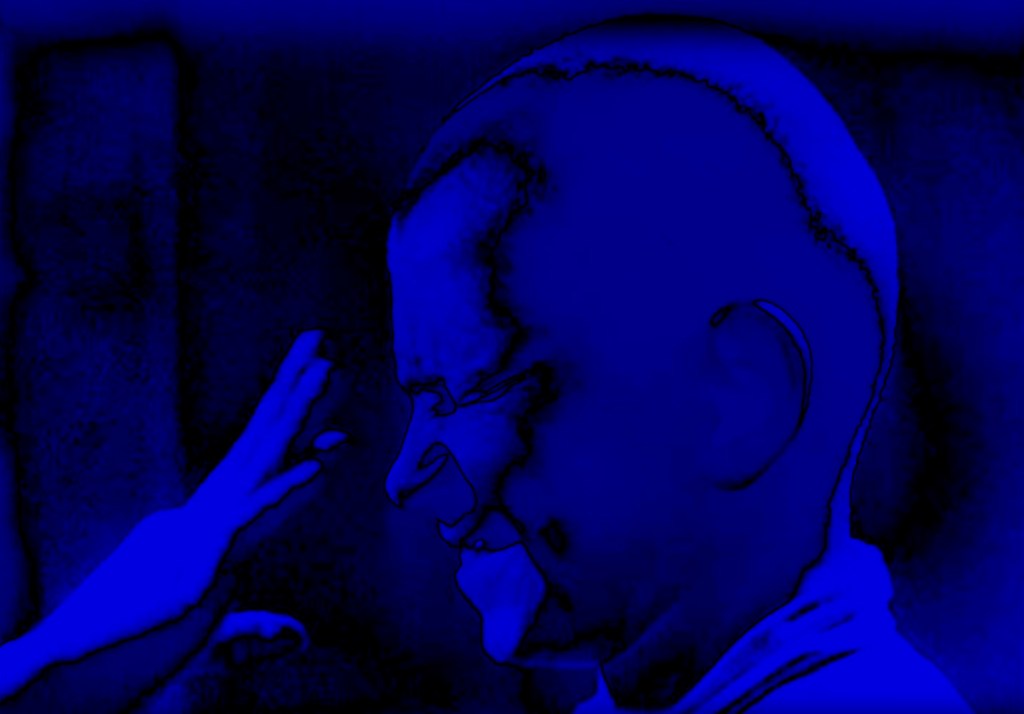
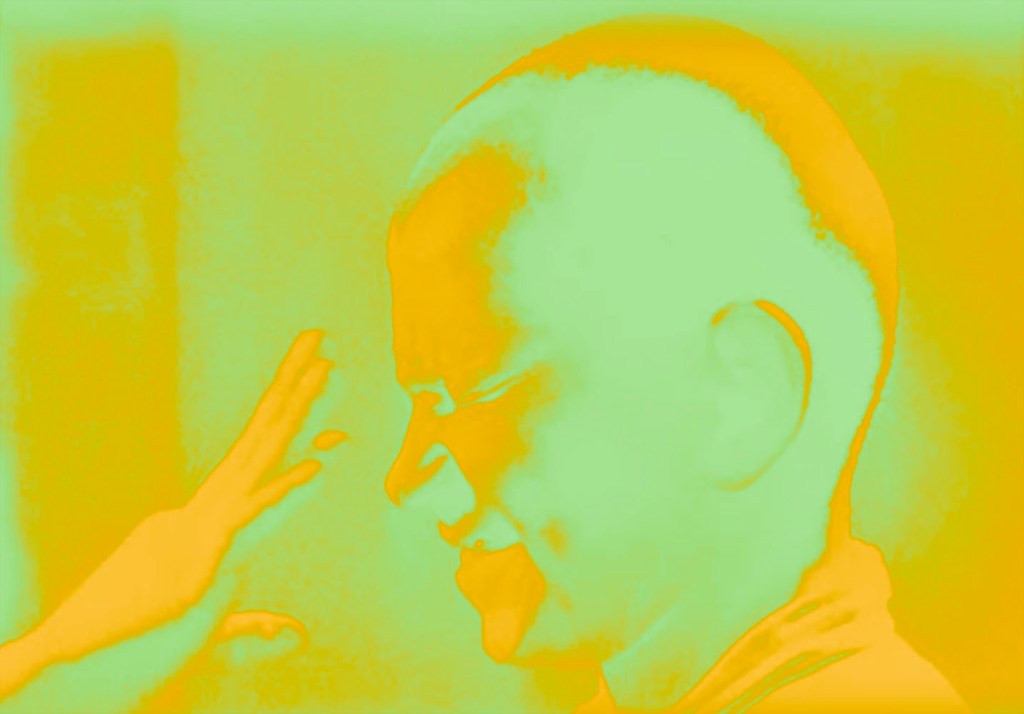
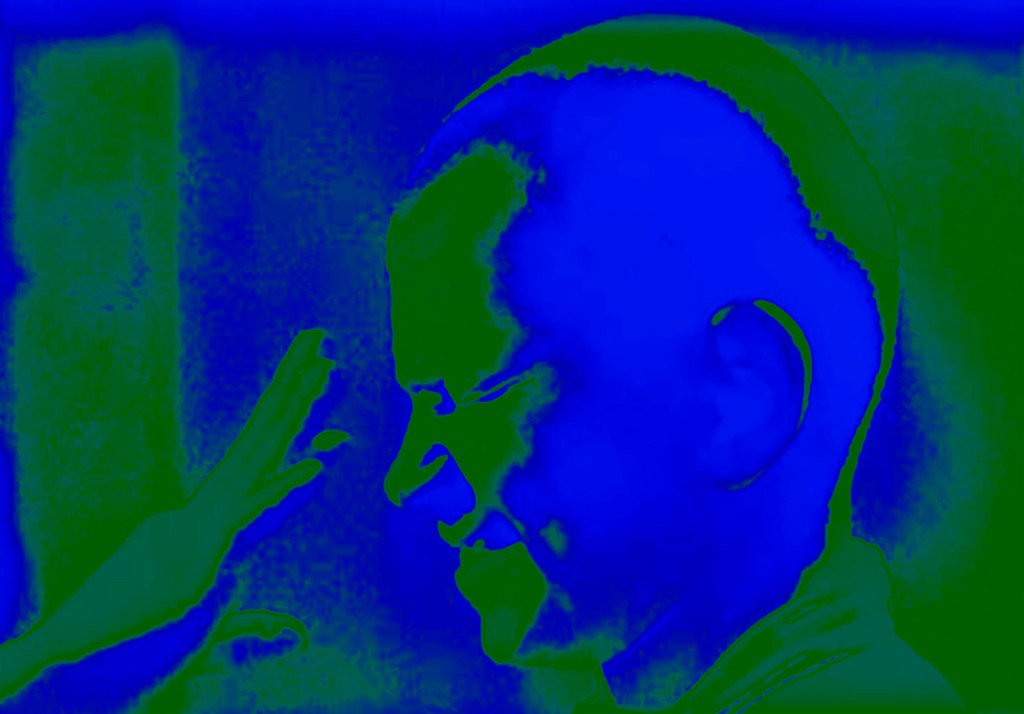

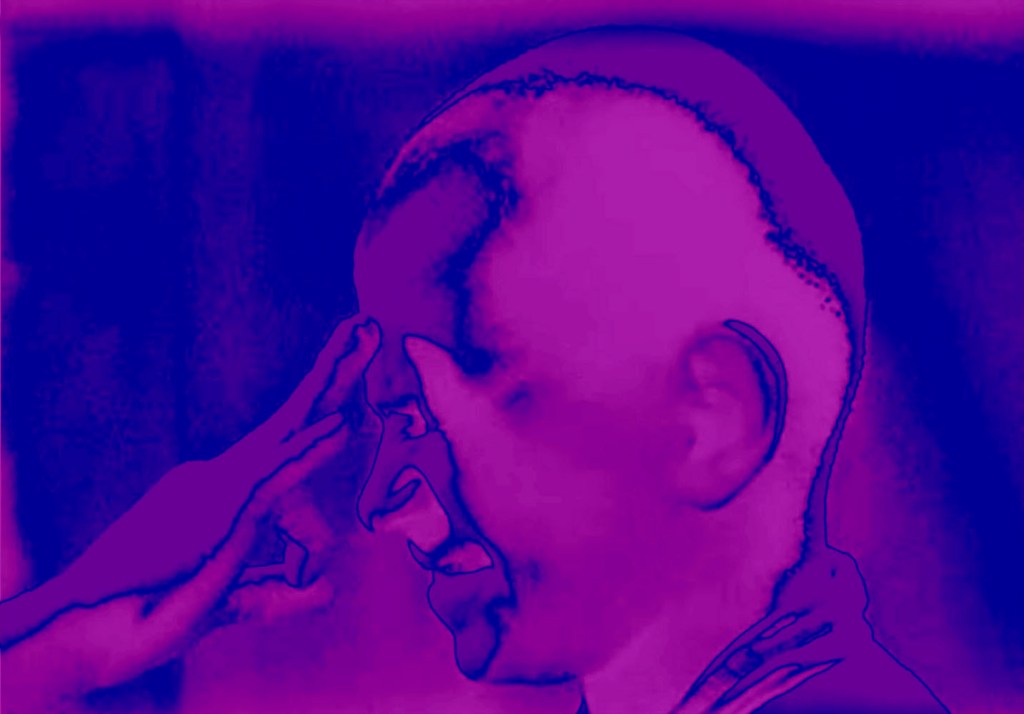


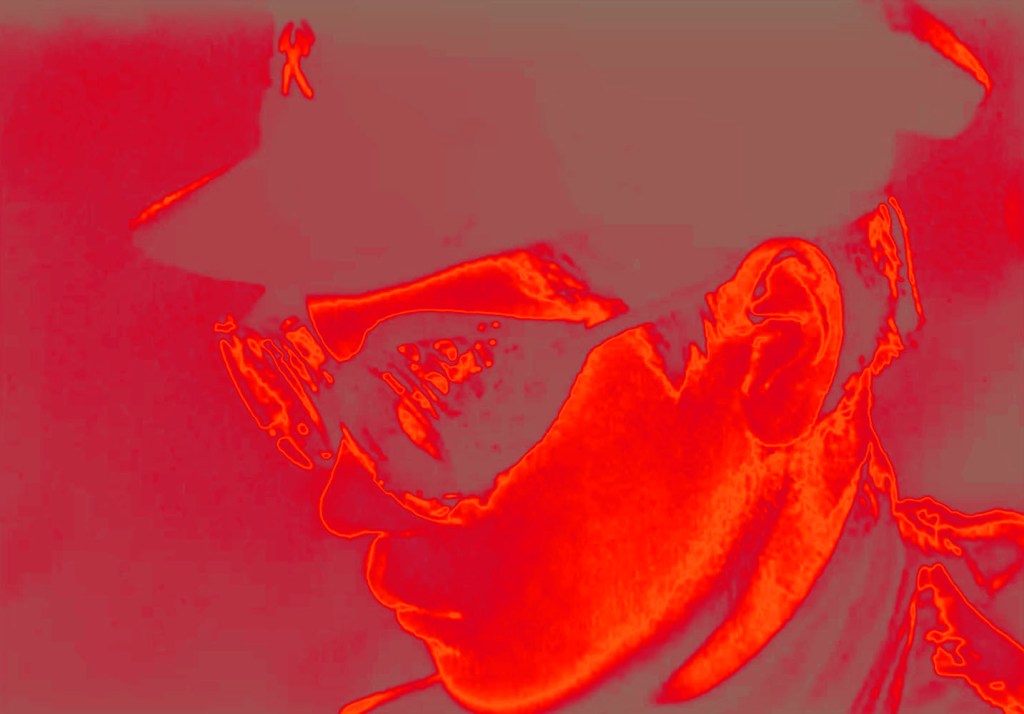

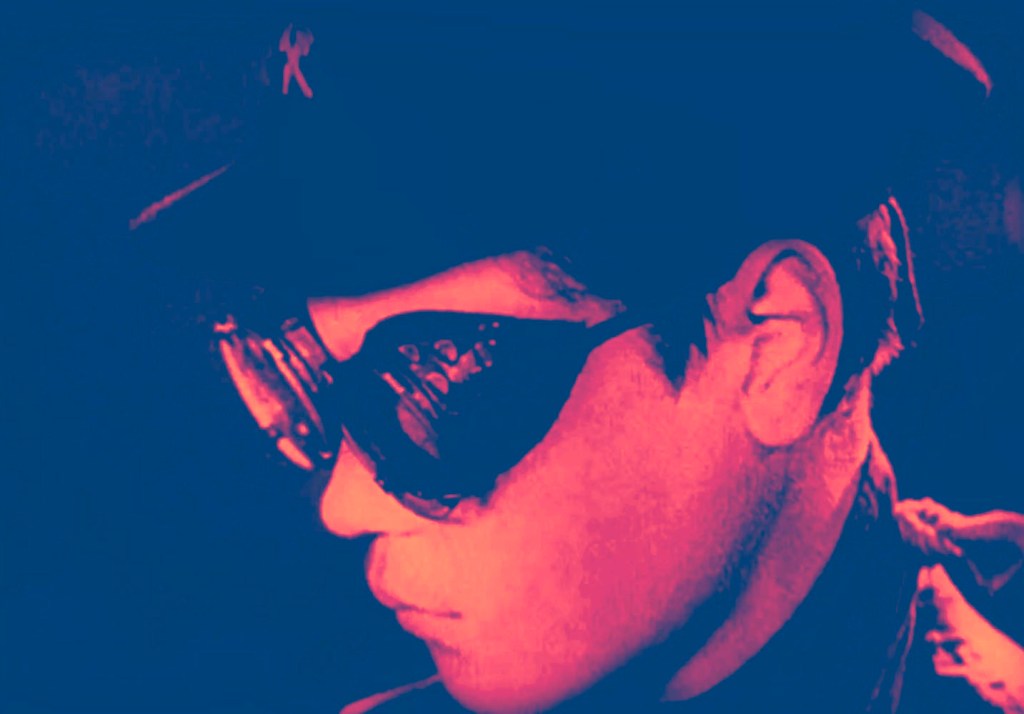
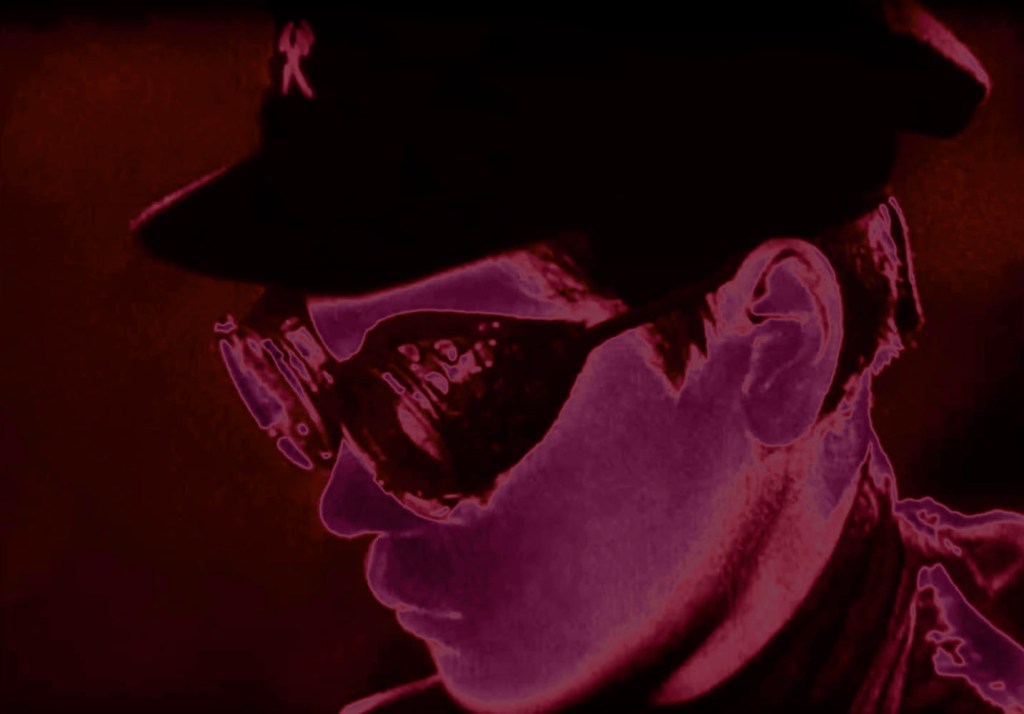
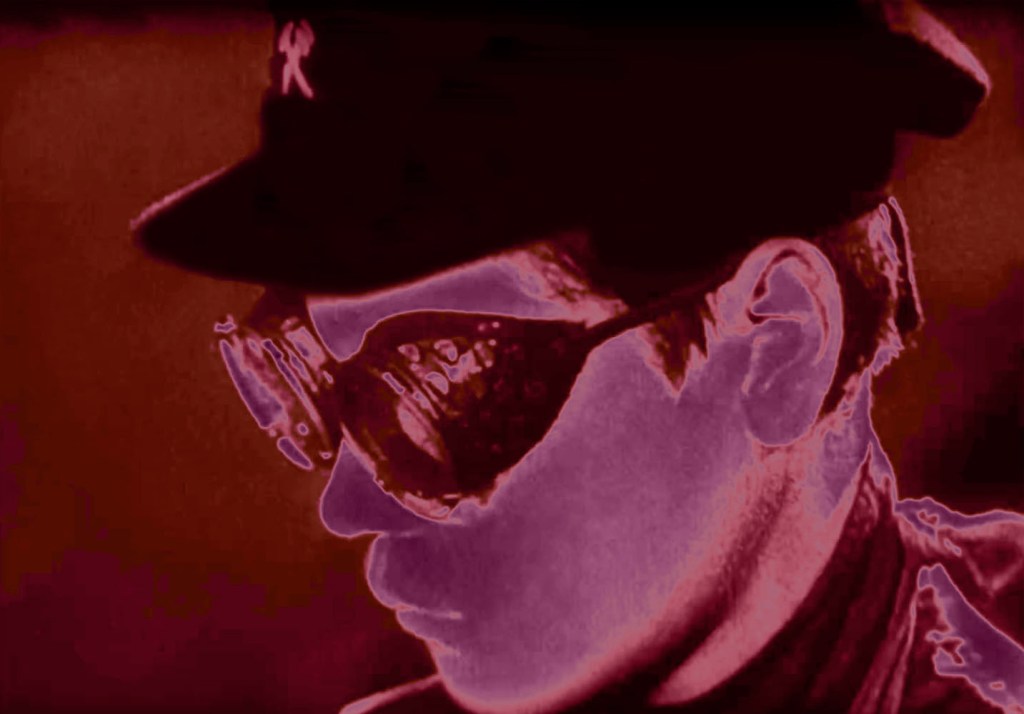
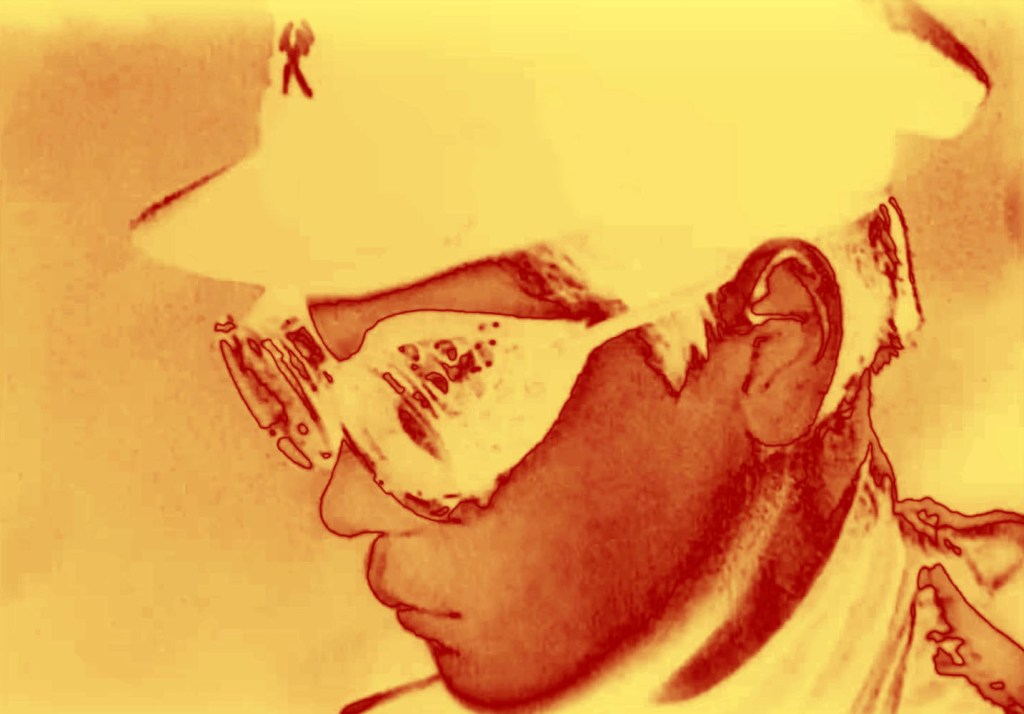
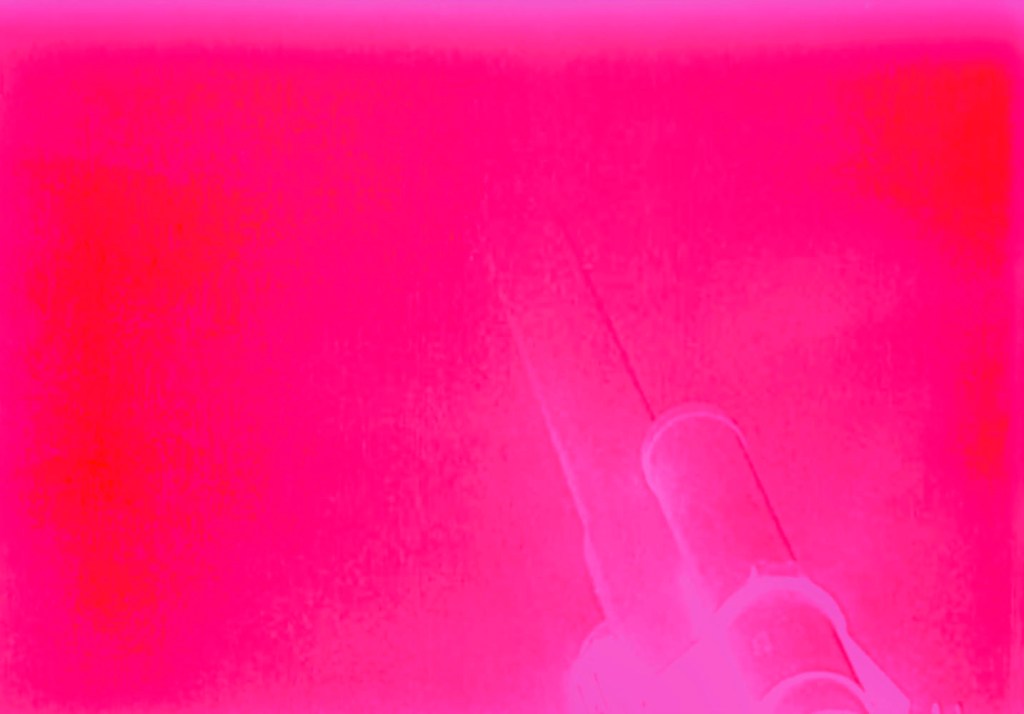
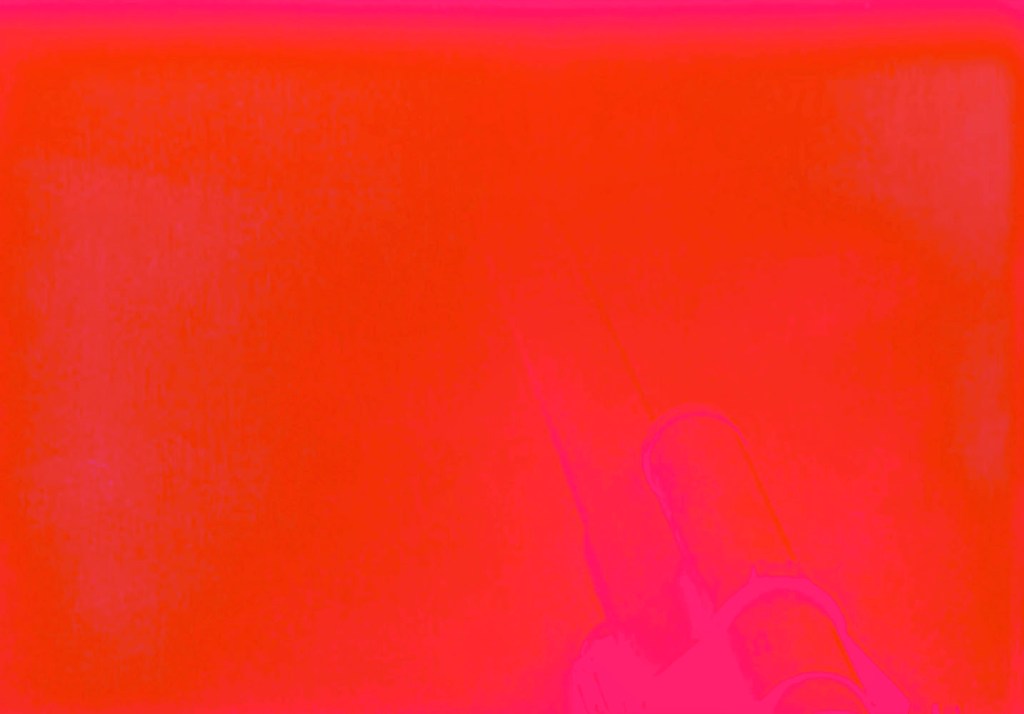
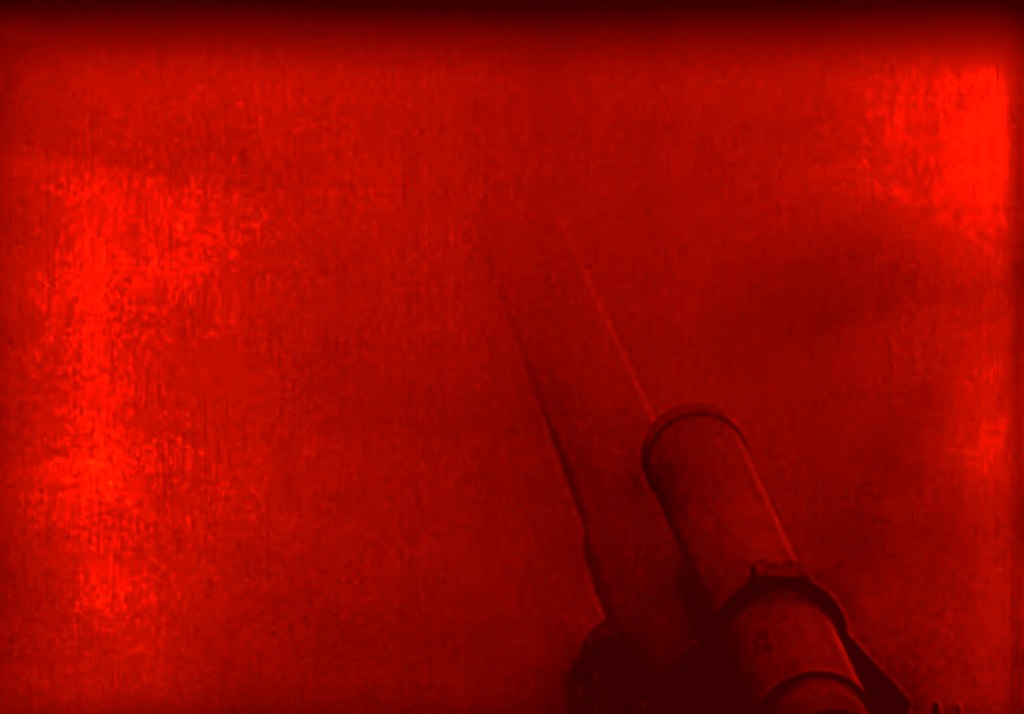

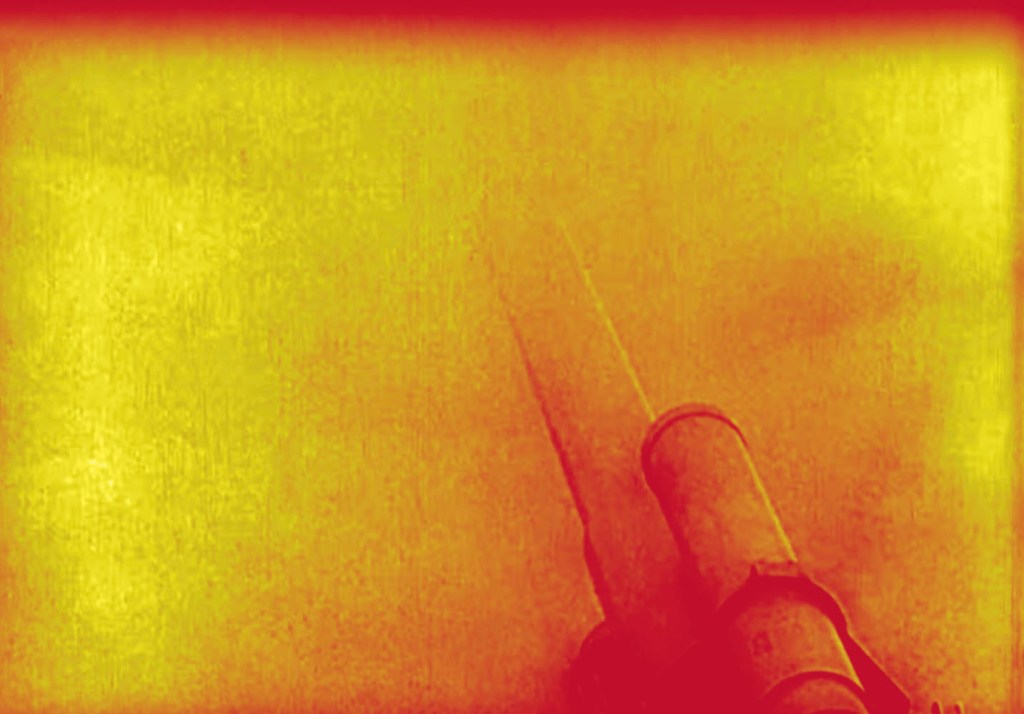
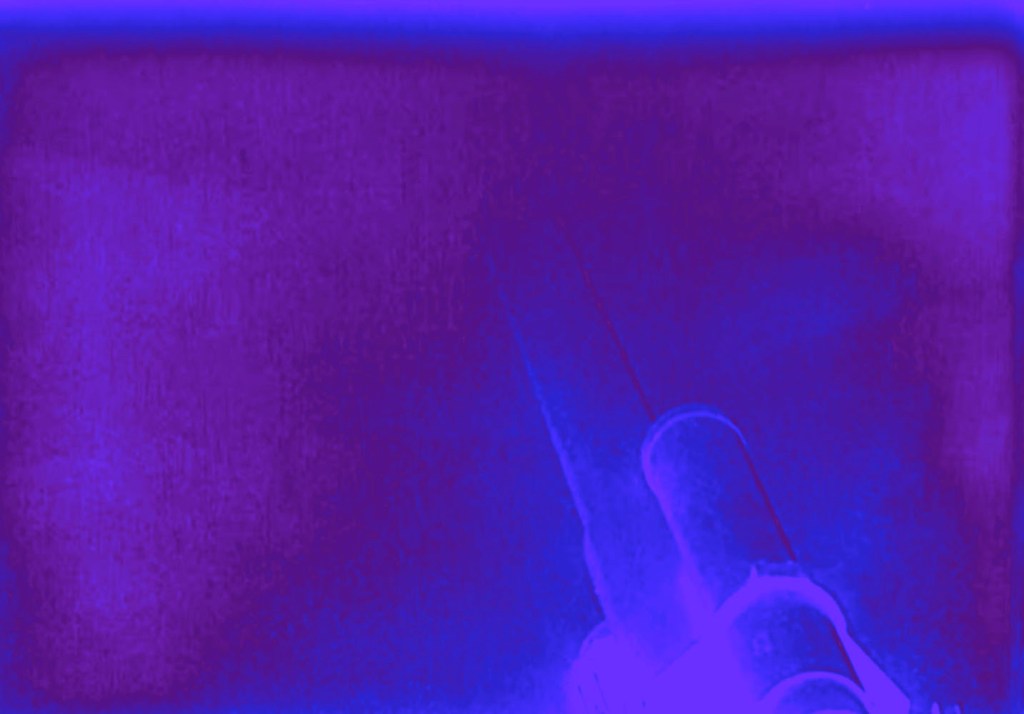
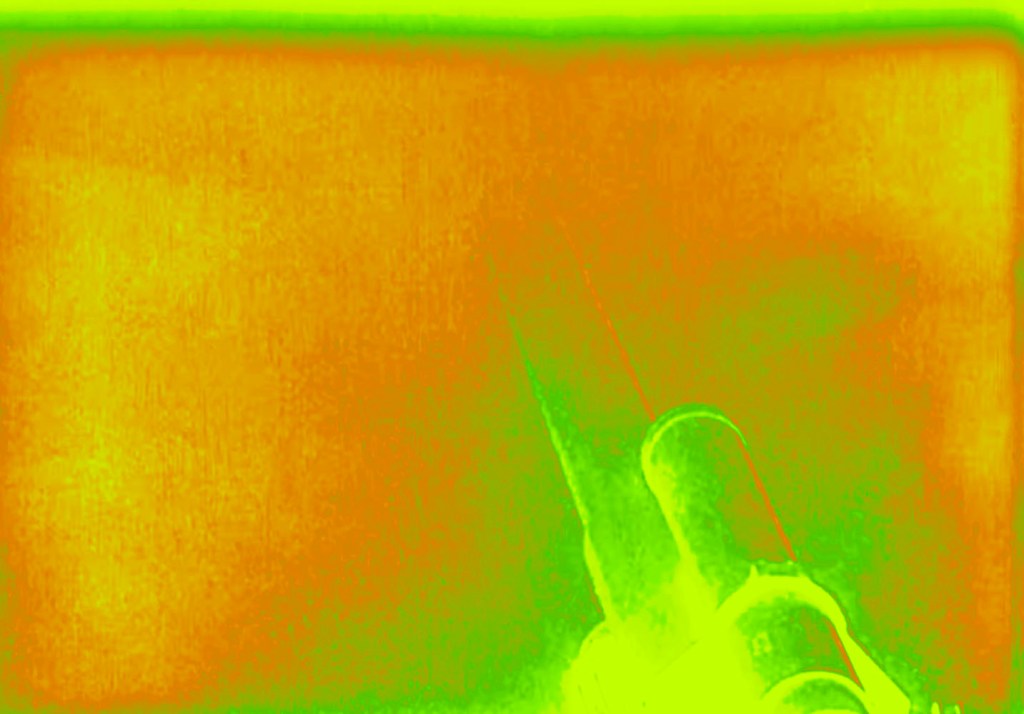
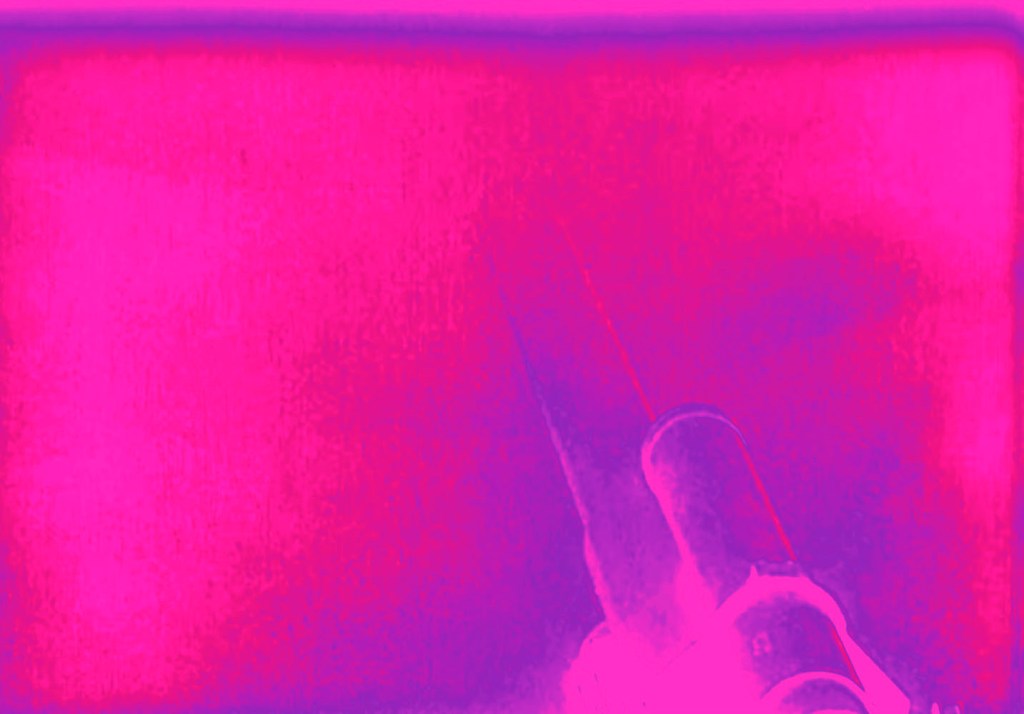
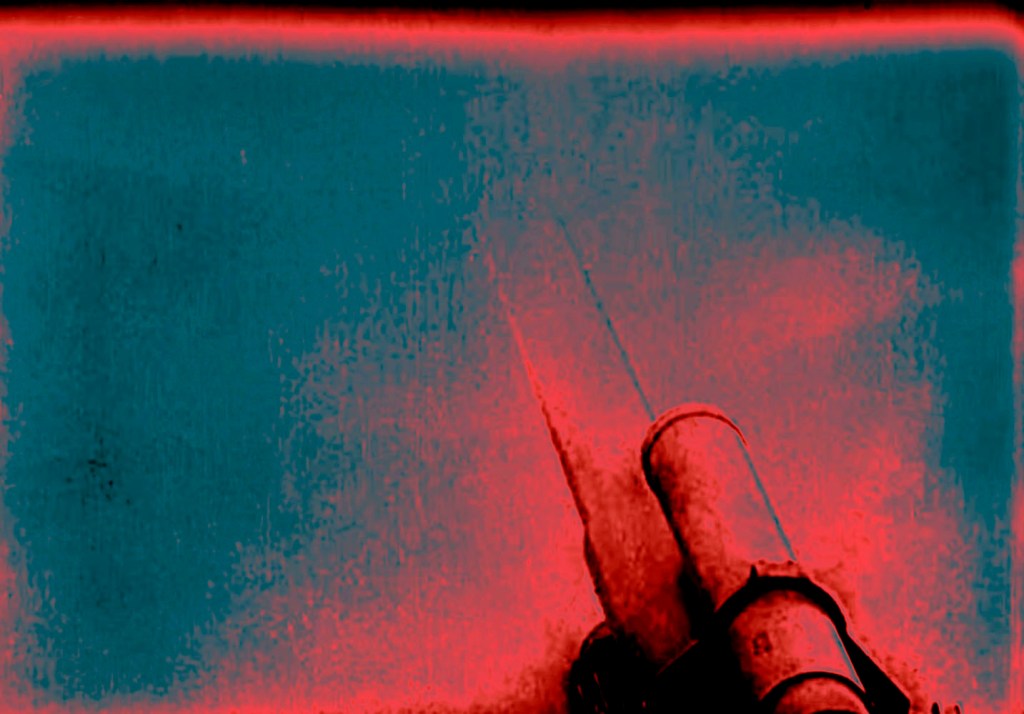
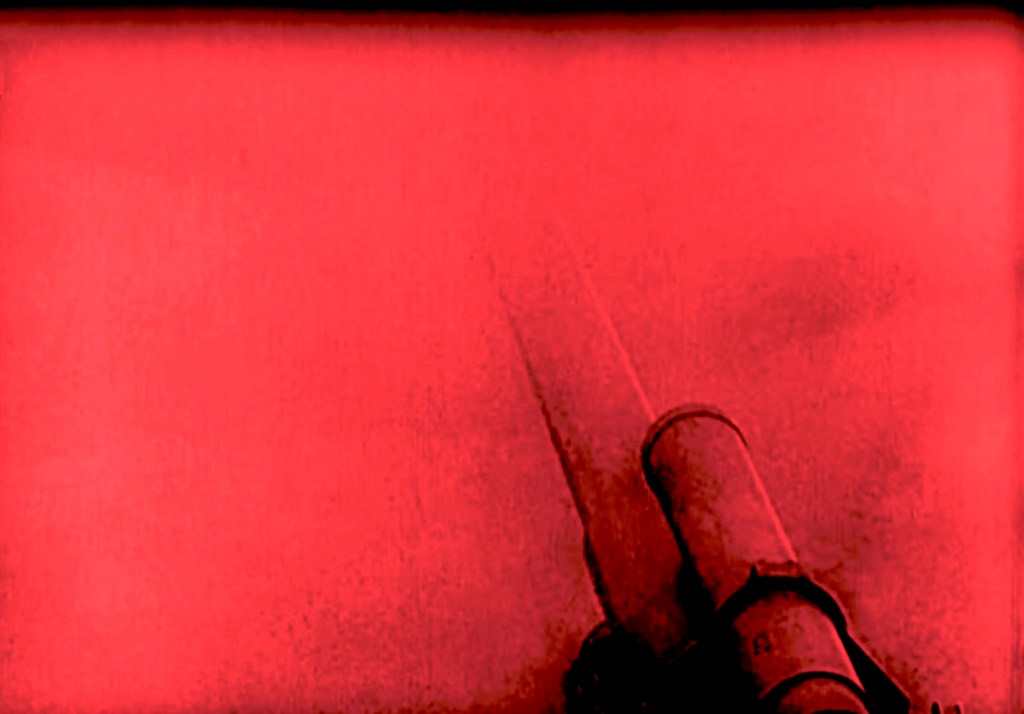
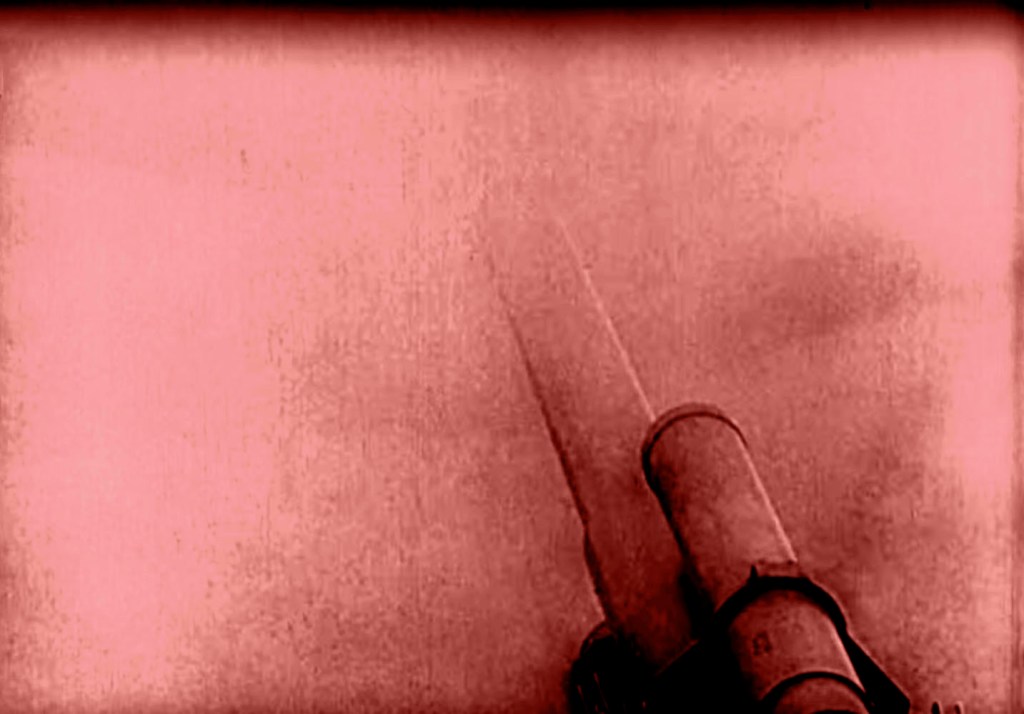

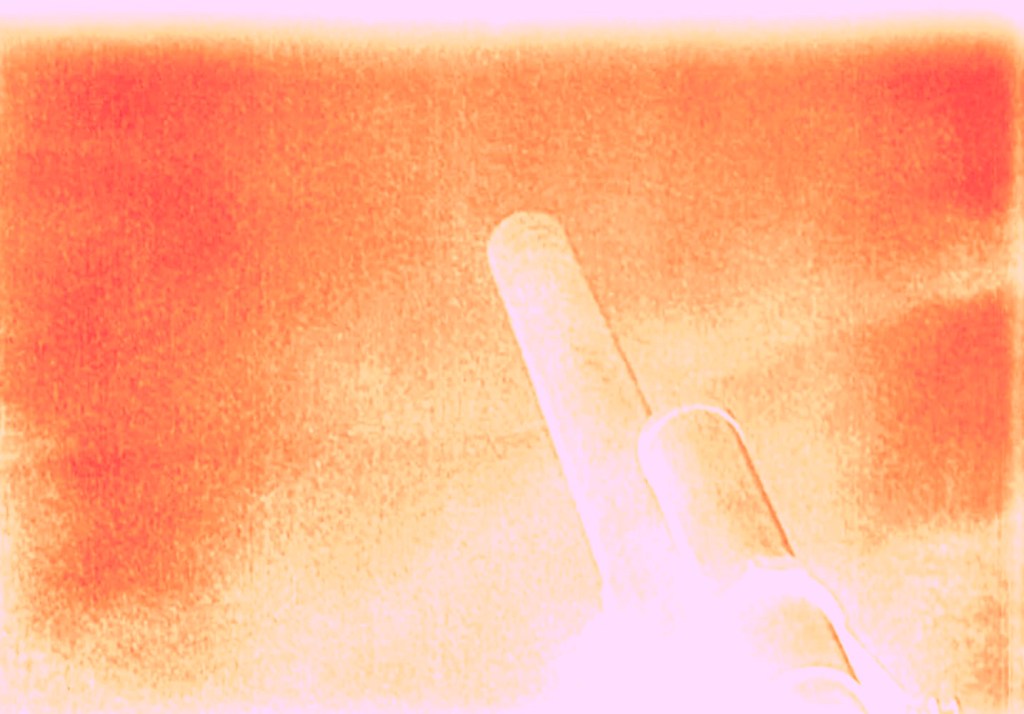
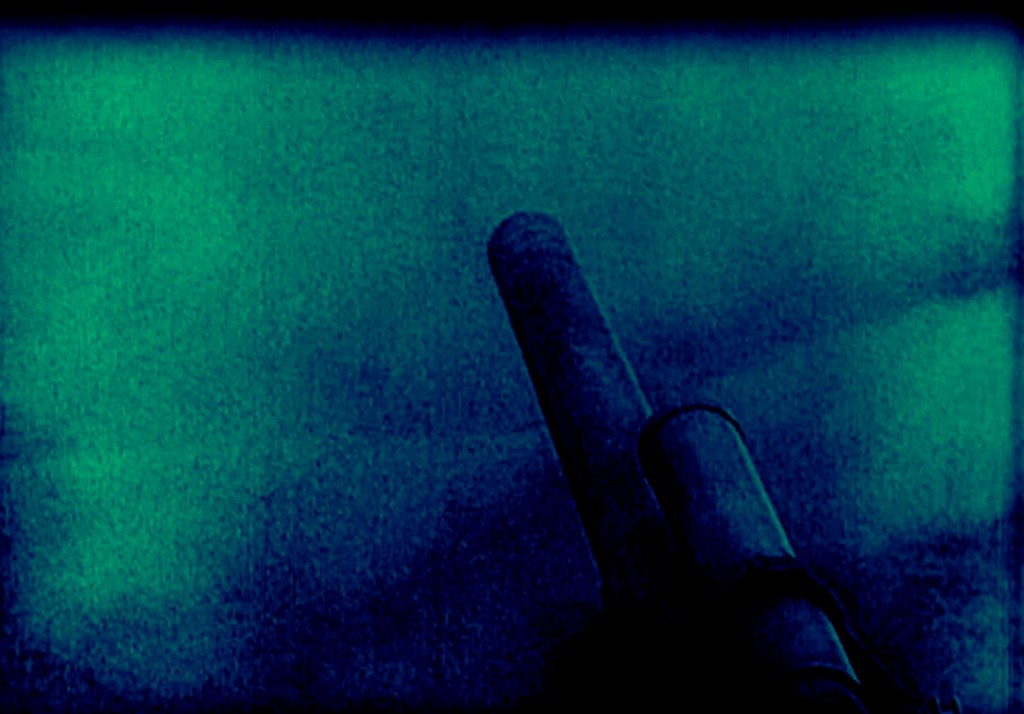
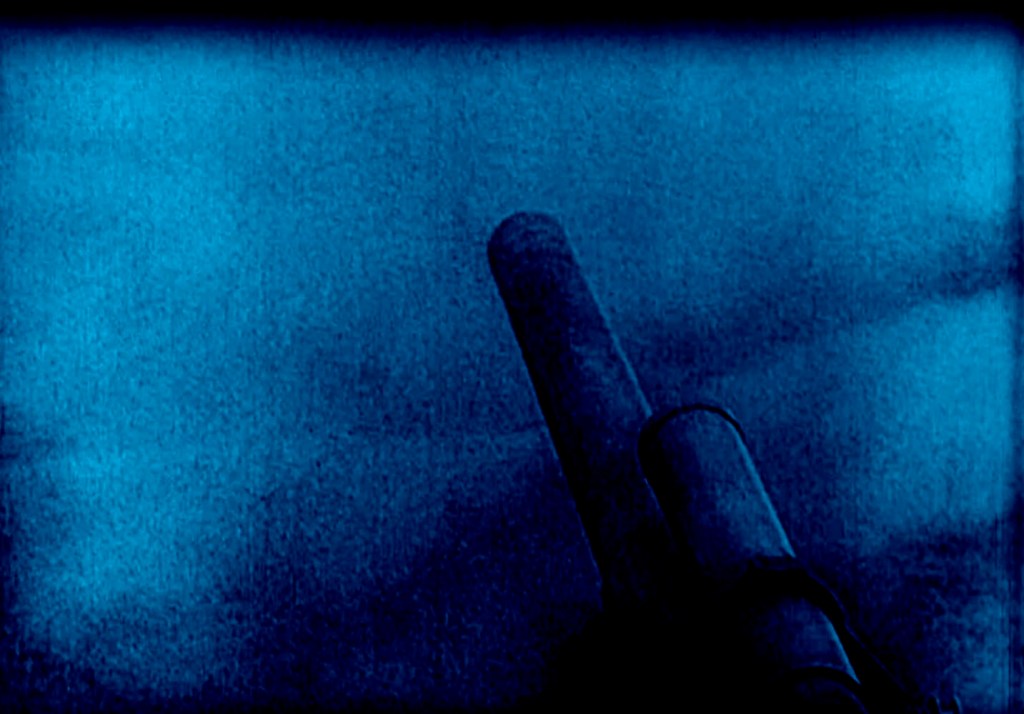


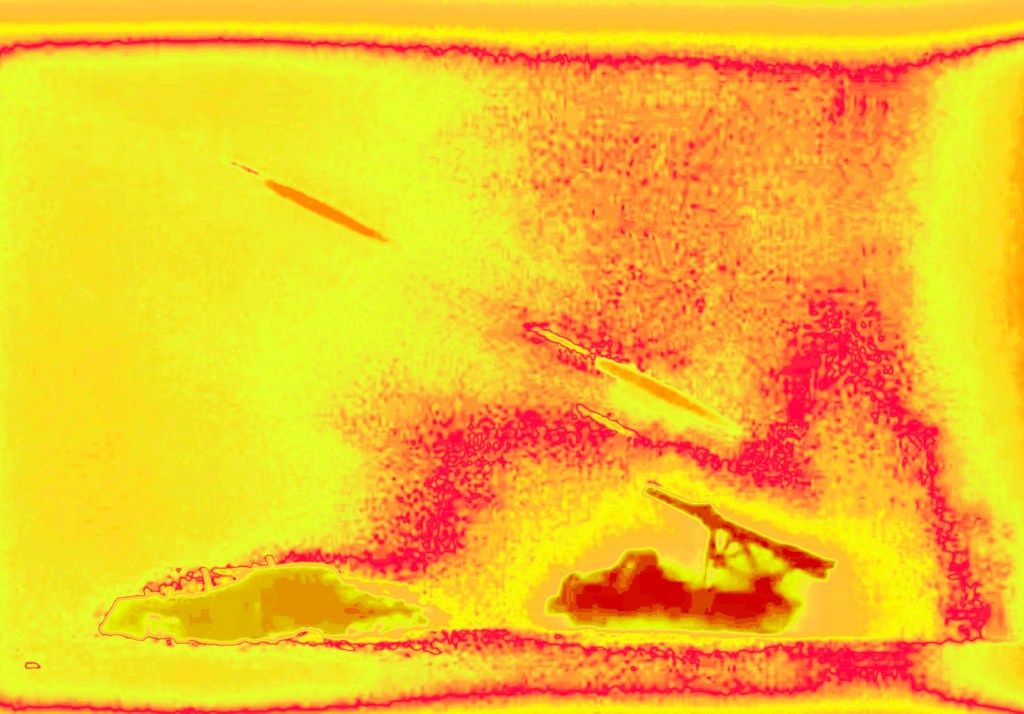
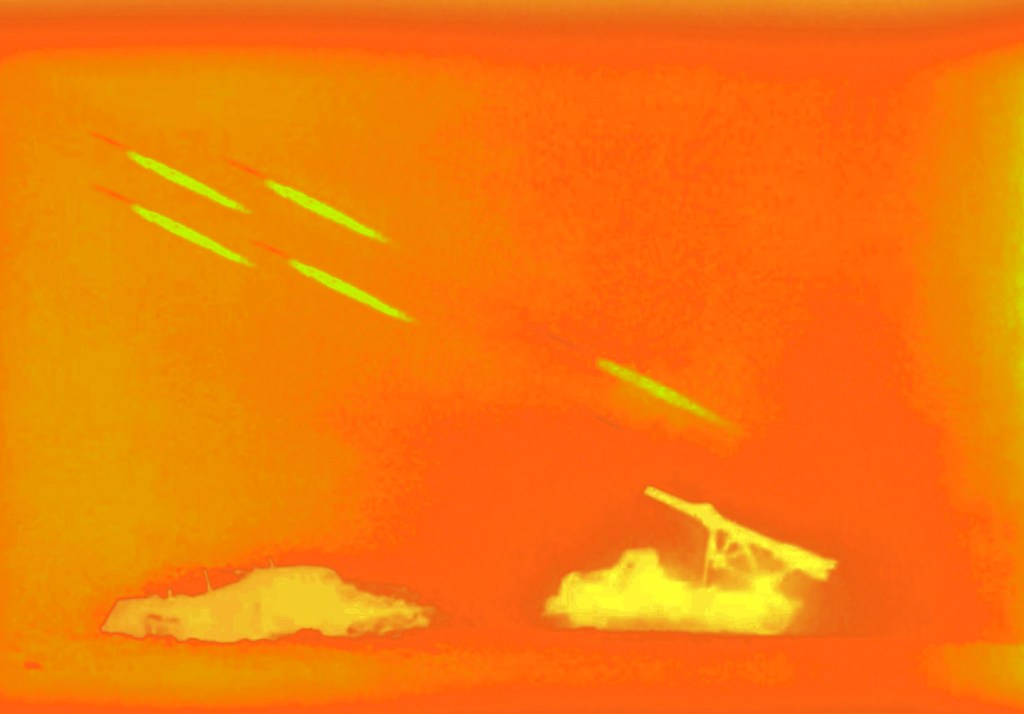
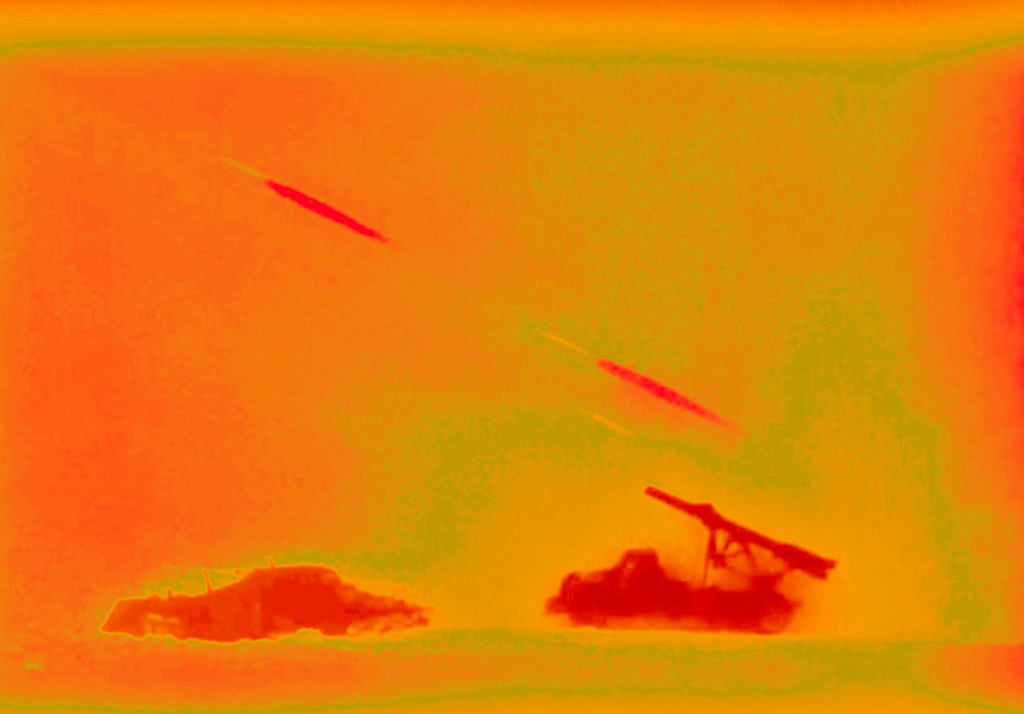
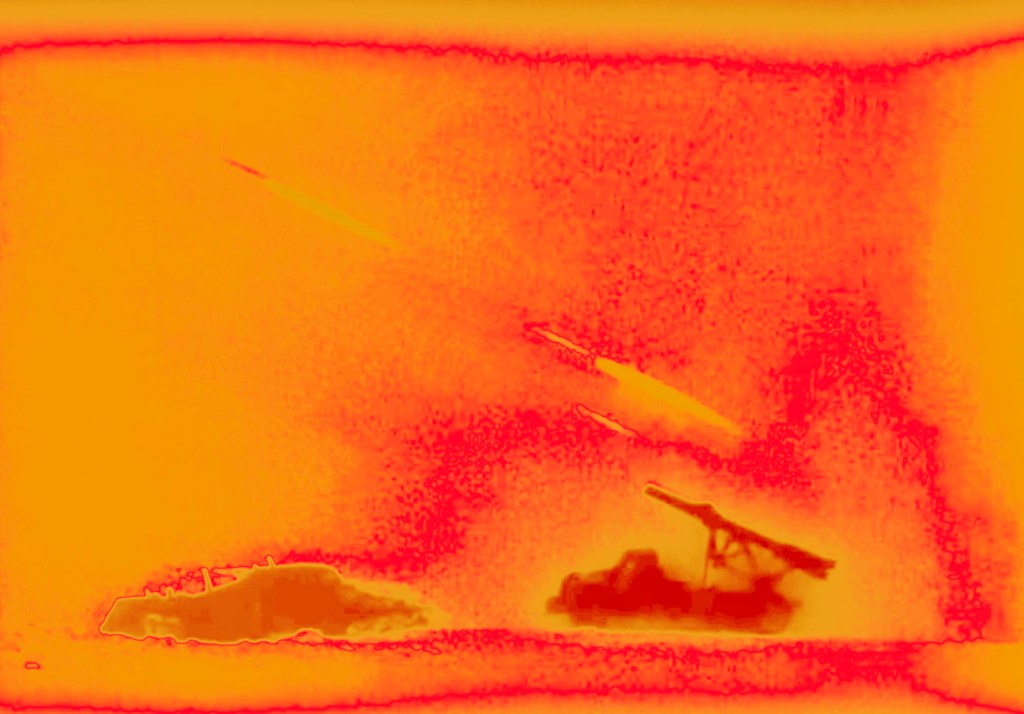
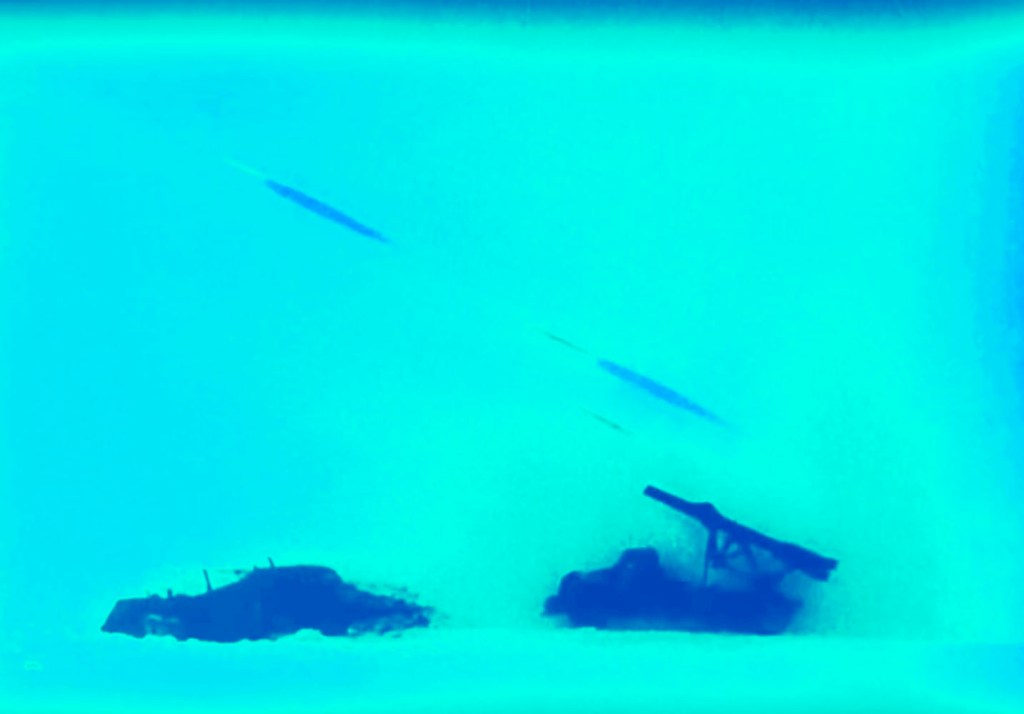
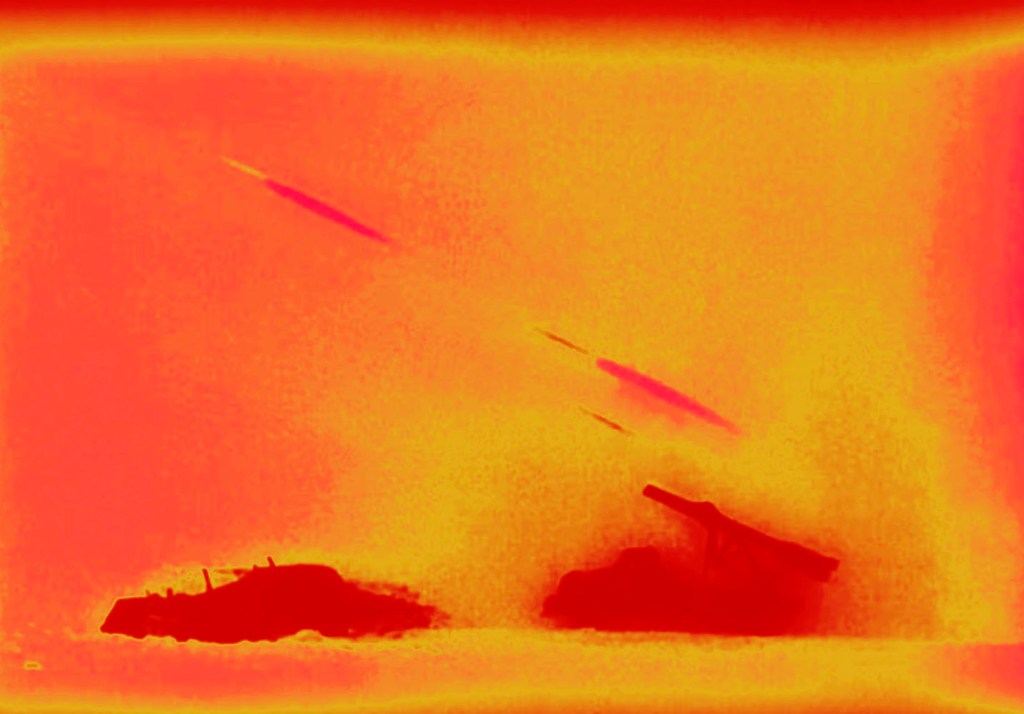
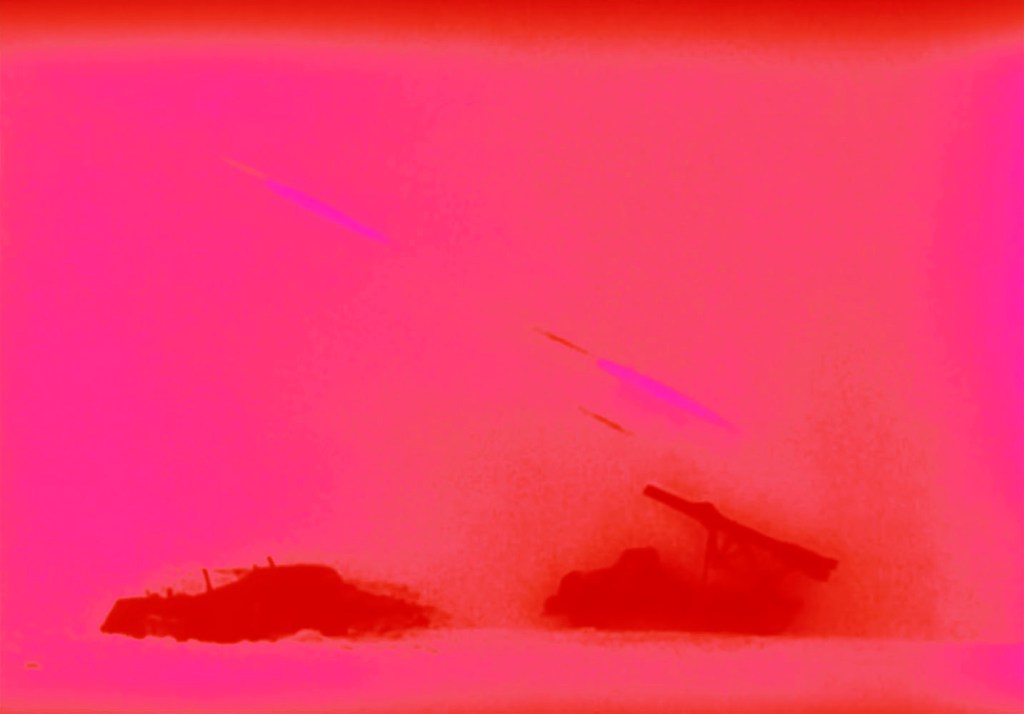
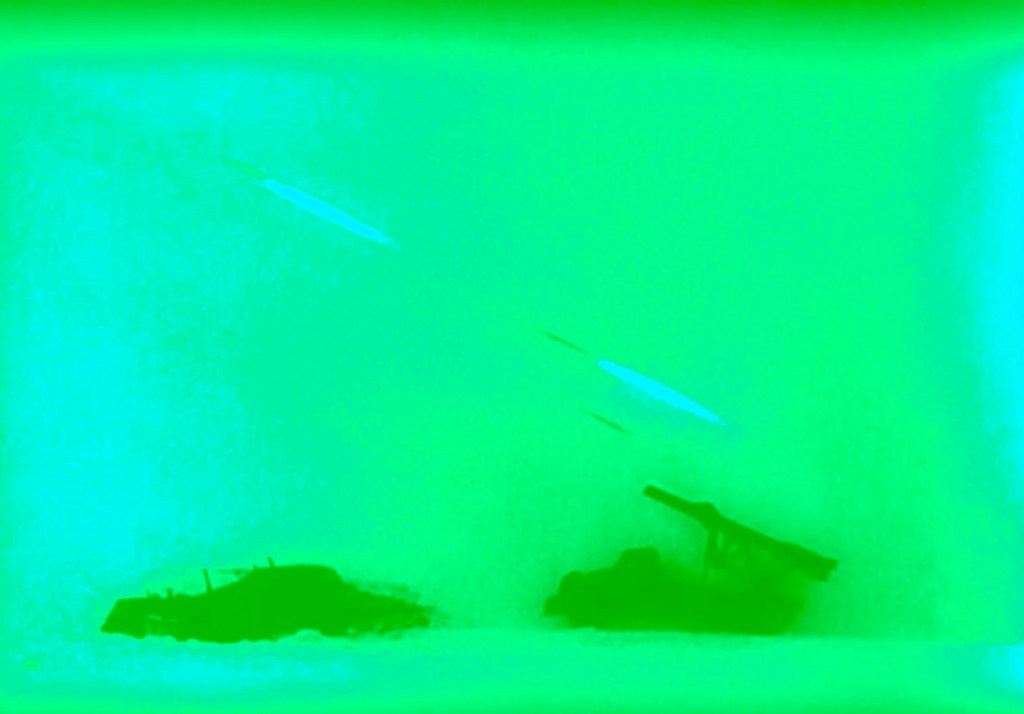
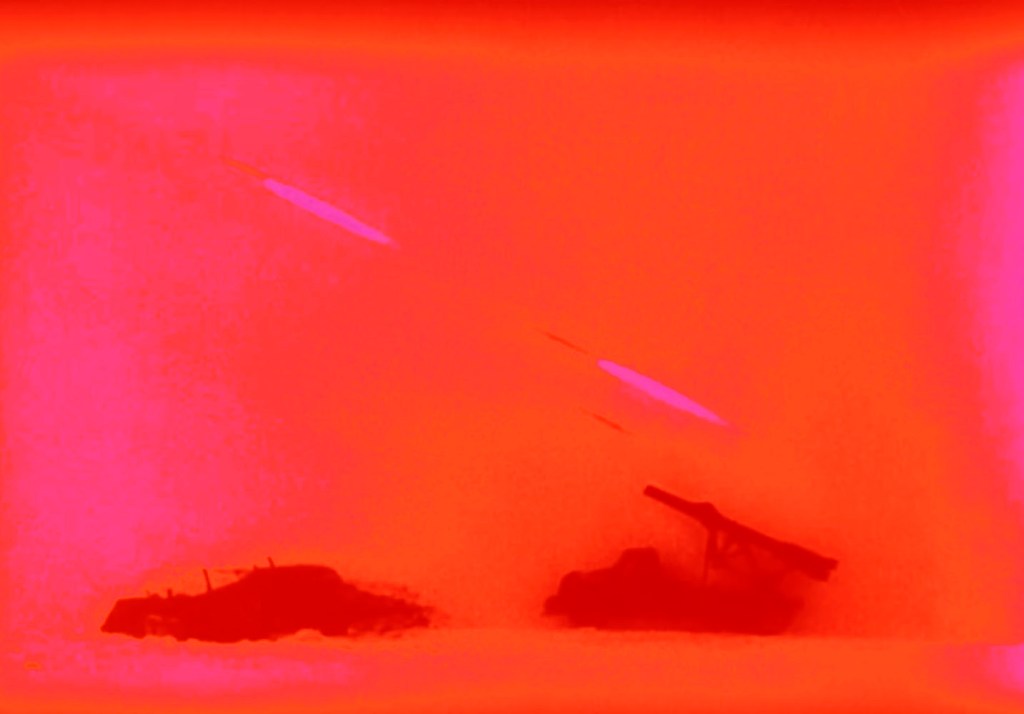

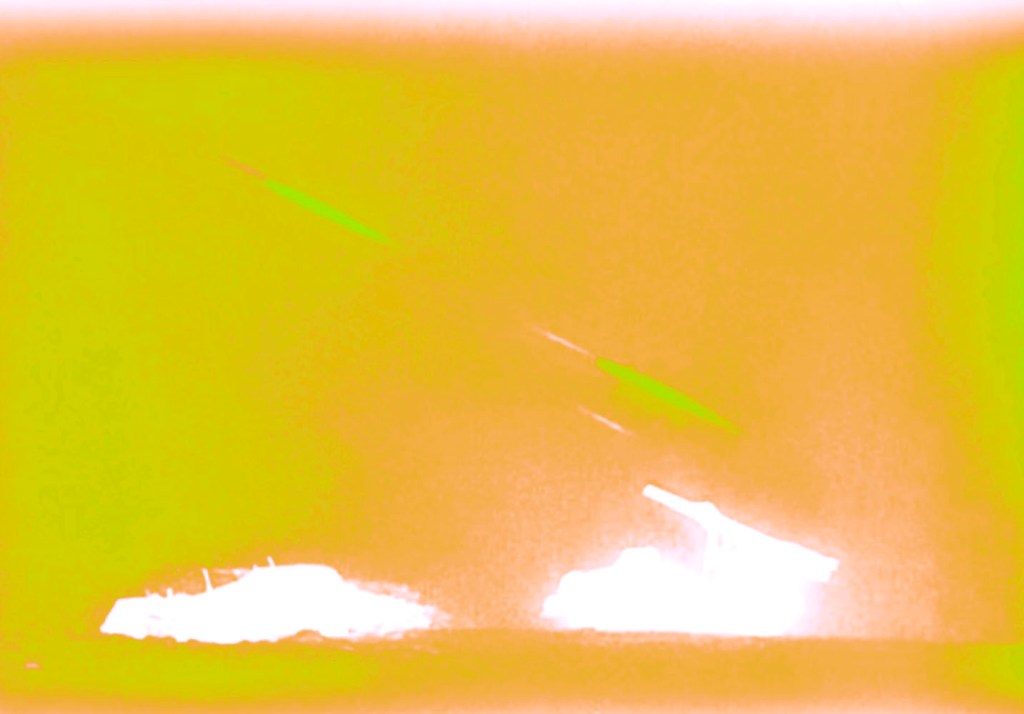
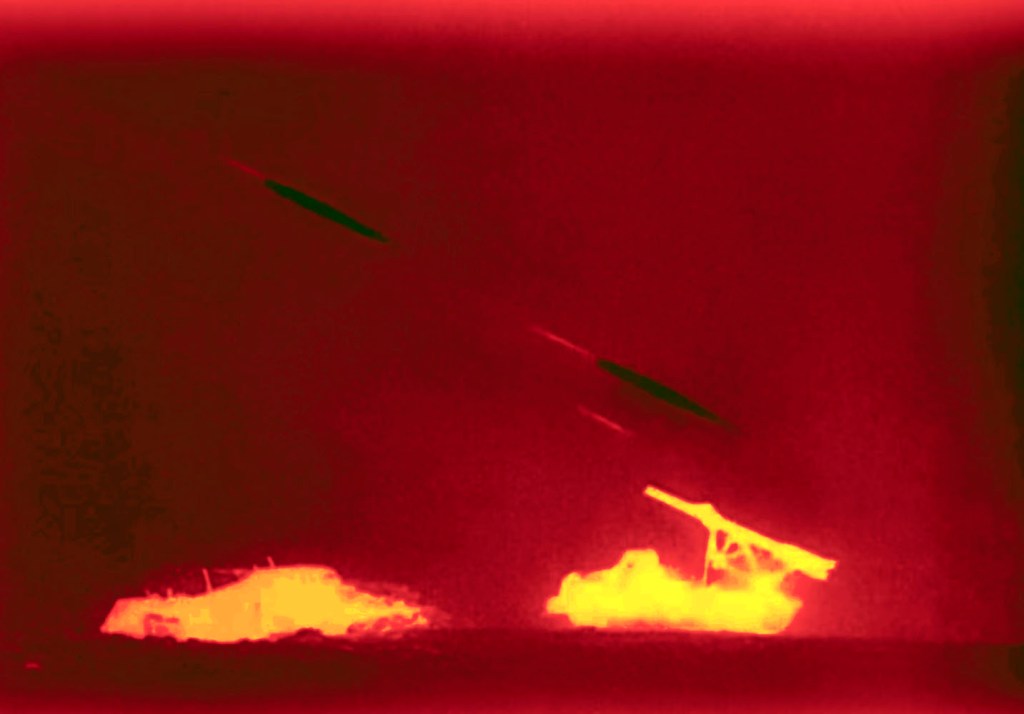
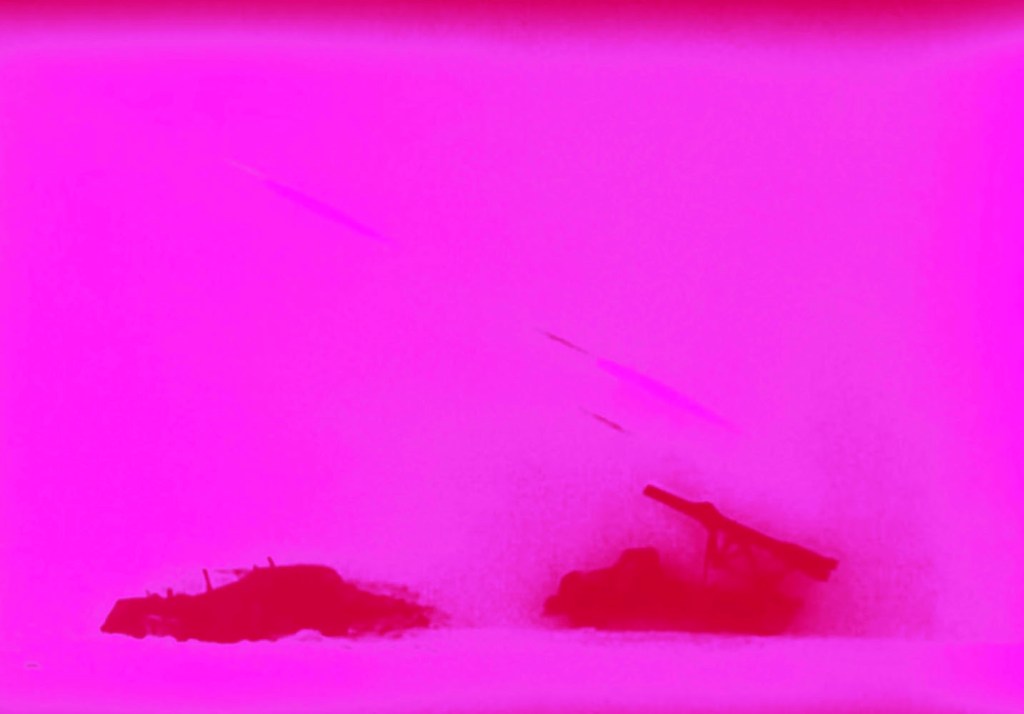
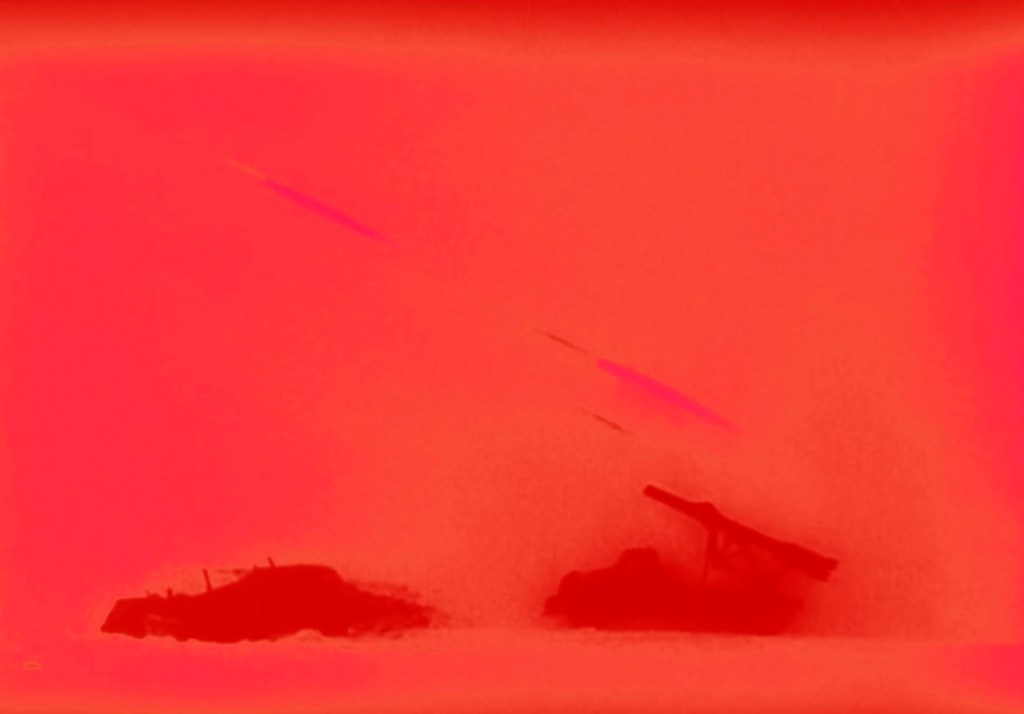
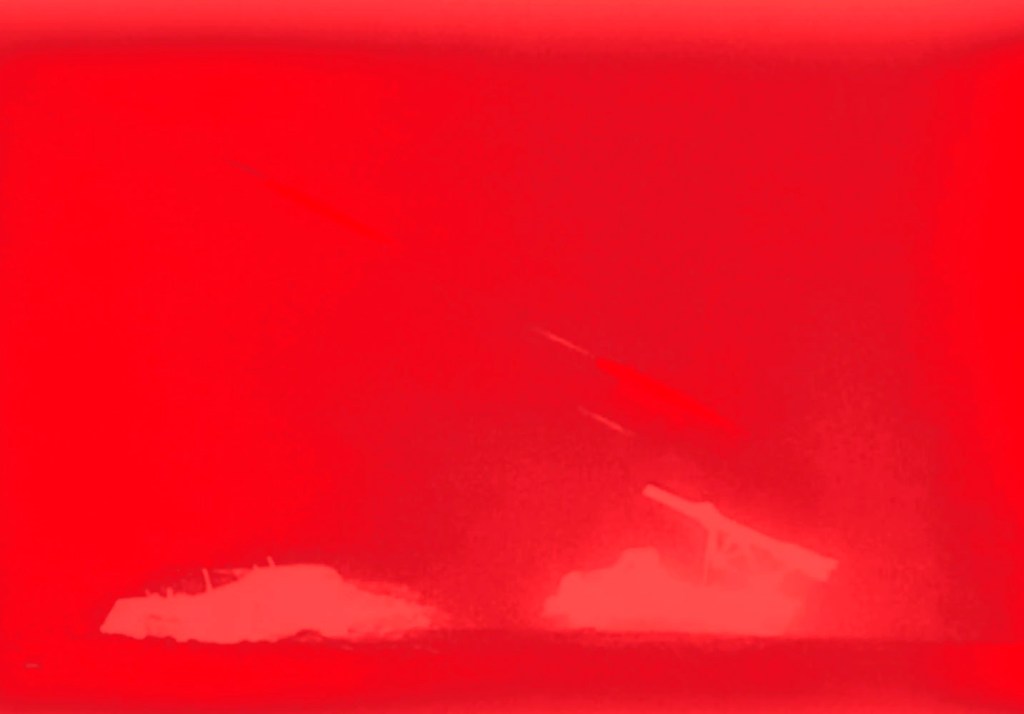
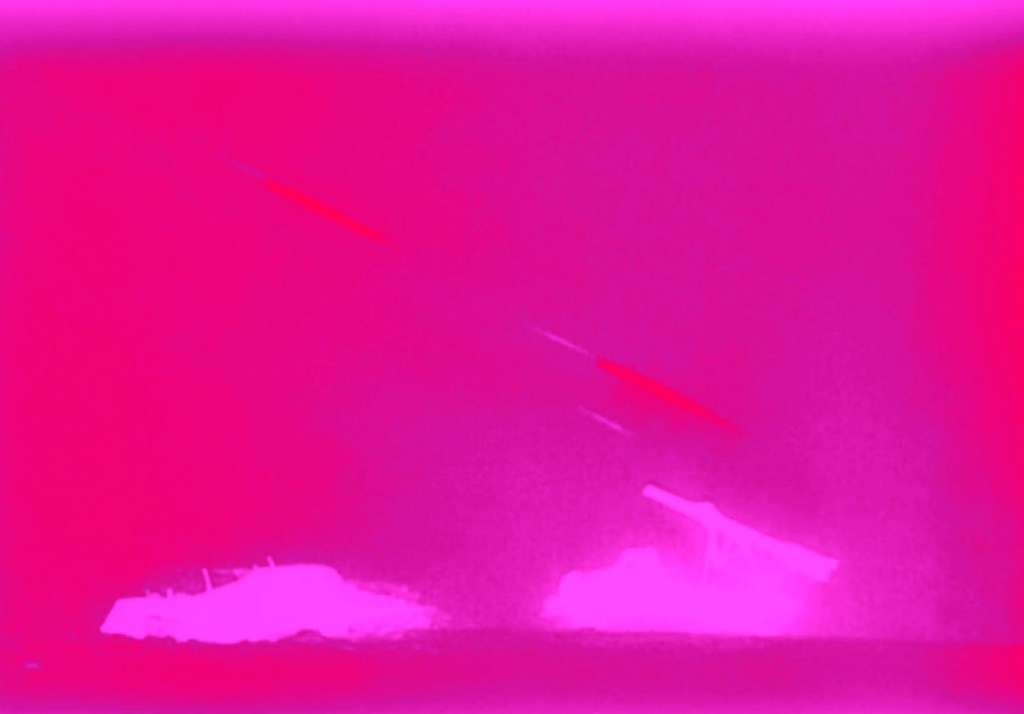
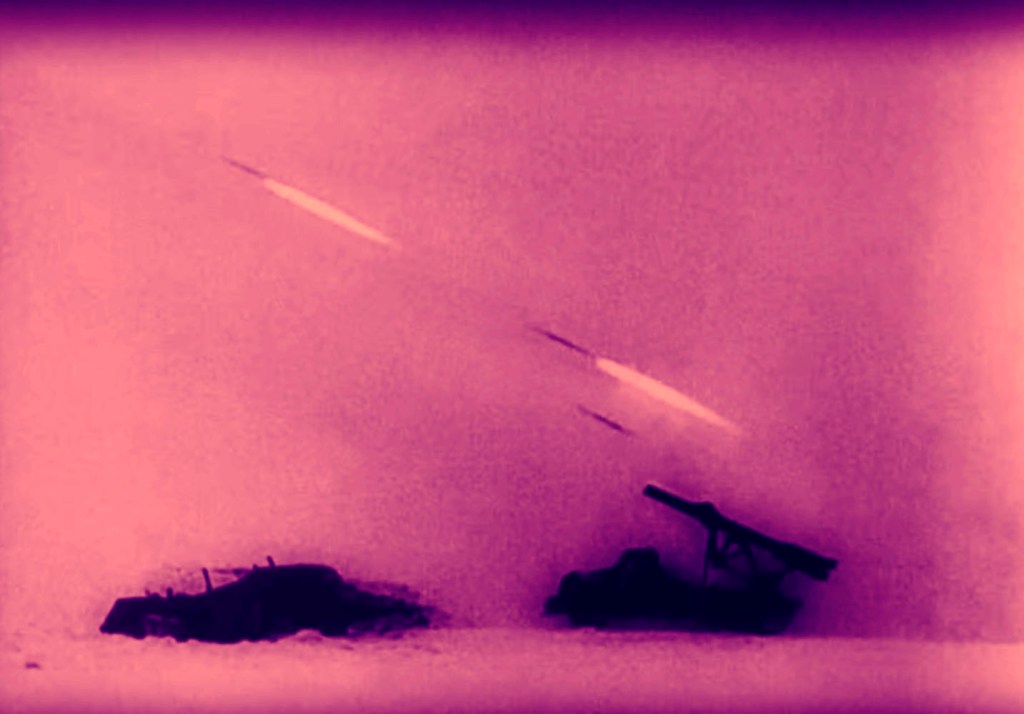
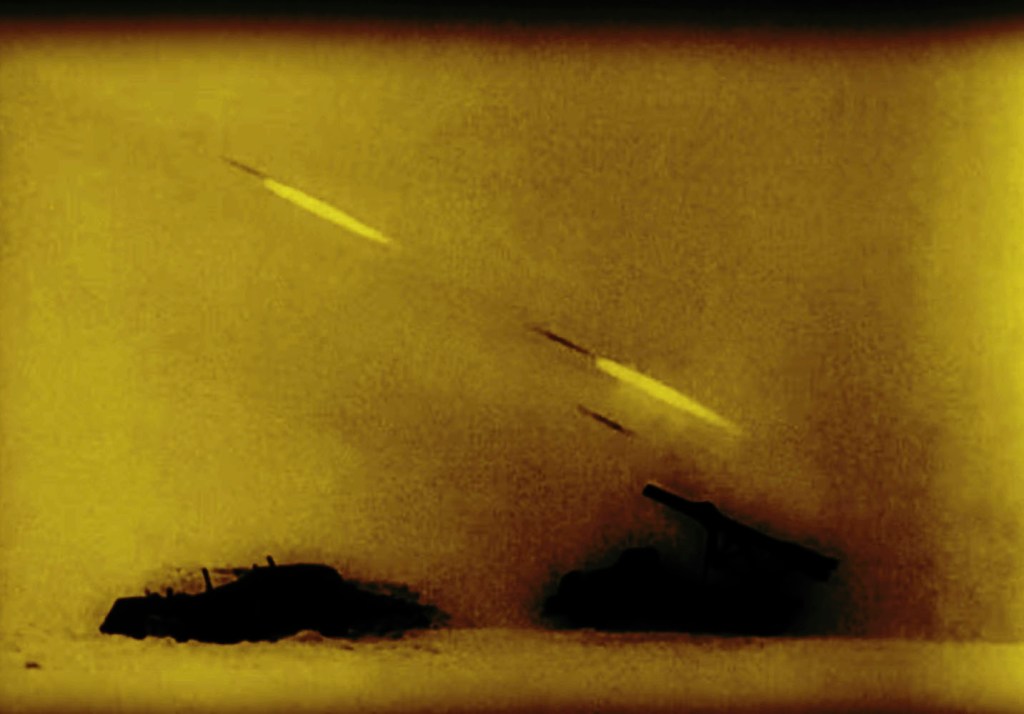
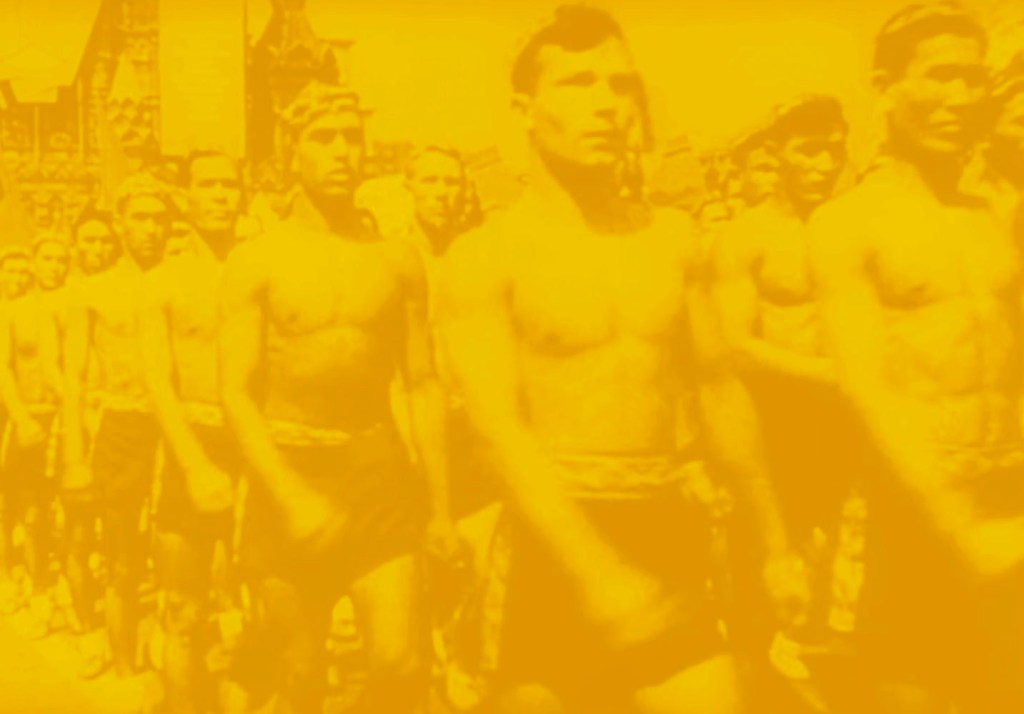
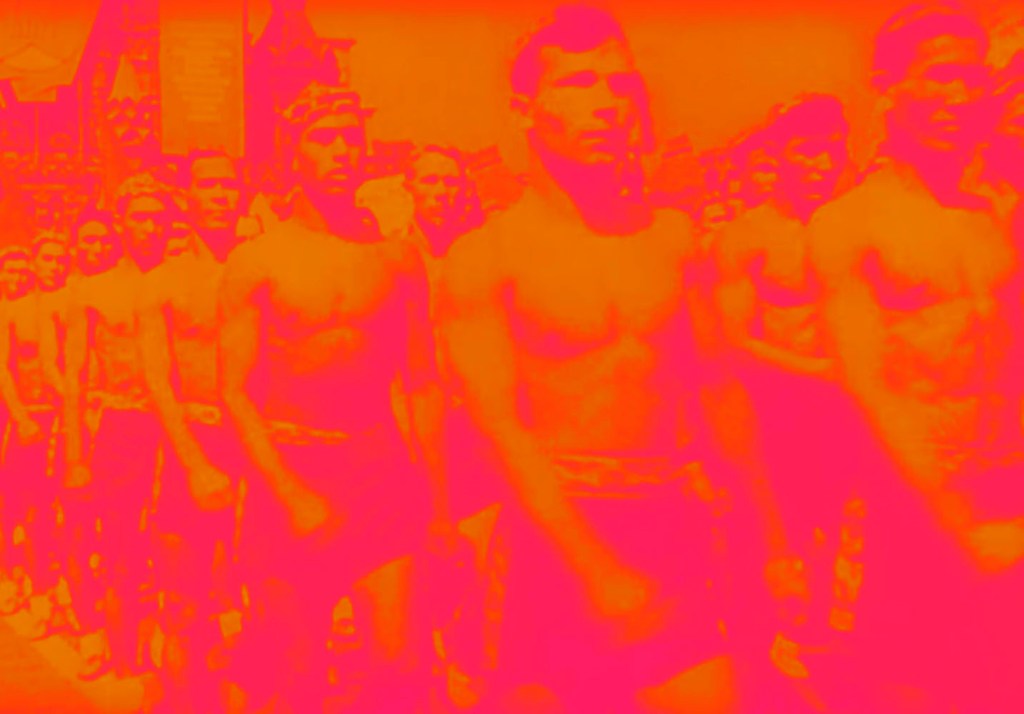
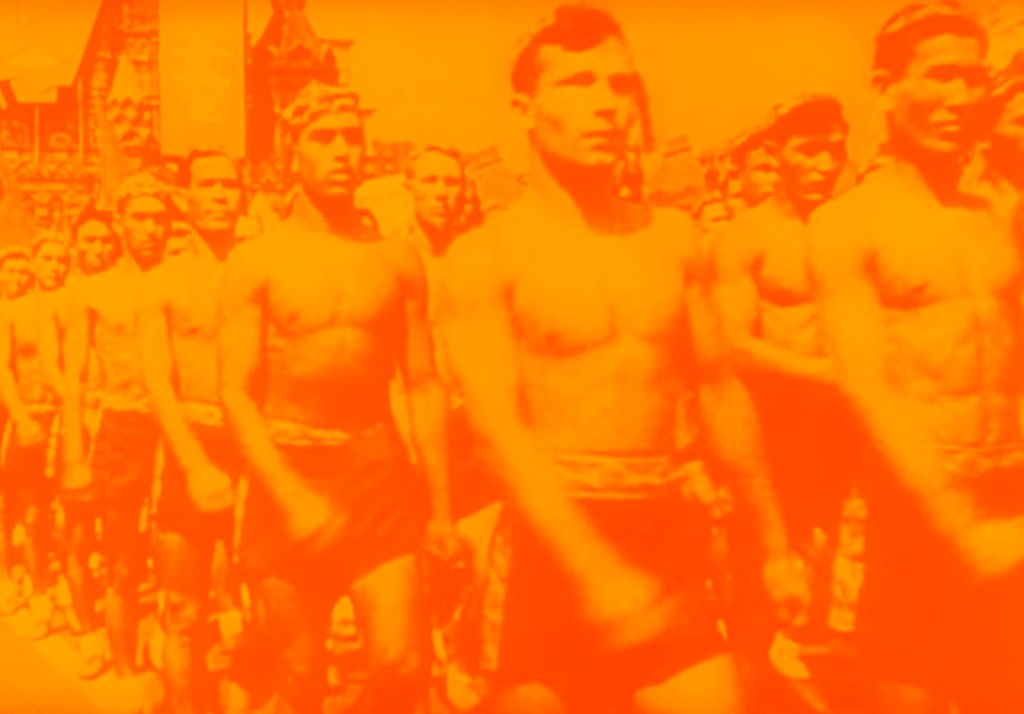

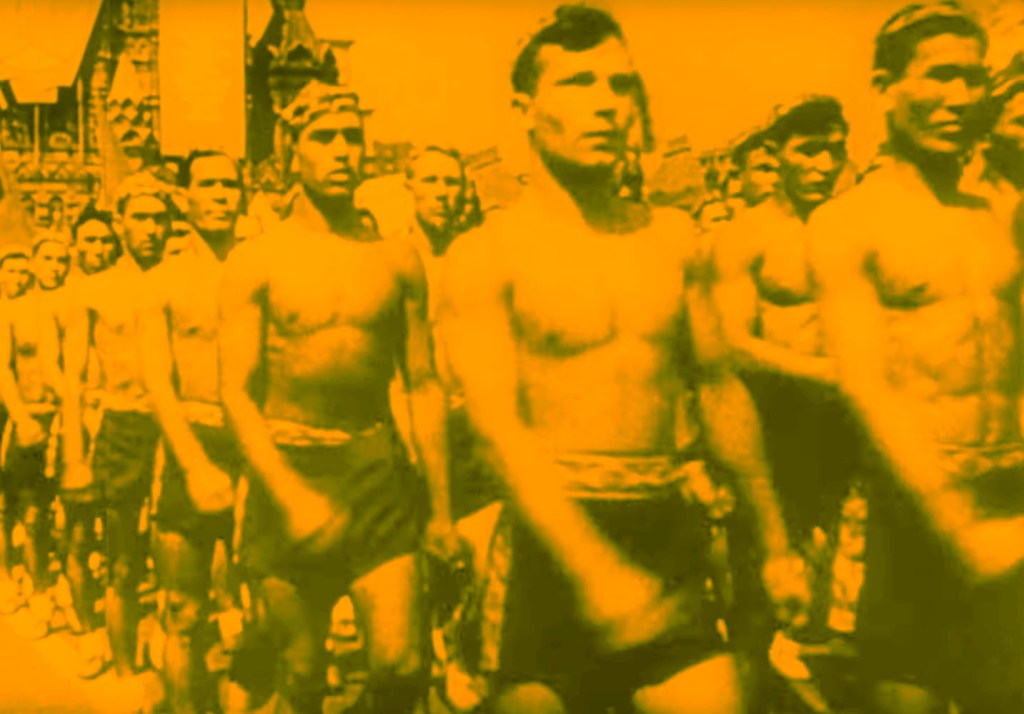
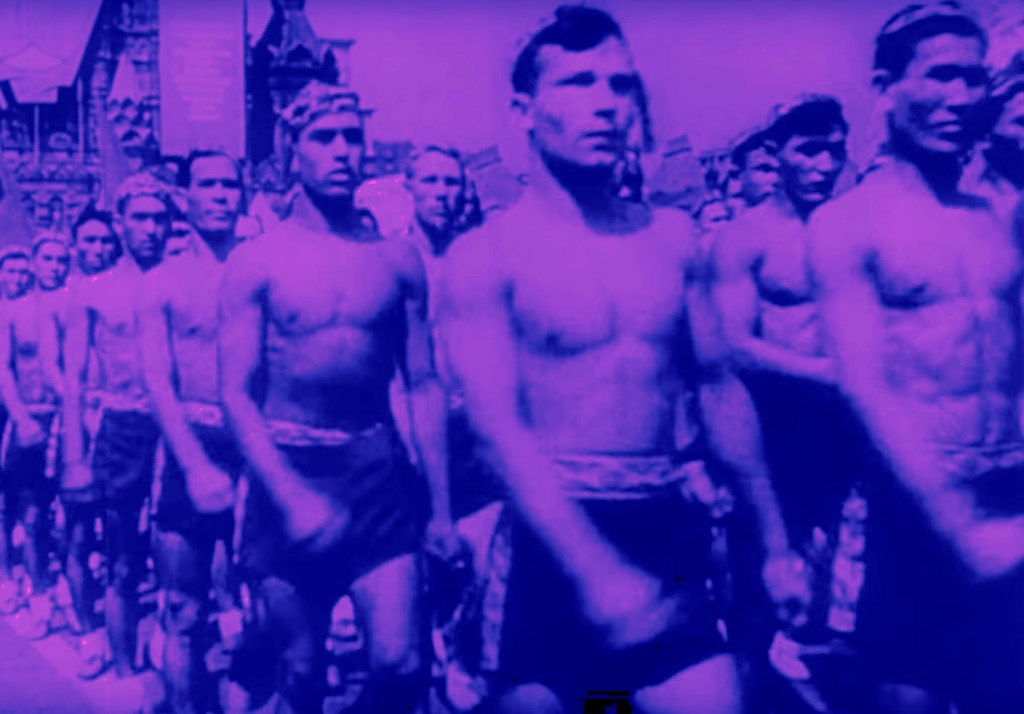
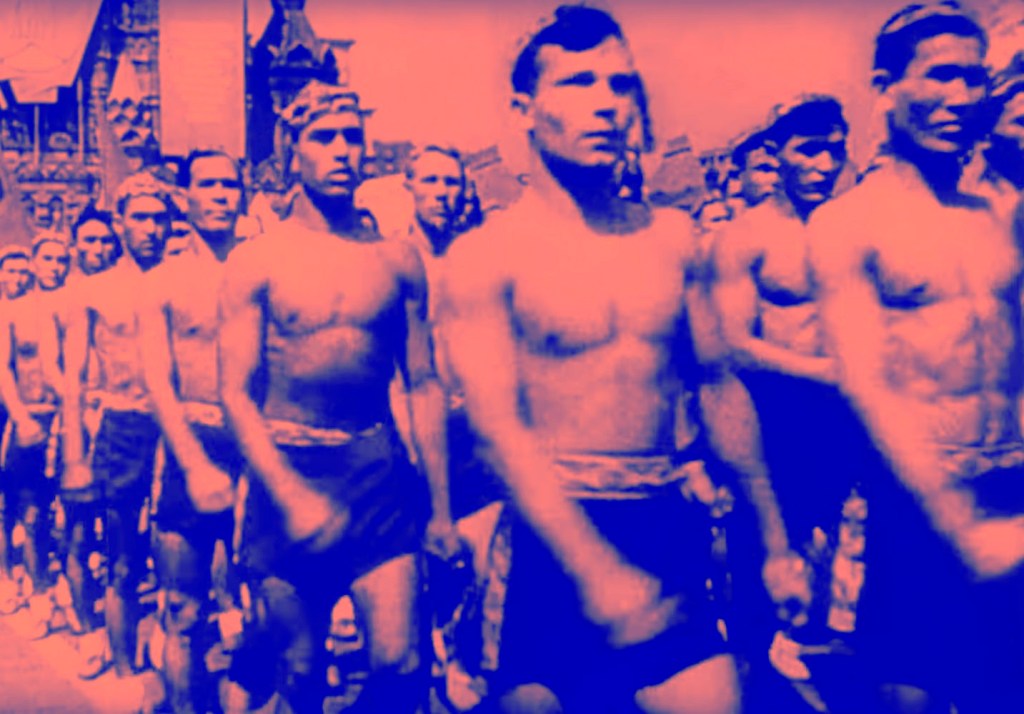
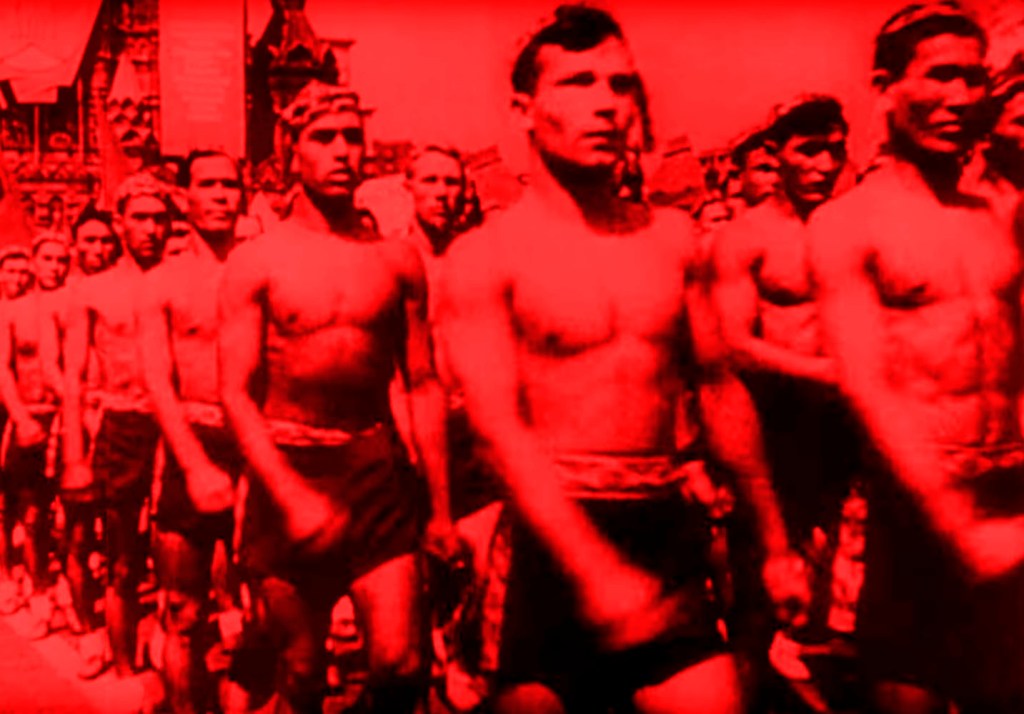
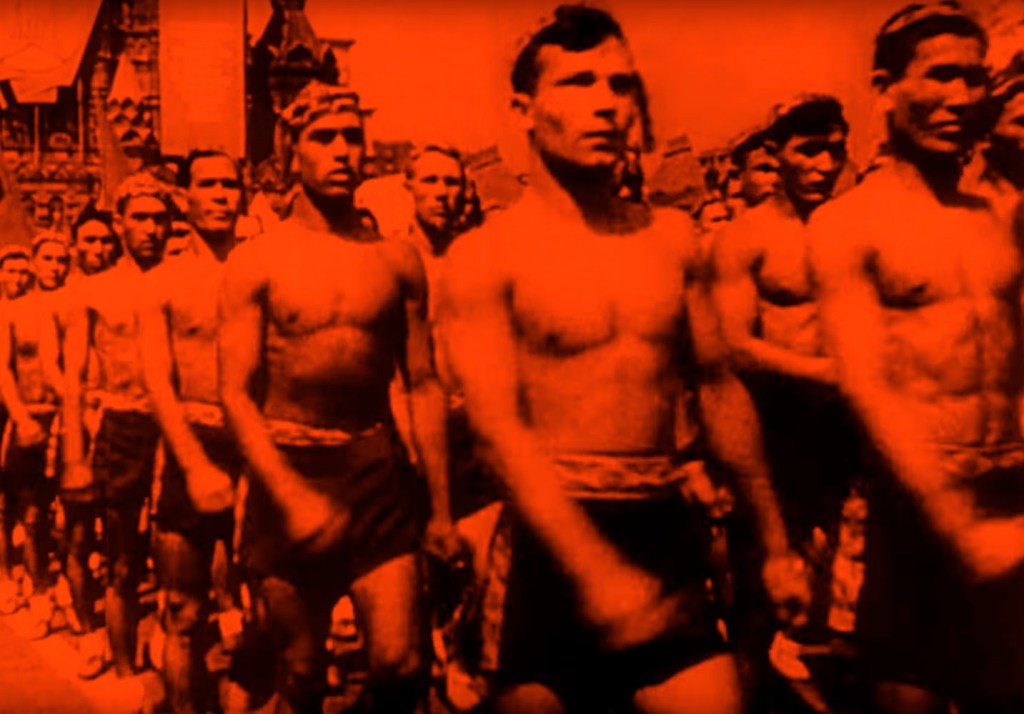
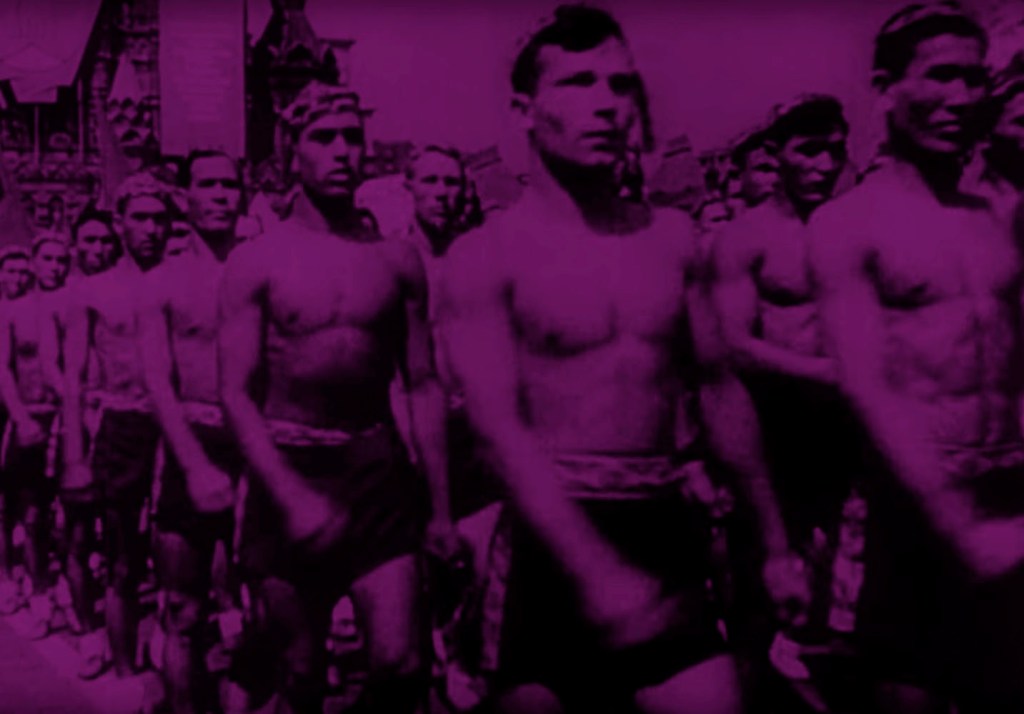

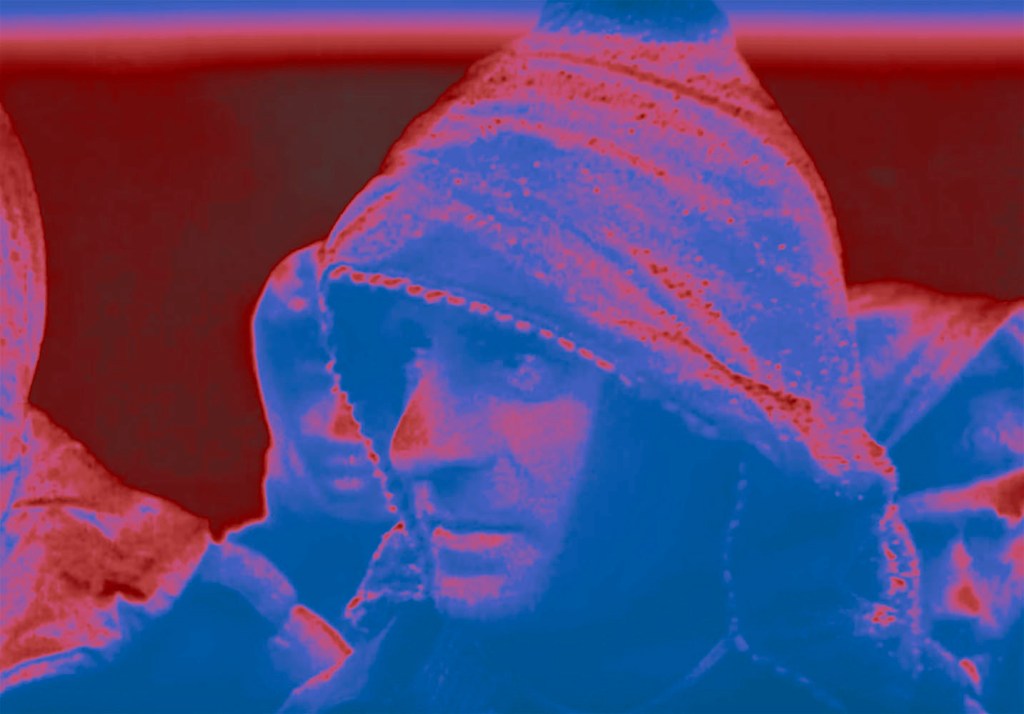
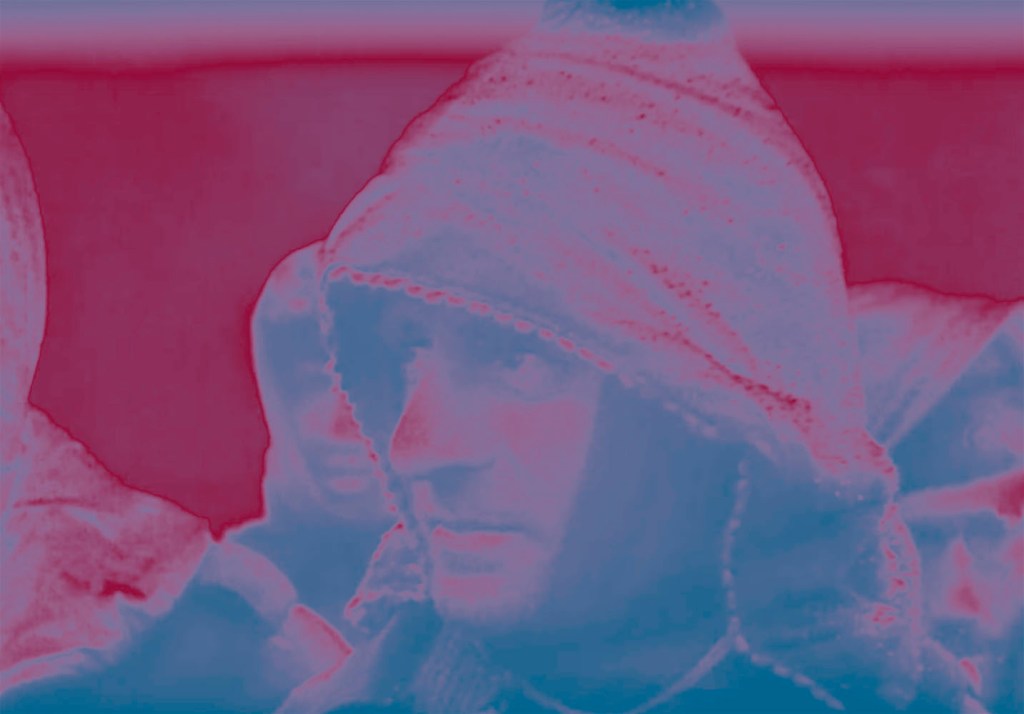
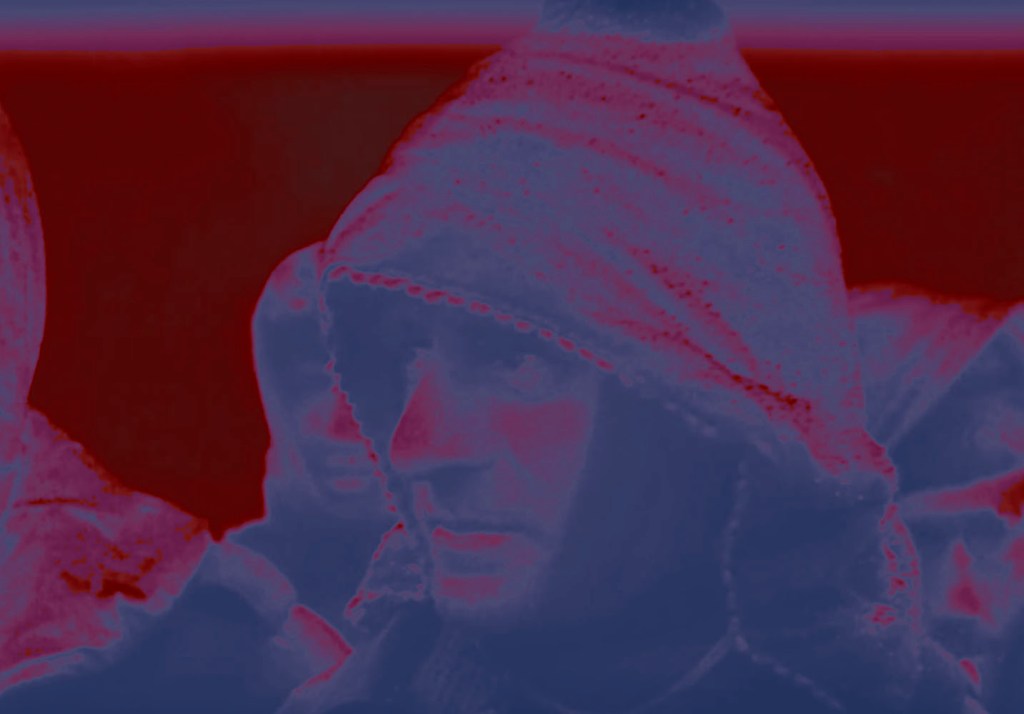
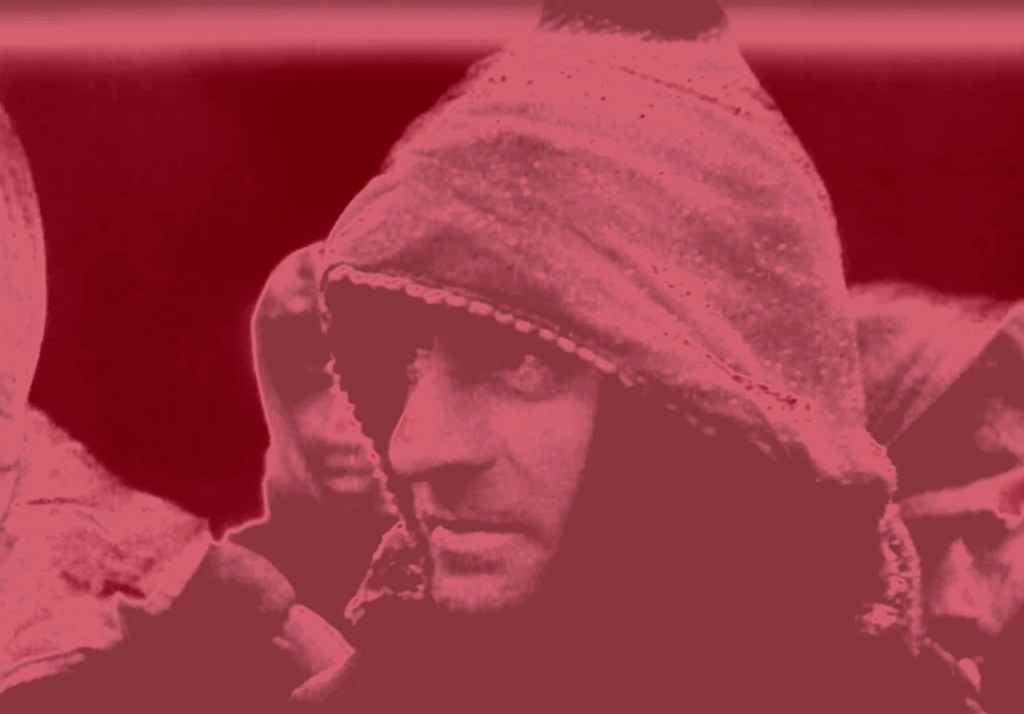
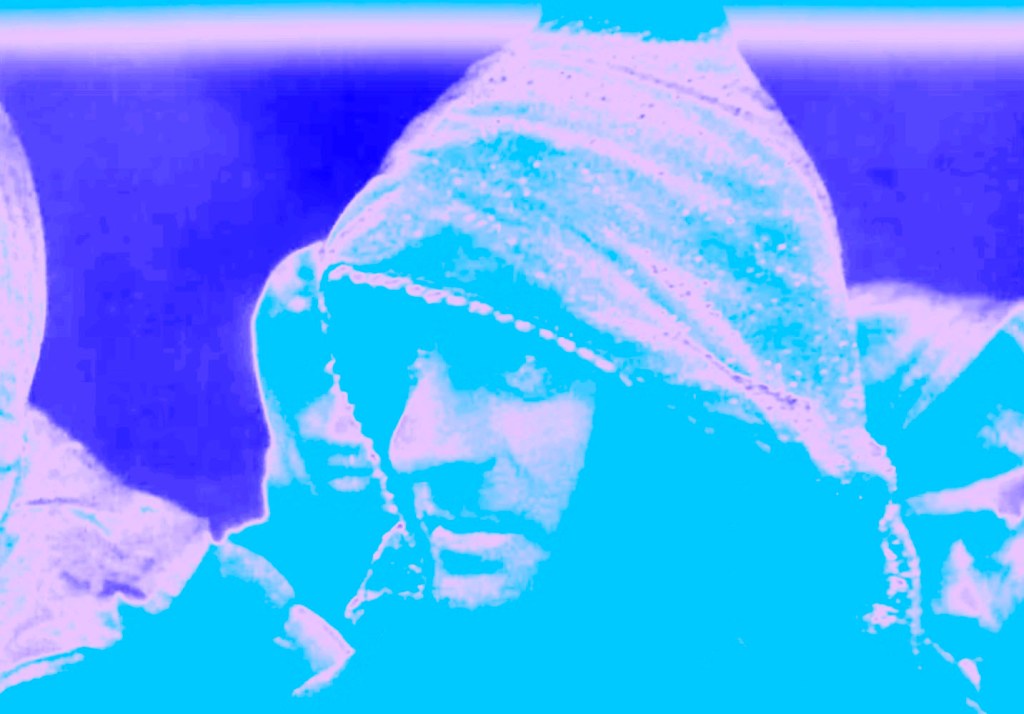
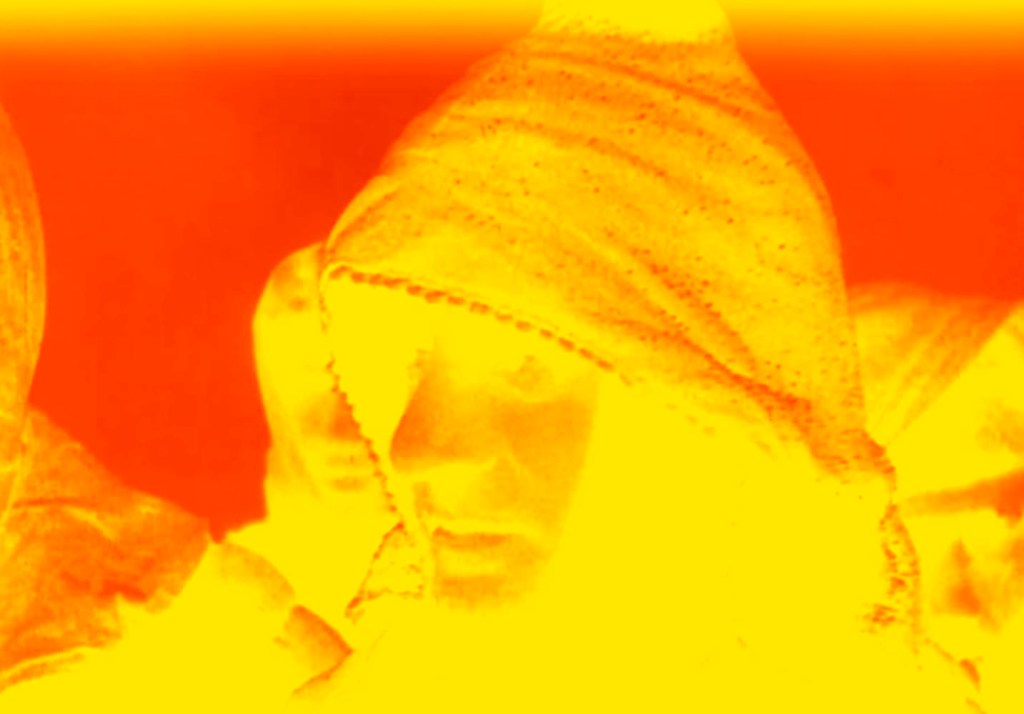
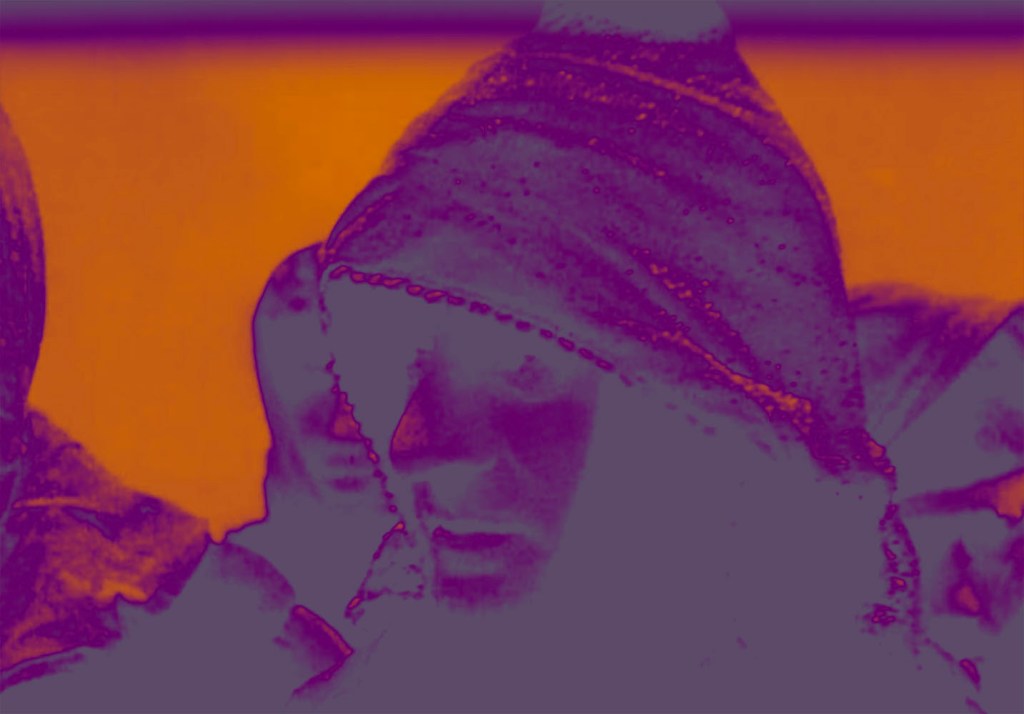
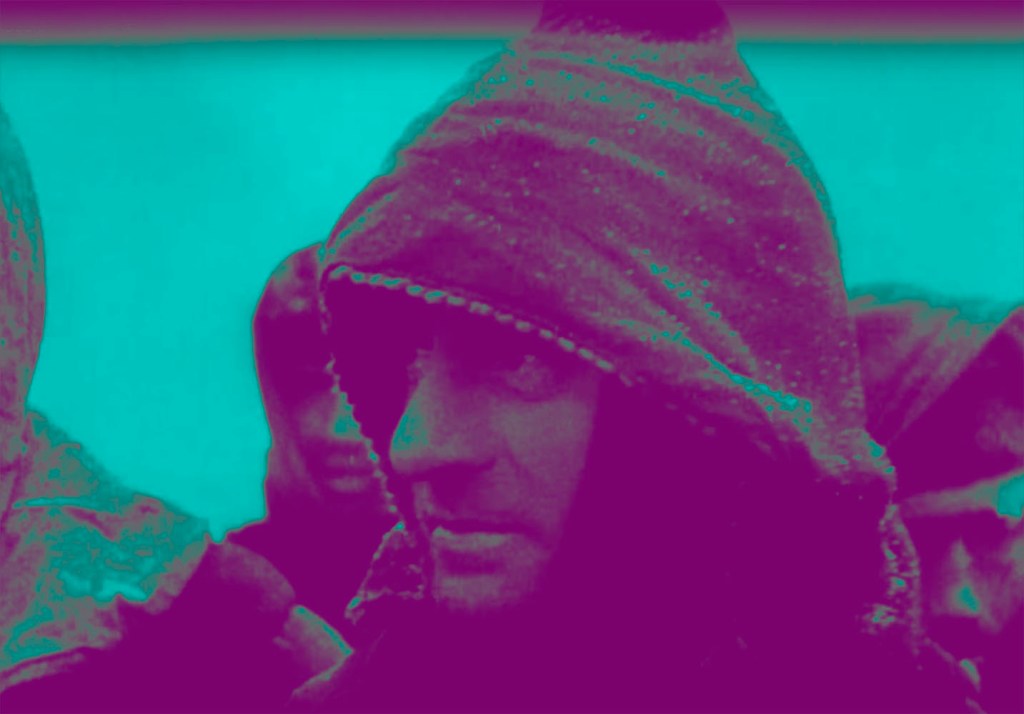
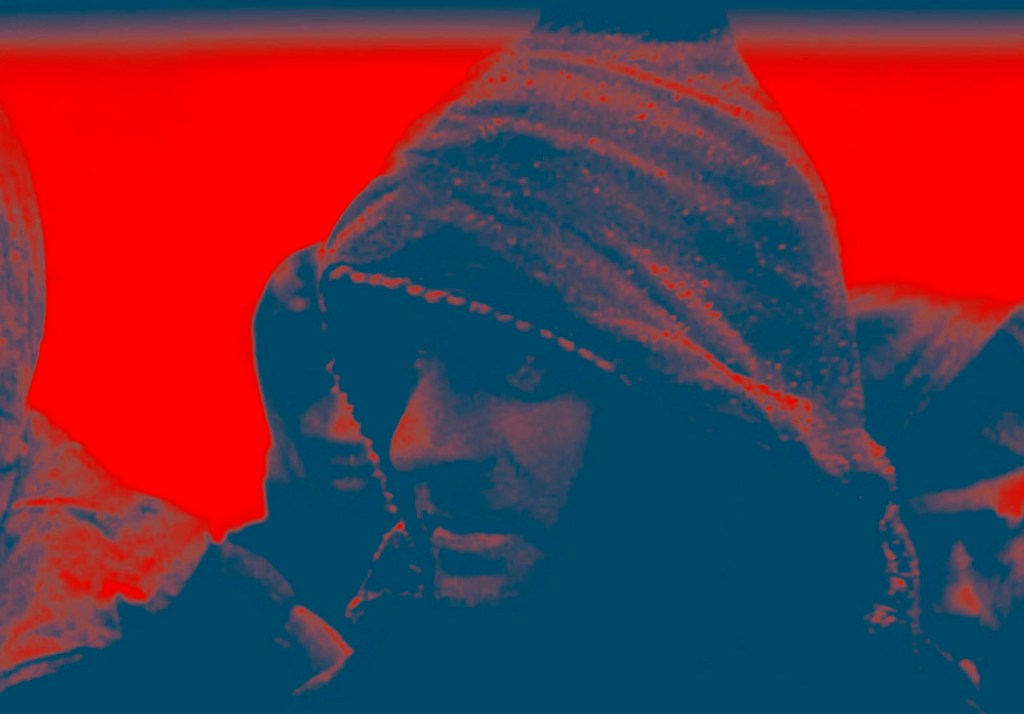
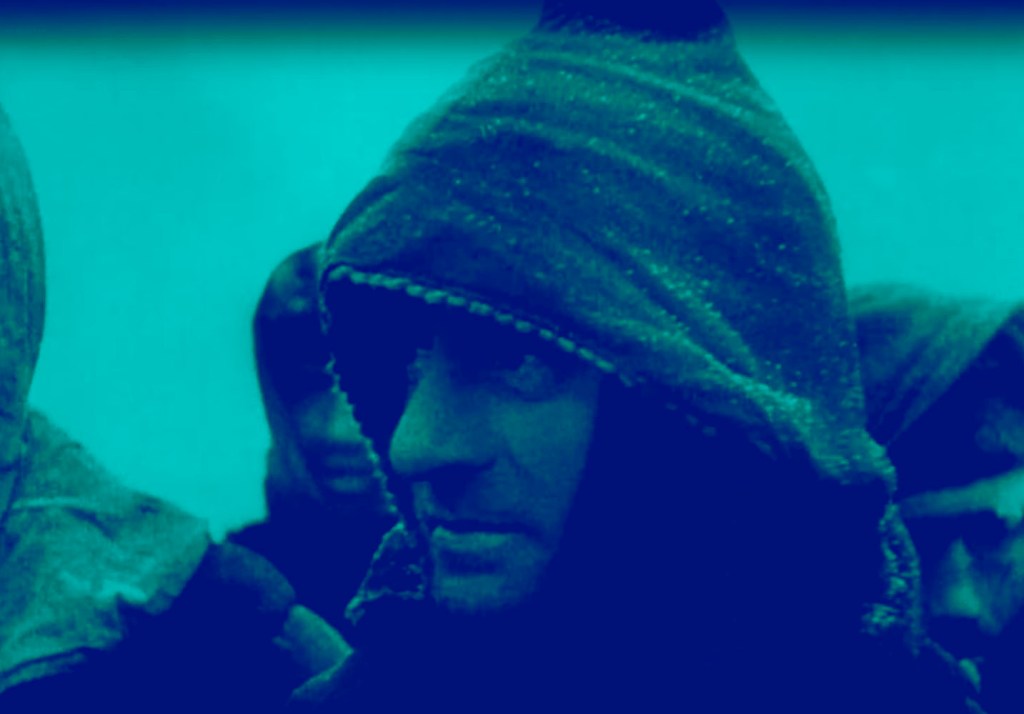

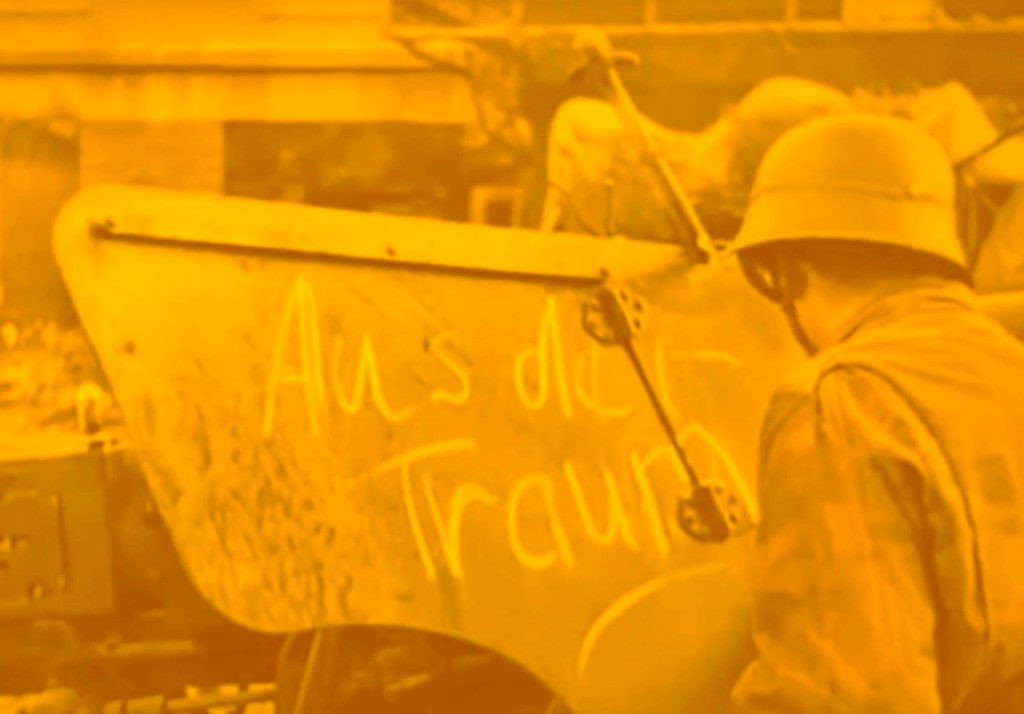
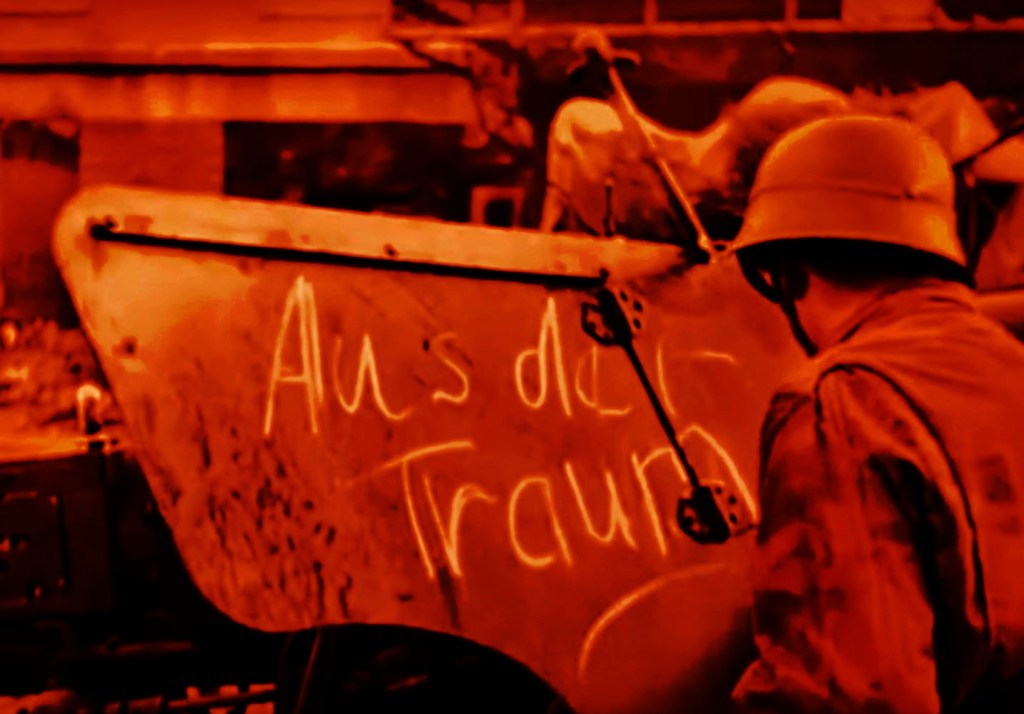
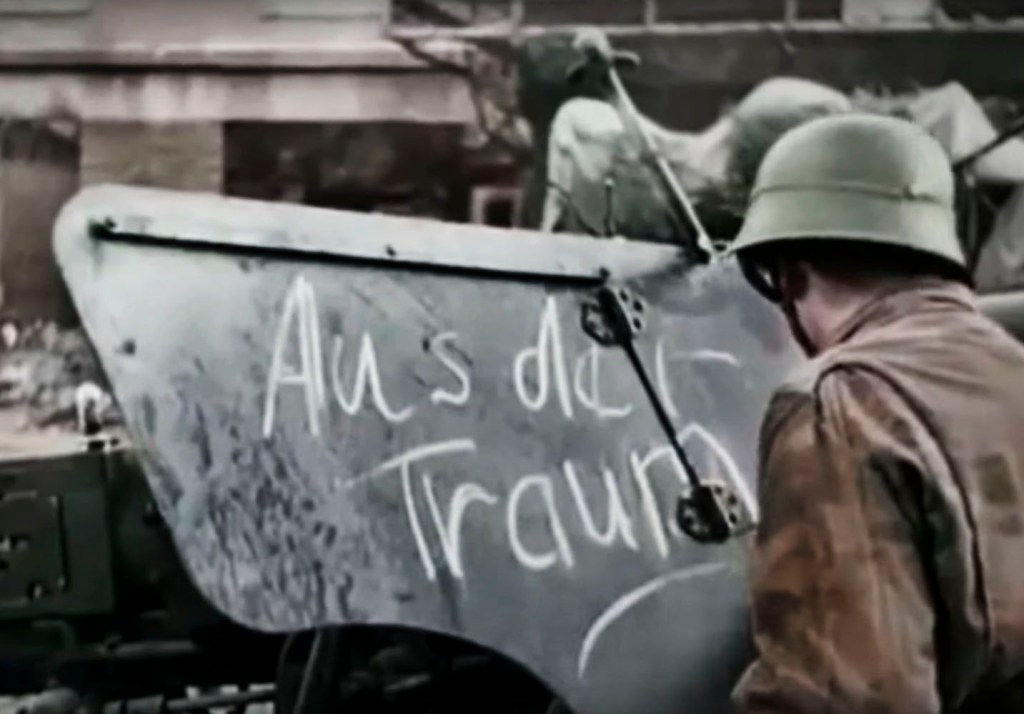
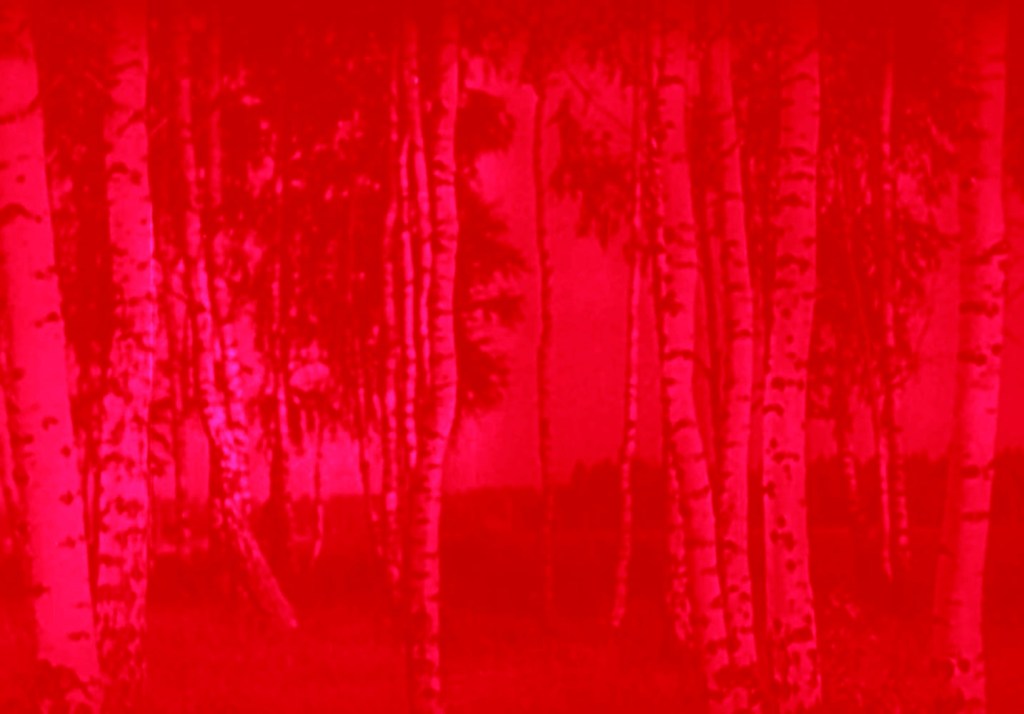
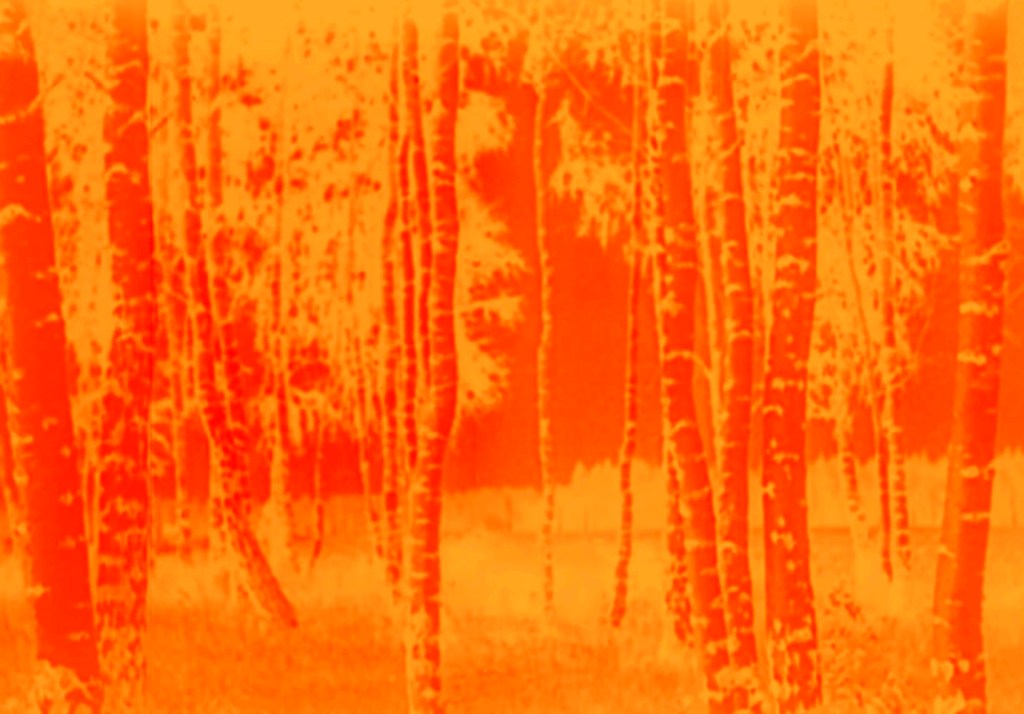
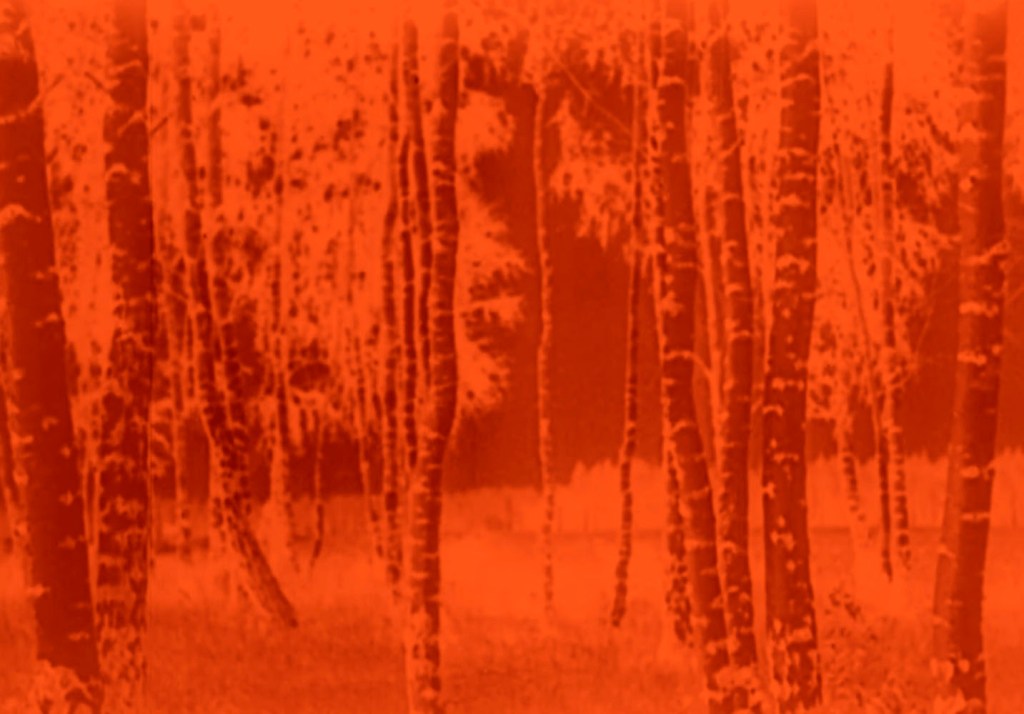
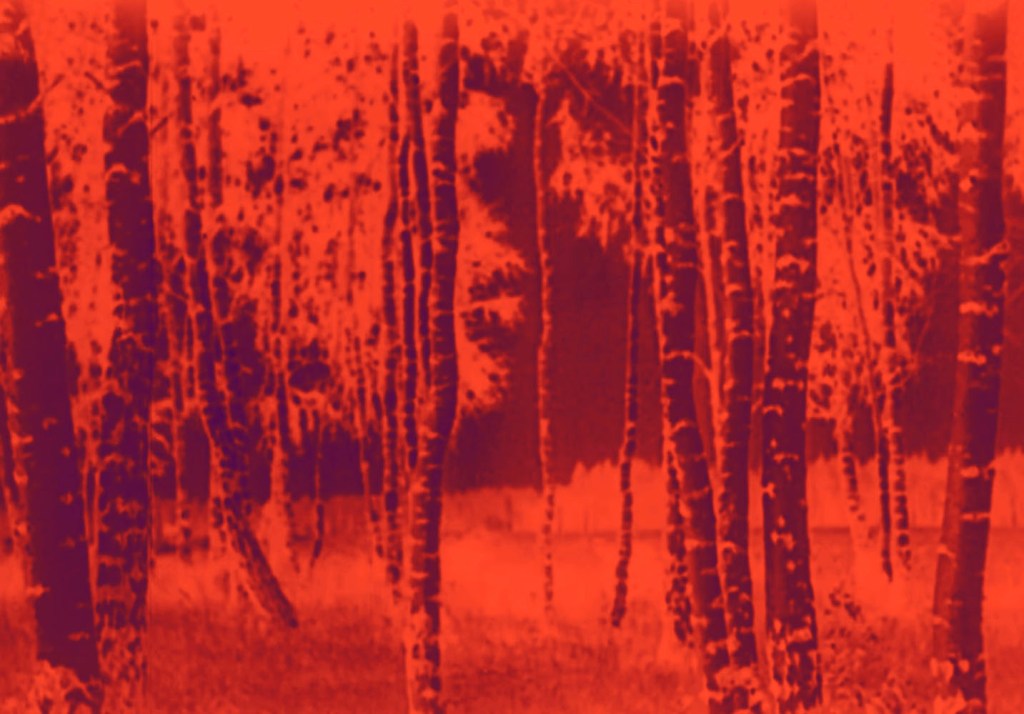
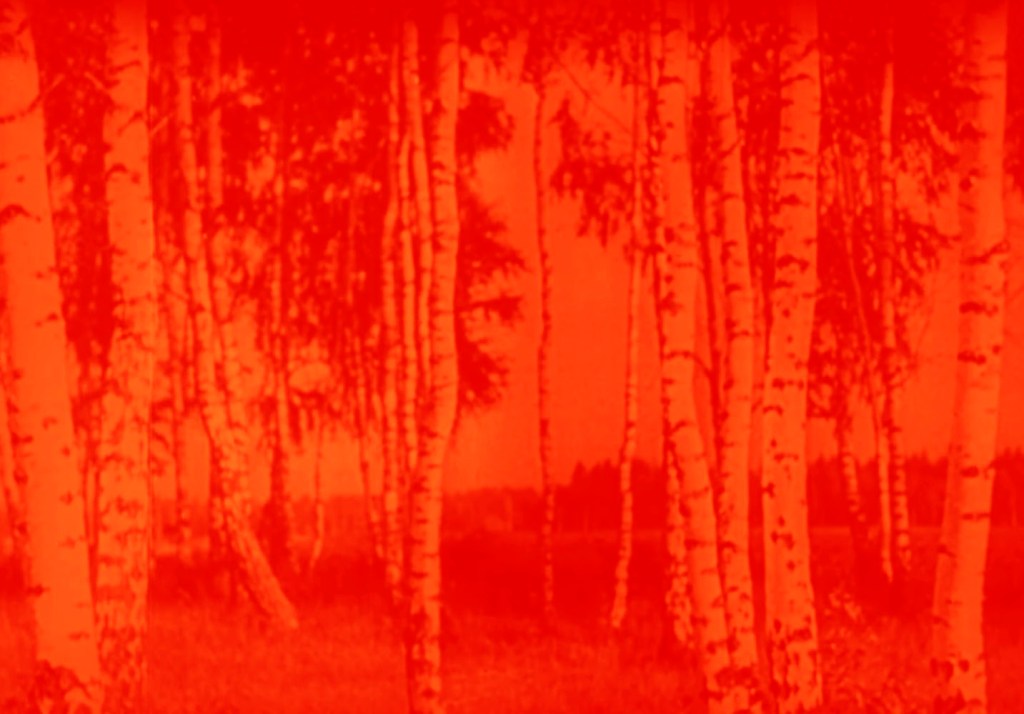


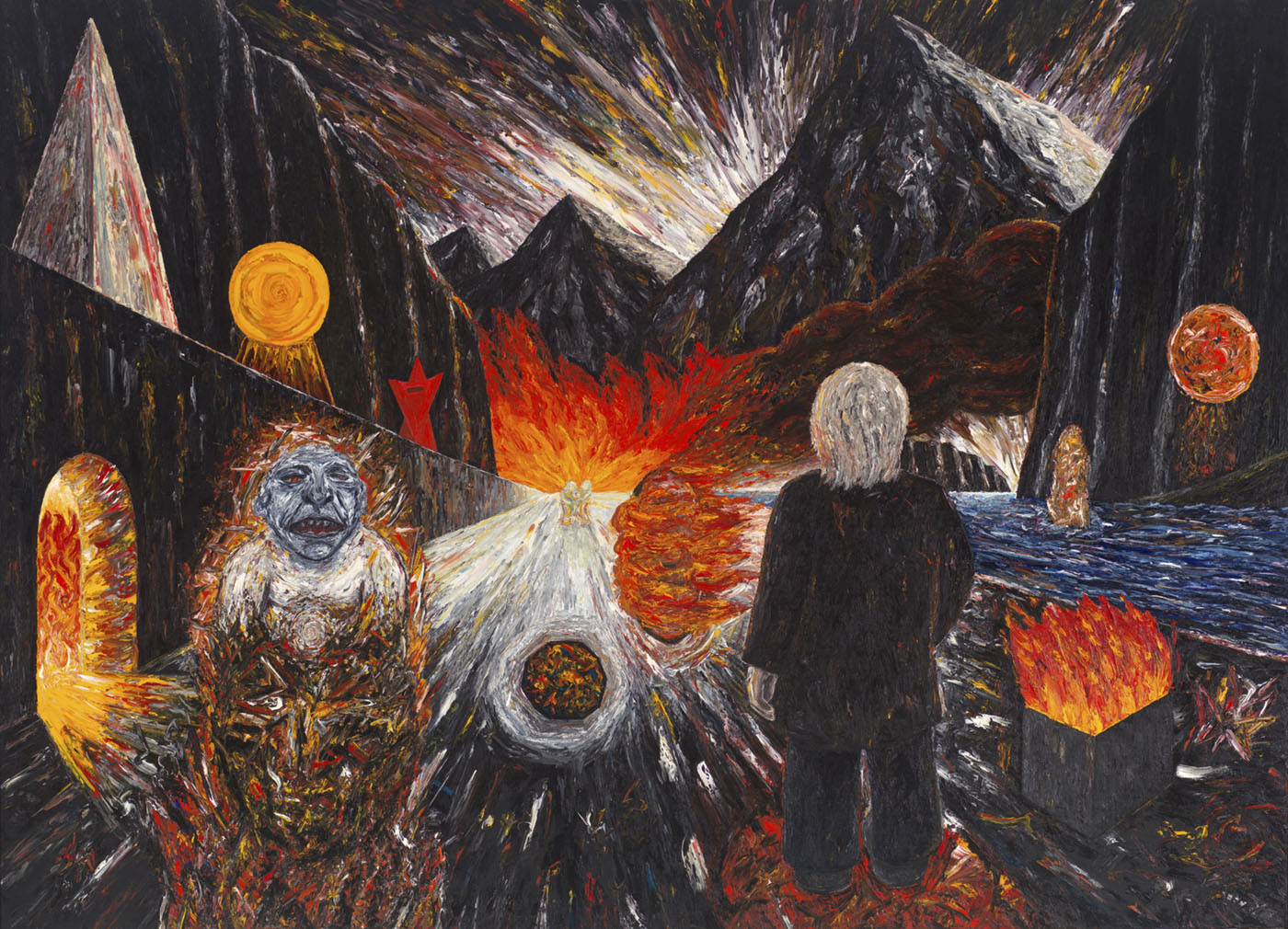
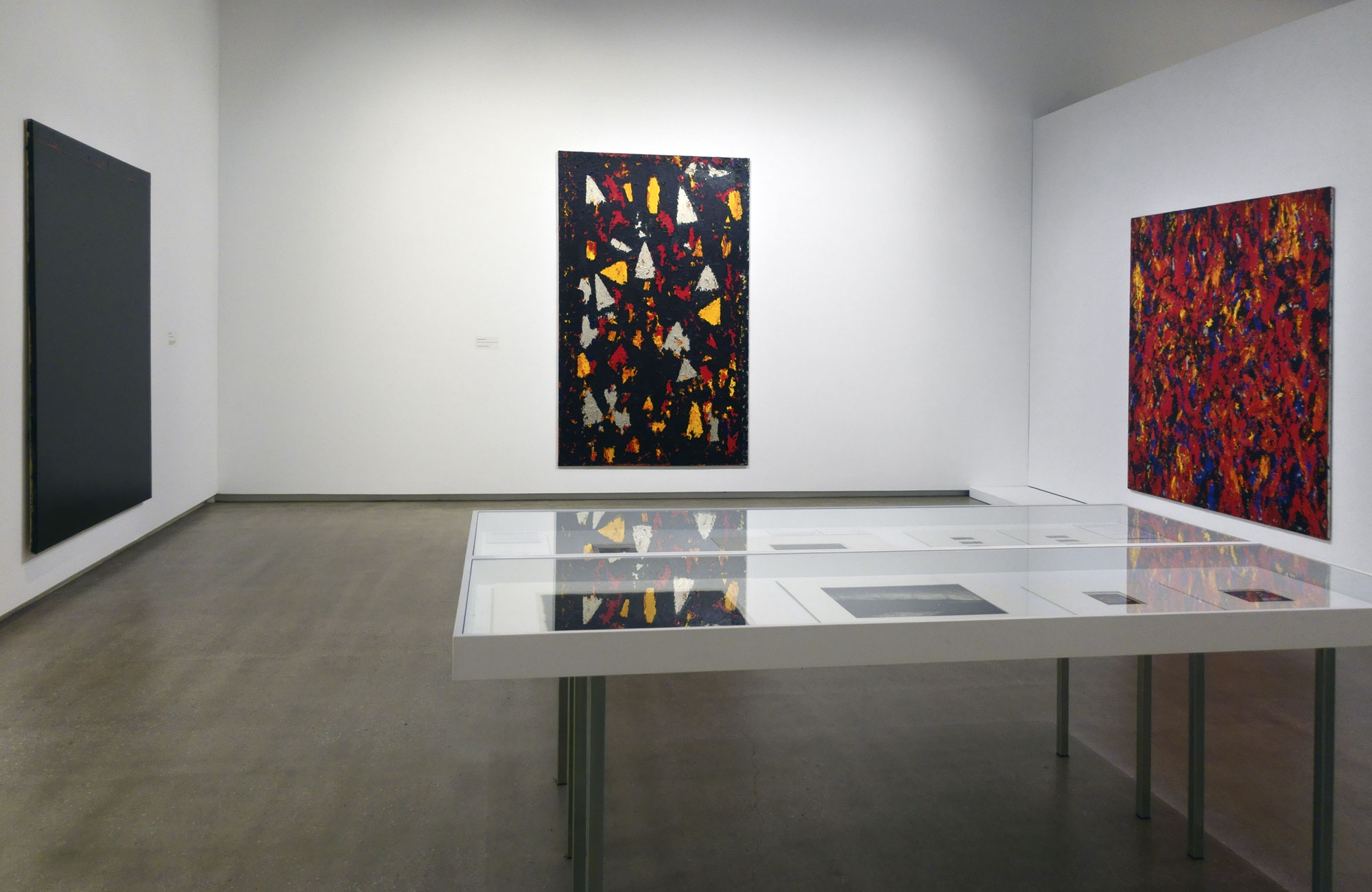
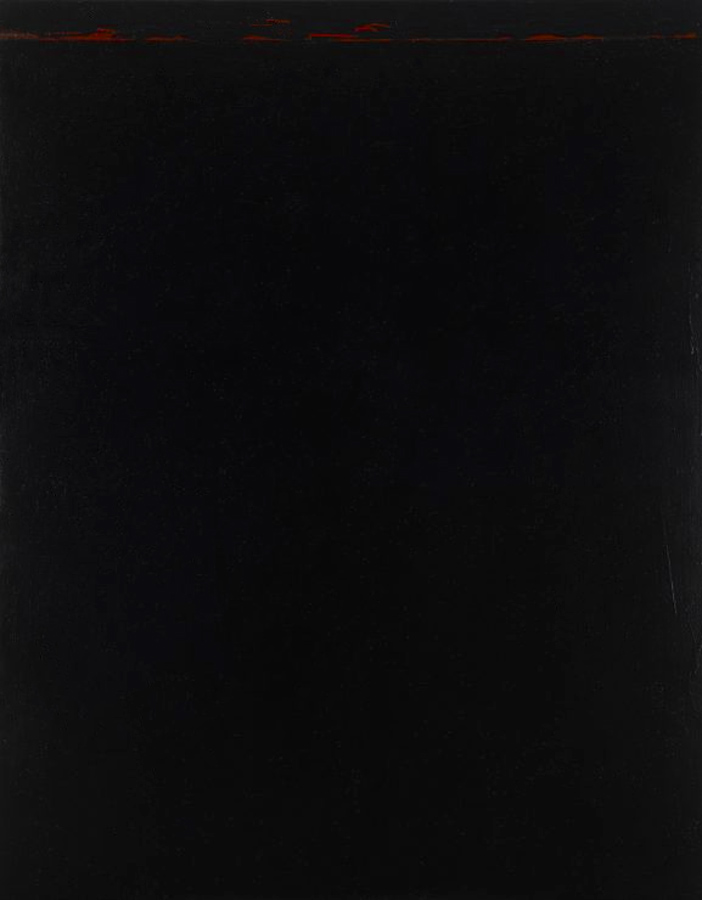
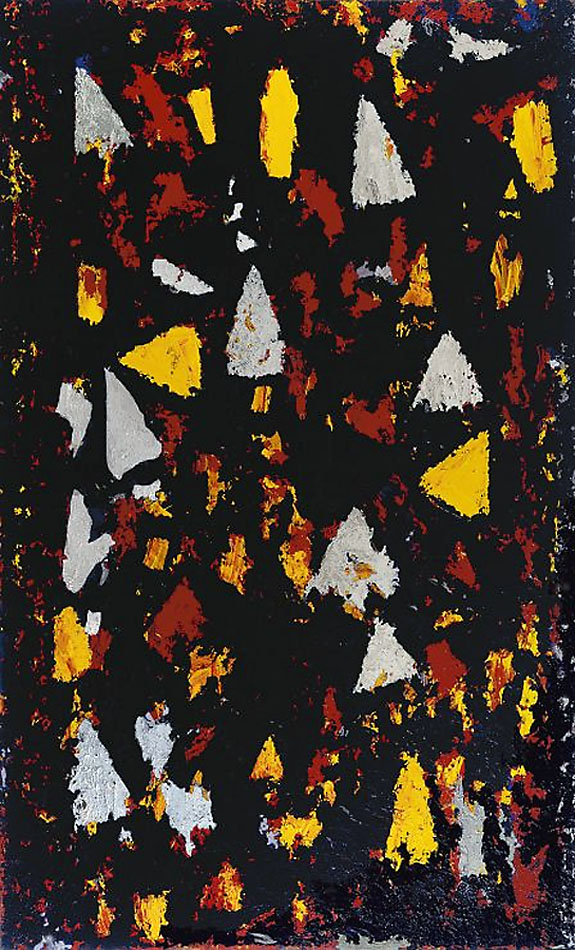
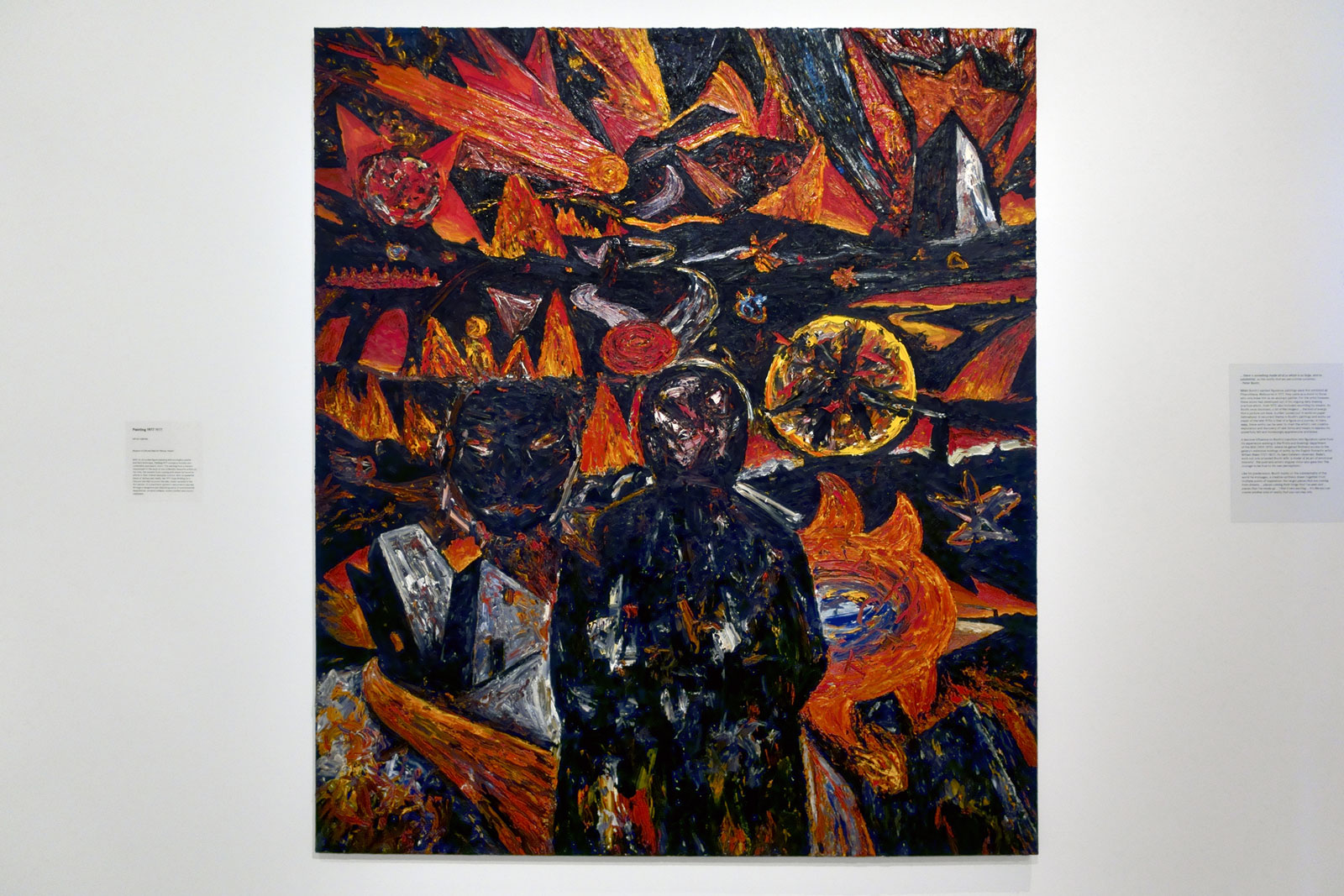
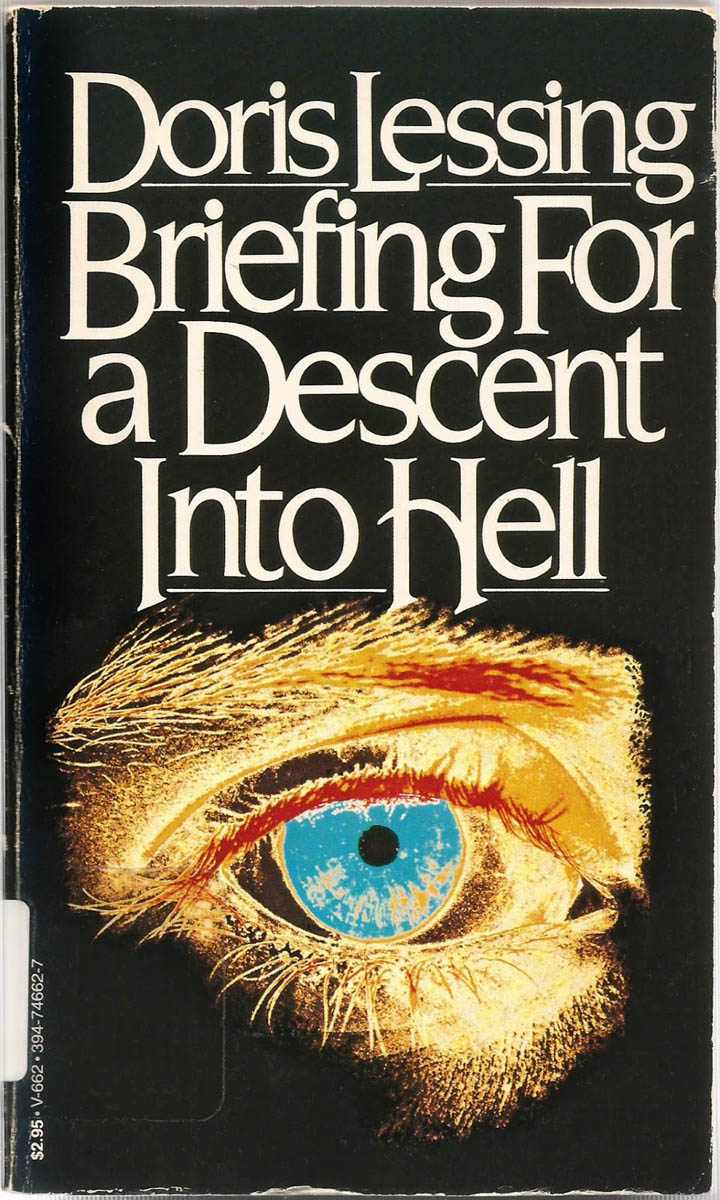
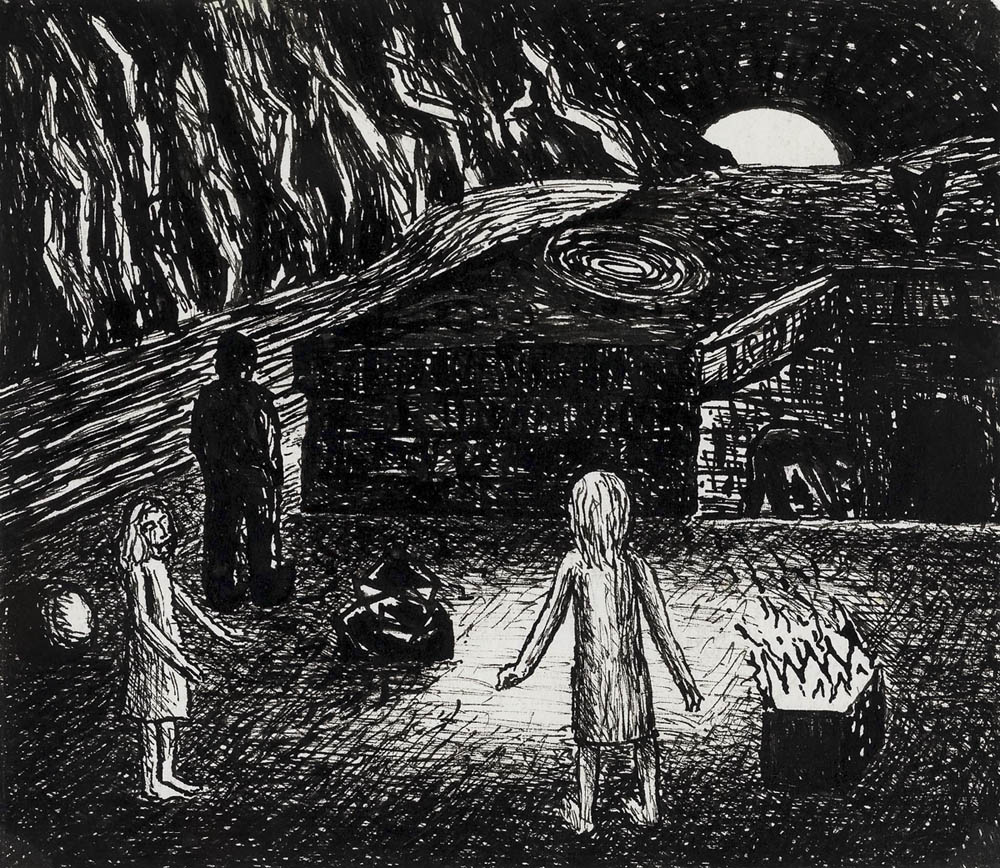
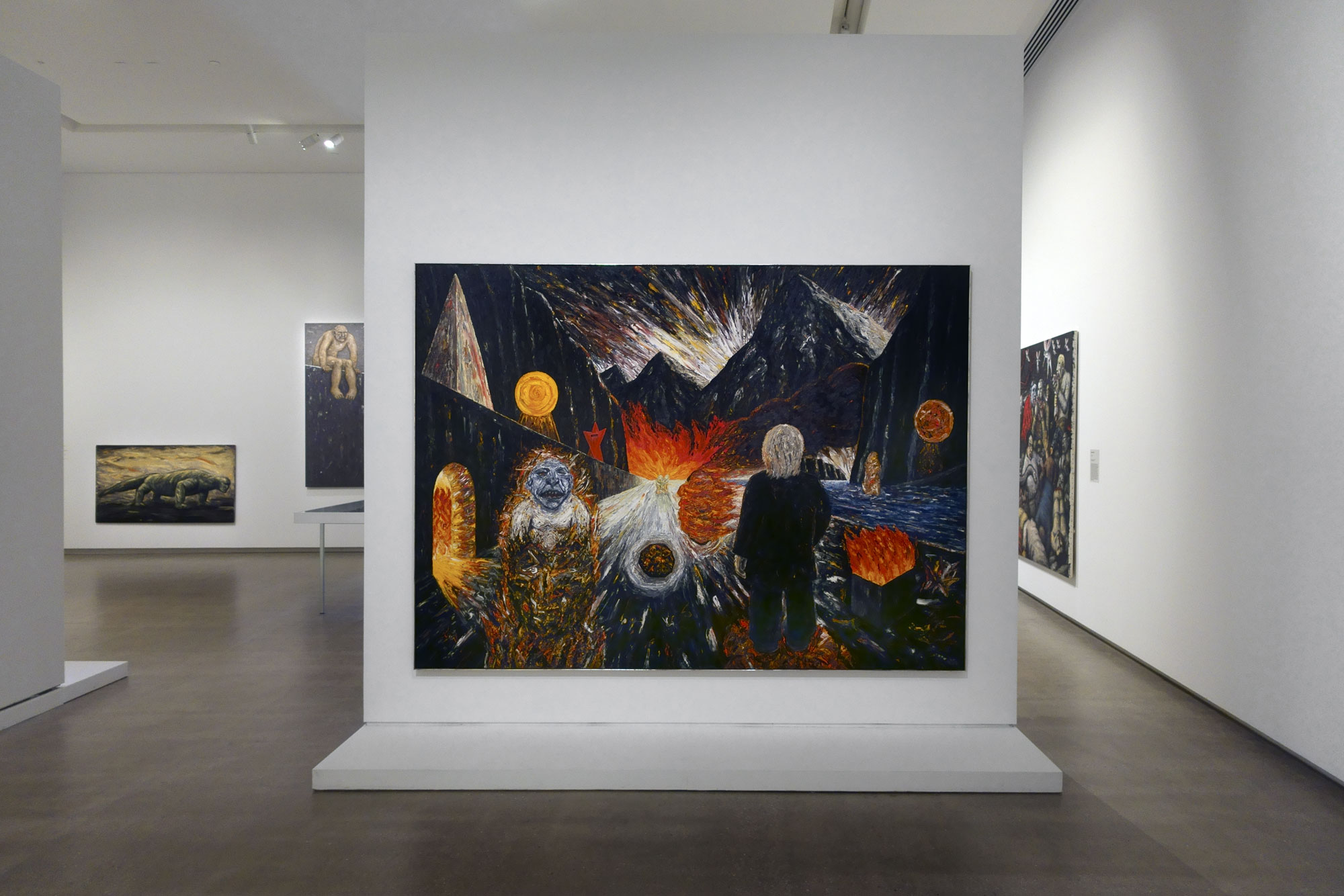
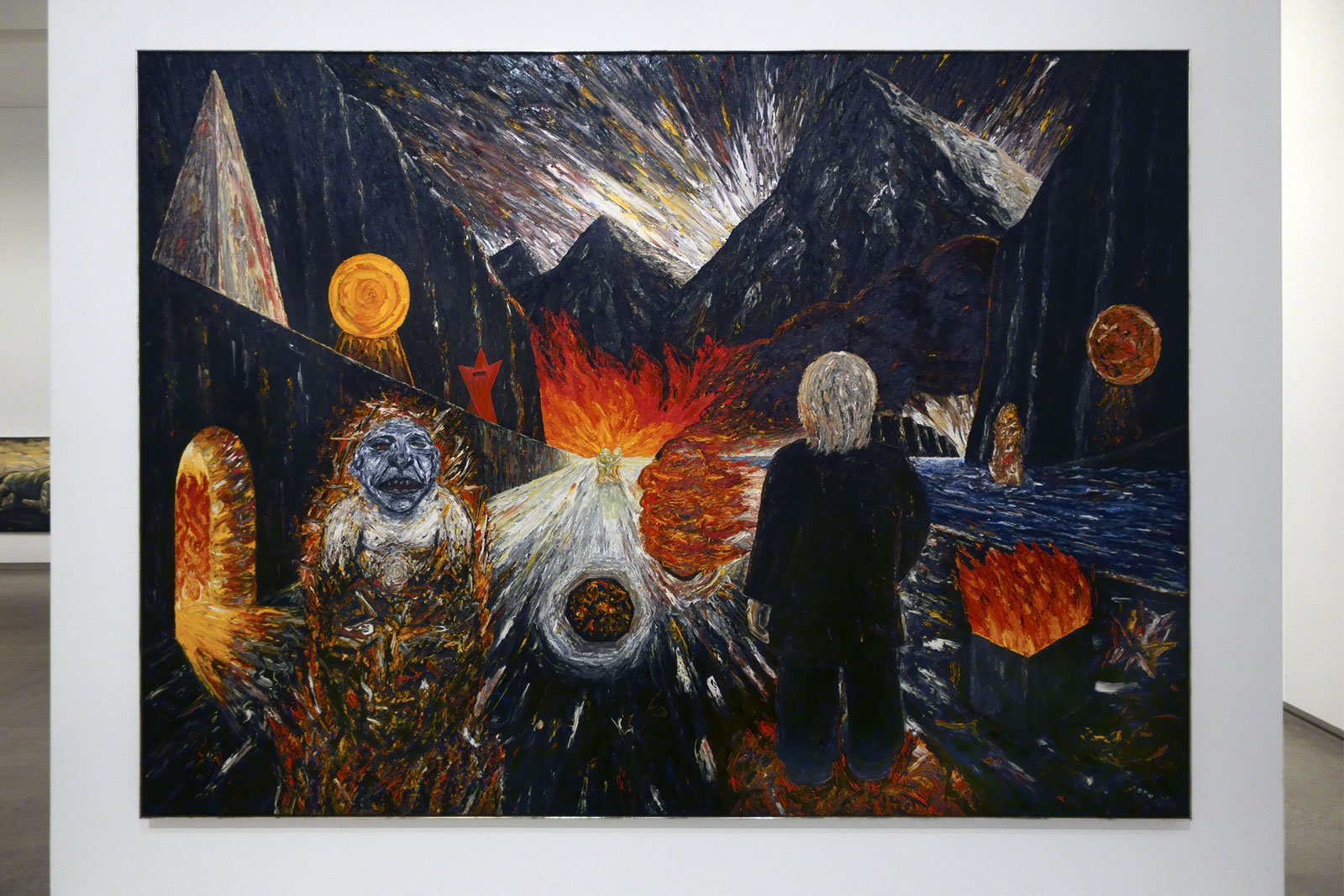
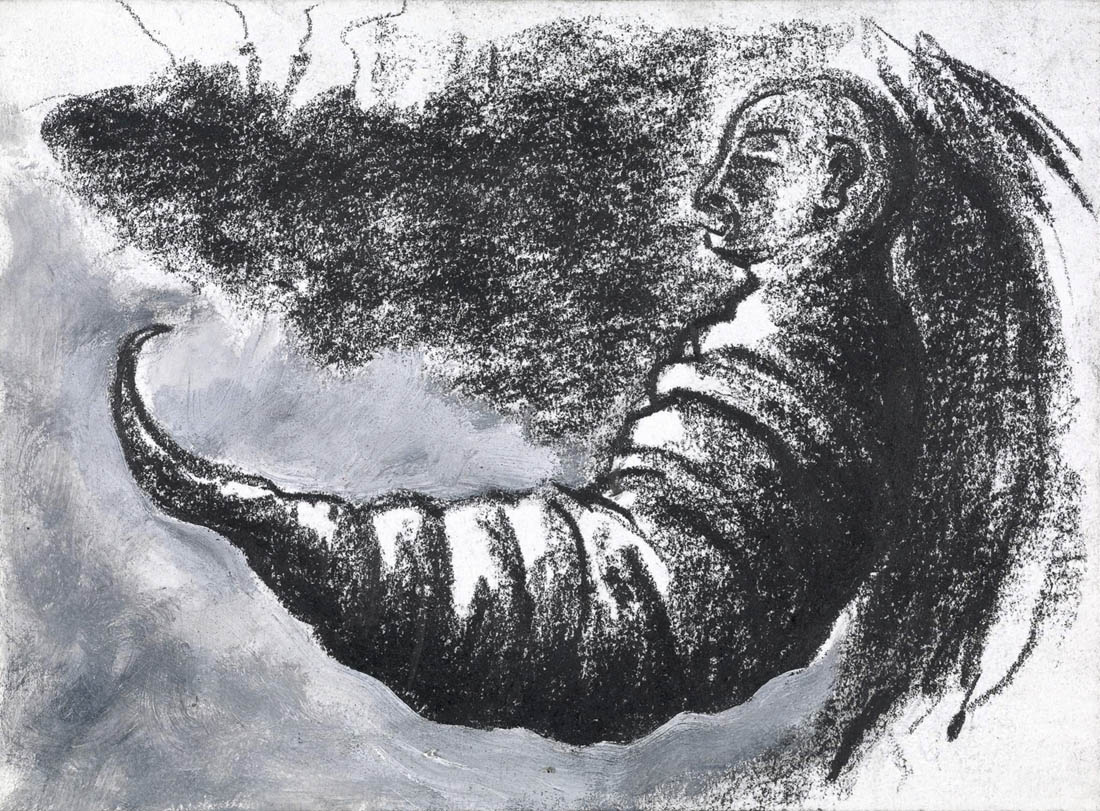
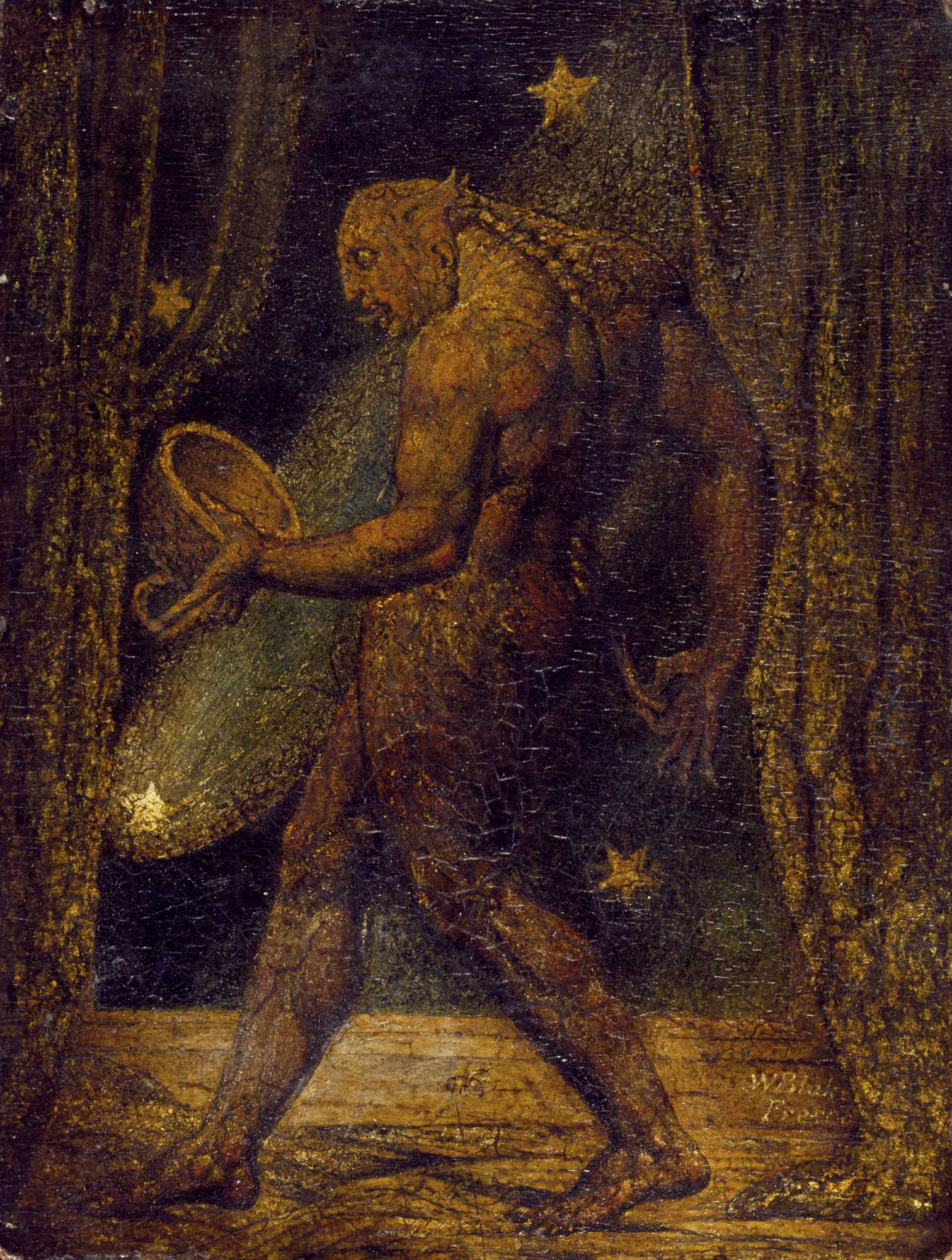

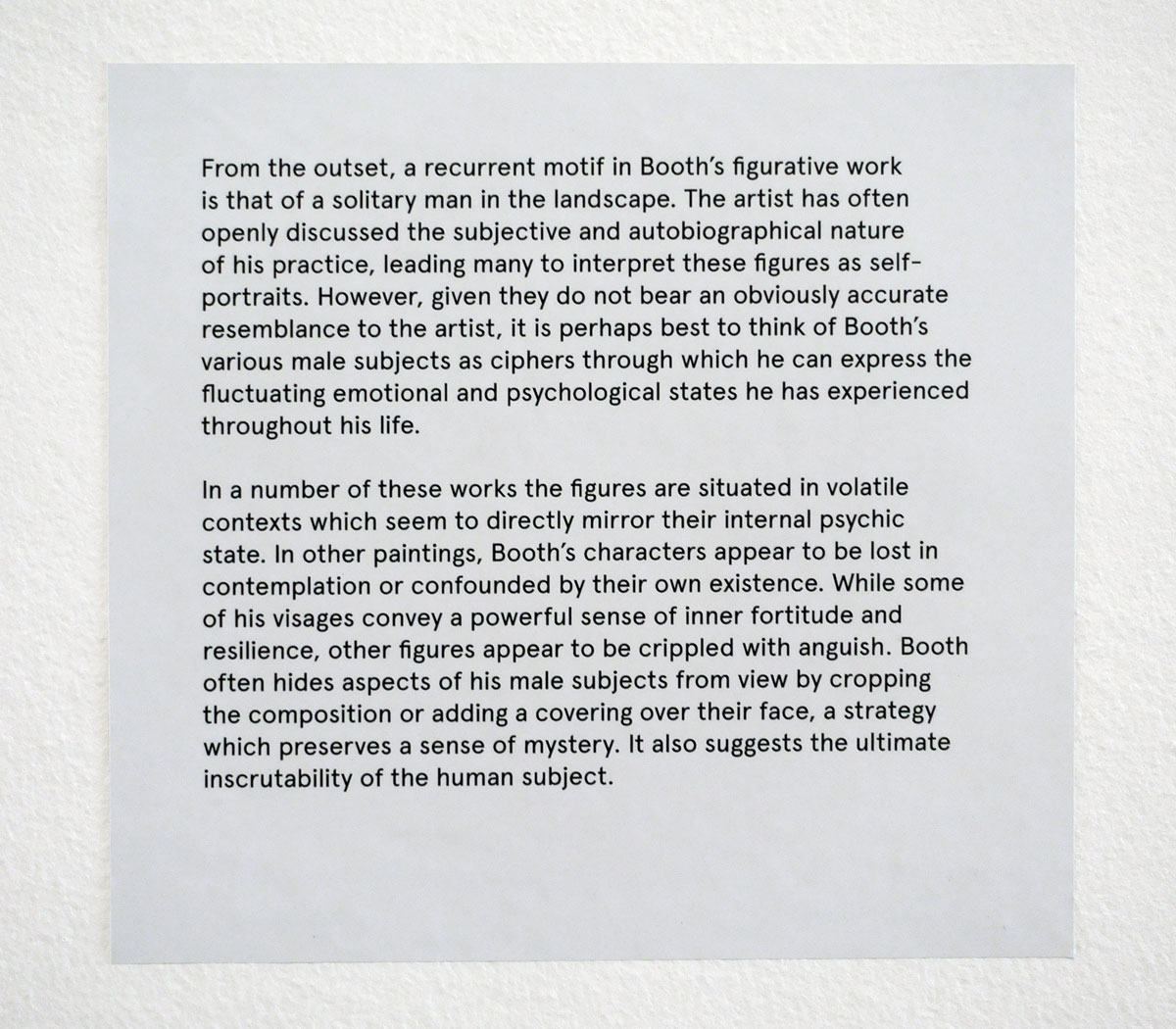
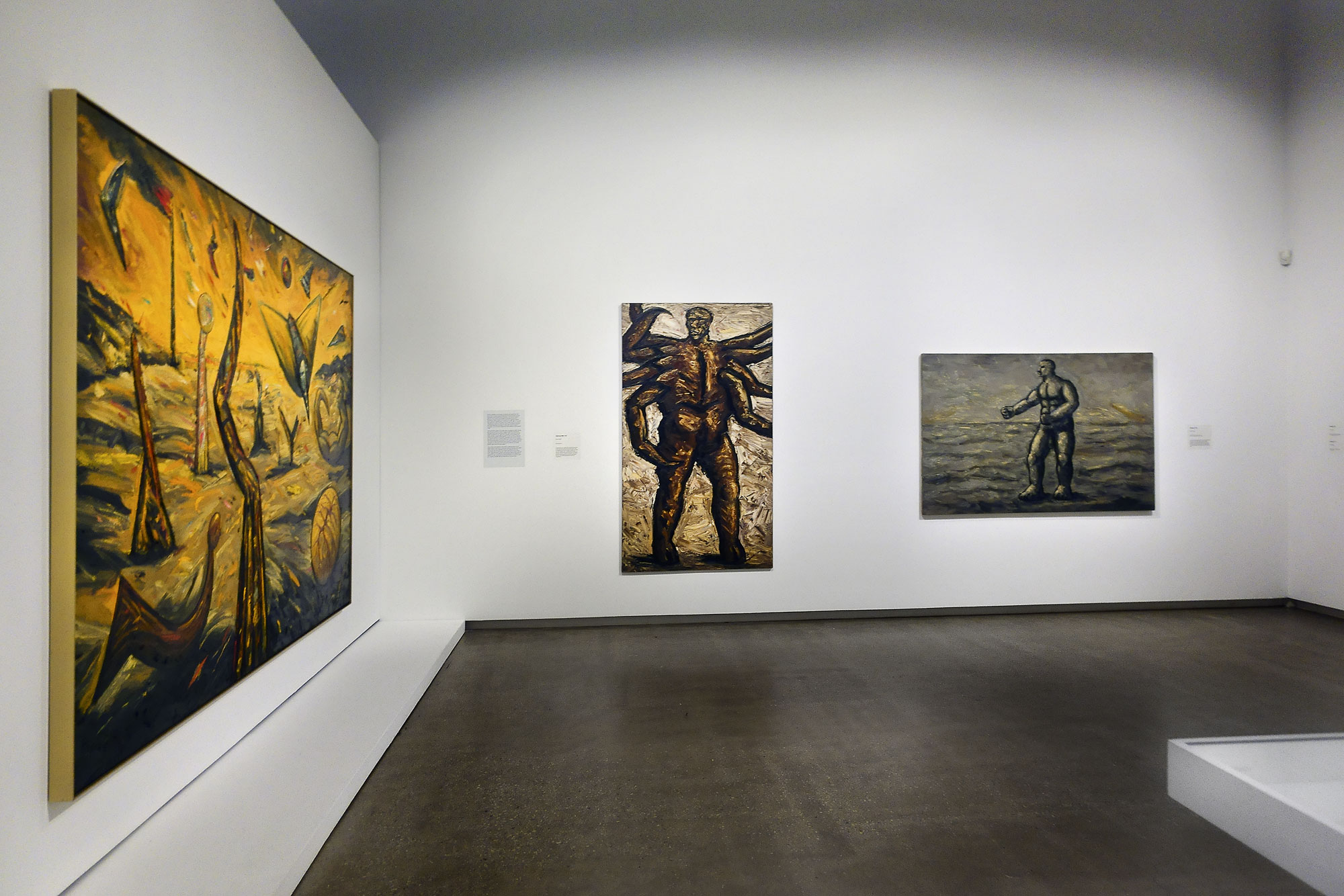
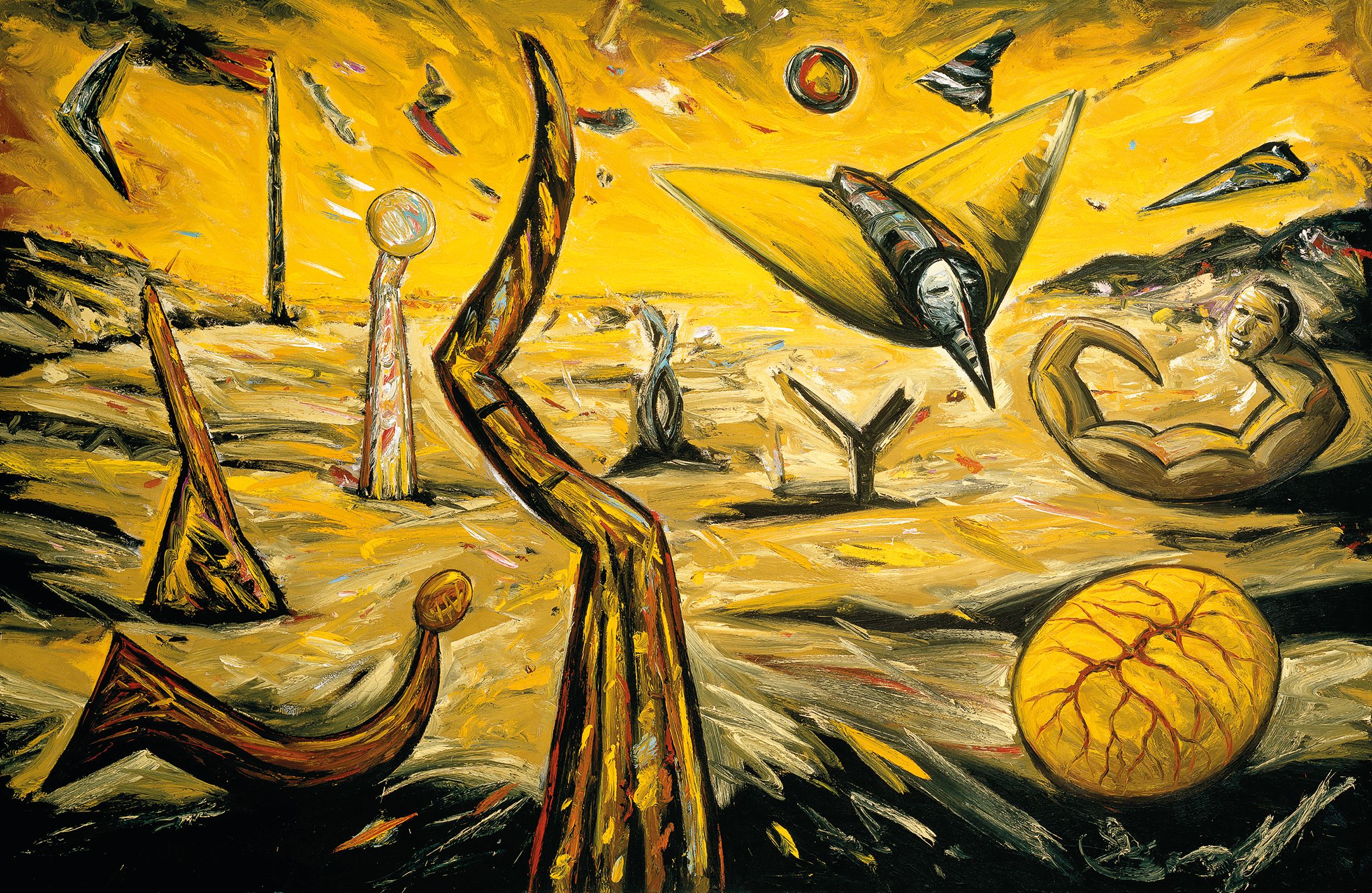
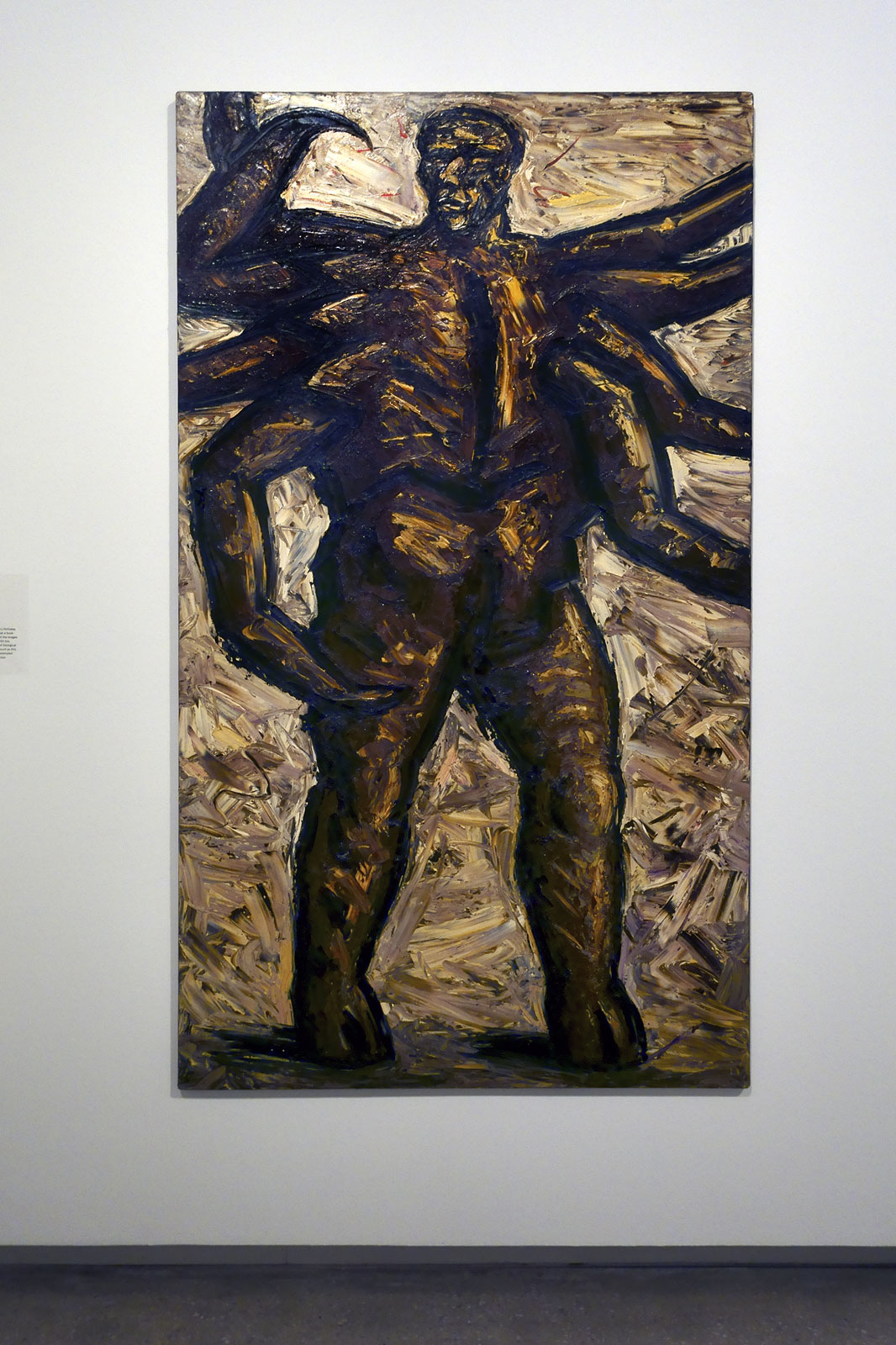
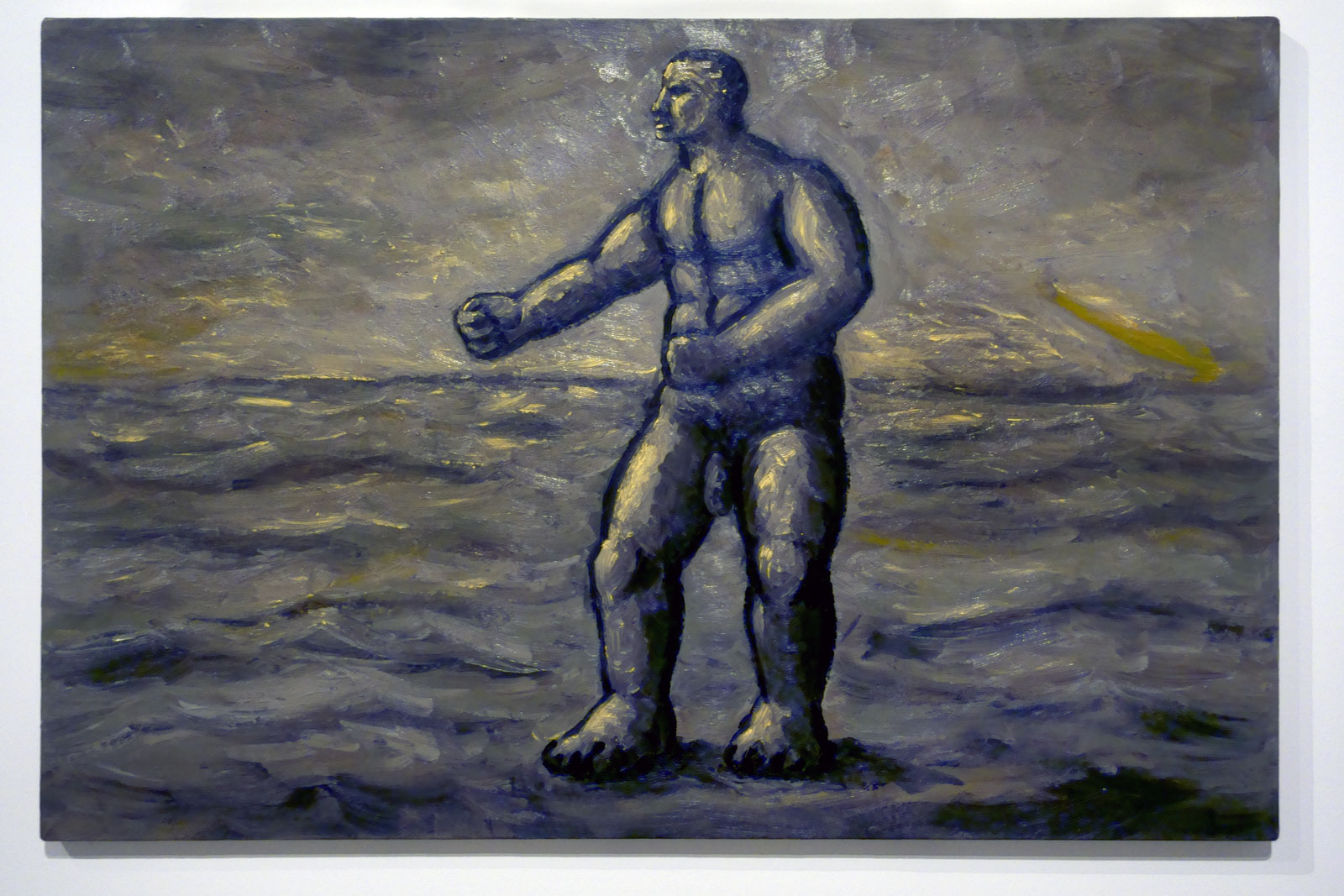
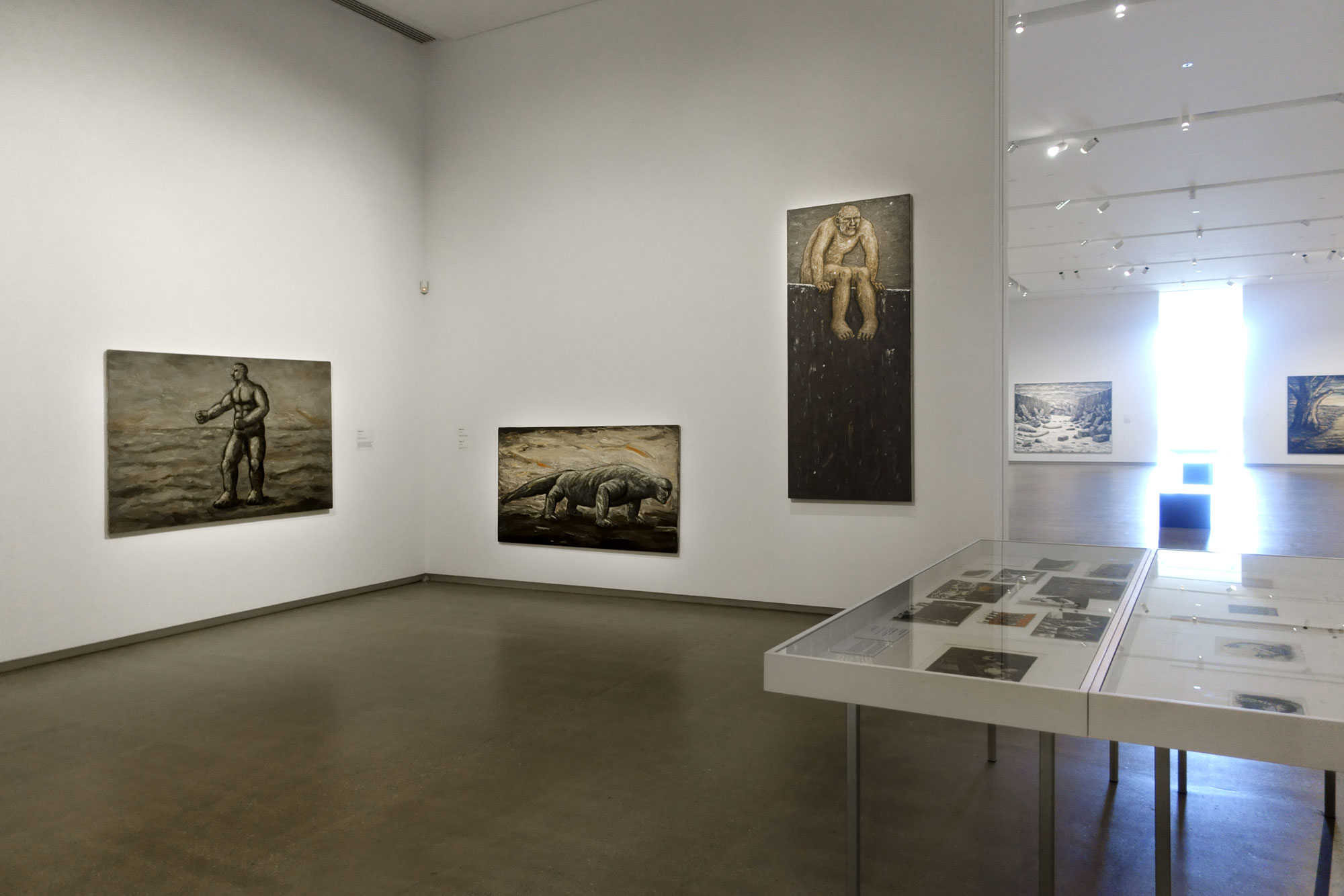
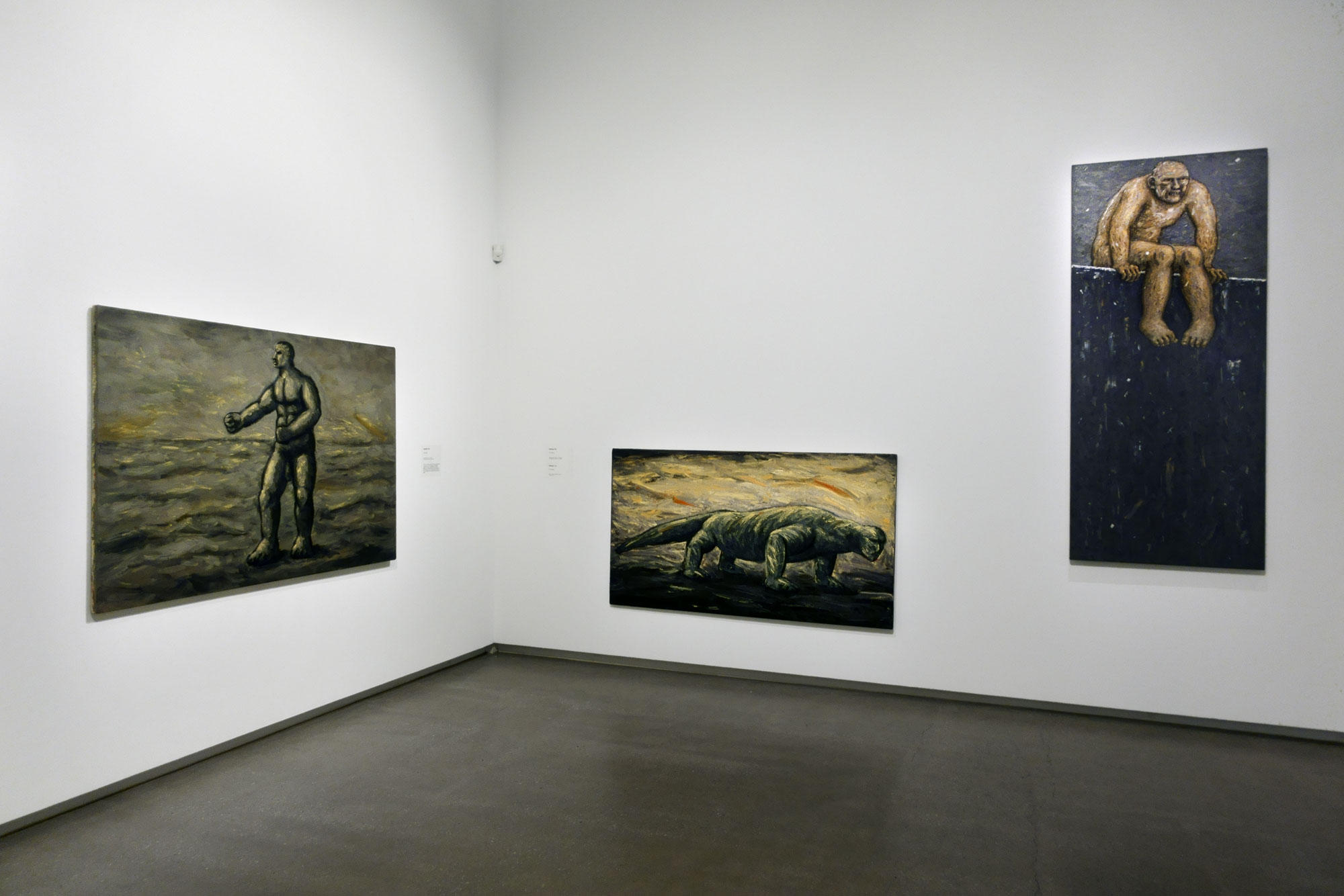
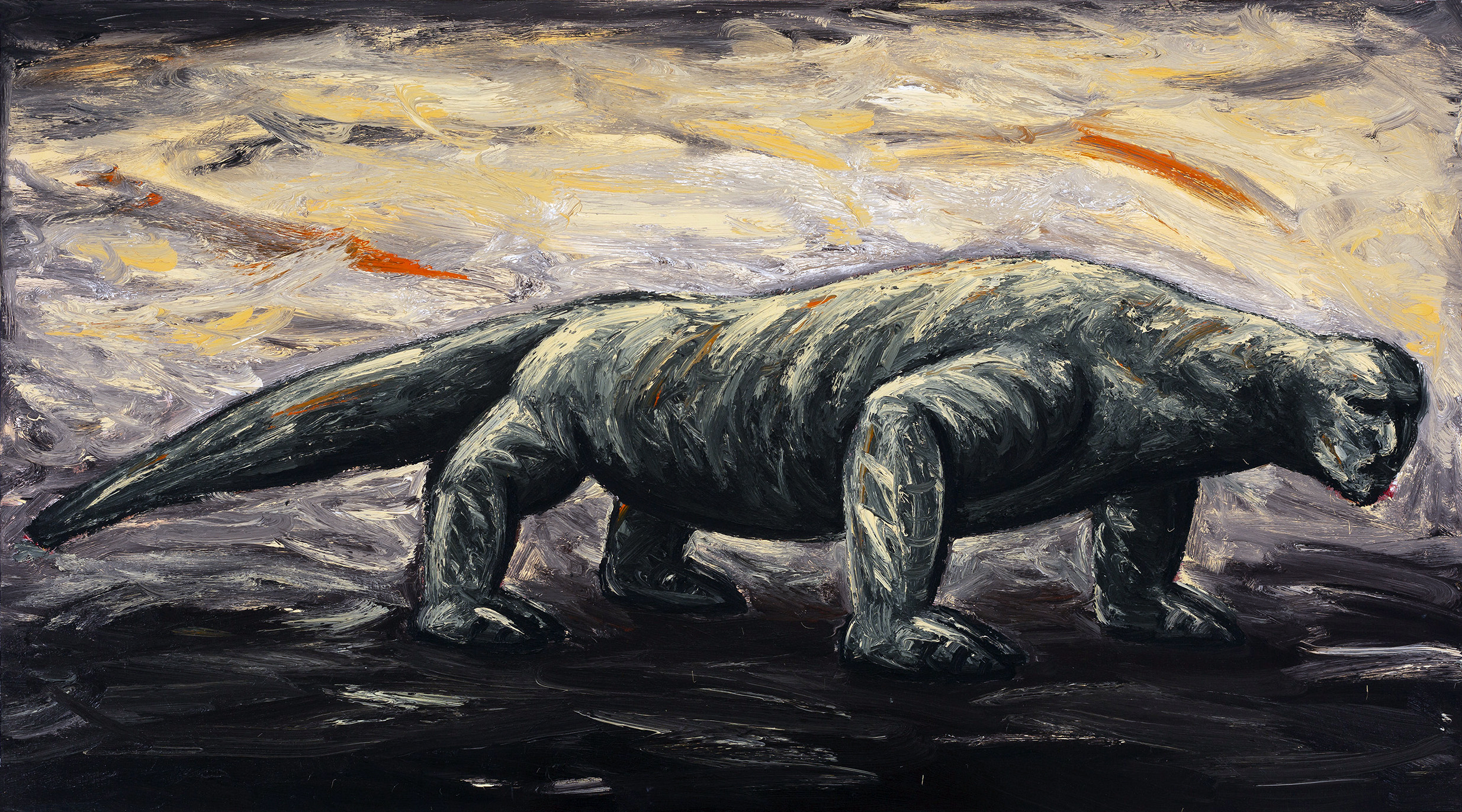
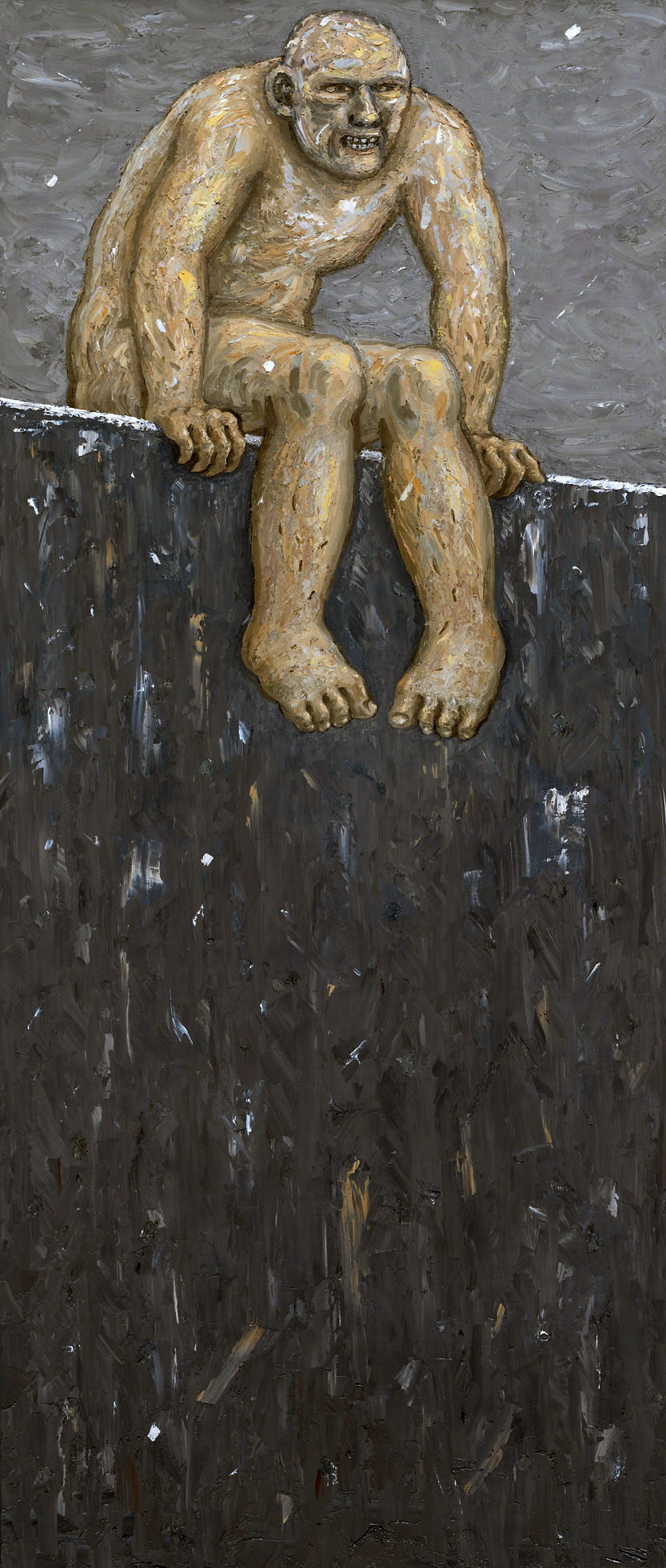
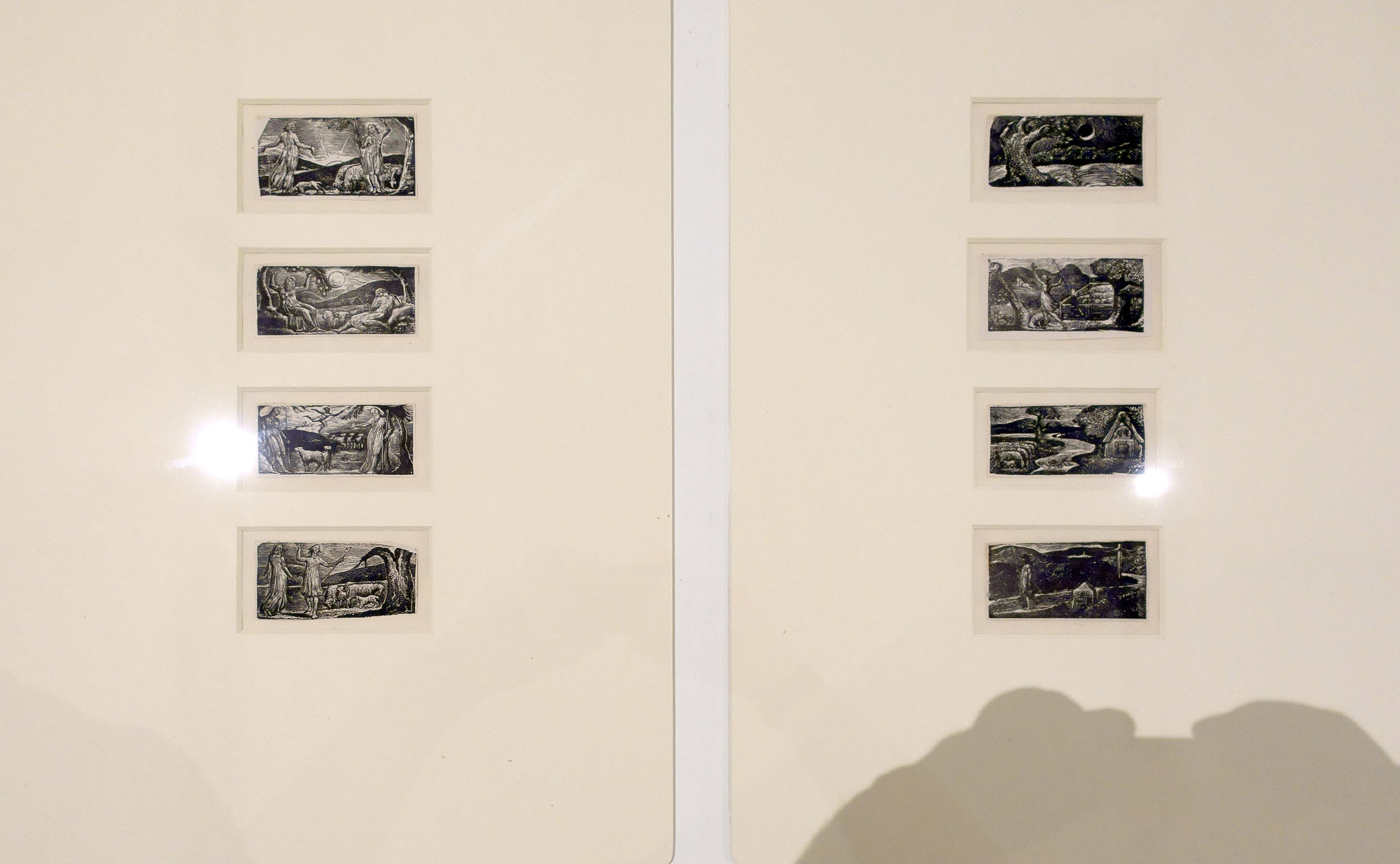
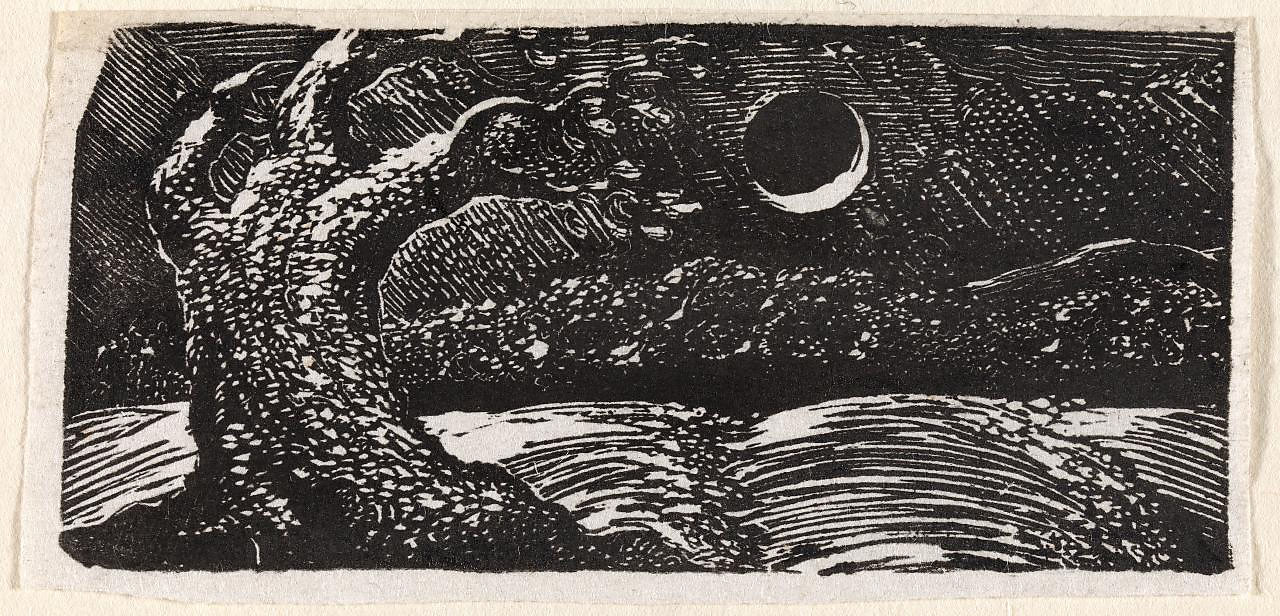
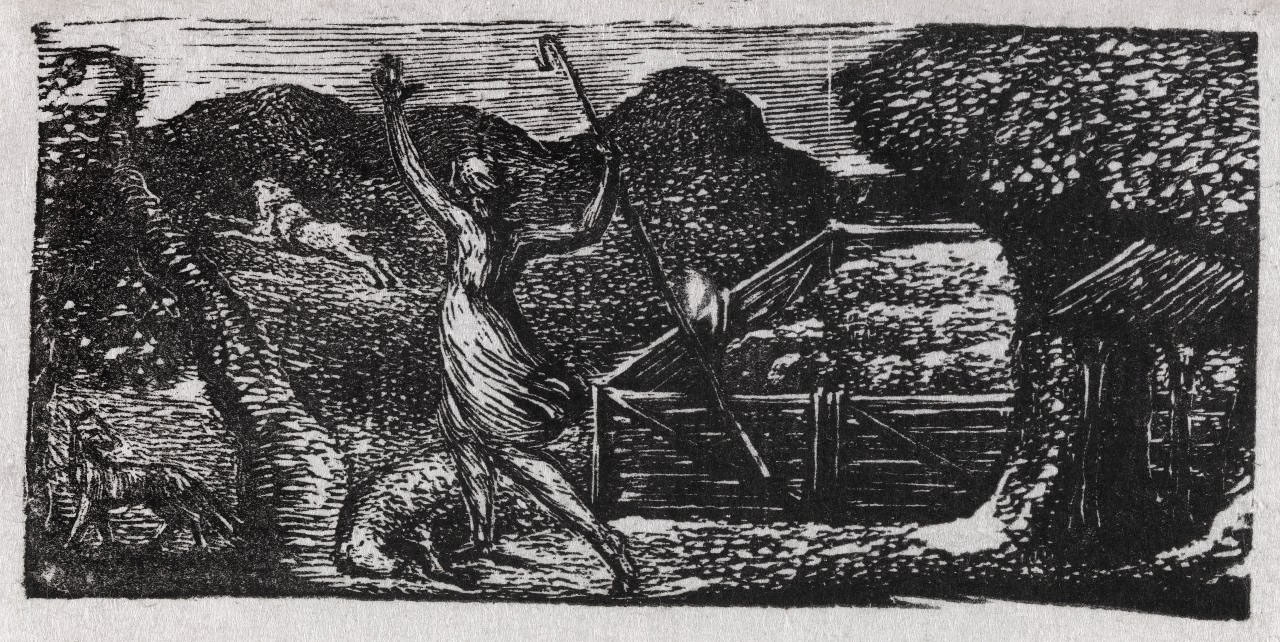
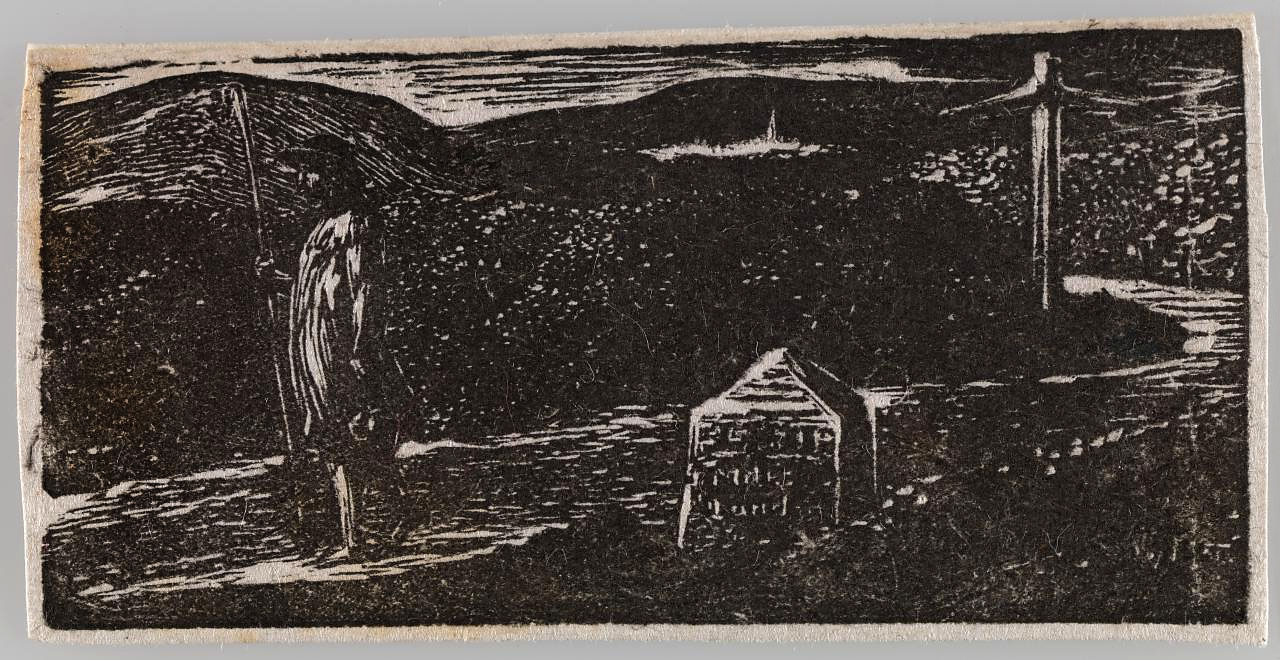
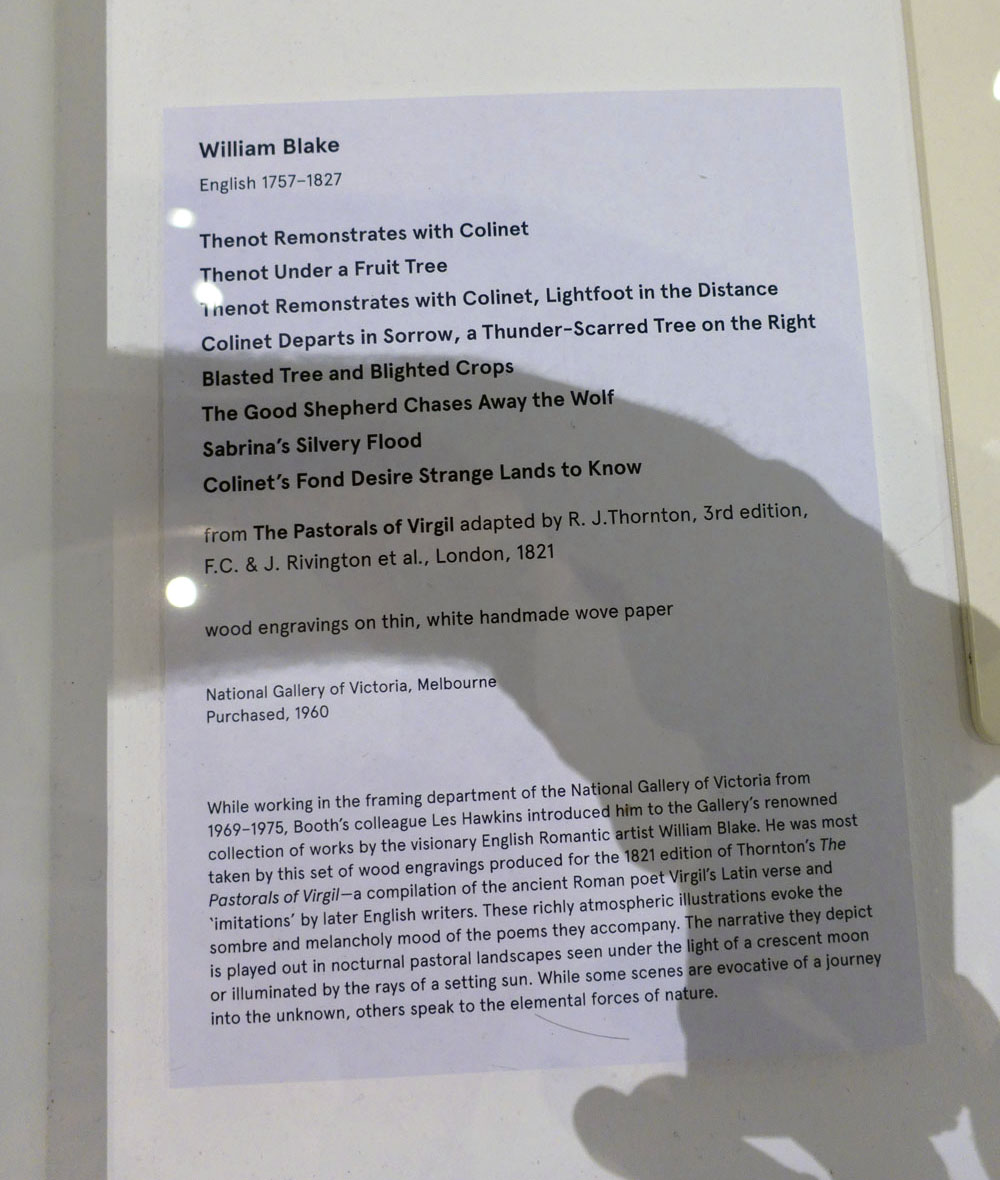
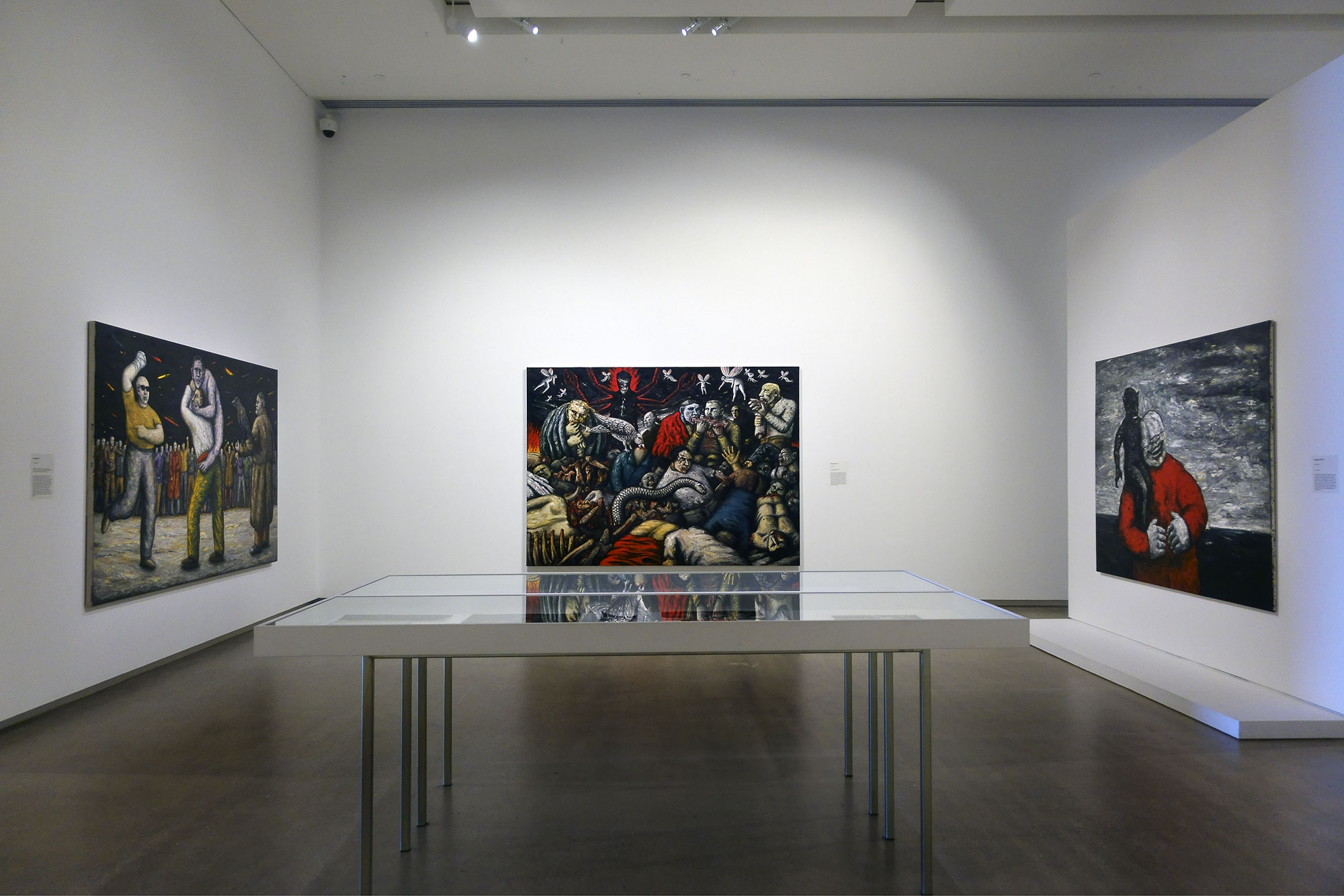
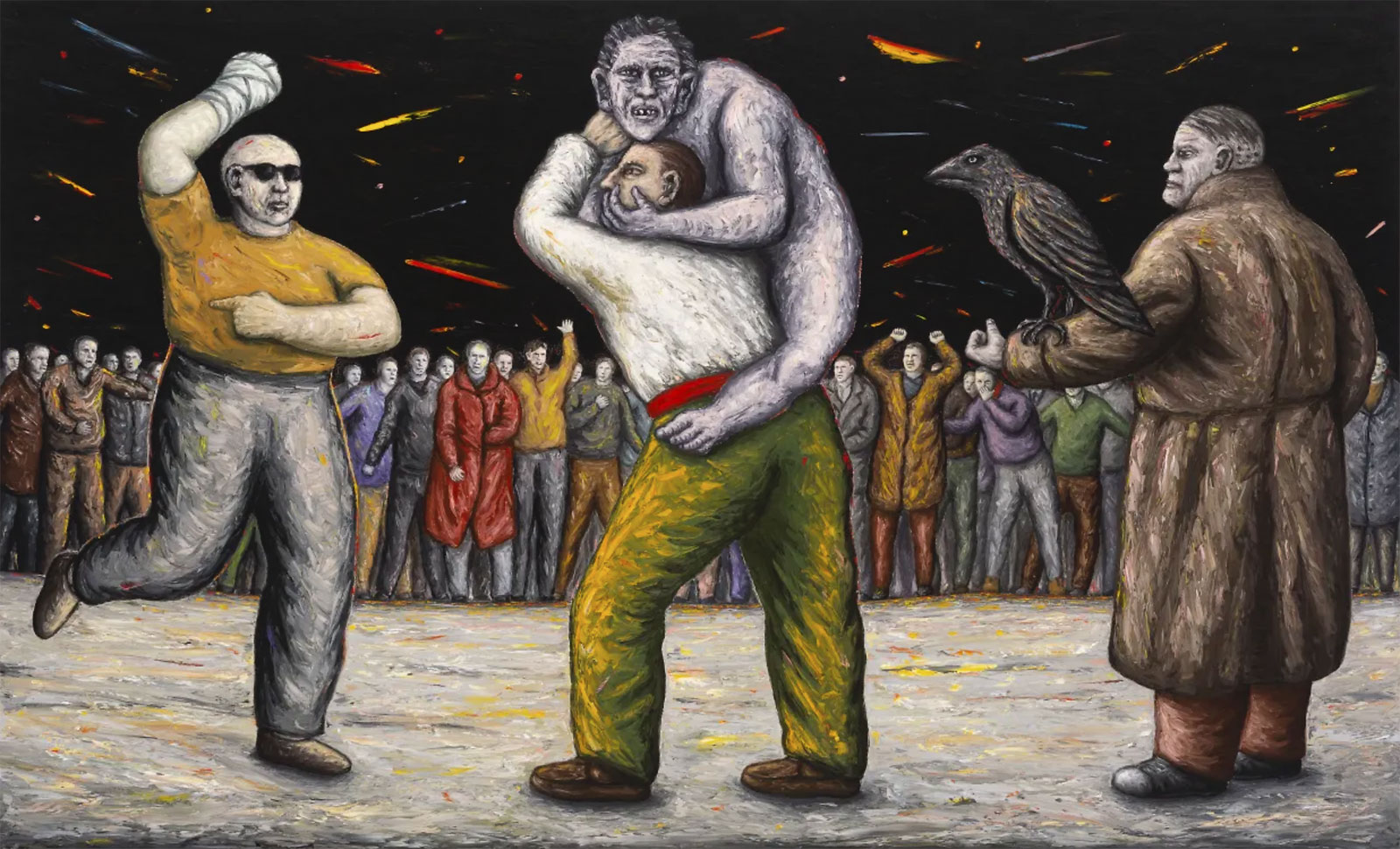
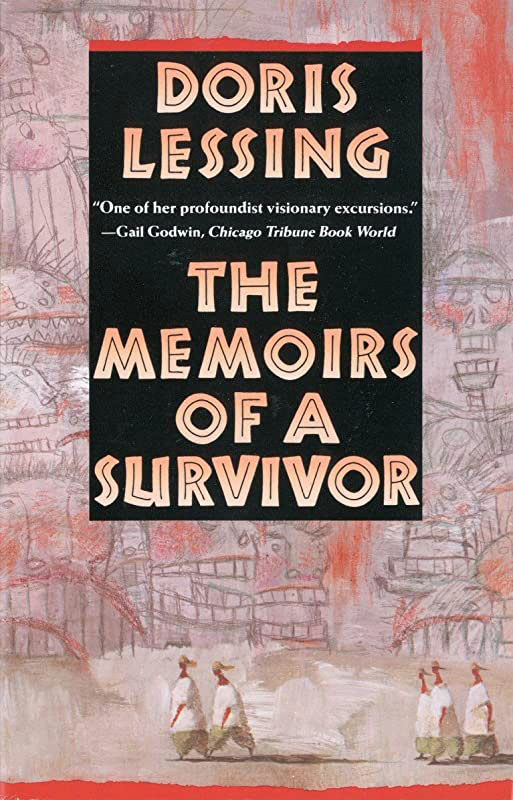
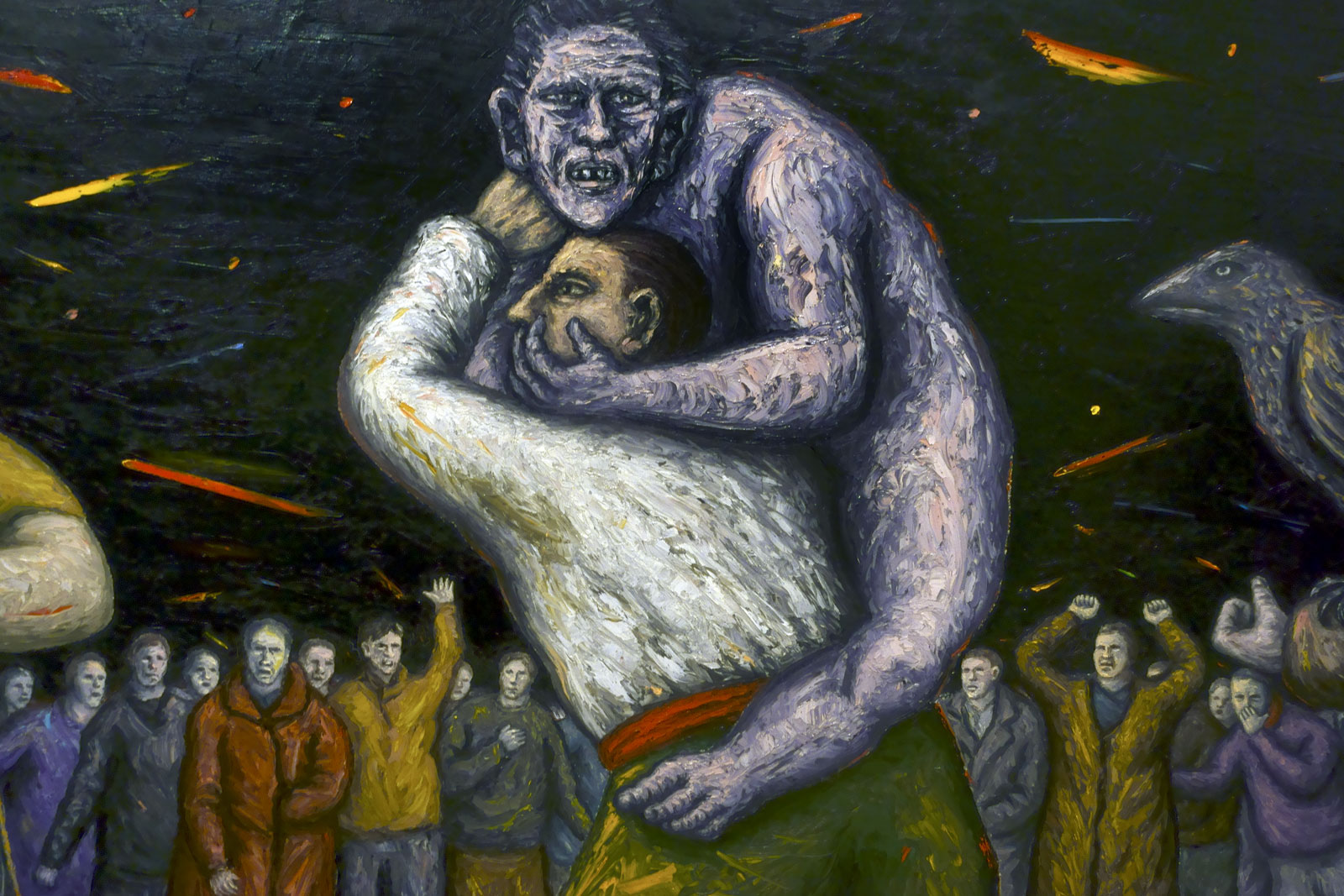
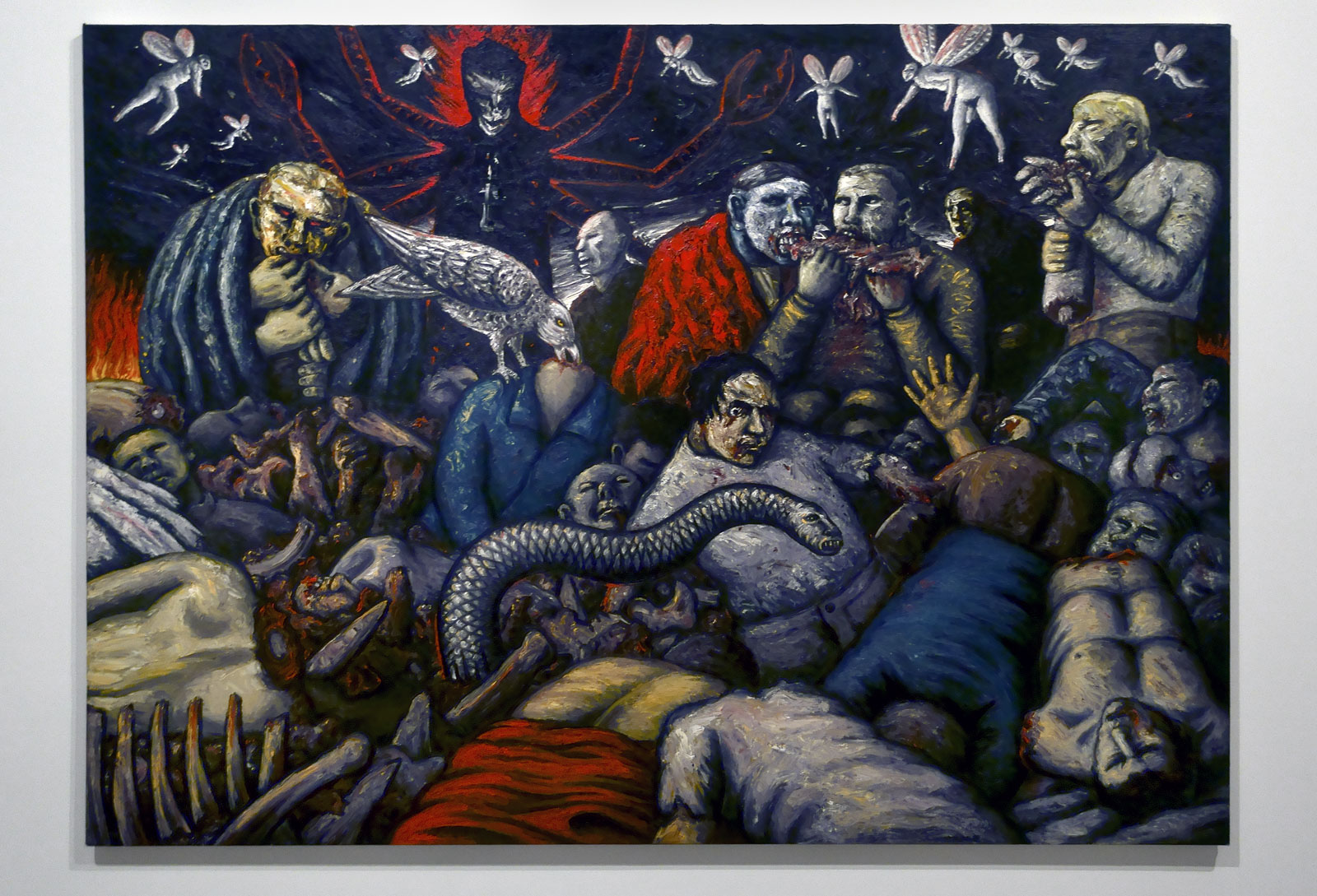
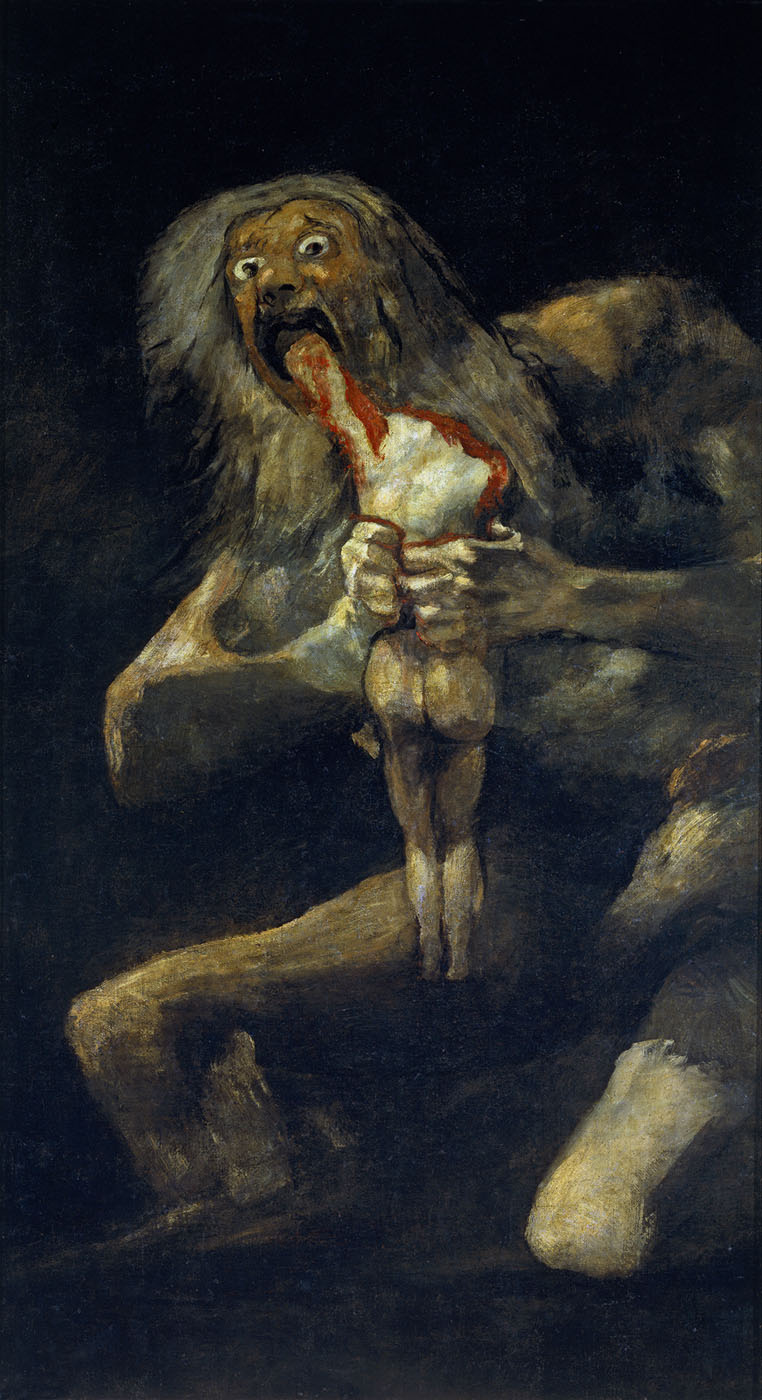
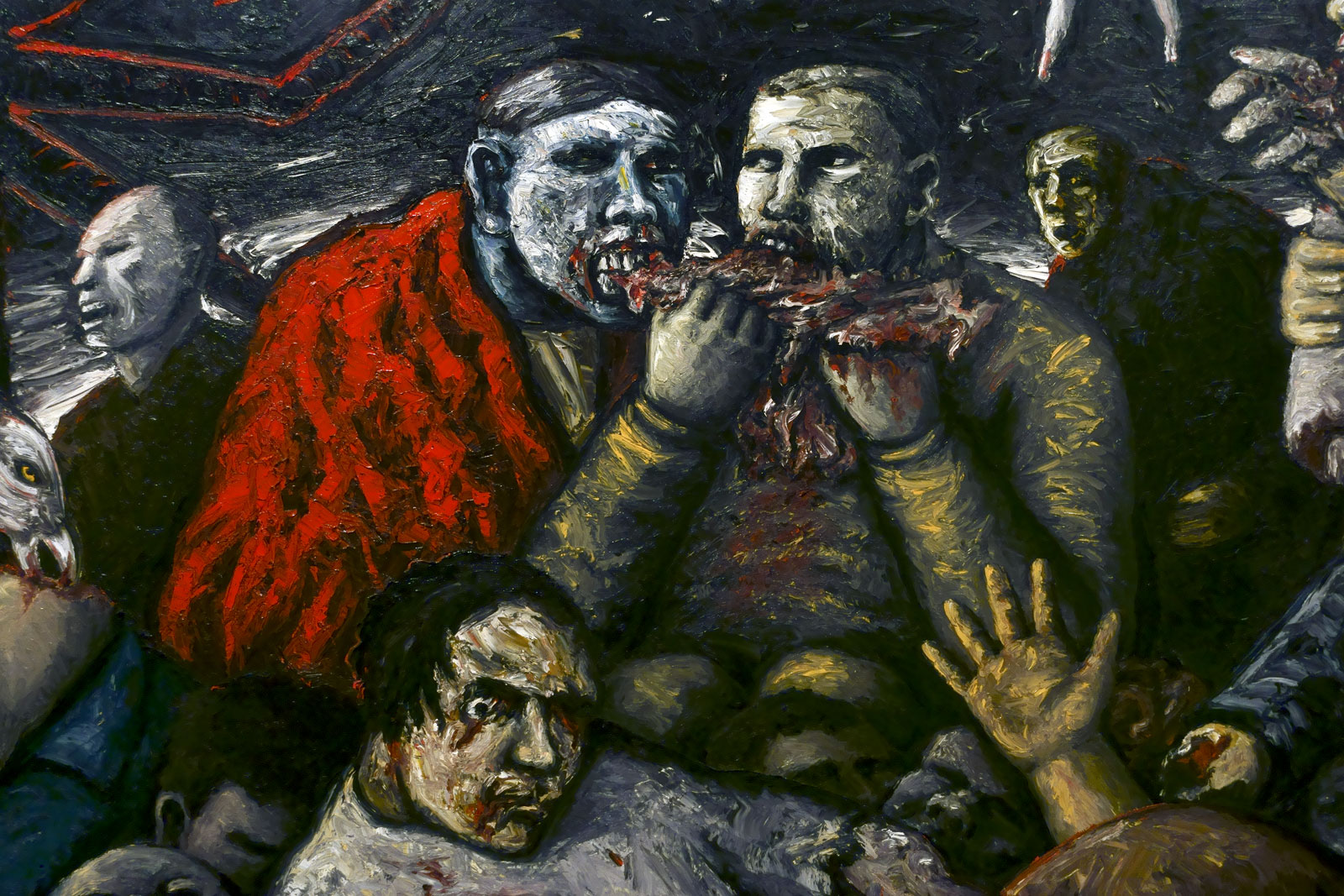
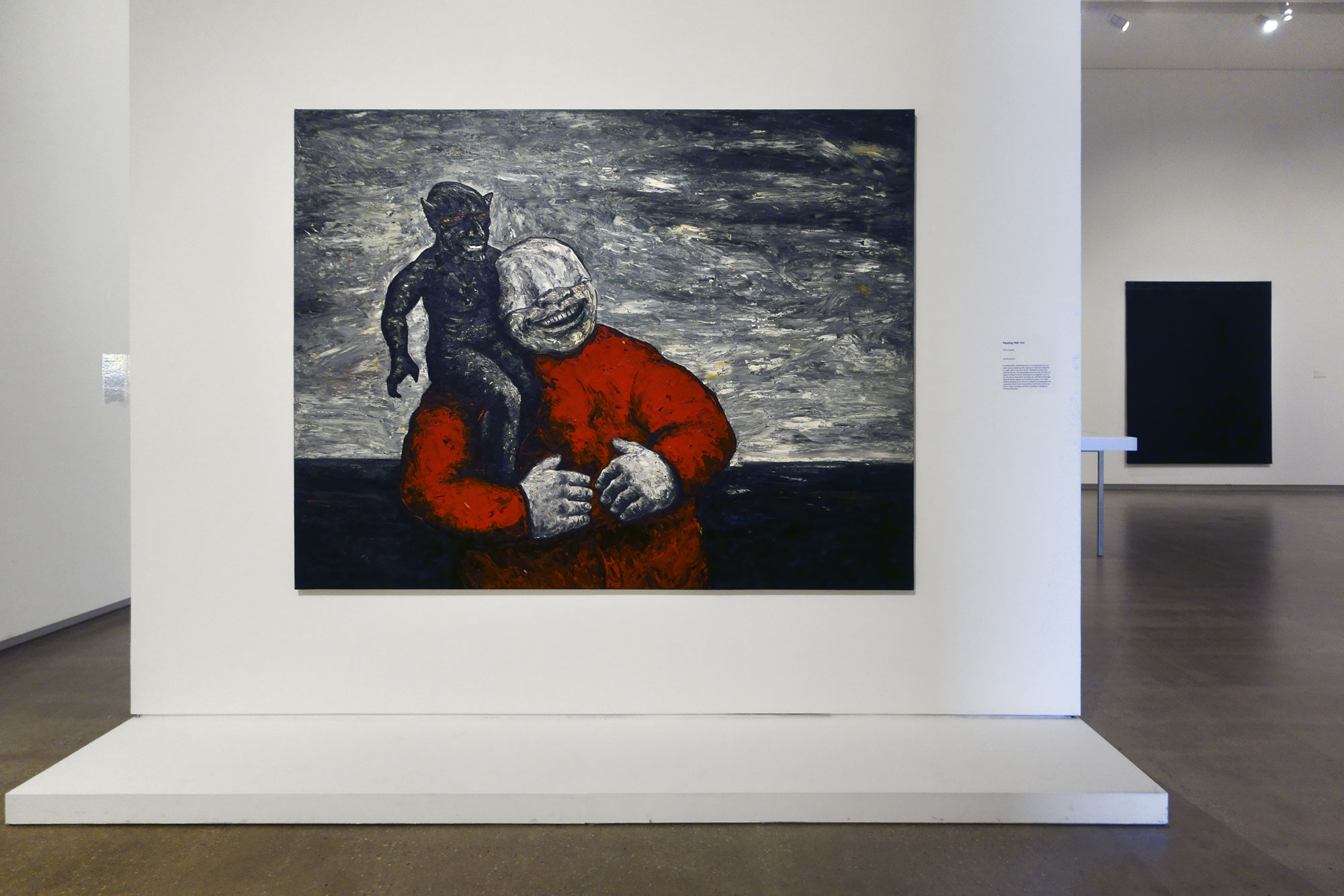
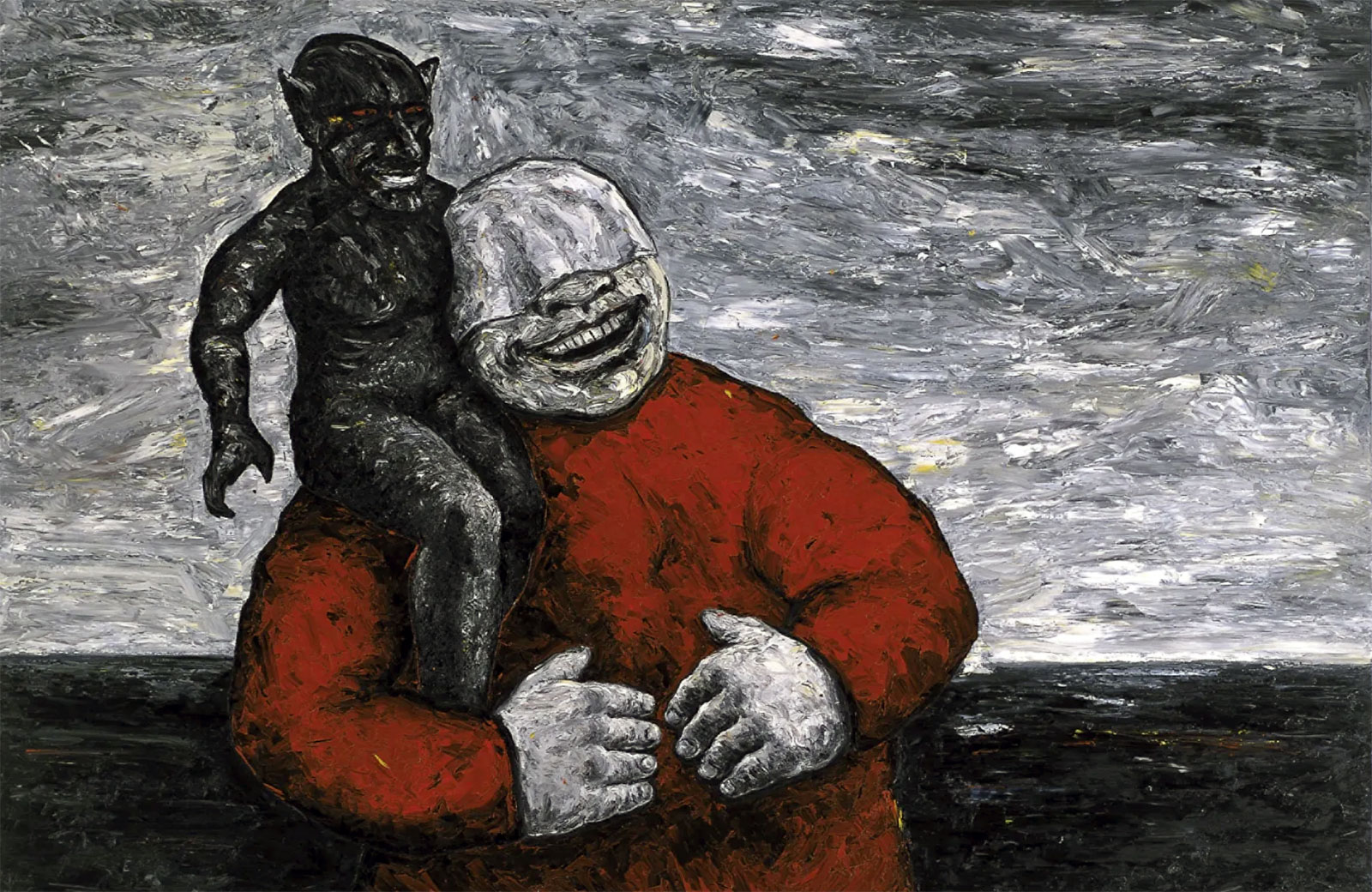
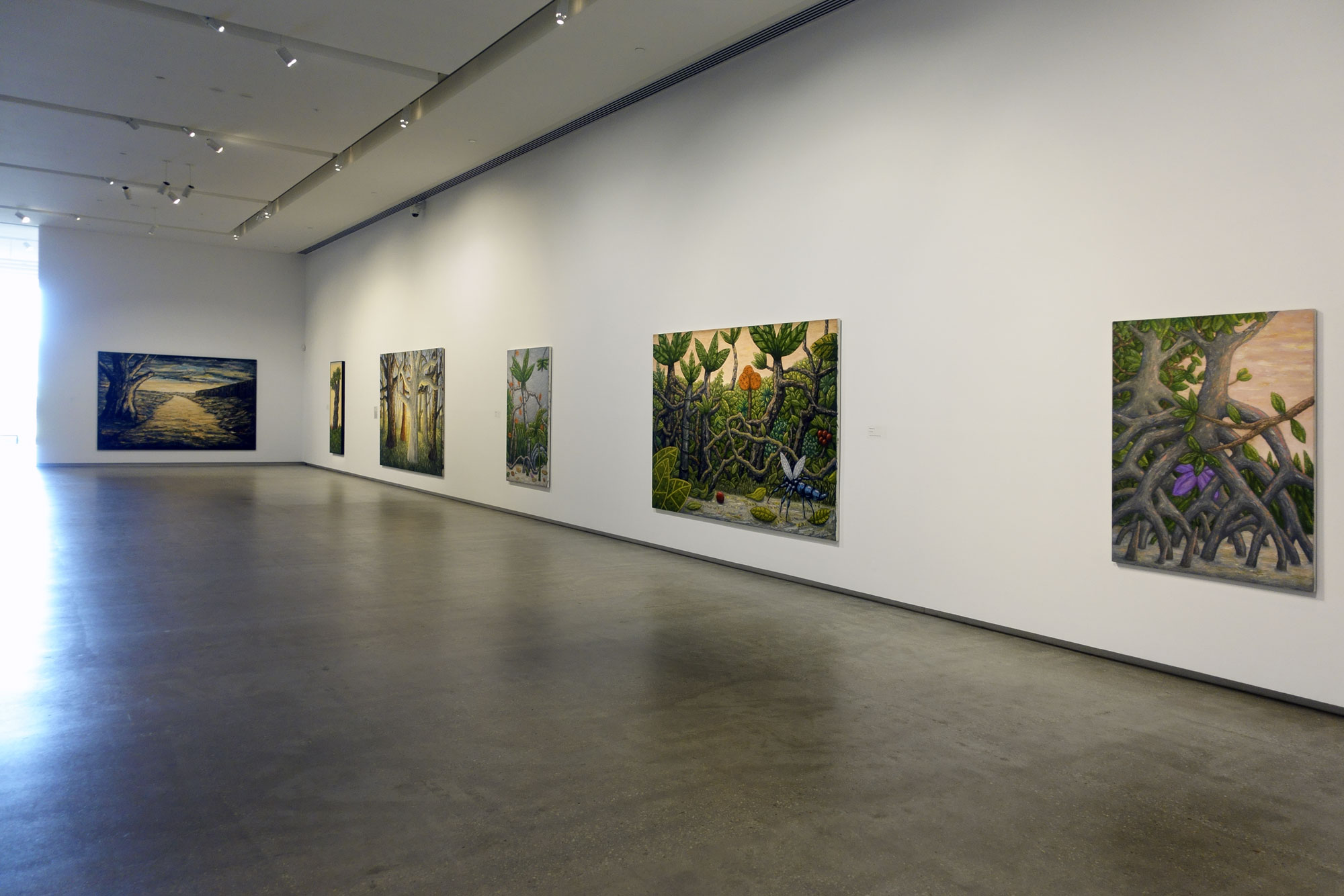
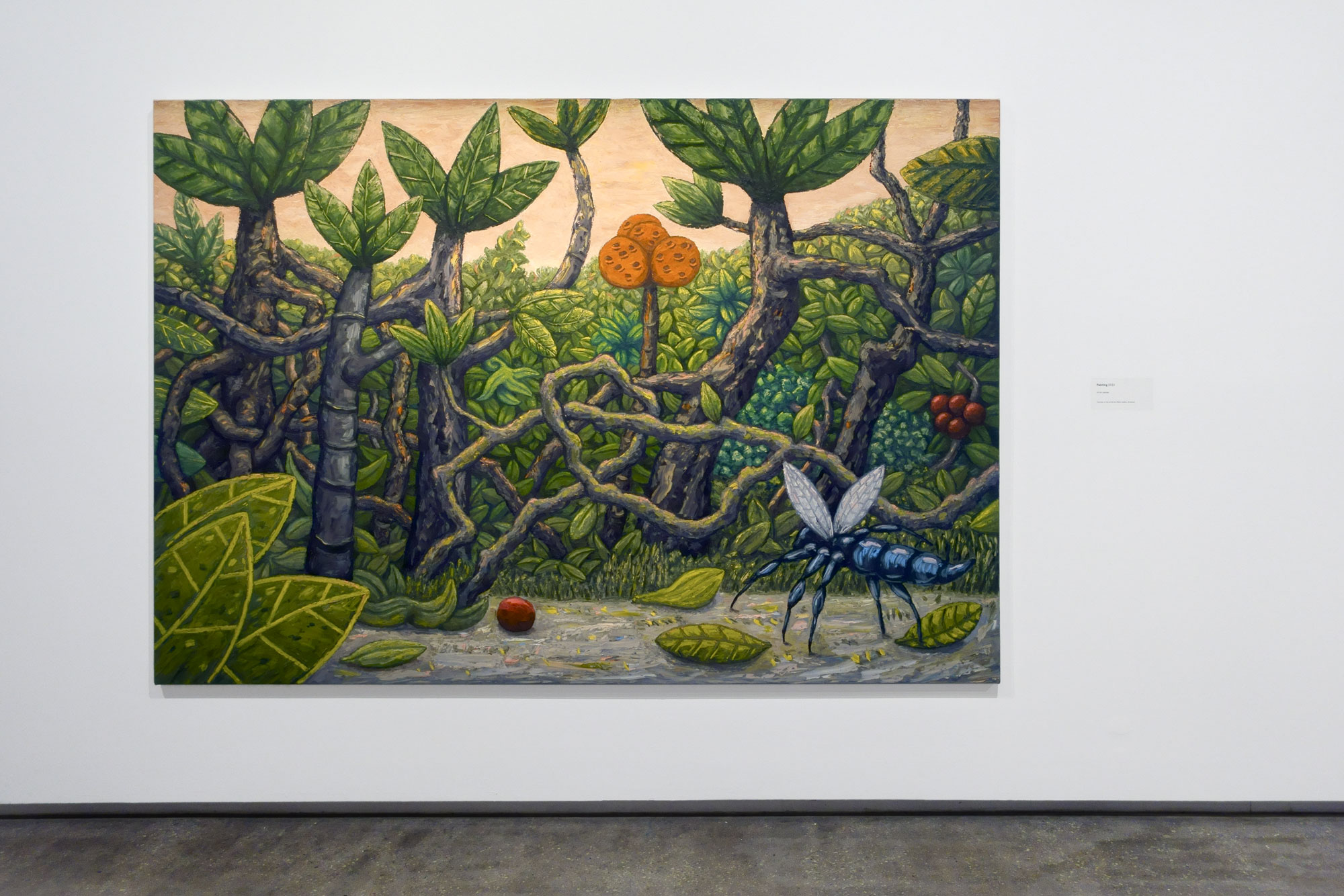
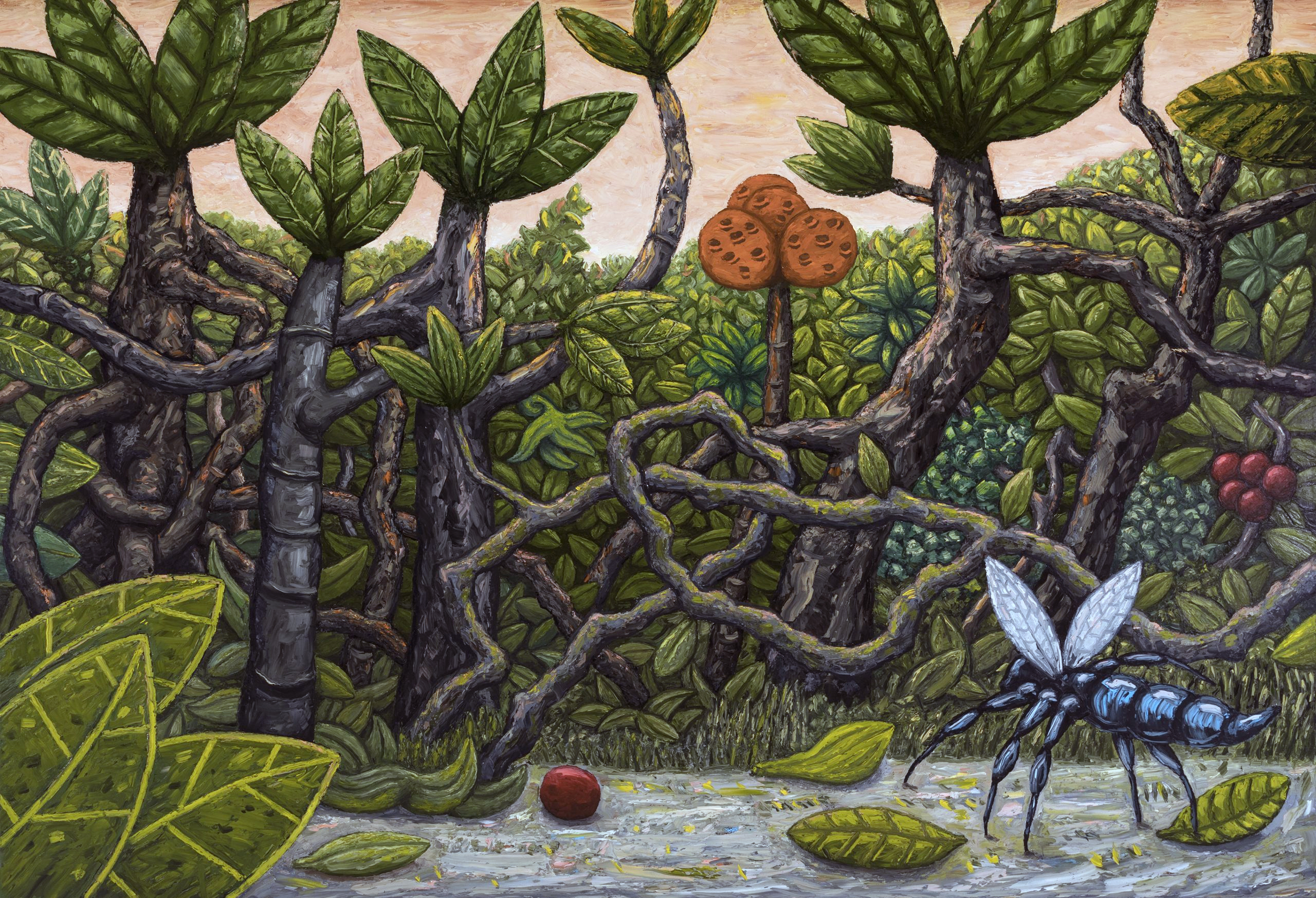
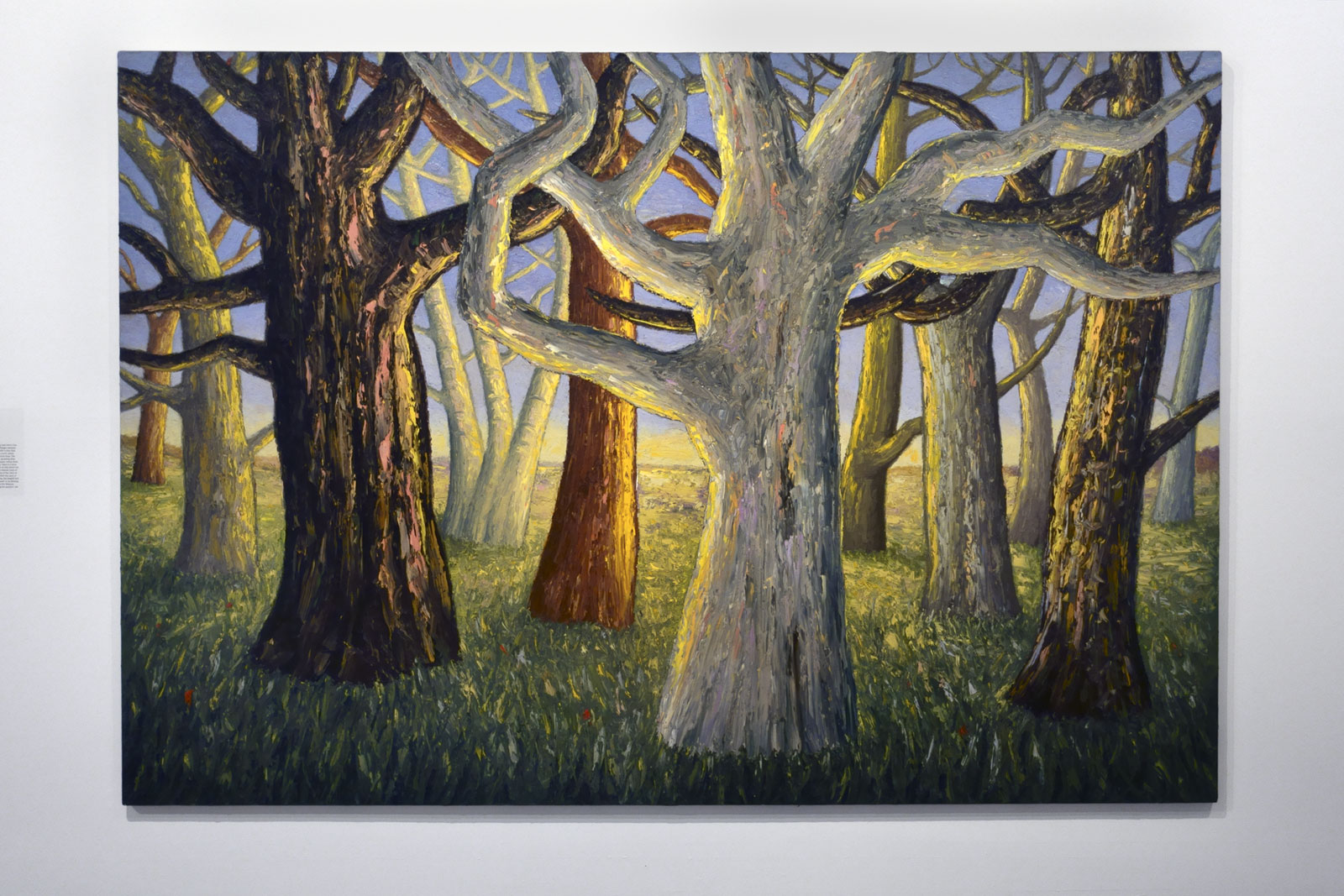
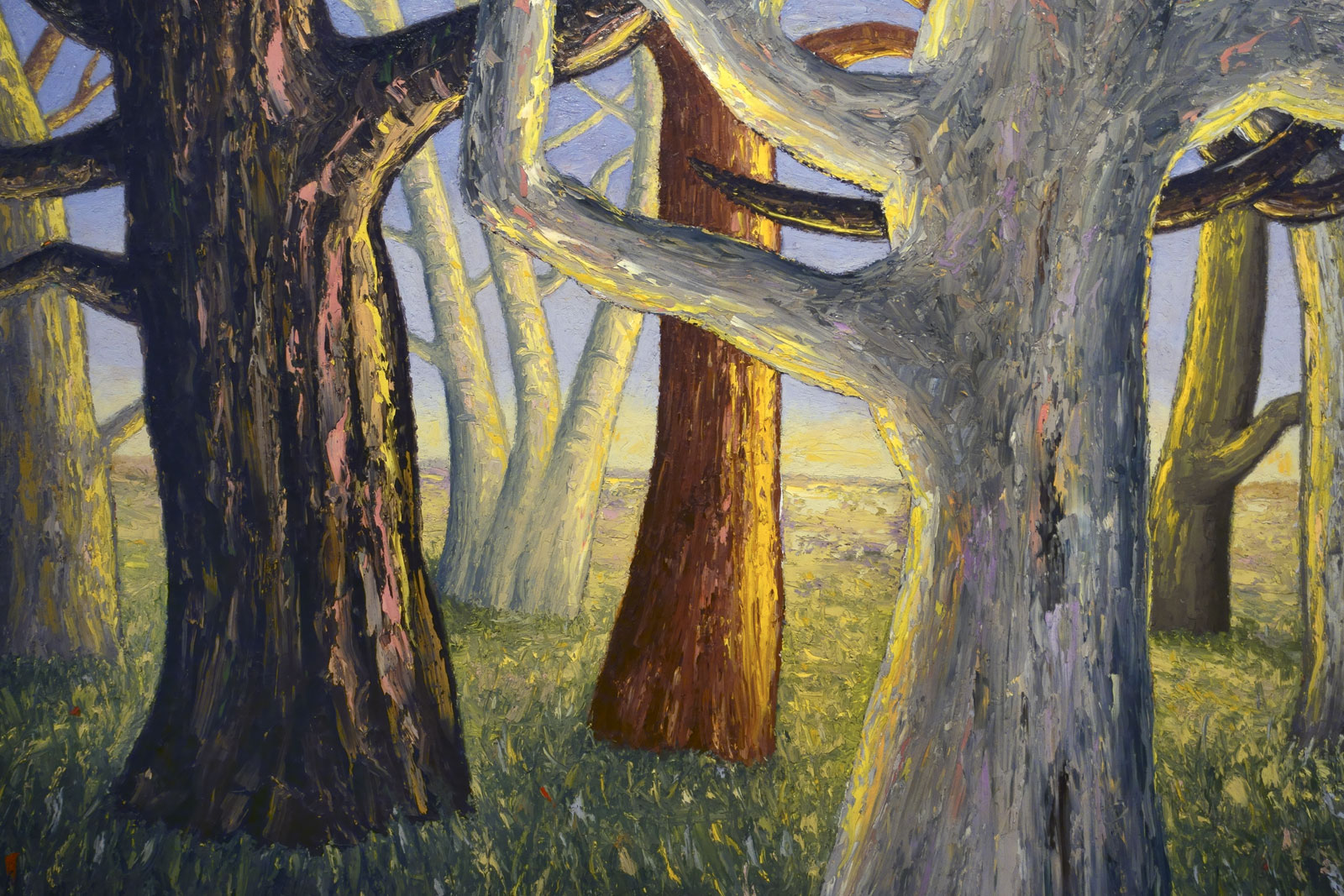
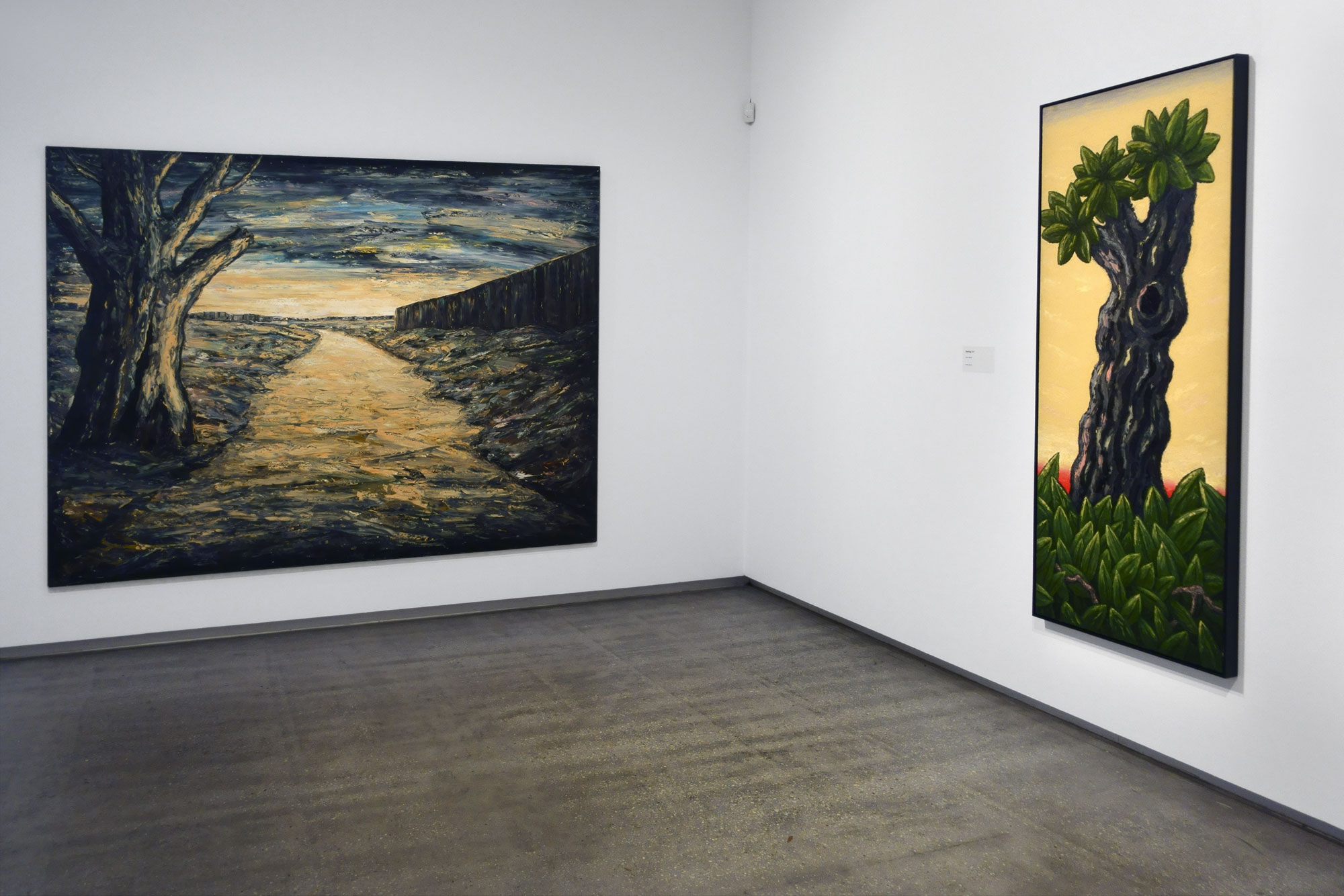
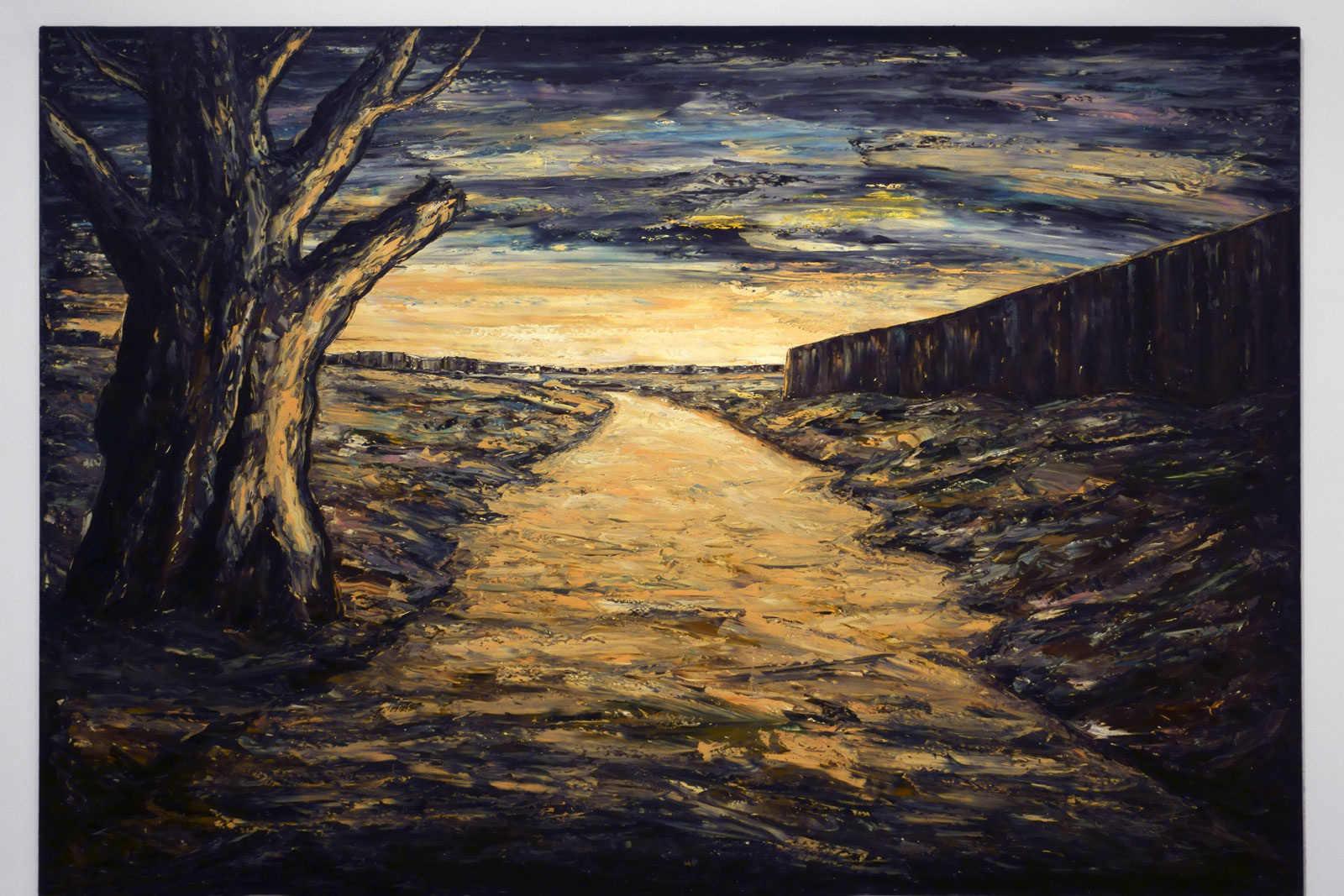
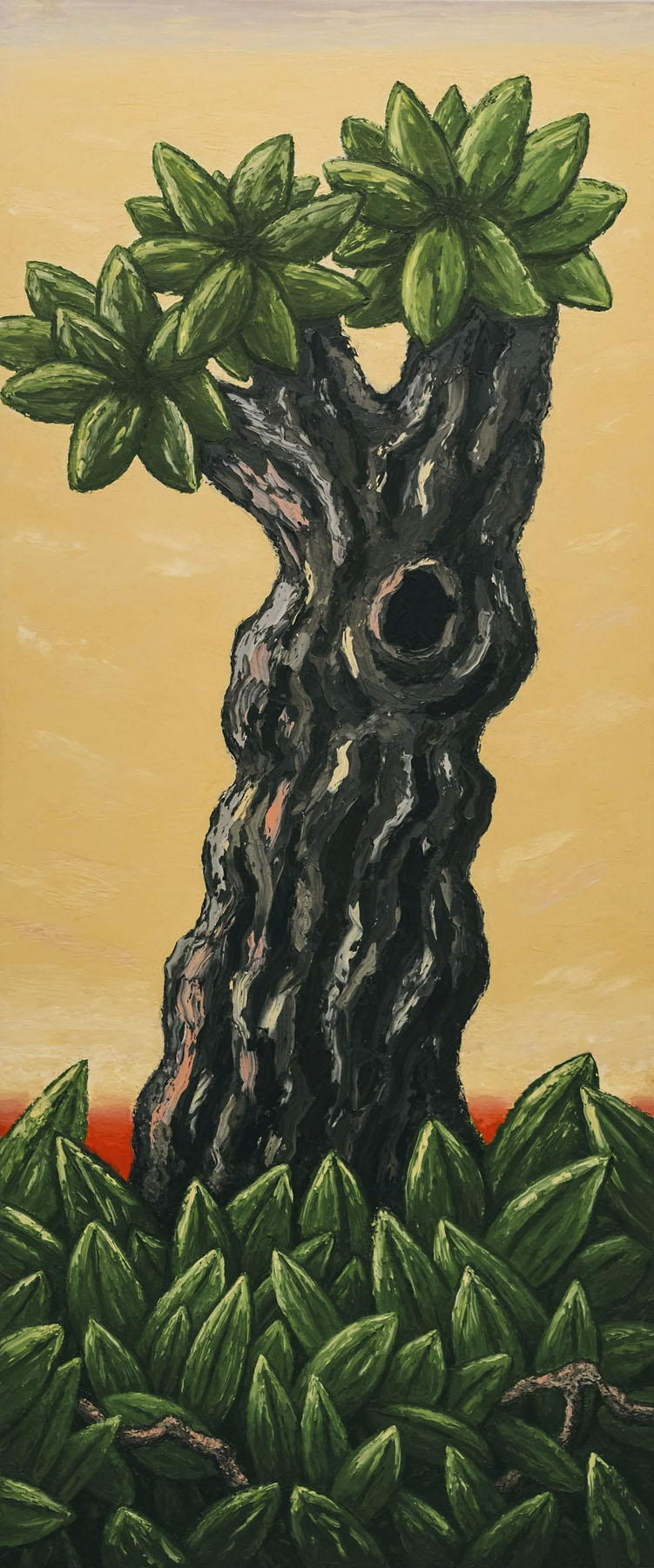
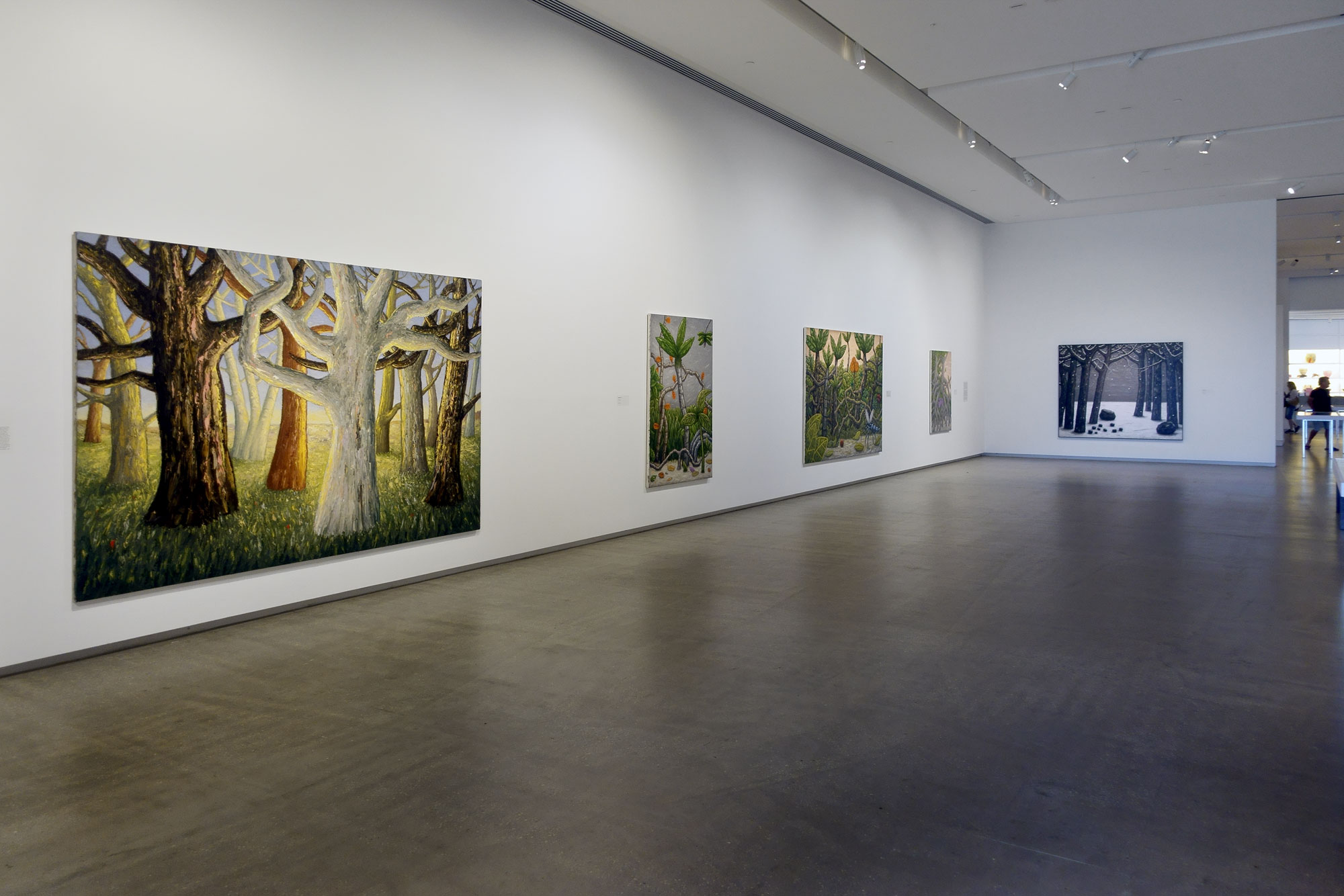
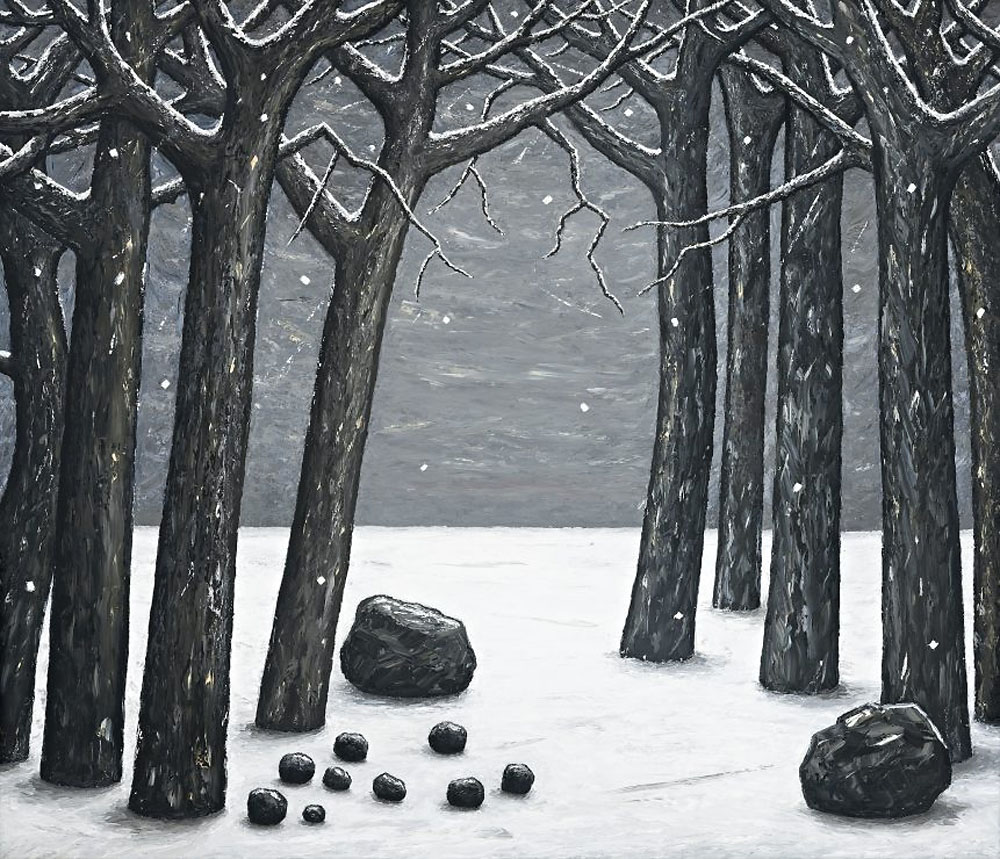
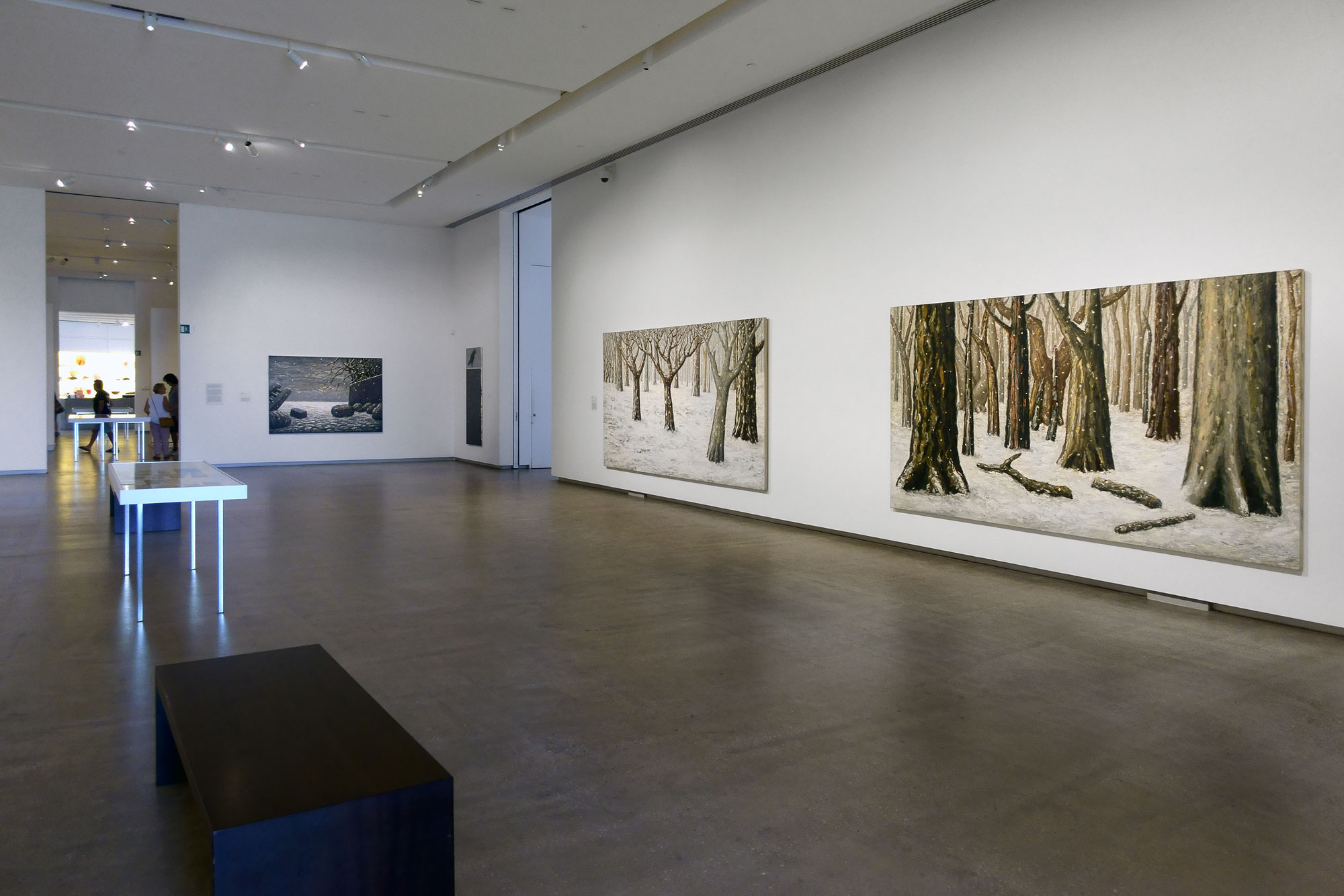
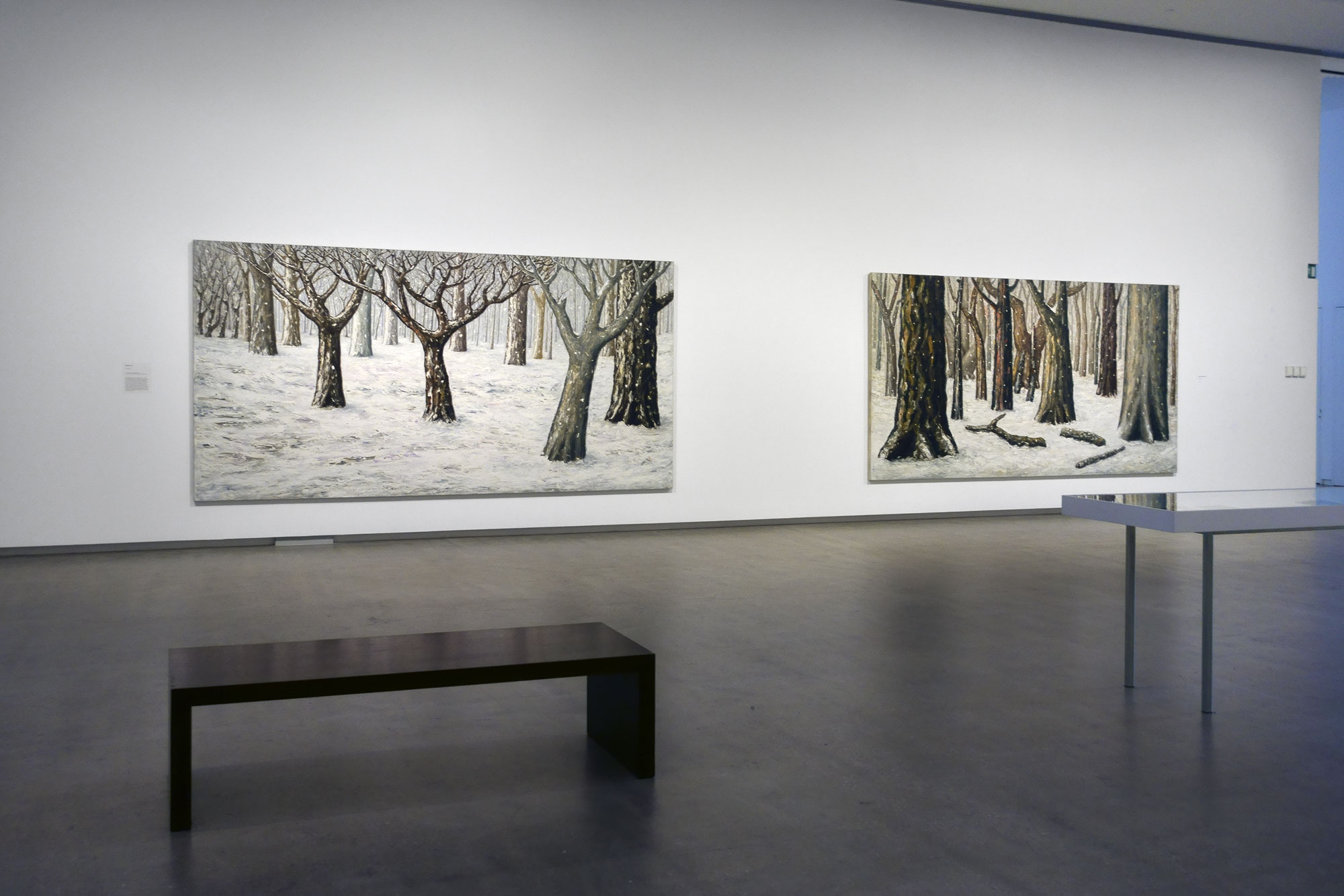
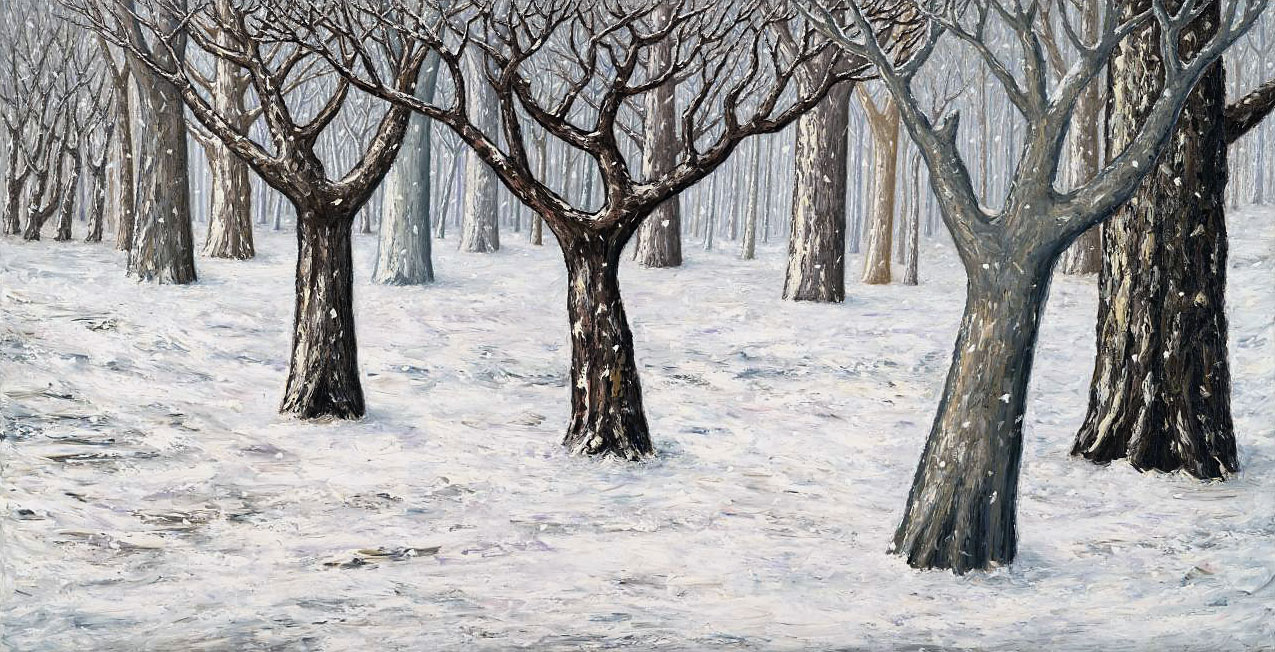
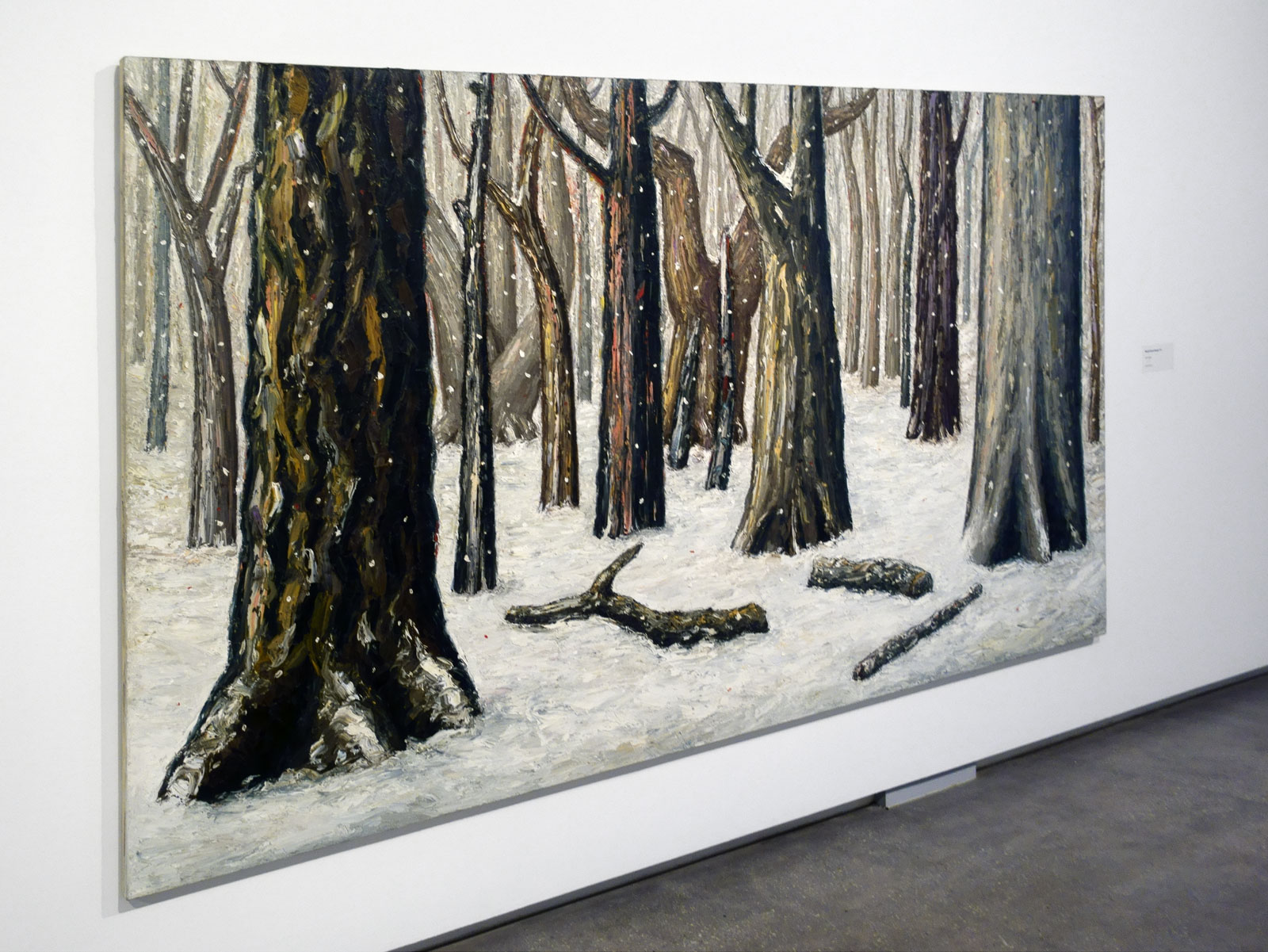
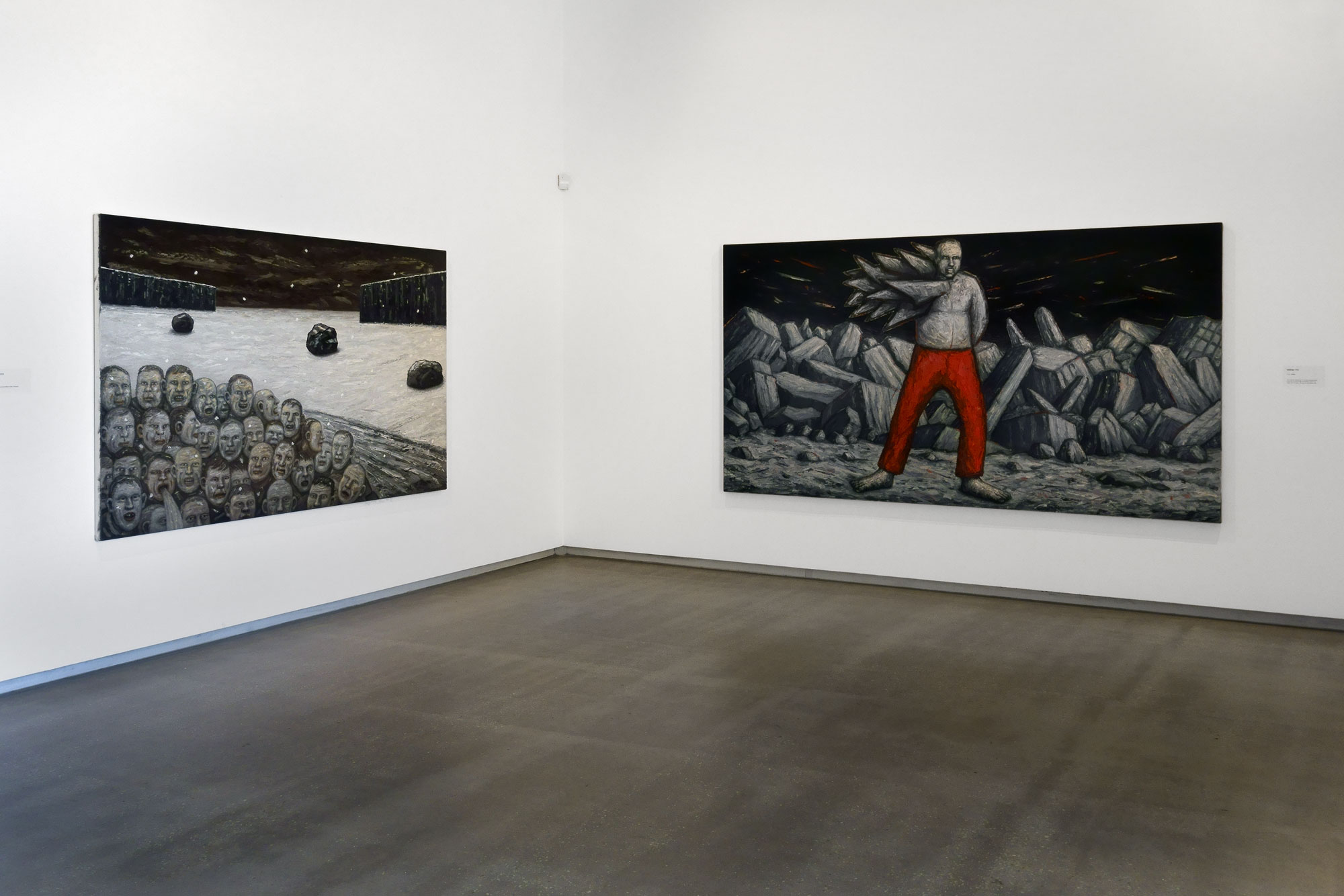
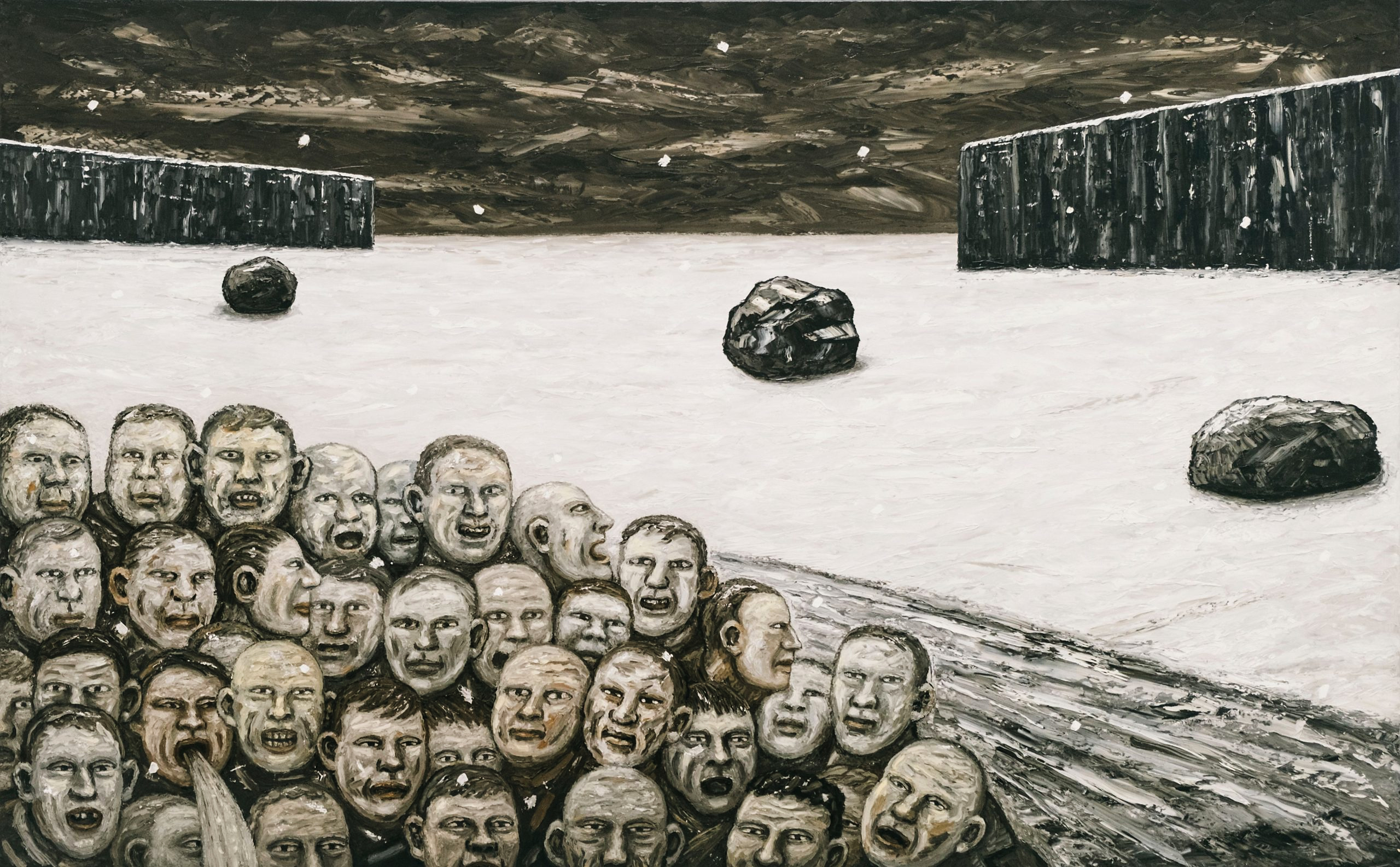
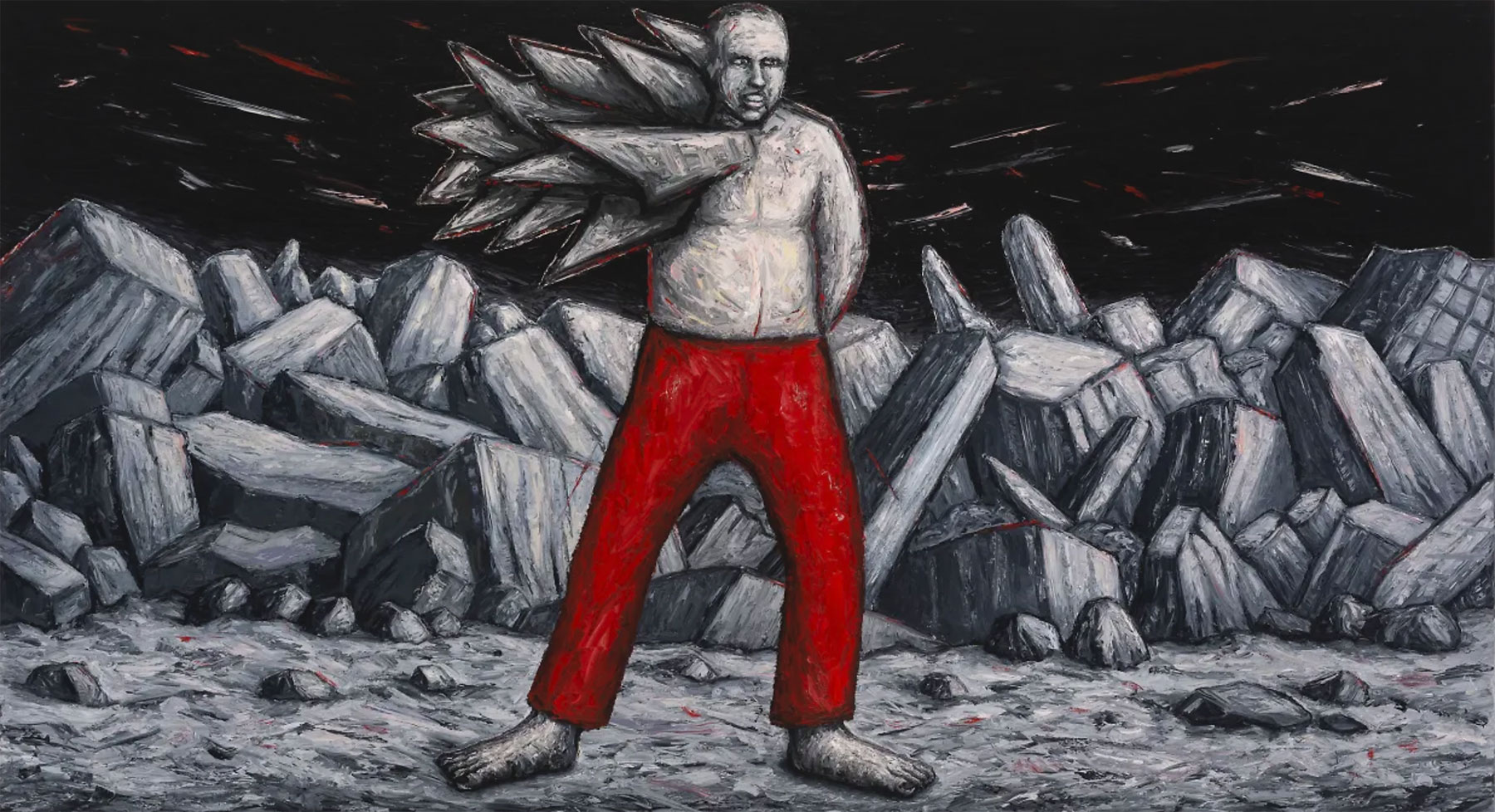
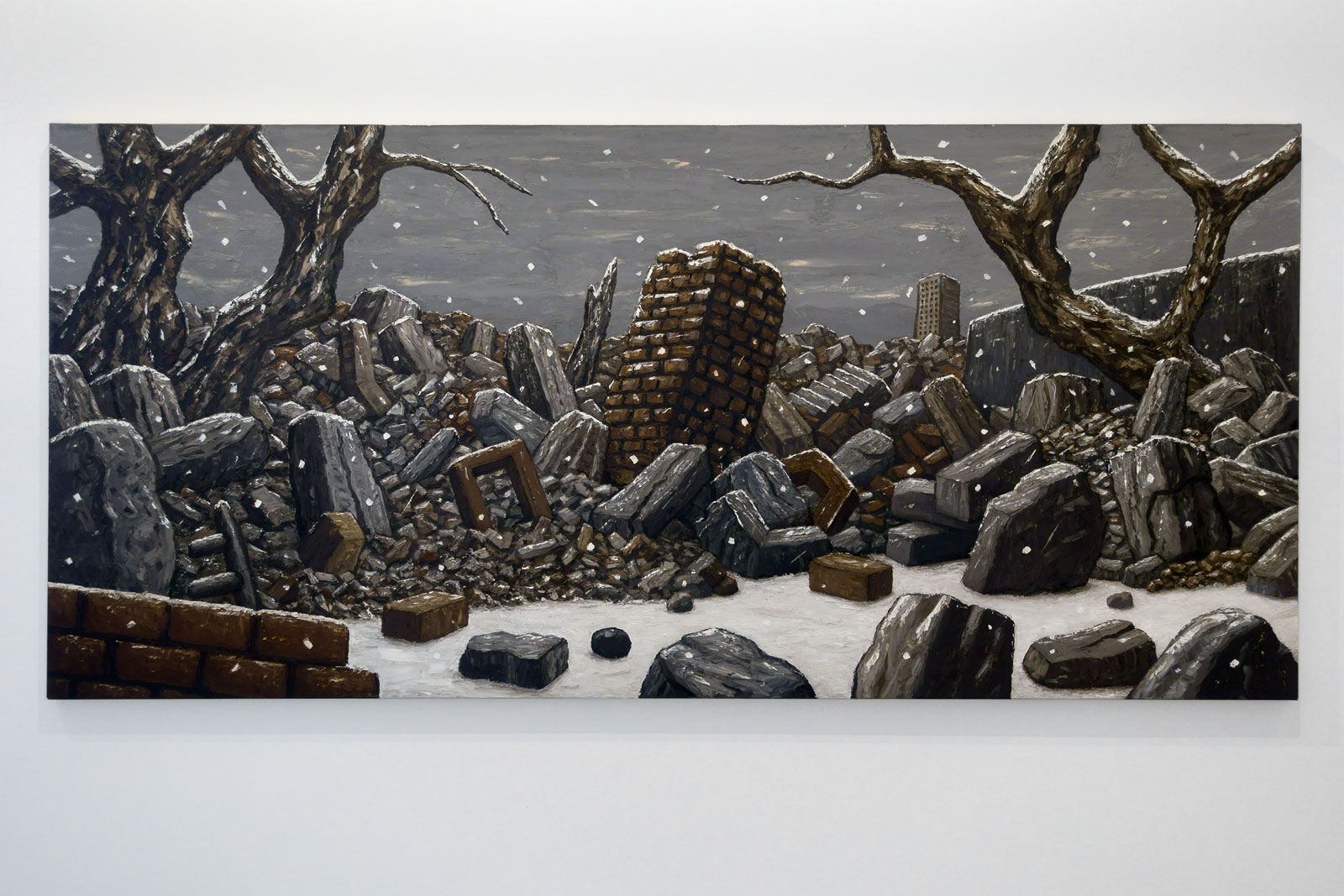
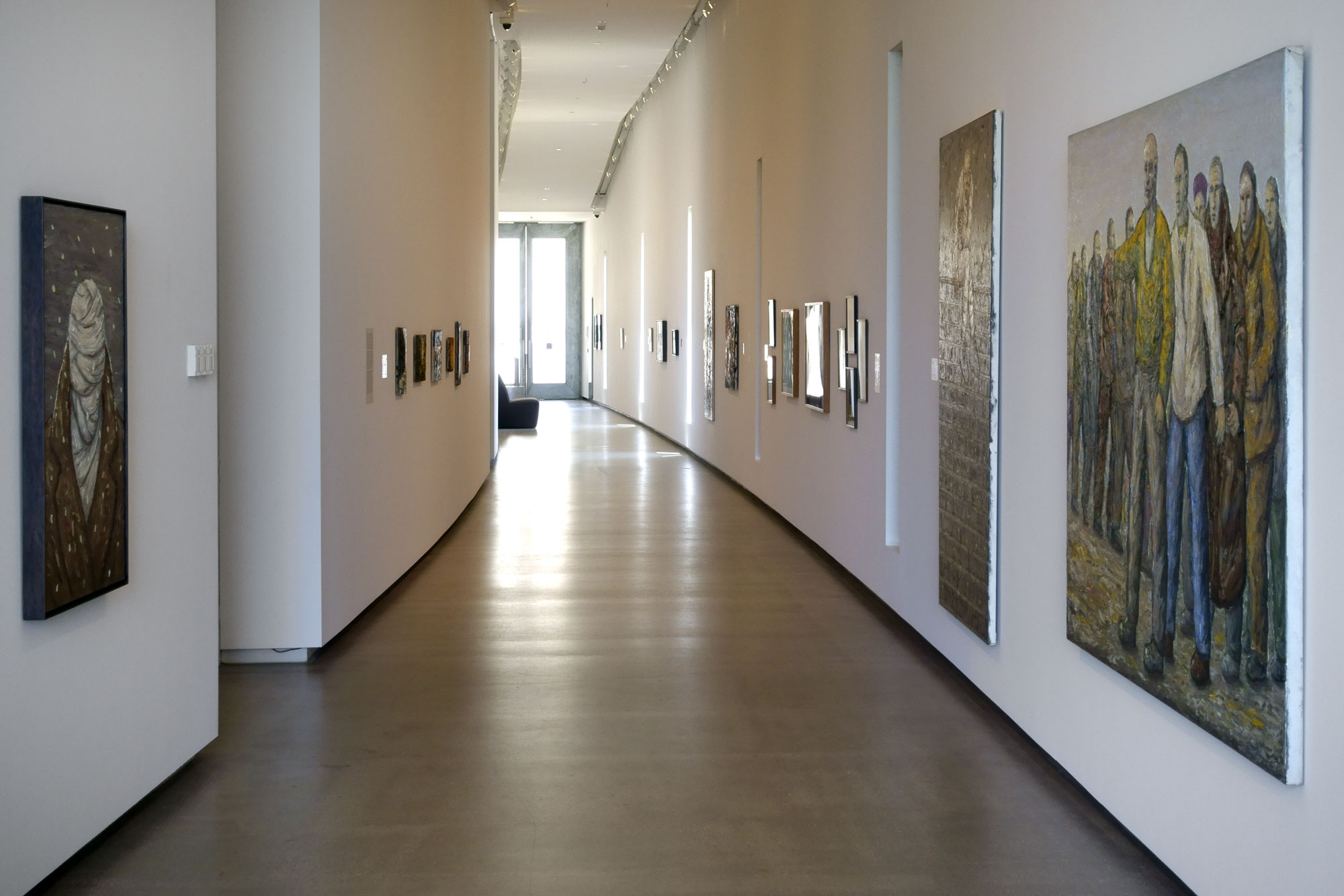
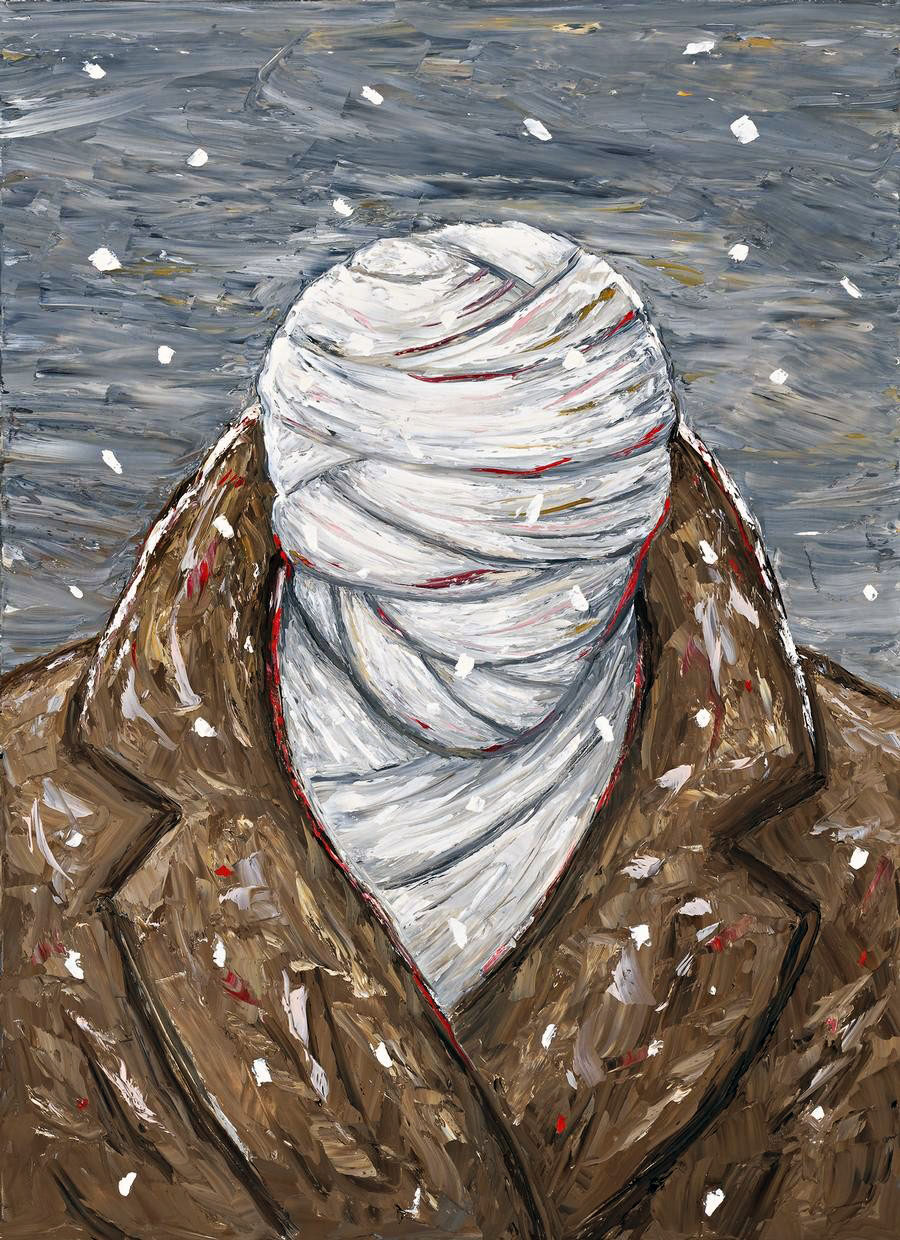
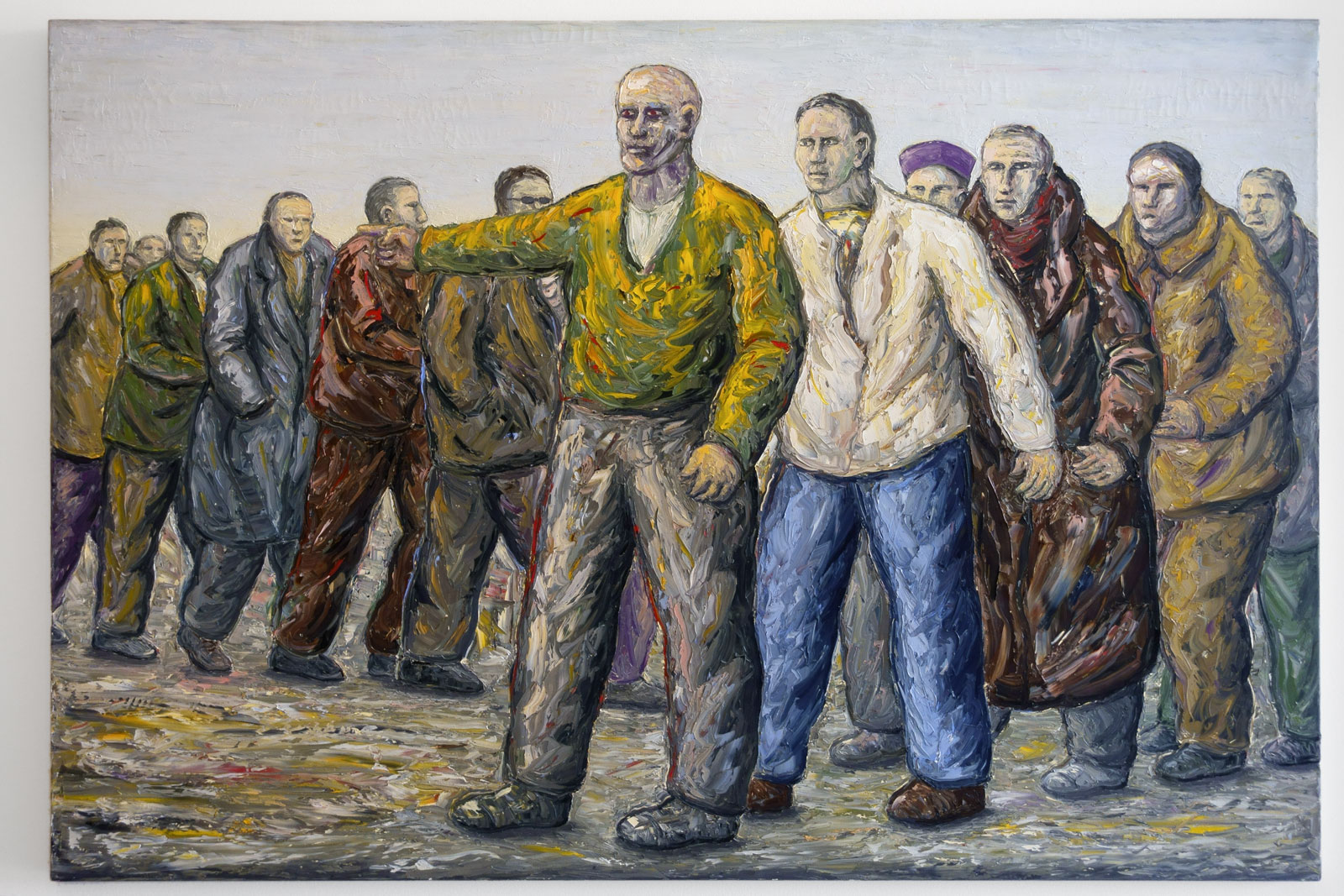
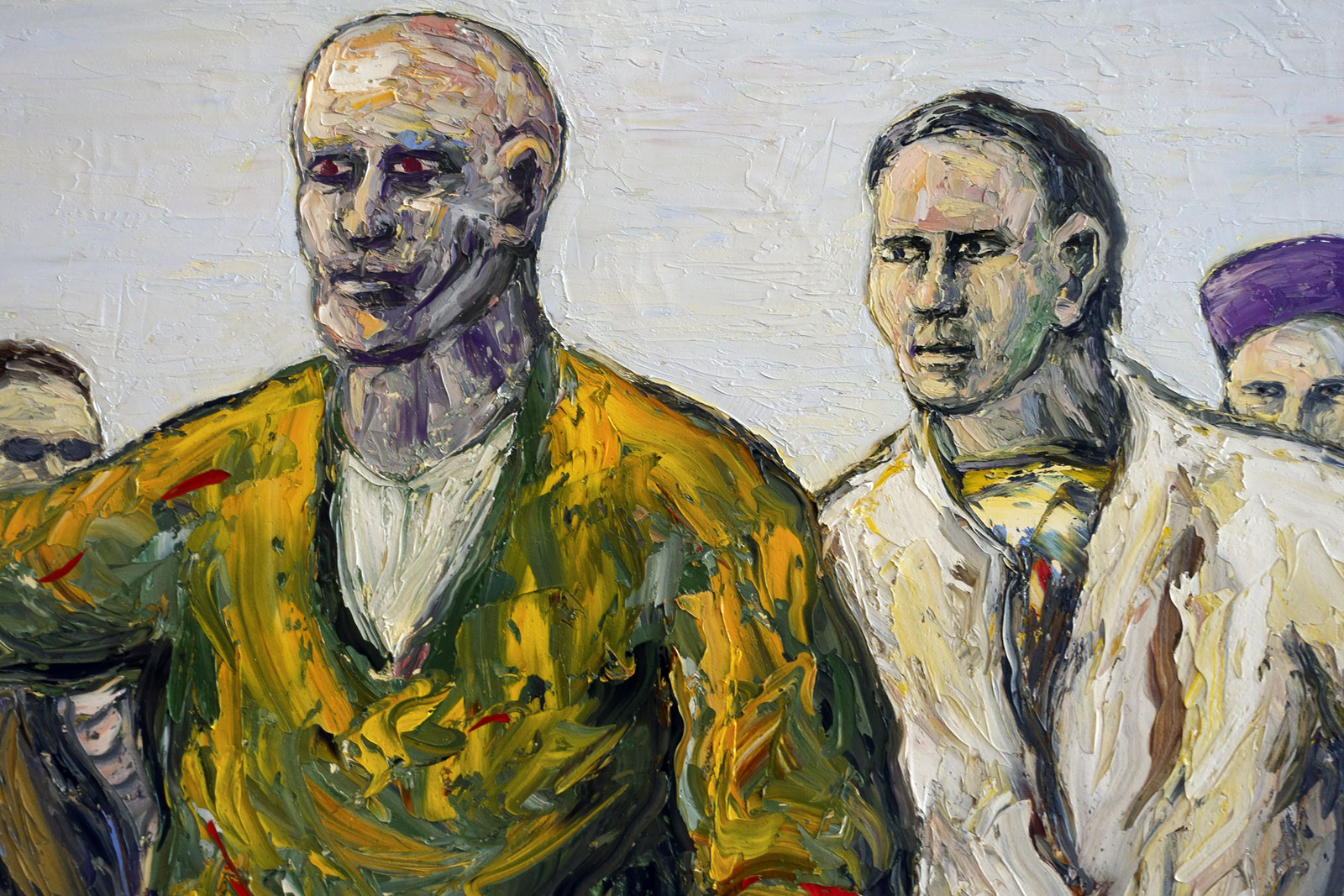
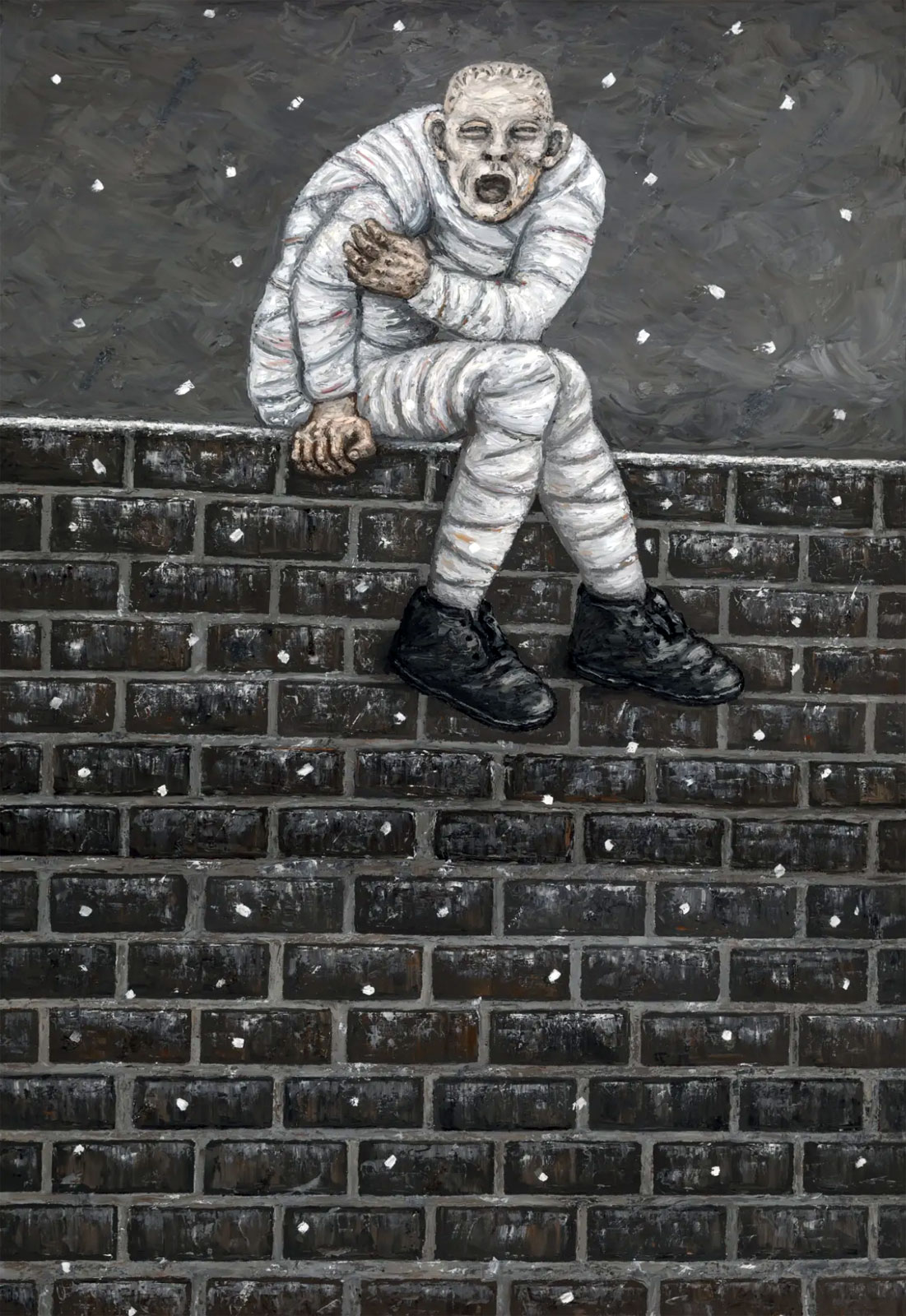
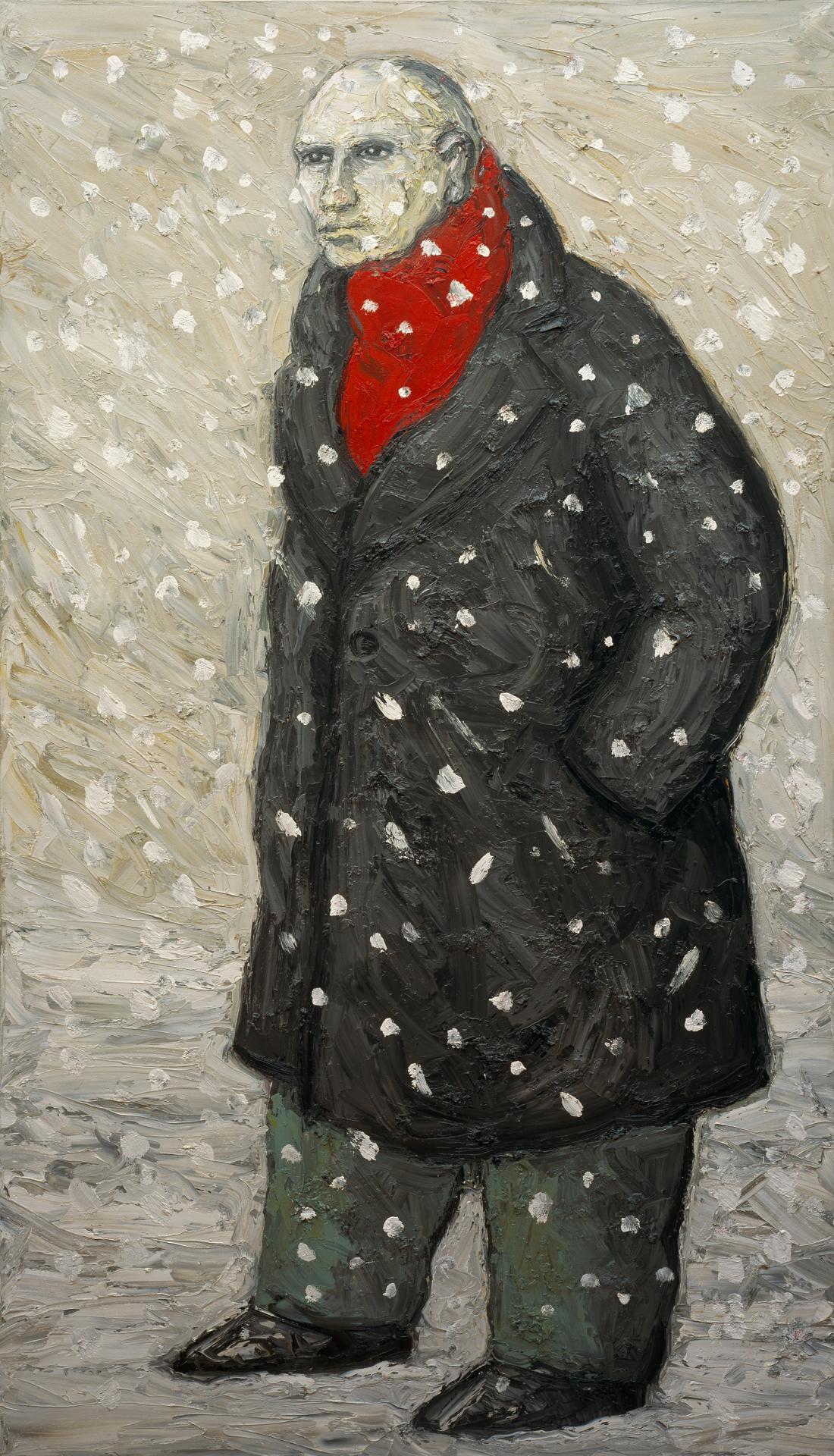
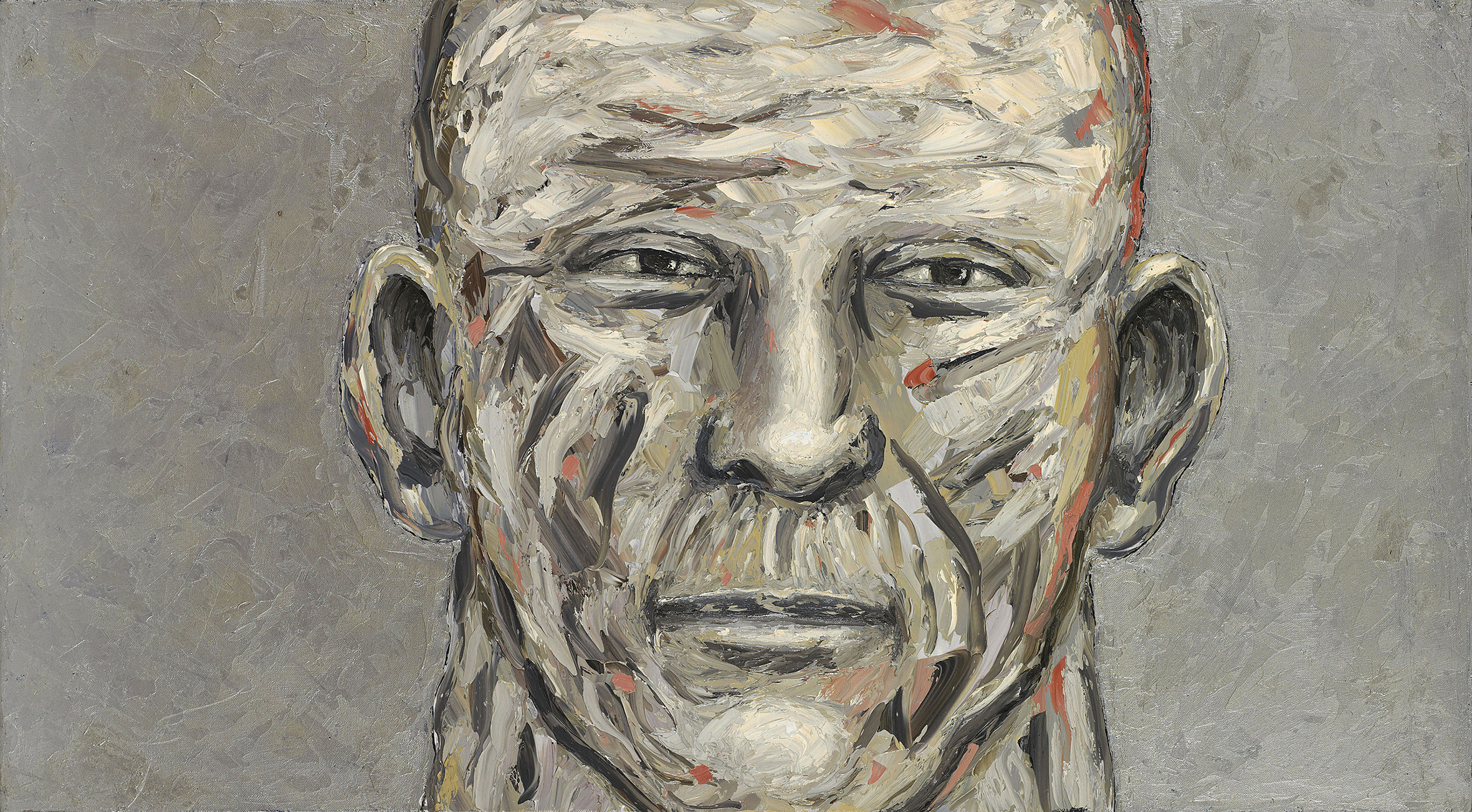
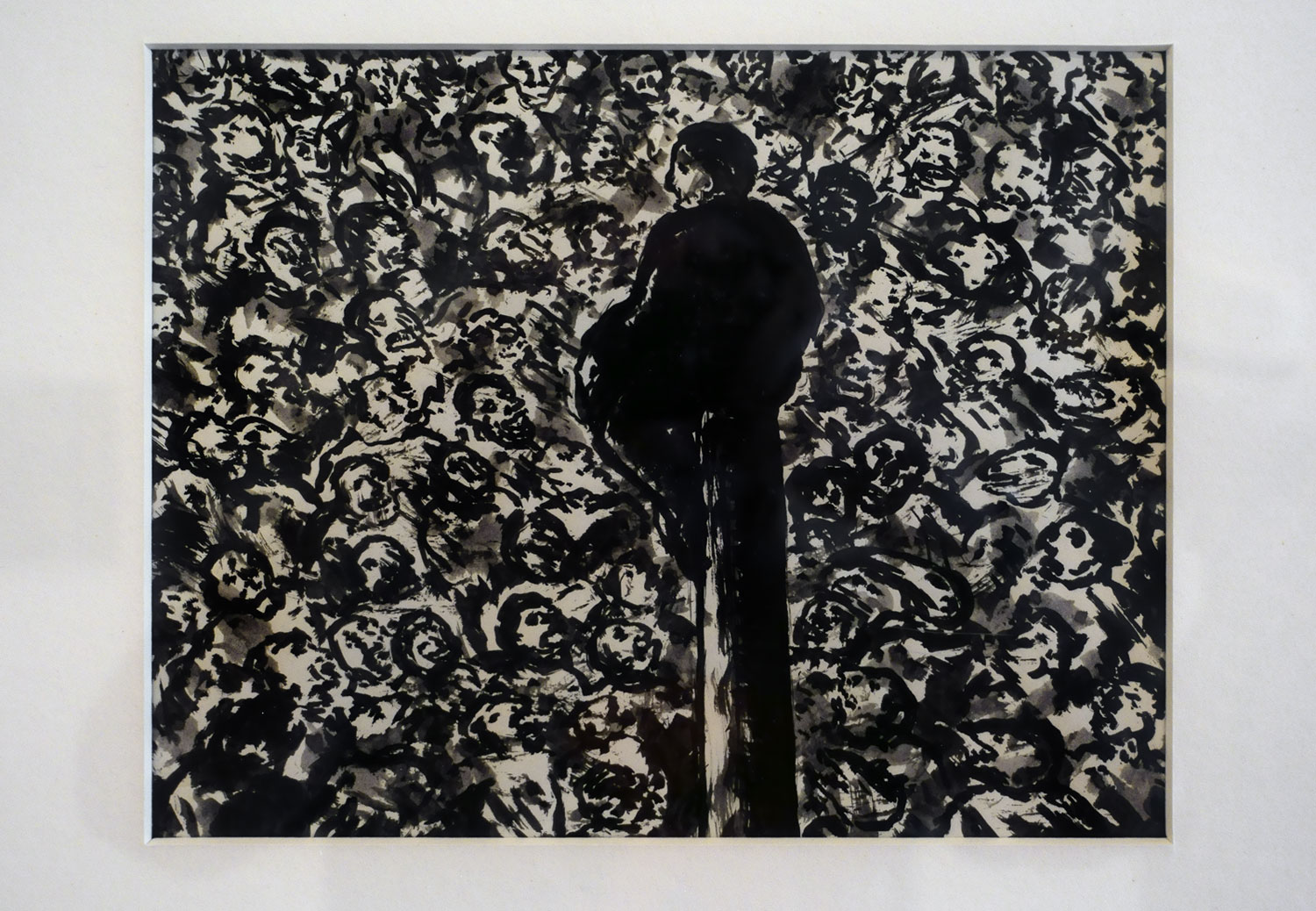


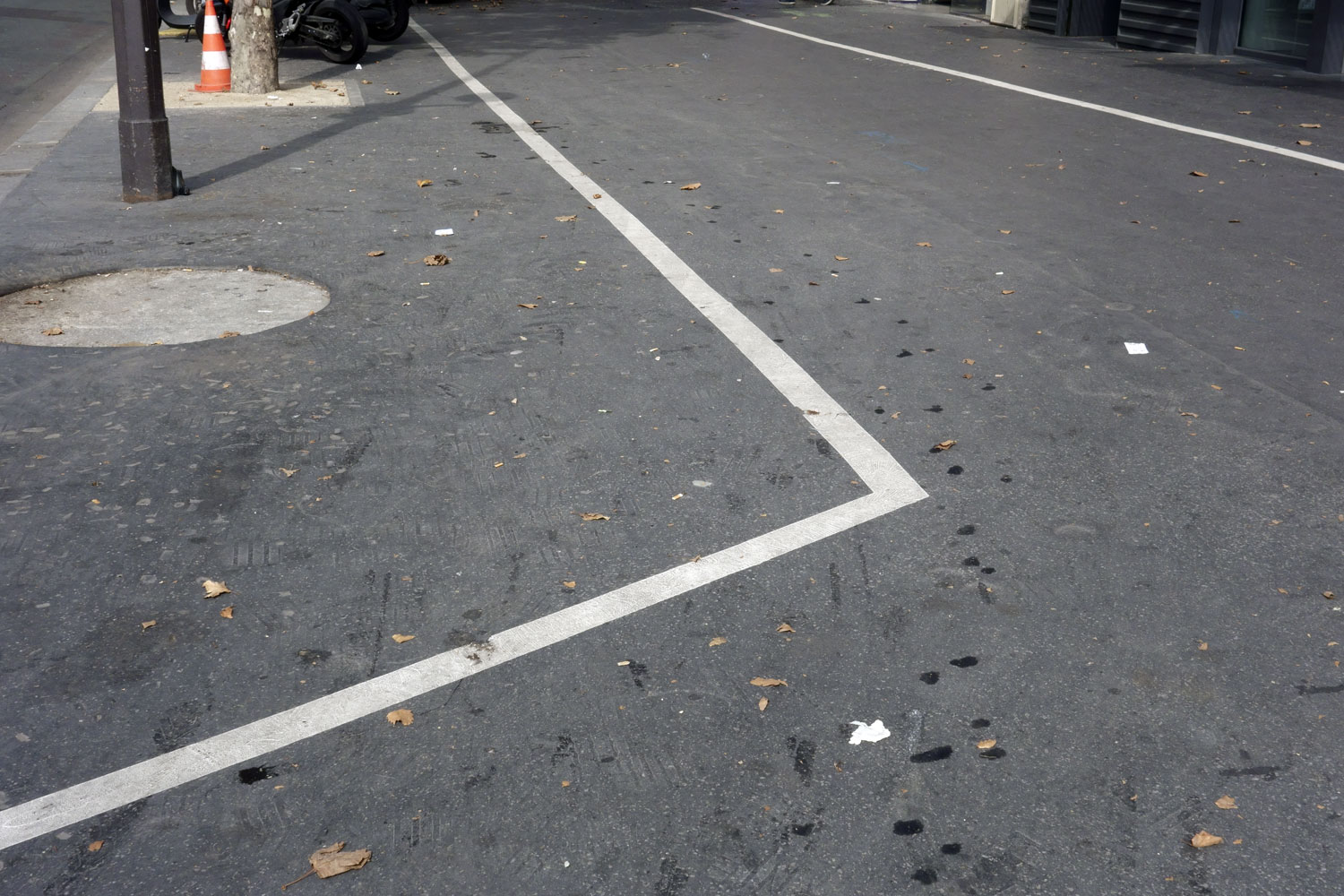
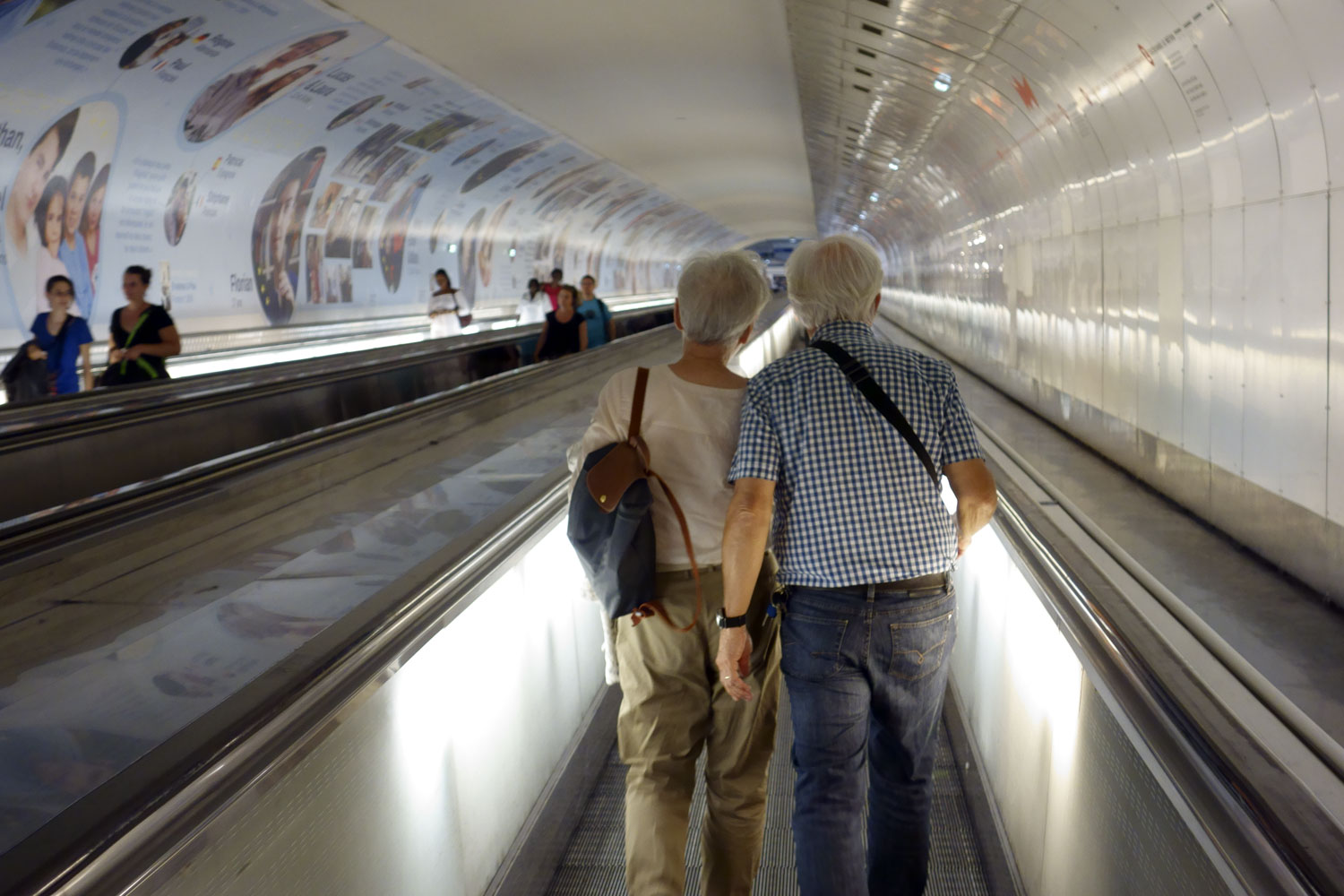


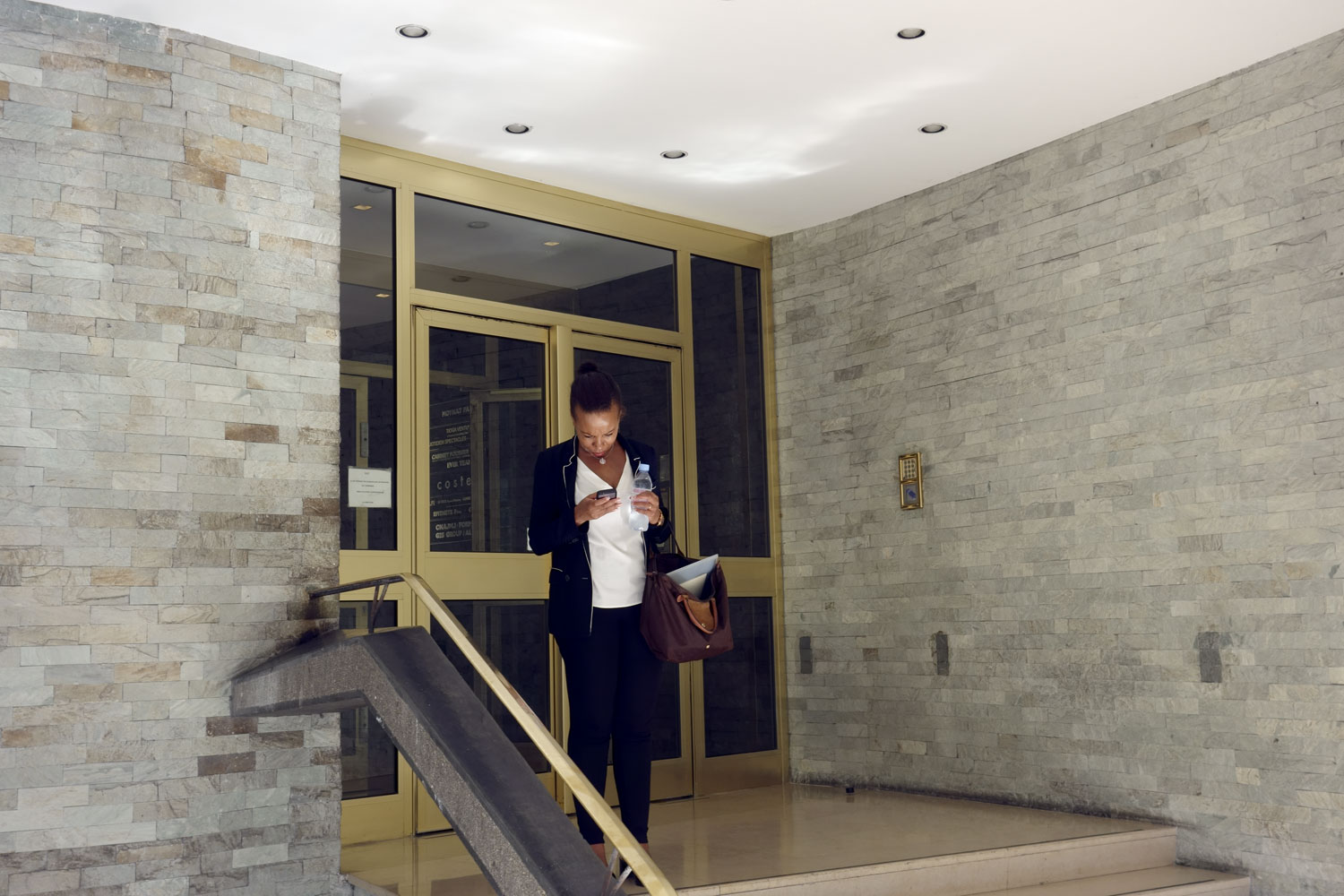


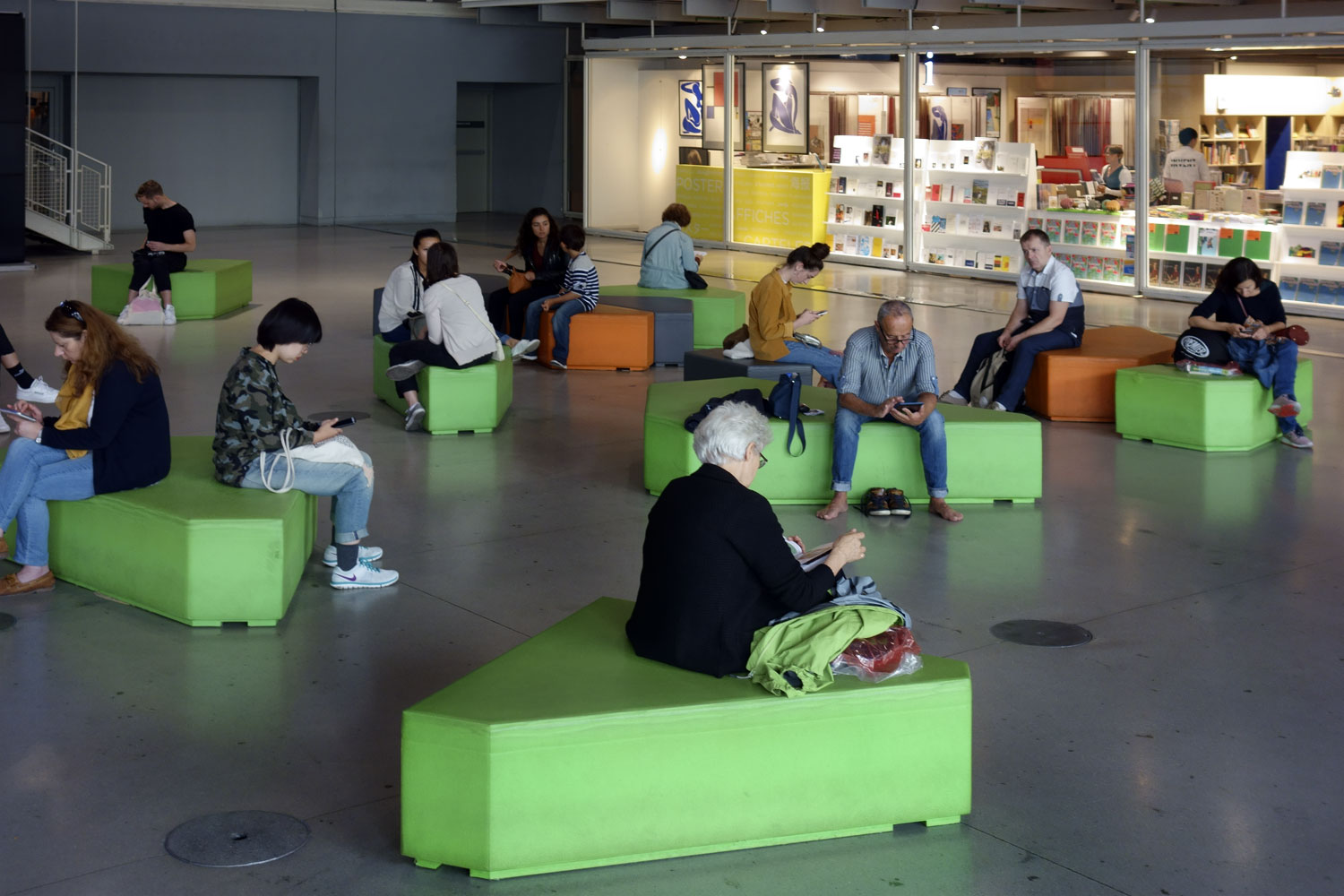


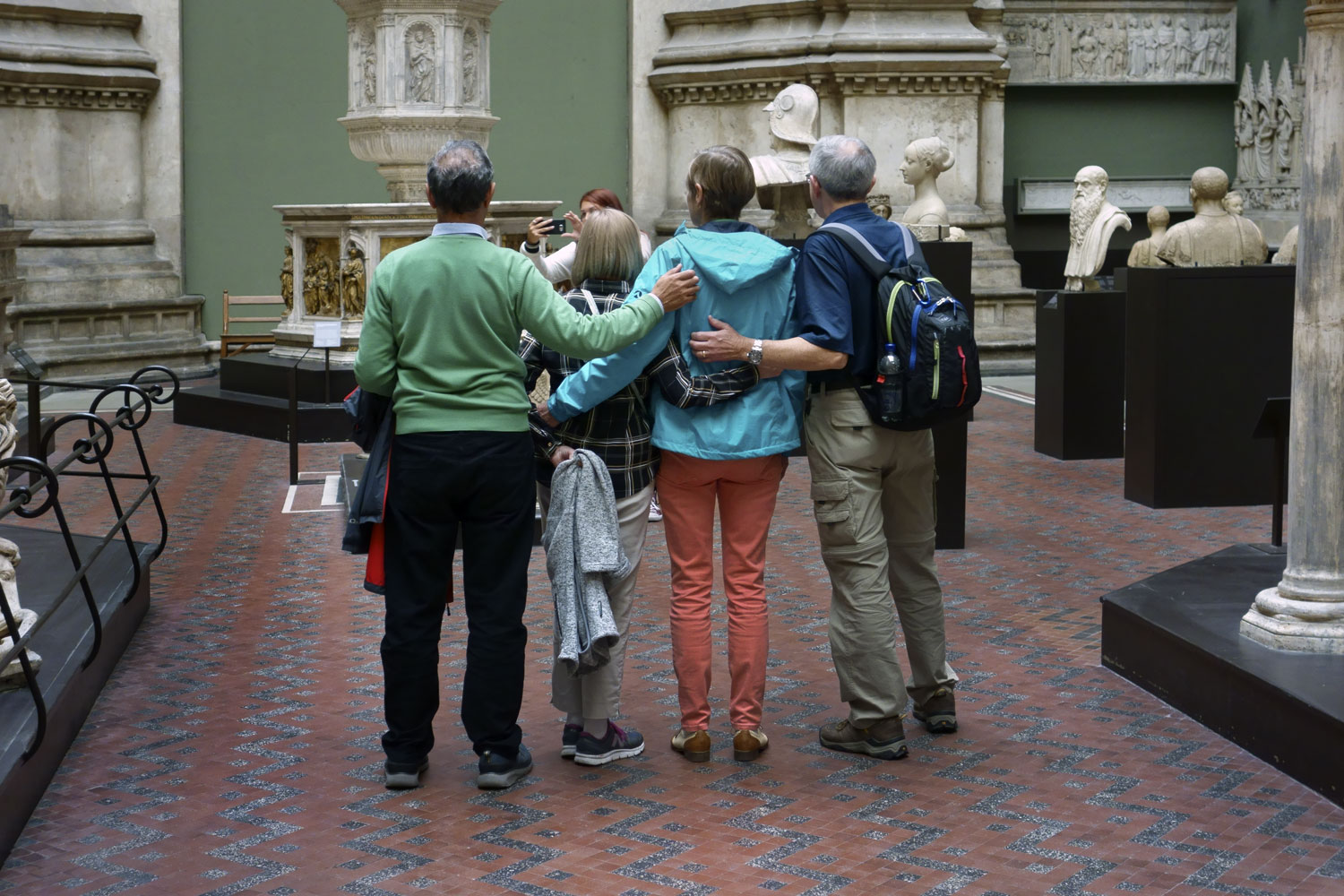


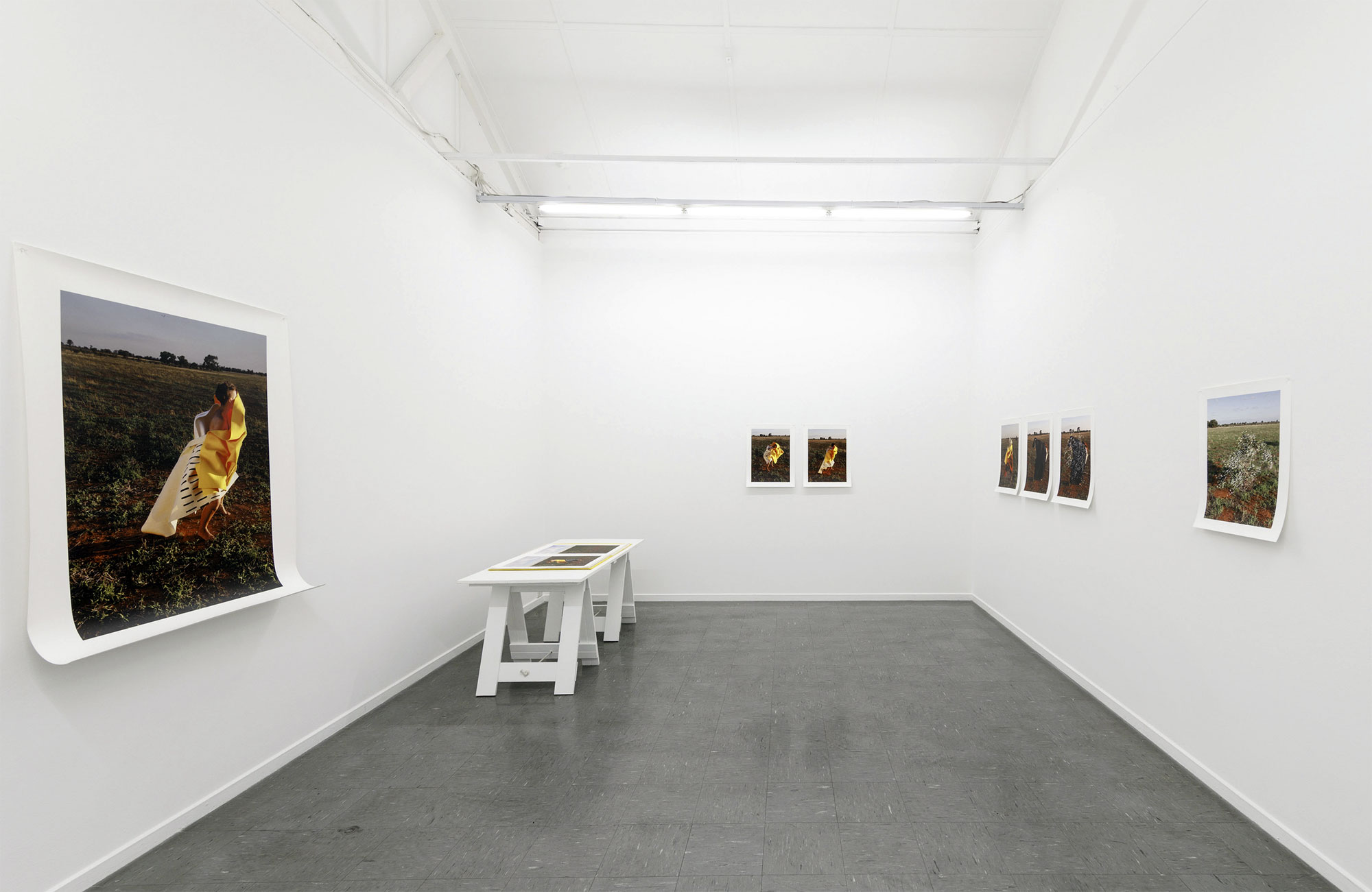
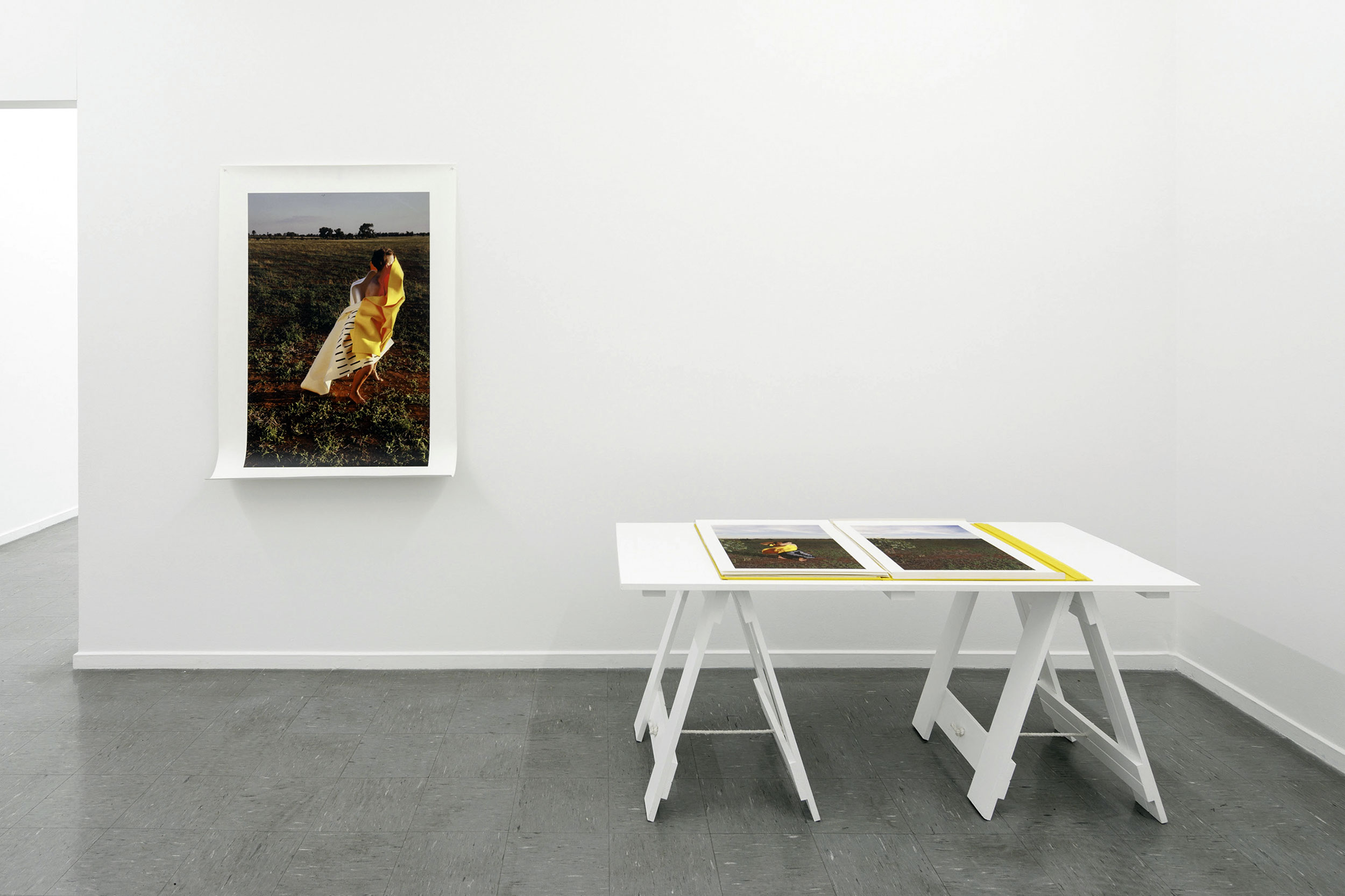


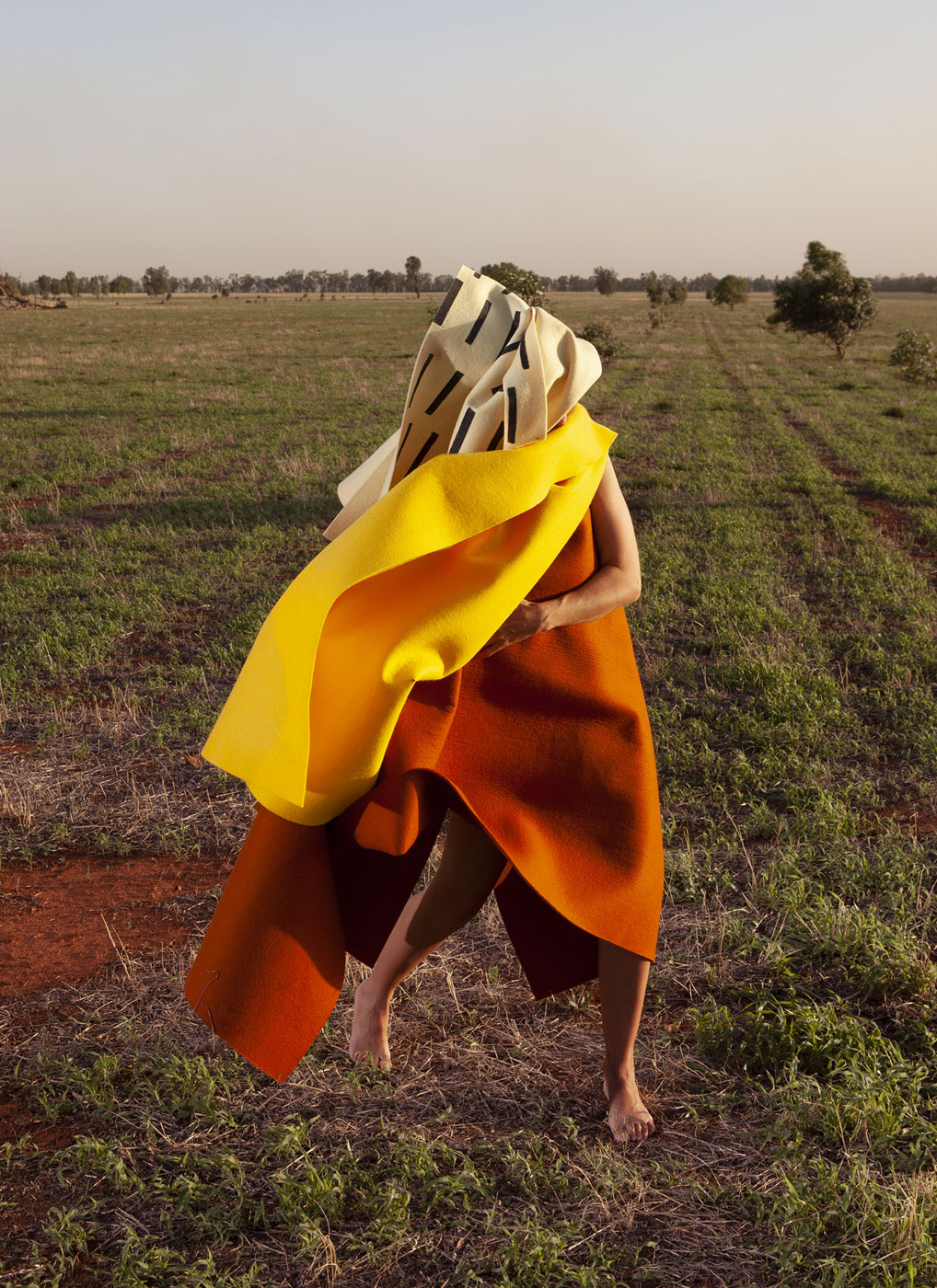
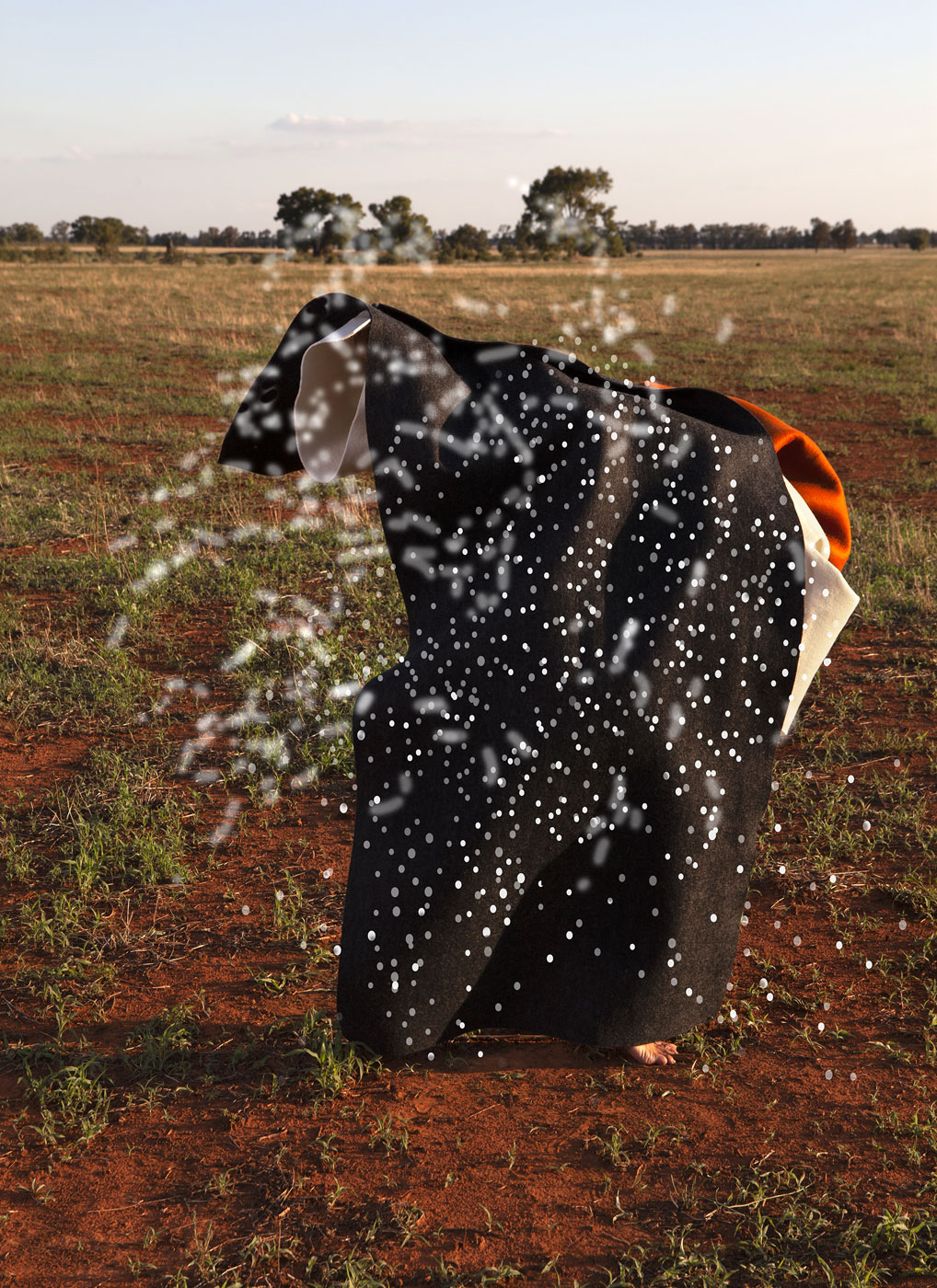

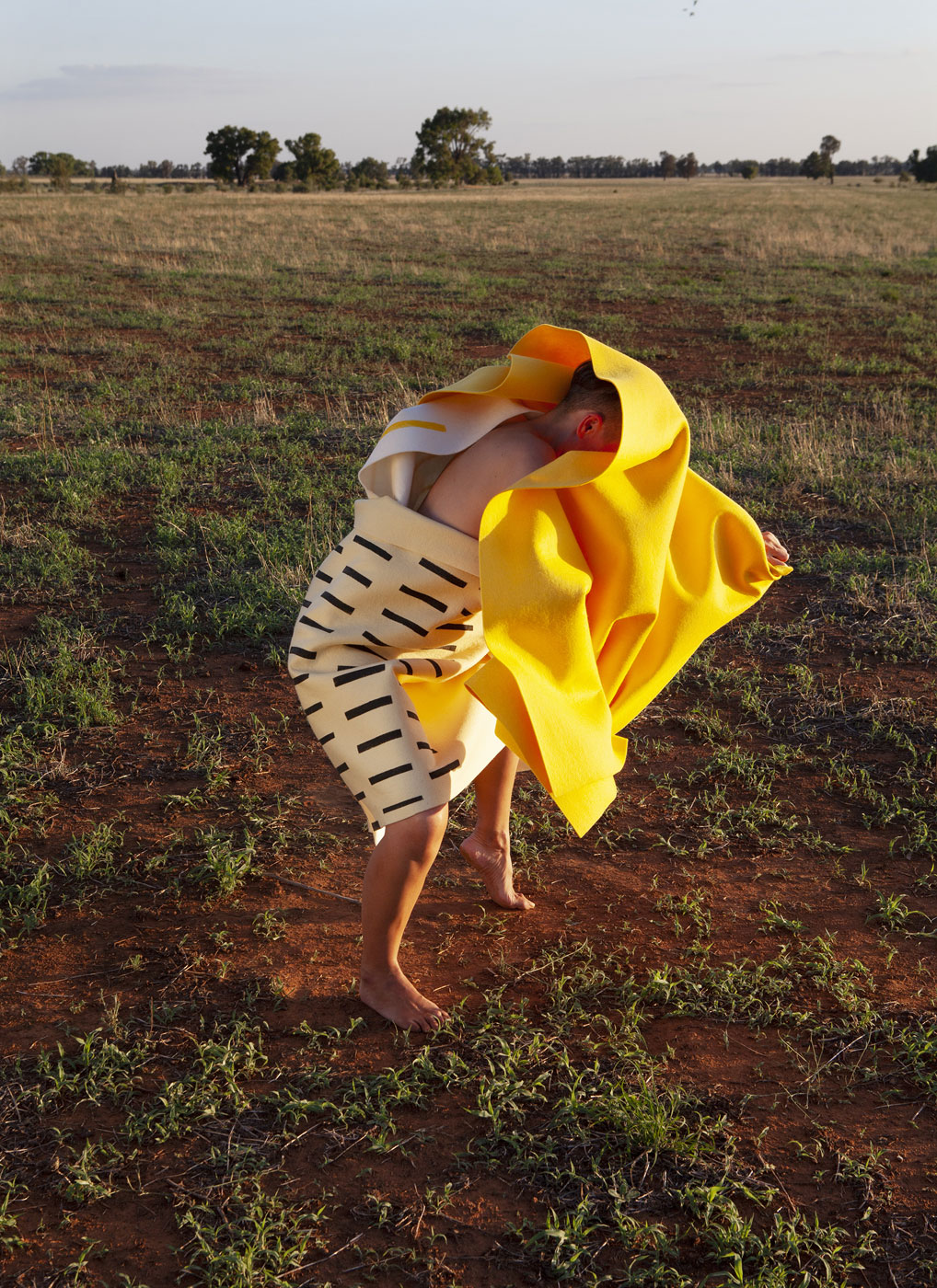
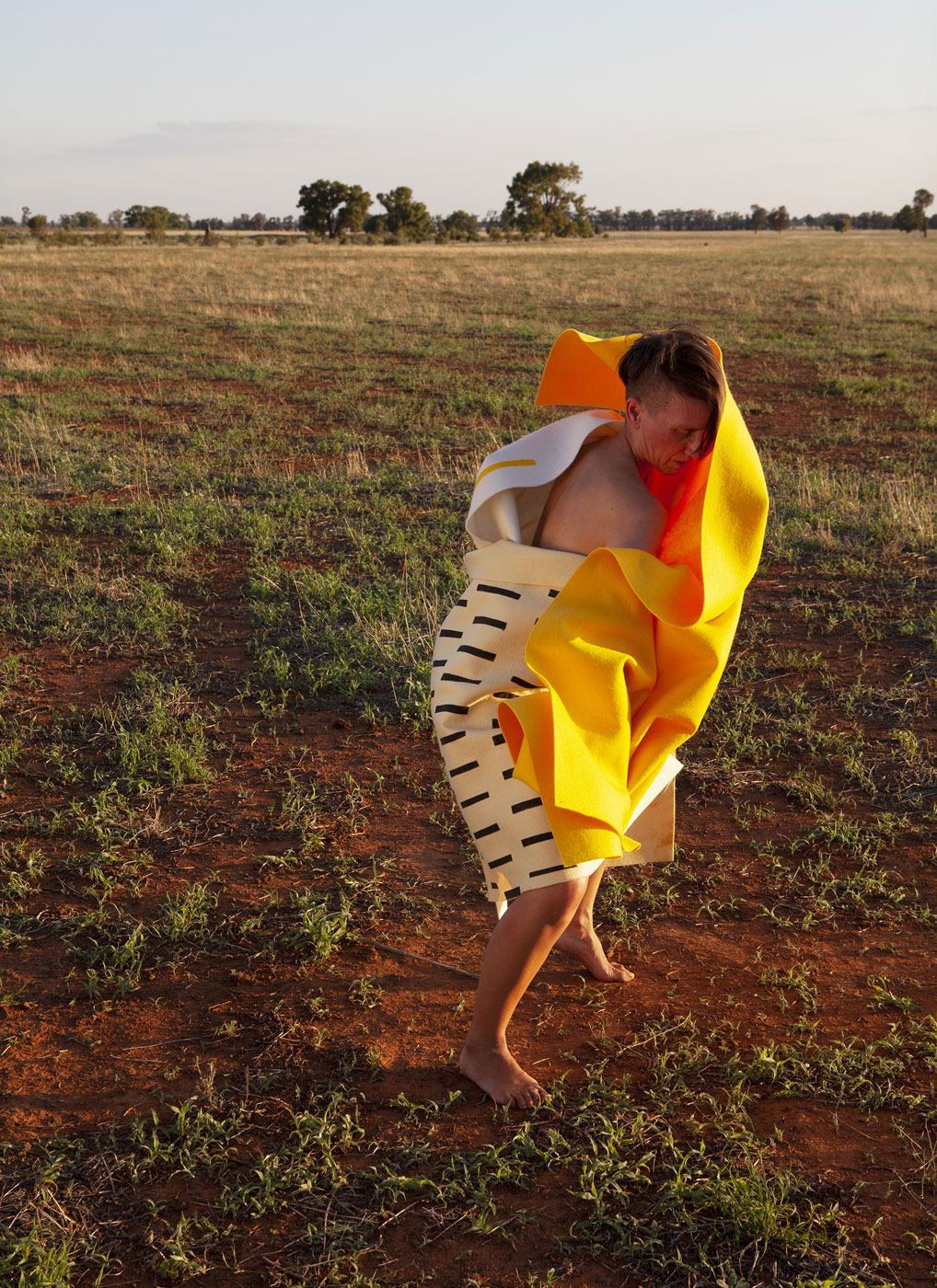
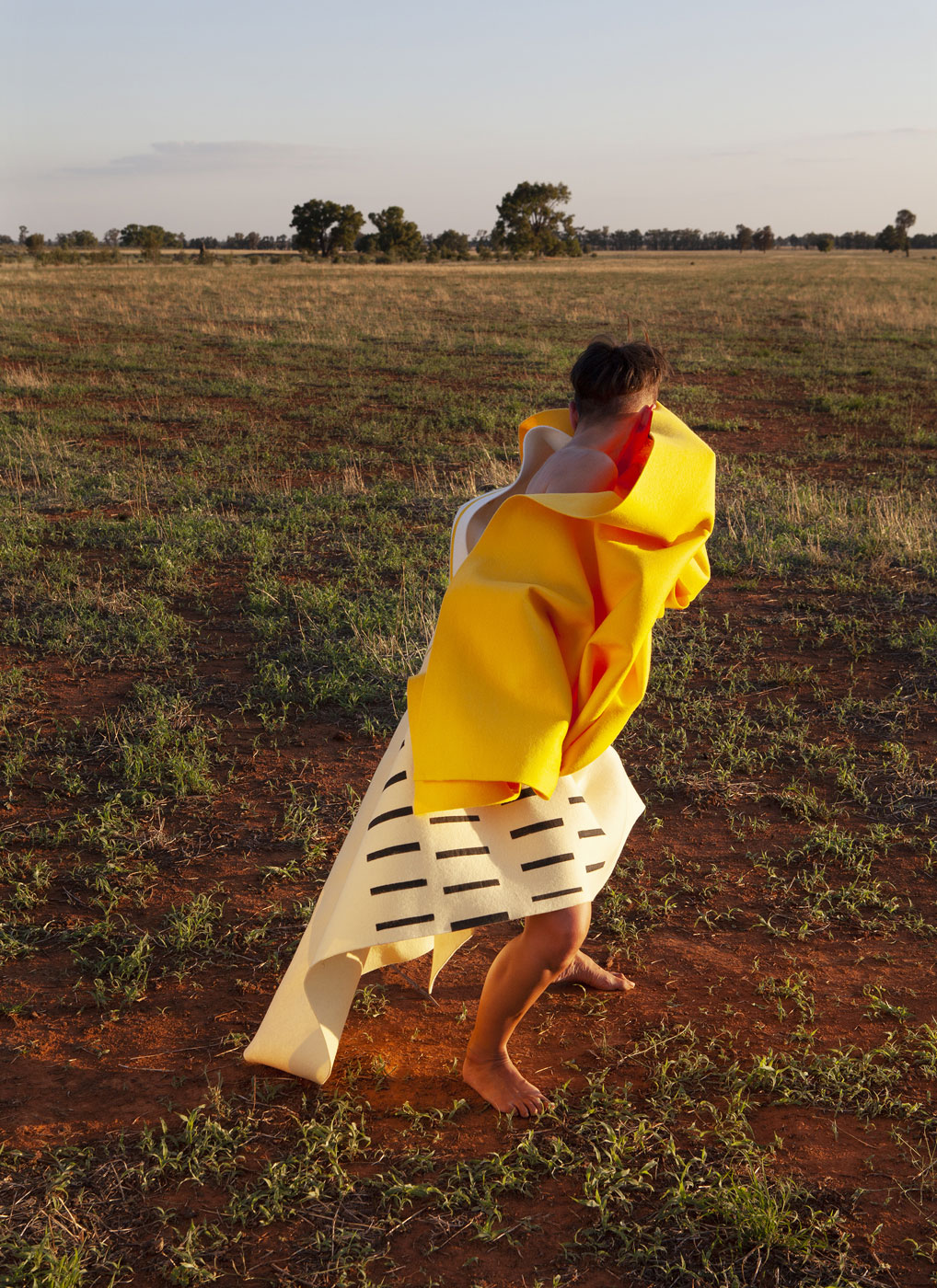
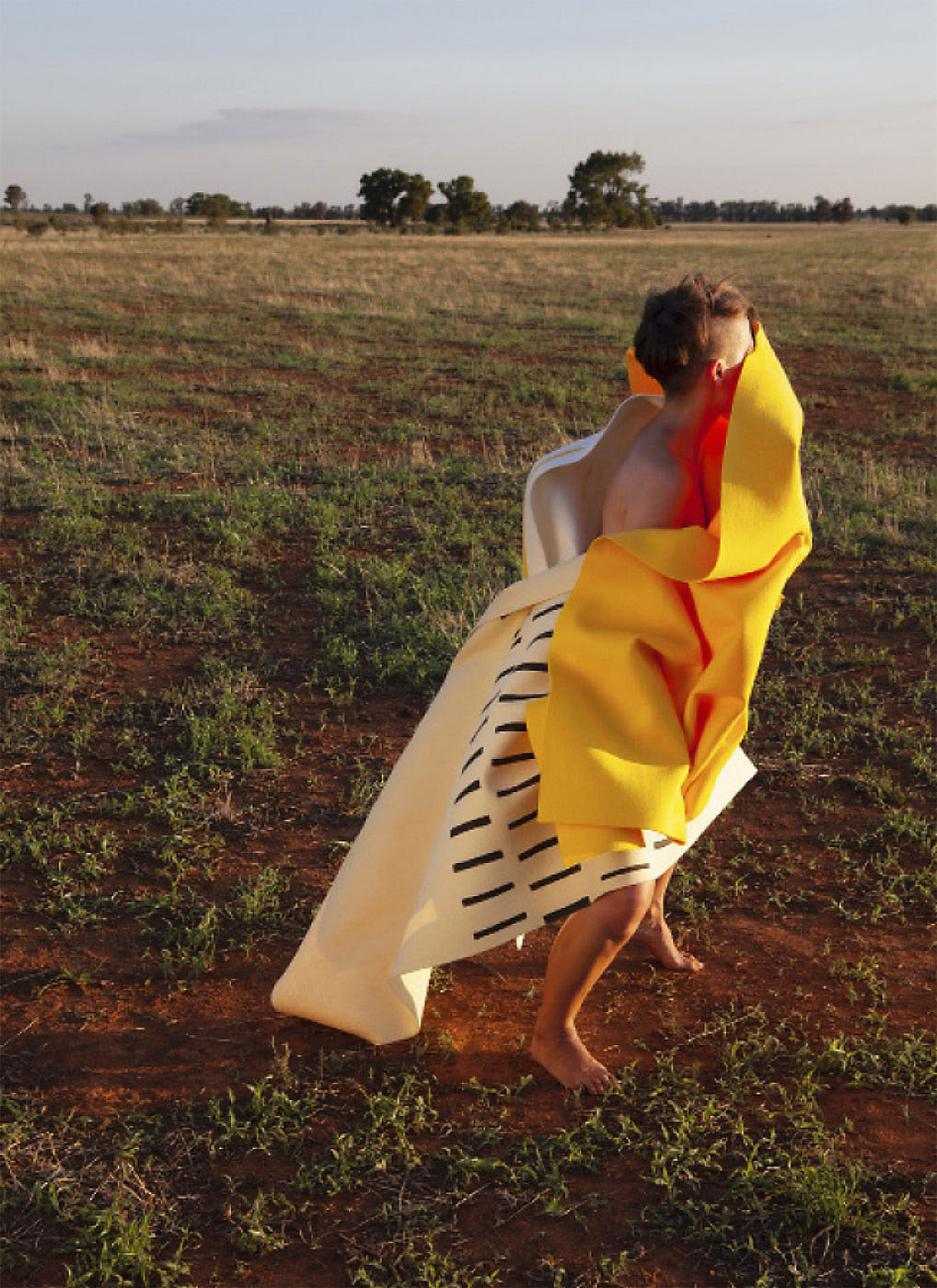
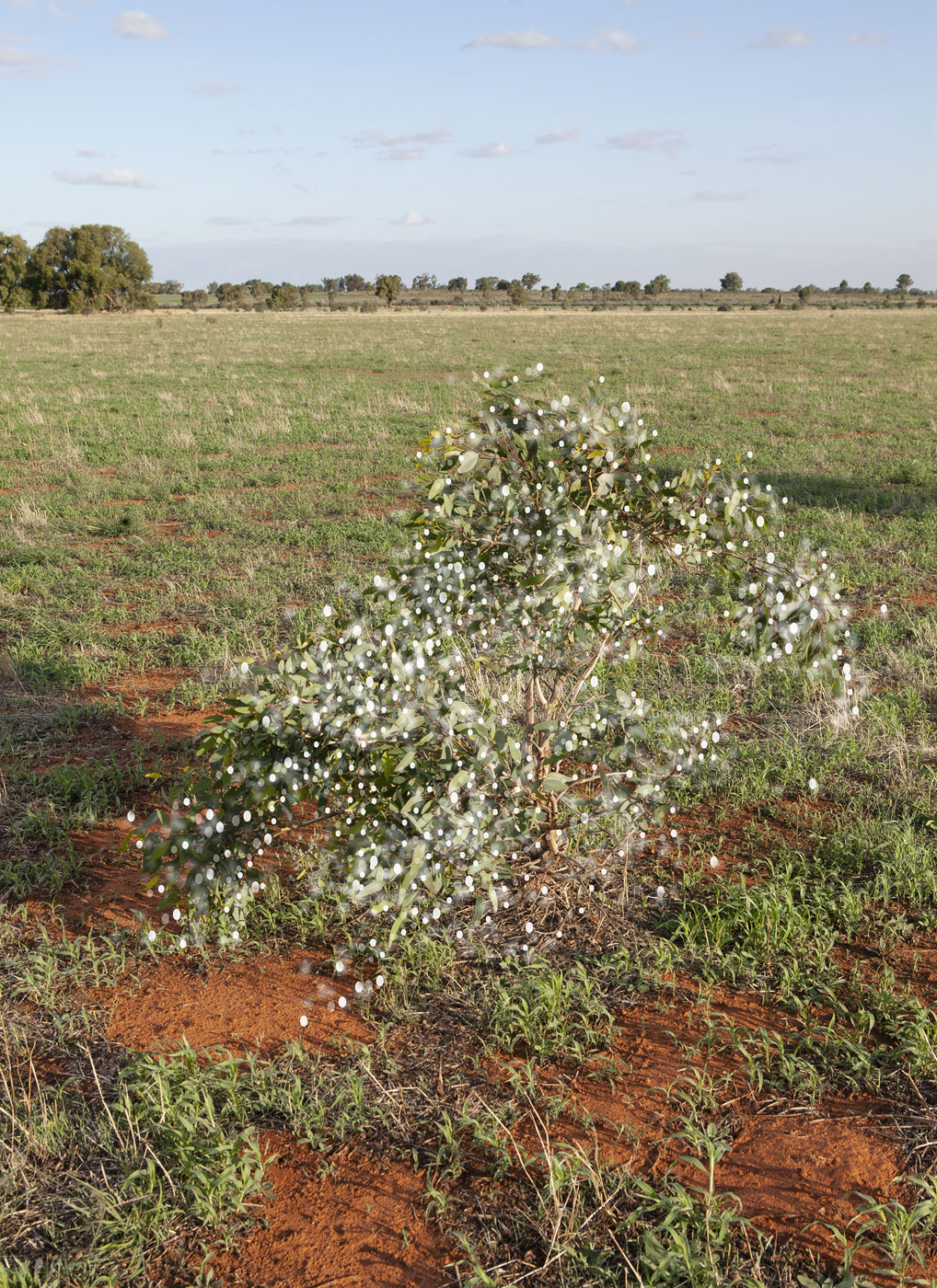
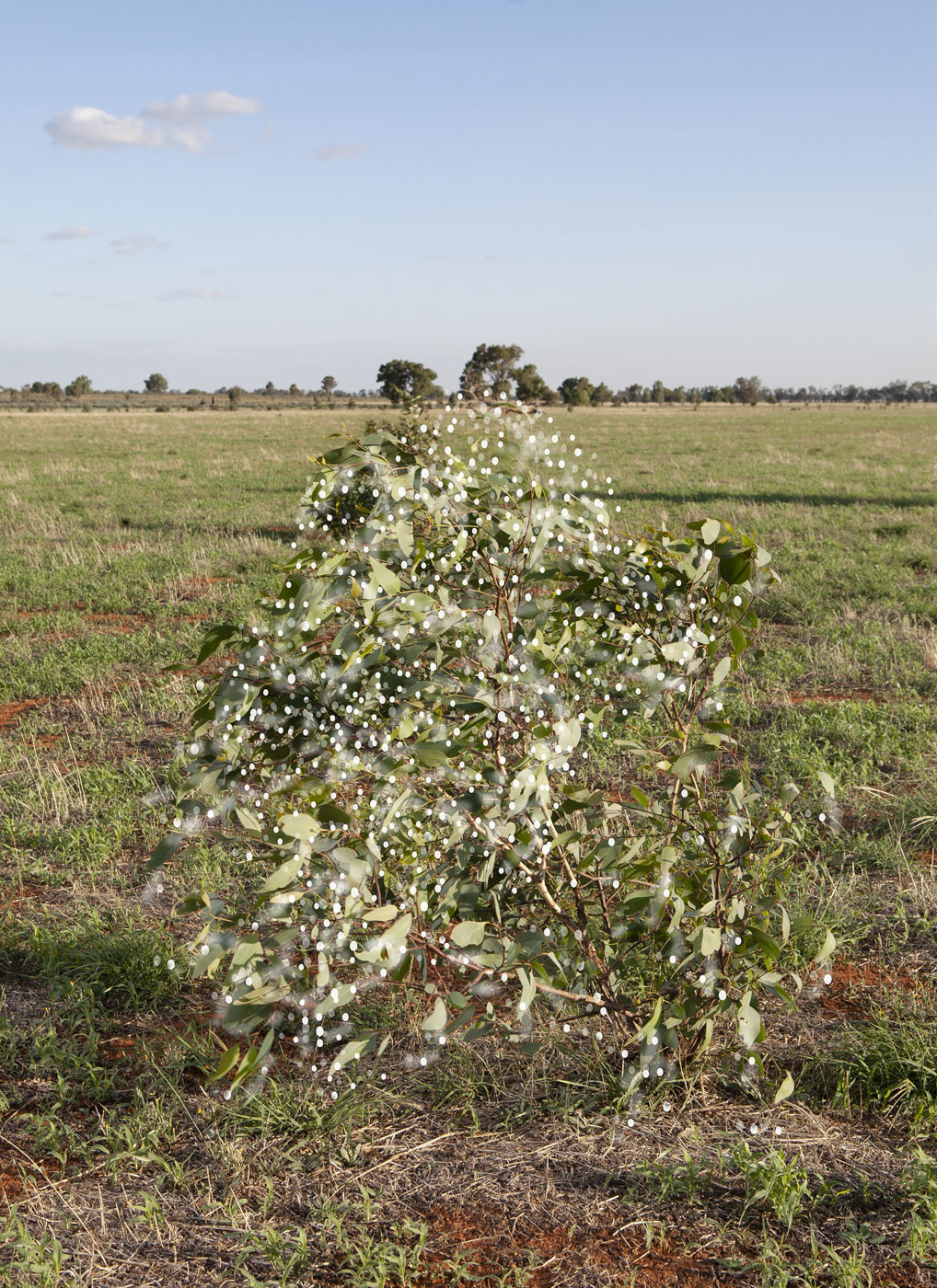
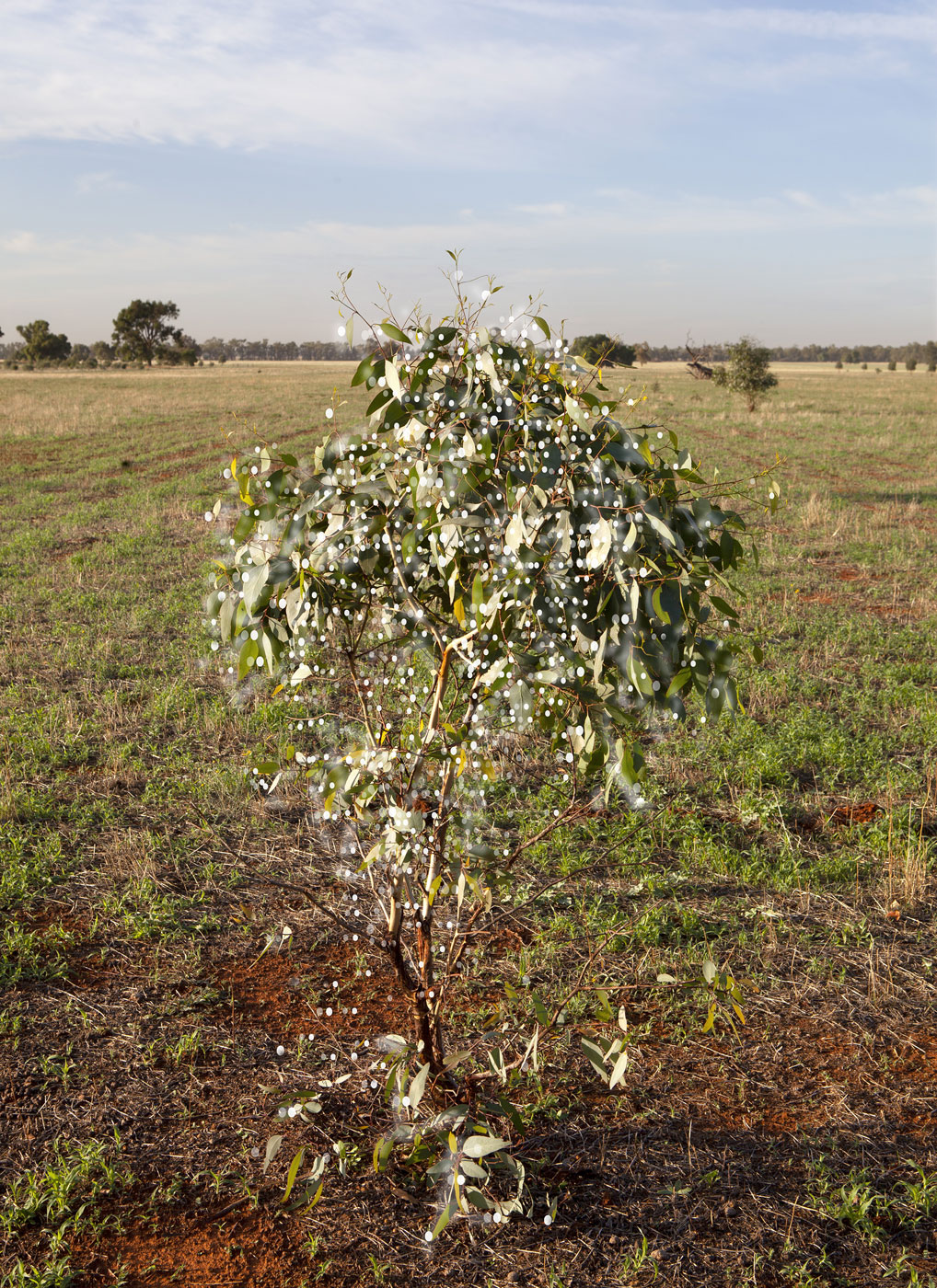


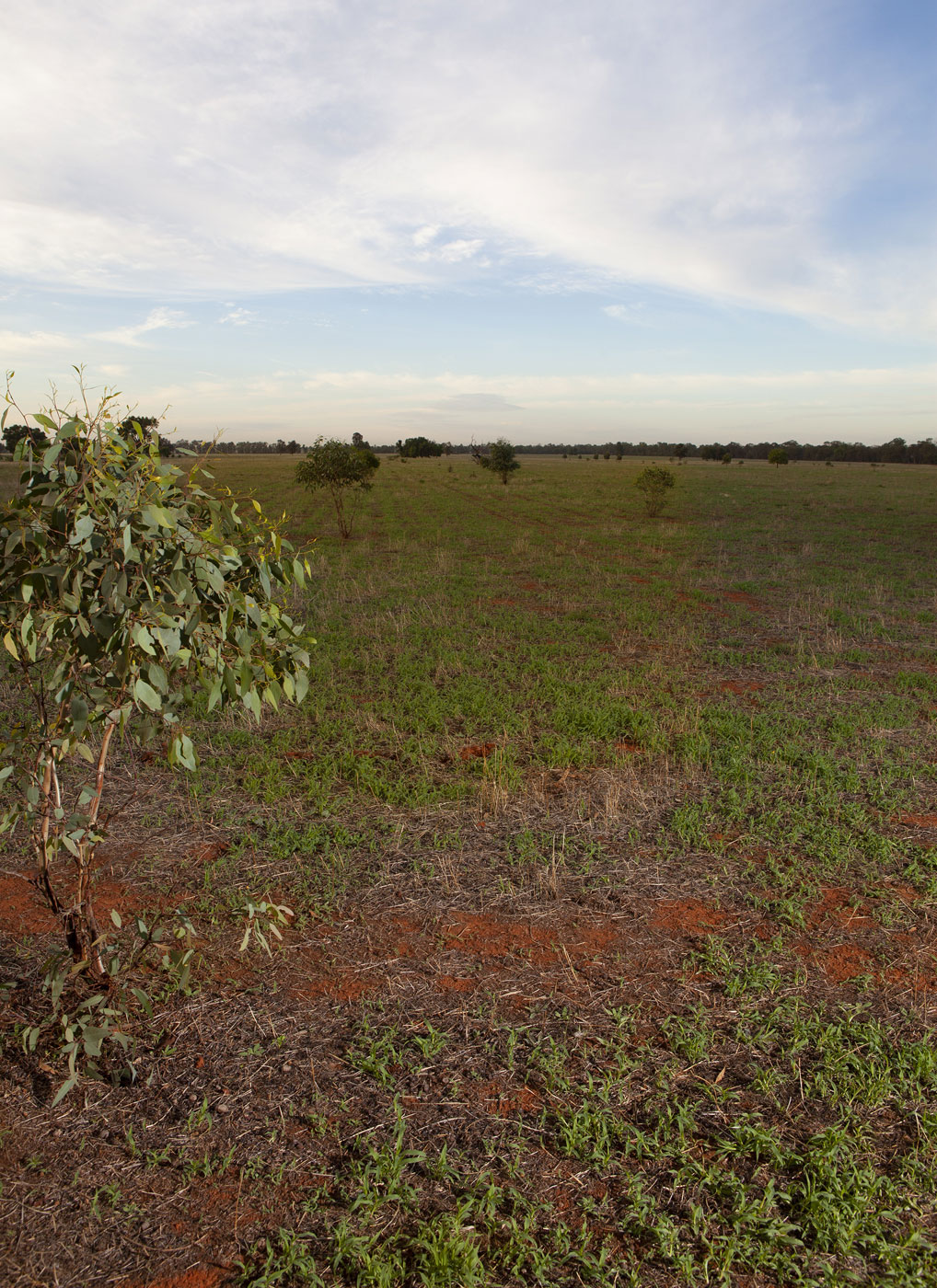
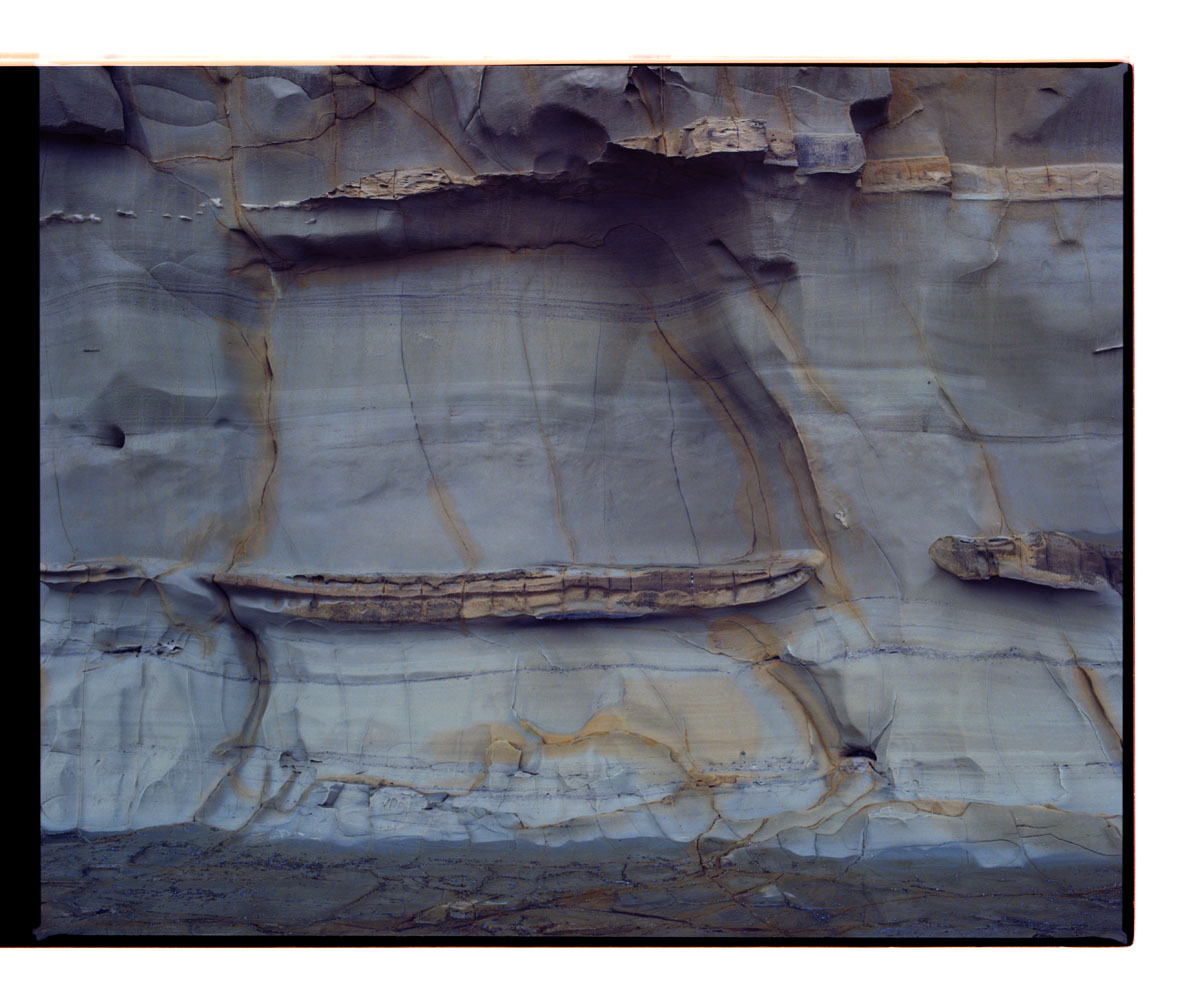

![Ian Lobb (Australian, b. 1948) 'Marcus 31/8/92 Taken by Ian Lobb at Phillip [Institute]' 1992](https://artblart.com/wp-content/uploads/2021/11/ian-lobb-marcus-phillip-institute-1992.jpg "Ian Lobb (Australian, b. 1948) 'Marcus 31/8/92 Taken by Ian Lobb at Phillip [Institute]' 1992")

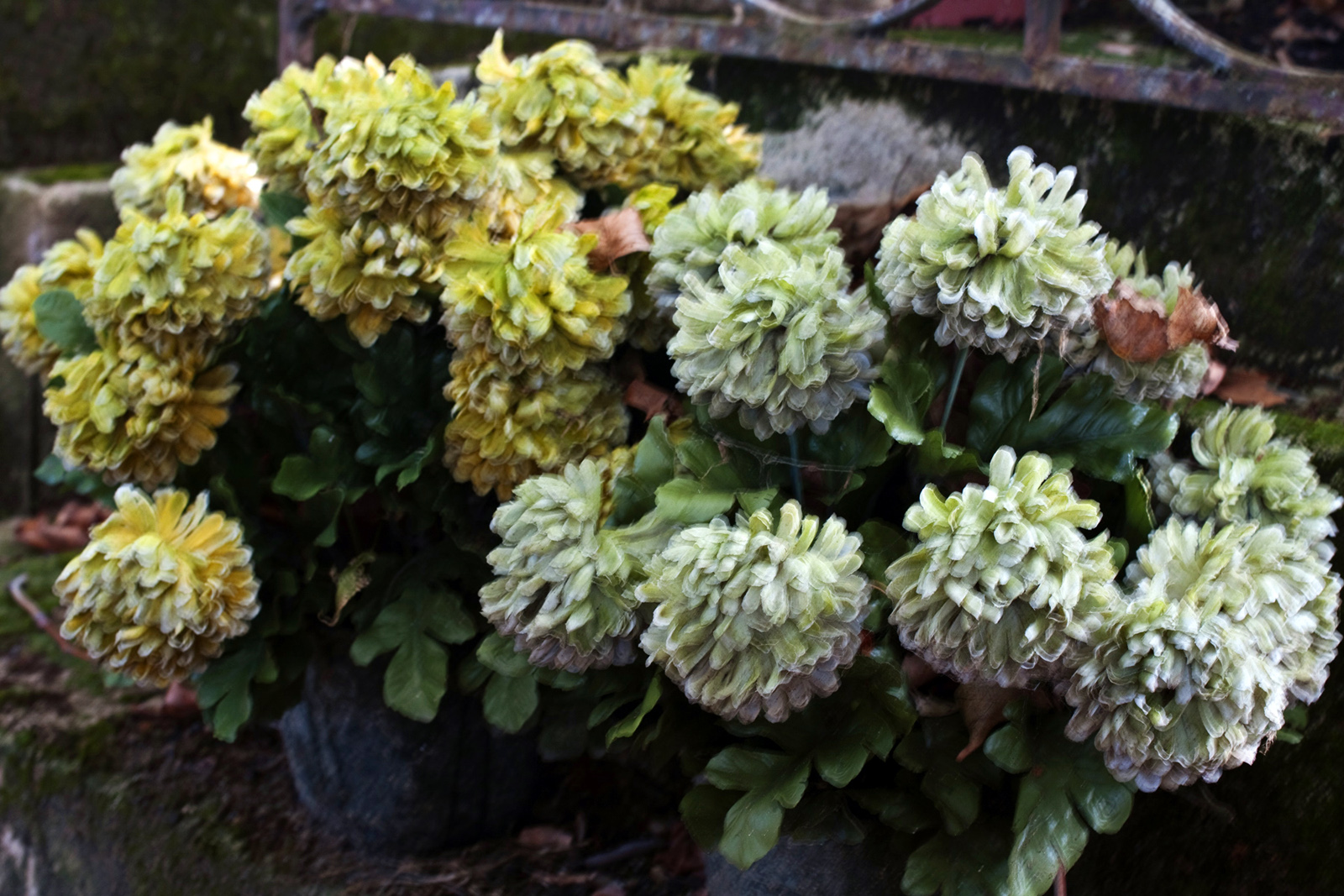
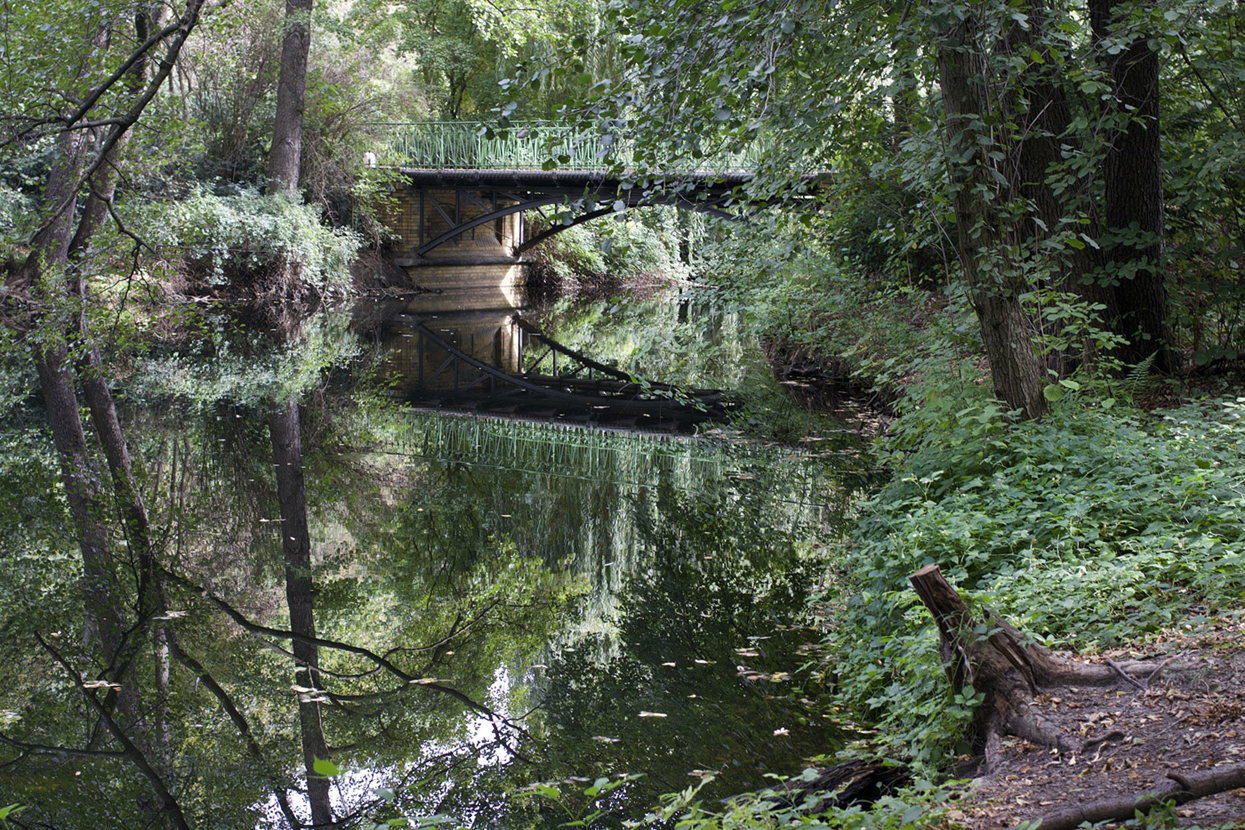
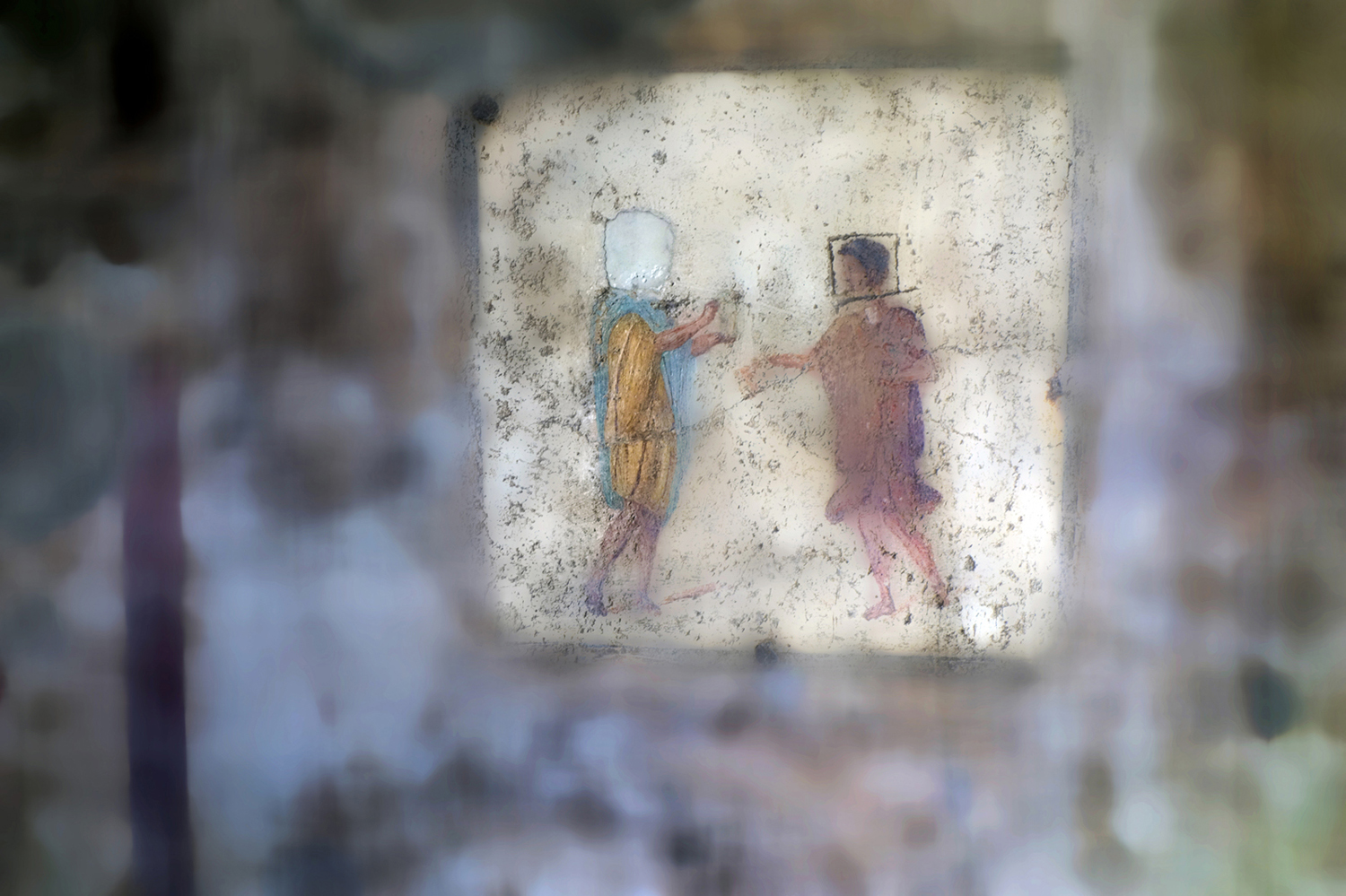

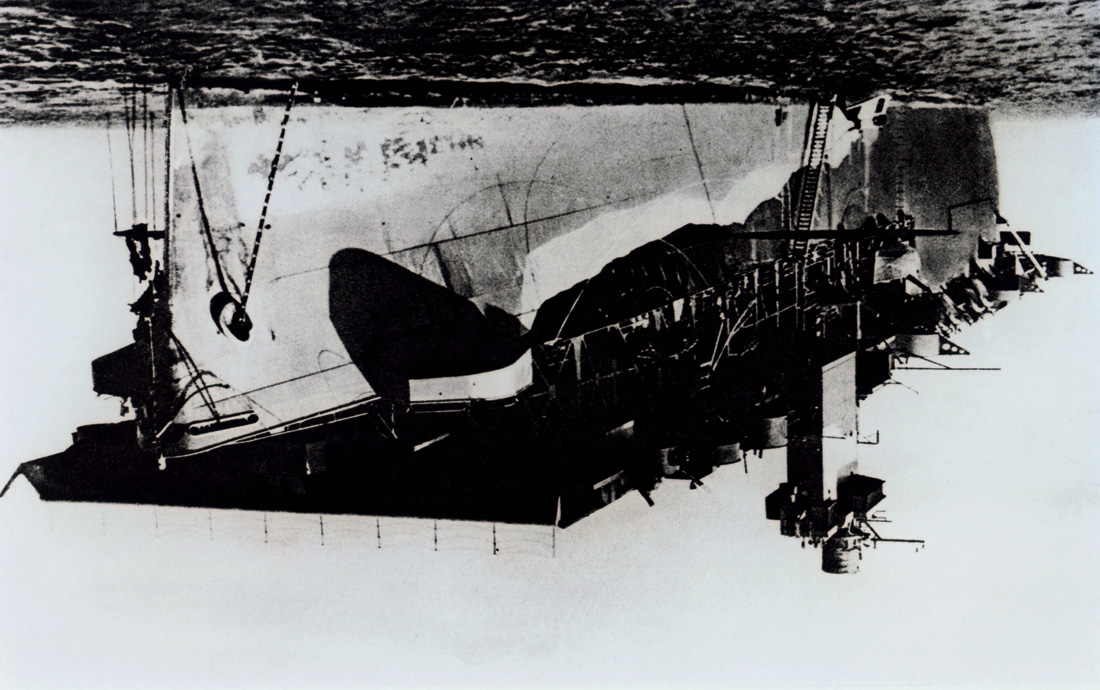
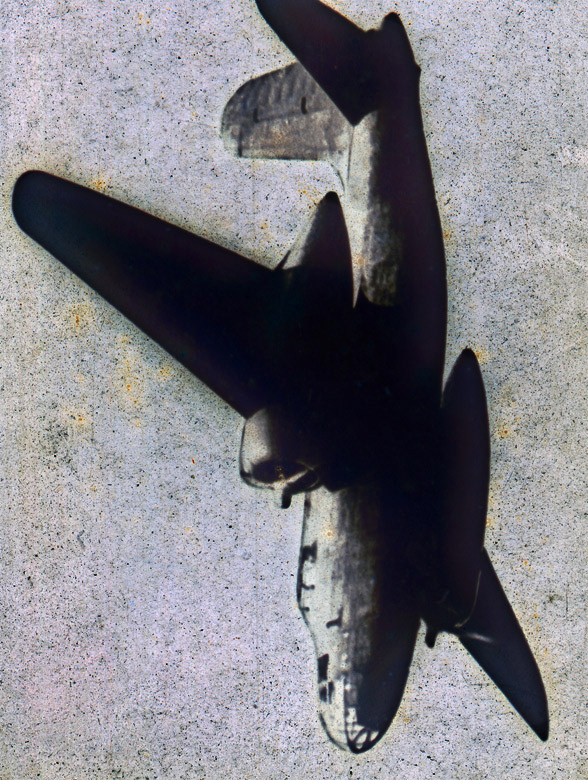

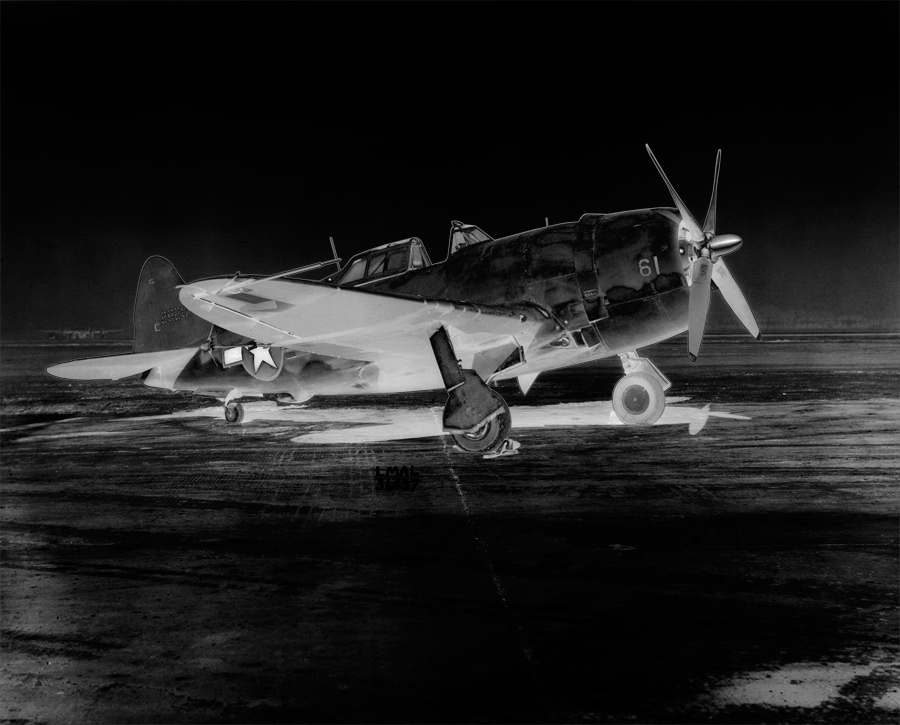
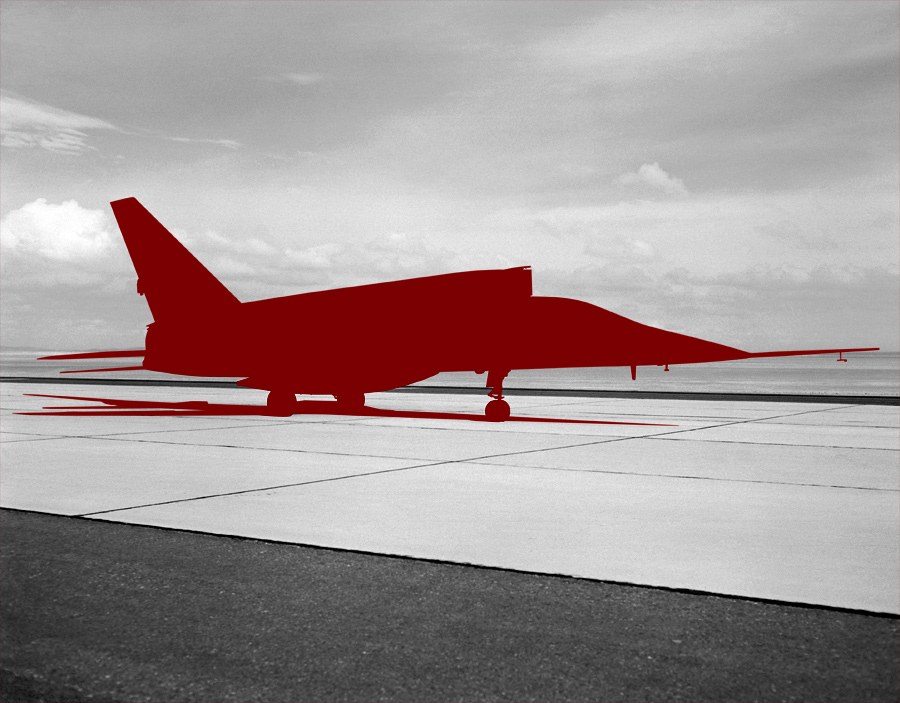
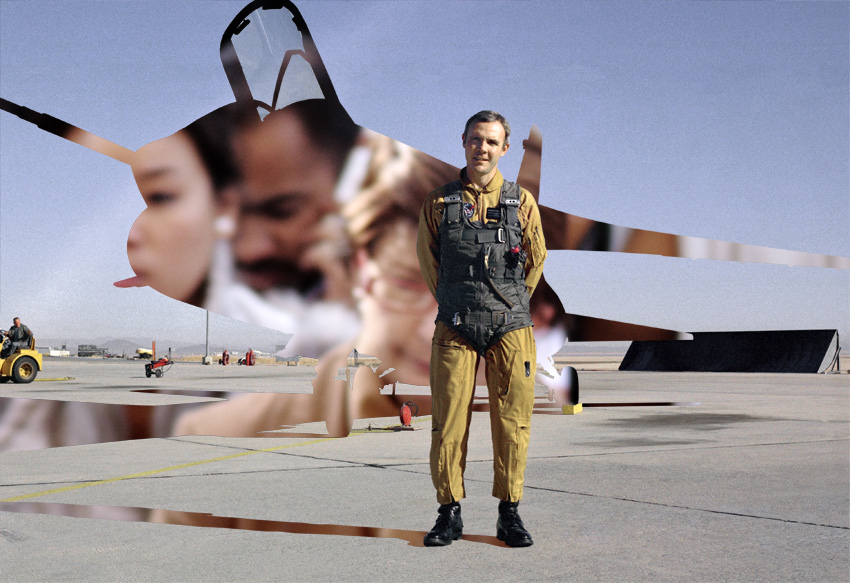
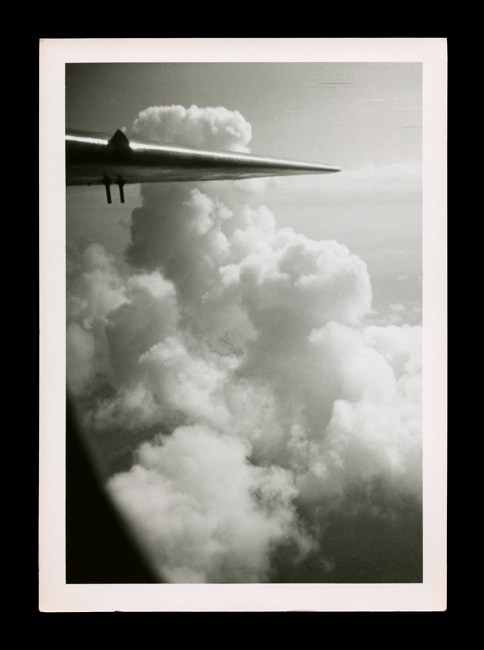
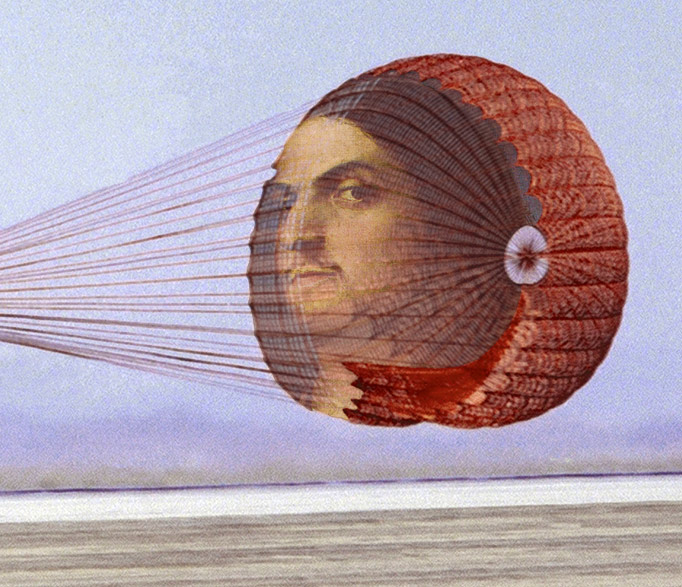

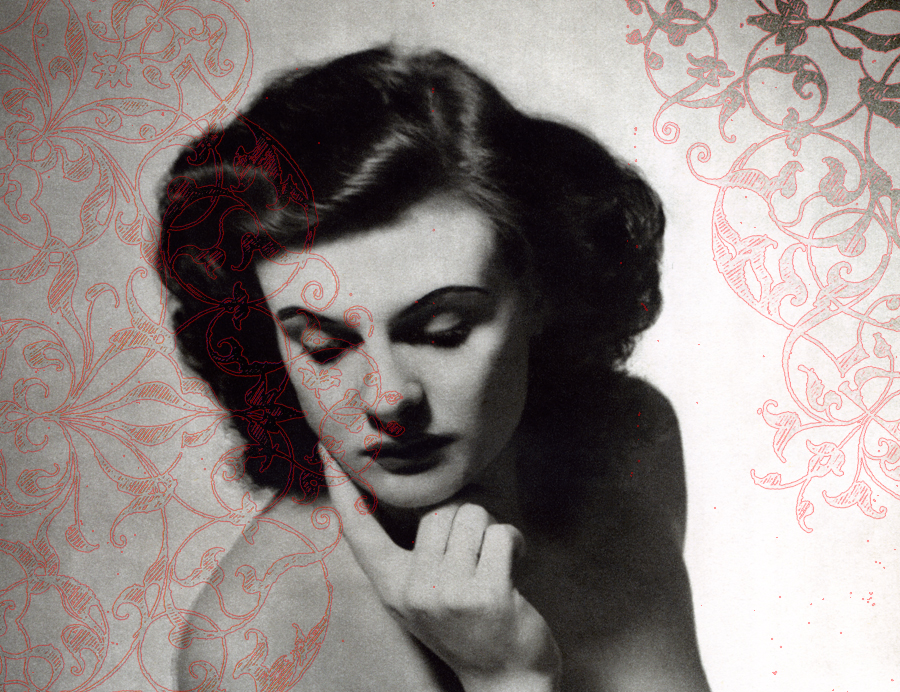
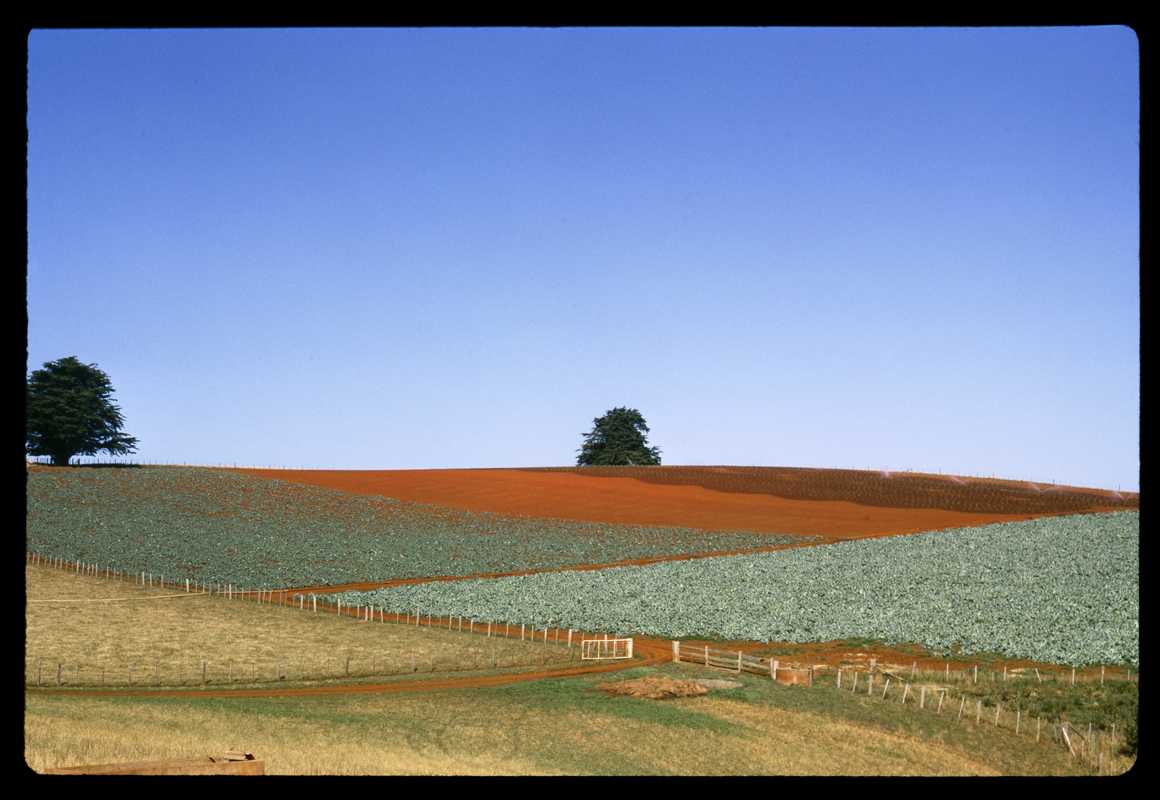
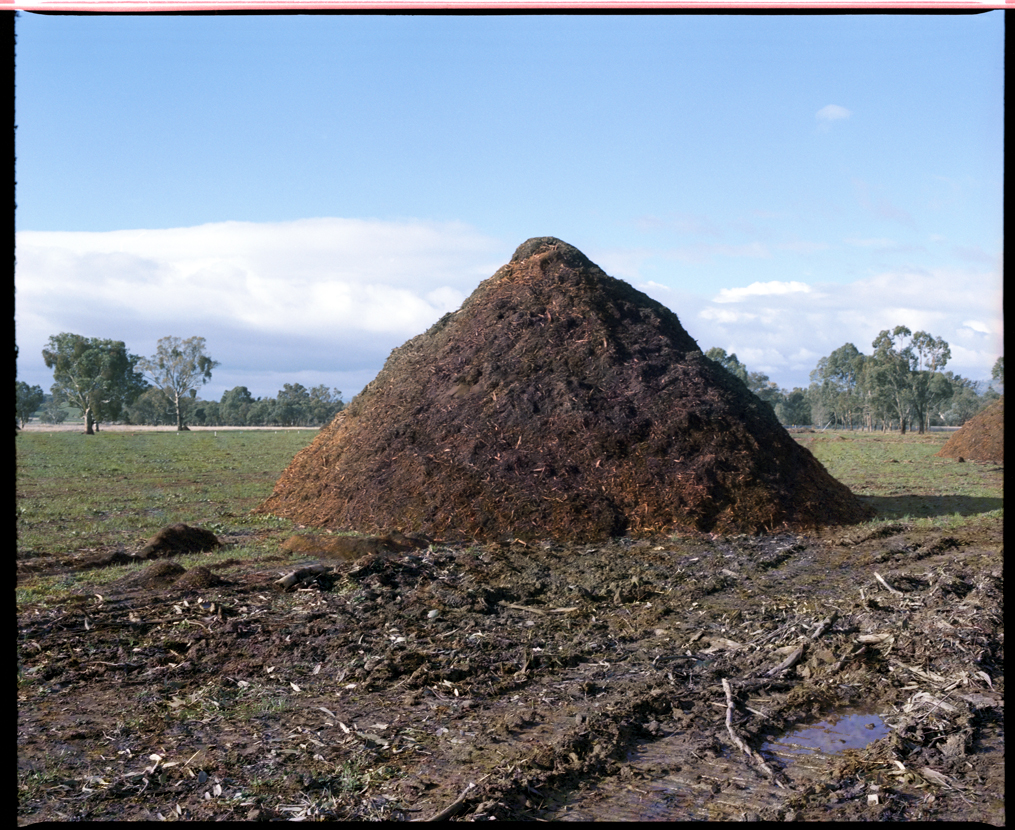
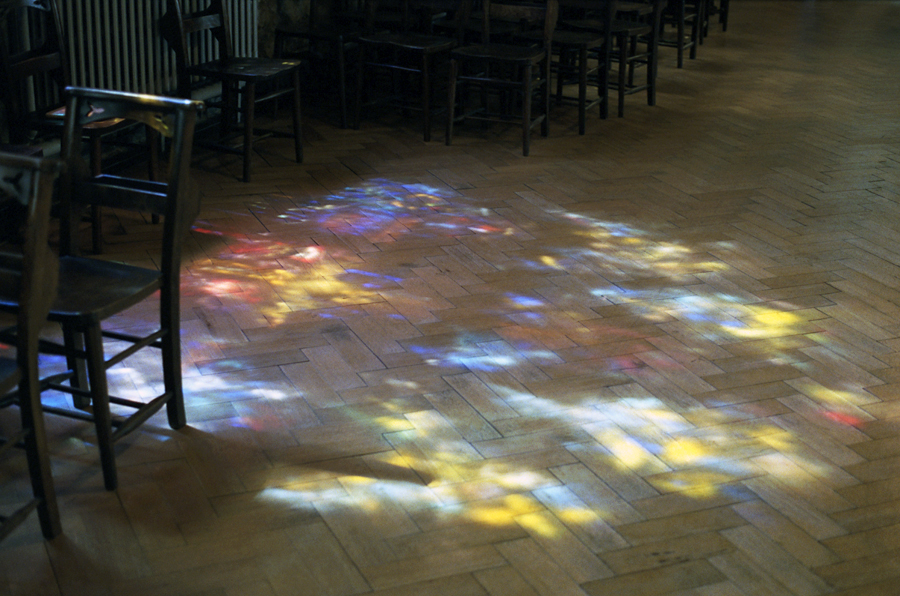


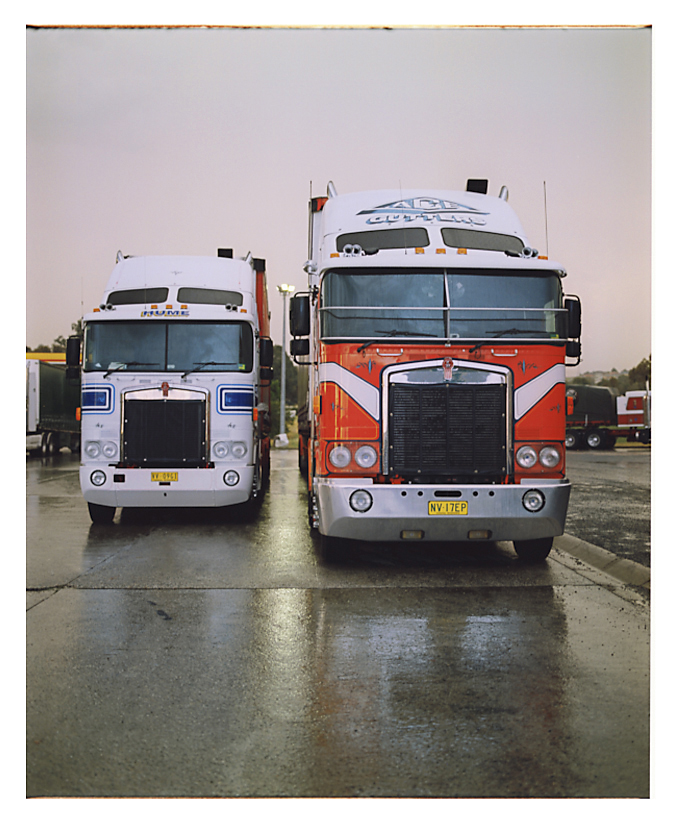
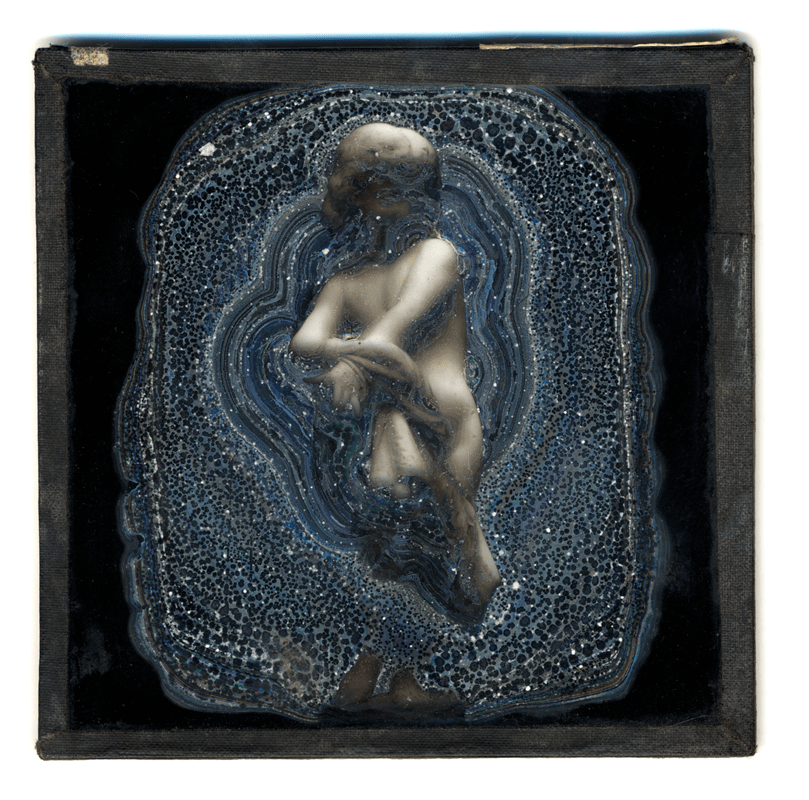
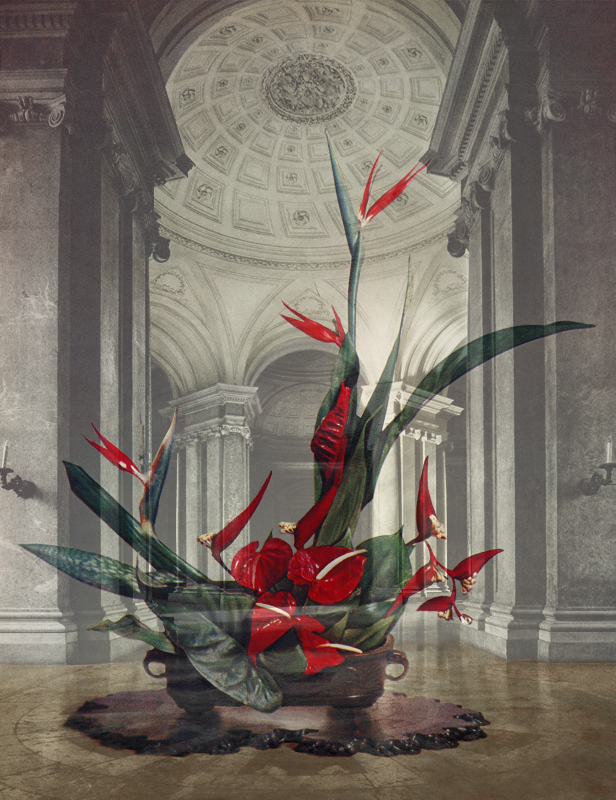
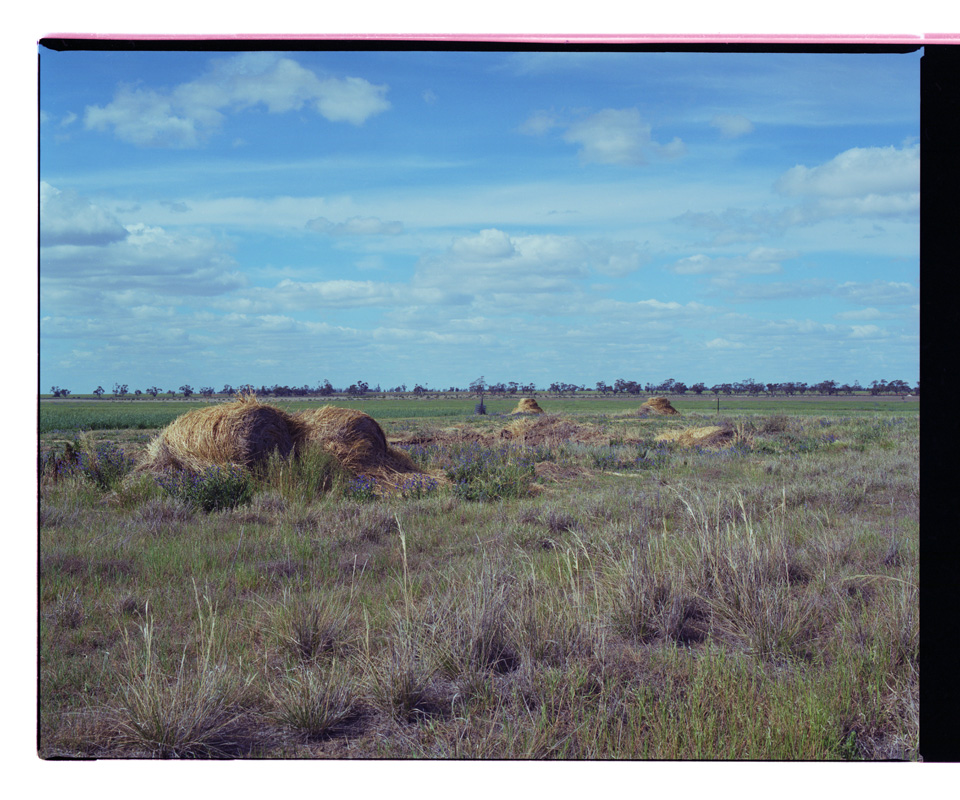
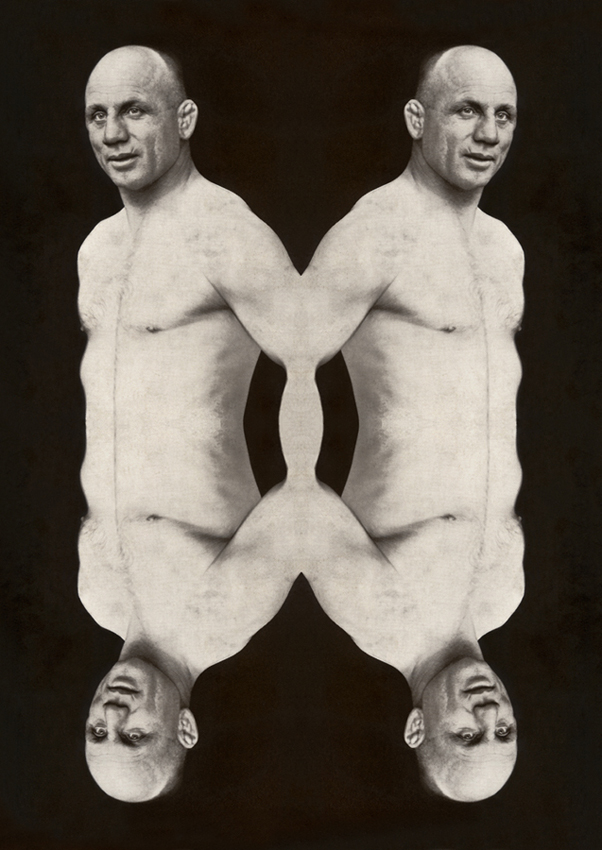
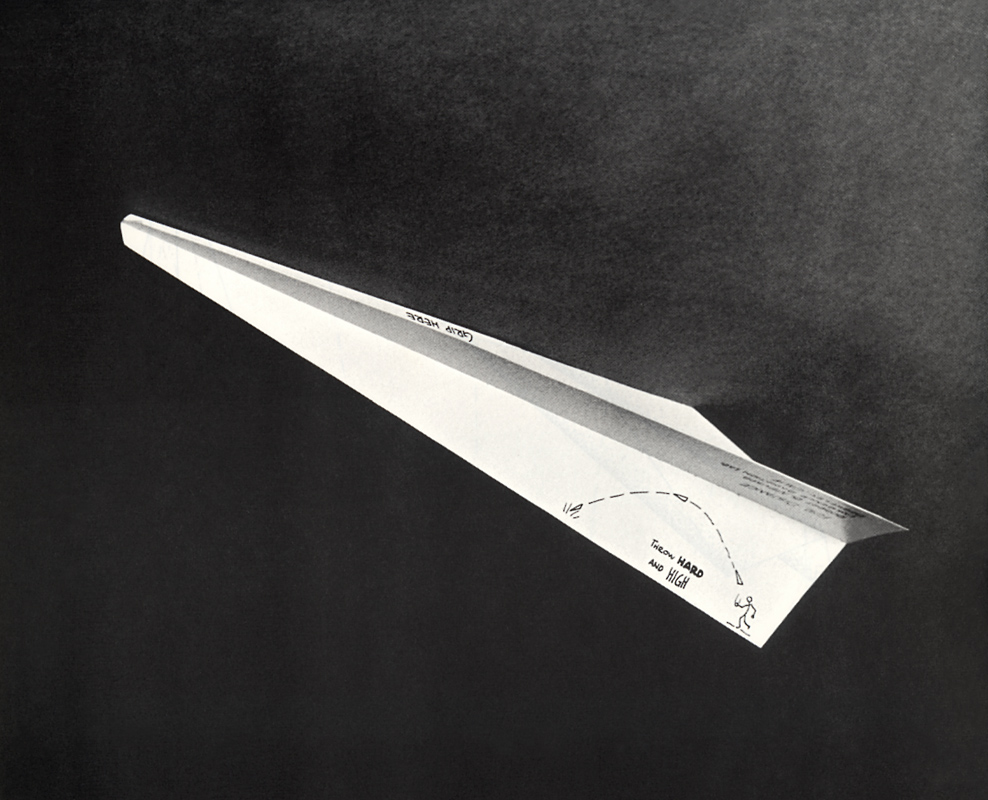
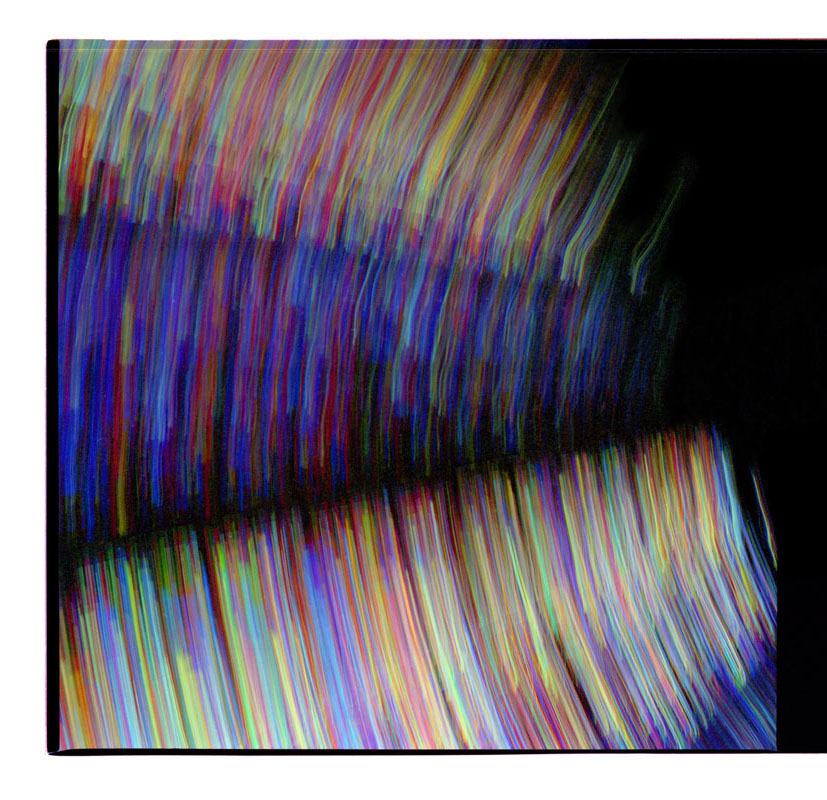

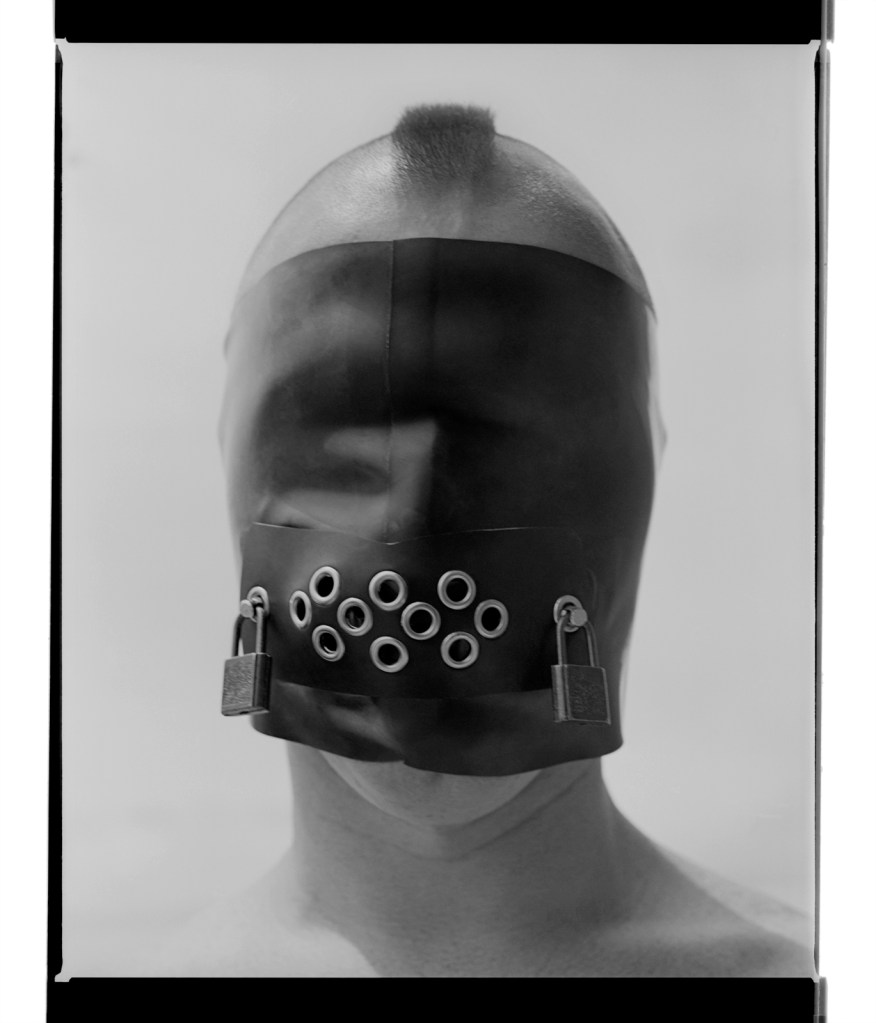
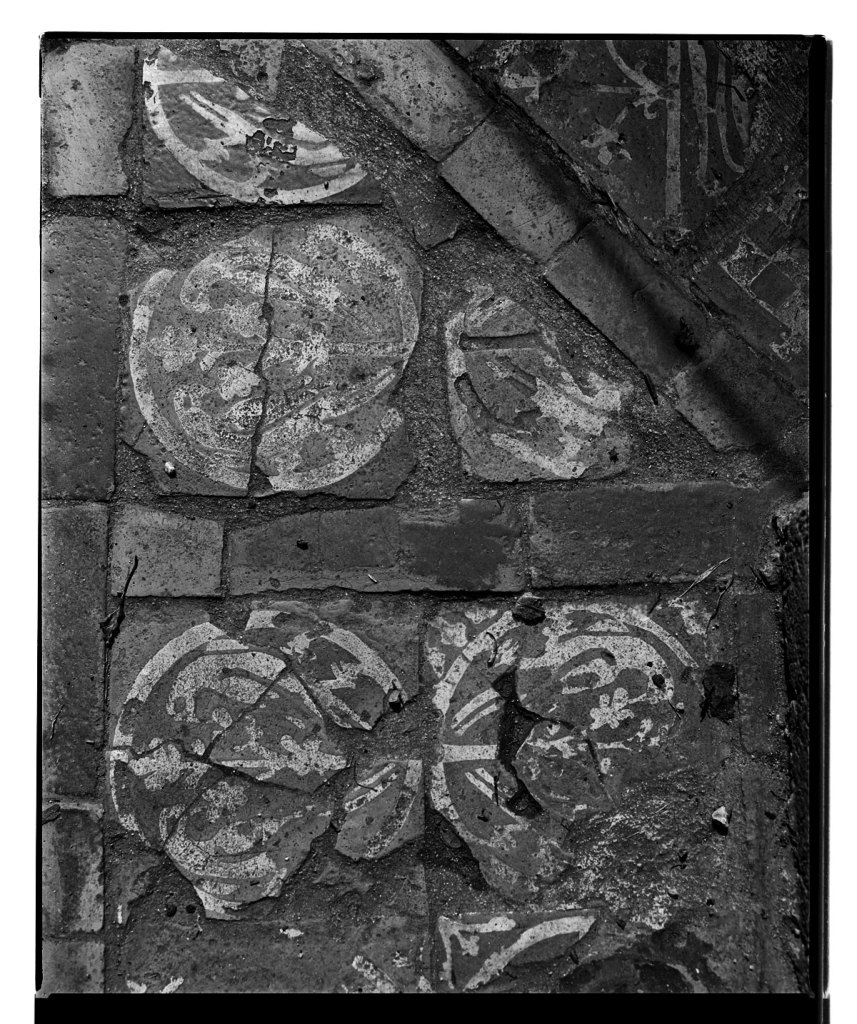
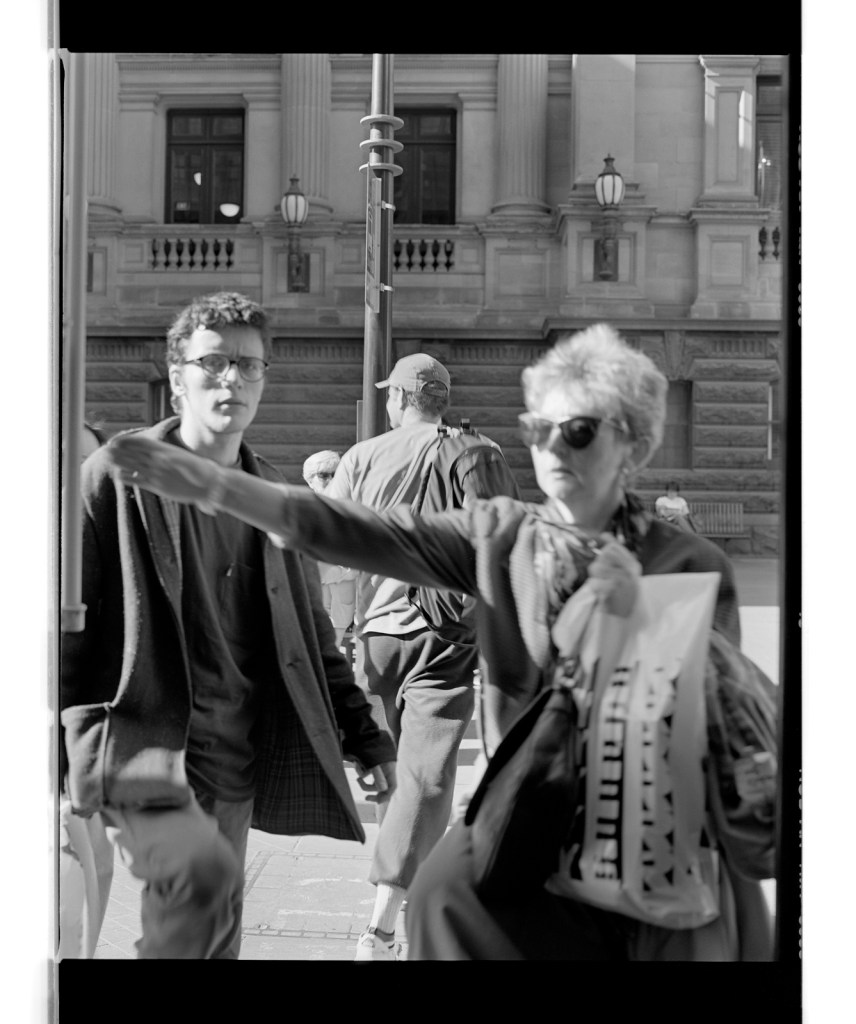
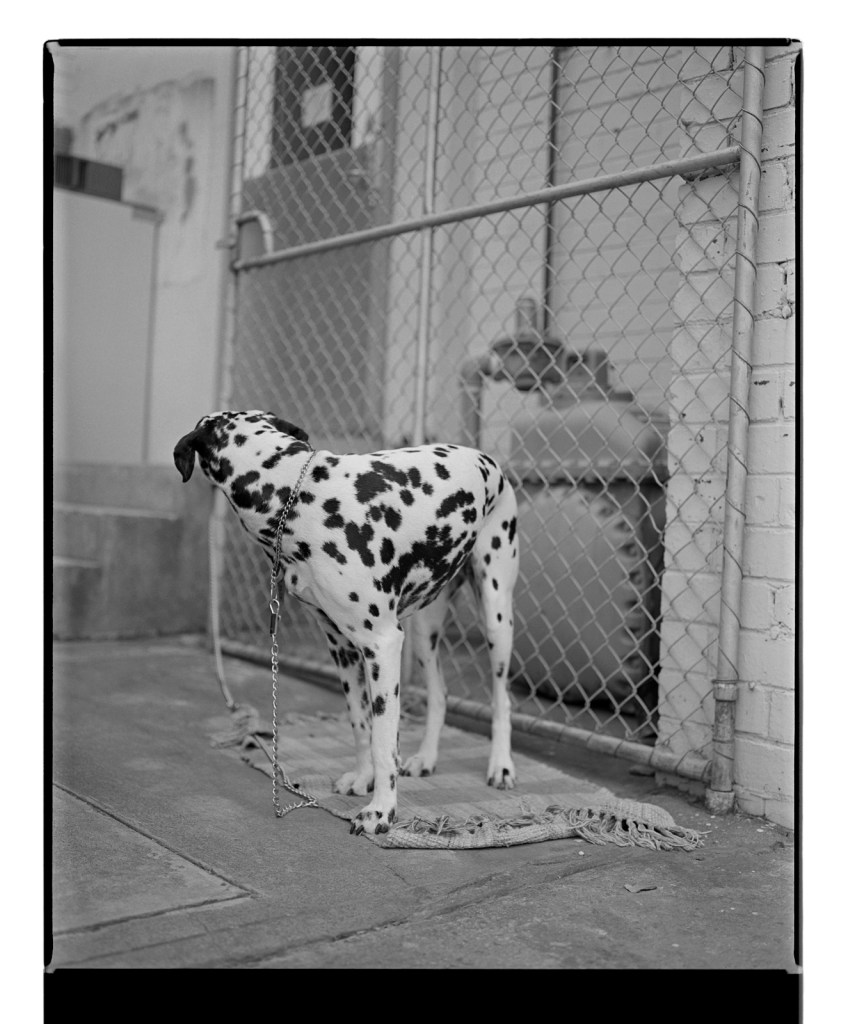
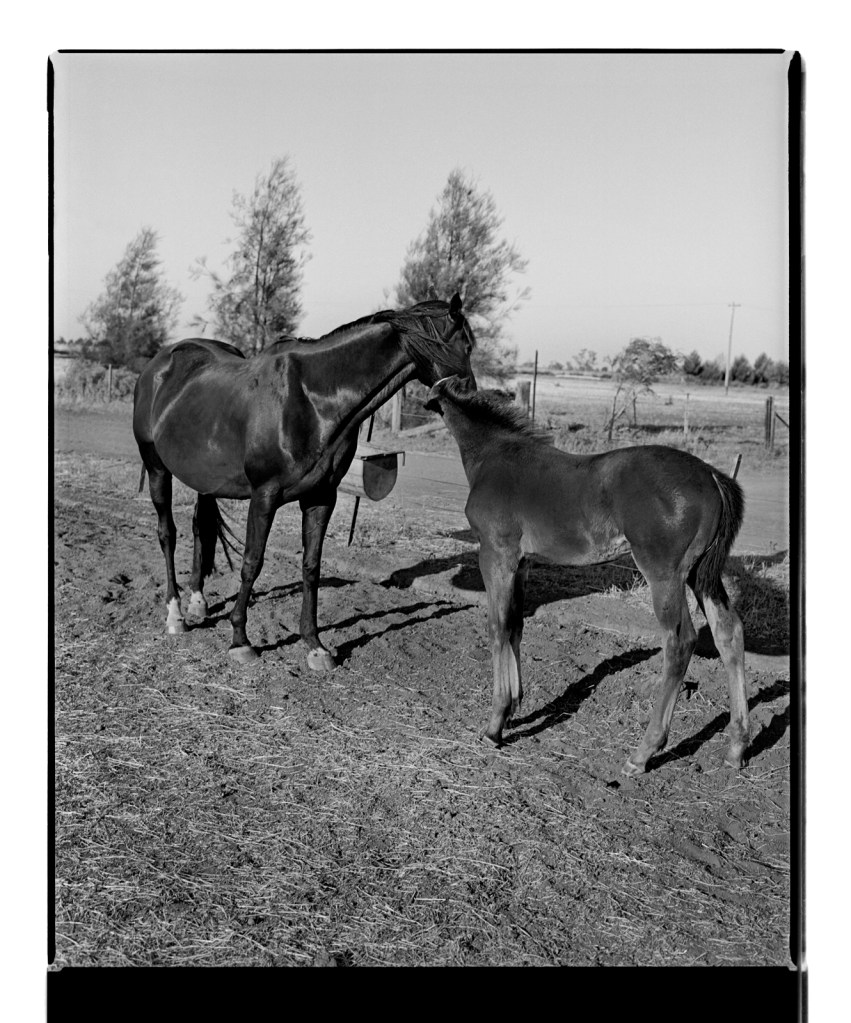
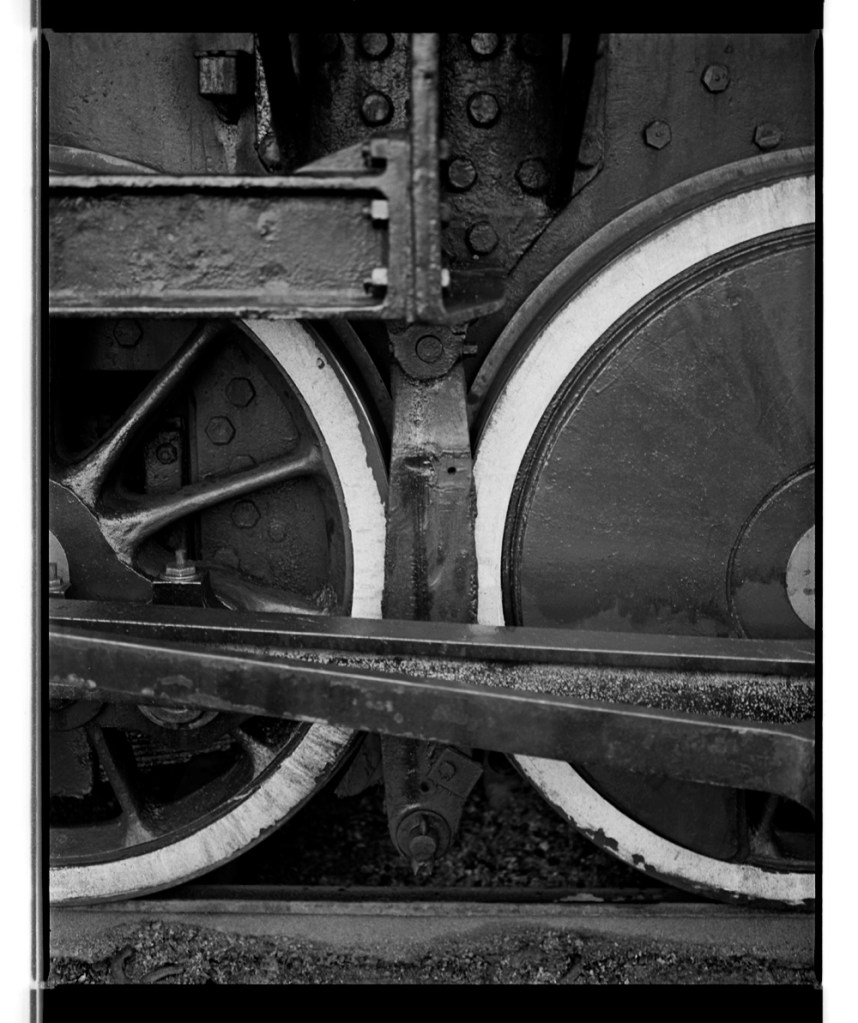
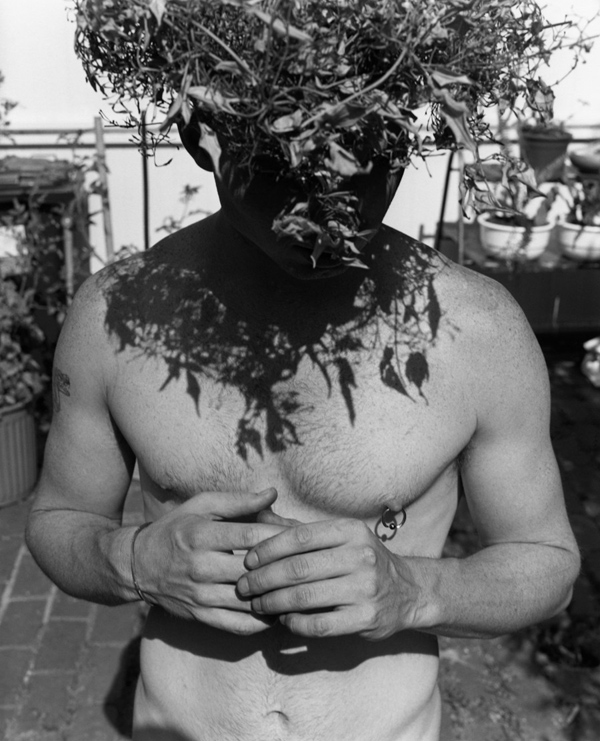

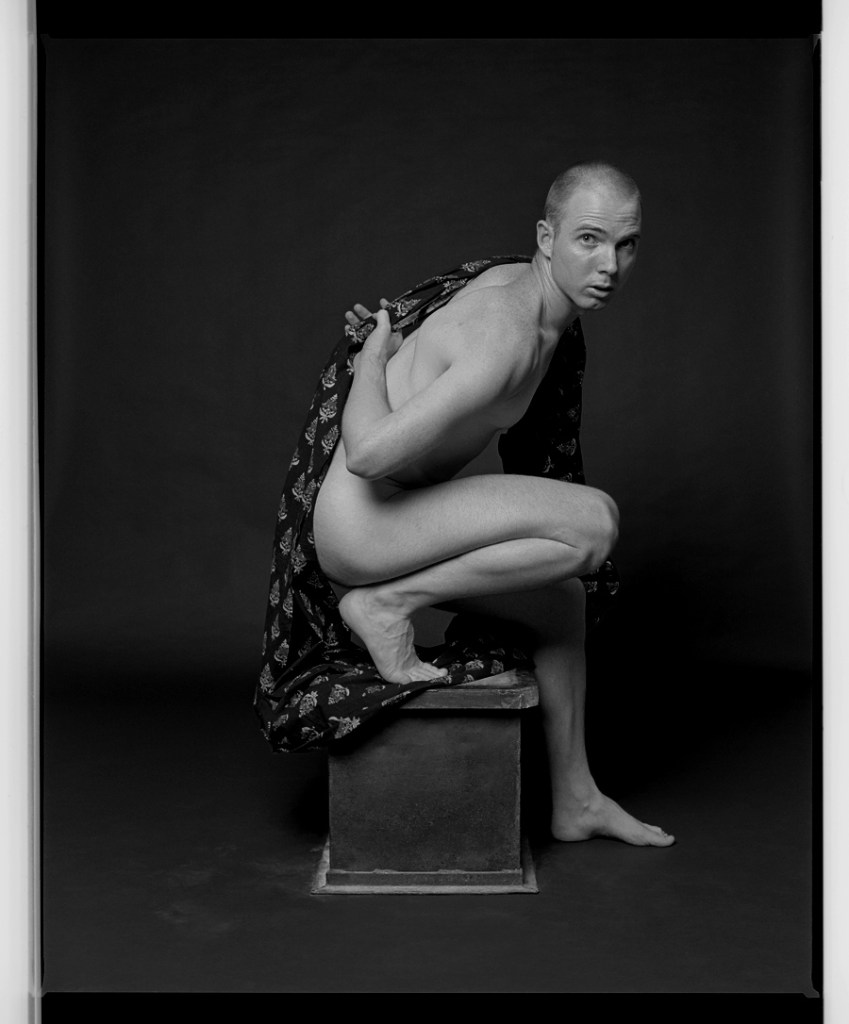
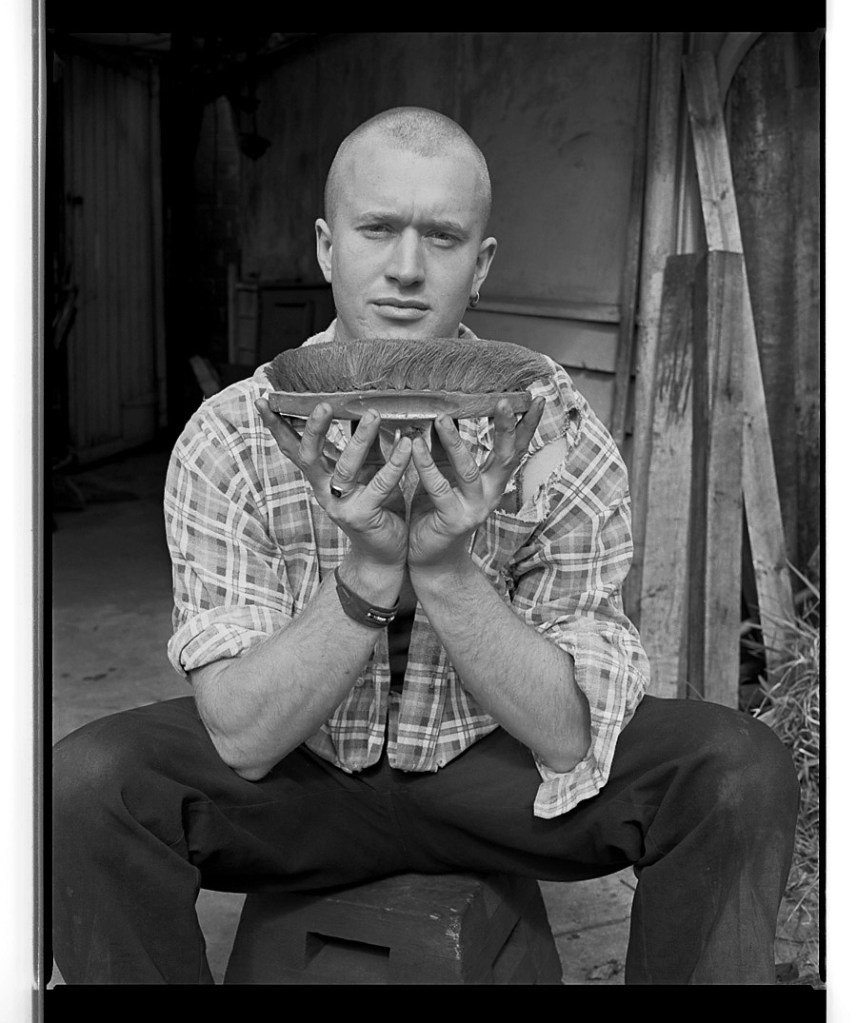
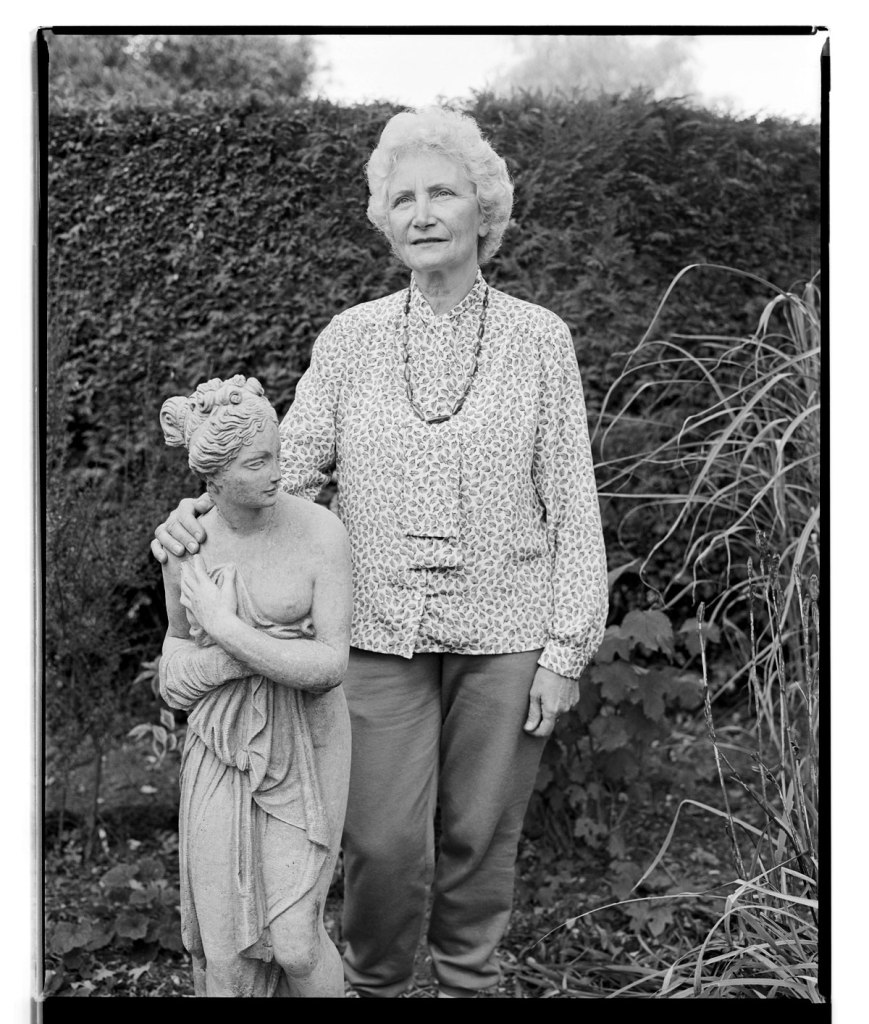
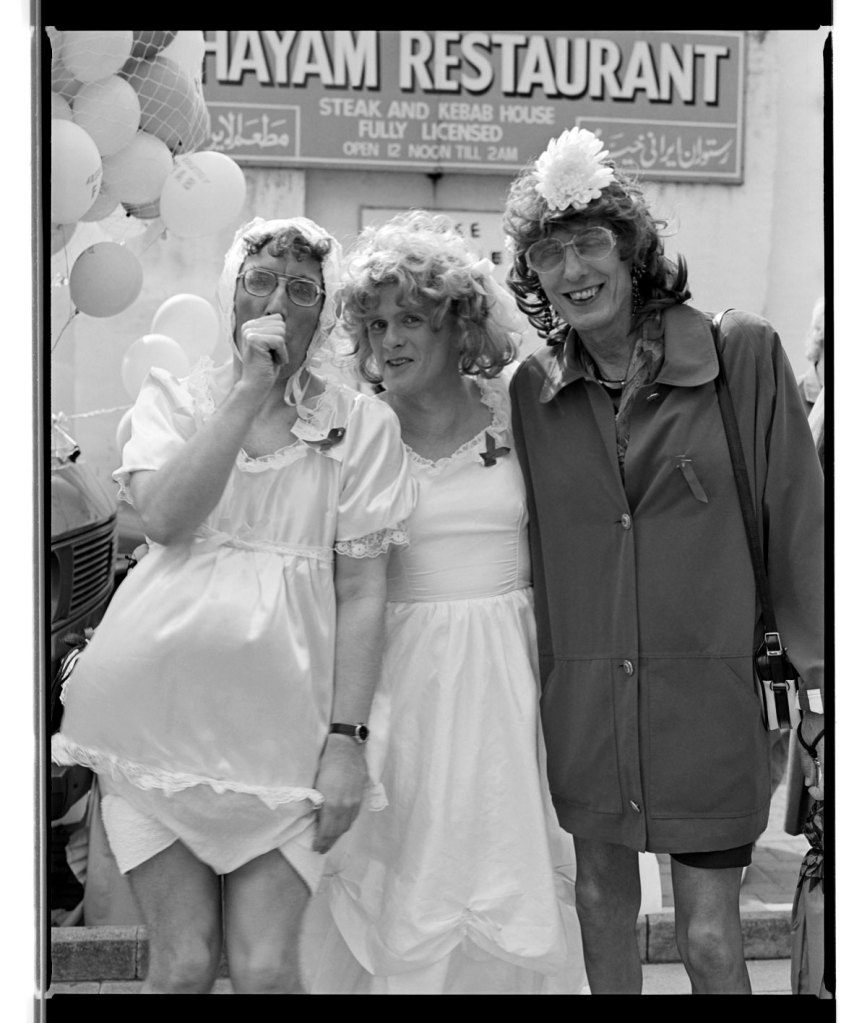
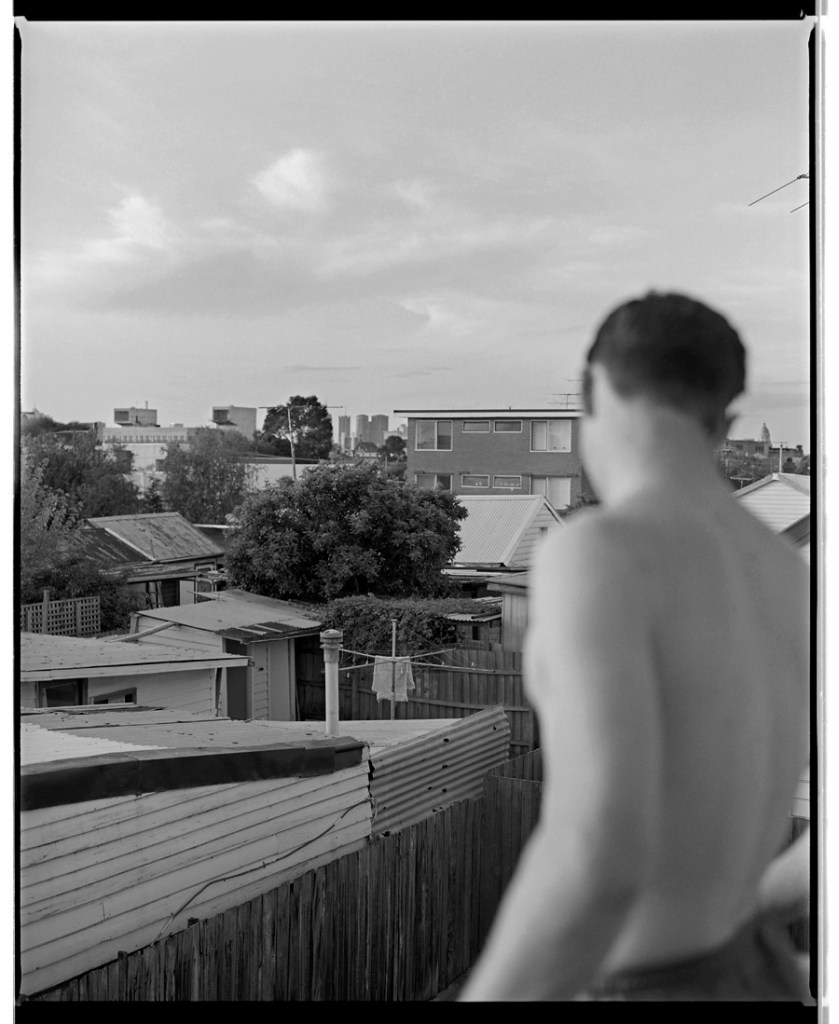

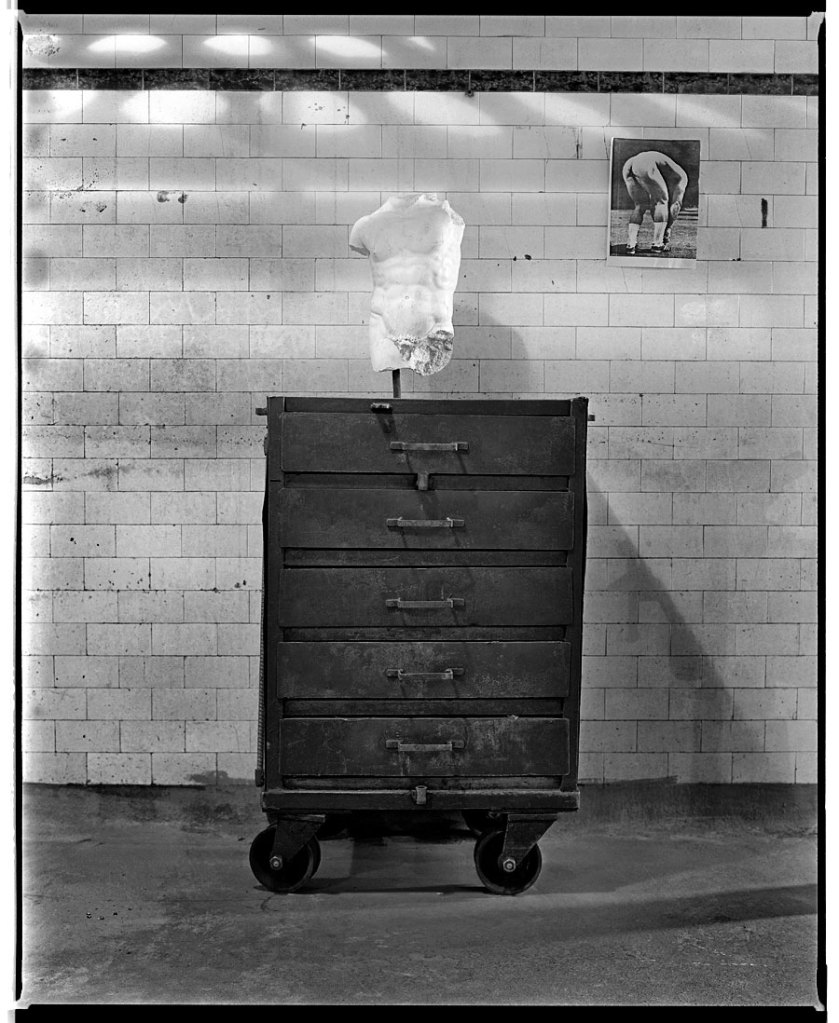

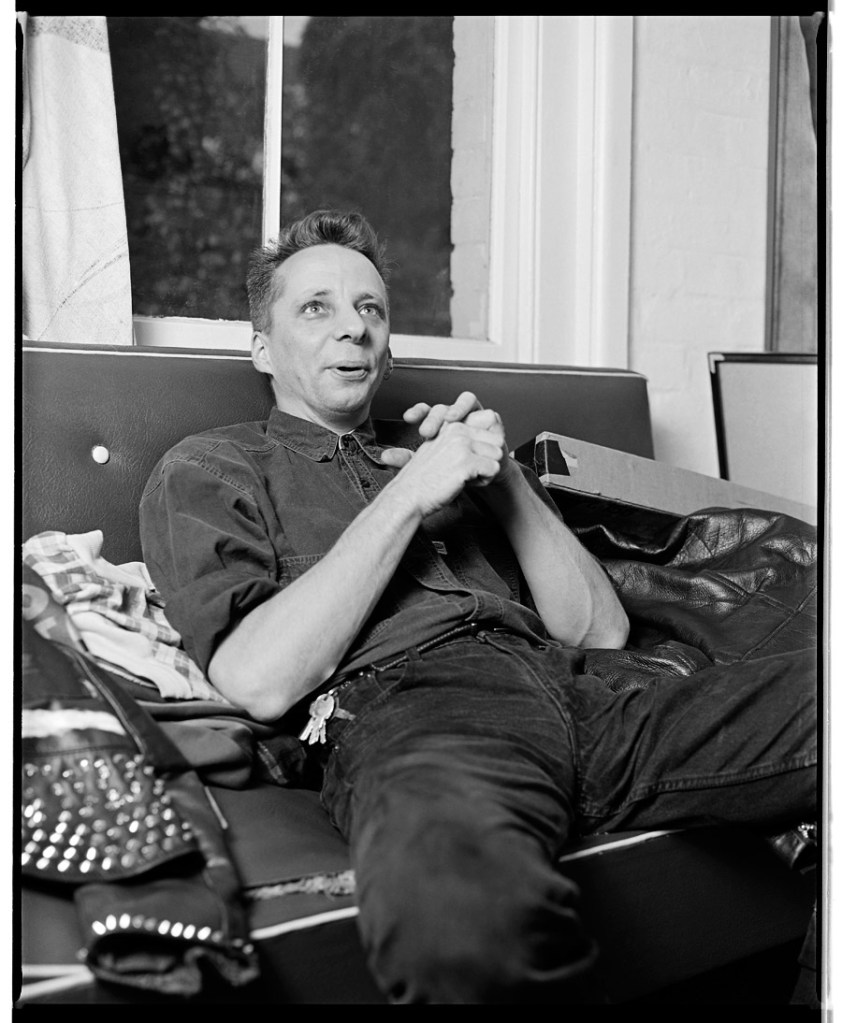


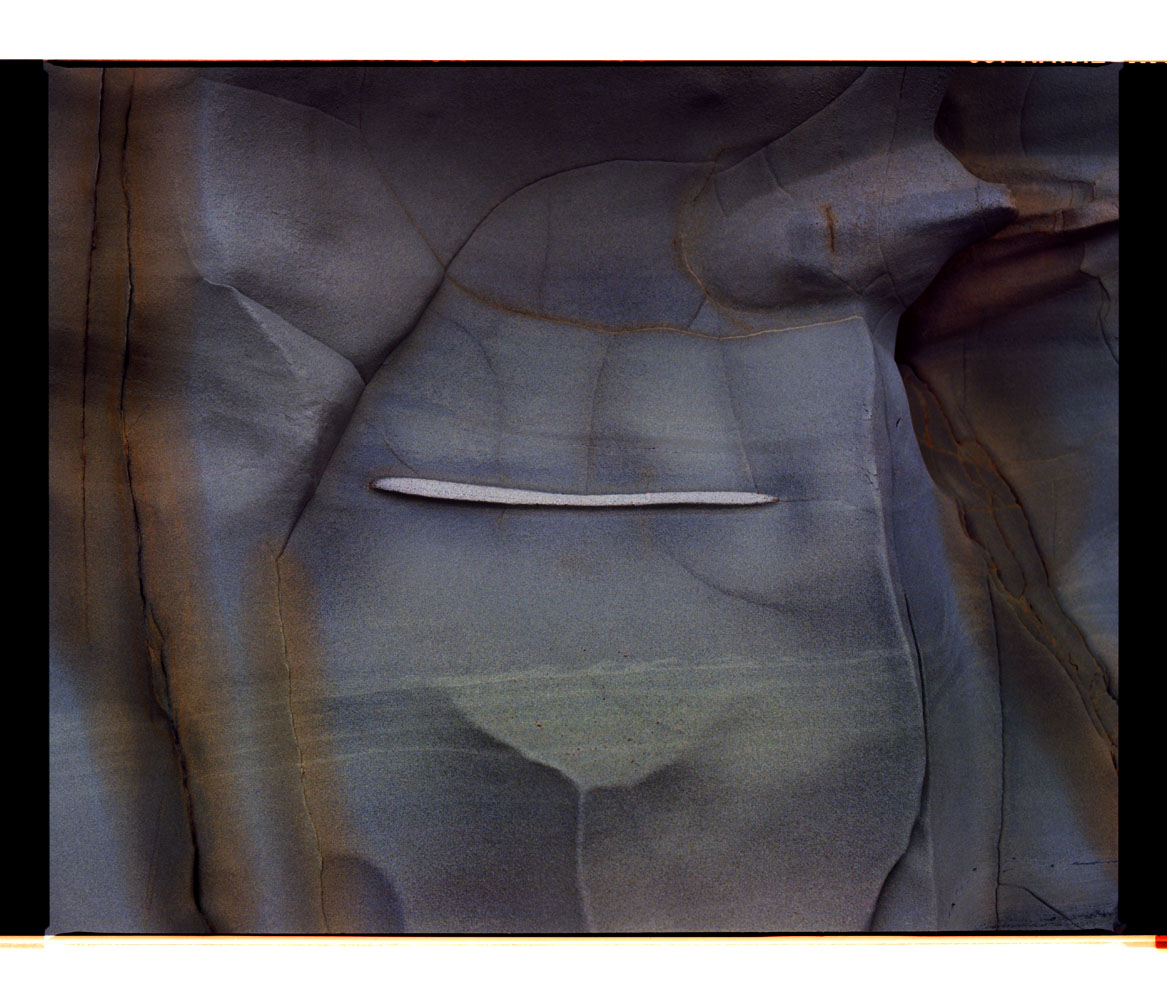


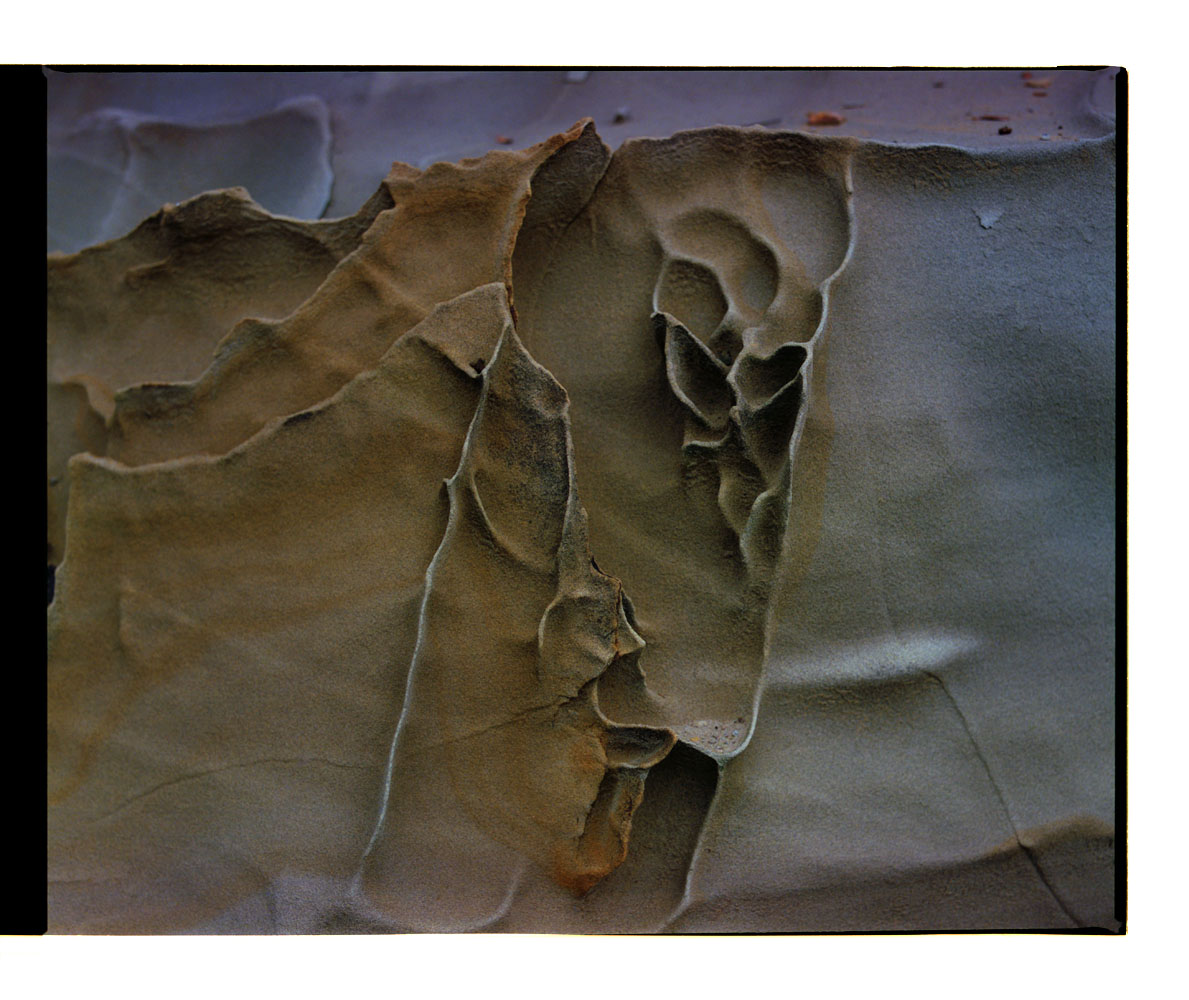

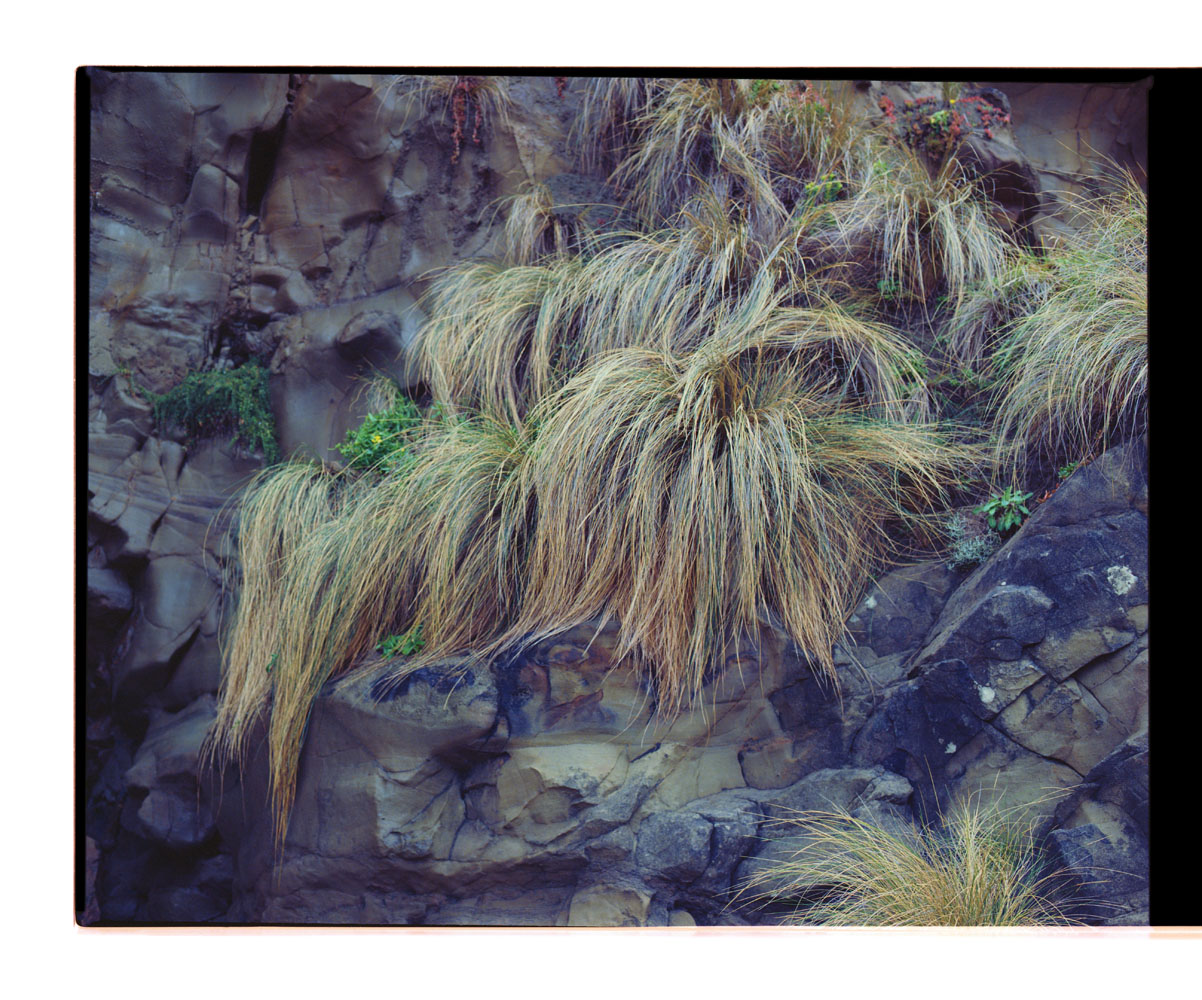


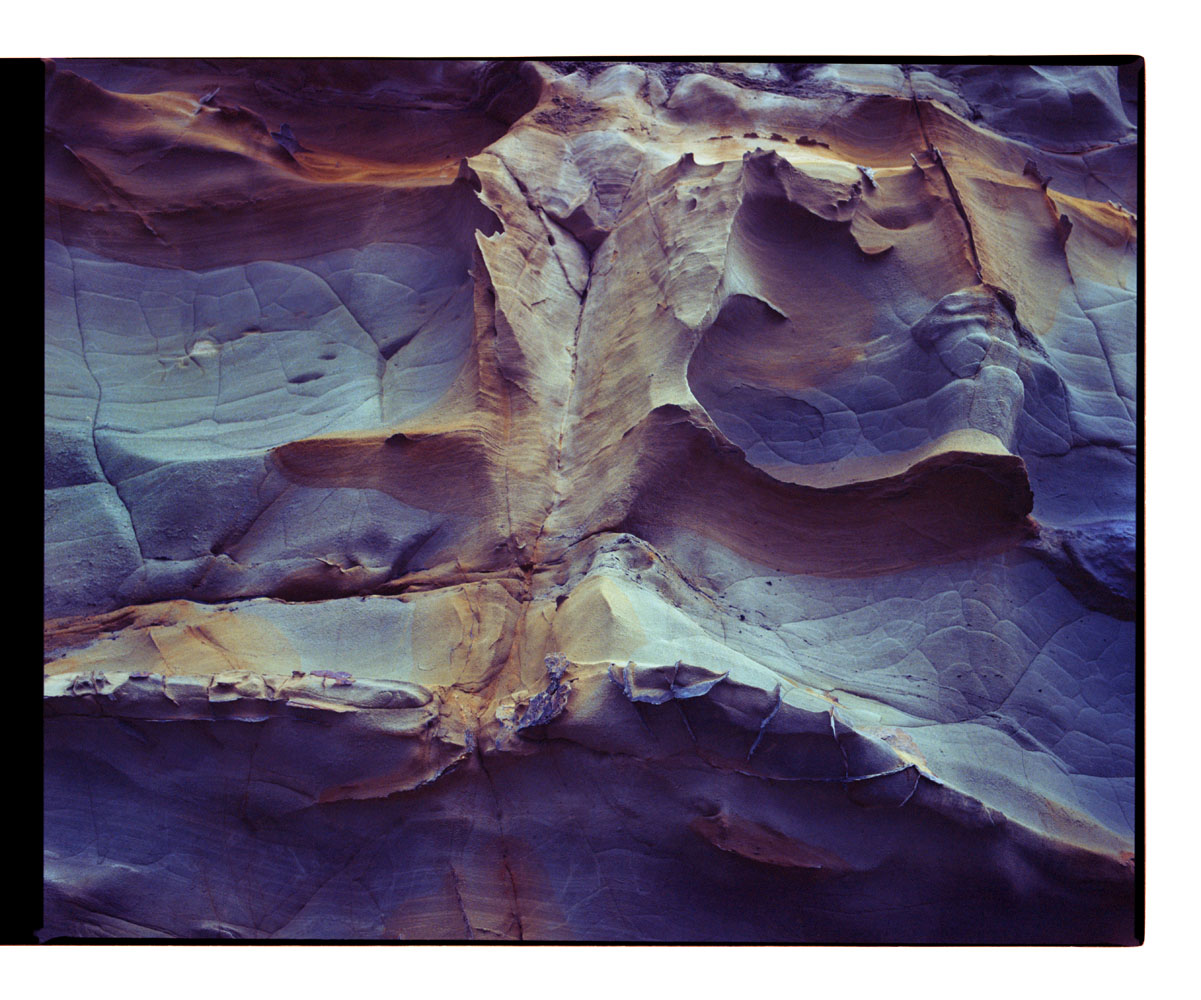
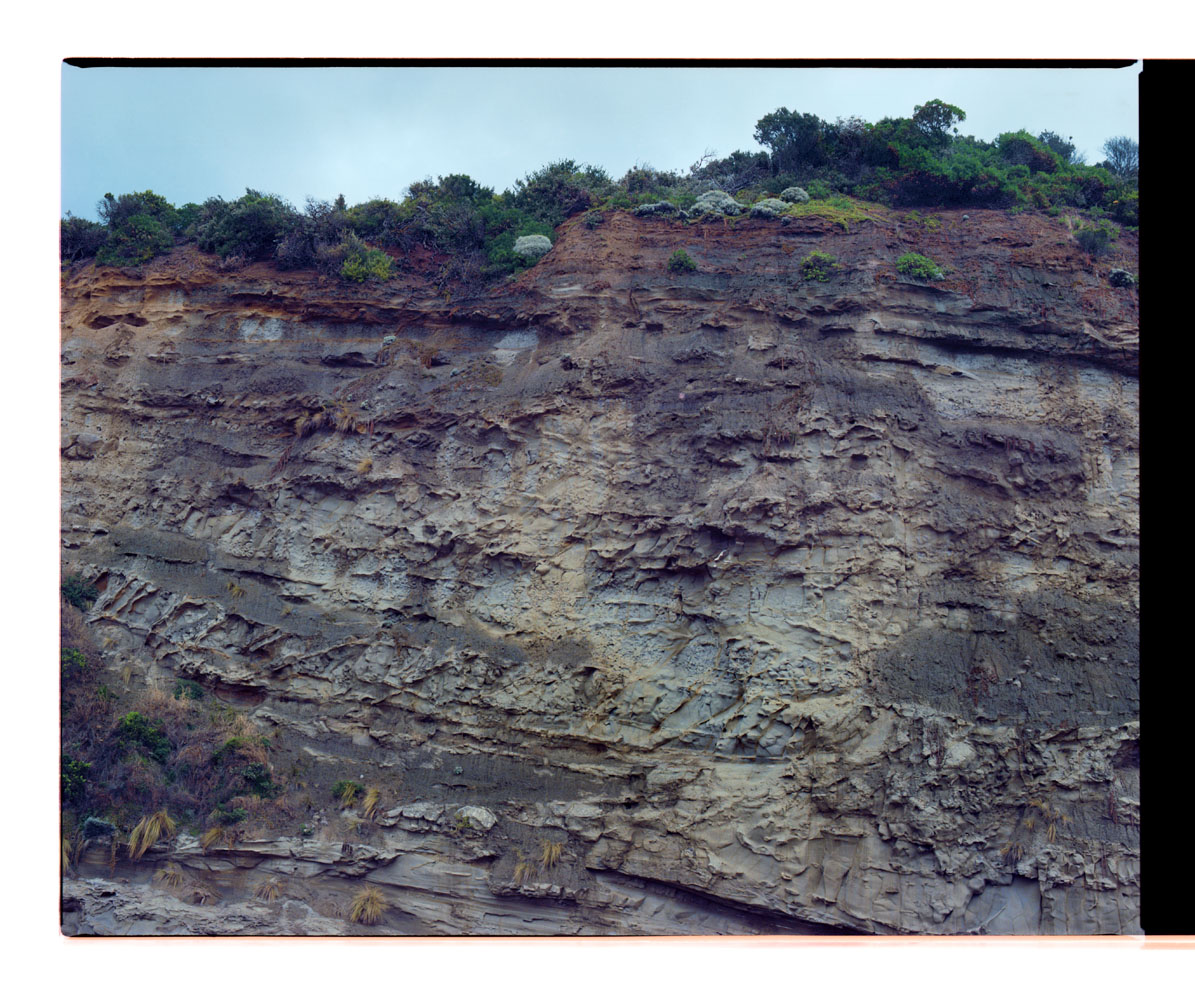
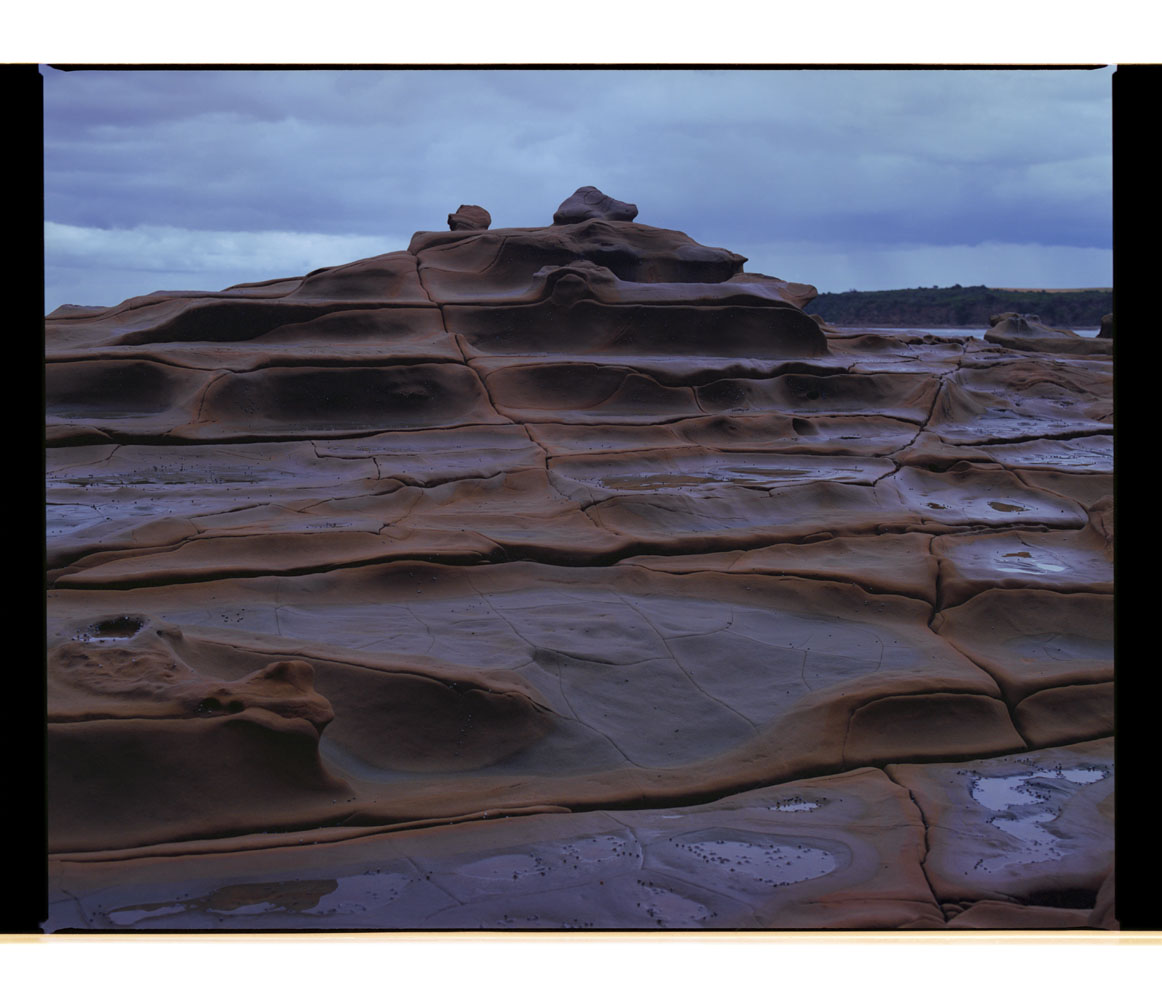


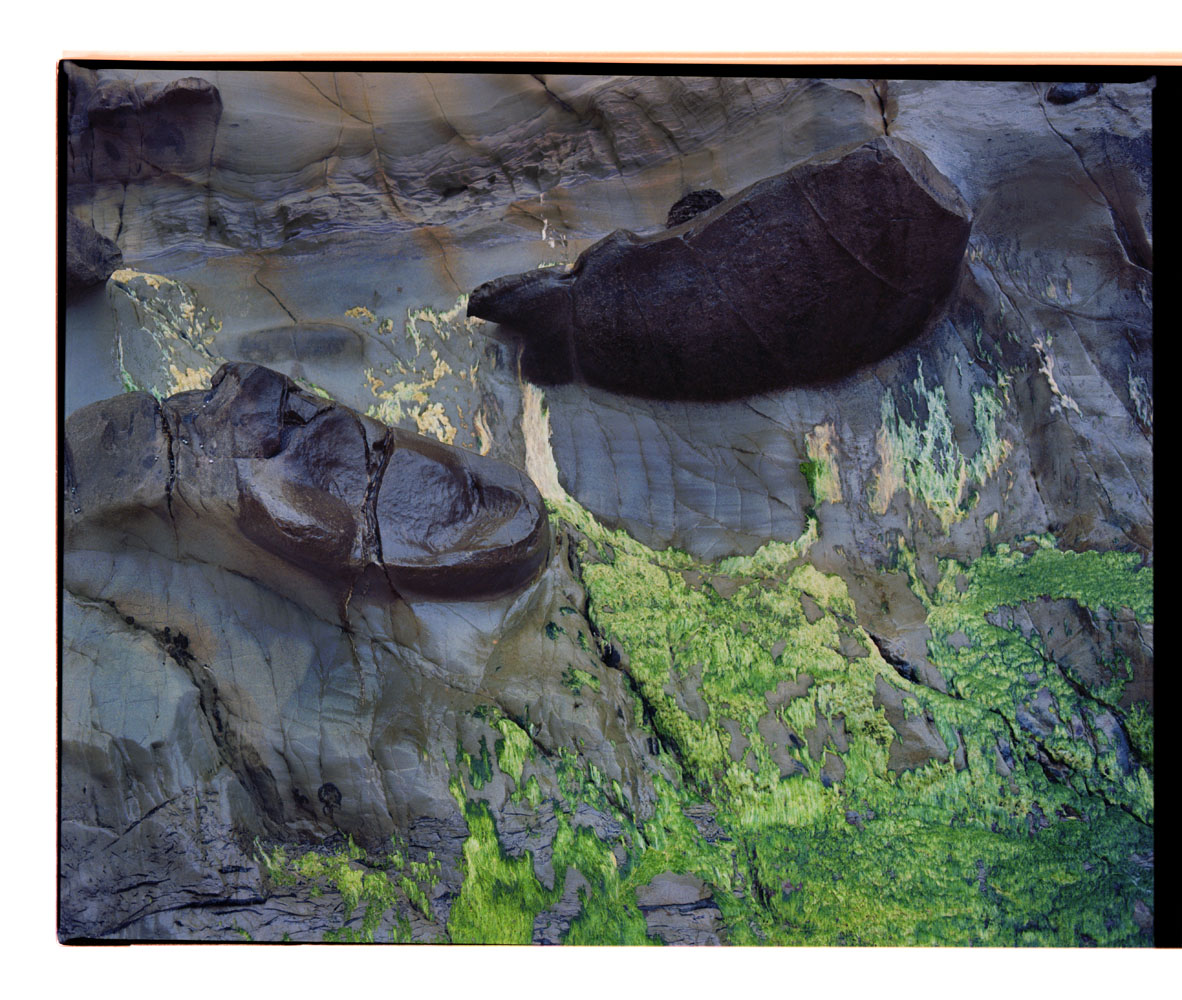
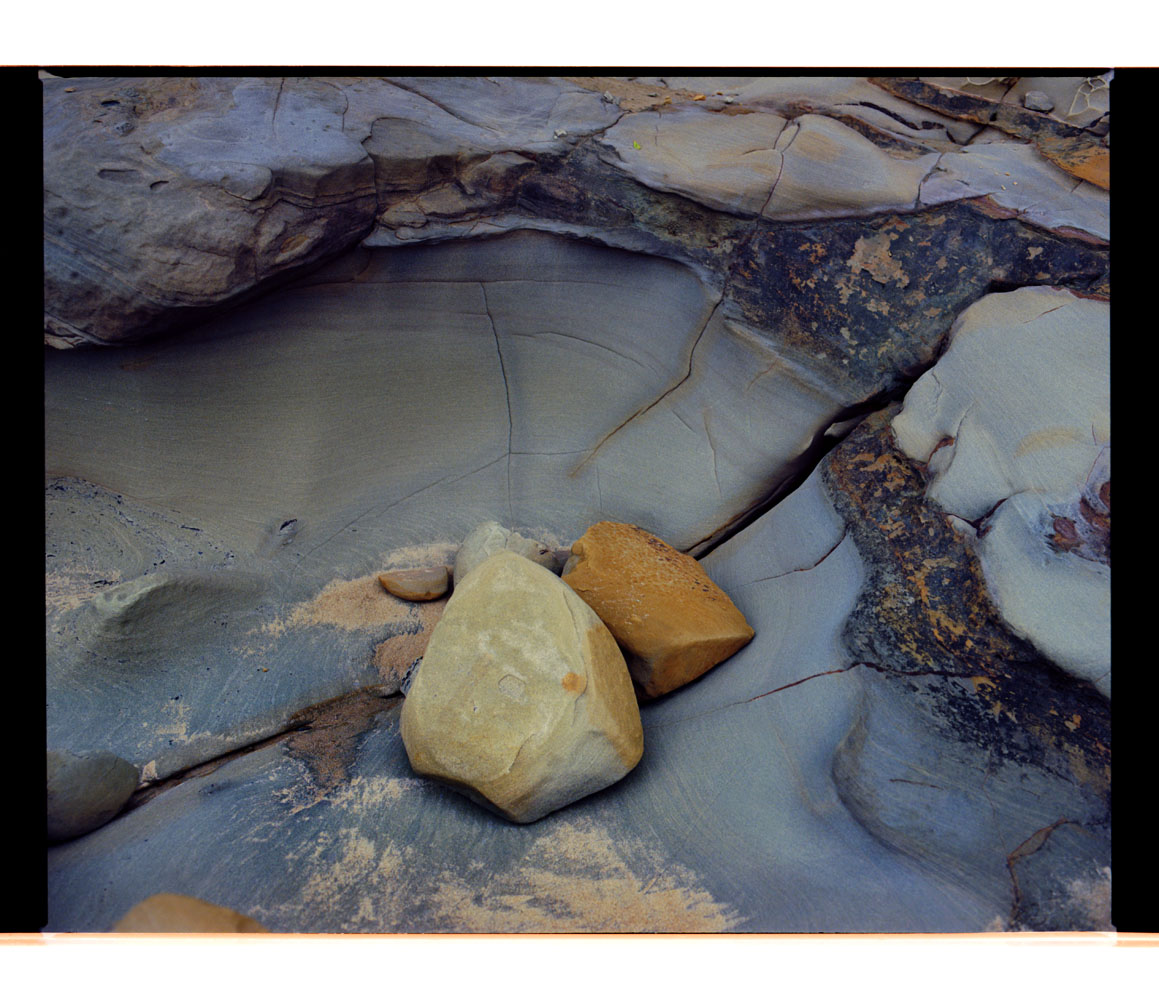

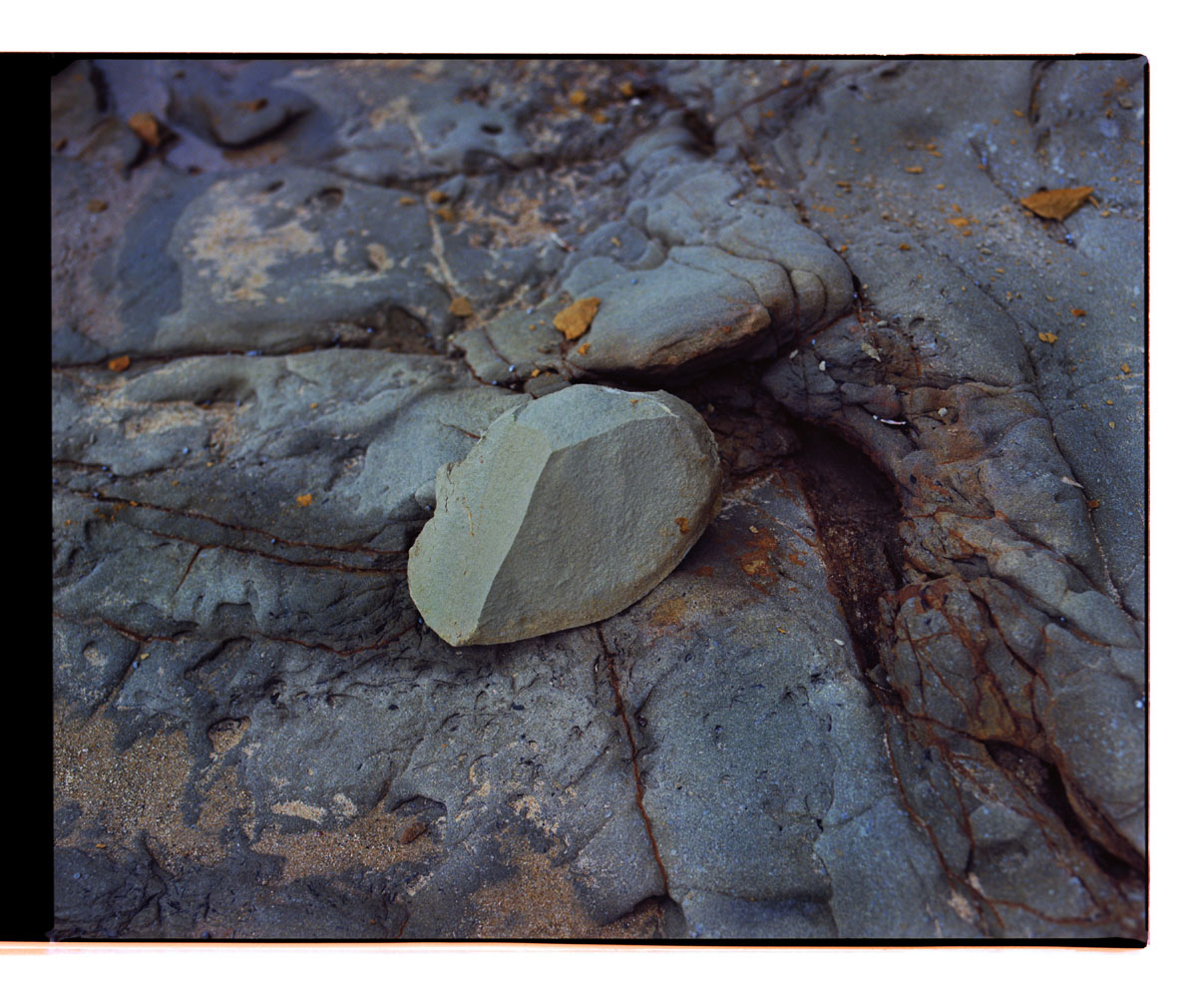

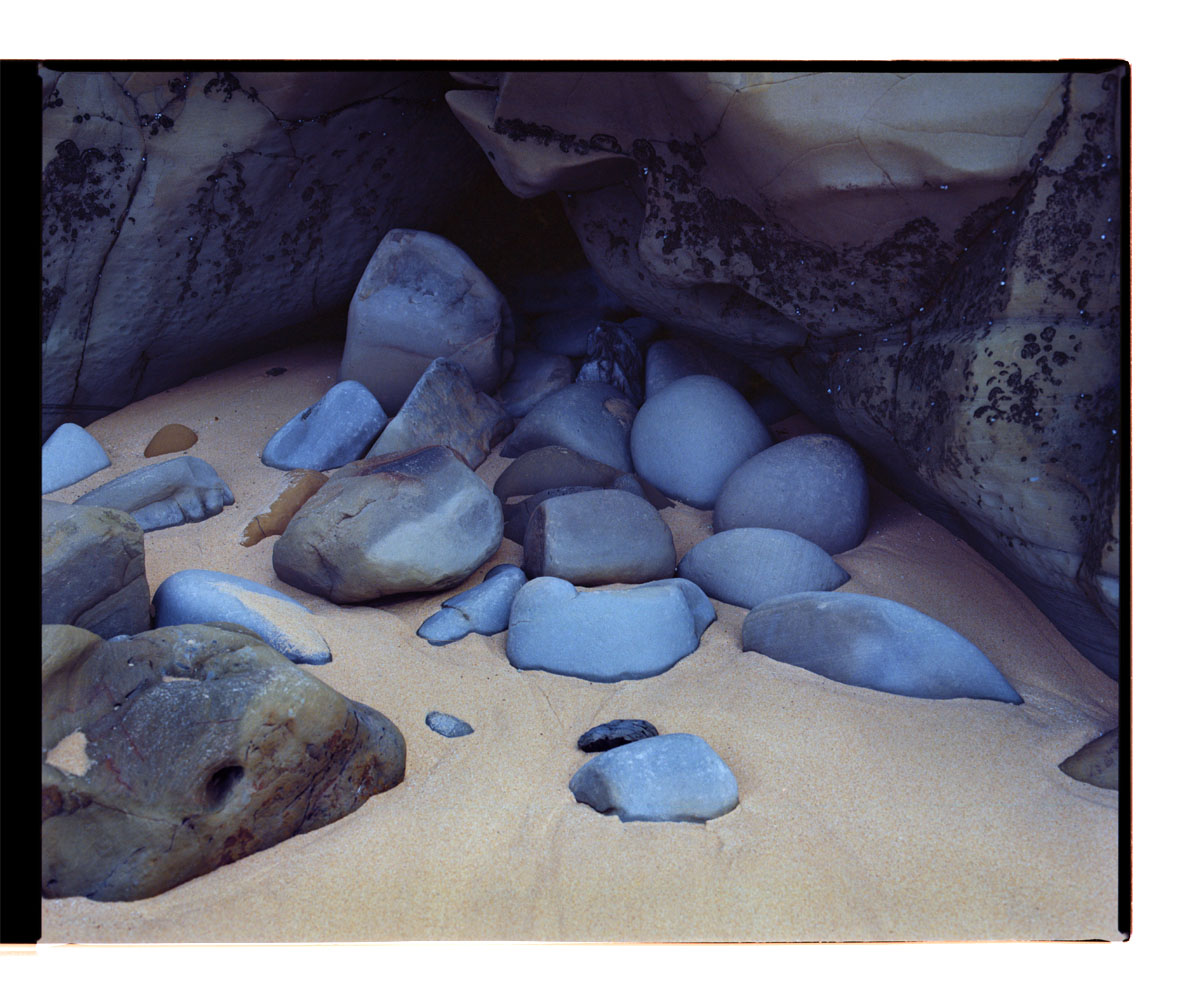


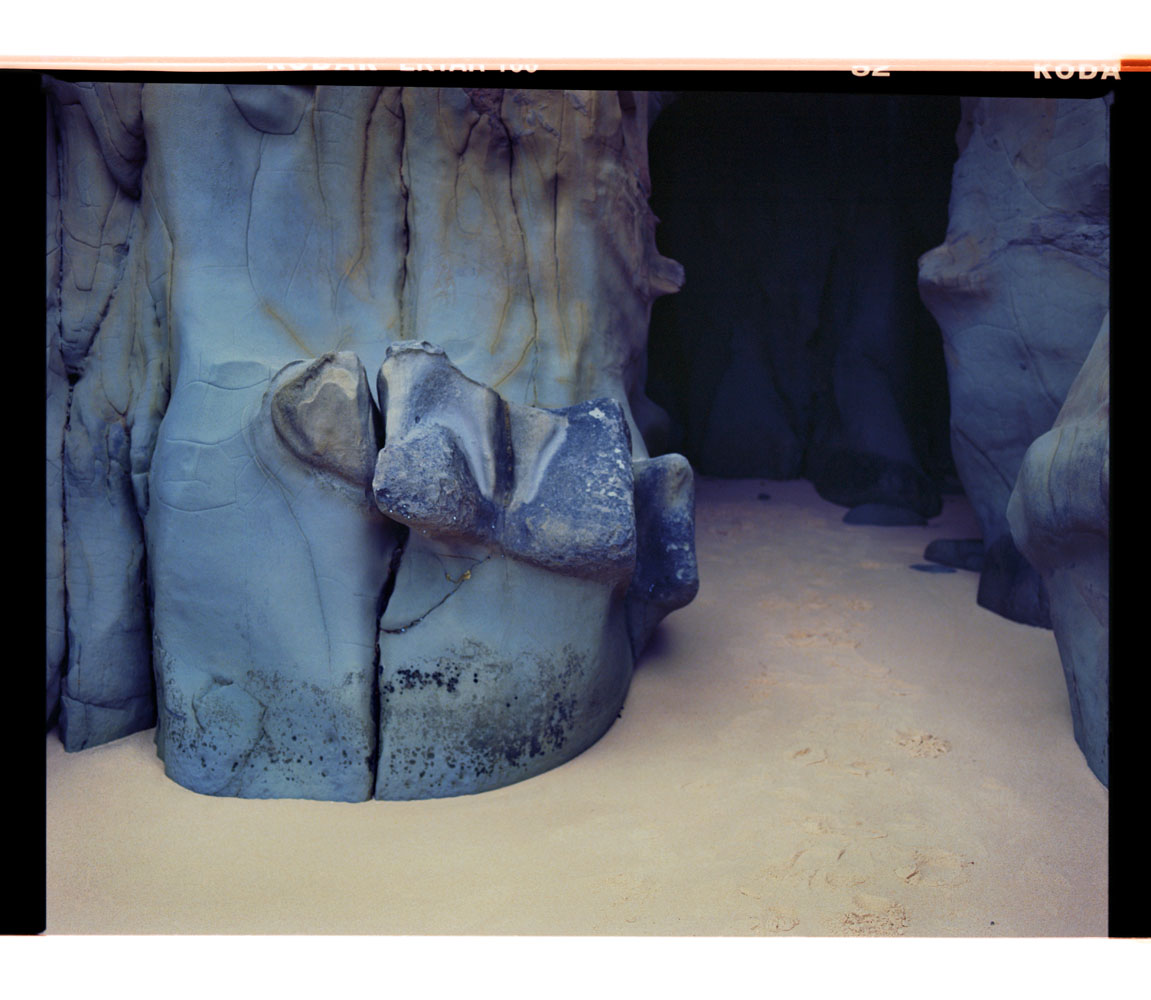
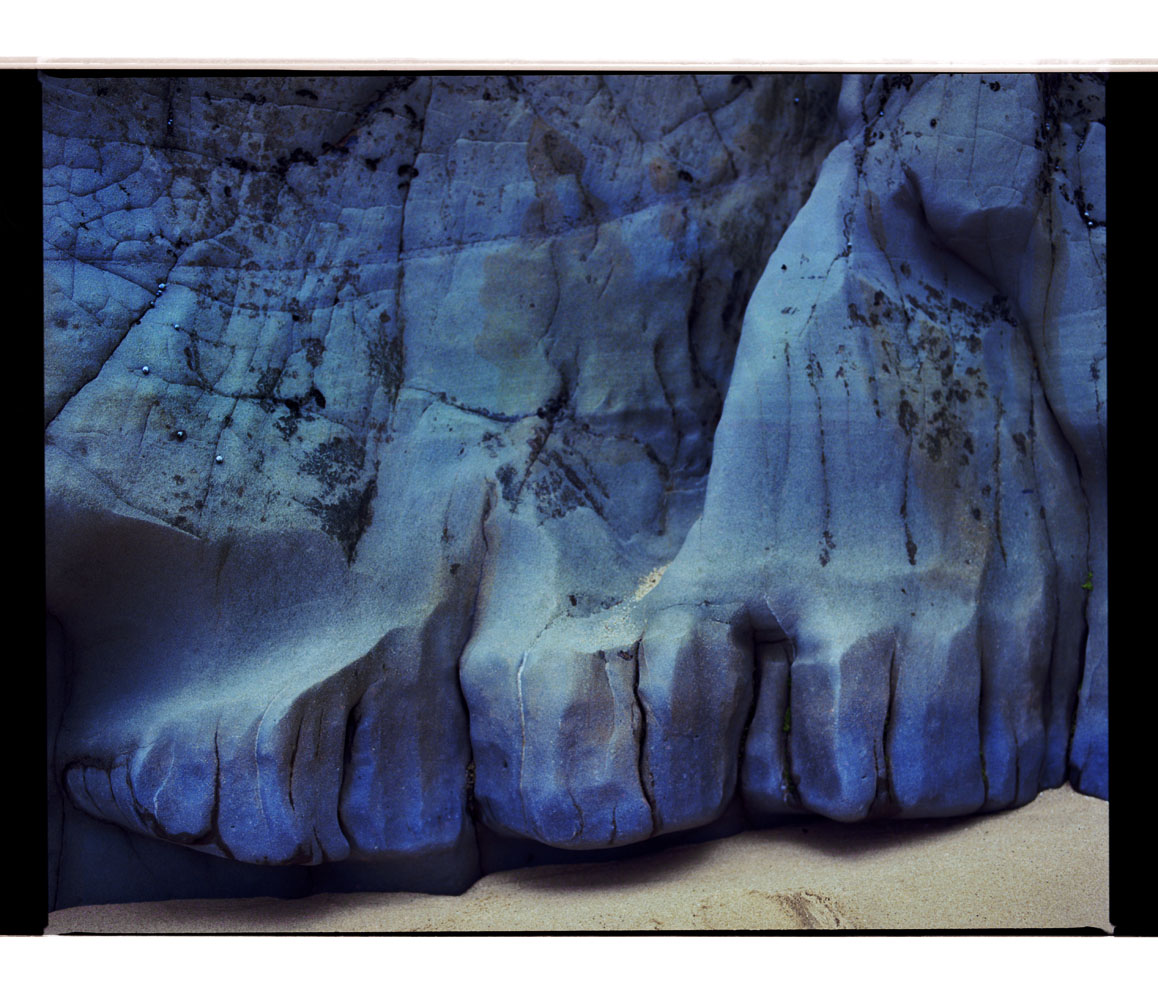


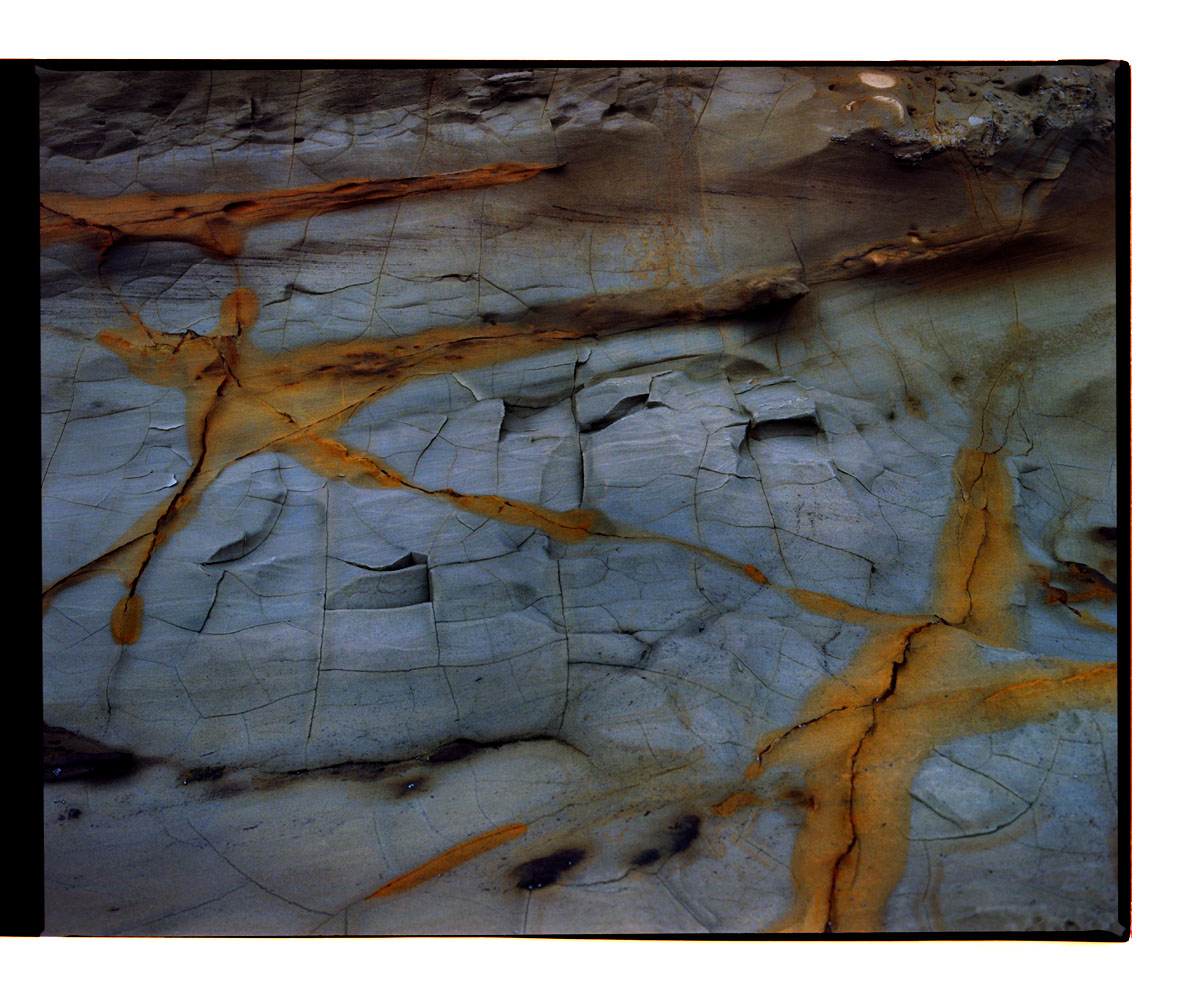

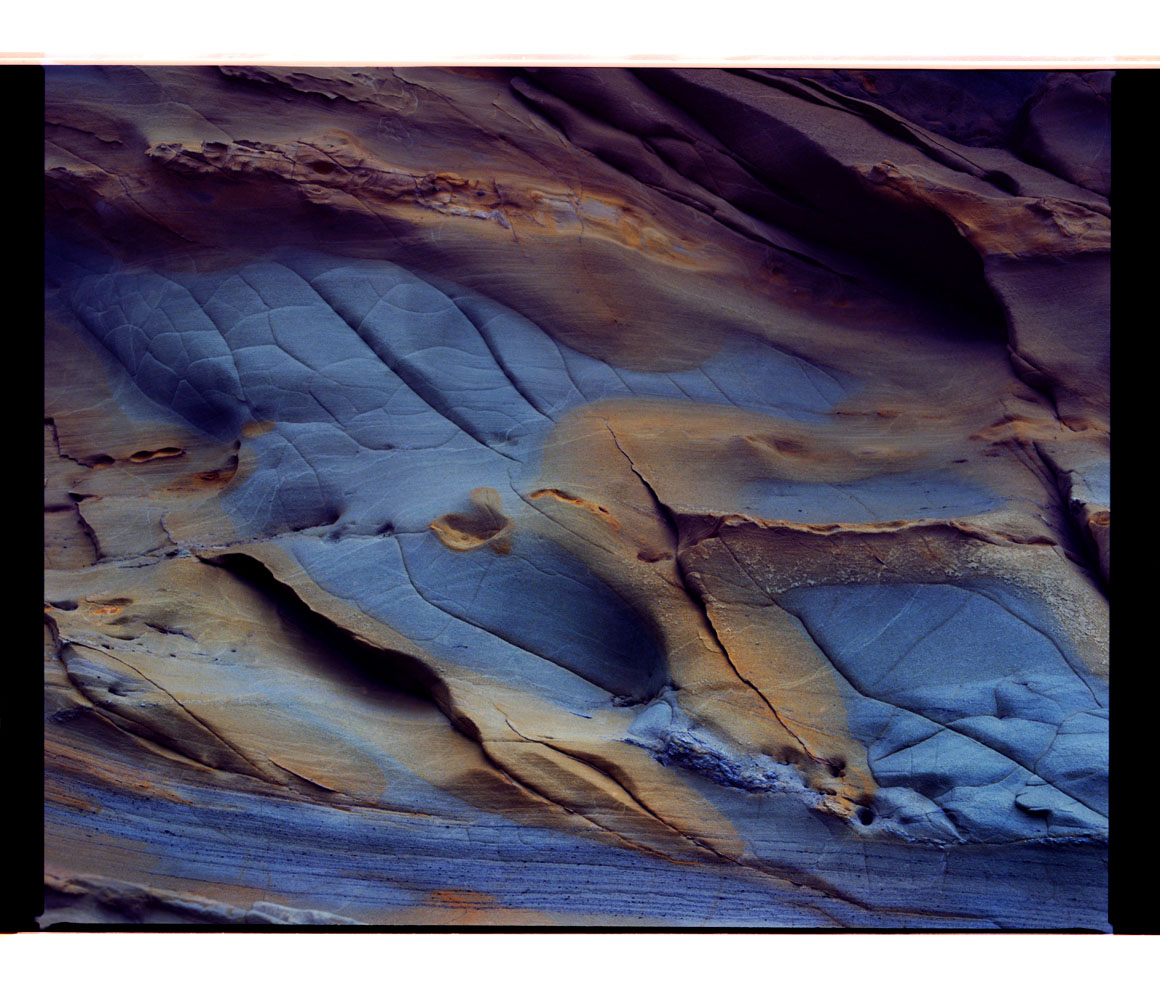


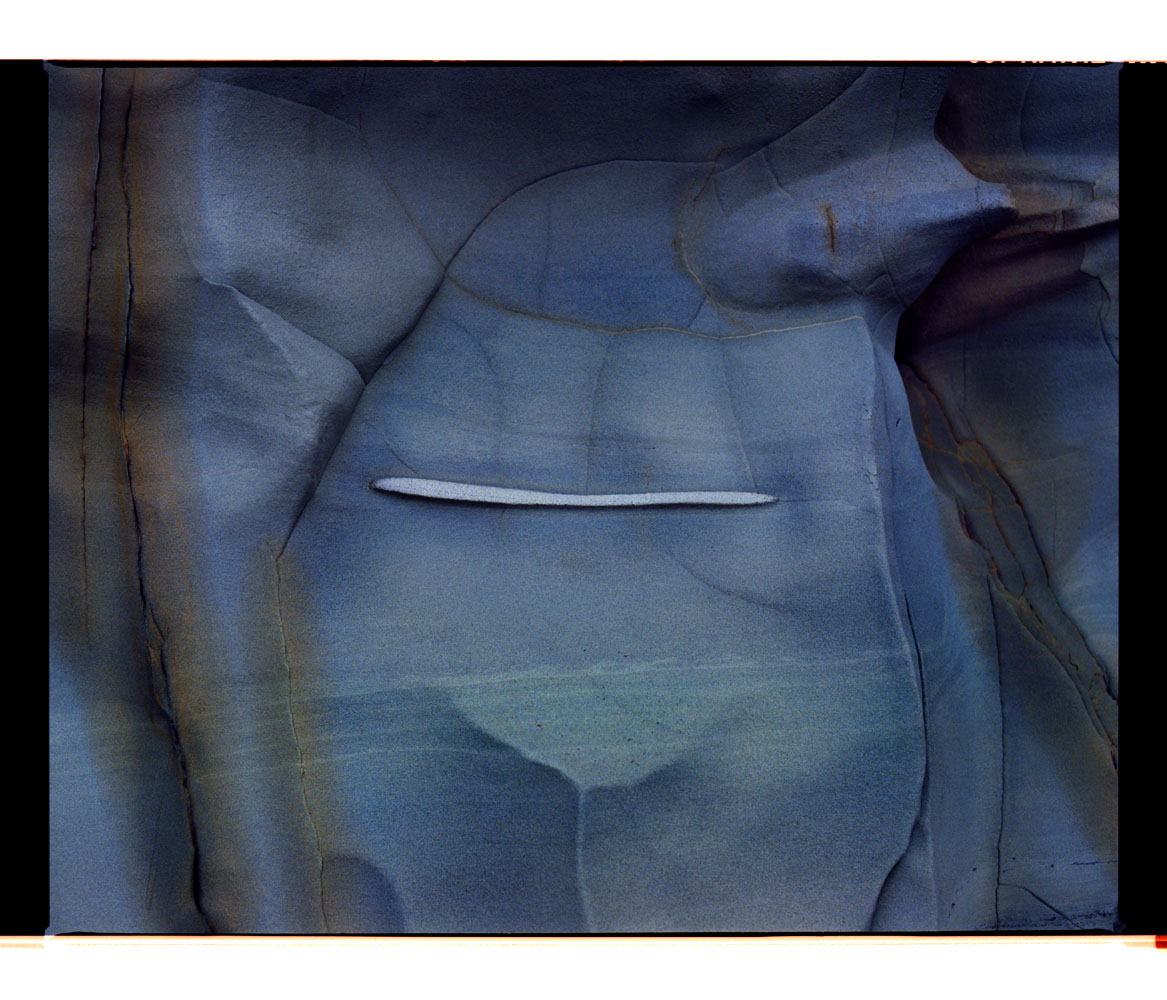
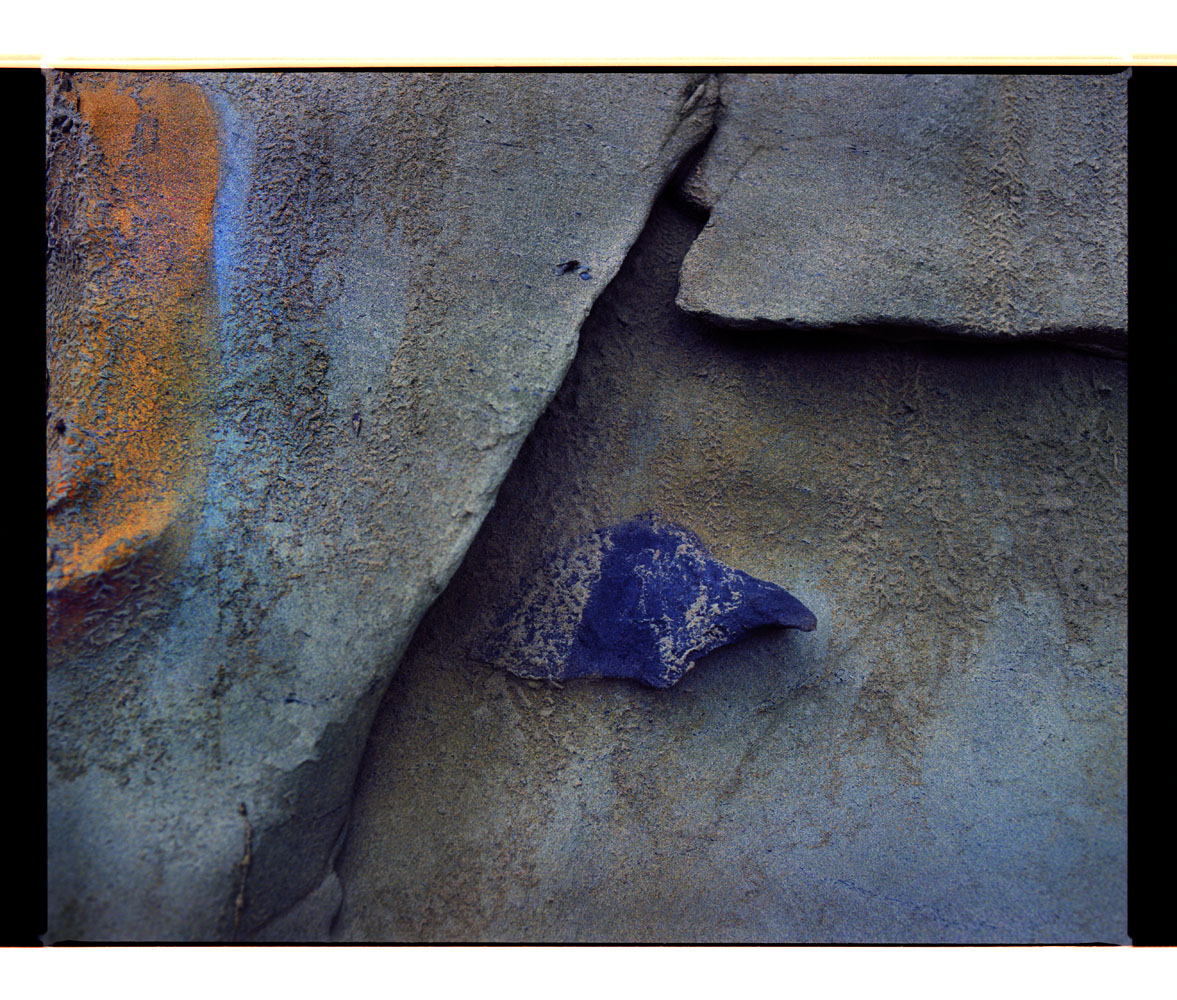


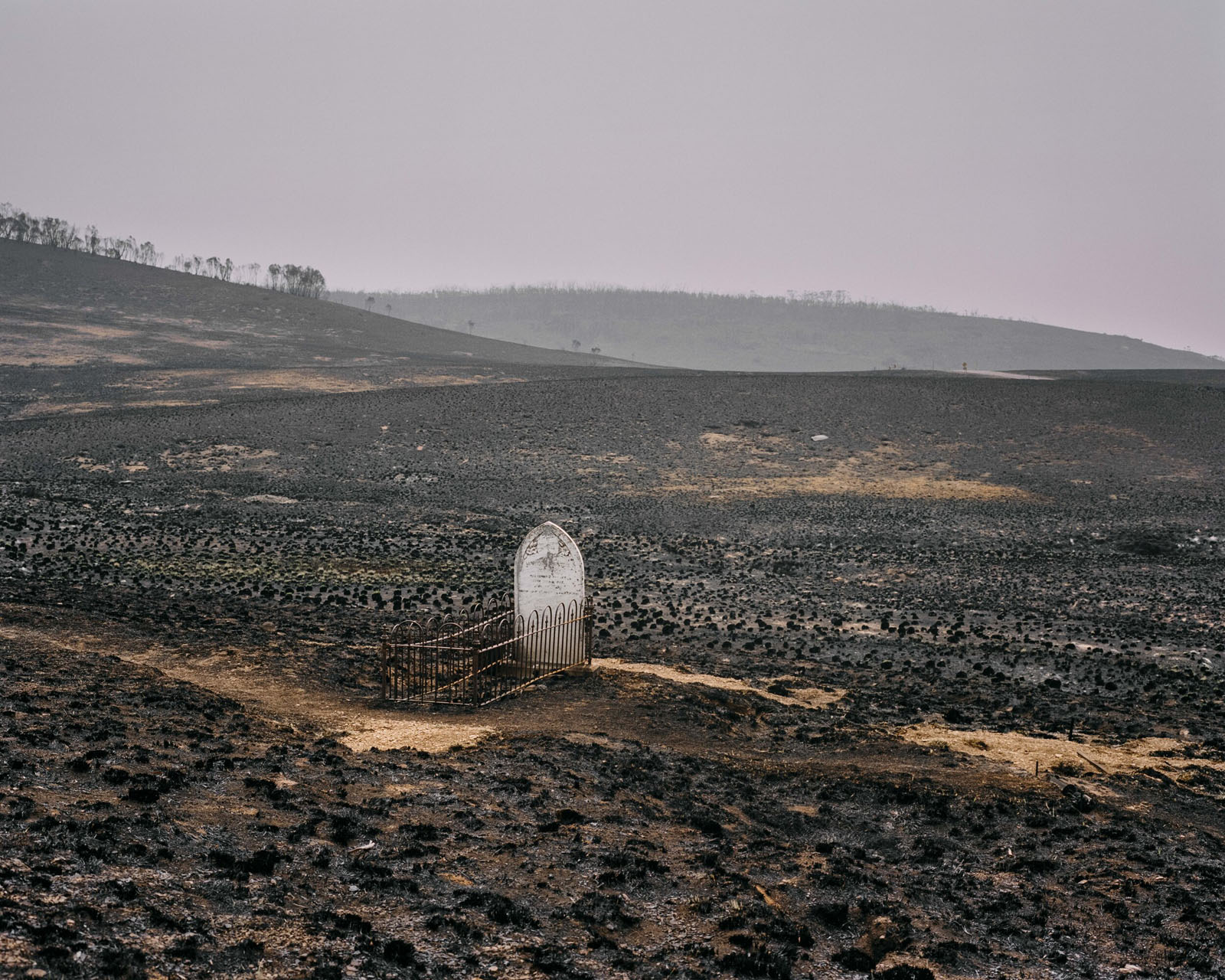
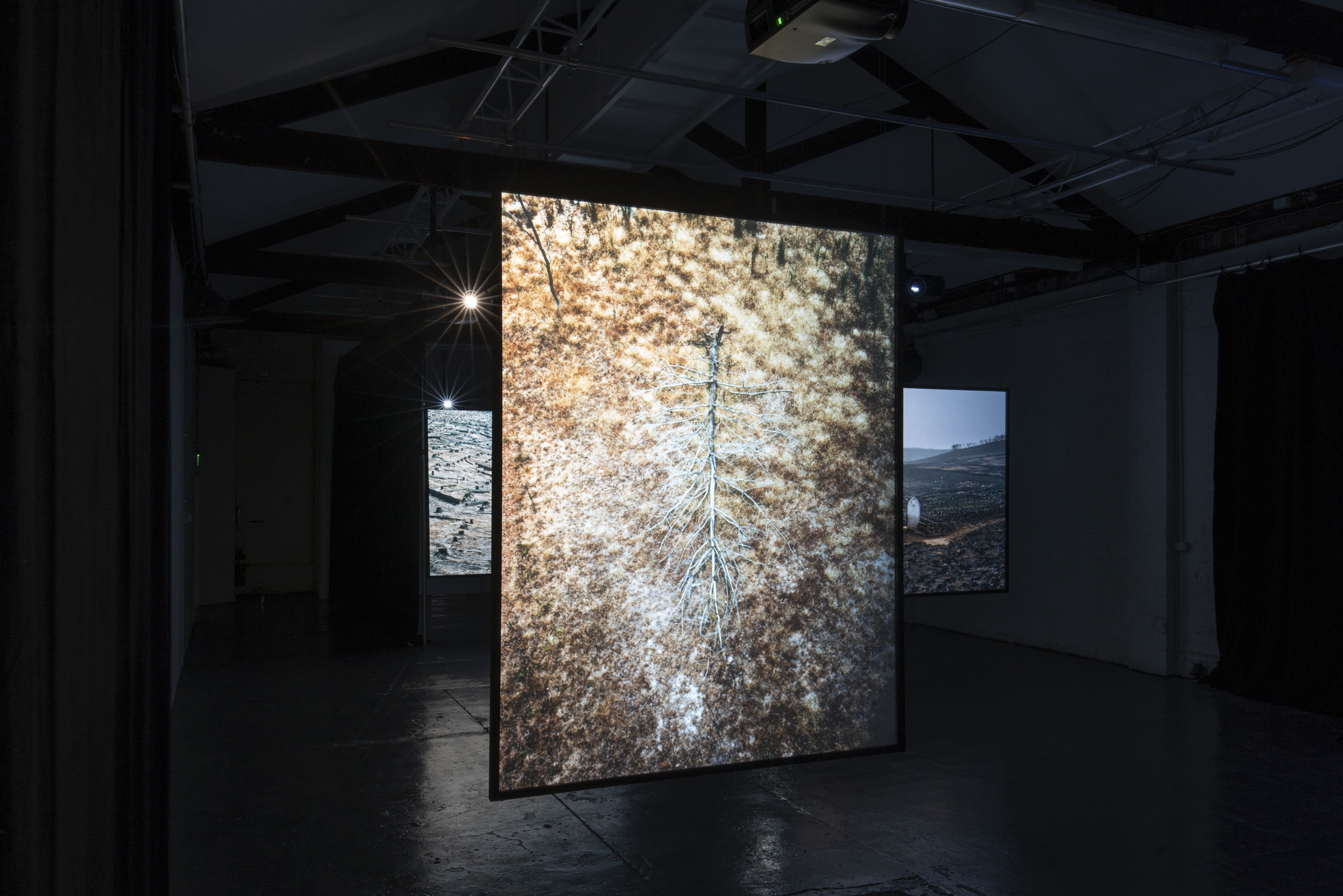
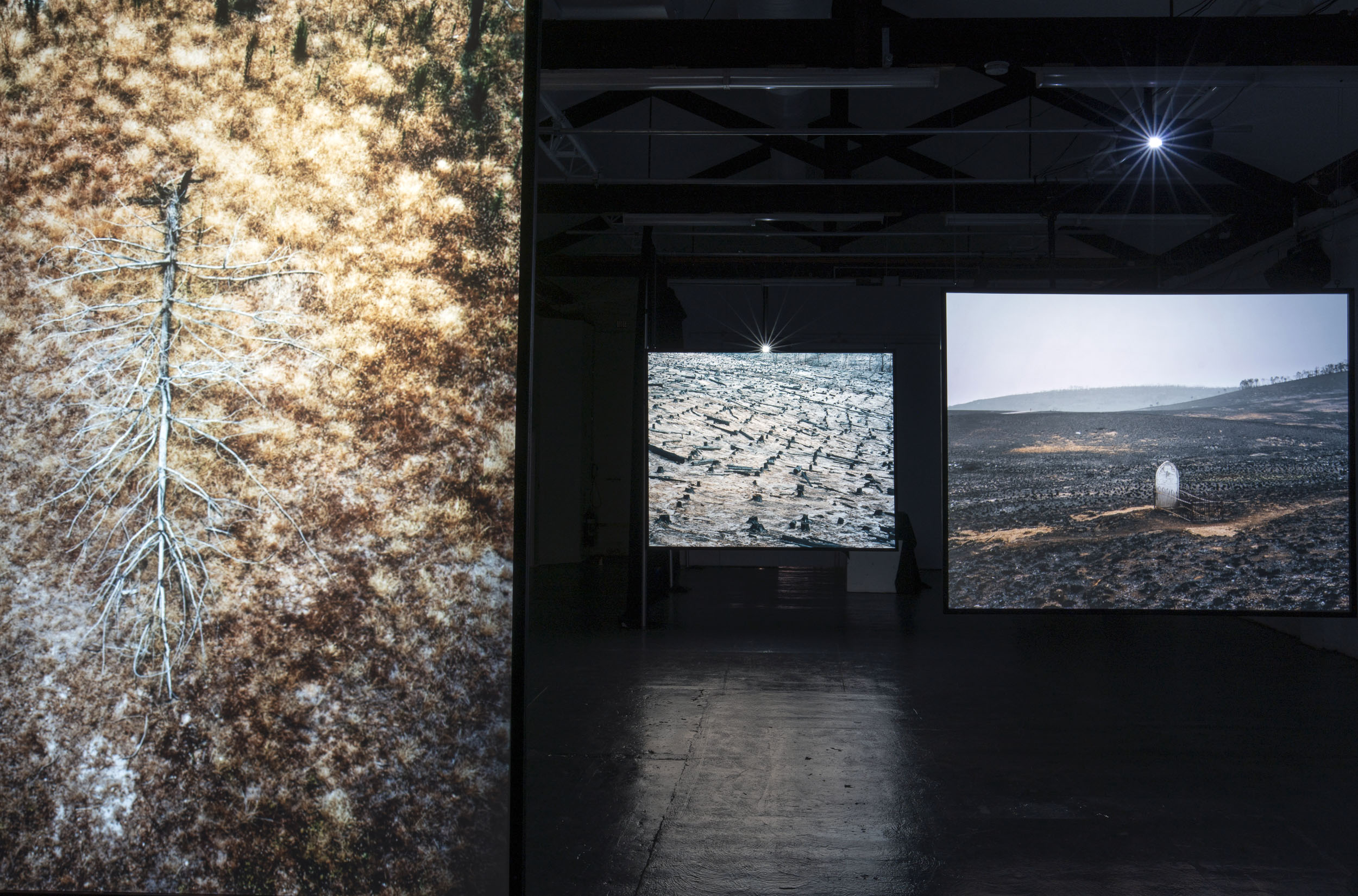
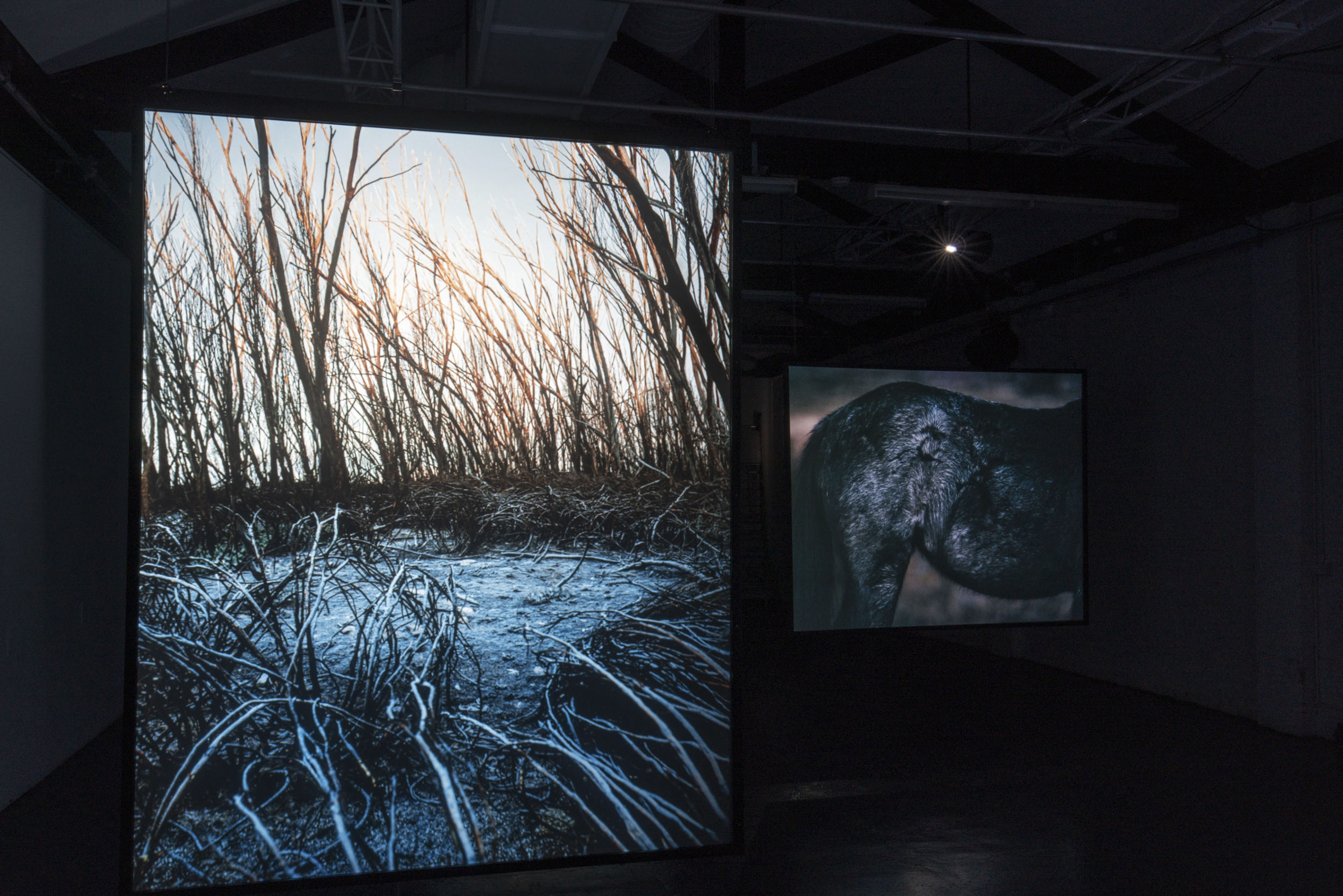
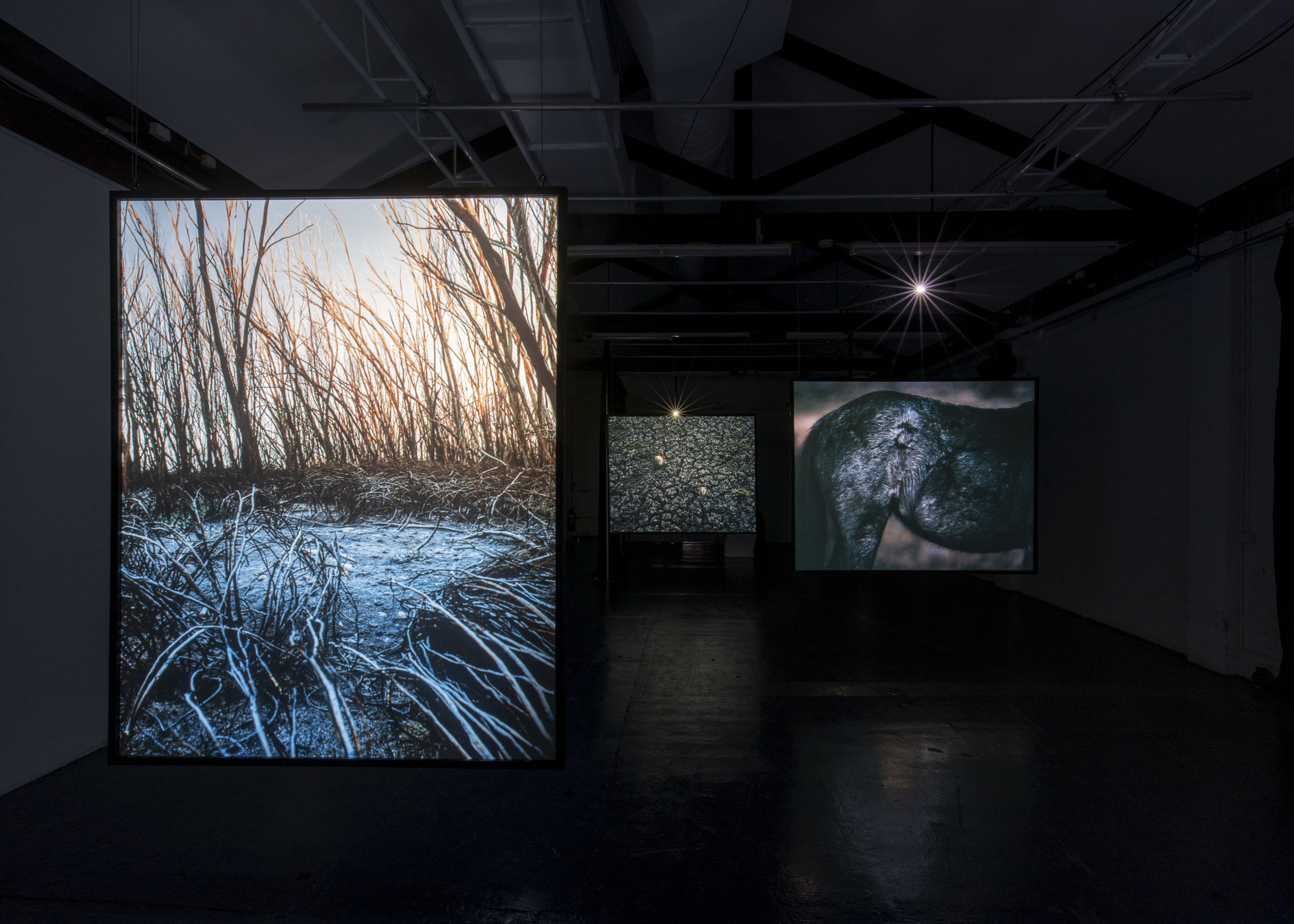
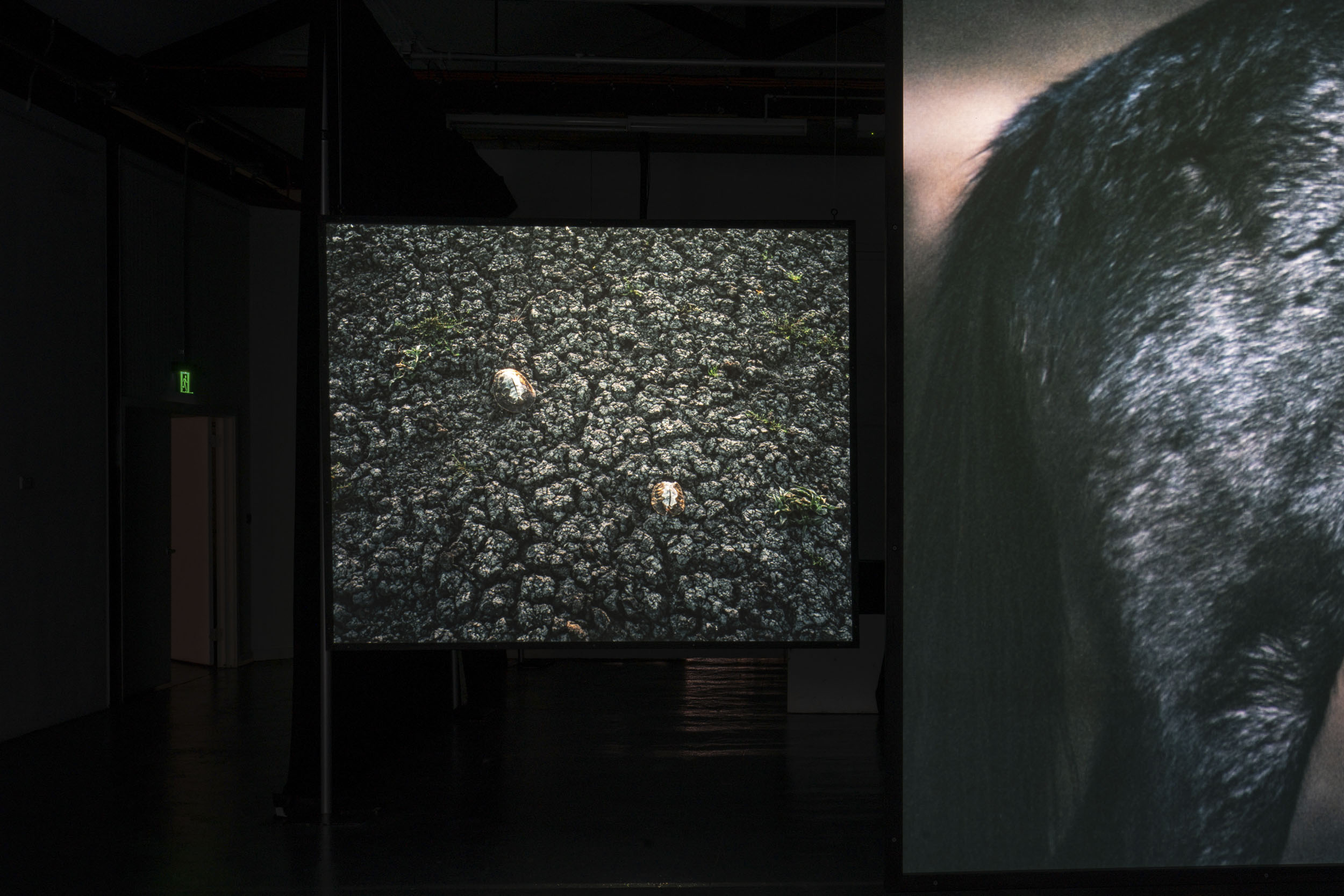
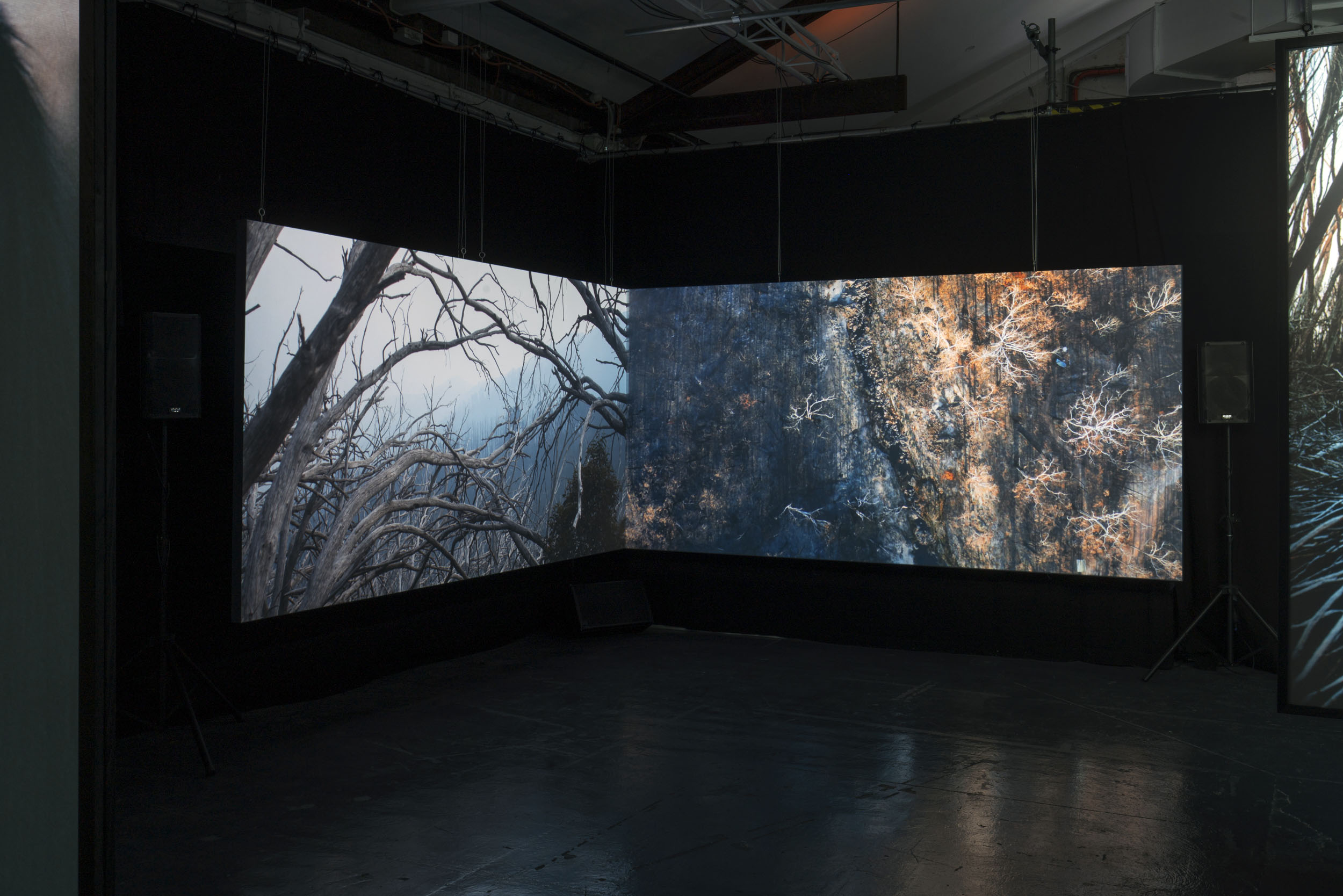
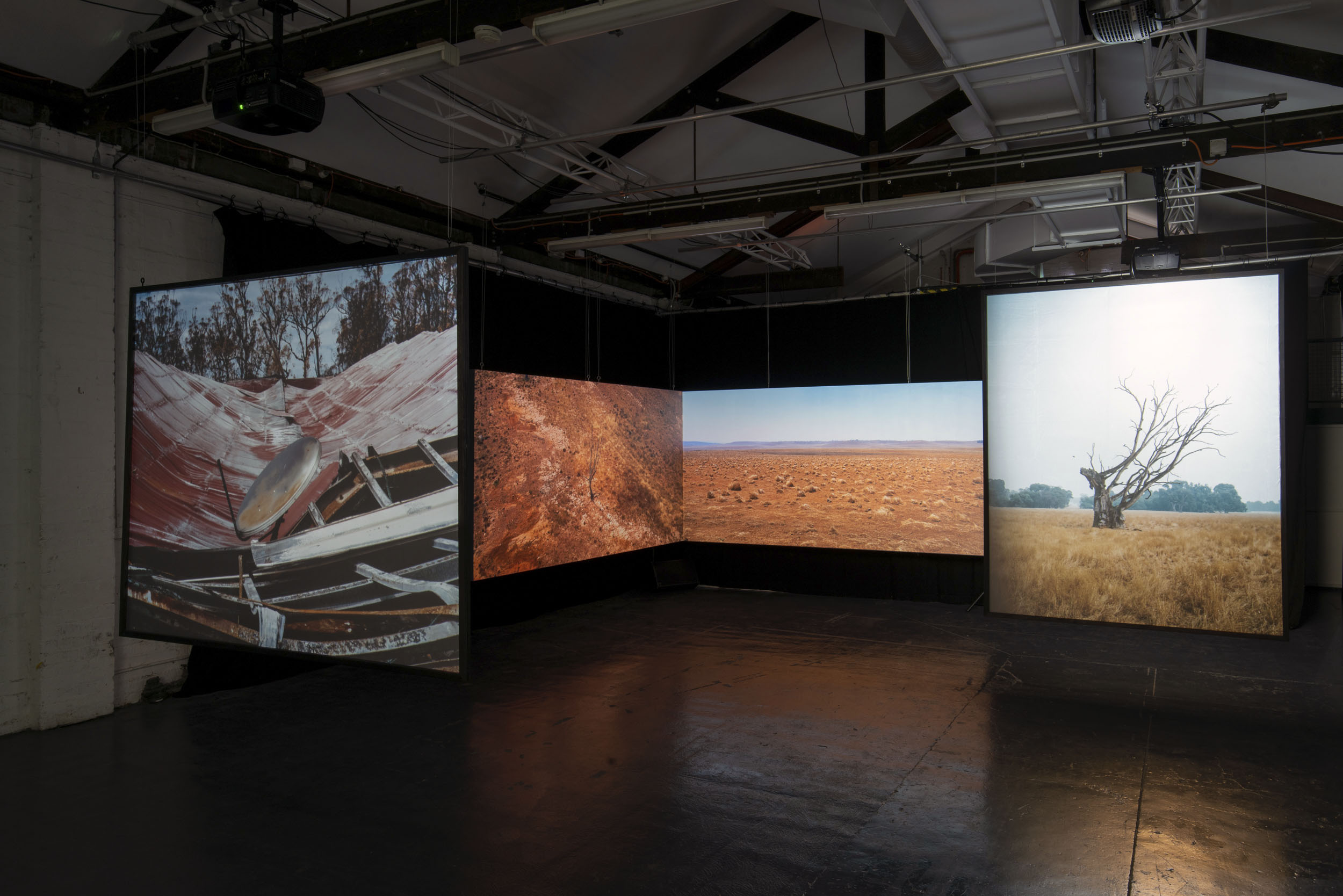
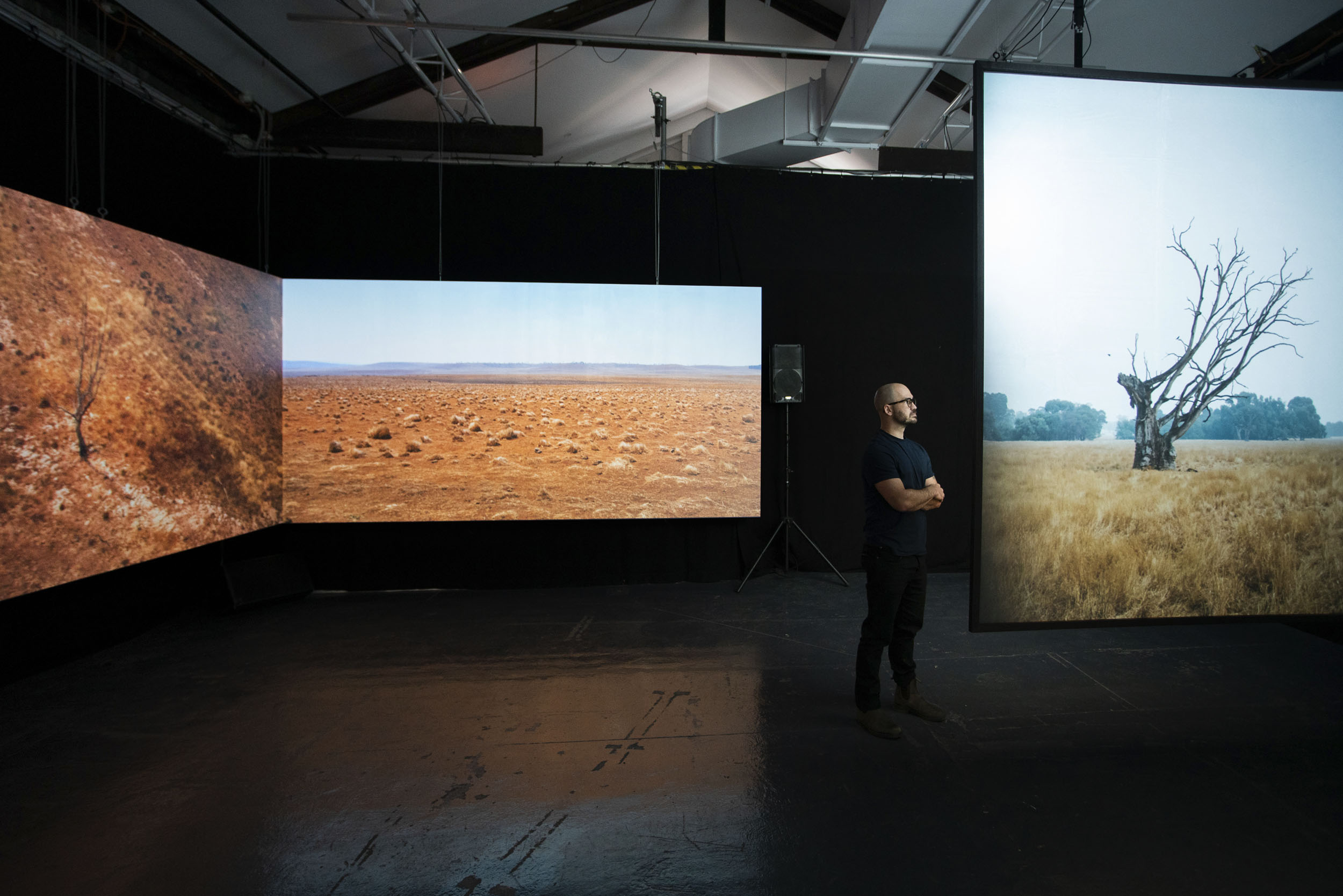
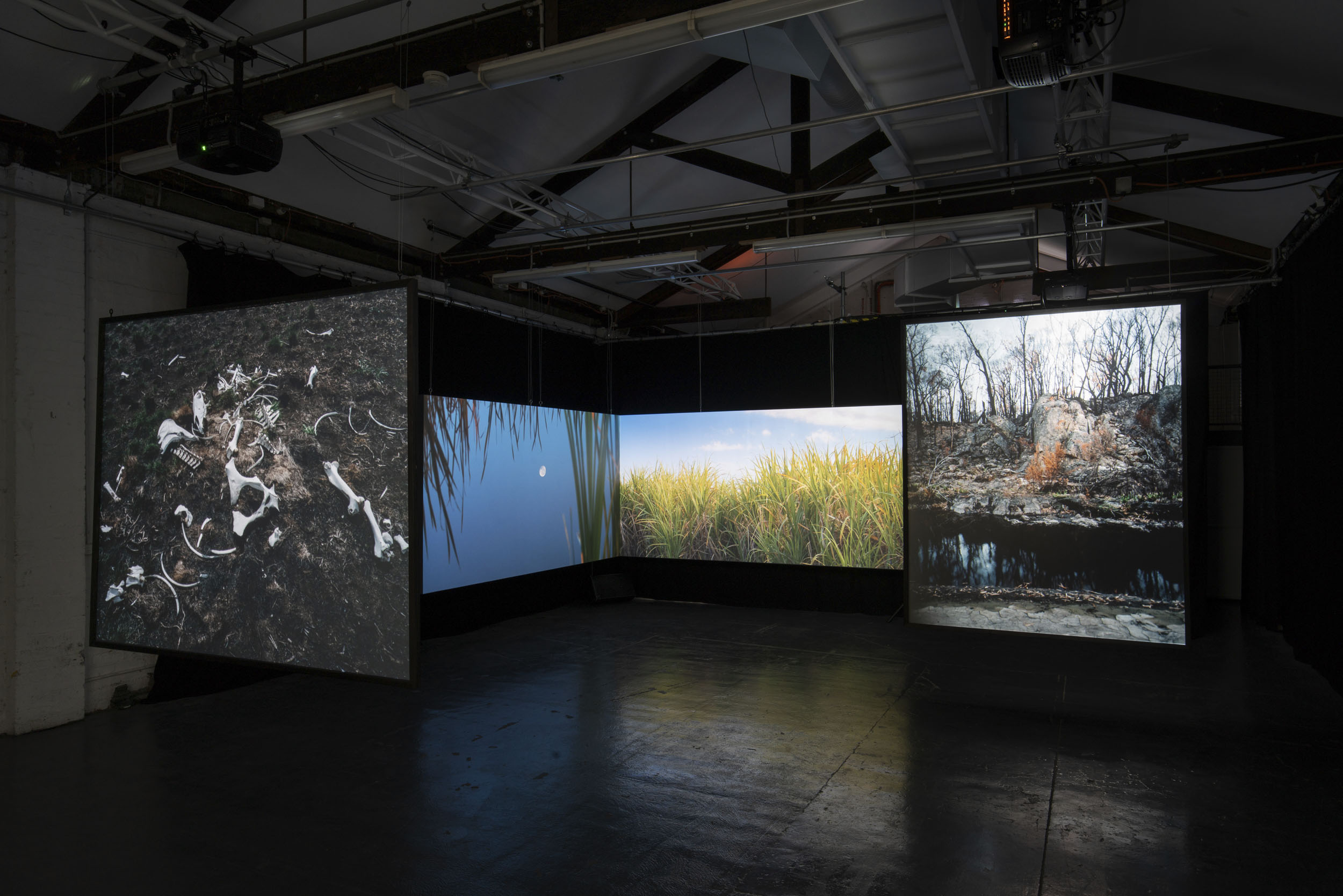
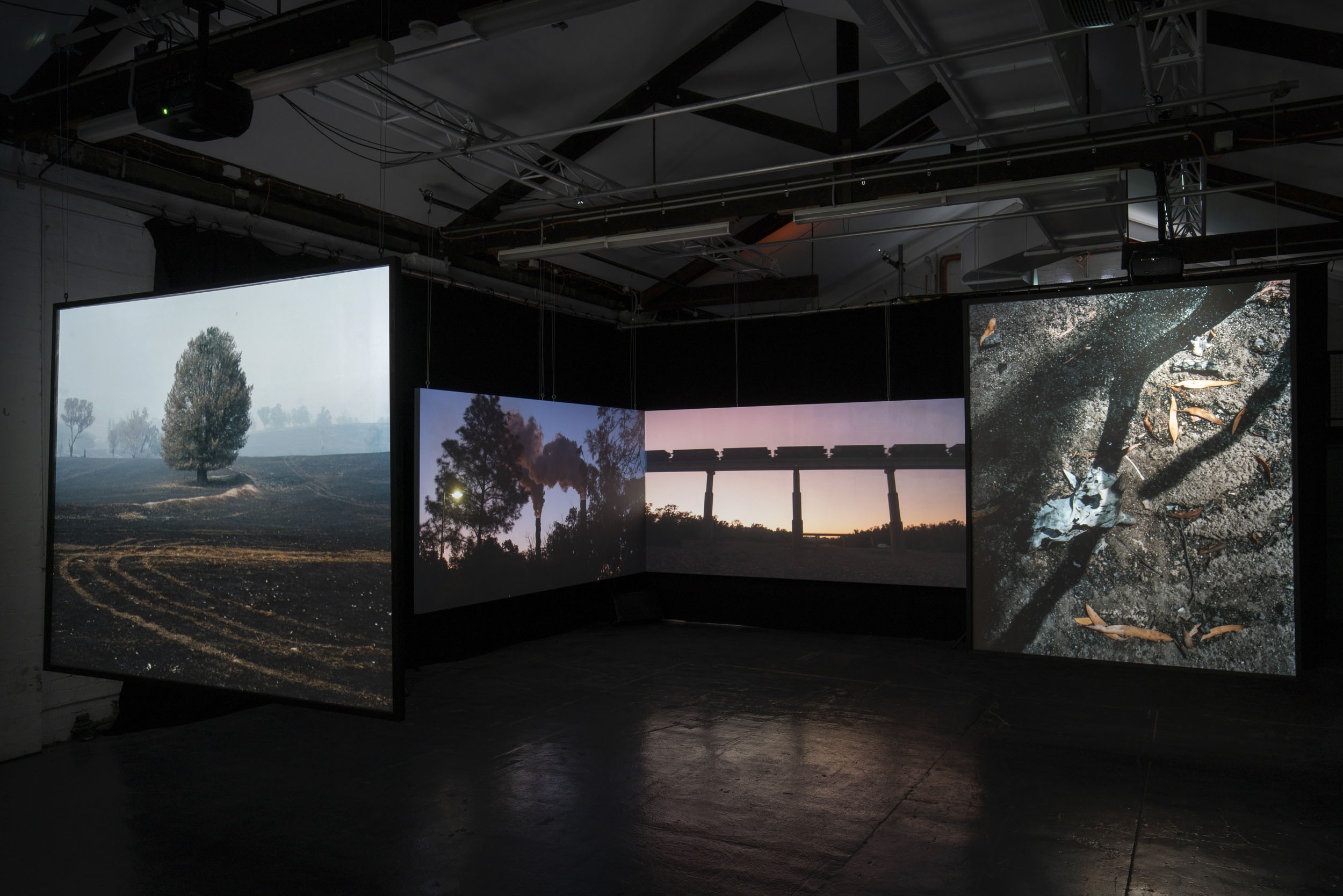
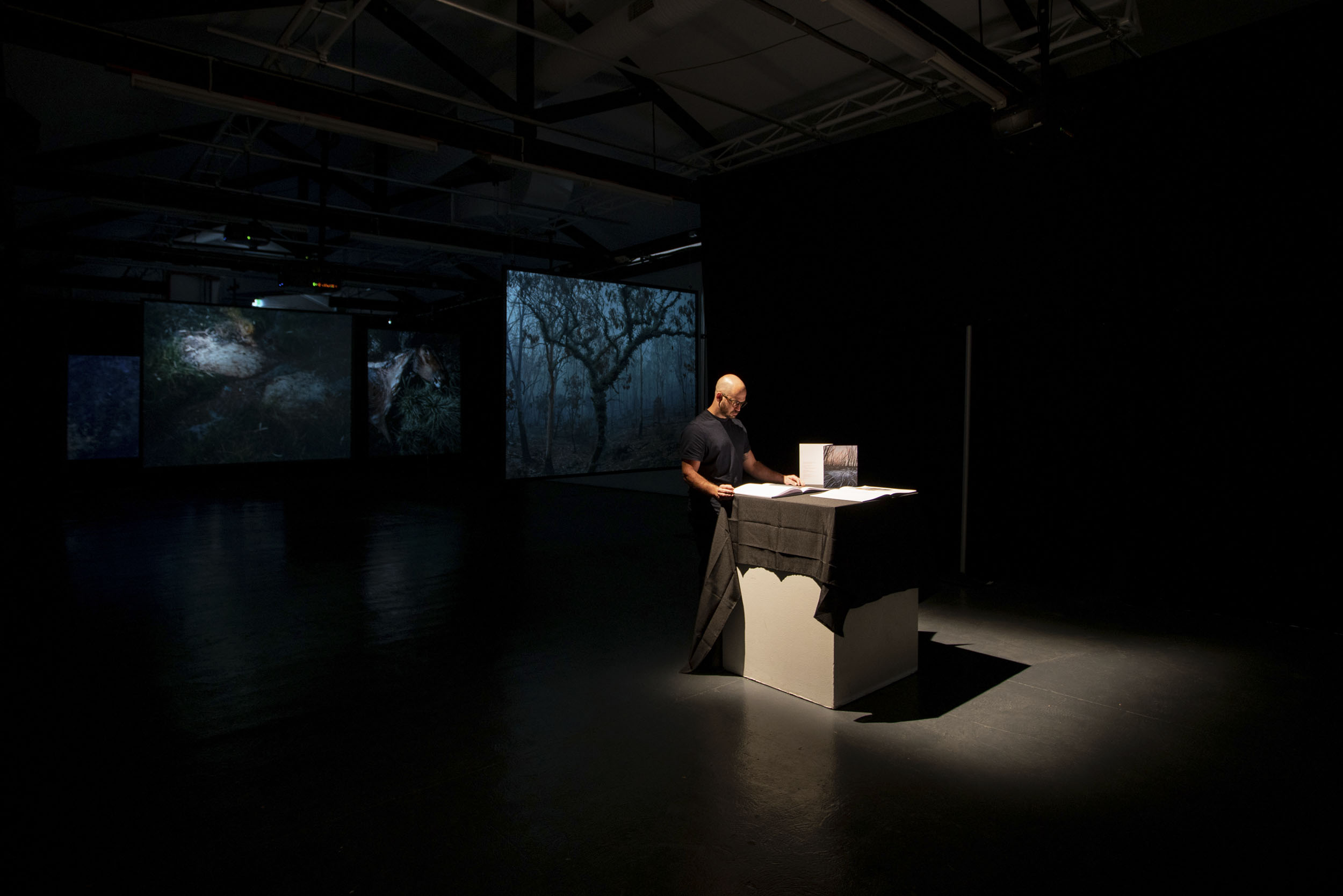
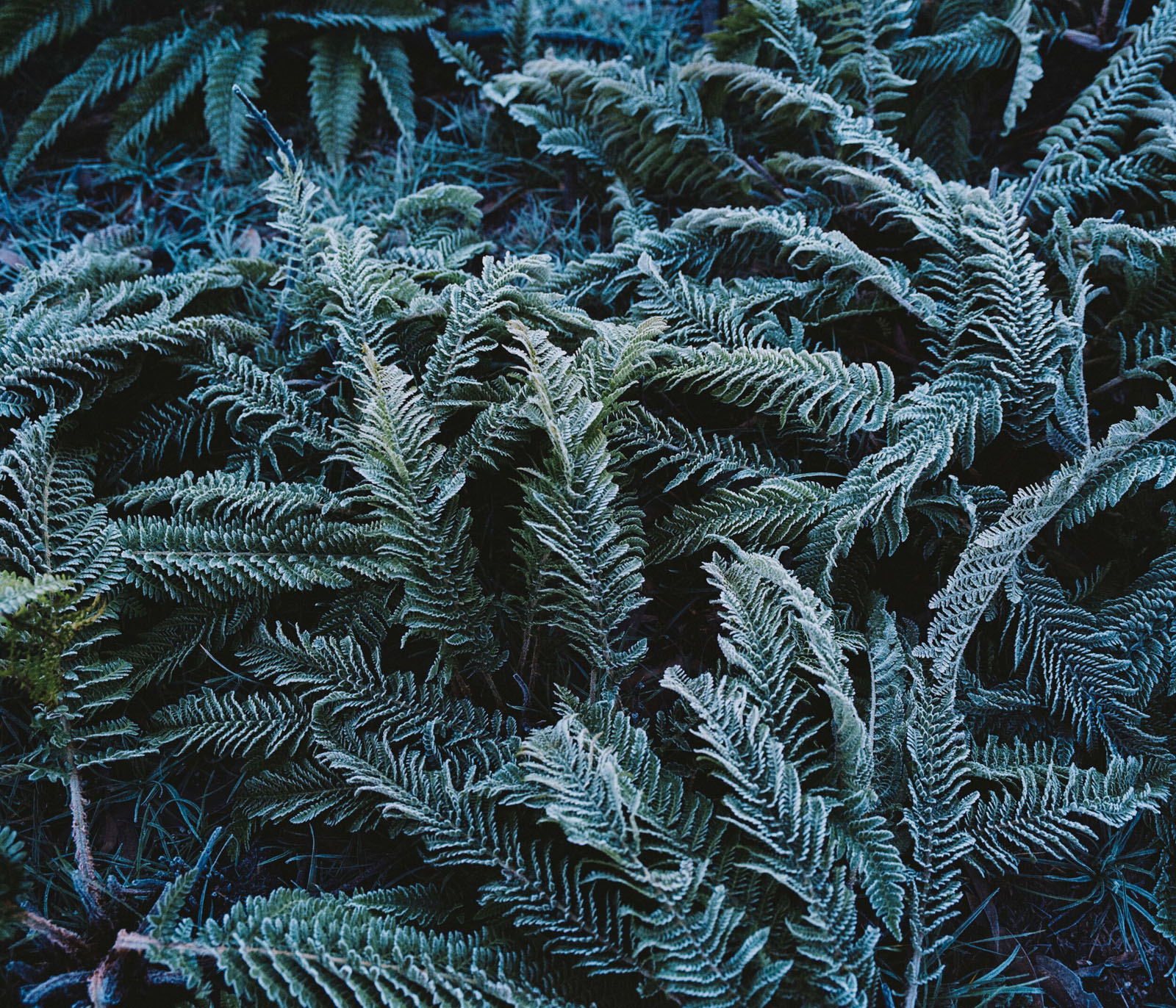
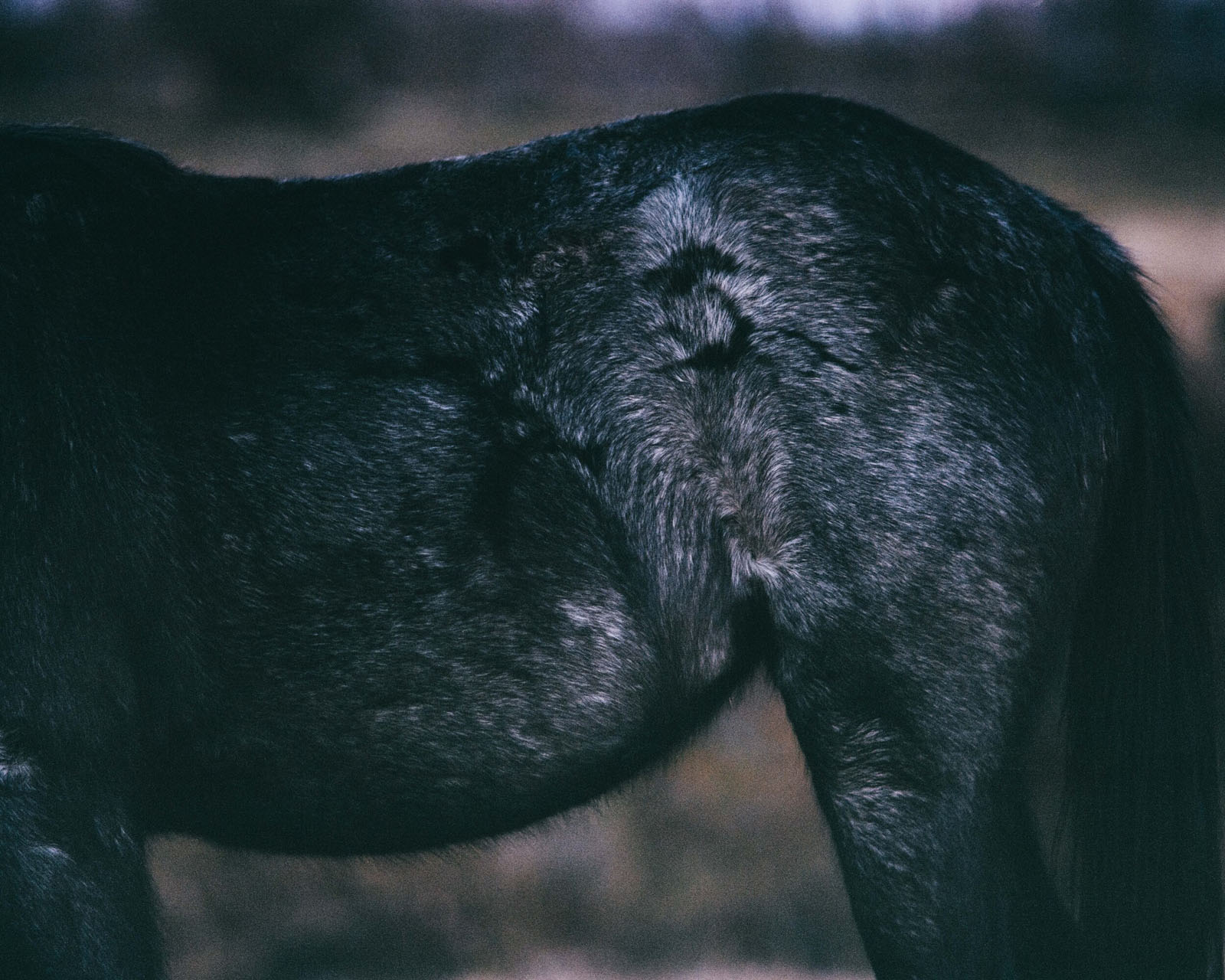
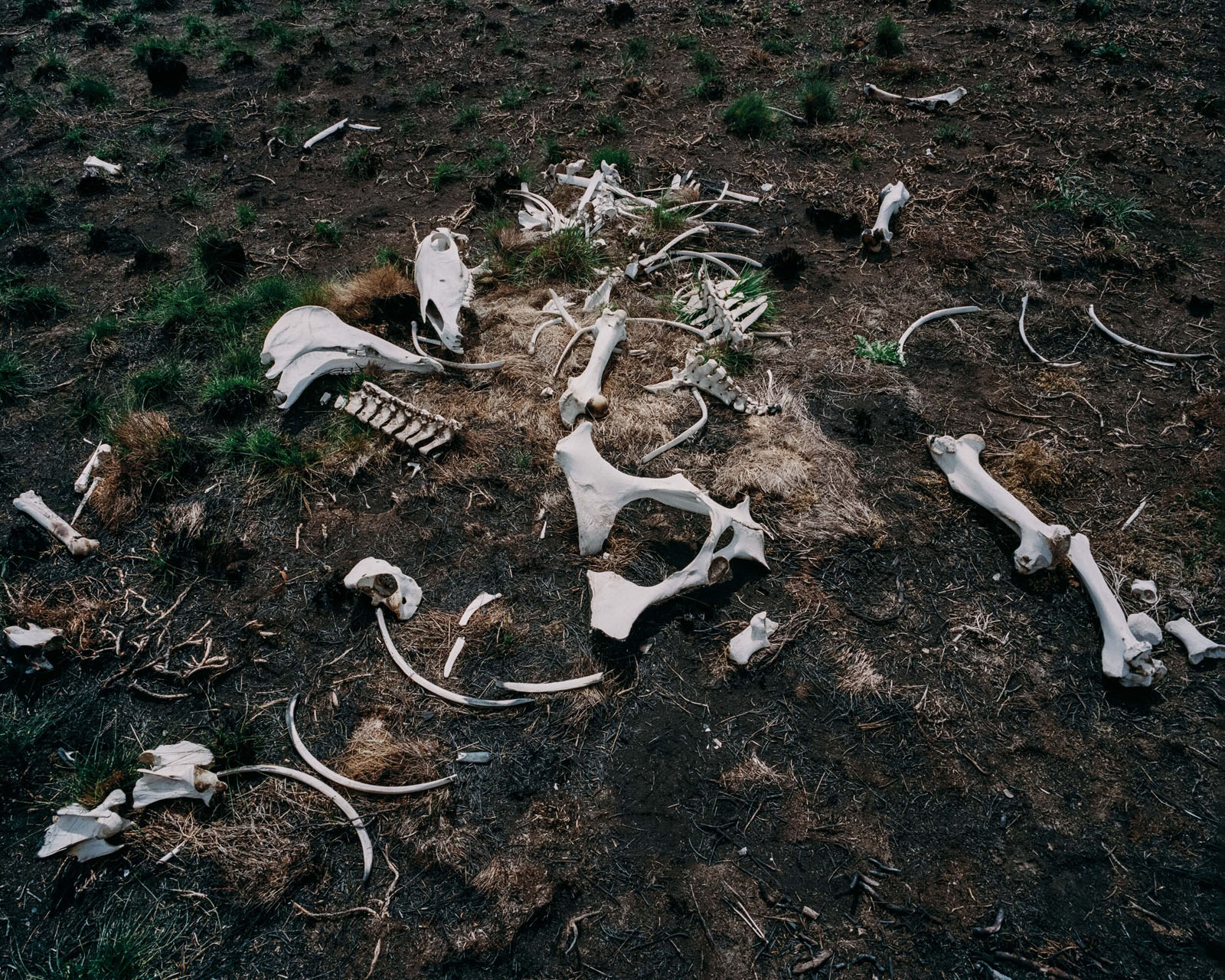
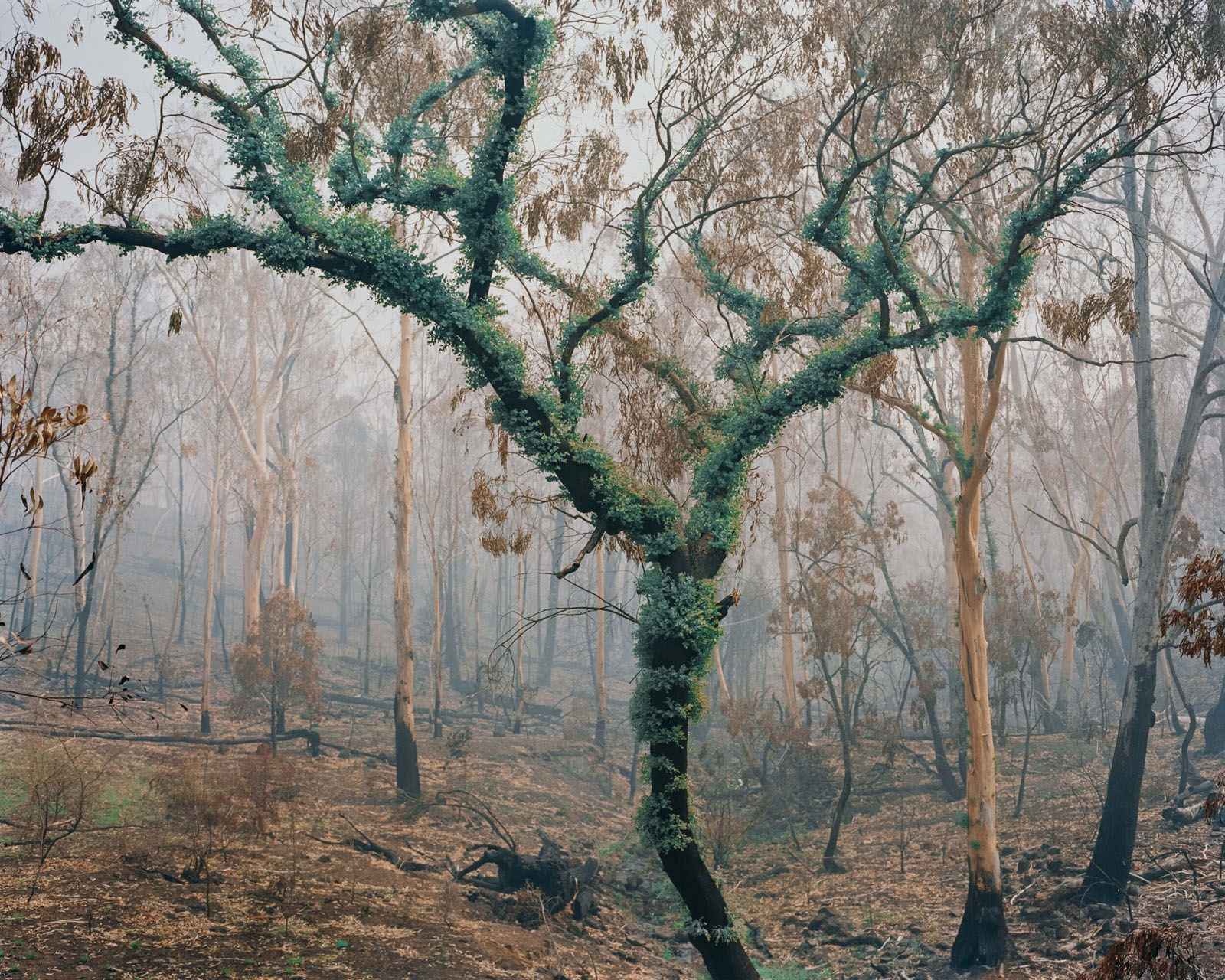
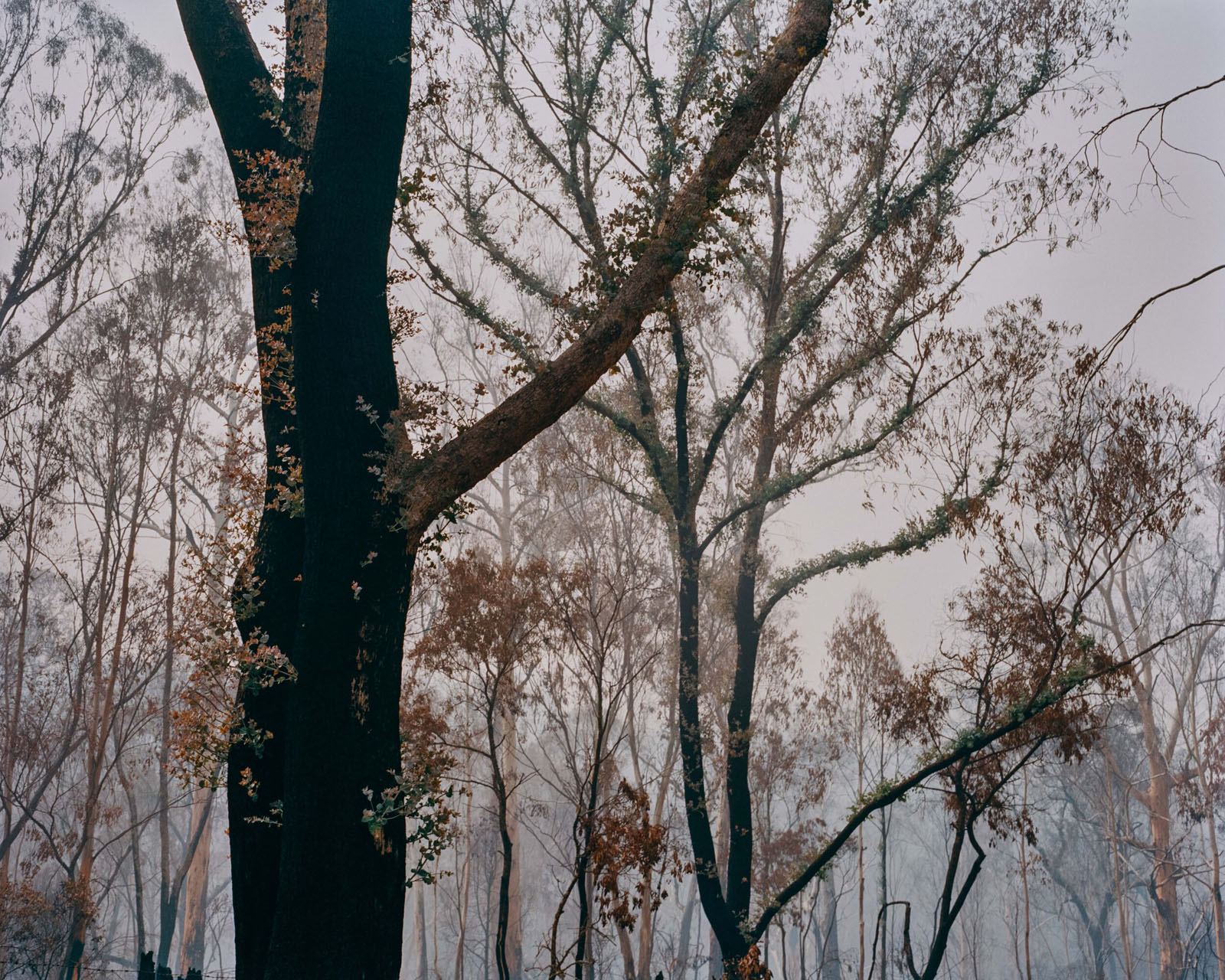
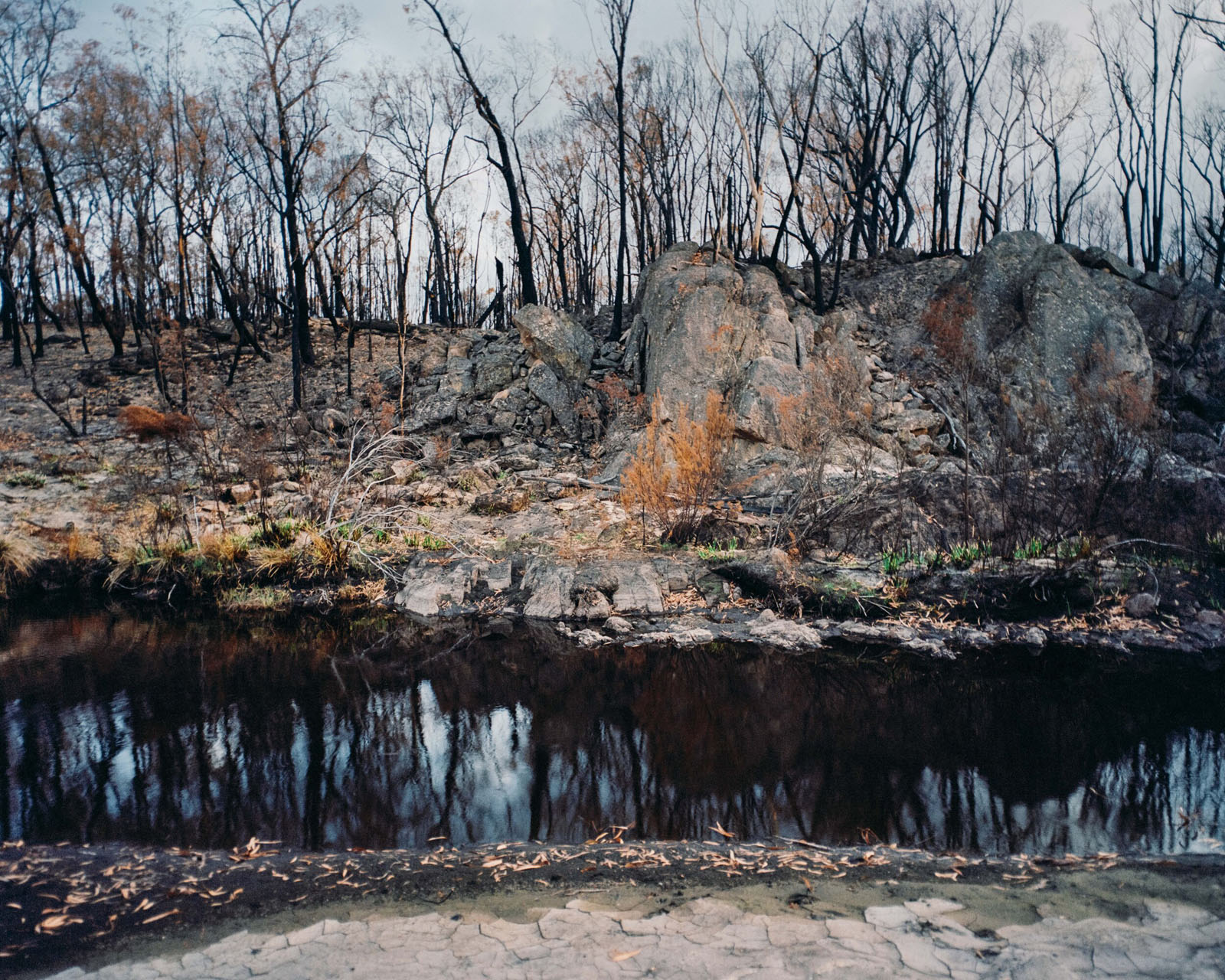
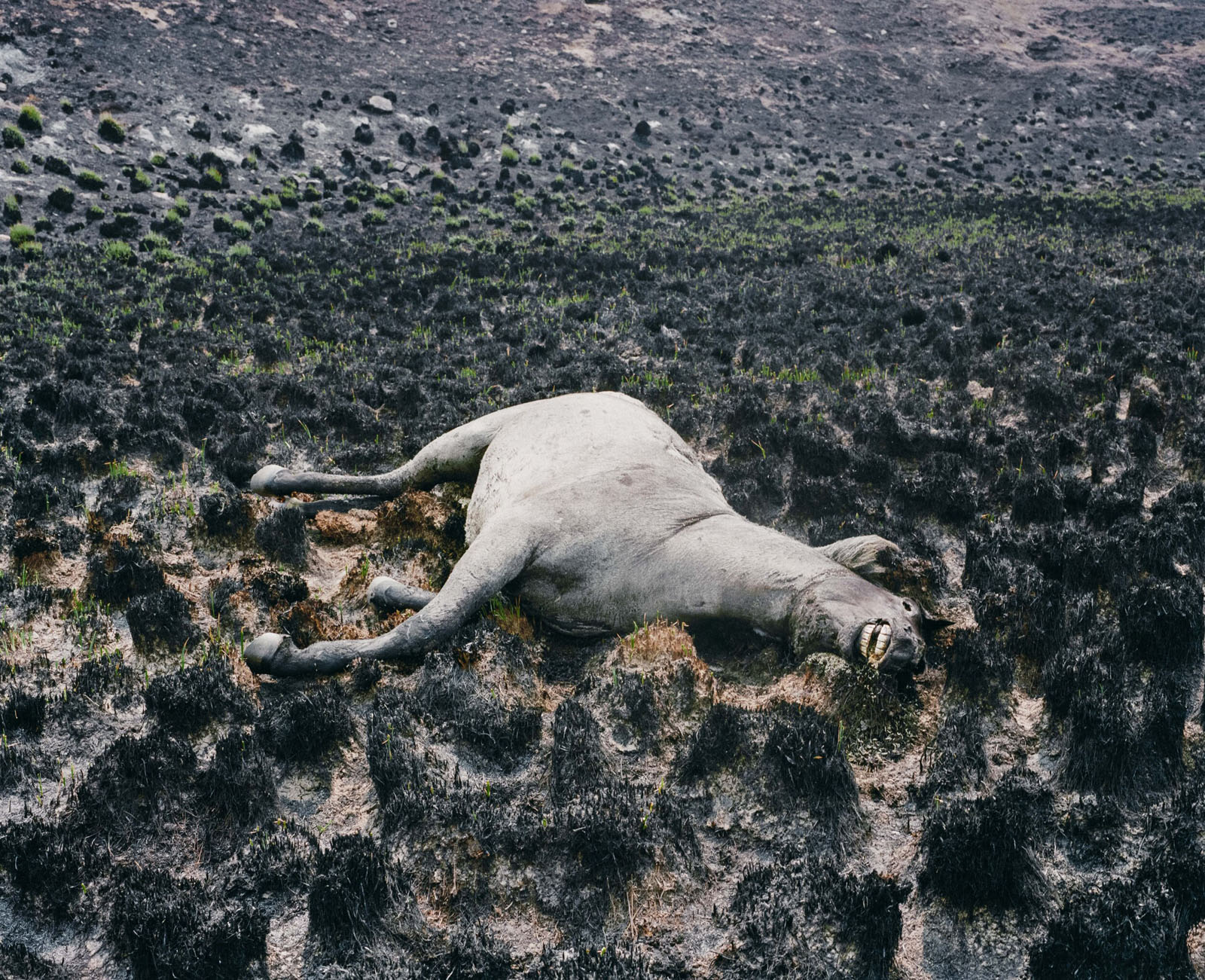
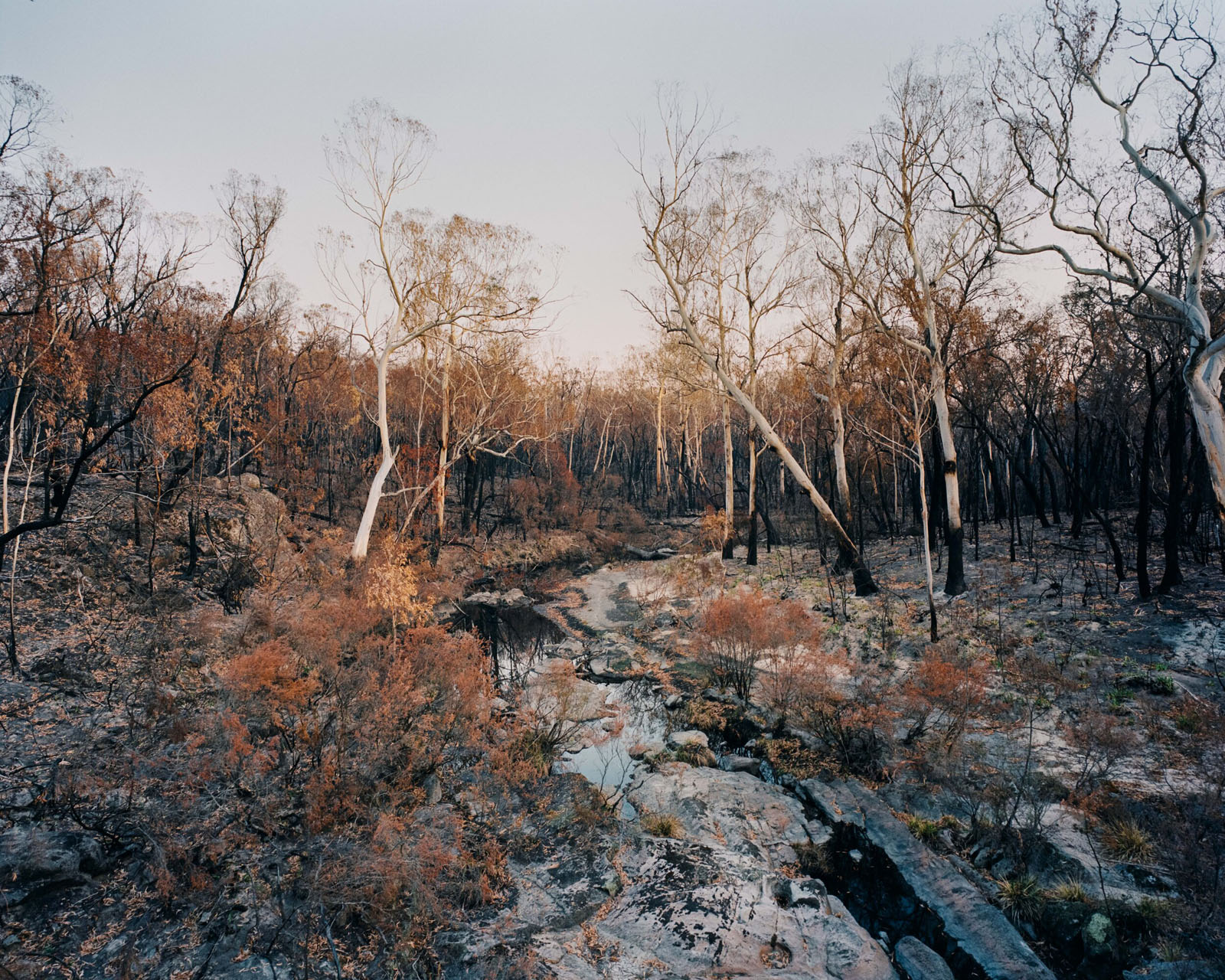
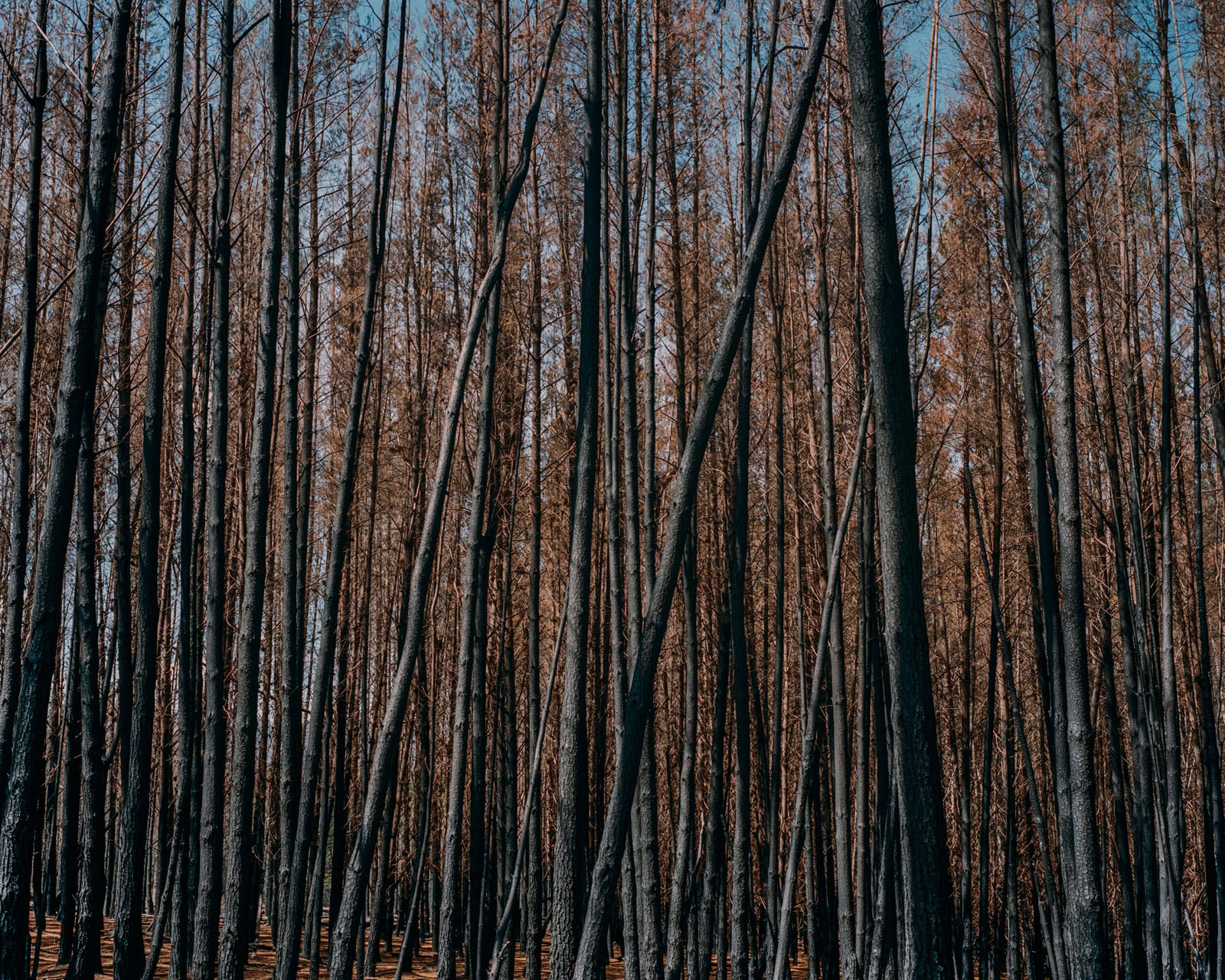
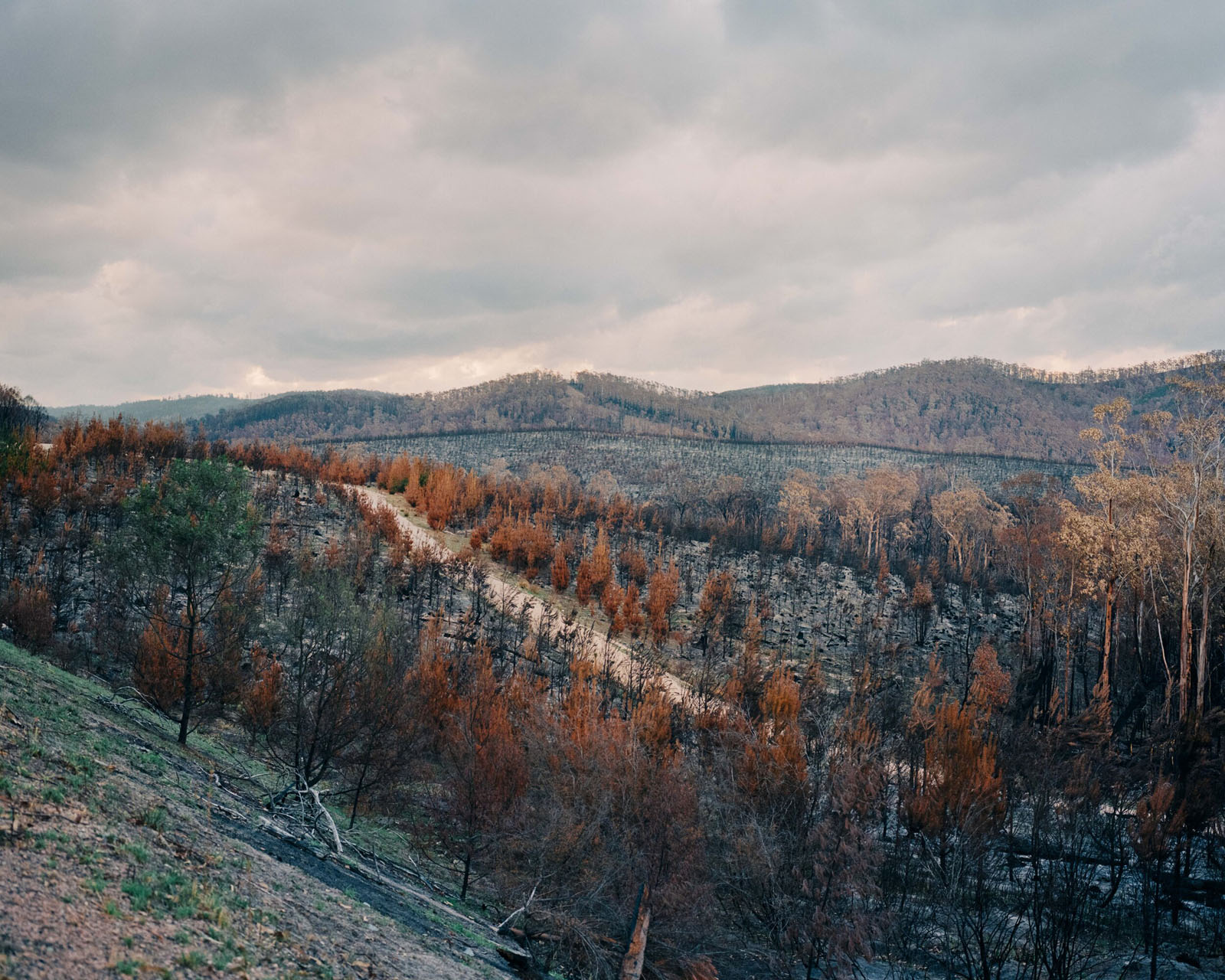
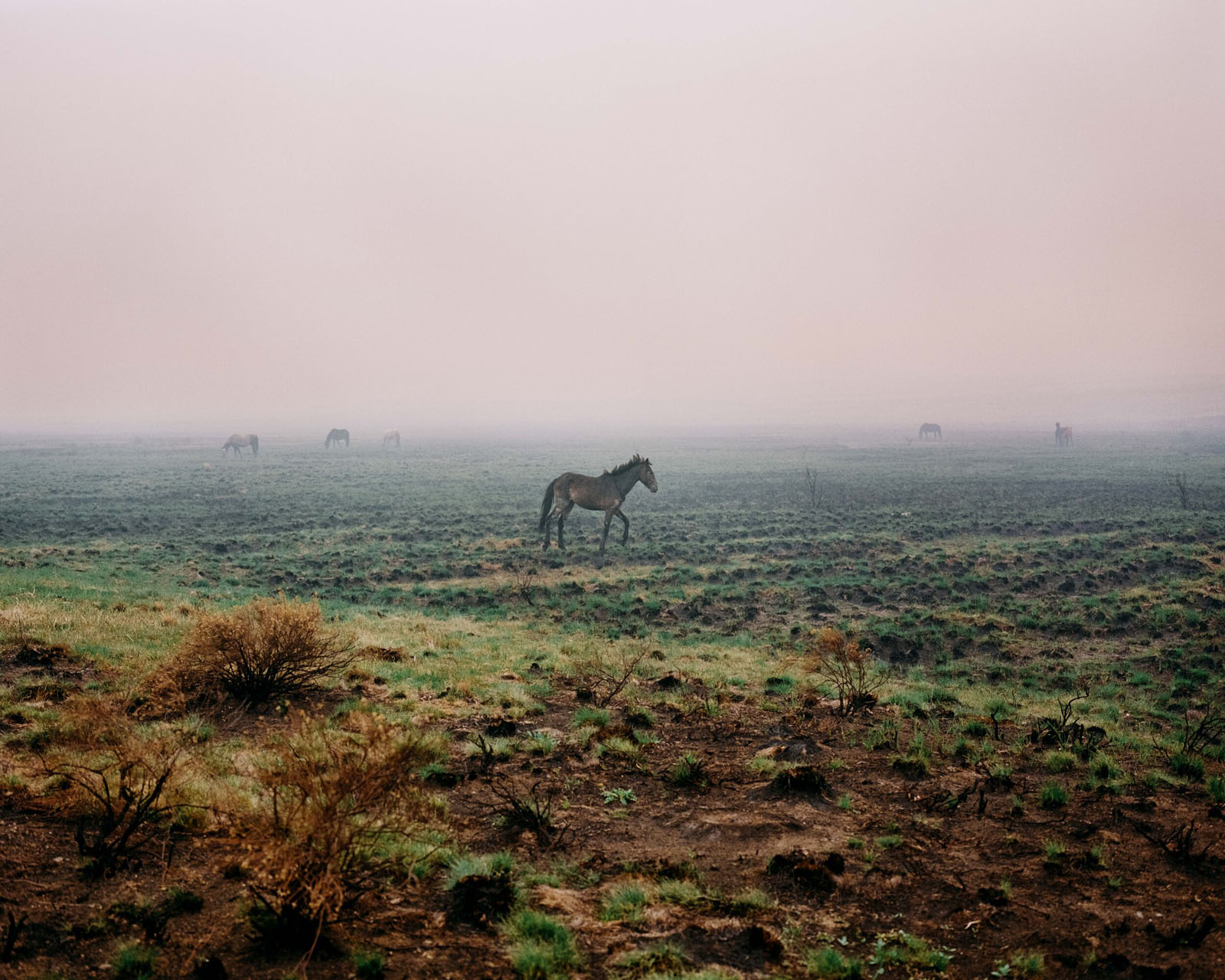
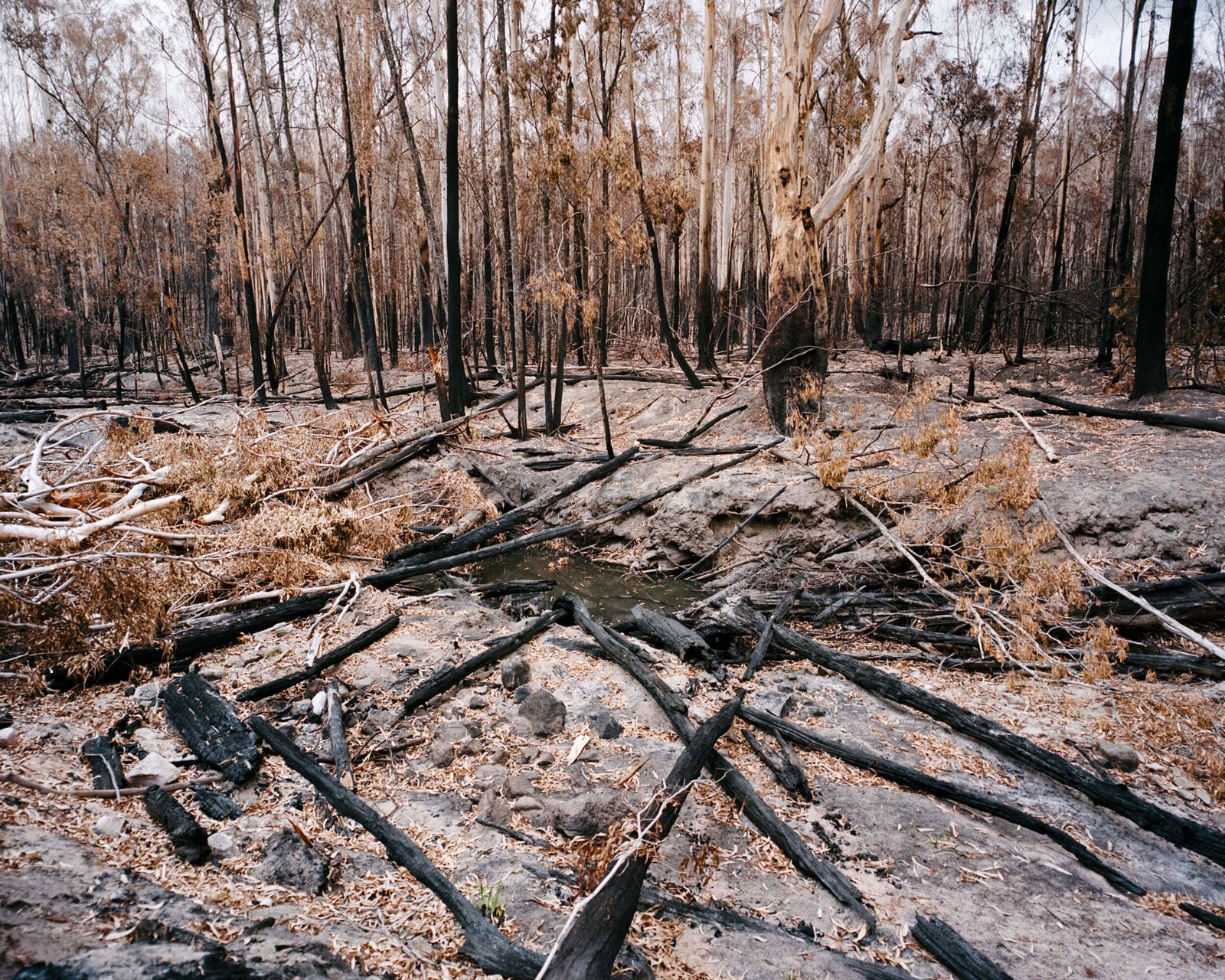
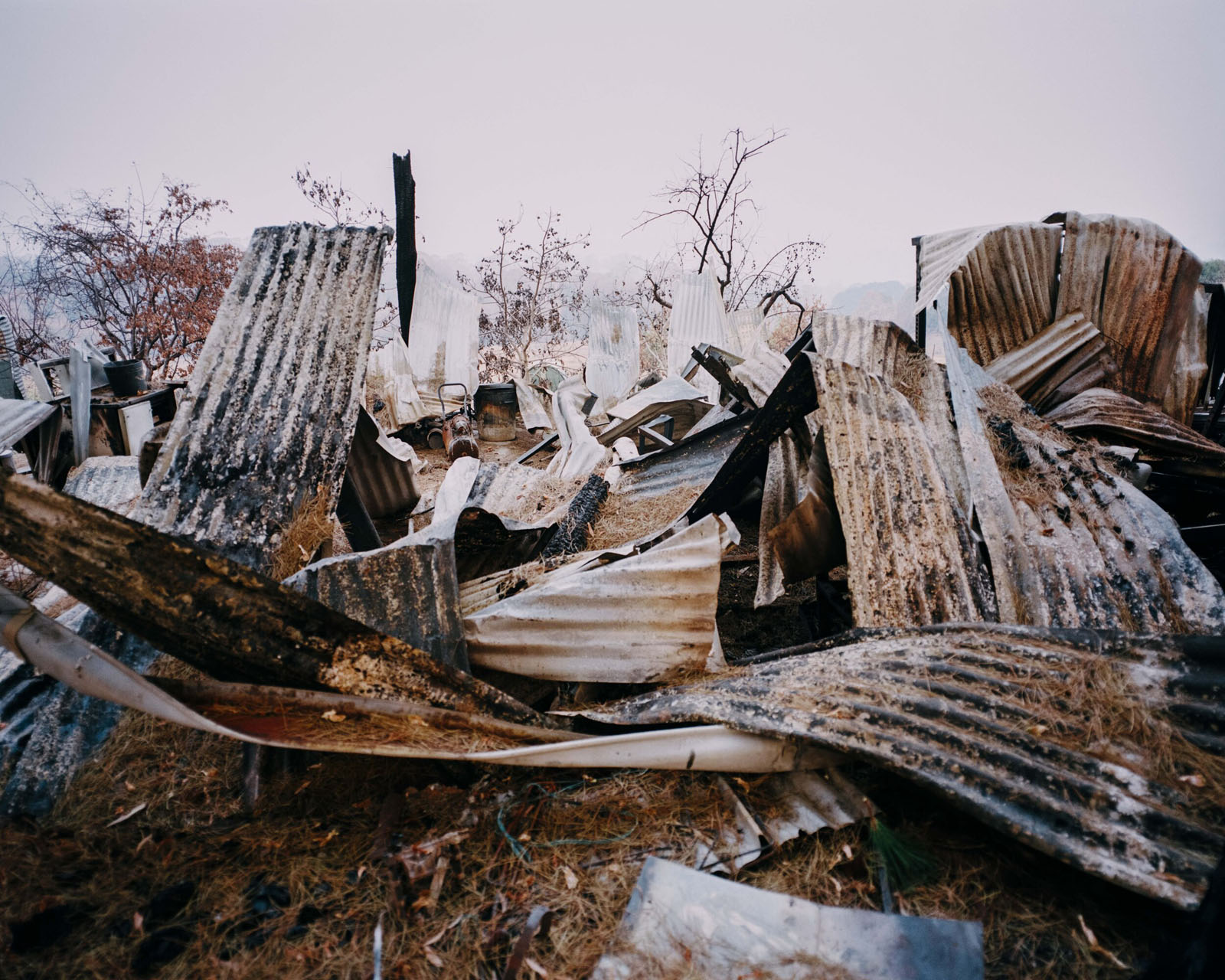
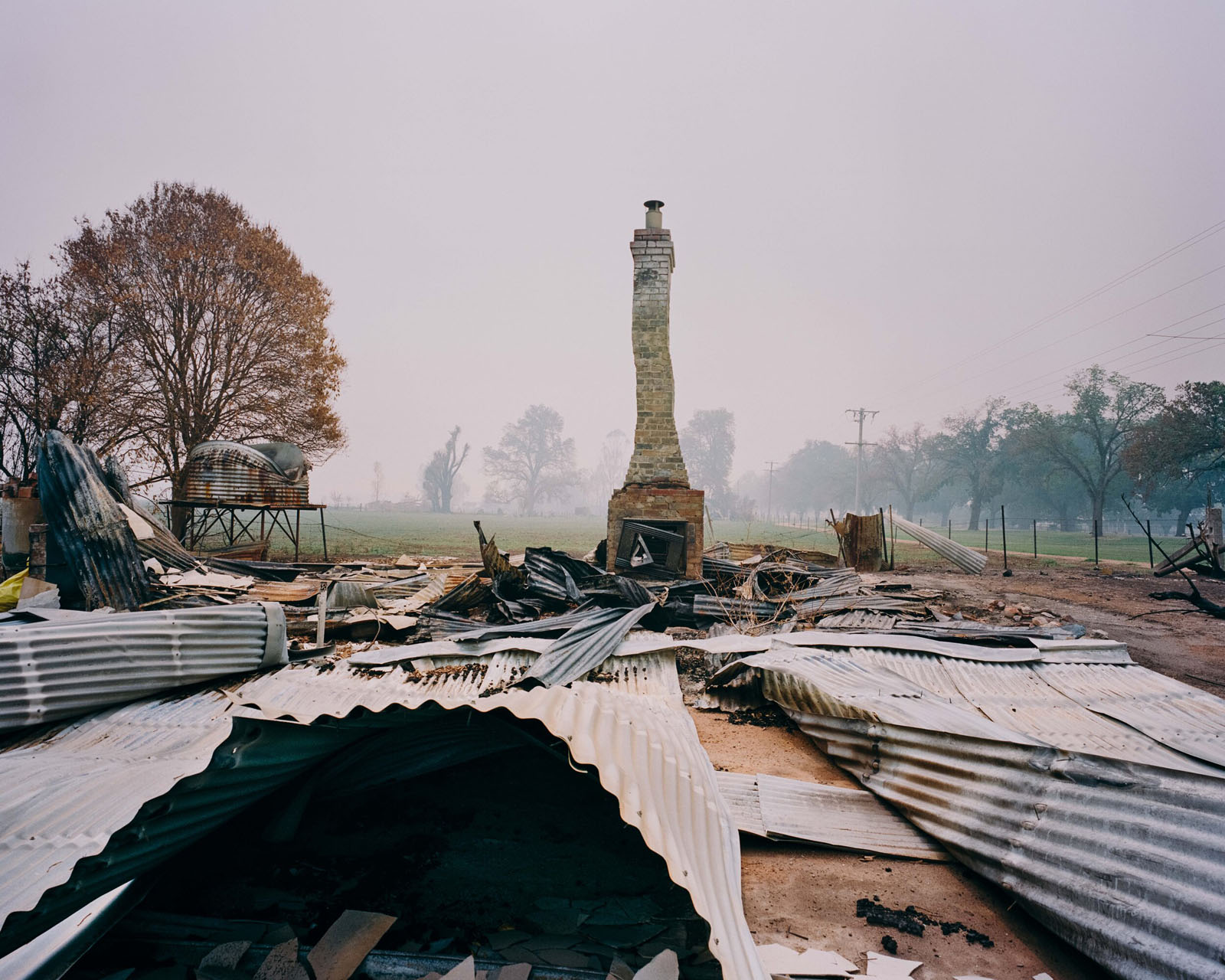
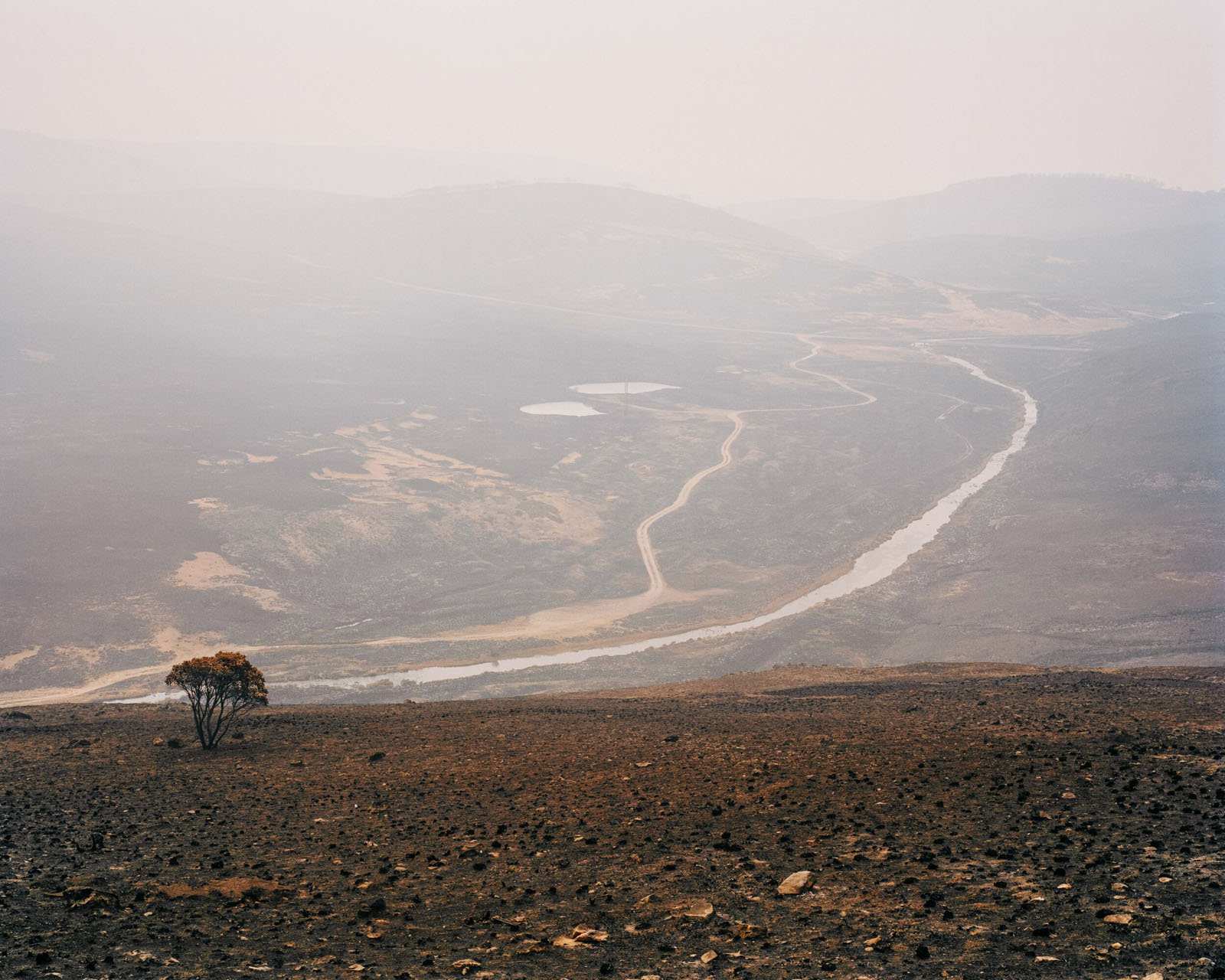
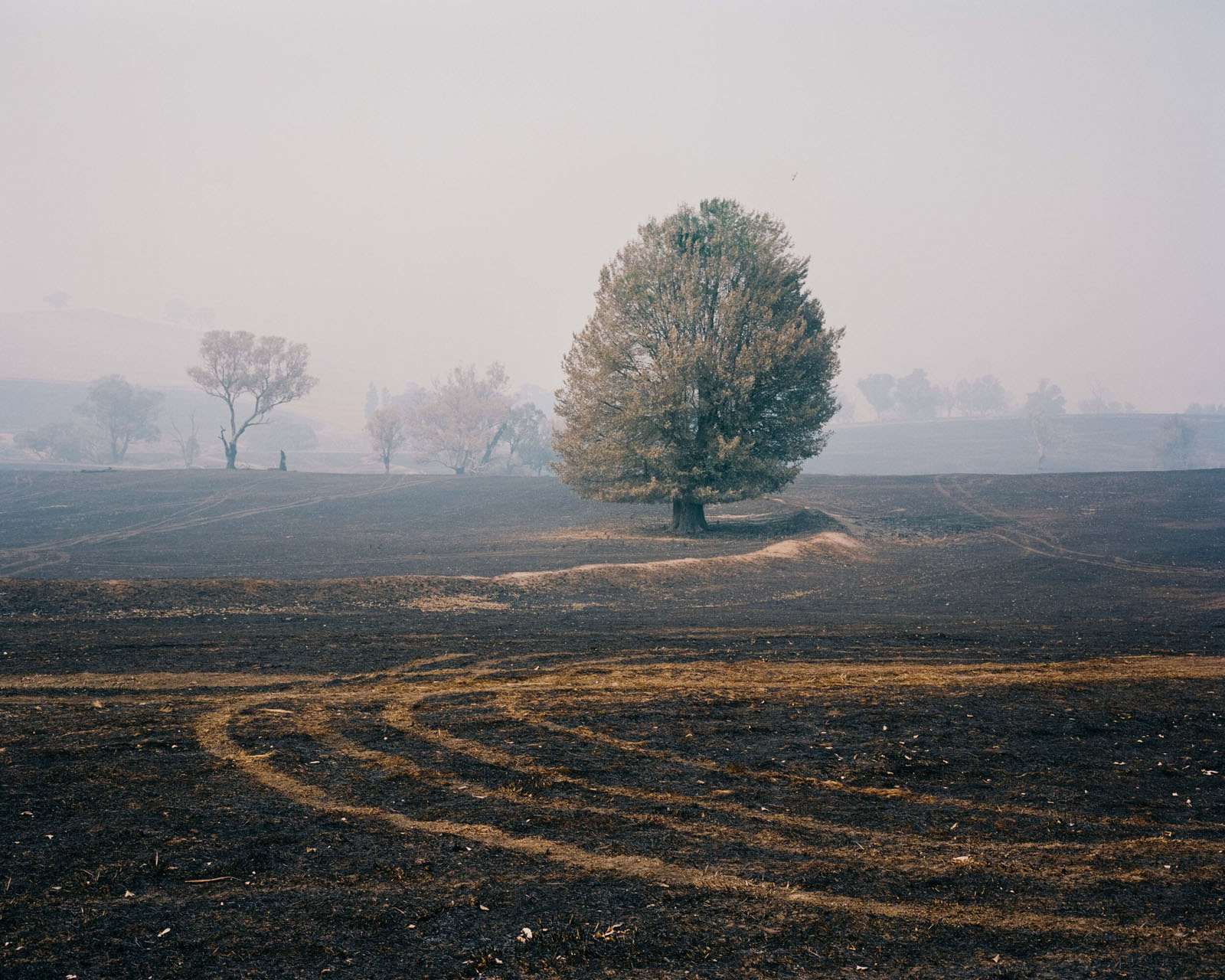
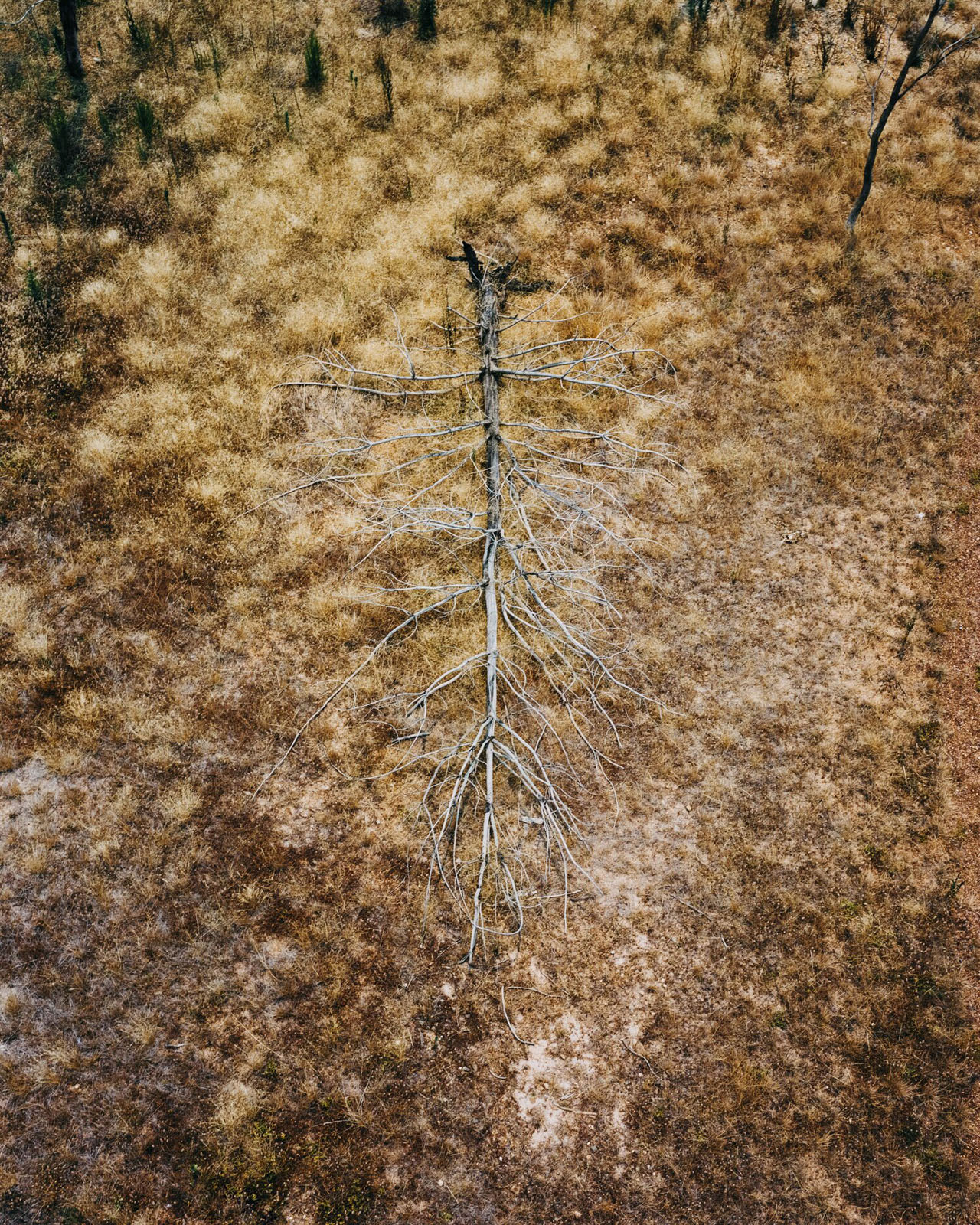
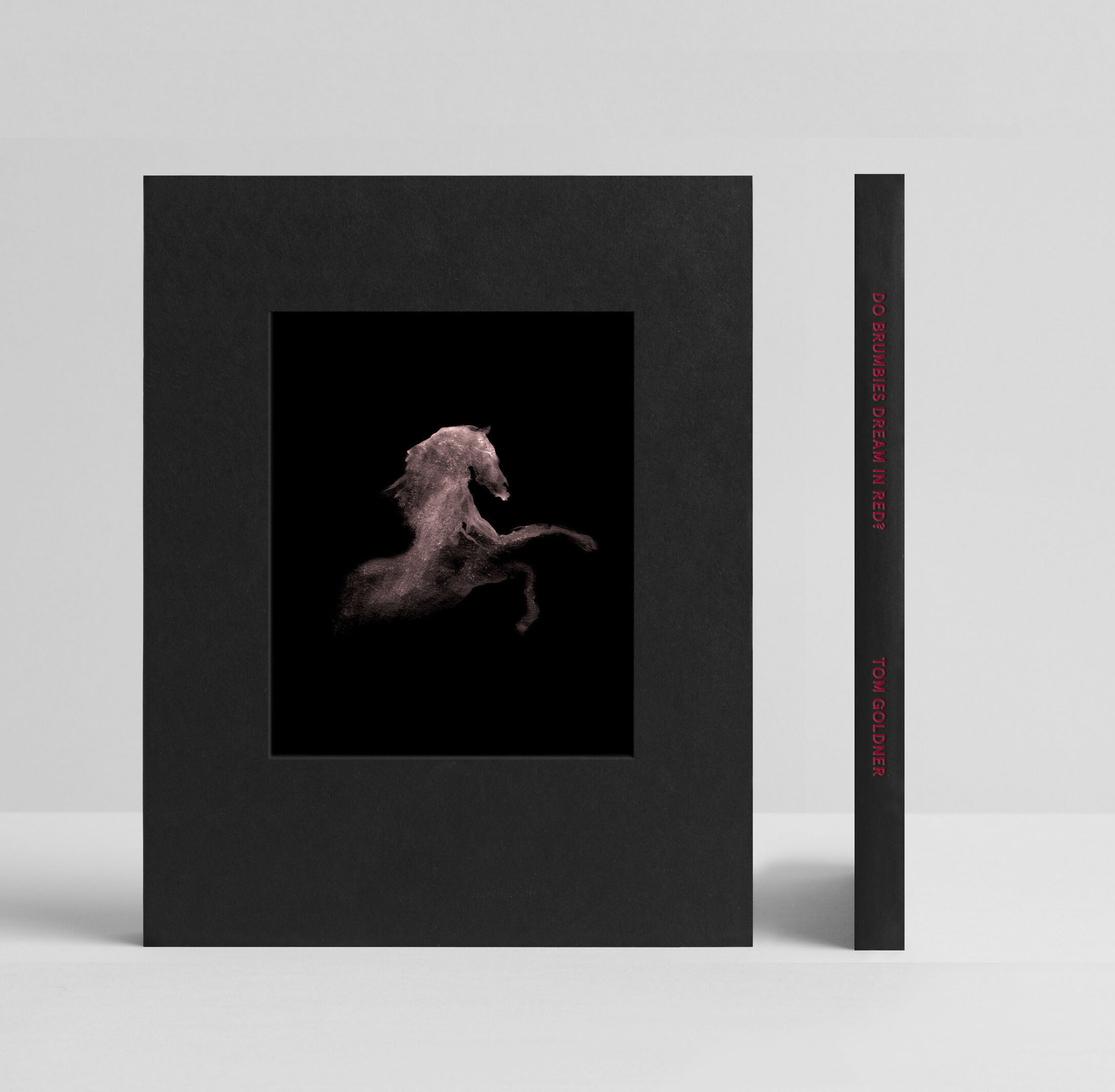


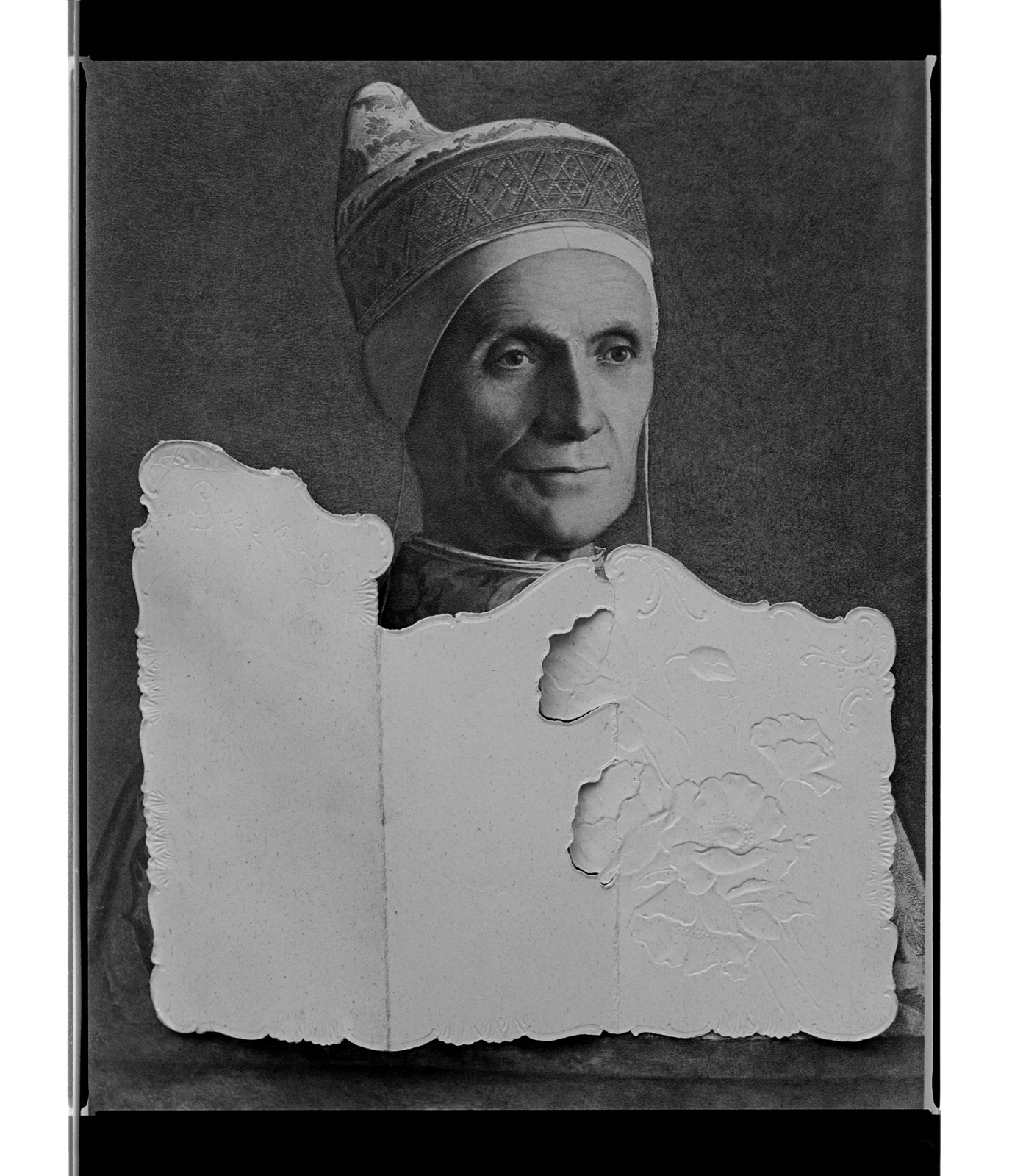


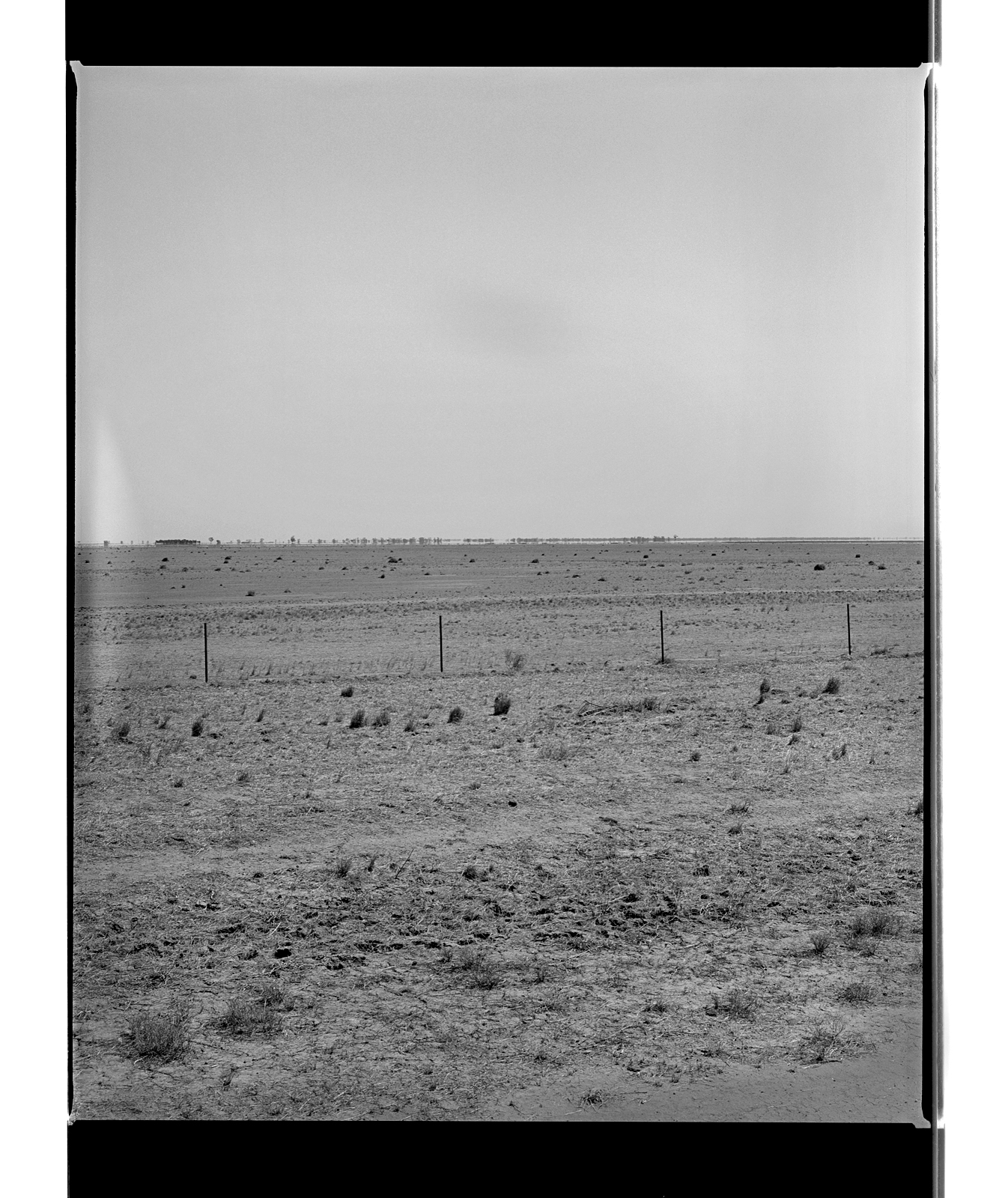
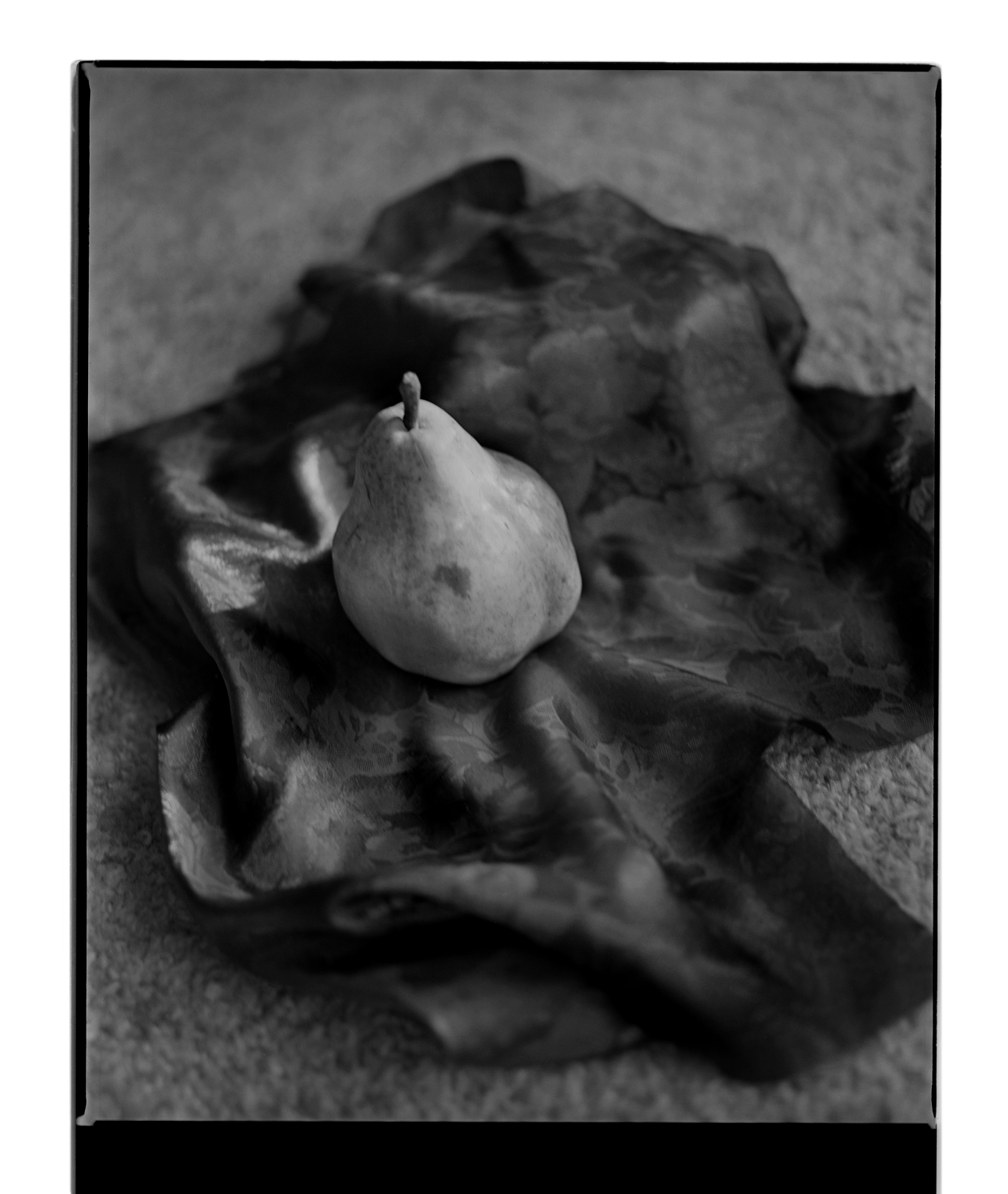


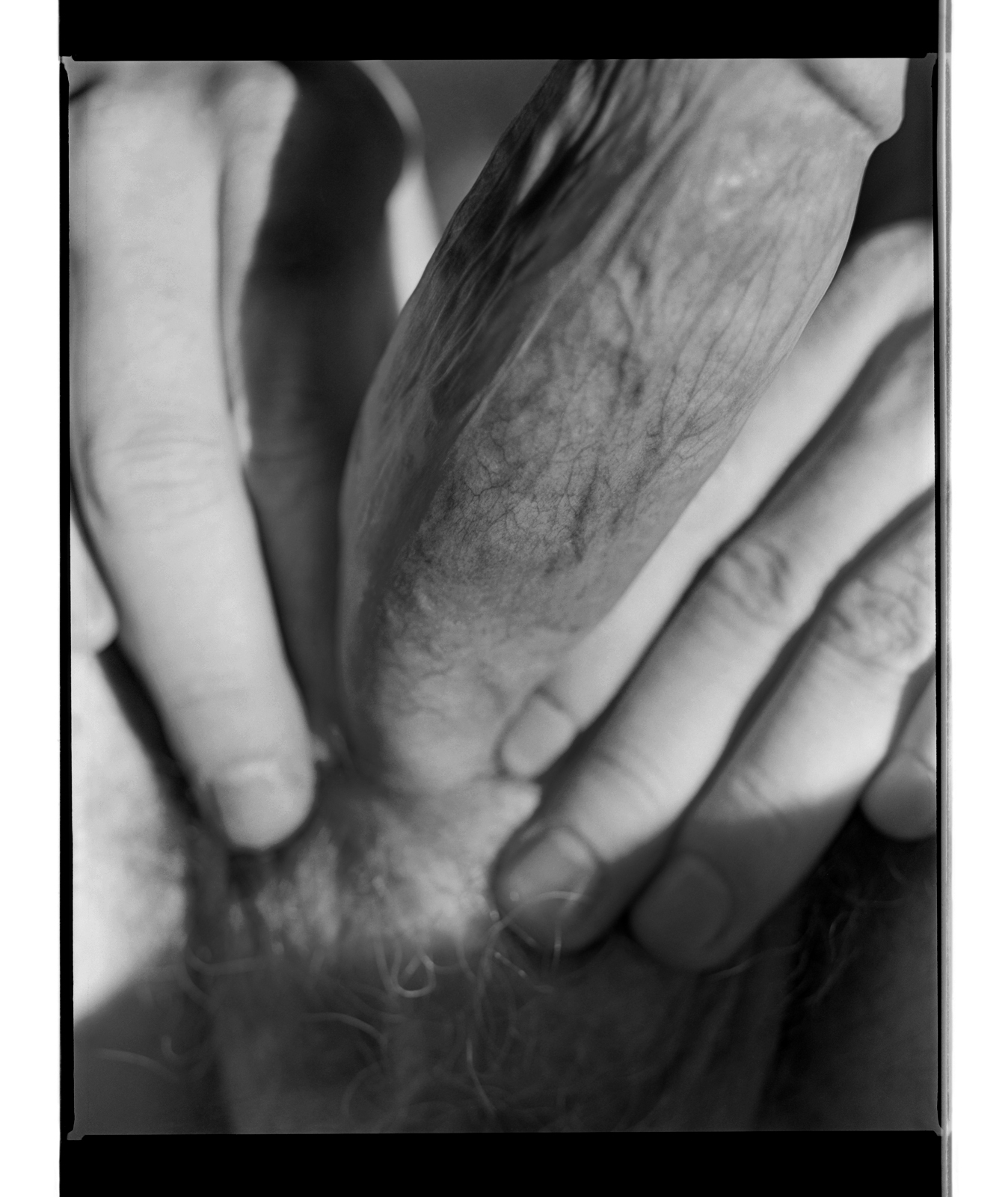

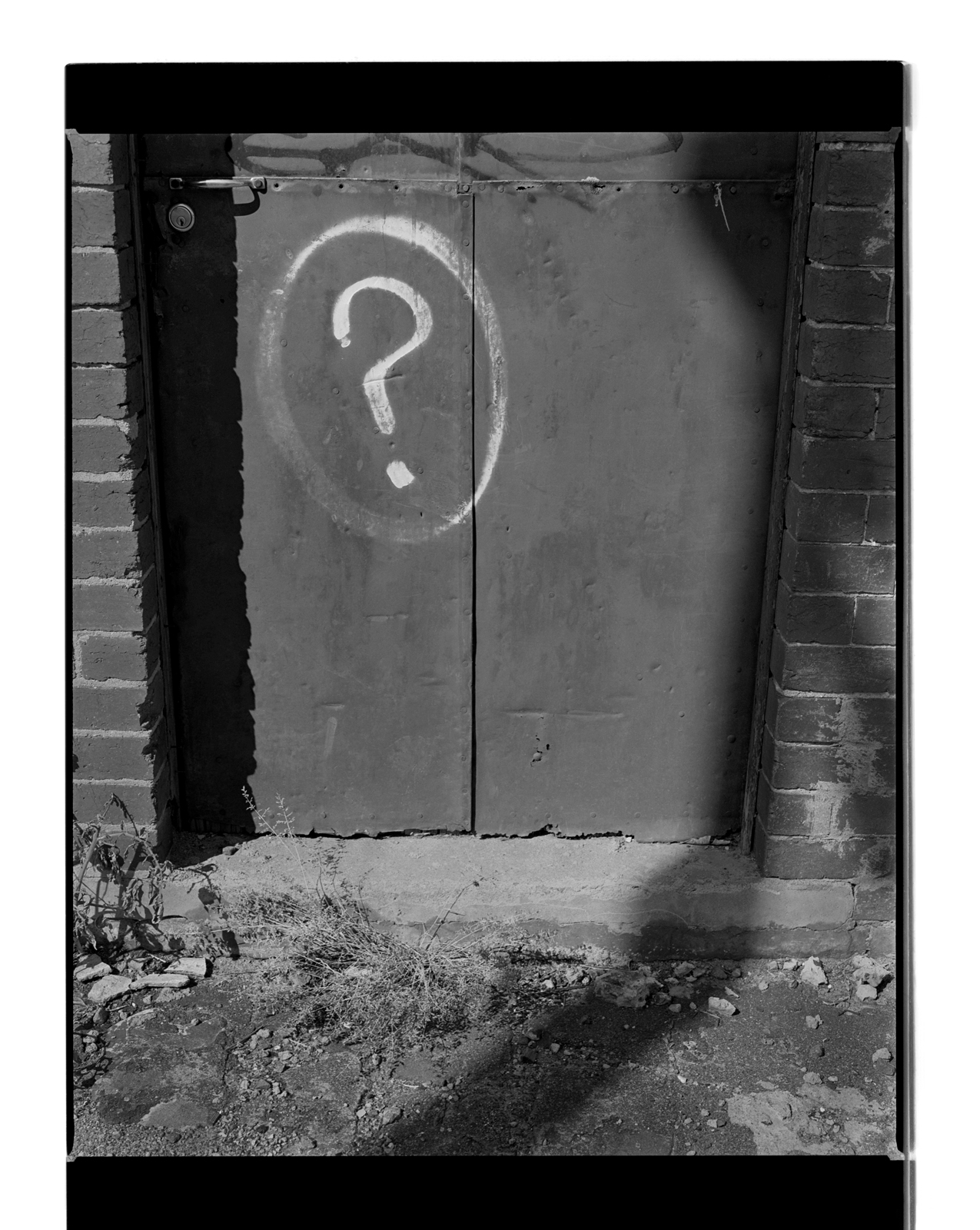


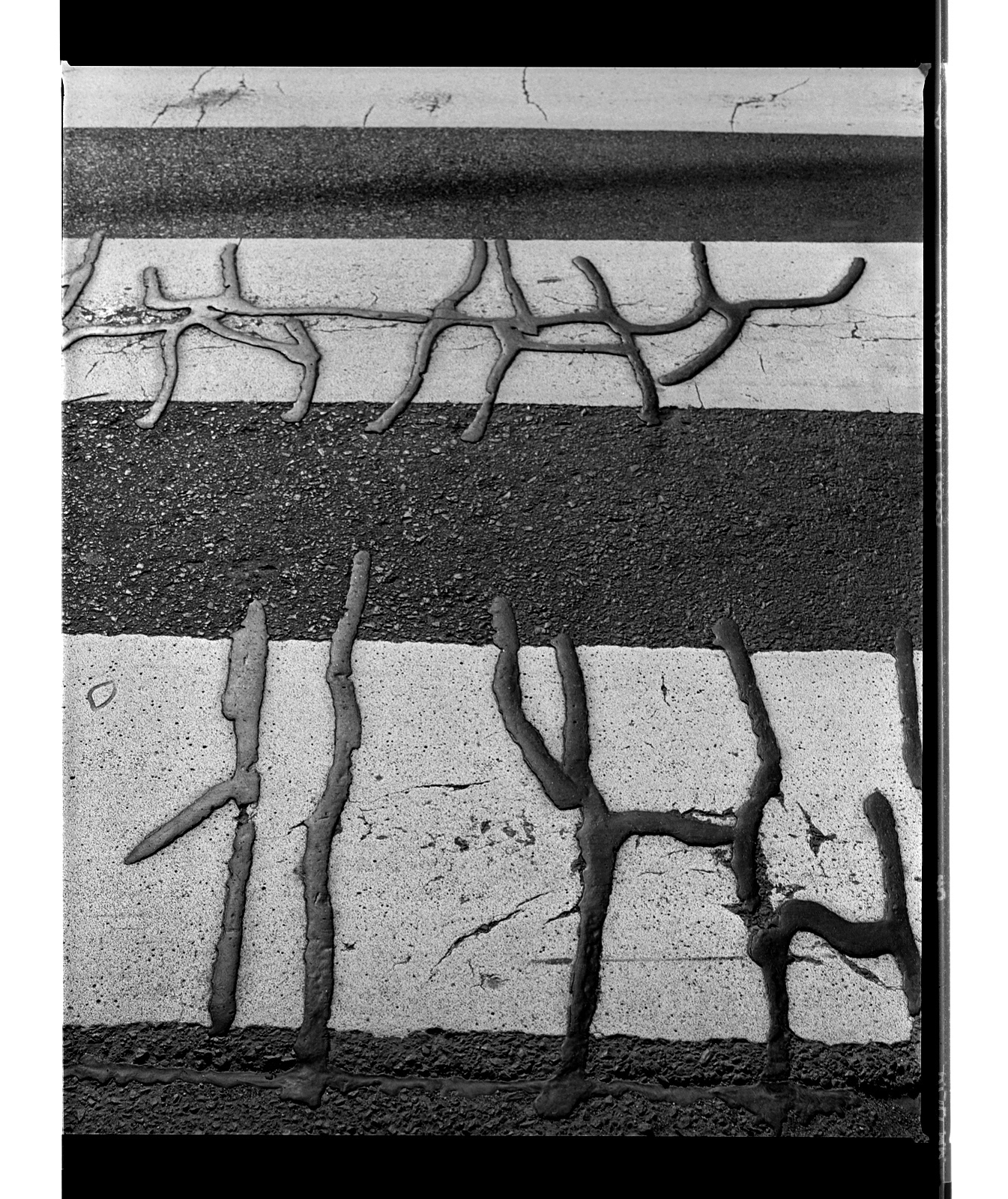


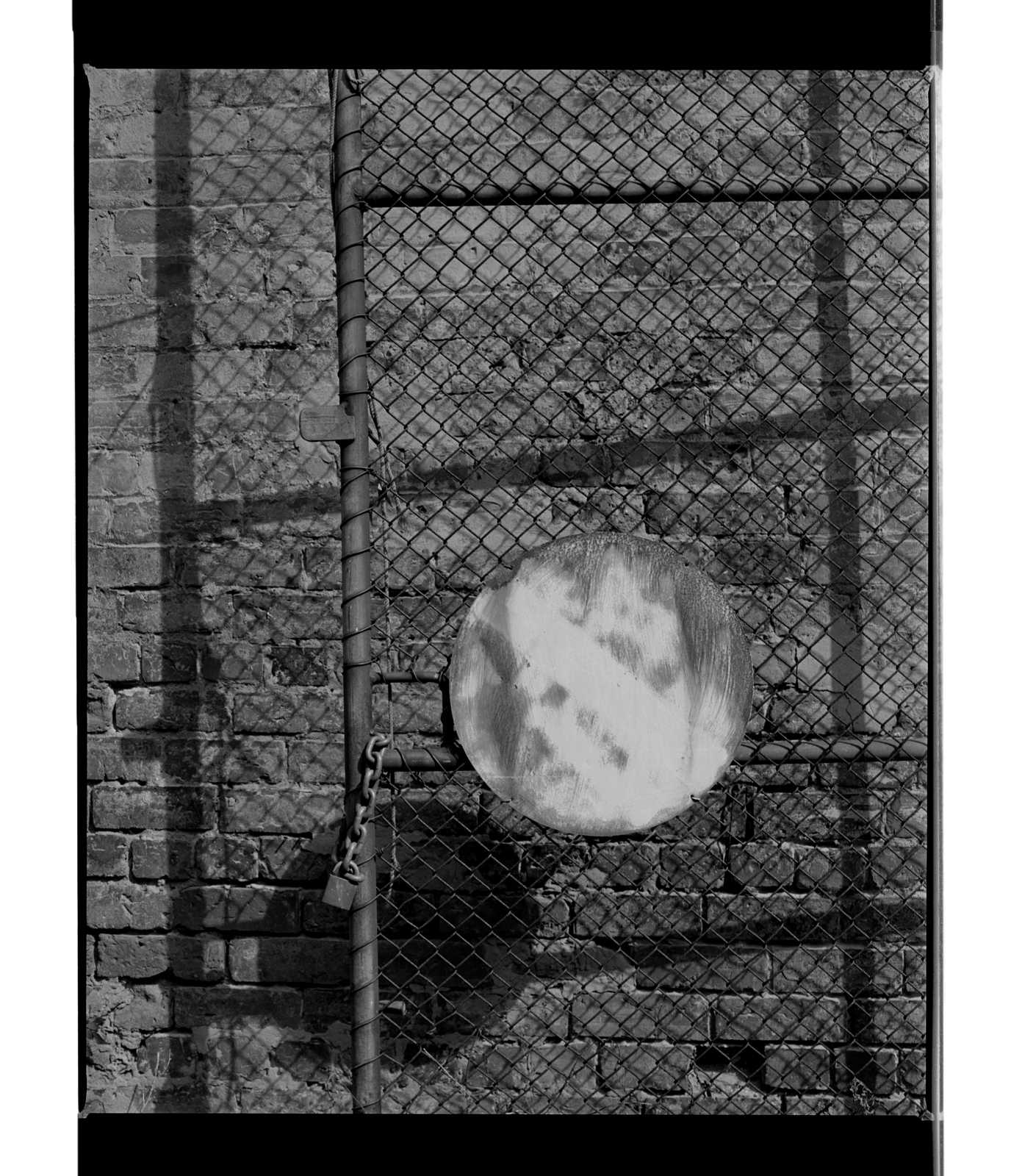
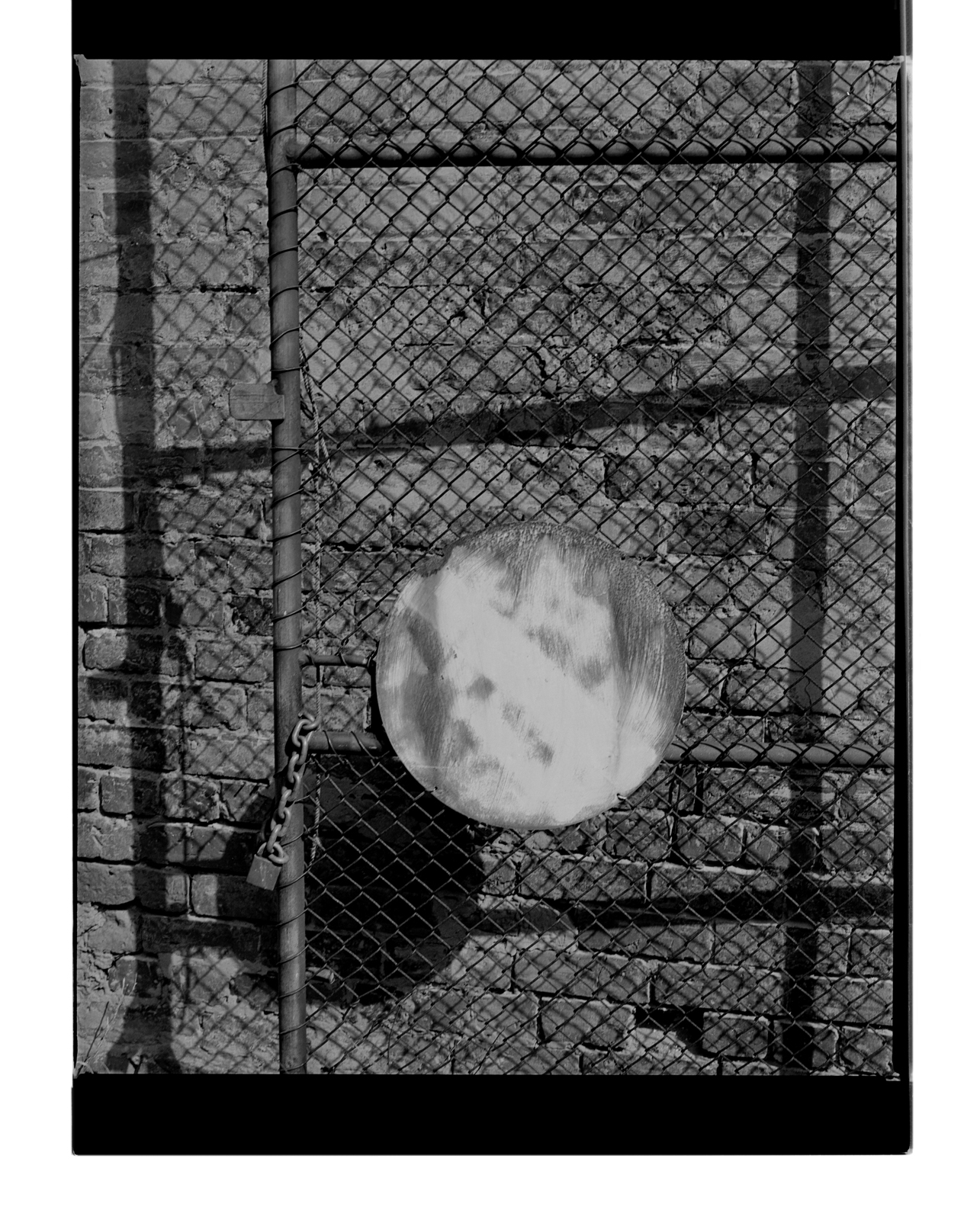


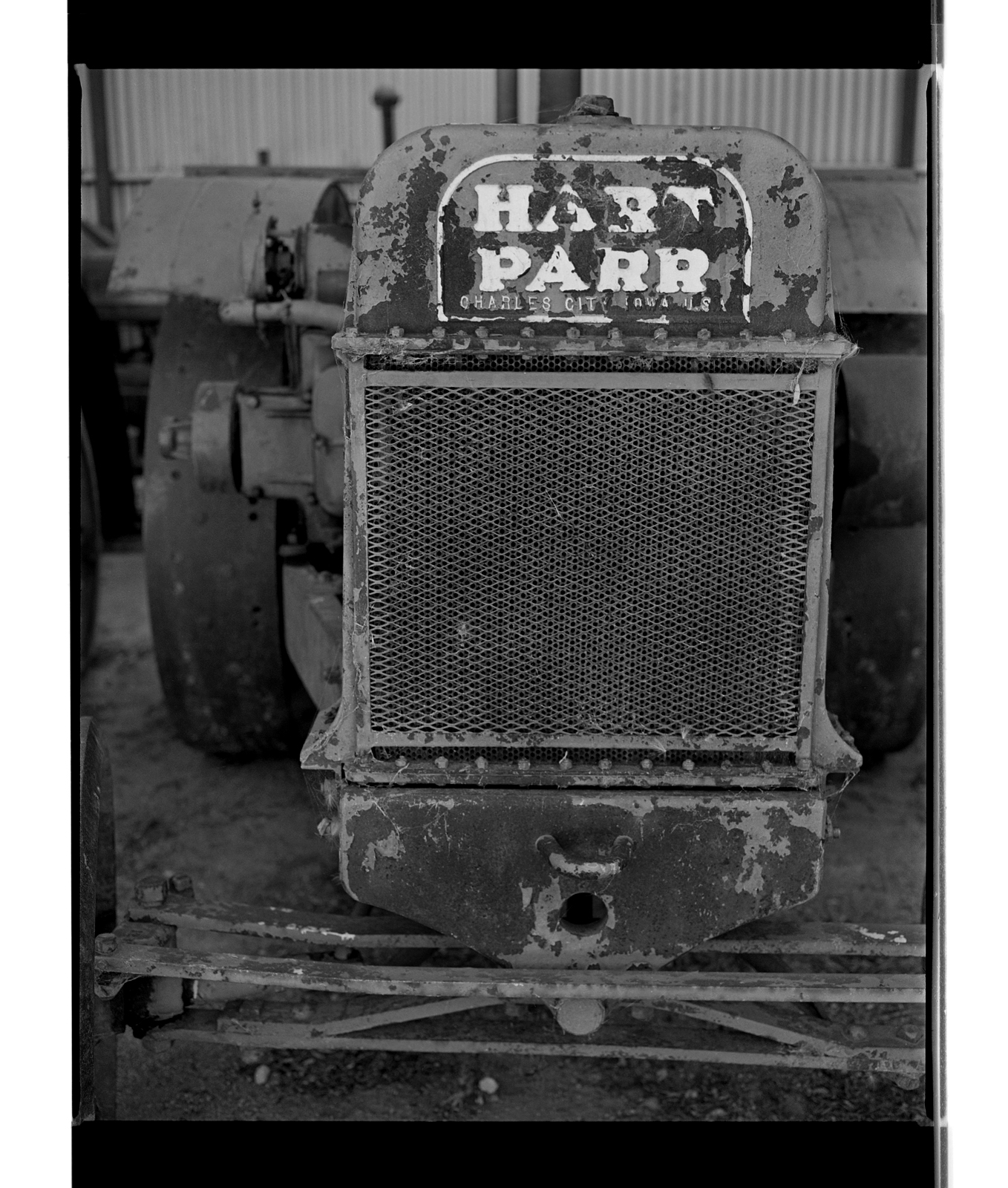

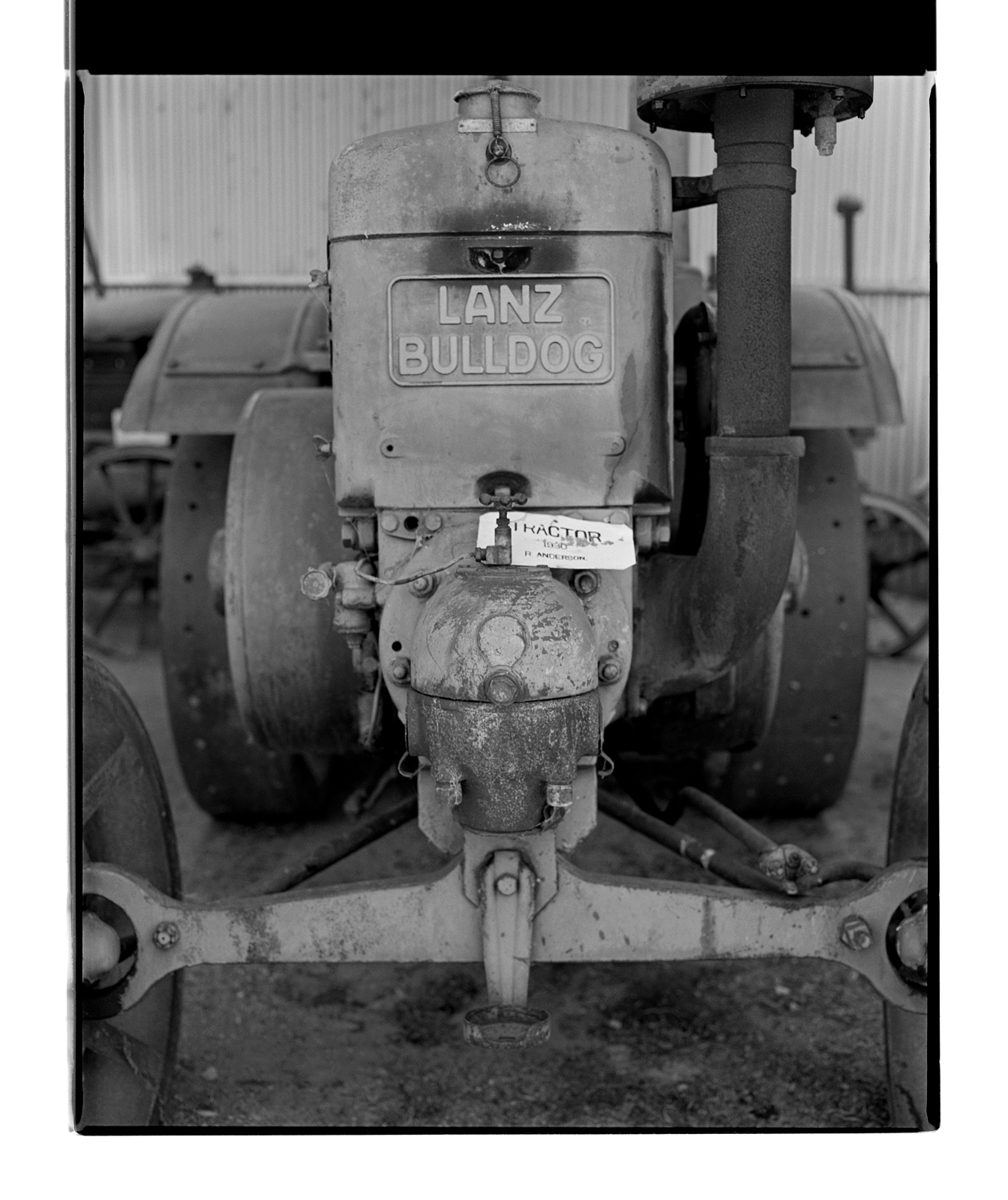


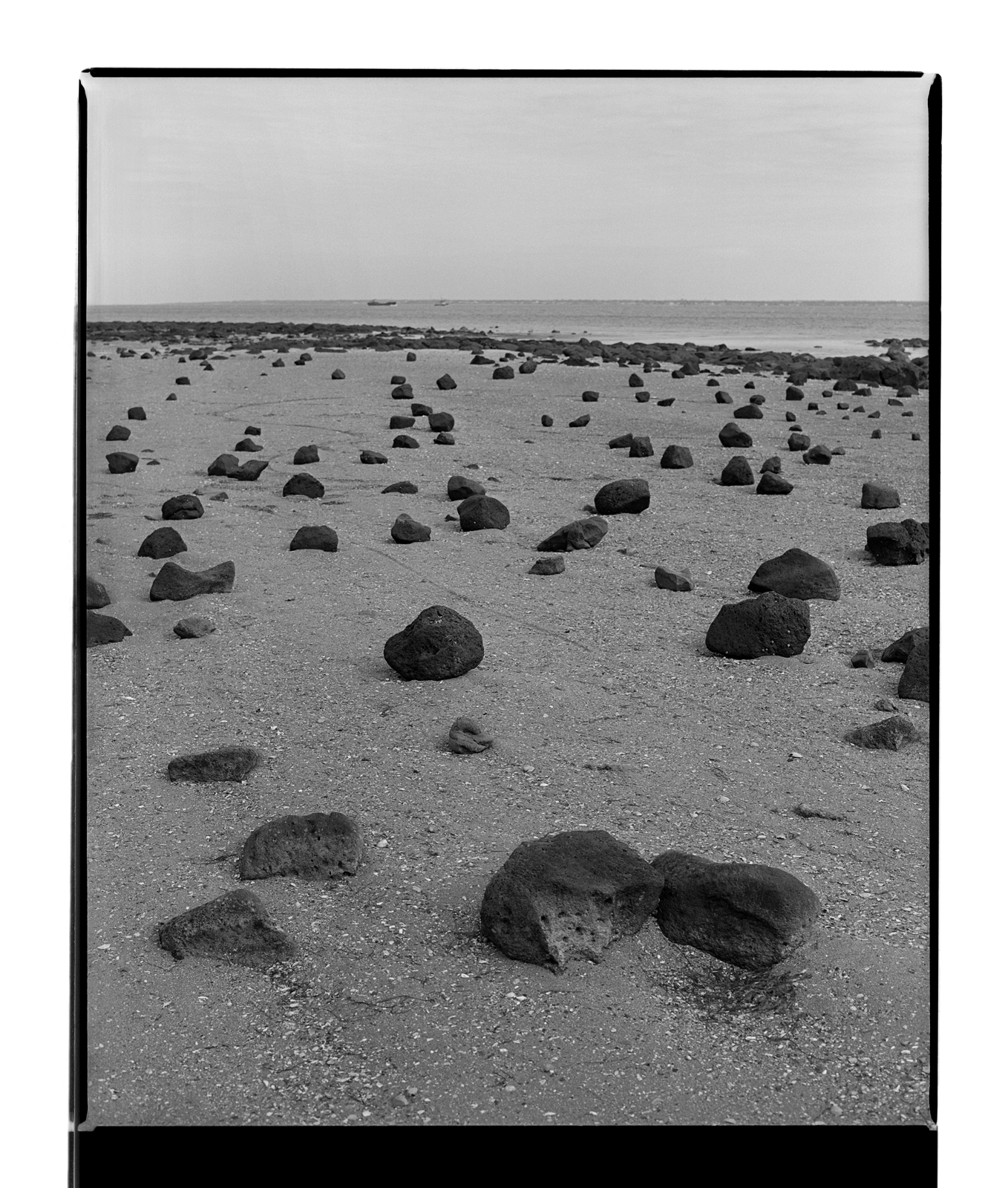


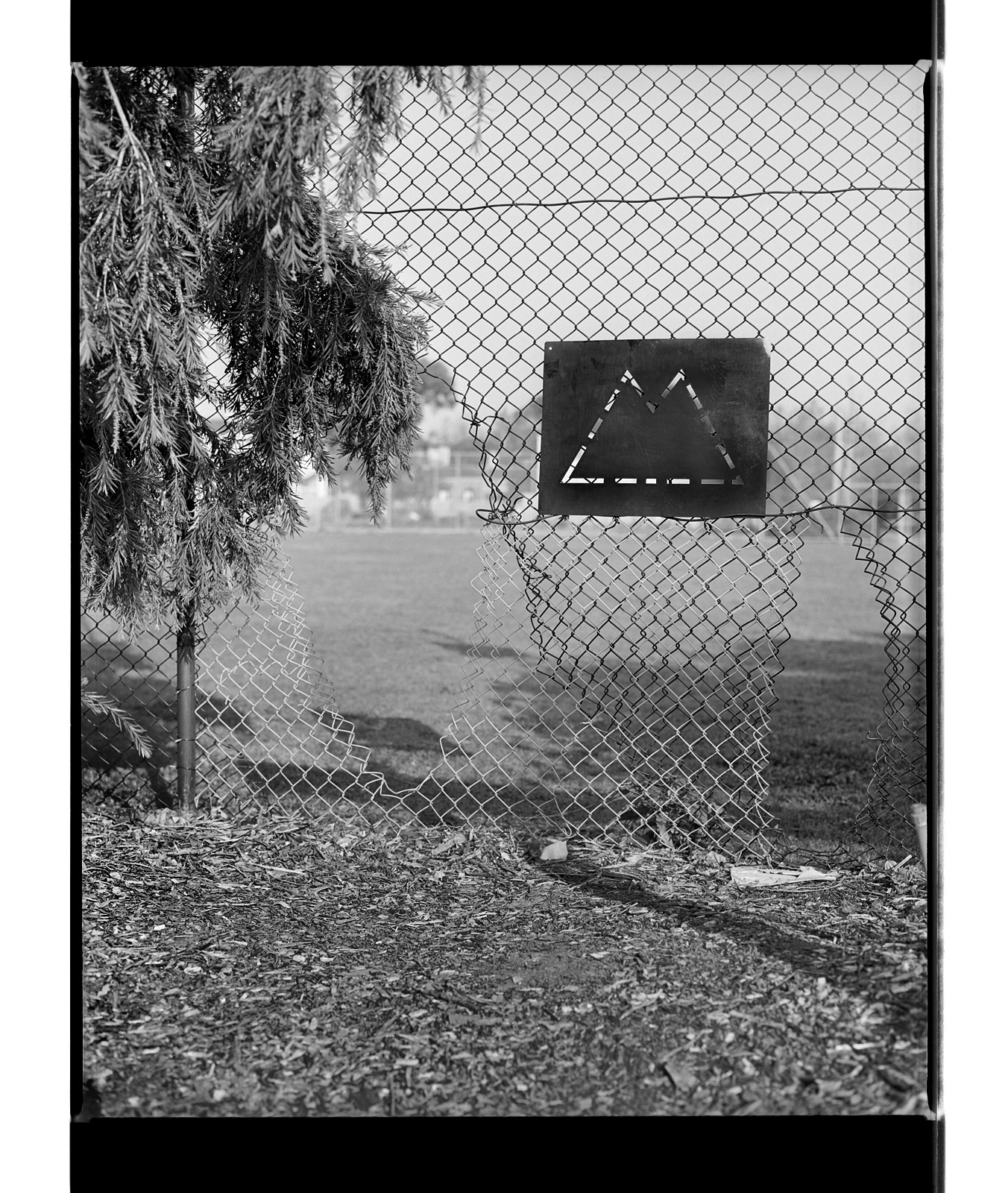
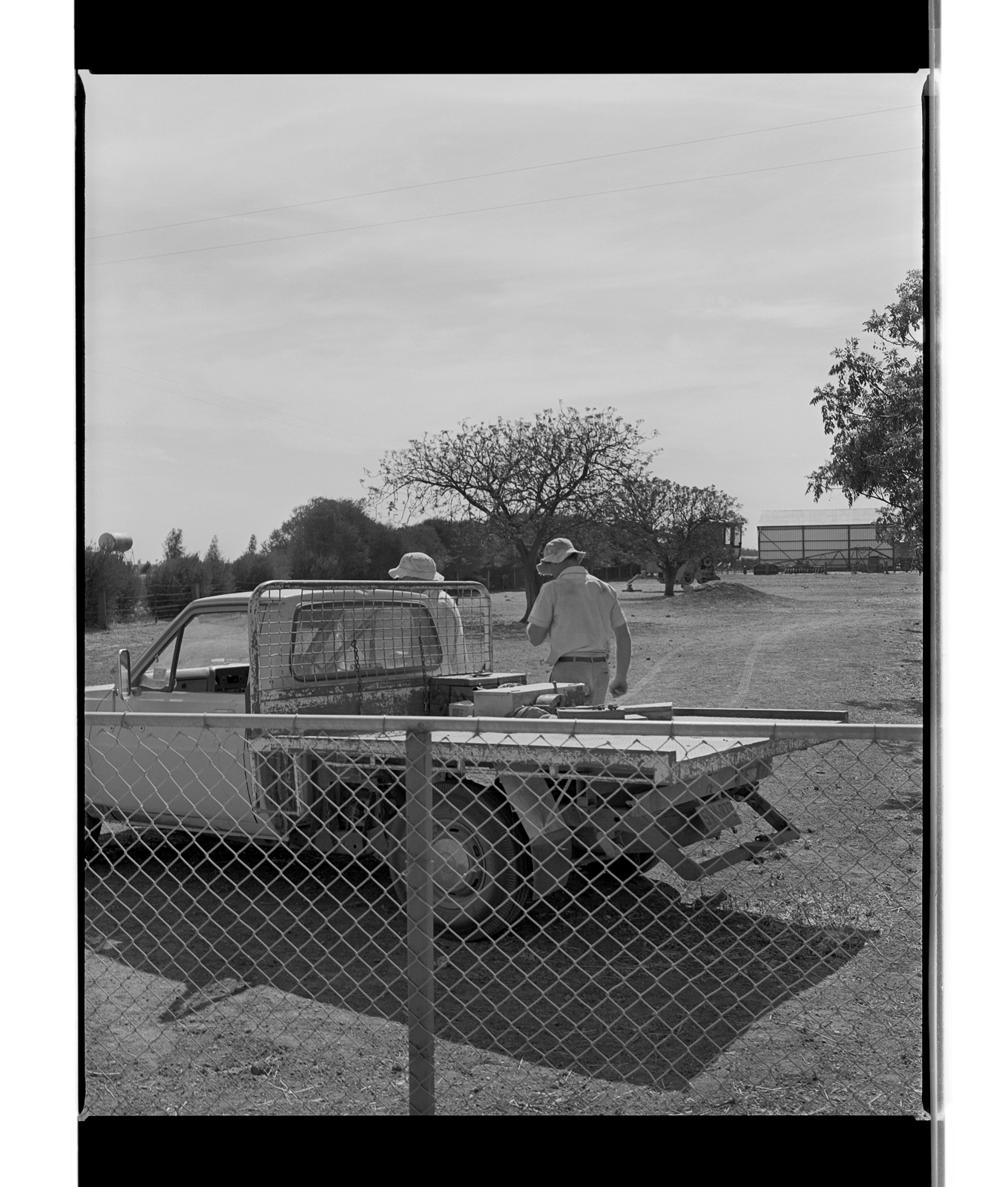


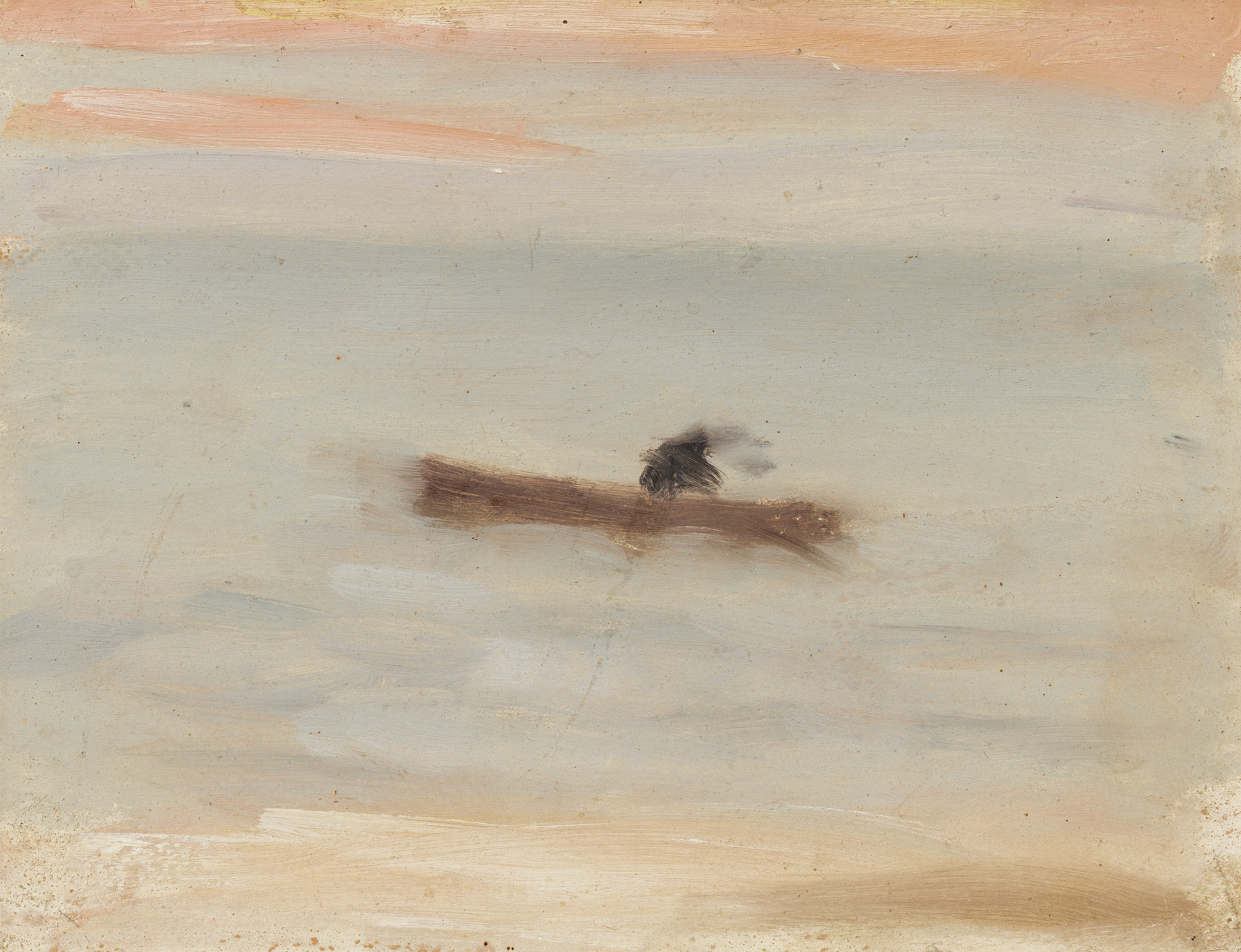
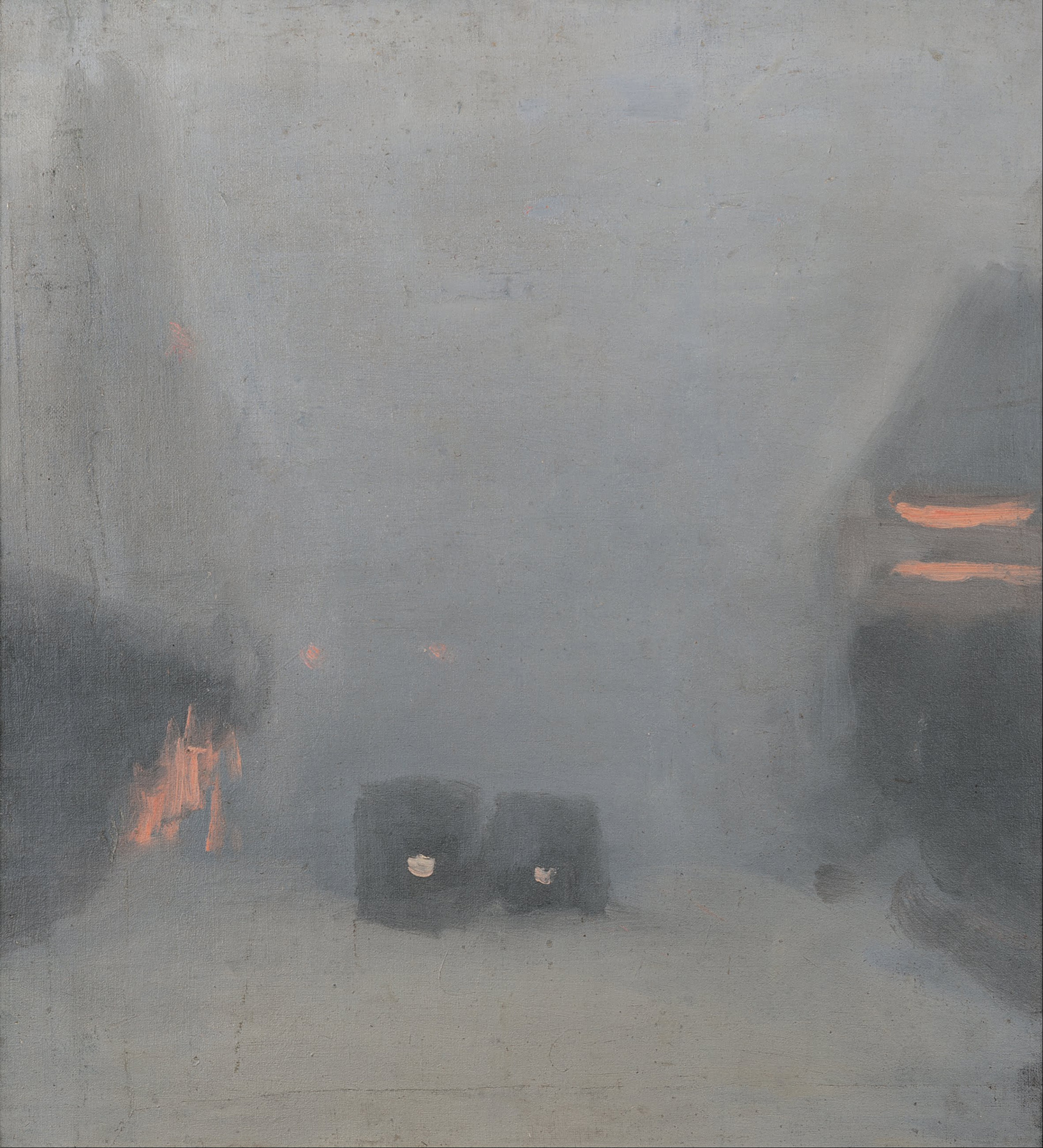
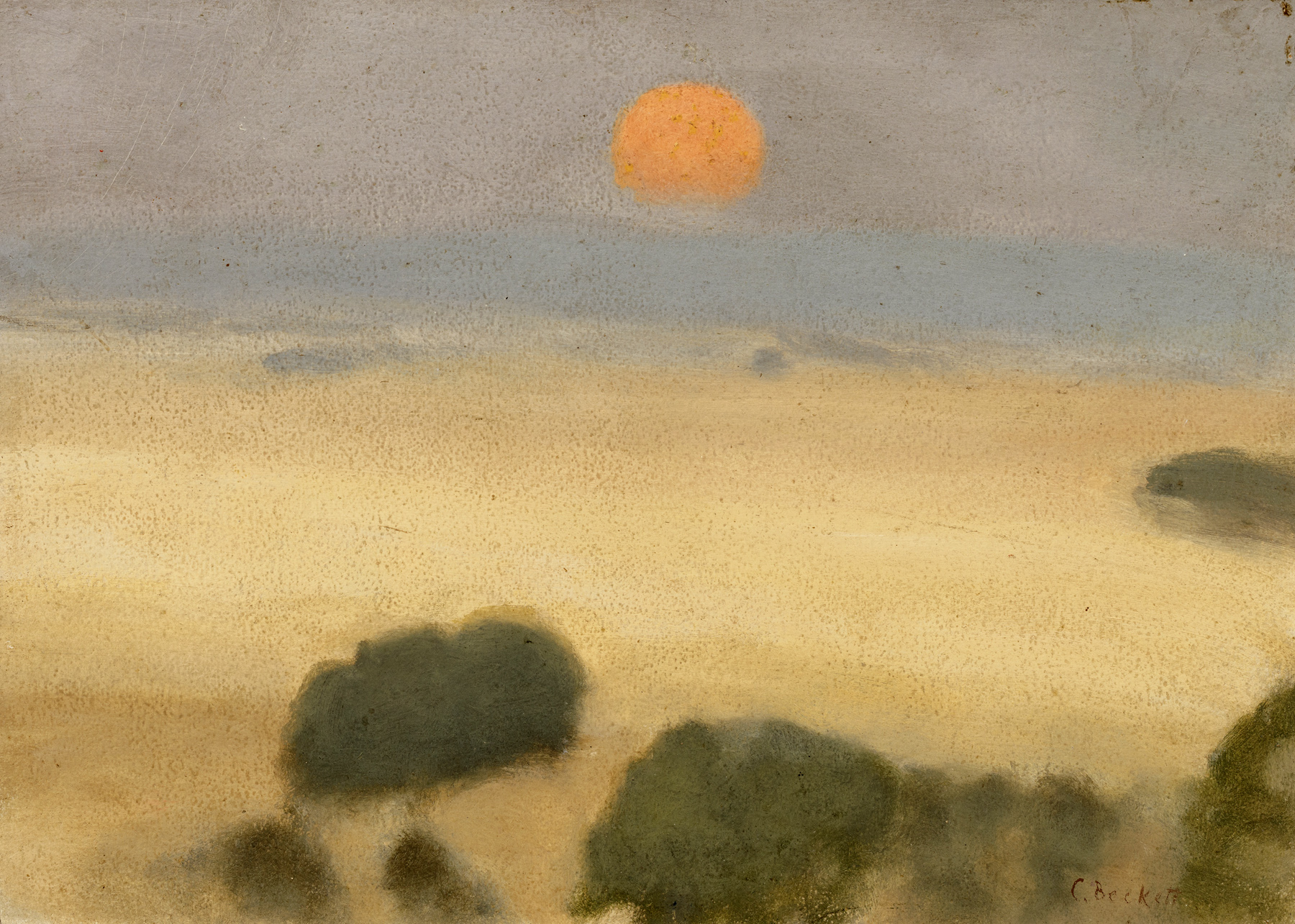
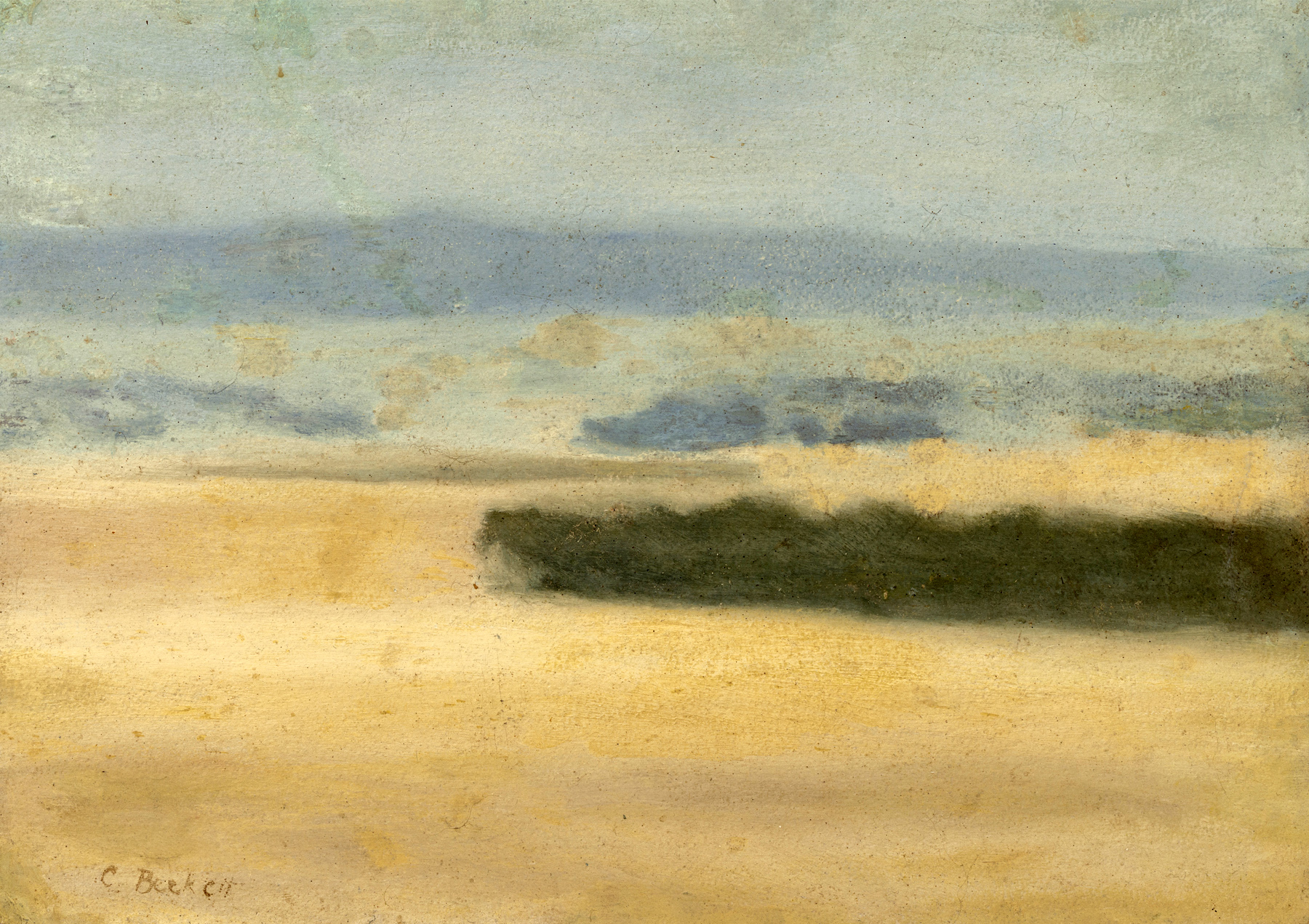
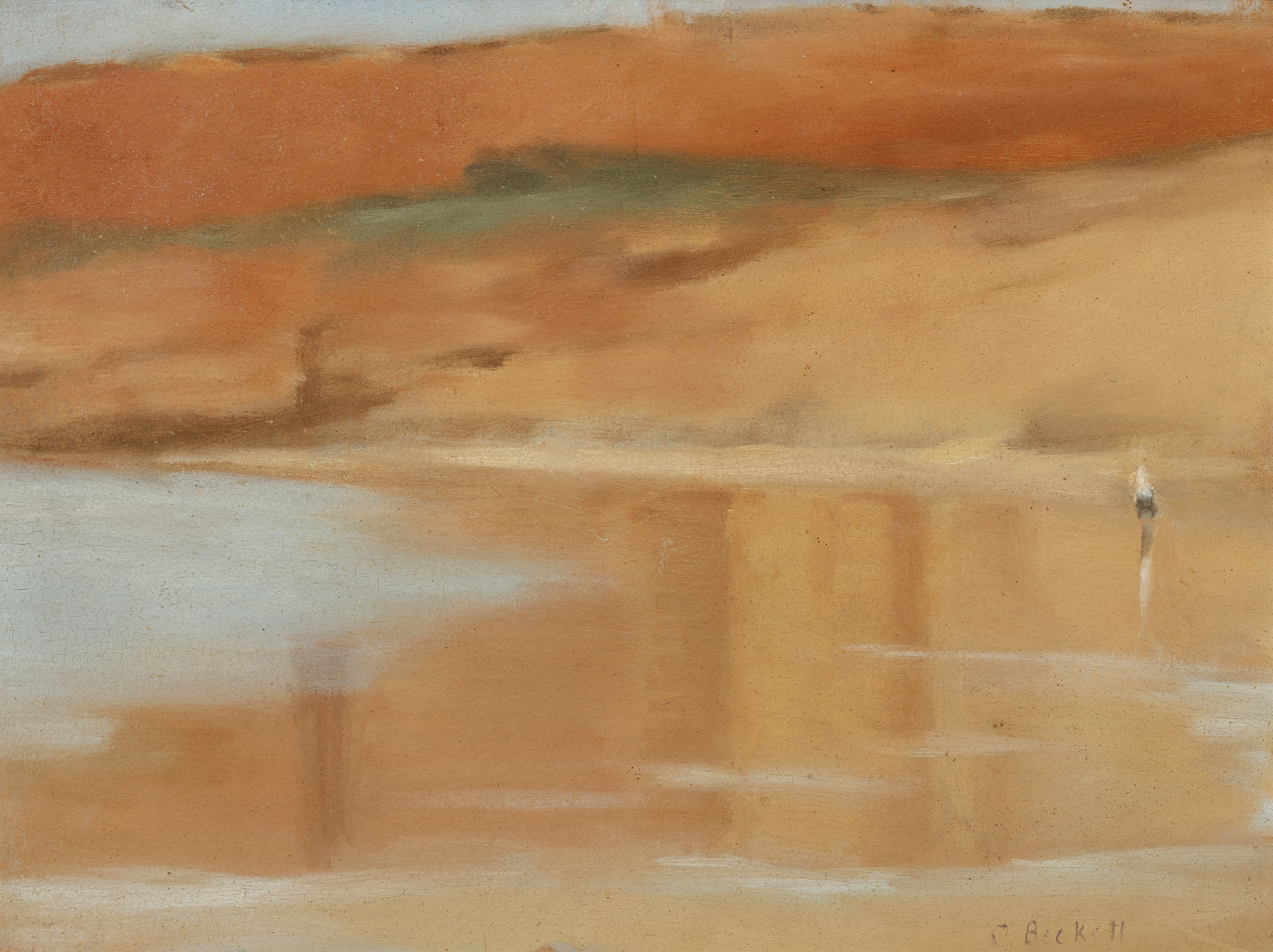
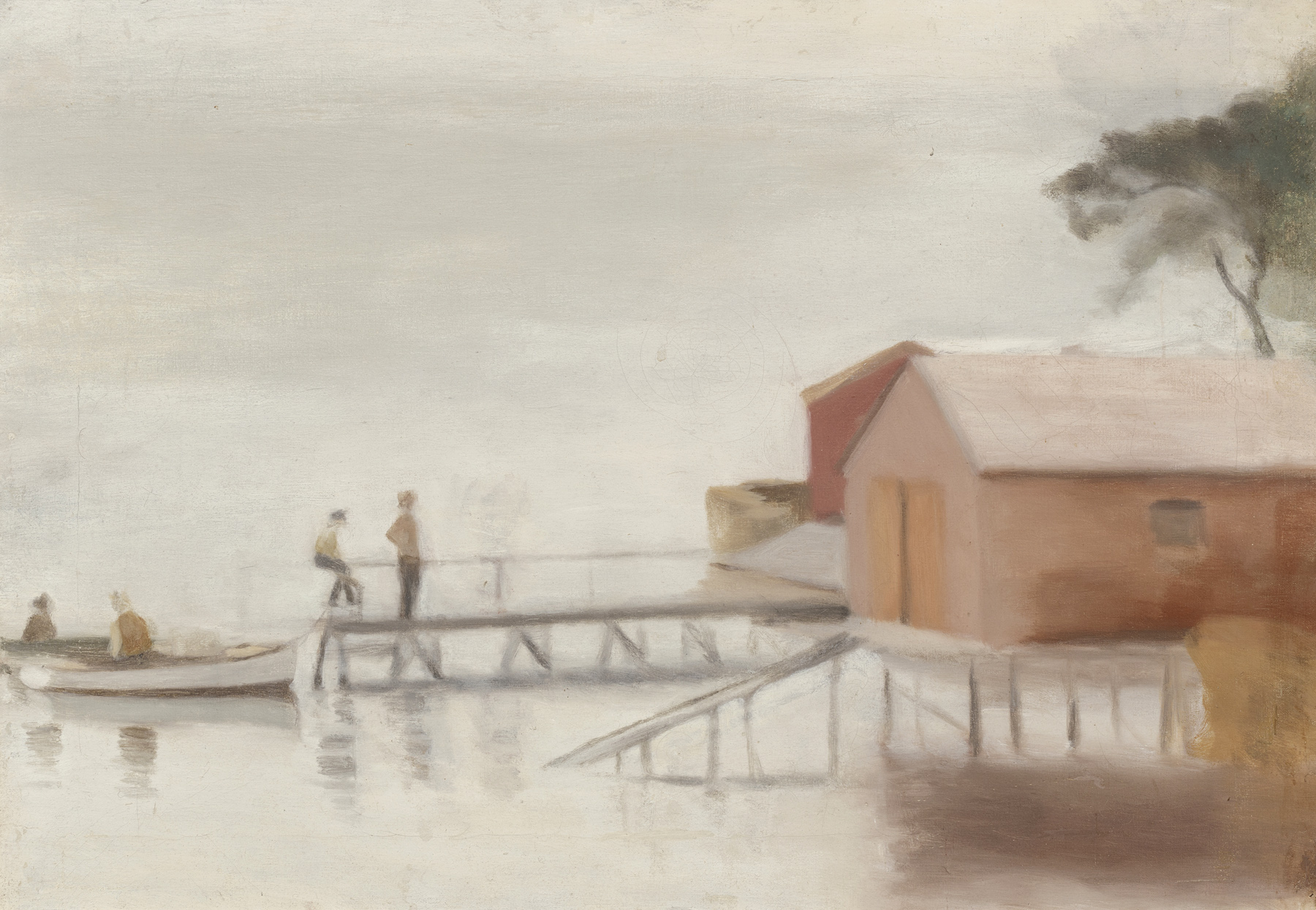
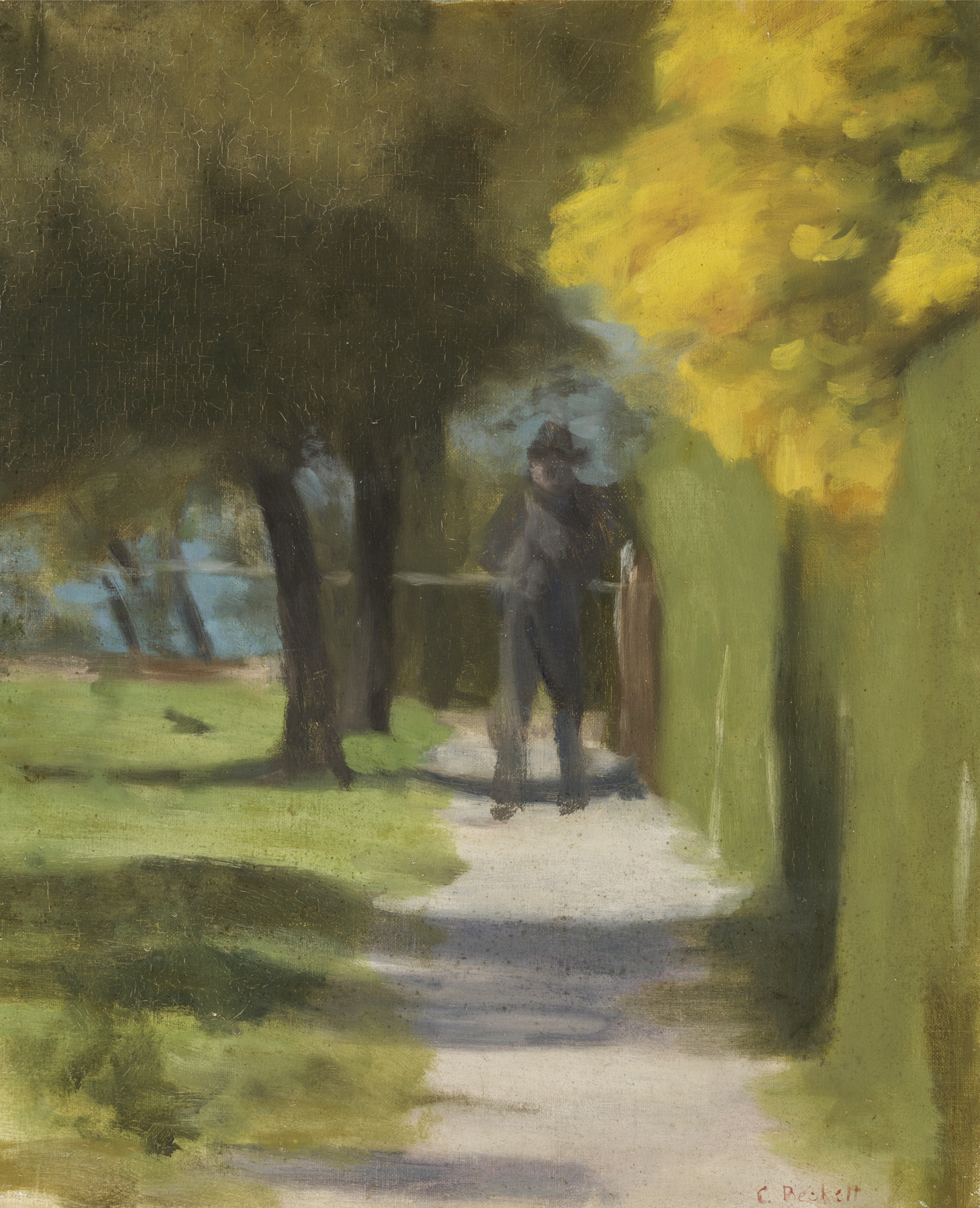
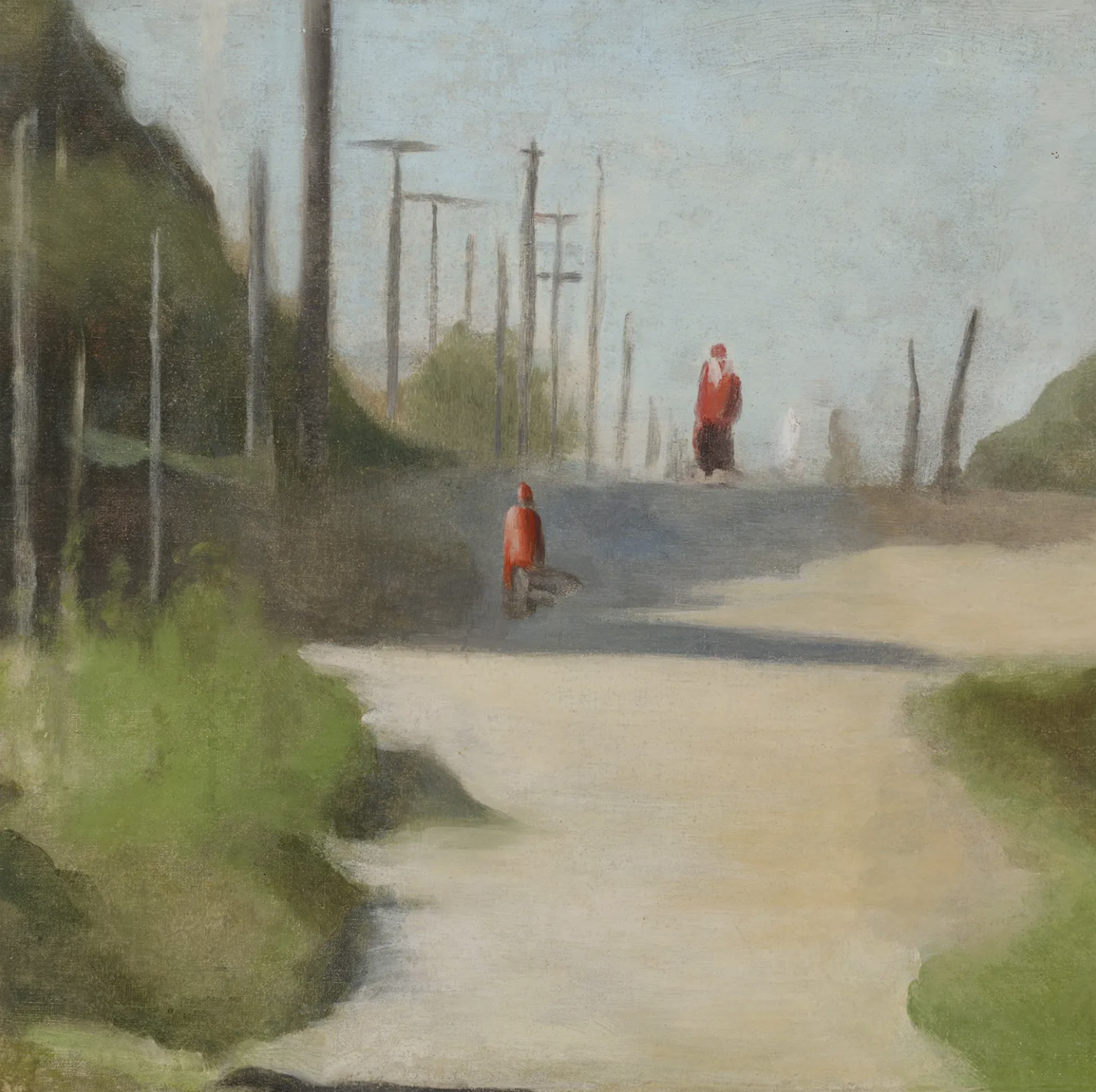
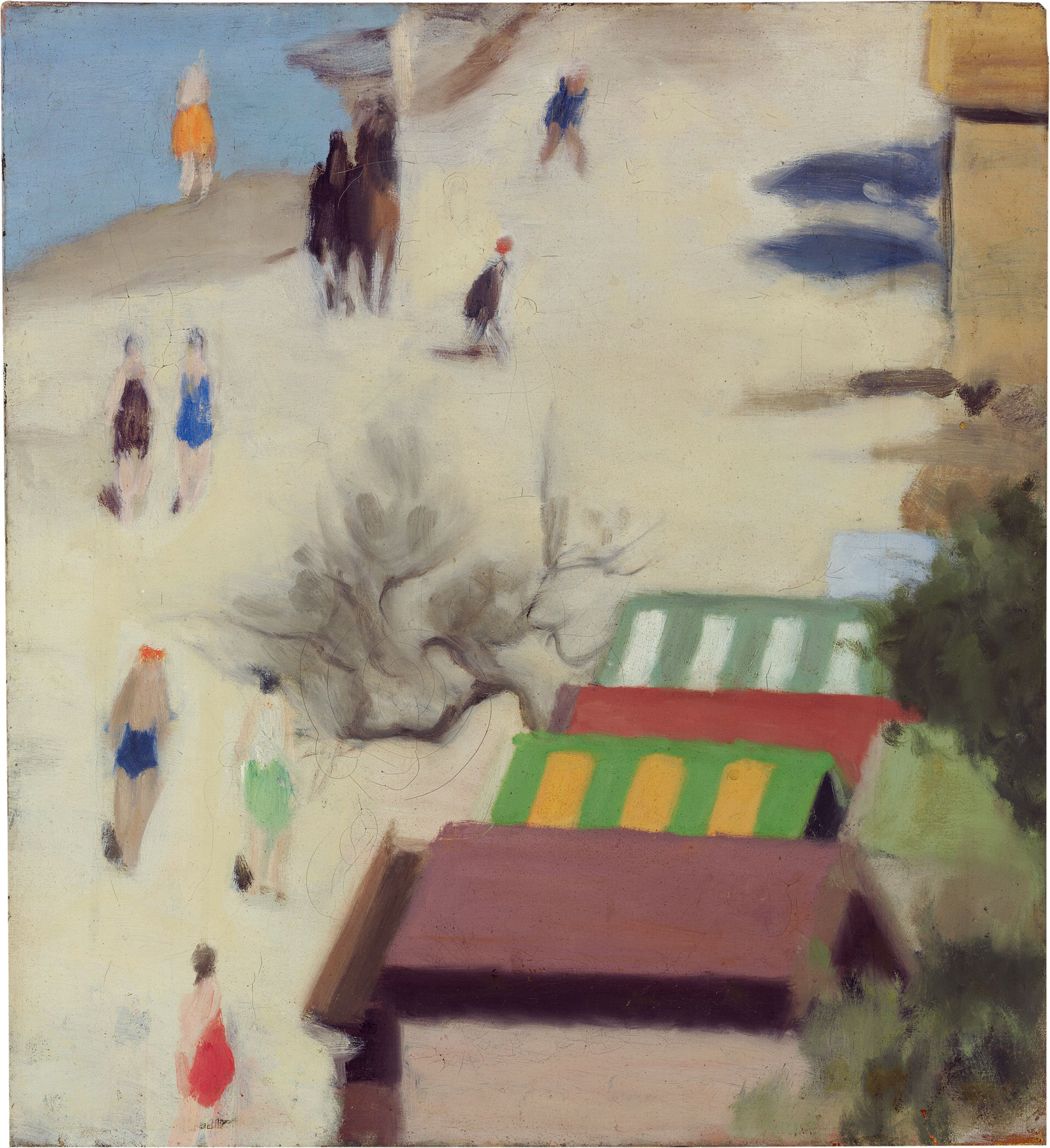
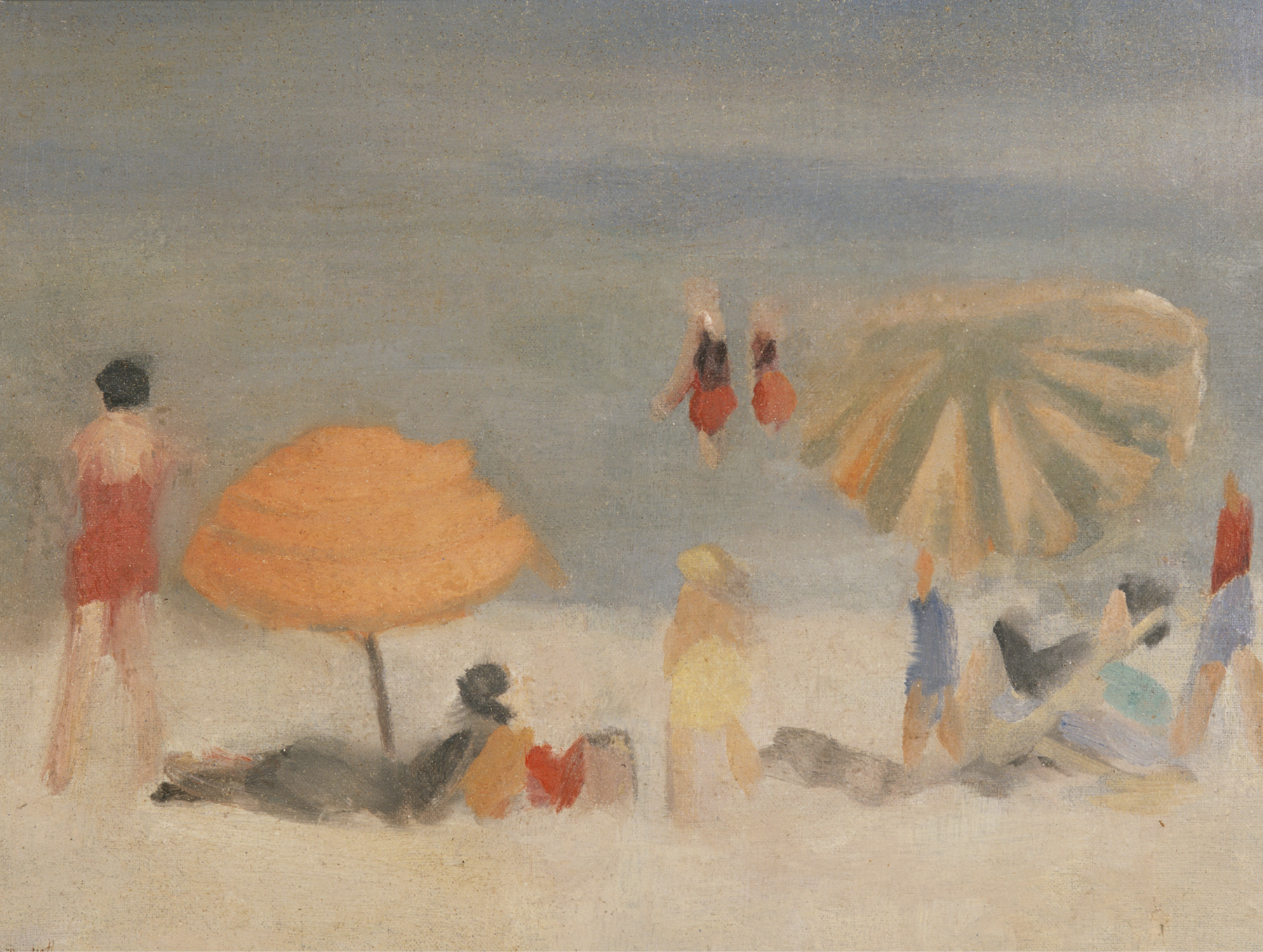
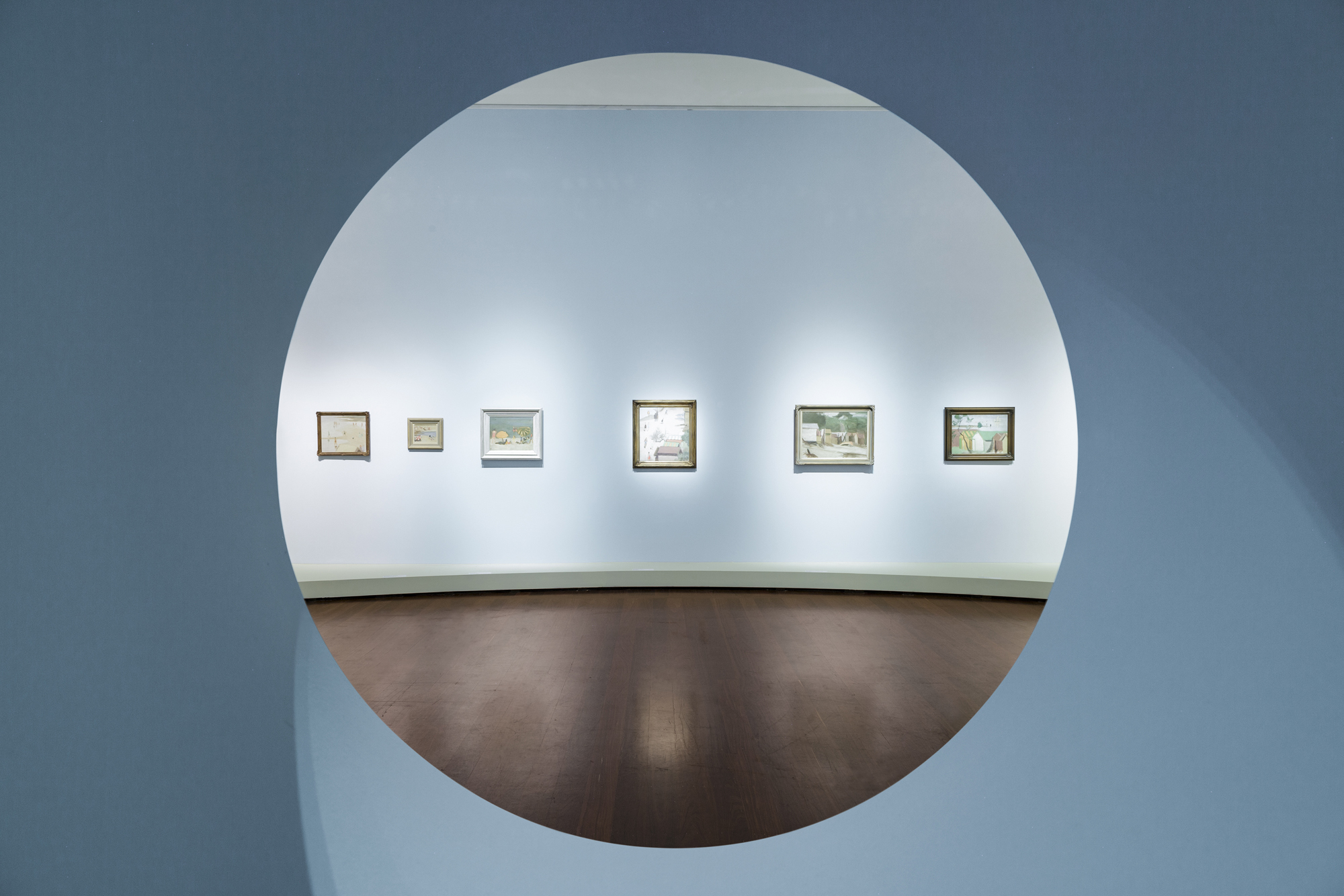
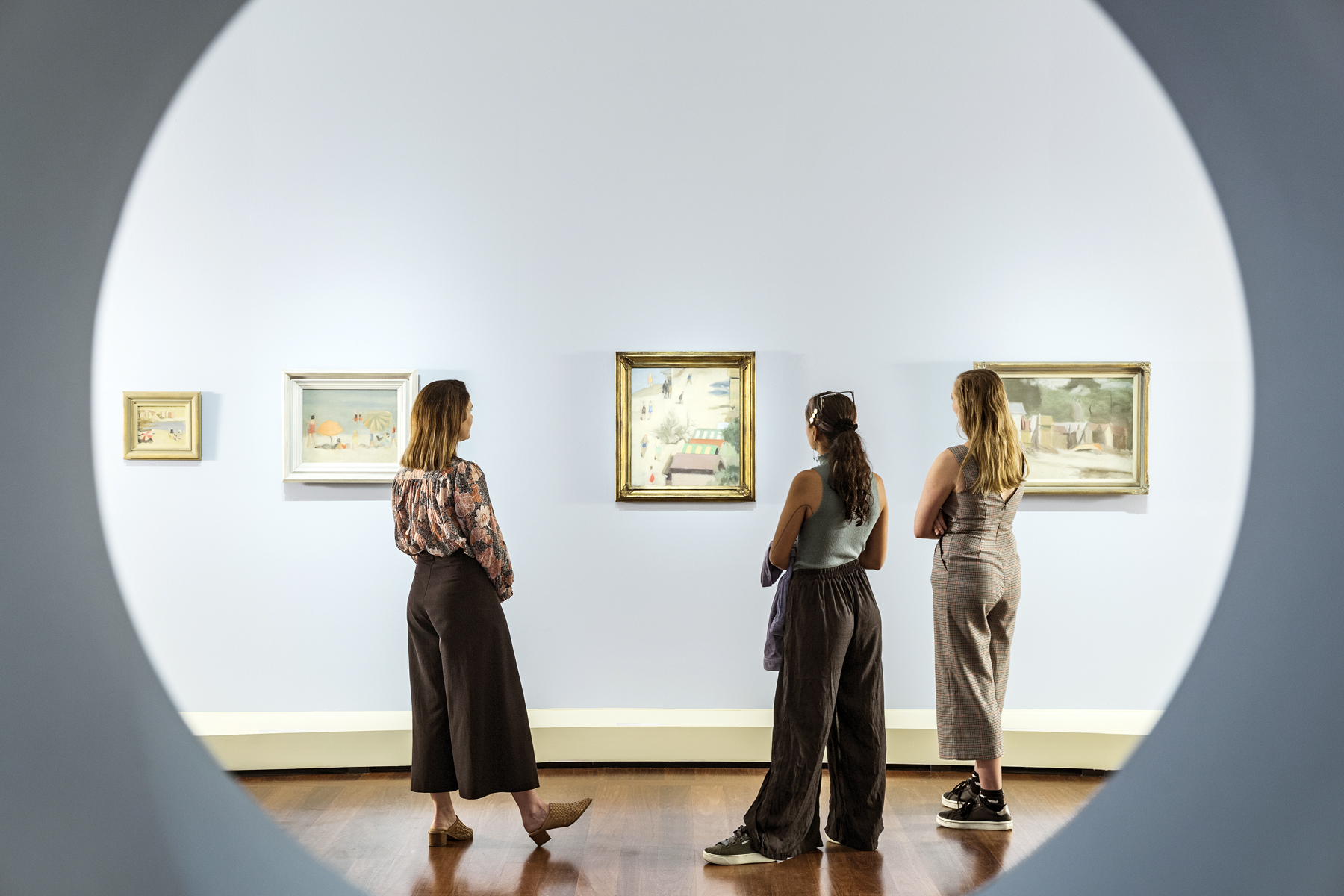
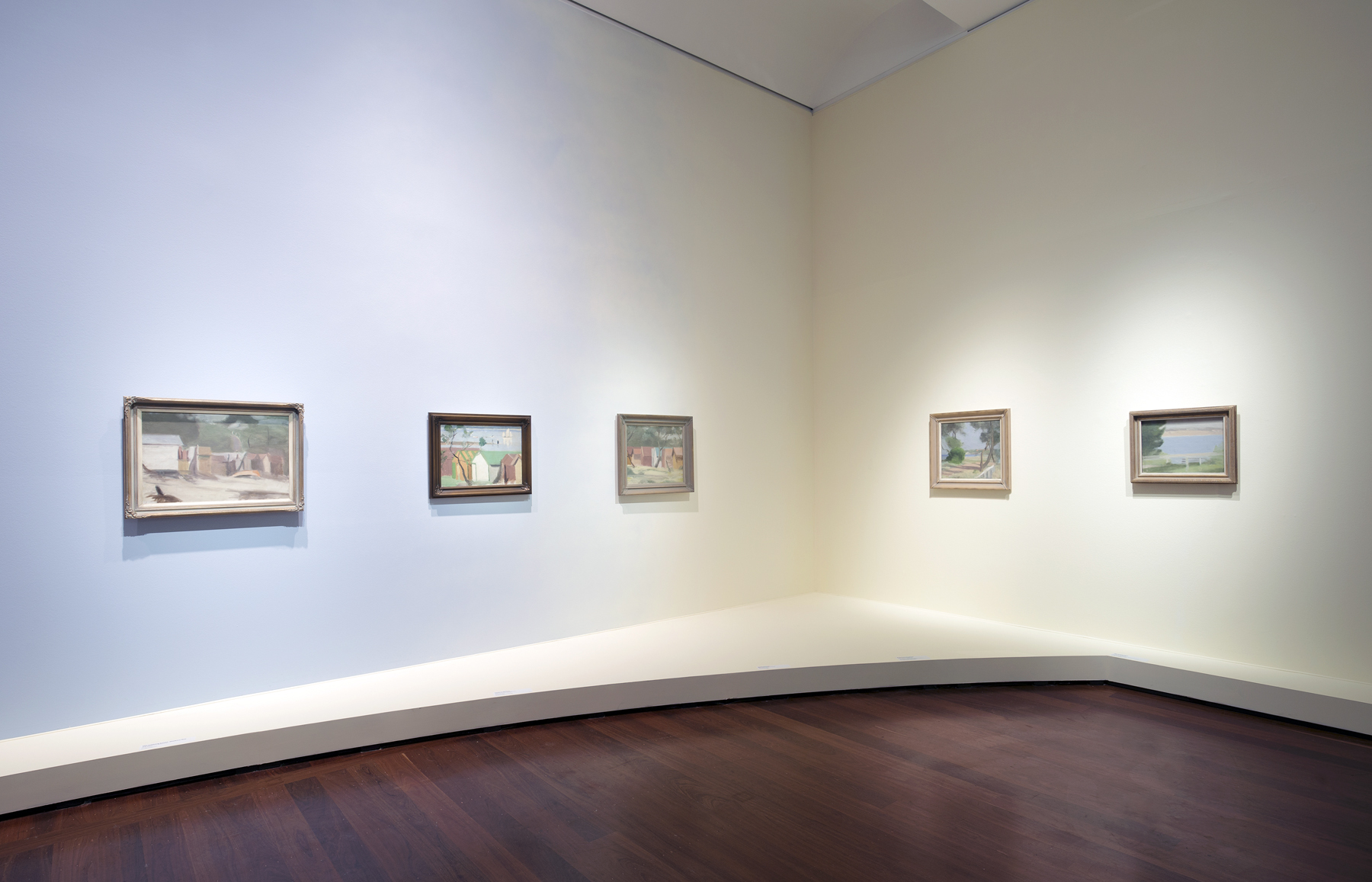
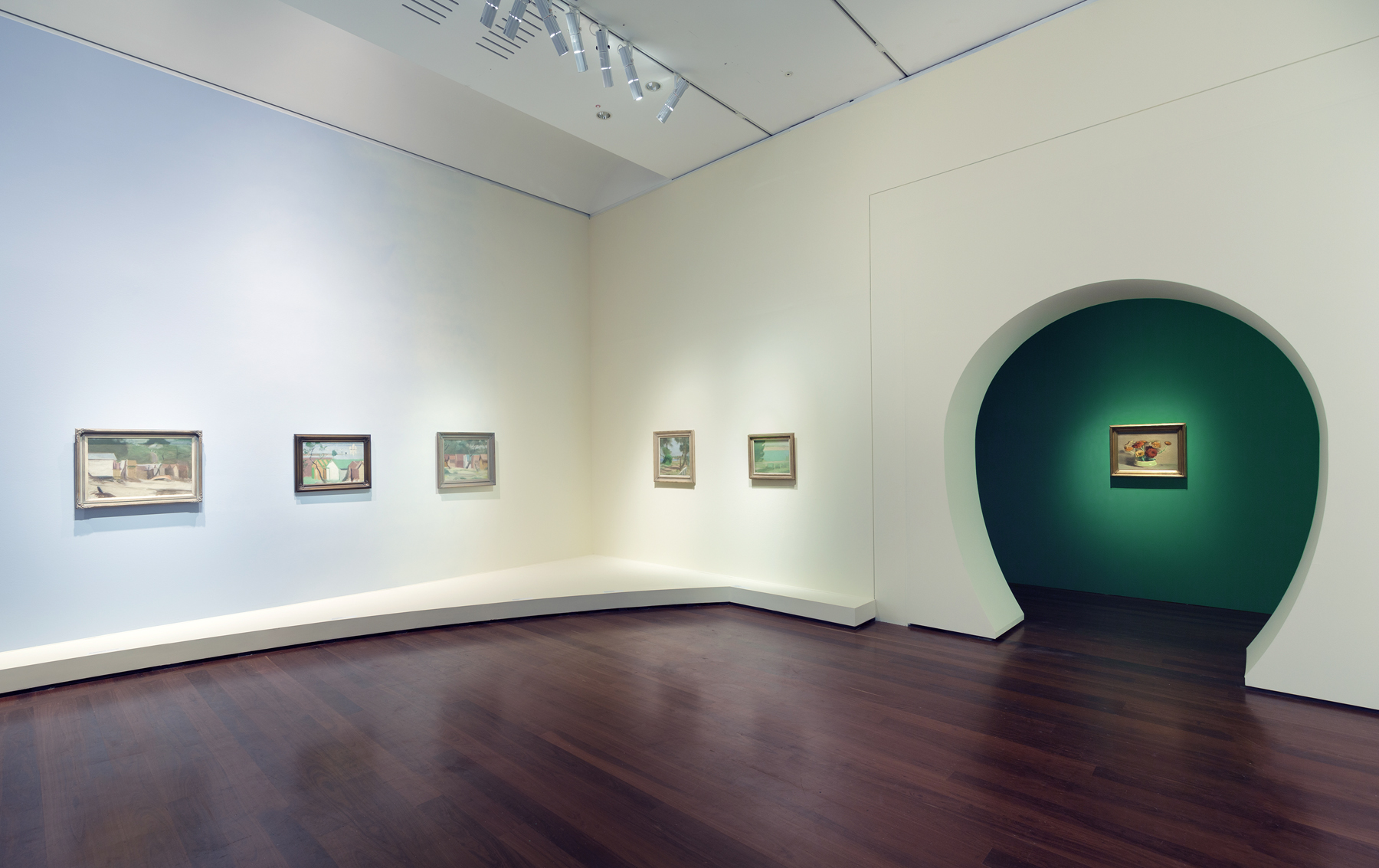
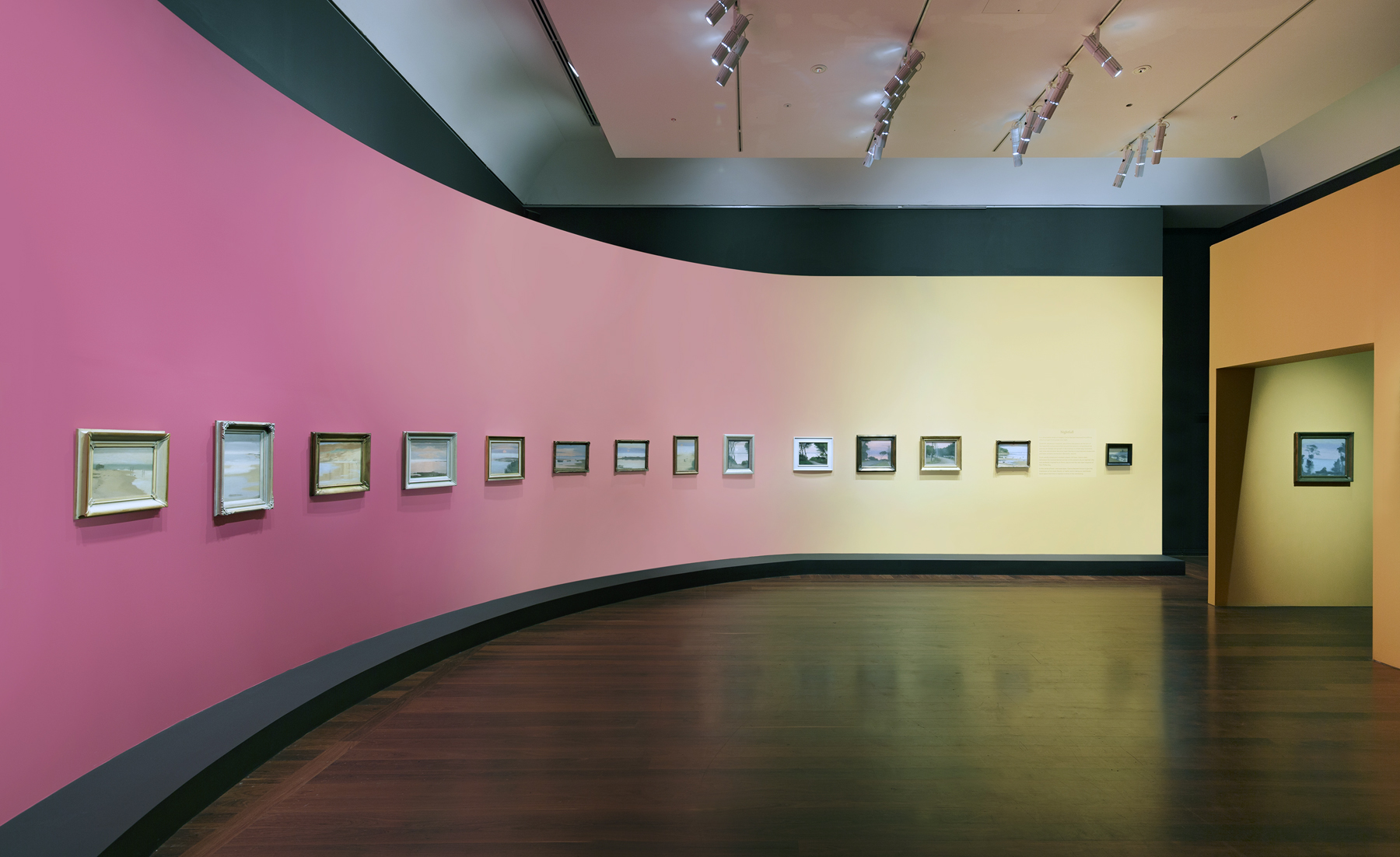
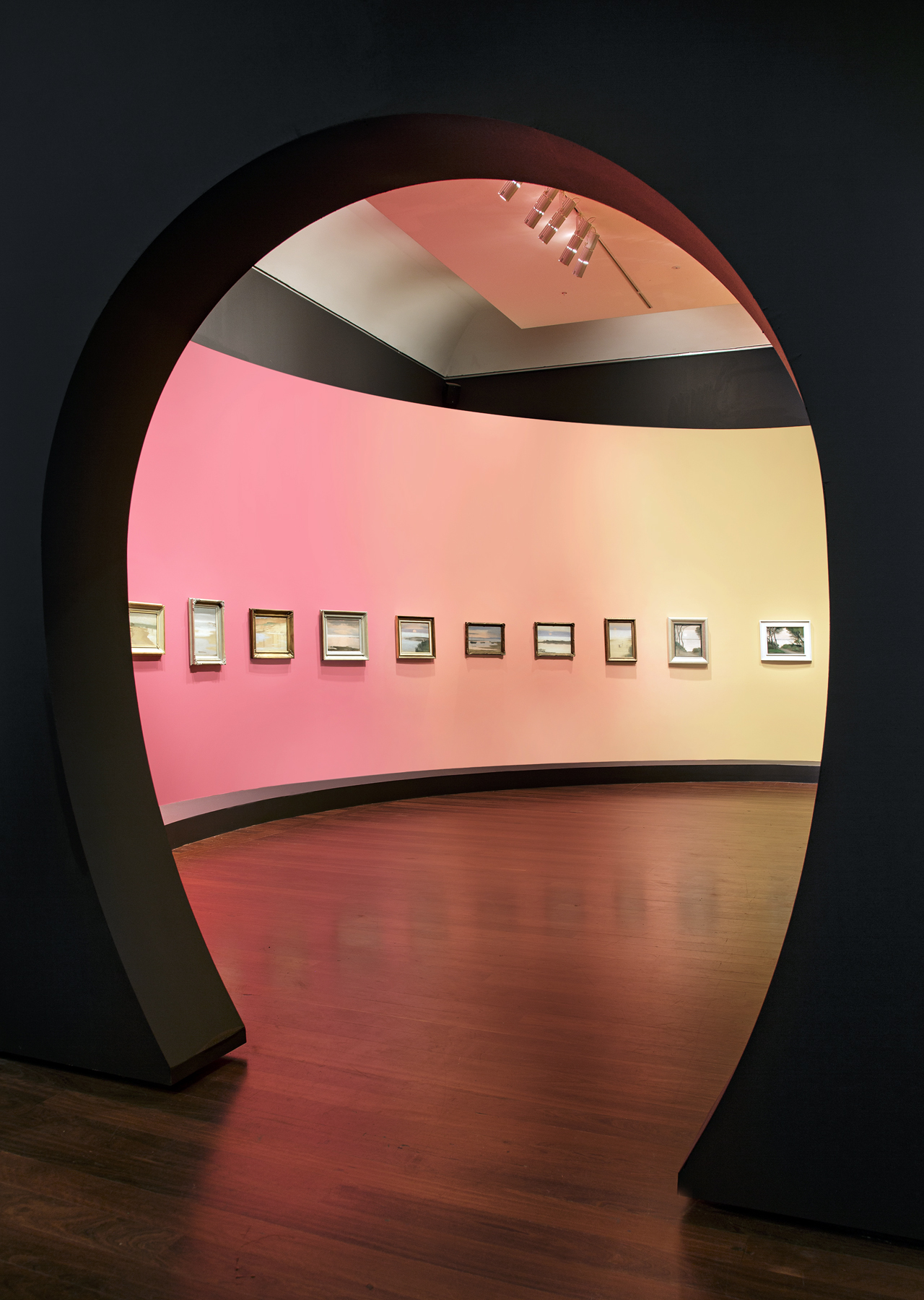
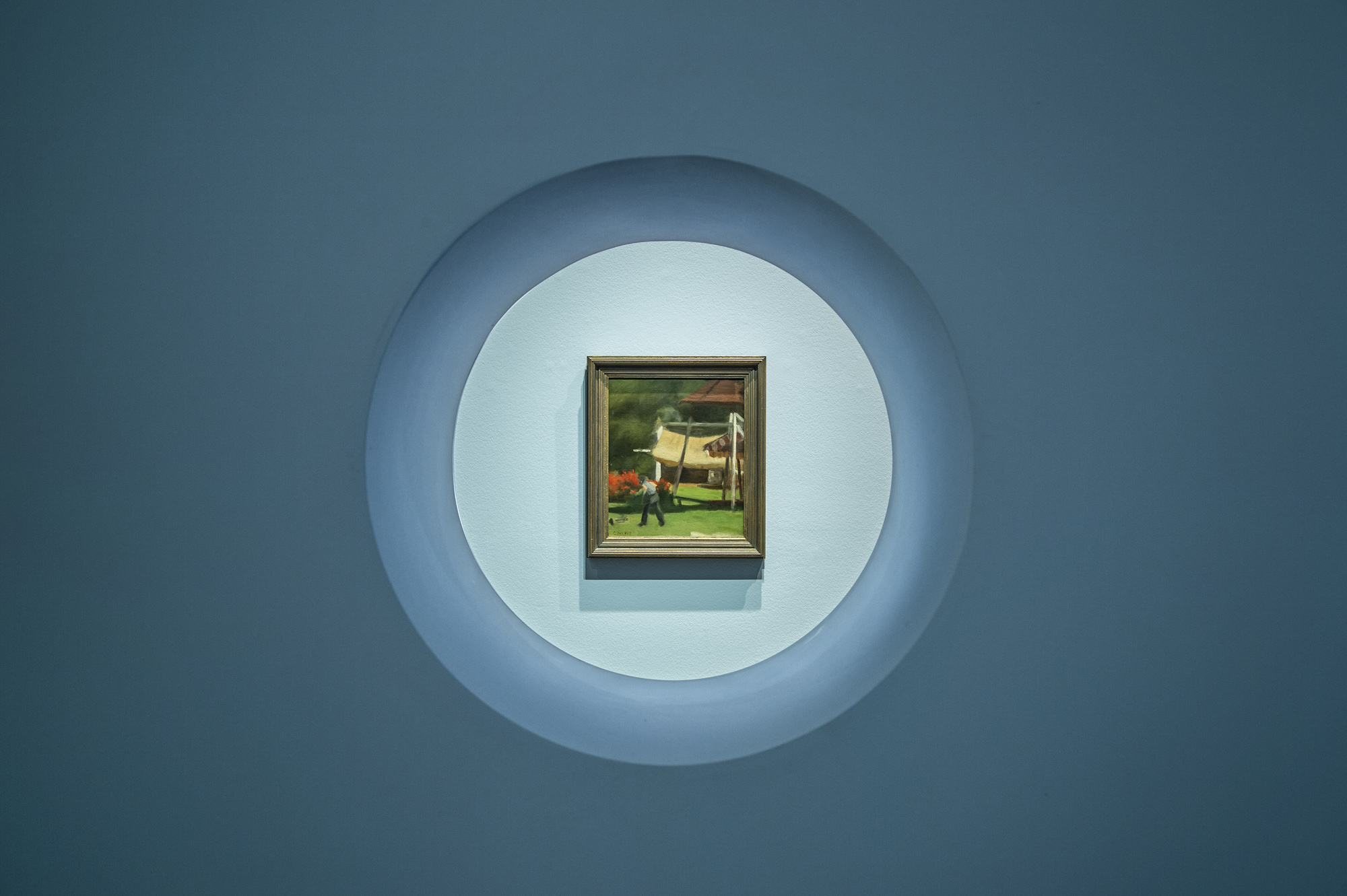
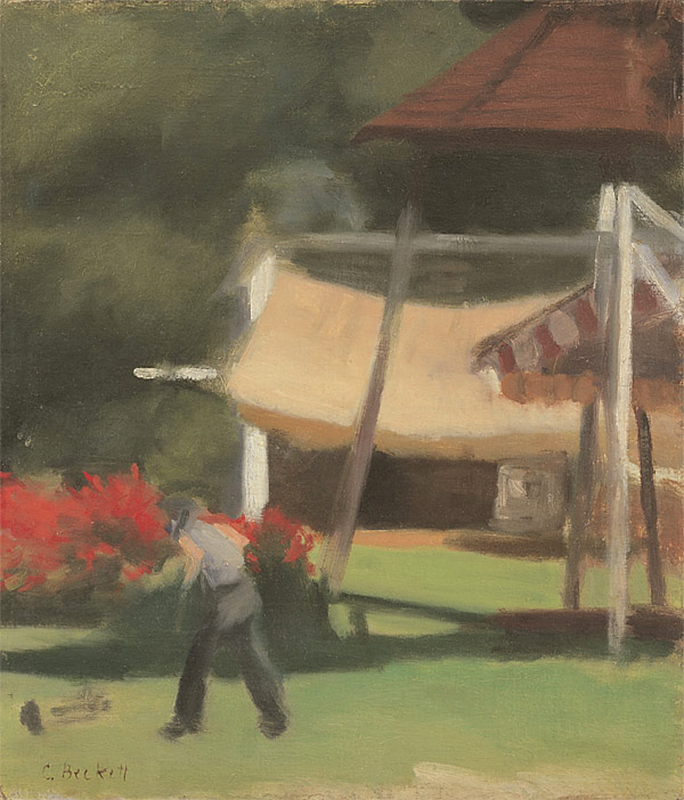
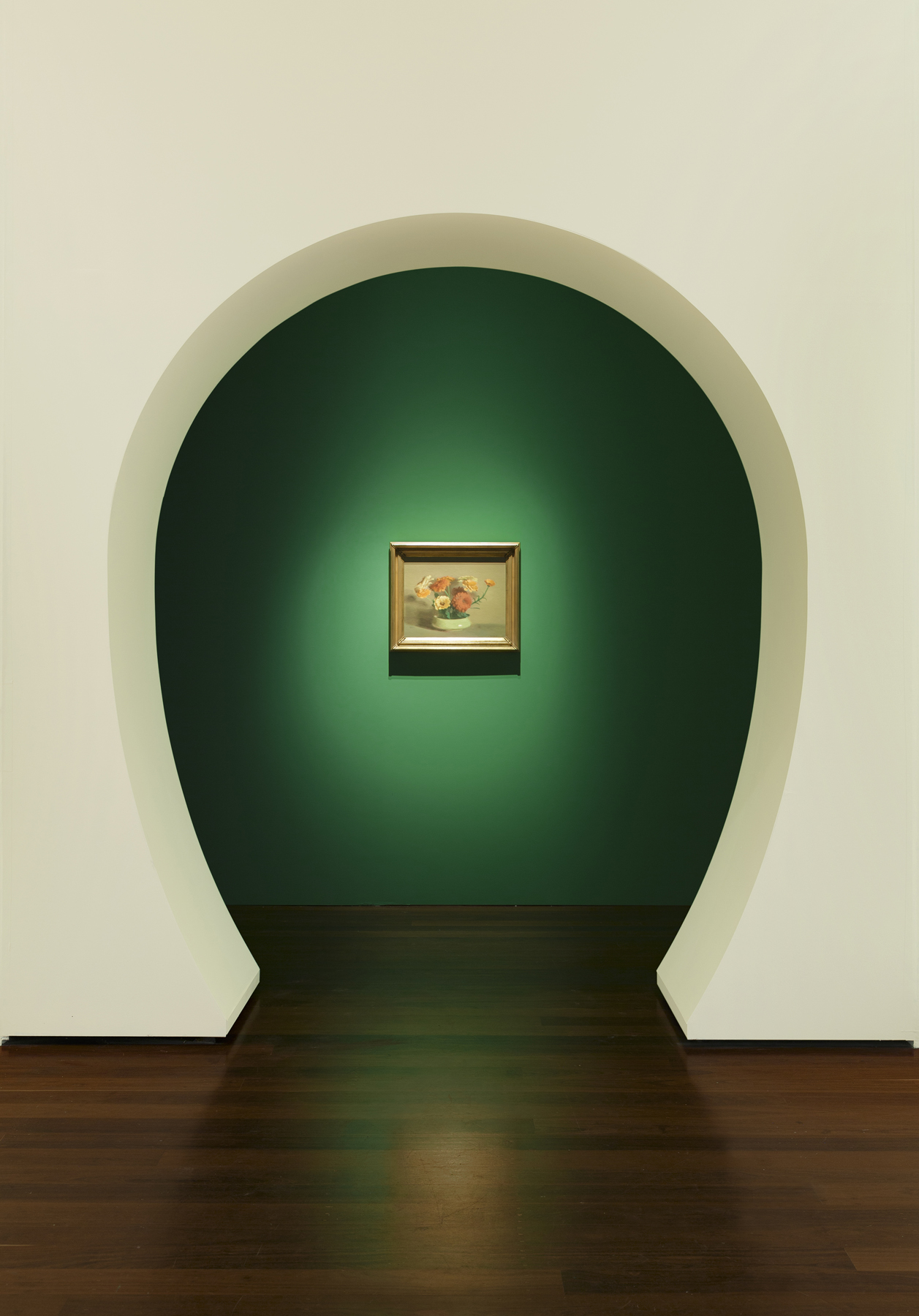
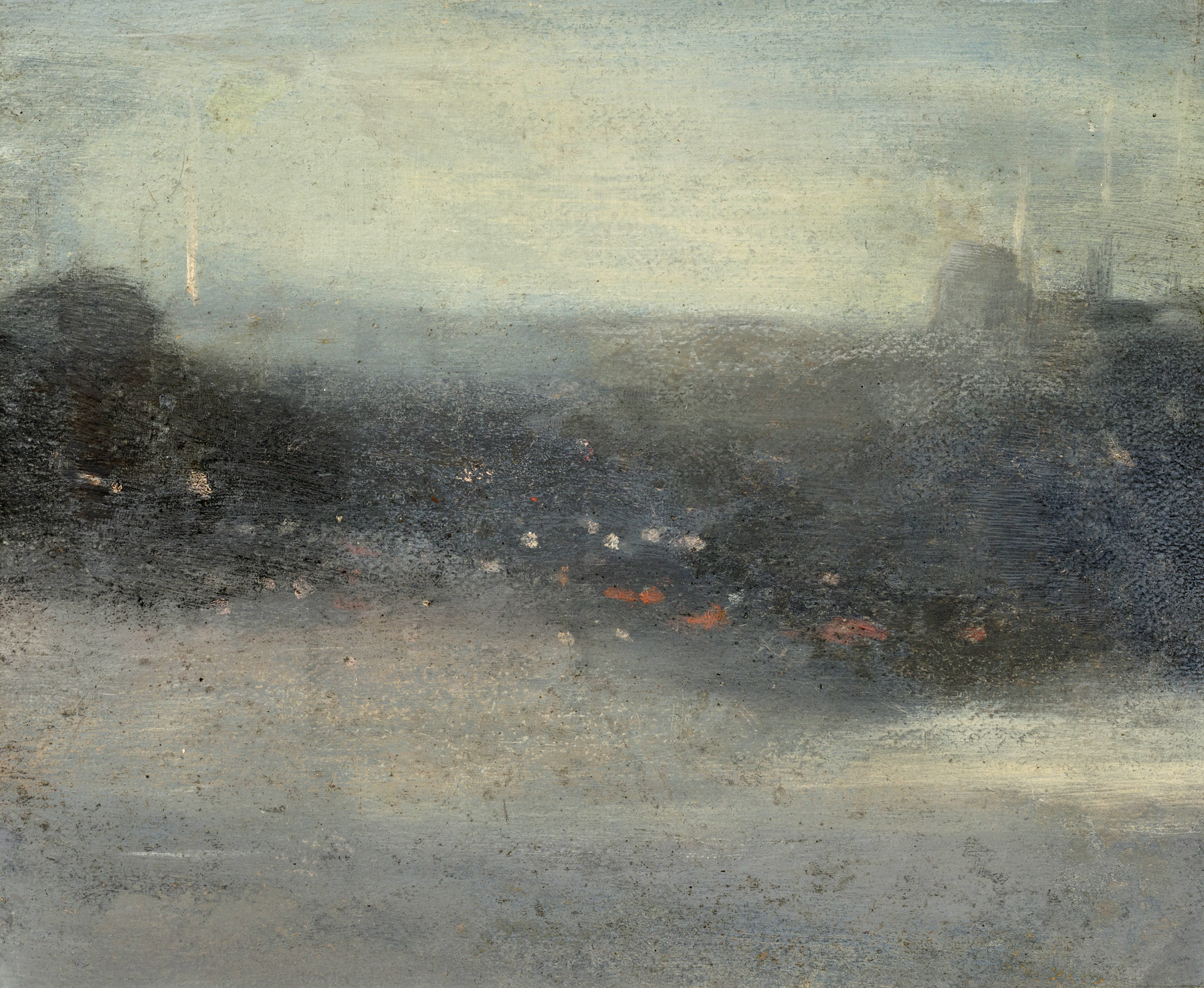
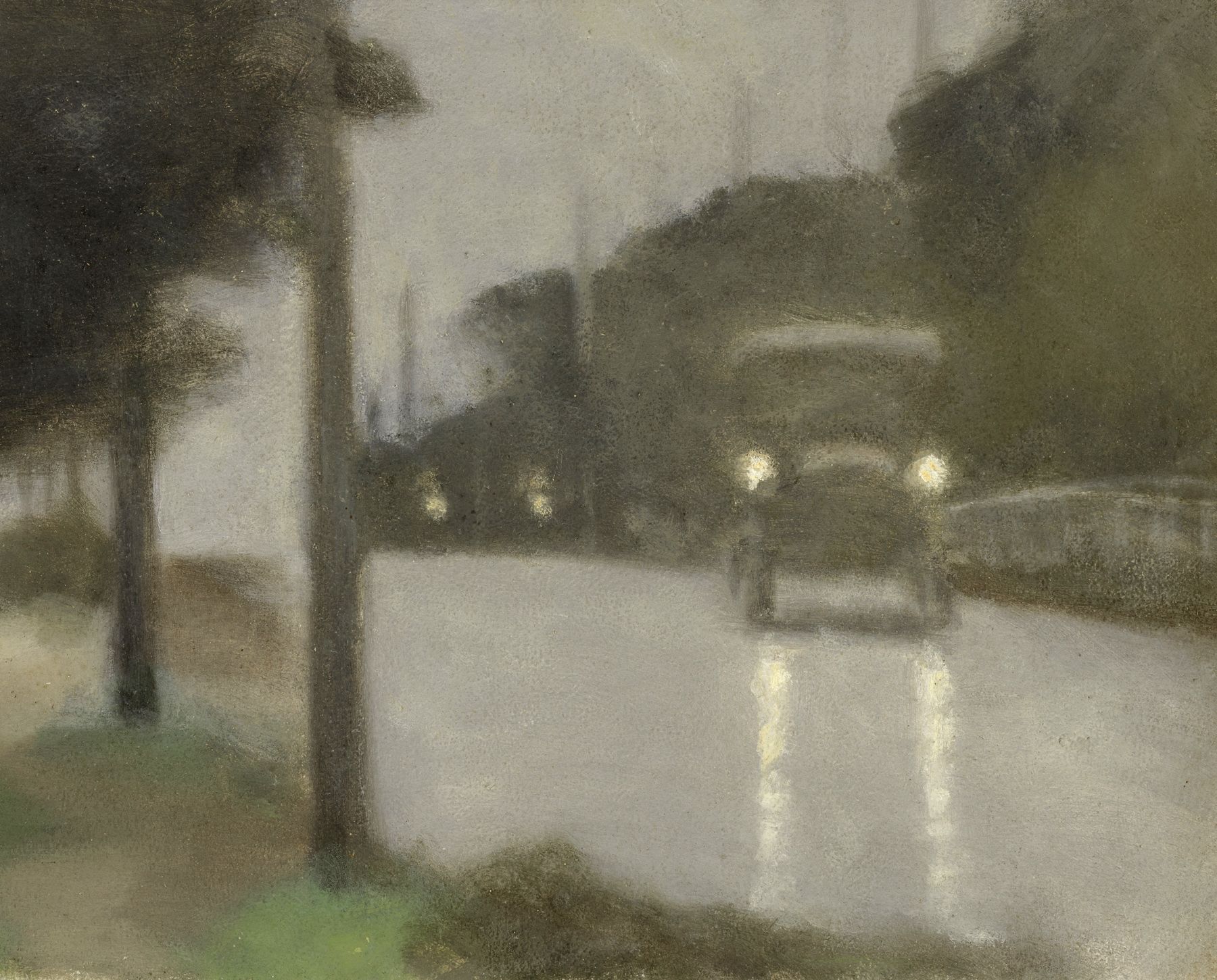
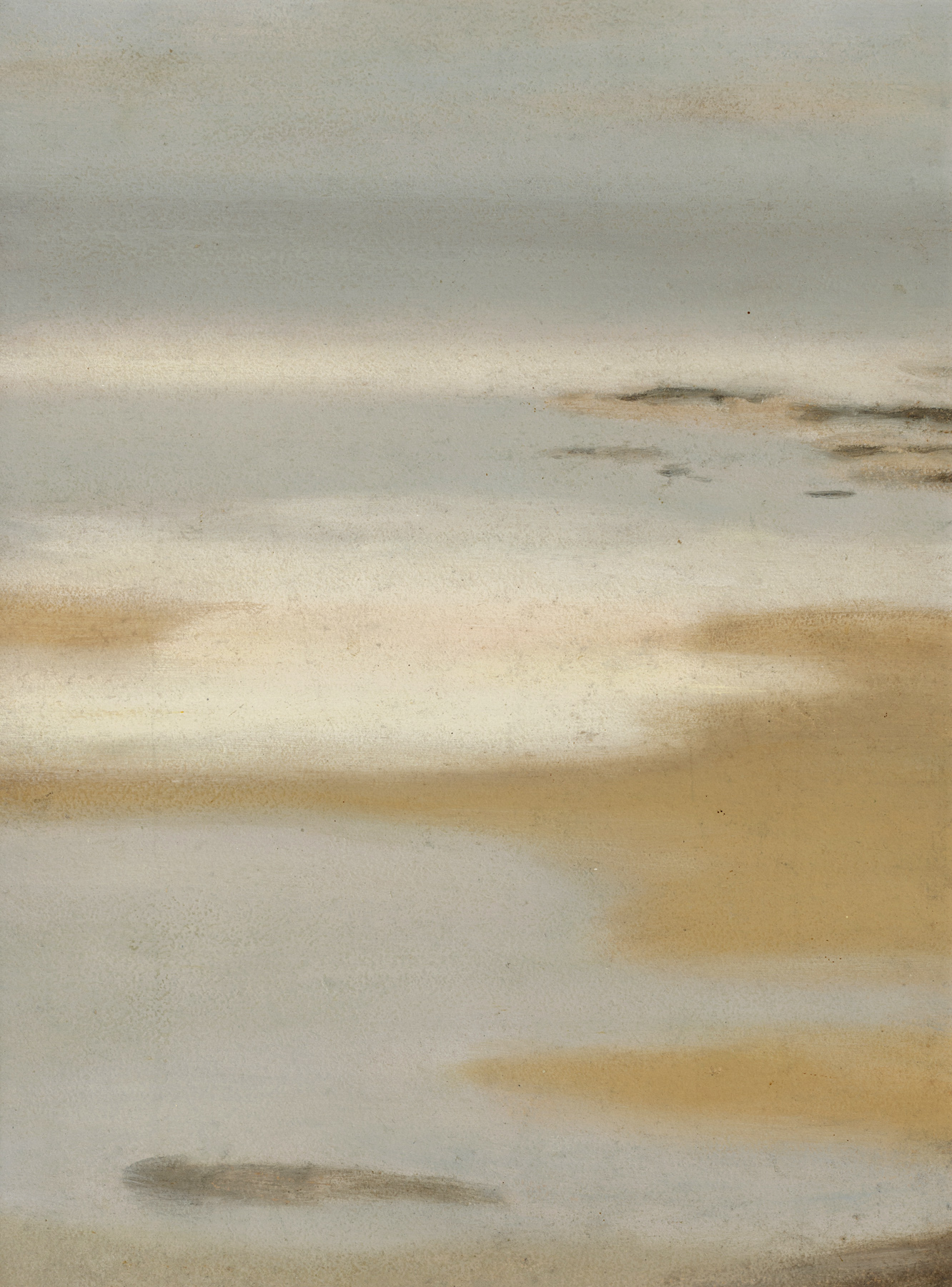
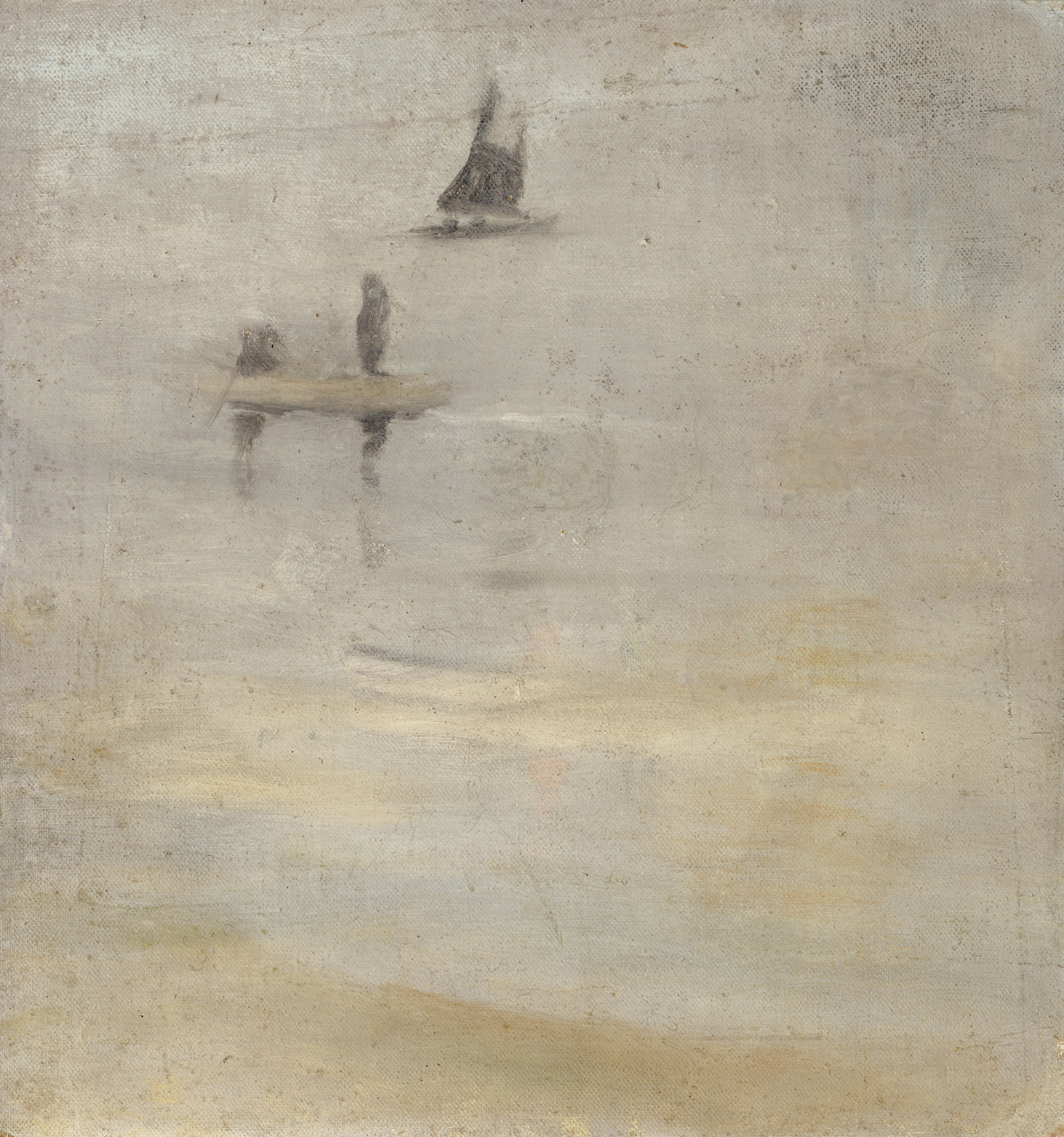
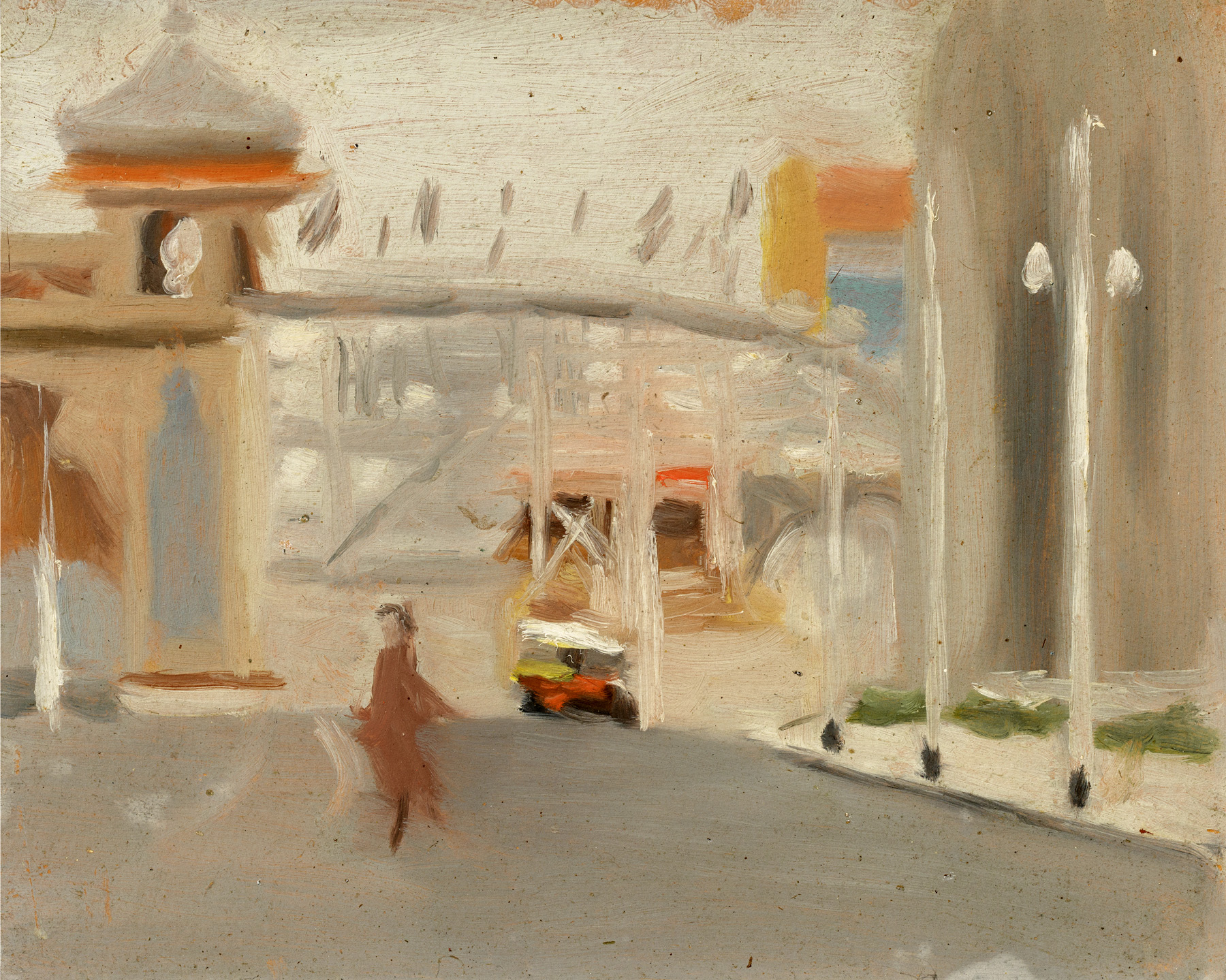
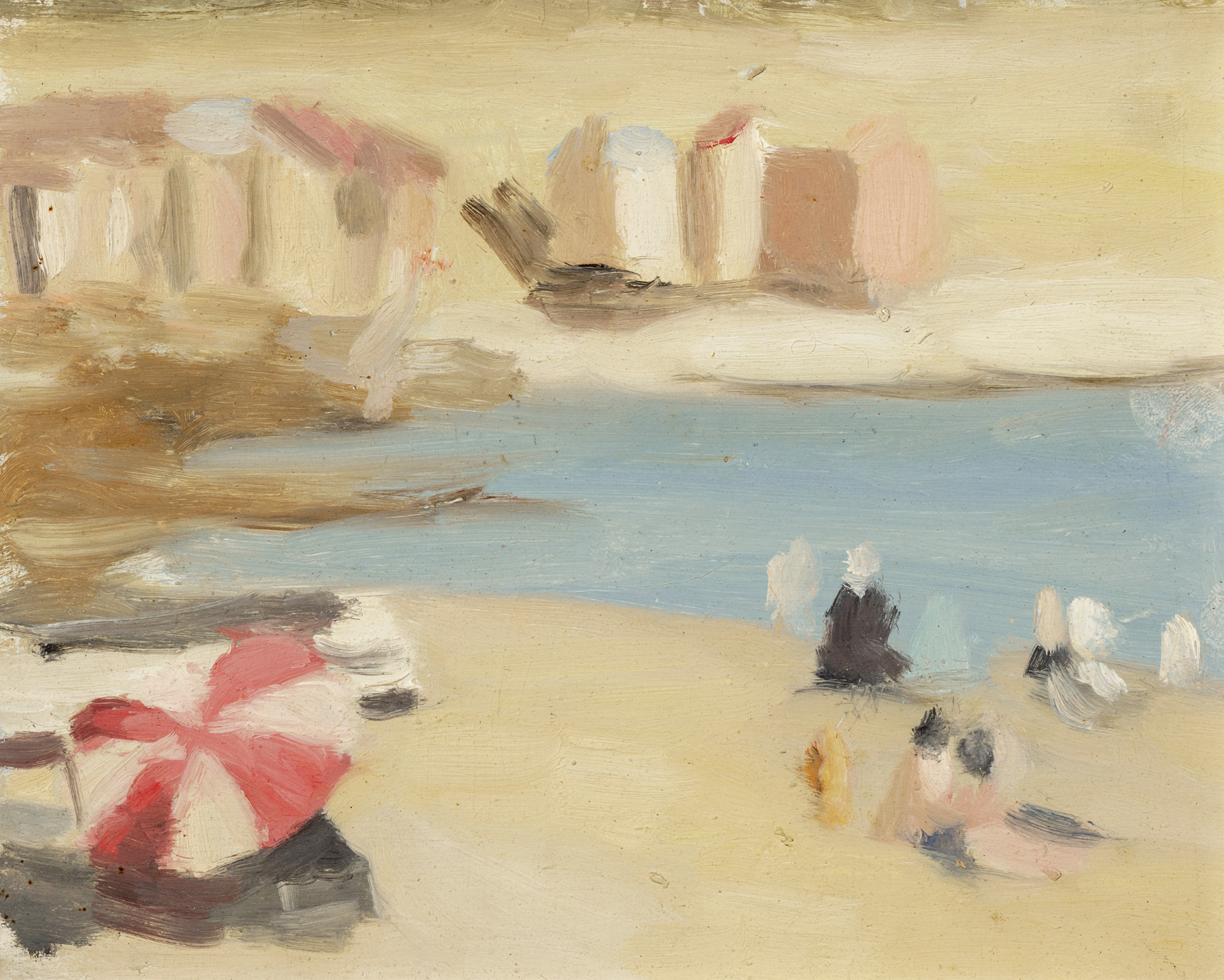
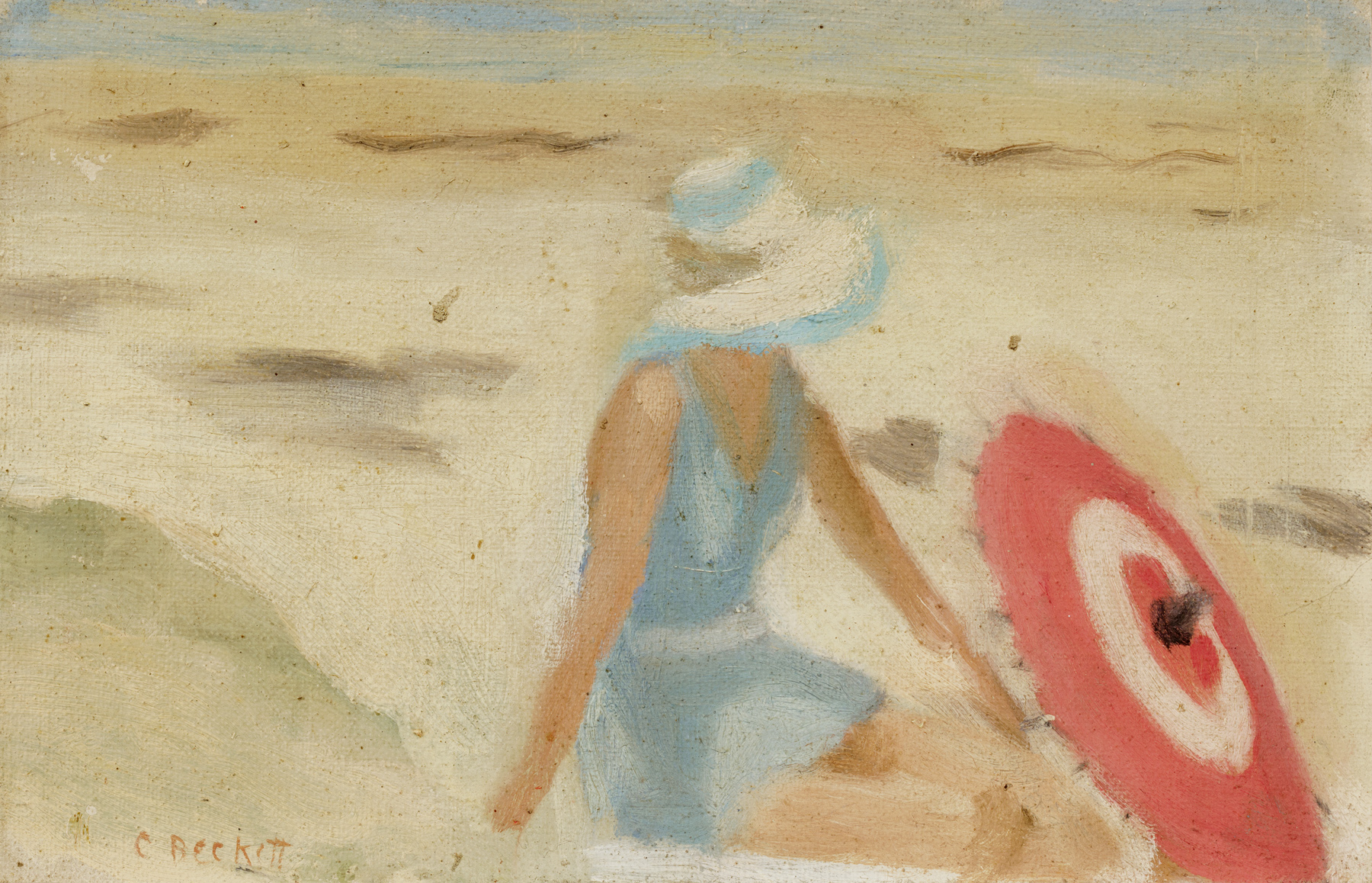
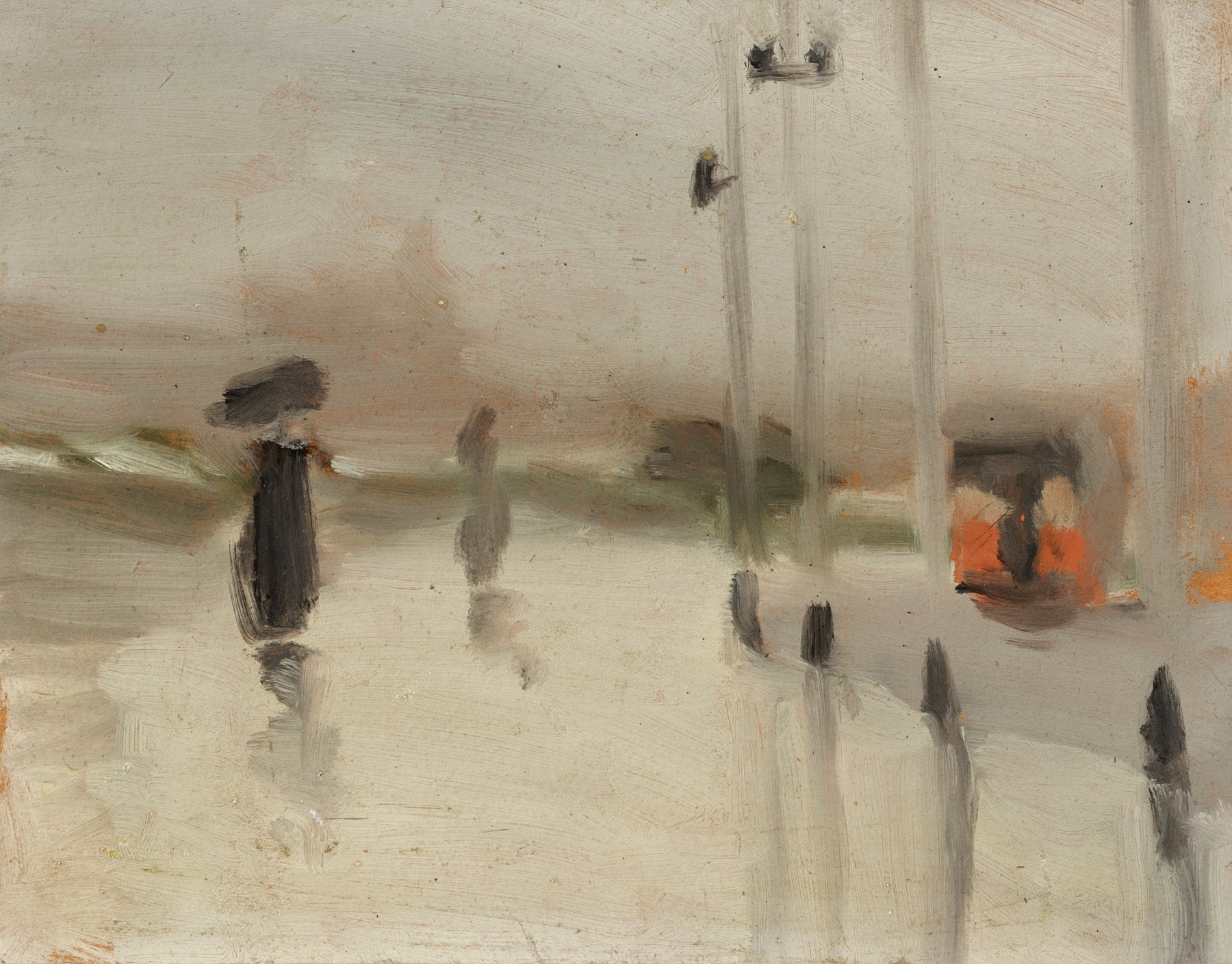
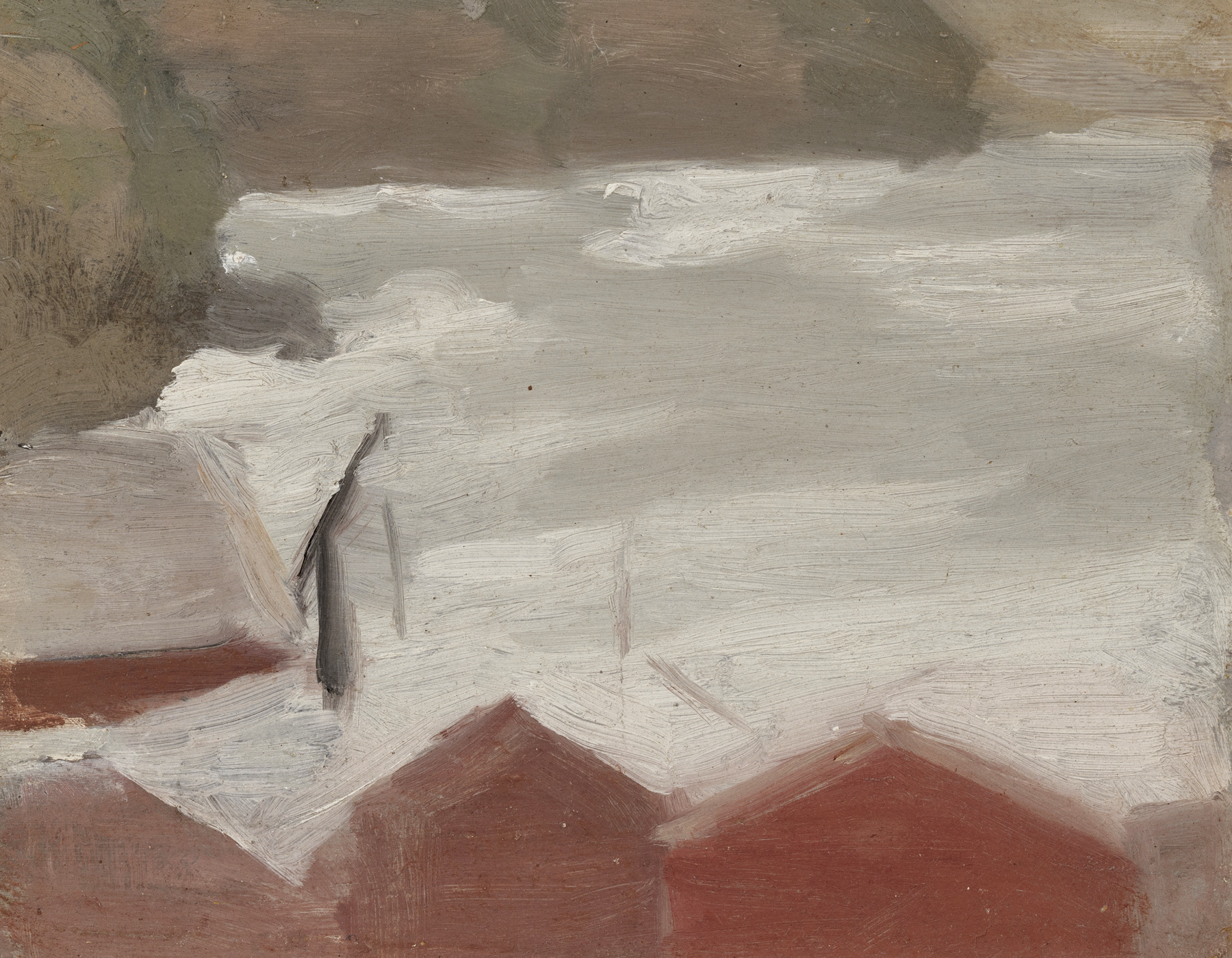
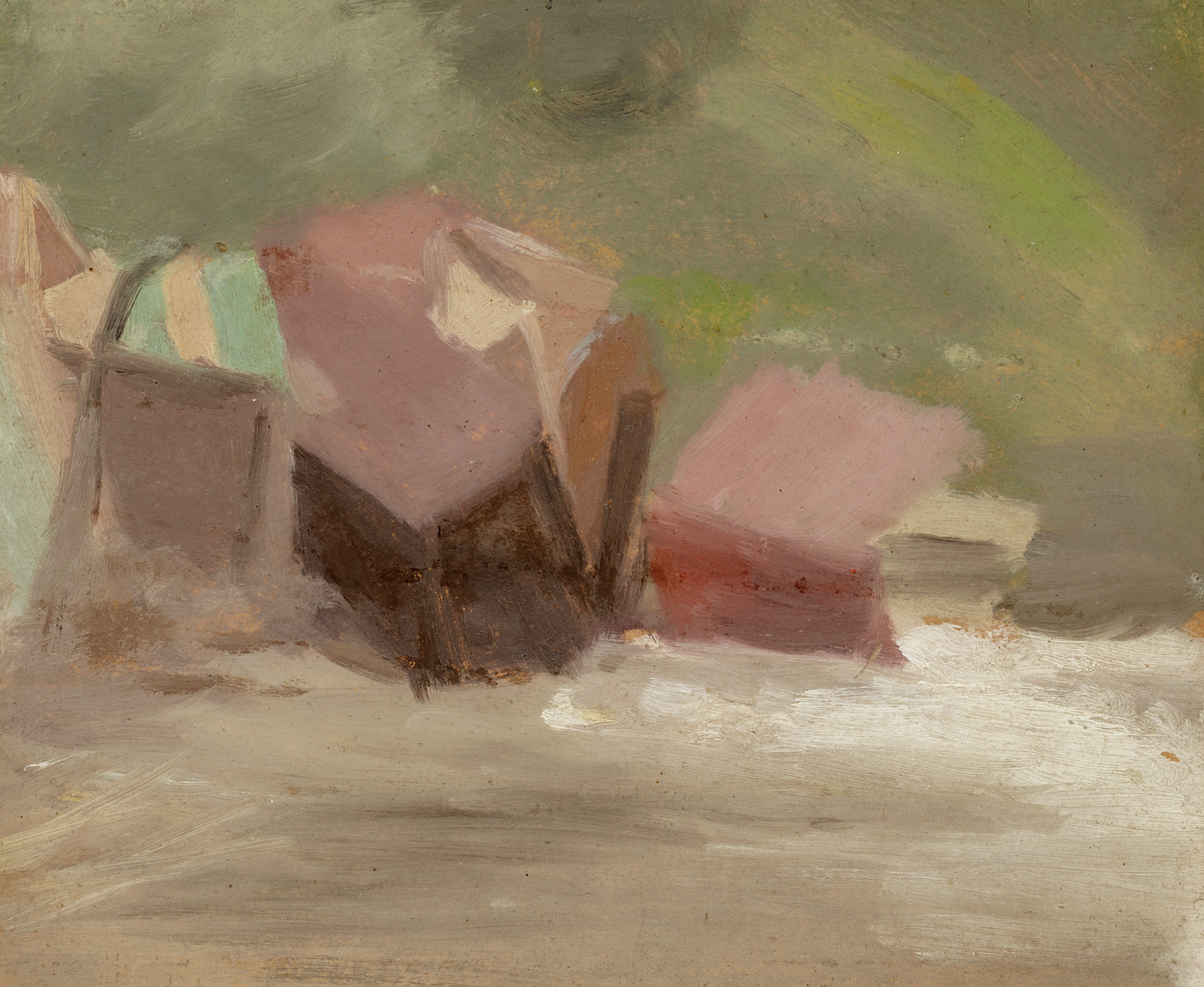
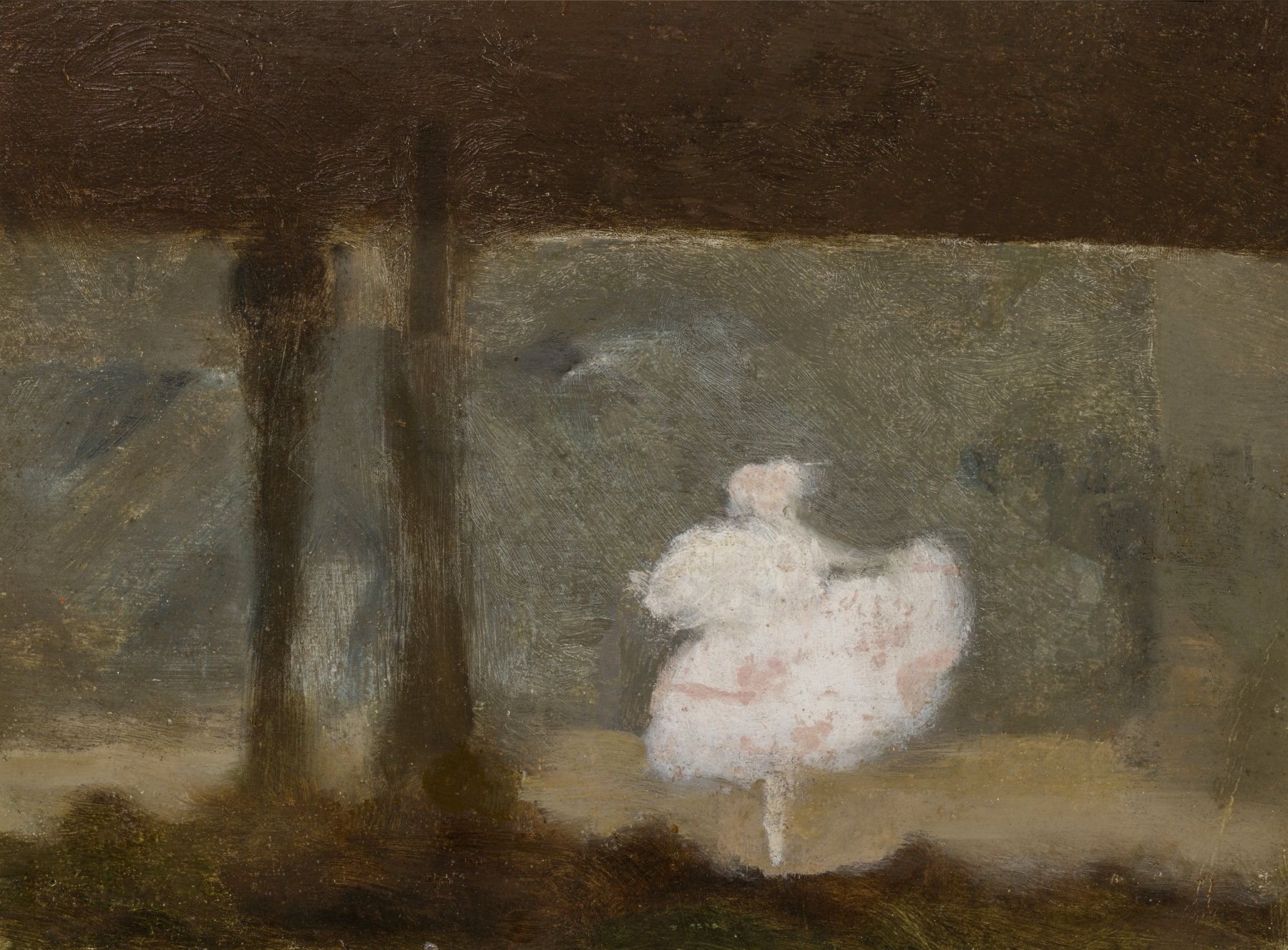
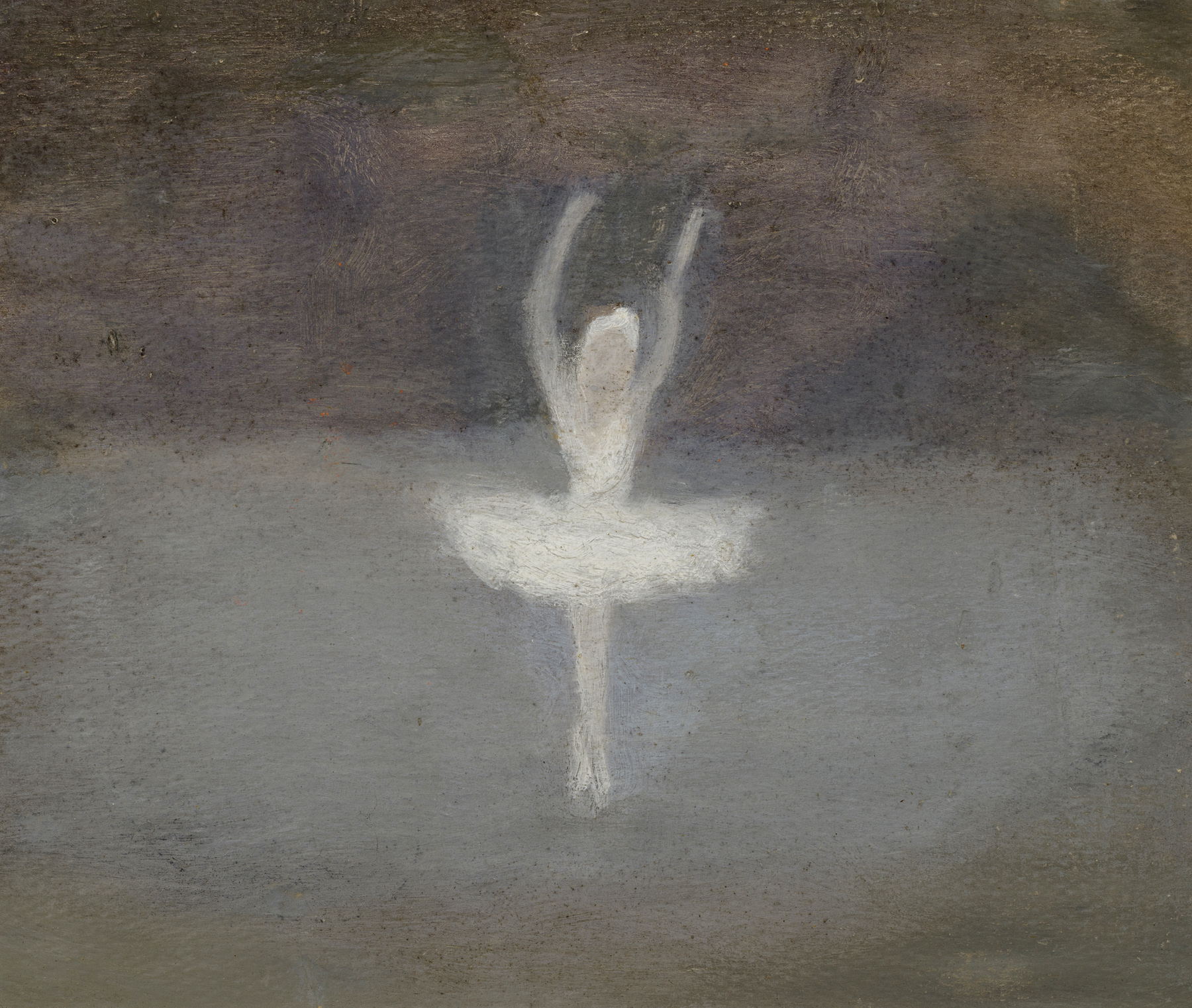
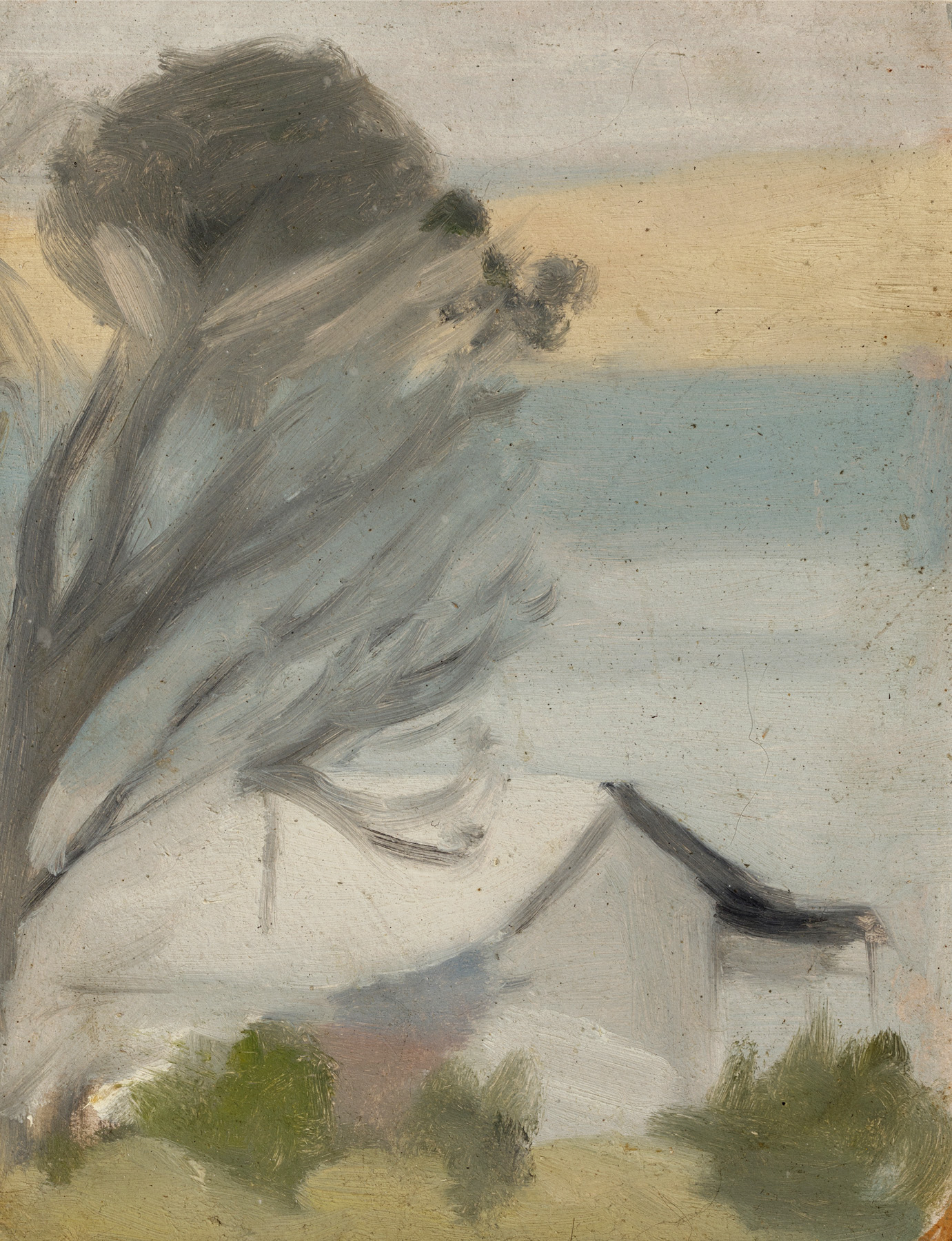
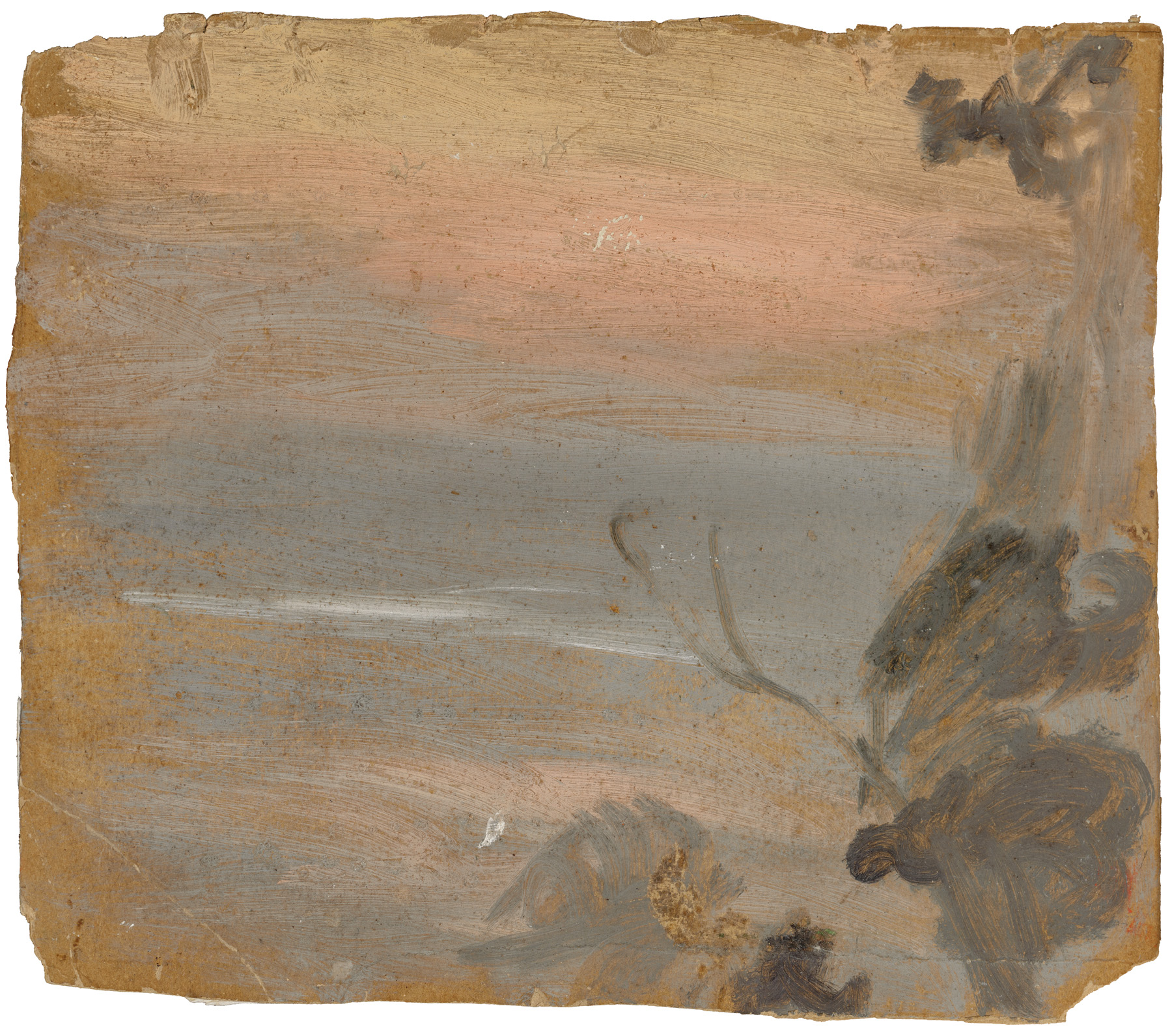
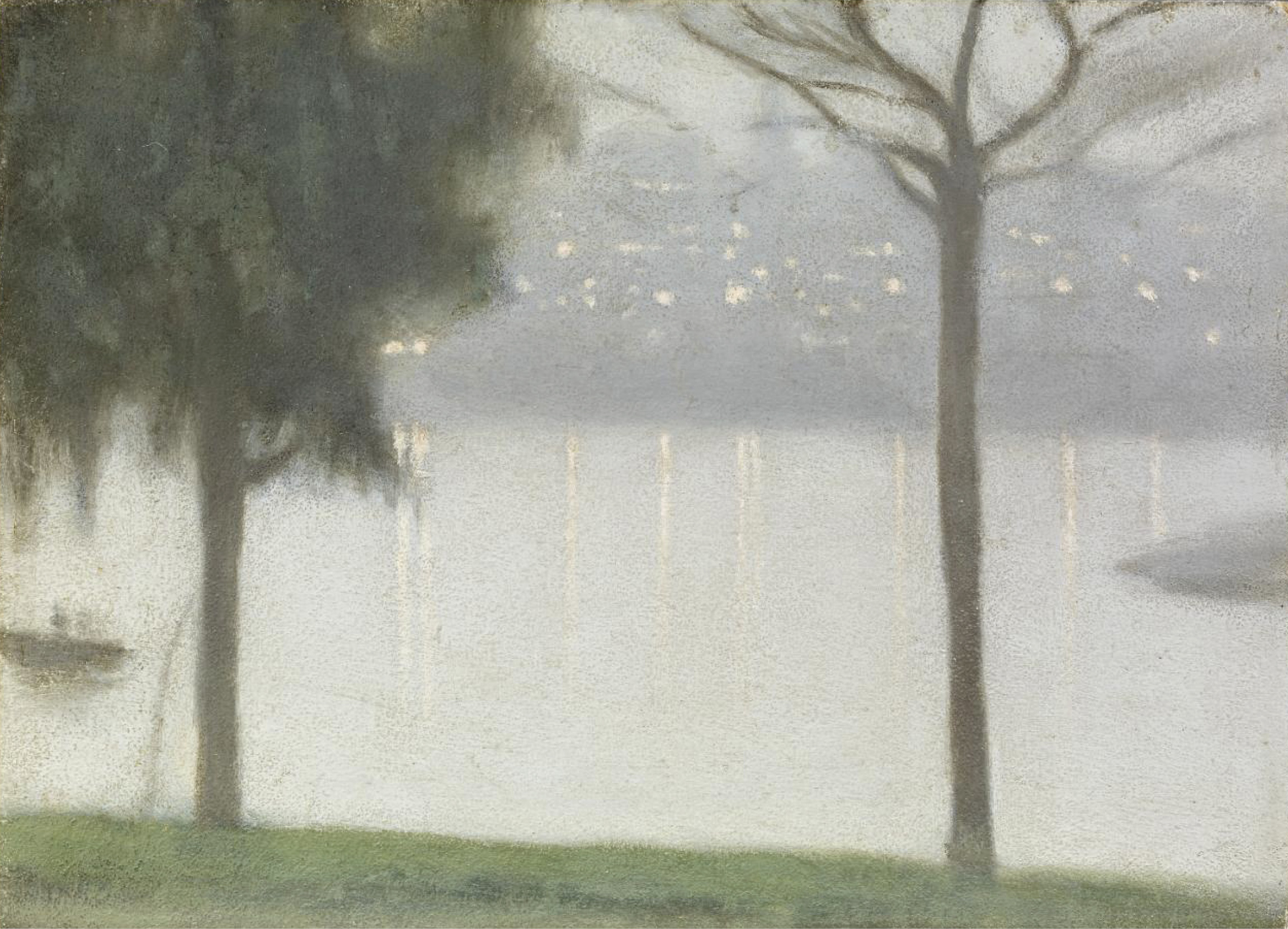
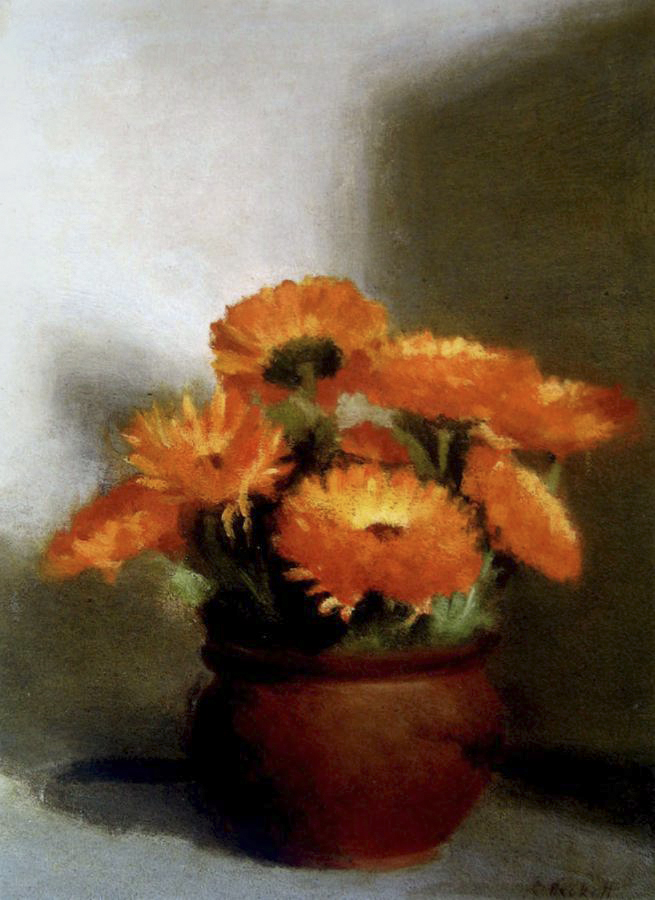
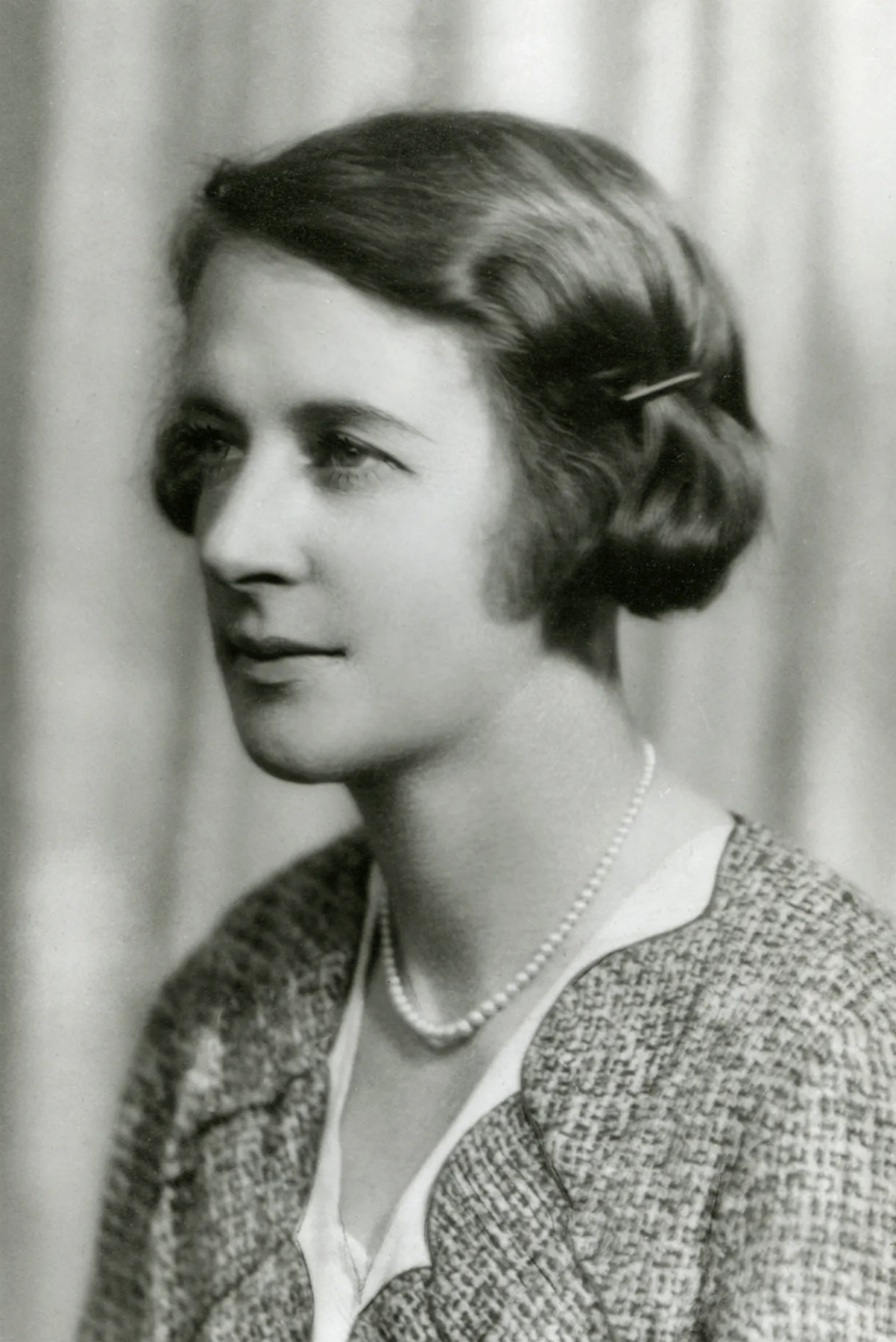
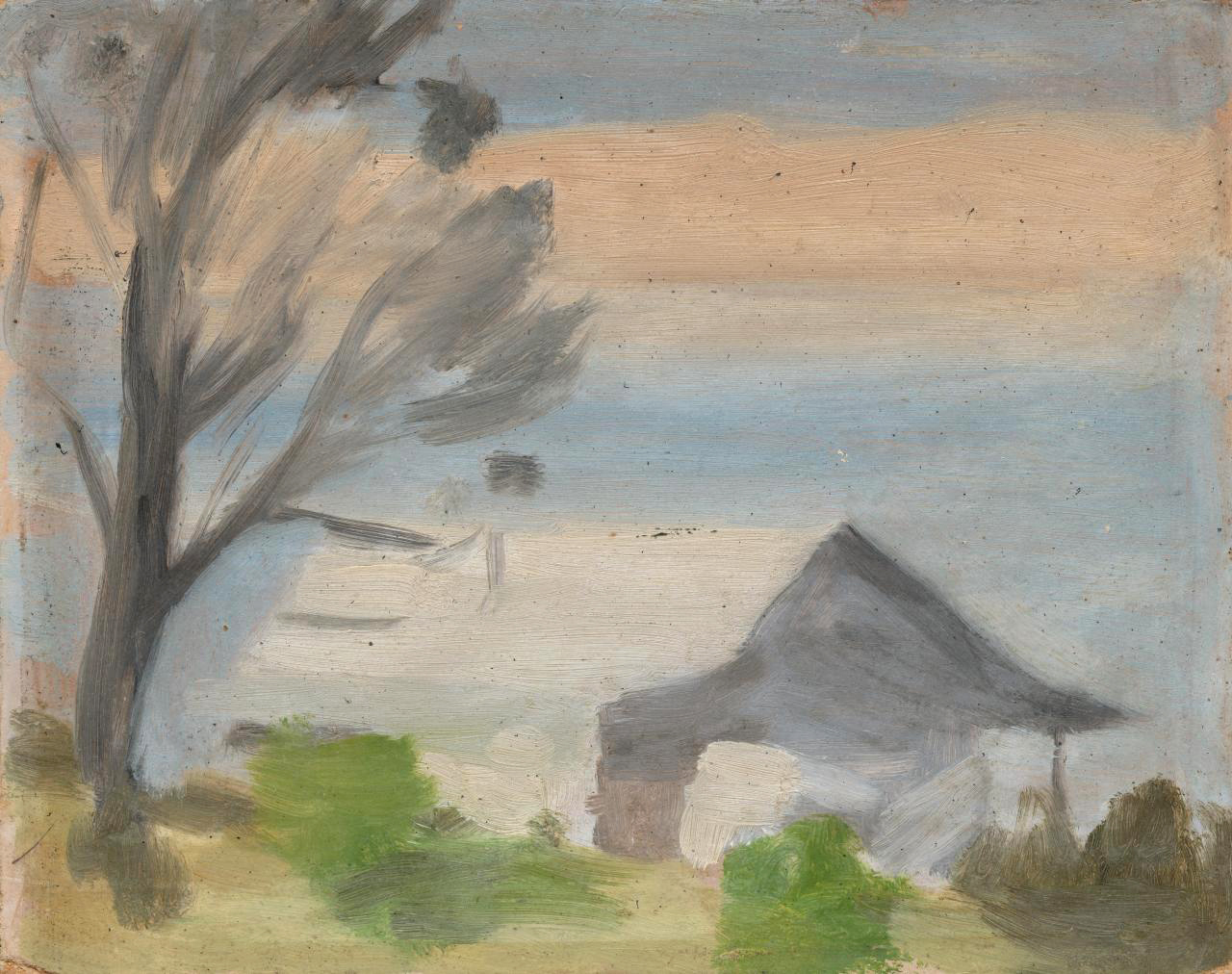

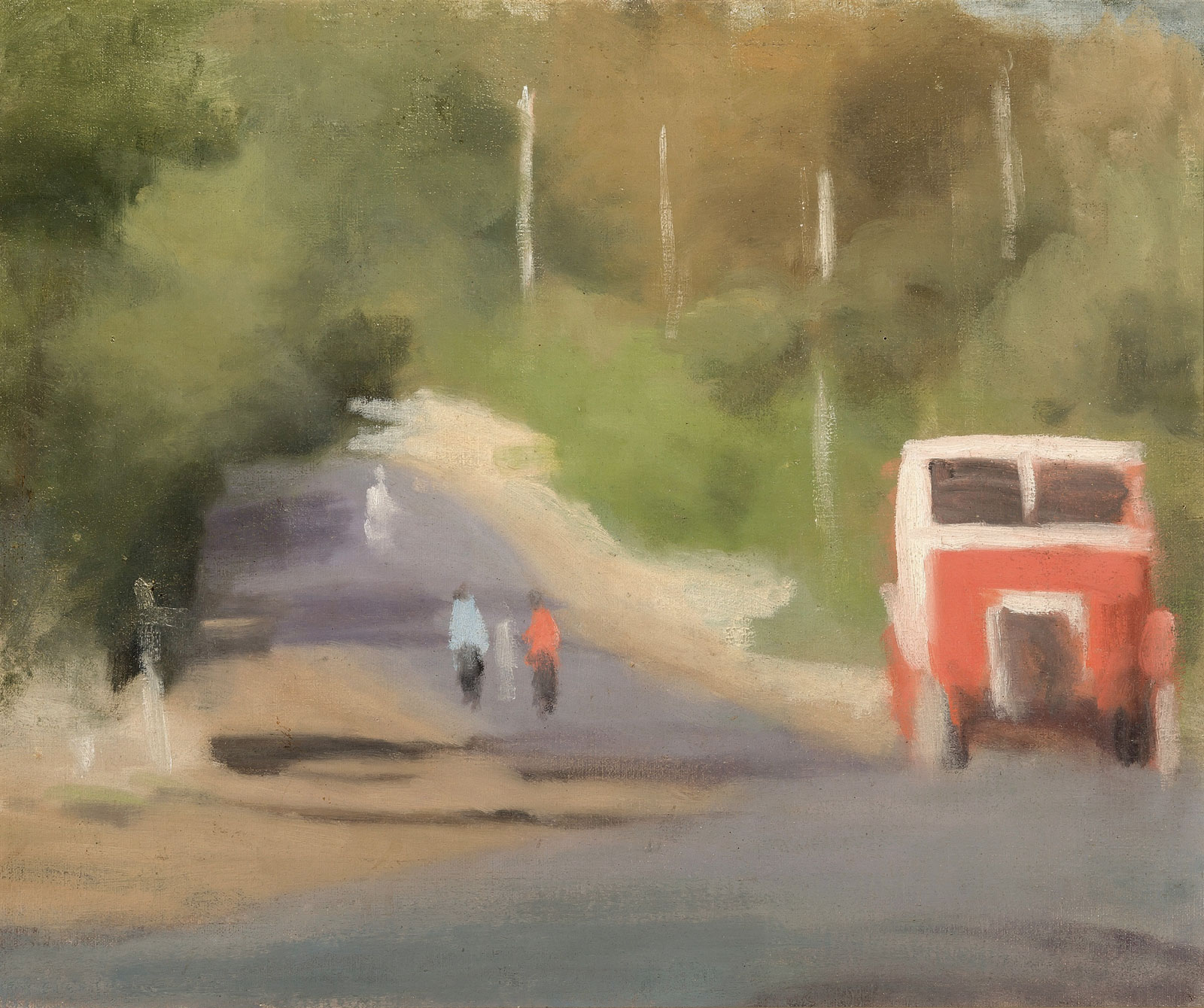
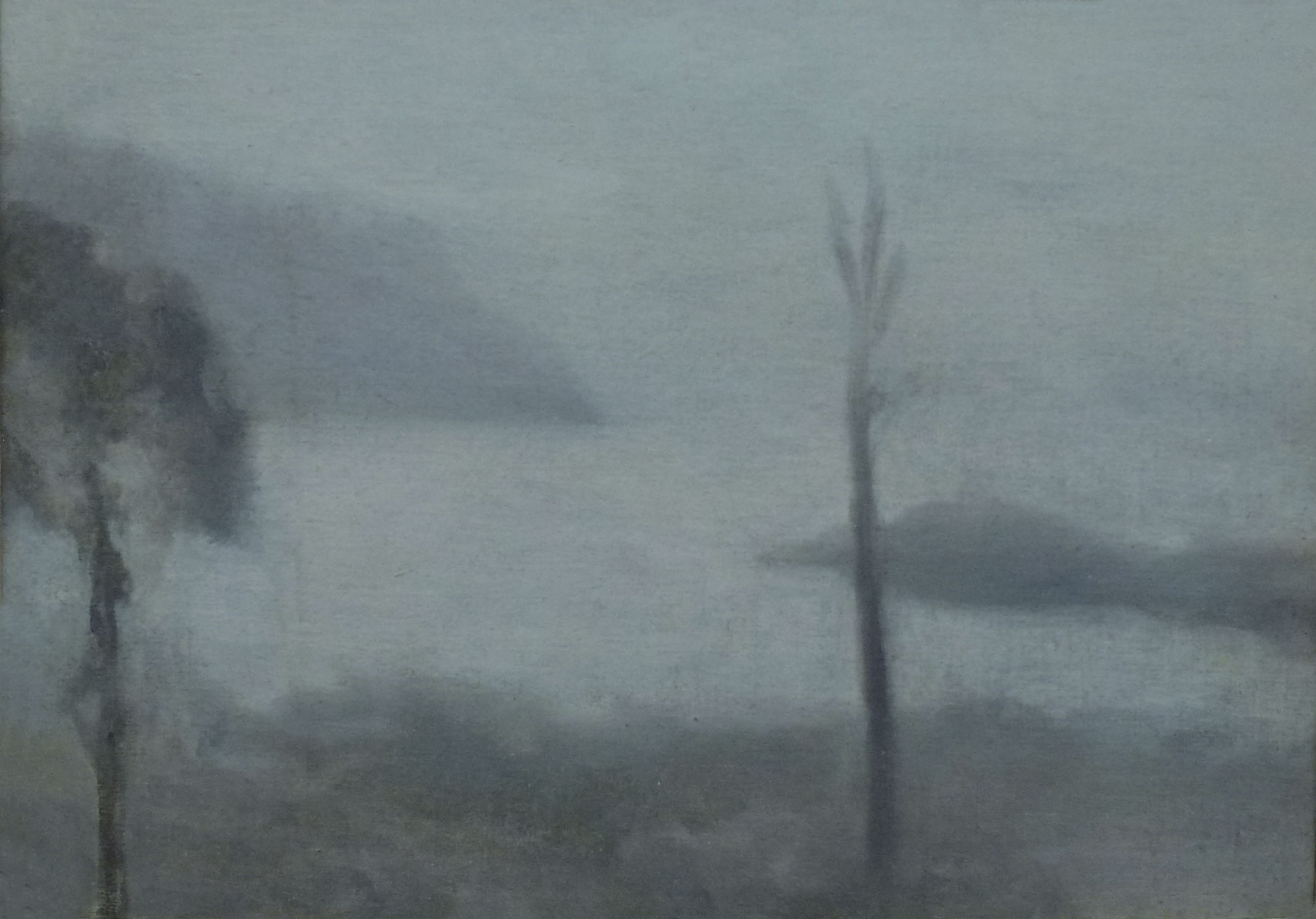
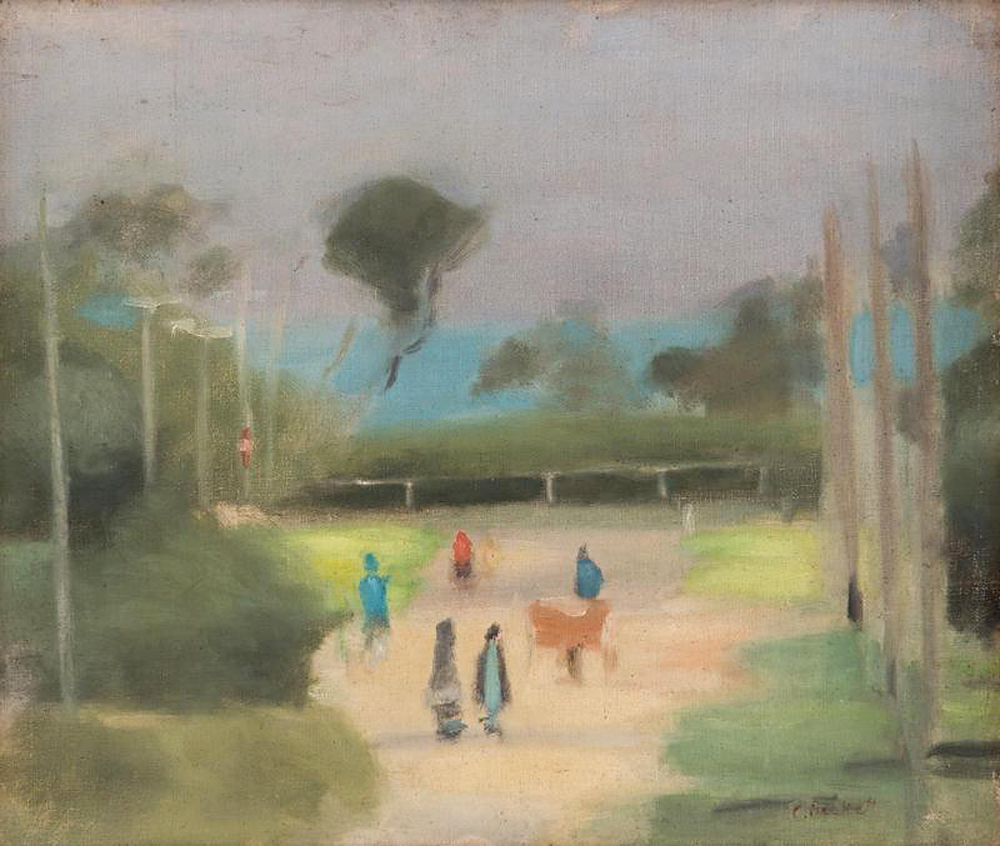
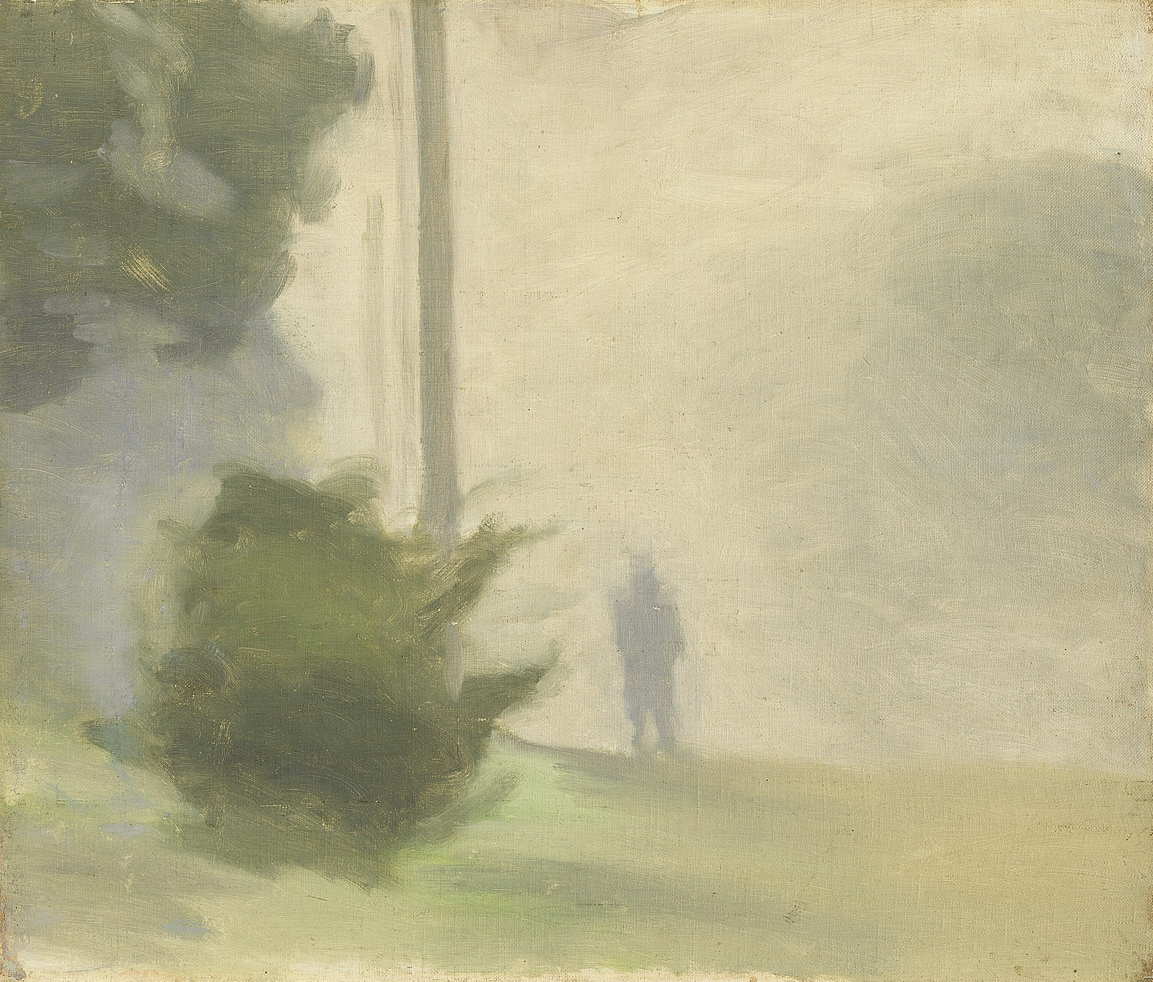
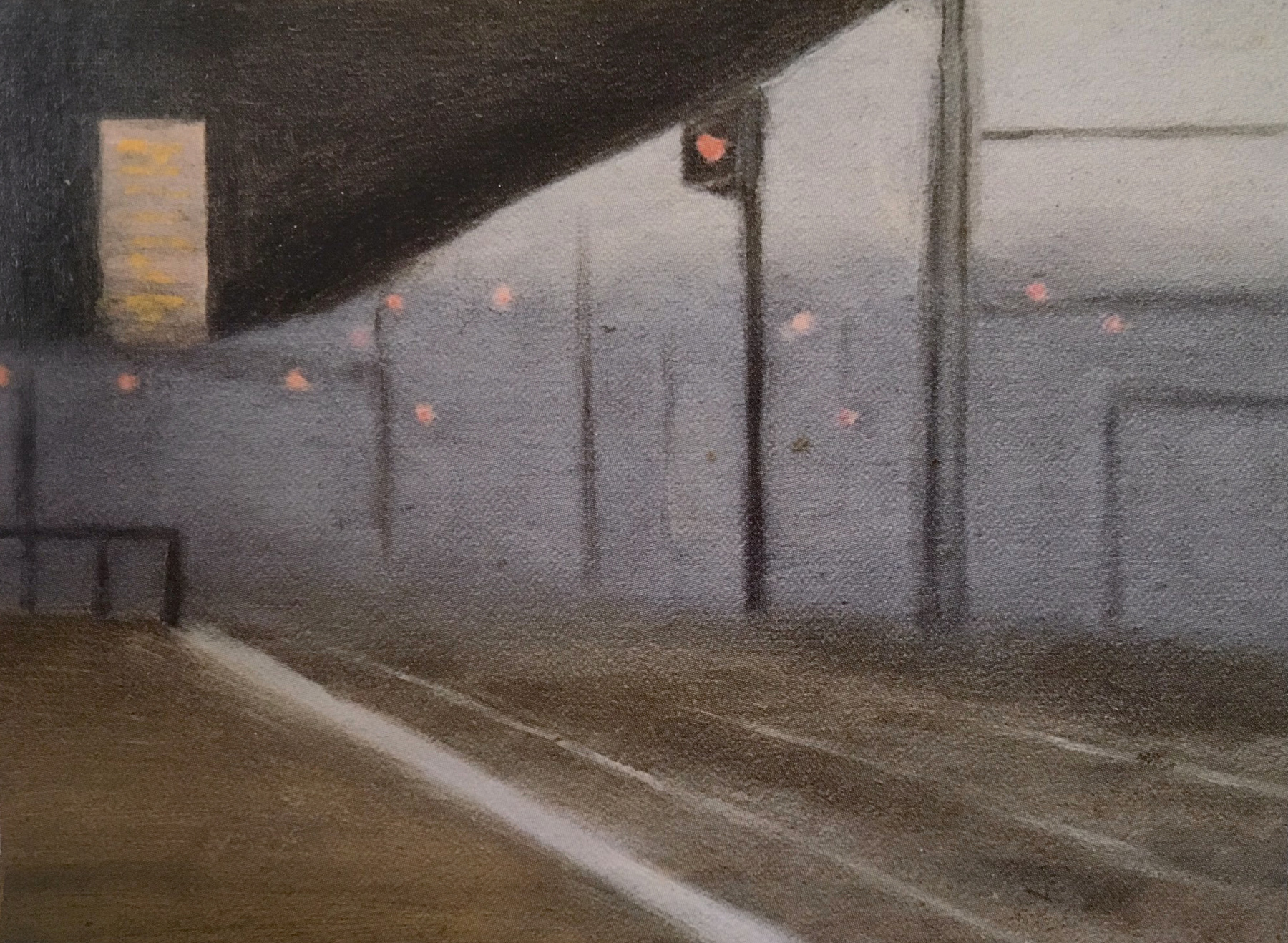
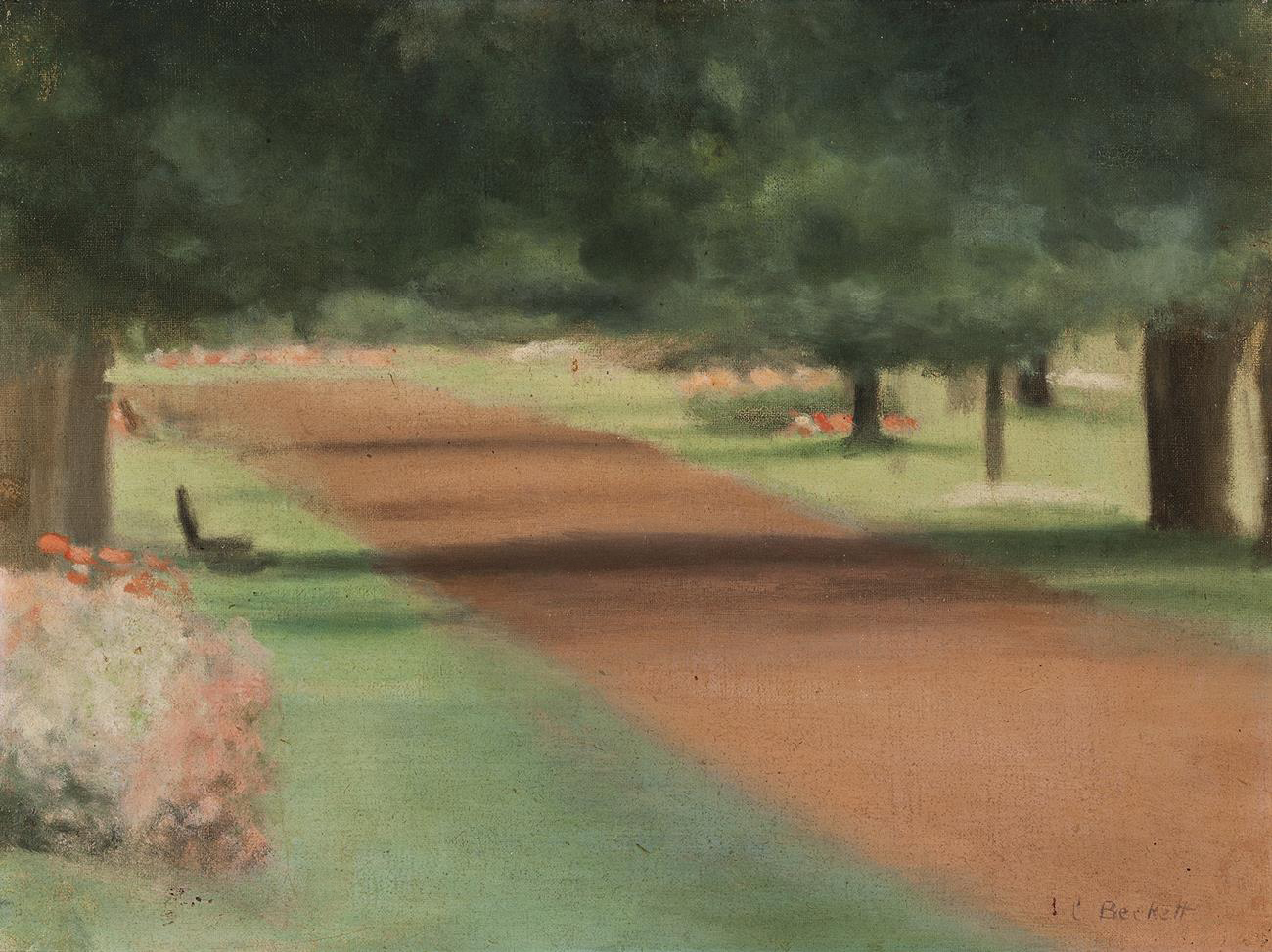
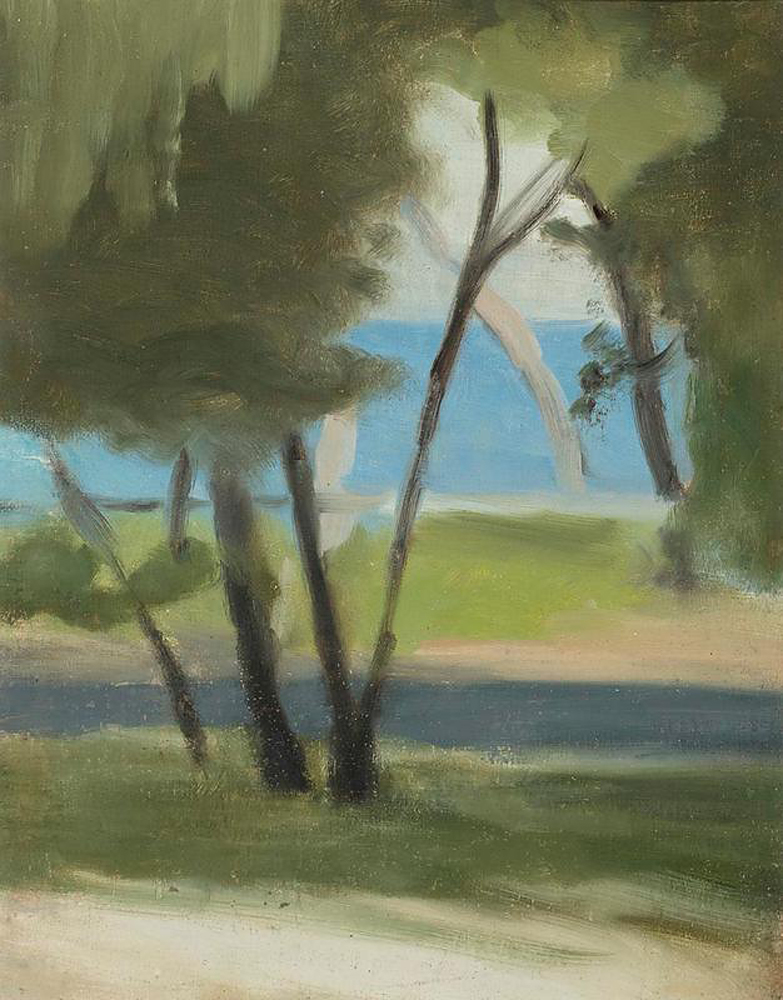
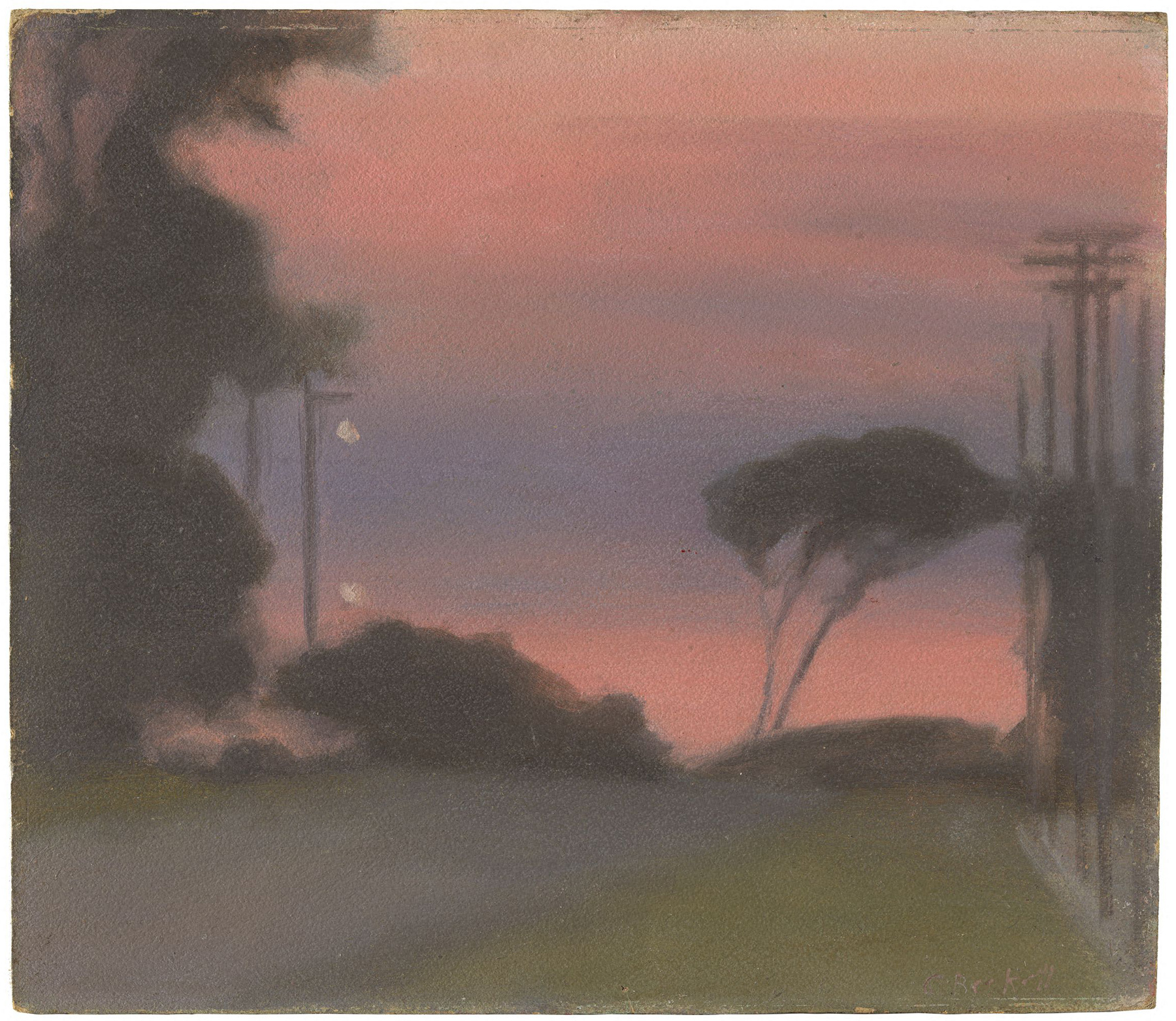
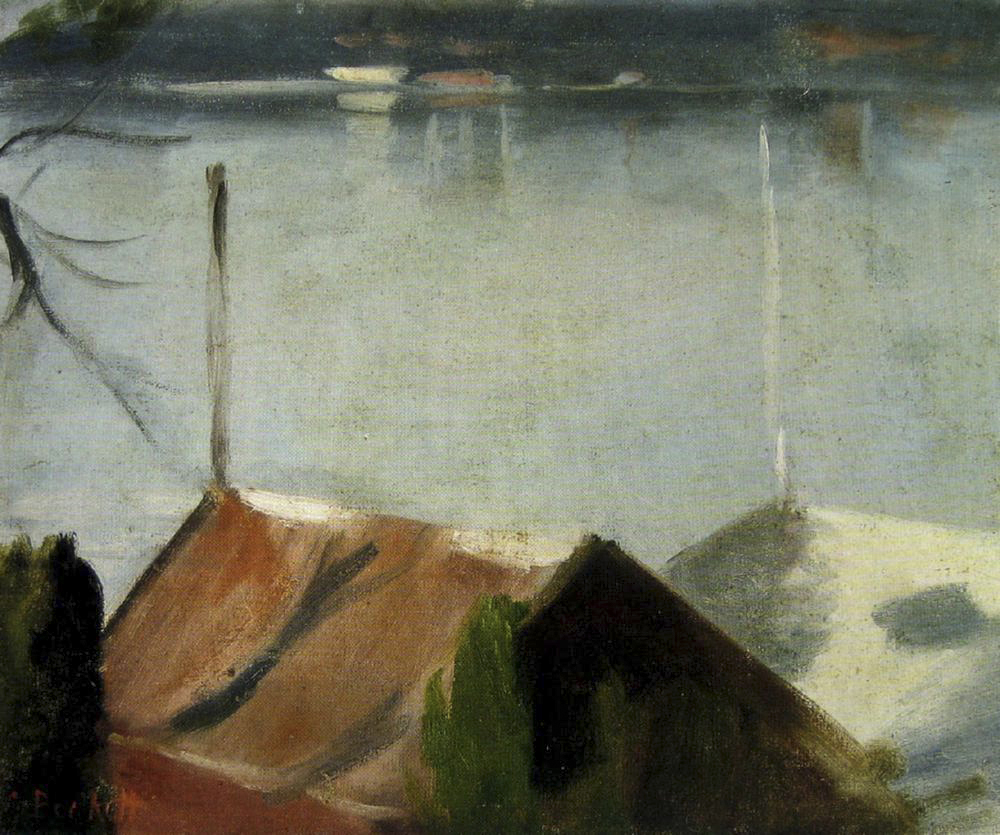
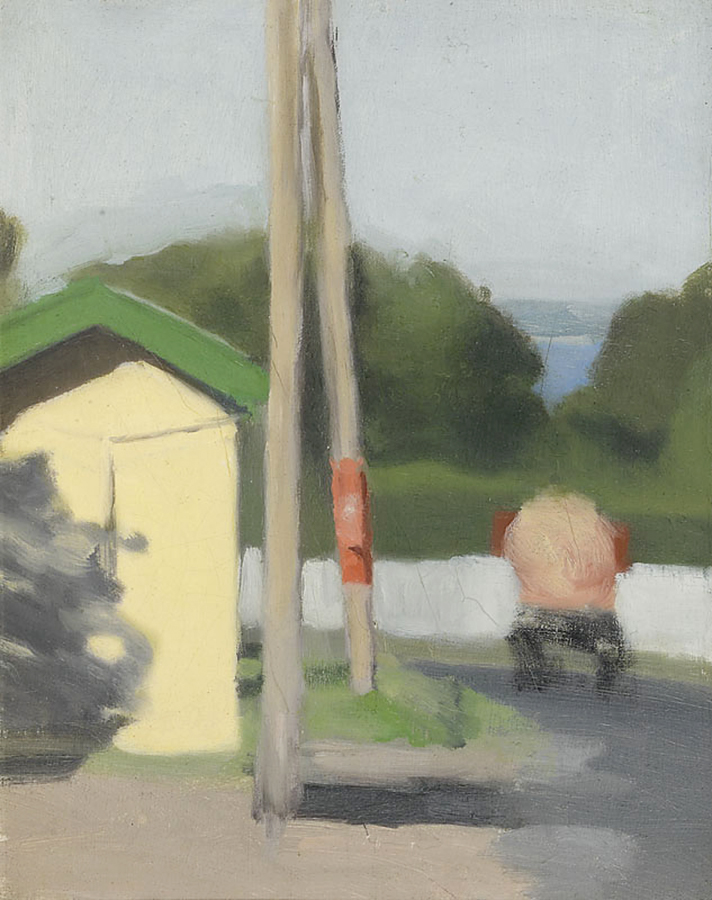
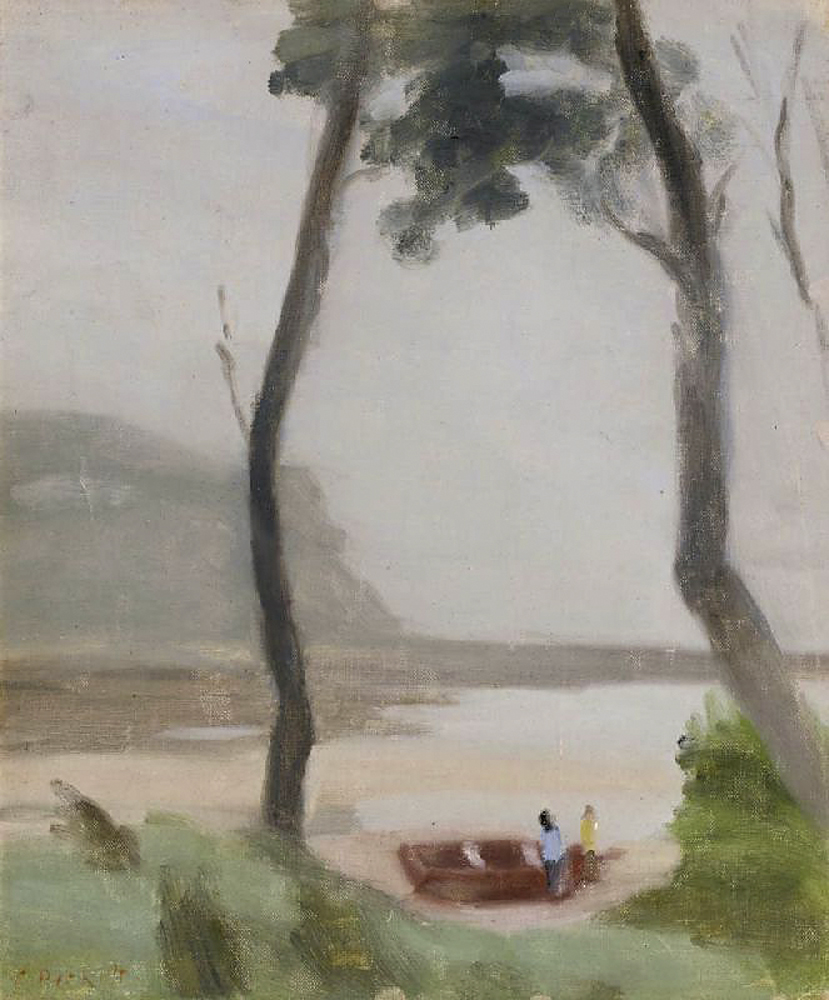
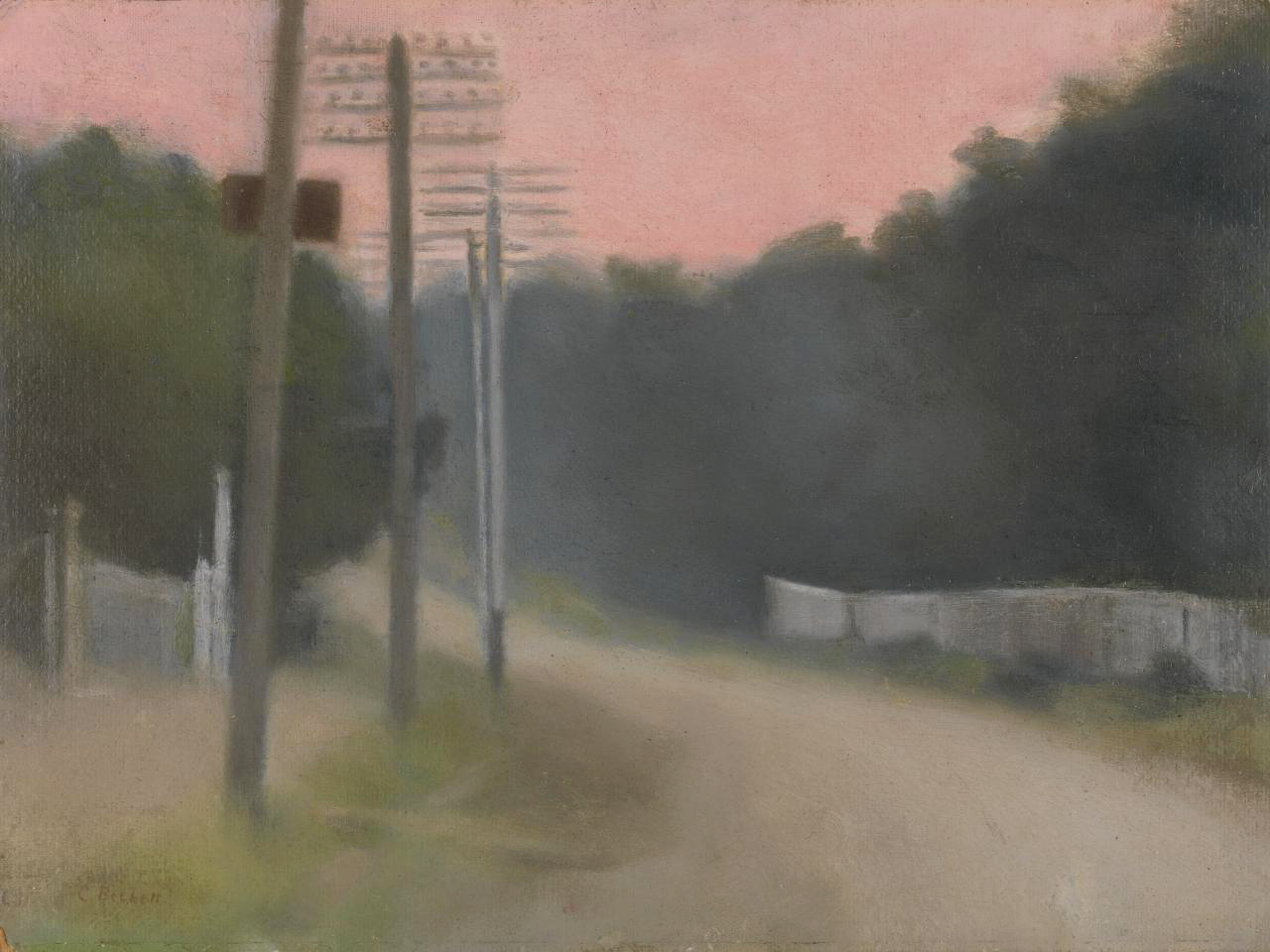
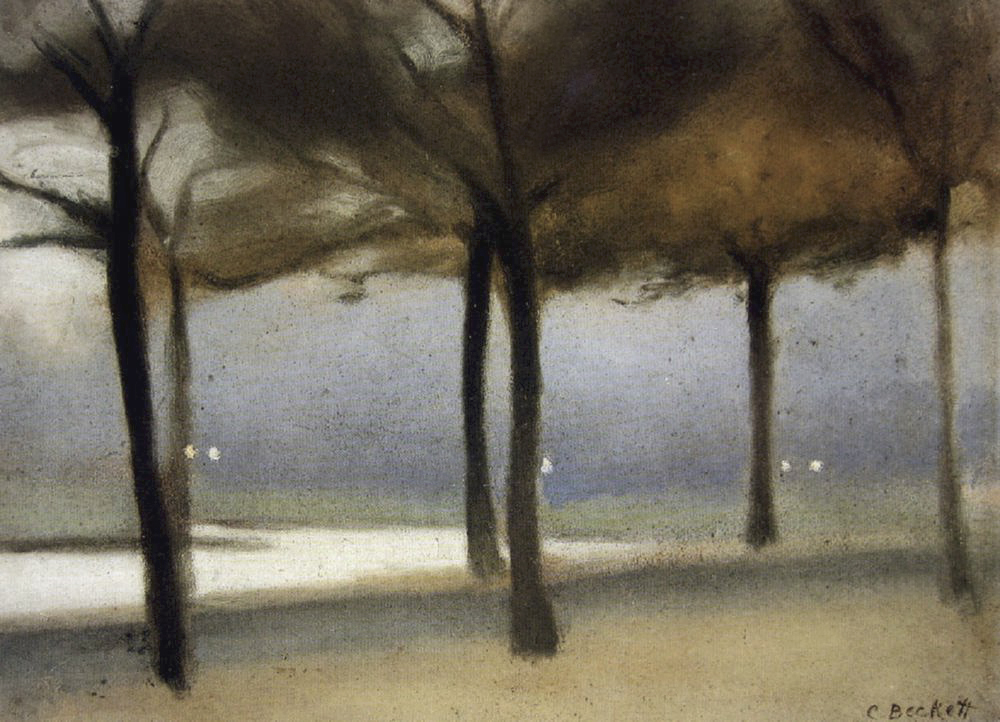
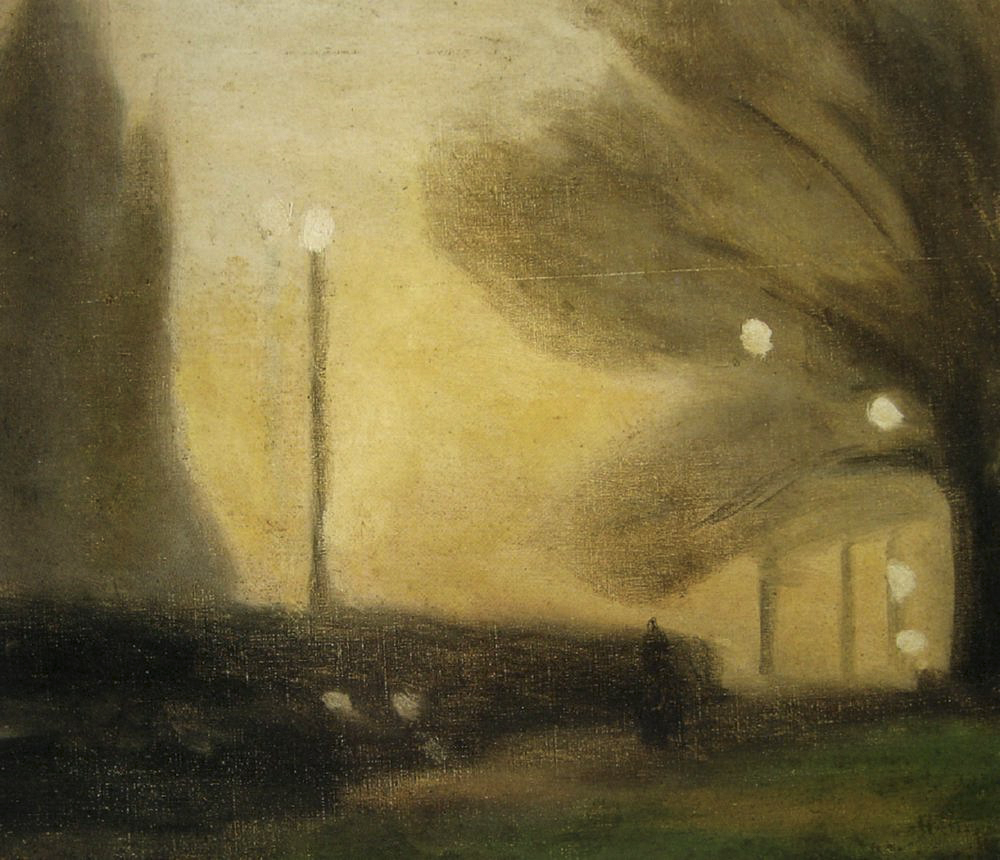
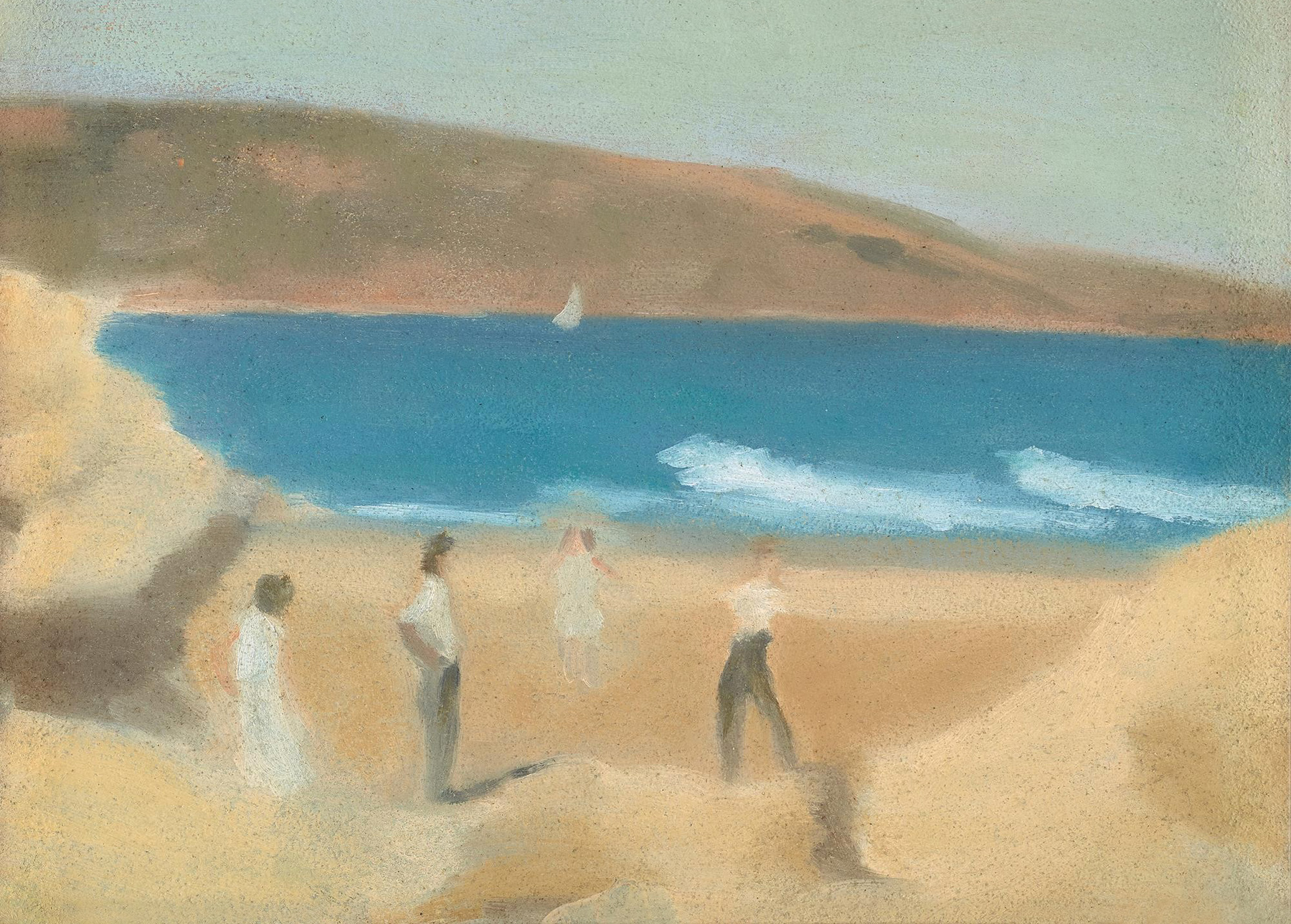
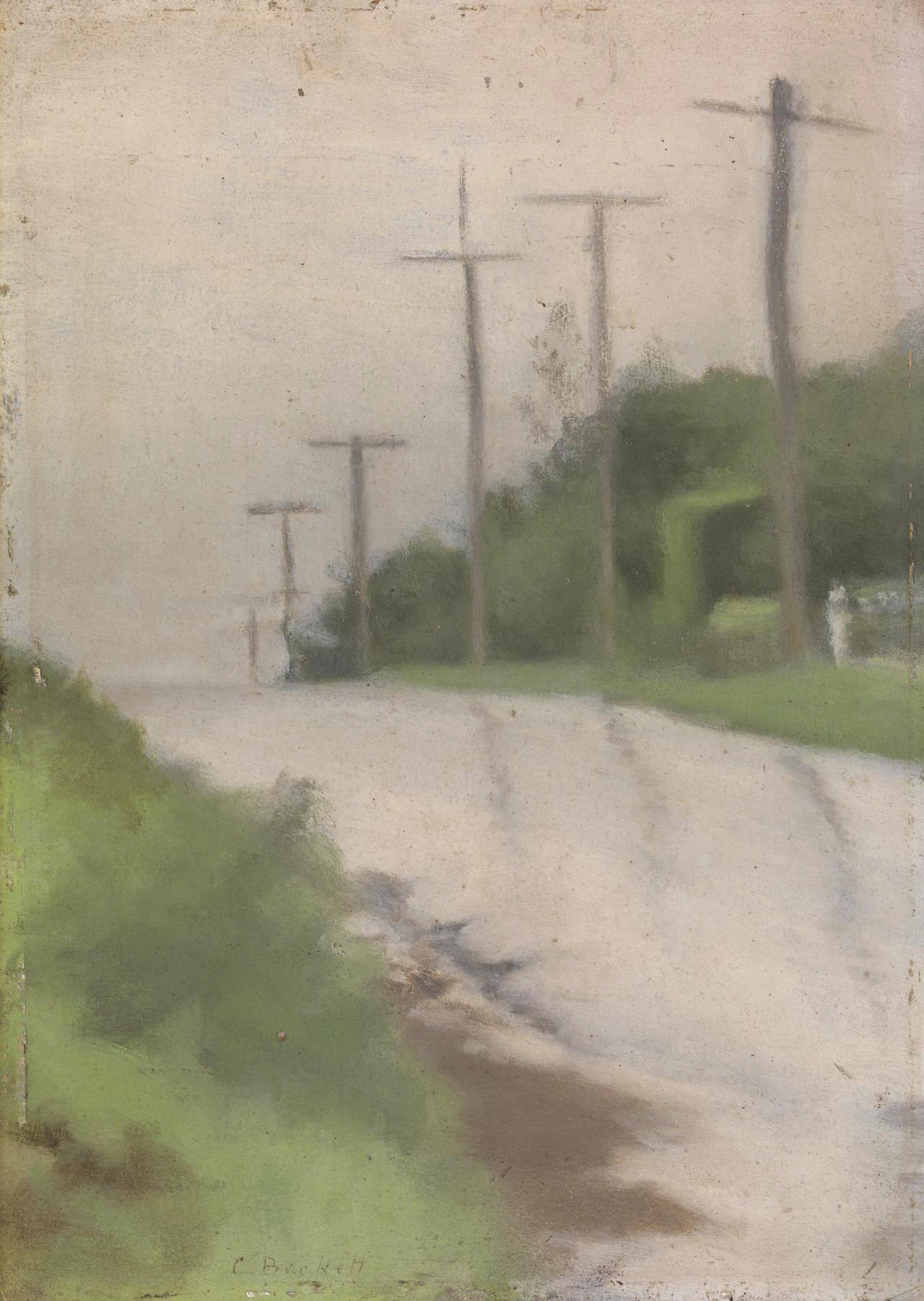
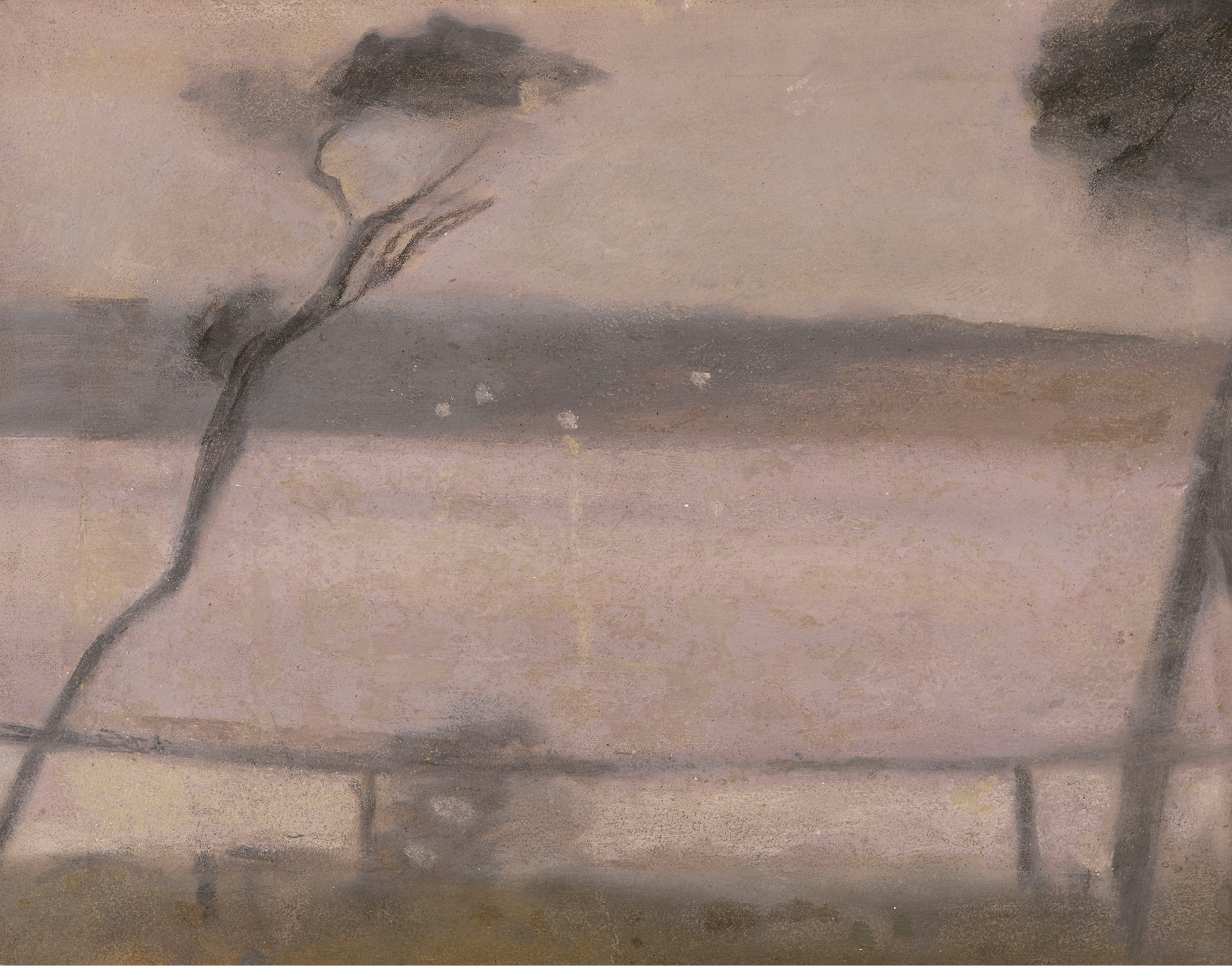
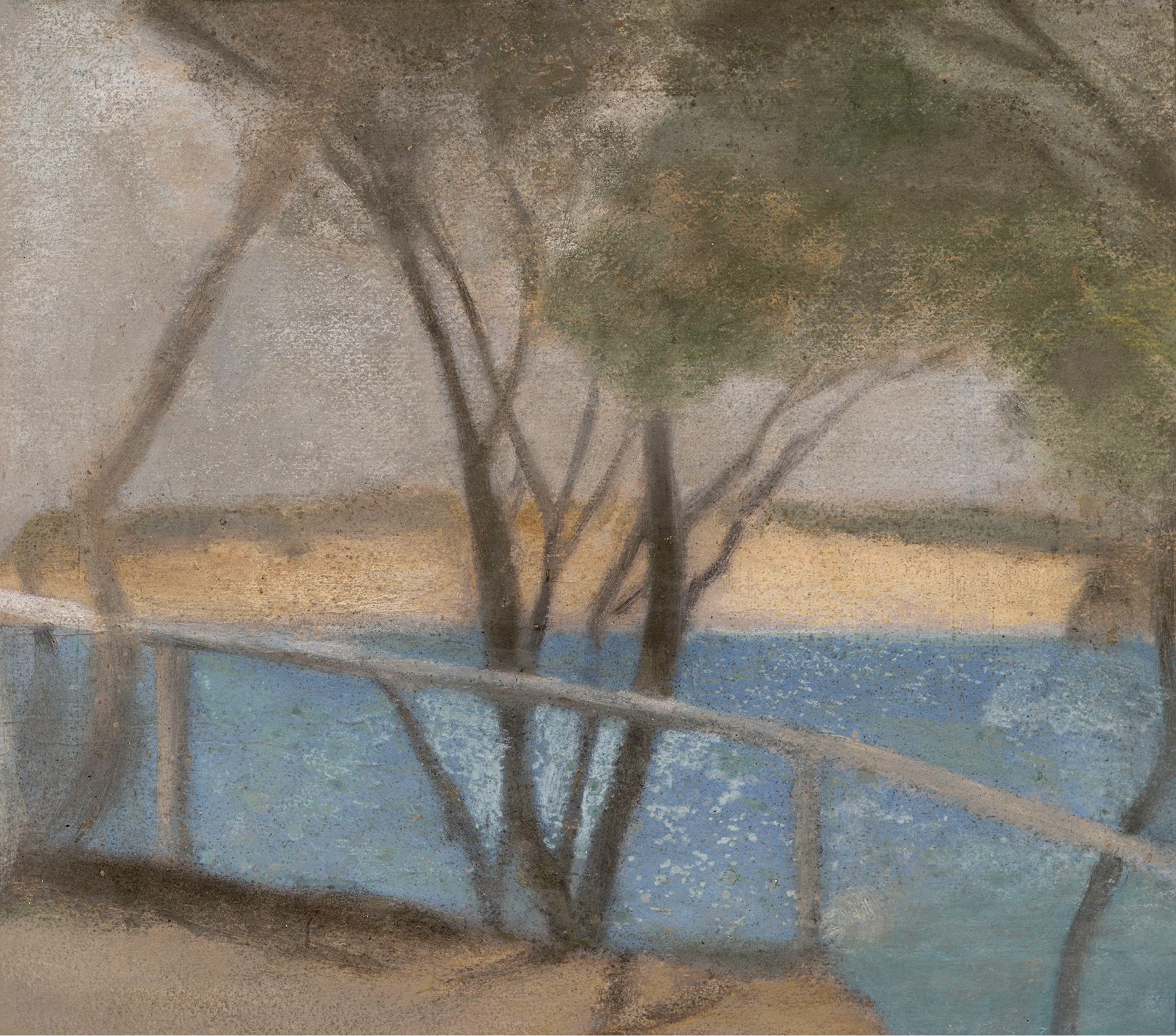
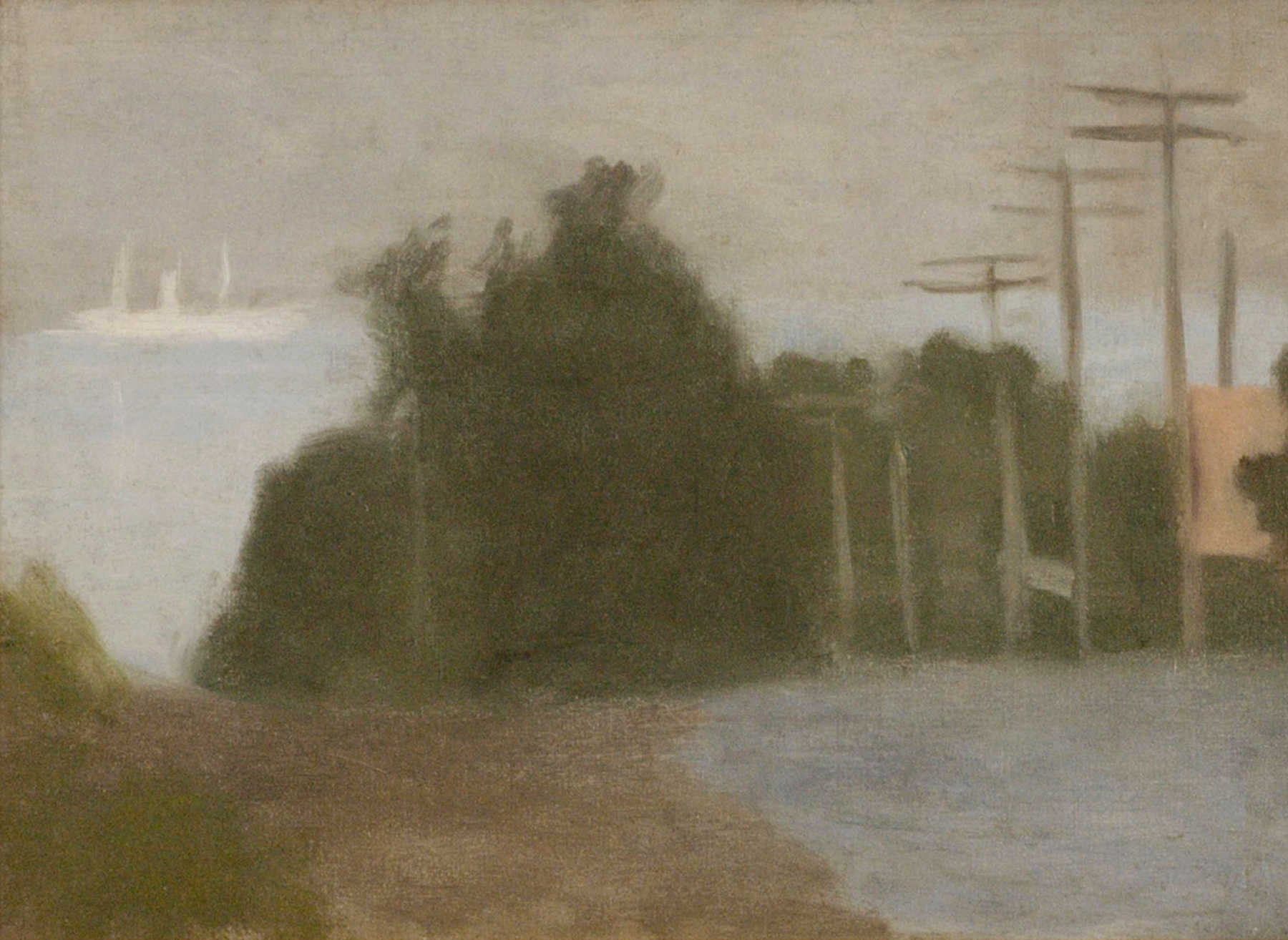
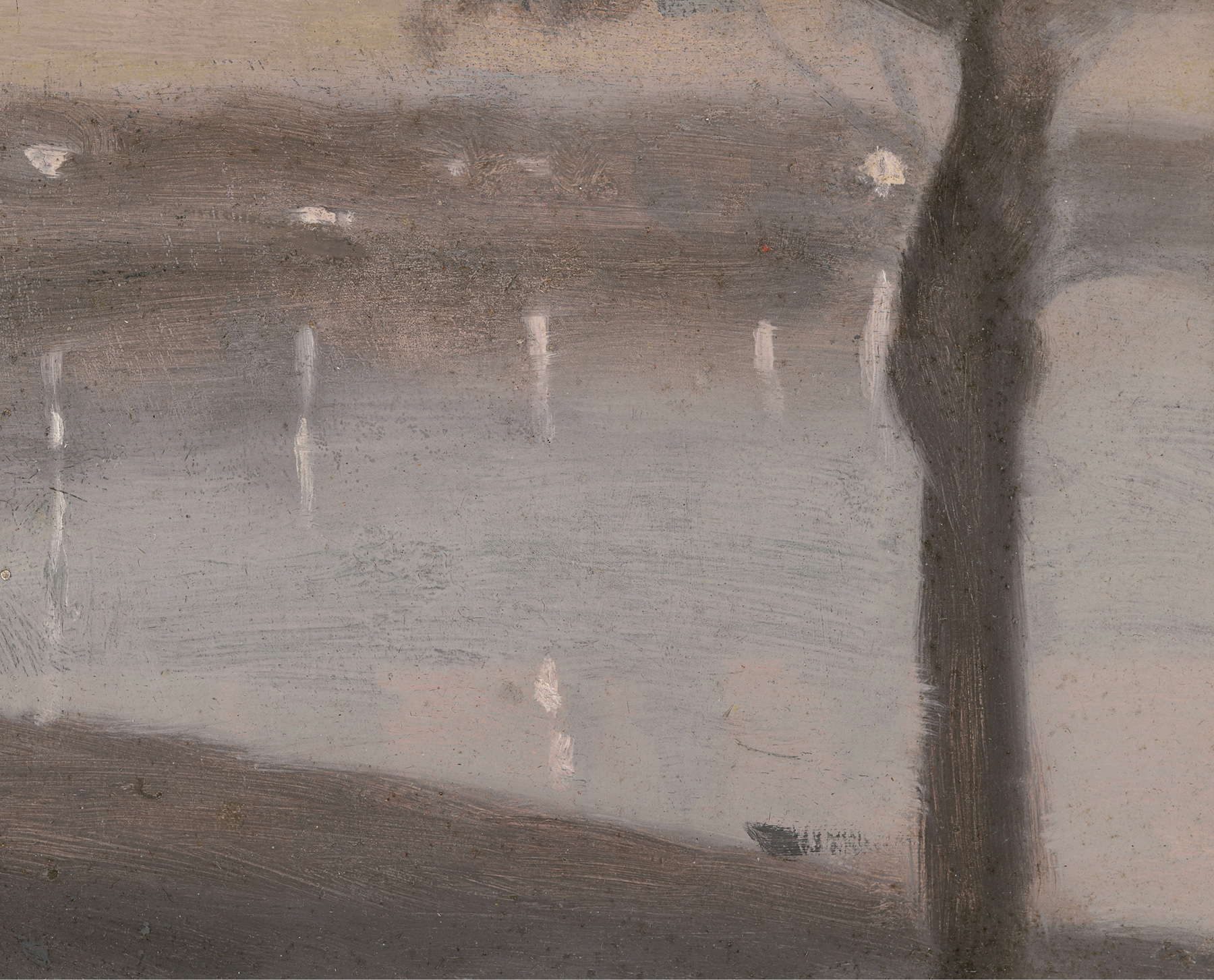
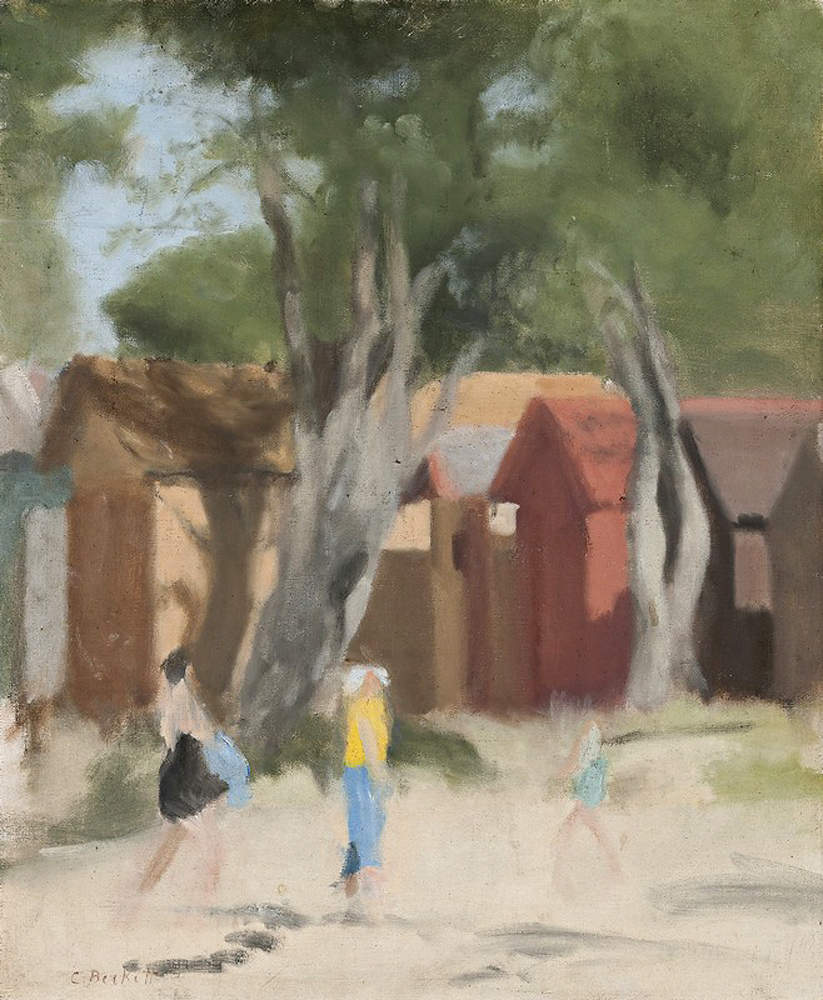
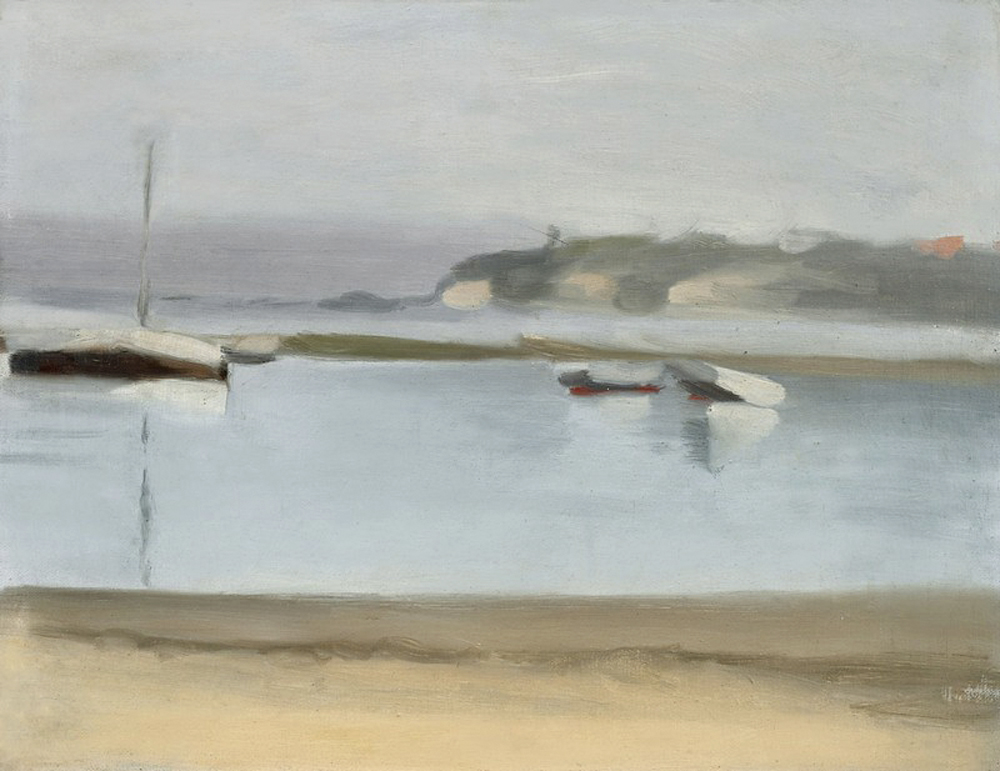
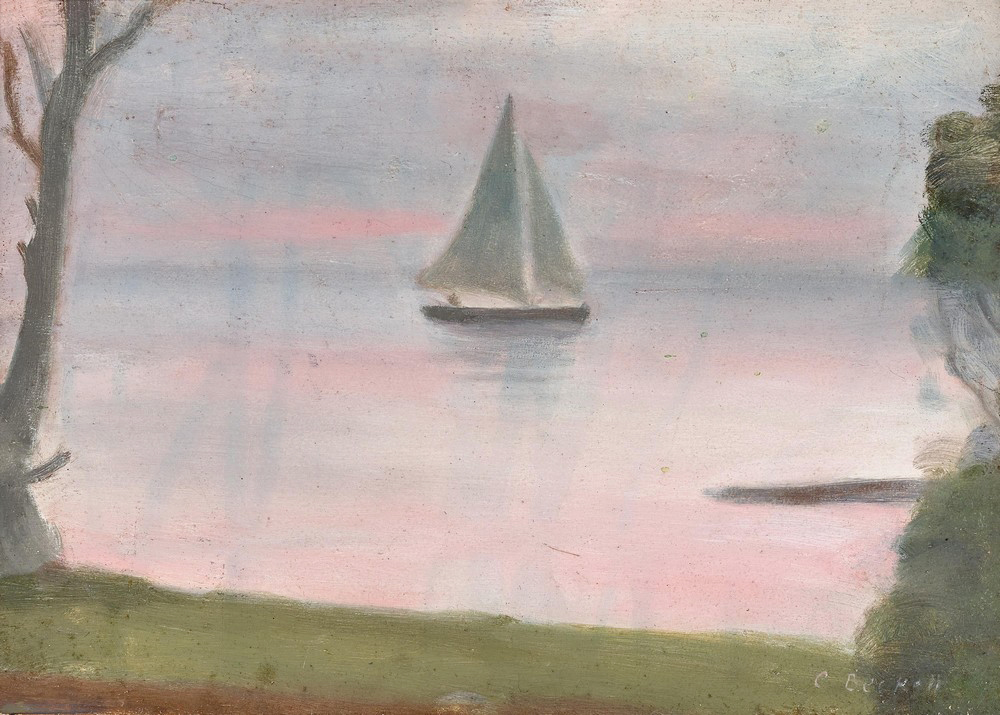
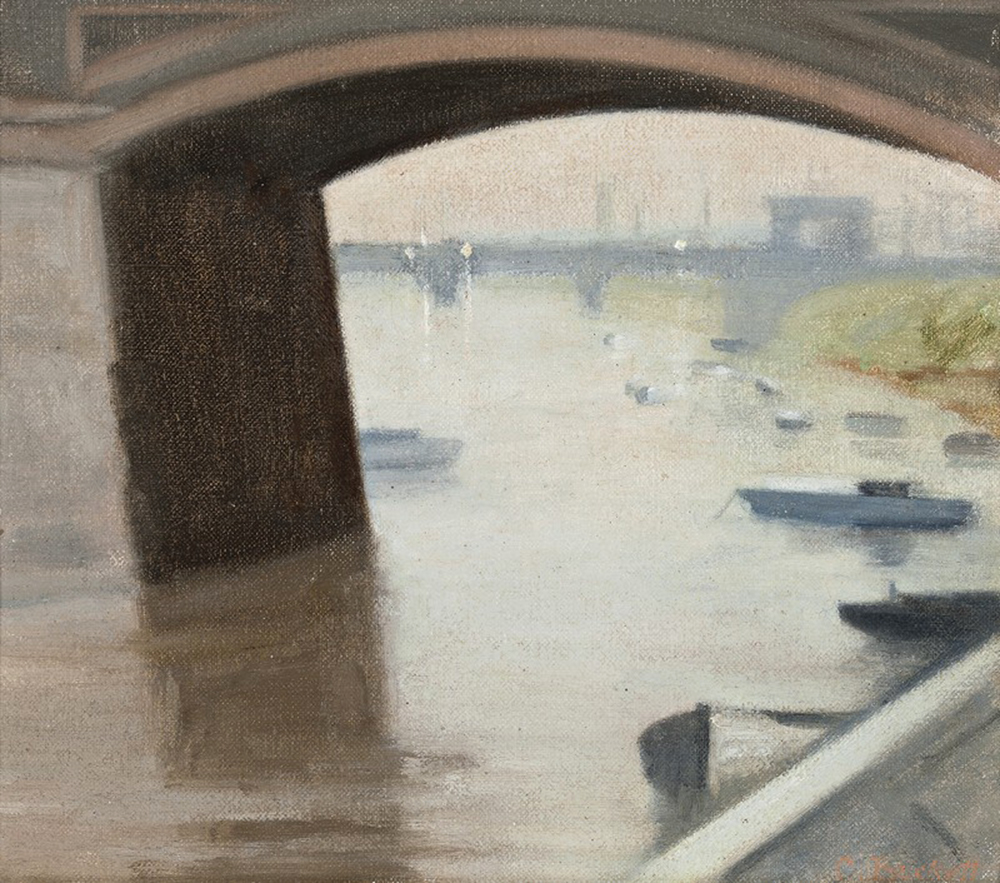
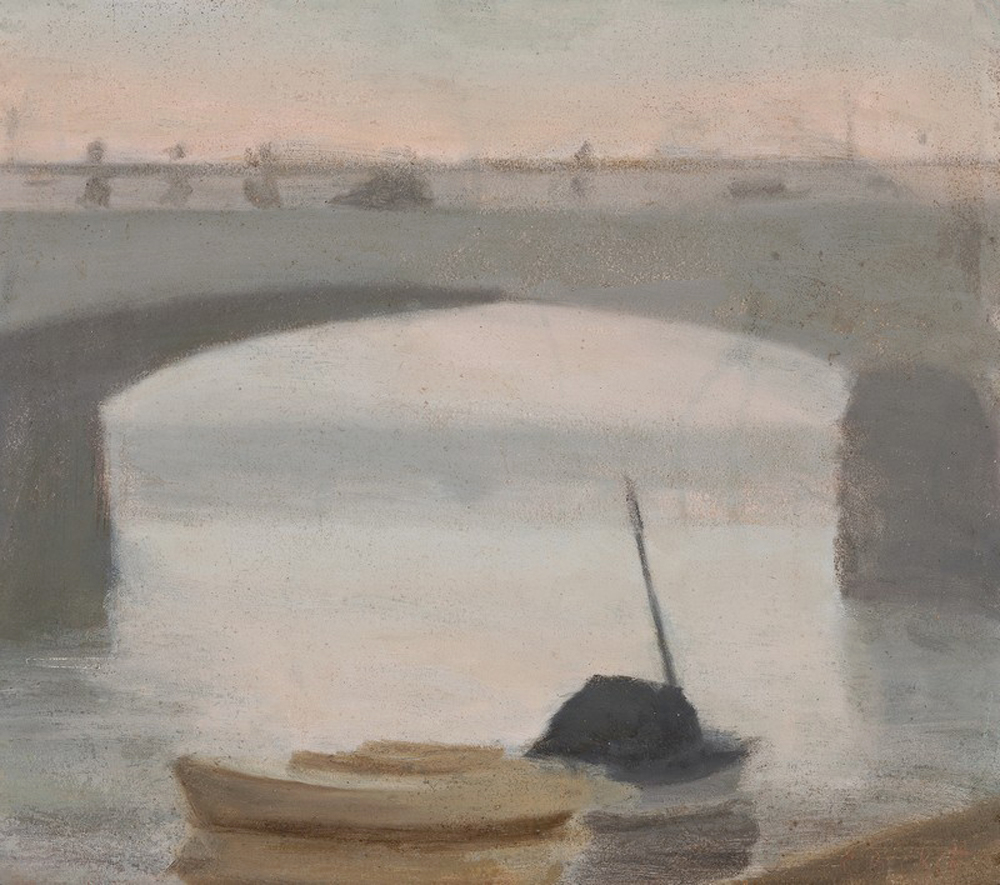
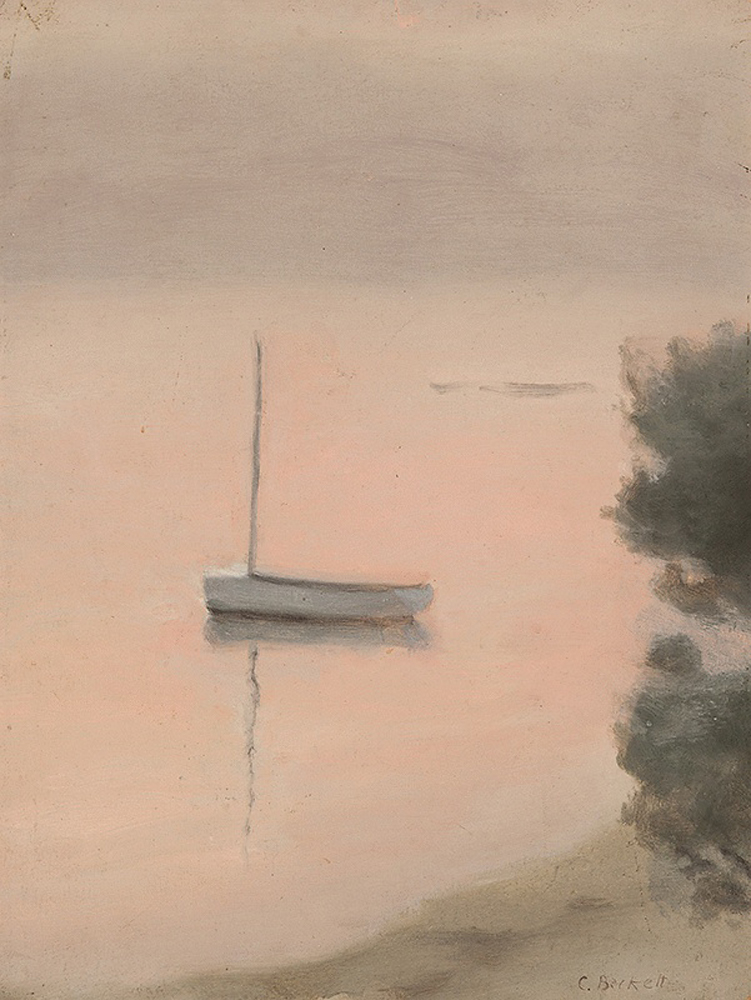
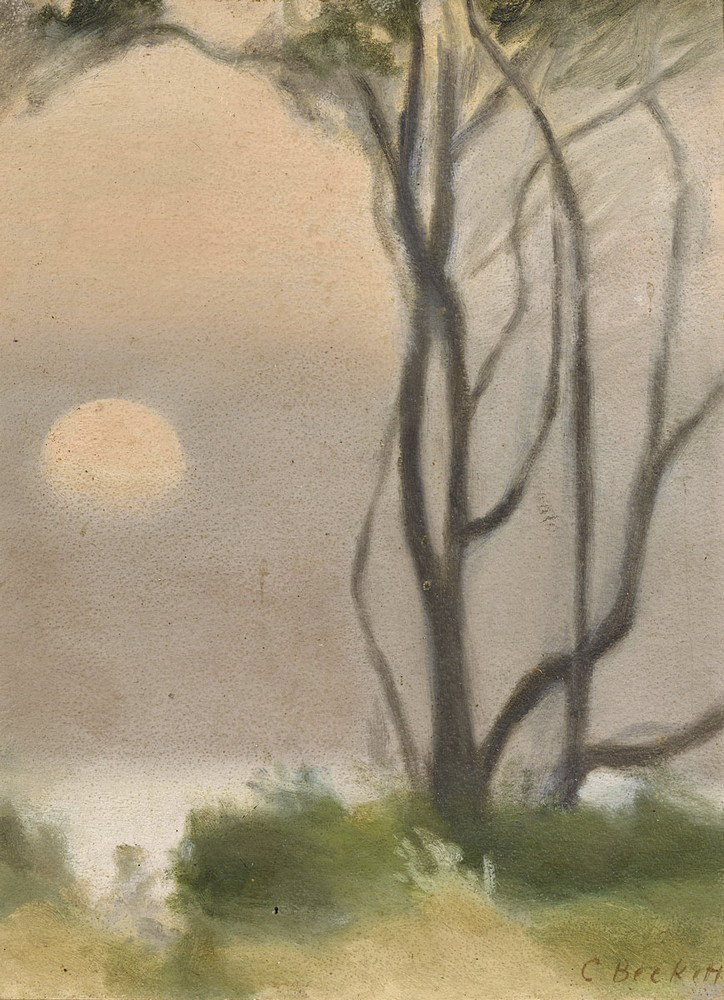
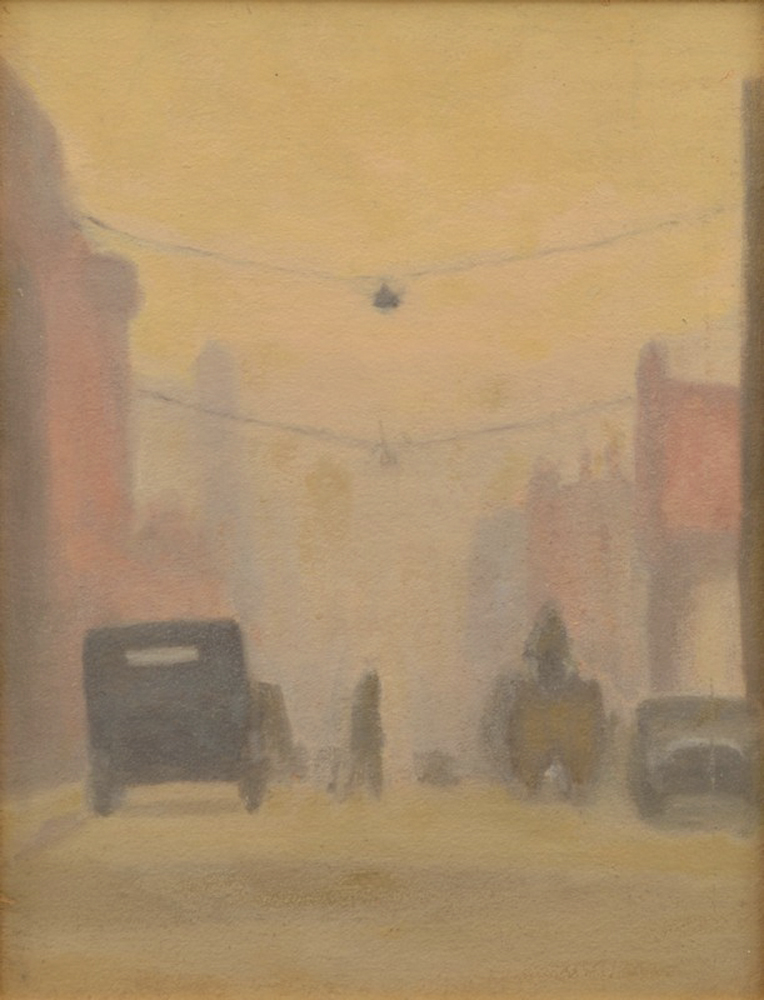
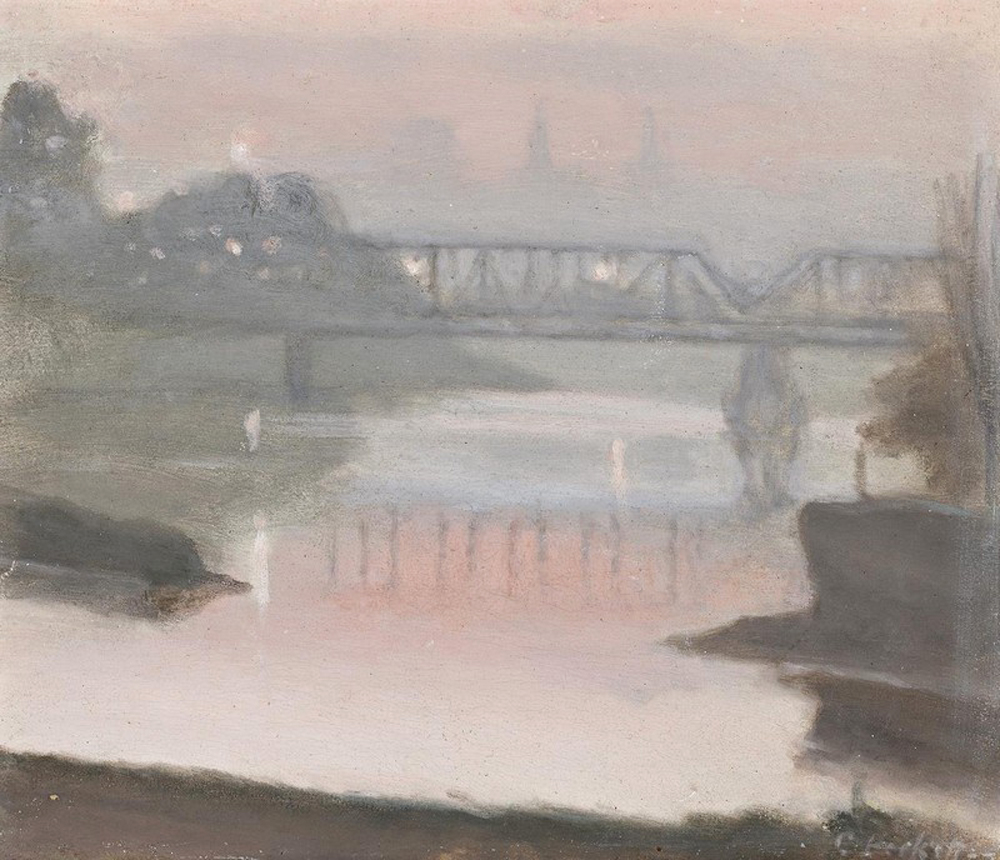
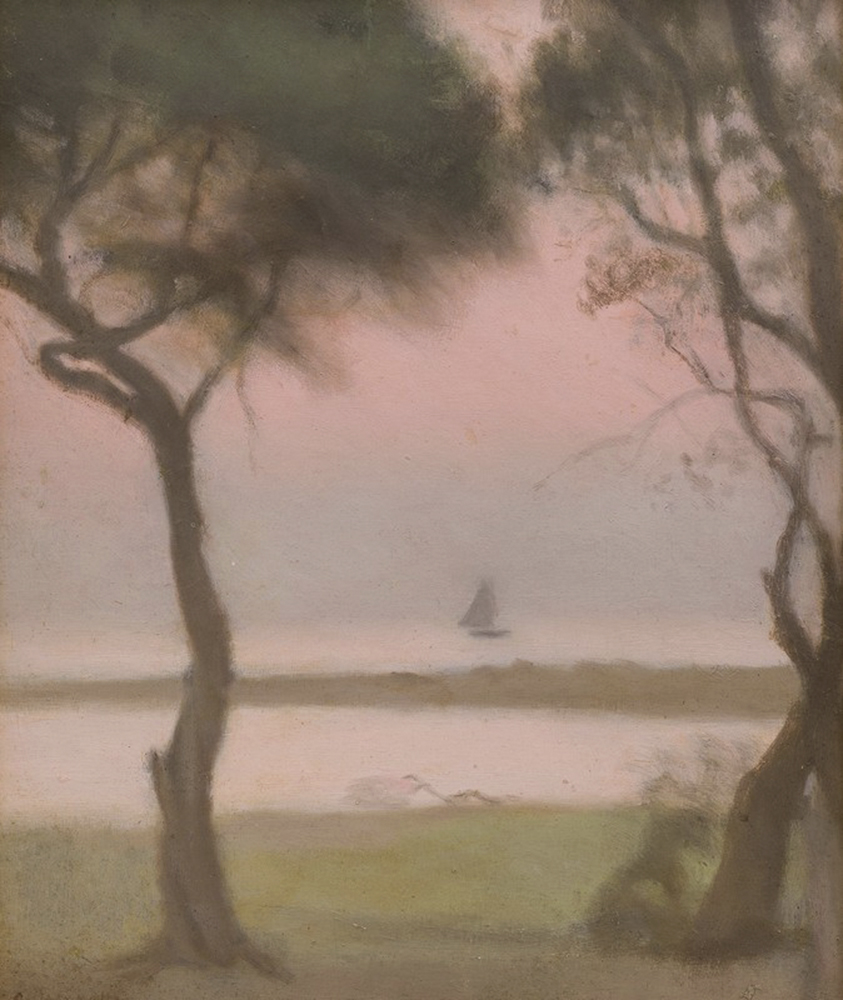
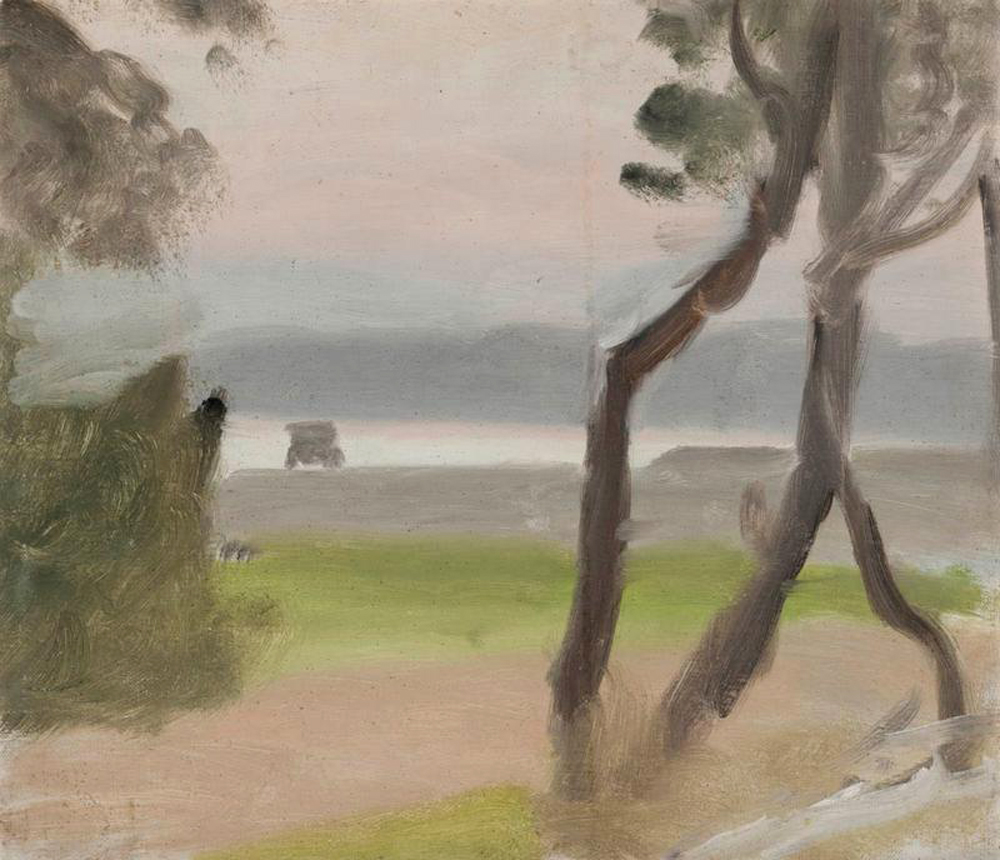
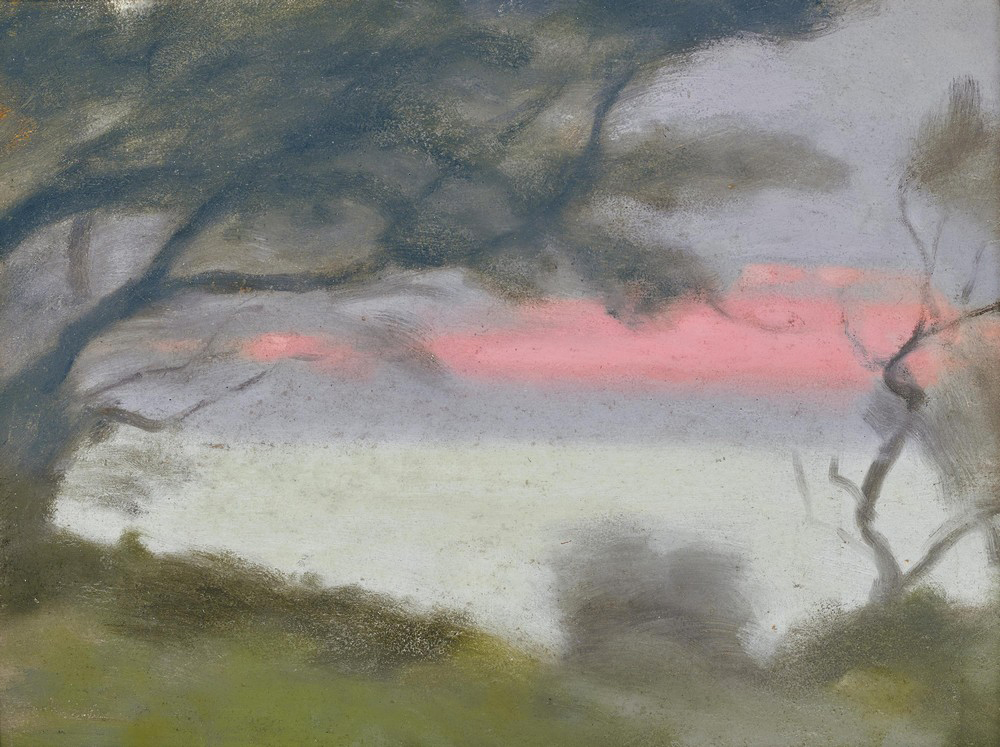
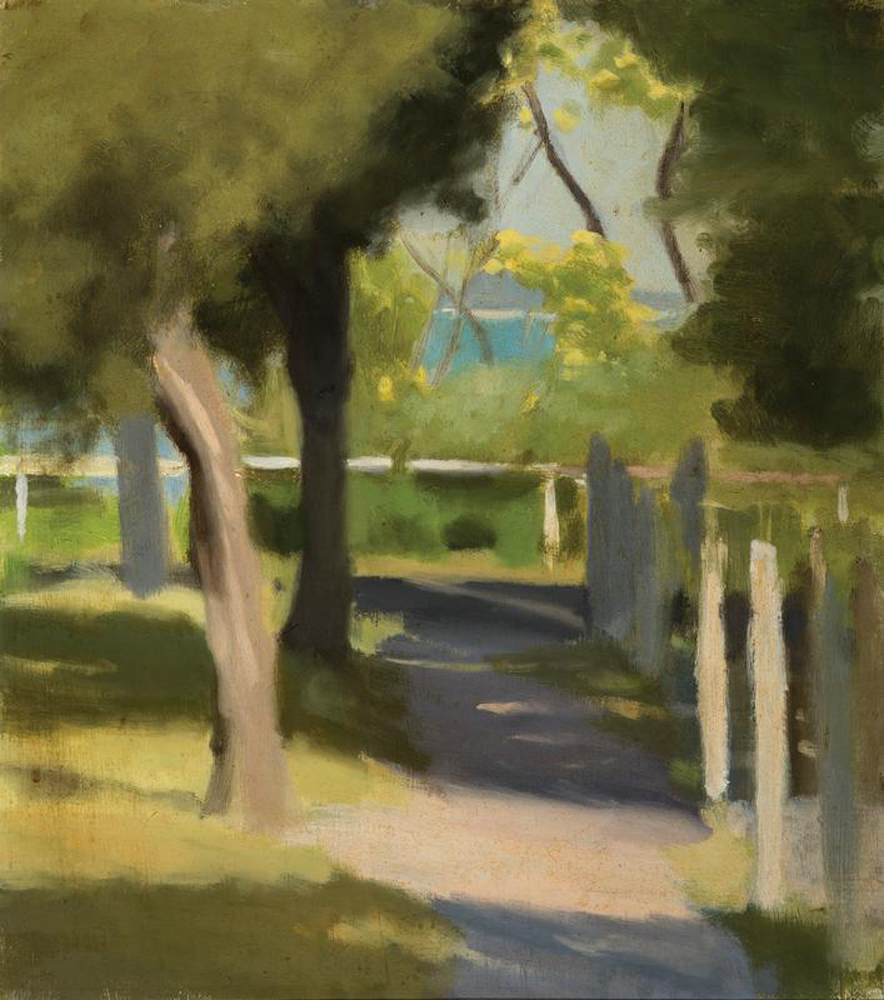
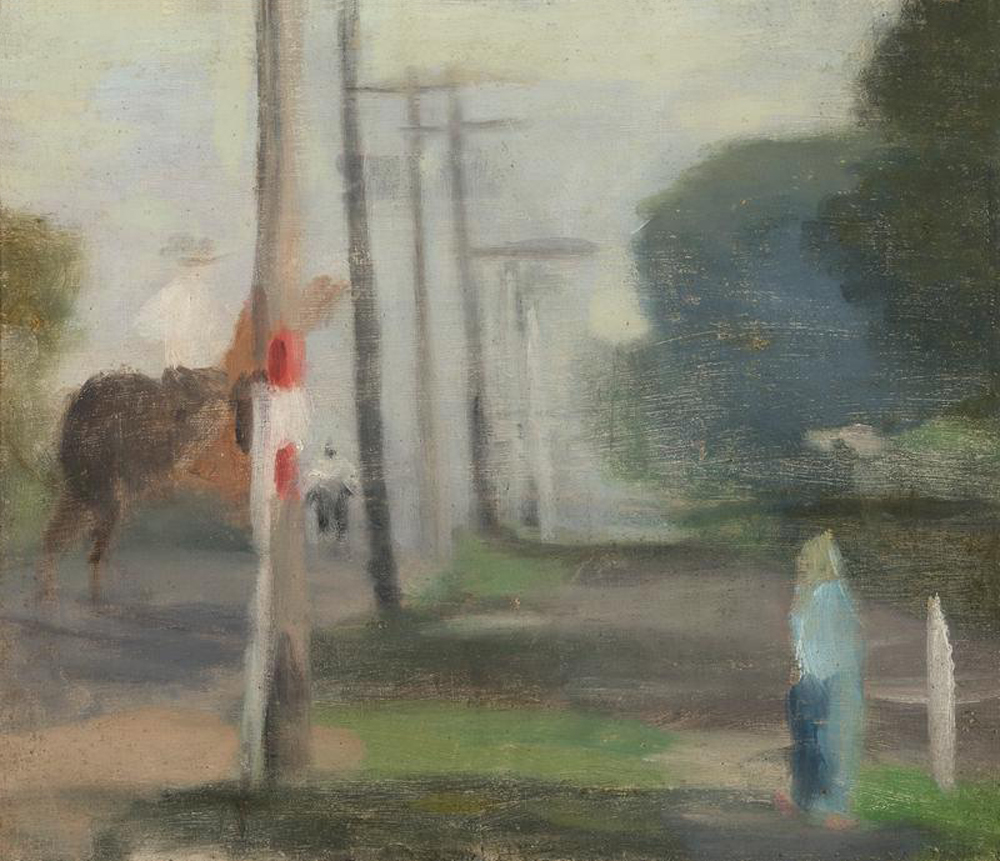
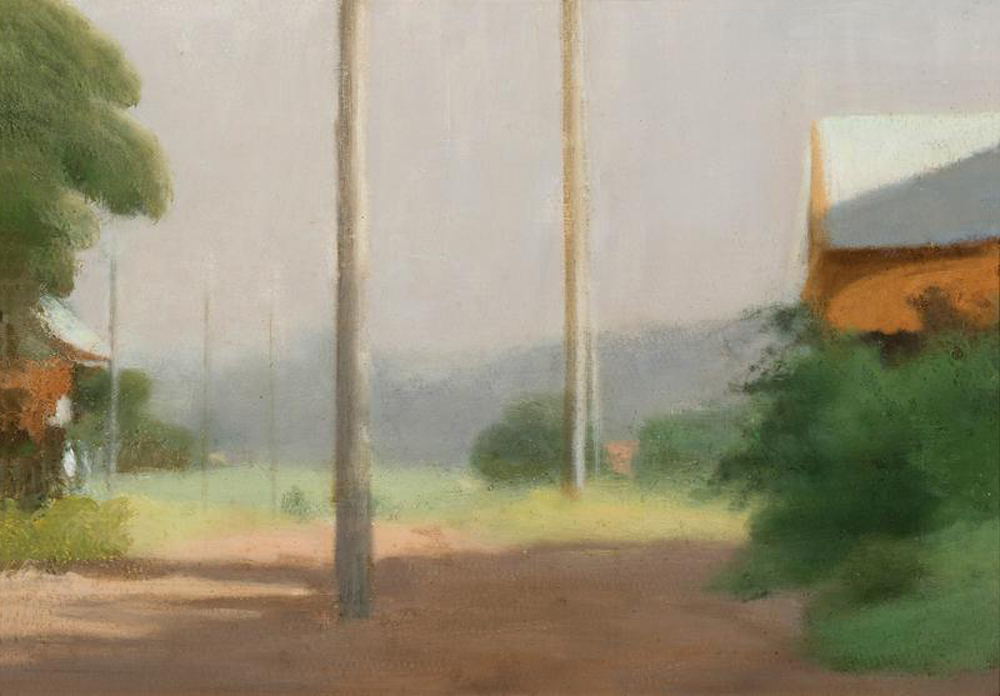
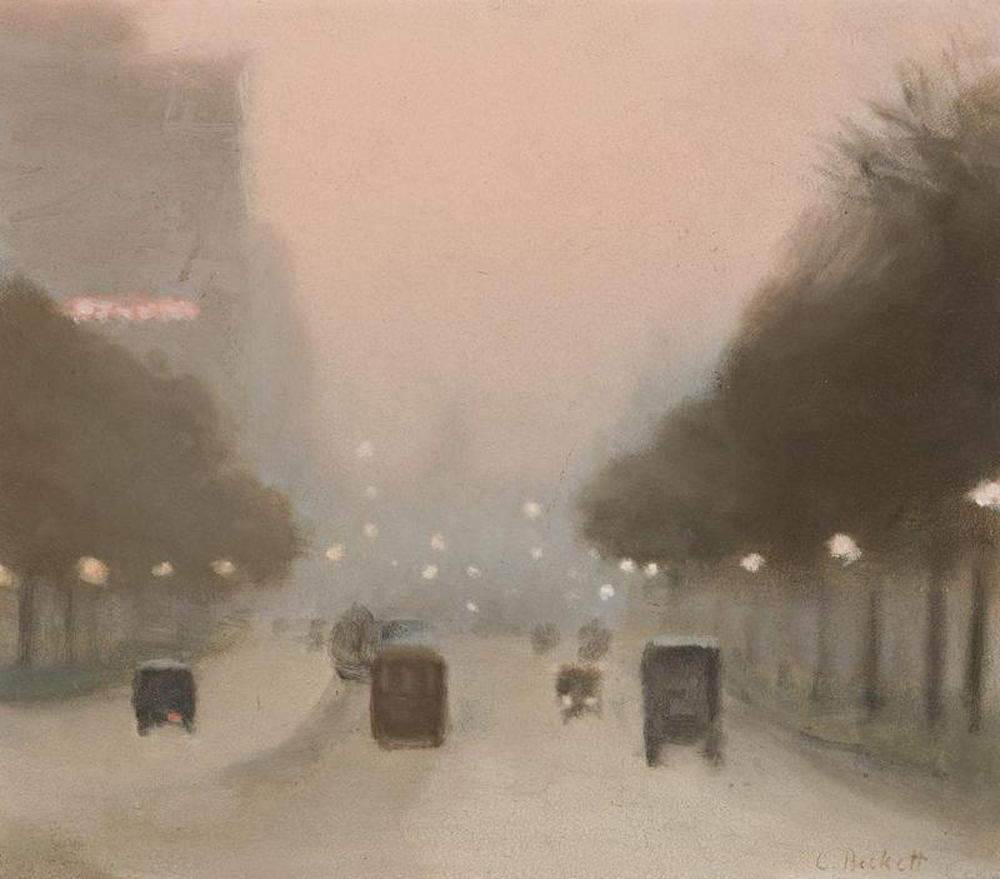
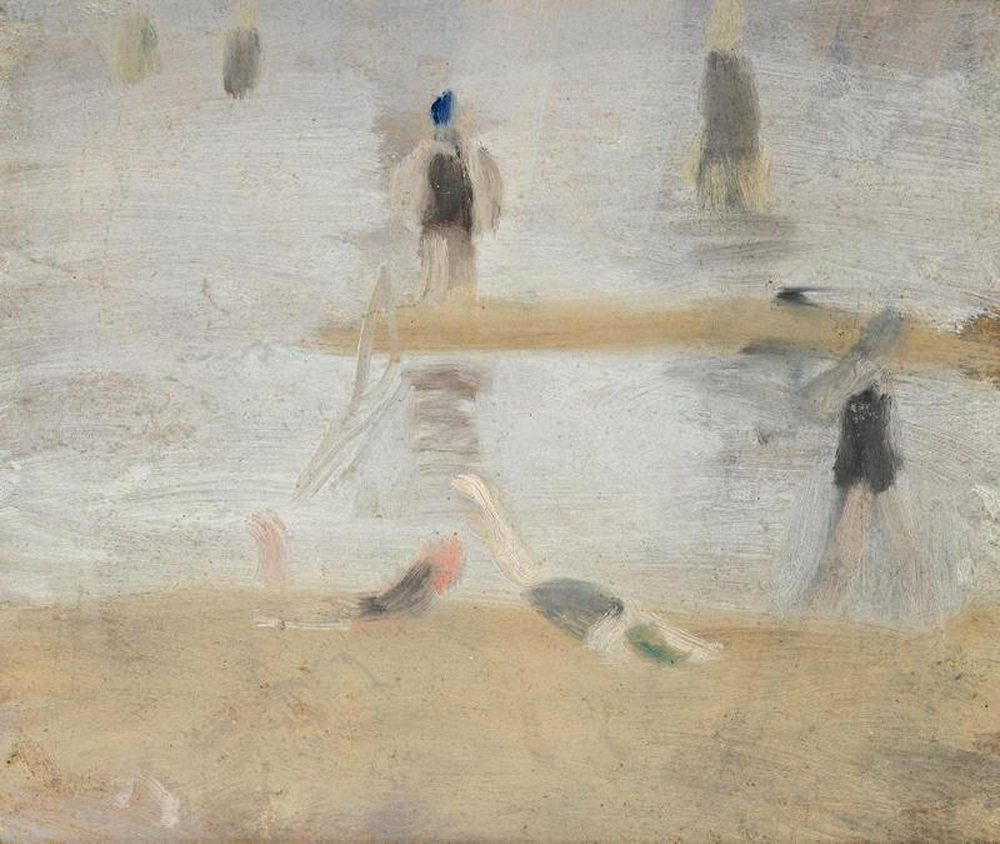
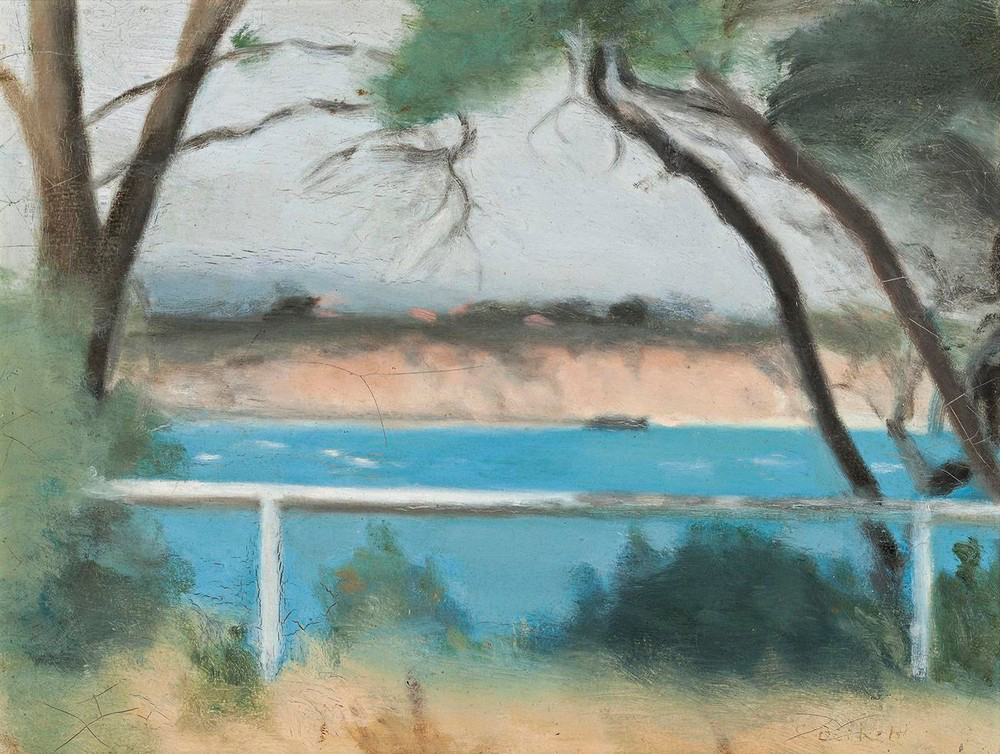
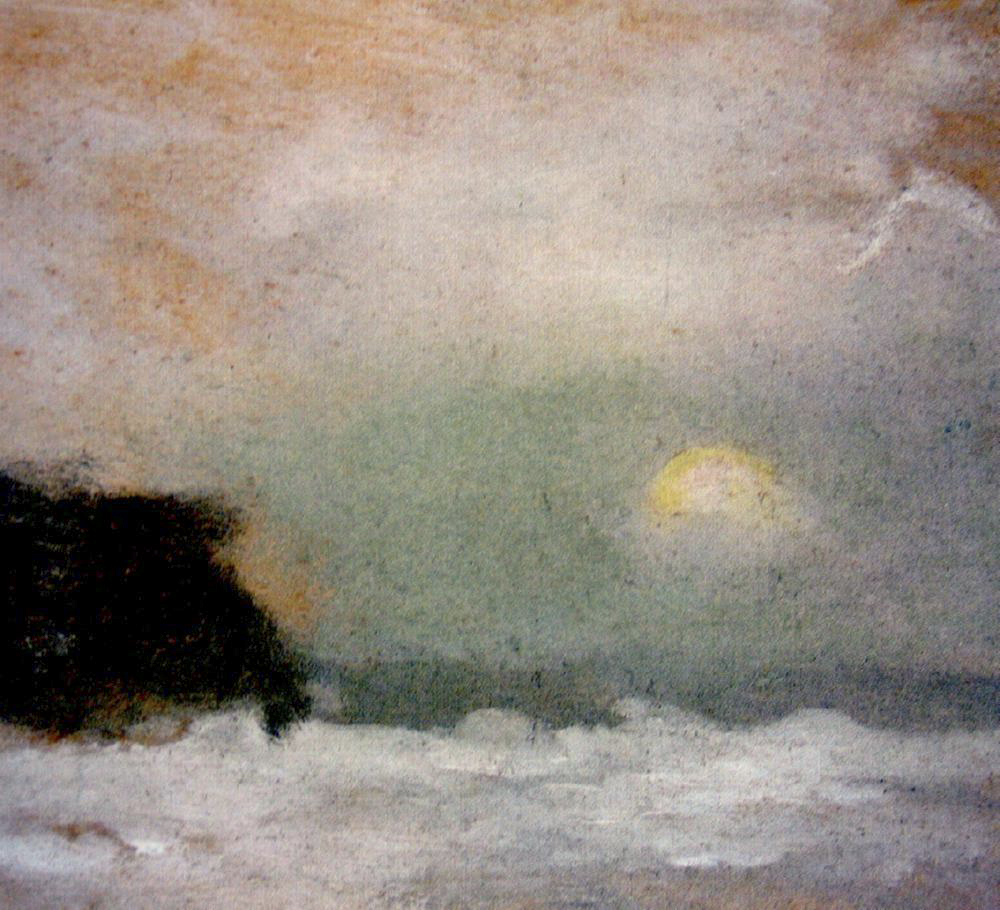
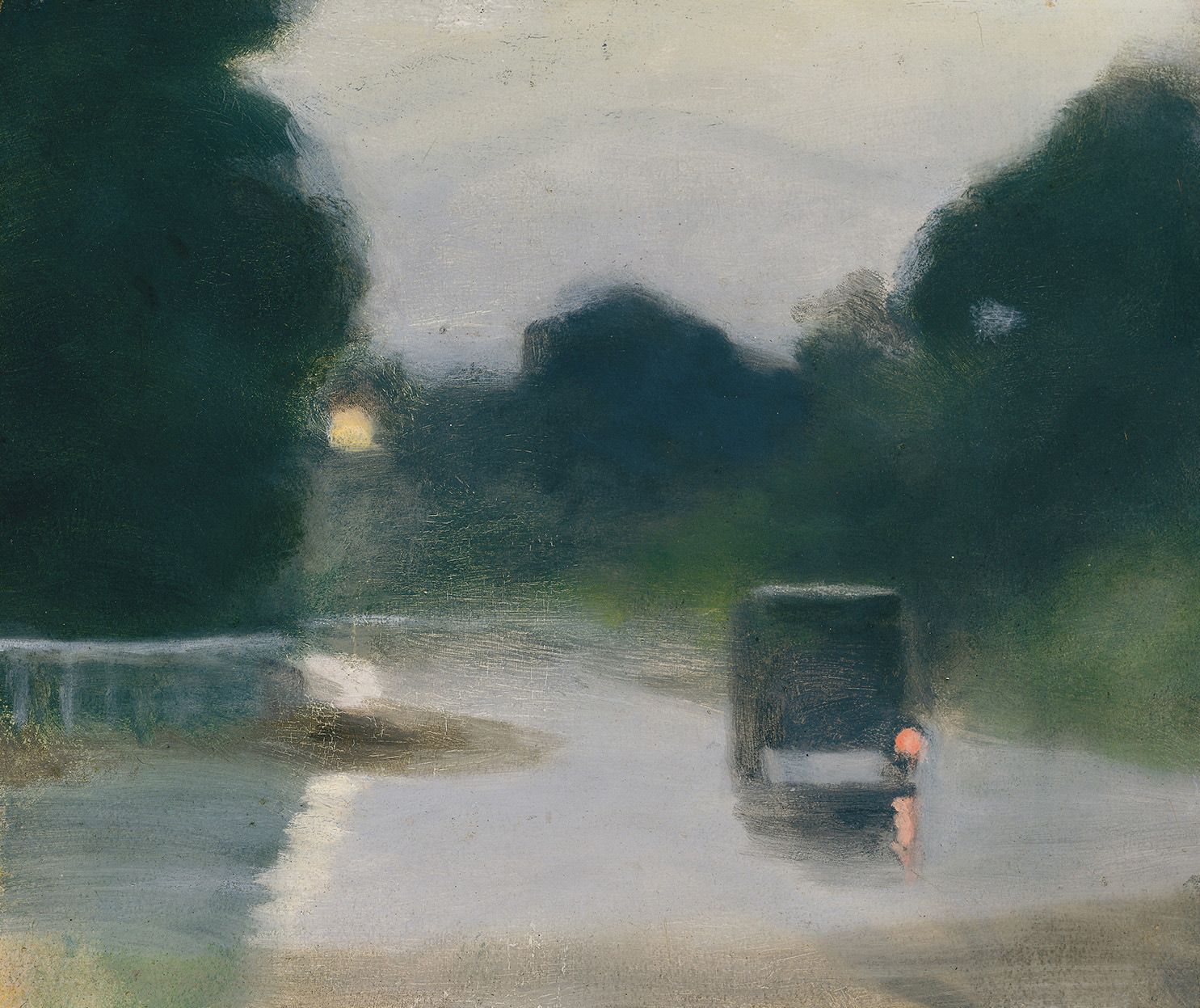
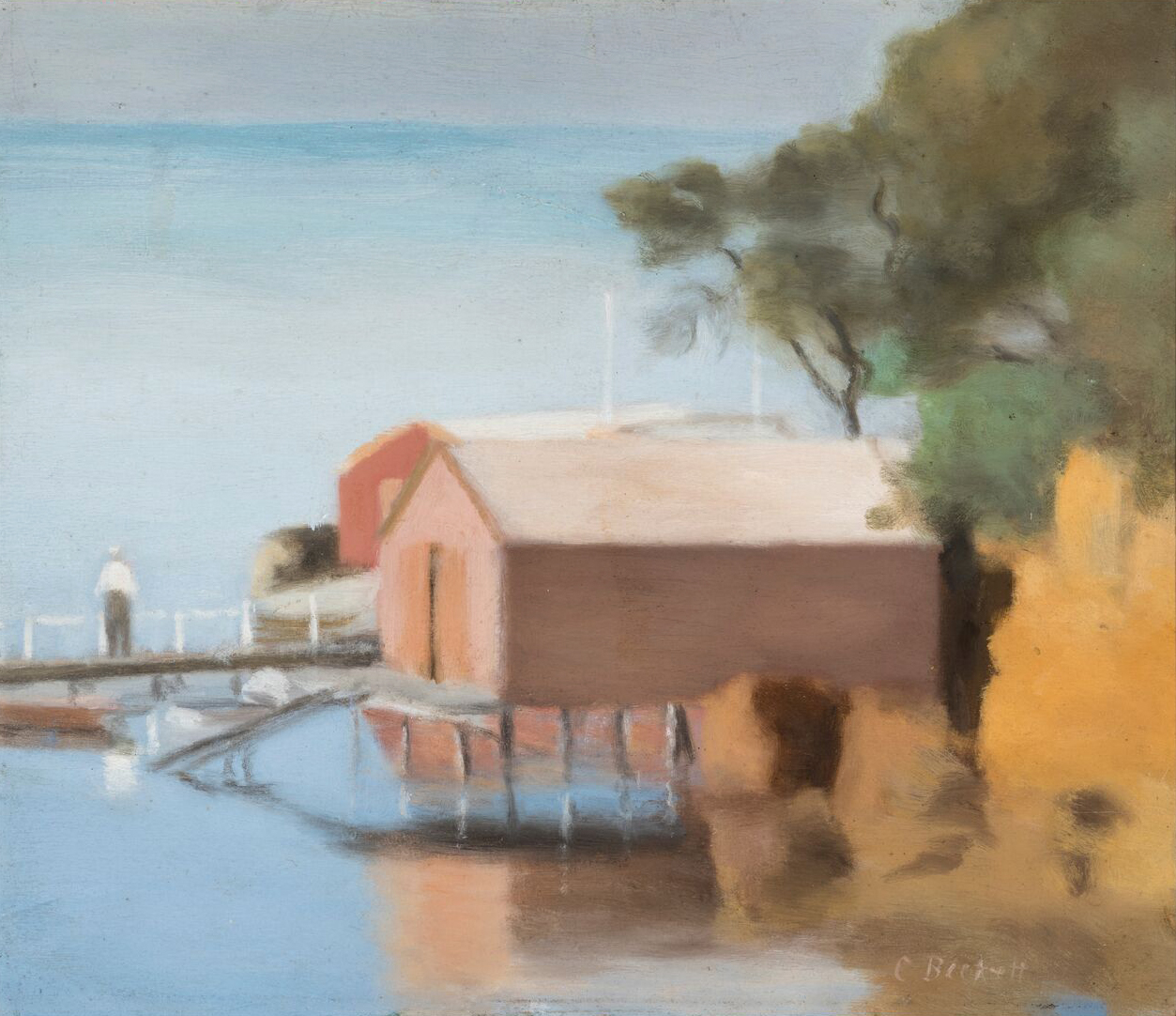

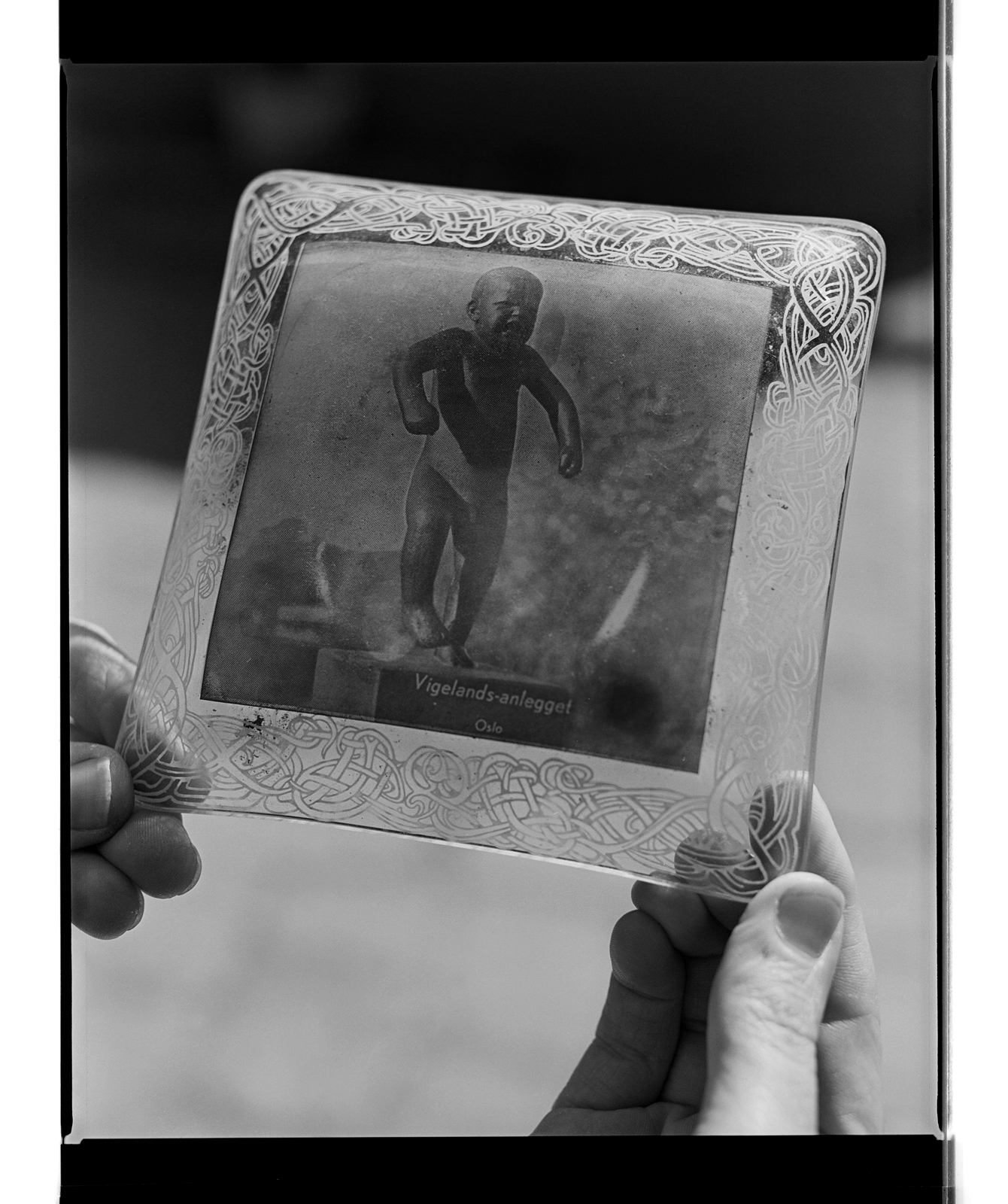


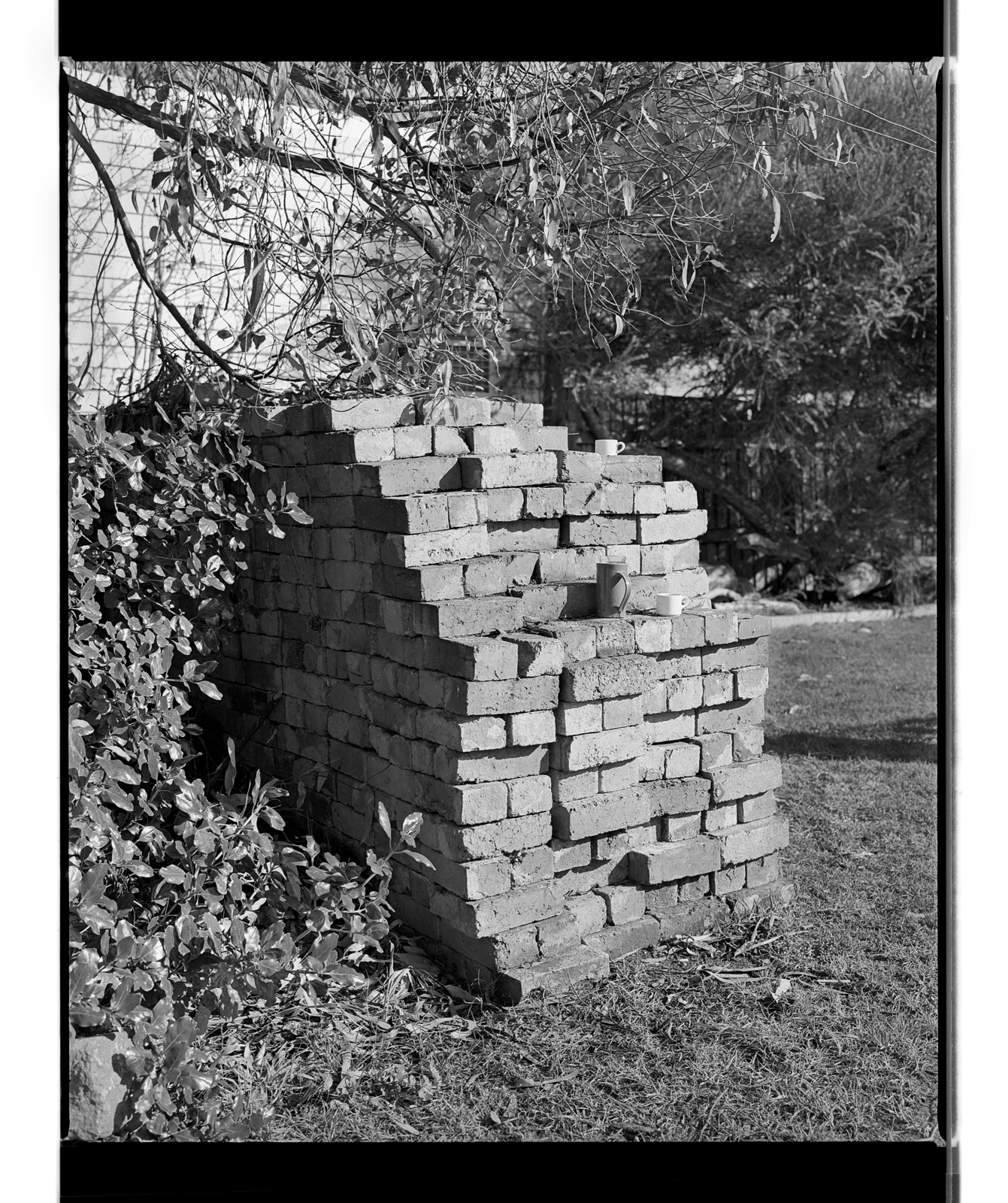


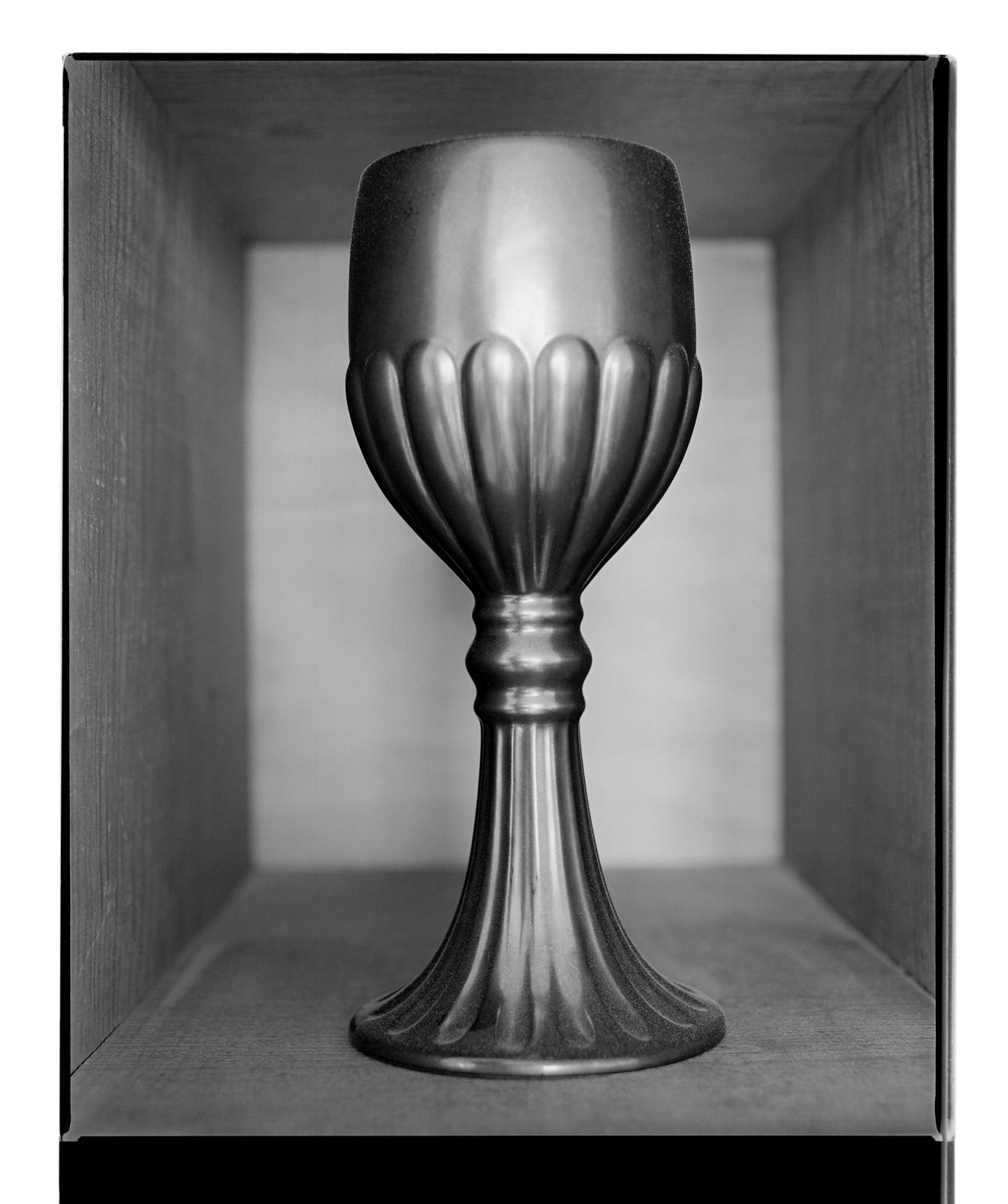


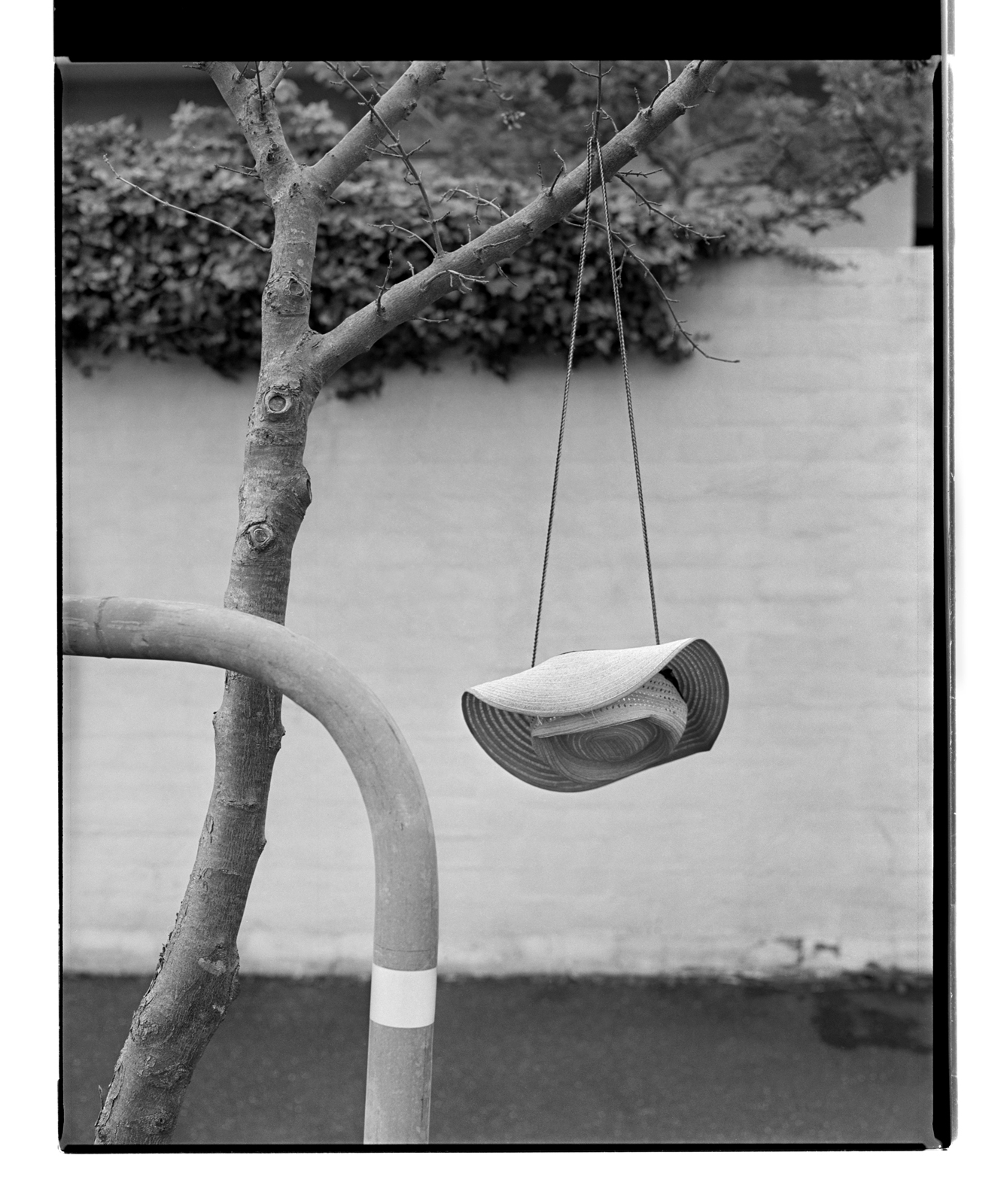


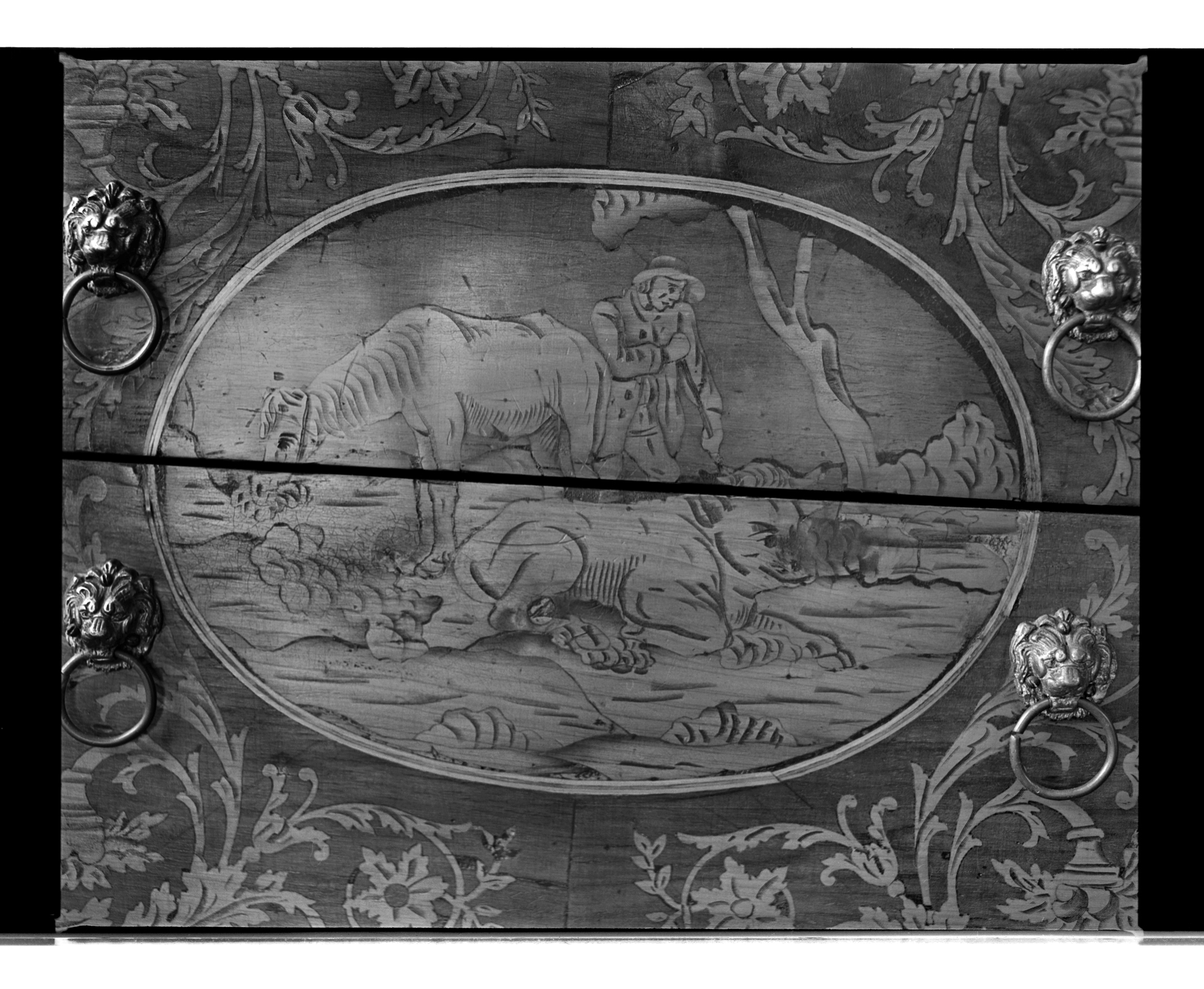


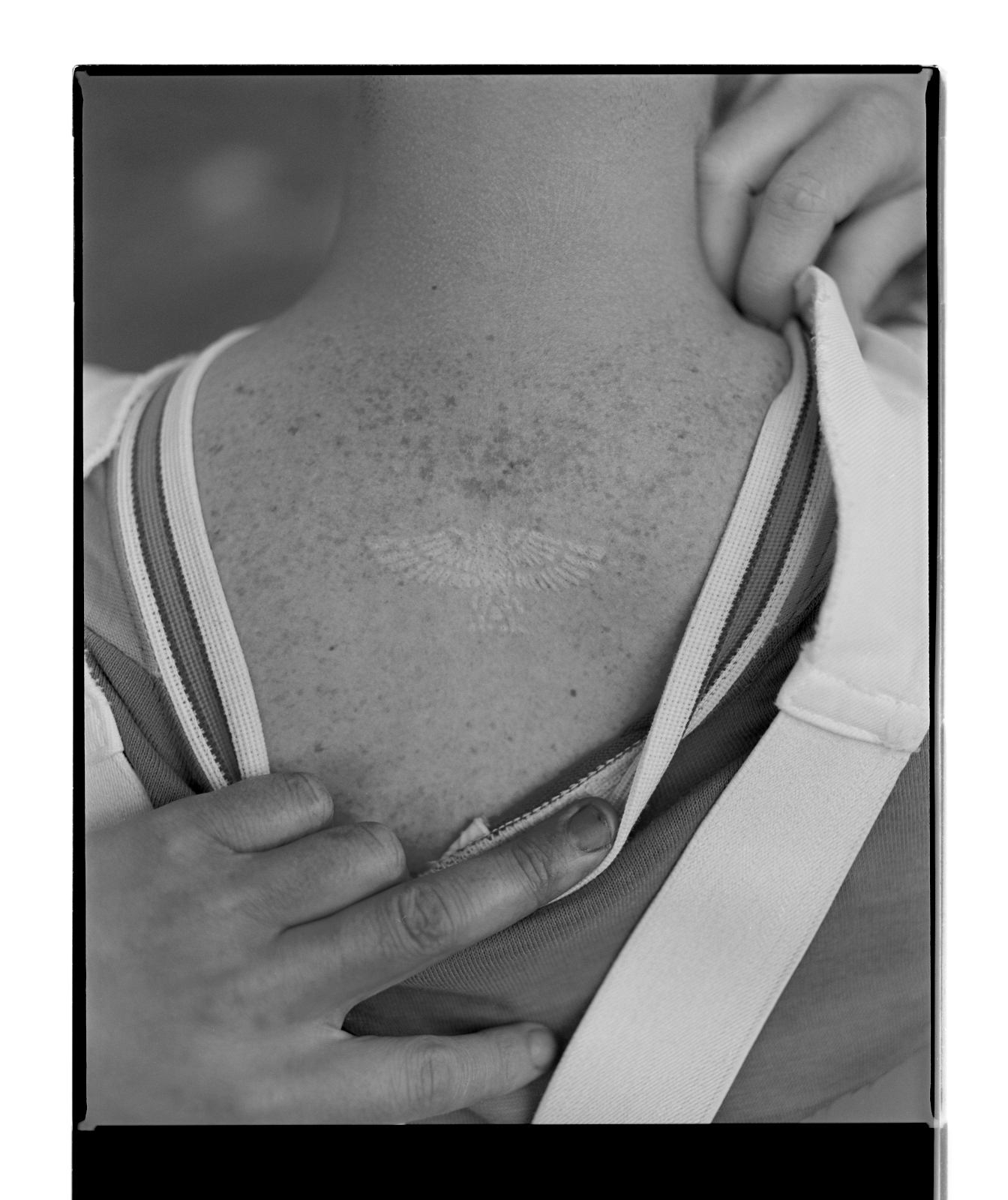


 Art Blart _ art and cultural memory archive
You must be logged in to post a comment.