Brett Weston’s pictures are ageing well – the decorative aesthetic seems to have more currency today than previously when the values of his father were predominant. Perhaps this has to do with the continuing influence of the Bechers and the exhibition New Topographics: Photographs of a Man Altered Landscape (1975). Although Weston photographs nature there is a beautiful, reductive minimalism to his photographs, an enticing simplicity of light and form that could be seen as decorative but today has taken on more symbolic weight; man and nature under threat, with hints of Atget and Wynn Bullock in the mix as well. Under that seeming simplicity are sophisticated photographs that take a good eye to capture and bring to life – what seems simple isn’t by any means. The light is beautiful, the sensitivity to subject present beyond doubt. His photographs will only gain greater currency in the future.
Dr Marcus Bunyan
Many thankx to The Nelson-Atkins Museum of Art for allowing me to publish the photographs in the posting. Please click on the photographs for a larger version of the image.
Over his long and prolific career, photographer Brett Weston (1911-1993) exemplified the modernist aesthetic. The son of famed photographer Edward Weston (1886-1958), Brett Weston was a “natural” with the camera: he was still a teenager when he first received high-level, international recognition as a creative artist.
The Photographs of Brett Weston, Nov. 23, 2011, through April 1, 2012, at The Nelson-Atkins Museum of Art in Kansas City, presents a condensed 40-print survey of his long and prolific career. While rare works from the Museum’s Hallmark Photographic Collection are also included, this exhibition celebrates a gift of 260 Weston prints from Christian K. Keesee, owner of the Brett Weston Archive in Oklahoma City.
“This generous gift from Mr. Keesee exemplifies the deep interest in our program on the part of leading collectors and estates across the nation,” said Keith F. Davis, senior curator of photography. “There is also a wonderful symmetry here: this gift of Brett Weston’s work compliments one of the earliest photography gifts to the Museum, when Mr. and Mrs. Milton McGreevy donated 60 Edward Weston prints in 1958.”
Brett Weston was one of photography’s greatest prodigies. After serving as his father’s apprentice, he achieved international recognition at the age of 17 through inclusion in a landmark exhibition in Stuttgart, Germany in 1929.
“Weston’s images are beautifully modulated, unmanipulated black-and-white prints,” said Davis. “He loved sharp lenses and precision cameras, and he applied this “purist” approach to a sustained exploration of the idea of abstraction.”
Weston always sought an energising balance between fact and form, the objective reality of the world and the purely graphic logic of pictorial shape and structure. In exploring the graphic language of form, Weston aimed to suggest the deeper possibilities, and mysteries, of familiar things.
Press release from The Nelson-Atkins Museum of Art website
For me, the early photographs of his wife Eleanor and Eleanor with their child Barbara and the most poignant, intimate and beautiful of Callahan’s work while the later modernist Cape Cod photographs presage the spirit and aesthetics of the New Topographics: Photographs of a Man-Altered Landscape of 1975. Mario Cutajar observes
“These pictures of strangely vacant, light haunted intersections of sky, land, and ocean are confrontations with the limits of both the ego and photography itself as the ego’s instrument. They are oriented toward death rather than life, intimating in a cold, unsentimental way passage to another world or, perhaps, the engulfing oblivion at the horizon.”
Dr Marcus Bunyan
Many thankx to the National Gallery of Art for allowing me to publish the photographs in the posting. Please click on the photographs for a larger version of the image.
The year 2012 marks the centenary of the birth of Harry Callahan (1912-1999), whose highly experimental, visually daring, and elegant photographs made him one of the most innovative artists of the 20th century.
On view in the West Building of the National Gallery of Art from October 2, 2011, through March 4, 2012, Harry Callahan at 100 explores all facets of his work in some 100 photographs, from its genesis in the early 1940s Detroit to its flowering in Chicago in the late 1940s and 1950s, and finally to its maturation in Providence and Atlanta from the 1960s through the 1990s. In 1996, the Gallery organised the exhibition Harry Callahan, which traveled to Philadelphia, Atlanta, Detroit, and Chicago, and included numerous works on loan from the artist.
“Using the rich holdings of the Gallery’s own collection of Callahan’s work, as well as a large collection of photographs on long-term loan from the artist’s widow, the exhibition will reveal the remarkable consistency of his vision and will demonstrate how his strong, inventive formal language repeatedly enriched his art,” said Earl A. Powell III, director, National Gallery of Art.
The Exhibition
Organised thematically and chronologically, Harry Callahan at 100 examines Callahan’s work in relation to the places where he lived and to his family, unveiling his unparalleled devotion to both his subjects and the medium of photography.
In his earliest photographs made in and around Detroit, Callahan explored the limits of the camera, constructing photographs of multiple exposures in both black-and-white and colour. In works such as Twig in Snow (c. 1942) and Store Front and Reflections (c. 1943), he sought to capture simultaneously the simplicity and complexity of nature and the theatre of urban life.
Callahan continued his aesthetic and technical experiments through photographs of his wife, Eleanor. His nudes play with dramatic contrasts of light and dark: his layered multiple exposures reveal Eleanor’s body against landscapes and frosted glass windows (Eleanor, Chicago, 1948). His photographs of his wife and their daughter, Barbara, in the lake, the city, and the woods (Eleanor and Barbara, Lake Michigan, c. 1953) exploit the spontaneity and intimacy of snapshots – yet, paradoxically, were made with a large, cumbersome 8- x 10-inch view camera.
Callahan’s twin interests in the city and the land expanded during his years in Chicago and Providence, where he created both spare and evocative photographs of the natural landscape and complex compositions of urban architecture and pedestrians. He began to document anonymous women on the streets of Chicago, first in close shots of squinting eyes, open mouths, and downcast faces seen in Chicago (1950), then in full-figure shots from a low angle that feature the women against backgrounds of skyscrapers and flagpoles, as in Chicago (1961).
In the 1970s Callahan returned to colour photography, continuing to push the boundaries of the medium, seen in the well-known Providence (1977). Taken in Atlanta and during travels abroad, his late photographs emphasised vibrant colours, long shadows, and the complex humanity of urban life, seen in Morocco (1981) and Atlanta (1985).
Harry Callahan (1912-1999)
Born in Detroit in 1912, Callahan began to photograph in 1938. Although he received no formal training in the medium, his exceptional talent was immediately recognised. In 1946 László Moholy-Nagy hired him to teach at the Institute of Design in Chicago. There and at the Rhode Island School of Design (he moved to Providence in 1961) he taught generations of younger photographers, inspiring them both with the creativity of his vision and his steadfast commitment to the medium. In a career that spanned nearly six decades, he repeatedly explored a few select themes – his wife Eleanor and daughter Barbara, nature, and the urban environment. Yet each time he returned to a familiar subject, he reinvented it, endowing each photograph with both a personal and symbolic significance.
Press release from the National Gallery of Art website
During the 1940s and ’50s, Callahan’s work was deeply affected by the resolutely humanizing presence of his wife, Eleanor, and daughter, Barbara. Frequent subjects, though consistently inscrutable, Eleanor and Barbara are the shadow puppets of his career, a direct testament to his family life, but always seen as if behind some kind of veil or scrim. They are markers of an intimacy that Callahan never violates by direct exposure.
Eleanor, in particular, is photographed down to the very last details of anatomy. She remembers that during these years, she might be cooking or cleaning, and suddenly Harry would announce: “‘Take off your clothes.’ And that would be that.”
The results are sometimes staggering. A 1947 image of what appears to be the lines created by Eleanor’s legs and buttocks looks like a Cycladic statue, relentlessly rectilinear but soft around the edges, freakishly modern and ancient at the same time. An 1953 image of Eleanor and Barbara bathing in Lake Michigan dissolves the horizon, fusing lake and sky into a field of shimmering gray. The two figures seem suspended in space, dematerialized, like characters in a dream.
It’s a small miracle that no matter how much Callahan’s camera dissects the world, the photographs never seem clinical. He divorces things from context, pulls out small vignettes from the larger city, but without violence, and without the gamesmanship of a photographer inclined to the cheap surreal.
A fabulous posting, with memorable thoughts and photographs!
These archetypal images have become deeply embedded in the collective conscience where conscience is pre-eminently the organ of sentiments and representations. The snap, snap, snap of the shutter evinces the flaws of human nature, reveals the presence of a quality or feeling to which we can all relate. As Arbus states, the subject of the picture is always more important than the picture. And more complicated. That is why these photographs always capture our attention – because we become, we inhabit, we are the subject.
Dr Marcus Bunyan
Many thankx to Jeu de Paume for allowing me to publish the photographs in the posting. Please click on the photographs for a larger version of the image.
“There are and have been and will be an infinite number of things on earth. Individuals all different, all wanting different things, all knowing different things, all loving different things, all looking different. Everything that has been on earth has been different from any other thing. That is what I love: the differentness, the uniqueness of all things and the importance of life… I see something that seems wonderful; I see the divineness in ordinary things.”
Diane Arbus. Paper on Plato, senior English seminar, Fieldston School, November 28, 1939
“I want to photograph the considerable ceremonies of our present because we tend while living here and now to perceive only what is random and barren and formless about it. While we regret that the present is not like the past and despair of its ever becoming the future, its innumerable inscrutable habits lie in wait for their meaning. I want to gather them, like somebody’s grandmother putting up preserves, because they will have been so beautiful.
There are the Ceremonies of Celebration (the Pageants, the Festivals, the Feasts, the Conventions) and the Ceremonies of Competition (Contests, Games, Sports), the Ceremonies of Buying and Selling, of Gambling, of the Law and the Show; the Ceremonies of Fame in which the Winners Win and the Lucky are Chosen or Family Ceremonies or Gatherings (the Schools, the Clubs, the Meetings). Then they are Ceremonial Places (The Beauty Parlor, The Funeral Parlor or, simply The Parlor) and Ceremonial Costumes (what waitresses wear, or Wrestlers), Ceremonies of the Rich, like the Dog Show, and of the Middle Class, like the Bridge Game. Or, for example: the Dancing Lesson, the Graduation, the Testimonial Dinner, the Séance, the Gymnasium and the Picnic, and perhaps the Waiting Room, the Factory, the Masquerade, the Rehearsal, the Initiation, the Hotel Lobby and the Birthday Party. The etcetera.
I will write whatever is necessary for the further description and elucidation of these Rites and I will go wherever I can to find them.
These are our symptoms and our monuments. I want simply to save them, for what is ceremonious and curious and commonplace will be legendary.”
Diane Arbus. “American Rites, Manners and Customs,” Plan for a Photographic Project, Guggenheim proposal
“They are the proof that something was there and no longer is. Like a stain. And the stillness of them is boggling. You can turn away but when you come back they’ll still be there looking at you.”
Diane Arbus in response to request for a brief statement about photographs, March 15, 1971
Diane Arbus (New York, 1923-1971) revolutionised the art she practiced. Her bold subject matter and photographic approach produced a body of work that is often shocking in its purity, in its steadfast celebration of things as they are. Her gift for rendering strange those things we consider most familiar, and for uncovering the familiar within the exotic, enlarges our understanding of ourselves.
Arbus found most of her subjects in New York City, a place that she explored as both a known geography and as a foreign land, photographing people she discovered during the 1950s and 1960s. She was committed to photography as a medium that tangles with the facts. Her contemporary anthropology – portraits of couples, children, carnival performers, nudists, middle-class families, transvestites, zealots, eccentrics, and celebrities – stands as an allegory of the human experience, an exploration of the relationship between appearance and identity, illusion and belief, theatre and reality.
In this first major retrospective in France, Jeu de Paume presents a selection of two hundred photographs that affords an opportunity to explore the origins, scope, and aspirations of a wholly original force in photography. It includes all of the artist’s iconic photographs as well as many that have never been publicly exhibited. Even the earliest examples of her work demonstrate Arbus’s distinctive sensibility through the expression on a face, someone’s posture, the character of the light, and the personal implications of objects in a room or landscape. These elements, animated by the singular relationship between the photographer and her subject, conspire to implicate the viewer with the force of a personal encounter.
Biography
Diane Arbus was born in New York City on March 14, 1923, and attended the Ethical Culture and Fieldston Schools. At the age of eighteen she married Allan Arbus. Although she first started taking pictures in the early 1940s and studied photography with Alexey Brodovitch in 1954, it was not until 1955-1957, while enrolled in courses taught by Lisette Model, that she began to seriously pursue the work for which she has come to be known.
Her first published photographs appeared in Esquire in 1960 under the title The Vertical Journey. From that point on she continued to work intermittently as a free-lance photographer for Esquire, Harper’s Bazaar, Show, The London Sunday Times, and a number of other magazines, doing portraits on assignment as well as photographic essays, for several of which she wrote accompanying articles.
During the 1950s, like most of her contemporaries, she had been using a 35mm camera, but in 1962 she began working with a 6×6 Rolleiflex. She once said, in accounting for the shift, that she had grown impatient with the grain and wanted to be able to decipher in her pictures the actual texture of things. The 6×6 format contributed to the refinement of a deceptively simple, formal, classical style that has since been recognised as one of the distinctive features of her work.
She received Guggenheim Fellowships in 1963 and 1966 for projects on “American Rites, Manners and Customs” and spent several summers during that period traveling across the United States, photographing contests, festivals, public and private gatherings, people in the costumes of their professions or avocations, the hotel lobbies, dressing rooms and living rooms she had described as part of “the considerable ceremonies of our present.” “These are our symptoms and our monuments,” she wrote in her original application. “I want simply to save them, for what is ceremonious and curious and commonplace will be legendary.”
The photographs she produced in those years attracted a great deal of attention when a selected group of them were exhibited, along with the work of two other photographers, in the 1967 “New Documents” show at the Museum of Modern Art. Nonetheless, although several institutions subsequently purchased examples of her work for their permanent collections, her photographs appeared in only two other major exhibitions during her lifetime, both of them group shows.
In the late 1960s she taught photography courses at Parsons School of Design, the Rhode Island School of Design and Cooper Union and in 1971 gave a master class at Westbeth, the artists cooperative in New York City where she then lived. During the same period she initiated the concept and did the basic research for the Museum of Modern Art’s 1973 exhibition on news photography, “From the Picture Press.”
She made a portfolio of ten photographs in 1970, printed, signed and annotated by her, which was to be the first of a series of limited editions of her work. She committed suicide on July 26, 1971 at the age of forty-eight. The following year the ten photographs in her portfolio became the first work of an American photographer to be exhibited at the Venice Biennale.
In the course of a career that may be said to have lasted little more than fifteen years, she produced a body of work whose style and content have secured her a place as one of the most significant and influential photographers of our time. The major retrospective mounted by the Museum of Modern Art in 1972 was attended by more than a quarter of a million people in New York before it began its tour of the United States and Canada. The Aperture monograph Diane Arbus, published in conjunction with the show has sold over 300,000 copies. Beginning in 2003, Diane Arbus Revelations, an international retrospective organised by The San Francisco Museum of Modern Art travelled to museums throughout the United States and Europe between 2003 and 2006. Major exhibitions devoted exclusively to her work have toured much of the world including, Australia, Germany, Italy, Japan, the Netherlands, New Zealand, Spain, and the United Kingdom.
“There’s a quality of legend about freaks. Like a person in a fairy tale who stops you and demands that you answer a riddle. Most people go through life dreading they’ll go through a traumatic experience. Freaks were born with their trauma. They’ve already passed their test in life. They’re aristocrats.”
“If you’ve ever talked to somebody with two heads you know they know something you don’t.”
The Gap between Attention and Affect
“You see someone on the street and essentially what you notice about them is the flaw. It’s just extraordinary that we should have been given these peculiarities. And, not content with what we were given, we create a whole other set. Our whole guise is like giving a sign to the world to think of us in a certain way but there’s a point between what you want people to know about you and what you can’t help people knowing about you. And that has to do with what I’ve always called the gap between intention and effect. I mean if you scrutinise reality closely enough, if in some way you really, really get to it, it becomes fantastic.”
Other Thoughts
“The thing that’s important to know is that you never know. You’re always sort of feeling your way.”
“Nothing is ever the same as they said it was. It’s what I’ve never seen before that I recognise.”
“A photograph is a secret about a secret. The more it tells you the less you know.”
“For me the subject of the picture is always more important than the picture. And more complicated. I do have a feeling for the print but I don’t have a holy feeling for it. I really think what it is, is what it’s about. I mean it has to be of something. And what it’s of it always more remarkable than what it is.”
“I really believe there are things which nobody would see unless I photographed them.”
Uelsmann is one of my favourite artists. His unique vision and the skill required to execute that vision using multiple exposure of negatives in the darkroom (remember, this is all done with no Photoshop!) is outstanding. Observe the sensitivity to subject matter and the placement of disparate elements in the surrealist landscape. His photographs have real allegorical power and lodge in the viewer’s psyche. My particular favourites are the library and the house on the tree stump. Uelsmann achieves wonderful resolution to inner visions and then makes the dream-like tableaux accessible to the viewer. As one who started as a black and white photographer and who experimented with multiple exposures on one piece of silver gelatin paper in the darkroom, I can attest to how enormously difficult this process is.
“Uelsmann is a master printer producing composite photographs with multiple negatives and extensive darkroom work. He uses up to a dozen enlargers at a time to produce his final images … Uelsmann is a champion of the idea that the final image need not be tied to a single negative, but may be composed of many … he does not seek to create narratives, but rather allegorical surrealist imagery of the unfathomable … Today, with the advent of digital cameras and Photoshop, photographers are able to create a work somewhat resembling Uelsmann’s in less than a day, however, at the time Uelsmann was considered to have almost “magical skill” with his completely analog tools.”
I thank him for having the creative energy to be a magician.
Many thankx to the Harn Museum of Art for allowing me to publish the photographs in the posting. Please click on the photographs for a larger version of the image.
The first critical retrospective of American photographer Jerry Uelsmann’s work will open at the Harn Museum of Art at the University of Florida on June 14, 2011. Uelsmann, known for his iconic, surreal style and his innovative composite printing techniques, has spent more than 50 years challenging and advocating for the acceptance of photography as an experimental art form. The Mind’s Eye, 50 Years of Photography by Jerry Uelsmann, organised by the Peabody Essex Museum in Salem, Massachusetts will feature 89 works from every phase of the artist’s wide-ranging career, including a selection of rare pieces that have never before been on public view. Additional works from the artist’s collection will be on view only during this leg of the exhibition, open through September 11, 2011.
“The Harn Museum of Art is delighted to welcome this important exhibition of photographic works by the University of Florida’s own Jerry Uelsmann, a graduate research professor in the art department from 1960 to 1998,” said Rebecca Nagy, director of the Samuel P. Harn Museum of Art. “Jerry has been, and continues to be a leader in the field and we are delighted to celebrate and look back on such a long, important, and innovative career.”
The exhibition will emphasise Uelsmann’s profound influence on the field of photography through his revolutionary mastery of composite photography. Through the presentation of images from different stages of his works, viewers will gain a new understanding of the artist’s creative process and the evolution of Uelsmann’s ideas throughout his career. The pieces on view will be drawn from the artist’s personal archive of vintage materials, and are the definitive prints of the images. A few examples of the artist’s photo sculptures, artist’s books and albums will give viewers first-hand insight into Uelsmann’s creative process.
“From the beginning of his career, Uelsmann has advocated for the acceptance of photography as an experimental art form,” said Phillip Prodger, curator of photography at the Peabody Essex Museum. “Uelsmann’s photography provides a valuable touchstone for understanding new trends in photographic art. His ideas and work have become even more relevant as photography embraces Photoshop and other computer technologies for altering and manipulating photographic pictures.”
Beginning in the late 1950s, Uelsmann succeeded in combining negatives in the darkroom to create synthetic compositions that conjure the illusion of photographic truth. Although these pictures are visually convincing, they depict scenes that often have no analogue in the real world. Evocative, unsettling, and often humorous, Uelsmann’s photographs are seldom easily resolved, inviting reflection without obvious resolution. His most famous technique, seamlessly fabricating photographs from unrelated negatives to create imaginary scenes, helped build his reputation as an experimental photographer, and cemented his standing as a leader of non-literal photography.
“My visual quest is driven by a desire to create a universe capable of supporting feelings and ideas,” said Jerry Uelsmann. “I am drawn to art that challenges one’s sense of reality.”
Exhibition dates: 10th November 2010 – 10th April 2011
Many thankx to the The Metropolitan Museum of Art for allowing me to publish the photographs in the posting. Please click on the photograph for a larger version of the image.
Alfred Stieglitz (American, 1864-1946) The Terminal 1893, printed 1920s-30s Gelatin silver print 8.9 x 11.5cm (3 1/2 x 4 1/2 in.) The Metropolitan Museum of Art Alfred Stieglitz Collection, 1949
As proprietor of the Little Galleries of the Photo-Secession and publisher of the photographic journals Camera Notes and later Camera Work, Stieglitz was a major force in the promotion and elevation of photography as a fine art in America in the late nineteenth and early twentieth centuries. His own photographs had an equally revolutionary impact on the advancement of the medium.
Stieglitz took this picture using a small 4 x 5″ camera, an instrument not considered at the time to be worthy of artistic photography. Unlike the unwieldy 8 x 10″ view camera (which required a tripod), this camera gave Stieglitz greater freedom and mobility to roam the city and respond quickly to the everchanging street life around him. The Terminal predicts by over a decade the radical transformation of the medium from painterly prints of rarified subjects to what the critic Sadakichi Hartmann dubbed “straight photography.” This new photography would take as its subject matter the quotidian aspects of modern, urban life, using only techniques that are unique to the medium.
Text from The Metropolitan Museum of Art website
Edward Steichen (American born Luxembourg, 1879-1973) The Little Round Mirror 1901, printed 1905 Gum bichromate over platinum print 48.3 x 33.2cm (19 x 13 1/16 in.) The Metropolitan Museum of Art Alfred Stieglitz Collection, 1933
Alfred Stieglitz (American, 1864-1946) The Hand of Man 1902, printed 1910 Photogravure 24.2 x 31.9cm (9 1/2 x 12 9/16 in.) The Metropolitan Museum of Art Alfred Stieglitz Collection, 1949
The Hand of Man was first published in January 1903 in the inaugural issue of Camera Work. With this image of a lone locomotive chugging through the train yards of Long Island City, Stieglitz showed that a gritty urban landscape could have an atmospheric beauty and a symbolic value as potent as those of an unspoiled natural landscape. The title alludes to this modern transformation of the landscape and also perhaps to photography itself as a mechanical process. Stieglitz believed that a mechanical instrument such as the camera could be transformed into a tool for creating art when guided by the hand and sensibility of an artist.
Text from The Metropolitan Museum of Art website
Edward Steichen (American born Luxembourg, 1879-1973) The Flatiron 1904 Gum bichromate over platinum print 47.8 x 38.4cm (18 13/16 x 15 1/8 in.) The Metropolitan Museum of Art Alfred Stieglitz Collection, 1933
Edward Steichen (American born Luxembourg, 1879-1973) Alfred Stieglitz 1907 Autochrome 23.9 x 18cm The Metropolitan Museum of Art Alfred Stieglitz Collection, 1955
For the first time in more than 25 years, The Metropolitan Museum of Art will display five of its original Autochromes by Edward Steichen and Alfred Stieglitz for one week only – January 25-30, 2011 – as part of the current exhibition Stieglitz, Steichen, Strand. Invented by Auguste and Louis Lumière in 1907, Autochromes are one-of-a-kind color transparencies that are seductively beautiful when backlit.
The invention of the Autochrome was a milestone in the history of photography. It was the first commercially available means of making color photographs. Steichen was enthralled by the process and recommended it to his fellow photographers. Praising the luminosity of the new medium, he wrote, “One must go to stained glass for such color resonance, as the palette and canvas are a dull and lifeless medium in comparison.” Among the five Autochromes exhibited are Steichen’s portrait of Rodin in front of his sculpture The Eve and his widely reproduced portrait of Stieglitz holding an issue of his influential publication, Camera Work.
These fragile photographs – composed of minute grains of potato starch dyed red, blue, and green – cannot withstand the exposure of long-term display without suffering irreversible damage. Because of the high risk of the color fading, the Metropolitan – like most museums – has had a policy of not exhibiting its important collection of Autochromes. The Metropolitan recently completed a three-year study of the stability and light-sensitivity of Autochrome dyes, conducted by Luisa Casella, the Museum’s first Mellon Research Scholar in Photo Conservation, in close collaboration with Masahiko Tsukada of the Museum’s Department of Scientific Research, and supervised by Nora Kennedy, Sherman Fairchild Conservator of Photographs at the Metropolitan Museum. The study established that the Autochrome dyes are partially, though not completely, protected from light fading when in an environment where all oxygen has been removed.
Guided by this research, the Museum will display five original Autochromes by Steichen and Stieglitz within individual oxygen-free enclosures and under carefully controlled lighting conditions from January 25 to 30 in the exhibition Stieglitz, Steichen, Strand. During the other weeks of the exhibition, facsimiles of the photographs are displayed in their place.
Edward J. Steichen (American born Luxembourg, 1879-1973) Balzac, The Open Sky – 11 P.M. 1908, printed 1909 Direct carbon print 48.7 x 38.5cm (19 3/16 x 15 3/16 in.) The Metropolitan Museum of Art Alfred Stieglitz Collection, 1933
In late summer 1908 Rodin moved the plaster of his sculpture of the French writer Honoré de Balzac out of his studio and into the open air so that Steichen, who disliked its chalky aspect in the daylight, could photograph it by the moon. Waiting through several exposures as long as an hour each, Steichen made this exposure at 11 p.m., when the moonlight transformed the plaster into a monumental phantom rising above the brooding nocturnal landscape. Steichen recalled that when he presented his finished prints some weeks later, an elated Rodin exclaimed: “You will make the world understand my Balzac through your pictures. They are like Christ walking on the desert.”
Text from The Metropolitan Museum of Art website
Stieglitz, Steichen, Strand
Go behind the lens with Sarah Greenough and Joel Smith as they speak about the relationships between three giants of early twentieth-century photography – Alfred Stieglitz, Edward Steichen, and Paul Strand – whose diverse and groundbreaking works are among the Metropolitan’s greatest photographic treasures. Followed by a discussion among the participants. Malcolm Daniel, Curator in Charge, Department of Photographs, MMA, introduces the program.
“Steichen, Stieglitz, and the Art of Change” Joel Smith, Curator of Photography, Princeton University Art Museum
“Stieglitz and Strand: Mentor and Protégé/Friend and Rival” Sarah Greenough, Senior Curator of Photographs, National Gallery of Art, Washington.
Stieglitz and the New York Art Scene (1905-46)
Lisa M. Messinger, associate curator, Department of Nineteenth-Century, Modern, and Contemporary Art, The Metropolitan Museum of Art
Three giants of 20th-century American photography – Alfred Stieglitz, Edward Steichen, and Paul Strand – are featured at The Metropolitan Museum of Art, New York, through April 10, 2011, in the exhibition Stieglitz, Steichen, Strand. The diverse and groundbreaking work of these artists will be revealed through a presentation of 115 photographs, drawn entirely from the Museum’s collection. On view will be many of the Metropolitan’s greatest photographic treasures from the 1900s to 1920s, including Stieglitz’s famous portraits of Georgia O’Keeffe, Steichen’s large coloured photographs of the Flatiron building, and Strand’s pioneering abstractions.
Alfred Stieglitz (1864-1946) was a photographer of supreme accomplishment and a forceful and influential advocate for photography and modern art through his gallery “291” and his sumptuous journal Camera Work. Stieglitz also laid the foundation for the Museum’s collection of photographs. In 1928, he donated 22 of his own works to the Metropolitan; these were the first photographs to enter the Museum’s collection as works of art. In later decades he gave the Museum more than 600 photographs by his contemporaries, including Edward Steichen and Paul Strand.
Among Stieglitz’s works to be featured in this exhibition are portraits, views of New York City from the beginning and end of his career, and the 1920s cloud studies he titled Equivalents, through which he sought to arouse in the viewer the emotional equivalent of his own state of mind at the time he made the photograph, and to show that the content of a photograph was different from its subject.
The exhibition will also include numerous photographs from Stieglitz’s extraordinary composite portrait of Georgia O’Keeffe (1887-1986), part of a group of works selected for the Museum’s collection by O’Keeffe herself. Stieglitz made more than 330 images of O’Keeffe between 1917 and 1937 – of her face, torso, hands, or feet alone, clothed and nude, intimate and heroic, introspective and assertive. Through these photographs Stieglitz revealed O’Keeffe’s strengths and vulnerabilities, and almost single-handedly defined her public persona for generations to come.
Stieglitz’s protégé and gallery collaborator, Edward Steichen (1879-1973), was the most talented exemplar of the Photo-Secession, the loosely-knit group of artists founded by Stieglitz in 1902, seceding, in his words, “from the accepted idea of what constitutes a photograph,” but also from the camera clubs and other institutions dominated by a more retrograde establishment. In works such as The Pond – Moonrise (1904), made using a painstaking technique of multiple printing, Steichen rivalled the scale, colour, and individuality of painting.
Steichen’s three large variant prints of The Flatiron (1904) are prime examples of the conscious effort of Photo-Secession photographers to assert the artistic potential of their medium. Steichen achieved coloristic effects reminiscent of Whistler’s Nocturne paintings by brushing layers of pigment suspended in light-sensitive gum solution onto a platinum photograph. Although he used only one negative to create all three photographs, the variable colouring enabled him to create three significantly different images that convey the chromatic progression of twilight. The Metropolitan’s three prints, all donated by Stieglitz in 1933, are the only exhibition prints of Steichen’s iconic image.
In 1908 Steichen photographed the plaster of Rodin’s sculpture of Honoré de Balzac in the open air, by the light of the moon, making several exposures as long as an hour each. In Balzac, The Silhouette – 4 A.M., the moonlight has transformed the plaster into a monumental phantom rising above the brooding nocturnal landscape. Steichen recalled that when he presented his finished prints to Rodin, the elated sculptor exclaimed, “You will make the world understand my Balzac through your pictures.”
Among the unique early-20th-century works by Stieglitz and Steichen in the Museum’s collection are Autochromes, an early process of colour photography that became commercially available in 1907. Because of the delicate and light-sensitive nature of these glass transparencies, five original Autochromes by Stieglitz and Steichen will be displayed for one week only, January 25-30, 2011. During the other weeks of the exhibition, facsimiles of these Autochromes will be on view.
Stieglitz’s and Steichen’s younger contemporary, Paul Strand (1890-1976), pioneered a shift from the soft-focus aesthetic and painterly prints of the Photo-Secession to the straight approach and graphic power of an emerging modernism. Strand was introduced to Stieglitz as a high-schooler by his camera club advisor, Lewis Hine, the social reformer and photographer. He quickly became a regular visitor to “291,” where he was exposed to the latest trends in European art through groundbreaking exhibitions of works by Cézanne, Picasso, Matisse, and Brancusi.
Strand incorporated the new language of geometric abstraction into his interest in photographing street life and machine culture. His photographs from 1915-1917 treated three principal themes: movement in the city, abstractions, and street portraits. Stieglitz, whose interest in photography had waned as he grew more interested in avant-garde art, saw in Strand’s work a new approach to photography. He showed Strand’s groundbreaking photographs at 291 and devoted the entire final double issue of Camera Work (1917) to this young photographer’s work, marking a pivotal moment in the course of photography.
In From the El (1915), Strand juxtaposed the ironwork and shadows of the elevated train with the tiny form of a lone pedestrian. In 1916, he experimented with radical camera angles and photographing at close range. Among the astonishingly modern photographs he made that summer is Abstraction, Twin Lakes, Connecticut, one of the first photographic abstractions to be made intentionally. When Stieglitz published a variant of this image in Camera Work, he praised Strand’s results as “the direct expression of today.”
In the same year, Strand made a series of candid street portraits with a hand-held camera fitted with a special lens that allowed him to point the camera in one direction while taking the photograph at a 90-degree angle. Blind, his seminal image of a street peddler, was published in Camera Work and immediately became an icon of the new American photography, which integrated the humanistic concerns of social documentation with the boldly simplified forms of Modernism. As is true for most of the large platinum prints by Strand in the exhibition, the Metropolitan’s Blind, a gift of Stieglitz, is the only exhibition print of this image from the period.
Stieglitz, Steichen, Strand is organised by Malcolm Daniel, Curator in Charge of the Metropolitan Museum’s Department of Photographs, assisted by Russell Lord, Jane and Morgan Whitney Fellow in the Department of Photographs.
Text from the Metropolitan Museum of Art website
Alfred Stieglitz (American, 1864-1946) The City of Ambitions 1910, printed 1910-1913 Photogravure 33.8 x 26.0cm (13 5/16 x 10 1/4 in.) The Metropolitan Museum of Art Alfred Stieglitz Collection, 1949
This photograph belongs to a series of dynamic images Stieglitz made of New York of 1910. It appeared in the October 1911 issue of Camera Work along with eight other examples of his lyrical urban modernism – a contemporary vision certainly not lost on Coburn, Struss, and Strand.
Alfred Stieglitz (American, 1864-1946) Old and New New York 1910, printed in or before 1913 Photogravure 33.2 x 25.5cm (13 1/16 x 10 1/16 in.) The Metropolitan Museum of Art Alfred Stieglitz Collection, 1949
Paul Strand (American, 1890-1976) From the El 1915 Platinum print 33.6 x 25.9cm (13 1/4 x 10 3/16 in.) The Metropolitan Museum of Art Alfred Stieglitz Collection, 1949
Paul Strand was introduced to Alfred Stieglitz by his teacher Lewis Hine, and quickly became part of the coterie of painters and photographers that gathered at Stieglitz’s gallery at 291 Fifth Avenue. There he was exposed to the latest trends in European vanguard art through groundbreaking exhibitions of Cézanne, Picasso, Matisse, and Brancusi. Strand incorporated their abstracting compositional techniques into his work, marrying the new language of geometric surface design to his interest in street life and machine culture.
Strand’s vision of the city during these years often focuses on the problematic exchange between the sweep and rigor of the urban grid with the human lives that inhabit and pass through it. From the El is a good example of this dialectical approach, with the graphic power of the ironwork and street shadows punctuated by the tiny, lone pedestrian at the upper right. Strand addresses the effects of the new urban condition obliquely here, embedding a subtle political statement within the formal structure of the image.
Text from The Metropolitan Museum of Art website
Alfred Stieglitz (American, 1864-1946) From the Back Window – 291 1915 Platinum print 25.1 x 20.2cm (9 7/8 x 7 15/16 in.) The Metropolitan Museum of Art Alfred Stieglitz Collection, 1949
At the turn of the century, Stieglitz’s duties as gallery owner, publisher, editor, and promoter left him little time to photograph. When the mood struck him, however, which began to happen with some frequency about 1915, he did not look far afield but photographed his colleagues at the gallery and the view from his window with a modernist rigor exceeded only by Strand.
Paul Strand (American, 1890-1976) Blind 1916 Platinum print 34 x 25.7cm (13 3/8 x 10 1/8 in.) The Metropolitan Museum of Art Alfred Stieglitz Collection, 1933
Alfred Stieglitz (American, 1864-1946) Hodge Kirnon 1917 Palladium print 24.6 x 19.9cm (9 11/16 x 7 13/16 in.) The Metropolitan Museum of Art Alfred Stieglitz Collection, 1949
One of the least well known and most beautiful of Stieglitz’s portraits, this photograph depicts Hodge Kirnon, a man Stieglitz saw in passing every day. When preparing to close his historic gallery “291” in 1917 as a result of World War I, Stieglitz assessed his work and life and saw that Kirnon – who operated the elevator that transported the gallery’s visitors, its critics, and its provocative modern art – had been a true fellow passenger on the momentous trip.
Text from The Metropolitan Museum of Art website
Alfred Stieglitz (American, 1864-1946) Georgia O’Keeffe – Hands 1917 Platinum print 22.6 x 16.8cm (8 7/8 x 6 5/8 in.) The Metropolitan Museum of Art Gift of Georgia O’Keeffe, through the generosity of The Georgia O’Keeffe Foundation and Jennifer and Joseph Duke, 1997
Georgia O’Keeffe – Hands is one of the images that Stieglitz made during his first portrait session with O’Keeffe, in 1917, when she traveled by train to New York to see her second show of drawings and watercolours at 291. “A few weeks after I returned to Texas, photographs of me came,” she recalled. “In my excitement at such pictures of myself I took them to school and held them up for my class to see. They were surprised and astonished too. Nothing like that had come into our world before.” The notion that an expressive portrait might be made without including the sitter’s face was indeed novel.
Text from The Metropolitan Museum of Art website
Exhibition Overview
This exhibition features three giants of photography – Alfred Stieglitz (American, 1864-1946), Edward Steichen (American, b. Luxembourg, 1879-1973), and Paul Strand (American, 1890-1976) – whose works are among the Metropolitan’s greatest photographic treasures. The diverse and groundbreaking work of these artists will be revealed through a presentation of approximately 115 photographs, drawn entirely from the collection.
Alfred Stieglitz, a photographer of supreme accomplishment as well as a forceful and influential advocate for photography and modern art through his gallery “291” and his sumptuous journal Camera Work, laid the foundation of the Met’s collection. He donated twenty-two of his own works in 1928 – the first photographs to be acquired by the Museum as works of art – and more than six hundred by other photographers, including Steichen and Strand, in later decades. Featured in the exhibition will be portraits, city views, and cloud studies by Stieglitz, as well as numerous images from his composite portrait of Georgia O’Keeffe (American, 1887-1986), part of a group selected for the collection by O’Keeffe herself.
Stieglitz’s protégé and gallery collaborator Edward Steichen was the most talented exemplar of Photo-Secessionist ideas, with works such as his three large variant prints of The Flatiron and his moonlit photographs of Rodin’s Balzac purposely rivaling the scale, color, and individuality of painting. By contrast, the final issue of Camera Work (1917) was devoted to the young Paul Strand, whose photographs from 1915-1917 treated three principal themes – movement in the city, abstractions, and street portraits – and pioneered a shift from the soft-focus Pictorialist aesthetic to the straight approach and graphic power of an emerging modernism.
Text from The Metropolitan Museum of Art website
Alfred Stieglitz (American, 1864-1946) Georgia O’Keeffe – Neck 1921 Palladium print 23.6 x 19.2cm (9 5/16 x 7 9/16 in.) The Metropolitan Museum of Art Gift of Georgia O’Keeffe, through the generosity of The Georgia O’Keeffe Foundation and Jennifer and Joseph Duke, 1997
Alfred Stieglitz (American, 1864-1946) The Dancing Trees 1922 Palladium print 24.2 x 19.3cm (9 1/2 x 7 5/8 in.) The Metropolitan Museum of Art Gift of David A. Schulte, 1928
Alfred Stieglitz (American, 1864-1946) Spiritual America 1923 Gelatin silver print 11.6 x 9.2cm (4 9/16 x 3 5/8 in.) The Metropolitan Museum of Art Alfred Stieglitz Collection, 1949
In the decade leading up to the Great Depression, American modernism was a highly contested concept. Stieglitz, perhaps justifiably, considered himself one of the few qualified to dictate its course, having surrounded himself with a group of like-minded and devoted artists, critics, and writers whom he directed in an almost shamanistic fashion. Spirituality loomed large in his vision of American identity, but he was disheartened and offended with what he viewed as a pent-up, materialist, and culturally bankrupt American way. In a rare attempt at ironic commentary, Stieglitz produced this picture of a harnessed, castrated horse – a pure representation of eradicated sexual prowess and restrained muscular energy – and labelled it Spiritual America. In effect, he suggested that America was lacking in spirit by reinterpreting the horse, a traditional American symbol of unstoppable force, as a trussed-up pattern of slick geometry.
Text from The Metropolitan Museum of Art website
Edward J. Steichen (American born Luxembourg, 1879-1973) Gloria Swanson 1924, printed 1960s Gelatin silver print 24.0 x 19.1cm (9 7/16 x 7 1/2 in.) The Metropolitan Museum of Art Gift of Grace M. Mayer, 1989
Paul Strand (American, 1890-1976) Wild Iris, Maine 1927-1928 Gelatin silver print 24.8 x 19.8cm (9 3/4 x 7 13/16 in.) The Metropolitan Museum of Art Alfred Stieglitz Collection, 1955 Courtesy Aperture Foundation, Inc., Paul Strand Archive
Alfred Stieglitz (American, 1864-1946) Looking Northwest from the Shelton, New York 1932 Gelatin silver print 24.2 x 19.2cm (9 1/2 x 7 9/16 in.) The Metropolitan Museum of Art Ford Motor Company Collection Gift of Ford Motor Company and John C. Waddell, 1987
Stieglitz recorded the construction of the skyscrapers of midtown Manhattan from the windows of his gallery and of his nearby apartment in the Shelton Towers. His photographs seem not to celebrate the astonishing growth of new buildings but rather almost geological permanence and stability: “Crammed on the narrow island the million-windowed buildings will jut glittering, pyramid on pyramid…,” as John Dos Passos wrote.
Alfred Stieglitz (American, 1864-1946) Georgia O’Keeffe – Hand and Wheel 1933 Gelatin silver print 24.1 x 19.5cm (9 1/2 x 7 11/16 in.) The Metropolitan Museum of Art Gift of Georgia O’Keeffe, through the generosity of The Georgia O’Keeffe Foundation and Jennifer and Joseph Duke, 1997
Paul Strand (American, 1890-1976) Cristo – Oaxaca 1933, printed 1940 Photogravure 25.4 x 20.2cm (10 x 7 15/16 in.) The Metropolitan Museum of Art David Hunter McAlpin Fund, 1940
Paul Strand (American, 1890-1976) Coapiaxtla, Church 1933, printed 1940 Photogravure 16.2 x 12.7cm (6 3/8 x 5 in.) David Hunter McAlpin Fund, 1940
The Metropolitan Museum of Art 1000 Fifth Avenue at 82nd Street New York, New York 10028-0198 Information: 212-535-7710
Opening hours: Sunday – Tuesday and Thursday: 10am – 5pm Friday and Saturday: 10am – 9pm Closed Wednesday
Exhibition dates: 13th November 2010 – 23rd January 2011
Many thankx to the Virginia Museum of Fine Arts for allowing me to publish the photographs in the posting. Please click on the photographs for a larger version of the image.
Sally Mann (American, b. 1951) Jessie #34 2004 Gelatin Silver enlargement print from 8 x 10 in. collodion wet-plate negative, with Soluvar matte varnish mixed with diatomaceous earth
Sally Mann (American, b. 1951) Untitled (Still Life) 2006 Ambrotype (unique collodion wet-plate positive on black glass), with sandarac varnish (15 x 13 in)
Sally Mann (American, b. 1951) Untitled 1983 Polaroid (8 x 10 in)
Sally Mann (American, b. 1951) Untitled 2000-2001 Gelatin silver enlargement prints from 8 x 10 in. (20.3 x 25.4cm) collodion wet-plate negatives, with Soluvar matte varnish mixed with diatomaceous earth
Sally Mann (American, b. 1951) Untitled #4, Antietam 2001 Gelatin silver enlargement print from 8 x 10 in. collodion wet-plate
One of the first major presentations in the United States of the bold work of contemporary photographer Sally Mann opened at the Virginia Museum of Fine Arts website (VMFA) on November 13, 2010. Exclusive to Richmond, the exhibition will continue until January 23, 2011.
Focusing on the theme of the body, the exhibition will revolve around several entirely new series while also incorporating little-known early work. Mann is admired for her passionate use of photography to address issues of love and loss, expressed in images of her children and southern landscapes. Her recent work uses obsolete photographic methods and nearly abstract images to push the limits of her medium and to dig deeper into themes of mortality and vulnerability. The images include several powerful series of self-portraits – an entirely new subject in her work – and figure studies of her husband. Some of the works in the exhibition include nudity and other graphic material. Viewer and parental discretion is advised.
“Sally Mann is among the top tier of photographers today. Although she is widely exhibited, we are fortunate to be one of the first U.S. museums to produce a major exhibition of her work,” says John Ravenal, the exhibition curator and Sydney and Frances Lewis Family Curator of Modern and Contemporary Art at the Virginia Museum of Fine Arts. “The fearlessness, power and deeply emotional themes of her art are both captivating and unforgettable. We are pleased to exhibit one of Virginia’s, and the nation’s, finest artists.”
Self-examination, ageing, death, and decay are some of the subjects of the exhibition, and these are balanced by themes of beauty, love, trust, and the hopefulness of youth. Among the works are portraits of Mann’s husband, who suffers from a degenerative muscle disease. These are juxtaposed with colourful images of her children, forming a poignant comparison between youthful evanescence and the expressive capacity of the mature adult body.
Other works offer additional perspectives on the themes of ageing and mortality. Made during a trip to the University of Tennessee Forensic Anthropology Center, Mann’s “Body Farm” images explore her fascination with the thin line between animate and inanimate, form and matter. Multi-part self-portraits represent Mann’s first extended exploration of her own face as a subject. Two self-portrait pieces consist of multiple unique photographs printed on black glass – a format known as ambrotypes – arranged in monumental grids of Mann’s likeness.
“The focus on the body in the exhibition will offer a profound meditation on human experience,” continues Ravenal. “The sheer beauty, formal sophistication, and expressive power of the work is likely to appeal to art world and general audiences alike.”
For her landscapes, Mann developed the method she continues to use today, involving an antique large-format view camera and the laborious process of collodion wet-plate. This method, invented in the 1850s, uses sticky ether-based collodion poured on glass, which must be exposed and developed in a matter of minutes before it dries. Unlike her nineteenth-century predecessors, who strove for perfection, Mann embraces accident. Her approach produces spots, streaks, and scars, along with piercing focus in some areas and evaporation of the image in others. These distortions – “honest” artefacts of the process – add a profoundly emotional quality to Mann’s images.
Mann’s recent work continues to use this technique, but returns to the body as a principle subject after a decade of landscapes. Though the body has been an essential focus in Mann’s work from the beginning, this is the first time an exhibition and publication have explored it as a coherent theme.
Born in 1951, Sally Mann has played a leading role in contemporary photography for the past 25 years. Her career began in the 1970s and fully matured in the Culture Wars of the early 1990s, when photographs of her children became embroiled in national debates about family values. In the mid-1990s, Mann turned her attention to large-scale landscapes, specifically the evocative terrain of the South, where she was born, raised and continues to live. Her landscape work raised questions about history, memory and nostalgia, and also embraced a romantic beauty that proved as troubling to some critics as the sensual images of her children had to others. By the early 2000s, she had returned to figurative subjects, adding images of her husband and herself to her work.
Text from the Virginia Museum of Fine Arts website
Sally Mann (American, b. 1951) Untitled (Self Portraits) 2006-2007 Ambrotypes (unique collodion wet-plate positives on black glass) with sandarac varnish
Sally Mann (American, b. 1951) Untitled (Self Portraits) (detail) 2006-2007 Ambrotypes (unique collodion wet-plate positives on black glass) with sandarac varnish
Sally Mann (American, b. 1951) Untitled (Self Portraits) (detail) 2006-2007 Ambrotypes (unique collodion wet-plate positives on black glass) with sandarac varnish
Sally Mann (American, b. 1951) Untitled (Self Portraits) (detail) 2006-2007 Ambrotypes (unique collodion wet-plate positives on black glass) with sandarac varnish
Sally Mann (American, b. 1951) Untitled 2007-2008 Ambrotypes (unique collodion wet-plate positives on black glass), with sandarac varnish
Sally Mann (American, b. 1951) Ponder Heart 2009 Gelatin silver contact print from 15 x 13 1/2-in. collodion wet-plate negative
Sally Mann (American, b. 1951) Hephaestus 2008 Gelatin silver contact print from 15 x 13 1/2 –in. collodion wet-plate negative
Sally Mann (American, b. 1951) Was Ever Love 2009 Gelatin silver contact print from 15 x 13 1/2 –in. collodion wet-plate negative
Virginia Museum of Fine Arts 200 N. Boulevard Richmond, Virginia USA 23220-4007
Robert Adams (American, b. 1937) Colorado Springs, Colorado 1968 Gelatin silver print Yale University Art Gallery Purchased with a gift from Saundra B. Lane, a grant from Trellis Fund, and the Janet and Simeon Braguin Fund
What a pleasure it is to post these photographs from the outstanding photographer Robert Adams. The photograph Longmont, Colorado (1979, below) has become truly iconic and will be recognised instantly by many art aficionados around the world: the glowing neon lights, the empty gondolas, towering, brooding skies and solitary, isolated human. The creature in the photograph Sitka spruce, Cape Blanco State Park, Curry County, Oregon (1999-2000, below) impinges my consciousness like a Lernaean Hydra, an ancient, nameless, multi-headed serpent-like water beast. The eloquently understated series Listening to the River (1985-1987, several photographs below) completes the picture, a tour de force of apposition: each image positioned at rest in respect to another: quiet, still, but visually complex.
There is a crispness and cleanness to Adams work that belie the complexity of his subject matter. Tension and balance within the pictorial frame is the key: formal yet fecund, these intellectually productive images challenge us to imagine, and to name, our relationship with the earth and every place that we live.
Robert Adams (American, b. 1937) Frame for a Tract House, Colorado Springs, Colorado 1969 Gelatin silver print Yale University Art Gallery Purchased with a gift from Saundra B. Lane, a grant from Trellis Fund, and the Janet and Simeon Braguin Fund
Robert Adams (American, b. 1937) Longmont, Colorado 1979 Gelatin silver print Yale University Art Gallery Purchased with a gift from Saundra B. Lane, a grant from Trellis Fund, and the Janet and Simeon Braguin Fund
Robert Adams (American, b. 1937) Edge of San Timoteo Canyon, looking toward Los Angeles, Redlands, California 1978 Gelatin silver print Yale University Art Gallery Purchased with a gift from Saundra B. Lane, a grant from the Trellis Fund, and the Janet and Simeon Braguin Fund
Robert Adams (American, b. 1937) Santa Ana Wash, Redlands, California 1983, printed 1991 Gelatin silver print Yale University Art Gallery Purchased with a gift from Saundra B. Lane, a grant from the Trellis Fund, and the Janet and Simeon Braguin Fund
Robert Adams (American, b. 1937) Quarried Mesa Top, Pueblo County, Colorado 1978 Gelatin silver print Yale University Art Gallery Purchased with a gift from Saundra B. Lane, a grant from the Trellis Fund, and the Janet and Simeon Braguin Fund
Robert Adams (American, b. 1937) Ranch Northeast of Keota, Colorado 1969 Gelatin silver print Yale University Art Gallery Purchased with a gift from Saundra B. Lane, a grant from the Trellis Fund, and the Janet and Simeon Braguin Fund
Robert Adams (American, b. 1937) Southwest from the South Jetty, Clatsop County, Oregon 1992 Gelatin silver print Yale University Art Gallery Purchased with a gift from Saundra B. Lane, a grant from the Trellis Fund, and the Janet and Simeon Braguin Fund
Over the past four decades photographer Robert Adams has come to be widely regarded as one of the most original and significant chroniclers of the western American landscape. The first large-scale exhibition of Adams’ work to be presented in Canada, The Place We Live traces his longstanding engagement with the degradation of the environment in the face of suburban development. The exhibition includes more than 300 photographs representing each of Adams’ major projects, from his austere photographs of the Colorado prairie that pay homage to earlier inhabitants, to his unflinching images of the land, workplaces, shopping centres and homes around Denver, as well as recent images of the remains of the great rainforest near his present home in the American Pacific Northwest.
Spare and dispassionate, yet rich with formal invention, Adams’ remarkable images resist simplification of subjects both ordinary and grand, balancing the complexities and contradictions found in modern life. Seen as a whole, the exhibition clearly reveals an approach to art-making that on the one hand seeks to bear witness to humanity’s tenuous relationship with the natural world and, on the other, to celebrate the unexpected sublimity that persists in the face of despoliation.
The reach of Adams’ work has been felt primarily through his publications, which include more than 30 monographs. Adams’ books are an integral component of the exhibition and provide the viewer with the opportunity to further consider the manner in which he has addressed the fear, curiosity and inspiration the American landscape has engendered throughout his career. The international tour of this exhibition is being launched at the Vancouver Art Gallery and is accompanied by a catalogue and a three-volume, hard cover book.
Text from the Vancouver Art Gallery website [Online] Cited 04/01/2022
Robert Adams (American, b. 1937) In a New Subdivision, Colorado Springs, Colorado 1969 Gelatin silver print Yale University Art Gallery Purchased with a gift from Saundra B. Lane, a grant from Trellis Fund, and the Janet and Simeon Braguin Fund
Robert Adams (American, b. 1937) Sitka spruce, Cape Blanco State Park, Curry County, Oregon 1999-2000 Gelatin silver print Yale University Art Gallery. Purchased with a gift from Saundra B. Lane, a grant from the Trellis Fund, and the Janet and Simeon Braguin Fund
Robert Adams (American, b. 1937) Kerstin, Next to an Old-Growth Stump, Coos County, Oregon 1999-2003 Gelatin silver print Yale University Art Gallery Purchased with a gift from Saundra B. Lane, a grant from the Trellis Fund, and the Janet and Simeon Braguin Fund
Robert Adams (American, b. 1937) Untitled from the series Listening to the River 1985-87 Gelatin silver print Yale University Art Gallery Purchased with a gift from Saundra B. Lane, a grant from the Trellis Fund, and the Janet and Simeon Braguin Fund
Vancouver Art Gallery 750 Hornby Street, Vancouver BC V6Z 2H7 Info Line: 604.662.4719
Although taken in the same city at around the same period as the work of Helen Levitt, these photographs by Leon Levinstein have less formality in their composition and definitely possess a more eclectic style evidenced by the dissection and placement of bodies within the image frame. This is not to denigrate either artist but merely to observe how two great photographers can see the same city in totally different ways. In both previsualisation was strong, the camera freezing what is placed before the lens in a balletic display that captured “just what you see.”
Dr Marcus Bunyan
Many thankx to The Metropolitan Museum of Art, New York for allowing me to publish the photographs in the posting.
Leon Levinstein (American, 1910-1988) Untitled [Head of Man with Hat and Cigar] c. 1960 Gelatin silver print 27.8 x 33.3cm (10 15/16 x 13 1/8 in.) Stewart S. MacDermott Fund, 1986
A master of classic American street photography, Leon Levinstein (American, 1910-1988) is best known for his candid and unsentimental black-and-white figure studies made in New York City neighborhoods from Times Square and the Lower East Side to Coney Island. From June 8 through October 17, 2010, The Metropolitan Museum of Art presents Hipsters, Hustlers, and Handball Players: Leon Levinstein’s New York Photographs, 1950-1980. This exhibition, drawn exclusively from the Metropolitan’s collection, features 44 photographs that reflect Levinstein’s fearless approach to the medium. Levinstein’s graphic virtuosity – seen in raw, expressive gestures and seemingly monumental bodies – is balanced by an unusual compassion for his off-beat subjects from the demimonde.
Born in West Virginia in 1910, Levinstein moved to New York in 1946 and spent the next 35 years obsessively photographing strangers on the streets of his adopted home. Early in his career, Levinstein was quoted in Photography Annual 1955: “In my photographs I want to look at life – at the commonplace things as if I just turned a corner and ran into them for the first time.” With daring and dedication to his subject, Levinstein captured the denizens of New York City at extremely close range. He used his superb sense of composition to frame the faces, flesh, poses, and movements of his fellow city dwellers in their myriad guises: sunbathers, young couples, children, businessmen, beggars, prostitutes, proselytisers, society ladies, and characters of all stripes.
Although he was a life-long loner, Levinstein was mentored and supported by Alexey Brodovitch, artistic director of Harper’s Bazaar, and Edward Steichen, the eminent photographer and curator at The Museum of Modern Art in New York, both of whom recognised his unique talent in the medium of photography. He was also greatly influenced by workshops led by the distinguished photographer and teacher Sid Grossman.
In the 1950s and 1960s, Levinstein’s work appeared frequently in photography magazines and books alongside that of his peers, such as Robert Frank, Richard Avedon, and Diane Arbus. Nonetheless, he rarely worked on assignment, as they often did; nor did he ever produce his own book of photographs. Instead, he worked as a graphic designer and devoted his evenings and weekends to photography. In 1975, Levinstein received a grant from the Guggenheim Foundation to “photograph as wide a spectrum of the American scene as my experience and vision will allow… I want my photographs to be spontaneous rather than contrived.” Despite this recognition of his achievement, he never seemed able to fit into the commercial photography market that emerged in the 1970s and 1980s, and consequently, his powerful body of work continues to be known mainly by other photographers and by specialists in the field.
Press release from The Metropolitan Museum of Art website [Online] Cited 28/09/2010 no longer available online
That idea of authenticity, ineffably captured as a decisive instance on a strip of light-sensitive celluloid, was ridden out of town a long time ago by postmodern theorists and certainly seems quaint today, but its power, as fixed in black and white by Levinstein, is undeniable. His mtier was a kind of reductivist monumentality, in which he captured his subjects – ordinary New Yorkers going about their business – in close-up, a technique commonly associated with cinema, to create images that were at once abstract and pregnant with narrative.
Like Weegee and Diane Arbus, Levinstein had a taste for the offbeat and grotesque (he often zeroed in on corpulent pedestrians; midsections and backsides, absent any trace of individuality, were a frequent motif). Also like them, he could be accused of engaging in a form of slumming. But he was less interested in abjection than he was in grandeur, and in this respect, the people in his photos are imbued with a sculptural nobility that simply doesn’t exist in the work of either Weegee or Arbus. More often than not, the “hipsters, hustlers and handball players” of the show’s title loom into the lens, crowding out background details. We get only fragments of the metropolis around them: a bit of stoop or curbstone, or a patch of sand out at Coney Island. Yet the pictures themselves express a sense of velocity, of lives hurtling toward some destiny that’s as heroic as it is bleak. What’s remarkable about Levinstein is that his framing – both epic and destabilising – stands in for the pitiless dynamic of New York itself.
Howard Halle. “Hipsters, Hustlers, and Handball Players: Leon Levinstein’s New York Photographs, 1950-1980,” on the Time Out New York website, Monday June 14, 2010 [Online] Cited 26/12/2019 no longer available online
I think Levinstein’s gift lay in his ability to capture the essence of New York’s rough, funky cool (particularly in the 1960s and 1970s), without getting overly sentimental or kitchy. Nearly all of his images were taken at close range, often cropping out unneeded heads and body parts, focusing on overlooked subjects and elemental gestures found on the city’s streets and sidewalks. His compositions are often angled and dark, and he was particularly adept at capturing the nuances of clothing and fashion as worn by New York’s imperfect and eclectic masses, finding the hidden joy in a bold pattern, a wide collar or a tight fitting pair of shorts. The pictures are tough, edgy, sometimes harsh, and always refreshingly real.
As you look more closely at these candid pictures, Levinstein’s talent for making the common look uncommon shines through. He finds earthy wonder in a foot perched on a wire trash can, a sweat stained tank top, 70s-era moustaches, a grey pinstripe suit, bulging stomachs and belts, a man fluffing his afro in a window, eating corn on the cob on the beach, tattoos, an overcoat with shiny buttons, kissing on a stoop, and a groovy floral blouse paired with tight leggings. He seems to have been fond of backs and sides, abstracting his subjects into fragments of movement or pose, paring them down into types and moments that were representative of something larger in society.
Many thankx to Pamela Marcil and the Detroit Institute of Arts for allowing me to reproduce the photographs in the posting. Please click on the photographs for a larger version of the image.
Marcus
“I am always looking outside, trying to look inside, trying to say something that is true. But maybe nothing is really true. Except what’s out there. And what’s out there is constantly changing.”
Detroit Experiences: Robert Frank Photographs, 1955 showcases more than 50 rare and many never-before-seen black-and-white photographs taken in Detroit by legendary artist Robert Frank. The exhibition will be on view at the Detroit Institute of Arts (DIA) March 3 – July 4, 2010. The exhibition is free with museum admission.
In 1955 and 1956 Robert Frank traveled the U.S. taking photographs for his groundbreaking book The Americans, published in 1958. With funding from a prestigious Guggenheim grant, he set out to create a large visual record of America, and Detroit was one of his early stops. Inspired by autoworkers, the cars they made, along with local lunch counters, drive-in movies and public parks such as Belle Isle, Frank transformed everyday experiences of Detroiters into an extraordinary visual statement about American life.
According to Frank, The Americans included “things that are there, anywhere, and everywhere … a town at night, a parking lot, the man who owns three cars and the man who owns none … the dream of grandeur, advertising, neon lights … gas tanks, post offices and backyards …” The exhibition includes nine Detroit images that were published in The Americans, as well as, for the first time, an in-depth body of work representative of Frank’s Detroit, its working-class culture and automotive industry.
Frank was drawn to Detroit partly by a personal fascination with the automobile, but also saw its presence and effect on American culture as essential to his series. Frank was one of the few photographers allowed to take photographs at the famous Ford Motor Company River Rouge factory, where he was amazed to witness the transformation of raw materials into fully assembled cars. In a letter to his wife he wrote, “Ford is an absolutely fantastic place … this one is God’s factory and if there is such a thing – I am sure that the devil gave him a helping hand to build what is called Ford’s River Rouge Plant.” Frank spent two days taking pictures at the Ford factory, photographing workers on the assembly lines and manning machines by day, and following them as they ventured into the city at night.
Whether in the disorienting surroundings of a massive factory or during the solitary and alienating moments of individuals in parks and on city streets, the Swiss-born photographer looked beneath the surface of life in the U.S. and found a culture that challenged his perceptions and popular notions of the American Dream. Further accentuating his view of America, Frank developed an unconventional photographic style innovative and controversial in its time. Photographing quickly, Frank sometimes tilted and blurred compositions, presenting people and their surroundings in fleeting and fragmentary moments with an unsentimental eye.
Beat poet Jack Kerouac expressed the complex nature of the artist and his work in a passage from his introduction to The Americans stating, “Robert Frank, Swiss, unobtrusive, nice, with that little camera that he raises and snaps with one hand he sucked a sad poem right out of America onto film, taking rank among the tragic poets of the world.”
Born in 1924 in Zurich, Switzerland, Frank emigrated to the U.S. in 1947. He worked on assignments for magazines from 1948–53, but his photographic books garnered the highest acclaim. After publishing The Americans, he began filmmaking and directed the early experimental masterpiece Pull My Daisy, in collaboration with Jack Kerouac in 1959. Frank continues to work in both film and photography and has been the subject of many traveling exhibitions in recent years. The National Gallery of Art, Washington, D.C. established Frank’s photographic archive in 1990 and organised his first traveling retrospective, “Moving Out, in 1995” as well as a 2009 exhibition “Looking In: Robert Frank’s “The Americans”.” Frank lived in Mabou, Nova Scotia, and New York City with his wife, artist June Leaf.
In 1955, Swiss-born photographer Robert Frank traveled across the United States photographing how Americans live, work, and spend their leisure time. Detroit was a critical stop on his itinerary, as the Motor City was world renowned for its automobiles along with its factories and labor force. Frank spent several days in Detroit at its legendary Ford Motor Company Rouge Plant and visited dime-store lunch counters, drive-ins, and public parks as well. He may have found Stetson-wearing spectators at a local rodeo an unlikely and uncharacteristic subject for Detroit – a large, industrial, midwestern city. Nonetheless he included Rodeo – Detroit, in addition to eight other photographs taken in the city, as part of the 83 images found in his ground-breaking photo book The Americans from 1958. The book brought Frank great acclaim for his critical commentary on America during the boom years following World War II.
From Bulletin of the Detroit Institute of Arts 89 (2015)
Berenice Abbott (American, 1898-1991) Untitled (New York City) 1929-1933 Gelatin silver print 6 1/2 x 4 7/16 inches Philadelphia Museum of Art The Lynne and Harold Honickman Gift of the Julien Levy Collection, 2001
What a fantastic exhibition! Thank you to the Philadelphia Museum of Art for allowing me to reproduce the wonderful photographs below, many from photographers that I have never heard of before.
Lloyd Ullberg (American, 1904-1996) PSFS Building, Philadelphia c. 1932-1933 Gelatin silver print Image and sheet: 10 x 7 3/8 inches Philadelphia Museum of Art Purchased with the Lola Downin Peck Fund, 1999
At the turn of the 20th century when they first began to appear, skyscrapers were seen as symbols of modernity and testaments to human achievement. Stretching the limits of popular imagination, they captured the attention of visual artists working in a variety of mediums. This summer the Philadelphia Museum of Art presents Skyscrapers: Prints, Drawings, and Photographs of the Early Twentieth Century, an exhibition that traces the rise of the American skyscraper as an iconic image. The exhibition will feature more than 50 works from the Museum’s collection, dating from 1908 to 1941, which demonstrate the many ways artists chose to portray the new giants in their landscape.
Skyscrapers includes prints by John Marin and Charles Sheeler, photographs by Berenice Abbott and Alfred Stieglitz, and drawings by Earl Horter and Abraham Walkowitz. The works in Skyscrapers reflect a wide range of styles and practices, from Walkowitz’s loosely drawn “New York Improvisations” (1910) to Abbott’s luminous photograph “New York at Night” (c. 1932), which captures the dazzling allure of the city’s glowing evening skyline. The combination of mediums included in the show allows the viewer to consider the relationship between drawing, printmaking, and photography in this dynamic period.
“The visual impact of skyscrapers on the modern urban landscape is unmistakable, and for more than a century artists have been engaging with this theme,” John Vick, The Margaret R. Mainwaring Curatorial Fellow in the Department of Prints, Drawings, and Photographs and the exhibition’s organiser, said, noting that the Museum’s collection includes well over 500 works related to skyscrapers. Vick added that “their distinctive contours and exaggerated scale offered artists both a chance to experiment with modernist aesthetics and a subject on which to project personal or collective ideas and emotions.”
The exhibition also offers a view into the interaction of architecture and urban development with art’s role as a form of documentation. Among the famous buildings featured are Chicago’s gothic-ornamented Tribune Tower, New York City’s Art Deco Empire State Building, and Philadelphia’s modernist PSFS Building. An atmospheric etching of a rainy nighttime scene at One Broad Street in Philadelphia by artist Allan Randall Freelon (American, 1895-1960) shows how this important intersection at the heart of the city would have appeared in the 1930s.
The towering, occasionally menacing, physical presence of these structures is a frequent visual theme in the works – whether in Howard Norton Cook’s woodcut “Skyscraper” (1929, below) or Sherril Schell’s photograph “Window Reflection – French Building” dating from 1930-1932. Horter’s graphite drawing “Manhattan Skyline” (1916) shows a row of newly-built towers thrusting skyward in strong, vertical lines and overshadowing the residential rooftops in the foreground, an image that suggests the city’s emergence as a financial and commercial giant.
Other works take a more abstract approach, exploring the visual exciting patterns created by these massive new structures. Such works include Marin’s 1913 and 1917 prints of the Woolworth Building and Herbert Johnson’s aerial photograph of building rooftops from c. 1930-1932.
Philadelphia Museum of Art press release [Online] Cited 19/06/2009. No longer available online
Earl Horter (American, 1880-1940) Manhattan Skyline c. 1916 Graphite on cream wove paper Sheet: 11 7/16 x 8 3/4 inches (29.1 x 22.2cm) Philadelphia Museum of Art Gift of Carl Zigrosser, 1953
Like many of the drawings and etchings of New York made by Horter while he lived in the city during the first two decades of this century, this view of the Manhattan skyline was shown in his first one-man exhibition at the New York gallery of Frederick Keppel and Company in 1916. It was organised by Carl Zigrosser, research librarian at Keppel, who later became this Museum’s first curator of prints and drawings. Zigrosser bought the drawing from the exhibition and donated it to the Philadelphia Museum of Art thirty-seven years later.
Wendell MacRae (American, 1896-1980) Summer c. 1930-1932 Gelatin silver print Image and sheet: 6 9/16 x 4 5/8 inches Philadelphia Museum of Art The Lynne and Harold Honickman Gift of the Julien Levy Collection, 2001
Stella Simon (American, 1878-1973) 6th Avenue c. 1930-1932 Gelatin silver print Image and sheet: 9 1/2 x 7 3/16 inches Philadelphia Museum of Art The Lynne and Harold Honickman Gift of the Julien Levy Collection, 2001
Allan Randall Freelon (American, 1895-1960) Number One Broad Street c. 1934 Aquatint with roulette and burnishing Plate: 11 7/8 × 9 13/16 inches (30.2 × 24.9cm) Sheet: 15 1/8 × 12 1/16 inches (38.4 × 30.6cm) Philadelphia Museum of Art Purchased with the Thomas Skelton Harrison Fund, 1943
Sherril Schell (American, 1877-1964) Buildings on West 35th Street c. 1930-1932 Gelatin silver print Image and sheet: 8 x 6 5/16 inches Philadelphia Museum of Art The Lynne and Harold Honickman Gift of the Julien Levy Collection, 2001
Howard Norton Cook (American, 1901-1980) Skyscraper 1929 Woodcut Image: 17 15/16 x 8 5/8 inches (45.6 x 21.9cm) Sheet: 19 1/16 x 9 3/4 inches (48.4 x 24.8cm) Philadelphia Museum of Art Gift of Carl Zigrosser, 1960
Sherril Schell (American, 1877-1964) Window Reflection – French Building c. 1930-1932 Gelatin silver print Image and sheet: 7 15/16 x 6 1/8 inches Philadelphia Museum of Art The Lynne and Harold Honickman Gift of the Julien Levy Collection, 2001
Ralph Steiner (American, 1899-1986) Untitled (New York City) 1931 Gelatin silver print Image/Sheet/Mount (With Black Border from Negative): 9 15/16 x 7 15/16 inches Philadelphia Museum of Art The Lynne and Harold Honickman Gift of the Julien Levy Collection, 2001
Berenice Abbott (American, 1898-1991) New York at Night c. 1932 Gelatin silver print Image and sheet: 13 3/8 x 10 5/8 inches Philadelphia Museum of Art Gift of Theodore T. Newbold in memory of Lee Witkin, 1984
Philadelphia Museum of Art 26th Street and the Benjamin Franklin Parkway Philadelphia, PA 19130

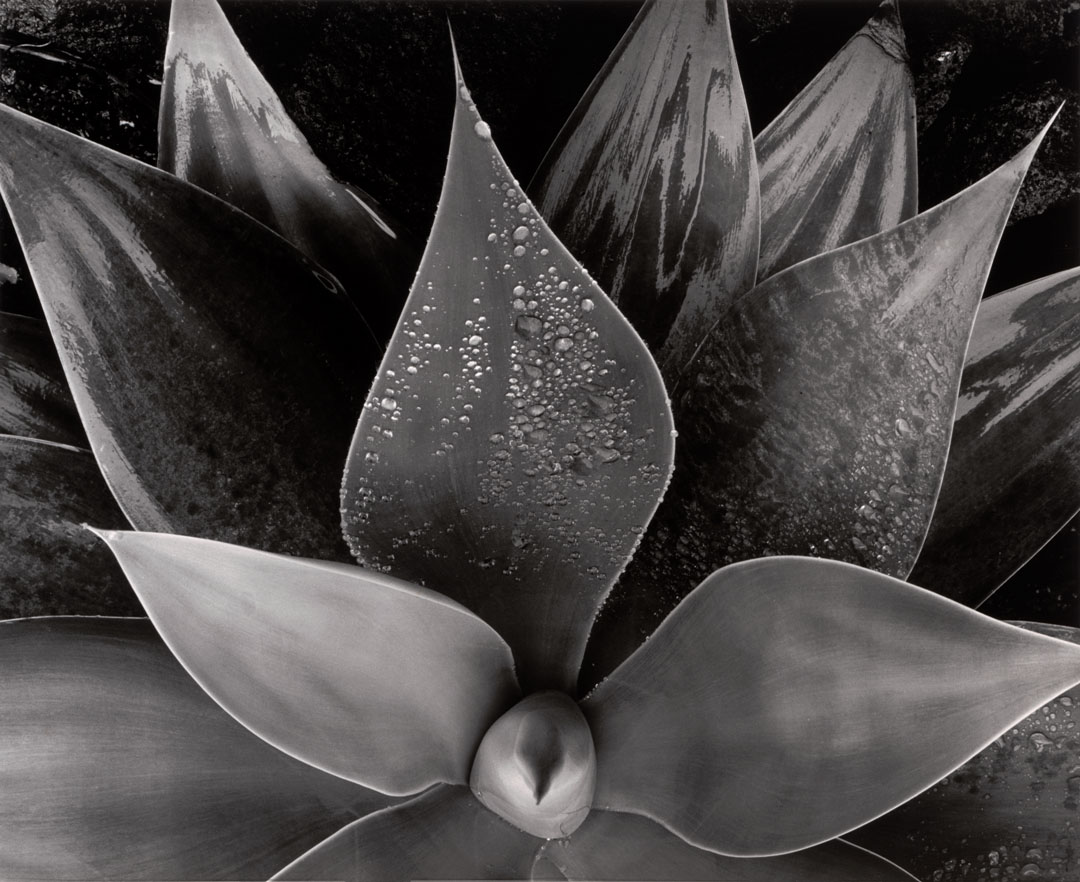

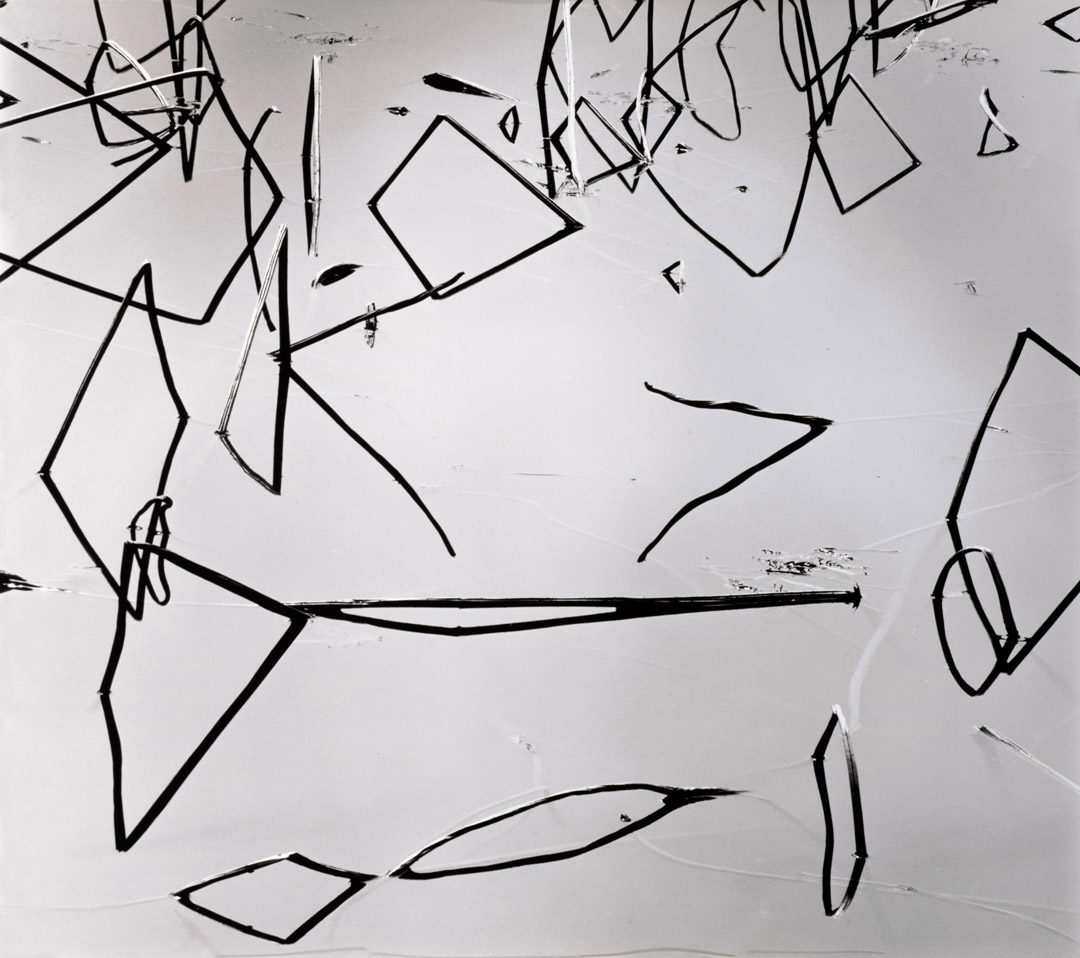
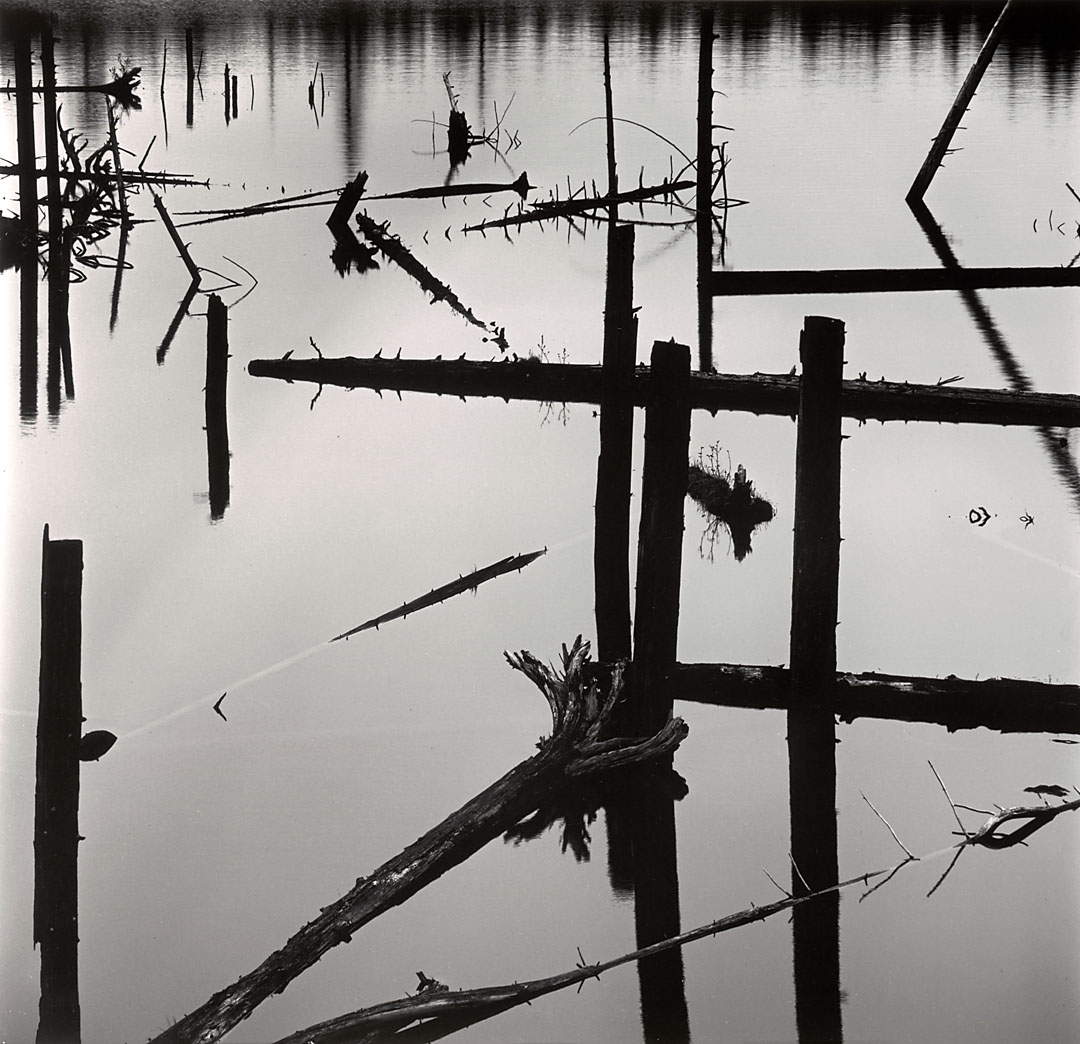
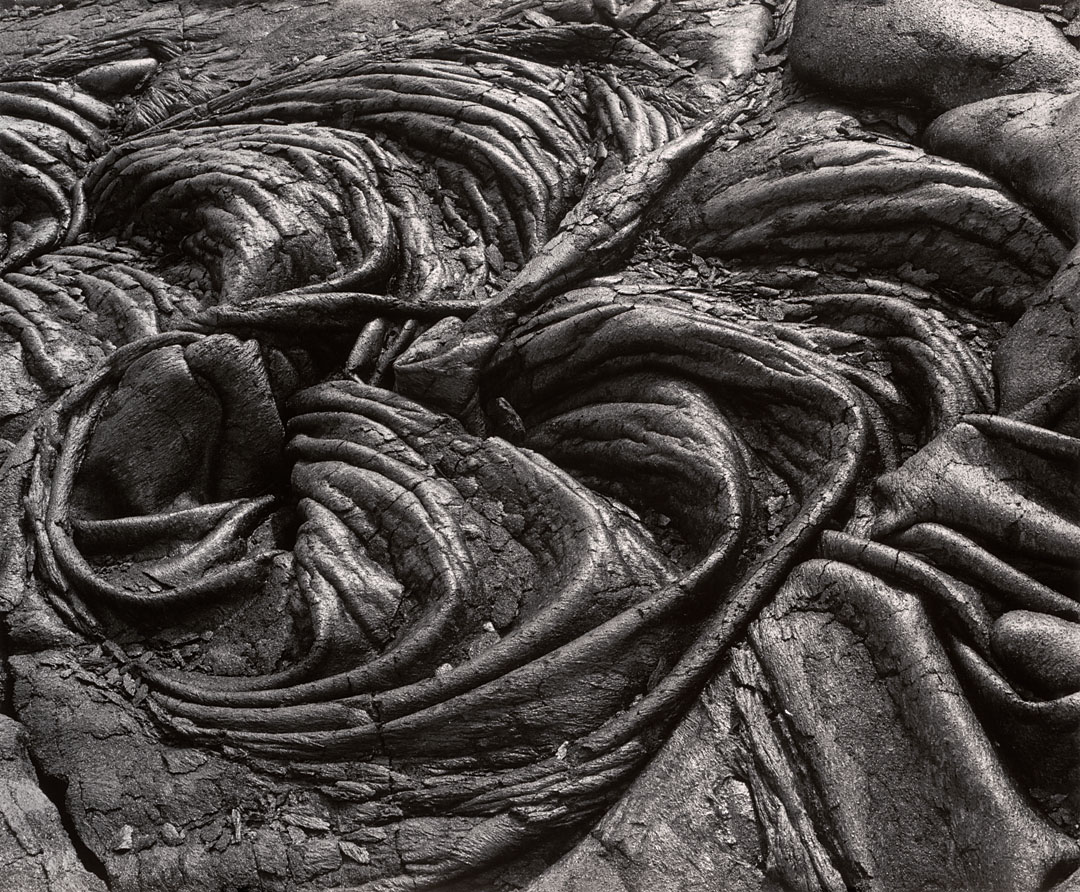
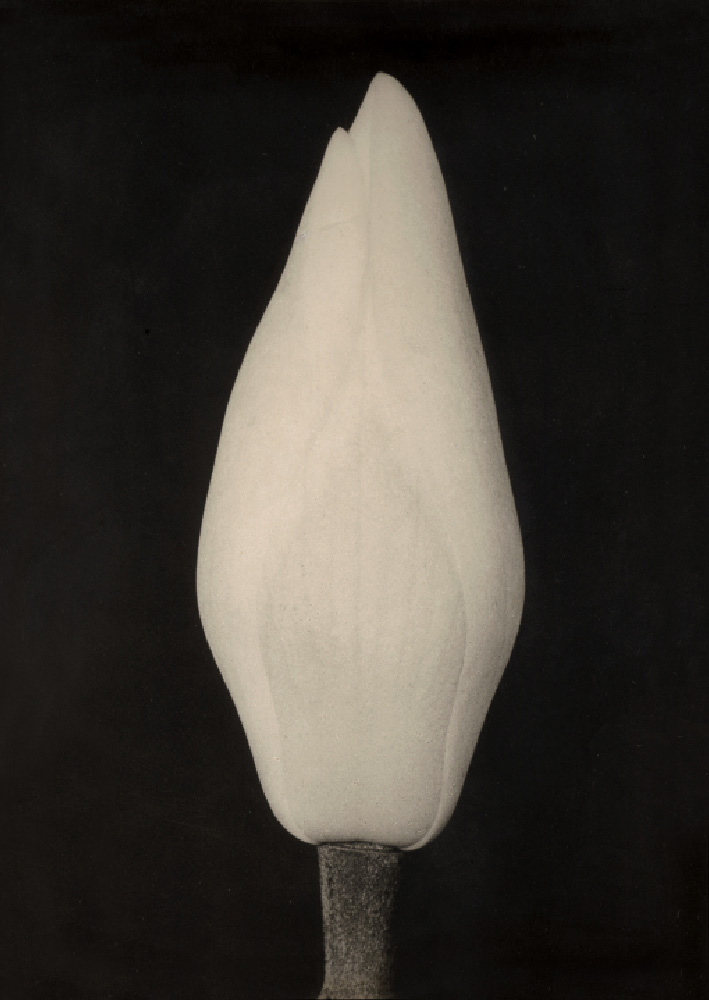
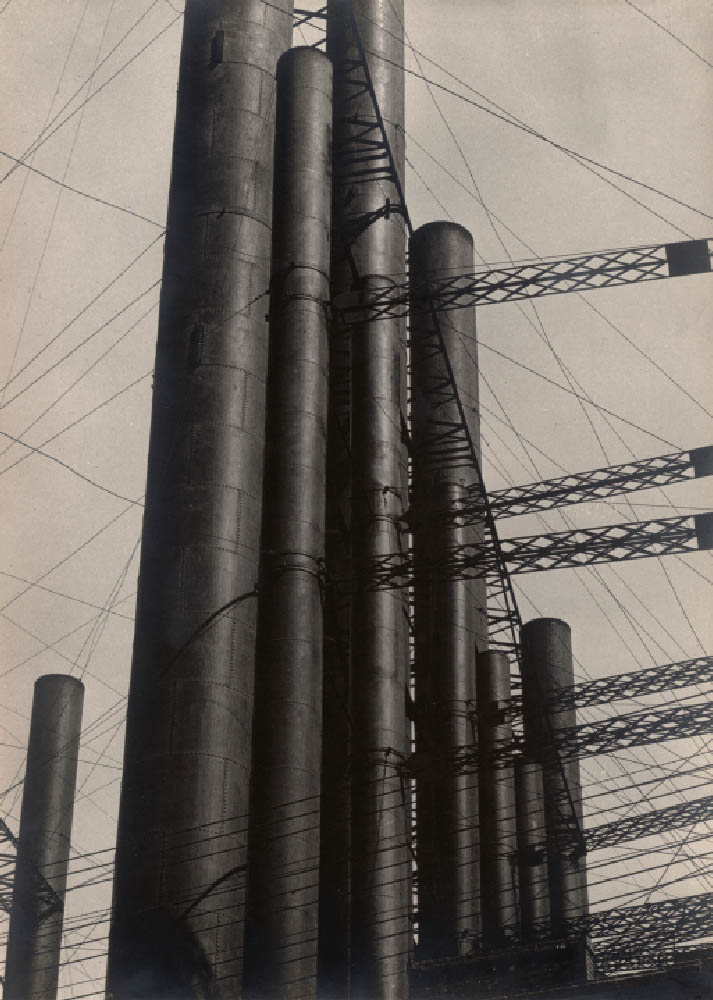
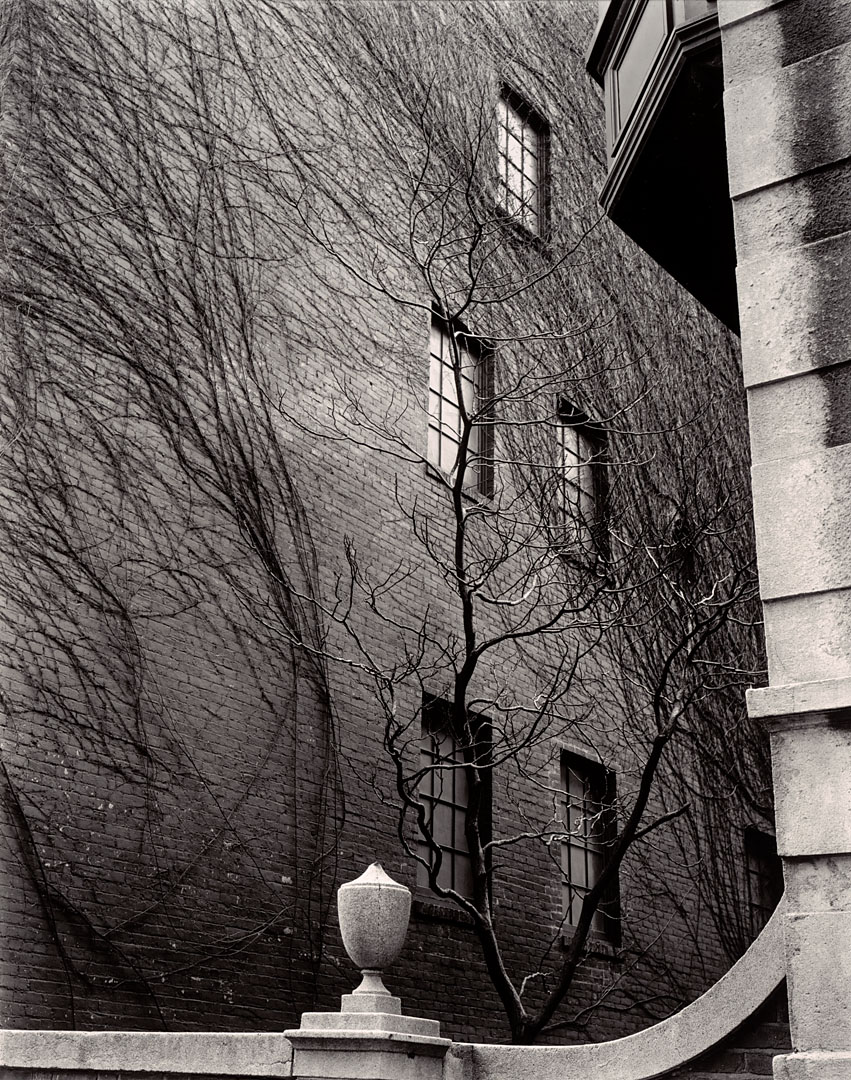

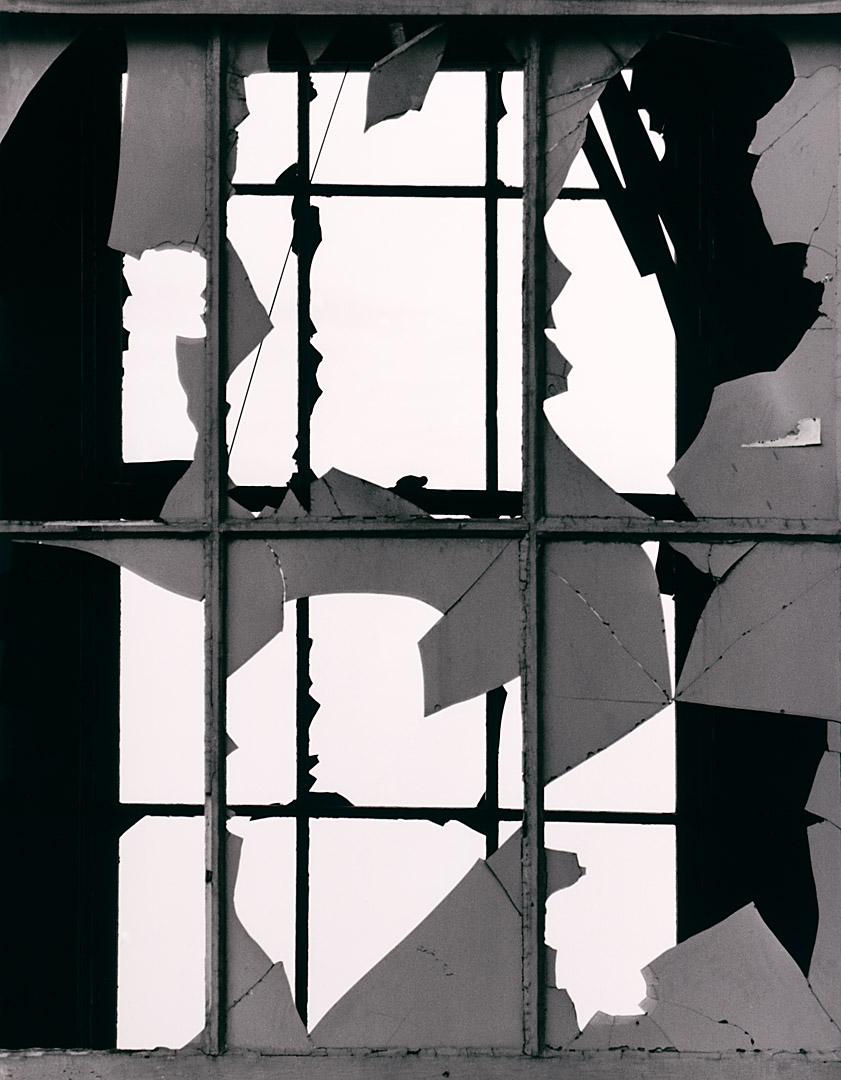

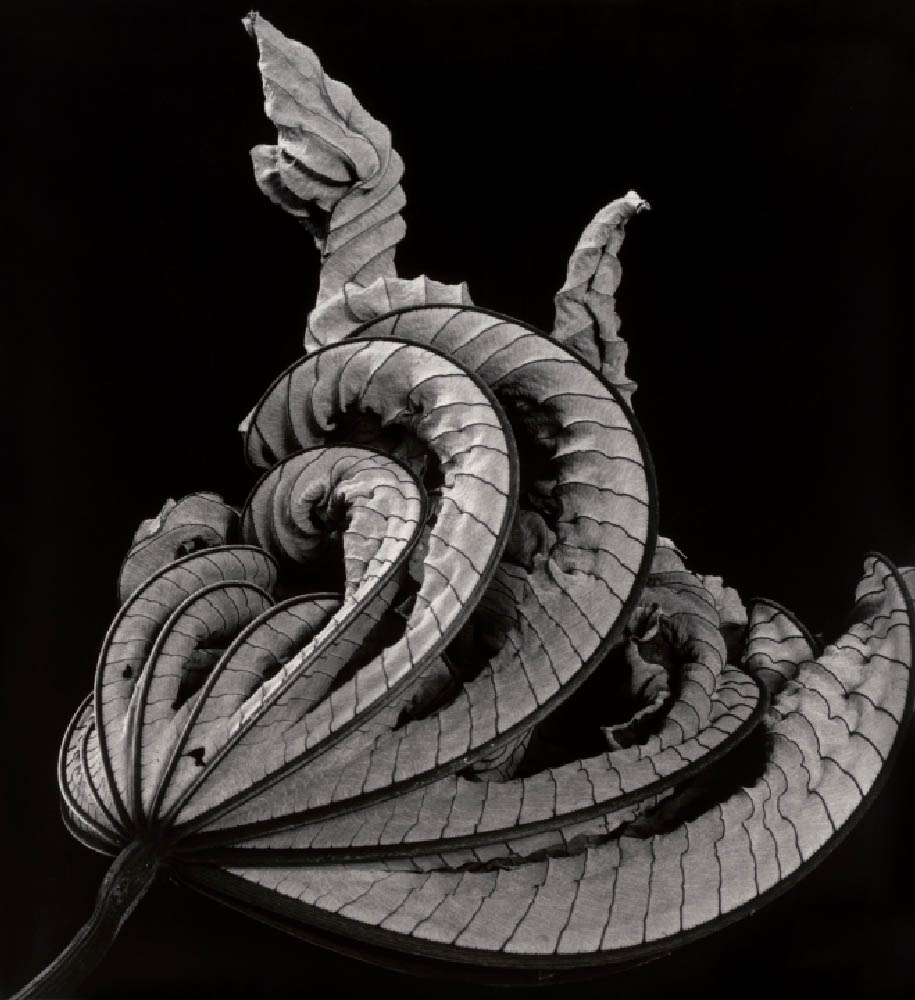

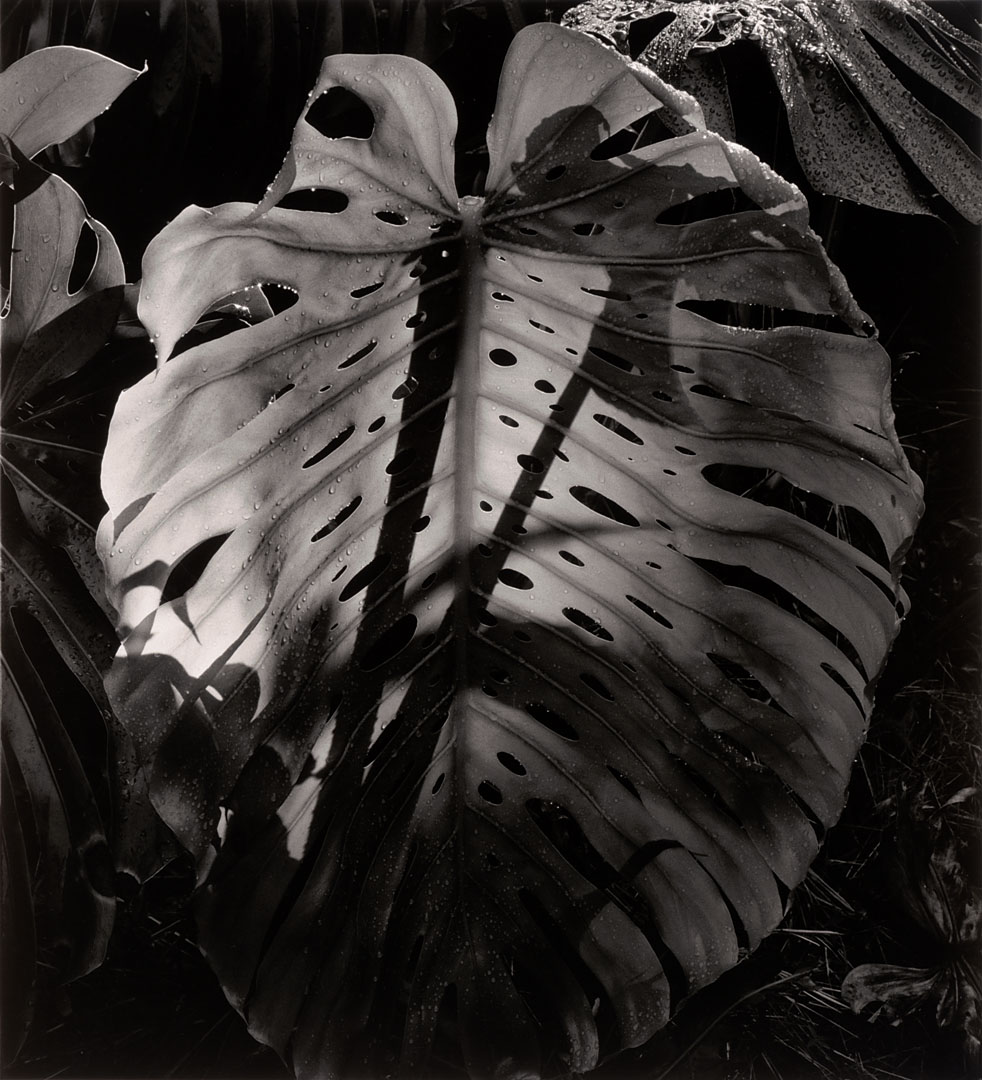
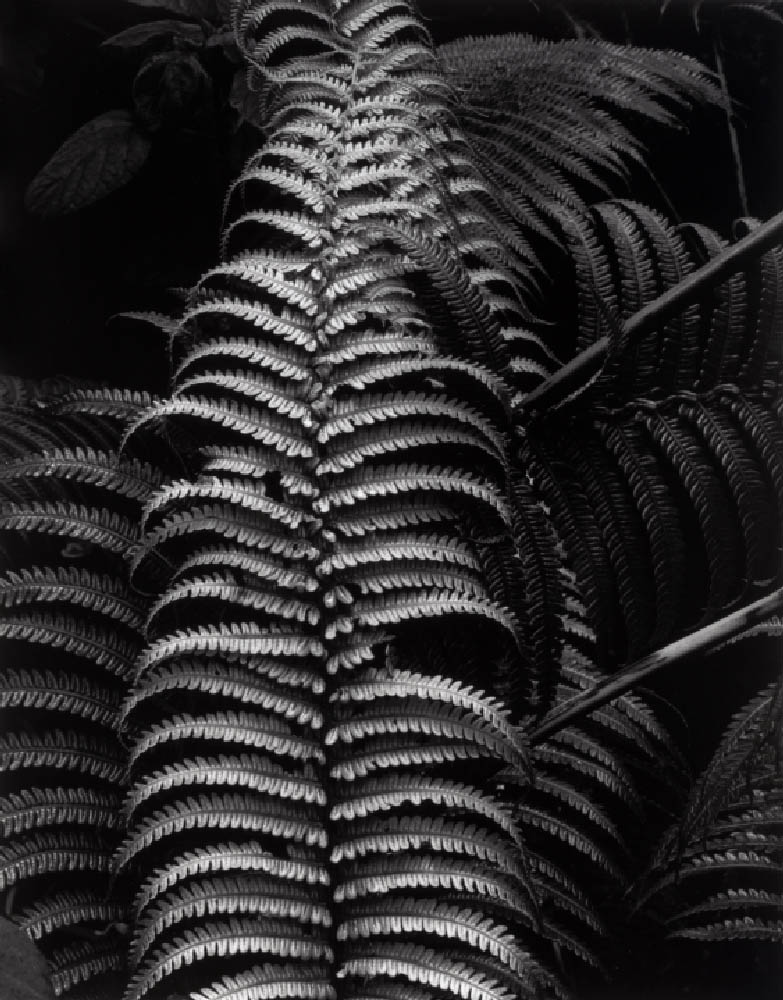
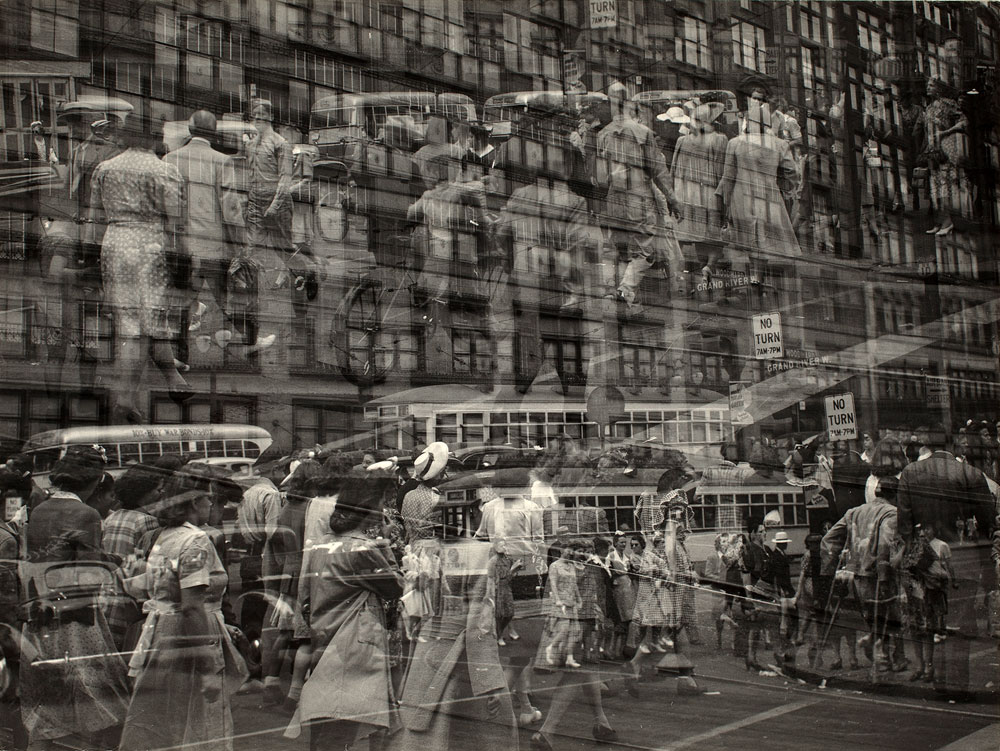


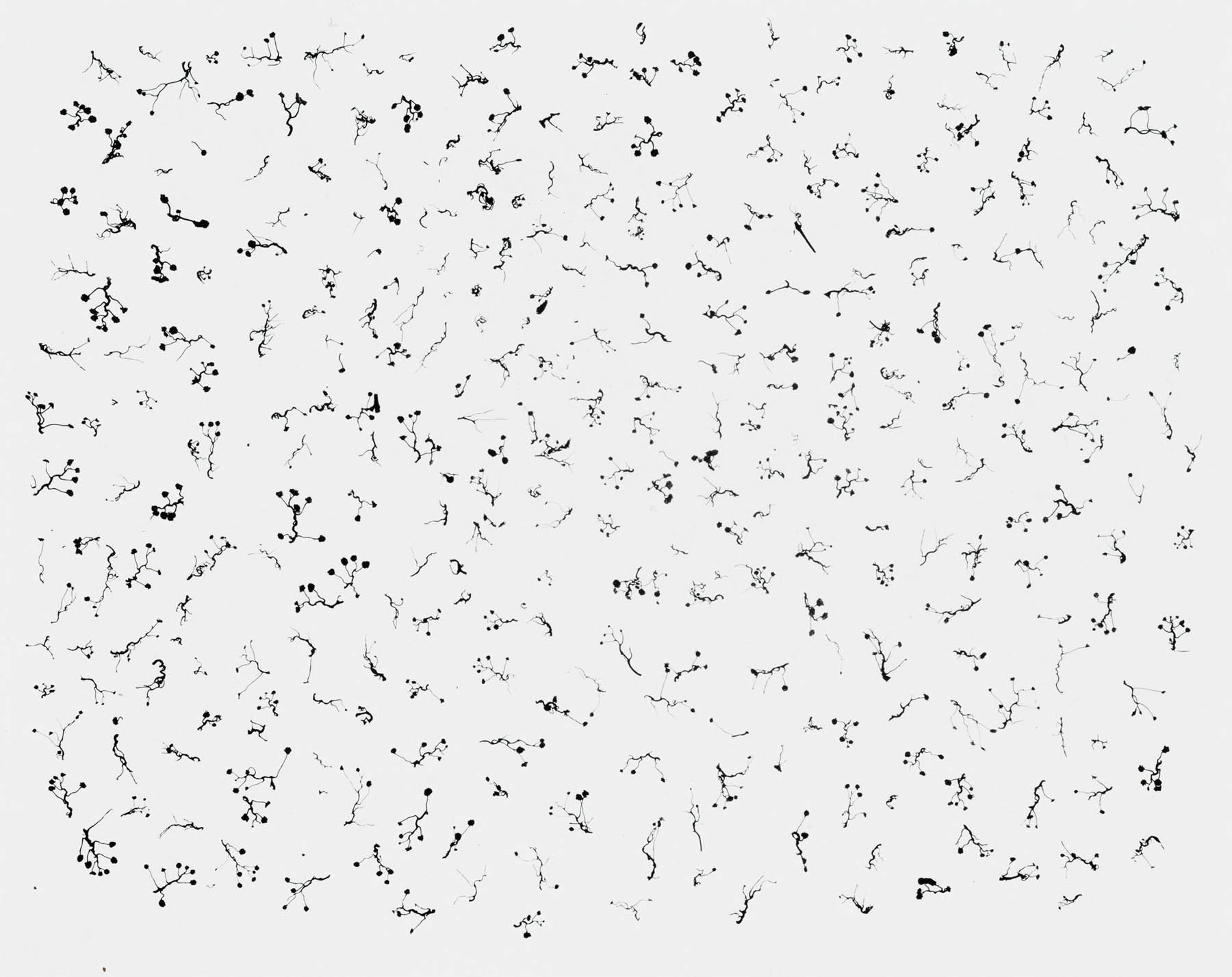
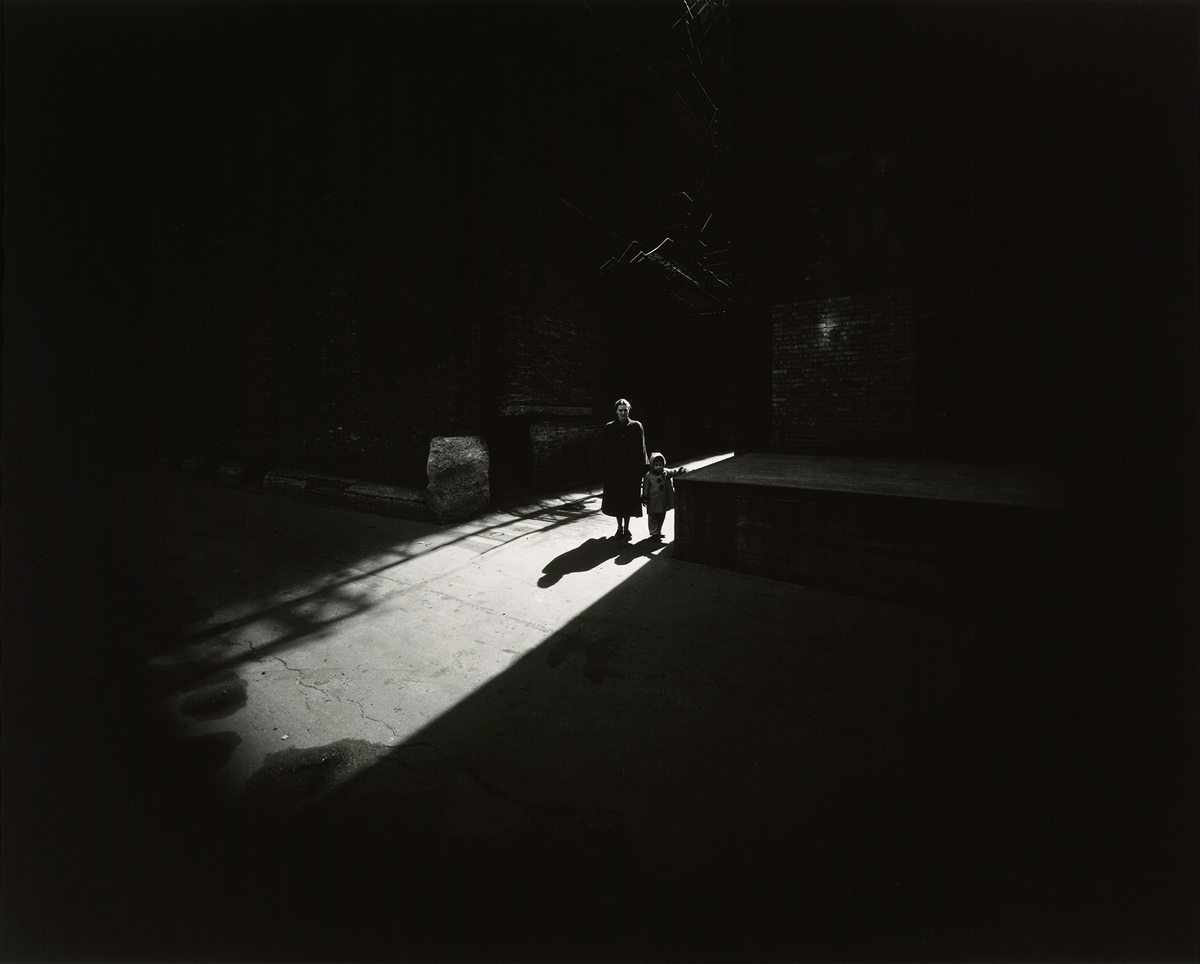
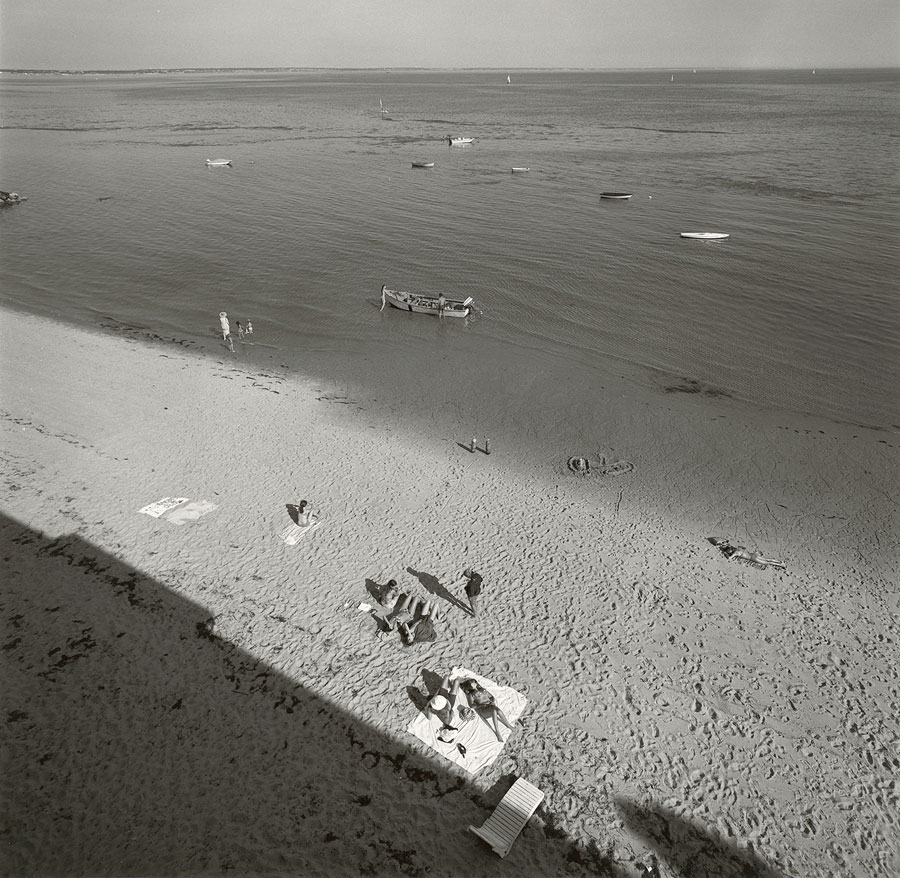

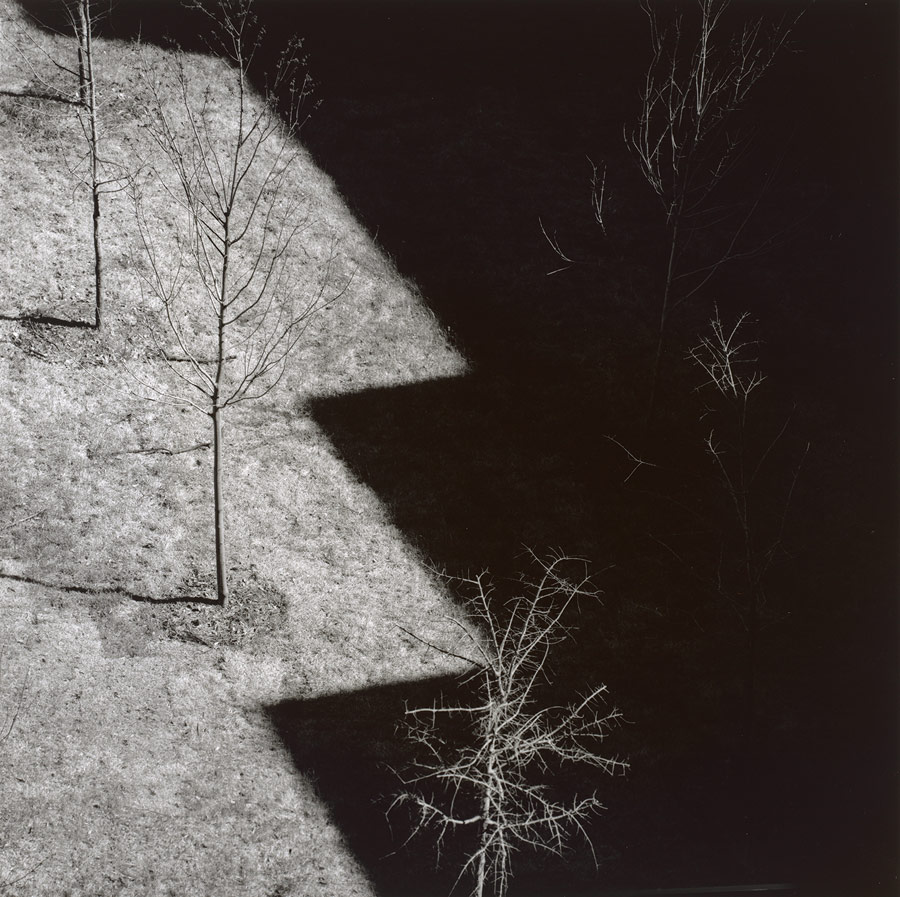
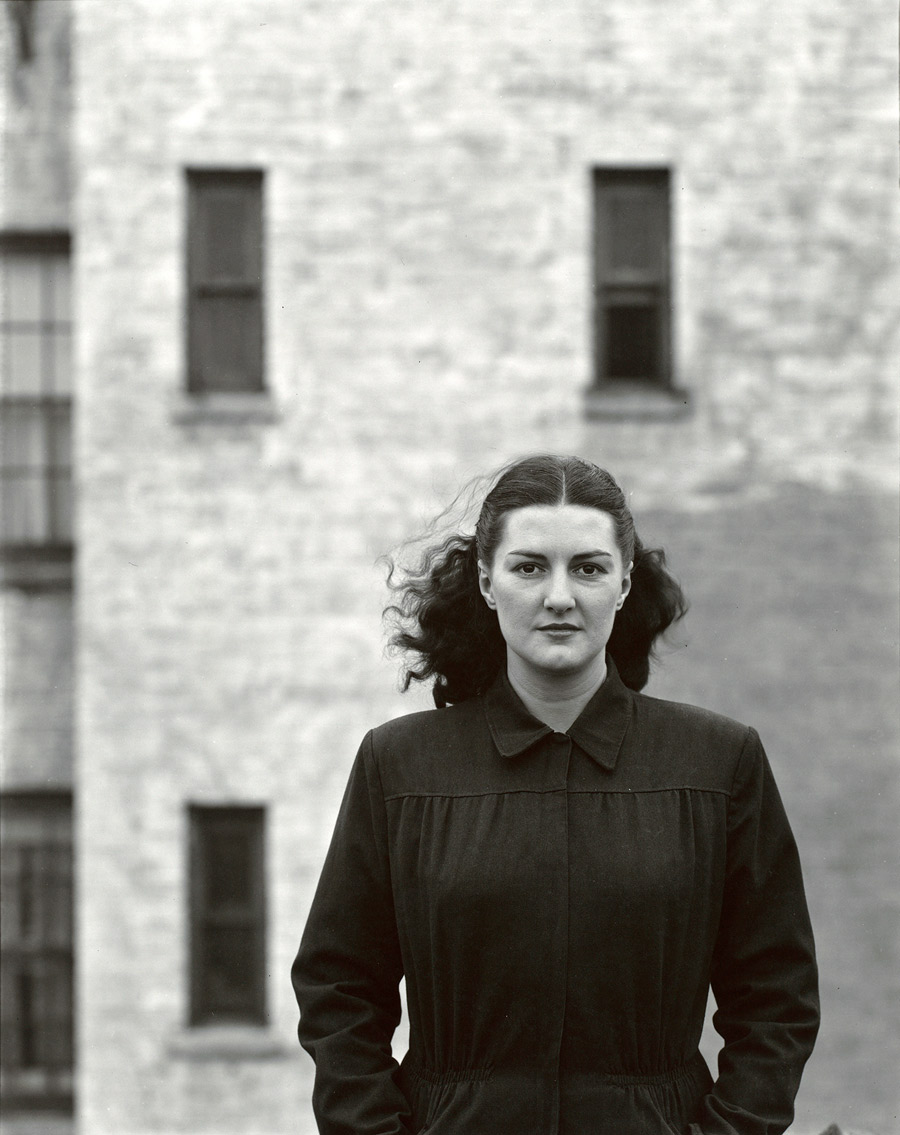
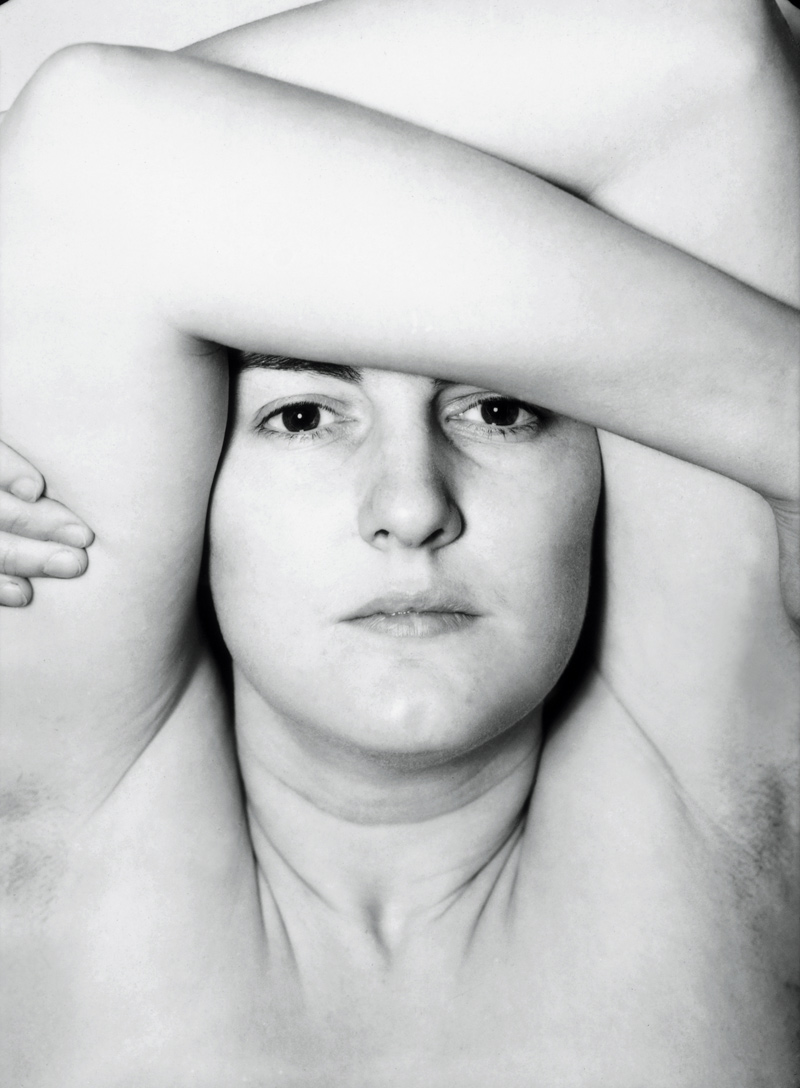
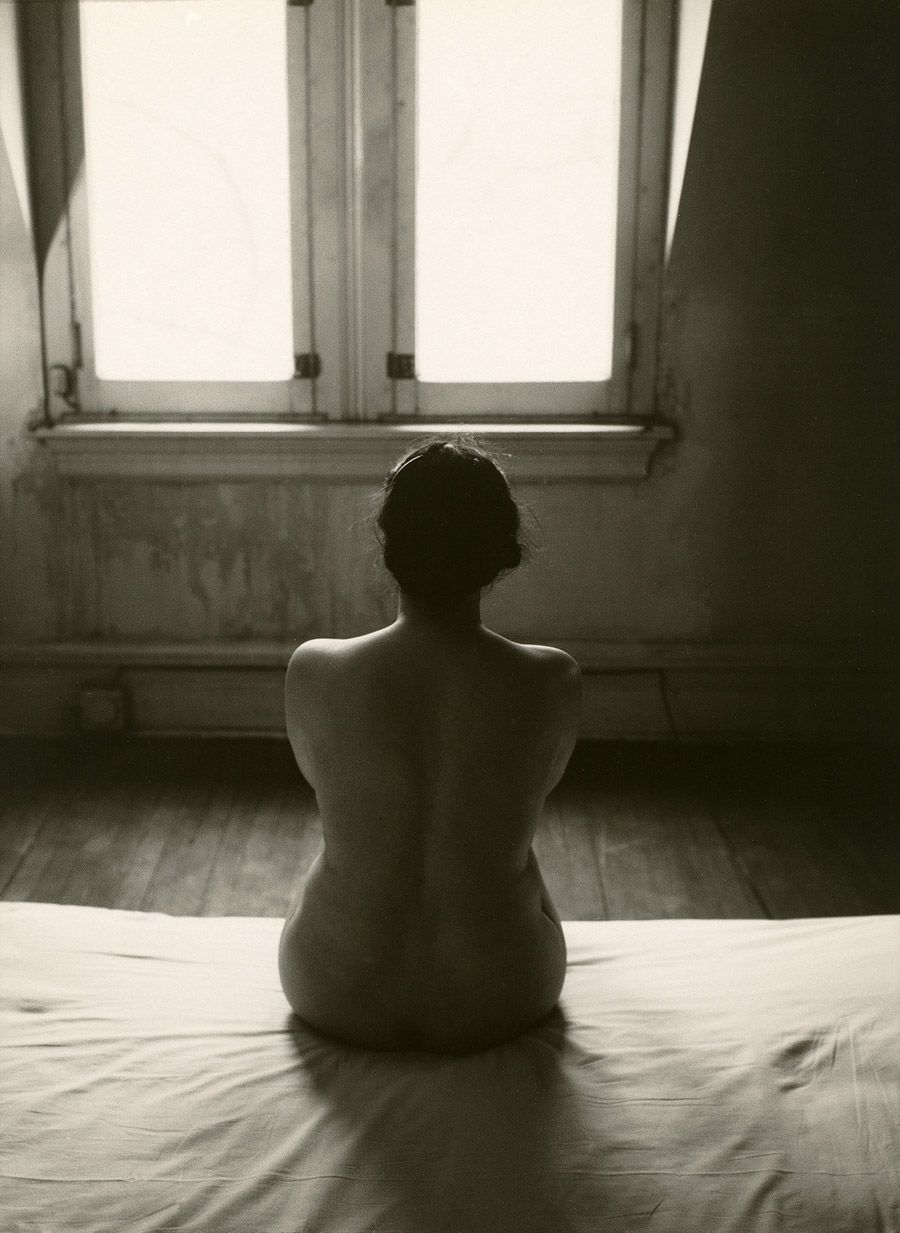
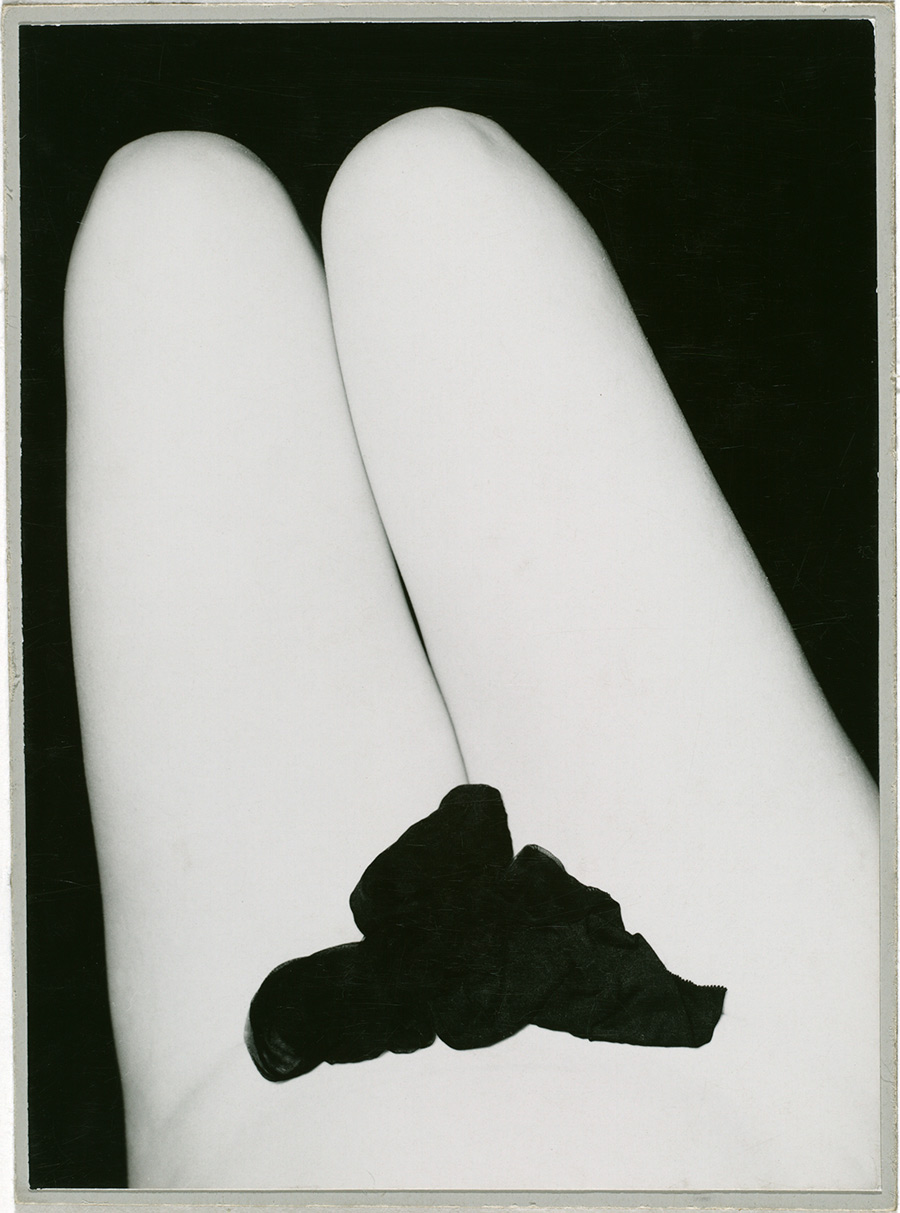
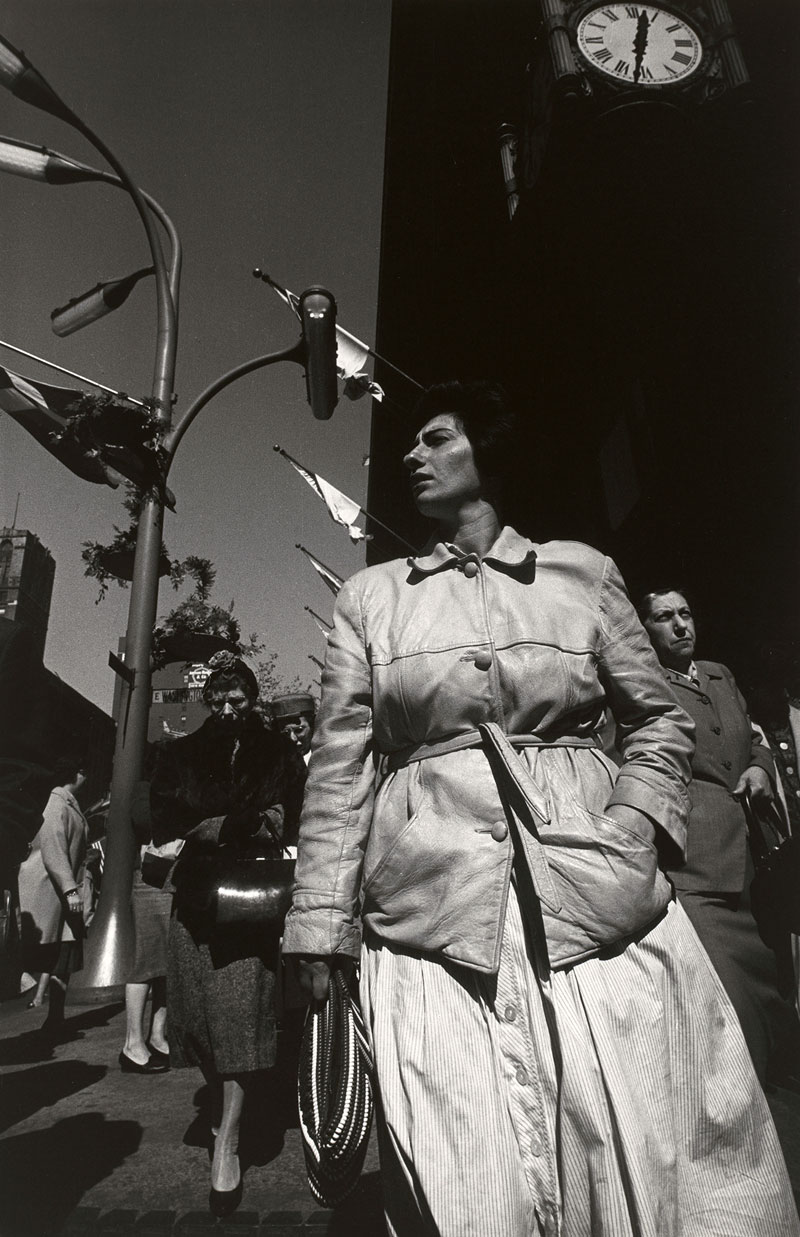
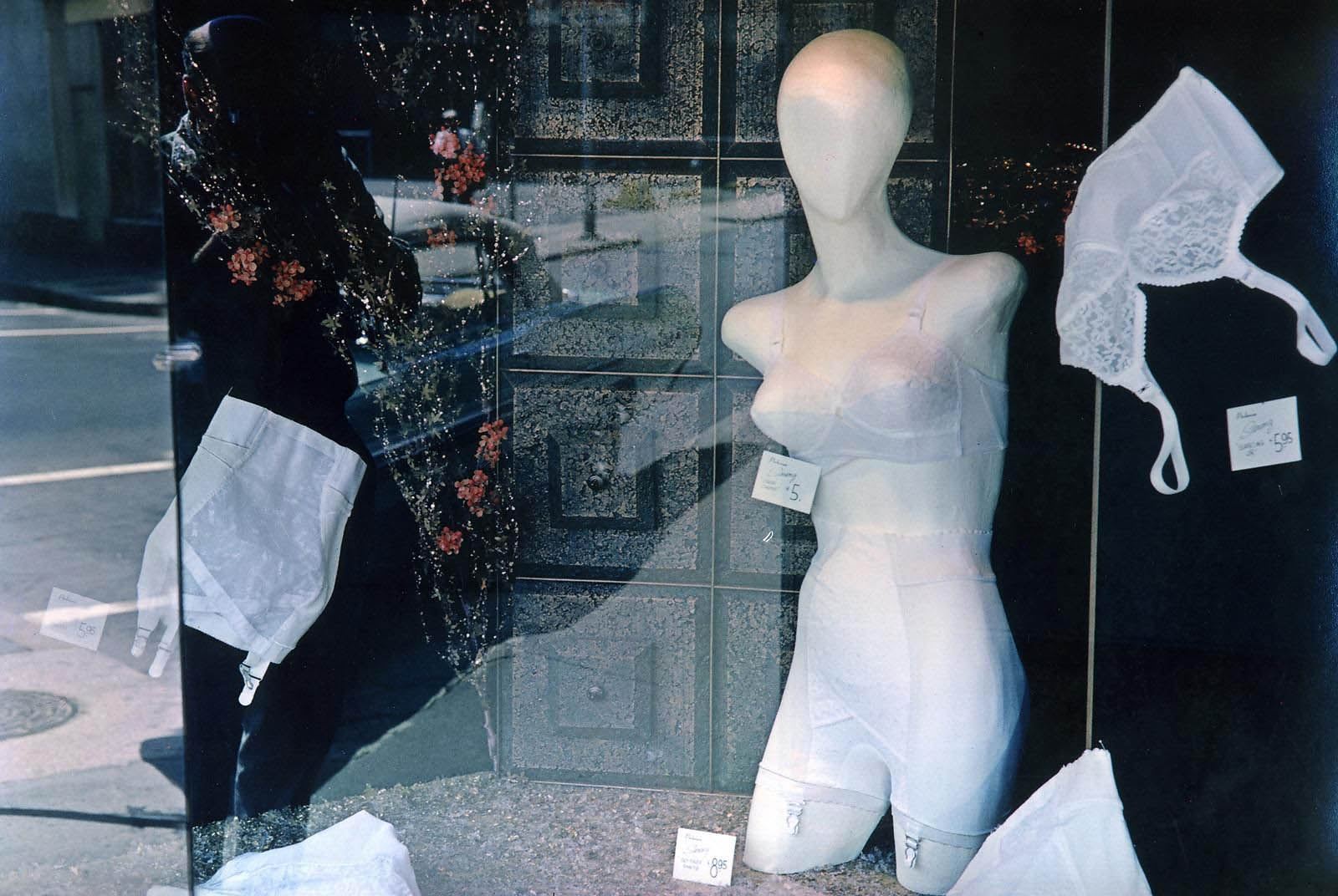

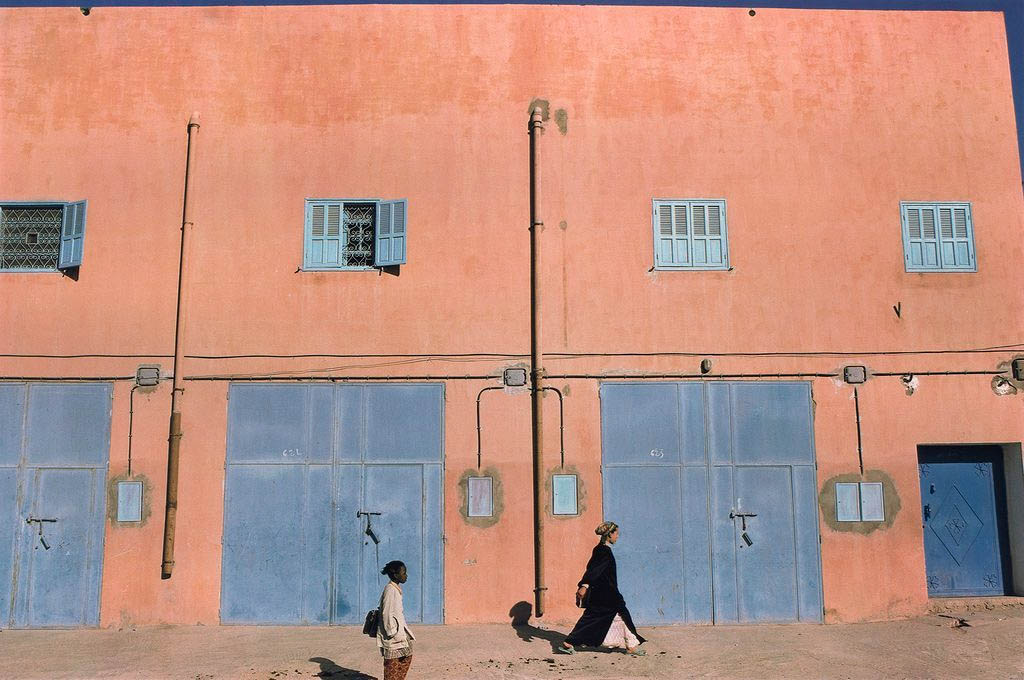


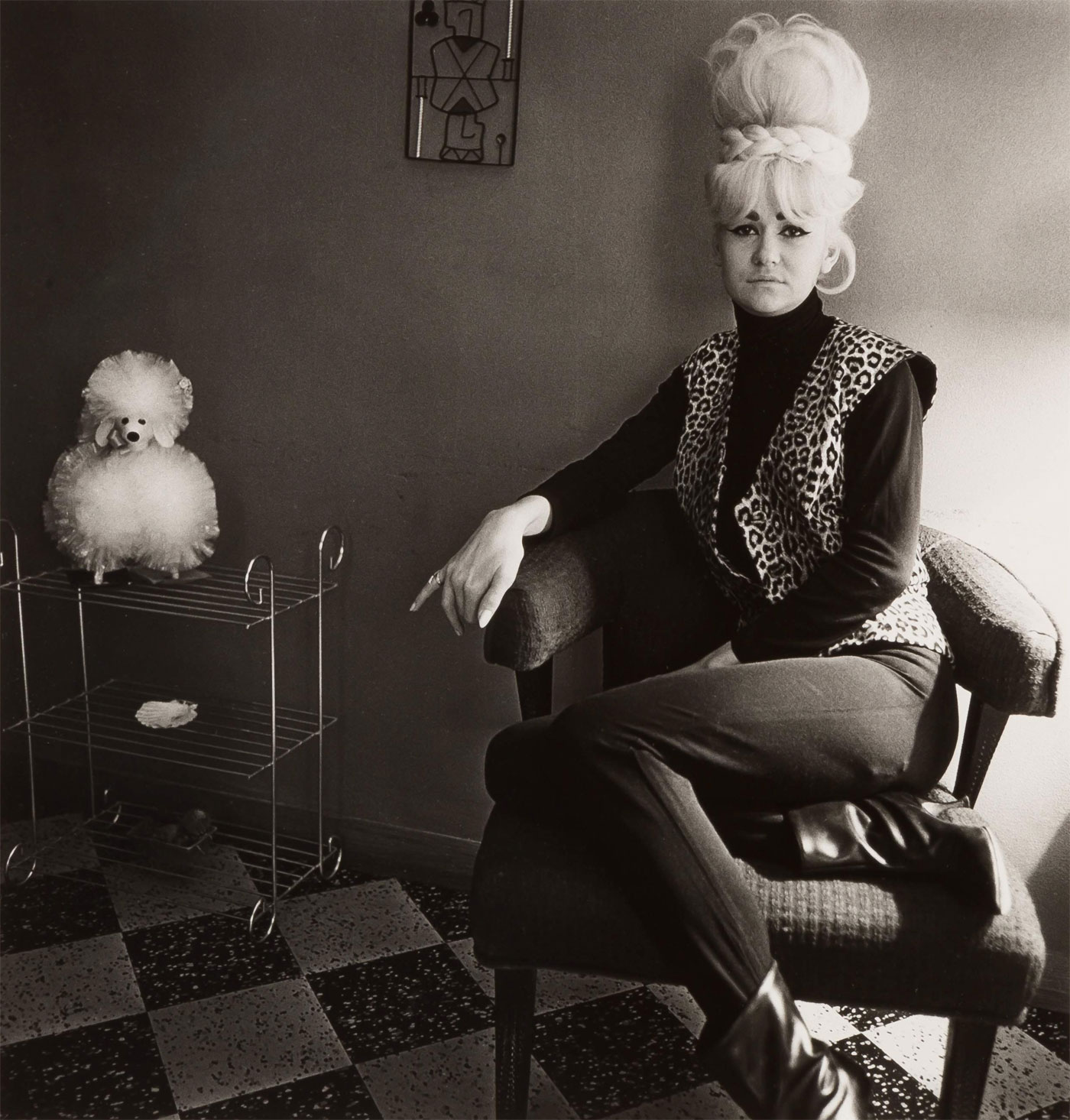


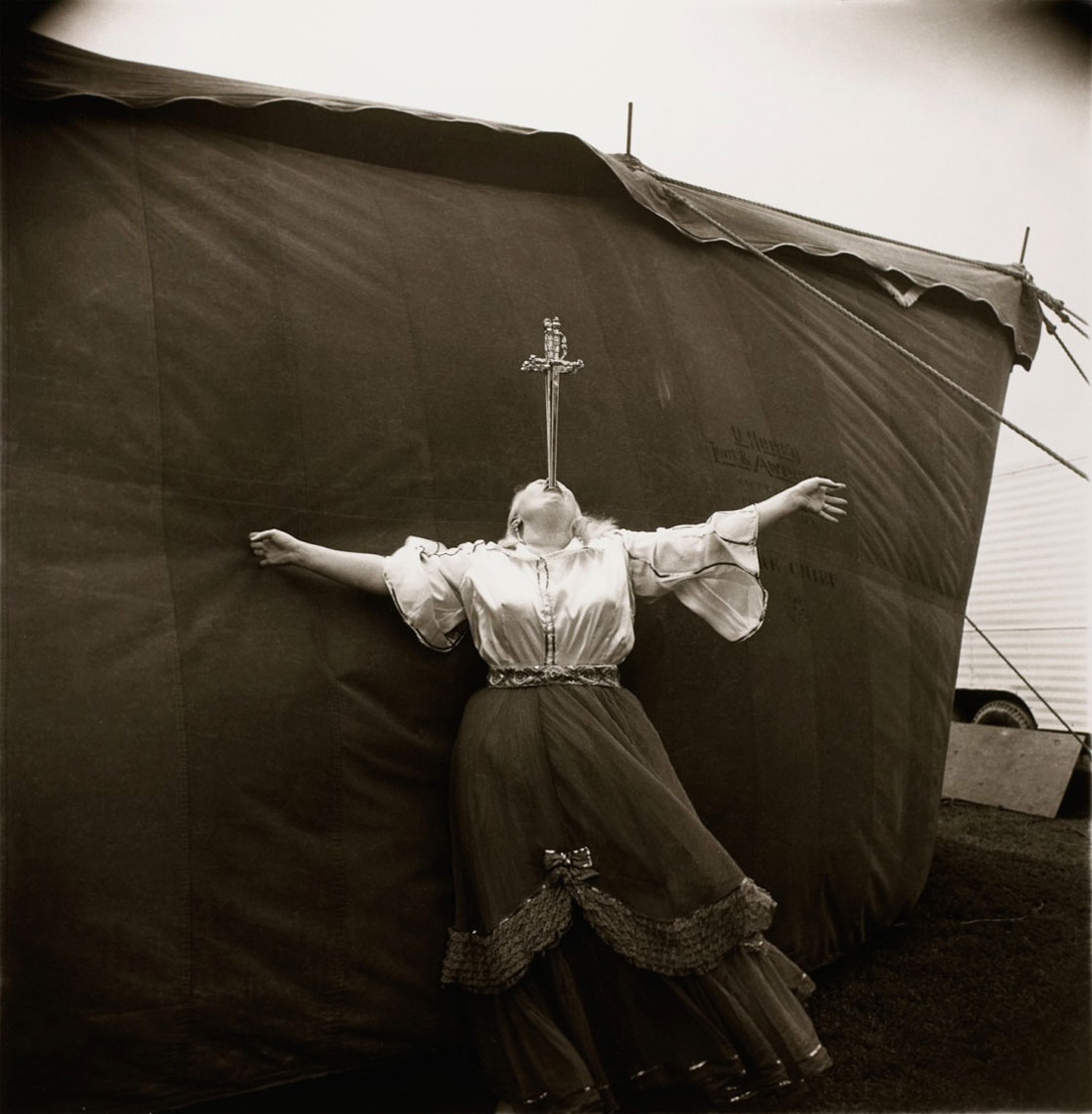

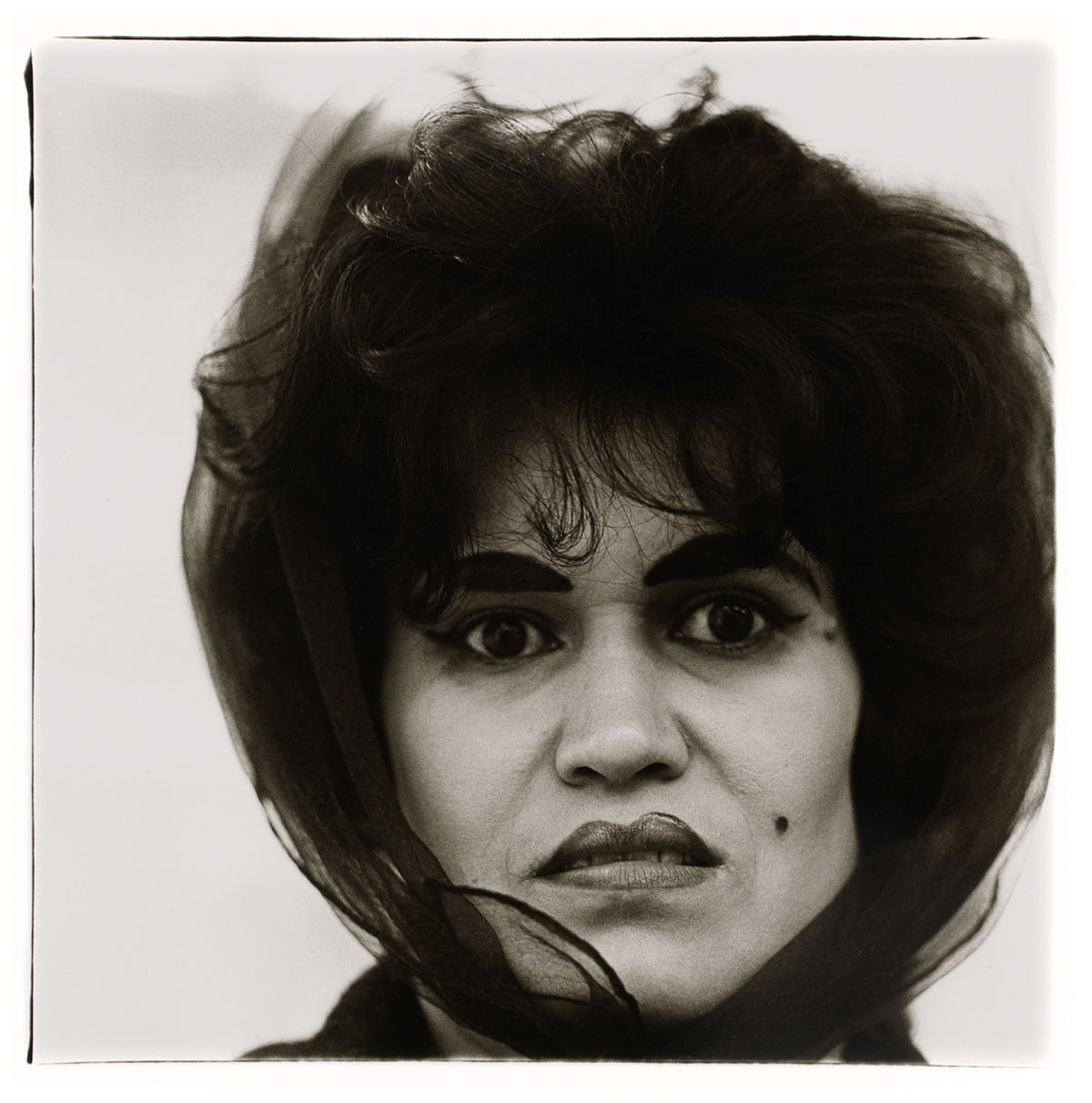


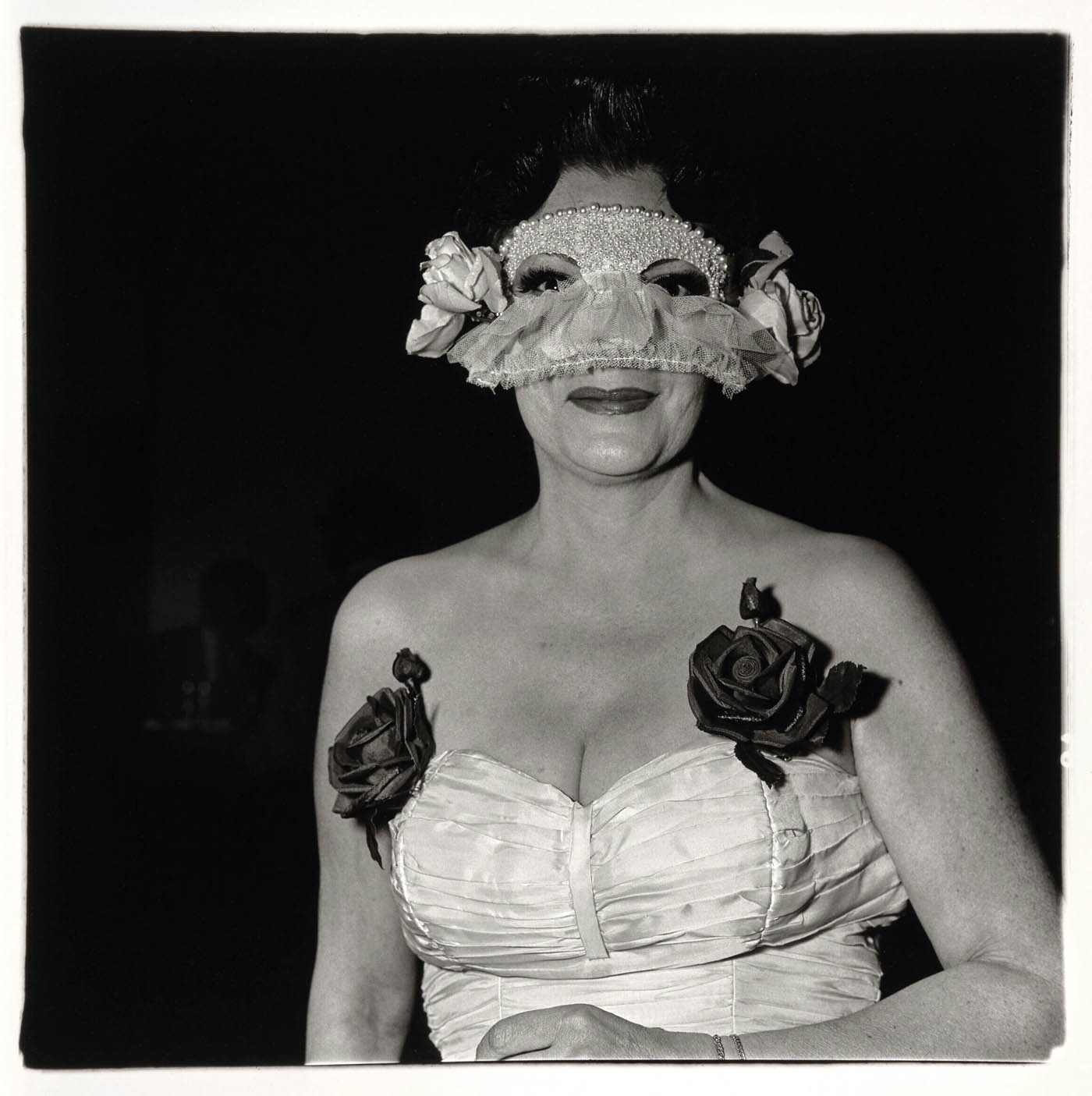
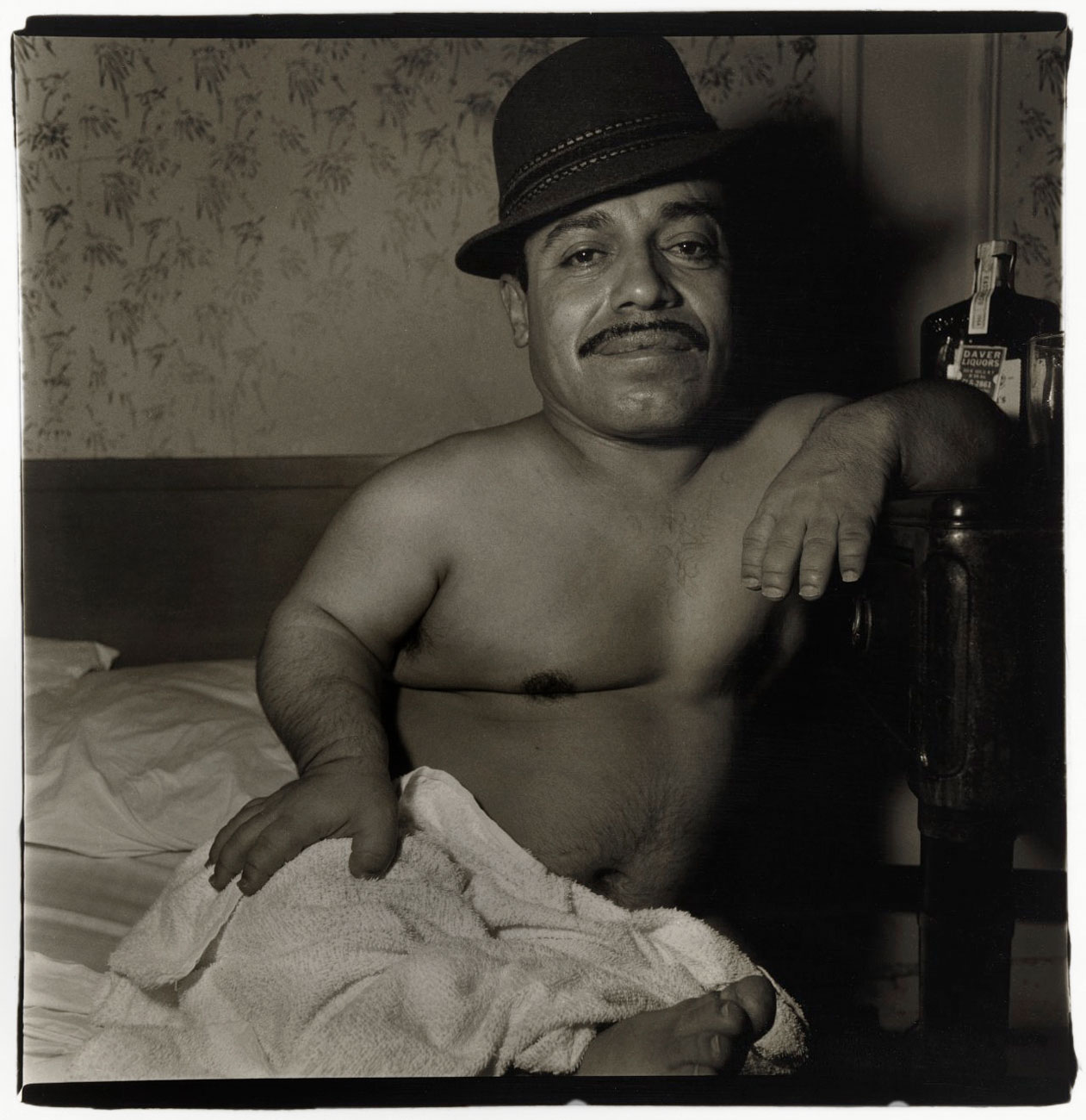
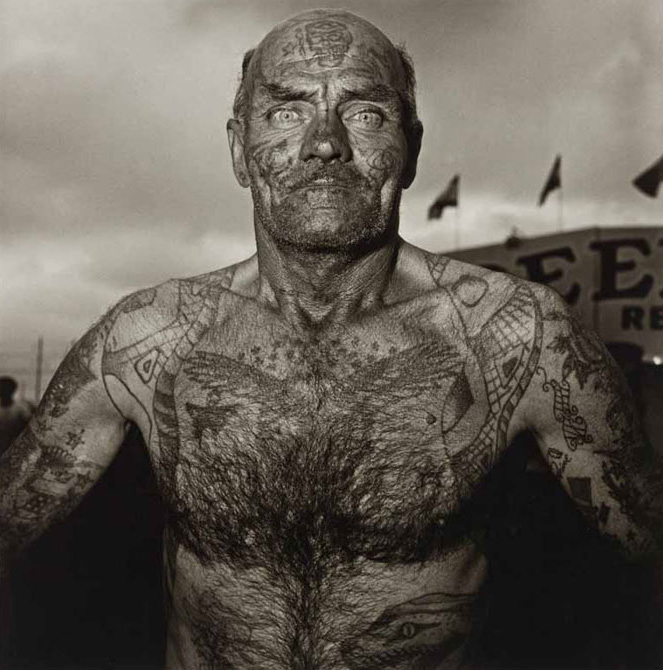
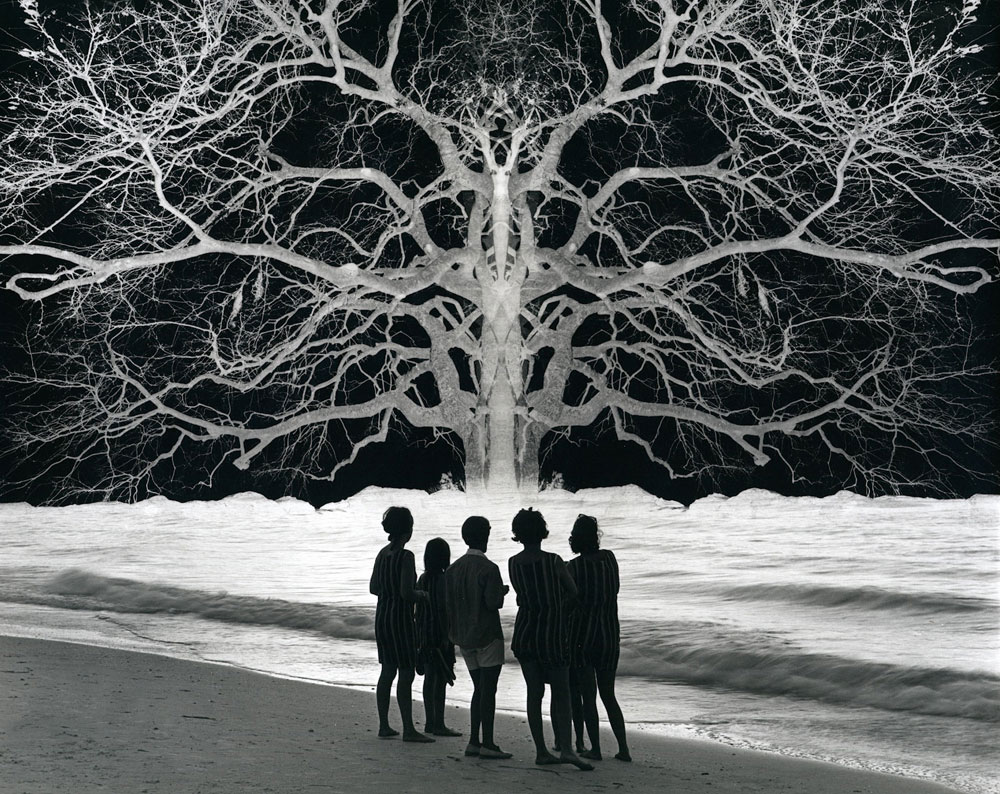
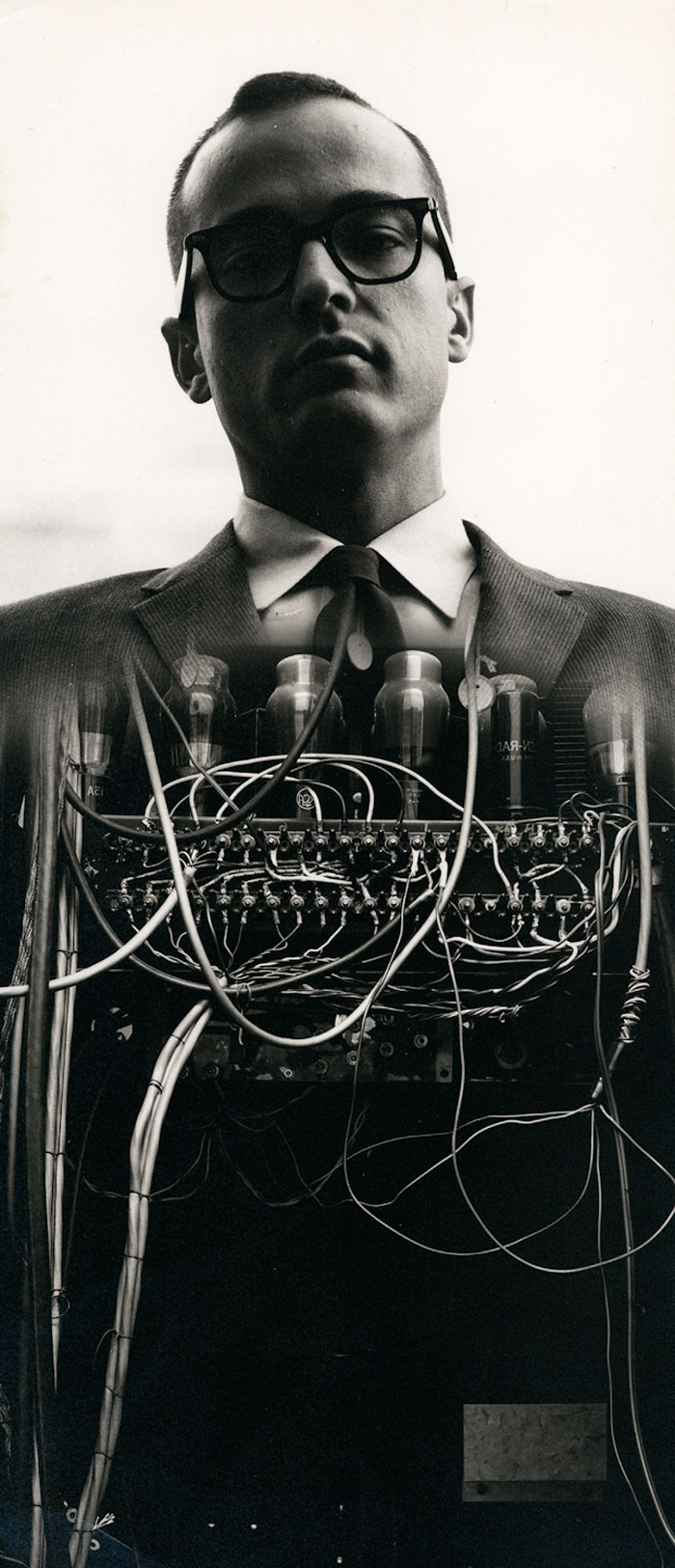

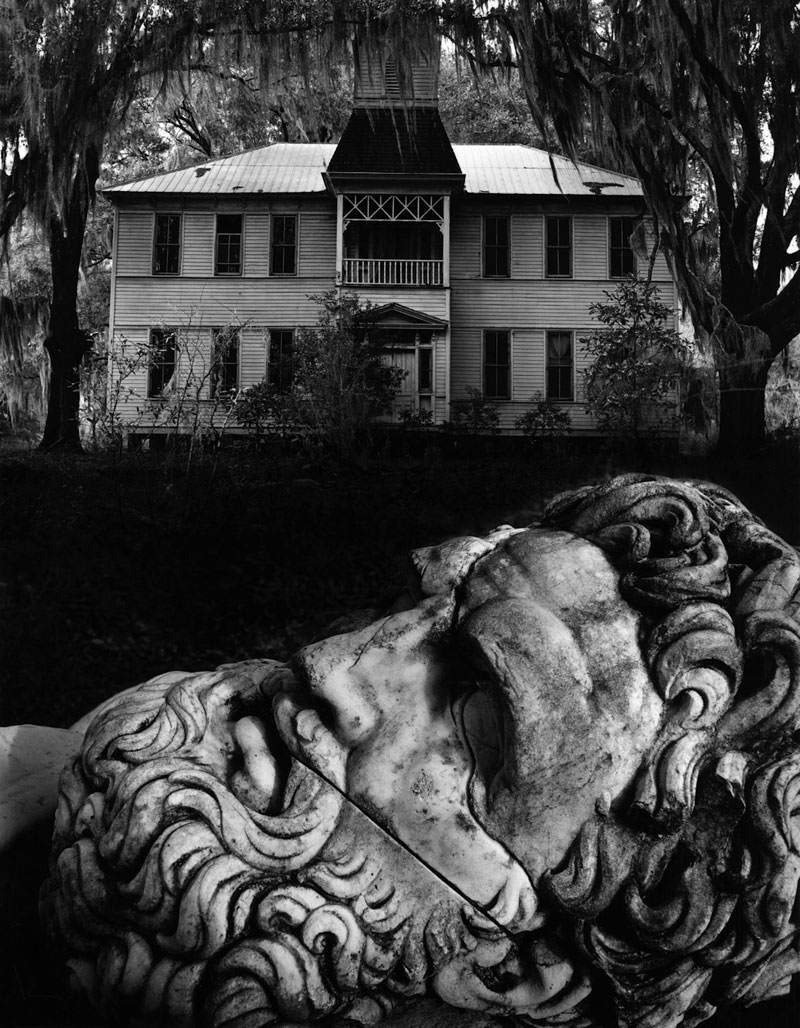

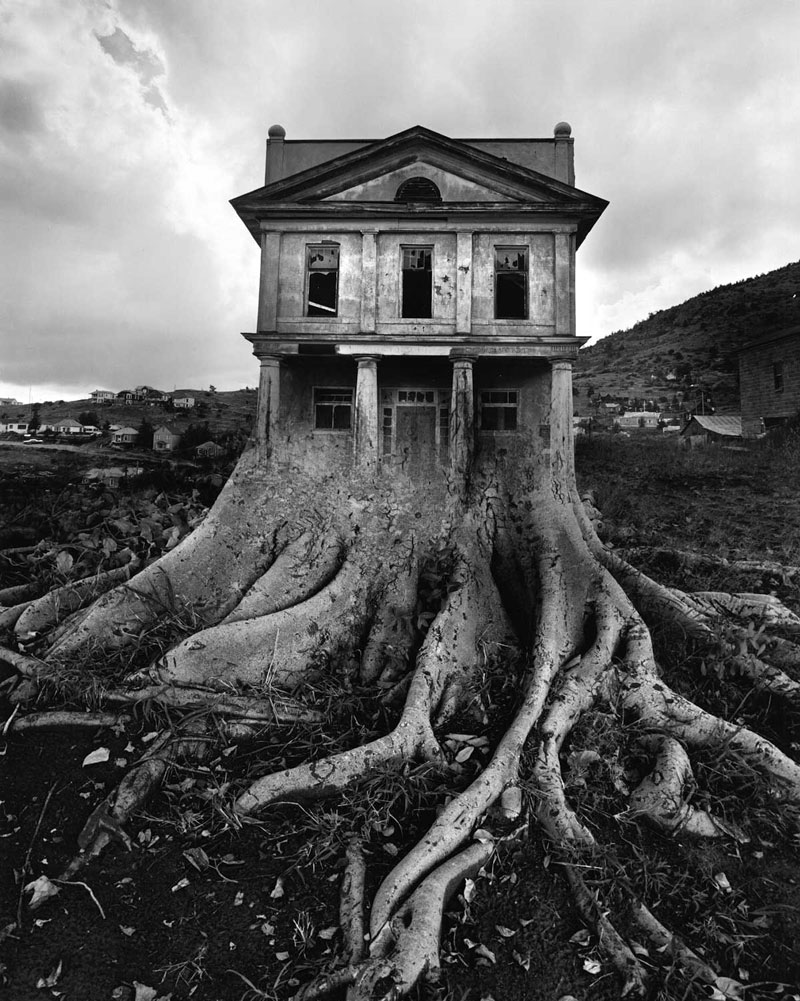
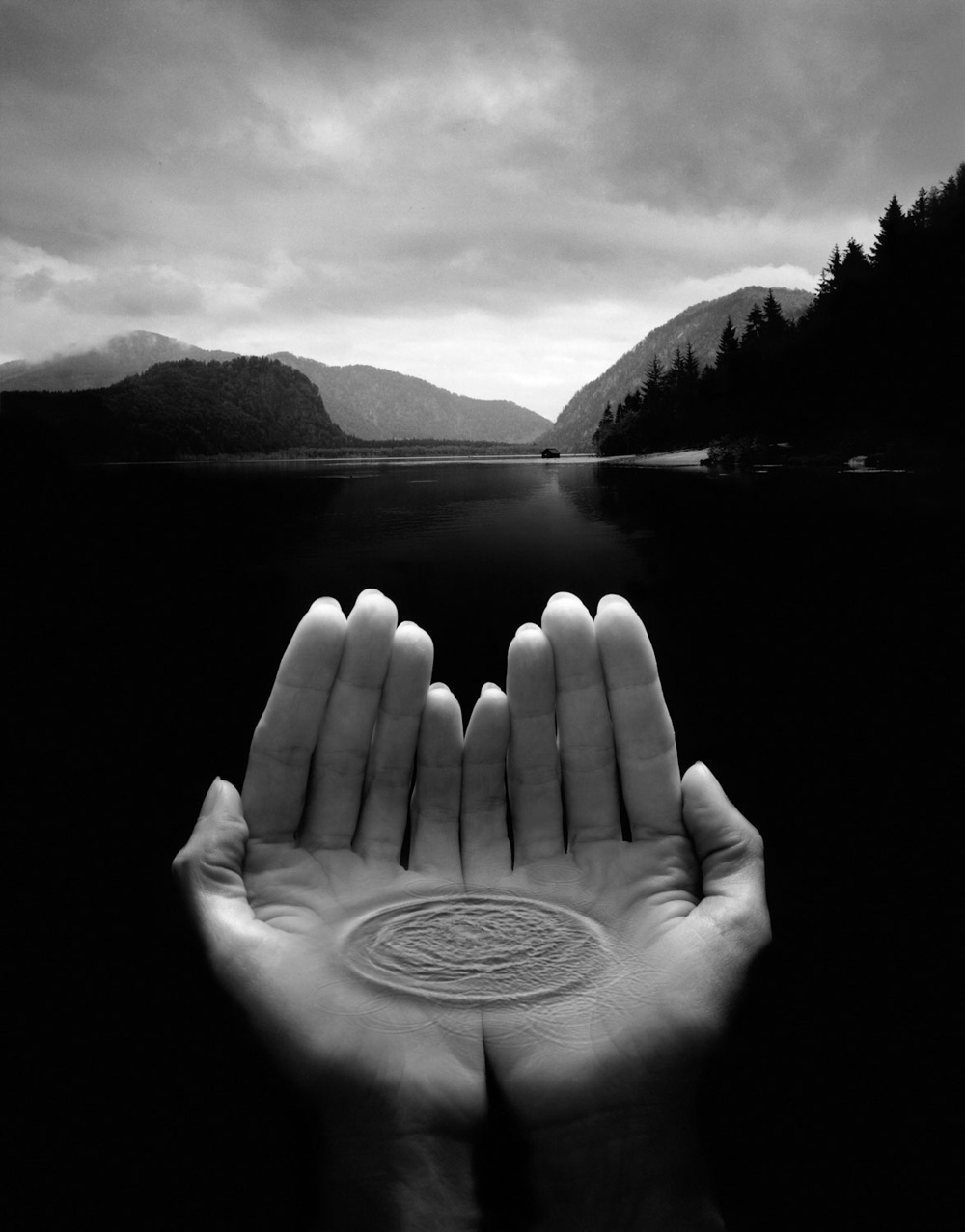


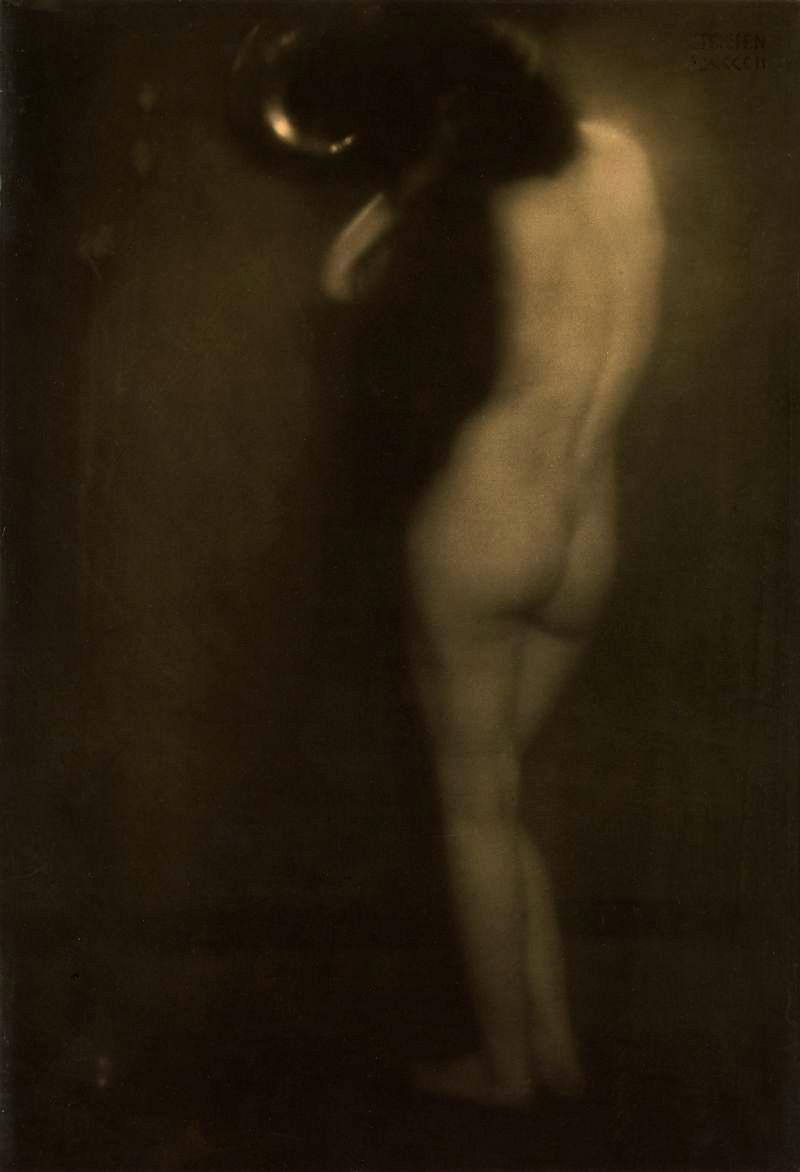

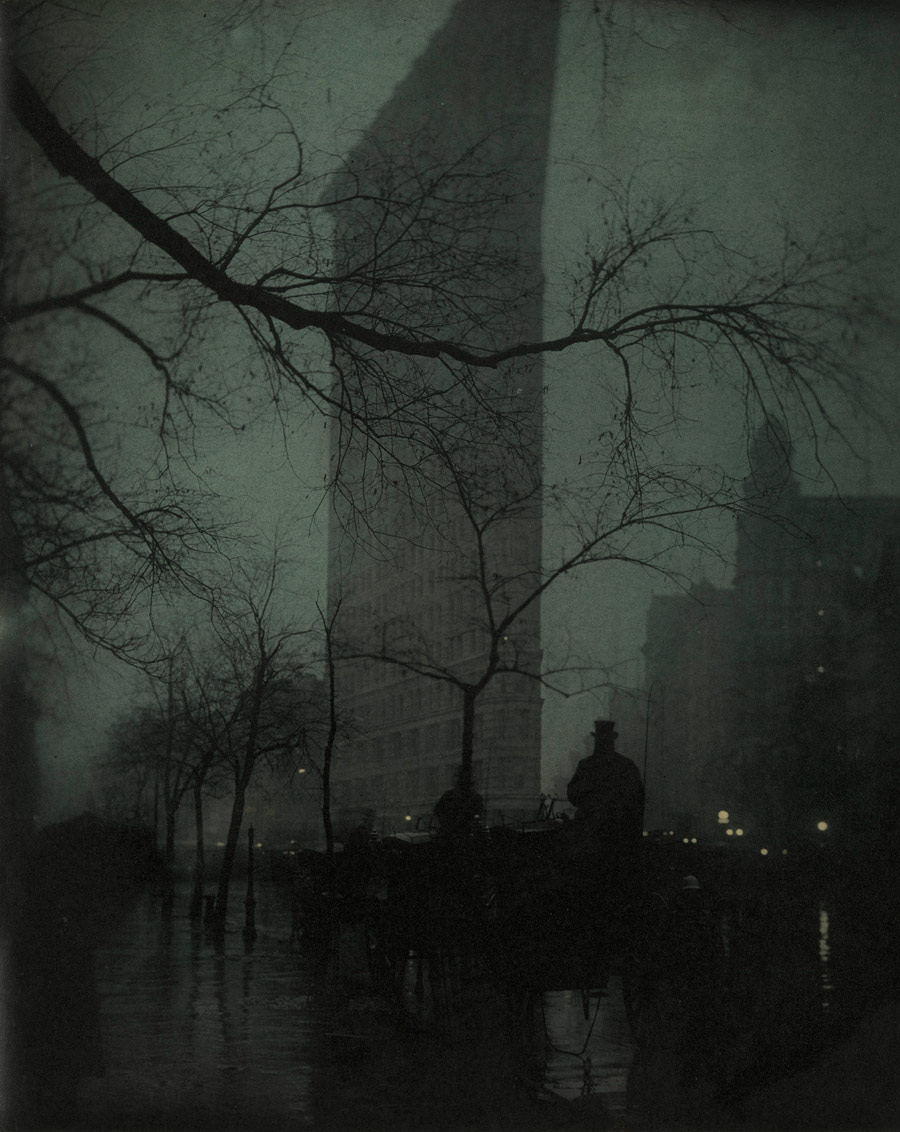

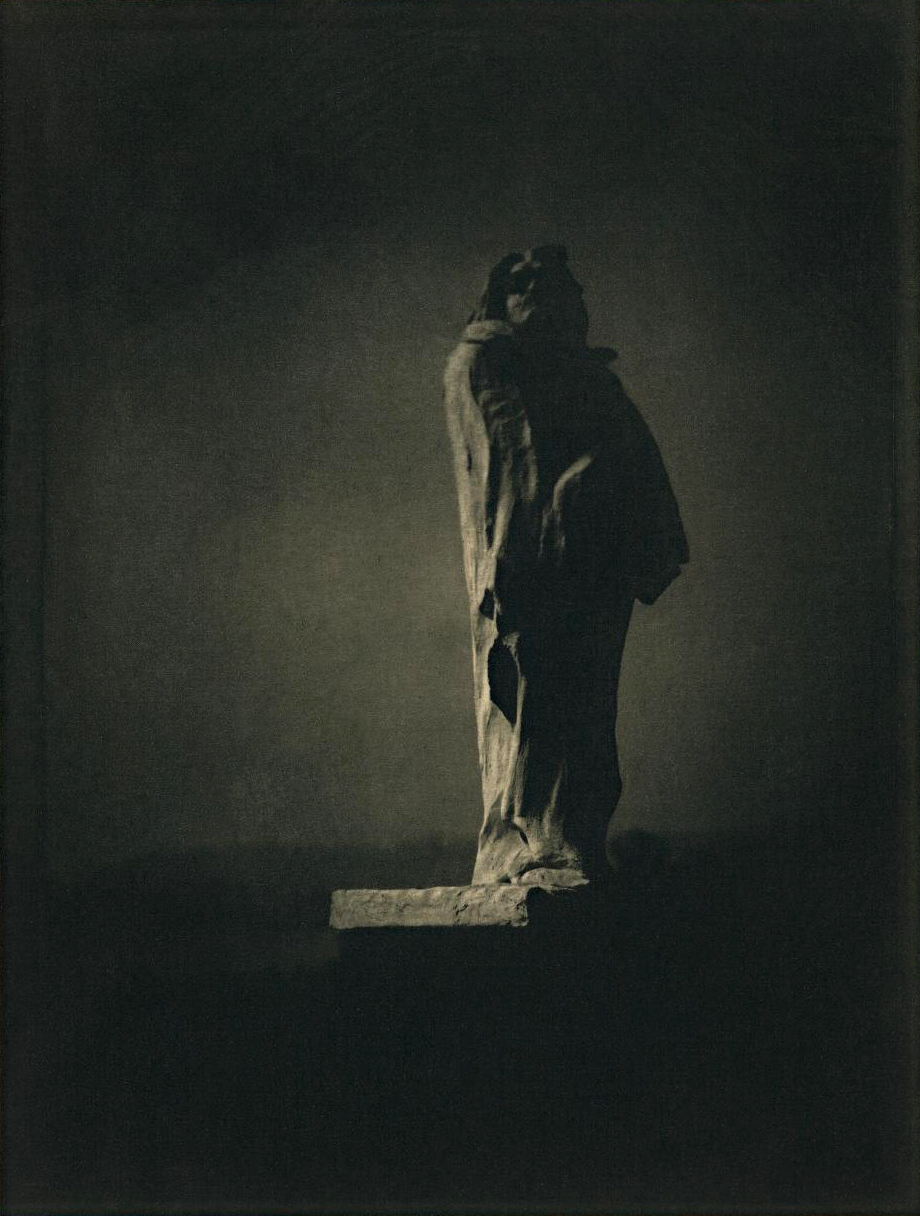
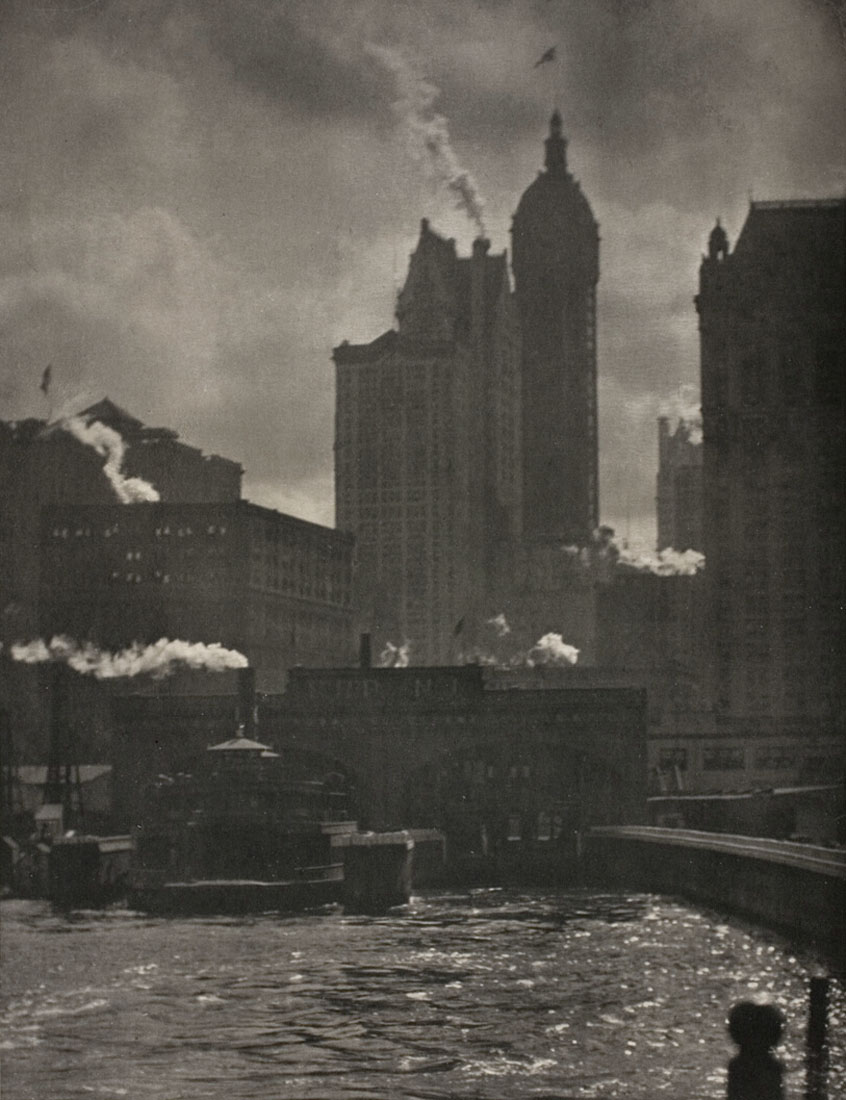


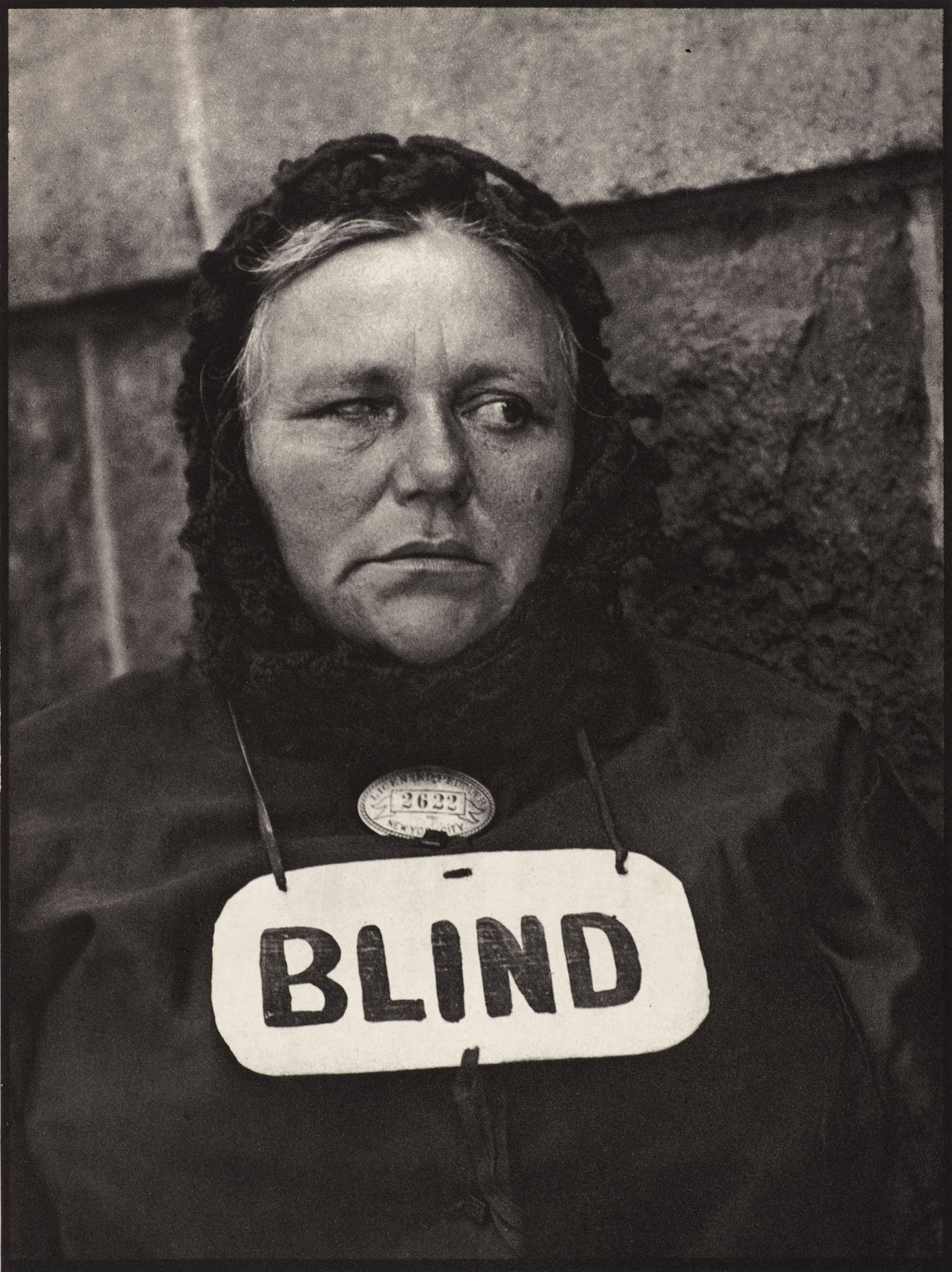

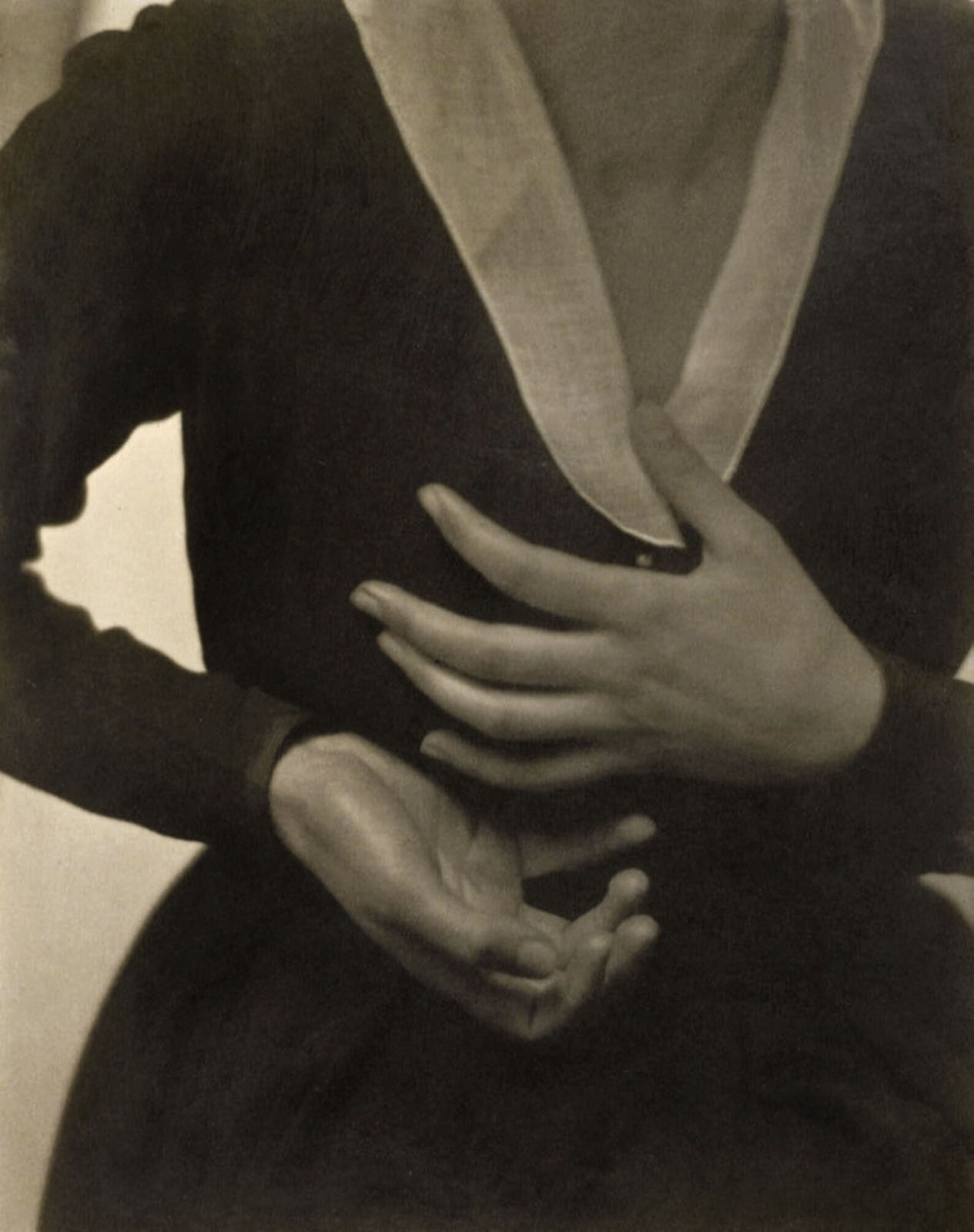


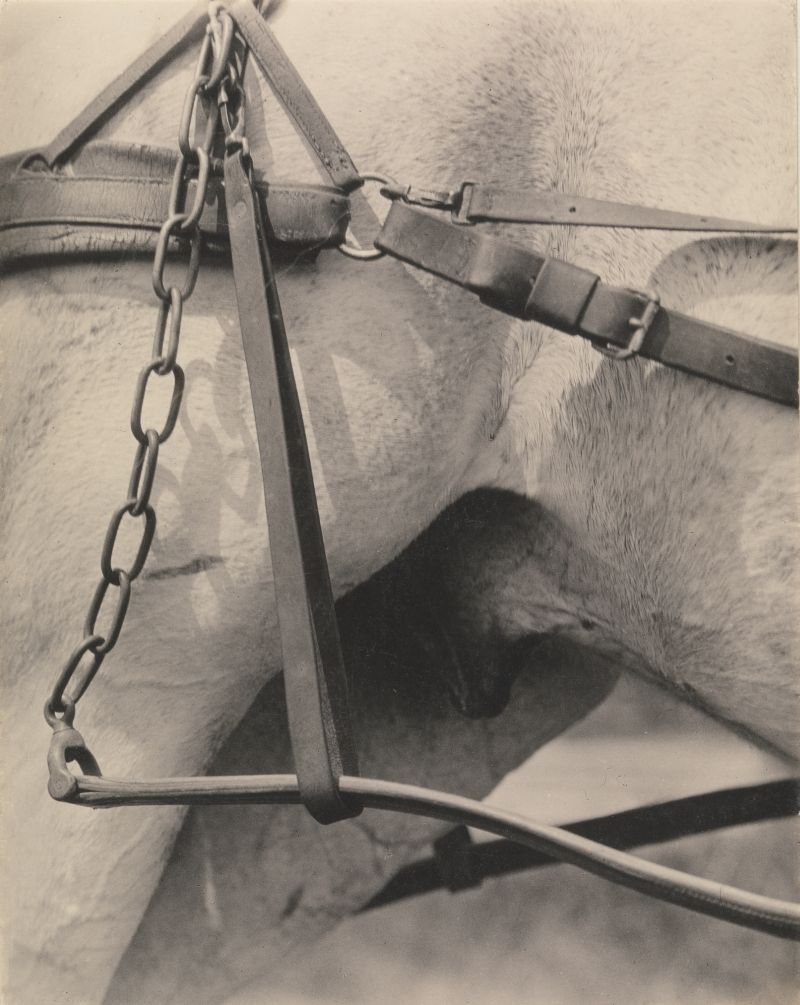
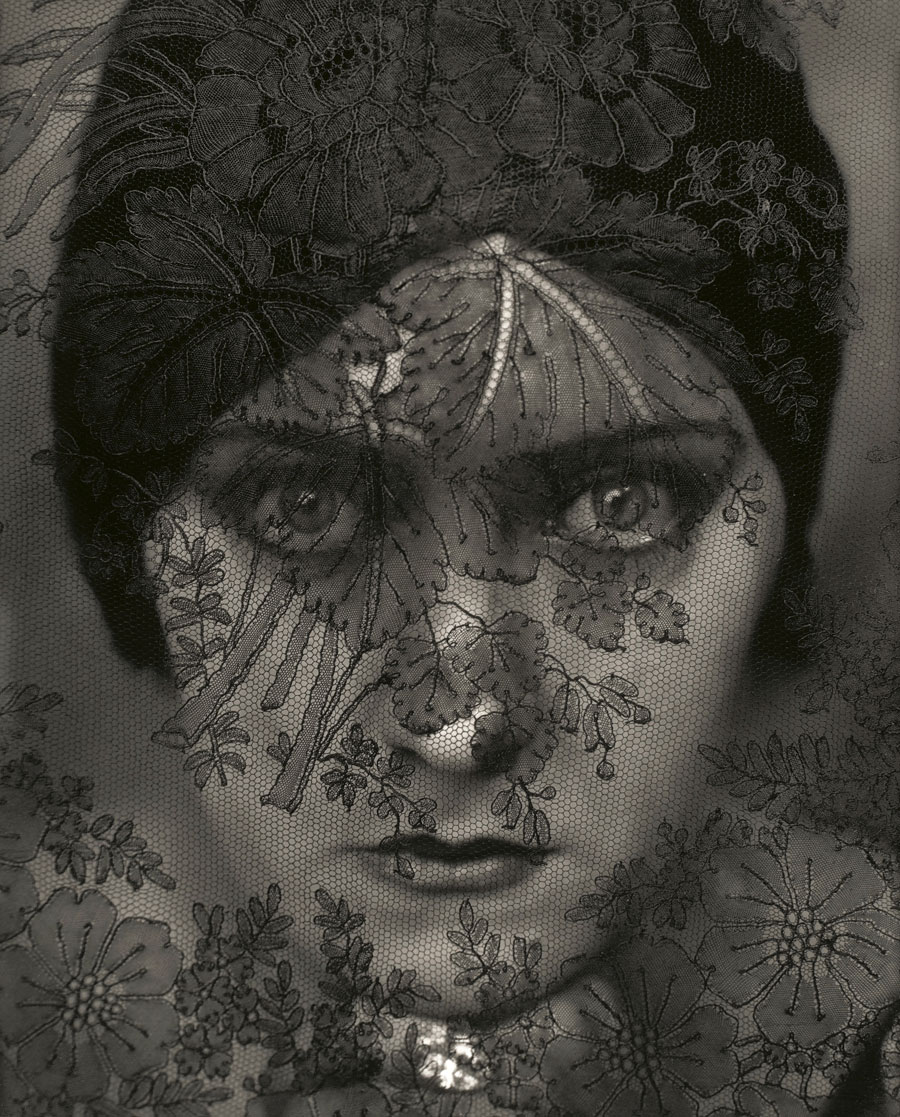


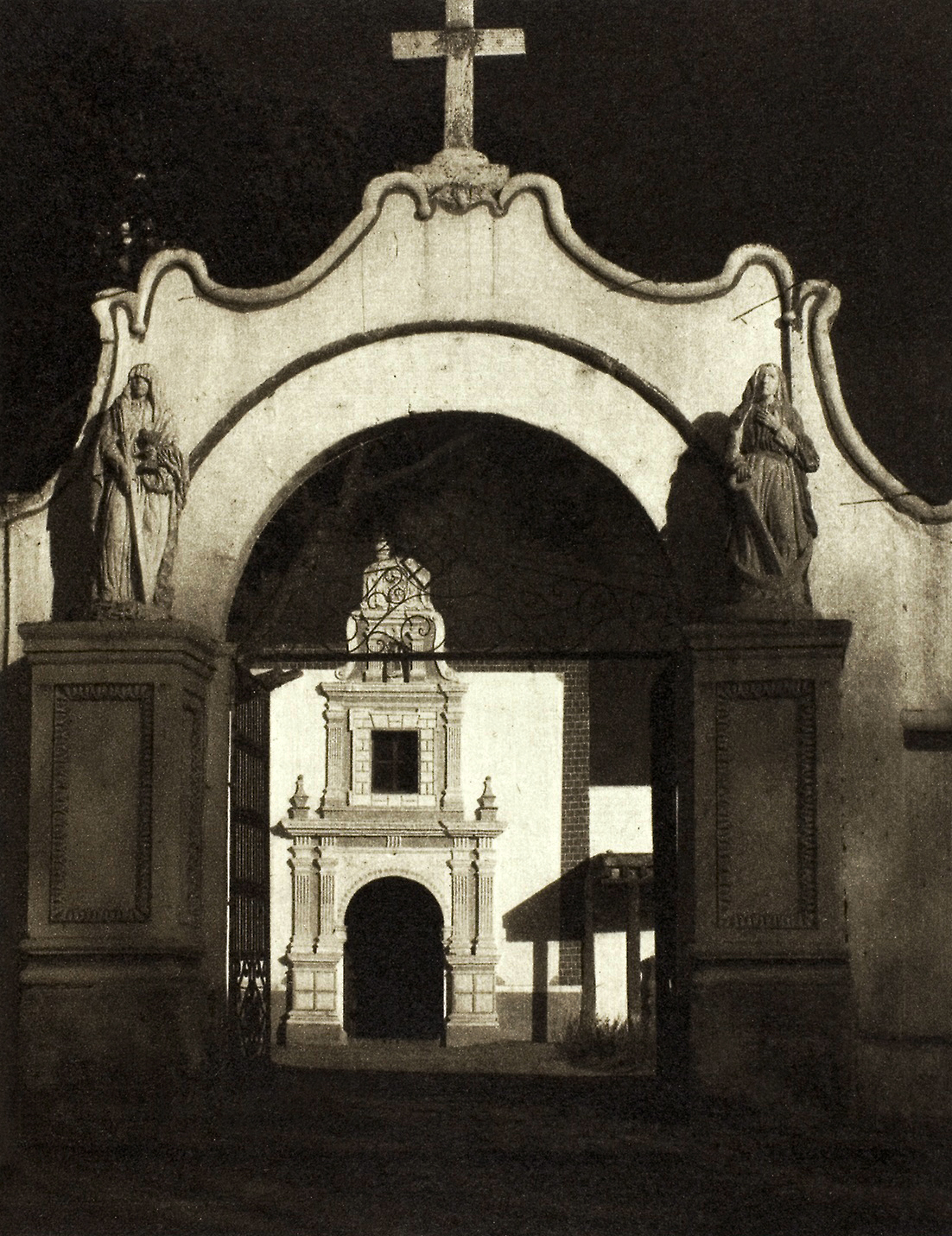


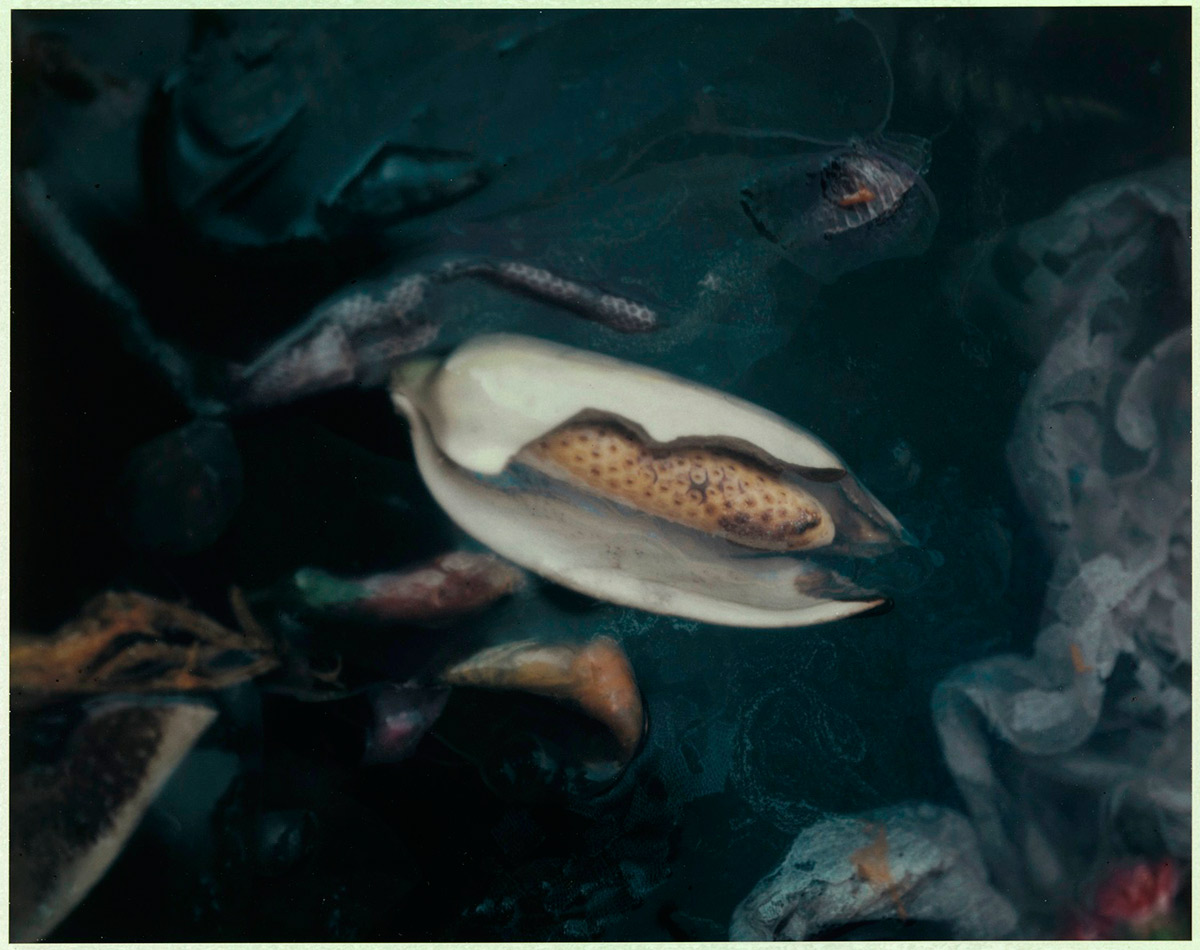


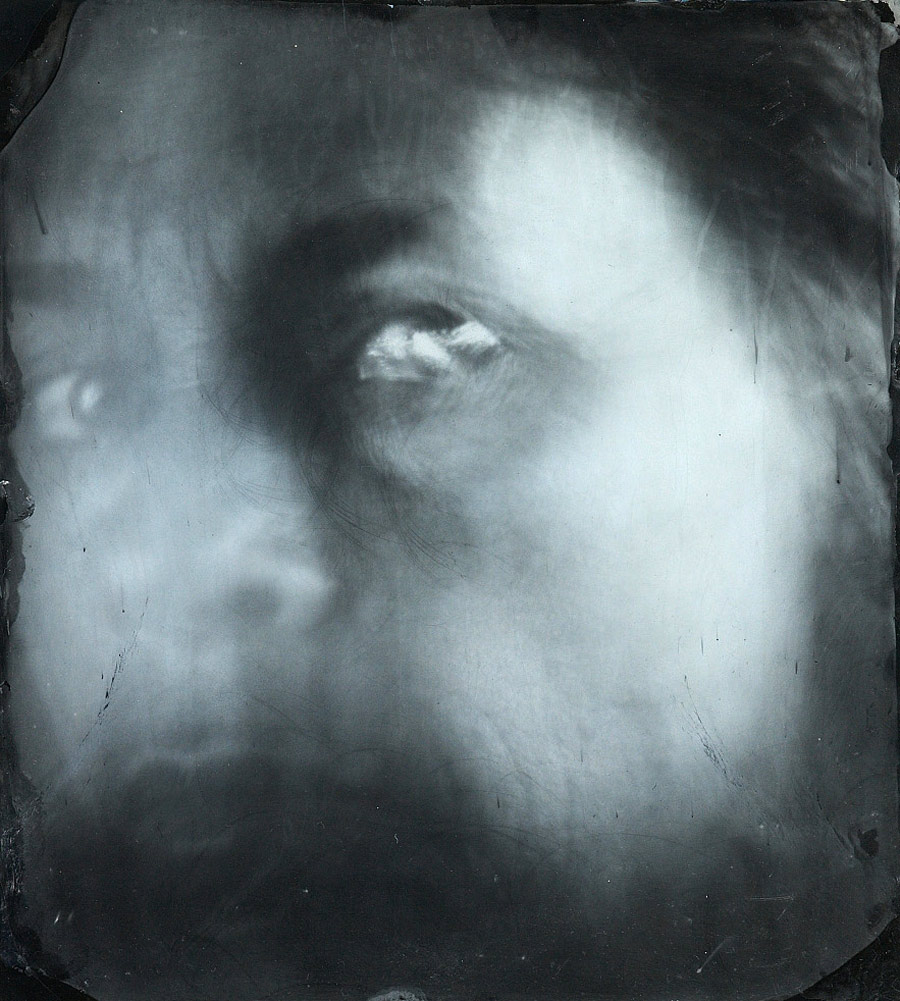
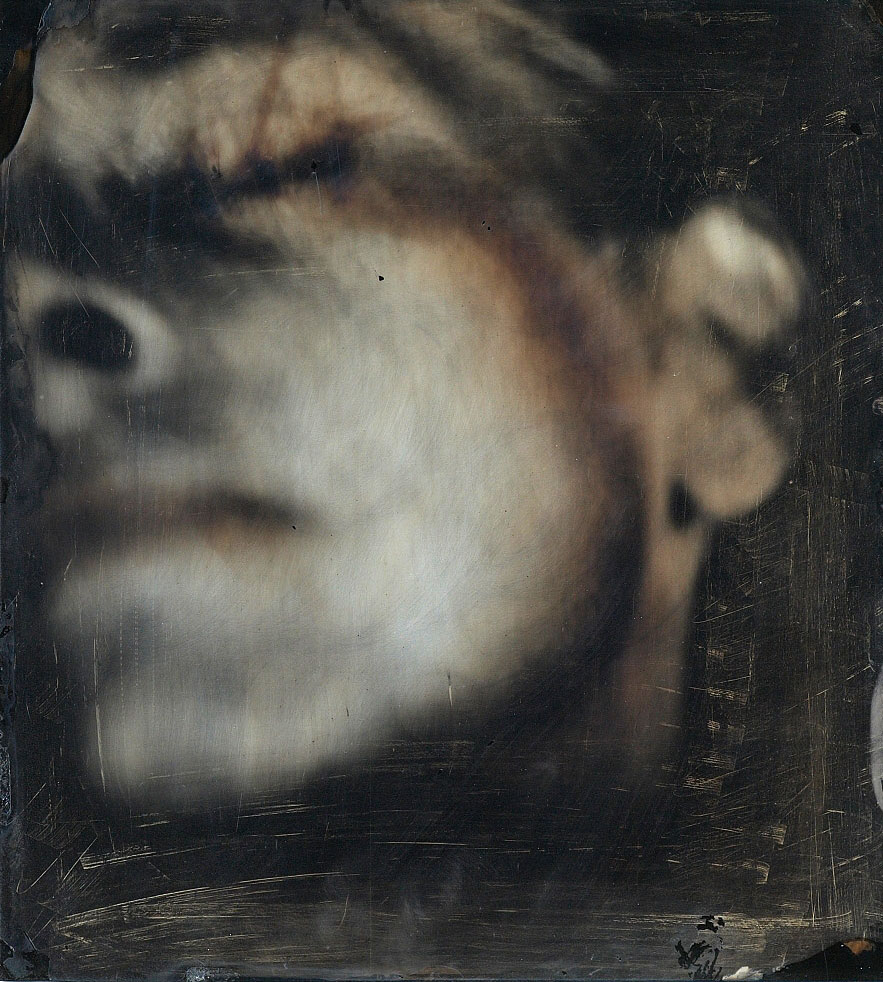
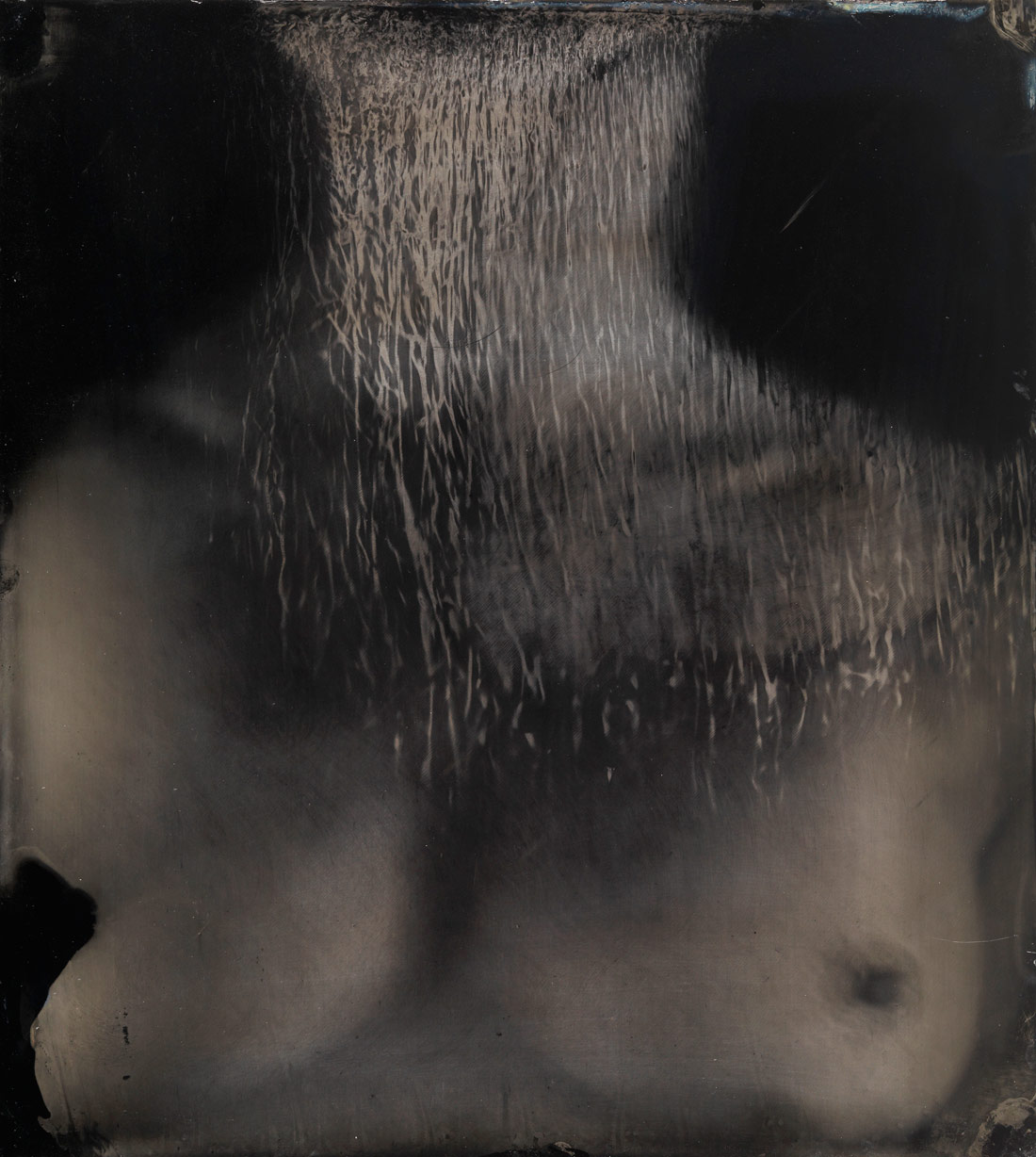

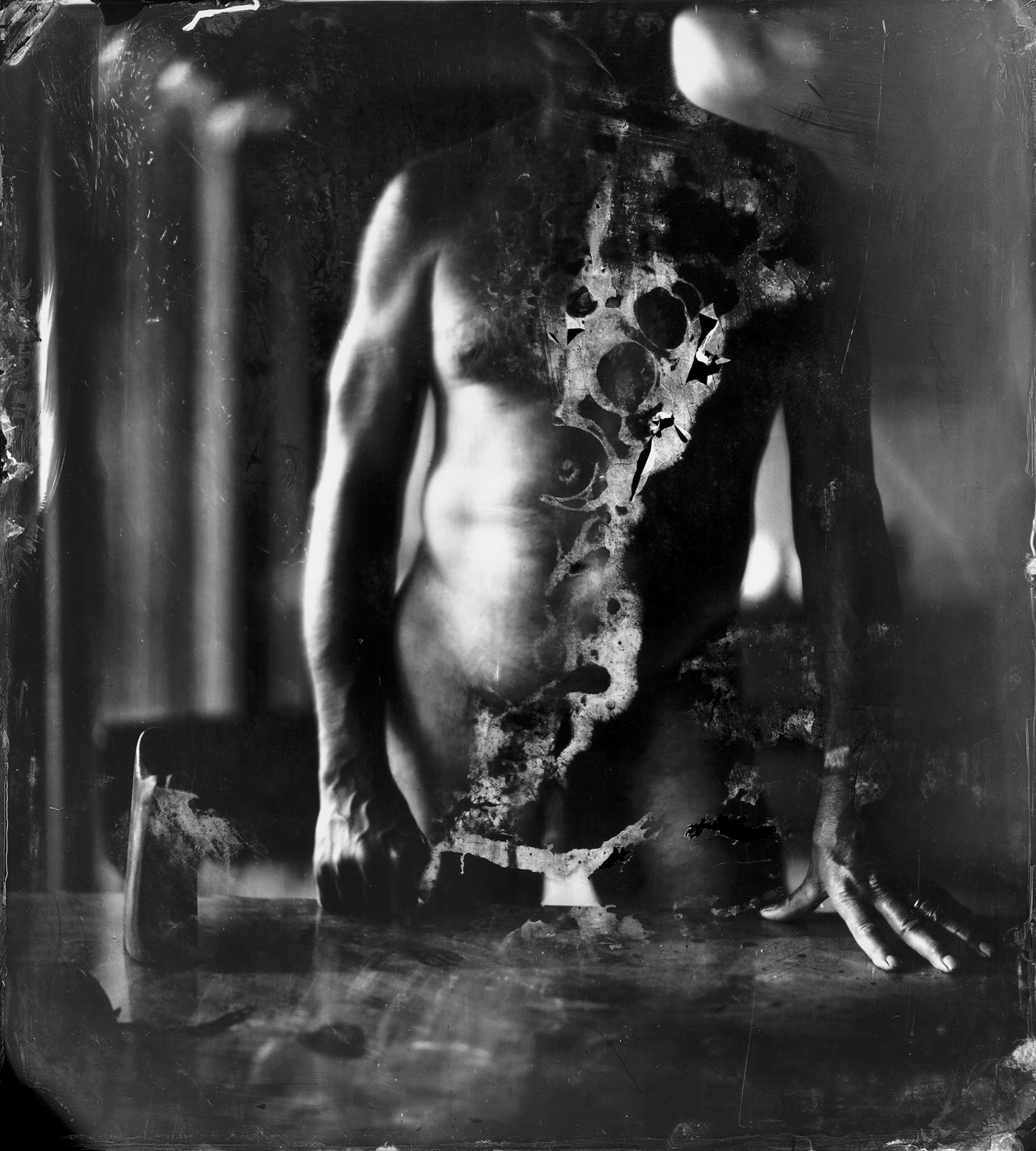

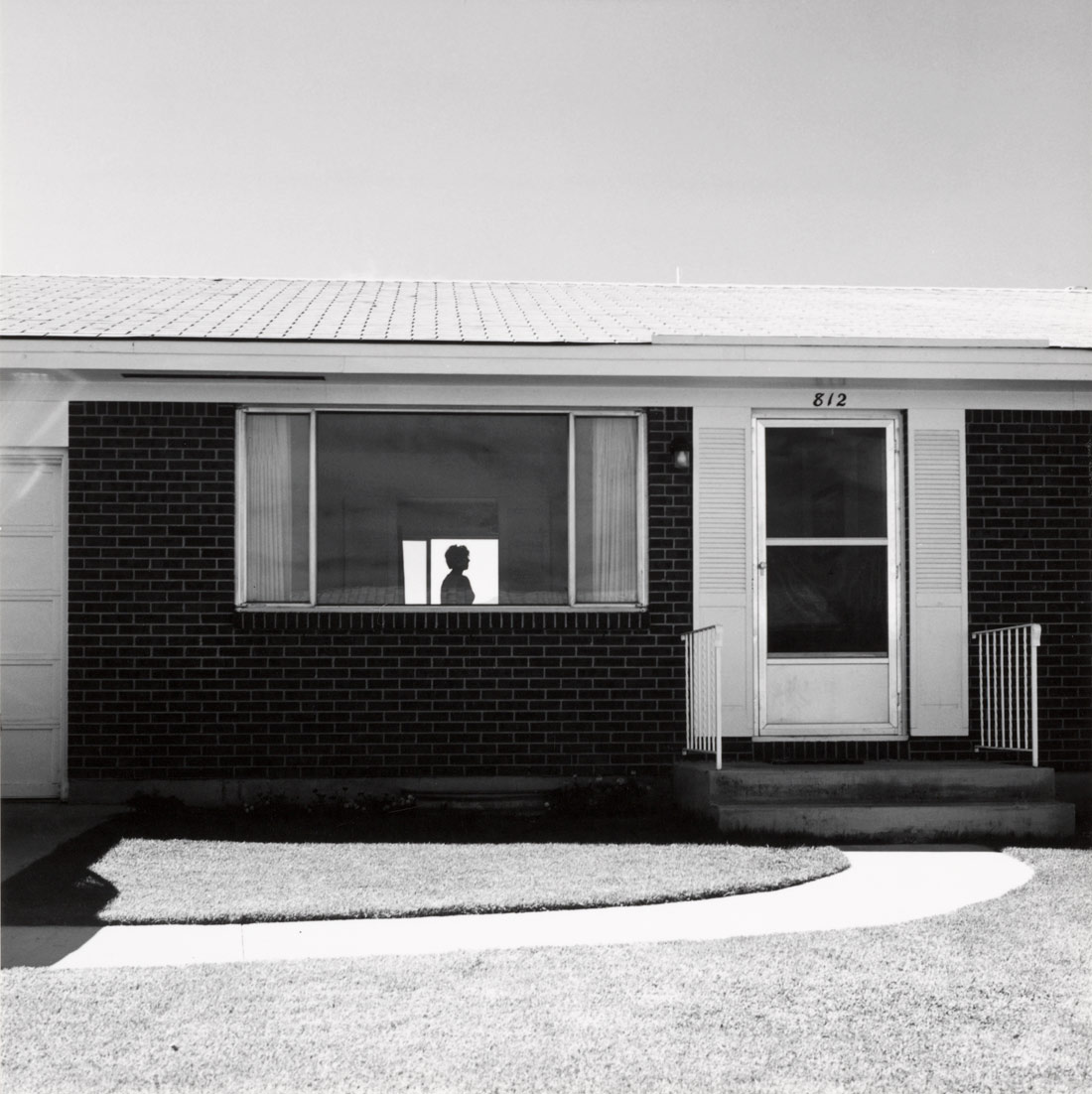
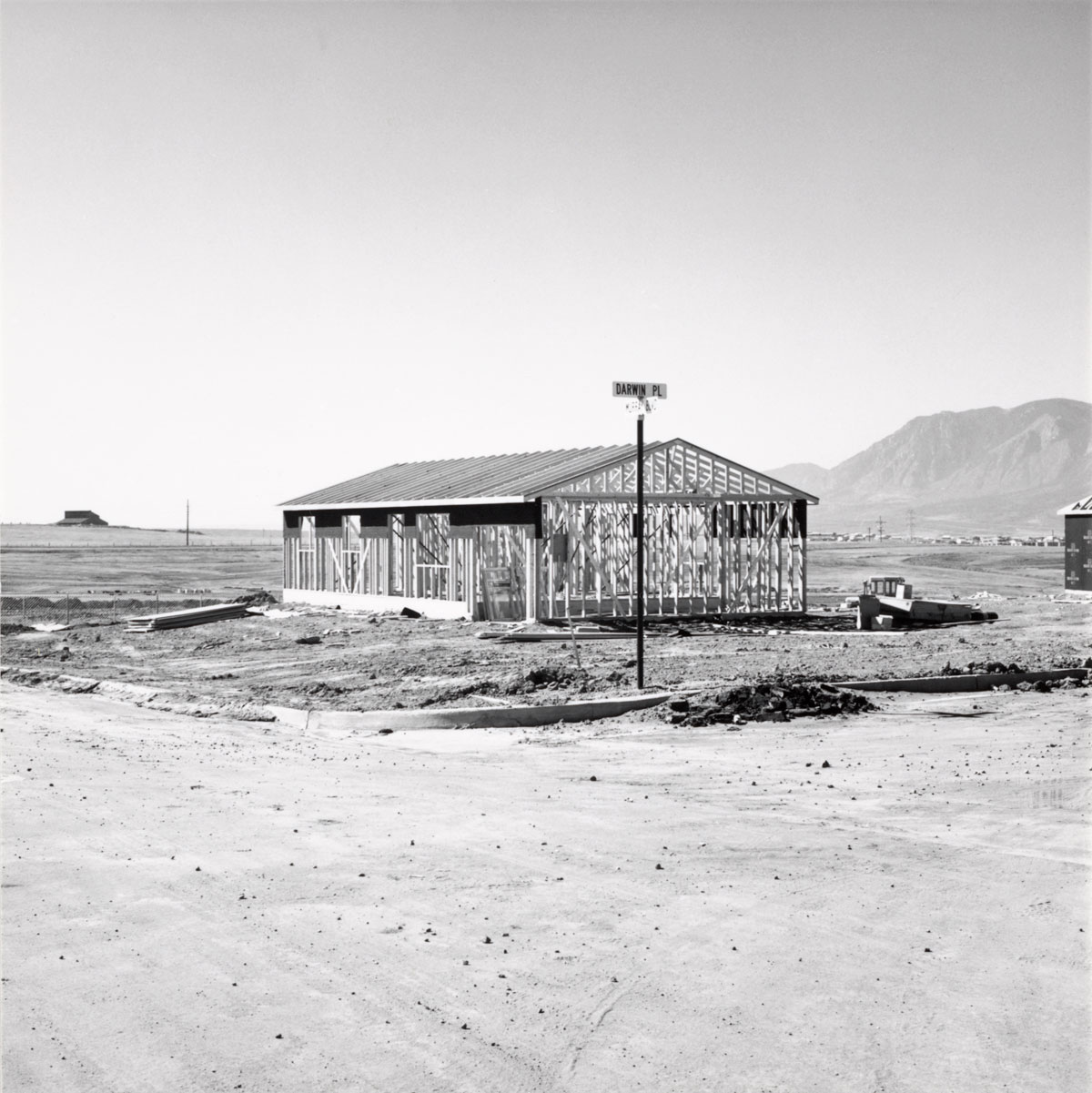
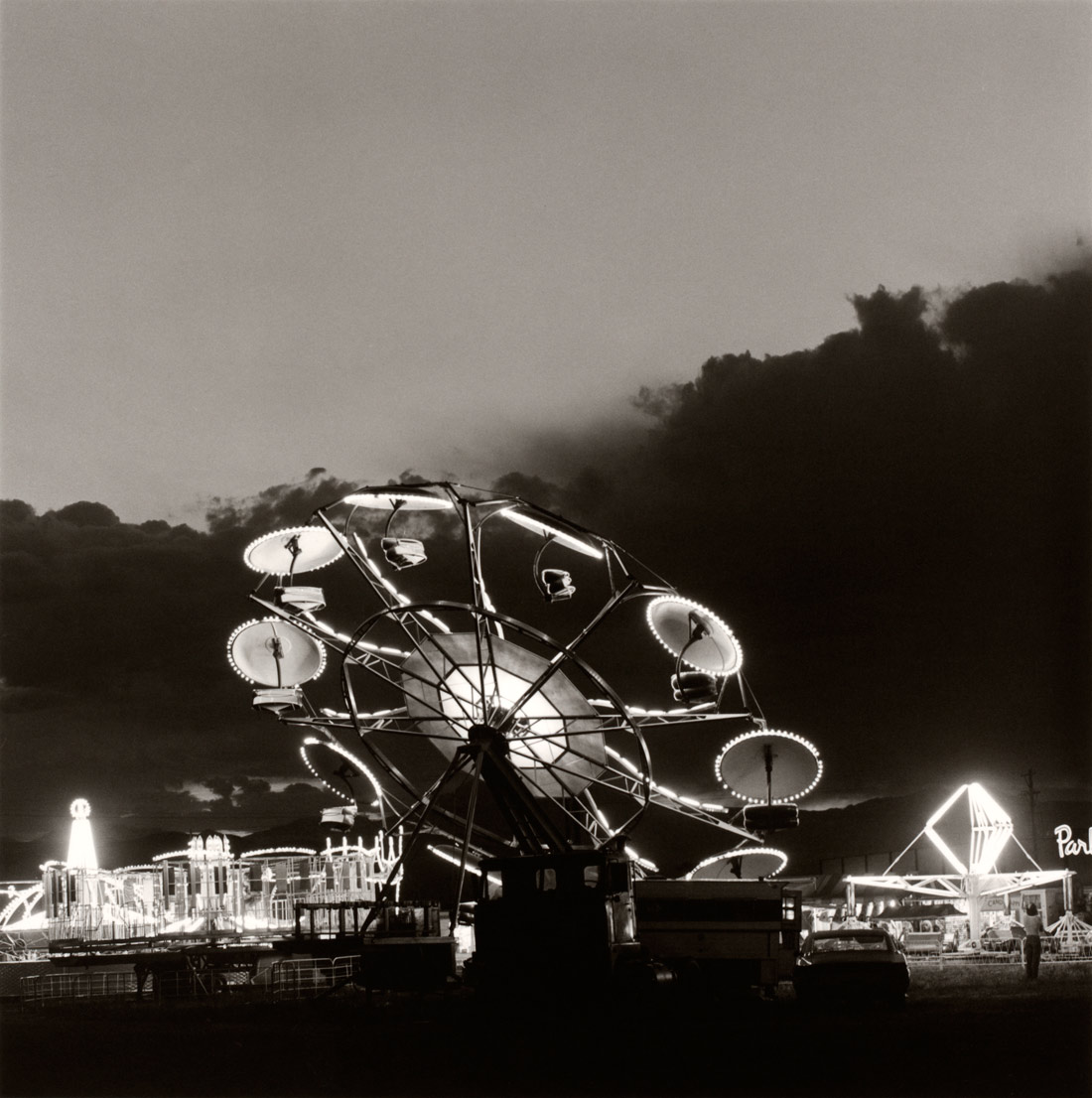
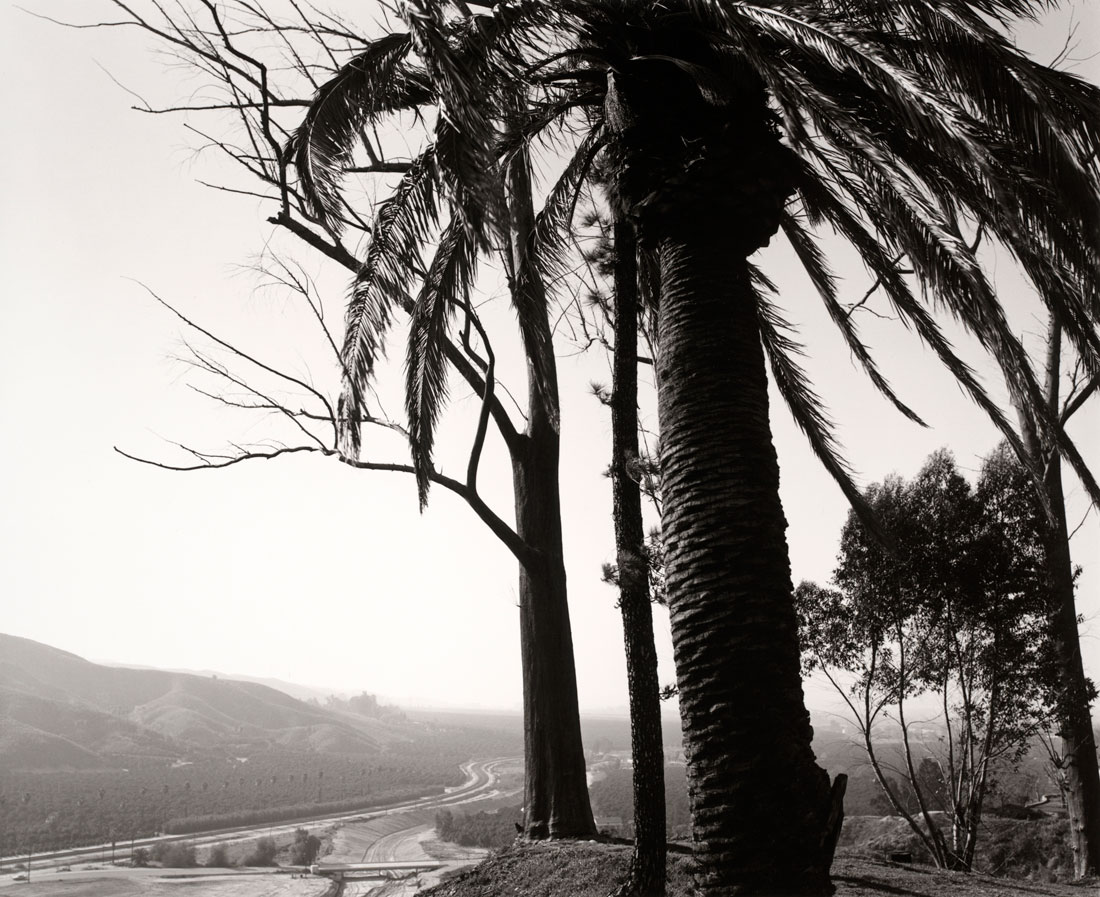
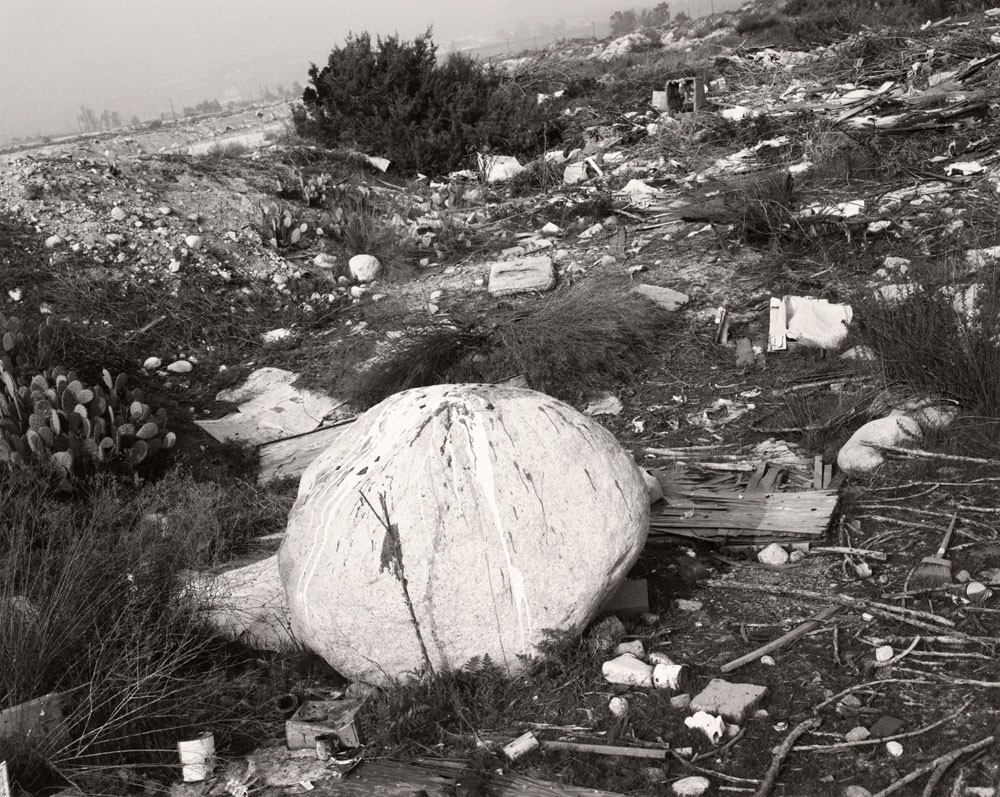
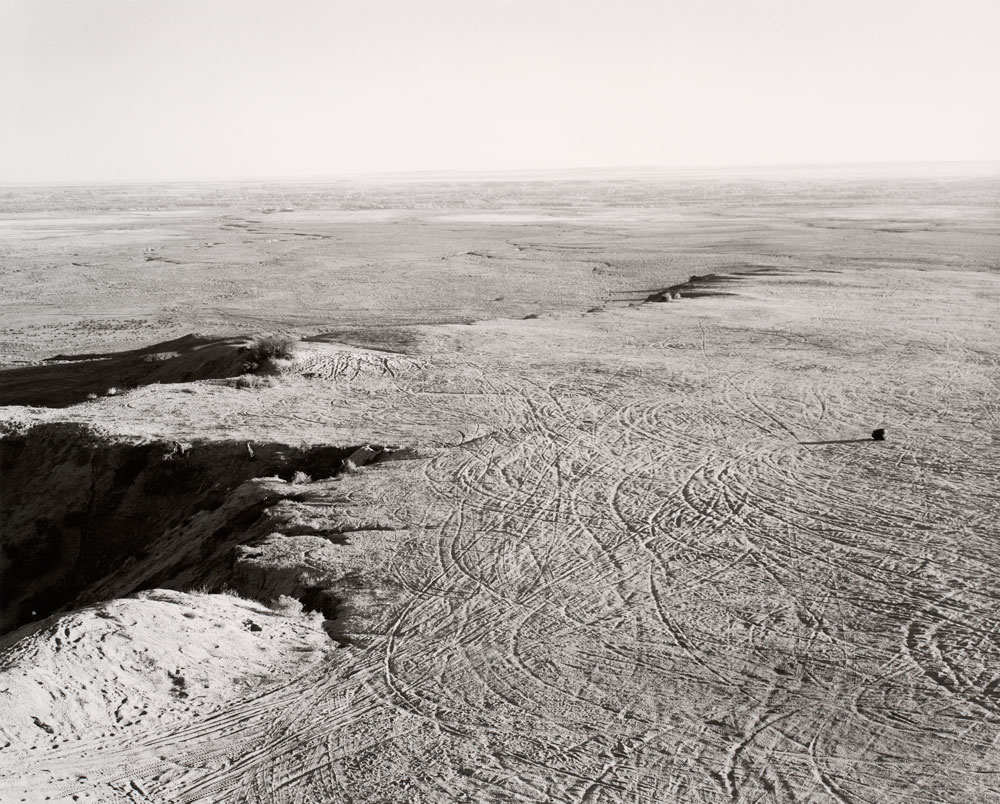
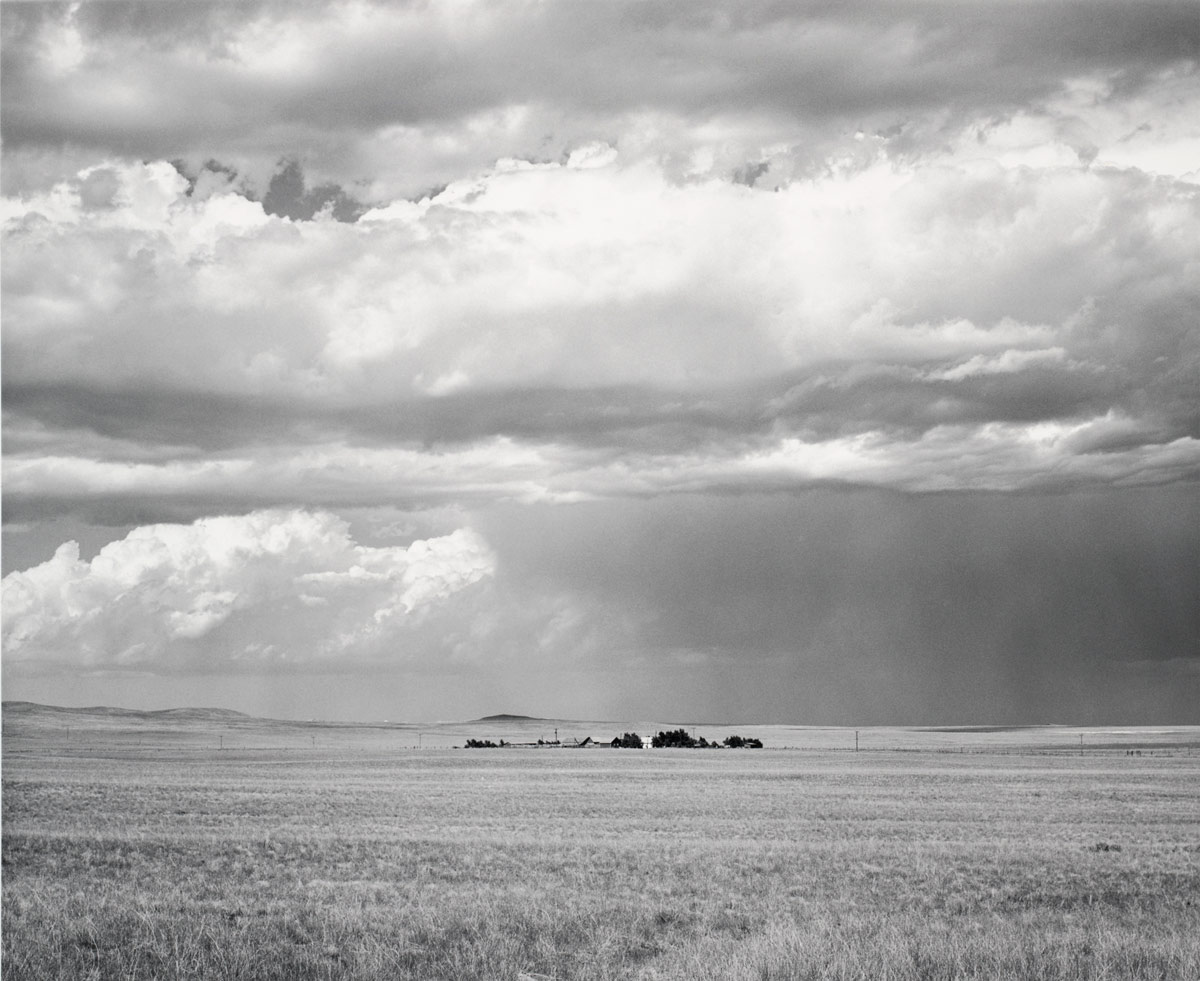
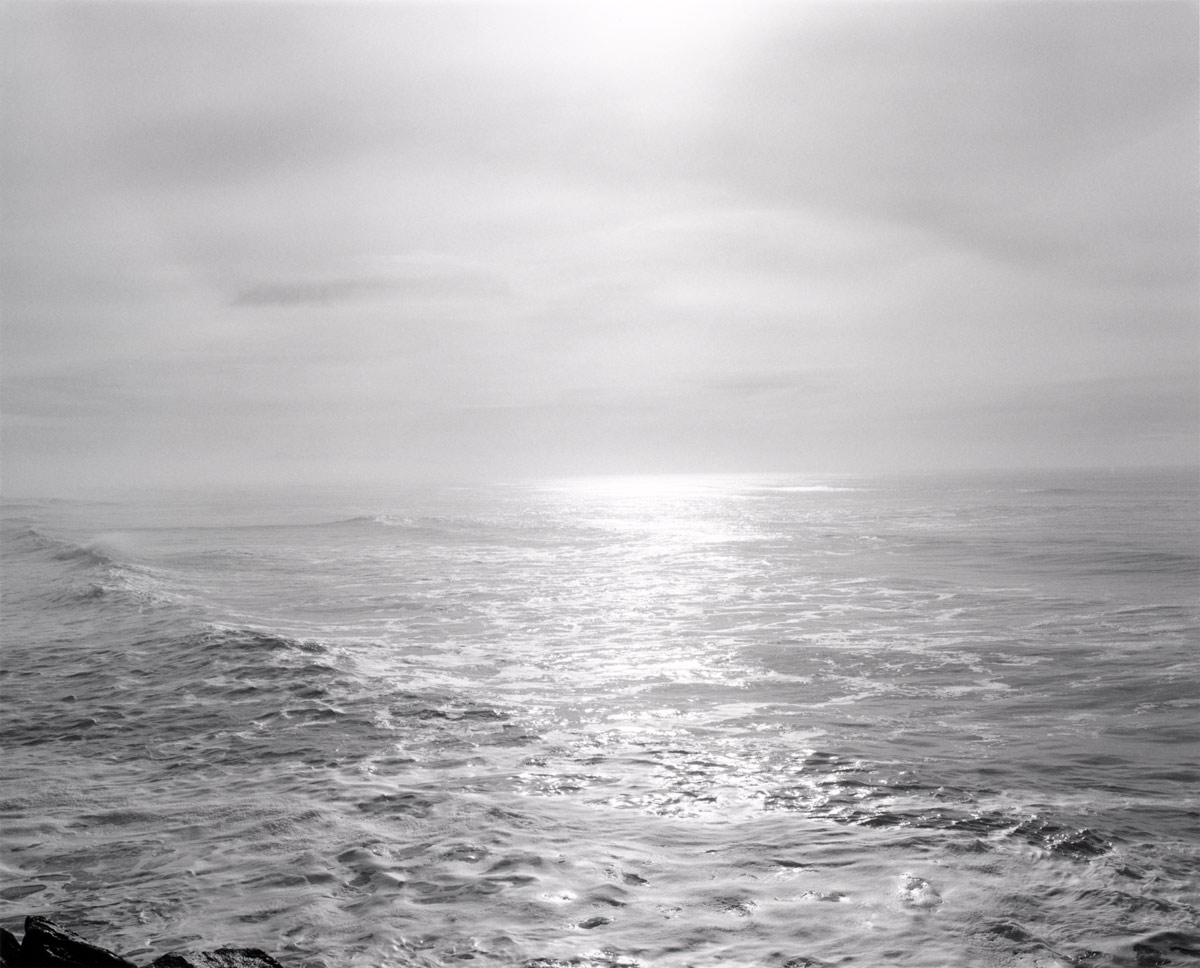
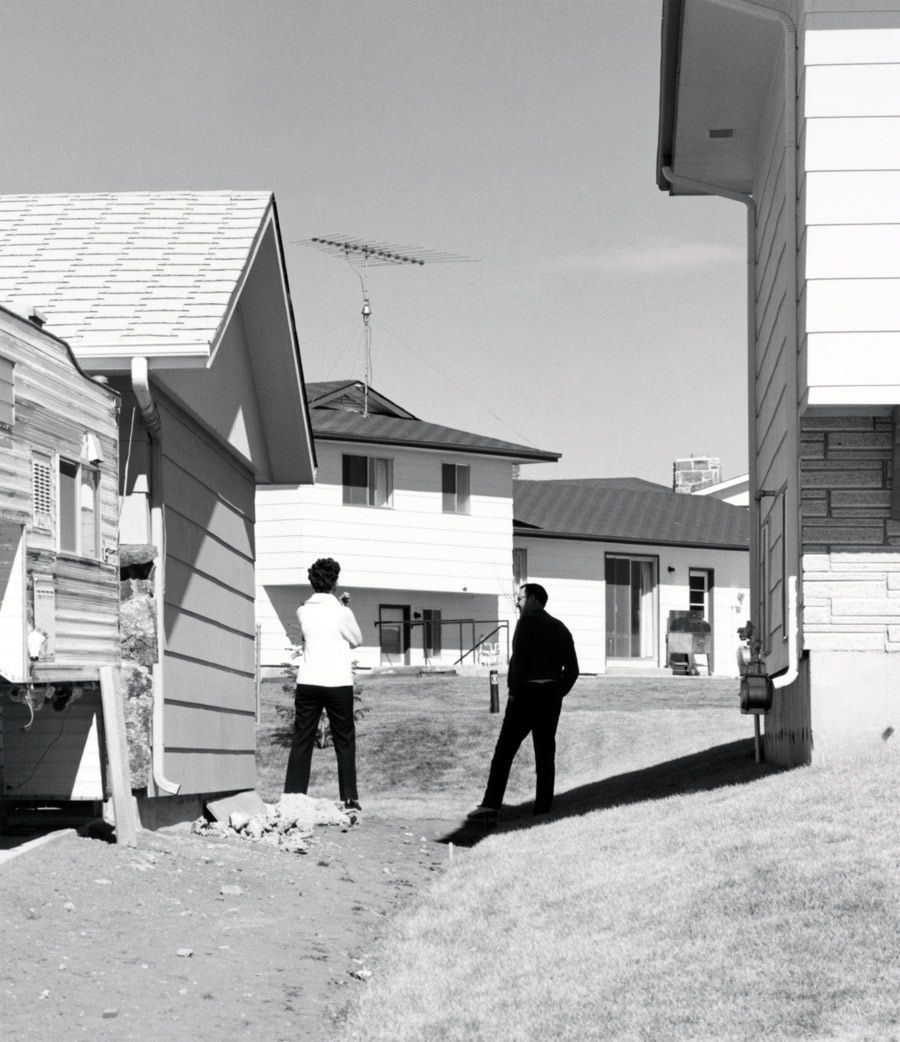
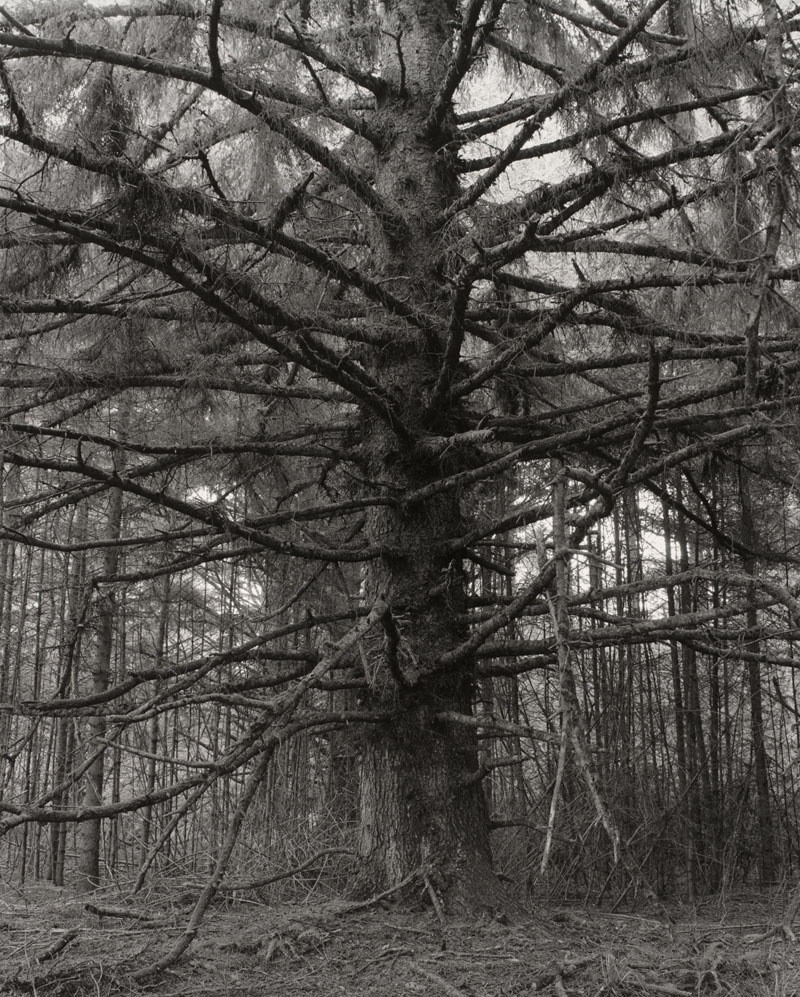
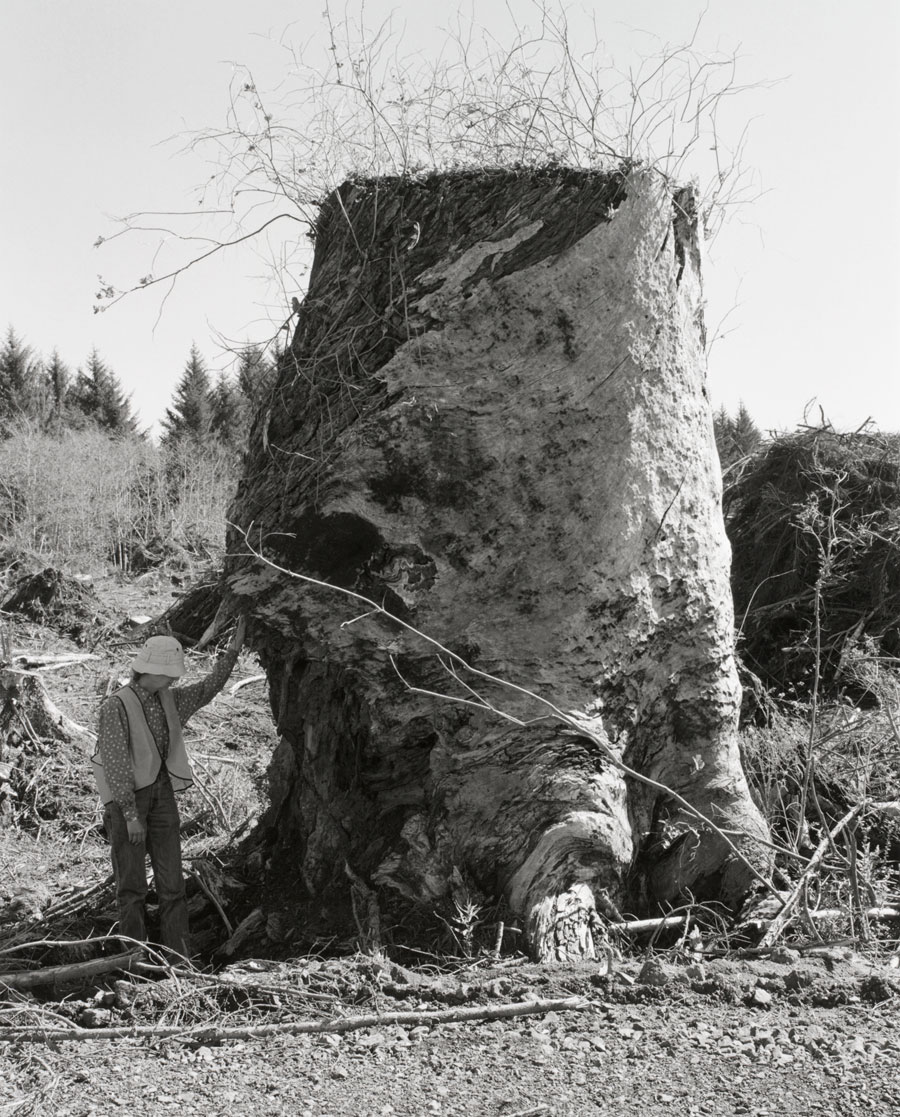
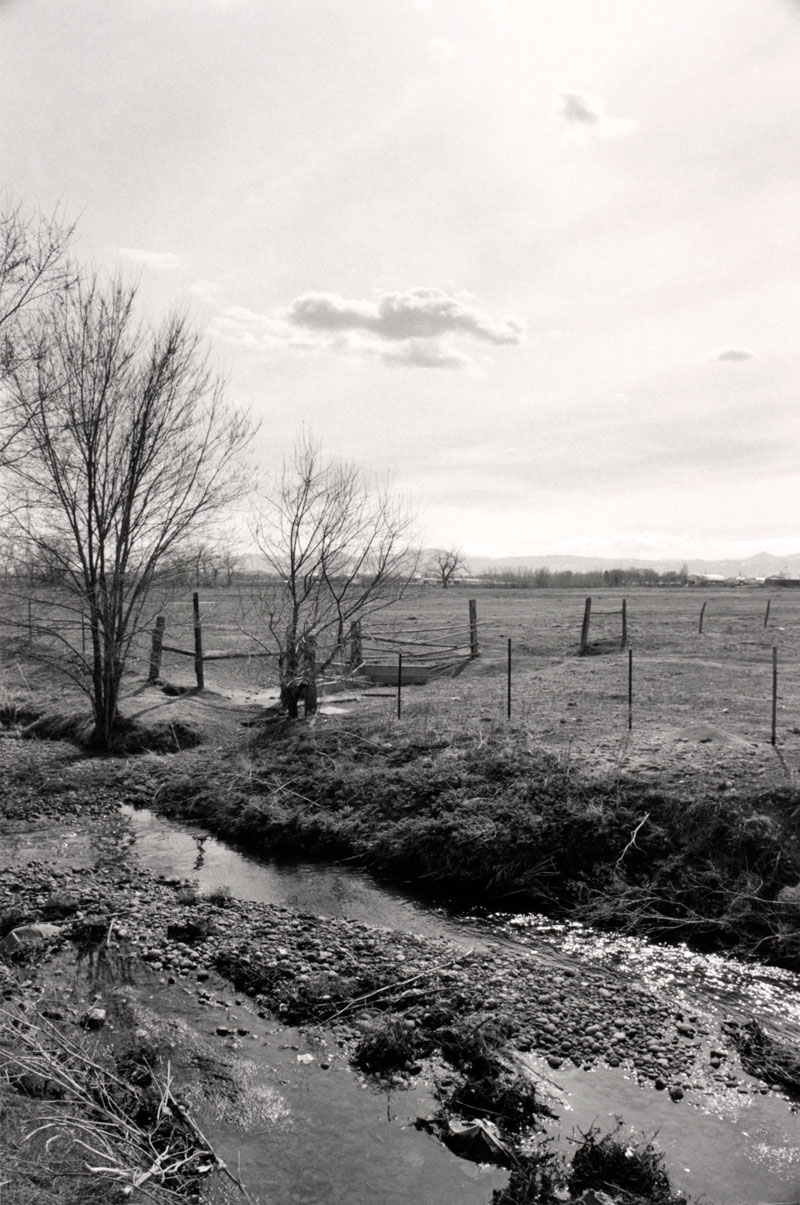
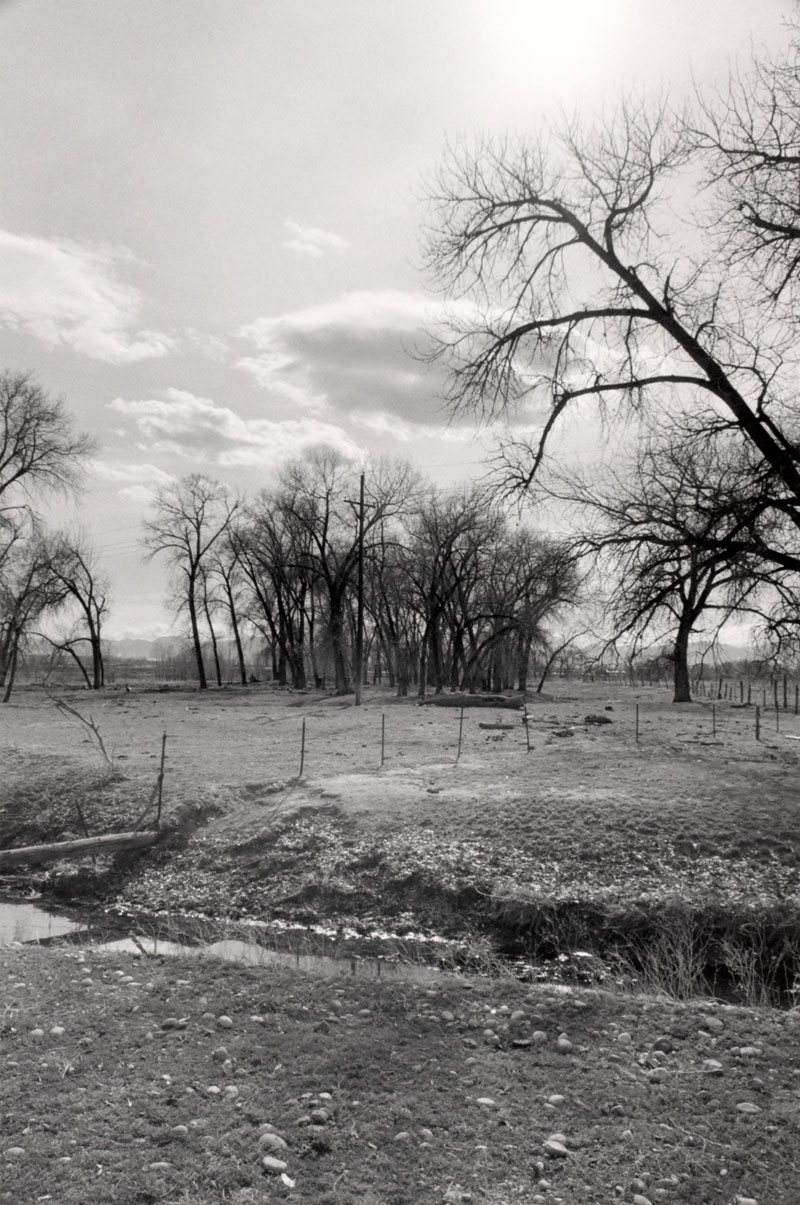
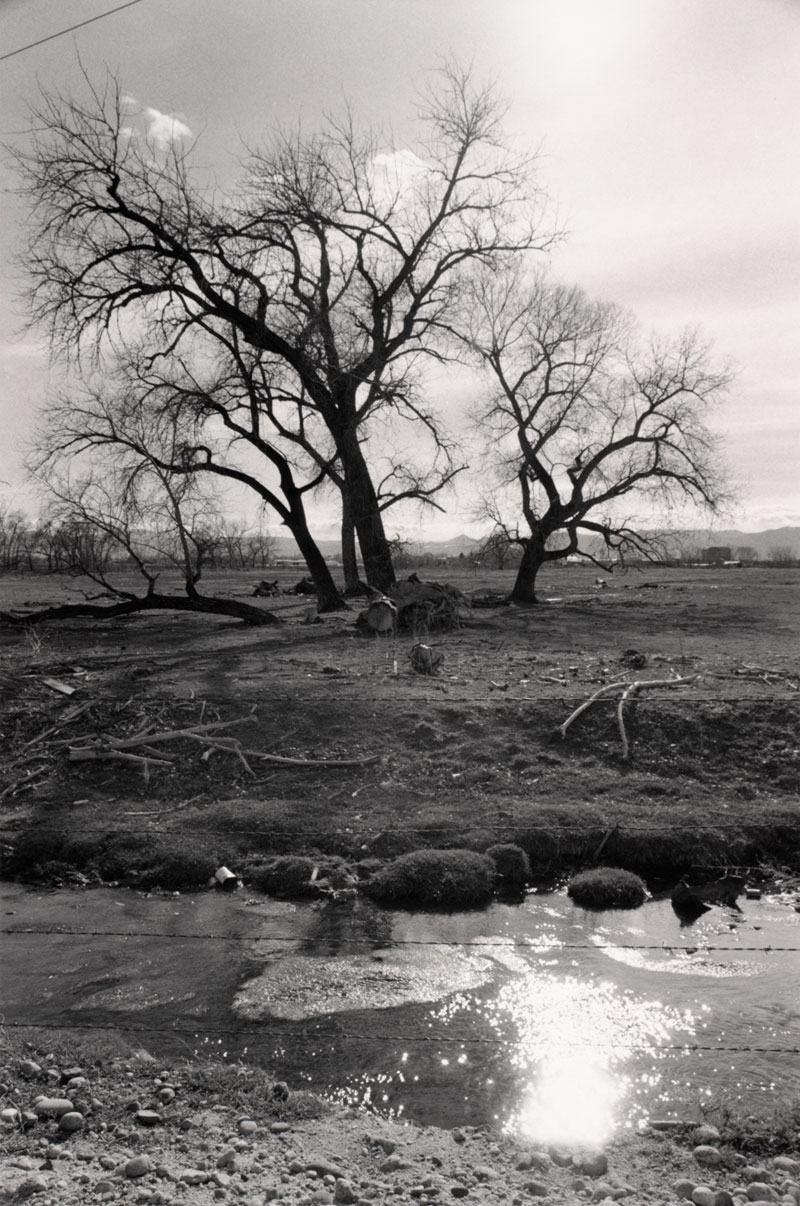
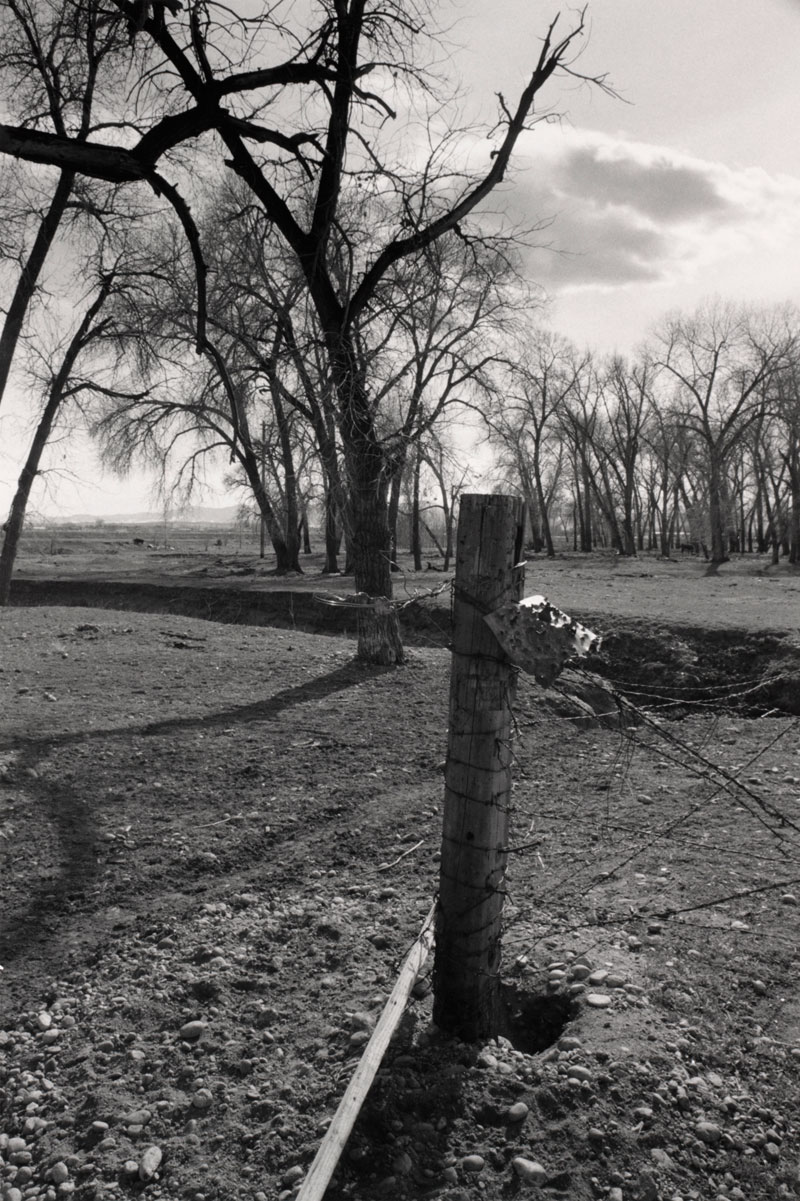
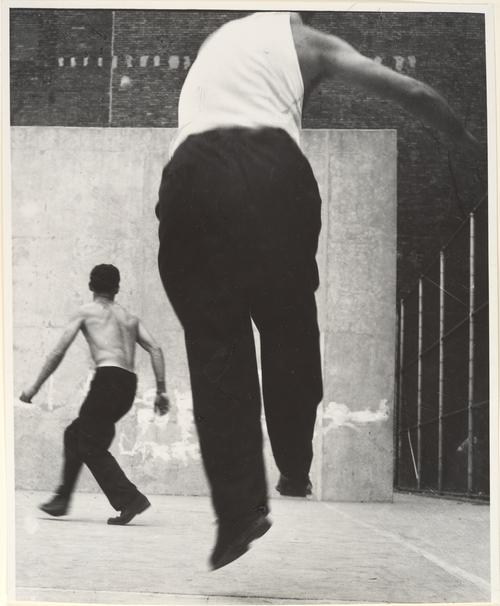


![Leon Levinstein (American, 1910-1988) 'Untitled [Head of Man with Hat and Cigar]' c. 1960 from the exhibition 'Hipsters, Hustlers, and Handball Players: Leon Levinstein's New York Photographs, 1950-1980' at The Metropolitan Museum of Art, New York, June - October, 2010](https://artblart.com/wp-content/uploads/2010/09/leon-levinstein-head-of-man-with-hat-and-cigar.jpg "Leon Levinstein (American, 1910-1988) 'Untitled [Head of Man with Hat and Cigar]' c. 1960 from the exhibition 'Hipsters, Hustlers, and Handball Players: Leon Levinstein's New York Photographs, 1950-1980' at The Metropolitan Museum of Art, New York, June - October, 2010")
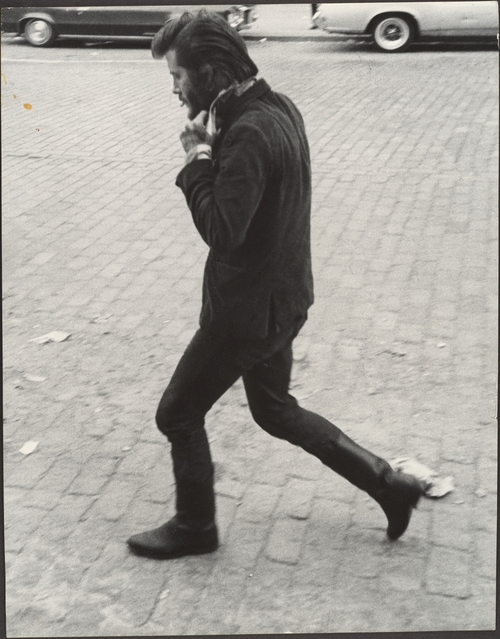
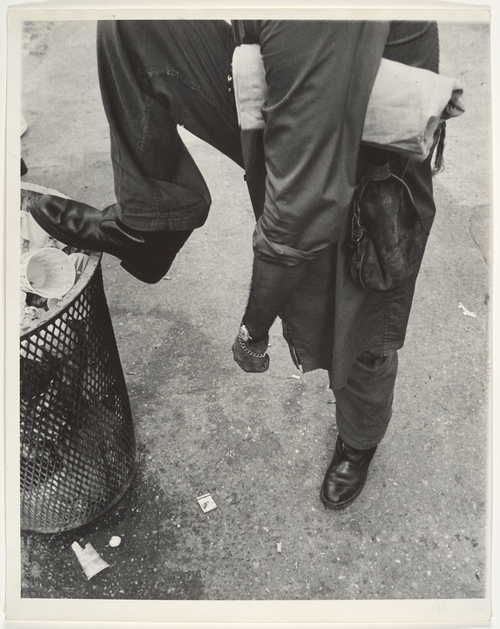

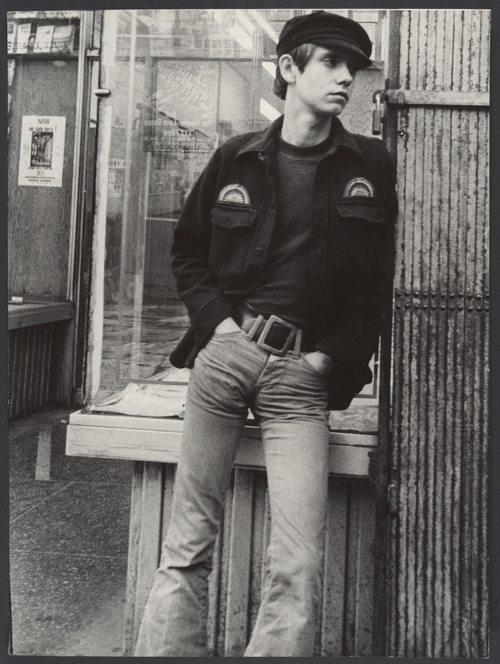

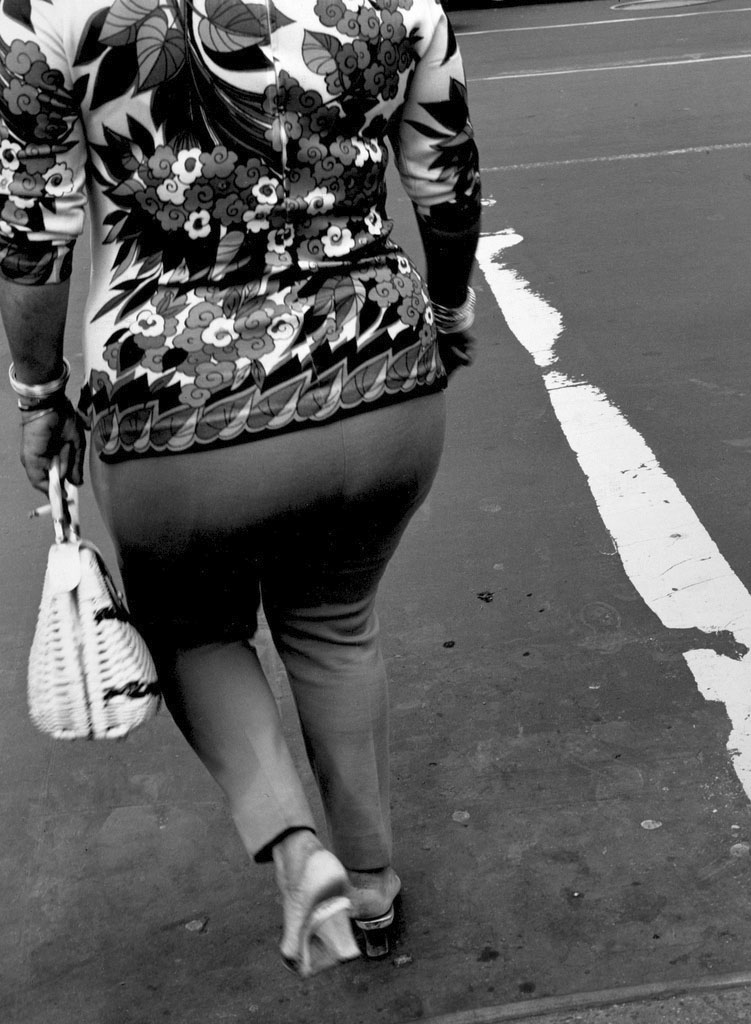
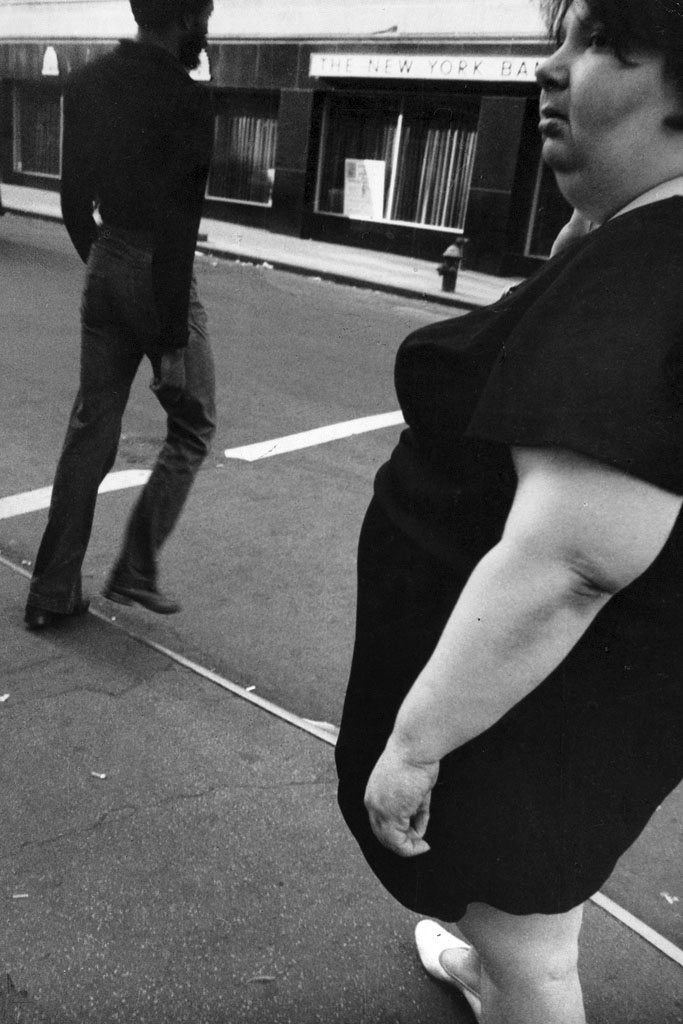
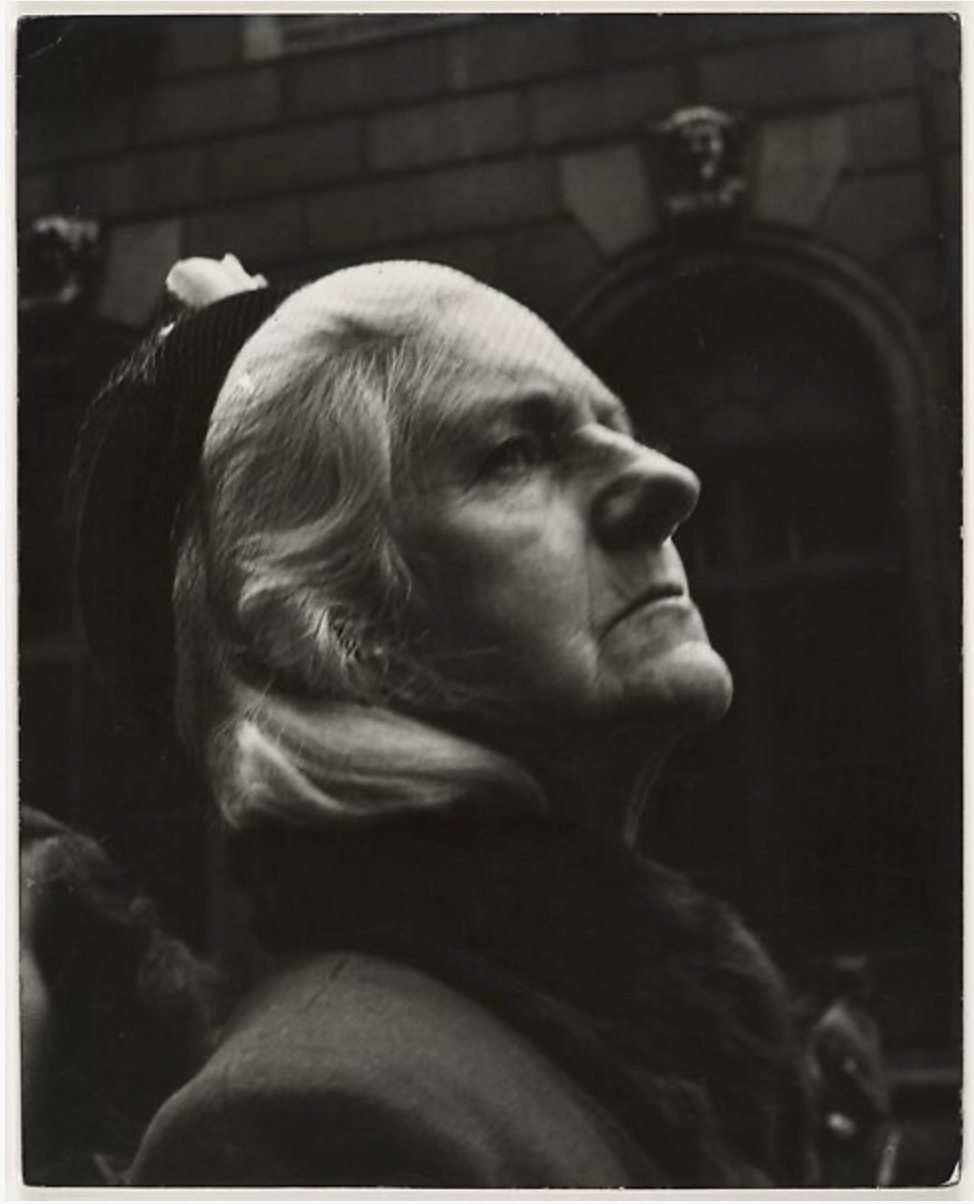
![Leon Levinstein (American, 1910-1988) 'Untitled [Beach Scene: Woman Wearing Paper Bag Hat, Coney Island, New York]' 1950s](https://artblart.com/wp-content/uploads/2010/09/leon-levinstein-beach-scene.jpg "Leon Levinstein (American, 1910-1988) 'Untitled [Beach Scene: Woman Wearing Paper Bag Hat, Coney Island, New York]' 1950s")
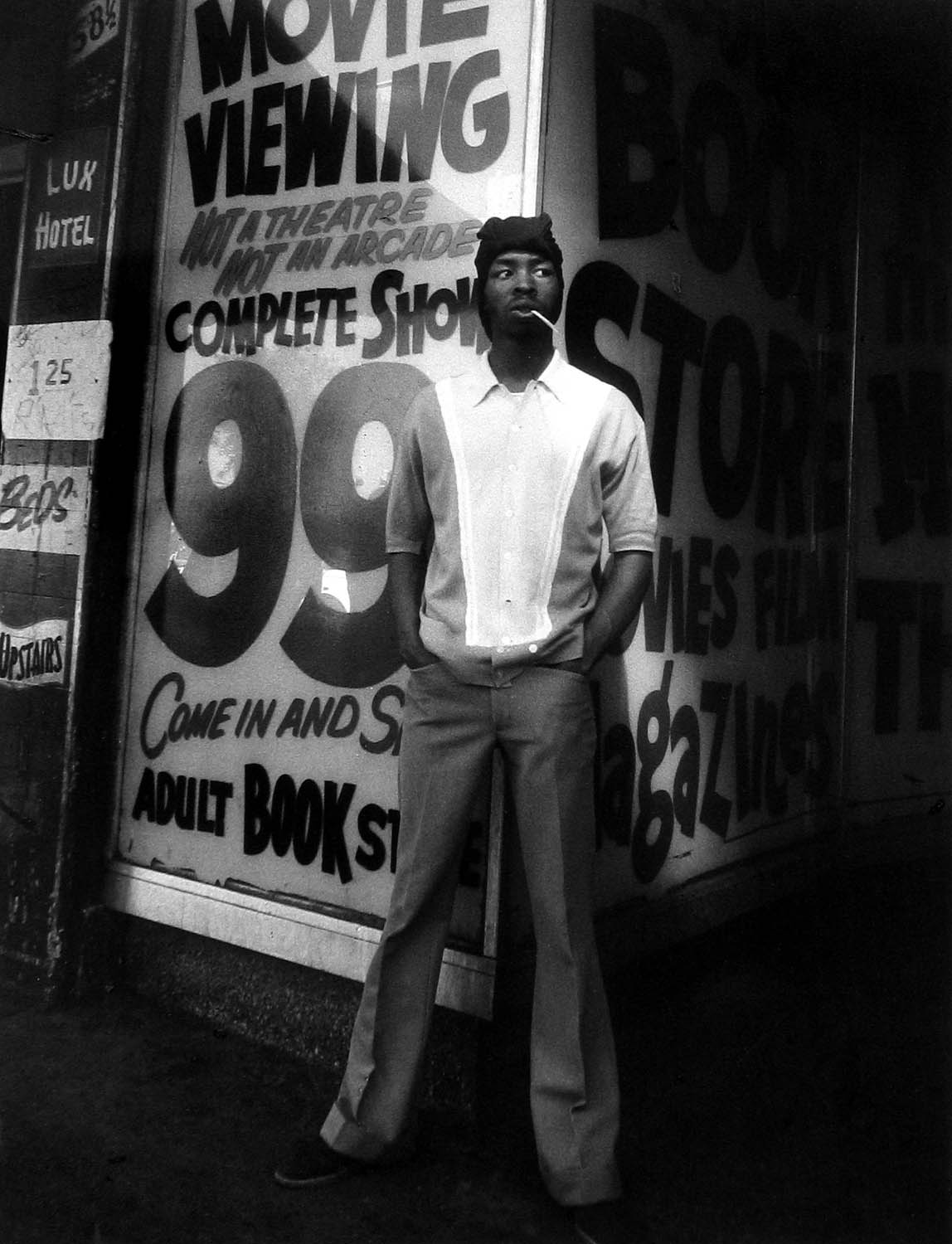
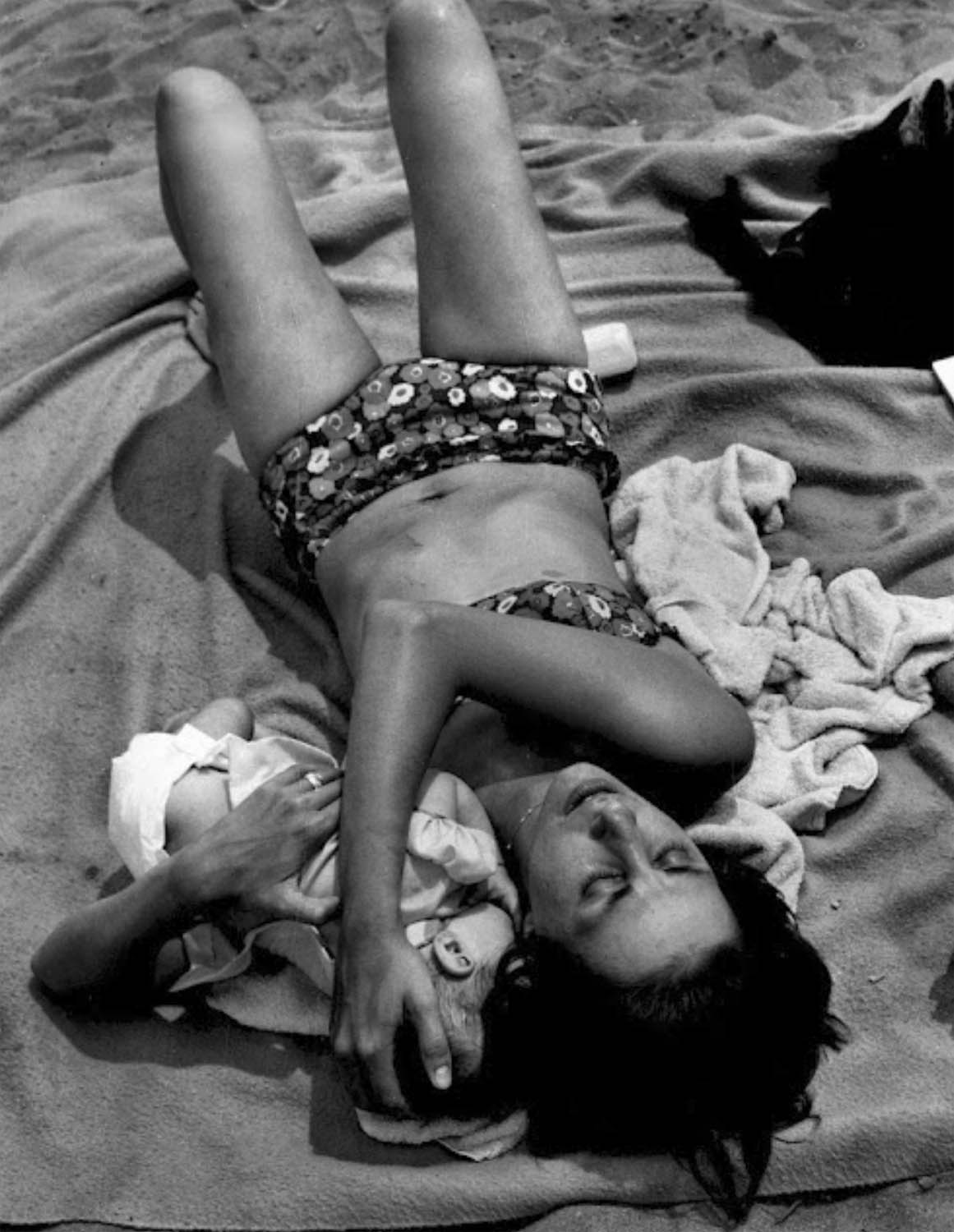
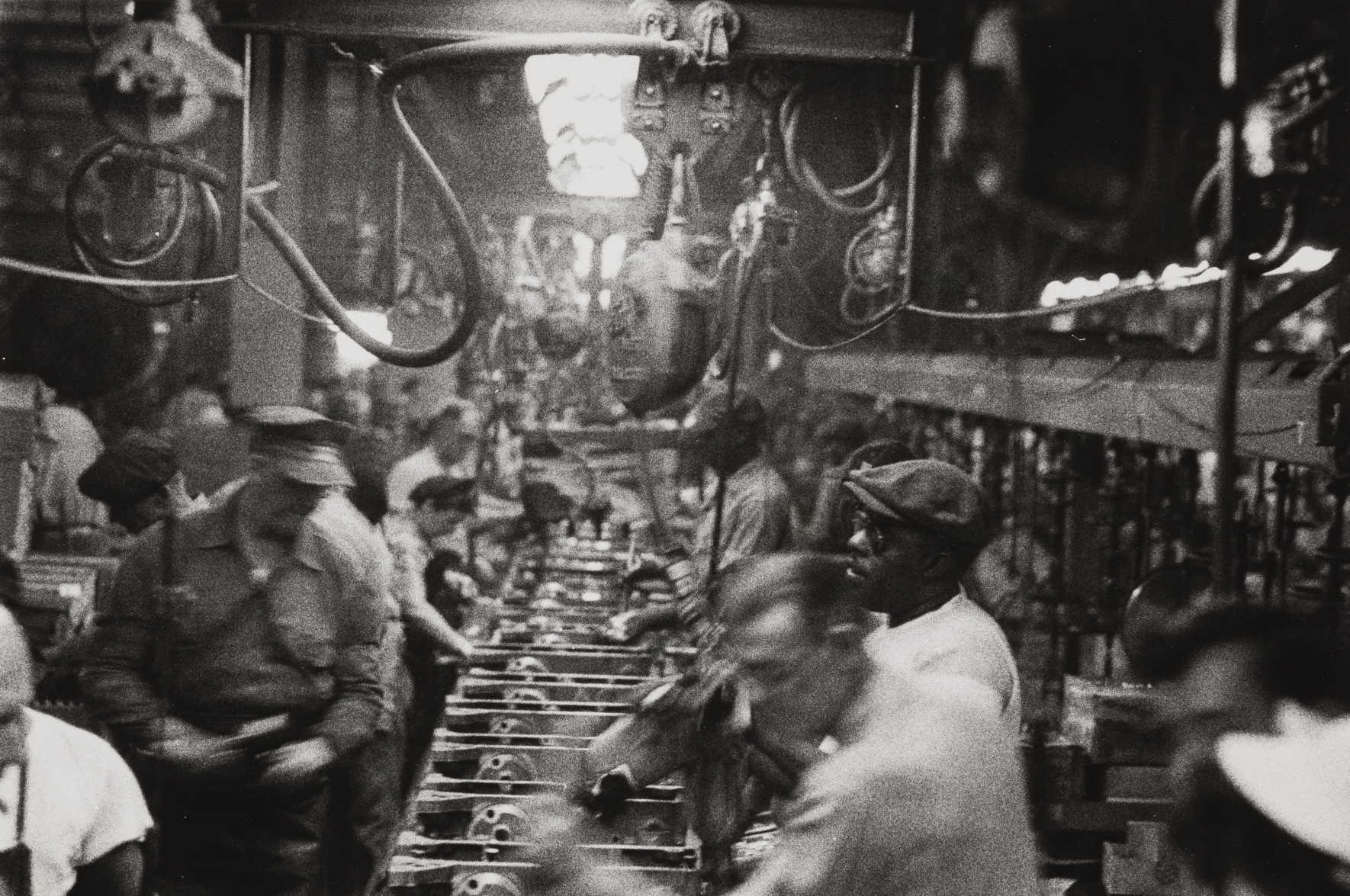
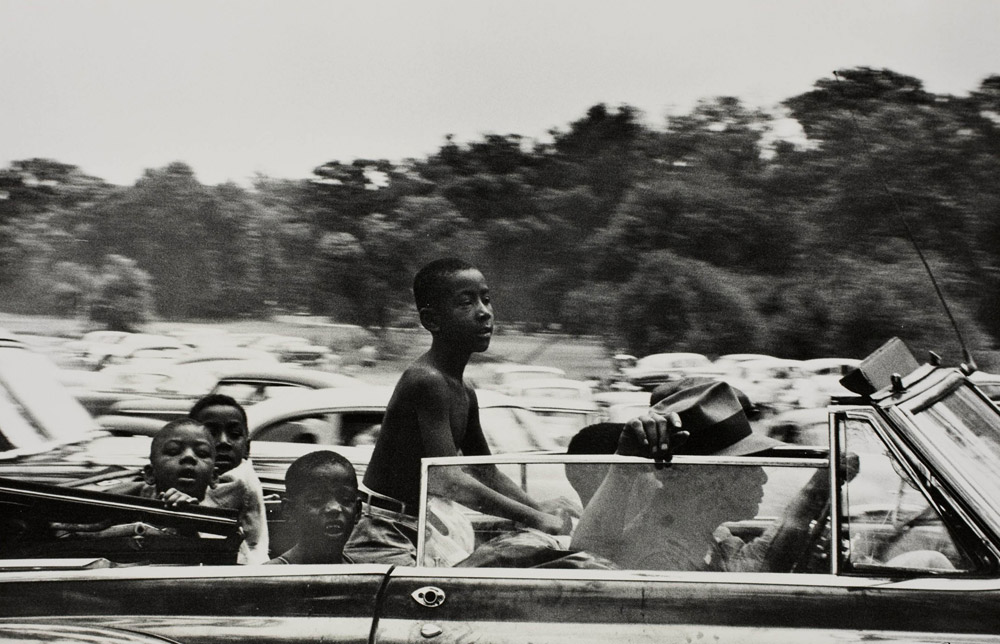
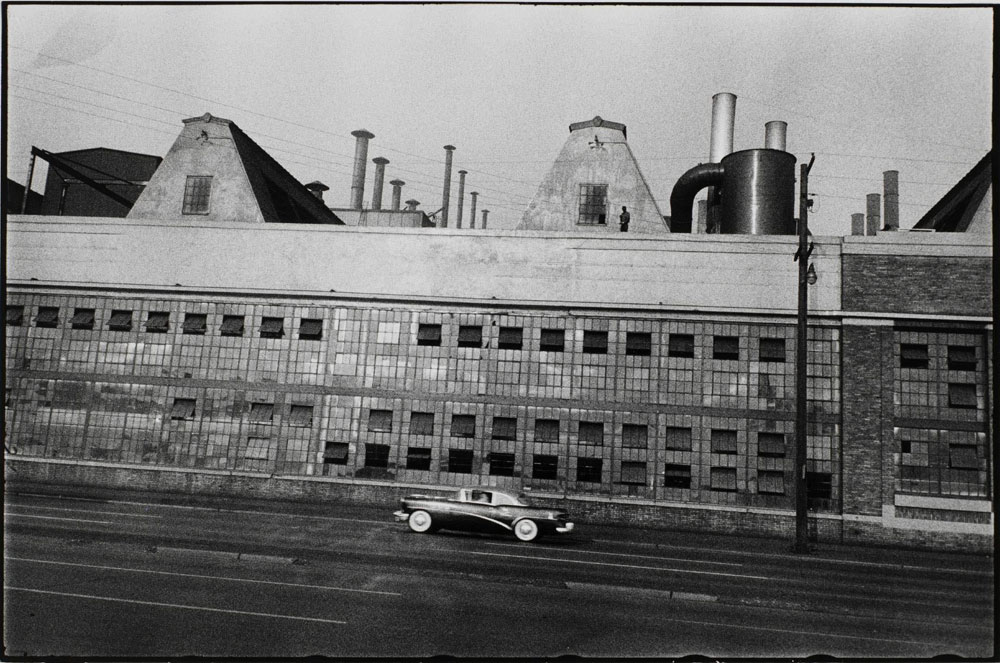
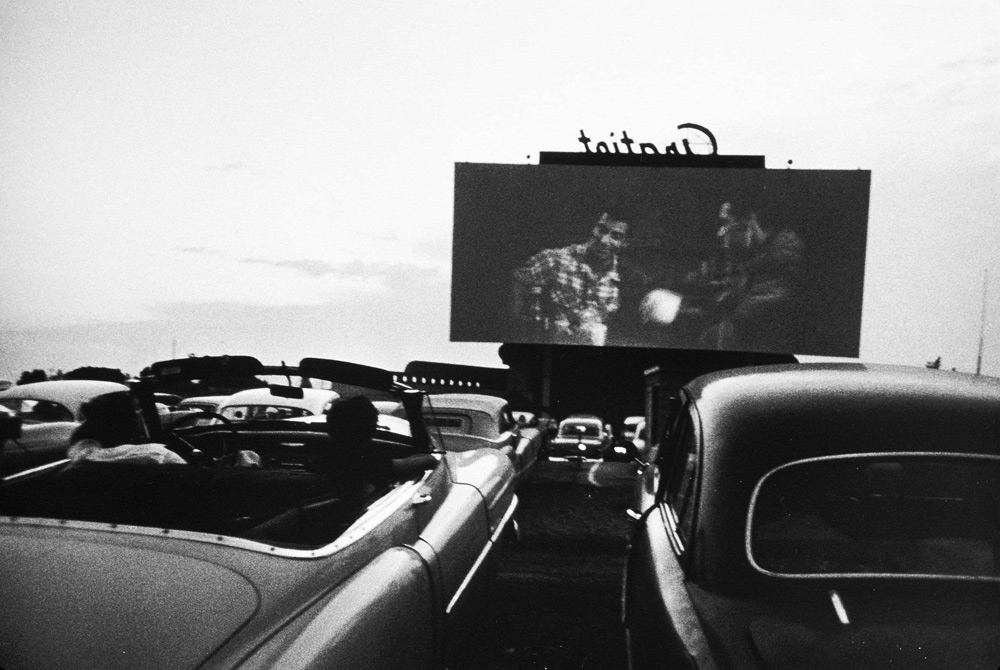
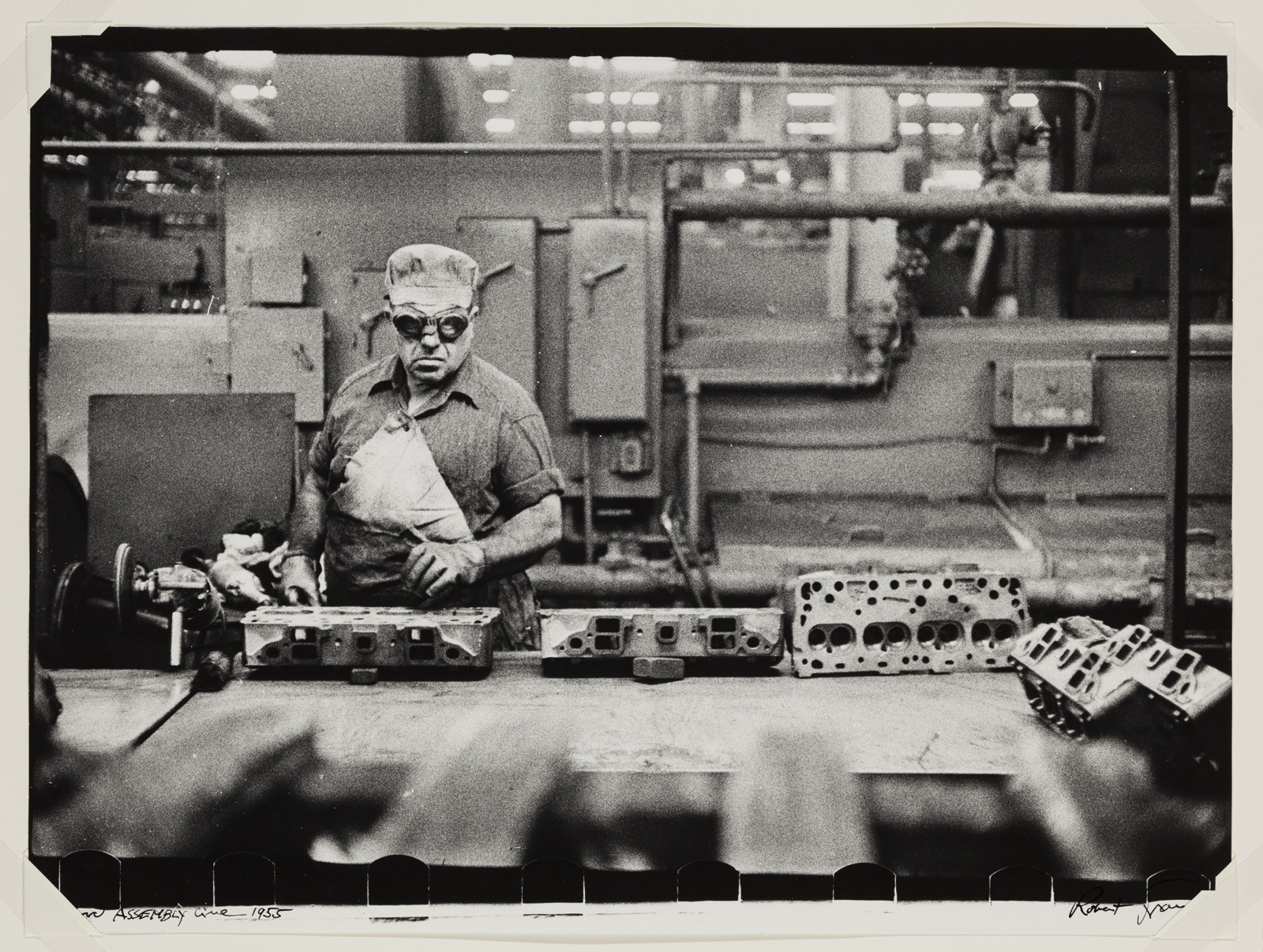
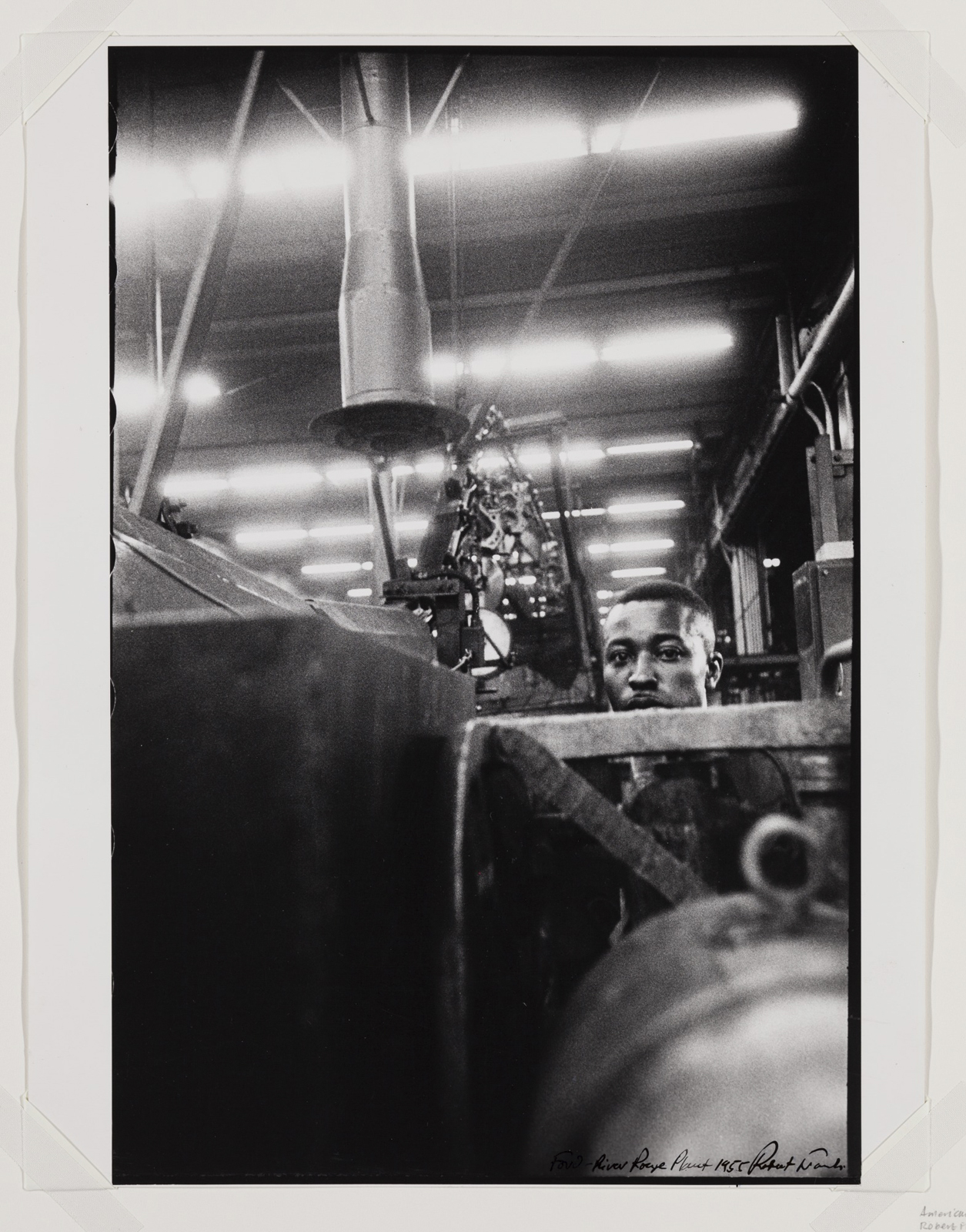
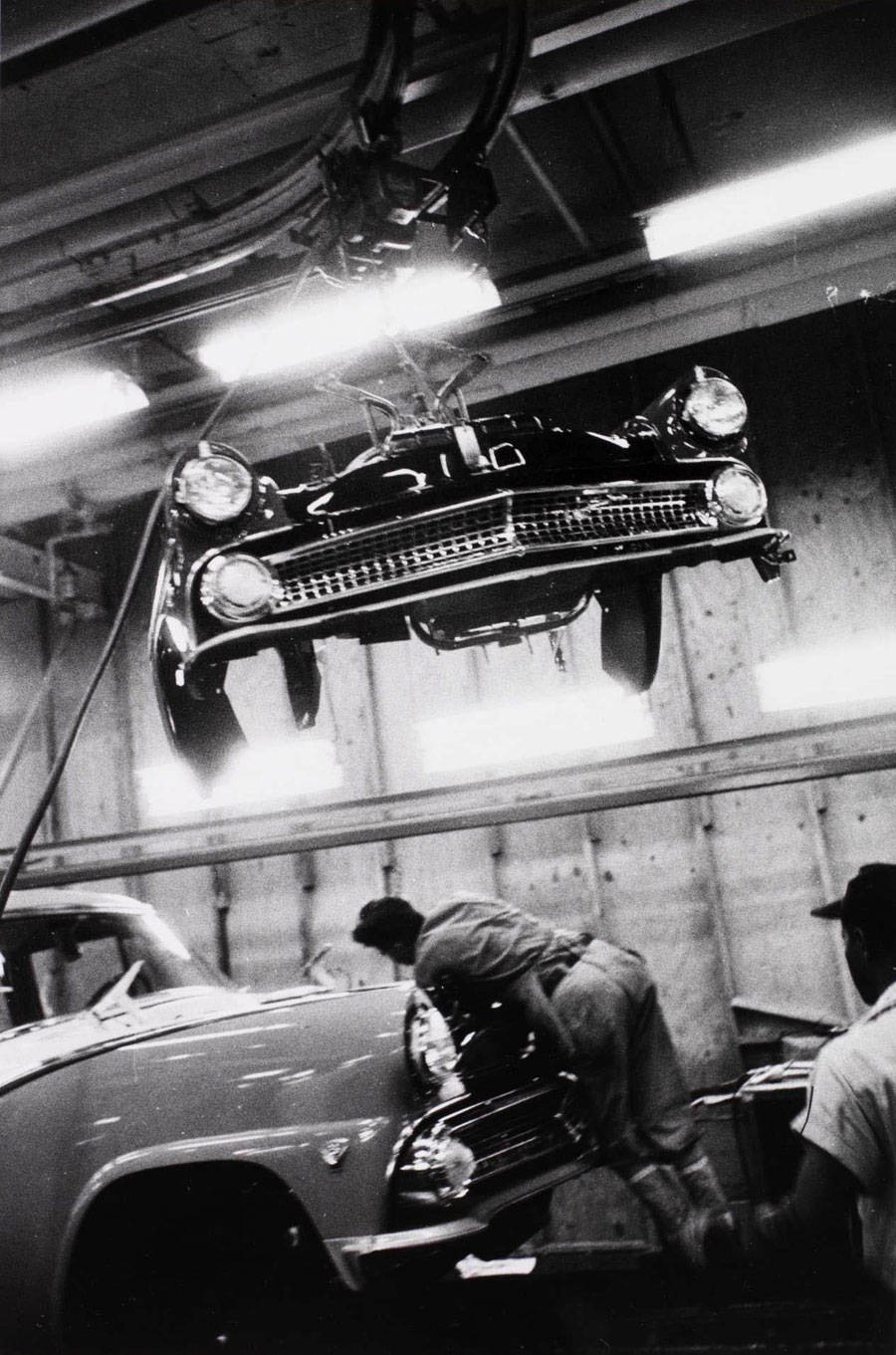
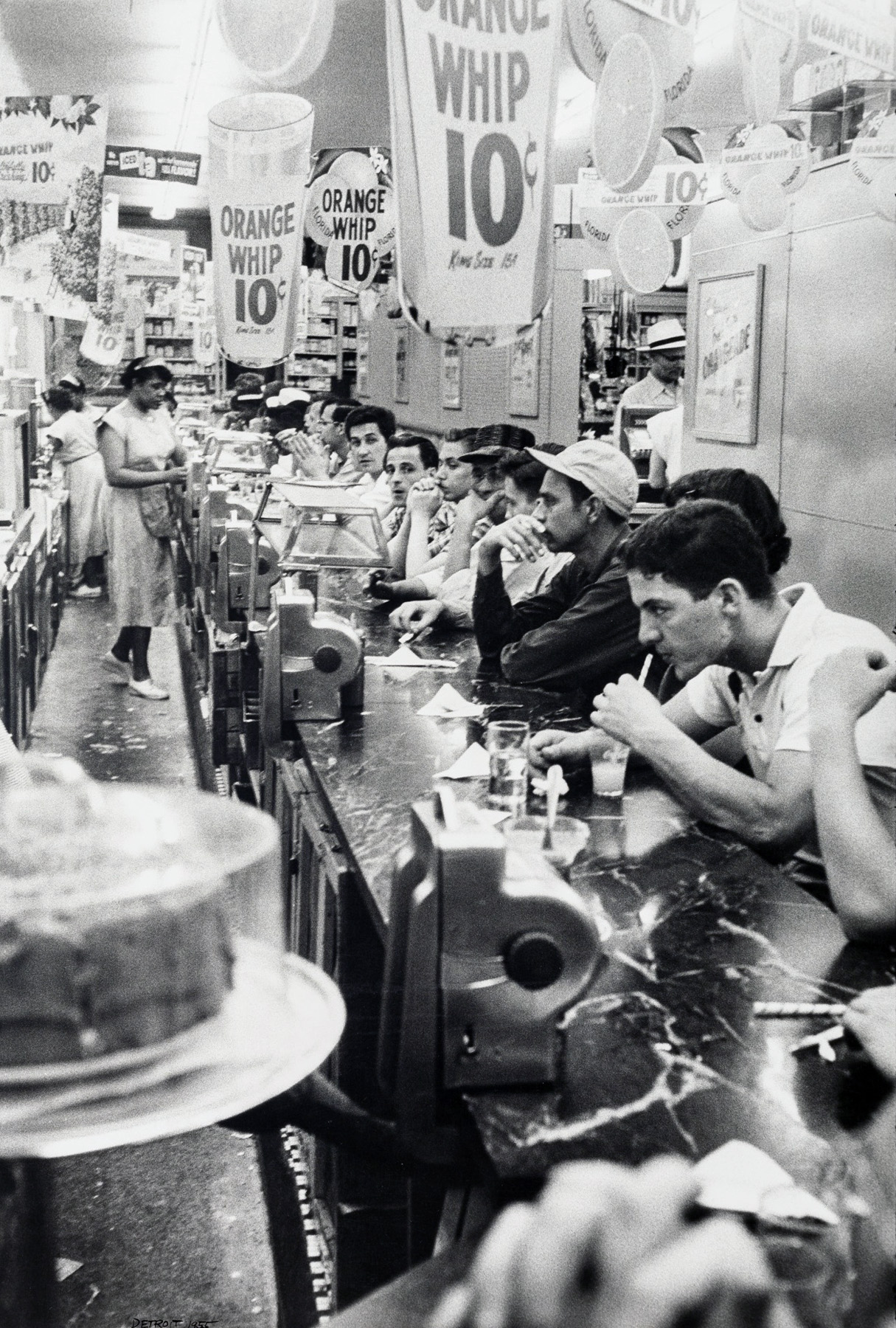
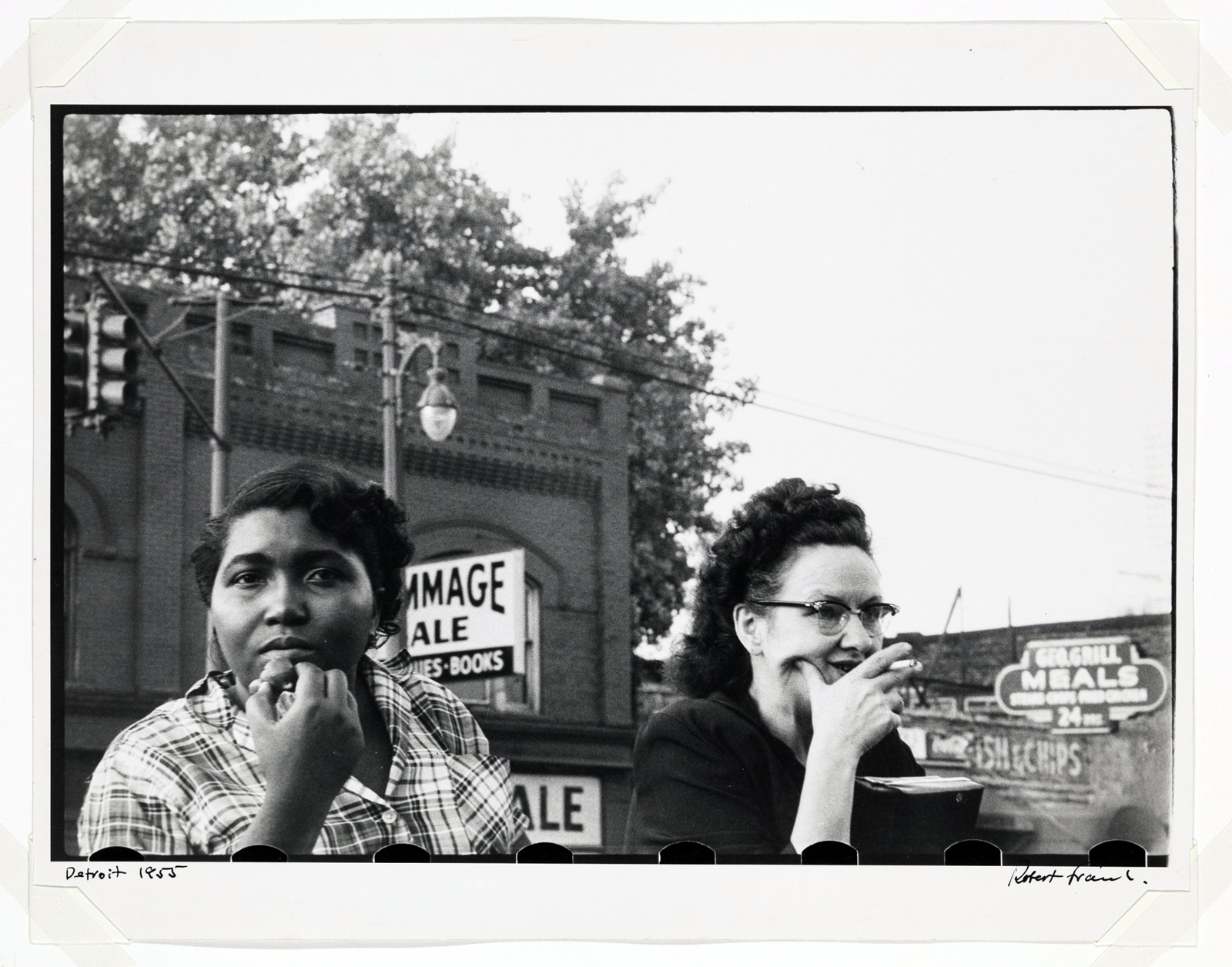
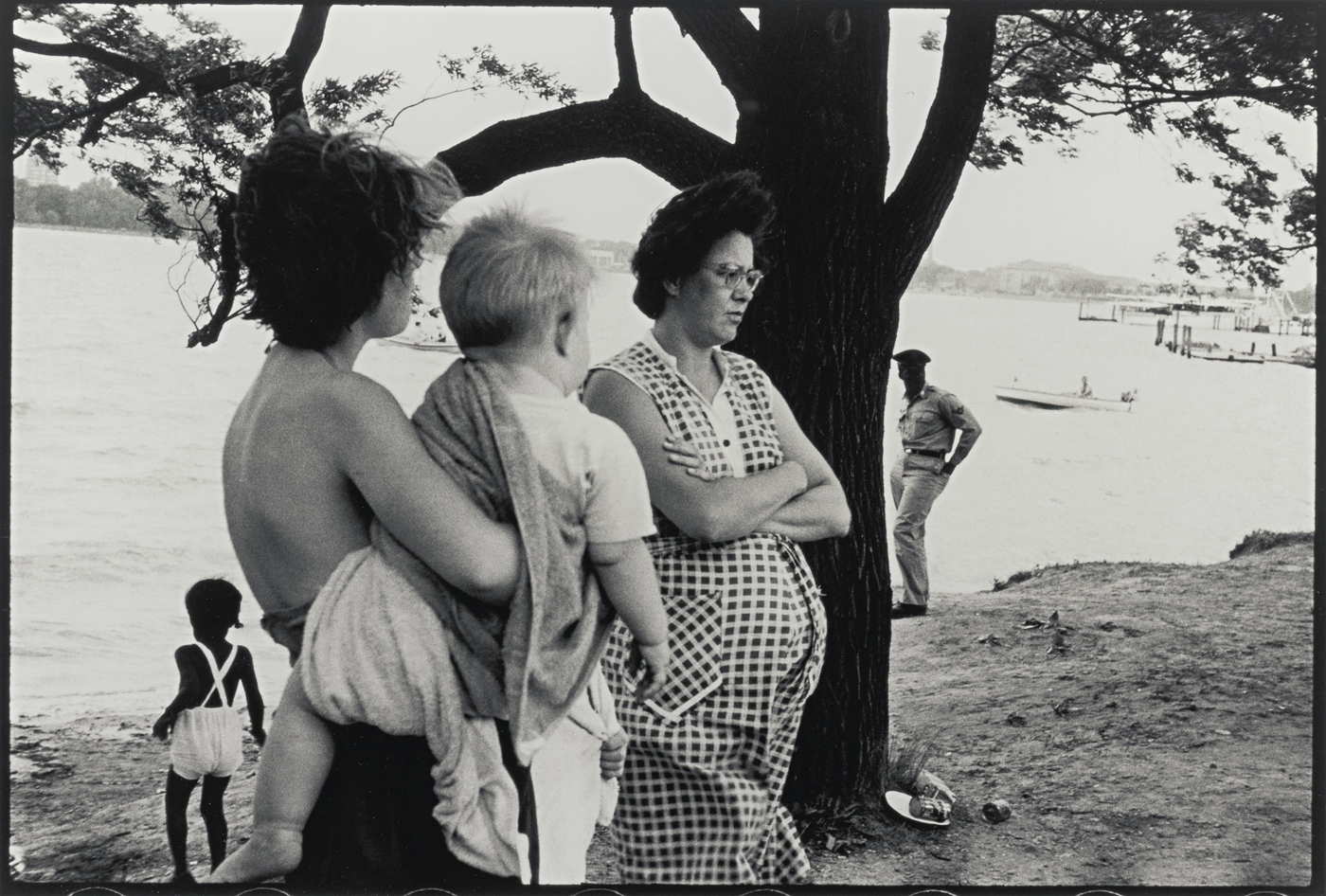
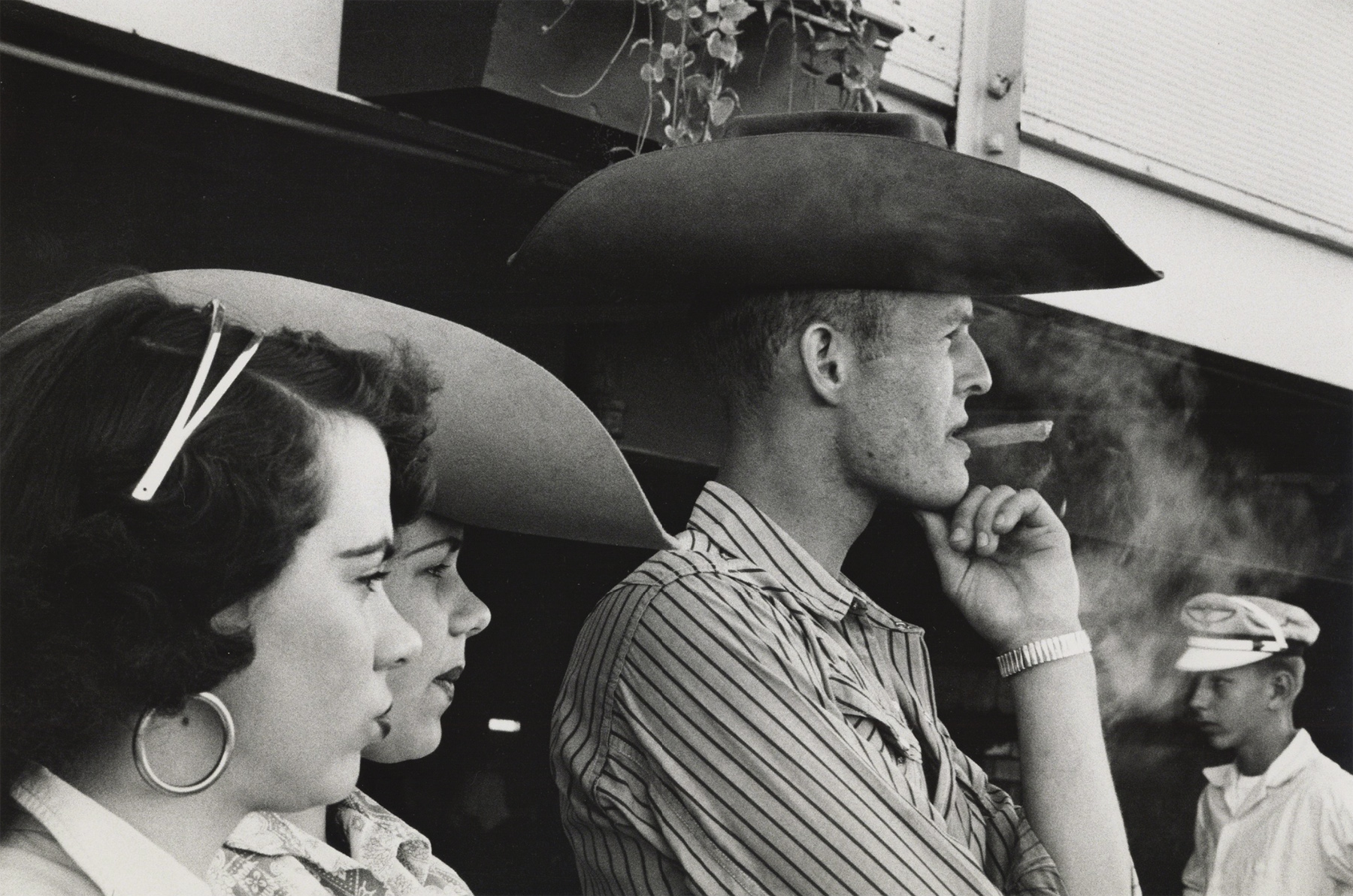
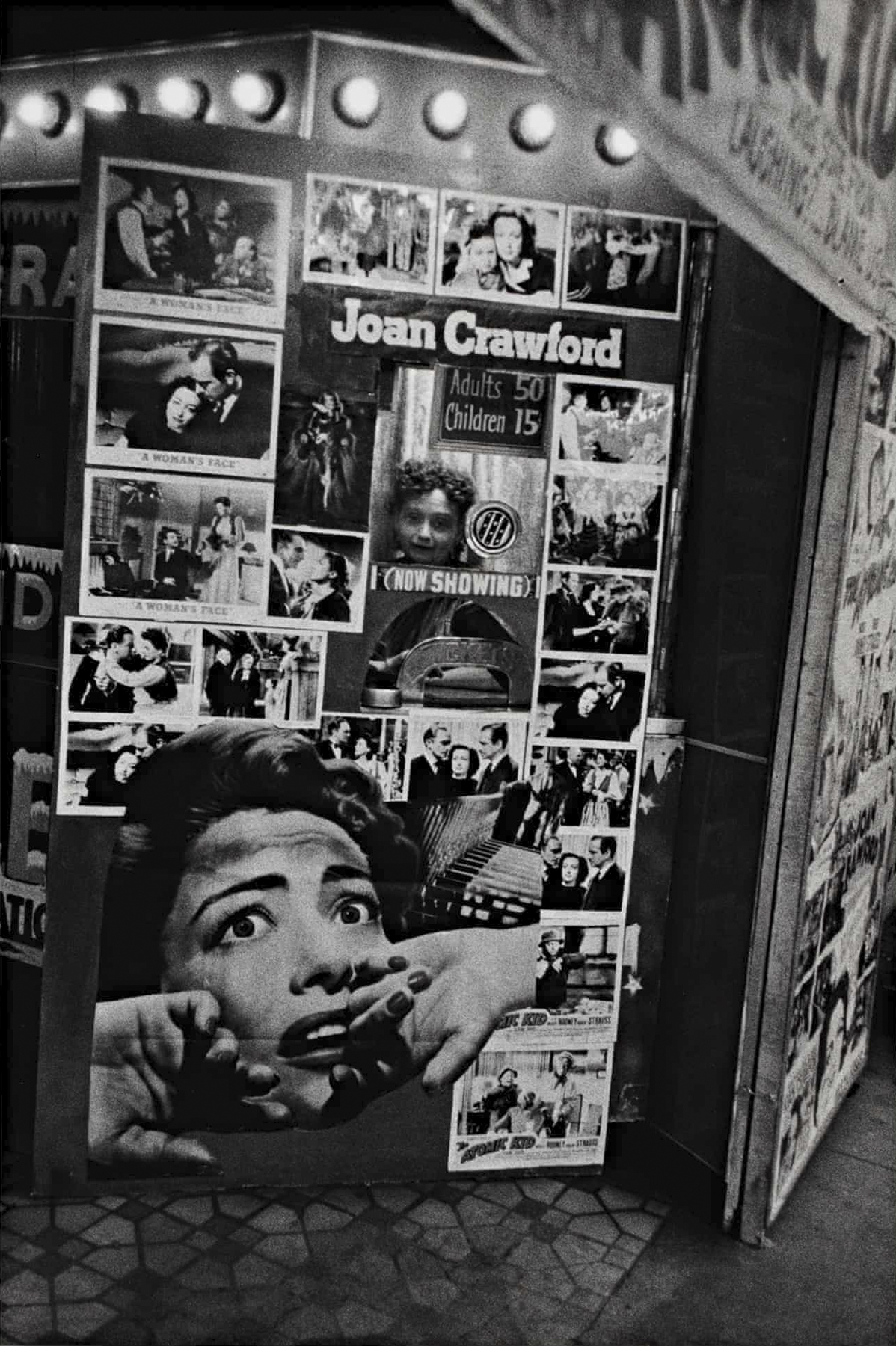
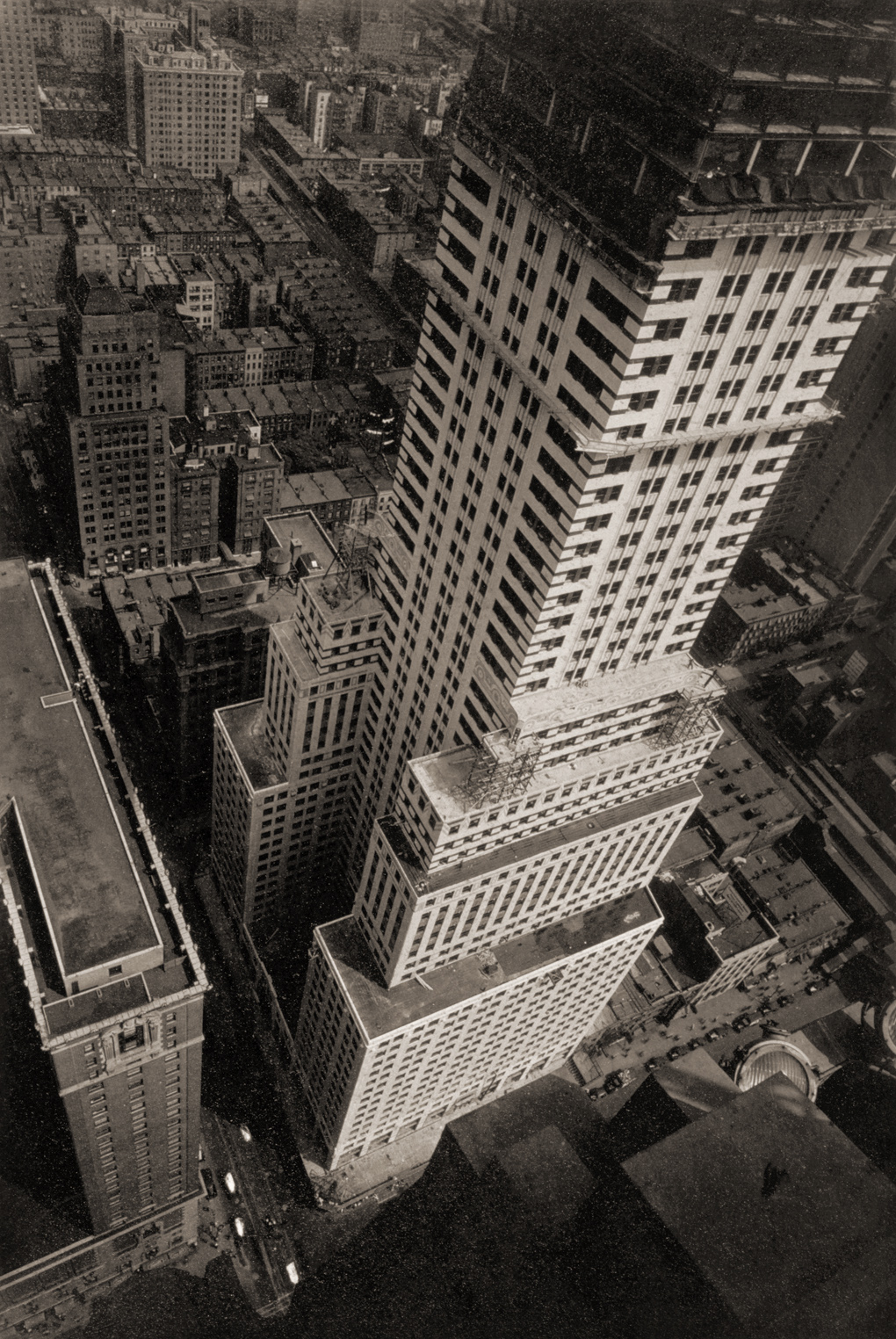
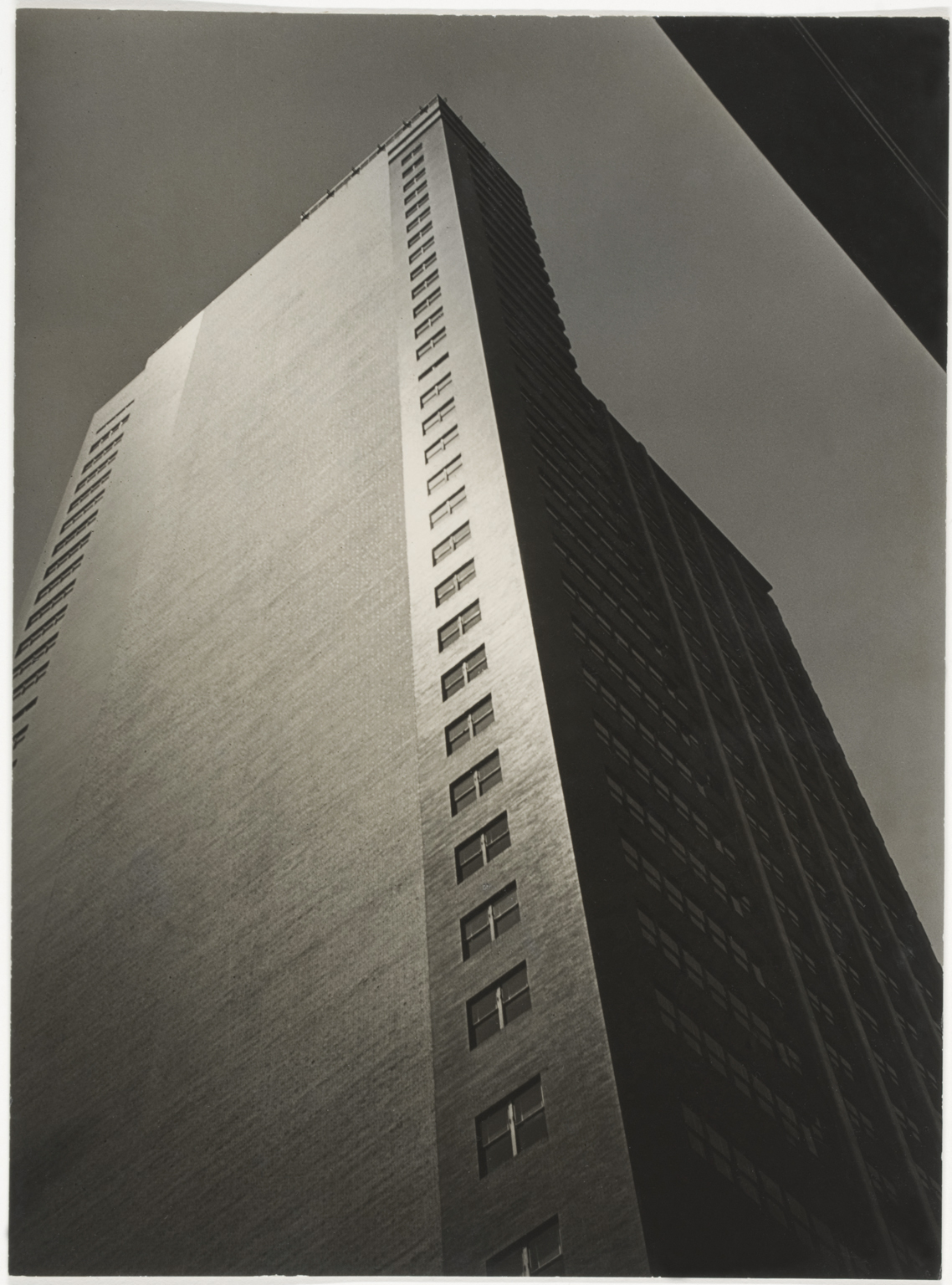
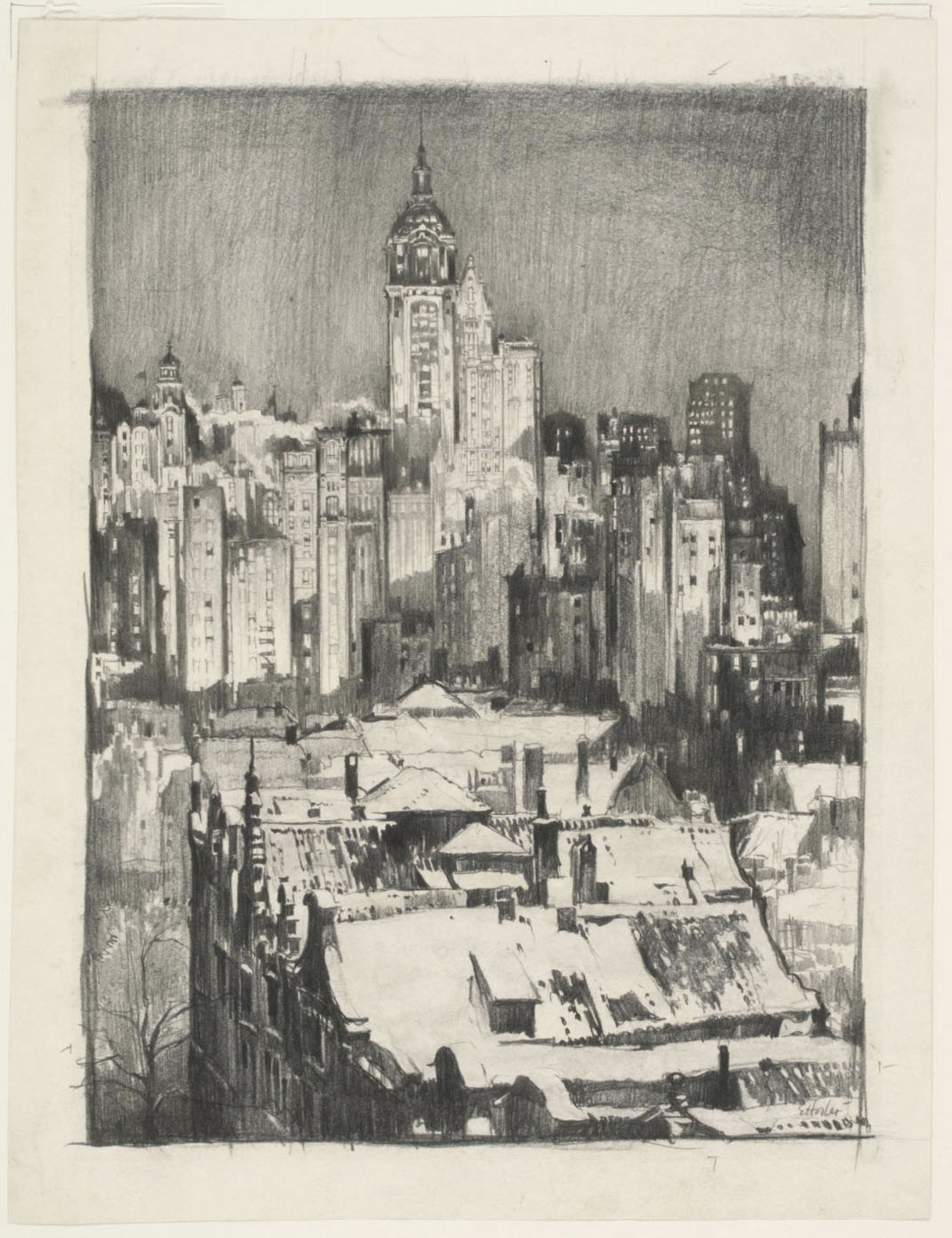
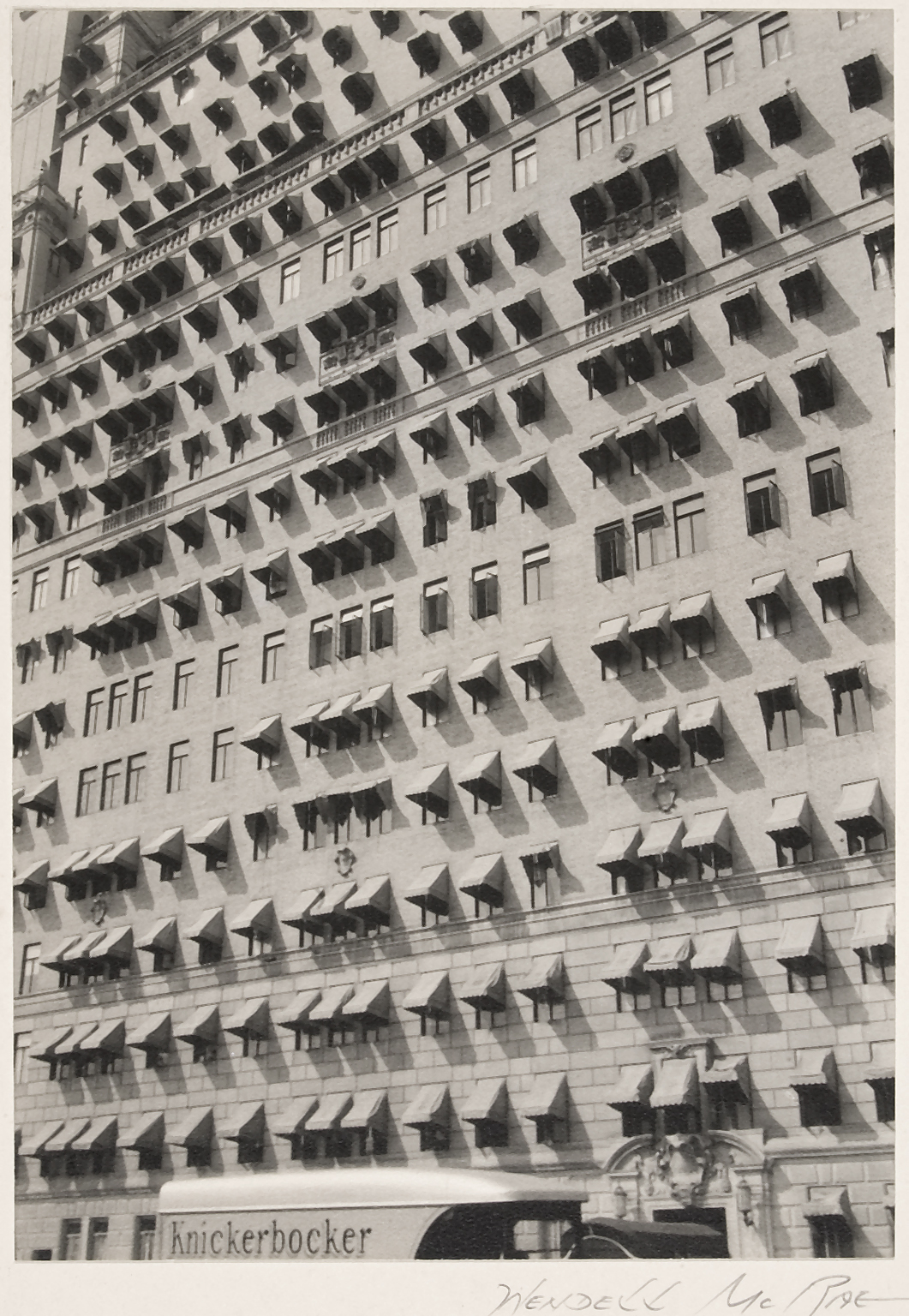
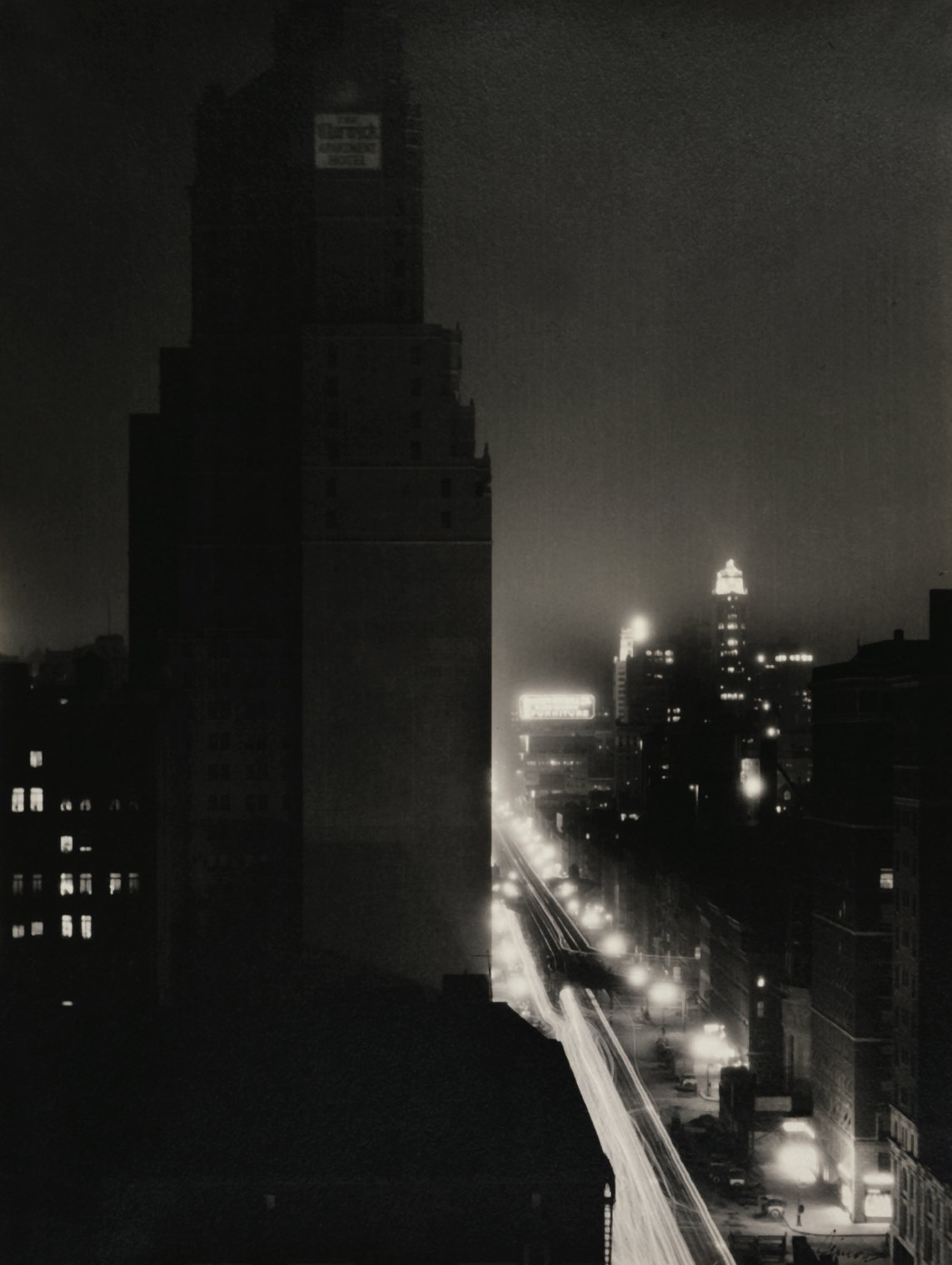
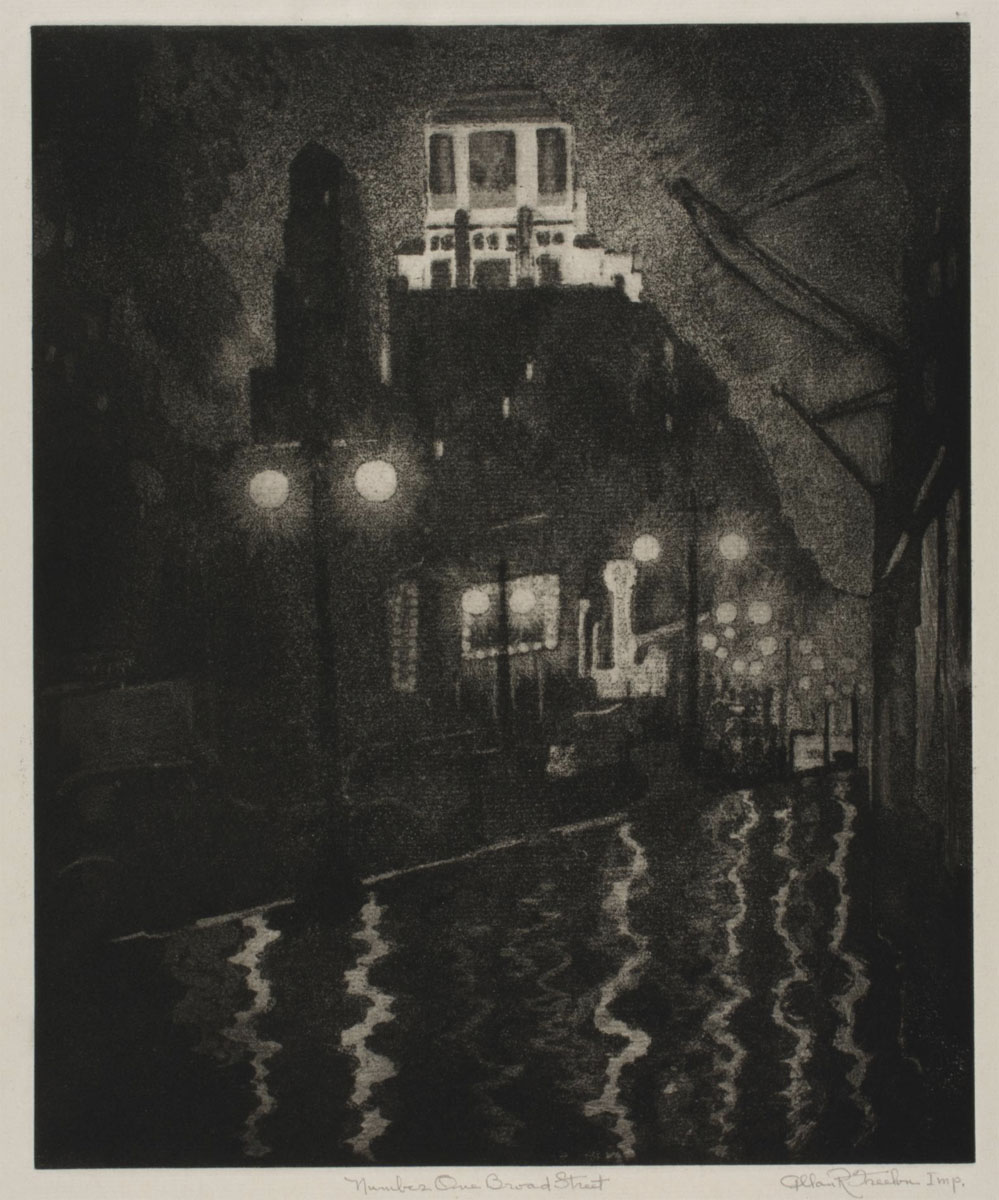
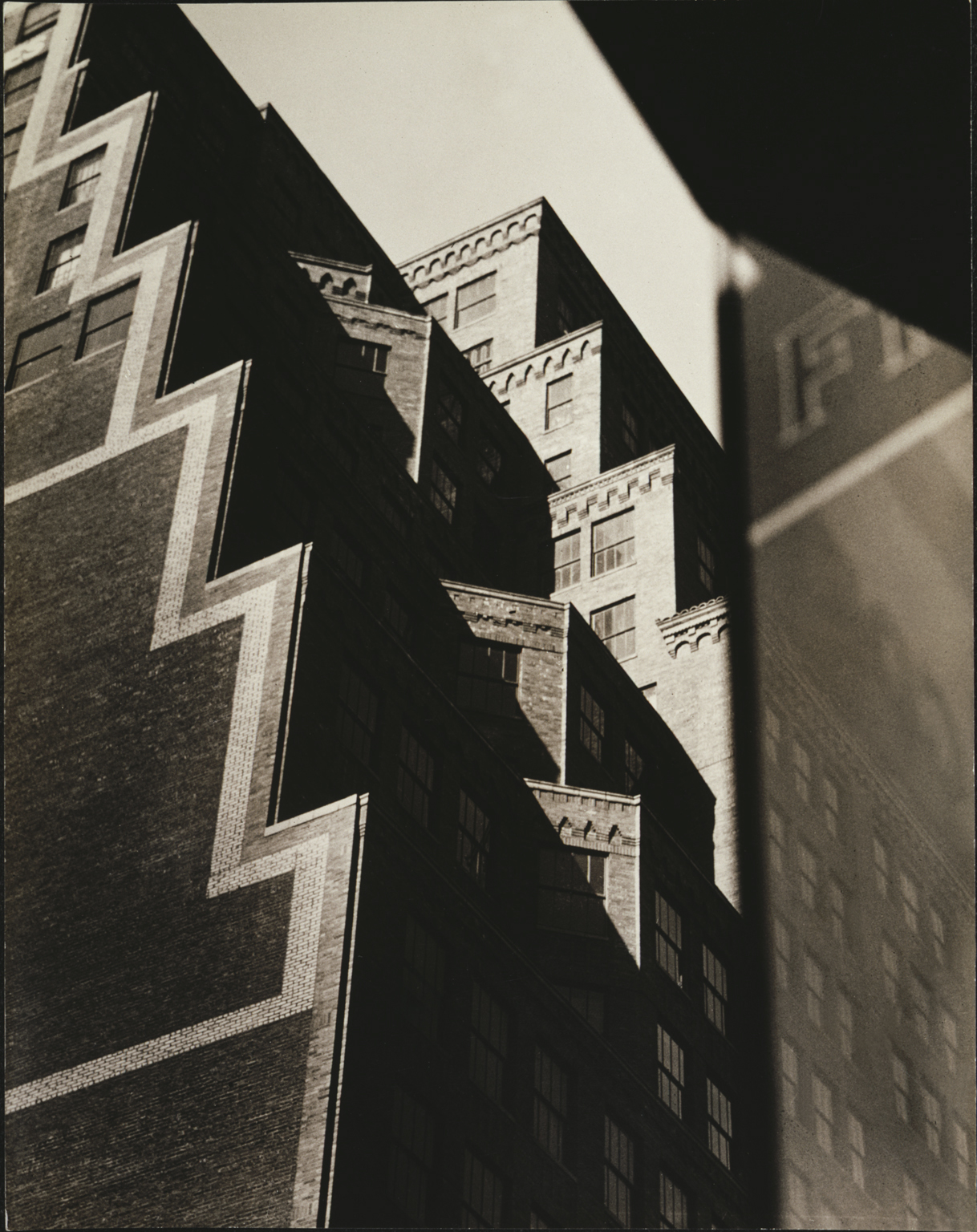
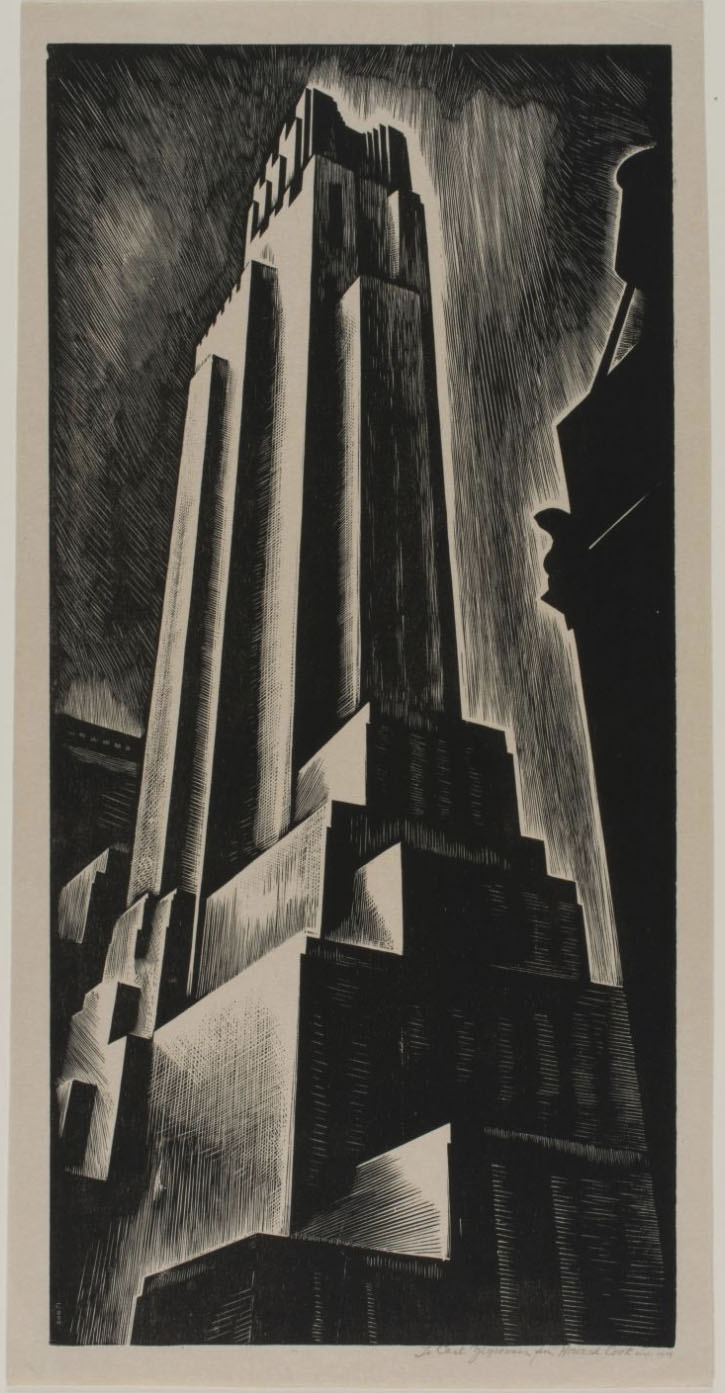
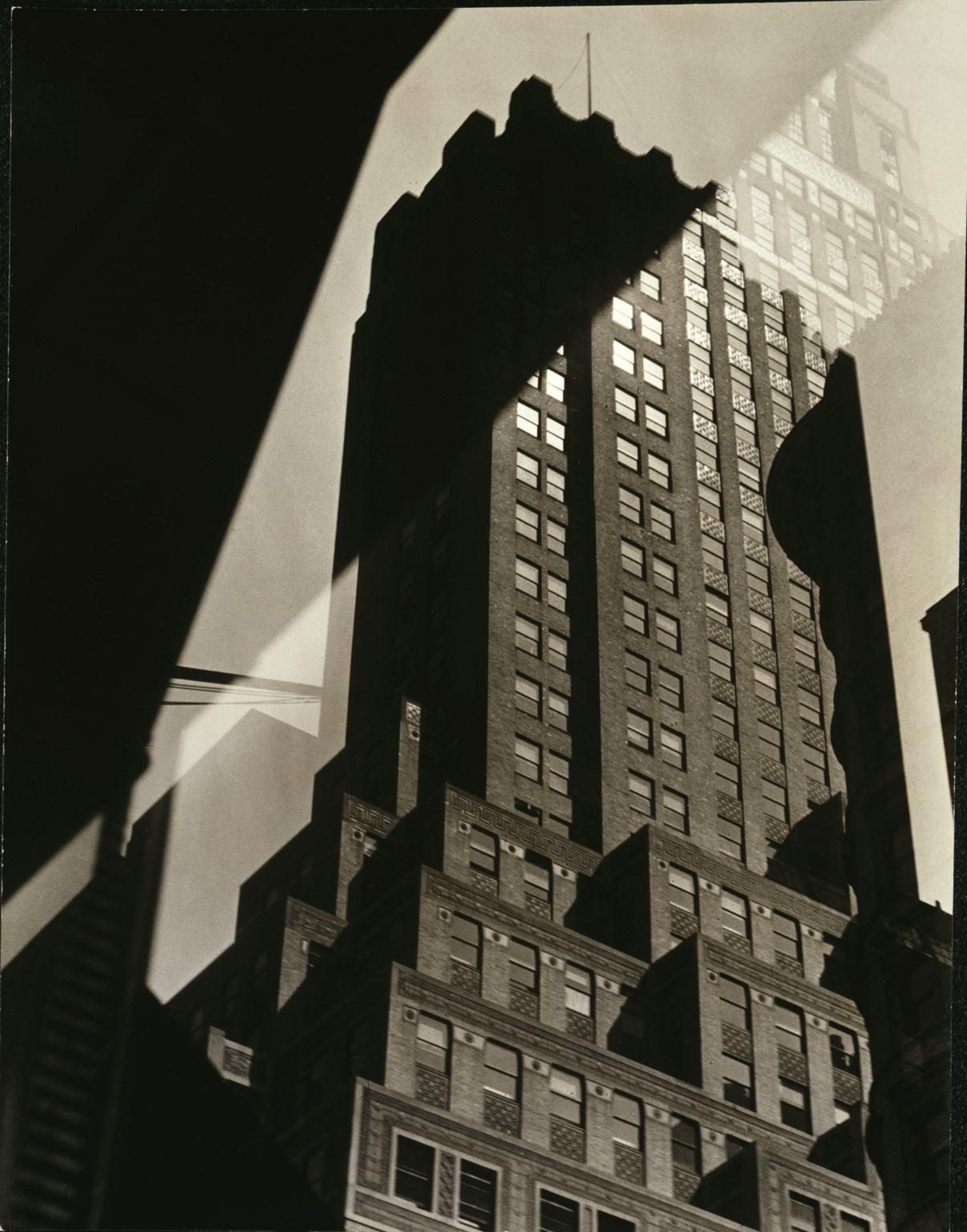
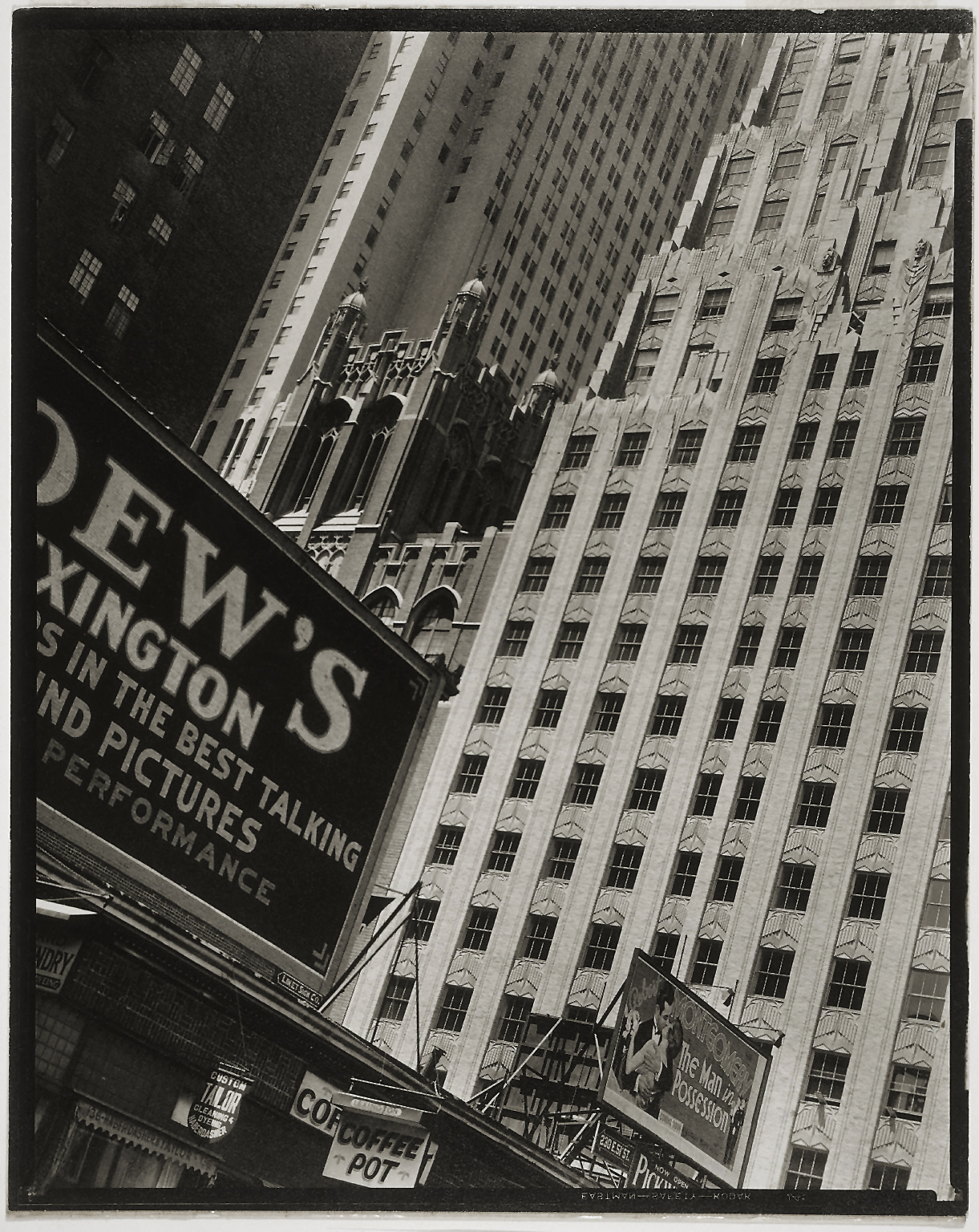
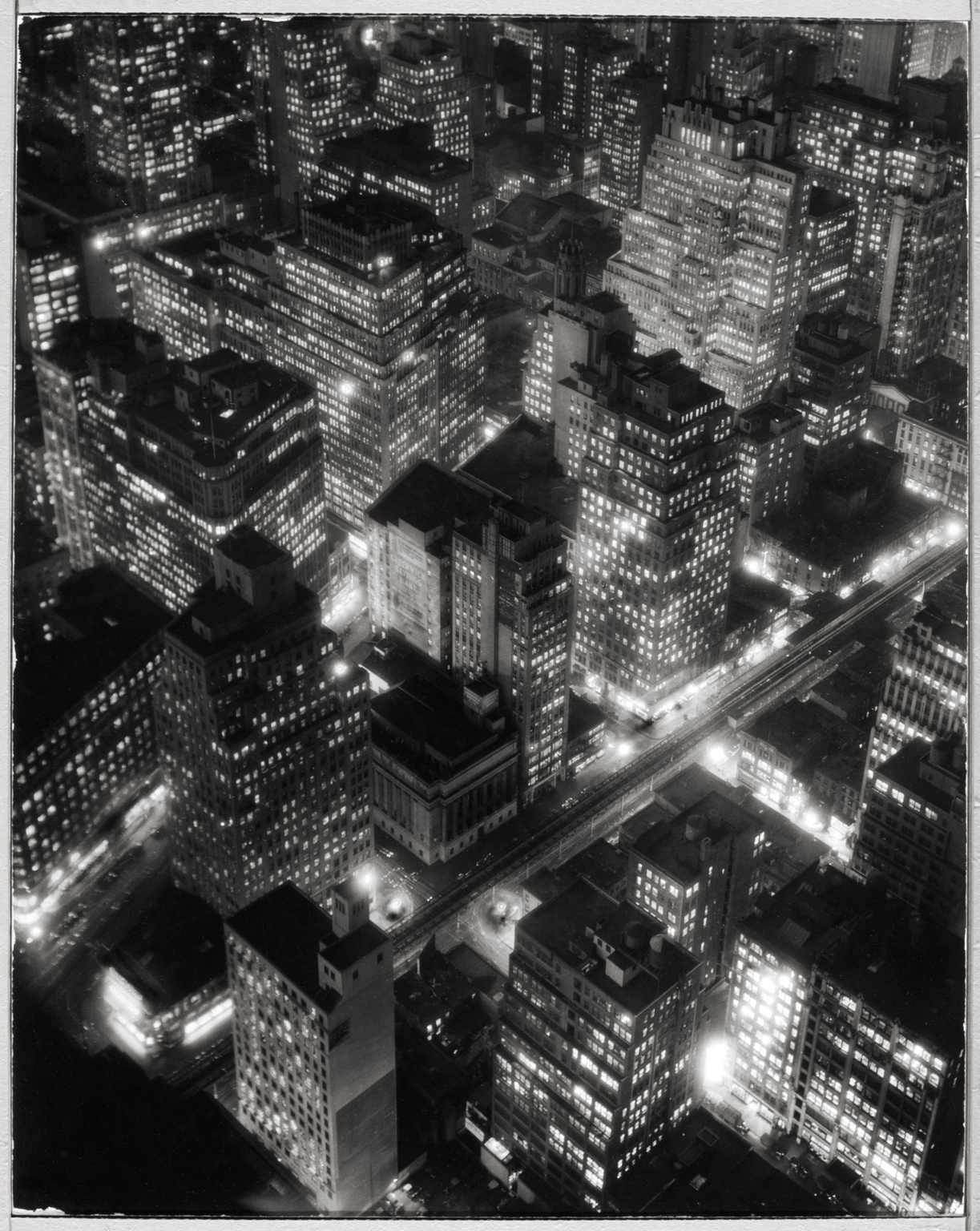
 Art Blart _ art and cultural memory archive
You must be logged in to post a comment.