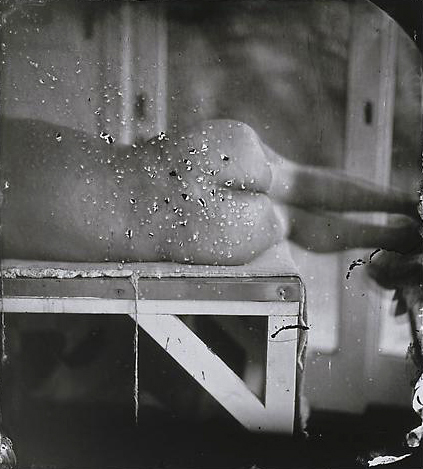
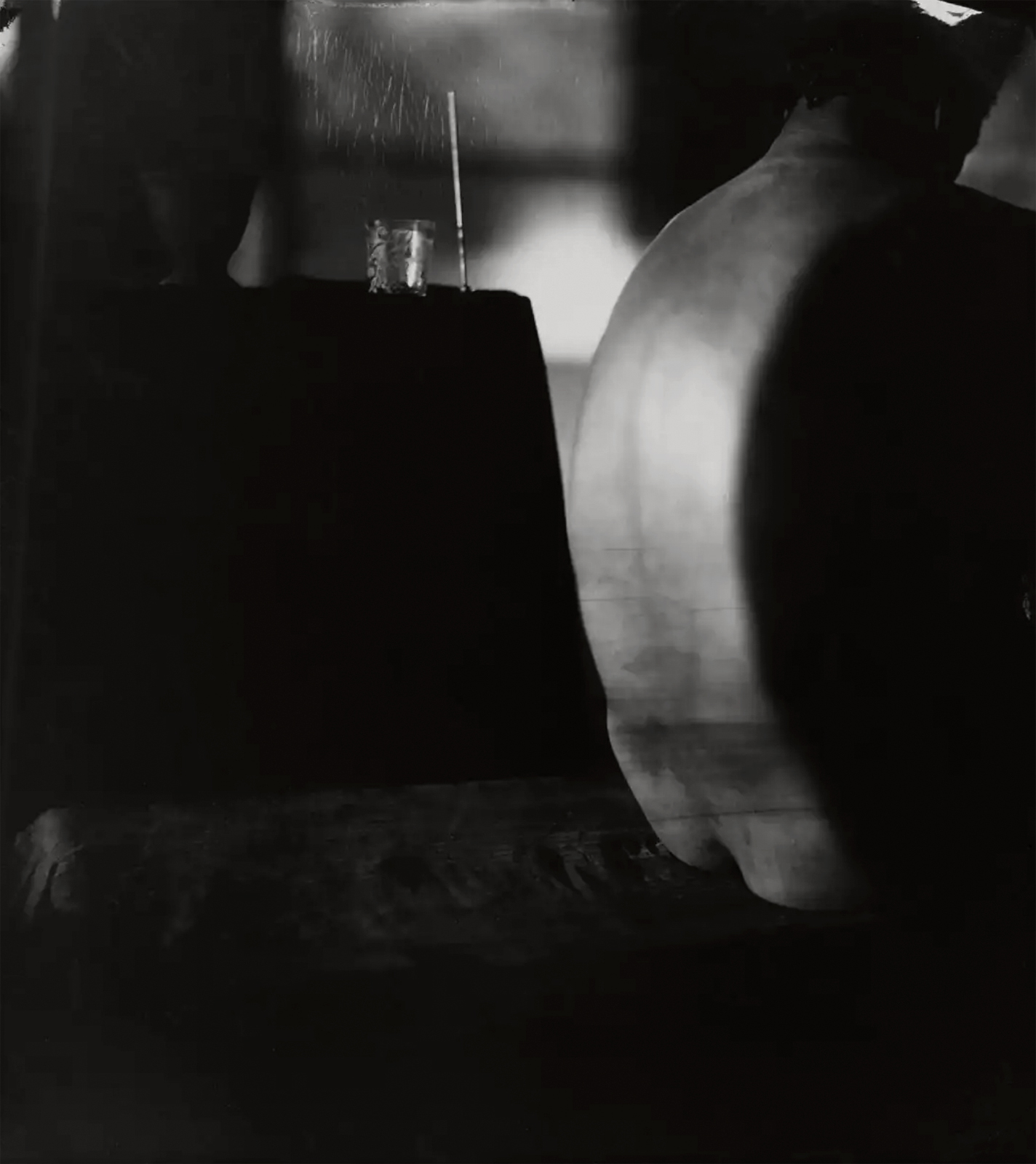
Exhibition: ‘Nicholas Nixon: Forty Years of The Brown Sisters’ at the Museum of Modern Art (MoMA), New York

Exhibition dates: 22nd November 2014 – 4th January 2015

Organised by Sarah Hermanson Meister, Curator, Department of Photography
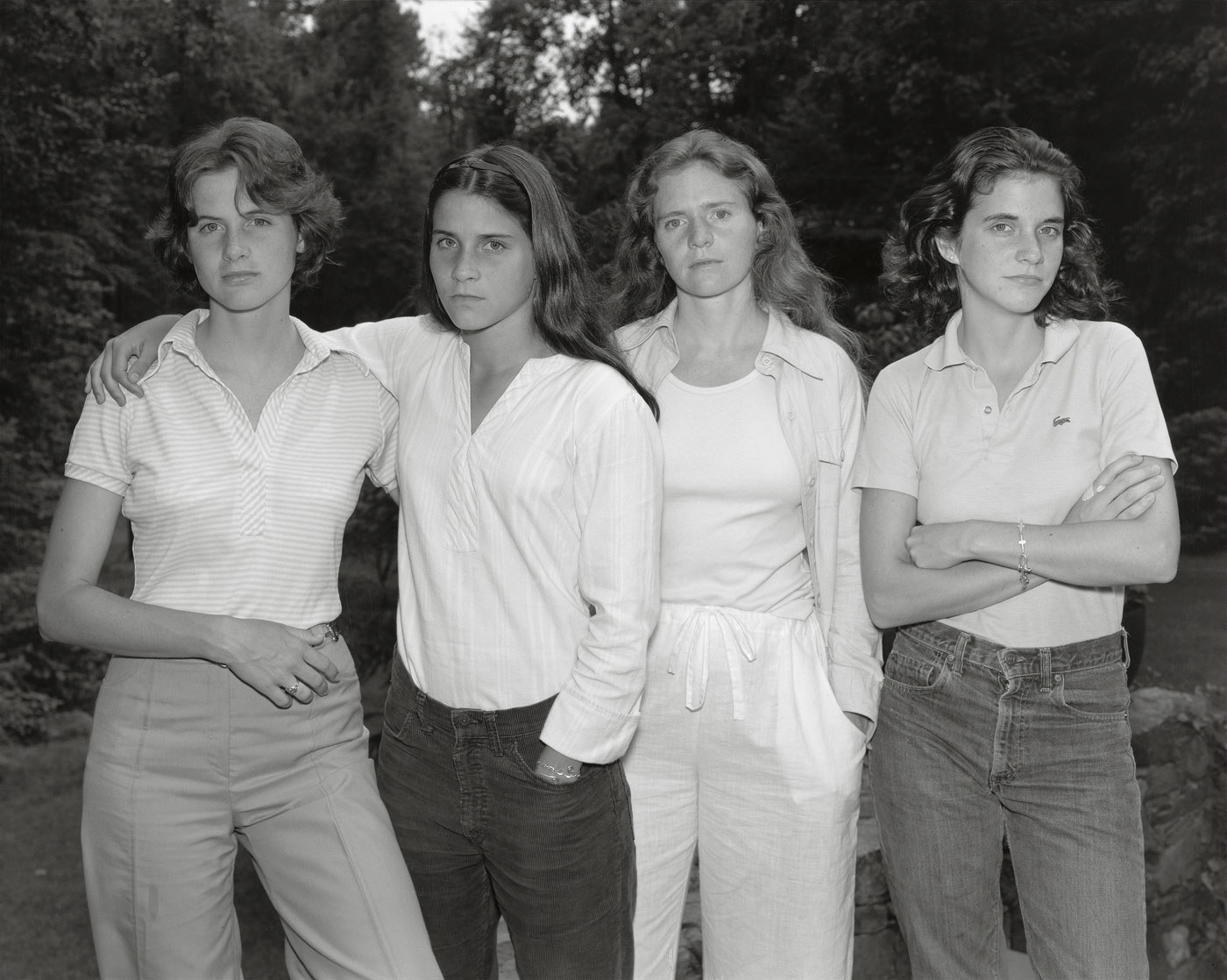
 

Nicholas Nixon (American, b. 1947) 'The Brown Sisters, New Canaan, Connecticut' 1975


Nicholas Nixon (American, b. 1947)
The Brown Sisters, New Canaan, Connecticut
1975
The Museum of Modern Art, New York. John Parkinson III Fund
© 2014 Nicholas Nixon


This is the most successful, long running group portrait series in the history of photography. I have always liked the images because of their stunning clarity, delicate tonality and wonderful arrangement of the figures. Much as they shield their privacy, as a viewer I feel like I have grown up with these women, the sisters I never had. Some images are more successful than others, but as a body of work that focuses on the “face” we present to the world, they are without peer.

Just imagine being these women (and being the photographer), taking on this project and not knowing where it would lead, still not knowing where it will lead. There is a fascinating period in the photographs between 1986 and 1990, as we see the flush of youth waning, transitioning towards the beginning of middle age. As they grow older and closer I feel that I know their characters. I look for that inflection and nuance of presentation that make them more than just faces, more than just photographic representation. The lines on their faces are the handwriting of their travails and I love them all for that.

In each photograph they are as beautiful as the next, not in a Western sense, but in the sense of archetypal beauty, the Platonic form of all beauty – the beauty of women separated from the individuality of the object and considered by itself. In each of these images you can contemplate that form through the faces of these women – they are transcendent and pure. It is as if they live beyond space and time, that the photographs capture this sense of the sublime. Usually the sublime is regarded as beyond time… but not here. A simply magnificent series.

Dr Marcus Bunyan

PS. Let’s hope that there are more images from the series that we can eventually see and that there are some platinum prints being produced. The images deserve such a printing.


Many thankx to MoMA for allowing me to publish the photographs in the posting. Please click on the photographs for a larger version of the image.


“Throughout this series, we watch these women age, undergoing life’s most humbling experience. While many of us can, when pressed, name things we are grateful to Time for bestowing upon us, the lines bracketing our mouths and the loosening of our skin are not among them. So while a part of the spirit sinks at the slow appearance of these women’s jowls, another part is lifted: They are not undone by it. We detect more sorrow, perhaps, in the eyes, more weight in the once-fresh brows. But the more we study the images, the more we see that ageing does not define these women. Even as the images tell us, in no uncertain terms, that this is what it looks like to grow old, this is the irrefutable truth, we also learn: This is what endurance looks like. …

These subjects are not after attention, a rare quality in this age when everyone is not only a photographer but often his own favourite subject. In this, Nixon has pulled off a paradox: The creation of photographs in which privacy is also the subject. The sisters’ privacy has remained of utmost concern to the artist, and it shows in the work. Year after year, up to the last stunning shot with its triumphant shadowy mood, their faces and stances say, Yes, we will give you our image, but nothing else.”


Susan Minot. “Forty Portraits in Forty Years: Photographs by Nicholas Nixon,” on the ‘New York Times’ website, October 2014 [Online] Cited 01/01/2015. No longer available online


Nicholas Nixon (American, b. 1947) 'The Brown Sisters, Harwich Port, Massachusetts' 1978


Nicholas Nixon (American, b. 1947)
The Brown Sisters, Harwich Port, Massachusetts
1978
The Museum of Modern Art, New York. John Parkinson III Fund
© 2014 Nicholas Nixon


Nicholas Nixon (American, b. 1947) 'The Brown Sisters, East Greenwich, R.I.' 1980


Nicholas Nixon (American, b. 1947)
The Brown Sisters, East Greenwich, R.I.
1980
The Museum of Modern Art, New York. John Parkinson III Fund
© 2014 Nicholas Nixon
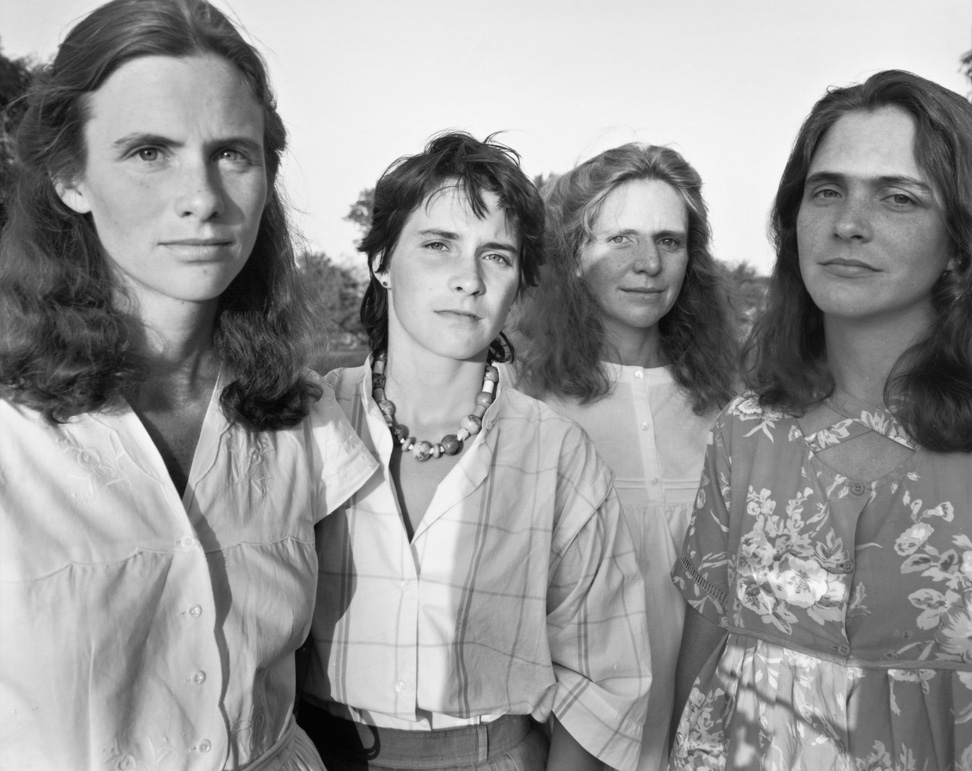
 

Nicholas Nixon (American, b. 1947) 'The Brown Sisters, Allston, Mass' 1983


Nicholas Nixon (American, b. 1947)
The Brown Sisters, Allston, Mass.
1983
The Museum of Modern Art, New York. John Parkinson III Fund
© 2014 Nicholas Nixon


Nicholas Nixon (American, b. 1947) 'The Brown Sisters, Cambridge, Mass.' 1986


Nicholas Nixon (American, b. 1947)
The Brown Sisters, Cambridge, Mass.
1986
The Museum of Modern Art, New York. John Parkinson III Fund
© 2014 Nicholas Nixon
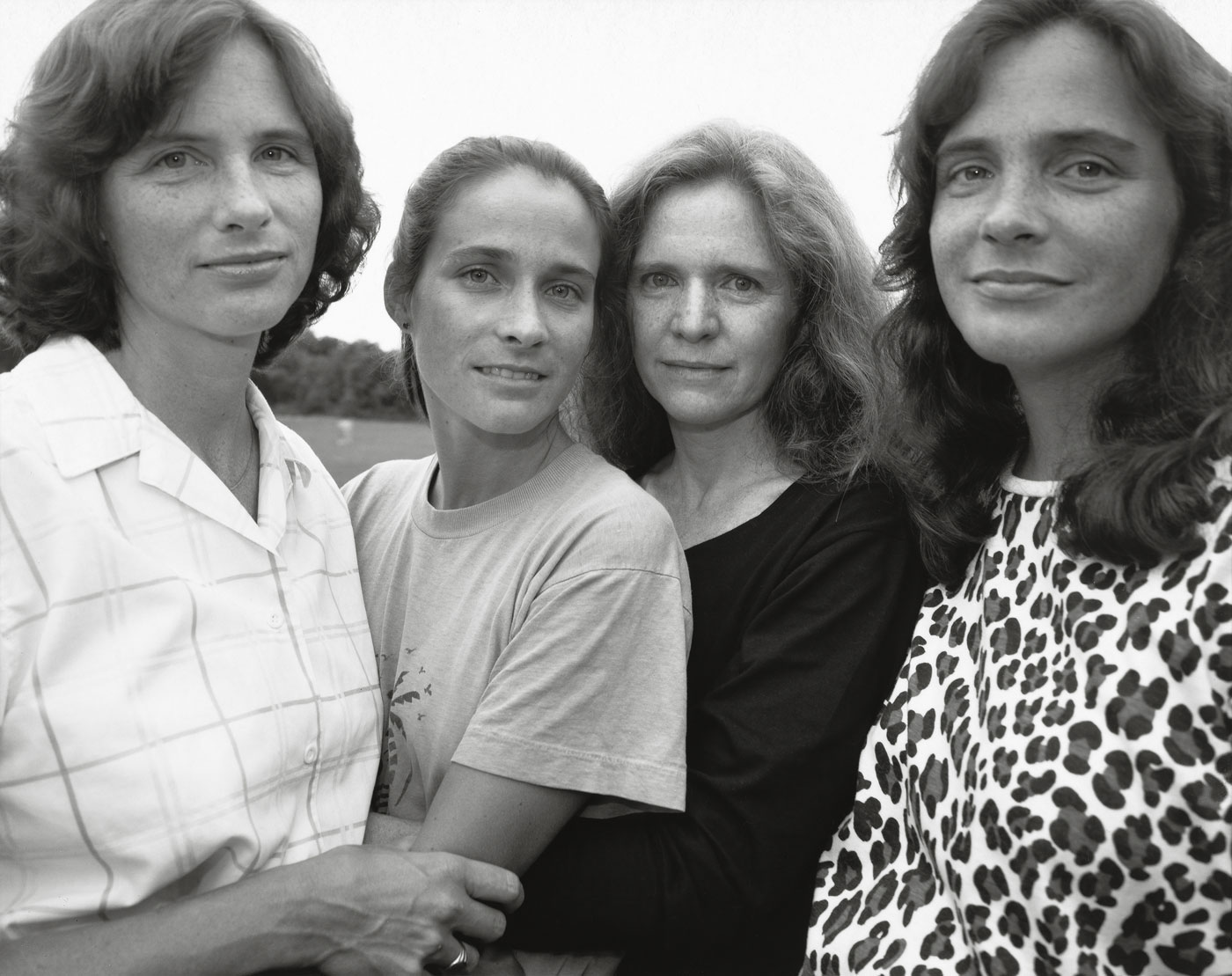
 

Nicholas Nixon (American, b. 1947) 'The Brown Sisters, Wellesley, Massachusetts.' 1988


Nicholas Nixon (American, b. 1947)
The Brown Sisters, Wellesley, Massachusetts
1988
The Museum of Modern Art, New York. John Parkinson III Fund
© 2014 Nicholas Nixon
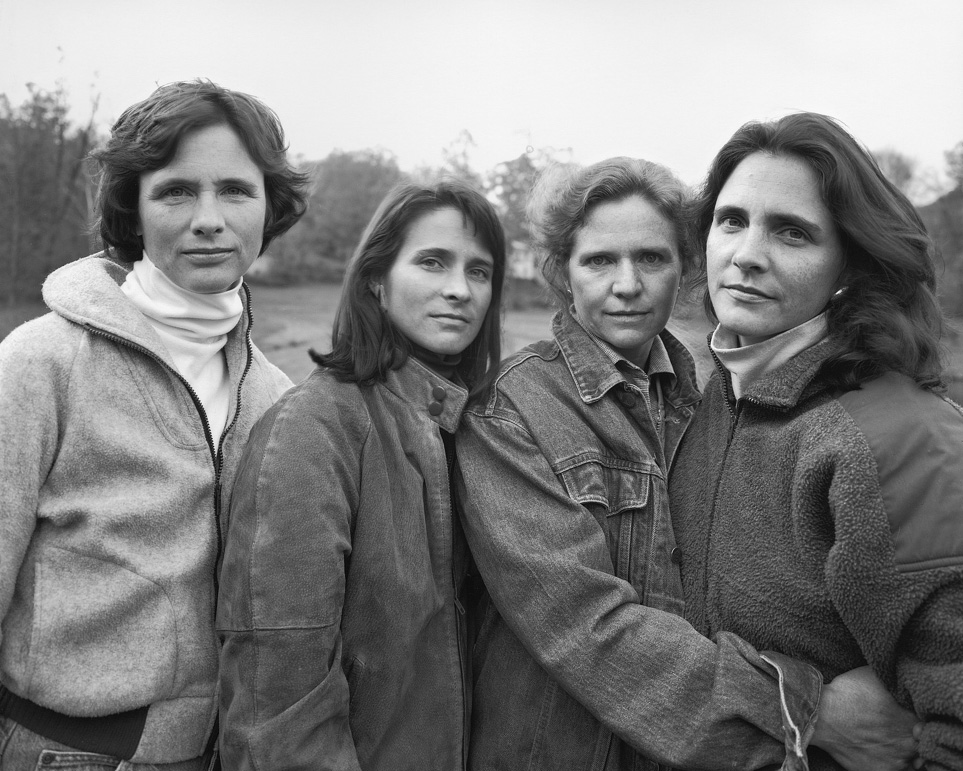
 

Nicholas Nixon (American, b. 1947) 'The Brown Sisters, Woodstock, Vt.' 1990


Nicholas Nixon (American, b. 1947)
The Brown Sisters, Woodstock, Vt.
1990
The Museum of Modern Art, New York. John Parkinson III Fund
© 2014 Nicholas Nixon


Nicholas Nixon (American, b. 1947) 'The Brown Sisters, Grantham, N.H.' 1994


Nicholas Nixon (American, b. 1947)
The Brown Sisters, Grantham, N.H.
1994
The Museum of Modern Art, New York. John Parkinson III Fund
© 2014 Nicholas Nixon


In August 1974, Nicholas Nixon made a photograph of his wife, Bebe, and her three sisters. He wasn’t pleased with the result and discarded the negative. In July 1975 he made one that seemed promising enough to keep. At the time, the Brown sisters were 15 (Mimi), 21 (Laurie), 23 (Heather), and 25 (Bebe). The following June, Laurie Brown graduated from college, and Nick made another picture of the four sisters. It was after this second successful picture that the group agreed to gather annually for a portrait, and settled on the series’ two constants: the sisters would always appear in the same order – from left to right, Heather, Mimi, Bebe, and Laurie – and they would jointly agree on a single image to represent a given year. Also significant, and unchanging, is the fact that each portrait is made with an 8 x 10″ view camera on a tripod and is captured on a black-and-white film negative.

The Museum has exhibited and collected the Brown Sisters from the beginning; since 2006, acquiring the series both as lusciously tactile contact prints and as striking 20 x 24″ enlargements (a new scale for Nixon). This installation – featuring all 40 images – marks the first time the Museum has displayed these larger prints.

In his first published statement about photography, written the year he made the first of the Brown Sisters portraits, Nixon remarked, “The world is infinitely more interesting than any of my opinions about it.” If he was modest about his opinions, though, his photographs clearly show how the camera can capture that infinitely interesting world. And to the attentive viewer, these silent records, with their countless shades of visual and emotional grey, can promote a new appreciation of an intangible part of it: the world of time and age, of commitment and love.

Text from the MoMA website


Nicholas Nixon (American, b. 1947) 'The Brown Sisters, Marblehead, Mass.' 1995


Nicholas Nixon (American, b. 1947)
The Brown Sisters, Marblehead, Mass.
1995
The Museum of Modern Art, New York. John Parkinson III Fund
© 2014 Nicholas Nixon


Nicholas Nixon (American, b. 1947) 'The Brown Sisters, Brookline, Massachusetts' 1999


Nicholas Nixon (American, b. 1947)
The Brown Sisters, Brookline, Massachusetts
1999
The Museum of Modern Art, New York. John Parkinson III Fund
© 2014 Nicholas Nixon
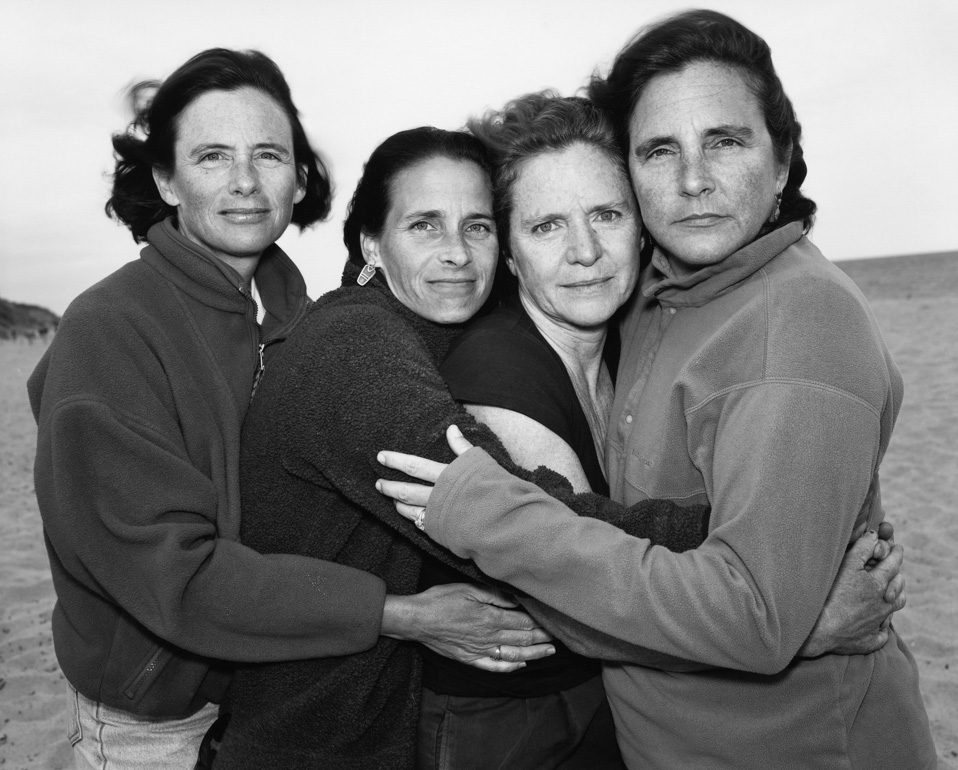
 

Nicholas Nixon (American, b. 1947) 'The Brown Sisters, Eastham, Mass.' 2000


Nicholas Nixon (American, b. 1947)
The Brown Sisters, Eastham, Mass.
2000
The Museum of Modern Art, New York. John Parkinson III Fund
© 2014 Nicholas Nixon


Nicholas Nixon (American, b. 1947) 'The Brown Sisters, Cataumet, Mass.' 2004


Nicholas Nixon (American, b. 1947)
The Brown Sisters, Cataumet, Mass.
2004
The Museum of Modern Art, New York. John Parkinson III Fund
© 2014 Nicholas Nixon


Nicholas Nixon (American, b. 1947) 'The Brown Sisters, Dallas' 2008


Nicholas Nixon (American, b. 1947)
The Brown Sisters, Dallas
2008
The Museum of Modern Art, New York. John Parkinson III Fund
© 2014 Nicholas Nixon
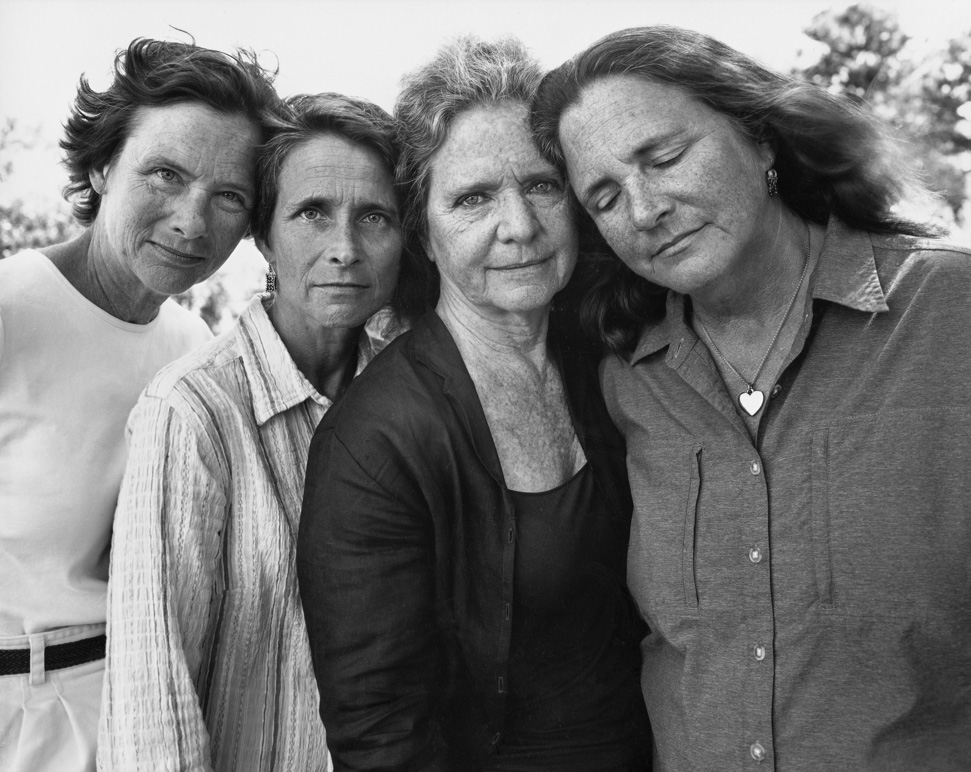
 

Nicholas Nixon (American, b. 1947) 'The Brown Sisters, Truro, Mass.' 2010


Nicholas Nixon (American, b. 1947)
The Brown Sisters, Truro, Mass.
2010
The Museum of Modern Art, New York. John Parkinson III Fund
© 2014 Nicholas Nixon
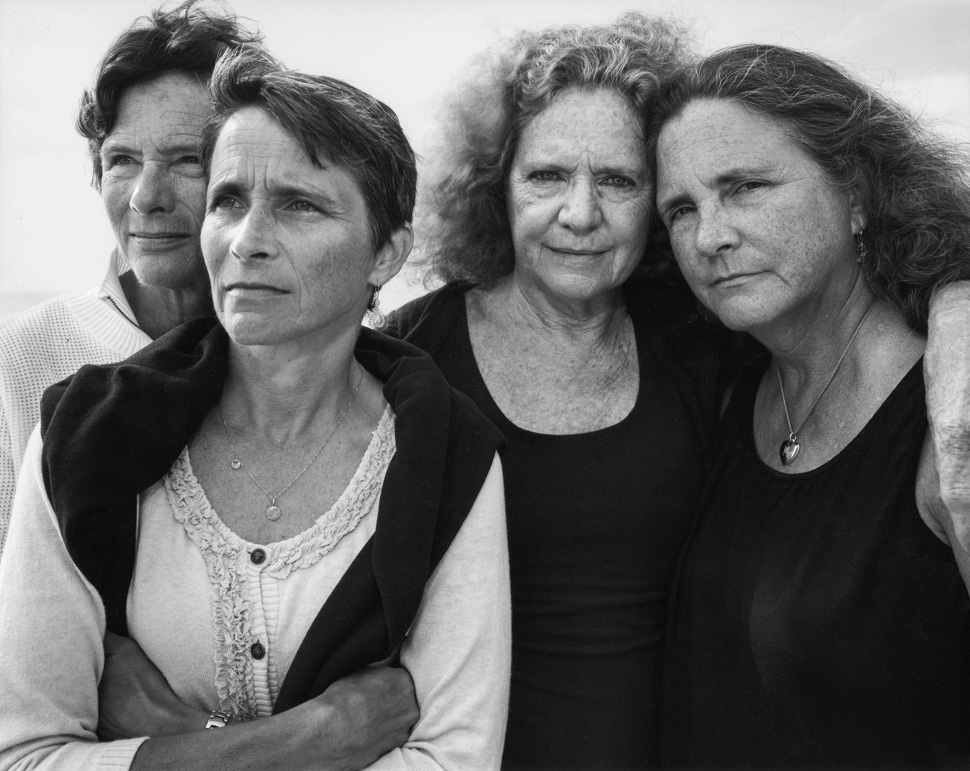
 

Nicholas Nixon (American, b. 1947) 'The Brown Sisters, Truro, Mass.' 2011


Nicholas Nixon (American, b. 1947)
The Brown Sisters, Truro, Mass.
2011
The Museum of Modern Art, New York. John Parkinson III Fund
© 2014 Nicholas Nixon


Nicholas Nixon (American, b. 1947) 'The Brown Sisters, Boston' 2012


Nicholas Nixon (American, b. 1947)
The Brown Sisters, Boston
2012
The Museum of Modern Art, New York. John Parkinson III Fund
© 2014 Nicholas Nixon


Nicholas Nixon (American, b. 1947) 'The Brown Sisters, Wellfleet, Massachusetts' 2014


Nicholas Nixon (American, b. 1947)
The Brown Sisters, Wellfleet, Massachusetts
2014
The Museum of Modern Art, New York. John Parkinson III Fund
© 2014 Nicholas Nixon


The Museum of Modern Art
11 West 53 Street
New York, NY 10019
Phone: (212) 708-9400

Opening hours:
10.30am – 5.30pm
Open seven days a week
MoMA website

LIKE ART BLART ON FACEBOOK

Back to top

Exhibition: ‘Janina Green: Ikea’ at Edmund Pearce Gallery, Melbourne

Exhibition dates: 28th November 28 – 15th December 2012


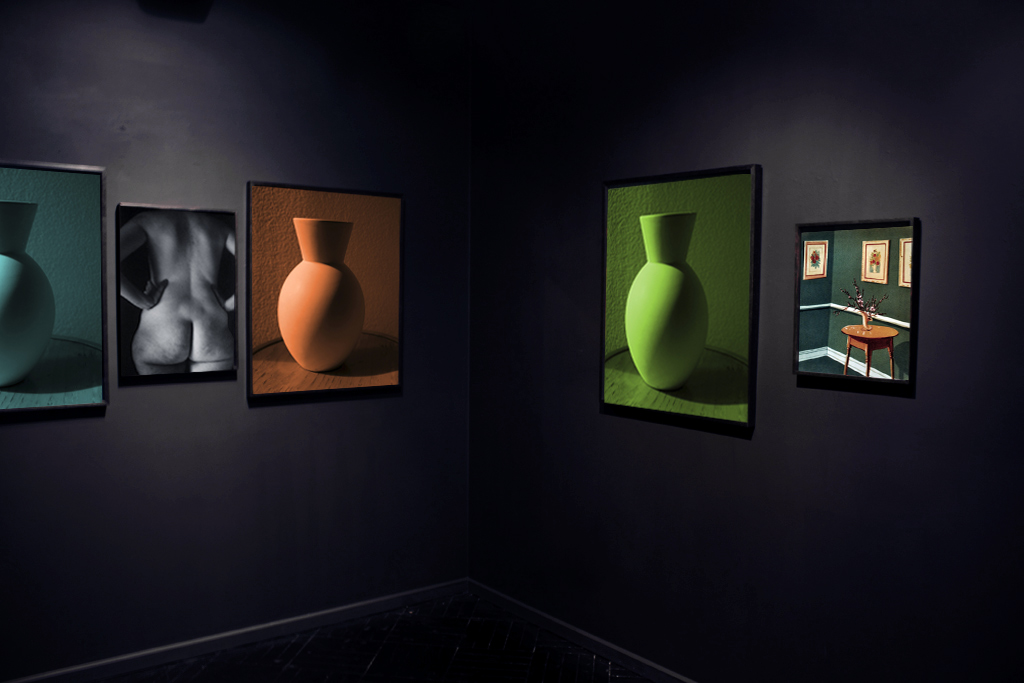
Installation photograph of 'Ikea' by Janina Green at Edmund Pearce Gallery, Melbourne


Installation photograph of Ikea by Janina Green at Edmund Pearce Gallery, Melbourne


“It is necessary to revisit what Walter Benjamin said of the work of art in the age of its mechanical reproducibility. What is lost in the work that is serially reproduced, is its aura, its singular quality of the here and now, its aesthetic form (it had already lost its ritual form, in its aesthetic quality), and, according to Benjamin, it takes on, in its ineluctable destiny of reproduction, a political form. What is lost is the original, which only a history itself nostalgic and retrospective can reconstitute as “authentic.” The most advanced, the most modern form of this development, which Benjamin described in cinema, photography, and contemporary mass media, is one in which the original no longer even exists, since things are conceived from the beginning as a function of their unlimited reproduction.”


Jean Baudrillard. ‘Simulacra and Simulation’. 1981 (English translation 1994)


“To apprehend myself as seen is, in fact, to apprehend myself as seen in the world and from the standpoint of the world. The look does not carve me out in the universe; it comes to search for me at the heart of my situation and grasps me only in irresolvable relations with instruments. If I am seen as seated, I must be seen as “seated-on-a-chair,” … But suddenly the alienation of myself, which is the act of being-looked-at, involves the alienation of the world which I organise. I am seated on this chair with the result that I do not see it at all, that it is impossible for me to see it …”


Jean-Paul Satre. ‘Being and Nothingness’ (trans. Hazel Barnes). London: Methuen, 1966, p. 263


“It must be possible to concede and affirm an array of “materialities” that pertain to the body, that which is signified by the domains of biology, anatomy, physiology, hormonal and chemical composition, illness, age, weight, metabolism, life and death. None of this can be denied. But the undeniability of these “materialities” in no way implies what it means to affirm them, indeed, what interpretive matrices condition, enable and limit that necessary affirmation. That each of those categories [BODY AND MATERIALITY] have a history and a historicity, that each of them is constituted through the boundary lines that distinguish them and, hence, by what they exclude, that relations of discourse and power produce hierarchies and overlappings among them and challenge those boundaries, implies that these are both persistent and contested regions.”


Judith Butler. ‘Bodies That Matter’. New York: Routledge, 1993, pp. 66-67


Fable = invent (an incident, person, or story)

Simulacrum = pretends to be a faithful copy, but it is a copy with no original

Performativity = power of discourse, politicisation of abjection, ritual of being

Body / identity / desire = imperfection, fluidity, domesticity, transgression, transcendence


Intimate, conceptually robust and aesthetically sensitive.
The association of the images was emotionally overwhelming.
An absolute gem. One of the highlights of the year.

Dr Marcus Bunyan


Many thankx to Edmund Pearce Gallery for allowing me to publish the photographs in the posting. Please click on the photographs for a larger version of the image.


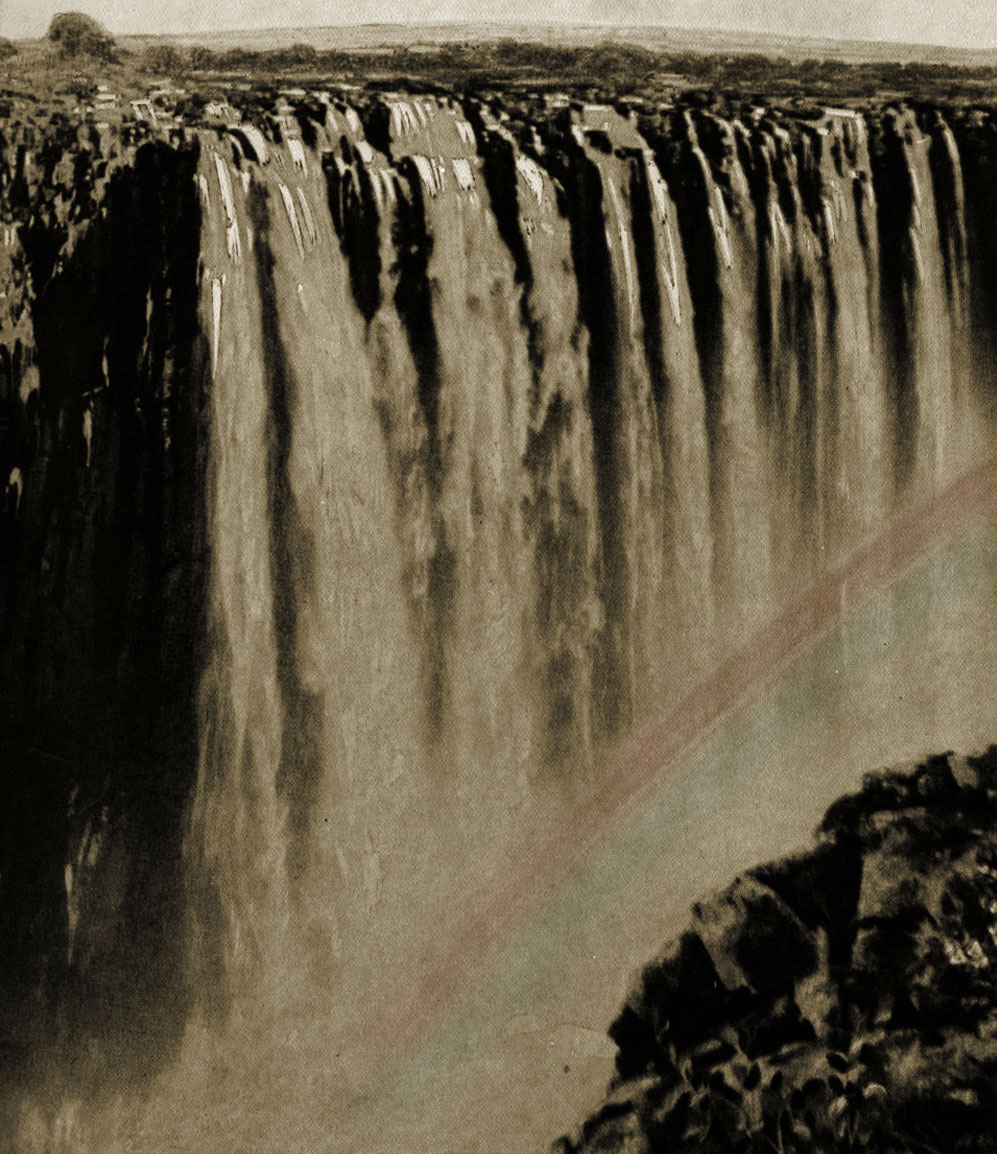
Janina Green (Australian born Germany, b. 1944) 'Waterfall' 1990


Janina Green (Australian born Germany, b. 1944)
Waterfall
1990
Silver gelatin print on Kentmere Parchment paper, tinted with coffee and photo dyes
58 x 48cm
Vintage print


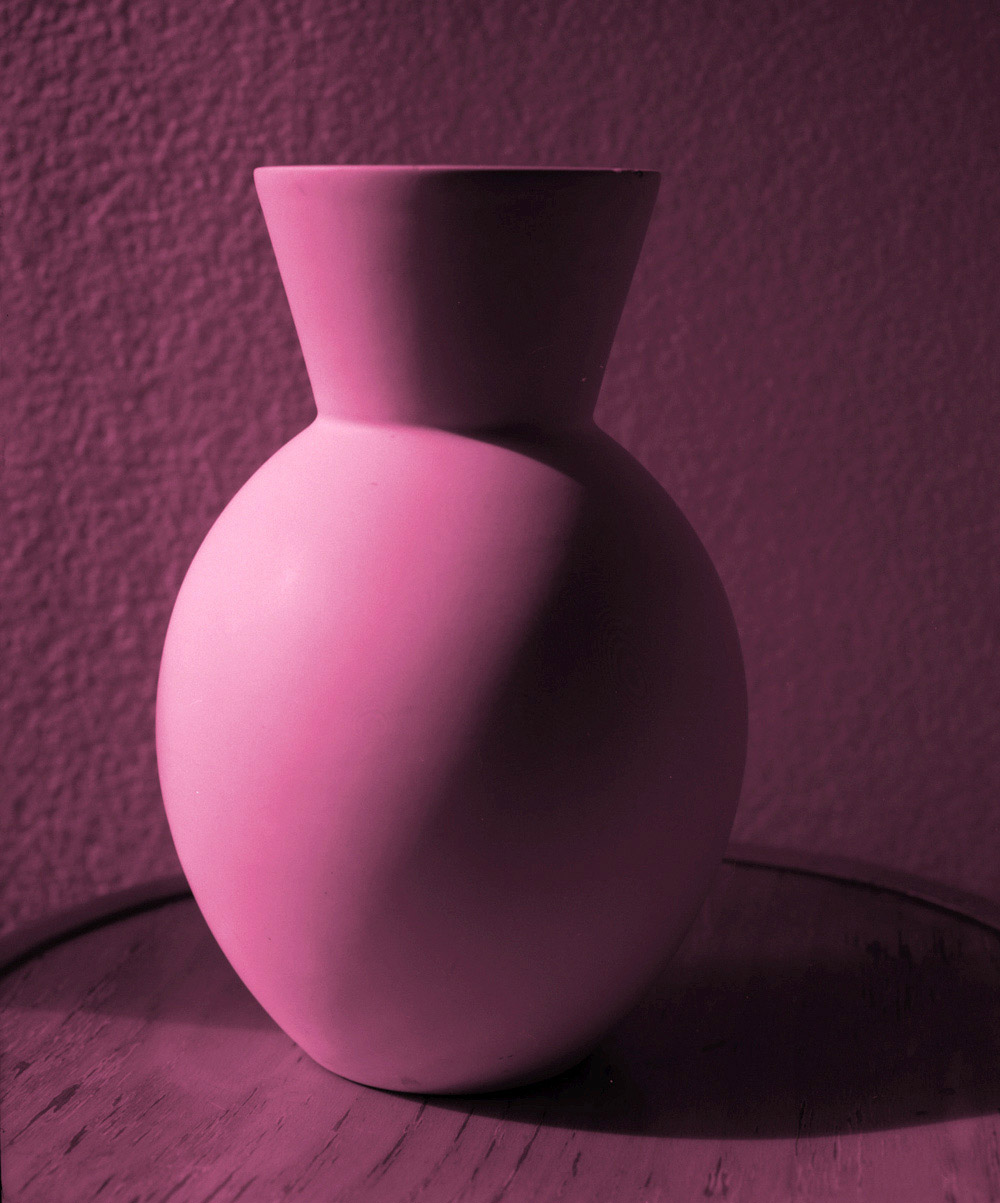
Janina Green (Australian born Germany, b. 1944) 'Pink vase' 1990 reprinted 2012


Janina Green (Australian born Germany, b. 1944)
Pink vase
1990 reprinted 2012
Silver gelatin print on fibre based paper, hand tinted with pink photo dye
85 x 70cm


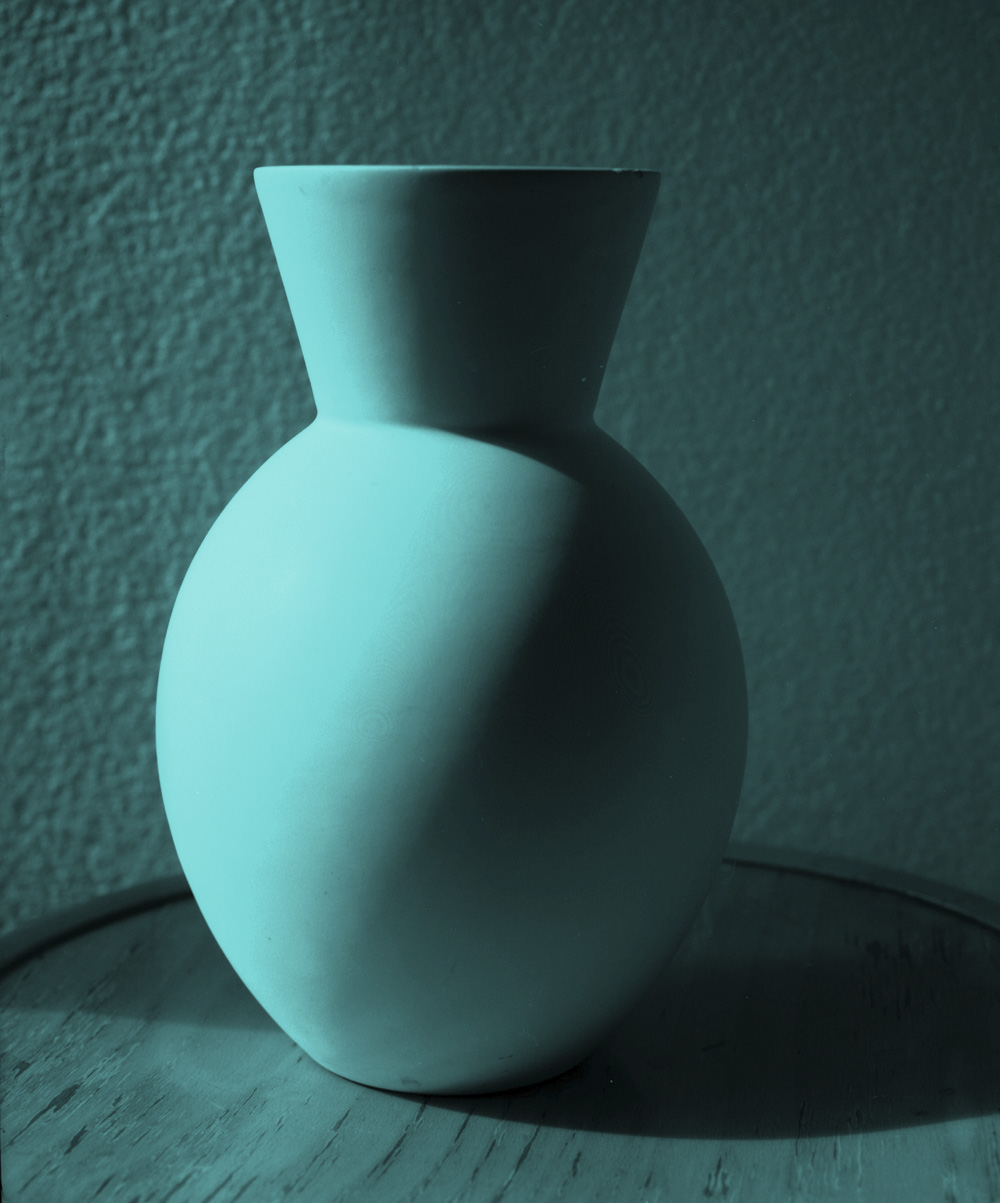
Janina Green (Australian born Germany, b. 1944) 'Blue vase' 1990 reprinted 2012


Janina Green (Australian born Germany, b. 1944)
Blue vase
1990 reprinted 2012
Silver gelatin print on fibre based paper, hand tinted with blue photo dye
85 x 70cm


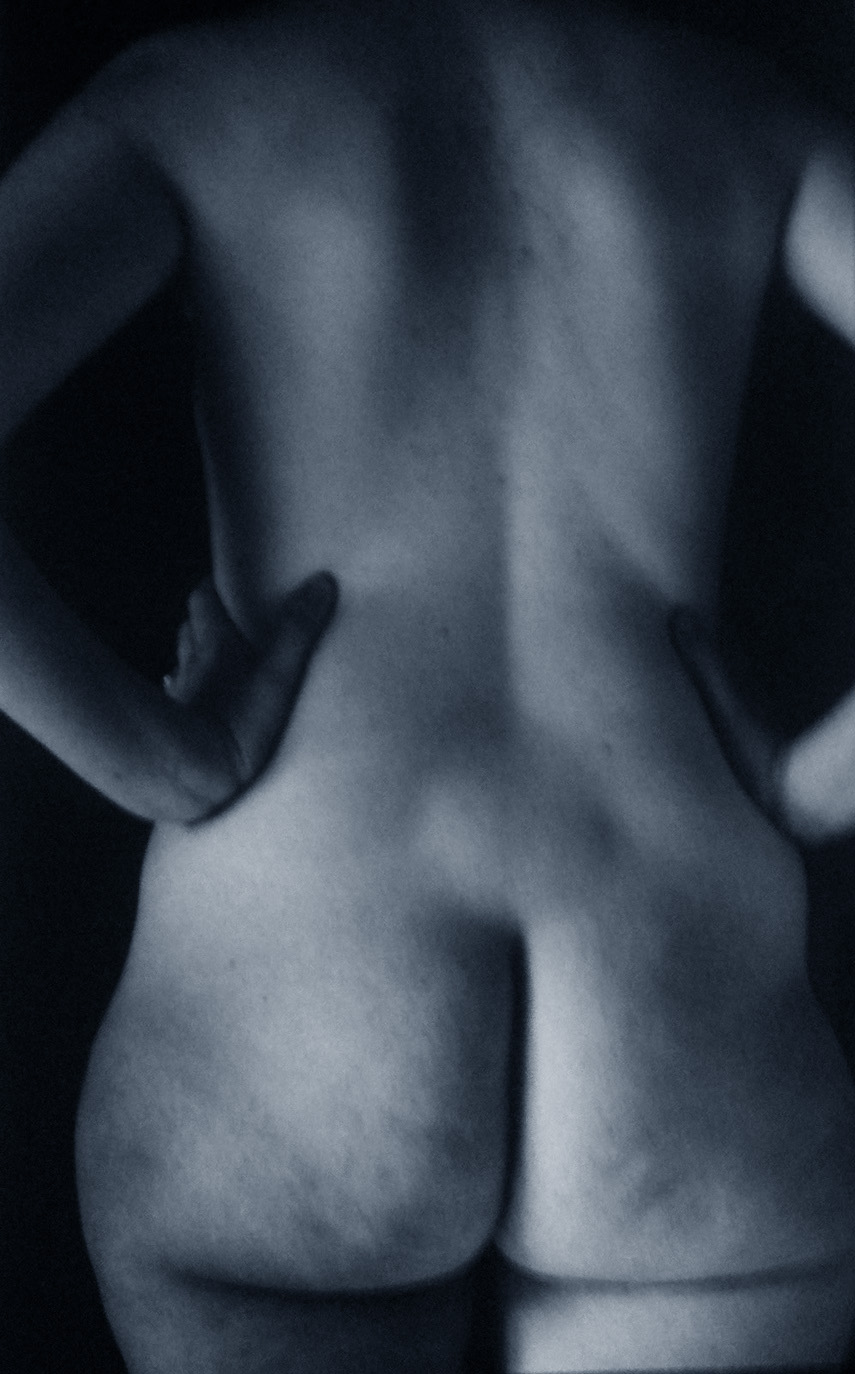
Janina Green (Australian born Germany, b. 1944) 'Nude' 1986


Janina Green (Australian born Germany, b. 1944)
Nude
1986
Silver gelatin print on fibre based paper, hand tinted with blue photo dye
60 x 45cm
Vintage print


My photographs are always about the past.

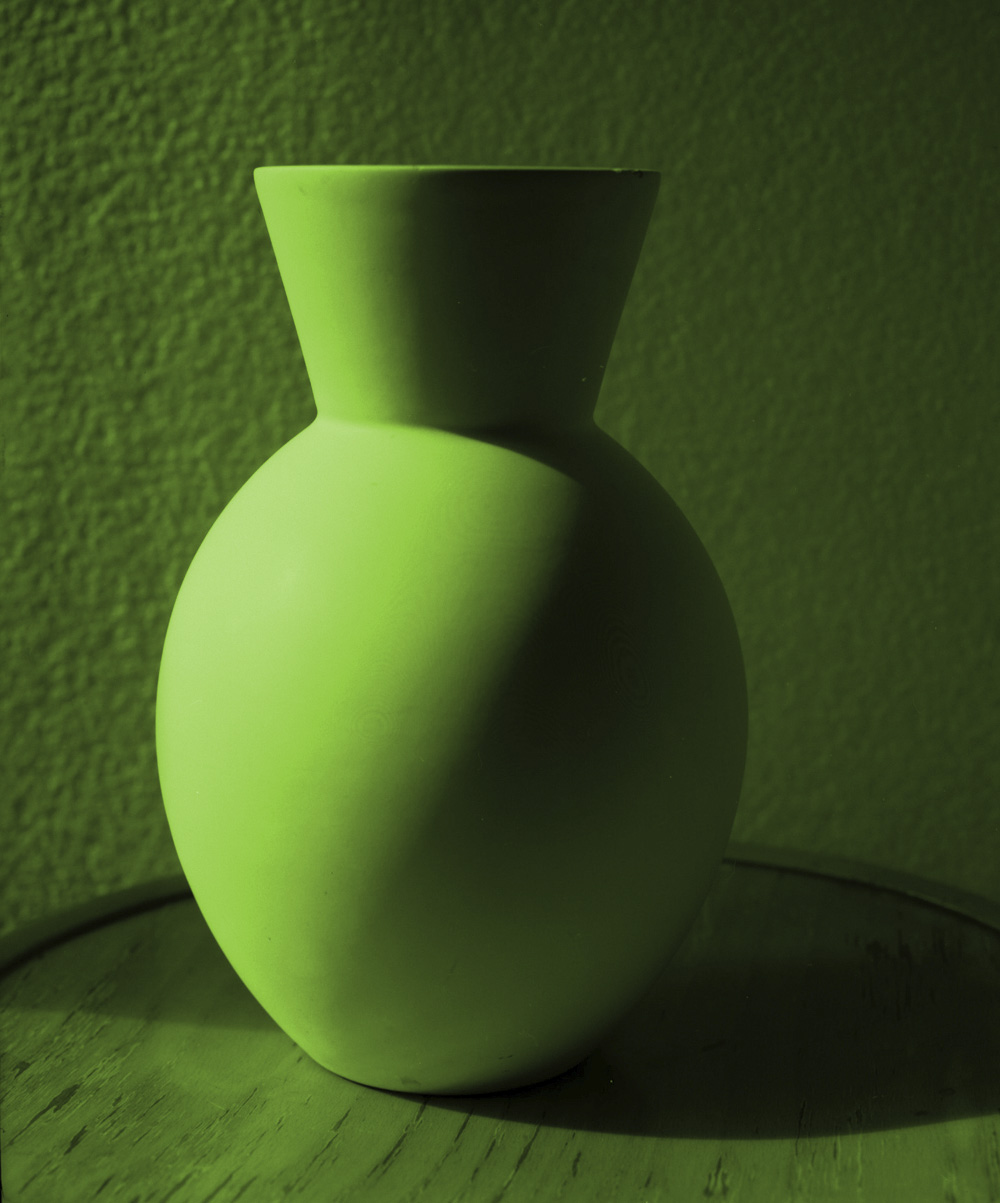
The Barthesian slogan, “this has been,” is for me, “I was there.” This series of images of a vase from Ikea consists of silver gelatin prints tinted in different coloured photographic dyes; photographs of a simple mass produced vase – its form the familiar vessel which so dominates Art History. “Ikea” for me is symbolic of the useful homely object and of the ideal home. The vase from Ikea no longer exists. The picture of that vase stands in for the vase that once existed. The photograph can be seen now – at this moment. It will continue to exist in the future. Its representation crosses time barriers.

My photographs are always documentations of a private performance.

Every photograph records what is in front of the camera, but my interest is in the occasion and the complex conditions of the making of the photograph – first the negative then the print. Each photograph ends up being a documentation of my state of mind during this intensely private moment as well as something for other people to look at. Because of changing conditions, every one of these prints from that same negative is different. For me each analogue print is an unsteady thing. They are now relics from another era, as is the vase.

As a counterpoint to the repetition of the vase prints, I have selected four vintage works from my archive.

Artists statement by Janina Green

Janina is represented by M.33


Janina Green (Australian born Germany, b. 1944) 'Orange vase' 1990 reprinted 2012


Janina Green (Australian born Germany, b. 1944)
Orange vase
1990 reprinted 2012
Silver gelatin print on fibre based paper, hand tinted with orange photo dye
85 x 70cm


Janina Green (Australian born Germany, b. 1944) 'Green vase' 1990 reprinted 2012


Janina Green (Australian born Germany, b. 1944)
Green vase
1990 reprinted 2012
Silver gelatin print on fibre based paper, hand tinted with green photo dye
85 x 70cm


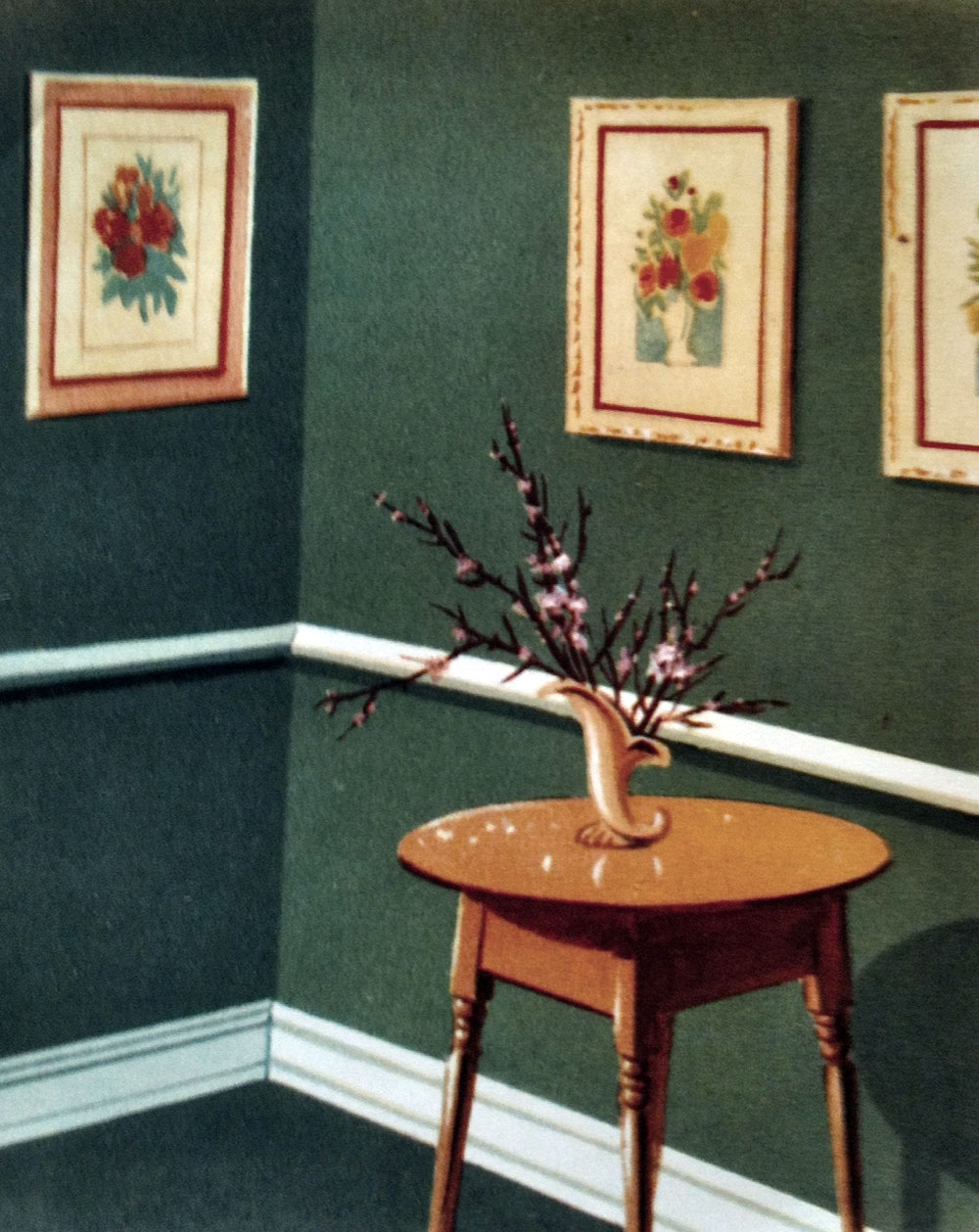
Janina Green (Australian born Germany, b. 1944) 'Interior' 1992


Janina Green (Australian born Germany, b. 1944)
Interior
1992
C Type print
38 x 30cm
Vintage print / edition of 5


Janina Green (Australian born Germany, b. 1944) 'Telephone' 1986 reprinted 2010


Janina Green (Australian born Germany, b. 1944)
Telephone
1986 reprinted 2010
Silver gelatin print on fibre based paper, tinted with coffee
58 x 48cm


Janina Green (Australian born Germany, b. 1944) 'Yellow vase' 1990 reprinted 2012


Janina Green (Australian born Germany, b. 1944)
Yellow vase
1990 reprinted 2012
Silver gelatin print on fibre based paper, hand tinted with yellow photo dye
85 x 70cm


Edmund Pearce Gallery

This gallery is now closed.

LIKE ART BLART ON FACEBOOK

Back to top

Exhibition: ‘Sally Mann: The Flesh and the Spirit’ at the Virginia Museum of Fine Arts, Richmond, VA

Exhibition dates: 13th November 2010 – 23rd January 2011


Many thankx to the Virginia Museum of Fine Arts for allowing me to publish the photographs in the posting. Please click on the photographs for a larger version of the image.


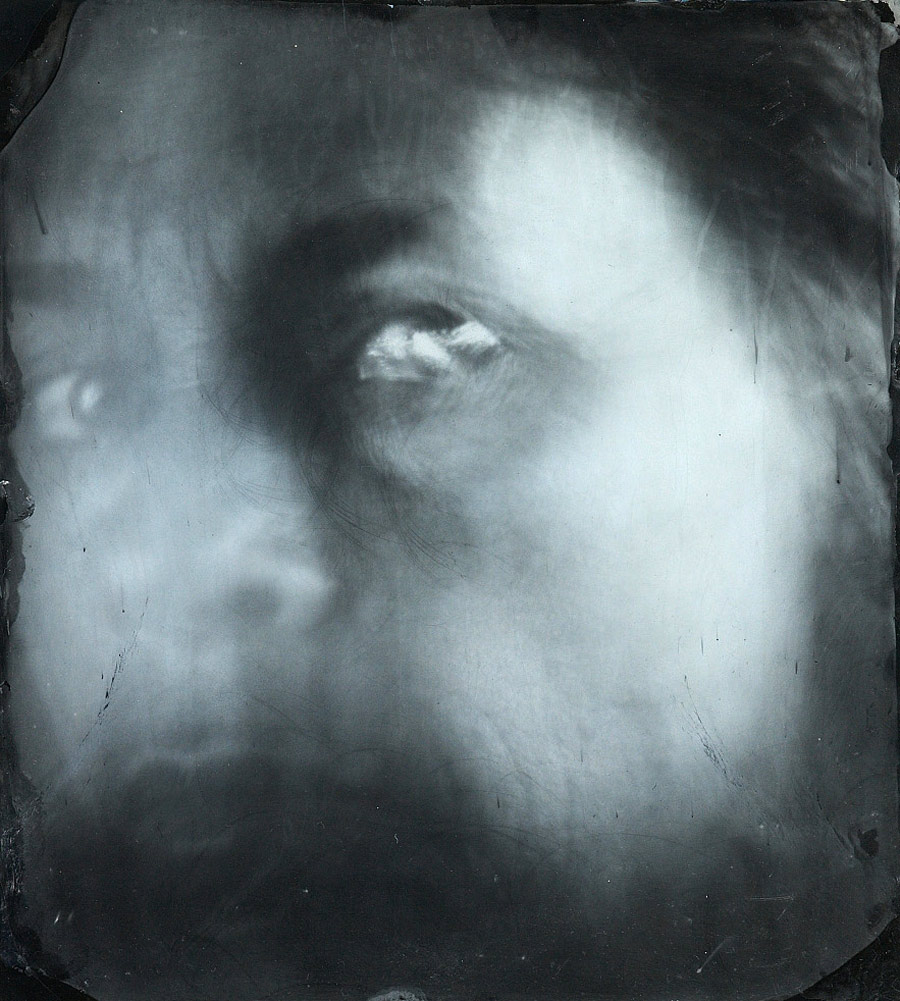
Sally Mann (American, b. 1951) 'Jessie #34' 2004 from the exhibition 'Sally Mann: The Flesh and the Spirit' at the Virginia Museum of Fine Arts


Sally Mann (American, b. 1951)
Jessie #34
2004
Gelatin Silver enlargement print from 8 x 10 in. collodion wet-plate negative, with Soluvar matte varnish mixed with diatomaceous earth


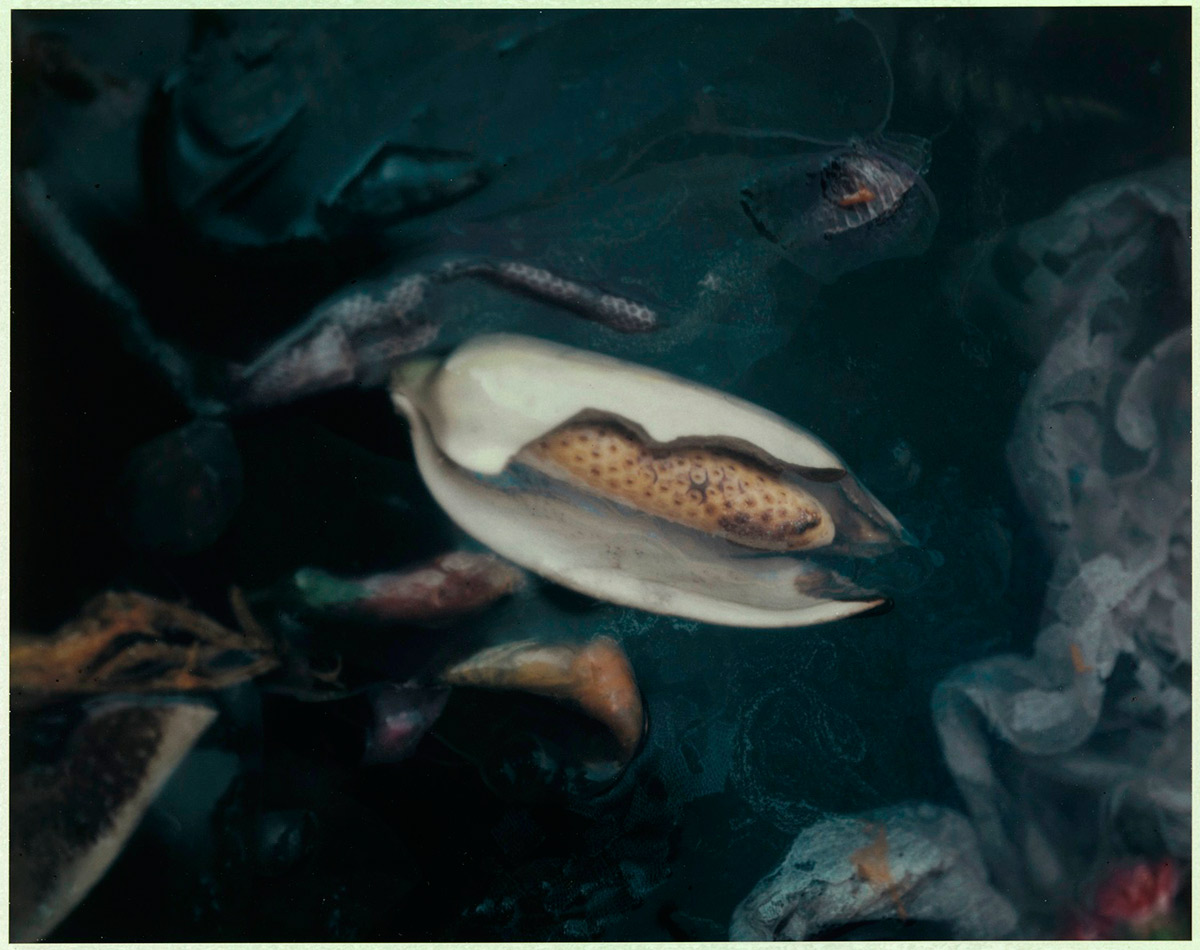
Sally Mann (American, b. 1951) 'Untitled (Still Life)' 2006 from the exhibition 'Sally Mann: The Flesh and the Spirit' at the Virginia Museum of Fine Arts


Sally Mann (American, b. 1951)
Untitled (Still Life)
2006
Ambrotype (unique collodion wet-plate positive on black glass), with sandarac varnish (15 x 13 in)


Sally Mann (American, b. 1951) 'Untitled' 1983 from the exhibition 'Sally Mann: The Flesh and the Spirit' at the Virginia Museum of Fine Arts


Sally Mann (American, b. 1951)
Untitled
1983
Polaroid (8 x 10 in)


Sally Mann (American, b. 1951) 'Untitled' 2000-2001 from the exhibition 'Sally Mann: The Flesh and the Spirit' at the Virginia Museum of Fine Arts


Sally Mann (American, b. 1951)
Untitled
2000-2001
Gelatin silver enlargement prints from 8 x 10 in. (20.3 x 25.4cm) collodion wet-plate negatives, with Soluvar matte varnish mixed with diatomaceous earth


Sally Mann (American, b. 1951) 'Untitled-#4, Antietam' 2001 from the exhibition 'Sally Mann: The Flesh and the Spirit' at the Virginia Museum of Fine Arts


Sally Mann (American, b. 1951)
Untitled #4, Antietam
2001
Gelatin silver enlargement print from 8 x 10 in. collodion wet-plate


One of the first major presentations in the United States of the bold work of contemporary photographer Sally Mann opened at the Virginia Museum of Fine Arts website (VMFA) on November 13, 2010. Exclusive to Richmond, the exhibition will continue until January 23, 2011.

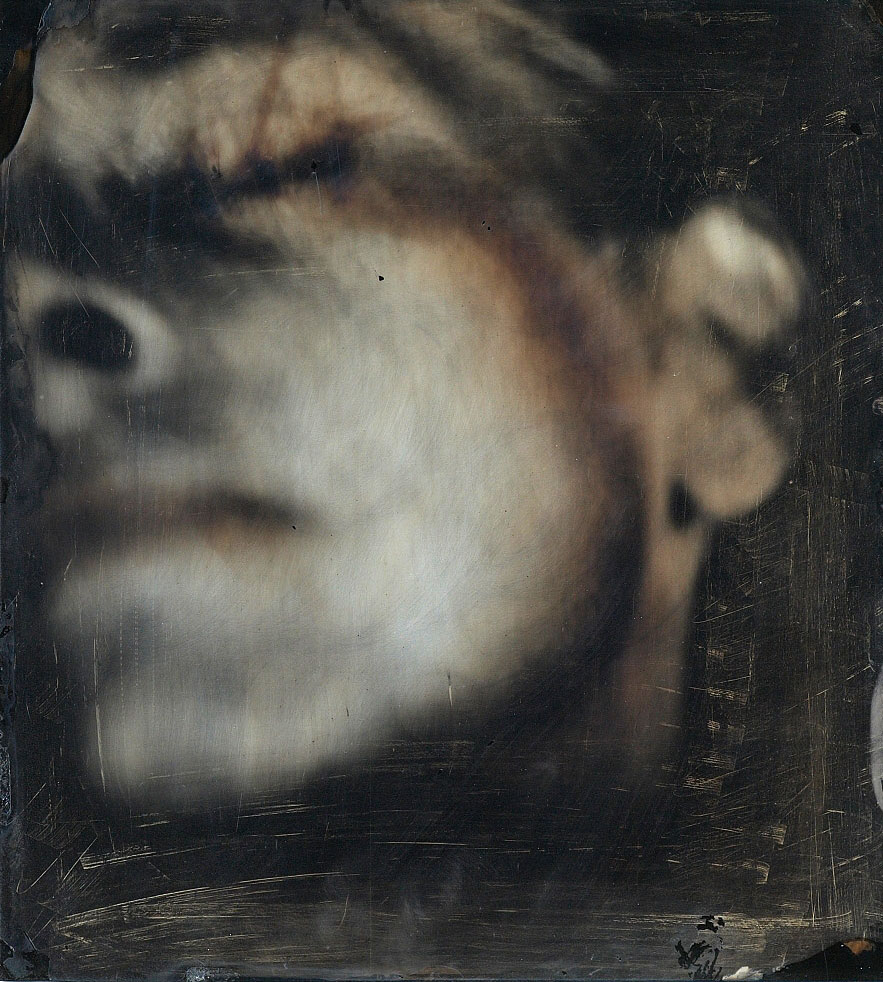
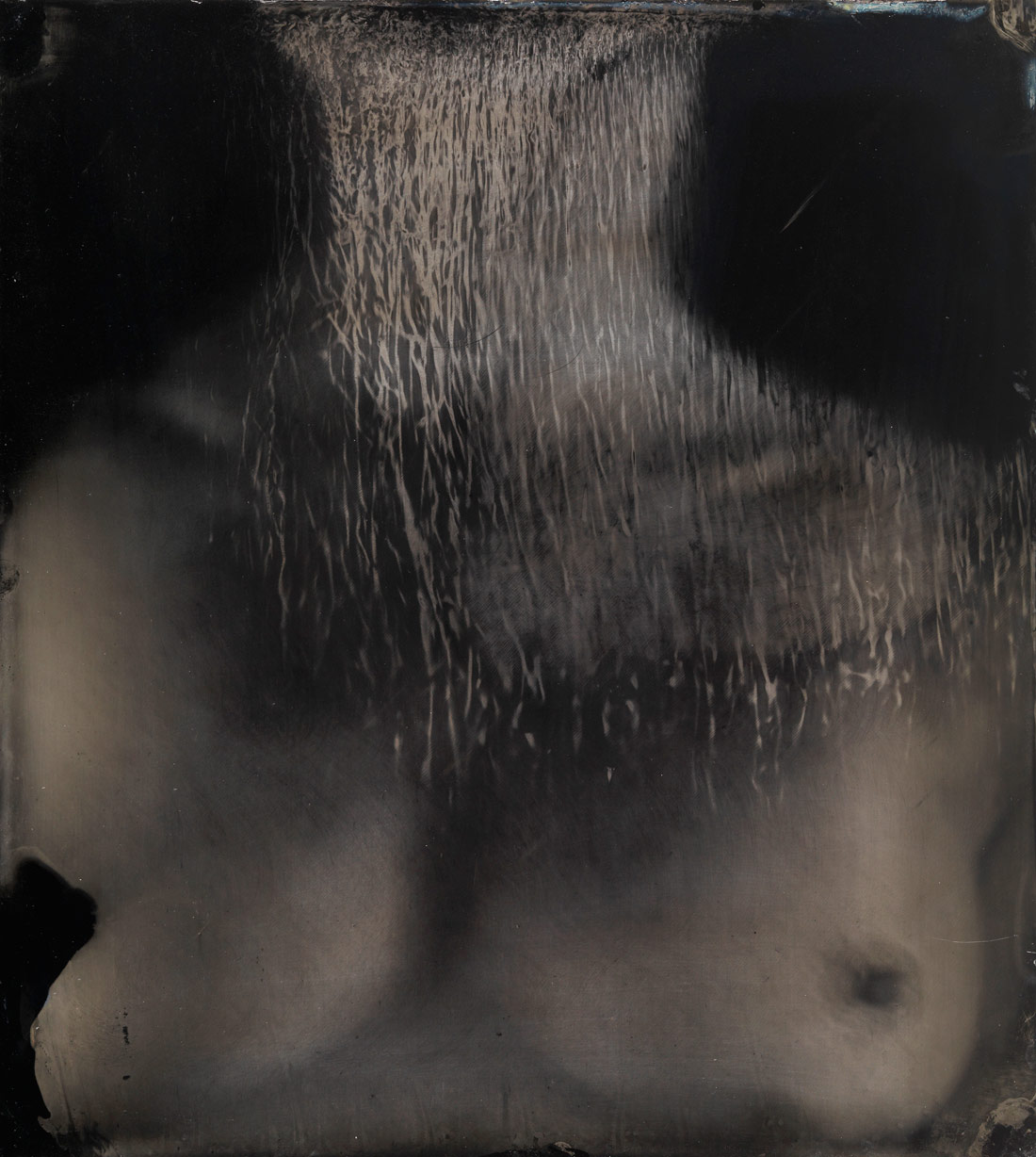
Focusing on the theme of the body, the exhibition will revolve around several entirely new series while also incorporating little-known early work. Mann is admired for her passionate use of photography to address issues of love and loss, expressed in images of her children and southern landscapes. Her recent work uses obsolete photographic methods and nearly abstract images to push the limits of her medium and to dig deeper into themes of mortality and vulnerability. The images include several powerful series of self-portraits – an entirely new subject in her work – and figure studies of her husband. Some of the works in the exhibition include nudity and other graphic material. Viewer and parental discretion is advised.

“Sally Mann is among the top tier of photographers today. Although she is widely exhibited, we are fortunate to be one of the first U.S. museums to produce a major exhibition of her work,” says John Ravenal, the exhibition curator and Sydney and Frances Lewis Family Curator of Modern and Contemporary Art at the Virginia Museum of Fine Arts. “The fearlessness, power and deeply emotional themes of her art are both captivating and unforgettable. We are pleased to exhibit one of Virginia’s, and the nation’s, finest artists.”

Self-examination, ageing, death, and decay are some of the subjects of the exhibition, and these are balanced by themes of beauty, love, trust, and the hopefulness of youth. Among the works are portraits of Mann’s husband, who suffers from a degenerative muscle disease. These are juxtaposed with colourful images of her children, forming a poignant comparison between youthful evanescence and the expressive capacity of the mature adult body.

Other works offer additional perspectives on the themes of ageing and mortality. Made during a trip to the University of Tennessee Forensic Anthropology Center, Mann’s “Body Farm” images explore her fascination with the thin line between animate and inanimate, form and matter. Multi-part self-portraits represent Mann’s first extended exploration of her own face as a subject. Two self-portrait pieces consist of multiple unique photographs printed on black glass – a format known as ambrotypes – arranged in monumental grids of Mann’s likeness.

“The focus on the body in the exhibition will offer a profound meditation on human experience,” continues Ravenal. “The sheer beauty, formal sophistication, and expressive power of the work is likely to appeal to art world and general audiences alike.”

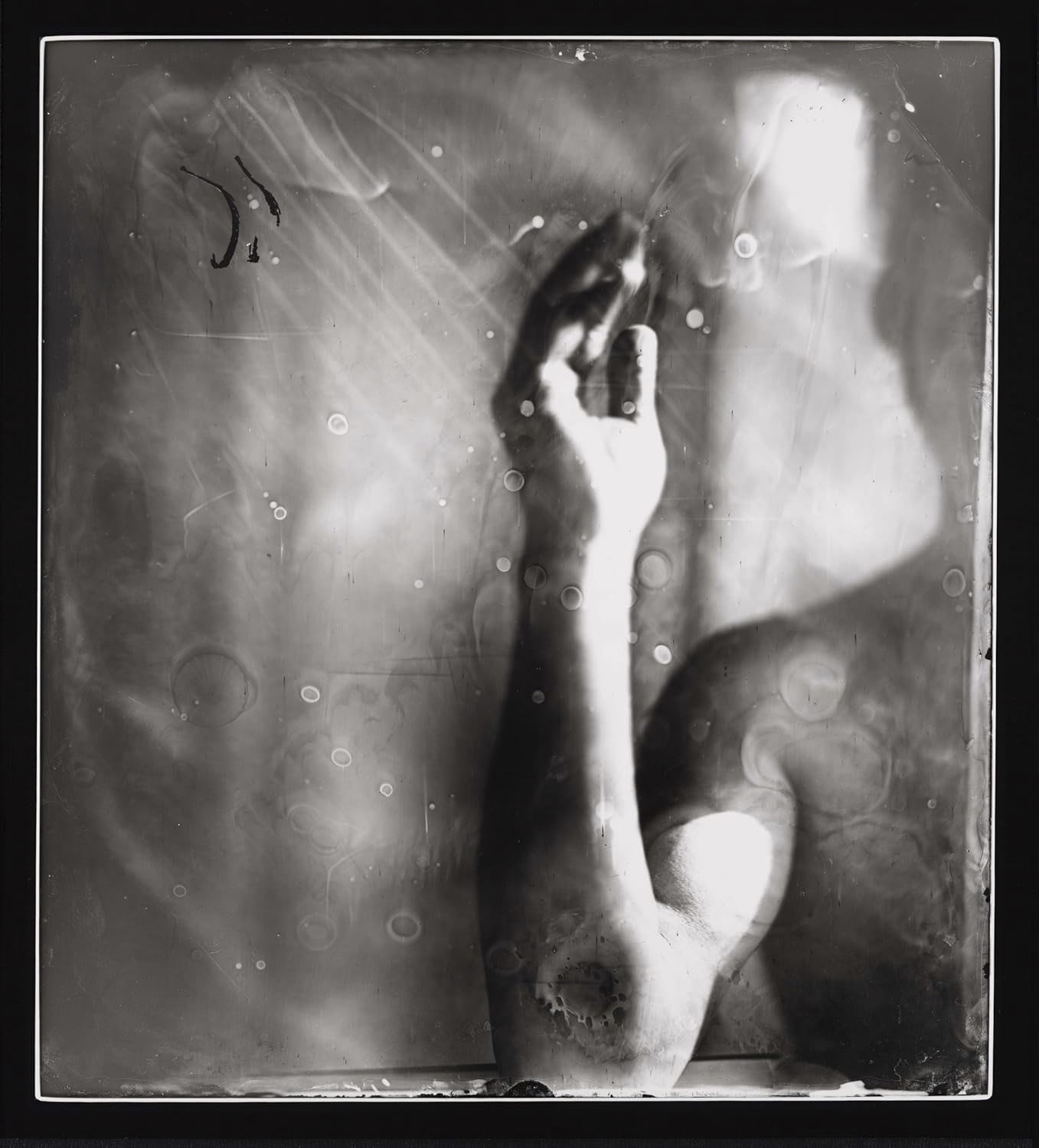
For her landscapes, Mann developed the method she continues to use today, involving an antique large-format view camera and the laborious process of collodion wet-plate. This method, invented in the 1850s, uses sticky ether-based collodion poured on glass, which must be exposed and developed in a matter of minutes before it dries. Unlike her nineteenth-century predecessors, who strove for perfection, Mann embraces accident. Her approach produces spots, streaks, and scars, along with piercing focus in some areas and evaporation of the image in others. These distortions – “honest” artefacts of the process – add a profoundly emotional quality to Mann’s images.

Mann’s recent work continues to use this technique, but returns to the body as a principle subject after a decade of landscapes. Though the body has been an essential focus in Mann’s work from the beginning, this is the first time an exhibition and publication have explored it as a coherent theme.

Born in 1951, Sally Mann has played a leading role in contemporary photography for the past 25 years. Her career began in the 1970s and fully matured in the Culture Wars of the early 1990s, when photographs of her children became embroiled in national debates about family values. In the mid-1990s, Mann turned her attention to large-scale landscapes, specifically the evocative terrain of the South, where she was born, raised and continues to live. Her landscape work raised questions about history, memory and nostalgia, and also embraced a romantic beauty that proved as troubling to some critics as the sensual images of her children had to others. By the early 2000s, she had returned to figurative subjects, adding images of her husband and herself to her work.

Text from the Virginia Museum of Fine Arts website


Sally Mann (American, b. 1951) 'Untitled (Self Portraits)' 2006-2007 from the exhibition 'Sally Mann: The Flesh and the Spirit' at the Virginia Museum of Fine Arts


Sally Mann (American, b. 1951)
Untitled (Self Portraits)
2006-2007
Ambrotypes (unique collodion wet-plate positives on black glass) with sandarac varnish


Sally Mann (American, b. 1951) 'Untitled (Self Portraits)' 2006-2007 (detail)


Sally Mann (American, b. 1951)
Untitled (Self Portraits) (detail)
2006-2007
Ambrotypes (unique collodion wet-plate positives on black glass) with sandarac varnish


Sally Mann (American, b. 1951) 'Untitled (Self Portraits)' 2006-2007 (detail)


Sally Mann (American, b. 1951)
Untitled (Self Portraits) (detail)
2006-2007
Ambrotypes (unique collodion wet-plate positives on black glass) with sandarac varnish


Sally Mann (American, b. 1951) 'Untitled (Self Portraits)' 2006-2007 (detail)


Sally Mann (American, b. 1951)
Untitled (Self Portraits) (detail)
2006-2007
Ambrotypes (unique collodion wet-plate positives on black glass) with sandarac varnish


Sally Mann (American, b. 1951) 'Untitled' 2007-2008 from the exhibition 'Sally Mann: The Flesh and the Spirit' at the Virginia Museum of Fine Arts


Sally Mann (American, b. 1951)
Untitled
2007-2008
Ambrotypes (unique collodion wet-plate positives on black glass), with sandarac varnish


Sally Mann (American, b. 1951) 'Ponder Heart' 2009 from the exhibition 'Sally Mann: The Flesh and the Spirit' at the Virginia Museum of Fine Arts


Sally Mann (American, b. 1951)
Ponder Heart
2009
Gelatin silver contact print from 15 x 13 1/2-in. collodion wet-plate negative


Sally Mann (American, b. 1951) 'Hephaestus' 2008 from the exhibition 'Sally Mann: The Flesh and the Spirit' at the Virginia Museum of Fine Arts


Sally Mann (American, b. 1951)
Hephaestus
2008
Gelatin silver contact print from 15 x 13 1/2 –in. collodion wet-plate negative


Sally Mann (American, b. 1951) 'Was Ever Love' 2009 from the exhibition 'Sally Mann: The Flesh and the Spirit' at the Virginia Museum of Fine Arts


Sally Mann (American, b. 1951)
Was Ever Love
2009
Gelatin silver contact print from 15 x 13 1/2 –in. collodion wet-plate negative


Virginia Museum of Fine Arts
200 N. Boulevard
Richmond, Virginia USA
23220-4007

Opening hours:
Daily 10am – 5pm
Wed – Friday until 9pm

Virginia Museum of Fine Arts website

LIKE ART BLART ON FACEBOOK

Back to top

Exhibition: ‘Proud Flesh’ by Sally Mann at Gagosian Gallery, New York

Exhibition dates: 15th September – 31st October, 2009


Sally Mann (American, b. 1951) 'Memory's Truth' 2008 from the exhibition 'Proud Flesh' by Sally Mann at Gagosian Gallery, New York, Sept - Oct, 2009


Sally Mann (American, b. 1951)
Memory’s Truth
2008
Gelatin silver print
Contact print from a wet-plate collodion negative


“I can think of numberless males, from Bonnard to Callahan, who have photographed their lovers and spouses, but I am having trouble finding parallel examples among my sister photographers. The act of looking appraisingly at a man, making eye contact on the street, asking to photograph him, studying his body, has always been a brazen venture for a woman, though, for a man, these acts are commonplace, even expected.”


Sally Mann


Many thankx to Gagosian Gallery for allowing me to publish the photographs in the posting. Please click on some of the photographs for a larger version of the image.


Proud Flesh is for me an emotionally exhausting work about withering. It has elements of 19th century clinical photography done with absolute loving care for the subject. Its factual surface is quickly replaced by metaphor and the haze of imperfection from the wet-plate collodion negatives she employs. In a few of the images, due to the choice of striped bedding on which the figure lays, we might be looking at a historical photograph take from Auschwitz or Bergen Belsen. With Larry’s thin and seemingly weak legs dangling over the edge of a wooden cot, the soiled bedding following the contour of his legs, it is difficult for me to see this image without this harsh historical reference. The following image in the book, he is turned into a martyr – arms out stretched – the sheet underneath him now sharply crinkled like a bed of straw (or an imagined crown of thorns).

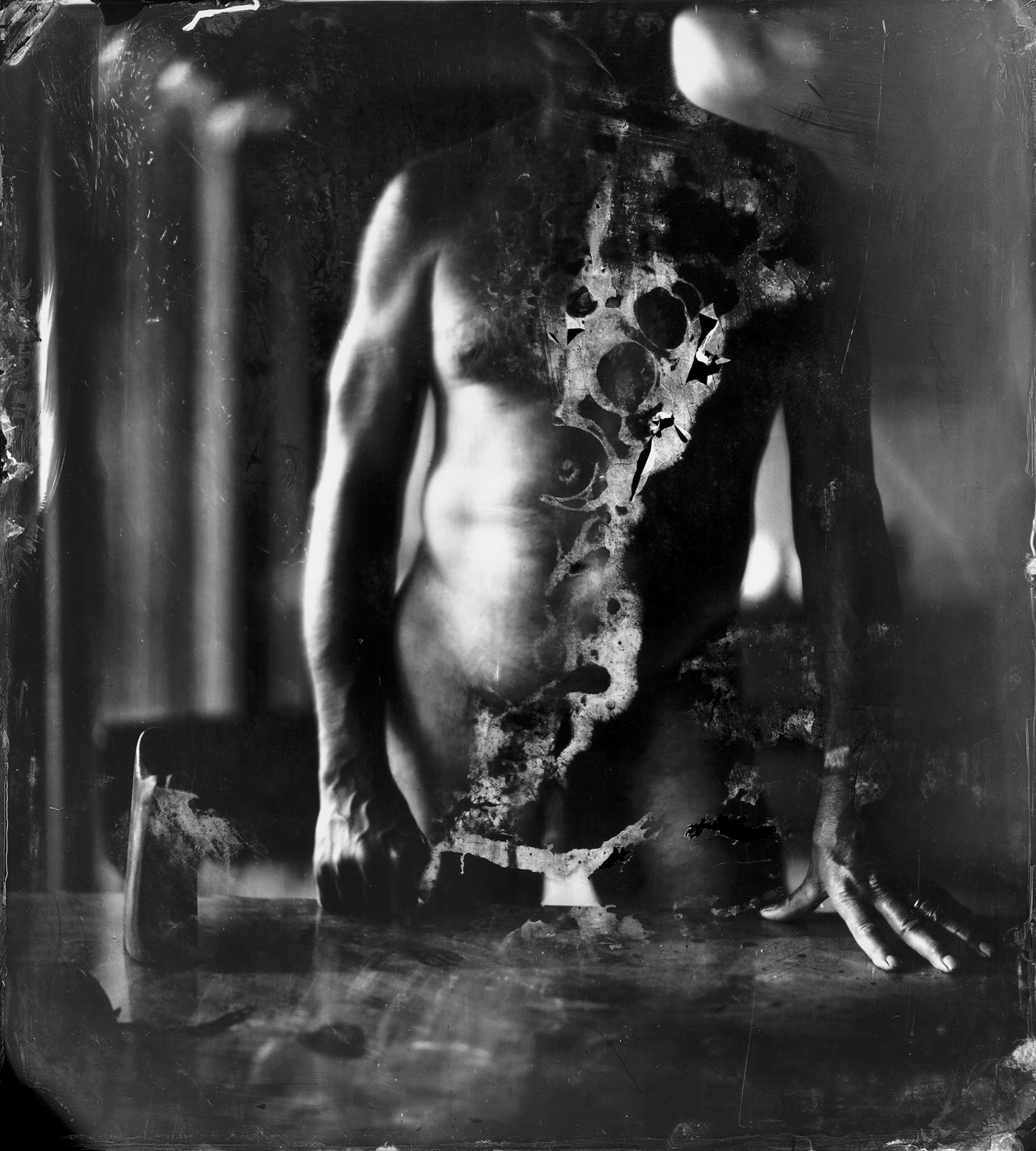
The surface texture plays such a strong role in these photos much of the seduction of these photos comes from the beauty of those imperfections. At times they can be nauseating, for their liquid streaks ooze over the images of aged flesh keeping viscera and bodily fluids as a second metaphoric subject. On the cover image, the disturbed collodion emulsion leaves a pattern which seems to be both looking at, and looking inside, the torso standing before the camera. Like Lee Friedlander’s shadow self-portrait (see the cover of Like a One-eyed Cat) where his organs are replaced with a jumble of rocks and his head is filled with straw, Mann’s image turns Larry’s insides into a mix of man and machine – collodion cogs and gears. This is the most wishful, as it portrays the strongest sense of life and the perhaps even the possibility of escaping its mortality. He stands at table’s edge with a steadying hand and a closed fist.

The most remarkable image for me appears as plate 20 and is captioned Time and the Bell (2008). Like the aforementioned cover image, this is an ideal as Mann has turned her husband’s head and shoulders into a profile bust of marble – the washed out light tones give way to a few angular shapes of rich shadow. It could be a still life of artefacts from an artists work space, a table and a sculptural work in progress. The surprise of the photographic description, which is present in most of the photos in Proud Flesh, is so complex and engaging for me it is difficult to not have it outshine all of the rest.

Text from 5B4: Photography and Books blog October 1, 2009 [Online] Cited 28/04/2019. No longer available online


Sally Mann (American, b. 1951) 'Semaphore' 2003


Sally Mann (American, b. 1951)
Semaphore
2003
Gelatin silver print
Contact print from a wet-plate collodion negative


Sally Mann (American, b. 1951) 'Hephaestus' 2008 from the exhibition 'Proud Flesh' by Sally Mann at Gagosian Gallery, New York, Sept - Oct, 2009


Sally Mann (American, b. 1951)
Hephaestus
2008
Gelatin silver print
Contact print from a wet-plate collodion negative


Sally Mann’s poignant image of her husband, Larry, symbolises both his illness and his skill as a blacksmith.


Sally Mann (American, b. 1951) 'The Nature of Loneliness' 2008


Sally Mann (American, b. 1951)
The Nature of Loneliness
2008
Gelatin silver print
Contact print from a wet-plate collodion negative
15 x 13 1/2 inches


Sally Mann (American, b. 1951) 'Somnambulist' 2009


Sally Mann (American, b. 1951)
Somnambulist
2009
Gelatin silver print
Contact print from a wet-plate collodion negative


Gagosian Gallery is pleased to present “Proud Flesh”, a series of new photographs by Sally Mann.

Children, landscape, lovers – these iconic subjects are as common to the photographic lexicon as light itself. But Mann’s take on them, rendered through processes both traditional and esoteric, is anything but common. From the outset of her career she has consistently challenged the viewer, rendering everyday experiences at once sublime and deeply disquieting.

In previous projects, Mann has explored the relationships between parent and child, brother and sister, human and nature, site and history. Her latest photographic study of her husband Larry Mann, taken over six years, has resulted in a series of candid nude studies of a mature male body that neither objectifies nor celebrates the focus of its gaze. Rather it suggests a profoundly trusting relationship between woman and man, artist and model that has produced a full range of impressions – erotic, brutally frank, disarmingly tender, and more. While the relation of artist and model is, traditionally, a male-dominated field that has yielded countless appraisals of the female body and psyche, Mann reverses the role by turning the camera on her husband during some of his most vulnerable moments.

Mann’s technical methods and process further emphasise the emotional and temporal aspects of these fragile life studies. The images are contact prints made from wet-plate collodion negatives, produced by coating a sheet of glass with ether-based collodion and submerging it in silver nitrate. Mann exploits the surface aberrations that can result from the unpredictability of the process to produce painterly photographs marked by stark contrasts of light and dark, with areas that resemble scar tissue. In works such as Hephaestus and Ponder Heart, the scratches and marks incurred in the production process become inseparable from the physical reality of Larry’s body.”

Text from the Gagosian Gallery website [Online] Cited 10/10/2009. No longer available online


Sally Mann (American, b. 1951) 'Kingfisher's Wing' 2007


Sally Mann (American, b. 1951)
Kingfisher’s Wing
2007
Gelatin silver print
Contact print from a wet-plate collodion negative


Sally Mann (American, b. 1951) 'The Quality of the Affection' 2006


Sally Mann (American, b. 1951)
The Quality of the Affection
2006
Gelatin silver print
Contact print from a wet-plate collodion negative


Sally Mann (American, b. 1951) 'Ponder Heart' 2009


Sally Mann (American, b. 1951)
Ponder Heart
2009
Gelatin silver print
Contact print from a wet-plate collodion negative


Sally Mann (American, b. 1951) 'Was Ever Love' 2009


Sally Mann (American, b. 1951)
Was Ever Love
2009
Gelatin silver print
Contact print from a wet-plate collodion negative


Gagosian Gallery – Madison Avenue Gallery
980 Madison Avenue
New York, NY 10075
Phone: 212.744.2313

Opening hours:
Tuesday – Saturday 10am – 6pm

Gagosian Gallery website

LIKE ART BLART ON FACEBOOK

Back to top