Exhibition dates: 13th November 2010 – 23rd January 2011
Many thankx to the Virginia Museum of Fine Arts for allowing me to publish the photographs in the posting. Please click on the photographs for a larger version of the image.
Sally Mann (American, b. 1951) Jessie #34 2004 Gelatin Silver enlargement print from 8 x 10 in. collodion wet-plate negative, with Soluvar matte varnish mixed with diatomaceous earth
Sally Mann (American, b. 1951) Untitled (Still Life) 2006 Ambrotype (unique collodion wet-plate positive on black glass), with sandarac varnish (15 x 13 in)
Sally Mann (American, b. 1951) Untitled 1983 Polaroid (8 x 10 in)
Sally Mann (American, b. 1951) Untitled 2000-2001 Gelatin silver enlargement prints from 8 x 10 in. (20.3 x 25.4cm) collodion wet-plate negatives, with Soluvar matte varnish mixed with diatomaceous earth
Sally Mann (American, b. 1951) Untitled #4, Antietam 2001 Gelatin silver enlargement print from 8 x 10 in. collodion wet-plate
One of the first major presentations in the United States of the bold work of contemporary photographer Sally Mann opened at the Virginia Museum of Fine Arts website (VMFA) on November 13, 2010. Exclusive to Richmond, the exhibition will continue until January 23, 2011.
Focusing on the theme of the body, the exhibition will revolve around several entirely new series while also incorporating little-known early work. Mann is admired for her passionate use of photography to address issues of love and loss, expressed in images of her children and southern landscapes. Her recent work uses obsolete photographic methods and nearly abstract images to push the limits of her medium and to dig deeper into themes of mortality and vulnerability. The images include several powerful series of self-portraits – an entirely new subject in her work – and figure studies of her husband. Some of the works in the exhibition include nudity and other graphic material. Viewer and parental discretion is advised.
“Sally Mann is among the top tier of photographers today. Although she is widely exhibited, we are fortunate to be one of the first U.S. museums to produce a major exhibition of her work,” says John Ravenal, the exhibition curator and Sydney and Frances Lewis Family Curator of Modern and Contemporary Art at the Virginia Museum of Fine Arts. “The fearlessness, power and deeply emotional themes of her art are both captivating and unforgettable. We are pleased to exhibit one of Virginia’s, and the nation’s, finest artists.”
Self-examination, ageing, death, and decay are some of the subjects of the exhibition, and these are balanced by themes of beauty, love, trust, and the hopefulness of youth. Among the works are portraits of Mann’s husband, who suffers from a degenerative muscle disease. These are juxtaposed with colourful images of her children, forming a poignant comparison between youthful evanescence and the expressive capacity of the mature adult body.
Other works offer additional perspectives on the themes of ageing and mortality. Made during a trip to the University of Tennessee Forensic Anthropology Center, Mann’s “Body Farm” images explore her fascination with the thin line between animate and inanimate, form and matter. Multi-part self-portraits represent Mann’s first extended exploration of her own face as a subject. Two self-portrait pieces consist of multiple unique photographs printed on black glass – a format known as ambrotypes – arranged in monumental grids of Mann’s likeness.
“The focus on the body in the exhibition will offer a profound meditation on human experience,” continues Ravenal. “The sheer beauty, formal sophistication, and expressive power of the work is likely to appeal to art world and general audiences alike.”
For her landscapes, Mann developed the method she continues to use today, involving an antique large-format view camera and the laborious process of collodion wet-plate. This method, invented in the 1850s, uses sticky ether-based collodion poured on glass, which must be exposed and developed in a matter of minutes before it dries. Unlike her nineteenth-century predecessors, who strove for perfection, Mann embraces accident. Her approach produces spots, streaks, and scars, along with piercing focus in some areas and evaporation of the image in others. These distortions – “honest” artefacts of the process – add a profoundly emotional quality to Mann’s images.
Mann’s recent work continues to use this technique, but returns to the body as a principle subject after a decade of landscapes. Though the body has been an essential focus in Mann’s work from the beginning, this is the first time an exhibition and publication have explored it as a coherent theme.
Born in 1951, Sally Mann has played a leading role in contemporary photography for the past 25 years. Her career began in the 1970s and fully matured in the Culture Wars of the early 1990s, when photographs of her children became embroiled in national debates about family values. In the mid-1990s, Mann turned her attention to large-scale landscapes, specifically the evocative terrain of the South, where she was born, raised and continues to live. Her landscape work raised questions about history, memory and nostalgia, and also embraced a romantic beauty that proved as troubling to some critics as the sensual images of her children had to others. By the early 2000s, she had returned to figurative subjects, adding images of her husband and herself to her work.
Text from the Virginia Museum of Fine Arts website
Sally Mann (American, b. 1951) Untitled (Self Portraits) 2006-2007 Ambrotypes (unique collodion wet-plate positives on black glass) with sandarac varnish
Sally Mann (American, b. 1951) Untitled (Self Portraits) (detail) 2006-2007 Ambrotypes (unique collodion wet-plate positives on black glass) with sandarac varnish
Sally Mann (American, b. 1951) Untitled (Self Portraits) (detail) 2006-2007 Ambrotypes (unique collodion wet-plate positives on black glass) with sandarac varnish
Sally Mann (American, b. 1951) Untitled (Self Portraits) (detail) 2006-2007 Ambrotypes (unique collodion wet-plate positives on black glass) with sandarac varnish
Sally Mann (American, b. 1951) Untitled 2007-2008 Ambrotypes (unique collodion wet-plate positives on black glass), with sandarac varnish
Sally Mann (American, b. 1951) Ponder Heart 2009 Gelatin silver contact print from 15 x 13 1/2-in. collodion wet-plate negative
Sally Mann (American, b. 1951) Hephaestus 2008 Gelatin silver contact print from 15 x 13 1/2 –in. collodion wet-plate negative
Sally Mann (American, b. 1951) Was Ever Love 2009 Gelatin silver contact print from 15 x 13 1/2 –in. collodion wet-plate negative
Virginia Museum of Fine Arts 200 N. Boulevard Richmond, Virginia USA 23220-4007
Many thankx to the Martin-Gropius-Bau, Berlin for allowing me to publish the photographs in the posting. Please click on the photographs for a larger version of the image.
Pierre Soulages is one of the world’s foremost abstract painters of recent decades. On the occasion of his 90th birthday he is being honoured by a retrospective in the Centre Pompidou in Paris. Starting on 2 October 2010 Berlin’s Martin-Gropius-Bau will be showing this exhibition in an altered form.
Over 70 pictures of all his creative periods, from the works with walnut stain (1947 to 1949) to the radically black paintings of recent years measuring up three metres high, are being shown, many of them for the first time in Germany. They illustrate the dynamic artistic development of this most famous of contemporary French artists.
Born on 24 December 1919 in Rodez, a small town located to the north of and roughly equidistant from Toulouse und Montpellier, Pierre Soulages refused to train at the “Ecole nationale superieure des beaux arts” in Paris, being out of sympathy with what he saw as that institution’s retrograde approach to art. Instead he spent the year 1939 visiting exhibitions and familiarising himself with the works of Picasso and Cézanne. But that same year he left Paris and headed south to Montpellier to attend the “Ecole des beaux arts” there. At that time he made the acquaintance of Sonia Delaunay, who showed him catalogues containing what those in power at that time considered to be “degenerate art”. For Soulages this was the justification for working as an abstract artist. After the war he moved to Paris, where he successfully exhibited in the Salon of the Surindépendants. His acquaintanceship with Francis Picabia and Hans Hartung in 1947, and his familiarity with the American scene as represented by such artists as Marc Rothko, Robert Motherwell and Wilhelm de Kooning, show how rapidly he was gaining an international reputation. In 1948, three years after the end of the Second World War, he took part in the then pioneering exhibition “French Abstract Painting”, which was shown in Stuttgart, Hamburg and Düsseldorf. He was the youngest of a group of masters of abstract art, including such names as Kupka, Doméla and Herbin. His participation in Documenta I, II and III brought him recognition in artistic and critical circles.
His wayward style, and more specifically his almost exclusive reliance on the colour black, give him a unique place in the world of art, although the American Robert Motherwell produced similar results in some of his works. But only Soulages consistently dedicated his works to the colour black over a period of decades, before finally turning to light.
His “outrenoir”, a term coined by Soulages for the use of black in his work, swallows up light, especially in his works on paper, achieving a particular sense of depth. “Outrenoir”, which may be translated as “the other side of black”, or “beyond black”, does not exclude, but draws the observer into the picture, inducing him to make a close and precise examination of the work by holding his gaze.
Like many painters, Pierre Soulages is fascinated by the phenomenon of light. He seeks obsessively for ways of letting light operate in the colour black. Works in which black is accompanied by a second colour such as blue or red remain the exception.
His individual style, characterised by strong bold lines and occasional calligraphic elements, is an important organising principle in his works. “I found small brushes only for the exact work, as was necessary and important in the art of the 19th century and earlier – Picasso himself worked with fine brushes in his early works. But for me there was no question of that. I wanted to try something quite different, so I went into a paint shop in Paris and bought myself broad brushes and rollers of the kind used for house-painting.” By using this technique in combination with a dark walnut stain known as “de noix” he created his first masterpieces, one of which was bought by the Museum of Modern Art in New York as early as 1948.
His paintings are to be found in the collections of over 100 museums worldwide, such as the Solomon R. Guggenheim Museum, New York; the Australian National Gallery, Canberra; the Hermitage, St. Petersburg; the Musée national d’Art moderne, Paris; the Staatsgalerie Stuttgart; the Instituto Valenciano de Arte Moderno, Valencia; the Museum of Modern Art, Toyama; the Tate Gallery, London; the Museum of Fine Arts, Houston; and the Musée d’Art contemporain, Montréal, to name but a few.
Press release from the Martin-Gropius-Bau website [Online] Cited 11/01/2011 no longer available online
Robert Adams (American, b. 1937) Colorado Springs, Colorado 1968 Gelatin silver print Yale University Art Gallery Purchased with a gift from Saundra B. Lane, a grant from Trellis Fund, and the Janet and Simeon Braguin Fund
What a pleasure it is to post these photographs from the outstanding photographer Robert Adams. The photograph Longmont, Colorado (1979, below) has become truly iconic and will be recognised instantly by many art aficionados around the world: the glowing neon lights, the empty gondolas, towering, brooding skies and solitary, isolated human. The creature in the photograph Sitka spruce, Cape Blanco State Park, Curry County, Oregon (1999-2000, below) impinges my consciousness like a Lernaean Hydra, an ancient, nameless, multi-headed serpent-like water beast. The eloquently understated series Listening to the River (1985-1987, several photographs below) completes the picture, a tour de force of apposition: each image positioned at rest in respect to another: quiet, still, but visually complex.
There is a crispness and cleanness to Adams work that belie the complexity of his subject matter. Tension and balance within the pictorial frame is the key: formal yet fecund, these intellectually productive images challenge us to imagine, and to name, our relationship with the earth and every place that we live.
Robert Adams (American, b. 1937) Frame for a Tract House, Colorado Springs, Colorado 1969 Gelatin silver print Yale University Art Gallery Purchased with a gift from Saundra B. Lane, a grant from Trellis Fund, and the Janet and Simeon Braguin Fund
Robert Adams (American, b. 1937) Longmont, Colorado 1979 Gelatin silver print Yale University Art Gallery Purchased with a gift from Saundra B. Lane, a grant from Trellis Fund, and the Janet and Simeon Braguin Fund
Robert Adams (American, b. 1937) Edge of San Timoteo Canyon, looking toward Los Angeles, Redlands, California 1978 Gelatin silver print Yale University Art Gallery Purchased with a gift from Saundra B. Lane, a grant from the Trellis Fund, and the Janet and Simeon Braguin Fund
Robert Adams (American, b. 1937) Santa Ana Wash, Redlands, California 1983, printed 1991 Gelatin silver print Yale University Art Gallery Purchased with a gift from Saundra B. Lane, a grant from the Trellis Fund, and the Janet and Simeon Braguin Fund
Robert Adams (American, b. 1937) Quarried Mesa Top, Pueblo County, Colorado 1978 Gelatin silver print Yale University Art Gallery Purchased with a gift from Saundra B. Lane, a grant from the Trellis Fund, and the Janet and Simeon Braguin Fund
Robert Adams (American, b. 1937) Ranch Northeast of Keota, Colorado 1969 Gelatin silver print Yale University Art Gallery Purchased with a gift from Saundra B. Lane, a grant from the Trellis Fund, and the Janet and Simeon Braguin Fund
Robert Adams (American, b. 1937) Southwest from the South Jetty, Clatsop County, Oregon 1992 Gelatin silver print Yale University Art Gallery Purchased with a gift from Saundra B. Lane, a grant from the Trellis Fund, and the Janet and Simeon Braguin Fund
Over the past four decades photographer Robert Adams has come to be widely regarded as one of the most original and significant chroniclers of the western American landscape. The first large-scale exhibition of Adams’ work to be presented in Canada, The Place We Live traces his longstanding engagement with the degradation of the environment in the face of suburban development. The exhibition includes more than 300 photographs representing each of Adams’ major projects, from his austere photographs of the Colorado prairie that pay homage to earlier inhabitants, to his unflinching images of the land, workplaces, shopping centres and homes around Denver, as well as recent images of the remains of the great rainforest near his present home in the American Pacific Northwest.
Spare and dispassionate, yet rich with formal invention, Adams’ remarkable images resist simplification of subjects both ordinary and grand, balancing the complexities and contradictions found in modern life. Seen as a whole, the exhibition clearly reveals an approach to art-making that on the one hand seeks to bear witness to humanity’s tenuous relationship with the natural world and, on the other, to celebrate the unexpected sublimity that persists in the face of despoliation.
The reach of Adams’ work has been felt primarily through his publications, which include more than 30 monographs. Adams’ books are an integral component of the exhibition and provide the viewer with the opportunity to further consider the manner in which he has addressed the fear, curiosity and inspiration the American landscape has engendered throughout his career. The international tour of this exhibition is being launched at the Vancouver Art Gallery and is accompanied by a catalogue and a three-volume, hard cover book.
Text from the Vancouver Art Gallery website [Online] Cited 04/01/2022
Robert Adams (American, b. 1937) In a New Subdivision, Colorado Springs, Colorado 1969 Gelatin silver print Yale University Art Gallery Purchased with a gift from Saundra B. Lane, a grant from Trellis Fund, and the Janet and Simeon Braguin Fund
Robert Adams (American, b. 1937) Sitka spruce, Cape Blanco State Park, Curry County, Oregon 1999-2000 Gelatin silver print Yale University Art Gallery. Purchased with a gift from Saundra B. Lane, a grant from the Trellis Fund, and the Janet and Simeon Braguin Fund
Robert Adams (American, b. 1937) Kerstin, Next to an Old-Growth Stump, Coos County, Oregon 1999-2003 Gelatin silver print Yale University Art Gallery Purchased with a gift from Saundra B. Lane, a grant from the Trellis Fund, and the Janet and Simeon Braguin Fund
Robert Adams (American, b. 1937) Untitled from the series Listening to the River 1985-87 Gelatin silver print Yale University Art Gallery Purchased with a gift from Saundra B. Lane, a grant from the Trellis Fund, and the Janet and Simeon Braguin Fund
Vancouver Art Gallery 750 Hornby Street, Vancouver BC V6Z 2H7 Info Line: 604.662.4719
Here’s my pick of the eleven best exhibitions in Melbourne for 2010 that featured on the Art Blart: art and cultural memory archive (in no particular order). Enjoy!
Marcus
1/ Jenny Holzer at The Australian Centre for Contemporary Art (ACCA)
Jenny Holzer (American, b. 1950) Right Hand (Palm Rolled) 2007 Oil on linen 80 x 62 in (203.2 x 157.5cm) Text: U.S. government document
The reason that you must visit this exhibition is the last body of work. Working with declassified documents that relate to the wars in Iraq and Afghanistan Holzer’s Redaction paintings address the elemental force that is man’s (in)humanity to man (in the study of literature, redaction is a form of editing in which multiple source texts are combined (redacted) and subjected to minor alteration to make them into a single work) … I left the exhibition feeling shell-shocked after experiencing intimacy with an evil that leaves few traces. In the consciences of the perpetrators? In the hearts of the living! Oh, how I wish to see the day when the human race will truly evolve beyond. We live in hope and the work of Jenny Holzer reminds us to be vigilant, to speak out, to have courage in the face of the unconscionable.
2/ ‘Pondlurking’ by Tom Moore at Helen Gory Galerie, Prahran
This exhibition produced in me an elation, a sense of exalted happiness, a smile on my dial that was with me the rest of the day. The installation features elegantly naive cardboard cityscape dioramas teeming with wondrous, whimsical mythological animals that traverse pond and undulating road. This bestiary of animals, minerals and vegetables (bestiaries were made popular in the Middle Ages in illustrated volumes that described various animals, birds and even rocks) is totally delightful … What really stands out is the presence of these objects, their joyousness. The technical and conceptual never get in the way of good art. The Surrealist imagining of a new world order (the destruction of traditional taxonomies) takes place while balanced on one foot. The morphogenesis of these creatures, as they build one upon another, turns the world upside down … Through their metamorphosed presence in a carnivalesque world that is both weird and the wonderful, Moore’s creatures invite us to look at ourselves and our landscape more kindly, more openly and with a greater generosity of spirit.
Tom Moore (Australian, b. 1971) Birdboat with passenger with a vengeance (left) and Robot Island (right) 2010 and 2009
3/ ‘Safety Zone’ by John Young at Anna Schwartz Gallery
What can one say about work that is so confronting, poignant and beautiful – except to say that it is almost unbearable to look at this work without being emotionally charged, to wonder at the vicissitudes of human life, of events beyond one’s control.
The exhibition tells the story of the massacre of 300,000 people in the city of Nanjing in Jiangsu, China by Japanese troops in December, 1937 in what was to become known as the Nanjing Massacre. It also tells the story of a group of foreigners led by German businessman John Rabe and American missionary Minnie Vautrin who set up a “safety zone” to protect the lives of at least 250,000 Chinese citizens. The work is conceptually and aesthetically well resolved, the layering within the work creating a holistic narrative that engulfs and enfolds the viewer – holding them in the shock of brutality, the poignancy of poetry and the (non)sublimation of the human spirit to the will of others.
Simply, this is the best exhibition that I have seen in Melbourne so far this year.
John Young (Australian, b. 1956) Flower Market (Nanjing 1936) #1 2010 digital print and oil on Belgian linen 240 x 331cm image courtesy of the artist and Anna Schwartz Gallery
John Young (Australian, b. 1956) Safety Zone 2010 60 works, digital prints on photographic paper and chalk on blackboard-painted archival cotton paper Installation shot, Anna Schwartz Gallery, Melbourne Image courtesy of the artist and Anna Schwartz Gallery
Kiko Gianocca (Swiss, b. 1974) Man & dog Found image, resin, silver 2009
A beautiful exhibition of objects by Swiss/Italian artist Kiko Gianocca at Gallery Funaki, Melbourne, one full of delicate resonances and remembrances.
Glass vessels with internal funnels filled with the gold detritus of disassembled objects, found pendants: Horse, Anchor, Four leaf clover, Swan, Hammer & sickle … Brooches of gloss and matt black resin plates. On the reverse images exposed like a photographic plate, found images solidified in resin.
The front: the depths of the universe, navigating the dazzling darkness The back: memories, forgotten, then remade, worn like a secret against the beating chest. Only the wearer knows!
As Kiki Gianocca asks, “I am not sure if I grasp the memories that sometimes come to mind. I start to think they hold me instead of me holding them.”
The photographs invite us to share not only the mapping of the surface of the skin and the mapping of place and identity but the sharing of inner light, the light of the imaginary as well – and in this observation the images become unstable, open to reinterpretation. The distance between viewer and subject is transcended through an innate understanding of inner and outer light. The photographs seduce, meaning, literally, to be led astray … I found myself looking at the photographs again and again for small nuances, the detail of hairs on the head, the imagining of what the person was thinking about with their eyes closed: their future, their fears, their hopes, the ‘active imagination as a means to visualise sustainable futures’ (Orr, 2010) …
In the imagination of the darkness that lies behind these children’s closed eyes is the commonality of all places, a shared humanity of memory, of dreams. These photographs testify to our presence and ask us to decide how we feel about our life, our place and the relation to that (un)placeness where we must all, eventually, return.
Jill Orr (Australian, b. 1952) Jacinta 2009
6/ ‘AND THEN…’ by Ian Burns at Anna Schwartz Gallery
These are such fun assemblages, the created mis en scenes so magical and hilarious, guffaw inducing even, that they are entirely delightful.
There is so much to like here – the inventiveness, the freshness of the work, the insight into the use of images in contemporary culture. Still photographs of this work do not do it justice. I came away from the gallery uplifted, smiling, happy – and that is a wonderful thing to happen.
Ian Burns (Australian, b. 1964) 15 hours v.4 2010 Found object kinetic sculpture, live video and audio Image courtesy the artist and Anna Schwartz Gallery
Julia deVille (Australian, b. 1982) Nevermore 2010
This is an excellent exhibition by Julia deVille at Sophie Gannon Gallery in Richmond … This exhibition shows a commendable sense of restraint, a beautiful rise and fall in the work as you walk around the gallery space with the exhibits displayed on different types and heights of stand and a greater thematic development of the conceptual ideas within the work. There are some exquisite pieces.
In these pieces there is a simplification of the noise of the earlier works and in this simplification a conversant intensification of the layering of the conceptual ideas. Playful and witty the layers can be peeled back to reveal the poetry of de Sade, the stories of Greek mythology and the amplification of life force that is at the heart of these works. Good stuff.
Quiet, precise works. Forms of insect-like legs and proboscises. They balance, seeming to almost teeter on the edge – but the objects are incredibly grounded at the same time. As you walk into the darkened gallery and observe these creatures you feel this pull – lightness and weight. Fantastic!
And so it came to pass in silence, for these works are still, quiet and have a quality of the presence of the inexpressible. Funaki achieves these incredible silences through being true to her self and her style through an expression of her endearing will. While Mari may no longer be amongst us as expressions of her will the silences of these objects will be forever with us.
When looking at art, one of the best experiences for me is gaining the sense that something is open before you, that wasn’t open before. I don’t mean accessible, I mean open like making a clearing in the jungle, or being able to see further up a road, or just further on. And also like an open marketplace – where there were always good trades. There is the feeling that if you put in a certain amount of honesty, then you would get something back that made some room for you in front – some room that would allow you to look forward, and maybe even walk into that space. Seeing Jerrems work gives you that feeling.
This is a superlative survey exhibition of the work of John Davis at NGV Australia, Melbourne.
In the mature work you can comment on the fish as ‘travellers’ or ‘nomads’, “a metaphor for people and the way we move around the world.” You can observe the caging, wrapping and bandaging of these fish as a metaphor for the hurt we humans impose on ourselves and the world around us. You can admire the craftsmanship and delicacy of the constructions, the use of found objects, thread, twigs, driftwood and calico and note the ironic use of bituminous paint in relation to the environment, “a sticky tar-like form of petroleum that is so thick and heavy,” of dark and brooding colour.
This is all well and true. But I have a feeling when looking at this work that here was a wise and old spirit, one who possessed knowledge and learning … a human being who attained a state of grace in his life and in his work.
11/ ‘Mortality’ at The Australian Centre for Contemporary Art (ACCA)
Fiona Tan (Indonesian, b. 1966) Tilt 2002 DVD courtesy of the artist, Frith Street Gallery London
I never usually review group exhibitions but this is an exception to the rule. I have seen this exhibition three times and every time it has grown on me, every time I have found new things to explore, to contemplate, to enjoy. It is a fabulous exhibition, sometimes uplifting, sometimes deeply moving but never less than engaging – challenging our perception of life. The exhibition proceeds chronologically from birth to death. I comment on a few of my favourite works below but the whole is really the sum of the parts: go, see and take your time to inhale these works – the effort is well rewarded. The space becomes like a dark, fetishistic sauna with it’s nooks and crannies of videos and artwork. Make sure you investigate them all!
Exhibition dates: 10th December 2010 – 10th April 2011
Installation photograph of the exhibition Gustave Moreau and the Eternal Feminine at the National Gallery of Victoria showing a woman looking at Gustave Moreau’s Jupiter and Europa 1868 Photo: Marcus Bunyan
A small but perfectly formed exhibition of the works of the French Symbolist painter Gustave Moreau at the National Gallery of Victoria. The delight is in the detail: the dark, intense neo-classical paintings on biblical and mythological themes reward close scrutiny and contemplation. I purposefully chose to photograph the details at the media launch for the joys they reveal: the flashes of purple, red and turquoise paint to the right in Delilah (Nd, see below) and the almost etched quality of the columns and their symbols behind Salomé and John the Baptist’s head in The Apparition (1875, see below). Please ENLARGE the photographs by clicking on them to see the detail.
Other important events to celebrate the 150th anniversary of the National Gallery of Victoria next year include major exhibitions such as ManStyle (March – October / November 2011 at both St Kilda Road and Federation Square venues) that will feature an exploration of the dandy in men’s fashion from the 18th century to the present day. I have lent the NGV a 1940s suit and tie from my collection for the exhibition so I am excited to see how they display. Also feted for next year is the major Melbourne Winter Masterpieces exhibition Vienna: Arts & Design: Klimt, Schiele, Hoffmann, Loos (June – October 2011) as well as a large Eugene von Guérard: Nature Revealed exhibition (April – August 2011) and several photographic exhibitions including the intriguing Deep Water (April – September 2011) that will include photographs of water and its environment divided into fresh and saltwater sections.
The best news is the creation of two new contemporary exhibiting spaces – one in St Kilda Road (the old gallery that housed Grecian pottery on the ground floor) and the former restaurant next to the bookshop in the atrium of Federation Square. Both spaces will have their own entry, one off the atrium and the other off the space near the spire allowing them to be open late at night without the larger gallery being open and they will exhibition small contemporary exhibitions. An excellent proactive idea!
As always many thankx to Sue Coffey, Alison Murray, Jemma Altmeier and the media team at the NGV for their help and to the curator of the exhibition Dr Ted Gott for his friendship and erudite conversation.
Installation photograph of the exhibition Gustave Moreau and the Eternal Feminine at the National Gallery of Victoria showing a woman looking at Gustave Moreau’s Jupiter and Europa 1868 Photo: Marcus Bunyan
Gustave Moreau (French, 1826-1898) Jupiter and Europa (detail) 1868 Oil on canvas Musée National Gustave Moreau, Paris, France Photo: Marcus Bunyan
Gustave Moreau (French, 1826-1898) Jupiter and Europa (detail) 1868 Oil on canvas Musée National Gustave Moreau, Paris, France Photo: Marcus Bunyan
Gustave Moreau (French, 1826-1898) The Sirens (detail) 1885 Oil on canvas Musée National Gustave Moreau, Paris, France Photo: Marcus Bunyan
Gustave Moreau (French, 1826-1898) The Sirens (detail) 1885 Oil on canvas Musée National Gustave Moreau, Paris, France Photo: Marcus Bunyan
Gustave Moreau (French, 1826-1898) Helen on the Walls of Troy (detail) c. 1870 Oil on canvas Musée National Gustave Moreau, Paris, France Photo: Marcus Bunyan
Be seduced by femmes fatales, goddesses and temptresses of history and legend at the NGV this summer in Gustave Moreau and the Eternal Feminine, the first significant exhibition of Gustave Moreau (1826-1898) to be seen in Australia. The superb craftsmanship of Gustave Moreau will be celebrated with over 100 paintings, watercolours and drawings from the unique and acclaimed Musée Gustave Moreau in Paris. Gerard Vaughan, Director, NGV said this is a once-in-a-lifetime opportunity for Australians to see these captivating works by Moreau.
“Visitors will embrace Moreau’s portrayals of familiar historical and mythical characters. From famed femmes fatales including Salomé, Helen of Troy and Lady Macbeth to the rugged depictions of Hercules and the Cyclops, this spectacular exhibition will reveal the many faces of Gustave Moreau.
Moreau’s pictures are amongst the most haunting and mysterious of the entire 19th century, and ironically are incredibly modern. This is a must see exhibition!” said Dr Vaughan.
Gustave Moreau and the Eternal Feminine will explore the artist’s obsession with the female form, taking visitors on a voyage from classical antiquity and the ancient Far East, to Christianity’s more lurid escapades and epic narratives of the Middle Ages.
Ted Gott, Senior Curator, International Art, NGV said: “Throughout his life Moreau was both entranced by female beauty and captivated by the allure of powerful, even dangerous women from the pages of history and legend, making him a cult figure for today’s younger generation who are spellbound by gothic tales and imagery.
Moreau’s fascination with heroines and queens, goddesses and temptresses were screens through which he could filter his explorations of the key themes of the Eternal Feminine: obsession, dream, luxury, magic, the femme fatale, exoticism and the ideal,” said Dr Gott.
A highlight of the exhibition will be a section devoted to Moreau’s most celebrated and intriguing obsession – the story of Salomé and the beheading of John the Baptist. Salomé is often depicted as an icon of dangerous female seductiveness and in this famous tale, her stepfather Herod requests Salomé to dance for him on his birthday in exchange for anything she desires. Salomé dances and then orders the beheading of John the Baptist who was in prison at the time for criticising the marriage of her mother, Herodias and stepfather Herod.
During his youth, Moreau was obsessed with Italian art of the 14th and 15th centuries, and with narratives drawn from the classical past. This exhibition will feature the tales and tribulations of well known characters from history – both real and mythological – including Helen of Troy, Cleopatra, Messalina, Lady Macbeth, Samson and Delilah, Galatea, Sappho and Salomé.
Whilst many of Moreau’s works are filled with mythical female characters, in life he was surrounded by two key female figures: his mother and his girlfriend, Alexandrine Dureux. Moreau lived with his mother until her passing in 1884, while Dureux lived nearby. After Dureux’s death in 1890, Moreau transformed his family home into a museum, creating massive ateliers for the display of more than 5,000 of his own works of art, as well as dedicating rooms to his father, his mother and Alexandrine Dureux. Left to the French nation in Moreau’s will in 1898 and officially opened to the public in 1903, the Musée Gustave Moreau remains one of the world’s most unique and extraordinary single-artist museums.
Press release from the National Gallery of Victoria website [Online] Cited 07/12/2010 no longer available online
Gustave Moreau (French, 1826-1898) Delilah (detail) Nd Oil on canvas Musée National Gustave Moreau, Paris, France Photo: Marcus Bunyan
Installation photographs of the exhibition Gustave Moreau and the Eternal Feminine at the National Gallery of Victoria showing at right in the bottom image, Moreau’s The Apparition (1875, below) Photos: Marcus Bunyan
Gustave Moreau (French, 1826-1898) The Apparition 1875 Oil on canvas Musée National Gustave Moreau, Paris, France
Gustave Moreau (French, 1826-1898) The Apparition (detail) 1875 Oil on canvas Musée National Gustave Moreau, Paris, France Photo: Marcus Bunyan
Gustave Moreau (French, 1826-1898) The Apparition (detail) 1875 Oil on canvas Musée National Gustave Moreau, Paris, France Photo: Marcus Bunyan
Gustave Moreau (French, 1826-1898) Beheading of John the Baptist 1870 Oil on canvas Musée National Gustave Moreau, Paris, France
Gustave Moreau (French, 1826-1898) Beheading of John the Baptist (detail) 1870 Oil on canvas Musée National Gustave Moreau, Paris, France Photo: Marcus Bunyan
Installation photograph of the exhibition Gustave Moreau and the Eternal Feminine at the National Gallery of Victoria with at left, The Unicorns (c. 1885, below); at second right, Unicorn (1885, below); and at right, Fairy with Griffons (1875, below) Photo: Marcus Bunyan
“Baltz’s compositions appear to have been arranged, almost as a Braque still-life is ‘arranged’. Many of these photographs have the sense of a precisely constructed occasion, as if Baltz had built his subject matter before photographing it. This unity of subject and author is a characteristic of many fine photographs, but Baltz brings to this problem a narrow, powerful eye which is blindingly frontal and meticulous about detail.”1
Anon. “Lewis Baltz,” on the American Suburb X website [Online] Cited 12/11/2010 no longer available online.
Many thankx to The Art Institute of Chicago for allowing me to publish the photographs in the posting. Please click on the photographs for a larger version of the image.
Installation views of the exhibition Lewis Baltz: Prototypes/Ronde de Nuit at The Art Institute of Chicago
Lewis Baltz (b. 1945) is one of the most prominent representatives of the “New Topographics” movement, which changed the direction of American photography in the 1970s and has had a formative impact on every generation since. However, Baltz’s innovations began already in the 1960s. The Art Institute of Chicago has organised the first survey ever of Lewis Baltz’s inaugural body of work, the Prototypes (c. 1967-1973). The exhibition also puts on view for the first time in 12 years Ronde de Nuit, a monumental work of the early 1990s. Lewis Baltz: Prototypes / Ronde de Nuit – on view in the Modern Wing’s Bucksbaum Gallery (G188) from September 25, 2010 through January 9, 2011 – features 42 Prototype works, including several that have never before been published or exhibited. This is Baltz’s first solo exhibition in the United States in more than a decade.
Beginning in 1965, but especially from 1967 to 1973, Lewis Baltz made a body of work that concentrated on the dialectic between simple, regular geometric forms found in the postwar industrial landscape and the far from simple culture that generated such forms, or was conditioned by them. Stucco walls, parking lots, the sides of warehouse sheds, or disused billboards baked in the steady Californian sunlight – these and other “hyper-banal” subjects were printed in blacks and whites of a breathtaking tonal evenness. Baltz called his works “Prototypes,” by which he meant replicable social conventions as well as model structures of replicable manufacture. The fraught relation of neutral form to highly charged content plays itself out on the emphatically planar surface of these prints, objects that exude magnificence and severity simultaneously. Never before shown together as a group, the Prototypes are revealed in this exhibition as model creations for their time and ours. They are among the earliest artworks to show the fascinating, disturbing transformation of the American landscape into an unending terrain of anonymous commercial architecture as well among the first photographs to seek the starkly reductive forms of minimal and post-minimal art “out in the world.”
In 1971, upon seeing the Prototypes, gallery owner Leo Castelli immediately agreed to exhibit Baltz’s photographs, and he remained Baltz’s American representative until the artist relocated to Europe nearly 20 years later. Included in the presentation of Lewis Baltz: Prototypes / Ronde de Nuit is a monumental sculpture by Sol LeWitt from the Art Institute’s permanent collection and a nine-foot oilstick drawing by Richard Serra – two artists also featured at Castelli, and whose work the young Baltz greatly admired. Bringing together these three artists for the first time, the exhibition shows the affinities and analogies that developed across media around 1970, when photography first moved to the center of concerns in contemporary art.
Augmenting Lewis Baltz: Prototypes / Ronde de Nuit is a piece made by Baltz in 1992, initially for an exhibition at the Musée National d’Art Moderne, Centre Georges Pompidou, in Paris. Measuring 35 feet across by 7 feet tall, and printed on aluminium-mounted Cibachrome panels, Ronde de Nuit is as far in scale and appearance as one could get from the Prototypes. Yet across the manifest differences, this mural-size work maintains underlying continuities in the artist’s preoccupations. Baltz remains substantially concerned over the cancerous spread of our industrially manufactured habitat and how the elements of manufacture can be used to standardise and restrict the inhabitants – ourselves. Ronde de Nuit consists of 12 separate photographs, taken at a police surveillance station in northern France, to form a panoptic tableau of voyeurism and control. Some photographs are enlargements of closed-circuit screen images; others show mainframe computers, cable conduits, and other equipment in the bowels of the police station. The resulting composition merges Rembrandt with Piranesi in the digital age. Its effect on viewers is magnetic, moving, and uncanny.
Press release from The Art Institute of Chicago website
During and directly after his student years, Lewis Baltz made what he called Prototypes, photographs of recent residential and commercial “subarchitecture” in his home state of California. They are among the earliest artworks to show the fascinating, disturbing transformation of the American landscape into an unending terrain of anonymous buildings; they are also among the first photographs to seek the starkly reductive forms of Minimalist and Post-Minimalist art “out in the world.” Corona del Mar is nearly devoid of shadows, making the image appear as shallow as the paper on which it is printed. Baltz emphasised this congruence by mounting the photograph onto board and rimming the perimeter with India ink. The Prototype Works isolate objects in the built environment and ask to be apprehended as image-objects in their own right.
My apologies for the paucity of reviews of local exhibitions on the archive recently. It’s not that I haven’t been going to exhibitions far from it, just that nothing has really struck me as worthy of an in depth review!
Recently I went to the new Monash University Gallery of Art (MUMA) and the opening exhibition of the gallery, CHANGE (until 18th December). This is a hotchpotch of an exhibition that showcases the “breadth and depth of the Monash University Collection, reflecting on the changing forms, circumstances and developments in contemporary art practice from the 1960s to the present day – from late modernism to our contemporary situation … the exhibition signals the potential for institutional change that MUMA’s new situation represents.” Avowing an appeal to the senses the exhibition has some interesting works, notably a large canvas by Howard Arkley, Family home – suburban exterior 1993, Daniel von Sturmer’s installation The Field Equation (2006), Mike Parr’s bloody, mesmeric performance Close the Concentration Camps (2002) that you just can’t take your eyes off and part of Tracey Moffatt’s haunting series Up In The Sky (1998), the “part” declamation leaving one unable to decipher the narrative of the work without seeing the whole series on the Roslyn Oxley9 website. This is symptomatic of the whole exhibition – somehow it doesn’t come together, one of the problems of large, non-thematically organised group exhibitions.
The spaces of the new gallery are interesting to wander through but seem a little pokey and confined. A series of smallish intersecting rooms to the left hand side of the gallery leads one around to a big gallery to the right hand side (the best space), before another small front room. Down the spine runs a narrow enclosed area with exposed trusses and ducts that is unimaginative in design and redundant as an exhibiting space. Overall the gallery feels claustrophobic being an almost hermetically sealed environment enclosed by several sliding glass doors at entry points (and yes, I do know that a gallery has to have regulated temperature, light and humidity). This is at odds with the idea of exhibiting fresh, exciting art that breathes life.
I also ventured to Anna Pappas Gallery to see the exhibition of photographic work Endless Days by Vin Ryan (until 23rd December). Nice idea but a disappointment. Featuring grided, colour-coded photographs of the physical artefacts used to plate 20 meals eaten by the Ryan family the information within the prints is almost indecipherable, the selection of plates, cups and objects so small as to become mere colour decoration. I struggled to see what the objects actually were; even in the 5 individual prints of a meal the definition of the objects was weak, the printing not up to standard. The moral of the story is this: if you are going to use the photographic medium for artwork make sure that a/ you know how to construct an image visually using the medium and b/ that you get someone who knows what they are doing to print the photographs for you if you can’t print them well yourself.
On to better things. In this posting there are some outstanding photographs: the imaginative camera angles of Moholy-Nagy (heavily influenced by Constructivism and Suprematism) where truly ground-breaking at the time. The iconic From the radio tower, Berlin (1928) is simply breathtaking in the photographs ability to flatten the pictorial landscape into abstract shape and form.
Dr Marcus Bunyan
Many thankx to Martin Gropius-Bau, Berlin for allowing me to publish the photographs in the posting. Please click on the photographs for a larger version of the image.
For Moholy-Nagy was always a theoretician and practitioner in equal measure, always wanting to be a holistic artist. He approached his work – painting, photography, commercial and industrial design, film, sculpture, scenography – from a wide variety of aspects and practised it as a radical, extreme experiment, by refusing to place his hugely differing works in any sort of aesthetic hierarchy. He also attached enormous importance to education, which is why, at the request of Walter Gropius, he worked in this field for the Bauhaus in Weimar (1923-1925) and Dessau (1925-1928). In Chicago, where he settled in 1937, he again assumed teaching duties and founded the “New Bauhaus”, which sought to realise the programmes of the German Bauhaus in the United States. Shortly afterwards he founded the Institute of Design in Chicago, where he was to remain active until his death in 1946. The institute was later incorporated in the Illinois Institute of Technology, which offers study courses to this day.
From Weimar to Chicago Moholy-Nagy retained his faith in his pedagogical ideal, which for him meant not only teaching, but the moral education of human beings. He believed in education as a means of developing all the abilities lying dormant in the students and as a means of paving the way to a “new, total human being.”
All of Moholy-Nagy’s theoretical contributions arose out of his artistic and pedagogical work. In his numerous writings he gradually presented his ideas, thus developing a complete artistic and pedagogical aesthetic. In his 1925 landmark essay “Painting, Photography, Film” he developed an aesthetic theory of light – light as a matrix of art and art as light. He applied his aesthetic theory of light not only to painting, photography and film, but also to theatrical and commercial design.
From that point on light became the foundation of Moholy-Nagy’s practical and theoretical work. For him art of whatever kind only acquired meaning when it reflected light. Painting was also reinterpreted on the basis of this criterion. Moholy-Nagy described his development as a painter as a shift away from “painting from transparency” to a painting that was free of any representational constraints and created the possibility of painting “not with colours, but with light.” This theory reached its full potential in photography and film. Etymologically, the word “photography” means “writing with light.” The artistic essence of film consists in the portrayal of “inter-related movements as revealed by light projections.” Although he was not in charge of the photography classes in the Bauhaus, it was there that he wrote Painting, Photography, Film, drawing upon his photographic experience. He invented the “photogram,” a purely light-based form of graphic representation, thus demonstrating an ability to create photographic images without a camera at the same time as the “Rayogram” was invented by Man Ray in Paris. He saw photography as a completely autonomous medium whose potential was still to be discovered. He criticised “pictoriality,” propagating an innovative, creative and productive photography. He regarded seriality as one of the main features of the practice of photography and opposed the “aura” of the one-off work in contrast to the infinite multifariousness of the photographic cliché, thus anticipating one of Walter Benjamin’s theses.
The distinction between production and reproduction is a basic theme of his art. A prominent aspect of every work is its ability to integrate the unknown. Works that only repeat or reproduce familiar relationships, are described as “reproductive,” while those that create or produce new relationships are “productive.” For Moholy-Nagy the ability of a work of art to create something new (a basic feature of Modernism) is a key criterion. He postulated for painting, photography and film a moral and aesthetic imperative – the New. Art had to confront new times and an industrial civilisation. In the systematic implementation of this thesis 1926 turned out to be the year in which his pictorial output was greater than his works in other fields, but 1927 witnessed a positive flood of photographic, scenographic, kinetic and film productions. Painting was something he never abandoned. He decided to drop the representational painting inherited from the past and to devote himself to non-representational or “pure” painting instead. The emergence of photography gave painting the perfect opportunity to free itself from all figurative or representative imperatives. Artists did not have to decide in favour of one medium or another, but should use all media to capture and master an optical creation.
Text from the Martin Gropius-Bau website [Online] Cited 26/11/2010 no longer available online
Simon Roberts (British, b. 1974) Skegness Beach, Lincolnshire, 12th August 2007 from the series We English 2007
Being an ex-pat English these photographs have a very special resonance for me. They are beautifully visualised and resolved photographs that do not rely too heavily on the artist’s conceptualisation of landscape (the ever present hand of the artist) in the construction of narrative within the picture plane.
In other words the artist allows the image to speak for itself, “a sensitive, resolved response to scenes of ordinary people and how they inhabit and utilise the spaces around them,” with the layering of meaning, the back stories (boundaries, sites of contestation, notions of identity and colonisation of spaces amongst others) kept in balance with the sublime elements of the constructed landscape.
The photographs work all the better for this restraint and offer the viewer sensual images that are open and receptive, spaces that are invigorating and enlightening, Roberts has created a magical series of photographs that poignantly capture the essence of what it is to be English.
Dr Marcus Bunyan
Many thankx to Simon Roberts for allowing me to publish the photographs in the posting. The permission is much appreciated. Please click on the photographs to view a larger version of the image.
Simon Roberts (British, b. 1974) South Downs Way, West Sussex, 8th October 2007 from the series We English 2007
Simon Roberts (British, b. 1974) Heberdens Farm, Finchdean, Hampshire, 20th December 2007 from the series We English 2007
Simon Roberts (British, b. 1974) Rushey Hill Caravan Park, Peacehaven, East Sussex, 21st December 2007 from the series We English 2007
Simon Roberts (British, b. 1974) Fantasy Island, Ingoldmells, Lincolnshire, 28th December 2007 from the series We English 2007
Simon Roberts (British, b. 1974) Mad Maldon Mud Race, River Blackwater, Maldon, Essex, 30th December 2007 from the series We English 2007
Simon Roberts (British, b. 1974) The Haxey Hood, Haxey, North Lincolnshire, 5th January 2008 from the series We English 2008
“We English is the result of a year’s travel around England by Roberts, in a motorhome, documenting its landscape on a large format 5 x 4 camera. Informed by the photography of his predecessors Tony Ray Jones, John Davies and Martin Parr, and by the romantic tradition of English landscape painting, Roberts depicts the English at leisure within pastoral landscapes in a manner that is entirely his own. The work is beautiful, accessible and often heart-warming. This is the most significant contribution to the photography of England since John Davies’s ‘The British Landscape’.”
Chris Boot, Publisher, 2009
Artist statement
Initially, I was simply thinking about Englishness and how my upbringing had been quintessentially English. How much of this was an intrinsic part of my identity? In what ways was my idea of what constitutes an ‘English life’ or English pastimes (if there are such things) different to those of others’? My own memories of holidays, for example, were infused with very particular landscapes; the lush green-ness around Derwent Water or the flinty grey skies – and pebbles – of Angmering’s beaches. It seemed to me that these landscapes formed an important part of my consciousness of who I am and how I ‘remember’ England.
Seeking out ordinary people engaged in diverse pastimes, I aim to show a populace with a profound attachment to its’ local environments and homeland. We English explores the notion that nationhood – that what it means to be English – is to be found on the surface of contemporary life, encapsulated by banal everyday rituals and activities.
My first major body of work, Motherland, was a study about Russian identity. The images are not clichéd representations of a Russia ground down by poverty and despair, rather, photographs of a land of dignified people empowered by a growing optimism and a deep rooted sense of national esteem.
The same themes of identity, memory, history and attachment to place – of belonging – resonate throughout We English. To access these abstractions, I’ve produced a series of colour landscape photographs, which record places where groups of people congregate for a common purpose and shared experience. Since landscape has long been used as a commodity to be consumed, I focus on leisure activities as a way of looking at England’s shifting cultural and aesthetic identity. The photographs are rooted in a consciousness of my own attachment to my homeland and are an intentionally lyrical rendering of everyday English landscapes. They draw on issues of cultural geography and contemporary landscape theory, together with vestiges of English romanticism.
We English is not just a mode of social and anthropological commentary, although there are important elements of this in the work; more, it aims to constitute a sensitive, resolved response to scenes of ordinary people and how they inhabit and utilise the spaces around them. The photographs also explore the way in which landscapes can become a site of conflict or unease, where perceived notions of nationhood and quintessential Englishness are challenged, as diverse social groups seek to colonise shared public spaces. Notions of limits and boundaries re-appear throughout the work, reflected in the rivers, trees and hedges that create physical divisions, delineating and defining the limits of human interaction. Indeed, leisure activities often occur at boundary points: the edge of towns and cities, next to lakes and reservoirs, alongside footpaths and mountain ridges.
The project derives its title from the suggestion that photographer and subjects – we ‘English’ – are complicit in the act of representation. (During the five months that I travelled around England in a motorhome, people were invited to post their ideas about events I could photograph on a dedicated website and to share their experiences of living in their particular locality).
The project has been supported by Arts Council England, the National Media Museum and the John Kobal Foundation. A monograph of the photographs will be published in September 2009 by Chris Boot Ltd.
Simon Roberts (British, b. 1974) Grantchester Meadows, Cambridgeshire, 23rd January 2008 from the series We English 2008
Simon Roberts (British, b. 1974) Cotswold Water Park, Shornecote, Gloucestershire, 11th May 2008 from the series We English 2008
Simon Roberts (British, b. 1974) Paul Herrington’s 50th Birthday, Grantchester, Cambridgeshire, 15th June 2008 from the series We English 2008
Simon Roberts (British, b. 1974) Ratcliffe-on-Soar Power Station, Nottinghamshire, 16th June 2008 from the series We English 2008
Simon Roberts (British, b. 1974) Blackpool Promenade, Lancashire, 24th July 2008 from the series We English 2008
Simon Roberts (British, b. 1974) Chatsworth House, Bakewell, Derbyshire, 7th August 2008 from the series We English 2008
Simon Roberts (British, b. 1974) Bradford Bandits BMX Club, Peel Park, Bradford, West Yorkshire, 17th October 2009 from the series We English 2008
Exhibition dates: 8th October – 28th November 2010
Exhibiting artists: Charles Anderson, George Armfield, Melanie Boreham, Bureau of Inverse Technology, Aleks Danko, Tacita Dean, Sue Ford, Garry Hill, Larry Jenkins, Peter Kennedy, Anastasia Klose, Arthur Lindsay, Dora Meeson, Anna Molska, TV Moore, Tony Oursler, Neil Pardington, Giulio Paolini, Mark Richards, David Rosetzky, Anri Sala, James Shaw, Louise Short, William Strutt, Darren Sylvester, Fiona Tan, Bill Viola, Annika von Hausswolff, Mark Wallinger, Lynette Wallworth, Gillian Wearing.
Fiona Tan (Indonesia, b. 1966) Tilt 2002 DVD Courtesy of the artist, Frith Street Gallery London
“… this immersive exhibition swallows us into a kind of spiritual and philosophical lifecycle. As we weave our way through a maze-like series of darkened rooms, we encounter life’s early years, a youth filled with mischief, wonderment, possibilities and choices, and a more reflective experience of mid and later life, preceding the eventual end.”
Dan Rule in The Age
I never usually review group exhibitions but this is an exception to the rule. I have seen this exhibition three times and every time it has grown on me, every time I have found new things to explore, to contemplate, to enjoy. It is a fabulous exhibition, sometimes uplifting, sometimes deeply moving but never less than engaging – challenging our perception of life. The exhibition proceeds chronologically from birth to death. I comment on a few of my favourite works below but the whole is really the sum of the parts: go, see and take your time to inhale these works – the effort is well rewarded. The space becomes like a dark, fetishistic sauna with it’s nooks and crannies of videos and artwork. Make sure you investigate them all!
There is only one photograph by Gillian Wearing from her Album series of self portraits, Self Portrait at Three Years Old (2004, see photograph below) but what a knockout it is. An oval photograph in a bright yellow frame the photograph looks like a perfectly normal studio photograph of a toddler until you examine the eyes: wearing silicon prosthetics, Wearing confronts “the viewer with her adult gaze through the eyeholes of the toddler’s mask, Wearing plays on the rift between interior and exterior and raises a multitude of provocative questions about identity, memory, and the veracity of the photographic medium.”1
Tilt (2002, see photograph above) is a mesmeric video by Fiona Tan of a toddler strapped into a harness suspended from a cluster of white helium-filled balloons in a room with wooden floorboards. The gurgling toddler floats gently into the air before descending to the ground, the little feet scrabbling for traction before gently ascending again – the whole process is wonderful, the instance of the feet touching the ground magical, the delight of the toddler at the whole process palpable. Dan Rule sees the video as “enlivening and troubling, joyous and worrisome” and he is correct in this observation, in so far as it is the viewer that worries about what is happening to the baby, not, seemingly, the baby itself. It is our anxiety on the toddlers behalf, trying to imagine being that baby floating up into the air looking down at the floor, the imagined alienness of that experience for a baby, that drives our fear; but we need not worry for babies are held above the heads of fathers and mothers every day of the year. Fear is the adult response to the joy of innocence.
There are several photographs by Melbourne photographer Darren Sylvester in the exhibition and they are delightful in their wry take on adolescent life, girls eating KFC (If All We Have Is Each Other, Thats Ok), or pondering the loss of a first love – the pathos of a young man sitting in a traditionally furnished suburban house, reading a letter (in which presumably his first girlfriend has dumped him), surrounded by the detritus of an unfinished Subway meal (see photograph below).
An interesting work by Sue and Ben Ford, Faces (1976-1996, see photograph below) is a video that shows closely cropped faces and the differences in facial features twenty years later. The self consciousness of people when put in front of a camera is most notable, their uncomfortable looks as the camera examines them, surveys them in minute detail. The embarrassed smile, the uncertainty. It is fascinating to see the changes after twenty years.
A wonderful series 70s coloured photographs of “Sharps” by Larry Jenkins that shine a spotlight on this little recognised Melbourne youth sub-culture. These are gritty, funny, in your face photographs of young men bonding together in a tribal group wearing their tight t-shirts, ‘Conte’ stripped wool jumpers (I have a red and black one in my collection) and rat tail hair:
“Larry was the leader of the notorious street gang the “BLACKBURN SOUTH SHARPS” from 1972-1977 when the Sharpie sub-culture was at its peak and the working class suburbs of Melbourne were a tough and violent place to grow up. These photographs represent a period from 1975-1976 in Australian sub-cultural history and are one of the few photographic records of that time. Larry began taking photos at the age of 16 using a pocket camera, when he started working as an apprentice motor mechanic and spent his weekly wage developing his shots… He captured fleeting moments, candid shots and directed his teenage mates through elaborate poses set against the immediate Australian suburban backdrops.”2
Immediate and raw these photographs have an intense power for the viewer.
A personal favourite of the exhibition is Alex Danko’s installation Day In, Day Out (1991, see photograph below). Such as simple idea but so effective: a group of identical silver houses sits on the floor of the gallery and through a rotating wheel placed in front of a light on a stand, the sun rises and sets over and over again. The identical nature of the houses reminds us that we all go through the same process in life: we get up, we work (or not), we go to bed. The sun rises, the sun sets, everyday, on life. Simple, beautiful, eloquent.
Another favourite is Louise Short’s series of found colour slides of family members displayed on one of those old Kodak carrousel slide projectors. This is a mesmeric, nostalgic display of the everyday lives of family caught on film. I just couldn’t stop watching, waiting for the next slide to see what image it brought (the sound of the changing slides!), studying every nuance of environment and people, colour and space: recognition of my childhood, growing up with just such images.
Anri Sala’s video Time After Time (2003, see photograph below) is one of the most poignant works in the exhibition, almost heartbreaking to watch. A horse stands on the edge of a motorway in the near darkness, raising one of it’s feet. It is only when the lights of a passing car illuminate the animal that the viewer sees the protruding rib cage and you suddenly realise how sick the horse must be, how near death.
The film Presentation Sisters (2005, see photographs below) by English artist Tacita Dean, “shows the daily routines and rituals of the last remaining members of a small ecclesiastical community as they contemplate their journey in the spiritual after-life.” Great cinematography, lush film colours, use of shadow and space – but it is the everyday duties of the sisters, a small order of nuns in Cork, Ireland that gets you in. It is the mundanity of washing, ironing, folding, cooking and the procedures of human beings, their duties if you like – to self and each other – that become valuable. Almost like a religious ritual these acts are recognised by Dean as unique and far from the everyday. We are blessed in this life that we live.
Finally two works by Bill Viola: Unspoken (Silver & Gold) 2001 and The Passing (1991, see photographs below). Both are incredibly moving works about the angst of life, the passage of time, of death and rebirth. For me the picture of Viola’s elderly mother in a hospital bed, the sound of her rasping, laboured breath, the use of water in unexpected ways and the beauty of cars travelling at night across a road on a desert plain, their headlights in the distance seeming like atomic fireflies, energised spirits of life force, was utterly beguiling and moving. What sadness with joy in life to see these two works.
Dr Marcus Bunyan
1/ Mann, Ted. “Self-Portrait at Three Years Old,” on the Guggenheim Collection website [Online] Cited 12/11/2010 no longer available online
2/ Anon. “History,” on the Blackburn South Sharps website [Online] Cited 12/11/2010 no longer available online
Many thankx to the Melbourne International Arts Festival and the Australian Centre for Contemporary Art for allowing me to publish the photographs in the posting. Please click on the photographs for a larger version of some of the images.
“To take a photograph is to participate in another person’s mortality, vulnerability, mutability. Precisely by slicing out this moment and freezing it, all photographs testify to time’s relentless melt” Susan Sontag wrote. Gillian Wearing registers this, and revisits herself at the age of 3 through the uncanny process of entering her own body. This performance of self, created by the artist putting on a full body prosthetic mask of herself as she was professionally photographed as a child, and peering out at the viewer with her 40-something eyes is a weird sarcophagi of identity. Is Gillian still 3? Is the adult inside the one she has become, or the one who was always there? Is identity pre-determined? Perhaps she would prefer to go back there, and yet this portrait is tinged with a kind of sadness. The eyes betray too much that has passed in the adult life, not yet known by the small child.
Sue Ford (Australian, 1943-2009) and Ben Ford Faces (still) 1976-1996 Detail of 15 min b/w reversal silent film 16mm, shot on b/w reversal film
Photographer, Sue Ford, in her iconic work Faces uses the camera as a kind of mirror to register the changes that occur as we grow older. Without the sometimes pompous commentary of the filmic anthropological voice-over which narrates an imposed, meta-story, Ford allowed her straightforward, black and white, close-up images to suggest the accumulation of experience and the evolution of identity silently. In this version of the work, a video projection which brings old and newer faces together in a rolling sequence, we are able to register the passage of time in a number of ways. The face becomes a terrain of time travelled.
Sue Ford’s experimental film “Faces” consists of portraits of the artist and her friends and acquaintances. Ford filmed each subject for roughly 25 seconds, using a wind-up Bolex camera that frames their faces in close-up. Variously self-conscious, serious, amused and distracted, the camera captures every small gesture, expression and flicker of emotion on the person’s face. The result is an examination of portraiture and the performance of identity, demonstrating the artist’s interest in using the camera to capture reality, time and change.
Sue Ford (Australian, 1943-2009) and Ben Ford Faces (still) 1976-1996 Detail of 15 min b/w reversal silent film 16mm, shot on b/w reversal film
Continuing on from the Time series, in 1976 Ford created the experimental film Faces, in which she filmed portraits of herself, friends and acquaintances. Using a Bolex spring-wound clockwork camera where the film ran through the camera for approximately 25 seconds, Ford directed her subjects to behave as they liked for the duration of the portrait. The camera frames the subject’s face in close-up, steadfastly focusing on them; Memory Holloway described of the work, “While there is no acting, character is revealed by the comfort or uneasiness of the subject. Some laugh, others look romantically pensive, others blow clouds of smoke at the lens as a cover-up”[6]. By bringing an element of time into the creation of a portrait, the film both reveals a moment in that person’s subjective experience and experiments with the plasticity of time, extending and concentrating the 25-second span into a focused moment.
The photographs of Larry Jenkins deliver an authentic tribalism. Taken with his instamatic camera, the photos of his sharpie friends, hanging out, posing, wrestling and testing out their manhood, are genuine documents of their time. Belonging to this group is an important and almost primate activity. Surviving the suburbs in the 70s was an ‘us and them’ kind of universe. These were the kinds of boys you crossed the street to avoid. Their collective power, while internally tumultuous as they each try to discover their own identities, nevertheless conveys externally a tight ball of testosterone. They are one, and if you are not them, you are nothing.
Alex Danko (Australian, b. 1950) Day In, Day Out 1991
From the cradle to the grave… ACCA’s major exhibition Mortality takes us on life’s journey from the moment of lift off to the final send off, and all the bits in between. Curated by Juliana Engberg to reflect the Festival’s visual arts themes of spirituality, death and the afterlife, this transhistorical event includes metaphoric pictures and works by some of the world’s leading artists.
Exhibiting artists include:
Tacita Dean, an acclaimed British artist who works in film and drawing and has shown at Milan’s Fondazione Trussardi and at DIA Beacon, New York.
Anastasia Klose, one of Australia’s most exciting young video artists whose works also include performance and installation.
TV Moore, an Australian artist who completed his studies in Finland and the United States and who has shown extensively in Sydney, Melbourne and overseas.
Tony Oursler, a New York-based artist who works in a range of media and who has exhibited in the major institutions of New York, Paris, Cologne and Britain.
Giulio Paolini, an Italian born artist who has been a representative at both Documenta and the Venice Biennale.
David Rosetzky, a Melbourne-born artist who works predominantly in video and photographic formats and whose work has featured in numerous Australian exhibitions as well as New York, Milan and New Zealand galleries.
Louise Short, an emerging British artist who works predominately with found photographs and slides. Anri Sala, an Albanian-born artist who lives and works in Berlin. He has shown in the Berlin Biennale and the Hayward, London.
Fiona Tan, an Indonesian-born artist, who lives and works in Amsterdam. Tan works with photography and film and has shown in a number of major solo and group exhibitions, including representing the Netherlands at the 2009 Venice Biennale.
Bill Viola, one of the leaders in video and new media art who has shown widely internationally and in Australia.
Gillian Wearing, one of Britain’s most important contemporary artists and a Turner Prize winner who has exhibited extensively internationally.
Highlights of the exhibition include:
Albanian born artist Anri Sala’s acclaimed video work Time After Time, featuring a horse trapped on a Tirana motorway, repeatedly, heartbreakingly raising its hind-leg (see photograph below). Anri first came to acclaim in 1999 for his work in After the Wall, the Stockholm Modern Museum’s exhibition of art from post-communist Europe, and his work is characterised by an interest in seemingly unimportant details and slowness. Scenes are almost frozen into paintings.
Peter Kennedy’sSeven people who died the day I was born – April 18 1945, 1997-98 – a work from a series begun by the artist following the death of his father which connects individual lives with political and historical events. Kennedy’s birth in the last year of World War II and the seven people memorialised imply the multitude of others that died during this catastrophic event as well as the perpetual cycle of life.
A series of slides collected by British artist Louise Short, offering a beguiling insight into the everyday lives of everyday people accumulated as a life narrative.
Acclaimed British artist Tacita Dean’sPresentation Sisters, which shows the daily routines and rituals of the last remaining members of a small ecclesiastical community as they contemplate their journey in the spiritual after-life.
Three works from the Time series by influential Australian photographer Sue Ford, who passed away last year, will also be shown. The photographs capture the artist in various stages of her life.
Text from the ACCA website
Annika von Hausswolff (Swedish, b. 1967) Hey Buster! What Do You Know About Desire? 1995 Colour photograph Courtesy of the artist and Moderna Museet
Anri Sala (Albanian, b. 1974) Time After Time (still) 2003 Video, 5 minutes 22 seconds
Sometimes we stagger into dangerous territory. In life, some of us find ourselves on the wrong side of the track. Anri Sala’s Time After Time provides a metaphor for the unfortunate ones who have lost their way or who are marginalised or discarded. A horse has manoeuvred itself, or worse, been abandoned on the wrong side of the highway divider and is now trapped in an endless and shuddering encounter with heavy traffic. The horse visibly flinches and as viewers we are helpless to do anything to assist. It is past its prime and appears malnourished, injured and unwanted. Sala’s horse is symbolic of the scapegoat… the one sent away, or outcast in order for social cohesion to seem reinforced by its exclusion.
David Rosetzky (Australian, b. 1970) Nothing like this (still) DVD 2007 Courtesy of the artist and Sutton Gallery, Melbourne
David Rosetzky’s two videos Weekender and Nothing Like This, hyper-construct the languor of these rites of passage for introspective types. One video uses the faded colours of the 1970s Levi’s, Lee’s and Wrangler’s where-do-you-go-to-my-lovely era, through a smudgy David Hamilton Bilitis-like lens. In the other, with a postmodern crispness, Rosetzky establishes scenarios of inner intensity in which the participants narrate their disaffections and doubts. As compared to Ford’s messy, shabby and experimental aesthetic, everything in Rosetzky’s plot is sanitary. This is the synthetic age.
Rosetzky’s videos reference films like The Big Chill which pushes a group together to explore identity. In the instance of Rosetzky’s works however, action is limited and the conventional narrative eliminated in order to zero in on the heightened meditations. Devices such as mirrors refer to a kind of twenty-something narcissism; the beach is presented as a dynamic character of identity flux; time is compressed and delivered in mediated bites.
Things happen on beaches. In Australian culture, as elsewhere they are places of fun, but also menace. When I was a child, the news of the disappearance of children and adults at beaches inflicted a fear into the cultural psyche; children’s freedom was forever altered after the Beaumont Children case.
David Rosetzky (Australian, b. 1970) Nothing like this (still) DVD 2007 Courtesy of the artist and Sutton Gallery, Melbourne
Tacita Dean (British, b. 1965) Presentation Sisters (still) 2005 16 mm film courtesy of the artist, Frith Street Gallery London
Some people find solace in religion. And in this exhibition Tacita Dean’s superb film The Presentation Sisters offers a quiet reflection space. Dean emphasises the aspects of quiet devotion, internal contemplation and external dedication that define the Sisters’ spiritual and earthly existence.
In the same way Vermeer suggested spiritualism through domesticity and by using the uplift of light through windows, Dean enlists the ethereal light that travels through the lives and rooms of this small order of nuns who go about their routines and mundane tasks. Dean’s film studies light as a part of metaphysical and theological transformation. However, Dean’s film is also about a kind of Newtonian light: scientific and alchemical.
Her interest in the transformations that occur when light passes through celluloid, and when light passes through glass is a study of the beautiful refractions discovered by scientific observation and written into philosophical enquiries by writers such as Goethe and Burke. As always with Dean’s work, there are layers of encounter in the seemingly simple.
African cane rats infested with maggots, African yams (dioscorea), Andean potatoes, Bangladeshi cucurbit plants, bush meat, cherimoya fruit, curry leaves (murraya), dried orange peels, fresh eggs, giant African snail, impala skull cap, jackfruit seeds, June plum, kola nuts, mango, okra, passion fruit, pig nose, pig mouths, pork, raw poultry (chicken), South American pig head, South American tree tomatoes, South Asian lime infected with citrus canker, sugar cane (poaceae), uncooked meats, unidentified sub tropical plant in soil. All items in the photograph were seized from baggage of passengers arriving in the U.S. at JFK Terminal 4 from abroad over a 48-hour period. All seized items are identified, dissected, and then either ground up or incinerated. JFK processes more international passengers than any other airport in the Unites States.
Prohibited agricultural items can harbor foreign animal and plant pests and diseases that could damage U.S. crops, livestock, pets, the environment and the economy. Before entering the country, passengers are required to declare fruits, vegetables, plants, seeds, meats, birds, or animal products that they may be carrying. The CBP agriculture specialists determine if items meet U.S. entry requirements. The U.S. requires permits for animals and plants in order to safeguard against highly infectious diseases, such as foot-and-mouth disease and avian influenza.
This is an exhibition of large format colour photographs by Taryn Simon which features a body of work titled An American Index of the Hidden and Unfamiliar (2006). The work investigates the hidden spaces, places, artefacts and rituals of American cultural warfare (here I mean warfare in the sense of good vs bad, natural vs unnatural (or mutated), safety vs danger, death vs life for example). The photographs are very much like opening a ‘cabinet of curiosities’ where the photographer is attempting to challenge the categorical boundaries of environments and objects, things that are yet to be defined and fixed in place. Some of the photographs work very well in their attempts to categorise, to index; others are far less successful.
Dan Rule in The Age sees the photographs as “slick, high-definition visuals … photographs [that] defy their gritty, documentarian sensibilities. Capturing an ominous vision of Bush-era America, her expansive series … doesn’t merely unearth a sinister vantage of the nation’s underbelly, but renders it in shocking clarity and detail … it ‘s a fascinating and troubling portrait. However, it’s not so much the subject matter but the luminous, hyper-realistic orientation that gives these images such resonance.”1
I see things differently. Where Rule sees luminous photographs I see photographs that are very formal and dull, photographs that are rather lifeless and maudlin. Printed on grey pearlised paper (meaning that the base colour of the photographic paper is not white) and placed in pale grey frames, these A3 high definition, large depth of field photographs possess limited photographic insight into the condition of the spaces and objects being photographed. My friend rather cuttingly, but correctly, noted that they were very National Geographic drained of colour (note: the images in this online posting have far more life and colour than the actual prints!).
This is photography as documentation used to disseminate information, documentation that reinforces the indexical nature of photography (the link between referent and reality) as a form of ‘truth’ – hence the ‘Index’ in the title of the body of work, a taxonomic ordering of reality. Even then some of the photographs have to be validated by text for them to have any meaning. “The visual is processed aesthetically and then redefined by its text” trumpets the wall text. Yes sure, but here the photographs are formalistically visualised, some to very limited effect, and what the text is really doing is semiotically decoding an image that has little meaning (until we are told) through words, words that are about memory, reminders of what we call and know of a thing.
When the photograph tells us very little in the first place, when we do not have knowledge of a thing and cannot construct memories from the photograph but rely solely on words for meaning this can lead to photographs that are intrinsically and inherently poor. An example of a poor photograph in this series is the image of the captured Great white shark. Another example is the photograph of a decomposing body at the Forensic Anthropology Research Facility (see photograph above). Compare this to Sally Mann’s photograph of the same subject matter: the resonance of Mann’s photograph is powerful, confronting yet ambiguous with an amorphous aura surrounding the body, that of Simon’s almost as though the artist was afraid to really approach the subject; there seems to be an obsequiousness to the subject matter. Hidden is hidden and this photograph is definitely not “transforming the unknown into a seductive and intelligible form” (Wall text).
Simon’s photographs are not visual enigmas that approach Atget’s The Marvellous in the Everyday, where he experimented with “the variable play between nature and art through minute changes in the camera’s angle, or as functions of the effects of light and time of day.” Nor do they possess that quality that I noted in my review of the work of Carol Jerrems – spaces that make some room for you in front – some room that would allow you to look forward, and maybe even walk into that space. Despite their ‘hidden’ and ‘unfamiliar’ context these photographs are very dull spaces. Simon’s camera angles are by the book. So are most of the photographs. Of course, I understand the revealing of meaning in the photograph by the text and the surprise this entails but this simply does not dismiss the fact that some of these works are just poor. In fact I would say only about 50% of these photographs could stand alone without the validation of the text. Does this matter? Is this important? Yes I think it is, for some of these works are just deadpan photographs of entropic spaces that are only given meaning because the photographer says they are important things to photograph (see my paper Spaces That Matter: Awareness and Entropia in the Imaging of Place, 2002). Even with text some of the photographs still have no resonance.
When the photographs do work they are astounding. There is delicious irony in the depiction of a Recreational Basketball Court in Cheyenne Mountains Directorate, Chamber D, Colorado Springs, Colorado (2006) a dark, oppressive print of a nuclear bunker with basketball court or the incongruous nature of Death Row, Outdoor Recreational Facility “The Cage” (2006), a barred metal cage situated inside another building for the recreation of death row inmates. Shocking, disorientating. My personal favourite in this human built, human-less world of Simon’s was one of the simplest photographs in the exhibition, a photograph that cuts away the surroundings to picture a labelled flask sitting on a non-descript background. A concise visualisation of a labelled flask given extra meaning when you read the accompanying text: Live HIV, HIV Research Laboratory (2006). Pause for thought. The photographs when understood aesthetically are like snapshots of an alien culture, almost mundane but disturbing. I believe the best photographs in the series combine the presence of the space or object, an understanding of the condition of that space or object without having to read the text. The text then supplements the visual interpretation not overrides it.
Human beings are secretive, unstable, paranoid creatures that are exclusory and fearful of Others. Fear is palpable in these photographs. Here is evidence of the human need for control (through the surveillance of photography) over conduct – control of contamination, death, disease, threat and Other. We investigate and document something in order to control it, in order that science can control it (think Foucault’s disciplinary systems of the prison and the madhouse). These photographs excavate meaning by bringing the shadow into the light in order to index our existence, to make the hidden less frightening and more controllable.
Personally, I prefer my world to remain the mutation that is the catastrophe in the pattern / randomness dialectic. I like the chthonic darkness of difference and the rupture of pattern, the dislocation of identity and the challenge of mutation. Even though these photographs address the context of the hidden and unfamiliar there is nothing in the least unusual about them. Here is the paradox of these works: their (ab)normality vs their lack of humanity. The photographs in this exhibition all too easily confirm our prejudices and limit our understanding of difference through their need to document, label, order and exhibit the fear of (in)difference, all the better to control the mutations of disturbance.
Dr Marcus Bunyan
1/ Rule, Dan. “Taryn Simon: An American Index of the Hidden and Unfamiliar” in The Age newspaper A2. Melbourne: Saturday, October 23rd 2010
The decomposing body of a young boy is studied by researchers who have re-created a crime scene.
The Forensic Anthropology Research Facility, popularly known as The Body Farm, is the world’s chief research center for the study of corpse decomposition. Its six-acre plot hosts approximately 75 cadavers in various stage of decomposition. The farm uses physical anthropology (skeletal analysis of human remains) to help solve criminal cases, especially murder cases. Forensic anthropologists work to establish profiles for deceased persons. These profiles can include sex, age, ethnic ancestry, stature, time elapsed since death, and sometimes, the nature of trauma on the bones.
In the United States, all living white tigers are the result of selective inbreeding to artificially create the genetic conditions that lead to white fur, ice-blue eyes and a pink nose. Kenny was born to a breeder in Bentonville, Arkansas, on February 3, 1999. As a result of inbreeding, Kenny is mentally retarded and has significant physical limitations. Due to this deep-set nose, he has difficulty breathing and closing his jaw, his teeth are severely malformed and he limps from abnormal bone structure in his forearms. The three other tigers in Kenny’s litter are not considered to be quality white tigers as they are yellow-coated, cross-eyed, and knock-kneed.
White tigers are extremely rare in their natural habitats in Asia. In the U.S., all living white tigers are the result of selective inbreeding in captivity to artificially create the genetic conditions that lead to white fur, ice-blue eyes and a pink nose. Currently, inbreeding such as father to daughter, brother to sister, mother to son has become commonplace. It produces a white cub less than 25% of the time, with only approximately 3% of those considered “quality.” The three other tigers in Kenny’s litter are not considered to be quality white tigers as they are yellow coated, cross-eyed, and knock-kneed.
Conservation experts challenge the perception that white tigers are a rare and endangered species. Instead, they state that zoos, breeders, and entertainment acts have over-bred white tigers for financial gain, citing instances where private breeders and zoos have sold “quality” white tigers for over $60,000. The grave health consequences of inbreeding and over-breeding have led to abortions, stillbirths and a high mortality rate among infants. The Species Survival Plan has condemned the practice. In recent years there has been a significant drop in their market value.
The patient in this photograph is 21 years old. She is of Palestinian descent and living in the United States. In order to adhere to cultural and familial expectations regarding her virginity and marriage, she underwent hymenoplasty. Without it she feared she would be rejected by her future husband and bring shame upon her family. She flew in secret to Florida where the operation was performed by Dr. Bernard Stern, a plastic surgeon she located on the internet. The purpose of hymenoplasty is to reconstruct a ruptured hymen, the membrane which partially covers the opening of the vagina. It is an outpatient procedure which takes approximately 30 minutes and can be done under local or intravenous anesthesia. Dr. Stern charges $3,500 for hymenoplasty. He also performs labiaplasty and vaginal rejuvenation.
The hymen has not been proven to serve any biological function. Some girls are born with an imperforate hymen. Rupture most often occurs during first intercourse, but some girls tear their hymen during sports activities or as a result of injuries. The majority of the time there is a correlation between an intact hymen and a woman’s virginity; many cultures view the tearing of the hymen as a critical symbol of that loss. While similar attempts to alter the hymen predate modern plastic surgery, hymenoplasty is now just one of several vaginal cosmetic surgeries that are growing in popularity worldwide. Dr. Stern charges $3,500 for hymenoplasty. He also performs labiaplasty and vaginal rejuvenation.
“Inspired by rumours of weapons of mass destruction and secret sites in Iraq, American photographic artist Taryn Simon focuses her lens on the hidden and inaccessible places in her own country.
An American Index of the Hidden and Unfamiliar (2006) takes the viewer behind closed doors to uncover some extraordinary things inside places usually hidden from the public’s view. Ranging across the realms of science, government, medicine, entertainment, nature, security, and religion, Simon’s photographic subjects include glowing radioactive capsules in an underwater nuclear-waste storage facility, a Braille edition of Playboy, a deathrow prisoners’ exercise yard, an inbred tiger, corpses rotting in a Forensic Research Facility, and a Scientology screening room.
Shot over four years, mostly with a large-format view camera, the images in this fascinating exhibition are in turn ethereal, foreboding, deadpan and cinematic. In examining what is integral to America’s foundation, mythology and daily functioning, the Index provides a surprising map of the American mindset and creates a vivid portrayal of the contemporary United States.
Inspired by rumours of WMDs and secret sites in Iraq, Taryn Simon decided to address secret sites in her own country, photographing hidden places and things within America’s borders. Ranging across the realms of science, government, medicine, entertainment, nature, security and religion, her subjects include glowing radioactive capsules, a braille edition of Playboy, a death-row prisoners’ exercise yard, an inbred tiger, a teenage corpse rotting in a forensic research facility, and a Scientology screening room. An American Index of the Hidden and Unfamiliar explores a dialectic of security and paranoia that is distinctly American. Offering a heart-of-darkness tour of Bush-period America, it also reflects on photography’s role in revealing and concealing.
In his foreword,1 Salman Rushdie writes ‘In a historical period in which so many people are making such great efforts to conceal the truth from the mass of the people, an artist like Taryn Simon is an invaluable counter-force. Democracy needs visibility, accountability, light. It is in the unseen darkness that unsavoury things huddle and grow. Somehow, Simon has persuaded a good few denizens of hidden worlds not to scurry for shelter when the light is switched on, as cockroaches do, and vampires, but to pose proudly for her invading lens, brandishing their tattoos and Confederate flags.
Simon’s is not the customary aesthetic of reportage – the shaky hand-held camera, the grainy monochrome film stock of the ‘real’. Her subjects… are suffused with light, captured with a bright, hyper-realist, high-definition clarity that gives a kind of star status to these hidden worlds, whose occupants might be thought to be the opposite of stars. In her vision of them, they are dark stars brought into the light. What is not known, rarely seen, possesses a form of occult glamour, and it is that black beauty which she so brightly, and brilliantly, reveals.’
1/ Salman Rushdie, ‘Foreword’ in Taryn Simon, An American Index of the Hidden and Unfamiliar, Steidl Gottingen, Germany, 2007, p. 7.
Text from the Melbourne International Art Festival and the Centre for Contemporary Photography websites
This cryopreservation unit holds the bodies of Rhea and Elaine Ettinger, the mother and fist wife of cryonics pioneer, Robert Ettinger. Robert, author of The Prospect of Immortality and Man into Superman is still alive. The Cryogenics Institute offers cryostasis (freezing) services for individuals and pets upon death. Cryostasis is practiced with the hope that lives will ultimately be extended through future developments in science, technology, and medicine. When, and if, these developments occur, Institute members hope to awake to an extended life in good health, free from disease or the ageing process. Cryostasis must begin immediately upon legal death. A person or pet is infused with ice-preventive substances and quickly cooled to a temperature where physical decay virtually stops.
At present, the Cryonics Institute cryopreserves 74 legally dead human patients and 44 legally dead pets. It charges $28,000 for the process if it is planned well in advance of legal death and $35,000 on shorter notice. The cost has not increased since 1976 when the Cryonics Institute was established. The Institute is licensed as a cemetery in the state of Michigan.
Submerged in a pool of water at Hanford Site are 1,936 stainless-steel nuclear-waste capsules containing cesium and strontium. Combined, they contain over 120 million curies of radioactivity. It is estimated to be the most curies under one roof in the United States. The blue glow is created by the Cherenkov Effect which describes the electromagnetic radiation emitted when a charged particle, giving off energy, moves faster than light through a transparent medium. The temperatures of the capsules are as high as 330 degrees Fahrenheit. The pool of water serves as a shield against radiation; a human standing one foot from an unshielded capsule would receive a lethal dose of radiation in less than 10 seconds. Hanford is among the most contaminated sites in the United States.
Hanford is a 586 square mile former plutonium production complex. It was built for the Manhattan Project, the U.S.-led World War II defense effort that developed the first nuclear weapons. Hanford plutonium was used in the atomic bomb dropped on Nagasaki in 1945. For decades afterwards Hanford manufactured nuclear materials for use in bombs. At Hanford there are more than 53 million gallons of radioactive and chemically hazardous liquid waste, 2,300 tons of spent nuclear fuel, nearly 18 metric tons of plutonium-bearing materials and about 80 square miles of contaminated groundwater. It is among the most contaminated sites in the United States.
Centre for Contemporary Photography Level 2, Perry St Building Collingwood Yards, Collingwood Victoria 3066



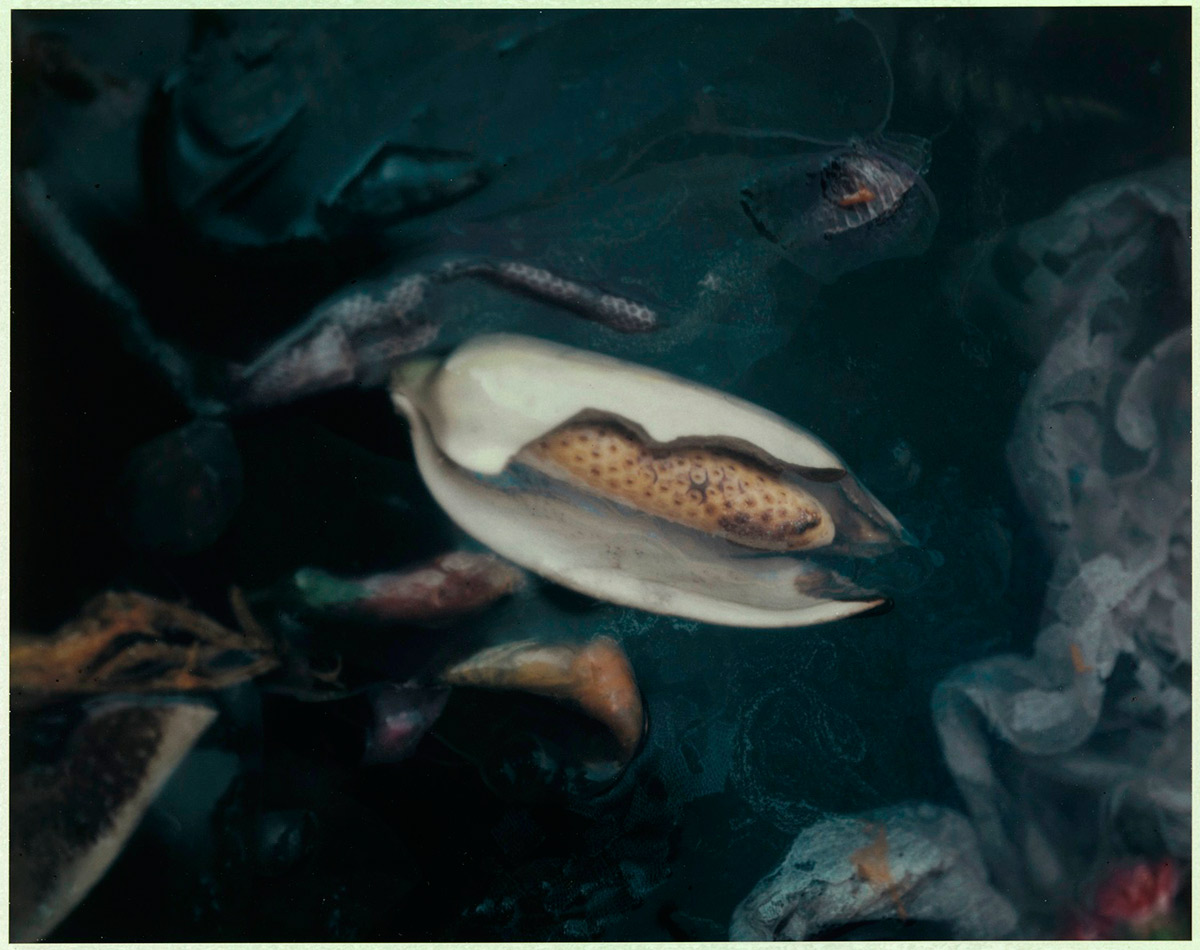


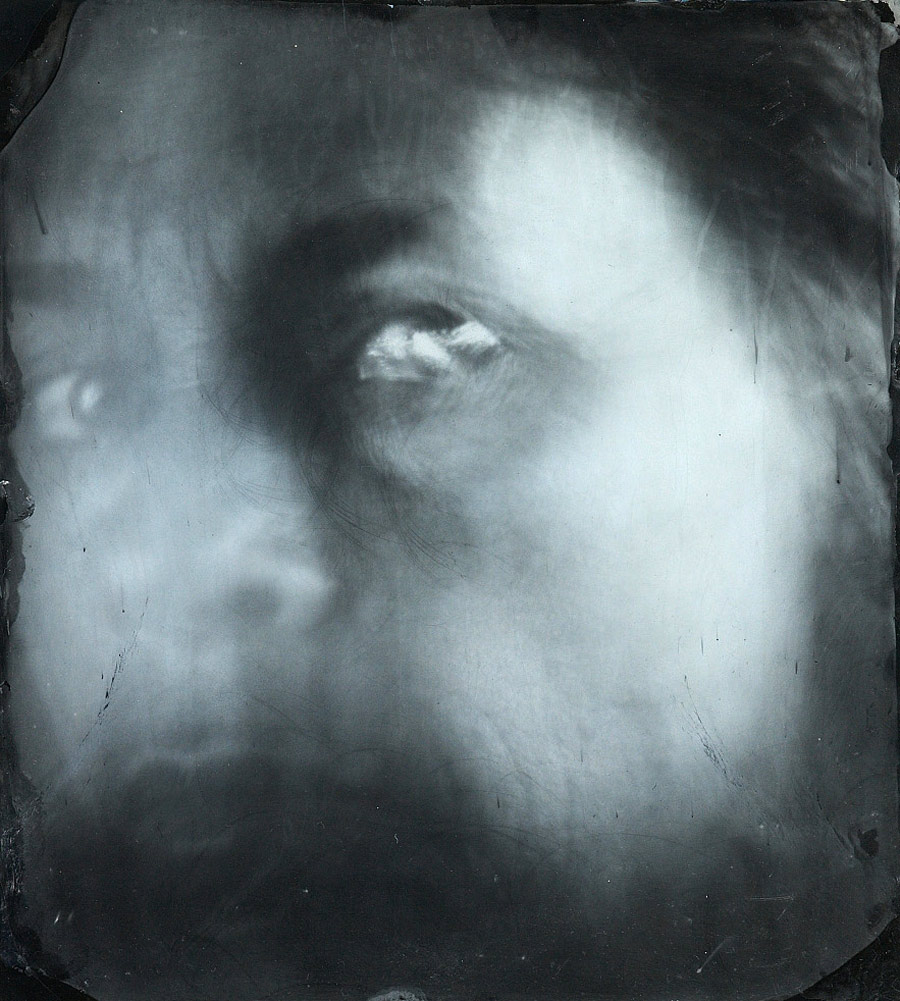
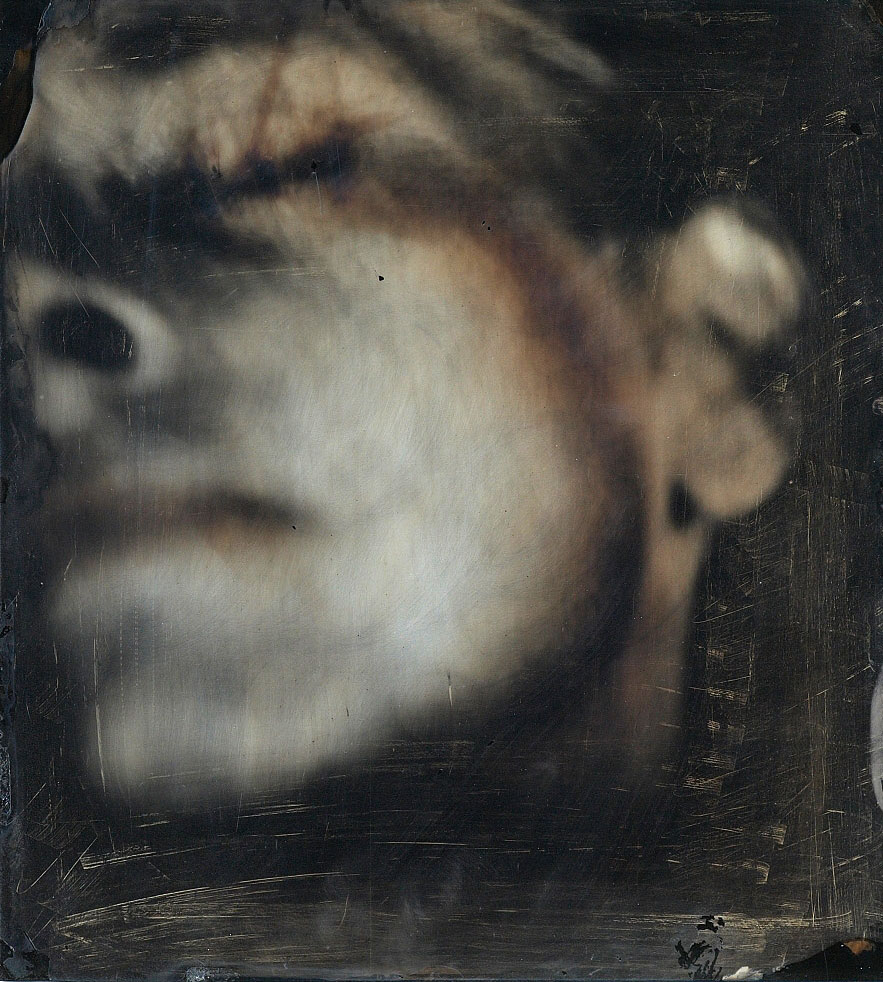
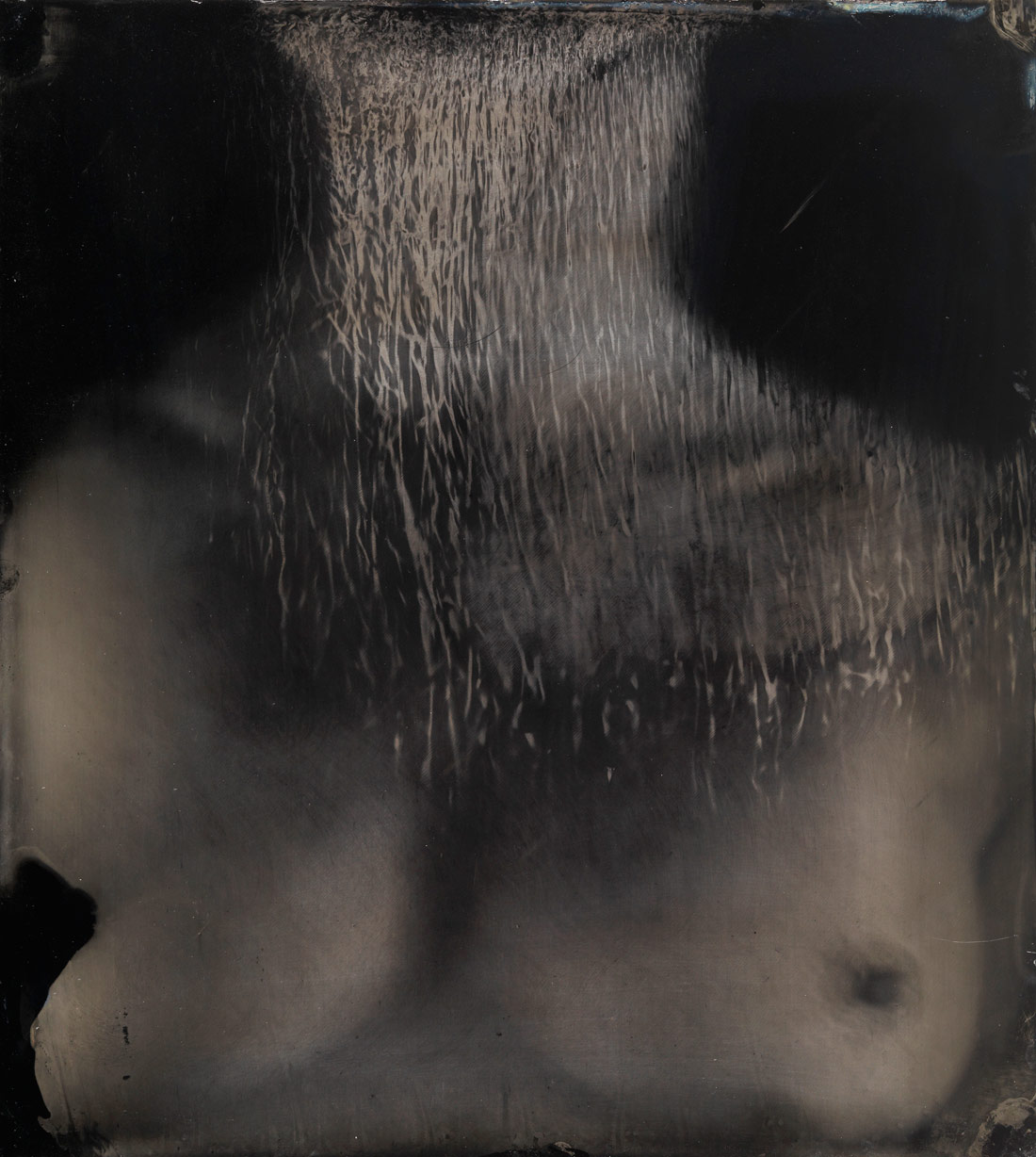

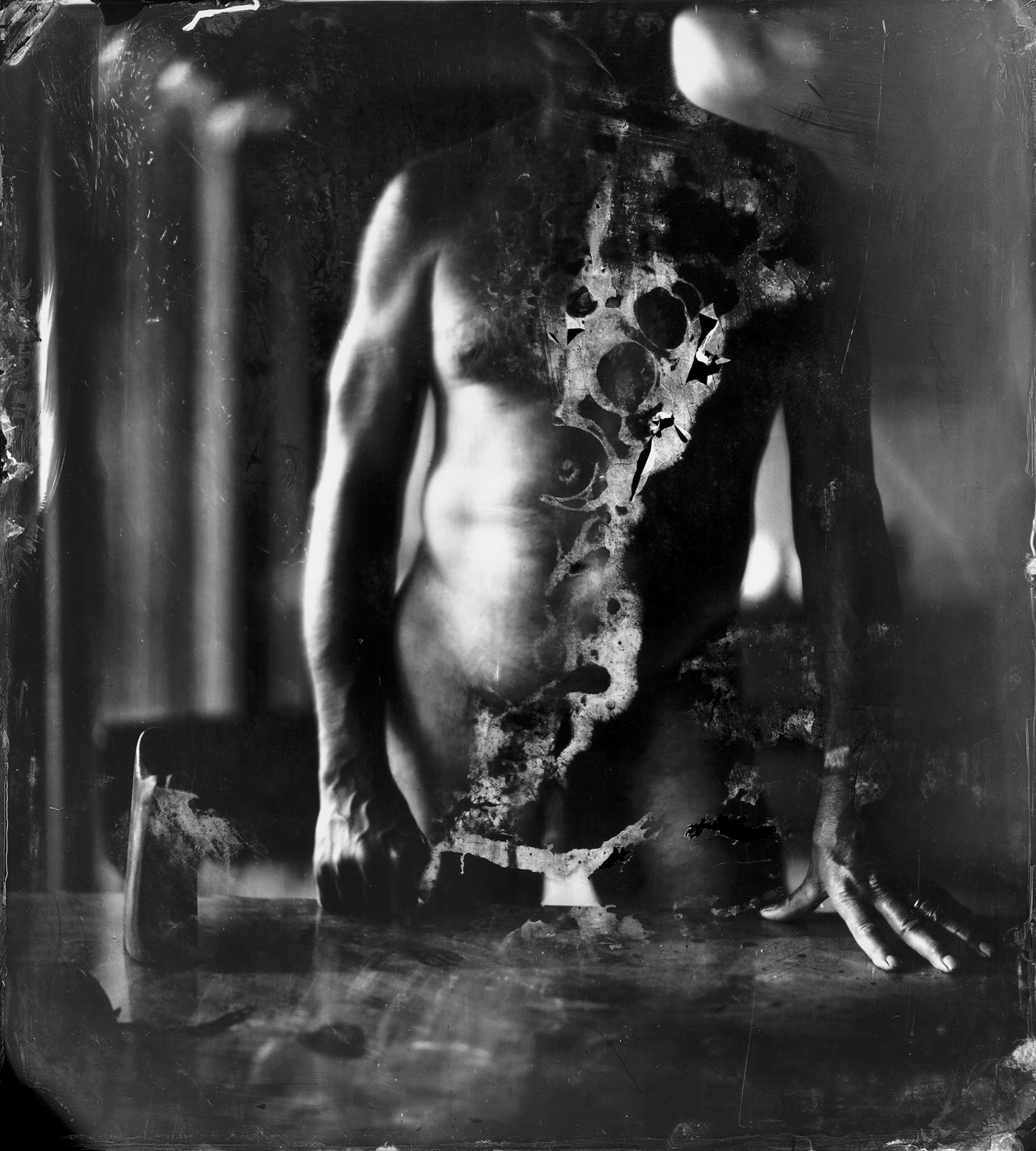

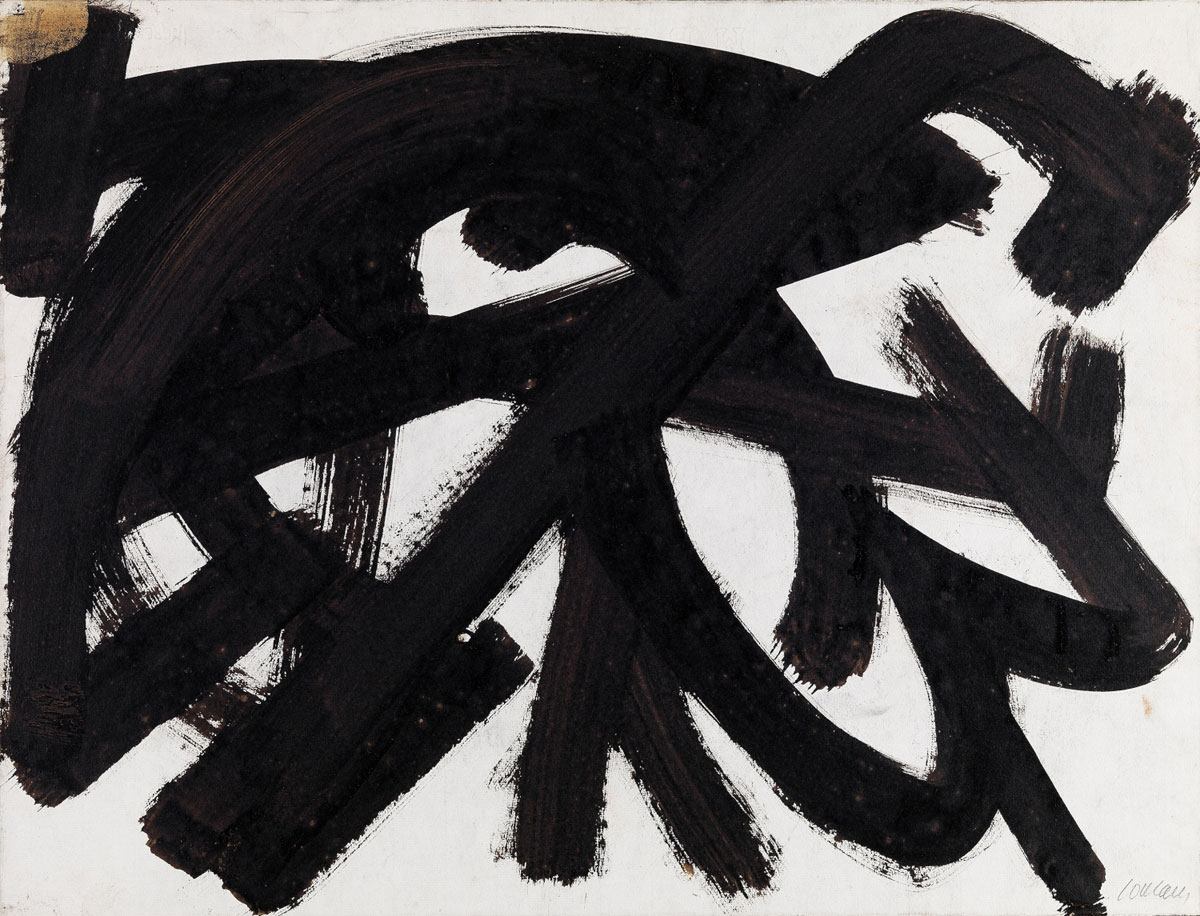
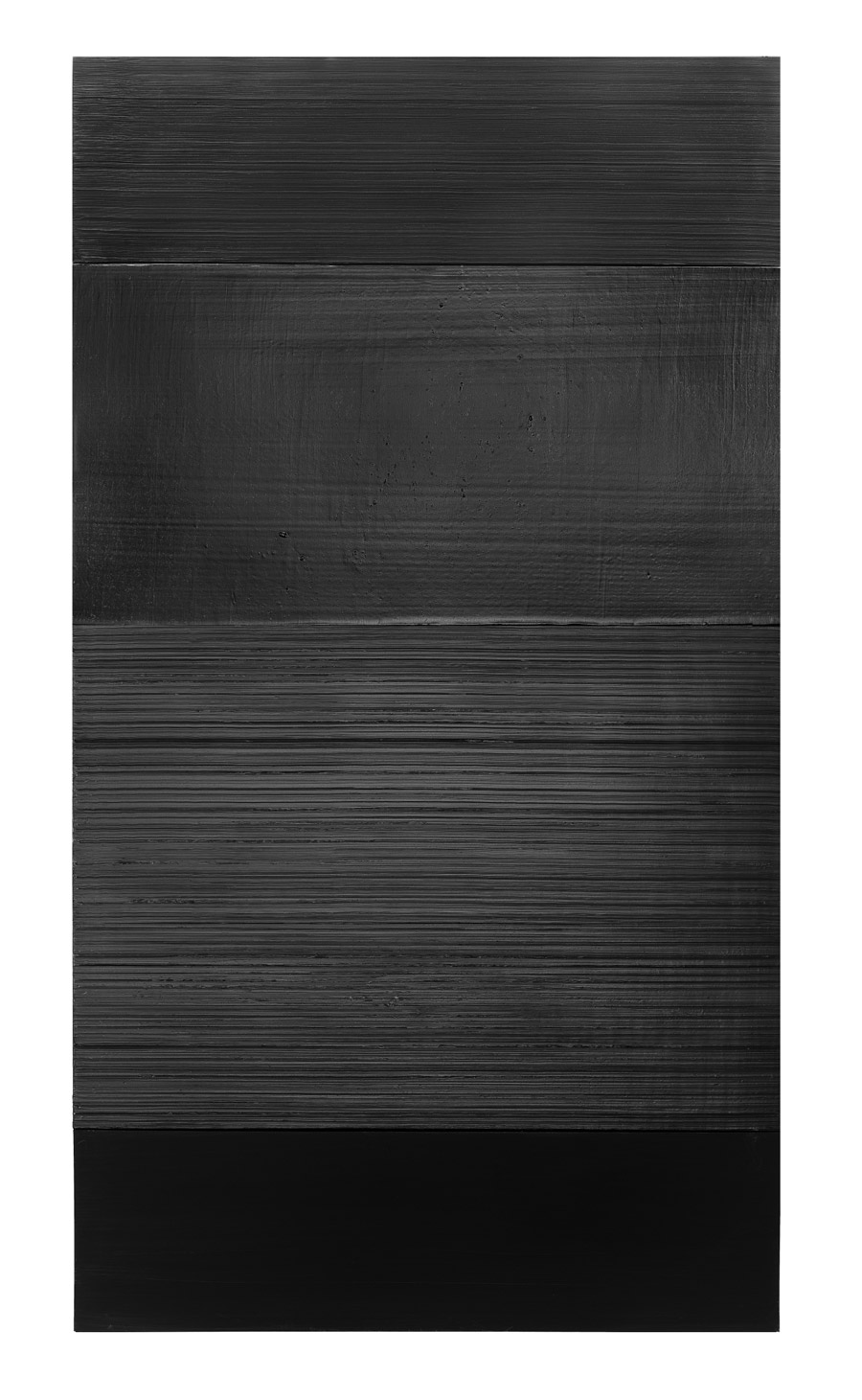
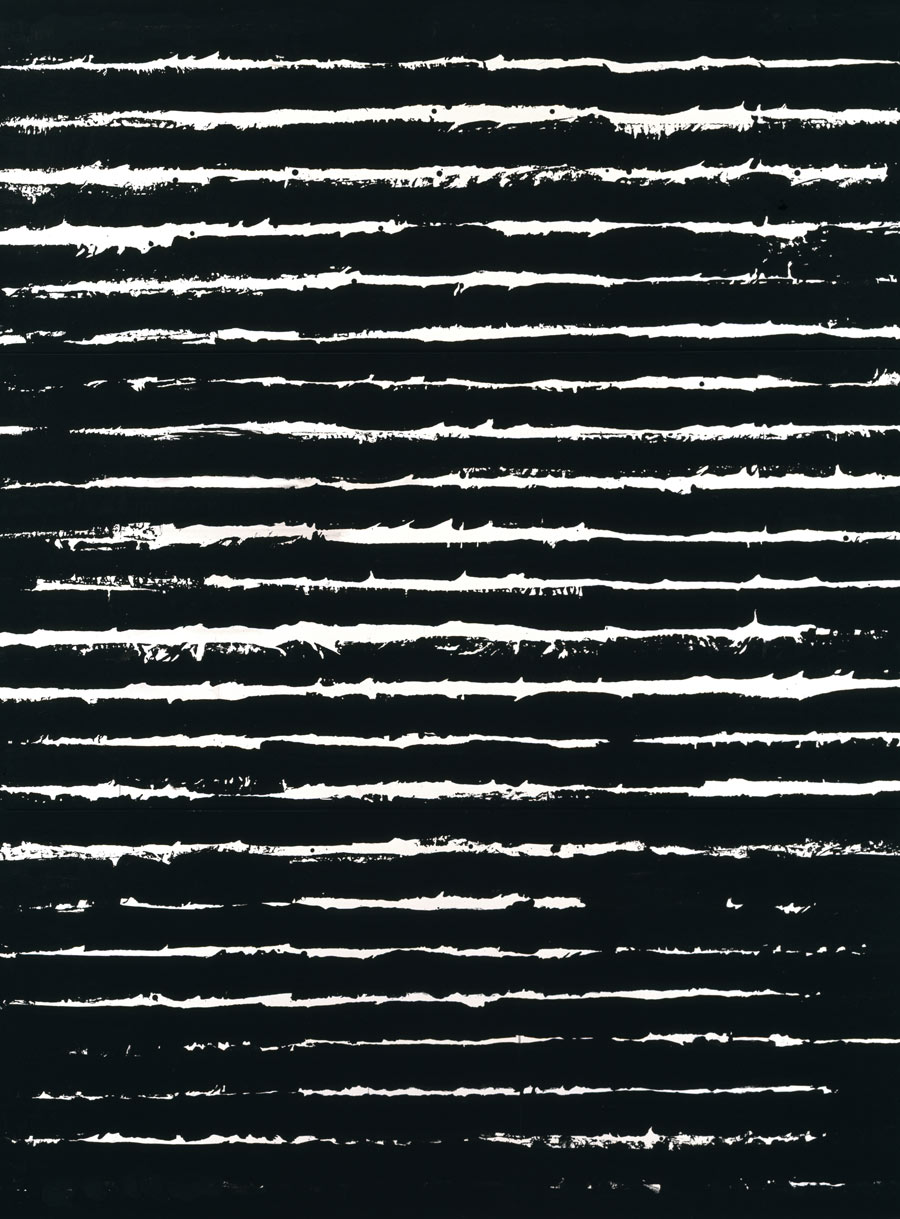
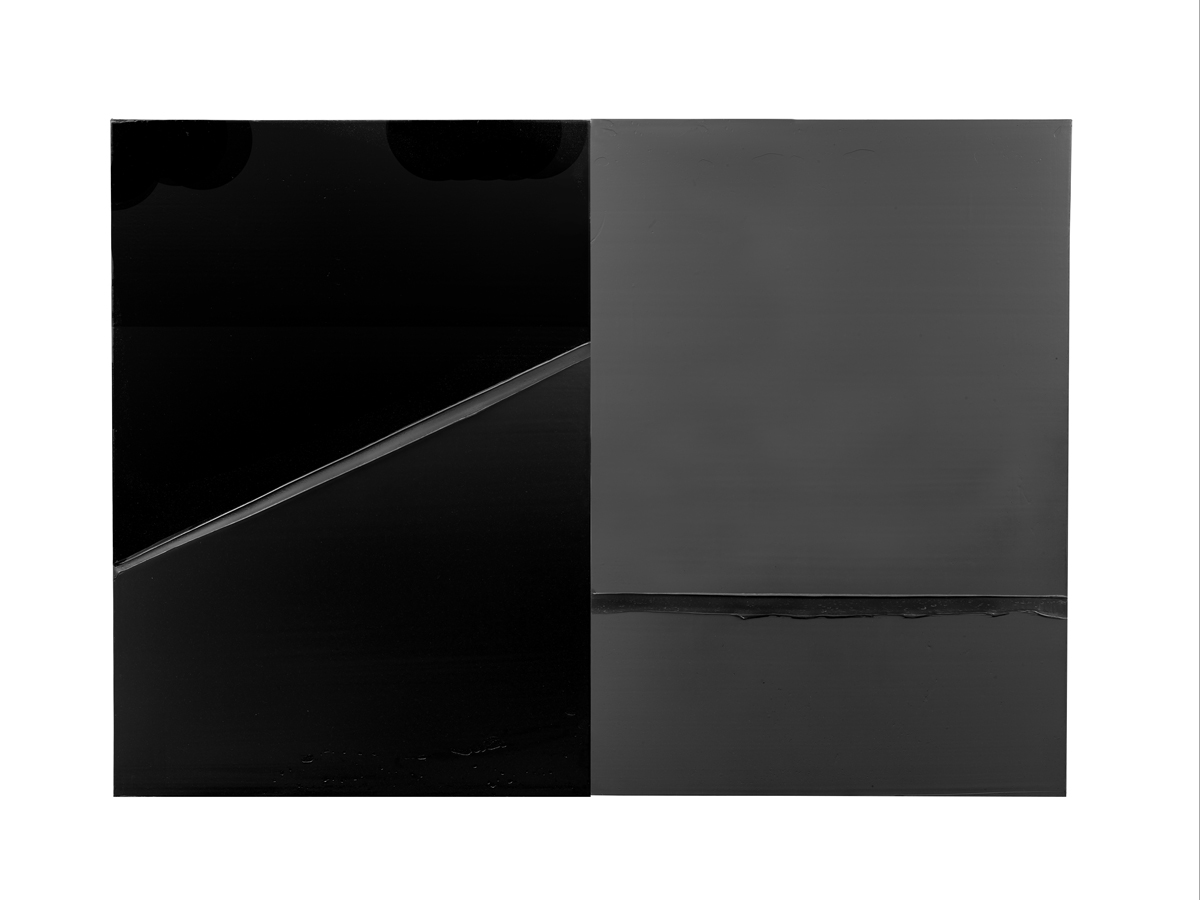
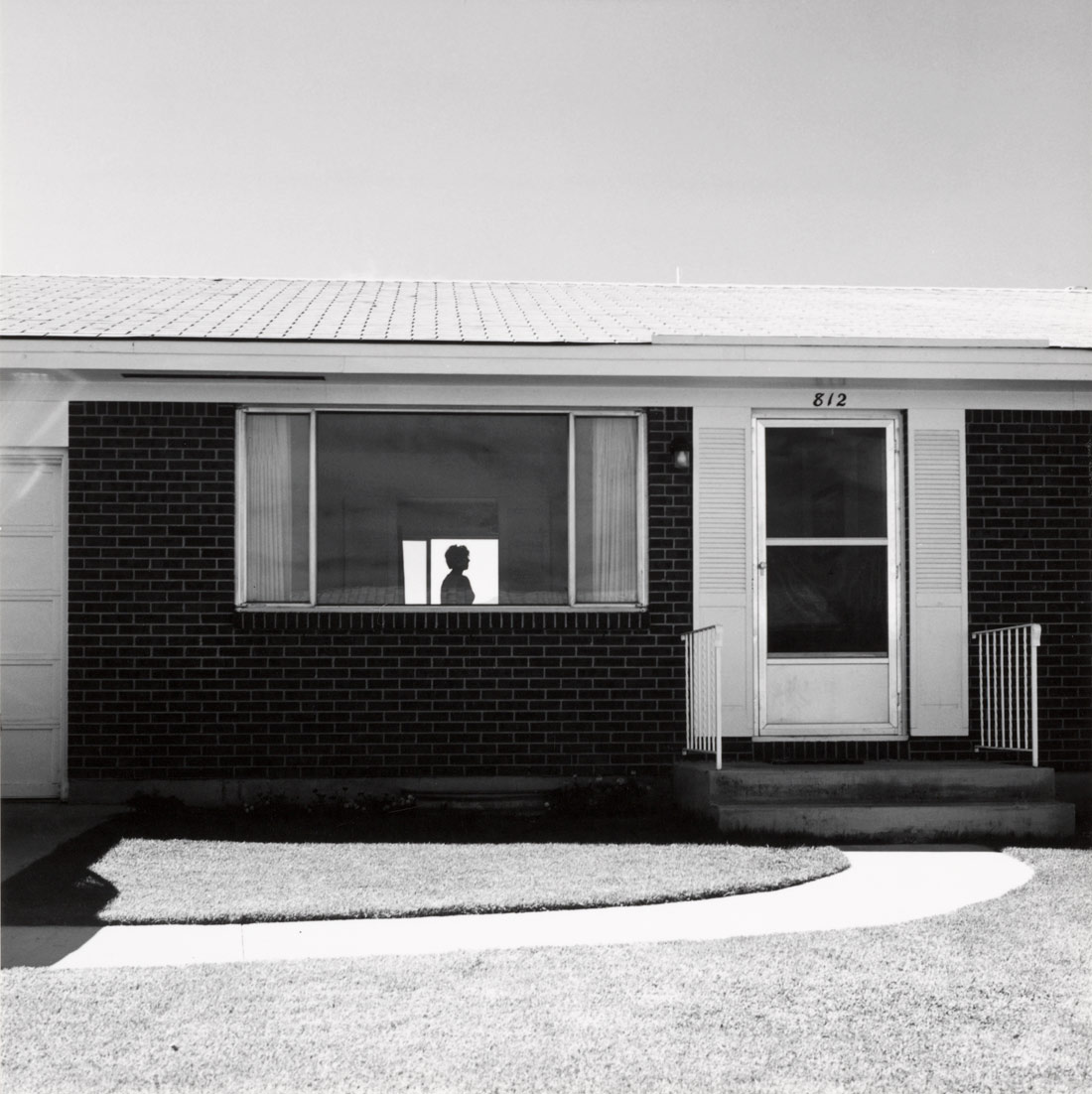
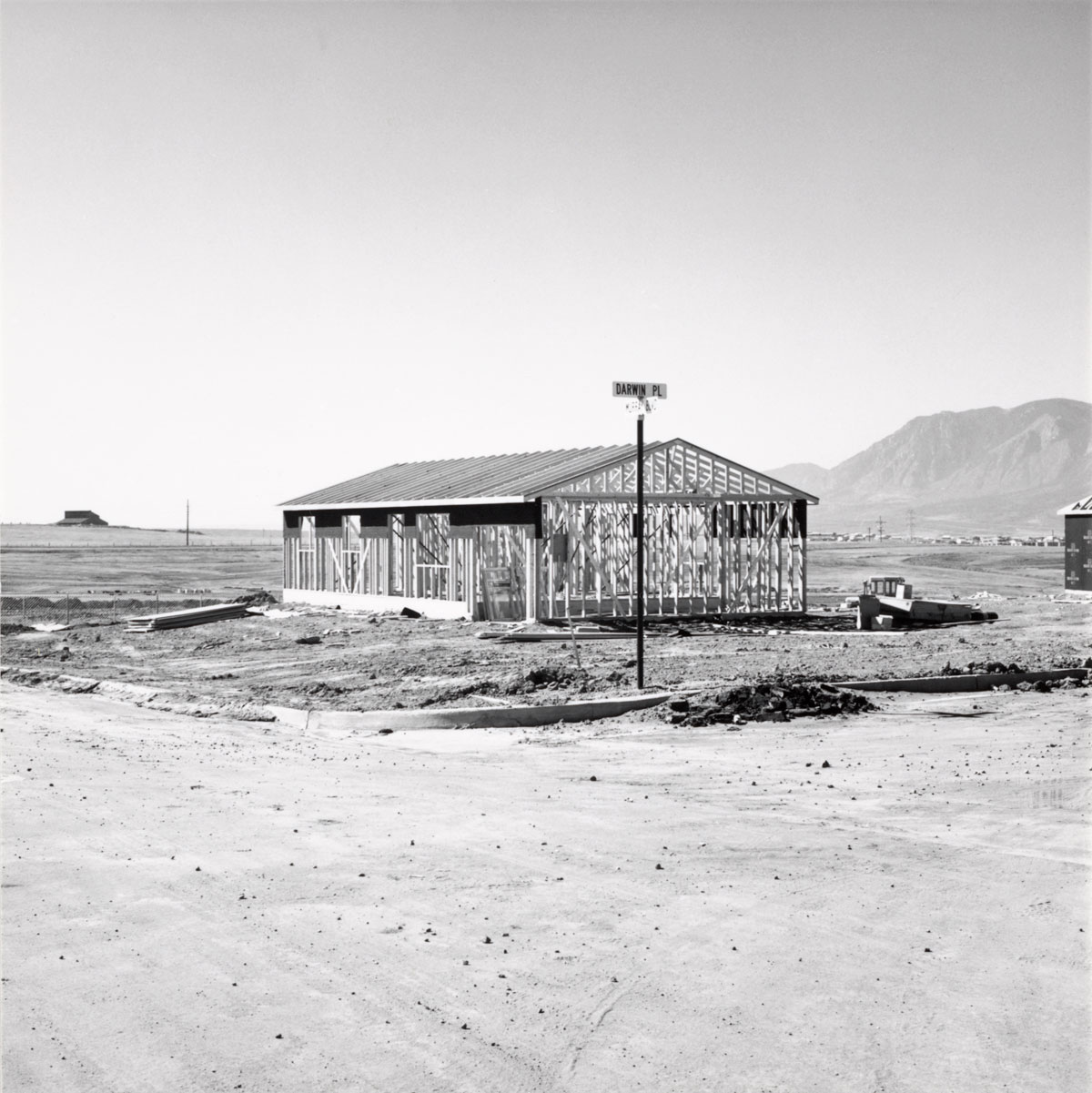
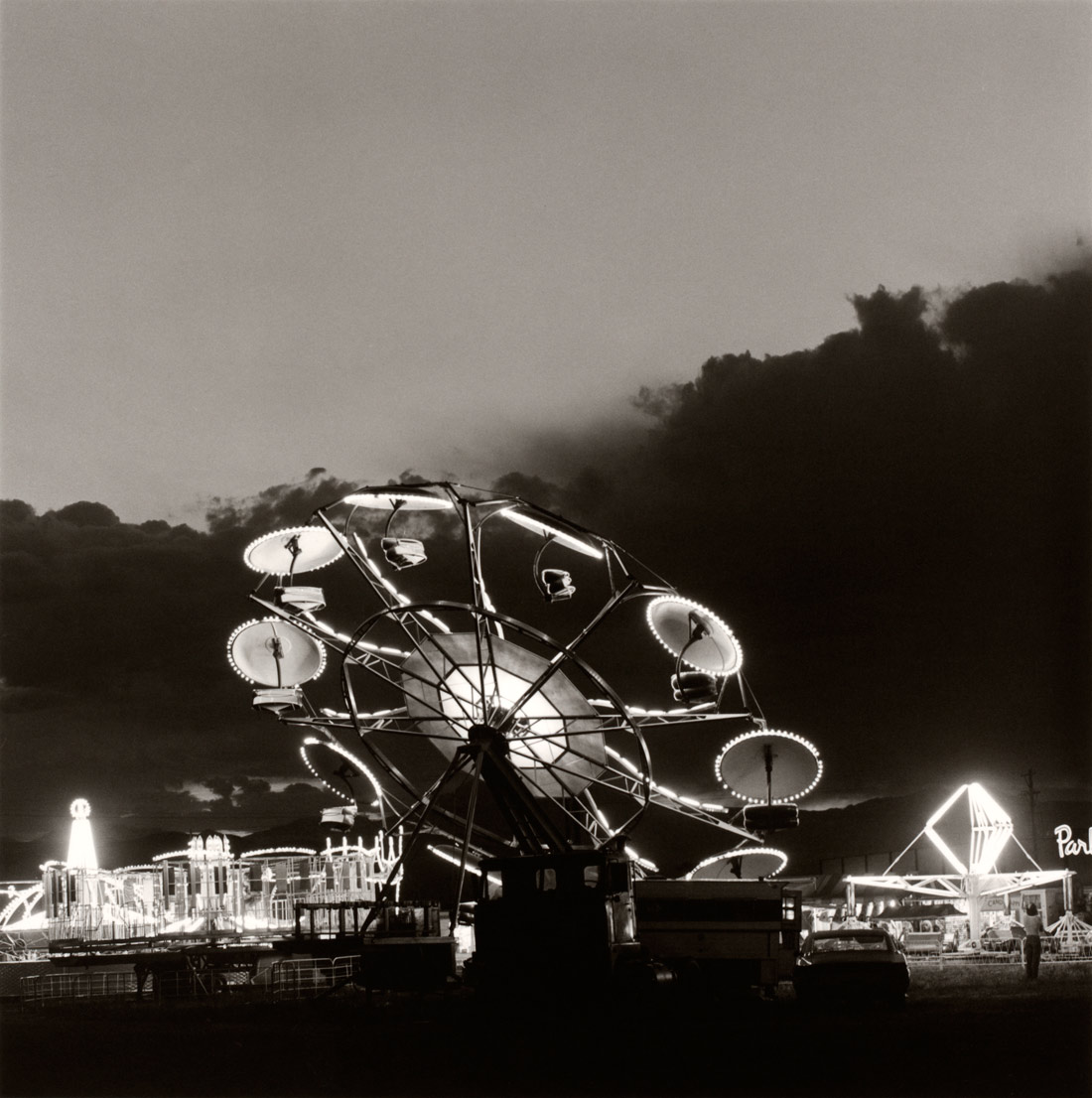
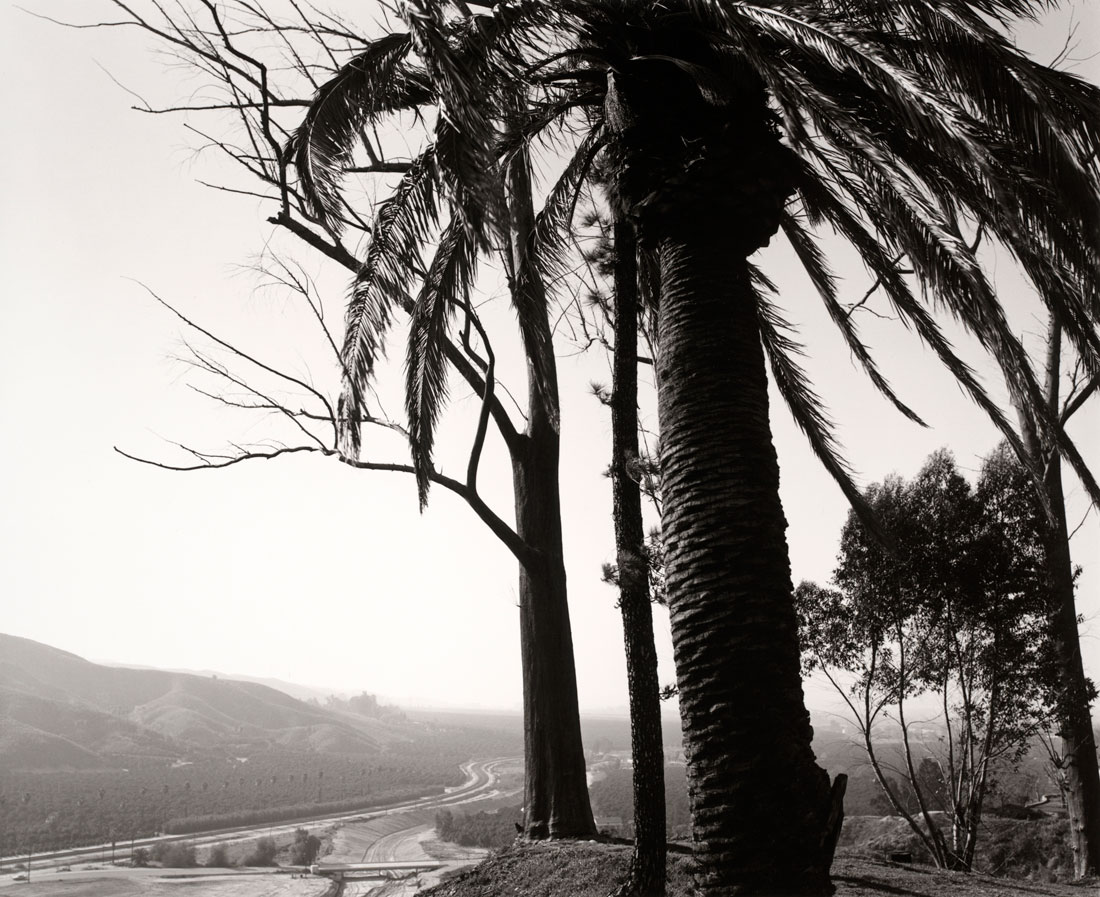
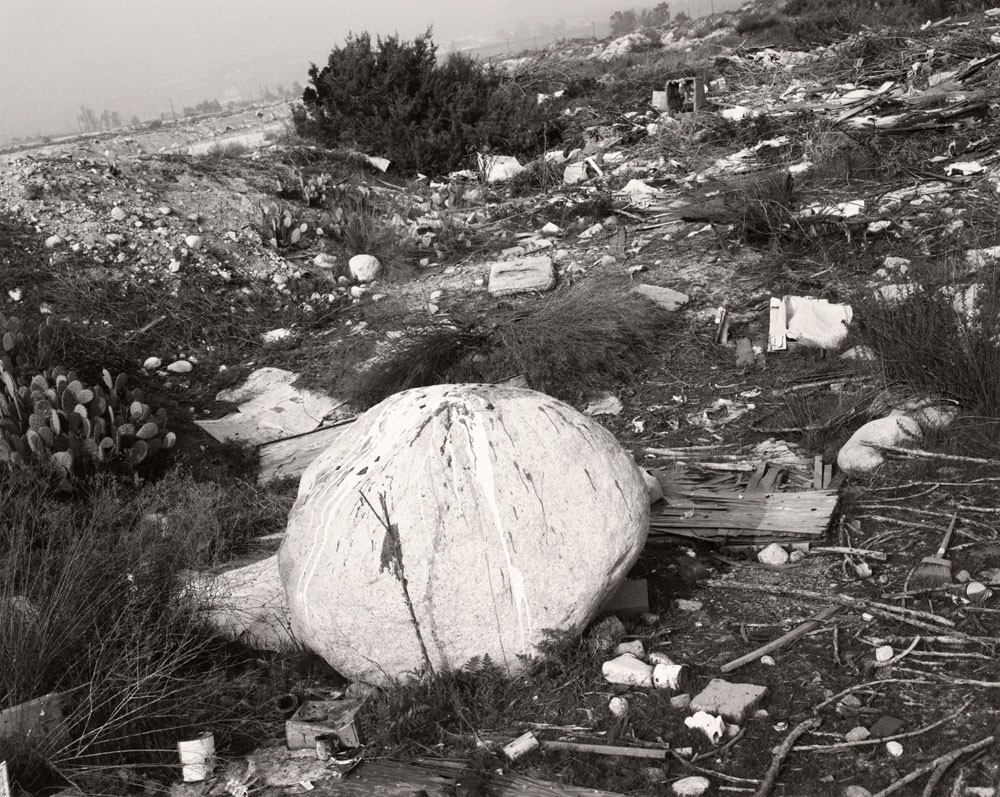
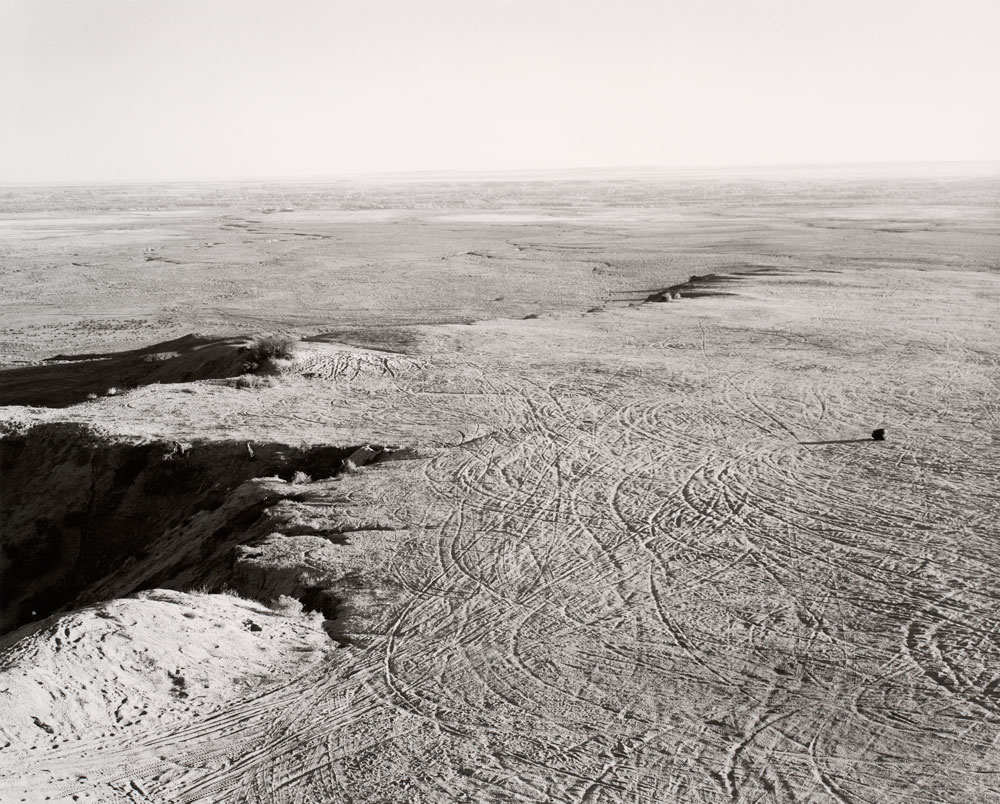
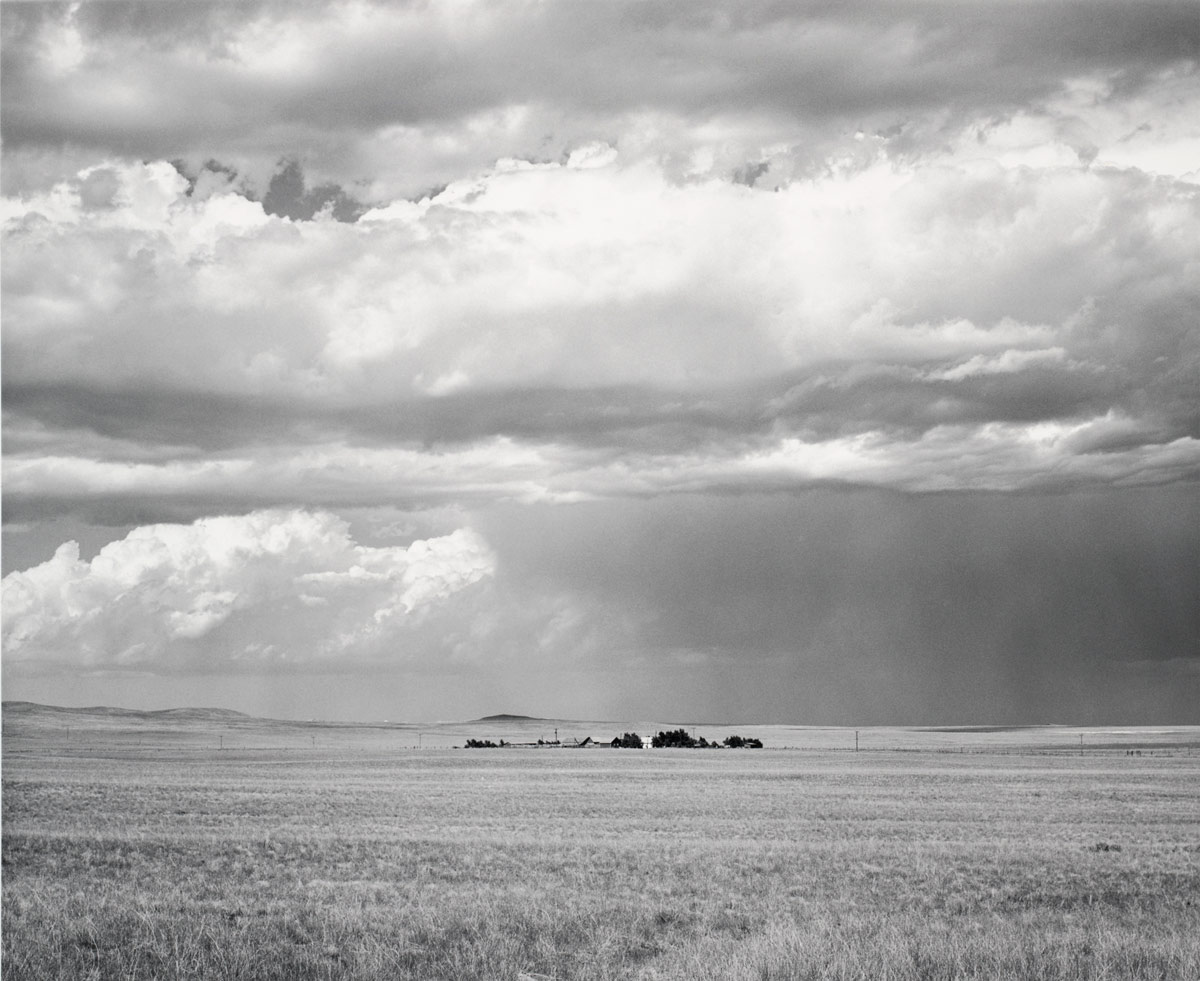
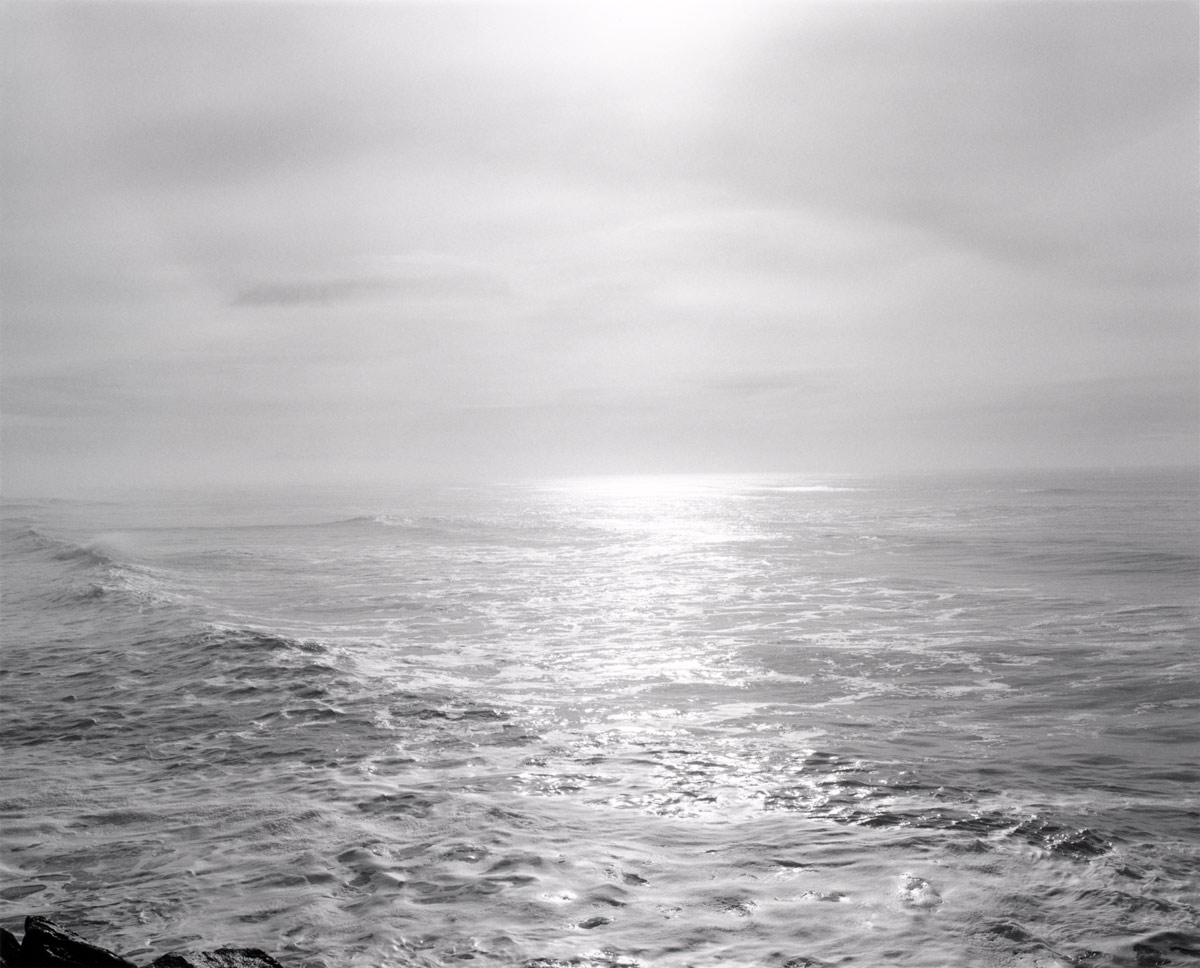
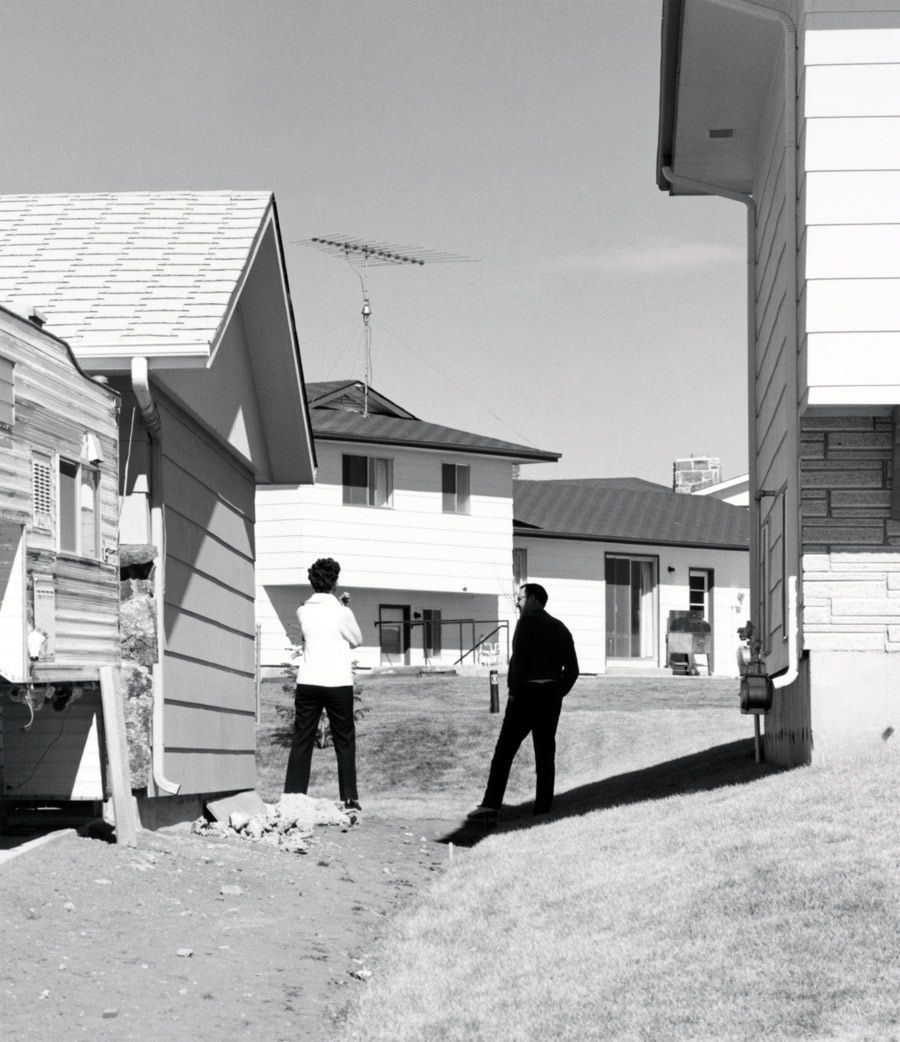
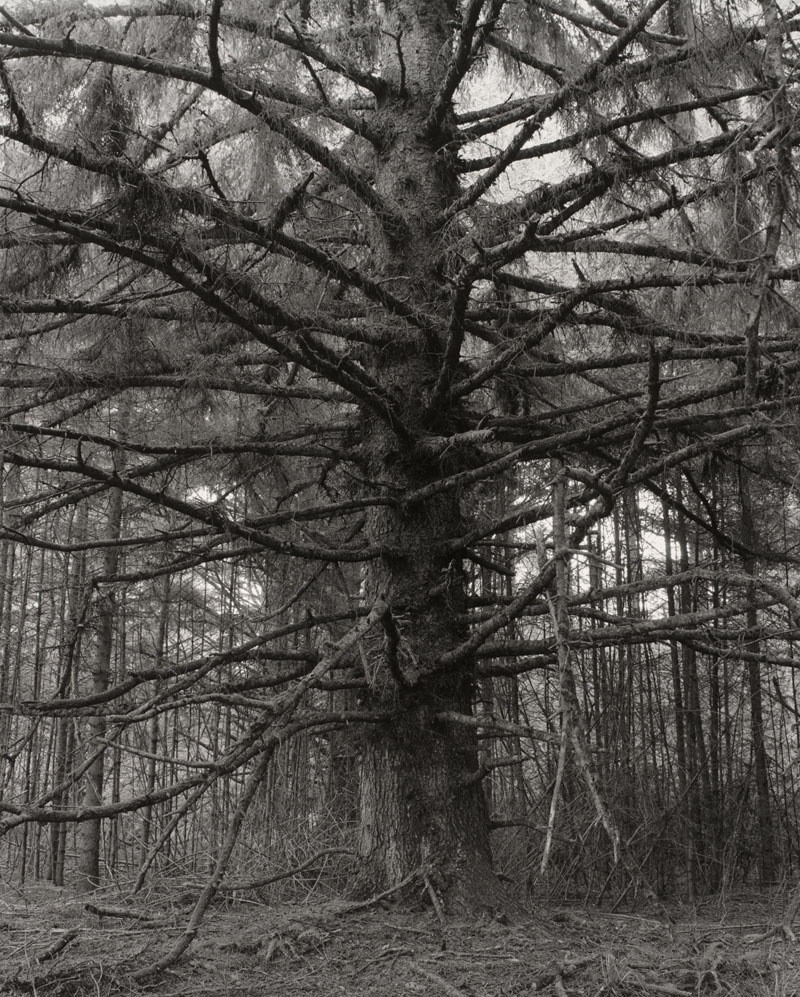
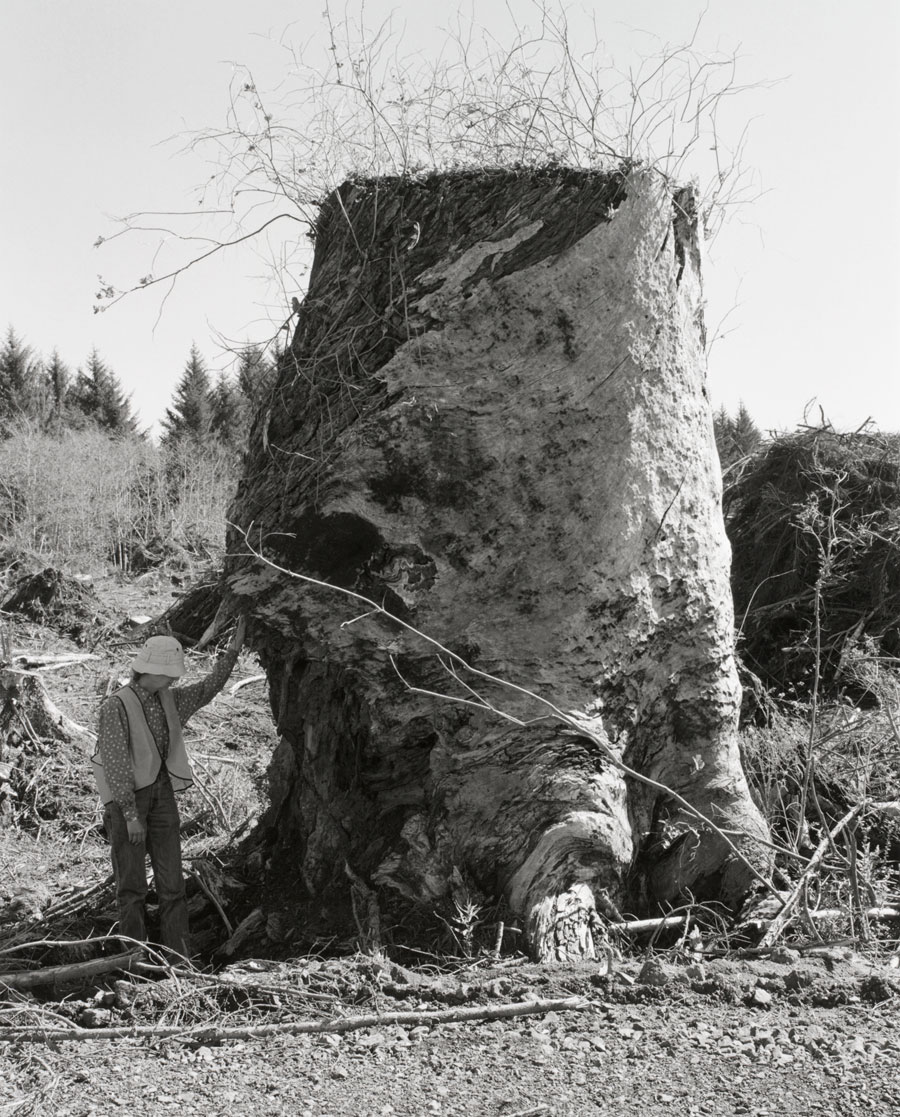


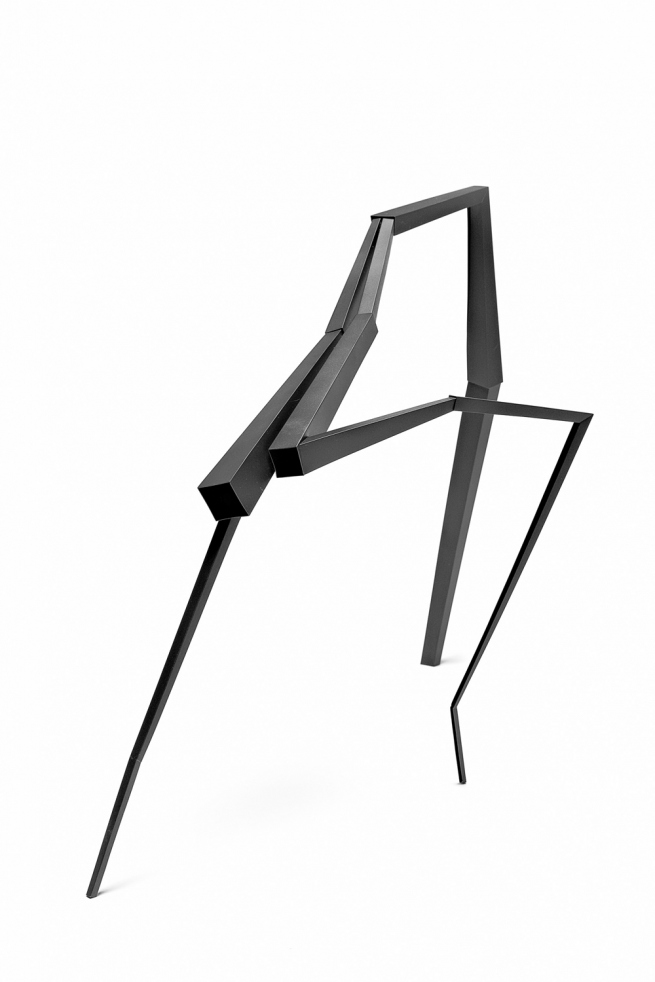

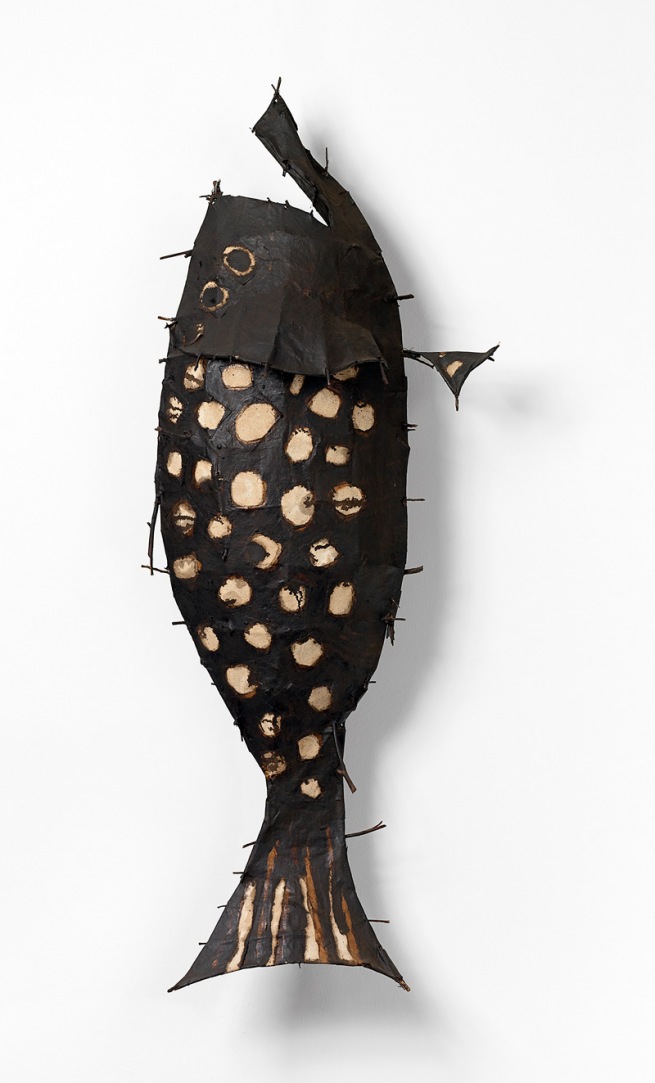
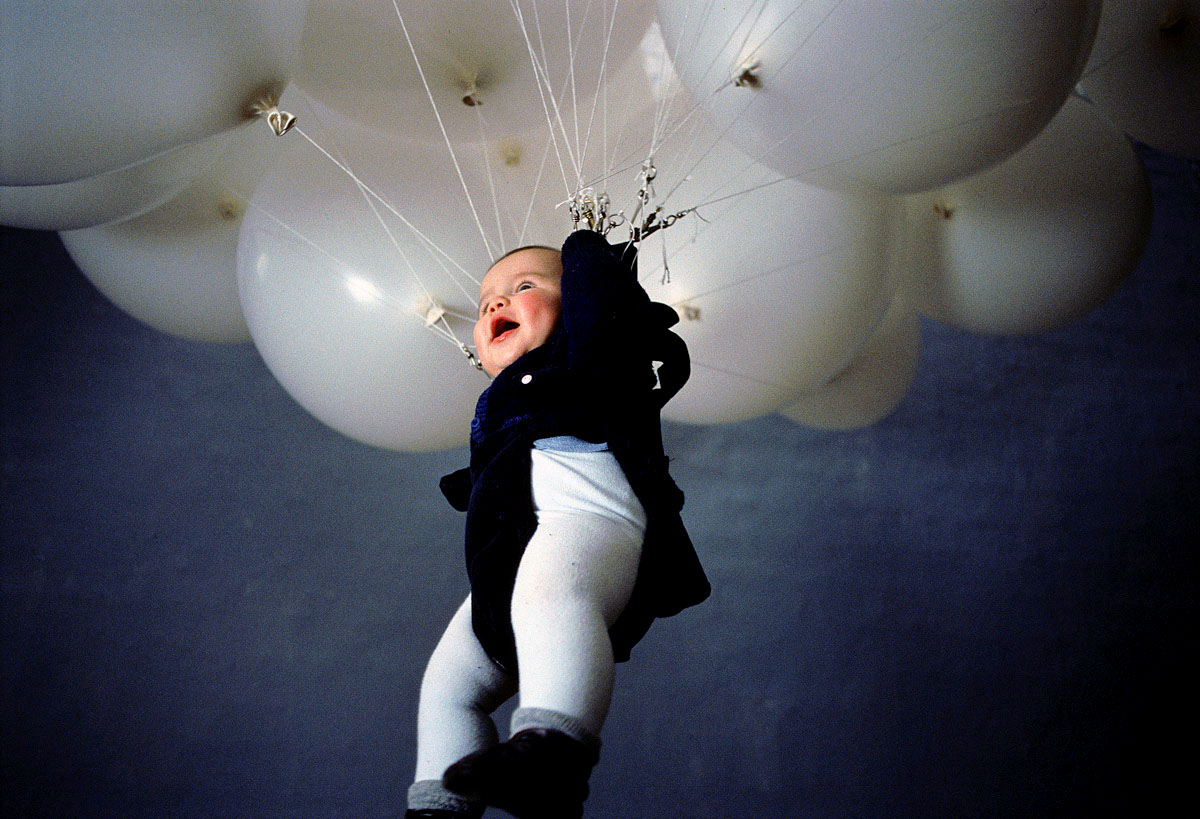


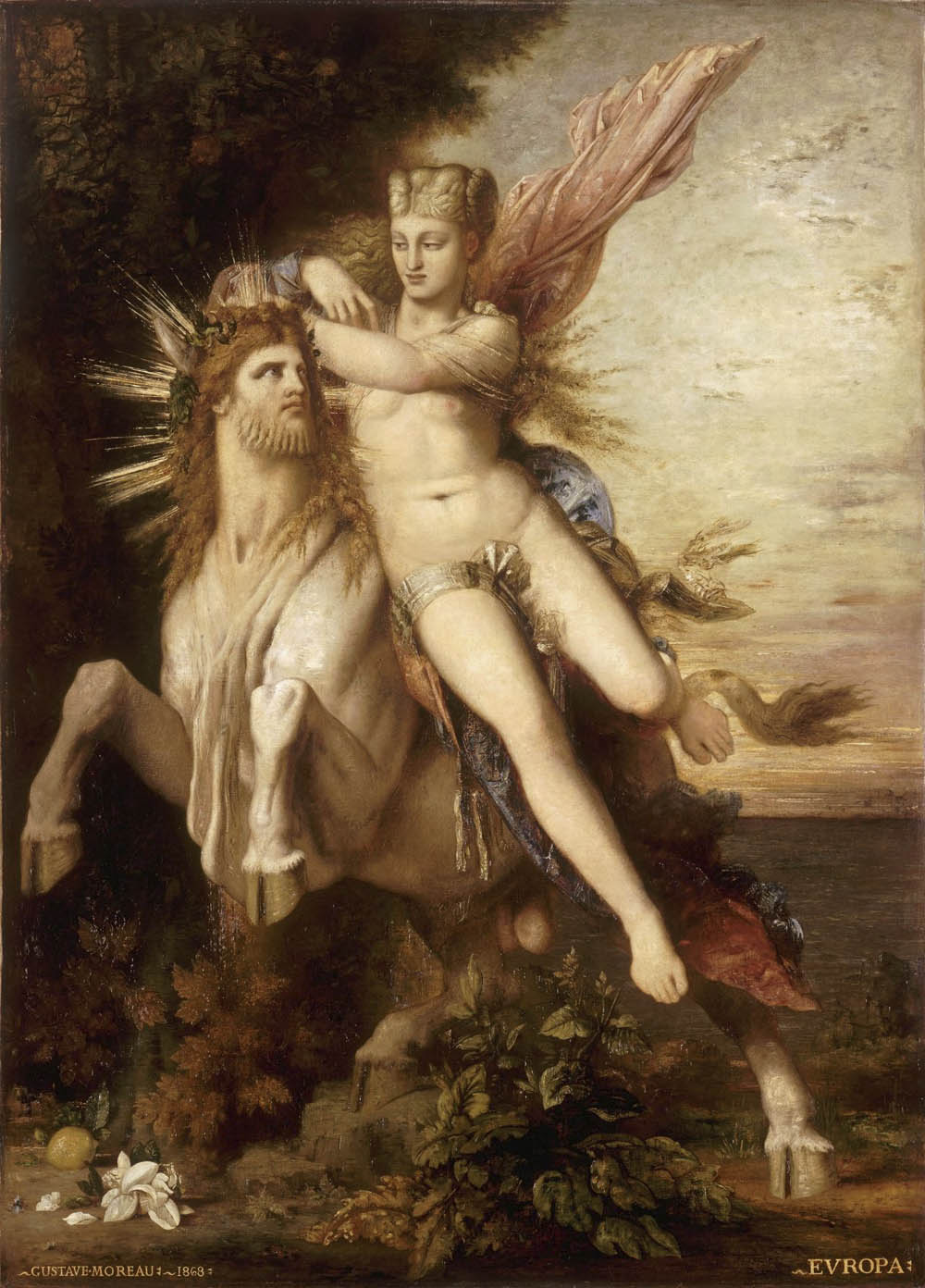
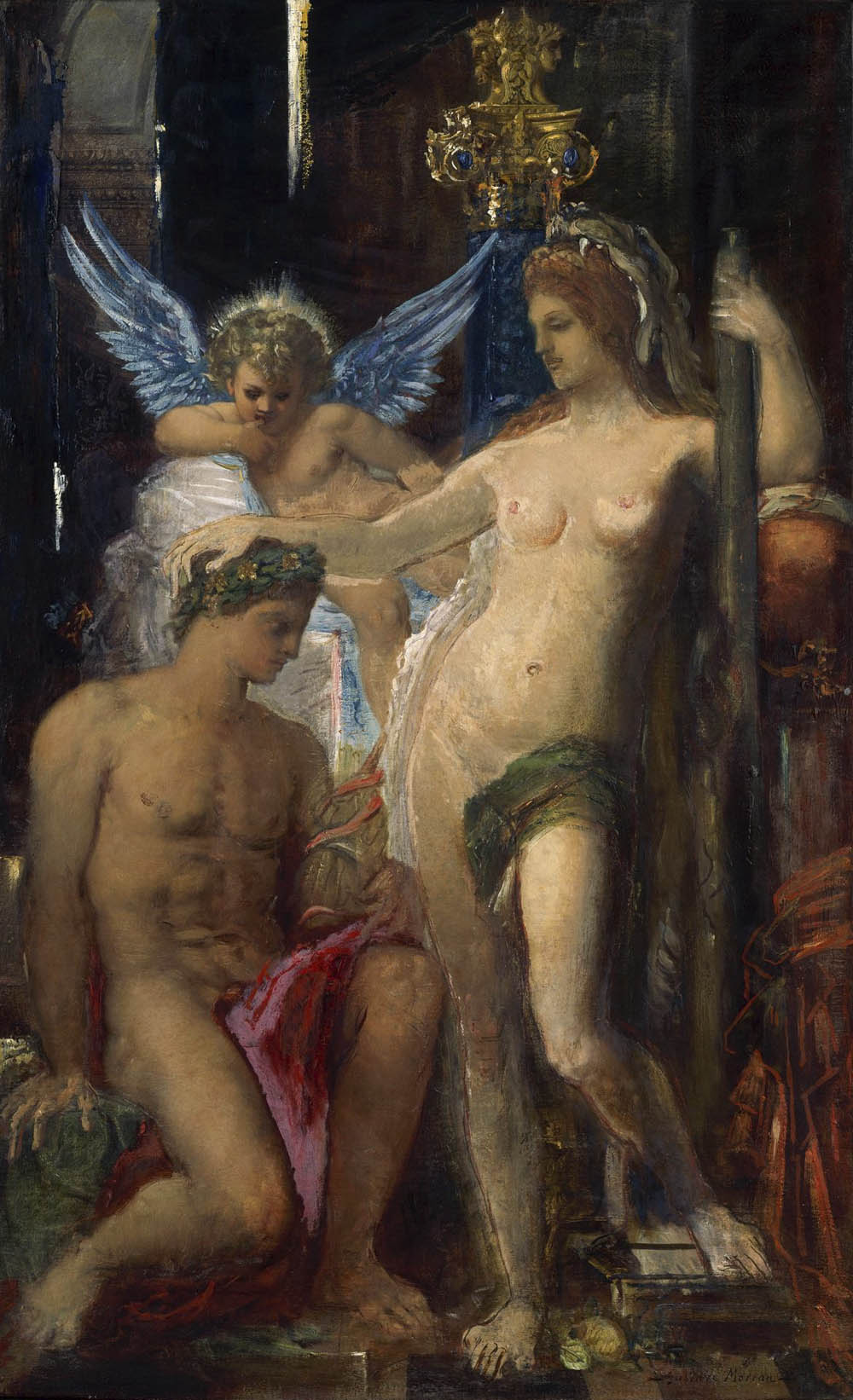


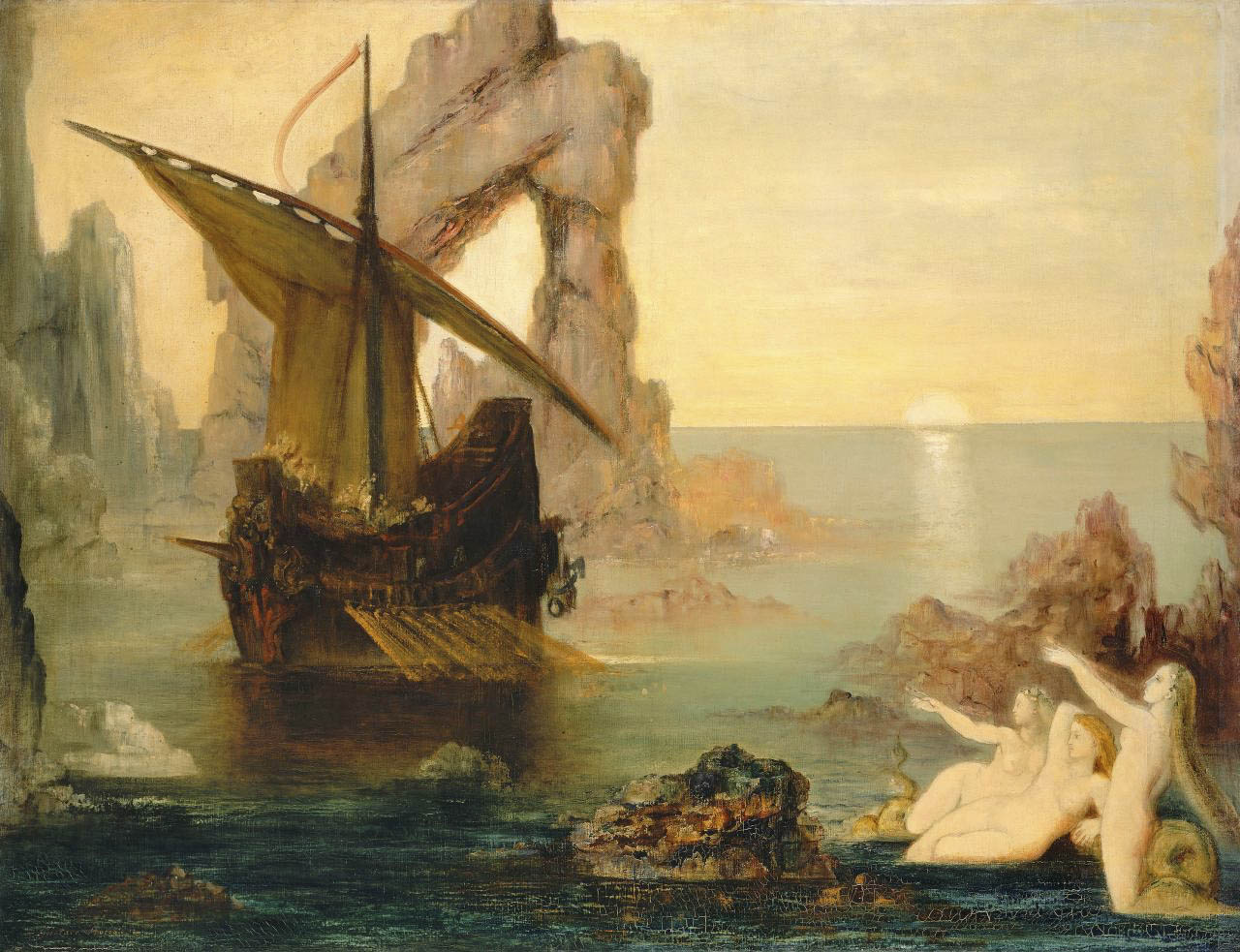


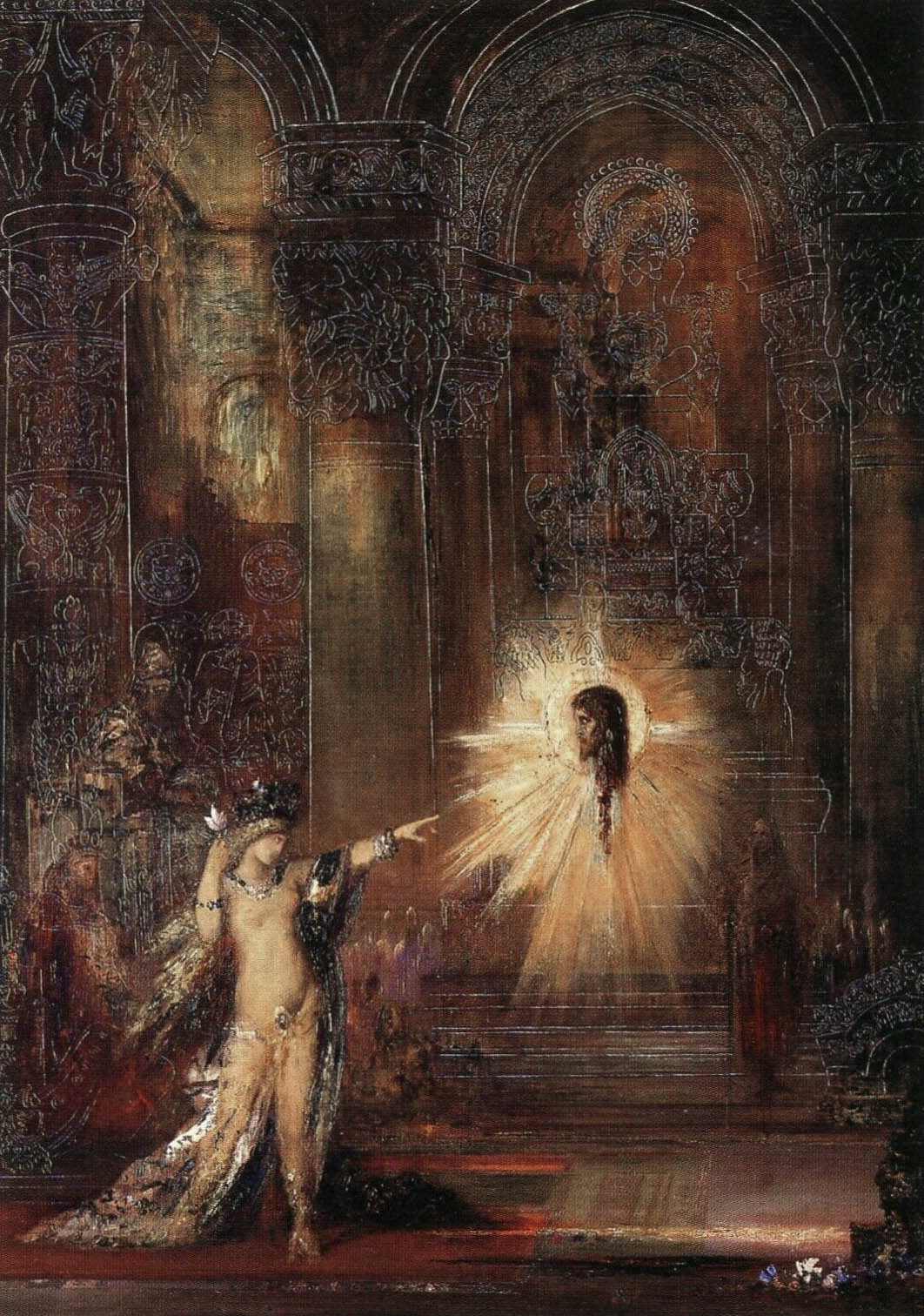


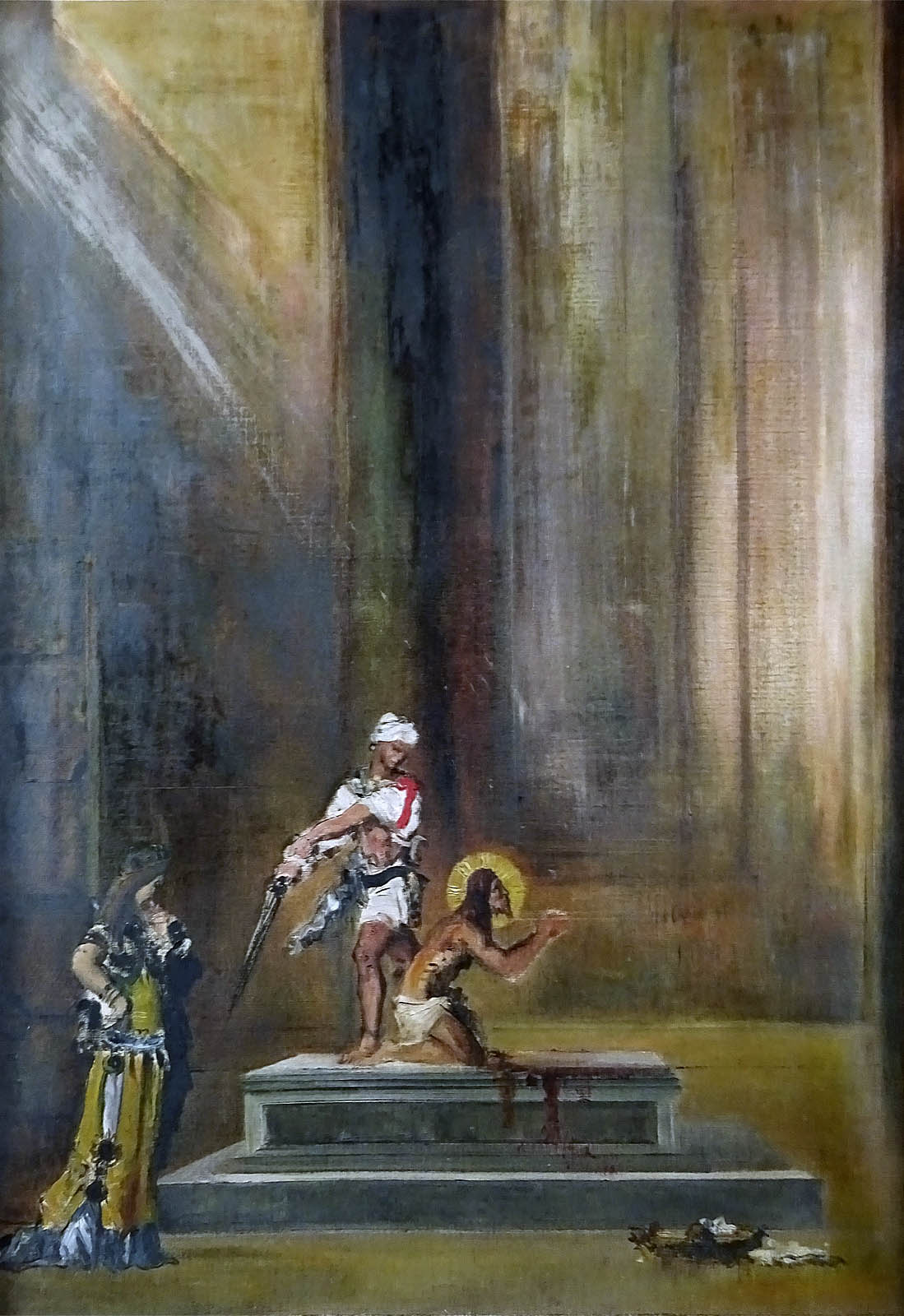


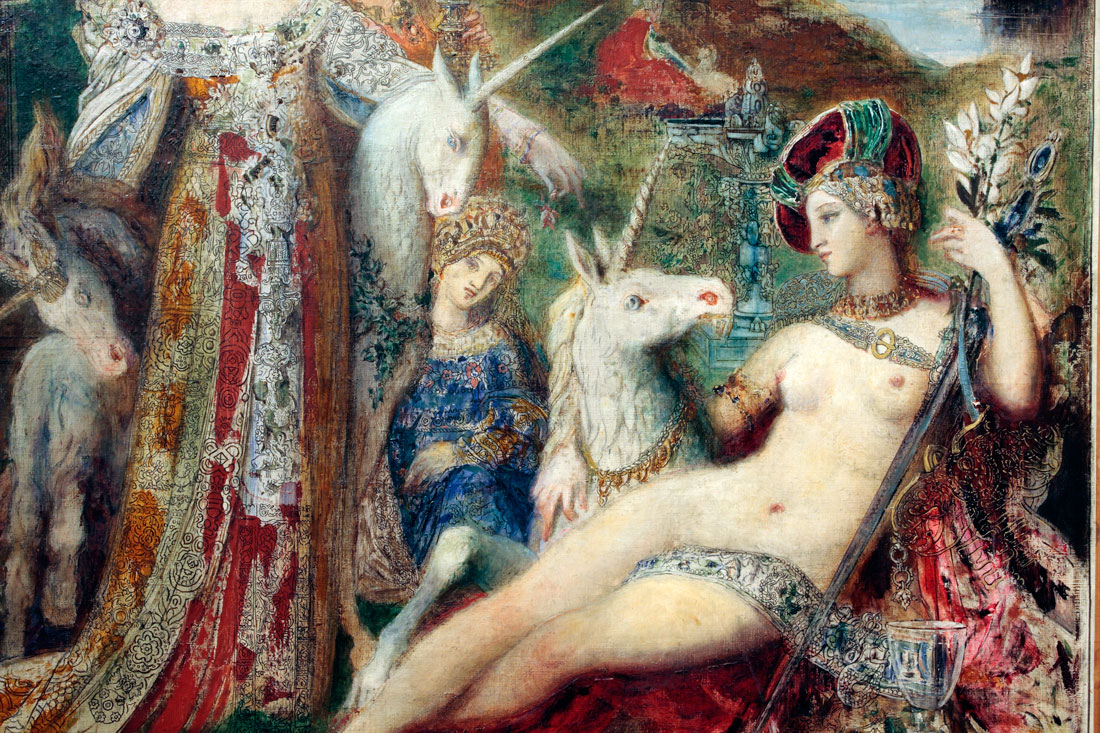
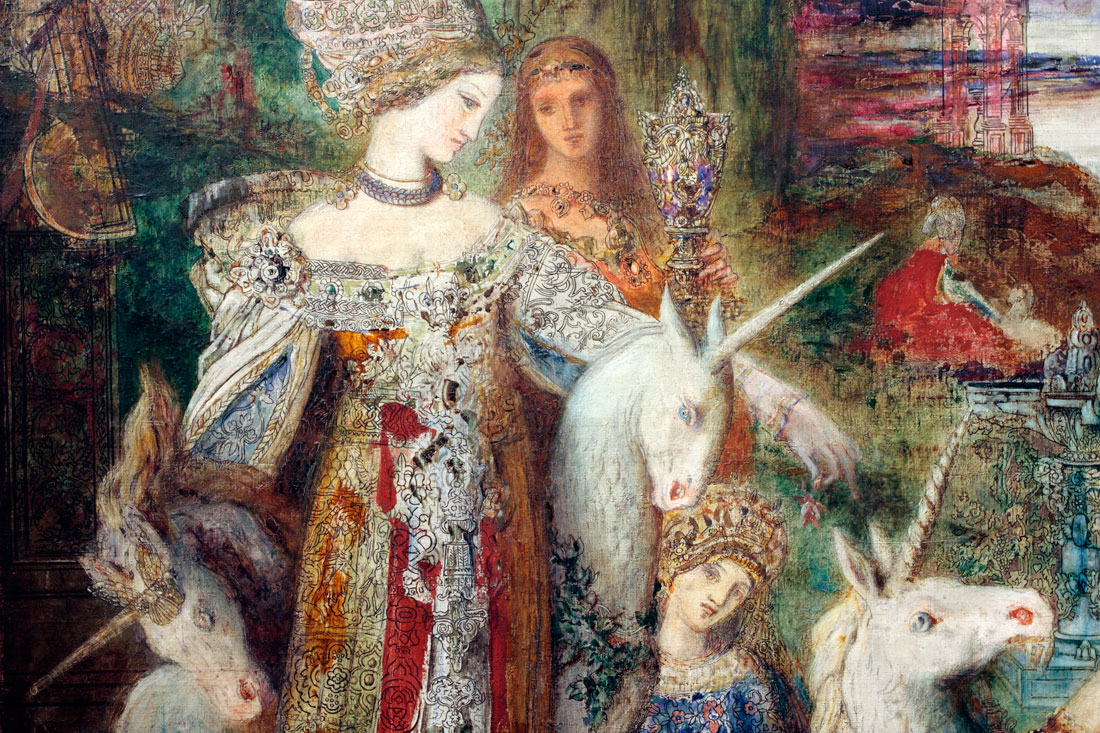

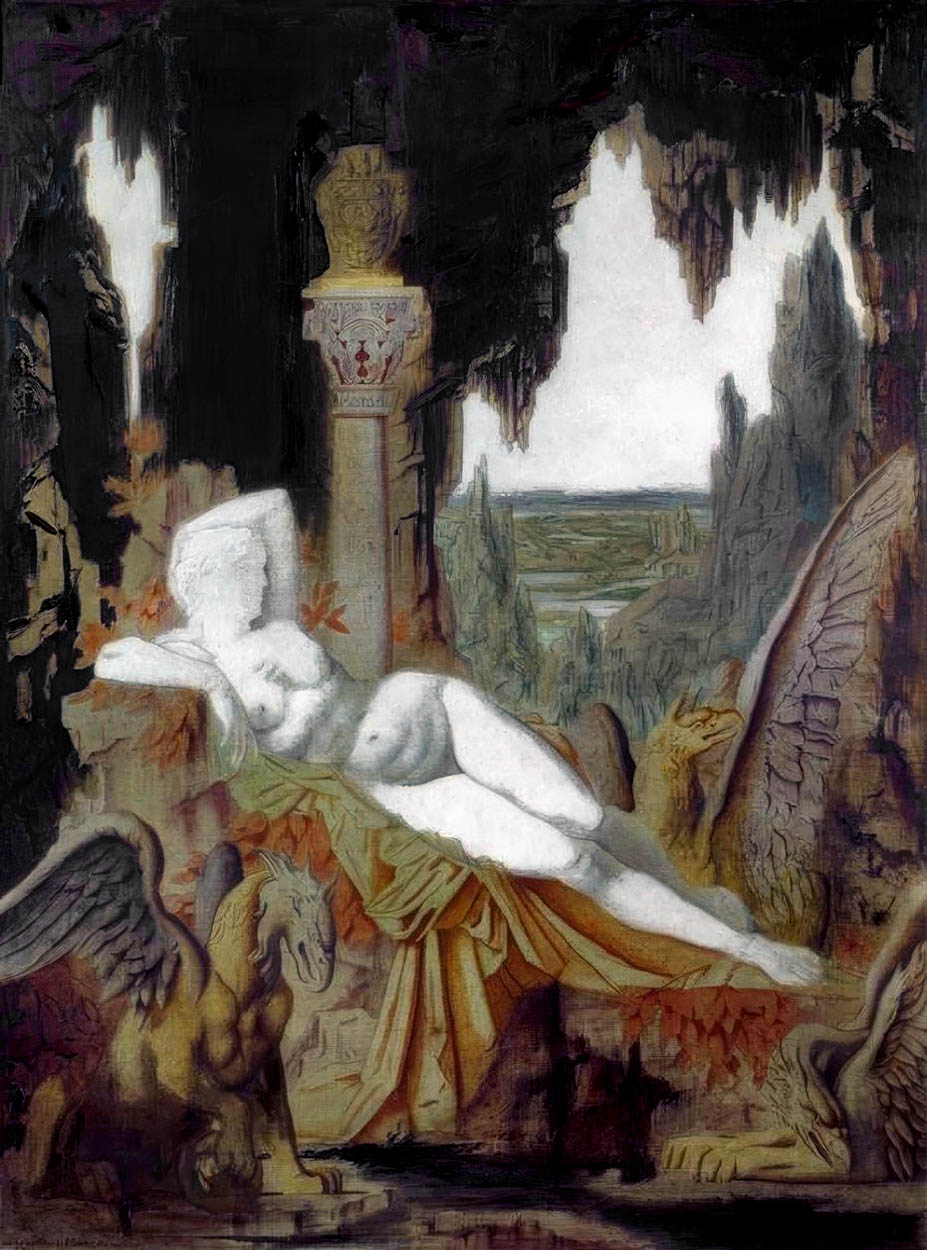

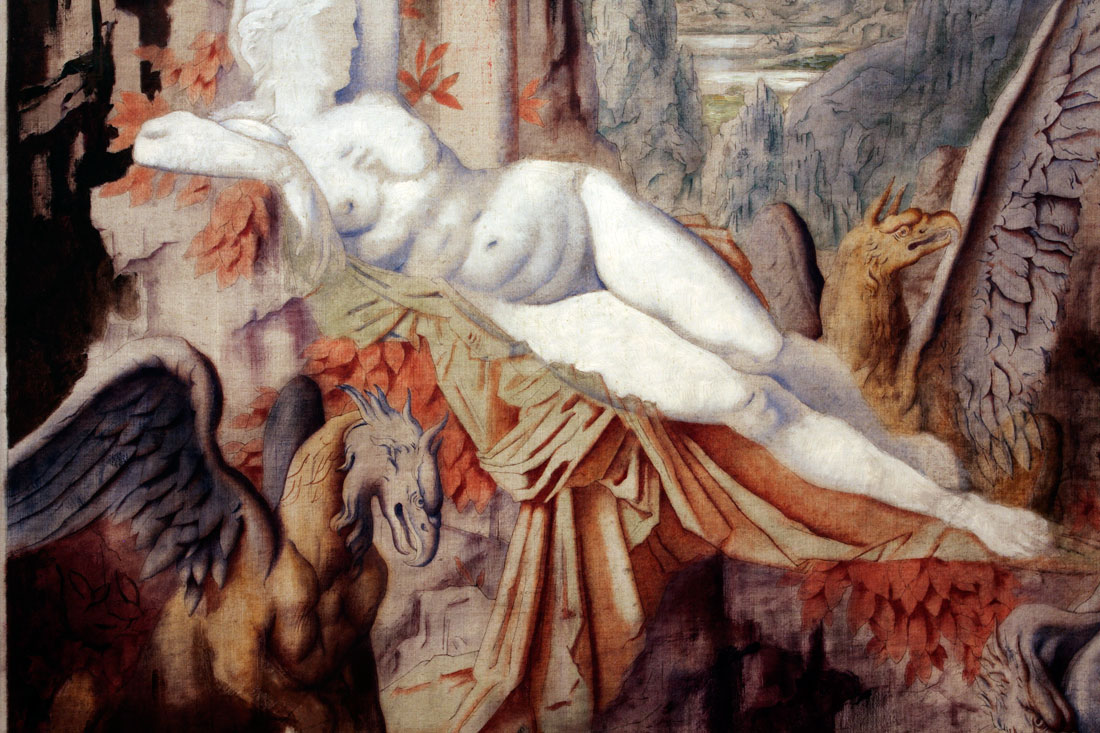
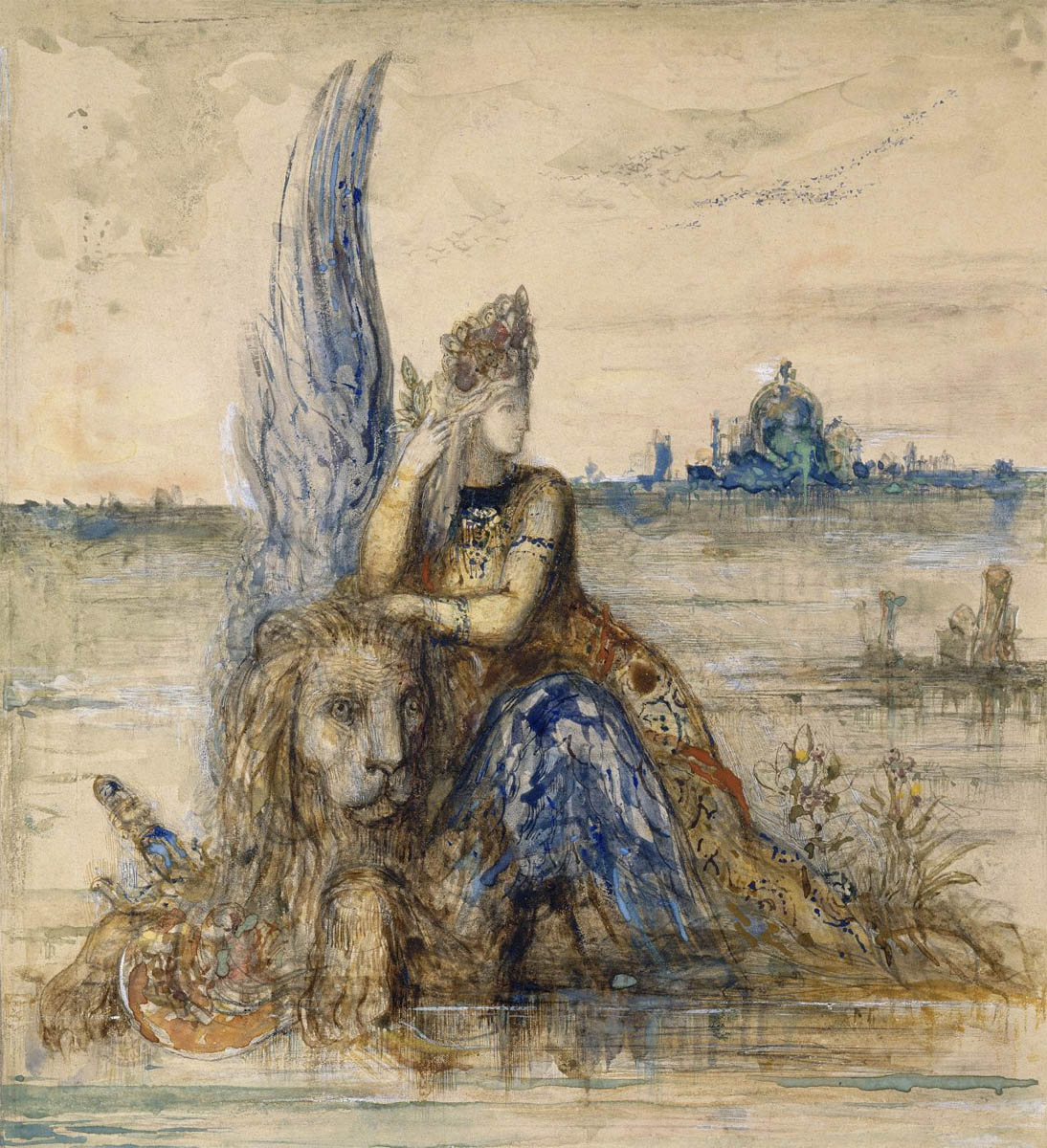
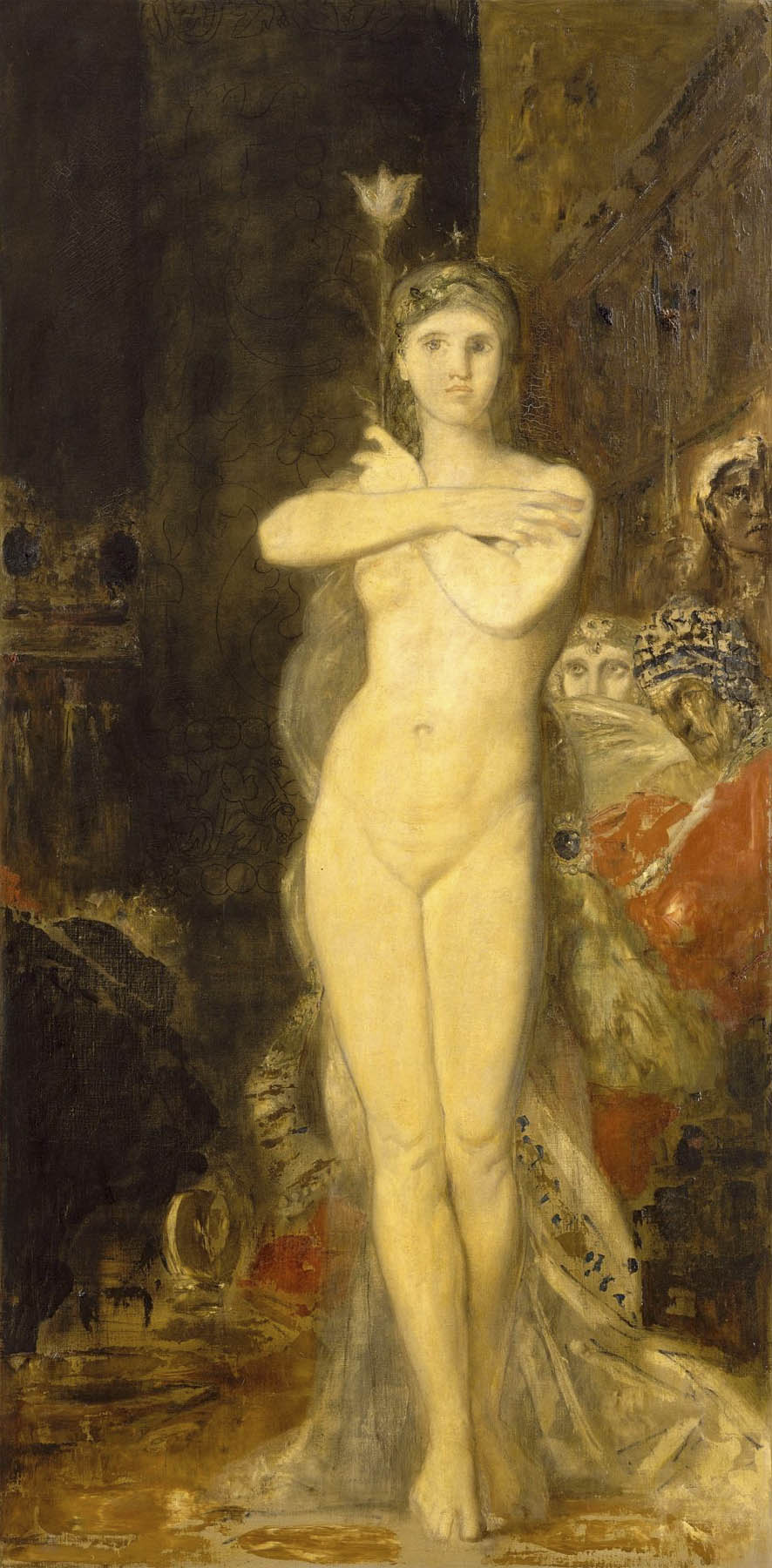
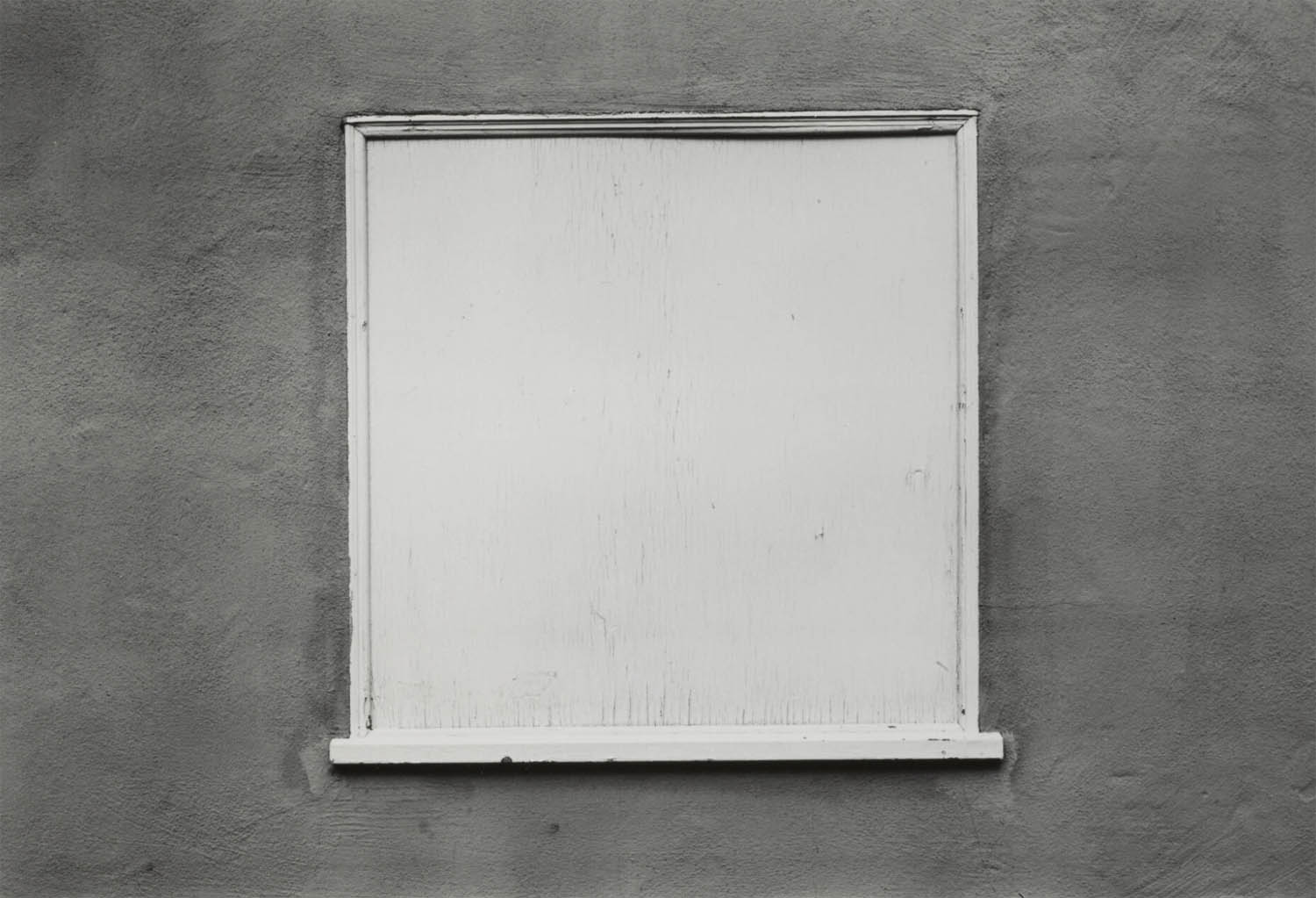
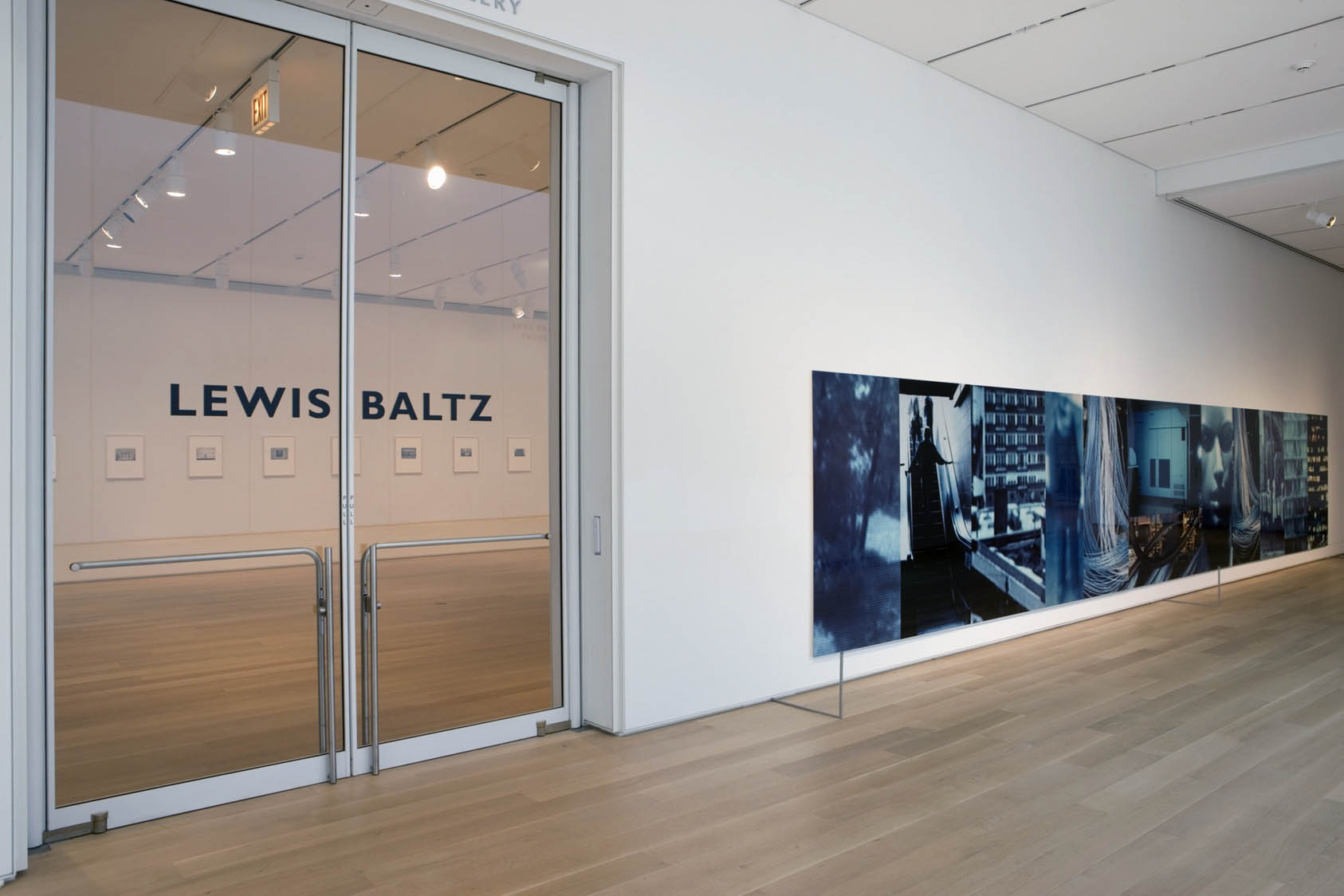
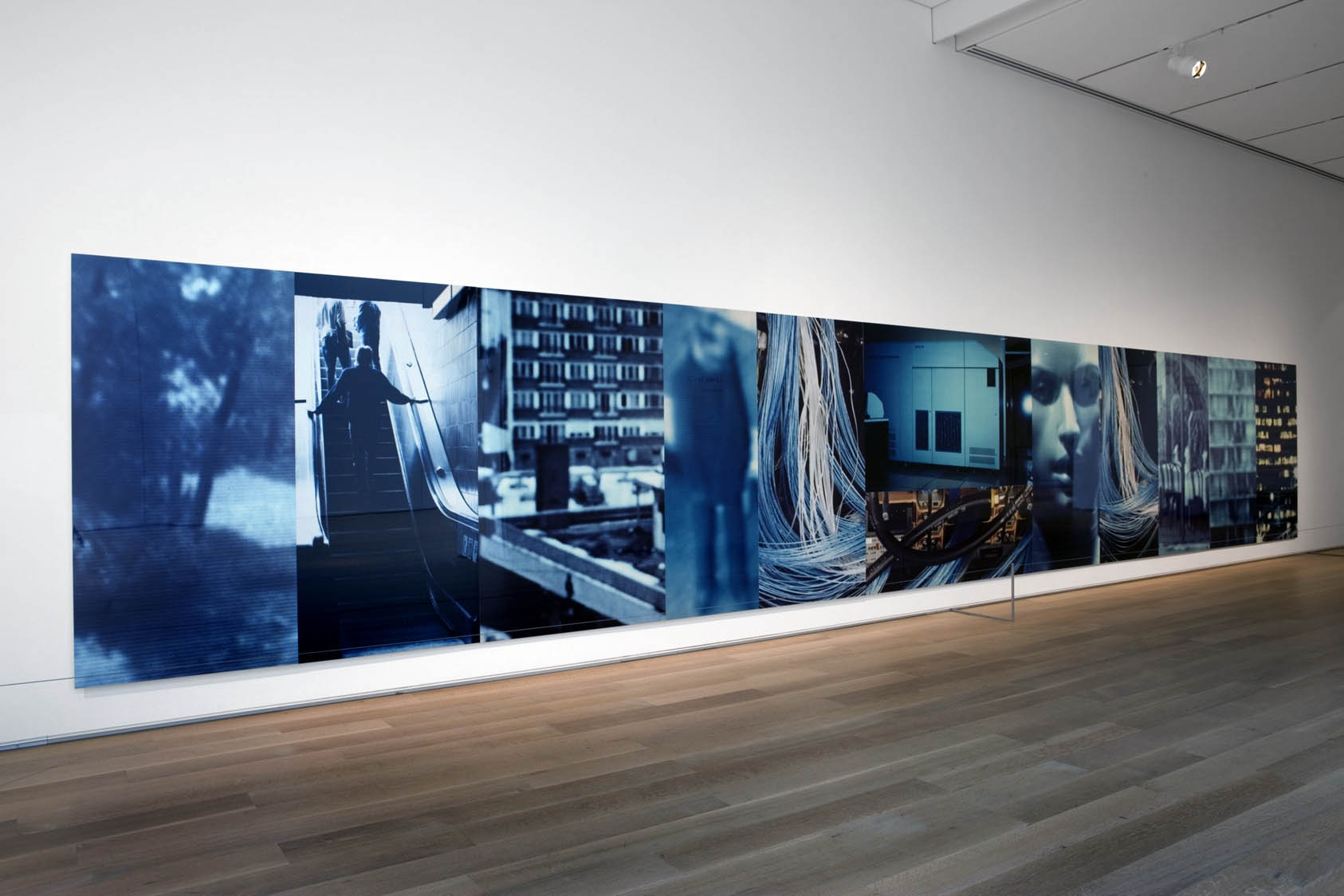
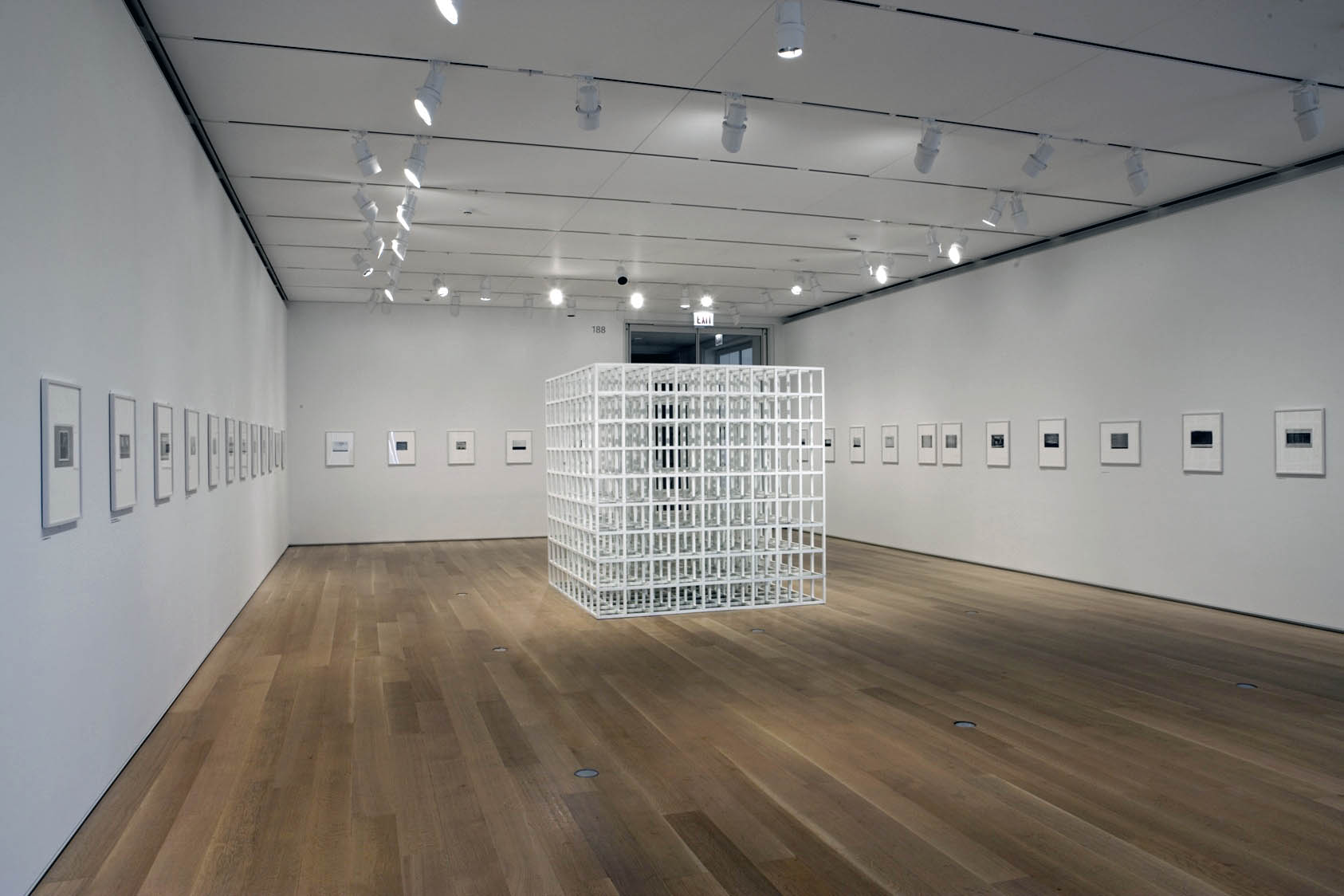
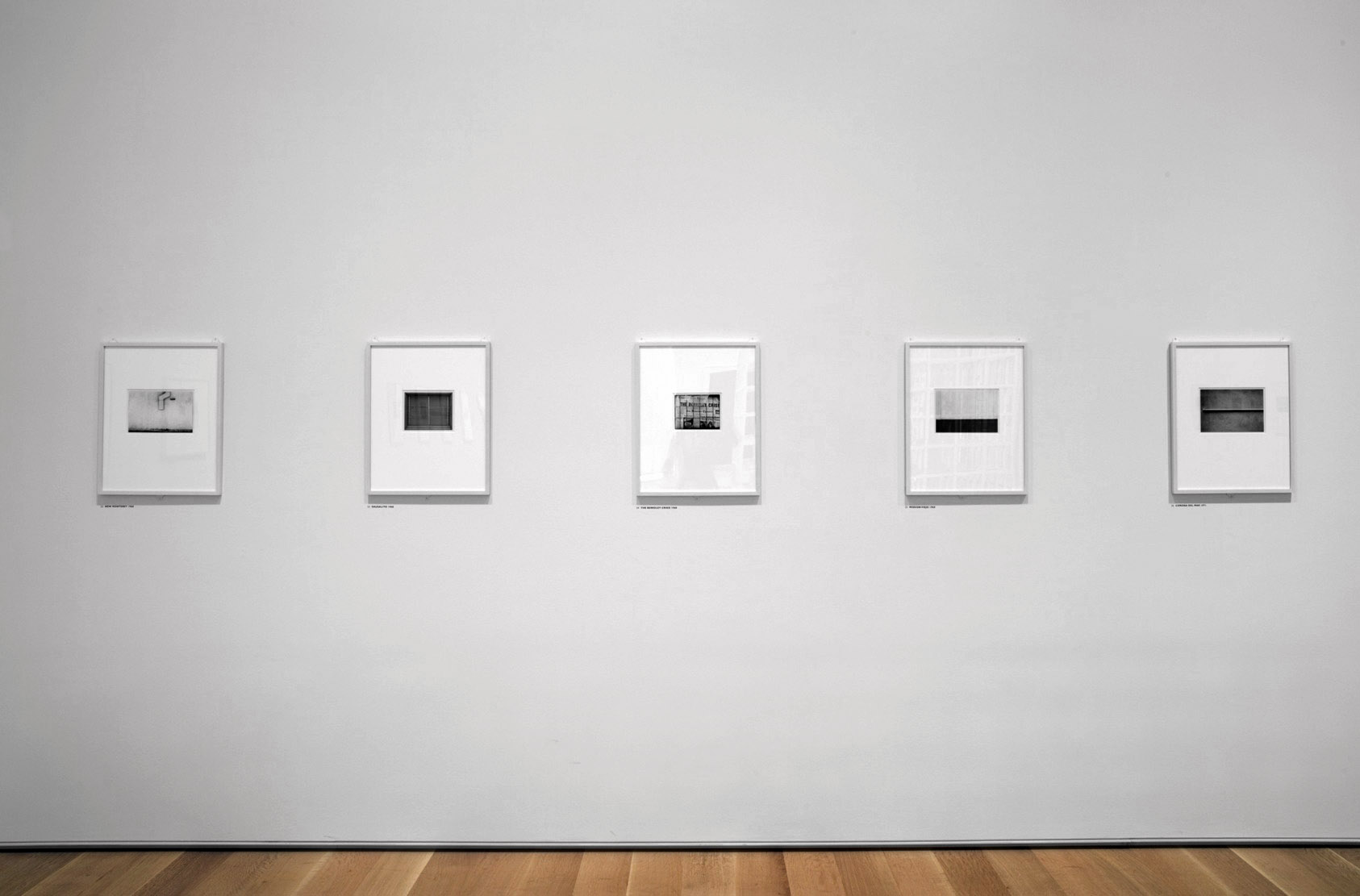
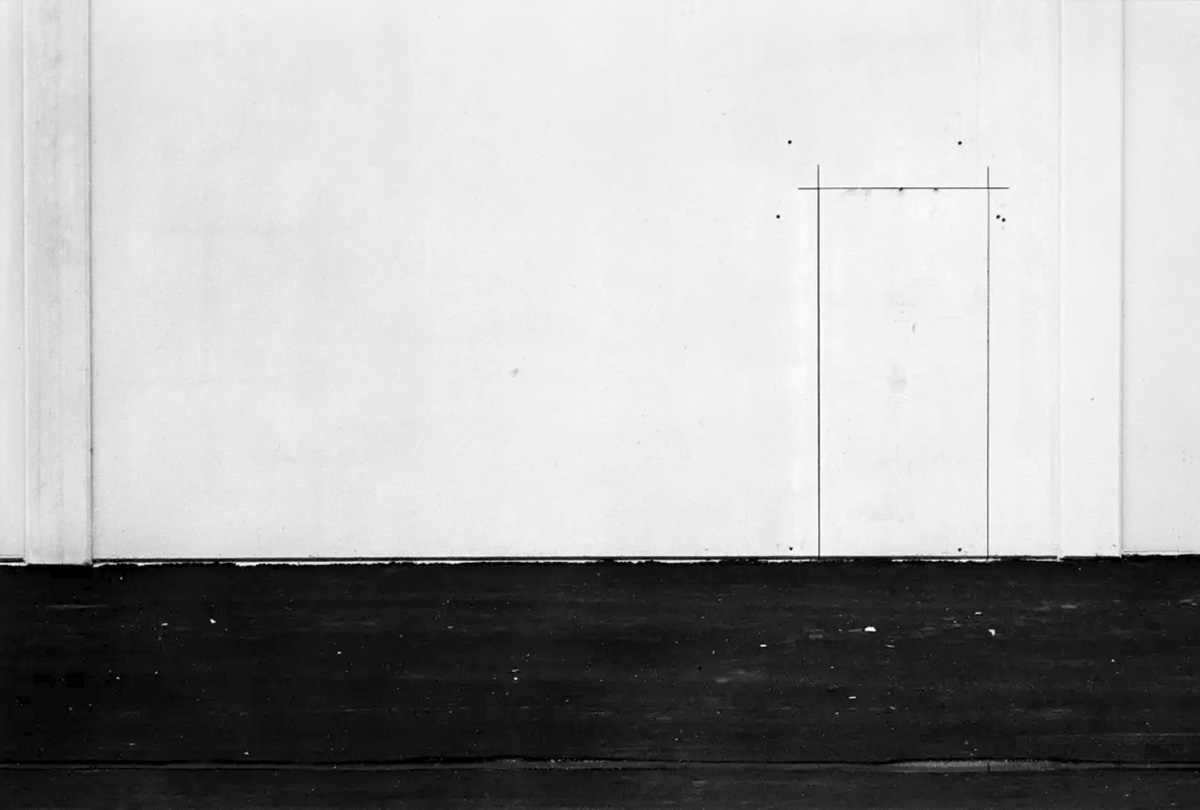

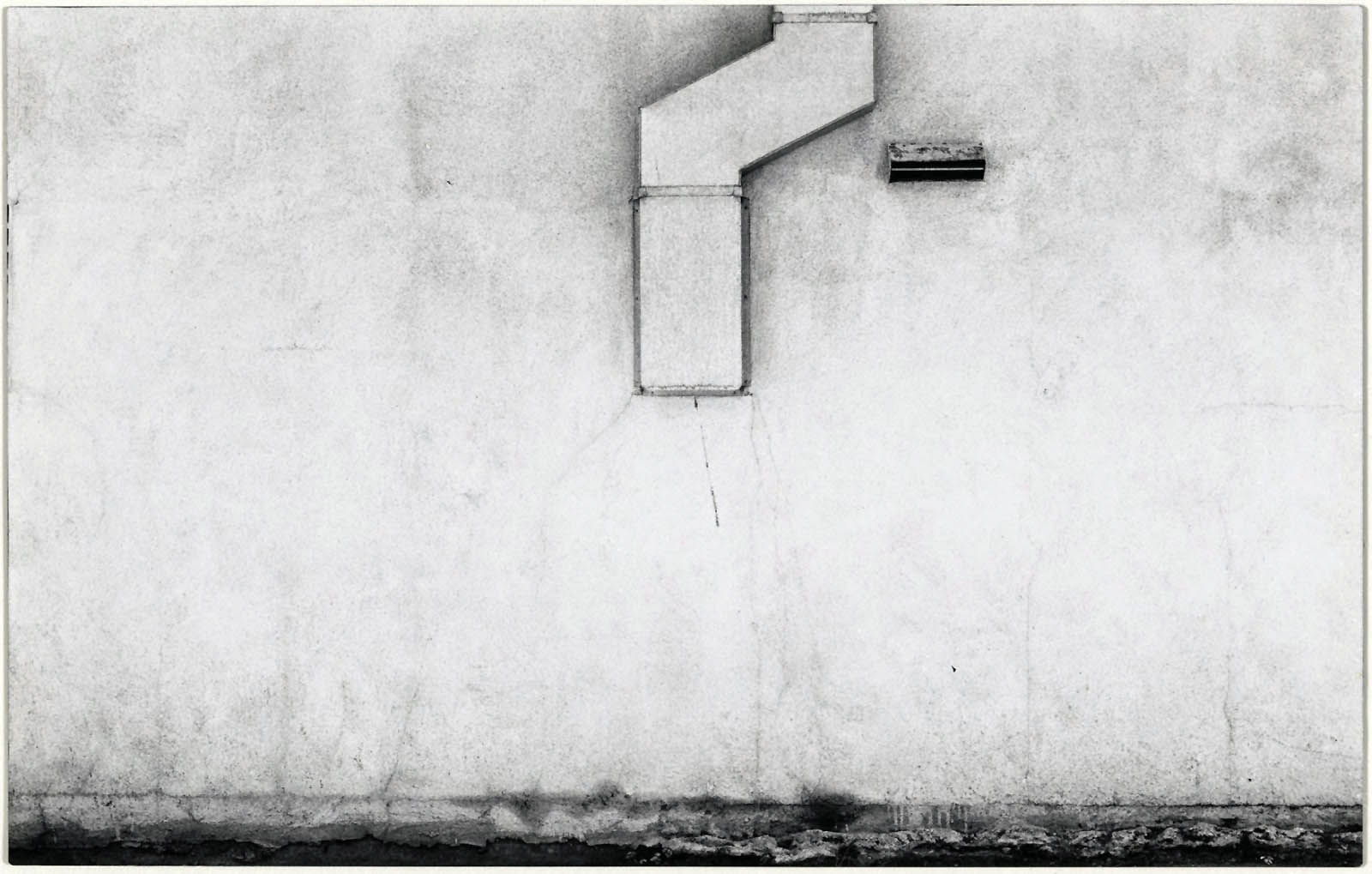


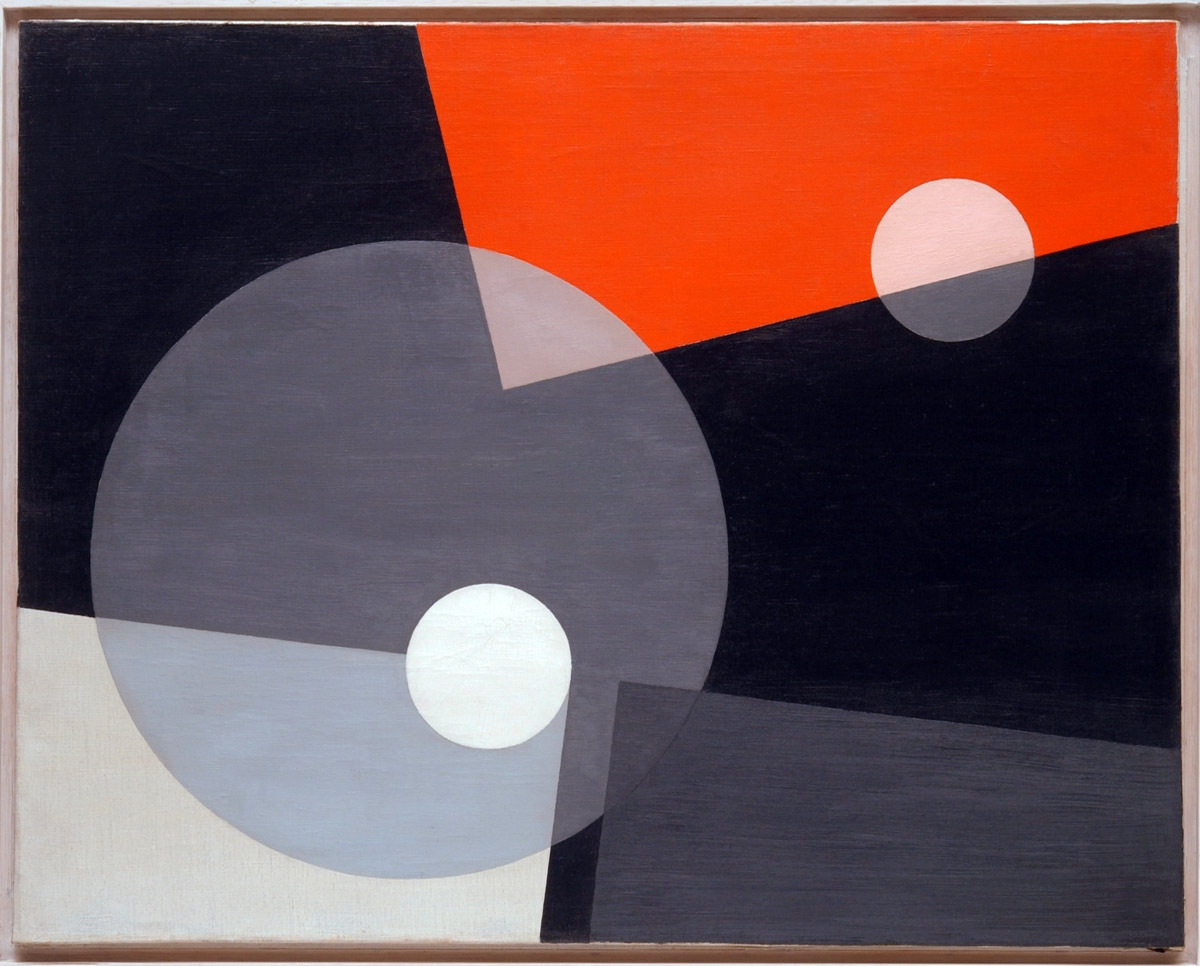

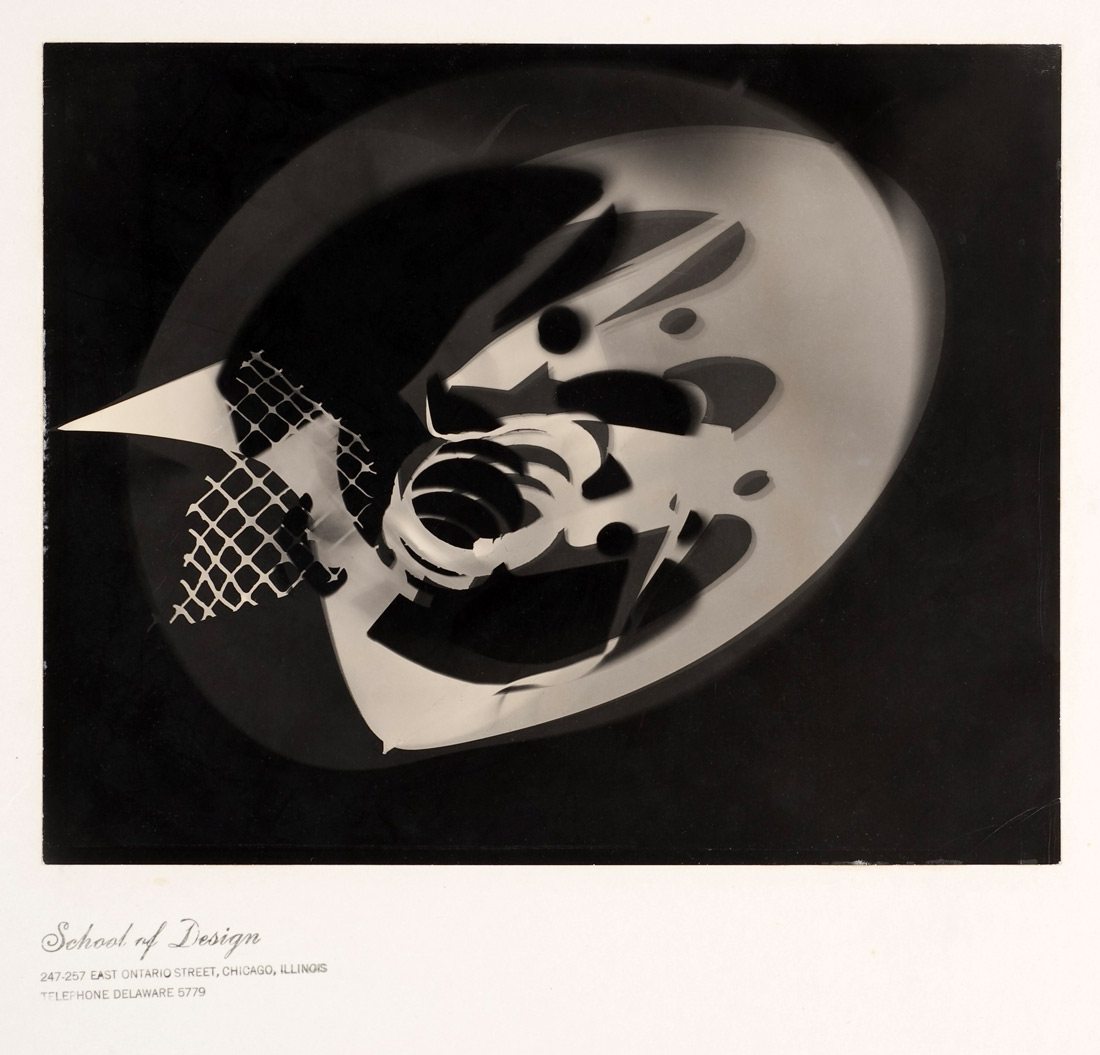
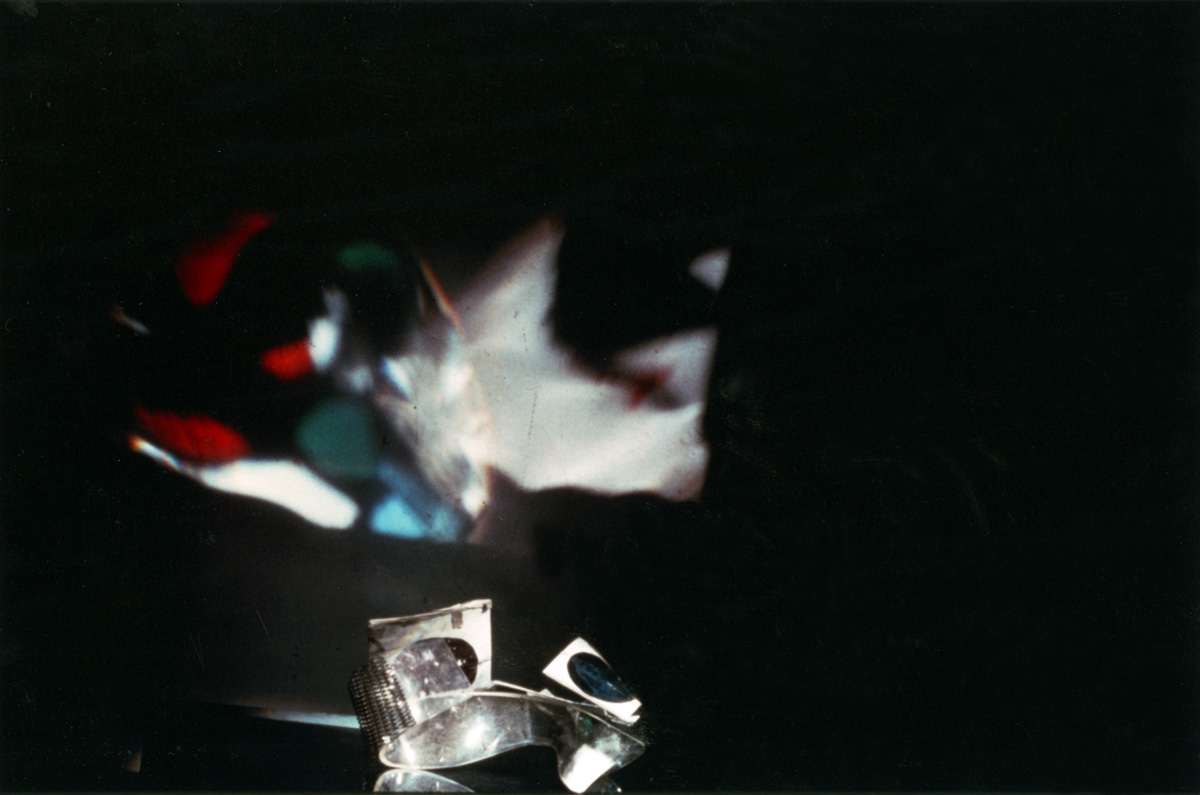
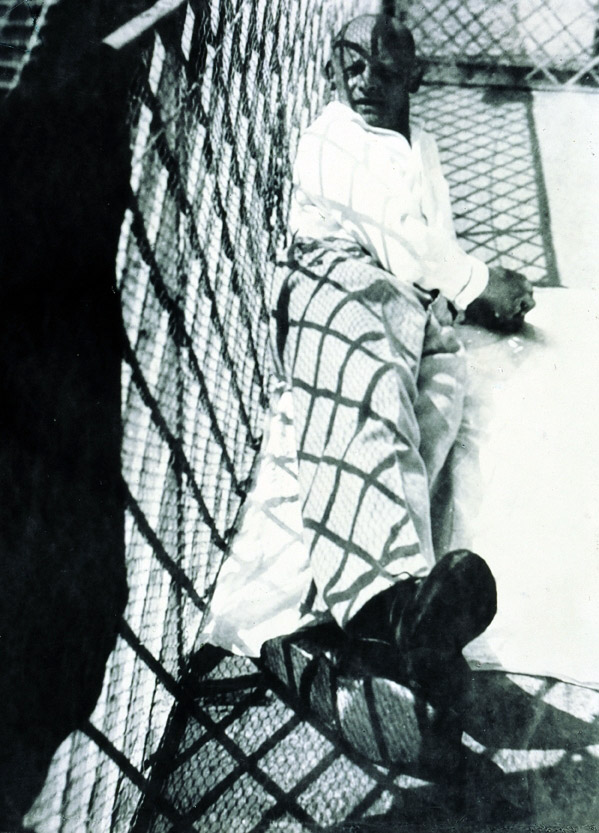
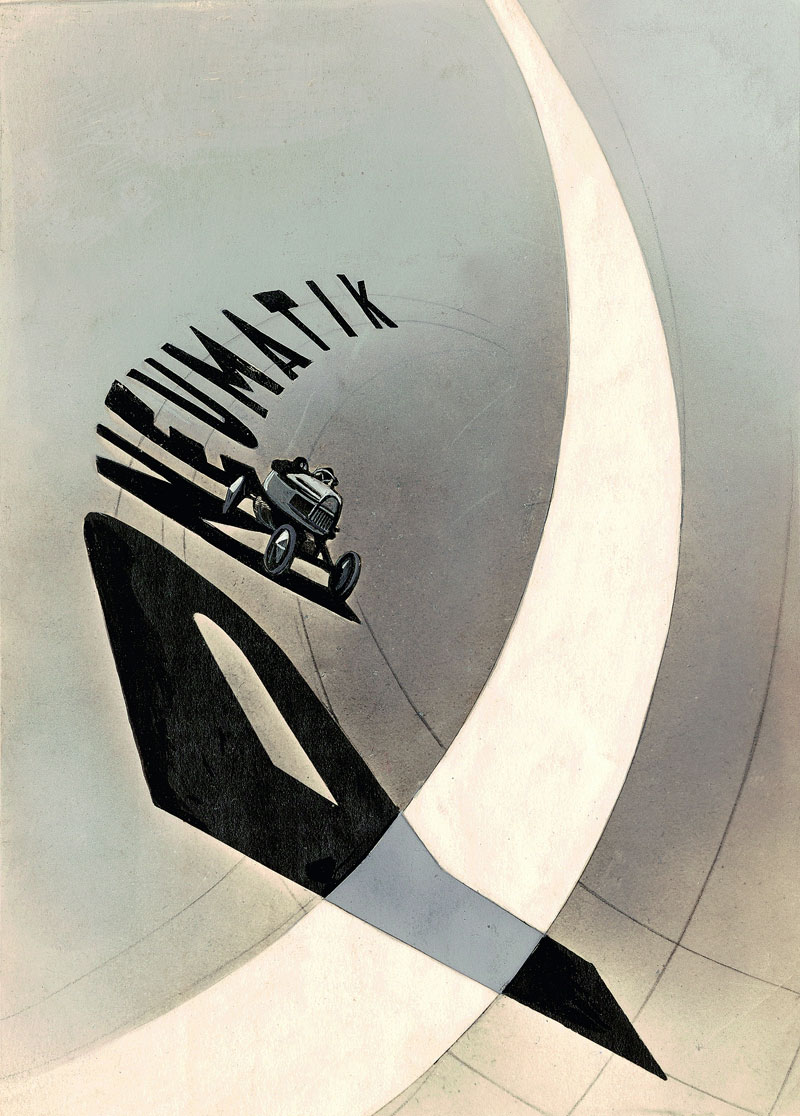
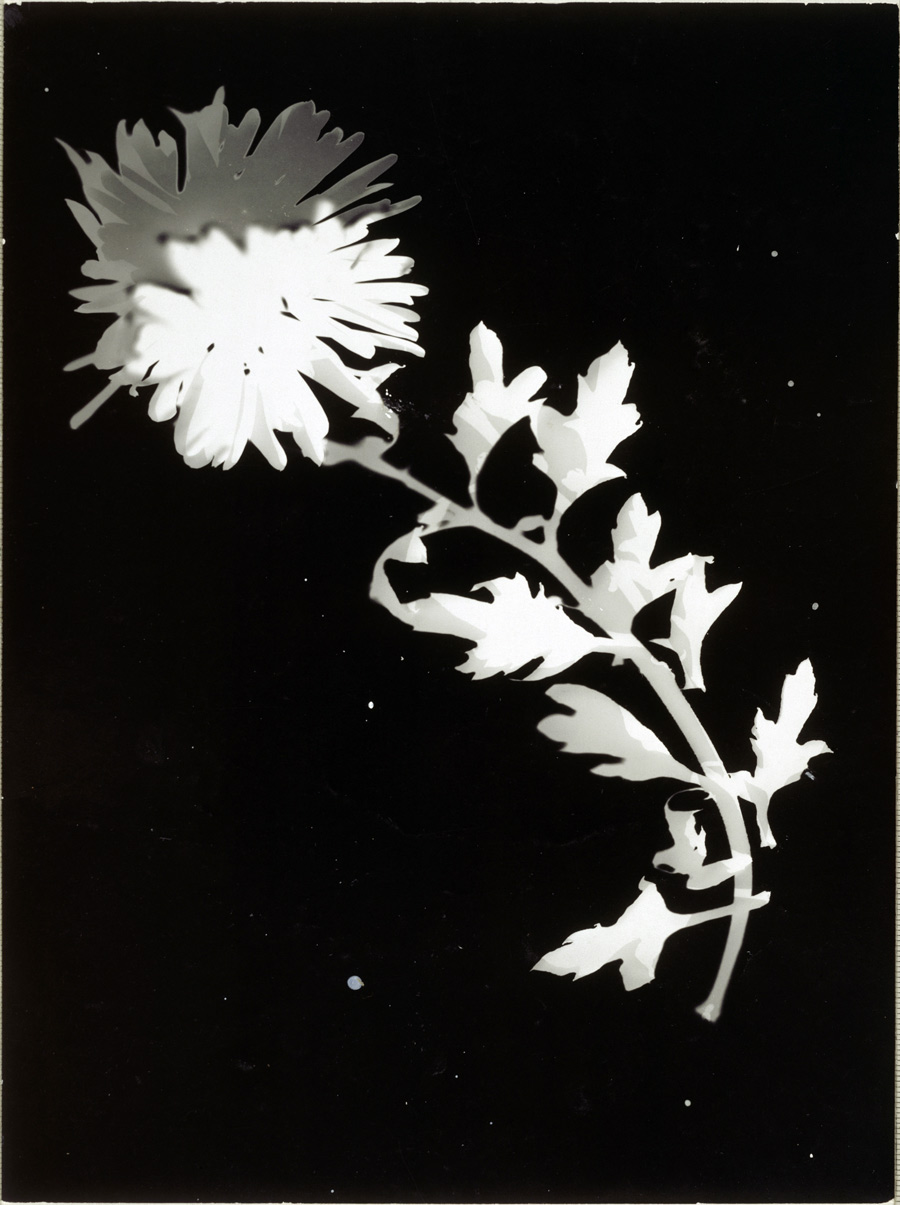


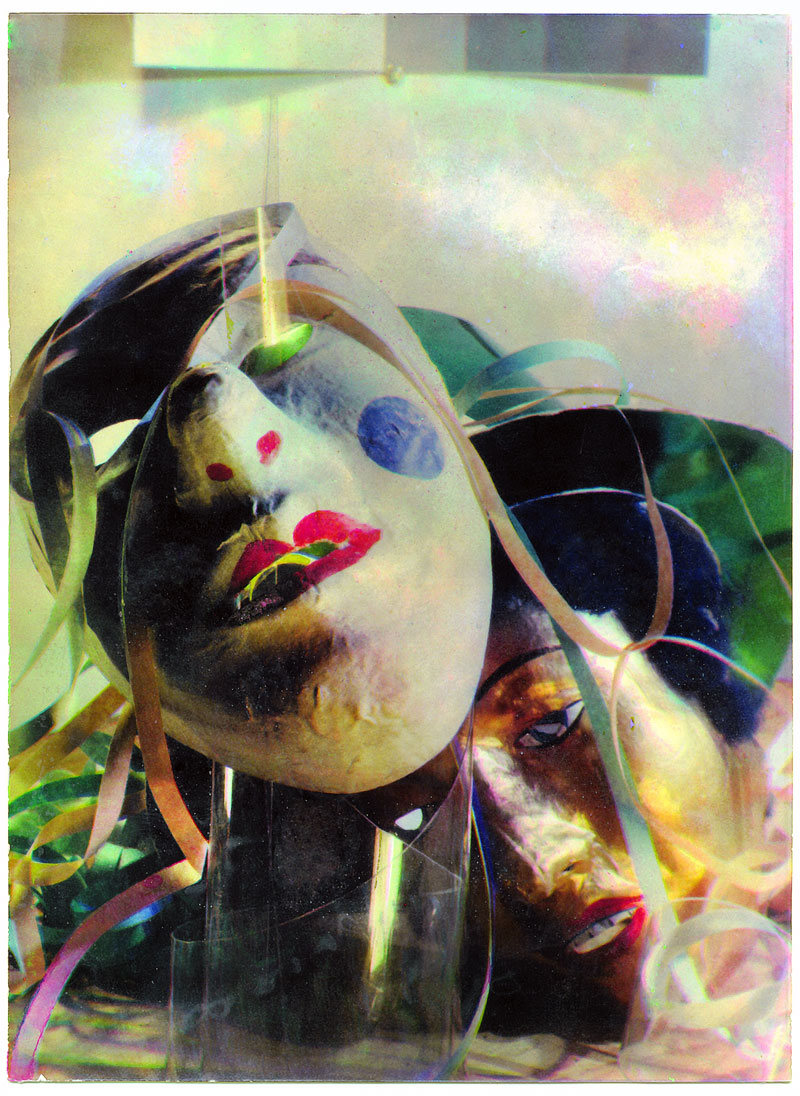
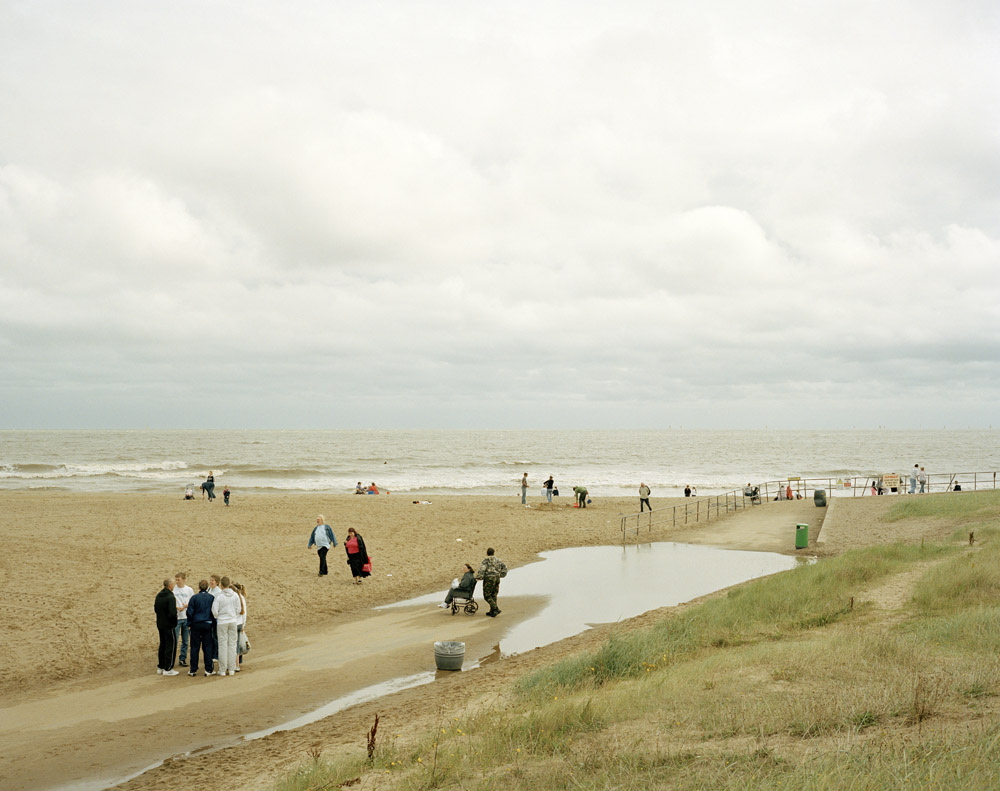
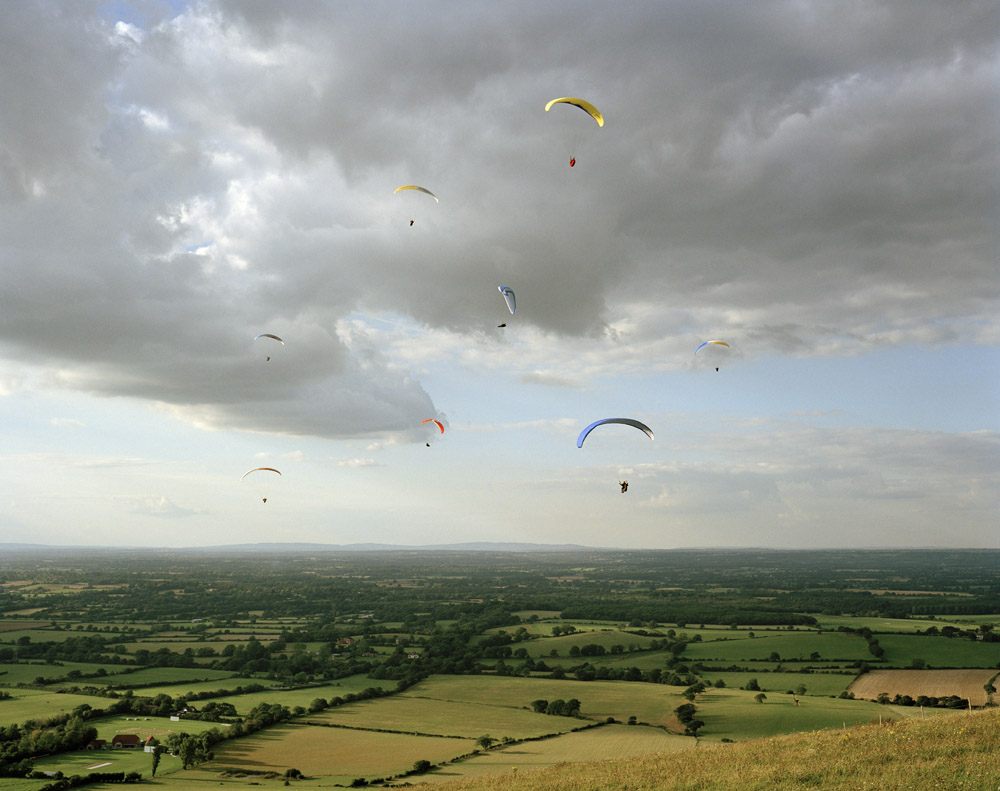
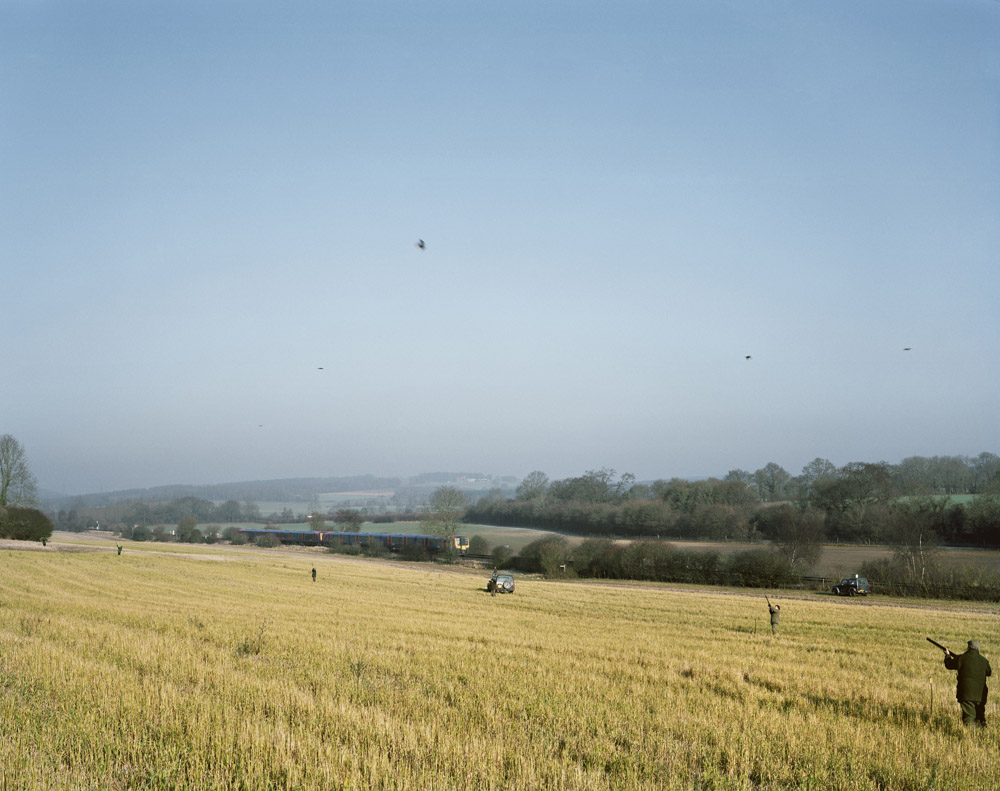
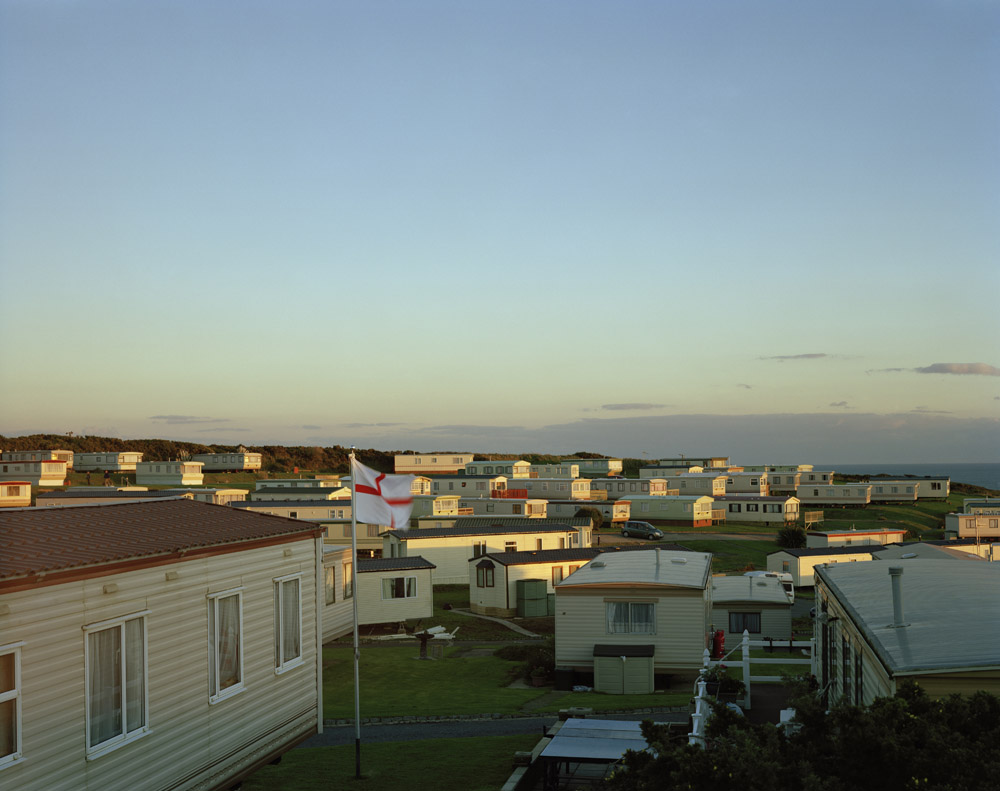
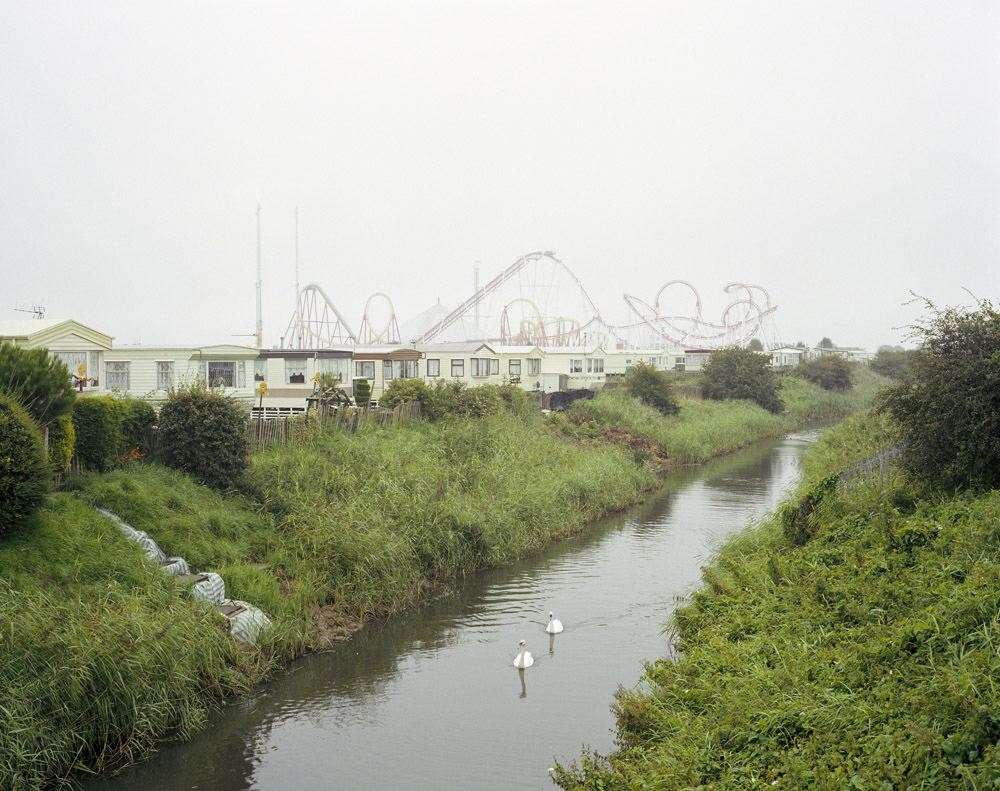
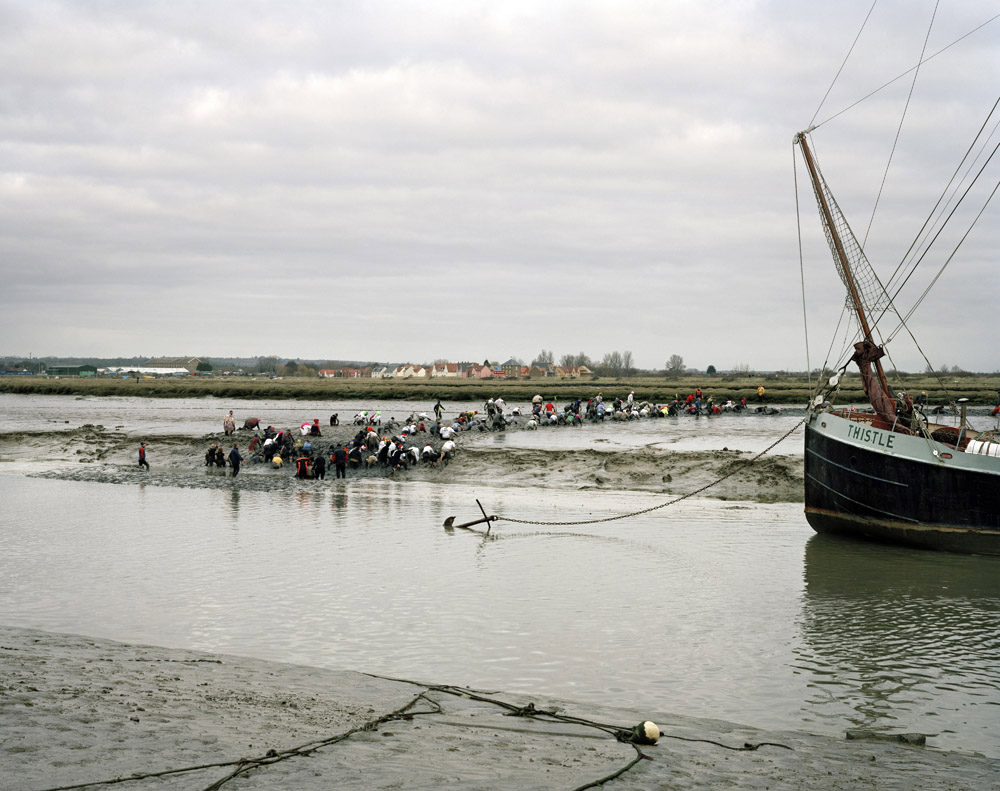
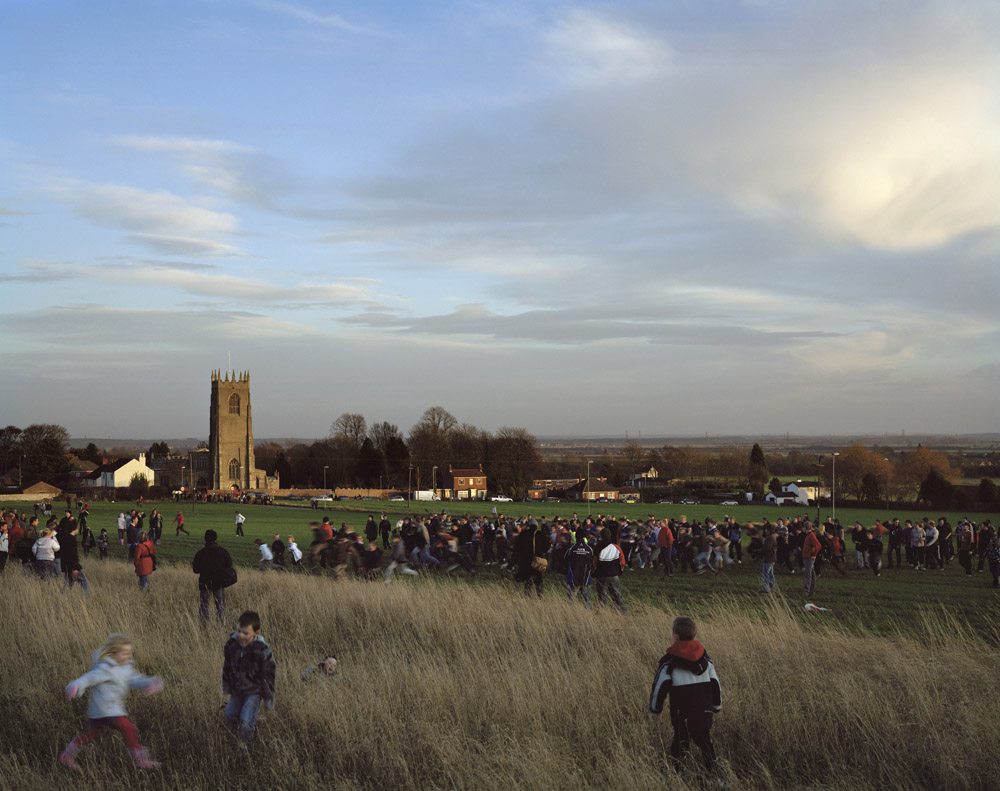
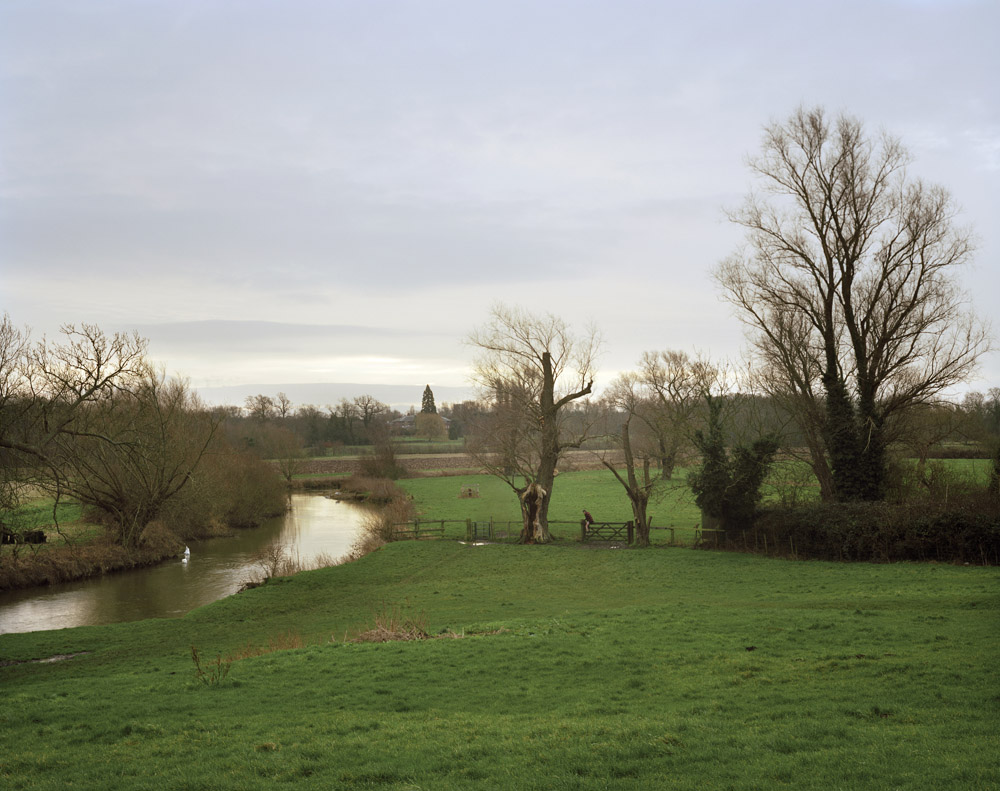
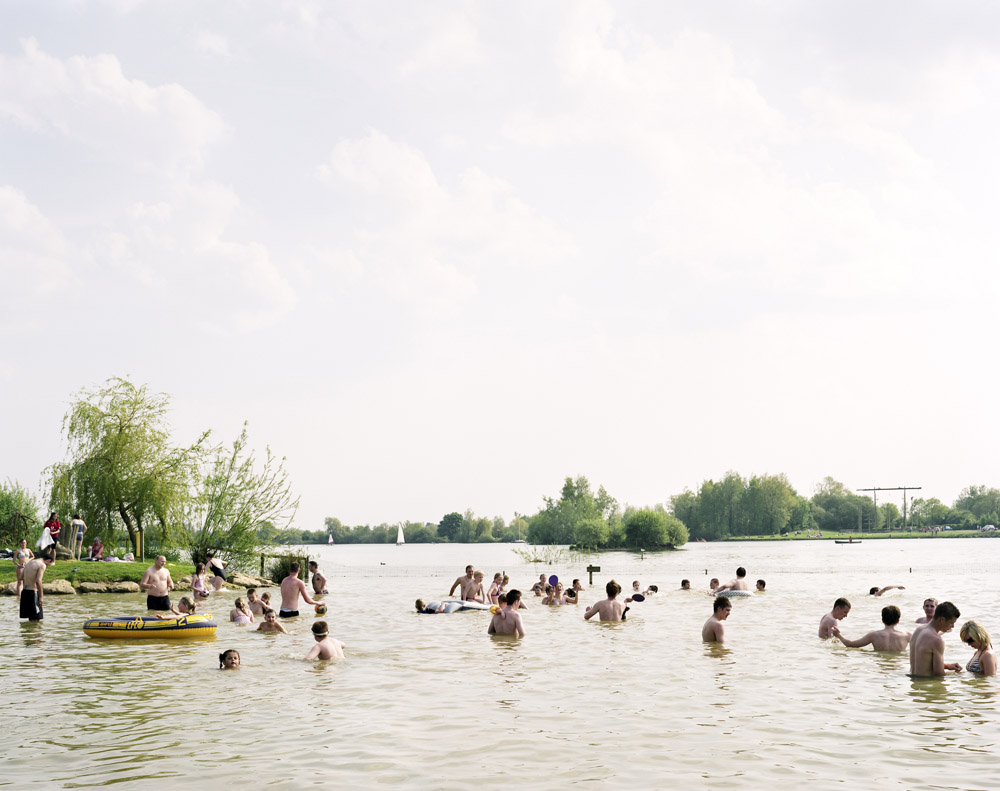
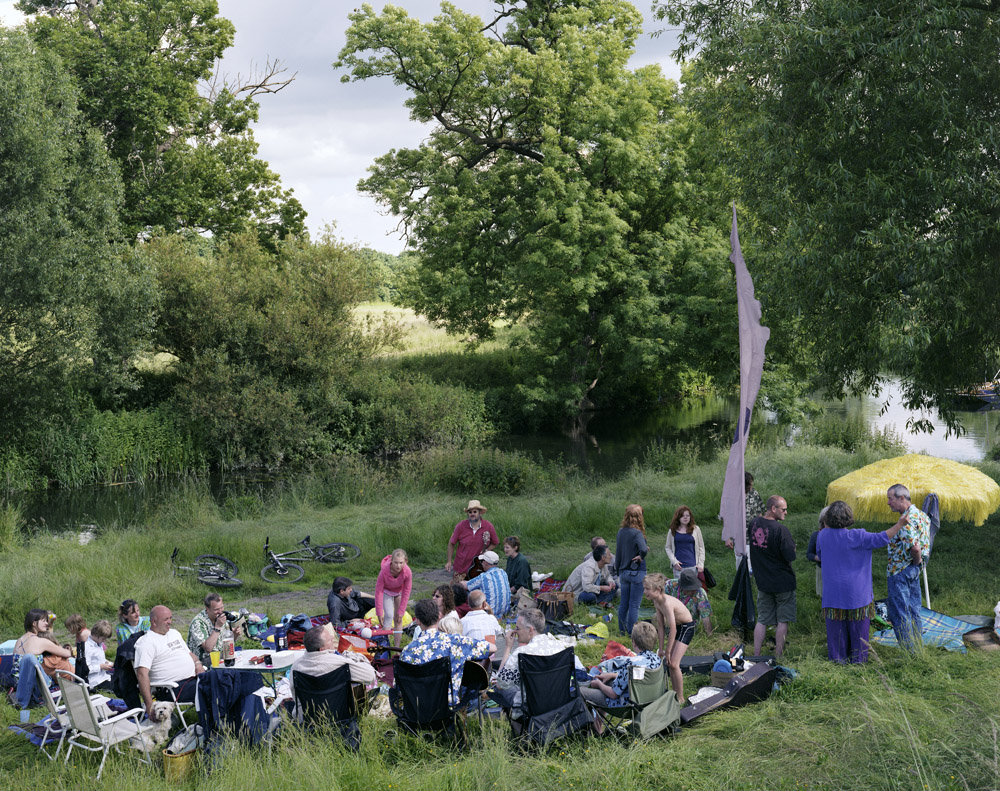
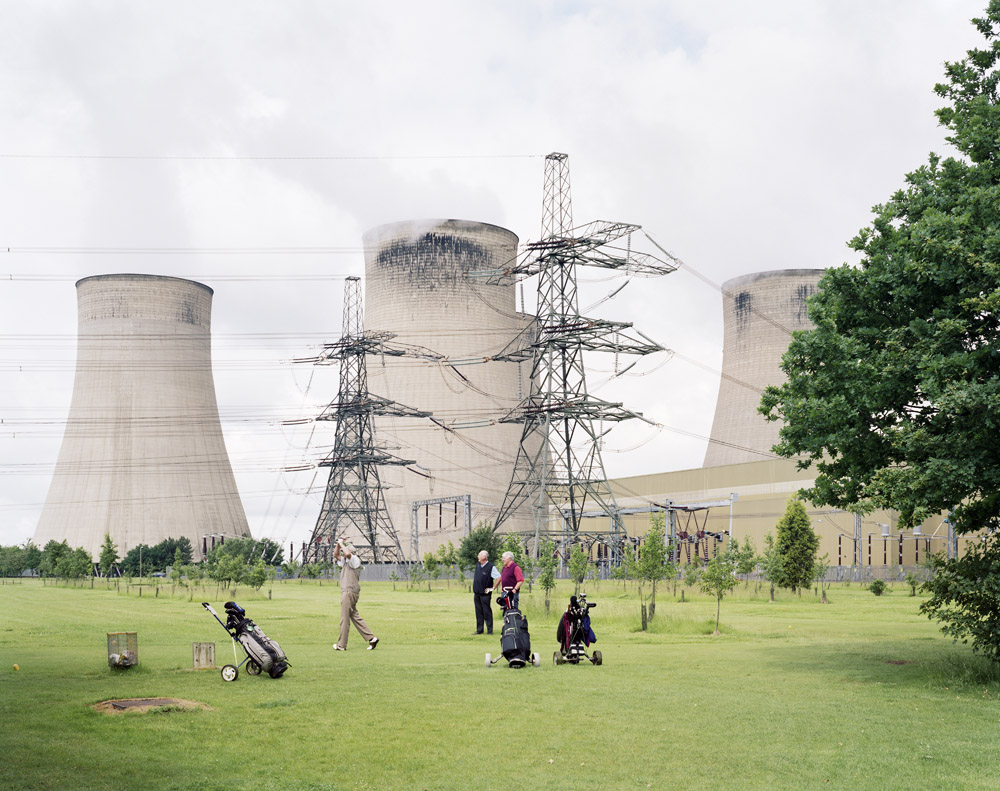
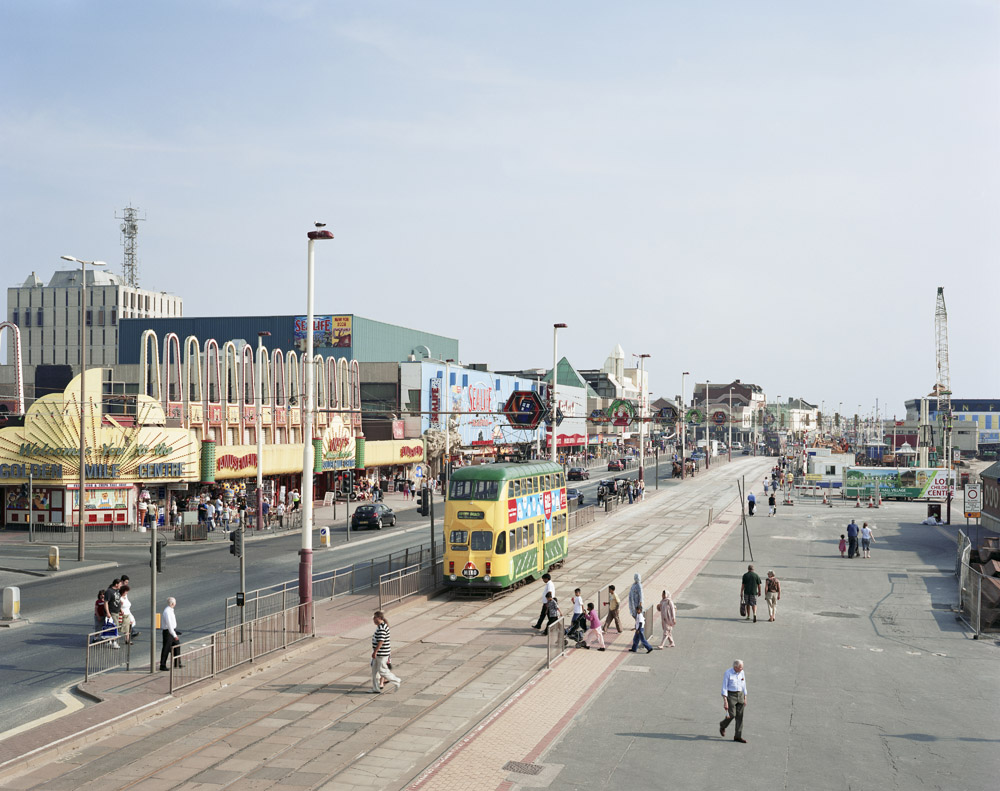
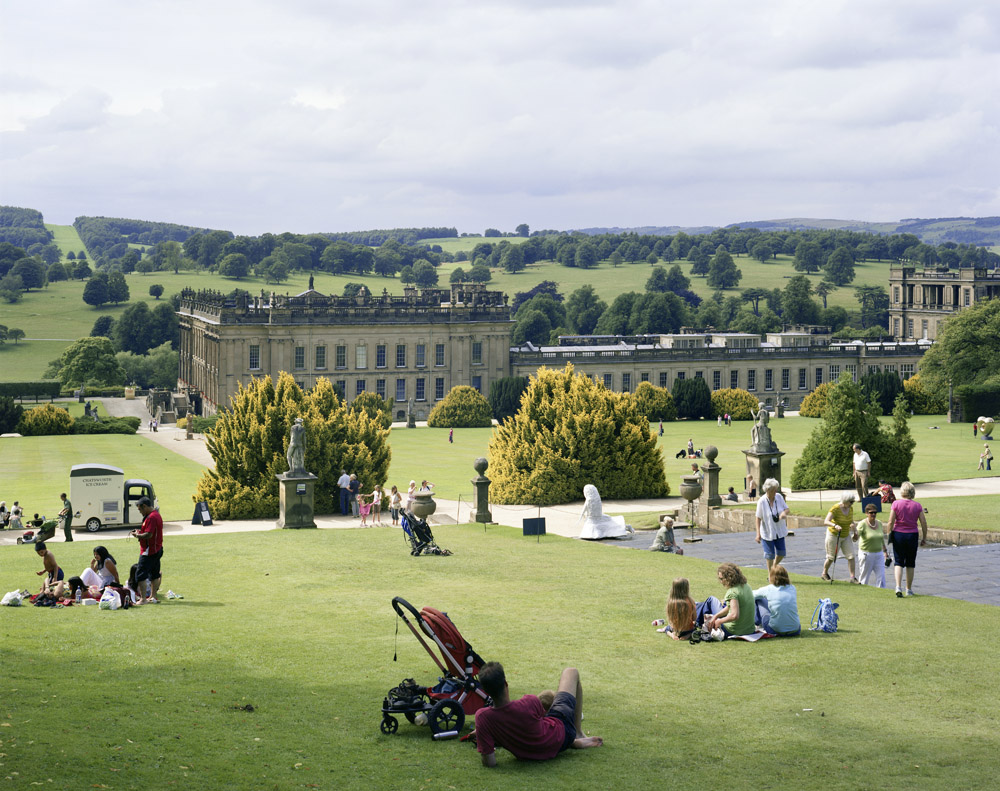
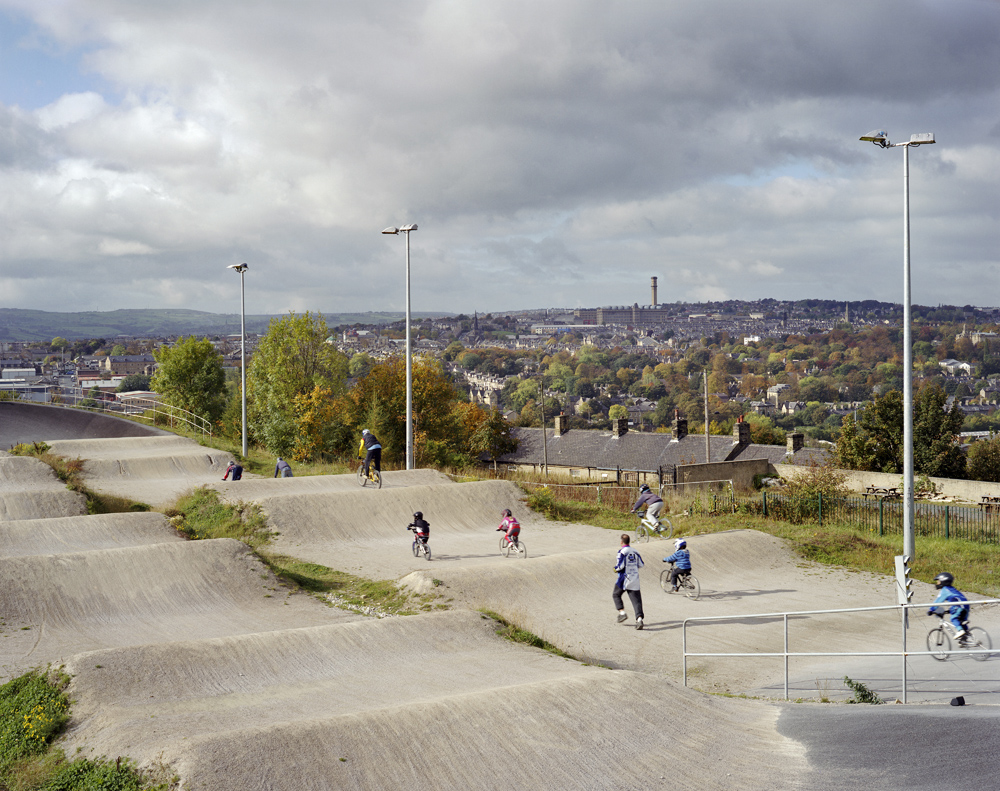


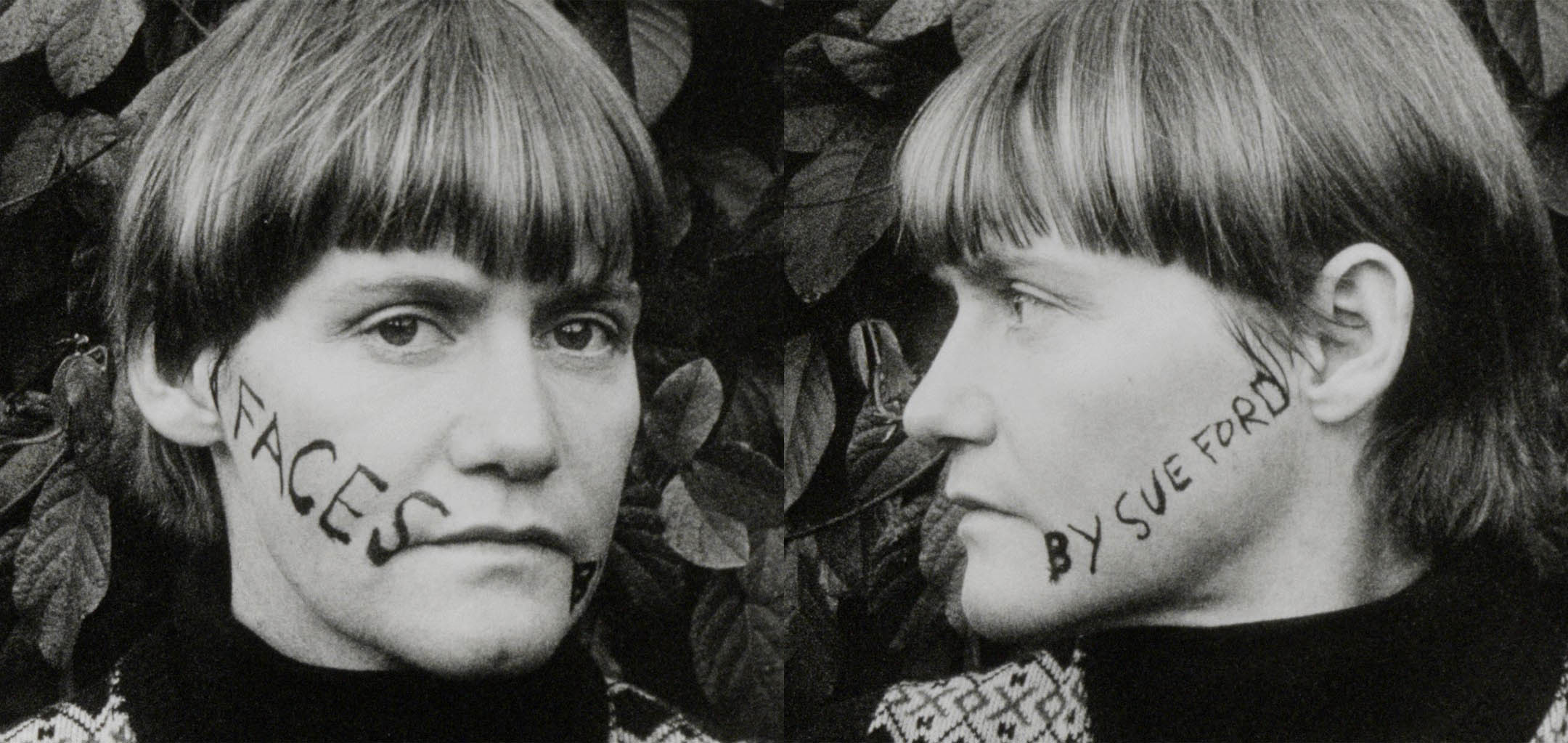

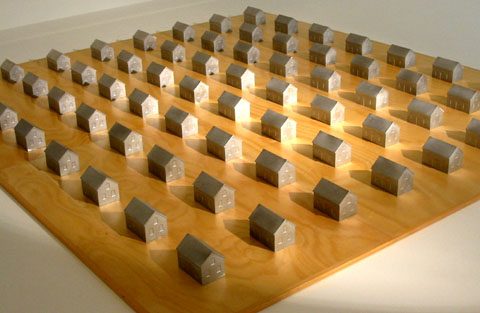

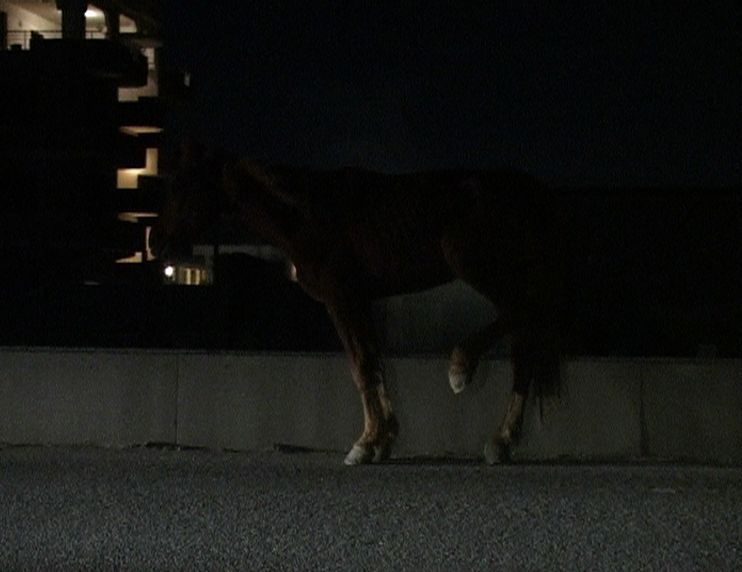


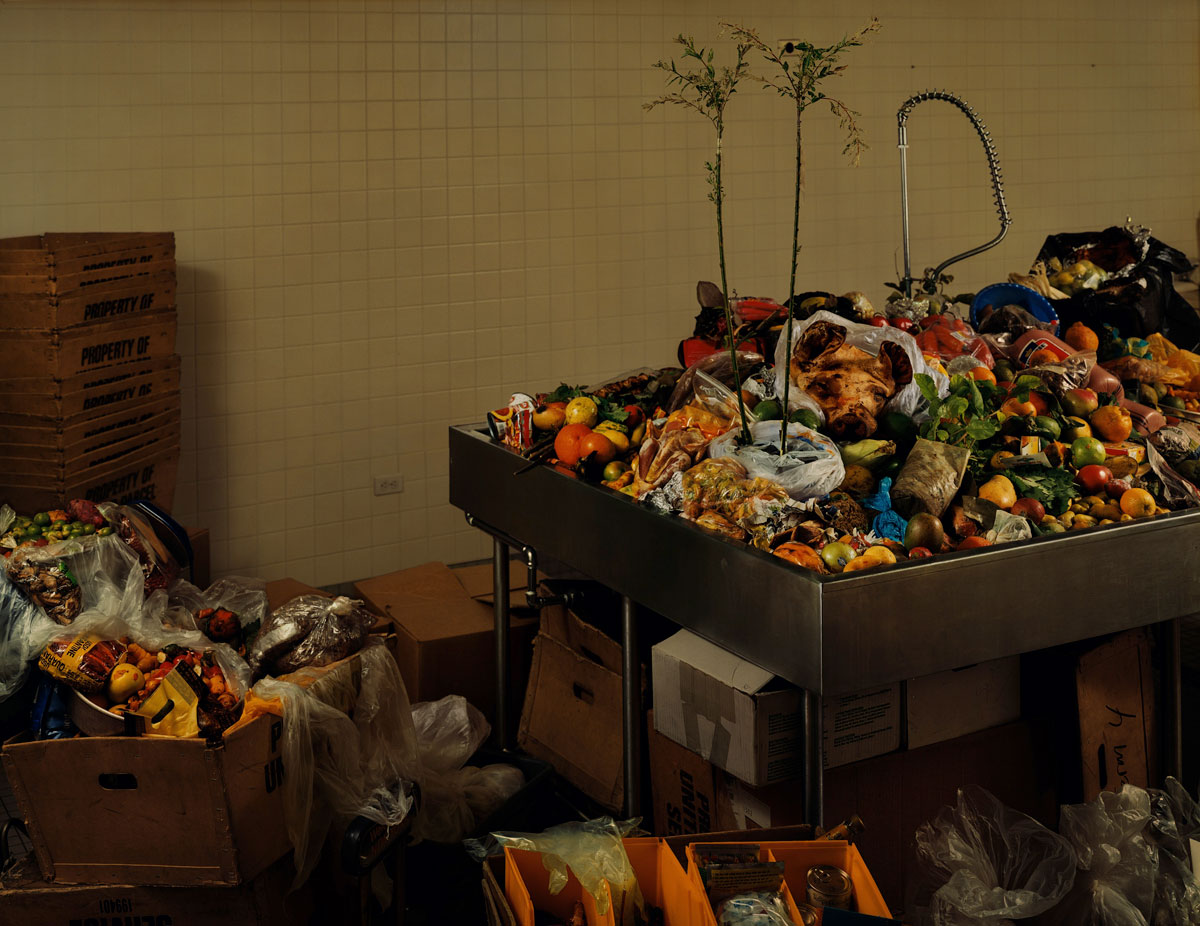
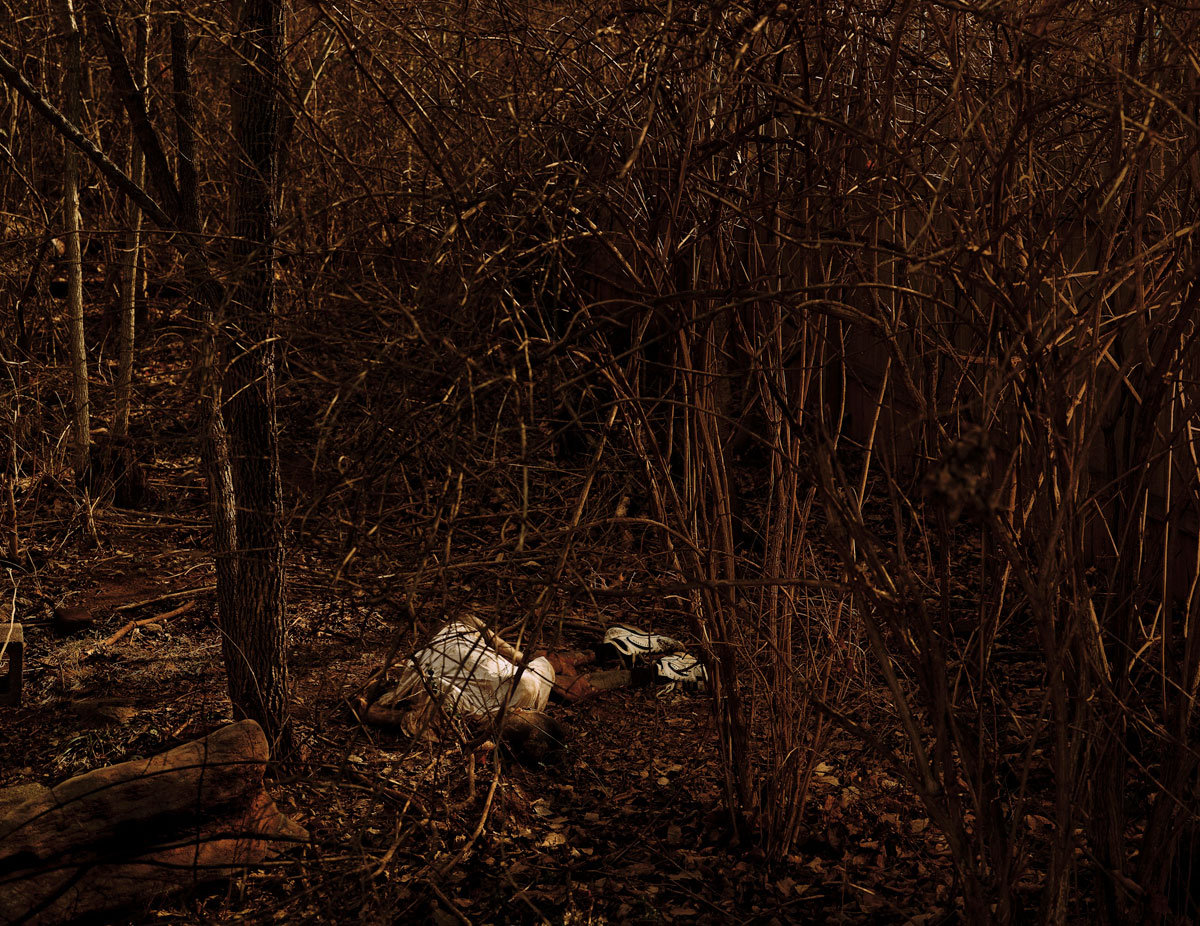
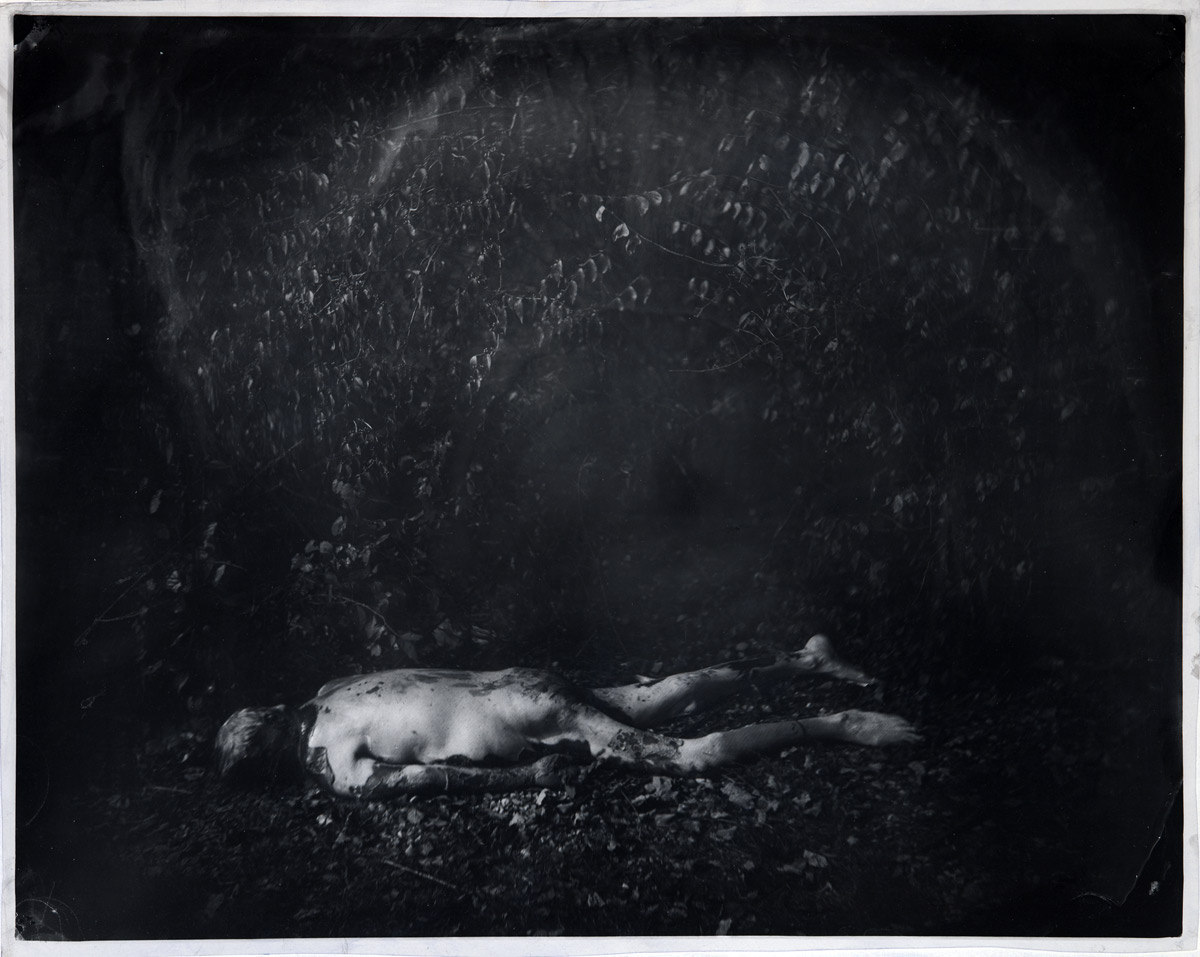
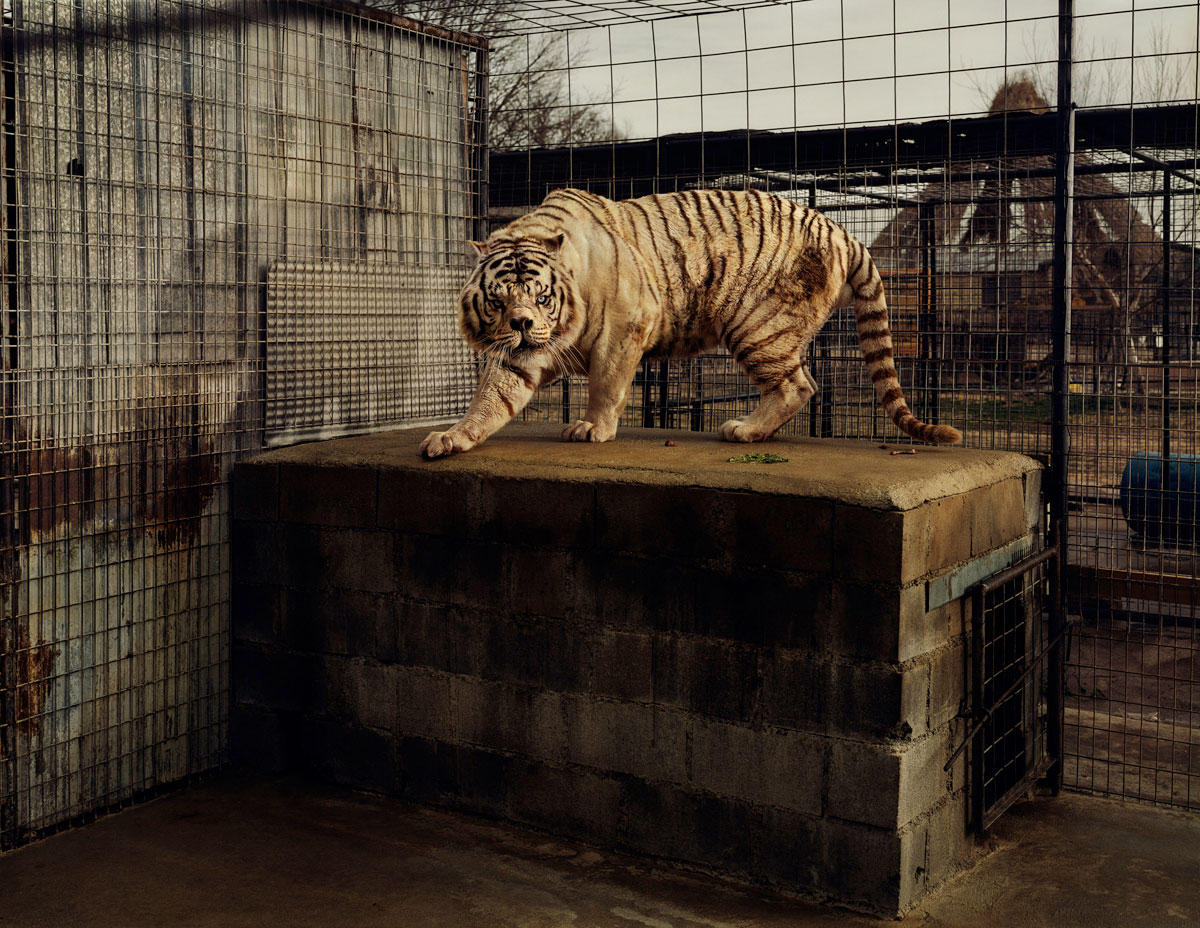
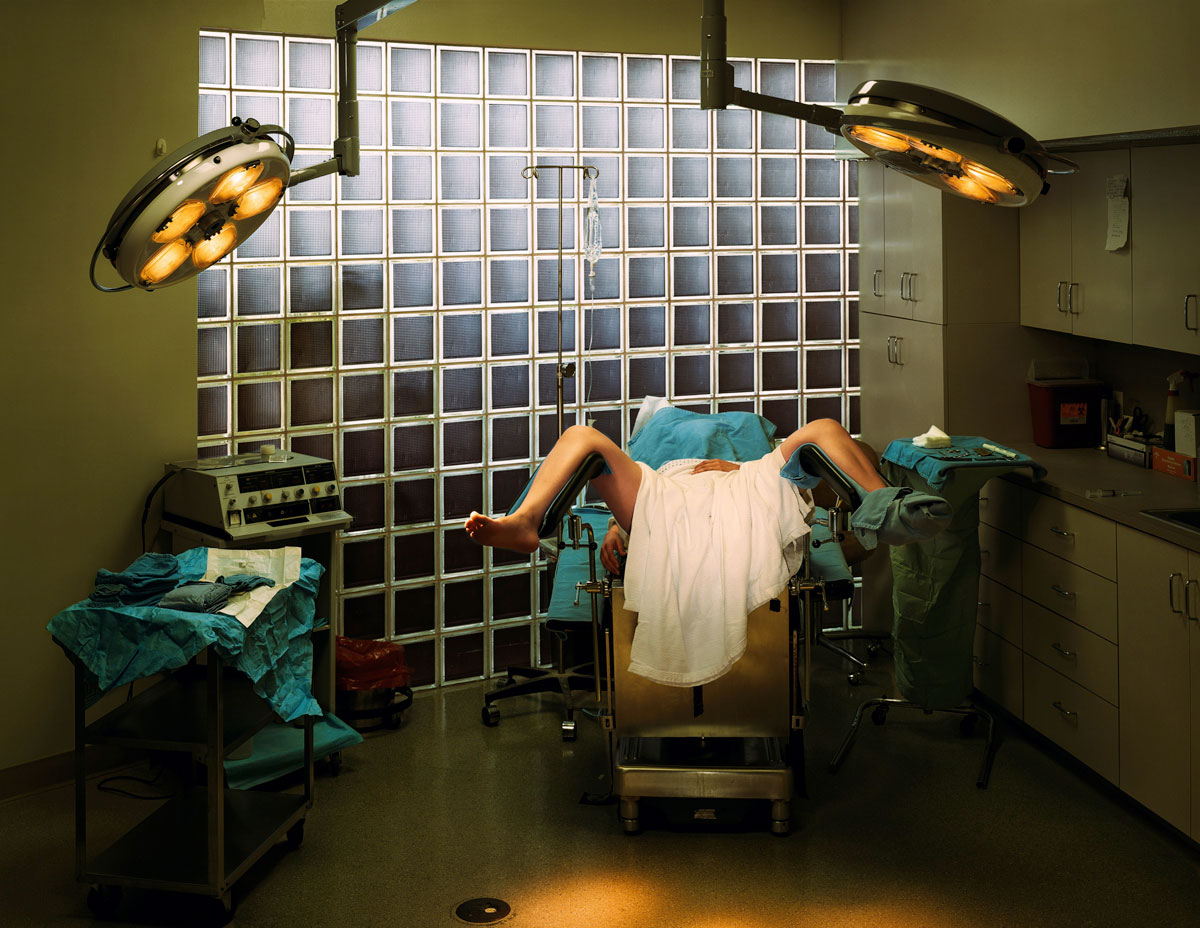
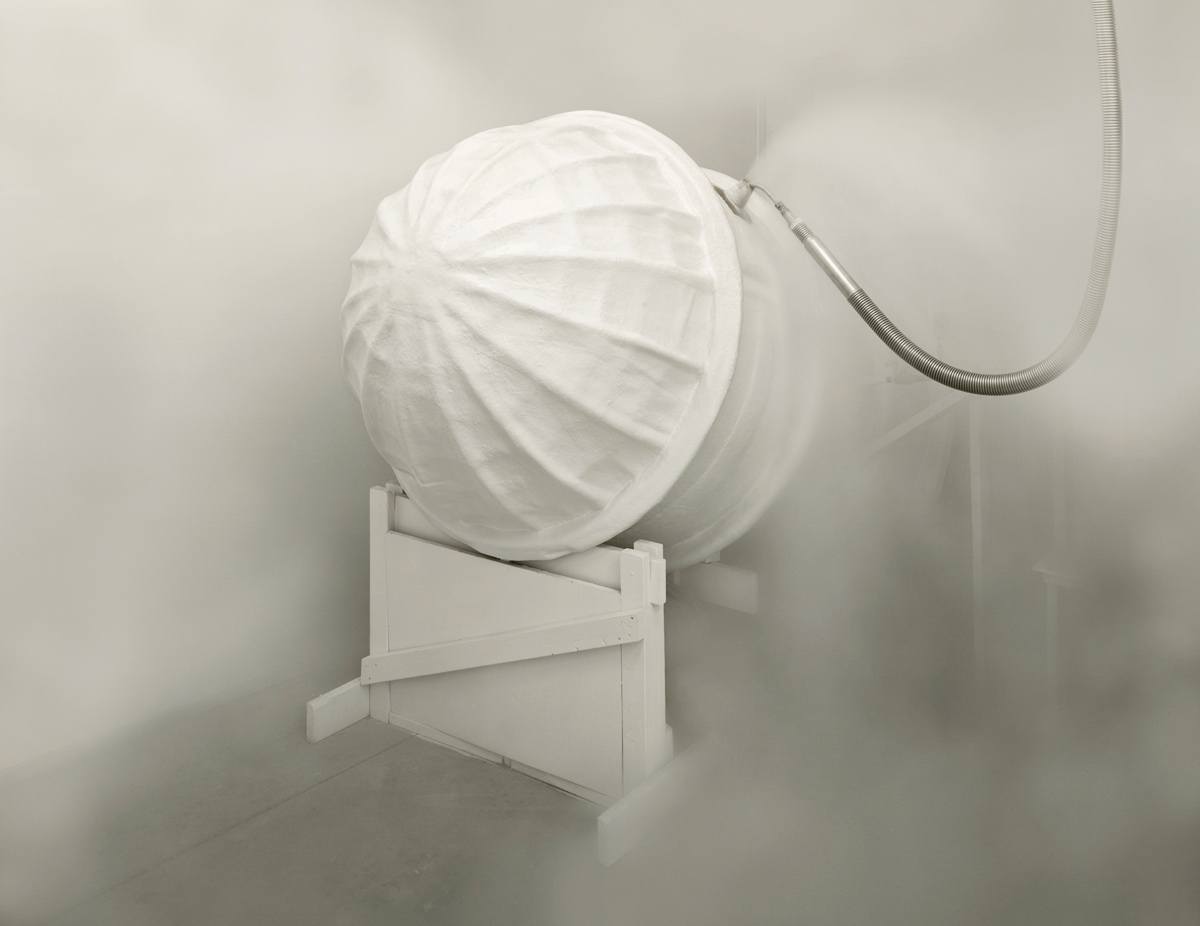
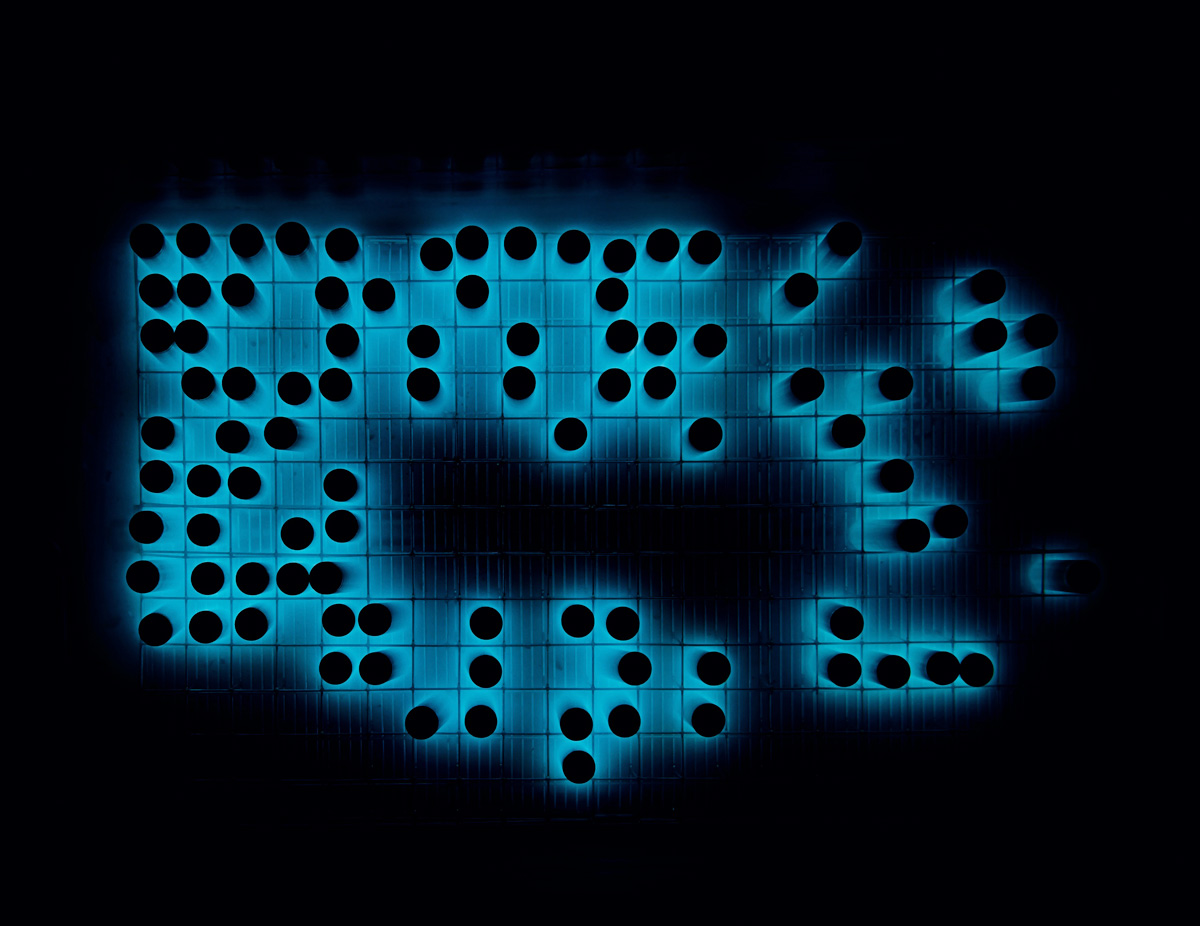
 Art Blart _ art and cultural memory archive
You must be logged in to post a comment.