Elizabeth Conrad Hickox (Karuk) Somes Bar, California “Fancy” lidded basket c. 1917-1926 Conifer root, maidenhair fern stems, porcupine quills, hazel shoots Courtesy American Federation of Arts Diker no. 445
Just one word: glorious.
And to think, these disparate cultures were nearly wiped out through genocide enacted upon them by the white race.
Marcus
Many thankx to the Amon Carter Museum of American Art for allowing me to publish the art work in the posting. Please click on the photographs for a larger version of the image.
Louisa Keyser (also known as Datsolalee, Washoe) Carson City, Nevada Basket bowl 1907 Willow shoots, redbud shoots, bracken fern root Courtesy American Federation of Arts Diker no. 326
Drawn from the celebrated American Indian art collection of Charles and Valerie Diker, Indigenous Beauty: Masterworks of American Indian Art from the Diker Collection showcases approximately 120 masterworks, including fine examples of basketry, pottery, sculpture, ivories, kachina dolls, regalia, and pictographic arts from tribes across the North American continent. The exhibition provides rare access to many exquisite works from one of the most comprehensive and diverse collections of American Indian art in private hands.
Indigenous Beauty is organised by the American Federation of Arts. This exhibition was made possible by the generosity of an anonymous donor, the JFM Foundation, and Mrs. Donald Cox.
Text from the Amon Carter website
Nampeyo (Hopi-Tewa) Hano Village, Hopi, Arizona Water jar c. 1900 Clay, slip Courtesy American Federation of Arts Diker no. 824
Ancestral Pueblo New Mexico Water jar c. 1150 Clay, slip Courtesy American Federation of Arts Diker no. 313
Old Bering Sea III culture Bering Strait region, Alaska Harpoon counterweight (Winged object) 5th-9th century Walrus ivory Courtesy American Federation of Arts Diker no. 731
Niimiipu (Nez Perce) Oregon or Idaho Man’s shirt c. 1850 Hide, porcupine quills, horsehair, wool, glass beads, pigment Courtesy American Federation of Arts Diker no. 666
Julian Scott ledger Artist B (Ka’igwu [Kiowa]) Kiowa and Comanche Indian Reservation, Oklahoma Twelve High-Ranking Kiowa Men Nd Pencil, coloured pencil, and ink on paper Courtesy American Federation of Arts Diker no. 059 LD
This summer, the Amon Carter Museum of American Art presents the traveling exhibition Indigenous Beauty: Masterworks of American Indian Art from the Diker Collection. Organised by the American Federation of Arts (AFA), the exhibition is drawn from the celebrated holdings of Charles and Valerie Diker and features approximately 120 masterworks representing tribes across the North American continent. The exhibition is on view at the Amon Carter from July 7 through September 13, 2015.
“This exhibition has been shaped by the Dikers’ passion for Native American art, and their collection is renowned as one of the largest and most comprehensive in private hands,” says AFA Director Pauline Willis. “We are delighted to bring these exquisite works to Fort Worth.”
Selections from the collection have been presented previously at the Metropolitan Museum of Art (1998-2000) and the Smithsonian’s National Museum of the American Indian (2003-2006), but Indigenous Beauty showcases recent acquisitions never before seen by the public. This is the first traveling exhibition curated from this remarkable collection.
“Charles and Valerie Diker are collectors and stewards of exceptional works of art from all corners of native North America, and audiences will be awed by the transformative spirit of creativity of the First Peoples whose ‘art schools’ were their families and communities,” says Barbara Brotherton, curator of Native American Art at the Seattle Art Museum. “This traveling exhibition and accompanying catalogue will invigorate new perspectives and rich discussion about the ways in which these objects affirm cultural values and express refined aesthetic sensibilities.”
Indigenous Beauty emphasises three interrelated themes – diversity, beauty and knowledge – that relate both to the works’ original contexts and to the ways in which they might be experienced by non-Native visitors in a contemporary museum setting. The exhibition is organised in 11 sections; while the objects within each section demonstrate common formal and functional qualities, the groupings are based primarily on geographic and cultural factors, allowing the viewer to perceive the impact of historical events as well as stylistic shifts over the course of decades or centuries. The range of work represented includes sculpture of the Northwest Coast; ancient ivories from the Bering Strait region; Yup’ik and Aleut masks from the Western Arctic; Kachina dolls of the Southwest pueblos; Southwest pottery; sculptural objects from the Eastern Woodlands; Eastern regalia; Plains regalia; pictographic arts of the Plains; and Western baskets.
Diversity is underlined as an essential aspect of indigenous American art, a corrective to the notion of a homogenous “American Indian” cultural and ethnic identity.
“Visitors to the exhibition are reminded that there is not just one North American Indian culture but hundreds of unique groups whose languages, mythologies and customs have evolved over the centuries,” says Andrew J. Walker, director of the Amon Carter. The comprehensive nature of the Dikers’ collection allows for this broad view of Native American art in all its complexity and historical specificity.”
A hallmark of the Diker Collection is the beauty and visual richness of the objects it comprises. The concept of formal beauty is the oldest and perhaps the strongest link between the material cultures of indigenous people and those of the Euro-American West. All known Native American languages include words that signify beauty or aesthetic quality, and many have more than one term to convey these concepts. For instance, in the language of Anishinaabe peoples which includes the Ottawa, Ojibwa or Algonquin, the word miikawaadiziwin refers to physical comeliness or handsomeness, while bishigendaagoziwin denotes beauty of a more spiritual and ethical nature. Such nuanced vocabularies influence the creation of objects within Native communities, each with its own criteria for technical excellence and aesthetic merit.
Cultural knowledge is inseparable from the practices of traditional art making in Native communities. From their elders, artists learn techniques for gathering and processing materials; production methods; a repertory of designs and patterns and the meanings they may contain; and often songs, prayers and rituals that are closely tied to art making. Over the last few decades, increased scholarship and closer collaborations between museums and Native communities have resulted in the recovery of knowledge about how objects were made, as well as their provenance and the ways they might have been used and understood in the contexts in which they originated.
Indigenous Beauty celebrates native North American artists whose visionary creativity and technical mastery have helped preserve cultural values across generations. The artists identified as members of many tribes and nations, each the product of complex and intertwined histories; and the captivating objects they created convey the extraordinary breadth and variety of Native American experience in North America. The exhibition shows both the deep historical roots of Native art and its dynamism, emphasising the living cultures and traditions of Native American groups through to the contemporary era.
Visitors to the Amon Carter can have a hands-on experience with many of the materials the artists used to create the objects in the exhibition. Tactile boards with several authentic materials (such as buffalo hide, abalone shells and seed beads) will be available for visitors to interact with while viewing the artworks.
Indigenous Beauty: Masterworks of American Indian Art from the Diker Collection is organised by the American Federation of Arts. This exhibition was made possible by the generosity of an anonymous donor, the JFM Foundation and Mrs. Donald M. Cox. The guest curator, David Penney, is an internationally recognized scholar of American Indian art. A fully illustrated catalogue presenting new research on the objects in the exhibition will include an essay by Penney, and contributions offer insight into the visual and material diversity of the collection, providing a greater understanding of the social and cultural worlds from which these works came. The catalogue will retail for $55 in the Museum Store. After closing at the Amon Carter, the exhibition travels to the Michael C. Carlos Museum at Emory University (October 8, 2015 – January 3, 2016) and Toledo Museum of Art (February 14 – May 11, 2016).
Press release from the Amon Carter Museum of American Art website
Muscogee (Creek)(?) Georgia or Alabama Pipe bowl c. 1780 Wood, brass (?), ferrous nails (?), tin American Federation of Arts Diker no. 531
Anishinaabe, Ojibwa Ontario Shoulder bag (without strap) c. 1820 Hide, porcupine quills, tin cones, silk ribbon, dyed hair Courtesy American Federation of Arts Diker no. 586
Apsáalooke (Crow) Montana Boy’s shirt c. 1870 Hide, glass beads, cotton fabric, wool cloth, sinew, cotton thread Courtesy American Federation of Arts Diker no. 665
Tsimshian British Columbia Maskette 1780-1830 Wood, copper, opercula shell, pigment Courtesy American Federation of Arts Diker no. 681
Yup’ik Hooper Bay, Alaska Mask 1916-1918 Wood, pigment, vegetal fiber Courtesy American Federation of Arts Diker no. 788
Ancestral Columbia River people Washington State or Oregon Figure (Pendant?) 3rd-13th century Antler Courtesy American Federation of Arts Diker no. 529
Tlingit, Chilkat Klukwan, Alaska Tunic and leggings late 19th century Cedar bark, wool, metal cones Courtesy American Federation of Arts Diker no. 795
Zuni New Mexico Situlilu (Rattlesnake) Katsina 1910-1930 Cottonwood, pine, gesso, pigment, dyed horsehair, cornhusk, cotton cord Courtesy American Federation of Arts Diker no. 835
Hopi Arizona Qötsa Nata’aska Katsina 1910 Cottonwood, cloth, hide, metal, pigment Courtesy American Federation of Arts Diker no. 831
Amon Carter Museum of American Art 3501 Camp Bowie Boulevard Fort Worth, TX 76107-2695
I went for a long walk through recently burnt mallee scrub in the Big Desert Wilderness Park. Some of the mallee roots had vivid amber, scarlet and mauve new growth exploding from the surviving stumps. Nearby were scatterings of tiny, bright banksia seedlings that had germinated after the fire, causing seed pods to burst open and expel their seeds. Botanists call such trees ‘seeders’, while their companions, the mallee eucalypts, are known as ‘sprouters’. Sprouters have a large root, known as a lignotuber, which stores water and nutrients – this is part of a brilliant strategy for survival in arid landscapes.
This is a wondrous exhibition by John Wolseley at NGV Australia. The whole feeling of the exhibition, its scale and intimacy, the attention to detail and the sheer beauty of the work is quite outstanding. I was fascinated with the text descriptions the artist gives with each piece of work, included here in the posting.
While Wolseley plays with time (deep time, shallow time and now time) and space here it is more than that, for deep time (or “the zone” in the alternative parlance of athletes) is also used in artistic activity to refer to the experience of being lost in the act of creation or the consumption of a work. To the viewer, so it would seem here for we become lost in the art of creation. There is a sense of timelessness, the experience of unusual freedom within time, an unawareness of time, within Wolseley’s work, yet still grounded in the past and present, flowing into the future of this planet. This sense of place, context, space and time(lessness) are lucidly resolved in the artist’s work.
As the Introduction to the exhibition states, Wolseley conceives the exhibition as gesamtkunstwerk, a total work of art, presenting new possibilities for understanding landscape in the twenty-first century. This generally works well in revealing the unique, dynamic processes of natural ecosystems when the work is on the wall. However, the floor of the gallery (natural timber boards) lessened the experience of the “total work of art” for me. If you are designing an exhibition that would seem to me to be immersive (to some extent) then the work needed more grounding than it contains here.
This is a minor observation in an otherwise superlative exhibition. The colours, the sensitivity of the painting, the flow of the images, water, music, prose… are a narrative almost like a fable if the issues were not so real. The heightened imagery and emotional effects of the work make us truly aware that now is the time for action. The future development of the new coal power stations must be stopped. Renewable energy is the energy of the future as much as it is light emanating from the past.
Dr Marcus Bunyan
Many thankx to the National Gallery of Victoria for allowing me to publish the art work in the posting. Please click on the photographs for a larger version of the image.
Artist Interview | John Wolseley
Introduction
Over the past four years, John Wolseley has travelled and painted throughout the Australian continent. He has journeyed from the swamps of the Tasmanian high country to the coastal flood plains of the tropical north, exploring the nature and action of water and how it has shaped the land.
Wolseley has worked on site beside strange and diverse wetlands – sphagnum bogs, ephemeral waterholes, bilabongs and mangrove swamps – and combined his own distinctive mark-making processes with more traditional watercolour techniques. He has ‘collaborated’ with plants, birds and insects and used a range of drawing systems that includes frottaging (rubbing against) burnt trees, burying papers in sand and swamps and nature printing from leaves, wood and rocks.
The artist’s layered and collaged papers have been assembled as an installation in the shape of a giant branching tree, surrounded by large-scale works which enclose the viewer in an immersive environment. Wolseley has rejected European landscape conventions that often reduce a complex, living system to a static and generalised representation. Instead, he endeavours to reveal the unique, dynamic processes of natural ecosystems. Conceived as gesamtkunstwerk (total work of art), Heartlands and headwaters presents new possibilities for understanding landscape in the twenty-first century.
One summer’s day I walked from my studio into the forest and followed a dry creek to some swamps and pools bursting with life. This arid landscape, so torn up and churned over, was still miraculously reinventing itself. Such resilience!
In this drawing I bring together the histories of three kinds of time: the ‘deep time’ of geology, ‘shallow time’ since European arrival, and ‘now time’ in October 2011. The history of the hidden workings of the earth I stole from a geologist’s map. Resting on this ancient framework in the painting’s centre is the green swamp. Above this is another map, which tells the story of William Johnson, a visitor to this forest 160 years ago, whose discovery of gold was the birth of the Bendigo goldfields.
When I was working on this painting, this bush was burnt in line with the government’s draconian legislation to burn all public bushland in Victoria every ten years. This often gives no time for vegetation to mature and seed, and biodiversity in certain fire-sensitive ecologies is being ravaged. My reverence for nature’s resilience was moved to a sense of deep chagrin that yet again we are destroying the matrix which is our home.
Each year in June the bar-tailed godwits fly 12,000 kilometres from their breeding grounds in Siberia to the north coast of Australia. I was standing by the sea on the north Kimberley coast when out of a clear sky the godwits arrived in vast, pulsing flocks that swooped down to rest on the mudflats. The land, with its mudflats and sandbanks, had been formed by the great king tides, dragged for eons by the cycles of the moon. And now I could see these great tides of godwit, pulled by another powerful force, flow down and merge with the waters.
I was looking at a dam in the grounds of the Loy Yang Power Station, when in flew a black-backed heron. It looked for fish in the water and then peered at a billboard declaring ‘Hazelwood Power Station – WETLAND DEVELOPMENT PROJECT’. I walked down to the vast open-cut coalmine, and looked for fish fossils and Cryptogamic flora among the seams of coal. Then I returned to the heron, which now seemed to be looking at the steam and CO2 belching out of the cooling towers – those clouds of CO2 that came from the coal which was once a carboniferous swamp.
For four years, artist John Wolseley has roamed the coastal floodplains of the Northern Territory through to the glacial lakes of Tasmania, exploring and recording in exquisite detail the diverse wetlands of Australia. The works he has created will be revealed at NGV Australia.
This series of eighteen evocative works on paper, many of them monumental in scale (up to 10 metres in size), detail the geographical features and unique plants and animals of these wetlands in works characterised by minutely-observed drawing and rich watercolour washes.
Many works combine collage and unusual markings made through burying works or hoisting large sheets of paper across the charred remains of burnt tree trunks and branches. Through this ‘collaboration’ with the natural environment, Wolseley subverts traditional approaches to the depiction of landscape and seeking to give the natural world a more active presence in the work of art.
‘Heartlands and Headwaters celebrates Australia’s unique and diverse natural environment,’ said Tony Ellwood, Director, NGV. ‘Wolseley’s work is not only of great beauty, but also demonstrates how depicting the landscape has become an important form of activism’.
The mangrove swamps of Roebuck Bay in Western Australia, the flood plains of the Gulf of Carpentaria in the Northern Territory, the Finke River in the Simpson Desert and the sphagnum swamps of Skullbone Plains in central Tasmania are just some of the sites detailed in these impressive works.
Commissioned by Sir Roderick Carnegie AC, these works celebrate the beauty of the Australian wilderness and encourage an understanding of the significance and environmental fragility of these remote and little-known sites.
About John Wolseley
Born in England in 1938, John Wolseley immigrated to Australia in 1976 and has gained recognition in the past four decades as one of Australia’s leading contemporary artists whose work engages passionately with the environment.
Over the years Wolseley has travelled extensively throughout the country, into the arid interior and remote wilderness areas in all states, camping out for extended periods and immersing himself in the landscape.
This approach is reflected in the distinctly non-traditional character of the landscape works Wolseley produces. Instead of presenting a single overarching view of a particular site they are composite images that combine precisely observed details of flora and fauna. Informed by readings in geology, biology, cartography and other disciplines, these provide multiple perspectives on the location’s topography, journal notations and observations of natural cycles or patterns of the area.
This work was made in the Murray-Sunset National Park, where I found an island of unburnt scrub remaining after a bushfire. This refugium, or sanctuary, provided shelter for plants and small creatures from which they could later gradually recolonise the surrounding sand dunes. The small, flying sheets are papers I released to blow on the desert winds for weeks and sometimes months. Each sheet records carbon traces made by the burnt fingers of trees and shrubs. Having been made soft from dews and showers, and dried and tossed by the desert winds, they have become fixed in a variety of sculptural forms.
As a creek moves down to the shores of Lake Ina in the central highlands of Tasmania, it swells out into an ancient sphagnum moss swamp. I leant over and peered into a gap between the mats of sphagnum, and a small fish emerged in the crystal water. This brief phantom – a Clarence galaxias – was only miraculously there because its ancestors had been isolated by a glacial moraine (ridge) upstream, which six million years later had saved it from the European trout, which had supplanted most of the other galaxias in the rest of Tasmania. And then, marvellously, it had been saved again by the Tasmanian Land Conservancy, which had purchased these plains to protect them from further loss and degradation.
As the grey shadows moved down the hill and melted into the lake, I soaked and painted the spongy sphagnum mats with tinctures of watercolour – viridian and crimson and Indian yellow – and laid them on several sheets of paper. I did the same with water milfoils, spike reed, tassel sedges and bladderwort, and weighted them down overnight with slabs of bark. Their images were imprinted on the paper, emerging slowly like a photograph being developed.
In June 2011 I was standing on the edge of the monsoon rainforest bordering a vast flood plain in East Arnhem Land with Djambawa Marawili, the great Yolngu leader and artist. Djambawa recounted how in the dawn of creation ancestral figures had moved up from the coast, digging for edible roots as they went, creating springs of fresh water that still bubble out along the plains. He described how when the first sun came up these ancestor women turned into brolga cranes. As he sang the song several brolgas emerged from the mists and flew slowly towards the coast.
This was the originary moment of this painting. For the next three years, guided by the Dhudi-Djapu clan leader and artist Mulkun Wirrpanda, I collected and drew specimens of plants and trees of the flood plain, and their edible roots and tubers. In the painting I have drawn many of them, along with the various trees festooned with vines.
For me the great miracle of that morning rested in that moment of time – being there, seeing the living land and sensing the ‘deep time’ so intimately linked with the life and art of the people who have lived in it for so long.
Here is a flowing tropical creek near Nauiyu, about two hours’ drive south of Darwin. It shows the fecund, flowing mass of life and aquatic plants and fish, and how they are all an integral part of one particular ecosystem. The plants were all drawn on the spot or collected and drawn later in Darwin. It was May 2012 and I went on several trips with the ethnobiologist Glenn Wightman, the Ngan’gi elder Patricia Marrfurra McTaggart AM and other artists from the arts centre at Nauiyu. They showed me the plants in their living habitat so that I could draw them in action, rather than as dried museum specimens – the Nymphaea waterlily, with its long, convulsive stems, several species of bladderwort, water chestnuts and duckweed.
In this tropical aquatic painting I have tried to show how landscape for me is made up of energy fields that I draw as passages of particular plant forms, in which the individual plants move or dance with different rhythms. My intention is to show how these rafts of different species weave in and out of one another, and across the surface of my painting, rather as a passage of a symphony changes key and mood.
I was sitting on a low sandbank and drawing the pools of water that lay on this ancient salt lake. A rust-coloured cloud erupted into the air and darkened the sky over the water. The wind grew stronger, as if emanating from the core of the fire, and it carried embers and burning branches like dismembered limbs. I felt a kind of disquiet, almost dread. I knew such fires had always been part of the natural cycles of the bush, but this was one of several I had experienced that season where it felt as if fire itself was behaving in a different, more erratic way; as if the subtle equilibrium of the climate was changing.
From out of the billowing clouds of smoke some spoonbills, ibis and cormorants emerged, and flew far out over the lake. Several of them alighted on a patch of sunlit water and remained there, as if illustrating some cycle of eternal return – from action to stillness, from noise to quiet. But as I watched, the great black cloud drifted over their resting place, moving them on as if they were being chased away from the world they had known.
Walking through the recently burnt Cobboboonee Forest in Victoria one morning, I reached a lake where fresh water rested in sand dunes bordering the sea. I stood beside a burnt banksia tree with powdery black, corrugated bark. It had been a stormy night, but now the sea and lake were calm. Several spiny-cheeked honeyeaters swooped down, perched in the tree and sung out jubilantly. It was as if they were filled with elation at all these elements coming to rest in equilibrium – the lake resting within the sand dune, the quietening of the wind and the passing of the fire.
The Ian Potter Centre: NGV Australia Federation Square Corner of Russell and Flinders Streets, Melbourne
Curators: curated at Tate Modern by Juliet Bingham, Curator International Art, with Juliette Rizzi, Assistant Curator.
The EY Exhibition: Sonia Delaunay at Tate Modern
One of my favourite female artists of all time. Up there with Georgia O’Keeffe, Lee Krasner, Agnes Martin and Louise Bourgeois.
The early portrait paintings are a revelation. And then, how avant-garde are her Electric Prisms paintings, fashion designs, theatre costumes, embroidering poetry onto fabric, turning her apartment into a three-dimensional collage… the very epitome of a “progressive woman synonymous with modernity.”
I have always loved her creativity, vibrancy, colours and asymmetric, musical rhythm – her photogeneity, in the sense of her works producing or emitting light, like an organism does. They seem to grab you, like a jolt of electricity, saying “Wake up!” and “Look at me!”
Perhaps I’m a little bit in love with this very wonderful women.
Dr Marcus Bunyan
Many thankx to the Tate Modern for allowing me to publish the art work in the posting. Please click on the photographs for a larger version of the image.
“In this case, the pram in the hall was not the enemy of promise. (In any case, surely poverty is the more likely candidate.) It is still rare, however, for a cradle cover to be given gallery space and acknowledged as an important artwork. The little blanket Sonia stitched for her son, Charles, in 1911 [see image below] is to be exhibited, and it seems to have been a breakthrough piece which moved her from figurative work to abstract. The coverlet is a patchwork medley of pinks, creams and greens with hints of maroon and black. It shows how Sonia melded Russian folk-craft with Parisian avant garde, and anticipated the experiments with colour and shape that would become the Delaunay hallmark style, simultané.
As well as the baby quilt, there is on display the child’s painted toy box, and the outfit Sonia made in the same manner, the one in the photograph mentioned above: by 1913 the Delaunays had found a babysitter and were setting off to the dancehall, the Bal Bullier. As well as making clothing for herself and her friends, Sonia still painted. Next to the dress, which is composed of swatches of fabric in different textures, is her large canvas ‘Bal Bullier’. A flow of colour and rhythm, it shows several couples (or one couple twirling) under a new Parisian sensation: coloured electric lights.”
Unknown photographer Sonia Delaunay (right) and two friends in Robert Delaunay’s studio, rue des Grands-Augustins, Paris 1924 Image courtesy of Bibliothèque nationale de France, Paris
Sonia Delaunay (French, 1885-1979) was a key figure in the Parisian avant-garde, whose vivid and colourful work spanned painting, fashion and design. Tate Modern presents the first UK retrospective to assess the breadth of her vibrant artistic career, from her early figurative painting in the 1900s to her energetic abstract work in the 1960s. This exhibition offers a radical reassessment of Delaunay’s importance as an artist, showcasing her originality and creativity across the twentieth century.
Born in Odessaand trained in Germany, Sonia Delaunay (née Stern, then Terk) came to Parisin 1906 to join the emerging avant-garde. She met and married the artist Robert Delaunay, with whom she developed ‘Simultaneism’ – abstract compositions of dynamic contrasting colours and shapes. Many iconic examples of these works are brought together at Tate Modern, including Bal Bullier 1913 and Electric Prisms 1914. Her work expressed the energy of modern urban life, celebrating the birth of electric street lighting and the excitement of contemporary ballets and ballrooms.
The EY Exhibition: Sonia Delaunay shows how the artist dedicated her life to experimenting with colour and abstraction, bringing her ideas off the canvas and into the world through tapestry, textiles, mosaic and fashion. Delaunay premiered her first ‘simultaneous dress’ of bright patchwork colours in 1913 and opened a boutique in Madrid in 1918. Her Atelier Simultané in Paris went on to produce radical and progressive designs for scarves, umbrellas, hats, shoes and swimming costumes throughout the 1920s and 1930s. Clients included the Hollywood star Gloria Swanson and the architect Erno Goldfinger, as well department stores like Metz & Co and Liberty. The exhibition reveals how Delaunay’s designs presented her as a progressive woman synonymous with modernity: embroidering poetry onto fabric, turning her apartment into a three-dimensional collage, and creating daring costumes for Diaghilev’s Ballets Russes.
The diverse inspirations behind Delaunay’s work are also explored, from the highly personal approach to colour which harked back to her childhood in Russia, to the impact of her years in Spain and Portugal where she painted The Orange Seller 1915 and Flamenco Singers 1915-1916. The show also reveals the inspiration provided by modern technology throughout Delaunay’s career, from the Trans-Siberian Railway to the aeroplane, and from the Eiffel Tower to the electric light bulb. It also includes her vast seven-metre murals Motor, Dashboard and Propeller, created for the 1937 International Exposition in Paris and never before shown in the UK.
Following her husband’s death in 1941, Sonia Delaunay’s work took on more formal freedom, including rhythmic compositions in angular forms and harlequin colours, which in turn inspired geometric tapestries, carpets and mosaics. Delaunay continued to experiment with abstraction in the post-war era, just as she had done since its birth in the 1910s, becoming a champion for a new generation of artists and an inspiring figure for creative practitioners to this day.
The EY Exhibition: Sonia Delaunayis curated at Tate Modern by Juliet Bingham, Curator International Art, with Juliette Rizzi, Assistant Curator. It was organised by the Musée d’Art Moderne de la Ville de Paris, Paris-Musées and Tate Modern, and was realised with the exceptional help of Bibliothèque nationale de France and Musée national d’art moderne, Centre Pompidou.
Sonia Delaunay was a multi-disciplinary abstract artist and key figure in the Parisian avant-garde. Alongside her husband, Robert Delaunay, she pioneered the movement Simultanism. Her exploration of the interaction between colours has created a sense of depth and movement throughout her oeuvre.
What is her background?
She was born Sonia Illinitchna Stern to a Jewish Ukrainian family. At the age of seven she went to live with her comparatively wealthy uncle Henri Terk and his wife, Anna, in St Petersburg, Russia. The Terk’s offered her a privileged and cultured upbringing in St Petersburg. Nevertheless, her childhood memories of Ukraine remained with her and she often referred back to the ‘pure’ colour and bright costumes of the Ukrainian peasant weddings.
How did she start her career as an abstract artist?
“About 1911 I had the idea of making for my son, who had just been born, a blanket composed of bits of fabric like those I had seen in the houses of Russian peasants. When it was finished, the arrangement of the pieces of material seemed to me to evoke cubist conceptions and we then tried to apply the same process to other objects and paintings.”
What does she do?
“I always changed everything around me… I made my first white walls so our paintings would look better. I designed my furniture; I have done everything. I have lived my art.”
Delaunay’s creativity expanded beyond painting to include many other outlets such as Casa Sonia, an interiors and fashion boutique that she set up 1918; The entire set and costume design of Tristan Tzara’s 1923 play Le Cœur à Gaz; An illustration for the cover of Vogue in 1926; Costumes for the films Le Vertige directed by Marcel L’Herbier and Le p’tit Parigot, directed by René Le Somptier; Furniture for the set of the 1929 film Parce que je t’aime; And her textiles label Tissus Delaunay, which sold her designs worldwide.
What is Orphism?
Orphism is a term originating from 1912 when French poet and art critic Guillaume Appollinaire identified the new style of Cubist painting. Appollinaire was inspired by the work of František Kupka and the Delaunays, who, although channelling the Cubist vision, prioritised colour in their work. Appollinaire felt this use of colour brought movement, light and musical qualities to the artwork and therefore referenced the legendary poet and singer of ancient Greek mythology, Orpheus, when naming the movement.
What is Simultanism?
Simultanism is the strand of Orphism practised by the Delaunays. The name comes from the work of French scientist Michel Eugène Chevreul who identified the phenomenon of ‘simultaneous contrast’, in which colours look different depending on the colours around them. For example, a grey will look lighter on a dark background than it does on a light one. The Delaunays dispensed with form and aimed to created rhythm, motion and depth through overlapping patches of vibrant hues.
What are her key artworks?
Prismes électriques (Electric Prisms), 1914, displays Delaunay’s trademark concentric circles at their best. Interpreted as an ode to modernity, Delaunay refracts the lights and bustle of Boulevard Saint Michel into almost complete abstraction. Everything disintegrates into colour except two figures, which remain discernible in the lower centre of the piece.
Nu jaune, 1908, juxtaposes the models’ warm yellow skin against lashings of cool emerald. This is one of Delaunay’s most striking uses of tone. The bright colours are frequently offset by black marks. These create a bold and heavy outline which is primitivist in its intention. The face of the model is mask like, suggesting melancholy. Delaunay makes no attempt to depict her as attractive, giving the artwork a brusque, modern feel.
What are her thoughts on colour?
Colour is the skin of the world.
Colour was the hue of number.
One who knows how to appreciate colour relationships, the influence of one colour on another, their contrasts and dissonances, is promised an infinitely diverse imagery.
Unknown photographer Sonia Delaunay in Simultaneous dress c. 1913
Unknown photographer Bathing suits designed by Delaunay c. 1920s
It was extremely inspiring to see a woman working with different disciplines – design, painting, textiles. Her reach was enviable. She was part of a tradition of Russian artists such as Liubov Popova and Varvara Stepanova who combined their knowledge of artisanal techniques with their beaux arts training as a way into the world of fashion. And her designs were outstanding. Look at her marvellous knitted bathing suit or patterned overcoat. If you were to walk into an exhibition and saw a woman dressed in that overcoat, she would steal the show.
Of course in Paris there were other powerful women designers, such as Madame Grès and Coco Chanel. The former’s designs were very sinuous, and Chanel was cutting back to the bone, whereas Sonia seemed to work on a frontal level. I like the powerful geometry of her designs – encasing a curvilinear body, contained and boxed-in like a walking cubist form. They were definitely not cute; they were harsh designs for husky women. I would have loved to see Gertrude Stein dressed in Sonia Delaunay’s clothes.
I admire her early paintings, especially Yellow Nude from 1908. You can’t really tell if the reclining figure that she has painted is male or female. It is coy, seductive, androgynous, as if she didn’t seem to care whether it was either. And if you read her biography, you find that she had a rather open attitude to sexuality – her first marriage was to a homosexual, and later to Robert. It was probably part of her shrewdness too – in making things work for her.
Has her work influenced mine? I came out of the Josef Albers camp, where colour was more magical and less obvious than Delaunay. I tend to go for unexpected nuanced colour combinations. So I would say not, but her workaholic attitude and willingness to experiment and try out things in different ways has. She was fearless, so why shouldn’t we be fearless. And I am very influenced by her teamwork – the big mural paintings she did for Palais de l’Air in 1937. I love those. She would have had teams of people working on them. They are such powerful works, so present and timeless. They send out a strong message – pronouncing a new world. They are not domestic works done at the easel. They are out in space. They are universal.
Curators: Dr Mikhail Dedinkin, Deputy Head of the Western European Art Department at the Hermitage, working Dr Ted Gott, Senior Curator of International Art at the National Gallery of Victoria
Installation view of room 1 of the exhibition Masterpieces from the Hermitage: The Legacy of Catherine the Great at NGV International, Melbourne featuring Alexander Roslin (Swedish 1718-93) Portrait of Catherine II 1776-77 Photo: Marcus Bunyan
A scintillating exhibition at NGV International which showcases one of the world’s greatest art collections. Exhibition design is outstanding (particularly the floor tiling), as are the Da Vinci, Titian, Rembrandt, van Dyck, Rubens and Flemish still life. Among my favourites is a small Watteau Savoyard with a Marmot (1716) which is absolutely still, delicate and exquisite: I thought of the photographs of Atget, his street sellers, when I saw this painting; and Frans Snyders’ tour-de-force Concert of birds (1630-40) which has such presence.
Well done to the curators, the Hermitage Museum and the NGV for staging such a magnificent exhibition.
Masterpieces from the Hermitage: The Legacy of Catherine the Great showcases one of the world’s greatest art collections. Featuring works by artists including Rembrandt, Rubens, Velázquez and Van Dyck, the exhibition offers a dazzling array of works including the finest group of Dutch and Flemish art to come to Australia.
This exclusive Melbourne exhibition will also highlight the innovation and vision of Catherine the Great, whose inexhaustible passion for education, the arts and culture heralded a period of enlightenment in the region. The extraordinary works sourced and commissioned by Catherine during her thirty-four year reign, created the foundations for the Hermitage today – considered to be one of the world’s greatest treasure houses of art and decorative arts. The exhibition will offer audiences an immersive experience, recreating the rich atmosphere of the Hermitage to showcase these exquisite works.
German-born Catherine the Great (Catherine II) came to power in 1762, aged thirty-three, and ruled Russia for the next thirty-four years, until her death in 1796. She saw herself as a Philosopher Queen, a new kind of ruler in the Age of Enlightenment. Guided by Europe’s leading intellectuals, she modernised Russia’s economy, industry and government, drawing inspiration both from Antiquity and contemporary cultural and political developments in Western Europe. A fluent speaker of Russian, French and German, Catherine was largely self-educated, independent, idealistic and visionary.
While her reign was not always peaceful, Catherine sought to bring order, stability and prosperity to the vast Russian Empire. Her ideals of abolishing serfdom and ensuring the equality of all citizens under the law were ahead of her time, and strongly resisted by the nobility of the day; however, she achieved numerous other reforms, including the introduction of paper money and modernisation of Russia’s education system. French philosopher Denis Diderot, who visited St Petersburg in 1773, described an audience with Catherine as being ‘more like study than anything else: she is a stranger to no subject; there is no man in the Empire who knows her nation as well as she’.
Room 1 Catherine the collector
Between 1762 and 1796, the years of her reign, Catherine the Great oversaw a period of cultural renaissance in Russia. The world of ideas in which she was deeply involved from an early age found tangible expression in the material world the Empress later created around herself. The great complexes of imperial buildings Catherine constructed reflected her informed interest in both Classical and Chinese culture.
Catherine not only assembled a collection of Old Master paintings equal in scale and quality to leading European collections, but also paid considerable attention to the acquisition of contemporary art. While the richness and technical perfection of her diverse collections of decorative arts aimed to dazzle and please, they also had the more practical purpose of raising standards of artistic production in Russia. The fact that more than 400 exemplary works of art from her personal collection, including paintings, sculptures, drawings, porcelain, silver and precious gems, are seen here for the first time in Australia is cause for celebration.
Installation views of room 1 of the exhibition Masterpieces from the Hermitage: The Legacy of Catherine the Great at NGV International, Melbourne featuring Alexander Roslin (Swedish 1718-1793) Portrait of Catherine II 1776-1777 Photos: Marcus Bunyan
Installation views of room 1 of the exhibition Masterpieces from the Hermitage: The Legacy of Catherine the Great at NGV International, Melbourne featuring in the last three photographs, the Sèvres Cameo Service. Cameo Service 1778-1779. Sevres Porcelain Factory (manufacturer) France, est. 1756. The State Hermitage Museum, St. Petersburg. Photos: Marcus Bunyan
Sèvres Cameo Service
The Sèvres Cameo Service (1778-1779) relates to Catherine’s great passion for collecting engraved gemstones. Comprising 797 individual pieces designed to serve dinner, dessert and coffee to sixty people, the Cameo Service was commissioned from the celebrated Sèvres porcelain manufactory outside Paris as a present for Catherine’s court ‘favourite’, Prince Grigory Potemkin. The Empress’s monogram, ‘E II’ (the Russian version of her name being Ekaterina), woven from garlands of flowers and surmounted by a crown, adorned almost every object in the service.
Production of the service was both time consuming and labour-intensive. The exquisite blue element alone – made from separate layers of copper enamel that gradually seeped into the porcelain and set the pure colour – required five firings. In addition to the hundreds of porcelain objects decorated with painted and sculpted cameos and related silverware, the service also included grand central table decorations fashioned from biscuit, or unglazed cream-coloured porcelain, by the sculptor Louis-Simon Boizot. These decorations illustrated tales from Greek mythology, and were presided over by a grand biscuit statue of Catherine the Great as Minerva, the Roman goddess of wisdom and the arts.
Installation views of room 1 of the exhibition Masterpieces from the Hermitage: The Legacy of Catherine the Great at NGV International, Melbourne Photos: Marcus Bunyan
Exhibition passageway
Installation view of passageway video of the exhibition Masterpieces from the Hermitage: The Legacy of Catherine the Great at NGV International, Melbourne Photo: Marcus Bunyan
Room 2 Italian art
When Catherine the Great began collecting European art, opportunities to acquire fine Italian Old Master paintings were already severely limited. Demand from wealthy collectors was high and the marketplace was saturated with misattributed works, some of which inevitably made their way to the Hermitage and other great collections.
Despite this, Catherine achieved great success collecting sixteenth and seventeenth century paintings, particularly from Venice, including great paintings by Titian, Paris Bordone and the enigmatic Lorenzo Lotto. These are complemented by fine examples of Roman and Florentine paintings, such as the famous Female nude (Donna nuda), by an artist very close to Leonardo da Vinci. This select group of paintings beautifully illustrate developments in figurative art, portraiture and religious art in Italy from the sixteenth to the eighteenth century.
In the early years of her reign, Catherine the Great acquired en masse several large collections of drawings representing all the main European schools. This set the foundations for the current Hermitage Museum’s outstanding Cabinet of Drawings. In terms of quality, Catherine’s acquisitions of Italian drawings were of the highest standard. The majority of these date from the mid sixteenth to late eighteenth centuries and include many rare and precious works.
Installation view of room 2 of the exhibition Masterpieces from the Hermitage: The Legacy of Catherine the Great at NGV International, Melbourne showing at centre, Domenico Fetti (Italian 1589-1623) Portrait of an actor 1620s Photo: Marcus Bunyan
Domenico Fetti (Italian, 1589-1623) Portrait of an actor (installation view) 1620s Oil on canvas The State Hermitage Museum, St. Petersburg Photo: Marcus Bunyan
Domenico Fetti was court painter to Gerdinand II Gonzaga, Duke of Mantua, when he made this striking portrait of an actor. It is though to be Tristano Martinelli who made his fame working in the commedia dell’arte tradition. It is believe that Marinelli created and popularised the standard roll of the Harlequin in theatre. Fetti himself was involved with the theatre in both Mantua and Venice.
Installation view of room 2 of the exhibition Masterpieces from the Hermitage: The Legacy of Catherine the Great at NGV International, Melbourne featuring at centre, Paris Bordone (Italian 1500-1571) Portrait of a lady with a boy Mid 1530s Photo: Marcus Bunyan
Paris Bordone (Italian, 1500-1571) Portrait of a lady with a boy (installation view) Mid 1530s Oil on canvas 97cm (38.1 in) x 77cm (30.3 in) The State Hermitage Museum, St. Petersburg Photo: Marcus Bunyan
This work by Venetian artist Paris Bordone is a typical example of formal Renaissance portraiture. Bordone’s main aim was to show the high social standing of the sitters, so he painted their luxurious costumes in great detail. He draws our attention to the sumptuous sleeves of this woman’s dress, the headgear resembling a turban, as well as her opulent jewellery. Bordone was one of Titian’s most talented pupils whose work is characterised by a level of precision not often present in his master’s work. This painting entered the Hermitage as a work by Giorgione.
Paris Bordone (Italian 1500-1571) Portrait of a lady with a boy Mid 1530s Oil on canvas 97cm (38.1 in) x 77cm (30.3 in) The State Hermitage Museum, St. Petersburg Public domain
Installation view of room 2 of the exhibition Masterpieces from the Hermitage: The Legacy of Catherine the Great at NGV International, Melbourne showing at left in the bottom image, Domenico Capriolo (Italian c. 1494-1528) Portrait of a young man 1512 and to the right, Lorenzo Lotto (Italian c. 1480-1556) The Rest on the Flight into Egypt with Saint Justine 1529-1530 Photos: Marcus Bunyan
Portrait of a young man by the Venetian master Domenico Capriolo captures the intellectual values of Renaissance art. Everything that surrounds this youth speaks of his interests, such as the church that indicates his piety; the statue of Venus that reveals his passion for Antiquity; and the folder (containing verses or drawings) that illustrates the richness of his inner world. The painting is dated 1512 and the artist’s name symbolised by a medallion containing a Capreolus, or deer, which is a play on his name. Such allusions were common in Renaissance art and would have been readily understood by his contemporaries.
Lorenzo Lotto (Italian c. 1480-1556) The Rest on the Flight into Egypt with Saint Justine (installation views) 1529-1530 Oil on canvas 82cm (32.2 in) x 133cm (52.3 in) The State Hermitage Museum, St. Petersburg Photos: Marcus Bunyan
Lorenzo Lotto is a much admired sixteenth-century Venetian artist. The Rest on the Flight into Egypt with Saint Justine has the typical dynamism of Lotto’s work, achieved not only through the poses, gestures and movement of the foliage, but also through his intense colour palette and the juxtaposition of resonant blues with red and yellow tones. Here, the Holy Family has been joined by Saint Justine of Padua, martyred in 304 AD, identifiable through her attribute of a sword piercing her breast. Justine was a very popular subject for artists of Northern Italy.
Lorenzo Lotto (Italian c. 1480-1556) The Rest on the Flight into Egypt with Saint Justine 1529-1530 Oil on canvas 82cm (32.2 in) x 133cm (52.3 in) The State Hermitage Museum, St. Petersburg Public domain
Installation view of room 2 of the exhibition Masterpieces from the Hermitage: The Legacy of Catherine the Great at NGV International, Melbourne showing Leonardo da Vinci (school of) Female nude (Donna Nuda) Early 16th century Photo: Marcus Bunyan
Leonardo da Vinci (school of) Female nude (Donna Nuda) (installation view) Early 16th century Oil on canvas 86.5cm (34 in) x 66.5cm (26.1 in) The State Hermitage Museum, St. Petersburg Photo: Marcus Bunyan
This painting entered the Hermitage collection as a work by Leonardo da Vinci, but is now widely accepted to be by one of his close followers, possibly his pupil Salai. Perhaps more important is that it may be a close copy of a lost painting by Leonardo. Female nude (Donna Nuda) also shares some of the qualities of the famous Mona Lisa c. 1503-1519, in the Louvre Museum, Paris; namely the repetition of the pose, the position of the hands and the landscape setting seen behind a stone ledge in front of which the figure is set. This is the most refined of numerous variants of this composition in existence.
Leonardo da Vinci (school of) Female nude (Donna Nuda) Early 16th century Oil on canvas 86.5cm (34 in) x 66.5cm (26.1 in) The State Hermitage Museum, St. Petersburg Public domain
Room 3 Flemish art
In the seventeenth century, Flanders comprised the Catholic-dominated Southern Netherlands or ‘Spanish’ Austrian Netherlands, an area larger than modern Belgium. Thanks in large part to the talents of artist Peter Paul Rubens, the Flanders or ‘Flemish’ school in this era became very prestigious. While chiefly a painter, Rubens had far-reaching stylistic influence on many visual art forms, from prints to silverware and architecture. Every leading artist of seventeenth-century Flanders studied in, passed through or was connected with Rubens’s studio.
A diplomat and court insider, Rubens operated on an international stage. His art was correspondingly monumental; characterised by large forms modelled with loose brushstrokes in glowing, brilliant colours. Rubens’s pupil Anthony van Dyck and collaborator Cornelis de Vos led the way in bringing new naturalism to portraiture. While they catered to different markets (van Dyck to the nobility and de Vos to a rich merchant class) their mutual influence is apparent.
Flanders was a nation built on trade, and Flemish artists travelled widely, especially to Italy. From Italy they brought back new pictorial trends, such as the theatrical naturalism of Caravaggio. Flemish artists excelled in naturalistic effects, which they applied even to traditionally humble subjects, such as still lifes and animal pictures, seen to brilliant effect in the art of Frans Snyders and David Teniers II.
Installation views of room 3 of the exhibition Masterpieces from the Hermitage: The Legacy of Catherine the Great at NGV International, Melbourne showing in the centre in the bottom photograph, Peter Paul Rubens and workshop (Flemish 1577-1640) The Adoration of the Magi, c. 1620 at centre Photos: Marcus Bunyan
Rubens painted the subject of the Adoration of the Magi (Matthew 2:1) more often than any other episode from Christ’s life. Rendered at life-sized scale, this painting combines the humility of Christ’s birth with splendid, worldly pageantry. Three Kings from the East are shown crowding into Christ’s stable (portrayed as a cave, in an allusion to Christ’s later interment) wearing gold- embroidered silks and satins, and offering gifts. The eldest king, Caspar, kneels before Christ with gold; behind him is Melchior, with frankincense; and Balthazar with myrrh, used for embalming. With the help of his studio, Rubens produced more than sixty altarpieces during his career.
Installation views of room 3 of the exhibition Masterpieces from the Hermitage: The Legacy of Catherine the Great at NGV International, Melbourne Photos: Marcus Bunyan
Peter Paul Rubens (Flemish 1577-1640) Roman Charity (Cimon and Pero) (installation view) c. 1612 Oil on canvas 141cm (55.5 in) x 180cm (70.8 in) The State Hermitage Museum, St Petersburg Acquired from the collection of Count Cobenzl, Brussels, 1768 Photo: Marcus Bunyan
Roman Charity (Cimon and Pero) depicts a story told by the Roman historian Valerius Maximus in his Factorum ac dictorum memorabilium libri IX (Nine Books of Memorable Deeds and Sayings), written around 30 AD. The story involves Cimon, an old man awaiting execution in prison who was not given food. Cimon’s daughter Pero visited him, and suckled him at her breast like a child. Pero’s nourishing of Cimon was considered an outstanding example of paying honour to one’s parents.
Peter Paul Rubens (Flemish 1577-1640) Roman Charity (Cimon and Pero) c. 1612 Oil on canvas 141cm (55.5 in) x 180cm (70.8 in) The State Hermitage Museum, St Petersburg Acquired from the collection of Count Cobenzl, Brussels, 1768 Public domain
Room 4 Dutch art
The Hermitage holds the finest collection of Dutch art outside the Netherlands. While Peter the Great (1672-1725) had a passion for Dutch art and acquired some notable masterpieces, Catherine the Great established the depth and breadth of this extraordinary collection, beginning in 1764 with her first acquisitions. In that year Catherine purchased 317 paintings that had been assembled for Frederick II of Prussia by the German merchant Johann Ernst Gotzkowsky. Among this substantial group were more than 100 Dutch paintings by the most notable masters.
In 1769 Catherine purchased the collection of Count Heinrich von Brühl, which included spectacular landscapes by Jacob van Ruisdael, Isaack Jansz. van Ostade and Aert van der Neer, as well as four Rembrandt portraits, including the wonderful Portrait of a scholar, 1631. For the rest of her life Catherine continued to add outstanding Dutch works to her rich collection.Although the paintings and drawings from the Dutch school included here are only a fragment of the extensive and diverse collection assembled by Catherine the Great, they reveal her artistic preferences and taste.
Installation views of room 4 of the exhibition Masterpieces from the Hermitage: The Legacy of Catherine the Great at NGV International, Melbourne with Rembrandt Harmensz van Rijn (Dutch 1606-1669) Portrait of a scholar 1631 at centre Photos: Marcus Bunyan
Rembrandt painted Portrait of a scholar shortly after moving from his native Leiden to Amsterdam in 1630. He had already established a growing reputation in Leiden and was enticed to the capital by the art dealer Hendrick van Uylenburgh, father of his future wife Saskia. Once completing the move, Rembrandt rapidly became the city’s leading artist, mainly on account of dazzling portraits such as this early masterpiece. He then secured the most prestigious commissions from wealthy and powerful citizens of Amsterdam.
Room 5 French taste
The Russian aristocracy spoke French and modelled their manners and style on those of the French Court. Catherine followed the vast intellectual strides of the French philosophes with passionate interest. She also embraced the arts, luring French artists, architects and craftsmen to St Petersburg.
Catherine relied on agents and advisors in France and Germany to identify and acquire works of art on her behalf. In this way she acquired the collection of Paris banker Louis Antoine Crozat, Baron de Thiers and other important bodies of work in France. Her holdings of French art came to encompass works by Renaissance masters as well as seventeenth-century landscapes and history paintings.
Catherine also acquired examples of work of her own century by Rococo artists such as Antoine Watteau. The playful, erotic and at times wistful art of Watteau’s generation gave rise to the intimate and worldly art of François Boucher, whose pictures Catherine also purchased. The Empress collected modern masterpieces created in reaction to French courtly and decadent styles. Her paintings by Jean-Baptiste Siméon Chardin are premier examples of a new, moralising directness in ambitious French art.
Catherine’s buying in France was not limited to French art. Also in this room are paintings by great German, Spanish and Italian masters that were acquired in Paris from prestigious collections under the direction of Catherine’s French advisors.
Installation views of room 5 of the exhibition Masterpieces from the Hermitage: The Legacy of Catherine the Great at NGV International, Melbourne Photos: Marcus Bunyan
Room 6 Catherine and the world
For Catherine the Great, collecting art was part of a wider economic and diplomatic program designed to stimulate economic and cultural activity at home and abroad. At a meeting in December 1762 with the Moscow Senate, Catherine suggested that consuls be stationed in Spain, Holland and England not only to promote maritime trade but also to source luxury goods and works of art as examples for Russian artists and manufacturers to aspire to.
Through Catherine’s consuls and agents, such items began to flow into St Petersburg, steadily elevating that city into a vibrant centre of European culture. While her cultural sympathies were French, Catherine was also very curious about Britain – the economic success story of the age. She informed herself about Britain’s trade, commerce, manufacturing, philosophy and political system, and purchased works by modern British neoclassical masters, such as Joseph Wright of Derby and Joshua Reynolds. Examples of Spanish, Italian and German art were often not sourced in their own countries of origin but acquired as a part of larger collections.
Installation views of room 6 of the exhibition Masterpieces from the Hermitage: The Legacy of Catherine the Great at NGV International, Melbourne with the 1773 sculpture Catherine II by Jean-Antoine Houdon (French 1741-1826) at centre Photos: Marcus Bunyan
Room 7 The Walpole collection
In 1779 Catherine the Great acquired 198 paintings from a celebrated collection formed by Sir Robert Walpole, 1st Earl of Orford, Britain’s first prime minister. They were bought from the family estate, Houghton Hall, and sold by Walpole’s grandson, George Walpole, 3rd Earl of Orford, who approached the Russian ambassador to Britain directly about the sale. At more than £40,000, the price was high, but the transaction was concluded in only two months. Attempts were made to keep this famous collection in Britain, to no avail.
The Walpole collection was outstanding in quality, and significantly enhanced the Hermitage’s range of Flemish and Italian works. The Russian ambassador to Great Britain, Alexey Musin-Pushkin, who organised the valuable purchase, wrote to Catherine the Great: ‘The greater part of the nobility here are displaying general dissatisfaction and regret that these paintings are being allowed out of this country, and are setting in train various projects to keep them here … No little assistance comes from Lord Orford’s zealous desire to unite [the collection for] the gallery of Your Imperial Majesty, rather than to sell it to parliament itself or, least of all, to divide it through sale to different individuals’.
Installation views of room 7 of the exhibition Masterpieces from the Hermitage: The Legacy of Catherine the Great at NGV International, Melbourne showing in the bottom image, Frans Snyders (Flemish 1579-1657) Concert of birds, 1630-1640 at right and Frans Snyders (Flemish 1579-1657) Cook at a kitchen table with dead game, c. 1636-1637 at second left Photos: Marcus Bunyan
Frans Snyders (Flemish 1579-1657) Concert of birds (installation view) 1630-1640 Oil on canvas 137cm (53.9 in) x 240cm (94.4 in) The State Hermitage Museum, St Petersburg Acquired from the collection of Sir Robert Walpole, Houghton Hall, 1779 Photo: Marcus Bunyan
An important place in Flemish seventeenth-century painting is occupied by two specific genres: animal painting and the still life. One of the most important animal and still-life painters was Frans Snyders, a very close collaborator of Peter Paul Rubens who often painted still-life details and animals on the master’s canvases. Snyders’s superb skill as a painter of animals is revealed by Concert of birds, based on a subject from Aesop’s Fables. It shows a gathering of feathered creatures screeching and singing under the direction of an owl seated on a dried branch in front of an open music score.
Frans Snyders (Flemish 1579-1657) Concert of birds 1630-1640 Oil on canvas 137cm (53.9 in) x 240cm (94.4 in) The State Hermitage Museum, St Petersburg Acquired from the collection of Sir Robert Walpole, Houghton Hall, 1779 Public domain
Frans Snyders (Flemish 1579-1657) Concert of birds (installation view detail) 1630-1640 Oil on canvas 137cm (53.9 in) x 240cm (94.4 in) The State Hermitage Museum, St Petersburg Acquired from the collection of Sir Robert Walpole, Houghton Hall, 1779 Photo: Marcus Bunyan
Frans Snyders (Flemish 1579-1657) Cook at a kitchen table with dead game (installation view detail) c. 1636-1637 Oil on canvas The State Hermitage Museum, St. Petersburg Photo: Marcus Bunyan
Frans Snyders was the son of the owner of one of Antwerp’s largest wine and eating houses. His dramatically realistic still lifes celebrate the exotic variety of rare fowls available at Antwerp’s markets. Images of dead animals being prepared for a banquet were understood in Snyder’s time as lessons in Christian morality. Many Dutch and Flemish still lifes featuring the sacrifice of an animal for the table functioned as allusions to Christ’s Passion and the transience of the flesh.
Frans Snyders (Flemish 1579-1657) Cook at a kitchen table with dead game c. 1636-1637 Oil on canvas 171cm (67.3 in) x 173cm (68.1 in) The State Hermitage Museum, St. Petersburg Public domain
Installation views of room 7 of the exhibition Masterpieces from the Hermitage: The Legacy of Catherine the Great at NGV International, Melbourne showing at left in the bottom image, Anthony van Dyck (Flemish 1599-1641) Portrait of Philadelphia and Elizabeth Wharton, 1640 Photos: Marcus Bunyan
This is one of the most charming portraits of children paint by van Dyck, who had particular talent for such works. It is one of a group of family portraits commissioned from can Dyck by Philip, Lord Wharton in the late 1630s. Van Dyck worked in England for approximately ten ears and brought a new standard of elegance and style to English portraiture. He largely conveyed this through his flair for painting lavish costumes and sumptuous fabrics, a sensibility he carried through to his portraits of children.
Anthony van Dyck (Flemish 1599-1641) Portrait of Philadelphia and Elizabeth Wharton 1640 Oil on canvas 162cm (63.7 in) x 130cm (51.1 in) Hermitage Museum Public domain
Room 8 China
Eighteenth-century Enlightenment fascination with the East, particularly China, is reflected by Catherine the Great’s architectural and landscaping works completed in St Petersburg and at her summer and winter palaces, as well as by her collecting of Oriental curiosities and philosophical texts. Russian interest in China can be traced to the reign of the Romanov tsars in the seventeenth century, when several missions brought back Chinese treasures and goods to the Russian Court. Importantly, in 1689 the first treaty between Russia and China was signed at Nerchinsk, outlining the border between the countries and rules about caravan trade.
Like many educated people of her time, Catherine was fascinated by the concept of the enlightened ruler thought to be found in China, such as the Kangxi Emperor (reigned 1662-1722), Yongzhèng Emperor (reigned 1723-35), and Qianlong Emperor (reigned 1736-95). One of her regular and most influential correspondents was French philosopher Voltaire, who praised the Celestial Kingdom, its monarchs and men of wisdom; only in China, he thought, was a man’s life, honour and property truly protected by law. Such a clear link between Catherine’s desire for justice and order in Russia and general perceptions of good Chinese government, combined with the Enlightenment fashion for curiosities of all kinds, led to great Russian interest in China in the second half of the eighteenth century.
Installation views of room 8 of the exhibition Masterpieces from the Hermitage: The Legacy of Catherine the Great at NGV International, Melbourne Photos: Marcus Bunyan
Exhibition dates: 26th June – 13th September, 2015
Hugo Gellert (Hungarian-American, 1892-1985) Daily Worker c. 1935 Lithograph on paper Collection of Merrill C. Berman Courtesy Mary Ryan Gallery, New York
It has given me greater insight after researching the artists and the issues for this posting. Strong graphics for just social causes. Words and images are powerful tools against bigotry, racism and extremism of any form.
The older I get the more fiercely liberal and socially conscious I become.
Dr Marcus Bunyan
Many thankx to the New-York Historical Society Museum and Library for allowing me to publish the photographs in the posting. Please click on the photographs for a larger version of the image.
Great Depression to World War II
Featuring three main sections, Art as Activism opens with works dating from the Great Depression to World War II. The posters and broadsides from the era focus on the American labor movement, Communism, racism in the South, housing in the North, and the legacy of the Harlem Renaissance.
The Scottsboro Boys
The Scottsboro Boys were a group of nine black teenagers accused of rape in the 1930s South. The blatant injustice given to them during their trial lead to several legal reforms. Watch as Emory’s Associate Professor of African American Studies, Carol Anderson, discusses what happened to these boys both during and after their trial.
J. Louis Engdahl (American, 1884-1932) Labor Defender June 1931 Lithograph on paper Collection of Merrill C. Berman
Scottsboro Boys
The Scottsboro Boys were nine African-American teenagers accused in Alabama of raping two White American women on a train in 1931. The landmark set of legal cases from this incident dealt with racism and the right to a fair trial. The cases included a lynch mob before the suspects had been indicted, a frameup, all-white juries, rushed trials, and disruptive mobs. It is frequently cited as an example of an overall miscarriage of justice in the United States legal system.
On March 25, 1931, several people were hoboing on a freight train traveling between Chattanooga and Memphis, Tennessee. Several white teenagers jumped off the train and reported to the sheriff that they had been attacked by a group of African-American teenagers. The sheriff deputised a posse comitatus, stopped and searched the train at Paint Rock, Alabama and arrested the African Americans. Two young white women also got off the train and accused the African-American teenagers of rape. The case was first heard in Scottsboro, Alabama, in three rushed trials, in which the defendants received poor legal representation. All but 12-year-old Roy Wright were convicted of rape and sentenced to death, the common sentence in Alabama at the time for black men convicted of raping white women, even though there was medical evidence to suggest that they had not committed the crime.
With help from the Communist Party USA (CPUSA), the case was appealed. The Alabama Supreme Court affirmed seven of the eight convictions, and granted 13-year-old Eugene Williams a new trial because he was a minor. Chief Justice John C. Anderson dissented, ruling that the defendants had been denied an impartial jury, fair trial, fair sentencing, and effective counsel. While waiting for their trials, eight of the nine defendants were held in Kilby Prison. The cases were twice appealed to the United States Supreme Court, which led to landmark decisions on the conduct of trials. In Powell v. Alabama (1932), it ordered new trials.
The case was returned to the lower court and the judge allowed a change of venue, moving the retrials to Decatur, Alabama. Judge Horton was appointed. During the retrials, one of the alleged victims admitted fabricating the rape story and asserted that none of the Scottsboro Boys touched either of the white women. The jury found the defendants guilty, but the judge set aside the verdict and granted a new trial.
The judge was replaced and the case tried under a more biased judge, whose rulings went against the defence. For the third time a jury – now with one African-American member – returned a third guilty verdict. The case returned to the US Supreme Court on appeal. It ruled that African Americans had to be included on juries, and ordered retrials. Charges were finally dropped for four of the nine defendants. Sentences for the rest ranged from 75 years to death. All but two served prison sentences. One was shot in prison by a guard and permanently disabled. Two escaped, were later charged with other crimes, convicted, and sent back to prison. Clarence Norris, the oldest defendant and the only one sentenced to death, “jumped parole” in 1946 and went into hiding. He was found in 1976 and pardoned by Governor George Wallace, by which time the case had been thoroughly analysed and shown to be an injustice. Norris later wrote a book about his experiences. The last surviving defendant died in 1989.
“The Scottsboro Boys,” as they became known, were defended by many in the North and attacked by many in the South. The case is now widely considered a miscarriage of justice, particularly highlighted by use of all-white juries. African Americans in Alabama had been disenfranchised since the turn of the century and thus were generally disqualified from jury duty. The case has been explored in many works of literature, music, theatre, film and television. On November 21, 2013, Alabama’s parole board voted to grant posthumous pardons to the three Scottsboro Boys who had not been pardoned or had their convictions overturned.
Not the usual version of this song by Billie Holiday, but a different rendition by the great Nina Simone (no date to the recording). White southerners lynched nearly 4,000 black men, women and children between the years 1877 and 1950.
This song, written by white teacher Abel Meeropol as a poem and published in 1937, was performed by many artists (but most notably, Billie Holiday and Nina Simone,) is a dark and profound song about the lynching of African Americans in the Southern United States during the Jim Crow Era. In the lyrics, black victims are portrayed as “strange fruit,” as they hang from trees, rotting in the sun, blowing in the wind, and becoming food for crows upon being burned.
Southern trees Bearing strange fruit Blood on the leaves And blood at the roots Black bodies Swinging in the southern breeze Strange fruit hangin’ From the poplar trees Pastoral scene Of the gallant south Them big bulging eyes And the twisted mouth Scent of magnolia Clean and fresh Then the sudden smell Of burnin’ flesh Here is a fruit For the crows to pluck For the rain to gather For the wind to suck For the sun to rot For the leaves to drop Here is strange and bitter crop
Vera Bock (American born Russia, 1905-1973) Haiti; A Drama of the Black Napoleon by William Du Bois at Lafayette Theatre 1938 Screenprint on board Collection of Merrill C. Berman
François-Dominique Toussaint Louverture (20 May 1743 – 7 April 1803), also known as Toussaint L’Ouverture, Toussaint-Louverture, Toussaint Bréda, and nicknamed the “Napoléon Noir” (Black Napoleon), was the leader of the Haitian Revolution. His military genius and political acumen transformed an entire society of slaves into the independent state of Haiti. The success of the Haitian Revolution shook the institution of slavery throughout the New World.
Toussaint Louverture began his military career as a leader of the 1791 slave rebellion in the French colony of Saint-Domingue; he was by then a free black man. Initially allied with the Spaniards of neighbouring Santo Domingo, Toussaint switched allegiance to the French when they abolished slavery. He gradually established control over the whole island and used political and military tactics to gain dominance over his rivals. Throughout his years in power, he worked to improve the economy and security of Saint-Domingue. He restored the plantation system using paid labour, negotiated trade treaties with Britain and the United States, and maintained a large and well-disciplined army.
In 1801 he promulgated an autonomist constitution for the colony, with himself as governor for life. In 1802 he was forced to resign by forces sent by Napoleon Bonaparte to restore French authority in the former colony. He was deported to France, where he died in 1803. The Haitian Revolution continued under his lieutenant, Jean-Jacques Dessalines, who declared independence in early 1804. The French had lost two-thirds of forces sent to the island in an attempt to suppress the revolution; most died of yellow fever.
Unidentified artist Negro Peoples Theatre Presents: Langston Hughes’ Great Play, “Don’t You Want to be Free?” Directed by Fanny McConnell, Lincoln Centre 1938 Screenprint on paper mounted on board Collection of Merrill C. Berman
James Mercer Langston Hughes (American, 1902-1967)
James Mercer Langston Hughes (February 1, 1902 – May 22, 1967) was an American poet, social activist, novelist, playwright, and columnist from Joplin, Missouri. He was one of the earliest innovators of the then-new literary art form called jazz poetry. Hughes is best known as a leader of the Harlem Renaissance. He famously wrote about the period that “the negro was in vogue”, which was later paraphrased as “when Harlem was in vogue”.
When Langston Hughes returned from his assignment in Spain as a war correspondent, he told Louise Patterson of his idea for establishing a people’s theatre. She suggested the hall of the International Workers Order (a leftist labor-cultural group) above Frank’s Restaurant on 125th Street. This was the first home of the Harlem Suitcase Theatre, in 1937.
Named for its arena staging and lack of scenic properties, Suitcase Theatre was a peoples’ theatre composed of amateur actors. The audiences were seventy-five per cent black; admission was thirty-five cents. The program was usually two or three short pieces; The Slave, or The Man Who Died at Twelve O’Clock, or several skits written by Mr. Hughes lampooning white caricatures of blacks: Em-Fueher Jones, Limitations of Life, and Little Eva’s End. The piece de resistance was always Don’t You Want To Be Free? We had no play so the suggestion came up one evening as we were sitting there plotting the theatre, that Langston should do a play and why not a play of music-drama of many of his folk poems? So that he went home that night after we had had that discussion and sat up all night writing it and came back the next night with Don’t You Want To Be Free? (from an interview with Louise Patterson by Norma Markman, 1969)
Although Suitcase Theater lasted only two years (it did not survive its transplant to the library basement on 135th Street) the idea of a Negro People’s Theater spread to other cities. In March 1939, Mr. Hughes founded the New Negro Theater in Los Angeles.
The success of Don’t You Want To Be Free?, which opened in February 1937 and ran for 135 performances, may be found in three factors: (1) the direct appeal to the problems of the audience (most businesses in Harlem were owned by whites and only one of every six employees of the businesses were black), (2) the simplicity and beauty of the poetry and songs, (3) the appeal to unite poor whites and blacks in a fight against exploitation by the rich.
Text from The University Theatre website Cited [Online] Cited 20/07/2015. No longer available online
Lester Beall (1903-1969) was an American graphic designer notable as a leading proponent of modernist graphic design in the United States.
His clear and concise use of typography was highly praised both in the United States and abroad. Throughout his career he used bold primary colours and illustrative arrows and lines in a graphic style that became easily recognisable as his own. He eventually moved to rural New York and set up an office, and home, at a premises that he and his family called “Dumbarton Farm”. He remained at the farm until his death in 1969.
Lester Thomas Beall was born in Kansas City, Missouri. His family soon moved to St. Louis, Missouri, and later to Chicago, Illinois. Beall studied at the University of Chicago and was active on the varsity track team coached by Amos Alonzo Stagg. Beall also took classes at the Art Institute of Chicago. After a short period of experimentation and professional work in Chicago, Beall moved to New York in 1935. The following year he established his home / office in Wilton, Connecticut.
According to his online AIGA biography by R. Roger Remington: “Through the 1930s and 1940s Beall produced innovative and highly regarded work for clients including the Chicago Tribune, Sterling Engraving, The Art Directors Club of New York, Hiram Walker, Abbott Laboratories and Time magazine. Of particular interest was his work for the Crowell Publishing Company which produced Colliers magazine. The promotional covers “Will There Be War?” and “Hitler’s Nightmare” are powerful designs which distill messages of the time. In these works he utilises angled elements, iconic arrows, silhouetted photographs and dynamic shapes, all of which captures the essence of his personal style of the late 1930s. Also of interest in this period are the remarkable poster series for the United States Government’s Rural Electrification Administration.”
Unidentified artist Vote American Labor Party; Roosevelt and Lehman 1936 Lithograph on paper Collection of Merrill C. Berman
Long before digital technology made worldwide communication possible, political protests and calls for action reached the public through posters. Posted on walls and bulletin boards, slapped up on store windows and church doors, these works often featured bright colours and modernist art-inspired graphics, and were quickly mass-produced to inform communities, stir audiences, and call attention to injustice. This summer, the New-York Historical Society will present 72 posters dating from the early 1930s through the 1970s, drawn from one of the world’s finest collections of American protest art in Art as Activism: Graphic Art from the Merrill C. Berman Collection, on view June 26 through September 13, 2015.
“These seemingly ephemeral activist artefacts are of tremendous historical and artistic importance, with deep roots in the past and a lasting influence,” said Dr. Louise Mirrer, President and CEO of the New-York Historical Society. “Merrill Berman’s collection rivals the graphic design holdings of the Museum of Modern Art in New York and the Stedelijk Museum in Amsterdam, and we are thrilled to be able to share some highlights with the public this summer.”
Art as Activism presents a wide selection of posters addressing movements that arose in reaction to the Great Depression, World War II, racial inequality, the Vietnam War, and environmental concerns. Featured posters include works by artists such as Emory Douglas, Hugo Gellert, James Rosenquist and Tomi Ungerer, as well as numerous unidentified designers.
“Art as Activism will showcase imagery that served as the wallpaper of public discontent,” said New-York Historical’s Chief Curator Stephen Edidin. “Posters shaped the visual language of protest for generations, “going viral” decades before the term was born, until they were replaced by other forms of social media, including street art and ultimately the Internet.”
Exhibition highlights
Featuring three main sections, Art as Activism opens with works dating from the Great Depression to World War II, with themes that include electoral politics, workers’ marches and the political, social, and economic inequalities endured by African Americans. Featured works include a poster for Langston Hughes’ political play Don’t You Want to be Free?: From Slavery Through the Blues to Now – and then some! (1938), with bright red and yellow graphics of a whip in a raised fist. A colourful 1941 poster Cross Out Slums promoted the U.S. Housing Authority, which cleared slums and built new low-income housing. Using photomontage and European modernist design, graphic artist Lester Beall shows a bucolic neighbourhood in the form of a hand, crossing out substandard accommodations with a large “X.”
The second section of the exhibition explores the Black Panther organisation, beginning with its founding in California in 1966 and tracing its rise to national prominence. The Panthers used posters and the press to spread their message, leveraging advertising techniques and celebrity culture to compose and disseminate powerful imagery. One of the most defining photographs of this era is the iconic image Huey Newton seated in a wicker chair (1967), featuring the Panthers’ Minister of Defense enthroned in a wicker chair, holding a rife and a spear. Another highlight is the poster An Attack Against One is An Attack Against All, The Slaughter of Black People Must be Stopped by Any Means Necessary! (circa 1970), featuring the image of a black panther with massive claws and a sinuous body, poised to attack.
The final section of Art as Activism focuses on the anti-Vietnam War movement and other protest movements of the era, such as the American Indian movement and the nascent Environmentalist effort. To cut costs and distribute the message by any means available, activists printed posters on computer paper. In 1970, U.C. Berkeley students protested President Nixon’s bombing of Cambodia with the poster Amerika is Devouring Its Children, making a powerful anti-war statement by appropriating Francisco Goya’s terrifying image of the god Saturn fiendishly eating his own son. Another highlight on view is a poster from the 1975 Central Park rally celebrating the end of the Vietnam War, featuring a photograph of a Hanoi circus performer with doves balanced on her outstretched arms, offering an uplifting image and global message.
Press release from the New-York Historical Society Museum and Library
Black Panther Party
The second section of the exhibition explores the Black Panther Party, beginning with its founding in California in 1966 and traces its rise to international prominence. Their policies of self-defense and anti-imperialism prompted FBI Director J. Edgar Hoover to notoriously condemn them as “the greatest threat to internal security.” Their legacy of lesser-known initiatives to aid impoverished black communities, including a breakfast program that at its height served 10,000 kids in need every day was overshadowed as a result.
Unidentified artist Free Angela Davis c. 1970-72 Lithograph on paper Collection of Merrill C. Berman
Angela Yvonne Davis (American, b. 1944)
Angela Yvonne Davis (born January 26, 1944) is an American political activist, scholar, and author. She emerged as a prominent counterculture activist and radical in the 1960s as a leader of the Communist Party USA, and had close relations with the Black Panther Party through her involvement in the Civil Rights Movement, although she was never a party member. Her interests included prisoner rights; she founded Critical Resistance, an organisation working to abolish the prison-industrial complex. She is a retired professor with the History of Consciousness Department at the University of California, Santa Cruz, and a former director of the university’s Feminist Studies department.
Davis was arrested, charged, tried, and acquitted of conspiracy in the 1970 armed take-over of a Marin County courtroom, in which four persons died.
On August 7, 1970, Jonathan Jackson, a heavily armed 17-year-old African-American high-school student, gained control over a courtroom in Marin County, California. Once in the courtroom, Jackson armed the black defendants and took Judge Harold Haley, the prosecutor, and three female jurors as hostages.
As Jackson transported the hostages and two black convicts away from the courtroom, the police began shooting at the vehicle. The judge and the three black men were killed in the melee; one of the jurors and the prosecutor were injured. The firearms used in the attack, including the shotgun used to kill Haley, had been purchased by Davis two days prior and the barrel of the shotgun had been sawed off. Davis was also corresponding with one of the inmates involved. Since California considers “all persons concerned in the commission of a crime, whether they directly commit the act constituting the offence… principals in any crime so committed”, Marin County Superior Judge Peter Allen Smith charged Davis with “aggravated kidnapping and first degree murder in the death of Judge Harold Haley” and issued a warrant for her arrest. Hours after the judge issued the warrant on August 14, 1970, a massive attempt to arrest Angela Davis began. On August 18, 1970, four days after the initial warrant was issued, the FBI director J. Edgar Hoover made Angela Davis the third woman and the 309th person to appear on the FBI’s Ten Most Wanted Fugitive List.
Soon after, Davis became a fugitive and fled California. According to her autobiography, during this time she hid in friends’ homes and moved from place to place at night. On October 13, 1970, FBI agents found her at the Howard Johnson Motor Lodge in New York City. President Richard M. Nixon congratulated the FBI on its “capture of the dangerous terrorist, Angela Davis”.
On January 5, 1971, after several months in jail, Davis appeared at the Marin County Superior Court and declared her innocence before the court and nation: “I now declare publicly before the court, before the people of this country that I am innocent of all charges which have been levelled against me by the state of California.” John Abt, general counsel of the Communist Party USA, was one of the first attorneys to represent Davis for her alleged involvement in the shootings. While being held in the Women’s Detention Center there, she was initially segregated from the general population, but with the help of her legal team soon obtained a federal court order to get out of the segregated area.
Across the nation, thousands of people who agreed with her declaration began organising a liberation movement. In New York City, black writers formed a committee called the Black People in Defense of Angela Davis. By February 1971 more than 200 local committees in the United States, and 67 in foreign countries worked to liberate Angela Davis from prison. Thanks, in part, to this support, in 1972 the state released her from county jail. On February 23, 1972, Rodger McAfee, a dairy farmer from Fresno, California, paid her $100,000 bail with the help of Steve Sparacino, a wealthy business owner. Portions of her legal defence expenses were paid for by the United Presbyterian Church.
Davis was tried, and the all-white jury returned a verdict of not guilty. The fact that she owned the guns used in the crime was judged not sufficient to establish her responsibility for the plot. She was represented by Leo Branton Jr., who hired psychologists to help the defence determine who in the jury pool might favour their arguments, a technique that was uncommon at the time, and also hired experts to undermine the reliability of eyewitness accounts.
Her research interests are feminism, African-American studies, critical theory, Marxism, popular music, social consciousness, and the philosophy and history of punishment and prisons. Her membership in the Communist Party led to Ronald Reagan’s request in 1969 to have her barred from teaching at any university in the State of California. She was twice a candidate for Vice President on the Communist Party USA ticket during the 1980s.
Photography attributed to Blair Stapp Composition by Eldridge Cleaver Huey Newton seated in wicker chair 1967 Lithograph on paper Collection of Merrill C. Berman
Huey Percy Newton (American, 1942-1989)
Huey Percy Newton (February 17, 1942 – August 22, 1989) was an African-American political and urban activist who, along with Bobby Seale, co-founded the Black Panther Party in 1966. Newton had a long series of confrontations with law enforcement, including several convictions, while he participated in political activism. He continued to pursue an education, eventually earning a Ph.D. in Social Science. Newton spent time in prison for manslaughter and was involved in a shooting that killed a police officer, for which he was later acquitted. In 1989 he was shot and killed in Oakland, California by Tyrone “Double R” Robinson, a member of the Black Guerrilla Family.
Emory Douglas (born May 24, 1943) was born in Grand Rapids, Michigan and grew up in the San Francisco Bay Area. As a teenager, Douglas was incarcerated at the Youth Training School in Ontario, California; during his time there he worked in the prison’s printing shop. He later studied commercial art, taking graphic design classes, at San Francisco City College. As Erika Doss wrote, “He also joined the college’s Black Students Union and was drawn to political activism.”
In 1967 Douglas became Minister of Culture for the Black Panther Party. In 2007, The San Francisco Chronicle reporter Jessica Werner Zack reported that he “branded the militant-chic Panther image decades before the concept became commonplace. He used the newspaper’s popularity to incite the disenfranchised to action, portraying the poor with genuine empathy, not as victims but as outraged, unapologetic and ready for a fight.”
Douglas worked at the black community-oriented San Francisco Sun Reporter newspaper for over 30 years after The Black Panther newspaper was no longer published. He continued to create activist artwork. According to Greg Morozumi, of the Bay Area EastSide Arts Alliance, his artwork stayed relevant. “Rather than reinforcing the cultural dead end of “post-modern” nostalgia, the inspiration of his art raises the possibility of rebellion and the creation of new revolutionary culture.”
In 2006, artist and curator Sam Durant edited a comprehensive monograph of Black Panther artist Emory Douglas’ work, Black Panther: The Revolutionary Art of Emory Douglas, with contributors including Danny Glover, Kathleen Cleaver, St. Clair Bourne, Colette Gaiter (associate professor at the University of Delaware), Greg Morozumi (artistic director of the EastSide Arts Alliance in Oakland, California), and Sonia Sanchez.
“Douglas was the most prolific and persistent graphic agitator in the American Black Power movements. Douglas profoundly understood the power of images in communicating ideas…. Inexpensive printing technologies – including photostats and presstype, textures and patterns – made publishing a two-colour heavily illustrated, weekly tabloid newspaper possible. Graphic production values associated with seductive advertising and waste in a decadent society became weapons of the revolution. Technically, Douglas collaged and re-collaged drawings and photographs, performing graphic tricks with little budget and even less time. His distinctive illustration style featured thick black outlines (easier to trap) and resourceful tint and texture combinations. Conceptually, Douglas’s images served two purposes: first, illustrating conditions that made revolution seem necessary; and second, constructing a visual mythology of power for people who felt powerless and victimised. Most popular media represents middle to upper class people as “normal.” Douglas was the Norman Rockwell of the ghetto, concentrating on the poor and oppressed. Departing from the WPA / social realist style of portraying poor people, which can be perceived as voyeuristic and patronising, Douglas’s energetic drawings showed respect and affection. He maintained poor people’s dignity while graphically illustrating harsh situations.”
Colette Gaiter quoted in the Wikipedia entry for Emory Douglas.
Distributed by the Robert Brown Elliott League An Attack Against One is An Attack Against All c. 1970 Lithograph on paper Collection of Merrill C. Berman
Art as Activism
The final section of Art as Activism focuses on the anti-Vietnam War movement and other protest movements of the 1960s and 1970s. The mass protest movements varied greatly in their demands and their activist style. Some were violent, others peaceful. Some pushed for reform, others revolution. Regardless of their messages, these movements brought millions to the streets and forever changed American society; they helped end the Vietnam War and gave rise to watershed legislation and fundamental social change.
Jay Belloli (American, 1944-2021) Berkeley, California Amerika is Devouring Its Children 1970 Screenprint on computer paper Collection of Merrill C. Berman
Decade of Dissent – Jay Belloli
Jay Belloli is an independent contemporary art curator and writer who created an iconic political poster while a student at UC Berkeley during the strike to oppose Nixon’s bombing of Cambodia in 1970. In this video, Jay discusses his developing politicisation during the Vietnam War era and describes the urgent activity of students across the country to use political posters to define the pressing issues of the day.
This interview is part of a video series in which poster artists share stories about art and activism. The interviews accompany Decade of Dissent: Democracy in Action 1965-1975, a traveling political poster art exhibition that premiered at the West Hollywood Library, February – April 2012. Both the exhibition and interviews were produced by the Center for the Study of Political Graphics.
1965-1975 – years that span the U.S. war in Viet Nam – was a watershed decade for California and the country as a whole. Through legislation and demonstrations, democracy was both advanced and challenged at the ballot box, in the classroom and in the streets. U.S. democracy embraces free speech, yet California’s students fought for the right to engage in free speech in high schools and college campuses. Our democracy ensures freedom of assembly, yet the police often attacked peaceful demonstrators. The Constitution protects civil liberties and civil rights regardless of race, gender, class or ethnicity, yet African Americans, Asians, Latinos, women, lesbians, gays and others fought – and continue to fight – for their equality.
Whenever people organise and protest, artists are in the forefront of the struggles for greater democracy and justice. This exhibition documents the importance of poster art for developing and promoting the ideas and ideals of democracy in California during a very turbulent decade – not unlike the present. The posters forcefully and graphically demonstrate that democracy includes the obligation to speak-out and struggle for justice. Dissent is patriotic. The exhibition also shows the power of art to recall historical events and views of the world that can create a deeper context for understanding contemporary society.
Text from the YouTube website
Unidentified artist Red Power 1970 Lithograph on paper Collection of Merrill C. Berman
Phil Ochs (American, 1940-1976), Cora Weiss (American, b. 1934) and Dan Luce The War is Over! 1975 Lithograph on paper Collection of Merrill C. Berman
New-York Historical Society 170 Central Park West at Richard Gilder Way (77th Street) New York, NY 10024 Phone: (212) 873-3400
This is a fascinating exhibition at The Ian Potter Museum of Art, one of the best exhibitions I have seen this year in Melbourne. Unlike the disappointing exhibition Earth Matters: contemporary photographers in the landscape at the Monash Gallery of Art this exhibition, which addresses roughly the same subject matter (climate change and its devastating impact on the earth’s many ecosystems; contemporary notions of nature and the sublime) this exhibition is nuanced and fresh, celebrating “the unique capacity art has to cut through prevailing rhetoric to stimulate individuals both intellectually and emotionally in the face of current environmental issues.”
Every piece of art in this exhibition is emotionally, intellectually and aesthetically challenging. There is no “dead wood” here. As the press release states, “Nature / Revelation features international and Australian artists who are engaged with poetic and philosophical concerns, and whose work offers potentially enlightening experiences that energise our relationship to the natural world.” And it is true!
I spent over two hours on a couple of visits to this exhibition and came away feeling en/lightened in mind and body. From the formal beauty of Ansel Adams classical black and white photographs to the mesmerising, eternal video Boulder Hand (2012) by Gabriel Orozco; from the delightful misdirection of Mel O’Callaghan’sMoons to the liminal habitats of Jamie North; and from the constructed clouds of Berndnaut Smilde to the best piece in the exhibition, Jonathan Delafield Cook’s Sperm whale (Physeter macrocephalus) (2013, below) – every piece deserved its place in this exhibition. I would go as far as to say that Delafield Cook’s Sperm whale is the best piece of art that I have seen since Mark Hilton’s dontworry(2013) which featured in the Melbourne Now exhibition at the National Gallery of Victoria. The sheer scale and beauty of the work (with its graphite on canvas attention to detail) and that doleful eye staring out at the viewer, is both empowering and unnerving. It deserves to be in an important collection.
While nature and the world we live in offers moments of revelation, so did the art in this exhibition. The art possesses moments of wonder for the viewer. Kudos to curator Joanna Bosse and The Ian Potter Museum of Art for putting on a top notch show.
Installation photograph of the exhibition Nature/Revelation at The Ian Potter Museum of Art, Melbourne showing photographs by Ansel Adams Photo: Marcus Bunyan
Installation photograph of the exhibition Nature/Revelation at The Ian Potter Museum of Art, Melbourne showing at right, photographs by Ansel Adams; and at left, a detail of Jonathan Delafield Cook’s Sperm whale (Physeter macrocephalus) 2013 Photo: Marcus Bunyan
Installation photograph of the exhibition Nature/Revelation at The Ian Potter Museum of Art, Melbourne showing Jonathan Delafield Cook’s Sperm whale (Physeter macrocephalus), 2013 Photos: Marcus Bunyan
Jonathan Delafield Cook (British, b. 1965) Sperm whale (Physeter macrocephalus) (detail) 2013 Graphite on canvas 6 panels: 245 x 1200 cm overall Courtesy the artist and Olsen/Irwin Gallery, Sydney Photo: Marcus Bunyan
Jonathan Delafield Cook’s life size drawing of a Sperm Whale specimen possesses a haunting melancholy… [He] creates an encounter that recalls those between Ahab and Moby Dick immortalised in Hermann Melville’s famous novel. Being face-to-face, eye-to-eye with this majestic sentient being – distinguished for having the largest brain of any creature known to have lived on the Earth – is an awe-inspiring experience. The overwhelming enormity of scale and the panorama-like expanse of the whale’s skin rouse an acute awareness of our own small presence in the room (in the world).
Delafield Cook’s work belongs to the naturalist tradition, and his detailed charcoal drawing intensifies the physical qualities of the subject in a way that renders it both a forensic study and an otherworldly fantasy. The personal history of this sleek leviathan is writ large, like graffiti, on its skin: the abrasions, the exfoliations, scars and its ragged tail tell of unknown adventures in an environment that lies beyond our own experience, but one not exempt from degradation or environmental change.
Installation photograph of the exhibition Nature/Revelation at The Ian Potter Museum of Art, Melbourne showing showing at centre right, photographs by Ansel Adams Photo: Marcus Bunyan
Gabriel Orozco(Mexican, b. 1962) Boulder Hand 2012 Video 54 seconds Courtesy of the artist
Installation photograph of the exhibition Nature/Revelation at The Ian Potter Museum of Art, Melbourne showing at left, Mel O’Callaghan’s Moons 2014; and at right, Gabriel Orozco’s video Boulder Hand 2012 Photo: Marcus Bunyan
Installation photographs of the exhibition Nature/Revelation at The Ian Potter Museum of Art, Melbourne showing Mel O’Callaghan’s Moons 2014 Photos: Marcus Bunyan
Mel O’Callaghan (Australian, b. 1975) Moons (II) 2014 pigmented inkjet print 100 x 100cm Courtesy the artist and Galerie Allen, Paris, and Galeria Belo Galsterer, Lisbon
Climate change and its devastating impact on the earth’s many ecosystems is arguably today’s most critical global issue. Nature/Revelation celebrates the unique capacity art has to cut through prevailing rhetoric to stimulate individuals both intellectually and emotionally in the face of current environmental issues. Focusing on contemporary notions of nature and the sublime, the exhibition affirms that the world we live in offers moments of revelation, and that nature can provoke a range of associations – both fantastical and grounded – that profoundly affect us.
Nature/Revelation features international and Australian artists who are engaged with poetic and philosophical concerns, and whose work offers potentially enlightening experiences that energise our relationship to the natural world. Artists include Ansel Adams, Jonathan Delafield Cook, David Haines, Andrew Hazewinkel and Susan Jacobs, Jamie North, Mel O’Callaghan, Gabriel Orozco and Berndnaut Smilde. The exhibition also raises questions about concepts of nature and culture following the arguments of philosopher Timothy Morton.
This exhibition forms a key component of the ‘Art+climate=change’ festival presented by Climarte: arts for a safer climate. This festival of climate change related arts and ideas includes curated exhibitions at a number of museums and galleries alongside a series of keynote lectures and forums featuring local and international speakers.
The University of Melbourne, with the Potter as project leader, is the Principal Knowledge Partner of the Climarte program.
Text from The Ian Potter Museum of Art website
Installation photographs of the exhibition Nature/Revelation at The Ian Potter Museum of Art, Melbourne showing at left on the floor, Jamie North’s Portal II and Slag bowl I & II 2014; and at right, David Haines’ Day & Night 2005-2015 Photos: Marcus Bunyan
Jamie North (Australian, b. 1971) Portal II 2014 Cement, marble waste, limestone, steel slag, coal ash, plastic fibre, tree fern slab, various Australian native plants and Spanish moss 2 components: 107.0 x 26.0 x 26.0cm each Courtesy the artist and Sarah Cottier Gallery, Sydney
Jamie North (Australian, b. 1971) Slag bowl I & II 2013 Concrete, coal ash, steel slag, Australian native plants and moss 15 x 37 x 37cm each Courtesy the artist and Sarah Cottier Gallery, Sydney Photos: Marcus Bunyan
Viewers often mistake Jamie North’s sculptures for actual relics. The sculptures are in fact carefully crafted to emulate liminal habitats where hardy plant species grow in inhospitable conditions. More than mere simulation, each work is itself a miniature ecosystem and has to be tended accordingly.
The sculptures are cast from materials that are commonly found in industrial settings (steel slag, coal ash, marble dust, and concrete) and include local native flora. The specifics of locality are important to North, and his work is a subtle investigation of local environmental systems and the character of place as well as the adaptability of nature in urban settings…
North has an interest in terraforming – the theoretical process of deliberately modifying the atmosphere, temperature, surface topography or ecology of a planet to be similar to the biosphere of Earth. Here, he creates his own terraforms as a reflection on the environmental manipulations that taking place in the everyday.
David Haines (Australian born England, 1966) Day & Night 2005-2015 Two channel video projection Courtesy of the artist and Sarah Cotter Gallery, Sydney
Throughout his practice – which comprises investigations into the elemental in carious media – David Haines explores sensation in both seen and unseen forms. He has a particular interest in latent energies, such as aromas, sound waves and electromagnetic currents.
Haines revisits the classic language of the sublime in his 2004 two-channel video installation Day & night. He presents dual images of the sublime: one an immense cliff face with a sea surging against its rocky base; the other a brooding cloudscape, its form gradually unfolding with a mesmeric momentum. The work is simultaneously serene and disturbing, and awakens that range of complex emotions that Kant named the ‘supersensible’ – beyond the range of what is normally perceptible by the senses. The over-riding emotional rush – the presentiment of danger – associated with this experience is a trademark of the sublime.
The abstract sense of danger shifts however when we notice the tiny figure clinging to the cliff face. The scene is abruptly divested of its fantastical quality (its symbolic power is suddenly made real), as we can’t help but identify with the solitary figure. No longer merely observers, we become participants in the scene before us. The perilous figure in Haines’ work provides a touchstone in terms of the overwhelming grandeur of nature. In the context of the exhibition, s/he could represent each of us as we confront the seemingly insurmountable environmental and humanitarian challenges resulting from the increasingly catastrophic effects of global warming.
Installation photographs of the exhibition Nature/Revelation at The Ian Potter Museum of Art, Melbourne showing at left, Berndnaut Smilde’s Nimbus – Probe 2012 and Nimbus D’Aspremont 2010; and at right, Jamie North’s Portal II and Slag bowl I & II 2014 Photo: Marcus Bunyan
Berndnaut Smilde (Dutch, b. 1978) Nimbus D’Aspremont 2012 Digital C-type print mounted on diabond 75 x 110cm Courtesy the artist and Ronchini Gallery, London
Berndnaut Smilde (Dutch, b. 1978) Nimbus – Probe 2010 Digital C-type print mounted on diabond 75 x 112cm Courtesy the artist and Ronchini Gallery, London
The Ian Potter Museum of Art The University of Melbourne, Corner Swanston Street and Masson Road Parkville, Victoria 3010
Artists:Clarice Beckett, Dorrit Black, Bessie Davidson, Ethel Carrick Fox, Joy Hester, Nora Heysen, Hilda Rix Nicholas, Margaret Preston, Jane Price, Thea Proctor, Kathleen Sauerbier, Grace Cossington Smith, Clara Southern and others.
Clarice Beckett (Australian, 1887-1935) Winter Morning, Beaumaris c. 1927-1931 Oil on canvas 39.3 x 55cm
A delightful exhibition on a subject I freely admit that I knew very little about. An intelligent opening speech from Associate Professor Alison Inglis from The University of Melbourne helped me to be more informed about this fascinating period in Australian art history.
The hero for me in this posting is the work of Clarice Beckett. The atmosphere of her paintings when seen in the flesh is incredible, perfectly capturing the suffused light of the bayside suburbs of Melbourne where she painted. Her impressions are so purposeful and vivid; no extraneous flourish is necessary. Look at the painting The Red Bus for example (below) … the brief almost cartoonish outline of the bus hugs the right hand side of the composition, the red picked up by one of the two people walking in the middle of a road that runs behind the tea-trees that shield the beach from view. Every Australian would understand the symbolic quality of this mythic road.
Shadows are delineated by a few patches of darkness, telegraph poles by four swiftly drawn lines balanced on the left-hand side of the painting by a faint sign post that is almost not there, reinforced spatially by a ghostly white figure further up the painting in the middle of the road. We can almost hear the cicadas song, feel the heat rising from the tarmac, a little breeze rolling in from the sea every now and then. These cultural memories, as annotated by Beckett, will last forever.
Dr Marcus Bunyan
Many thankx to Lauraine Diggins Fine Art for allowing me to publish the text and art work in the posting. Please click on the photographs for a larger version of the art.
Clarice Beckett (Australian, 1887-1935) Morning Ride Nd Oil on canvas on pulp board 29.5 x 35cm
Clarice Beckett (Australian, 1887-1935)
Clarice Majoribanks Beckett (21 March 1887-7 July 1935) was an Australian painter whose works are featured in the collections of the National Gallery of Australia, National Gallery of Victoria and the Art Gallery of South Australia.
Beckett is recognised as one of Australia’s most important modernist artists. Despite a talent for portraiture and a keen public appreciation for her still lifes, Beckett preferred the solo, outdoor process of painting landscapes. She relentlessly painted sea and beachscapes, rural and suburban scenes, often enveloped in the atmospheric effects of early mornings or evening. Her subjects were often drawn from the Beaumaris area, where she lived for the latter part of her life. She was one of the first of her group to use a painting trolley, or mobile easel to make it easier to paint outdoors in different locations..
Australian Tonalism
Australian Tonalism is characterised by a particular “misty” or atmospheric quality created by the Meldrum painting method of building “tone on tone”. Tonalism developed from Meldrum’s “Scientific theory of Impressions”; claiming that social decadence had given artists an exaggerated interest in colour and, to their detriment, were paying less attention to tone and proportion. Art, he said, should be a pure science based on optical analysis; its sole purpose being to place on the canvas the first ordered tonal impressions that the eye received. All adornments and narrative and literary references should be rejected.
Tonalism opposed Post-Impressionism and Modernism, and is now regarded as a precursor to Minimalism and Conceptualism. The whole movement had been under fierce controversy and they were without doubt the most unpopular group of artists, in the eyes of most other artists, in the history of Australian art. Influential Melbourne artist and teacher George Bell described Australian Tonalism as a “cult which muffles everything in a pall of opaque density”.
While painting the wild sea off Beaumaris during a big storm in 1935, Beckett developed pneumonia and died four days later in a hospital at Sandringham. She was buried in the Cheltenham Memorial Park (Wangara Road) not far from another noted female artist, Mary Vale. She was only 48 when she died, the year after her mother’s death.
Clarice Beckett (Australian, 1887-1935) The Red Bus Nd Oil on canvas on composition board 36.5 x 44cm
Dorrit Black (Australian, 1891-1951) The Parish Hall 1937 Coloured linocut 23 x 36cm
“It is the artist’s business to reveal to mankind a new outlook on life and the world.”
Dorrit Black, 1946
It should come as no surprise that Dorothea Foster (Dorrit) Black, like other women artists, would be scorned by the sexist, conservative Australian art establishment during her lifetime. When her life was tragically cut short by a car accident in Adelaide in 1951, artist and critic Ivor Francis’s obituary declared Black was that city’s first and, perhaps least understood “modern” artist.
“She has so consistently been artistically cold-shouldered and ignored since her return here about 20 years ago that it is amazing how she maintained the courage to fight on against so much prejudice and misunderstanding,” he wrote. “… It will be many years before her exceptional talent can be properly appreciated in its right perspective, as it most certainly will be.” …
Black was part of a generation of women, alongside Margaret Preston, Grace Cossington-Smith and Grace Cowley, who took risks by travelling overseas, painting in modernist styles and pursuing artistic careers often against the wishes of their family.
“What decided me to throw in my hand altogether the other day was your declaration that I ought to consider my time as belonging to the family first, leaving my painting for my spare time …” Black wrote in a letter to her brother in 1938. “After more than 20 years of struggling to make an artist of myself, I cannot give it all up and settle down to being nothing but a good sister and daughter.”
“She was a very modern woman which meant she belonged to an age when educated women started to break out of Victorian traditions and become independent and self-determined,” Lock-Weir says.
Black travelled to Europe on three occasions, including a two-year stint beginning in from September 1927 when she studied with printmaker Claude Flight at London’s Grosvenor School of Art, and cubists Andre Lhote and Albert Gleizes in Paris. In the summer of 1928, she travelled to the south of France with Crowley and Anne Dangar, where each painted views of the medieval hillside town of Mirmande. Black returned to Adelaide in 1935 to care for her ailing mother, building a studio-house on the city’s edge at Magill where she mainly painted landscapes of the Adelaide Hills and south coast. She also continued to advocate modern art and taught at the South Australian School of Art, influencing a generation of artists led by Jeffrey Smart and Ruth Tuck.
“Plump, dignified, black-haired and well-groomed, she was regarded as a mother-figure by younger artists,” wrote Ian North in the Australian Dictionary of Biography.
Black’s untimely death in 1951 at the age of 59 left a small legacy of around 130 oil paintings, 159 watercolours, 50 linocuts and a handful of drawings, according to art consultant John Cruthers. “Some painters paint a lot, some paint a little, and then there’s Dorrit.”
Miriam Moxham (Australian, 1885-1971) Country Morning c. 1940 Oil on composition board 94 x 182cm
Bessie Davidson (Australian, 1879-1965) Autumn Table at Villeneuve 1935 Oil on plywood 44 x 82cm
Bessie Davidson (Australian, 1879-1965)
Bessie Davidson (1879-1965) was an Australian painter known for her impressionist, light-filled landscapes and interiors.
Davidson traveled to Australia to visit family in 1914 and was there when World War I began. She returned to France immediately, where she joined the French Red Cross and served in various military hospitals. During the war, she met the woman who would be her companion for the next two decades, Marguerite Leroy (d. 1938), whose nickname was “Dauphine”.
The postwar period between 1918 and 1920 saw Davidson producing quiet, intimate, loosely impressionistic paintings – mostly interiors, still lives, and portraits – in muted tones. Her style evolved in a more vigorous direction in the 1920s and 1930s, with rich, vibrant, often dramatic colours laid on with a palette knife. In this period her work sold well and was well-received by critics. She traveled around Europe, Russia, and Morocco making outdoor sketches that she used as the basis for paintings later produced in her studio. Her landscapes are notable for their quality of light and sense of atmosphere.
In 1930 Davidson was a founding vice-president of La Société Femmes Artistes Modernes. She was a founding member of the Société Nationale Indépendentes and a member of the Salon d’Automne. In 1931 she was appointed to the French Legion of Honor, in part for her cofounding of the Salon des Tuileries, the only Australian woman to receive that honour up to that time. She exhibited widely with such artists as Mary Cassatt, Tamara de Lempicka, Camille Claudel, and Suzanne Valadon.
Although still a citizen of the British Commonwealth, Davidson decided to stay in France during World War II. She lived with friends in Grenoble, and some sources say that she was a member of the French Resistance. Her paintings from this period are strong, bright, and lively. In 1945, she returned to her old studio in Paris, occasionally spending time at a farm she bought near Rouen. In the postwar period, she painted mostly outdoors on small wood panels. She died at Montparnasse in France in 1965. She was buried in Saint-Saëns, Seine-Maritime.
Bessie Davidson (Australian, 1879-1965) Still Life with Flowers and Pears Nd Oil on cardboard 61 x 46cm
In the period between the wars, Australian women artists were leading the way by challenging traditions and exploring new ideas in art with a focus on colour, form and design, and subjects such as urban culture.
Role models like Jane Price, Jane Sutherland and Clara Southern had provided women with a basis to seriously pursue art as a profession. Circumstances and opportunity1 saw a flourishing of female artists establish a career through dedicated studies at a growing number of art schools, combined with travel overseas and, quite often, financial independence.
Painting en plein air was continued but rather than romanticised landscapes concerned with effects of light, the rise of the modern woman artist painted the landscape familiar to them with an adventurous attitude towards colour: from the buses and telegraph poles of Beckett’s Melbourne bayside suburbs; to the South Australian landscapes of Sauerbier; urban scenes such as Tempe Manning’s Princes Street and the intimate depictions of home or studio as seen in Gurdon’s Under the Window and as favoured by Cossington Smith.
Whilst there was no overall identifying modernist movement, a common experience of nearly all the women represented in this exhibition was travel and studies overseas, particularly to Paris and London,2 where the exposure to influences such as postimpressionism, modernism, futurism, cubism shaped each individual artist’s subsequent style.
Seemingly traditional and feminine subjects such as still life, flowers, intimate interior and leisure scenes and were invigorated through the work of artists such as Proctor (The Sewing Basket); Preston (Flowers) and Davidson, who maintained her career in France.3 Women artists were also exploring more modern and urban subjects, such as Craig’s HMAS Cerberus and the iconic renditions of the building of the Sydney Harbour Bridge.
Women artists tackled a wide variety of subjects, including those more accepted in the male domain, and which modern women now inhabited. Rix Nicholas ventured out to capture Australians in remote rural areas as seen in the well-known Fair Musterer (1935, QAG) and as in Boy on a Horse. Nora Heysen was the first woman awarded the Archibald Prize4 and appointed as an official war artist in 1943, as was Sybil Craig in 1945. Printmaking was also a key to the rise of modernism, most effectively by Dorrit Black as seen in TheParish Hall and also by Mabel Pye and Lisette Kohlhagen. Greater commercial and domestic design opportunities were a further important influence, including murals as undertaken by Haxton5 and the frieze-like Country Morning by Moxham.
There is an ever-growing understanding and appreciation of women artists and their influence in shaping Australian art, from ‘lost’ moderns6 to the household names such as Preston and Cossington Smith.
Text from the catalogue to the exhibition
Footnotes
1/ For example, the massive impact of the First World War allowed a shift away from the role of women simply as wife and mother and the economic affluence post-war, prior to the Depression, facilitated the ability to travel and contributed to opportunities for commercial art; the growth of art schools; the rise of domestic decoration.
2/ For example, Black studied in London with Claude Flight 1927 and with Andre Lhote and Albert Gleizes 1927-1929 in Paris; Proctor studied in London with George Lambert in 1903; Sauerbier studied at the Central School of Art in London 1925-1927; Cossington Smith attended the Winchester School of Art in 1912; Crowley studied in Paris 1926-1929; Davidson attended the Academie de la Chaumiere in Paris as did Syme and Rix Nicholas, among other studies in Paris and London; Heysen travelled to England, Paris and Italy; Carrick Fox travelled extensively throughout her life including London, Paris, Spain, Italy, Northern Africa, Australia, Tahiti; Preston travelled to Europe and her work was hung in the Old Salon in 1905.
3/ Davidson was appointed Chevalier de la Legion d’Honneur for Art and Humanity by the French Government in 1931.
4/ Portrait of Madame Elink Schuurman, 1938.
5/ Elaine Haxton was awarded the Sulman Prize (AGNSW) in 1943 for her mural designs.
6/ See Dessmann, J. and Edwards, D., ‘The lost moderns: Tempe Manning, Niel A Gren and Norah Simpson’, Sydney Moderns: Art for a New World, Art Gallery of NSW, 2013.
Sybil Craig (Australian, 1901-1989) HMVS Cerberus, Half Moon Bay, Melbourne c. 1927-1928 Oil on paper 44.8 x 49.3cm
HMVS Cerberus (Her Majesty’s Victorian Ship) is a breastwork monitor that served in the Victoria Naval Forces, the Commonwealth Naval Forces (CNF), and the Royal Australian Navy (RAN) between 1871 and 1924. Built for the colony of Victoria under the supervision of Charles Pasley, Cerberus was completed in 1870, and arrived in Port Phillip in 1871, where she spent the rest of her career. In 1924, the monitor was sold for scrap, and was sunk as a breakwater off Half Moon Bay. The wreck became a popular site for scuba diving and picnics over the years, but there was a structural collapse in 1993. Cerberus was sold to the Melbourne Salvage Company for £409 on 23 April 1924, with the buyer to break her up for scrap. The warship was towed from Corio Bay to Williamstown Naval Dockyard on 14 May for disassembly. After the salvage company removed what they could, she was then sold on to the Sandringham council for £150. The monitor was scuttled on 26 September 1926 at Half Moon Bay to serve as a breakwater for the Black Rock Yacht Club.
Sybil Craig studied privately with John Shirlow before attending art school at the National Gallery of Victoria (1924-1931) with Bernard Hall, William McInnes and Charles Wheeler. She also took private classes with George Bell and held her first solo exhibition in 1932 and as well as painting (in oils, watercolours and pastels) she also undertook more graphic work, including prints.
Craig was a founding member of the New Melbourne Art Club and was appointed an official war artist in 1945 (the third woman to be appointed after Nora Heysen and Stella Bowen) and depicted women workers at the munitions factory at Maribyrnong. Her paintings are particularly characterised by her use of colour and strong design. She is represented in key texts covering modern women artists.
Nora Gurdon (Australian, c. 1881-1974) Under the Window 1922 Oil on canvas 44.5 x 54.5cm
Nora Gurdon is well known for her late impressionist landscapes and is also associated with the Heidelberg School with Streeton a frequent guest at her country property. In 1914 Gurdon went to England and during the war nursed for two years at the Le Croisic, France. Streeton was also in Europe working as an official war artist often painting hospital scenes. In 1920 Gurdon returned to Australia and from that time added scenes from domestic life to her painting oeuvre (Peers p. 149). However she remained independent, did not marry, and made further trips to Europe in 1927 and 1937.
She was a member of the Australian Art Association and the Melbourne Society of Women Painters and Sculptors, (MESWAPS) joining as early as 1923. From her country property, Gurdon welcomed many fellow painters. For the members of the MESWAPS ‘successful outdoor painting days were held at the studio of Nora Gurdon in Mount Dandenong’.
Nora Heysen (Australian, 1911-2003) Self Portrait 1936 Charcoal on paper 35 x 25cm
Thea Proctor (Australian, 1879-1966) The Sewing Basket c. 1926 Watercolour 13.5 x 14cm
May Moore (New Zealand, Australia 1881-1931) Mina Moore (New Zealand, Australia 1882-1957) Thea Proctor 1912 Gelatin silver photograph, brown tone 18.5 x 10.0cm
“… the portrait of Thea Proctor is brown-toned, although the minimal studio background and the very direct gaze of the subject signals change. Jack Cato wrote of May and Mina that: ‘these enterprising young women were unable to afford the great studio premises filled with light from glass roofs and glass walls that were then the order of the day. By necessity they devised a method of portraiture by using the meagre light from an ordinary window in an ordinary room. It made their work so distinctive.’1 Despite the strong chiaroscuro, Proctor’s face is clear and her gaze direct. Her very upright pose, with her hand on her hip and no props to lean against, is that of a modern woman. Proctor’s dress was made by herself for the going-away party of her relative John Peter Russell in 1912. Other photographs from this shoot were published in The Lone Hand in July 1913 where it was noted that ‘she is singularly free from feminine tremors concerning her own work’.”2
1/ Cato J. (1955), The story of the camera in Australia, Georgian House, Melbourne p. 136 2/ Engledow, S. (2005), ‘The world of Thea Proctor’, The world of Thea Proctor, S. Engledow, A. Sayers and B. Humphries, National Portrait Gallery, Canberra p. 37
Mabel Pye (Australian, 1894-1982) Blue Vase c. 1936 Coloured linocut 22.7 x 18.7cm
Mabel Pye was a printmaker and painter from Melbourne who studied with Adelaide Perry and Napier Waller under Bernard Hall at the National Gallery School. Mabel introduced the use of linocuts into her work in the early 1930’s with bold colors and lines. Her work encompassed the use of the everyday including landscapes, portraits and still life. Mabel was a member of both the Victorian Art Society from 1918-1941 and also the Melbourne Society of Women Painters and Sculptures from 1920-1950.
Ethel Carrick Fox (Australian, 1872-1952)
Ethel Carrick Fox (Australian, 1872-1952) Arabs Walking Down a Street Nd Oil on canvas 45.7 x 37.9cm
Ethel Carrick Fox (Australian, 1872-1952)
Ethel Carrick Fox (1872-1951) was the wife of painter Emanuel Phillips Fox and a major artist in her own right. Carrick studied at the Slade School. She married E. Phillips Fox in 1905 and moved to Paris. She exhibited at the Salon D’Automne, Royal Academy London, Australian Art Association, Melbourne Society of Women Painters and Sculptors, as well as at solo exhibitions and dual shows with her husband’s work.
She travelled extensively from 1920-1940, and lobbied Australian public gallery directors and curators to buy her husband’s works. During the 1920s she was recommended by the Atelier Grande Chaumiere as a private teacher of still life painting in Paris, and included a number of Australians and Americans in Paris amongst her students. Carrick died in Melbourne in 1951.
Co-curators: Elizabeth Siegel, Associate Curator of Photography, and Sarah Kelly Oehler, Gilda and Henry Buchbinder Associate Curator of American Art at the Art institute of Chicago
Again, I am drawn to these impressive avant-garde works of art. I’d have any of them residing in my flat, thank you very much. The Dalí, Delaunay and Léger in painting and drawing for me, and in photography, the muscular Ilse Bing, the divine Umbo and the mesmeric, disturbing can’t take your eyes off it, Witkiewicz self-portrait.
Dr Marcus Bunyan
Many thankx to the Art Institute of Chicago for allowing me to publish the art works in the posting. Please click on the photographs for a larger version of the image.
“Everything had broken down in any case, and new things had to be made out of the fragments.”
Luis Buñuel (Spanish, 1900-1983) and Salvador Dalí (Spanish, 1904-1989) Un Chien Andalou 1929
Director – Luis Buñuel Writers – Salvador Dali, Luis Buñuel Cast – Simone Mareuil, Pierre Batcheff
Un Chien Andalou (An Andalusian Dog) is a 1929 Franco-Spanish silent surrealist short film by Spanish director Luis Buñuel and artist Salvador Dalí. Buñuel’s first film, it was initially released in a limited capacity at Studio des Ursulines in Paris, but became popular and ran for eight months.
Un Chien Andalou has no plot in the conventional sense of the word. With disjointed chronology, jumping from the initial “once upon a time” to “eight years later” without events or characters changing, it uses dream logic in narrative flow that can be described in terms of the then-popular Freudian free association, presenting a series of tenuously related scenes.
Ballet Mécanique (1923-1924) is a Dadaist post-Cubist art film conceived, written, and co-directed by the artist Fernand Léger in collaboration with the filmmaker Dudley Murphy (with cinematographic input from Man Ray). It has a musical score by the American composer George Antheil. However, the film premiered in silent version on 24 September 1924 at the Internationale Ausstellung neuer Theatertechnik (International Exposition for New Theater Technique) in Vienna presented by Frederick Kiesler. It is considered one of the masterpieces of early experimental filmmaking.
Ballet mécanique (1924) | MoMA
Ballet mécanique, conceived by painter Fernand Léger and photographed by filmmaker Dudley Murphy (possibly with some involvement from Man Ray), is a rhythmic interplay between human and object. Affected by his experience of fighting in World War I, and in particular by the mustard gas attack that left him hospitalised for a year, Léger became fascinated with mechanical technology, which would feature heavily in his post-1917 art. Ballet mécanique, his only film, is an example of this juxtaposition of man and machine: gears and pendulums vs. eyes and mouths, pistons pumping vs. a woman’s endless climb up the stairs, clocks vs. legs. A kaleidoscopic combination of faces and kitchen utensils, Ballet mécanique was completely unlike contemporary commercial movies, and would pave the way for other revolutionary films like Metropolis and Limite.
If you were to see Ballet mécanique installed in one of our galleries or projected in one of our theaters, it would look a little different than it does here – the frameline would be stabilised and the edges of the picture would either be cropped or camouflaged with masking around the screen. However, we are presenting this version the way a scholar visiting the Film Study Center would see it on a flatbed viewing machine, with a slight bounce to the image and the sprocket holes visible, and without live musical accompaniment. (The score, composed by George Antheil and usually performed as a separate concert piece, was finished several years after Ballet mécanique premiered and is significantly longer than the film.)
MoMA text from the YouTube website
Claude Cahun (French, 1894-1954) Object 1936 The Art Institute of Chciago Through prior gift of Mrs. Gilbert W. Chapman
A century ago, society and life were changing as rapidly and radically as they are in today’s digital age. Quicker communication, faster production, and wider circulation of people, goods, and ideas – in addition to the outbreak of World War I – produced a profoundly new understanding of the world, and artists in the early years of the 20th century responded to these issues with both exhilaration and anxiety. Freeing themselves from the restraints of tradition, modern artists developed groundbreaking pictorial strategies that reflect this new shift in perception.
Shatter Rupture Break, the first exhibition in The Modern Series, explores the manifold ways that ideas of fragmentation and rupture, which permeated both the United States and Europe, became central conceptual and visual themes in art of the modern age. Responding to the new forms and pace of the metropolis, artists such as Robert Delaunay and Gino Severini disrupted traditional conventions of depth and illusionism, presenting vision as something fractured. Kurt Schwitters and George Grosz explored collage, using trash and bits and pieces of printed material in compositions to reflect social and political upheaval and produce something whole out of fragments. In the wake of new theories of the mind as well as the literal tearing apart of bodies in war, artists such as Hans Bellmer, Salvador Dalí, and Stanisław Witkiewicz produced photographs and objects revealing the fractured self or erotic dismemberment. The theme of fragmentation was ubiquitous as inspiration for both the formal and conceptual revolutions in art making in the modern age.
Shatter Rupture Break unites diverse objects from across the entire holdings of the Art Institute – paintings, sculpture, works on paper, photographs, decorative arts and designed objects, textiles, books, and films – to present a rich cacophony that exemplifies the radical and generative ruptures of modern art.
The Modern Series
A quintessentially modern city, Chicago has been known as a place for modern art for over a century, and the Art Institute of Chicago has been central to this history. The Modern Series exhibitions are designed to bring together the museum’s acclaimed holdings of modern art across all media, display them in fresh and innovative ways within new intellectual contexts, and demonstrate the continued vitality and relevance of modern art for today.
Text from the Art Institute of Chicago website
Robert Delaunay (French, 1885-1941) Champs de Mars: The Red Tower 1911/1923 The Art Institute of Chicago Joseph Winterbotham Collection
Stuart Davis (American, 1892-1964) Ready-to-Wear 1955 The Art Institute of Chicago Restricted gift of Mr. and Mrs. Sigmund W. Kunstadter; Goodman Endowment
Designed by Ruben Haley Made by Consolidated Lamp and Glass Company “Ruba Rombic” Vase 1928/1932 Art Institute of Chicago Raymond W. Garbe Fund in honor of Carl A. Erikson; Shirley and Anthony Sallas Fund
The Art Institute of Chicago is introducing an innovative new series of exhibitions that presents works from the museum’s acclaimed collection of modern art in reimagined ways that demonstrate the continued vitality and significance these works have today.
The Modern Series debuts with Shatter Rupture Break, opening Sunday, February 15, in Galleries 182 and 184 of the museum’s Modern Wing. The exhibition unites such diverse objects as paintings, sculpture, works on paper, photographs, decorative arts and designed objects, textiles, books, and films.
“We wanted to explore how the idea of rupture permeated modern life in Europe and the Americas,” said Elizabeth Siegel, Associate Curator of Photography, who, with Sarah Kelly Oehler, the Gilda and Henry Buchbinder Associate Curator of American Art, took the lead in organising the first exhibition. “It served as an inspiration for revolutionary formal and conceptual developments in art making that remain relevant today.”
A century ago, society was changing as rapidly and radically as it is in today’s digital age. Quicker communication, faster production, and wider circulation of people, goods, and ideas – in addition to the outbreak of World War I – produced a profoundly new understanding of the world, and artists responded with both anxiety and exhilaration. Freeing themselves from the restraints of tradition, modern artists developed groundbreaking pictorial strategies that reflected this new shift in perception.
Responding to the new forms and pace of cities, artists such as Robert Delaunay (French, 1885-1941) and Gino Severini (Italian, 1883-1966) disrupted traditional conventions of depth and illusionism, presenting vision as something fractured. Delaunay’s Champs de Mars: The Red Tower fragments the iconic form of the Eiffel Tower, exemplifying how modern life – particularly in an accelerated urban environment – encouraged new and often fractured ways of seeing. Picturesque vistas no longer adequately conveyed the fast pace of the modern metropolis.
The human body as well could no longer be seen as intact and whole. A devastating and mechanised world war had returned men from the front with unimaginable wounds, and the fragmented body became emblematic of a new way of understanding a fractured world. Surrealists such as Hans Bellmer (German, 1902-1975), Claude Cahun (French, 1894-1954) and Salvador Dalí (Spanish, 1904-1989) fetishised body parts in images, separating out eyes, hands, and legs in suggestive renderings. A more literal representation of the shattered body comes from Chicago’s own Ivan Albright, who was a medical draftsman in World War I. In his rarely shown Medical Sketchbook, he created fascinatingly gruesome watercolours that documented injured soldiers and the x-rays of their wounds.
Just as with the body, the mind in the modern era also came to be seen as fragmented. Stanislaw Witkiewicz (Polish, 1885-1939) produced a series of self-portraits as an act of psychological exploration. His work culminated in one stunning photograph made by shattering a glass negative, which he then reassembled and printed, thus conveying an evocative sense of a shattered psyche. The artistic expression of dreams and mental imagery perhaps reached a pinnacle not in a painting or a sculpture, but in a film. Luis Buñuel and Salvador Dalí’s film Un chien andalou (An Andalusian Dog) mystified viewers with its dreamlike narrative, dissolves from human to animal forms, dismembered body parts, and shockingly violent acts in an attempt to translate the unconscious mind onto a celluloid strip.
Kurt Schwitters (German, 1887-1948) and George Grosz (German, 1893-1959) explored collage, which took on new importance for avant-garde artists thanks to the aesthetic appeal and widespread availability of mass-produced media. Schwitters used the ephemera of German society to create what he called Merz, an invented term signifying an artistic practice that included collage, assemblage, painting, poems, and performance. The Art Institute owns a significant group of these collages by Schwitters, and six will appear in the exhibition. The use of thrown-away, ripped up, and scissored-out pieces of paper, divorced from their original meaning and reassembled with nails and glue into new objects, was an act that exposed the social and political disruptions of a German society that seemed broken and on the edge of collapse in the aftermath of World War I.
Shatter Rupture Break is unusual in that it unites objects from across the entire museum – from seven curatorial departments as well as the library. This multiplicity is significant because modern artists did not confine themselves to one medium, but explored different visual effects across a variety of media. As well, the show prominently features the voices of artists, writers, scientists, and other intellectuals of the period. The goal is to create a dynamic space that evokes the electrifying, disruptive, and cacophonous nature of modern art at the time.
“We hope to excite interest in the modern period as a crucial precursor to the changes of our own time, to show how what might seem old now was shockingly fresh then,” said Oehler.
Considered one of the finest and most comprehensive in the world, the Art Institute’s collection of modern art includes nearly 1,000 works by artists from Europe and the Americas. The museum was an early champion of modern artists, from its presentation of the Armory Show in 1913 to its early history of acquiring major masterpieces. This show highlights some recent acquisitions of modern art, but also includes some long-held works that have formed the core of the modern collection for decades. Shatter Rupture Break celebrates this history by bringing together works that visitors may know well, but have never seen in this context or with this diverse array of objects.”
Curator: Clare Williamson, with specialist advice from historian Dr. Tony Moore
Unknown photographer Members of the Ishmael Club c. 1900 Gelatin silver photograph State Library Victoria
Definition
Bohemianism is the practice of an unconventional lifestyle, often in the company of like-minded people, with few permanent ties, involving musical, artistic, or literary pursuits. In this context, Bohemians may be wanderers, adventurers, or vagabonds. (Wikipedia)
A Bohemian is a person, as an artist or writer, who lives and acts free of regard for conventional rules and practices.
This is a fantastic exhibition at the State Library of Victoria, one of the best I have seen so far in Melbourne this year. I have seen it three times and each time it has been a thoroughly rewarding experience.
~ Visually and intellectually stimulating, with a plethora of artefacts, texts and photographs
~ Excellent curatorship, with the exhibition logically structured in order to cohesively display the history, characters and stories, and strands of creativity and rebellious spirit that make up Melbourne’s cultural life
~ A great hang, with disparate elements and mediums all informing each other, pithy quotes, unique film footage, video, music
~ Not too big, just the right size to indulge your senses and brain power
One downside was that the exhibition needed a book or exhibition catalogue to flesh out the themes. Hopefully this will eventuate down the track. Also, it would have been nice to see more of what I would call ‘vernacular bohemianism’ – not just the famous people in each era, but the people that lived the life out on the streets, that supported the subcultures that sprung up from the 1950s onwards, but in a small exhibition it is understandable that there was not enough space.
Another perspective is that, in ordering such a diverse group of people who don’t want to be classified, who lived on the edge of society – you remove their cultural and historical ability to be transgressive, to cross moral and social taboos. By naming them as “bohemian” you seek to classify and order their existence and bring them within a frame of reference that is about control, power and visibility. This disciplinary power, Michel Foucault maintains, relies on surveillance to transform the subjects and the exhibition taxonomy is just that… a form of surveillance of the subject as well as a form of ordering it. Under this phenomena of power, dissonance / dissidence is neutralised and human beings are made subjects: through ‘the systematic linking of the categories of power and knowledge to form a hybrid, power-knowledge.’ (Hirst, 1992, “Foucault and Architecture,” in AA Files, No. 26, Autumn, pp. 52-60)
As John Tagg notes in his book The Burden of Representation (and this is what this exhibition does, it ‘represents’ a particular construction of identity as seen from the viewpoint of the establishment, the institution), “when Foucault examines power he is not just examining a negative force operating through a series of prohibitions … We must cease once and for all to describe the effects of power in negative terms – as exclusion, censorship, concealment, eradication. In fact, power produces. It produces reality. It produces domains of objects, institutions of language, rituals of truth.” (Tagg, John. The Burden of Representation: Essays on Photographies and Histories. Basingstoke: Macmillan, 1988, p. 87)
Ultimately, that is what this exhibition does, it produces a reality that many of these bohemians would not have bought into, for they lived outside the fold. It produces domains of objects, institutions of language, rituals of truth that, through their naming, seek to classify and negate the transgressive and subversive nature of many of these people and groups. These people lived in opposition to the tenants and morals of everyday society and that is why we still love them – for their creativity, their individuality, their thoughts and above all their panache, stepping outside the orthodoxies and regi/mentality of everyday life. Against the system, for life.
“The mania of young artists to wish to live outside of their time, with other ideas and other customs, isolate them from the world, render them strange and bizarre, puts them outside the law, banished from society. These are today’s bohemians.”
Félix Pyat (French, 1810-1889)
Artist, rebel, hippie, hipster?
Revealing Melbourne’s enduring counter-cultures, Bohemian Melbourne celebrates a who’s who of creative free spirits through their art and the bohemian legacy that has shaped the character of this city. The exhibition shines a light on Melbourne’s cultural bohemians from 1860 to today, tracing individuals who have pushed against convention in their lives and art, from Marcus Clarke, Albert Tucker and Mirka Mora to Barry Humphries, Vali Myers and Nick Cave.
Venture into history’s backstreets and smoky salons to discover the stories of the daring poets, artists, visionaries, rebels and rock stars who changed Melbourne forever.
Text from the State Library of Victoria website
Marcus Clarke: “A Punk in the Age of Steam”
Marcus Clarke, writer, journalist and later a librarian at the Melbourne Public Library, is generally celebrated as the father of Bohemian Melbourne – although he was more its wild child. After a privileged start in a wealthy English family, which allowed him to cultivate the life of a young dandy and to indulge his passion for the writings of Honoré de Balzac and others, a 16-year-old Clarke suddenly found himself in colonial Melbourne in 1863, thanks to a turn in the family fortune.
Determined to maintain a semblance of the life to which he had become accustomed, Clarke was soon to be found strolling the streets of Melbourne as a flâneur, an observer of the city spectacle. A short-lived post as a bank clerk was followed by a stint on the land as a jackaroo, but by the age of 21 he was back in Melbourne and working as a journalist for the Argus newspaper.
Clarke’s bohemian ways soon attracted other young journalists and writers, and they began to congregate at various Melbourne watering holes, in particular the Cafe de Paris establishing the Yorick Club, the early members of which included fellow writers Henry Rendall, George Gordon McCrae and Adam Lindsay Gordon. The Yorick had a human skull for a mascot and rules that parodied the gentleman’s clubs of establishment Melbourne. Its members gathered in rooms adjoining the office of Melbourne Punch to smoke clay pipes, drink from pewter mugs, recite poetry and generally engage in horseplay. Bohemian society had found a Melbourne home and a creative community was born.
Wall text from exhibition
Unknown photographer Marcus Clarke 1866 Albumen silver photograph State Library Victoria
Bohemian culture in marvellous Melbourne
Marvellous Melbourne, which arose out of the egalitarianism of the gold rushes, gave birth to a strong bohemian culture. Marcus Clarke, the London-born journalist, writer, librarian and professional bohemian, joined the Athenaeum Club and founded in 1868 the Yorrick Club, Australia’s first bohemian club, which became a magnet for men of letters.
He was a dressed-up dandy, a flâneur and a heavy drinker, but had a touch of genius with his novel, For the Term of His Natural Life (1874/75), one of the classics of Australian colonial literature. He was dead by the age of 35, with suicide rumoured but rejected by his actress wife, Marian Dunn, the mother of his six children. Clarke in his behaviour and creative achievement became a model for other Australian bohemians to follow.
Unknown photographer Marcus Clarke (detail) 1866 Albumen silver photograph State Library Victoria
In 1863, when the young Marcus Clarke arrived in Melbourne, he could have slipped easily into what passed for mannered society in the booming gold-rush city. His uncle was a County Court judge, his cousin a politician, and Clarke himself was granted honorary membership of the elite Melbourne Club. But he chose to turn his back on the bunyip aristocracy. “I am a bohemian,” declared the man who would go on to write the first great Australian novel. “I live, I walk, I eat, drink and philosophise.”
All of which sounds perfectly normal – except, perhaps, for the philosophising – but in reality, Marcus Clarke’s life was far from average. He became a celebrated satirist of Marvellous Melbourne, by turns outraging and titillating 19th-century sensibilities in Australia’s modern metropolis. He befriended fellow intellectuals and bon vivants to form underground literary clubs that didn’t so much turn their backs on as raise an insulting finger to colonial mores. He was a poet and a playwright, a journalist and a novelist, a jackaroo, a wastrel and, above all, quite the tremendous wit.
Clarke’s most enduring gift is his writing, particularly the classic convict novel For The Term Of His Natural Life. But a new exhibition at the State Library of Victoria pays tribute to his other major legacy – that of Australia’s first bona fide bohemian.
“Clarke was an iconoclast, dangerous to know and a dandy about town,” explains historian Dr Tony Moore, author of Dancing With Empty Pockets: Australia’s Bohemians…
“Most people think of him as a venerable old Victorian gentleman, but I characterise him as a punk in the age of steam.” [Marcus: I don’t know why a venerable old Victorian gentleman – he was dead at 35]
Moore, who is a Monash University academic and passionate chronicler of unconventional Australians, was an adviser to the exhibition and worked alongside curator Clare Williamson to create this retrospective of radicals. Melbourne’s roaming free spirits have been corralled together for the first time using material – some of it never previously displayed in public – drawn from State Library archives and borrowed from public and private collections. Viewed en masse, they comprise a rogues’ gallery of some of the country’s most indelible cultural icons…
His [Clarke’s] image adorns the exhibition posters, a larger-than-life bohemian in breeches and knee-high boots with a cabbage-tree hat perched jauntily above his broad, handsome face. Melbourne’s original radical would be thrilled to see that his notoriety lives on, more than a century after his death.
Extract from Kendall Hill. “Bohemian Melbourne: Exhibition” on the Qantas Travel Insider website [Online] Cited 03/02/2015. No longer available online. Used under fair use conditions for the purposes of education and research
Installation views of the exhibition Bohemian Melbourne at the State Library of Victoria, Melbourne Photos: Marcus Bunyan
Wall text from the exhibition Bohemian Melbourne at the State Library of Victoria, Melbourne Photo: Marcus Bunyan
Justus Jörgensen (Australian, 1893-1975) Fifteen of the Founders (installation view) 1944 Oil on canvas and gauze mounted on panel Collection of the Montsalvat Trust Photo: Marcus Bunyan
Montsalvat is the result of Justus Jörgensen’s vision for a collective experience of art and life. Jörgensen had trained in architecture and then in painting with earlier bohemian Max Meldrum. His studio in Queen Street, the Mitre Tavern and the Latin and Chung Wah restaurants were sites for lively discussions in which Jörgensen put forward his philosophies of art, the revival of medieval craftsmanship and communal living. This vision began to take shape in 1934 when he and his wife, Lily, brought land at Eltham; with the assistance of friends and followers, he built Montsalvat, an artists’ colony of studios, workshops and the communal Great Hall.
While Justus Jörgensen rarely exhibited, his great love was painting. This multi-panelled work comprises portraits by Jörgensen of 15 significant figures from the early years of Montsalvat. They are, from top to bottom, left to right:
Ian Robertson – student of Jorgensen who also ran an antiques shop Leo Brierley – businessman and backer of Mervyn Skipper’s Pandemonium journal Helen (Nell) Lempriere – niece of Dame Nellie Melba, painter, sculptor, and an earl student of Jorgensen Norman Porter – friend and student of Jorgensen and lecturer in philosophy Mervyn Skipper – author, journalist and Melbourne editor of the Bulletin Helen Skipper – Mervyn’s first daughter, Jorgensen’s partner for many years, and mother of Sebastian and Sigmund Jorgensen Justus Jorgensen – founder and architect of Montsalvat, painter, assistant to artist Max Meldrum and teacher. Sonia Skipper – second daughter of Mervyn Skipper, and painter and teacher Arthur Munday – law student, sculptor and stonemason trained by Jorgensen William (Bill) Cook – teacher, philosophy and president of the Victorian Rationalist Society Norman Radcliffe – student and friend of Jorgensen, and philosopher Ray Grant – student of Jorgensen and philosopher Edward Goll – internationally renowned pianist and teacher at Melbourne Conservatorium of Music Arthur (George) Chalmers – pharmacist, student of Jorgensen, stonemason and carver, who also planted the first vineyard at Montsalvat
(Label texts)
Montsalvat is an artist colony in Eltham, Victoria, Australia, established by Justus Jörgensen in 1934. It is home to over a dozen buildings, houses and halls set amongst richly established gardens on 48,562 m2 (12 acres) of land.The colony of Montsalvat has a detailed history that reflects the life of Jörgensen and his friends and family; there is also a legend behind its name, while its buildings and gardens are steeped in the art and culture of Melbourne and its surroundings.
Visitors can pay a small fee to walk throughout the colony’s historical gardens, artists’ houses/workshops and explore the surrounding buildings. All of the buildings on the site were designed and built by residents with locally available materials, from various sources. The Great Hall offers an extensive network of spaces from extravagant halls and vast exhibition spaces, to small corridors and tiny balconies overlooking the gardens.
Percy Grainger (Australian, 1882-1961) Ella Grainger (Australian, 1889-1979) Towelling tunic, shirt, leggings, belt, shoes worn by Percy Grainger (installation view) c. 1934 Cotton bath towels, plastic, leather and metal Grainger Museum collection, University of Melbourne Photo: Marcus Bunyan
“In 1932 or 1933 my wife and I took up again this idea of clothing made of towelling and when in Australia in 1934 and 1935 we were amazed by the beauty of the bath towels on sale in Australia – some imported from England, Czechoslovakia and America, but most of them (and among them the most beautiful ones) manufactured in Australia. Here was a chance to show what could be done with the beauty born of machinery – a beauty as rich and subtle, in its own way, as anything made by hand or loom.”
Percy Grainger, c. 1955-1956
Unknown photographer, New York Percy Grainger wearing a towelling clothes outfit at his home in White Plains 1936 Silver gelatin print Grainger Museum collection, University of Melbourne
Installation photograph of the exhibition Bohemian Melbourne at the State Library of Victoria February 2015, including at left Albert Tucker, Self-portrait with Joy Hester, 1939 (see below) Photo: Marcus Bunyan
Albert Tucker (Australian, 1914-1999) Self-portrait with Joy Hester 1939 Gelatin silver photograph State Library Victoria
Albert Tucker Interview with an Australian Artist – Heide Museum
An Interview with Albert Tucker conducted by Justin O’Brien in 1997.
Albert expands on his many insights,during the time he spent with John and Sunday Reed and other artists at Heide during the1940’s. An intimate insight into a unique man.
Unknown photographer Opening of Mirka Café 1954 Gelatin silver photograph Courtesy of Heide Museum of Modern Art and William Mora Galleries
Unknown photographer Opening of Mirka Café (detail) 1954 Gelatin silver photograph Courtesy of Heide Museum of Modern Art and William Mora Galleries
These clips features home movie footage taken by Gertie Anschel (c. 1953-1954) with audio commentary by film director Philippe Mora.
Part 1 of 3 features scenes of Melbourne, The Mirka Café and Joy Hester and Gray Smith’s property. Philippe reflects on his childhood and identifies key figures of the Melbourne art scene.
Part 2 of 3 features the property of Roger de Stoop, artist friends and Arthur Boyd at work on his 1956 Melbourne Olympic statue. Philippe reflects on his childhood identifies key figures of the Melbourne art scene.
Part 3 of 3 features the Moras, the art gang at a balcony party and late American actor Melvyn Douglas. Philippe reflects on his childhood, parents and identifies key figures of the Melbourne art scene.
Making Your Own Fun in the 50s
On the surface at least, Melbourne in the 1950s was a rather dour affair. For some non-conformists, such as Vali Myers and Barry Humphries, it was a place to escape rather than a place to be. For others, however, it was a site for creating underground cultures that were largely invisible to the mainstream.
This was no more so than in the case of gay and lesbian, or ‘camp’, culture, as it was known at the time. Homosexuality was illegal in Victoria until 1960, and in the 1950s it was sensationalised in the tabloid press as a subject for mockery if not horror. As a result, homosexual men and women developed alternative bohemian cultures and communities, with their own covert venues, house parties, secret languages and dress codes.
The gala costume arts balls that raised money for mainstream theatre and other arts charities were grand exceptions to the generally underground clubs and private parties. They offered rare moments in which camp culture could be expressed in public without fear for reprisal. Theatres and dance companies provided employment for many, and bars, such as the one nicknamed the Snake Pit at the Hotel Australia, and restaurants such as Val’s Coffee Lounge, provided opportunities for the camp community to meet and to mix with others who were outside the establishment.
Norman Ikin (Australian, 1925-1962) Vali Myers c. 1949 Gelatin silver photograph State Library Victoria
Mark Strizic (Australian, 1928-2012) Barry Humphries in Melbourne 1969 Exhibition print from flexible-base negative State Library of Victoria Courtesy of the Estate of the artist
A never seen on broadcast TV programme with Barry Humphries as Dame Edna Everage made in 1975. Barry Humphries was promoting his film ‘Barry McKenzie holds his own’. Films clips were provided officially by EMI. The interviewer trying to hold things together is Mark Caldwell. The programme was made in black and white.
Wall text from the exhibition Bohemian Melbourne at the State Library of Victoria, Melbourne Photo: Marcus Bunyan
Installation photograph of the exhibition Bohemian Melbourne at the State Library of Victoria February 2015 with, in the distance, Henry Talbot Portraits of actor Frank Thring 1963, with Thring’s jewellery box and contents in the foreground Photo: Marcus Bunyan
It has been said of Frank Thring that he could make most stages or foyers seem small. His larger-than-life personality was almost matched by his frame, often decked out in imposing black and with flamboyant jewellery. Son of Frank Thring snr, founder of Efftee Films and 3XY Radio, Thring jnr earned fame as an actor in London’s West End and in Hollywood films such as Ben Hur, often playing sinister or decadent characters. In the 1950s, he would recite poems laden with innuendo and hold court at the ‘head table’ at Val’s Coffee Lounge. To be welcome at his table was a sign one was part of the ‘in’ crowd.
Label text
Unknown photographer Arts Ball, Palais de Danse – John Anderson as Sun God c. 1963-1964 Gelatin silver photograph Australian Lesbian and Gay Archives
John Anderson was first-prize winner at a number of arts balls in the 1960s. His costume shown here reflects the creativity and effort that many put into their outfits. Costumes and headdresses were sometimes so large that Anderson and others regularly hired furniture vans to take them to the ball. One year the van that was transporting Anderson broke down and he completed the journey strapped upright on the back of a ute. His Sun God costume wowed new audiences when he was invited to take part in a pageant on ice base on the theme of The Kind and I – with Anderson as the King – at the Southland shopping centre ice rink around 1970.
Label text
But you will go to the ball, you will sweetie!
Richard Walsh (editor) The Review, Vol. 22, No. 22 Melbourne incorporated Newsagencies Co., March 1972 State Library of Victoria Photo: Marcus Bunyan
Before editing the irreverent Melbourne weekly The Review (Nation Review from July 1972, Richard Walsh edited counter-cultural Oz magazine with Richard Neville and Martin Sharp. Contributors to Nation Review included Max Harris, Bob Ellis, Phillip Adams, Michael Leunig and Germaine Greer. Greer had been part of the Drift in Melbourne, a loose association of artists, students and graduates. Enrolling in a Masters degree at Sydney University, in 1962 she becomes a leading light in the Sydney libertarian Push, an intellectual bohemia of larrikin anarchists. Gaining her PhD at Cambridge University, Greer then published her groundbreaking book The Female Eunuch.
Label text
Ashley Mackevicius (Australian, b. 1958) Nick Cave 1973 Gelatin silver photograph National Portrait Gallery, Canberra Gift of the artist 2006
Installation photograph of the exhibition Bohemian Melbourne at the State Library of Victoria February 2015 with artist Ponch Hawkes’ work at right Photo: Marcus Bunyan
Vali Myers (Australian, 1930-2003) Passions 1981-1982 Pen, black ink, sepia, burnt sienna and watercolour Vali Myers Art Gallery Trust
Vali Myers discovered a love of drawing at an early age. Over the years it became her primary mode of artistic expression in place of contemporary dance. She dedicated her life to her art and would spend up to two years creating each of her intricately drawn artworks. Passions contains many elements that symbolically represent aspects of Vali Myers’ art and life. These include a fox (referencing her pet Foxy), ravens (Edgar Allan Poe’s The Ravenbeing one of her favourite poems, a gypsy-like figure playing a violin and, at the centre of it all, a woman with flaming red hair.
Label text
Liz Ham (Australian born England, b. 1975) Vali Myers in her studio in the Nicholas Building 1997 Gelatin silver photograph State Library Victoria
Ed van der Elsken “Vali” 1972
Australian artist Vali Myers moved to Paris from Australia at age 19 where she lived on the streets, danced in cafes, met Satre, Cocteau, Genet and Django Reinhardt. She moved to New York, tattooed Patti Smith’s knee, befriended Salvador Dali and met Andy Warhol and Tennessee Williams.
Vali was a great influence on lots of famous people Tennessee Williams, Jean Cocteau, Mick Jagger, Marianne Faithfull, Debbie Harry, Patti Smith, Jean Genet and Kate Bush.
Installation photograph of the exhibition Bohemian Melbourne at the State Library of Victoria February 2015 Photo: Marcus Bunyan
Howard Arkley
Australian artist Howard Arkley interviewed by ABC television shortly before his untimely death in 1999.
Howard Arkley (Australian, 1951-1999) The Ritual 1986 Synthetic polymer paint on canvas State Library of Victoria
Howard Arkley is recognised as one of Australia’s most significant 20th-century artists. He is unique in embracing not only urban culture but also life in suburbia, a space generally shunned or scorned by bohemians, with exception of that other flaneur of suburbia, Barry Humphries. Like many bohemians before him, Arkley lived on the edge and experimented with mind-altering substances, and, like a good proportion of them, his life was tragically cut short as a result. Despite its large scale, comic-book style and pop colours, The Ritualis as much a cool and judgment-free study in composition and the human form as it is in the rituals or ‘habits’ associated with drug use.
Label text
State Library of Victoria 328 Swanston St, Melbourne VIC 3000 Phone: (03) 8664 7000
Curators: Claudia Zevi and Meret Meyer (Chagall’s granddaughter)
Marc Chagall (French born Russia, 1887-1985) Figura davanti alla volta blu 1911 Gouache on paper
A bumper posting on this glorious artist – another who, too late, realised the threat of Nazi Germany and only survived deportation and death by the skin of his teeth. It would have been a sad loss, for he possesses an unbridled passion for life. Social conscience, mythology, iconography, place, identity, race, religion, beauty, war and tragedy. And the exemplary use of colour in his metaphysical, fantastical scenes. But above all…. MAGIC!
Marcus
Many thankx to the Palazzo Reale for allowing me to publish the photographs in the posting. Please click on the photographs for a larger version of the image.
“If I create from the heart, nearly everything works; if from the head, almost nothing.”
Marc Chagall
“Chagall a pioneer of modern art and one of its greatest figurative painters… [who] invented a visual language that recorded the thrill and terror of the twentieth century…
On his canvases we read the triumph of modernism, the breakthrough in art to an expression of inner life that … is one of the last century’s signal legacies. At the same time Chagall was personally swept up in the horrors of European history between 1914 and 1945: world wars, revolution, ethnic persecution, the murder and exile of millions. In an age when many major artists fled reality for abstraction, he distilled his experiences of suffering and tragedy into images at once immediate, simple, and symbolic to which everyone could respond.”
Wullschlager, Jackie. Chagall: A Biography. Knopf, 2008. p. 4
Marc Chagall (French born Russia, 1887-1985) Daphnis and Cloe 1911 Watercolour 16.5 x 21cm Private collection
Marc Chagall (French born Russia, 1887-1985) The Blue House 1917 Oil on canvas 66 x 96.8cm Musée des Beaux-Arts, Liège, France
Marc Chagall (French born Russia, 1887-1985) Matrimonio (Wedding) 1918 Oil on canvas 100 x 119cm Tretyakov Gallery, Moscow, Russia
Marc Chagall (French born Russia, 1887-1985) Modello di grande scena per “Mazeltov” di Scholem Aleichem (Model of great scene for “Mazeltov” Scholem Aleichem) 1919 Oil and black pencil on paper pasted on cardboard Private Collection
Marc Chagall (French born Russia, 1887-1985) Composizione con cerchi e capra (Teatro d’arte ebraica) (Composition with circles and goat (Jewish Theatre Art)) 1920 Oil on cardboard laid on wood agglomerate Private Collection
Marc Chagall (French born Russia, 1887-1985) Angelo cadente (The Falling Angel) 1923 Oil on canvas 148 x 189cm Private collection
Marc Chagall (French born Russia, 1887-1985) The Red Circus 1956-1960 Oil on canvas
Marc Chagall (French born Russia, 1887-1985) Big Sun 1958 Oil on canvas
Marc Chagall (French born Russia, 1887-1985) War (Guerra) 1964 Oil on canvas 163 x 231cm Kunsthaus Zürich, Zürich, Switzerland
Marc Chagall (French born Russia, 1887-1985) The Players (i giocatori) 1968 Oil no canvas 150 x 160cm Private collection
Marc Chagall (French born Russia, 1887-1985) The Grand Parade 1979 Oil on canvas 119 x 132cm Private collection
“Will the hurried men of today be able to penetrate her work, her world?” is the question asked by Marc Chagall in 1947 in the postface to the memoirs of his wife Bella, who left him “in the shadows” following her sudden death three years earlier. However, this question could also be asked about his own work, the work of an artist who speaks such a universal language that he is loved by everyone alike, both young and old, men and women, scholars and men on the street. Chagall is an artist who is known and recognised by everyone and, out of all the 20th-century artists, was one of the few to remain faithful to himself despite living through a century of wars, catastrophes, political and technological upheavals.
The exhibition narrative has arisen from a question and a need: on the one hand, the attempt to understand the strength that an enabled an artist who experimented with the styles of all the avant-garde movements, to remain so consistent to himself, always curious about the world around him, developing a style that can be recognised immediately by people of any age and any social status; on the other, the need to study Chagall’s work in order to identify the secret behind the poetry of this fragile man who was yet able to keep faith with his traditions and with his humanity, despite living in a world shaken to the core by indescribable and until then unimaginable catastrophes.
The exhibition opened on 17 September at the Palazzo Reale in Milan and is the biggest retrospective ever devoted to Marc Chagall in the last 50 years in Italy, with over two hundred and twenty works – mainly paintings from 1908 onwards, when Chagall painted his first work Le Petit Salon, right up to his final, monumental works of the 1980s – which guide visitors through the artistic career of Marc Chagall. Works from the collections of his heirs, some of which have not been exhibited to the public before, feature alongside masterpieces from the world’s most important museums, including the MoMA, the Metropolitan Museum in New York, the National Gallery in Washington, the State Russian Museum in St Petersburg, the Centre Pompidou, and over fifty public and private collections that have so generously collaborated. The exhibition theme therefore focuses on a new interpretation of the language of Chagall, whose poetic vein developed throughout the 20th century out of a blend of the best western European traditions: from his original Jewish culture to the Russian culture and his encounter with French avant-garde painting.
“The exhibition features a comprehensive chronological narrative, which is divided into sections, starting with his earliest works painted in Russia; his first visit to France and his subsequent return to Russia where he stayed until 1921; the second period of his exile, opened by the autobiography written by Chagall when he left Russia forever, living firstly in France and then, in the 1940s running away from Nazism, in America where he endured the tragedy of the death of his beloved wife Bella; his return to France and his decision to settle permanently on the Cote d’Azur, where Chagall rediscovered his most relaxed poetic language, calmed by the colours and atmosphere of the south.
The exhibition provides visitors with an understanding of how, despite living in perennial exile, Chagall never lost hold of the thread that kept the child he used to be in his heart; how, over the years and throughout the terrible events that marred his existence, he succeeded in preserving his sense of amazement, joy and wonder inspired by nature and humanity, as well as his strong faith that led him to believe in the possibility of a better world and seek to build it in all possible ways. Visitors will also discover his highly original poetic language, born out of the assimilation of the three cultures to which he belonged: Jewish culture (the visual tradition of its ornate manuscripts inspired the expressive, non-perspectival and sometimes mystic elements of his work); Russian culture (evident both in the folk images of the luboks and the religious images of the icons); western culture (in which he assimilates the great artists of tradition, from Rembrandt to the avant-garde artists whom he frequented so assiduously). They will also observe his sense of wonder at nature and the amazement inspired by living creatures that places him closer to mediaeval sources than 20th-century ones.
Flowers and animals are a constant presence in his paintings, enabling him on the one hand to overcome the Jewish interdiction of human depiction, while on the other becoming metaphors for a possible world in which all living beings can live in peace as in Russian mediaeval culture. In the words of Giovanni Arpino: “The soul of Chagall is a bleating soul, as mild as it is invincible because it escapes the horrors, the snares, the outrages … His paradise is an earthly Otherworld that encompasses the simulacra of life, a physical place that becomes metaphysical precisely because we have all killed it during daily life.” His art constitutes a sort of metissage [mix] between cultures and traditions. The fundamental key to his modernity lies in his desire to transform contamination into a value, a work of art into a language able to ask questions that have as yet been left unanswered by mankind.
After Milan the exhibition will travel to the prestigious Musees royaux des Beaux-Arts de Belgique / Koninklike Musea voor Schone Kunsten van Belgie, Bruxelles.
Marc Chagall (French born Russia, 1887-1985) The Soldier Drinks (Soldato che beve) 1911 Oil on canvas 109.8 x 94.7cm Solomon R. Guggenheim Museum, New York
Marc Chagall (French born Russia, 1887-1985) Bride with fan (Sposa con ventaglio) 1911 Oil on canvas Private Collection
Marc Chagall (French born Russia, 1887-1985) I and the Village 1911 Oil on canvas 192.1 x 151.4cm Museum of Modern Art, New York
Marc Chagall (French born Russia, 1887-1985) Nude with comb (Nuda con pettine) 1911-1912 Black ink and gouache on paper
Marc Chagall (French born Russia, 1887-1985) The Fiddler 1912 Oil on canvas 188 x 158cm Stedelijk Museum, Amsterdam
Marc Chagall (French born Russia, 1887-1985) Soldiers 1912 Private collection 38.1 x 32.4cm
Marc Chagall (French born Russia, 1887-1985) The Old Jew (il vecchio ebreo) 1912 Oil on canvas
Marc Chagall (French born Russia, 1887-1985) Self-portrait in profile 1914 Oil on cardboard 34 x 27.9cm Private collection
Marc Chagall (French born Russia, 1887-1985) Blue Lovers 1914 Tempera on paper pasted on cardboard 49 x 44cm Private collection
Marc Chagall in his studio of Saint-Paul de Vence Nd
Marc Chagall (French born Russia, 1887-1985) Red Jew 1915 Oil on cardboard Russian Museum, St. Petersburg, Russia
Marc Chagall (French born Russia, 1887-1985) Mondo rosso e nero o Sole rosso (Red and black world) 1951 Gouache, watercolour, pastel on paper pasted on canvas Private collection
Marc Chagall (French born Russia, 1887-1985) Il trionfo della musica – Maquette per il murale Metropolitan Opera, Lincoln Art Center, New York (The triumph of music – Maquette for the mural Metropolitan Opera, Lincoln Art Center, New York) 1966 Tempera, gouache and collage on paper Private collection

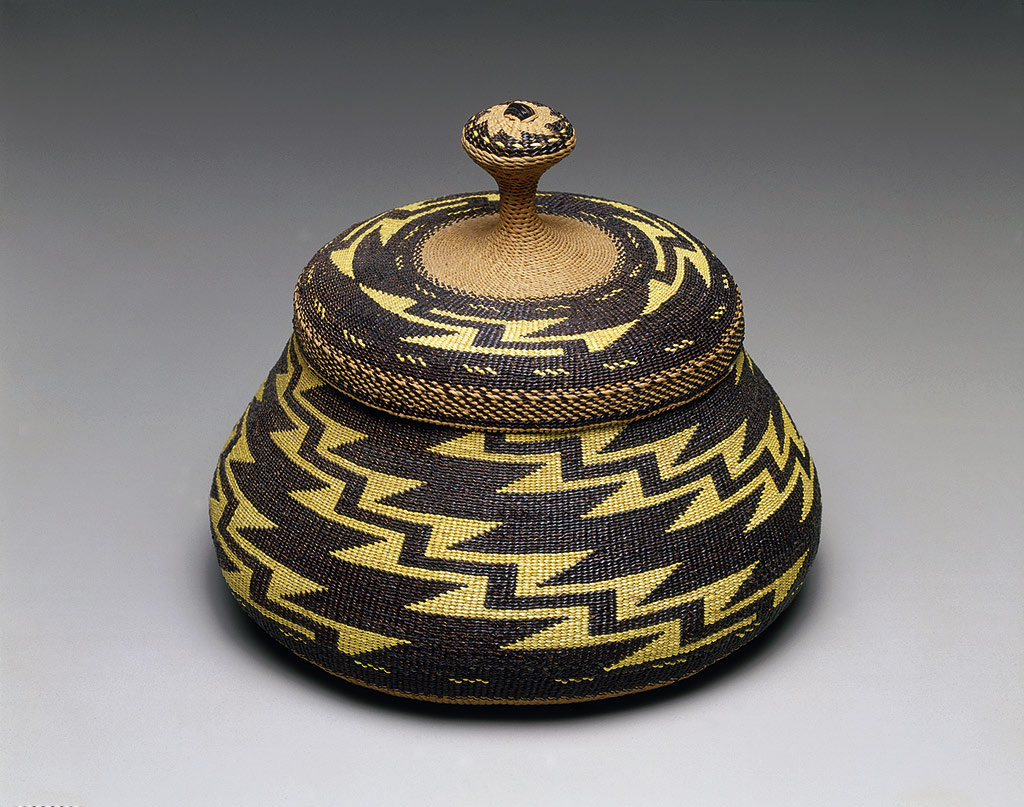
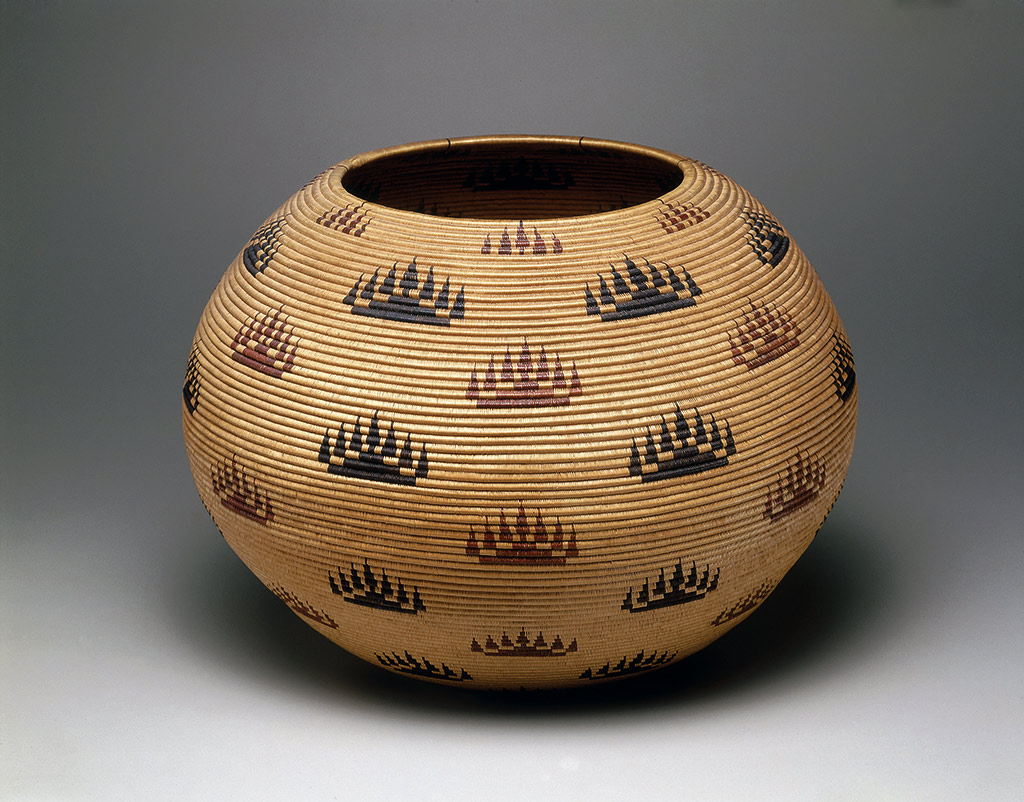
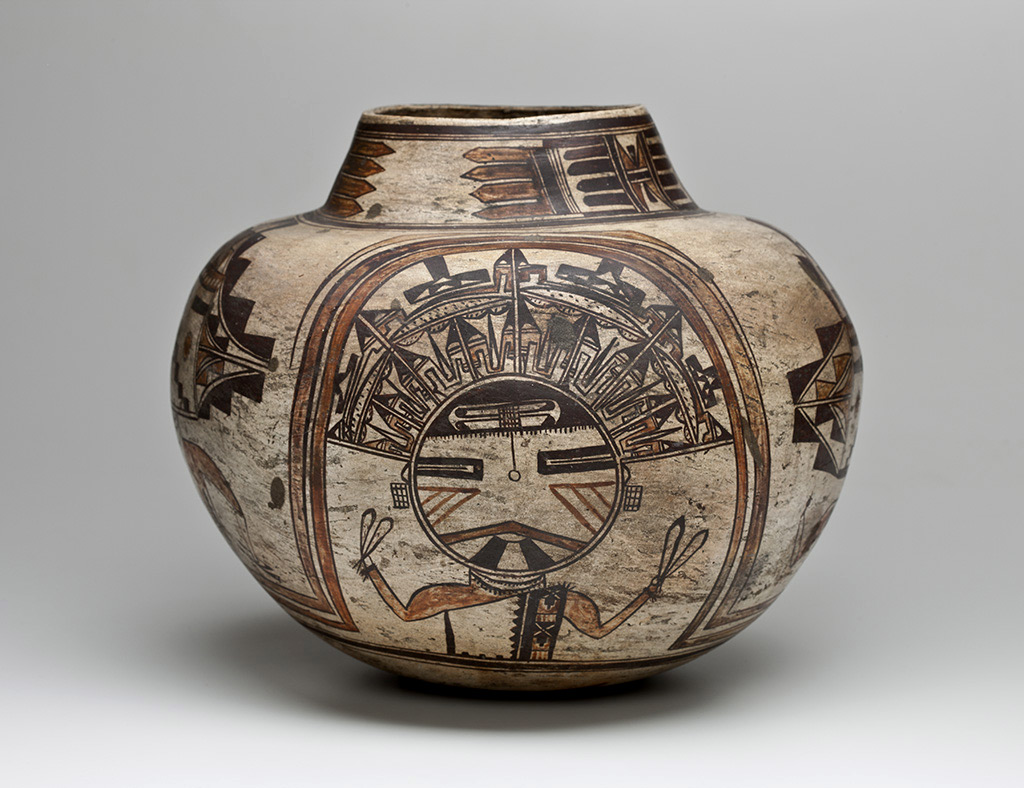
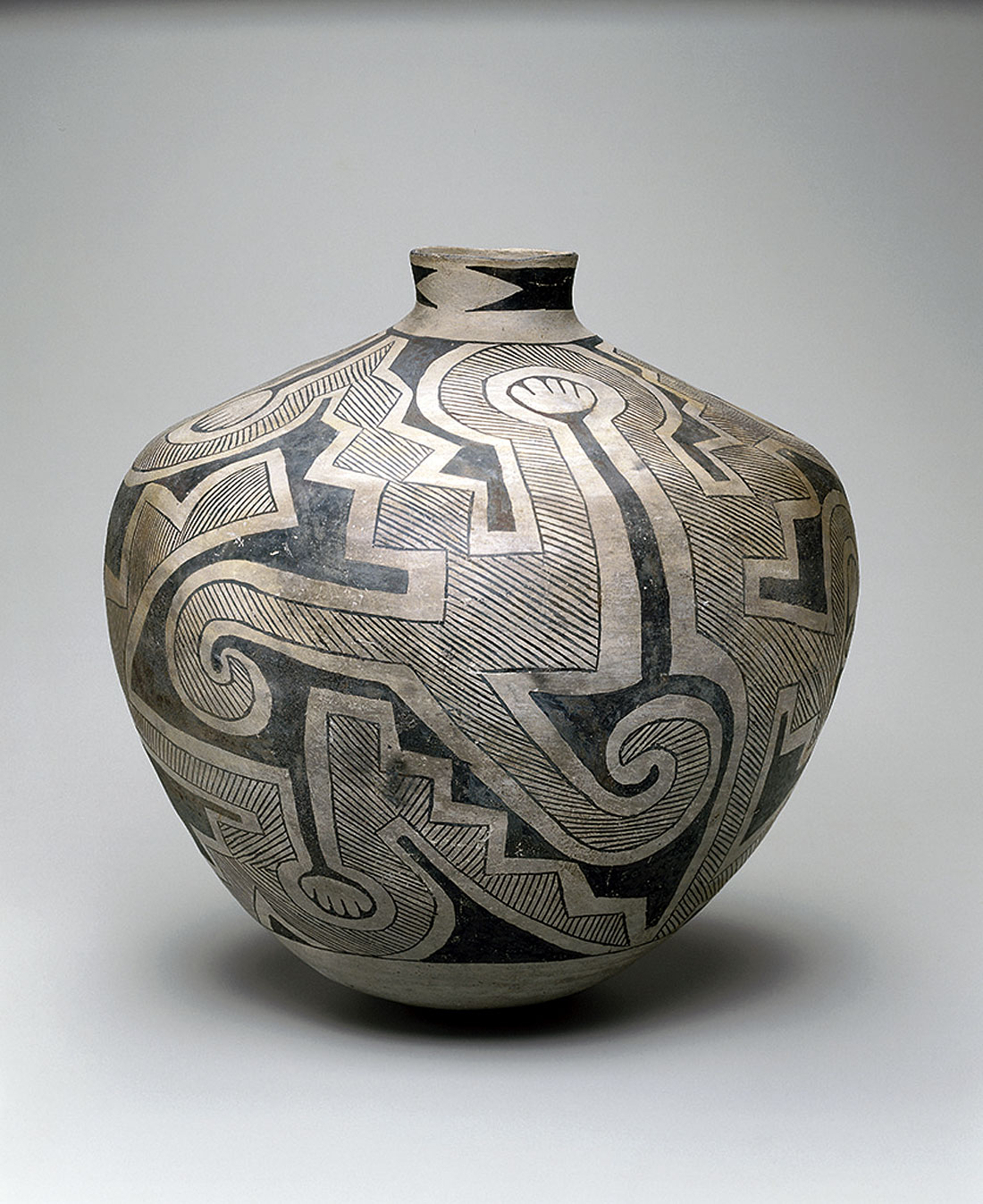
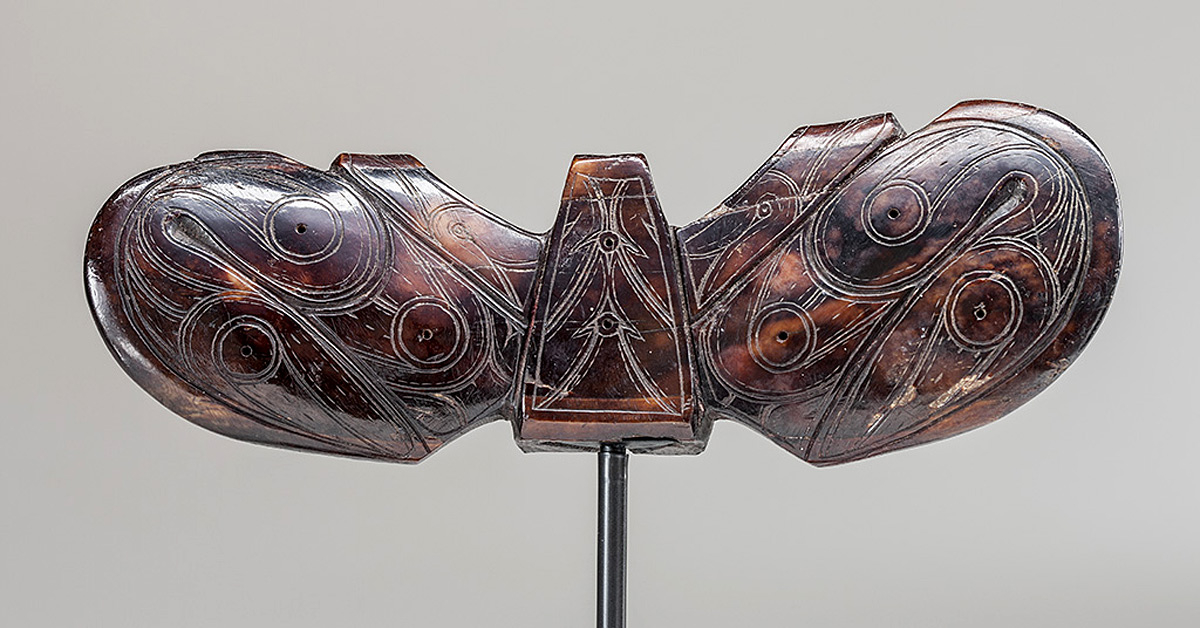
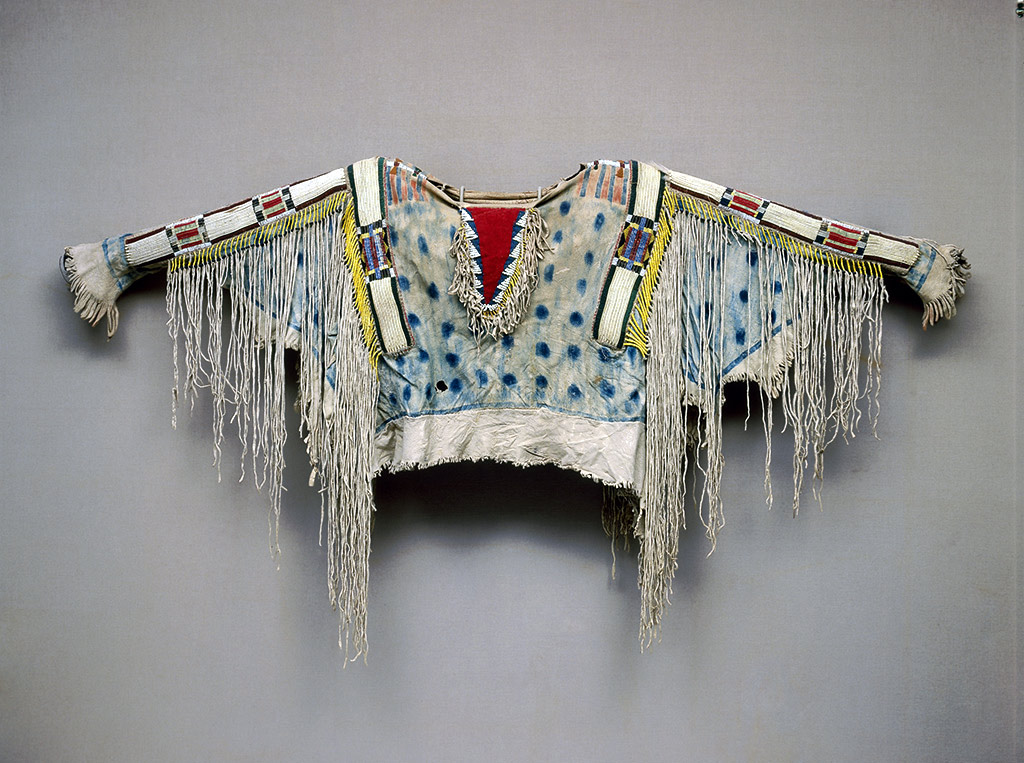
![Julian Scott ledger Artist B (Ka’igwu [Kiowa]) Kiowa and Comanche Indian Reservation, Oklahoma. 'Twelve High-Ranking Kiowa Men' Nd](https://artblart.com/wp-content/uploads/2015/08/12_twelve-high-ranking-kiowa-men_s.jpg "Julian Scott ledger Artist B (Ka’igwu [Kiowa]) Kiowa and Comanche Indian Reservation, Oklahoma. 'Twelve High-Ranking Kiowa Men' Nd")
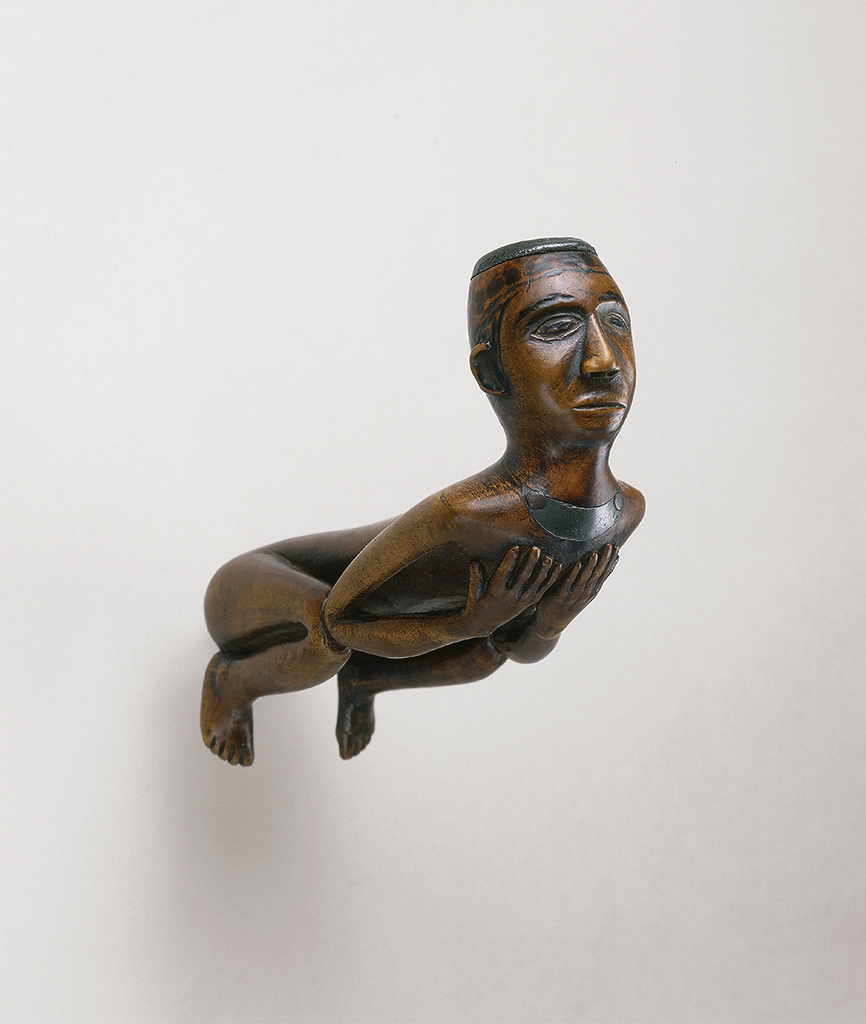
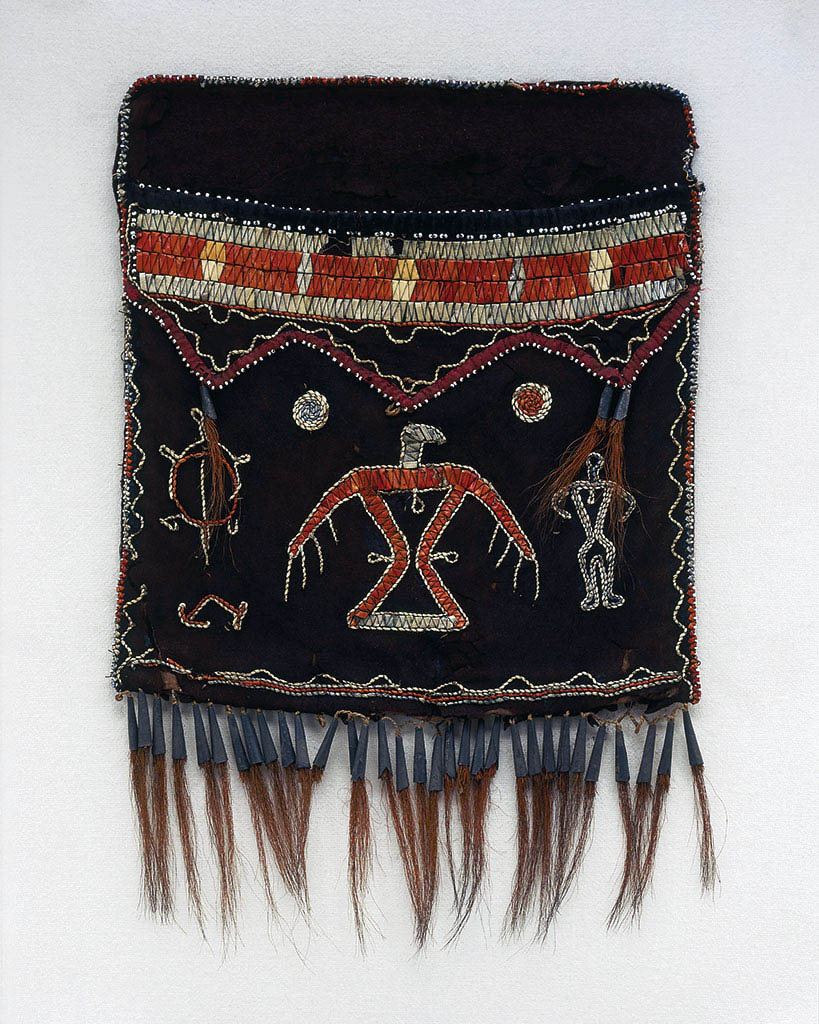
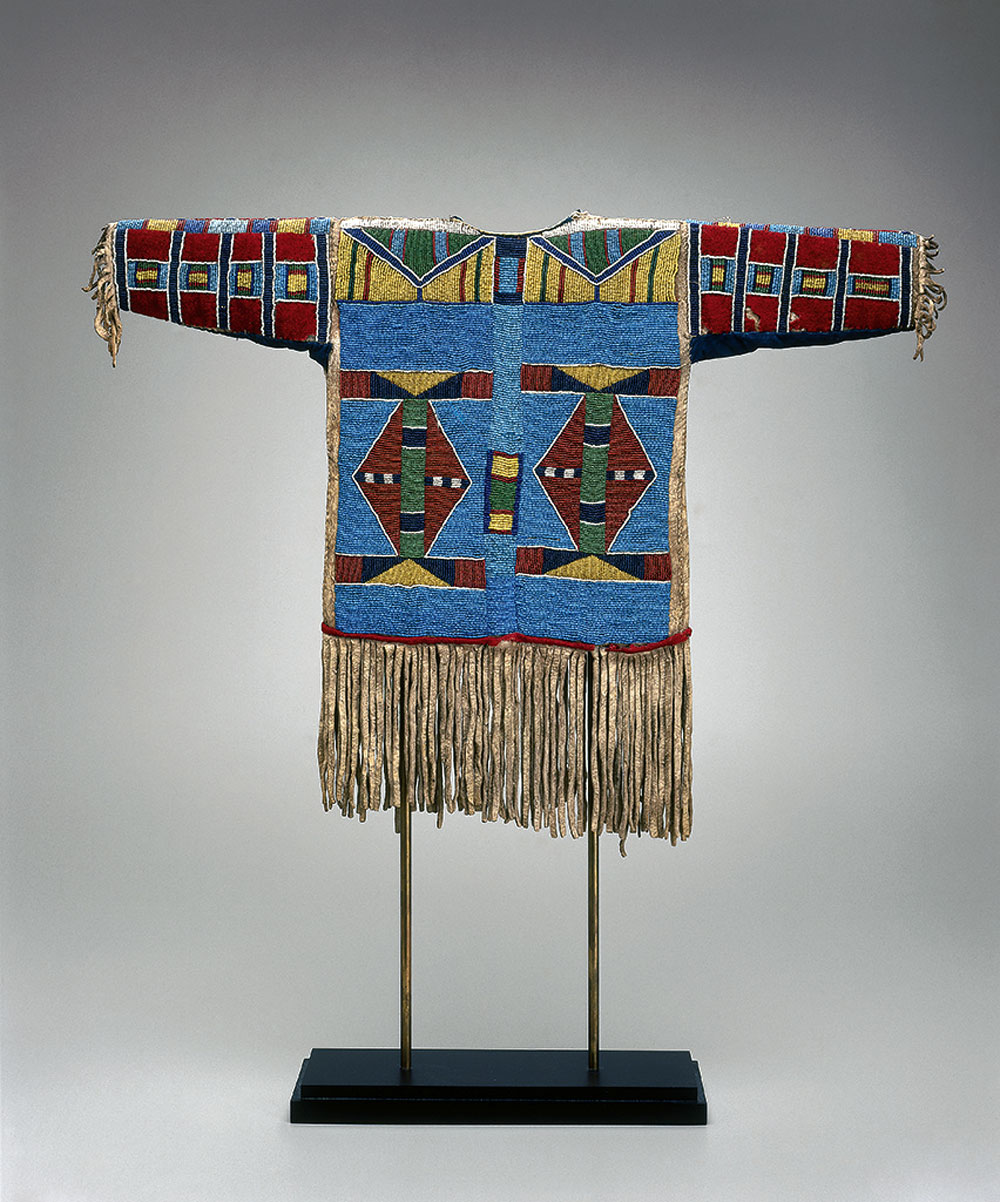
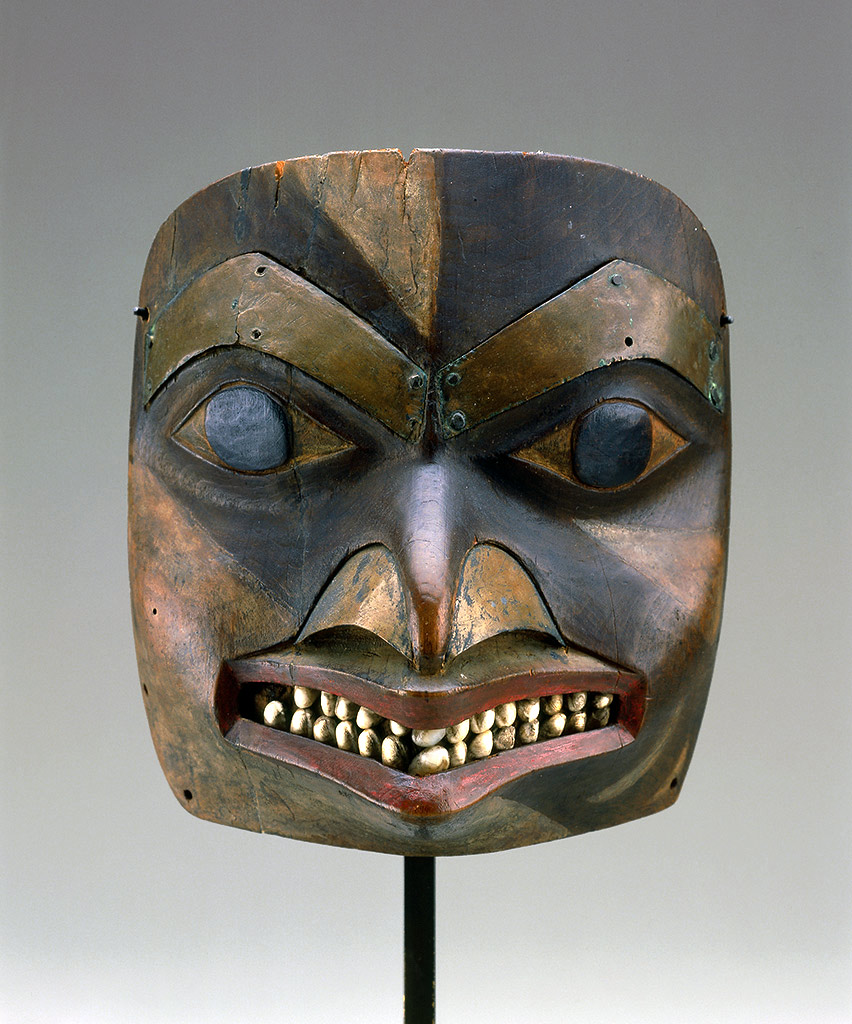
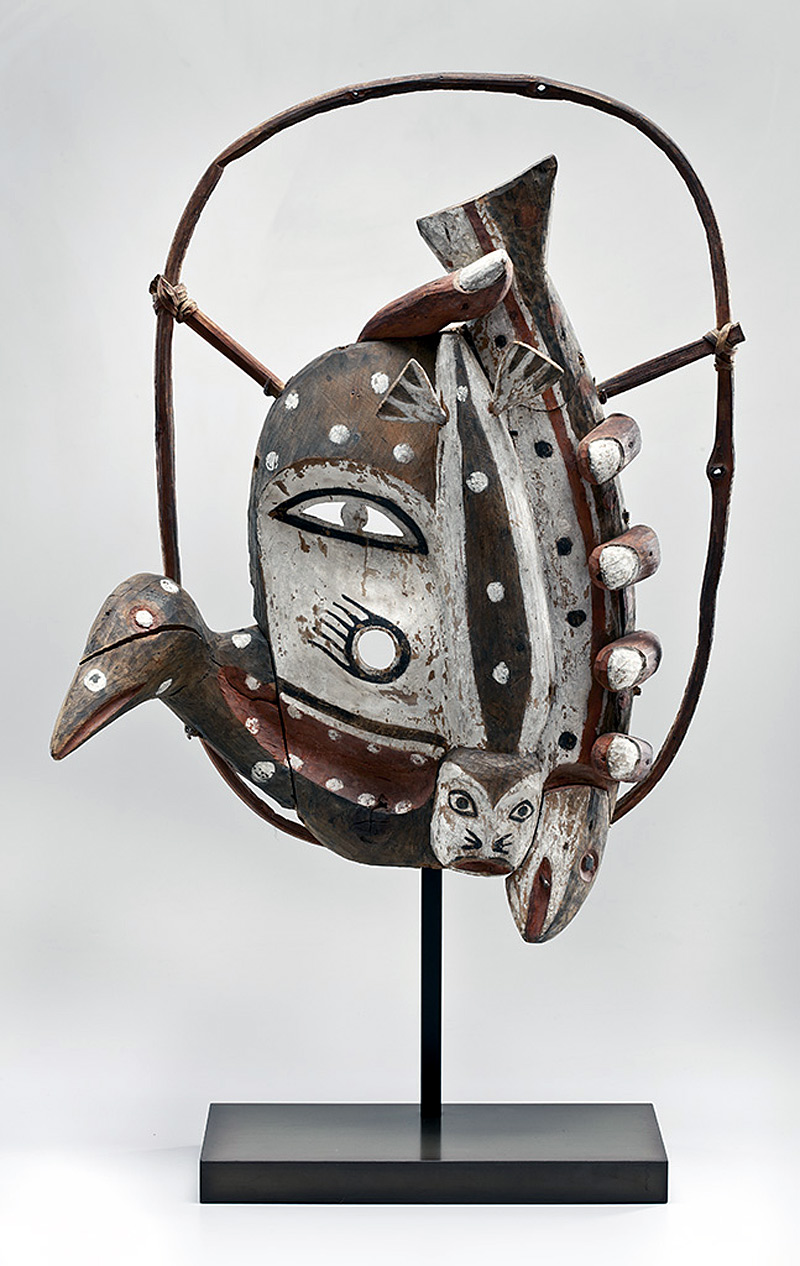
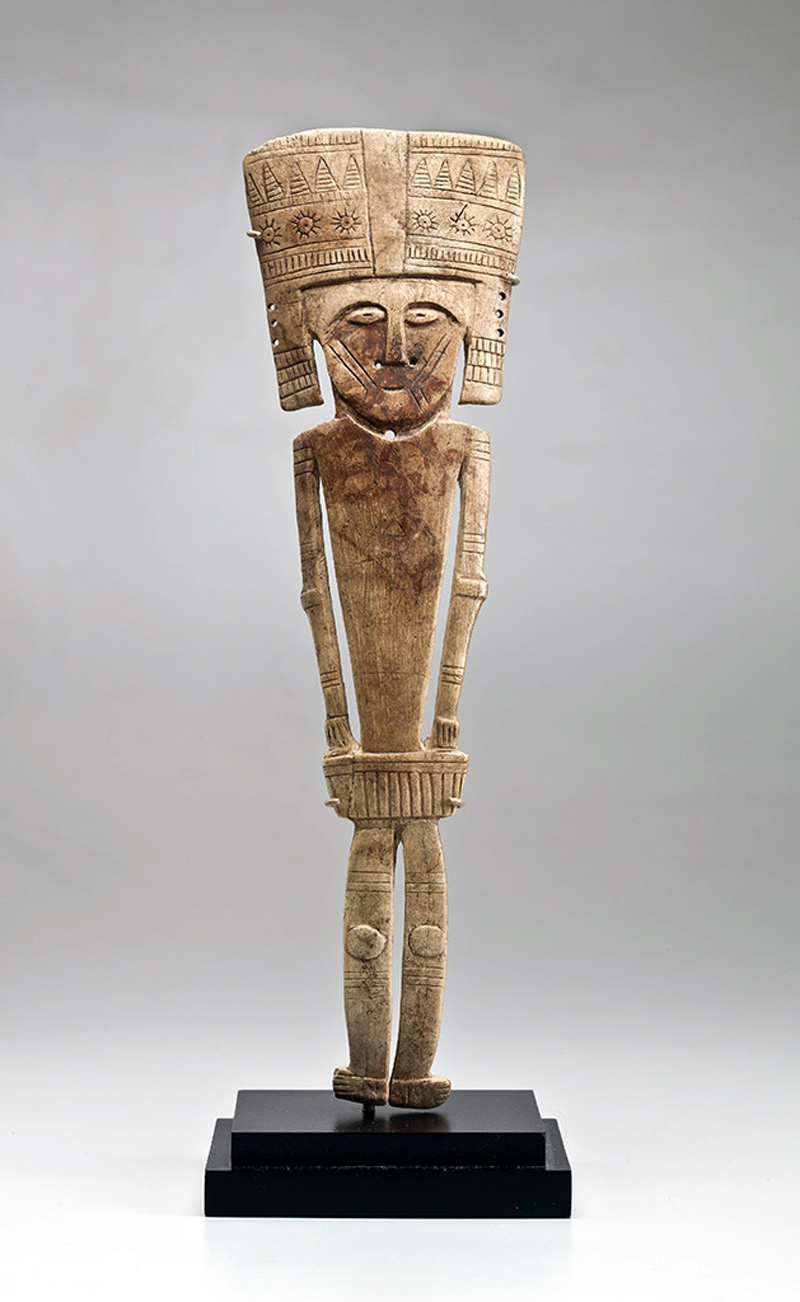
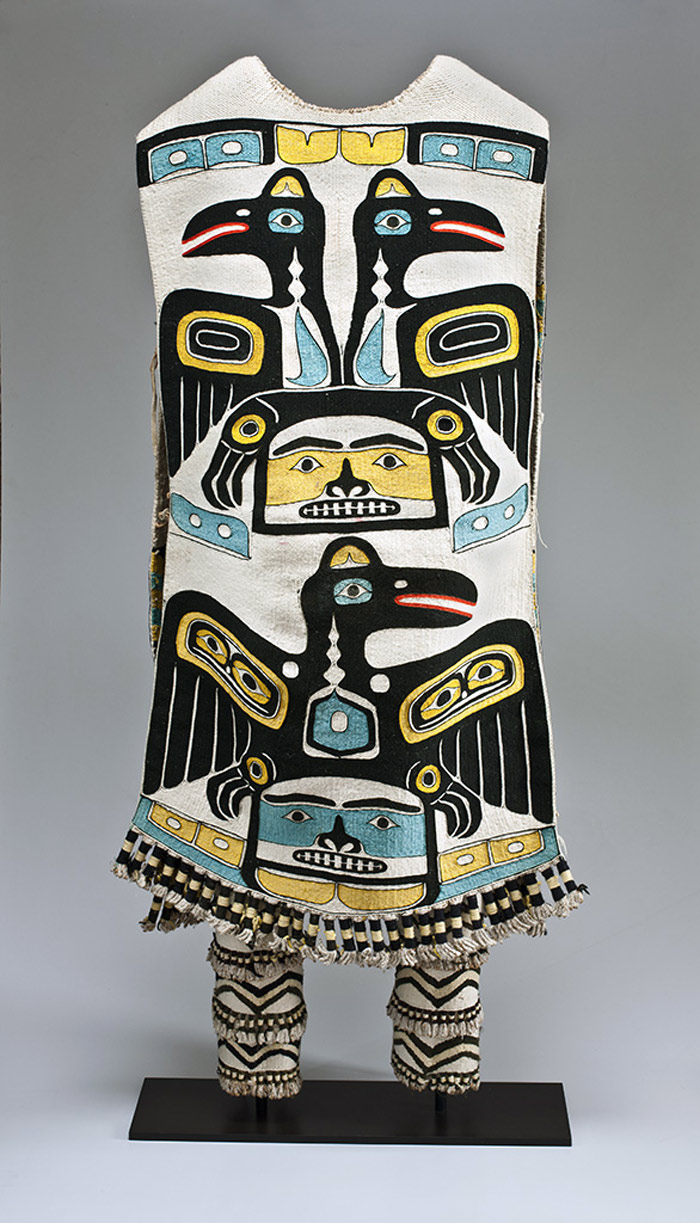
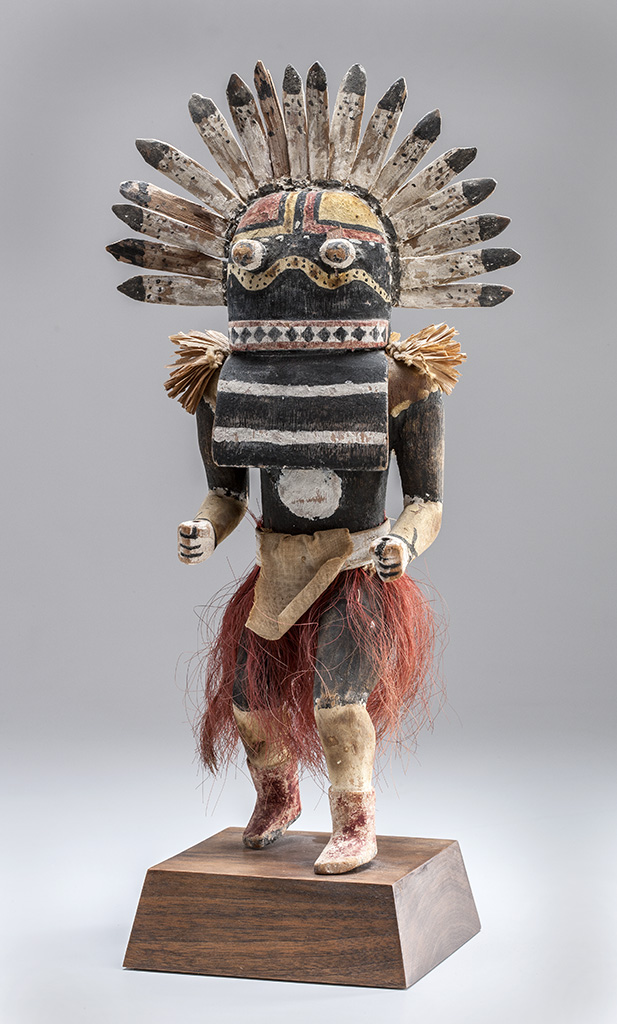
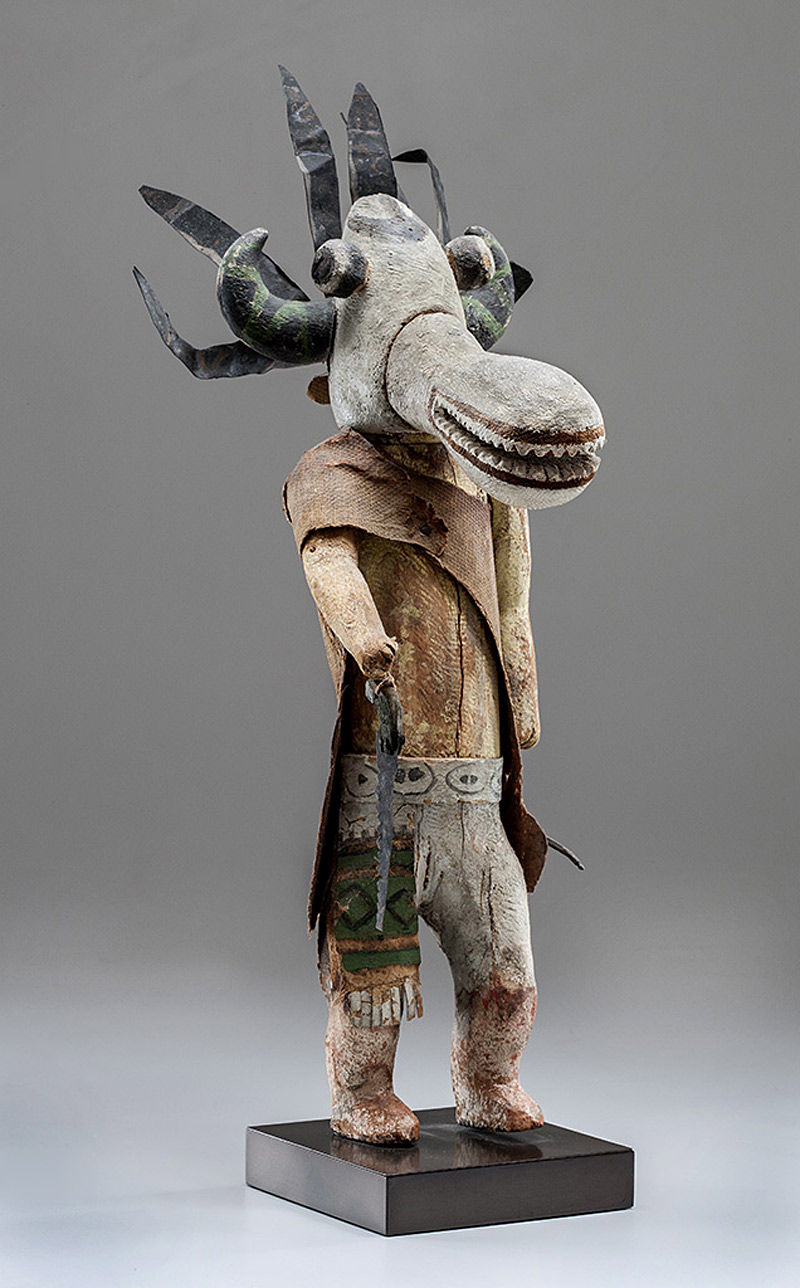


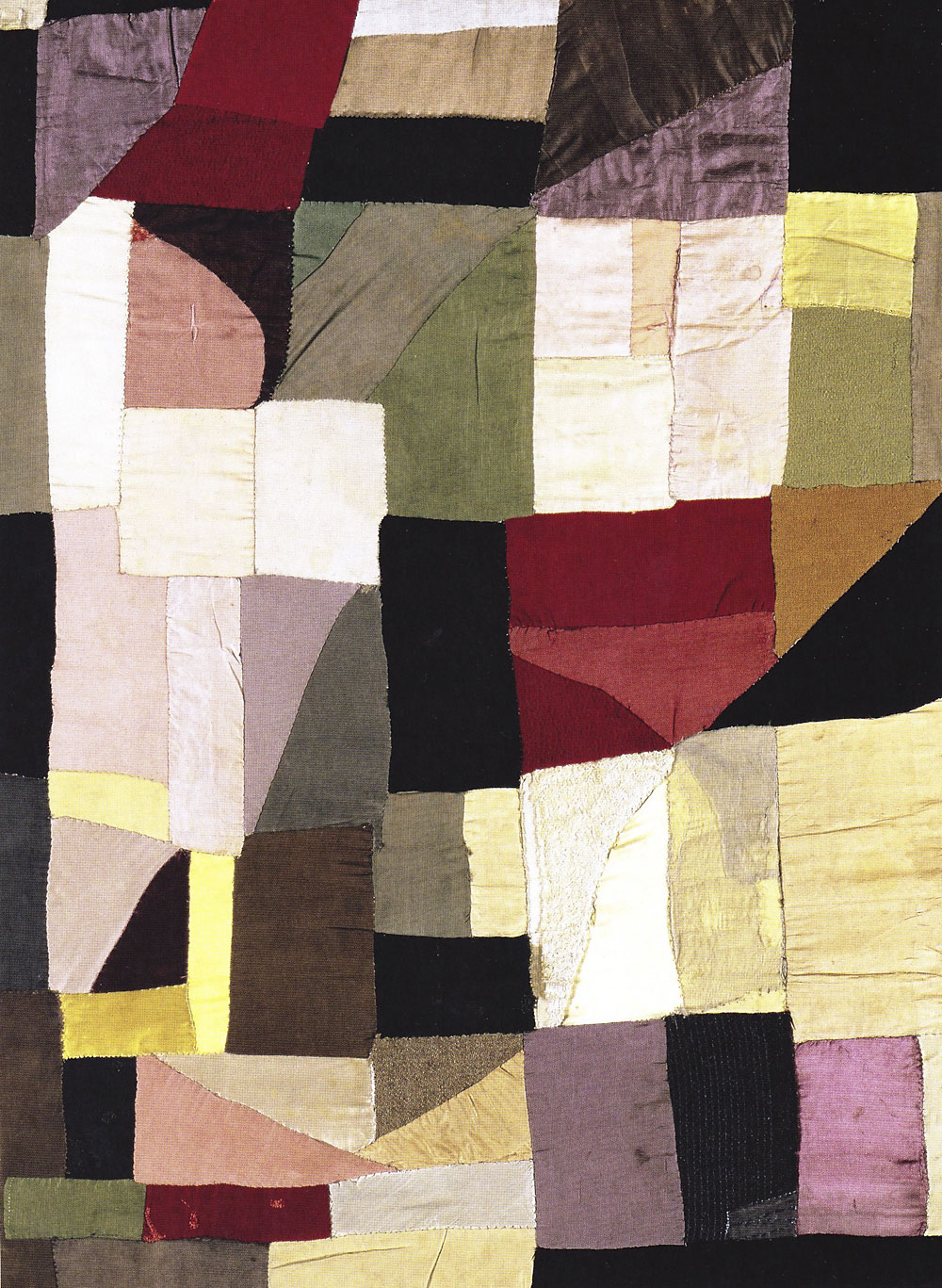
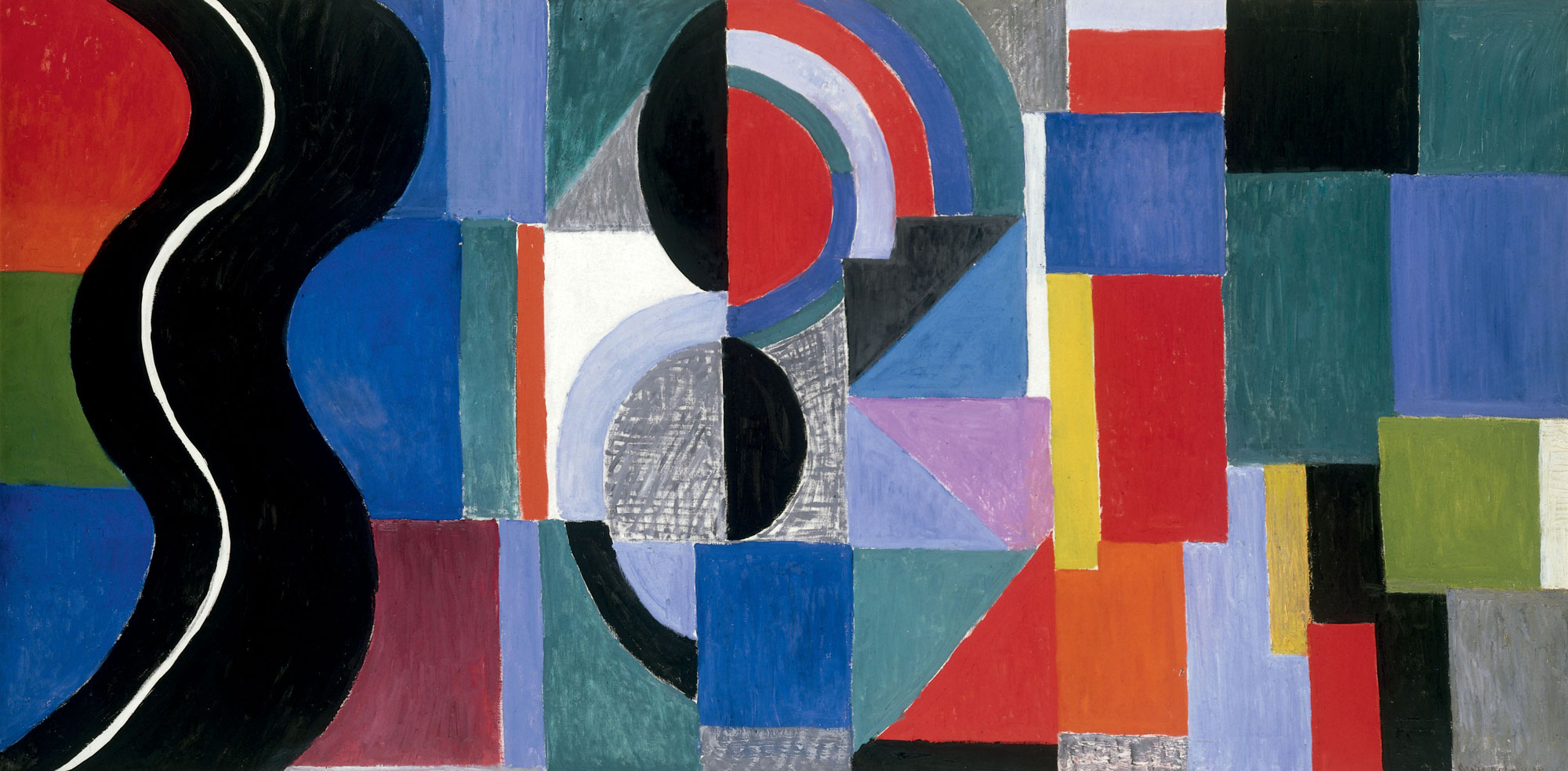
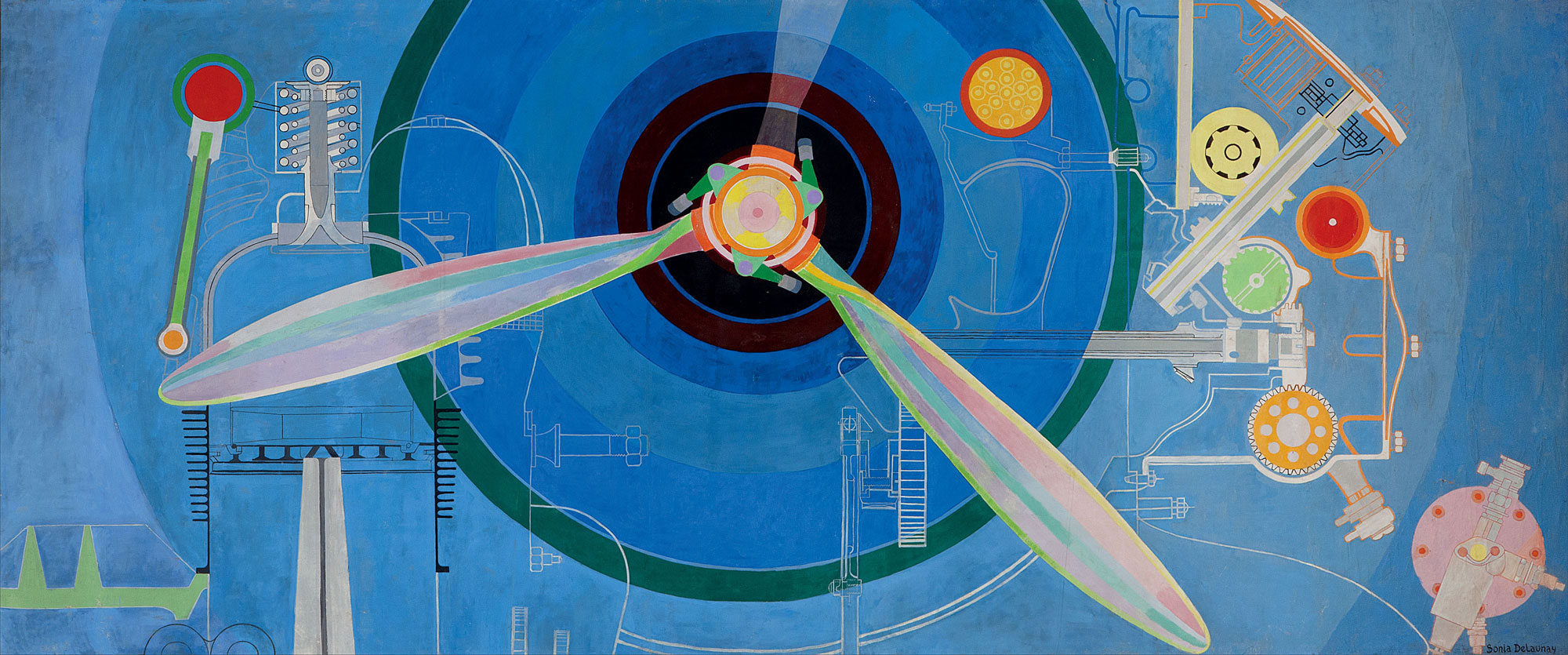
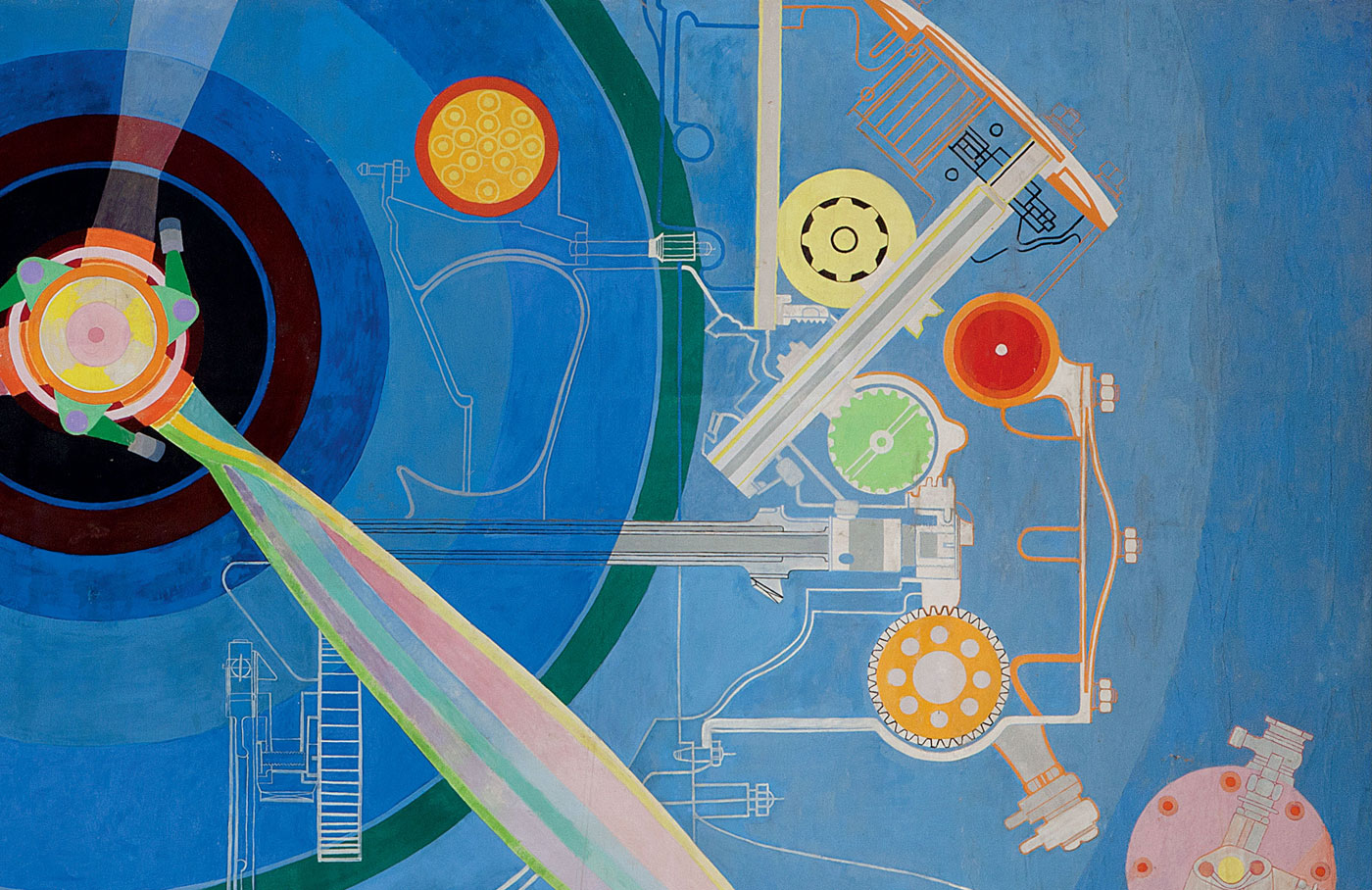
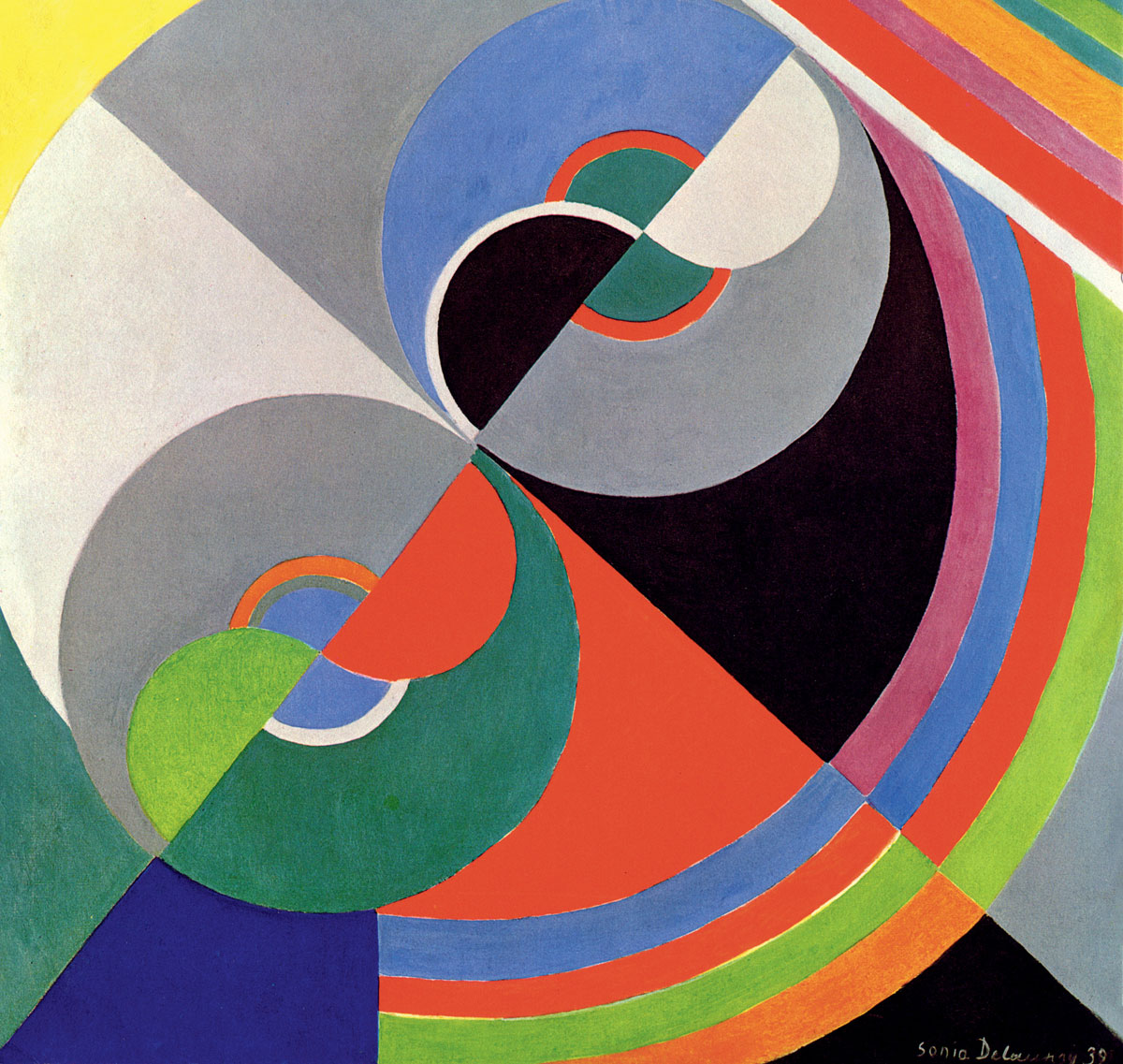
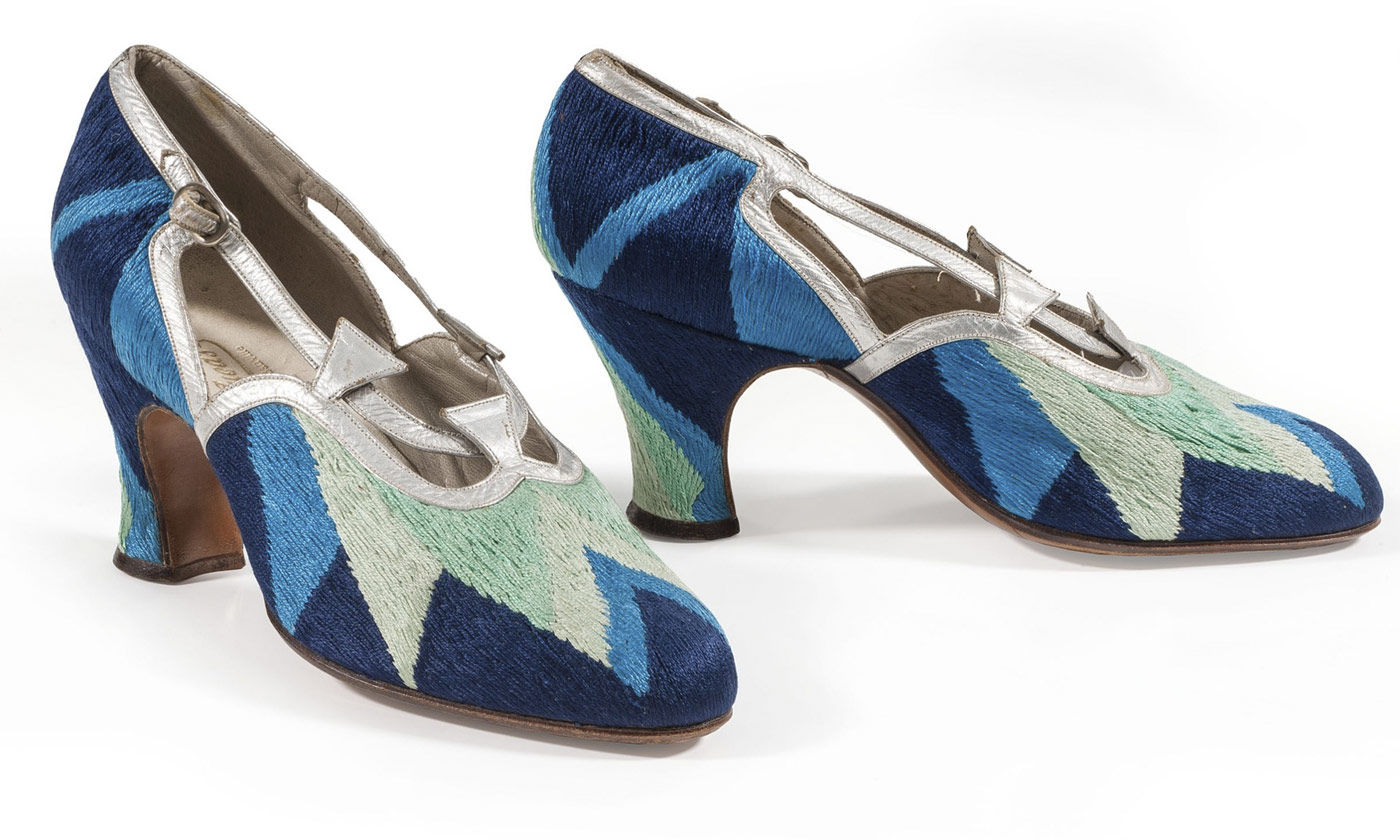
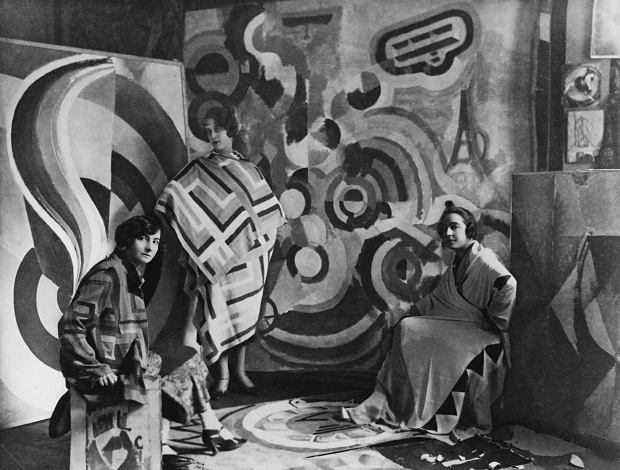
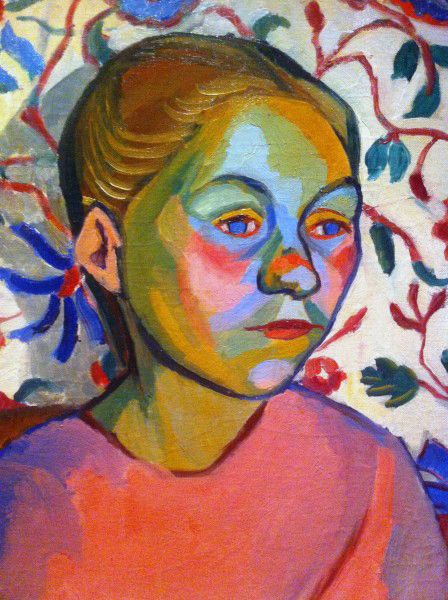
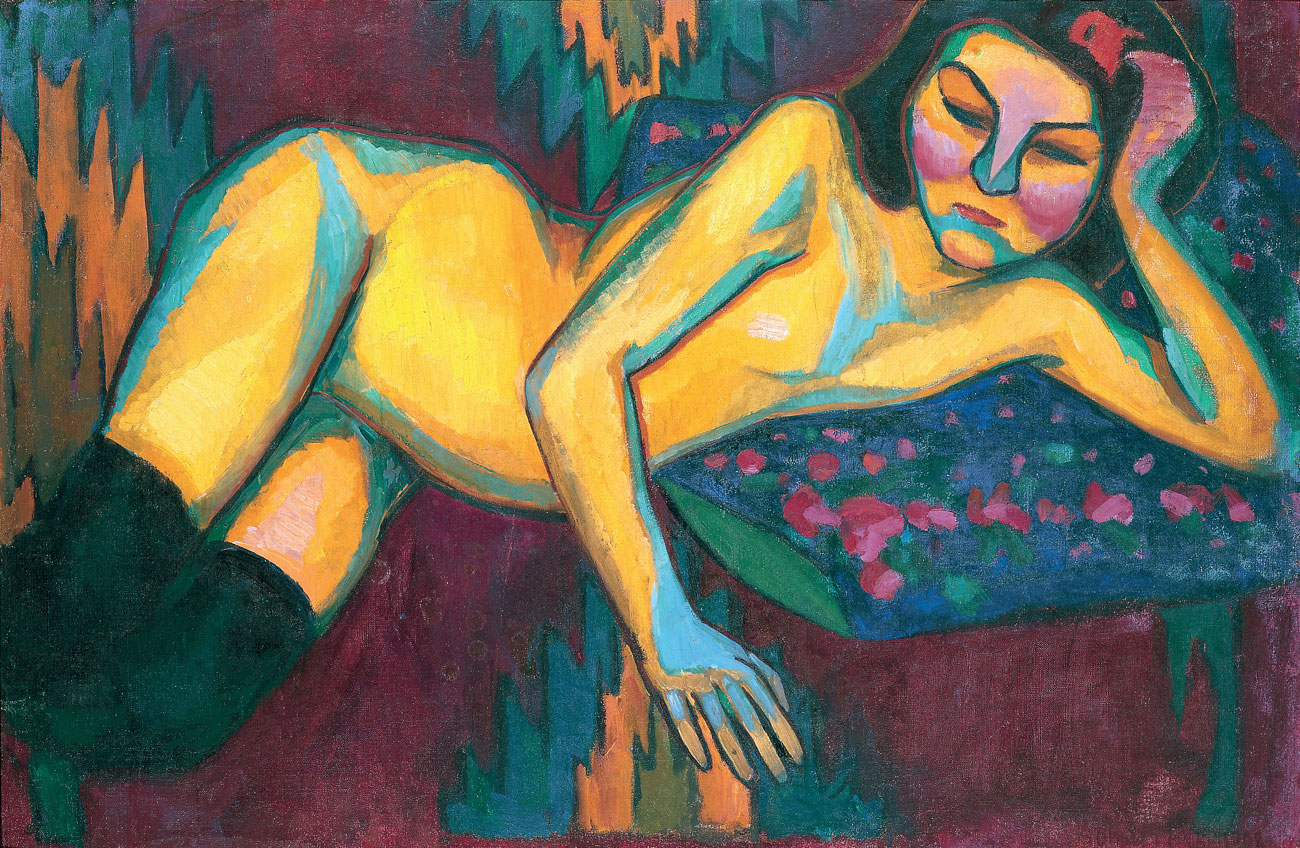
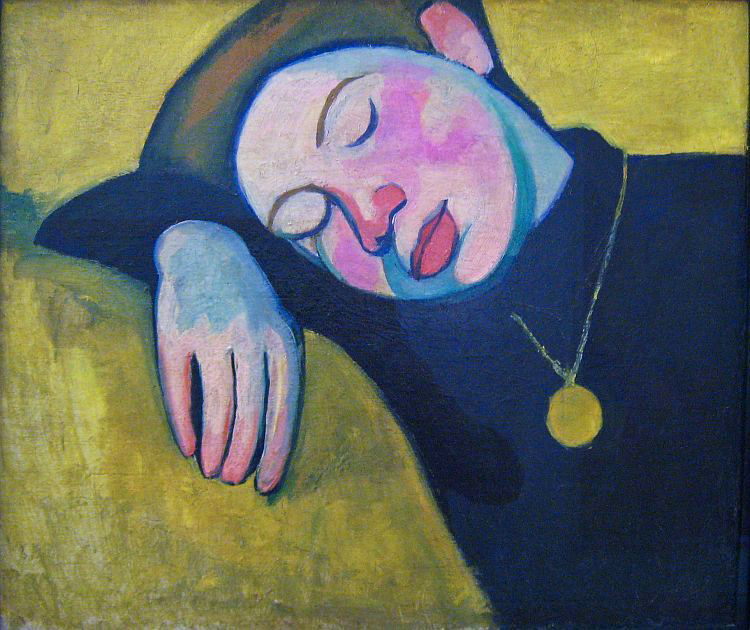
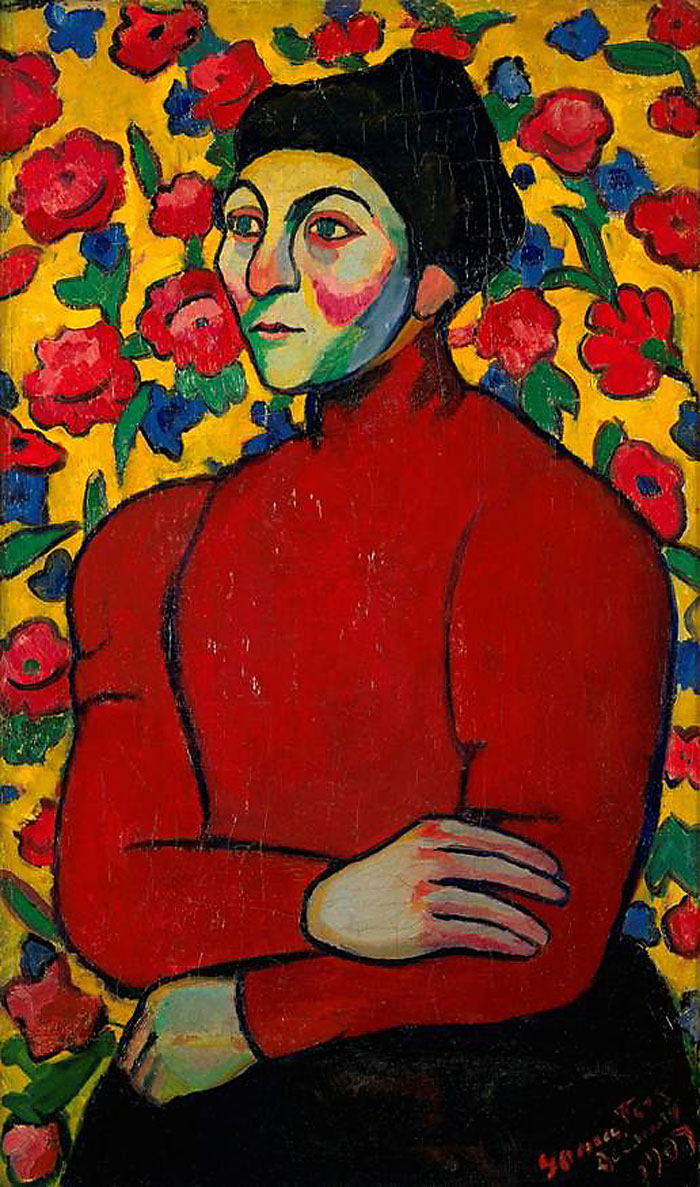
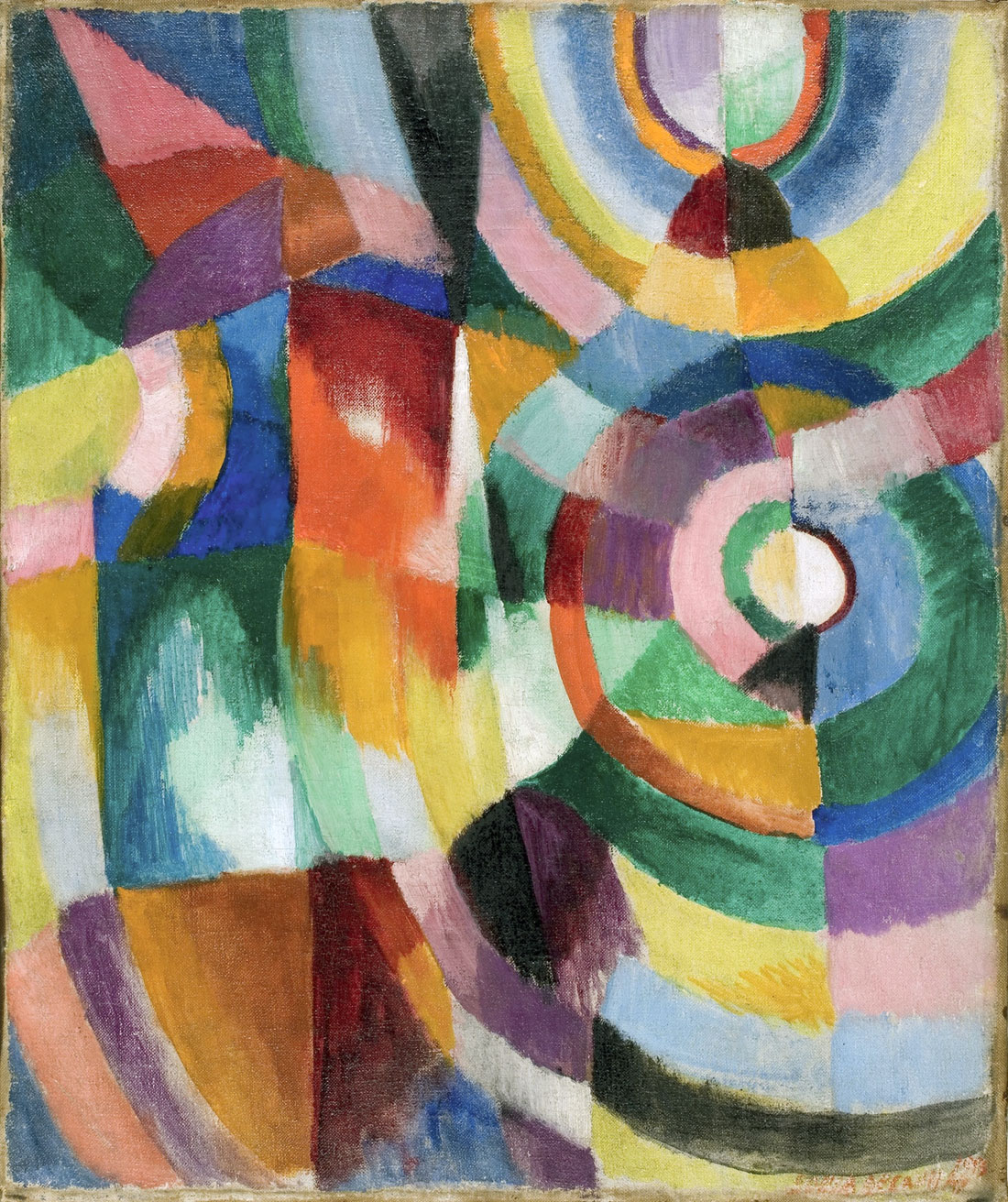
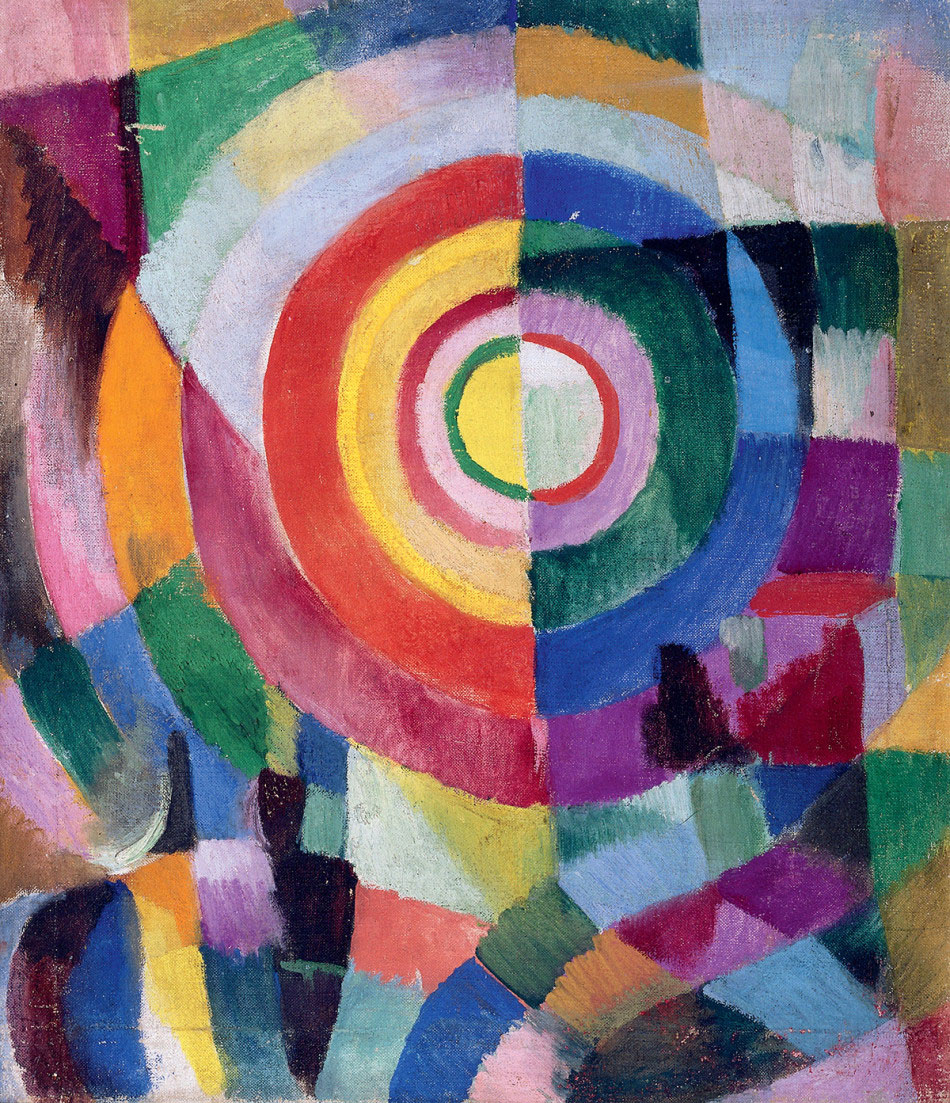
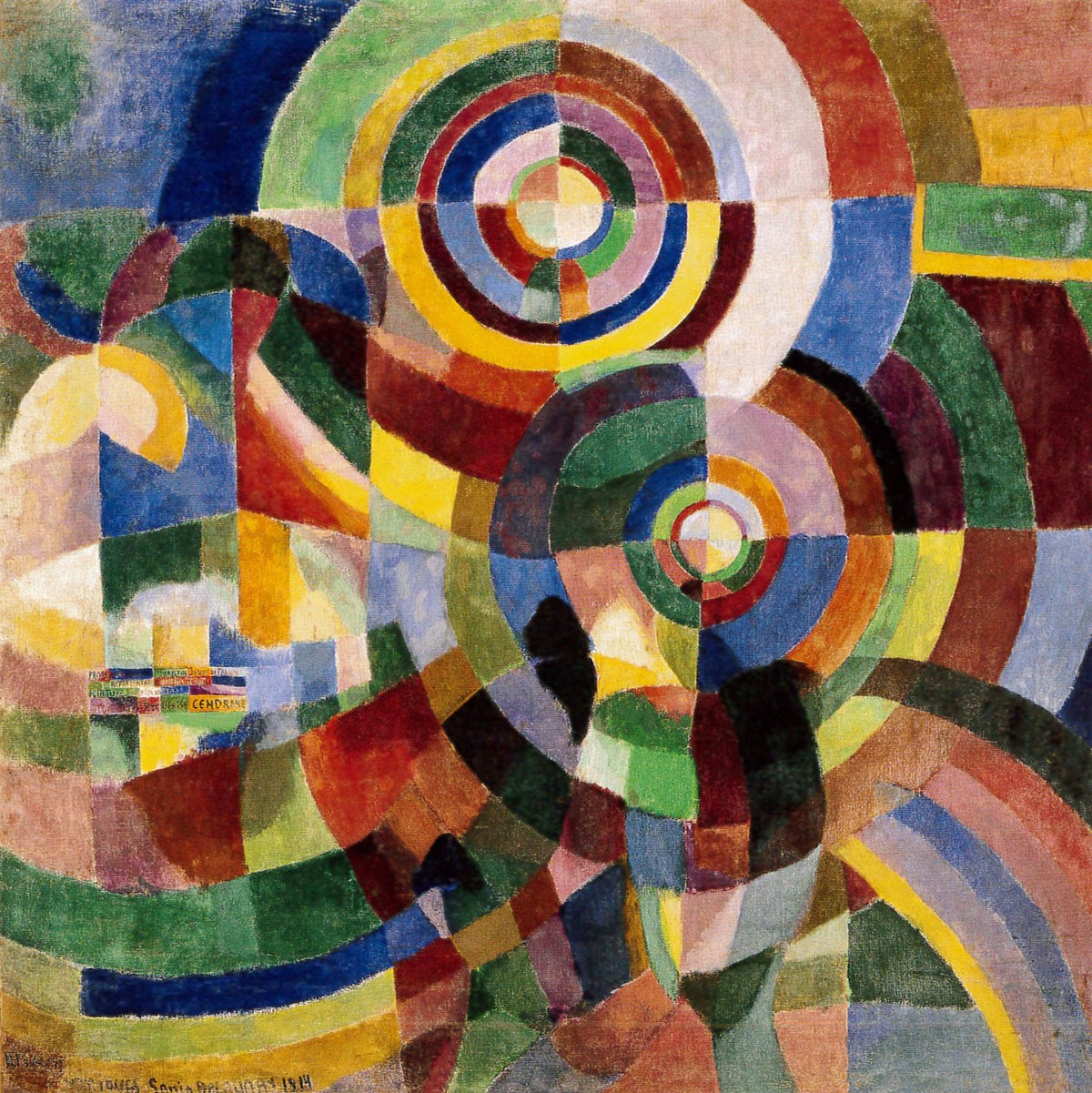
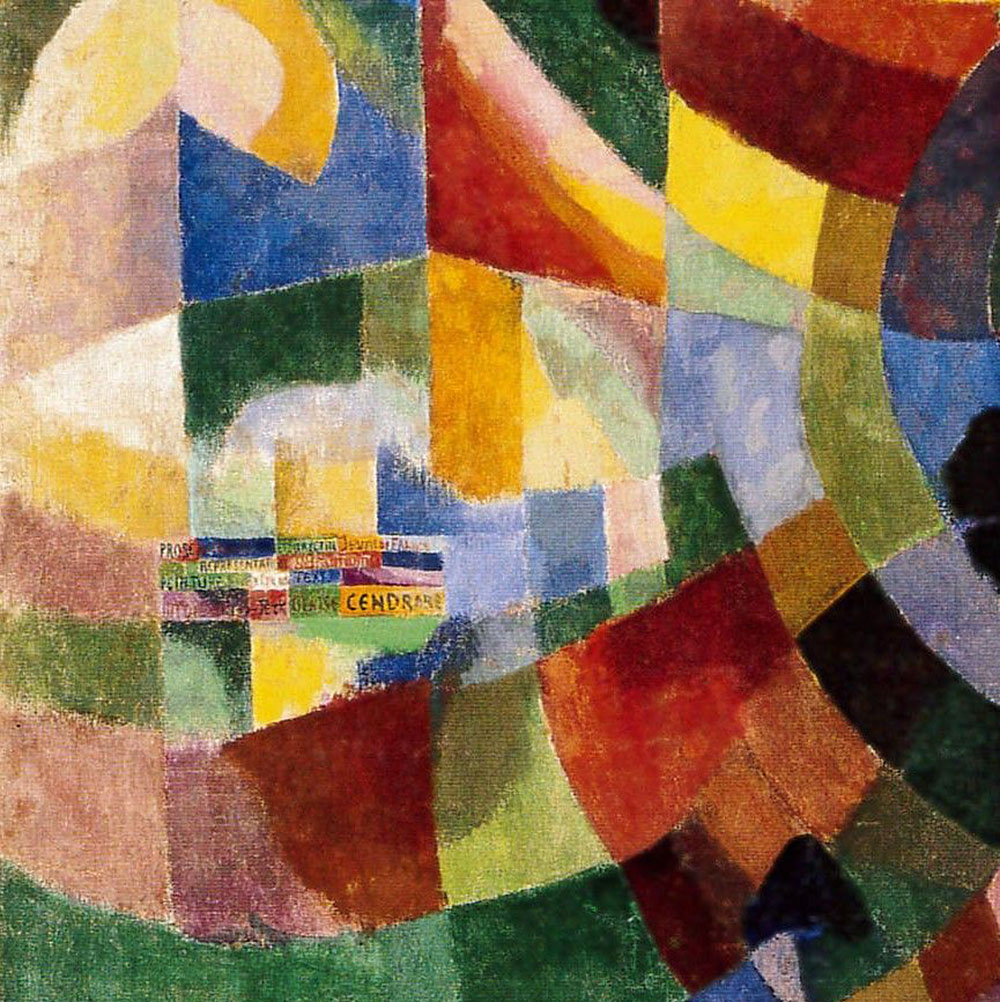
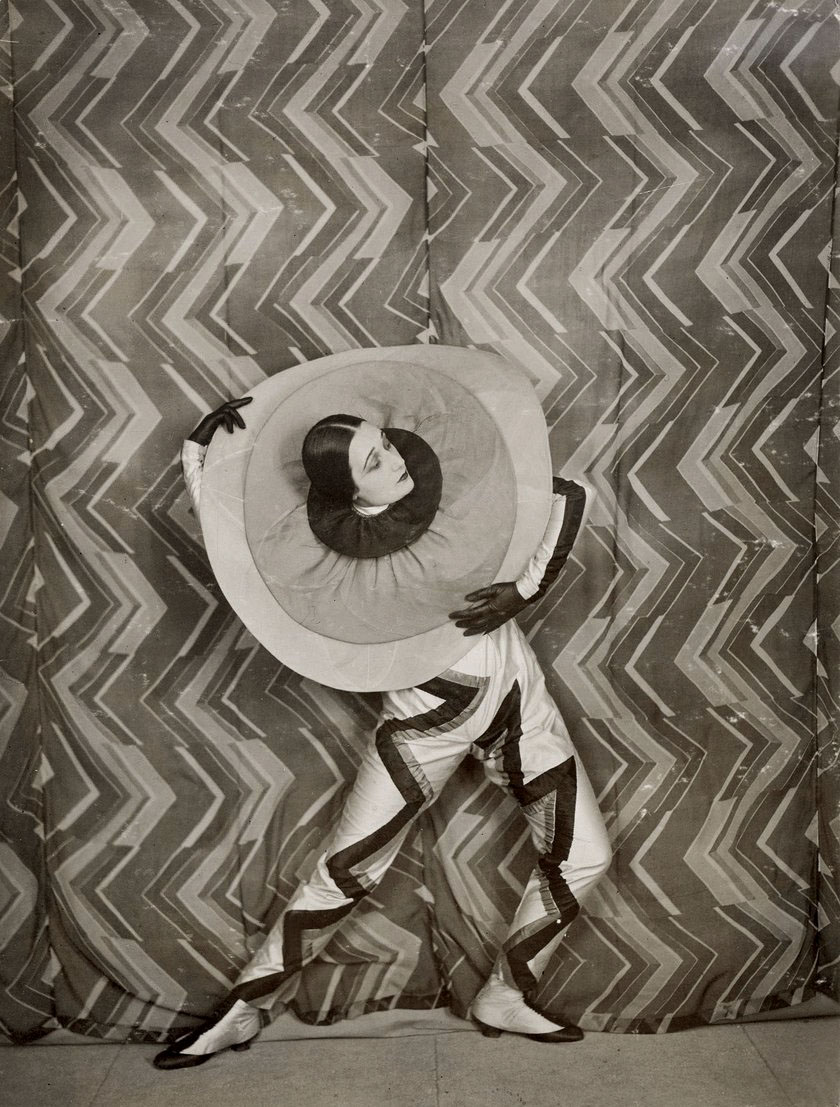
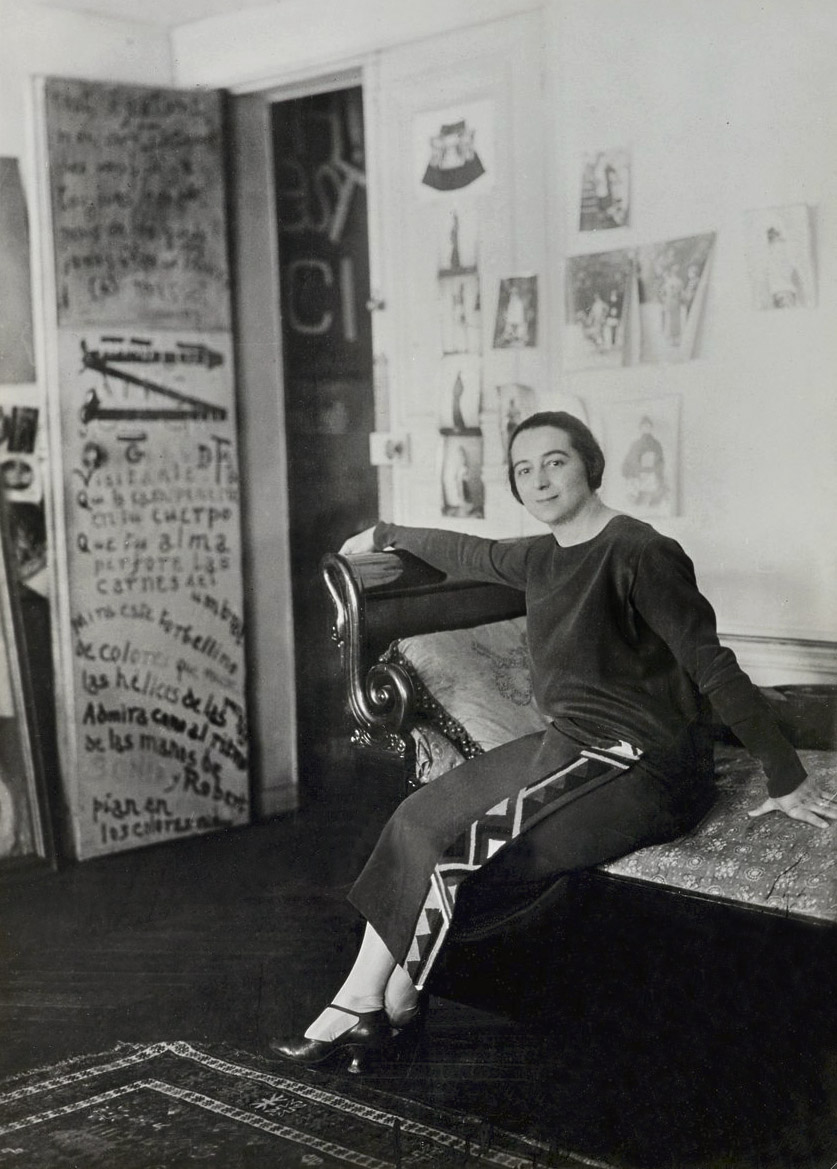
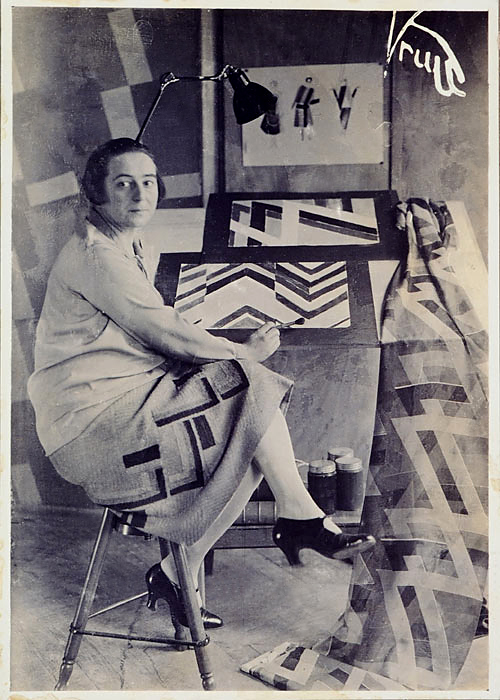
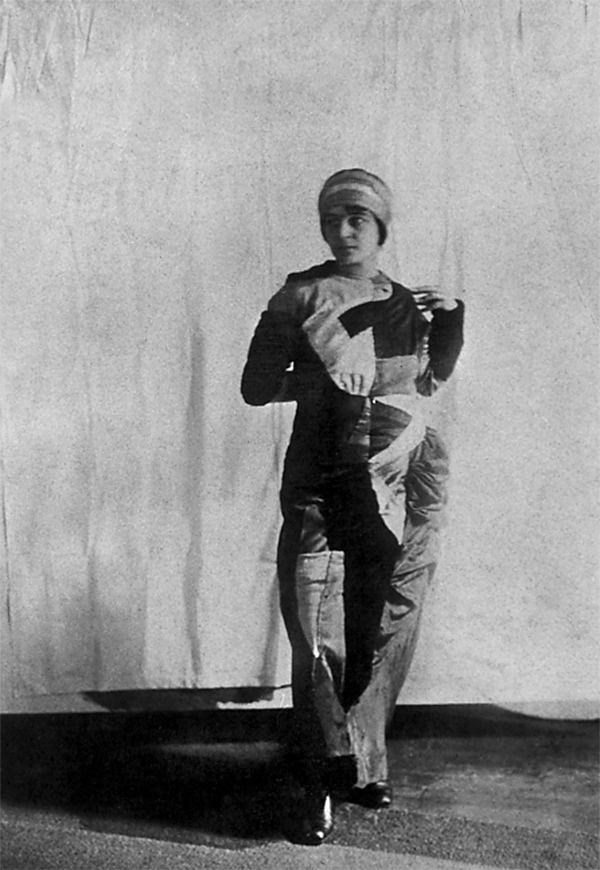
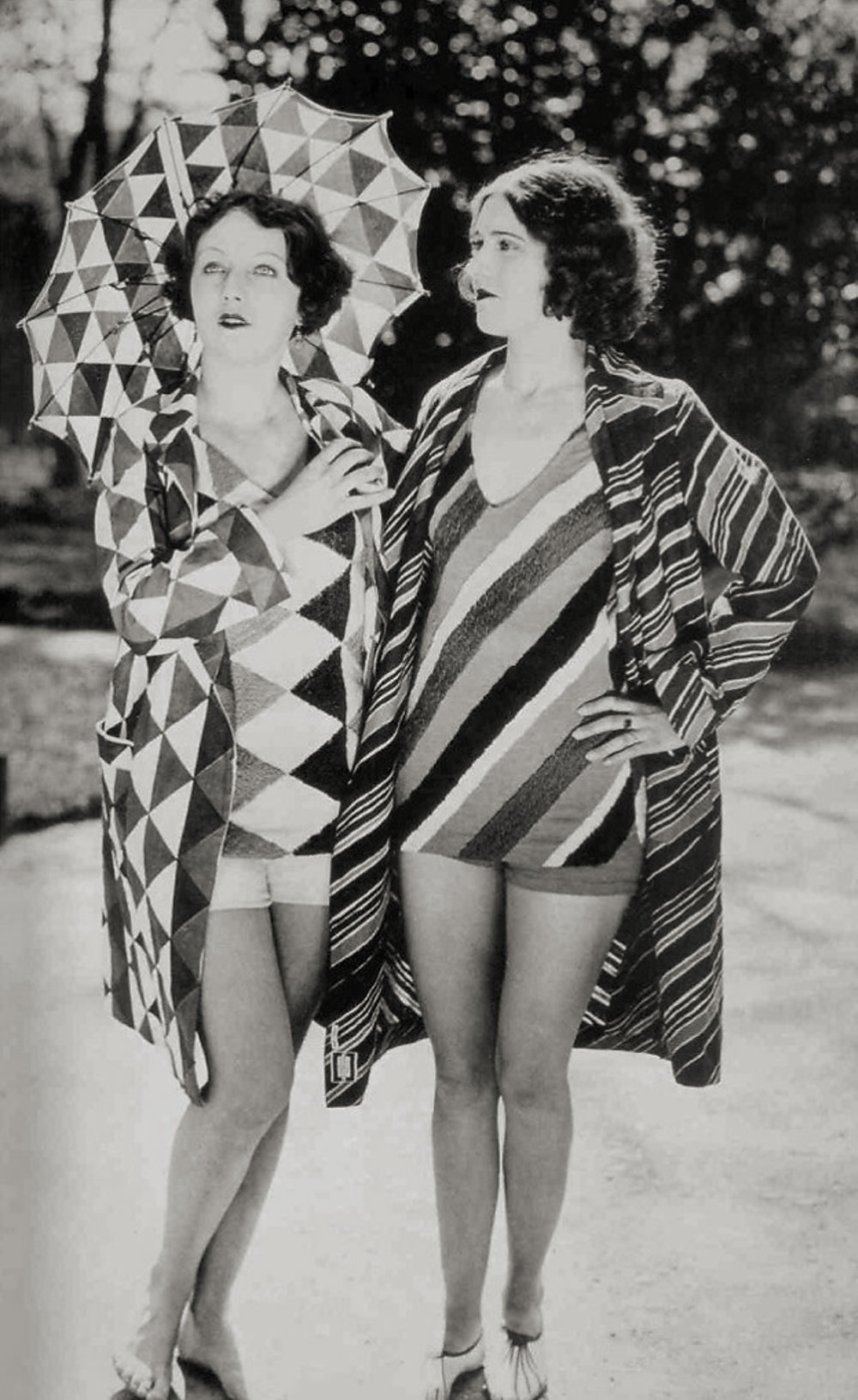
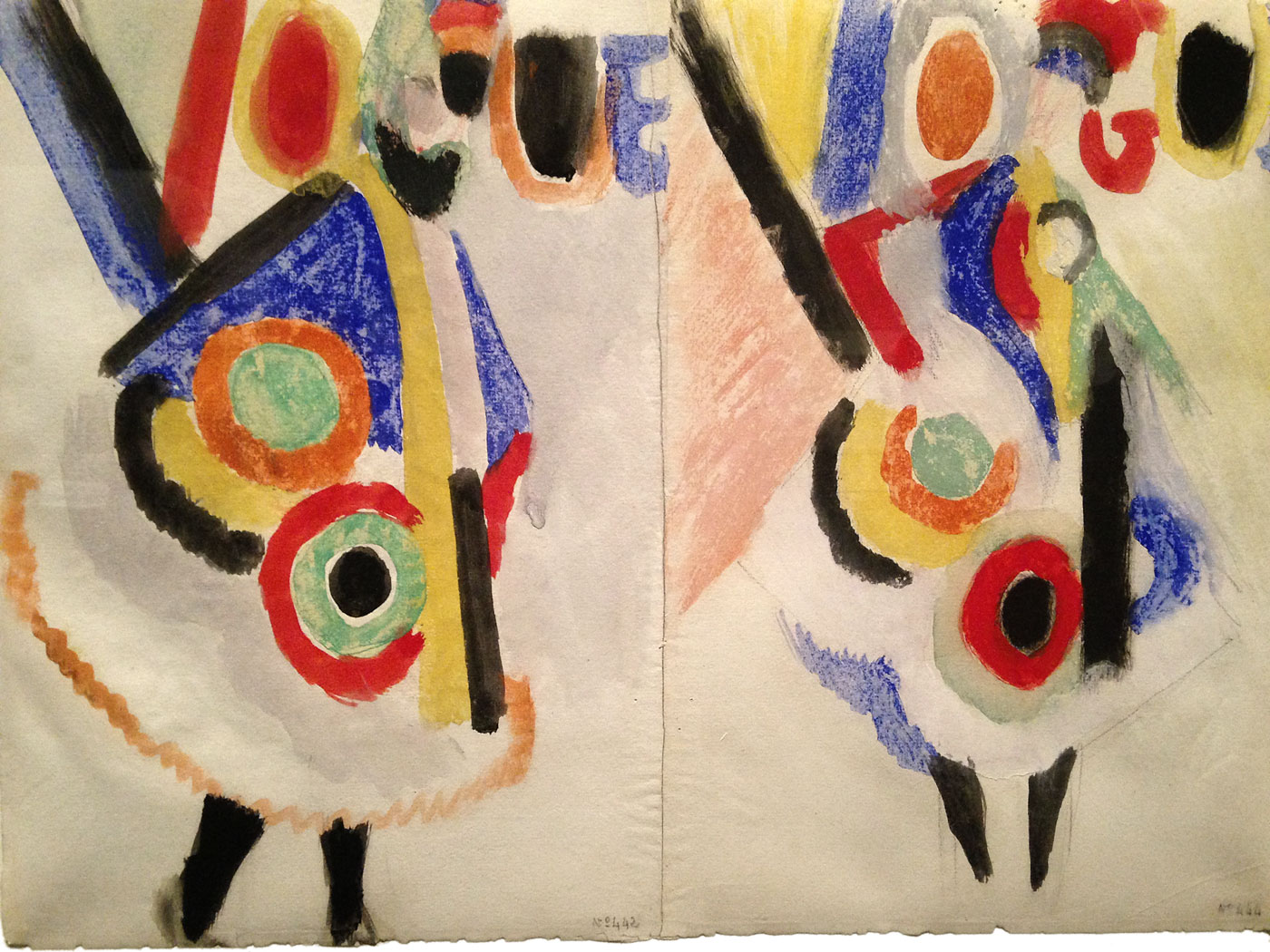
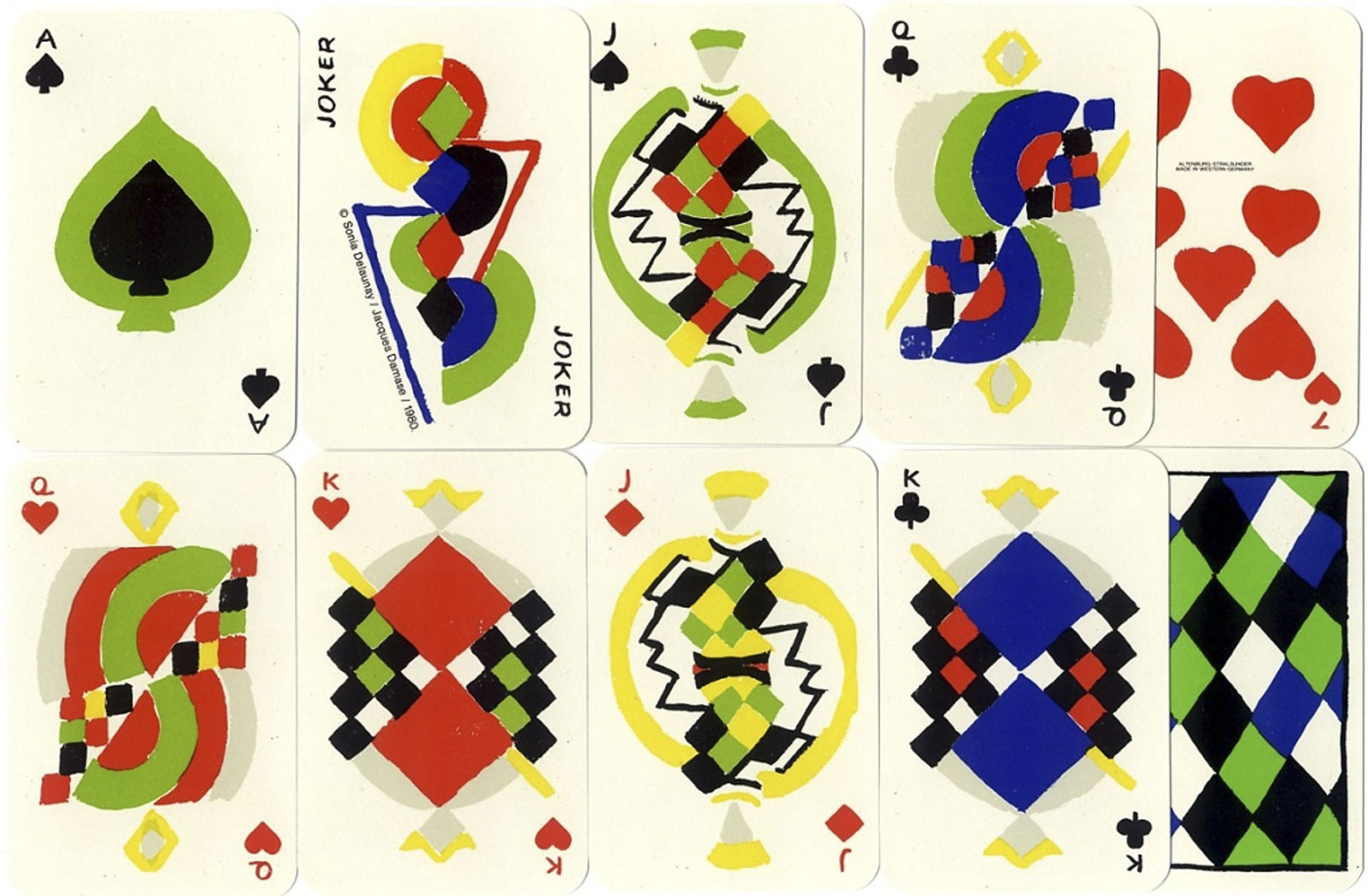
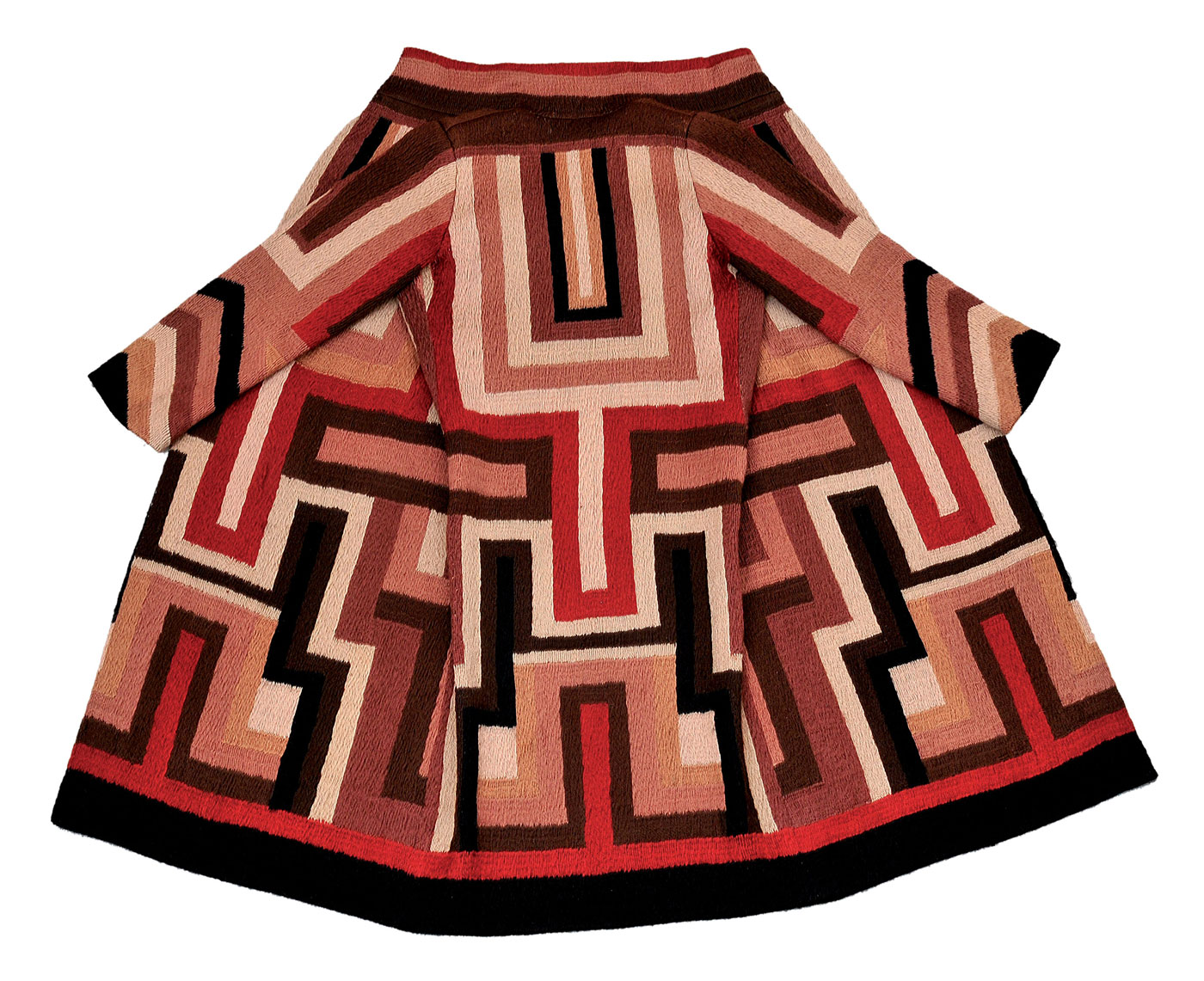
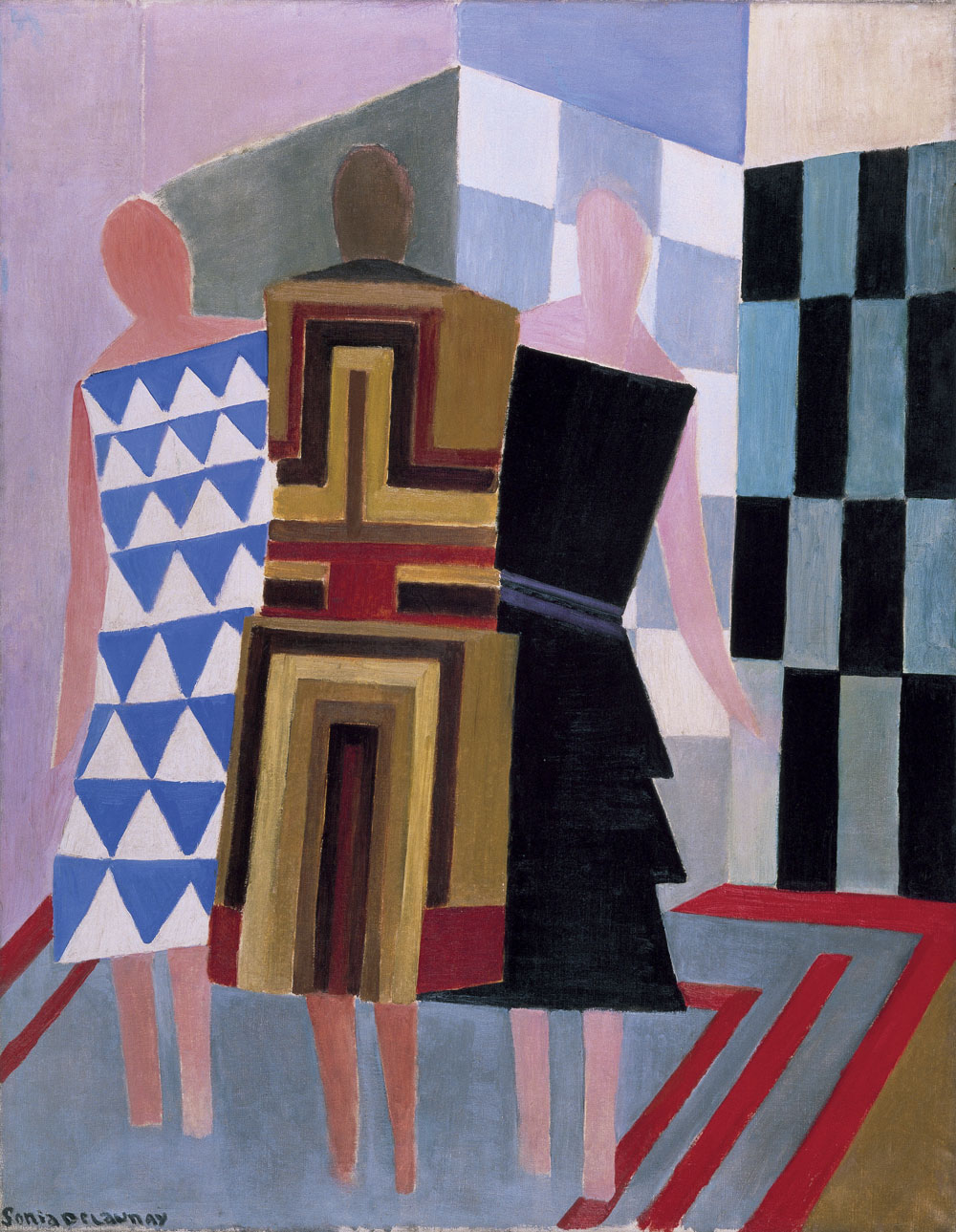
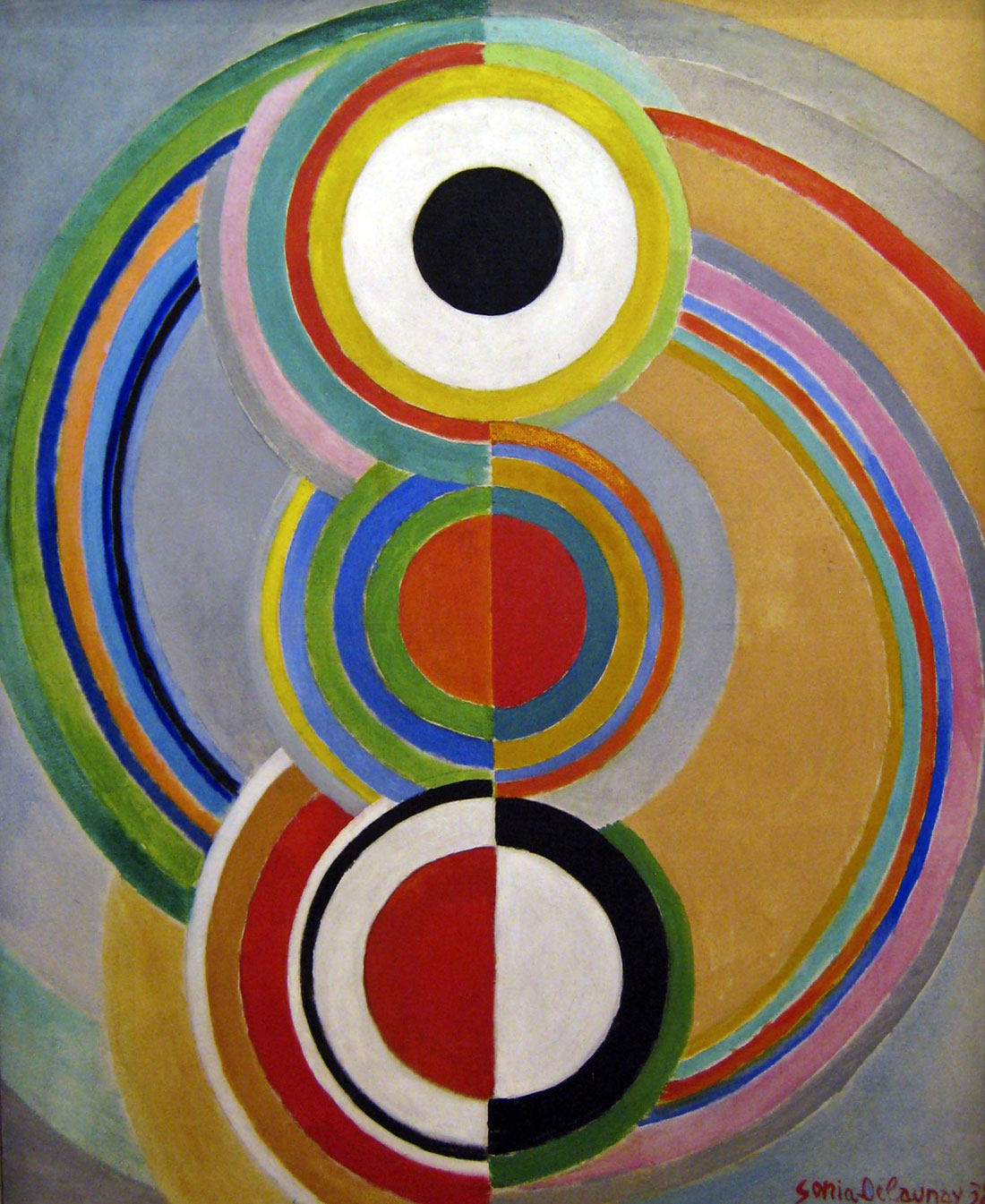
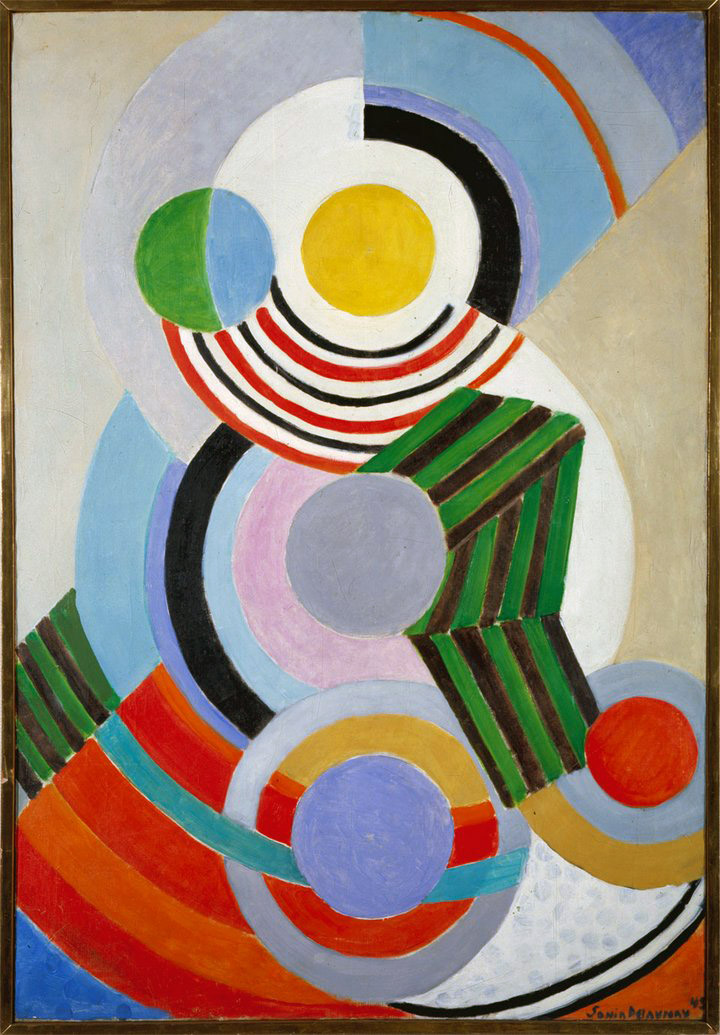


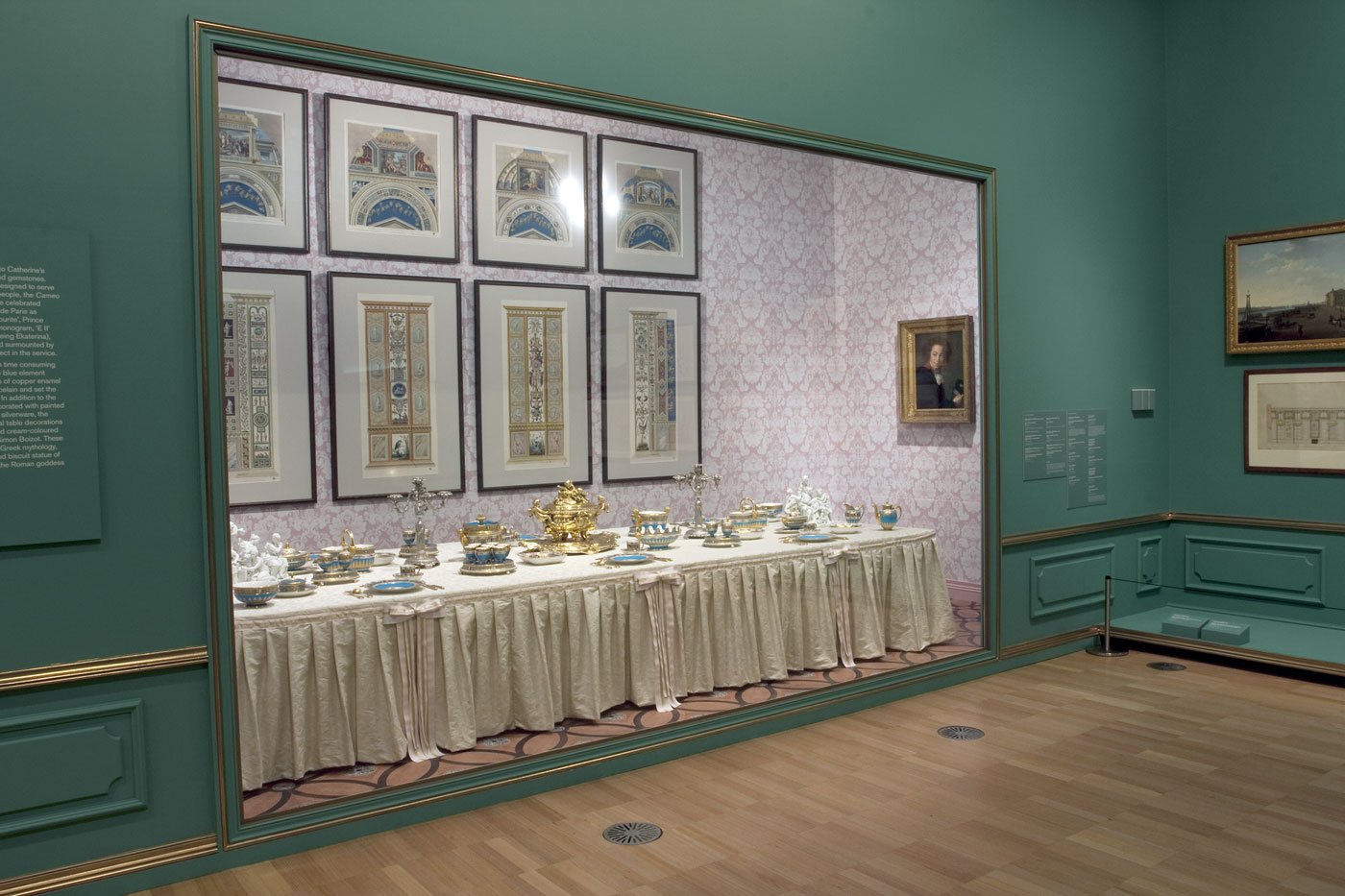


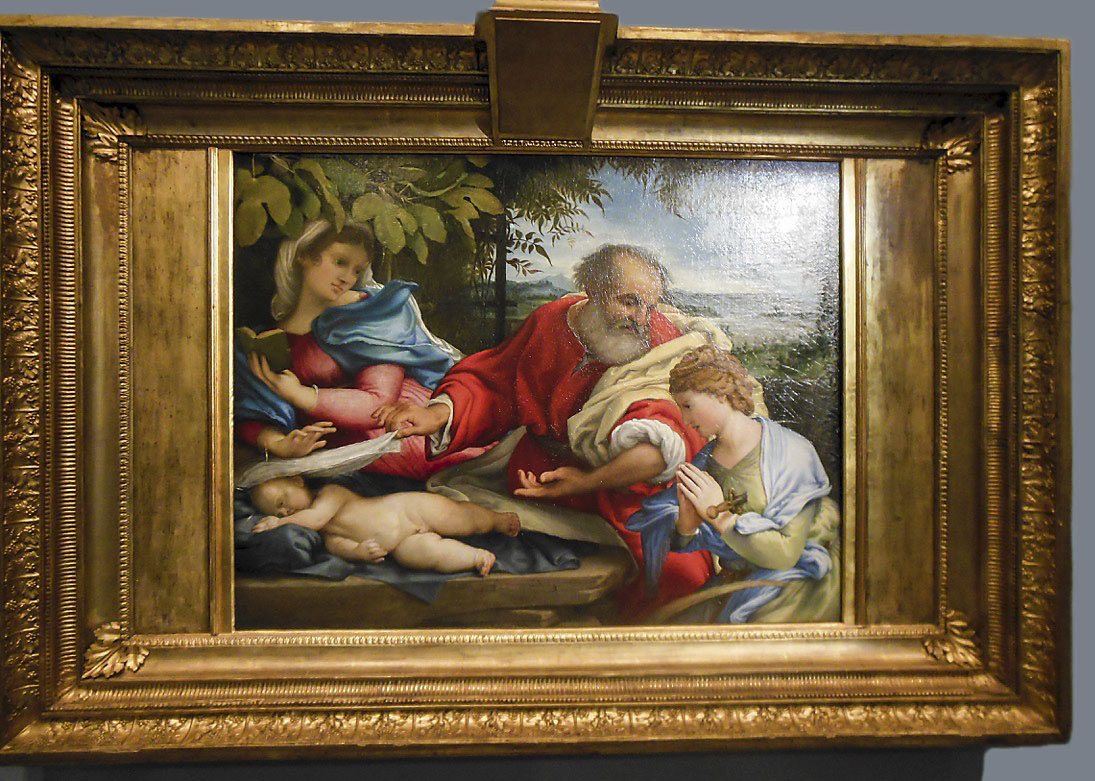


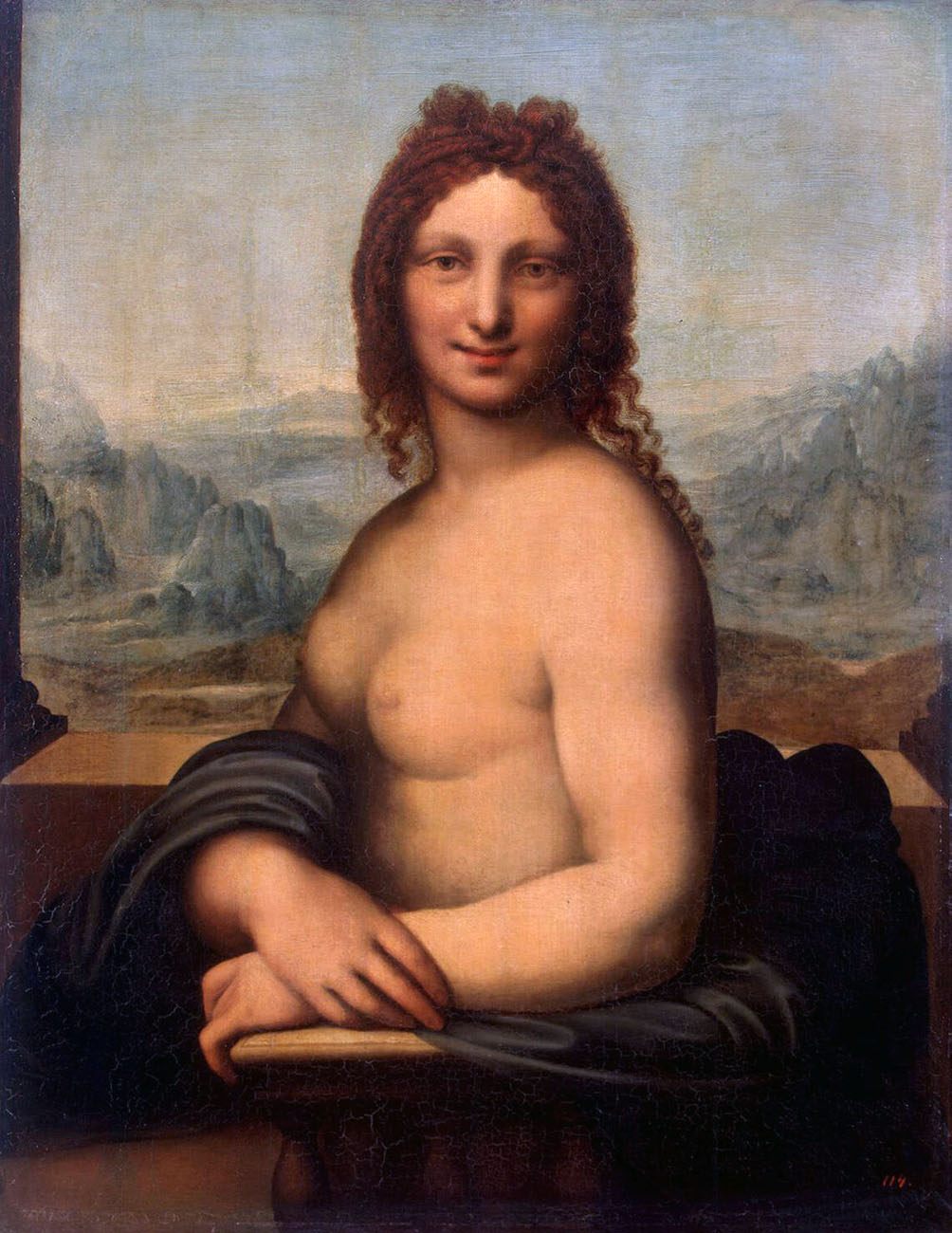


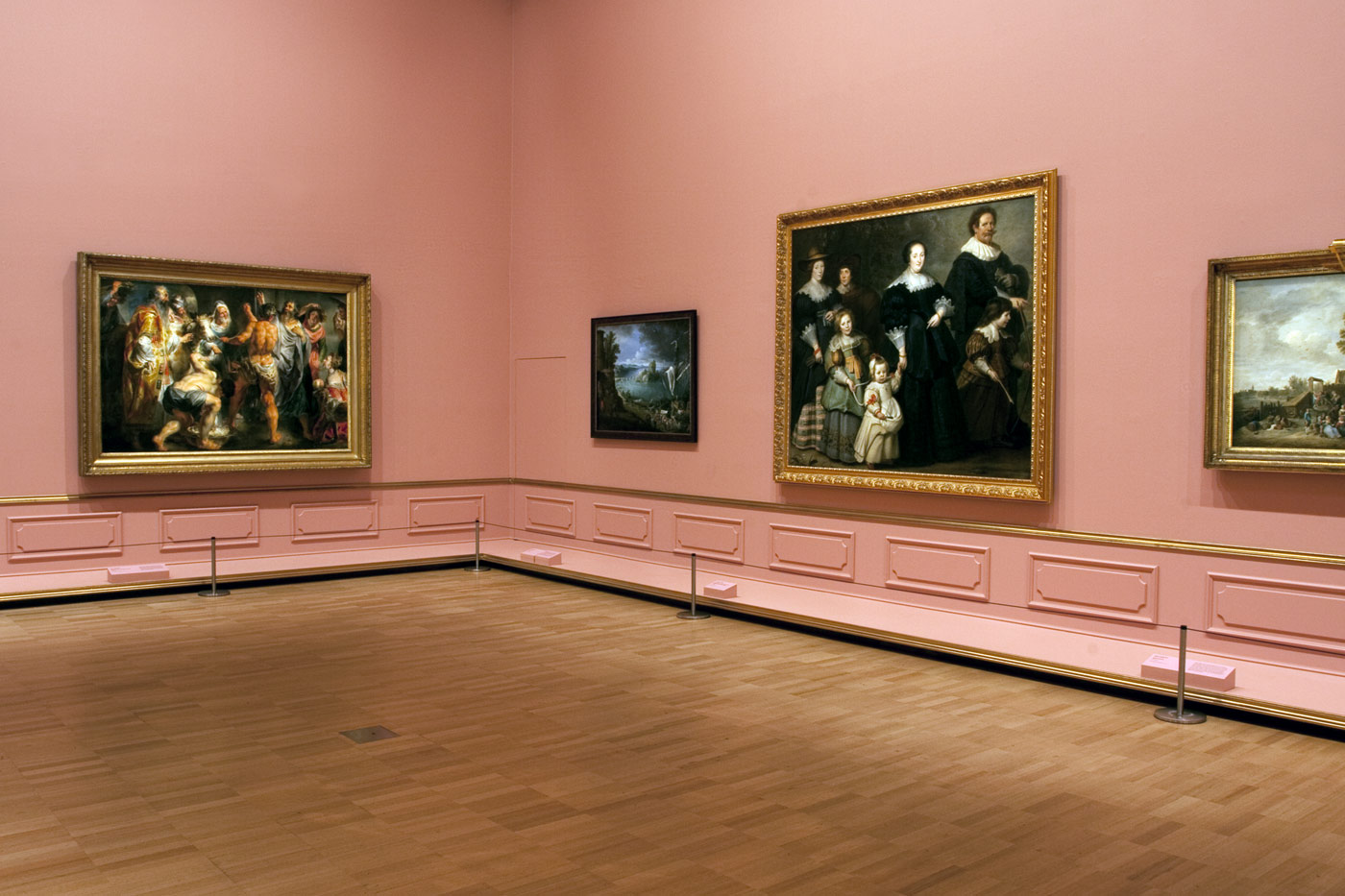


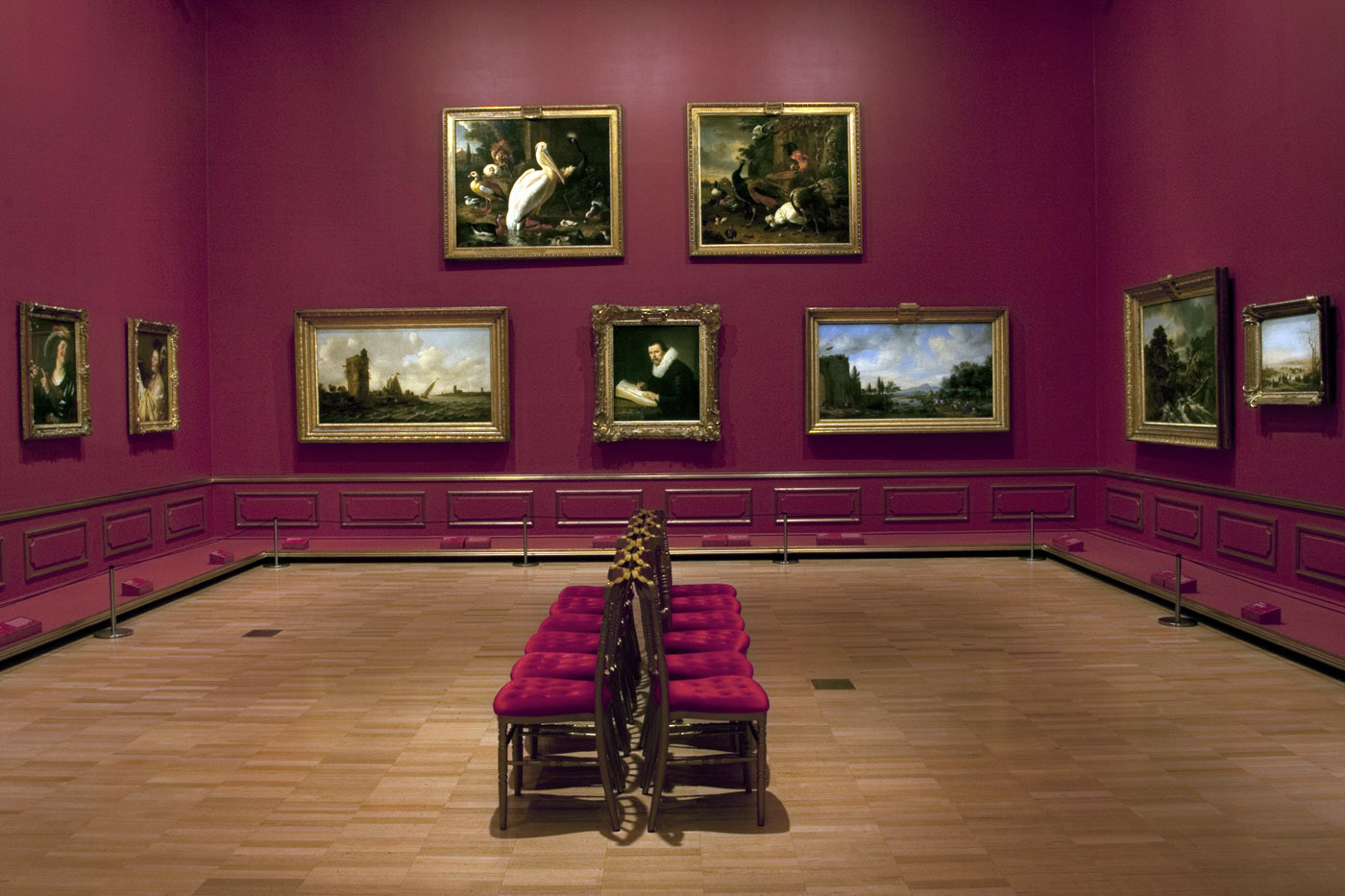
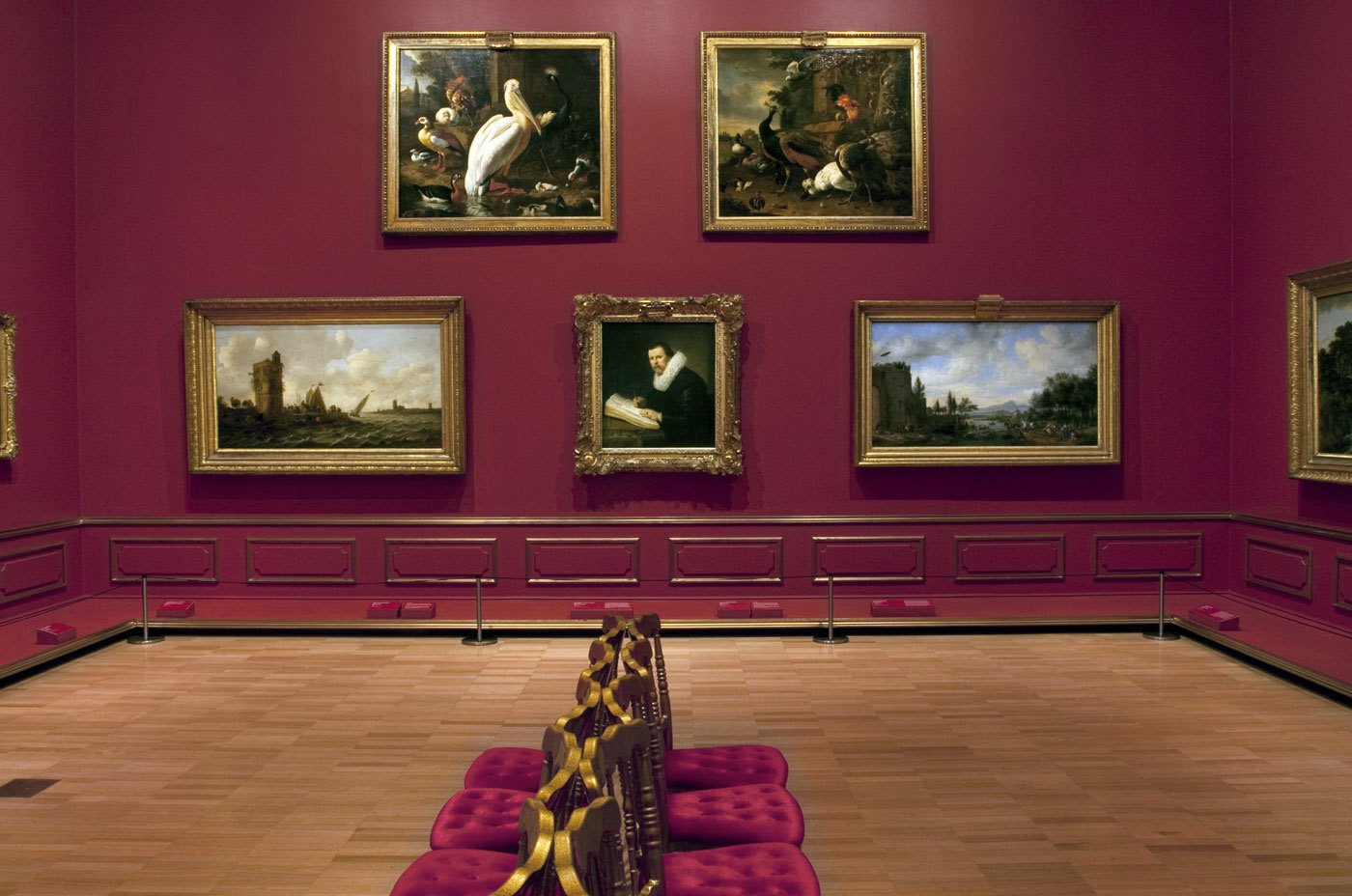


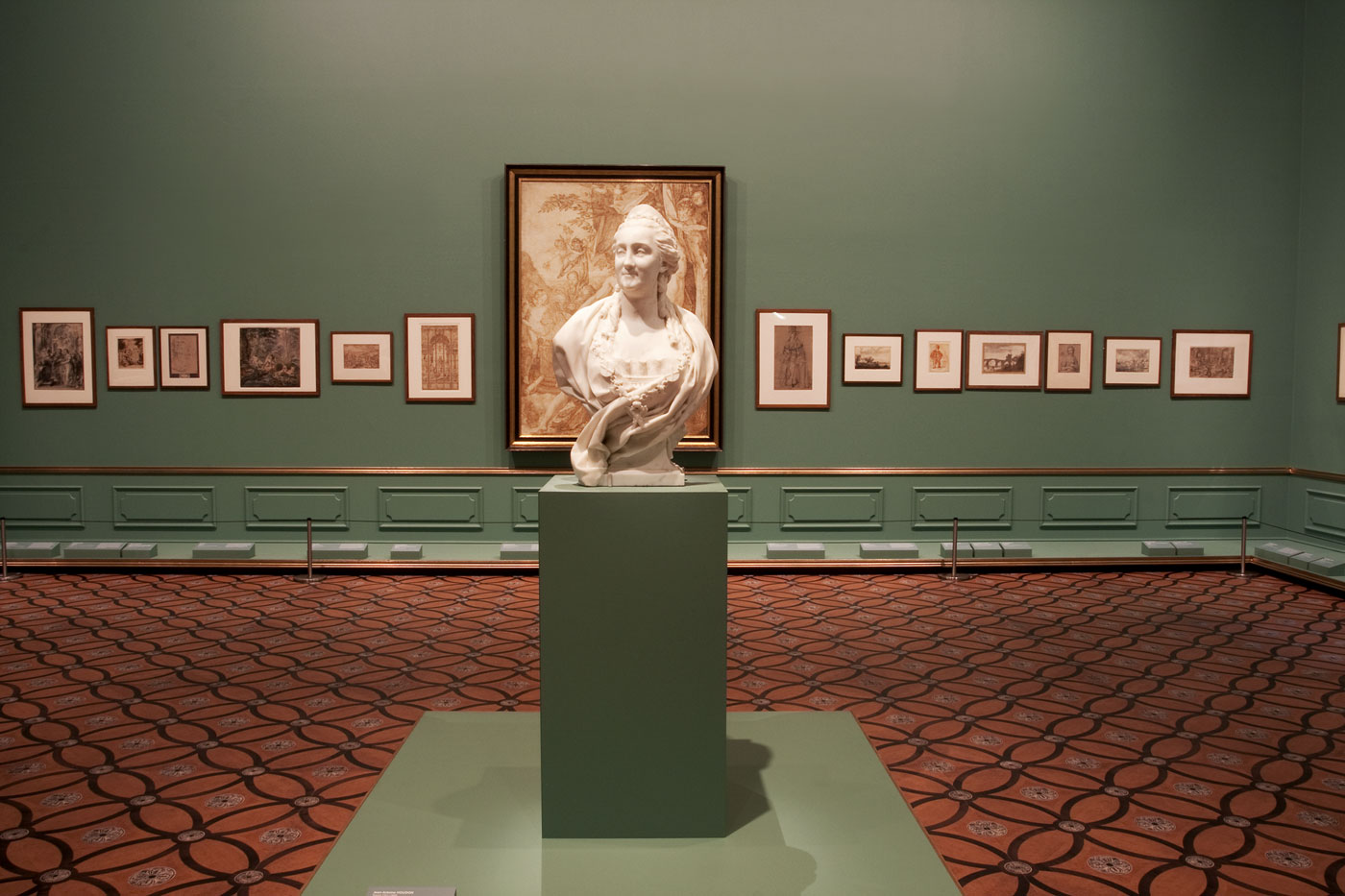


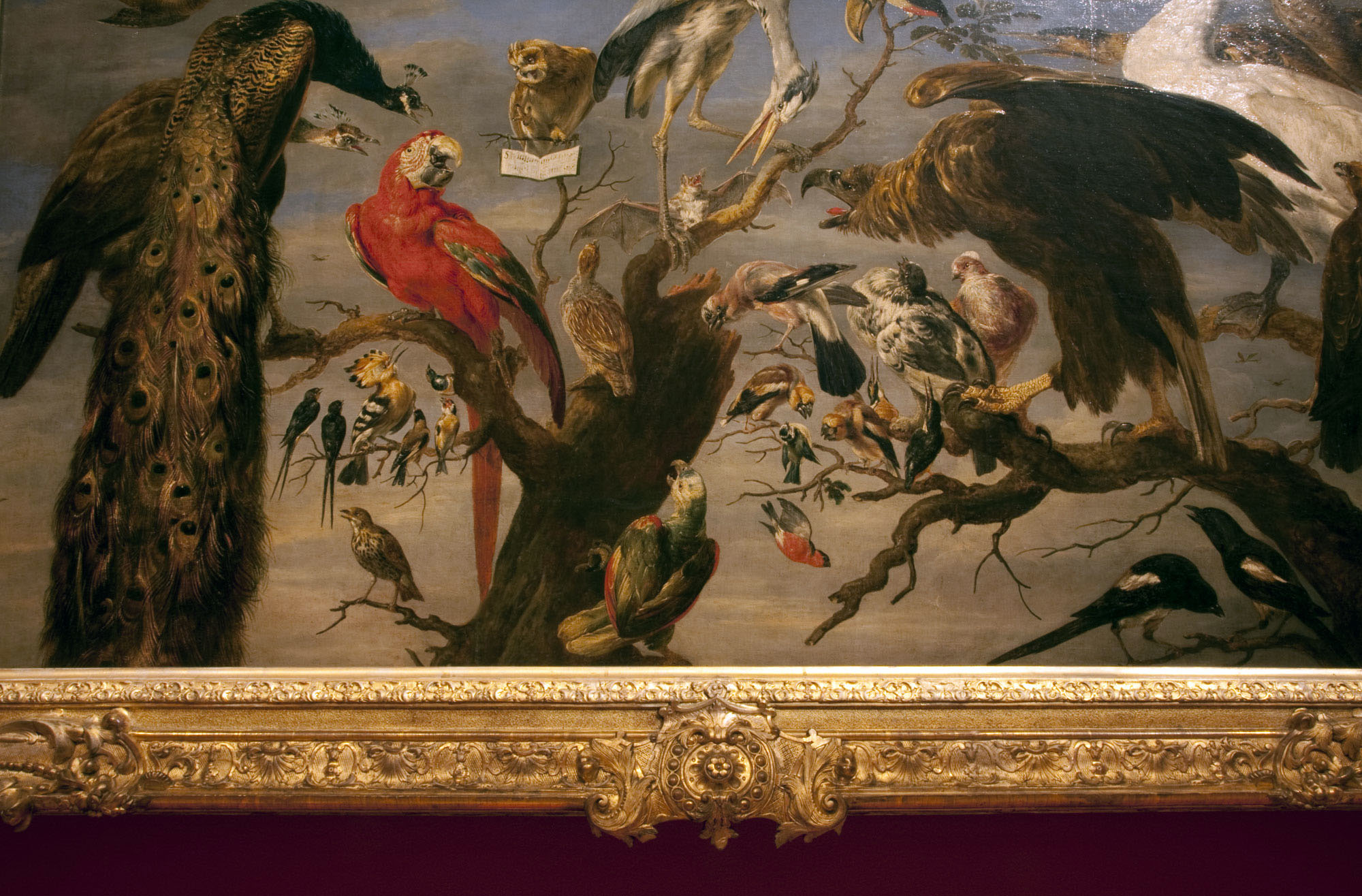


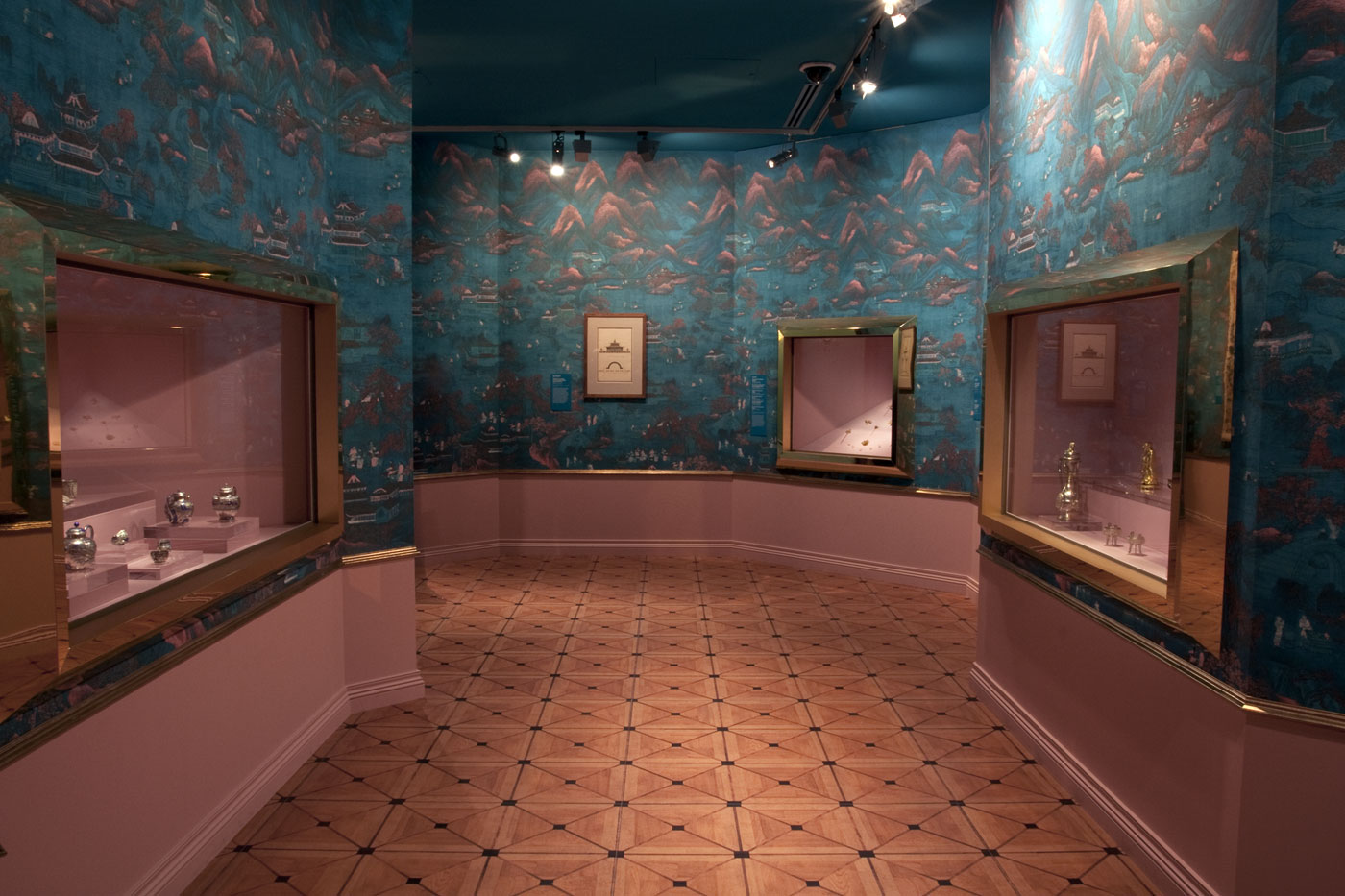


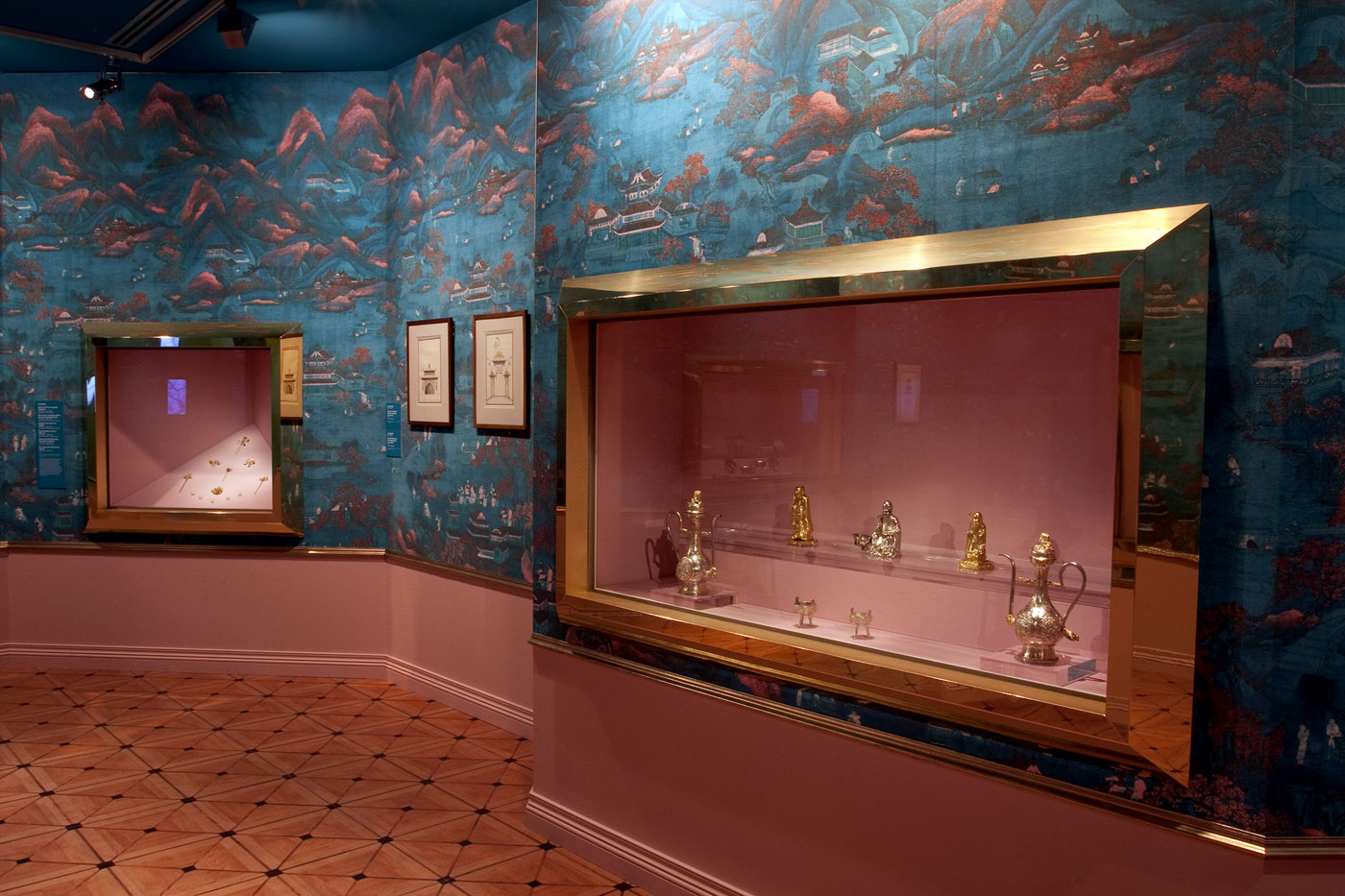

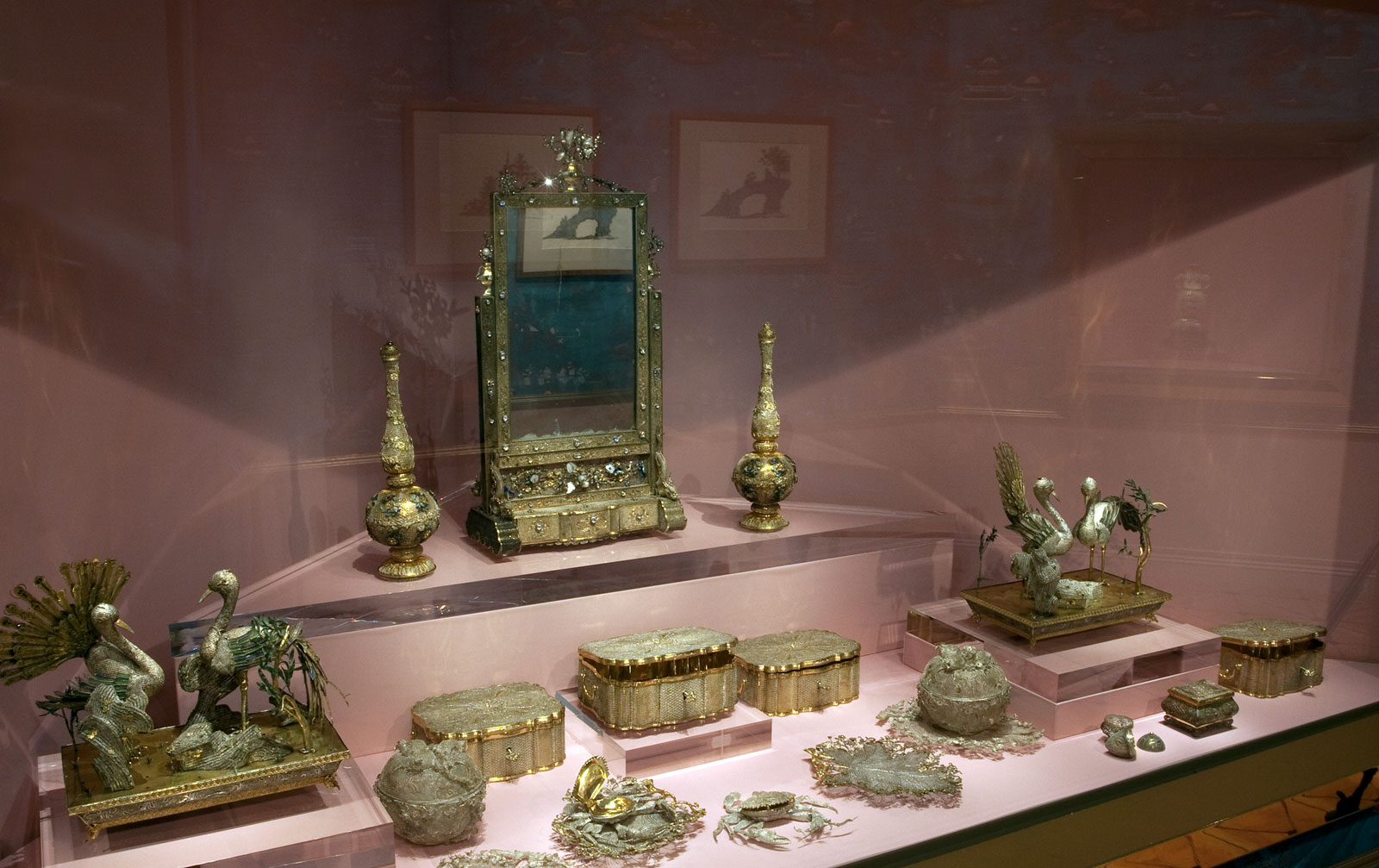


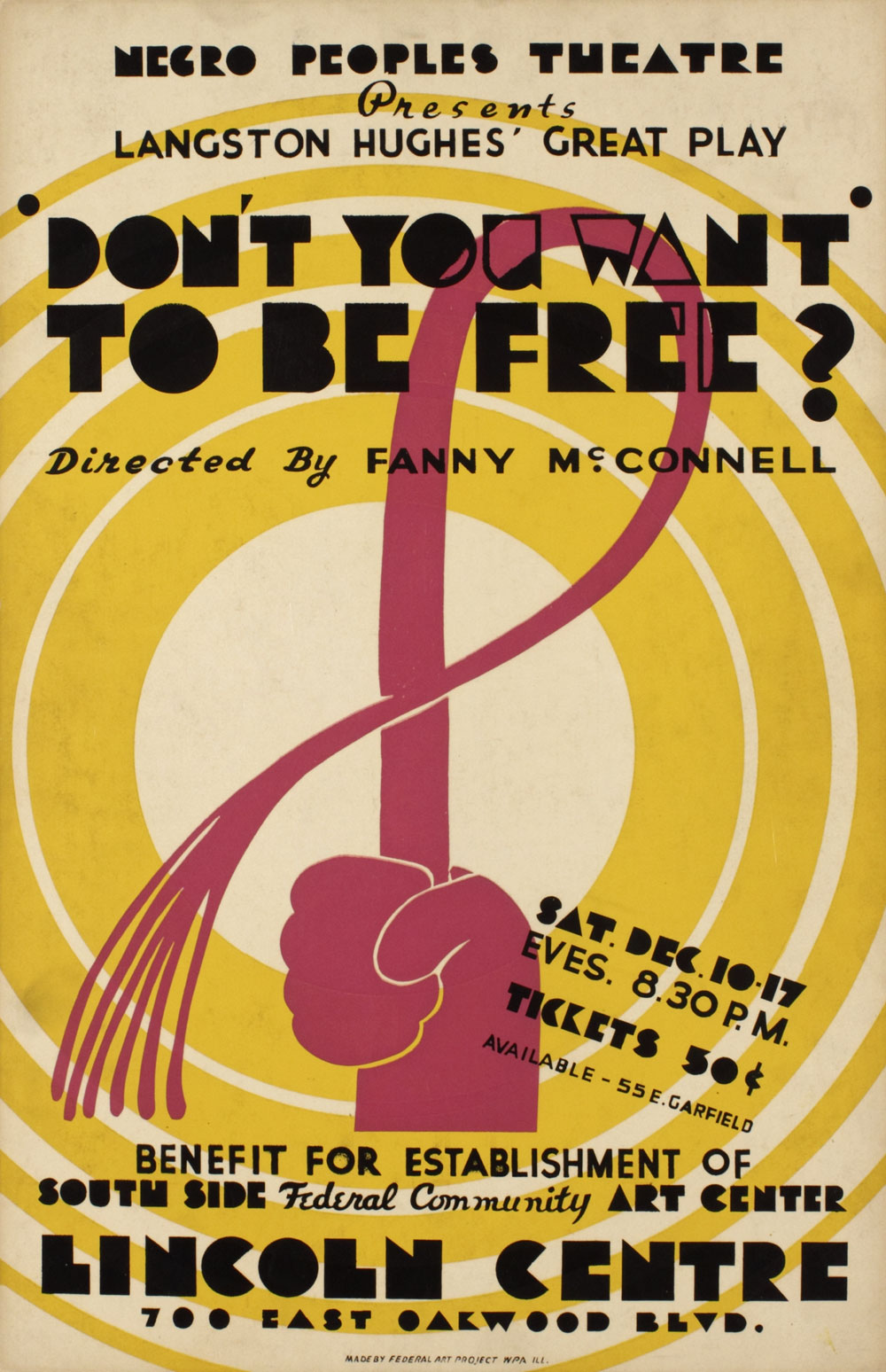


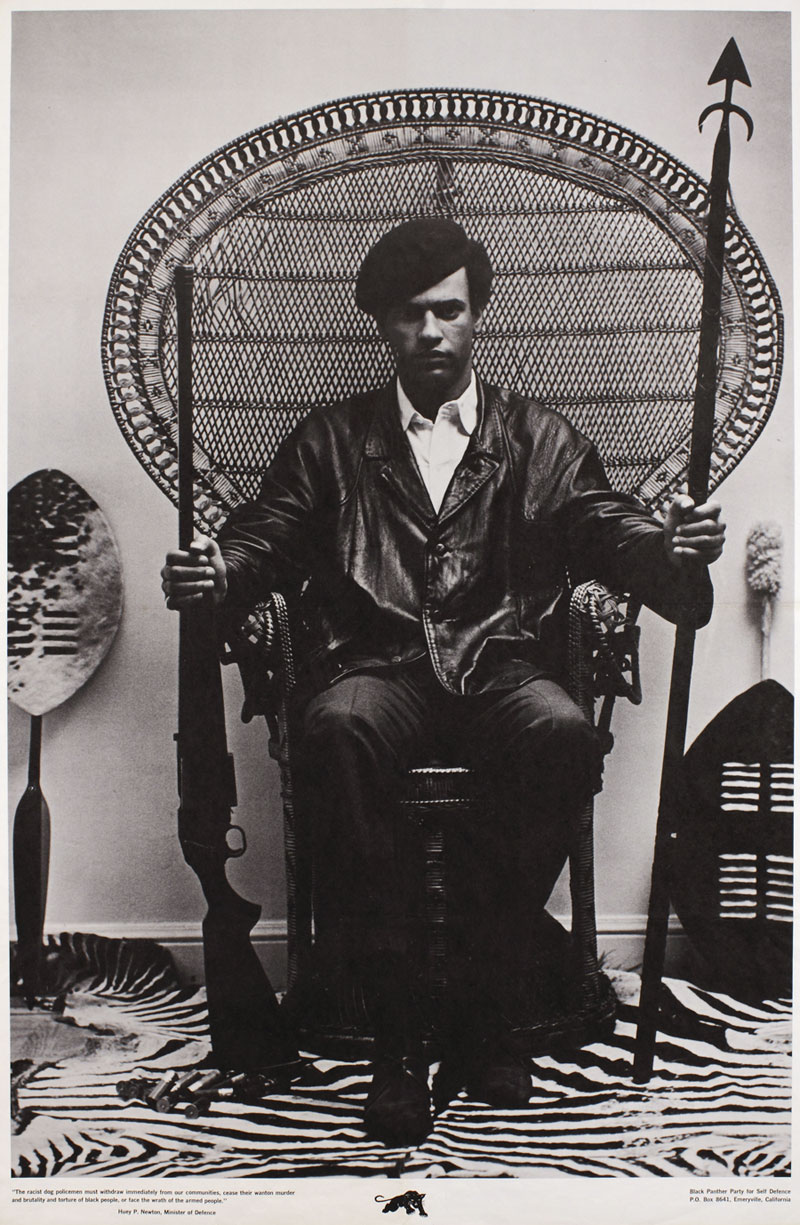


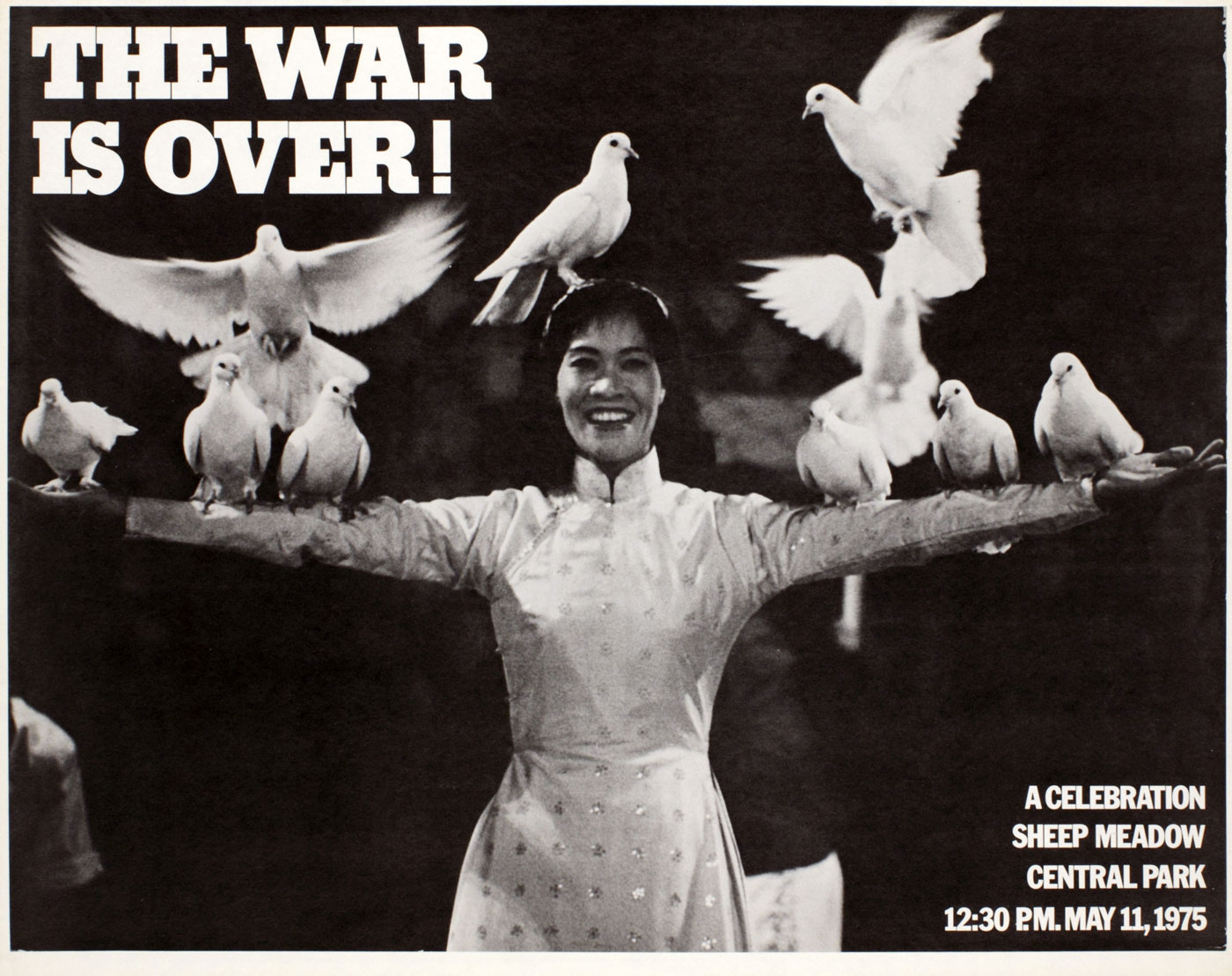
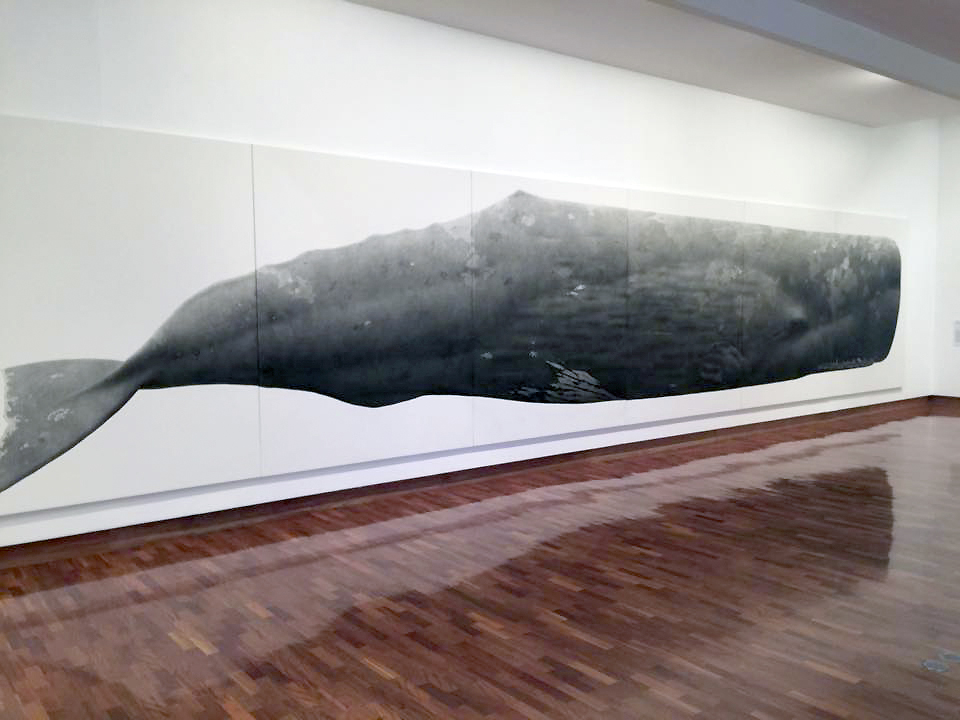
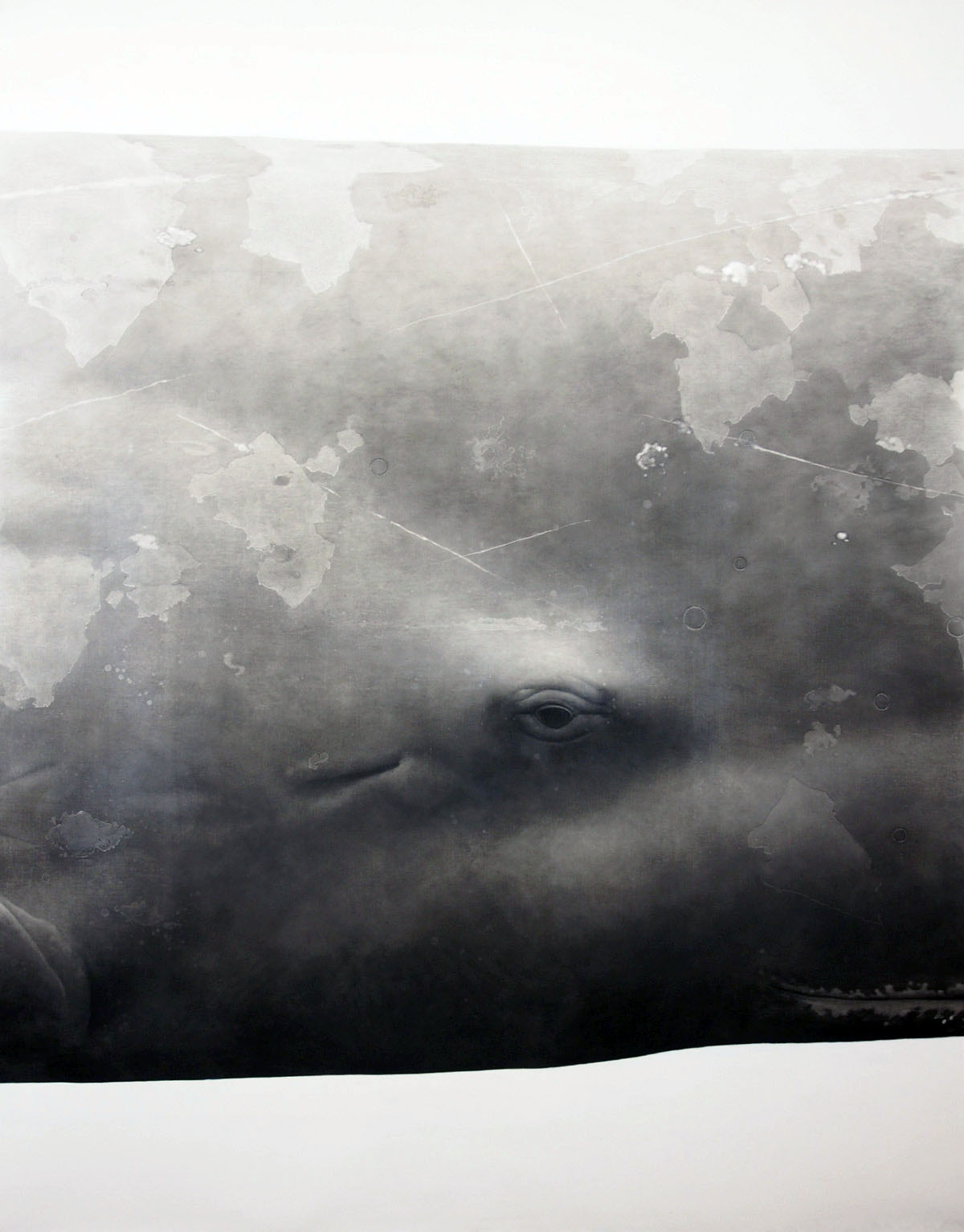
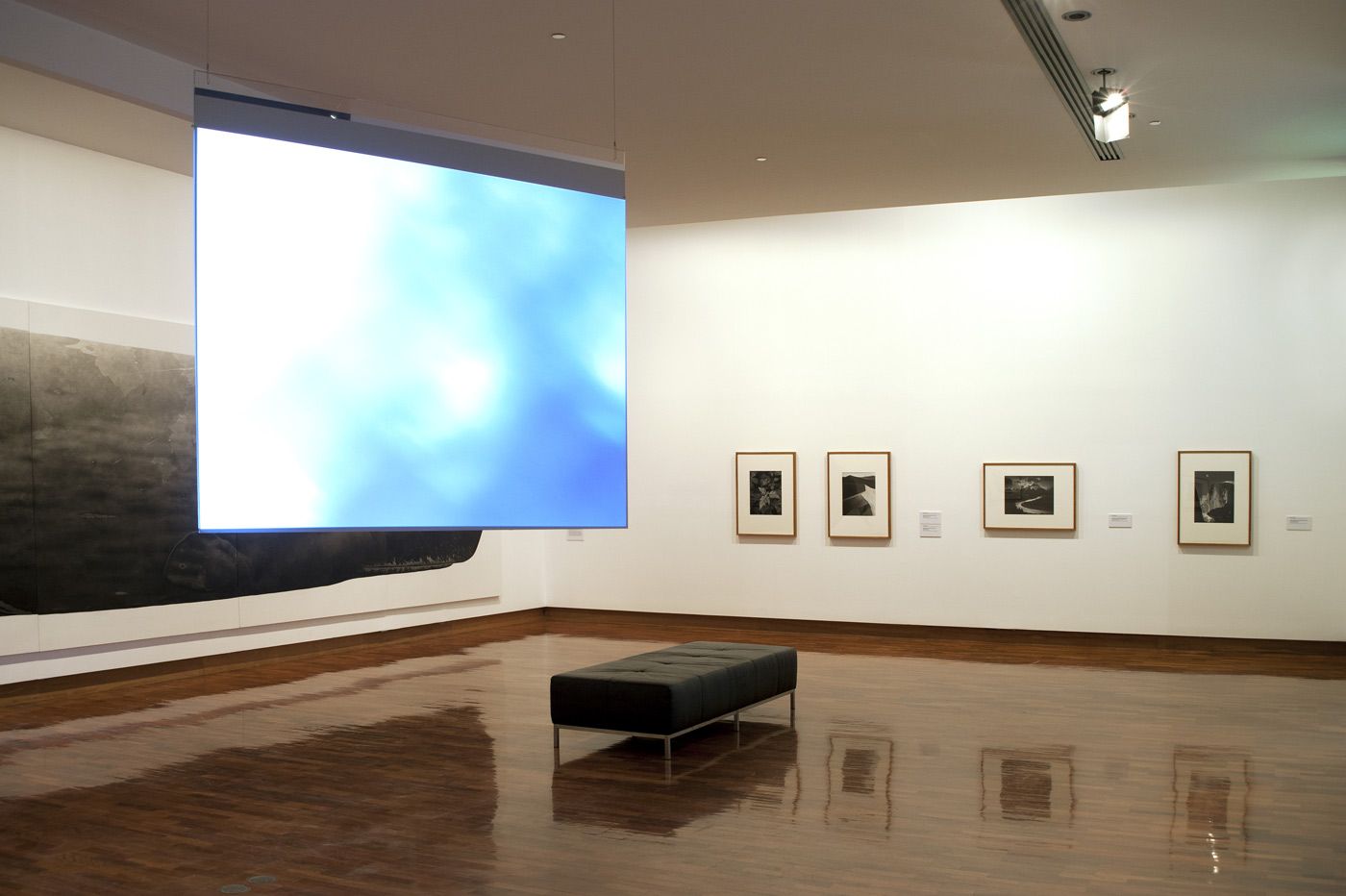
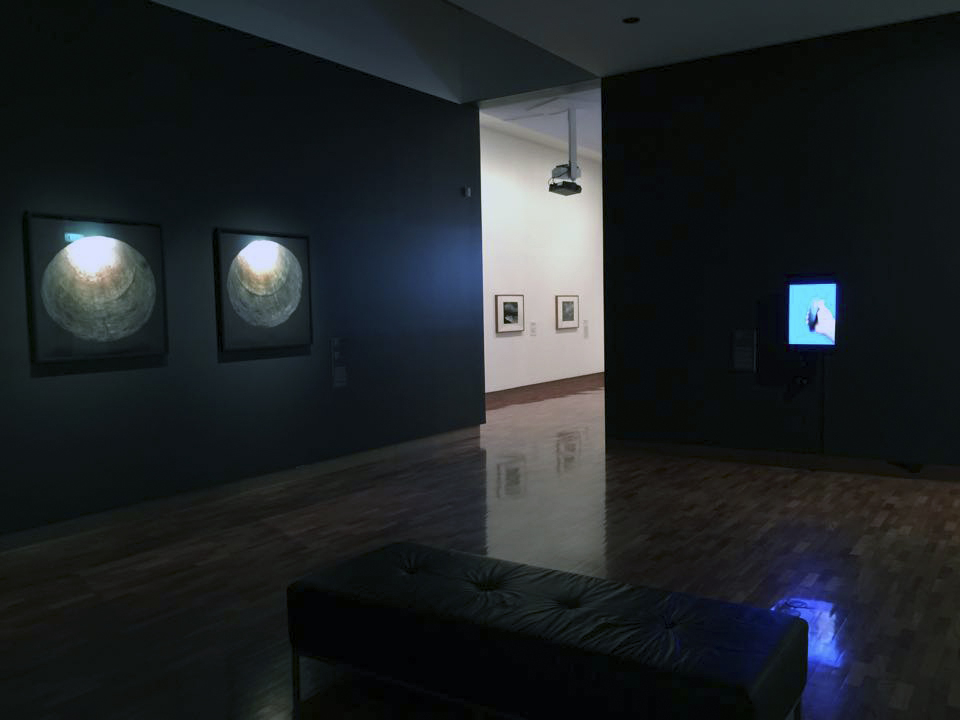
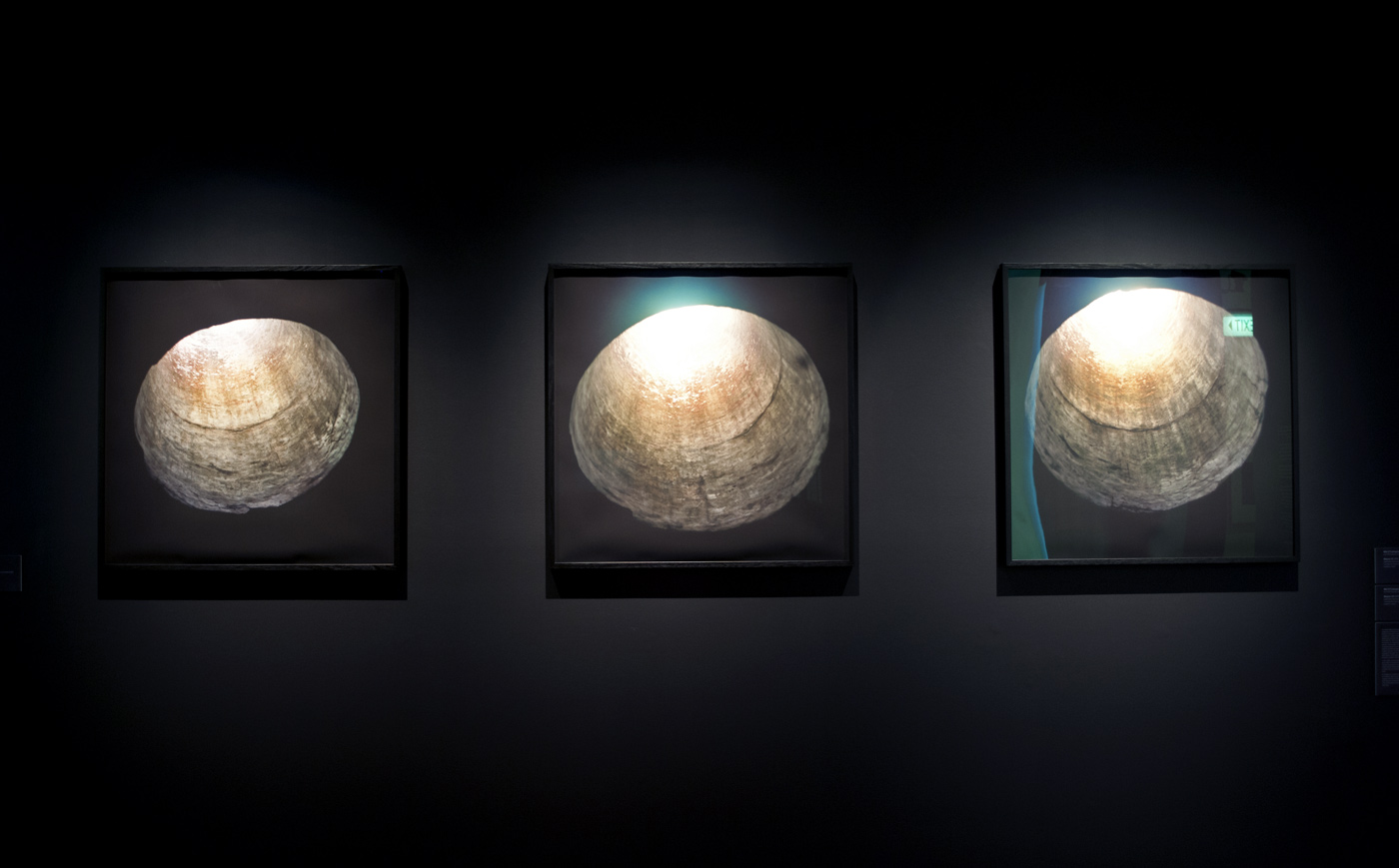
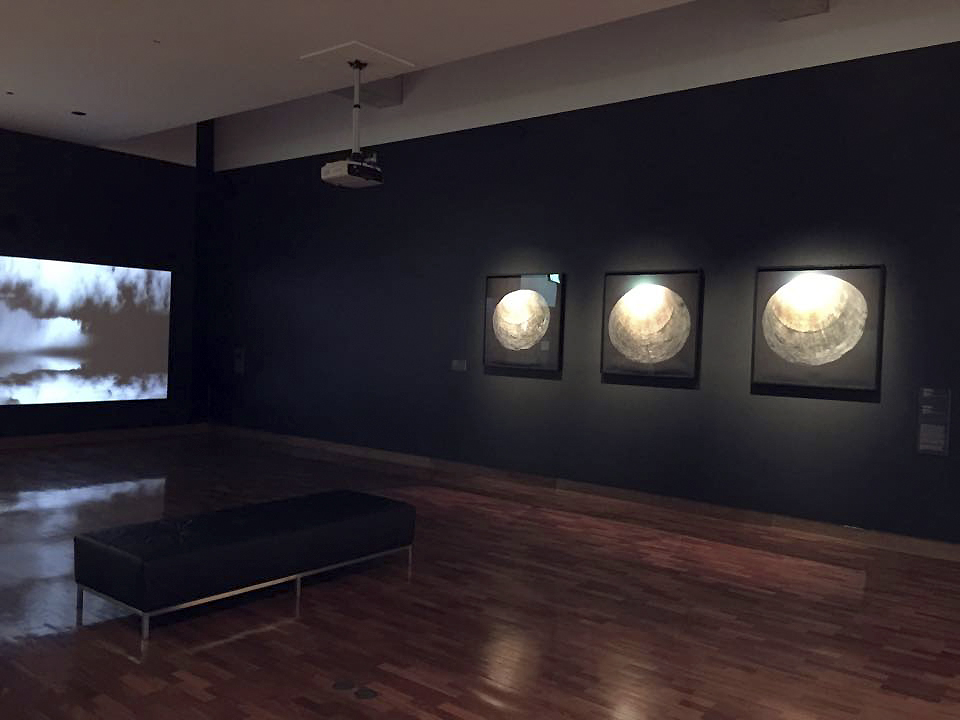
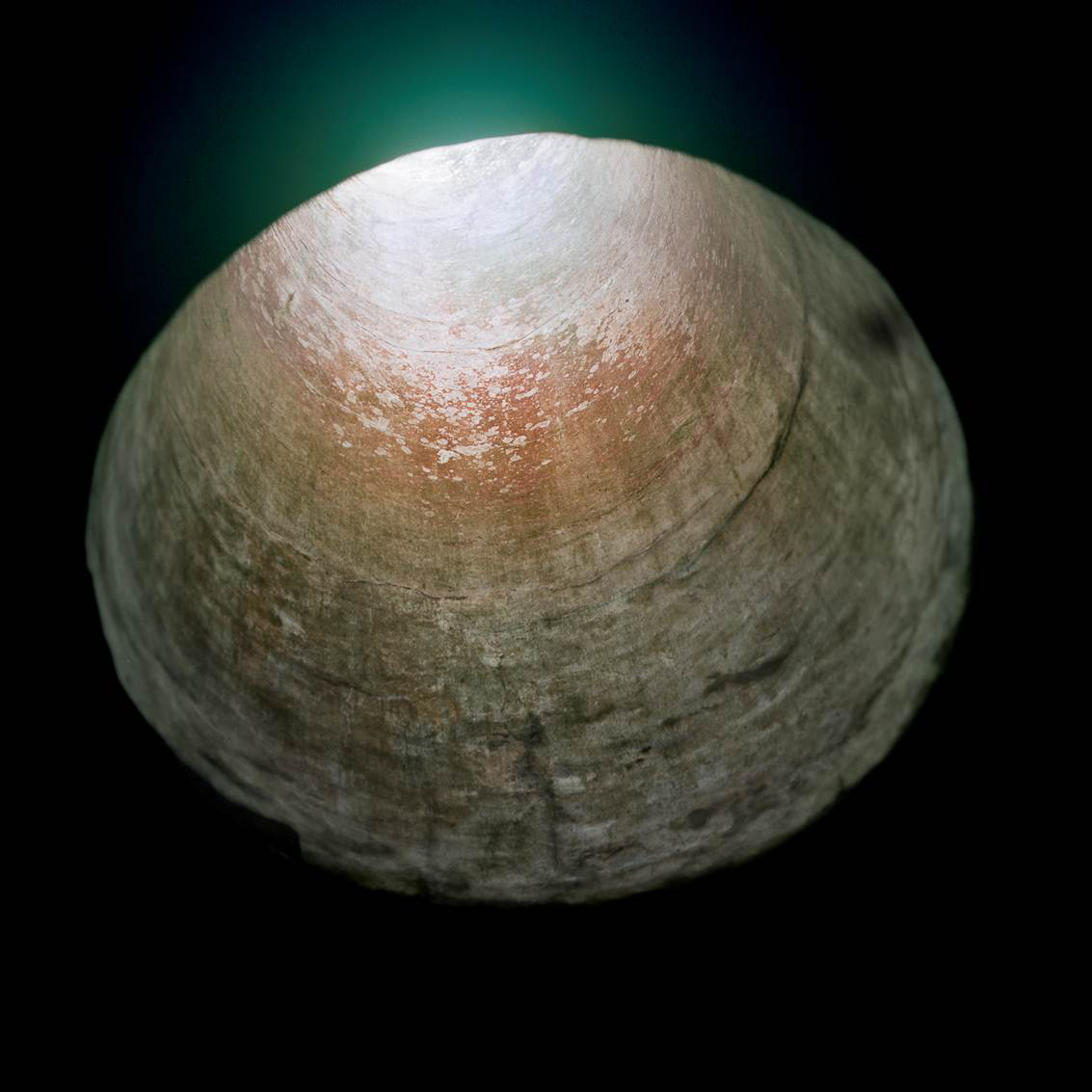
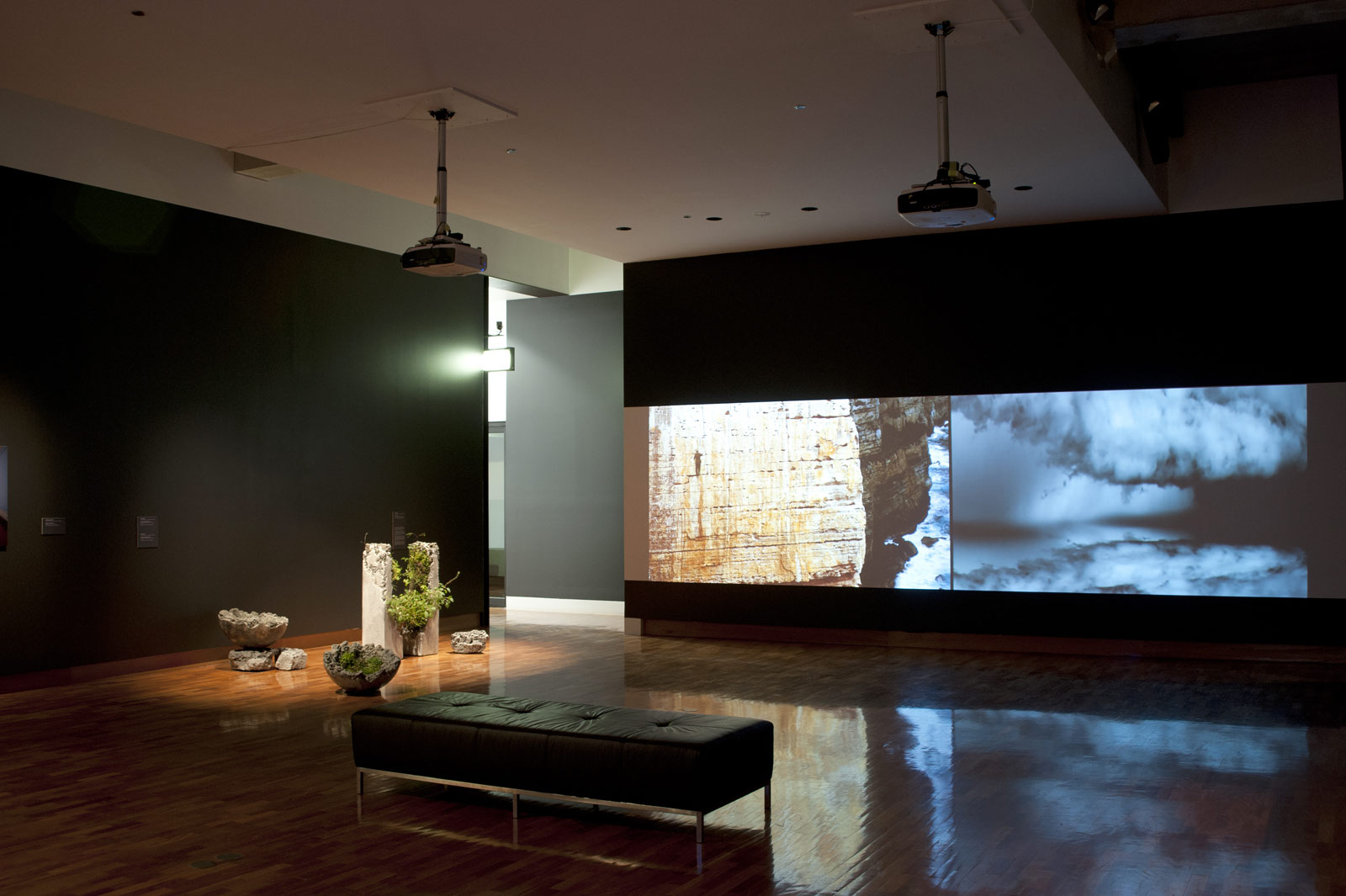
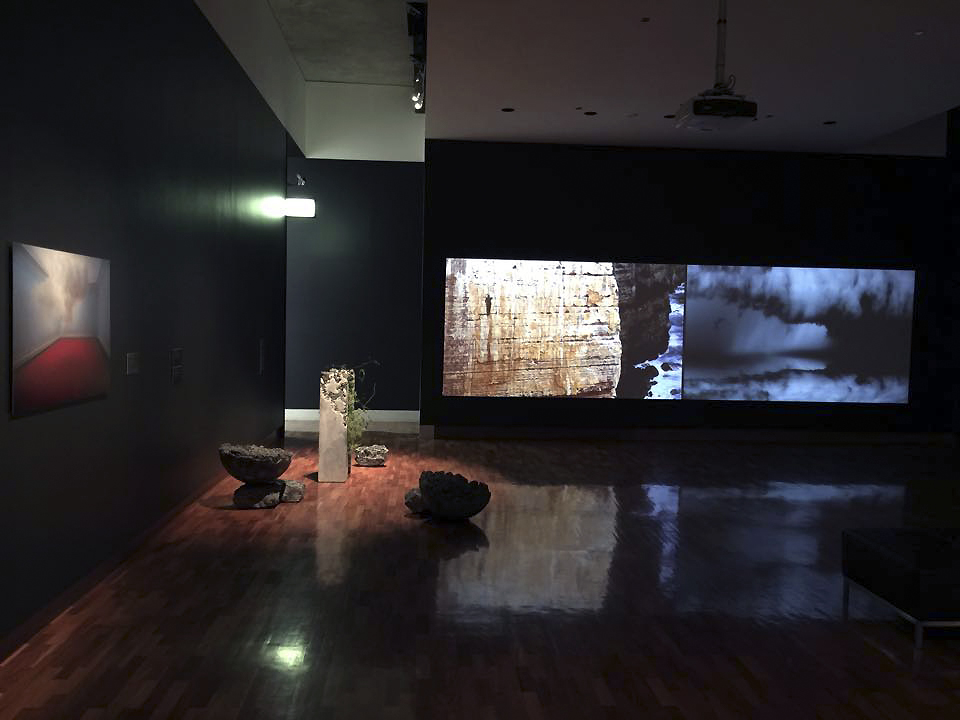
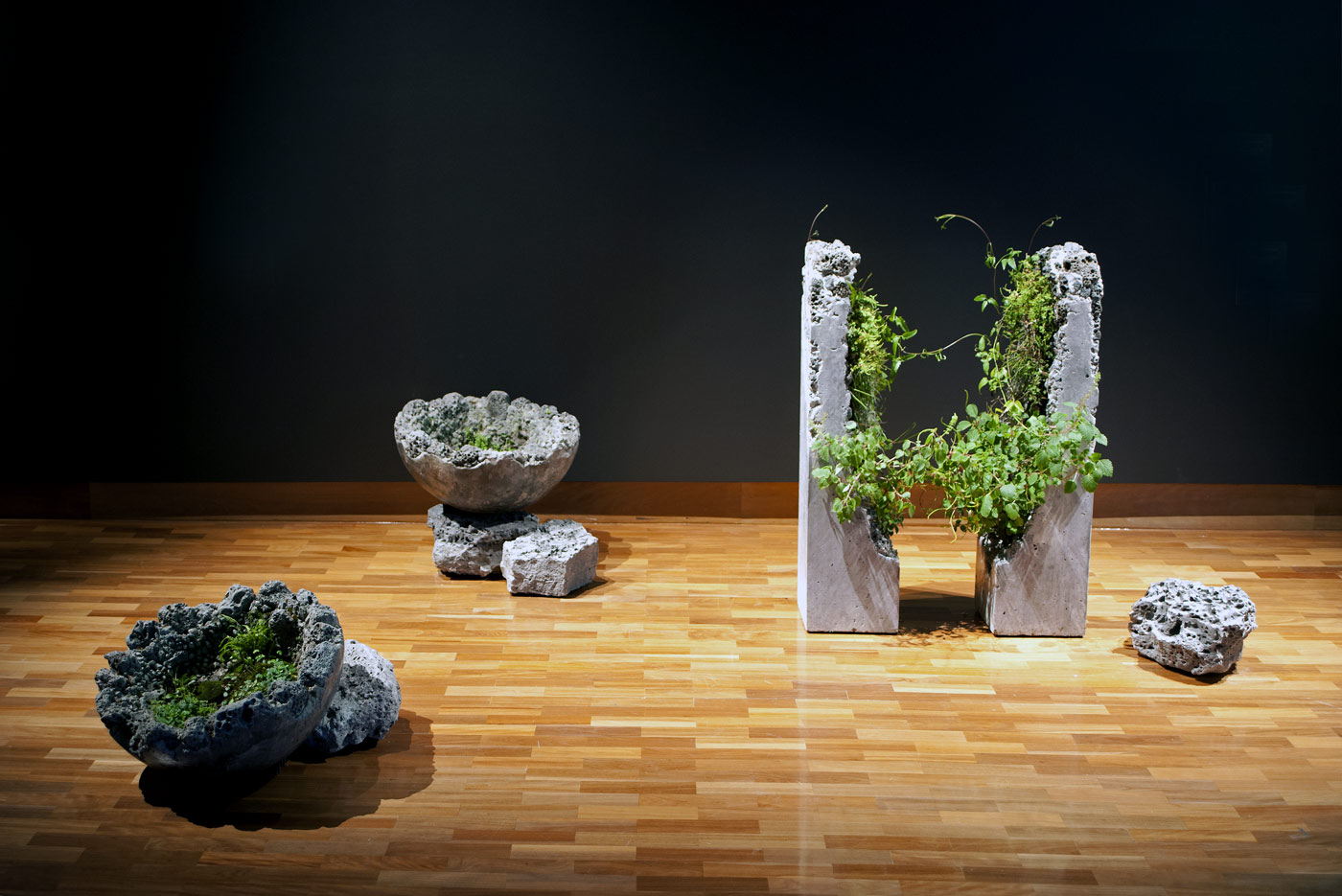
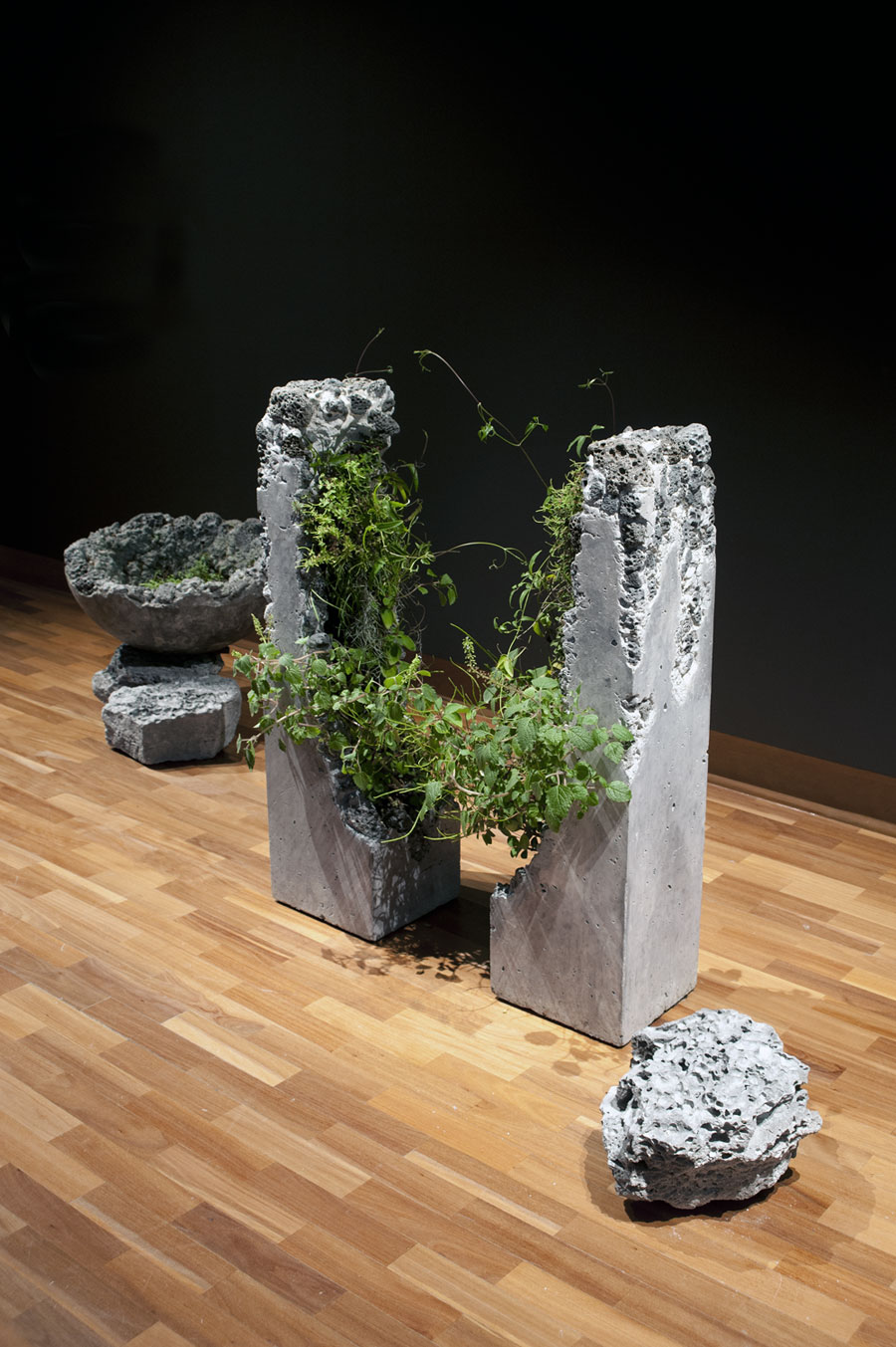
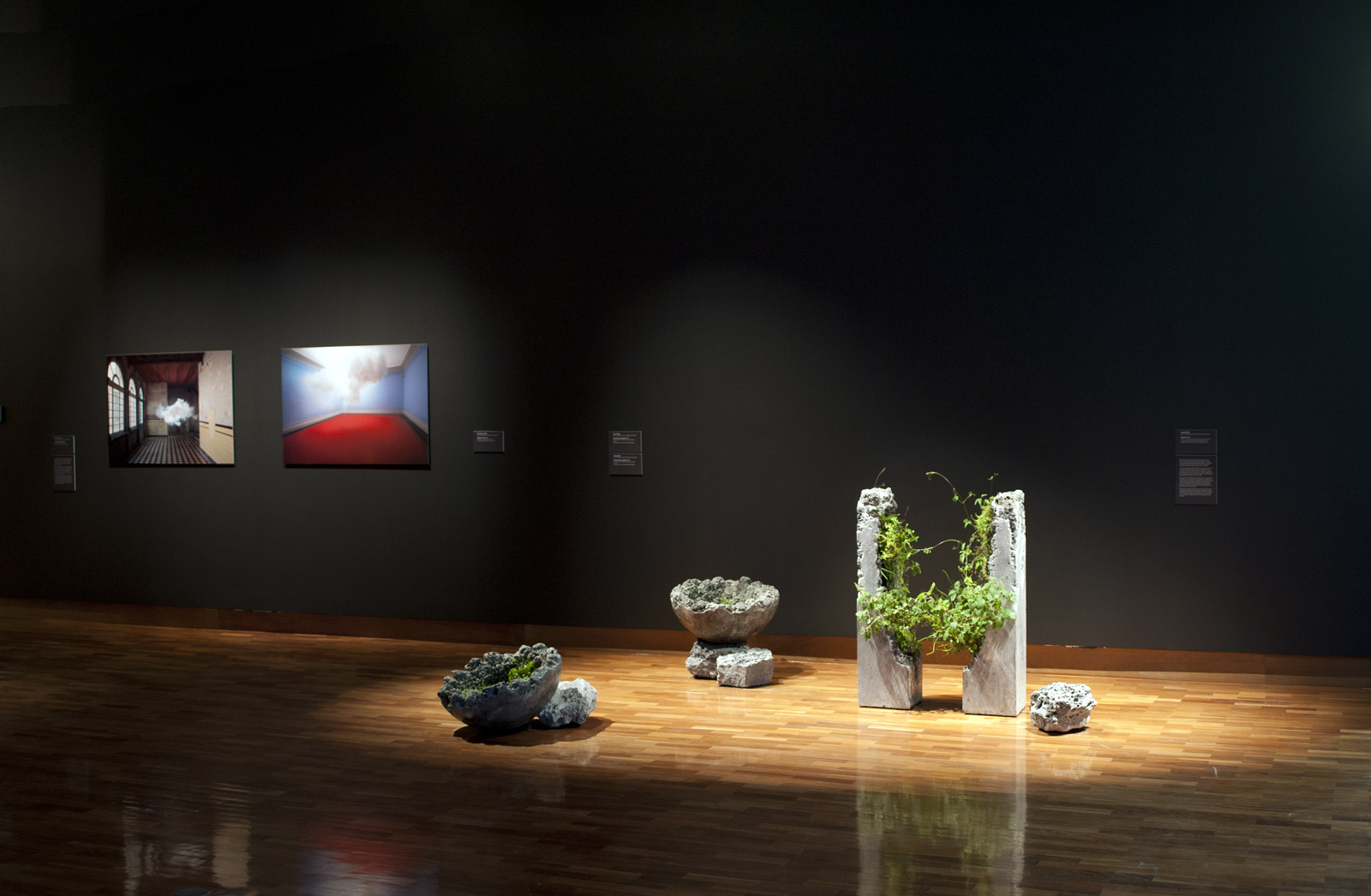
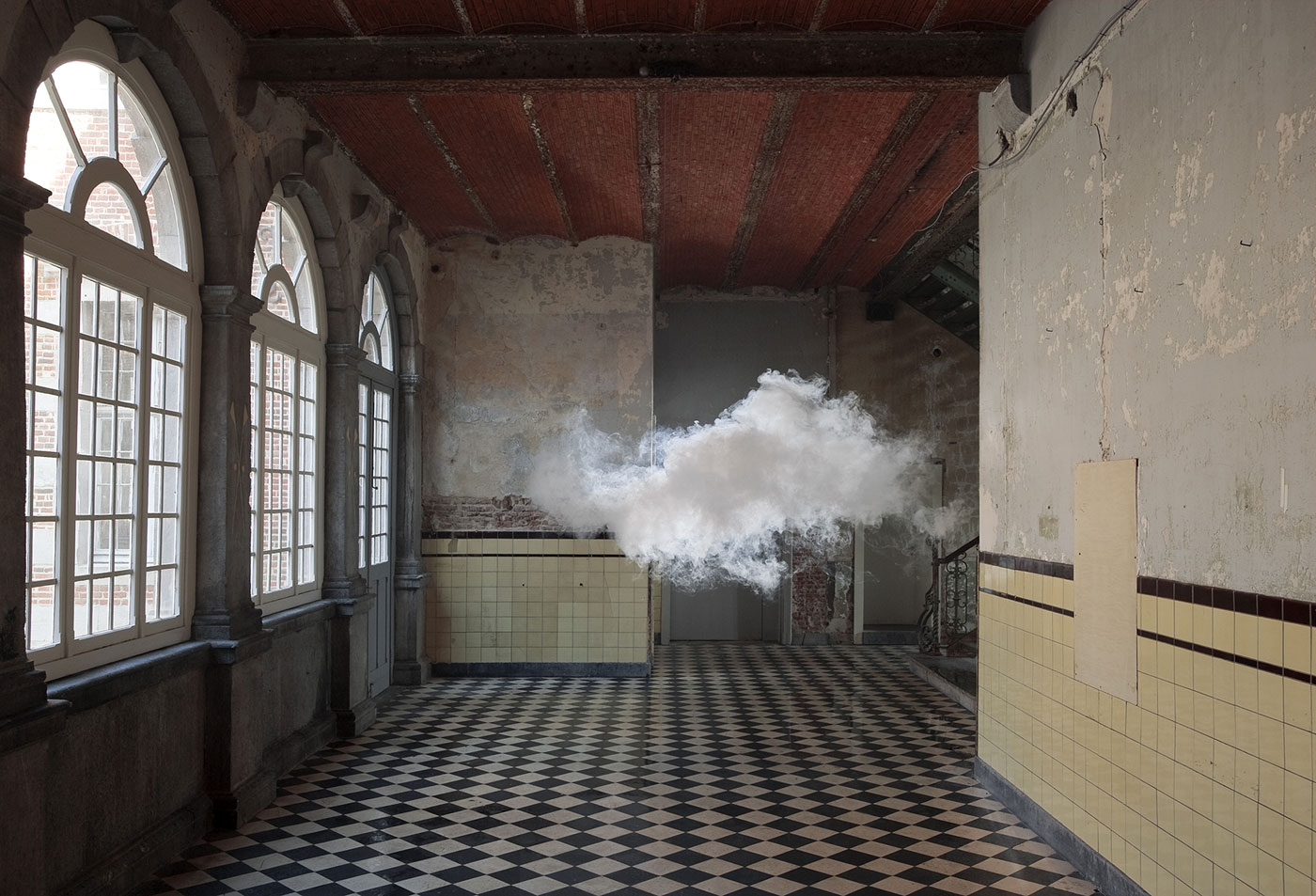
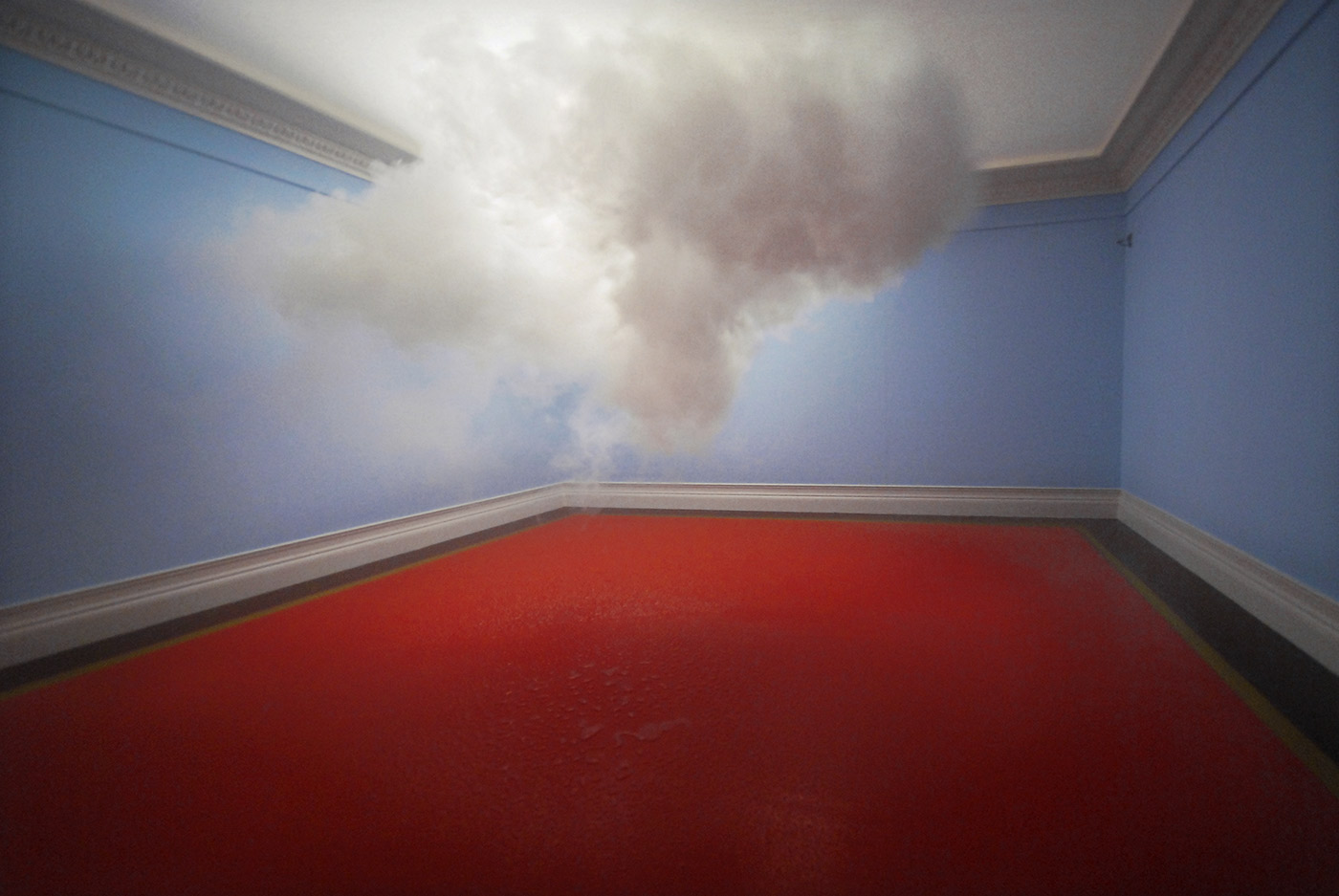
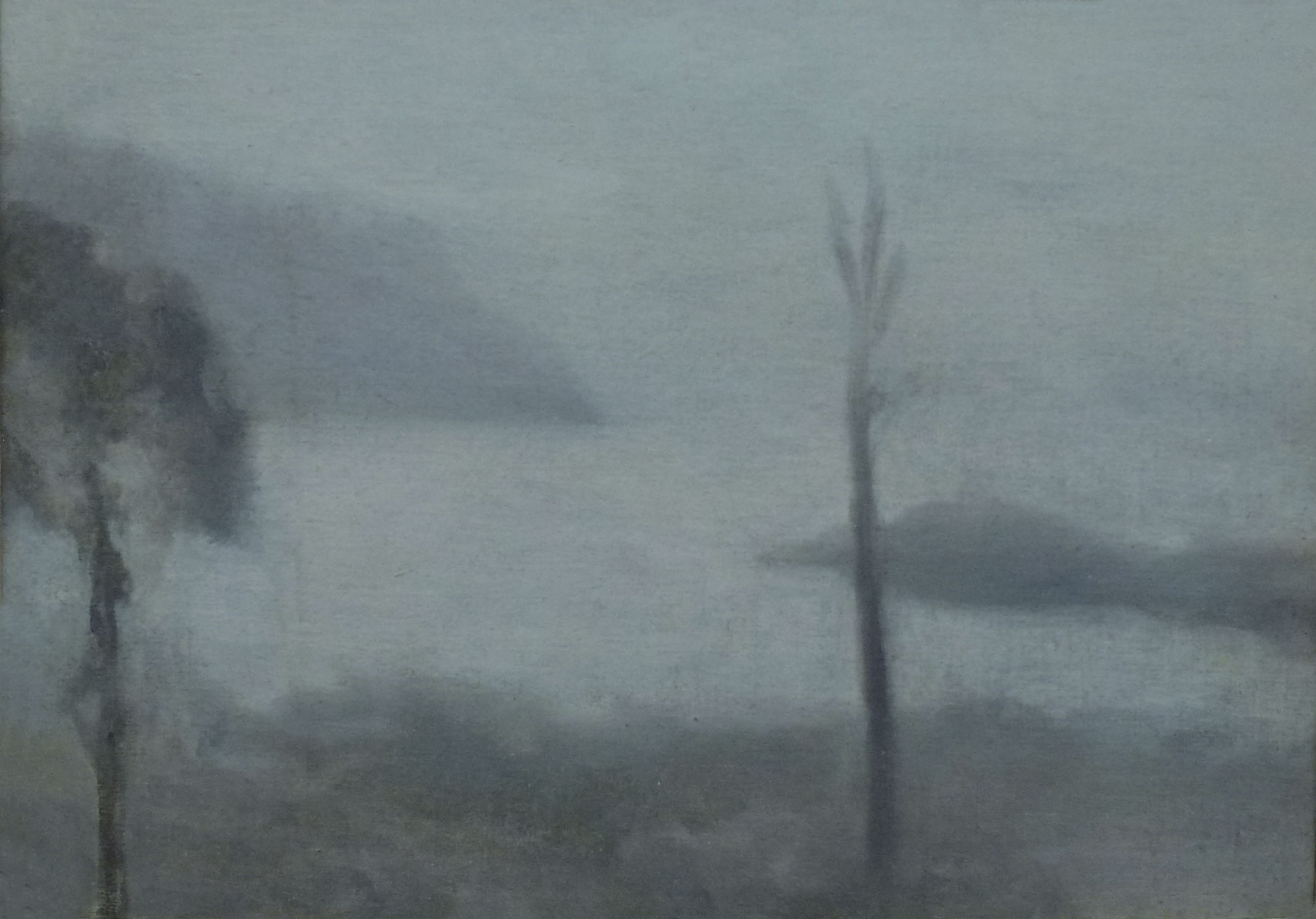
![Sybil Craig (Australian, 1901-1989) '[HMVS Cerberus, Half Moon Bay, Melbourne]' Nd](https://artblart.com/wp-content/uploads/2015/04/craig_cerberus-web.jpg "Sybil Craig (Australian, 1901-1989) '[HMVS Cerberus, Half Moon Bay, Melbourne]' Nd")
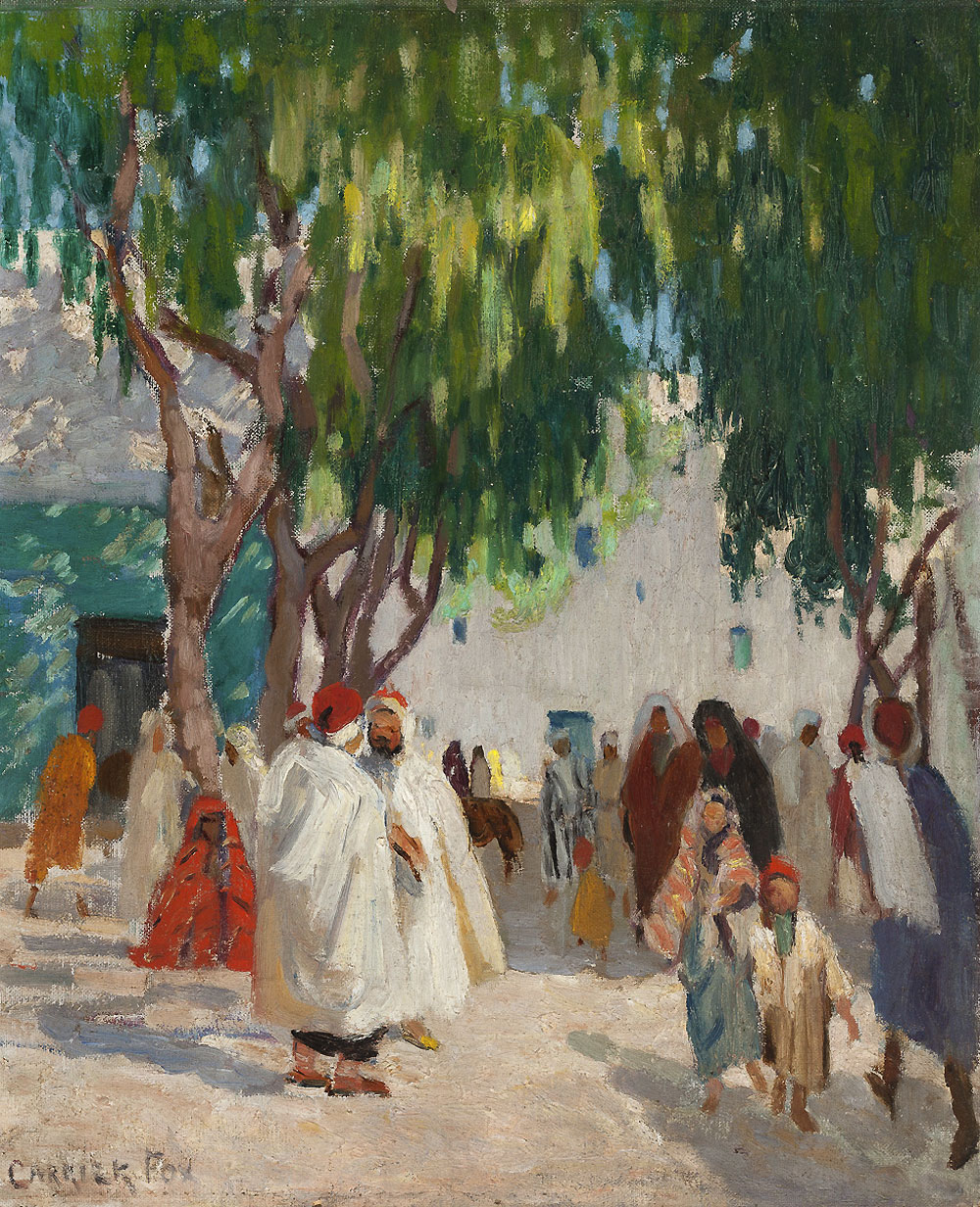


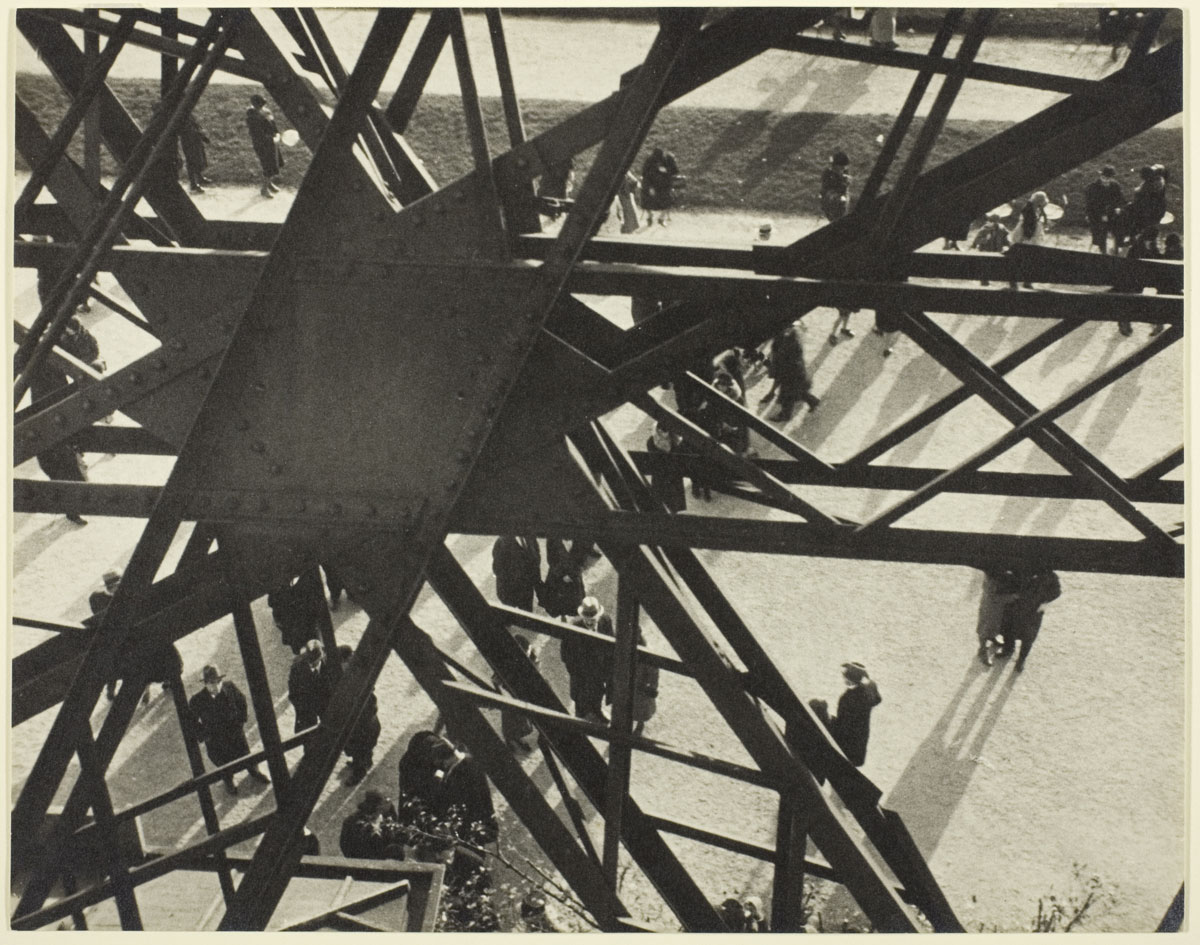
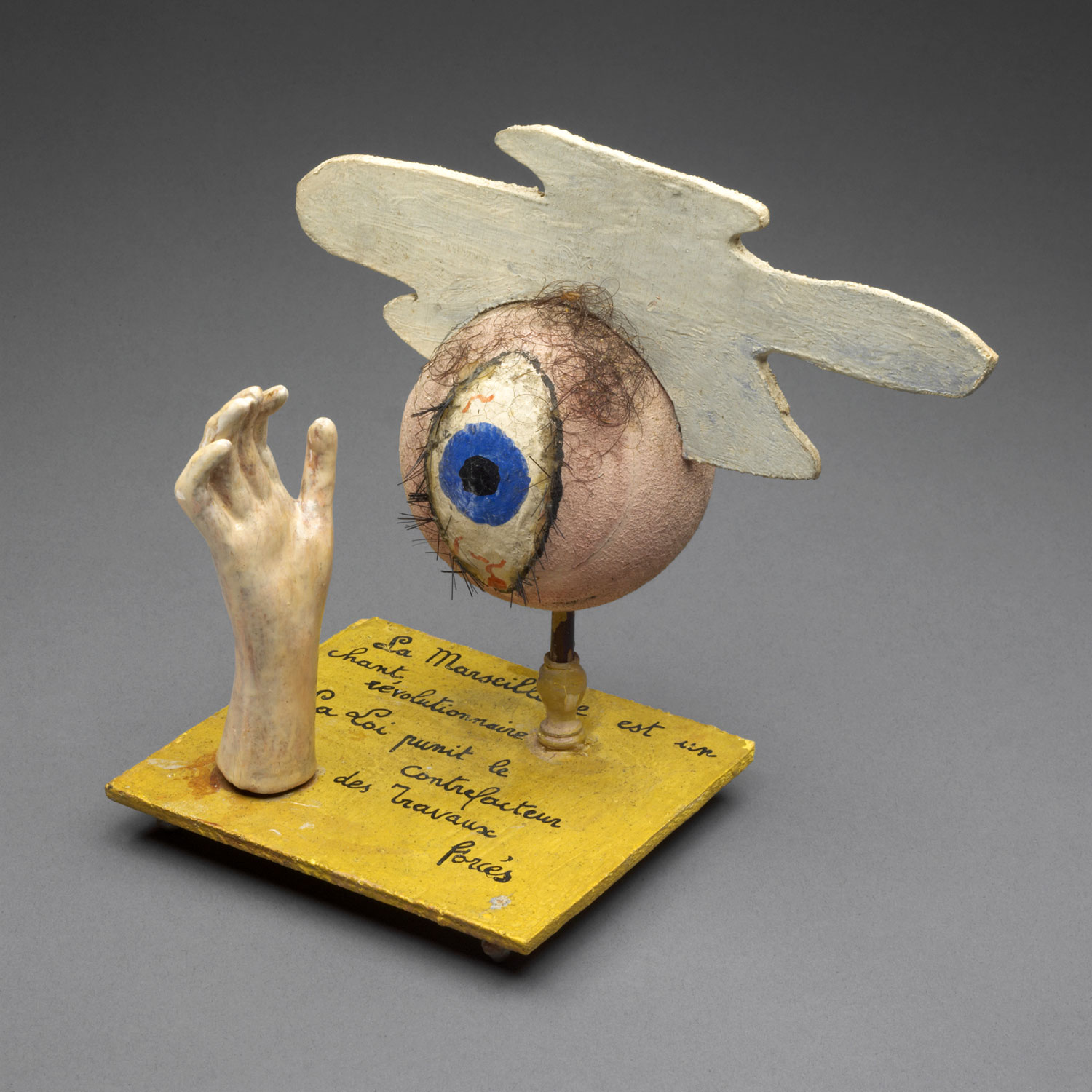


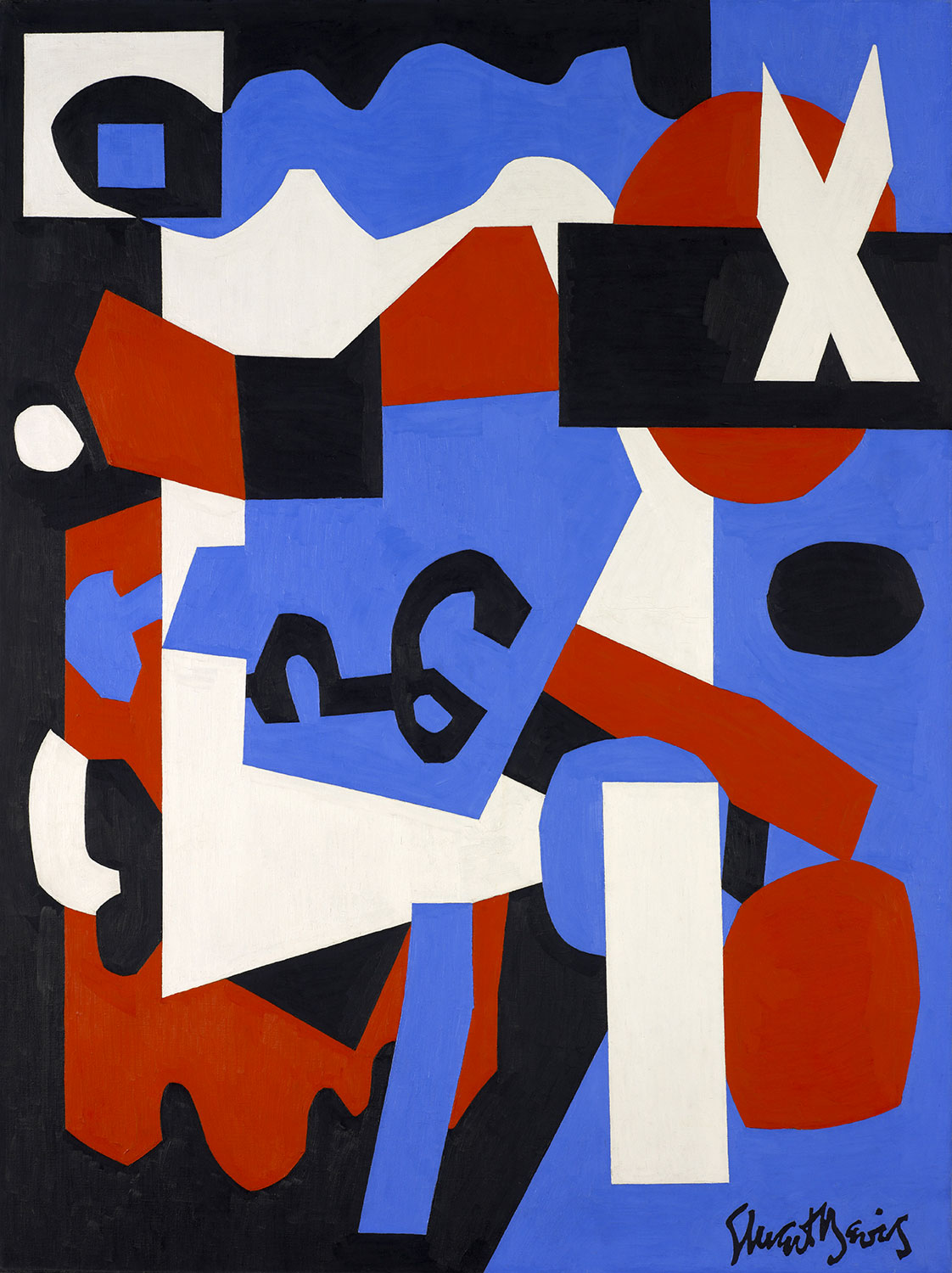


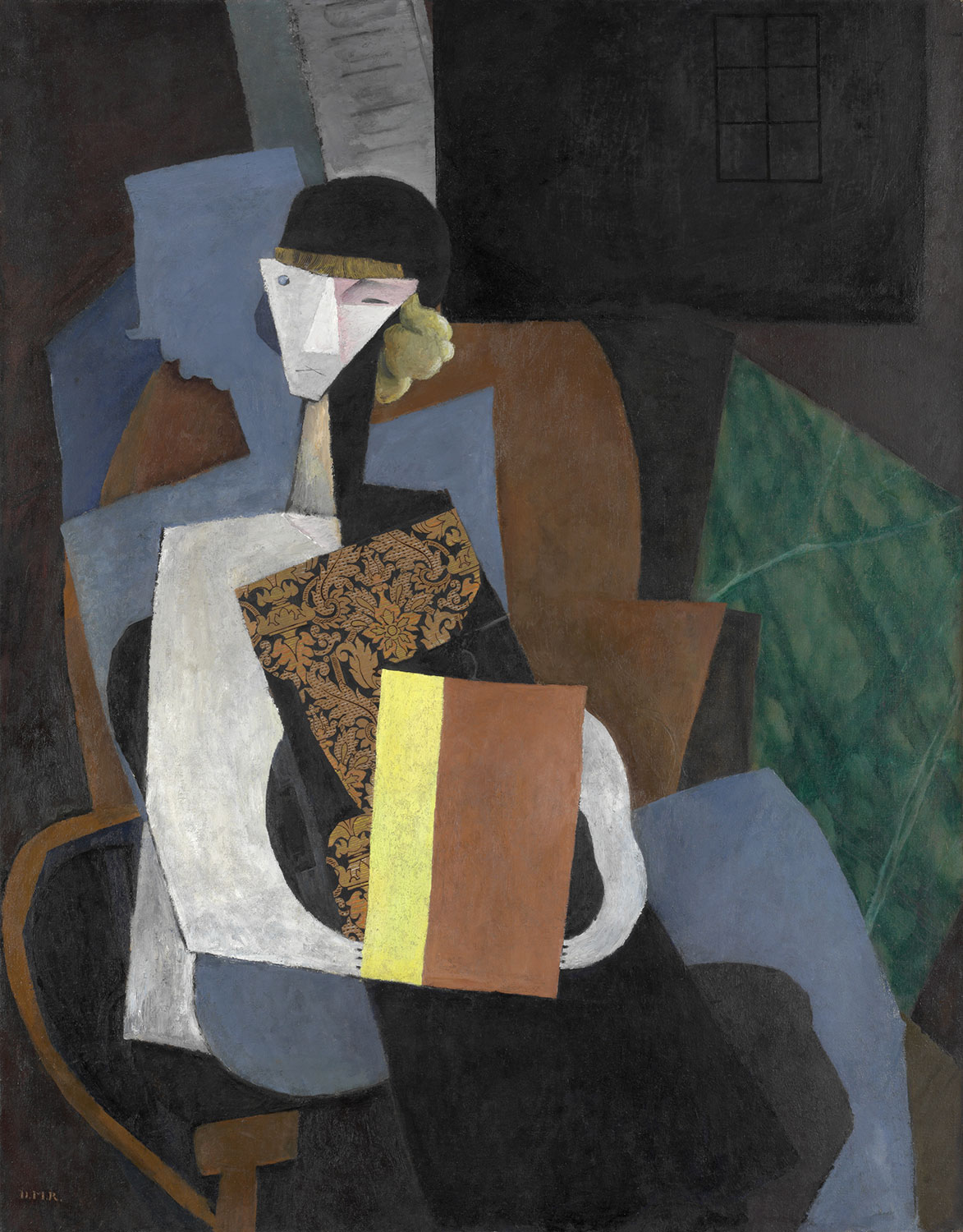
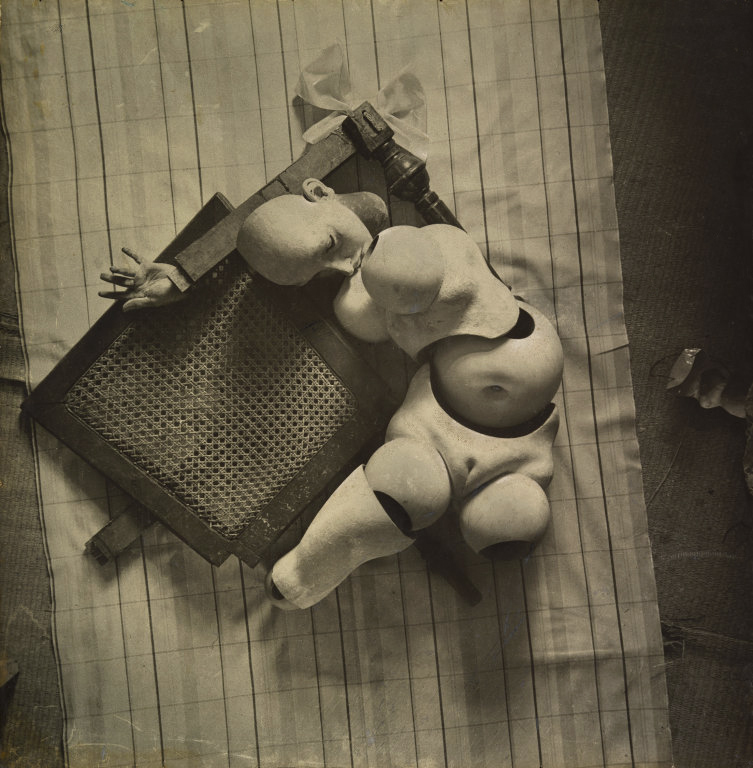

![Stanisław Ignacy Witkiewicz (Polish, 1885-1939) 'Self-Portrait, Zakopane [Broken Glass]' 1910](https://artblart.com/wp-content/uploads/2015/03/witkiewicz_self-portrait-zakopane-web.jpg "Stanisław Ignacy Witkiewicz (Polish, 1885-1939) 'Self-Portrait, Zakopane [Broken Glass]' 1910")
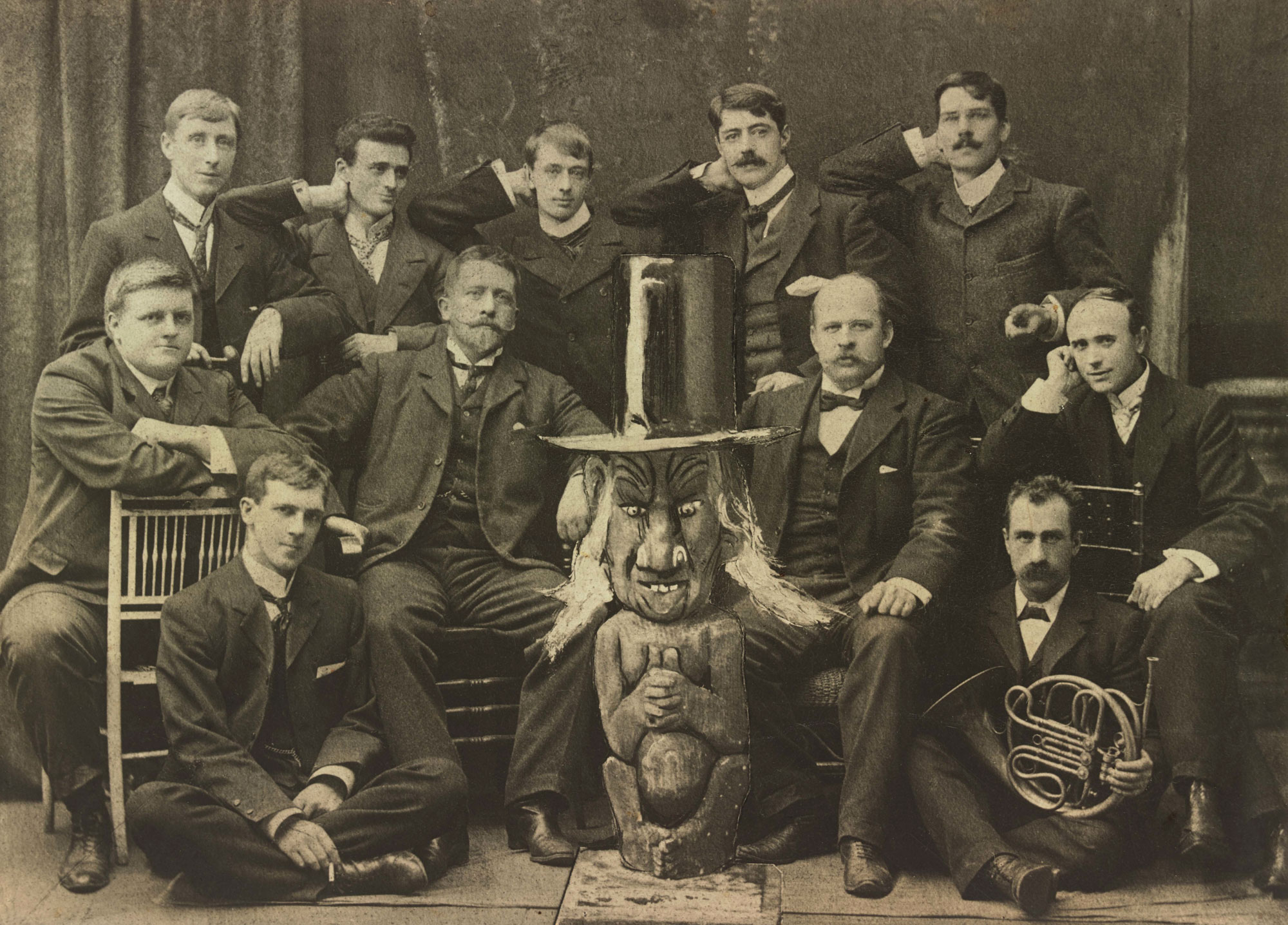






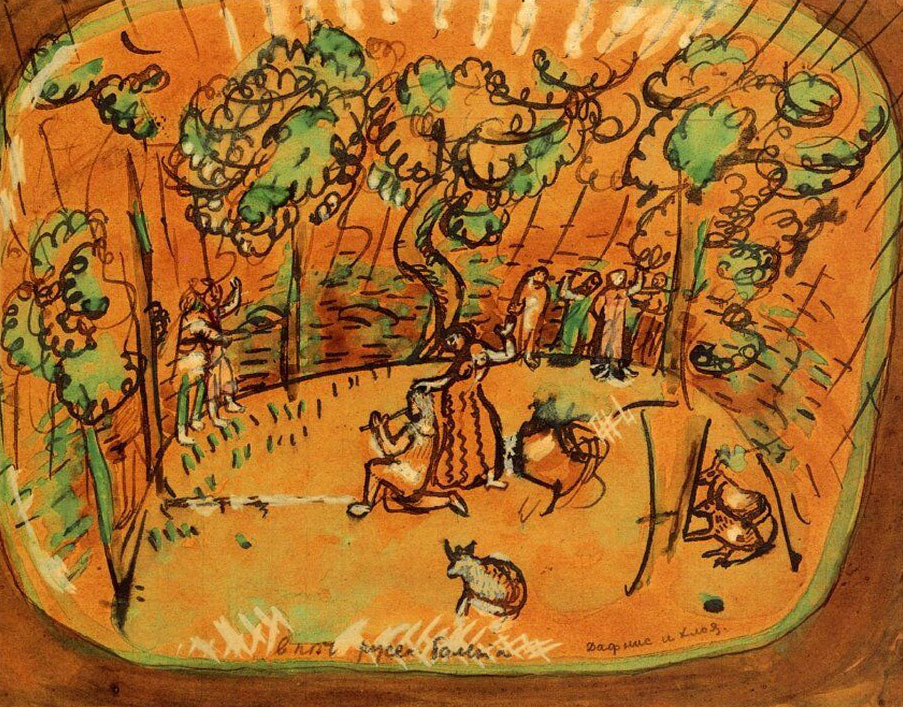


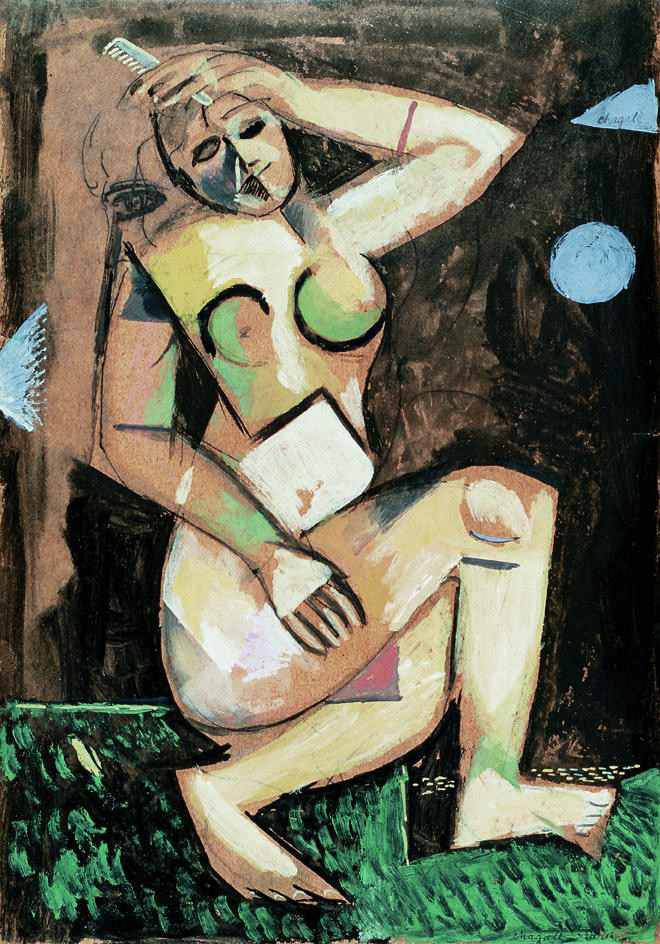

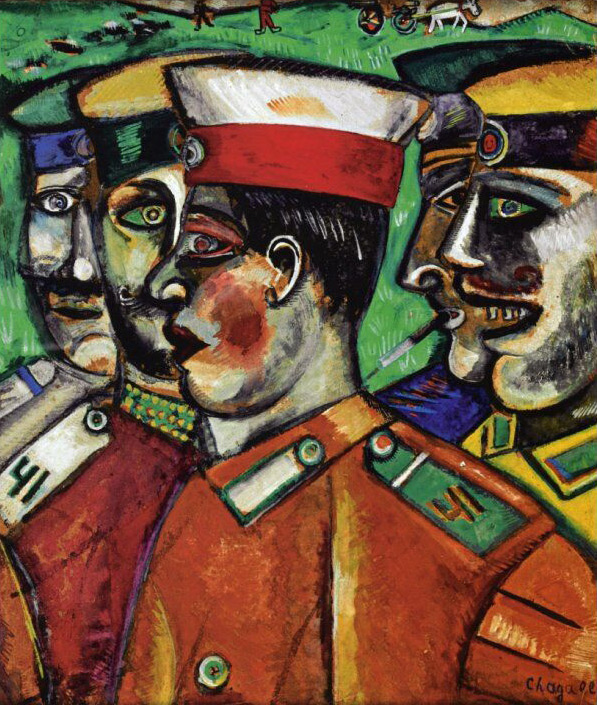
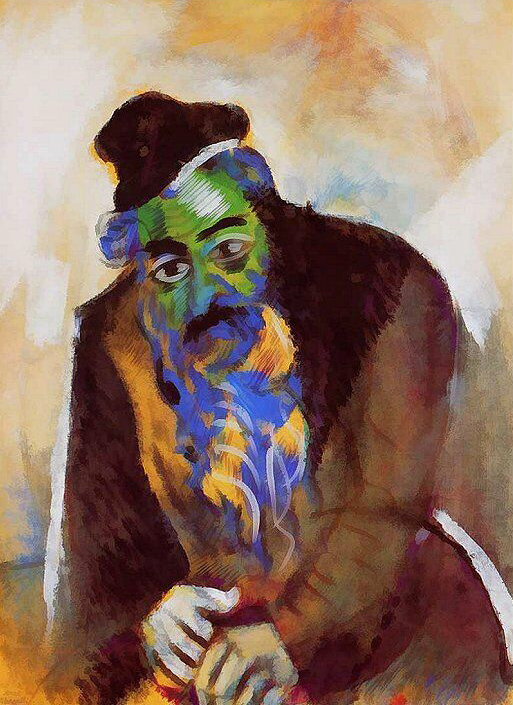
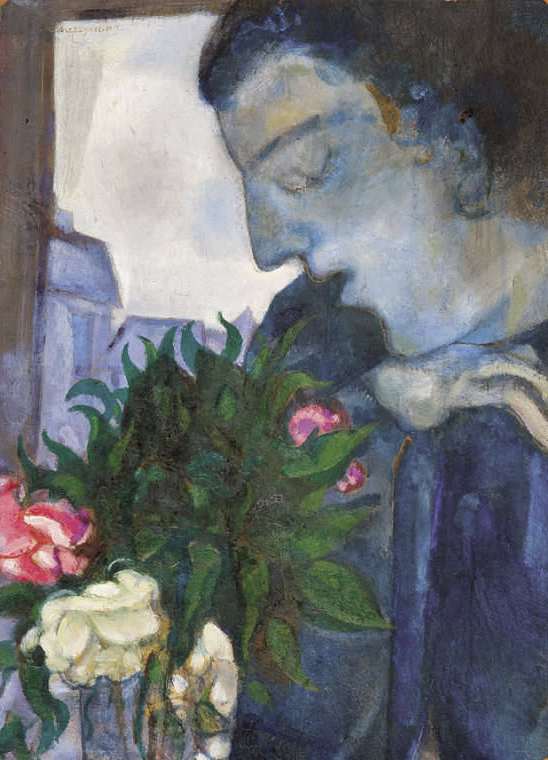




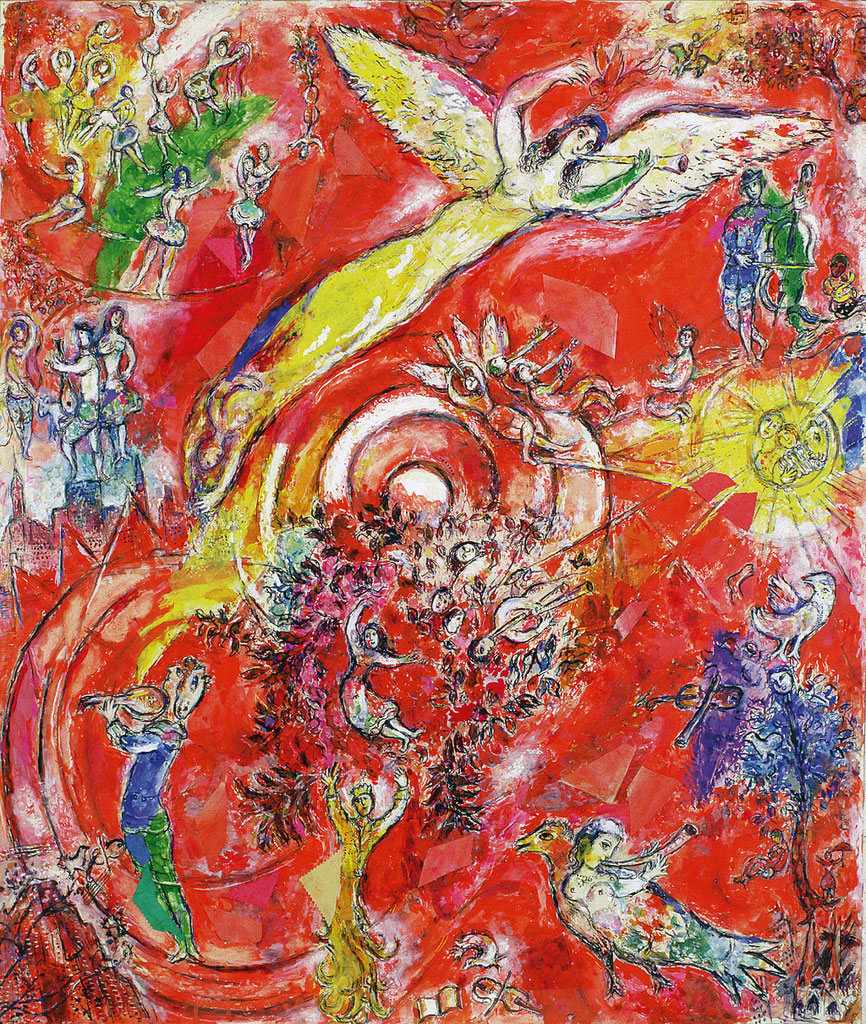
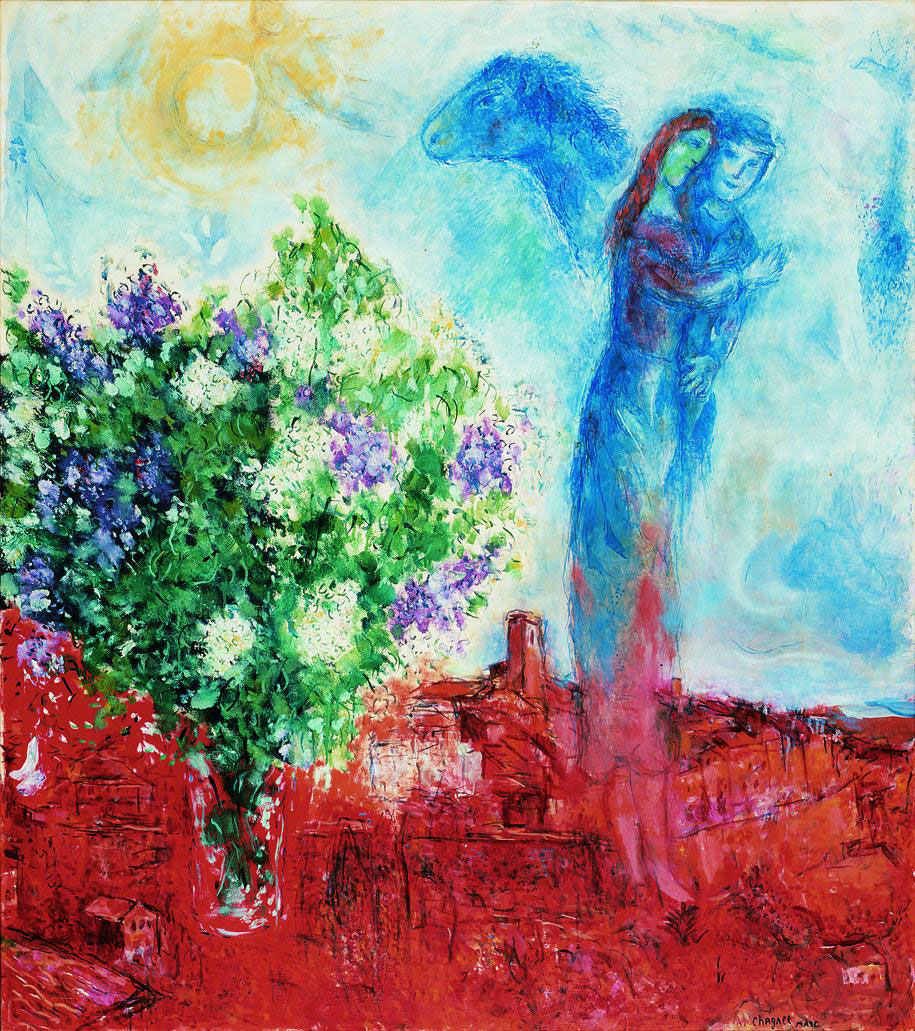
 Art Blart _ art and cultural memory archive
You must be logged in to post a comment.