“Mixed-up times are overflowing with both pain and joy – with vastly unjust patterns of pain and joy, with unnecessary killing of ongoingness but also with necessary resurgence. The task is to make kin in lines of inventive connection as a practice of learning to live and die well with each other in a thick present. Our task is to make trouble, to stir up potent response to devastating events, as well as to settle troubled waters and rebuild quiet places.”
Donna Haraway, 2016
“… according to one’s structure and position, each of us sees certain facets, certain parts of facets (…).”
Alberto Giacometti
It’s great to see Melbourne artist Hoda Afshar have a mid-career survey exhibition at the Art Gallery of New South Wales. With her strong bodies of work over recent years she surely deserves such an accolade.
Unfortunately I can’t make any comment on the exhibition Hoda Afshar: A Curve is a Broken Line itself – its flow from body of work to body of work, from space to space; the colours used behind the photographs; the sequencing of the work; and how the different sizes of the photographs bring the viewer forward and push them back – because I have not seen the exhibition. But, as always with the work of Afshar, it would seem her compassionate, lyrical, conceptual images are displayed with a clear seeing and focus on the stories that the artist wishes to tell.
Many words have been written by others (below) about significant aspects of Afshar’s work: the layers of displacement, difference and marginality; othering and image-making; war, statelessness, diaspora, oppression, corruption, torment, identity, place … which relate to the “relativity of reality” (the view that people are active participants in the construction of their own reality) imbued in her work. Indeed, “concepts of identity develop across the social spectrum – from within the self, within the culture, and within the political arena.”1 You can read these texts at your leisure. But from what I can see in the media images the exhibition exemplifies, as writer Celina Lei notes, “how her practice has matured while still carrying forth that visual pull – aesthetically, intellectually and emotionally.”
From what I can observe and feel the images are strongly composed, rigorously conceived and carry emotional weight when combined in sequences. Single images are ambiguous but when combined into a flow of images the narrative comes alive. People are framed against contextless backgrounds, they turn away from the camera, they shield their eyes and their identity or have their faces obscured by tree branches – so much of Afshar’s work is about absence, loss, longing, persecution, the impermanence of identity and the conflicting perceptions of a constructed, lived reality.
What I take issue with is John McDonald’s comparison of Afshar’s work with that of William Eggleston: works in her ongoing series In the exodus, I love you more (2014-) which capture diverse images of Iran “have the same mixture of ordinariness and oddity one finds in the work of a photographer such as William Eggleston.”2 Nothing could be farther from a form of reality. Eggleston’s images are never ordinary, are frequently surreal and bizarre, shot from a low or high angle (often with lurid colour ways) and possess a cutting social commentary on American culture … whereas Afshar’s photographs are poetic, sublime, lyrical emanations of ‘reality’ and if they do picture some oddity they lack the intense “bite” of an Eggleston image – something I would like to see Afshar reintroduce into her image making.
Many of her images are reflective, meditative, and approach the subject matter in an oblique manner which illuminates “how photography can activate new ways of thinking” … all well and good, but I long for a little more guts and directness to some of her individual images (physically, literally not intellectually). Her early series Under Western Eyes for example, contains biting, quirky creativity but for obvious reasons has not been included in this exhibition because it doesn’t fit the style of the smooth, polished, buffed, ambiguous and other worldly later work.
I also take issue with Tom Williams’ observation. “Even in her early, nominally “documentary” series, you can sense an embracing of the ambiguity of the still image, and an interest in composing a reality more vivid (and perhaps genuine) than dispassionate reportage might be capable of.”3
I disagree with the second part of this statement.
Having recently spent hours assembling a huge posting of photographs on the war in Ukraine – images which picture the ordinariness and atrocity of war – nothing, literally nothing, can be more vivid and genuine than the images of that war captured by brave Ukrainian photographers (see examples below). The same can be said of the genocide happening in Gaza and the photographs emerging from that massacre.
But as John McDonald intelligently observes, “The tragic events that have unfolded in Israel and Gaza over the past month should be enough to remind us that art is powerless in the face of real political upheaval. The most an artist can do to effect social and political change is to create a few striking images that circulate beyond the thought-absorbing walls of the art museum. Even then, any change to people’s attitudes is bound to be incremental and highly personal.”4
Most images then, have little power to change public and personal opinion… all they can do is proffer alternate visions and interpretations of the world and hope that some glimmer of recognition of injustice, difference and otherness will permeate the mind of the viewer. And while Afshar’s photographs do not affect social and political change what they do is bring to consciousness in the viewer “other” aspects of the realities of the world. Through the visibility of her images she exposes the phallocracy of the masculine, singular definition of truth. As David Smail suggests when speaking on the nature of ‘truth’,
“Though the truth is not just a matter of personal perspective, neither is it fixed and certain, objectively ‘out there’ and independent of human knowing. ‘The truth’ changes according to, among other things, developments and alterations in our values and understandings… the ‘non-finality’ of truth is not to be confused with a simple relativity of ‘truths’.”5
Afshar’s photographs address the simple relativity of many ‘truths’, the tension between “forms” … of truth and reality. Truths and realities, what is seen and not seen. So much of being alive is breaking…
Dr Marcus Bunyan
Footnotes
1/ Ari Hakkarainen. “‘The Urgency of Resistance’: Rehearsals of Death in the Photography of David Wojnarowicz” 2018
5/ David Smail. Illusion & Reality: The Meaning of Anxiety. London: J.M. Dent & Sons, 1984, p. 152.
Many thankx to the Art Gallery of New South Wales for allowing me to publish the photographs in the posting. Please click on the photographs for a larger version of the image.
Mstyslav Chernov (Ukrainian, b. 1985) / AP Doctors unsuccessfully try to resuscitate a girl hit by Russian shelling in Mariupol, Ukraine. February 27, 2022 2022
Used under fair use conditions for the purposes of education, research, criticism and review
Alexey FurmanAlexey Furman (Ukrainian, b. 1991) / Getty Images A young girl cries as a man bids his daughter goodbye at the railway station in Lviv, Ukraine, on March 22, 2022. Lviv has served as a stopover and shelter for the millions of Ukrainians fleeing the Russian invasion, either to the safety of nearby countries or the relative security of western Ukraine’ 2022
Used under fair use conditions for the purposes of education, research, criticism and review
Sergi Mykhalchuk (Ukrainian, b. 1972) Evacuation of civilians from Irpіn, Ukraine. March 4-5, 2022 2022
Used under fair use conditions for the purposes of education, research, criticism and review
Mstyslav Chernov (Ukrainian, b. 1985) / AP Mariana Vishegirskaya stands outside a maternity hospital that was damaged by shelling in Mariupol, Ukraine, March 9, 2022. Vishegirskaya survived the shelling and later gave birth to a girl in another hospital in Mariupol 2022
Used under fair use conditions for the purposes of education, research, criticism and review
“I see art-making as a process of “unselfing” – you can be outside of your body, less focused on what’s inside, and see yourself in relation to the broader world.”
Hoda Afshar
“In co-opting the documentary genre, Afshar harnesses its truth-telling power while simultaneously telling another story – one that is often unspoken or at odds with what we are told by those in power.”
Through her poetically constructed images, Hoda Afshar illuminates a world overshadowed by history and atrocity. Yet we never see despair: we see defiance, comradeship, reinvention and a search for how photography can activate new ways of thinking. …
What unites her materially diverse work is a concern with visibility: who is denied it, what is made visible by media, and how photography can reveal, overlook and manipulate truth.
Much of her work addresses critical humanitarian issues of our time: war, statelessness, diaspora, oppression, corruption. She challenges stereotypes. We don’t see passive victims or closed narratives: we are introduced to new perspectives that might lead us to reappraise the world we inhabit.
The title of the exhibition was inspired by lines in a poem by Kaveh Akbar:
a curve is a straight line broken at all its points so much of being alive is breaking.
Through her photographs and moving image works, Iranian-born, Melbourne-based Hoda Afshar examines the politics of image-making. Deeply researched yet emotionally sensitive, her work can be seen as a form of activism as much as an artistic inquiry.
Afshar uses the camera to give visibility to those who have been denied it, resolutely insisting on the humanity of her subjects. She makes us contend with violence and brutality, not through blunt imagery but through evocation. Her work is anchored in empathy yet also radical in the way it wrestles with injustice.
This exhibition will feature photography and film from the past decade to present a comprehensive overview of Afshar’s recent practice, including a newly commissioned series. Amassed together in dialogue for the first time in a major public institution, these works offer a poignant reminder of the power of images and their coercive potential.
An accompanying publication offers critical insight into Afshar’s work as well as creative and experimental responses from a range of writers.
Text from the Art Gallery of New South Wales website
“The tragic events that have unfolded in Israel and Gaza over the past month should be enough to remind us that art is powerless in the face of real political upheaval. The most an artist can do to effect social and political change is to create a few striking images that circulate beyond the thought-absorbing walls of the art museum. Even then, any change to people’s attitudes is bound to be incremental and highly personal. …
Like Valamanesh, Afshar has never been able to let go of her brutalised, much-maligned country. In her ongoing series, In the exodus, I love you more (2014-), which takes its title from a line by Palestinian poet Mahmoud Darwish, she returns time and again to Iran, capturing diverse images that have the same mixture of ordinariness and oddity one finds in the work of a photographer such as William Eggleston. Landscapes, street scenes, portraits, horses, peacocks, a building draped in heavy curtains, a hose in a courtyard … nothing is disqualified from an idiosyncratic overview that digs under the skin of her birthplace. The same applies, but with added eeriness, to the series Speak to the wind (2015-22), set on the island of Hormuz, off the southern coast of Iran.”
“Through her poetically constructed images, Hoda Afshar illuminates a world overshadowed by history and atrocity. Yet we never see despair: we see defiance, comradeship, reinvention and a search for how photography can activate new ways of thinking. …
Even in her early, nominally “documentary” series, you can sense an embracing of the ambiguity of the still image, and an interest in composing a reality more vivid (and perhaps genuine) than dispassionate reportage might be capable of. …
What unites her materially diverse work is a concern with visibility: who is denied it, what is made visible by media, and how photography can reveal, overlook and manipulate truth.
Much of her work addresses critical humanitarian issues of our time: war, statelessness, diaspora, oppression, corruption. She challenges stereotypes. We don’t see passive victims or closed narratives: we are introduced to new perspectives that might lead us to reappraise the world we inhabit. …
Hoda Afshar’s work addresses conflict, injustice, mobility and the often fragile state of being alive. It reminds us that dominant powers can be challenged by exposing truth and envisioning something new.”
“Social and political commentary is a given in much of her work, but her lens remains sympathetic, never othering. This is highlighted in sections throughout Hoda Afshar: A Curve is a Broken Line. Her portraits of stateless asylum seekers on Manus Island, Papua New Guinea, taken in 2018, display power and dignity in visibility, despite lived experiences of harshness and torment.”
In the exodus, I love you more (2014-) is a portrait of her home country formed by experiences of familiarity and distance. The artist is both at home and searching, like an outsider. Images suggest at times an intimate proximity, and at others a separation akin to the one made by raising a camera to your eye.
Afshar examines her experience of migration and, she tells me, seeks to “dismantle the idea of there being one way of seeing Iran.”
The final image in this series shows the erasure of a woman’s face in a painted Persian miniature.
In September, the Art Gallery of New South Wales will present Hoda Afshar: A Curve is a Broken Line, the first major solo exhibition of one of Australia’s most innovative and unflinching photo-media artists, Iranian-born, Melbourne-based Hoda Afshar.
Featuring photographs and moving image works from the past decade, including a newly commissioned series, the comprehensive exhibition provides an overview of the artist’s recent practice and examines the politics of art making. Amassed together in dialogue for the first time by a major public institution, these works offer a poignant reminder of the power of images and their coercive potential.
Art Gallery of NSW director Michael Brand said it is a great pleasure to present Afshar’s first major solo exhibition at the Art Gallery of NSW.
‘Hoda Afshar is one of the most exciting artists working in Australia today. While her work explores themes of violence and pain, it also speaks to the transformative potential of image-making which is of profound importance to art institutions, as agents of advocacy and emotional encounter,’ said Brand.
‘Her work gives visibility to marginalised voices and serves as a powerful reminder of art’s capacity to embolden, inspire, and move. Her own voice as an artist is a defiantly international one.’
Since she first began working with photography in the early 2000s, Afshar has resolutely insisted on the humanity of her subjects. She is sensitive to the camera’s status as an imperialist tool that has long been used to define how history is told and how power is consolidated. Throughout her practice, she has involved her subjects in the act of photographing them in order to equalise the power dynamic that exists between photographer and photographed and return agency to those she depicts.
Exhibition curator, Art Gallery of NSW senior curator of contemporary Australian art Isobel Parker Philip said: ‘Hoda Afshar’s work is both deeply researched and poetically resonant and can be seen as a form of activism as much as an artistic inquiry.
‘Hoda’s approach is unique in that she makes us contend with brutality, not through blunt imagery but through evocation. Her work is anchored in compassion yet also radical in the way it wrestles with injustice.
‘Hoda’s photographs and videos are emotionally embroiled in the world they depict. It is this fact that makes a survey of her work both compelling and timely.’
Hoda Afshar: A Curve is a Broken Line includes the reveal of a new body of work commissioned for the exhibition, titled In turn 2023, which is a series of large-scale photographs depicting Iranian women who, like Afshar, live in Australia and have watched, from afar, the women-led Iranian uprising that began in September 2022. Presented one year on from when the uprising started, the portrait series is something of an elegy, speaking to their shared grief and their shared hope.
Among the most recognisable works featured in the exhibition, is Behrouz Boochani – Manus Island 2018, which was acquired by the Art Gallery in 2020 from Afshar’s pivotal series Remain 2018, which comprises a video and suite of photographs. Made on Manus Island, Papua New Guinea with a group of stateless asylum seekers, the video and photographs of Remain serve as testimony to the lived impact of Australia’s border protection policy.
The exhibition is accompanied by a publication, Hoda Afshar: A Curve is a Broken Line (RRP$65) featuring new writing by curator Isobel Parker Philip and writers including Hala Alyan, Elyas Alavi, Behrouz Boochani, Andrew Brooks and Astrid Lorange (working as the duo Snack Syndicate), Taous Dahmani, Shahram Khosravi and Sarah Sentilles.
Press release from the Art Gallery of New South Wales
The series Behold was made while the artist was travelling in the Middle East and befriended a group of young gay men who invited her to photograph them in a local male-only bathhouse.
The title Behold is alluding to the role of the viewer, the camera, in partially constructing the meaning of these images. For instance, the visible expressions of male intimacy tend to be viewed through a very narrow sexualized frame in the West, but in Iran, like elsewhere in the East, it is quite normal to see men engaged in physical contact, embracing each other and kissing cheeks, physically massaging each other in bathhouses, without it being sexualized. It is like public displays of breastfeeding and images of naked infants or adolescents – and also male intimacy – it is always interesting for me the reactions that these things engender in the West – the weird sort of prohibitions, and paranoias that surround the displaying of certain bodies or their interactions.
Picking up on something that John Berger said for example – if we were to replace the men in these images with women then of course the reaction would be very different. So returning to the idea of viewing: this work for me (now, upon reflection) is also about challenging the viewer – or different viewers – about these things. because despite the points just mentioned, the dominant reading of the work will still likely be about the censorship of bodies and identities in a particularly religious environment. But again what I am suggesting is that this has something, though not everything, to do with our own framing.
Hoda Afshar Instagram page. Used under fair use conditions for the purposes of education and research
In Behold (2016), once more we see acts of resolute defiance by people performing for the camera. Afshar was invited by a group of gay men to observe re-enacted gestures of protection and intimacy outlawed in most of the Middle East.
Unable to freely express their love in society, they disclose and affirm it for Afshar and her lens.
Behold was made unexpectedly, and without design. I was travelling in a city that I sometimes return to, and I got to know a group of gay men. There, where they live, these men (and many others like them) are mostly left to be. But only on the condition that they lead one part of their lives in secret. Rarely, that is, do their bodies ever meet in open honesty outside, in public. Only here, in this bathhouse, where their desire to be seen and embraced by others – just to be and to be held – is played out the partial openness of these four closed walls.
The bathhouse no longer exists. But while it still did, these men invited me to document it and a little glimpse of their lives in it. We arrived, but I was not allowed to enter. So we rented the place, and for a few hours I took pictures while these men played themselves performing their lives for my peering camera, in order that their desire to be seen might be realised, in part at least, here in the world of the images – in the act of beholding, where the bare thereness of life is transformed from mere appearing or appearance, into something more meaningful … into recognition.
Hoda Afshar. “11 Works by Hoda Afshar,” on the Cordite website 1 August 2018 [Online] Cited 09/11/2023. Used under fair use conditions for the purposes of education and research
Remain addresses Australia’s contentious border protection policy and the human rights of asylum seekers. The work was made in collaboration with several of the men who remained on Manus Island, Papua New Guinea, six or more years after they left their homelands to seek asylum in Australia, but instead were sent to languish in the remote offshore detention centre. The work involves these men retelling their individual and shared stories through staged images, words, and poetry, and bearing witness to life in the Manus camps: from the death of friends and dreams of freedom, to the strange air of beauty, boredom, and violence that surrounds them on the island.
Afshar believes ‘typical images of refugees only reinforce in the eyes of the viewer their inferior image and position’. Afshar, in collaboration with the people in her
portraits, attempted to create ‘an artwork – using the language of poetry, performance, and song – that defies such logic, and forces the viewer to confront their
own incomprehension, as well as the very inexplicableness of the situation that these men face.’ Collaboration, trust and empathy is an important aspect of Afshar’s art practice. She says:
One portrait shows a stateless Kurdish refugee called Emad struggling under a downpour of sand. When I asked him what natural element he wanted to use in his image, he chose soil. He said: ‘It reminds me of land; the land that I was torn from; the land that has been torn from me. From us. Soil is the most precious idea in Kurdish culture. But we are stateless. I’ve been stateless my whole life.’
Afshar’s criticism of documentary photography isn’t aimed at photographers themselves, or their intentions: ‘It’s important for all of us to look at the visual languages that we inherited, that are predominantly imperial visual languages, and ask questions about why we’re framing things in a certain way.’
Hoda Afshar’s 2018 body of work Remain is an unflinchingly political commentary on Australia’s border protection policy and serves as testimony to its assault of human rights. Encompassing a film and a suite of photographic portraits, Remain speaks the stories of a group of stateless men who remained on Manus Island, Papua New Guinea, after the immigration detention centre closed in October 2017. In the film, their experiences are recounted as episodic fragments shot through with violence in voice overs that are by turns lyrical and brutal. Some recite poetry, some sing, some remember the riots and the suicides. As their stories unfold, the camera pans over a picturesque landscape – lush foliage and crystal-clear water. A ‘green hell’ as one man describes it. It is the abrupt collision of these two registers, the haunting narrative and the idyllic imagery, that carries the emotional force of the work. It is beautiful and horrifying at the same time.
The accompanying photographic portraits of the same protagonists are insistent and powerful. They stand before us, in the foreground of the image, against a dark backdrop. In these photographs, there is nothing to distract us from the figures themselves. Nothing to detract from the simple fact of their presence. They each assert their right to be seen. The bluntness of this gesture is itself a political act. For that is what detention does; it makes individuals invisible. In these portraits, Afshar acknowledges the plight of these men metaphorically. They are beset by the elements, by fire, water and earth. But at no point is their humanity questioned.
Text from the Art Gallery of New South Wales website
Behrouz Boochani (Persian: بهروز بوچانی; born 23 July 1983) is a Kurdish-Iranian journalist, human rights defender, writer and film producer living in New Zealand. He was held in the Australian-run Manus Island detention centre in Papua New Guinea from 2013 until its closure in 2017. He remained on the island before being moved to Port Moresby along with the other detainees around September 2019. On 14 November 2019 he arrived in Christchurch on a one-month visa, to speak at a special event organised by WORD Christchurch on 29 November, as well as other speaking events. In December 2019, his one month visa to New Zealand expired and he remained on an expired visa until being granted refugee status in July 2020, at which time he became a Senior Adjunct Research Fellow at the University of Canterbury.
Boochani is the co-director, along with Iranian film maker Arash Kamali Sarvestani, of the documentary Chauka, Please Tell Us the Time, has published numerous articles in leading media internationally about the plight of refugees held by the Australian government on Manus Island, and has won several awards.
His memoir, No Friend But the Mountains: Writing from Manus Prison, won the Victorian Prize for Literature and the Victorian Premier’s Prize for Nonfiction in January 2019. The book was tapped out on a mobile phone in a series of single messages over time and translated from Persian into English by Omid Tofighian.
After the November 2022 publication of his second collection of writings, Freedom, Only Freedom: The Prison Writings of Behrouz Boochani, Boochani visited Australia for the first time to promote the book in December 2022.
Hoda Afshar’s 2018 body of work Remain is an unflinchingly political commentary on Australia’s border protection policy and serves as testimony to its assault of human rights. Encompassing a film and a suite of photographic portraits, Remain speaks the stories of a group of stateless men who remained on Manus Island, Papua New Guinea, after the immigration detention centre closed in October 2017. In the film, their experiences are recounted as episodic fragments shot through with violence in voice overs that are by turns lyrical and brutal. Some recite poetry, some sing, some remember the riots and the suicides. As their stories unfold, the camera pans over a picturesque landscape – lush foliage and crystal-clear water. A ‘green hell’ as one man describes it. It is the abrupt collision of these two registers, the haunting narrative and the idyllic imagery, that carries the emotional force of the work. It is beautiful and horrifying at the same time.
The accompanying photographic portraits of the same protagonists are insistent and powerful. They stand before us, in the foreground of the image, against a dark backdrop. In these photographs, there is nothing to distract us from the figures themselves. Nothing to detract from the simple fact of their presence. They each assert their right to be seen. The bluntness of this gesture is itself a political act. For that is what detention does; it makes individuals invisible. In these portraits, Afshar acknowledges the plight of these men metaphorically. They are beset by the elements, by fire, water and earth. But at no point is their humanity questioned.
Text from the Art Gallery of New South Wales website
On the islands in the Strait of Hormuz, a belief exists that a wind, known as zār, can possess a person, and can be exorcised from them through an intense ceremony of dance and music.
On the islands of the Strait of Hormuz, near the southern coast of Iran, there is a belief that the winds – generally believed to be harmful – can possess a person, causing them to experience illness or disease. As part of a ritual placating the winds’ harmful effects, the islands’ inhabitants practice a ceremony involving incense, music and movement, in which a hereditary cult leader speaks with the wind through the afflicted patient in order to negotiate its exit.
When artist Hoda Afshar first visited the islands in 2015, she found herself drawn not only to these distinctive customs practiced by its inhabitants but also to its otherworldly landscapes – the strange valleys and statue-like mountains, themselves sculpted by the wind over many millennia. While the exact origins remain unclear, the existence of similar beliefs in many African countries suggests that the cult may have been brought to the south of Iran from southeast Africa through the Arab slave trade. This seldom spoken history became a starting point into an intriguing project for Afshar, who sought to document the story of these winds and the traces they have left on these islands and inhabitants.
Mack Books on Intagram. Used under fair use conditions for the purposes of education and research
With 110 cameras functioning instantaneously in a photo studio, Afshar created 3D images of her subjects and used a 3D printer to convert them into statues.
An officer and lawyer in the Australian Special Forces
While serving in Afghanistan, he raised concerns that the Australian government were covering up the corruption of Australia’s defence force for political gain, and sacrificing the lives of Australian soldiers. After his concerns were consistently ignored, he copied over a hundred secret documents and distributed them to several journalists and to the ABC. He faces trial on five charges relating to National Security. If found guilty, he will face lifetime imprisonment.
Portrait of Rod St George, who exposed atrocious conditions at the Manus Island detention centre
Agonistes (2020)
Hoda Afshar explores the experiences of people who have spoken out. The artist worked with people known as whistle-blowers, who have brought to light various transgressions perpetrated in Australian institutions today. Although whistleblowing in Australia is considered a hallmark of our democracy, whistle blowers take great personal risks when drawing attention to institutional wrongdoing.
Agonistes is based on the experiences of several men and women – former employees in the areas of immigration, youth detention, disability care, and other government agencies – who chose to speak out, and who now live with the consequences. They describe the personal and professional ruin, the breakdown of friendships and family relationships, and the physical and mental anguish that followed their decision to call out alleged abuses, and the reasons that led them to do so, despite knowing their possible fate. They explain that if they could go back, they would do it all again.
While their individual stories differ, the shared struggle of these men and women and their portraits expose the same agonizing truth: that the choice between responsibility and obligation – between morality and the law – is, in a very real sense, the essence of tragedy. Afshar produced a 3D scan of each of the whistle blowers. This was then 3D printed to create a bust. Afshar created studio photographs of the busts, which resulted in a suite of images that abstracts the identity of each subject. The eyes – a feature we usually use to identify people in photographs – become curiously blank.
“It took me 14 years to find that level of courage, or knowledge or connection to the place [Australia] to make a work like the Agonistes, to turn the lens inward, to feel like I’m authorised to talk about it as a citizen,” says Afshar.
To identify the whistleblowers to approach for the project, Afshar worked with Claire Loughnan, a lecturer in criminology at the University of Melbourne.
She flew each person to Melbourne and photographed them using a system of 110 cameras – which allowed her to essentially create a 360-degree portrait. She used this composite image to generate a 3D-printed sculpture of each whistleblower. …
Afshar was fascinated to discover that the one thing that the 110 cameras could not capture was the details of her subjects’ eyes – resulting in a glazed-over effect.
This accidental byproduct of the process had a certain poetic resonance for the photographer: it reminded her of the eyes on ancient Greek busts.
She points out that democracy and tragedy emerged in ancient Greece at the same time.
“Often in the tragic narratives, the main character is the one that is caught between two conflicting choices: responsibility and obligation, or morality and the law … [or] the public and the state.”
“The reality of Athens at the time was a system that was rooted in patriarchy, slavery, xenophobia, refugee crisis – which are still the struggles of our time. And the function of tragedy then was to give voice to the excluded voices.”
In the Agonistes video work, we hear the excluded voices of the whistleblowers while Afshar zooms in on her subjects’ eyes, mouths, hands.
In the adjoining room, the new series In turn (2023) is a suite of large, framed photographs of Iranian women based in Australia. Many images show them as they tenderly braid one another’s hair. These women are unidentifiable, apart from artist and activist Mahla Karimian, who appears airborne with a pair of flying doves.
This work was catalysed by the women-led protest movement sparked by the death of Mahsa Jina Amini, an Iranian Kurdish woman arrested in September 2022 for not following Iran’s strict female dress codes. The uprising filled the streets with women chanting “Women, Life, Freedom!” and “Say her name!” in fearless defiance of authorities, who responded with murderous retaliation.
Afshar was observing her homeland from afar. She says she wanted to “share voices the media was ignoring”. She was inspired by social media images of women plaiting each other’s hair in public: a rebellious act that echoes a practice of female Kurdish fighters preparing for battle.
But the images aren’t violent. They’re quietly peaceful, showing solidarity in grief, hope and determination. In making this “visual letter” to her Iranian sisters, Afshar has risked long-term exile from her country of birth.
“Ian was aware, fully present. He was attuned to his surroundings like few people I have met…” Dr Marcus Bunyan
December 2023
Marcus Bunyan (Australian, b. 1958) Ian Lobb, Station Street, Fairfield 5 October 2022
The luminosity of Ian Lobb
These words are a celebration of the life of an extraordinary human, a heartfelt stream of consciousness text that touches on aspects of the life of Ian Lobb, photographer.
Ian Lobb was my friend. He was a poet, photographer, raconteur. He my first photographer lecturer at university who I could always rely on for advice on art, photography, writing and life. He was an audiophile and a lover of music, anything from classical to jazz to Nina Simone, Paul McCartney and Bob Dylan. He was a lover of women. He was dreamer and a philosopher. He adored the American artist Cy Twombly. He was a rabid Sydney Swans fan!
In the early 1990s monthly reviews of student photographic work at Phillip Institute of Technology (PIT, which later became part of RMIT University) with Ian and fellow lecturer Les Walkling were electric. Ideas and passion for the work abounded, discussions ran for hours on how to create work – with feeling and insight into the condition of image (and human) becoming. Here Ian introduced me to Tarkovsky, Eisenstein and Joseph Campbell, and the Marathon Monks of Mount Hiei, Kyoto, Japan. And of course he introduced me to the French photographer Eugène Atget – oh how we loved Atget, and Strand, Weston, Caponigro and Minor White. We could talk on any subject. Many years later, at our regular coffee catchups in Fairfield, I would take him new photography books that I had bought and recent object d’art purchases and, over lunch, the conversation would range far and wide about photography, art and life. He helped me sequence my work – have you thought about this pairing together, what about swapping this one over – and we drew inspiration from the sequences of Minor White and his use of “ice/fire”.
Ian was a storyteller. His photographs tell stories. From the teachings of Minor White (especially his “Three Canons”) there was an acknowledgement in his work of the spirit of the object he was photographing – a moment of revelation sought in the negative and subsequent print through a connection and circular transmission of energy between artist and object back through the camera and onto film (Zen)(for example see Eagles Nest, Cape Paterson 1975, below). A moment of revelation of spirit that was so important to Ian that this moment of “revelatio” can still be seen and felt in his recent mobile phone images.
Ian was aware, fully present. He was attuned to his surroundings like few people I have met for he was tremendously attentive, tremendously awake and sensitive to the environment and the vibrations of energy that emanated from the city, the land, the sky. Imagine travelling to a small patch of earth in the Black Ranges year after year to photograph in all seasons and in all weather something that he could see and feel in that land… something any other human would not even recognise, would walk past without a moments hesitation as though nothing was there, was of no import. But not Ian. He recognised and felt the energy of that place, space.
Talking to the Australian photographer David Tatnall who was also a friend of Ian’s we reminisced the other day. Ian had won an Australia Council grant and went to America on board a cargo ship teaching yoga on the way over, first going to South America and then on to America. There he visited Barbara, Wynn Bullock’s wife, and Ralph Gibson, Brett Weston, Harry Callahan and William Clift. He attended workshops with Ansel Adams and Paul Caponigro. He visited the Museum of Modern Art’s reading room and examined box after box of iconic prints by the masters, all jumbled together as he told me in folders with little order or care for their preservation. David told me he rocked up unannounced at Eliot Porter’s and said he was a visiting photographer from Australia, and while Eliot made a pot of tea he was left to go through boxes of dye transfer prints. Back then there was a camaraderie of photography very different from the present. Can you imagine doing that today!
He conversed with the masters. Like a pebble making ripples in a pond the energy of these photographers was transferred by osmosis through Ian to a wider network of artists. David and I remembered how Ian taught us to look at the print upside down in order to understand the balance of the print and develop an appreciation of its structure and the music inherent in it. Look at the image of Caponigro’s Reflecting Stream, Redding, CT (1968, below) – one of Ian’s favourites – and you just know that water has to be “wet” in that print, that the shadows of the trees on the water have to be (Ansel Adams) Zone 2, and that the Zone 7 patch of grey under the boulder in the centre of the image is critical to its music, its balance. Ian knew these things instinctively, intuitively. Ian also taught both of us how to make Ansel Adams’ “burning in” tool… three pieces of stiff black board (with the top two pieces secured by tape to make a hinges) with gradually larger holes in each board for use under the enlarger, so that you could easily flip the boards to a larger or smaller hole for “burning in” while making a print. We both still have these indispensable tools, passed down like an oral history from the master. On reflection, learning from Ian and Les during those early days printing black and white photographs in the basement darkroom at Phillip Institute of Technology (PIT) in Bundoora, Melbourne were some of the happiest days of my life.
With friend and fellow director William (Bill) Heimerman (1950-2017), The Photographers’ Gallery and Workshop, Melbourne brought to Australia some of the most respected master photographers from around the world: Wynn Bullock, Emmet Gowin, Eikoh Hosoe, William Clift, Harry Callahan, Paul Caponigro, William Eggleston, Ralph Gibson, Duane Michaels, Lisette Model, August Sander, Aaron Siskind among others … and promoted local Australian photographers such as John Cato, Carol Jerrems, Christopher Koller, Jeff Busby and more. I was privileged to have several solo exhibitions in the gallery space. For the opening of Carol Jerrems exhibition at the gallery, Ian asked her who she would most like to attend – and Carol said Ron Barassi, then the most popular sporting and cultural personality in Australia. And on the day of the opening who attended – the great man himself. I don’t know how Ian did it, but he did!
David Tatnall took Ian to Cape Paterson only a couple of weeks before his passing, the first time he had been there since his father’s death many years ago (see the photographs below). Ian took some photographs with camera on tripod and on the mobile phone and then sat down, sat down and just looked at things in that self deprecating way of his. He just looked at the rocks and the form and the light and soaked in the spirit of the place. The same with his favourite tree, his beloved lemon scented gum in the garden of his church in Fairfield. Much as the Black Range series many years earlier, he took thousands of photographs on his mobile phone of this tree in all weather conditions, at all times of the day and year. He saw and felt something there that he kept coming back too, searching for the answer to that one great question that he could never answer.
David said that he believed that he was only using the mobile phone as a visual notebook before he came back to the place to photograph with an SLR – but respectfully I must disagree. Increasingly in his later years Ian surrendered the use of his bigger digital cameras to the flexibility of his mobile phone camera, trading in their heft for the felt immediacy of the mobile phone image and his ability to study the results as he pleased. While many would dismiss these phones images as preludes to the finished work, Ian recognised (as do many artists) that these impressions, these deeply felt visual sketches, had become fully rendered works of art. He moved with the times. As he observed, “For the last 18 months I’ve been spending the first few hours of the day in the local church yard where I am photographing a lemon scented gum. I’m doing this with an iPhone as a way of exploring different ways of working that facilitates.” (Email for William Clift sent to Marcus Bunyan 22 January 2023)
Ian loved telling a story. And he was passionate about the Sydney Swans. He regaled me with the story of how he was so incensed by seeing photographers inside the circle of players celebrating in the rooms after a victory that he wrote to the club to explain that this space, this inner sanctum of celebration, should be a “sacred space” as he put it just for the players… and that photographers should not be allowed in to that space, but only be able to look in from the outside. He was special like that. He understood the significance of that circle and the energy that flowed across the space as players linked arms and belted out the club song. Nothing should disturb the sanctity of that space, much as nothing should disturb the energy of a rock face.
Ian was a (com)passionate man. He was a spiritual man. Throughout his life he had a deep abiding faith in Jesus and the benevolence and goodness of the Almighty. Now he is be gone but his energy still surrounds us. In his beloved lemon scented gum and in the many memorable ideas and images he shared with us.
Ian Lobb was my friend. I will miss his wise counsel.
God bless him xx
Dr Marcus Bunyan
PS. A very interesting analysis by Gary Sauer-Thompson on Ian Lobb’s Black Range series and new concepts in contemporary landscape photography can be found in the article “Ian Lobb + contemporary landscape photography” on the Thought Factory website January 28, 2024. Recommended reading.
Please click on the photographs for a larger version of the image. Many thankx to David Tatnall for allowing me to publish his images that are included in this posting.
“If you think of all the wonderful experiences of making images – and then sequencing them – really it is top of the world experience. If this then happens when society is particularly in flux – on spiritual and identity issues, and sequencing happens by someone who is sensitive to the time and the issues. And is sensitive to “image”. Then you really really hope that the book is well produced.”
Ian Lobb email to Marcus Bunyan, 29 May 2015
“In “LA Confidential” they give away their source by using the word “valediction”. A good name for a poem, maybe the best, but not an exhausted idea. Look out I have been inspired by genius. People say that they have to do something more difficult than they need. That’s ok. – there are angels to prevent that – but if you don’t want to go that way, most of them aren’t against us.”
Ian Lobb text to Marcus Bunyan, Monday 11 September 2023
“Marcus – can we be told how to love ? The first thought is no – but I’m not going to rush into an answer. Can we be told how to love a photograph or which photographs to love? I do know that my walk this morning has been recalling which photographs I have loved – and stopping on those where I have not lately dwelt. I didn’t get past the Paul Strand of the white picket fence. Sitting now on Station st as the coffee shops carry out their tables and seeing it.”
Ian Lobb text to Marcus Bunyan, Saturday, 16 September 2023
“During this particular workshop Caponigro was sometimes in a room where he could display several prints at once – he would never take them all down after talking, but move the first images away and attach new images to the right as he talked. The workshop was with the senior students of an Oregon art school, it can be dated because it was during the impeachment of Nixon.”
~ Ian Lobb email to Marcus Bunyan, 6 January 2015
Minor White (American, 1908-1976) Point Lobos, California 1948 Gelatin silver print
“Marcus, have you been to Point Lobos? I think you would find it a big experience if you were there at a quiet time. Imagine Minor White going to visit Weston on Wildcat Hill, and then the short drive down to Point Lobos – there would be some frisson in that car!! It’s not quite Nietzsche going to visit Wagner – but it’s not bad. For a lot of the year the day starts with fog and then the fog pulls back a little offshore and then comes back again. I think Weston’s Pelican would have been photographed in fog.”
“When talking to him [Ansel Adams] you can imagine the number of mediocre questions. While I was listening all of his answers were quotes from his books. There had to be an extraordinary move to get him to break ranks with this rule.”
~ Ian Lobb text to Marcus Bunyan, Sunday, 5 March 2023
Peter Leiss (Australian, b. 1951) Untitled [Bill Heimerman and Ian Lobb at the rear of the Photographers’ Gallery] c. 1975-1980 Gelatin silver print
Eugène Atget (French, 1857-1927) Untitled [Atget’s Work Room with Contact Printing Frames] c. 1910
“I am very familiar with the old suitcases under the desk – I think that only one – if any – is a suitcase.
This is typically how an exhibition would arrive at the Photographers’ Gallery – it would hold about 40 matted prints. Undo the strap and open the box to typically find 2 or 3 brown paper parcels. Maybe some archival tissue on the next layer down = sometimes not = and then about 20 mounted and matted prints sometimes face to face. This is the way Caponigro for example sent his prints – I’m trying to remember William Clift – Maybe one box like that and a handmade bigger one – or maybe 2 wooden boxes = but at least half the exhibitions arrived in boxes like that.
But have a look to the left of those boxes –what are they? They look like old fashioned double-darks – maybe for a quarter plate camera. The distance from the emulsion to the edge of the case was different for these compared to the last generation 5 x 4 double darks. People sometimes tried to make a way of putting the old film carriers onto 5 x 4″ cameras – but they would be focussing on the wrong spot by not making adjustments for the different positions of the emulsion.
To return to the boxes – they would be waiting for us at the airport, and we would have to spin a yarn to the customs agents telling them that the prints were for “educational purposes only”. It was a great educational experience to unwrap some of the prints when they came with a piece of tissue paper between the print and the mat – you could see something of the image and then get to imagine it before removing the tissue.
Re Robert Frank – also note the size of the Lupe next to his hand. Ralph Gibson had Robert Franks Leica enlarger – For some reason it was in his “living room” – I have seen it!!!”
~ Ian Lobb email to Marcus Bunyan 1 December, 2015
Carol Jerrems (Australian, 1949-1980) Untitled [Bill Heimerman and Ian Lobb at the Dog Rocks near Geelong] c. 1975-1980 Gelatin silver print
David Tatnall (Australian, b. 1955) Ian at Eagles Nest, Cape Paterson November 2023
This was the first Ian time had returned to Cape Paterson since the death of his father many years ago.
David Tatnall (Australian, b. 1955) Ian at Eagles Nest, Cape Paterson November 2023
David Tatnall (Australian, b. 1955) Ian at Eagles Nest, Cape Paterson November 2023
Lemon scented gum, Fairfield
Marcus Bunyan (Australian, b. 1958) Ian Lobb, Fairfield December 2021
Marcus Bunyan (Australian, b. 1958) Ian Lobb, Fairfield December 2021
Marcus Bunyan (Australian, b. 1958) Ian Lobb, Fairfield December 2021
Maxwell Allara (American born Italy, 1906-1981) Untitled (Minor White During a Workshop) 1959 Gelatin silver print
David Tatnall (Australian, b. 1955) Ian in front of his favourite tree, Fairfield November 2021
Minor White (American, 1908-1976) Moencopi Strata, Capital Reef, Utah 1962 Gelatin silver print
Ian Lobb (Australian, 1948-2023) Lemon scented gum 24 January 2023
Ian Lobb (Australian, 1948-2023) Lemon scented gum 14 February 2023
“The light comes down the tree. But for some days it twists right to left and makes an early morning shadow.”
~ Ian Lobb text to Marcus Bunyan, Monday 11 September 2023
Ian Lobb (Australian, 1948-2023) Lemon scented gum 22 February 2023
Ian Lobb (Australian, 1948-2023) Lemon scented gum 8 March 2023
“Marcus – thanks for the mystic particles. After I have apple and rhubarb I’ll be walking to check on the tree in the church-garden. I’m interested in this, rather than my own garden. Who knows why I can’t photograph my own. Do you have a garden close by that you can walk through easily? I can’t wait for the sun to move a bit further and the light to come back on church gum. A few weeks.”
~ Ian Lobb text to Marcus Bunyan, Wednesday 12 July 2023
Ian Lobb (Australian, 1948-2023) Lemon scented gum 13 September 2023
Mobile phone photographs
Ian Lobb (Australian, 1948-2023) Untitled (Green woman)
22 November 2022
Ian Lobb (Australian, 1948-2023) Alex 21 December 2022
Ian Lobb (Australian, 1948-2023) Untitled (pink and black) 31 January 2023
Ian Lobb (Australian, 1948-2023) The path from the coffee shop Fairfield, 4 February 2023
Ian Lobb (Australian, 1948-2023) The path to the coffee shop Fairfield, 4 February 2023
Ian Lobb (Australian, 1948-2023) Building his ying, Ignoring his yang 21 February 2023
The First One
First one through the forest First one on the beach First one through the shallows First one in the deep Yes, first in the water To swim out of reach First one to belong And then to be gone First one to be gone too soon.
First foot off the platform First step off the map First one to learn With nothing to teach First one in this life To whisper my name. First one through my shallows First one in my deep First one to be gone too soon.
First winter field night When the fires are lit First soul at midnight Watching burning trees twist. At your back is the darkness That turns you to see … First one to the shadows First one to the deep First one to be gone too soon.
There’s a sound that’s so big We can’t even hear Not a murmur, a pulse A note, nor a song After midnight it wakes you To its echoes and trace First one to be swallowed First one in the deep First one to be gone too soon.
You’re the first, yes its true On the roll call of friends Now there’s spaces, not names And you: you’re the worst. You’re a very faint glow On a very faint path You were first through the shallows First one in the deep First one to be gone too soon.
Ian Lobb 28 August 2018
Ian Lobb (Australian, 1948-2023) A small moment with… 25 February 2023
“If only the lens didn’t have anti flare – it would have been an Atget moment.”
Ian Lobb (Australian, 1948-2023) Billiard 2 March 2023
Ian: Please see full screen for pleasing puns
Marcus: Love how the graffiti imitates the shape of the wood in the trolley and how the triangle of white dots is a metaphor for the billiard triangle used to rack up the balls
Ian: Yes. And with the billiard signage I thought it was like a players gesture – towards the corner pocket
~ Ian Lobb text to Marcus Bunyan, Friday, 3 March 2023
Ian Lobb (Australian, 1948-2023) Untitled (Mother) 30 April 2023
“Apart from the teenagers at church, the mention that you were talking to your mother, was one of the few mentions of that relationship since my mother had passed. One minute after that I took this on my way home.”
~ Ian Lobb text to Marcus Bunyan, Sunday, 30 April 2023
Ian Lobb (Australian, 1948-2023) Untitled (black oblong) Fairfield, 8 May 2023
Ian Lobb (Australian, 1948-2023) Untitled (My walk this morning) Fairfield, 11 May 2023
“On my second roll of HP4 were pictures of a young lady lying under clear sheets of curved 2mm plastic that I had sprayed with water (1968?). The attached is from my walk this morning. The similar mood is quite scary.”
~ Ian Lobb text to Marcus Bunyan, Thursday, 11 May 2023
Ian Lobb (Australian, 1948-2023) mmmm, Pasta Poetry Fairfield, 21 June 2023
“Thinking about John Cato this morning. If you can google “the world is too much with us” – Wordsworth – and give a toast to John. Proteus!!!”
~ Ian Lobb text to Marcus Bunyan, Wednesday, 5 July 2023
The world is too much with us
The world is too much with us; late and soon, Getting and spending, we lay waste our powers;– Little we see in Nature that is ours; We have given our hearts away, a sordid boon! This Sea that bares her bosom to the moon; The winds that will be howling at all hours, And are up-gathered now like sleeping flowers; For this, for everything, we’re out of tune; It moves us not. Great God! I’d rather be A Pagan suckled in a creed outworn; So might I, standing on this pleasant lea, Have glimpses that would make me less forlorn; Have sight of Proteus rising from the sea; Or hear old Triton blow his wreathèd horn.
William Wordsworth 1802
Cy Twombly (American, 1928-2011) Coronation of Sesostris (Part III) 2000
Affirmation: When you Sing
(An affirmation from Cy Twombly’s Coronation of Sesostris)
If you sing, don’t let them hesitate When you sing, don’t let them make signs of regret When you sing, let them bear the loss of silence When you sing, the lost gods are found When you sing, the birds and trees love their shadows Lying quietly on the ground When you sing, the mark of nature and the mark of the mark rejoice When you sing we trace to the source of trace – the realm.
Sing to the ghosts, sing to those to come Flow over – into – flow over Let the trees rise from the earth because you sing: New sunlight on new leaves cutting into space Write your name with their scintilla through the air as you sing Then each letter narrows, fades white Still unending trace as sing and sing as a lost god. One majesty fades to another Sing Osiris , sing that god into Orpheus
scribes Porous sparse voice, could have been scattered Empty surface – instead open sky Bell Nothing to shatter Sing for the old rivers, Sailors sink into sails, The opposite bank still opposite Take this – sing – most important , to the next life. Like tall trees, rising from …
Gods cannot depart while love, I mean song, remains Gods have not departed: it would have been heeded, Reported as a hoax, No arc of departure divulged song, weightless Gods have not departed – it is a drunken hoax, rumour.
Ian Lobb 30 August 2018
Cy Twombly (American, 1928-2011) Coronation of Sesostris (Part V) 2000
Cy Twombly (American, 1928-2011) Coronation of Sesostris (Part VI) 2000
Last house
Are you travelling to this very last house On the very last street of this town? That I built here for you, Where I wait for you If you go round the back you’ll find wild flowers That you could almost touch And you would watch the clouds come down from the hills
Long ago I promised this to you It became my story that you’d come To the last street And to the last house I watch all the doors to see you enter So that we would almost touch And you could watch the rain come down from the hills
Yes, it’s true, the house backs onto darkness I swear there’s really nothing out there Beyond this last street Beyond this last house Nothing you could be sure to name Nothing we can almost touch And at night you could keep watch, from here to the hills
You can smell salt in the air from all of the rooms And hear the wind in the waves But out the back you’ll only find wildflowers. Not those grey choppy waves That we can almost touch On this last street In this last house.
Ian Lobb 29 August 2018
Flickerd (Australian) Zac Foot of Sydney during the 2019 NEAFL round 14 match between NT Thunder and Sydney at TIO Stadium on Saturday, 6 July 2019 in Darwin, Northern Territory 2019 Creative Commons Attribution-Share Alike 4.0 International
“Let the objects speak to us directly or not at all.” Dr Marcus Bunyan
Exhibition dates: 26th August – 31st December, 2023
Curatorium: Leo Schofield AM (curatorium chair), Ronan Sulich (advisor), Mark Sutcliffe (advisor) and Eva Czernis-Ryl (Powerhouse) Assistant curator: Chloe Appleby (Powerhouse) Exhibition manager: Anna Gardner (Powerhouse) Exhibition coordinator: Kerrie Goodwin (Powerhouse) Exhibition designers: Pip Runciman, Julie Lynch and Ross Wallace Lighting Designer: Damien Cooper
Wedgwood & Bentley (English, manufacturer) Venus Early 1800s Black basalt, stoneware Height: 350 mm Width: 210 mm Depth: 150 mm Powerhouse Collection Purchased 1949
Many rooms of wonder
What a visual feast we have for you this week!
Being an inveterate collector of eclectic objects who then puts them together in disparate but sympathetic arrangements (as in a Wunderkammer or ‘Cabinet of Curiosities’), the exhibition 1,001 Remarkable Objects at Powerhouse Ultimo, Sydney was a natural for me to post on.
“… the idea of a Wunderkammer was fully born in the sixteenth century as the princely courts of Europe became less peripatetic and as humanist philosophy spread. It was no longer enough simply to show off one’s wealth; every object should also enhance the virtues of the prince. In Inscriptiones vel tituli theatre amplissimi (1565), Samuel Quiccheberg detailed the ideal formula for the Wunderkammer as including naturalia (items created by the earth and items drawn from nature), mirabilia (unusual natural phenomena), artificialia (items wrought by man), ethnographica (items from the wider world), scientifica (items that brought a great understanding of the universe) and artefacta (items relating to history). Together these works would bring the wider world into the court and provide an understanding of the entire universe.”1
While Wunderkammer were the playthings of princes they brought to wider attention the miracles of the universe both natural and manmade. They made human beings aware of the enormity of the forces of nature and (human) industry that surrounded them … through the history and memory of objects.
John McDonald observes every piece has a story. But it is only through (in my case as a collector) being in the presence of these objects and physically handling them that we begin to understand the difference between one piece of Chinese bronze and another, one from the Ming dynasty and another from the Qing dynasty… and the difference in feeling between the two in terms of quality, casting, detail, aesthetics, form. Only through the physical handling of objects do we begin to understand the difference between an original and a fake, how old they are, how they were constructed, what their patina means, and what aura and power the object possesses. I have several pieces of treen (carved wood) in my collection and through the act of holding these objects I wonder about their history. The process is as much a tactile experience as it is a visual one.
The exhibition curators know their art. It is with great pleasure that I observe in an installation photograph in this posting the conflation of two objects that form what Minor White would call “ice/fire” where two disparate objects play off of each other: in this case a vase by that most famous and radical 19th century British designer Sir Christopher Dresser paired with a plate by the equally radical 20th century Russian designer El Lissitzky. A match made in heaven that plays out across the decades, repeated in numerous quirky juxtapositions and inspired nexus throughout the exhibition.
What further sets this exhibition off for me if the absolutely gorgeous and sympathetic “theatrical environments for these whimsical-but-rational groupings.” Exhibition designers Pip Runciman, Julie Lynch and Ross Wallace evoke a visually ravishing atmosphere in which the exhibition flâneur/flâneuse can stroll and take in the sights. Compare this stunning installation to the execrable rooting of the June 2023 Melbourne Winter Masterpieces exhibition Pierre Bonnard at the National Gallery of Victoria, Melbourne which presented the iridescent paintings of Bonnard within immersive scenography by Paris-based designer India Mahdavi. Here the work of Pierre Bonnard (which was supposed to be the subject of the exhibition not its addendum) was almost completely overwhelmed by the manic graphic design background of the installation. “Immersive scenography” = art speak for a load of no/sense.
Let the objects speak to us directly or not at all.
Many thankx to the Powerhouse Ultimo for allowing me to publish the photographs in the posting. Please click on the photographs for a larger version of the image.
“Every piece in this show has a story, but they are best sampled first-hand. Curatorially, 1,001 Remarkable Objects is a cultural pot-pourri, with disparate items clustered together based on a shared motif or theme. In some rooms, it’s as if Schofield, along with Mark Sutcliffe, Ronan Sulich and Eva Czernis-Ryl, simply put a word such as “peacock” or “music” into the collection database and selected the strangest things that popped up.
Ephemeral items of pop culture are juxtaposed with artefacts of ancient civilisations, tiny pieces of jewellery are linked with great clunking pieces of furniture. Viewers see everything from an Arnott’s biscuit to an electric car manufactured in Detroit in 1917. One extraordinary pairing puts a medieval suit of armour alongside the wheel of the plane in which Charles Kingsford-Smith perished when he crashed in November 1935.
The effect is almost hallucinogenic, and here one needs to give credit to exhibition designers Pip Runciman, Julie Lynch and Ross Wallace, who have created appropriately theatrical environments for these whimsical-but-rational groupings.
This approach, so contrary to the usual curatorial processes, harks back to the ancestor of the modern museum: the Wunderkammer, or cabinet of curiosities, in which royal courts and wealthy connoisseurs in the 17th and 18th centuries would display historical treasures, works of art, items of natural history and ingenious mechanisms.
Johann Joachim Kändler (modeller) Royal Saxon Porcelain Manufactory (manufacturer, Meissen, Germany) Portrait bust, ‘Baron Schmiedel’ 1739 Hard-paste porcelain Height: 475 mm Width: 360 mm Depth: 260 mm Powerhouse Collection Purchased 1951
Baron Schmiedel bust by Joachim Kändler
The satirical portrait bust of the court jester Johann Gottfried Tuscheer (born as Johann Gottfried Graf), better known as Baron Schmiedel or Postmaster Schmiedel, was one of the last royal commissions for the Japanese Palace of Augustus the Strong, King of Poland (ruled 1694-1733) and Elector of Saxony. The Japanese Palace was a lavish structure in Dresden refurbished to house both the fabulous royal collection of East Asian porcelains and the amazing new products of the Royal Saxon Porcelain Manufactory in Meissen near Dresden in Germany. Established in 1710, following re-discovery of secret Chinese porcelain formula by the King’s imprisoned alchemist Johann Joachim Böttger, Meissen was Europe’s first factory to make true or hard-paste porcelain. By the mid 1730s, the factory had been able to make monumental animal sculptures, apostle figures and even architectural elements alongside their exquisitely painted vases and tableware.
The bust was modelled by Johann Joachim Kändler (1706-75), the court ‘Modellmeister’ (master modeller) who worked at the Meissen manufactory from 1731 until his death in 1775. The bust was ordered by Augustus III, Augustus the Strong’s son and successor. The medallion on Schmiedel’s chest is based on one of Augustus’ coronation medals.
A highly talented individual who delighted in dressing in the latest fashions, Schmiedel was one of two most prominent jesters at the Saxon court at the time. His role as a jester involved attending the kings in their dressing rooms, at dinners and even at the most intimate court gatherings. He kept company with the kings on visits and hunting expeditions, always ready to crack a joke, exchange witty badinage or play magic tricks with mice while pretending to have morbid fear of rodents. Schmiedel was rewarded with numerous ‘titles’ and valuable presents including Meissen porcelain.
The Schmiedel bust was discovered in Sydney in 1949 by the noted Sydney antique dealer William Bradshaw at a time when its importance and history had been long forgotten. It was acquired by the Museum in 1951. One of the most important objects in the Powerhouse Museum’s collection of ceramics, it is one of only four surviving the the world.
Eva Czernis-Ryl, Curator
For full story see: E. Czernis-Ryl, ‘The golden years of Meissen porcelain and Saxon jesters: the Schmiedel bust in Australia’, Keramik-Freunde der Schweiz (Bulletin des Amis Suisses de la Ceramique), Mitteilungsblatt nr 104, October 1989, pp. 5-11
Installation view of the exhibition 1,001 Remarkable Objects at Powerhouse Ultimo, Sydney showing at top, El Lissitzky’s Plate (c. 1923, below); and at bottom, Christopher Dresser’s Vase (c. 1888, below)
Lazar Markovich Lissitzky (El Lissitzky, Russian, 1890-1941)(designer and maker, Germany) Plate (installation view) c. 1923 Unglazed, earthenware Depth: 26 mm Diameter: 190 mm Powerhouse Collection Purchased 2002
Plate by Lazar Markovich Lissitzky
A round plate made of heavy unglazed earthenware. Decorated in red enamel, sprayed in a stencil like manner (schablonendecor), with geometric motifs along the rim. Three red circles of differing sizes decorate one side of the plate. Two red curved rectangular bands, one short and one long, decorate the other side of the plate. The text ‘Z 2864’ is impressed on the base of the plate.
An architect and graphic designer, El Lissitzky (1890-1941) was among the most important Russian artists to influence Modernism and one of the great avant-garde figures of the 20th century.
His lifetime involvement with abstract art began in 1919 soon after he met the Suprematist artist Kazimir Malevich (see the ‘Design’ section for a summary of his artistic development and achievements). Between December 1921 and January 1924 he lived and worked in Germany and in 1924 was being treated for tuberculosis in Switzerland. Although initially reluctant to apply his distinctive pictorial vocabulary to utilitarian objects, it is during that time that his abstract pictures known as Prouns began to inform Lissitzky’s designs for a group of ceramics. Soon Prouns were also to become the source of his typography, photography and book, furniture and poster design.
This boldly coloured plate is one of the relatively rare examples of Lissitzky’s ceramics. Examples of plates for the same series comprising plates of different sizes can be found in the Sammlung Ludewig in Berlin, National Museum in Nuremberg, Deutsches Museum in Munich, Australian National Gallery in Canberra and in other collections.
Christopher Dresser (designer, British, 1834-1906) Linthorpe Pottery (manufacturer, Middlesbrough, Yorkshire, England) Vase (installation view) c. 1888 Earthenware Powerhouse Collection Gift of Bob Meyer under the Tax Incentives for the Arts Scheme, 1997
As opposed to John Ruskin and William Morris, Christopher Dresser was an enthusiastic advocate of scientific progress and the machine. The association of simplicity with progress led him to reject the taste for rich decoration of 19th century historical styles and Naturalism which used representational decoration and high-relief ornaments indiscriminately applied to objects. Dresser’s interest in forms based on the structure of plants, his emphasis on function in design and the economic use of materials such as electroplated silver, have no precedent in Western design traditions.The restrained design of this striking vase is a fine example of Dresser’s innovative pottery produced by the Linthrope Pottery.
Carlo Scarpa for VSM Paolo Venini & Co (Murano, Venice, Italy) Carlo Scarpa (designer, Italian, 1906-1978) Bowl c. 1940 Murrine opache Height: 60 mm Width: 232 mm Depth: 365 mm Powerhouse Collection Purchased 1984
Before Carlo Scarpa began designing some of Italy’s most celebrated modernist buildings, he spent 15 years with Venini, pushing the boundaries of Venetian glassblowing techniques. He worked for Venini between 1932 and 1947, both pioneering new techniques and reviving traditional Veentian techniques. Franco Deboni, observes: ‘Scarpa’s glass was so radical and innovative for its time. You can see it in the colours, shapes, textures and quality of execution…When you start to analyse the glass, you also realise how extremely complex it was for the master blowers to execute.’ Many of Scarpa’s designs reinterpreted historical designs using modern methods. His murrine romane combined the traditionally round murrina patterns with the square tiles of Roman mosaics. Revealed at the XXII Venice Biennale of 1940, the Murrine Opache technique is amongst the architect’s greatest technical and stylistic achievements.
Installation view of the exhibition 1,001 Remarkable Objects at Powerhouse Ultimo, Sydney showing at top left, Bowl, murrine opache, Carlo Scarpa for VSM Paolo Venini & Co, Murano, Venice, Italy, c. 1940; at top centre, Bowl form, Untitled, kiln formed fused mosaic glass, designed and made by Klaus Moje, Canberra, Australian Capital Territory, Australia, 1990-1991; at top right, Vase, blown glass with cane inclusions, Lino Tagliapietra, Rozelle, New South Wales, Australia, 1997; and at centre back, Textile length, Mohnkopfe (poppy heads), silk-double weave, Art Nouveau style, woven by Johann Backhausen and Sohne, Vienna, Austria, made by Koloman Moser, Vienna, Austria, 1900-1903
Installation view of the exhibition 1,001 Remarkable Objects at Powerhouse Ultimo, Sydney showing at top left, Bowl, murrine opache, Carlo Scarpa for VSM Paolo Venini & Co, Murano, Venice, Italy, c. 1940; at top centre, Bowl form, Untitled, kiln formed fused mosaic glass, designed and made by Klaus Moje, Canberra, Australian Capital Territory, Australia, 1990-1991; at top right, Vase, blown glass with cane inclusions, Lino Tagliapietra, Rozelle, New South Wales, Australia, 1997; and at centre back, Textile length, Mohnkopfe (poppy heads), silk-double weave, Art Nouveau style, woven by Johann Backhausen and Sohne, Vienna, Austria, made by Koloman Moser, Vienna, Austria, 1900-1903
Klaus Moje (Australian born Germany, 1936-2016) (designer and maker, Canberra, Australian Capital Territory, Australia) Bowl form, Untitled 1990-1991 Kiln formed fused mosaic glass Height: 75 mm Diameter: 540 mm Powerhouse Collection Purchased 1991
Fused Mosaic Glass Bowl by Klaus Moje
This bowl form, ‘Untitled’, was made from fused mosaic Bullseye glass, in Canberra, Australian Capital Territory, Australia, 1990-1991.
Klaus Moje (1936-2016, born Hamburg, Germany) was one of Australia’s most significant glass artists, and also one of the most influential through his teaching in Canberra for 10 years from 1982. His international connections provided many exhibiting and teaching opportunities for others.
The Bullseye Glass Company had been set up in Portland, Oregon, in 1974 by three young glassblowers, Daniel Schwoerer, Boyce Lundstrom and Ray Ahlgren. Schwoerer had also studied glass as graduate assistant to Harvey Littleton at the University of Wisconsin in the 1960s as well as doing graduate work in engineering. Although they were glass blowers, they wanted to support their art through an income-generating industry and saw a need for a manufacturer of flat glass. Schwoerer explains, ‘In the early ’70s the few American companies making opalescent glass were back-ordered for at least two years and weren’t taking on new customers.’ In the following years Ahlgren and Lundstrom both left to start up other glass-related ventures and Lani McGregor, now artistic director of the Bullseye Connection gallery, joined Schwoerer as partner in 1985.
Bullseye kept closely involved with the needs of the marketplace through direct connections with the art world. In the early 1980s Klaus Moje wanted to make kilnformed mosaic glass and needed colours that fused compatibly. He met Lundstrom at the Pilchuck Glass School and found they had a mutual interest in the development of what became Bullseye’s Tested Compatible sheet glasses. ‘Moje provided a huge further inspiration to continue on this path which really had no justifiable commercial rationale at that time,’ says Lani McGregor. This liaison had far-reaching repercussions, especially for Australians, because Moje moved to teach at the Canberra School of Art in 1982: ‘Bullseye made hand-rolled glass for architectural purposes. They saw the problems I had with compatible glass and a limited colour palette…[and] started to see a serious way of entering the studio glass movement with their product.’
By the 1990s Moje wanted to make vessel forms from his fused mosaic sheets. It required further collaboration to develop a glass working process to enable this to happen. He first tried with Bullseye glass at Pilchuck with glassblower Billy Morris in 1987 and again with Dante Marioni in Portland in 1993. Bullseye provided a compatible blowing glass for these sessions, where the sheets were wrapped around a gather of furnace glass, but ‘what eventually came out of them’ says McGregor, ‘was that Klaus discovered that a blowing glass is not necessary for blowing previously fused forms. What Dante was doing was a variation on the long-known Italian pick-up method. What evolved was the truly amazing Australian Roll-up that – although we do now make a blowing compatible glass – doesn’t need it’. Artists were to discover, however, that the provision of these two compatible glasses allows other processes to take place, where, for example, sections of blown and fused glass can be successfully joined using the encalmo technique.
Bullseye’s connection with Australia was established mainly through Moje’s interest in providing opportunities for graduates and colleagues to travel, study and exhibit elsewhere, that were continued later by his successor Stephen Procter, and Jane Bruce. In turn Bullseye became involved in supporting programs in Australia, the most notable being the Latitudes workshops and exhibitions of 1995 and 1997 organised at the Canberra School of Art by Kirstie Rea, where participants experimented with the many options now possible. Kirstie Rea and Scott Chaseling continued their own explorations of these new possibilities, and became well-known in the 1990s for their international ‘Roll-up’ workshops.
Installation view of the exhibition 1,001 Remarkable Objects at Powerhouse Ultimo, Sydney showing at top, Carved form, Echidna shape, bean wood / echidna quills, painted, Louie Pwerle, Ngkawenyerre camp, Utopia, Northern Territory, Australia, 1996; and at second top, Figure, dog, Devil Dog, wood, Billy Petyarre, Utopia Station, Northern Territory, Australia, 1991; at second bottom, Coolamon, Bush Tomato Dreaming, wood / acrylic paint, Billy Petyarre, Utopia Station, Northern Territory, 1990-1991
Installation view of the exhibition 1,001 Remarkable Objects at Powerhouse Ultimo, Sydney showing at top, Carved form, Echidna shape, bean wood / echidna quills, painted, Louie Pwerle, Ngkawenyerre camp, Utopia, Northern Territory, Australia, 1996; and at second top, Figure, dog, Devil Dog, wood, Billy Petyarre, Utopia Station, Northern Territory, Australia, 1991
Louie Pwerle (Cowboy ‘Louie’ Pula Pwerle (Australian, c. 1940-2022)(Ngkawenyerre camp, Utopia, Northern Territory, Australia) Carved form, echidna shape 1996 Bean wood/ echidna quills, painted Height: 160 mm Width: 170 mm Powerhouse Collection Purchased 1996
Carved Echidna by Louie Pwerle
Carved animals and dishes, and painted seed necklaces, are made variously by artists including Queenie Kemarre, Louie Pwerle, Billy Petyarre, Wally Pwerle, Elizabeth Kngwarreye, Angelina Pwerle at the Ngkawenterre camp in the Utopia homelands. This particular camp is known for the carved animals made there.
Goannas, lizards, echidnas and kangaroos are sought after for food, as ‘bush tucker’, while the dogs are ‘devil dogs’. The devil dogs assist the ritual law enforcer, Kwertatye, in the beliefs of this group of Aboriginal people. Carved figures were made in earlier times, but it is not known what these were. The Ngkwarlerlaneme people at Utopia have revived the practice, following the introduction of acrylic painting in the 1980s; the dogs are painted in the manner of acrylic painting. Similalry the silk batiks made by this group often include figures or representations of animals and figures, real or mythological.
Designed and made by Louie Pwerle from a soft wood, locally called beanwood. The echidna is well-known as a form of bush tucker. Louie is part of a family who live at the Ngkawenterre camp in the Utopia homelands, and mostly carves and paints animals. He made three kangaroos in 1989 and none other until 1996, after Rodney Gooch brought back a ‘tree kangaroo’ (squirrel or possum) from Indonesia; following this Louie started to make kangaroos again. Only a few echidnas appear to be made (about 12 in the last 6 years), and only two with real quills seen by the Sydney agent in the last few years. This is (in 1996) the only camp where carved animals, figures and bowls are made, and paintings on canvas are also made at this camp. All the works in this particular collection are made by members of this family at this camp. All are consistent carvers, some like Queenie and Louie since about 1988.
AW Standfield and Co (manufacturer, Mascot, New South Wales, Australia, active 1925-2000) ‘Supreme’ Mouse Trap Making Machine 1942-1943 Metal/wood 1950 mm H x 2470 mm W x 1500 mm D Weight: 830 kg Powerhouse Collection Acquired October 2001
‘Supreme’ Mouse Trap Making Machine
This mouse trap making machine is part of the Museum’s Standfield collection of trap-making machines and associated items which are an unusual, indeed curious, ensemble of purpose-built machines and products that defined an Australian industry for sixty years.
The collection exemplifies a ‘making do’ approach to manufacturing in that the machines were built from secondhand parts from a range of sources; it also exemplifies the notion of technological stasis in that the machines were always considered efficient and sophisticated artefacts for the making of rodent traps. Likewise, the organisation, traditional skills, and daily customs of the Standfield firm did not change from the Second World War to the end of the twentieth century, a period when rapid industrial change was the norm.
The nature of production at Standfields was based on a belief that a unique machine would provide a quality product whose market was based upon the natural cycle of rodent population size. According to the Standfields, production was never based upon the traditional economic factors of supply and demand, as these concepts did not seem applicable to a production facility of this nature, size, and scale. Productivity was rarely increased or decreased from the machine’s range, that is, 1,000 traps per hour. Product stockpiling was a normative value that was practised by the firm.
Less demonstrative, but deeply embedded in the Standfield approach to manufacturing, was a belief that a well-made and simple product defined an Australian approach to the making of things.
The mouse trap making machine is made from a variety of metal and electronic components, painted white for framework and left plain for working parts. The machine can be divided into two segments consisting of the mouse trap assembly line and the spring and hammer making mechanism.
The front section of the machine features the assembly line from right to left. This section contains an intricate series of levers, pulleys and gears which feed the wooden mouse trap platforms through the production line. On the right is the platform feeder, filled with wooden platforms. From here the bases are pressed in a stamper, leaving the imprint, ‘Supreme / MOUSE TRAP / MADE IN AUSTRALIA’ on the top. The next phase involves the the catch or baiter and the holding bar both being stapled on to the platform. Once through this process, there is an open section in the centre for a worker to manually attach the spring and hammer device to the mousetrap and then place the traps back in the conveyor channel. The traps then pass through a plane or sander to remove any points on the base, and the process is complete. The power switch for this portion of the machine is positioned just below the sander, with a speed switch also present in the machines centre. On each side of the production line segment are different coils of metal, for each of the components used in constructing the mouse traps. Each of the coils is labelled with different specifications, based on their thickness, with some spare coils placed underneath. A counter, in a red casing, can be seen in the centre of the machine, indicating the number of traps which have been processed. Above the counter are two lamps, plugged into a powerboard at the top of the machine, for providing additional light in the dark workshop.
The back section is designed with the specific purpose of constructing the spring and hammer mechanism for the traps. This section also works like a production line with two sets of metal coils, suspended on metal poles, on the right and left sides of the machine. The wires are fed through a set of gears, pulleys and levers, which bend, coil and shape the wire to create the spring and hammer. The finished product reaches the end of the production line and is released down a slide or ramp, into a white tray at the front of the main production line for the worker to retrieve. A power switch can be found on the right side of this section
At the front of the machine is a black and white image of Arnold Wesley Standfield woking on the machine, with the final mousetrap that the machine made stuck to the front. A number of finished and half finished mousetraps as well plain platforms can be found on a wooden shelf on the machines right.
Formal patent applications were taken by Arnold Wesley Standfield for the ‘Westan’ all metal rodent trap, and the Kyogle cow-tail clip. The patent documents are supplemented with schematic designs, which illustrate the operational requirements of the products. Interestingly, no formal machine design or patent was ever taken on Standfield’s principal item, namely, the mouse-trap machine. The Standfield archives hold the patent applications for the ‘Westan’ mouse trap and Kyogle cow-tail clip, as well as other documentary accounts of these items.
The machines, traps, and the cow-tail clip, were entirely the creations of Arnold Wesley Standfield (1901-1990), the founder of A.W. Standfield and Co., ‘Supreme’ Mouse and Rat Traps. His sons Dave and Ron Standfield assisted their father with the repair and maintenance of the machines, and the sons became the owners and managers of the firm upon the death of their father. Knowledge of the machines and its products was passed to the sons by their father, and in turn they passed on knowledge and skill to long-term employees of the firm.
A.W. Standfield made the machine from wheels, gears and pieces of metal taken from scrapped machines he found in scrap-iron yards around Sydney. Although Standfield had no formal training in machining or associated trades, his accomplishment does suggest that he had an innate ability to build production machines. In a single operation, a mouse trap can be assembled in 1.5 seconds. The standard production rate is “over 1,000 traps per hour” (‘Mouse-Trap Making Machine’, n.d. probably composed by A.W. Standfield, Standfield archives).
The machine was made over a two-year period (1942-1943) and the first traps ‘came off’ the machine on 7 January, 1944. The machine is as it was first made, although broken and worn parts have been replaced over the years.
The machine itself makes all parts, and, as mentioned above, assembles a trap in 1.5 seconds. In operational terms, four strands of staple wire are fed, straightened, cut off, folded and driven into the base of the trap. The machine grounds off protruding staple ends. It feeds, straightens, cuts off, and forms into a trigger, wire of 3″ (76.2mm) length of 17 gauge wire, which was supplied by BHP. The machine staples the trigger wire to the pine base.
The machine makes and assembles the bait holder. The machine selects the length of steel for the bait-holder, cuts it, punches and forms the steel into the bait holder and affixes the holder (under the staple) to the pine base. The machine feeds, straightens, and cuts off 18″ (457.2mm) of 17 gauge spring wire and forms this as the mouse-trap spring. In the process, the wire is turned and bent 23 times at varying degrees to make a spring. The mouse-trap machine pushes the piece of pine along a slot and brands the base. The machine turns the spring ends. The spring is fed through and stapled by hand to the base. This operation completes the assembly of a mouse trap.
Lockheed Aircraft Company (manufacturer, Burbank, California, United States of America) Aircraft undercarriage from Lockheed Altair monoplane ‘Lady Southern Cross’, starboard side Probably 1933 Metal/rubber Height: 1420 mm Width: 480 mm Diameter/Length: 1000 mm Powerhouse Collection Acquired February 1994
Aircraft undercarriage from the Lady Southern Cross
The only surviving fragment of aircraft in which Sir Charles Kingsford Smith died, 8 November 1935
This wheel and oleo strut are part of the starboard undercarriage used by Sir Charles Kingsford Smith (Smithy) in his Lockheed Altair aircraft VH-USB ‘Lady Southern Cross’ for his attempt at a record breaking flight from England to Australia in 1935. On 8 November 1935 ‘Lady Southern Cross’ is estimated to have crashed into the Gulf of Martaban in the vicinity of Aye Island off the coast of Burma, now Myanmarm, at approximately 0216 local time. The undercarriage is the only major component to have been located and preserved after the loss of the aircraft with Smithy and his co-pilot/engineer, Tom Pethybridge, on board.
Sir Charles Kingsford Smith is Australia’s most renowned pioneer aviator. He established a number of records in a variety of aircraft, most notably the Fokker Trimotor, ‘Southern Cross’. His interest in competing in the MacRobertson Air Race of 1934 gave him the impetus to purchase the Lockheed Altair as an aircraft with the capability of achieving first place, but engineering problems and lack of time mean that he had to withdraw from the race. In testing the aircraft in Australia, he established a number of city to city speed records in the Altair. To ‘save face’ for withdrawing from the race he flew the Pacific instead in the west east direction establishing another record. Smithy and Tom Pethybridge, lost their lives endeavouring to break yet another record, the England-Australia speed record.
The single engined Lockheed monoplane aircraft of the late 1920s and 1930, encompassing the Sirius, Orion, Altair, Air Express, Explorer and Vega, were considered to be revolutionary in their time. According the their ‘biographer’, Richard Sanders Allen in ‘Revolution in the Sky’, those fabulous Lockheeds, the pilots who flew them, “…became the most copied, coveted, news making airplanes of their era”. They achieved a number of records in the hands of such famous aviators as Amelia Earhart, Charles Lindbergh, Wiley Post, Hubert Wilkins and Sir Charles Kingsford Smith, to name a few. As well as providing record breaking aircraft the Lockheed Aircraft Corporation, as it became, used the basic designs and manufacturing techniques to produce small airliners such as the Orion, Air Express and Vega. After the completion of the last of this series of designs Lockheed went on to design and manufacture such significant airliners as the Lockheed 10 Electra and the Lockheed 14 Super Electra. During World War II, Lockheed designed the Constellation which became the backbone of many airlines restarting services post-world War II. Qantas based its fleet on the Constellation before converting to the gas turbine powered Boeing 707.
John Lyon Gardiner (maker, Sydney Technical College, Sydney, New South Wales, Australia) Model staircase 1891 Cedar (Toona australis) Height: 2730 mm Width: 1390 mm Depth: 990 mm Powerhouse Collection Presented by Sydney Technical College, 11 November 1953
Model staircase
This model staircase is a significant example of the work of Sydney Technical College instructor, John Lyon Gardiner. It was built to demonstrate the principles of stair construction. Almost from its inception the Museum had a close relationship with the Technical College which was its immediate neighbour in Harris Street. At the time there was a new interest in education through observation or ‘learning by looking’. This was thought particularly important in the training of ‘practical men’ and museum’s were an essential part of this process. As the English philanthropist, Thomas Twining, wrote in Science made easy (1876) about the purpose behind his own Museum in Twickenham, outside London:
‘I became more and more impressed with the desirableness of propagating among the working population, sound practical knowledge calculated to secure for steady persevering industry, a well earned mead of Health and Comfort … [through] VISUAL EDUCATION.’
The staircase is made from cedar which is also significant as, at the time, the Museum was actively promoting commercial applications for colonial timbers.
James Brewer (maker, Darlestone, United Kingdom) Long case clock 1690 Wood/glass/brass/metal Height: 2240 mm Width: 495 mm Depth: 300 mm Powerhouse Collection Purchased 1963
John Dewe (maker, London, England) Long case clock 1733-1764 Lapis-blue Japanned case, wood/metal Height: 2240 mm Width: 515 mm Depth: 240 mm Powerhouse Collection Purchased 1964
Installation view of the exhibition 1,001 Remarkable Objects at Powerhouse Ultimo, Sydney showing at top, Man’s ceremonial headpiece (lamba), sheet gold alloy, Sumba, Indonesia, 1880-1950; and at second top, Textile length (mens waist cloth), handwoven cotton / shells / beads, maker unknown, East Sumba, Indonesia, 2000-2004
Installation view detail of the exhibition 1,001 Remarkable Objects at Powerhouse Ultimo, Sydney showing at top, Man’s ceremonial headpiece (lamba), sheet gold alloy, Sumba, Indonesia, 1880-1950; and at second top, Textile length (mens waist cloth), handwoven cotton / shells / beads, maker unknown, East Sumba, Indonesia, 2000-2004
This exceptionally long and narrow pictorial textile was woven on the island of Sumba in Indonesia. While the textile exemplifies the renowned skills of the Sumbanese women weavers, its design is highly innovative and a distinct departure from tradition. Innovation in textile design was not new to the Sumbanese weavers who certainly embodied strong traditions but who, under Dutch colonial rule, were encouraged to produce textiles specially designed to appeal to the Dutch market.
This long textile was probably produced for the tourist trade and reflects innovative approaches to design and production in several respects.
Supplementary warp patterning, known as pahikung on Sumba, has been used in the central decorative band for the full five metre length of the textile. In accomplishing such an extended length of pahikung, the weaver has produced a masterpiece of intricate and evenly tensioned weaving. This exacting technique was generally used for the short and highly decorative bands around a woman’s tube skirt or sarong whereas here it has been combined with the traditional five metre long men’s waist wraps called rohobanggi. However rohobanggi, which had a ritual function, were always woven with a simple design of stripes and had no additional ornament.
The most dominant motif in the textile, which is repeated in pahikung down the middle of the cloth, is a sailing boat with one person wearing a large hat at the tiller and three passengers. Boat motifs are not part of the traditional iconography of Sumbanese art; they are common in Sumatra however, where ‘ship cloths’ appear in several well-known forms. The ship imagery must have been brought to Sumba in some form, probably from Sumatra, for incorporation into the weavers’ design repertoire. Forming a wide border down each side of the cloth, are motifs traditional to Sumba which depict water creatures such as crocodiles, turtles and crayfish and have been worked in beads and small shells. Traditionally, shell decoration was also restricted to women’s tube skirts or sarongs.
Sumbanese textiles have changed significantly through interaction with the Dutch and other global markets, especially during the last decades during which tourism has grown exponentially in Indonesia. As exemplified in this remarkable example, textiles in Sumba today combine ancient ancestral symbols with contemporary images drawn from other sources. Their designers can pick and choose from a wealth of possibilities while still maintaining non-negotiable traditional design forms, weaving techniques and iconography.
Installation view of the exhibition 1,001 Remarkable Objects at Powerhouse Ultimo, Sydney showing The Transparent Woman (1950-1953, below)
Installation view detail of the exhibition 1,001 Remarkable Objects at Powerhouse Ultimo, Sydney showing a detail of The Transparent Woman (1950-1953, below)
The German Health Museum (Cologne, Germany) Anatomical model, full size, ‘The Transparent Woman’ 1950-1953 Used by Museum of Applied Arts and Sciences, Sydney, New South Wales, Australia, 1954-2007 Perspex/aluminium/metal/wood/plastic Height: 1740 mm Width: 1060 mm Powerhouse Collection Purchased 1958
The Transparent Woman
This the first transparent anatomical model of a woman ever to be exhibited in Australia.
In 1939 the director of the Museum, Arthur Penfold, embarked on an international study tour visiting many different museums and galleries overseas. He visited museums in both Chicago and New York and became captivated by their displays of transparent human models and their promotion of healthy living and sanitary practices. Due to lack of funding, the Transparent Woman was not acquired by the Museum until 1954. She was the first electronic scientific anatomical model to be displayed in Australia and was acquired to further the Museum’s mission to shape model citizens.
People have historically been curious about seeing what is inside objects, especially the human body. In the nineteenth century members of the public were able to witness dissections on cadavers; however the sights, and smells must have been overwhelming at times. The technology then became available to preserve human organs and make them semi-transparent by passing light through them. People were able to see what was inside the body without the blood and guts of dissections. Papier mache and wax models were used and, with advancements in plastics technology, clear and flexible plastic became available for model making.
These models were a German innovation, originating in the early 1930s at the Museum of Hygiene in Dresden. They served as a teaching aid for students of anatomy, and promoted a message of health and sanitation to the general public. The models were based on ‘perfect forms’, of young men and women, and symbolised the healthy body that people should strive to achieve. Germany was undergoing rapid industrialisation; thus prompted rapid urban growth accompanied by inadequate sanitation. The German Government promoted the use of these models as a way of educating and preserving a healthy working class. In the early 1950s the Health Museum in Cologne, West Germany, was established and began producing the transparent models and exporting them to America and other countries.
In the late 1930s some thought that the transparent models were symbols of Nazi ideal racial ideology, most who saw them were transfixed by the eugenic ideal of a healthy body. The Powerhouse Museum’s Transparent Woman arrived in 1954 to advocate a message of individual responsibility to maintain a healthy body.
It is hard to imagine being shocked or offended by this model, but the Transparent Woman must have been something of a spectacle in the 1950s. On importation it is recorded that one customs official was so offended by the nature of the exhibit that she almost never made it into the country. To cover some of the huge cost involved in obtaining the model, she was put on displayed in the State Theatre and the public were charged 2 shillings per adult and 9 pence per child to see her. The viewing sessions were segregated by gender and a trained nurse was on standby to assist if anyone was overcome by the experience. To add to the sensationalism she was marketed using images depicting a dark and shadowy ‘sex siren’ type of woman.
After several months at the State Theatre, the Transparent Woman was moved to the Museum where she continued efforts to promote health and hygiene. The accompanying souvenir booklet proclaimed, “The transparent woman will help us to understand the mysteries of our body, nature’s crowning masterpiece. The transparent woman tells us how our body is made and how it works [she] provides us with the means towards greater understanding of ourselves – so necessary to our wellbeing and healthy living, it is the responsibility of the individual to keep his body healthy so that he may live a useful and a successful life.”.
She later assisted in the Museum’s first attempts to discuss the subject of sex. During the 1970s and 1980s the museum utilised the Transparent Woman to provide human anatomy lessons for school groups. Children were allowed to ask questions and teachers were assured that the museum’s education officers would “endeavour to answer each question openly and as scientifically as possible if the subject of reproduction was raised”. The model was a significant public education tool and, as her accompanying booklet declares, “has helped lift the veil of mystery from womanhood”.
The Transparent Woman has a long history of service to Museum. Starting life as a controversial sensation, she then became the iconic symbol of the Museum’s hygienic crusade. In the past 50 years she has been used to demonstrate how the nervous system works, for sex education, and to demonstrate the areas of the body where contraceptive activities take place. The Powerhouse Museum has a collection of over 380,000 objects, only a small amount of which are on display at any one time, yet the Transparent Woman has spent little of her working life in storage.
References
Correspondence. A. R. Penfold to F.R. Morrison, 27th Oct 1952, museum records. The Transparent Woman [souvenir booklet]. Sydney, 1954. Internal Correspondence. A.R. Penfolds overseas trip, 1939, museum records. Internal Correspondence. Memorandum to the Secretary: Department of Technical Education, Sydney, From A. R. Penfold, Museum Director, 22nd November, 1954, museum records. Terence Measham, Discovering the Powerhouse Museum, Powerhouse Publishing, Sydney, 1997, pp. 139-147. Klaus Vogel. Manifesting Medicines, Bodies and Machines: The transparent man- some comments on the history of a symbol, Harwood Academic Publishers, Netherlands, 1999. Graeme Davidson and Kimberley Webber. Yesterday’s Tomorrows: The Powerhouse Museum and its Precursors 1880-2005. Powerhouse Publishing, Sydney, 2005, pp. 68-81. The Museum of Applied Arts and Sciences Annual Report, 1954, museum records.
Written by Erika Dicker Assistant Curator, October 2007
A life-size anatomical model of a woman with transparent plastic casing revealing her internal construction. The skeleton is cast aluminium painted white. The arterial and venous systems are represented by red and blue coloured plastic tubing. The nervous and lymphatic systems are represented by brown and green coloured plastic tubing.
The body organs and brain are made from pink, orange, brown and yellow plastics. The plastic organs consist of the brain, larynx, thyroid gland, lungs, heart, liver, gall bladder, spleen, pancreas, stomach, small intestine, caecum, transverse intestine, large intestine, rectum, kidneys, bladder, ovaries, womb and breasts. The organs and brain are fitted with small pilot lights that are controlled from the console to illuminate during different parts of a pre-recorded presentation.
The figure is standing on a turntable, is raised on a two tier platform, which contains rotating mechanisms and loud speakers. The wooden console contains an automatic operating tape recorder and relay switches to operate lighting of organs and rotation of figure.
Philippe Starck (designer) (French, b. 1949) Daum Crystal (manufacturer, Nancy, France) Table vase, ‘Quatre Etrangetes sous un mur’ (Four curiosities below a wall) 1988 Glass Height: 490 mm Width: 600 mm Depth: 500 mm Powerhouse Collection Purchased 1996
Powerhouse today unveiled 1001 Remarkable Objects, a major new exhibition led by Leo Schofield AM.
‘Our vision for 1001 Remarkable Objects was a seemingly simple one: to create an exhibition celebrating the sheer scale, breadth and relevance of the Powerhouse Collection. But how to choose? We rejected the nomenclature of ‘treasures’ or ‘masterpieces’ and instead determined all choices must be in some way ‘remarkable’ – whether by virtue of rarity, visual appeal, social history or an ability to invoke wonder. The result is a cornucopia of eras, styles, form, function, size and colour, to stoke memories that so many have of this iconic institution and signal the beginning of a new phase in its marvellous existence’, said Curatorium Chair Leo Schofield AM.
Leo Schofield AM has a long association with Powerhouse, as a former member of the Board of Trustees and a significant donor. He has worked in collaboration with advisors Ronan Sulich, Mark Sutcliffe and Powerhouse curator Eva Czernis-Ryl to select 1001 objects from the more than half a million objects within the collection. This selection includes objects that have never been exhibited before alongside much loved collection icons.
The Powerhouse Collection will be presented across the applied arts and applied sciences including the decorative arts, jewellery, costume, textiles, furniture, clocks, musical instruments, industrial design and social history.
Exhibition designers Pip Runciman, Julie Lynch and Ross Wallace were invited to respond to underlying themes of nature, power, movement and joy. They have created an exhibition that features more than 25 rooms, presenting an unexpected juxtaposition of objects and leads visitors on a journey across time and memory.
Extraordinary objects include a rare Meissen porcelain satirical portrait bust of the court jester known as Baron Schmiedel, made in 1739; the only surviving fragment of the Lockheed Altair aircraft Lady Southern Cross flown by pioneer aviator Sir Charles Kingsford Smith for his final flight in 1935; an Edo period samurai warrior’s suit of armour; and a Detroit Electric car manufactured in 1917.
Musical instruments include a double bass made in 1856 by John Devereux, one of the oldest surviving bowed string instruments made in Australia by a professional instrument maker; an acoustic guitar decorated with hand painted designs by Harold ‘The Kangaroo’ Thornton; and an upright bookcase grand piano, made in 1809.
Fashion highlights include a 1700s court dress; an evening dress by Gabrielle ‘Coco’ Chanel for her Spring collection of 1939; a pair of Super Elevated Gillie platform shoes by British designer Vivienne Westwood from Anglomania, her Autumn/Winter collection 1993-1994; and Romance Was Born’s 2009 ‘Iced VoVo’ dress.
Costumes include the ‘Showgirl’ costume worn by Kylie Minogue for the Closing Ceremony of the Sydney 2000 Olympic Games; the ‘Pink Diamonds’ dress worn by Nicole Kidman in the Baz Luhrmann film, Moulin Rouge and the ‘Fruity Mambo’ costumes designed by Catherine Martin for Strictly Ballroom the Musical.
More than 100 rare and remarkable pieces of jewellery will highlight a recent major donation by Anne Schofield AM. This includes Egyptian revival designs from the 1800s and mourning jewellery crafted from human hair, which will be on display at Powerhouse for the first time.
French and Venetian glass from the 1800-1900s will be presented, as will an English stained-glass window, ‘The Delphic Sibyl’, based on an 1873 painting by Sir Edward Coley Burne-Jones made by Morris & Co about 1900, alongside key examples of Australian and international studio glass ranging from Dale Chihuly to Canberra-based artist Jennifer Kemarre Martiniello and Sydney-based artist Brian Hirst.
‘Leo Schofield and his collaborators, through this exhibition, shed new light and new perspectives on the Powerhouse Collection. In 1001 Remarkable Objects we continue to extend our commitment to sharing with our communities the Powerhouse Collection and the many insights and connections it makes to both our past and our future’, said Powerhouse Chief Executive Lisa Havilah.
Powerhouse will present two special Powerhouse Late programs presented in collaboration with Liquid Architecture. The first program on 5 October is an exploration of the unusual and remarkable sonics in response to the exhibition with creative practitioners who evoke a range of moods through their work. On 23 November, a range of artists will take inspiration from the designers who have created unique worlds for these objects in conjunction with a celebration to launch companion publication 1001.
Press release from the Powerhouse
Hubert Newman (photographer, Sydney, New South Wales, Australia) (Australian, c. 1835-1916) Untitled [young boy in sailor suit] Nd Carte de visite Paper/card Height: 165 mm Width: 107 mm Powerhouse Collection Acquired September 1984
Charles Letaille (designer) J Pintard (publisher, Rue Saint-Jacques, Paris, France) Toy theatre, ‘La Pleine Mer, Scenes Maritimes en Action’ 1836 Paper/cardboard/textile/metal/timber Height: 320 mm Width: 704 mm Depth: 85 mm Powerhouse Collection Purchased with funds donated by the Patrons of the Powerhouse, 1985
Children’s toy theatre, ‘La Pleine Mer’ (The Open Sea) by Charles Lataille
This extremely rare, hand-coloured, French children’s toy theatre ‘La Pleine Mer, Scenes Maritimes en Action’ (‘The Open Sea, Maritime Scenes in Action’) dates from 1836. The theatre comprises an ocean backdrop, a middle ground of waves and foreground of a South Pacific island reef. Numerous cardboard pieces of French ships, long boats, a drowning sailor and a shark attack can be slid in and out of the scene. By means of a booklet of seven short melodramatic plays (in French), to be read aloud by an adult or teacher, the drama and excitement of maritime adventures in the exotic South Pacific can be performed. The plays cover accounts of Australian aborigines fishing and building canoes, visits by French wayfarers to the Solomon Islands and Tahiti, and Maoris in New Zealand.
Many children’s theatres were made in the early 19th century with their popularity peaking between 1830 and 1860 when adult theatre was enjoying an unprecedented success with melodramas, masques and pantomimes. English toy theatres were the most complex often with a proscenium, stage, trap-doors, machinery for working curtains and trick effects, supports for scenery and a multitude of characters. However, Continental publishers produced simplified versions, although what they lacked in technical complexity was made up in settings and characters. French theatres, such as this one produced by J. Pintard in Paris, were noted for their beautiful hand-colouring.
Toys of the mid to late 19th century were designed to be educational rather than for play. The toy theatre, ‘La Pleine Mer’, would have instructed children in aspects of navigation, maritime life, exploration, geography and the people of the Pacific. The theatre features an unusual and appealing use of maritime pictorial material which is drawn heavily from books, paintings and journals of discovery of the day. It illustrates a popular representation of Australia and the South Pacific at the time. The theatre is one of the earliest graphic representations of Australia and the South Seas in the Museum’s collection. Furthermore, whereas the books, journals and paintings of this period survive in state, national and international libraries and art galleries virtually no toys depicting content related to Australia and the South Pacific in the 1830s are extant worldwide.
Margaret Simpson Curator, Transport & Toys August 2011
Mitchell, Louise, ‘La Pleine Mer Sailing over a cardboard sea’, in The Australian Antique Collector, 36th edition, 1988. pp. 37-41.
Publication of La Pleine Mer noted in Bibliographie de la France, 10 December 1836, p. 597, entry No. 6239.
Toy theatre comprising 27 printed and hand-coloured lithographic cardboard pieces, in a South Pacific setting. When assembled the theatre comprises a painted backdrop with two ships under sail flying French colours, a longboat pulling away, more ships in the background and a blue sky with clouds. Between this and the proscenium are five ranks of waves (two of which have wooden runners to support the moving pieces).
The foreground features lush tropical vegetation and a reef battered by breakers. It is in three parts with a base showing the shore and large pieces which are installed at the left and right composed of trees and rocks. There are seven separate lithograph boats, one for each of the plays, with a further six separate pieces to be added in where instructed in the script. The scenes are either fixed into slots in the foreground or locked into a balance placed on wooden runners obscured by the middle waves.
The script comprises a 32-page booklet designed to be read aloud by an adult or older child while the different scenes are activated. The plays depict customs of the Solomon Islands, Natives of New Guinea and Tahiti, whaling activity in the South Pacific and landing in New Zealand.
According to the ‘Bibliographie de la France’, this toy theatre was produced by J. Pintard on 10 December 1836. Pintard’s other toy theatres had titles including ‘Le Theatre Enfantin’, ‘Le Spectacle Asiatique’, ‘Ou Danse et Voltige sur La Corde’ and ‘La Voiere’.
In keeping with most toymakers of the period, Pintard produced a variety of toys and related material aimed at educating children in art, geography, scripture, history and natural history. Advertising his stock at the conclusion of the ‘La Pleine Mer’ script, he claimed “L’enseignement de la moral la plus pure forme la base de tous ces petits ouvrages instructifs” (“The moral teaching in its purest form is the basis of all these little educational works”).
This toy theatre, ‘La Pleine Mer’, includes seven plays written by Charles Letaille, who also produced the lithography. Letaille collaborated with his publisher to produce other children’s material during the 1830s and 1840s. The first play is entitled ‘The Sea, The Birth of Navigation’ and describes the simple craft of the natives of New Holland (Australia) and concludes with an account of the carved and outrigger canoes of New Guinea and Tahiti.
In the more dramatic second play, ‘The Whale’, native canoes are replaced with a spouting whale and a long boat from the whaling ship ‘Albatross’. The narrative begins in a bay of the Chilean coast and concludes with a whale-hunting drama. The play instructs children about the uses of whale products, (whale rib bones for umbrellas and whale fat boiled on board in large vats for oil) and includes a gruesome description of the sailors climbing over the carcass of the whale while tied to the side of the ship to remove the ribs, skin and fat.
The third and fourth plays, entitled ‘Man Overboard’ and ‘The Rescue’, describe an unlucky sailor falling overboard from the ship and being thrown a woven cane life preserver. In the meantime the ship is brought into the wind and the long boat launched for the sailor’s rescue.
The next play ‘The Shark’ begins with the deceptively calm description: “We are aboard the American three-master ‘Oceanic’ the sea breeze was barely enough to cause the waves to break on the nearby beach”. The pace picks up quickly with nail biting anticipation as it is revealed the ship’s master is repeatedly diving from the ship and hauling himself up on a rope to cool off from the heat while a short distance away a shark’s fin creates a “frothing shimmering wake”. Climbing into a small boat, the sailors go to his rescue. Gripped with fear they ‘could all foresee the struggle that was about to take place between themselves and the shark; a terrible struggle with a man as the contest’.
In the final play, ‘Putting in at New Zealand’, native figures are slotted into the foreground and a longboat is set into the waves. The play relates the meeting between French sailors and friendly Maoris. After an exchange of branches, the natives return with the sailors in their canoes and a priestess is invited on board ship. Attempts to rub noses with the ship’s steward end in chaos when he makes a sudden movement dislodging his wig and frightening the priestess into believing that he is a sorcerer.
According to Louise Mitchell in her article ‘La Pleine Mer Sailing over a cardboard sea’ many of the original details in the lithographs seen in this toy theatre can be traced to paintings, books and journals of the period. For example, the lithograph depicting New Holland natives tumbling from their capsized canoe while spearing fish, can be traced to an illustration by the Scottish engraver and miniaturist, John Heaviside Clark (c. 1777-1863). Clark had never seen Australian aborigines but adhered to the popular European imagery of them as being noble and savage sportsmen. The illustration appeared in a book published in London in 1813 with the title ‘Field sports & of the Native Inhabitants of New South Wales’, reprinted a year later as a supplement to ‘Foreign Field Sports, Fisheries, Sporting Anecdotes, etc’.
Several of the script’s plays can be traced to a journal entitled ‘La France Maritime’. The shark attack lithograph was derived from an American romantic horror-painting of 1778 by John Singleton Copley (1738-1815) ‘Watson and the Shark’. In the toy theatre play the man overboard facing a shark’s jaws of death is pulled to safety. Ironically, the victim in the play ends up being the 16-foot shark which is split open by the ship’s cook. In a scene which initially evokes terror the mood is transformed into humour when the sailors discover that a man’s otter-skin hat belonging to the ship’s doctor is inside the shark’s stomach. (Clothes and belongings hung over the side of ships were regularly eaten by sharks).
Other illustrations can be traced to ‘Le Voyage Pittoresque Autour du Monde’ also published in 1836 by the French explorer of the South Pacific renowned for his seamanship, Jules Dumont d’Urville (1790-1842). A canoe from the Solomon Islands and a Tahitian sailing boat are directly derived from d’Urville’s book.
By the 1830s Europeans were familiar with many popular accounts of seamen’s journals of scientific and exploratory maritime expeditions. Suitable pictorial material was also available from the atlases of the Pacific voyages of Cook, La Perouse, d’Urville and others, and were reproduced extensively in all kinds of publications.
Charles Letaille (designer) J Pintard (publisher, Rue Saint-Jacques, Paris, France) Toy theatre, ‘La Pleine Mer, Scenes Maritimes en Action’ 1836 Paper/cardboard/textile/metal/timber Height: 320 mm Width: 704 mm Depth: 85 mm Powerhouse Collection Purchased with funds donated by the Patrons of the Powerhouse, 1985
Charles Letaille (designer) J Pintard (publisher, Rue Saint-Jacques, Paris, France) Toy theatre, ‘La Pleine Mer, Scenes Maritimes en Action’ (detail) 1836 Paper/cardboard/textile/metal/timber Height: 320 mm Width: 704 mm Depth: 85 mm Powerhouse Collection Purchased with funds donated by the Patrons of the Powerhouse, 1985
Installation view of the exhibition 1,001 Remarkable Objects at Powerhouse Ultimo, Sydney showing at centre an architectural model of the Macquarie Lighthouse made by the Department of Navigation, Sydney, New South Wales, Australia, c. 1880
Installation view detail of the exhibition 1,001 Remarkable Objects at Powerhouse Ultimo, Sydney showing at centre an architectural model of the Macquarie Lighthouse made by the Department of Navigation, Sydney, New South Wales, Australia, c. 1880
Architectural model, Macquarie Lighthouse, c. 1880
This lighthouse model is a record of a significant Sydney building and landmark. It shows the design of the second lighthouse built on the sight at Dunbar Head, Vaucluse, lit in 1883, and designed by colonial architect James Barnet. The original lighthouse, designed by convict architect Francis Greenway and lit in 1818 had deteriorated by 1823 due to the soft sandstone used in construction.
Scottish immigrant James Barnet arrived in Sydney in 1854. A trained builder and architect, he became Clerk of Works at the University of Sydney soon after his arrival. in 1860 he joined the Colonial Architect’s Office, and within two years was its Head. Barnet was strongly influenced by the Italian Renaissance, and had no sympathy for new American styles of architecture which were becoming fashionable in Sydney at the end of the century. He was equally critical of domestic architecture cluttered with ornamentation. As colonial architect for twenty-five years he has had a lasting influence the architecture of Sydney. As well as the genesis of the Museum of Applied Arts and Sciences, the 1879 Sydney International Exhibition Garden Palace building, Barnet’s buildings include the 1857 new wing of the Australian Museum, the Sydney General Post Office at Martin Place, Customs House, Medical School Anderson Stuart building at the University of Sydney, Callan Park Lunatic Asylum, East Sydney Technical College, Darlinghurst Court House, Victoria Lodge at the Botanical Gardens, and Mortuary Station, Central Railway.
The Macquarie Lighthouse is Australia’s longest serving lighthouse, and its current state is still well represented by this over-a-century year old model.
Department of Navigation, Sydney, New South Wales, Australia Architectural model, Macquarie Lighthouse c. 1880 Wood / plastic Height: 1885 mm Width: 975 mm Depth: 420 mm Powerhouse Collection Gift of Port Authority of New South Wales, 2015
Installation views of the exhibition 1,001 Remarkable Objects at Powerhouse Ultimo, Sydney showing 1880s Murano glass from Venice, Italy made by the Venice & Murano Glass and Mosaic Co. (except from the very top piece in the first image, which is a vase, ‘Ronces’ (Thorns), model 946, glass, designed by René Lalique, 1921, made by René Lalique et Cie, Wingen-sur-Moder, France, c. 1950)
W & M Stodart (maker, London, England) Upright grand piano 1809 Timber, metal/ivory/fabric Height: 2480 mm Width: 1100 mm Depth: 560 mm Powerhouse Collection Bequest of Mr William F Bradshaw, 2010
Upright Grand Piano by W & M Stodart
This upright grand bookcase piano is the first of its type to enter the Powerhouse Museum’s collection and the earliest upright piano to be found in it. Dating from 1809 it is made by one of London’s leading piano manufacturers, Matthew and William Stodart, and one of the few examples of this type of piano to be found in Australia. Apart from its rarity it is significant for its construction and design showing the transition from the standard horizontal grand piano to the cabinet piano, which then developed further into the upright piano known today.
This style of upright grand is also unique as it was purposely designed to incorporate a bookcase and therefore had the dual function of musical instrument and drawing room furniture. The style was first patented by William Stodart, one of the makers of this piano, in 1795. Rosamond Harding recounts that Joseph Haydn visited the Stodart shop and “expressed himself delighted with the new possibilities it foreshadowed in case-making and with the quality of tone.” (Harding, p. 63).
Unlike later upright pianos the design is similar to a horizontal grand which has been inverted to the vertical from the keyboard. This accounts for the great height of these instruments, having approximately the same string length as horizontal grand pianos of the time. The bookcase piano was an ornate instrument and expensive to buy as well as produce. This together with their unwieldy height and lack of portability as well as tuning difficulties contributed to bookcase grands only being produced up until about 1825. From this time the upright idea evolved further into the cabinet piano where the string and soundboard section of the piano was dropped to floor level thus reducing the height. This created other problems related to the position the hammers needed to be in to strike the strings to produce an optimum tone. This lead to further developments in piano action design to overcome the problem.
However, the trend to make pianos as ornate pieces of domestic furniture continued well into the 19th century when cabinet pianos would continue to be decorated with ornate fabric fronts or large mirrors, suitable for large domestic rooms.
Michael Lea Curator, music & musical instruments March 2010
Installation view of the exhibition 1,001 Remarkable Objects at Powerhouse Ultimo, Sydney showing John Devereux’s Double bass (1856, below)
John Devereux (Australian born England, (c. 1815-1883)(maker, Melbourne, Victoria, Australia) Double bass 1856 Red brown varnish, European Spruce / European Maple / Australian Cedar / brass / paper Height: 1990 mm Width: 655 mm Depth: 385 mm Powerhouse Collection Purchased with the assistance of the Australian Government through the National Cultural Heritage Account and supporters of the Powerhouse Museum Foundation and the Pinchgut Opera, 2007
Double Bass made by John Devereux
John Devereux is one of the earliest violin makers known to have been working in Australia and is seen as Australia’s first professional bowed string instrument maker. He had a significant reputation and output from the 1860s to 1880s and was a contemporary of Australia’s other great maker of this period William Dow, also of Melbourne. Born in England in 1810, Devereux arrived in Australia in 1854 from London where he had been working in the workshop of violin maker Bernhard Simon Fendt (1800-1852). He settled in Melbourne and operated a violin making business there until his death in 1883. Apart from double basses he is known to have made violins, violas and cellos. He was apparently an accomplished double bass player and performed regularly at Government House in Melbourne. …
This double bass is possibly Devereux’s earliest instrument made in Australia that still survives. The instrument is made as a 3 string rather than 4 string bass which denotes an early period in bass making generally. Although the label is not original the bass has all the same characteristics of Devereux’s other instruments including two features that typify his work in Australia – his use in his double basses of Australian cedar especially for the back and an internal tension bar running the length of the body of the instrument from top to bottom. Independent assessments of the instrument also confirm this as a Devereux instrument. Most Devereux instruments remaining in original condition contain the tension bar which he devised in Australia to strengthen the instrument and prevent twisting of it in the Australian climate. This rigidity was also a way of keeping his instruments in tune in the local climate. There are only 4 other Australian made Devereux basses known to exist which date from a later period to this one.
In addition to the double bass the Powerhouse Museum also contains 2 violins by Devereux dating from 1869 and 1871 respectively, a viola by Devereux dated 1869, the 1866 gold medallion inter-colonial exhibition award, referred to above, and a separate tension bar and labels.
The exact number of instruments John Devereux made is unknown. Double basses made by Devereux both when he worked in London and in Australia survive, however, only five Australian made basses are currently known. Devereux also made violins, violas and cellos in Australia and examples of his work in general exist. He exhibited in a number of inter-colonial exhibitions and the catalogues of these mention the types of instruments he made. These catalogues also state that he used both European and Australian native timbers for his instruments.
Michael Lea, Curator, music and musical instruments May 2007
Lorenzo (maker, Japan) Guitar c. 1975 Painted and used by Harold ‘The Kangaroo’ Thornton, Sydney, New South Wales, Australia, 1980-2000 Handpainted, wood/nylon/plastic/metal/paper Height: 1150 mm Width: 375 mm Depth: 97 mm Powerhouse Collection Gift of Philip Thornton, 2018
Hand painted Guitar by Harold ‘The Kangaroo’ Thornton
The guitar is part of a collection of extraordinary outfits and objects belonging to artist Harold ‘The Kangaroo’ Thornton (1915-2004), the creator of one of Australia’s rare historically themed art works, ‘Dr Brown and Green Old Time Waltz’. Hand painted by Harold, the guitar beautifully represents Harold’s personality and passion for art which shines through all of his works. In common with the other painted pieces in the collection, the artwork on the guitar is characterised by a sense of exuberant boldness and carefree abandon. The use of kaleidoscopic colours, uninhibited patterns both geometric and organic, mirrors Harold’s sense of playfulness and joy for life.
Largely self taught, Harold began painting at 8 years of age following the traditional art conventions of the times. It wasn’t until the 1980s however that Harold began painting in the style that perfectly matched his personality and philosophy of life. Stylistically, his work has been described as ‘psychedelic, naive or magic realistic’. Harold was never interested in making money or being aligned to a specific genre. His single-minded focus was to paint whatever took his fancy in his own inimitable way.
Several well-known Australian artists including Ken Done, Martin Sharp and body artist, Tim Gratton acknowledge Harold’s influence on their work. Largely denied recognition as a serious artist in life, over time there has been a growing appreciation of Harold’s artistic gift.
Glynis Jones and Wendy Circosta, 2017 Curator and Curatorial Volunteer
This guitar was hand painted by artist, Harold ‘The Kangaroo’ Thornton in Sydney possibly between 1980 and 1995.
Prominent Australian, Dr Bob Brown has described Harold as a ‘very unusual character. He had a little goatee, a wisp of beard coming out of his chin and he had a naked woman enamelled on to one of his teeth.’ Born in Enfield, an inner west suburb of Sydney, in 1915, Harold Leslie Thornton began his art career at the age of 8 when he used to write signs for the local butcher and grocer. Finding school a waste of time, he left at age 14 to work as a sign writer, learning by watching how others worked. In later years he spent some time at the Julian Ashton Art School and Desiderius Orban School of Art (1944-46), though he remained largely self-taught. In 1937, Harold departed Sydney with a friend on a motorbike and ended up settling in Griffith, New South Wales until 1941. Painting and wrestling were sources of income at this time. During the remainder of World War II, he lived in Sydney and worked as a sign painter at several places in the war industry. It wasn’t until after World War II that Harold began painting in earnest.
Harold returned to Griffith in 1947 and ran a sign writing business. In 1950 he began touring the Australian countryside setting up his own mini exhibitions in places such as Condobolin, Leeton, Wagga Wagga, Wollongong and Griffith for the next 10 years. He returned to Sydney in 1963.
He has said in both print and recorded interviews that he didn’t fit the mould of what the established art world considered an artist. From head to toe, he dressed flamboyantly in clothes which he’d fashioned and painted and he revelled in fun, whimsy and theatricality that had the art world questioning, ‘was he an artist or a showman’. Self-styled ‘ The Greatest Genius That Ever Lived’, Harold believed very much tongue in cheek that ‘You are what the public thinks you are so I’m the greatest genius that ever lived!’
Not represented by any local dealers and disenchanted with the power of art critics to make or break an artist, Harold left Australia to live in Papua New Guinea from 1968-1970 before making his way to Amsterdam where he spent many years creating art, writing songs and modelling for art classes. In Amsterdam, Harold received the recognition that the Sydney academic art world denied him. Known for his painted murals on shop windows, he was a well-loved and recognised figure in Amsterdam. His most famous mural was painted in 1975 on ‘The Bulldog’, one of the first establishments where marijuana from around the world could be sampled. It is now a landmark site protected by the Netherlands National Trust.
Harolds’s earlier works followed the more conventional style of realistic portraiture and landscapes. It wasn’t until the 1980s that Harold developed his own ‘magic realistic’ style. Nonconformist and reminiscent of psychedelia describes not only his art but Harold himself. A larger than life figure, he dedicated his life to his art, surrounding himself with objects that had received the ‘genius’ treatment, including clothing, accessories, his van, and a guitar and suitcase which are both included in the Museum’s collection.
Professionally, Harold had three portraits selected as finalists in the prestigious Archibald Prize which is held annually at the Art Gallery of NSW: comic Roy Rene (1948), Al Grassby (1982) Minister for Immigration in the Whitlam Government and Dr Bob Brown (1983), founder and leader of the Greens political party. Dr Brown was the subject of a very important Australian historical work, ‘Dr Brown and Green Old Time Waltz’ which is held in the National Portrait Gallery in Canberra. It documents the story of one of Australia’s most controversial environmental issues – the Gordon-below-Franklin Project. He also held several exhibitions in Sydney, Griffith and Amsterdam and has influenced well known Australian artists, Martin Sharp, Ken Done and Tim Gratton.
Harold died on 7 April 2004, leaving an archive of over 200 paintings. His greatest wish was for all of his paintings to be in the one place on permanent exhibition.
Edward William Godwin (designer) (English, 1833-1886) William Watt (maker, England, 1834-1885) Sideboard 1867-1880 Oak/metal Height: 1810 mm Width: 2550 mm Depth: 520 mm Powerhouse Collection Purchased 1991
Sideboard designed by Edward William Godwin
Edward William Godwin (1833-1886) was one of the most important designers of the English design reform movement in the second half of the 19th century. He was an active and influential member of the Aesthetic Movement and the first 19th century English furniture designer to turn to Japanese art for inspiration. His emphasis on the need to reconcile function and design, utility and beauty did much to redirect Victorian design and is now believed to have influenced the direction of 20th century design. The Anglo-Japanese sideboard is one of the earliest pieces of furniture by Godwin and expresses his enthusiasm for Japanese design as well as the importance he attached to function, lightness and simplicity. The sideboard remained his most radical Japanese-inspired design and is his best known piece of furniture.
Christopher Dresser (designer, British, 1834-1906) J.W. Hukin and J.T. Heath (maker, London, England) Kettle and burner on stand 1878 Electroplated silver/wood Height: 275 mm Width: 223 mm Depth: 170 mm Powerhouse Collection Purchased 1991
Kettle and burner on stand designed by Christopher Dresser
This kettle was designed by Christopher Dresser for J.W. Hukin and J.T. Heath in London in 1878. A trained botanist and a visionary designer who bridged the gap between art and industry in Victorian England, Dr Christopher Dresser was a leading design reformer of the era. As opposed to John Ruskin and William Morris, Christopher Dresser was an enthusiastic advocate of the machine, believing that household items should be more affordable while being both beautiful and functional. The association of simplicity with progress led him to reject the taste for rich decoration of Victorian historicism and naturalism which used representational, often relief ornaments indiscriminately applied to objects. Dresser’s interest in forms based on the structure of plants, his emphasis on function in design and the economic use of materials such as electroplated silver, have no precedent in Western design traditions.
Dresser had a passion for Japanese art, which was rediscovered by the West in the 1850s, strengthened by his travel to Japan in 1876. The kettle’s chased plum-blossom-and-bamboo decoration, the angular spout and feet, straight wooden handle and exposed rivets reference the Japanese aesthetic. Dresser diverse designs for metal, textiles, glass and ceramics inspired by Japanese art and design are also associated with the Aesthetic movement which has a strong impact on the visual arts, literature and fashionable living in Britain from the 1860s to the 1895 trial of the writer Oscar Wilde, the movement’s best-known advocate and exponent. With its famous credo ‘art for art’s sake’, it highlighted the aesthetic value of the arts, privileging beauty over any moral or didactive purpose.
Sir Edward Coley Burne-Jones (English, 1833-1898)(designer) William Morris Workshops (maker, England) Stained glass window, ‘The Delphic Sibyl’ 1869-1875 Glass/lead Height: 1549 mm Width: 915 mm Depth: 140 mm Powerhouse Collection Purchased with funds donated by the Patrons of the Powerhouse, 1984
‘The Delphic Sibyl’ window designed by Sir Edward Coley Burne-Jones
This magnificent stained-glass window entitled, ‘Sibylla Delphica’, was produced in about 1900 in the workshops of Morris & Co. at Merton Abbey southwest of London after designs by the pre-Raphaelite painter, Sir Edward Coley Burne-Jones.
The window is an example of work from the Arts and Crafts Movement (1850s-1930s), which was born in industrialised England out of enthusiasm for the ‘morally superior’ work of the medieval craftsman. The movement was led by the great Victorian philosopher and art critic, John Ruskin, and the influential designer, William Morris.
While the Arts and Crafts movement drew on different cultures and periods, its members were united in their opposition to poor design standards and the dehumanising effects of industrialisation. They mostly handcrafted objects in small workshops, explored traditional techniques and materials and intended to make beautiful objects for all.
William Morris set out to produce only the finest quality furnishings for discerning customers including furniture and stained glass. This window is a later version of one made in England for the chapel of Jesus College, Cambridge, in 1872. Morris was most likely responsible for the pale painted botanical patterned background and stylised canopy of vines which frame the figure of Sibyl. (Sibyls were women the Ancient Greeks believed were oracles).
William Morris was a poet, writer, politician and conservationist as well as being an artist, designer and manufacturer, whose products underpinned a successful, long-lasting business. His innate ability to unify form, colour and pattern and his boundless creativity made him the most innovative and outstanding pattern designer of his generation. Even in the 1900s Morris’ wallpaper and textile designs remained popular.
Attributed to the painter of ‘Group of Taranto 305’, Athens, Greece Amphora with cover, Attic black figure 530-510 BC Red earthenware Height: 470 mm Width: 265 mm Depth: 270 mm Powerhouse Collection Gift of Sir Robert Webster and Sir Norman Rydge, 1952
Attic Black Figure Amphora
The amphora was made in Greece, c. 530-510 BC. The amphora is part of a large group of over 300 vessels (mostly amphorae) which are stylistically very closely related. More than 150 of these vessels have been divided into closely related groups, one called ‘Group of Taranto 305’ to which this amphora belongs, probably painted by one artist.
Terracotta amphora with Attic black figure design on a red ground. The amphora has a pedestalled foot, bulbous body, rounded shoulders and slim neck with flaring rim. Two ribbed strap handles extend from the shoulders to the top of neck. On one side is a female figure holding her cloak around her head and shoulders like a veil, a traditional gesture of modesty, especially associated with a bride. To the left, a satyr approaches with one arm outstretched; another satyr approaches from the right. This scene possibly represents Ariadne about to be conducted to her marriage to Dionysus. On the other side of the amphora are two young naked horsemen, each carrying two spears. The subsidiary decoration includes a double lotus and palmette chain on the neck of the vase; an elaborate palmette cross under the handles; a band of alternately black and red tongues around the base of the neck; a band of rays around the base of the vase and an animal frieze below the figured area. The lid or cover of the amphora is circular and has a knob handle. It features four concentric circles and two rows of small hearts or leaves around the perimeter of the rim.
Jean-Charles Develly (French, 1783-1862)(painter) Sevres Royal Porcelain Manufactory (manufacturer, Sevres, Paris, France) Plate, ‘Impression sur Etoffes: Teinture’, from the ‘Service des Arts Industriels’ (Industrial Arts Service), with a scene illustrating textile dyeing workshop in the Manufacture Royale de Jouy 1830 Hard paste porcelain Height: 32 mm Width: 240 mm Depth: 240 mm Powerhouse Collection Purchased 1993
Sevres plate with painted textile workshop scene
This unique plate belongs to a relatively small group of sumptuous tableware that survive today from the unique 173-piece dessert service known as ‘Service des Arts Industriels’ (industrial arts service). There were 108 plates in the service.
The Sevres Royal Porcelain Manufactory took 15 years to complete the set, which was never replicated. The service was presented by King Louis-Philippe to the Austrian chancellor Prince von Metternich in 1836. Later it belonged to the royal house of Romania.
The service is among the Sèvres factory’s most brilliant technological and artistic achievements. It was made from true (hard-paste) porcelain and its scenes are painted with newly developed pigments that produced colours as richly toned as in oil paintings. These were developed under Alexandre Brongniart (1770-184), the Sèvres factory’s director. The scenes were painted by Jean-Charles Develly who based them on his sketches drawn entirely from life. This was a significant innovation as most services were decorated with subjects copied from engravings or paintings. The service celebrated the progress of technology as applied to different industries in France at the time. The choice of this unusual subject reflected the economic and political importance of a wide range of crafts and industries in France in the early 1800s. The scene decorating the well of this plate is entitled ‘Impression sur etoffes. Teinture.’ and depicts various activities in the textile dyeing workshop at the Manufacture Royale de Jouy in Josas (Yvelines).
The service is a late example of the Empire style in ceramics. The style was developed by the Sèvres factory under the patronage of Napoleon Bonaparte (1805-15) and was widely imitated by other European ceramic factories, remaining popular long after the defeat of Napoleon.
Eva Czernis-Ryl, 1993
References
Pierre Ennès, ‘Four Plates from the Sèvres “Service des Arts Industriels” (1820 – 1835),’ Journal of the Museum of Fine Arts, Boston 2 (1990): 89-106 Tamara Préaud, ‘Brongniart as Administrator,’ in The Sèvres Porcelain Manufactory: Alexandre Brongniart and the Triumph of Art and Industry, 1800-1847, ed. Derek E.Ostergard (New Haven and London: Yale University Press, 1997), 43-53.
Biagio Barzotti (Italian, 1835-1908)(maker, Rome, Italy) Roman Ruins c. 1876 Mosaic panel, framed Glass/gilt and stained wood/metal Height: 1261 mm Width: 2005 mm Depth: 170 mm Weight: 250 kg Powerhouse Collection Purchased 1948
This framed mosaic panel is entitled ‘Roman Ruins’. It was created by Biagio Barzotti (1835-1908) in Italy in about 1876 by means of a mosaic of coloured glass ‘tesserae’. Rome’s Forum was not completely excavated until the 1870s. Like the many ancient sites uncovered during the 1800s, its exposure increased interest in the classical past and inspired numerous artistic representations.
Thomas Hope (English born Holland, 1769-1831)(designer) Settee, Regency Egyptian Revival style c. 1802 Ebonised and gilt beech/bronze and gilt brass mounts/reproduction silk damask and trimmings Height: 610 mm Width: 1676 mm Depth: 660 mm Powerhouse Collection Purchased with the funds donated by the Patrons of the Powerhouse, 1987 Bronze lions reproduced courtesy of Lord Faringdon, Buscot Park, England The assistance of George Levy, H Blairman & sons, London is gratefully acknowledged
Regency Egyptian Revival settee by Thomas Hope
This pair of armchairs and settee in the Egyptian Revival style were designed by the English Regency designer, Thomas Hope, as part of the furnishings for the Egyptian room of his grand Robert Adam-designed residence in Duchess Street, London. The house was created as a showpiece for Hope’s collection of antiquities, and featured themed rooms with suites of furniture designed by Hope to provide a suitable background for his collection of classical and neoclassical statuary and objets d’art. His Egyptian room was located on the first floor, which was intended to be opened ‘museum-like’ to the public.
Thomas Hope was born in Amsterdam in 1769 into a wealthy Dutch banking family of Scottish descent. He settled in England around 1796 after an exhaustive eight-year grand tour of the Mediterranean countries, including Egypt, Turkey, Greece and Italy. His work in the Egyptian style has various sources including inspiration from his own travels and publications such as V. Denon’s “Voyage dans la basse et la haute Egypte” of 1802. The entire suite and its placement within the Egyptian room is illustrated in a meticulous line drawing in Thomas Hope’s “Household Furniture and Interior Decoration” of 1807 (plate VIII), an exceptional publication which established Hope’s reputation as a designer of outstanding vision and influential style. The Museum’s armchairs and couch form half of the suite of seating furniture originally in the Egyptian room; the other half is presently owned by the Faringdon Collection Trust, Buscot Park, England.
The provenance of the Powerhouse Museum’s pieces is interesting. A businessman, Sir Alfred Ashbolt, brought the suite to Australia in 1924 when he returned to Hobart after a term in London as agent-general for Tasmania (1919-1924). The furniture had been sold from the Hope estate to a London antique dealer in 1917. The couch and chairs were sold again at auction in the 1940s by the family of Sir Alfred Ashbolt. From then on, knowledge about their significance and origin appears to have faded until the armchairs were acquired at a Sydney auction by the Powerhouse Museum in 1984, and the couch acquired three years later, in 1987.
Unknown maker (Japan, Edo period) Suit of armour and horse tack, possibly insignia of samurai officer Koma Kaemon of Bizen clan Possibly 1775 Textile/leather/wood/lacquer/metal/paper/fibre/hair Height: 1430 mm Width: 800 mm Depth: 520 mm Powerhouse Collection Purchased by the museum from Lawson’s auctioneers, Sydney, 1948
Unknown maker (Japan, Edo period) Suit of armour and horse tack, possibly insignia of samurai officer Koma Kaemon of Bizen clan (detail) Possibly 1775 Textile/leather/wood/lacquer/metal/paper/fibre/hair Height: 1430 mm Width: 800 mm Depth: 520 mm Powerhouse Collection Purchased by the museum from Lawson’s auctioneers, Sydney, 1948
Gelugpa school (China, Ming dynasty, Yongle reign) Figures (2), Sino-Tibetan deities, Brahma and Chandra, from Vajrabhairava group 1403-1424 or Xuande reign, 1426-1435 Gilt copper alloy/wood Height: 350 mm Width: 320 mm Depth: 135 mm Powerhouse Collection Presented to the New South Wales Collection of Applied Art by Dame Eadith Campbell Walker, 1927
Sino-Tibetan figures from Vajrabhairava group
Manifestations of Hindu deities (Brahma and Chandra), which would have originally formed part of a Vajrabhairava group. (-1) Figure, Brahma, seated, single head with 6 faces and four arms. (-2) Figure, Chandra, similar to (-1) but with single head and two arms.
These two gilt bronze Sino-Tibetan figures are part of a set of eight Hindu gods enshrined in a Tibetan Buddhist temple in Beijing in the 15th century. These two figures would have been fourth and sixth from the left: Brahma and Chandra. These were most likely imperially commissioned, given the scale and quality of the figures, and were made by Newari metal craftsman who moved to China from Kathmandu Valley. The figures would have decorated the base of a monumental image of the cosmic deity Vajrabhairava, the wrathful manifestation of the Buddhisattva Manjusuri, the god of knowledge and wisdom. He is an important meditational deity of the Gelukpas, the largest and most powerful Buddhist order in Tibet. His form is characterised by multiple heads, including a buffalo head, and multiple limbs. The propositions of the present attendant figure suggest that the original sculpture would have stood over five feet high, arguable marking it one of the most important early Buddhist images recorded. A large embroidered silk thangka (Tibetan Buddhist painting) of Vajrabhairava in the Jokhang temple demonstrates the actual convention, showing eight deities in order were Shiva, Vishnu, Indra, Brahma, Katikeya, Chandra, Surya and Gannesha.
Gelugpa school (China, Ming dynasty, Yongle reign) Figures (2), Sino-Tibetan deities, Brahma and Chandra, from Vajrabhairava group (details) 1403-1424 or Xuande reign, 1426-1435 Gilt copper alloy/wood Height: 350 mm Width: 320 mm Depth: 135 mm Powerhouse Collection Presented to the New South Wales Collection of Applied Art by Dame Eadith Campbell Walker, 1927
Charles Rennie Mackintosh (Scottish, 1868-1928)(designer, Glasgow, Scotland) Chair, ‘Argyle’ 1898-1899 Designed for the Argyle Street Tearooms, Glasgow, c. 1897 Height: 1370 mm Width: 505 mm Depth: 470 mm Powerhouse Collection Purchased with funds donated by the Patrons of the Powerhouse, 1984
‘Argyle’ chair by Charles Rennie Mackintosh
This unusually high backed chair was designed by the Scottish architect, Charles Rennie Mackintosh for Catherine Cranston’s Argyle Street Tearooms in Glasgow around 1898-1899. The design for the furniture of the tearooms was the first major private commission of Mackintosh’s career. The Argyle chair was shown at the Eighth Exhibition of the Vienna Secession, Austria in 1900 where Mackintosh’s highly individual style strongly influenced and contributed to the development of work at the Wiener Werkstatte.
The attenuated lines and exaggerated height of its back anticipated many of Mackintosh’s later designs. It is the first of his high back chairs to feature the top rail as an emblematic iconic symbol. The back uprights support an enlarged oval headrest with a fretted stylised flying swallow shape. Mackintosh raised the height of the chairs in order that the furniture make a dramatic statement within the room.
Mackintosh’s concentration on the formal qualities of the furniture within the interior very much anticipated the spirit of 20th century modernism. Although he was not as appreciated at home as he was on the continent (he died in relative poverty in London in 1928), his architecture and design went on to be revered worldwide and is appreciated for forming an important bridge between the 19th and 20th centuries, and between England and continental Europe.
Unknown maker (English) Mourning brooch c. 1870 Metal/human hair Height: 50 mm Width: 75 mm Depth: 25 mm Powerhouse Collection Gift of Margaret Vella, 1995
Meticulously crafted from human hair about 1870, this brooch is an example of a practice which flourished in Europe for almost four centuries. Wearing finger-rings as a memento of a deceased relative or friend had been well established by the 1400s, but it was during the late 1700s that mourning jewellery became truly fashionable. Rings, brooches, bracelets and even earrings made from black-enamelled gold, jet and human hair were widely worn particularly in Britain and colonies including Australia.
Alongside a flourishing hair-jewellery industry that sprang up in the 1800s, self-help manuals provided patterns and instructions for braiding and plaiting of hair into jewellery at home. Sometimes seen as macabre, the keeping of the deceased relative’ s hair reflects a different sensibility from the modern sanitised view of death. Although most hair jewellery was intended for mourning, it was also made to celebrate love. Sadly, we don’ t know who wore this brooch. Though it was probably an expression of someone’ s grief, it could also have been intended as a token of love as the hair appears to have belonged to two people. It was made at a time when the fashion for hair jewellery was fading.
Ken + Julia Yonetani (Katoomba, New South Wales, Australia) Chandelier, ‘USA’ 2013 From art installation Crystal Palace: The Great Exhibition of the Works of Industry of All Nuclear Nations Uranium glass/UV lights/metal Height: 2000 mm Width: 1600 mm Weight: 80 kg Powerhouse Collection Purchased with funds donated through the annual appeal and from the MAAS Foundation, 2016
‘USA’ Chandelier by Ken + Julia Yonetani
The chandelier is part of an installation created in response to the 2011 Fukushima Daiichi nuclear disaster. There are 31 chandeliers in the installation, each representing a country with nuclear power stations. Their sizes correspond to the nuclear capacity in that country, with the USA chandelier being the largest. All chandeliers are densely covered with specially sourced uranium glass beads and feature uranium glass crystal pendants. When lit in darkness, the ultraviolet light tubes react with the uranium inside the glass to create a fluorescent green effect, reminiscent of the presence of radiation. (Uranium glass contains very small traces of uranium and poses no health risks).
Working with a thrilling variety of conventional and unconventional materials including sugar and salt, Ken (b. 1971, Tokyo) who is Japanese with Australian residency, and his Australian partner Julia (b. 1972, Tokyo) are among the most creative contemporary artists emerging on the international art scene today. They explore environmental concerns through powerful installations such as the ‘Sweet Barrier Reef’ which comments on the effects of climate change and was first shown at the 2009 Venice Biennale. Other international shows include an installation at the 2013 Singapore Biennale and a major solo exhibition at the Abbey de Maubuisson in Paris in 2015.
The Yonetanis divide their time between Australia and Japan. The Fukushima plant accident had a profound effect on the artists and this installation explores their deeply-felt sense of fear associated with the impacts of radiation. Inspired by the world’s first large-scale international expo, the 1851 Great Exhibition of the Works of Industry of All Nations, the artists have created a provocative statement on our accelerating seduction with nuclear technology and power. Eerily beautiful, they mesmerise the viewer with the chandeliers’ magical presence while also posing timely questions. The artists explain: ‘You can’t see, smell or perceive radiation with your senses, but it becomes visible in our works when illuminated with ultraviolet lights… We hope to prompt viewers to react in their own way to this radioactive presence.’ (Interview, National Gallery of Australia, Canberra 2016)
In the MAAS context, this multi-media artwork highlights this Museum’s own history and its interlinked arts, design and technology collections: MAAS was modelled on London’s South Kensington Museum (now The Victoria & Albert Museum), a direct result of the Great Exhibition. This Museum also originated as a response to the 1879 Sydney International Exhibition, the first world’s fair in the southern hemisphere.
Installation view of the exhibition 1,001 Remarkable Objects at Powerhouse Ultimo, Sydney showing numerous examples of Australian colonial silver in the Powerhouse Collection including at centre, Evan Jones’ Inkstand, seated emu form (c. 1875, below)
Evan Jones (Australian born England)(Sydney, New South Wales, Australia) Inkstand, seated emu form (installation view) c. 1875 Silver gilt/emu egg shell/glass/wood Height: 350 mm Width: 400 mm Depth: 260 mm Weight: 6.5 kg Powerhouse Collection Purchased 1984
Silver Gilt Emu Inkstand by Evan Jones
This inkstand is the only one of its kind known to have been made in colonial Australia. It is a fine example of Australian-made presentation pieces bought or commissioned from silversmiths working in gold-rush Australia between the late 1850s and the depression of the early 1890s. Before that time, presentation silver was imported, mostly from England. From the late 1850s, newly arrived immigrant silversmiths from England, Ireland and continental Europe could more than satisfactorily meet the growing demand for silver or gold testimonials and sporting trophies. They developed a uniquely Australian style using Australian motifs such as the emu and kangaroo, and incorporating local materials, particularly the vivid-green emu egg and Australian malachite that provided such a striking contrast to polished silver.
This inkstand is one of the most impressive works made by Evan Jones, a leading silversmith in late colonial Sydney. Born in England, Jones worked as silversmith, watchmaker, medallist and jeweller in Sydney between about 1873 and 1917. At the age of twelve Jones became an apprentice at Hardy Brothers, and he later gained experience at the renowned firm of Hogarth, Erichsen & Co, and with Christian L Qwist. His business was first listed in the Sydney Directory in 1873 at 15 Hunter Street, a former address of Qwist. He established several branches in the city in the 1890s, but his principal workshop was in Erskine Street.
Evan Jones frequently exhibited in colonial and international exhibitions. It was reported, for example, that in the Sydney International Exhibition of 1879, Australia’s first, he showed “emu’s eggs …mounted in 101 different ways”. Jones also produced gold and silver racing cups, rowing and sculling trophies, and decorative tableware including spectacular silver epergnes (table centrepieces) with Australian motifs. His modelling skills in silver can be best appreciated in this marvellous sculptural inkstand made about 1875.
Installation view of the exhibition 1,001 Remarkable Objects at Powerhouse Ultimo, Sydney showing William Kerr’s Presentation trowel(c. 1883, below)
William Kerr (Australian born Ireland, 1838-1896)(maker, Sydney, New South Wales, Australia) Presentation trowel (installation view) c. 1883 Used by Lizzie Henrietta Harris to lay the foundation stone of the Great Hall of Sydney Town Hall, Sydney, New South Wales, Australia, 1883 Silver/gold/ivory Width: 97 mm Depth: 53 mm Weight: 283.5 g Powerhouse Collection Donated through the Australian Government’s Cultural Gifts Program by John Atkinson, 2006
Presentation trowel used in laying the foundation stone of Sydney Town Hall
This trowel was used in laying the foundation stone of the Great Hall of Sydney Town Hall on 13 November 1883.
It relates to the history of a prominent Sydney family. Lizzie Henrietta Harris, to whom the trowel was presented by aldermen of the city, was wife of John Harris, Mayor of Sydney. Their daughter Mary Ann was herself Mayoress of Sydney in 1888 and 1889, during the five terms in which her father was Mayor.
It was made in the workshop of William Kerr (1838-1896), a leading watchmaker, jeweller and silversmith in Sydney in late 19th century. Today, Kerr is mostly remembered for his distinctive silver trophies, three of them receiving an award at Australia’s first International Exhibition which took place in Sydney in 1879. Kerr’s work was commended for ‘tasteful design’ and ‘careful workmanship’.
William Kerr was born in Northern Ireland and came to Australia on board of the ‘New York Packet’ with his family in 1841. Kerr obtained many important commissions for presentation pieces, like this trowel, often from the Sydney City Council. Recognising the importance of sporting life in Australia, Kerr also sponsored clubs which gave him a steady stream of orders. He used Australian motifs, mostly plants and animals, in his distinctive, finely worked pieces.
The striking design and execution as well as the original condition of the trowel, which is applied with Australian flowers crafted in gold, make it an outstanding item of Australian metalwork of the period. It is the only example of its kind known to have been made and survived.
William Edwards (Australian born England, c. 1819 – c. 1889)(maker) Kilpatrick & Co (retailer est. 1853, Melbourne, Victoria, Australia) Inkstand with kangaroo and emu motifs, gold and silver, presented to John Todd by Thomas Bibby Guest 1865 Gold and silver Height: 245 mm Width: 320 mm Depth: 190 mm Powerhouse Collection Purchased with the assistance of Silvanus Gladstone Evans bequest, 1986
Inkstand with Kangaroo and Emu Motifs by William Edwards
Only twenty four significant examples of Australian-made secular presentation pieces crafted in gold are known to have survived from the colonial period; almost eighty are known to have been made. This unique inkstand is one of the most striking, particularly in its use of sculptural elements and Australian iconography. Fashioned in silver and almost pure gold, it was made in the workshop of William Edwards (c. 1819 -c. 1889) in Melbourne in 1865 and retailed by Kilpatrick & Co (est. 1853). The son of a London silversmith and a manufacturing silversmith, Edwards came to Australia in 1857. Until about 1872 he ran a business in Melbourne which supplied silverware to major retailers; some objects were imported from the family business in London. From about 1873 Edwards was in partnership with Alexander Kaul.
William Edwards’ workshop excelled in the production of silver-mounted emu egg trophies and is credited with making the earliest surviving piece, the covered cup presented in 1859 to a Melbourne University scholar by his students (also in this Museum’s collection). Although silver-mounted emu eggs form the largest surviving body of Edward’s output, his workshop also produced a number of silver and occasionally gold trophies and epergnes, some of which were displayed in international exhibitions. Edwards was also responsible for major commissions such as the gifts for Prince Alfred, Duke of Edinburgh which subsequently brought him an appointment as goldsmith and jeweller the the Duke’s household.
The majority of the firm’s wares were designed in the naturalistic and rococo revival styles. From the early 1860s, classical revival motifs and forms began appearing, often in combination with rococo and sometimes gothic elements. Regency detailing, evident in the design of the base of this inkstand, was rare. Also well known are Edward’s silver claret jugs of the 1860s, which were made in many variations including richly repoussed pieces and even emu and ostrich egg versions.
Thomas Bibby Guest was a steam biscuit manufacturer in William Street in Melbourne who succumbed to the lure of the goldfields in about 1857 and ‘made a considerable sum of money in mining [and] … lost most of it’. John Todd, his English business associate, helped Guest by sending the latest biscuit-making machinery on credit which enabled Guest “to produce such a quality that no one else could & by this means I have got back my lost trade, & my returns… more than trebled & still go on increasing” ( TB Guest & Co, papers, University of Melbourne Archives, 1875). The loan was repaid in full in August 1865, when the inkstand was delivered to Todd in Manchester. Guest’s biscuit works were relocated to North Melbourne in 1897, and in 1900 the business was converted into a proprietary company. Guest died on 3 April 1908 as ‘a man of exceptional business capacity, and his enterprise in starting a new industry so early, earned him the esteem and respect of his fellow colonists.” (‘Age’, 4 April 1908, p. 17). John Todd died in Manchester in 1875, and the fate of his inkstand, until it was located in 1986 in England and purchased by the Powerhouse Museum, is unknown. The original invoice for the inkstand, for 100 pounds, dated 11 April 1865 and made out to TB Guest still survives in the University of Melbourne Archives.
Eva Czernis-Ryl, September 2007
Recommended further reading
C Thompson, ‘Substantial evidence of your gratitude… A silver and gold presentation inkstand by William Edwards, Melbourne, 1865’, Australiana, August 1987, pp 91-95.
Installation views of the exhibition 1,001 Remarkable Objects at Powerhouse Ultimo, Sydney showing examples of 19th century Australian gold jewellery in the Powerhouse Collection including at top, a parure comprising necklace, locket and earrings (pair), gold/operculum by F Allerding & Son, Sydney, New South Wales, Australia, 1879-1884 (below); and at second top centre, Bangle, ‘Soyons toujours unis / Par un divin amour’, 18 carat gold, Henry Steiner, Adelaide, South Australia, c. 1878 (below)
F Allerding & Son (maker, Sydney, New South Wales, Australia) Necklace from a parure which includes locket and earrings (pair) (installation view) 1879-1884 Gold/operculum Powerhouse Collection Purchased, 1994
Operculum and Gold Parure by F Allerding & Son
This parure is probably the finest known surviving example of gold-mounted operculum jewellery made (and fully marked) in colonial Australia. Among the more unusual materials used in 19th century jewellery in Australia were shells of many varieties- nautilus, trigonia mother of pearl and operculum, the shell valve of the mouth of a sea-snail shell, which, when polished, resembles a ‘cat’s eye’. A fine necklace of operculum mounted in gold was shown by F Allerding & Son at the Sydney International Exhibition in 1879, alongside some examples by other Sydney jewellers: Evan Jones, William Kerr and Hippoyte Delarue.
F. Allerding & Son were jewellers and scientific instrument retailers who operated from 25 Hunter Street in Sydney. Friederich Allerding had been operating a shop in Hunter Street from as early as 1863 and around 1879 changed the name to incorporate his son Henry into the business. The firm’s name was changed to Allerding F. & Co. around 1892 and Henry continued to operate the business into the early 1900s.
Allerding was obviously well regarded by the local scientists in Sydney as he was invited by H. C. Russell, the Government Astronomer, to participate in the observation of the 1874 Transit of Venus. Allerding viewed the transit from the back-yard of his Hunter Street business and this is recorded in Russell’s book on the Transit observations. This books also refers to the fact that Allerding at this time was listed as a ‘chronometer maker’ although it appears more likely that he was a retailer of imported chronometers. This was not uncommon for the maker whose name is on the instrument typically organised for the parts to be brought together and supervised the final stages of its construction such as ‘springing’ or adjusting the mechanism. However the company also specialised in jewellery making and at the Sydney International Exhibition in 1879 were commended ‘for skilful workmanship and good quality of gold and shell jewellery’. Designed in the style popular in England particularly in the late 1870s and 1880s, this the finest example of Allerding’s parure work known to exist.
Eva Czernis-Ryl and Geoff Barker, Curatorial, 2007-2008
Further reading
A.Schofield, ‘Materials used in 19th century Australian jewellery’, The Australian Antique Collector, April-October 1996, pp. 157-159.
Henry Steiner (Australian born Germany, 1835-1914)(maker, Adelaide, South Australia) Bangle, ‘Soyons toujours unis / Par un divin amour’ (installation view) c. 1878 18 carat gold Height: 32 mm Width: 59 mm Depth: 68 mm Powerhouse Collection Purchased 1988
Gold Bangle by Henry Steiner
Only a small number of substantial, fully marked gold jewellery crafted in colonial Australia has survived and this rare bangle is one such work. Its significance is further enhanced by its believed association with the Paris Universal Exposition of 1878 where Steiner in known to have exhibited jewellery. This piece is one of Steiner’s finest. Meticulously crafted and decorated with a lavish French inscription, the bangle was most likely made for the Paris Universal Exposition of 1878 where Steiner exhibited.
Born in Bremen, Germany in 1835, Johann Henry Steiner arrived in Australia about 1858 and was first listed in the South Australian Almanac in 1864. While Steiner is best known for his silver presentation pieces (including silver-mounted emu eggs) often decorated with Australian flora and fauna, he also supplied a wide range of gold jewellery in Adelaide between 1864 and 1884, when he sold the business to August Brunkhorst, another German-born jeweller and silversmith. Steiner exhibited at a number of international exhibitions in Australia and overseas, receiving a first degree of merit in Sydney in 1879. Alongside J M Wendt, Henry Steiner was also a leading retailer of other silversmiths’ work in Adelaide.
Unknown maker (English) Diamond brooch in the form of a bee with sapphires on his head and in stripes across his body and with ruby eyes 1860-1870 Gold/diamonds/sapphires/rubies
Tooth & Co Ltd (Sydney, New South Wales, Australia) Advertising signage (1 of 5), white horse rampant (installation view) c. 1930s Plaster Height: 610 mm Width: 188 mm Depth: 433 mm Powerhouse Collection Acquired 1986
Installation views of the exhibition 1,001 Remarkable Objects at Powerhouse Ultimo, Sydney showing in the foreground, Figure, ‘Peacock’, earthenware with majolica glazes, modelled by Paul Comolera, made by Mintons, Stoke-on-Trent, Staffordshire, England, c. 1873-1875
Florence Broadhurst (Australian, 1899-1977)(designer) Florence Broadhurst Wallpapers Pty Ltd (maker, Sydney, New South Wales, Australia) Wallpaper roll, ‘Peacocks’ design (installation view) 1969-1977 Polyester/paper Width: 758 mm
Wallpaper roll, ‘Peacocks’ design by Florence Broadhurst Wallpapers
Florence Broadhurst perceived her ‘Peacocks’ wallpaper as one of her best mature works. It became a ‘signature’ piece when Florence posed in front of it for her business advertisements in the 1970s. Sydney identities used the design in their homes, including Jill Wran and her husband Neville Wran, former Premier of NSW.
The full set of screens required to print the original ‘Peacocks’ design were acquired into the Museum’s collection in 1997 (97/322/2). Unused lengths or rolls of the ‘Peacocks’ wallpaper are extremely rare. This length was acquired opportunistically by the donor who purchased it from a local St Vincent de Paul outlet.
Florence Broadhurst is most renowned in Australia for her Sydney-based wallpaper business. As well as being a business woman, wallpaper and textile designer, Florence also had earlier careers as an artist (painter), dress consultant/designer and performer (singer and banjolele player). Born in Mt Perry, Queensland in 1899, she died in Sydney during 1977.
She established Australian (Hand Printed) Wallpapers Pty Ltd in St Leonards in 1959 moving to 12-24 Roylston Street, Paddington in 1969. She then changed the name of the business to Florence Broadhurst Wallpapers Pty Ltd advertising it as ‘the only studio of its kind in the world’. With the aid of a small number of production, office and design staff, Florence designed, manufactured and single-handedly marketed, locally-produced high quality, hand-crafted wallpapers with luxurious, oversized patterns in vivid combinations of psychedelic colours. The designs were drawn from, and inspired by, an eclectic range of sources. The colourful peacock, along with bold geometric, stripe and floral designs printed on metallic papers, became hallmark designs.
As well as being renowned for her flamboyant wallpapers, Florence was also a Sydney personality. With her vibrant personality she represented many charitable and fund raising organisations and committees, in particular those associated with the manifestation of memorable public occasions such as grand fund-raising balls for which Florence occasionally prepared elaborate festive decorations. …
Anne-Marie Van de Ven, Curator June 2002
Locally Broadhurst’s reputation hinges on her vibrant personality and her renowned and flamboyant wallpapers. She established Australian (Hand Printed) Wallpapers Pty Ltd in 1959 in premises behind her husband’s trucking business, L. Lewis & Son Pty. Ltd., 466 Pacific Highway, St. Leonards, Sydney. With the aid of a small number of production, office and design staff, she set out to design, manufacture and single-handedly market, locally-produced high quality, hand-crafted wallpapers with luxurious, oversized patterns in vivid combinations of psychedelic colours, often on metallic surfaces – the designs inspired by an eclectic range of sources. Brightly coloured peacocks became a hallmark piece, along with bold geometric, stripe and floral designs. Innovations included printing onto metallic surfaces, developing a washable vinyl coating finish and installing a drying rack system that allowed her wallpapers to be produced in large quantities.
Florence moved Australian (Hand Printed) Wallpapers to 12-24 Roylston Street, Paddington on 1 July, 1969. The company then became known as Florence Broadhurst Wallpapers Pty Ltd, advertising as ‘ the only studio of its kind in the world’ and ‘exporting to America, England, Hawaii, Kuwait, Peru, Norway, Paris, and Oslo’. In 1972, the Australia News and Information Bureau issued a press release titled ‘Australian Designer has international reputation’. By the mid 1970s, Florence Broadhurst Wallpapers reportedly contained around 800 designs in 80 different colour ways. With her eyesight and hearing failing, Florence flew to the United Kingdom to attend a Cell Therapy Clinic in 1973 in the hope of improving her health and rejuvenating her body. Four years later, she was brutally murdered on Saturday, 15 October 1977 in her Paddington premises. Her body was not discovered until the morning of Sunday 16 October. The murderer has never been convicted. Florence was cremated at Sydney’s Northern Suburbs Crematorium.
Installation views of the exhibition 1,001 Remarkable Objects at Powerhouse Ultimo, Sydney showing in the background, Painting, ‘Althouse & Geiger / Sign Writers, Painters, Decorators’, glass / oil / gold leaf, designed and made by Althouse and Geiger Pty Ltd, Sydney, New South Wales, Australia, 1895-1905; and in the foreground Chair, reproduction, based on Lucien Henry, ‘Lyrebird’ or ‘staghorn fern’ design, jelutong & kauri timber / gesso finish / needlework, made by International Conservation Services Pty Ltd, Australia, 2000
International Conservation Services Pty Ltd (maker, Australia) Chair, reproduction, based on Lucien Henry, ‘Lyrebird’ or ‘staghorn fern’ design (installation view) 2000 Jelutong & kauri timber/gesso finish/needlework Height: 979 mm Width: 500 mm Depth: 470 mm Powerhouse Collection Purchased 2000
Reproduction chair based on ‘Lyrebird’ or ‘Staghorn Fern’ Design by Lucien Henry
Lucien Felix Henry was born in 1850 in Provence, in the south of France. He arrived in Paris to study art in 1867 and was accepted into Gerome’s studio at the Ecoles des Beaux Arts. His studies were disrupted by the Franco-Prussian War and the siege of Paris. He played a leading role in the popular movement to defend the Paris Commune in 1871 as Chef de la Legion, responsible for the defence of the 14th arrondissement. After their defeat, Henry, along with some 4000 other Communards, was incarcerated in the French penal colony of New Caledonia for seven years. In 1879 the Communards were given amnesty and Henry arrived in Sydney.
That year the International Exhibition was held in Sydney, ushering in a decade of prosperous growth for the colony. Henry successfully argued for state involvement in art education and by the end of the decade he had become a widely respected teacher and artist at Sydney Technical College. His Parisian art education had encouraged interdisciplinary work between the arts and industry which he sought to foster locally. Coinciding with the movement towards federation, Henry expressed a strong desire to see the development of an ‘Australian Style’. Henry proposed to reinvigorate the classical language of decoration with stylised versions of Australian flora and fauna as ‘motives for the decoration of any construction from a cottage to a public building’. His major project was to be a book entitled ‘Australian Decorative Arts’ for which he made some one hundred watercolour designs between 1889-91. In 1891 Henry returned to Paris to seek a publisher. The accompanying text, however, remained largely unwritten and the severe economic depression of the 1890s made publication of such a lavish work impossible. Henry died in 1896 before the book could be published.
The watercolour designs from the unpublished book were given to the Museum in 1911 by Elizabeth Catherine Sea. These designs reflect Henry’s intense interest in the use of native motifs, and in particular explore what Henry argued was the artistic potential of the waratah. Henry wrote that the waratah’s ‘rigid lines offer themselves ready for use for constructive ornamentation…it carries qualities of style and a firmness such as very few flowers, if any, could give so abundantly.’ The illustrations were championed at the time of acquisition by the Museum’s director, R T Baker, who shared Henry’s interest in the potential of Australian imagery to define a distinctively Australian school of decorative art. Baker described Henry as ‘an artist possessing real genius, and his originality in design and other fields of fine and Applied Art will live long in the annals of New South Wales technical education’. However, the illustrations were subsequently overlooked for half a century until they were rediscovered in a storeroom in 1977.
In 2000, the Powerhouse Museum commissioned International Conservation Services to realise Lucien Henry’s ‘Lyrebird chair’ from full-size computer designs based on his three elevations. Vladimir Tsourkan carved the lyrebird, rising sun and staghorn fern on the reverse from jelutong timber on a kauri and hoop-pine frame. Tessa Evans made the needlework seat from Henry’s circular design. henry’s designs in their vernacular interpretation of classicism suggest a local version of the Neo-Grec style, popular when he was a student at the Ecole des Beaux-Arts in the late 1860s. As few of his designs were realised the reproduction chair provides an excellent opportunity to display henry’s innovative and witty combination of European style with local materials. Such hybrid forms give expression to the diverse forces that have shaped Australian culture.
Henry relished the possibility of transforming native flora and fauna into decorative forms. As an instructor in art at Sydney Technical College, he championed their use in the decorative arts, design and architecture. His own work draws on the shapes and forms of Australian native plants as the basis of his designs, as reflected in his design for the ‘Lyrebird/staghorn fern’ chair.
Unknown maker (English) Court dress, comprising open robe, petticoat, length of fabric and galloon (2) c. 1760 Silk brocade Height: 1650 mm Width: 1470 mm Depth: 1220 mm Powerhouse Collection Gift of Nadine Turner through the Australian Costume and Textile Society, 1985
Court dress of silk brocade
The robe à la française or sack-back open robe was the most popular and lasting dress style for the fashionable women in the 18th century. So named for its association with the French court at Versailles and for the loose double box pleat of drapery that falls down the back from the shoulders. The gown is slipped on like a coat and is open at the front to reveal a matching petticoat and a triangular shaped bodice piece (which covers the corset) called the stomacher. Stomachers were usually pinned or tied in place and could be in a different fabric or match the rest of the open-robe like this one.
For much of the 18th century women’s fashionable dress featured an exaggerated wide-hipped silhouette which displayed the beautiful and costly silk fabrics to full advantage. This dress features a cream silk fabric which has been brocaded in silver thread with a design of bows, ribbons and flowers. Enhancing its sumptuous appearance is an applied border of metallic bobbin lace. It was probably worn for grand occasions like attendance at court. Although the basic construction of the sack gown remained relatively unchanged, the design of fabrics changed yearly.
The exaggerated shape was achieved by layers of foundation garments including linen stays stiffened with whalebone and a hoop shaped with insertions of cane or whalebone to create a pannier effect at the sides of the garment. At a time when baths were not a daily occurrence layers of washable linen kept the costly silks away from the skin. Accessories were an important part of the total look and would include a fan, high-heeled shoes and a powdered wig.
The sack-back robe was in origin a more informal negligee gown but by the mid 1700s was worn at court and formal occasions. While women’s dress changed dramatically in style in the last quarter of the 18th century these lavish panniered dresses continued to be worn as formal court dress into the early 19th century. The provenance accompanying this dress suggested it may have been worn by Lady Collingwood.
Over the four decades that Gabrielle Chanel worked in haute couture she created many diverse styles of dress. She was known in the 1920s for her cardigan suits or sheath-like dresses and the 1950s and early 1960s when her braid trimmed, English tweed suits fastened with gilt buttons, became the default uniform for many affluent matrons.
Arguably, Chanel’s designs from the 1930s are less recognisable yet it was a period when the designer produced some of her most interesting work such as this full-length evening dress from the Chanel Spring 1939 collection. This strapless dress, made from a fine lightweight plain silk weave printed with a painterly feather motif in cyclamen, green, blue and yellow on a black ground, features cut-outs of the individual feather designs with meticulously oversewn edges, adorning the surface of the print, bringing the two-dimensional design to life. Chanel’s clothes were not usually known for their wit yet this effect, heightened with the use of dyed ostrich feathers around the bodice is a playful nod to Surrealist art of the 1930s.
Catherine Martin (Australian, b. 1965)(designer) Bazmark workrooms (maker, Sydney, New South Wales, Australia) Headpiece by Rosie Boylan (maker, Sydney, New South Wales, Australia) Performance costumes (2), ‘Fruity Mambo’, mens and womens, for ‘Strictly Ballroom The Musical’ 2014 Lycra/leather/suede/cotton/synthetic/metal/plastic Powerhouse Collection
Luke Sales and Anna Plunkett of Romance Was Born (designer and maker, Sydney, New South Wales, Australia) Outfit, ‘Iced Vo Vo’, comprising of dress and shoes (pair), womens, Doilies and Pearls, Oysters and Shells collection, spring-summer 2009/2010 2009 Textile/metal/leather Powerhouse Collection Purchased 2010
‘Iced VoVo’ Outfit by Romance Was Born
The Iced VoVo dress by fashion design label Romance Was Born is an eccentric and cheeky take on an iconic Australian biscuit. Larrikin designers, Anna Plunkett and Luke Sales are famous for their portrayal of Australian kitsch and use of traditional craft techniques. Shown at Rosemount Australian Fashion Week, Spring/Summer 2009/2010 as part of the Doilies and Lace collection it was widely covered by both newspapers and magazine. Flamboyant and whimsical the collection included everything from a crochet dress, octopus hats and a budgie inspired dress. Their clothes have graced the cover of Australian Vogue and in 2009 they won the Woolmark Young Designer Award.
Anna Plunkett and Luke Sales met and became firm friends while studying at The Fashion Design Studio, Sydney Institute of Technology. After graduation they were selected to attend The Fourth International Support Awards in Italy where they famously turned down an invitation to intern with John Galliano designer for fashion house Dior. The pair had other plans for their designs and launched their label, Romance Was Born shortly after. Inspired by iconic 1980’s Australian designers Linda Jackson and Jenny Kee they are in Luke’s own words, ‘obsessed’! This influence can be seen through the use of bright eclectic prints, collaboration with Indigenous Australian artist, Esme Timbery and a recurring Australian theme. The duo have also collaborated with artist Del Kathryn Barton and high street fashion store Sportsgirl. They have dressed musicians Karen O of the Yeah Yeah Yeahs, Cindy Lauper, Bat For Lashes, Debbie Harry, Lilly Allen, MIA, the Presets and Architecture in Helsinki. Australian actress and Academy Award winner, Cate Blanchett has also worn their designs.
This Iced VoVo dress is significant as an example of unique and original contemporary Australian fashion design. It represents Australian themes in a playful manner and was one of the most talked about and acclaimed collections at Rosemount Australian Fashion Week, Spring/Summer 2009/2010. Anna Plunkett and Luke Sales are among the most creative and challenging Australian design teams to emerge in the last decade.
Co-curators: PhotoVogue curatorial team, Alessia Glaviano (Head of Global PhotoVogue and Festival Director); Chiara Bardelli Nonino (Editor, Writer, and Curator); Francesca Marani (Senior Photo Editor, Vogue Italia); Daniel Rodríguez Gordillo (Content Operations & Strategy Manager, Condé Nast); Caterina De Biasio (Visual Editor, PhotoVogue). Additionally, Chiara Bardelli Nonino served as the primary curator for specific major showcases within the festival, such as the Uncanny Atlas exhibition and the What is Beauty / A.I. exhibition.
Kriss Munsya (Belgium born Democratic Republic of Congo)
Some quotations on beauty which you may find illuminating:
“Beauty changes quickly, much as the landscape constantly changes with the position of the sun.”
Auguste Rodin
“It is certainly not true that there is in the mind of many any universal standard of beauty with respect to the human body.”
Charles Darwin, “The Origin of Species by Means of Natural Selection. The Descent of Man and Selection in Relation to Sex,” in Great Books of the Western World: 49, Darwin, Encyclopedia Britannica, Chicago, 1952 quoted in Elaine Hatfield and Susan Sprecher, Mirror, Mirror: The Importance of Looks in Everyday Life, State University of New York Press, Albany, 1986, p. 4.
“Beauty is not instantly and instinctively recognisable: we must be trained from childhood to make those discriminations. Nor can we assume an objective and quantifiable standard of beauty against which everyone could be judged with equal fairness …”
“Beauty becomes, like money, externalised, a possession, one that, like money, can be lost. But it is different from money, for it must be lost, sooner of later.”
Robin Lakoff and Raquel Scherr, Face Value: The Politics of Beauty, Routledge and Kegan Paul, Boston, 1984, p. 30, p. 34.
“‘Photogeneity’ is the camera’s contribution to the language of beauty. Suddenly, beauty begins to be judged in new terms… Photographic reproduction helped to make beauty big business… The success of photographically reproduced beauty depended primarily on its popular consumption. Beauty became a collective experience. And consumerism and the camera became bedfellows.
Magazines and movies felt the immediate benefits of photographic reproduction. Audiences were captivated by what they saw… Suddenly, places, objects, people, situations that had once seemed inaccessible became familiar. But at the core remained a paradox which would with time become troublesome. Photographic reproduction seemed to make things familiar, yet they remained remote. It promised intimacy, yet kept the images themselves untouchable, impersonal. In short, it offered the impossible under the guise of the possible. And so it was with beauty which, now turned professional found these media as its new arena, the place where it could best advertise itself.”
Robin Lakoff and Raquel Scherr, Face Value: The Politics of Beauty, Routledge and Kegan Paul, Boston, 1984, pp. 74-75.
“It is not so much that we have to develop a ‘new style’ of beauty … We have to transcend, in the first place, dependence on ‘style’: for as long as we worry about the current fashion in beauty, not only must we worry about ourselves as individuals and how well we fare, individual to individual; but we also become dependent upon the whims of tastemakers beyond our acquaintance, forces we cannot see or touch, and that help to create our confusion…”
Robin Lakoff and Raquel Scherr, Face Value: The Politics of Beauty, Routledge and Kegan Paul, Boston, 1984, p. 283.
“Ideal beauty is ideal because it does not exist; the action lies in the gap between desire and gratification… The beauty myth moves for men as a mirage; its power lies in its ever-receding nature. When the gap is closed, the lover embraces his own disillusion. The myth actually undermines sexual attraction. Attraction is a dialogue… that depends on the unique qualities, memories, patterns of desire, of the two people involved; “beauty” is generic. Attraction is about a sexual fit: two people imagining how they will work together.
“Beauty” is only a visual, more real on film or in stone than in three living dimensions. The visual is the sense monopolised by the advertisers, who can manipulate it much better than mere human beings. But with other senses, advertising is at a disadvantage: Humans can smell, taste, touch, and sound far better than in an advertisement. So humans, in order to become dependable, sexually insecure consumers, had to be trained away from these other, more sensual senses. One needs distance, even in the bedroom, to get a really good look … “Beauty” leaves out smell, physical response, sounds, rhythm, chemistry, texture, fit, in favour of a portrait on the pillow.
The shape and weight and texture and feel of bodies is crucial to pleasure but the appealing body will not be identical… The world of attraction grows blander and colder as everyone, first women and soon men, begin to look alike. People loose one another as more masks are assumed.”
Wolf, Naomi. The Beauty Myth. London: Vintage, 1991, pp. 176-177.
Dr Marcus Bunyan
Many thankx to PhotoVogue Festival for allowing me to publish the photographs in the posting. Please click on the photographs for a larger version of the image.
The PhotoVogue Festival, the first conscious fashion photography festival that focuses on the common ground between ethics and aesthetics, returns for its eighth edition. From November 16 to 19, 2023, BASE Milano will host a series of exhibitions and a three-day symposium examining the profound impact of artificial intelligence (A.I.) on human existence and the creation of images, complemented by satellite events at the city’s finest galleries. Embracing the digital era, the festival also offers online portfolio reviews and panel discussions on the PhotoVogue platform and it will give the opportunity to students from CondéFuture – a program led by Condé Nast community talent that targets high school students from underrepresented communities – to showcase some of their photography and video pieces. Last year’s edition was a great success: about 10 thousand people visited the exhibitions and attended the talks.
At the core of the new edition will be a three-day symposium, featuring a distinguished lineup of experts and thought leaders at the forefront of the A.I. revolution. This symposium aims to comprehensively address all aspects of AI around the creation of images, delving into the legal implications, copyright issues, biases, and the potential threat to the documentary value of photography. Moreover, discussions will extend to exploring how governments should act, gaining insights from big tech’s perspectives, and examining practices in place to mitigate potential threats.
Beyond the technicalities, the symposium will also embark on profound philosophical inquiries about what makes us human. It will explore the marvels of creativity that arise when art is liberated from the constraints of the real. This intellectually enriching journey promises to unveil the complexities and possibilities that AI presents to the world of visual representation, prompting us to reflect on the future of human creativity and expression.
PhotoVogue Festival is a project directed by Alessia Glaviano (Head of Global PhotoVogue) and co-curated by Francesca Marani (Senior Photo Editor, Vogue Italia) Chiara Bardelli Nonino (Editor, Writer and Curator), Daniel Rodríguez Gordillo (Content Operations & Strategy Manager, Condé Nast) and Caterina De Biasio (Visual Editor, PhotoVogue)
Since its inception, the PhotoVogue Festival has been dedicated to exploring ethically and aesthetically crucial themes, ranging from the female gaze to inclusivity and masculinity. Building on last year’s exploration of how the ubiquity of images influences our understanding of experiences and reactions to events, the upcoming PhotoVogue Festival in Milan will take a deep dive into the profound impact of artificial intelligence (A.I.) on human existence and the creation of images.
“Our intention is to address the ethical, aesthetic, and political implications raised by this revolutionary technology. Together, we will explore A.I.’s potential for reshaping our understanding of creativity, human existence, and the very essence of how we communicate and convey our visions to the world” ~ Alessia Glaviano, Head of Global PhotoVogue and Director of PhotoVogue Festival
Exhibitions
What Is Beauty
Throughout its past Open Calls, PhotoVogue festival has celebrated the female gaze, searched for the next great fashion image makers, highlighted diversity behind and in front of the camera, explored masculinity, reframed history, and consistently challenged stereotypes, clichés, and homogeneous representations. Continuing its journey dedicated to shaping a more just and inclusive society through visual literacy, PhotoVogue invited artists from around the world to submit work that challenges the traditional notions of beauty.
As cultural shifts unfold across the globe, so must the very idea of beauty evolve. We break free from the constraints of gender, perfection, and homogeneity, recognising that beauty cannot be confined to pass-fail tests based on antiquated norms. Instead, it becomes a boundless and ever-evolving concept, liberated from the tired stereotypes that once dominated our cultural landscape. Never before has artistic expression been more diversified, and representation more far-reaching.
The exhibition on display at BASE features work by 40 artists from 24 countries, selected by a jury comprising Condé Nast staff from across the globe and experts from the international visual community.
Artists featured: Amy Woodward | Ana María Arévalo Gosen | Andras Ladocsi | Avijit Halder | Avion Pearce | Bettina Pittaluga | Chiron Duong | Clara Belleville | Claudia Revidat | Enrique Leyva | Francesca Bergamini | Gabo Caruso | Hayley Lohn | Imraan Christian | Irina Werning | Jaimy Gail | Jara García Azor and Lucía Lomas | Jean-Claude Moschetti | Jess T. Dugan | Jude Lartey | Julia Cybularz | Kate Biel | Katerina Tsakiri | Kriss Munsya | Kristina Rozhkova | Leslie Fratkin | Luisa Dörr | Lumi Tuomi | Marina Adam | Mauricio Holc | Omar Khaleel | Ruiqi Zhang | Sarfo Emmanuel Annor | Silvana Trevale | Tara Laure Claire | Togo Yeye | Yao Yuan | Yongbin Park | Zahui Yvann | Ziyu Wang
Togo Yeye is a conceptual publication by two friends – London-based photographer and Nataal art director Delali Ayivi and Lomé-based fashion activist Malaika Nabillah. Created for Ayivi’s graduate project at London College of Fashion, she and Nabillah set out to champion Togo’s young fashion creatives, contribute to debates around defining an authentic contemporary identity for the country and dream of its fantastic future.
Eb proudly shows her post-mastectomy flat closure. She chooses not to wear a prosthesis in everyday life because she feels no less of a woman without breasts. She is proud to model this for her 16-year-old daughter. Eb was told that she and her husband would not be able to conceive without IVF, but much to their surprise, she became pregnant in 2021 with her son, Arlo.
Joselin Brenda Mamani tinta (27) and Lucia Rosmeri tinta Quispe (46) from the series Imilla.
Brenda and her mother are considered Pollera women from a different ethny called Aymara from La Paz. Brenda started skateboarding 6 years ago and felt that this activity could give her direction, something to learn that would stimulate her to drop her fears and get out of her comfort zone. She says – “It makes me feel capable because I can break my own limits and I can dare to do things that I have never thought about, and like this I can get over my daily fear.
For her skateboarding in Pollera outfits means a challenge by itself because it is very hard to skateboard wearing a voluminous skirt but she knows that perseverance and practice will help and she has been improving her skills. For her this activity represents her roots, the place she comes from and who she is.
The Ghanaian artist explores beauty, fashion and daily life in the African country. He focuses on the dynamic youth and their role in shaping the continent’s future. Through his energetic portraits, Annor challenges conventional beauty standards and emphasises the connections that unite the nation beyond ethnicity and religion. His art captures the essence of Africa’s cultural awakening and showcases the beauty that arises from Ghana’s unique cultural heritage.
‘I encountered this woman, who had the most mesmerising eyes I’d ever seen and a massive, tousled white wig. I asked if I could take her photograph. She hesitated, but eventually, in a barely audible voice, granted permission. I snapped a few shots, noticing a man parked nearby in a car, exuding irritation. After a couple of minutes, he walked up to the camera and declared: “Enough.” Instantly, she averted her gaze. She entered the man’s car and they swiftly departed. I doubt she comprehends the extent of her own beauty’
Featuring 13 artists whose A.I.-generated image submissions earned widespread acclaim from the jury, this exhibition delves into the festival’s overarching theme, “What Makes Us Human? Image in the Age of A.I.” While distinct from traditional photography, these artworks highlight the profound intersection of technology and human creativity, inviting profound contemplation of the boundless possibilities of A.I. in reshaping the artistic landscape and its impact on human expression in the digital era.
Artists featured: Alina Gross | Andrea Baioni | Angelo Formato | Dmytro Levdanski | Guido Castagnoli | Java Jones | Lala Serrano | Lars Nagler | Noah De Costa | Rozemarlin Borkent | Salome Gomis Trezise | Sander Coers | Xinxu Chen
Photography has long been the lingua franca of our transitional epoch: an era where daily life is exponentially shifting into a virtual dimension, where relationships are consumed online, being beautiful means being photogenic, the proliferation of fake news render any collective discourse precarious and what we once called nature is reduced, at best, to content. The radical ambiguity of the photographic medium, which on the one hand promises adherence to the subject and on the other allows artifice and manipulation, seemed the perfect language to narrate a fluid world in which we moved like tightrope walkers, balancing between the digital and the real.
This exhibition aims to be a principle of cartography of this new world. And it does so through an investigation of how A.I. is changing, along with image production, our idea of photography, and inevitably also that of reality. Above all, the exhibition is an invitation to confrontation, at the intersection of many possible readings of a still largely empty map, where around the small known world there are still large, obscure areas, yet to be explored.
The artists: Alex Huanfa Cheng | Alexey Chernikov | Ali Cha’aban | Alkan Avcıoğlu | Carlijn Jacobs | Chanhee Hong | Charlie Engman | Exhibit A-i | Filippo Venturi | Jonas Bendiksen | Laurie Simmons | Maria Mavropoulou | Michael Christopher Brown | Minne Atairu | Philipp Klak | Prateek Arora | Roope Rainisto | Synchrodogs | Vogue Covers
“To be made aware of the power of masculinity allows us the possibility of challenging that power.” Dr Marcus Bunyan
November 2023
Marcus Bunyan (Australian born England, b. 1958) “My Body (But I Do Not Own It) – Not the Governments Nor the Churches.” Self portrait as gay skinhead 1992 Silver gelatin photograph
The title of this photograph is taken from graffiti seen in Newtown, Sydney, Australia, where my scarification was done. In the image you can see that I have just had tribal scarification (cutting causing scarring) to my arm the previous night. I suggest body modifications such as tattooing, branding or scarring confronts the keeper of the body with a journey of exploration into the Self, a continuing ‘rite of passage’ through life. It is my body but I am just the keeper of it for a short period of time and I experience my body through touch, intimacy and an understanding of its interactions with my-Self and others. The title also reveals an ironic challenge to the dominant notions of traditional heterosexual skinhead identity: gay men have appropriated the skinhead image subverting it’s social identity construction because of their sexuality whilst still desiring the fantasy because of its masculinity. While this fantasy may reinforce the lust for the power of patriarchy through the use of a hyper-masculine image, the image of two gay skins walking down the street arm in arm challenges and subverts the ‘normal’ ideology and social identity of the skinhead image as racist, fascist and heterosexual.
Since the demise of my old website, my PhD research Pressing the Flesh: Sex, Body Image and the Gay Male (RMIT University, Melbourne, 2001) has no longer been available online.
I have now republished the fourth of twelve chapters, “Re-Pressentation”, so that it is available to read. More chapters will be added as I get time. I hope the text is of some interest. Other chapters include Historical Pressings (examines the history of photographic images of the male body) and Bench Press (investigates the development of gym culture, its ‘masculinity’, ‘lifestyle’, and the images used to represent it); and In Press (investigates the photographic representation of the muscular male body in the (sometimes gay) media and gay male pornography. In the title of the chapter I use the word ‘press’ to infer a link to the media.
Dr Marcus Bunyan November 2023
“Re-Pressentation” chapter from Marcus Bunyan’s PhD research ‘Pressing the Flesh: Sex, Body Image and the Gay Male’, RMIT University, Melbourne, 2001
Through plain language English (not academic speak) the text of this chapter investigates alternative ways of imag(in)ing the male body and the issues surrounding the re-pressentation of different body images for gay men. The title is a play on the word representation, an alternative way of re-pressing and re-pressenting the body in different non-stereotypical forms.
Keywords
male body, representation of the male body, male body image, gay men, alternative male body image, body image and self-esteem, masculinity, body images facades and fantasies, imaging the gay male body, gay male body
Sections
1/ The power of masculinity
2/ Body image and self-esteem
3/ High and low self-esteem
4/ Sex and self-esteem
5/ Love and respect
6/ Increasing self-esteem and happiness
7/ Body images, facades and fantasies
8/ Getting older
9/ Imaging the gay male body
10/ Re-Pressing, responsibility and respect
11/ Re-imag(in)ing the male body
12/ Conclusion
Word count: 12,048
The power of masculinity
“Awareness of the Cult of Masculinity‘s power and pull helps to loosen its grip on us. Awareness allows us to look at masculinity as something in large part that is constructed within our culture … But we must stop allowing masculinity to define who we are: We must reject the use of terms like “straight-acting” in describing ourselves and others, prevailing those among us whom we deem as more “masculine,” and thus more “straight.” We must understand that what was considered our preferred “sexual type” was in all likelihood actually formed soon after we entered the gay ghettos and saw what the Cult of Masculinity deemed as “hot.” We can each remember a time when we liked older men or thinner men or heavier men or men whose bodies didn’t fit so rigidly to the standard, men whose bodies weren’t the first or only thing we noticed.”
Michelangelo Signorile.1
To be made aware of the power of masculinity allows us the possibility of challenging that power. If we have the will and determination to do so!
As we have seen in the In Press chapter it is still all too easy for the dominant hegemonic group within a subculture or society to impose and identify what a ‘valuable’ body should look like. This is achieved mainly through physical and pictorial appearance. As Michelangelo Signorile says in the above quotation, what gay men find desirable today is probably a behaviour that was formed soon after they entered the gay ghetto and saw what was termed a “hot” body. My research suggests that body-type desirability in gay men may be learned from an exposure to the images and bodies of men at a relatively early age.
These images may be found in at the beach, playing sports, reading magazines and looking at TV and pornography to name but a few. In some cases I found that the desirability for a particular type of body was altered after the gay man came out and was exposed to the imagery and body idealism present within the gay community, causing a narrowing in the range of body-types that person found desirable. This narrowing of desirability may cause anxiety and insecurity amongst gay men as they seek a partner who ‘fits’ their ideal body-type and try to match this ‘ideal’ themselves. They may feel inferior about their own body, causing a dis-ease within themselves and in their relations with others. Body image may then affect levels of self-esteem.
I suggest that the ‘Cult of Masculinity’ doesn’t necessarily attract young gay men after they first come out. Personally I believe that it is only after a period of experimentation (perhaps with androgyny, ‘campness’ or being a twink for for example, that may last some years) that gay men then start looking more closely at the development of their bodies. After the first flush of being ‘out’ and going to the clubs is over they start to want to attract a different type of man, a more masculine man, and feel they have to have the body to do so. I think gay men can then become complicit in their addiction to and desire of, the ‘ideal’ gay male hyper-masculine body. This addiction is not so much learnt in childhood but observed and stored in adolescence and the early days of being on the scene until it later finds full expression as gay men grow up.
With the emergence of the gay man onto the ‘scene’ he is exposed to the intense rituals of male body worship which are focused on one particular type of body. The images and rituals of body beautification are presented to gay men who, as free agents, are responsible for their developing addiction. As I noted in the In Press chapter, we cannot blame our addictions solely on the media or consumerism for, in reality, these images are an expression of our identity and our desires. In an interview with counsellor Barry Taylor2 I asked how he thought gay identity was formed:
BT: Perceptions are important – your perception of what you think it is to be gay is based on stereotypes – drag, dirty men in park, Commercial Road, Mardi Gras, TV, paedophilia, etc., … There is a wide range of stereotypes to draw from/engage with.
MAB: Before you ‘come out’ you don’t have ‘the look’. Gay people take on board the images of the gay community very quickly after ‘coming out’. Are there social pressures to conform to this style?
BT: Your desire to belong to the group is strong. What you have given up to come and belong to the group (eg. family, security, love) is great.
Is there something about natural beauty that leads people to it. What is it that appeals to us? The nature of the appeal of beauty.
MAB: Does it just have to be the facade though. I am interested in the inner self. How do people relate to this image. How do you get across to gay people a positive, alternative self image that says self is enough?
BT: That’s a maturity thing. When you are young and come out onto the scene you take on the image of the gay body. It happens in a short space of time. And so about 22, I start asking more questions – What’s my inner self. I see an uptake of people that come to counselling between 22-26 because there must be more to life than parties. Vulnerability – lots of depression at this time. In the gay community we can put off this 22-26 period indefinitely and continue partying (exterior image) which leads to alcohol and substance abuse and no inner development under the facade.
Gay men are attracted to identity images and styles that are seen as perpetually powerful, successful identity images within the gay community. One such style is known as the ‘Party Boy’, which is based on social affluence, looks and body image appearance, a style which is, as Damien Ridge notes below, highly restrictive. Not all gay men have the physical attributes, money, time and social contacts to attain this style, and the relentless pursuit of it can leave undeveloped the inner Self because of substance abuse, partying and the need to focus constant attention on the facade. I examine the issue of building identity & self-esteem based on appearance & body image on the following page.
“Styles such as the ‘Party Boy’, promoted on the scene and in the gay media, are highly restrictive. As with women exposed to ‘supermodels’ promoted by the fashion industry, few men have the social resources, appearances and body type to fully emulate the ‘Party Boy’. In an environment that prioritises style, this inadequacy readily taps into informants’ insecurities. The inability to fit in with dominant gay middle-class styles works to isolate and alienate young men regardless of class or ethnicity. Informants report they need to constantly work on their styles, such as their weight and physiques, to gain and maintain access to valued social networks, sex, and relationships.”3
Marcus Bunyan (Australian born England, b. 1958) I Do Dick, Glenn, Darlinghurst, Sydney 1992 Silver gelatin photograph
The title is taken from the graffiti seen at the right of Glenn
Body image and self-esteem
“Appearance is not a very stable or permanent basis for self-esteem. Not everyone agrees about who is attractive, so even the best-looking are bound to receive mixed reviews. Furthermore, no matter how attractive people are, there will always be times when they do not feel attractive – when suffering from a cold or when they get old. We can always find flaws in ourselves. Objective observers may tell us we are cute and adorable, but we are likely to mutter, “Sure, except for my nose.” Finally, no matter how good-looking a person is, there will always be others who seem better looking. Many of the best looking people compare themselves with someone better-looking, someone younger, and conclude they are not good enough.”
Elaine Hatfield and Susan Sprecher4
May I suggest that self-esteem is an evaluation, either positively or negatively, of self worth. It is based on global (or overall) self-esteem and local self- esteem (such as body image) – conditions that positively or negatively affect each other. Self-esteem is formed by reflected appraisal (what you think other people think of you) and social comparison (comparing yourself with others) and is improved by achieving things within different spheres of your life. Positive self-esteem can lead to a condition of happiness with all aspects of the self. It is the ability to value and love yourself not in an ego way (look at me I’m beautiful, I’m gorgeous) but in a way that accepts all faults and grievances and values them as part of an overall identity.
Lou Benson thinks that self-esteem, “Is a quiet confidence in one’s own worth regardless of any shortcomings or deficiencies. Fromm describes it as the ability to love oneself, not by falsifying a version of the self, but by acceptance of what one really is.”5
Erich Fromm says that self-esteem is essential if we are to love ourselves as well as others. He continues, “The affirmation of one’s own life, happiness, growth, freedom, is rooted in one’s capacity to love, ie., in care, respect, responsibility, and knowledge. If an individual is able to love productively he loves himself too; if he can only love others he cannot love at all.”6
Here Fromm is arguing for a love of the self that is not narcissistic, but based on a true ‘care’ for the self. I think that many gay men suffer from an inability to truly love themselves in this sense. They seek completion of their self in an image of themselves (narcissism) and in the image of others (voyeurism). This is where body image impacts on levels of self-esteem. Researchers such as Leonard Wankel7 have found that body image is related to self-esteem. Crockett and Peterson8 have also found that in adolescence physical attractiveness is one of the key domains that affect a person’s judgement of their self-esteem. My research also suggests that how a gay man feels about his own and his partner’s body image can be a factor in the decision to have sex without a condom. Gay men place greater emphasis on physical attractiveness than heterosexual men and it continues to be a priority throughout their lives.
Appearance is vital in the association between self-esteem and body image (because it is present in every visible social interaction, including sexual relations, that takes place between human beings), but as Elaine Hatfield and Susan Sprecher have noted in the quotation above, appearance is not a very permanent or stable basis for self-esteem. Still, it would seem that many gay men seek higher self-esteem by altering their appearance, believing it (higher SE) can be attained by changing their bodies. This is like building a house on sand – eventually the house is washed away as the foundations are built on unstable ground; we all get older and loose our looks and there is always someone that is better looking than ourselves.
Through behaviours formed in the crucible of the gay beauty ritual some gay men come to believe that the only way to raise their self-esteem is to pump their bodies at the gym in order to be able to compete against other gay men. But having a good body image does not necessarily mean that you will also have good self-esteem.
Marcus Bunyan (Australian, b. 1958) Glenn, Darlinghurst, Sydney 1992 Silver gelatin photograph
High and low self-esteem
According to Hatfield and Sprecher, “People with low self-esteem are often afraid they will be rejected. They fear stepping out of line and being different. They seek social approval. Shy teenagers, unsure of themselves, find it very difficult to date a person who friends find unappealing. High self-esteem individuals, on the other hand, are not so desperate for social approval. They can afford to date someone much less attractive than they are.”9
Fundamentally I believe that these observations are flawed.
I agree that people with low self esteem are often afraid of rejection. But do they seek social approval? Perhaps not. For example, if an unattractive person was given the chance of having sex with his body image ideal only by having sex without a condom he would not be seeking social approval for his actions. His actions would be contrary to societies moral and ethical taboo against unsafe sex. On the other hand high self-esteem individuals are equally if not more desperate for social approval so that they can keep their self-esteem high. They usually date someone who is as beautiful and as built, tanned, and toned as they are! Its like looking in a mirror – they see a reflection of their own perfection in their partner and they have to show this possession off to other people to reinforce their high self-esteem; if they fear loosing him they could have sex without a condom to try to keep him.
From the evidence of my research data I suggest that people with different levels of self-esteem are equally likely to have sex without a condom.
People with low self-esteem might have unsafe sex because they think that they won’t get the man they desire otherwise. People with high self-esteem could have unsafe sex because they feel invincible and that their stunning partner couldn’t possibly be infected with the HIV / AIDS virus. People with a built body image but low self-esteem might seek validation of themselves and their body through the adoration of another and then fuck this other person unsafely. There are so many different contexts and no hard and fast rules.
Having a great body does not necessarily mean we feel good about ourselves as appearance is not everything; overall self-esteem is based on a whole heap of other factors, as well as body image, that affect our lives. Conversely, if we feel good about our overall self this can help us feel good about our body and I think that an acceptance of Self does not come through appearance alone, but is possible only through the integration of all parts of the Self into a balanced holistic whole. Of course, self-esteem, body image and sex without a condom are very complex issues and I realise that body image is not the only criteria in assessing the likelihood of unsafe sexual practices taking place.
Sex and self-esteem
“The myth of the ‘Cult of Masculinity’ … is that validation and self- worth are achieved through physical adoration. The cult encourages single gay men to believe they can achieve self-worth through sex, and it encourages men in relationships to believe that they can boost self-esteem by having sex outside the relationship.”
Michelangelo Signorile10
Much like money, photographs of muscular male bodies have ‘value’ without the owner of the body ever being present. This is because society knows the semiotic language in which they (the bodies and the photographs) speak and what their social value and power is. The same thing could be said for muscular bodies in real life; even though you can see and desire the bodies in question and you know their social value and the power of their image you can’t touch unless given permission. And usually permission is given only to those that match up to the same ‘ideals’ so that sex then becomes a validation of Self, of the person’s own existence. As Michelangelo Signorile has said (in the quotation above), this encourages gay men to believe they can increase their self worth through sex (trophy collecting), especially by having sex with someone who comes close to the ‘ideal’ either inside or outside of a relationship.
Having sex with someone is exciting and fun but it is not an understanding of the whole person. Personally I have used sex with gay men as a form of handshake, getting to know what they were like, an introduction as to whether we were compatible sexually yes, but also whether we got along on a social and intellectual level. That I could get along with him, that I wanted him around, that we liked doing things together and that we wanted to help each other along the way. Sex for me has always been used as a tool in this manner – to make friendships and relationships with other gay men. To have great sex, to have some fun but also to find out what makes them tick.
I believe that there are many gay men that use sex to increase their self worth but I also suggest that quite a few gay men use sex in the way I do, as a way of getting to know other men.11 They are looking for something or someone. Not just an addiction to pleasure, an increasing of self worth through sex but a search for a deeper connection. But paradoxically gay men seem scared of this connection, fearful of the exposure and revealing of Self to others that this intimacy brings. For gay men who are supposed to be more sensitive to the feminine side of their masculinity, I find that many gay men are afraid of touching, holding and intimacy.
(The hero in our society is usually ‘masculine’, with a well defined and muscular body such as Tarzan or Superman, the Man of Steel. Heterosexual iconography portrays him as powerful, masterly, and virile. Gay men have adopted this stereotype in opposition to the effeminate ‘camp’ pansy stereotype still present today. I suggest that gay men adopt this ‘masculine’ stereotype in order to be seen as ‘real’ men. In adopting this symbolic facade, the mask like iconography may create a paradox between the desire for, and fear of, intimacy and closeness. This fear may form a taboo against intimacy and closeness and the troubling revelations that these conditions can bring.)
Marcus Bunyan (Australian born England, b. 1958) Fred and Andrew Smoking a Joint in Paris 1992 Silver gelatin photograph
Love and respect
“One of the most essential factors in the respect for others concerns their uniqueness and individuality. Love in this sense becomes the recognition and affirmation of the uniqueness of the other. It is not the loss of the self or the subservience of one’s self to another, but the recognition of the many individual qualities that make up the particular individual and the acceptance of their existence. The lover even respects those qualities of the other with which he is not always in accord.”
Lou Benson13
According to Lou Benson love is a respect for the uniqueness and individuality of your partner even if you don’t agree with him on some issues. I believe he is right. It is not the loss of the Self in an-other nor the completion of the Self in an-other (your partner is one’s ‘other half’ as though you are completing your- self in another), it is love through an understanding of the true representation of Self and other and the development of a happiness within and through that journey. But one doesn’t have to be in love to put this understanding into practice. In everyday life the relationships and interactions that we form can be informed by our respect for others, whatever they look like, whoever they are. We are ‘aware‘ of our situation, of our own and other’s ego projections, and this awareness can help us in the acceptance of ourselves and others. Through exploration and respect for the Self we can make our lives happier.
Increasing self-esteem and happiness
Good self-esteem involves the acceptance of all facets of our identity. It is the integration of all strands of our personality into a unified whole. If we visualise, are aware of what we do at any given time; if we are aware of the process of, say, the creativity of cooking a meal, we enjoy the experience as much as the outcome. It is not just the final product but the journey itself that gives us satisfaction. This process is called ‘self-actualization’,14 and I think it can help us to attain higher self-esteem. We fulfil our potential both in the journey and in the outcome and this can make us happier. Instead of pinning after something we cannot have, we accept what we have to work with and get on with it! We enjoy the experience instead of whingeing about it all the time.
“Another important area in which self-actualizing people differ from others is in their non-judgemental acceptance of themselves. Maslow says that they seem to have a lack of overriding guilt and crippling shame and also to be free of the anxieties that usually accompany these feelings. They can accept their own human nature in the stoic style, with all its shortcomings, with all its discrepancies from the ideal image without feeling real concern (Maslow 1970). Such feeling of comfort and acceptance with the self are extremely important in terms of laying down a tone that underlies a person’s whole existence.” (My bold).
~ Lou Benson15
I feel that the above quotation is very important for gay men who have been persecuted, may feel guilt and shame at being homosexual, hate their bodies, and who may have given up the security and love of family and friends to ‘come out’ as a gay man. They hopefully learn to accept their own human nature with all its discrepancies from the ‘ideal’ image. This acceptance of Self helps to improve overall self-esteem and provides the basis for a state of happiness within the Self. Interest in change should be encouraged. Instead of sitting in the middle of a comfort zone we can put some faith in ourselves and our ability to challenge cultural and personal stereotypes.
Marcus Bunyan (Australian born England, b. 1958) Jeff standing on his Chrysler, Studley Park, Melbourne, Victoria, 1992 1992 Silver gelatin photograph
Body images, facades and fantasies
“There are these guys, hot guys with, I mean, the really chiselled bodies, who I used to look at in awe, who wouldn’t give me the time of day,” recalls David … “I didn’t exist to them. I wasn’t a person. I’d try to strike up a conversation at the bar, and they’d just turn away, in a mean way – treated me like shit. Now, here it is four years later, and I’m all built up, got my forty-two-inch chest and my big biceps, and now these guys are all over me – they can’t get enough of me. And, well, I have to say it does make me feel powerful. I’ve conquered them. That is a feeling of power.”
Michelangelo Signorile16
Has David really conquered them or has he been defeated by the very ‘disciplinary system’ (the power of the muscular body) that was excluding him in the first place? If you can’t beat ’em, join ’em so to speak. That feeling of power that he now feels he has; does he now ignore other people who used to look like he did; does he treat them the same way he was treated; does he treat them like shit as well?
I don’t think that David has conquered them at all.
I suggest he has just capitulated and joined the dominant body image ideology within gay society. Is this power giving him a false sense of self-esteem? Possibly. For in the end he is relying on his body, one part of himself which with wither and age anyway, to uphold his self-esteem. Without the body he was always wanting to belong. Now he has the body he belongs to what?
Perhaps he belongs to a powerful hierarchical ‘disciplinary system’ that controls the desires of other gay men through the symbolic image of the muscular mesomorphic body image. I asked Barry Taylor17 about body image, the fantasy of the ‘ideal’, self-esteem and learning to accept the self:
BT: Because of metabolism, some people will never have the body beautiful and this ALMOST BECOMES A GRIEF to them. THE CRUCIAL POINT THEN BECOMES HOW CAN I BE SATISFIED IN MY-SELF? Then it becomes who am I, and about my self-acceptance.
MAB: How do you change images of the male body to broaden their appeal?
BT: Its difficult. You are dealing with fantasy and the erotic, transcending the mundane of everyday life…
MAB: And so this body beautiful image becomes the fantasy?
BT: Yes, it is the fantasy.
MAB: How can you change that image to become different fantasies not just one?
BT: This would be a long term process of cultural change. One way would be to present images that are normative but are also sexy … Another way would be a broader cultural change in which we are encouraging a greater sense of self-awareness and depth, [NOT self-reflexivity] so that people can be more accepting of those kind of differences – that we feel good about those kind of different relationships. I can construct and feel sexy in bigness, hairy legs, being thin … The last thing would be to build resilience in our lives and this happens by experiencing success and achievement in our lives (and this builds self-esteem).
How do I measure success and achievement?
If I measure success and achievement by getting the body beautiful …
MAB: And belonging to the ‘A team’ …
BT: … then I am going to be constantly disappointed. But if I say this is Barry Taylor and I am happy with who I am, I am happy in my work or whatever, I’m not only successful, but I also have MEANING and am CONTENTED with that.
MAB: I think it is very good to challenge the self, challenge the path you are taking in life, but also for that path to have meaning and for you to be contented in what you are doing.
BT: To be comfortable in going through that process. The other thing is that people around you affirm that path, and affirm and celebrate what we do. Once you find a group of like-minded people that are affirming and nurturing of me, then growth often occurs.
MAB: For the older gay man who hasn’t developed that inner sense of self, and the body sags and its all gone, how do they cope?
BT: Vulnerable thing. The new priest, as it were, is the therapist. Not only because people have problems to deal with, but because they are on a spiritual journey.
The construction, social reproduction and representation of meaning in image identity is critical.
Indeed, Barry Taylor sees the last part of ‘coming out’ as an integration of sexuality into the identity of the whole self. This process may not take place until the gay men is well into his thirties, when they are on a spiritual journey. Unfortunately, as Barry Taylor comments later in the interview (see below), many gay men put off this journey by constantly immersing themselves in the ‘Party Boy’ image and living behind a facade.
In an age when I believe there is a shifting down of the time frame of the development of not just homosexual men but all human beings, I suggest it is important that we do not hide behind facades and have the courage to face adversity and encourage our diversity. We can help maintain high self-esteem by promoting the positive side of our identities and abilities without hiding behind masks.
We must not be afraid to fantasise about bodies that are different from the stereotype. I like scars, broken noses, bow legs and slim boys! I find these things very, very sexy but some people are amazed that I do. They think it strange, but attractiveness rather than ‘beauty’ depends upon a deeper understanding in the eye of the beholder; someone may be considered a great beauty in a ‘collective’ sense but I believe attractiveness is of a more personal, individual consideration.
For example, I don’t think that work alone would make many gay men fancy a ‘weary’, world worn face and many would find such a face unattractive. But many gay men still have fantasies about ‘straight-acting’ men such as plumbers and labourers! To be told through social stereotyping that something is beautiful is not the same as making up our own mind that we find a person attractive.
Lakoff and Scherr have pointed out,
“We must learn to separate our judgements about beauty from our learned expectations, that is, our social stereotypes. We must close the gap between what we really find beautiful, and what we think we find beautiful because we have been told to think that way … We must learn, somehow, to accept a wider range of physical attributes as potentially ‘beautiful’.”18 (My bold).
We form our self-esteem partially through the appraisal of those around us. If we can encourage gay men to appreciate a wider range of body-types as fantasies, then perhaps more gay men would not feel the need to conform to the dominant ideal of the muscular mesomorphic body and this could lead to higher levels of self-esteem in gay men who do not ‘fit’ this ideal.
Marcus Bunyan (Australian, b. 1958) Fred and Andrew, Sherbrooke Forest 1992 Gelatin silver print
Getting older
As gay men get older (from their mid-twenties onwards) they may perhaps begin to contemplate the rituals of life in a more understanding and accepting way (although the ageism evidenced in online gay cruising sites is particularly evident). Their seems to be a general expansion of the body-types that gay men find desirable at this time. Perhaps this expansion is due to several factors:
1. Sexual attractions may change and become more diverse the older we get.
2. As we get older (into our thirties), we may become less fussy in our choice of sexual partners due to the availability of sex with prospective partners that ‘fit’ our ideal body-types.
3. We may become more aware of every-body having something to offer and that what is presented is just an image – that we must get past the image / facade to look inside.
Extracts from research project interviews
Can you tell me what was your ideal body type:
a) When you were first attracted to men 14-17: About the same body shape as himself – tall, slender, petite.
b) When you had your first sexual experiences with men. 17-20: It changed into a bit more muscular. Anthony had moved to the city by this time and he had just started going to gay clubs, around the age of 17-18. Saw his first gay porn around the age of 20. Anthony was looking at older guys with bigger, more developed bodies. Anthony wanted a body like that himself because he was very thin.
c) Now 32: Like stocky guys now, depends on what sexual experience he is after. So the body influences the sexual experience. He has a greater appreciation of different body-types now. Range of desire is broader. Still smooth: 0-10% hairy chest only.
Interview with Anthony, Australian, 32, 5’10”, 69kg. Melbourne. 23/09/1998.
Can you tell me what was your ideal body type:
a) When you were first attracted to men: A proper man or what he defined then as a proper man. Straight acting, slightly butch type. This was before coming out. About 16 saw Tv experience on Channel 4 – homosexual virtual sex , voyeurism, rubbing of naked bodies and simulated fucking. They were gym fit, stereotypical gay bodies. First idea of a gay body was this kind of body. His idea of the ideal body type was formed quite early on before coming out.
b) When you had your first sexual experiences with men: Basically the same.
c) Now 23: It has changed now. He doesn’t look at stereotypes as much now and looks at the individual person instead. He tends to notice them more if they have shaved heads. Is this just another stereotype though? Its personal taste and depends on who the individual is – what chemistry is happening. More confident about his body now after starting going to the gym. Promised himself to get a “better” body – brings other rewards – more attention, more looks from people, gives him more self-esteem. Works on different areas – is quite aware of mental, spiritual areas and feels body is just part of an overall package.
Phil feels that if he wanted sex any time he could go out and get it (the sauna or sex venue) and this would not be based so much on body image. Does not use his body to go out and get sex. He has lower self-esteem in regards to positioning his body in an order of desirability – he feels that there are more people higher up the body chain with better bodies than him. How does that make him feel? He shuts himself off to this when cruising. On the street it does not matter as he has higher self-esteem there.
Interview with Phil, English, 23, about 5’10”, 73kg, robotics technician, middle class. Melbourne. 13/09/1997.
MB: Interesting that in situations of cruising and the street that levels of body image self-esteem change – possibly because in one situation Phil reveals his body image, has less control and is more vulnerable to the judging gaze of others. In the other he is clothed and the revealing of his body can be escaped from. The element of an ‘order of desirability’ is much more pronounced in an unclothed cruising environment.
Can you tell me what was your ideal body type:
a) When you were first attracted to men 13-19: Large and ripply. Because he is small he was attracted to the security of larger men. Particularly muscles, smooth people. Pre-anything in gay mags – going down beach seeing other men.
b) When you had your first sexual experiences with men 19-20: Difficult to attract men – sheltered because he liked that muscular stereotype and could not have it. So he was on his own, so when he was approached he tried to make friends instead of solely looking at the body. That worked OK.
c) Now 23: It has changed a lot – he now likes all manner of shapes and sizes. Growing up and accepting other people for who and what they are. Now he is much happier in his self and this helps!
Interview with Marcus, Australian, 23, 5’4″, 65kg, worker – storeman/packer, waiter, middle-class. Lives country Victoria area. 28/09/1997.
Can you tell me what was your ideal body type:
a) When you were first attracted to men: Definitely muscular Adonis look – bulging everything, smooth. Formed that through a natural liking for this kind of body – influenced by seeing these images in news media and TV programmes such as OUT (gay and lesbian programme on SBS) and gay magazines. Bombarded by this image.
b) When you had your first sexual experiences with men (came out at 18): Very much the same.
c) Now 22: Hairy men are quite attractive now – explains this through experiencing them. Attraction with hairier men because they were more masculine. Still muscular – an appreciation of the image. He has become more perceptive towards peoples individuality in body-image composition. Very rarely do people fit into the media image ideal that they sell us. It is not important that they do – is it important for them?
a) When you were first attracted to men 12-26: Usually the blond hair, blue eyes and slim muscular thing – good legs, good arse. Not attracted to body hair. Never attracted to really tall men – went for the balanced, proportionate look in respect to height.
b) When you had your first sexual experiences with men 26-30: Gavin’s first sexual experience was 2 men in a car in a car park in St. Kilda. The blue-eyed blond was supplemented when he started to look at gay porn videos – hairy chests, the Mediterranean look, interested in the construction worker, working men (‘straight-acting’ fantasy). The images in the porn videos and mags influenced the bodies he liked. Even started to look at family albums and noticed how handsome relatives were in their earlier years.
c) Now 34: Gavin’s idea of “gorgeous” is really wide – but whether he goes further depends upon their personality, intelligence, sensitivity, honesty, punctuality, inner soul stuff. Guys who exercise their inner spirituality in some way. He finds it difficult to relate to people who spend lots of time at the gym and on the facades. His appreciation of different body-types has increased a lot – in combination with inner work.
Interview with Gavin, Australian, 34, 6′, 70kg, middle-class. Melbourne. 03/11/1997.
For some gay men this expansion is a very positive growth experience. Other gay men do not undertake it at all, forever mired in the never ending circuit of drugs, body, lifestyle and party scene until well into their mid-thirties to early forties.
Barry Taylor had important things to say about this age group:
BT: The next big group is 35 onwards – who by now may have developed a major alcohol and drug problem.
In their 40’s, they desire the body beautiful and try to buy young boys, go to the sauna and can’t pick up. They suicide because of loneliness – because the gay community doesn’t provide any other model for them (other than the body beautiful). No place for them to meet and be part of.
MAB: I always wanted a big body. I have struggled with that for years. Now, at 39, how does the gay community support men in mid-life? In the last 6 months acceptance is starting to come that I am no longer young in body, but still young at heart!
BT: This happens because you start to synthesise yourself. This is the last stage of coming out, I believe. This is Barry Taylor who works in the area of suicide, who likes classical music, has a sense of the spiritual self and is also gay. So the area of sexuality is only one part of who I am. I am not reliant on going to gay places all the time. If I’m still in the PRIDE stage, so long as your young and fit into the image, on and on it goes. BUT – if a relationship fails, you loose your job, or have some insight of who you really are, that’s when suicide can happen. They crack or they do something about it.
MAB: Is this mid-life crisis happening younger these days?
BT: Yes, I’m seeing some suicidal people at 14-15 who have had enough of life, are wearied out. At 22-26 people are looking for more choices. The first group used to be in their 20’s but are now in their teens.
MAB: Ages have not compacted but have shifted down.
BT: Yes, people are finding a void and are looking for a spiritual self earlier.In the past it has been mainstream religion but now they are searching for something different in the void of boredom – because mainstream religion has not been a factor in their lives.
MAB: The adverts that appear in Blue, XY, Large magazines – they perpetuate the myth of the beautiful body.
BT: Yes, that’s right. Gay life is like school or adolescence. If you are invited to a group party, they have the power, they are popular, the select ‘in’ crowd.”
Jez Smith (Australian) Antigay Nd in Blue Magazine. Sydney: Studio Magazines, April 1997, p. 23.
“There’s a new gay sentiment sweeping the globe and it’s perpetrators are homos themselves. They don’t object to what we are – just what we’ve become.”
Imaging the gay male body
“The gay scene is a market and both sellers and buyers have become used to the coinage of appeal and neither can change it without losing out. The way the compulsive cruisers present themselves is geared to the way the buyers choose: looking no further than skin deep, ignoring what might or what might not be underneath … The majority of gays are placing their cosmetic selves, not their real selves, on the line.”
R. Houston19
An article in April 1997 Blue Magazine titled “McQueer” examined the impact of the commercialisation of ‘gay’. In a short but interesting article David Taylor looked at a book called ‘Anti-Gay’ edited by Mark Simpson, first published in 1996. This book, through essays by social commentators from different parts of the world, examines the development of a backlash against the attitudes and ideologies of the commercial gay scene.
In the article The Divine David observes that, “Anti-gay is a reaction by the people to their dissatisfaction with a lot of the imagery used in the gay media that centres around total body obsession, and the idea that being gay is some sort of lifestyle that has to be pandered to (and is quite expensive). Being gay has become a commercial thing which doesn’t seem to have anything to do with civil rights or people feeling comfortable with their sexuality. ‘Gay’ has resulted in something which is quite soulless.”
Paul Burston also explains that, “When I say I’m anti-gay, it doesn’t mean that I hate all of the things that the gay scene is. What I’m saying is that I hate a lot of the mindset that comes attached to that – it’s the herding instinct I hate. And there is no reason why people should feel they can’t still take part in the scene, so long as they think for themselves.”
Here is the crux of the argument. To think for oneself. To be aware.
Because it is not enough to blame the media or the ‘scene’, it is important to think for oneself and be aware of the pressures, addictions and imagery that interacting with the commercial gay scene may involve. As an alternative to the commercial gay scene quite a few alternative clubs like Kooky and Home in Sydney and Queer & Alternative in Melbourne have sprung up over the last 5 years to cater for gay people disillusioned with the usual scene pubs and clubs.
‘Blue’ choose to illustrate the “McQueer” article with the image above by Jez Smith. While interesting the image is difficult to read. The body, in it’s deconstruction, becomes dehumanised and has virtually no identity at all. The image seems to be saying that by being anti-gay your body is not worthy of being a fantasy for other gay men. Compare this with other images appearing in the same and later issues of ‘Blue’ with the interchangeability and replaceability of the muscular, smooth, white Adonis that usually grace the pages of the magazine.
As informative social comment the article pays lip service to alternative points of view, to alternative discursive structures and images within society that do not have space to express themselves, but is just a token gesture on the part of the publisher whose magazine constantly reinforces underlying social values and stereotypes in regards to male body image representations.
A different approach has been taken by the Body Shop. The first issue of it’s magazine Full Voice20 looks at the body and self-esteem. Of course, the Body Shop promotes it’s own philosophy and ‘natural’ product within this magazine – it’s a commercial money making enterprise otherwise they wouldn’t be in business – but the magazine does not pull any punches. Below is an image from the magazine; it shows how a ‘natural’ looking Barbie model would appear and comments on how many women really do look like supermodels.
Anonymous photographer Untitled 1997 Body Shop advertisement in Roddick, Anita (ed.,). Full Voice Issue One. Australia: Adidem Pty. Ltd., 1997
The magazine asks what self-esteem is? It replies:
“SELF RESPECT SELF AUTHORITY DIGNITY PRIDE AWARENESS CALMNESS THE PURSUIT OF DREAMS A SENSE OF ACHIEVEMENT A TWINKLE IN THE EYE THE LIVING OF LIFE”
The magazine contains articles for women on such issues as ‘ideal’ body image versus ‘real’ body image, 10 social symptoms of high and low self-esteem, fat versus thin, how to create a beauty advert called “Want to Know a Secret?” (which is a real laugh), and what is beauty? It concludes with these lines:
“Somewhere in time, society lost the plot. We decided how a person looked was more important that who that person was. When that time was, no-one knows. But we can remember the time we started to put it right.”
The Body Shop should be applauded for their effort. We must acknowledge, though, that people will be attracted to other people through an appearance that engages with their sexual fantasies. This only becomes a problem when sexual attraction through physical appearance turns to discrimination against other people who don’t match their ‘ideal’ look. In an important observation, Greg Blanchford has noted of the sexual objectification of gay men occurring in casual encounters that,
“People in these situations will not be attracted to someone unless they are attracted by some external feature that fulfils some sexual fantasy. It follows that there must be an emphasis on surface or cosmetic characteristics. And because the criteria of selection can be highly specific, one is, in turn, concerned to present an image of oneself that will attract others. Therefore appearance, dress, manner and body build are very important.”21
Of course these elements are important but unfortunately, in our society, not everyone can have a fabulous body build, appearance or dress and the way we treat attractive as opposed to unattractive people is not always equal and fair. Our reaction to the individual shapes the way that their self-esteem may develop and may affect their relationship with the world. If you keep telling an unattractive person that they are unattractive they will eventually begin to believe this themselves. This is called a ‘self-fulfilling prophecy‘. The individual becomes a victim of our discrimination and eventually perpetuates this damaging discrimination upon themselves.
XY Magazine, a publication aimed principally at gay youth, ran a Body Issue in April 1997. Under the title “Perfect Bound,” William Mann talked to social commentators Michelangelo Signorile, Michael Bronski and Victor D’Lugin amongst others. In a thought provoking article Mann asks,
“How many gay kids are … struggling through identity issues like being skinny, or socially awkward or whatever? What does the image of the pumped-up pretty white boy – plastered all over our magazines, our advertising, our literature, and our erotica – say to the non-white or skinny gay kid, looking to find a place in a community that seems to have no place for people who look like him?”22
Anonymous photographers Untitled Nd Pages from back issues featured in XY Magazine No. 7. California: XY Publishing. April/May 1997
What indeed – what does it say to them? Does the image make them feel inadequate? Does it alienate them not just from themselves but also from the gay community, a community to which they aspire to belong?
Here, I am not saying you can’t find muscular bodies desirable as long as you understand the possible consequences for other gay men who do not possess such a body. As Michael Bronski notes in the same article, “The minute someone points out something where we should be more culturally sensitive, there’s this cry of political correctness. People see it as an attack on them, a loss for them. But nobody’s saying you can’t find Marky Mark and his kind attractive.”
Indeed nobody is, including myself. I am the first to admire a good, muscular body and always wanted one myself. But I am aware of the problems and alienation from self that such a desire can cause. Under the heading NO PECS, NO SEX Mann goes on to say that this kind of body is not always available for sex and the more that we find this kind of body attractive the less sex we will have. “And when we do [have sex], its always the same, and we miss many kinds of pleasure.” Mann asks Michael Bronski about this point and, talking about the body of the buffed, white, muscular male he replies, “The image is so clean and ultimately non-threatening that it doesn’t allow for us to explore our sexuality, to see what the limits of our fantasies might be.”
Michelangelo Signorile observes that,
“Looking out at the hordes of shirtless, pumped-up men, each virtually indistinguishable from the next, it dawned on me just how much pressure is put on young gay men as they enter the gay community – more than ever before. It’s true that there have always been paradigms in the gay world, but it seemed in the past there were more choices, more leeway about what was considered a gay stud. Today only one very precise body type is acceptable – one that very few gay men have or can achieve. …
We need to empower people who don’t feel attractive. I’m not saying that for vast numbers of people the club and party scene is not fun, is not great. But those who don’t fit in need to see other images. Lots of people don’t see themselves in what they see of gay culture. The range of what’s attractive needs to be expanded, not because it’s a good thing we should do, but because the range really is broader.””23
Anonymous photographer Marky Mark Nd in XY Magazine No.7. April/May 1997, p. 27
“Marky Mark on 60 foot high Calvin Klein advertising board: icon of beauty, or body fascism?“
Finally, the conclusions reached by the article are that:
1. We should try and empower people who don’t feel attractive. 2. We should offer different images to people who feel they don’t fit in. 3. We should broaden the range of what can be seen as attractive. 4. We have limited our own sexual freedom by this hierarchy of beauty.
Then we look at the images that run in the same issue of XY Magazine, a magazine which is marketed and primarily sells to young gay men.
Advertisements for back issues include images that illustrate articles such as ‘Confessions of a Jock-Lover’, or ‘Palm Springs DOA: I Survived the White Party’, (see above images) which feature stunning, rippled torsos. The White Party is a Circuit party in America held to raise money for HIV / AIDS research where there are lots of gorgeous built men all running around having sex and taking drugs – the contrast between the built body and the AIDS body full of sad irony. Then there is the fashion shoot titled ‘Straight acting’. Yes, the models are from different ethnic backgrounds (no racial discrimination here!), but they are all smooth and built (see image below).
These photographs and many more like them feature in the monthly issues of XY magazine, a mag aimed at gay youth. I believe it is constructive that such issues are being debated but, as with the ‘Blue’ article, it is just a token offering that does very little to change omnipresent omnipotent social ideals.
Spiros Politis Untitled Nd in Todd, Matthew. “In the Eye of the Beholder,” in Mattera, Adam (ed.,). Attitude Vol. 1 No. 66. London: Northern and Shell PLC, October 1999, pp. 56-57.
Left to right: Phil 49, engineer; Andy 21, student; Jon 21, student; Josh 25, escort; Jody 21, aerobics instructor.
Another article that attempts to address issues of beauty, body image and self-esteem in gay men appeared in the October 1999 issue of the London based Attitude magazine. Titled “In the Eye of the Beholder,” journalist Matthew Todd asks rather inane questions about the representation of bodies and the ‘scene’ of four ‘ordinary’ and one ‘perfect’ gay men (see image above). It is interesting to observe that these ‘ordinary’ gay men, while noting that gay magazines “ram it down your throat that ‘You should look like this!'” (Andy) offer no possible alternatives that they think would work to break the dominance of the visual stereotype of the muscular mesomorphic body image.
Although articles such as this do raise awareness of some of the issues concerned with self-esteem and body image, they also confirm the authority of visual ‘fantasy’ images that allows magazines (such as Attitude) to justify the continued publication of white, smooth, muscular ‘Party Boys’ as the epitome of what a gay man should look like by confirming that this image is what the consumer wants to see. This observation is confirmed by presenting a selection of the male body images that appear in articles, not advertisements, in the same issue of Attitude magazine.
Escapism and fantasy (linked to anti-authority and the feminine) are thus grounded in the authority and fixity of the sign of the muscular mesomorphic body image through desire for and “attraction to good looks,” through the watching of the objective eye, and through a nostalgia for the paradise of the perfect body. The authority and meaning of this sign is upheld “through the interpretative acts of members of a sign community,” particularly when the meaning and power of the sign is reinforced and dominant within the gay community. This can be contrasted with a partially seeing objective eye which offers an appreciation of ‘truth’ (subjective, objective, fluid and non-final) through imperfection, diversity, and an acknowledgement of difference. I correlate this non-finality with the quotation by Wendy Chapkis that I use as a summation at the end of the Re-Pressentation chapter.
Axel Hoedt Eric Travis Nd in Todd, Matthew. “”Naked,” in Mattera, Adam (ed.,). Attitude Vol. 1 No. 66. London: Northern and Shell PLC, October 1999, p. 38.
Axel Hoedt Will Mellor Nd in Todd, Matthew. “”Naked,” in Mattera, Adam (ed.,). Attitude Vol. 1 No. 66. London: Northern and Shell PLC, October 1999, p. 48.
David Zanes Ryan Elliot Nd in Todd, Matthew. “”Naked,” in Mattera, Adam (ed.,). Attitude Vol. 1 No. 66. London: Northern and Shell PLC, October 1999, p. 50.
Neil MacKenzie Luke Goss Nd in Todd, Matthew. “”Naked,” in Mattera, Adam (ed.,). Attitude Vol. 1 No. 66. London: Northern and Shell PLC, October 1999, p. 54.
Stephan Ziehan Sam Fragiacomo Nd in Clark, Adrian and Day, Luke. “Essentials: Grooming,” in Mattera, Adam (ed.,). Attitude Vol. 1 No. 66. London: Northern and Shell PLC, October 1999, p. 104.
I love how all the penises are covered up with towels or cushions and I note that traditional symbols of masculinity are also well represented – the cigar and the boxing gloves for example. Eric Tavis also happens to be a wrestler as well as a model. Also, notice how all bodies are smooth, white, muscular and look like they could have been pressed from the same mould.
For gay men in contemporary society the maintenance of a healthy social body has become a moral concern, for supposedly anybody can make their frame-work a ‘work of art’ and attain that longed for paradise of the ‘perfect’ body, the body as a sign of virility and traditional masculinity. You only have to exercise and build that lean, hard look, have your tummy tucked or face reconstructed, take those steroids to make your body into a sculpture …
Your body could be a work of art if only you would let it …
Anonymous photographer Make your body a work of art ‘Body Sculpture’ brochure 1998
Marcus Bunyan (Australian, b. 1958) Andy in the flat, Punt Road, South Yarra 1991-1992 Gelatin silver print
Re-Pressing, responsibility and respect
Bodies and images of the body signify their meaning through representation. How can we re-press the representation of the male body so that we can offer alternative images to gay men that will act as fantasies for them? According to John Tagg25 we must demonstrate that the meaning of already dominant images within a society can be negated and rendered incoherent. Tagg says there are 2 ways of doing this:
1. “We must search for other signifying conventions, other orders of meaning already present in the culture (through conflict of classes, ideologies and forms of control) that are denied a semiotic space to express themselves.” (Semiotics is the study of signs)
2. “We must abandon the above search for other forms of meaning in bodies and body images and adopt images that refuse any meaning at all – bodies and images of them cannot be read or possessed and therefore may come to mean nothing. In other words the image does not signify anything, much like the early non-sexual androgynous ‘figure’ of the gay liberation movement. The figure had no ascertainable gender, even though the body was still actively sexual.”
Personally I think that the second option would be very difficult to achieve on a broad social level.
Body images are understood through ‘conditions of understanding’, in other words how their meaning is understood is through a collective knowledge of the history of context, place and the language that those images speak in. Images are the main source of sensual stimulation in contemporary society and their language is learnt from an early age.
To culturally deny this language would be a very difficult thing to achieve. The first option has a greater possibility of success: that we can open up spaces for images that have previously been denied the room to speak for themselves. This is especially true in regard to the dominance of images of the muscular mesomorph within gay society. We must try and propose different body image types as fantasies for gay men and give them the space within the community to express themselves!
The image below is a good example of allowing other orders of meaning already present within images in our culture to speak for themselves. The photograph below is another form of re-pressentation of the male body image that usually finds no representative space within the context of gay media. These kind of images do offer themselves as alternative fantasy images for gay men but are often denied the space to express themselves and therefore reach a larger audience of gay men. Here I am, accept me for who I am.
Anonymous photographer Untitled 1998 Image from a personal gay web page
An understanding of re-pressentation is the responsibility of every gay man. It is an ability to be able to respond (which is what responsibility means) to his own needs and the needs of others in a voluntary, altruistic and non-discriminatory way. It implies a care and concern for others as well as for the self. This is a hope, a dream if you like, but a good dream all the same. I suggest that, above all, responsibility for the acceptance of difference in others requires an understanding and respect towards yourself.
As Erich Fromm has said more eloquently than I can ever say,
“Respect is not fear and awe, it denotes, in accordance with the root of the word (respicere = to look at), the ability to see a person as he is, to be aware of his unique individuality. Respect means the concern that the other person should grow and unfold as he is. Respect, thus, implies the absence of exploitation … It is clear respect is possible only if I have achieved independence; if I can stand and walk without needing crutches, without having to dominate and exploit anyone else. Respect exists only on the basis of freedom … To respect a person is not possible without knowing him; care and responsibility would be blind if they were not guided by knowledge. Knowledge would be empty if it were not motivated by concern. There are many layers of knowledge; the knowledge which is an aspect of love is one which does not stay at the periphery, but penetrates to the core. It is possible only when I can transcend the concern for myself and see the other person in his own terms.”26 (My bold)
I think this is a fantastic way to view our relationship with the world.
Respect, responsibility, care, and concern are key words in this positive relationship with ourselves and with others, which I believe will increase self-esteem by surrounding both with good energy. I realise that this may be very difficult to put into practice all of the time but if we could try then I believe the world can become a healthier, more balanced place.
Marcus Bunyan (Australian born England, b. 1958) Self-portrait in Punk Jacket 1991-1992 From the series Self-portraits and nudes 1991-1992 Gelatin silver print
Re-imag(in)ing the male body
“Modern man is alienated from himself, from his fellow men, and from nature. He has been transformed into a commodity, experiences his life forces as an investment which must bring him the maximum profit obtainable under existing market conditions. Human relations are essentially those of alienated automatons, each basing his security on staying close to the herd, and not being different in thought, feeling or action. While everybody tries to be as close as possible to the rest, everybody remains utterly alone, pervaded by the deep sense of insecurity, anxiety and guilt which always results when human separateness cannot be overcome …” (My bold)
Erich Fromm27
Marcus Bunyan (Australian born England, b. 1958) Untitled 1995 From the series Sleep/Wound Gelatin silver print
In the series of photographs I try to explore the gay male body not from the usual viewpoint of desire but from the viewpoint of intimacy, touch, affection and love. The infrared images are the positions of sleep of myself and my partner. If people find them erotic then that is their reading of the photographs. They are not meant to be. They explore an area of imagery of the male body which I think has been totally overlooked – male2male intimacy. An early example of this intimacy is a photograph by Minor White (below). Few have really developed this theme further. This is an imagery not as reliant on the posing, hard bodied, clench fisted, body as phallus orientated iconography so prevalent in contemporary male society. It is an example of imagery that has yet to find a semiotic space to express itself.
We seek to belong to a society that values coherence and conformity whilst promoting ‘individuality’. Staying close to the herd; not being different in thought, feeling or action; assuming masks; the replaceability and interchangeability of bodies. These are all conditions of this supposed ‘individuality’ in contemporary society, a society that is really afraid of any expression of difference and diversity. The gay community, long priding itself on valuing diversity, is equally guilty of this charge. Gay becomes a ‘performativity’,28 a repetition of rituals which does result in a loss of individuality, the subsuming of the individual into the ‘team’.
“The idea of being one’s self is often expressed as “doing one’s own thing.” We can say that one in being himself when he is doing (or thinking) what he really wants to do (or think). When, however, one is acting in a way that is intended to appeal to others or to a code of behaviour that does not come naturally to him, he is not “doing his own thing” at all. He is, in fact, “doing someone else’s thing.”29
A gay man may not really be ‘doing his own thing’ as he would like to think, but ‘doing someone else’s thing’, doing what every-body else is doing. This conformity is enforced by gay men themselves. Not society but individual will, the will to be part of the ‘team’; to seamlessly belong. Erich Fromm has said this is union by conformity. “In contemporary capitalistic society the meaning of equality has been transformed. By equality one refers to the equality of automatons; of men who have lost their individuality. Equality today means ‘sameness’, rather than ‘oneness’.”30
Of course, we are all convinced that we follow our own desires but in the gay community we see how these desires can be shaped to fit in with a standardised ‘ideal’ in regards to male body image, in order to become ‘the same’. I believe that gay men must try to negate and transcend the power inherently embodied in stereotypical representations of male body images. Says Chris Schilling,
“If our embodied experiences negate dominant conceptions of gender roles, for example, there is the basis for the creation or support of alternative views about men and women … It is important to note that not all bodies are changed in accordance with dominant images of masculinity and femininity, and there is much individuals can do to develop their bodies in different directions.”30 (My italics)
Minor White (American, 1908-1976) Ernest Stones and Robert Bright (San Francisco) 1949 Gelatin silver print in Bunnell, Peter. Minor White: The Eye That Shapes. Bulfinch Press, 1989, Figure 32
Negative No. 2342I. ‘Ernest Stones and Robert Bright’. 1949. 6″ x 6″ contact print (?)
One of my favourite Minor White photographs. Same men as above but lighter skin tones. Richness – tonality in shirts is amazing. Much more contrast than the reproduction, Plate 32 in Bunnell, Peter. Minor White: The Eye That Shapes. Boston: Bulfinch Press/Princeton University, 1989. Much more clarity than the reproduction, Plate 62 in Ellenzweig, Allen. The Homoerotic Photograph. New York: Columbia University Press, 1992, p. 111.
The presence of the hand on the shoulder is incredible. Such an intimate image between two men!
Bunyan, Marcus. “Research notes on photographs from the Minor White Archive,” Princeton University, New Jersey, 06/08/1999.
Marcus Bunyan (Australian born England, b. 1958) Untitled 1995 From the series Sleep/Wound Gelatin silver print
Through our lived experience, our history of body, it’s context and it’s language, it is possible to support and encourage alternative ways that gay men can look at their own and other men’s bodies. As Michelangelo Signorile said it is possible to remember a time when we liked different types of bodies; we can promote an acceptance of different fantasies in regards to gender role representation that help support alternative views of masculinity, that help create a multiplicity of desires, because we have all previously desired different types of bodies.
As Naomi Wolf in her seminal book The Beauty Myth notes, “The shape and weight and texture and feel of bodies is crucial to pleasure but the appealing body will not be identical … The world of attraction grows blander and colder as everyone, first women and soon men, begin to look alike.”31
As gay men our personal experience of the feel of male bodies is crucial to an acceptance of difference. In the fluctuation of body image and identity boundaries through the interaction of bodies in sex, gay men may begin to explore the possibility of new forms of pleasure. But it would seem to me that gay men, instead of inventing new pleasures, constantly repeat and reiterate an old limiting pleasure, the desire for stereotypical muscular body image ideals. In the desire for intimacy, connection and possession of a man that has the signifier of the ‘ideal’ muscular mesomorphic body image, gay men may have multiple intimate sexual encounters that do not reinvent pleasure but repeatedly seek to confirm existing ‘ideals’ of social reproduction. This is not a multiplicity of pleasures expressed through a desire for different forms, but the expression of a singular, monocular pleasure that validates the social worth of one body-type.
The multiplicity of casual sexual encounters might open a gay man up to new experiences but these experiences are based on a desire for the fixed form of a solid, stable, secure, traditional masculine body. This is not a dissolution of boundaries to reinvent new pleasures but the reinforcement of traditional patriarchal masculine stereotypes that promotes discrimination against gay men who do not possess this kind of body. In revealing themselves in intimate casual sexual encounters by having unsafe sex with a muscular body image ‘ideal’ gay men may be exploring the diversity and difference of man sex in liberating but possibly dangerous ways, ways born out of desperation and desire to possess the body image ‘ideal’ that may be evidenced through a nihilistic lack of care, concern and responsibility for the inner Self and a lack of respect for others.
Expanding on a quotation by Kenneth Dutton I observe that: “The feminist struggle to overcome stereotypical images and open-up to women a range of options as to the roles they may wish to play, free of the male-imposed constraints of traditional socio-sexual expectation, is yet to find its masculine counterpart”31 in the body images of the male within the gay community.
Overcoming stereotypical images means first overcoming the hype of the hyper-masculine body. Strength in itself is not power but this type of muscular body is increasingly seen as powerful within the gay community. For some gay men a desire for the power of patriarchy is evidenced in their desire for these ‘ripped’ bodies with their ‘shredded’ muscle (both, ironically, terms of disembodiment and therefore dehumanisation) as proof that they are ‘real’ masculine men. The supposed irony present in gay male sex and sexuality, of one man fucking another man to disrupt the ‘norms’ of hegemonic masculinity has, I believe, disappeared in a reaffirmation of traditional forms of masculine identity.
The power of beauty is no longer the power of the effete, the weak, the hidden, but the power of the muscularly visible. Judgements made by gay men on other gay men depend to a significant degree on the representation of this power through the possession of the form of the muscular body, the desire for it’s hardness and strength dictated by the collective desire of a gay male sexual orientation. Gay men must be made more aware that this collective desire is based on traditional forms of hegemonic masculinity replete with the discriminations that this identity construction entails. Learning from past histories and experiences we must try to stop such conditions being repeated so that discrimination does not exist in future identities.
Marcus Bunyan (Australian born England, b. 1958) Untitled 1995 From the series Sleep/Wound Gelatin silver print
We must work to expand the underlying societal attitude of what is seen as the desirable ‘look’ of the gay male body in order to open up different body-types as fantasies for gay men. It is gay men’s (re)actions in regards to bodies of all types that is important. We must encourage a personal self-acceptance that increases self-esteem through achievement. This may include going to the gym to develop your body but this activity should be undertaken with an awareness of all the issues involved in such a quest. As Michael East comments,
“At the end of the day, we as men have to do what the women have had to do to cope with body image pressure for the last 50 years: ie., accept ourselves as we are. Ultimately, no matter how big our muscles are, how cool an exterior we can project, or how mental, agile or superior we pretend we are, we too are human, and must set our own bench marks, and not use others. At the end of the day, it comes down to how you feel about your body. No matter what size or shape you’re in, if you are cool about it – that is of primary importance.”33 (My italics and bold).
He goes on to suggest several strategies that help promote an acceptance of body image:
1/ “Make a deal with yourself that you are going to stop giving yourself a hard time about it. With a clear head and less subjective approach to the situation you’ll be better equipped to take stock of what the real issues are, and these could have nothing to do with your body at all.
2/ Clear out the junk – negative thoughts about yourself, the world, what you’re doing with your life [basically self-actualization]. This also includes associates that subtly or otherwise give you a hard time about your body shape/size.
3/ If your house or private space is furnished with nothing but multitudes of images of semi naked men with great bods, why not take them down for a while to give yourself a more neutral space to take stock?
4/ Focus on other aspects of yourself. Unless you’ve convinced yourself that you are a complete loser, list all the good things that you have done with your life, an all the good things about you that people compliment you on.” [Increasing self-esteem through achievement]
I think that the last point is vitally important. Body image is part of an overall self-esteem package and feeling better about yourself overall will help you feel better about your body. Conversely, feeling better about your body by getting in shape, going to the gym for the right reasons, can help improve your overall self-esteem. Self-esteem is built through the acceptance and achievement of an integrated identity, valuing all parts of the self. Its no good going to the gym and getting a great body if you haven’t sorted out other issues in your life because you’ll still think that you look like crap anyway! Then you’ll want bigger muscles and an even better body thinking this will improve your self-esteem and be the solution to your problems34 ….
Conclusion
I will conclude this chapter with an eloquent quotation by Wendy Chapkis and a few comments from myself. I believe that this quotation is a fitting summation to this chapter and perhaps to the whole research project. It most closely expresses and reflects – through the spiritually succinct words of someone I admire – ideas and thoughts on the subject matter that have evolved as this research project has developed to fruition.
“The politics of appearance inextricably bound up with the structures of social, political and economic inequality … Fighting pressure to conform, attempting to hold one’s own against the commercial and cultural images of the acceptable is a crucial first act of resistance. The attempt to pass and blend in actually hides us from those we most resemble. We end up robbing each other of authentic reflections of ourselves. Instead, imperfectly visible behind a fashion of conformity, we fear to meet each others’ eyes … Real diversity can only become a source of strength if we learn to acknowledge it rather than disguise it. Only then can we recognize each other as different and therefore exciting, imperfect and as such enough.”35 (My italics)
Our difference and diversity is our strength as gay people.
We must not crush our difference through discrimination.
We must not hide our diversity behind masks.
We must resist commercial and cultural images of the acceptable.
Yes we are imperfect and what an exciting perfection it is!
Dr Marcus Bunyan 2001
Footnotes
1/ Signorile, Michelangelo. Life Outside: The Signorile Report on Gay Men: Sex, Drugs, Muscles, and the Passages of Life. New York: HarperCollins Publishers, 1997, pp. 298-299.
2/ Interview with Taylor, Barry. Melbourne. 01/07/1997. Manager of the Victorian State Youth Suicide Prevention Programme 1996 and now working with gay people on mental health issues.
3/ Ridge, Damien. “Queer Connections: Community, ‘the Scene’ and an Epidemic,” in Journal of Contemporary Ethnography June 1996, pp. 15-16.
4/ Hatfield, Elaine and Sprecher, Susan. Mirror, Mirror: The Importance of Looks in Everyday Life. Albany: State University of New York Press, 1986, p. 313.
5/ Benson, Lou. Images, Heroes and Self-Perceptions. New Jersey: Prentice-Hall, 1974, p. 30.
6/ Fromm, Erich. The Art of Loving. London: Allen and Unwin, 1957, quoted in Benson, Lou. Images, Heroes and Self-Perceptions. New Jersey: Prentice-Hall, 1974, p. 30.
7/ “… body attractiveness is so highly valued that it has the single most important impact on many individuals feelings of physical self-worth. Physical self-worth affects self-esteem.”
Wankel, Leonard. “Self-Esteem and Body Image: The Research File: information for professionals from the Canadian Fitness and Lifestyle Research Institute,” in Canadian Medical Association Journal 153 (5). September 1st, 1995, p. 607.
See also Berscheid, E., Hatfield (Walster), E. and Bohrnstedt, G. “The Happy American Body: A Survey Report,” in Psychology Today 7. 1973, pp. 119-131.
8/ “Low self-esteem is associated with depression and may contribute to suicidal behaviour (Rutter, 1986) … throughout adolescence, self-esteem appears to be affected by young people’s judgements of their competence in certain valued domains (Harter, 1990). Domains identified as important include physical attractiveness, acceptance by peers, and, to a lesser extent, academic competence, athletic ability, and conduct.”
Crockett, L. and Peterson, A. “Adolescent Development: Health Risks and Opportunities,” in Millstein, S. and Peterson, A. and Nightingale, E. (eds.,). Promoting the Health of Adolescents. Oxford: Oxford University Press, 1993, p. 19.
Rutter, M. “The Developmental Psychopathology of Depression: Issues and Perspectives,” in Rutter, M. and Izard, C. and Read, P. (eds.,). Depression in Young People: Developmental and Clinical Perspectives. New York: Guilford, 1986.
Harter, S. “Self and Identity Development,” in Feldman, S.S. and Elliott, G.R. (eds.,). At the Threshold: The Developing Adolescent. Cambridge, MA: Harvard University Press, 1990.
9/ Hatfield and Sprecher, 1986, Op cit. p. 123.
10/ Signorile, 1997, Op cit. pp. 226-227.
11/ “For gay men, sex, the most powerful implement of attachment and arousal, is also an agent of communion, replacing an often hostile family and even shaping politics.”
Goldstein, Richard. “Heartsick: Fear and Loving in the Gay Community,” in The Village Voice June 28th, 1983, quoted in Watney, Simon. “The Rhetoric of AIDS,” in Wallis, Brian (ed.,). Blasted Allegories. Cambridge, Mass: The MIT Press, 1987, p. 165.
12/ “We have noted earlier that the hero in our society is often depicted as a loner, a man without ties. This encourages people to wear the mask of the loner while inside their need for community remains unfulfilled. There results a kind of taboo on closeness and affiliation in our overt behaviour, while unconsciously the longing continues to cause us great distress.”
Benson, 1974, Op cit p. 397.
13/ Benson, 1974, Op cit p. 397.
14/ MB: Self-actualization is concerned not just with end product, but in the actual experience of the process itself, whether it is baking a cake, playing the piano, going to the gym, or having sex. We can both enjoy the actual process and the outcome FOR WHAT THEY ARE, not what we would like them to be.
“[An] important area in which self-actualizing people differ from others is in their non judgmental acceptance of themselves … They can accept their own human nature in the stoic style, with all its shortcomings, with all its discrepancies from the ideal image without feeling real concern. Such feeling of comfort and acceptance with the self are extremely important in terms of laying down a tone that underlies a person’s whole existence.”
Benson, 1974, Op cit p. 356-357.
15/ Maslow, A. Motivation and Personality. New York: Harper & Row, 1970 cited in Benson, 1974, Op cit pp. 356-357.
16/ Signorile, 1997, Op cit. pp. 267-268.
17/ Interview with Taylor, Barry. Melbourne. 01/07/1997. Manager of the Victorian State Youth Suicide Prevention Programme 1996 and now working with gay people on mental health issues.
18/ Lakoff, Robin and Scherr, Raquel. Face Value: The Politics of Beauty. Boston: Routledge and Kegan Paul, 1984, p. 284.
19/ Houston, R. “The Way We Wear,” in Gay News Vol. 131. 1978, p. 14, quoted in Blachford, Gregg. “Male Dominance and the Gay World,” in Plummer, Kenneth (ed.,). The Making of the Modern Homosexual. London: Hutchinson, 1981, p. 191.
20/ Roddick, Anita (ed.,). “The Body and Self Esteem,” in Full Voice Issue One. Australia: Adidem Pty. Ltd., 1997.
21/ Blachford, Gregg. “Male Dominance and the Gay World,” in Plummer, Kenneth (ed.,). The Making of the Modern Homosexual. London: Hutchinson, 1981, p. 191.
22/ Mann, William J. “Perfect Bound,” in XY Magazine No.7. California: XY Publishing, April/May 1997, pp. 26-28.
23/Michelangelo Signorile quoted in Mann, 1997, Op cit pp. 26-28.
24/ “It is not through any intrinsic quality of the sign but rather through the interpretative acts of members of a sign community that the sign comes to have meaning. Hence the transmutability of all signs, their capacity to serve as signified and signifier, independent of their physical properties.”
Stewart, Susan. On Longing: Narratives of the Miniature, the Gigantic, the Souvenir, the Collection. Durham: Duke University Press, 1993, p. 32.
25/ Tagg, John. The Burden of Representation: Essays on Photographies and Histories. Basingstoke: Macmillan, 1988, pp. 101-102.
26/ Fromm, Erich. The Art of Loving. London: Allen and Unwin, 1957, pp. 28-29.
27/ Ibid., pp. 28-29.
28/ “I would suggest that ‘performativity’ cannot be understood outside of a process of iterability, a regularized and constrained repetition of norms. And this repetition is not performed by a subject; this repetition is what enables a subject and constitutes the temporal condition for the subject. This iterability implies that “performance” is not a singular “act” or event, but a ritualized production, a ritual reiterated under and through constraint, under and through the force of prohibition and taboo, with the threat of ostracism and even death controlling and compelling the shape of the production, but not, I will insist, determining it fully in advance.”
Butler, Judith. Bodies That Matter. New York: Routledge, 1993, pp. 94-95.
“The validation of gay bodies in sex becomes, in Judith Butler’s terms, both ‘citational’ and ‘performative’, where gay men quote their own ‘norms’ of desirability and performance in order not to be named ‘other’, in order to belong and be seen as the ‘same’. And in seeing yourself as a ‘real’ man, I think this ‘performativity’ and ‘citationality’ may have become hidden from view in the deception of gay men seeing themselves as the same. If you do not match up to these ‘normalities’ of interaction then I wonder how much real emotional involvement there is, especially when the negotiation skills of some gay men are not as developed as Gary Dowsett would like to think. Producing sexually proficient men in sexually vital bodies is no longer a hands on task within the gay community, but rather the emotionally uninvolving experience of sexual jurisprudence, a sighting of the law of sexual performance that is not seen as such by gay men.”
Bunyan, Marcus. ‘Sex and Sensibility: Gay Eth(n)ics into the New Millennium’ paper presented at HID3, Proceedings of the 3rd National Lesbian, Gay, Transgender and Bisexual Health Conference, Adelaide, South Australia, 1999
29/ Benson, 1974, Op cit pp. 4-5.
30/ Fromm, 1957 Op cit p. 19.
31/ Wolf, Naomi. The Beauty Myth. London: Vintage, 1991, pp. 176-177.
32/ Dutton, Kenneth. The Perfectible Body. London: Cassell, 1995, p. 373.
33/ East, Michael. “Mirror, Mirror … Exploring men’s body image,” in McLean, Max (ed.,). Melbourne Star Observer Issue 494. Body & Soul. Melbourne: Satellite Media, 29th October 1999, p. 12.
34/ “”I want to be physical perfection in the eyes(most important) of gay men – totally physically appealing, like the ultimate. The perfect tits and butt, bulbous biceps. I want to achieve symmetry, big and in proportion. I would look like the cover of an HX [Homo Xtra, a New York bar giveaway known for its covers of hot men] – lean, sculpted, muscular, virile, a stallion, a guy that would make your mouth water. I want to know what it’s like to walk down the street and have everyone look at you, absolutely everyone. I want to know what it’s like to really feel like an object.” What does he believe all of this will do for him? “Honestly, and I’m embarrassed to say it, but I’m hoping it will boost my self-esteem,” he admits. “I don’t know how to boost my self-esteem now. My feeling is, ‘Get a great body and people will admire you. Get a great body and everything will be okay’ … It’s this belief that if I can just get the perfect body, then I wouldn’t be insecure.””
Signorile, Michelangelo. Life Outside: The Signorile Report on Gay Men: Sex, Drugs, Muscles, and the Passages of Life. New York: HarperCollins Publishers, 1997, p. 4.
35/ Chapkis, Wendy. Beauty Secrets: Women and the Politics of Appearance. Boston: South End Press, 1986, p. 175.
Curators: Dr Grace Blakeley-Carroll and Shelly McGuire
Joyce Evans (Australian, 1929-2019) Students Protesting during a May Day March on Flinders Street, Melbourne 1951 Photograph Joyce Evans Archive National Library of Australia
At far-left, John Clendenin, philosopher and president of University of Melbourne SRC. Banner-bearer Jill Warwick, later a TV Producer, vice-president UniMelb SRC. The Forum Theatre on Flinders Street in the background.
That bohemian force of nature who was Australian artist, curator, teacher, writer, philanthropist, poet, gallery owner and collector Joyce Evans OAM (1929-2019) would have been the first to admit that she was not the most naturally gifted photographer the world has ever known. But Joyce worked assiduously at her craft for over 70 years and became a very fine image maker, picturing her beloved Australia through landscape, documentary and portrait photographs for many a decade.
Joyce had an innate knack of putting people at their ease when having their photograph taken. Never without a camera close at hand, she would approach complete strangers anywhere and ask them whether she could take their portrait… and she was never refused. She had the most gracious way about her, as though she was speaking in communion with her subject: whether that be the contemplation of the Australian landscape, Indigenous Australians, or up close and personal portraits of the ordinary or famous. As author Professor Sasha Grishin observes in his book Joyce Evans (National Library of Australia, 2022) she “was an artist who possessed a definite photographic personality… [who] pursued an agenda that shone a light on racism, social inequality and environmental degradation.”
Joyce worked hard at her craft and it rewarded her soul in so many unconditional ways. Her energy for life and photography was full of unbridled enthusiasm. It is therefore a blessing that this passion has now found a permanent home: her complete photographic archive, the Joyce Evans Archive, is now housed at the National Library of Australia in Canberra, an institution for which she did much work over the years. And it is wonderful that they have staged this small exhibition of 27 of her photographs. My only quibble would be the lack of photographs of Indigenous Australians in the exhibition. Other than the portrait of Aboriginal activist Faith Bandler (1951, below) there are no other photographs of her immense engagement with Aboriginal communities and peoples in this exhibition – which is a great shame. Joyce was very proud of her photography of and relationship with remote Aboriginal communities and their people and it would have been nice to see that energy reflected in the photographs in this exhibition.
Dr Marcus Bunyan
Joyce Evans was a cherished friend of Marcus Bunyan.
Many thankx to the National Library of Australia for allowing me to publish the photographs in the posting. Please click on the photographs for a larger version of the image.
“We believed we had an obligation, neither social nor political, to make a difference. We were brought up as children to believe that we had an obligation to make that difference.
If we can find out what we are… that is the artist. This goes to the core element of your being, and the core element of your enquiry remains the same.
If the core part of your life is the search for the truth then that becomes a core part of your identity for the rest of your life. It becomes embedded in your soul.”
Joyce Evans
The career of Joyce Evans OAM (1929-2019) spans more than six decades of landscape, documentary, and portrait photography. Her work is preserved through the Library’s Joyce Evans Archive, one of our largest collections of images by a contemporary Australian photographer, and contains images which capture essential aspects of Australian life.
Joyce Evans (Australian, 1929-2019) Richard Woolcott AC at NUAUS Conference, Largs Bay, S.A. 1951, printed by David Chisolm and Joyce Evans, 2013 Photograph Joyce Evans Archive National Library of Australia
Richard Arthur WoolcottAC (11 June 1927 – 2 February 2023) was an Australian public servant, diplomat, author, and commentator.
The [photographic] form that Joyce found so early in her life was the music and poetry of humanist photographs, images that are subjective, lyrical, and reveal a state-of-mind. Here is passion and belief in the life of human beings, and the exquisiteness, beauty (and death) of the lived moment. You could label them “social documentary photography” if you were so inclined, but labels don’t capture the frisson of the creative process nor the joyous outcome of Joyce’s portraits. It’s as though Joyce, in a mixture of consciousness and unconsciousness, is making love to the world through her images: neither rational nor cerebral they evoke sensations and feelings, of being here and there, in that past space and time, now, all these years later. These were epic days of change and transformation – of nations, of continents, of cultures and of people. There was death and destruction but there was also such happiness, hope and joy.
Further, what her photographs also depict is the rise of an informed Australian social consciousness after the Second World War. Her important historical and personal photographs shine a light on forgotten people, times, places and actions, such as the broad based youth movements opposition to the atomic bomb, associations and friendships which eventually form the basis for the progressive social and political protest movements of the 1960s. The voices raised later in support of feminism, gay liberation, free love and Vietnam anti-war protests did not appear fully formed, for there was a history of activism… a slow build, a groundswell of public opinion that was the basis for such emerging actions. Nothing ever emerges from nothing.
Marcus Bunyan. “Nothing emerges from nothing,” foreword from the book We Had Such High Hopes: Student Activism and the Peace Movement 1949-1952, A Photographic Memoir by Joyce Evans. Melbourne: Australian Scholarly Publishing, 2019
Joyce Evans (Australian, 1929-2019) Faith Bandler 1951, printed 2012 Photograph Joyce Evans Archive National Library of Australia
Faith Bandler AC MBE (27 September 1918 – 13 February 2015; née Ida Lessing Faith Mussing) was an Australian civil rights activist of South Sea Islander and Scottish-Indian heritage. A campaigner for the rights of Indigenous Australians and South Sea Islanders, she was best known for her leadership in the campaign for the 1967 referendum on Aboriginal Australians.
‘I don’t know what sort of photographer I am, but I try to be an honest one.’ ~ Joyce Evans.
The career of Joyce Evans OAM (1929-2019) spans more than six decades of landscape, documentary, and portrait photography. Her work is preserved through the Library’s Joyce Evans Archive, one of our largest collections of images by a contemporary Australian photographer, and contains images which capture essential aspects of Australian life.
This collection-in-focus display contains highlights from the Library’s Joyce Evans Archive, and can be seen in our Treasures Gallery from Tuesday 4 April 2023. Entry to the Gallery is free and no bookings are required.
You can read more about Evans’ life in the NLA Publishing title, Joyce Evans by Sasha Grishin.
Text from the National Library of Australia website.
Joyce Evans (Australian, 1929-2019) Cotswold Farm, Menzies Creek, Victoria 1982 Colour photograph Joyce Evans Archive National Library of Australia
Joyce Evans (Australian, 1929-2019) Moon over Coober Pedy, South Australia 1988, printed by David Chisolm and Joyce Evans, 2013 Colour photograph 35.2 x 35cm Joyce Evans Archive National Library of Australia
Joyce Evans (Australian, 1929-2019) Windmill on Weerewa/Lake George, New South Wales c. 1983-2012 Colour photograph 35.6 x 37.2cm Joyce Evans Archive National Library of Australia
Joyce Evans (Australian, 1929-2019) Desert Car on Gunbarrel Highway, Northern Territory 1991 Colour photograph 21 x 50.6cm Joyce Evans Archive National Library of Australia
Joyce Evans (Australian, 1929-2019) Mud Football, Derby, Western Australia 2000, printed 2012 Inkjet on Hahnemuhle photo rag paper 34.3 x 41cm Joyce Evans Archive National Library of Australia
Joyce Evans (Australian, 1929-2019) The Big Galah and Tourist Gift Shop, Kimba, South Australia c. 2006-2012 Colour photograph 33.6 x 50.7cm Joyce Evans Archive National Library of Australia
Joyce Evans (Australian, 1929-2019) Gertrude, Boola Boolka Station, New South Wales 2006 Colour photograph 33.9 x 50.7cm Joyce Evans Archive National Library of Australia
Joyce Evans (Australian, 1929-2019) Evidence of Severe Drought at Menindee Dam, Menindee, New South Wales 2006 Colour photograph Joyce Evans Archive National Library of Australia
Joyce Evans (Australian, 1929-2019) Uluru, Northern Territory 1987 Colour photograph Joyce Evans Archive National Library of Australia
Joyce Evans was an unusual phenomenon in the Australian photography scene. Her conversion to photography did not occur until she was already in her 40s, while her engagement in professional photography had to wait until she was 50. She never developed a signature style, nor had she become a template photographer, but she possessed a definite photographic personality. …
As a documentary photographer, Evans considered herself a hunter and gatherer waiting to find the image. She remarked, “as an artist, you channel the energy of the place – the image comes to you as a gift.”
Her oeuvre is remarkable for its diversity and includes landscapes, roadkill, portraiture, social documentation, brothels and erotica – all brought together through a unifying sensibility, the Evans photographic moment. She was also an artist with a social conscience and pursued an agenda that shone a light on racism, social inequality and environmental degradation.
Many of Evans’s photographs demand slow viewing and open up gradually. Uluru, Northern Territory, 1987 (above), shows the rock as if carved by nature. In one sense, it is a very simple photograph in which two colours meet – the brilliant red ochre of the rock and the fathomless blue of the sky. It is also an immensely complex photograph with the mysterious slit – like the womb of the earth – in the centre of the composition and galvanising the viewer’s attention.
Gradually, as you focus into the image, there are signs of human presence at the top of the rock: two climbers on the chain pathway, contrasted with organic shapes created through centuries of erosion – a contrast between the temporal and the eternal. Despite the sense of stillness and silence, there is also considerable movement as the light plays over the textured surfaces.
The photograph is rare in that it defines a space but also distils the spiritual essence of the place and asserts an atmosphere of mystery and contemplative presence.
In 2016, when I was working on a monograph on Evans’s work, she noted: “As a photographer – I have a voice – it is an Australian voice, as I do not know intimately any other culture. It comes at a time when you say: ‘This is my country’. One of the sub-texts, when I pick up a camera, is that I always try to identify the stereotypical that is always defined by that which is on the edge.”
Joyce Evans (Australian, 1929-2019) Barbara Blackman 1989 Photograph 30 x 40.7cm Joyce Evans Archive National Library of Australia
Barbara Blackman AO (née Patterson; born 22 December 1928) is an Australian writer, poet, librettist, broadcaster, model and patron of the arts. In 2004, she donated $1 million to a number of Australian music organisations, including Pro Musica, the Australian Chamber Orchestra, the Australian National University’s School of Music and the Stopera Chamber Opera Company. In 2006, she was awarded the Australian Contemporary Music Award for Patronage. Barbara Blackman was married for 27 years to renowned Australian artist Charles Blackman.
Joyce Evans (Australian, 1929-2019) Philanthropist Dame Elisabeth Murdoch, Langwarrin, Victoria 1995 Photograph 24.9 x 37.0cm Joyce Evans Archive National Library of Australia
Dame Elisabeth Joy Murdoch, Lady Murdoch AC DBE (née Greene; 8 February 1909 – 5 December 2012), also known as Elisabeth, Lady Murdoch, was an Australian philanthropist and matriarch of the Murdoch family. She was the wife of Australian newspaper publisher Sir Keith Murdoch and the mother of international media proprietor Rupert Murdoch. She was appointed a Dame Commander of the Order of the British Empire (DBE) in 1963 for her charity work in Australia and overseas.
Joyce Evans (Australian, 1929-2019) Bernard Smith, Victoria 2004, printed 2013 Colour photograph 47.5 x 37.5cm Joyce Evans Archive National Library of Australia
Bernard William Smith (3 October 1916 – 2 September 2011) was an Australian art historian, art critic and academic, considered the founding father of Australian art history, and one of the country’s most important thinkers. His book Place, Taste and Tradition: a Study of Australian Art Since 1788 (1945) is a key text in Australian art history, and influence on Robert Hughes. Smith was associated with the Communist Party of Australia, and after leaving the party remained a prominent left-wing intellectual and Marxist thinker.
Joyce Evans (Australian, 1929-2019) Stephen Dupont 2009, printed by David Chisolm and Joyce Evans, 2013 Photograph 35.6 x 35.6cm Joyce Evans Archive National Library of Australia
Stephen Dupont (b. 1967) is an Australian photographer and director working on films, commercials, magazine and newspaper assignments and long term personal projects.
Joyce Evans (Australian, 1929-2019) William Yang 1996 Photograph Joyce Evans Archive National Library of Australia
“William Yang [Aust., b.1943] belongs to a generation of artists who used photography to document alternative lifestyles and celebrate social diversity during the latter decades of the 20th century…Yang is the type of social documentary photographer who carries a camera around his neck, ready to capture things with a certain immediacy, as they happen around him.” ~ Museum of Contemporary Art
Joyce Evans was an unusual phenomenon in the Australian photography scene. Her conversion to photography did not occur until she was already in her forties, while her engagement in professional photography had to wait until she was fifty. She never developed a signature style, nor did she become a template photographer, but she possessed a sensibility that has become characteristic of her work, so that you can quickly recognise a Joyce Evans photograph. She was an artist who possessed a definite photographic personality.
Evans combined documentary photography, social photography, landscape photography and studio practice. She also had a social conscience. Although avoiding didactic images or illustrative propaganda, in her documentary work and in her choice of subjects, she had pursued an agenda that shone a light on racism, social inequality and environmental degradation.
This stylish and generously-illustrated monograph shows how Evans’ photography was about capturing not only the surface appearances, but ultimately the essences, of her subjects. It illustrates the Evans’ belief that in silence and stillness you come to feel the spirit of the subject, and that capturing this spirit was the photographer’s goal.
About the author
Professor Sasha Grishin AM, FAHA established the academic discipline of Art History at the ANU and was the Sir William Dobell Professor of Art History and Head of Art History and Curatorship at the ANU until December 2013. He works internationally as an art historian, art critic and curator. In 2005 he was awarded the Order of Australia (AM) for services to Australian art and art history. He has published over 25 books and over 2,000 articles and catalogue essays dealing with various aspects of art.
Text from the National Library of Australia website.
Unknown photographer George Rose (Australian, 1861-1942) (publisher, Windsor, Melbourne) The Victorian Continent Melbourne, Victoria, 28th October 1899 2 photographic prints on stereocard 9 x 18cm
A historical posting this week: stereographs of soldiers of the two Victorian Contingents leaving from Melbourne for the Boer War in South Africa, the first in October 1899 and the second contingent in January 1900.
I have digitally scanned and cleaned these stereographs (that is, two nearly identical photographs or photomechanical prints, paired to produce the illusion of a single three-dimensional image, usually when viewed through a stereoscope, usually mounted on card) that I borrowed from my friend Terence Hodgkinson. I have added bibliographic information where possible: a small history of Australia and the Boer War; enrolment and embarkation details of the contingents; photographs and details of both ships that the men departed on; and information on the Rose Stereograph Company and its founder.
These 3D stereographs really give you a feeling of what it would have been like to live in Australia in last year of the 19th century and the beginning of the 20th century: a society full of pomp and circumstance with banners and bunting, ceremony and marches supporting a militarised society, where Australia was still a colony and not yet a nation (Federation of Australia only occurred on 1 January 1901).
In the stereograph The Victorian Continent (Melbourne, Victoria, 28th October 1899, above) a crowd of spectators on Swanston Street, Melbourne (viewed from Flinders Street Station with people on the steps of St Paul’s Cathedral at back right) celebrates the departure for South Africa of the 1st Victorian Continent to the Boer War. Notice the flags of the United States of American, Japan, Scotland, United Kingdom and St. George (England) flying above the procession and the absence of the Australian flag (the current Australian flag was first flown on 3rd September 1901). Also note the girl at bottom right clinging onto the corrugated iron roof of wooden sheds where you can book tickets to the Moonee Valley Races and Port Melbourne.
In the series of three stereographs Victorian Continent, S.S. “Medic” Leaving the Pier (Melbourne, Victoria, 28th October 1899, below) we can observe the passage of time as the ship pulls away from the pier as the crowd of onlookers walks towards us, and in the two following stereographs Victorian Continent, S.S. “Medic” off to South Africa and The Victorian Continent, Last View of Boat (both Melbourne, Victoria, 28th October 1899, below) we note that the photographer on top of his high perch has swung his large plate camera through 180 degrees to photograph the crowd and stern of the ship as she passes from view. Again, in the series of stereographs of the departure of the 2nd Victorian contingent The Bushman’s Contingent. “Euryalus” Leaving Pier (Melbourne, Victoria, 13th January 1900, below) we an see how the photographer captures the ship as she slides past, closing in on the troops piled high on the deck to wave goodbye. With their layered geometric forms and serried ranks these are very modernist photographs for their time in Australia. Finally, note another photographer with his large format camera and tripod standing above the crowd at left in the stereograph 2nd Victorian Contingent. The Troops at the Pier (Melbourne, Victoria, 13th January 1900, below)
It’s been a lot of hard work but it’s great to have this record of Melbourne life online as large format jpg for as far as I can tell they are not available otherwise. If anyone needs high resolution scans of the images please get in touch, always happy to send them.
Dr Marcus Bunyan
Many thankx to my friend Terence Hodgkinson for allowing me to scan and publish his stereographs. Digital clean and colour balance by Marcus Bunyan. Please click on the photographs for a larger version of the image.
“It was national sentiment in Canada and Australia which demanded that they share in the dangers of empire as well as the benefits they had long known. Self-appreciation would no longer permit colonial peoples in such advanced areas to feel that they could make no significant contribution to the war in which Britain was engaged.”
Donald C. Gordon, The Dominion Partnership in Imperial Defense 1870-1914 (Baltimore, 1965), p. 152.
“South Australia was still a colony, and Australia not yet a nation, when the Boer War broke out in South Africa in 1899. The colonies of Australia each provided contingents. When the war was over the colonial contingents had been merged, reflecting Australia’s emergence as a nation. Its soldiers had already begun the process of forging a reputation for courage, initiative, and endurance, which would later be reinforced during the Great War.”
Adapted by Steve Larkins from original work by Will Clough as featured in “Tributes of Honour”. “Boer War (11 October 1899 to 30 May 1902),” on the Virtual War Memorial Australia website Nd [Online] 03/10/2023
Unknown photographer George Rose (Australian, 1861-1942) (publisher, Windsor, Melbourne) The Victorian Contingent Procession Melbourne, Victoria, 28th October 1899 2 photographic prints on stereocard 9 x 18cm
A crowd of spectators watching a parade of the 1st Victorian Contingent to the Boer War. The white helmets of the soldiers are visible as a line passing through the arch emblazoned with the words “For Queen”. The soldiers are on their way to embark on a ship bound for South Africa.
Unknown photographer George Rose (Australian, 1861-1942) (publisher, Windsor, Melbourne) The Victorian Contingent Procession Melbourne, Victoria, 28th October 1899 2 photographic prints on stereocard 9 x 18cm
Unknown photographer George Rose (Australian, 1861-1942) (publisher, Windsor, Melbourne) The Victorian Contingent Procession Melbourne, Victoria, 28th October 1899 2 photographic prints on stereocard 9 x 18cm
Unknown photographer George Rose (Australian, 1861-1942) (publisher, Windsor, Melbourne) Victorian Continent Procession (Governor’s Carriage) Melbourne, Victoria, 28th October 1899 2 photographic prints on stereocard 9 x 18cm
The enrolment of Victorian volunteers for service in the Transvaal should war break out began on 20 September at Victoria Barracks. Members of all branches of the service were invited to register, as well as citizens with previous military training,22 and by 28 September 760 men of the defence forces and 280 civilians had volunteered.23 But after 3 October, when Victoria committed itself to sending 125 infantry and 125 mounted infantry, the call for recruits became more specific. By 12 October 260 mounted men from a volunteer regiment of 800, and 250 infantry men from a militia regiment of 1900, had given in their names. This was hardly an enthusiastic response to the call to arms, but worse was to follow. When called up for medical and military efficiency tests, only 128 mounted infantry men and 107 infantry men reported.24 The medical examination also produced a surprise: forty percent of the applicants failed to pass a test considered not strict. The failure rate among the Victorian Mounted Rifles might be explained by the fact that as a volunteer regiment its recruits were not subject to any medical examination; but the same excuse could not be made for the militia, and their failure rate was just as high.25 To complete the numbers in both the mounted and unmounted units, the authorities called on the Victorian Rangers,a volunteer infantry regiment; but still lacking five men for the infantry unit they gave the places to members of the permanent artillery!26 Victoria had set out to enlist preferably single men of twenty to forty years of age, and it is a further measure of recruiting difficulties that twenty-seven married men embarked for South Africa.27
It was common for press reporters to regard the Victorian contingent as being composed of bushmen, but that could not have been so for about eighty percent of the infantry were recruited from Melbourne, with the remainder coming from Castlemaine, Ballarat, and Bendigo. Only the mounted unit was filled from country areas. A summary of the occupations of the Victorian contingent shows a preponderance of townmen, with rural areas being represented by landowners rather than rural workers.
Selection of the officers for the contingent on grounds that ignored seniority was questioned in the Legislative Assembly, but defended by the premier who claimed that efficiency had been the criterion.29 An Age report regarded the officers, who had been selected from “numerous volunteers”, as “young, intelligent and enthusiastic”,30 but when one considers the favourable connections of several of them, another factor in their selection seems likely. A biographical summary of the officers is given below. It indicates possible sources of influence, but more importantly, it gives an idea of the type of leader who sailed with the first and the second contingents. All the Victorians were colonials and in personal and professional details they appeared fairly typical of Australian militia officers of the time.31
…
From existing sources, fragmentary though they may be at times, there emerges a reasonably clear picture of the men who were to lay the foundations of Australian military tradition. They were predominantly unmarried men, on an average in their mid-twenties. The average physique might have approximated a man five feet eight and a half inches in height, ten stone twelve pounds in weight, and thirty-five inches around the chest.47 This suggests a tallish, lithe soldier, and the suggestion is supported by numerous contemporary references to the Australians’ admirable physique. If members of infantry units, the contingenters were most likely to have come from the cities; if members of mounted infantry and cavalry units they would have come mainly from country towns and rural areas. They would have had a liking for the military life, a modicum of discipline, but only a limited knowledge of the science of war.
Unknown photographer George Rose (Australian, 1861-1942) (publisher, Windsor, Melbourne) The Victorian Continent Taking Horses Abroad Melbourne, Victoria, 28th October 1899 2 photographic prints on stereocard 9 x 18cm
Unknown photographer George Rose (Australian, 1861-1942) (publisher, Windsor, Melbourne) The Victorian Continent Going Aboard Melbourne, Victoria, 28th October 1899 2 photographic prints on stereocard 9 x 18cm
Unknown photographer George Rose (Australian, 1861-1942) (publisher, Windsor, Melbourne) Victorian Continent, S.S. “Medic” Leaving the Pier Melbourne, Victoria, 28th October 1899 2 photographic prints on stereocard 9 x 18cm
A crowd of onlookers walk down Railway Pier in Port Melbourne to farewell the Victorian Contingent aboard the S.S. Medic as it departs for the Boer War in South Africa.
Unknown photographer George Rose (Australian, 1861-1942) (publisher, Windsor, Melbourne) Victorian Continent, S.S. “Medic” Leaving the Pier Melbourne, Victoria, 28th October 1899 2 photographic prints on stereocard 9 x 18cm
A crowd of onlookers walk down Railway Pier in Port Melbourne to farewell the Victorian Contingent aboard the S.S. Medic as it departs for the Boer War in South Africa.
Unknown photographer George Rose (Australian, 1861-1942) (publisher, Windsor, Melbourne) Victorian Continent, S.S. “Medic” Leaving the Pier Melbourne, Victoria, 28th October 1899 2 photographic prints on stereocard 9 x 18cm
A crowd of onlookers walk down Railway Pier in Port Melbourne to farewell the Victorian Contingent aboard the S.S. Medic as it departs for the Boer War in South Africa.
Unknown photographer S.S. Medic leaving Sydney Probably 1900s State Library of New South Wales Public domain
S.S. Medic
SS Medic was a steamship built by Harland and Wolff in Belfast for the White Star Line which entered service in 1899. Medic was one of five Jubilee-class ocean liners (the others being the Afric, Persic, Runic and Suevic) built specifically to service the Liverpool – Cape Town – Sydney route. The ship’s name pertained to the ancient Persian region of Media and was pronounced Mee-dic.
Medic was the second Jubilee-class ship to be built for the Australia service. Like her sisters she was a single funnel liner, measuring just under 12,000 gross register tons (GRT), which had capacity for 320 passengers in third class on three decks, she also had substantial cargo capacity with seven cargo holds, most of them refrigerated for the transport of Australian meat.
After a long career with White Star, Medic was sold in 1928 and was converted into a whaling factory ship and renamed Hektoria, she remained in service in this role until being torpedoed and sunk during World War II in the Atlantic Ocean whilst sailing in a convoy in 1942. …
White Star Line career
Medic was launched at Belfast on 15 December 1898, but her completion was delayed until 6 July the following year, so that improvements that were being made to her earlier sister Afric could be incorporated into her construction.
Medic inaugurated White Star’s new Australia service with her maiden voyage, which started from Liverpool on 3 August 1899, she was then the largest ship ever to sail to Australia. Although Afric was the first ship built for the service, she did not make her first voyage to Australia until the following month. On board the maiden voyage was Charles Lightoller on his first assignment as fourth mate, he would later become the only senior officer to survive the sinking of the Titanic. Upon Medic‘s arrival in Australia she was greeted with a rapturous reception. Lightoller wrote:
“She was a show ship, the biggest that had ever been out there, and the people in Australia gave us the time of our lives. Everything and everywhere it was Medic“
On her first return trip to the UK, Medic carried Australian troops to South Africa for the Boer War which had started in October 1899, and continued to carry troops to the conflict until it concluded in 1902. In October 1900, while Medic was anchored in Neutral Bay, Sydney Harbour, Charles Lightoller and some shipmates were involved in the “Fort Denison Incident”, a prank intended to fool locals into believing a Boer raiding party was attacking the city. The culprits were never apprehended but Lightoller confessed to his company’s superiors, after which he was transferred to the Atlantic route.
Allan C. Green (Australian, d. 1954) The steamship and White Star Liner Medic Before 1940 State Library of Victoria, Allan C. Green collection of glass negatives Public domain
Unknown photographer George Rose (Australian, 1861-1942) (publisher, Windsor, Melbourne) Victorian Continent, S.S. “Medic” off to South Africa Melbourne, Victoria, 28th October 1899 2 photographic prints on stereocard 9 x 18cm
A crowd of onlookers on Railway Pier in Port Melbourne waves off the Victorian Contingent aboard the S.S. Medic as it departs for the Boer War in South Africa.
The Victorian government took additional steps to ensure the success of the Melbourne farewell by making available holiday excursion fares from all stations to the city. It also approved the issue of free rail passes to the immediate relatives of country members of the contingent.107
…
The Victorian contingent was given a taste of the morrow by the crowds who thronged inside and outside the Melbourne Town Hall for the mayor’s farewell. “For the first time in the history of Victoria the thrill of patriotism vibrated through the nerves of the people”, and their hearts were stirred by the colony’s first plunge into “the great deeps of international warfare”. After the ceremony, the troops headed a triumphal procession back to barracks, and as the men disappeared within the gates the huge crowd sang Soldiers of the Queen. 111
The thronged streets were lined by 2000 school cadets for the march the following day, Saturday 28 October, and the contingent had an escort of 4000 members of the defence forces. Included in the column, and basking in a glory they must have thought gone forever, were former Imperial soldiers, “ambling but proud old wrecks” who wore the medals of Crimea and the Mutiny.112 Lieutenant Tremearne, in writing of the occasion later, told of people, perfect strangers to him, rushing into the ranks with tear filled eyes and murmuring, “Good luck, old man”.113 Followed by a flotilla of smaller craft, the Medic, largest ship ever to enter an Australian port, sailed down the bay and turned to the open sea. Long after the cheering had died and the launches had turned back, Victoria continued to salute her first contingent with huge bonfires which blazed along miles of coastline.114
Unknown photographer George Rose (Australian, 1861-1942) (publisher, Windsor, Melbourne) The Victorian Continent, Last View of Boat Melbourne, Victoria, 28th October 1899 2 photographic prints on stereocard 9 x 18cm
The Rose Stereograph Company
The publishing output of this long-lived firm (which operated from about 1880 until it went into liquidation in 2017) was phenomenal, and when the remains of what must have been a vast photographic archive went on sale in June 2021 with Lloyds Auctions…
According to a brief history by postcard collector Leo Fitzgerald, the Rose story began when Cornish sea captain William Rose came to the Victorian Ballarat gold fields from California and married Grace Ash at Ballarat in 1861. The couple’s son, George, was born in 1862 at the town of Clunes. He worked in his father’s shoe shop in Chapel Street, Prahran, between 1877 and 1880 (apparently producing his earliest photos from those premises) and began spending his Sundays selling photos to picnic parties in the Dandenong hills. Finding his niche in photography, he moved to a new address at Armadale and founded his own firm publishing stereographic views. Over the years he travelled to many countries and recorded numerous important historic events with his stereographic camera equipment, opening offices in Sydney, Wellington and London. His images from Korea have become especially celebrated in Korea, where they represent an extremely rare glimpse of the nation in 1904, before the onset of the destruction wrought by the wars of the 20th century. …
Collector and researcher Ron Blum, whose excellent books built on Leo Fitzgerald’s work, wrote that George’s son Walter took over the business sometime before 1931, selling it in that year to long-time employees Edward Gilbert and Herbert Cutts… George’s wife, Elizabeth, died in 1929, and both George’s sons died before him. With no longer any legal interest in the company he had founded, George kept on taking photographs for the old firm, travelling around Australia in a mobile darkroom and camping along the way. He worked almost until his death in 1942, aged 80… The Rose Stereographic Company continued under the stewardship of Herbert “Bert” Cutts, who brought his son Neil into the business in the 1950s.
Greg Ray. “The Rose Stereograph Company: a snapshot,” on the Photo Time Tunnel website July 16, 2021 [Online] Cited 23/09/2023. Used under fair use conditions for the purposes of education and research
George Rose was born in Clunes, Victoria, in 1861. He did not follow his father into boot-making, but was interested in astronomy and natural history. He was unconventional, of rather eccentric and Bohemian character. After moving to Melbourne in 1876, George developed his skills as a photographer, especially in the stereoscopic field – what is known as 3D photography today. He founded the Rose Stereographic Company in 1880. In 1901 George recorded the celebrations for the visit of the Duke and Duchess of York, and in the following years travelled across Australia and over 35 countries taking three-dimensional photos. By 1907 his business employed six people – two males and four females; at its peak, staff numbered around 20. In 1913 the Rose Stereographic Company began manufacturing “real photo” postcards. George’s son Walter managed the company, allowing his father to concentrate on taking the photographs. In 1931 the business was sold to two long-time employees, Edward Gilbert and Herbert (Bert) Cutts. George Rose died of cancer in 1942, having outlived both his sons, but the business remained in the Cutts family for many years before it finally closed down in March 2017.
Information from the book George Rose – The Postcard Era by Ron Blum.
2nd Victorian Contingent
Unknown photographer George Rose (Australian, 1861-1942) (publisher, Windsor, Melbourne) The Bushman’s Contingent at Camp, Langwarrin Melbourne, Victoria, 13th January 1900 2 photographic prints on stereocard 9 x 18cm
Unknown photographer George Rose (Australian, 1861-1942) (publisher, Windsor, Melbourne) The Bushman’s Contingent at Langwarrin Melbourne, Victoria, 13th January 1900 2 photographic prints on stereocard 9 x 18cm
Unknown photographer George Rose (Australian, 1861-1942) (publisher, Windsor, Melbourne) The Bushman’s Contingent Lining up for Grub Melbourne, Victoria, 13th January 1900 2 photographic prints on stereocard 9 x 18cm
Unknown photographer George Rose (Australian, 1861-1942) (publisher, Windsor, Melbourne) The Bushman’s Contingent. Capt. Patterson Giving Instructions to Officers Melbourne, Victoria, 13th January 1900 2 photographic prints on stereocard 9 x 18cm
Unknown photographer George Rose (Australian, 1861-1942) (publisher, Windsor, Melbourne) The Bushman’s Contingent. Group of Officers Melbourne, Victoria, 13th January 1900 2 photographic prints on stereocard 9 x 18cm
Unknown photographer George Rose (Australian, 1861-1942) (publisher, Windsor, Melbourne) 2nd Victorian Contingent, at the Showgrounds Melbourne, Victoria, 13th January 1900 2 photographic prints on stereocard 9 x 18cm
Unknown photographer George Rose (Australian, 1861-1942) (publisher, Windsor, Melbourne) 2nd Victorian Contingent. Procession (Scottish Regiment) Melbourne, Victoria, 13th January 1900 2 photographic prints on stereocard 9 x 18cm
The Scottish Regiment parading down Collins Street (looking east), Melbourne. The building on the left appears to be the Colonial Mutual Life Building (demolished) and further along, the clock tower is the town hall and the spire is Scots Church. Interesting to note the American flag flying the building at left. I wonder why?
Unknown photographer George Rose (Australian, 1861-1942) (publisher, Windsor, Melbourne) 2nd Victorian Contingent. Procession Melbourne, Victoria, 13th January 1900 2 photographic prints on stereocard 9 x 18cm
The 2nd Victorian Contingent parading down Collins Street (looking east), Melbourne. The building on the left appears to be the Colonial Mutual Life Building (demolished) and further along, the clock tower is the town hall and the spire is Scots Church. Interesting to note the American flag flying the building at left. I wonder why?
Unknown photographer George Rose (Australian, 1861-1942) (publisher, Windsor, Melbourne) 2nd Victorian Contingent. Horses alongside Boat Melbourne, Victoria, 13th January 1900 2 photographic prints on stereocard 9 x 18cm
Departed Melbourne: SS Euryalus 13 January 1900.
Raised predominantly on the Mounted Rifle Regiment, formed by Lt-Col Tom Price in 1885, and Victorian Rangers, Militia including the battalions of the Infantry Brigade and some from the Royal Australian Artillery. Colonel Price was initially made CO of the Hanover Road Field Force, including one battalion of Lancashire Militia, two companies of Prince Albert’s Guards and Tasmanians. Price was the only Australian Colonial Officer placed in command of British units during the Boer War.
A seminal moment in the Boer War was the capture of Pretoria in 1900 by British commander, Lord Roberts. The Victorian 2nd (Mounted Rifles) Contingent was the first unit to enter the city. A large number of this unit were invalided back to Victoria, having experienced starvation and extreme exhaustion on some treks.
Strength: 265 Service period: Feb 1900 – Dec 1900.
Text from the Defending Victoria website
Unknown photographer George Rose (Australian, 1861-1942) (publisher, Windsor, Melbourne) 2nd Victorian Contingent. Soldiers Taking Saddles Aboard Melbourne, Victoria, 13th January 1900 2 photographic prints on stereocard 9 x 18cm
Unknown photographer George Rose (Australian, 1861-1942) (publisher, Windsor, Melbourne) 2nd Victorian Contingent. Horses Going Aboard Melbourne, Victoria, 13th January 1900 2 photographic prints on stereocard 9 x 18cm
The horses of the 2nd Victorian Contingent to the Boer War about to be put aboard the steamship “Euryalus”, bound for South Africa. The 2nd Victorian Contingent consisted entirely of mounted rifles.
Unknown photographer S.S. Euryalus Between 1898 and 1913? Albumen silver print 13.8 x 19.7cm State Library of Victoria, R.J. French photographic collection of ships Gift of Mr R. J. French 1979 Public domain
S.S. Euryalus
The steamer Euryalus returned from South Africa last night, berthing at the Port Melbourne Town Pier at about a quarter-past 9 o’clock. It was thought that she, like the Moravian, might have had some invalided Australian troops on board, but there were not any, although the vessel brought a number of saloon and steerage passengers. She had an uneventful voyage. Durban was left on the 5th inst., and normal weather was experienced until the Euryalus reached lat. 41deg. S. and lon. 97deg. E., where foggy conditions set in, and these continued to lon. 109deg. E. She passed Cape Otway at 11.30 a.m. yesterday, and entered Port Phillip Heads at 5.30 p.m.
Name: EURYALUS Type: Passenger Cargo Ship Launched: 08/06/1898 Completed: 08/1898 Builder: Palmers’ Shipbuilding & Iron Co Ltd Yard: Jarrow Yard Number: 732 Dimensions: 3570grt, 2286nrt, 360.0 x 45.7 x 24.1ft Engines: T3cyl (27, 45.5 & 74 x 48ins), 458nhp Engines by: Palmers’ Shipbuilding & Iron Co Ltd, Jarrow Propulsion: 1 x Screw, 11.5knots Construction: Steel
History
04/11/1898: A Currie & Co, Melbourne 1913: British India Steam Navigation Co Ltd, Glasgow 1913: Placed on the India to Australia service 1919: Accommodation increased to include 2441 x deck passengers 31/12/1923: Arrived for breaking up at La Spezia. Cost £6,500
Comments
1898: Completed at a price of £47,500 Accommodation for 22 x 1st and 24 x 2nd Class passengers
Unknown photographer George Rose (Australian, 1861-1942) (publisher, Windsor, Melbourne) 2nd Victorian Contingent. Going Aboard the “Euryalus” Melbourne, Victoria, 13th January 1900 2 photographic prints on stereocard 9 x 18cm
Unknown photographer George Rose (Australian, 1861-1942) (publisher, Windsor, Melbourne) 2nd Victorian Contingent. Going Aboard the “Euryalus” Melbourne, Victoria, 13th January 1900 2 photographic prints on stereocard 9 x 18cm
Unknown photographer George Rose (Australian, 1861-1942) (publisher, Windsor, Melbourne) 2nd Victorian Contingent. Horses Going Aboard Melbourne, Victoria, 13th January 1900 2 photographic prints on stereocard 9 x 18cm
Australia and the Boer War, 1899-1902
As part of the British Empire, the Australian colonies offered troops for the war in South Africa. Australians served in contingents raised by the six colonies or, from 1901, by the new Australian Commonwealth. For a variety of reasons many Australians also joined British or South African colonial units in South Africa: some were already in South Africa when the war broke out; others either made their own way to the Cape or joined local units after their enlistment in an Australian contingent ended. Recruiting was also done in Australia for units which already existed in South Africa, such as the Scottish Horse.
Australians served mostly in mounted units formed in each colony before despatch, or in South Africa itself. The Australian contribution took the form of five “waves”. The first were the contingents raised by the Australian colonies in response to the outbreak of war in 1899, which often drew heavily on the men in the militia of the colonial forces. The second were the “bushmen” contingents, which were recruited from more diverse sources and paid for by public subscription or the military philanthropy of wealthy individuals. The third were the “imperial bushmen” contingents, which were raised in ways similar to the preceding contingents, but paid for by the imperial government in London. Then were then the “draft contingents”, which were raised by the state governments after Federation on behalf of the new Commonwealth government, which was as yet unable to do so. Finally, after Federation, and close to the end of the war, the Australian Commonwealth Horse contingents were raised by the new Federal government. These contingents fought in both the British counter-offensive of 1900, which resulted in the capture of the Boer capitals, and in the long, weary guerrilla phases of the war which lasted until 1902. Colonial troops were valued for their ability to “shoot and ride”, and in many ways performed well in the open war on the veldt. There were significant problems, however, with the relatively poor training of Australian officers, with contingents generally arriving without having undergone much training and being sent on campaign immediately. These and other problems faced many of the hastily raised contingents sent from around the empire, however, and were by no means restricted to those from Australia…
The Australians at home initially supported the war, but became disenchanted as the conflict dragged on, especially as the effects on Boer civilians became known…
Conditions for both soldiers and horses were harsh. Without time to acclimatise to the severe environment and in an army with a greatly over-strained logistic system, the horses fared badly. Many died, not just in battle but of disease, while others succumbed to exhaustion and starvation on the long treks across the veld. Quarantine regulations in Australia ensured that even those which did survive could not return home. In the early stages of the war Australian soldier losses were so high through illness that components of the first and second contingents ceased to exist as viable units after a few months of service.
Extract of text from “Australia and the Boer War, 1899-1902” on the Australian War Memorial website Nd [Online] Cited 06/10/2023. Used under fair use conditions for the purposes of education and research
Unknown photographer George Rose (Australian, 1861-1942) (publisher, Windsor, Melbourne) The Bushman’s Contingent. Horses Going Aboard Melbourne, Victoria, 13th January 1900 2 photographic prints on stereocard 9 x 18cm
Unknown photographer George Rose (Australian, 1861-1942) (publisher, Windsor, Melbourne) The Bushman’s Contingent. “Euryalus” Leaving Pier Melbourne, Victoria, 13th January 1900 2 photographic prints on stereocard 9 x 18cm
Unknown photographer George Rose (Australian, 1861-1942) (publisher, Windsor, Melbourne) The Bushman’s Contingent, “Euryalus” Leaving Pier Melbourne, Victoria, 13th January 1900 2 photographic prints on stereocard 9 x 18cm
Unknown photographer George Rose (Australian, 1861-1942) (publisher, Windsor, Melbourne) The Bushman’s Contingent, “Good-bye, Lads.” Melbourne, Victoria, 13th January 1900 2 photographic prints on stereocard 9 x 18cm
Unknown photographer George Rose (Australian, 1861-1942) (publisher, Windsor, Melbourne) The Bushman’s Contingent, “Good-bye, Lads.” Melbourne, Victoria, 13th January 1900 2 photographic prints on stereocard 9 x 18cm
Unknown photographer George Rose (Australian, 1861-1942) (publisher, Windsor, Melbourne) 2nd Victorian Contingent. The Troops at the Pier Melbourne, Victoria, 13th January 1900 2 photographic prints on stereocard 9 x 18cm
Soldiers and sailors lined up on the pier, at a farewell parade for the troops of the 2nd Victoria Contingent to the Boer War. The troops of the 2nd Victoria Contingent, all Mounted Rifles, are aboard the steamship “Euryalus”, which is about to depart for Cape Town, South Africa. Note the photographer with his large format camera on tripod at left.
Unknown photographer George Rose (Australian, 1861-1942) (publisher, Windsor, Melbourne) 2nd Victorian Contingent. The Last View of the “Euryalus” Melbourne, Victoria, 13th January 1900 2 photographic prints on stereocard 9 x 18cm
Curators: Carla Mitchell and Eleni Parousi, in collaboration with photographer Anthony Luvera.
Photographers: the exhibition features work by Katalin Arkell, Peter Arkell, Cyril Arapoff, Chris Bethell, A.R. Coster, Firmin, John Galt, David Granick, Bert Hardy, Brian Harris, Hawkins, Nick Hedges, David Hoffman, Tom Learmonth, Steve Lewis, Jack London, Marketa Luskacova, Anthony Luvera, MacGregor, Monty Meth, Douglas Miller, Moyra Peralta, Ray Rising, Reg Sayers, Andrew Scott, Alex Slotzkin, Norah Smyth, Humphrey Spender, Andrew Testa, Paul Trevor, Edith Tudor-Hart, as well as several unknown photographers.
1902: a policeman disturbs a rough-sleeping youth in Whitechapel, one of many photographs by the American author Jack London that illustrated his book The People of the Abyss.
Another insightful, socially-minded (ie. actively interested in social welfare or the well-being of society as a whole) exhibition from Four Corners who champion creative expression, education and empowerment and build upon almost 50 years of radical, socially-engaged approaches to photography and film.
“This timely exhibition draws shocking comparisons with today’s housing precarity, high rents and homelessness. From Victorian slums and the first model estates, to the mass postwar council house construction and the subsequent demolition of many tower blocks, it ends with post-Thatcherite gentrification and its impact on affordable housing.” (Press release)
I have included bibliographic information on the artists in the posting where possible.
Dr Marcus Bunyan
PS. For more information on slum photography and urban poverty please see the essay by Sadie Levy Gale. “Exposed,” on the AEON website 21 August 2023 [Online] Cited 31/08/2023
Many thankx to Four Corners for allowing me to publish the photographs in the posting. Please click on the photographs for a larger version of the image.
Jack London (American, 1876-1916) Homeless people in Itchy Park, Spitalfields 1902 From People of the Abyss
NOTE: Photograph not in the exhibition
Images of housing, homelessness and resistance in London’s East End
Our summer exhibition explores how photographers have represented conditions of housing and homelessness for over a century. From workhouses to slums, damp council flats to Thatcherite gentrification, images reveal the systemic poverty that East Londoners have endured and how the medium of photography has been used to campaign for change. We are delighted to feature new artwork by Anthony Luvera, which addresses economic segregation in Tower Hamlets’ housing developments, a phenomenon known as ‘poor doors’. Created with a forum of local residents, this examines the rise of market-driven ‘affordable’ housing and the state of social housing today.
This exhibition is supported using public funding by the National Lottery through Arts Council England and the National Lottery Heritage Fund. We particularly thank Getty Images Hulton Archive and Tower Hamlets Local History Library and Archives for their generous contributions which made this exhibition possible. We are grateful for the kind support of Report Digital.
Text from the Four Corners website
Jack London (American, 1876-1916) View in Hoxton 1902 From People of the Abyss
NOTE: Photograph not in the exhibition
Jack London (American, 1876-1916) Homeless women in Spitalfields Garden 1902 From People of the Abyss
NOTE: Photograph not in the exhibition
Not many people know that the famous American author Jack London was also a skilled documentary photographer and photojournalist. He took thousands of pictures over the years from the slums of London’s East End to the islands of the South Pacific.
In 1902 Jack London visited his namesake city London where he took pictures of its people and their everyday life. In the book “The People of the Abyss”, London describes this first-hand account by living in the East End (including the Whitechapel District) for several months, sometimes staying in workhouses or sleeping on the streets. The conditions he experienced and wrote about were the same as those endured by an estimated 500,000 of the contemporary London poor.
Even before, Jack London had talked about a book on the London slums with George Brett, one of his publishers. Thus, the writer knew what he was ought to expect ‘down there’: “He meant to expose the underside of imperialism, the degradation of the workers…”. The “evolutionary Socialist” wanted to find “the Black Hole of capitalism”.
With this preconceived vision in his mind, he disguised himself as an American sailor who had lost his ship and went into the East End taking pictures and experiencing their life. To be more precise, he wandered about Whitechapel, Hoxton, Spitalfields, Bethnal Green, and Wapping to the East India Docks. Jack London disguised as one of the working-class poor and pretended to be one of them, which made it easier for him to get to know the conditions of their everyday life. …
In his 1903 “The People of the Abyss”, the American gives this description of the poor Londoners: “the air he breathes, and from which he never escapes, is sufficient to weaken him mentally and physically, so that he becomes unable to compete with the fresh virile life from the country hastening on to London Town… It is incontrovertible that the children grow up into rotten adults, without virility or stamina, a weak-kneed, narrow-chested, listless breed, that crumples up and goes down in the brute struggle for life with the invading hordes from the country.”
1914: residents of a street in Bow, photographed by the activist and suffragette Norah Smyth. A street in Bow in 1914 where the East London Federation of the Suffragettes (ELFS) took care of children during the first world war. Smyth documented children in Bow through a series of intimate street photographs.
Norah Smyth (British, 1874-1963)
Smyth, a suffragette, socialist and pioneering female photographer was a founding member of the East London Federation of Suffragettes (ELFS) and right-hand woman to Sylvia Pankhurst, who set up the federation in 1914.
Her years of activism included a spell as a prominent member of the Communist Workers’ Party (CWP) during the 1920’s. Her active participation in the international socialist movement came to an end with the dissolution of the CWP. After twelve years in the East End of London, it was time to move on. Smyth decided to join brother Maxwell in Florence, where she took up a post at the British Institute.
1920: a poverty-stricken family make a meal from a loaf of bread in Shadwell, traditionally an area of slum housing where the population lived in closely packed tenements.
Exhibition reveals East End’s history of poor housing and homelessness
Opening at Four Corners Gallery this month, Conditions of Living: Home and Homelessness in London’s East End takes a visual journey from workhouses to slums, damp tower blocks to homeless shelters, exploring how photographers have represented these conditions for over a century. It sheds light on little-known histories: the tenants’ rent strikes of the 1930s, post-war squatting, and ‘bonfire corner’, a meeting place for homeless people at Spitalfields Market for more than twenty years.
This timely exhibition draws shocking comparisons with today’s housing precarity, high rents and homelessness. From Victorian slums and the first model estates, to the mass postwar council house construction and the subsequent demolition of many tower blocks, it ends with post-Thatcherite gentrification and its impact on affordable housing.
The exhibition features new work by the artist Anthony Luvera, which addresses the rise of economic segregation in recent housing developments across Tower Hamlets, a phenomenon commonly known as ‘poor doors’. Also titled Conditions of Living, this socially engaged artwork by Luvera is built upon extensive research into the social, political, and economic contexts behind the rise of market-driven ‘affordable’ housing provision and the state of social housing today, and is created in collaboration with a community forum of local residents who live in the buildings themselves. This new work builds upon Luvera’s twenty-year career dedicated to working collaboratively with people who have experienced homelessness, and addressing issues of housing precarity and housing justice.
Anthony Luvera says: ‘London is one of the world’s last major cities still to ban the practice of allowing property developers to build ‘poor doors’, despite proclamations by successive governments and mayors about stopping the appalling practice. My work with people experiencing homelessness began twenty years ago in Spitalfields. To be back in Tower Hamlets creating this new work about economic segregation in housing developments and the broken social housing system feels urgent, especially at a time when the costs of living crisis has sunk its claws into the lives of ordinary working people.’
Carla Mitchell, Artistic Director at Four Corners says: ‘this is a highly relevant exhibition, given the extortionate London rents which create forms of social cleansing for long established local communities. We were inspired by Four Corners’ own building, which was a Salvation Army working men’s hostel.’
Four Corners
We are a cultural centre for film and photography, based in East London for fifty years. Our exhibitions explore unknown social histories that might not otherwise be told.
Tower Hamlets Local History Library and Archives
THLHLA holds outstanding resources for the study of the history of London’s East End. Run by the London Borough of Tower Hamlets, collections cover the areas of Bethnal Green, Poplar and Stepney. Explore the changing landscape and lived experiences of individuals and communities in Tower Hamlets through original documents, images and reference books.
1932: portrait of an impoverished family in Stepney. Edith Tudor-Hart was one of the most significant documentary photographers of the period. Closely affiliated with the Communist party, she recorded the conditions of the working class.
Edith Tudor-Hart (British born Austria, 1908-1973)
Edith Tudor-Hart, née Suschitzky, was one of the most significant documentary photographers working in Britain in the 1930s and 1940s. Born in Vienna, she grew up in radical Jewish circles. Edith married Alex Tudor-Hart, a British doctor, and the pair moved to England. There she worked as a documentary photographer, closely associated with the Communist Party, compiling a remarkable archive of images of working people in London and later, the south of Wales. Although still active in the 1950s, the difficulties of finding work as a woman photographer led eventually to Tudor-Hart abandoning photography altogether.
1940: a couple carry their salvaged belongings after bomb damage to their home, photographed by photojournalist Bert Hardy, best known for his work for Picture Post
Bert Hardy (British, 1913-1995)
If one photographer sums up the spirit and sheer brilliance of the seminal British newsweekly Picture Post, it is Bert Hardy (1913-1995). Alongside Bill Brandt and Don McCullin, former Victoria & Albert curator Mark Haworth-Booth regarded Hardy as one of the three greatest British photojournalists from the genre’s Golden Age. Indeed, Hardy stands alongside Cartier-Bresson, Robert Capa and Werner Bischoff as the giants of 20th-century photography.
London born and entirely self-taught, Hardy was one of the UK’s first professionals to embrace the 35mm Leica in favour of a traditional large-format press camera. The smaller camera and faster film suited his instinctual shooting style and allowed him to consistently create something unique even in high-pressure situations. His confidence and courage enabled him to produce some of the most memorable images of the Blitz and postwar England and Europe. An inspiration to a generation of photojournalists, Hardy was often greeted as warmly by his subjects as he was by his peers – so much so one dubbed him the ‘professional Cockney’.
Anonymous. “Bert Hardy,” on the Getty Images Gallery website Nd [Online] Cited 04/08/2023. Used under fair use conditions for the purposes of education and research
1951: workers stand on the ruins of Trinity church in Poplar, which was destroyed during the Blitz, and overlook new housing built in the wake of slum clearances.
Monty Meth (British, 1926-2021)
Monty was born above a barber’s shop in Bethnal Green, east London, the youngest of three sons of Millie Epstein, a domestic servant, and Max Meth, a Czech Jewish immigrant who found intermittent work as a bread roundsman and tailor.
Educated at the local Mansford St Central school, Monty learned photography at the Cambridge and Bethnal Green boys’ club, which he credited with rescuing him from teenage pilfering, and at 14 went to work as a messenger for the Fleet Street picture agency Photopress, then on to the Topical Press agency. He returned after second world war service in the Navy to become a prize-winning photographer and photojournalist.
Martin Adeney. “Monty Meth obituary,” on The Guardian website Sun 28 Mar 2021 [Online] Cited 03/08/2023
1961: the now demolished Stifford Estate in Tower Hamlets, built in the late 1950s to replace slum housing, and comprised of three 17-storey tower blocks. Photographed by lifelong Stepney resident David Granick, who recorded the East End pre-gentrification.
David Granick (British, 1912-1980)
David Granick (1912-1980) was a photographer who lived in the East End his whole life. His colour slides laid untouched until 2017 when a local photographer, Chris Dorley-Brown, examined them at Tower Hamlets Local History Library & Archives. These images capture the post-war streets of Stepney, Whitechapel, Spitalfields and beyond in the warm hues of Kodachrome film at a time when black and white photography was the norm.
David Granick was born in 1912 and lived his whole life in Stepney. A Jew, a keen photographer and a long-serving member of the East London History Society, he gave lectures on various local history themes illustrated with colour slides taken by himself or his fellow members of the Stepney Camera Club. Bequeathed to Tower Hamlets Local History Library & Archives after his death in 1980, where they have been preserved ever since, these photographs show the East End on the cusp of social change.
Photojournalist David Hoffman has spent more than 40 years photographing the happenings on the streets of London, with a particular focus on his East End hometown, and with his lens predominantly focused on those less fortunate than most.
His subjects have included the homeless, the addicted, and the enraged, and spanned slums, shelters, and the streets, in good spirits and bad.
‘Really, my work is about oppression,’ he explains, ‘It’s not about class, but how people’s lives are constrained and shaped by society. And that’s most visible at the bottom of society. You and I are constrained, too, but in far less, and far less damaging, ways.’ Besides, he adds, ‘No one’s going to get a feature published on how the middle class is having a tough time.’
What defines his work, Hoffman says, is that ‘I’m always looking for extremes.’
Hoffman’s first photographic training came from a course at the University of York, where, with Chris Steele-Perkins, he set up a Student Union-sponsored darkroom. Steele-Perkins went on to work for Magnum Photos and become their president. In contrast, after two years Hoffman ‘slung the course in at the same time that they slung me’.
He moved back to London in 1969, to the East End in 1970, and worked ‘rubbish jobs’ to support his photography.
‘I did van driving and jobs like that. I would work to save up money, and then take time off to do photography (until my money ran out).’ A polytechnic course helped: ‘It was a poor course and taught me nothing but I had three years being supported on grants so I could really put some effort into my photography’, and squatting ‘meant that I didn’t have to spend my time working to raise the rent and could build my photography into a survivable income.’
Amy Freeborn. “David Hoffman: chaos, riots, slums and the East End,” on the Roman Road LDN website 27 November 2014 [Online] Cited 04/08/2023. Used under fair use conditions for the purposes of education and research
1975: homeless men in Spitalfields, photographed by the Czech documentarist Markéta Luskačová.
Marketa Luskacova (Czech, b. 1944)
Marketa Luskacova’s work is marked by her own lived experiences. Themes like cultural identity and social behaviour are at the core of her candid photographs. Born in Prague in 1944 during the communist regime, Luskacova graduated from Charles University with a degree in Sociology in 1967 and studied Photography at FAMU (1967-1969). Around this time, she began to take photographs as a means to document local traditions in some of the poorest communities of Slovakia.
She moved to London in 1975, where she continued her career as a photographer. She began to document her surroundings, producing captivating portraits of everyday life in some of the least privileged areas of the city. She felt particularly drawn towards the cultural atmosphere of Brick Lane and Spitalfields street markets, where she used to buy her own groceries.
‘I was poor and I needed to do my shopping there as it was the cheapest place to buy things. I could identify with the people in Brick Lane because they were immigrants and they were in need of cheap goods. Once I had done my shopping, I would leave my bag with a stall holder while I took my photographs.’
In her series London Street Markets, Luskacova documents daily life in the city, capturing powerful and emphatic portraits of its people and their traditions and offering a glimpse into the diverse cultural fabric of London East End’s society in the seventies.
‘I don’t go to Brick Lane regularly anymore, sometimes six months pass between one visit and another … I photographed what I saw there and what I thought it was good to record, be it a face or a smile, an animal or a shoe. I believe in the evidential quality of photography, and I know that unless things are done in a visually interesting way they are not remembered.’
Anonymous. “Artist Profile: Marketa Luskacova,” on the Arts Council Collection website Nd [Online] Cited 04/08/2023. Used under fair use conditions for the purposes of education and research
1976: children play on rubble on waste ground on Usher Road, Tower Hamlets.
Tom Learmonth (British, b. 1955)
Born in Liverpool but brought up in England, Wales, India and Australia, he studied on the first BA degree in photographic arts in the UK, at the Polytechnic of Central London. “There I developed a social and political view of what photography could and should do,” he says. “My work concentrated on the community in the East End of London. After graduating I worked in community photography projects in the East End and freelanced as a photojournalist in the wide sense of the word; I wrote as well as photographed.”
1978: Mrs Baldwin on the balcony of her flat on the Mansford Street Estate, Bethnal Green. The estate of more than 700 homes was built over 20 years from 1957.
1994: bailiffs move along rooftops towards protesters as they evict occupants of Claremont Road on the route of the M11 motorway, prior to the demolition of the houses.
2004: assisted self-portrait of Ruben Torosyan by Anthony Luvera. Luvera started the project in 2001, helping homeless people to document their lives and experiences.
Anthony Luvera (Australian, b. 1974)
Anthony Luvera (born 1974) is an Australian artist, writer and educator, living in London. He is a socially engaged artist who works with photography on collaborative projects, which have included working with those who have experienced homelessness and LGBT+ people. Luvera is an Associate Professor of Photography at Coventry University… Luvera has worked extensively with people who have experienced homelessness. Many of these projects use his “assisted self-portrait” methodology, where the subject of the photograph, assisted by Luvera, makes and selects the pictures.
I had never wanted to photograph homeless people before. I’d read the (de)constructive writings by photo critics on ‘others’, poverty and representation. I knew about the complexities of the find-a-bum school of photography trounced by Martha Rosler. So in December 2001, when it was put to me by a friend to get involved as a photographer at Crisis Open Christmas, the annual event for homeless people in London, the invitation threw me. “I’d much prefer to see what the people I met would photograph.”
Over the following months, the conversation with my friend about photography and homelessness bounced louder in the back of my head. I became extremely interested in how homeless people have been represented and in questions about the process of representation itself. To what degree could the apparently fixed proximities between photographer, subject and camera be dismantled and reconfigured? How could a ‘subject’ become actively involved in the creation of a representation? What use, if any, would all this serve in the meanings offered in the final presentation?
I sourced 1,000 cameras and processing vouchers, and spent every day and many late nights at the following Crisis Open Christmas…
Between 25 and 40 people dropped in to each following weekly session. Around a big communal table, we gathered to look at the photos, to show and tell the stories held in the images, and to drink endless cups of tea. The sessions were high-energy, swarming with vibrant personalities. The youngest participant was 19 and the oldest was nearing 90. Different people got involved for different reasons. Some wanted to make snapshots of their special times, favourite places, friends and family. While others had ideas about art and concepts to explore with photography. I explained how to use the cameras and listened to each participant’s ambitions, encouraging everyone to simply go and do it. I never brought along photography books or showed my own photographs, nor did I tell any of the participants how or what to photograph. When looking at the photographs I asked each participant to pull out their favourites, or the images that best represented what they wanted to show. With permission I took scans of these photographs and held the negatives in a file. Release forms and licenses were provided, written especially for the project by specialist intellectual property copyright lawyers. Permission was not always given, which was always completely respected.
I never asked why anybody was homeless. Though over time stories came out with the photographs. In the four years the sessions have taken place I have worked with over 250 people. Every person I’ve met has a very different and particular story to tell. Some are entirely abject, while others are remarkable for their ordinariness. All are compelling in their own way. And while there may be commonalities between the experiences of particular individuals, not one situation of any participant could be seen as being broadly representative of the cause or experience of homelessness.
Ruben Torosyan
Ruben Torosyan left Georgia in the late 1980’s when the country was still under harsh Soviet rule. Not issued a birth certificate and unable to get a passport, Ruben was determined to get to the capitalist West to create a better life for himself. He spent over five years traveling across Europe attempting to obtain political asylum in over 15 different countries. In every place he was unsuccessful, largely for the same bureaucratic reasons, boiling down to the incredible fact that Ruben has absolutely no official way of proving who he is or where he comes from. In Spain Ruben smuggled himself on to a shipping freight container. Squished in with bottles and bags for his excrement, and packets of biscuits to eat, he travelled for 35 nights in complete darkness to get to New York. After failing to get legal rights to remain there, and escaping detainment, he struggled on the streets of Brooklyn in conditions worse than back home in Georgia. After two years, determined not to go back to Georgia, Ruben did the same shipping container trip to Ireland to get to London, where shortly after we met.
Ruben came to the sessions with a very clear idea about what he wanted to use the cameras to photograph in making his contribution to the archive; the discrepancy between what he expected London to be and what, in his experience, it actually was. Ruben’s depictions of dirty, litter strewn streets (serendipitously replete with the newspaper headline, “I Feel Used”), a naked man with mental health issues running down the road, people begging and a poor woman walking by without shoes, are for him, depictions of the filthy, hostile, brutal and ugly place that is London. Where there is “no mercy and the food is rubbish”.
Anthony Luvera. “Photographs and Assisted Self-Portraits,” in Source, Issue 47 2006 published on the Anthony Luvera website [Online] Cited 03/08/2023 (with permission of the author)
Four Corners 121 Roman Road, Bethnal Green, London E2 0QN Nearest tube: Bethnal Green, Central Line
Opening hours: Tuesday to Saturday 11am – 6pm Thursday 11am – 8pm (July and on 31 Aug)
Curators: Christine Barthe: Head of the Photography Heritage Department at the Musée du quai Branly – Jacques Chirac; Annabelle Lacour: Head of the Photography Collection at the Musée du quai Branly – Jacques Chirac
Warning: Aboriginal and Torres Strait Islander readers should be aware that this posting contains images and names of people who may have since passed away.
Unknown photographer Portrait of a Persian Dignitary Tehran, 1848 Daguerreotype Photo: RMN – Grand Palais (Musée d’Orsay) Hervé Lewandowski
I wish we had tele-transportation so that I could go and see this incredible exhibition about the beginnings of photography practiced outside Europe.
It took me many hours to construct this posting. Placing the information into a logical order was an important consideration, matching the installation photographs with the exhibition texts and individual images so that the story makes sense. Finding country of origin and dates for the photographers was another issue. Further bibliographic information has been added from sources around the internet to fill out life stories and sometimes this information was difficult to find.
Congratulations to the curators for assembling a photographic tour de force in which “the production of these images is diverse and responds to different wishes, desires, and fits into various different contexts.” In other words what was the force majeure, the greater force, that directed the what, where, when, how, who and for whom of their production. Here, force is the operative word… for many of the foremost contexts are both anthropological and geographic (to record what people and places looked like) under the guise of European colonial conquest: to “capture” the spirit of the people and conquered lands under force of occupation.
More interesting are the photographs taken by photographers of their own people, for example different Indian “casts” taken by a Indian born photographer. How did they picture themselves using a European machine? In this context we must remember that the images were usually taken to fulfil a commercial brief, either taken for a rich patron or to be sold through the photographers studio to local and foreign clients.
Predominantly using a Western pictorial language, sometimes these local photographers step outside the mould of making a portrait or casting a ‘type’ or recording a monument within the landscape by embodying within their art the aesthetics of their own cultural history. For example, “Lai Afong’s photographic compositions show the technical and aesthetic influence of traditional Chinese painting, known as guóhuà.” (Wikipedia) “In many regions, from Colombia to West Africa to Madagascar, and from Iran to Japan to India, photography was adopted and sometimes adapted to social uses and local cultures and in many places seems to satisfy the desire for self-representation and the construction of modern identities.” (Exhibition text)
Undoubtedly this was the exception rather than the rule – for the rule of the lawful image was usually Western in power and aesthetic. As the exhibition text notes, “The 19th century in Europe was characterised by a need to accumulate objects, knowledge and also territory. Through photography, landscapes became lands to be mapped and conquered, and their inhabitants subjects to be studied. In the scientific field, the natural history model influenced the use of photography. It contributed to the myth of virgin territories and was a tool in the growing geographical discipline, making claims of exhaustivity: see everything, photograph everything.” And one might add, own everything, both physically and visually (through the photographers and viewers gaze).
Thus the European photographer of the 19th century taxonomically ordered the world around him through a classification of the visual culture of the exotic. Anthropologically, “within the framework of a science then racial, and in a project typology inherited from natural history classification methods, photography is a tool that establishes visual categories that shape racial stereotypes.” This racial science was to have a lasting impact well into the 20th century through the now debunked theory of eugenics (which has no association with anthropology) – “the study of all agencies under human control which can improve or impair the racial quality of future generations” (Galton) – influencing cultures around the world with devastating impact especially through the genocide of untermensch, or what were seen as racial subhumans, by the Nazi party in Germany in the 1930s-1940s.
What is undeniable is the inalienable presence of the sitter in these powerful portraits.
This is William Lane in the here and now, with his strong face and sorrowful eyes.
This is Botcudo “brought to France by a certain Mr. Porte and are going to stay in Paris for a few months.” This is his representation but also his spirit from the past, this impression all that is left of his life force today. But it is enough. We pay reverence to his life.
This is a half-length portrait of a 77-year-old Japanese man… what did he do in his life, what journey led him to be present in front of the camera in February 1890, the learnt lines on his open face evidence of a hard life well lived.
And these are Majeerteen Woman trapped in silver like ghosts in a machine, a movement of mutable energy through time and space that still has me engaging with their life even today.
Bless them all.
Dr Marcus Bunyan
Many thankx to the musée du quai Branly – Jacques Chirac for allowing me to publish the photographs in the posting. Please click on the photographs for a larger version of the image.
“Among the 101 photographers on show, 52 are Westerners and 49 are indigenous. This near-parity was made possible by the rise, over the last decade, of acquisitions of works by artists from the four continents.”
Quotation by curator Christine Barthe, head of the heritage unit at the Quai Branly’s photographic collection and co-curator of the exhibition with Anabelle Lacour, head of the photographic collection
Installation views of the exhibition Photographs. An Early Album of the World (1842-1911) at the musée du quai Branly – Jacques Chirac, Paris showing in the two bottom images the section ‘Daguerreotypes for anthropology’ and in the bottom image the daguerreotypes of Henri Jacquart (French, 1809 – died after 1873) from September 1851 (below)
Many places in the world became accessible through photography as soon as it was invented in 1839. From the 1840s, darkrooms were taken on official expedition ships and crossed the borders of Europe. From Mexico to Gabon, the camera served the taste of the time for archaeological and geographical description and curiosity about the models encountered. In the second half of the 19th century, photography was used to examine all areas of the globe. This thirst for images was notably fuelled by the European colonial conquest.
Starting from the Musée du quai Branly – Jacques Chirac’s photograph collection, completed by exceptional loans from public and private collections, the exhibition considers the routes and the dissemination of photography outside Europe in the 19th century. Through a selection of photographs produced between 1842 and 1911 in Asia, Africa, Oceania and the Americas, it aims to understand better the development and the different appropriations of the medium locally by bringing to light less well-known photographs, patrons, phenomena and forms of photography in different parts of the world. An attempt to rebalance the history of photography, too often centred on Europe and the United States.
This exhibition is an adaptation of the exhibition Photographs. 1842-1896: An Early Album of the World designed by the Musée du quai Branly – Jacques Chirac and presented at the Louvre Abu Dhabi from 25 April to 13 July 2019.
Text from the musée du quai Branly – Jacques Chirac website
There was a time without photography, and there were places without cameras. Even if it is hard to imagine nowadays, it was not so long ago. Since its invention in 1839, photography has extended its reach at varying paces into all the visible spaces and every corner of the globe: starting in familiar places, spreading to nearby regions and neighbouring countries, and finally making it way into more far-flung lands as well. From the most extraordinary scenes to the most trivial, from breathtaking scenery to the food on our plates, nothing is too intimate or too grandiose to escape our desire to take a picture of it.
But how did it all start? How did photography spread, contributing to our view of the world? Who are the players who make this “photo album of the world”?
Since the 1840s, photography has accompanied countless scientific and military expeditions and trips. It was part of the usual conquest of the world, in the context of colonial expansion by the European powers, which intensified in the second half of the 19th century. As a tool to describe landscape and map territories, it contributed to the knowledge and control of Indigenous populations. Europe did not have a monopoly over this modern technology, however. Photography travelled and was transformed. In many regions, from Mexico and Colombia to Sierra Leone and Madagascar, Iran, Japan and India, it was adopted and sometimes adapted to social practices and local cultures, to create, control and conserve an image of the self and one’s environment.
The exhibition revisits some of this early histories of photography outside of Europe.
There was a time without photography and places without a camera. Even if it is difficult to imagine it today, this period is not so far away.
Since the announcement of its invention in 1839, photography has more or less quickly invaded all visible spaces, penetrated all places on the scale of the globe: familiar places, nearby regions, then neighbouring countries, also the most distant. From the most extraordinary to the most trivial, from the sublime landscape to the content of our plates, nothing was too intimate or too grandiose to escape the desire to create its image.
How did it all start? How did photography come about? propagated, participating in the global geographical imagination? Who are the actors who make up this “world album”?
Since the 1840s, photography has accompanied the countless voyages and scientific and military expeditions. It participates in the visual conquest planetary, in the context of the colonial expansion of the European powers which accelerated in the second half of the 19th century. Description tool landscapes, territorial mapping, it supported the knowledge and population control. But Europe did not have a monopoly on this modern technology. Photography travels, transforms, takes root. In many regions, Mexico, Colombia, West Africa in Madagascar, from Iran to Japan via India, it has been adopted and sometimes adapted to social uses and local cultures to build, control and maintain an image of oneself and one’s environment.
This exhibition proposes to return to some of these stories from the beginnings of photography practiced outside Europe.
First appearances
The first technique that was widely used in the early days photography, between the 1840s and 1850s, takes its name “daguerreotype” of its inventor Louis Jacques Mandé Daguerre. It’s about of a copper plate coated with silver and made sensitive to light. Relatively expensive to manufacture and requiring learning, this technique was widely used to produce portraits. The long exposure time made it difficult to apply it to the landscape. These images are unique because formed directly on the silver plate, they cannot therefore give rise to several tests. The difficulty of their realisation as well as their cost explain their rarity today. European and American practice in its very beginnings, the daguerreotype quickly exported around the world. new technique modifying the relationship to its own image, the daguerreotype is also used as a tool of scientific description. Practiced by travellers and traveling photographers, it was also adopted very early in many photographic studios of major world cities, such as Mexico City, Bogotá and Lima. In Tehran, the daguerreotype is practiced at the court of the Shah of Persia from 1845.
Daguerreotypes for anthropology
If photography is quickly adopted by travellers and offers a new vision of the real world, it also serves a new discipline: anthropology. In France, the first scientific applications of photography to this burgeoning field are experienced in the years 1840-1850. Within the framework of a science then racial, and in a project typology inherited from natural history classification methods, photography is a tool that establishes visual categories, that shape racial stereotypes. Daguerreotypes made on demand from the anthropology laboratory of the National Museum of Natural History show the importance attached by scientists to skulls, casts and human skeletons, central in a discipline marked by the medicine and comparatism. Produced by professionals like Louis-Auguste Bisson, or by employees of the Museum like Henri Jacquart, these examples testify of an objectification of bodies that photography reinforces. These daguerreotypes are produced or collected by the institution in the same way as the portraits of living people.
Twenty years after the conquest of Algeria, the Arab horsemen have stopped fighting, and are but the shadows of those who for years thwarted the French army. They came to Paris for a show set up by the Museum, Children of the Desert, a fantasia on the Champ de Mars in June, 1851. They too are photographed, and casts of their bodies taken for science – but as popular artists, these horsemen leave their names under their portraits and are paid to pose.
Catherine Darley. “Ghosts (1) – Shadows,” on the Poemas del río Wang blog 10/08/2012 [Online] Cited 07/05/2023
Installation views of the exhibition Photographs. An Early Album of the World (1842-1911) at the musée du quai Branly – Jacques Chirac, Paris showing in the bottom image the section ‘Recreated worlds: photo studios’ (below)
Recreated worlds: photo studios
In the second half of the 19th century, travel by land and sea developed considerably. European colonial expansion was one of the drivers behind the rise in global photographic coverage, not only did cameras and photographers travel, but so did their models. Members of the Indigenous elites made regular diplomatic trips or came to Europe to study. At the major colonial world’s fairs between 1870 and the early 20th century, groups were brought to European cities to be exhibited.
From the 1860s onwards, a great number of photo studios were set up in major cities. Those involved in this new commercial practice adapted to demand from a tourist clientele in search of exoticism, and sets and accessories were used to recreate artificial worlds. These widely distributed images with simplistic, sometimes demeaning captions, transmitted and perpetuated stereotypes. Photos with the frame centred on the face were often taken to respond to the need for description expressed in the field of physical anthropology. But studio decors also attracted a local clientele keen to create souvenirs with their loved ones.
Looking at these portraits, many questions remain today: Who are these individuals? What can we find out about their interactions with the photographer and their participation when being photographed?
Portraits of Aboriginal Australians
The aboriginal populations were privileged subjects of the first commercial photographers in Australia. Produced in the studio, these portraits obey 19th century racialist scientific interests; they are designed to document what was then considered to be an endangered population. German photographer John William Lindt, based in Grafton, New Wales of the South, produces a series of portraits of the aboriginal populations of Clarence Valley, marketed in the form of portfolios from the 1870s.
Combining exoticism and pictorial tradition, his pictures met with great success. Despite this problematic production context and the sometimes artificial nature stagings, this visual heritage is now a resource important for the descendants of the communities. In Australia, research have been undertaken since the 1990s to obtain information on the models, their identity and their territory of origin. The photography model known as “Mary Ann of Ulmarra” was identified in 2013 as Mary Ann Williams, née Cowan, through research conducted by one of his descendants.
Text from the exhibition
John William Lindt (Australian born Germany, 1845-1926) Mary Ann of Ulmarra (Mary Ann Williams, née Cowan) 1873 Albumen print
Lindt took at least sixty photographs in this series of studio portraits of Clarence River Aborigines, although extant albums usually contain fewer than a dozen each. When first published, these studio tableaux were regarded as accurate. Reference: An Eye for Photography: the camera in Australia / Alan Davies. Carlton, Vic: Melbourne University Press, 2004, p. 60.
Antoine Julien Nicolas Fauchery (French, 1823-1861) and Richard Daintree (Australian born United Kingdom, 1832-1878) Untitled (Two Aborginal Australian men and three women posing in front of a studio backdrop) Victoria possibly Mt Franklin, 1858 9.20 x 21.20cm
John Beattie (Australian born Scotland, 1859-1930)
John Beattie (1859-1930) came to Tasmania from Scotland at the age of nineteen, in 1878. Within a year, he was using the brand-new dry-plate photographic technique to take a series of views of Lake St Clair. He joined the Anson Brothers studio, and worked with the three siblings until he bought them out in 1891. In the 1890s he established a museum of curiosities he had collected. The first of the island’s wilderness photographers – with a keen interest in preservation of the environment – Beattie became the ‘official’ photographer for the Tasmanian Government. In addition to his well-known series of photographs of convicts, he made a number of portraits of Aboriginal people, of whom he said ‘for about thirty years this ancient people held their ground bravely against the invaders of their beautiful domain.’
Of Scottish origin, John Watt Beattie landed in Australia in 1878. The following year, he moved to Tasmania to a farm in New Norfolk, northwest of Hobart. Feeling more interest in going out in the bush than for the work of the farm, he then devotes himself to the photography of countryside. He was appointed official government photographer of Tasmania in 1896. Able to promote his work, he also enthusiastically supported the development of the tourism industry. In 1906, he traveled to Melanesia, Polynesia and the Norfolk Islands and derives hundreds of widely distributed photographs.
Text from the exhibition
Charles Woolley (Australian, 1834-1922) William Lanne 1866 Albumen silver photograph
William Lanne (Oyster Cove clan/Australian, 1834-1869)
William Lanne (1834-1869), also known as King Billy or William Laney, is said to have been Truganini’s third partner. Lanne was captured along with his family in 1842 and taken to the Aboriginal camp at Wybelenna on Flinders Island. He moved for a time to Oyster Cove in 1847, before spending the years until 1851 in a Hobart orphanage. Four years later he joined a whaling ship. Regarded as the last surviving male of the Oyster Cove clan, Lanne died in March 1869 from a combination of cholera and dysentery. Following his death an argument broke out between England’s Royal College of Surgeons and Tasmania’s Royal Society over who should have his remains for scientific purposes. A member of the College of Surgeons, William Crowther, managed to break into the morgue where Lanne’s body was kept, decapitating the corpse, removing the skin and inserting a skull from a white body into the remnants. The Royal Society, discovering Crowther’s work, moved to thwart any further violations by amputating the hands and feet and discarding them separately. In this state, Lanne’s body was buried.
Charles Alfred Woolley (17 December 1834-1922) was born in Hobart Town, Tasmania, Australia. He was an Australian photographer but also created drawings, portraits and visual art. He is best known for his photographic portraits of the five surviving Oyster Cove Aboriginal people taken in August 1866 and exhibited at the Intercolonial Exhibition of Australasia colonial exhibition in Melbourne the same year. …
In August 1866, Woolley took photographic portraits in his studio of the five surviving Oyster Cove Aboriginal people which became his best known work. These were exhibited at the Intercolonial Exhibition of Australasia colonial exhibition in Melbourne later that year. Two of the portraits were of Truganini, a female, and William Lanne, also known as King Billy.
These works are now exhibited in the National Library, and the State Libraries of New South Wales, Tasmania and Victoria. James Bonwick’s publication The Last of the Tasmanians (1870) included several of the photographs and shortly after engravings started to appear. Woolley exhibited the prints again in 1875 at the Victorian Intercolonial Exhibition. A few of the original sets survive, mainly in English collections, as well as copies that J. W. Beattie made.
After Lanne’s death in 1869, his grave was desecrated and his body mutilated and a full sized bust was produced by an artist named Francisco Santé. The Evening Mail advertised that it could be seen for a “small fee”. Though Woolley was not known as a sculptor, the Hobart Town Examiner reported that “numerous” busts he had produced were at Walch and Sons and Birchall’s bookshops.
Installation view of the exhibition Photographs. An Early Album of the World (1842-1911) at the musée du quai Branly – Jacques Chirac, Paris showing the section ‘Conquering souls and spreading the word’ with, at left, three photographs by Augustine Dyer (Australian, 1858-1931) of Papua New Guinea (1884, see below)
Conquering souls and spreading the word
The movement of colonial conquest also proceeded through missionary work where competition between congregations and between nations played out, much like at the political level. The Pacific was a place of rivalry between the United Kingdom and France. Protestant societies established from 1875 onwards in south-eastern New Guinea found themselves in competition with the Catholic missionaries. National alliances were formed between explorers and missionaries, promoting each other’s work. At the turn of the 19th and 20th centuries, the development of illustrated travel press allowed these heroic stories to be shared with a wide audience. Conferences with photo projections organised by the Geographical and Anthropological Societies were part of this process, combining different sources of images and narratives and establishing a lasting visual culture of the exotic.
Dyer was the Australian Government Printing Office photographer who went to British New Guinea with John Paine (a studio photographer), for the purpose of recording the British annexation of the territory. He travelled more extensively with Paine in 1884 through PNG visiting Port Moresby, Motu-Motu, Kerepunu, etc.
Taking as its starting point the photography collection of the musée du quai Branly – Jacques Chirac, a reference collection for the representation of the extra-European world in the early years of photography, the exhibition focuses on the trajectories and geographies of the medium outside Europe in the 19th century, from its invention. Through a selection of nearly 300 photographs taken between 1842 and 1911 in Asia, Africa, Oceania, and the Americas, it seeks to better understand the phenomenon of the global dissemination of photography and the regional histories of non-European photography.
A visual collection of the world
Many places in the world became accessible through photography after the official announcement of its invention. The technical details of the daguerreotype were revealed in Paris in August 1839 and, in September, the darkrooms were loaded onto ships and crossed the borders of Europe. A tool associated with Western technological modernity, taken on countless voyages and scientific and military expeditions around the world, the medium of photography was used in the second half of the 19th century to investigate everywhere on the globe. From Mexico to Gabon, photography was in turn an instrument of description and the visual appropriation of landscapes and monuments, a tool for knowledge and the control of populations, and an object of diplomacy with the local elite. European colonial expansion was one of the driving forces that greatly accelerated global photography.
Dissemination and local appropriation
The new medium spread throughout the world from the 19th century, with very varied adoption rates in different regions. Europeans were no longer the only ones experimenting with, commissioning and marketing photography. Its local roots can be linked to the relations of countries with the West and to the relationship of societies to images. The exhibition, which presents the work of European and local photographers on four continents, seeks to better understand the development and appropriation of the medium around the world on a local scale by bringing to light lesser-known photographers, sponsors, phenomena and photographic forms, in an attempt to rebalance a history of photography that too often focuses on Europe and the United States. In many regions, from Colombia to West Africa to Madagascar, and from Iran to Japan to India, photography was adopted and sometimes adapted to social uses and local cultures and in many places seems to satisfy the desire for self-representation and the construction of modern identities. If cameras and photographers travelled, their models also travelled. The indigenous elites made regular diplomatic visits or came to Europe for training. From the 1860s, many photography studios were set up in large cities to meet the demands of tourists looking for exoticism. But the studios’ decor also attracted a local clientele wanting to preserve the memory of their loved ones.
How far should photography be taken?
The 19th century in Europe was characterised by a need to accumulate objects, knowledge and also territory. Through photography, landscapes became lands to be mapped and conquered, and their inhabitants subjects to be studied. In the scientific field, the natural history model influenced the use of photography. It contributed to the myth of virgin territories and was a tool in the growing geographical discipline, making claims of exhaustivity: see everything, photograph everything. But this thirst for images, which began in 1840 in Europe and then spread rapidly throughout the world, met with contrasting situations. From the beginning, the question of limits arose: how far to go, under what conditions and for what purposes should a photograph be taken? This was sometimes a technical challenge, but above all an ethical question when it involved showing the horrors of wars or producing the image of scenes or objects that were supposed to remain hidden. Some photographers may have tricked, coerced or negotiated to get an image.
The selection of works, mostly taken from the quai Branly photography collection, highlights the diversity of photographic practices outside Europe at their origins and reveals early testimonies of indigenous photographers. By revealing the scientific, military and commercial uses, as well as the memorial and social functions of photography, and by presenting a wide range of objects and techniques, the exhibition invites us to re-examine today the meaning of the photographic gesture in these different non-European contexts.
Publication
Mondes photographiques, histoires des débuts
The book that accompanies the exhibition broadens its scope of study to offer the first decentralised history of early world photography. Taking as its base the photography collection of the musée du quai Branly – Jacques Chirac, a reference collection for the representation of the extra-European world in the early years of photography, it deepens this study to focus on the trajectories and geographies of the medium outside Europe from the 19th century. Co-publication musée du quai Branly – Jacques Chirac / Actes Sud 400 pages. €69
Text from the musée du quai Branly – Jacques Chirac
In 1844, two Brazilian Indians were brought to France by a certain Mr. Porte and are going to stay in Paris for a few months. This man baptised Manuel (and the young woman baptised Marie) in the press, will arouse interest certain among the anthropologists of the Natural History Museum. Werner, painter from the Museum, paints their portrait in watercolour, while Thiesson photographs them using the daguerreotype. They also lend themselves at a moulding session in the anthropology laboratory. The five daguerreotypes that remain today from the photography session show us two people with the top of the body undressed, and the bottom dressed of what appears to be European clothing.
Text from the exhibition
This man from the Canaries counts among the very first non-Europeans to have been photographed, probably in Paris. His portrait illustrates the first scientific publication offering daguerreotypes to visually appreciate the anatomic characteristics of human skulls. The Botocudo Indian from Brazil was photographed in Lisbonne, in 1844, but he visited Paris; his name was Manuel, and his wife was Maris. They lodged with some man called Porte, who brought them to the Museum. There, people wanted to make casts of their faces, their torsos, their arms and legs. Manuel and Marie walked across Marville’s Paris – across that city that was to disappear; they walked on the Boulevard du Temple and might have even visited the theaters. Actors, spectators? Dressed, costumed, naked? Under applause, mockery, examination, or measurement?
Catherine Darley. “Ghosts (1) – Shadows,” on the Poemas del río Wang blog 10/08/2012 [Online] Cited 07/05/2023. Used under fair use conditions for the purposes of education and research
Luis Garcia Hevia is the first Colombian photographer and daguerreotypist. He exhibited his first “two essays of daguerreotypes” at the exhibition of industry in Bogota in November 1841. He was also a painter and miniaturist.
Recreated Worlds: The Studios
In the second half of the 19th century, land and sea travel grow considerably. European colonial expansion is one of the driving forces behind the acceleration of global photographic coverage. If cameras and photographers travel, their models also travel. The indigenous elites make regular diplomatic visits or come to train in Europe. During major universal and colonial exhibitions, population groups are moved and exhibited in European metropolises, between the 1870s and the beginning of the 20th century.
From the 1860s, many photographic studios set up in the big cities. The actors of this new commercial practice adapt to the demand of a tourist clientele in search of exoticism. Staging and props recreate artificial worlds. When the framing refocuses on the face, it is often to respond to the descriptive need of physical anthropology. But the decor of the studio attracts also a local clientele anxious to preserve the memory of their loved ones.
Faced with these portraits, many questions persist today: who were these individuals? What can we know of their interaction with the photographer and their participation at the time of the shot?
In photography, the portrait genre has from the outset brought together goals and very different situations. Like today, it may have been used at recreational or law enforcement purposes, as a personal memento or as a means of recording. The very ambiguity of the medium lies in this possible permeability of domains: a family album image can leave the private sphere, a photograph made for an anthropological description can sometimes also be a true portrait, shedding light on the personality of its subject.
The images of Jacques-Philippe Potteau, produced for scientific purposes between 1860 and 1869 at the National Museum of Natural History in Paris, confer a undeniable dignity to their models, sometimes photographed as part of diplomatic functions (embassies of India, Siam, Japan). Jean Lagrêne, Philippe Colarossi are closely associated with the artistic world, as models. If Jacques-Philippe Potteau, a technician employed by the Museum, took care to note the names of the people he photographs, the reason for their presence in the photographic workshop, or in the Parisian capital is not always known to us. This is currently under research.
Jacques-Philippe Potteau was a member of the anthropology department of the Muséum d’histoire naturelle, Paris. Between 1860 and 1869 he made a series of ethnographic portraits for the museum under the collective title Collection anthropologique du Muséum de Paris. In 1862 Potteau succeeded Louis Rousseau as the departmental photographer. Potteau showed his work at the London Photography Exhibit in 1862 and 1863, and the 1863 Paris International Photography Exhibit.
As early as the 1840s, cameras were on board on expedition ships departing from Europe. sailors, explorers, archaeologists, missionaries, artists are among the first experimenters of this new technology in remote regions, which are gradually passing under the yoke of the colonial powers. From Mexico to Gabon, photography is in turn an instrument of description and visual appropriation landscapes and monuments, a knowledge and control tool populations, or even an object of diplomacy vis-à-vis the local elite.
If the camera records with the same acuity the architectural detail, the landscape grandiose and the faces crossed, the authors gathered here turn out to be excellent technicians with a personal eye. Their travelogues relate the difficulties overcome: technical challenges, climatic constraints or even reluctance of local populations to pose. But these spectacular images, carried out in more or less accessible places, are also the result of a collaboration with many less visible local intermediaries: guides, interpreters, informants or porters – necessary to transport photographic equipment – played a decisive role.
The Briton Philip Henry Egerton worked for most of his life as senior civil servant for the colonial regime in northern India. He realises these photographs during a semi-official mission in the Himalayas, trying identify alternative routes for the wool trade across the border
India and Chinese Tibet. The Kangra and Kullu valleys, as well as the sites of Spiti and the Bara Shigri glacier are thus photographed for the first time. The images are published, accompanied by the story of their author, in 1864, with the support of the government of Punja.
Text from the exhibition
Philip Henry Egerton (Welsh, 1824-1893) Shigri Glacier – From the River (Main View) Negative June – August 1863; print 1863-1864 From Journal of a Tour Through Spiti, To The Frontier of Chinese Thibet, With Photographic Illustrations Albumen silver print 21.6 × 26.5cm (8 1/2 × 10 7/16 in.) Credit Line: The J. Paul Getty Museum, Los Angeles Public domain
Philip Henry Egerton (Welsh, 1824-1893) Shigri Glacier – Lower View Negative June – August 1863; print 1863-1864 From Journal of a Tour Through Spiti, To The Frontier of Chinese Thibet, With Photographic Illustrations Albumen silver print 21.6 × 26.5cm (8 1/2 × 10 7/16 in.) Credit Line: The J. Paul Getty Museum, Los Angeles Public domain
Improvised archaeologist and photographer with a taste for travel, Désiré Charnay is known to be the first to have brought back from several archaeological sites Mexicans a harvest of spectacular images. He uses the process of the negative on wet collodion glass, which requires him to carry heavy equipment. His fame was ensured by the publication, in 1861-1862, of the album photographic American cities and ruins.
Local stories and self-images
Europeans are not the only ones to experiment, order and market photography from the 19th century. The new medium is spreading to scale across the globe and has very variable rates of adoption depending on the region. Its local roots can be linked to the countries’ relations with the West or the relationship of societies to images. In Qajar Iran, in Siam (Thailand present day), in the princely courts of India and Java, royalty has been a patron enthusiast of photography and accelerated its growth by designating official photographers and importing equipment. The leaders take awareness of the potential of photography for the representation of power and the assertion of their authority. In India, Japan, China, West Africa and in Madagascar, indigenous photographers are getting professional training to practice, open their commercial studio in the major port cities, and very often work for a wider clientele, among the local and colonial elite. Photography is appropriate and adapted to social uses, it sometimes mixes to local visual traditions – such as painting or calligraphy – and seems in many places respond to the desire for self-representation and construction modern identities.
Royal appropriations of photography in Iran and Thailand
The monarchs Naser al-Din Shah (r. 1848-1896), in Iran, and Mongkut in Siam (Rama IV, r. 1851-1868), seduced by the technology and the possibilities of dissemination of the royal image, were important patrons. Naser al-Din Shah, defender of the arts and open to Europe, initiated himself into the practice, becoming an amateur keen. It promotes the development of photography through the diversity of actions which he led: in 1858, he established the Royal Photography Workshop within the of the Golestan Palace in Tehran, promotes the teaching of technique at school polytechnic of Dar ol-Fonoun, imports equipment, translates manuals, and appoints official court photographers who are given the title of Akkasbashi. Siam’s science-savvy King Mongkut also ramps up production photography at court. The Thai Francis Chit, who receives the title of “photographer of His Majesty the King of Siam”, produced several portraits of the royal family and views of official court events.
In Japan, a considerable boom during the Meiji era (1868-1912)
In Japan, photography developed as soon as the country opened up to trade international in 1859, and experienced considerable growth during the Meiji era (1868-1912), period of great modernisation. Uchida Kuichi and Ueno Hikoma, trained in Nagasaki, are among the most famous Japanese photographers of their time. They have developed a unique style with a pronounced taste for theatricality and sometimes humour. The production of ambrotypes, known as garasu shashin – “photography on glass” – is experiencing a particular boom in the field portraiture from the 1860s. Unique objects, they are mounted in boxes in raw paulownia wood, with traditional geometric shapes simple, used to preserve calligraphy or personal property.
The ambrotypes were intended for the private sphere of Japanese families, wishing to pass on the portraits of their loved ones as an inheritance. The tekagami-style accordion albums, richly decorated with gilding and sophisticated paintings, originally planned to accommodate calligraphy, have been diverted from their traditional use to receive prints large format photographs of Ichida Sota and Suzuki Shin’ichi II.
Tamoto Kenzō (田本 研造, 1832-1912) was a Japanese photographer. He was born in Kumano, in the Mie Prefecture of Honshu. When he was twenty-three, he moved to Nagasaki to study western culture. In 1859, he relocated to Hakodate, where he lost a foot due to frostbite. The surgeon who amputated his foot had an interest in photography, specifically ambrotypes, and Tamoto became his apprentice. It was not until 1866 that he began working as a photographer. In 1867, he photographed the construction of the last castle to be built in Japan, Fukuyama Castle. Tamoto took photographs of military leaders Enomoto Takeaki and Hijikata Toshizō during the Battle of Hakodate between 1868-1869. Tamoto opened his own portrait studio in Hakodate in 1869. Starting in 1871, he documented the improvements to infrastructure in the Hokkaido region, eventually presenting 158 photographs of the process to the Settlement Office.
Introduced in India in 1840, photography was used by the authorities British and quickly adopted by the Indian elite. Studios set up in major port cities like Bombay, Madras and Calcutta. Active members of the Photographic Society of Bombay, Narayan Dajee and Hurrychund Chintamon are among the first native photographers to practice from the 1850s with the local elite, Brahmans, members of the government, and at the same time participate in colonial projects ethnographic documentation. The technology aroused enthusiasm very early on many maharajas. Famous Indian photographer Lala Deen Dayal received the title of official photographer of the ruler of Hyderabad in 1884. In some princely states like Indore, Udaipur and Mewar, photography of painted court is a great success and is part of the tradition of royal portraiture of pageantry. Enlarged prints are coated with a vivid layer of paint and opaque, which emphasises the abundance of jewels and the sumptuous character clothes.
One of India’s earliest commercial photographers who specialised in portraiture, Hurrychund Chintamon was based in Bombay (now Mumbai). He received his training at Elphinstone College in 1855 under WHS Crawford, a secretary of the Photographic Society of Bombay, where Chintamon also exhibited his work the following year. He subsequently set up his photography studio in the city, initially photographing members of local mercantile families and later expanding his clientele to aristocracy and important political, administrative and literary figures, including Jamsetjee Jejeebhoy and Manickjee Antarya.
When Elphinstone introduced a course in photography in 1855, under instruction from the British East India Company, Chintamon was among the first batch of forty students to enroll. He graduated in 1856 with distinction, having twice earned the best photographs prize. The same year, he exhibited his photographs at the Bombay Photographic Society, along with others such as Narayan Daji, gaining the visibility he needed to operate as an independent professional. He also went on to produce a number of ethnographic images, some of which were displayed at the Exposition Universelle, or the Paris International Exposition, of 1867 for industrial, art and craft manufactures. His studio, Hurrychund & Co., which he set up at Rampart Row in 1858 flourished until 1881, when it ceased operations. …
Accompanying the proliferation of independent photography studios in the mid-nineteenth century, was the development of a hybrid aesthetic, seen also in Chintamon’s work. He evolved a visual style that combined the Victorian iconographies of class and refinement with the Indian symbols of ethnicity, caste and status. In staging his sitters, he used the popular European conventions of painted backdrops as well as props such as printed carpets and flower vases. The sitters were often posed or arranged to suggest an air of casualness or informality, in conspicuous contrast to their own self-conscious formality – likely a result of having to hold still during extended individual exposure times. This unintended tension between setting and sitter is another notable characteristic of Chintamon’s portraits.
Anonymous. “Hurrychund Chintamon,” on the Mapacademy website April 21, 2022 [Online] Cited 27/05/2023. Used under fair use conditions for the purposes of education and research
P.A. Johnston and Theodore Julius Hoffmann (active 1880-1950)
Of British origin, P. A. Johnston and Theodore Julius Hoffmann founded the Johnston & Hoffmann studio, at its time the second largest European studio important in India. Established in Calcutta in 1882, they opened eight years later a annex to Darjeeling. Their studio is best known for its portraits of locals and royalty from Nepal, Sikkim and Tibet.
Raja Lala Deen Dayal (Hindi: लाला दीन दयाल; 1844-1905; also written as ‘Din Dyal’ and ‘Diyal’ in his early years), famously known as Raja Deen Dayal) was an Indian photographer. His career began in the mid-1870s as a commissioned photographer; eventually he set up studios in Indore, Mumbai and Hyderabad. He became the court photographer to the sixth Nizam of Hyderabad, Mahbub Ali Khan, Asif Jah VI, who awarded him the title Raja Bahadur Musavvir Jung Bahadur, and he was appointed as the photographer to the Viceroy of India in 1885. He received the Royal Warrant from Queen Victoria in 1897.
Installation view of the exhibition Photographs. An Early Album of the World (1842-1911) at the musée du quai Branly – Jacques Chirac, Paris showing the section ‘Composite photographs in Mexico’
Composite photographs in Mexico
In the history of painted photography practices, colourisation often aims to embellish the print considered monochromatic and dull. A set of photographs painted by landscape artist Conrad Wise Chapman show a association of these two techniques around picturesque and popular subjects. Other forms of formal hybridisation are attested in Mexico. Three shots set with a medallion were partially covered with feathers in the colours shimmering, to highlight clothes and certain elements of the decor. These composite objects are rare testimonies that combine the art of featherwork, widespread in Mexico during the pre-Hispanic and colonial periods, with the new technique of photography. The figure of the peddler is attributed to the photographer Augustin Péraire [below] and the image of the three women is a reproduction of a print of the popular figure showing the “China poblana”.
Installation view of the exhibition Photographs. An Early Album of the World (1842-1911) at the musée du quai Branly – Jacques Chirac, Paris showing at second left, W.J. Sawyer’s Mr Sawyer, photo man (Nigeria, 1880-1890, below)
Photo of W. J. Sawyer and his sons taken in Calabar (possibly at his studio). W. J. Sawyer was a photographer based in Calabar, mostly active during the late 19th century and early 20th century, having photographed the Oba of Benin during the period of his craft.
W.J. Sawyer
The biography of W. J. Sawyer is still quite incomplete. He takes, on demand of the Spanish Commander Francisco Romero, several photographs in Bioko (current Equatorial Guinea), in 1883. The images are shown the same year at the International Colonial and Export Exhibition in Amsterdam. The picture showing a man accompanied by two boys could be a self-portrait of the photographer, as the title on the back suggests.
Rapid growth in West Africa
Photography was quickly adopted in many regions in the world from the 1840s to the 1860s. West Africa combines several factors which have fostered its rapid growth. Many ports connect the cities with each other and with the European continent, facilitating transatlantic and regional trade. In Freetown (current Sierra Leone), Lagos (current Nigeria), Libreville (current Gabon) established communities made up of elders freed and returning slaves from North and South America and the Caribbean. A cosmopolitan culture reigns in these cities where trade can develop.
As early as 1853, the African-American Augustus Washington left the United States and set up a daguerreotype studio in Monrovia. In the 1860s, Francis W. Joaque or J.P. Decker practice photography on an itinerant basis on the coast. These photographers respond to a local demand for photography loved ones or events to remember. They also include a clientele European, Joaque realising for example many portraits of the explorer Italian Pierre Savorgnan de Brazza. The Lutterodt dynasty establishes several studios photographers who operate in Accra (current Ghana) and Freetown between the years 1870 and 1940.
J. A. Green is one of West Africa’s most prolific photographers. Born in Nigeria, he is the son of a palm oil merchant. He practices photography from 1891 and provides images to a clientele African and European. He also trains other photographers. In this image, Green photographs a stage at the leader’s funeral slaver Amonibienye Ofori Long John. The tanda burial custom involves, for the elites, the public presentation of the body of the deceased dressed in his clothes of pageantry. Son Henry Obulu supports his father’s jaw to affirm his position as legitimate heir.
Text from the exhibition
Jonathan Adagogo Green (J. A. Green), born in the village of Ayama (Peterside), Bonny (Rivers State, Nigeria) in 1873. The son of Chief Sunju Okoronkwoye Dublin Green and Madame Idameinye Green, he was looked after by his uncle Uruasi Dublin Green after his father’s death in 1875. He attended school in Lagos and possibly Sierra Leone. It is unknown where he trained as a photographer but by 1891 he had set up his photographic practice in Bonny. His work covered a range of themes including portraiture of British colonial officers, European merchants, prominent chiefs and their families, scenes of daily and ritual life, commerce and building – a body of work that appealed to both local elites and expatriate clients. Green died in 1905 at the age of 32, after practicing in the Niger Delta for 14 years. His work is in held in a number of collections in the UK, USA and Nigeria.
Text from the exhibition
Jonathan Adagogo Green (1873-1905) was according to some sources the first professional photographer in what is now Nigeria to have ethnic origins in that area. He is significant in being a pioneering photographer in what is now Nigeria, noted for his documentation of the colonial power and local culture, particularly his Ibani Ijo community.
Green was born in Bonny, present day Rivers State. “He studied photography in Sierra Leone and then established a studio in Bonny.” The area where he lived became part of the British Oil Rivers protectorate in 1884, which was renamed to the Niger Coast Protectorate in 1893. It was part of the Southern Nigeria Protectorate for the last few years of Green’s life, starting in 1900.
Green was active as a photographer for only a short lifetime, dying at the age of 32. “But during this period he was both energetically productive and remarkably adroit in serving both indigenous and colonial clienteles.” “When he set up shop his work was appreciated and rewarded by two very different communities.” His “strategic use of initials on his business cards and stamps… disguised his African origins”, part of his working with the colonial era officials.
William Ellis (29 August 1794 – 9 June 1872) was a British missionary and author. He travelled through the Society Islands, Hawaiian Islands, and Madagascar, and wrote several books describing his experiences.
In Madagascar, photography as a tool of social distinction
Photography is introduced to Madagascar by the British missionary William Ellis [above]. First rejected by Queen Ranavalona I (r. 1828-1861), the technology was enthusiastically adopted during the reign of Radama II (r. 1861-1863) by the king himself, the court and the Malagasy elite, responding to the desire for individualisation and social distinction from high society. Several European photographers mentioned the ease and familiarity of the models with the device. From the 1890s, the first Malagasy studios won great success with a population wishing to design and maintain a self-image. The photos presented here are the work of this first generation Malagasy photographers, including Joseph Razaka based in Antananarivo and Joseph Razafy in Toamasina.
Ulke Brothers Studio (Julius Ulke and Henry Ulke) Apsáalooke (Crow) delegation 1872 Albumen silver print from glass negative 8 x 10 in. National Anthropological Archives, Smithsonian Institution
Back row (standing) from left to right: Long Horse; Thin Belly; Bernard Prero (interpreter); unknown name, wife of Awé Kúalawaachish (Sits In The Middle Of The Land); Major F.D. Pease (agent); unknown name, wife of Uuwatchiilapish (Iron Bull); Frank Shane (interpreter); and Bear In The Water. Front row (seated in chairs) from left to right: Bear Wolf; White Calf; Awé Kúalawaachish (Sits In The Middle Of The Land); Uuwatchiilapish (Iron Bull); One Who Leads The Old Dog; and Peelatchixaaliash (Old Crow [Raven]). Front row (seated on the floor) from left to right: Stays With The Horses, wife of Bear Wolf; and Pretty Medicine Pipe, wife of Peelatchixaaliash (Old Crow [Raven])
This series by Timothy H. O’Sullivan comes from the album Photographs from Geographical explorations and surveys west of the 100th meridian Wheeler 1871-2-3, consisting of fifty photographs of explorations in the Western United States (New Mexico, Nevada, Arizona, Utah, etc.). The set shows mainly landscapes and natural sites, some portraits of Zunis, Apaches and Navajos, and views of architecture and monuments.
The limits of visibility
The thirst for images which manifested itself as early as 1840 in Europe and then rapidly in the whole world has encountered contrasting situations. From the beginning arose the question of limits: how far to go? Under what conditions do a photography ? For what purposes? Technical challenge sometimes but above all question ethics when it comes to bearing witness to the horrors of war, or when it comes to to produce the image of scenes or objects that are supposed to remain hidden. Some photographers could trick, coerce or negotiate. The images produced are remained secret or, conversely, circulated widely. The life of photographs after the shot is a fundamental element of this medium, they are led to undergo multiple changes of meaning depending on the way we perceives them, from which they are presented. In this section are photographs that evoke certain situations limits: images of conflicts shown or hidden, sacred places of which a part remains invisible, images obtained by trickery. These photographs are not shown as trophies but as traces of practices that we can re-examine today.
Uncover the Sacred
For many photographers, the attraction of the forbidden or the opportunity to attend a singular event played into the desire to create an image. We consider today with a certain reserve these images of masks or places Holy. While they may still constitute factual documents, our attention now turns to the conditions of their realisation. In what contexts could they have been made, and what do they show us, apart from the very fact that they were produced in an exceptional way?
James album
The history of photography in Pueblo territory, in the United States, offers a rare example of strong reaction to the invasion of photography. The first reactions of mistrust from the Indian communities, from the 1890s, are linked to the dissemination of images and the tourist promotion of rituals supposed remain secret. The Hopi Snake Dance ceremony had become a major attraction. Often disrupted by ever-increasing numbers of visitors, it will be definitively prohibited to photographers in 1913, following the mobilisations of Hopi communities. The exhibition does not present here the photographs of this ritual that George Wharton James manages to capture, in order respect the Hopi restrictions. The exposed double page combines two times of shooting, the first image showing the perplexed waiting of the Indians in front the church of Acoma, and the second their reaction of just surprise and mistrust after shooting.
Félix Adrien Bonfils was a French photographer and writer who was active in the Middle East. He was one of the first commercial photographers to produce images of the Middle East on a large scale and amongst the first to employ a new method of colour photography, developed in 1880. …
Maison Bonfils produced thousands of photographs of the Middle East. Bonfils worked with both his wife and his son. Their studio became “F. Bonfils et Cie” in 1878. They photographed landscapes, portraits, posed scenes with subjects dressed up in Middle Eastern regalia, and also stories from the Bible. Bonfils took photographs in Lebanon, Egypt, Palestine, Syria, Greece and Constantinople (now Istanbul). While Bonfils produced the vast majority of his work, his wife, Lydie, and son Adrien were also involved in photography produced by the studio. As few are signed, it is difficult to identify who is responsible for individual photographs. Lydie is thought to have taken some of the studio portraits, especially those of Middle Eastern women, who were more inclined to pose for a female photographer. Adrien became more involved in the landscape photography at age 17, when Félix returned to Alès to have compiled collections of their photographs published and then to open a collotype printing factory. Félix died in Alès on the 9th of April 1855.
As Christine Barthe observes, “In the first ten years of photography, from 1841 to 1851, many travelers would try their hands at daguerreotypes outside Europe. Guillain’s photographs, taken in very difficult conditions, are not always perfect from a technical point of view, but they nevertheless represent the pioneering works in the history of photography.” They offer extraordinary insight into the people, the policies, and the places along the east coast of Africa during the mid nineteenth-century.
Ernest Philipp Benecke may have been part of a well-known German banking family of the same name from the Hamburg and Hanover area. Benecke made his only known photographs in Egypt and Nubia in 1852, which consisted of portraits and studies of the daily life of the cultures he visited. His works are among the earliest surviving photographs of non-Western civilizations.
Muhammad Sadiq Bey (1832-1902) was an Ottoman Egyptian army engineer and surveyor who served as treasurer of the Hajj pilgrim caravan. As a photographer and author, he documented the holy sites of Islam at Mecca and Medina, taking the first ever photographs in what is now Saudi Arabia. …
Born in Cairo, Sadiq was educated in Cairo’s military college and at the Paris École Polytechnique. He qualified as an colonel in the Egyptian army and returned to the military college to teach cartographic drawing.
In 1861, he was assigned to visit the region of Arabia from Medina to the port of Al Wajh and conduct a detailed survey. He took a small team and some surveying equipment as well as his own camera; photography was not part of the official mission. His records of the expedition are the earliest known detailed accounts of the region’s climate and settlements. His photographs of Medina were the first ever taken there. In 1880 he was assigned to accompany the Hajj pilgrim caravan from Egypt to Mecca as its treasurer. He was responsible for the safe passage of the mahmal, a ceremonial passenger-less litter, to Mecca. Again he brought a camera, becoming the first person to photograph Mecca, the Great Mosque, the Kaaba, and pilgrim camps at Mina and Arafat. …
Sadiq used a wet-plate collodion camera, which had been invented in the 1850s. This produced negatives on wet glass plates, requiring a portable darkroom. From these negatives he made albumen prints which he signed or, later, stamped.
The sanctuaries of Mecca and Medina are the holiest sites of Islam. As part of the Hajj which is one of the five pillars of Islam, pilgrims perform rituals at Mecca and other nearby sites. On his expeditions from 1861 to 1881, Sadiq photographed the interiors and exteriors of sites on the Hajj pilgrimage route as well as at Medina. Photographing the Al-Masjid an-Nabawi (Prophet’s Mosque) and its surroundings in Medina on 11 February 1861, he noted in his diary that no-one had taken such photographs before.
He used walls and mosque roofs as vantage points to capture panoramas of the cities. He also photographed people connected to the holy sites. As well as the Hajj pilgrims walking around the Kaaba, he photographed Shaykh ‘Umar al-Shaibi, the keeper of the key of the Kaaba, and Sharif Shawkat Pasha, guardian of the Prophet’s Mosque.
Jules Borelli (b. 1853, d. 1941) was a French traveller and explorer who travelled to Ethiopia from Egypt on 16 September 1885 to explore the Omo river. In this effort he was supported by his brother, a financier in Cairo and the owner of a fine collection of Egyptian antiquities. He was delayed from moving into western and southwestern Ethiopia by ase Ménilék II, who, out of political concerns, detained him at the capital of Éntotto for part of the period from July 1886 to November 1887. Finally, in November 1887. Borelli started out for the headwaters of the Omo river, and reached a point some 300 miles north of Lake Rudolf (Turkana) on 17 June 1888, three months after Count Samuel Teleki von Szek and Lieutenant Ludwig Ritter von Hohnel had arrived on the lake’s southern shore. Had Ménilék not detained him and had he not fallen ill with malaria, Borelli could have reached the lake well before Teleki and von Hohnel. During his travels, Borelli was given a good description of the lake by people in Ethiopia, who called it Lake Šambara.
Borelli arrived in Cairo on 15 November 1888, where he later met Teleki and von Hohnel who were returning to Europe from their trip. The latter assisted B. in drawing his maps of the country surrounding the Omo river. Borelli doubted von Hohnel’s unsubstantiated claim that two rivers flowed into Lake Rudolf, and, as was later proven, correctly deduced that only the Omo flowed into the lake. In 1889, Borelli invited von Hohnel to Paris to attend an international geographical congress, where both men lectured. Borelli described his Ethiopian travels in his beautifully illustrated and well documented book published in 1890.
Isidore van Kinsbergen (Bruges 1821-Batavia 1905) was a Dutch-Belgian engraver, who after an educational period in Bruges and Gent discovered the artistic wealth of the theatre. In Batavia (Jakarta) he proved to be a real all-rounder, combining decoration painting with singing, acting and management. In 1855, Van Kinsbergen also took up photography. He was invited to photograph ‘all peculiarities’ on the Dutch mission to Bangkok in 1862 and took part in two inspection tours covering Java, Madura and Bali (1862 and 1865). Between 1863 and 1867 and again in 1873 he was contracted by the Government of the Netherlands-Indies to photograph Java’s antiquities. Two series, together holding over 375 photos, constitute his art and archaeology legacy.
There is a less or even ‘unknown’ Van Kinsbergen as well, who commercially operated from a professional studio in Batavia. Thanks to research, more than 200 anonymous or wrongly attributed photos can now be assigned to him. How to recognize Van Kinsbergen in portraits, landscapes, views and ‘types’? After all, making a portrait or casting a ‘type’ is quite different from photographing monuments. Are characteristics found within his art and archaeology series evident in his so-called commercial work? Yes, but not in one stereotypical way. Besides a general artistic rendering of items and the careful use of light, his style is direct, full of contrast, academic and theatrical at the same time.
Gerda Theuns de Boer. “Isidore van Kinsbergen: photographs of Java and Bali, 1855-1880,” on the International Institute for Asian Studies website Newsletter #35 June 2005 [Online] Cited 21/05/2023. Used under fair use conditions for the purposes of education and research
Isidore van Kingsbergen (1821-1905) is sometimes described as the “sleeping beauty” of nineteenth-century photography, because his remarkable body of work has never been presented in its entirety. Yet he was a flamboyant artist who appeals to the imagination. For the first time, this publication gives a broad overview of the exceptional qualities of this photo pioneer. Van Kinsbergen became famous for the almost four hundred photographs he took of Java’s antiquities at the behest of the Dutch colonial government and the Batavian Society. Detailed research has also brought to light a hitherto unknown part of his oeuvre, including the portraits he made at the courts of Yogyakarta, Surakarta, Bandung, Madura and Buleleng (Bali). In his studio, he used his experience as a theatre director to photograph people from various social backgrounds in an expressive manner. Due to his tireless efforts for new cultural projects, he has also been called as the “soul of colonial artistic life in Batavia.”
Unknown photographer Album of photographs of the Philippines Nd Photo: musée du quai Branly – Jacques Chirac, Dist. RMN – Grand Palais image musée du quai Branly – Jacques Chirac
The text on the photo stating that this man is from Papua New Guinea is incorrect. He is from the Marquesas archipelago. Please see another photograph of Hitoro, King of the island Ua Pou by Eugene Maunoury on the Ua Pou Wikipedia entry.
Eugene Maunoury (French, 1830-1896)
Eugène Maunoury settled in Chile between 1858 and 1865, in Santiago and Valparaiso. Then, from 1861, he was at the head of a luxurious studio in Lima (Peru) which saw parade the elite of society. From 1862 he was a correspondent for the Nadar studio. However, these portraits of Marquesans taken in Peru are neither intended images exotic, or photographs intended for scientific use. They were made by Maunoury to protest against the kidnapping of these people intended for be employed in forced labor in the exploitation of guano, in Peru. Maunoury publishes in L’Illustration of August 29, 1863 an article denouncing the situation of the raid, using some of his portraits. We recognise the king of the island Ua Pou, in the Marquesas Archipelago.
Many places in the world have become accessible through photography since it was invented. In August 1839, the technical details of the daguerreotype were revealed in Paris, and from September onwards, cameras were taken on board the ships of countless scientific and military expeditions and voyages all around the world. Associated with technological modernity, photography was used in the second half of the 19th century to record the whole planet. From Mexico to Gabon, photography was in turn an instrument of description and the visual appropriation of landscapes and monuments, a tool for knowledge and the control of populations, and an object of diplomacy with the local elite.
European colonial expansion was one of the driving forces that greatly accelerated global photography. Taking as its starting point the collection of photographs at the musée du quai Branly – Jacques Chirac, enriched by several exceptional loans from public and private collections, the exhibition focuses on the trajectories and geographies of photography outside Europe in the 19th century.
4 key questions for Christine Barthe and Annabelle Lacour, the curators of the exhibition
1- What is the origin of this exhibition project?
Christine Barthe: The origins of this exhibition can be found in a project set up for the Louvre Abu Dhabi, where a first version of the exhibition was shown in 2019. Originally, it was based on the museum’s own collection, focusing on early photographs taken in regions far removed from Europe. The museum’s collection mainly reflects the European and American point of view, and we wanted, right from the beginning, and even more so for this adaptation for the musée du quai Branly – Jacques Chirac, to show a little more interest in local productions, which are not so well known and visible as those of Westerners. So this project quickly expanded in terms of research to try and decentralise the history of photography.
2- More precisely, what discoveries did you make during this new research?
C.B.: The project was built up over a period of several years, and so we benefited from the layering of experiences, in-depth research, new acquisitions, contacts… It’s a long-term project. Right from the beginning, we have been researching images from the museum’s collection. This work has allowed us to re-identify major artists in the history of photography, whose images were previously anonymous in the museum’s collections. Lesser-known photographers have been found in French collections such as the National Library and the Asian arts museum Guimet. We were thus able to include a lot of local photographers in the exhibition, especially from West Africa, in present-day Ghana, Sierra Leone, Iran, India, Japan…
3- How did photography spread outside Europe?
Annabelle Lacour: What is striking about the beginning is how fast things happened. As soon as the French government announced the invention of the process in 1839, there were articles in newspapers all over the world. In the weeks that followed, boats left for foreign countries carrying cameras to make daguerreotypes. Lots of people all over the world were curious to see how it worked. As early as 1842, the Shah of Iran asked Russia and the United Kingdom to send him some cameras. Photographers trained people at the Persian court. There were different examples in India, in Thailand, where we see this infatuation of sovereigns for photography. However, the speed it was taken up with also varied greatly depending on the region. In Japan, for example, photography developed a little later, in the late 1850s, when the country opened up to trade. In Europe, photography was related to the idea of a visual conquest that accompanied the colonial conquest. And of course, we should never forget the significant use of photography to design and build up one’s own image.
4- Today, the way we perceive these photographs has evolved. How does this translate into the way they are displayed?
A.L.: The idea of this exhibition, through these fascinating images, is to give visitors the opportunity to see how, right from the beginning, the production of these images is diverse and responds to different wishes, desires, and fits into various different contexts. Obviously, the intention with which they were made for was not fixed in time. Some images may have seen their meaning change completely in the course of history. So we have this whole issue of a new reading of the images, which is important. The questions they posed when they were taken, and pose again today, are very much contemporary. The end of the exhibition raises certain ethical questions: what does it mean to want to photograph everything? What do we do with the images of scenes or people that we were not allowed to see or photograph? I don’t think the choice lies in the alternative of showing or concealing everything. The interest in showing these images today is the possibility to reflect, to ask the question of meaning, to show certain contexts and historical narratives, to realise just how contemporary these issues are.
Text from the musée du quai Branly – Jacques Chirac
Lai Afong (Chinese: 黎芳; c. 1838 or 1839 – 1890) was a Chinese photographer who established Afong Studio, considered to be the most successful photographic studio in the late Qing Dynasty. He is widely acknowledged as the most significant Chinese photographer of the nineteenth century. …
Lai Afong was the most successful of his generation of Chinese photographers in appealing to both a Chinese and foreign cosmopolitan clientele. Lai Afong advertised in English-language newspapers – offering a “Larger, and more complete collection of Views than any other Establishment in the Empire of China” – and the artist captioned much of his work in both Chinese and English. Afong Studio photographs were sold to both Chinese patrons – both those local to Hong Kong and those visiting from other parts of China – and foreign visitors to China.
The Afong Studio became a destination and training ground for foreign photographers in the region, and photographers such as Emil Rusfeldt and D.K. Griffith began their careers under the tutelage of Lai Afong. In 1875, Griffith claimed that his mentor had “entered the arena of European art, associating his name with photography in its best form, and justly stands first of his countrymen in Hong Kong.” John Thomson, a Scottish photographer working in China at the time, praised Lai Afong’s images as “extremely well-executed, [and] remarkable for their artistic choice of position,” in his book The Straits of Malacca, Indo-China, and China.
Lai Afong seems to have been the only Chinese photographer of his generation to be embraced by his foreign contemporaries. However, his work is distinct among them, as many of Lai Afong’s photographic compositions show the technical and aesthetic influence of traditional Chinese painting, known as guóhuà. Additionally, Lai Afong favoured the panorama more than any other photographer working in China in the 19th century, earning his work a place among the giants of 19th century landscape photography such as Carleton Watkins in America and Gustave Le Gray in France. No other nineteenth-century Chinese photographer offered as extensive and diverse a view of late Qing Dynasty China.
Marcus Bunyan (Australian, b. 1958) Antonios Schneider From the series Aus der Traum (From the Dream) 2023 Digital photograph
And did you get what you wanted from this life, even so? I did.
And what did you want? Too call myself beloved, to feel myself beloved on the earth.
Raymond Carver. ‘Late Fragment’ from A New Path to the Waterfall, Atlantic Monthly Press, 1989
This posting offers a selection of photographs from my new 269 image sequence Aus der Traum (From the Dream) (2023). To see the whole extended conversation please visit my website.
The starting point for this series was a black and white image from towards the end of the Second World War (when the Germans were obviously going to loose) of a German soldier looking at writing that has been scrawled in heavy chalk on the side of an armoured vehicle. ‘Aus der Traum’ translates as ‘From the Dream’.
As the series developed the work, as is its want, took on a life of its own. I use the photographs of war and its effects as part hallucinogenic, technicolour dream and part exploration “… not to follow optically the ‘line of ideas’ in the text or in a picture and see only the representation proper, the surface, but to probe with the eyes the pictorial texture and even to enter the texture.”1
Please click on the photographs for a larger version of the image.
Photographs are available from this series for purchase. As a guide, a digital colour 16″ x 20″ print costs $1,000 plus tracked and insured shipping. For more information please see the Store web page.
Marcus Bunyan (Australian, b. 1958) Tobacco From the series Aus der Traum (From the Dream) 2023 Digital photograph
Marcus Bunyan (Australian, b. 1958) City (destruction) From the series Aus der Traum (From the Dream) 2023 Digital photograph
Marcus Bunyan (Australian, b. 1958) Destroyer From the series Aus der Traum (From the Dream) 2023 Digital photograph
Marcus Bunyan (Australian, b. 1958) Emanation From the series Aus der Traum (From the Dream) 2023 Digital photograph
Marcus Bunyan (Australian, b. 1958) Flick From the series Aus der Traum (From the Dream) 2023 Digital photograph
Marcus Bunyan (Australian, b. 1958) Goggles From the series Aus der Traum (From the Dream) 2023 Digital photograph
Marcus Bunyan (Australian, b. 1958) Gun From the series Aus der Traum (From the Dream) 2023 Digital photograph
Marcus Bunyan (Australian, b. 1958) Helmet From the series Aus der Traum (From the Dream) 2023 Digital photograph
Marcus Bunyan (Australian, b. 1958) Katyusha From the series Aus der Traum (From the Dream) 2023 Digital photograph
Marcus Bunyan (Australian, b. 1958) Men From the series Aus der Traum (From the Dream) 2023 Digital photograph
Marcus Bunyan (Australian, b. 1958) Prisoner From the series Aus der Traum (From the Dream) 2023 Digital photograph
Marcus Bunyan (Australian, b. 1958) Aus der Traum From the series Aus der Traum (From the Dream) 2023 Digital photograph
Marcus Bunyan (Australian, b. 1958) Trees From the series Aus der Traum (From the Dream) 2023 Digital photograph
Marcus Bunyan (Australian, b. 1958) Water From the series Aus der Traum (From the Dream) 2023 Digital photograph

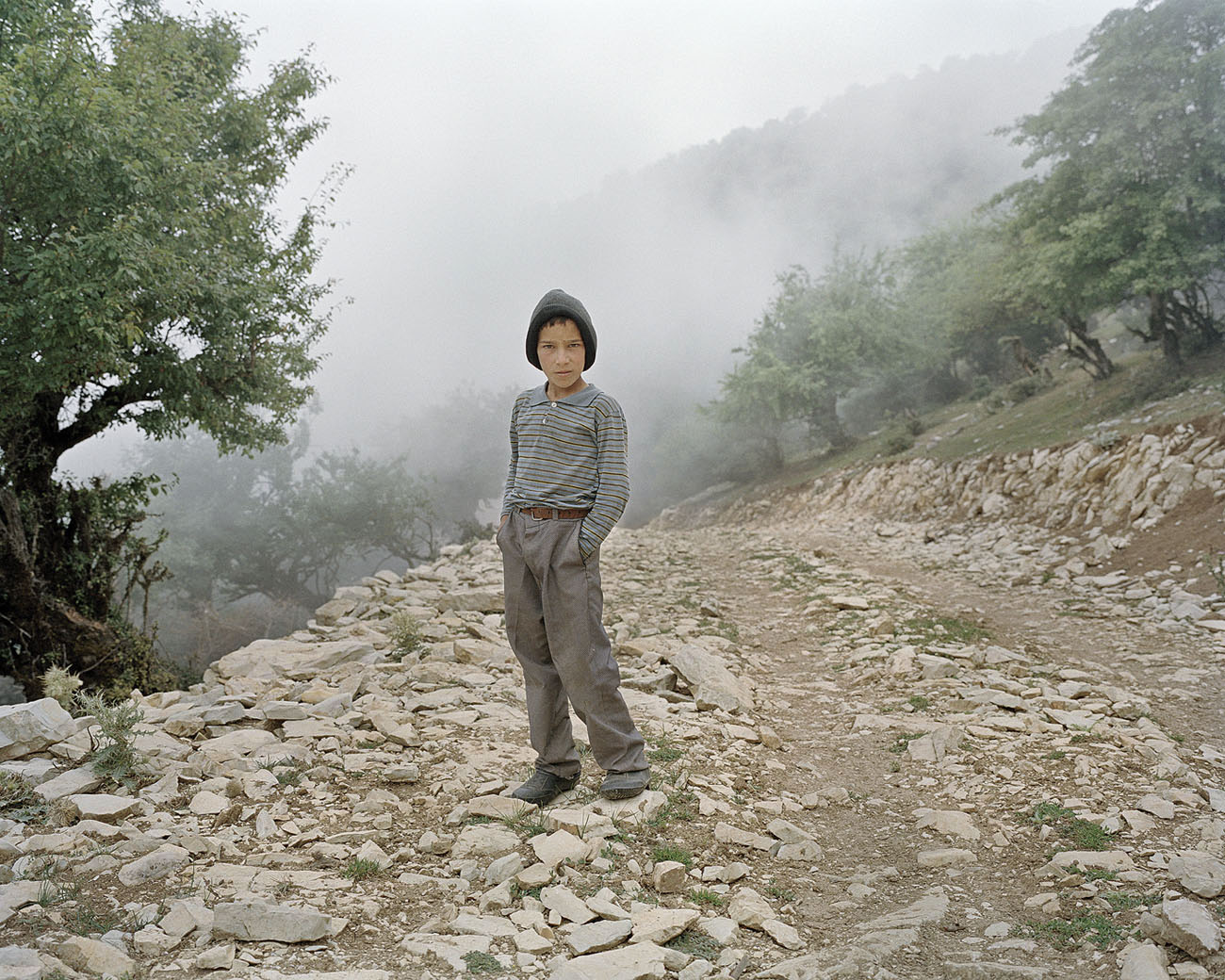
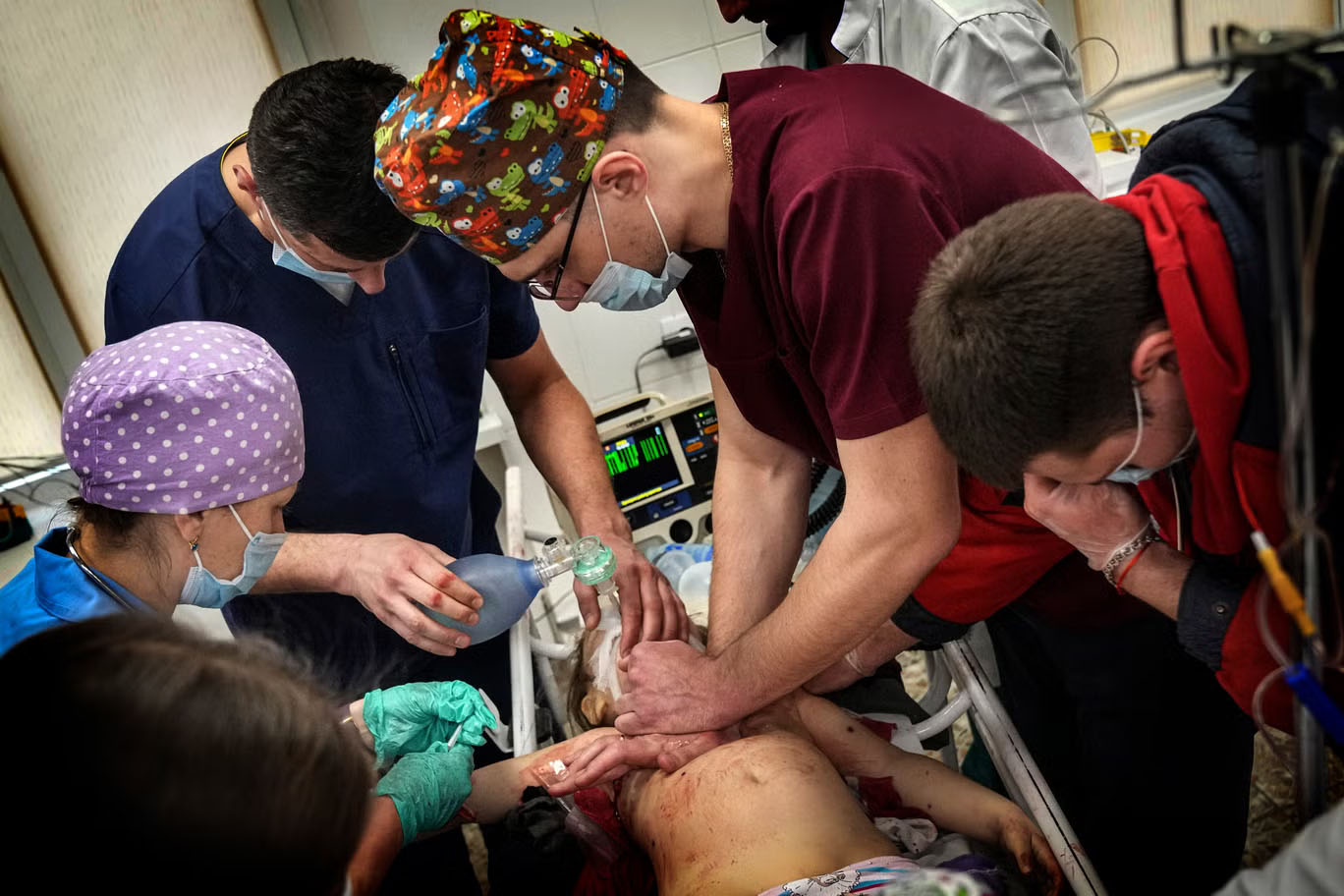
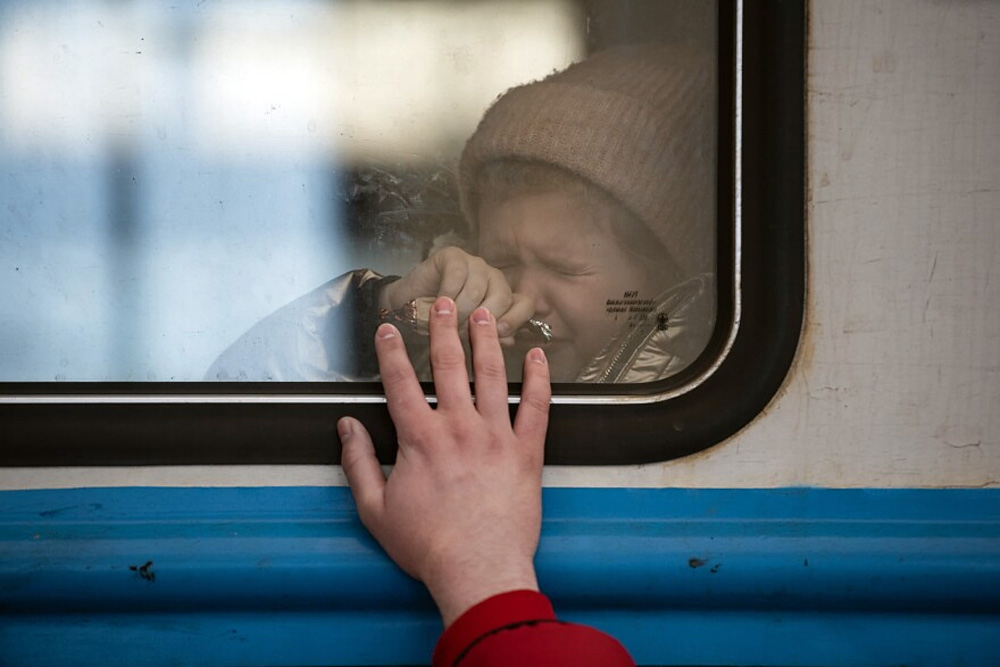
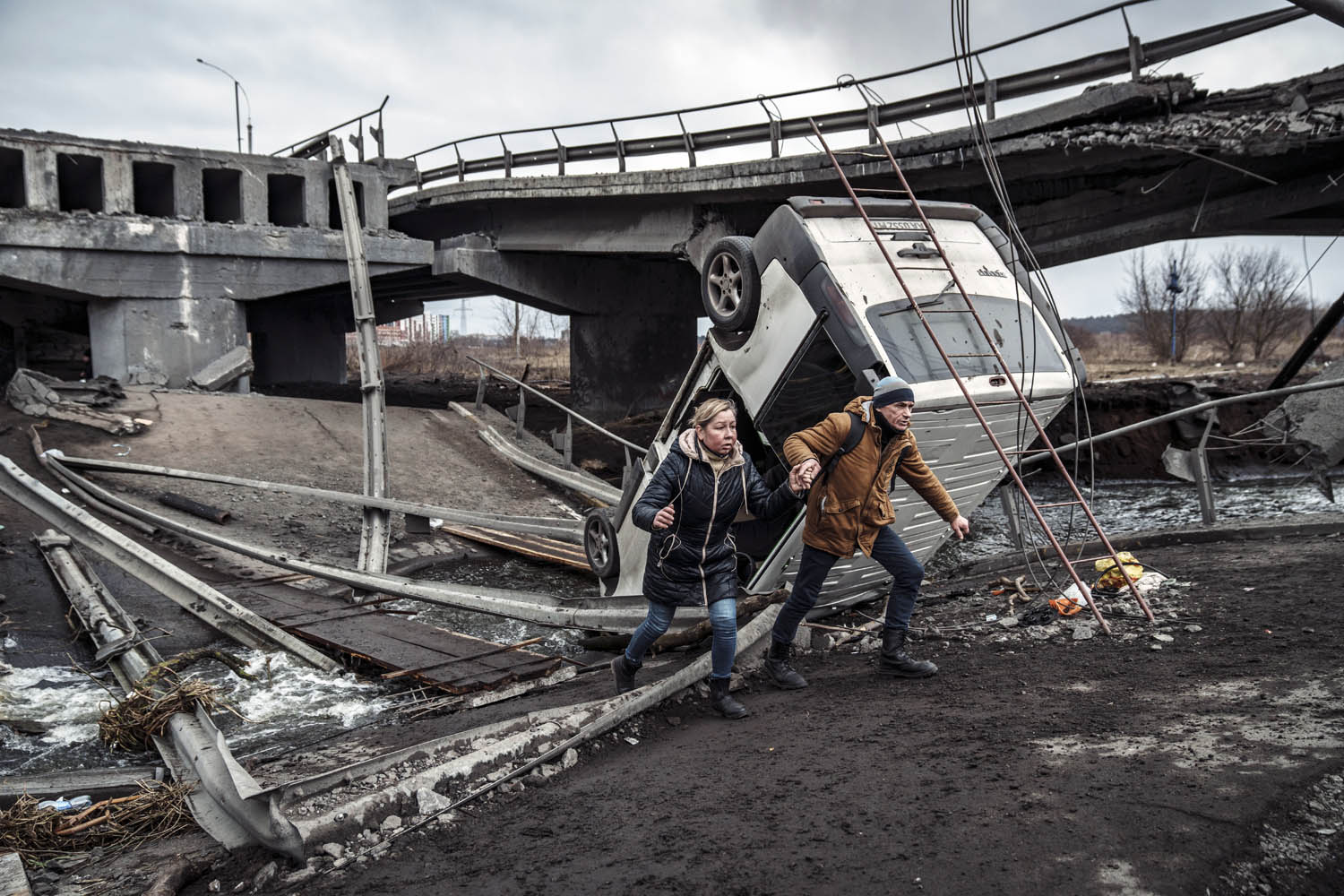
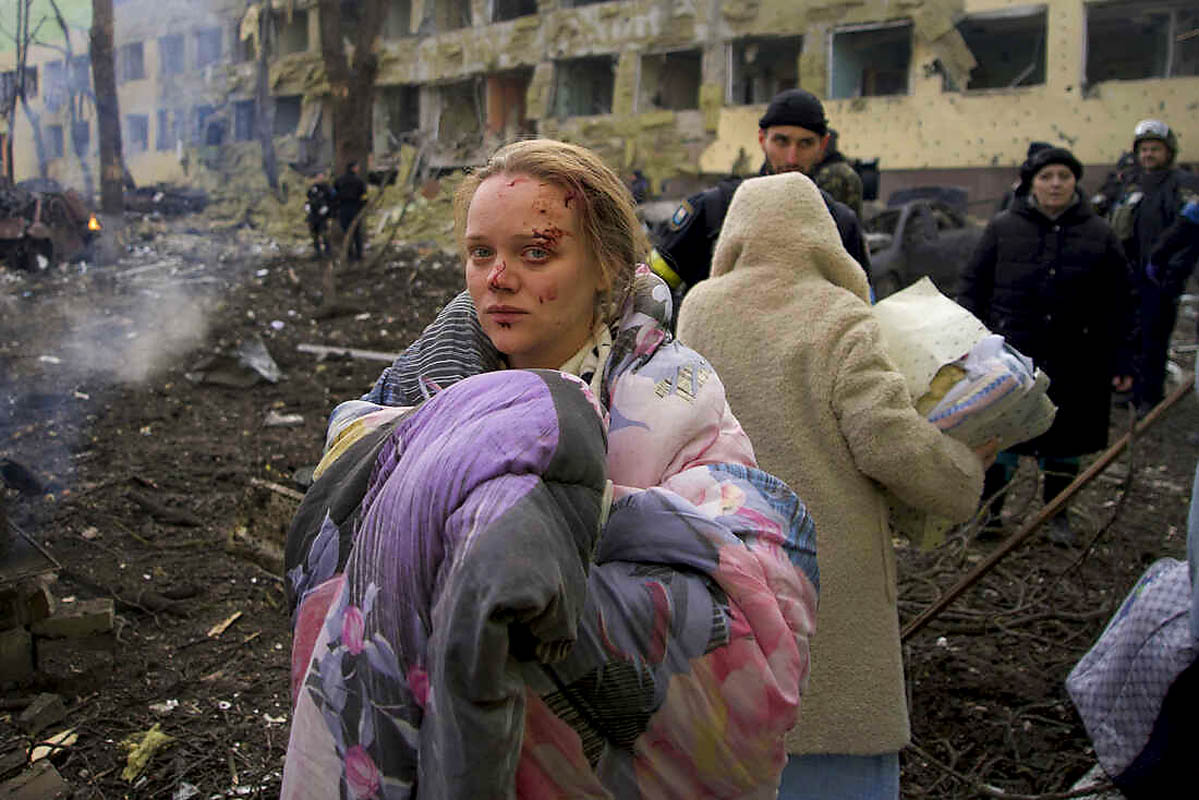
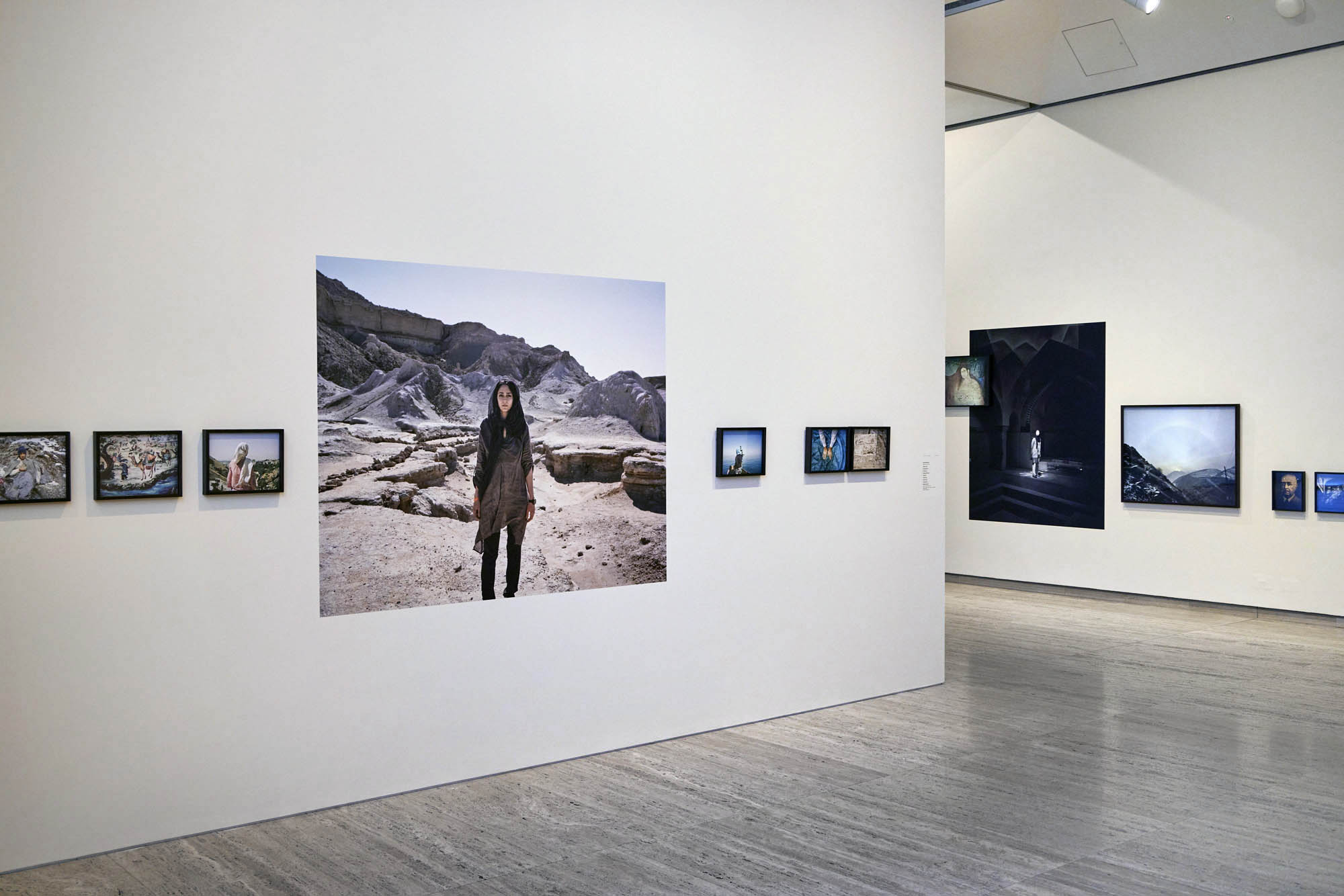
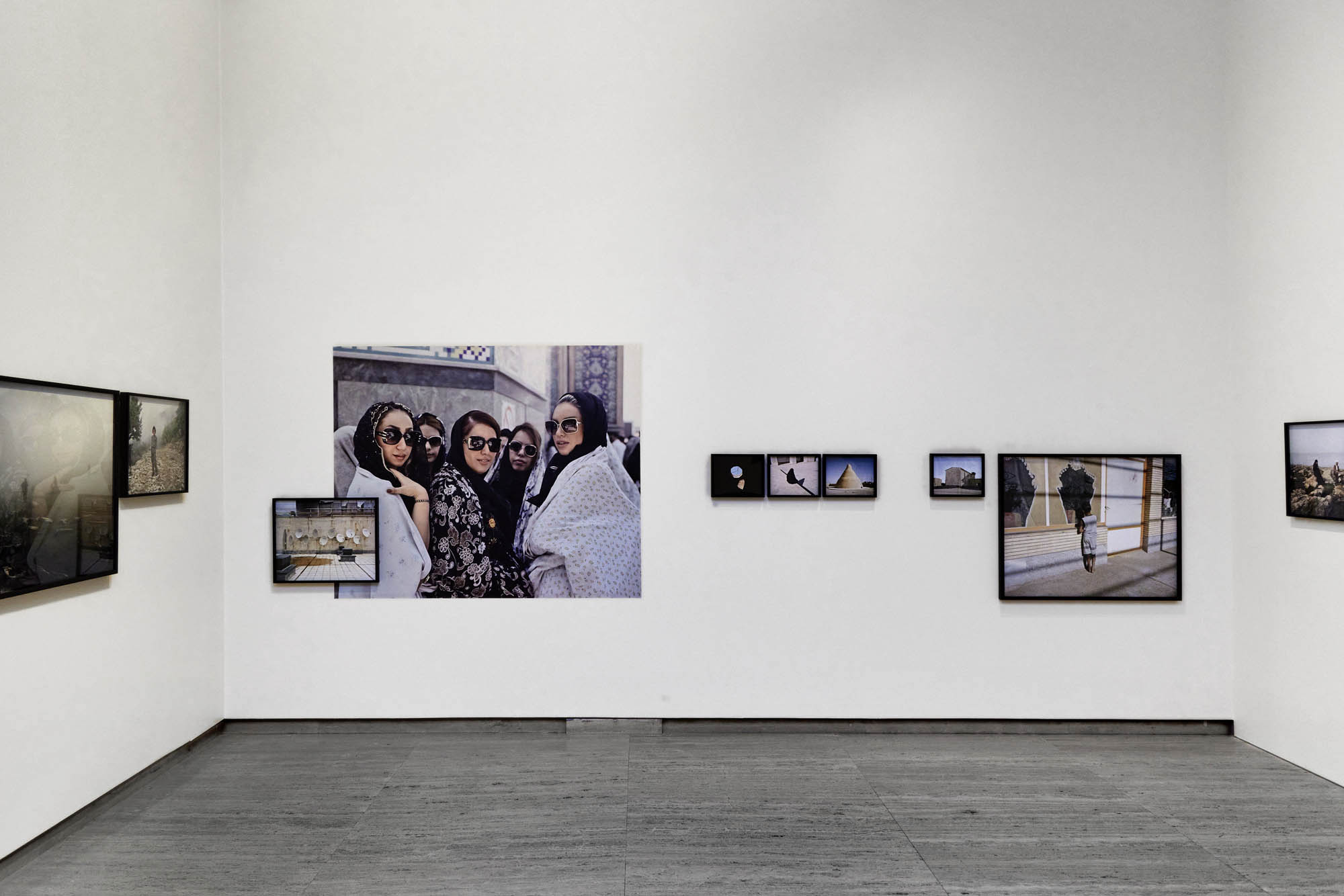
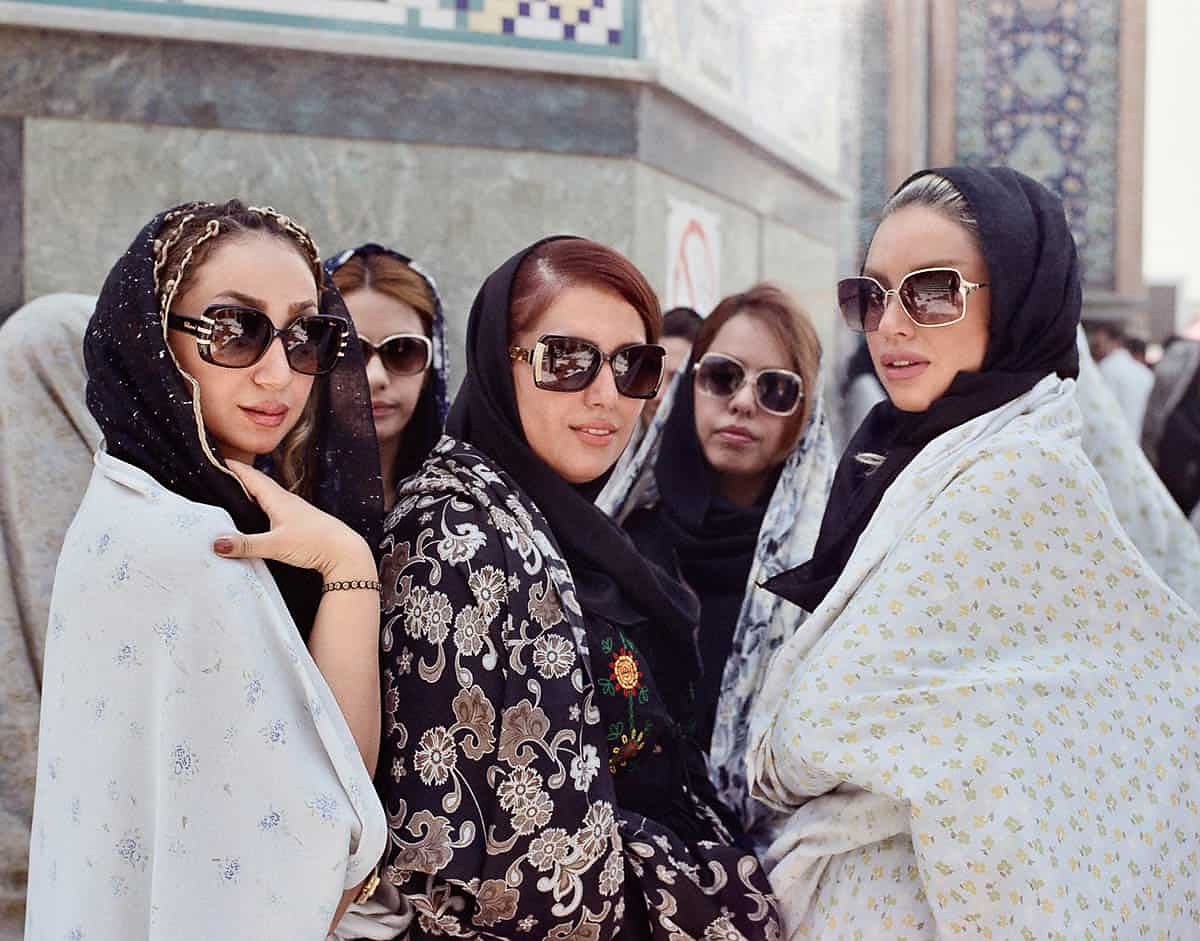
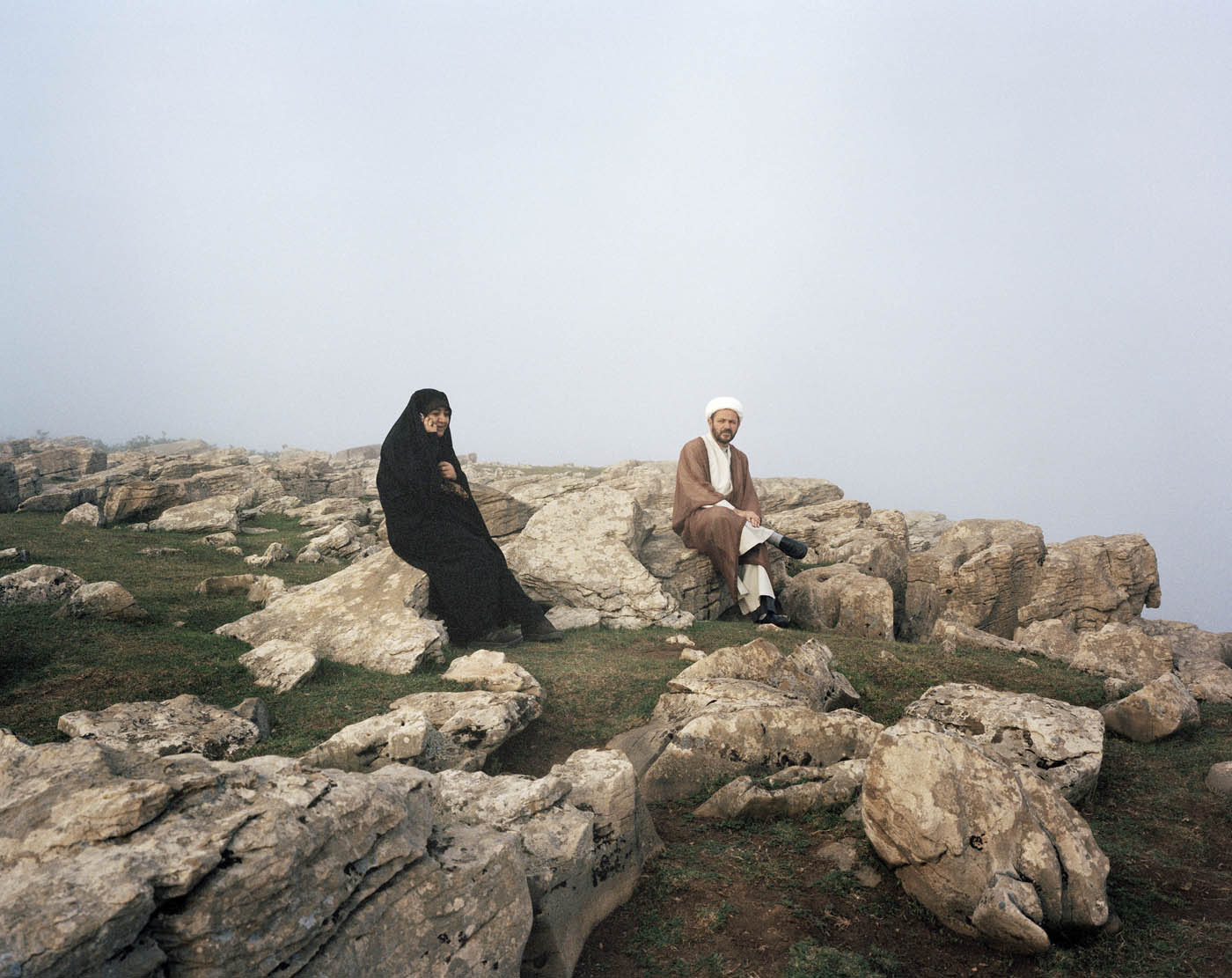
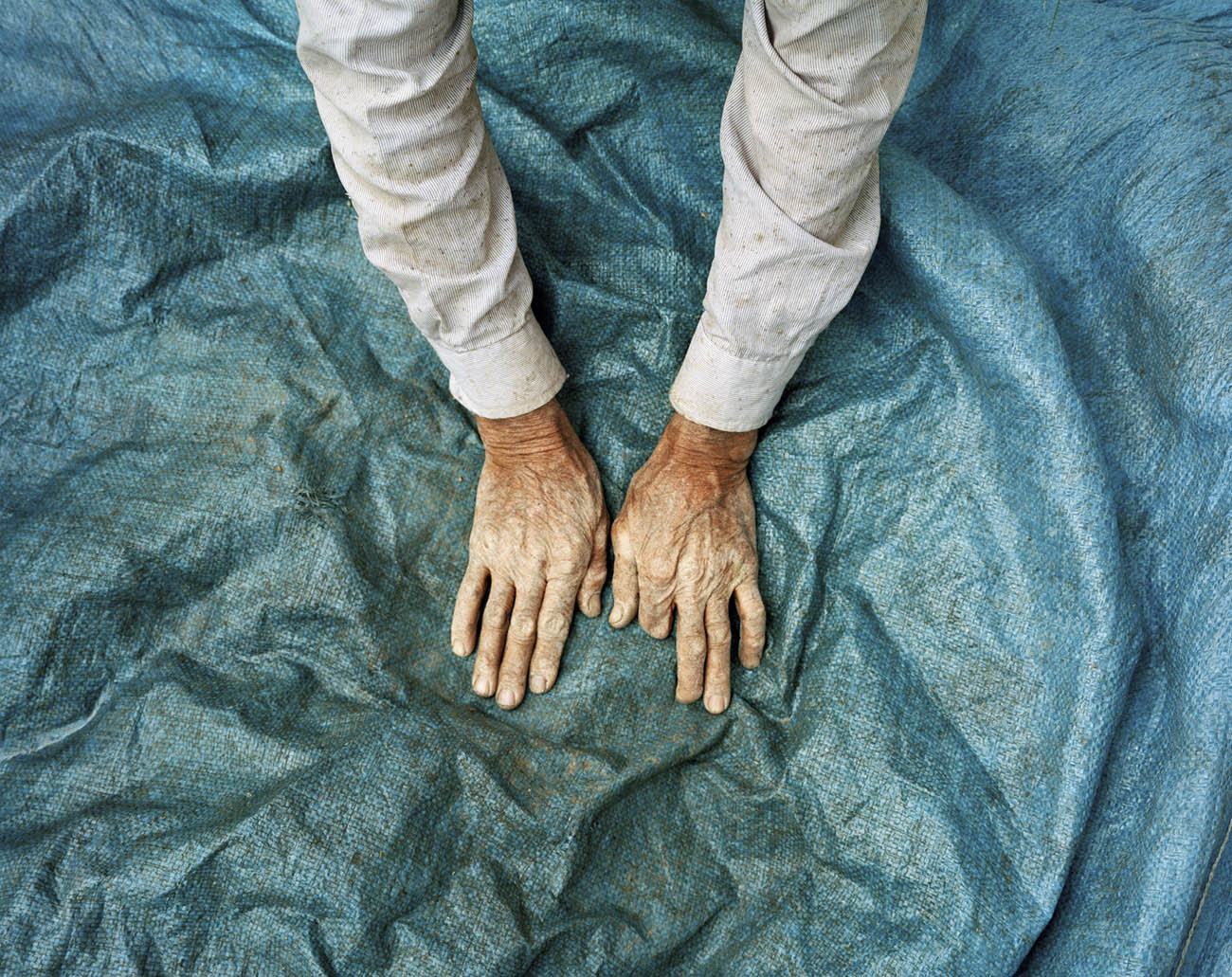
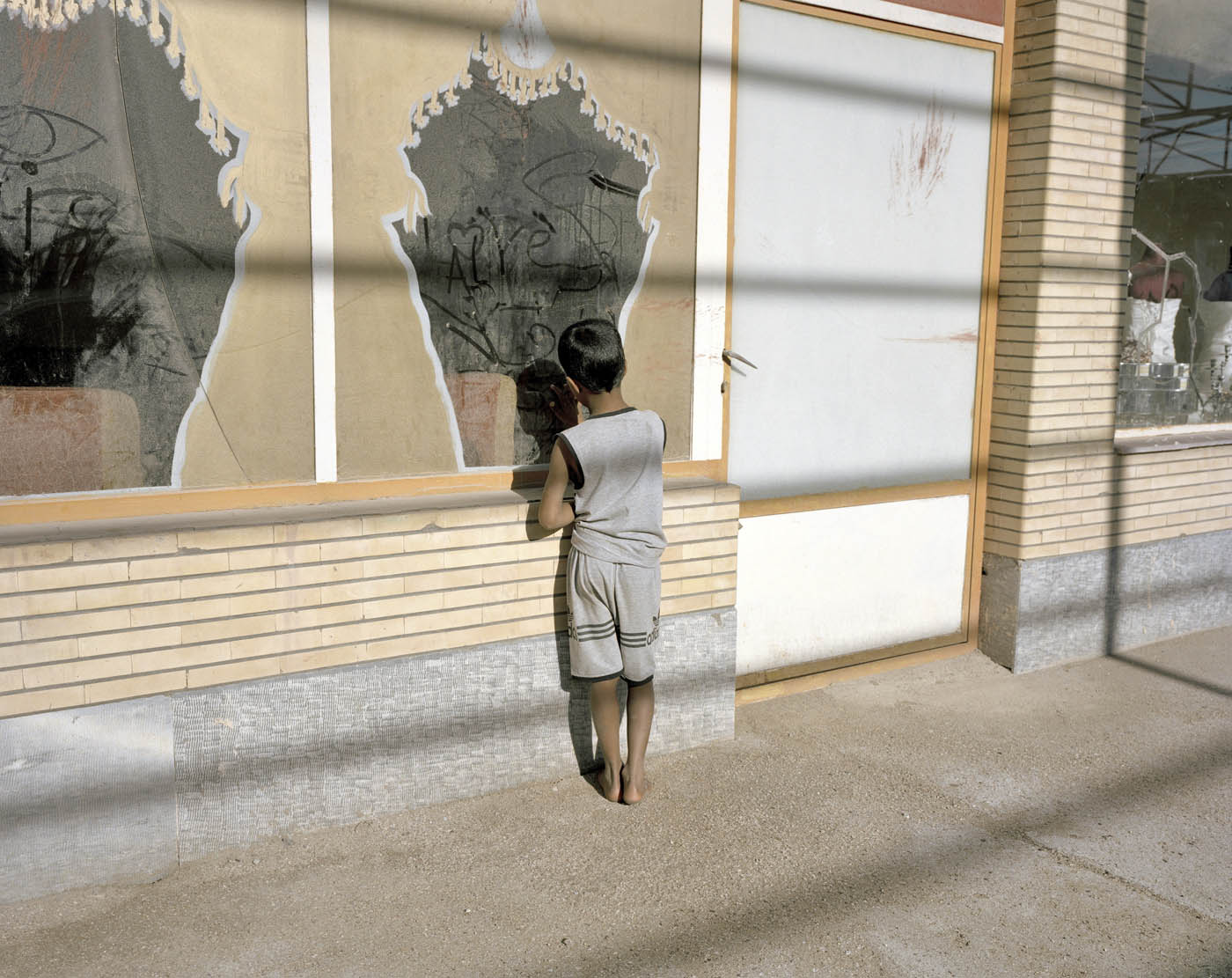
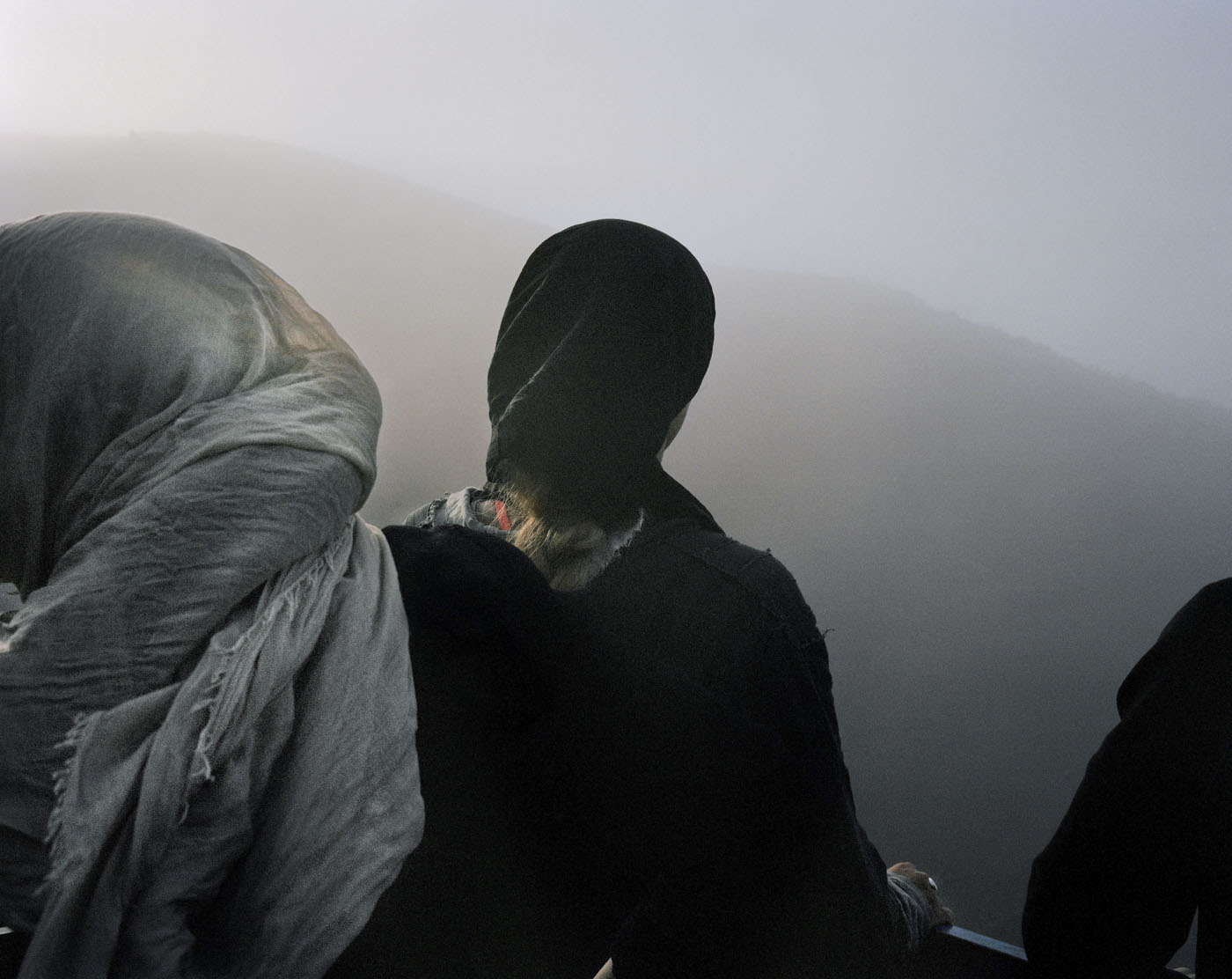
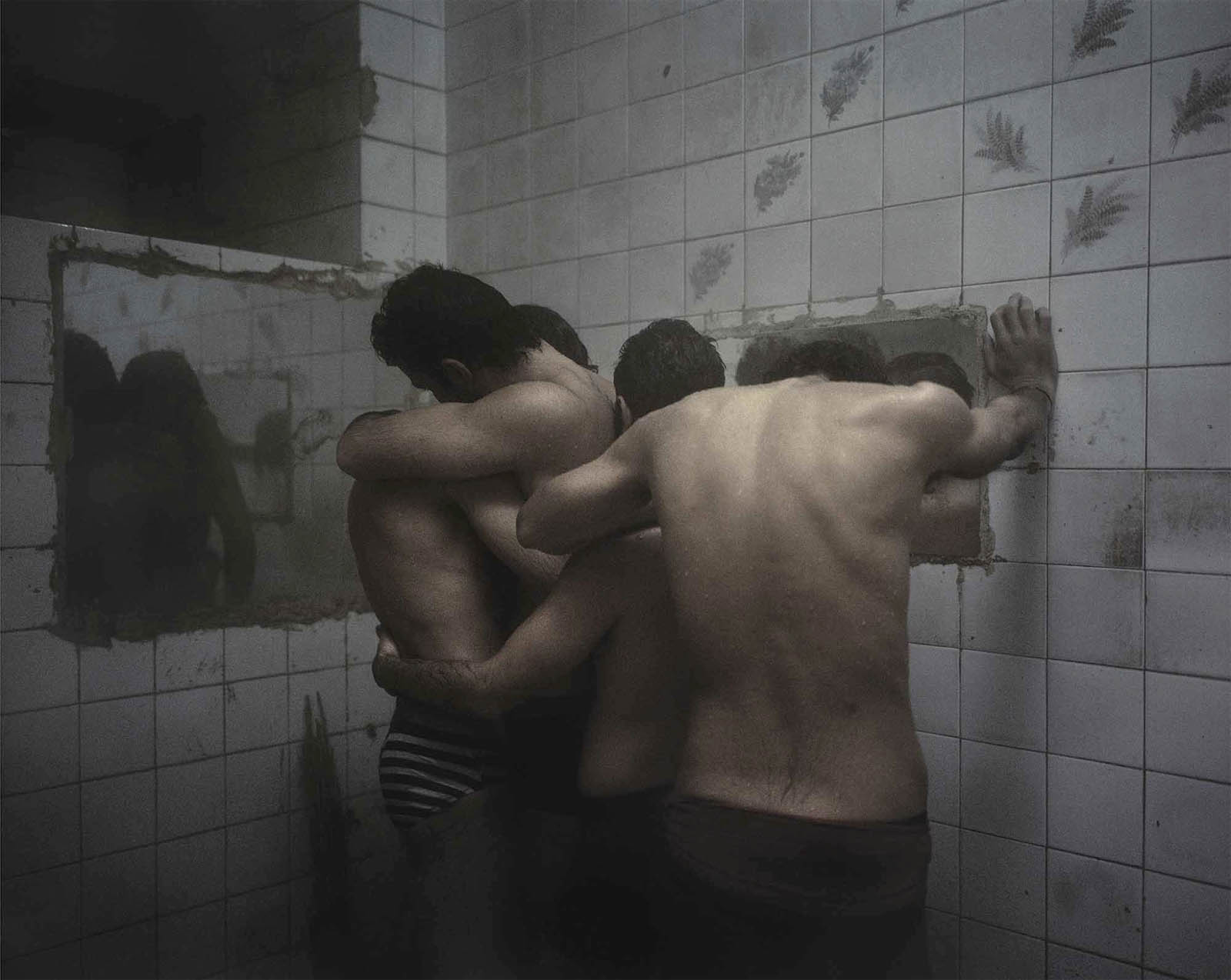
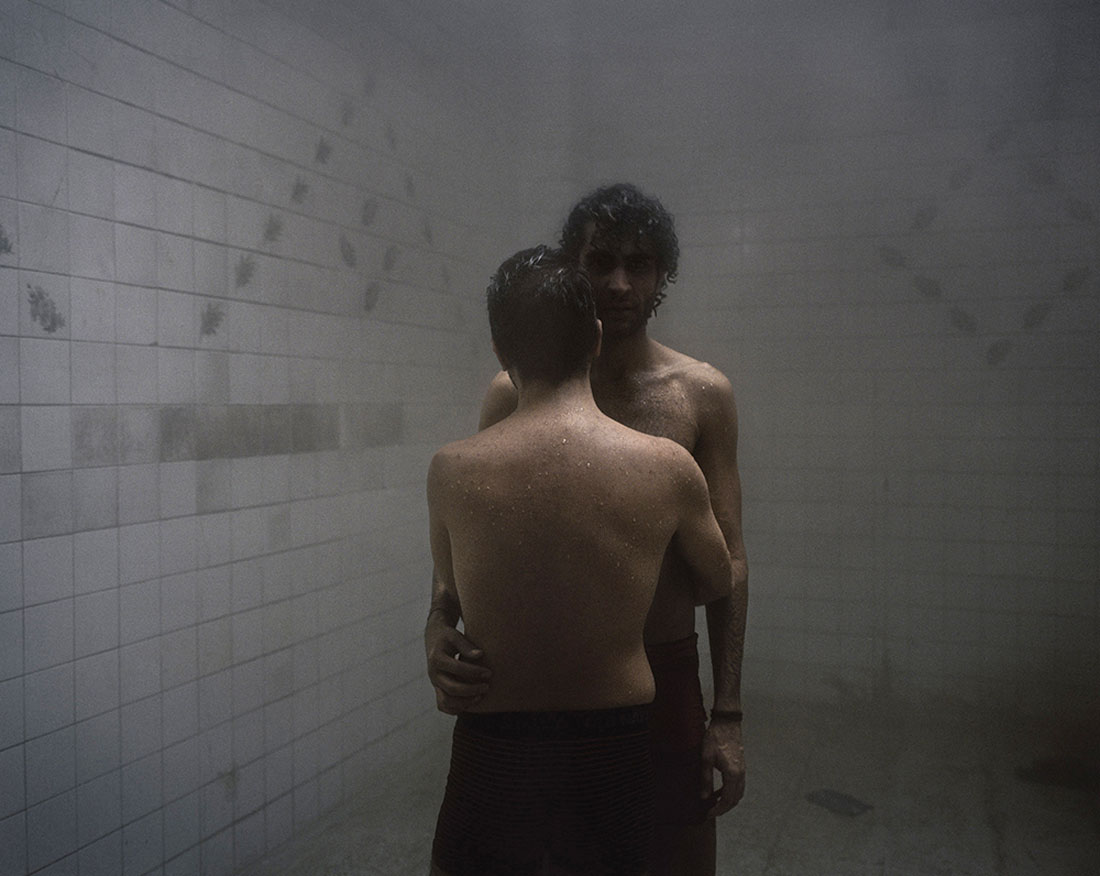
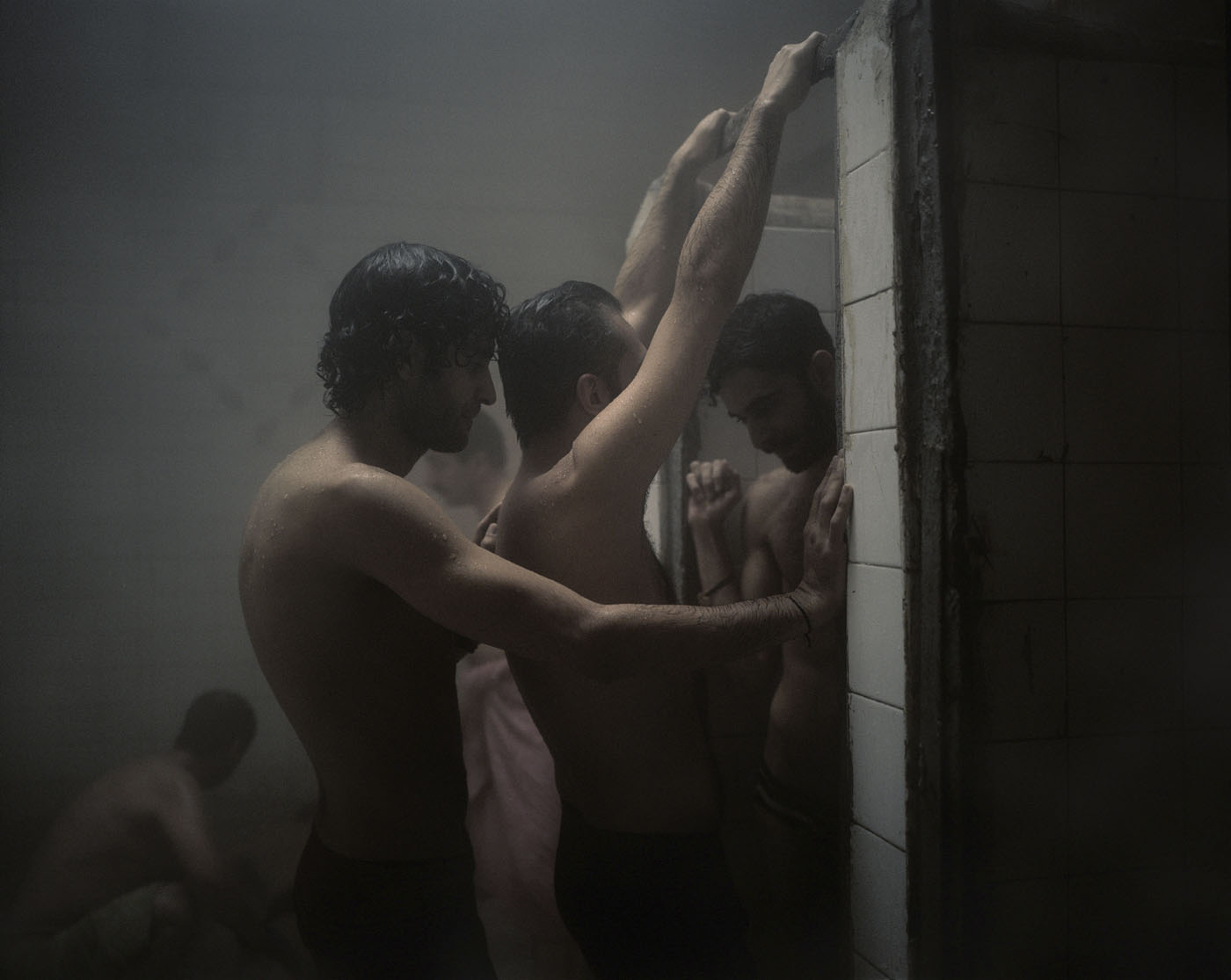
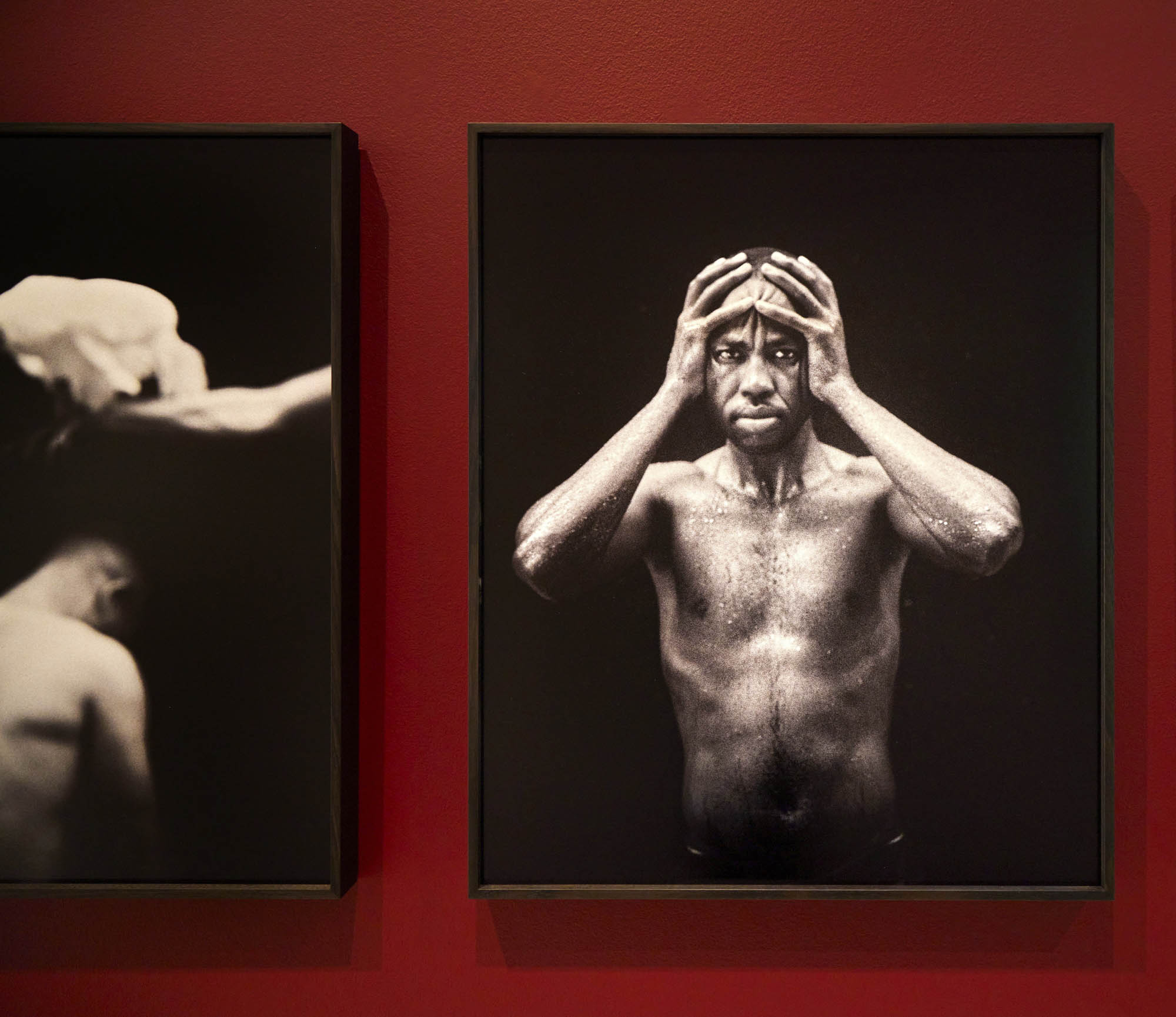
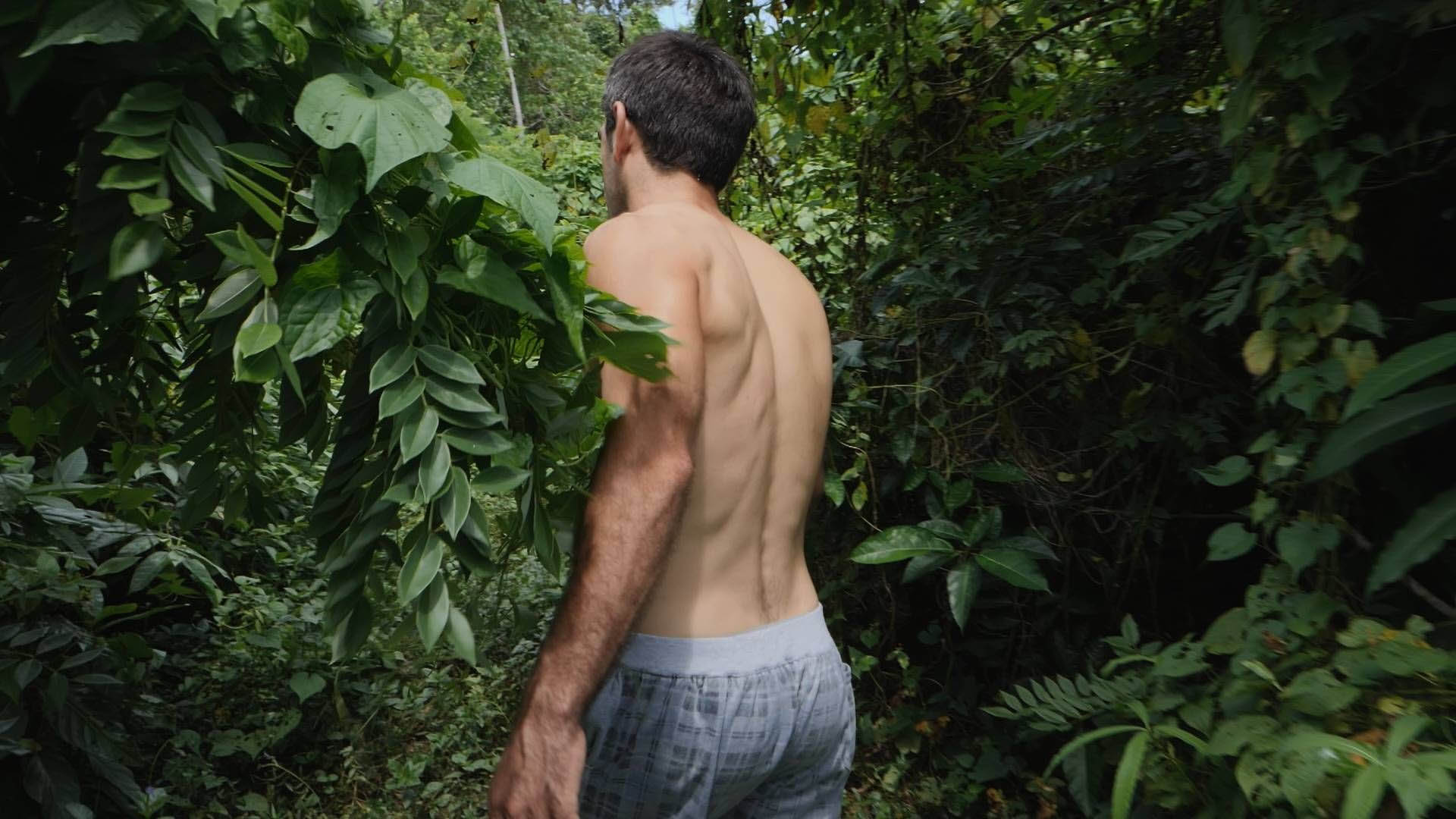
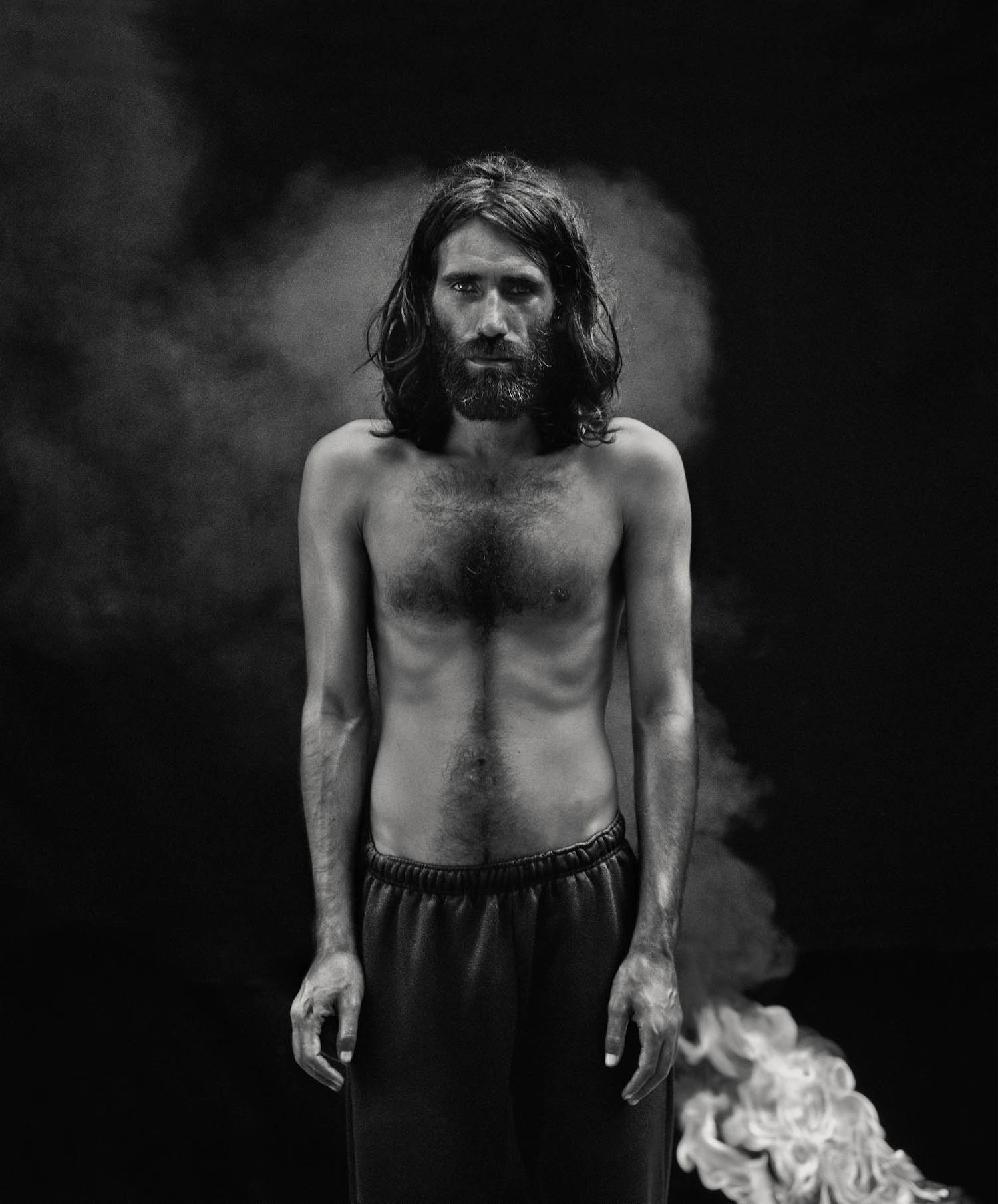
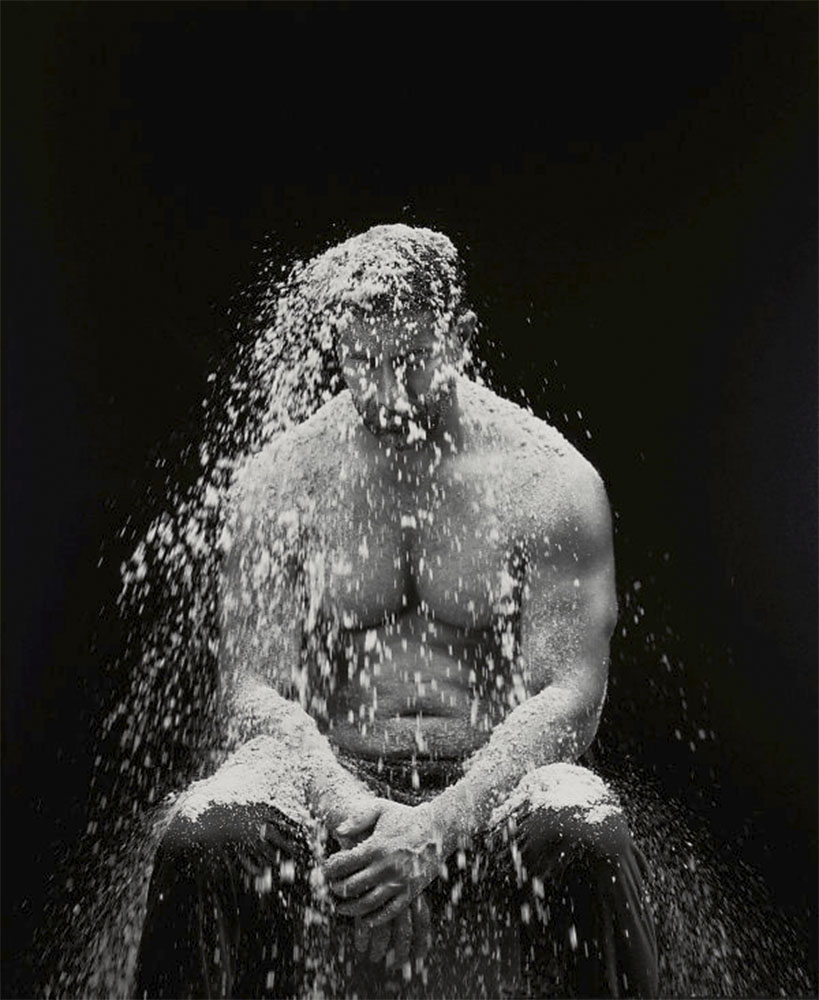
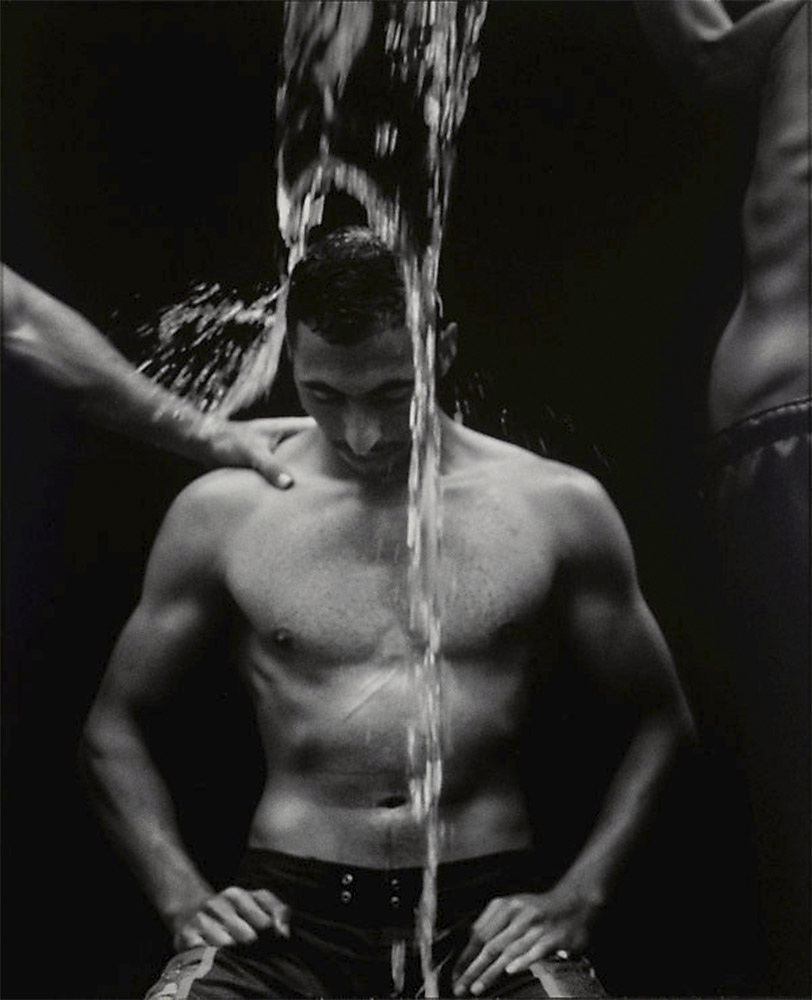
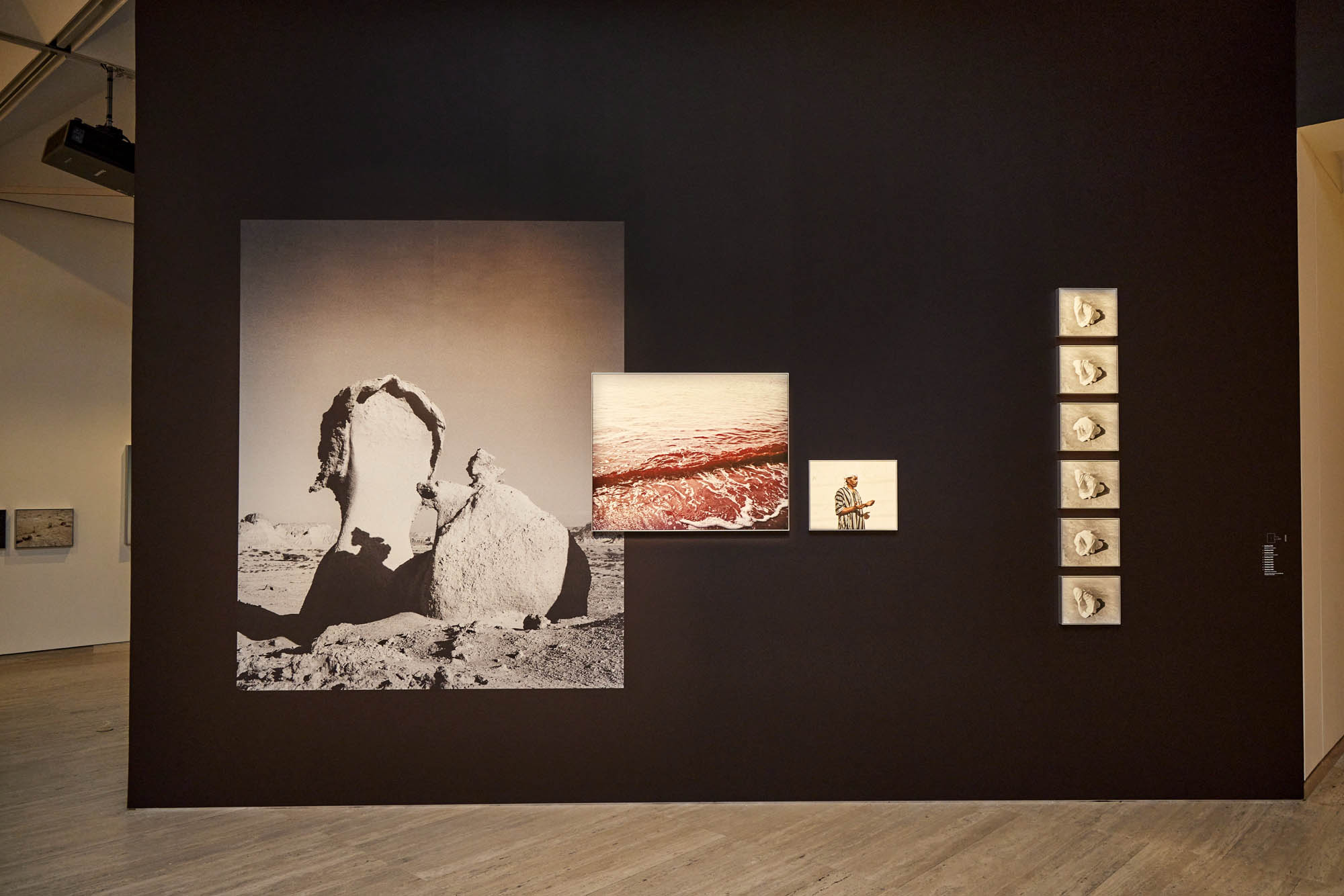
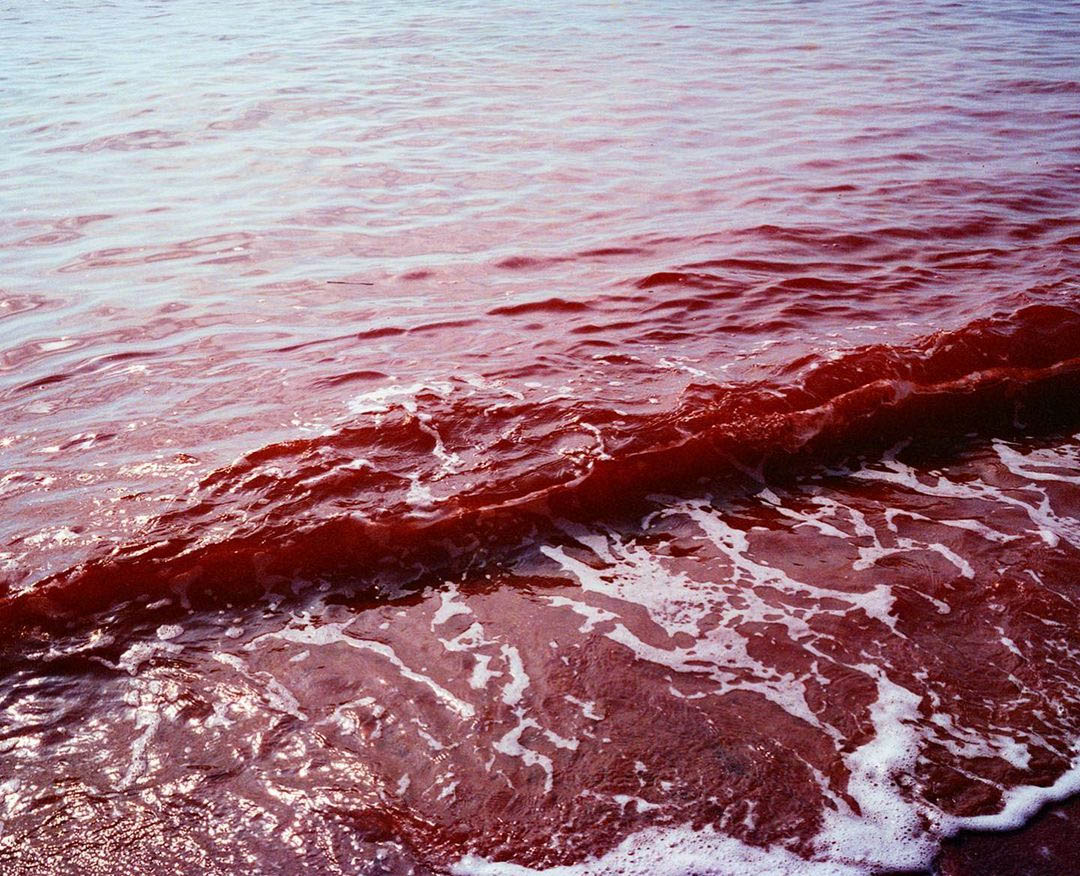
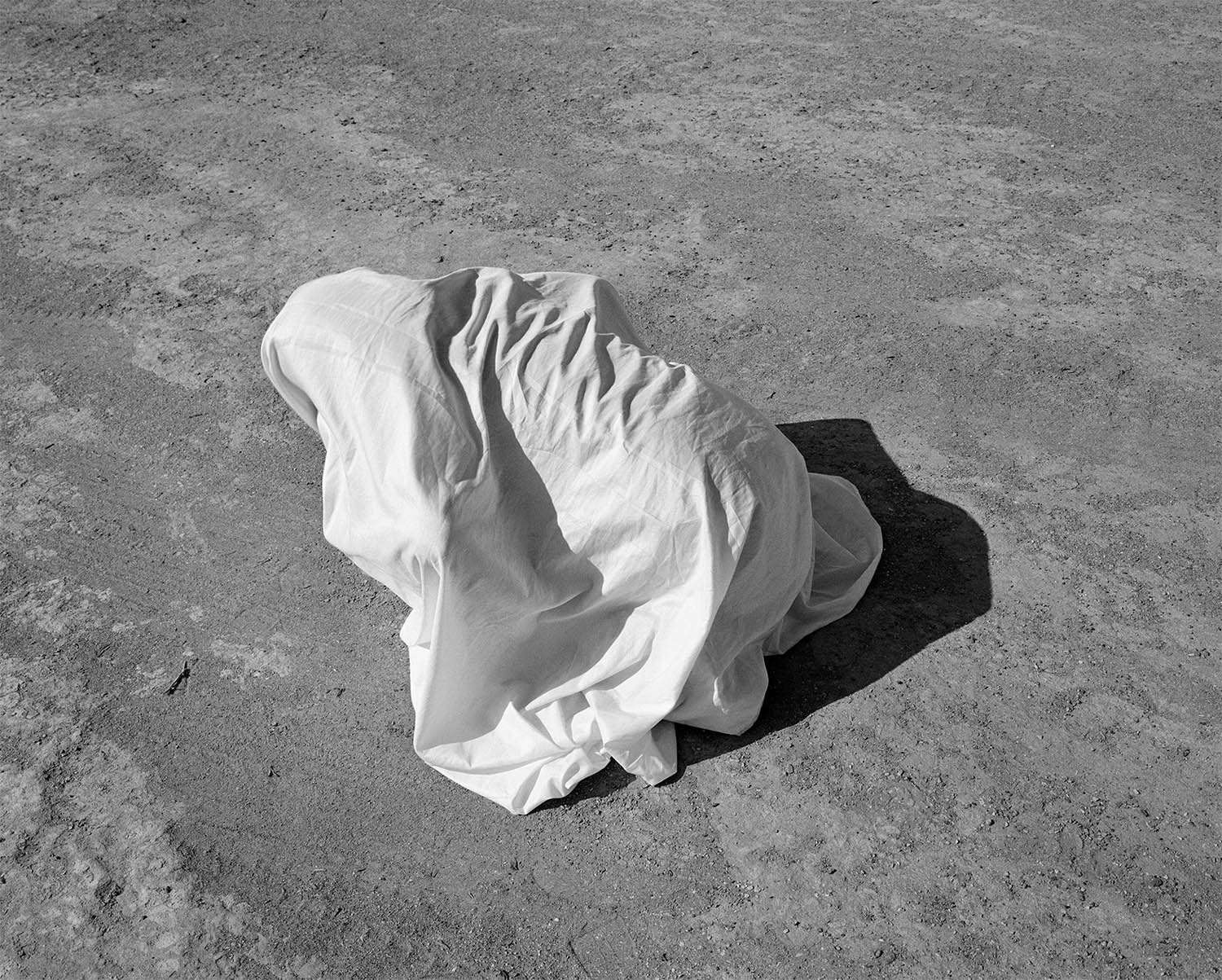
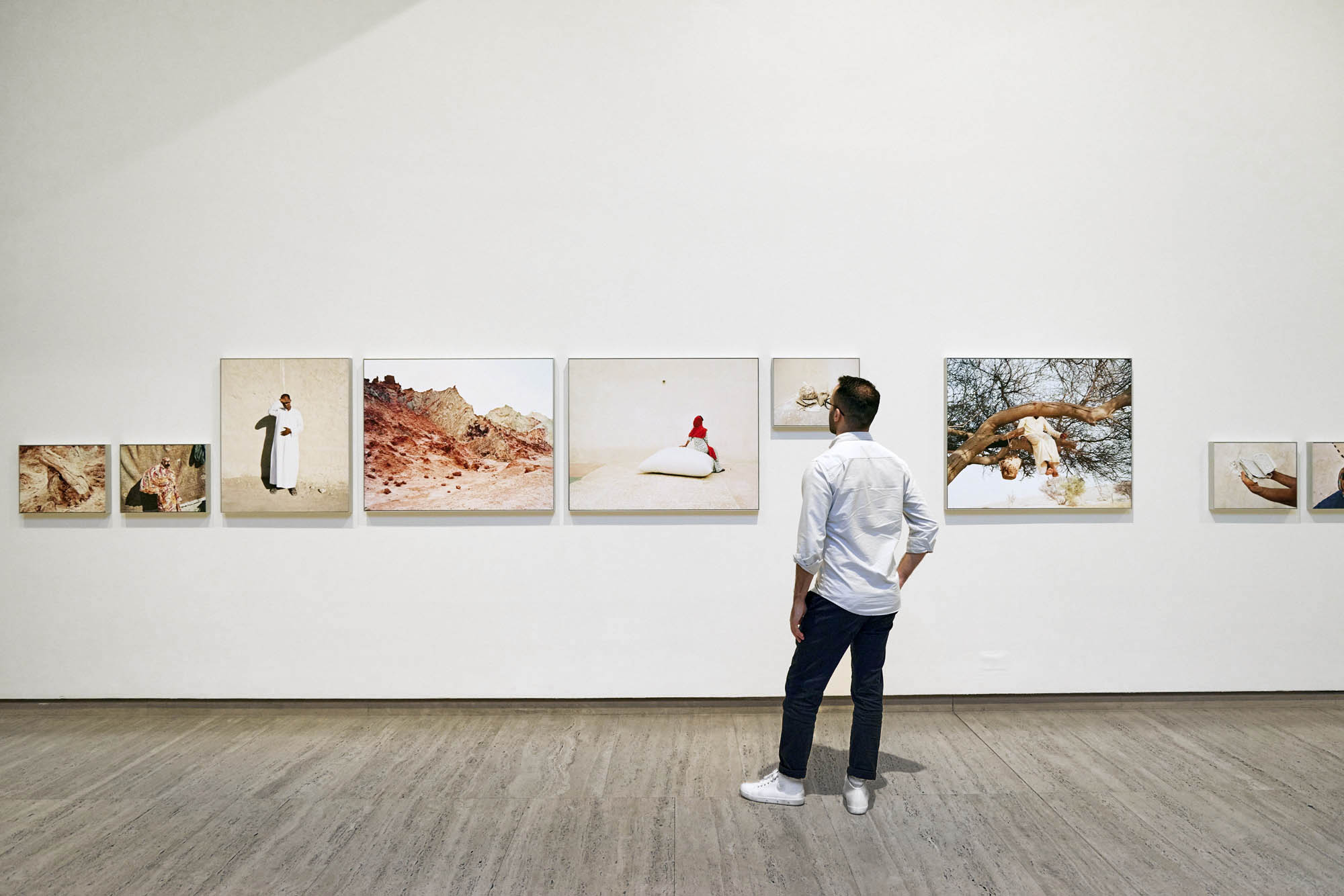
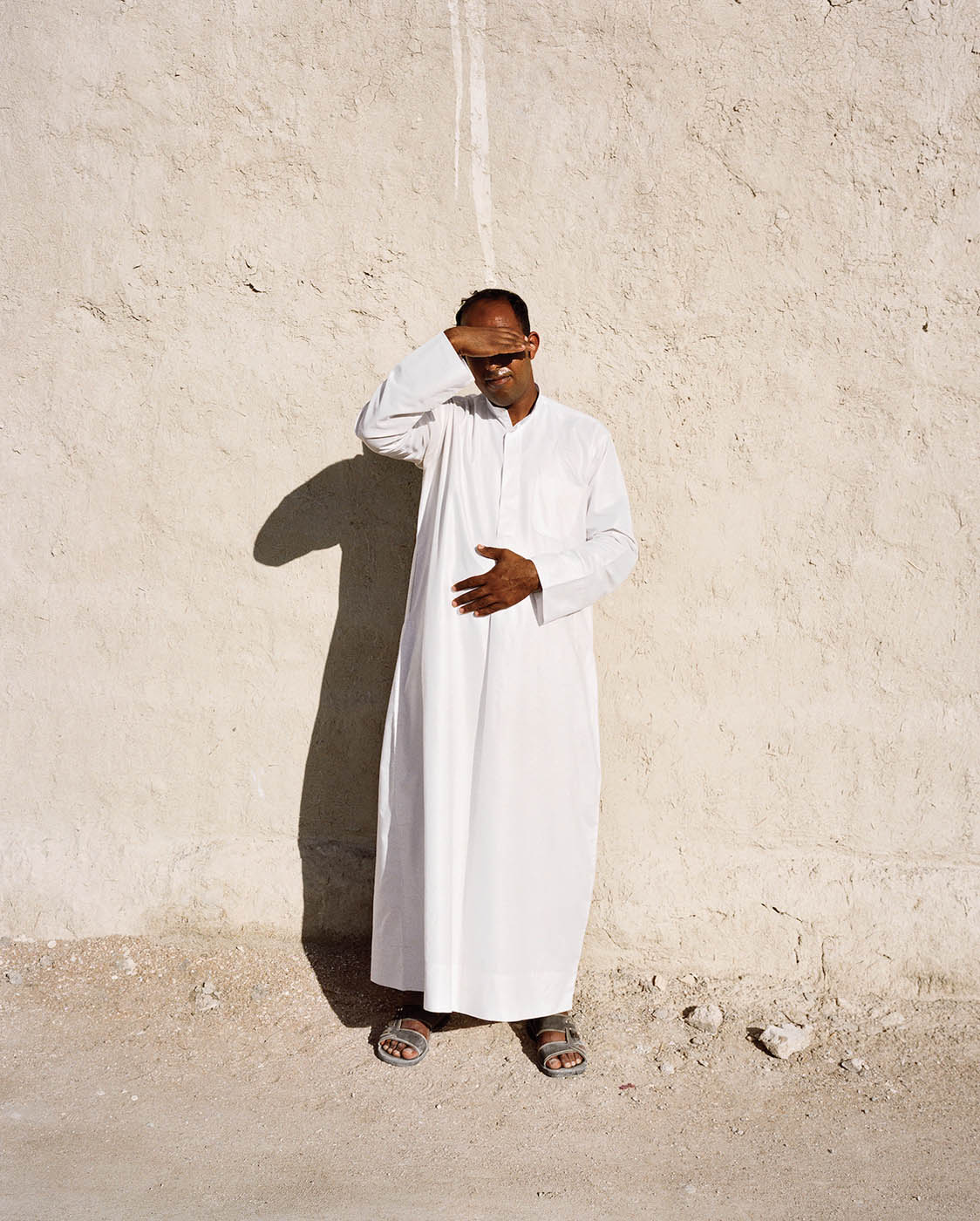
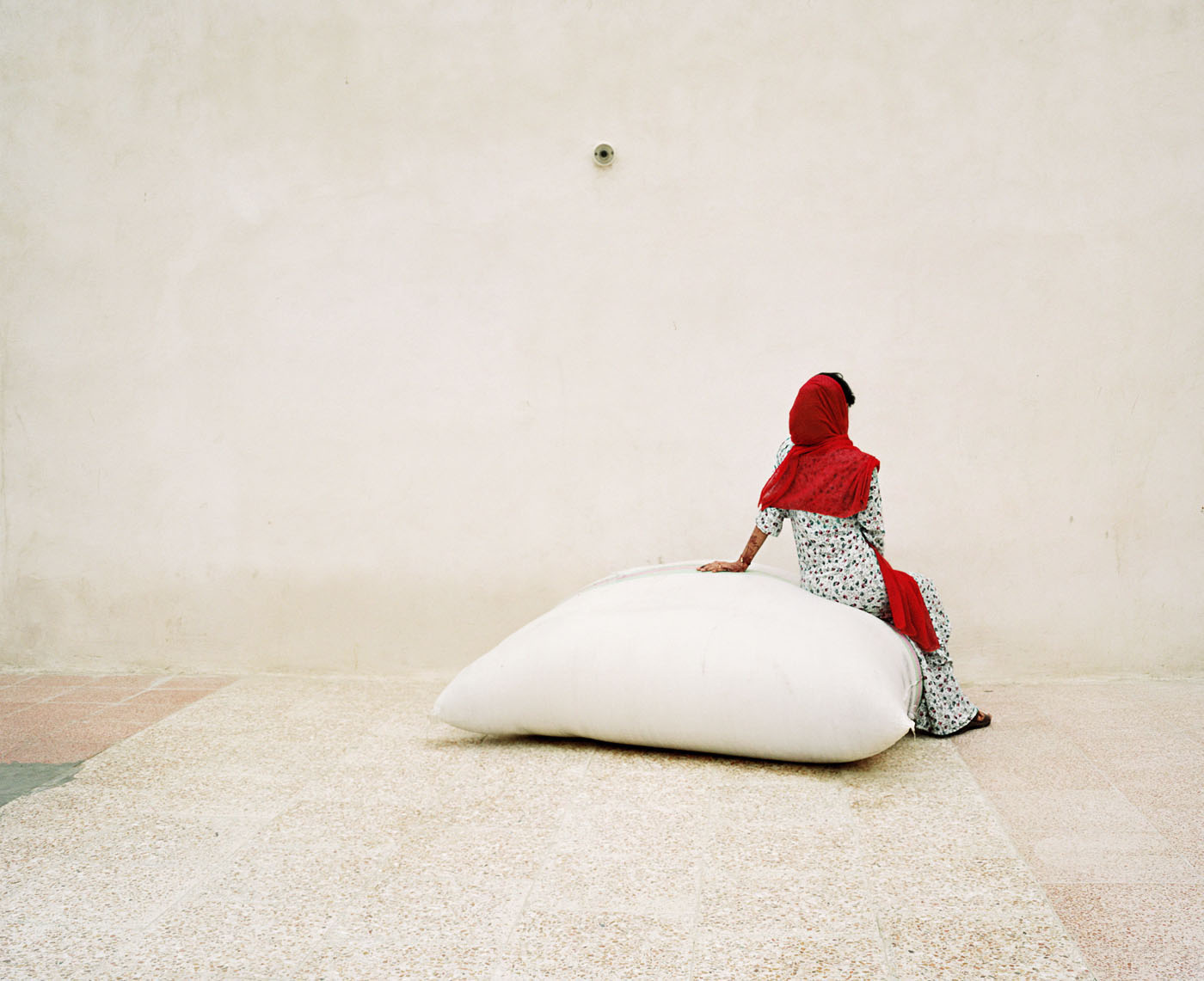
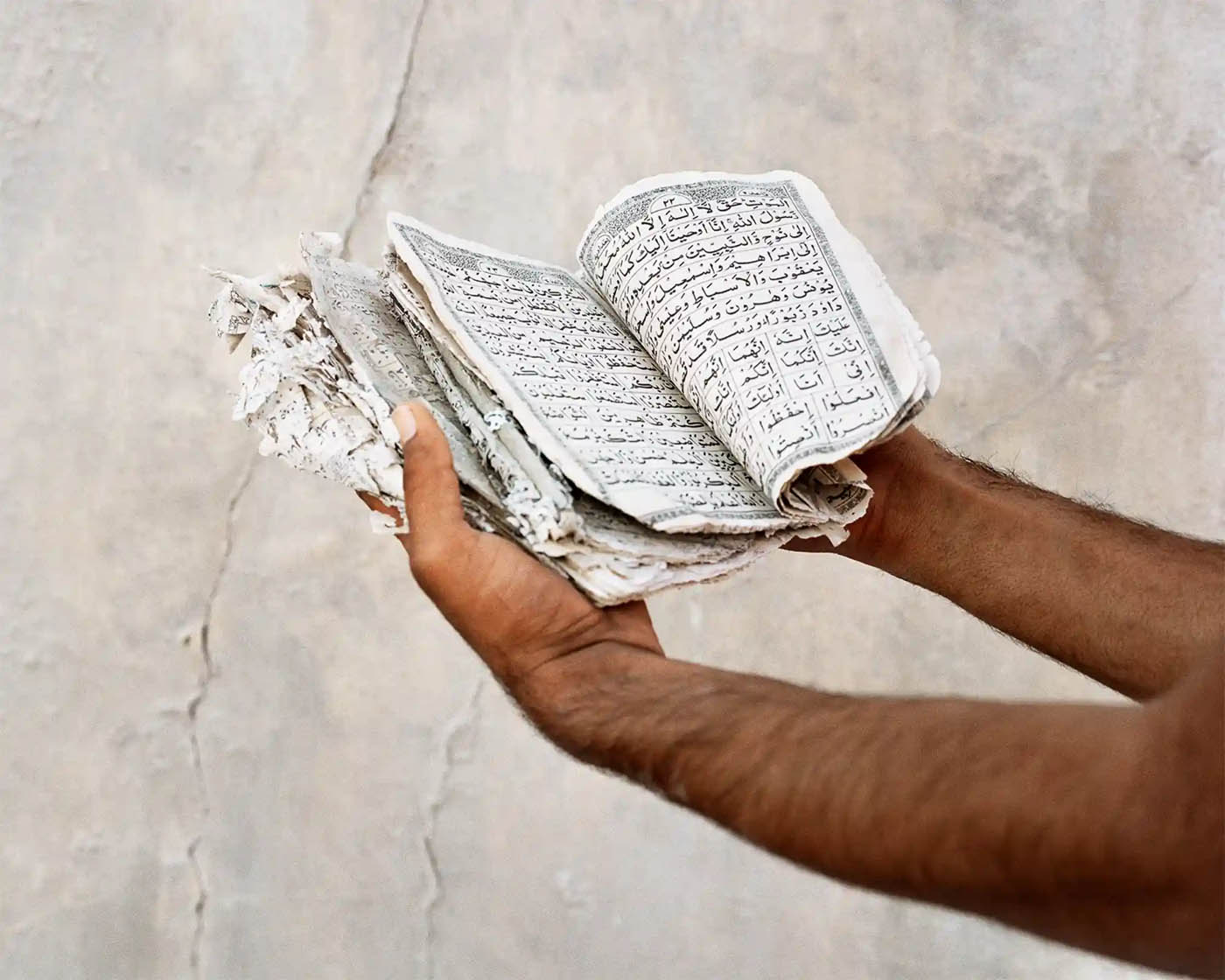
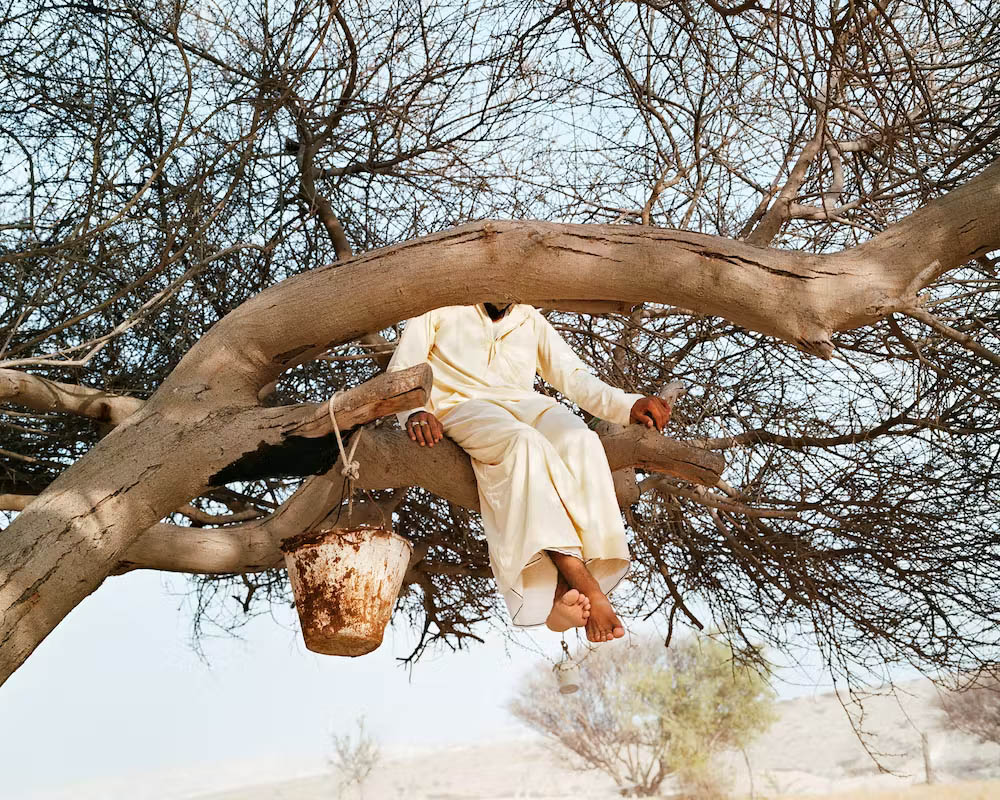
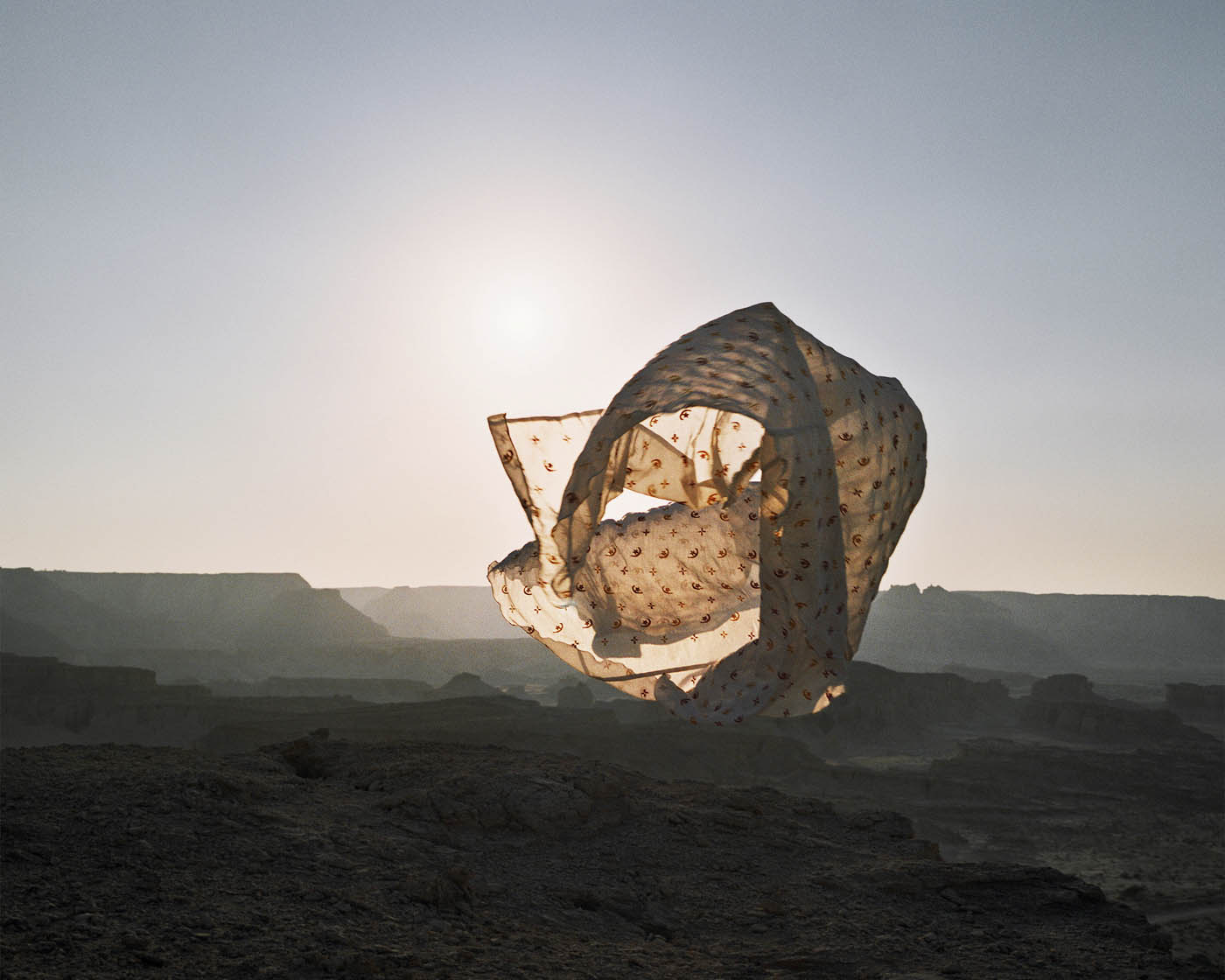
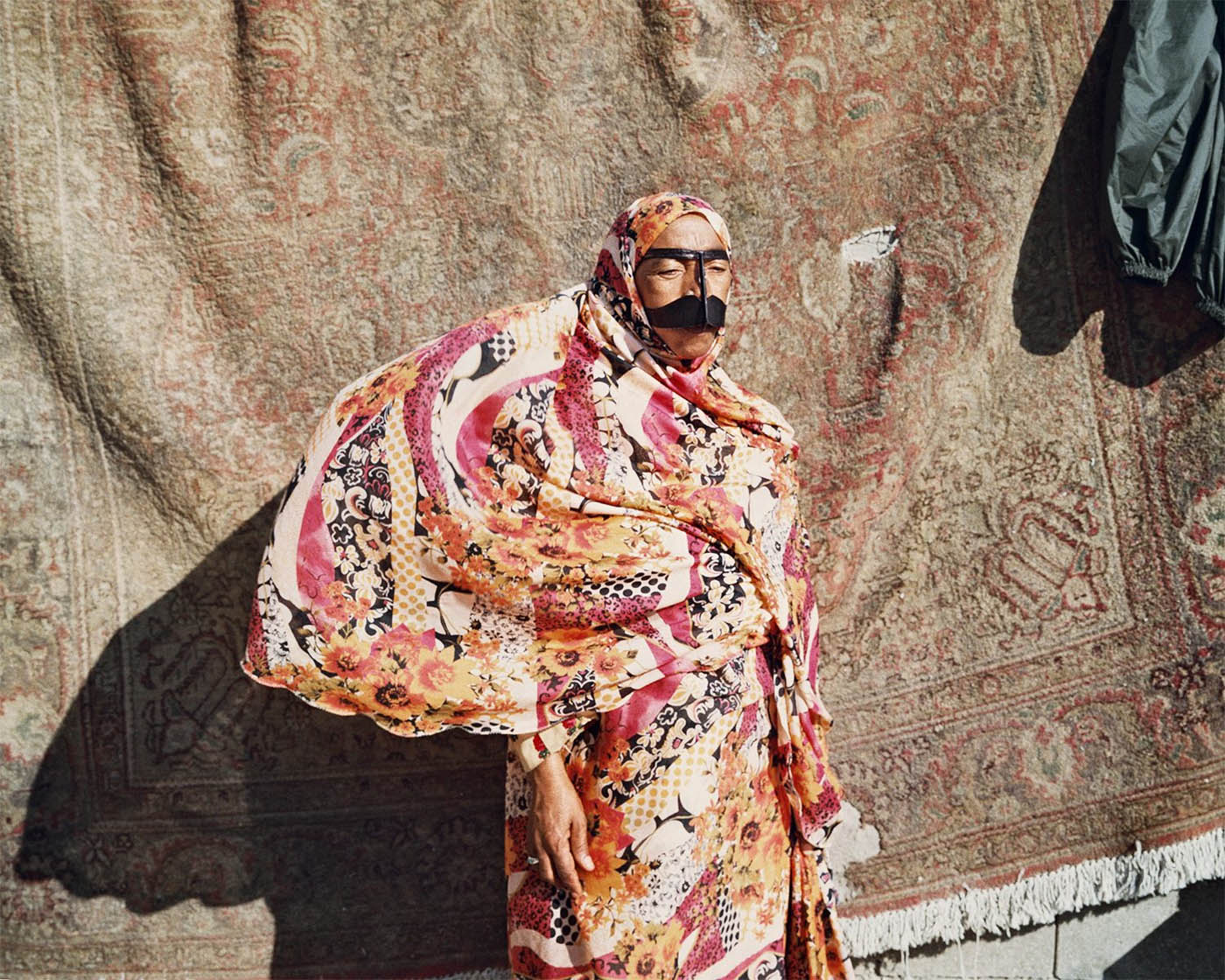
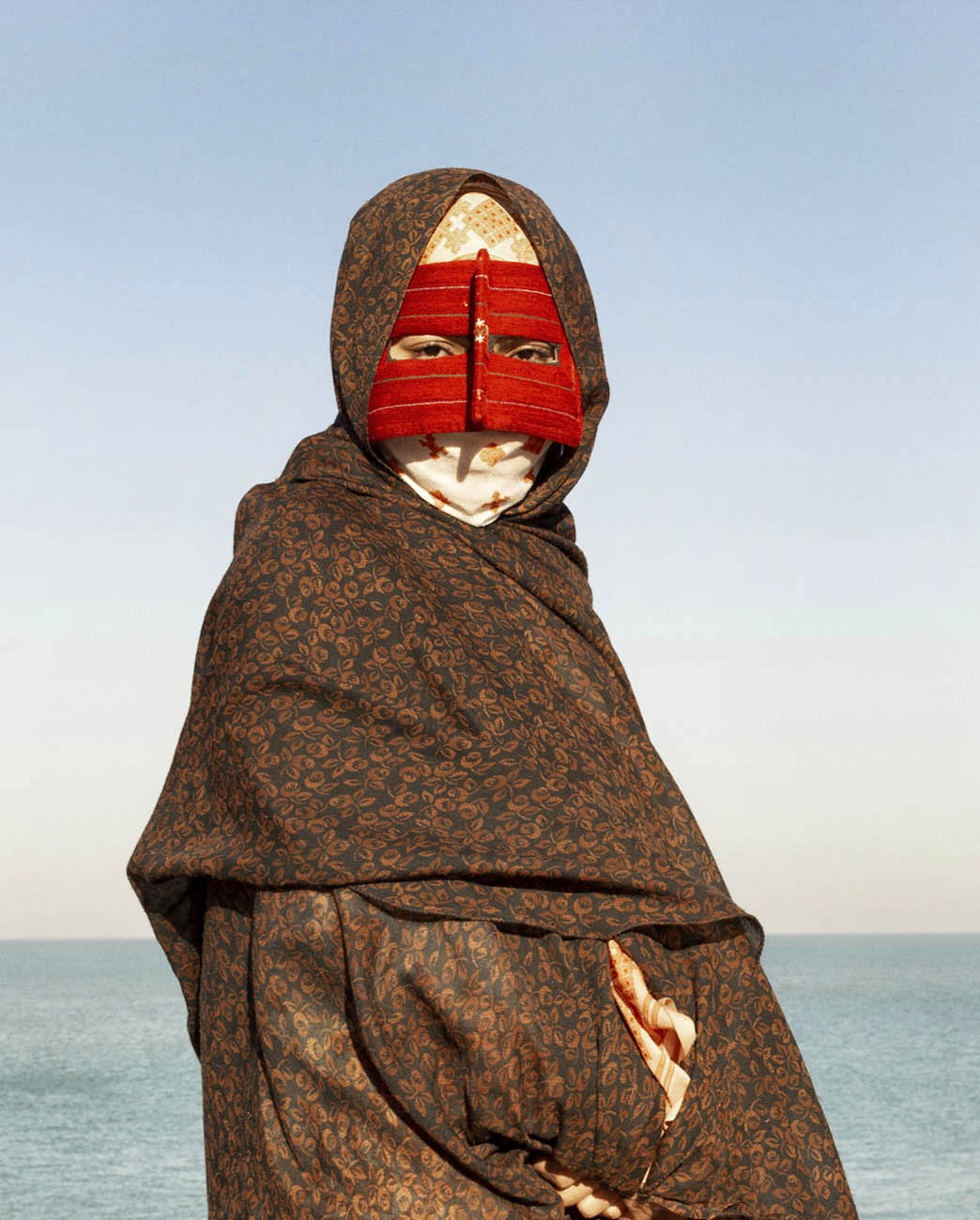
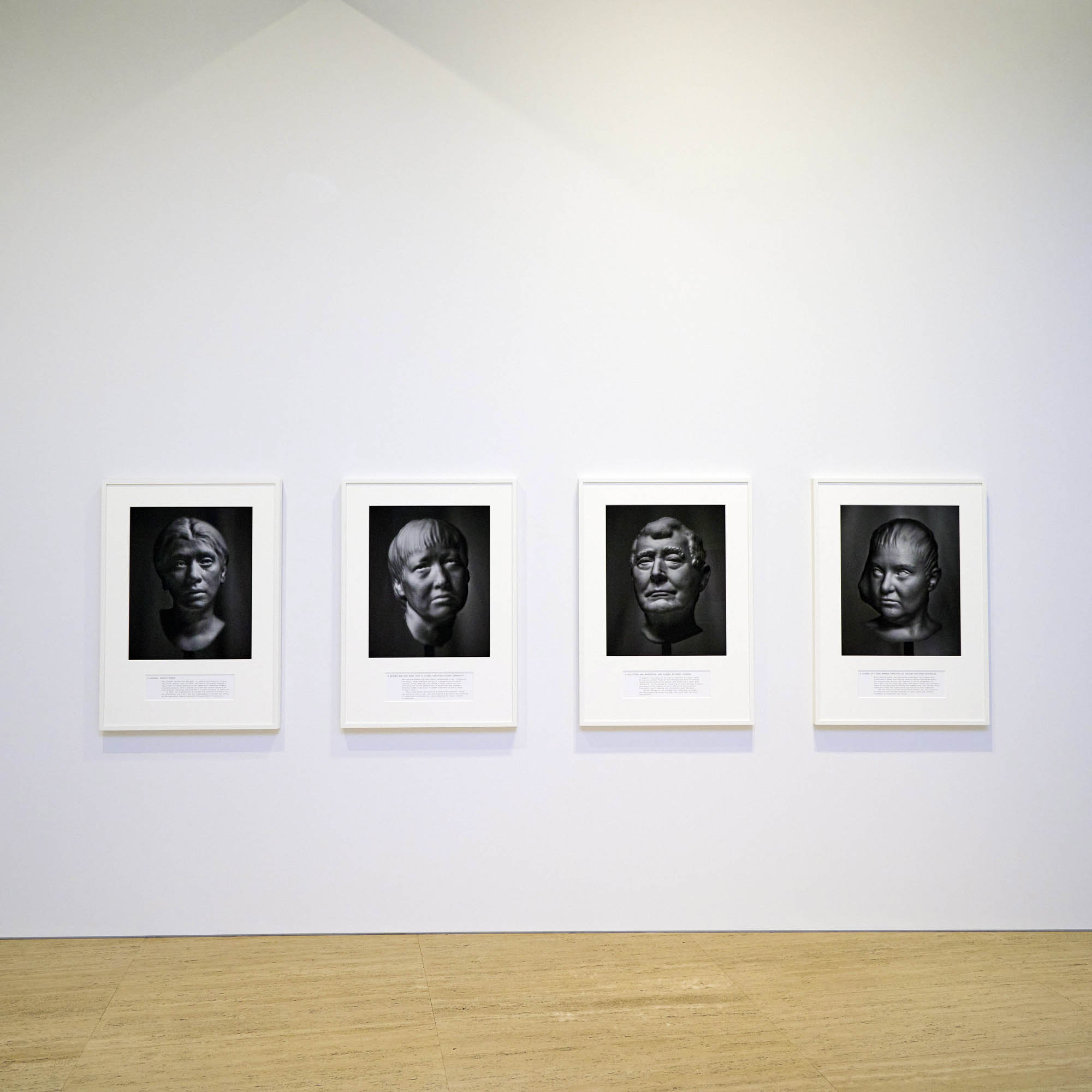
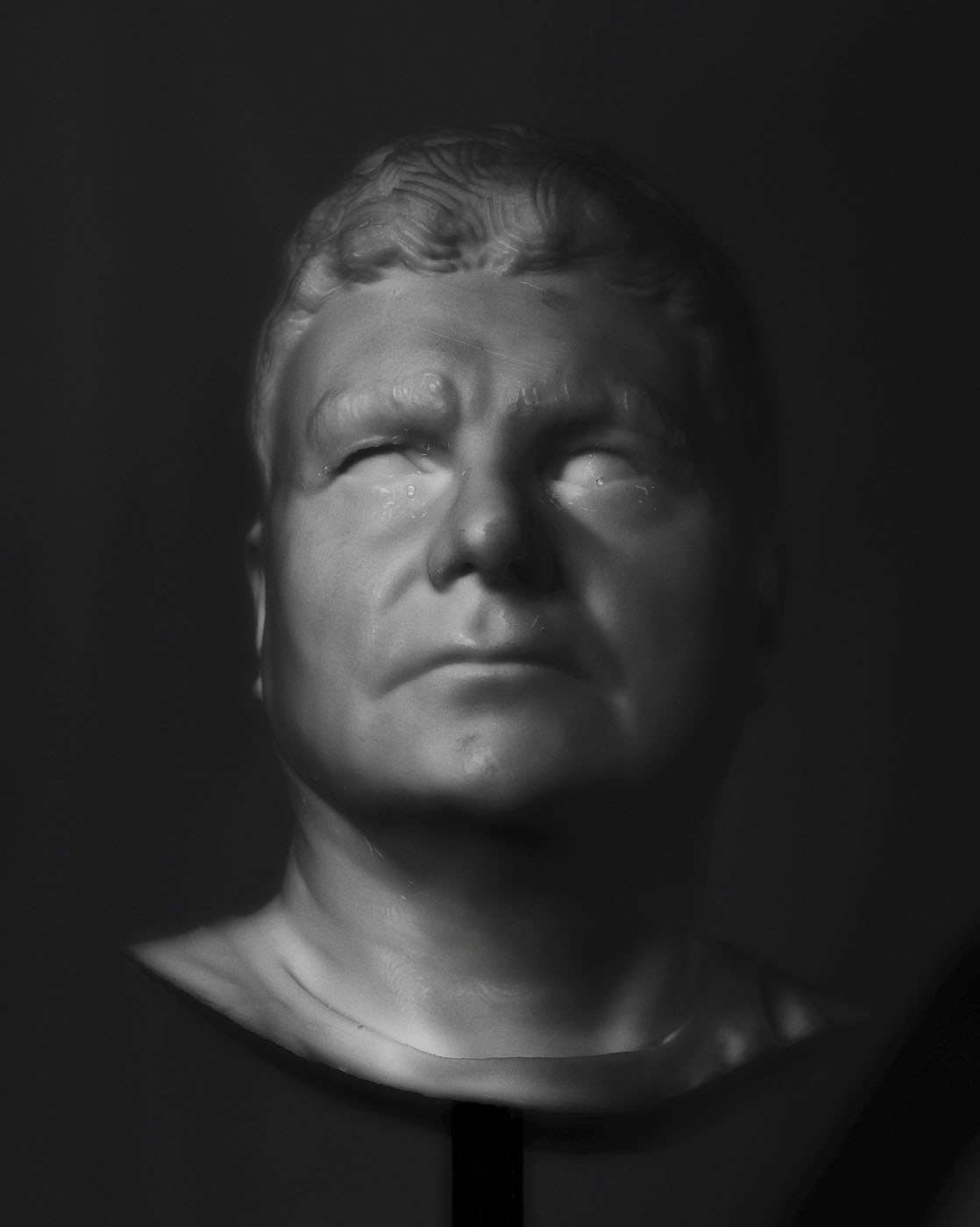
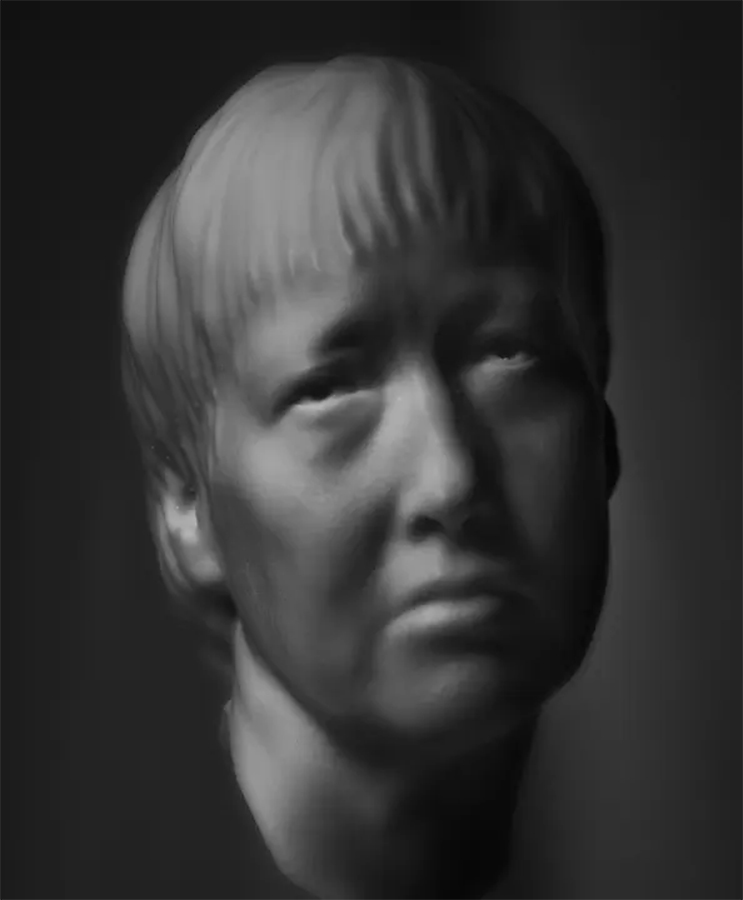
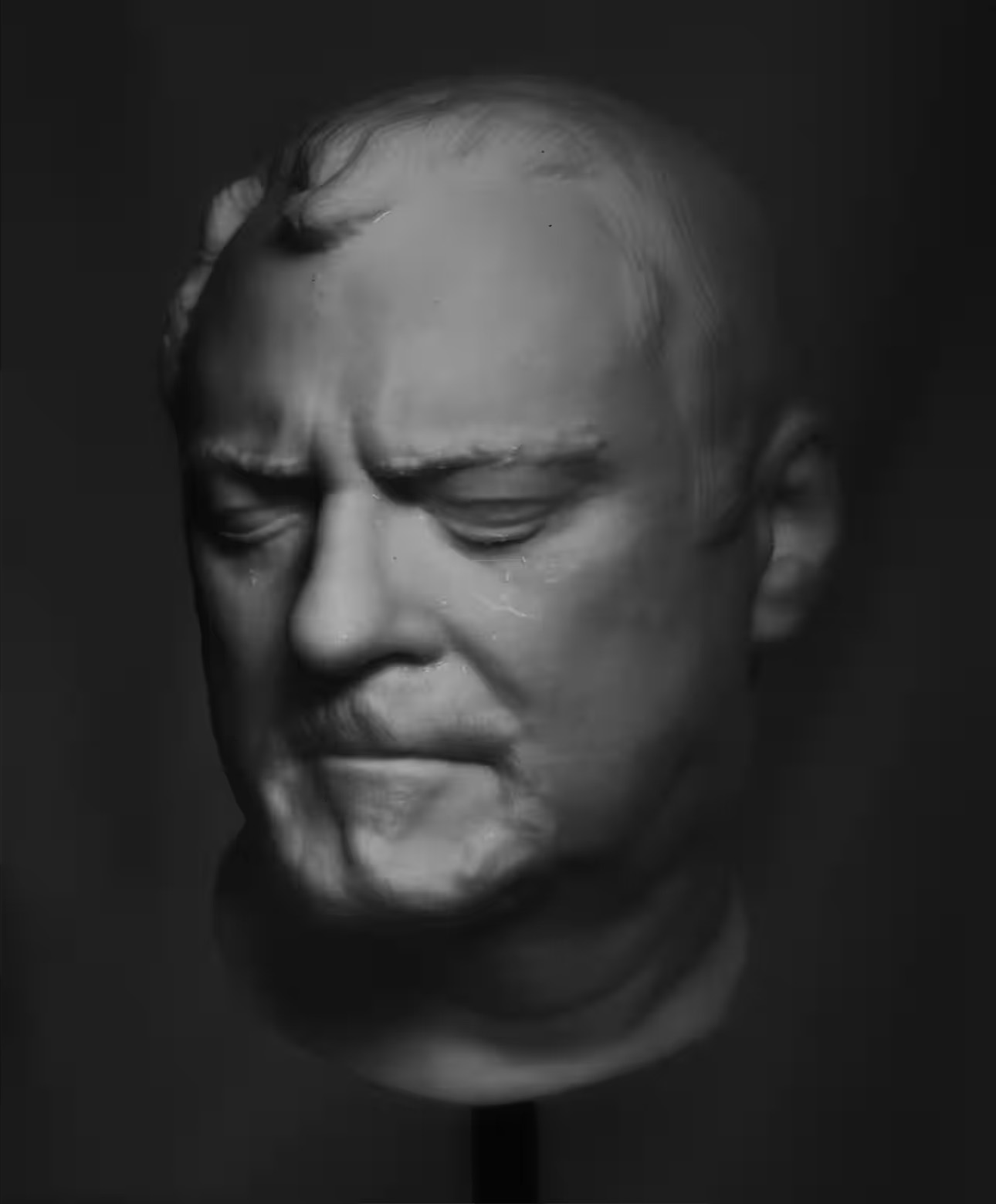
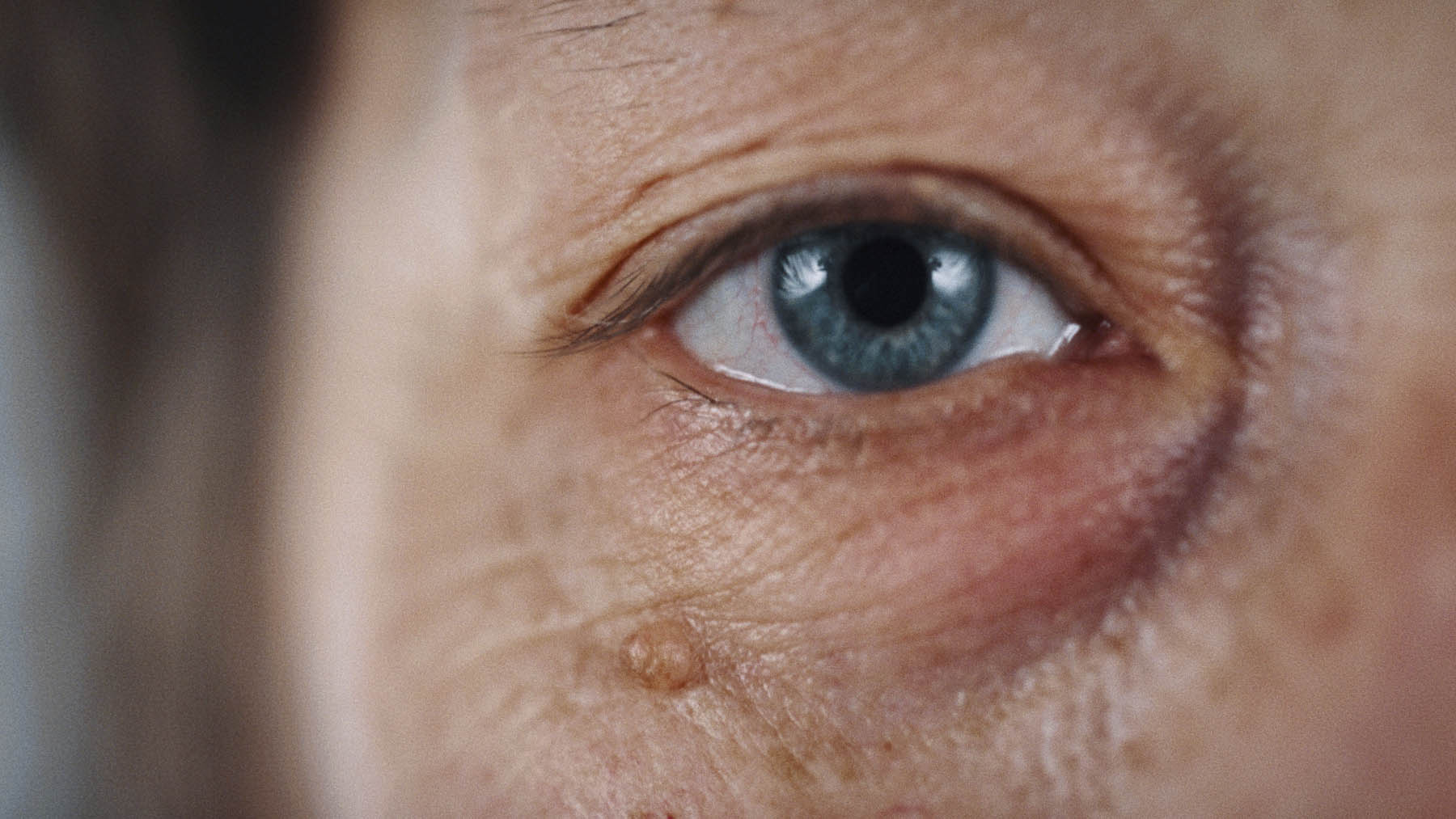
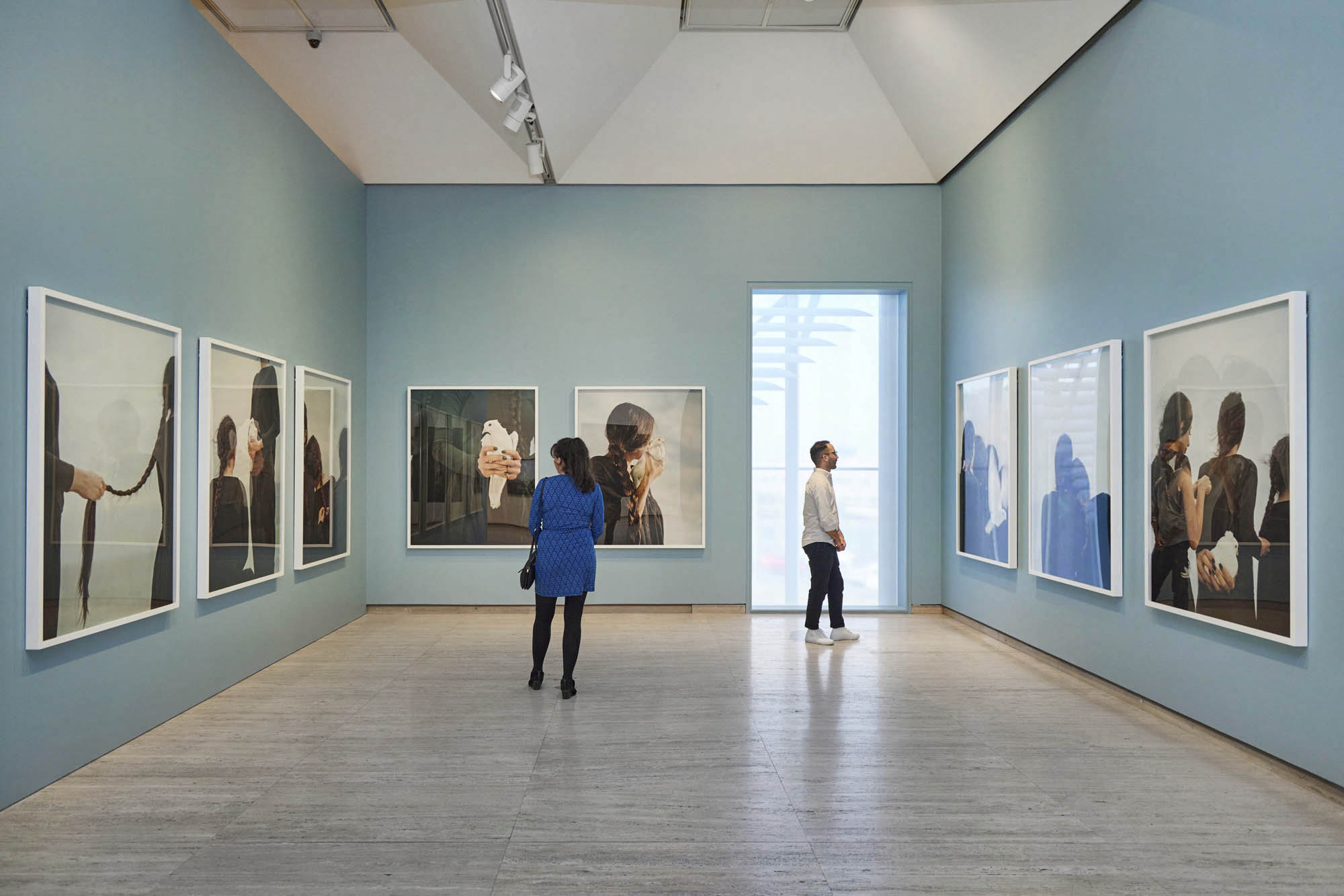
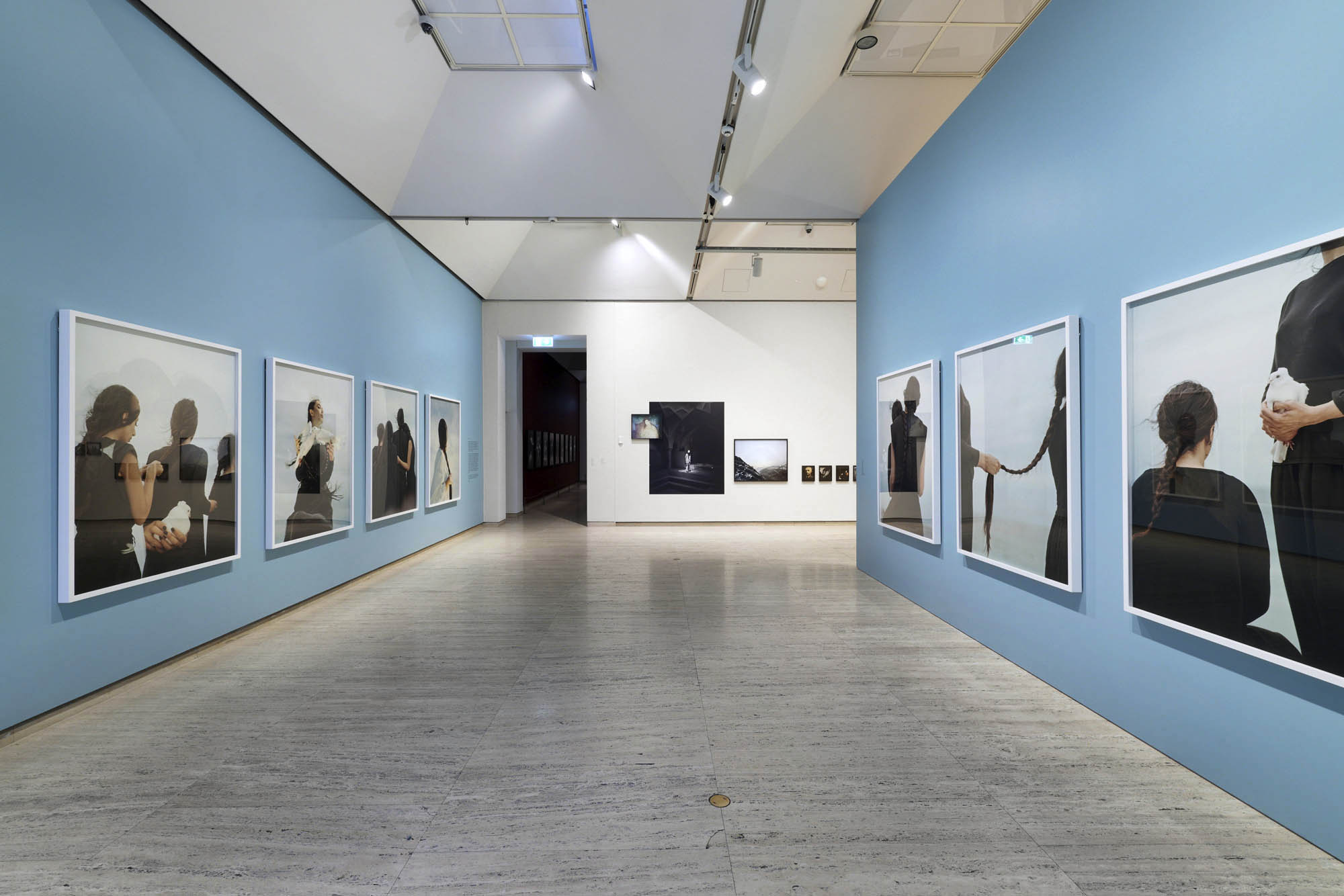
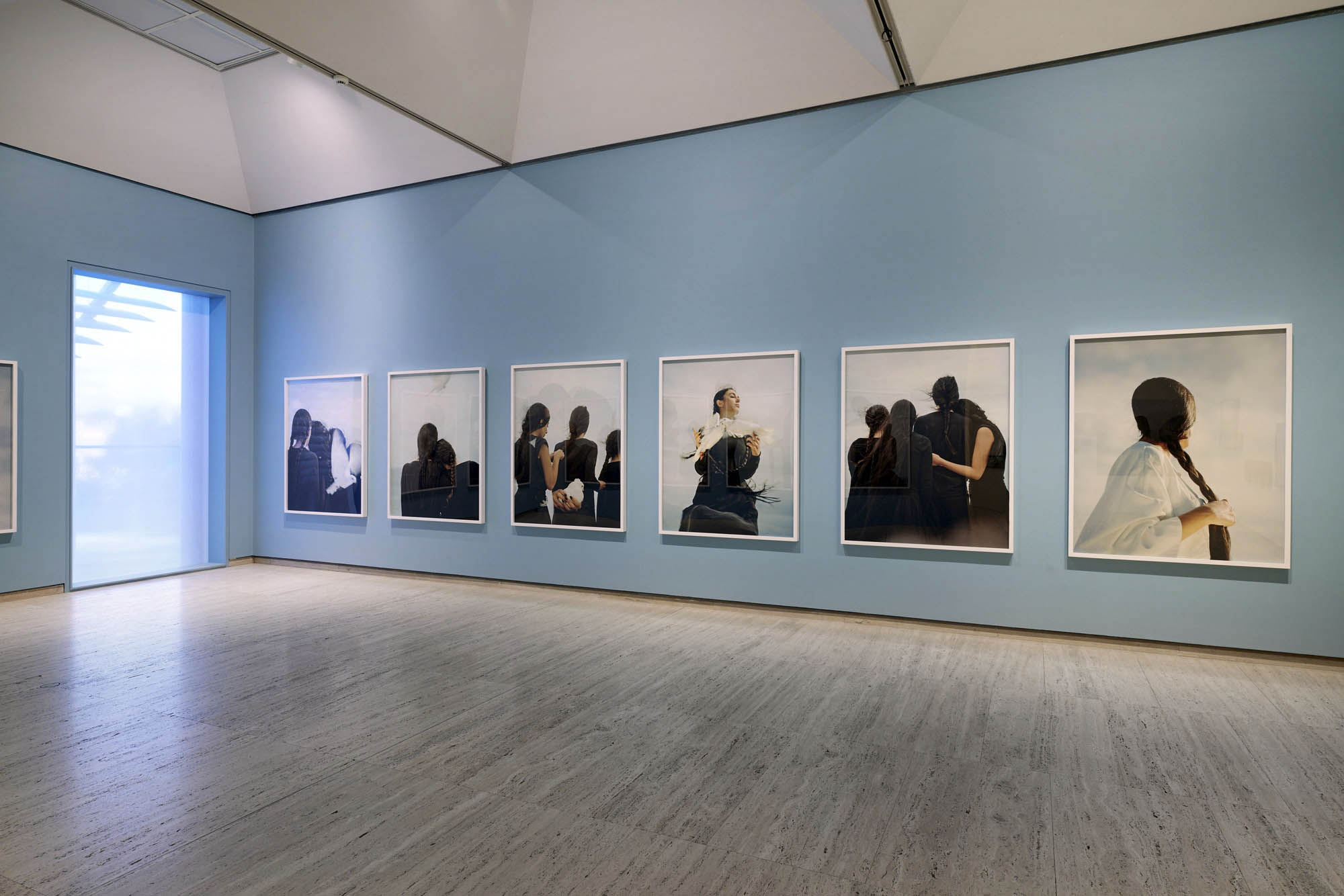
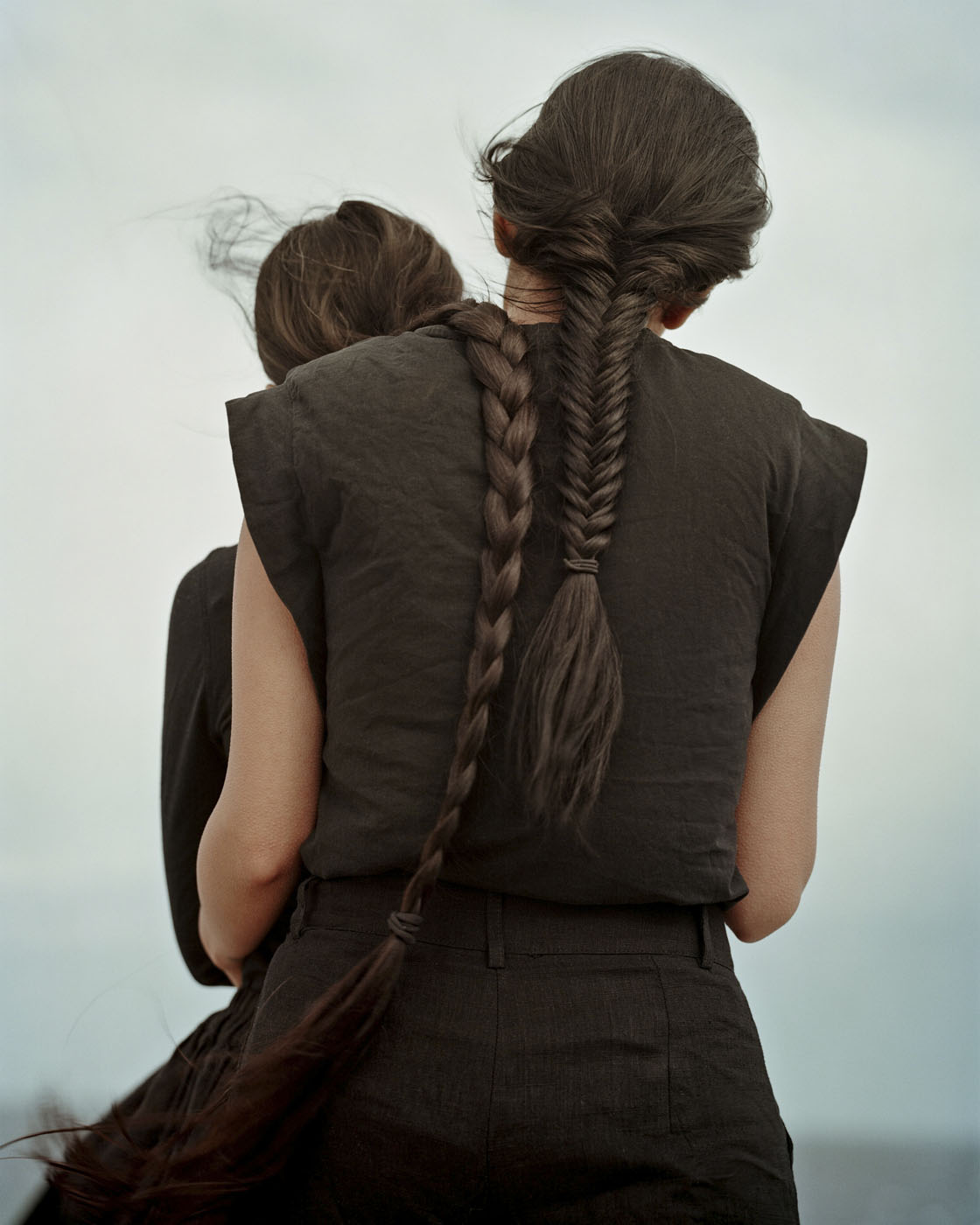
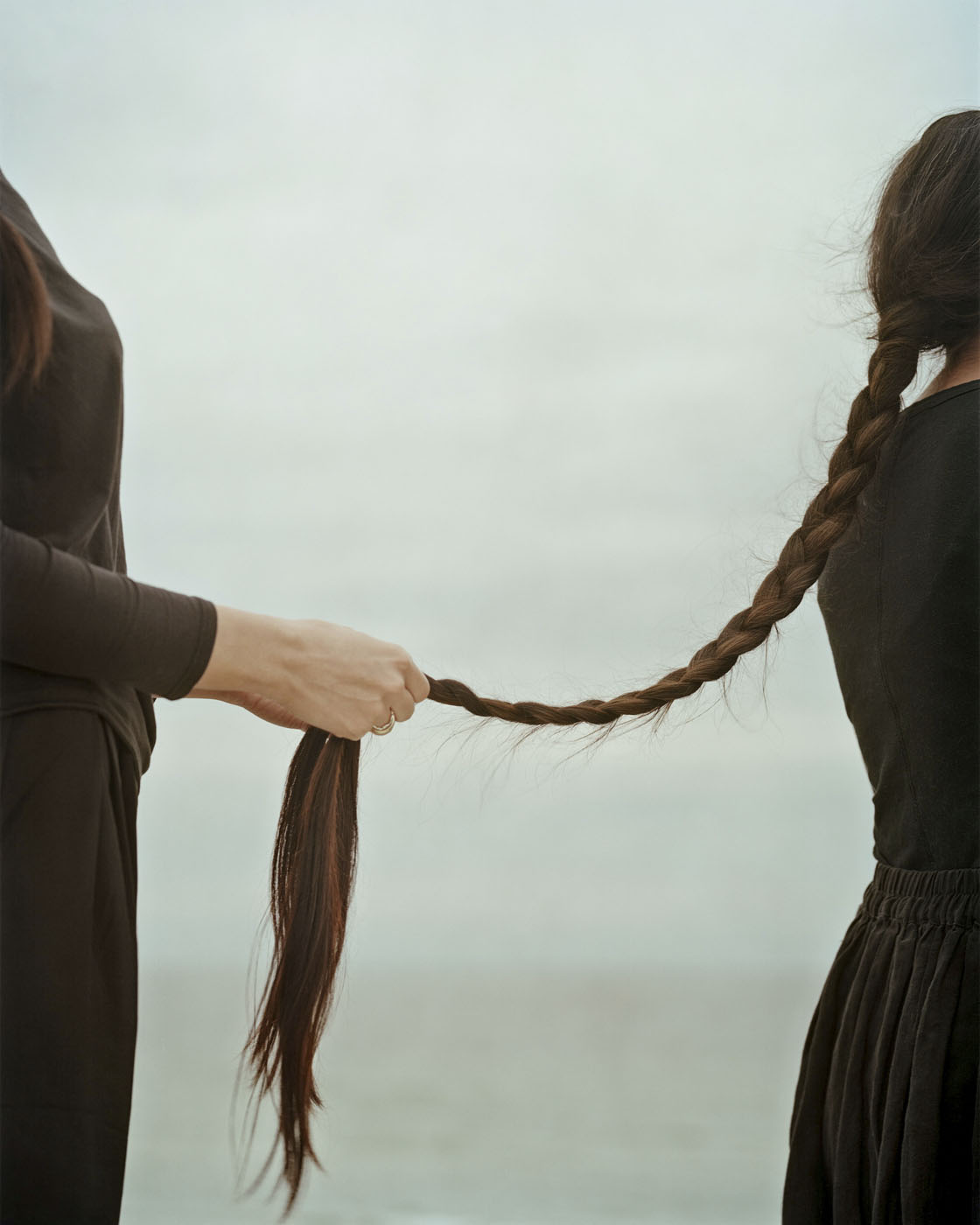
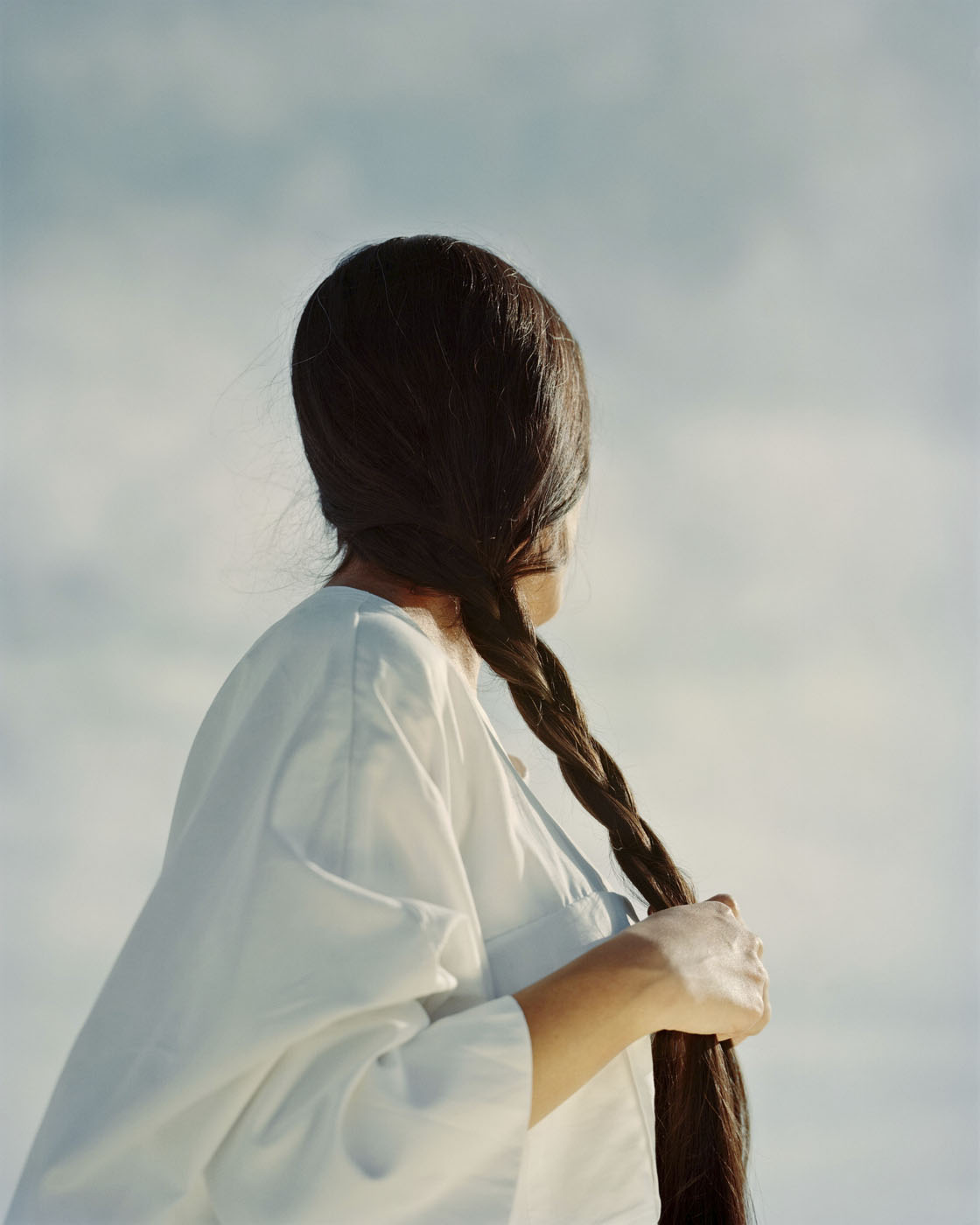
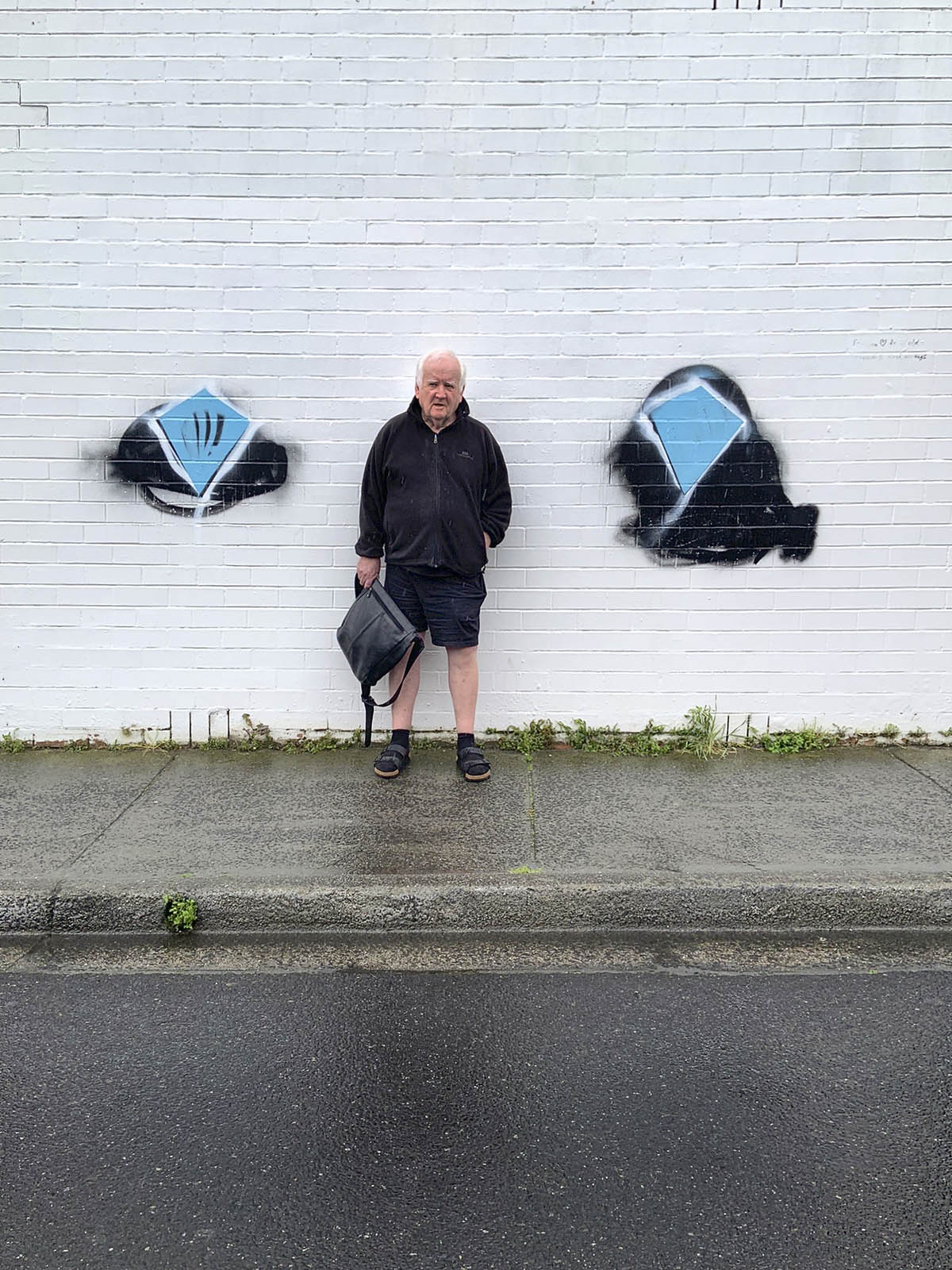

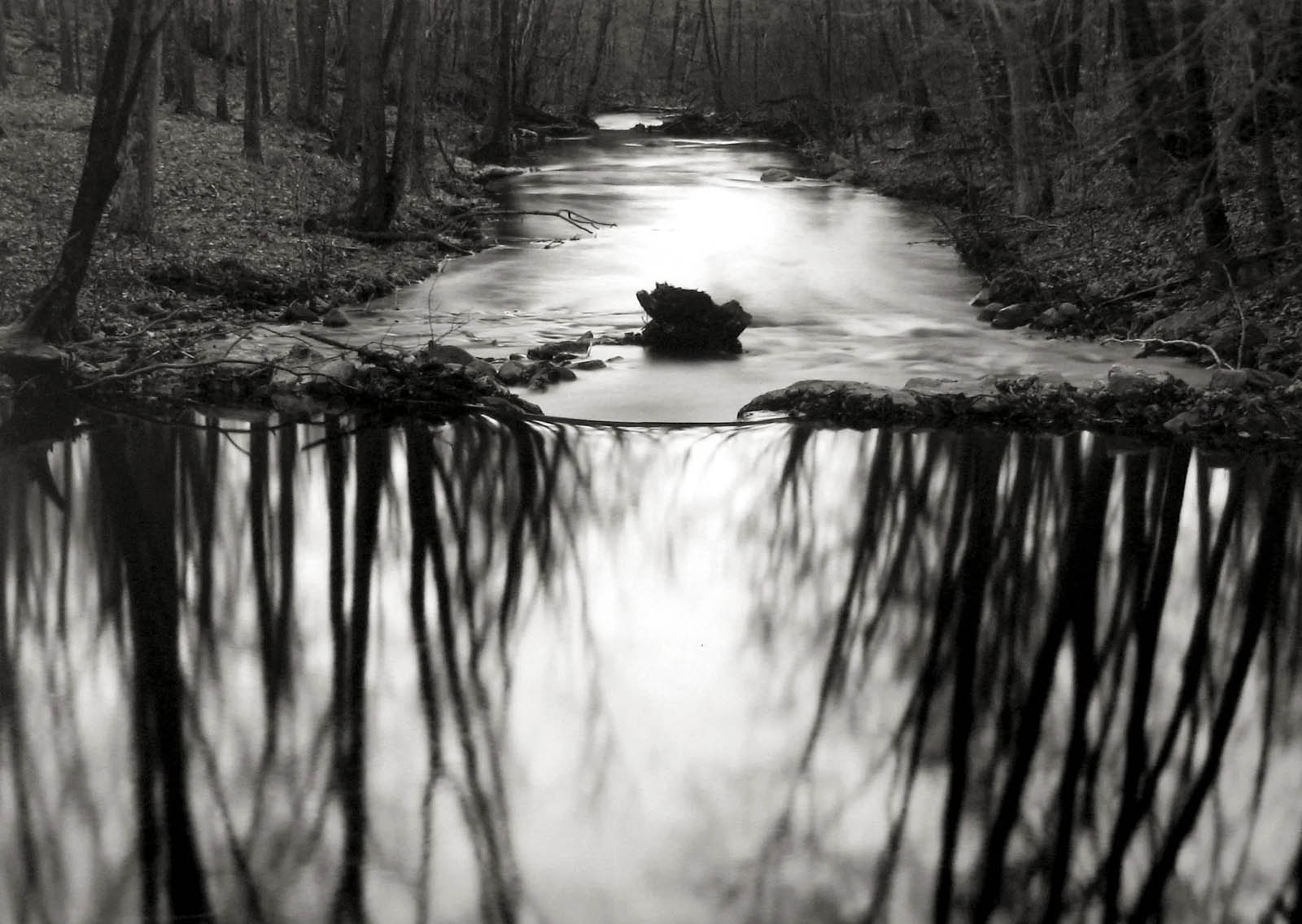
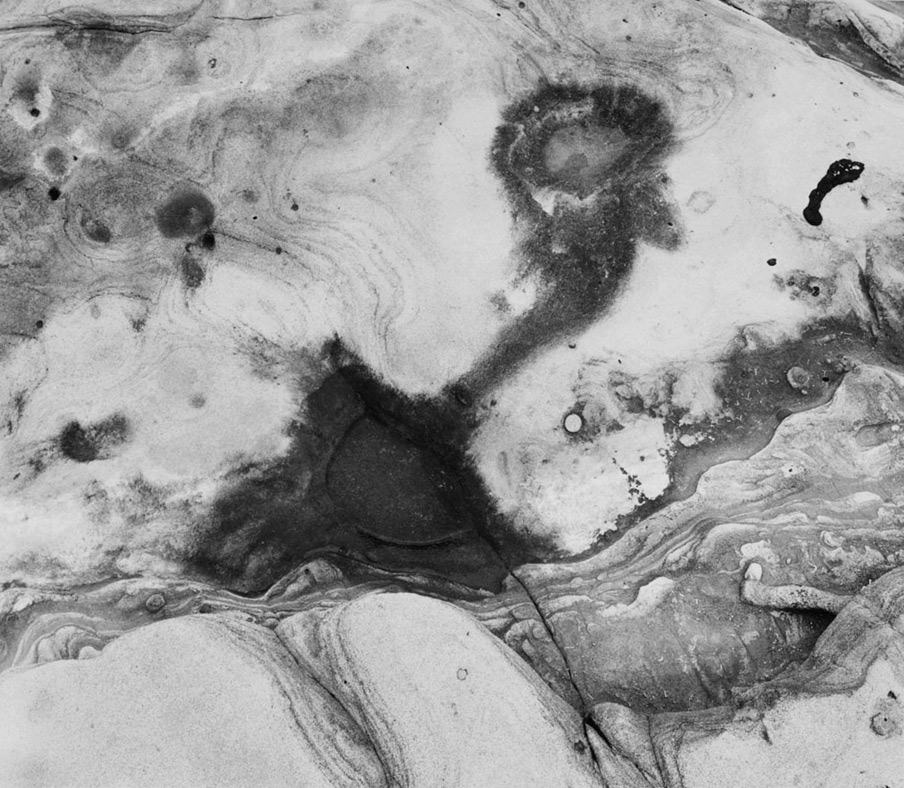
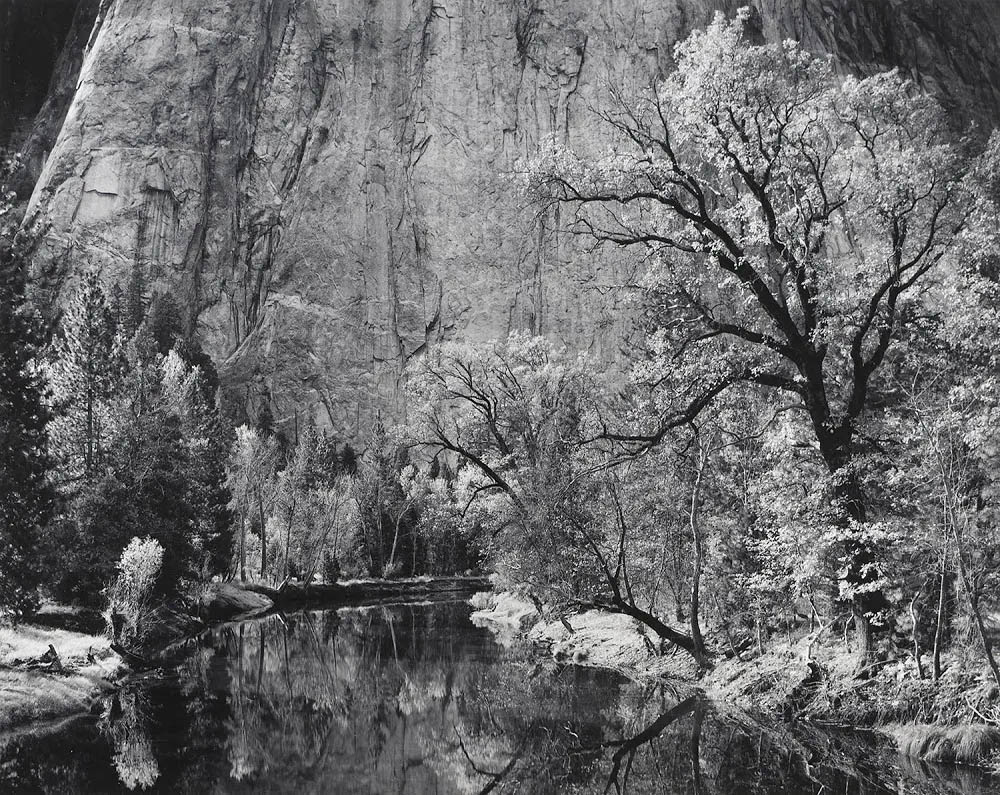
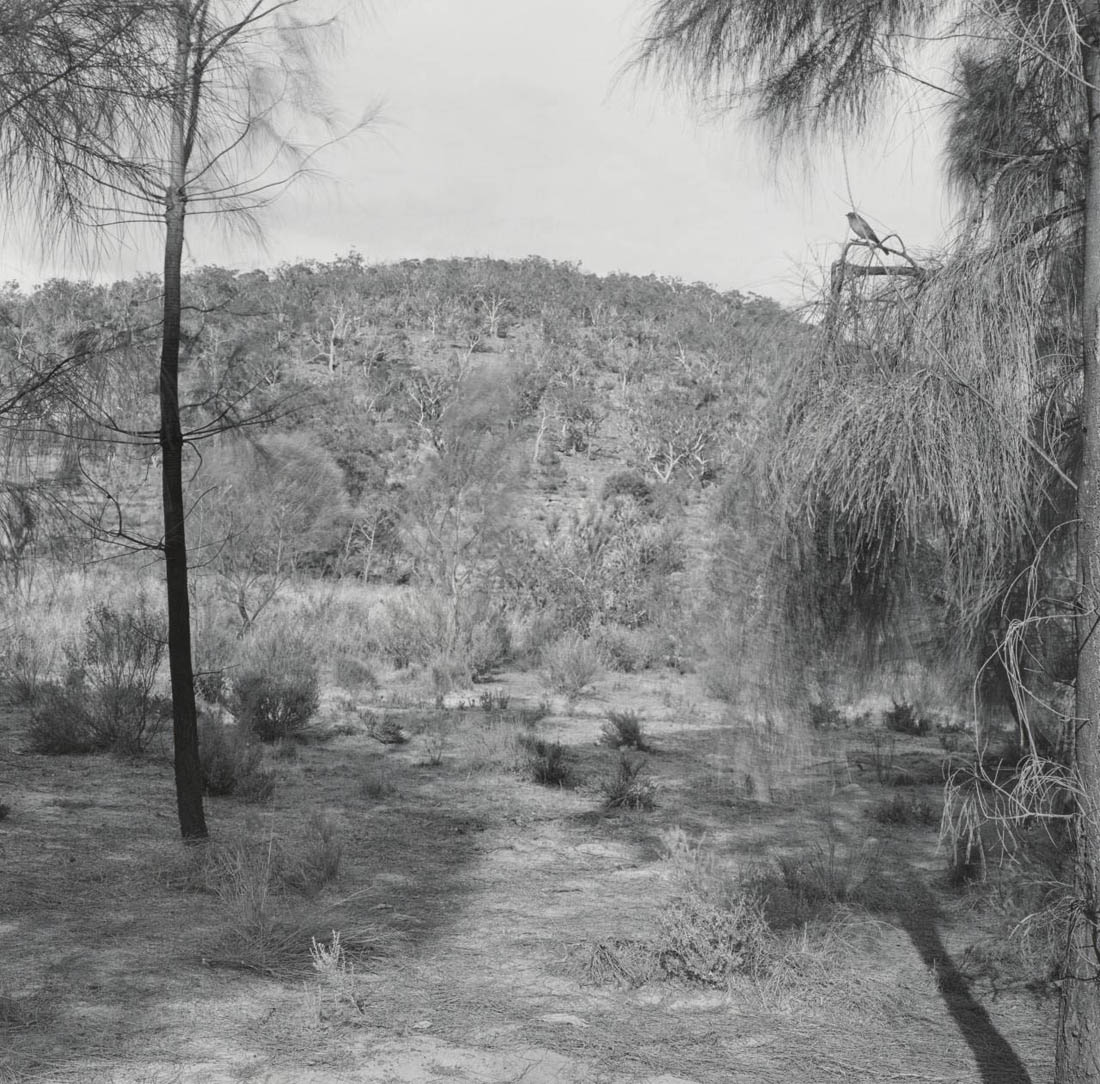
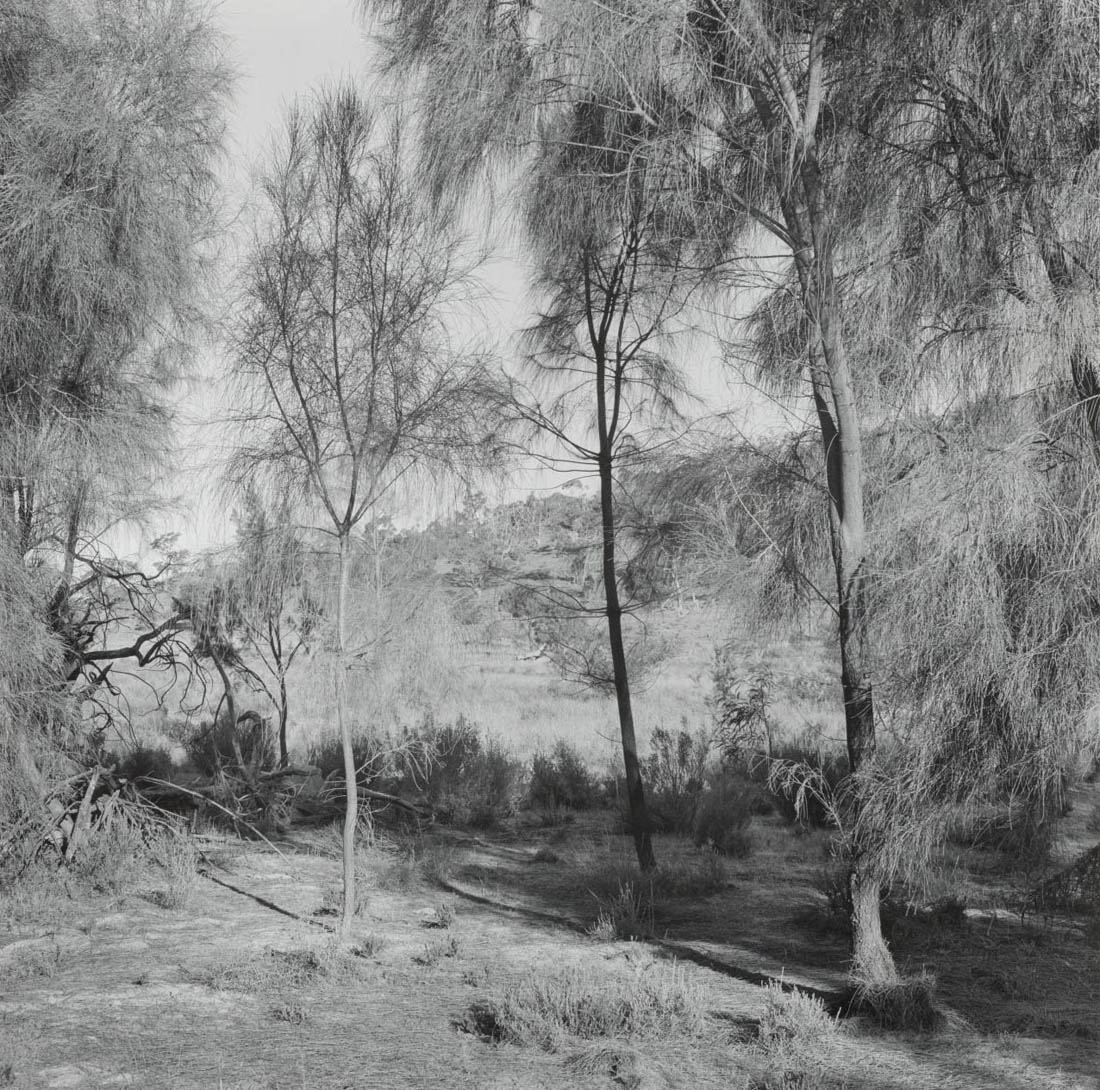
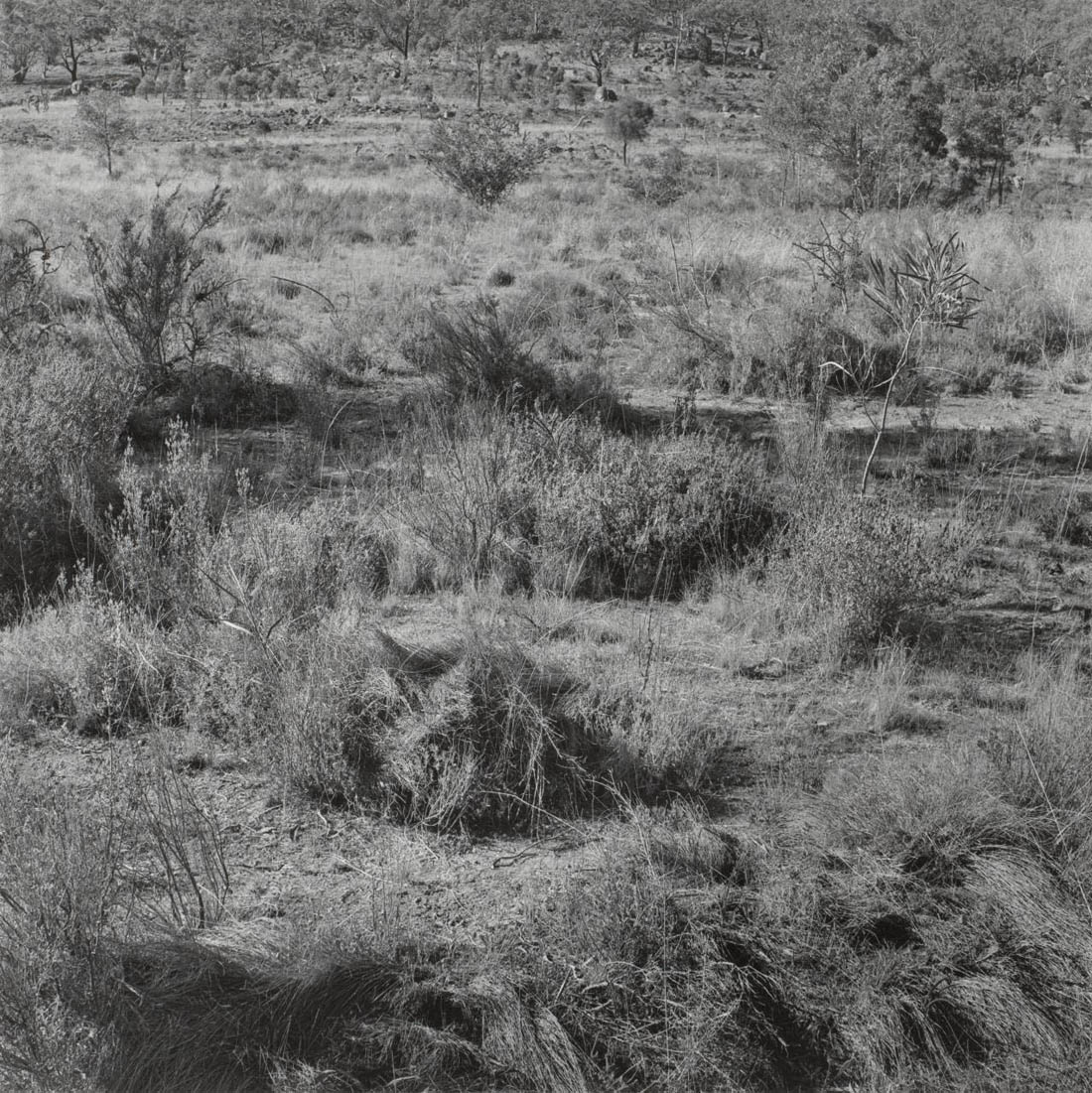
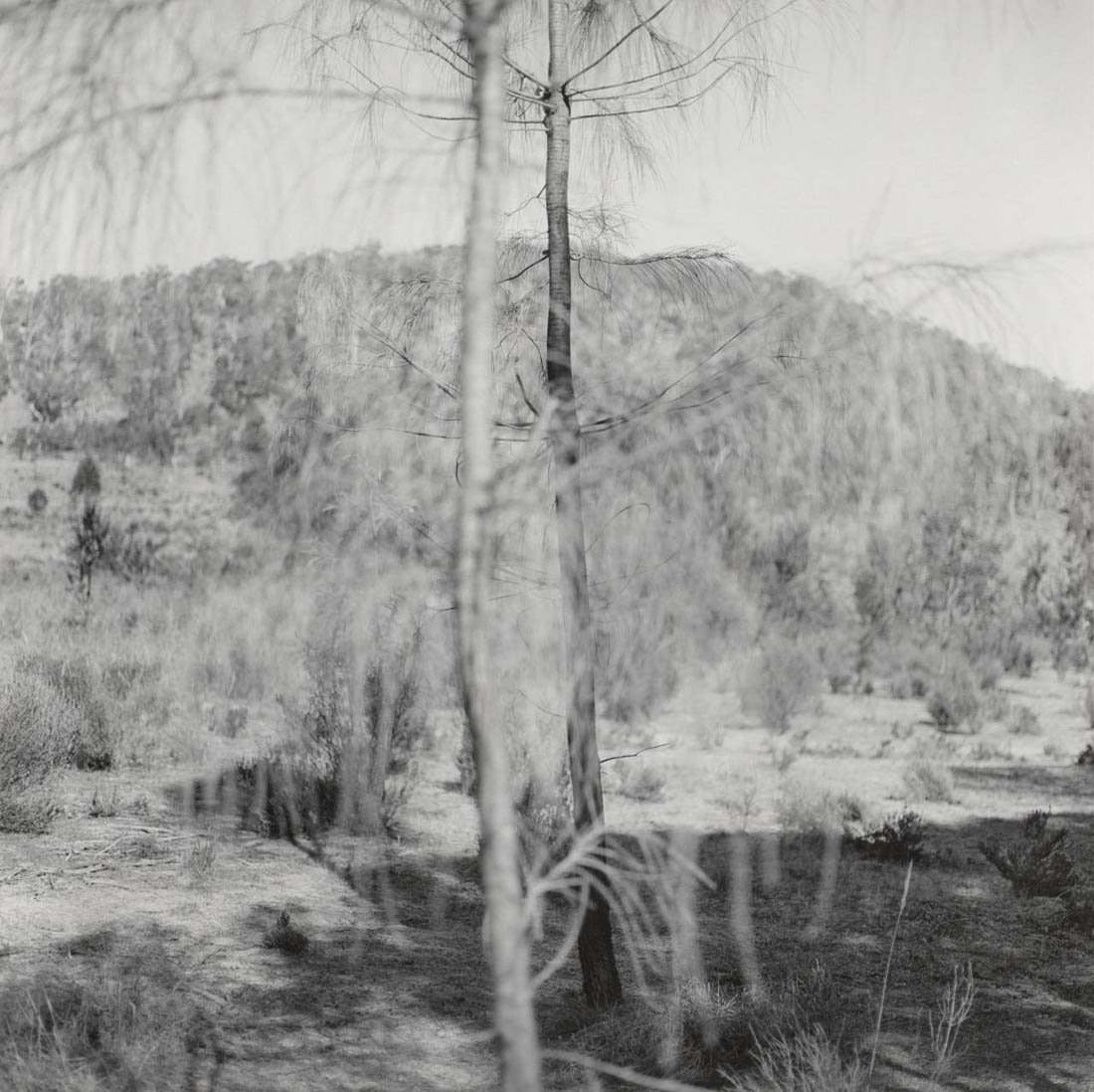
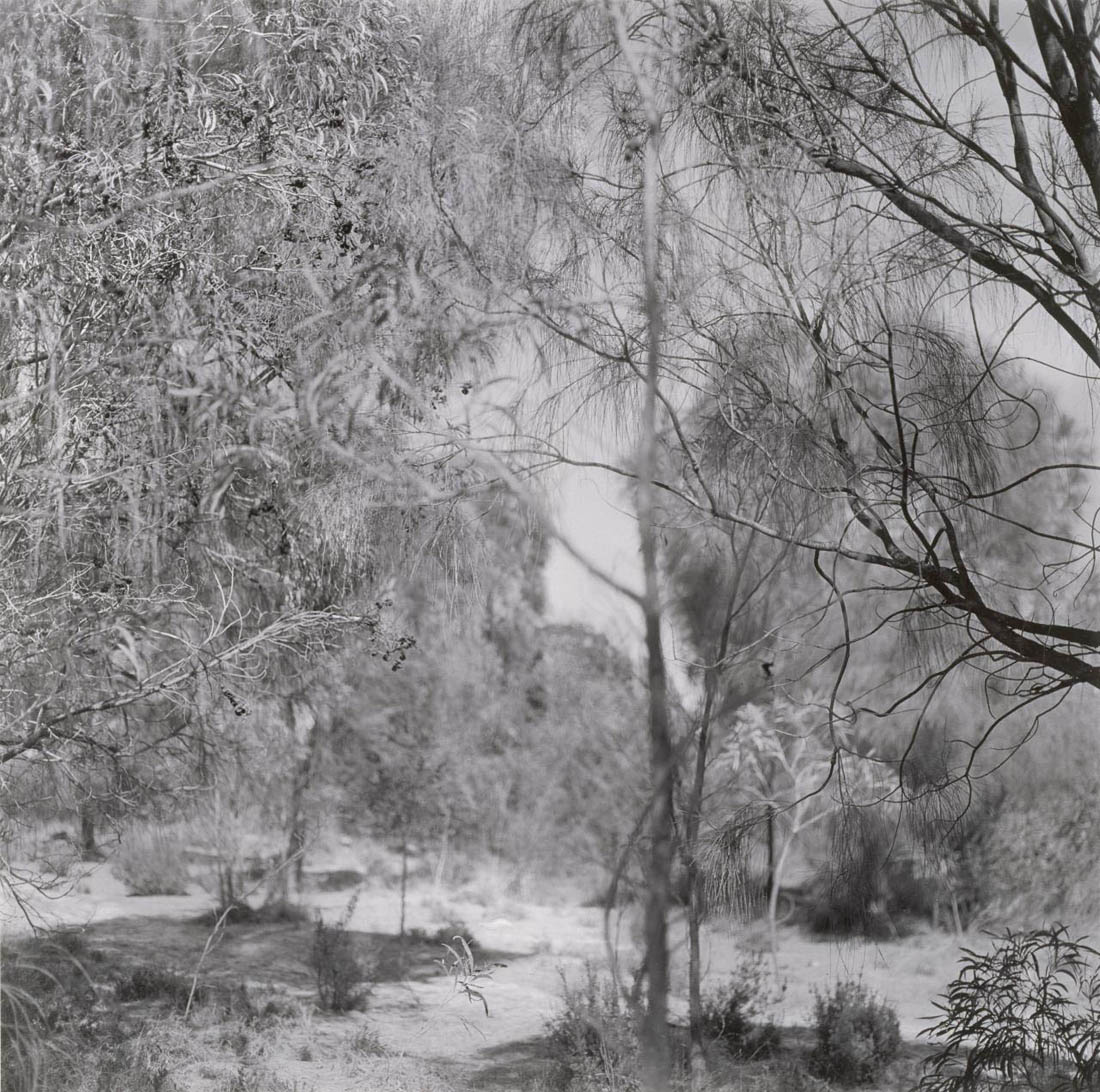
![Peter Leiss (Australian, b. 1951) 'Untitled [Bill Heimerman and Ian Lobb at the rear of the Photographers' Gallery]' c. 1975-1980](https://artblart.com/wp-content/uploads/2017/10/leiss-william-heimerman2-web.jpg "Peter Leiss (Australian, b. 1951) 'Untitled [Bill Heimerman and Ian Lobb at the rear of the Photographers' Gallery]' c. 1975-1980")
![Eugène Atget (French, 1857-1927) 'Untitled [Atget's Work Room with Contact Printing Frames]' c. 1910](https://artblart.com/wp-content/uploads/2014/04/atgets-work-room-web1.jpg "Eugène Atget (French, 1857-1927) 'Untitled [Atget's Work Room with Contact Printing Frames]' c. 1910")
![Carol Jerrems. 'Untitled [Bill Heimerman and Ian Lobb at the Dog Rocks near Geelong]' c. 1975-1980](https://artblart.com/wp-content/uploads/2017/10/jerrems-william-heimerman-ian-lobb-web.jpg "Carol Jerrems. 'Untitled [Bill Heimerman and Ian Lobb at the Dog Rocks near Geelong]' c. 1975-1980")
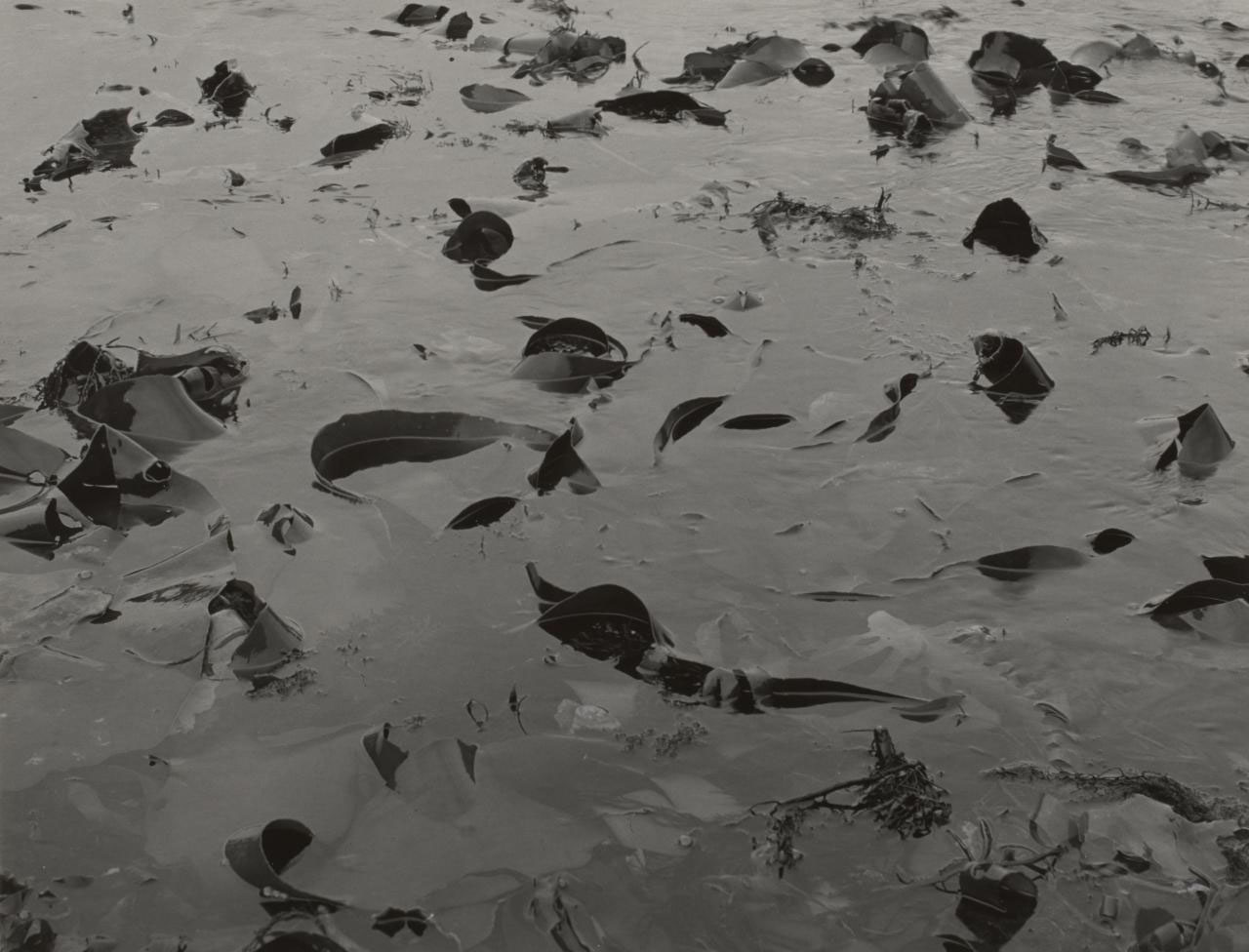
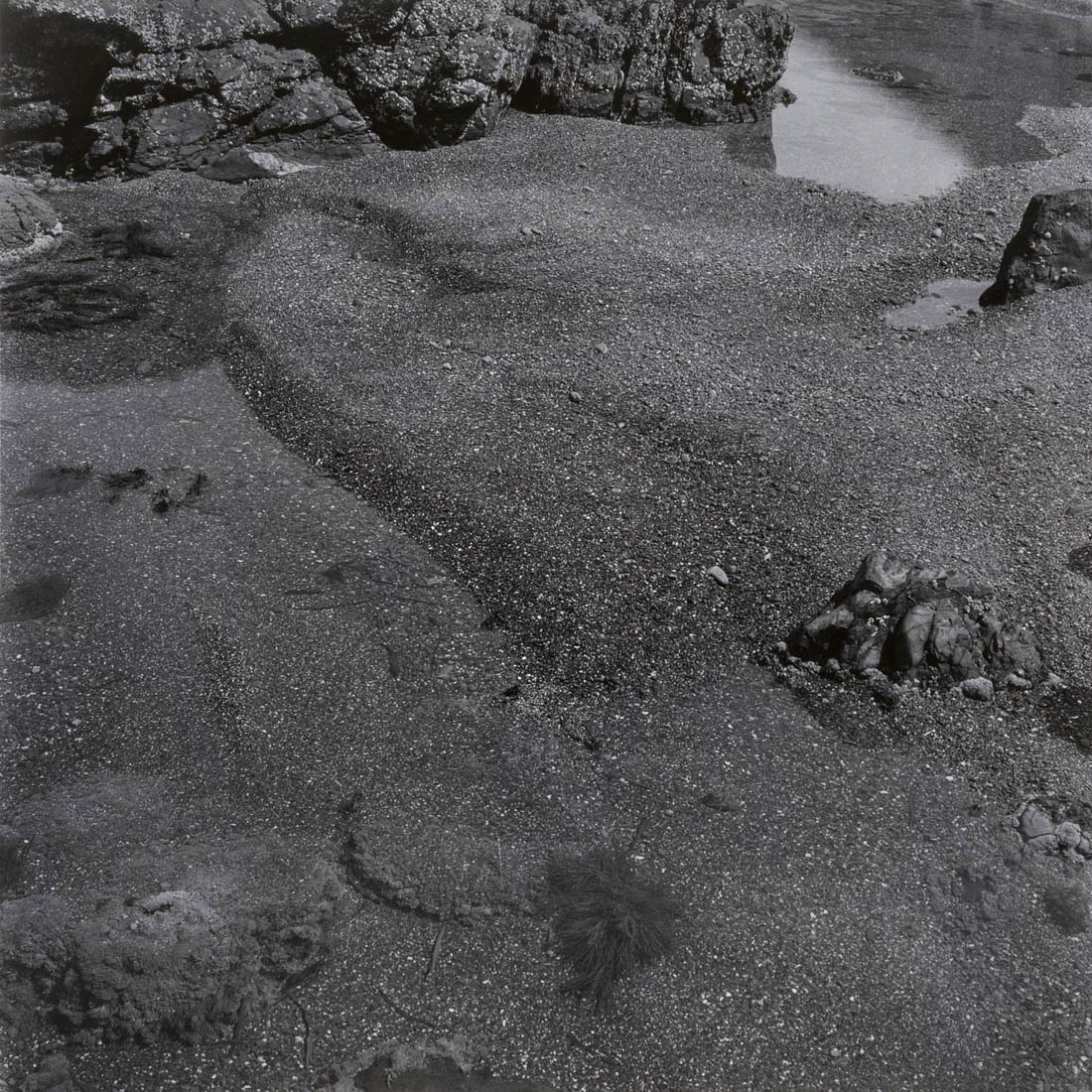
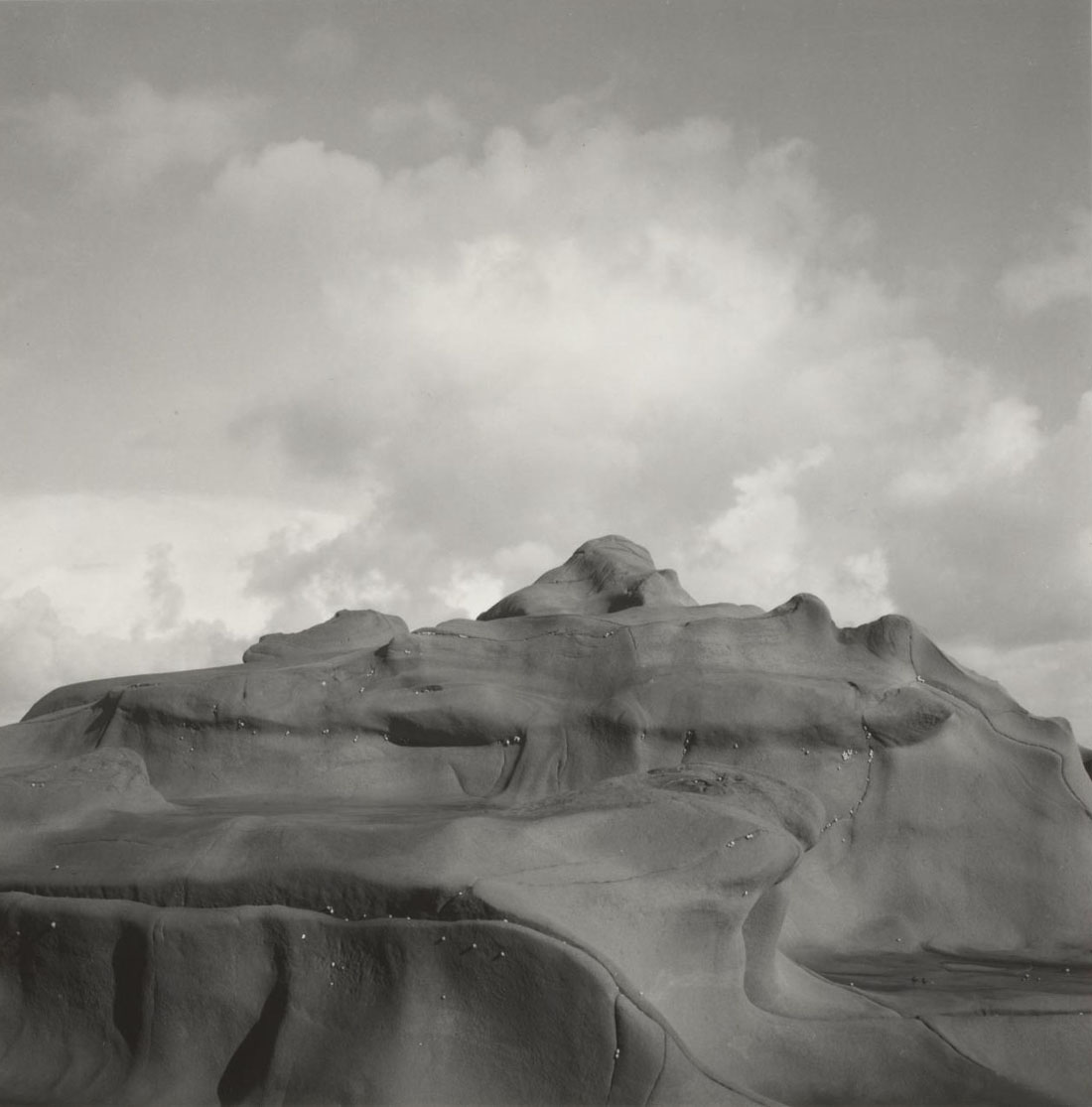
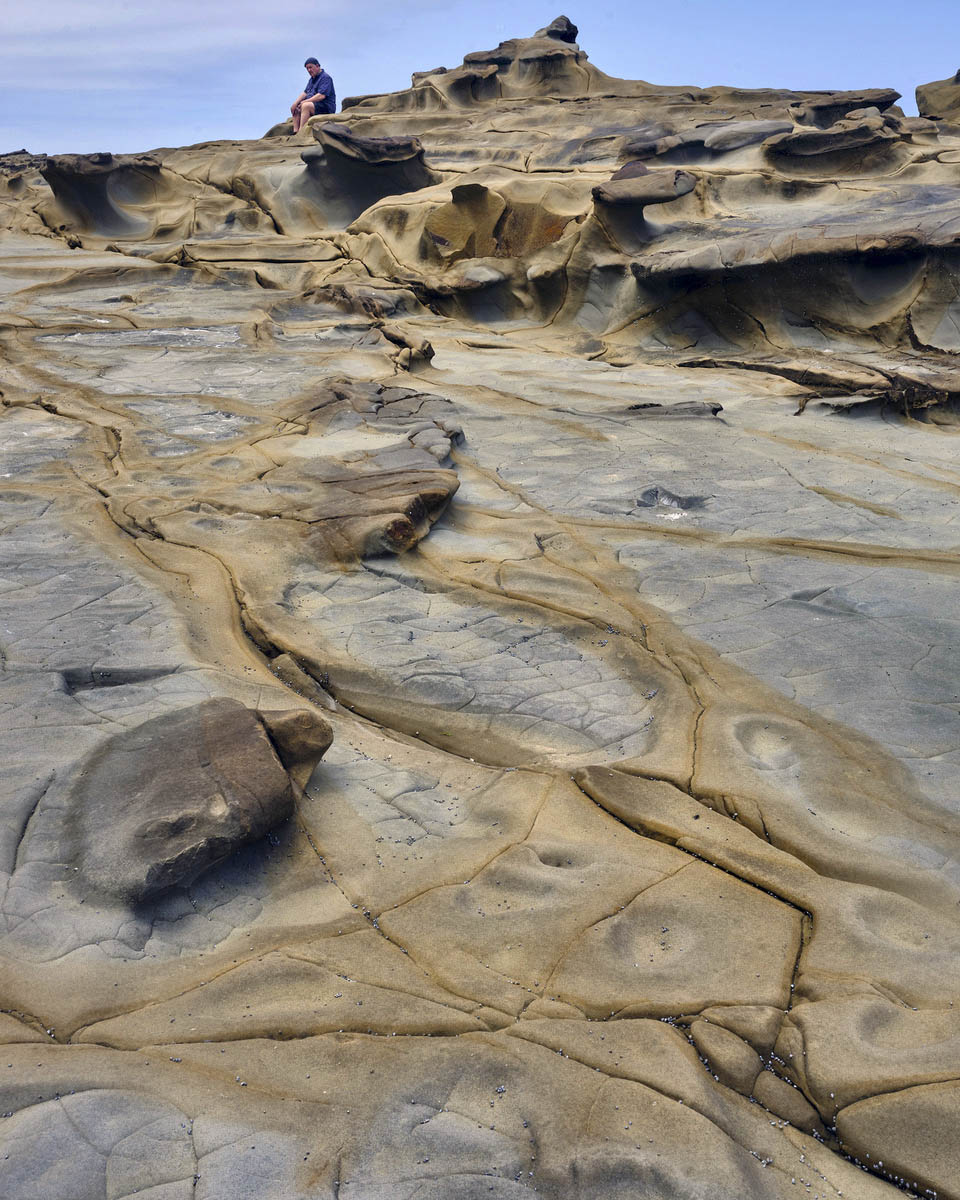
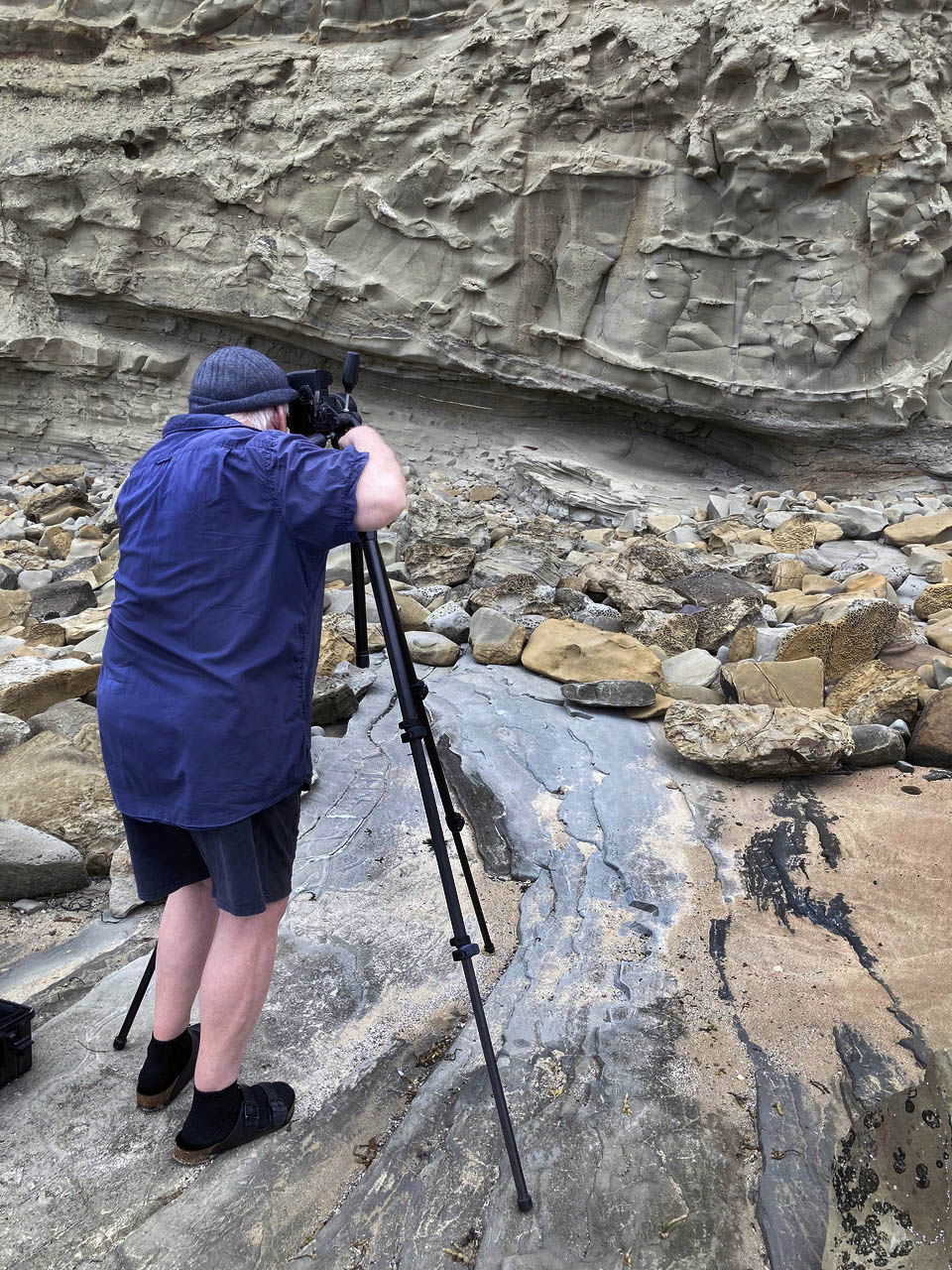
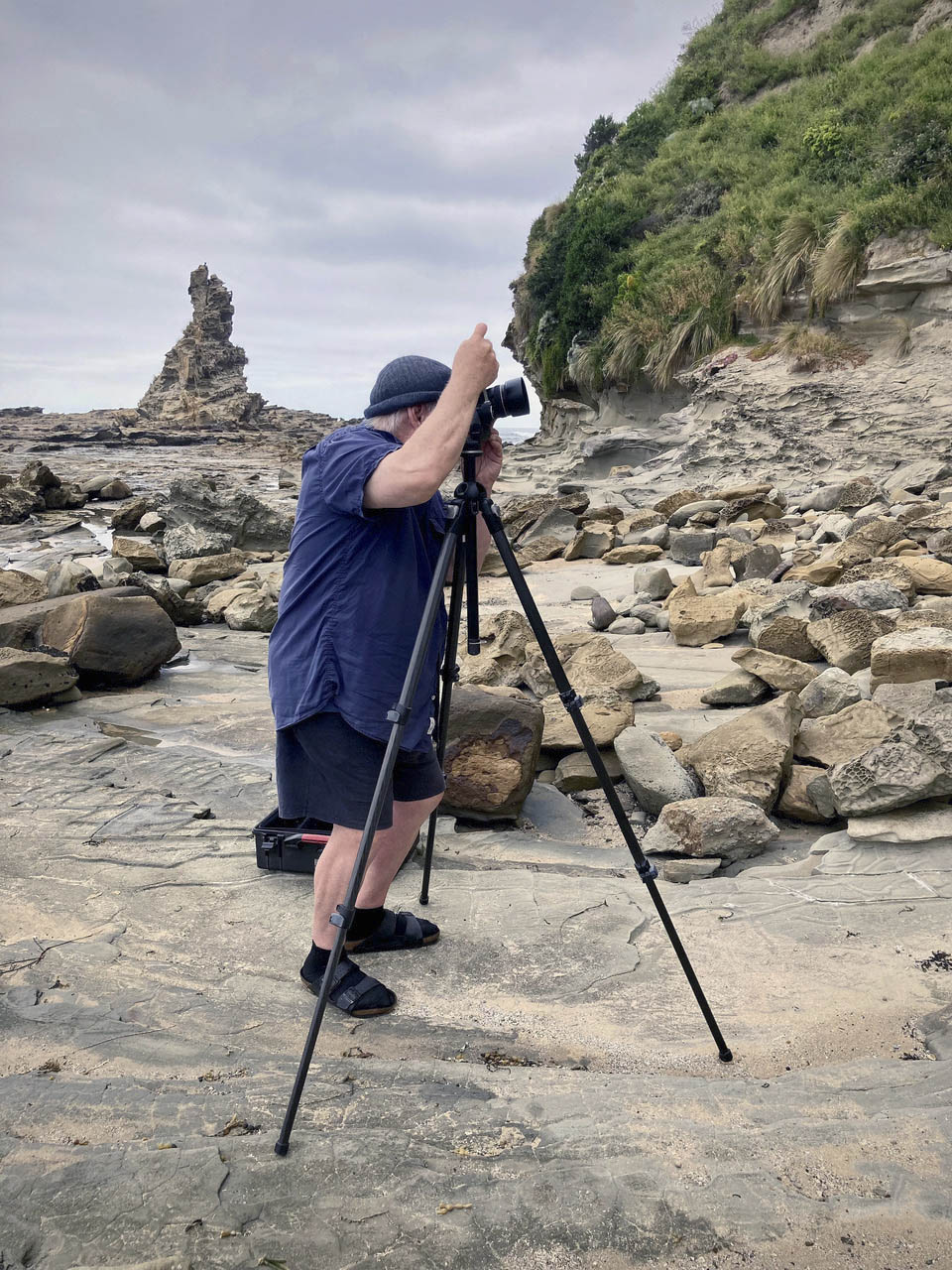
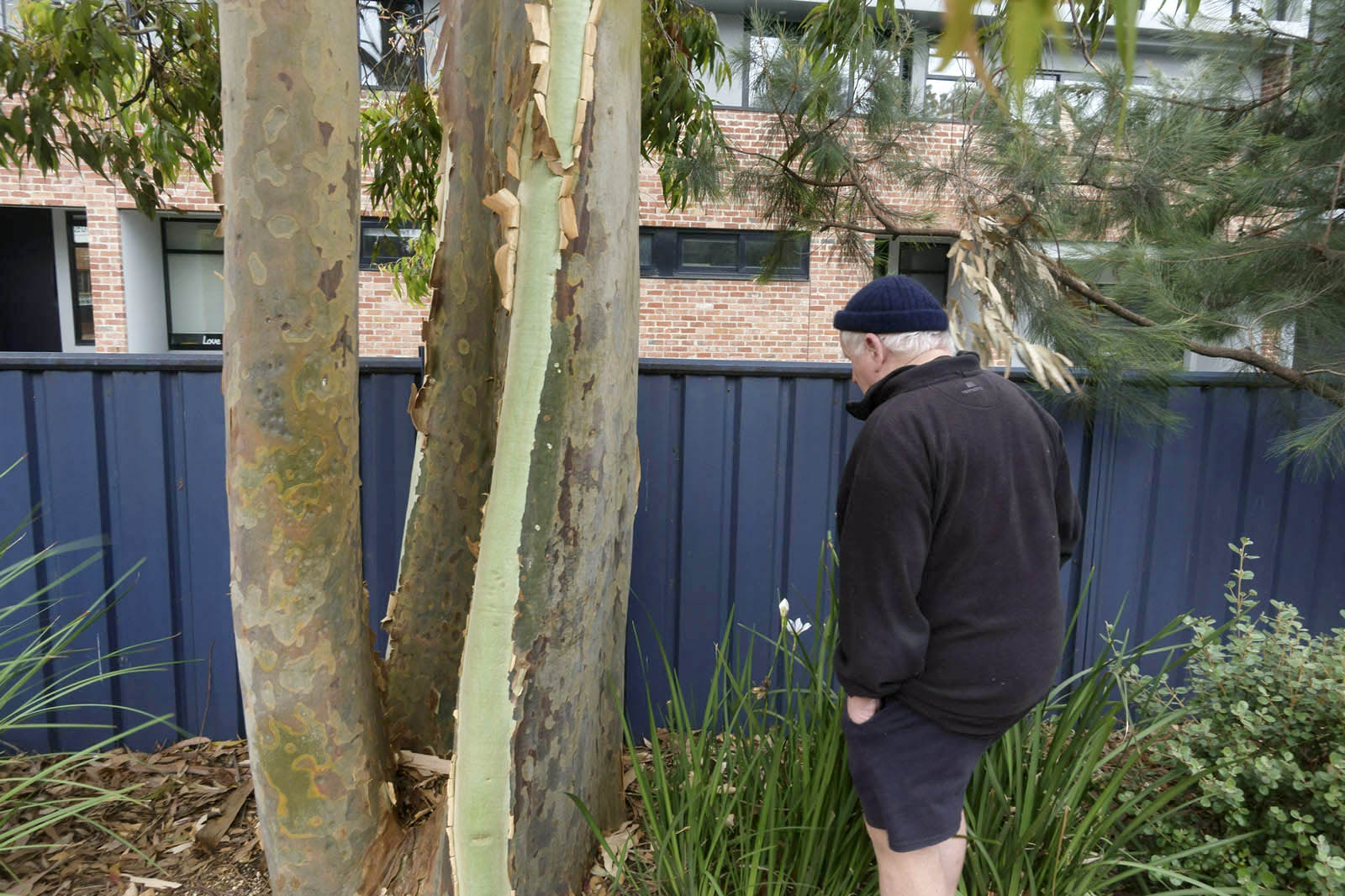
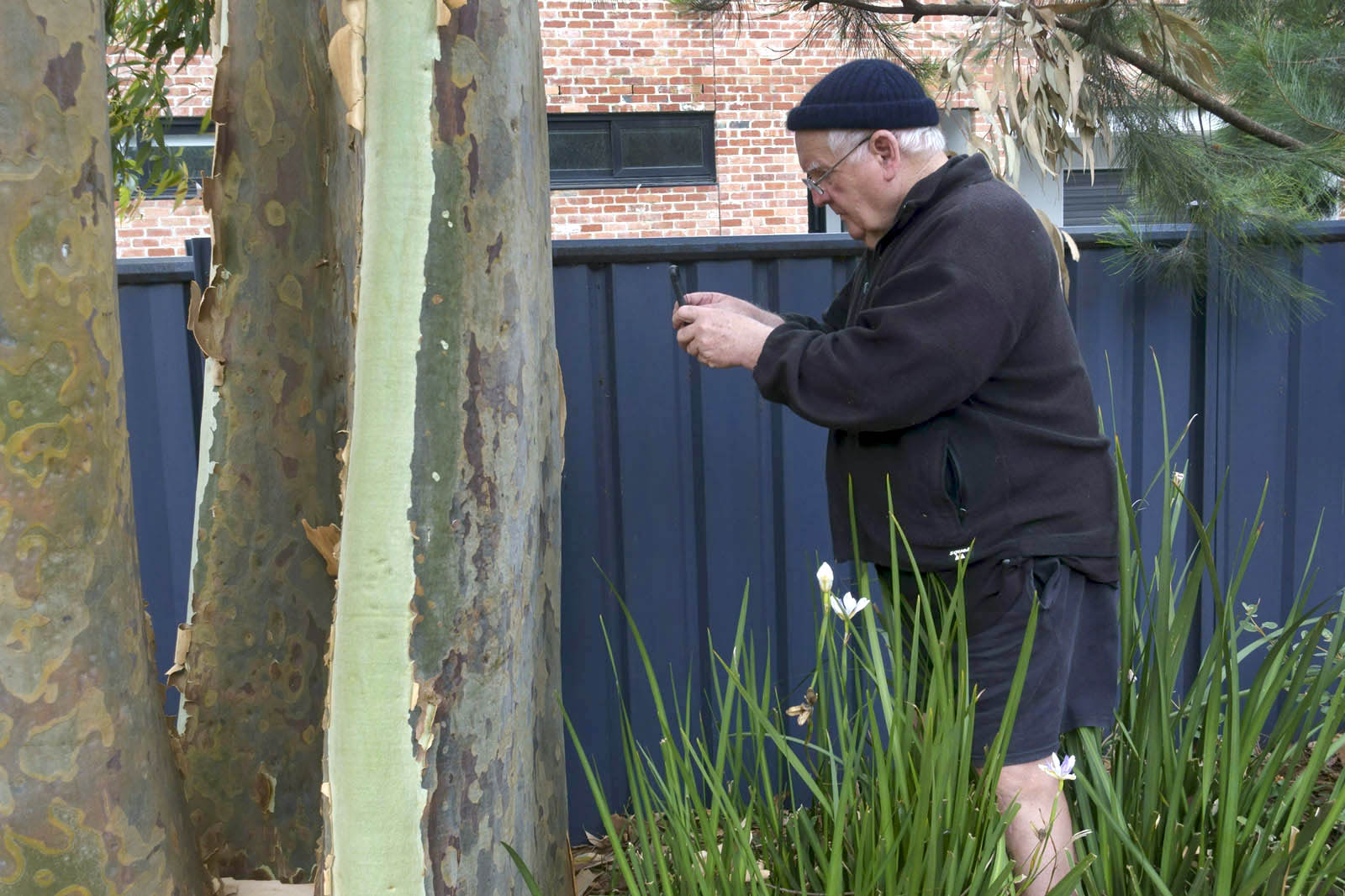
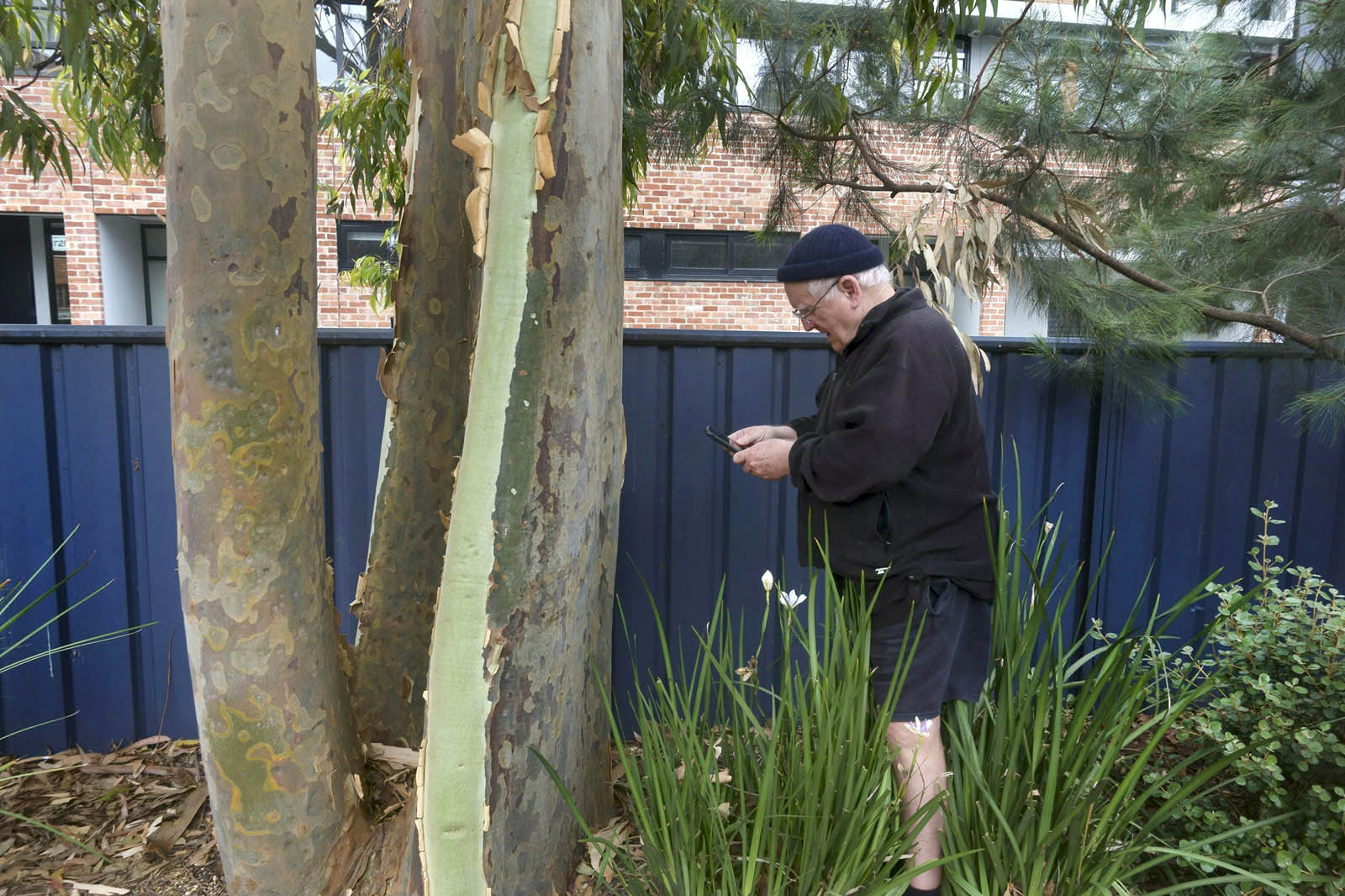
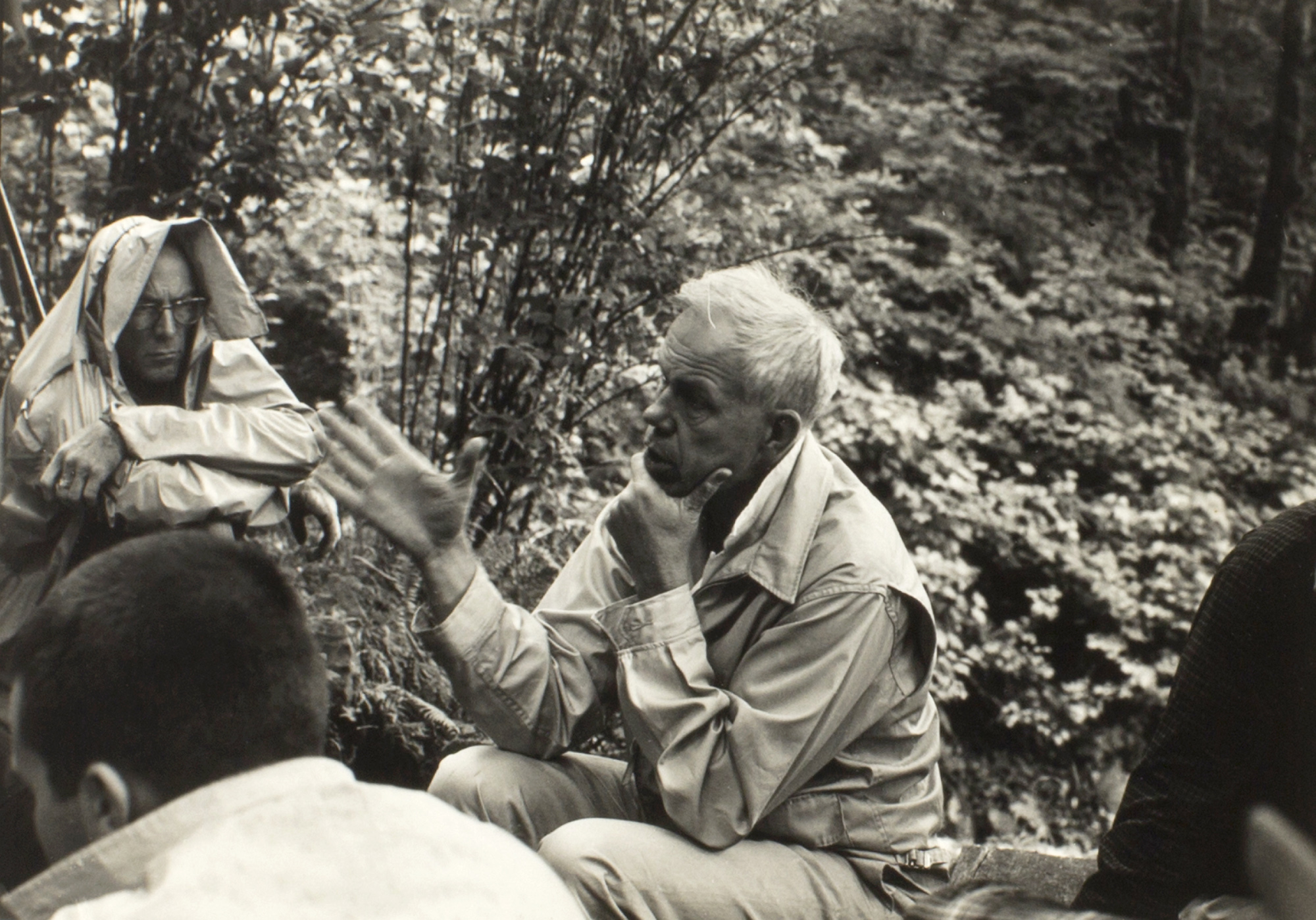
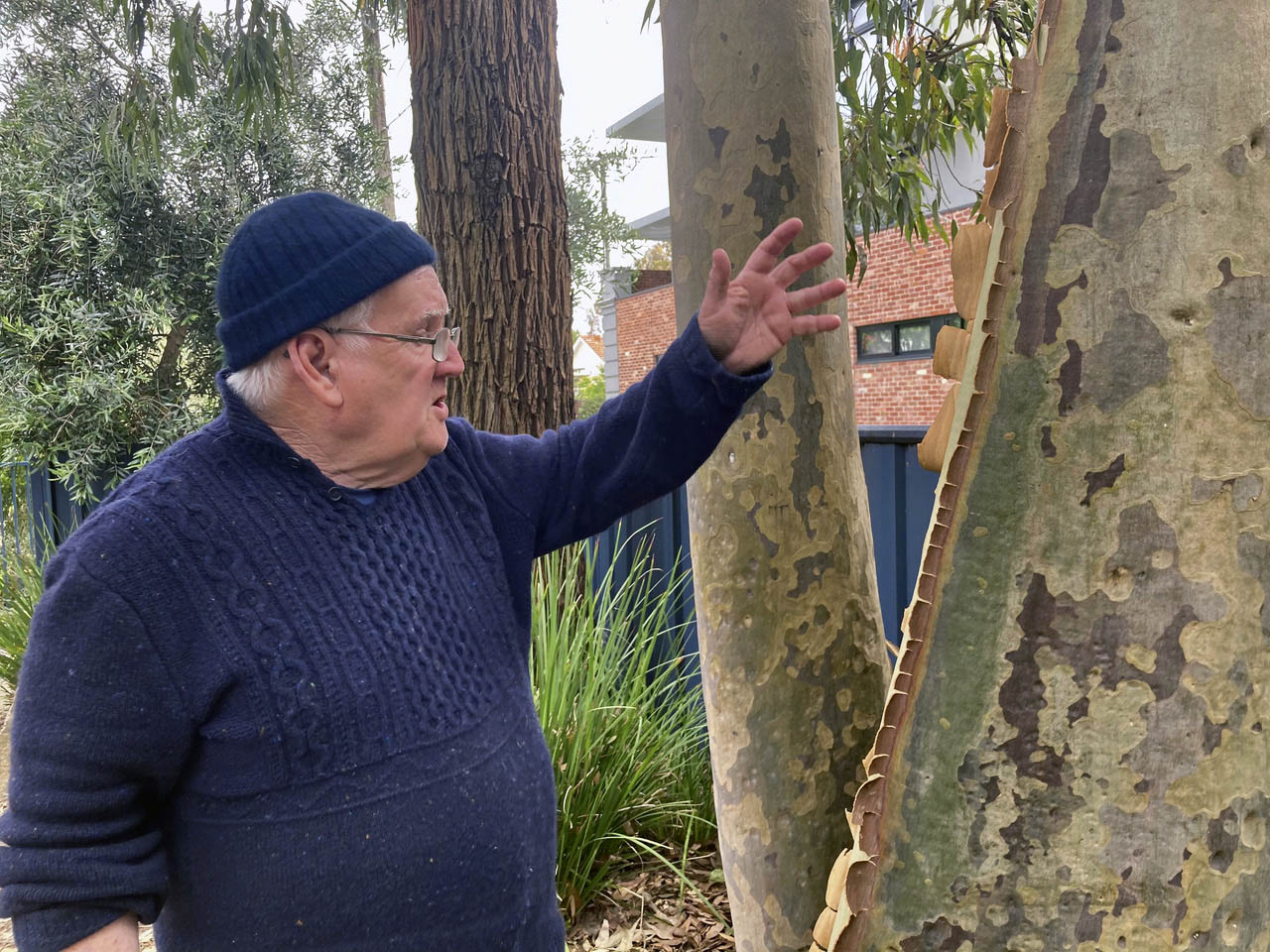
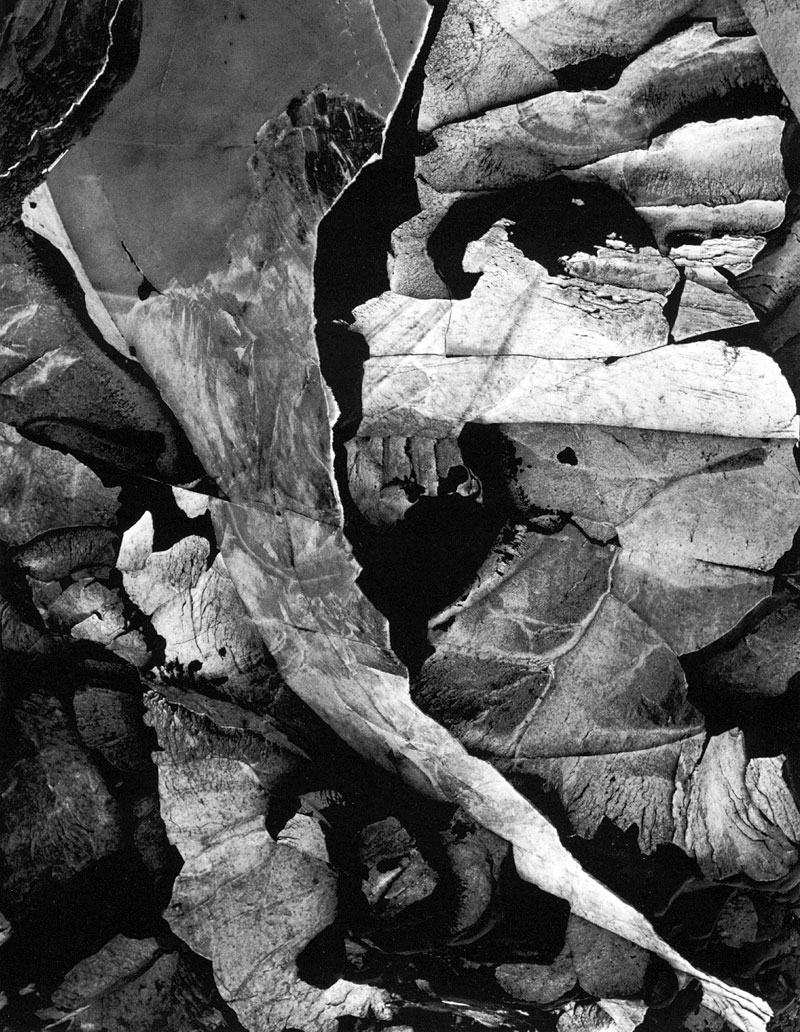
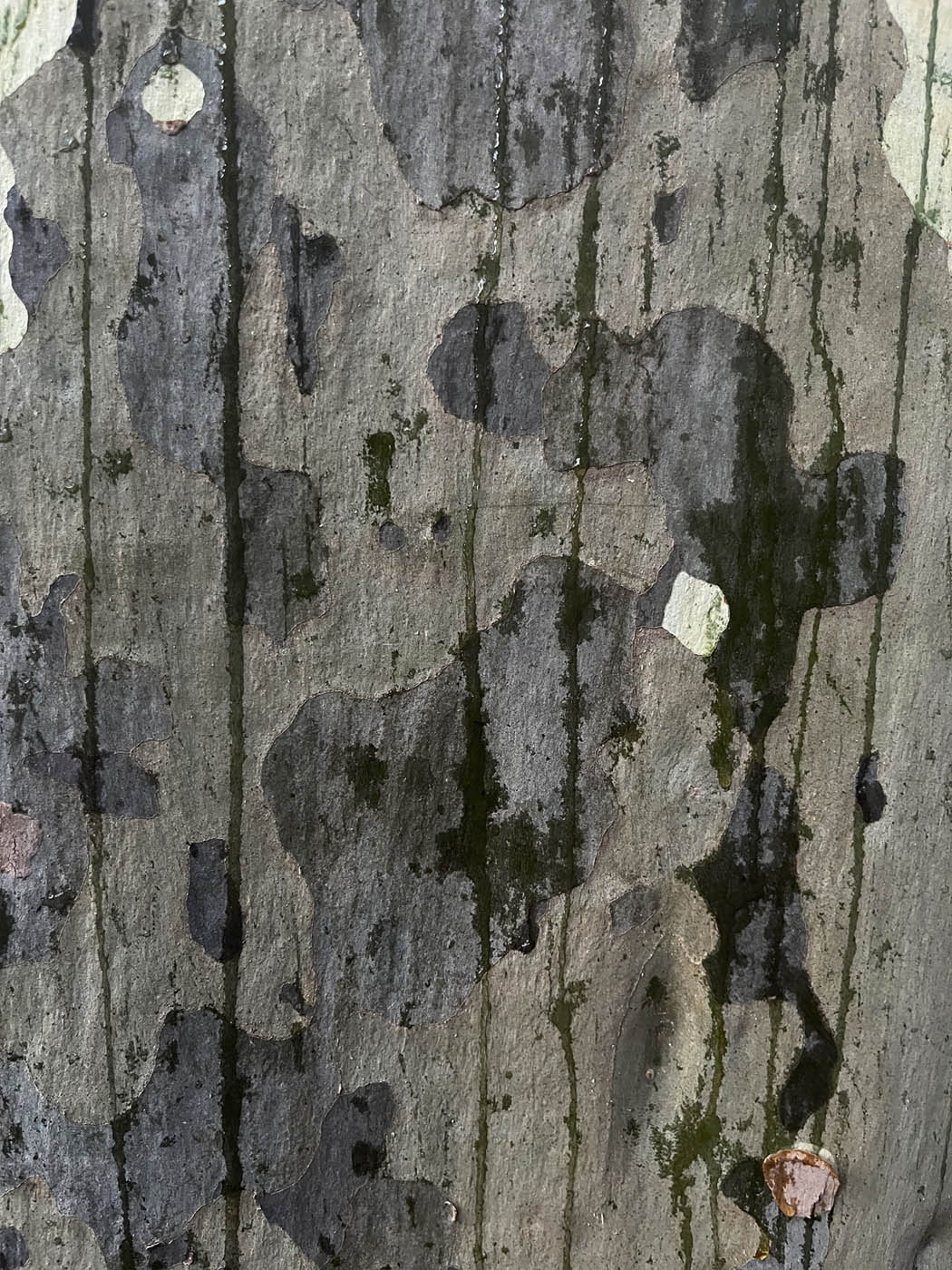
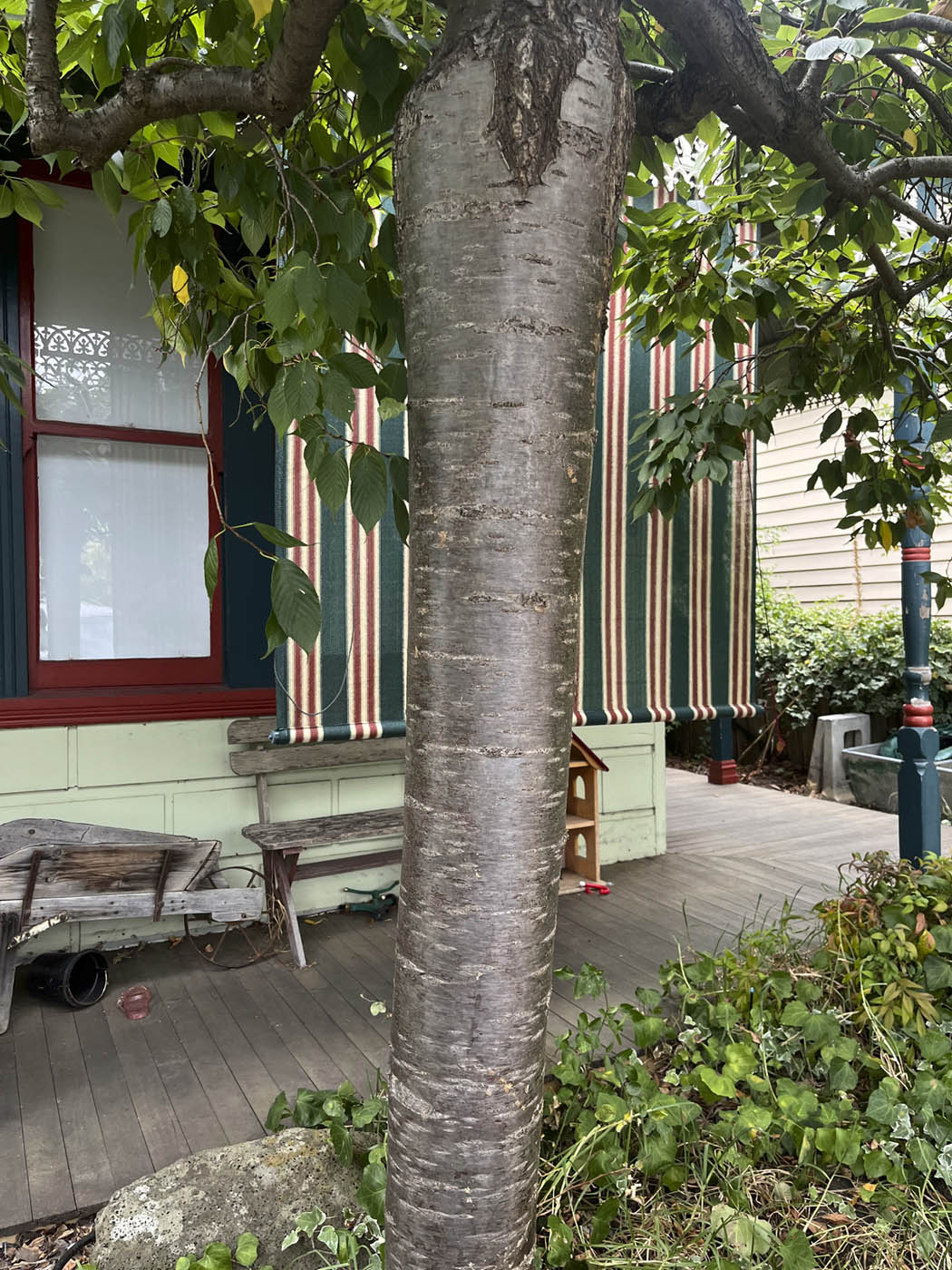
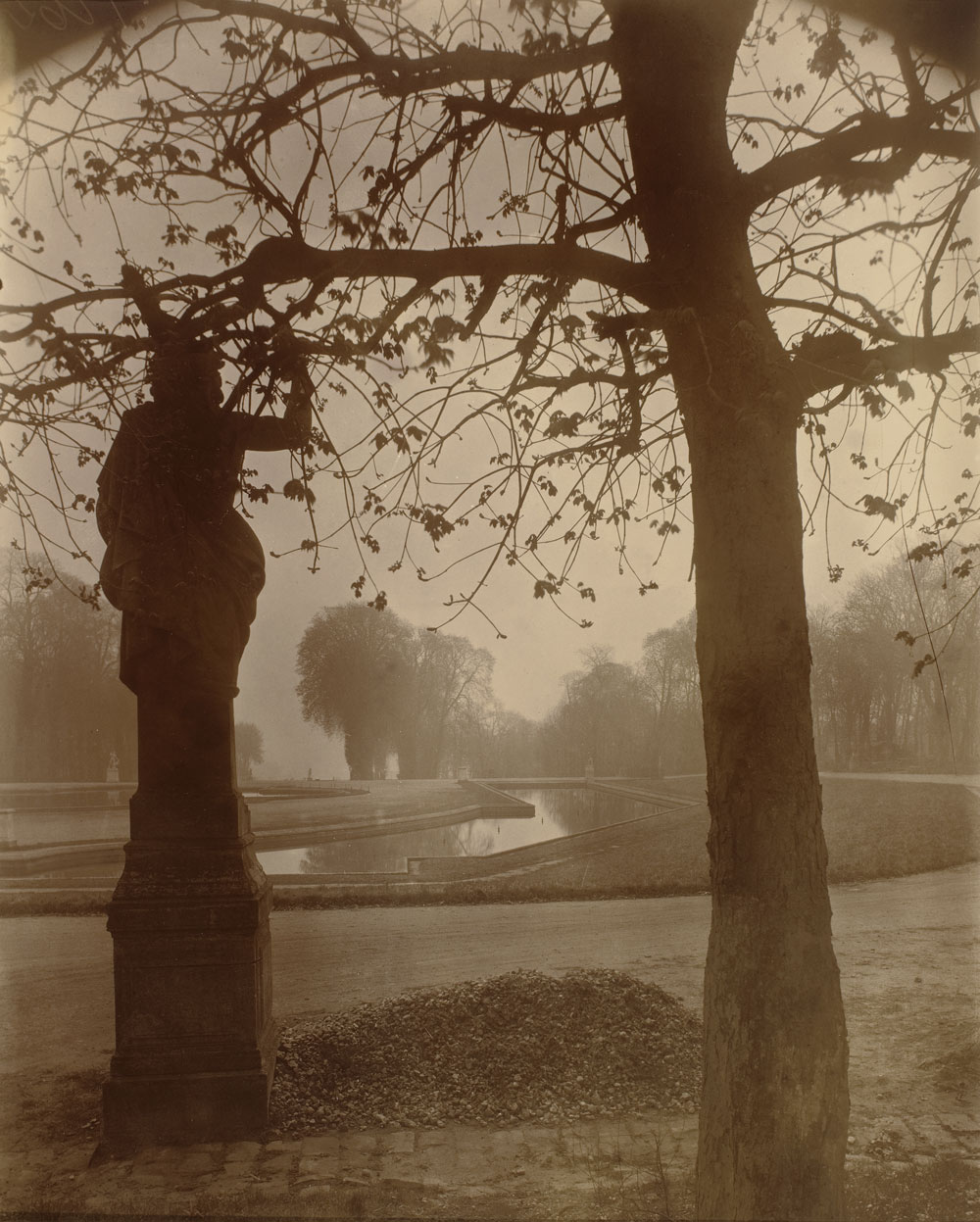
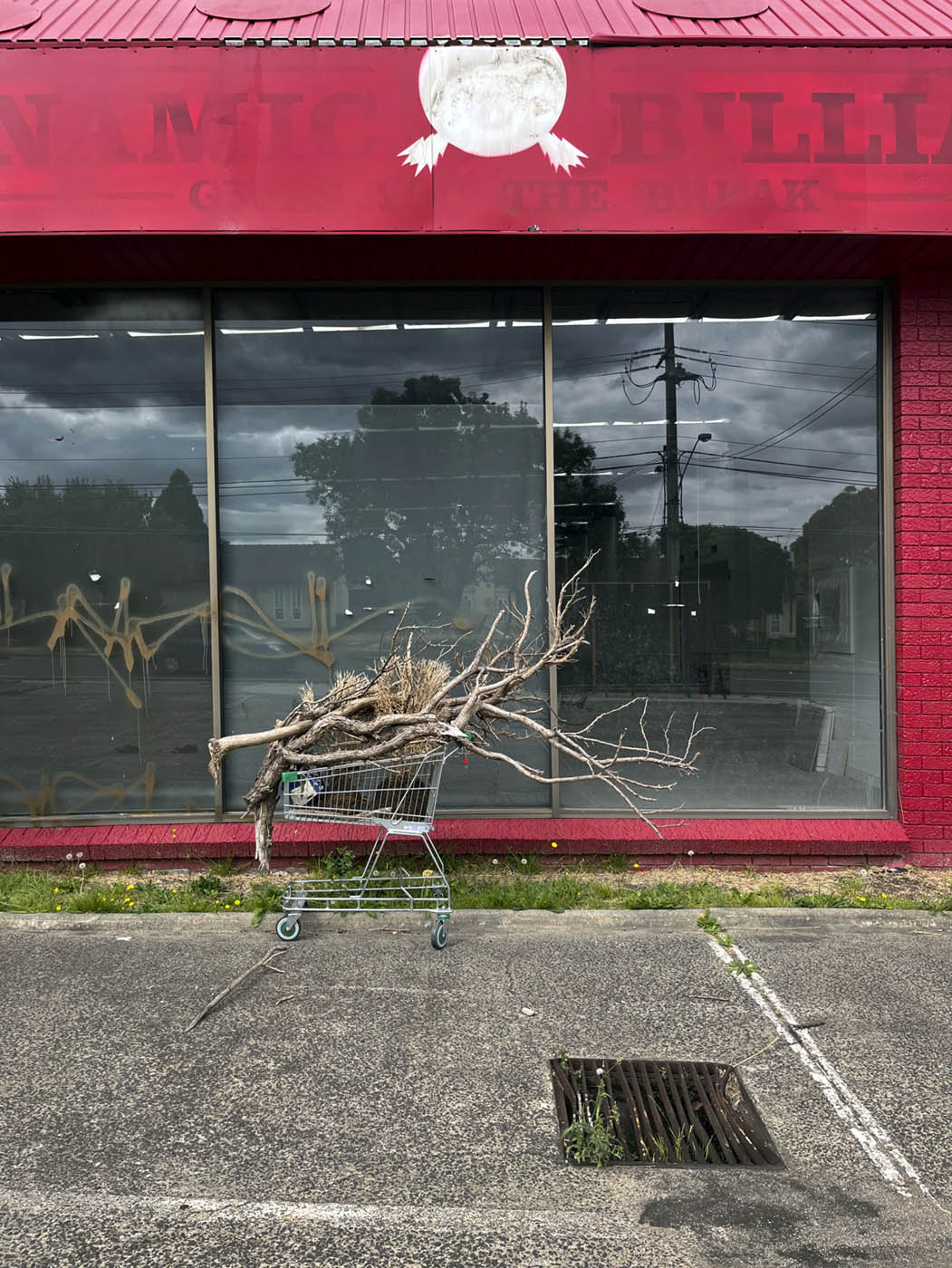
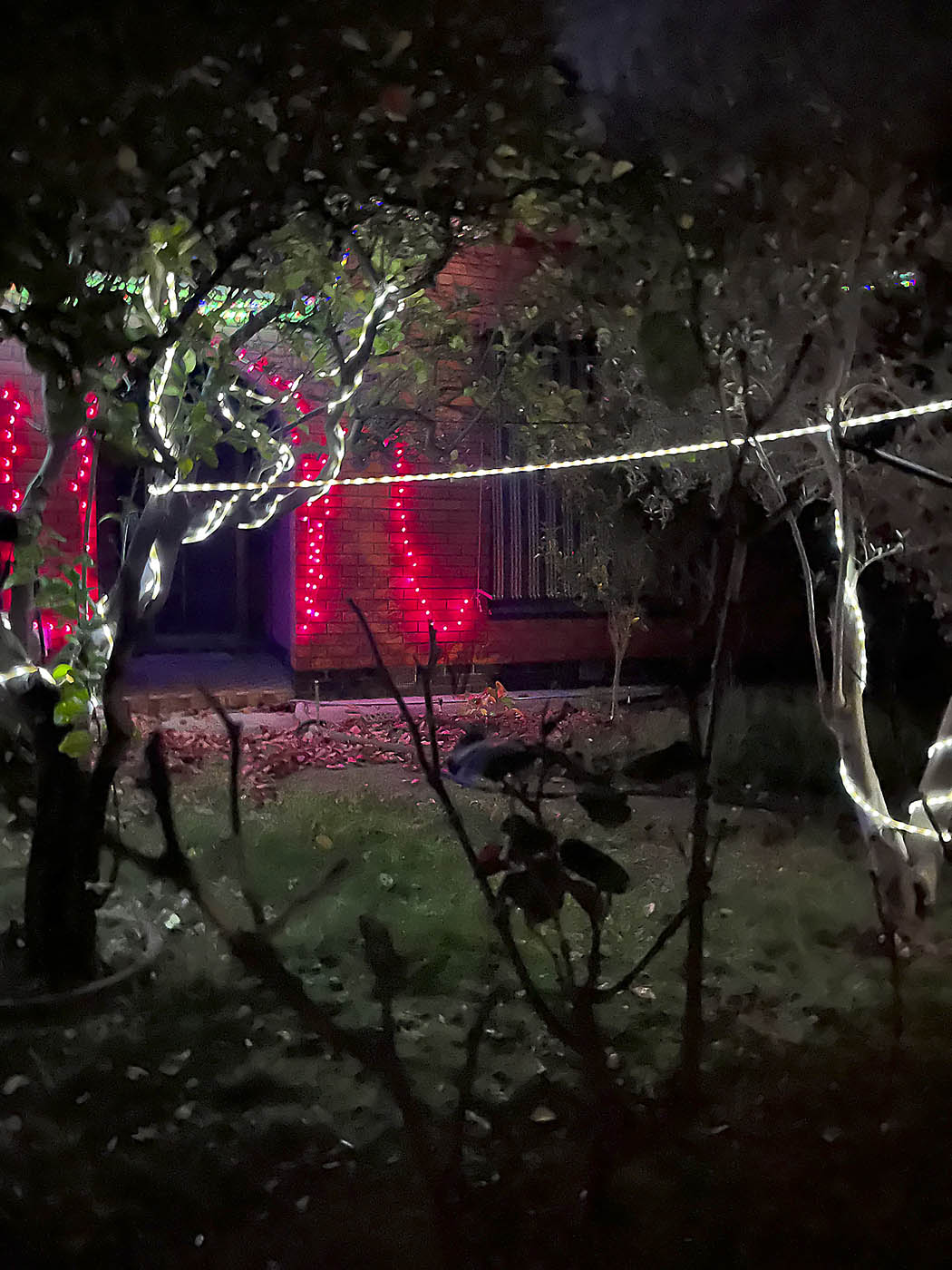
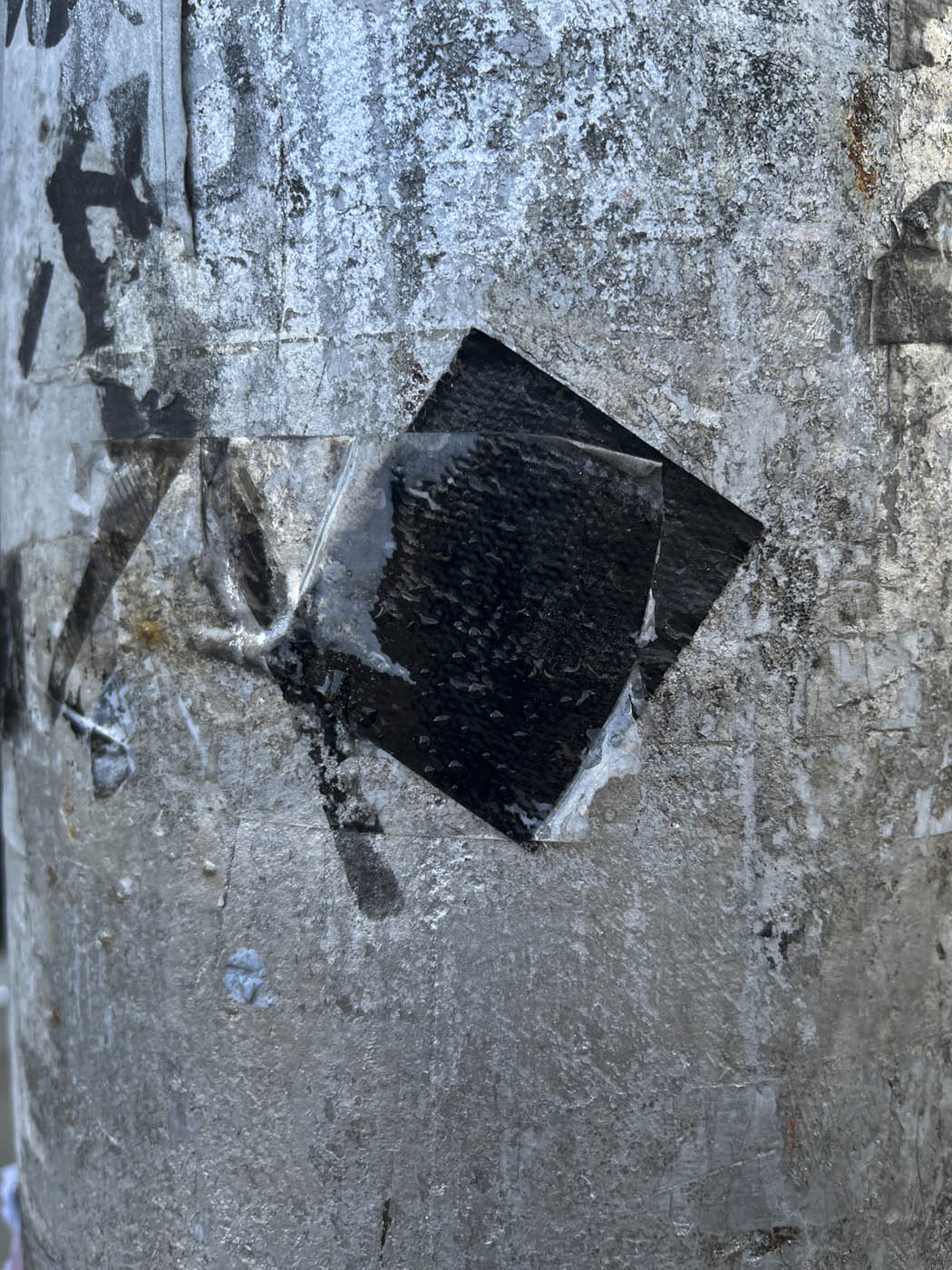
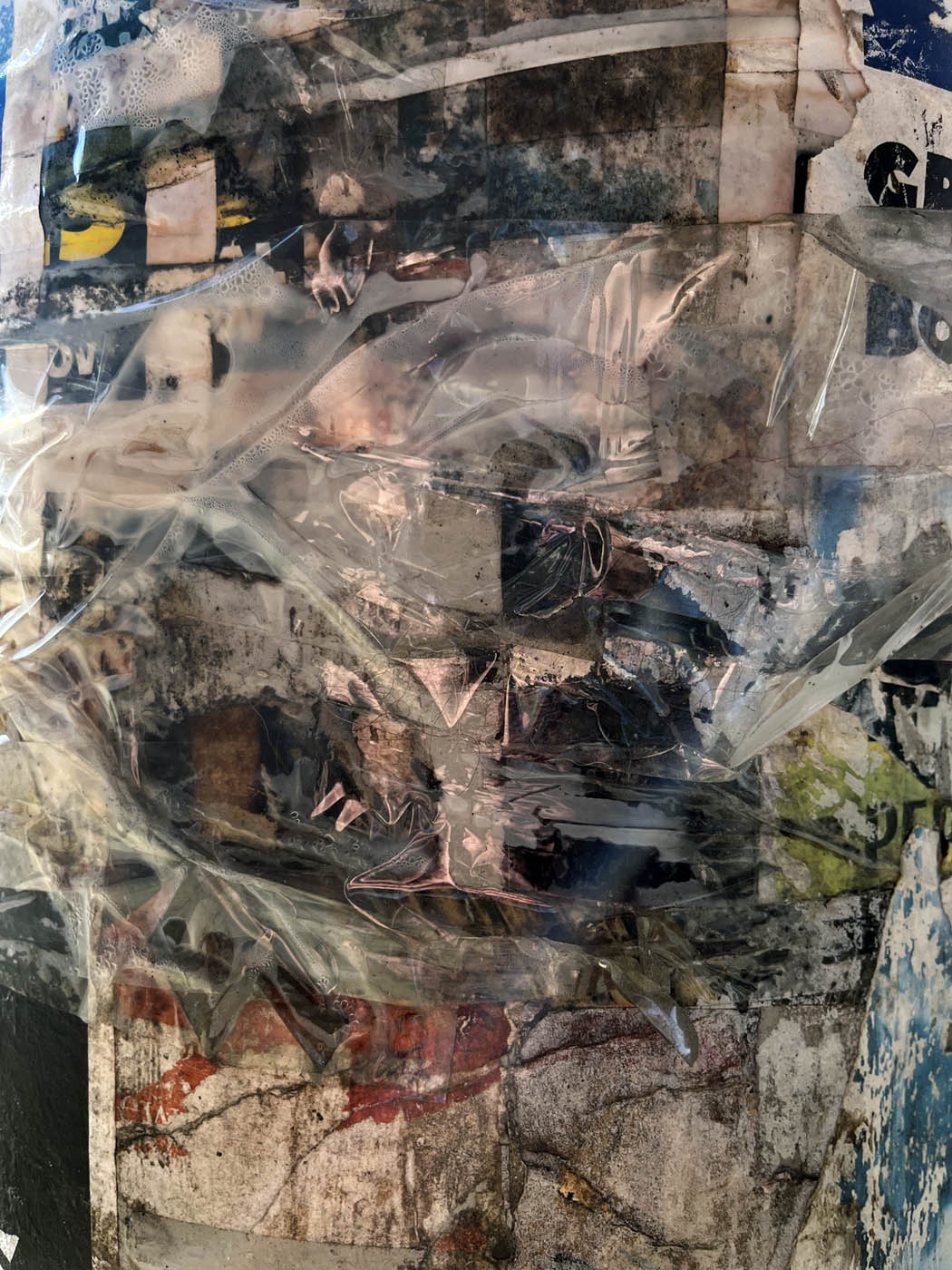

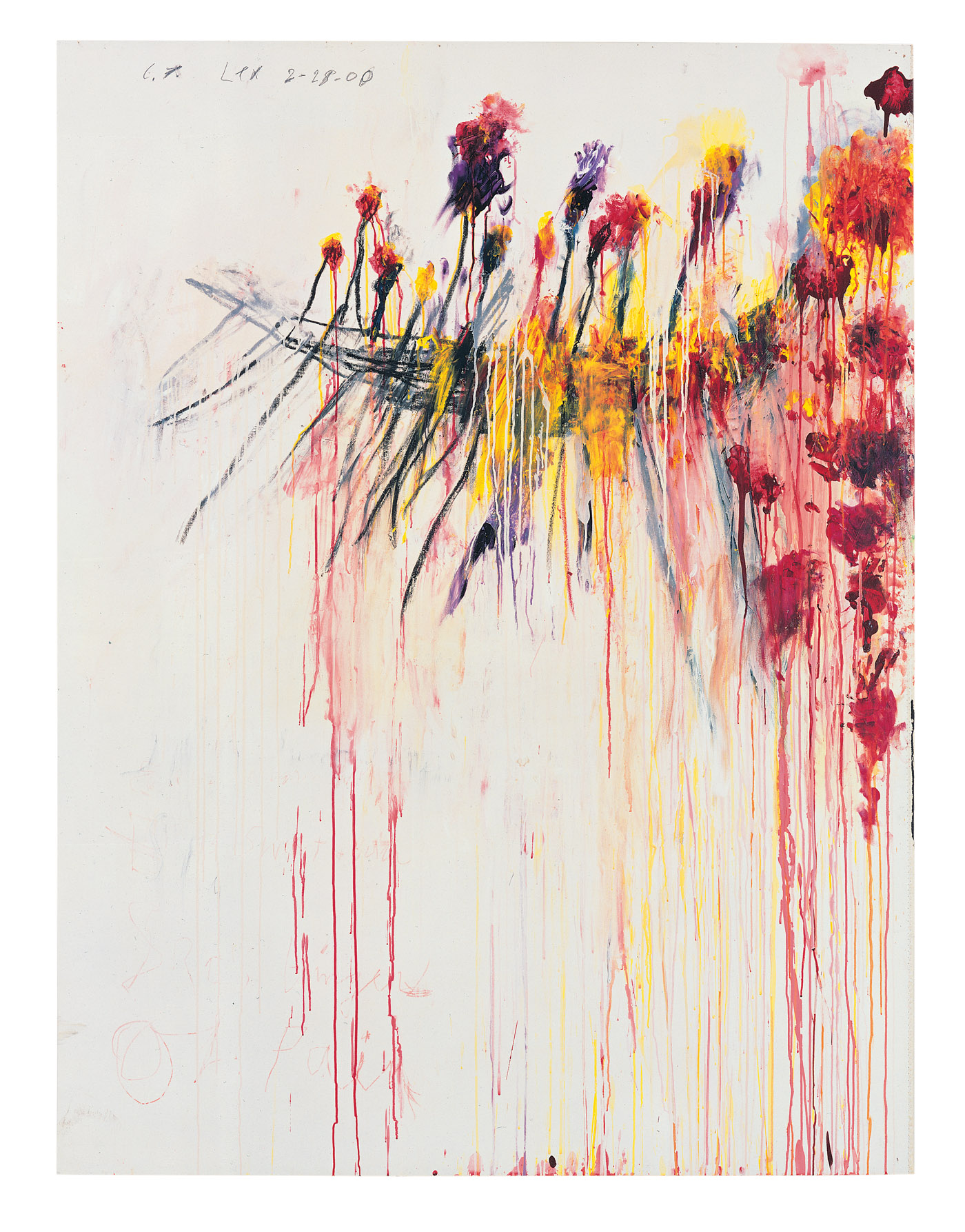
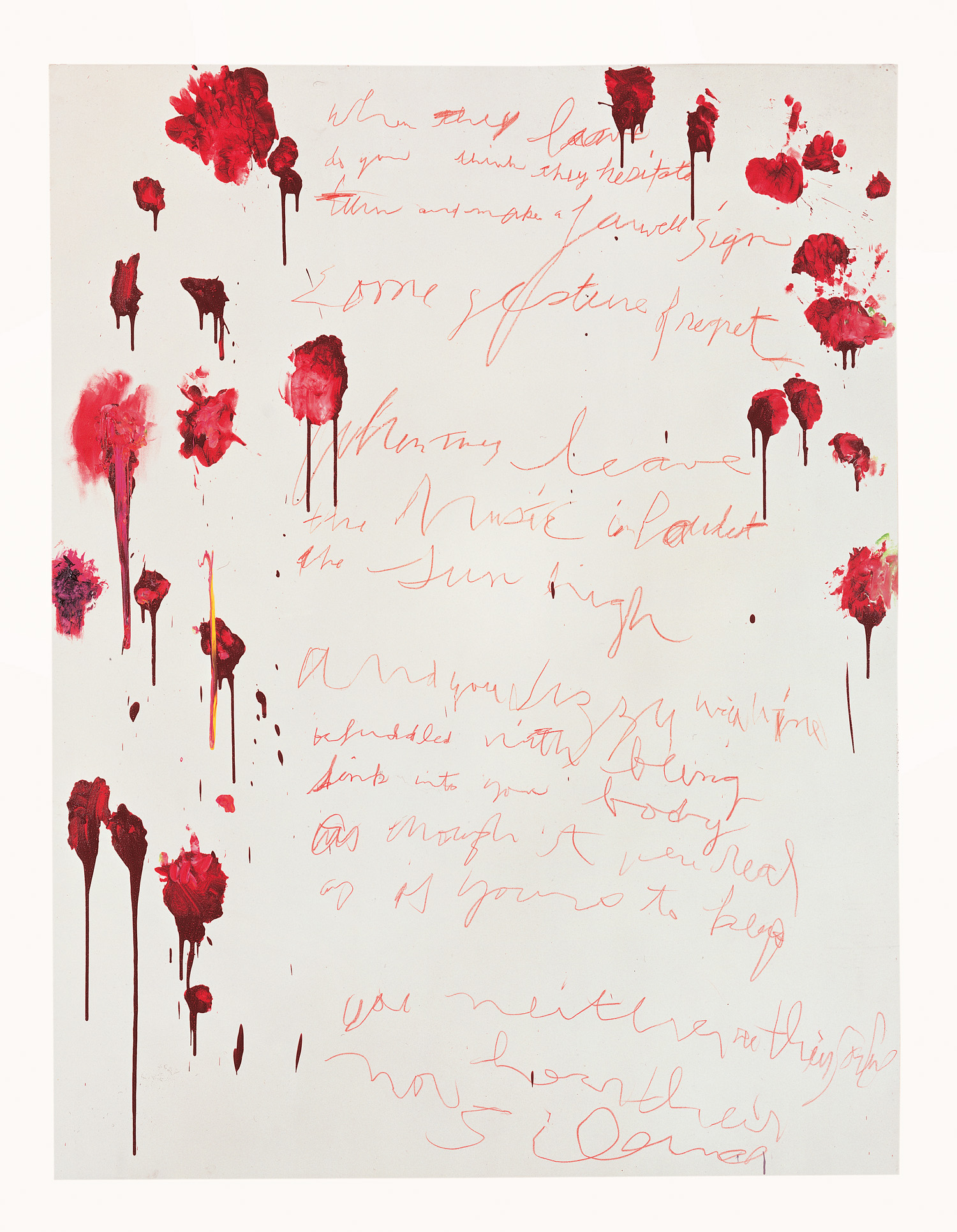
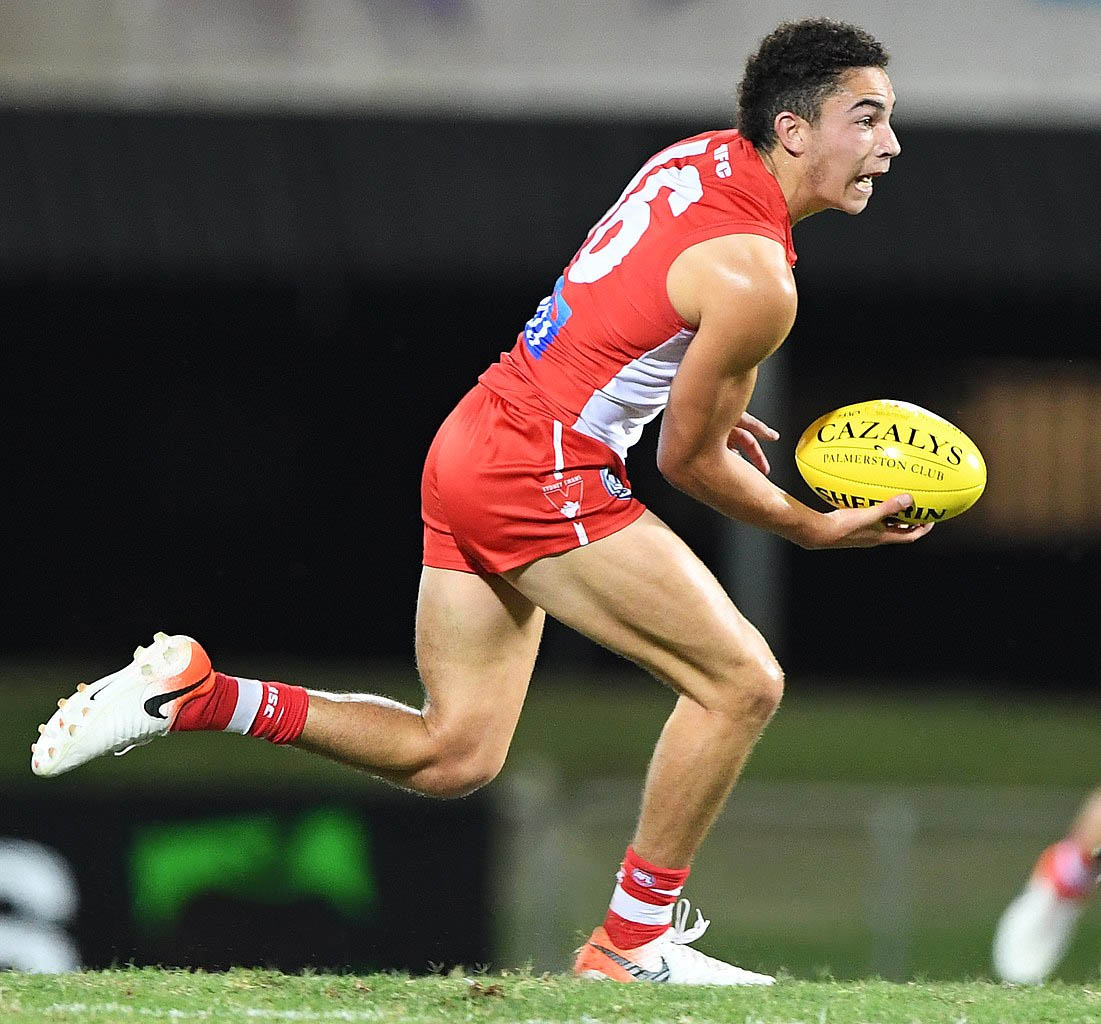

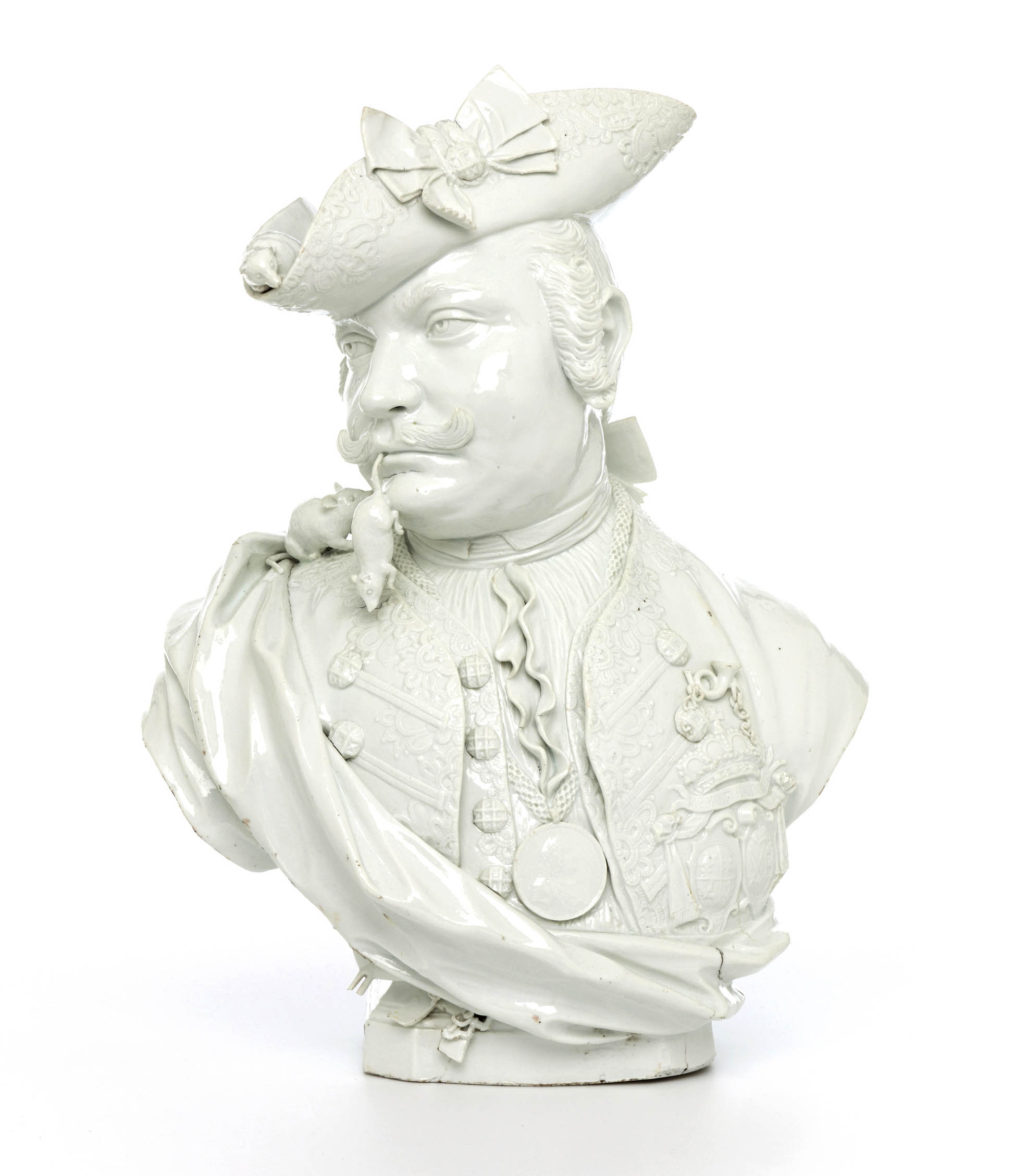

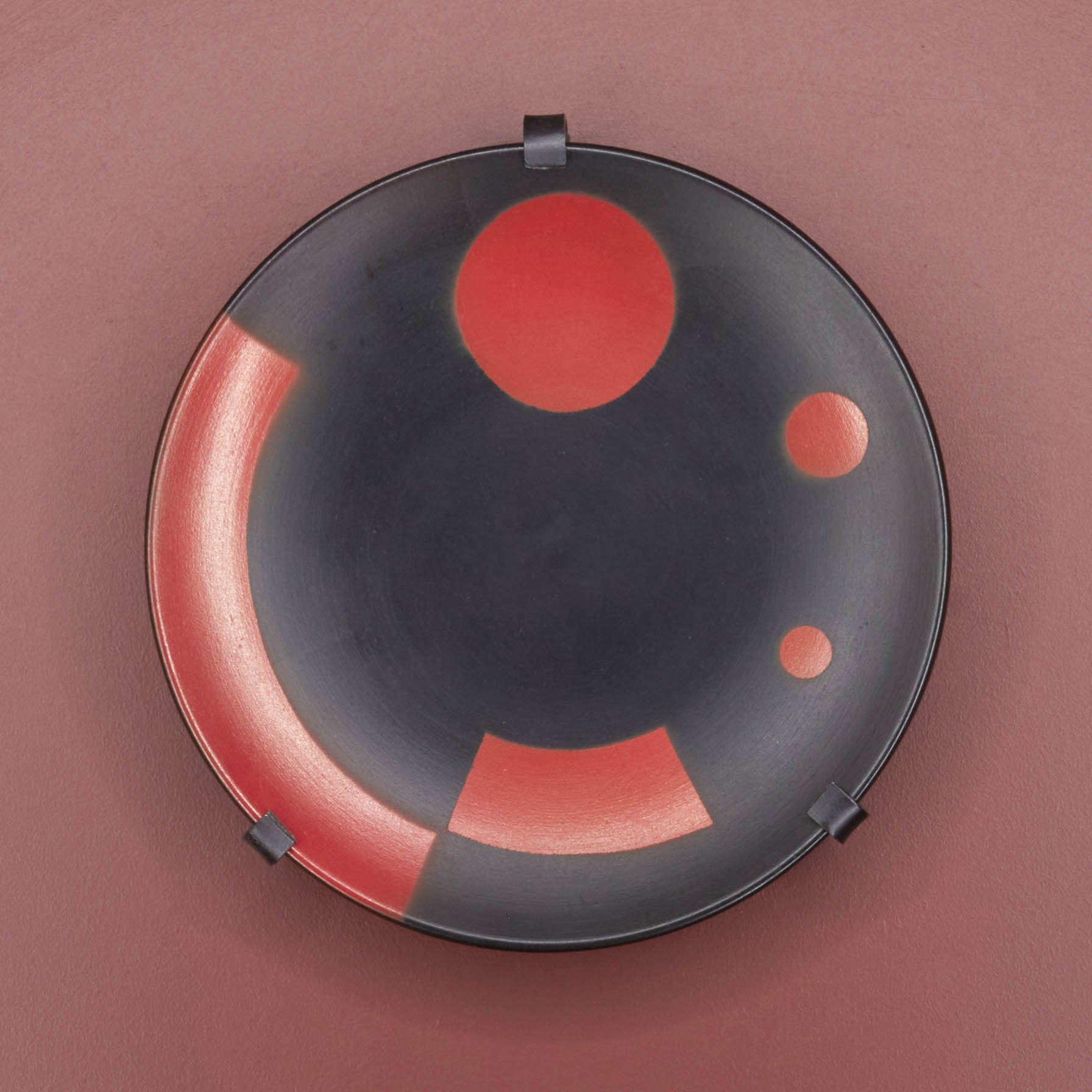
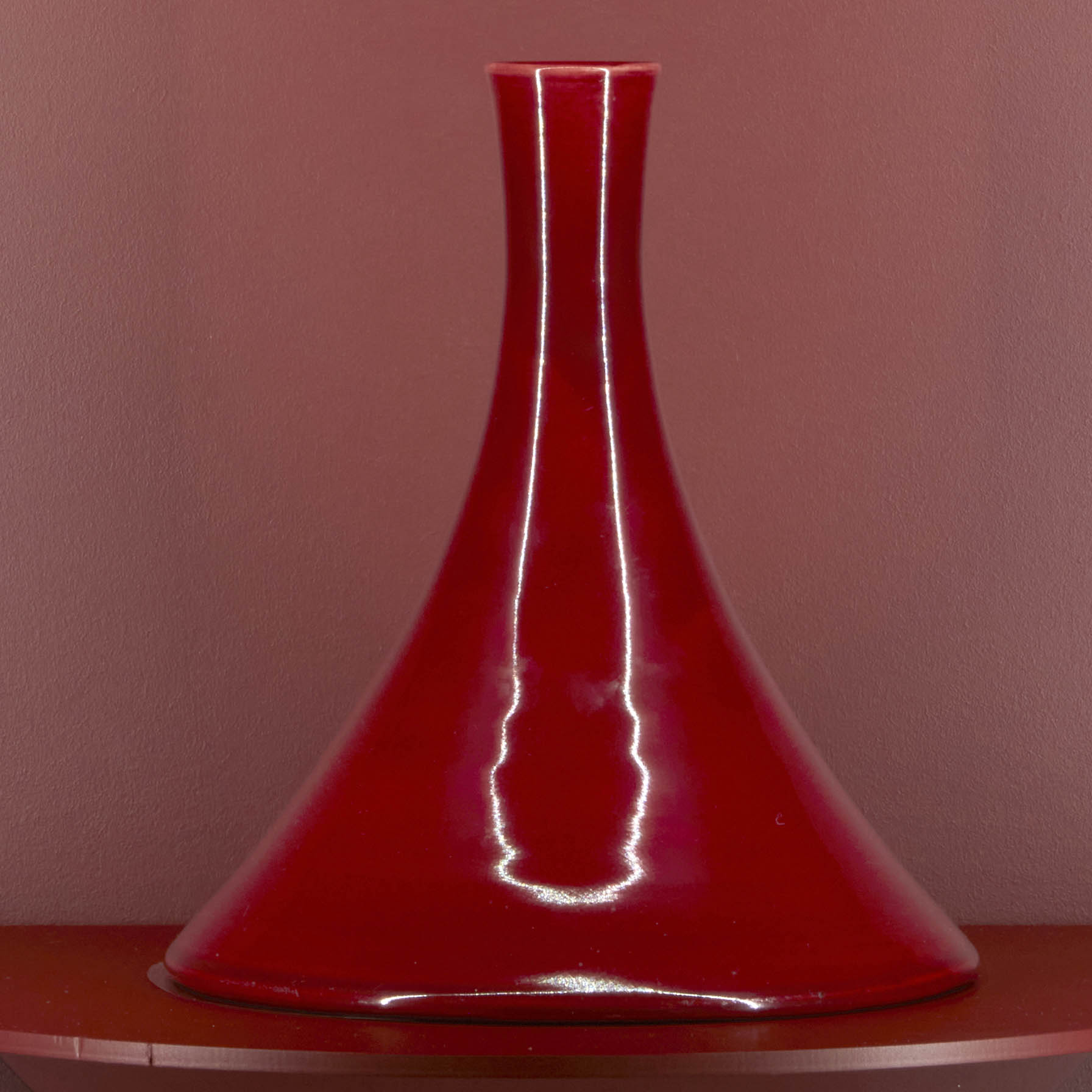
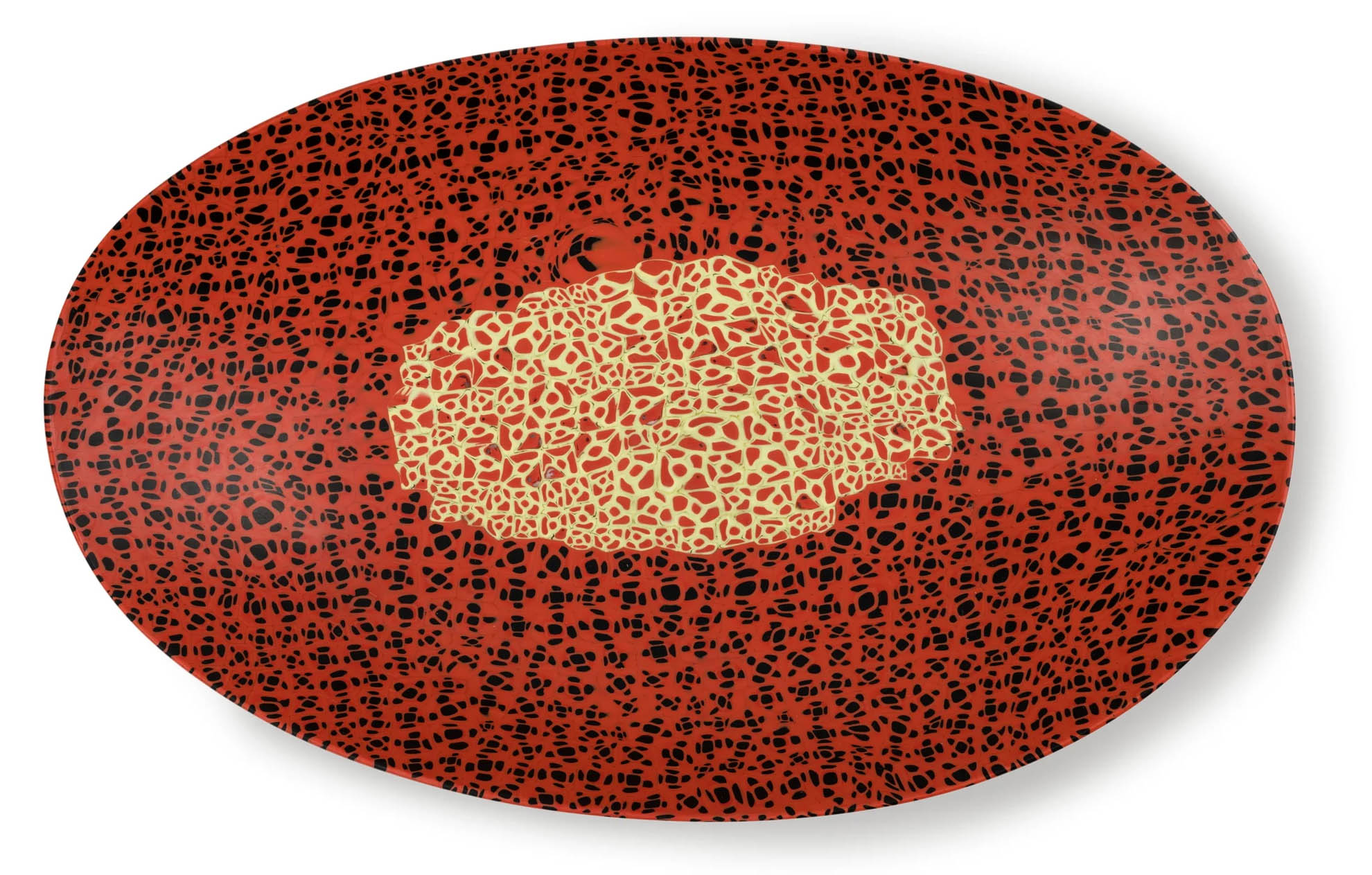
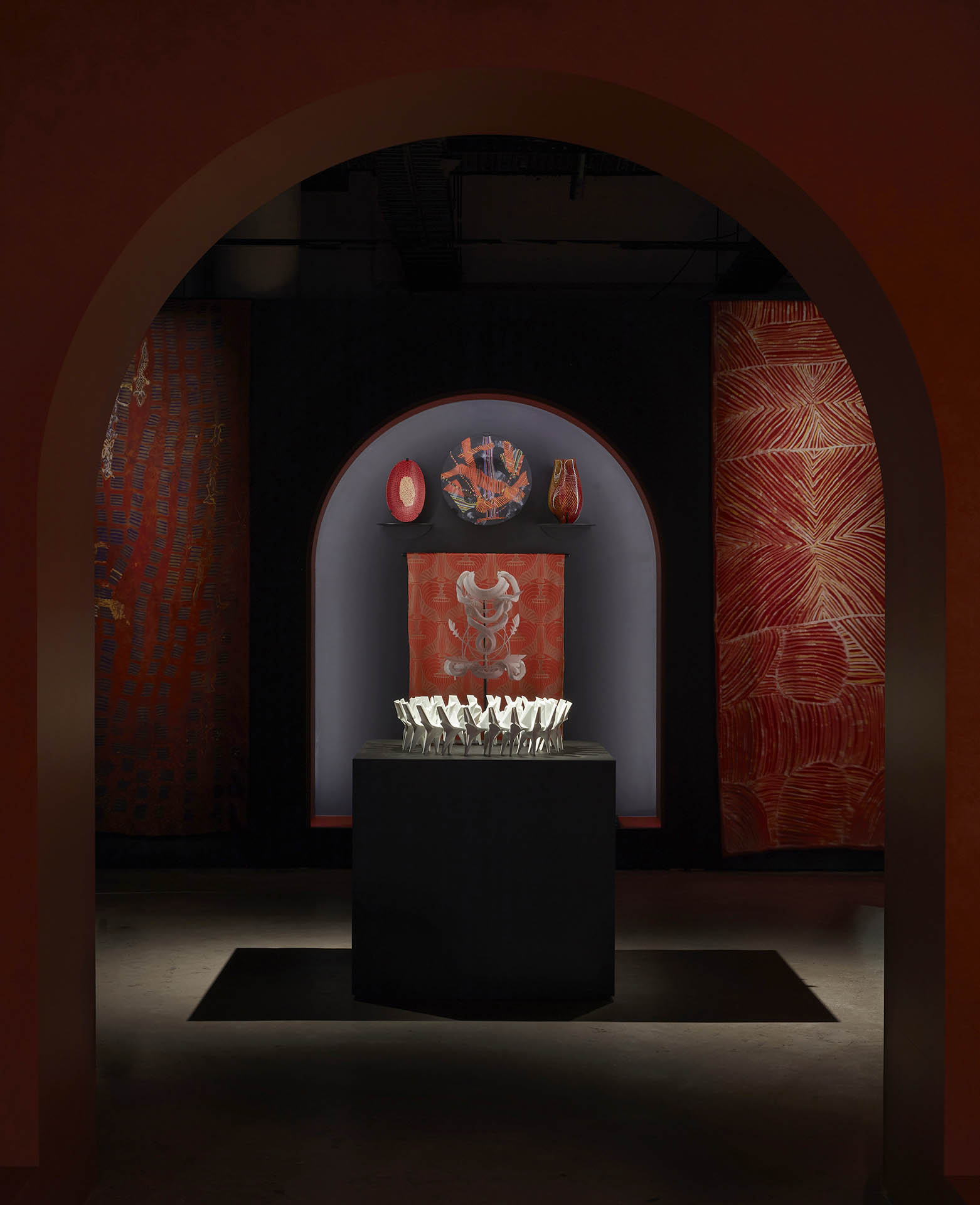
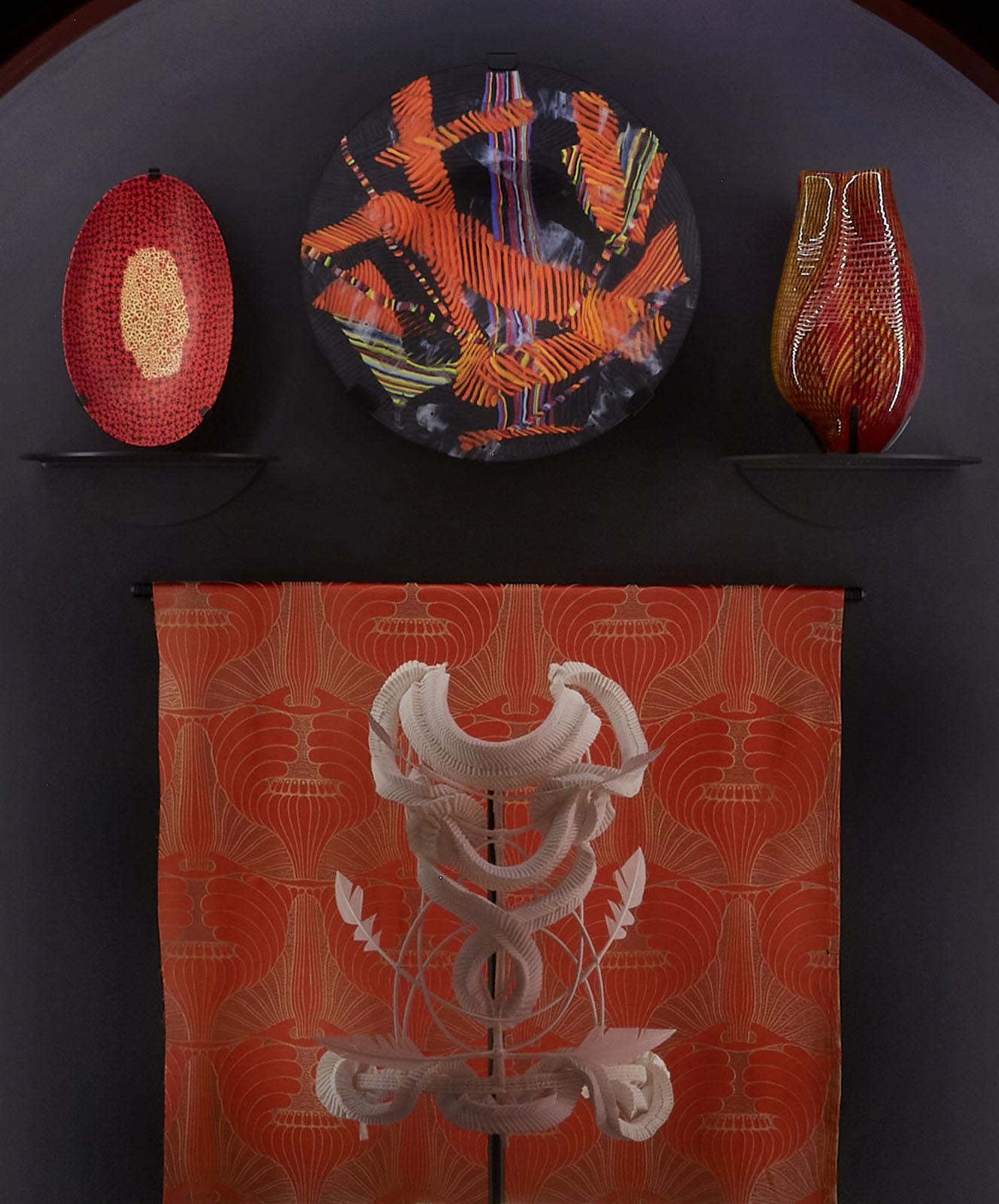
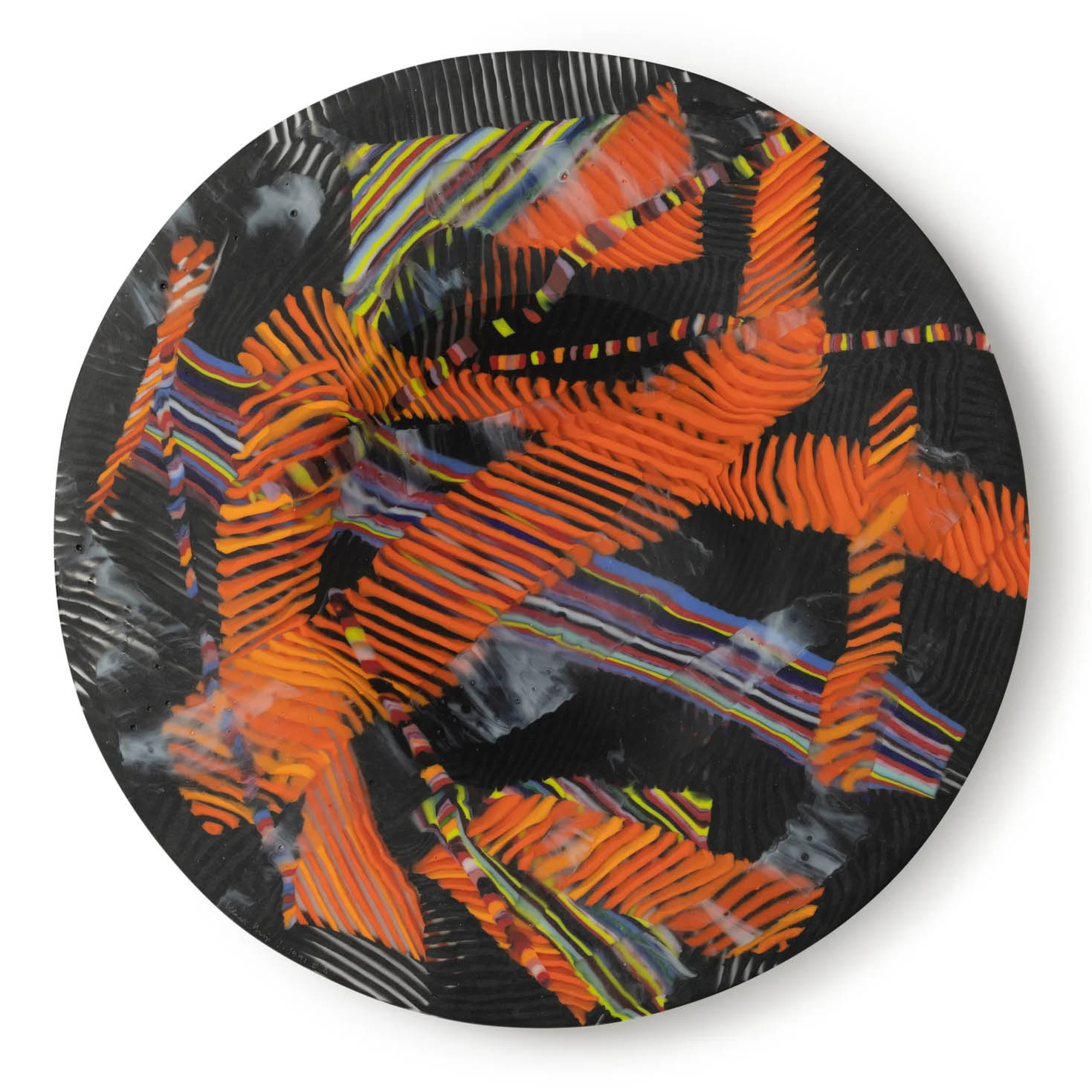
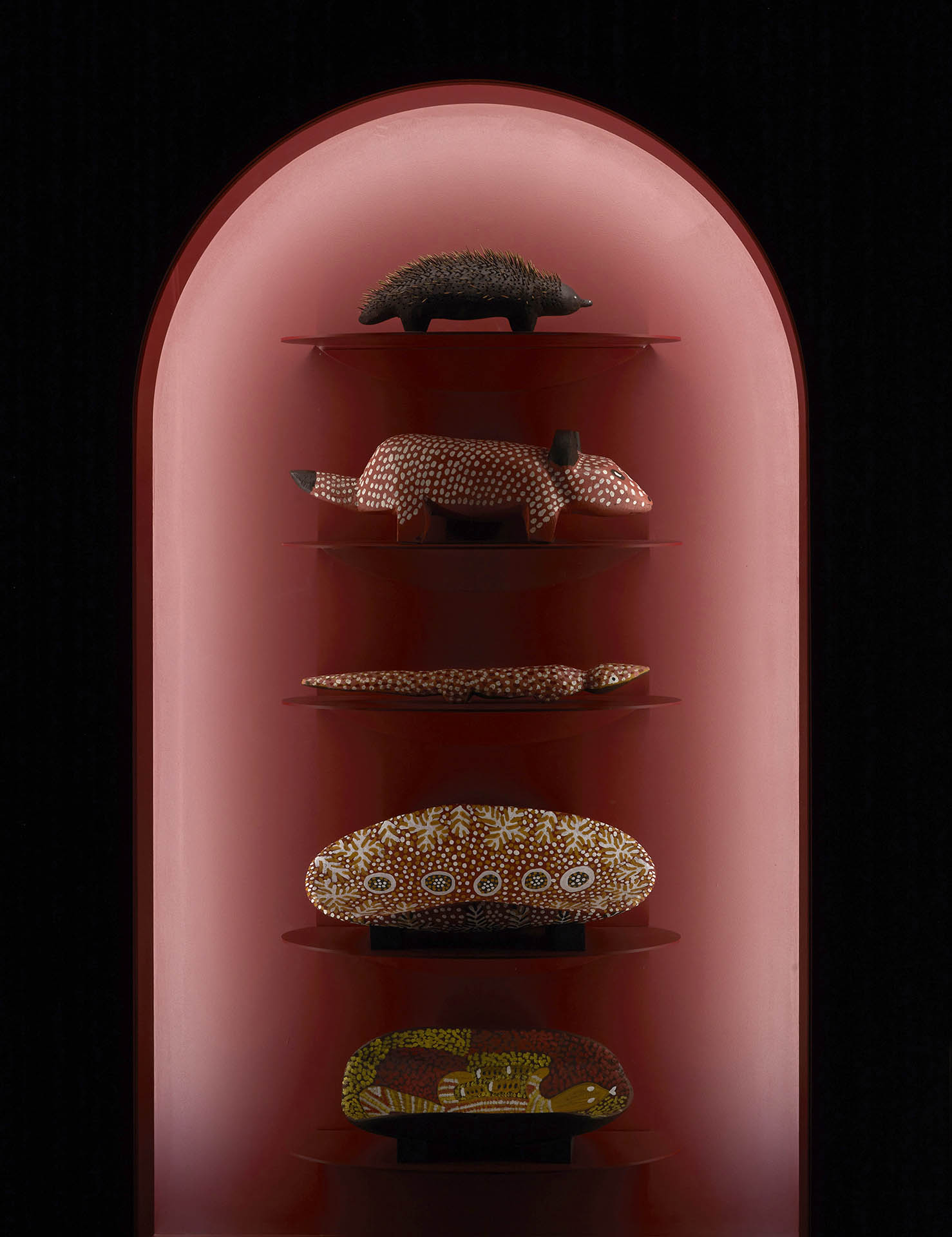
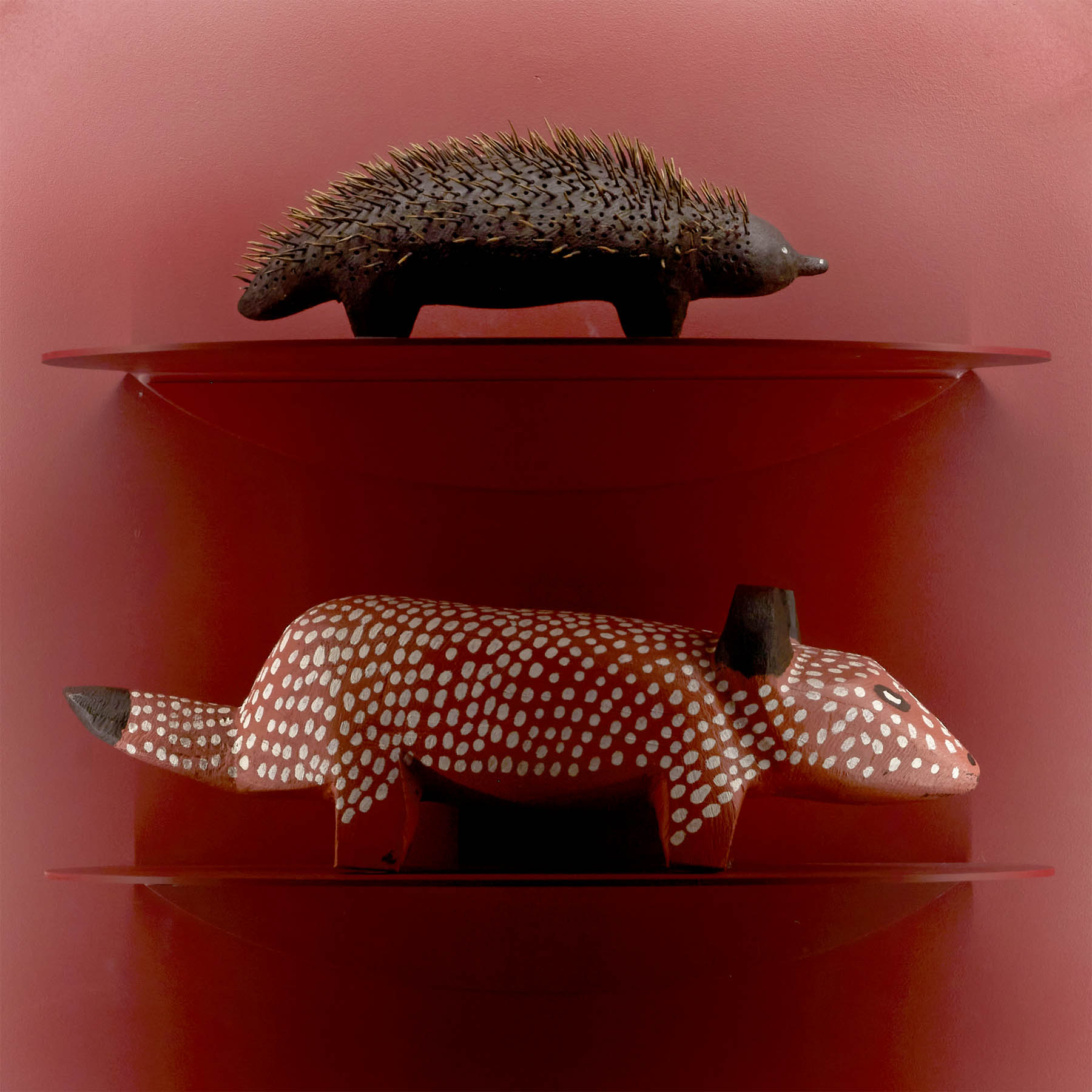
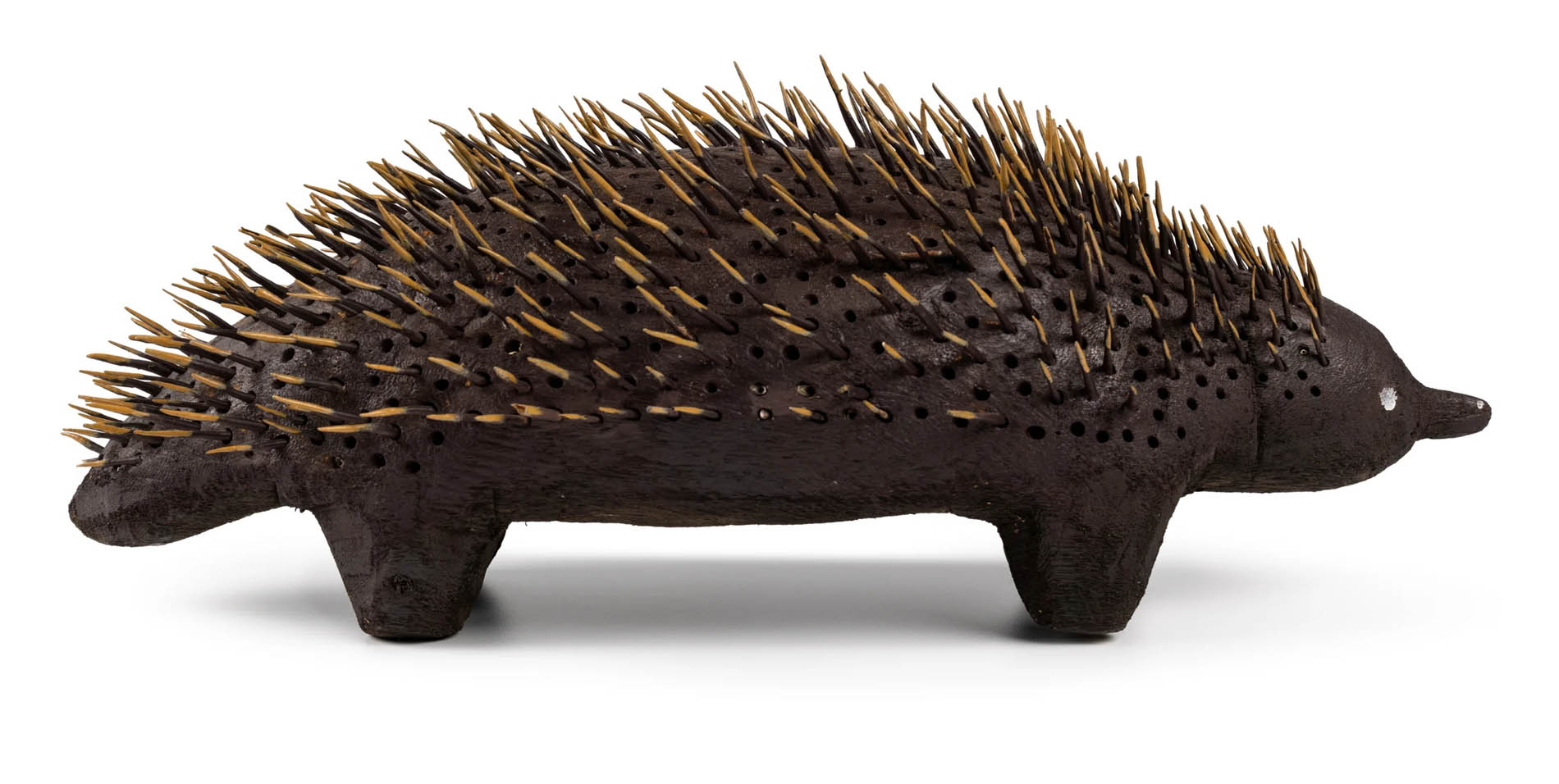
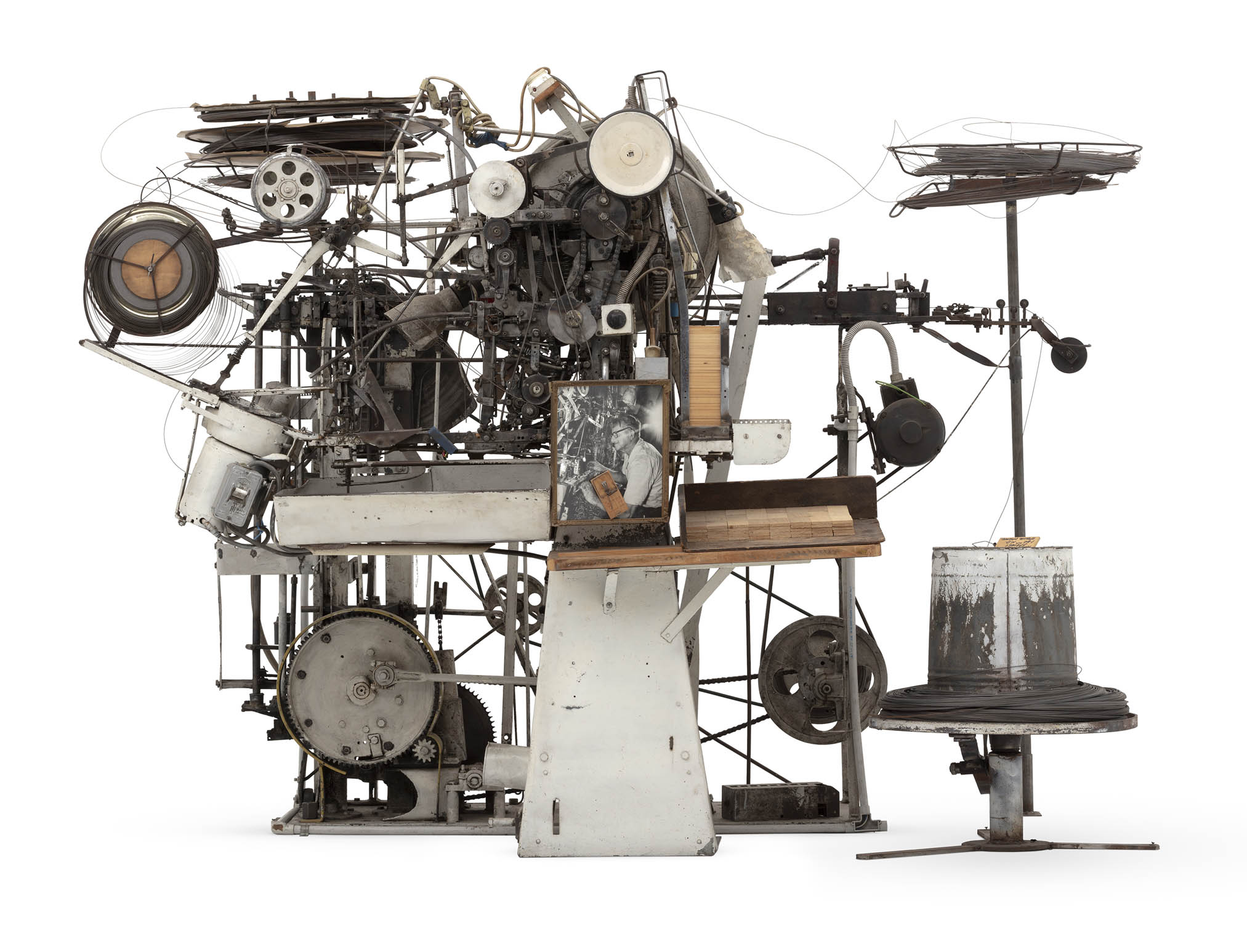
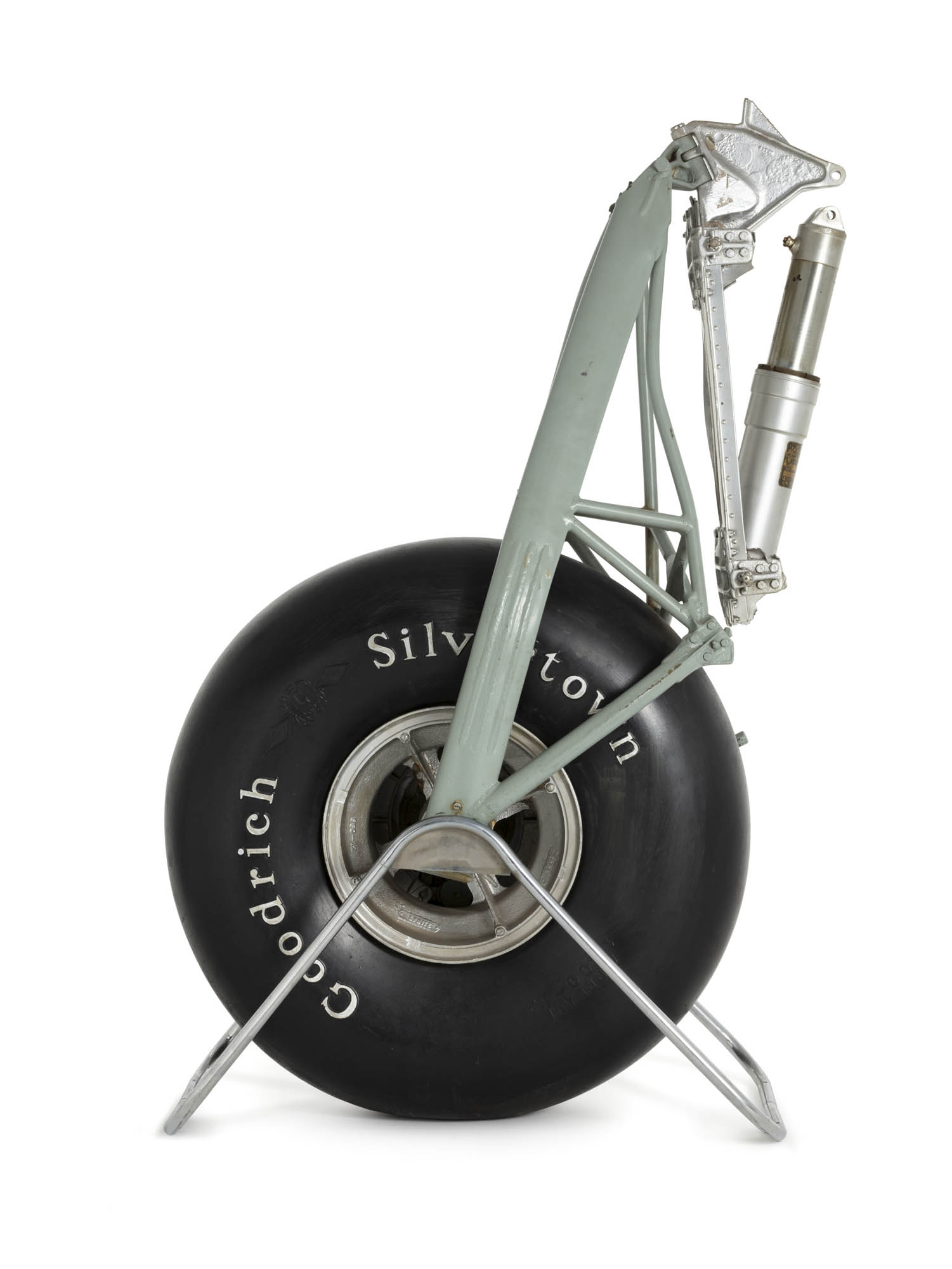
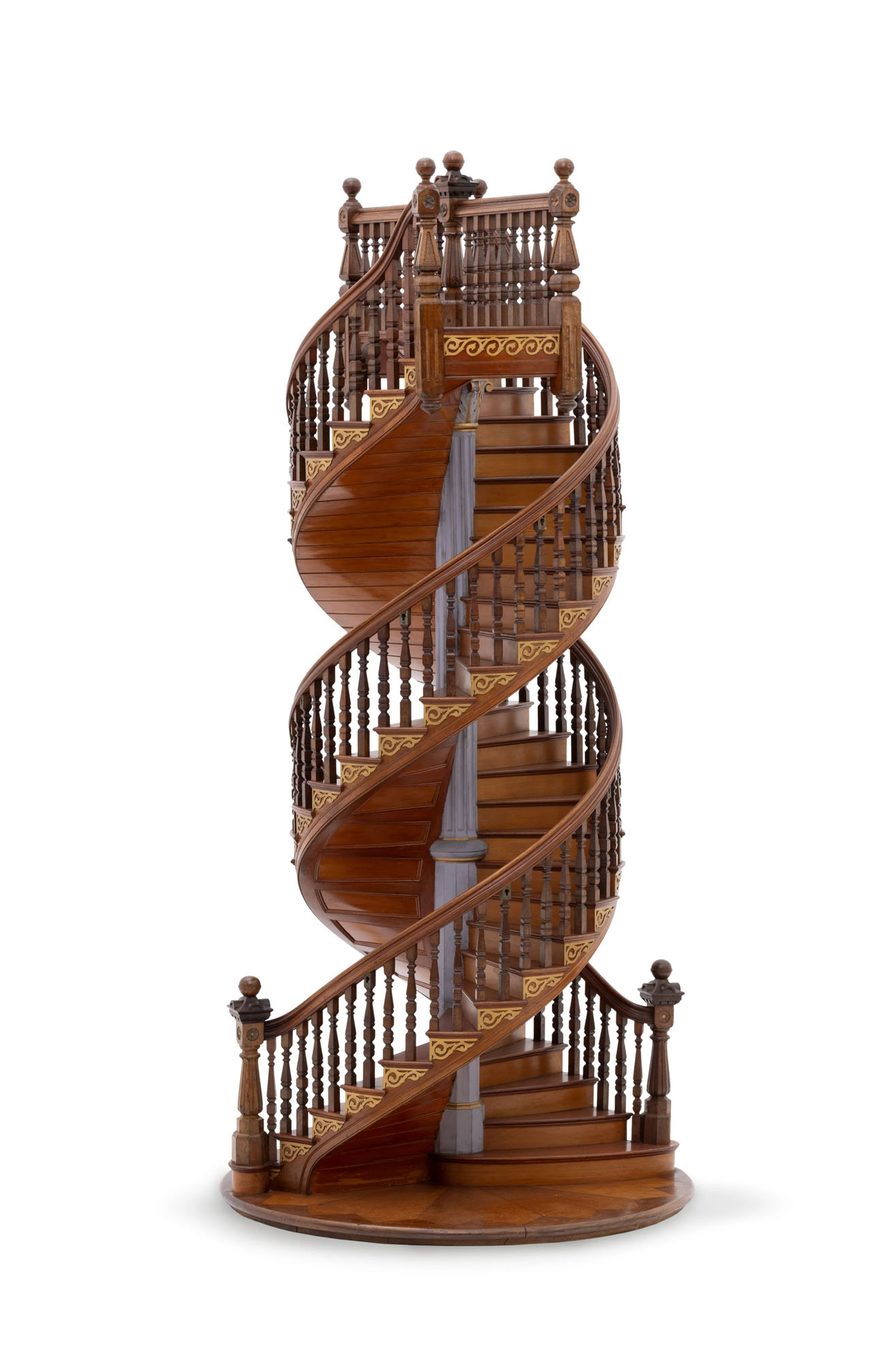
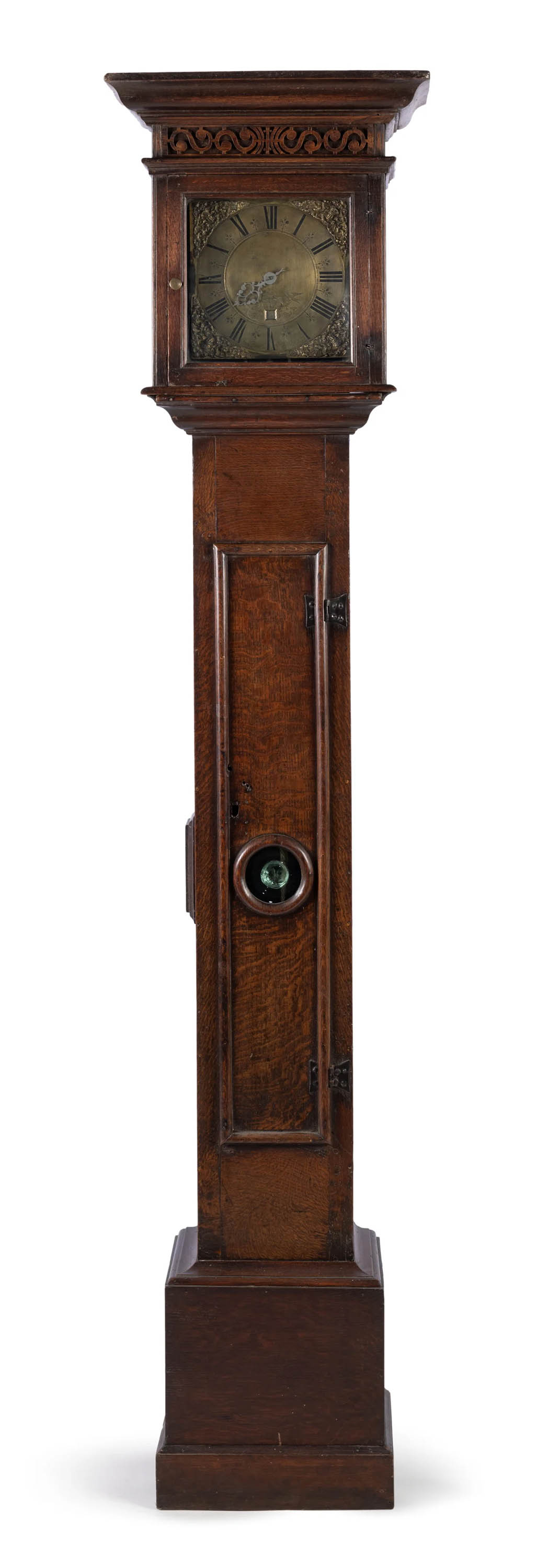
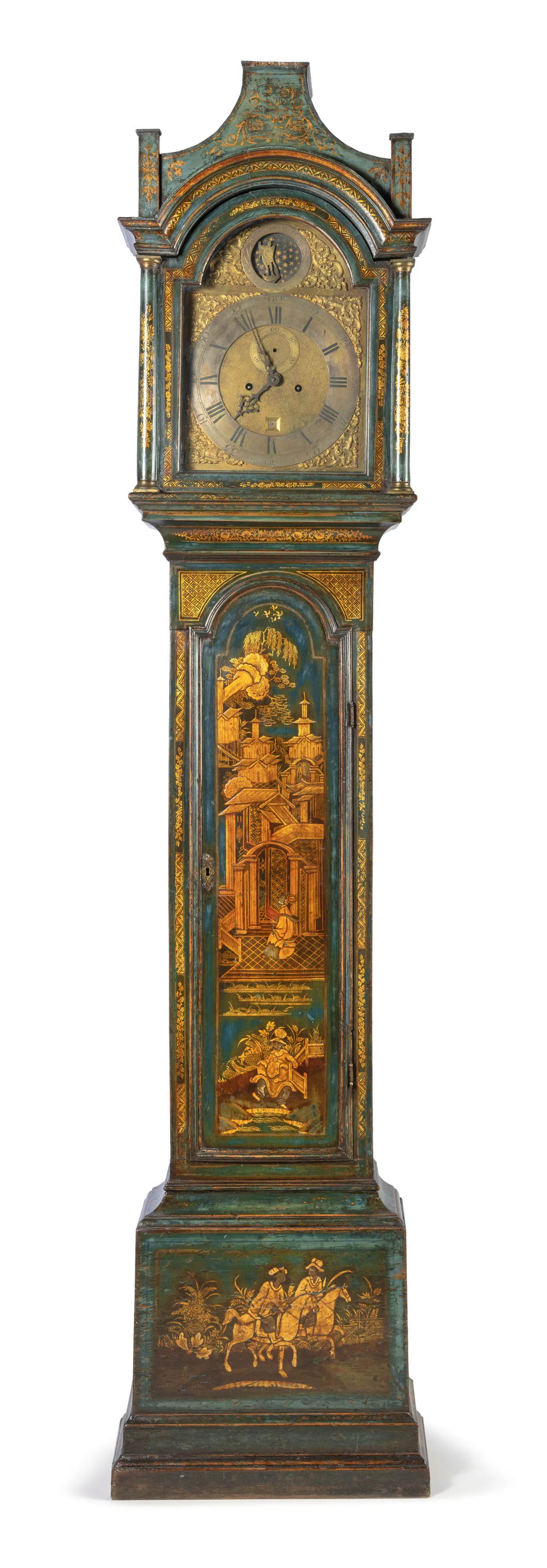
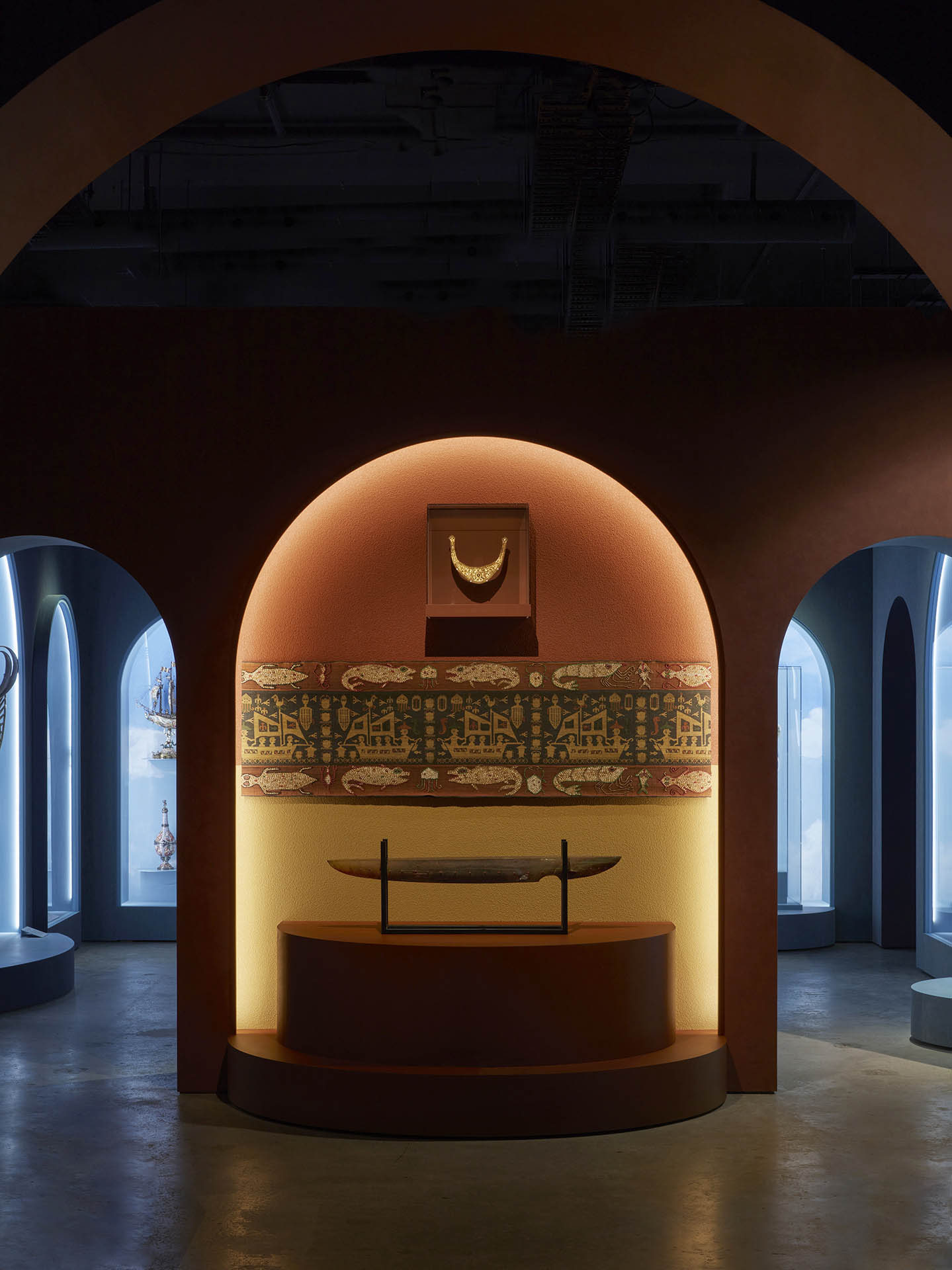
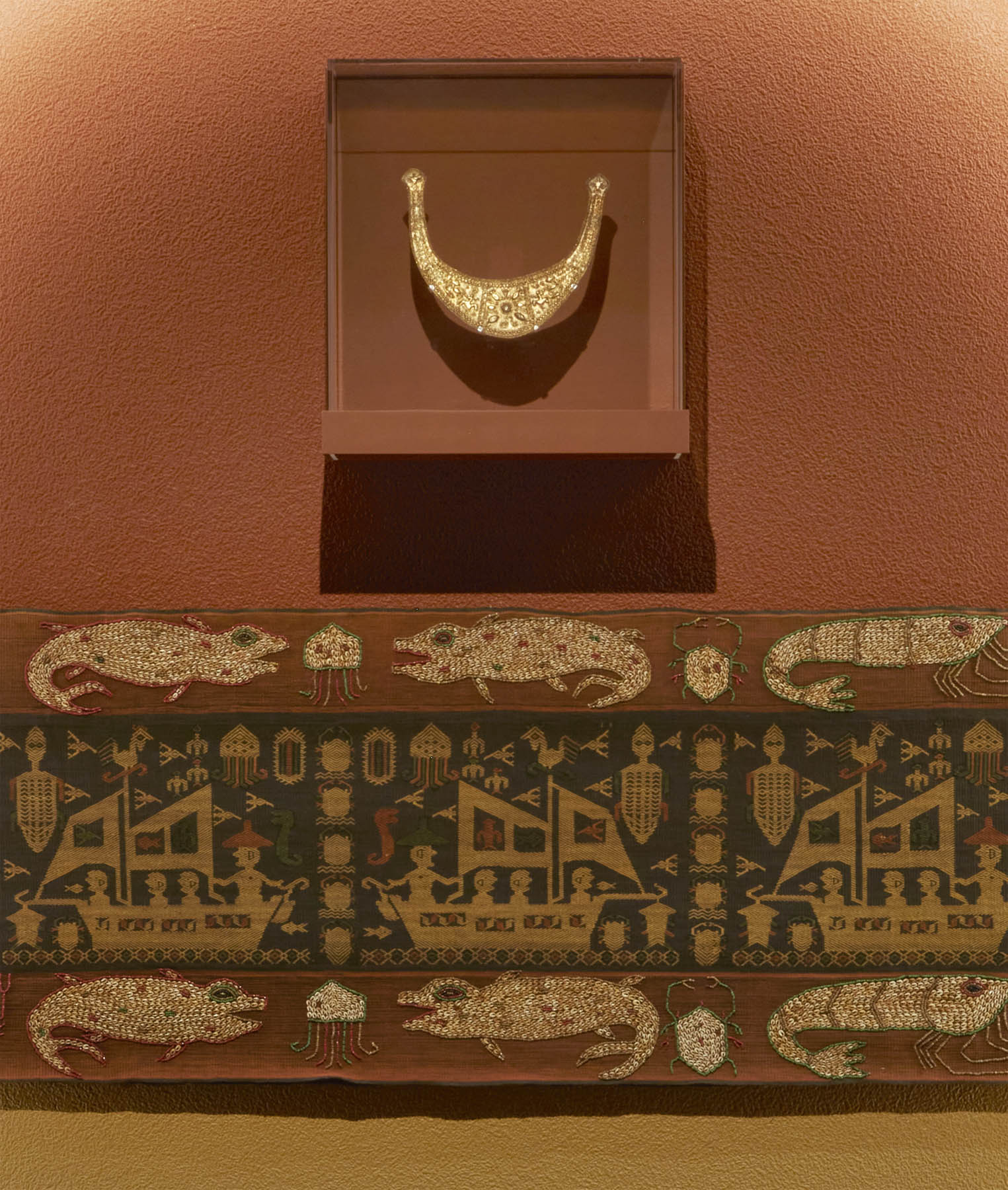
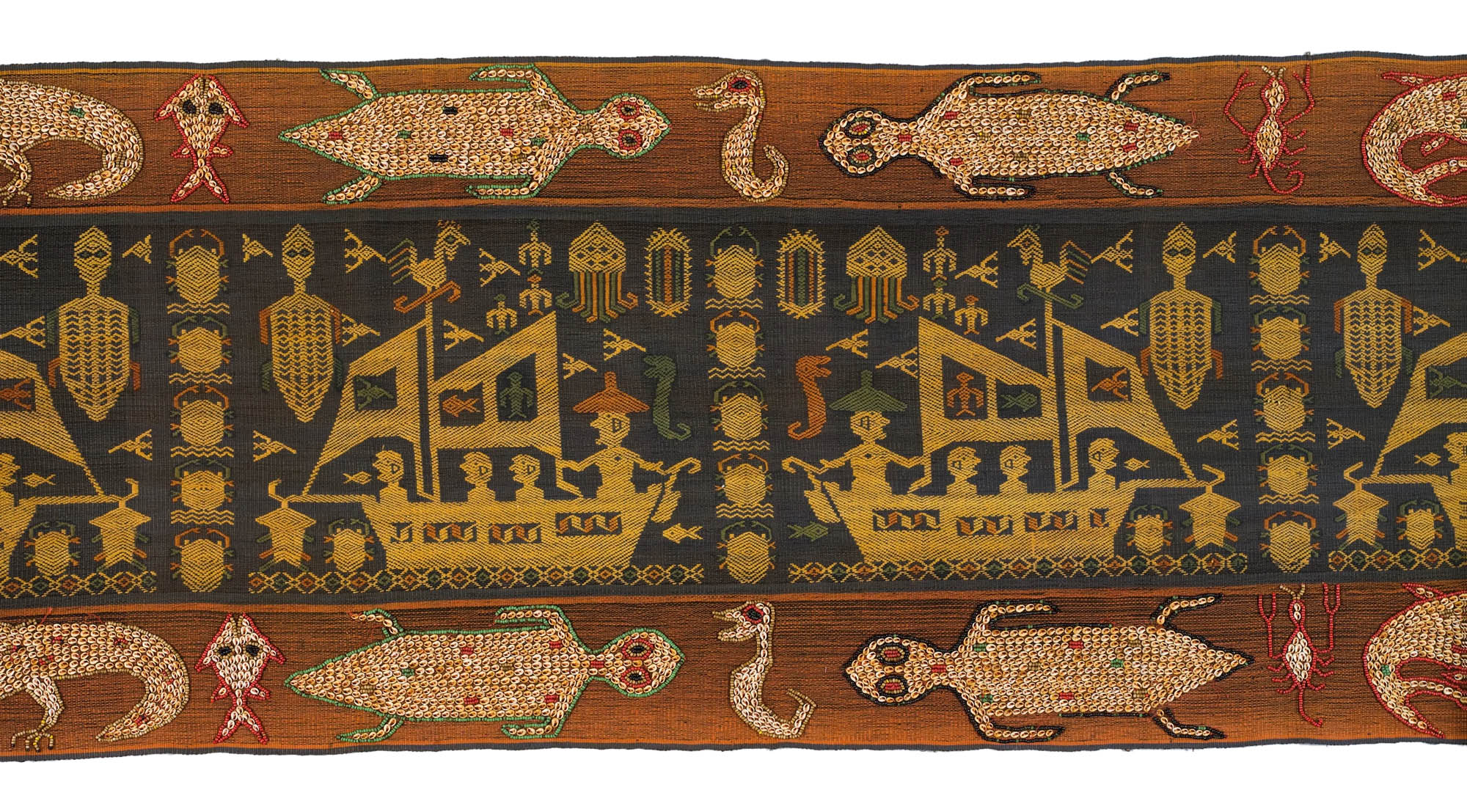
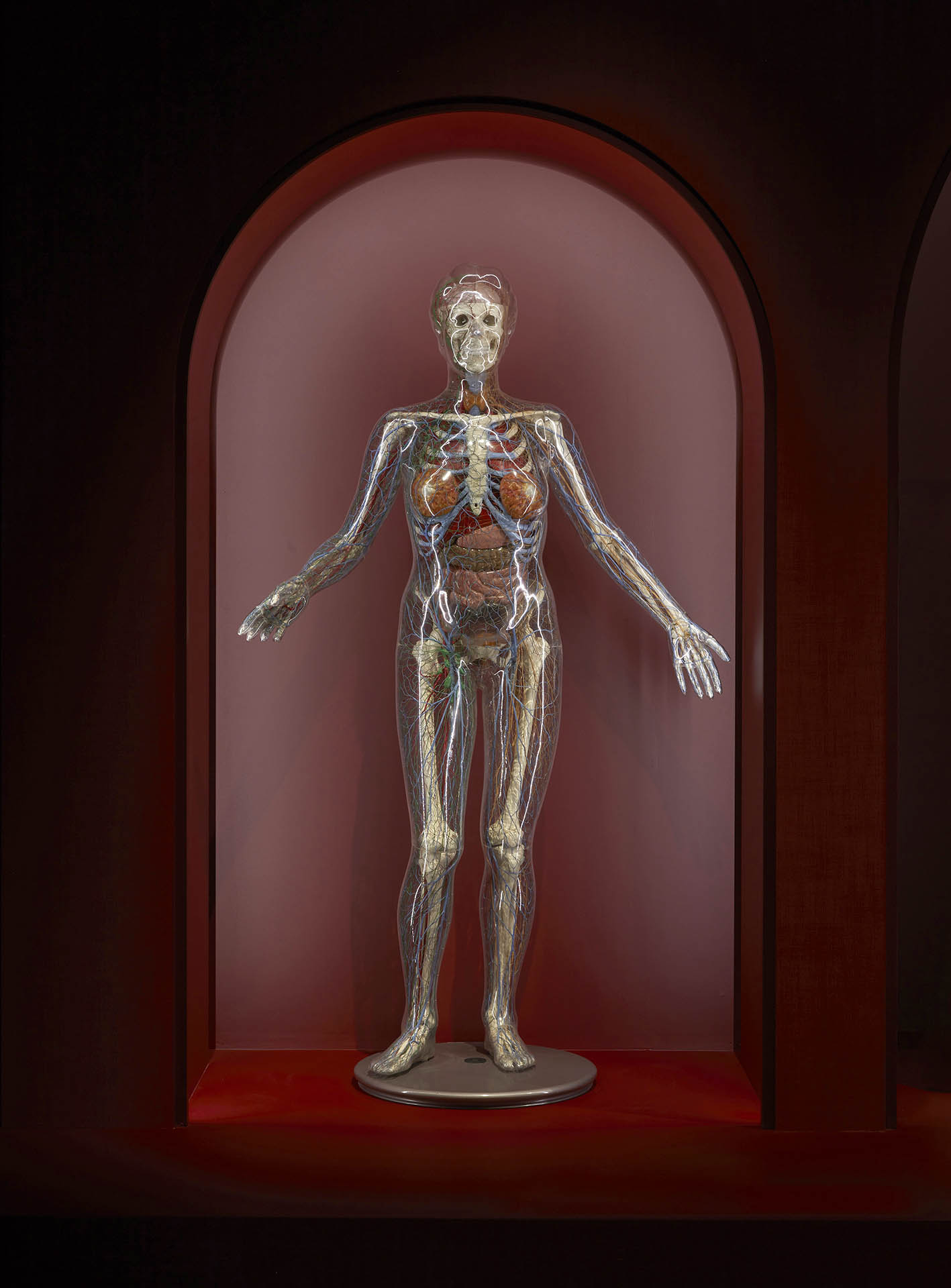
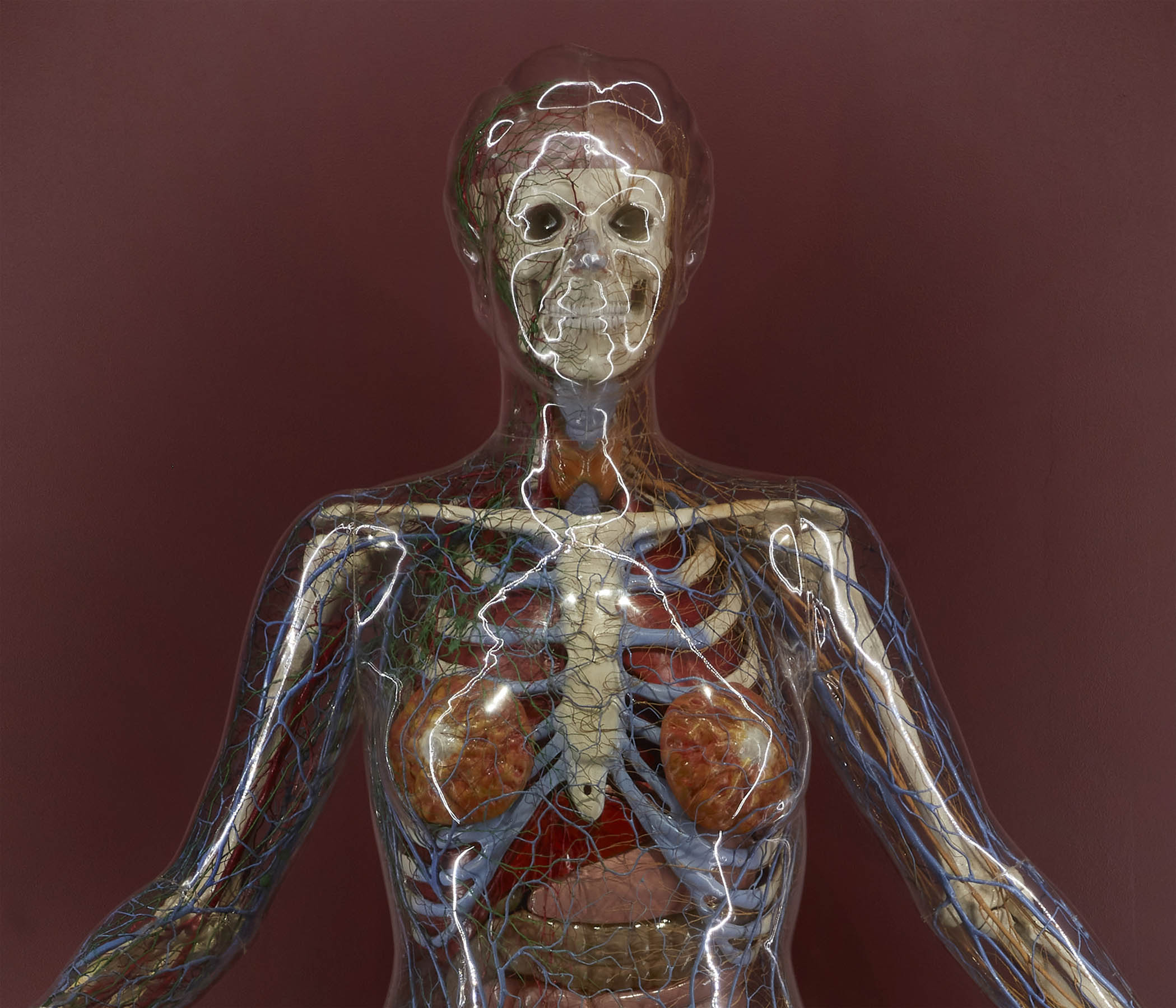
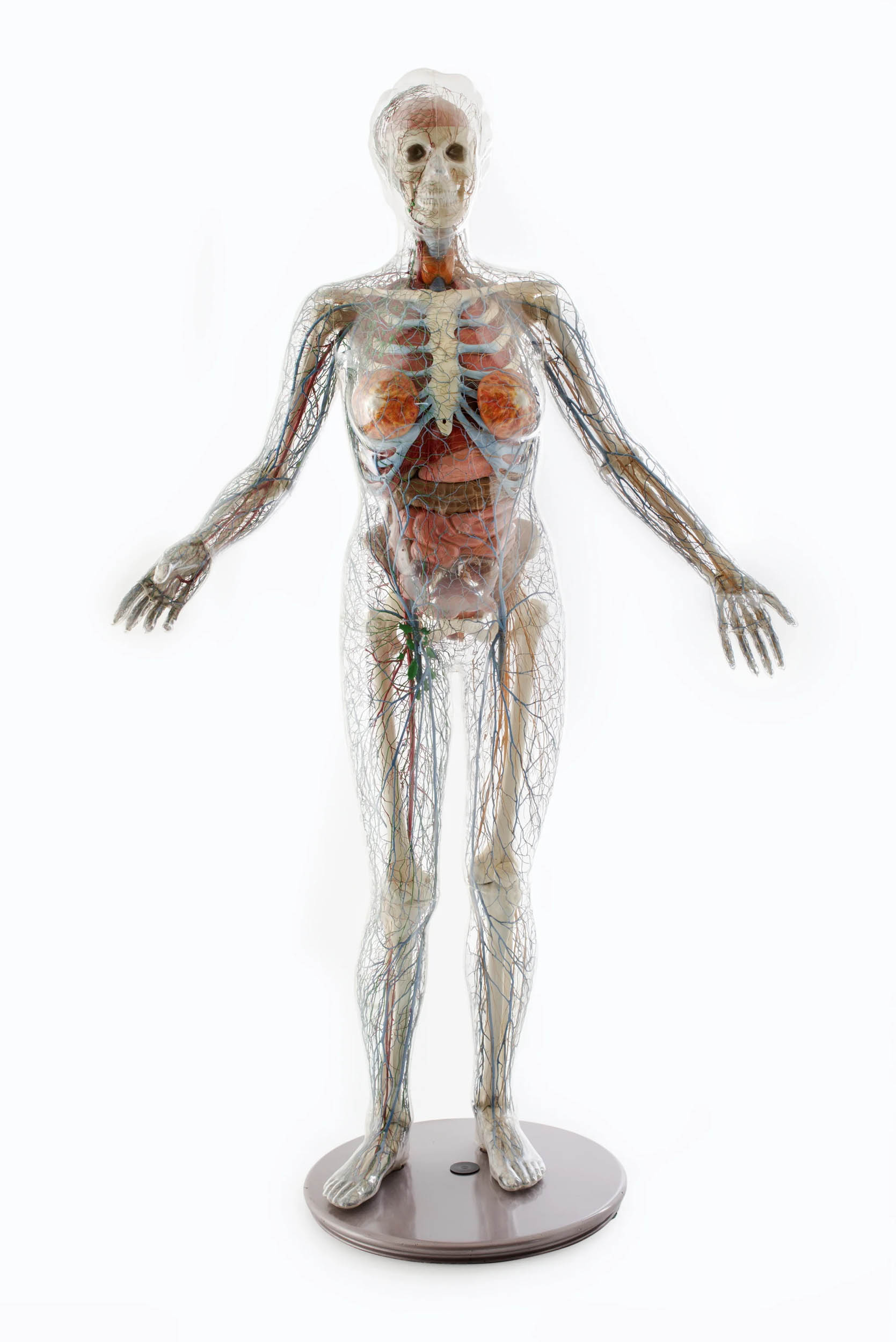
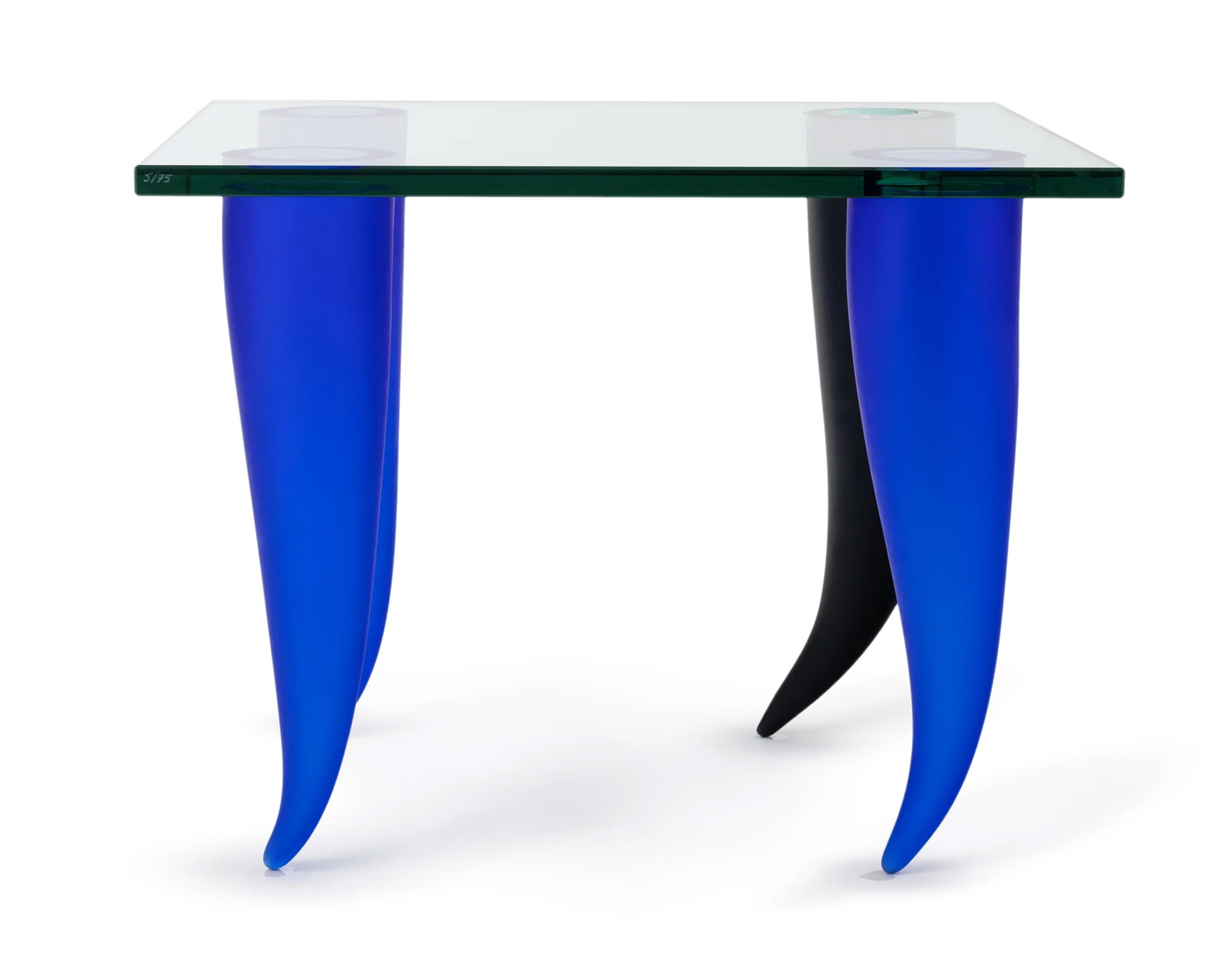
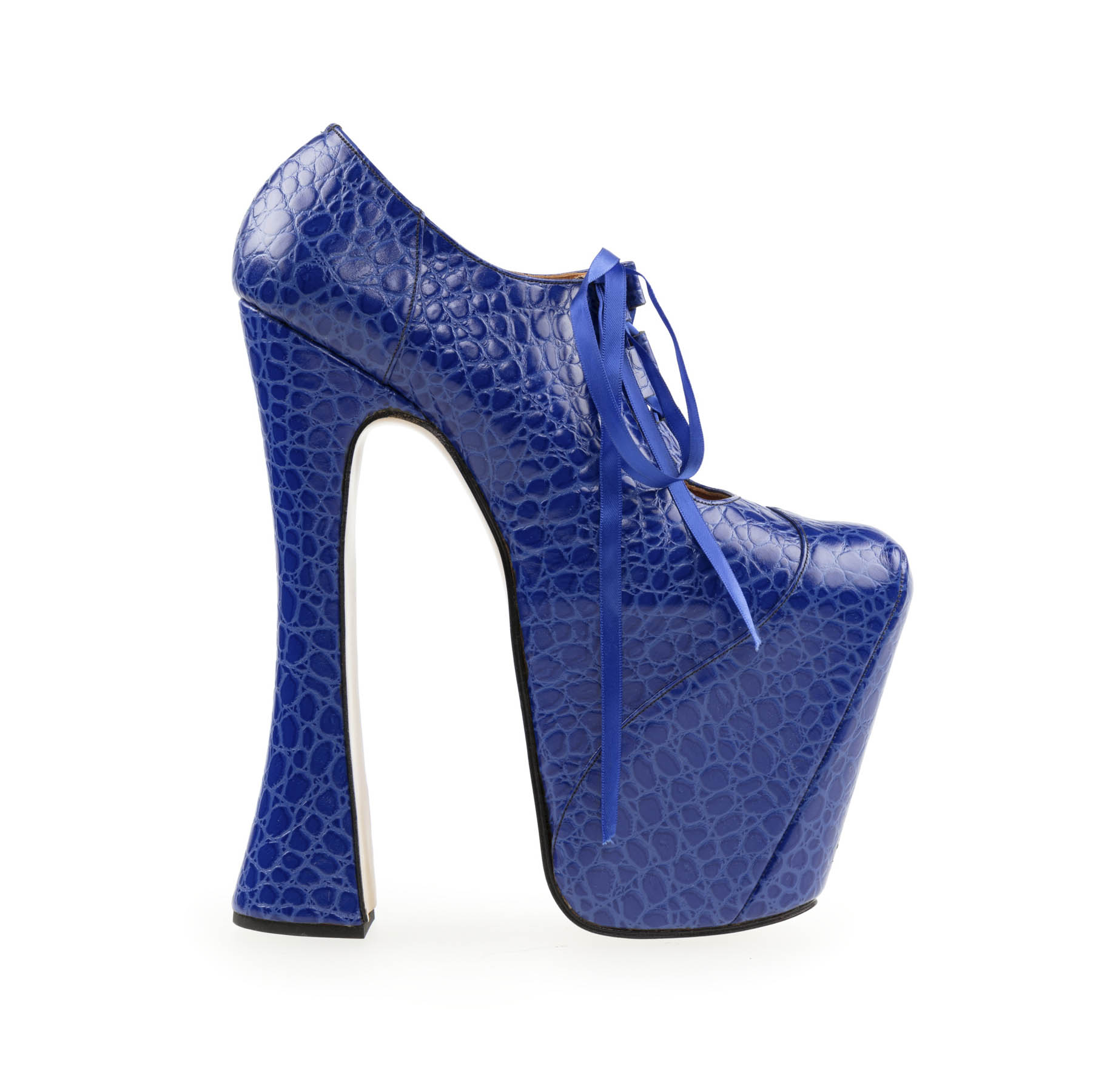
![J Hubert Newman (photographer, Sydney, New South Wales, Australia) (Australian, c. 1835-1916) 'Untitled [young boy in sailor suit]' Nd](https://artblart.com/wp-content/uploads/2023/10/newman-young-boy-in-sailor-suit.jpg "J Hubert Newman (photographer, Sydney, New South Wales, Australia) (Australian, c. 1835-1916) 'Untitled [young boy in sailor suit]' Nd")
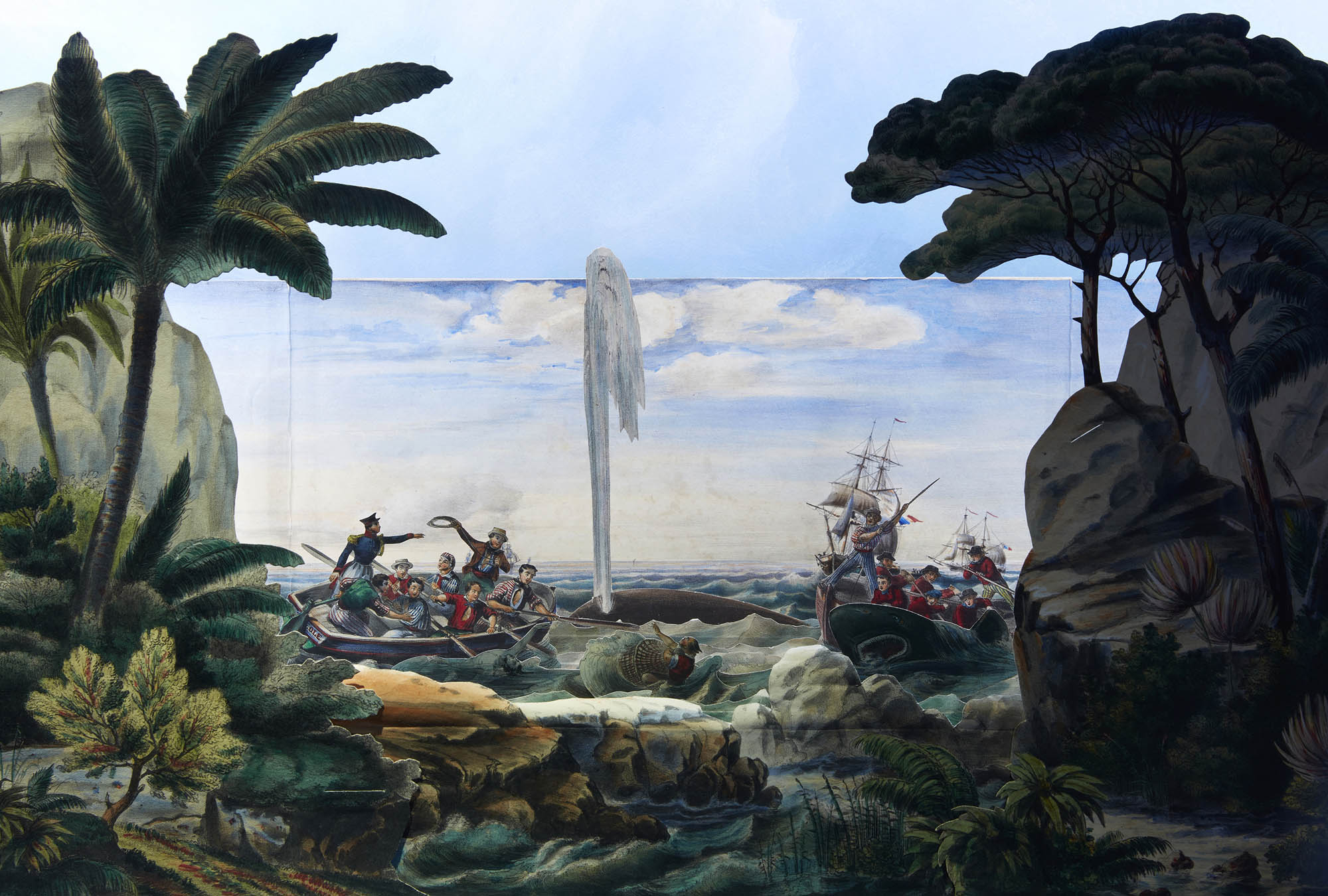
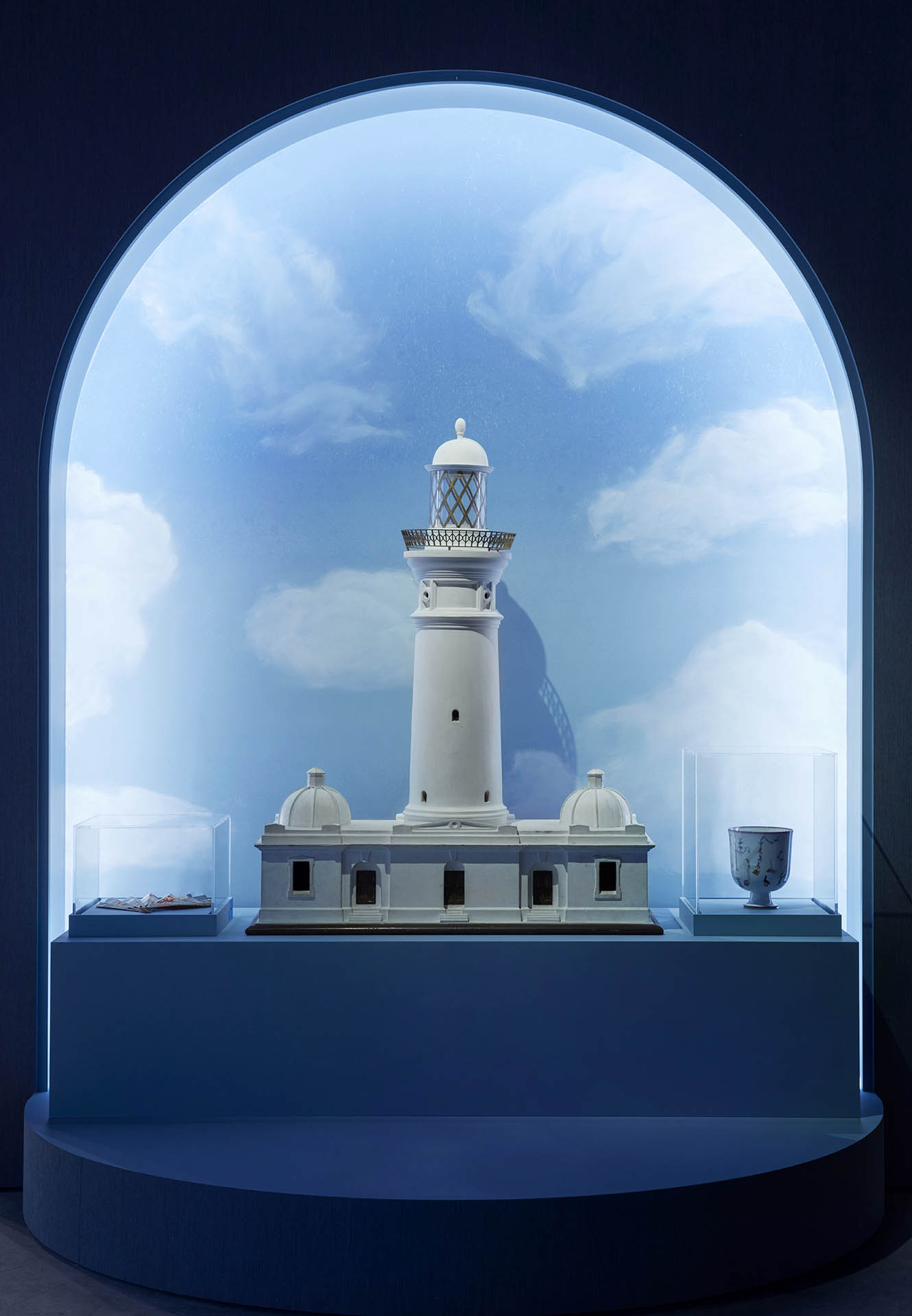
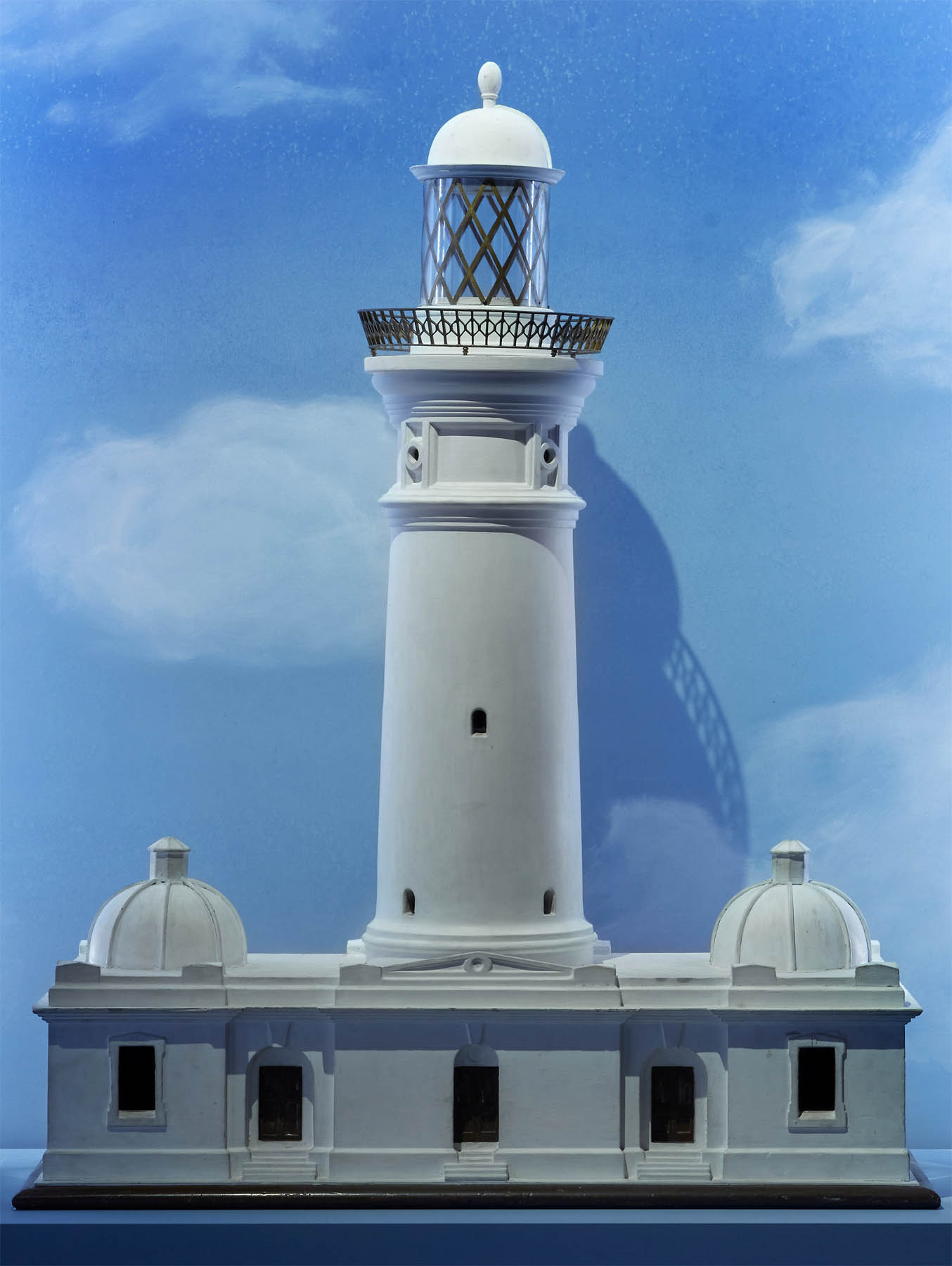
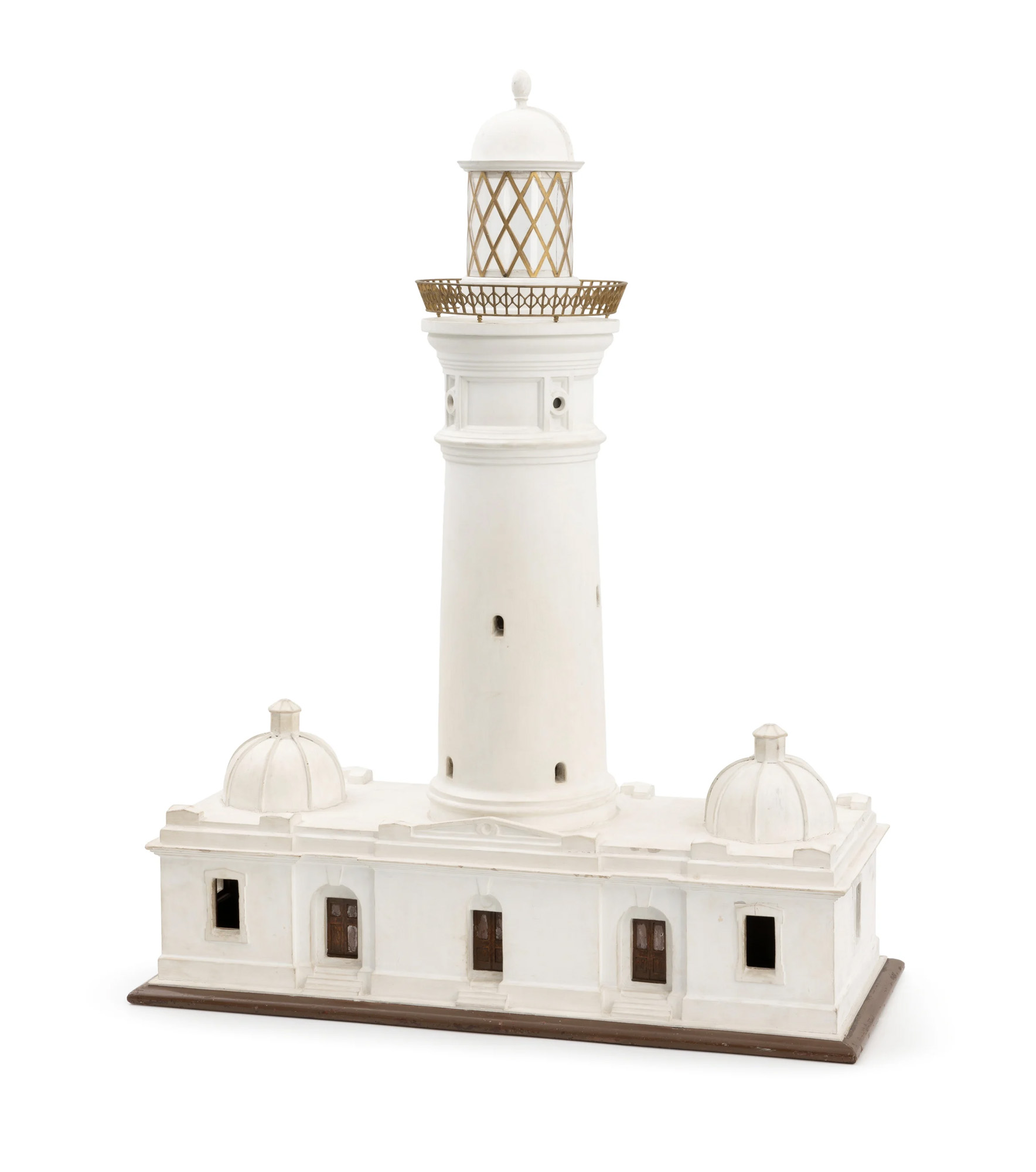
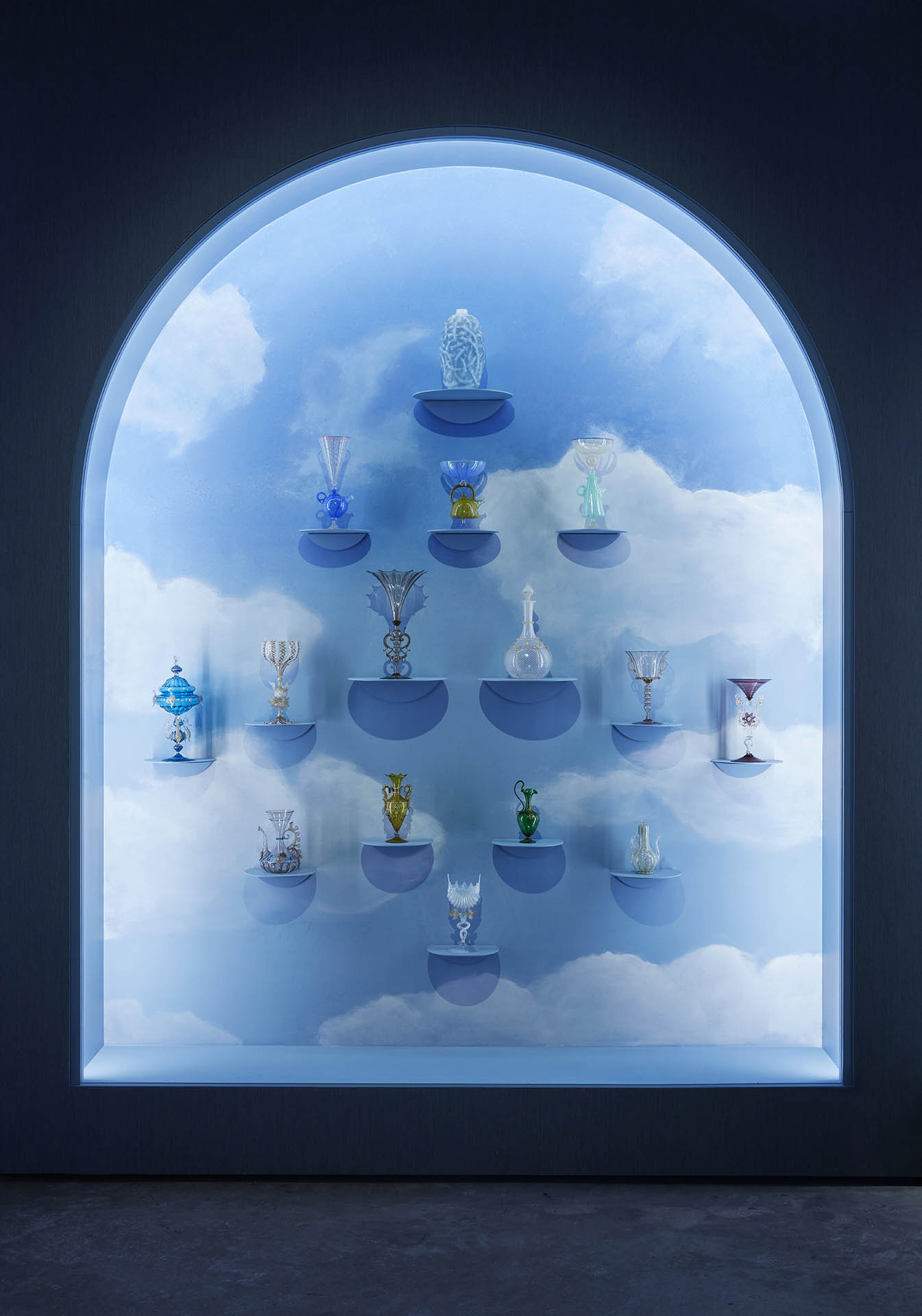
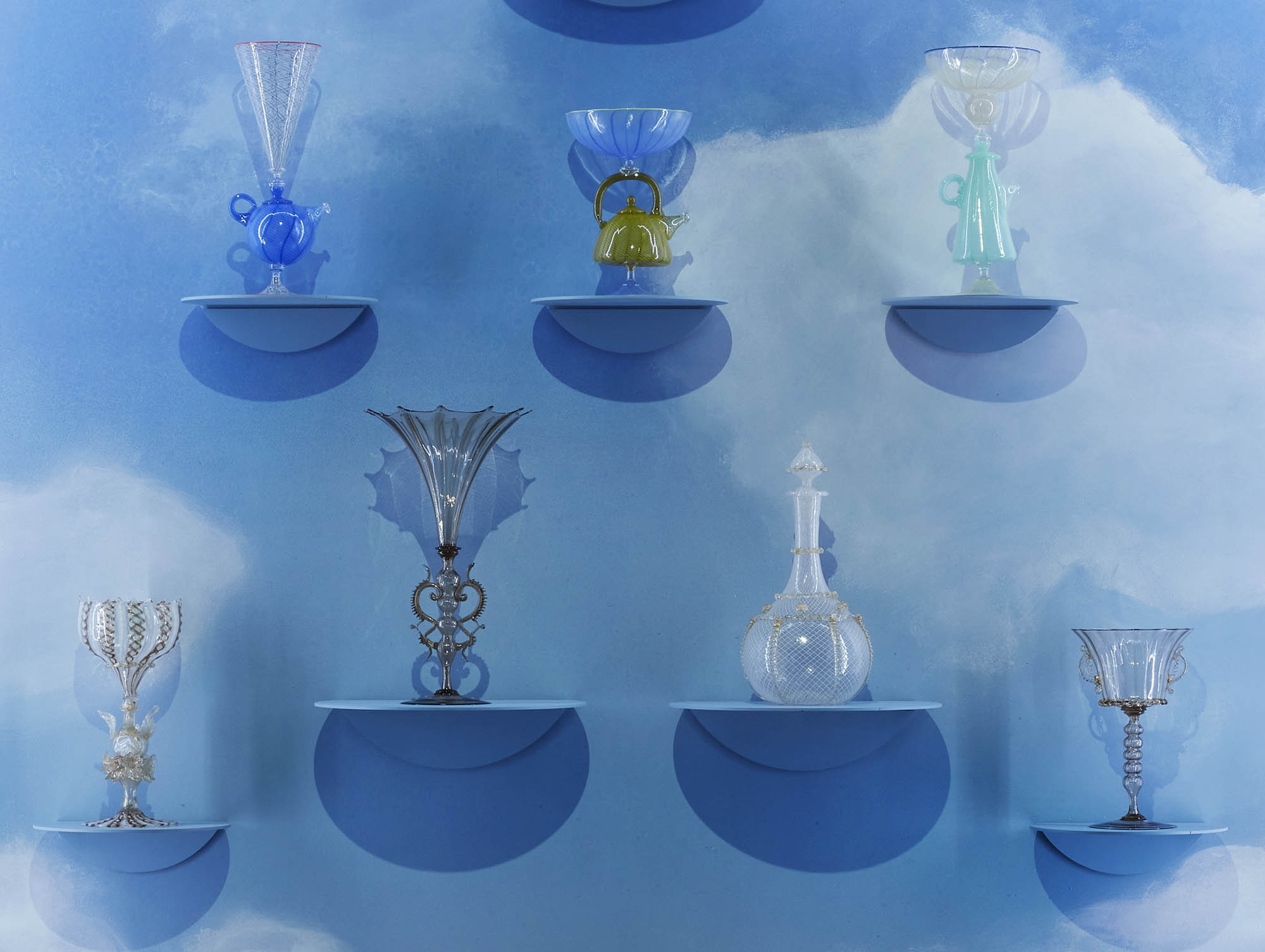
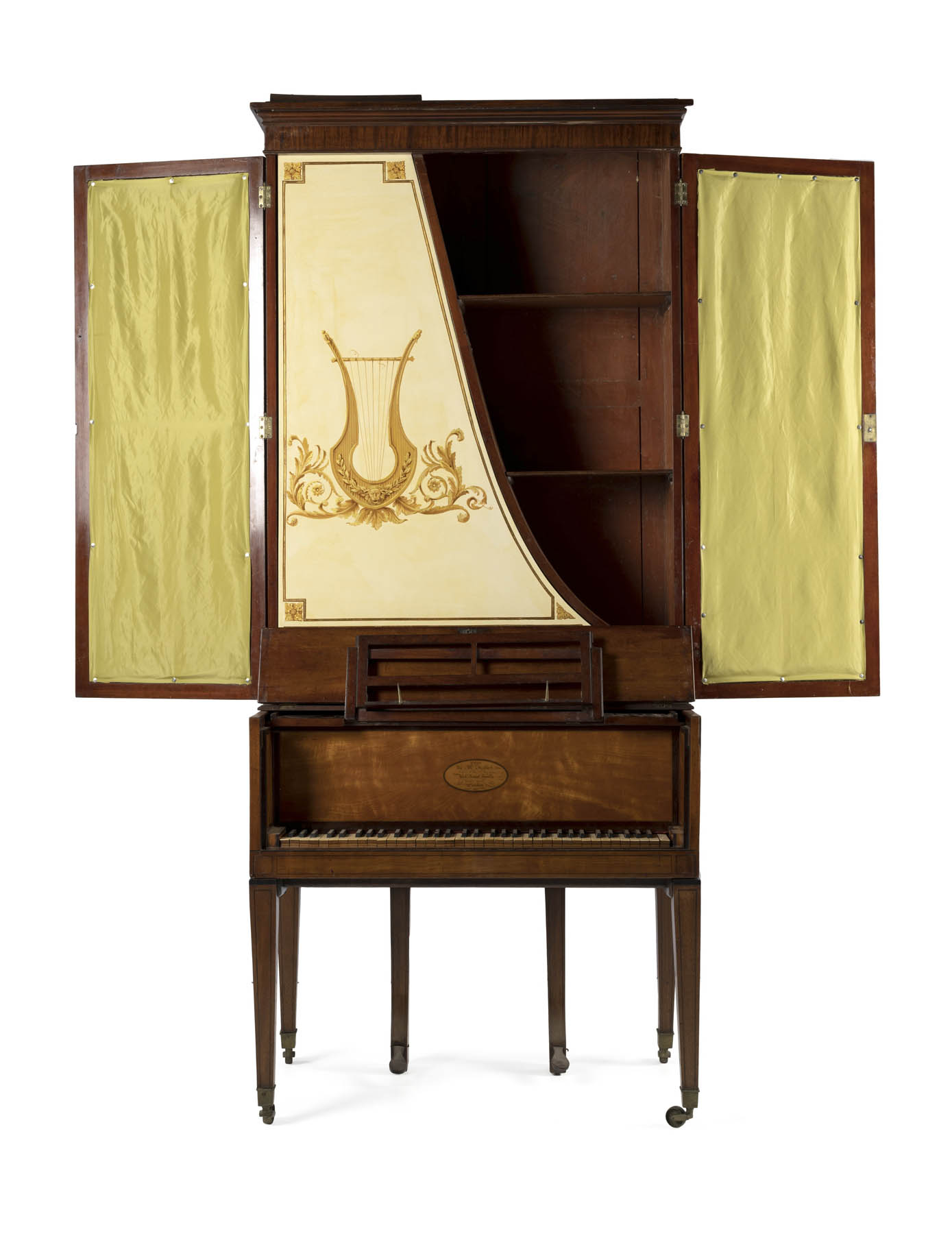
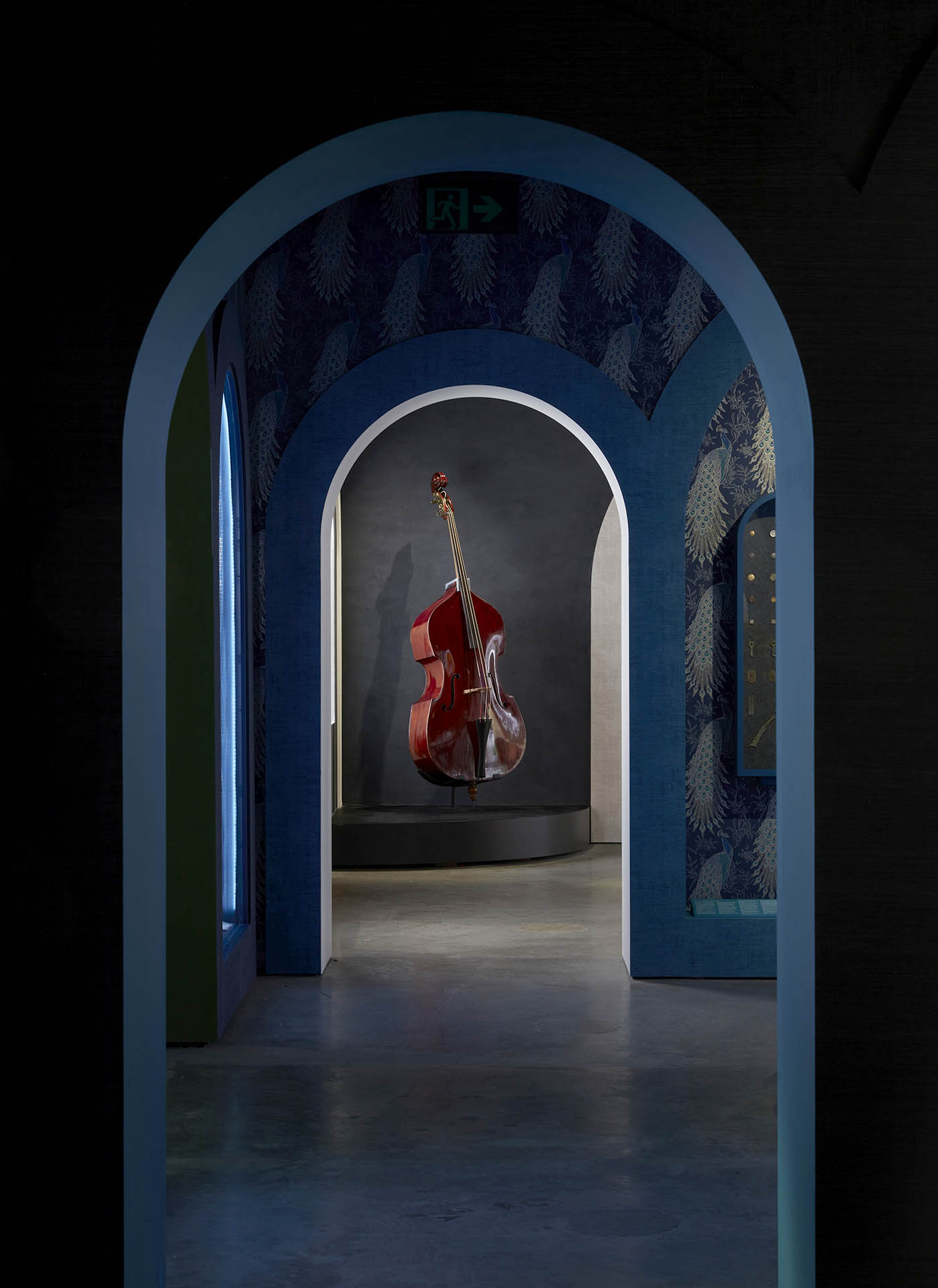
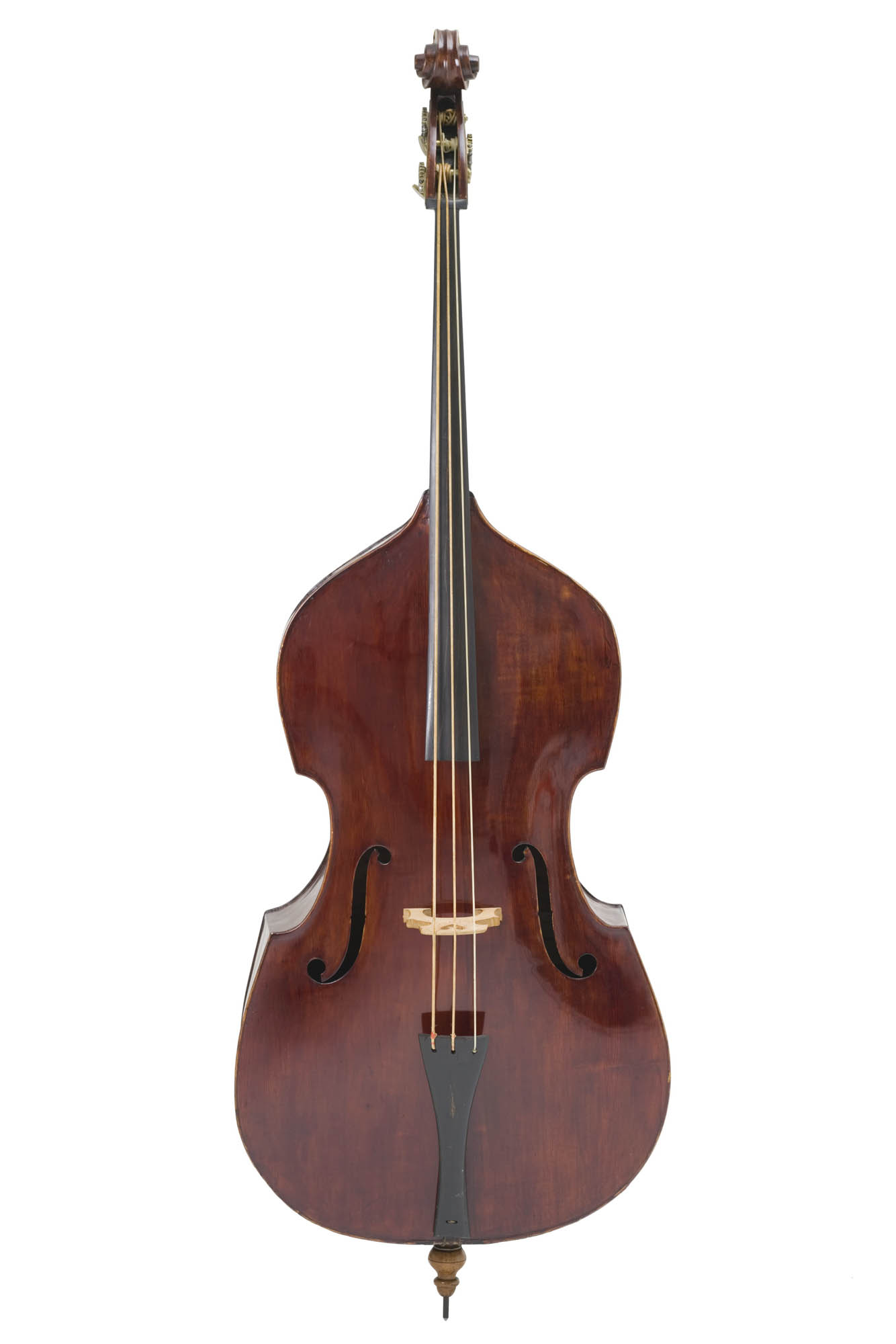
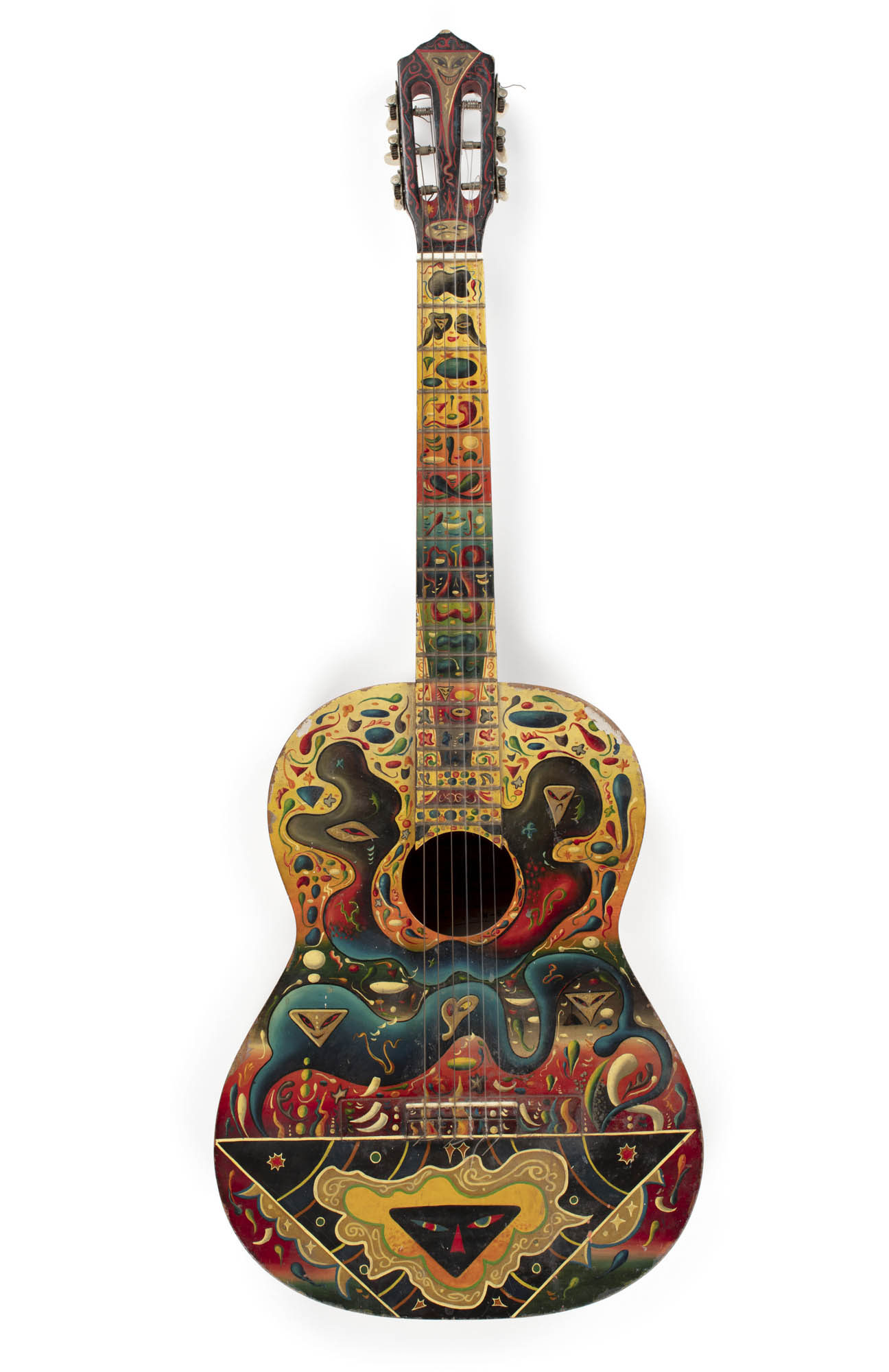
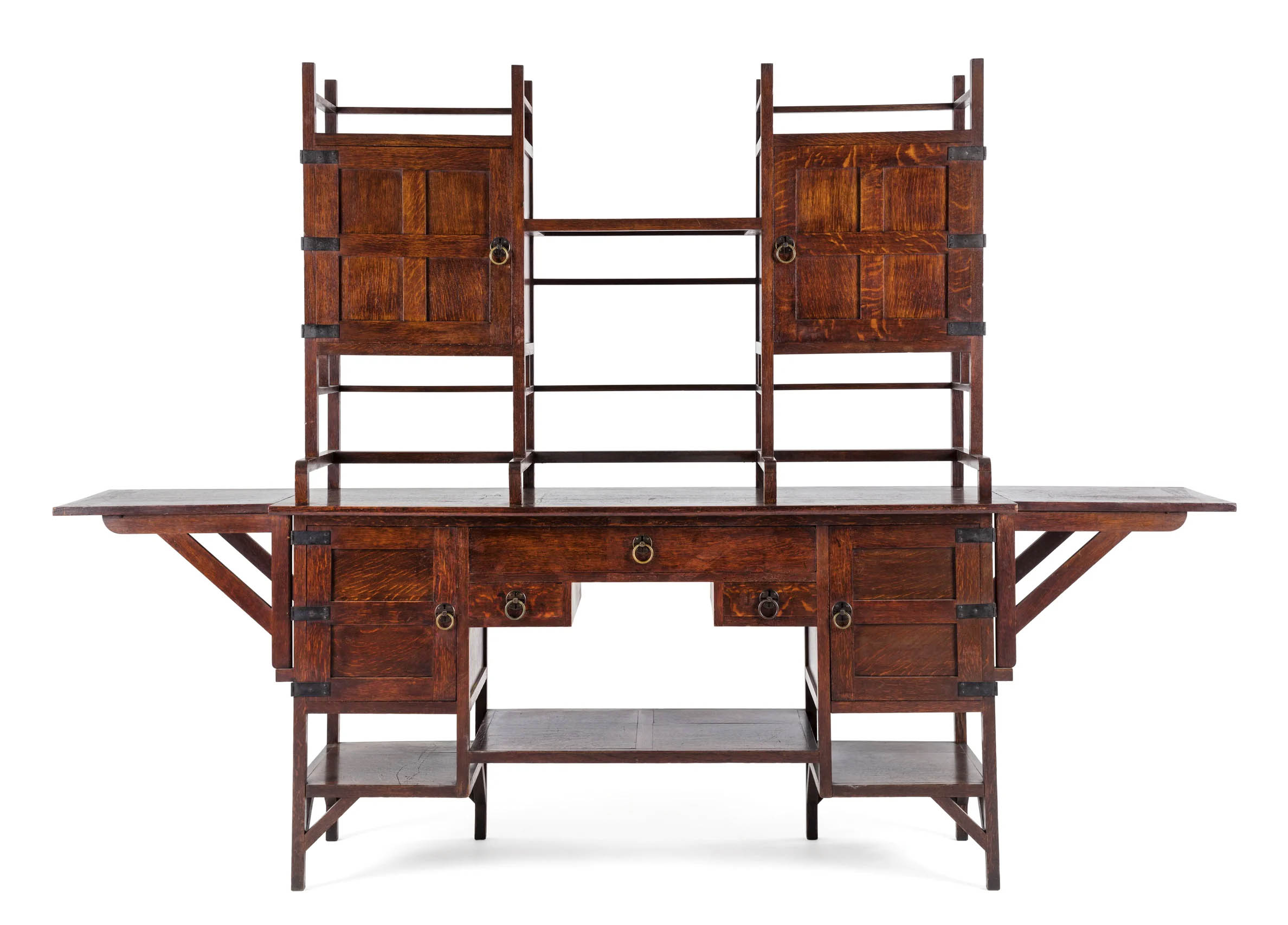
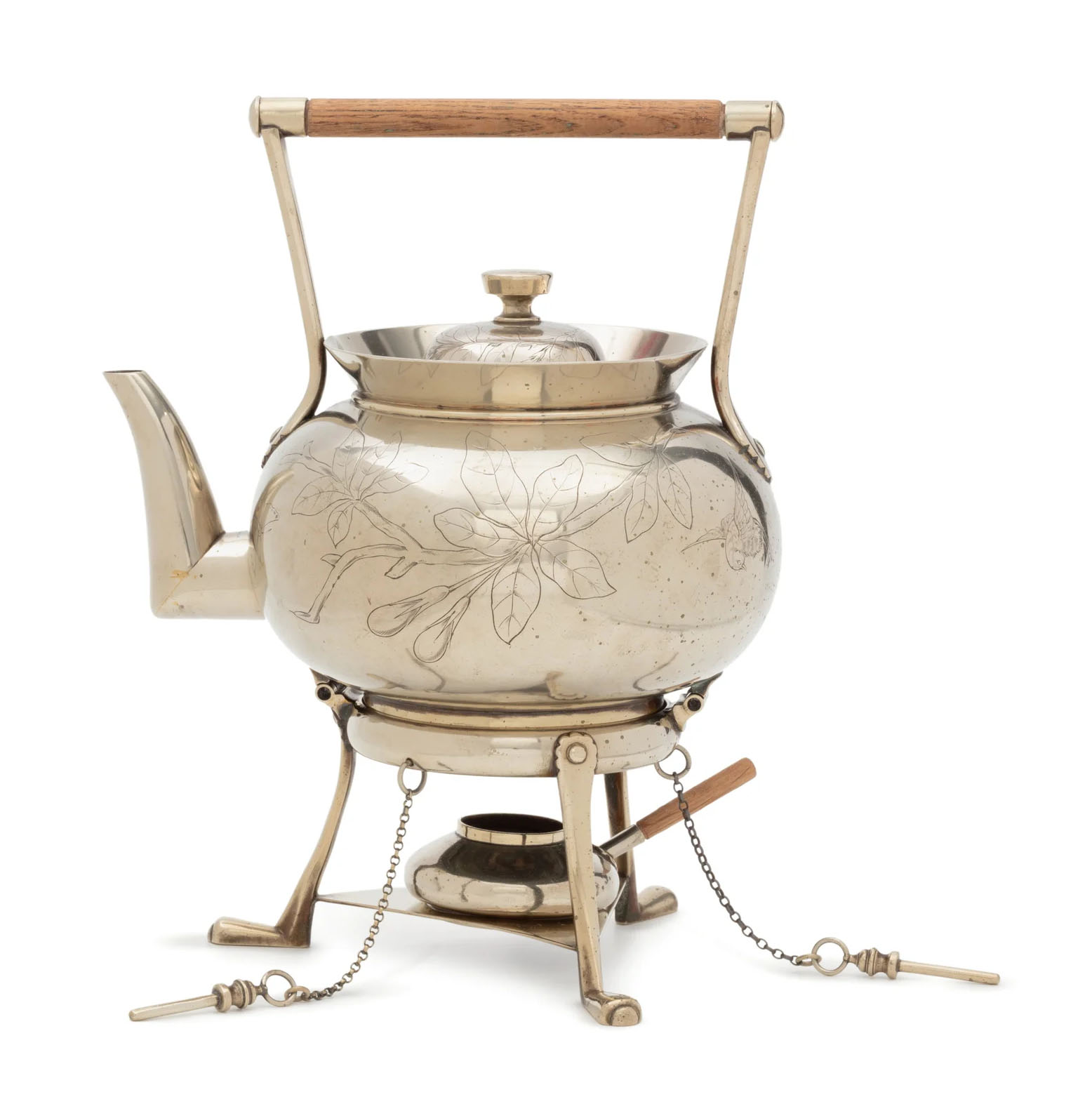
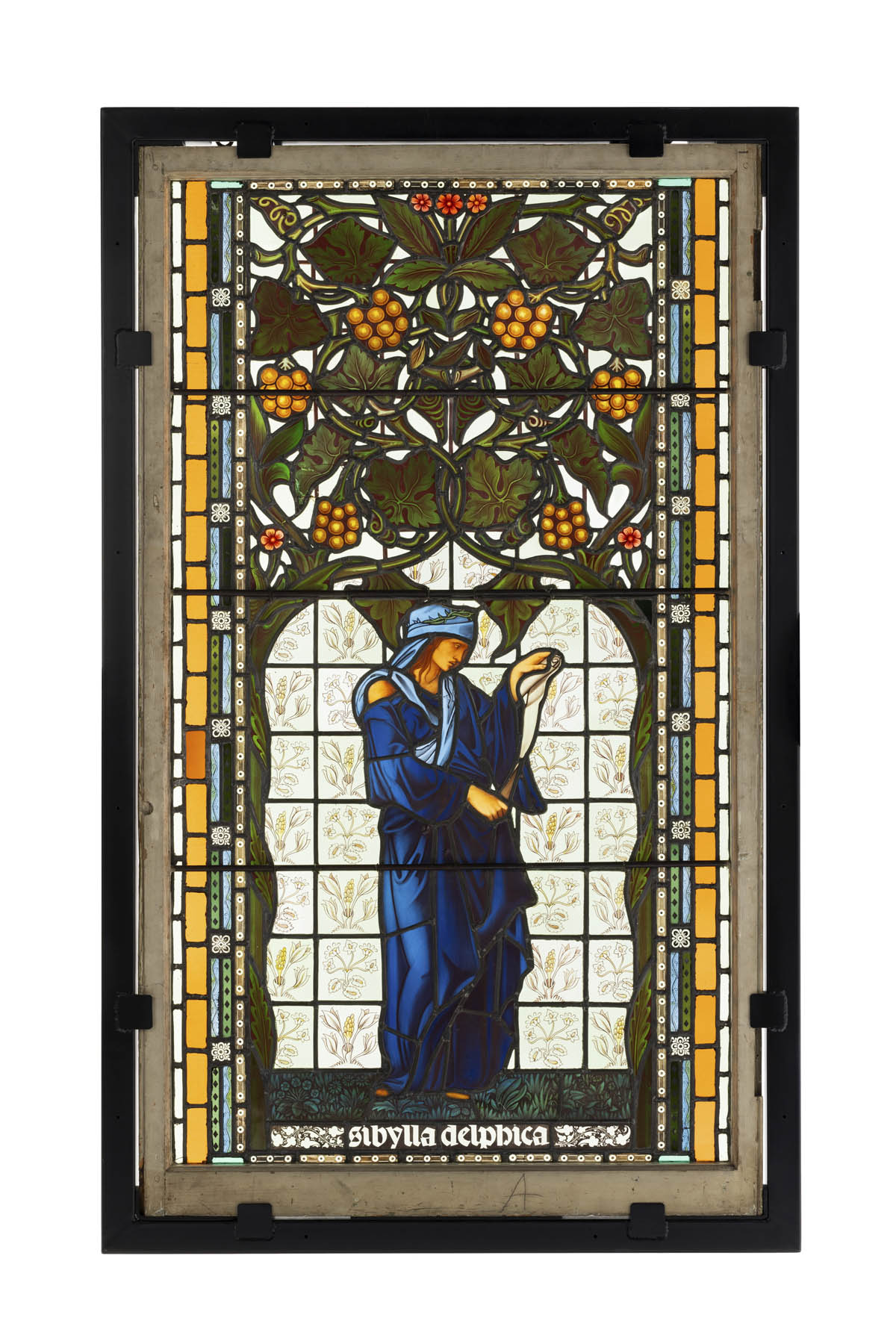
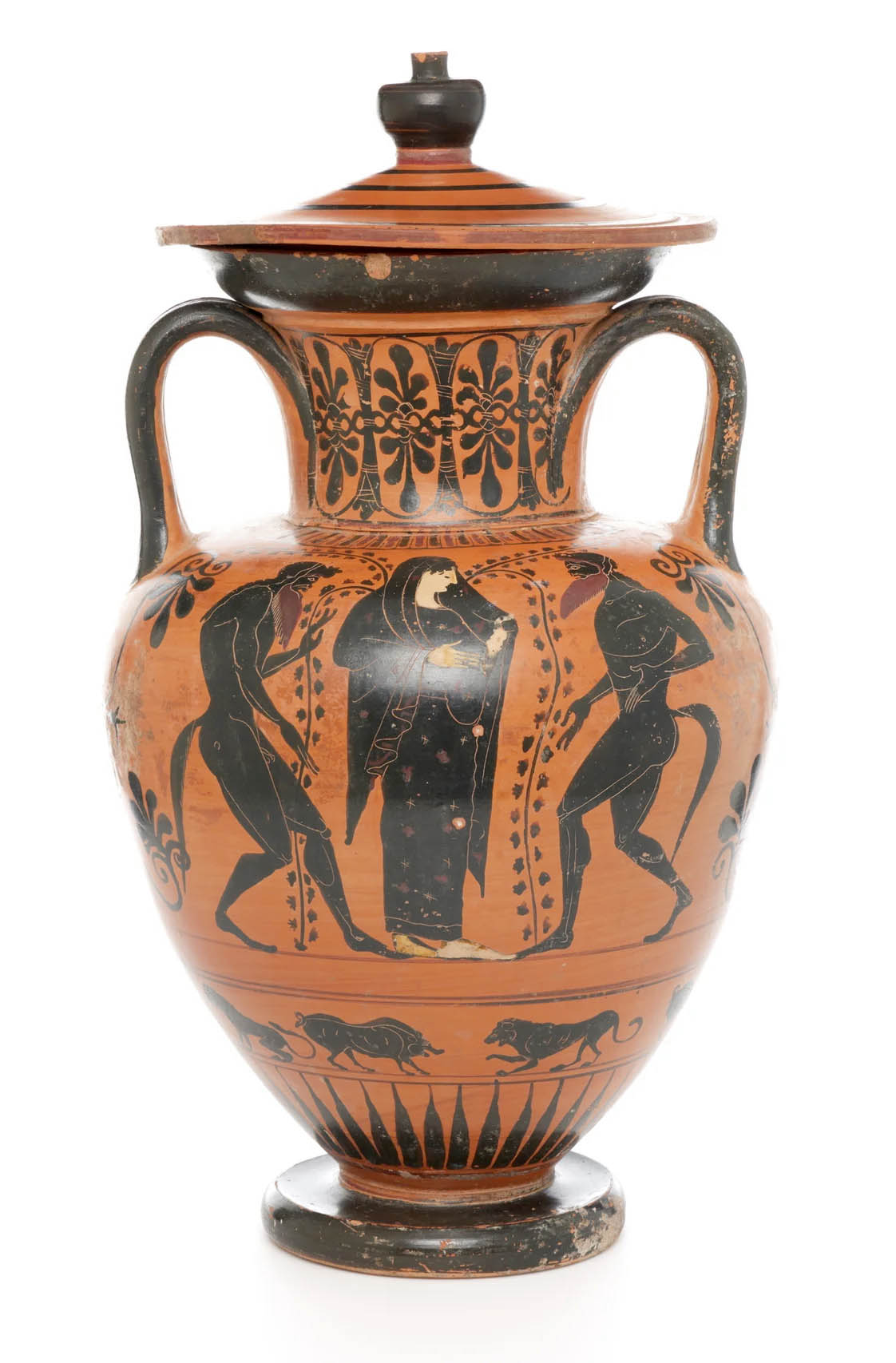
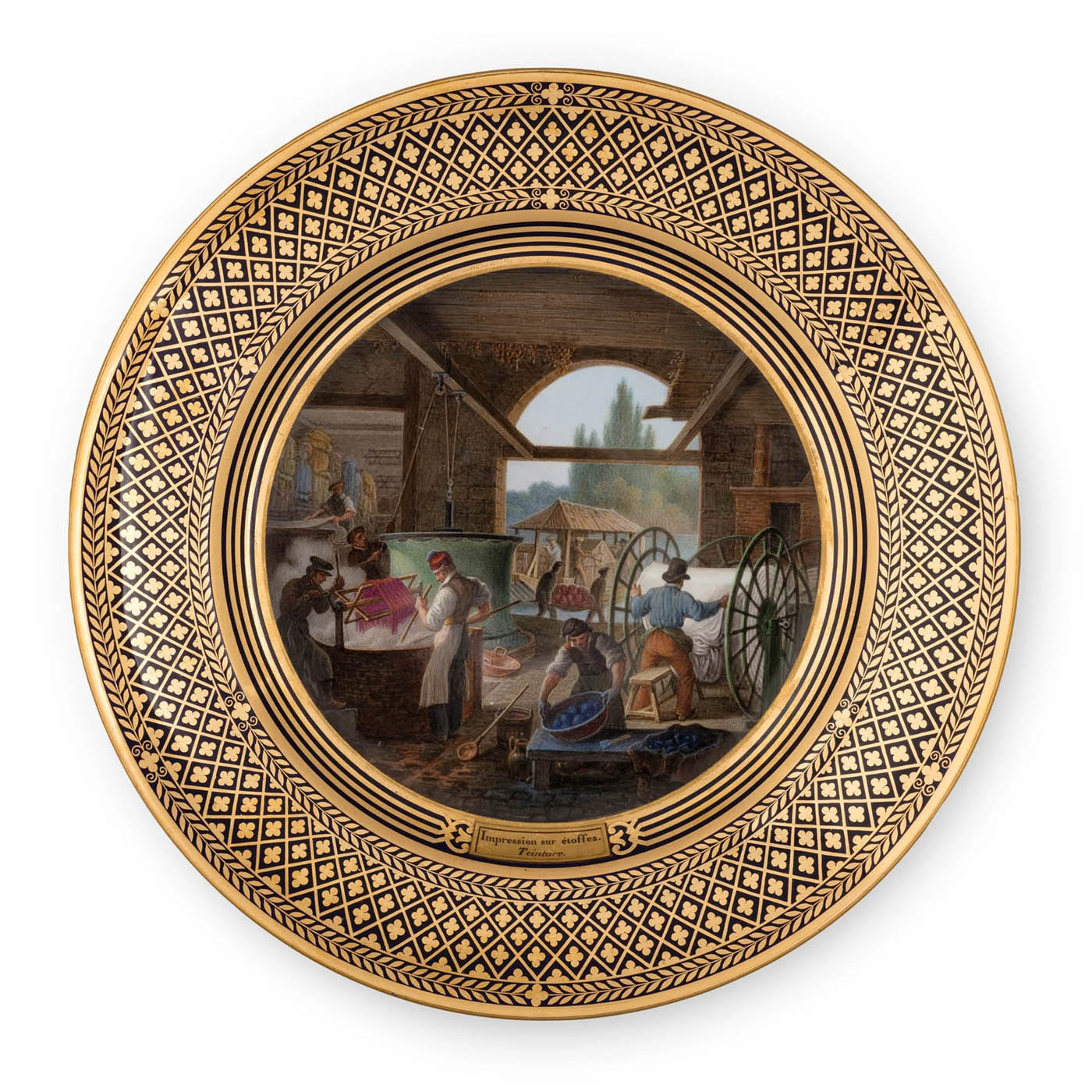
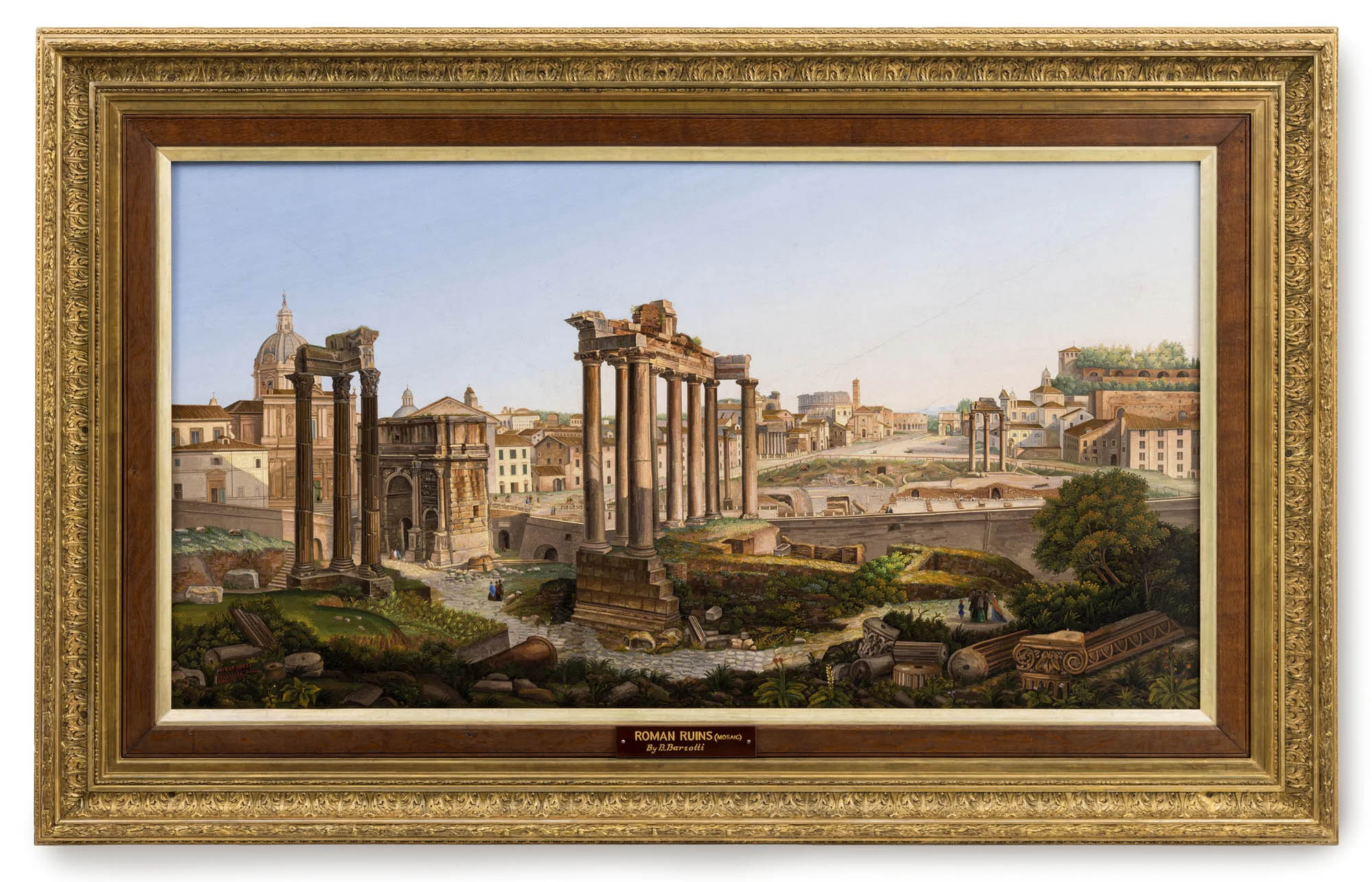
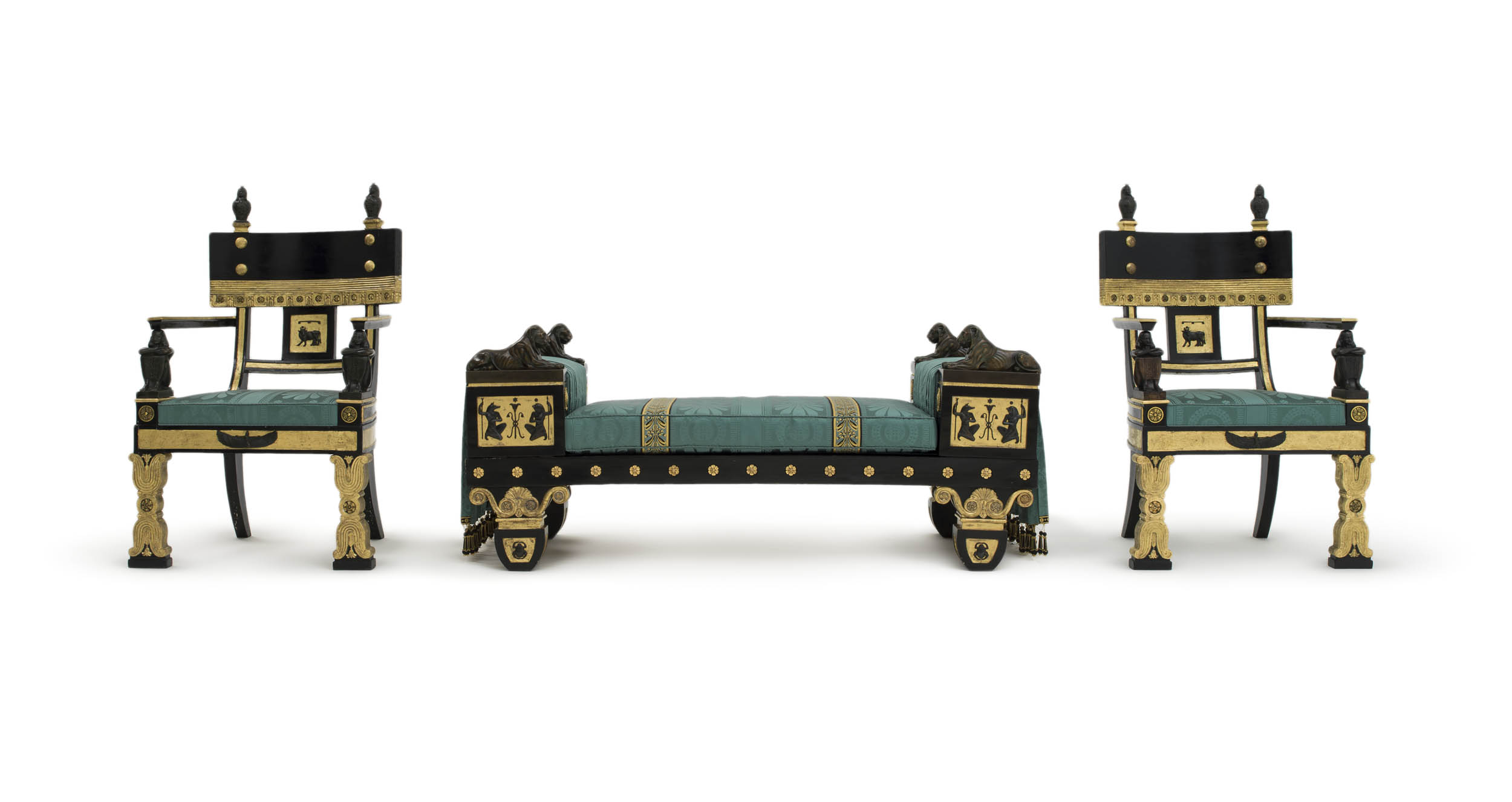
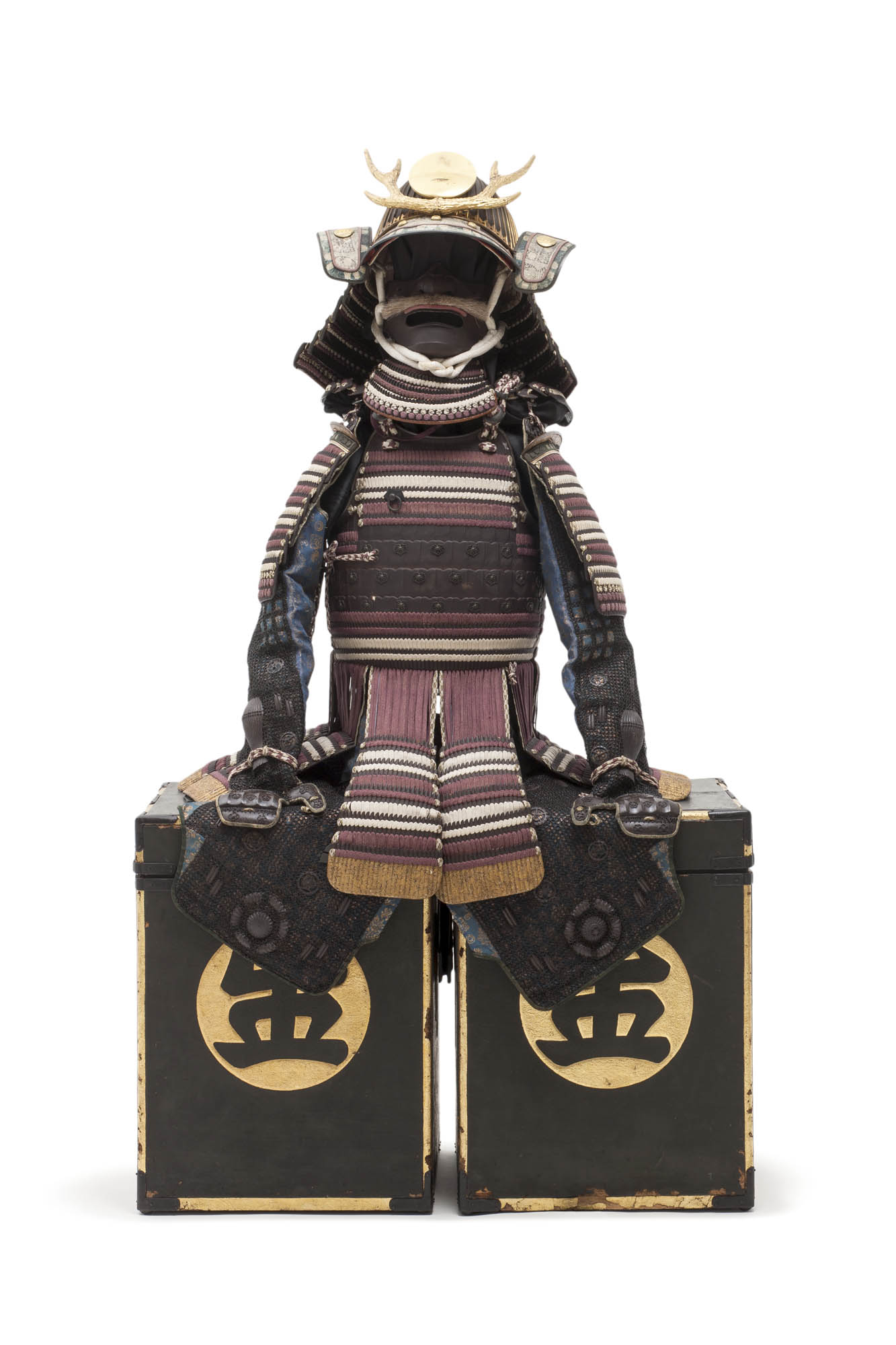
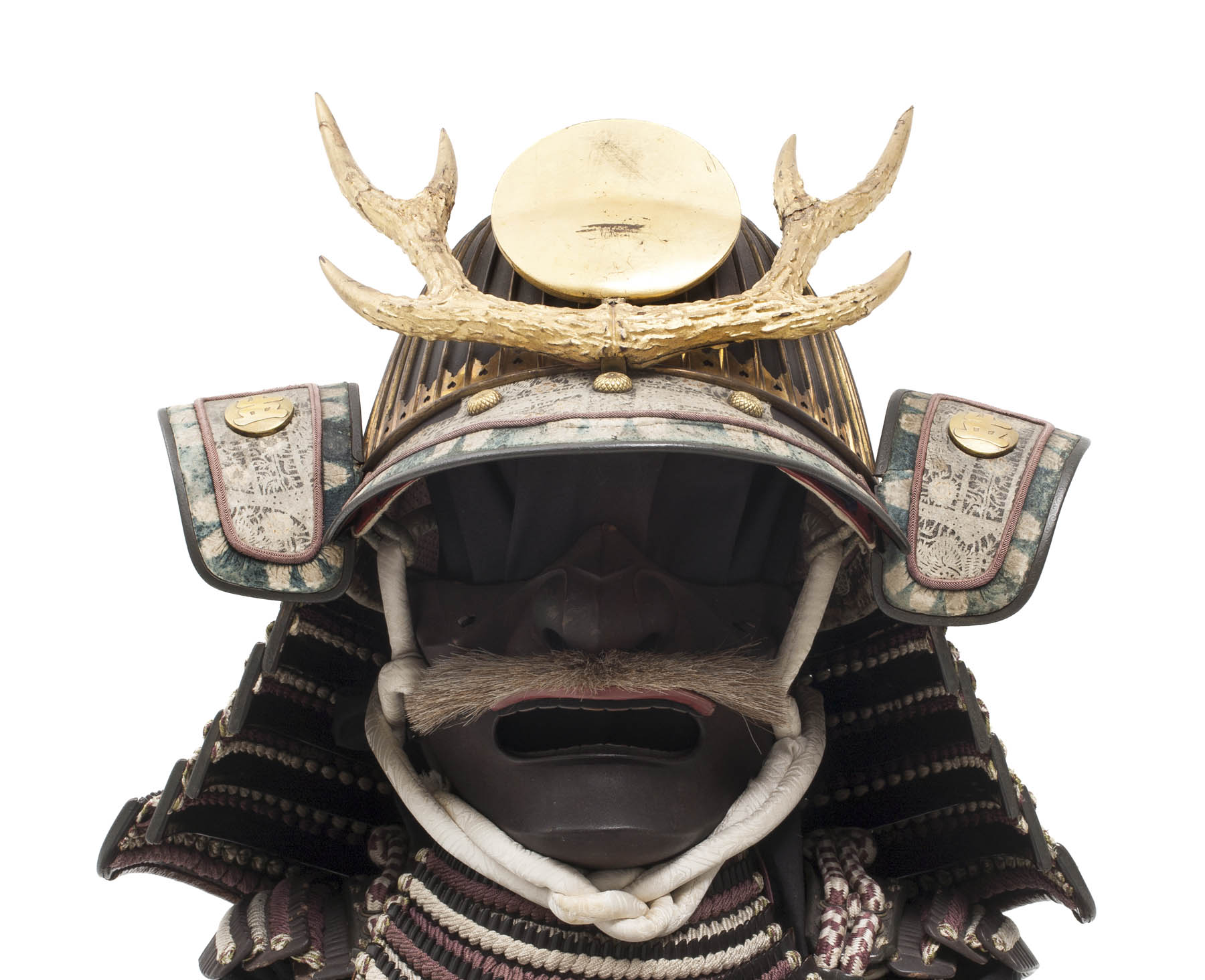
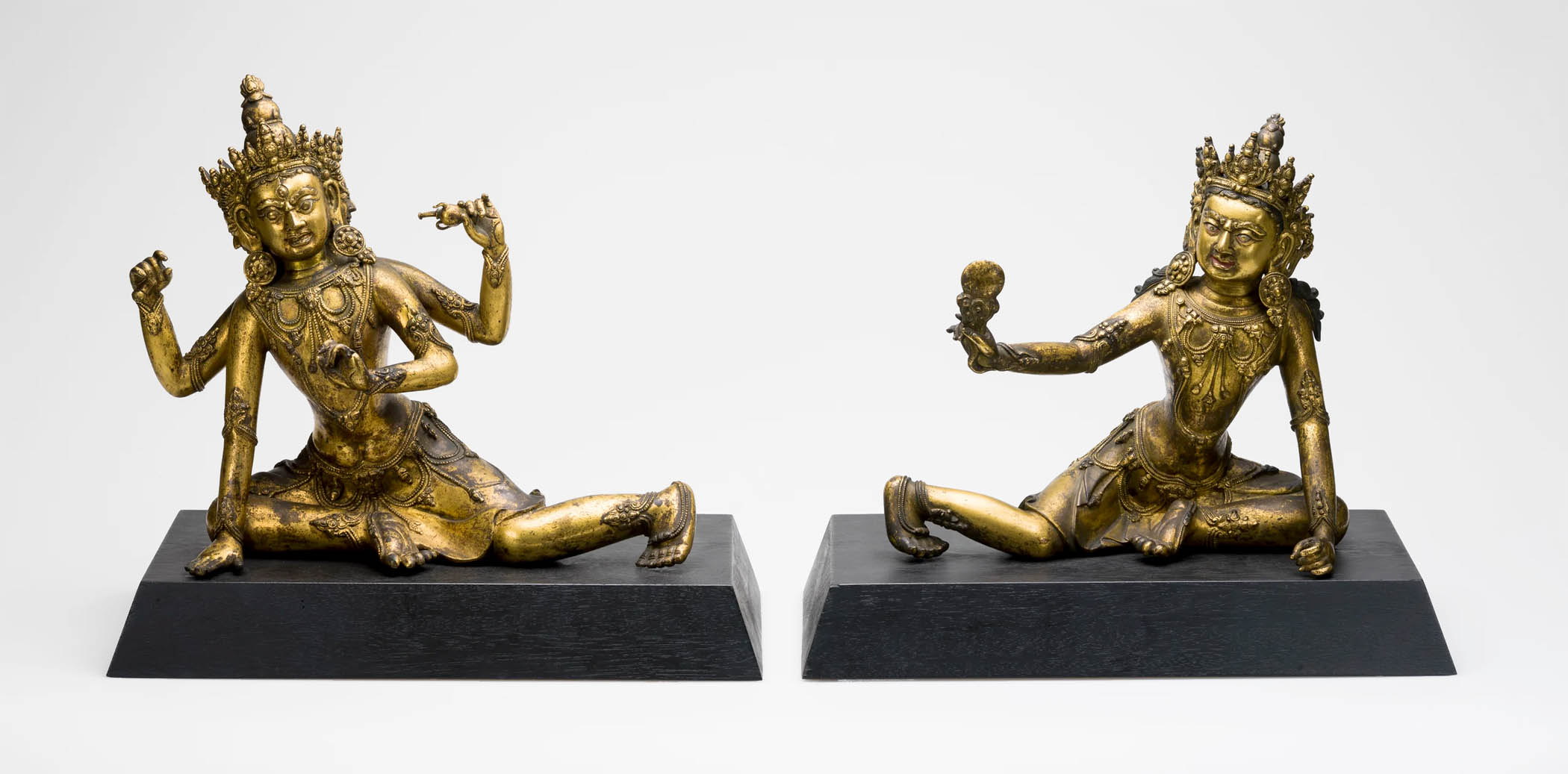
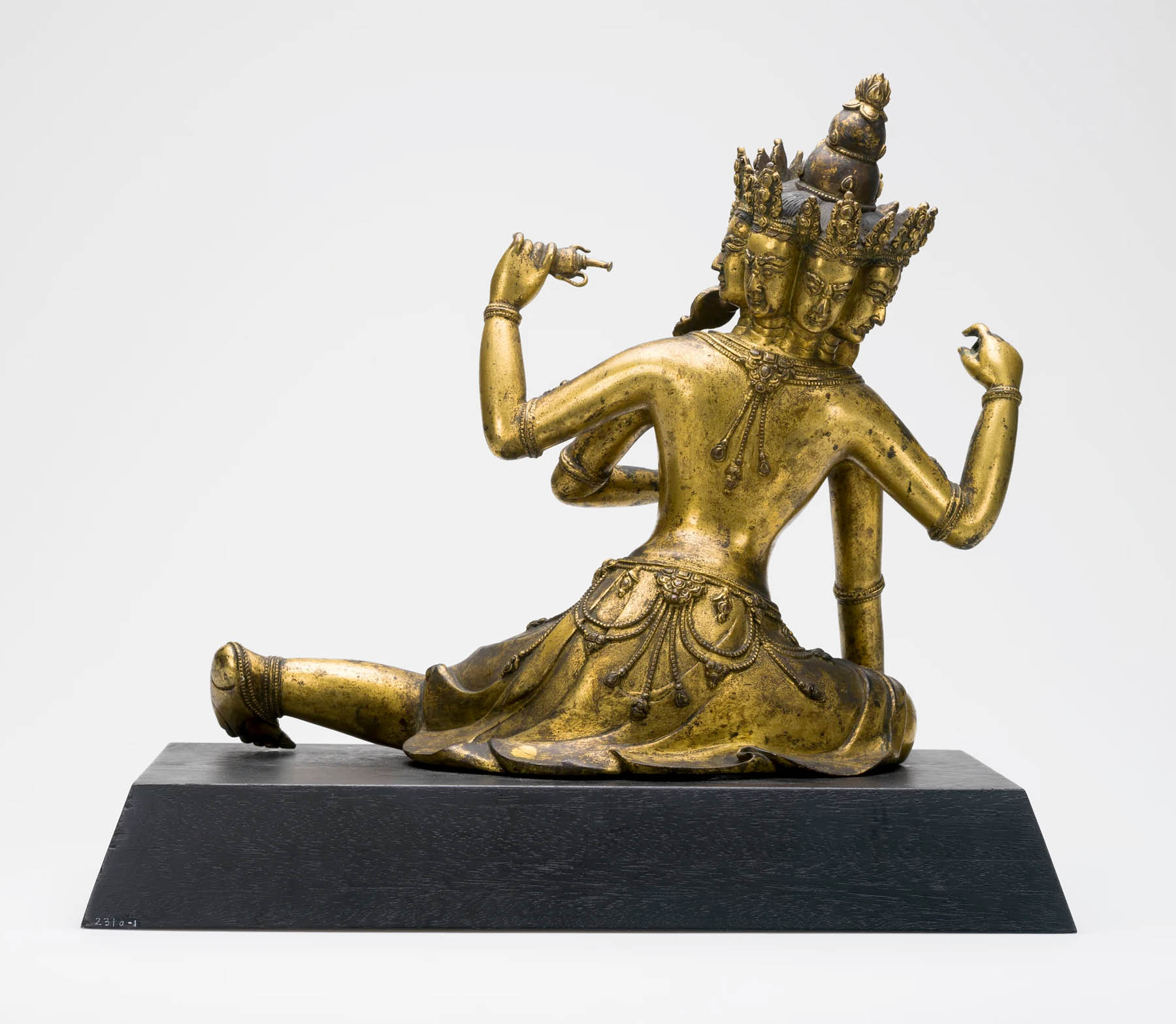
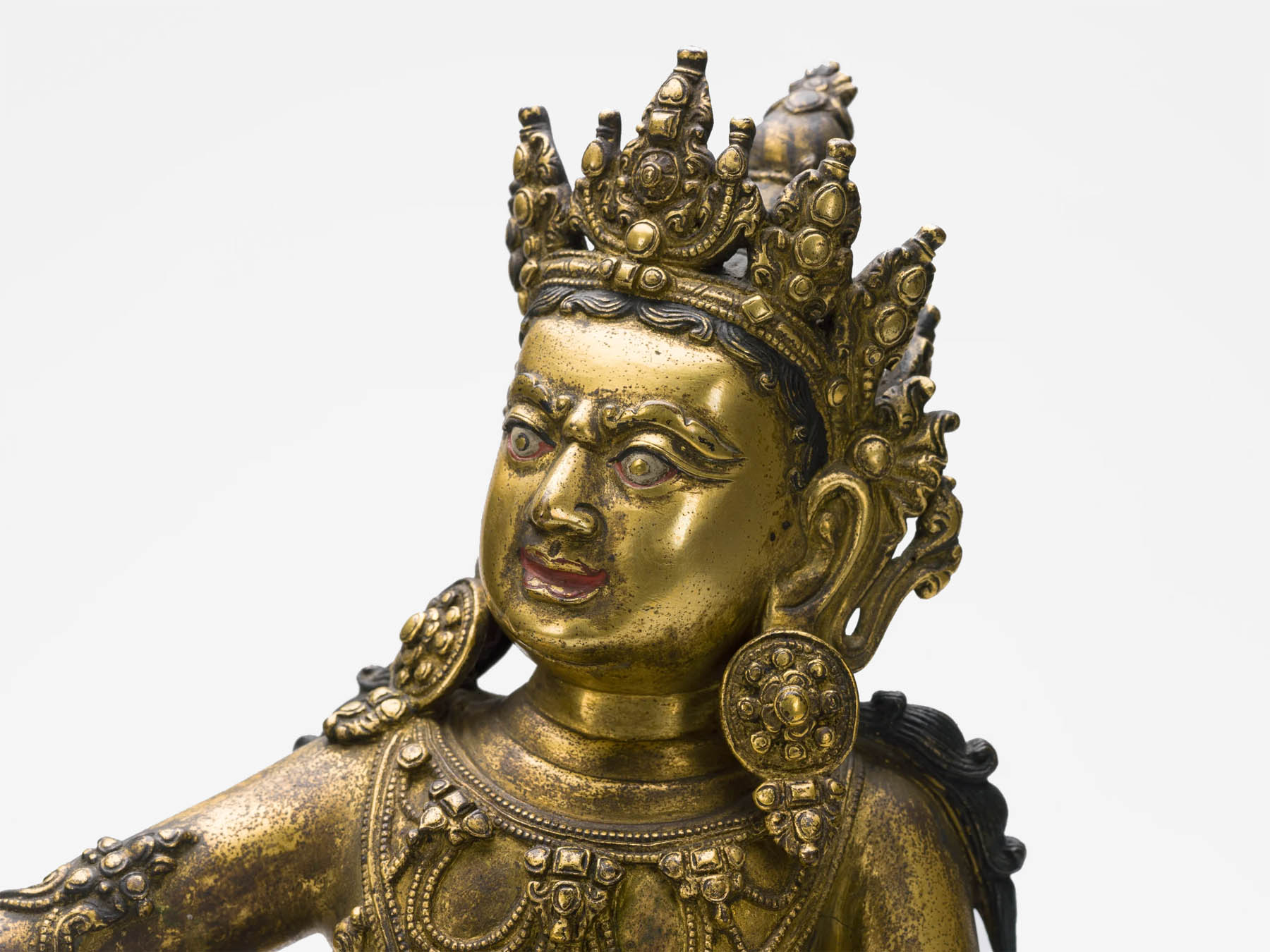
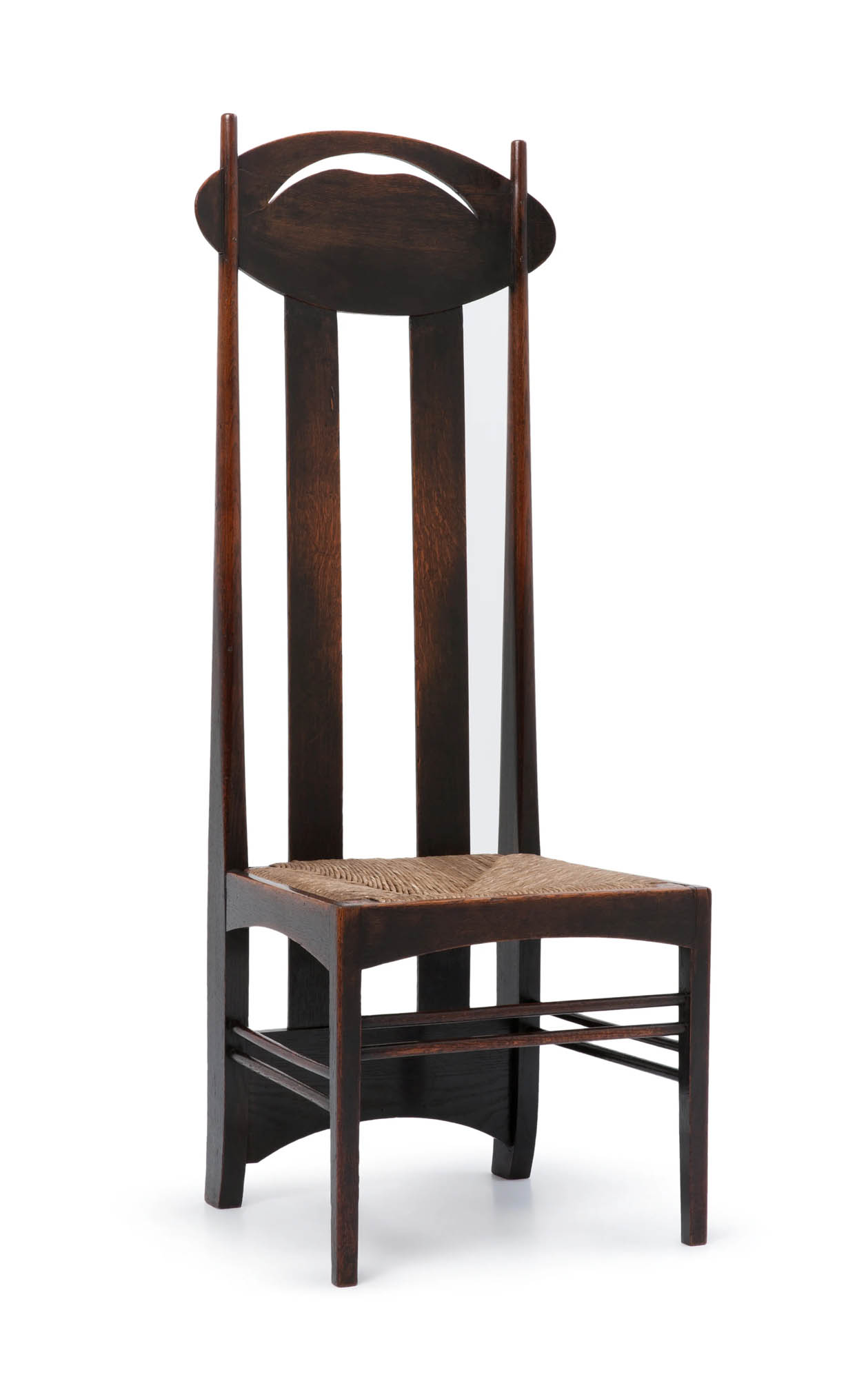
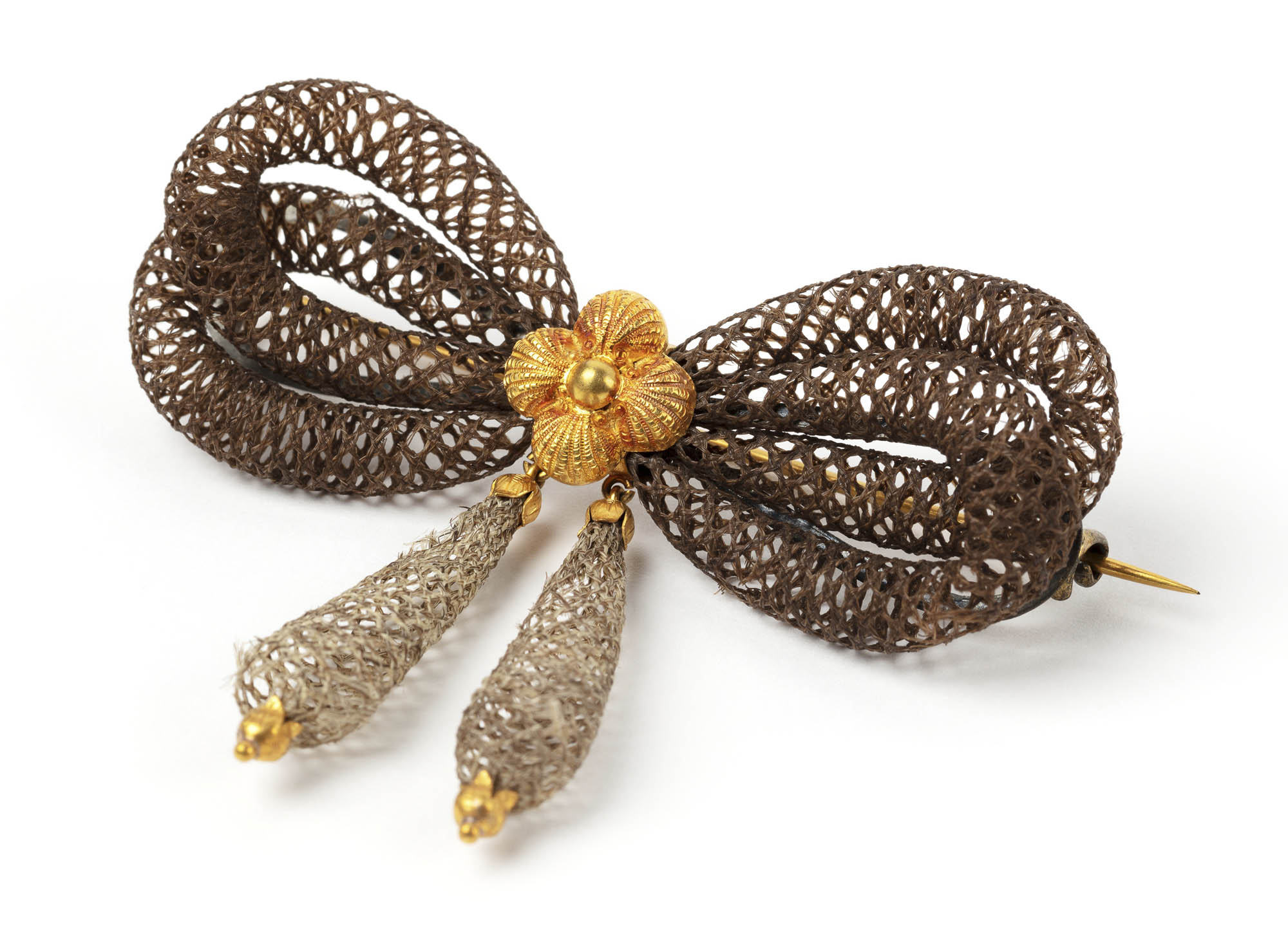
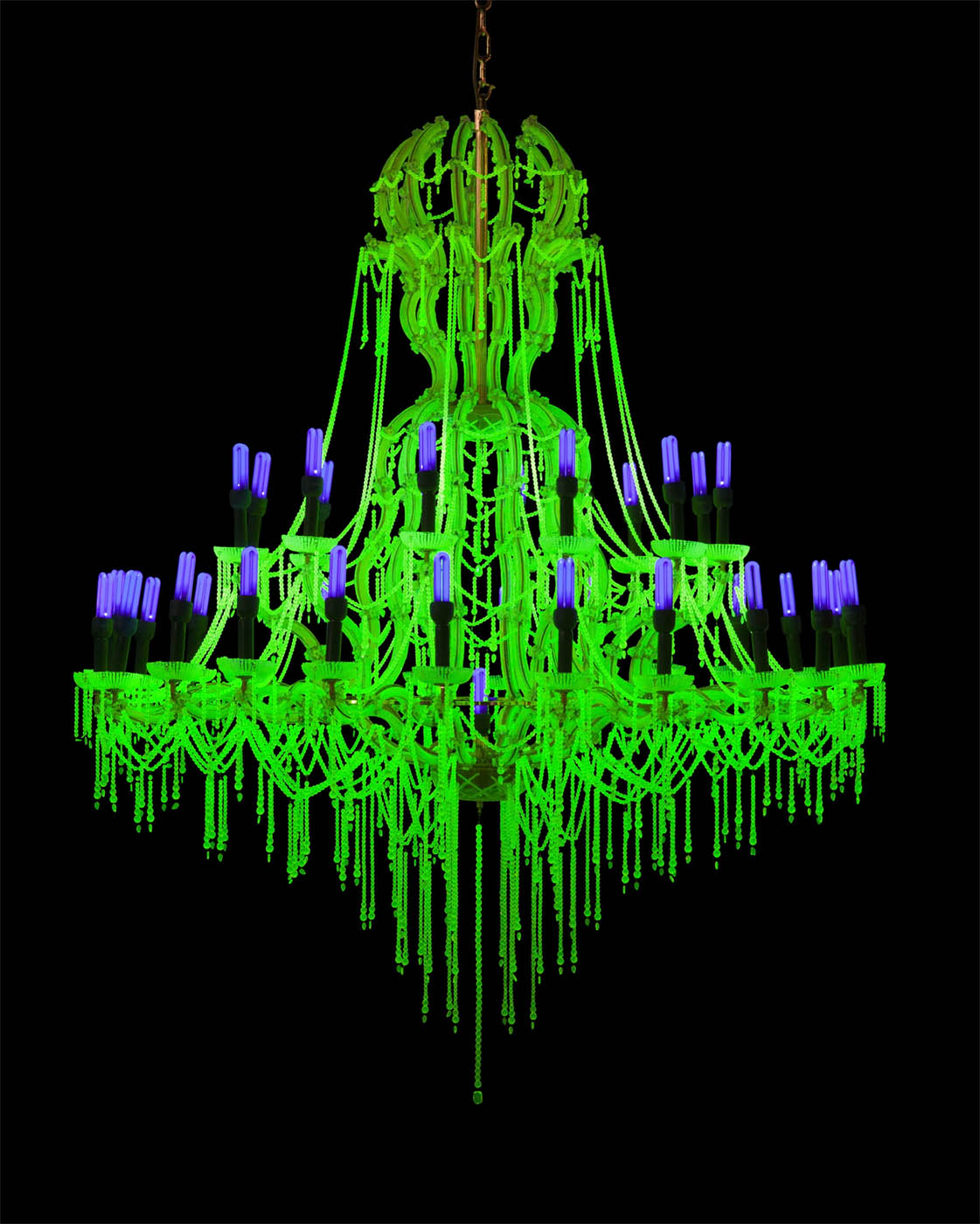
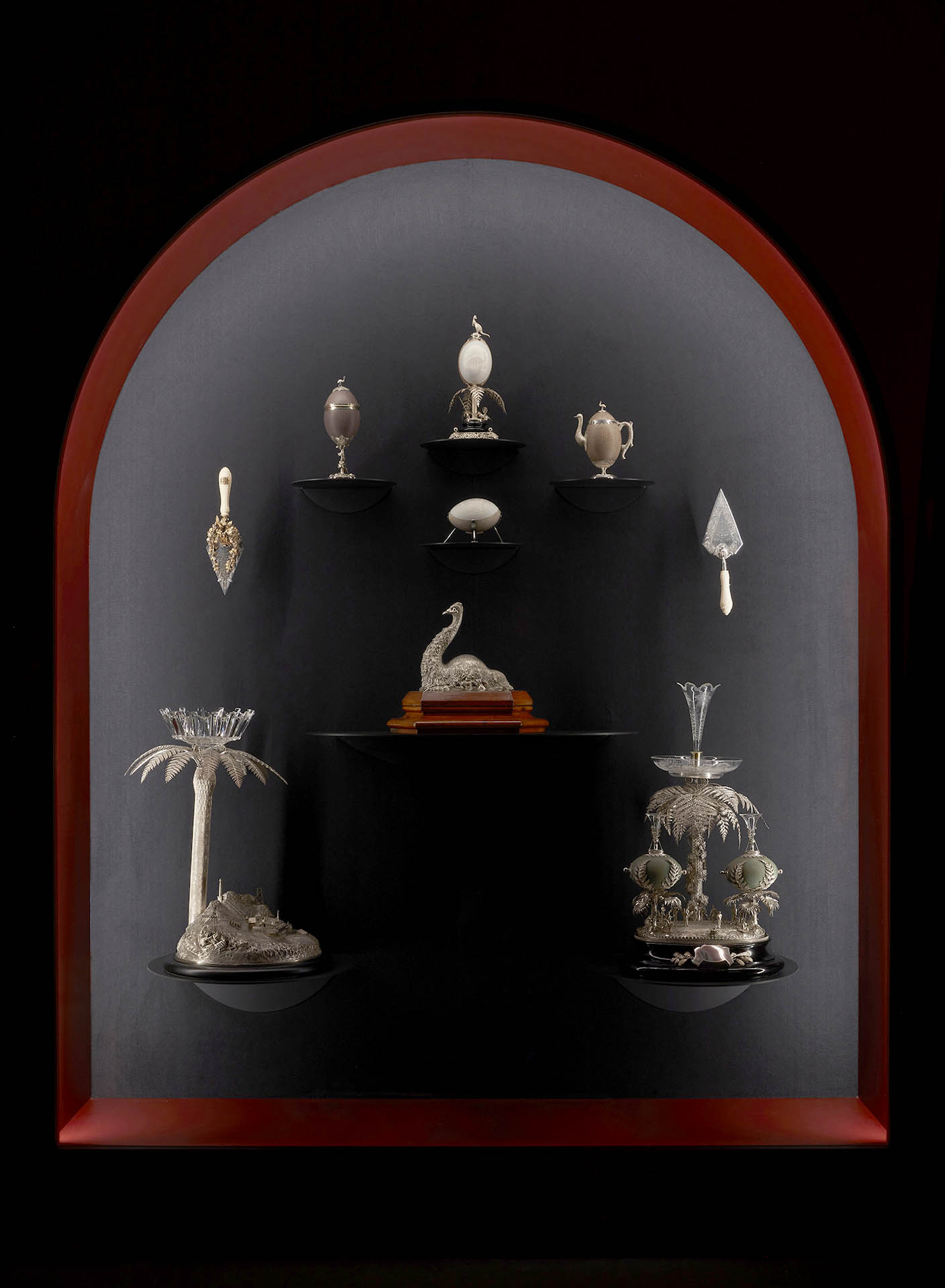
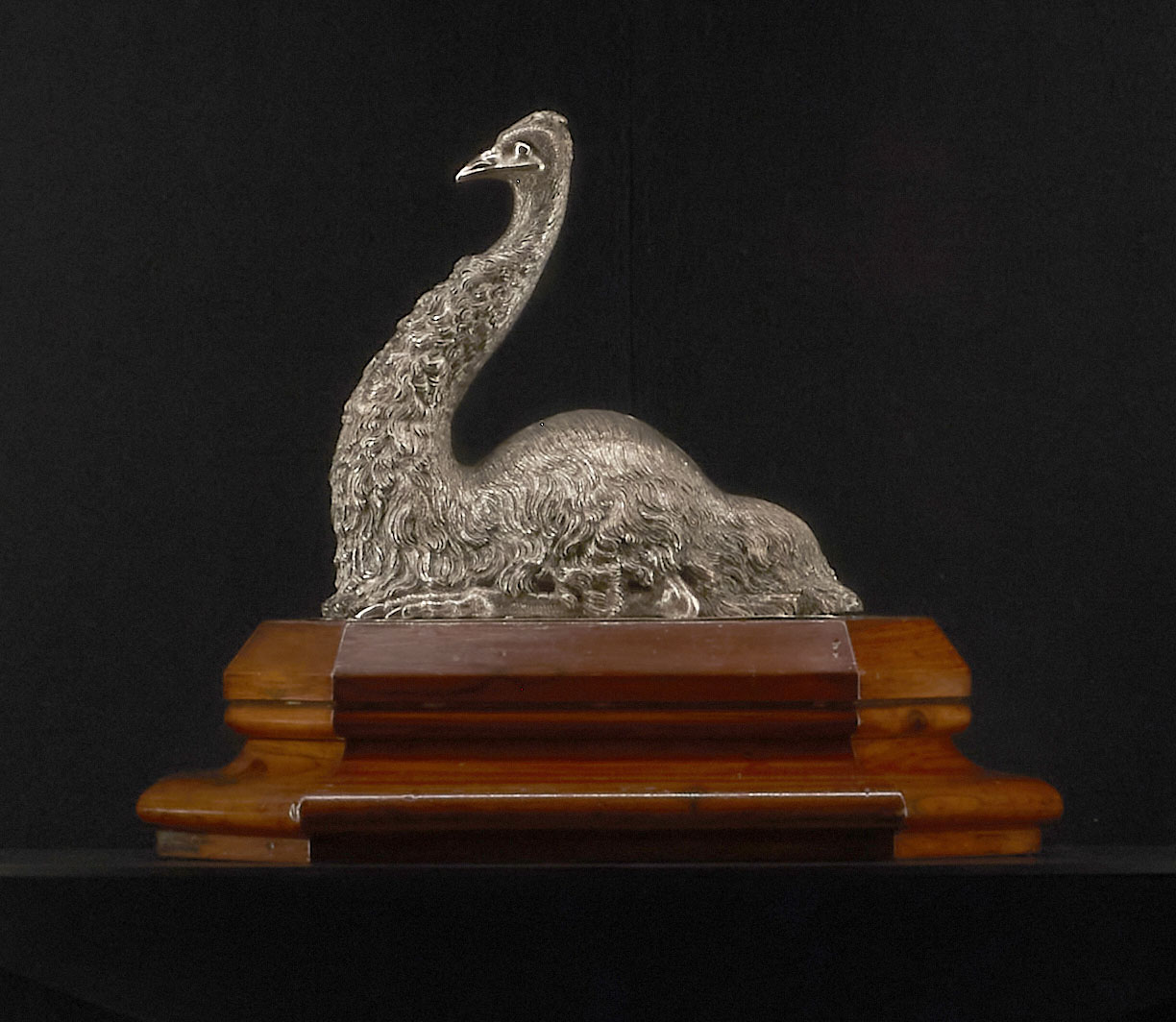
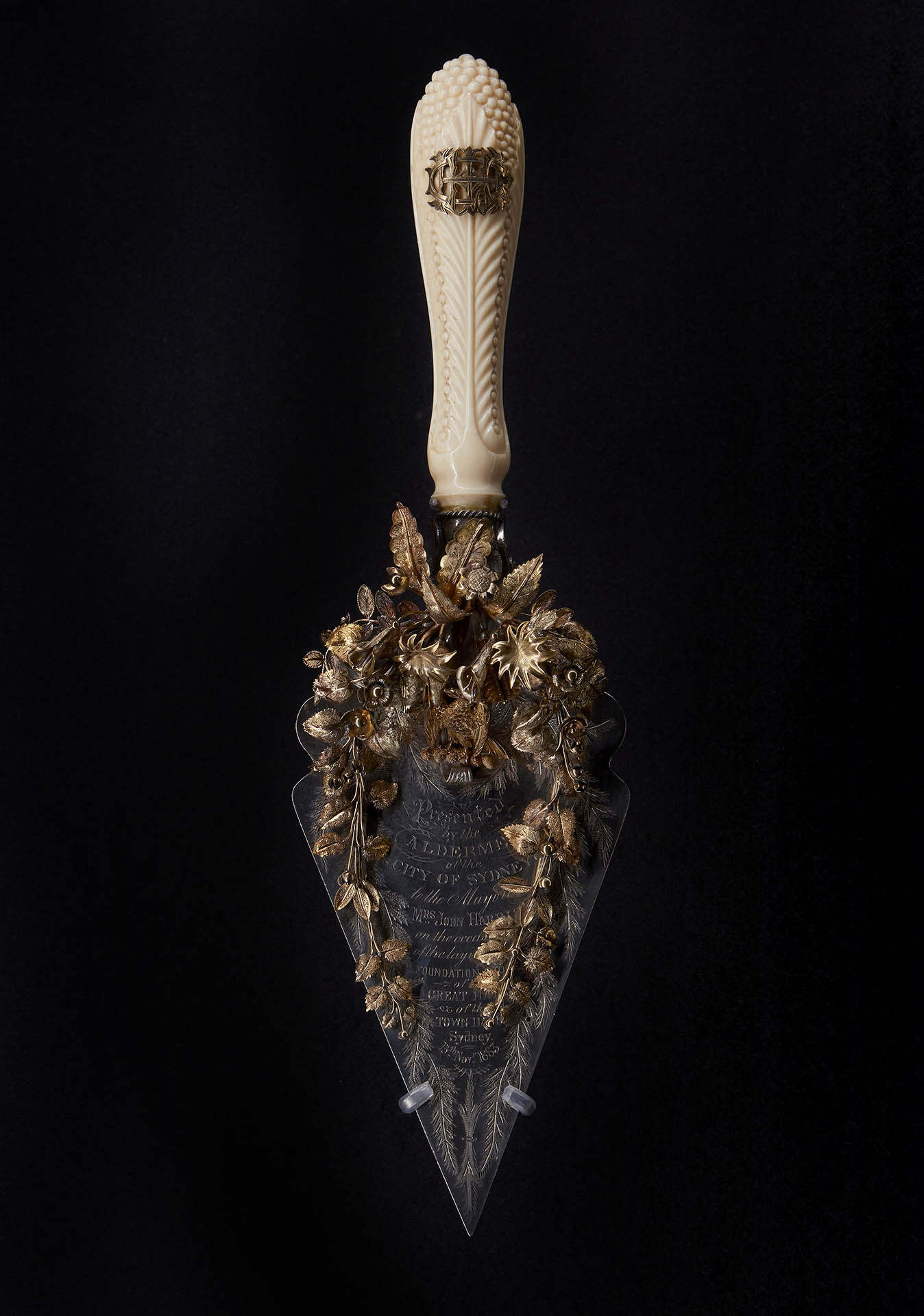
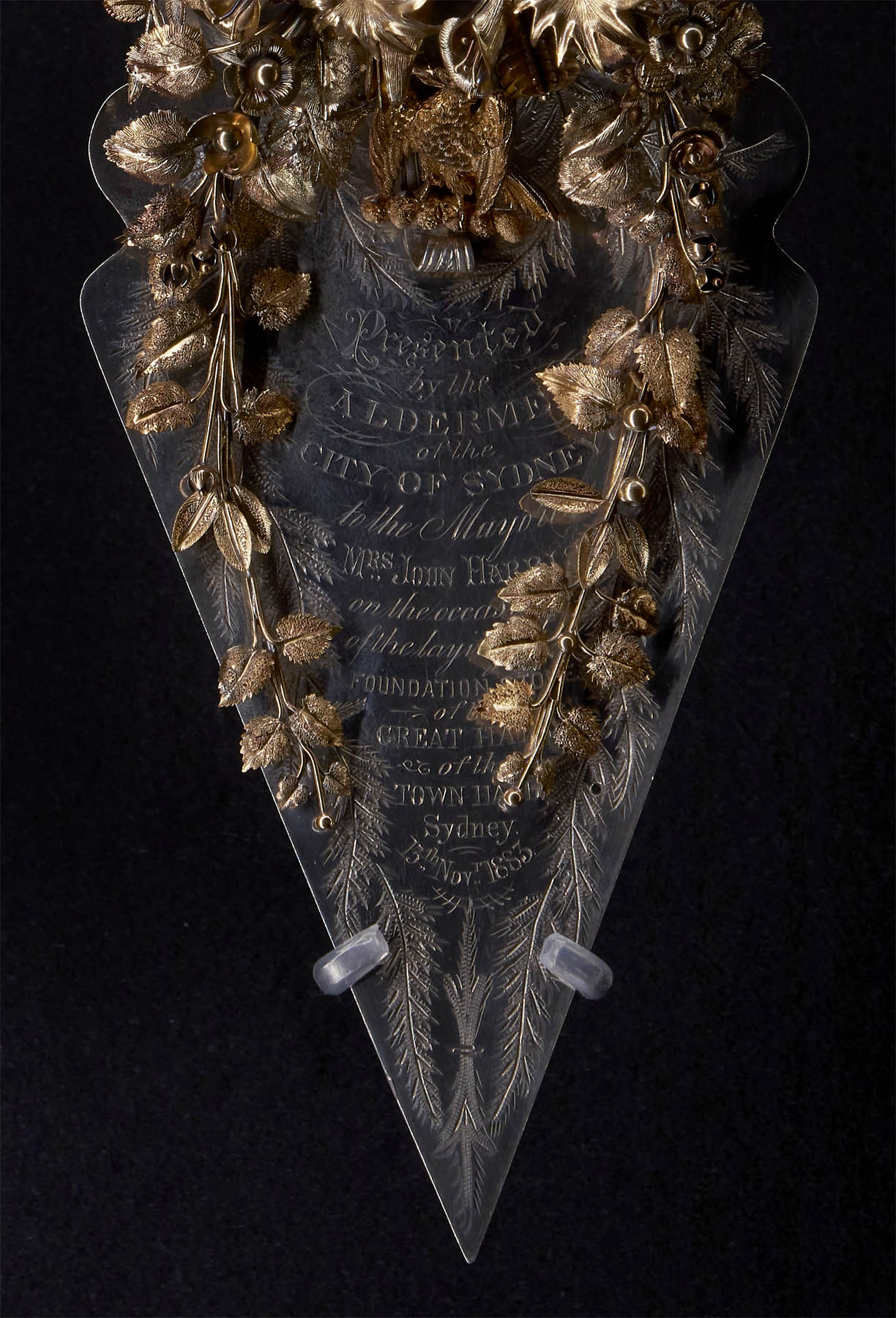
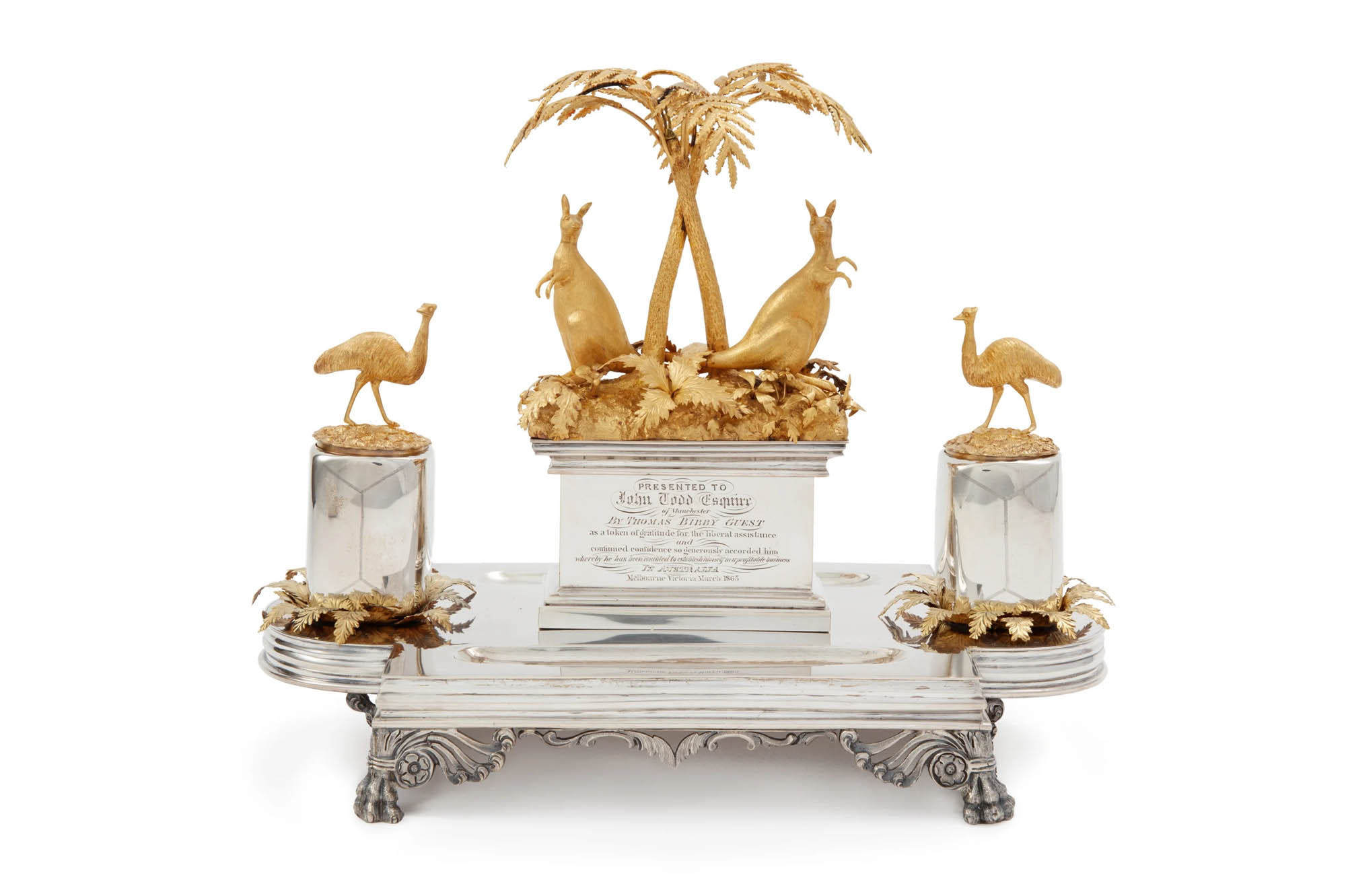
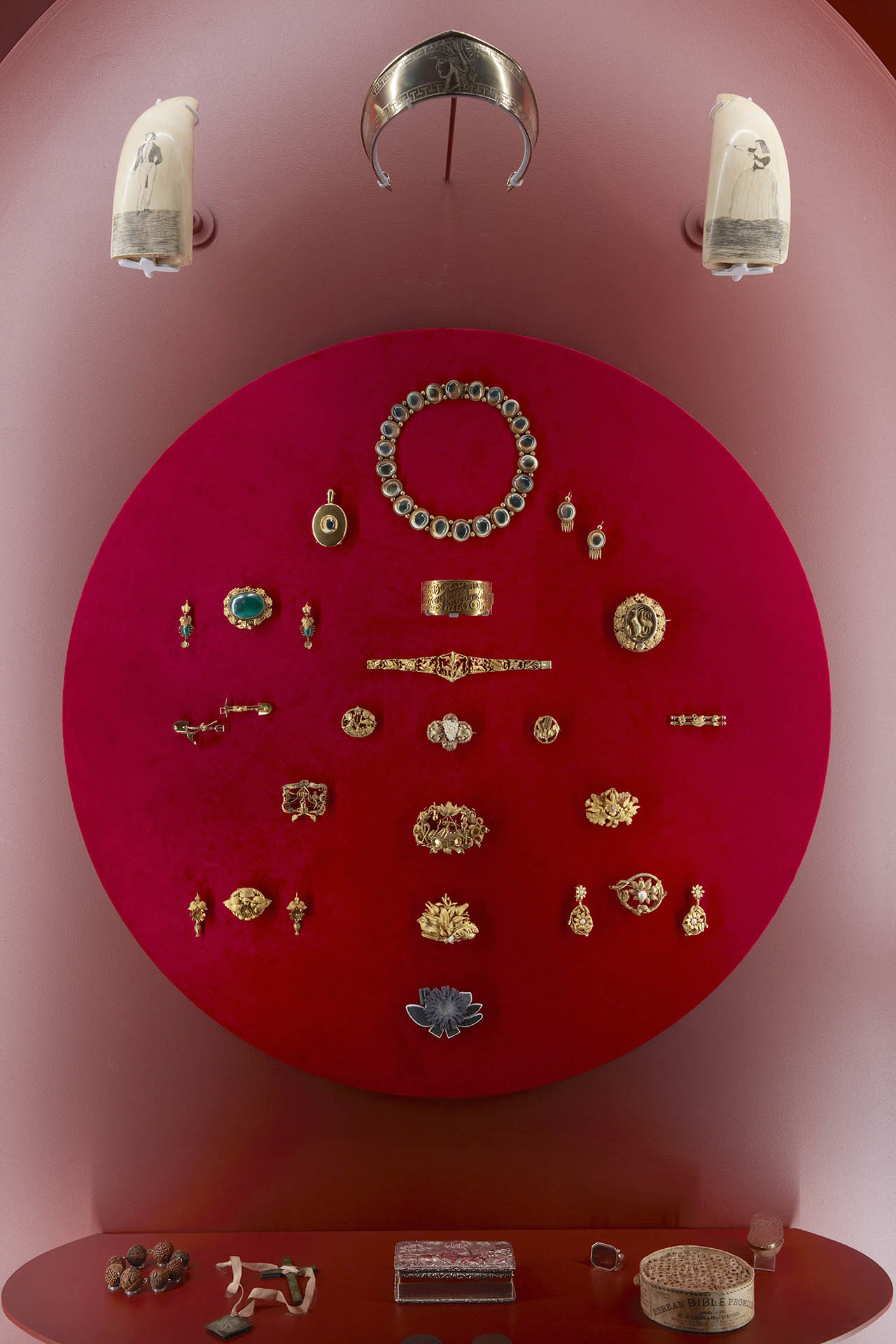
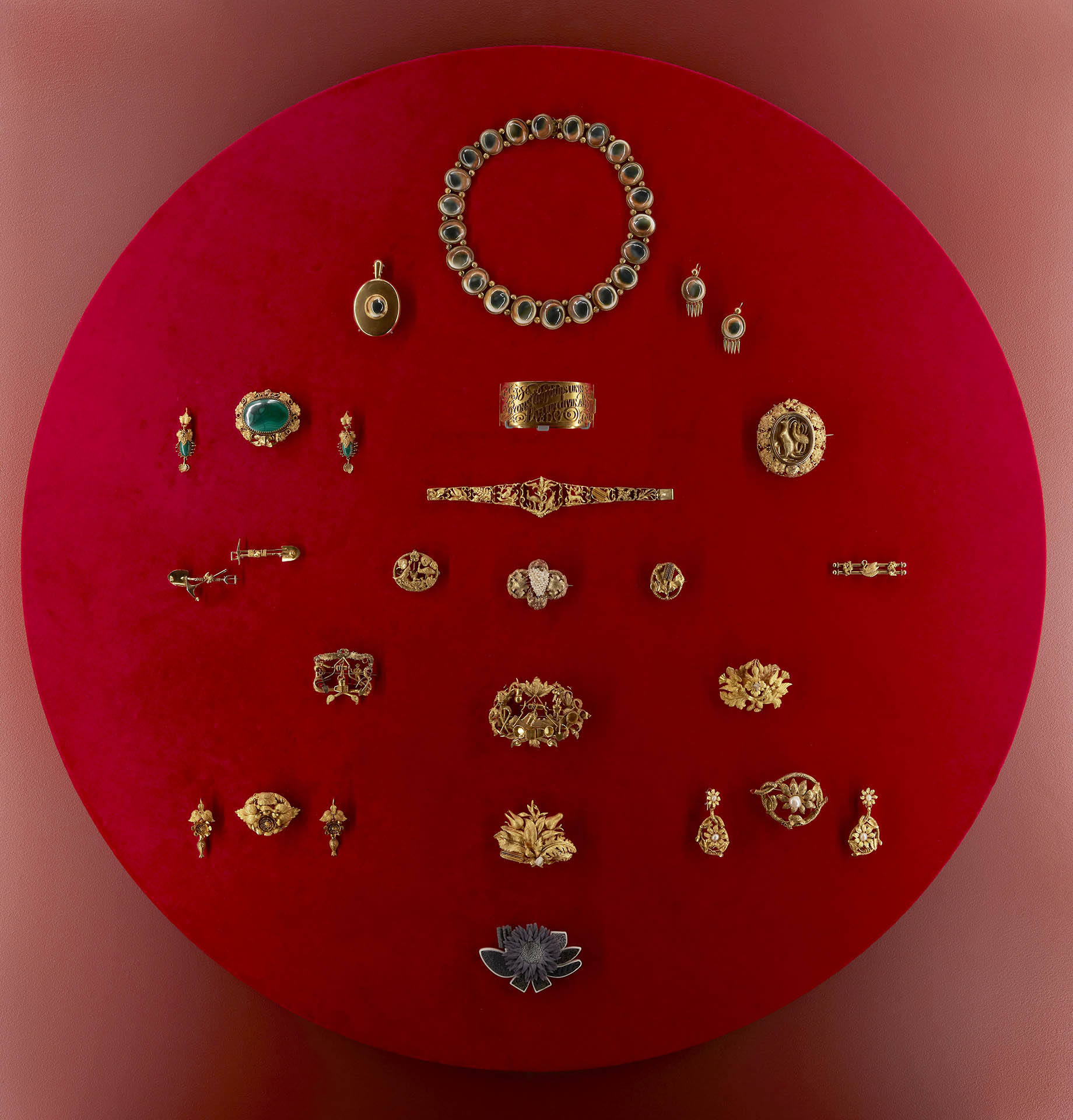
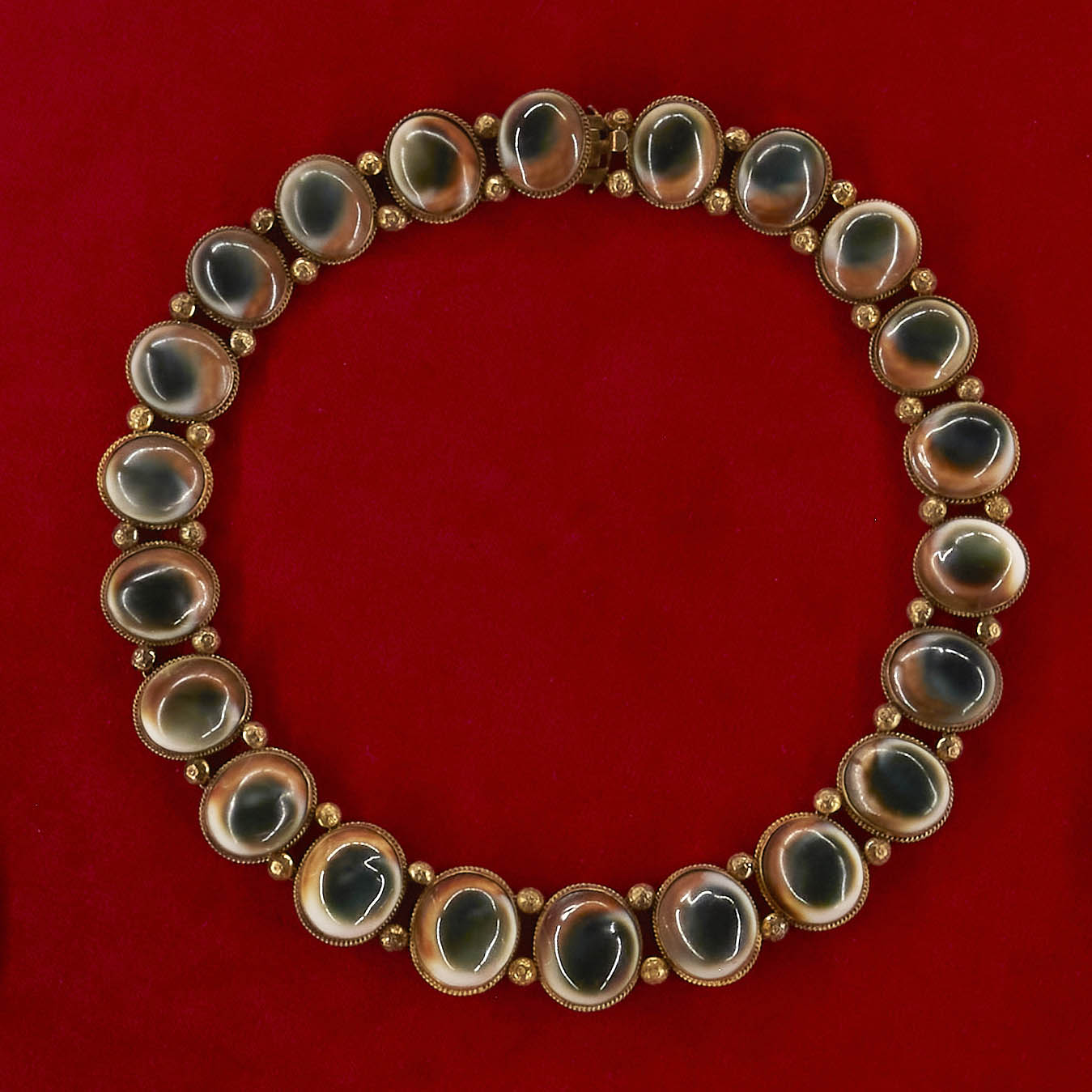
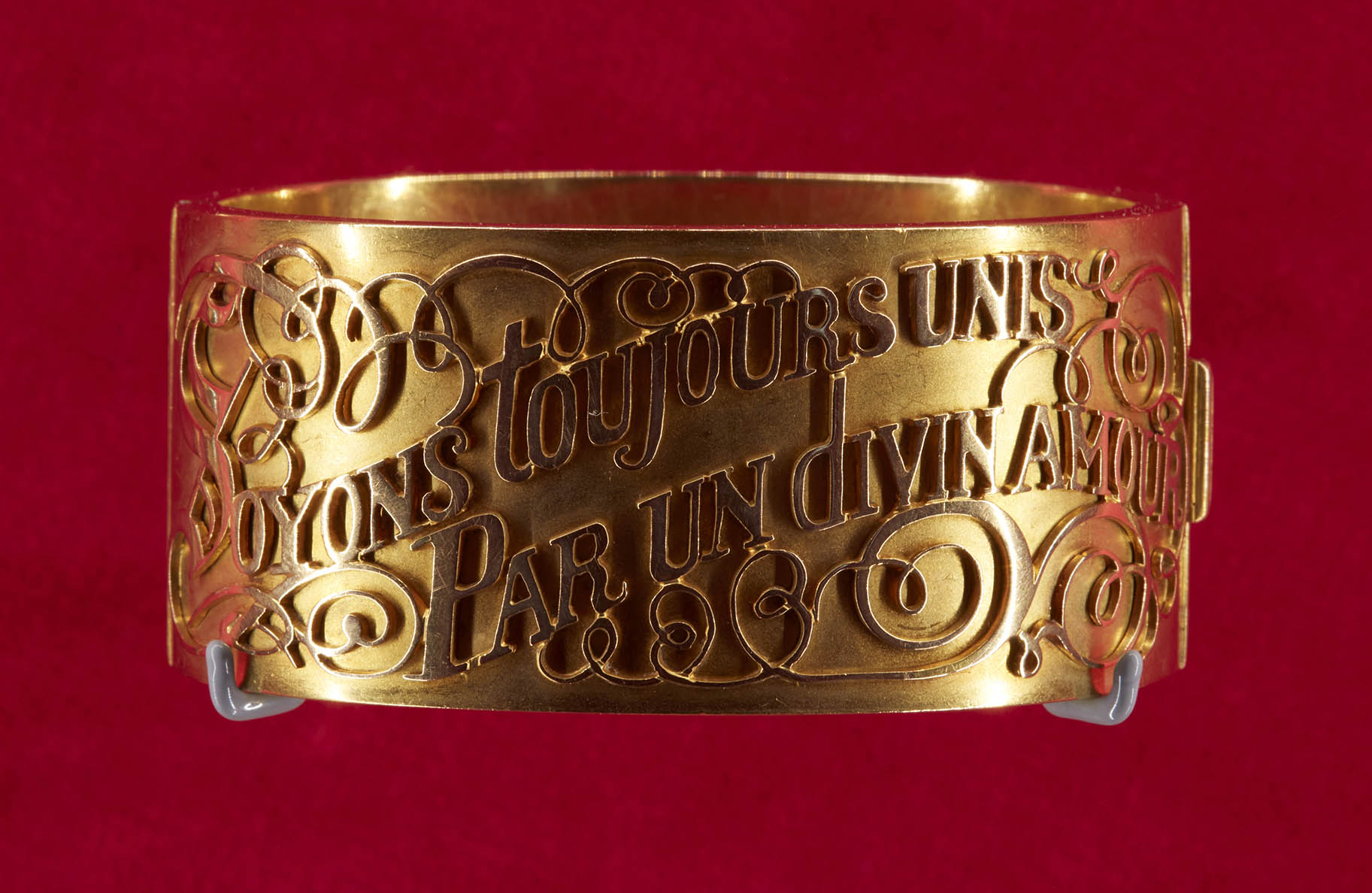
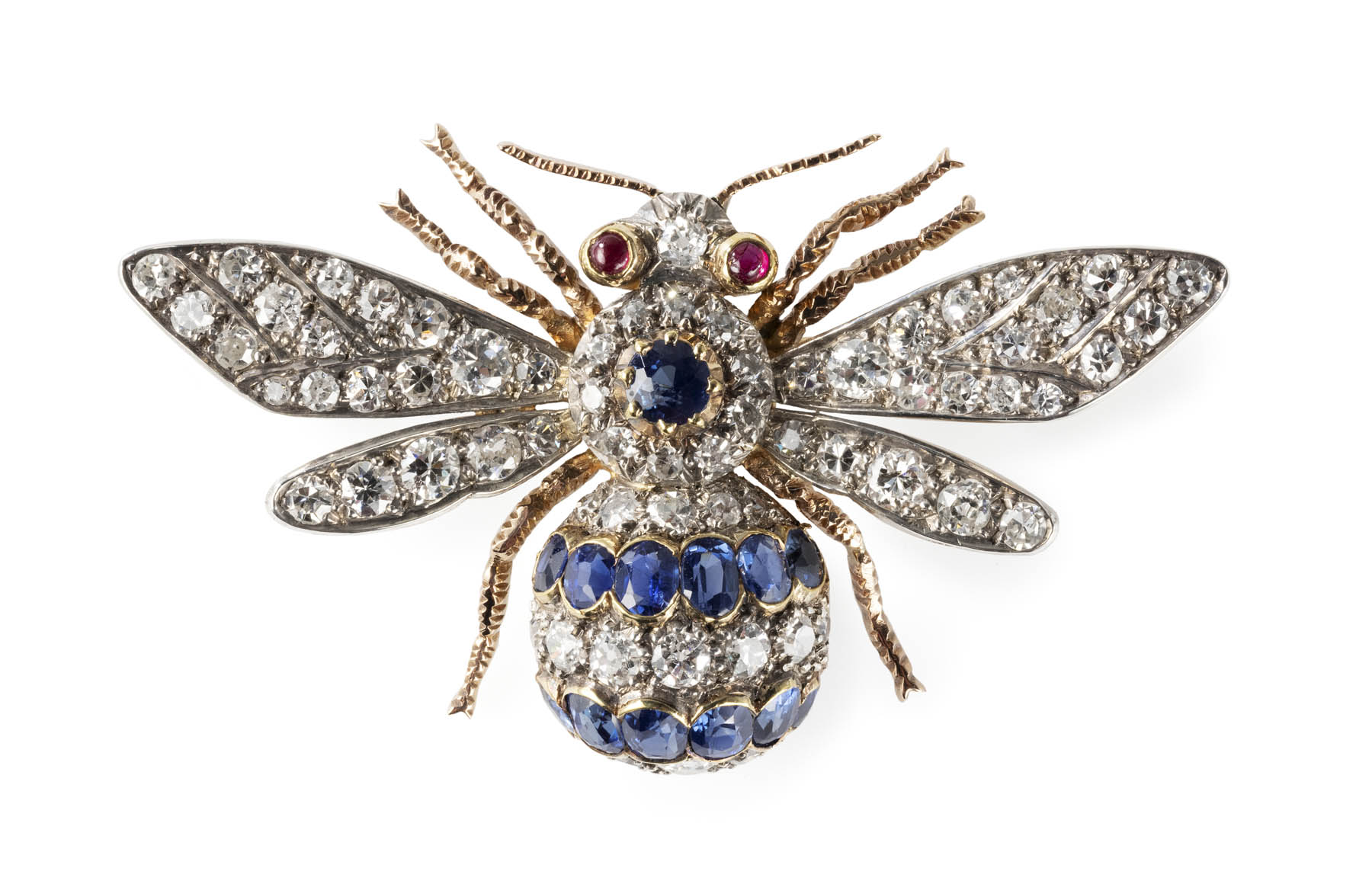
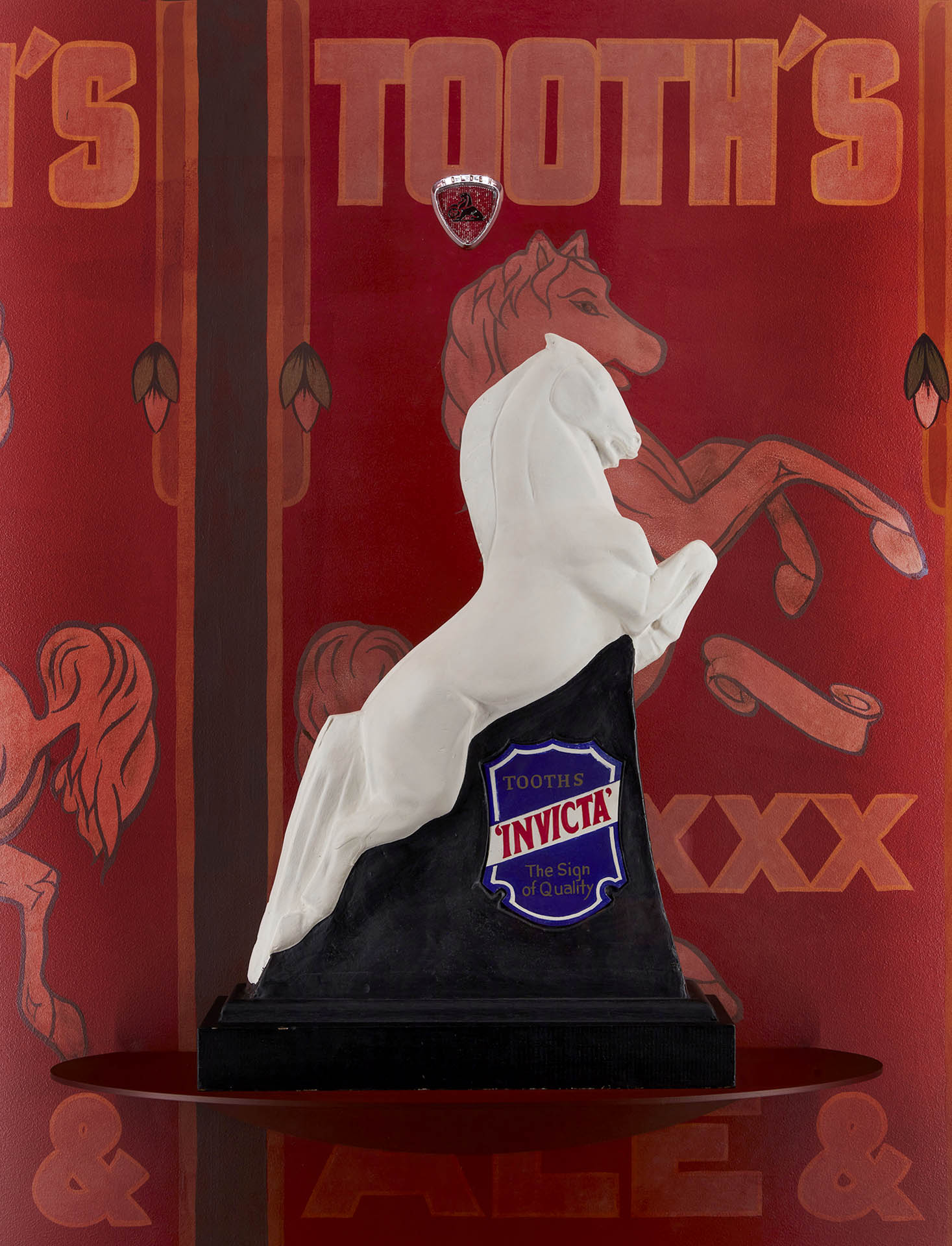
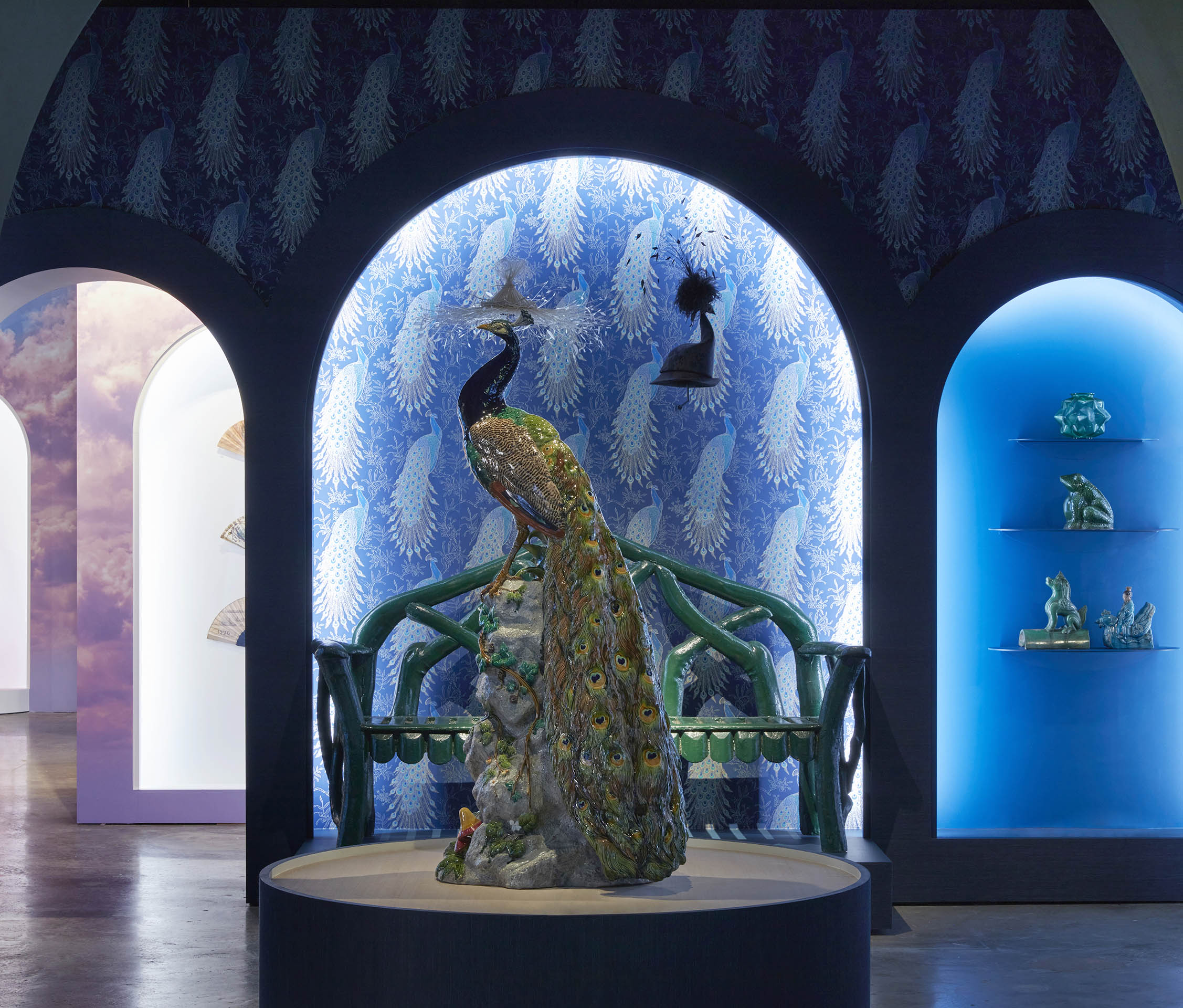
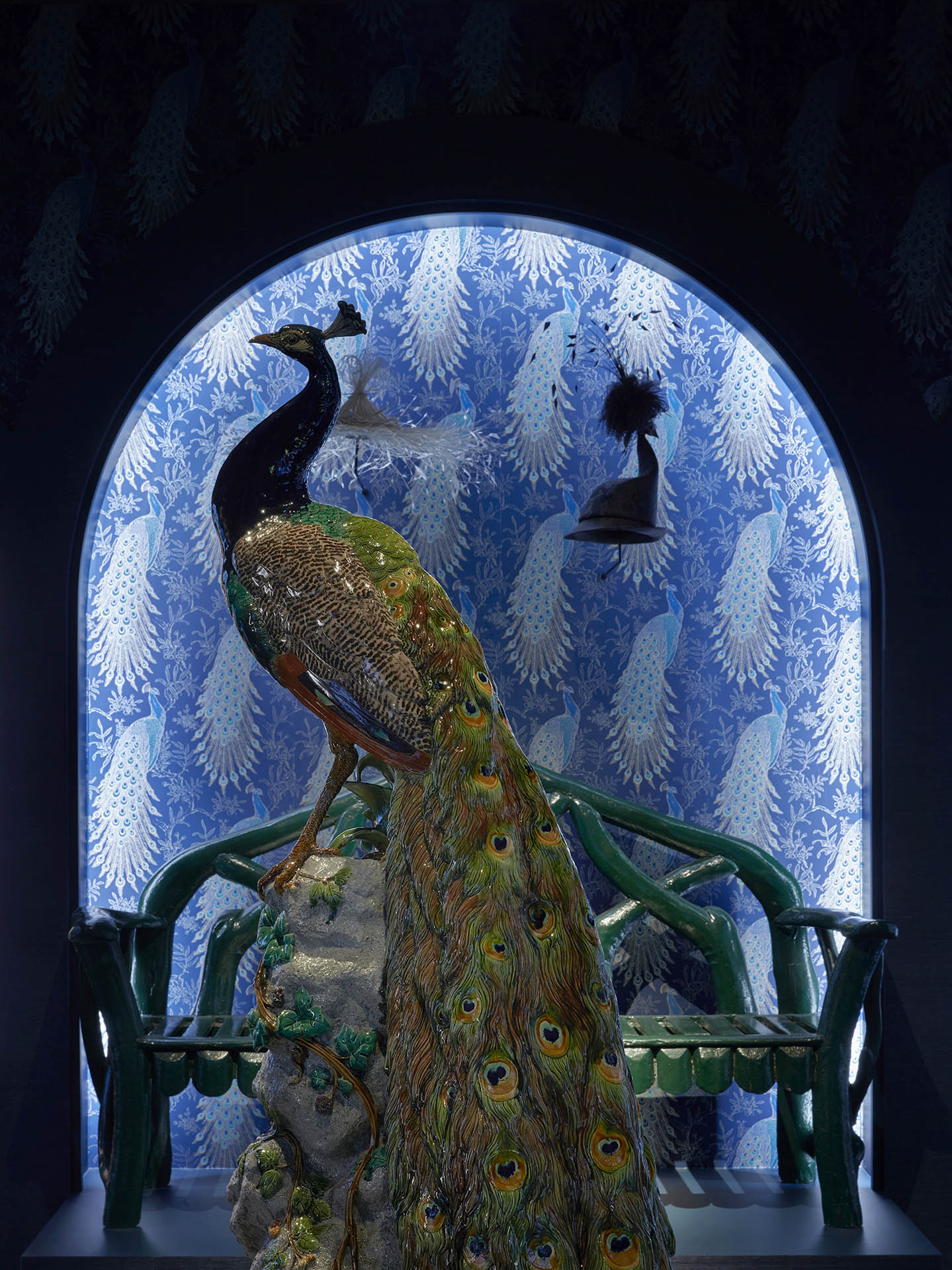
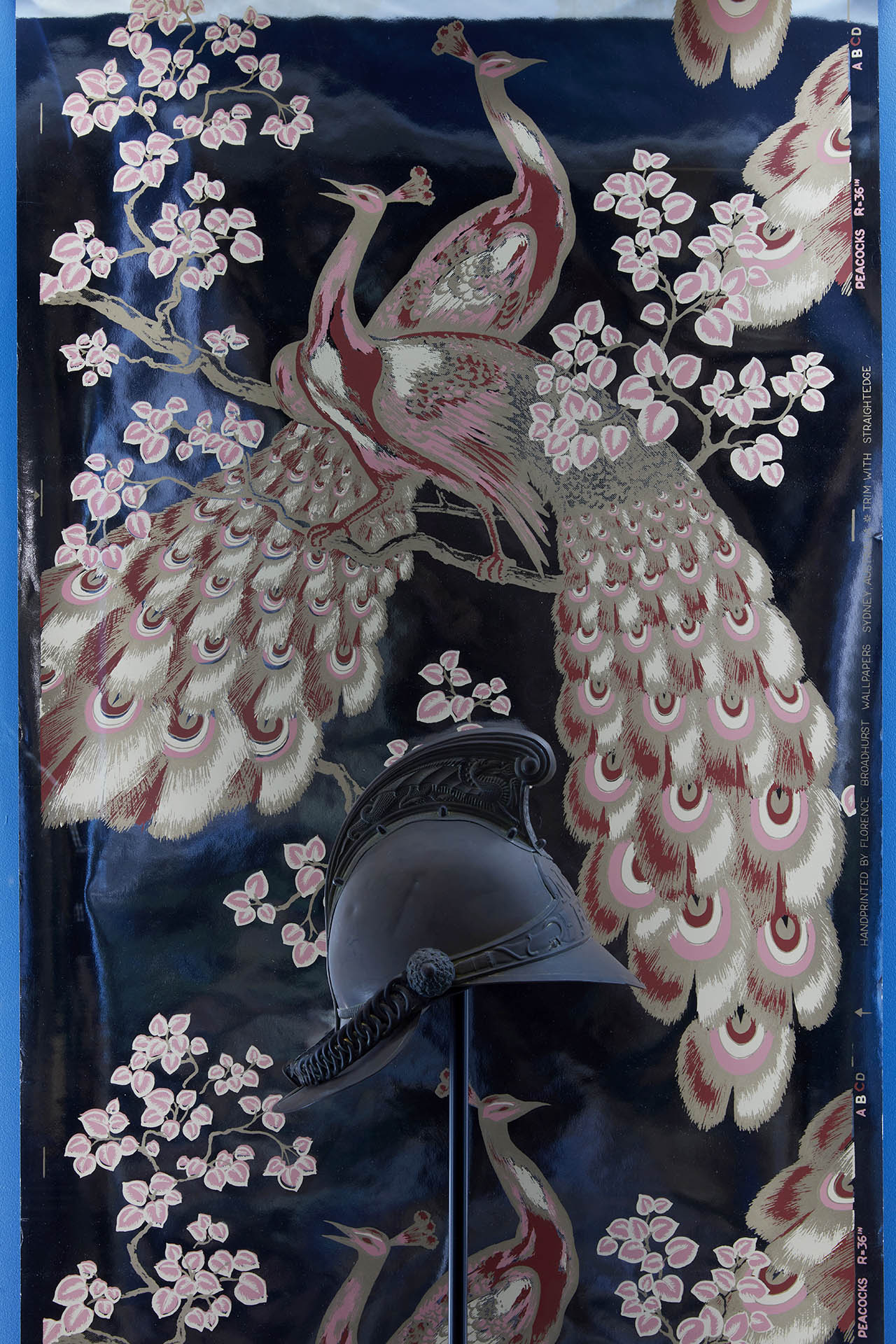
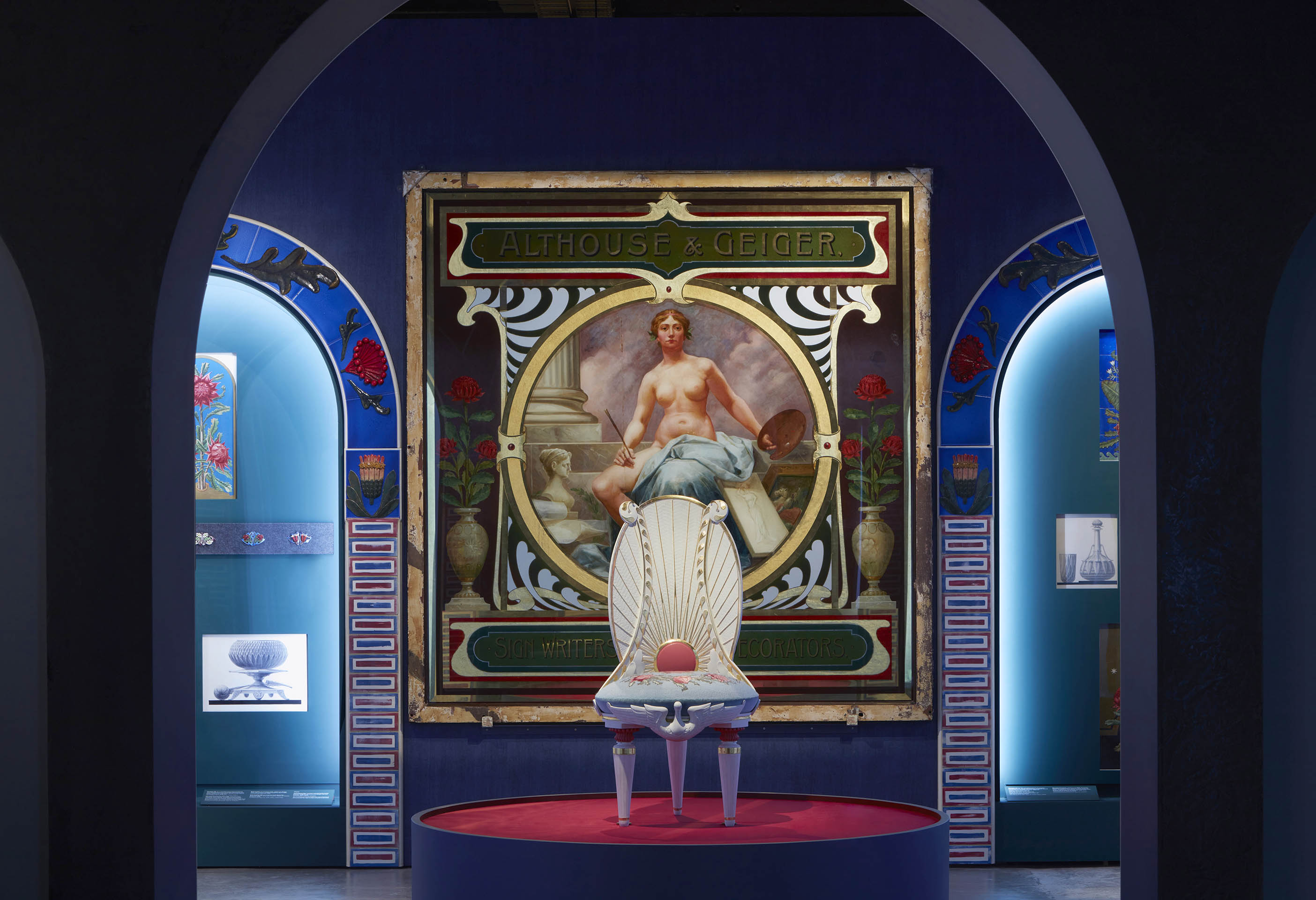
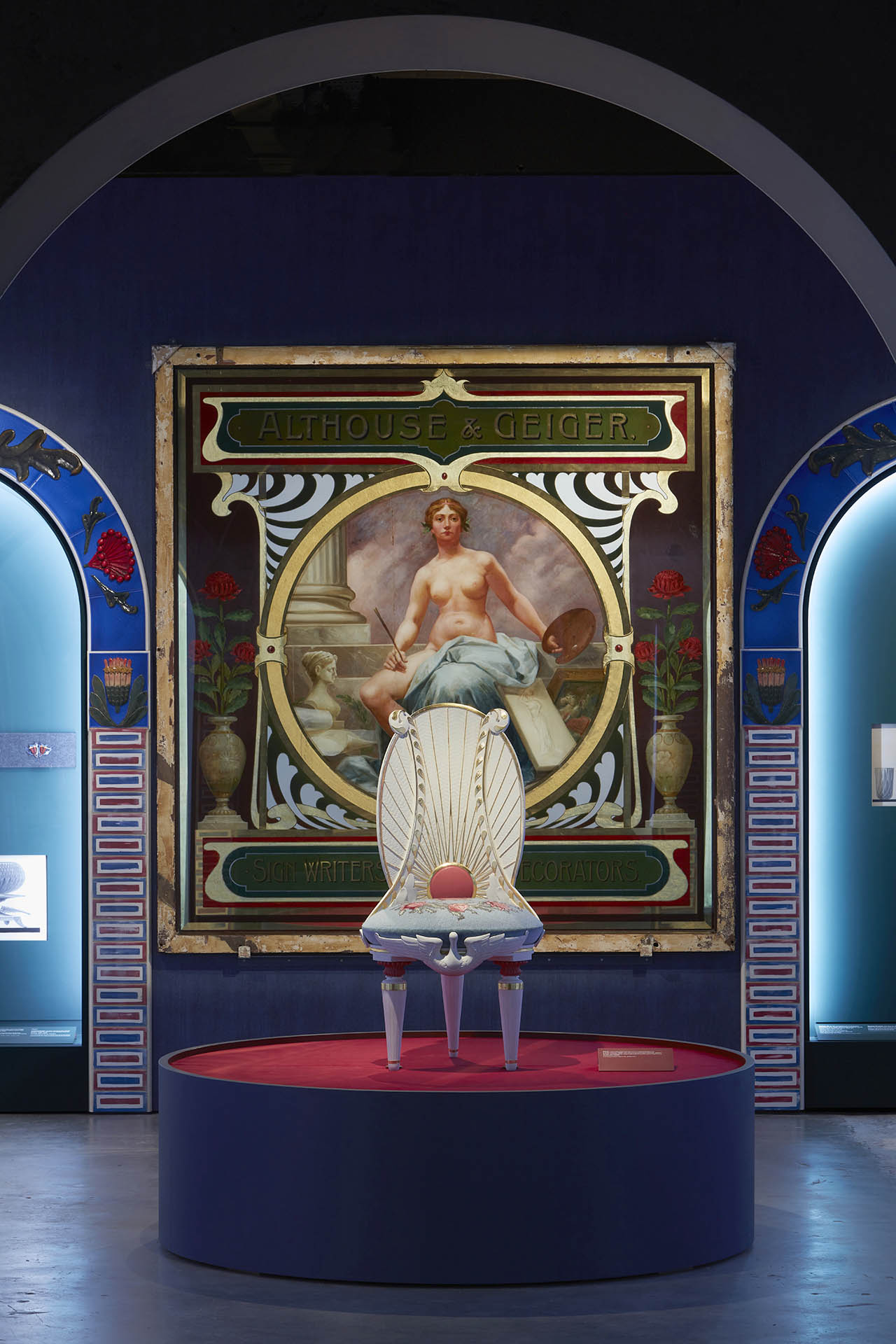
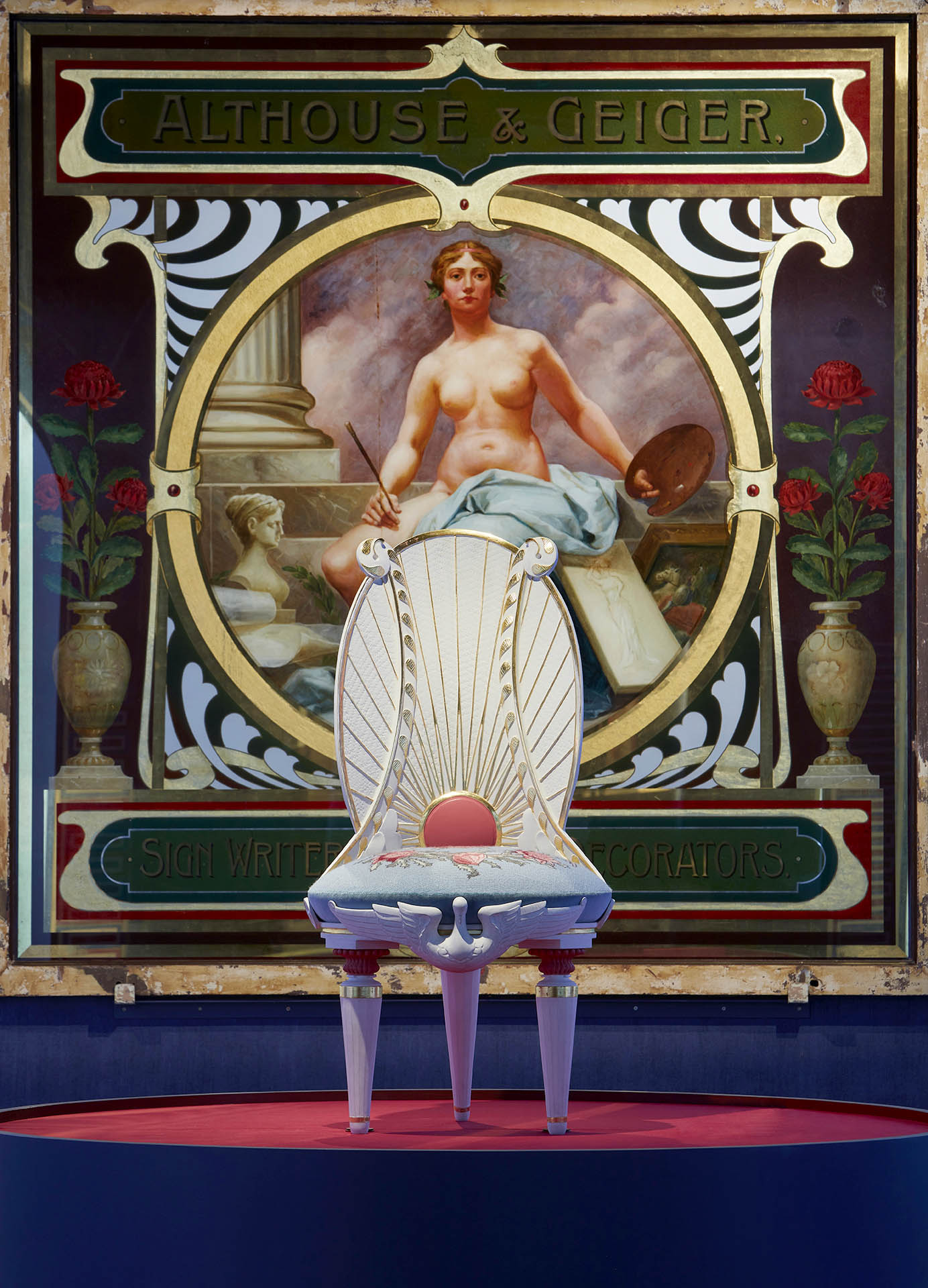
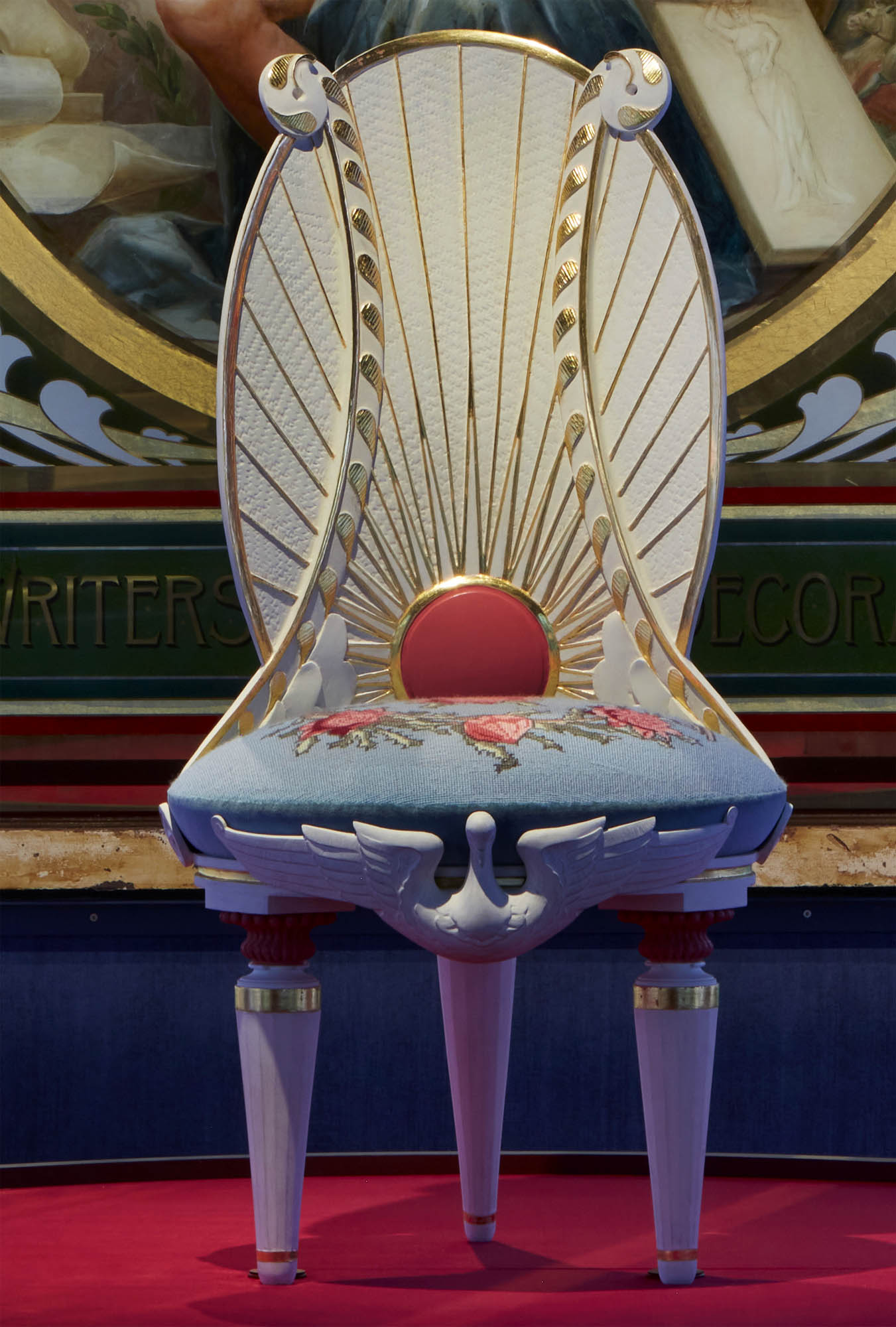
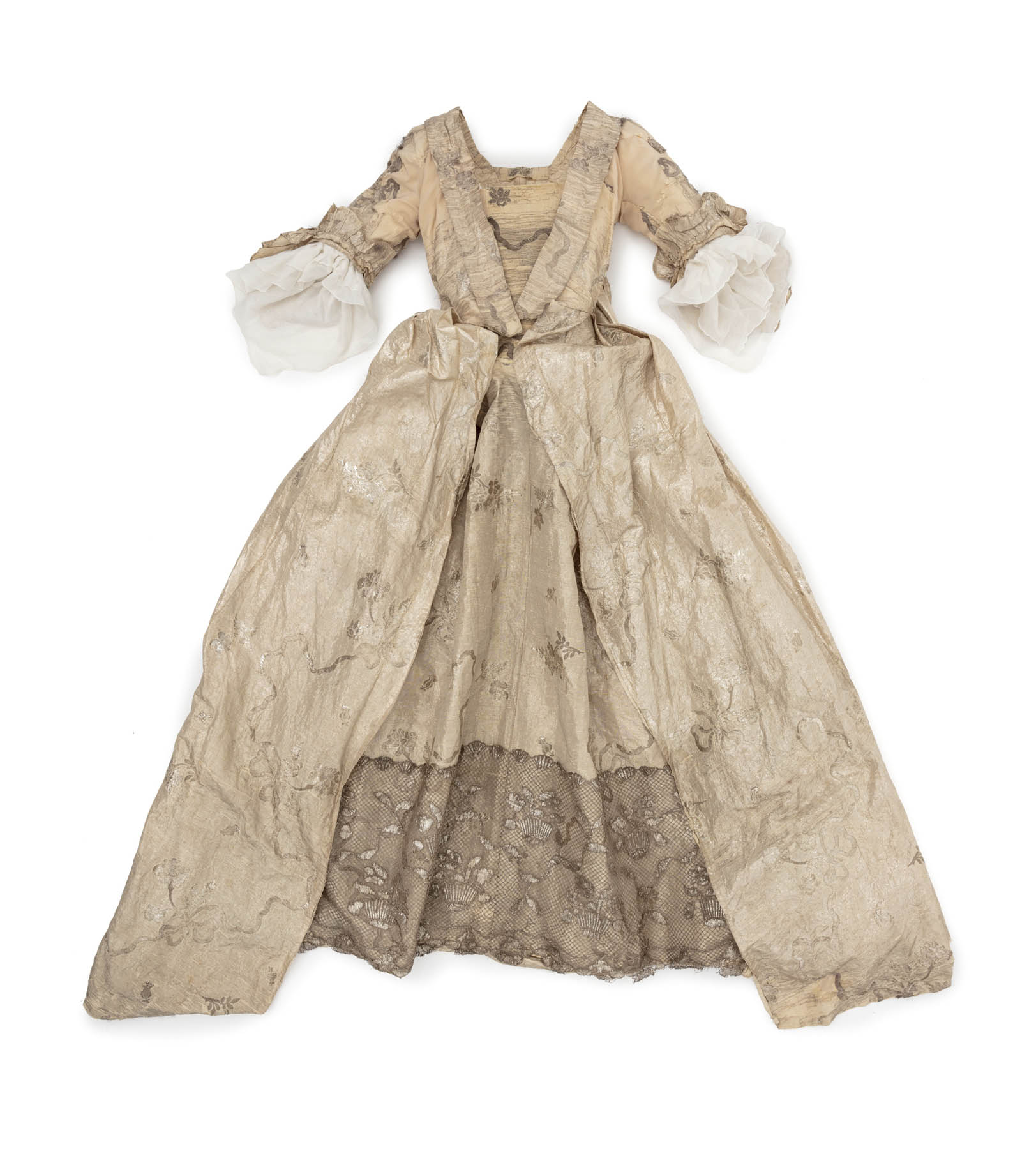
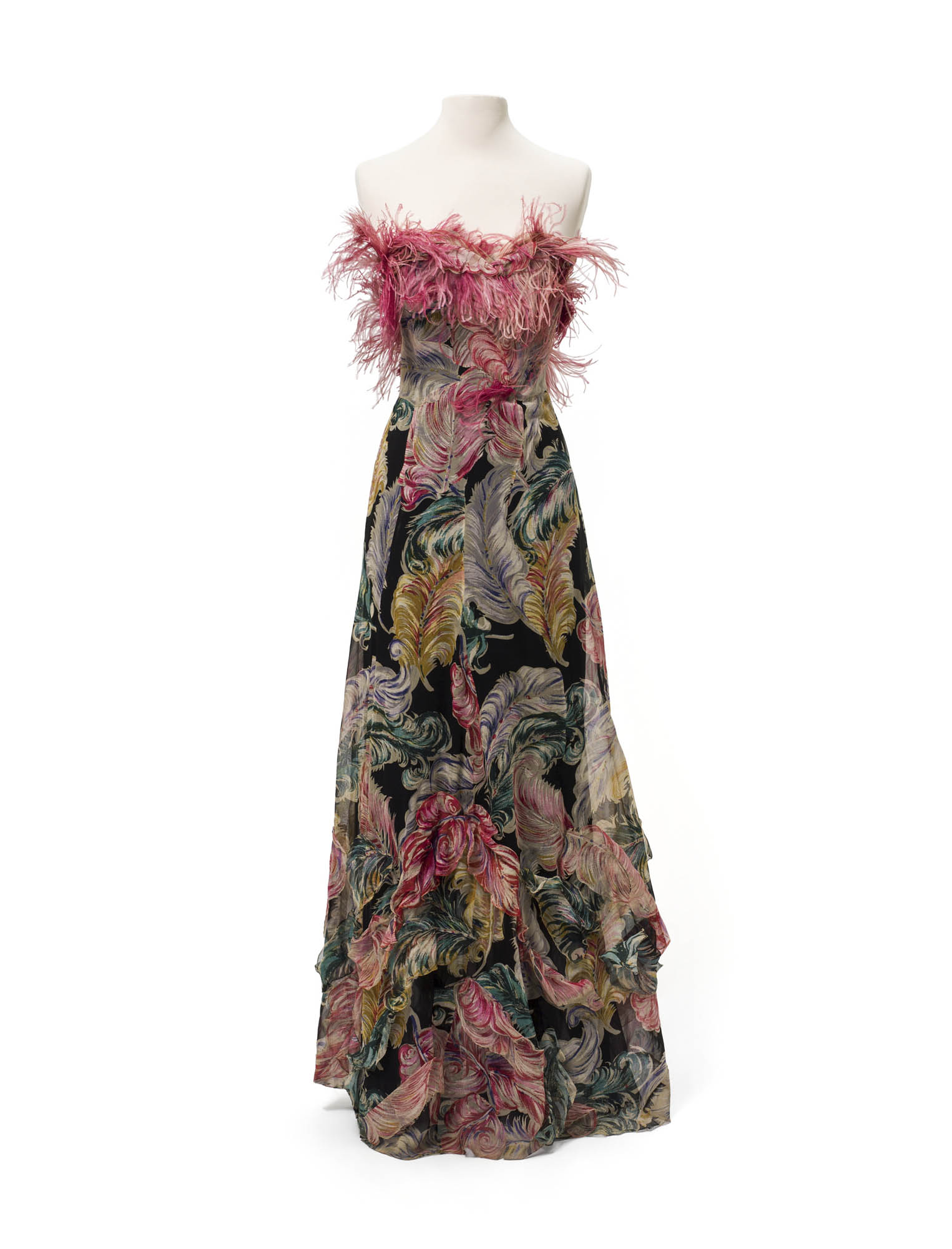
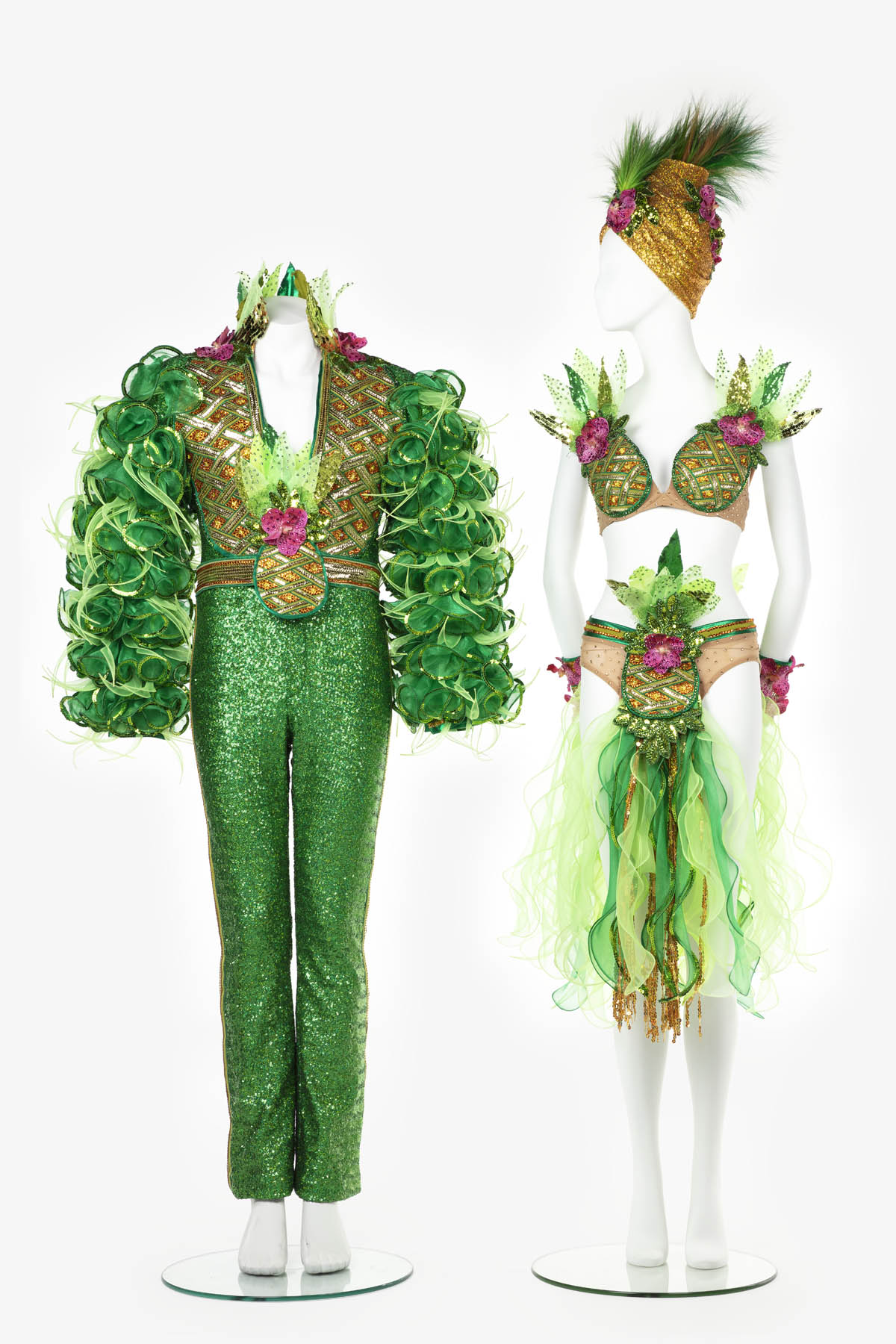
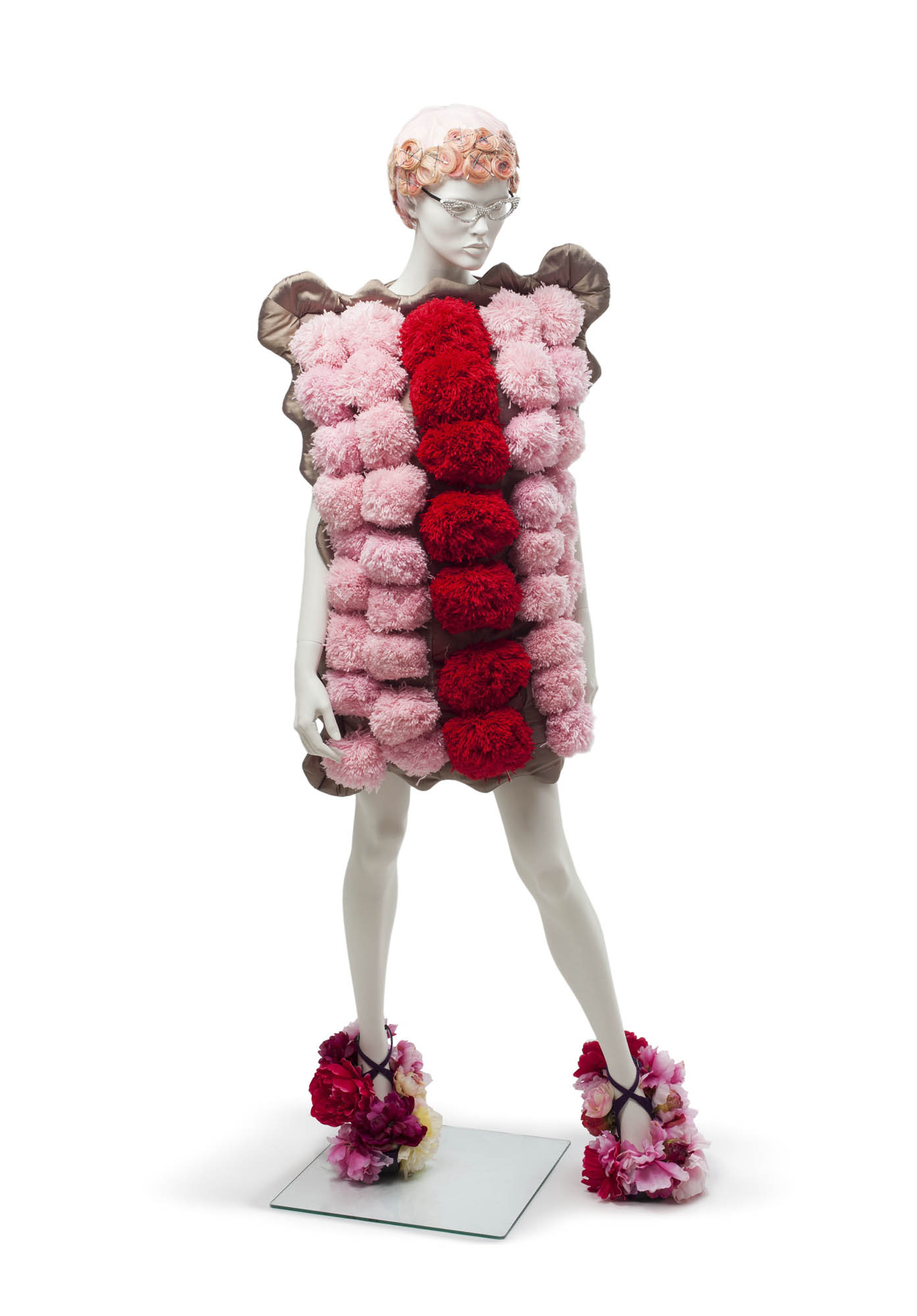

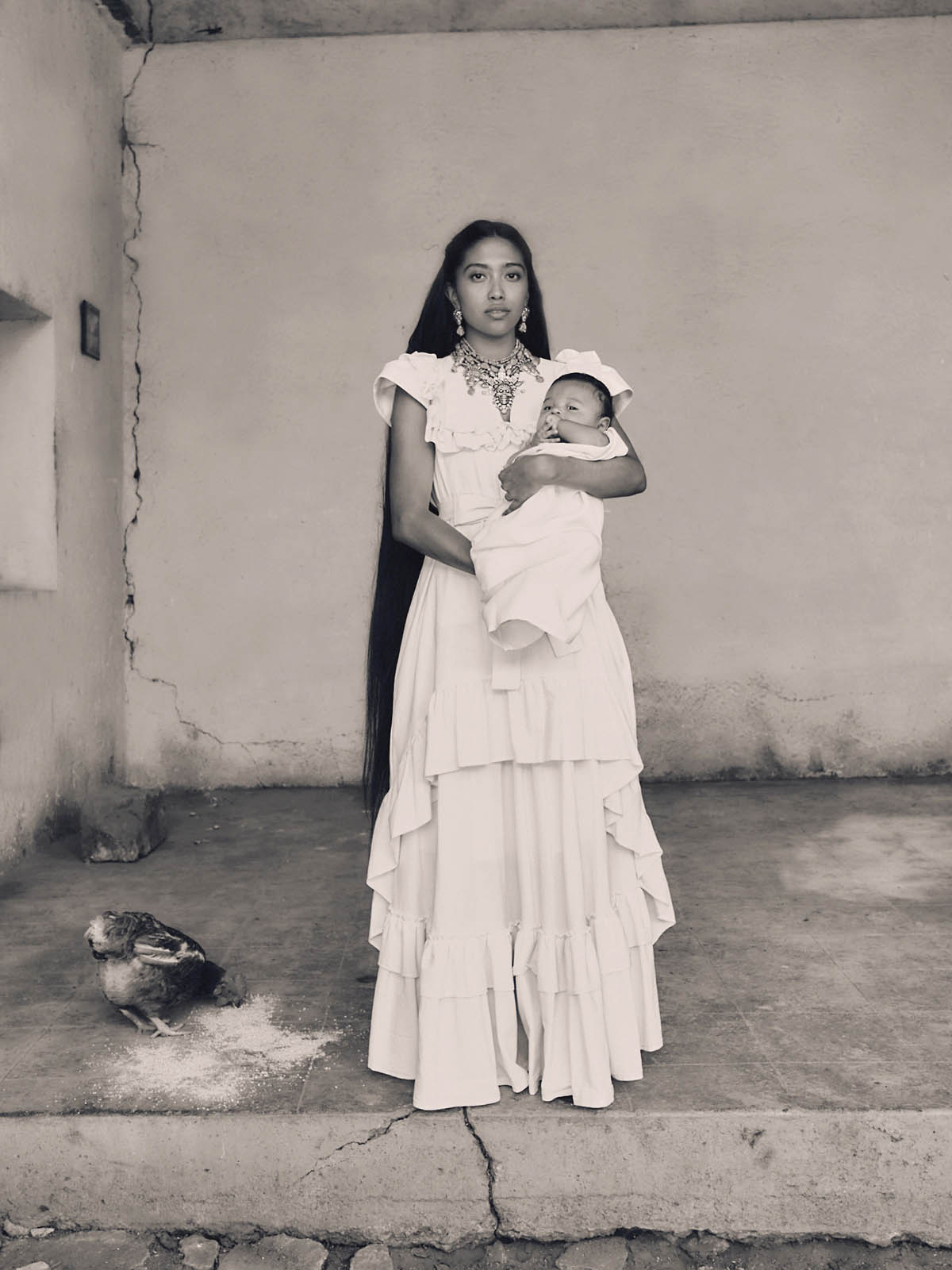


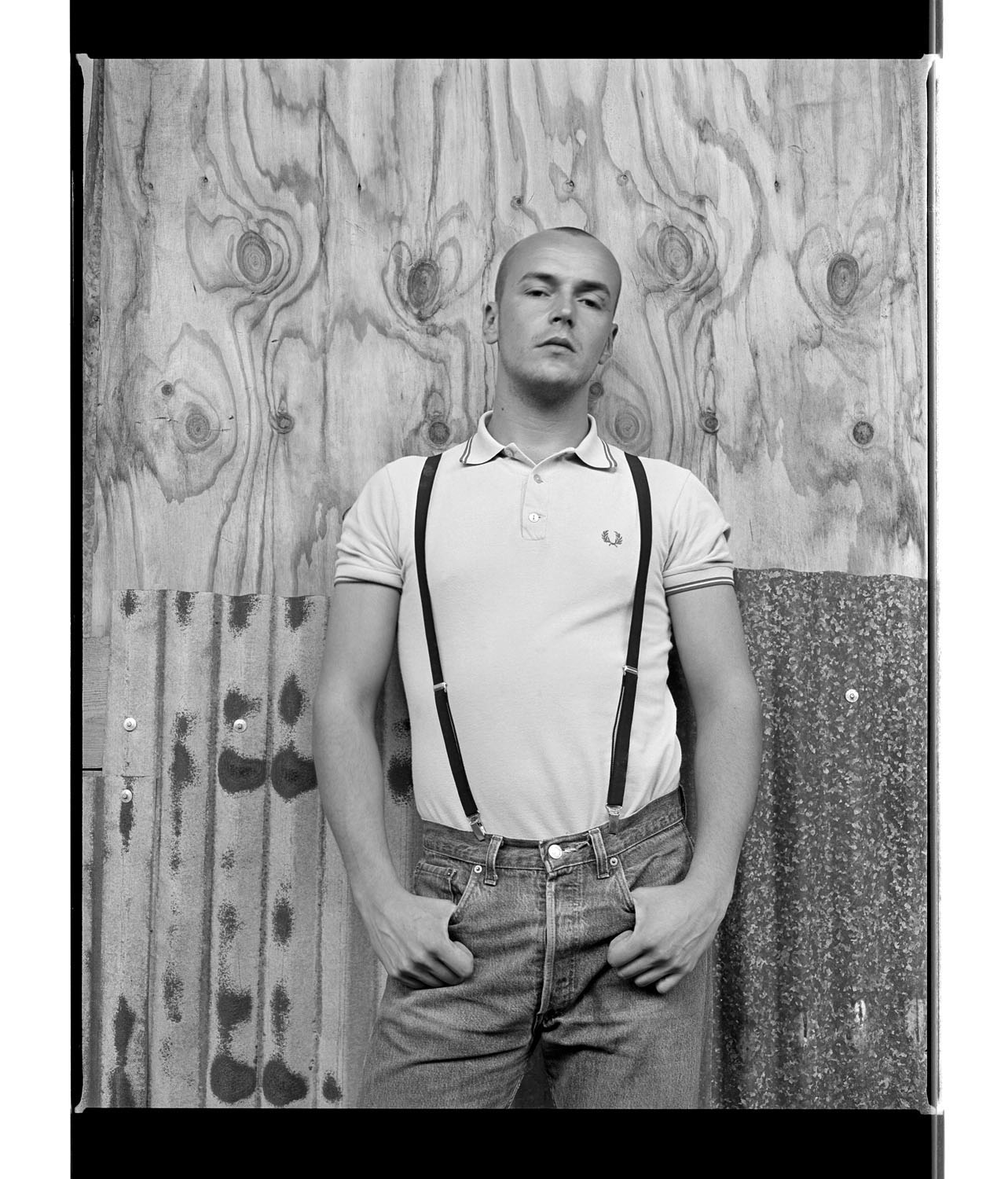


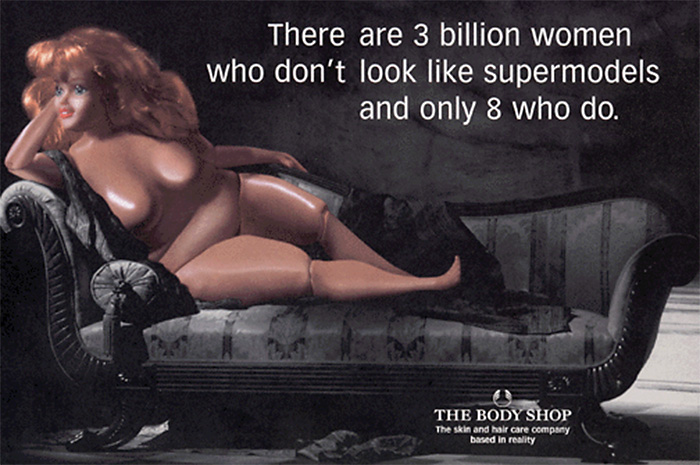





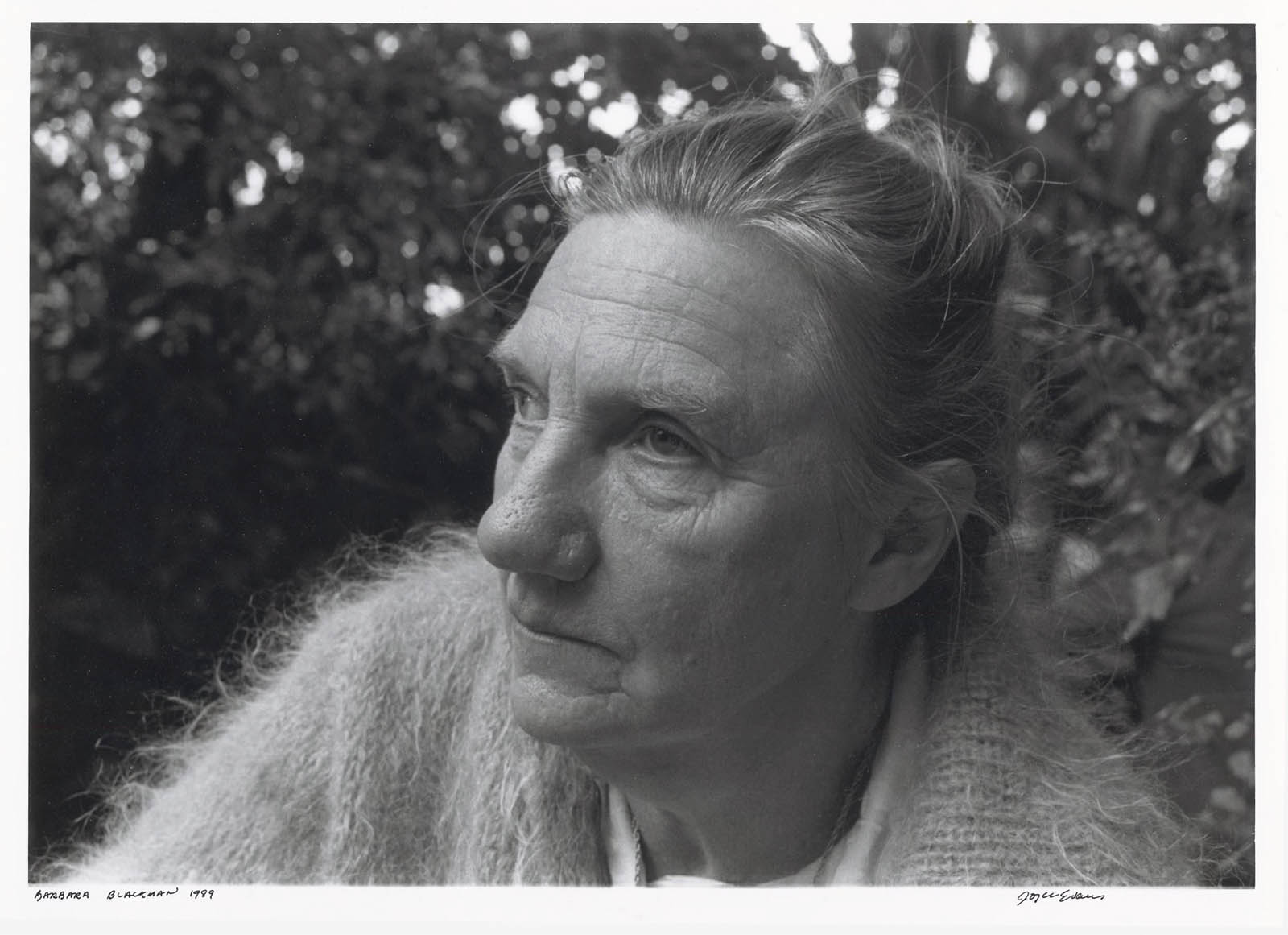
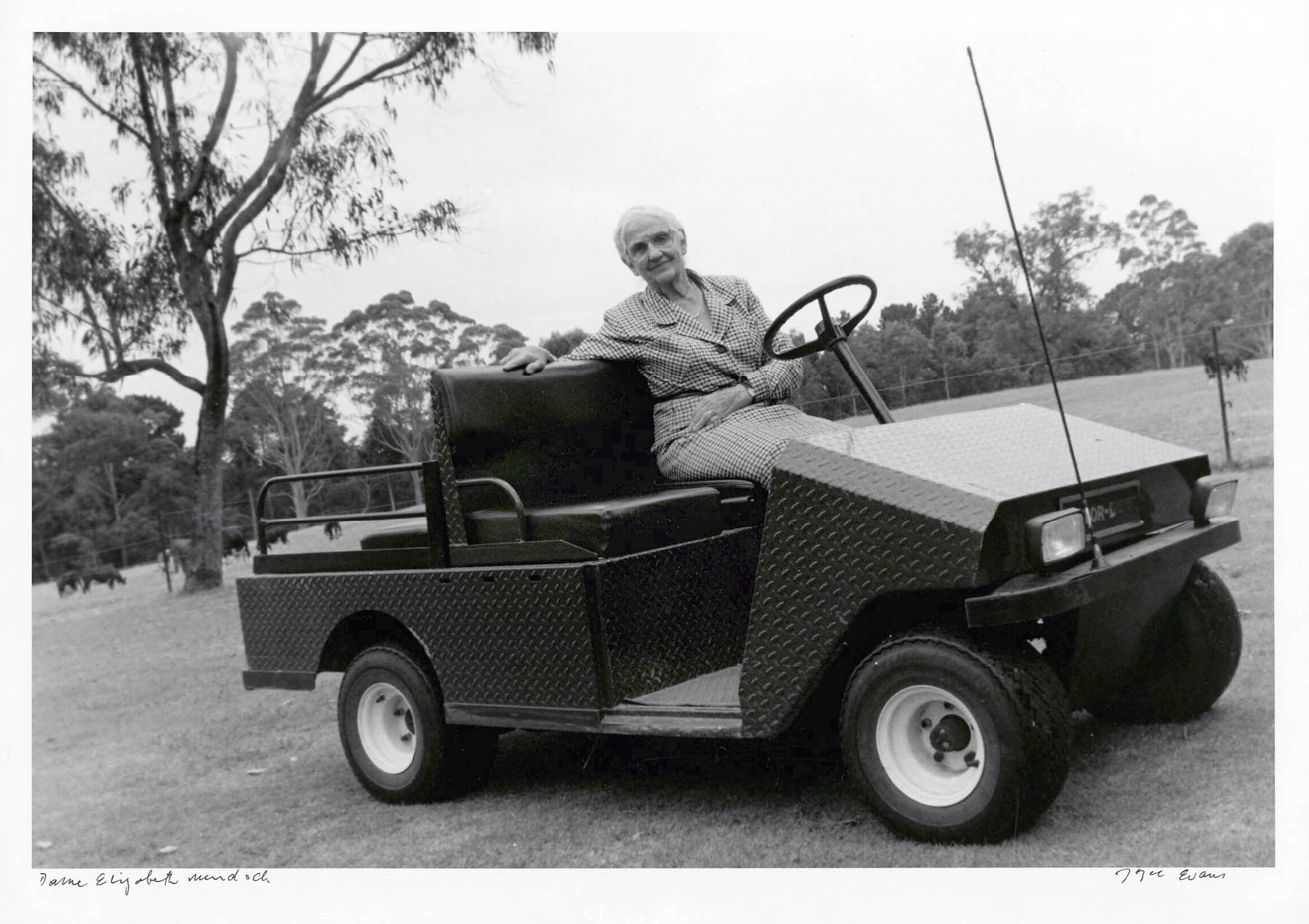
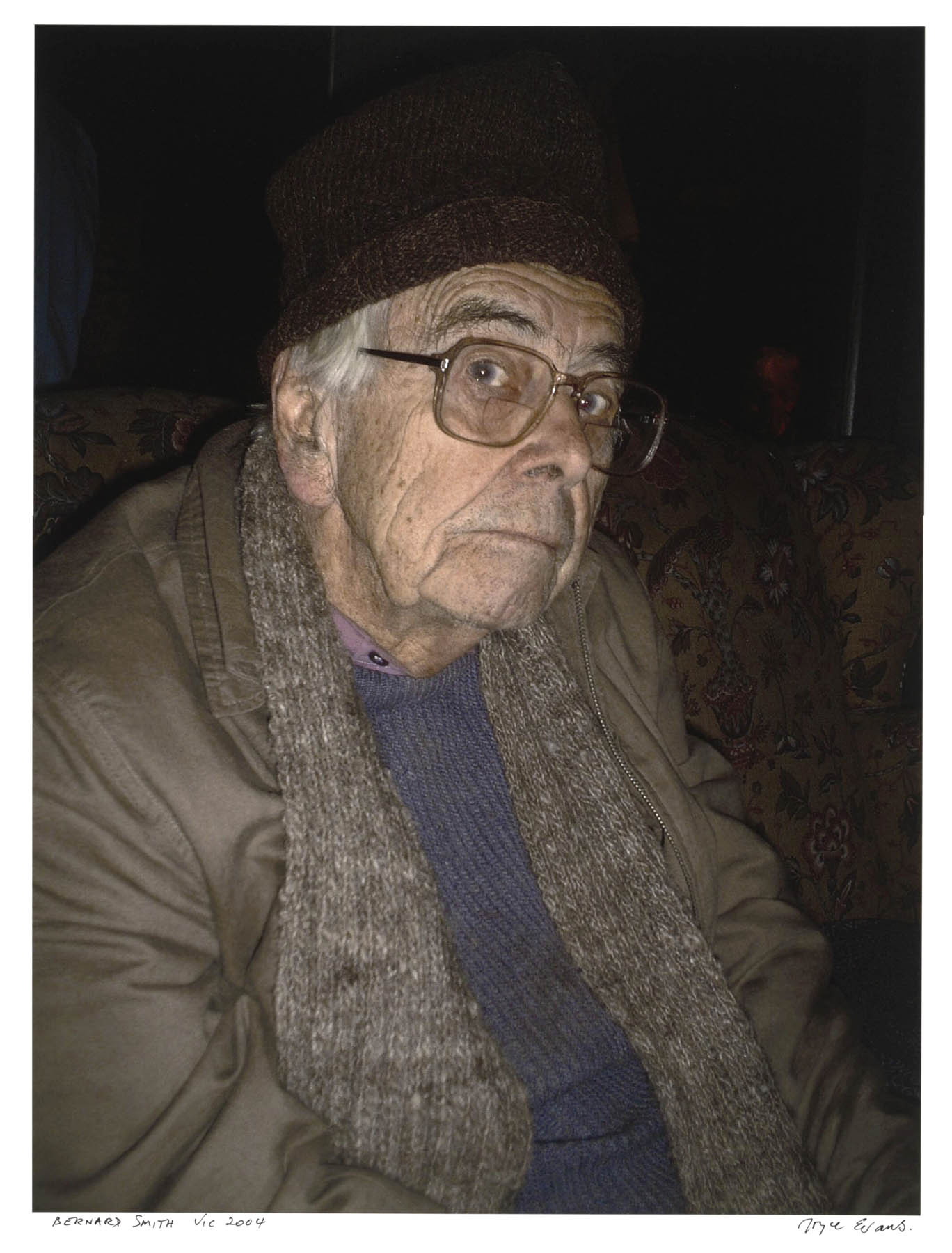
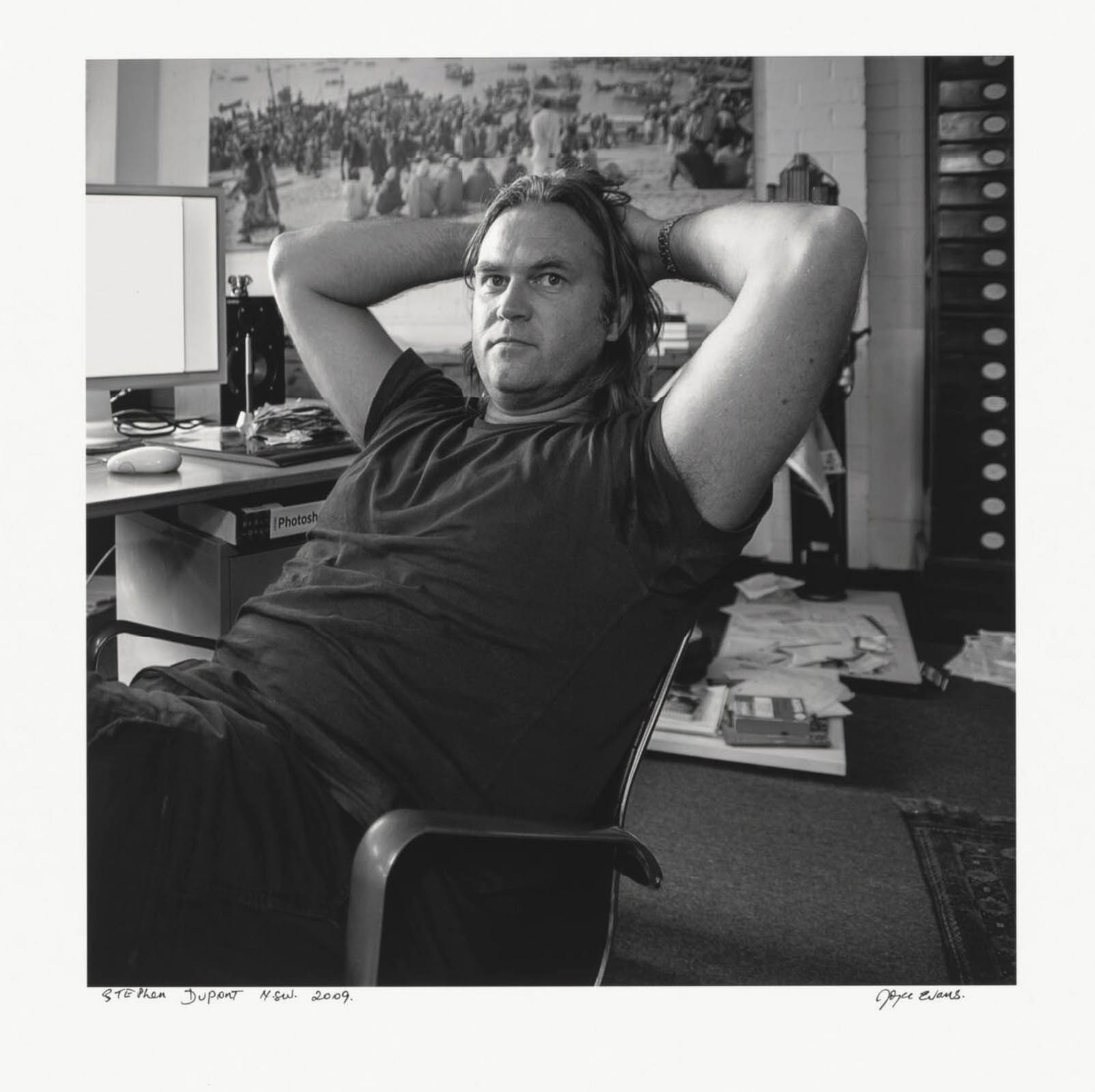
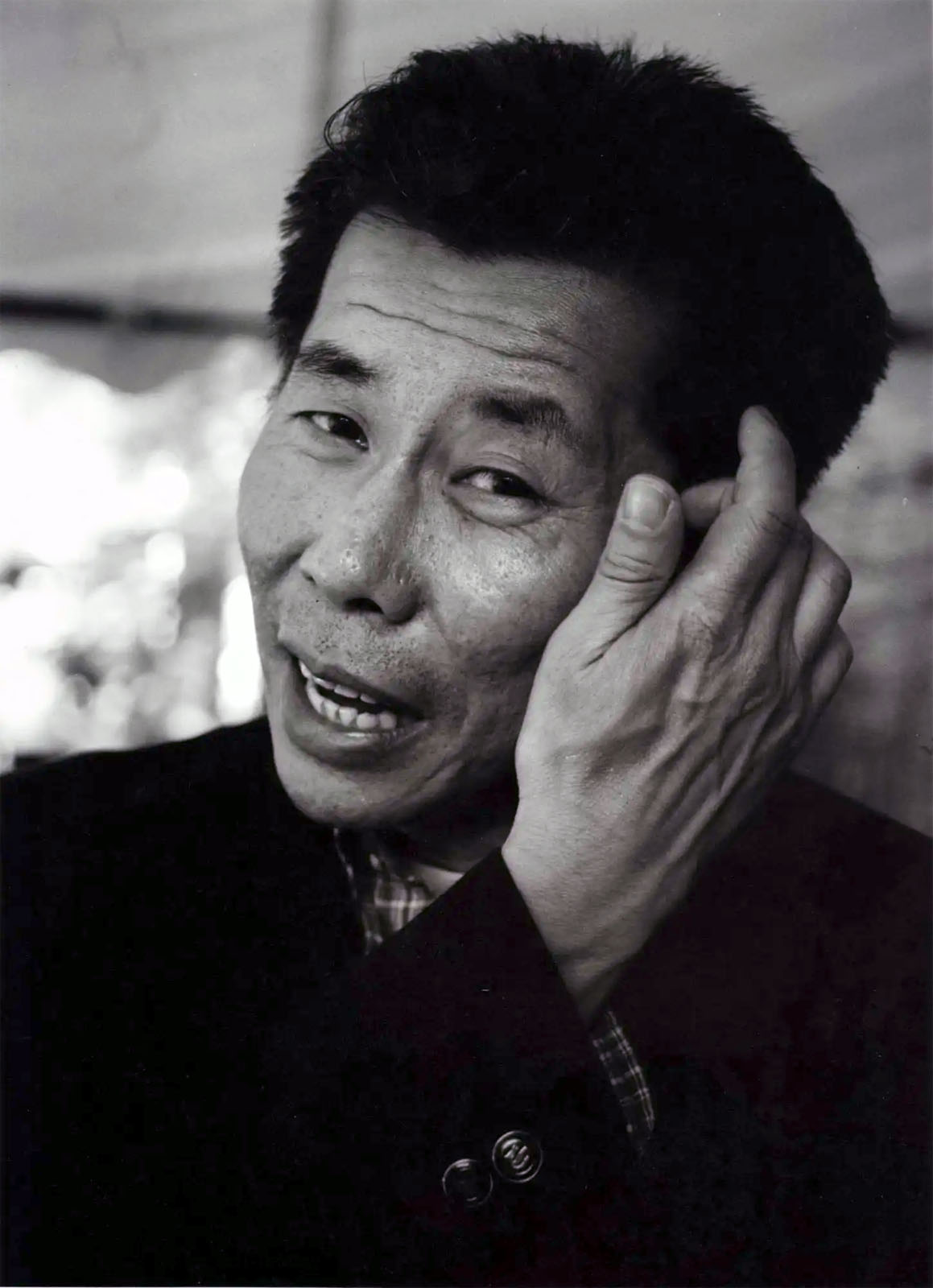


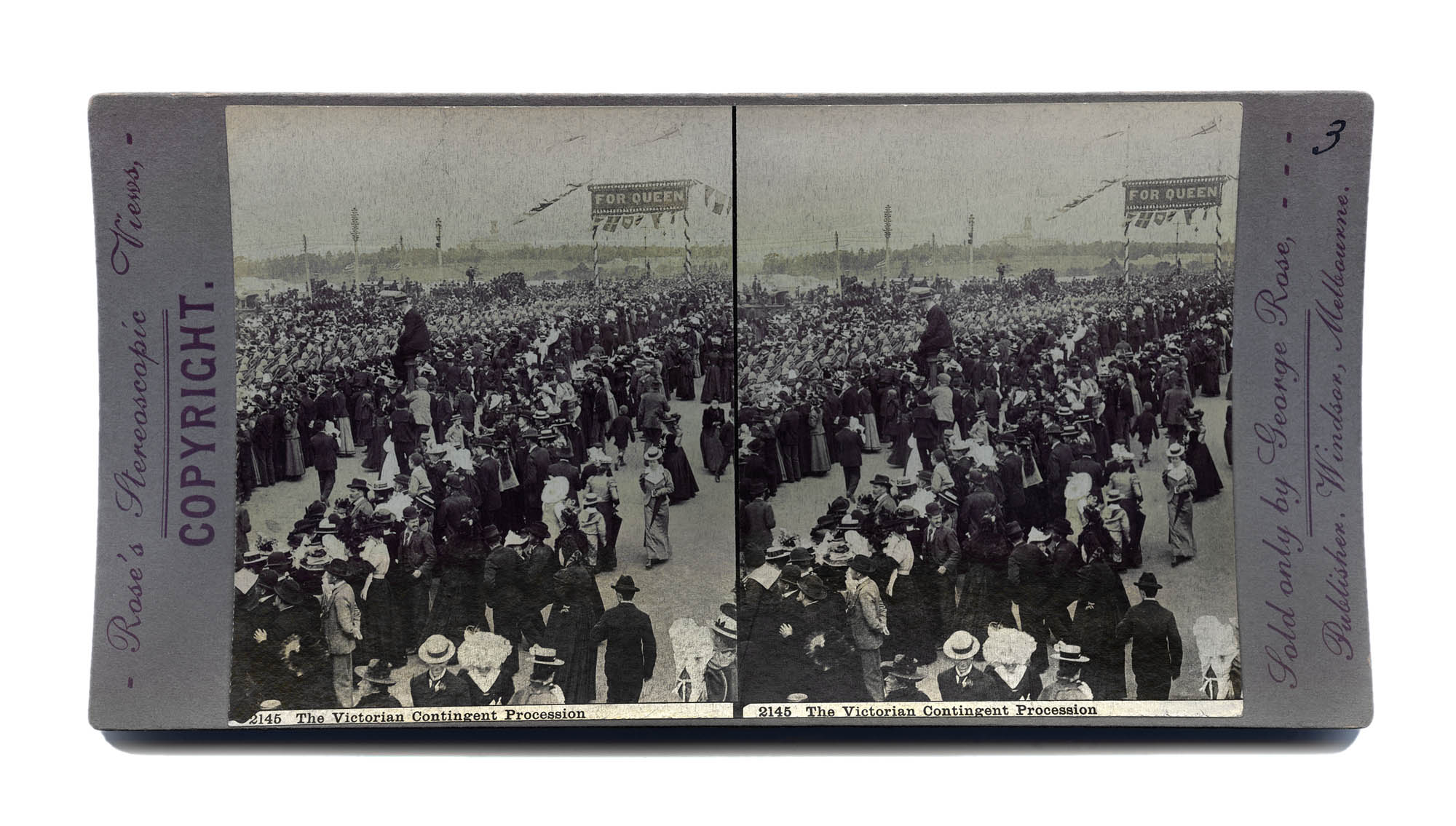



























































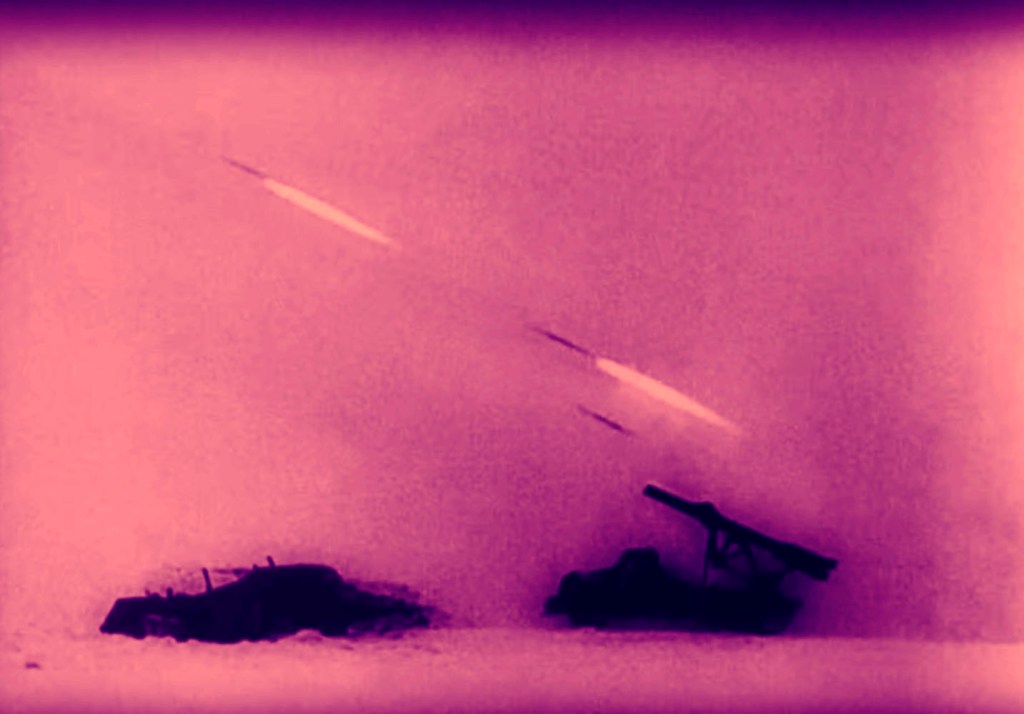
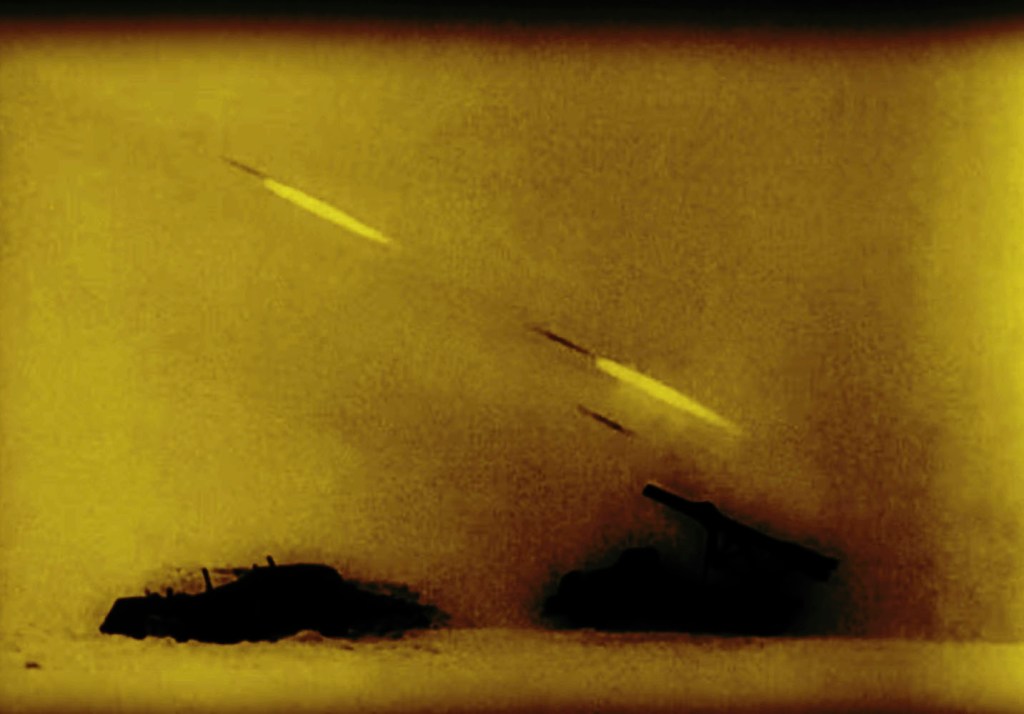

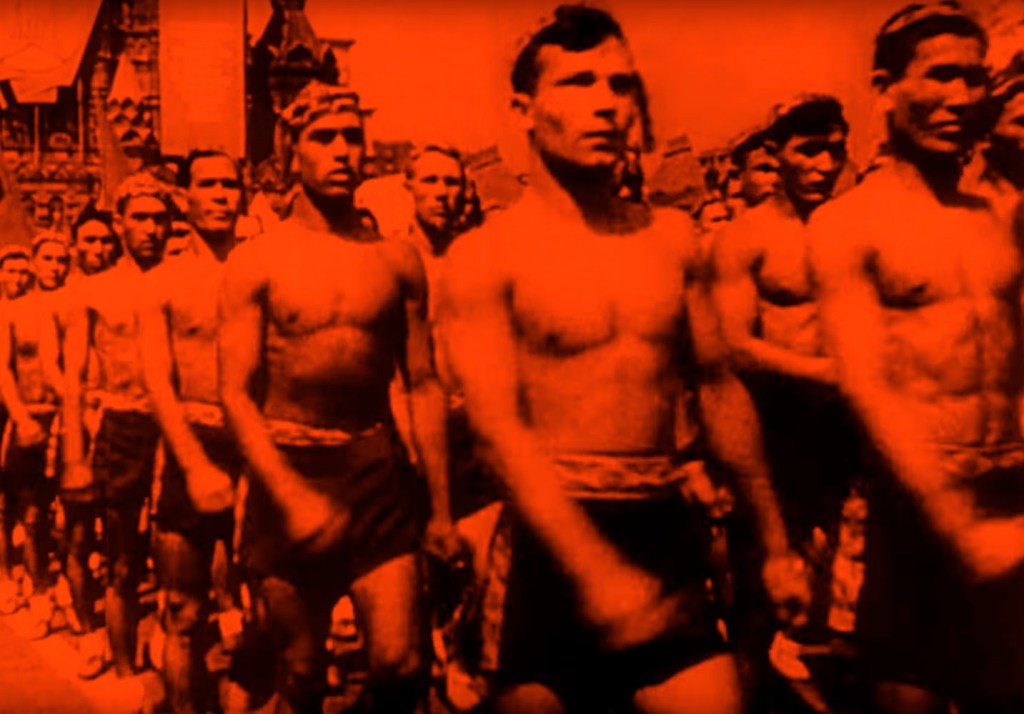
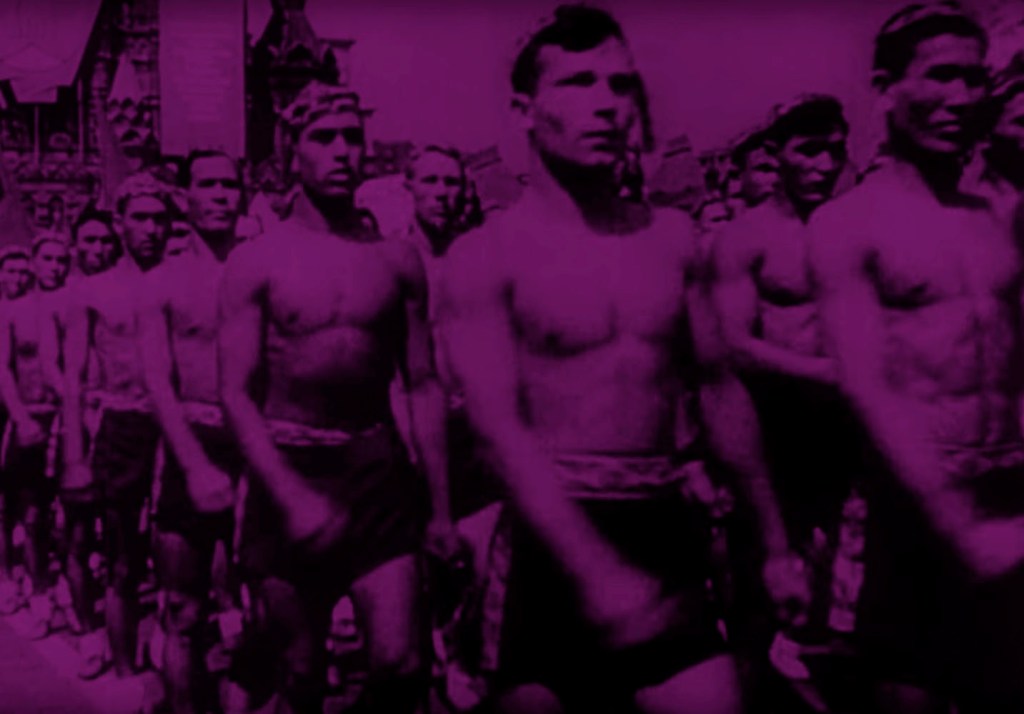

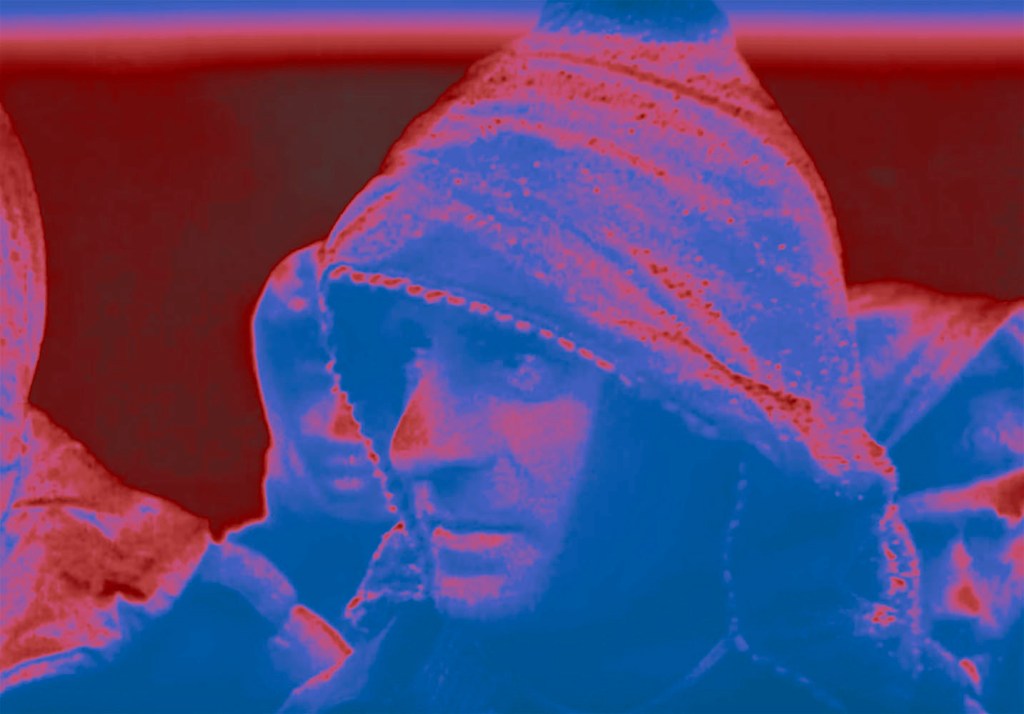
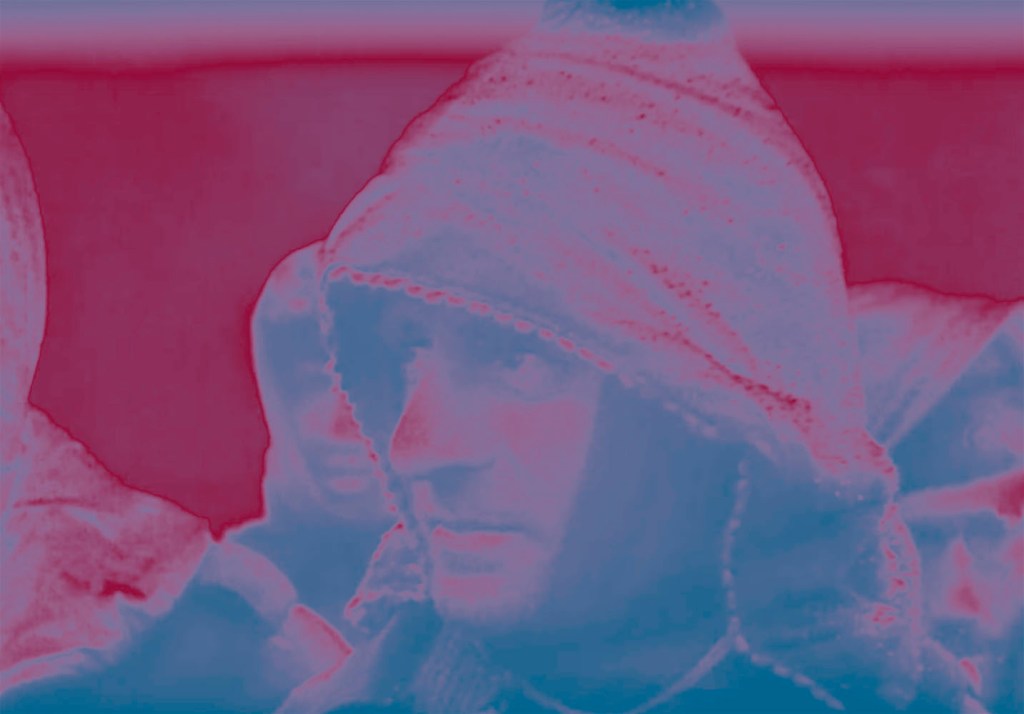
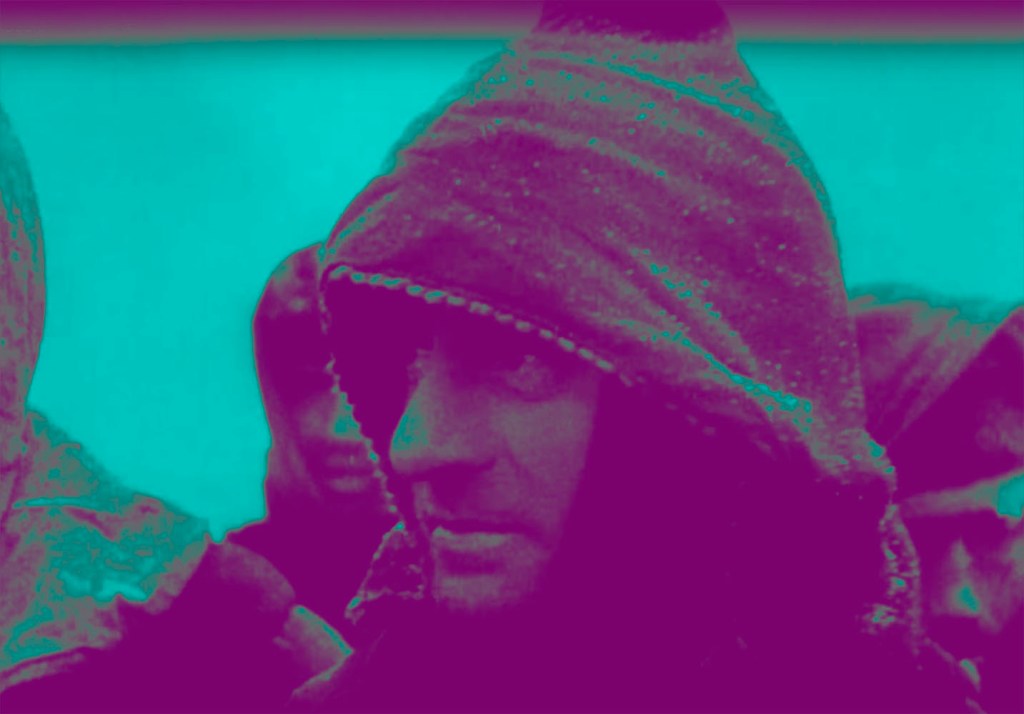




You must be logged in to post a comment.