Unknown photographer (Australian) Untitled (Flinders Street railway station) 1946-1947 Medium format negative Collection of Nicholas Henderson
Another mountain of work scanning and cleaning 50 of these 2 1/4″ square (6 x 6 cm) medium format black and white negatives which come from the collection of my friend Nick Henderson. In Part 2 of the posting the family travel to Melbourne, Colac and Tasmania. The photographs of postwar Melbourne are fascinating. There are also pictures of mining works, a speedcar racer, picnic, pub, dogs, ballerinas, actors, children and some stunning, Frank Hurley-esque photographs of Sydney Harbour Bridge.
The photographs seem as though from another world. The Pacific Highway in North Sydney is almost deserted of traffic. A fascinating set of four photographs are Road accident, hay truck, Albion Park, New South Wales. In the first photograph from a distance we observe that a hay truck has lost its load, possibly after rounding the corner from left at too fast a speed, the intersection marked in the road by a small metal bollard. Small children inspect the underside of the truck while a boy on a bike rides to join them. What strikes one is the openness of the scene, the lack of other cars, and the spareness of the landscape, with only the “milk bar” with the Peters ice cream sign showing any sign of commerce. In the second image the photographer has moved around to the front side of the truck which tilts at a crazy angle. Two forty-gallon oil drums, possibly from the truck, have been placed upright on the road while bales of hay little the bitumen. In the background a petrol station advertises PLUME, Mobiloil, and Atlantic tyres(?) and on the right we can make out the Albion Park Hotel and the intersection around which the truck came.
In the third image which again shows the underside of the truck men have joined the scene, talking to presumably the shirtless truck driver in peaked cap, sheepishly standing among the twisted axles and staring at the camera. To the left two shoeless boys observe the scene. In the last photograph of the front of the truck we see kids sitting on the hay bails posing for the camera, while at far right the shirtless truck driver may be in conversation with others. What a glorious sequence of Walker Evans type social documentary photography… a brief context, an accident, a shooting star in the timeline of the galaxy.
My two favourite photographs in the posting: the almost solarised image of the Convict-built church at Port Arthur convict colony ruins; but more especially Number 42 tram going to Mont Albert. This photograph should become a classic in the annals of Australian photography. In one dynamic image the photographer has captured the hustle and bustle of postwar Melbourne – the women striding purposefully towards us, the Silver Top taxi cresting the rise at speed, the number 42 tram to Mont Albert kicking up dust from the tracks, the shadows, the gothic buildings, the towers behind and the vanishing point. A superlative image.
Hopefully there will be part 3 of this series when I get chance to scan some more negatives. In the meantime you can view Part 1 and these images. Enjoy!
Dr Marcus Bunyan
Many thankx to Nick Henderson for allowing me to publish the photographs in the posting. All photographs collection of Nick Henderson. Please click on the photographs for a larger version of the image.
Unknown photographer (Australian) Untitled (Y.M.C.A, City Road, South Melbourne) 1946-1947 Medium format negative Collection of Nicholas Henderson
Unknown photographer (Australian) Untitled (Collins Street, Melbourne looking west from just above the Swanston Street intersection, Town Hall on the right, and then the Manchester Unity building across Swanston Street, probably taken from in front of the Regent Theatre) 1946-1947 Medium format negative Collection of Nicholas Henderson
Unknown photographer (Australian) Untitled (Looking at Flinders Street railway station on Elizabeth Street, Melbourne) 1946-1947 Medium format negative Collection of Nicholas Henderson
Unknown photographer (Australian) Untitled (Centreway Building on Collins Street, 259-263 Collins Street) 1946-1947 Medium format negative Collection of Nicholas Henderson
Unknown photographer (Australian) Untitled (Melbourne street) 1946-1947 Medium format negative Collection of Nicholas Henderson
Unknown photographer (Australian) Untitled (A. C. Goode House at 389-399 Collins) (the Gothic building at right) 1946-1947 Medium format negative Collection of Nicholas Henderson
Unknown photographer (Australian) Untitled (Russell Street taken from near Collins Street) 1946-1947 Medium format negative Collection of Nicholas Henderson
Russell Street with police radio tower viewed from Collins street. American 1930’s car’s that where popular then, Dodge, Chevy, Lincoln & Fords! Yellow cab at left, and the cars are facing the same way both sides of the road. The Holden Motor Company built Buick, Chevy & Pontiac from “CKD” kits from the USA. Parking in the middle of the road (so we are not seeing the other side of the road).
Unknown photographer (Australian) Untitled (Exhibition Street, looking from Collins Street, down past Flinders Lane) 1946-1947 Medium format negative Collection of Nicholas Henderson
Unknown photographer (Australian) Untitled (Collins Street looking up towards Old Treasury Building) 1946-1947 Medium format negative Collection of Nicholas Henderson
Unknown photographer (Australian) Untitled (Number 42 tram going to Mont Albert) 1946-1947 Medium format negative Collection of Nicholas Henderson
Photograph taken where – Collins and Swanston Street? The lady is walking towards or just beyond the Melbourne Town Hall, the tram is on the other side of the road going the opposite way towards Mont Albert. In the centre background is the APA Tower and in front of it is the Mutual Life and Citizens Assurance Co (MLC) building. In the far distance is the Federal Hotel and Coffee Palace. Silver Top Pontiac Taxi (1937) slippery leather seats! Front bench seats with full length grab bar too hold on when cornering! (centre of image).
Many thankx to James Nolen for help identifying this image.
Unknown photographer (Australian) Untitled (St Paul’s Cathedral, Melbourne looking from Flinders Street railway station) 1946-1947 Medium format negative Collection of Nicholas Henderson
Unknown photographer (Australian) Untitled (Princes Bridge, Melbourne on the Yarra River with Flinders Street railway station to the right) 1946-1947 Medium format negative Collection of Nicholas Henderson
Unknown photographer (Australian) Untitled (Seagulls, rowing sheds on the Yarra River, Melbourne) 1946-1947 Medium format negative Collection of Nicholas Henderson
Unknown photographer (Australian) Untitled (Bill Edwards speedcar, Victoria) 1946-1947 Medium format negative Collection of Nicholas Henderson
Unknown photographer (Australian) Untitled (Bill Edwards speedcar, Victoria) 1946-1947 Medium format negative Collection of Nicholas Henderson
Unknown photographer (Australian) Untitled (Union Club Hotel, Colac) 1946-1947 Medium format negative Collection of Nicholas Henderson
Union Club Hotel, Colac 2010 Wikimedia Commons Creative Commons Attribution-Share Alike 3.0 Unported
Unknown photographer (Australian) Untitled (Picnic, family and car) 1946-1947 Medium format negative Collection of Nicholas Henderson
Unknown photographer (Australian) Untitled (Two women and two girls) 1946-1947 Medium format negative Collection of Nicholas Henderson
Unknown photographer (Australian) Untitled (Girl) 1946-1947 Medium format negative Collection of Nicholas Henderson
Unknown photographer (Australian) Untitled (Girl) 1946-1947 Medium format negative Collection of Nicholas Henderson
Unknown photographer (Australian) Untitled (Two lads and two children) 1946-1947 Medium format negative Collection of Nicholas Henderson
Unknown photographer (Australian) Untitled (Three dogs) 1946-1947 Medium format negative Collection of Nicholas Henderson
Unknown photographer (Australian) Untitled (Port Arthur convict colony ruins, Tasmania) 1946-1947 Medium format negative Collection of Nicholas Henderson
Unknown photographer (Australian) Untitled (Port Arthur convict colony ruins, Tasmania) 1946-1947 Medium format negative Collection of Nicholas Henderson
Unknown photographer (Australian) Untitled (Port Arthur convict colony ruins, Tasmania) 1946-1947 Medium format negative Collection of Nicholas Henderson
Unknown photographer (Australian) Untitled (Convict-built church at Port Arthur convict colony ruins, Tasmania) 1946-1947 Medium format negative Collection of Nicholas Henderson
Unknown photographer (Australian) Untitled (Pirates Bay Lookout, Tasmania) 1946-1947 Medium format negative Collection of Nicholas Henderson
One of the Tasman Peninsula’s finest coastal lookouts is actually on the Forestier Peninsula, high on the hillsides above the Tesselated Pavement. Pirates Bay Lookout gives panoramic views down the east coast of Tasmania Peninsula and overs spectacular vistas towards Cape Hauy and Cape Pillar, which are both visible on a clear day. The lookout is on Pirates Bay Drive, the turnoff to the left off Tasman Highway being around 2 km before reaching Eaglehawk Neck when approaching from Dunalley. The lookout can also be accessed from Eaglehawk Neck. Simply take the Scenic drive past the Lufra Hotel.
Text from the Our Tasmania website [Online] Cited 29/03/2020
Unknown photographer (Australian) Untitled (Men and shark)(location unknown) 1946-1947 Medium format negative Collection of Nicholas Henderson
Unknown photographer (Australian) Untitled (Mining landscape) (location unknown) 1946-1947 Medium format negative Collection of Nicholas Henderson
Unknown photographer (Australian) Untitled (Mining landscape) (location unknown) 1946-1947 Medium format negative Collection of Nicholas Henderson
Unknown photographer (Australian) Untitled (Mining landscape) (location unknown) 1946-1947 Medium format negative Collection of Nicholas Henderson
Unknown photographer (Australian) Untitled (Three dogs) 1946-1947 Medium format negative Collection of Nicholas Henderson
Unknown photographer (Australian) Untitled (Two dogs) 1946-1947 Medium format negative Collection of Nicholas Henderson
Unknown photographer (Australian) Untitled (Smiling girl with pigtails) 1946-1947 Medium format negative Collection of Nicholas Henderson
Unknown photographer (Australian) Untitled (Two ballerinas) 1946-1947 Medium format negative Collection of Nicholas Henderson
Unknown photographer (Australian) Untitled (Man and ballerina) 1946-1947 Medium format negative Collection of Nicholas Henderson
Unknown photographer (Australian) Untitled (Women in gown) 1946-1947 Medium format negative Collection of Nicholas Henderson
Unknown photographer (Australian) Untitled (Three girls) 1946-1947 Medium format negative Collection of Nicholas Henderson
Unknown photographer (Australian) Untitled (Two women, a man and a dog) 1946-1947 Medium format negative Collection of Nicholas Henderson
Unknown photographer (Australian) Untitled (Road accident, hay truck, Albion Park, New South Wales) 1946-1947 Medium format negative Collection of Nicholas Henderson
Unknown photographer (Australian) Untitled (Road accident, hay truck, Albion Park, New South Wales) 1946-1947 Medium format negative Collection of Nicholas Henderson
Unknown photographer (Australian) Untitled (Road accident, hay truck, Albion Park, New South Wales) 1946-1947 Medium format negative Collection of Nicholas Henderson
Unknown photographer (Australian) Untitled (Road accident, hay truck, Albion Park, New South Wales) 1946-1947 Medium format negative Collection of Nicholas Henderson
Unknown photographer (Australian) Untitled (Bridgeview Motors, 267 Pacific Highway, North Sydney with Sydney Harbour Bridge in the background) 1946-1947 Medium format negative Collection of Nicholas Henderson
Unknown photographer (Australian) Untitled (Lavender street, Lavender Bay looking towards the Sydney Harbour Bridge) 1946-1947 Medium format negative Collection of Nicholas Henderson
Unknown photographer (Australian) Untitled (Dawes Point ferry, under the Sydney Harbour Bridge looking to Fort Denison) 1946-1947 Medium format negative Collection of Nicholas Henderson
Unknown photographer (Australian) Untitled (Sydney Harbour Bridge, south looking north showing the North Sydney Olympic Pool in the background left) 1946-1947 Medium format negative Collection of Nicholas Henderson
The North Sydney Olympic Pool is a swimming and exercise complex located adjacent to Sydney Harbour at Milsons Point in North Sydney between the Sydney Harbour Bridge and Luna Park. Designed by architects Rudder & Grout in the Inter-War Free Classical style with art deco-style decorations, the Olympic-sized outdoor pool was built on part of the Dorman Long workshops site following the completion of the Harbour Bridge. The pool opened 4 April 1936 and hosted the swimming and diving events for the 1938 Empire Games.
Unknown photographer (Australian) Untitled (Sydney Harbour Bridge, north looking south showing DC current power station stack to the left) 1946-1947 Medium format negative Collection of Nicholas Henderson
Unknown photographer (Australian) Untitled (Under the Sydney Harbour Bridge, north looking south showing DC current power station stack to the left) 1946-1947 Medium format negative Collection of Nicholas Henderson
Curator: Sarah Hermanson Meister, with River Bullock, Beaumont & Nancy Newhall Curatorial Fellow, assisted by Madeline Weisburg, Modern Women’s Fund Twelve-Month Intern, Department of Photography, The Museum of Modern Art.
Dorothea Lange (American, 1895-1965) Six Tenant Farmers without Farms, Hardeman County, Texas 1937, printed 1965 Gelatin silver print 12 15/16 × 16 5/8″ (32.9 × 42.2cm) The Museum of Modern Art, New York. Purchase
This image appeared in Land of the Free and later in Lange and Paul Taylor’s documentary photobook An American Exodus: A Record of Human Erosion (1941), where Lange cropped out the sixth, smaller man, perhaps to simplify the idea of strength and virility conveyed there.
Dorothea Lange (American, 1895-1965) A Half-Hour Later, Hardeman County, Texas 1937, printed 1965 Gelatin silver print 12 1/8 × 15 3/16″ (30.8 × 38.6cm) The Museum of Modern Art, New York. Purchase
“All photographs – not only those that are so-called ‘documentary,’ … can be fortified by words.”
“And the assignment was… see what was really there. What does it look like, what does it feel like, what actually is the human condition.”
Dorothea Lange
“Lange took so many memorable photographs that it is challenging to shortlist them. One of the greatest is at the entrance to the MoMA show: “Migratory Cotton Picker, Eloy, Arizona” (1940). The farmworker’s hands are close to the lens of the camera. One hand is holding a wooden beam; it could be the implement of his impending crucifixion. The other hand, with its open palm and splayed fingers, covers his mouth. Unforgettably powerful, the photograph resembles self-portraits by Austrian expressionist painter Egon Schiele, who shared Lange’s interest in extremities – hands and feet, and also, wretched misery.”
Arthur Lubow
Closer and closer
While MoMA has closed temporarily due to the novel coronavirus (COVID-19) pandemic, I believe it is important to document and write about those exhibitions that would have been running during this distressing time, as a form of social inclusion, social connection if you like, in the virtual world. I know that I am feeling particularly isolated at the moment, fighting off depression, with a lack of my usual routine and coffee with friends.
Great art always inspires, engages me, makes me feel and care about the world around me. In these photographs by that most excellent of photographers Dorothea Lange, of another desperate time, The Great Depression, we can feel her sincerity and intensity, that resolute gift of seeing the world clearly, despite the abject misery that surrounds her. Fast forward future, and we see the lines of the newly unemployed, desperate, penniless, snaking around the block of the social security buildings here in Australia, this very day.
Lange’s photographs don’t need words. Words are never enough.
The faces weary, furrowed, parched under baking sun, rutted like the land, Tractored Out, Childress County, Texas (1938). Dark eyes pierce the marrow, astringent lines, heavy eyebrows, mirror, set above, tight, tight mouth, Young Sharecropper, Macon County, Georgia (July 1937). I feel what, his pain? his sadness? his despair? Hands, arms, feet, form an important part of Lange’s visual armoury, arm/ory, amour. The hand to chin of Migrant Mother, Nipomo, California (March 1936); the bony arms of Woman of the High Plains, Texas Panhandle (June 1938); hand obscuring face, steely gaze, Funeral Cortege, End of an Era in a Small Valley Town, California (1938); weathered, beaten hands, beaten, Migratory Cotton Picker, Eloy, Arizona (November 1940). These extremities are expressions not just of her subjects, but of herself. A virtual self-portrait.
“One of the greatest is at the entrance to the MoMA show: “Migratory Cotton Picker, Eloy, Arizona” (1940). The farmworker’s hands are close to the lens of the camera. One hand is holding a wooden beam; it could be the implement of his impending crucifixion. The other hand, with its open palm and splayed fingers, covers his mouth. Unforgettably powerful, the photograph resembles self-portraits by Austrian expressionist painter Egon Schiele, who shared Lange’s interest in extremities – hands and feet, and also, wretched misery.” (Press release)
Lange “is a key link in a chain of photographic history. From Evans, she learned how to frame precise images of clapboard churches. But unlike Evans, who usually preferred to keep a distance and capture a building’s architectural integrity, Lange always wanted, as she said when describing how she made “Migrant Mother,” to move “closer and closer”.” Moving closer, her photographs possess an un/bridled intimacy with troubled creatures. Moving closer, seeing clearly. Closer and closer, till death, parts.
Dr Marcus Bunyan
Many thankx to MoMA for allowing me to publish the photographs in posting. Please click on the photographs for a larger version of the image.
Dorothea Lange: Words & Pictures MoMA exhibition
Dorothea Lange: Words & Pictures introduction text
Dorothea Lange (American, 1895-1965) White Angel Bread Line, San Francisco 1933 Gelatin silver print 10 3/4 x 8 7/8″ (27.3 x 22.6cm) The Museum of Modern Art, New York. Gift of Albert M. Bender
About this photograph, one of the first made outside her studio, Lange recalled, “I was just gathering my forces and that took a little bit because I wasn’t accustomed to jostling about in groups of tormented, depressed and angry men, with a camera.”
“We use the camera as a tool of research. Upon a tripod of photographs, captions, and text we rest themes evolved out of long observations in the field.”
Dorothea Lange and Paul Taylor, 1939
Dorothea Lange (American, 1895-1965) Funeral Cortege, End of an Era in a Small Valley Town, California 1938, printed c. 1958 Gelatin silver print 9 7/16 × 8″ (24 × 20.3cm) The Museum of Modern Art, New York. Purchase
Dorothea Lange (American, 1895-1965) Grayson, San Joaquin Valley, California 1938, printed 1965 Gelatin silver print 10 3/8 x 16 15/16″ (26.3 x 43cm) The Museum of Modern Art, New York. Purchase
Regarding this picture, Dorothea Lange’s field notes report: “Grayson was a migratory agricultural labourers’ shack town. It was during the season of the pea harvest. Late afternoon about 6 o’clock. Boys were playing baseball in the road that passes this building, which was used as a church. Otherwise, this corpse, lying at the church, was alone, unattended, and unexplained.” The full negative she made there represents not just this doorway but the entire whitewashed gabled façade. The concrete steps in front of the entrance and foundation blocks are visible. Apparently the form in the doorway was what drew Lange to the scene, however; it has been suggested that she later realised this central feature was important enough to carry the composition and proceeded to concentrate on the portion of the negative with the shallow portal holding the body. She published an even more severely cut-down version in the 1940 US Camera Annual. Bearing the title Doorstep Document, it eliminates the three plain boards that frame the doorway, making the depth of the threshold less evident and the wrapped figure and worn double doors more prominent and funereal.
It is not known why Lange identified the form as a corpse rather than a homeless person. Today we are more inclined to think the latter, since such scenes are common. The relaxed, uncovered pose of the feet indicates a voluntary reclining position. Lange was also some distance away when she made the exposure. One of the playing children may have suggested the corpse idea to test its shock value, and perhaps Lange adopted it for future propaganda purposes. Grayson was just a small town southwest of Modesto, and this church was probably one of the few places of refuge it offered.
It would seem peculiar for the feet of a dead person to be exposed. Here they represent the life, the personality, of this anonymous citizen. Always sensitive to the appearance and performance of others’ feet, due to her own deformity, Lange made hundreds of photographs on the theme. This one is among the most melancholy.
Dorothea Lange (American, 1895-1965) Ex-Slave with Long Memory, Alabama c. 1937, printed 1965 Gelatin silver print 15 3/16 × 11 15/16″ (38.5 × 30.3cm) The Museum of Modern Art, New York. Purchase
Dorothea Lange (American, 1895-1965) Archibald Macleish (American, 1892-1982) Land of the Free 1938 Letterpress open: 9 7/16 x 13 1/8″ (24 x 33.4cm) The Museum of Modern Art Library, New York
Open at Lange’s Ditched, Stalled and Stranded, San Joaquin Valley, California February 1936
FOR THE ENTIRE second half of Dorothea Lange’s life, a quotation from the English philosopher Francis Bacon floated in her peripheral vision: “The contemplation of things as they are, without error or confusion, without substitution or imposture, is in itself a nobler thing than a whole harvest of invention.” She pinned a printout of these words up on her darkroom door in 1933. It remained there until she died, at 70, in 1965 – three months before her first retrospective opened at the Museum of Modern Art in New York and three decades after she took the most iconic photograph in the medium’s history.
Alice Gregory. “How Dorothea Lange Defined the Role of the Modern Photojournalist,” on the The New York Times Style Magazine website Feb. 10, 2020 [Online] Cited 25/02/2020
Dorothea Lange (American, 1895-1965) Migrant Mother, Nipomo, California March 1936 Gelatin silver print 11 1/8 x 8 9/16″ (28.3 x 21.8cm) The Museum of Modern Art, New York. Purchase
The captions used to describe Migrant Mother are as varied as the publications in which they appeared: “A destitute mother, the type aided by the WPA.” “A worker in the ‘peach bowl.'” “Draggin’-around people.” “In a camp of migratory pea-pickers, San Luis Obispo County, California.” Even in ostensibly factual settings such as newspapers, government reports, or a museum cataloguing sheet, no fixed phrase or set of words was associated with the image until 1952, when it was published as Migrant Mother.
Dorothea Lange (American, 1895-1965) Sunlit Oak c. 1957, printed 1965 Gelatin silver print 30 7/8 × 41 1/8″ (78.4 × 104.5cm) The Museum of Modern Art, New York. Purchase
Dorothea Lange (American, 1895-1965) Kern County, California 1938 Gelatin silver print 12 7/16 x 12 1/2″ (31.6 x 31.7cm) The Museum of Modern Art, New York. Purchase
Dorothea Lange (American, 1895-1965) Western Addition, San Francisco, California 1951, printed 1965 Gelatin silver print 7 3/16 × 6″ (23.8 × 17.4cm) The Museum of Modern Art, New York. Purchase
Dorothea Lange (American, 1895-1965) Crossroads Store, North Carolina July 1939, printed 1965 Gelatin silver print 9 11/16 × 13 9/16″ (24.6 × 34.4cm) The Museum of Modern Art, New York. Purchase
Dorothea Lange (American, 1895-1965) Tractored Out, Childress County, Texas 1938 Gelatin silver print 9 5/16 x 12 13/16″ (23.6 x 32.6cm) The Museum of Modern Art, New York. Purchase
Lange and Taylor’s captions in An American Exodus consider the human impact of environmental crises. The one for this image reads, “Tractors replace not only mules but people. They cultivate to the very door of the houses of those whom they replace.”
Dorothea Lange (American, 1895-1965) The Road West, New Mexico 1938, printed 1965 Gelatin silver print 9 5/8 × 13 1/16″ (24.5 × 33.2cm) The Museum of Modern Art, New York. Purchase
The image was memorialised later by Robert Frank
A seminal work in documentary studies, with powerful photographs of the Depression era made by the wife and husband team of Dorothea Lange and Paul Taylor. They were hired by the Farm Security Administration to document the 300,000 strong, Depression era exodus from rural America, and the struggles these migrant workers overcame in search of basic necessities. The documentary photographer and social scientist’s goal was to “use the camera as a tool of research. Upon a tripod of photographs, captions, and text we rest themes evolved out of long observations in the field. We adhere to the standards of documentary photography as we have conceived them. Quotations which accompany photographs report what the persons photographed said, not what we think might be their unspoken thoughts.” p. 6.
Text from the Abe Books website [Online] Cited 24/02/2020
Dorothea Lange (American, 1895-1965) Woman of the High Plains, Texas Panhandle June 1938, printed 1965 Gelatin silver print 29 3/4 × 24″ (75.6 × 61cm) The Museum of Modern Art, New York. Purchase
“IF YOU DIE, YOU’RE DEAD – THAT’S ALL”
When it was published in An American Exodus, this portrait was captioned “If you die, you’re dead – that’s all.” This line was taken from Lange’s field notes, which quote the woman at greater length: “‘We made good money a pullin’ bolls, when we could pull. But we’ve had no work since March. … You can’t get no relief here until you’ve lived here a year. This county’s a hard country. They won’t help bury you here. If you die, you’re dead, that’s all.'”
Dorothea Lange (American, 1895-1965) Young Sharecropper, Macon County, Georgia July 1937, printed 1965 Gelatin silver print 11 3/4 × 11 3/4″ (29.8 × 29.9cm) The Museum of Modern Art, New York. Purchase
Dorothea Lange (American, 1895-1965) Jobless on the Edge of a Peafield, Imperial Valley, California February 1937, printed 1965 Gelatin silver print 16 15/16 × 15 3/4″ (43 × 40.1cm) The Museum of Modern Art, New York. Purchase
Dorothea Lange and Paul S. Taylor An American Exodus. A Record of Human Erosion New York: Reynal & Hitchcock, 1939 First edition. Hardcover Letterpress open: 10 1/4 x 15 3/8″ (26 x 39.1cm) The Museum of Modern Art Library, New York
Empathy and Artistry: Rediscovering Dorothea Lange
John Szarkowski was about 13 when he saw an image by Dorothea Lange that “enormously impressed” him. After he had become the powerful director of photography at the Museum of Modern Art, he would recall that he took it to be a “picture of the hard-faced old woman, looking out of the handsome oval window of the expensive automobile with her hand to her face as if the smell of the street was offending her, and I thought, ‘Isn’t that marvellous?’ That a photographer can pin that specimen to the board as some kind of exotic moth and show her there in her true colours.”
A quarter of a century after his initial encounter with the photo, working in 1965 with Lange on his first one-artist retrospective at MoMA, he read her full caption for “Funeral Cortege, End of an Era in a Small Valley Town, California,” and realised that the fancy car belonged to an undertaker and that the expression he took for haughtiness was grief.
The wry confession of his mistake, which Szarkowski made in 1982 to an interviewer, is not mentioned in “Dorothea Lange: Words and Pictures,” which opened Sunday at MoMA. But it illustrates the curatorial theme: Lange’s pictures require verbal commentary to be read legibly.
Curiously, though, the strength of Lange’s photographs at MoMA undercuts the exhibition’s concept. With or without the support of words, Dorothea Lange (1895-1965), created some of the greatest images of the unsung struggles and overlooked realities of American life. Her most iconic photograph, which came to be called “Migrant Mother,” portrays a grave-faced woman in ragged clothing in Nipomo, Calif., in 1936, with two small children burying their faces against her shoulders, and a baby nestled in her lap. It is one of the most famous pictures of all time.
Yet Lange was not simply a Depression photographer. As this revelatory, heartening exhibition shows, she was an artist who made remarkable pictures throughout a career that spanned more than four decades. The photos she took in 1942 of interned Japanese-Americans (which the government suppressed until 1964) display state-administered cruelty with stone-cold clarity: One dignified man in a three-piece suit and overcoat is wearing a tag, like a steer, while disembodied white hands on either side examine and prod him. Her prescient photographs of environmental degradation portray the human cost of building a dam that flooded the Berryessa Valley near Napa. Her empathetic portraits of African-American field hands shine a light on a system of peonage that predated and outlasted the 1930s.
Nevertheless, her fame rests largely on the indelible images she made, starting in 1935, as an employee of the Resettlement Administration and its successor, the Farm Security Administration, both under the leadership of Roy Stryker. Lange endured a fractious relationship with Stryker, who seemed deeply discomfited by a strong-minded woman. He fired her in 1940, saying she was “uncooperative.” To his credit, however, he always acknowledged that “Migrant Mother” was the key image of the Depression.
Seeking a deeper understanding of the economic crisis, Lange and her collaborators in the field interviewed her subjects, and she incorporated their words into her captions. She was the first photographer to do that systematically. The show’s curator, Sarah Hermanson Meister, who drew from the museum’s collection of more than 500 Lange prints, includes many of the captions in the wall labels, in an installation that is patterned after Szarkowski’s 1966 Lange show. (The artist died of esophageal cancer before it opened.)
…
Lange took so many memorable photographs that it is challenging to shortlist them. One of the greatest is at the entrance to the MoMA show: “Migratory Cotton Picker, Eloy, Arizona” (1940). The farmworker’s hands are close to the lens of the camera. One hand is holding a wooden beam; it could be the implement of his impending crucifixion. The other hand, with its open palm and splayed fingers, covers his mouth. Unforgettably powerful, the photograph resembles self-portraits by Austrian expressionist painter Egon Schiele, who shared Lange’s interest in extremities – hands and feet, and also, wretched misery. …
Many wonderful Lange photographs are not overtly political. “Bad Trouble Over the Weekend” (1964) is a close-up of a woman’s hands folded over her face; one hand bears a wedding band and holds an unlit cigarette. (The subject was her daughter-in-law.) And Lange photographed multi-trunked oaks with the same acuity as fingered hands.
The fame of “Migrant Mother” has cropped Lange’s reputation unfairly. She is a key link in a chain of photographic history. From Evans, she learned how to frame precise images of clapboard churches. But unlike Evans, who usually preferred to keep a distance and capture a building’s architectural integrity, Lange always wanted, as she said when describing how she made “Migrant Mother,” to move “closer and closer.” Her 1938 photograph, “Death in the Doorway,” of a church entrance in the San Joaquin Valley reveals a blanketed corpse that someone, probably unable to afford a burial, has deposited. Evans would never have gone there.
In turn, Lange was revered by the documentary photographers who followed her. The greatest of them, Robert Frank, paid her direct homage in “The Americans,” shooting from the same vantage point the New Mexico highway that Lange had memorialised in “An American Exodus.”
But photography was heading off in a different direction. A year after his Lange exhibition, Mr. Szarkowski mounted “New Documents,” which introduced a younger generation of American photographers: Diane Arbus, Lee Friedlander and Garry Winogrand. Speaking to me in 2003, he explained that these photographers were “rejecting Dorothea’s attitude” that “documentary photography was supposed to do some good” and instead using the camera “to explore their own experience and their own life and not to persuade somebody else what to do or what to work for.” That notion was hardly foreign to Lange. In a picture of a lame person, “Walking Wounded, Oakland” (1954), she found, as did the New Documents artists, a real-life subject that mirrored her own life.
One happy consequence of our dismal political moment is a rediscovery of Lange. In 2018, a major exhibition from her archive was staged at the Barbican Center in London and the Jeu de Paume in Paris.
Perhaps now younger photographers will be inspired to pick up her banner. The need is all too apparent. Where is the photographer of clear eyed empathy and consummate artistry to depict the disquiet, hopelessness and desperate fortitude that riddle the American body politic of today? Who will bring us our “Migrant Mother”?
Arthur Lubow. “Empathy and Artistry: Rediscovering Dorothea Lange,” on The New York Times website Feb. 13, 2020 [Online] Cited 24/03/2020.
Dorothea Lange (American, 1895-1965) Migratory Cotton Picker, Eloy, Arizona November 1940 Gelatin silver print 19 15/16 × 23 13/16″ (50.7 × 60.5cm) The Museum of Modern Art, New York. Purchase
Dorothea Lange (American, 1895-1965) Edwin Rosskam (American, 1903-1985) Richard Wright (American, 1908-1960) 12 Million Black Voices: A Folk History of the Negro in the United States 1941 Offset lithography open: 10 1/4 x 14 1/2″ (26 x 36.8cm) The Museum of Modern Art Library
Dorothea Lange (American, 1895-1965) Richmond, California 1942 Gelatin silver print 9 3/4 x 7 11/16″ (24.7 x 19.5cm) The Museum of Modern Art, New York. Purchase
Dorothea Lange (American, 1895-1965) Richmond, California 1942, printed 1965 Gelatin silver print 10 7/16 × 13 3/16″ (26.5 × 33.5cm) The Museum of Modern Art, New York. Purchase
During World War II, at the height of antiJapanese sentiment, Lange documented an explicitly racist billboard advertising the Southern Pacific railroad company. Rather than portraying the billboard in isolation, she disrupted the frame with a handmade sign that seems to undermine the commodification of such political sentiments.
Dorothea Lange (American, 1895-1965) One Nation Indivisible, San Francisco 1942 Gelatin silver print 13 1/8 × 9 13/16″ (33.4 × 25cm) The Museum of Modern Art, New York. Purchase
Dorothea Lange (American, 1895-1965) Just About to Step into the Bus for the Assembly Center, San Francisco April 6, 1942, printed 1965 Gelatin silver print 10 3/8 × 9 13/16″ (26.3 × 25cm) The Museum of Modern Art, New York. Purchase
The Museum of Modern Art presents Dorothea Lange: Words & Pictures, the first major solo exhibition at the Museum of the photographer’s incisive work in over 50 years. On view from February 9 through May 9, 2020, Dorothea Lange: Words & Pictures includes approximately 100 photographs drawn entirely from the Museum’s collection. The exhibition also uses archival materials such as correspondence, historical publications, and oral histories, as well as contemporary voices, to examine the ways in which words inflect our understanding of Lange’s pictures. These new perspectives and responses from artists, scholars, critics, and writers, including Julie Ault, Wendy Red Star, and Rebecca Solnit, provide fresh insight into Lange’s practice. Dorothea Lange: Words & Pictures is organised by Sarah Meister, Curator, with River Bullock, Beaumont & Nancy Newhall Curatorial Fellow, assisted by Madeline Weisburg, Modern Women’s Fund Twelve-Month Intern, Department of Photography, The Museum of Modern Art.
Toward the end of her life, Dorothea Lange (1895-1965) remarked, “All photographs – not only those that are so-called ‘documentary,’ and every photograph really is documentary and belongs in some place, has a place in history – can be fortified by words.” Organised loosely chronologically and spanning her career, the exhibition groups iconic works together with lesser known photographs and traces their varied relationships to words: from early criticism on Lange’s photographs to her photo-essays published in LIFE magazine, and from the landmark photobook An American Exodus to her examination of the US criminal justice system. The exhibition also includes groundbreaking photographs of the 1930s – including Migrant Mother (1936) – that inspired pivotal public awareness of the lives of sharecroppers, displaced families, and migrant workers during the Great Depression. Through her photography and her words, Lange urged photographers to reconnect with the world – a call reflective of her own ethos and working method, which coupled an attention to aesthetics with a central concern for humanity.
“It seems both timely and urgent that we renew our attention to Lange’s extraordinary achievements,” said Sarah Meister. “Her concern for less fortunate and often overlooked individuals, and her success in using photography (and words) to address these inequities, encourages each of us to reflect on our own civic responsibilities. It reminds me of the unique role that art – and in particular photography – can play in imagining a more just society.”
The exhibition begins in 1933, when Lange, then a portrait photographer, first brought her camera outside into the streets of San Francisco. Lange’s increasing interest in the everyday experience of people she encountered eventually led her to work for government agencies, supporting their objective to raise public awareness and to provide aid to struggling farmers and those devastated by the Great Depression. During this time, Lange photographed her subjects and kept notes that formed the backbone of government reports; these and other archival materials will be represented alongside corresponding photographs throughout the exhibition. Lange’s commitment to social justice and her faith in the power of photography remained constant throughout her life, even when her politics did not align with those who were paying for her work. A central focus of the exhibition is An American Exodus, a 1939 collaboration between Lange and Paul Schuster Taylor, her husband and an agricultural economist. As an object and as an idea, An American Exodus highlights the voices of her subjects by pairing first-person quotations alongside their pictures. Later, Lange’s photographs continued to be useful in addressing marginalised histories and ongoing social concerns. Throughout her career as a photographer for the US Government and various popular magazines, Lange’s pictures were frequently syndicated and circulated outside of their original context. Lange’s photographs of the 1930s helped illustrate Richard Wright’s 12 Million Black Voices (1941), and her 1950s photographs of a public defender were used to illustrate Minimizing Racism in Jury Trials (1969), a law handbook published after Black Panther Huey P. Newton’s first trial during a time of great racial strife.
This collection-based exhibition would not be possible had it not been for Lange’s deep creative ties to the Museum during her lifetime. MoMA’s collection of Lange photographs was built over many decades and remains one of the definitive collections of her work. Her relationship to MoMA’s Department of Photography dates to her inclusion in its inaugural exhibition, in 1940 which was curated by the department’s director, Edward Steichen. Lange is a rare artist in that both Steichen and his successor, John Szarkowski, held her in equally high esteem. More than a generation after her first retrospective, organised by Szarkowski at MoMA in 1966, Dorothea Lange: Words & Pictures uses both historical and contemporary words to encourage a more nuanced understanding of words and pictures in circulation.
Press release from MoMA website
Dorothea Lange (American, 1895-1965) Richmond, California 1942 Gelatin silver print 7 3/8 x 6 5/8″ (18.8 x 16.9cm) The Museum of Modern Art, New York. Purchase
Dorothea Lange (American, 1895-1965) Café near Pinole, California 1956, printed 1965 Gelatin silver print 11 15/16 × 16 7/8″ (30.3 × 42.8cm) The Museum of Modern Art, New York. Purchase
Dorothea Lange (American, 1895-1965) “Guilty, Your Honor,” Alameda County Courthouse, California 1955-1957, printed 1965 Gelatin silver print 17 1/16 × 14 15/16″ (43.3 × 37.9cm) The Museum of Modern Art, New York. Purchase
Dorothea Lange (American, 1895-1965) The Defendant, Alameda County Courthouse, California 1957 Gelatin silver print 12 3/8 x 10 1/8″ (31.4 x 25.8cm) The Museum of Modern Art, New York. Purchase
Dorothea Lange (American, 1895-1965) The Witness, Alameda County Courthouse, California 1955-1957, printed c. 1958 Gelatin silver print 10 5/16 × 8 1/2″ (26.2 × 21.6cm) The Museum of Modern Art, New York. Gift of the artist
Dorothea Lange (American, 1895-1965) Walking Wounded, Oakland 1954, printed c. 1958 Gelatin silver print 7 1/2 × 9 1/2″ (19 × 24.2cm) The Museum of Modern Art, New York. Gift of the artist
Lange’s choice of title for this image was almost certainly influenced by her own experience with disability. As a child she had contracted polio, which left her with a permanent limp. Toward the end of her life she reflected, “No one who hasn’t lived the life of a semi-cripple knows how much that means. I think it perhaps was the most important thing that happened to me, and formed me, guided me, instructed me, helped me, and humiliated me. All those things at once. I’ve never gotten over it and I am aware of the force and the power of it.”
Dorothea Lange (American, 1895-1965) Man Stepping from Cable Car, San Francisco 1956 Gelatin silver print 9 3/4 x 6 7/16″ (24.8 x 16.4cm) The Museum of Modern Art, New York. Purchase
Dorothea Lange (American, 1895-1965) Woman in Purdah, Upper Egypt 1963, printed 1965 Gelatin silver print 12 7/16 × 15 15/16″ (31.6 × 40.5cm) The Museum of Modern Art, New York. Purchase
Dorothea Lange (American, 1895-1965) Bad Trouble Over the Weekend 1964, printed 1965 Gelatin silver print 7 3/16 × 5 3/4″ (18.2 × 14.6cm) The Museum of Modern Art, New York. Purchase
Lange grappled extensively with the titles of the photographs included in her 1966 MoMA retrospective. In a letter to the curator, John Szarkowski, she wrote, “I propose also to caption each print separately, beyond time and place, sometimes with two or three words, sometimes with a quotation, sometimes with a brief commentary. This textual material I shall be working on for some time, on and of.” Rather than identify the subject of this photo as her daughter-in-law, Lange’s title extends the image’s affective reach.
The Museum of Modern Art 11 West 53 Street New York, NY 10019 Phone: (212) 708-9400
Opening hours: 10.30am – 5.30pm Open seven days a week
Portrait Engravings in stipple by W. Ridley, and his associates, W. Holl & T. Blood. 1796-1822 album cover 45 tipped in stipple engravings (including one proof engraving, number 23) 1796-1822 Assembled c. 1920s-1930s Baillieu Library Print Collection, The University of Melbourne. Gift of Marcus Bunyan
It’s incredible the number of disparate objects that I have in my collection, assembled mainly from purchases at op shops (in Australia, opportunity shops; in America, thrift stores).
I feel that I am just the custodian of these objects and if possible, I like placing them in a context where they will be appreciated. Such is the case with this album of forty five stipple engravings from 1796-1822 bought recently at an op shop. It’s not really my thing, but the plates are so old, the letter from the British Museum so interesting, that I thought I would rescue it before someone else bought it and broke it up. As so happens with the synchronicity of the world I found from my dear friend Assoc. Professor Alison Inglis, that the University of Melbourne celebrated a 50 year relationship with the British Museum last year. And since I work at the University, nothing could be better than donating the album to the Baillieu Library Print Collection, one of the best print collections in Australia.
Looking at the plates themselves (the engravings adaptations taken from paintings) we observe a mainly patriarchal society, dominated by religious and military figures, the latter well known to each other in the small circle of high-up society figures, forming friendships and enmities along the way. The other societal group well represented are the theatrical performers, whether female or male. Both groups would have been known to each other, often joined through the auspices of the artists who painted their portraits, for example Gainsborough, Joshua Reynolds and Samuel Drummond.
Networks of association can be teased out of the bibliographic information. For example, English novelist, actress, and dramatist Elizabeth Inchbald successful play Lovers’ Vows was a translation of August von Kotzebue’s original piece and was much admired by Jane Austen, both Inchbald and von Kotzebue being represented in the album. Another example is the English portrait painter George Romney whose artistic muse was Emma Hamilton, mistress of Lord Nelson. In the album we find a stipple engraving by William Ridley taken from a painting by George Romney of Sir John Orde, remembered as a professional enemy of Nelson. And so the circle of intrigue, passion, friendship and enmity continues to spiral around the players in this Georgian era.
Of most interest to me are the strong, independent women who, often pulling themselves up from the bootstraps, made outstanding contributions to the society of the time, and the history of female emancipation. Frances Abington began her career as a flower girl and a street singer (and for a short period of time was a prostitute to help her family in the hard times) who went on to be amongst the foremost rank of comic actresses, known for her avant-garde fashion and great beauty. “Her ambition, personal wit and cleverness won her a distinguished position in society, in spite of her humble origin.” Elizabeth Inchbald is the story of an unknown actress who became a celebrated playwright and author. Elizabeth Montagu was a British social reformer, patron of the arts, salonnière, literary critic and writer, who helped to organise and lead the Blue Stockings Society (an informal women’s social and educational movement).
Of most importance is the English writer, philosopher, and advocate of women’s rights, pioneering feminist Mary Wollstonecraft (1759-1797) who is today, “regarded as one of the founding feminist philosophers, and feminists often cite both her life and her works as important influences. During her brief career, she wrote novels, treatises, a travel narrative, a history of the French Revolution, a conduct book, and a children’s book. Wollstonecraft is best known for A Vindication of the Rights of Woman (1792), in which she argues that women are not naturally inferior to men, but appear to be only because they lack education. She suggests that both men and women should be treated as rational beings and imagines a social order founded on reason.” (Wikipedia) Wollstonecraft married the philosopher William Godwin, one of the forefathers of the anarchist movement but died at the age of 38 giving birth to her second daughter, Mary Shelley, who would become an accomplished writer and author of Frankenstein. After her death her widower published Memoirs of the Author of A Vindication of the Rights of Woman in January 1798 which, “inspired by Jean-Jacques Rousseau’s Confessions, [is] unusually frank for its time. He did not shrink from presenting the parts of Wollstonecraft’s life that late eighteenth-century British society would judge either immoral or in bad taste, such as her close friendship with a woman, her love affairs, her illegitimate child, her suicide attempts and her agonising death.” (Wikipedia) The stipple engraving in this album was published just over a year and half before her death – so, taken “from life” – as she was soon to be.
Truly, this is a human being that I would have liked to have met.
Dr Marcus Bunyan
Many thankx to the Baillieu Library Print Collection for allowing the publication of the images. Please click on the photographs for a larger version of the image.
William Ridley: b. 1764; d. Aug. 15th, 1838, at Addlestone. Worked mostly for periodicals and book-illustrations, and engraved portraits in stipple after Gainsborough, Reynolds etc, etc. See
~ Redgrave: ‘Dictionary of English Artists’ 1878 ~ Le Blanc: ‘Manuel de l’Amateur d’Estampes’, Vol. iii ~ Hayden: ‘Chats on Old Prints’, 1909
William Holl, the Elder: b. 1771; d. Dec 1st, 1838. Pupil of Benjamin Smith; engraved, mostly in stipple, after portraits for various publications including Lodge’s ‘Portraits’; also two mythological subjects after Richard Westall. See:
~ Redgrave: ‘Dictionary of English Artists’ 1878 ~ Dictionary of National Biography
T. or J. Blood: worked about 1782-1823. Engraved portrait in stipple after Russell, Drummond, et. also worked from the ‘European Magazine’.
Portrait Engravings in stipple by W. Ridley, and his associates, W. Holl & T. Blood. 1796-1822 bill of sale 1979 Baillieu Library Print Collection, The University of Melbourne. Gift of Marcus Bunyan
Portrait Engravings in stipple by W. Ridley, and his associates, W. Holl & T. Blood. 1796-1822 Index 45 tipped in stipple engravings (including one proof engraving, number 23) 1796-1822 Assembled c. 1920s-1930s Baillieu Library Print Collection, The University of Melbourne. Gift of Marcus Bunyan
Letter from the British Museum dated January 1937 pasted into Portrait Engravings in stipple by W. Ridley, and his associates, W. Holl & T. Blood. 1796-1822 Baillieu Library Print Collection, The University of Melbourne. Gift of Marcus Bunyan
(1) William Ridley (British, 1764-1838) (sculptor) L. Gold (British) (103, Shoe Lane) (publisher) Sir John Orde, Bart, Admiral of the White Squadron 1 April 1804 Stipple engraving Baillieu Library Print Collection, The University of Melbourne. Gift of Marcus Bunyan
George Romney (English, 1734-1802) Admiral Sir John Orde 18th century oil on canvas 30 x 24¼ in. (76.1 x 63cm) Public domain
George Romney
George Romney (26 December 1734 – 15 November 1802) was an English portrait painter. He was the most fashionable artist of his day, painting many leading society figures – including his artistic muse, Emma Hamilton, mistress of Lord Nelson.
(2) William Ridley (British, 1764-1838) (sculptor) Bellamy & Roberts (British) (King Street, Covent Garden) (publisher) George Colman Esqr September 1, 1797 Engraved by Ridley from an Original Painting in the possession of Mr Jewell Pubd for the Proprietors of the Monthly Mirror Stipple engraving Baillieu Library Print Collection, The University of Melbourne. Gift of Marcus Bunyan
George Colman
George Colman (21 October 1762 – 17 October 1836), known as “the Younger”, was an English dramatist and miscellaneous writer. He was the son of George Colman the Elder. …
His comedies are a curious mixture of genuine comic force and sentimentality. A collection of them was published (1827) in Paris, with a life of the author, by J. W. Lake.
His first play, The Female Dramatist (1782), for which Smollett’s Roderick Random supplied the materials, was unanimously condemned, but Two to One (1784) was entirely successful. It was followed by Turk and no Turk (1785), a musical comedy; Inkle and Yarico (1787), an opera; Ways and Means (1788); The Battle of Hexham (1793); The Iron Chest (1796), taken from William Godwin’s Adventures of Caleb Williams; The Heir at Law (1797), which enriched the stage with one immortal character, “Dr Pangloss” (borrowed of course from Voltaire’s Candide); The Poor Gentleman (1802); John Bull, or an Englishman’s Fireside (1803), his most successful piece; and numerous other pieces, many of them adapted from the French.
Colman, whose witty conversation made him a favourite, was also the author of a great deal of so-called humorous poetry (mostly coarse, though much of it was popular) – My Night Gown and Slippers (1797), reprinted under the name of Broad Grins, in 1802; and Poetical Vagaries (1812). Some of his writings were published under the assumed name of Arthur Griffinhood of Turnham Green.
(3) William Ridley (British, 1764-1838) (sculptor) J. Asperne (British) (publisher) Sir Charles Morice Pole, Bart 1 June 1805 European Magazine Engraved by Ridley from a Picture, by J. Northcote, R.A. Published by J. Asperne, at the Bible, Crown & Constitution, Cornhill Stipple engraving Baillieu Library Print Collection, The University of Melbourne. Gift of Marcus Bunyan
European Magazine
The European Magazine was a monthly magazine published in London. Eighty-nine semi-annual volumes were published from 1782 until 1826. It was launched as the European Magazine, and London Review in January 1782, promising to offer “the Literature, History, Politics, Arts, Manners, and Amusements of the Age.” It was in direct competition with The Gentleman’s Magazine, and in 1826 was absorbed into the Monthly Magazine.
Soon after launching the European Magazine, its founding editor, James Perry, passed proprietorship to the Shakespearean scholar Isaac Reed and his partners John Sewell and Daniel Braithwaite, who guided the magazine during its first two decades.
The articles and other contributions in the magazine appeared over initials or pseudonyms and have largely remained anonymous. Scholars believe that the contributions include the first published poem by William Wordsworth (1787) and the earliest known printing of “O Sanctissima”, the popular Sicilian Mariners Hymn (1792).
Admiral of the Fleet Sir Charles Morice Pole, 1st Baronet GCB (18 January 1757 – 6 September 1830) was a Royal Navy officer and colonial governor. As a junior officer he saw action at the Siege of Pondicherry in India during the American Revolutionary War. After taking command of the fifth-rate HMS Success he captured and then destroyed the Spanish frigate Santa Catalina in the Strait of Gibraltar in the action of 16 March 1782 later in that War.
After capturing the French privateer Vanneau in June 1793, Pole took part in the Siege of Toulon at an early stage of the French Revolutionary Wars. He went on to be governor and commander-in-chief of Newfoundland and then commanded the Baltic Fleet later in the War. He also served as a Lord Commissioner of the Admiralty on the Admiralty Board led by Viscount Howick during the Napoleonic Wars.
(5) William Ridley (British, 1764-1838) (sculptor) Bellamy & Roberts (British) (King Street, Covent Garden) (publisher) Mrs Abington Dec 30, 1797 Engraved by Ridley from a Picture by Sir Joshua Reynolds Published as the Act directs by T. Belamy at the Monthly Mirror Office, King Street Covent Garden Stipple engraving Baillieu Library Print Collection, The University of Melbourne. Gift of Marcus Bunyan
Frances Barton, Mrs Abington (1737-1815) as ‘Roxalana’ in Isaac Bickerstaff’s ‘The Sultan’ (after Sir Joshua Reynolds PRA)
Monthly Mirror
The Monthly Mirror was an English literary periodical, published from 1795 to 1811, founded by Thomas Bellamy, and later jointly owned by Thomas Hill and John Litchfield. It was published by Vernor & Hood from the second half of 1798.
The Mirror concentrated on theatre, in London and the provinces. The first editor for Hill was Edward Du Bois. From 1812 it was merged into the Theatrical Inquisitor.
Frances “Fanny” Abington (1737 – 4 March 1815) was a British actress, known not only for her acting, but her sense of fashion. …
Her Shakespearean heroines – Beatrice, Portia, Desdemona and Ophelia – were no less successful than her comic characters – Miss Hoyden, Biddy Tipkin, Lucy Lockit and Miss Prue. Mrs. Abington’s Kitty in “High Life Below Stairs” put her in the foremost rank of comic actresses, making the mob cap she wore in the role the reigning fashion. This cap was soon referred to as the “Abington Cap” and frequently seen on stage as well as in hat shops across Ireland and England. Adoring fans donned copies of this cap and it became an essential part of the well-appointed woman’s wardrobe. The actress soon became known for her avant-garde fashion and she even came up with a way of making the female figure appear taller. She began to wear this tall-hat called a ziggurat complete with long flowing feathers and began to follow the French custom of putting red powder on her hair (Richards).
It was as the last character in Congreve’s Love for Love that Sir Joshua Reynolds painted the best-known of his half-dozen or more portraits of her. In 1782 she left Drury Lane for Covent Garden. After an absence from the stage from 1790 until 1797, she reappeared, quitting it finally in 1799. Her ambition, personal wit and cleverness won her a distinguished position in society, in spite of her humble origin.
Joshua Reynolds (British, 1723-1792) Portrait of Mrs. Abington (1737-1815) 18th century Oil on canvas 74cm (29.1″); Width: 61.5cm (24.2″) Denver Art Museum, Berger Collection Public domain
(7) William Ridley (British, 1764-1838) (sculptor) Revd John Yockney, Staines Nd Stipple engraving Baillieu Library Print Collection, The University of Melbourne. Gift of Marcus Bunyan
(8) William Ridley (British, 1764-1838) (sculptor) Vernor & Hood (British) (31 Poultry) (publisher) August von Kotzebue April 30, 1799 Engraved by Ridley from an Original Picture Painted at Berlin Published as the Act directs by Vernor & Hood, 31 Poultry Stipple engraving Baillieu Library Print Collection, The University of Melbourne. Gift of Marcus Bunyan
August von Kotzebue
August Friedrich Ferdinand von Kotzebue (German 1761 – 23 March [O.S. 11 March] 1819) was a German dramatist and writer who also worked as a consul in Russia and Germany.
In 1817, one of Kotzebue’s books was burned during the Wartburg festival. He was murdered in 1819 by Karl Ludwig Sand, a militant member of the Burschenschaften. This murder gave Metternich the pretext to issue the Carlsbad Decrees of 1819, which dissolved the Burschenschaften, cracked down on the liberal press, and seriously restricted academic freedom in the states of the German Confederation.
(9) William Ridley (British, 1764-1838) (sculptor) J. Sewell (British) (32 Cornhill) (publisher) General Washington April 1st 1800 European Magazine Engraved by Ridley from an Original Picture in the Possession of Saml. Vaughan Esq. Stipple engraving Baillieu Library Print Collection, The University of Melbourne. Gift of Marcus Bunyan
This engraving was probably published to memorialise Washington’s death in December 1799
George Washington
George Washington (February 22, 1732 – December 14, 1799) was an American political leader, military general, statesman, and Founding Father who served as the first president of the United States from 1789 to 1797. Previously, he led Patriot forces to victory in the nation’s War for Independence. He presided at the Constitutional Convention of 1787, which established the U.S. Constitution and a federal government. Washington has been called the “Father of His Country” for his manifold leadership in the formative days of the new nation.
Washington received his initial military training and command with the Virginia Regiment during the French and Indian War. He was later elected to the Virginia House of Burgesses and was named a delegate to the Continental Congress, where he was appointed Commanding General of the Continental Army. He commanded American forces, allied with France, in the defeat and surrender of the British during the Siege of Yorktown. He resigned his commission after the Treaty of Paris in 1783.
Washington played a key role in adopting and ratifying the Constitution and was then elected president (twice) by the Electoral College. He implemented a strong, well-financed national government while remaining impartial in a fierce rivalry between cabinet members Thomas Jefferson and Alexander Hamilton. During the French Revolution, he proclaimed a policy of neutrality while sanctioning the Jay Treaty. He set enduring precedents for the office of president, including the title “President of the United States”, and his Farewell Address is widely regarded as a pre-eminent statement on republicanism.
Washington owned slaves, and in order to preserve national unity he supported measures passed by Congress to protect slavery. He later became troubled with the institution of slavery and freed his slaves in a 1799 will. He endeavoured to assimilate Native Americans into Anglo-American culture but combated indigenous resistance during occasions of violent conflict. He was a member of the Anglican Church and the Freemasons, and he urged broad religious freedom in his roles as general and president. Upon his death, he was eulogised as “first in war, first in peace, and first in the hearts of his countrymen”. He has been memorialised by monuments, art, geographical locations, stamps, and currency, and many scholars and polls rank him among the greatest U.S. presidents.
(10) William Ridley (British, 1764-1838) (sculptor) Bellamy & Roberts (British) (Cornhill) (publisher) Mr Dignum, of the Theatre Royal, Drury Lane Jany. 1, 1799 European Magazine Painted by Drummond Published by J. Sewell Stipple engraving Baillieu Library Print Collection, The University of Melbourne. Gift of Marcus Bunyan
Charles Dignum
Charles Dignum (c. 1765 – 29 March 1827) was a popular tenor singer, actor and composer of English birth and Irish parentage who was active in recital, concert and theatre stage, mainly in London, for about thirty years. …
Dignum and William Shield, Charles Incledon, Charles Bannister, ‘Jack’ Johnstone, Charles Ashley and William Parke (oboeist) in 1793 formed themselves into ‘The Glee Club’, a set which met on Sunday evenings during the season at the Garrick’s Head Coffee House in Bow Street, once a fortnight, for singing among themselves and dining together. A project to erect a bust to Dr Thomas Arne, which this group proposed to fund by charitable performances, was vetoed by the management of Covent Garden.
His obituarist remarked, ‘Dignum, with many ludicrous eccentricities, was an amiable, good-natured, jolly fellow.’ He married Miss Rennett, the daughter of an attorney, whose fortune helped to sustain them. After her death he suffered a period of ‘mental derangement’ in misery at her loss, and also suffered from much unhappiness when his granddaughter was kidnapped for a period, for which the offender was prosecuted and transported. A contemporary of the great Michael Kelly, of Charles Incledon and (latterly) of John Braham, he had to work hard for public favour and to withstand attacks referring to his humble origins, his religion and his physical ungainliness (he became quite fat): but, having obtained respect for his skills and good character, he held his place in the affection of his admirers, made large sums at his benefits in later years, and was able to retire with some fortune. He died of inflammation of the lungs in Gloucester Street, London, aged 62 in 1827.
Samuel Drummond ARA (25 December 1766, London – 6 August 1844, London) was a British painter, especially prolific in portrait and marine genre painting. His works are on display in the National Portrait Gallery, the National Maritime Museum and the Walker Art Gallery.
Drummond was born to Jane Bicknell and James Drummond, a London baker. At about thirteen Drummond was apprenticed to the sea service, working on the Baltic trade routes for six or seven years. After the navy, Drummond worked briefly as a clerk before entering the Royal Academy Schools on 15 July 1791. Drummond started his portraying with crayons and oil and within several years exhibited over three hundred pictures at the Royal Academy. In 1808 he was elected an associate of the Royal Academy.
Among Drummond’s sitters were Walter Scott, Francis Place, Elizabeth Fry and Marc Isambard Brunel. He also painted such persons as Admiral Edward Pellew, Captain William Rogers and Rear-Admiral William Edward Parry. After 1800, Drummond started large oil paintings on maritime history of the United Kingdom (The Battle of the Nile, 1st August 1798, Captain William Rogers Capturing the Jeune Richard, 1 October 1807, Admiral Duncan at the Battle of Camperdown, 11 October 1797 (1827) and a series of paintings on the death of Horatio Nelson.
For some time Drummond was employed by The European Magazine and London Review to make portraits of leading personalities of the day. Among the portraits published in The European Magazine were those of Lord Gerald Lake, Sir John Soane and Friedrich Accum.
Towards the end of the life, despite of continuing his craft, Drummond struggled financially and was frequently supported from the funds of the Royal Academy. Nearly all Drummond’s children from his three marriages became artists (five daughters and one son): Rose Emma from the first, Ellen, Eliza Ann and Jane from the second to Rose Hudson and Rosa Myra and Julian from the third one.
(12) William Ridley (British, 1764-1838) (sculptor) Bellamy & Roberts (British) (King Street, Covent Garden) (publisher) Mrs Wollstonecraft Feb. 1st, 1796 Engraved by Ridley from a Painting by Opie Pub.d for the Proprietors of the Monthly Mirror by T. Belamy, King St. Covent Garden Stipple engraving Baillieu Library Print Collection, The University of Melbourne. Gift of Marcus Bunyan
Mary Wollstonecraft
Mary Wollstonecraft (27 April 1759 – 10 September 1797) was an English writer, philosopher, and advocate of women’s rights. Until the late 20th century, Wollstonecraft’s life, which encompassed several unconventional personal relationships at the time, received more attention than her writing. Today Wollstonecraft is regarded as one of the founding feminist philosophers, and feminists often cite both her life and her works as important influences.
During her brief career, she wrote novels, treatises, a travel narrative, a history of the French Revolution, a conduct book, and a children’s book. Wollstonecraft is best known for A Vindication of the Rights of Woman (1792), in which she argues that women are not naturally inferior to men, but appear to be only because they lack education. She suggests that both men and women should be treated as rational beings and imagines a social order founded on reason.
After Wollstonecraft’s death, her widower published a Memoir (1798) of her life, revealing her unorthodox lifestyle, which inadvertently destroyed her reputation for almost a century. However, with the emergence of the feminist movement at the turn of the twentieth century, Wollstonecraft’s advocacy of women’s equality and critiques of conventional femininity became increasingly important.
After two ill-fated affairs, with Henry Fuseli and Gilbert Imlay (by whom she had a daughter, Fanny Imlay), Wollstonecraft married the philosopher William Godwin, one of the forefathers of the anarchist movement. Wollstonecraft died at the age of 38 leaving behind several unfinished manuscripts. She died eleven days after giving birth to her second daughter, Mary Shelley, who would become an accomplished writer and author of Frankenstein.
A Vindication of the Rights of Woman: with Strictures on Political and Moral Subjects (1792), written by the 18th-century British proto-feminist Mary Wollstonecraft, is one of the earliest works of feminist philosophy. In it, Wollstonecraft responds to those educational and political theorists of the 18th century who did not believe women should receive a rational education. She argues that women ought to have an education commensurate with their position in society, claiming that women are essential to the nation because they educate its children and because they could be “companions” to their husbands, rather than mere wives. Instead of viewing women as ornaments to society or property to be traded in marriage, Wollstonecraft maintains that they are human beings deserving of the same fundamental rights as men.
Wollstonecraft was prompted to write the Rights of Woman after reading Charles Maurice de Talleyrand-Périgord’s 1791 report to the French National Assembly, which stated that women should only receive a domestic education; she used her commentary on this specific event to launch a broad attack against sexual double standards and to indict men for encouraging women to indulge in excessive emotion. Wollstonecraft wrote the Rights of Woman hurriedly to respond directly to ongoing events; she intended to write a more thoughtful second volume but died before completing it.
While Wollstonecraft does call for equality between the sexes in particular areas of life, such as morality, she does not explicitly state that men and women are equal. Her ambiguous statements regarding the equality of the sexes have since made it difficult to classify Wollstonecraft as a modern feminist, particularly since the word and the concept were unavailable to her. Although it is commonly assumed now that the Rights of Woman was unfavourably received, this is a modern misconception based on the belief that Wollstonecraft was as reviled during her lifetime as she became after the publication of William Godwin’s Memoirs of the Author of A Vindication of the Rights of Woman (1798). The Rights of Woman was actually well received when it was first published in 1792. One biographer has called it “perhaps the most original book of [Wollstonecraft’s] century”. Wollstonecraft’s work had a profound impact on advocates for women’s rights in the nineteenth century, in particular on the Declaration of Sentiments, the document written at the Seneca Falls Convention in 1848 that laid out the aims of the suffragette movement in the United States.
John Opie (British, 1761-1807) Mary Wollstonecraft (Mrs William Godwin) c. 1790-1791 Oil paint on canvas Support: 759 × 638 mm Tate. Purchased 1884 Creative Commons CC-BY-NC-ND (3.0 Unported)
Wollstonecraft was a ground-breaking feminist. This portrait shows her looking directly towards us, temporarily distracted from her studies. Such a pose would more typically be used for a male sitter. Women would normally be presented as more passive, often gazing away from the viewer. The painting dates to around the time she published A Vindication of the Rights of Women (1792). This argued against the idea that women were naturally inferior to men and emphasised the importance of education.
Henry Fuseli (Swiss, 1741-1825) La débutante (The Debutante) 1807 Pencil, ink, watercolour on cardboard 37 × 24cm Tate Public domain
The Debutante (1807) by Henry Fuseli; “Woman, the victim of male social conventions, is tied to the wall, made to sew and guarded by governesses. The picture reflects Mary Wollstonecraft’s views in The Rights of Women [sic]”1
1/ Tomory, Peter. The Life and Art of Henry Fuseli. New York: Praeger Publishers, 1972, p. 217.
(14) William Ridley (British, 1764-1838) (sculptor) Bellamy & Roberts (British) (King Street, Covent Garden) (publisher) Mrs Inchbald June 1, 1797 Engraved by Ridley from an Original Painting by Drummond Publish’d for the Proprietors of the Monthly Mirror by T. Belamy, King St. Covent Garden Stipple engraving Baillieu Library Print Collection, The University of Melbourne. Gift of Marcus Bunyan
Elizabeth Inchbald
Elizabeth Inchbald (née Simpson) (1753-1821) was an English novelist, actress, and dramatist. Her two novels are still read today. …
Due to success as a playwright, Inchbald did not need the financial support of a husband and did not remarry. Between 1784 and 1805 she had 19 of her comedies, sentimental dramas, and farces (many of them translations from the French) performed at London theatres. Her first play to be performed was A Mogul Tale, in which she played the leading feminine role of Selina. In 1780, she joined the Covent Garden Company and played a breeches role in Philaster as Bellarion. Inchbald had a few of her plays produced such as Appearance is Against Them (1785), Such Things Are (1787), and Everyone Has Fault (1793). Some of her other plays such as A Mogul Tale (1784) and I’ll Tell You What (1785) were produced at the Haymarket Theatre. Eighteen of her plays were published, though she wrote several more; the exact number is in dispute though most recent commentators claim between 21 and 23. Her two novels have been frequently reprinted. She also did considerable editorial and critical work. Her literary start began with writing for The Artist and Edinburgh Review. A four-volume autobiography was destroyed before her death upon the advice of her confessor, but she left some of her diaries. The latter are currently held at the Folger Shakespeare Library and an edition was recently published.
Her play Lovers’ Vows (1798) was featured as a focus of moral controversy by Jane Austen in her novel Mansfield Park.
After her success, she felt she needed to give something back to London society, and decided in 1805 to try being a theatre critic.
A political radical and friend of William Godwin and Thomas Holcroft, her political beliefs can more easily be found in her novels than in her plays, due to the constrictive environment of the patent theatres of Georgian London. “Inchbald’s life was marked by tensions between, on the one hand, political radicalism, a passionate nature evidently attracted to a number of her admirers, and a love of independence, and on the other hand, a desire for social respectability and a strong sense of the emotional attraction of authority figures.” She died on 1 August 1821 in Kensington and is buried in the churchyard of St Mary Abbots. On her gravestone it states, “Whose writings will be cherished while truth, simplicity, and feelings, command public admiration.” In 1833, a two-volume Memoirs of Mrs. Inchbald by James Boaden was published by Richard Bentley.
In recent decades Inchbald has been the subject of increasing critical interest, particularly among scholars investigating women’s writing.
Reception history
The reception history of Elizabeth Inchbald is the story of an unknown actress who became a celebrated playwright and author. As an actress, who at the start of her career was overshadowed by her husband, Inchbald was determined to prove herself to the acting community. Some scholars recognised this describing her as “richly textured with strands of resistance, boldness, and libidinal thrills”. A very important aspect of Inchbald’s reception history is her workplace and professional reputation. Around the theatre she was known for upholding high moral standards. Inchbald described having to defend herself from the sexual advances brought on by stage manager James Dodd and theatre manager John Taylor.
Her writing history began with various plays that Inchbald soon earned a reputation for publishing in times of political scandal. One of the things that separated Inchbald from her competitors at the time was her ability to translate plays from German and French into English works of art. These translations were popular with the public due to Inchbald’s ability to make characters in her writings come to life. The majority of what she translated consisted of farces that received positive feedback from her reading audience. Over the next twenty years, she translated a couple of successful pieces a year, one of these was the very successful play, Lovers’ Vows. In this translation of August von Kotzebues original piece, Inchbald gained complements from Jane Austen, who put the translation in her popular book, Mansfield Park. Although Austen’s book brought more fame to Inchbald, Lovers’ Vows ran for forty-two nights when it was originally performed in 1798. Not only were her plays well liked, but her famous novel A Simple Story always received praise. Terry Castle once referred to it as “the most elegant English fiction of the eighteenth century”. As she ended her career and decided to start critiquing in the theatre, the reception of her work from contemporary critics was low. For example, S. R. Littlewood suggested that Inchbald was ignorant of Shakespearian literature.
(15) William Ridley (British, 1764-1838) (sculptor) Bellamy & Roberts (British) (King Street, Covent Garden) (publisher) Sir John Jervis. K.B., Vice Admiral of the White April 1, 1797 Engraved by Ridley from a Picture in he possession of Mrs Ricketts Publish’d for the Proprietors of the Monthly Mirror by T. Belamy, King St. Covent Garden Stipple engraving Baillieu Library Print Collection, The University of Melbourne. Gift of Marcus Bunyan
Sir John Jervis
Admiral of the Fleet John Jervis, 1st Earl of St Vincent GCB, PC (9 January 1735 – 13 March 1823) was an admiral in the Royal Navy and Member of Parliament in the United Kingdom. Jervis served throughout the latter half of the 18th century and into the 19th, and was an active commander during the Seven Years’ War, American War of Independence, French Revolutionary War and the Napoleonic Wars. He is best known for his victory at the 1797 Battle of Cape Saint Vincent, from which he earned his titles, and as a patron of Horatio Nelson.
Jervis was also recognised by both political and military contemporaries as a fine administrator and naval reformer. As Commander-in-chief of the Mediterranean, between 1795 and 1799 he introduced a series of severe standing orders to avert mutiny. He applied those orders to both seamen and officers alike, a policy that made him a controversial figure. He took his disciplinarian system of command with him when he took command of the Channel Fleet in 1799. In 1801, as First Lord of the Admiralty he introduced a number of reforms that, though unpopular at the time, made the Navy more efficient and more self-sufficient. He introduced innovations including block making machinery at Portsmouth Royal Dockyard. St Vincent was known for his generosity to officers he considered worthy of reward and his swift and often harsh punishment of those he felt deserved it.
Jervis’ entry in the Oxford Dictionary of National Biography by P. K. Crimmin describes his contribution to history: “His importance lies in his being the organiser of victories; the creator of well-equipped, highly efficient fleets; and in training a school of officers as professional, energetic, and devoted to the service as himself.”
(17) William Ridley (British, 1764-1838) (sculptor) Bellamy & Roberts (British) (King Street, Covent Garden) (publisher) Mrs Montagu Septemr 30th, 1798 Engraved by Ridley from a Picture by Sir Joshua Reynolds Published as the Act directs by T. Belamy at the Monthly Mirror Office, King Street Covent Garden Stipple engraving Baillieu Library Print Collection, The University of Melbourne. Gift of Marcus Bunyan
Elizabeth Montagu
Elizabeth Montagu (née Robinson; 2 October 1718 – 25 August 1800) was a British social reformer, patron of the arts, salonnière, literary critic and writer, who helped to organise and lead the Blue Stockings Society. Her parents were both from wealthy families with strong ties to the British peerage and learned life. She was sister to Sarah Scott, author of A Description of Millenium Hall and the Country Adjacent. She married Edward Montagu, a man with extensive landholdings, to become one of the richer women of her era. She devoted this fortune to fostering English and Scottish literature and to the relief of the poor.
(18) William Ridley (British, 1764-1838) (sculptor) T. Chapman (British) (Fleet Street) (publisher) Mr. Saml. Turner, late Missionary Surgeon Mar 1, 1801 Evangelical Magazine Stipple engraving Baillieu Library Print Collection, The University of Melbourne. Gift of Marcus Bunyan
Evangelical Magazine
The Evangelical Magazine was a monthly magazine published in London from 1793 to 1904, and aimed at Calvinist Christians. It was supported by evangelical members of the Church of England, and by nonconformists with similar beliefs. Its editorial line included a strong interest in missionary work.
John Eyre, an Anglican, played a significant role in founding the Evangelical Magazine, and as its editor, to 1802. Robert Culbertson was involved in the early times, and was an editor. William Kingsbury contributed from the start. John Townsend (1757-1826) was a supporter; Edward Williams was another founder and editor.
In 1802 the Christian Observer began publication. It catered for evangelical Anglicans, and from this point the Evangelical Magazine came into the hands of Congregationalists.
Samuel Turner was appointed Surgeon to the convict ship Royal Admiral transporting 300 prisoners to New South Wales in 1800. Gaol fever (typhus) raged on the voyage and 43 prisoners died as well as four seamen, a convict’s wife and a convict’s child. Samuel Turner also succumbed to the disease. He was only twenty-six of age.
Extracts from the Journal of the Royal Admiral. May 24, 1800
The Surgeon, Mr. Turner, very ill
26th. Dr. Turner is in a very dangerous fever; we are much alarmed at the increase of this epidemical disease. To-day there are fifteen convicts in the hospital taken ill of that fever, which is exactly described by Buchan in his Domestic Medicine
One of the births in our study being given to Dr. Turner at the beginning of his illness, consequently he was continually attended by the brethren; and for some nights we have sat up with him. Now he grows delirious! but at times he enjoys his senses; and last night at intervals expressed an earnest desire to be clothed with the righteousness of Christ.
June 1st. In the afternoon held a Prayer Meeting in behalf of our brother Turner, he seems to be considerably worse since yesterday forenoon.
Monday 2d. Since last Saturday morning Dr. Turner spoke but little. To-day he was quite speechless. Almost through his illness he had some expectation of getting better, though for some time past we had not the least hopes of his recovery. This day perceiving his dissolution drawing near, some of the brethren engaged in prayer (as we have done several times before) on his behalf.
Just as they concluded, about forty minutes past three in the afternoon, his soul being freed from his earthly tabernacle, departed to be with Christ. His body was put in a coffin, and at half past six deposited in the great deep; till the time when the sea shall give up its dead.
J. Youl read the burial service. All that were present behaved decently; some were much affected, especially the brethren that had been with him in the Duff. Thus ended the life of our brother Turner, after an illness of fourteen days, which he bore with patience. His death was regretted by all on board, as he was much esteemed both as a Surgeon and as a Christian.
(21) William Ridley (British, 1764-1838) (sculptor) J. Sewell (British) (Cornhill) (publisher) Sir Charles Grey, K.B. Jany. 1, 1797 European Magazine Engraved by Ridley from an original Miniature Stipple engraving Baillieu Library Print Collection, The University of Melbourne. Gift of Marcus Bunyan
Charles Grey, 1st Earl Grey
Charles Grey, 1st Earl Grey, KB, PC (circa 23 October 1729 – 14 November 1807) served as a British general in the 18th century. A distinguished soldier in a generation of exceptionally capable military and naval personnel, he served in the Seven Years’ War of 1756-1763, taking part in the defeat of France. He later served in the American War of Independence (1775-1783) and in the early campaigns against France during the French Revolutionary War. Following the Battle of Paoli in Pennsylvania in 1777 he became known as “No-flint Grey” for, reputedly, ordering his men to extract the flints from their muskets during a night approach and to fight with the bayonet only.
(22) William Ridley (British, 1764-1838) (sculptor) J. Sewell (British) (Cornhill) (publisher) Sir James Saumarez Bart., K.B., Rear Admiral of the Blue Squadron Jany. 1, 1797 European Magazine Stipple engraving Baillieu Library Print Collection, The University of Melbourne. Gift of Marcus Bunyan
Admiral James Saumarez, 1st Baron de Saumarez (or Sausmarez), GCB (11 March 1757 – 9 October 1836) was an admiral of the British Royal Navy, notable for his victory at the Second Battle of Algeciras.
Stipple engraving
Stipple engraving is a technique used to create tone in an intaglio print by distributing a pattern of dots of various sizes and densities across the image. The pattern is created on the printing plate either in engraving by gouging out the dots with a burin, or through an etching process. Stippling was used as an adjunct to conventional line engraving and etching for over two centuries, before being developed as a distinct technique in the mid-18th century. The technique allows for subtle tonal variations and is especially suitable for reproducing chalk drawings. …
The process of stipple engraving is described in T.H. Fielding’s Art of Engraving (1841). To begin with an etching “ground” is laid on the plate, which is a waxy coating that makes the plate resistant to acid. The outline is drawn out in small dots with an etching needle, and the darker areas of the image shaded with a pattern of close dots. As in mezzotint use was made of roulettes, and a mattoir to produce large numbers of dots relatively quickly. Then the plate is bitten with acid, and the etching ground removed. The lighter areas of shade are then laid in with a drypoint or a stipple graver; Fielding describes the latter as “resembling the common kind, except that the blade bends down instead of up, thereby allowing the engraver greater facility in forming the small holes or dots in the copper”. The etched middle and dark tones would also be deepened where appropriate with the graver. …
In England the technique was used for “furniture prints” with a similar purpose, and became very popular, though regarded with disdain by producers of the portrait mezzotints that dominated the English portrait print market. Stipple competed with mezzotint as a tonal method of printmaking, and while it lacked the rich depth of tone of mezzotint, it had the great advantage that far more impressions could be taken from a plate.
(23) William Ridley (British, 1764-1838) (sculptor) Williams & Smith (British) (Stationess Court) (publisher) Revd. Mr Wilkins of Abington 1 Sept 1809 Pubd. by Williams & Smith, Stationess Court Proof stipple engraving Baillieu Library Print Collection, The University of Melbourne. Gift of Marcus Bunyan
(25) William Ridley (British, 1764-1838) (sculptor) Bellamy & Roberts (British) (King St., Covt. Garden) (publisher) Mr. Elliston Oct. 1st, 1796 Engraved by Ridley from a Picture by Drummond Publish’d for the Proprietors of the Monthly Mirror by T. Belamy, King St., Covt. Garden Stipple engraving Baillieu Library Print Collection, The University of Melbourne. Gift of Marcus Bunyan
Robert William Elliston
Robert William Elliston (7 April 1774 – 7 July 1831) was an English actor and theatre manager. He was born in London, the son of a watchmaker. He was educated at St Paul’s School, but ran away from home and made his first appearance on the stage as Tressel in Richard III at the Old Orchard Street Theatre in Bath in 1791. There he was later seen as Romeo, and in other leading parts, both comic and tragic, and he repeated his successes in London from 1796. In the same year he married Elizabeth, the sister of Mary Ann Rundall, and they would in time have ten children.
He acted at Drury Lane from 1804 to 1809, and again from 1812. From 1819 he was the lessee of the house, presenting Edmund Kean, Mme Vestris, and Macready.
He bought the Olympic Theatre in 1813 and also had an interest in a patent theatre, the Theatre Royal, Birmingham. Ill-health and misfortune culminated in his bankruptcy in 1826, when he made his last appearance at Drury Lane as Falstaff. As the lessee of the Surrey Theatre, he acted almost up to his death in 1831, which was hastened by alcoholism. At the Surrey, where he was the lessee first from 1806-1814 and then again beginning in 1827, to avoid the patent restrictions on drama outside the West End, he presented Shakespeare and other plays accompanied by ballet music.
Leigh Hunt compared him favourably as an actor with David Garrick; Lord Byron thought him inimitable in high comedy; and Macready praised his versatility.
Elliston was the author of The Venetian Outlaw (1805), and, with Francis Godolphin Waldron, of No Prelude (1803), in both of which plays he appeared.
Exhibition dates: 8th March 2019 – 13th April, 2020
Italy, Venice (manufacturer) Bowl c. 1736 Glass (latticinio) 6.1 x 12.0cm diameter National Gallery of Victoria, Melbourne Purchased, 1871
I love art glass, glass art: either old or contemporary, Italian, Scandinavian or Australian, it doesn’t matter. I have a collection of contemporary art glass myself. This love of glass comes from my parents who took us kids to see glass blowing on the island of Mallorca when we were growing up. Our house had numerous pieces of beautiful mouth blown glass brought back from the Balearic Islands.
My favourite period for Italian glass is the 1960s. My favourite techniques are the use of ‘millefiori’ (the production of glass canes or rods, known as ‘murrine’, with multicoloured patterns which are viewable only from the cut ends of the cane), latticinio (which resembles lace) and vetroaretorti (twisted glass). Venetian mirrors and chandeliers are another love: imagine them twinkling in the candlelight when there was no electricity!
Glass is such a malleable medium. The results can look effortless, sublime… but only after years of experience and experimentation by the artist. The delicacy, colour, iridescence, form and strength (of purpose) of glass is mesmerising. Words are not enough.
Dr Marcus Bunyan
Many thankx to the National Gallery of Victoria for allowing me to publish the photographs in the posting. Please click on the photographs for a larger version of the image.
Italy, Venice / Spain (manufacturer) Jug Mid 16th century Glass (vetro a retorti decoration) 16.6 x 14.2 x 9.4cm National Gallery of Victoria, Melbourne Purchased through The Art Foundation of Victoria with the assistance of Mrs Margaret Stewart, Founder Benefactor, 1987
Italy, Venice (manufacturer) Oil and vinegar cruet c. 1680 Glass (applied decoration) 23.0 x 11.3 x 9.5cm National Gallery of Victoria, Melbourne William and Margaret Morgan Endowment, 1973
Installation view of Serpent-stem goblet (Flügelglas), (early 17th century), The Netherlands, Holland / Germany (manufacturer) on display as part of Liquid Light: 500 Years of Venetian Glass at NGV International from 8 March 2018 – 13 April 2020 Photo: Tom Ross
The Netherlands, Holland / Germany Serpent-stem goblet (Flügelglas) Early 17th century Glass (façon de Venise), (red and white threads, applied and pincered decoration) 28.3 x 10.0cm diameter Felton Bequest, 1977 Photo: Victoria Zschommler
Italy, Venice (manufacturer) Tazza 18th century Glass 2.3 x 17.1cm diameter National Gallery of Victoria, Melbourne Purchased, 1871
Installation view of Tazza, 18th century, Italy, Venice (manufacturer) on display as part of Liquid Light: 500 Years of Venetian Glass at NGV International from 8 March 2018 – 13 April 2020 Photo: Tom Ross
Left to right
Giuseppe Briati (Italian 1686-1772) (manufacturer) Bowl c. 1736 Glass (latticinio) 6.1 x 12.0cm diameter Purchased, 1871
Italy, Venice Decanter c. 1800 Glass (a-b) 36.5 x 7.3cm diameter (overall) Purchased, 1919
Venice and Murano Glass and Mosaic Company, Venice (manufacturer) Italian est. 1859 Wine glass c. 1880 Glass 16.5 x 6.9cm diameter Photo: Victoria Zschommler
Italy, Venice (manufacturer) Vase 18th century Glass 14.9 x 11.6 x 8.0cm National Gallery of Victoria, Melbourne Purchased, 1871
Clockwise from left
Italy, Venice Vase 18th century Glass 14.9 x 11.6 x 8.0cm Purchased, 1871
Italy, Venice Covered bowl 18th century Glass (a-b) 14.2 x 13.2 x 12.0cm (overall) Purchased, 1871
Italy, Venice Goblet c. 1794 Glass, silver 12.0 x 10.7cm diameter Purchased, 1871 Photo: Victoria Zschommler
Italy, Venice (manufacturer) Beaker Late 18th century Glass (enamel, gilt) 10.5 x 8.0cm diameter National Gallery of Victoria, Melbourne Purchased, 1871
Italy, Venice (manufacturer) Covered bowl and stand Late 18th century Glass (applied decoration) (a-c) 14.0 x 15.2cm diameter (overall) National Gallery of Victoria, Melbourne Purchased, 1871
Venice And Murano Glass And Mosaic Company, Venice (manufacturer) Italy est. 1859 Ewer c. 1870 Glass 15.9 x 6.6 x 6.1cm National Gallery of Victoria, Melbourne Purchased, 1874
Venice And Murano Glass And Mosaic Company, Venice (manufacturer) Italy est. 1859 Goblet c. 1878 Glass 17.4 x 9.9cm diameter National Gallery of Victoria, Melbourne Purchased, 1881
Venice And Murano Glass And Mosaic Company, Venice (manufacturer) Italy est. 1859 Decanter c. 1880 Glass (a-b) 23.6 x 12.9 x 11.2cm (overall) National Gallery of Victoria, Melbourne Purchased, 1881
Installation view of Tazza, 18th century, Italy, Venice (manufacturer) on display as part of Liquid Light: 500 Years of Venetian Glass at NGV International from 8 March 2018 – 13 April 2020 Photo: Tom Ross
Venice and Murano Glass and Mosaic Company, Venice (manufacturer) Italy est. 1859 Ewer c. 1880 Glass 24.7 x 12.1 x 9.9cm National Gallery of Victoria, Melbourne Gift of John H. Connell, 1914
Venice And Murano Glass And Mosaic Company, Venice (manufacturer) Italy est. 1859 Jug c. 1880 Glass 27.2 x 13.3 x 10.7cm National Gallery of Victoria, Melbourne Gift of John H. Connell, 1914
Venetian glass is famous throughout the world for its vibrant colour and crystalline clarity, elaborate design and unmatched craftsmanship, honed over hundreds of years by local artisans on the island of Murano in Venice, Italy.
Liquid Light: 500 Years of Venetian Glass draws upon the National Gallery of Victoria’s extensive holdings of Venetian glass, ranging in date from the sixteenth to the twentieth century, including the NGV’s especially rich material from the nineteenth-century revival period.
In displays exploiting the characteristic brilliance and vivid colour palette of Murano glass, the exhibition traverses five centuries of style – from Baroque to post-modernism – through a display of glassware, including elaborate champagne flutes and goblets, bowls and vases, tableware and decorative objects.
Highlights from the exhibition include an opulent Serpent-stem goblet from the early seventeenth century, replete with intertwining dragons that coil around its stem, and a bottle-shaped Patchwork vase by Fulvio Bianconi, c. 1950, created by masterfully fusing blocks of coloured glass into a kaleidoscope of colour.
The exhibition will showcase the Venetians’ technical prowess through considered displays of the famous cristallo body, known for its transparent, watery fineness, as well as lattimo, a milky, white glass coveted for its resemblance to porcelain, and vetro a filigrana – glasses decorated with fine white threads twisted into elaborate patterns.
Though the secret formula for Venetian glass was heavily guarded on Murano, its qualities were emulated by major European glasshouses, particularly in the Netherlands. Through exquisite displays of ‘façon de Venise’ glass, the exhibition will celebrate the indelible impact and legacy of Venetian glass on glassblowing world-wide.
Venetian glass experienced a major revival in the nineteenth-century as Venice became part of the newly unified Kingdom of Italy. The unification sparked the restoration of traditional Italian industries, including the Muranese glass industry, which enjoyed a resurgence in connoisseurship and supremacy.
In 1871 a large collection of Venetian glass was acquired by the NGV directly from Venice by the proconsul to the Kingdom of Italy, and a further group of works was acquired in 1874, from the manufactory of Antonio Salviati, the father of the Venetian glass revival. Further important groups of nineteenth-century Venetian glass entered the Collection from the Italian displays at the 1880-81 Melbourne International Exhibition.
Tony Ellwood AM, Director, NGV said, ‘The first examples of Venetian glass entered the NGV Collection nearly 150 years ago. This exhibition will celebrate not only the breadth and beauty of the glassware in the NGV Collection, but also the rich legacy of the art form from the sixteenth century to today.’
Press release from the National Gallery of Victoria [Online] Cited 13/02/2020
Venice and Murano Glass and Mosaic Company, Venice (manufacturer) Italy est. 1859 Chalice c. 1880 Glass (pincered and applied decoration) 30.0 x 10.3cm diameter National Gallery of Victoria, Melbourne Purchased, 1881
Venice And Murano Glass And Mosaic Company, Venice (manufacturer) Italy est. 1859 Kuttrolf c. 1880 Glass 21.6 x 10.9cm diameter National Gallery of Victoria, Melbourne Purchased, 1881
Installation view of Kuttrolf, c. 1880, Venice and Murano Glass and Mosaic Company, Venice (manufacturer) on display as part of Liquid Light: 500 Years of Venetian Glass at NGV International from 8 March 2018 – 13 April 2020 Photo: Tom Ross
Venice And Murano Glass And Mosaic Company, Venice (manufacturer) Italy est. 1859 Goblet c. 1880 Glass 23.2 x 14.1 x 7.6cm National Gallery of Victoria, Melbourne Gift of John H. Connell, 1914
Installation view of Liquid Light: 500 Years of Venetian Glass on display at NGV International from 8 March 2018 – 13 April 2020 showing at centre, Goblet c. 1880 by the Venice And Murano Glass And Mosaic Company, Venice Photo: Tom Ross
Venice and Murano Glass and Mosaic Company, Venice (manufacturer) Italy, est. 1859 Covered goblet c. 1880 Glass (a-b) 29.1 x 15.4 x 10.8cm (overall) National Gallery of Victoria, Melbourne Purchased, 1881
Left to right
Venice and Murano Glass and Mosaic Company, Venice (manufacturer) Italian est. 1859 Covered goblet c. 1880 Glass (a-b) 29.1 x 15.4 x 10.8cm (overall) Purchased, 1881
Venice and Murano Glass and Mosaic Company, Venice (manufacturer) Italian est. 1859 Goblet c. 1880 Glass 18.3 x 12.0cm diameter Purchased, 1881
Venice and Murano Glass and Mosaic Company, Venice (manufacturer) Italian est. 1859 Wine glass c. 1880 Glass (blown, applied decoration) 11.7 x 6.8 x 5.9cm Purchased, 1881 Photo: Victoria Zschommler
Vetreria Fratelli Toso, Murano, Venice (attributed to) (manufacturer) Italy 1854-1901 Vase c. 1890-1900 Glass (murrine decoration) 25.5 x 19.7 x 15.1cm National Gallery of Victoria, Melbourne Purchased, 1996
Millefiori
Millefiori is a glasswork technique which produces distinctive decorative patterns on glassware. The term millefiori is a combination of the Italian words “mille” (thousand) and “fiori” (flowers). Apsley Pellatt in his book Curiosities of Glass Making was the first to use the term “millefiori”, which appeared in the Oxford English Dictionary in 1849; prior to that, the beads were called mosaic beads. While the use of this technique long precedes the term “millefiori”, it is now most frequently associated with Venetian glassware.
The manufacture of mosaic beads can be traced to Ancient Roman, Phoenician and Alexandrian times. Canes, probably made in Italy, have been found as far away as 8th century archaeological sites in Ireland. Millefiori beads have been uncovered from digs at Sandby borg, Öland, Sweden, dating apparently from the late 5th or early 6th century. A piece of millefiori was found, along with unworked garnets, in a purse at the early 7th century Anglo-Saxon burial site at Sutton Hoo.
The technical knowledge for creating millefiori was lost by the eighteenth century, and the technique was not revived until the nineteenth century. Within several years of the technique’s rediscovery, factories in Italy, France and England were manufacturing millefiori canes. They were often incorporated into fine glass art paperweights.
Until the 15th century, Murano glass makers were only producing drawn Rosetta beads made from moulded Rosetta canes. Rosetta beads are made by the layering of a variable number of layers of glass of various colours in a mould, and by pulling the soft glass from both ends until the cane has reached the desired thickness. It is then cut into short segments for further processing.
The millefiori technique involves the production of glass canes or rods, known as murrine, with multicoloured patterns which are viewable only from the cut ends of the cane. A murrine rod is heated in a furnace and pulled until thin while still maintaining the cross section’s design. It is then cut into beads or discs when cooled.
Installation view of Liquid Light: 500 Years of Venetian Glass on display at NGV International from 8 March 2018 – 13 April 2020 showing at left in the bottom image, Goblet c. 1878 by the Venice and Murano Glass and Mosaic Company, Venice Photo: Tom Ross
Venice and Murano Glass and Mosaic Company, Venice (manufacturer) Italian est. 1859 Goblet c. 1878 Glass 15.1 x 14.1cm diameter Purchased, 1881 Photo: Victoria Zschommler
Installation view of Liquid Light: 500 Years of Venetian Glass on display at NGV International from 8 March 2018 – 13 April 2020 Photo: Tom Ross
Installation view of Candelabrum, c. 1880, Venice and Murano Glass and Mosaic Company, Venice (manufacturer) on display as part of Liquid Light: 500 Years of Venetian Glass at NGV International from 8 March 2018 – 13 April 2020 Photo: Tom Ross
Installation view of Liquid Light: 500 Years of Venetian Glass on display at NGV International from 8 March 2018 – 13 April 2020 Photo: Tom Ross
Installation view of Tazza, c. 1880, Venice and Murano Glass and Mosaic Company, Venice (manufacturer) on display as part of Liquid Light: 500 Years of Venetian Glass at NGV International from 8 March 2018 – 13 April 2020. Photo: Tom Ross
Venice and Murano Glass and Mosaic Company, Venice (manufacturer) Italian est. 1859 Tazza c. 1880 Glass (applied decoration) 23.4 x 22.3cm diameter Purchased, 1881 Photo: Victoria Zschommler
Left to right
Venice and Murano Glass and Mosaic Company, Venice (manufacturer) Italian est. 1859 Ewer c. 1880 Glass (blown, applied decoration) 25.8 x 9.9 x 9.2cm Purchased, 1881
Venice and Murano Glass and Mosaic Company, Venice (manufacturer) Italian est. 1859 Ewer c. 1880 Glass (blown, applied decoration) 26.0 x 9.7cm diamater Purchased, 1881 Photo: Victoria Zschommler
Left to right
Venice and Murano Glass and Mosaic Company, Venice (manufacturer) Italian est. 1859 Goblet c. 1870 Glass 14.1 x 10.2 x 9.4cm Purchased, 1881
Venice and Murano Glass and Mosaic Company, Venice (manufacturer) Italian est. 1859 Goblet c. 1880 Glass (pincered and applied decoration) 28.7 x 9.9cm diameter Purchased, 1881 Photo: Victoria Zschommler
Clockwise from left
Venice and Murano Glass and Mosaic Company, Venice (manufacturer) Italian est. 1859 Tazza c. 1880 Glass 11.9 x 14.2cm diameter Purchased, 1881
Venice and Murano Glass and Mosaic Company, Venice (manufacturer) Italian est. 1859 Goblet c. 1878 Glass 19.7 x 12.4cm diameter Purchased, 1881
Venice and Murano Glass and Mosaic Company, Venice (manufacturer) Italian est. 1859 Vase c. 1880 Glass 13.2 x 8.8 x 7.9cm Purchased, 1881 Photo: Victoria Zschommler
Venice and Murano Glass and Mosaic Company, Venice (manufacturer) Italian est. 1859 Bottle c. 1878 Glass (a-b) 16.0 x 13.1 x 11.8cm (overall) Purchased, 1881 Photo: Victoria Zschommler
Venini & Co., Murano (manufacturer) Italy est. 1921 Fulvio Bianconi (designer) (Italy 1915-96) Handkerchief (Fazzoletto) vase 1949 designed, c. 1950-60 manufactured Glass (vetro a fili decoration) 19.8 x 34.0 x 21.7cm National Gallery of Victoria, Melbourne Purchased from Admission Funds, 1989
Clockwise from right
Vetreria Fratelli Toso, Murano, Venice (Italian 1854-1901) (manufacturer) Vase c. 1890-1900 Glass (murrine decoration) 25.5 x 19.7 x 15.1cm Purchased, 1996
Richard Marquis (American born 1945) (designer) Non-functional teapot 1976 Glass (murrini (mosaic) decoration, applied decoration) 8.6 x 15.8 x 12.6cm Presented through The Art Foundation of Victoria by Terence Lane, Fellow, 1996
Venini & Co., Murano (Italian est. 1921) (manufacturer) Fulvio Bianconi (Italian 1915-1996) (designer) Patchwork (Pezzato) vase c. 1950 Glass 36.6 x 14.6 x 10.9cm Felton Bequest, 1952 Photo: Victoria Zschomm
Venini & Co., Murano (manufacturer) Italy est. 1921 Fulvio Bianconi (designer) (Italy, 1915-96) Patchwork (Pezzato) vase c. 1950 Glass 36.6 x 14.6 x 10.9cm National Gallery of Victoria, Melbourne Felton Bequest, 1952
Installation view of Liquid Light: 500 Years of Venetian Glass on display at NGV International from 8 March 2018 – 13 April 2020 Photo: Tom Ross
Exhibition dates: 7th June – 22nd September, 2019 Visited September 2019 posted March 2020
Curator: Barbara Engelbach
Benjamin Katz (Belgian, b. 1939) Untitled 1960-1961 From the series Berlin Havelhöhe (1960/1961) Gelatin silver print
The eye of the law guards
I saw this TERRIFIC exhibition at Museum Ludwig while I was on my European photography research trip. None of the photographs are available online, so I am grateful that I took some iPhone installation images while I was there.
Tight, focused social documentary images that have real presence and power. They feel cooly and directly observed, essential, gritty, a unique take on an in/hospitable institution and the people in it. The word Havelhöhe translates to “hospital”. Katz was there for 18 months for the treatment of tuberculosis.
I admire the light, subject matter and the photographer’s point of view, his frontal and demanding perspective.
Dr Marcus Bunyan
All iPhone installation images taken by Marcus Bunyan. Please click n the photographs for a larger version of the image.
Installation views of the exhibition Benjamin Katz Berlin Havelhöhe, 1960/61 at the Museum Ludwig, Cologne Photos: Marcus Bunyan
Benjamin Katz became known in the 1980s as a fixture of the art scene in West Germany. He took portraits of artists such as Georg Baselitz, James Lee Byars, A.R. Penck, Cindy Sherman, and Rosemarie Trockel, photographed the bustling art scene at openings, and documented the creation of major exhibitions such as Westkunst in Cologne in 1981, documenta 7 in Kassel in 1982, and von hier aus in Düsseldorf in 1984.
On the occasion of the eightieth birthday of Benjamin Katz (born on June 14, 1939, in Antwerp, Belgium), the Museum Ludwig will present his series of photographs Berlin Havelhöhe (1960/1961), which has never before been shown in its entirety. The series was recently acquired directly from the artist’s archive. Even before Katz devoted himself professionally to photography, he captured his surroundings in 1960 and 1961 during an eighteen-month stay at the Havelhöhe hospital. Suffering from tuberculosis, he spent his time there as a patient and photographed everyday life: his fellow patients, the hospital staff, the buildings built during the Nazi era as an air force academy, and the surrounding area. The photographs represent a socio-historical as well as an artistic and personoal document, since they record Katz’s beginnings as a photographer. Berlin Havelhöhe also exemplifies the image of the artist as a young man.
Director Yilmaz Dziewior: “The Museum Ludwig has a large collection of Katz’s portraits of artists spanning several decades. It also includes his extensive documentation of the 1981 exhibition Westkunst as well as photographs from the installation of many exhibitions. I am all the more delighted that we were able to acquire Berlin Havelhöhe, a significant early series by Katz. We would like express our warmest thanks for his trust and for sharing his memories with us.”
The entire series will be shown in the form of forty-one photographs printed in three different sizes and 318 vintage prints mounted on A4 paper. On the first floor, as part of the permanent collection, the Museum Ludwig will also present Katz’s well-known portraits of artists, which he took during his studio visits beginning in the 1980s, including Georg Baselitz, A.R. Penck, Gerhard Richter, and Rosemarie Trockel.
Benjamin Katz: Berlin Havelhöhe, 1960/1961 is the sixth presentation in the photography room, which since 2017 has featured changing selections of the approximately 70,000 works from the Museum Ludwig photography collection. The photography room is located in the permanent collection on the second floor.
Text from the gallery website [Online] Cited 04/03/2020
Wall text from the exhibition Benjamin Katz Berlin Havelhöhe, 1960/61 at the Museum Ludwig, Cologne Photo: Marcus Bunyan
Benjamin Katz (Belgian, b. 1939) Untitled (installation view) 1960-1961 From the series Berlin Havelhöhe (1960/1961) Gelatin silver print Photo: Marcus Bunyan
Benjamin Katz (Belgian, b. 1939) Untitled 1960-1961 From the series Berlin Havelhöhe (1960/1961) Gelatin silver print
Installation view of the exhibition Benjamin Katz Berlin Havelhöhe, 1960/61 at the Museum Ludwig, Cologne Photo: Marcus Bunyan
Benjamin Katz (Belgian, b. 1939) Untitled (installation view) 1960-1961 From the series Berlin Havelhöhe (1960/1961) Gelatin silver print Photo: Marcus Bunyan
Benjamin Katz (Belgian, b. 1939) Untitled 1960-1961 From the series Berlin Havelhöhe (1960/1961) Gelatin silver print
Benjamin Katz (Belgian, b. 1939) Untitled (installation view) 1960-1961 From the series Berlin Havelhöhe (1960/1961) Gelatin silver print Photo: Marcus Bunyan
Installation view of the exhibition Benjamin Katz Berlin Havelhöhe, 1960/61 at the Museum Ludwig, Cologne Photo: Marcus Bunyan
Benjamin Katz (Belgian, b. 1939) Untitled (installation view) 1960-1961 From the series Berlin Havelhöhe (1960/1961) Gelatin silver print Photo: Marcus Bunyan
Benjamin Katz (Belgian, b. 1939) Untitled 1960-1961 From the series Berlin Havelhöhe (1960/1961) Gelatin silver print
Installation view of the exhibition Benjamin Katz Berlin Havelhöhe, 1960/61 at the Museum Ludwig, Cologne Photo: Marcus Bunyan
Benjamin Katz (Belgian, b. 1939) Untitled (installation view) 1960-1961 From the series Berlin Havelhöhe (1960/1961) Gelatin silver print Photo: Marcus Bunyan
Benjamin Katz (Belgian, b. 1939) Untitled 1960-1961 From the series Berlin Havelhöhe (1960/1961) Gelatin silver print
Installation view of the exhibition Benjamin Katz Berlin Havelhöhe, 1960/61 at the Museum Ludwig, Cologne Photo: Marcus Bunyan
Benjamin Katz (Belgian, b. 1939) Untitled (installation view) 1960-1961 From the series Berlin Havelhöhe (1960/1961) Gelatin silver print Photo: Marcus Bunyan
Benjamin Katz (Belgian, b. 1939) Untitled (installation view) 1960-1961 From the series Berlin Havelhöhe (1960/1961) Gelatin silver print Photo: Marcus Bunyan
Benjamin Katz (Belgian, b. 1939) Untitled (installation view) 1960-1961 From the series Berlin Havelhöhe (1960/1961) Gelatin silver print Photo: Marcus Bunyan
Benjamin Katz (Belgian, b. 1939) Untitled (installation view) 1960-1961 From the series Berlin Havelhöhe (1960/1961) Gelatin silver print Photo: Marcus Bunyan
Benjamin Katz (Belgian, b. 1939) Untitled (installation view) 1960-1961 From the series Berlin Havelhöhe (1960/1961) Gelatin silver print Photo: Marcus Bunyan
Benjamin Katz (Belgian, b. 1939) Untitled (installation view) 1960-1961 From the series Berlin Havelhöhe (1960/1961) Gelatin silver print Photo: Marcus Bunyan
Benjamin Katz (Belgian, b. 1939) Untitled (installation view) 1960-1961 From the series Berlin Havelhöhe (1960/1961) Gelatin silver print Photo: Marcus Bunyan
Some of the text translates as: ‘The English finder’ (bottom left) and ‘The eye of the law guards’ (centre)
Benjamin Katz (Belgian, b. 1939) Untitled (installation view) 1960-1961 From the series Berlin Havelhöhe (1960/1961) Gelatin silver print Photo: Marcus Bunyan
Benjamin Katz (Belgian, b. 1939) Untitled (installation view) 1960-1961 From the series Berlin Havelhöhe (1960/1961) Gelatin silver print Photo: Marcus Bunyan
Installation view of the exhibition Benjamin Katz Berlin Havelhöhe, 1960/61 at the Museum Ludwig, Cologne Photo: Marcus Bunyan
Benjamin Katz (Belgian, b. 1939) Untitled (installation view) 1960-1961 From the series Berlin Havelhöhe (1960/1961) Gelatin silver print Photo: Marcus Bunyan
Benjamin Katz (Belgian, b. 1939) Untitled 1960-1961 From the series Berlin Havelhöhe (1960/1961) Gelatin silver print
Benjamin Katz (Belgian, b. 1939) Untitled (installation view) 1960-1961 From the series Berlin Havelhöhe (1960/1961) Gelatin silver print Photo: Marcus Bunyan
Benjamin Katz (Belgian, b. 1939) Untitled (installation view) 1960-1961 From the series Berlin Havelhöhe (1960/1961) Gelatin silver print Photo: Marcus Bunyan
Benjamin Katz (Belgian, b. 1939) Untitled 1960-1961 From the series Berlin Havelhöhe (1960/1961) Gelatin silver print
Museum Ludwig Heinrich-Böll-Platz, 50667 Köln, Germany
Opening hours: Tuesday through Sunday: 10 am – 6 pm
Unknown photographer (Australian) Untitled (girl on porch) 1946-1947 Medium format negative Collection of Nicholas Henderson
One of the great joys about compiling this archive is the ability to rescue unloved and unknown images. To give them a voice in the contemporary world.
These 2 1/4″ square (6 x 6cm) medium format black and white negatives come from the collection of my friend Nick Henderson. There is no marking on any of the negatives, leading me to believe that the film numbers were on the backing paper of the 120 film roll. The negatives are housed in paper packets adorned with a logo and words ‘APS Developing and Printing Service’ – perhaps Australian Photographic Services? Each packet contains basic title information for some of the photographs. Looking at the photographs and their perspective on the world, it would seem that the camera is a waist view camera, in other words the photographer was looking down into the viewfinder, the camera not held at eye level. The camera could possibly have been a Voigtländer or similar camera (see below). The quality of the negatives is reasonable, with some fall off in terms of sharpness occurring at the edge of the image. The photographs can be dated to 1946-1947 due to the February 1947 expiry Victorian registration label on the Chevrolet (thank you Simon Barnfield for spotting this!), are taken by an unknown photographer (probably male)… photographs of life in Sydney, his family and their travels around Australia. This is the first tranche of photographs with roughly the same number to come in the second part of the posting.
What makes these photographs particularly interesting is:
1/ the breadth of subject matter taken just after the Second World War and the fact that they are medium format
2/ the relaxed nature and beauty of the photographs of the children, and the light!
3/ the unknown images of places such as Bondi Beach and historical monuments, such as that of the forlorn The Dog on the Tuckerbox
4/ the photographs of the motor sport activity of hillclimbing, unfortunately no place known but its has been suggested it could be the 90-years-old Maldon hill climb at Mt Tarrengower because of the box-ironbark (and the fact that there are photographs of Maldon in the collection).
Variously we have country towns, theatrical groups, sailing, boating, churches, Sydney ferries, a trip to Maldon in Victoria for the Maldon Show, family picnics, cars and caravans, houses and horse riding, churches and children, and the oh so cute dogs in their own car boxes. So Australian. The photographs really give an extensive insight into suburban life in Australia just after the privations of the Second World War… and the photographer had a good eye. That is what is most important – that they knew how to take a good photograph.
Talking to my friend James McArdle who writes the oh so excellent On this Date in Photography website (essential reading!), he was unaware of the time it takes to prepare images for these postings. It has literally taken me hours and hours of hard work to scan these negatives and then digitally clean and balance them. All to give them a new lease of life in the world, to preserve their captured memories and histories. I hope you can appreciate all the hard work and admire the images I have revealed.
Many thankx to Nick Henderson for allowing me to publish the photographs in the posting. All photographs collection of Nick Henderson. Please click on the photographs for a larger version of the image. See Part 2 of the posting.
APS (Australian Photographic Services?) Developing and Printing Service Film packets and negatives 1946-1947 Negatives: 2 1/4″ square (6 x 6 cm) Packet (closed): 3 7/8 x 3 1/4″ (10cm x 8cm) Collection of Nicholas Henderson
Voigtländer Billiant 1930s Photograph by Rama, Wikimedia Commons, Cc-by-sa-2.0-fr
The Voigtländer Brillant is a range of pseudo-TLR cameras, and later true TLR cameras, taking 6 × 6 cm exposures on 120 film, made by Voigtländer from 1932. Famed Hungarian-Dutch photographer Eva Besnyö used a Brillant for her early work.
Unknown photographer (Australian) Untitled (Circular Quay, Sydney) 1946-1947 Medium format negative Collection of Nicholas Henderson
Unknown photographer (Australian) Untitled (Karrabee ferry, Sydney, leaving High St Wharf, Kurraba in the background) 1946-1947 Medium format negative Collection of Nicholas Henderson
Karingal and Karrabee ferry
Karingal and Karrabee were built by Morrison & Sinclair, Balmain for Sydney Ferries Limited, being launched in 1913. They were the smallest of the round-ended K-class Sydney ferries, and could carry 608 and 653 passengers respectively.
They were near identical sister ferries operated by Sydney Ferries Limited and its NSW State Government operated successors on Sydney Harbour from 1913 until 1984. Wooden ferries built at the time of Sydney Ferries’ rapid early twentieth century, they were the smallest of the round-end “K-class ferries”.
The ferries were built as coal-fired steamer and were converted to diesel in the 1930s – the first Sydney Harbour ferries to be so converted. Unlike many early twentieth century Sydney Ferries, they survived the opening of the Sydney Harbour Bridge in the 1930s, and the State Government takeover in 1951.
Karrabee sank at Circular Quay after taking on water during the Great Ferry Race in 1984 – an incident that received extensive media coverage – and did not return to service. Karingal, and the other three remaining old wooden ferries, were taken out of service shortly after Karrabee’s sinking. In service for 71 years, they were among the longest-serving ferries on Sydney Harbour.
“Karingal” and “Karrabee” are Australian Aboriginal words meaning ‘happy home’ and ‘cockatoo’ respectively.
Unknown photographer (Australian) Untitled (Bondi Beach, Sydney) 1946-1947 Medium format negative Collection of Nicholas Henderson
Unknown photographer (Australian) Untitled (Bondi Beach, Sydney) 1946-1947 Medium format negative Collection of Nicholas Henderson
Unknown photographer (Australian) Untitled (Bondi Beach, Sydney) 1946-1947 Medium format negative Collection of Nicholas Henderson
Unknown photographer (Australian) Untitled (The Dog on the Tuckerbox) Gundagai, 1946-1947 Medium format negative Collection of Nicholas Henderson
Unknown photographer (Australian) Untitled (The Dog on the Tuckerbox) Gundagai, 1946-1947 Medium format negative Collection of Nicholas Henderson
The Dog on the Tuckerbox
The Dog on the Tuckerbox is an Australian historical monument and tourist attraction, located at Snake Gully, approximately five miles (eight kilometres) from Gundagai, New South Wales as described in the song of the same name.
The inspiration for the statue has been traced to a doggerel poem, “Bullocky Bill”, published anonymously by “Bowyang Yorke” in 1857 (other references have 1880 in the Gundagai Times, however confirmation of either is hard to find), which humorously describes a series of misfortunes faced by a bullock driver, culminating in his dog either sitting on or spoiling the food in his tucker-box (an Australian colloquialism for a box that holds food, similar to a lunchbox, but larger). …
A dog monument was first erected at a site nine miles from Gundagai in 1926. Gundagai stonemason Frank Rusconi suggested a memorial using the legend of the Dog on the Tuckerbox in 1928; and in 1932 the proposal was taken up by the community…
The Back to Gundagai Committee chose the Five Mile camping site rather than the Nine Mile Peg as a location for the monument on the basis that it was more convenient to the Hume Highway and closer to the town, thereby more beneficial to tourism.
A nationwide competition was held to obtain the most suitable inscription for the monument. The chosen inscription on the base of the monument was written by Brian Fitzpatrick of Sydney. The inscription says:
“Earth’s self upholds this monument To conquerors who won her when Wooing was dangerous, and now Are gathered unto her again.”
The dog section of the monument was modelled by Rusconi and cast at ‘Oliver’s Foundry’ in Sydney. Rusconi also sculpted its base.
The Dog on the Tuckerbox monument was erected in 1932 as part of ‘Back to Gundagai’ week, and a large crowd “gathered to her again” to witness the unveiling by Prime Minister Joseph Lyons on 28 November 1932. It was planned to donate money placed in the wishing well at the base of the monument to the Gundagai District Hospital. A souvenir shop was also opened nearby. Copyright on the monument was vested in the Gundagai Hospital, who for many years received a useful income from receipt of royalties from firms using the iconic image.
Unknown photographer (Australian) Untitled (hillclimb, possibly at Maldon, Victoria) 1946-1947 Medium format negative Collection of Nicholas Henderson
Unknown photographer (Australian) Untitled (hillclimb, possibly at Maldon, Victoria) (detail) 1946-1947 Medium format negative Collection of Nicholas Henderson
Unknown photographer (Australian) Untitled (hillclimb, possibly at Maldon, Victoria) 1946-1947 Medium format negative Collection of Nicholas Henderson
Unknown location, possibly the 90-years-old Maldon hill climb at Mt Tarrengower because of the box-ironbark (and the fact that there are photographs of Maldon in the collection).
Unknown photographer (Australian) Untitled (hillclimb, possibly at Maldon, Victoria) (detail) 1946-1947 Medium format negative Collection of Nicholas Henderson
Unknown photographer (Australian) Untitled (hillclimb, possibly at Maldon, Victoria) 1946-1947 Medium format negative Collection of Nicholas Henderson
Unknown photographer (Australian) Untitled (hillclimb, possibly at Maldon, Victoria) (detail) 1946-1947 Medium format negative Collection of Nicholas Henderson
Unknown photographer (Australian) Untitled (boat) 1946-1947 Medium format negative Collection of Nicholas Henderson
Unknown photographer (Australian) Untitled (boat at sea) 1946-1947 Medium format negative Collection of Nicholas Henderson
Unknown photographer (Australian) Untitled (child on porch) 1946-1947 Medium format negative Collection of Nicholas Henderson
Unknown photographer (Australian) Untitled (boy outside house) 1946-1947 Medium format negative Collection of Nicholas Henderson
Unknown photographer (Australian) Untitled (boy smiling) 1946-1947 Medium format negative Collection of Nicholas Henderson
Unknown photographer (Australian) Untitled (boy and girl smiling) 1946-1947 Medium format negative Collection of Nicholas Henderson
Unknown photographer (Australian) Untitled (child on lawn) 1946-1947 Medium format negative Collection of Nicholas Henderson
Unknown photographer (Australian) Untitled (child and chairs) 1946-1947 Medium format negative Collection of Nicholas Henderson
Unknown photographer (Australian) Untitled (man and woman) 1946-1947 Medium format negative Collection of Nicholas Henderson
Unknown photographer (Australian) Untitled (house) 1946-1947 Medium format negative Collection of Nicholas Henderson
Unknown photographer (Australian) Untitled (boy on horse) 1946-1947 Medium format negative Collection of Nicholas Henderson
Unknown photographer (Australian) Untitled (dog and saucepan) 1946-1947 Medium format negative Collection of Nicholas Henderson
Unknown photographer (Australian) Untitled (1932 Chevrolet) 1946-1947 Medium format negative Collection of Nicholas Henderson
Unknown photographer (Australian) Untitled (Chevrolet and caravan) 1946-1947 Medium format negative Collection of Nicholas Henderson
Unknown photographer (Australian) Untitled (1932 Chevrolet and dogs) 1946-1947 Medium format negative Collection of Nicholas Henderson
The photographs can be dated to 1946-1947 due to the February 1947 expiry Victorian registration label on the Chevrolet. Thank you to Simon Barnfield for spotting this.
Unknown photographer (Australian) Untitled (Chevrolet and caravan) 1946-1947 Medium format negative Collection of Nicholas Henderson
Unknown photographer (Australian) Untitled (man and car) 1946-1947 Medium format negative Collection of Nicholas Henderson
Unknown photographer (Australian) Untitled (family picnic) 1946-1947 Medium format negative Collection of Nicholas Henderson
Unknown photographer (Australian) Untitled (man and car) 1946-1947 Medium format negative Collection of Nicholas Henderson
Unknown photographer (Australian) Untitled (house on hill) 1946-1947 Medium format negative Collection of Nicholas Henderson
Unknown photographer (Australian) Untitled (room interior) 1946-1947 Medium format negative Collection of Nicholas Henderson
Unknown photographer (Australian) Untitled (Future Miss Maldons, Maldon Show, Maldon, Victoria, with Maldon Timber & Hardware at 28 Main Street in the background) 1946-1947 Medium format negative Collection of Nicholas Henderson
Where are they now, so many ghosts with flowers in their hair.
Unknown photographer (Australian) Untitled (Scottish band, Maldon Show, Maldon, Victoria) 1946-1947 Medium format negative Collection of Nicholas Henderson
Unknown photographer (Australian) Untitled (church) 1946-1947 Medium format negative Collection of Nicholas Henderson
Unknown photographer (Australian) Untitled (church) 1946-1947 Medium format negative Collection of Nicholas Henderson
Unknown photographer (Australian) Untitled (group of actors) 1946-1947 Medium format negative Collection of Nicholas Henderson
Unknown photographer (Australian) Untitled (actor and ballerina) 1946-1947 Medium format negative Collection of Nicholas Henderson
Unknown photographer (Australian) Untitled (actor) 1946-1947 Medium format negative Collection of Nicholas Henderson
Unknown photographer (Australian) Untitled (band performances) 1946-1947 Medium format negative Collection of Nicholas Henderson
Unknown photographer (Australian) Untitled (Bilsons, country town) 1946-1947 Medium format negative Collection of Nicholas Henderson



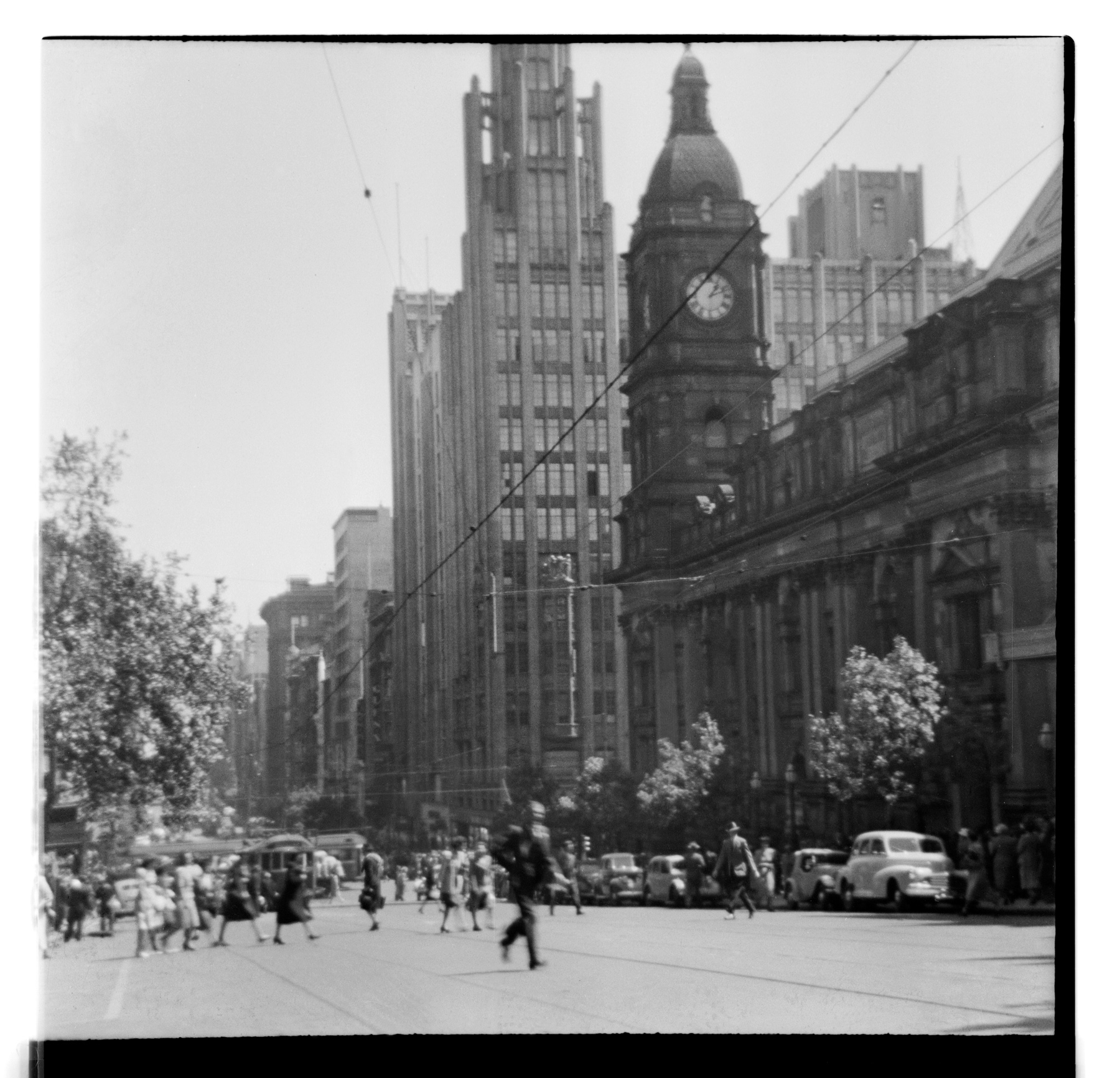


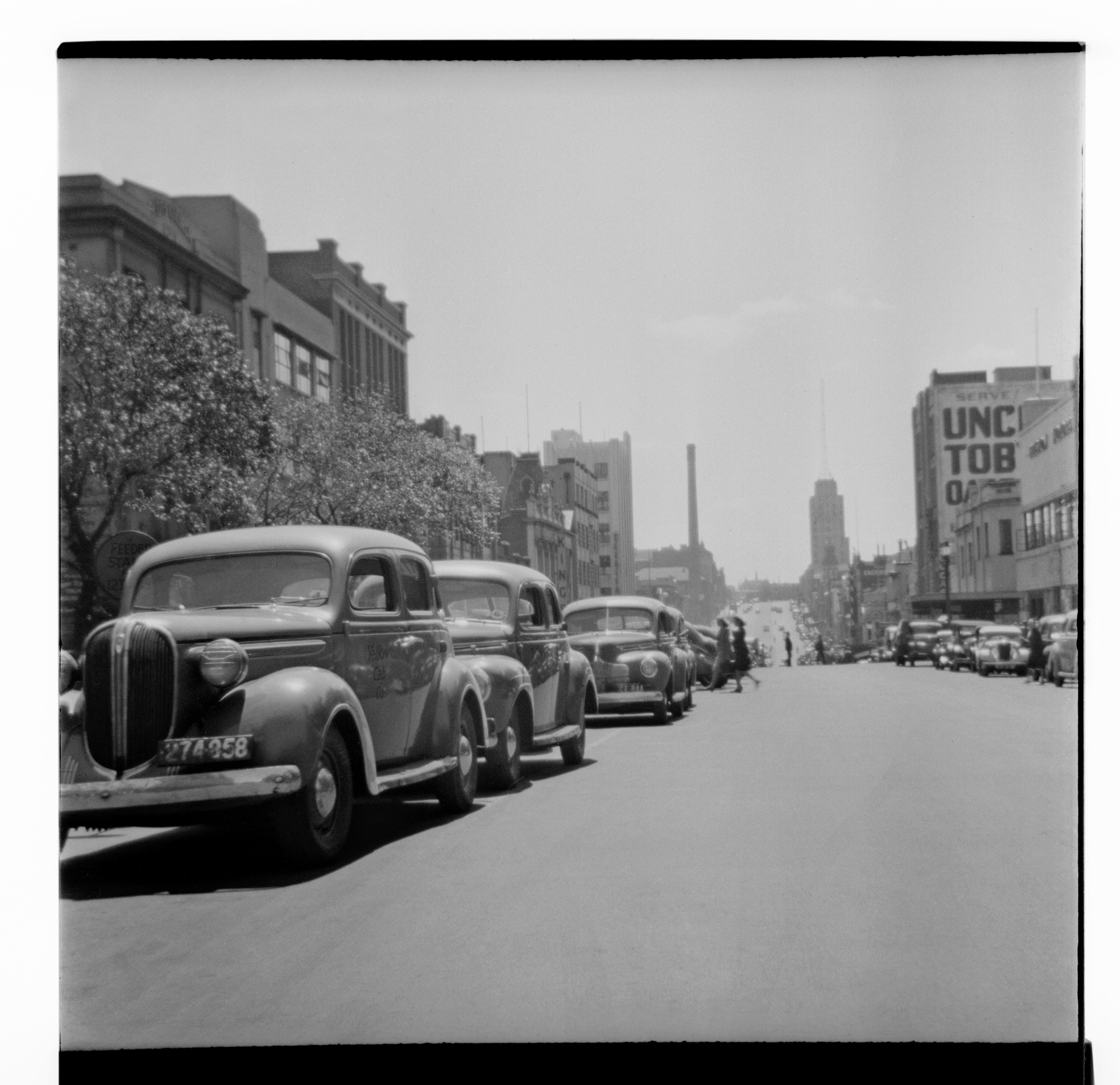


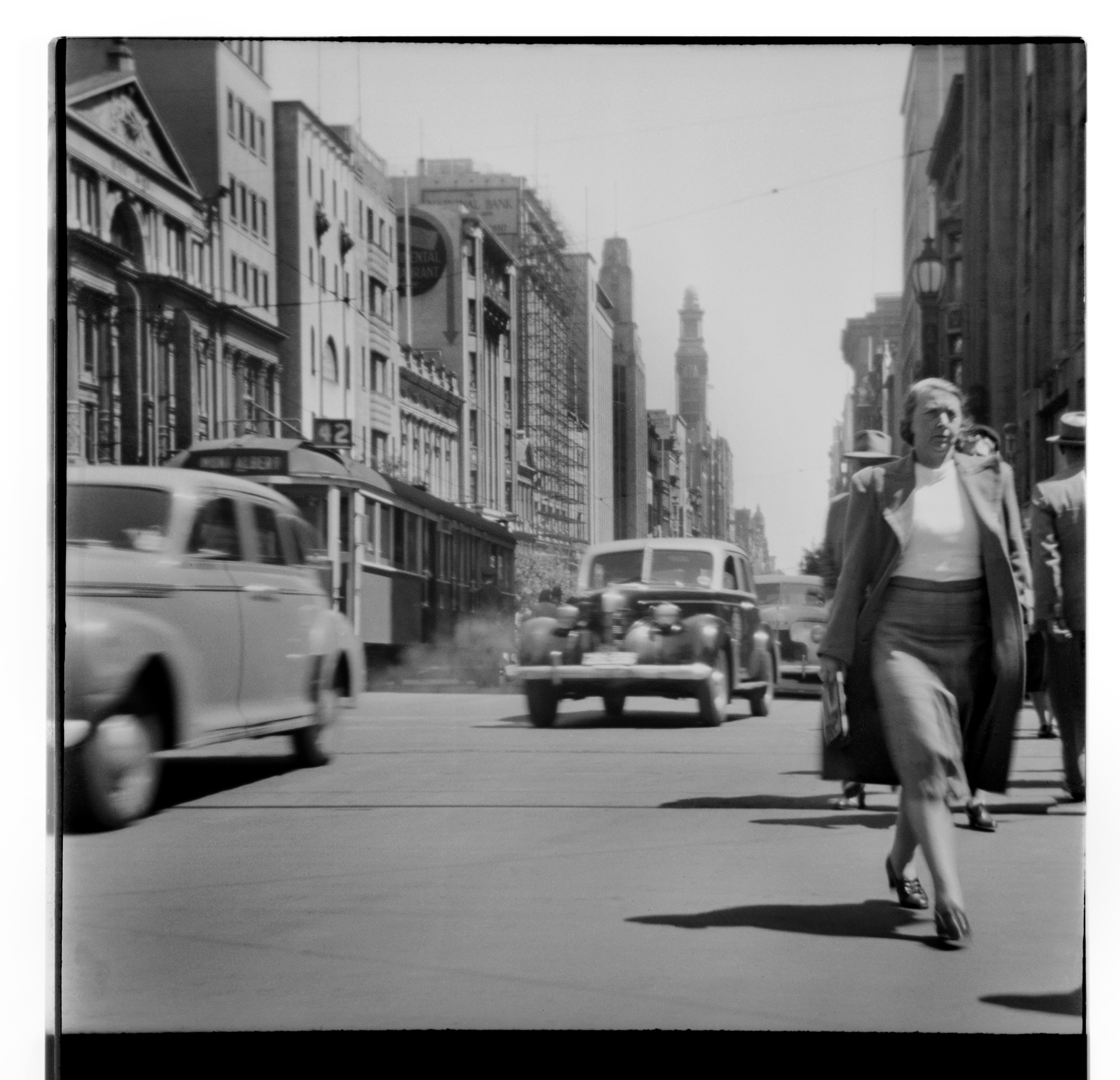

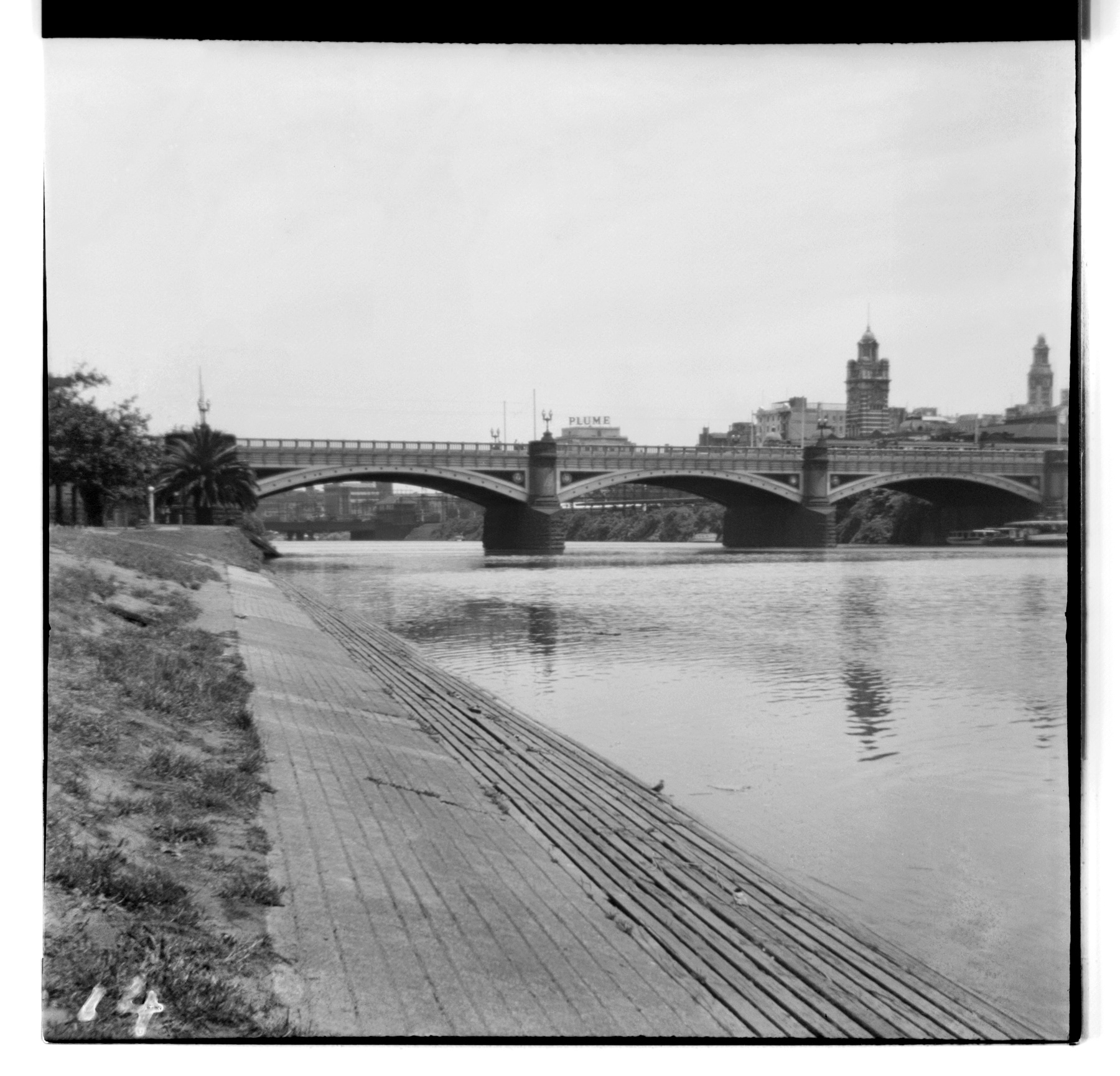


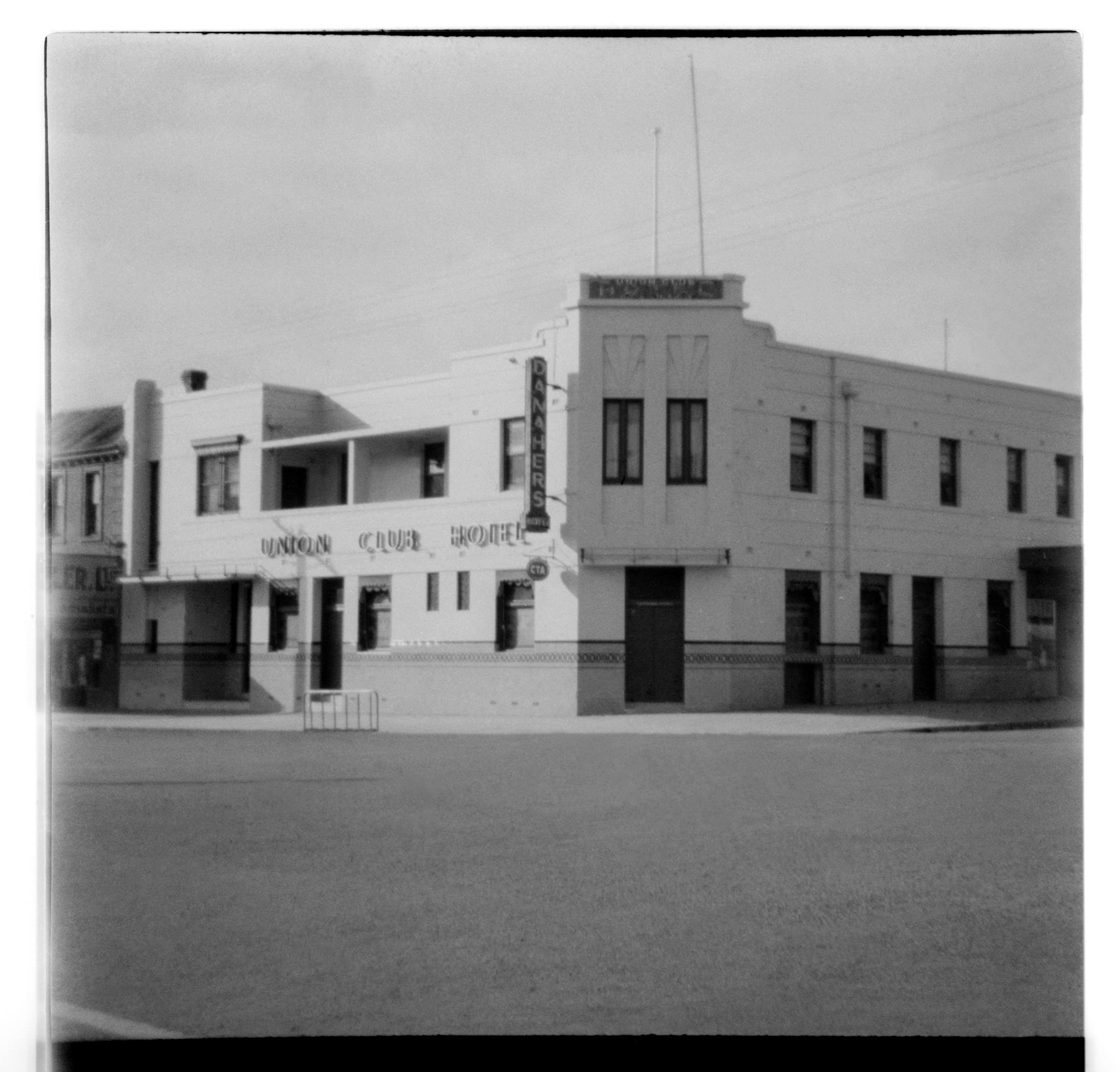

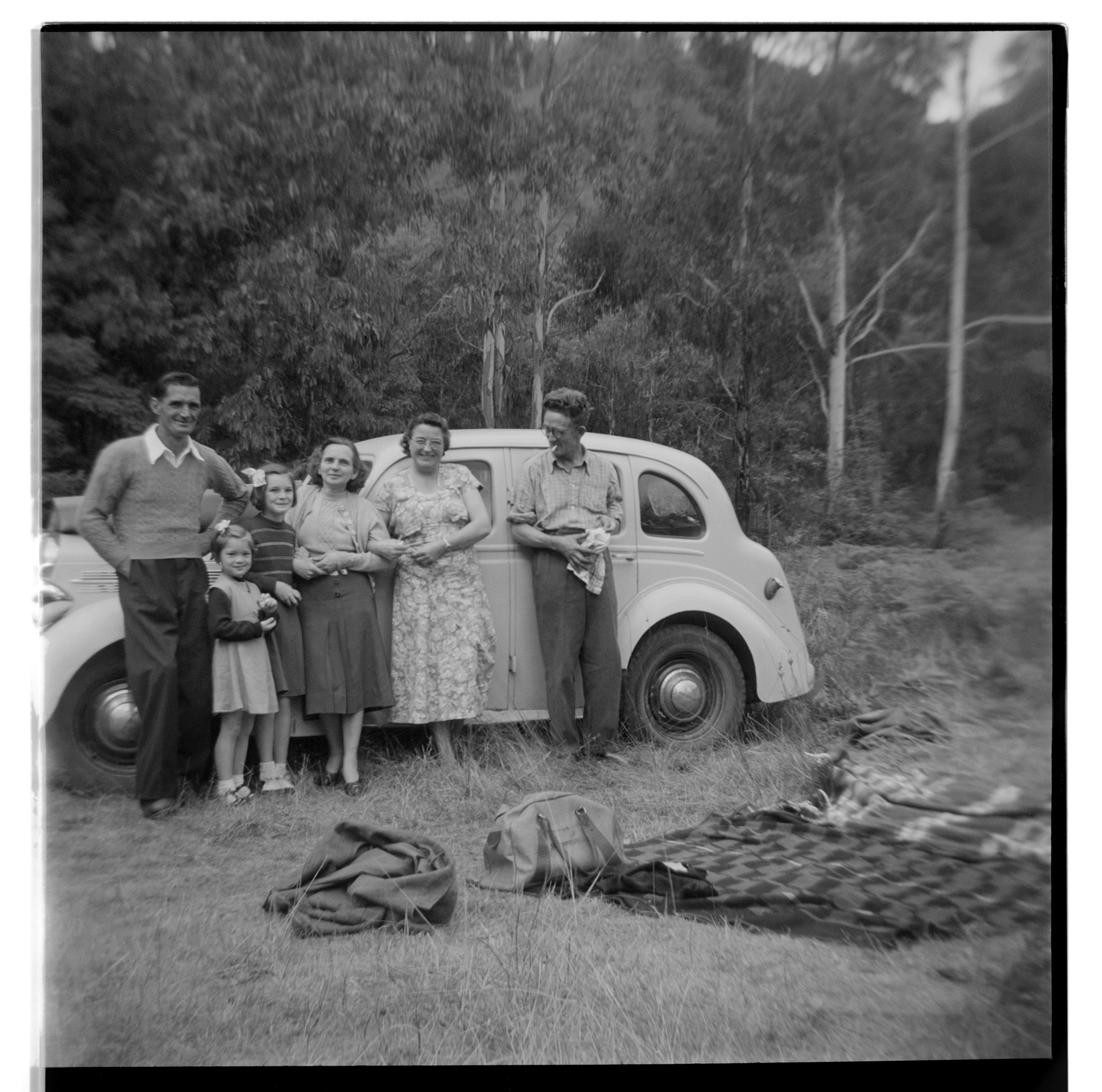
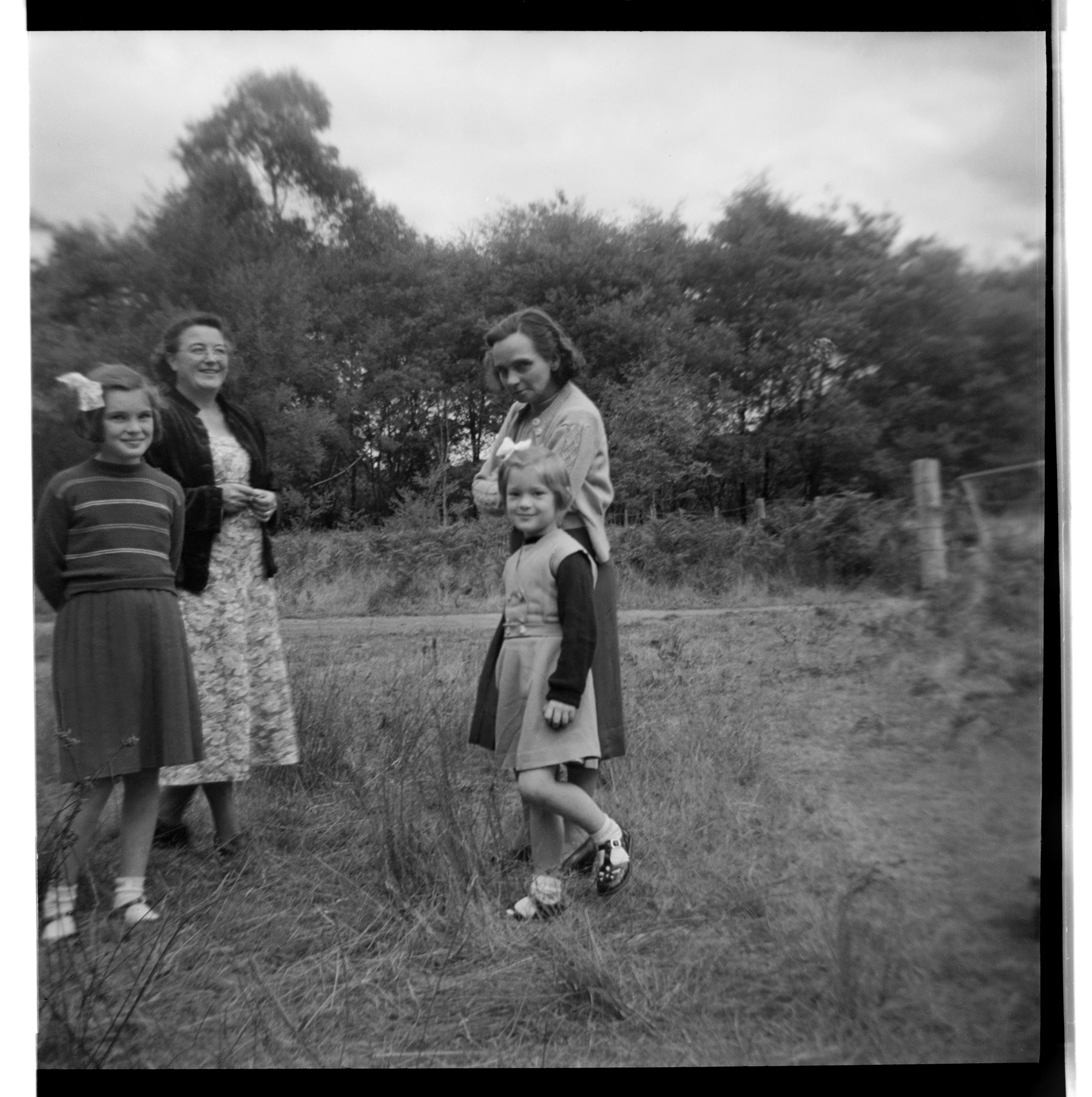
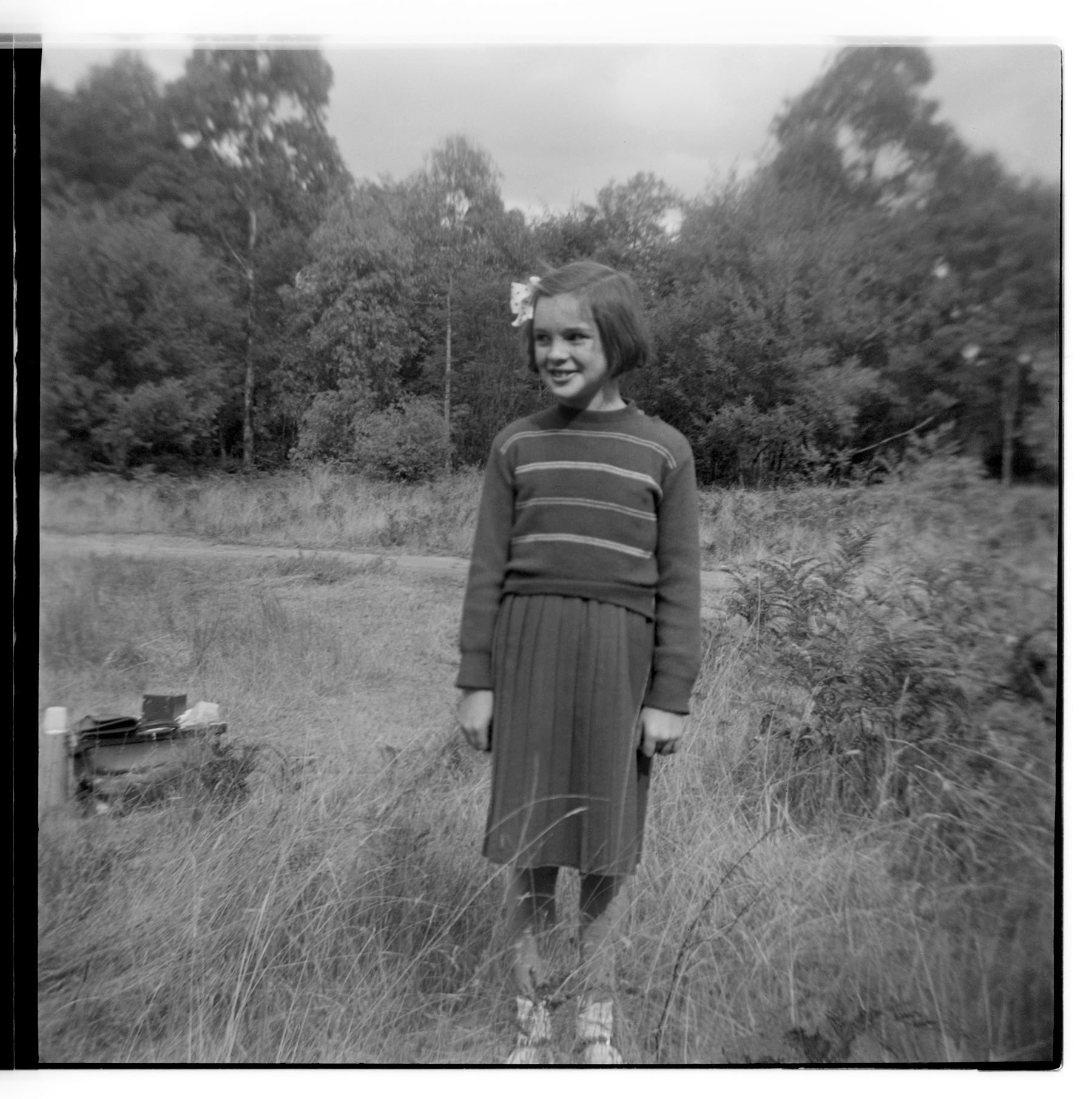


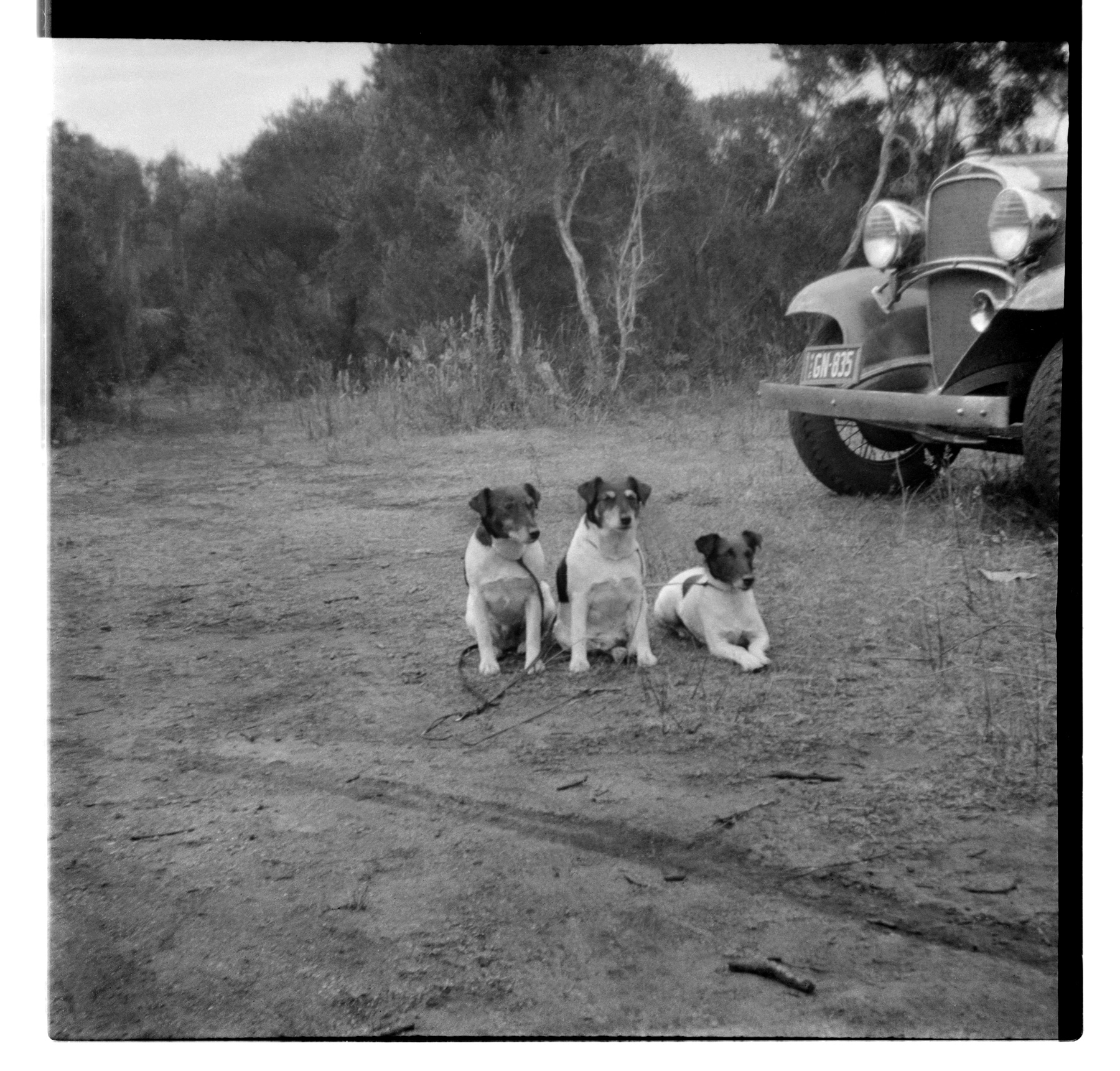


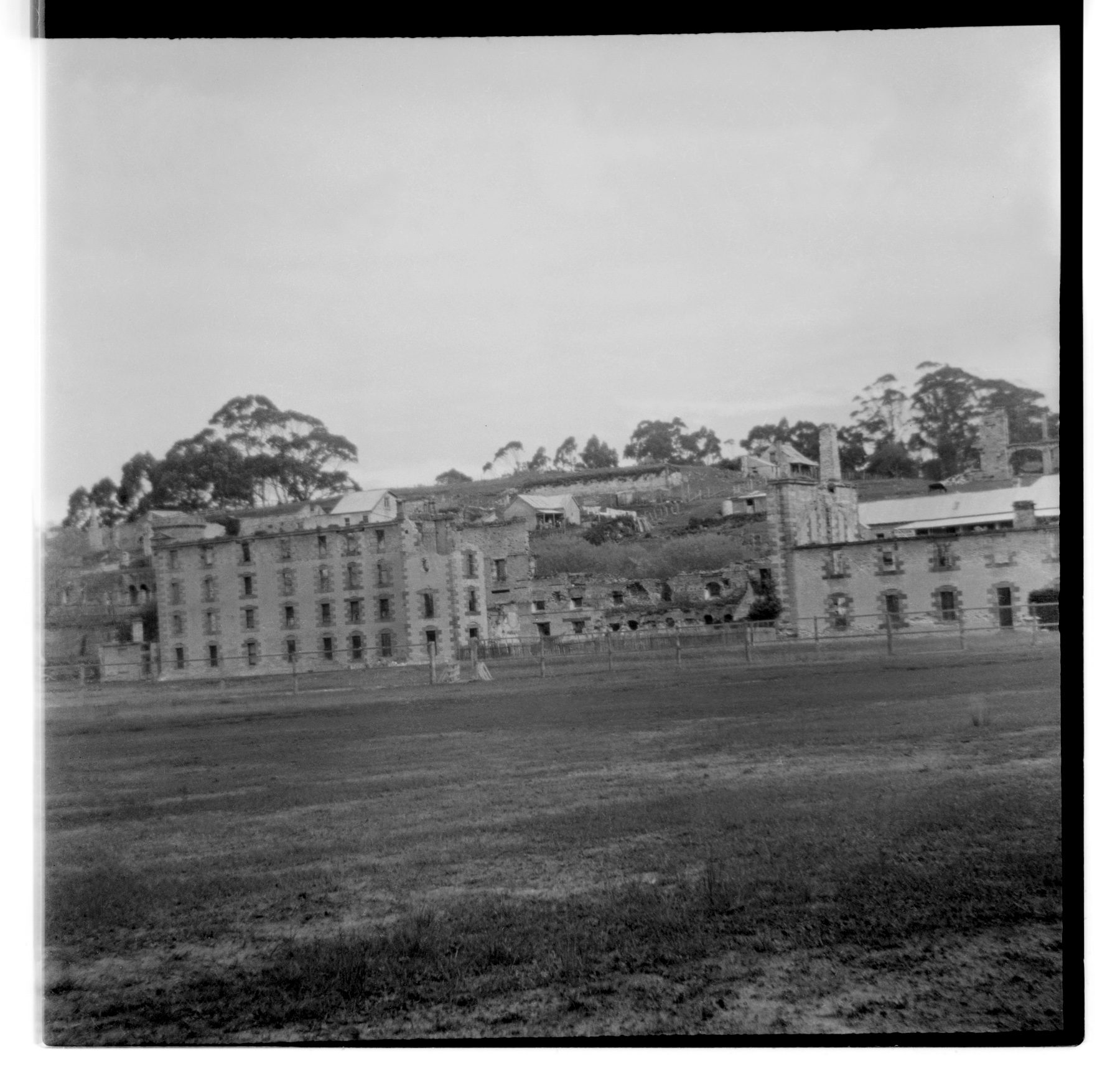
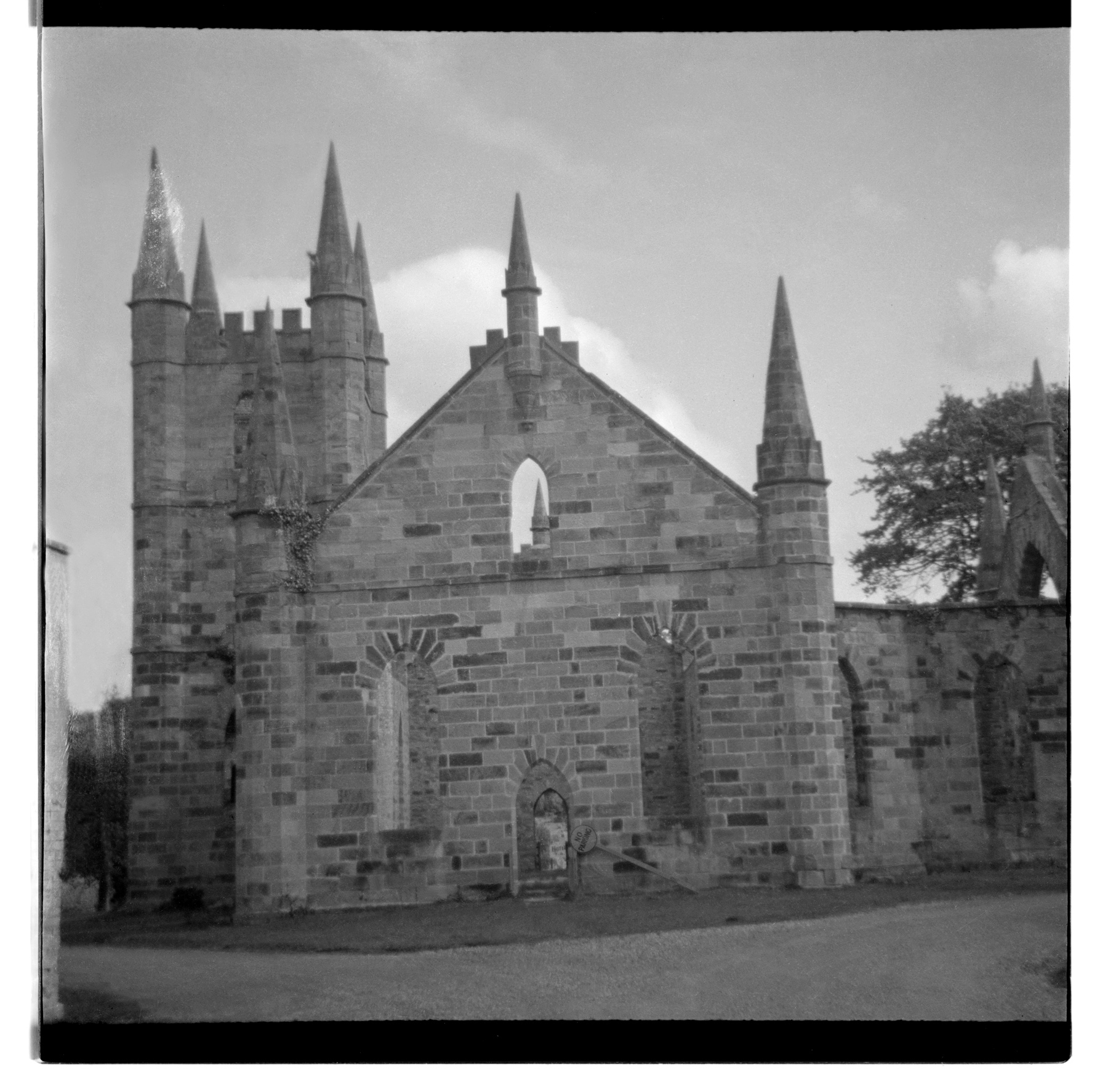


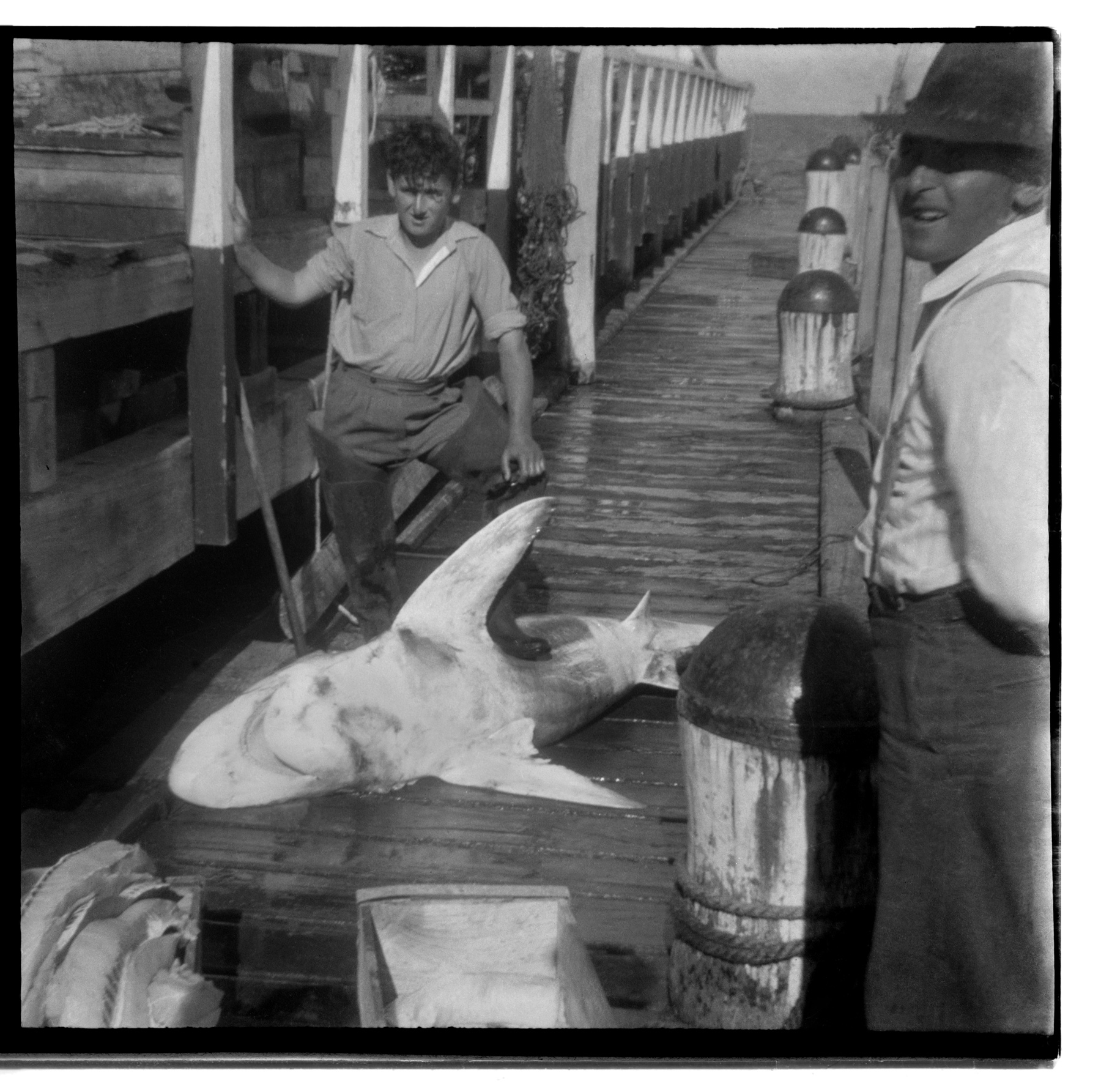


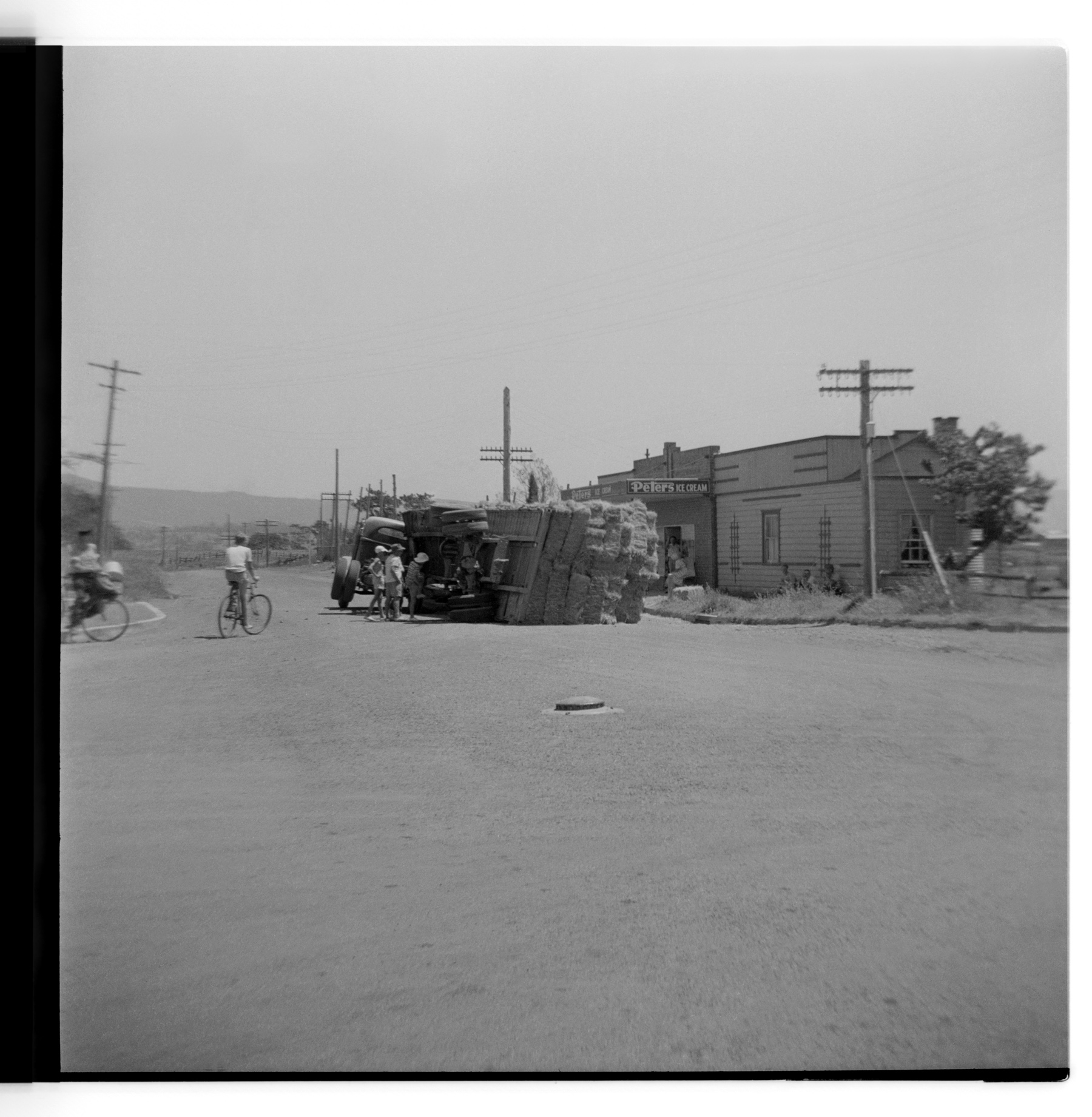
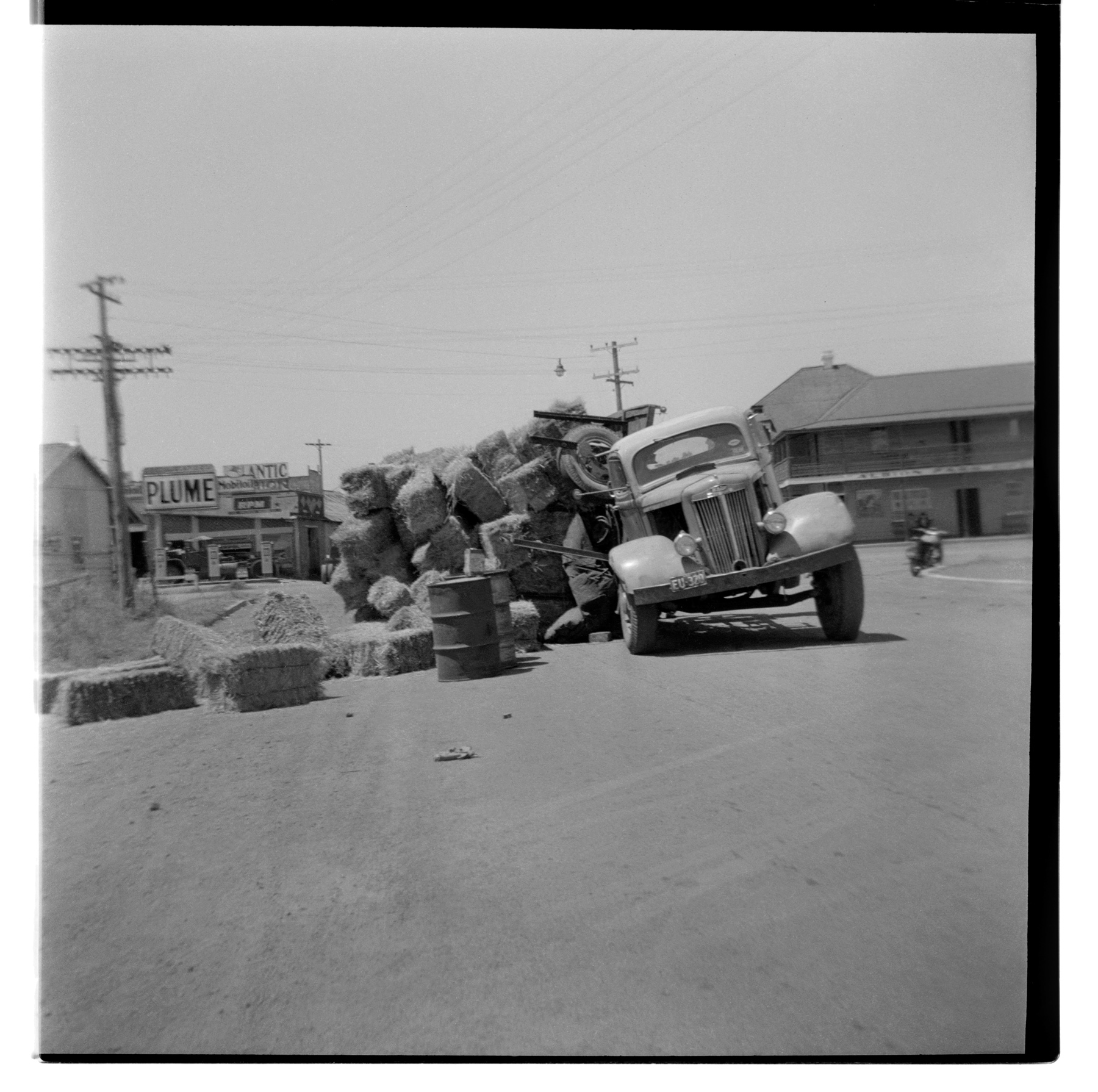


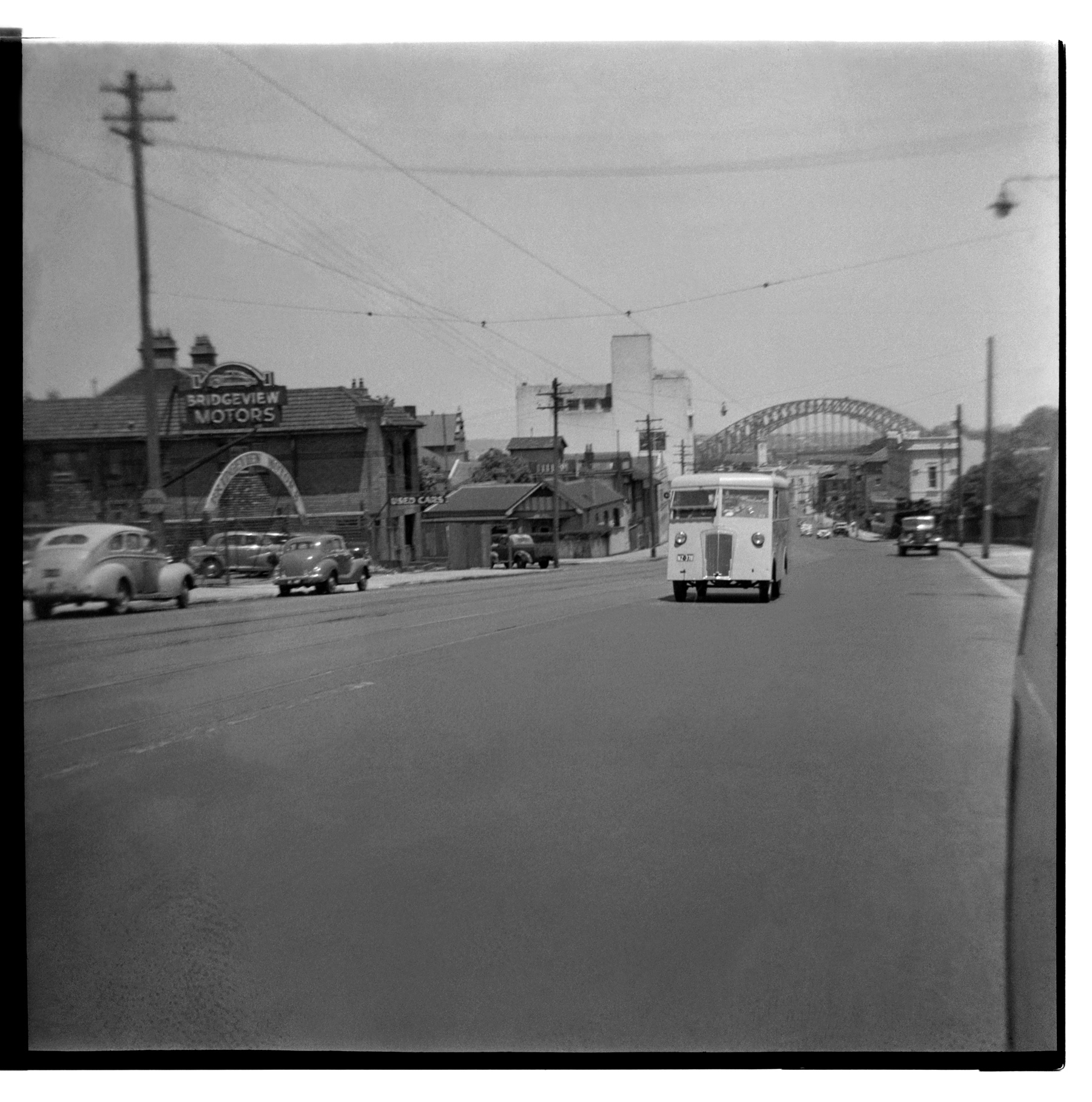


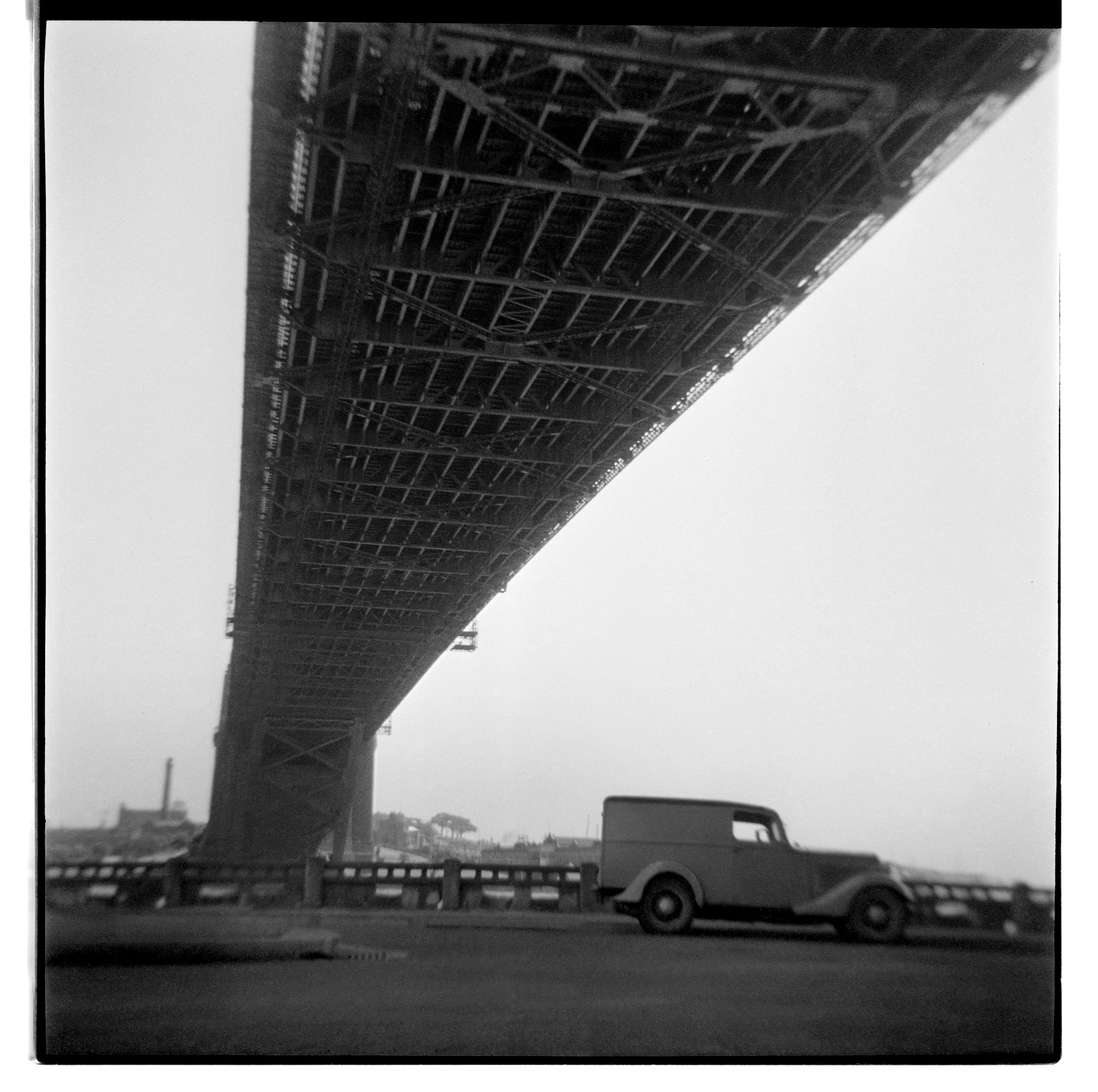


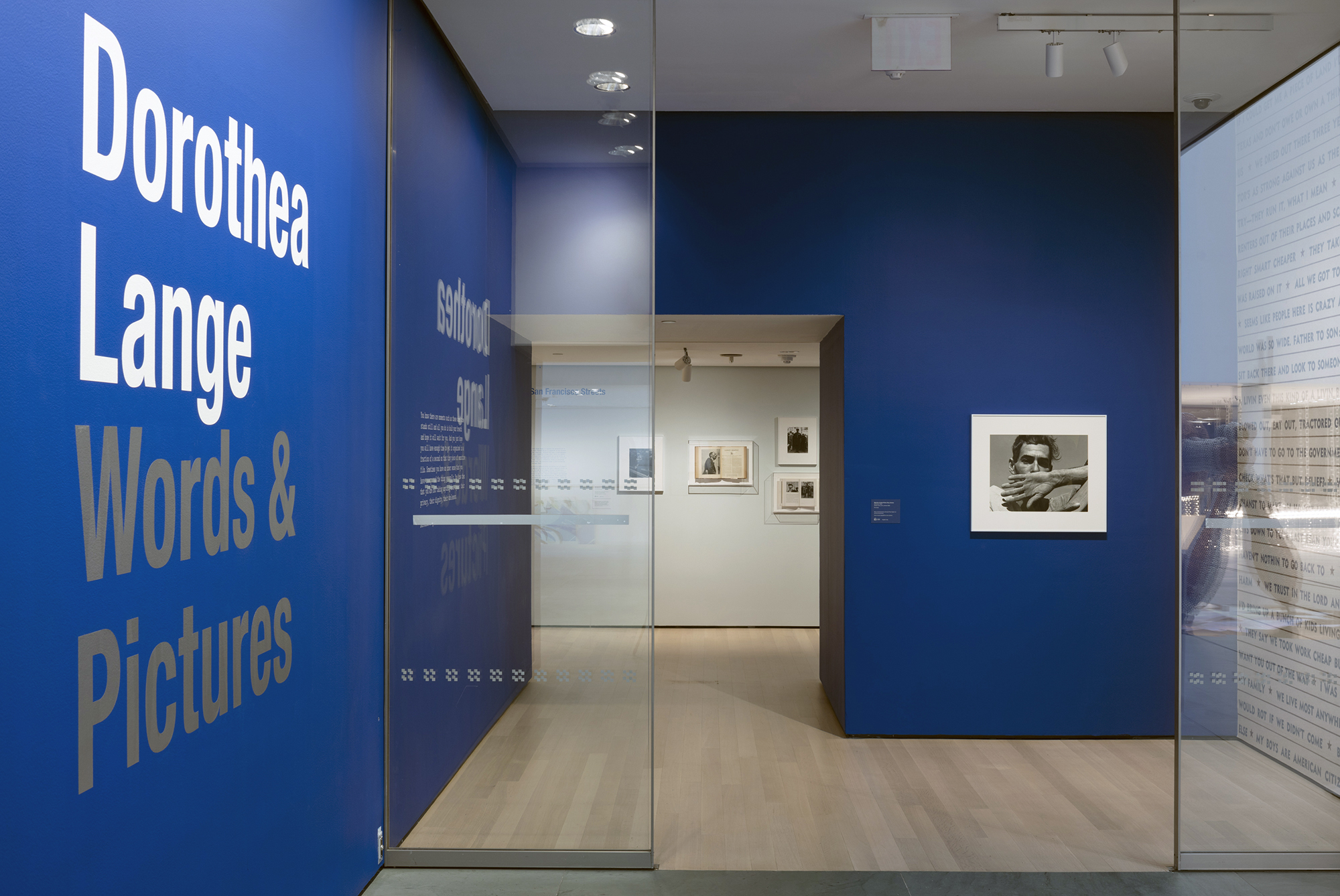
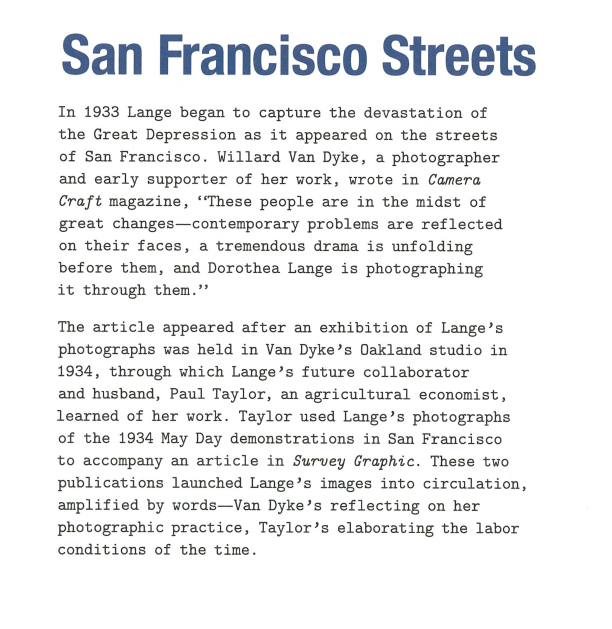
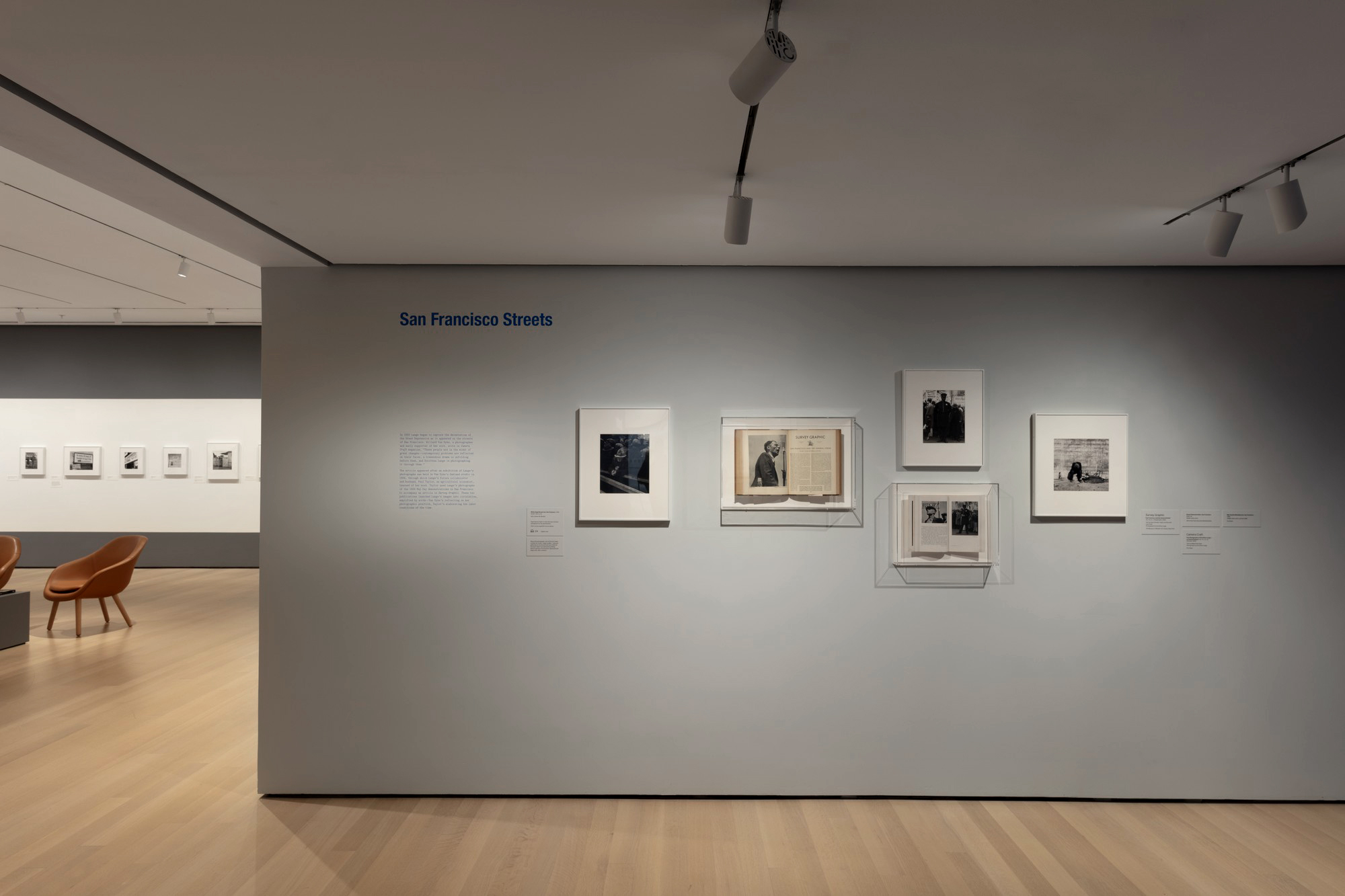


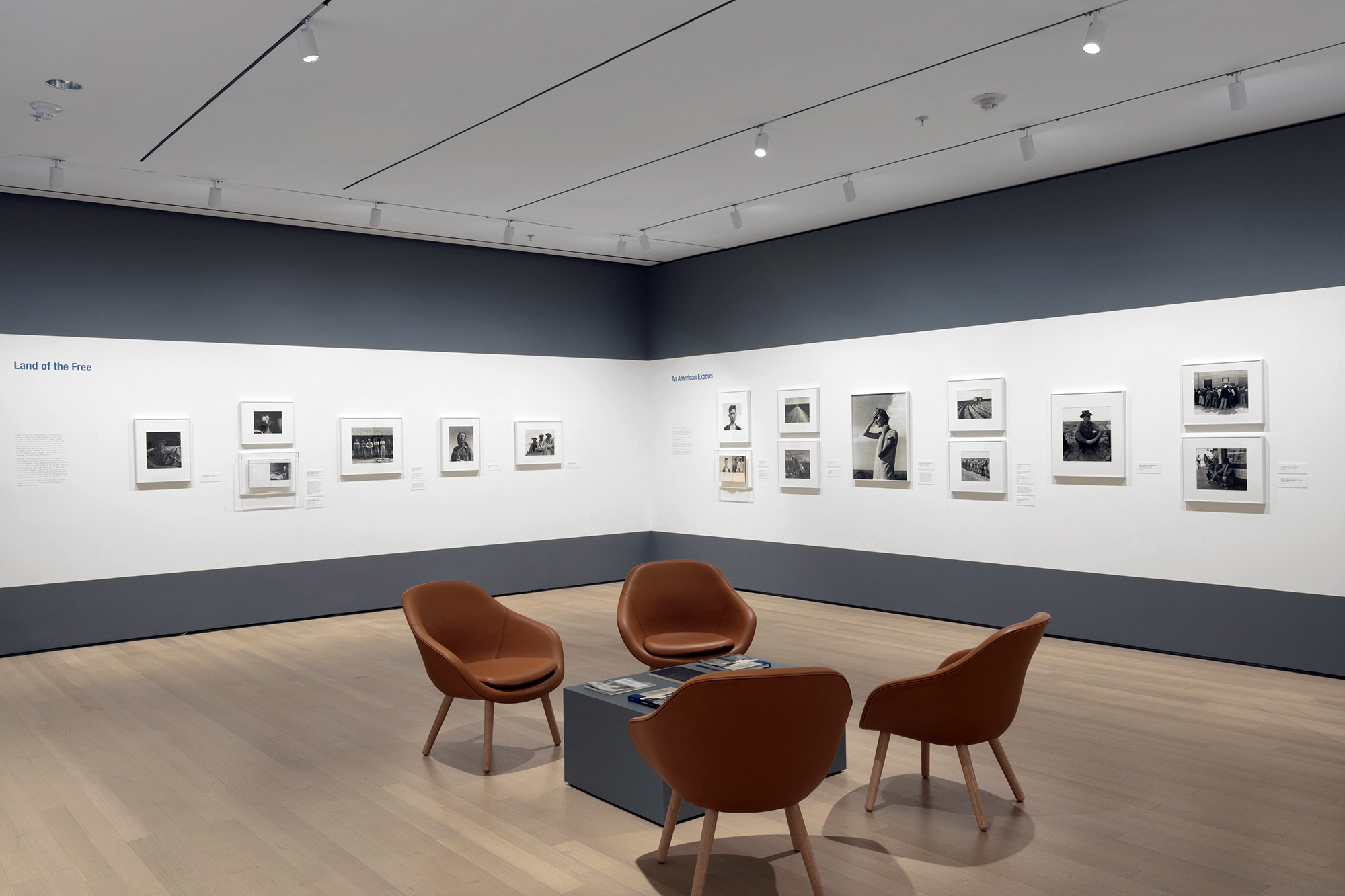


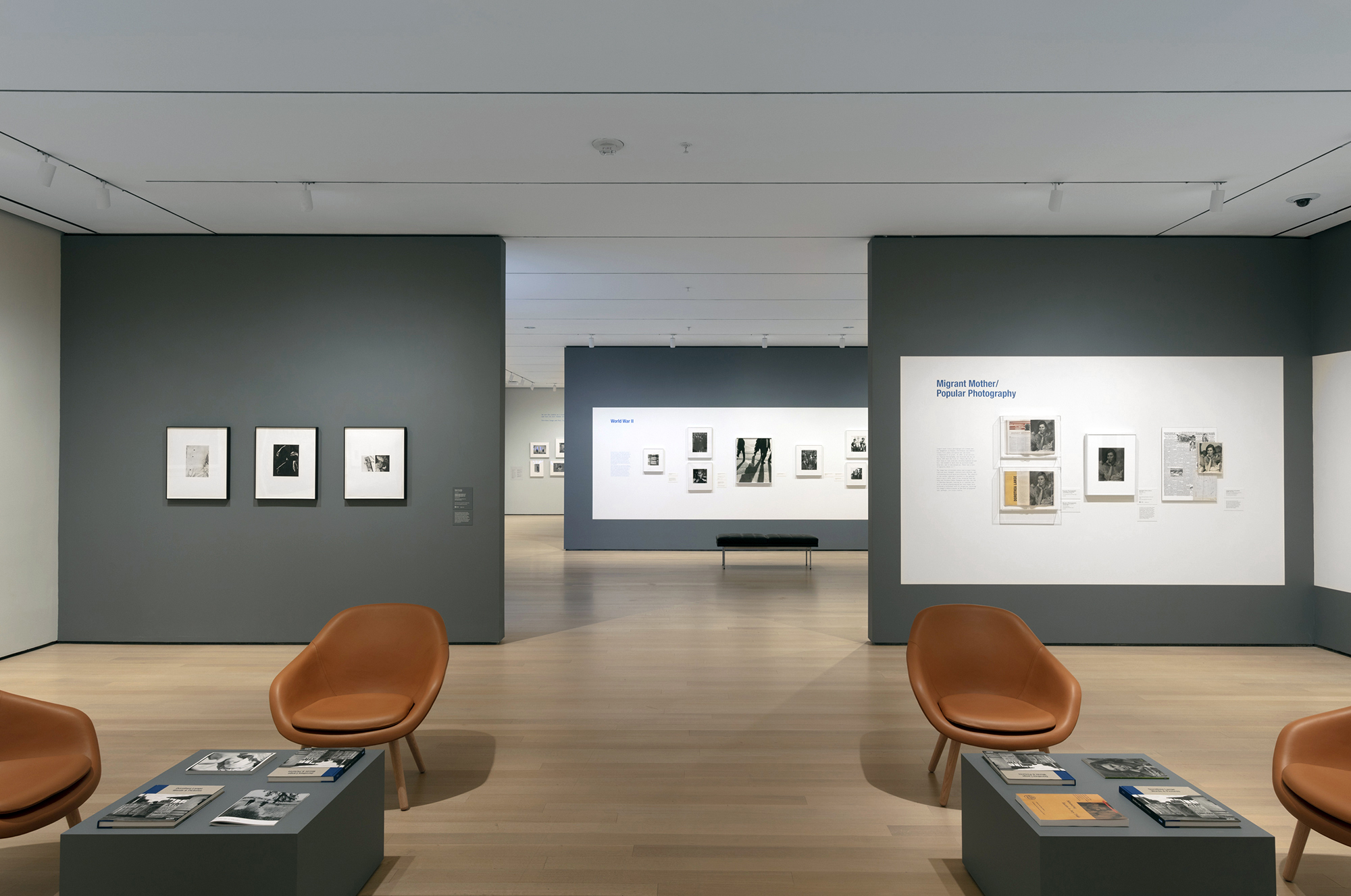
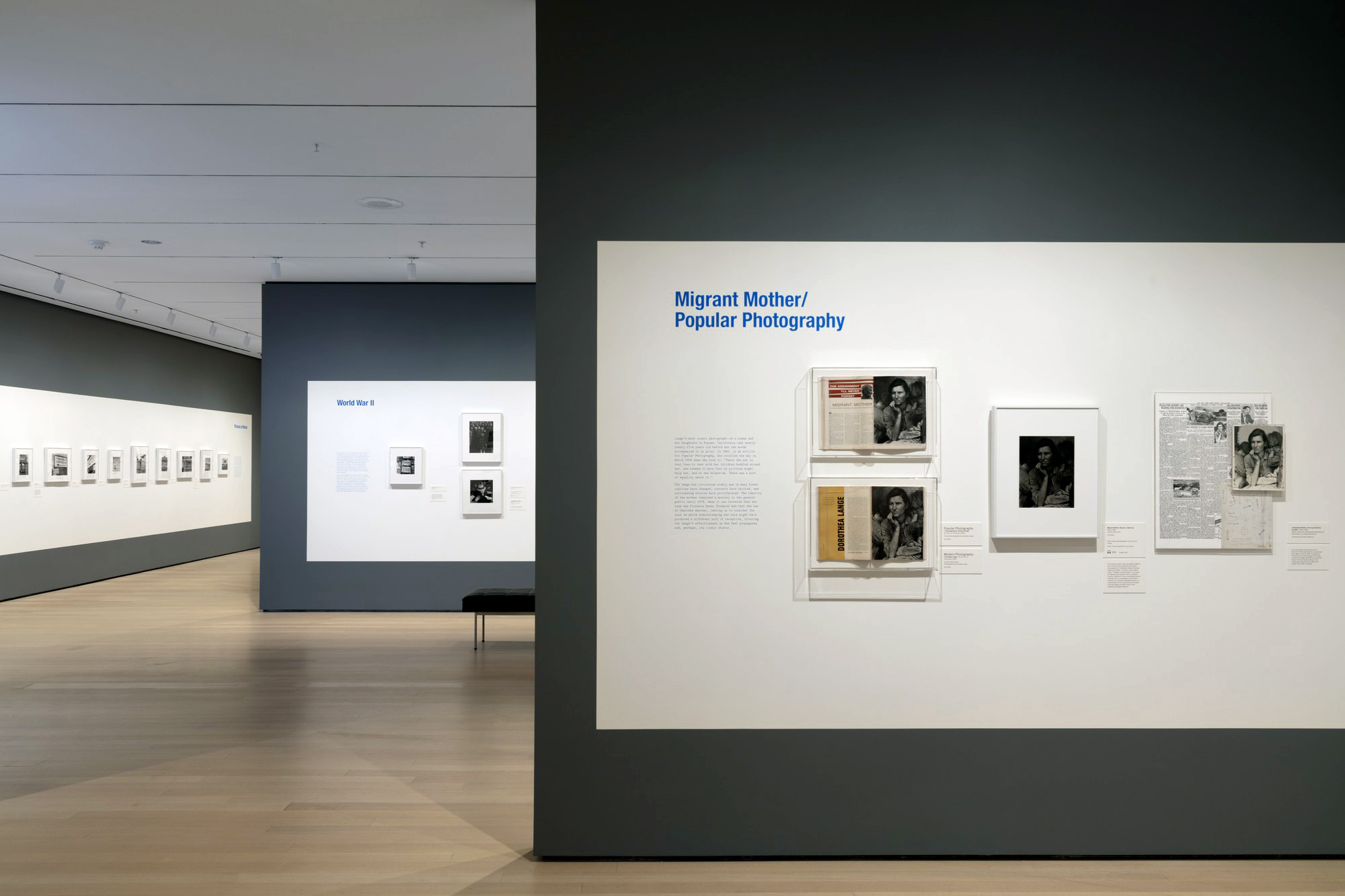
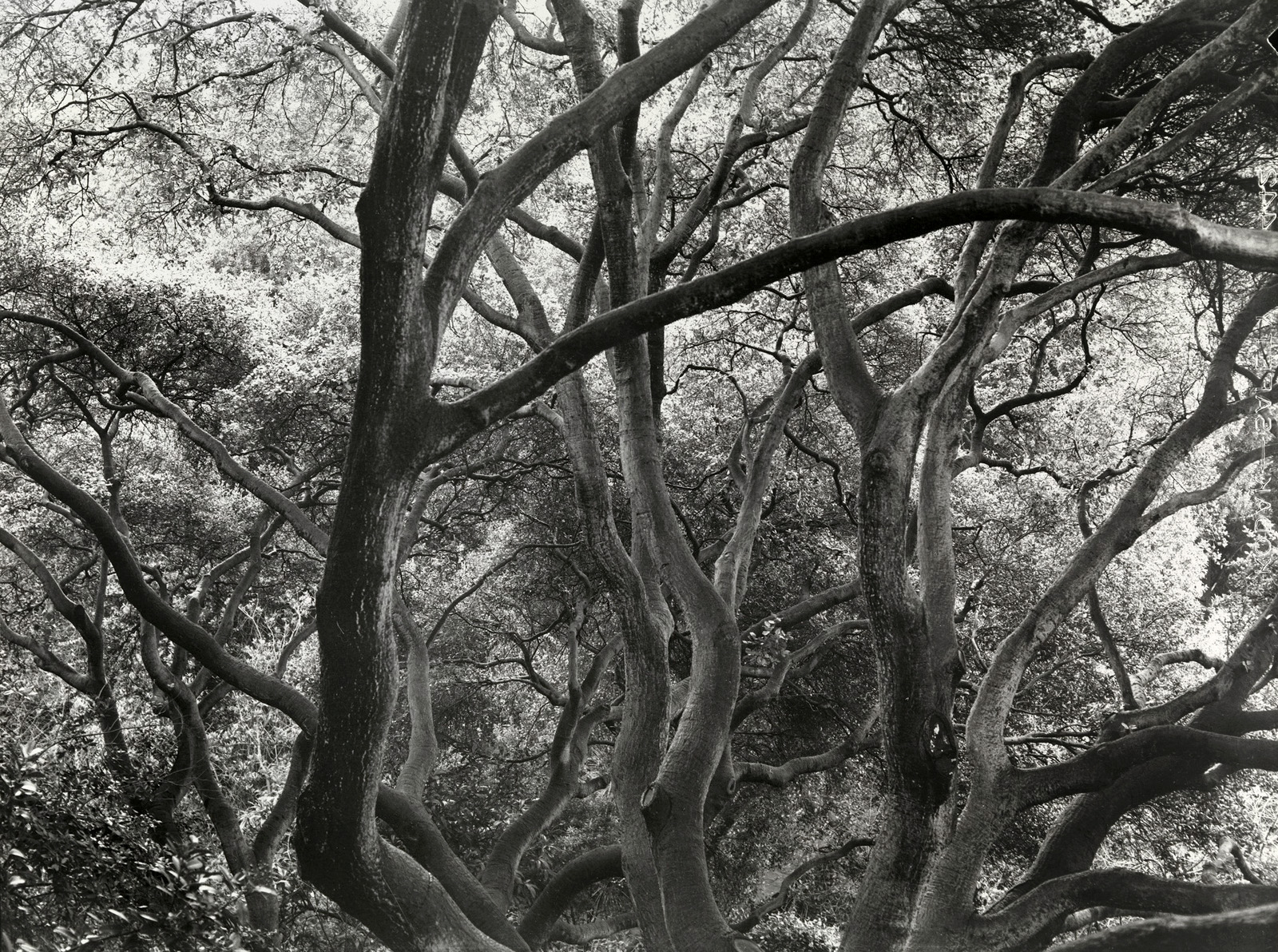


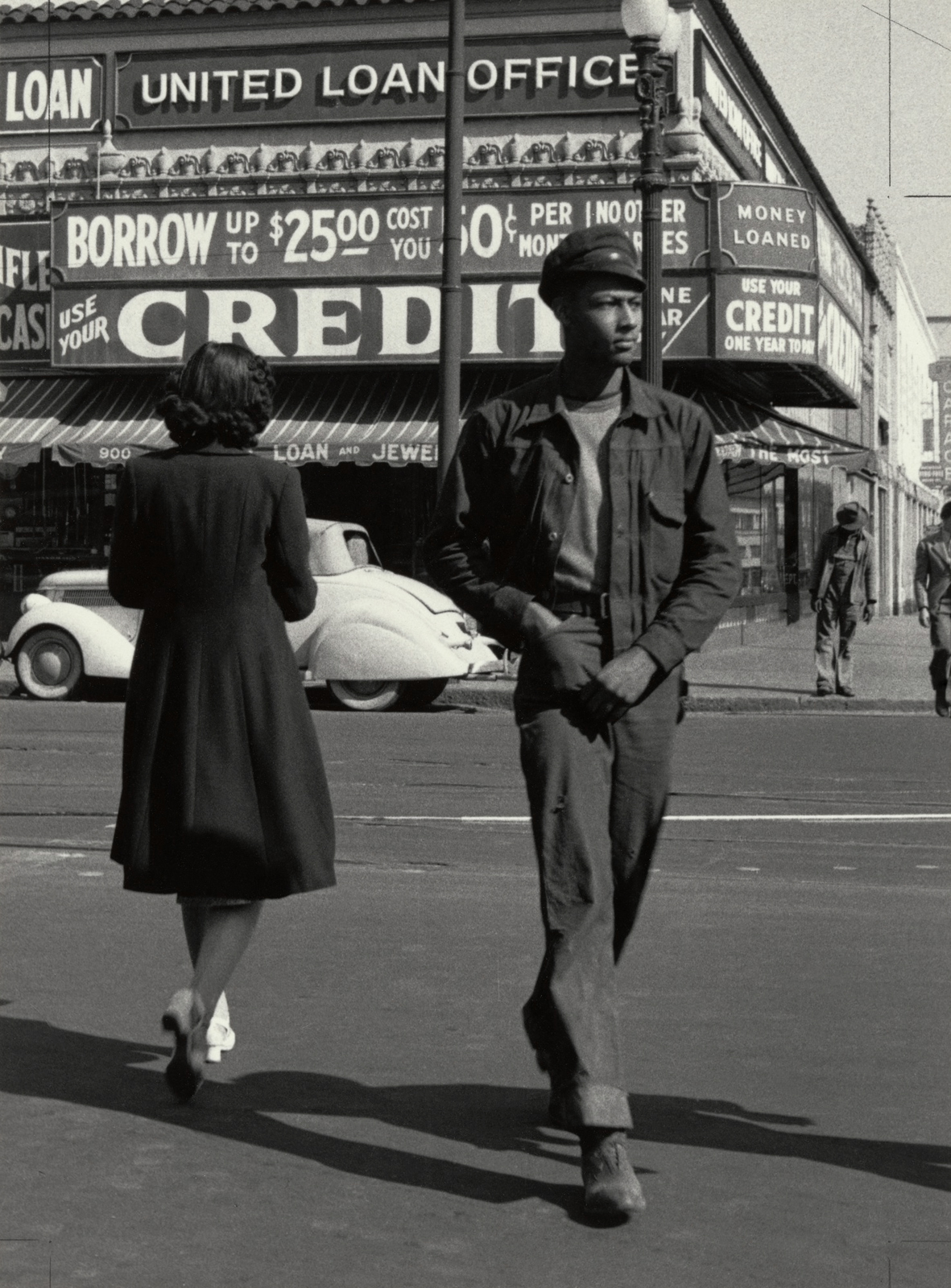




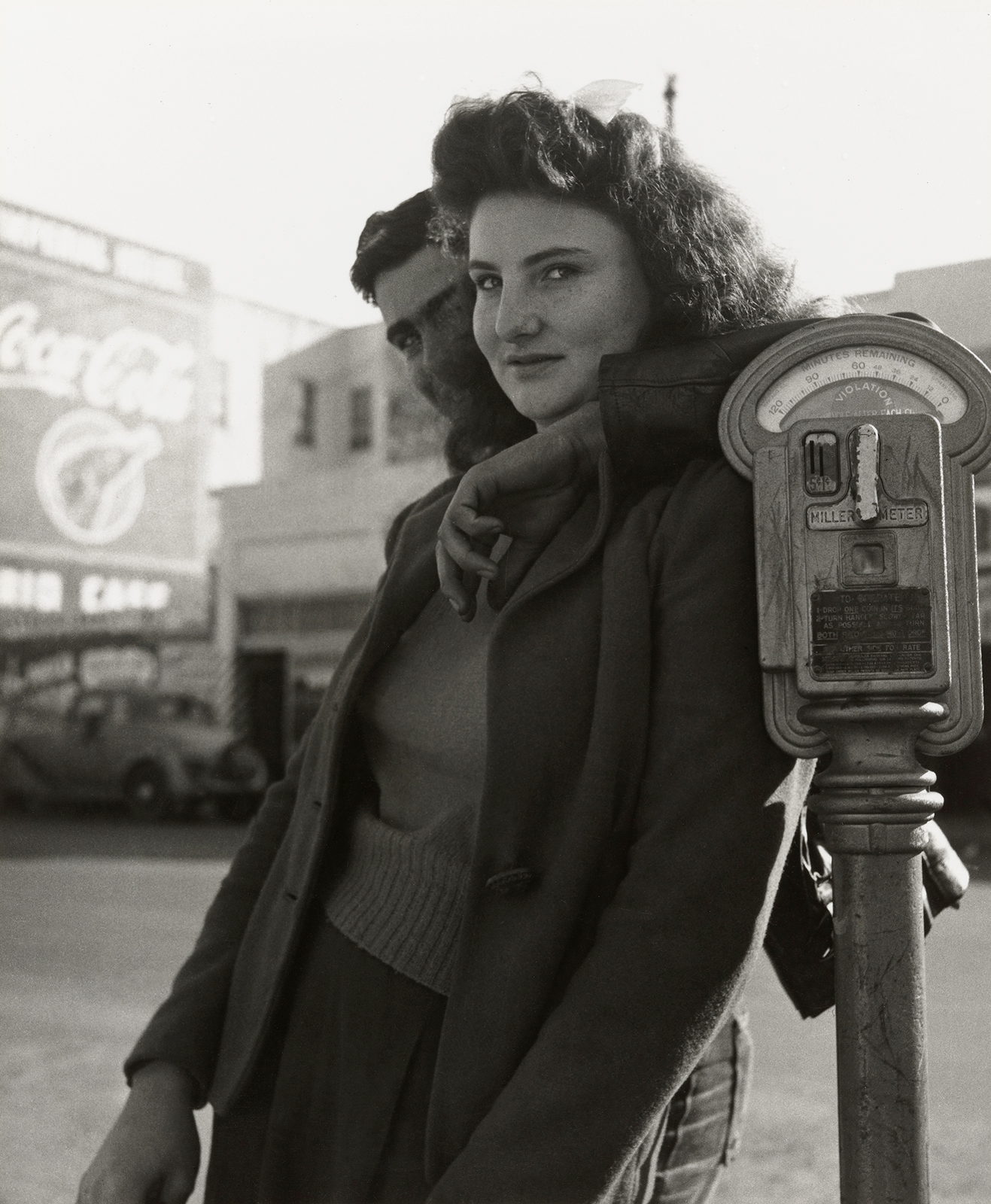


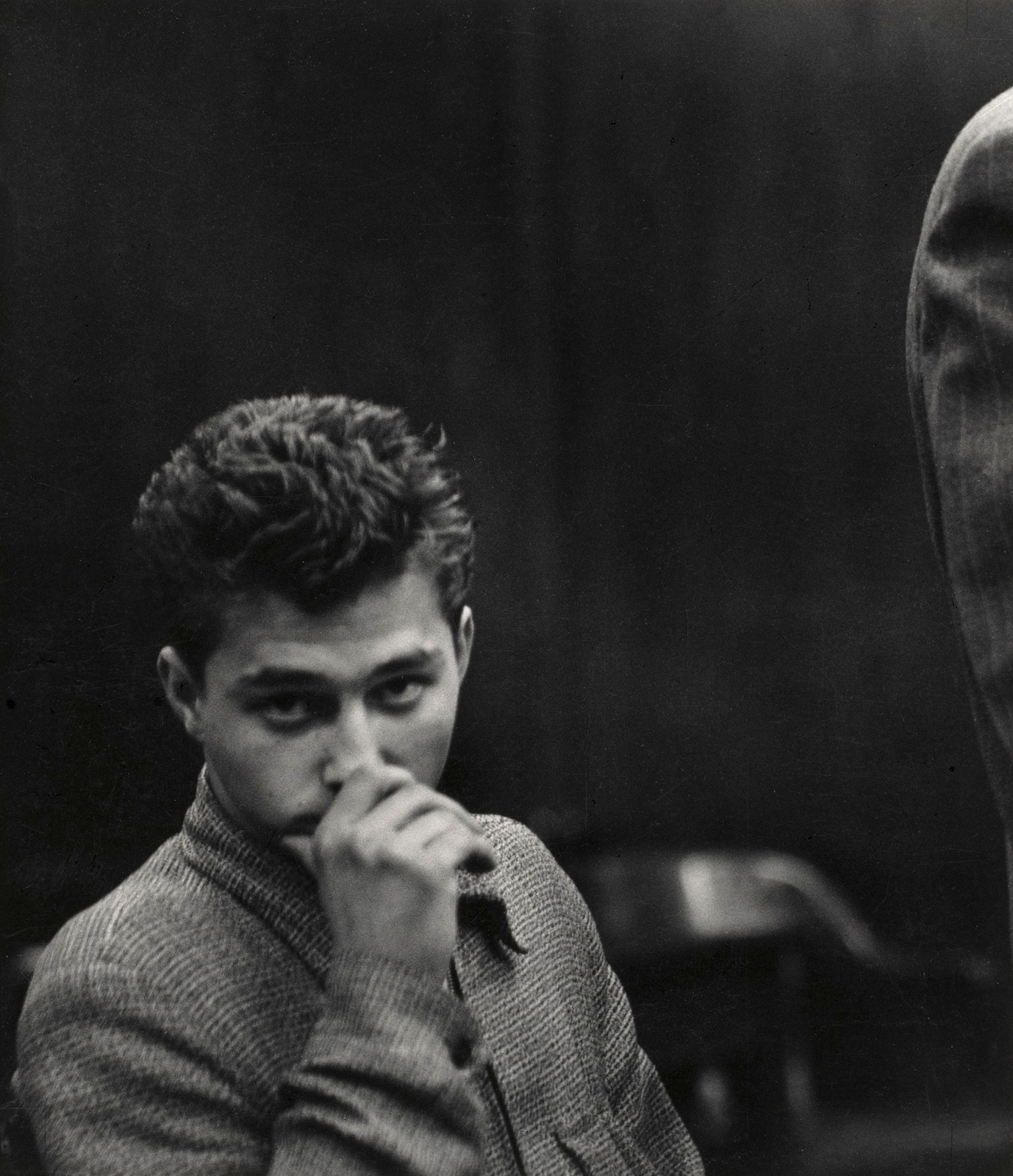


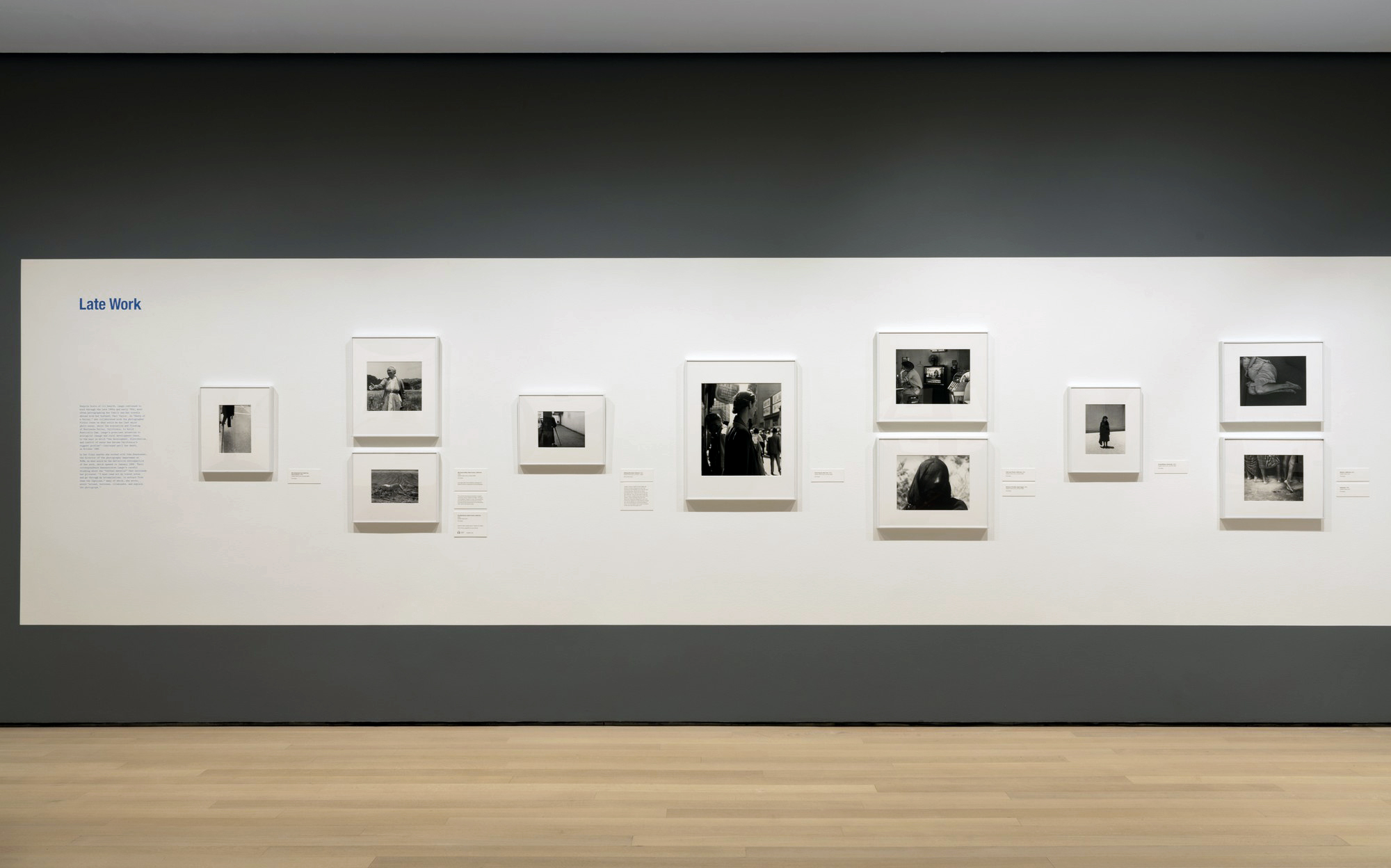
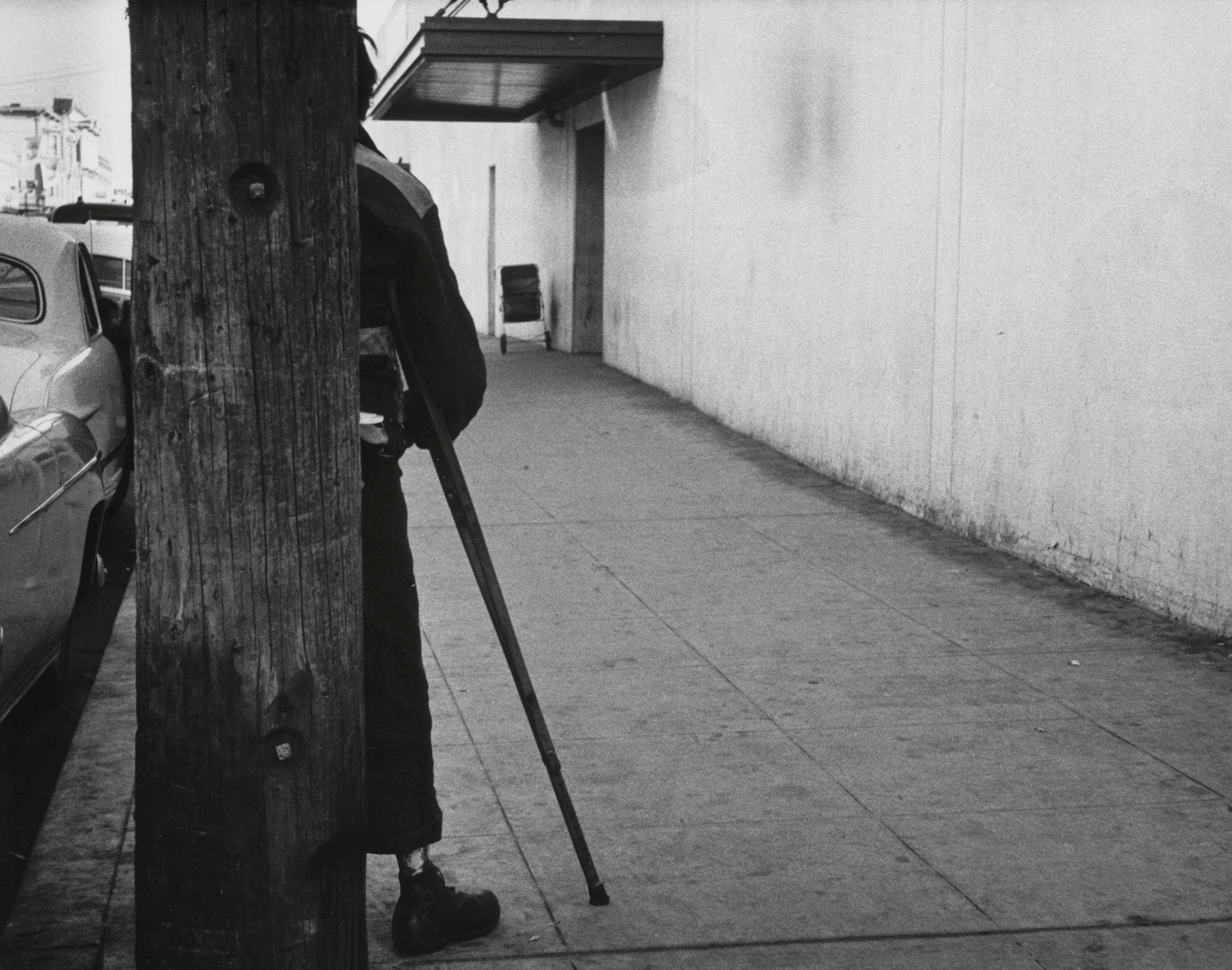

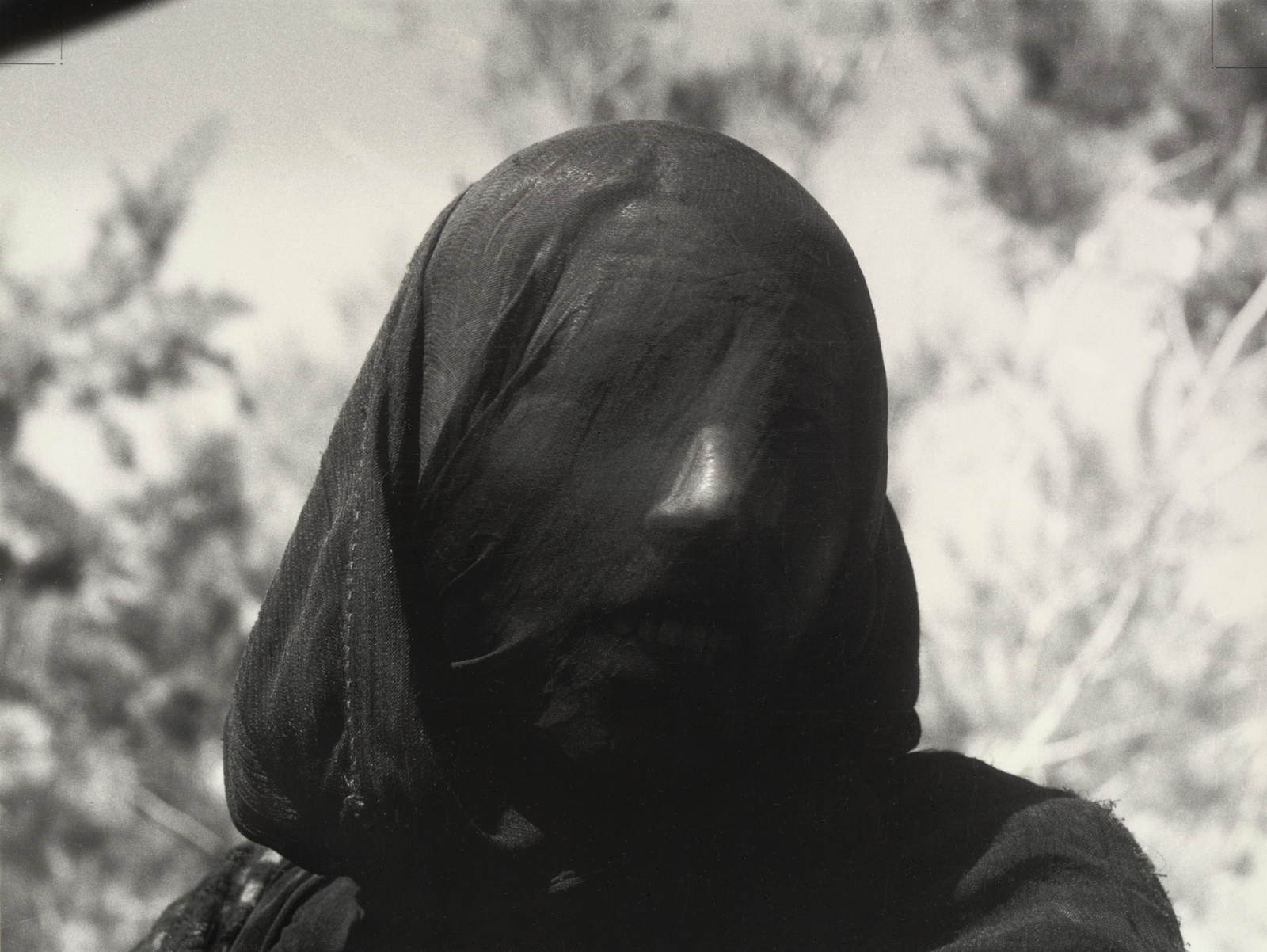


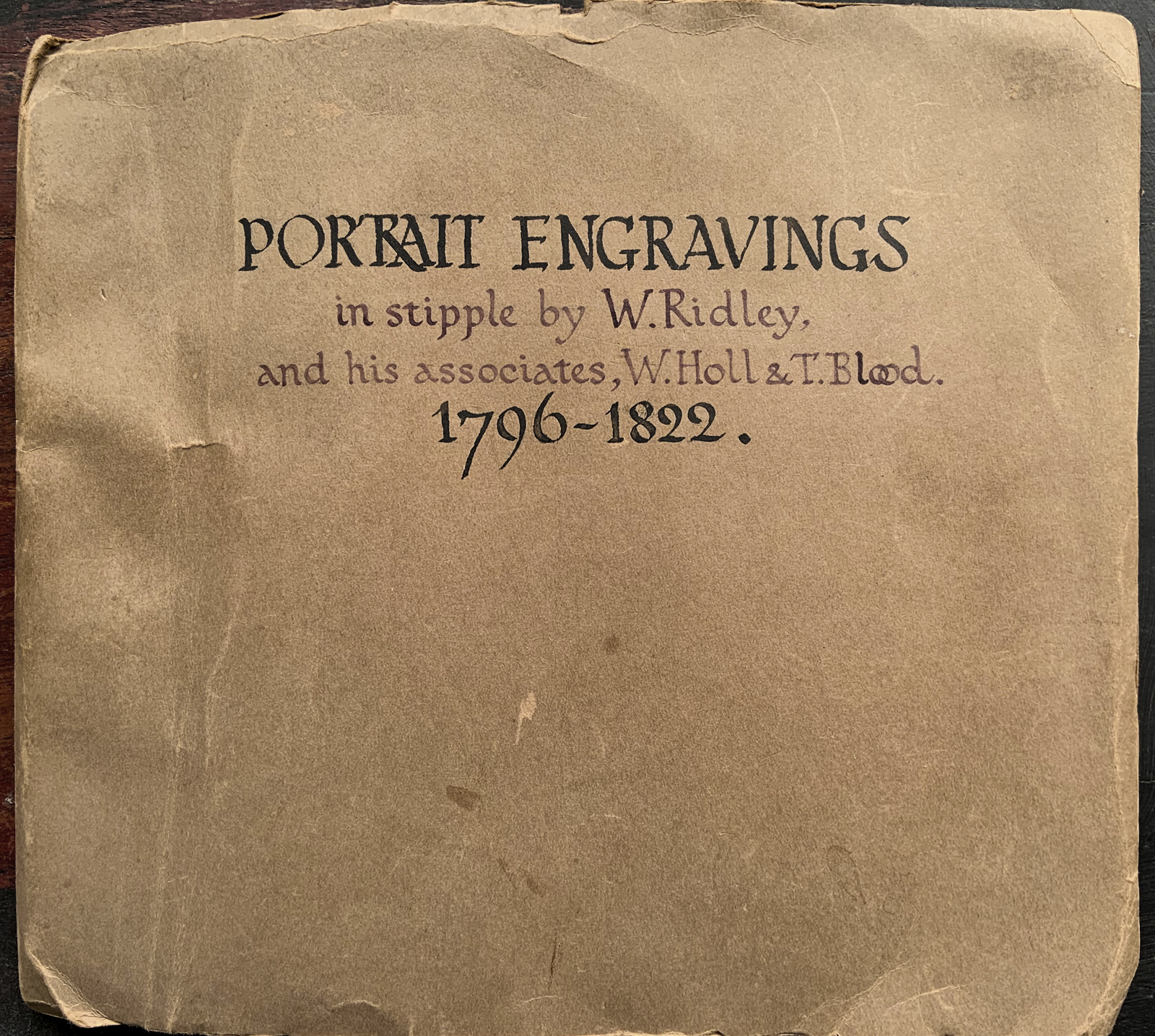
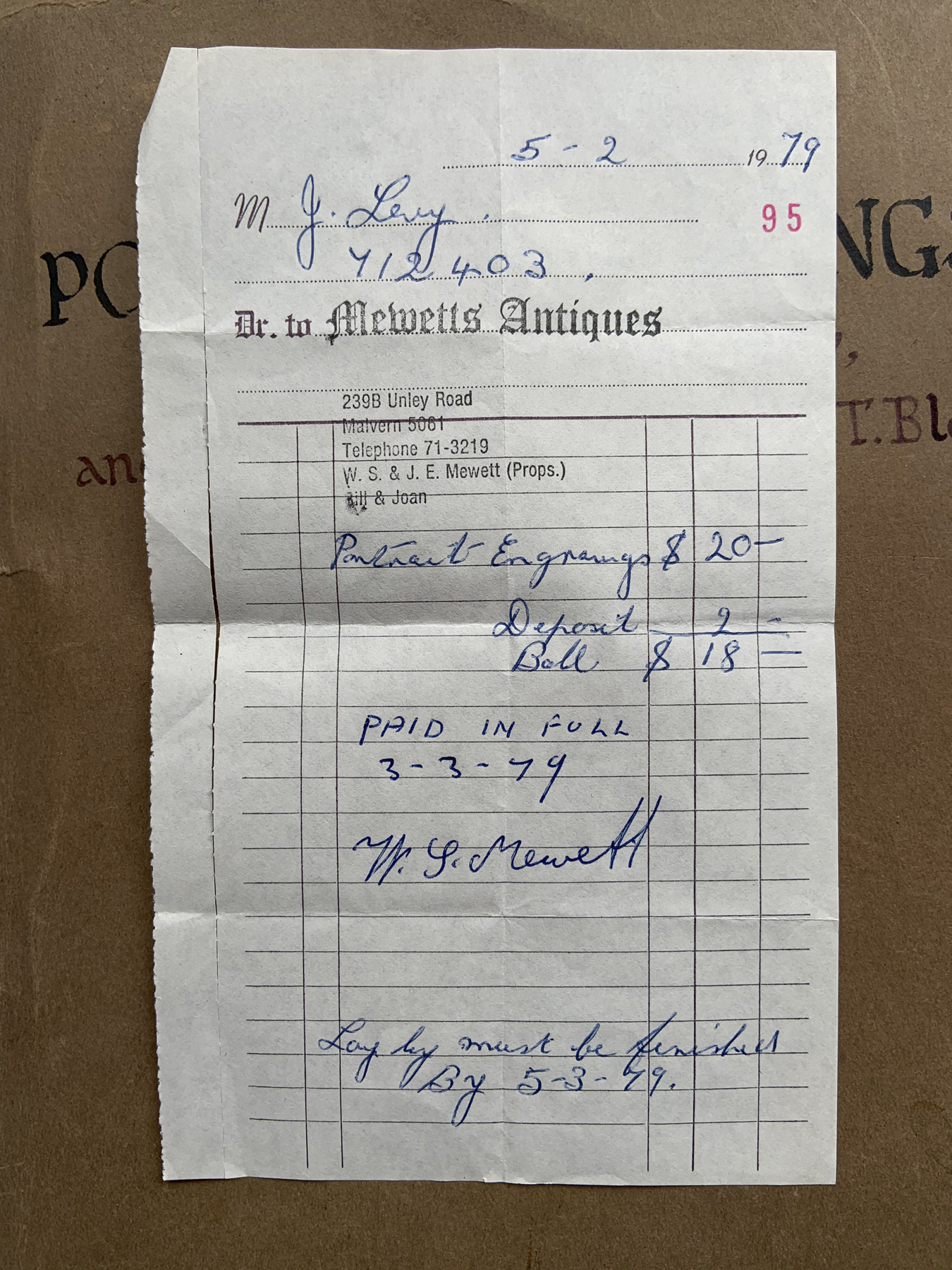
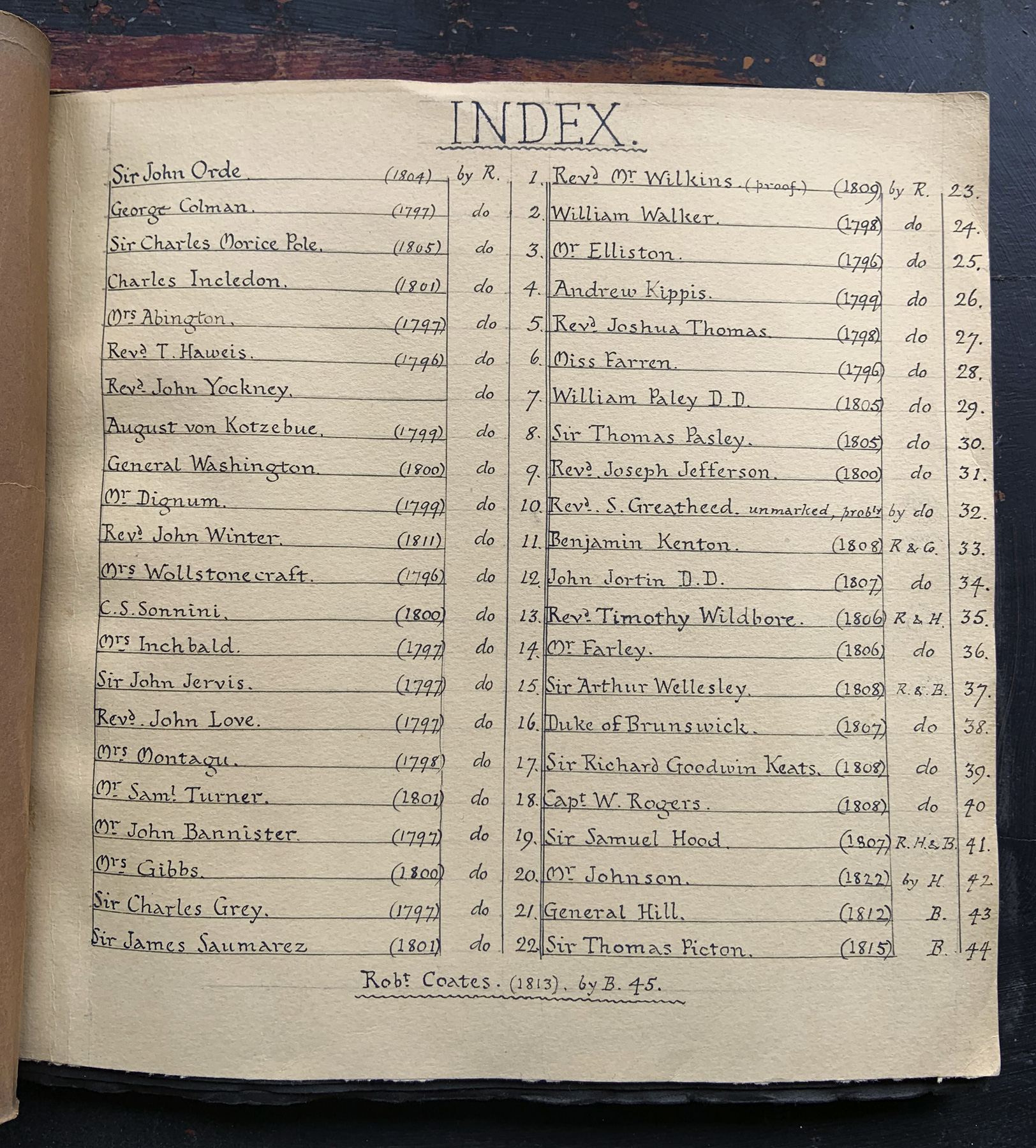
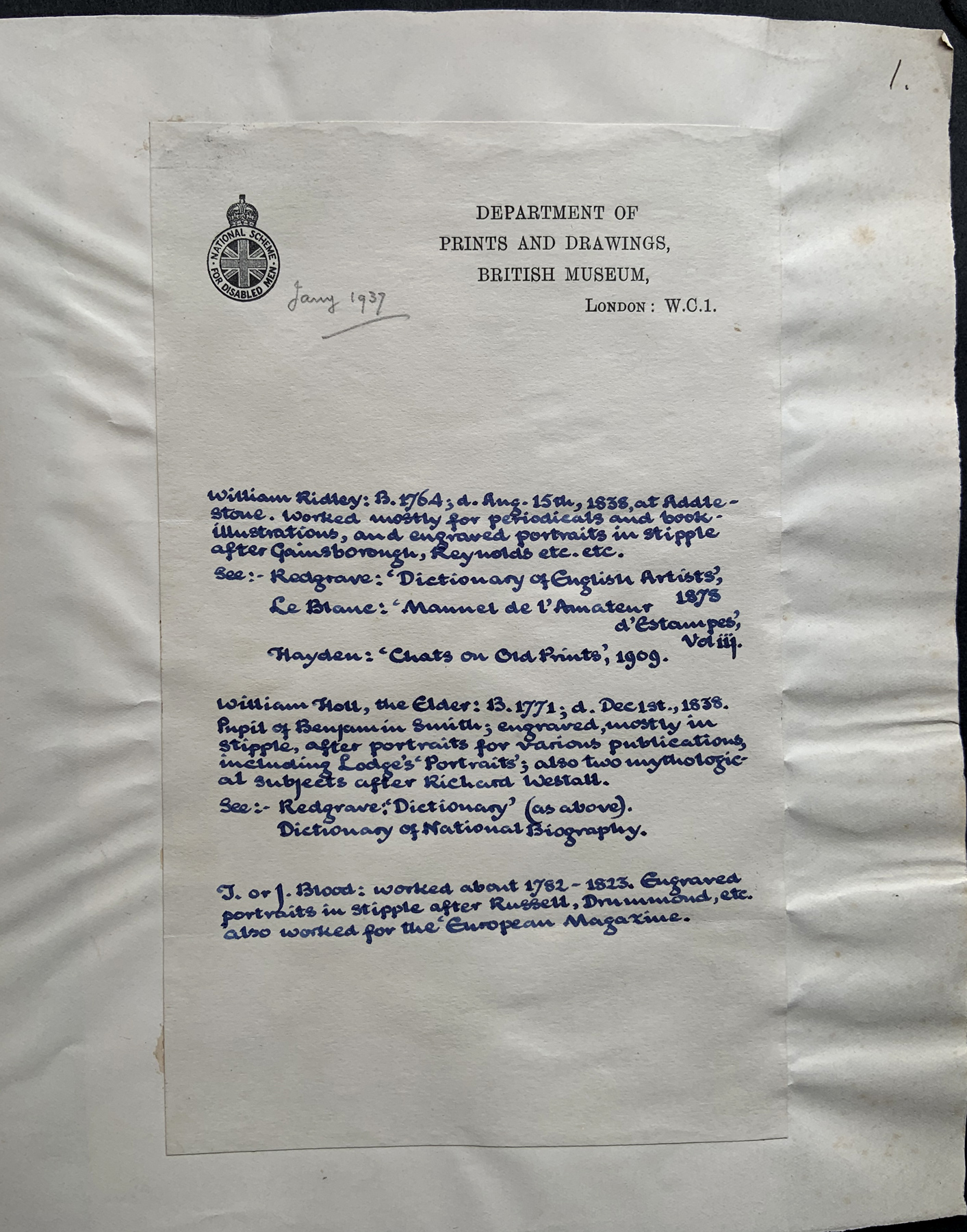


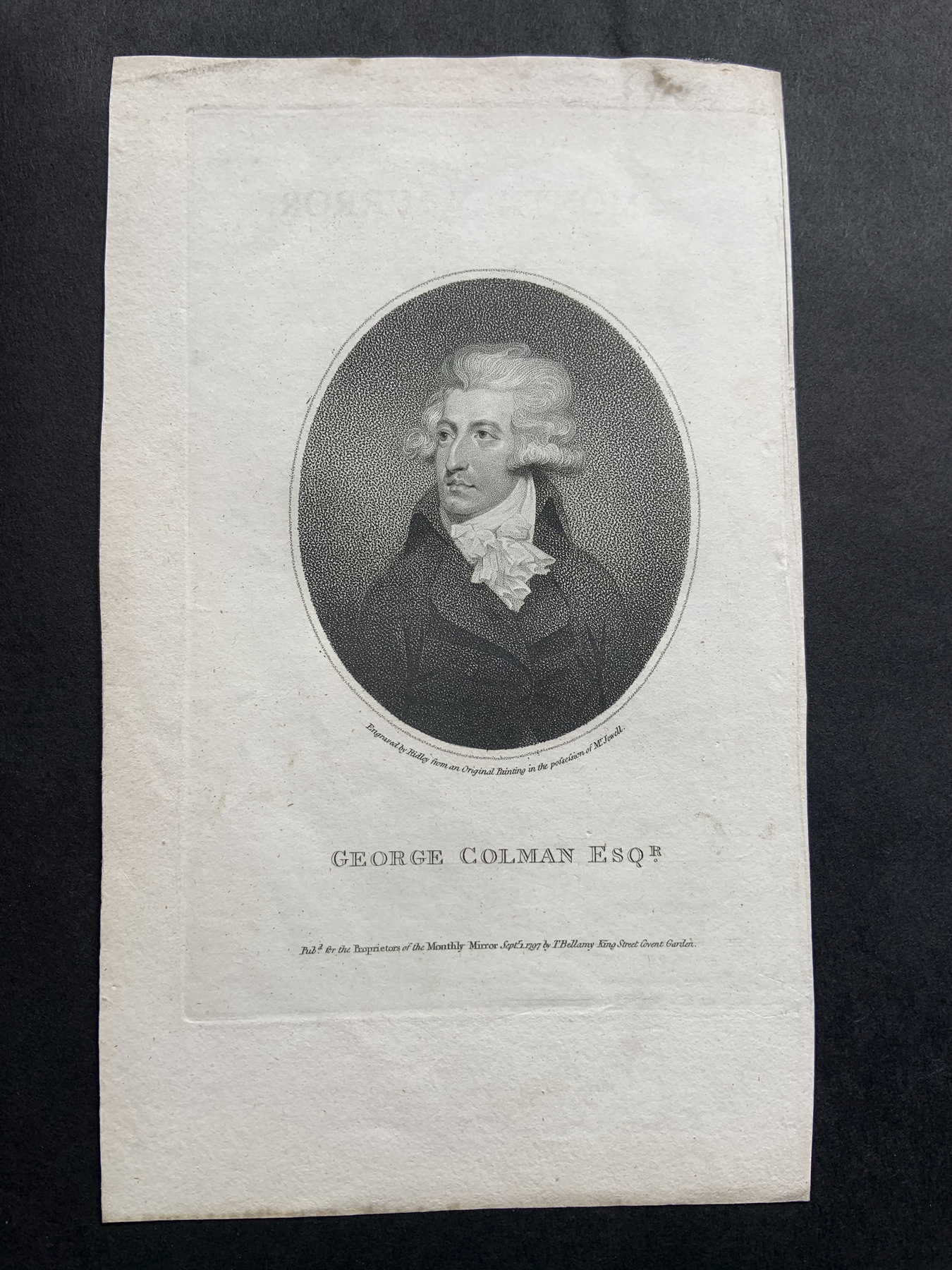

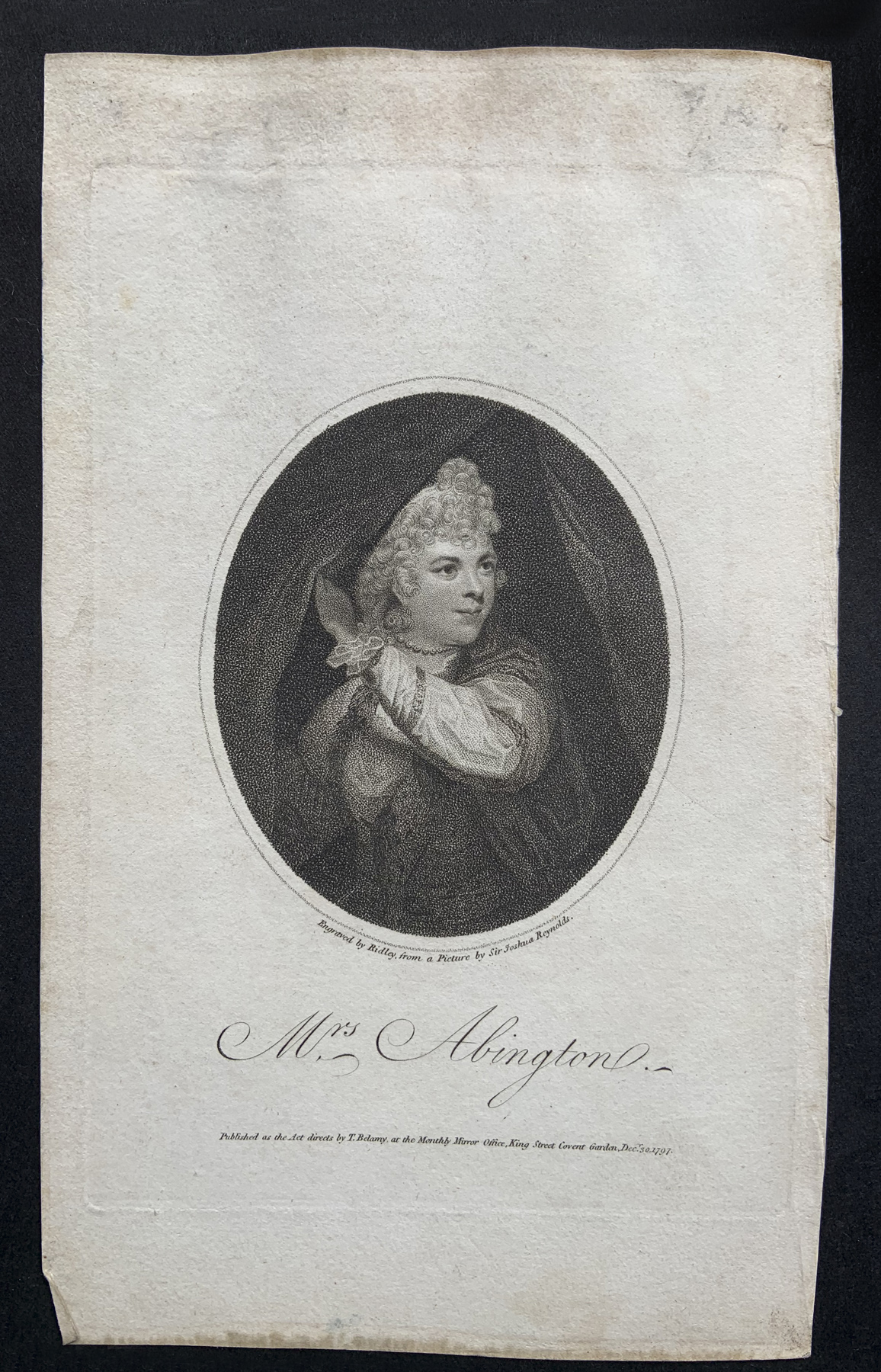

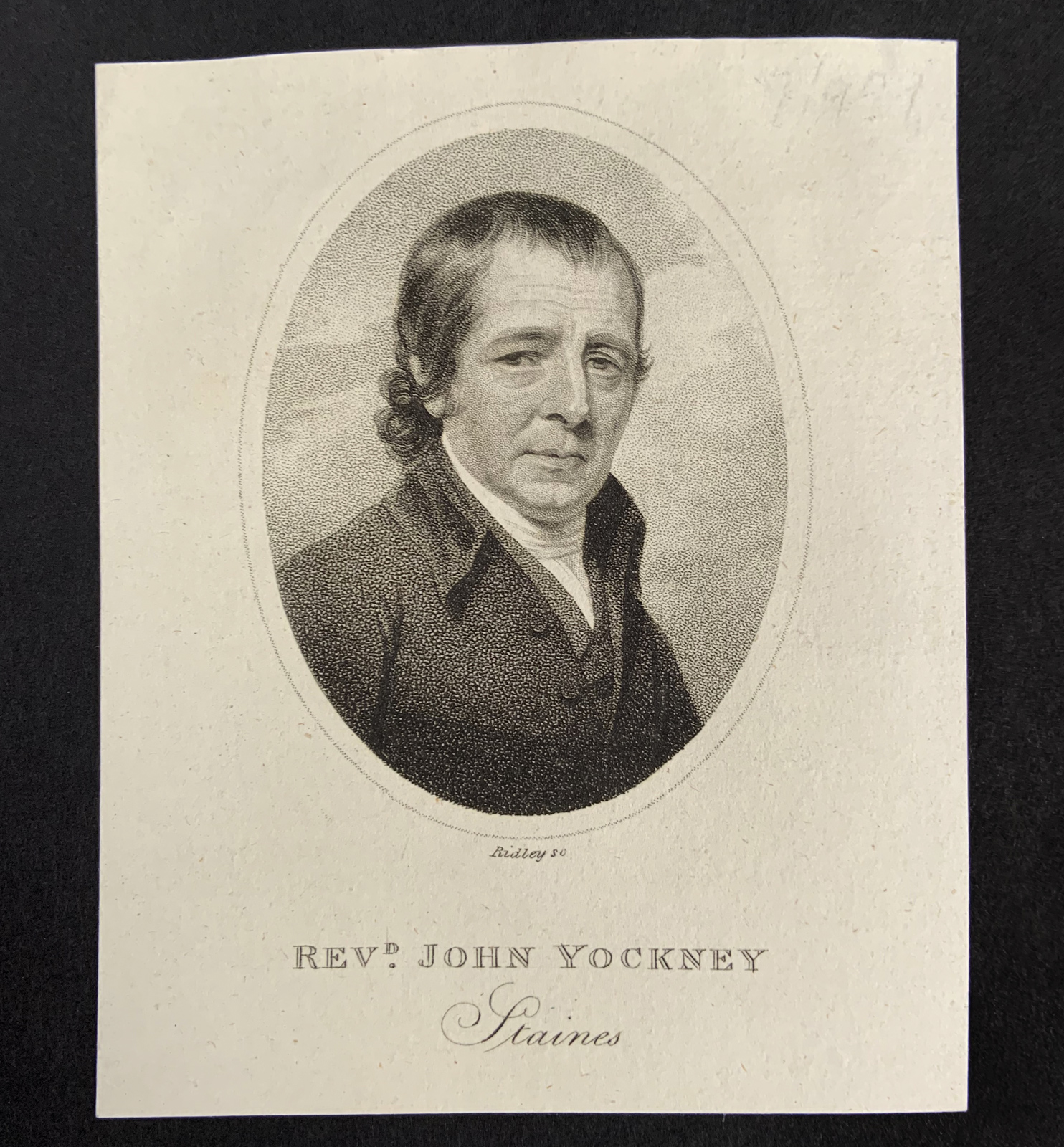
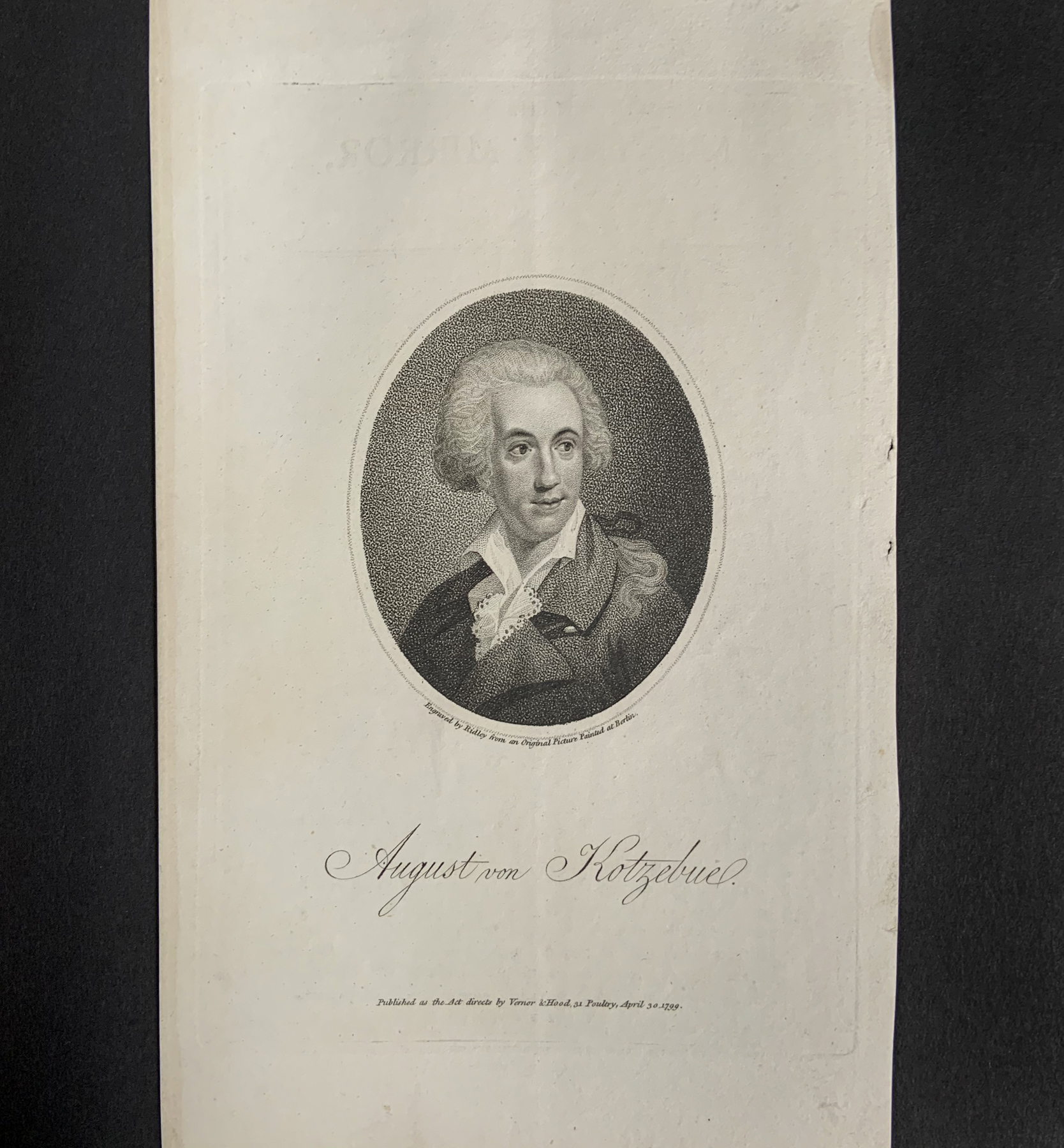
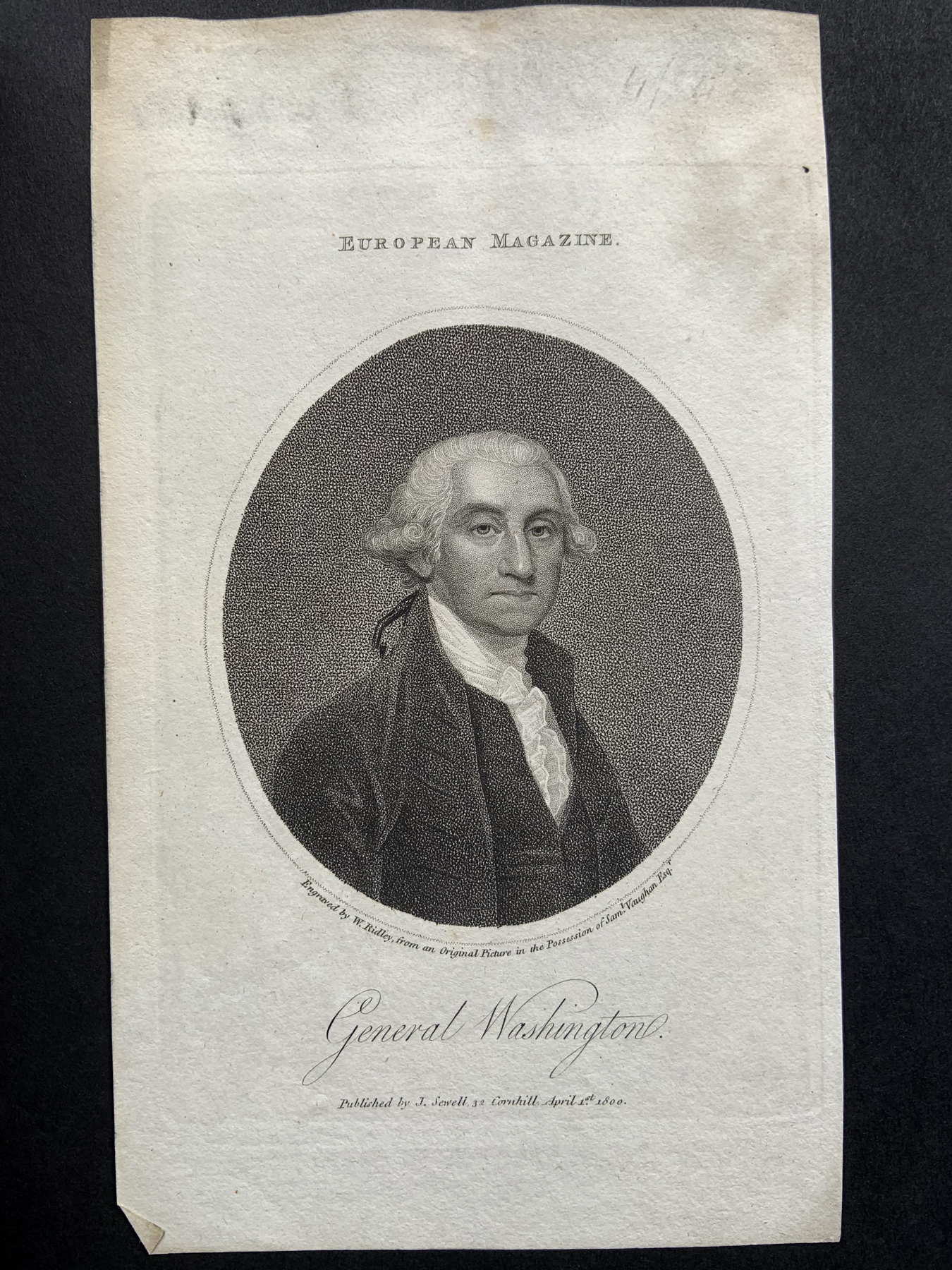
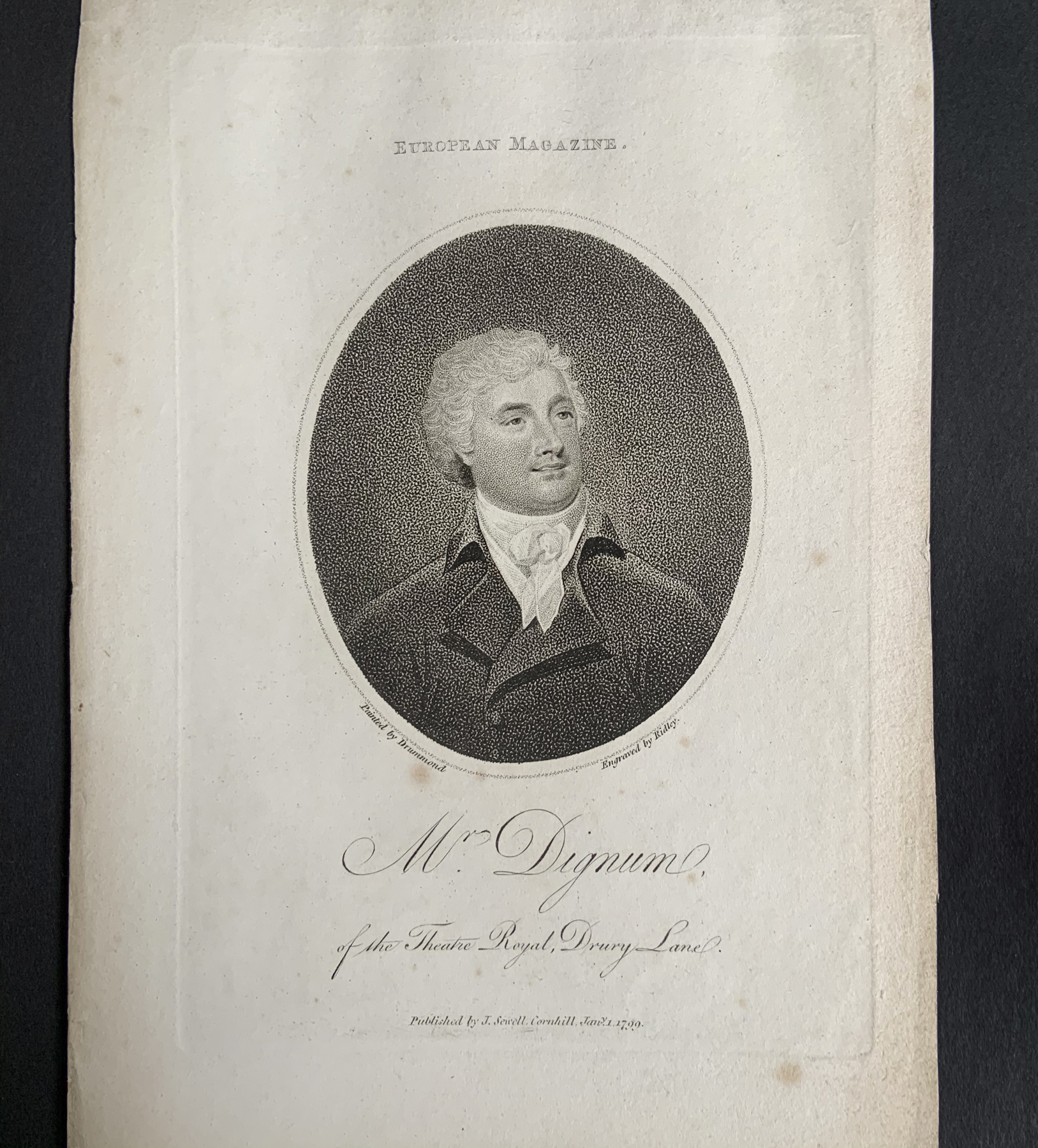
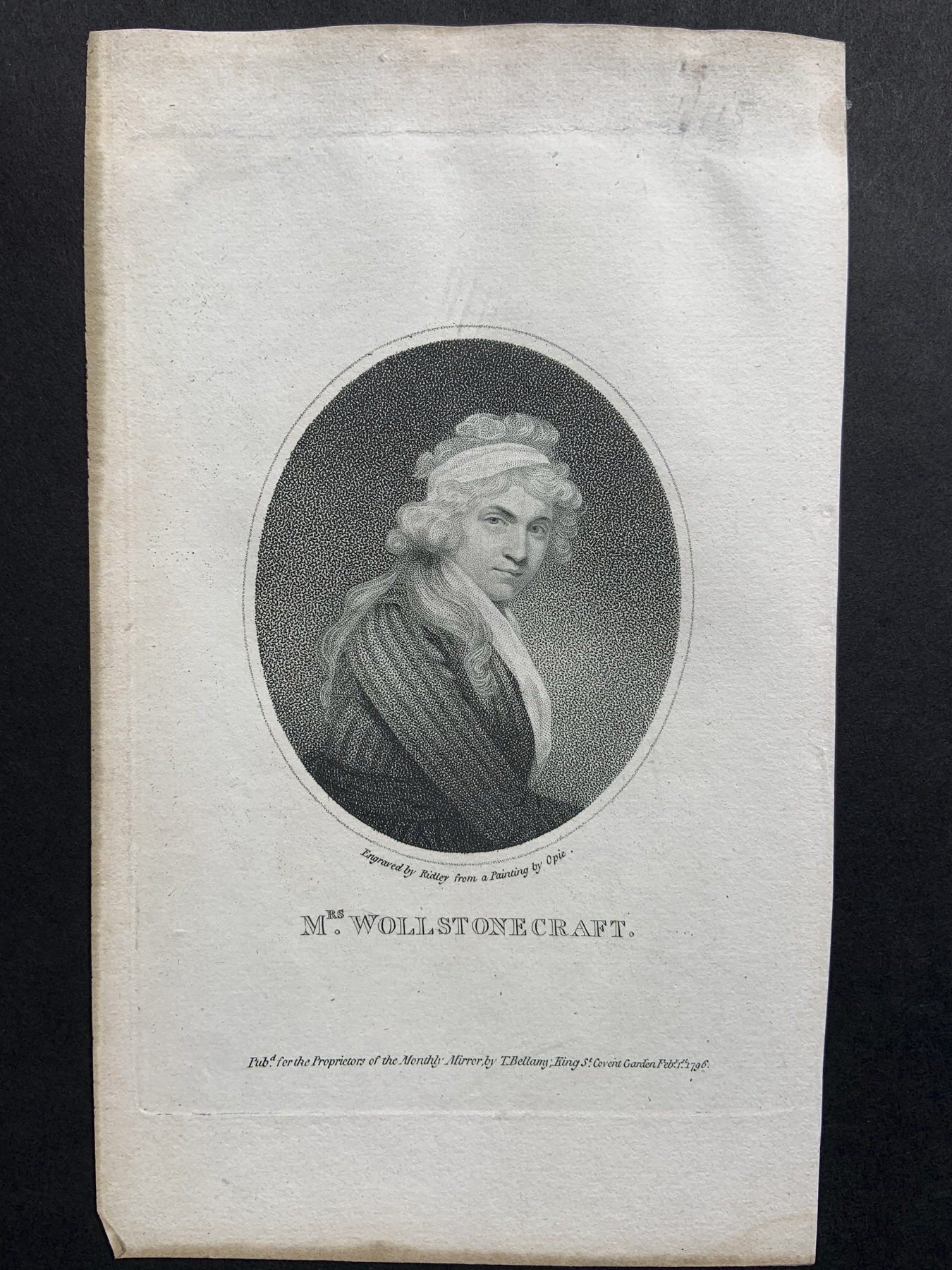

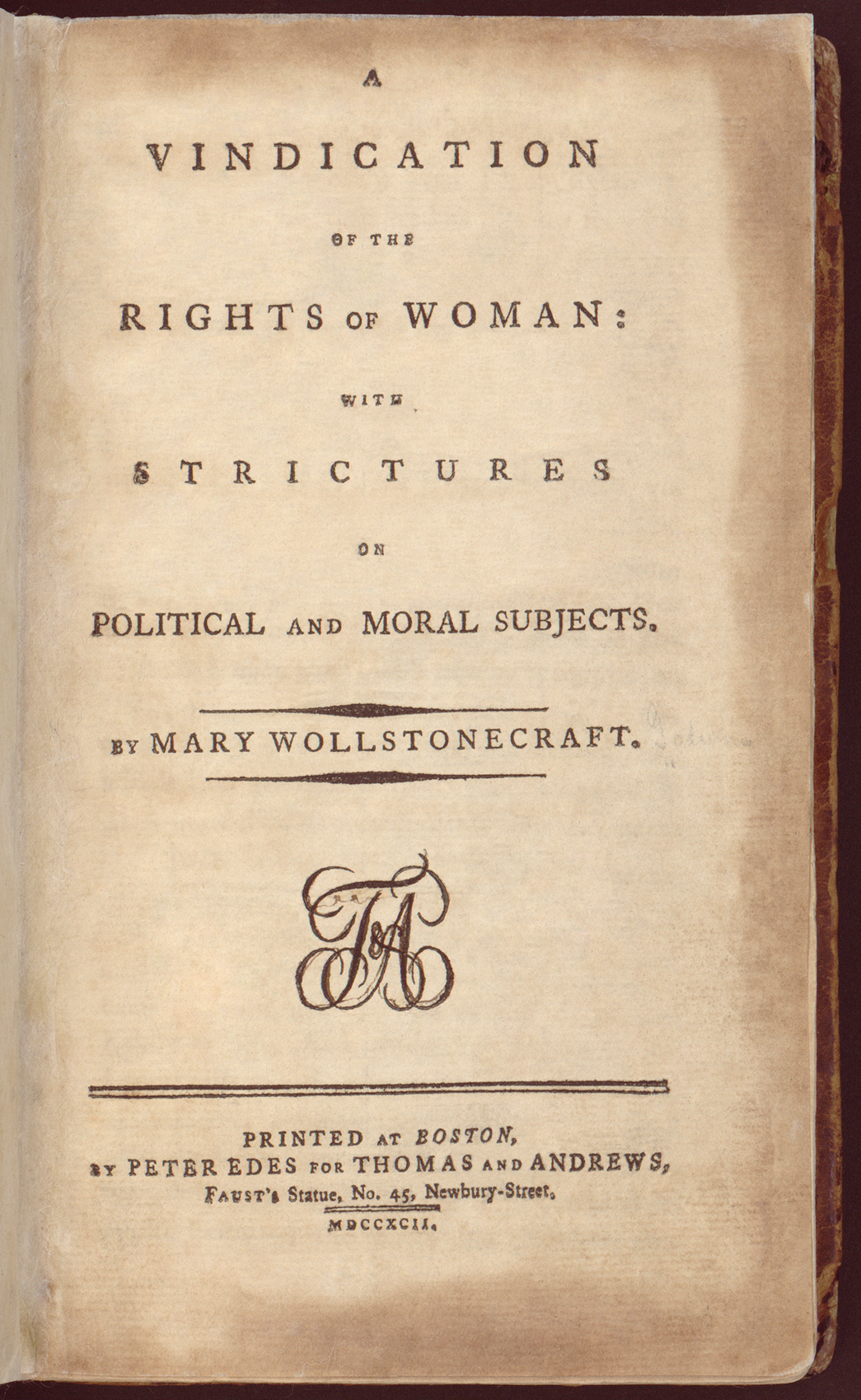
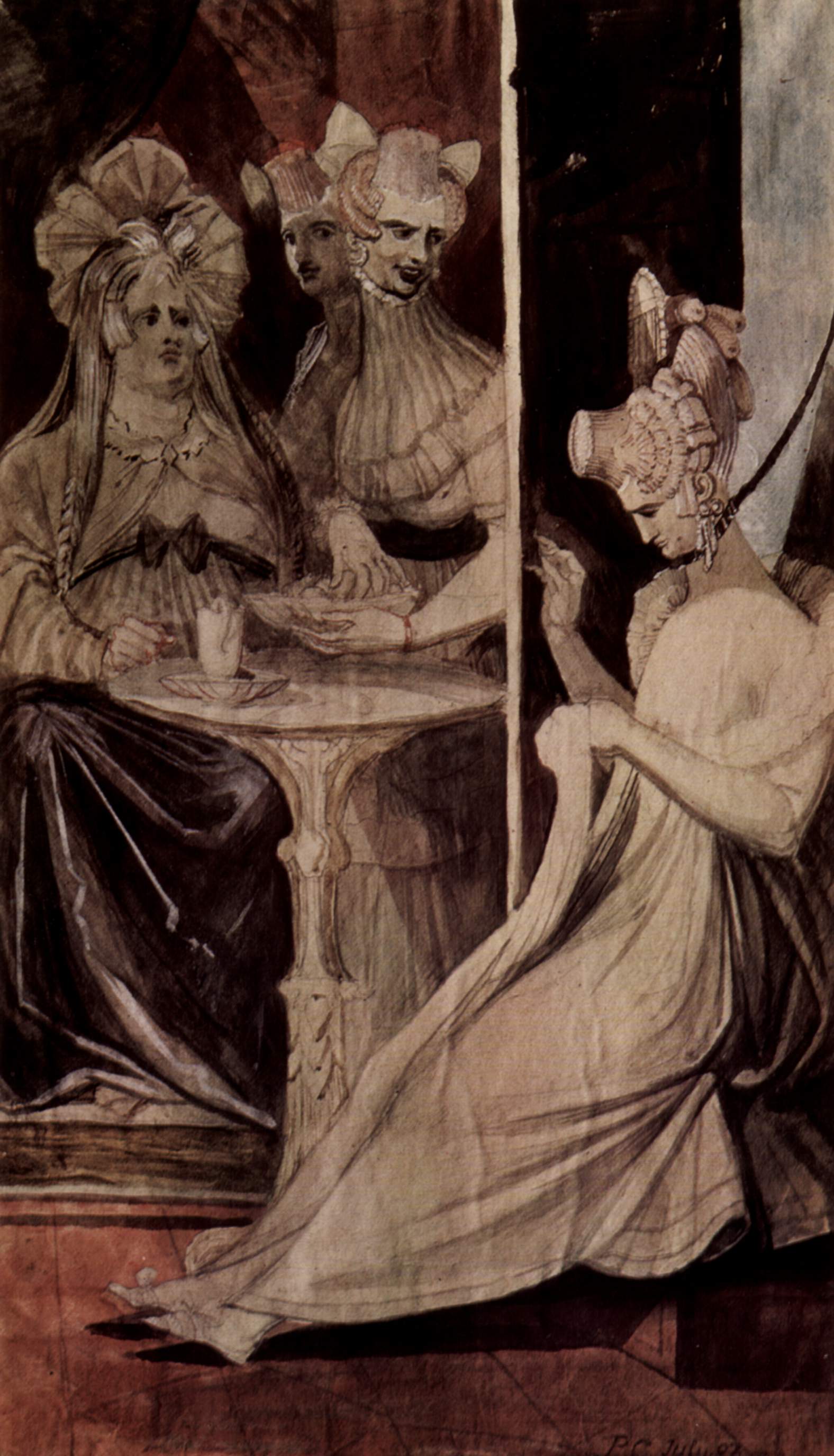
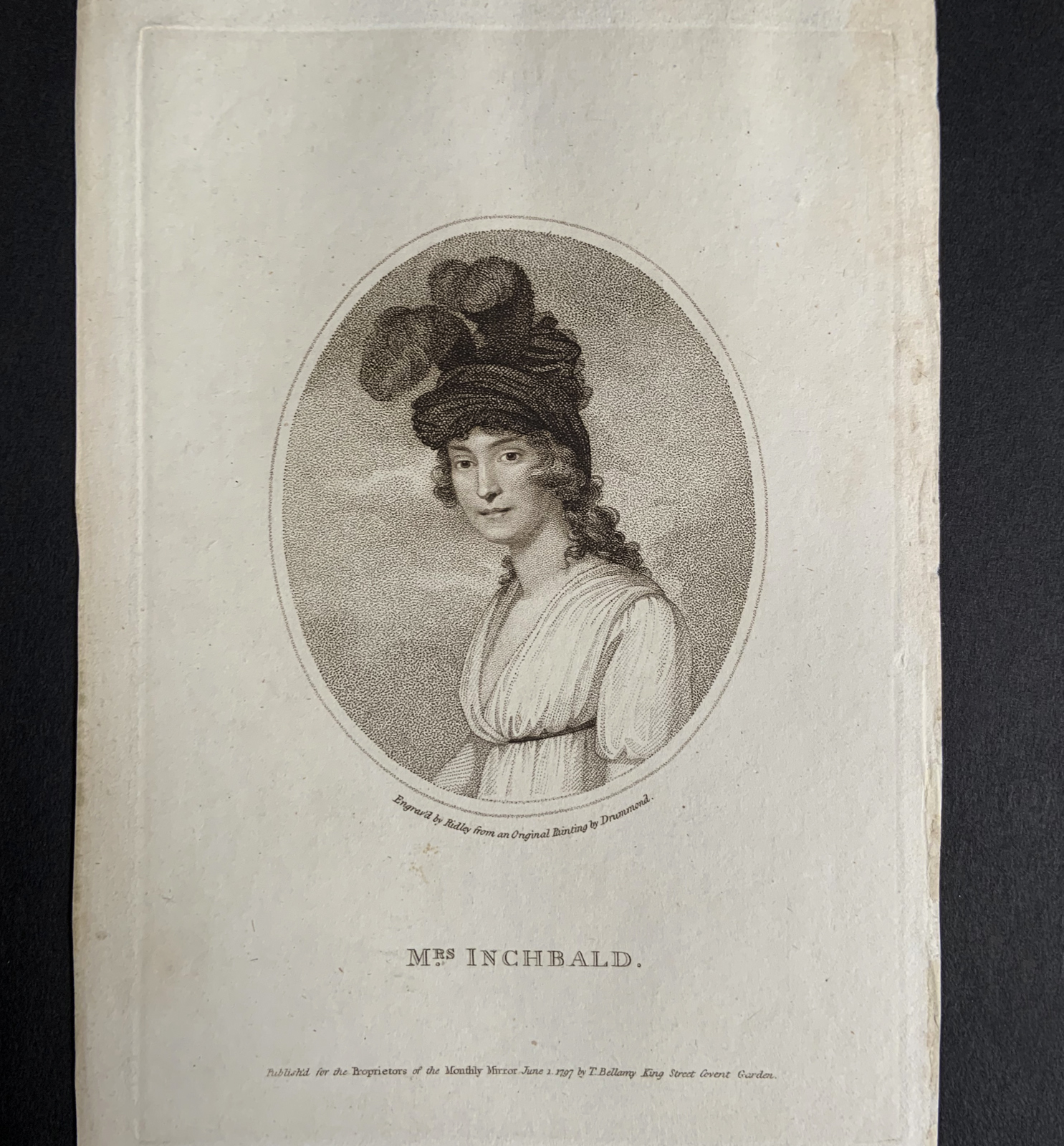
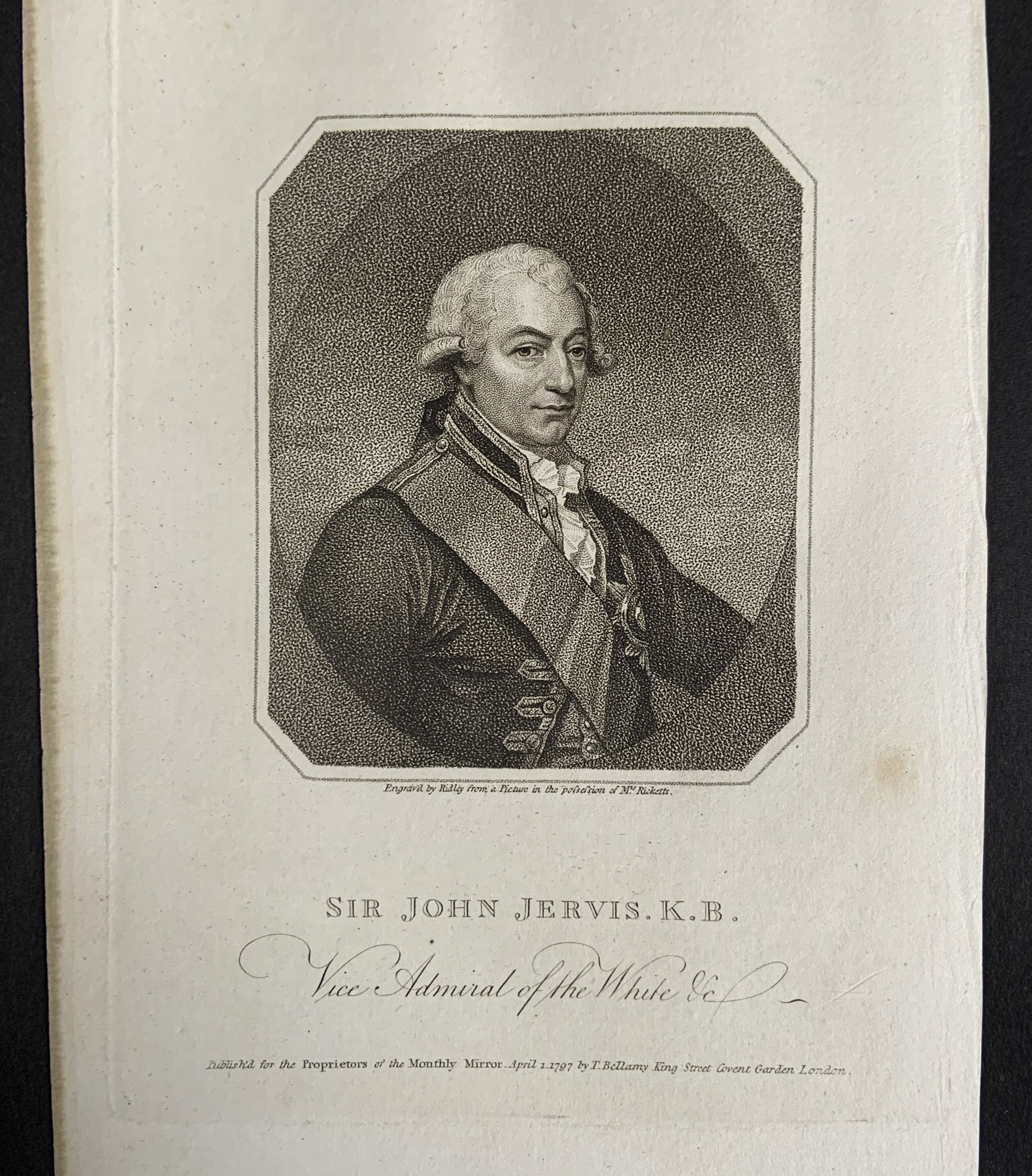
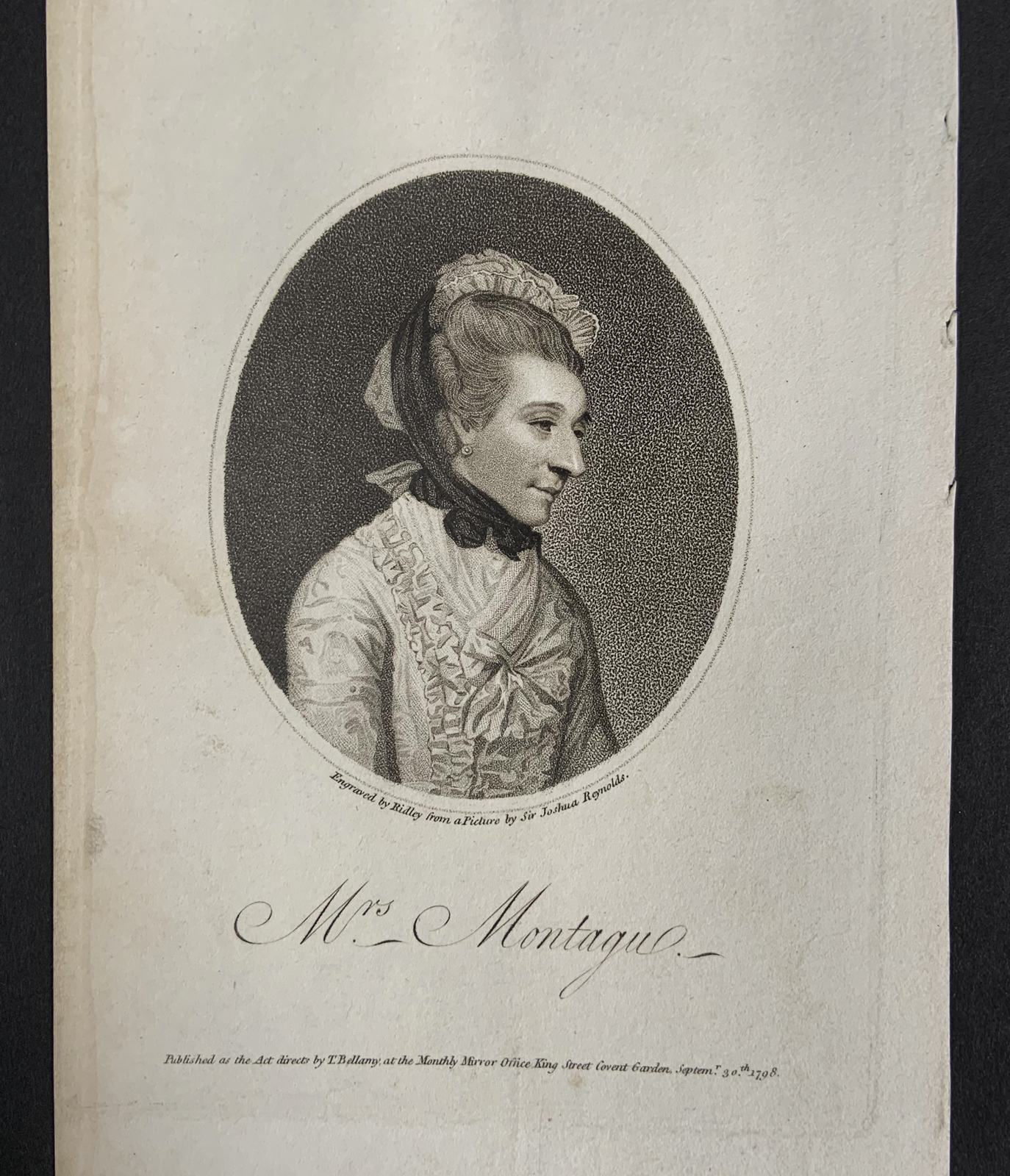
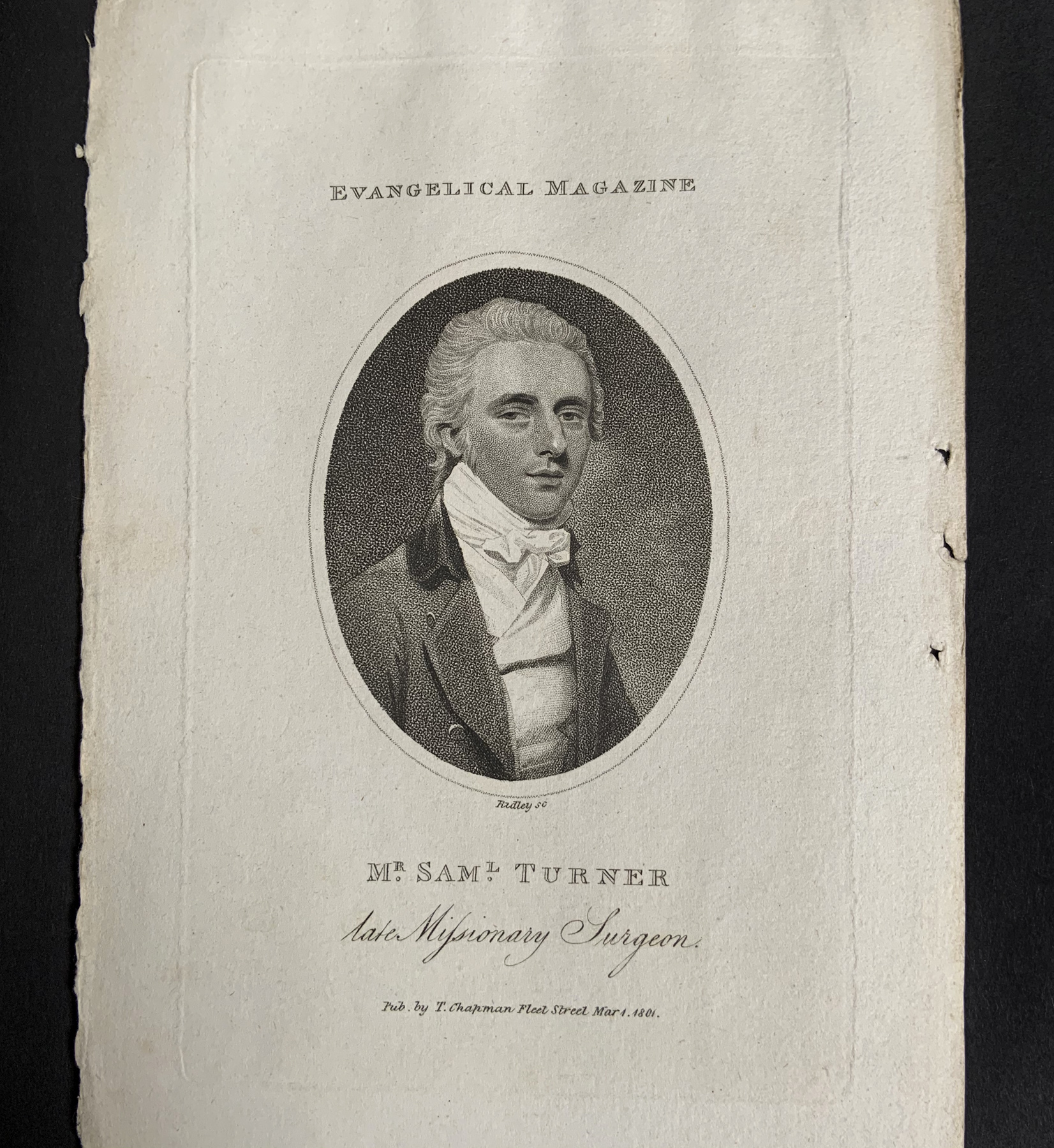


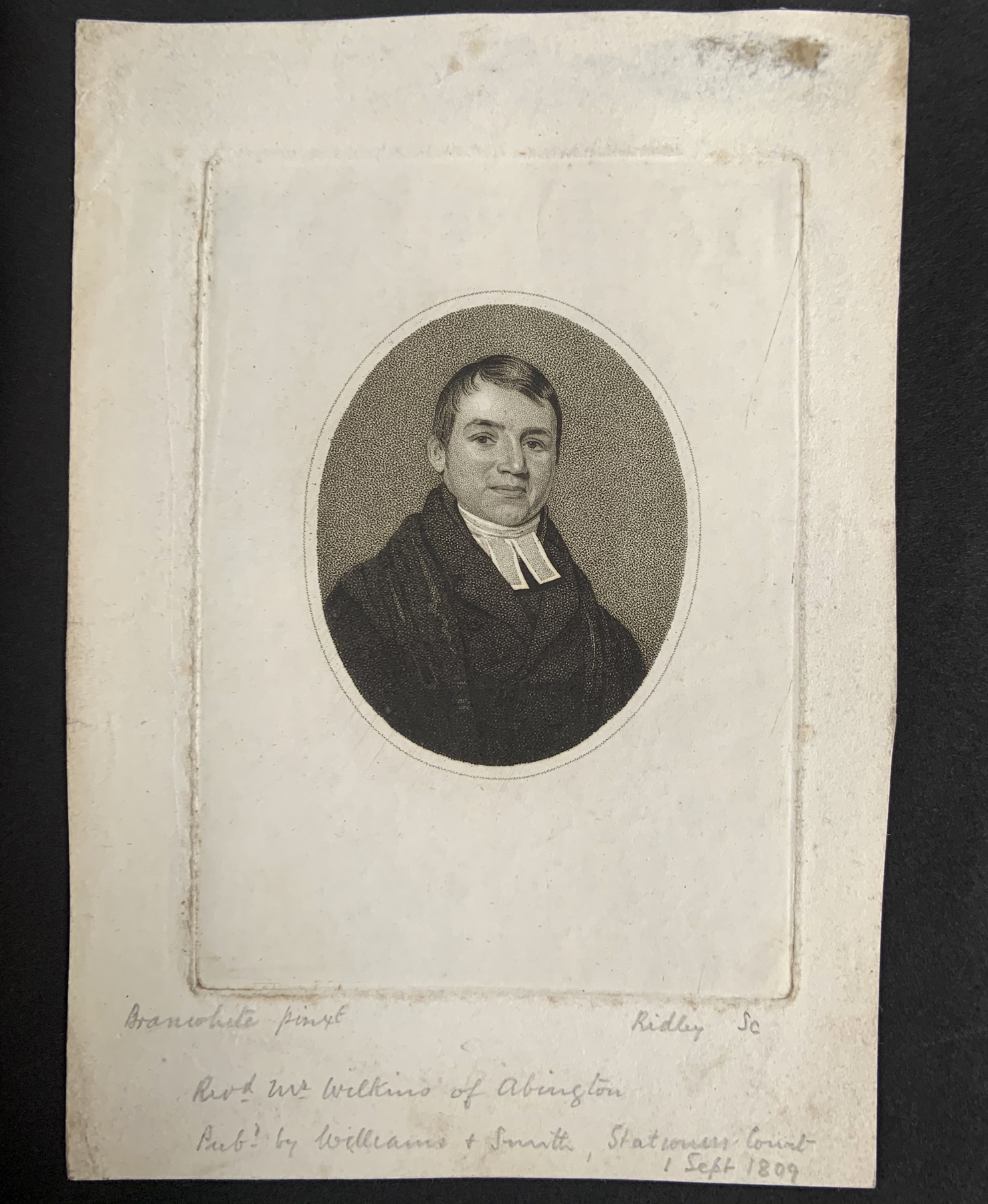
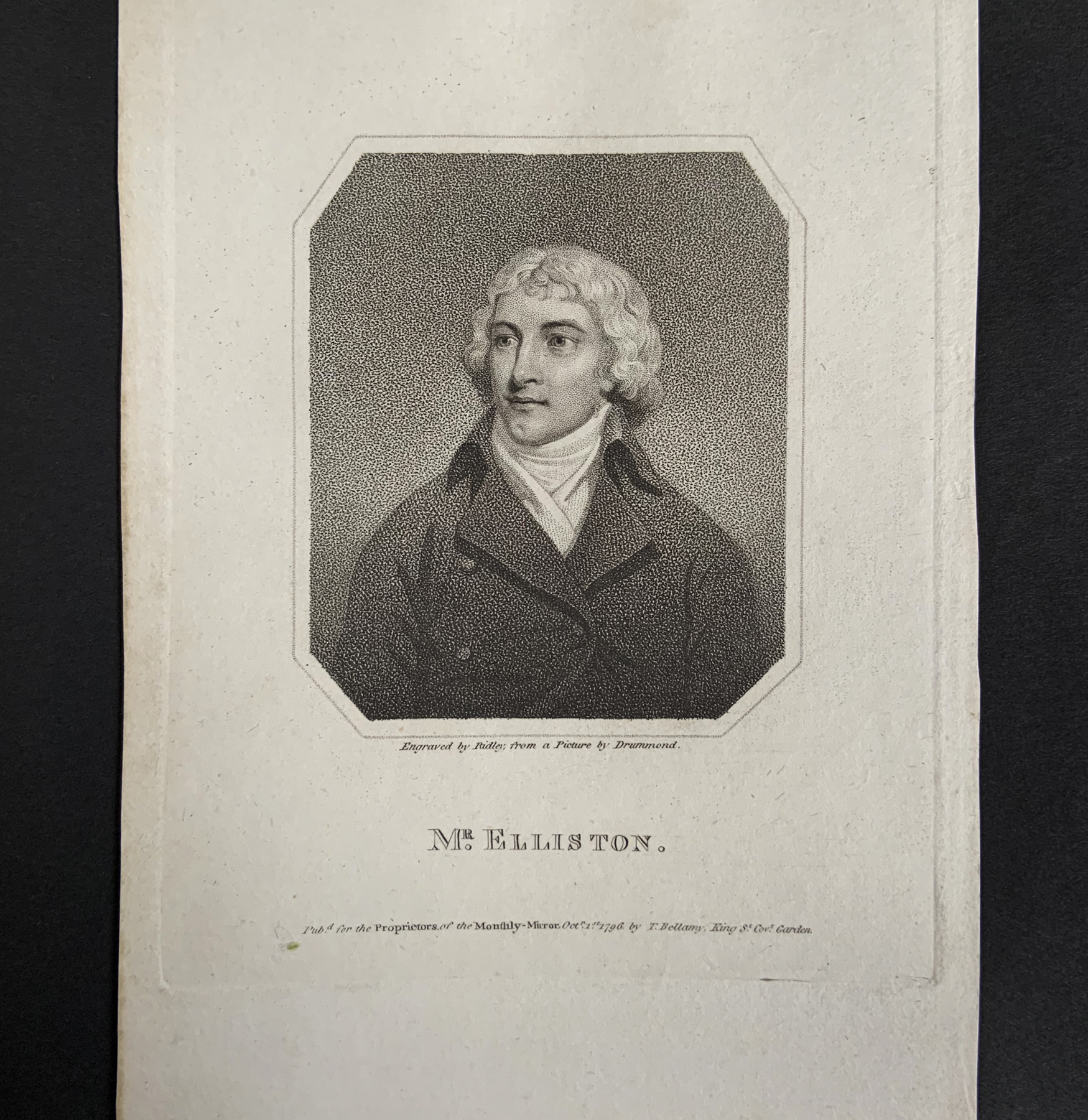

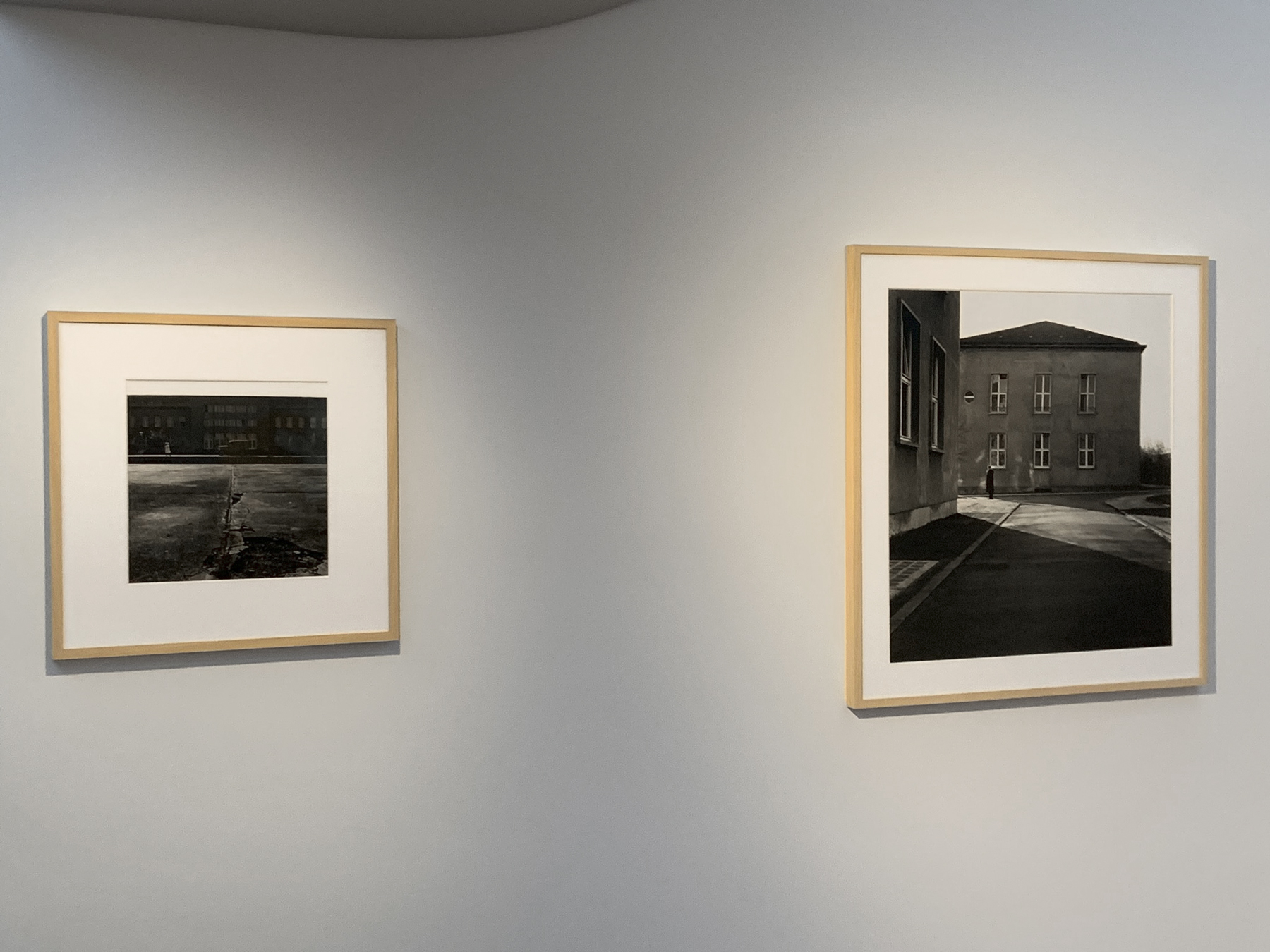



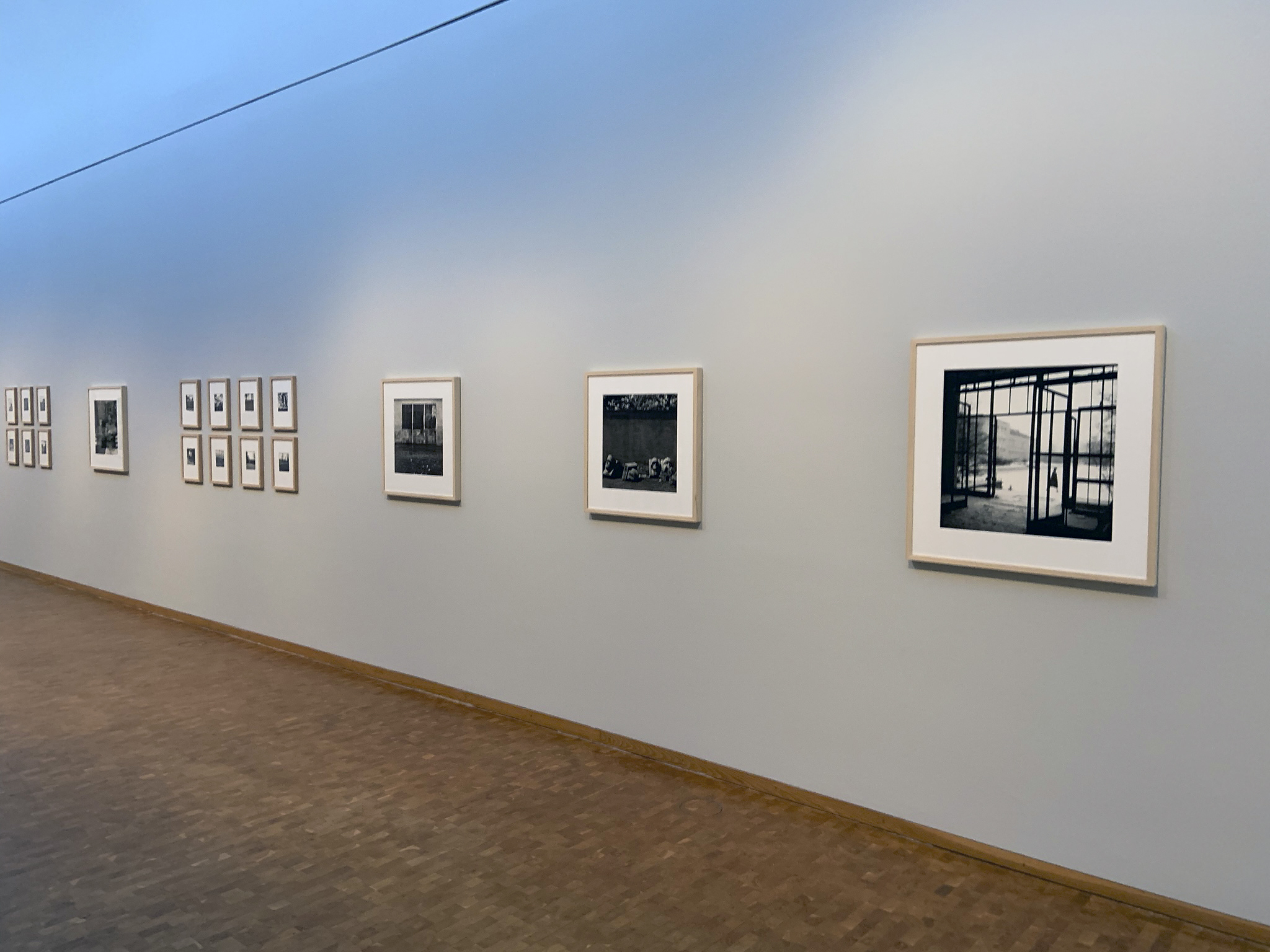


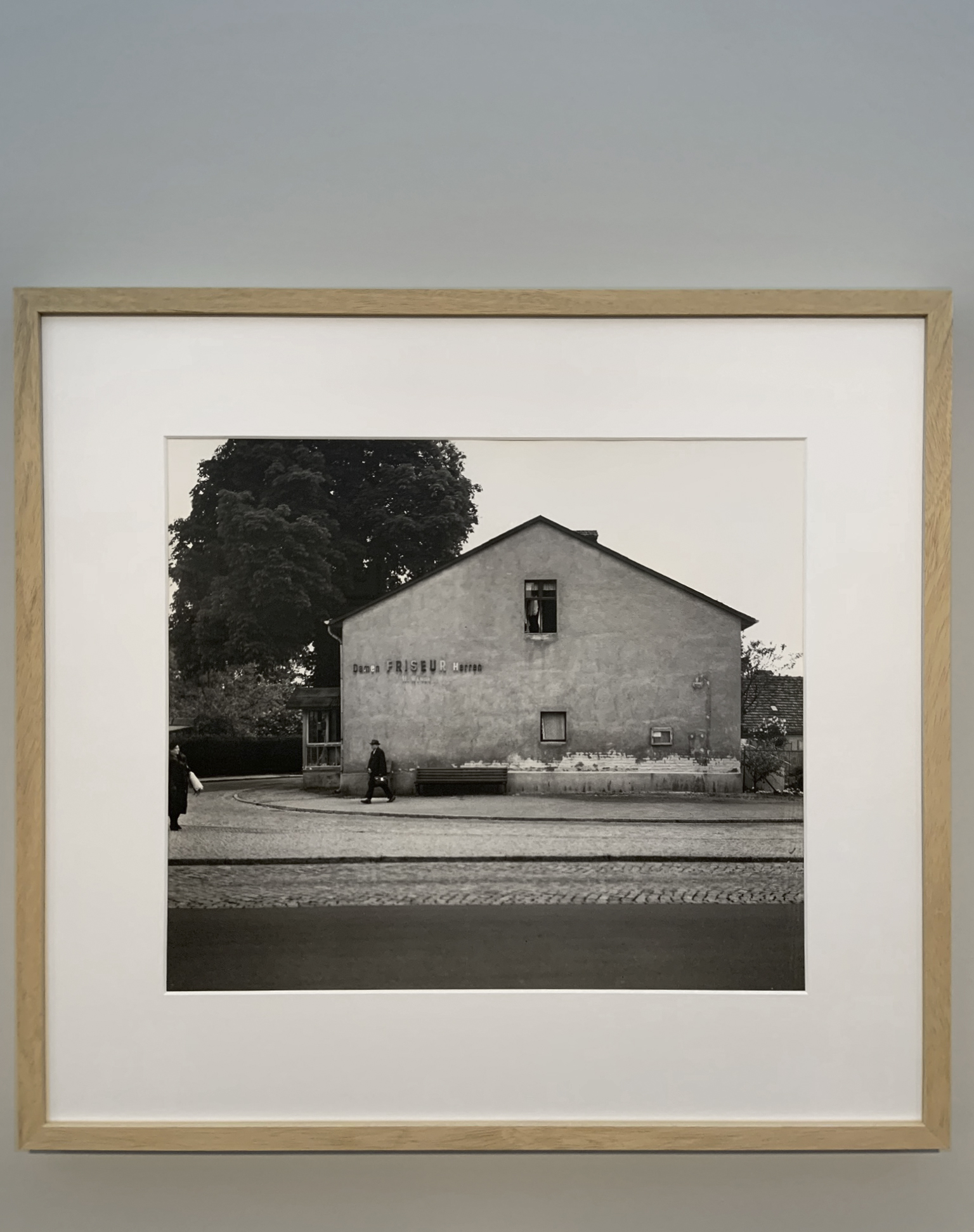

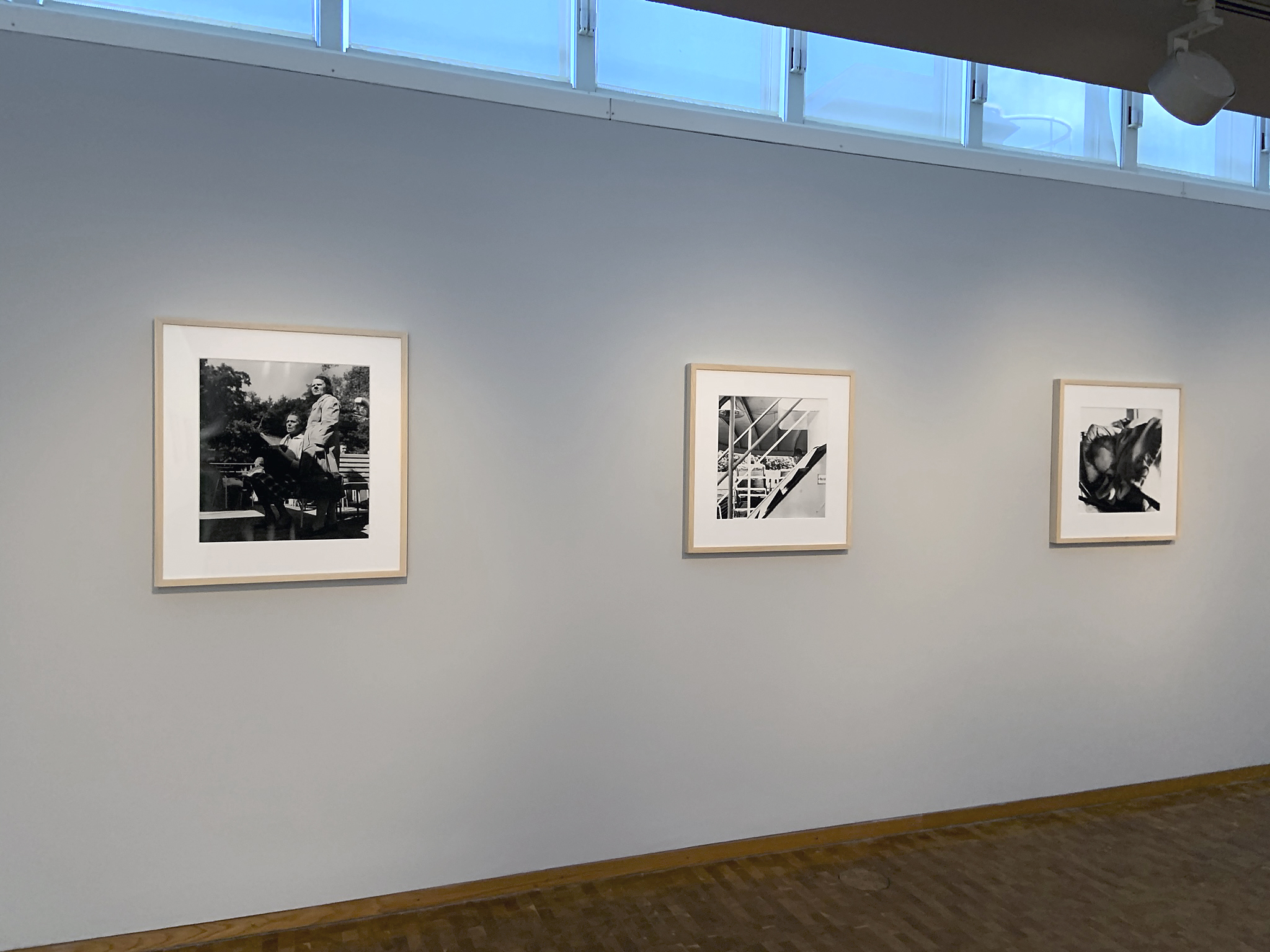








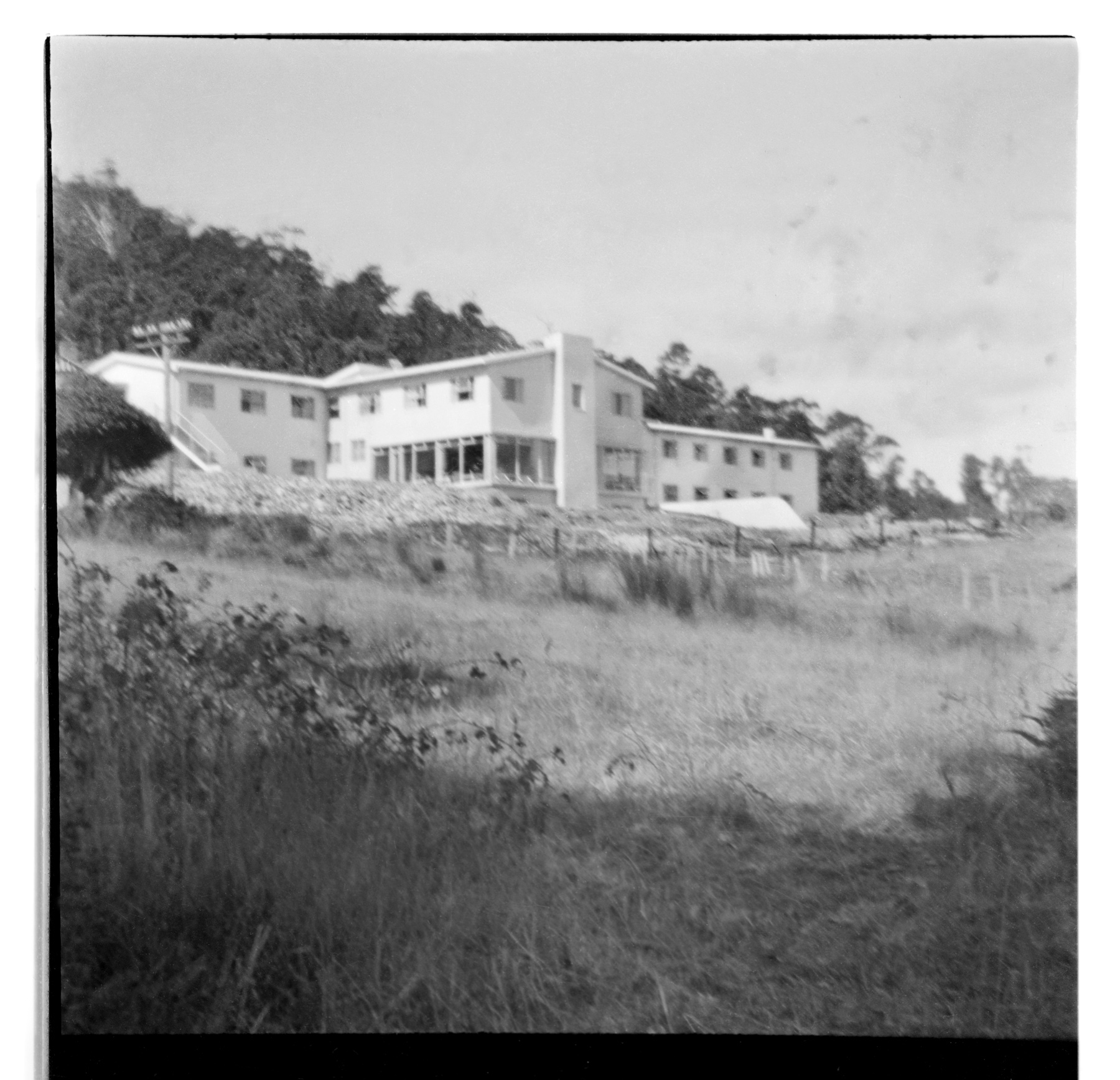


 Art Blart _ art and cultural memory archive
You must be logged in to post a comment.