The quotation below is a follow up to the posting of my new body of work Missing in Action (red kenosis) 2010. It is a wonderful meditation on the link between image, frame, war, the senses and the successful conscription of the public into a complicit view of the world or, in opposition, resistance to that view. This is especially relevant at the moment with the current debate about Australian troops in Afghanistan. Butler is never less than a fascinating and insightful writer. This book is no exception; Butler’s ideas continue to inform my work.
Dr Marcus Bunyan
Efforts to control the visual and narrative dimensions of war delimit public discourse by establishing and disposing the sensuous parameters of reality itself – including what can be seen and what can be heard. As a result, it makes sense to ask, does regulating the limits of what is visible or audible serve as a precondition of war waging, one facilitated by cameras and other technologies of communication? Of course, persons use technological instruments, but instruments surely also use persons (position them, endow them with perspective, and establish the trajectory of their action); they frame and form anyone who enters into the visual or audible field, and, accordingly, those who do not. But further, under conditions of war waging, personhood is itself cast as a kind of instrumentality, by turns useful or dispensable. How is the public sphere constituted by the visual technologies of war? And what counter-public emerges over and against the ideal postulate? We think of persons as reacting to war in various ways, but communicable reactions to war also variably constitute and de-constitute personhood within the field of war. Is there some way to register war in a way that transforms the senses? And what role do transformed senses have in the demands for the cessation of war? If those of us who watch the wars our governments conduct at a distance are visually solicited and recruited into the war by embedded reporting and publicly approved media reports, under what conditions can we refuse that recruitment effort? What restructuring of the senses does that require and enable?
To approach this question, we have to understand how the senses are part of any recruitment effort. Specifically, there is a question of the epistemological position to which we are recruited when we watch or listen to war reports. Further, a certain reality is being built through our very act of passive reception, since what we are being recruited into is a certain framing of reality, both its constriction and interpretation. When the state issues directives on how war is to be reported, indeed on whether war is to be reported at all, it seems to be trying to regulate the understanding of violence, or the appearance of violence within a public sphere which has become decisively transformed by the internet and other forms of digital media. But if we are to ask whether this regulation of violence is itself also violent in some way, part of violence, then we need a more careful vocabulary to distinguish between the destruction of the bomb and the framing of its reality, even though, as we know, both happen at the same time, and the one cannot happen without the other. In the same way that Althusser (drawing on Spinoza) once argued that there can be different modalities of materiality, there can surely be, and are, different modalities of violence and of the material instrumentalities of violence. How do we understand the frame as itself part of the materiality of war and the efficacy of its violence?
The frame does not simply exhibit reality, but actively participates in a strategy of containment, selectively producing and enforcing what will count as reality. It tries to do this, and its efforts are a powerful wager. Although framing cannot always contain what it seeks to make visible or readable, it remains structured by the aim of instrumentalizing certain versions of reality. This means that the frame is always throwing something away, always keeping something out, always de-realizing and de-legitimating alternative versions of reality, discarded negatives of the official version. And so, when the frame jettisons certain version of war, it is busily making a rubbish heap whose animated debris provides the potential resources for resistance. When versions of reality are excluded or jettisoned to a domain of unreality, the specters are produced that haunt the ratified version of reality, animated and de-ratifying traces. In this sense frame seeks to institute an interdiction on mourning; there is no destruction, and there is no loss. Even as the frames are actively engaged in redoubling the destruction of war, they are only polishing the surface of a melancholia whose rage must be contained, and often cannot. Although the frame initiates (as part of weaponry) or finishes off (as part of reporting) a whole set of murderous deeds, and seeks to subordinate the visual field to the task of war waging, its success depends upon a successful conscription of the public. Our responsibility to resist war depends in part on how well we resist that daily effort at conscription.
Butler, Judith. Frames of War: When Is Life Grievable? London: Verso, 2010, Introduction pp. xi – xiv.
Marcus Bunyan (Australian, b. 1958) Missing in Action (red kenosis) No. 76 2010 Digital colour photograph
“God doesn’t give them things he doesn’t want them to use.”
Anon
“There is no glory in battle worth the blood it costs.”
Dwight D. Eisenhower
Missing in Action (red kenosis)
A body of work Missing in Action (red kenosis) 2010 is now online on my website.
There are 100 images in the series which are like variations in music with small shifts in tone and colour. Below is a selection of images, one plane and its variations from the many different planes in the series. Please click on the photographs for a larger version of the image. I hope you like the work!
Dr Marcus Bunyan
Photographs are available from this series for purchase. As a guide, a digital colour 16″ x 20″ costs $1000 plus tracked and insured shipping. For more information please see my Store web page.
Marcus Bunyan (Australian, b. 1958) Missing in Action (red kenosis) No’s. 77-88 2010 Digital colour photographs
Many thankx to the Museum of Modern Art for allowing me to publish the photographs in the posting. Please click on the photographs for a larger version of the image.
Eugène Atget (French, 1857-1927) Saint-Cloud 1923 Albumen silver print 6 7/8 x 8 3/8″ (17.5 x 21.3cm) The Museum of Modern Art, New York. Anonymous gift
Edward Steichen (American born Luxembourg, 1879-1973) Midnight – Rodin’s Balzac 1908 Pigment print 12 1/8 x 14 5/8″ (30.8 x 37.1cm) The Museum of Modern Art, New York. Gift of the photographer Permission of Joanna T. Steichen
The Original Copy: Photography of Sculpture, 1839 to Today presents a critical examination of the intersections between photography and sculpture, exploring how one medium informs the analysis and creative redefinition of the other. On view at The Museum of Modern Art from August 1 through November 1, 2010, the exhibition brings together over 300 photographs, magazines, and journals, by more than 100 artists, from the dawn of modernism to the present, to look at the ways in which photography at once informs and challenges the meaning of what sculpture is. The Original Copy is organised by Roxana Marcoci, Curator, Department of Photography, The Museum of Modern Art. Following the exhibition’s presentation at MoMA, it will travel to Kunsthaus Zürich, where it will be on view from February 25 through May 15, 2011.
When photography was introduced in 1839, aesthetic experience was firmly rooted in Romanticist tenets of originality. In a radical way, photography brought into focus the critical role that the copy plays in art and in its perception. While the reproducibility of the photograph challenged the aura attributed to the original, it also reflected a very personal form of study and offered a model of dissemination that would transform the entire nature of art.
“In his 1947 book Le Musée Imaginaire, the novelist and politician André Malraux famously advocated for a pancultural ‘museum without walls,’ postulating that art history, and the history of sculpture in particular, had become ‘the history of that which can be photographed,'” said Ms. Marcoci.
Sculpture was among the first subjects to be treated in photography. There were many reasons for this, including the desire to document, collect, publicise, and circulate objects that were not always portable. Through crop, focus, angle of view, degree of close-up, and lighting, as well as through ex post facto techniques of dark room manipulation, collage, montage, and assemblage, photographers have not only interpreted sculpture but have created stunning reinventions of it.
Conceived around ten conceptual modules, the exhibition examines the rich historical legacy of photography and the aesthetic shifts that have taken place in the medium over the last 170 years through a superb selection of pictures by key modern, avant-garde, and contemporary artists. Some, like Eugène Atget, Walker Evans, Lee Friedlander, and David Goldblatt, are best known as photographers; others, such as Auguste Rodin, Constantin Brancusi, and David Smith, are best known as sculptors; and others, from Hannah Höch and Sophie Taeuber-Arp to such contemporaries as Bruce Nauman, Fischli/Weiss, Rachel Harrison, and Cyprien Gaillard, are too various to categorise but exemplify how fruitfully and unpredictably photography and sculpture have combined.
The Original Copy begins with Sculpture in the Age of Photography, a section comprising early photographs of sculptures in French cathedrals by Charles Nègre and in the British Museum by Roger Fenton and Stephen Thompson; a selection of André Kertész’s photographs from the 1920s showing art amid common objects in the studios of artist friends; and pictures by Barbara Kruger and Louise Lawler that foreground issues of representation to underscore photography’s engagement in the analysis of virtually every aspect of art. Eugène Atget: The Marvelous in the Everyday presents an impressive selection of Atget’s photographs, dating from the early 1900s to the mid 1920s, of classical statues, reliefs, fountains, and other decorative fragments in Paris, Versailles, Saint-Cloud, and Sceaux, which together amount to a visual compendium of the heritage of French civilisation at the time.
Auguste Rodin: The Sculptor and the Photographic Enterprise includes some of the most memorable pictures of Rodin’s sculptures by various photographers, including Edward Steichen’s Rodin – The Thinker (1902), a work made by combining two negatives: one depicting Rodin in silhouetted profile, contemplating The Thinker (1880-82), his alter ego; and one of the artist’s luminous Monument to Victor Hugo (1901). Constantin Brancusi: The Studio as Groupe Mobile focuses on Brancusi’s uniquely nontraditional techniques in photographing his studio, which was articulated around hybrid, transitory configurations known as groupe mobiles (mobile groups), each comprising several pieces of sculpture, bases, and pedestals grouped in proximity. In search of transparency, kineticism, and infinity, Brancusi used photography to dematerialise the static, monolithic materiality of traditional sculpture. His so-called photos radieuses (radiant photos) are characterised by flashes of light that explode the sculptural gestalt.
Marcel Duchamp: The Readymade as Reproduction examines Box in a Valise (1935-41), a catalogue of his oeuvre featuring 69 reproductions, including minute replicas of several readymades and one original work that Duchamp “copyrighted” in the name of his female alter ego, Rrose Sélavy. Using collotype printing and pochoir – in which colour is applied by hand with the use of stencils – Duchamp produced “authorised ‘original’ copies” of his work, blurring the boundaries between unique object, readymade, and multiple. Cultural and Political Icons includes selections focusing on some of the most significant photographic essays of the twentieth century – Walker Evans’s American Photographs (1938), Robert Franks’s The Americans (1958), Lee Friedlander’s The American Monument (1976), and David Goldblatt’s The Structure of Things Then (1998) – many of which have never before been shown in a thematic context as they are here.
The Studio without Walls: Sculpture in the Expanded Field explores the radical changes that occurred in the definition of sculpture when a number of artists who did not consider themselves photographers in the traditional sense, such as Robert Smithson, Robert Barry, and Gordon Matta-Clark, began using the camera to document remote sites as sculpture rather than the traditional three-dimensional object. Daguerre’s Soup: What Is Sculpture? includes photographs of found objects or assemblages created specifically for the camera by artists, such as Brassaï’s Involuntary Sculptures (c. 1930s), Alina Szapocznikow’s Photosculptures (1970-1971), and Marcel Broodthaers’s Daguerre’s Soup (1974), the last work being a tongue-in-cheek picture which hints at the various fluid and chemical processes used by Louis Daguerre to invent photography in the nineteenth century, bringing into play experimental ideas about the realm of everyday objects.
The Pygmalion Complex: Animate and Inanimate Figures looks at Dada and Surrealist pictures and photo-collages by artists, including Man Ray, Herbert Bayer, Hans Bellmer, Hannah Höch, and Johannes Theodor Baargeld, who focused their lenses on mannequins, dummies, and automata to reveal the tension between living figure and sculpture. The Performing Body as Sculptural Object explores the key role of photography in the intersection of performance and sculpture. Bruce Nauman, Charles Ray, and Dennis Oppenheim, placing a premium on their training as sculptors, articulated the body as a sculptural prop to be picked up, bent, or deployed instead of traditional materials. Eleanor Antin, Ana Mendieta, VALIE EXPORT, and Hannah Wilke engaged with the “rhetoric of the pose,” using the camera as an agency that itself generates actions through its presence.
Press release from the Museum of Modern Art website
Man Ray (Emmanuel Radnitzky) (American, 1890-1976) Noire et blanche (Black and white) 1926 Gelatin silver print 6 3/4 x 8 7/8″ (17.1 x 22.5cm) The Museum of Modern Art, New York. Gift of James Thrall Soby 2010 Man Ray Trust/Artists Rights Society (ARS), New York/ADAGP, Paris
“The advent of photography in 1839, when aesthetic experience was firmly rooted in Romanticist tenets of originality, brought into focus the critical role that the copy plays in the perception of art. The medium’s reproducibility challenged the aura attributed to the original, but it also reflected a new way of looking and offered a model for dissemination that would transform the entire nature of art. The aesthetic singularity of the photograph, the archival value of a document bearing the trace of history, and the combinatory capacity of the image, open to be edited into sequences in which it mixes with others – all these contribute to the status of photography as both an art form and a medium of communication.
Sculpture was among the first subjects to be treated in photography. In his 1947 book Le Musée imaginaire, the novelist and politician André Malraux famously advocated for a pancultural “museum without walls,” postulating that art history, and the history of sculpture in particular, had become “the history of that which can be photographed.” There were many reasons for this, including the immobility of sculpture, which suited the long exposure times needed with the early photographic processes, and the desire to document, collect, publicise and circulate objects that were not always portable. Through crop, focus, angle of view, degree of close-up, and lighting, as well as through ex post facto techniques of dark room manipulation, collage, montage, and assemblage, photographers not only interpret sculpture but create stunning reinventions of it.
The Original Copy presents a critical examination of the intersections between photography and sculpture, exploring how the one medium has been implicated in the analysis and creative redefinition of the other. Bringing together 300 pictures, magazines and journals by more than 100 artists from the dawn of modernism to the present, this exhibition looks at the ways in which photography at once informs and challenges our understanding of what sculpture is within specific historic contexts.
Sculpture in the Age of Photography
If we consider photography a child of the industrial era – a medium that came of age alongside the steam engine and the railroad – it is not surprising that one of its critical functions was to bring physically inaccessible worlds closer by means of reproduction. Among its early practitioners, Charles Nègre photographed sculpture in the cathedrals of Chartres, Amiens, and, in Paris, Notre Dame, circling them at different levels to capture perspectives of rarely seen sculptural details, while in London Roger Fenton and Stephen Thompson documented the ancient statuary in the British Museum, making visible the new power of collecting institutions.
With the advent of the handheld portable camera in the early 1920s, photographers had the flexibility to capture contingent sculptural arrangements taken from elliptical viewpoints. André Kertész, for instance, recorded unexpected juxtapositions between art and common objects in the studios of artist friends, including Fernand Léger and Ossip Zadkine. His ability to forge heterogeneous materials and objects into visual unity inspired the novelist Pierre Mac Orlan to confer on him the title of “photographer-poet.”
Focusing on details in this way, photographers have interpreted not only sculpture itself, as an autonomous object, but also the context of its display. The results often show that the meaning of art is not fixed within the work but open to the beholder’s reception of it at any given moment. Taking a place in the tradition of institutional critique, Barbara Kruger’s and Louise Lawler’s pictures foreground issues of representation to underscore photography’s engagement in the analysis of virtually every aspect of art.
Eugène Atget The Marvelous in the Everyday
During the first quarter of the twentieth century, Atget took hundreds of photographs of sculptures – classical statues, reliefs, fountains, door knockers, and other finely wrought decorative fragments – in Paris and its outlying parks and gardens, especially at Versailles, Saint-Cloud, and Sceaux. These images amount to a visual compendium of the heritage of French civilisation at that time.
At Versailles, most intensely between 1901 and 1906 and again between 1921 and 1926, Atget photographed the gardens that André Le Nôtre, the landscape architect of King Louis XIV, had designed in the second half of the seventeenth century. In a series of pictures of allegorical statues punctuating the garden’s vistas, Atget focused on the scenic organisation of the sculptures, treating them as characters in a historical play. The pantomimic effect of the statues’ postures clearly appealed to Atget, who in 1880, before turning to photography, had taken acting classes at the Conservatory of the Théâtre national de France. Depicting the white marble statues from low viewpoints, in full length, and against the dark, unified tones of hedges and trees, Atget brought them into dramatic relief, highlighting the theatrical possibilities of sculpture.
Among the pictures taken at Saint-Cloud is a series centred on a melancholy pool surrounded by statues whose tiny silhouettes can be seen from a distance. Atget’s interest in the variable play between nature and art through minute changes in the camera’s angle, or as functions of the effects of light and time of day, is underscored in his notations of the exact month and sometimes even the hour when the pictures were taken.
Auguste Rodin The Sculptor and the Photographic Enterprise
Rodin never took pictures of his sculptures but reserved the creative act for himself, actively directing the enterprise of photographing his work. He controlled staging, lighting and background, and he was probably the first sculptor to enlist the camera to record the changing stages through which his work passed from conception to realisation. The photographers working with Rodin were diverse and their images of his work varied greatly, partly through each individual’s artistic sensibility and partly through changes in the photographic medium. The radical viewing angles that Eugène Druet, for instance, adopted in his pictures of hands, in around 1898, inspired the poet Rainer Maria Rilke to write: “There are among the works of Rodin hands, single small hands which without belonging to a body, are alive. Hands that rise, irritated and in wrath; hands whose five bristling fingers seem to bark like the five jaws of a dog of Hell.”
Among the most memorable pictures of Rodin’s sculptures is Edward Steichen’s Rodin – The Thinker (1902), a work made by combining two negatives: Rodin in dark silhouetted profile contemplating The Thinker (1880-1882), his alter ego, is set against the luminous Monument to Victor Hugo (1901), a source of poetic creativity. Steichen also photographed Rodin’s Balzac, installed outdoors in the sculptor’s garden at Meudon, spending a whole night taking varying exposures from fifteen minutes to an hour to secure a number of dramatic negatives. The three major pictures of the sculpture against the nocturnal landscape taken at 11 p.m., midnight, and 4 a.m. form a temporal series.
Constantin Brancusi The Studio as Groupe Mobile
“Why write?” Brancusi once queried. “Why not just show the photographs?” The sculptor included many great photographers among his friends – Edward Steichen was one of his early champions in the United States; Alfred Stieglitz organised in 1914 his first solo exhibition in New York; Man Ray helped him buy photographic equipment; Berenice Abbott studied sculpture under him; and he was on close terms with Brassaï, André Kertész, and László Moholy-Nagy. Yet he declined to have his work photographed by others, preferring instead to take, develop, and print his own pictures.
Pushing photography against its grain, Brancusi developed an aesthetic antithetical to the usual photographic standards. His so-called photos radieuses (radiant photos) are characterised by flashes of light that explode the sculptural gestalt. In search of transparency, kineticism, and infinity, Brancusi used photography and polishing techniques to dematerialise the static, monolithic materiality of traditional sculpture, visualising what Moholy-Nagy called “the new culture of light.”
Brancusi’s pictures of his studio underscore his scenographic approach. The artist articulated the studio around hybrid, transitory configurations known as groupes mobiles (mobile groups), each comprising several pieces of sculpture, bases, and pedestals grouped in proximity. Assembling and reassembling his sculptures for the camera, Brancusi used photography as a diary of his sculptural permutations. If, as it is often said, Brancusi “invented” modern sculpture, his use of photography belongs to a reevaluation of sculpture’s modernity.
Cultural and Political Icons
How do we remember the past? What role do photographs play in mediating history and memory? In an era resonating with the consequences of two world wars, the construction and then dismantling of the Berlin Wall, the Vietnam War, and the after effects of the colonialist legacy in South Africa, commemoration has provided a rich subject for photographic investigation.
Some of the most significant photographic essays of the twentieth century – Walker Evans’s American Photographs (1938), Robert Frank’s The Americans (1958), Lee Friedlander’s The American Monument (1976), and David Goldblatt’s The Structure of Things Then (1998) – articulate to different degrees the particular value of photography as a means of defining the cultural and political role of monuments.
Evans’s emblematic image of a crushed Ionic column made of cheap sheet metal; Frank’s picture of a statue of St. Francis preaching, cross and Bible in hands, to the bleak vista of a gas station; Friedlander’s photograph of World War I hero Father Duffy, engulfed in the cacophony of Times Square’s billboards and neon, which threaten to jeopardise the sculpture’s patriotic message; and Goldblatt’s pictures of monuments to some of the most potent symbols of Afrikaner triumphalism – all take a critical look at the world that public statues inhabit.
The Studio without Walls Sculpture in the Expanded Field
In the late 1960s a radical aesthetic change altered both the definition of the sculptural object and the ways in which that object was experienced. A number of artists who did not consider themselves photographers in the traditional sense began using the camera to rework the idea of what sculpture is, dispensing with the immobile object in favour of an altered site: the built environment, the remote landscape, or the studio or museum space in which the artist intervened.
This engagement with site and architecture – undoubtedly a function of early critiques of art’s institutional status – meant that sculpture no longer had to be a permanent three-dimensional object; it could, for instance, be a configuration of debris on the studio floor, a dematerialised vapour released into the landscape, a dissected home reconfigured as gravity-defying walk-through sculpture, or a wrapped-up building. Bruce Nauman, Robert Barry, Gordon Matta-Clark, and Christo respectively, as well as Michael Heizer, Richard Long, Dennis Oppenheim, and Robert Smithson made extensive use of photography, collecting and taking hundreds of pictures as raw material for other pieces, such as collages and photomontages.
In the first decade of the twenty-first century, artists such as Zhang Dali, Cyprien Gaillard, and Rachel Whiteread have continued this dialogue through photographs contemplating examples of architecture and sculpture in states of dilapidation and entropy, remnants of a society in demise.
Daguerre’s Soup What Is Sculpture?
In 1932, Brassaï challenged the established notions of what is or is not sculpture when he photographed a series of found objects – tiny castoff scraps of paper that had been unconsciously rolled, folded, or twisted by restless hands, strangely shaped bits of bread, smudged pieces of soap, and accidental blobs of toothpaste, which he titled Involuntary Sculptures. In the 1960s and ’70s artists engaging with various forms of reproduction, replication, and repetition used the camera to explore the limits of sculpture. The word “sculpture” itself was somewhat modified, no longer signifying something specific but rather indicating a polymorphous objecthood. For instance, in 1971 Alina Szapocznikow produced Photosculptures, pictures of a new kind of sculptural object made of stretched, formless and distended pieces of chewing gum.
At the same time, Marcel Broodthaers concocted absurdist taxonomies in photographic works. In Daguerre’s Soup (1975), Broothaers hinted at the various fluids and chemical processes used by Louis Daguerre to invent photography in the nineteenth century by bringing into play experimental ideas about language and the realm of everyday objects. A decade later, the duo Fischli/Weiss combined photography with wacky, ingeniously choreographed assemblages of objects. Their tongue-in-cheek pictures of assemblages shot on the verge of collapse convey a sense of animated suspension and deadpan comedy.
In 2007, Rachel Harrison drew on Broodthaers’s illogical systems of classification and parodic collections of objects to produce Voyage of the Beagle, a series of pictures that collectively raise the question “What is sculpture?” Ranging from images of prehistoric standing stones to mass-produced Pop mannequins, and from topiaries to sculptures made by modernist masters, Harrison’s work constitutes an oblique quest for the origins and contemporary manifestations of sculpture.
The Pygmalion Complex Animate and Inanimate Figures
The subject of the animated statue spans the history of avant-garde photography. Artists interested in Surrealist tactics used the camera to tap the uncanniness of puppets, wax dummies, mannequins, and automata, producing pictures that both transcribe and alter appearances. Laura Gilpin explored this perturbing mix of stillness and living, alluring lifelikeness in her mysterious portrait George William Eggers (1926), in which Eggers, the director of the Denver Art Museum, keeps company with a fifteenth-century bust whose polychrome charm is enhanced by the glow of the candle he holds next to her face. So does Edward Weston, in his whimsical Rubber Dummies, Metro Goldwyn Mayer Studios, Hollywood (1939), showing two elastic dolls caught in a pas de deux on a movie-studio storage lot; and Clarence John Laughlin, in his eerie photomontage The Eye That Never Sleeps (1946), in which the negative of an image taken in a New Orleans funeral parlour has been overlaid with an image of a mannequin – one of whose legs, however, is that of a flesh-and-blood model.
The tension between animate object and inanimate female form lies at the crux of many of Man Ray’s photographs, including Black and White (1926), which provocatively couples the head of the legendary model, artist, and cabaret singer Alice Prin, a.k.a. Kiki of Montparnasse, with an African ceremonial mask. Hans Bellmer’s photographs of dismembered dolls, and the critical photomontages of Herbert Bayer, Hannah Höch, and Johannes Theodor Baargeld, probe the relationship between living figure and sculpture by invoking the unstable subjectivity and breakdown of anatomic boundaries in the aftermath of the Great War.
The Performing Body as Sculptural Object
In 1969, Gilbert & George covered their heads and hands in metallic powders to sing Flanagan and Allen’s vaudeville number “Underneath the Arches” in live performance. Declaring themselves living sculptures, they claimed the status of an artwork, a role they used photography to express. Charles Ray and Dennis Oppenheim, placing a premium on their training as sculptors, articulated the body as a prop that could be picked up, bent, or deployed instead of more traditional materials as a system of weight, mass, and balance.
In the radicalised climate of the 1970s, artists such as Eleanor Antin, Ana Mendieta, VALIE EXPORT, and Hannah Wilke engaged with the “rhetoric of the pose,” underscoring the key role of photography in the intersection of performance, sculpture and portraiture.
Other artists as diverse as Robert Morris, Claes Oldenburg, Otto Muehl, Bas Jan Ader, and Bruce Nauman, experimented with the plasticity of the body as sculptural material. Several of Nauman’s pictures from his portfolio Eleven Color Photographs (1966-1967 / 1970) spoof the classic tradition of sculpture. Yet the signature image of the group – Self-Portrait as a Fountain, in which a stripped-to-the-waist Nauman spews water from his mouth like a medieval gargoyle – is a deadpan salute to Marcel Duchamp’s Fountain (1917). In this spirit, Erwin Wurm’s series of One Minute Sculptures (1997-98) evoke gestural articulations in which the artist’s body is turned into a sculptural form. Wurm, like the other artists presented in this exhibition, focuses attention on what one can do with and through photography, using the camera not to document actions that precede the impulse to record them but as an agency that itself generates actions through its own presence.
Johannes Theodor Baargeld (Alfred Emanuel Ferdinand Gruenwald) (German, 1892-1927) Typische Vertikalklitterung als Darstellung des Dada Baargeld (Typical vertical mess as depiction of the Dada Baargeld) 1920 Photomontage 14 5/8 x 12 3/16″ (37.1 x 31cm) Kunsthaus Zürich, Grafische Sammlung
Many thankx to The Museum of Fine Arts, Boston for allowing me to publish the photographs in the posting. Please click on the photographs for a larger version of the image.
Just after Hurricane Katrina devastated the city of New Orleans in 2005, photographer Richard Misrach used a 4-megapixel pocket camera to capture messages left behind by evacuees. Some are warnings; some are cries for help or encouragement; some are tallies of loss.
Misrach composed a visual narrative that reveals the wrenching anguish of dealing with the aftermath of this horrific storm. Commemorating the hurricane’s fifth anniversary, the exhibition Richard Misrach: After Katrina presents 69 photographs that Misrach has generously given to the MFAH.
Misrach (born 1949) is best known for his Desert Cantos series, initiated in 1979 and still ongoing. Each canto within the series investigates specific aspects of the American West, from issues of water, to tourism, to the presence of the U.S. military. While developing the Cantos, Misrach has also produced series on the Golden Gate Bridge and Hawaiian beaches. The MFAH collects Misrach’s work in depth and in 1996 organised the artist’s mid-career retrospective, Crimes and Splendors: The Desert Cantos of Richard Misrach.
Searching for identity like mould spore taking root
In one sense these large panoramic, digitally constructed mis en scene photographs by Russian collective AES+F at Anna Schwartz Gallery, (taken from the “celebrated” video of the same name which debuted at the Venice Biennale in 2009) are mere echoes of the lyrical, dance and fugue-like structures of the moving work.
In another sense they work well as still photographs. The balance inherent within the picture frame is exemplary, the use of colour and the feeling of rhythm and flow of the figures in pictorial space, wonderful. This rhythm can be called the physiognomy of the work, its style.1 In these photographs style is hard to miss and the photographs fulfil what Susan Sontag saw as one of the main prerequisites for good art: that of emotional distance from lived reality, that allows us to the look at the work dispassionately before bringing those observations back into the real world:
“All works of art are founded on a certain distance from the lived reality which is represented. This “distance” is, by definition, inhuman or impersonal to a certain degree; for in order to appear to us as art, the work must restrict sentimental intervention and emotional participation, which are functions of “closeness.” It is the degree and manipulating of this distance, the conventions of distance, which constitute the style of the work … But the notion of distance (and of dehumanisation, as well) is misleading, unless one adds that the movement is not just away from but toward the world.”2
. In these photographs we have a pastiche of cultural attitudes and mores that allows us to reflect on the foibles, paradoxes, consumerism and stereotypes of identity formation of the contemporary world, mixed with a healthy serving of voyeurism. As Javier Panera notes, “AES+F’s work is nurtured from moral and cultural paradoxes: seduction and threat; hyperrealism and artificiality; classicism and contemporaneity; spirituality and sensuality; historicism and the end of history,”3 and they construct a new oligarchy within a dystopic, Arcadian world. Variously, we have masters and servants, oriental and neoclassical architecture, haute couture, lesbianism, adoration, a youth dressed in white falling out of a priests robes (or is a kimono?) onto an altar-like table, savages and beasts, homoerotic encounters and many more besides – all constructed in an imagined world of a temporary hotel performing rituals of leisure and pleasure, an orgiastic but chaste imagining in this world, looking back at lived reality.
And for me there is the problem. While the photographs offer this vision of temptation and delight in the end they just reinforce the basis of belief in the status quo, the power of cultural hegemony. Subversion as an act, a decorative performance imbued with titillation. As Marco Fusinato observed, using a quotation from an anarchist website in a work in his latest exhibition at Anna Schwartz Gallery (and the irony does not escape me, far from it!):
“The artist is also the mainstay of a whole social milieu – called a “scene” – which allows him to exist and which he keeps alive. A very special ecosystem: agents, press attachés, art directors, marketing agents, critics, collectors, patrons, art gallery managers, cultural mediators, consumers… birds of prey sponge off artists in the joyous horror of showbiz. A scene with its codes, norms, outcasts, favourites, ministry, exploiters and exploited, profiteers and admirers. A scene which has the monopoly on good taste, exerting aesthetic terrorism upon all that which is not profitable, or upon all that which doesn’t come from a very specific mentality within which subversion must only be superficial, of course at the risk of subverting.”4
. The subversion of these images is superficial, a surface appearance of insurrection.
Despite protestations to the contrary (an appeal on the AES+F website to the idea of the Roman saturnalia, see text below) – where the masters serve the slaves at a dinner once a year, this reversal was only ever superficial at best: “the reversal of the social order was mostly superficial; the banquet, for example, would often be prepared by the slaves, and they would prepare their masters’ dinner as well. It was license within careful boundaries; it reversed the social order without subverting it.”5
It was a license within careful boundaries. It reversed the social order without subverting
The same can be said of these wonderful, colourful, rhythmic, chaste, trite, in vogue, pale imitations of subversion. The images come from a very specific mentality within which subversion must only be superficial because they are, after all, images that are searching for an identity in order to access and survive in the Western art world.
ex nihilo nihil fit (Nothing comes of nothing) and please, don’t bite the hand that feeds you.
Dr Marcus Bunyan
1/ Sontag, Susan. “On Style,” in Against Interpretation and Other Essays. New York: Delta Book, 1966, pp. 30-31
2/ Ibid.,
3/ Panera, Panera. “AES+F’s The Feast of Trimalchio,” on FlashArtonline.com [Online] Cited 17/10/2010. No longer available online
4/ Anon. “Escapism has its price The artist has his income,” on Non Fides website Wednesday 17 September 2008 [Online] Cited 28/12/2019. No longer available online
5/ Anon. “Saturnalia,” on Wikipedia website [Online] Cited 28/12/2019
Many thankx to The Melbourne International Arts Festival and Anna Schwartz Gallery for allowing me to publish the photographs in the posting.
Viewers: please click on the photographs for a larger version of the image as it is essential to see the freeze frame action, what is actually going on within the images. All images courtesy the artists and Anna Schwartz Gallery, Melbourne & Sydney.
AES+F The Feast of Trimalchio – part 1, 2 and 3
AES+F The Feast of Trimalchio Panorama #2 2009
AES+F The Feast of Trimalchio Panorama #3 2009
AES+F The Feast of Trimalchio Panorama #4 2009
AES+F The Feast of Trimalchio Panorama #5 2009
In the Satyricon, the work of the great wit and melancholic lyric poet of Nero’s reign, Gaius Petronius Arbiter, the best preserved part is The Feast of Trimalchio (Cena Trimalchionis). Thanks to Petronius’s fantasy, Trimalchio’s name became synonymous with wealth and luxury, with gluttony and with unbridled pleasure in contrast to the brevity of human existence.
We searched for an analogue in the third millennium and Trimalchio, the former slave, the nouveau riche host of feasts lasting several days, appeared to us not so much as an individual as a collective image of a luxurious hotel, a temporary paradise which one has to pay to enter.
The hotel guests, the ‘masters’, are from the land of the Golden Billion. They’re keen to spend their time, regardless of the season, as guests of the present-day Trimalchio, who has created the most exotic and luxurious hotel possible. The hotel miraculously combines a tropical coastline with a ski resort. The ‘masters’ wear white which calls to mind the uniform of the righteous in the Garden of Eden, or traditional colonial dress, or a summer fashion collection. The ‘masters’ possess all of the characteristics of the human race – they are all ages and types and from all social backgrounds. Here is the university professor, the broker, the society beauty, the intellectual. Trimalchio’s ‘servants’ are young, attractive representatives of all continents who work in the vast hospitality industry as housekeeping staff, waiters, chefs, gardeners, security guards and masseurs. They are dressed in traditional uniforms with an ethnic twist. The ‘servants’ resemble the brightly-coloured angels of a Garden of Eden to which the ‘masters’ are only temporarily admitted.
On one hand the atmosphere of The Feast of Trimalchio can be seen as bringing together the hotel rituals of leisure and pleasure (massage and golf, the pool and surfing). On the other hand the ‘servants’ are more than attentive service-providers. They are participants in an orgy, bringing to life any fantasy of the ‘masters’, from gastronomic to erotic. At times the ‘masters’ unexpectedly end up in the role of ‘servants’. Both become participants in an orgiastic gala reception, a dinner in the style of Roman saturnalia when slaves, dressed as patricians, reclined at table and their masters, dressed in slaves’ tunics, served them.
Every so often the delights of The Feast of Trimalchio are spoiled by catastrophes which encroach on the Global Paradise…
AES+F, 2009 Translated by Ruth Addison
Text from the AES+F website [Online] Cited 28/12/2019
AES+F The Feast of Trimalchio Panorama #6 2009
AES+F The Feast of Trimalchio Panorama #7 2009
Russian collective AES+F work with photography, video, sculpture and mixed media. Since 1987, they have interwoven imagery relating to modern technology, Hollywood cinema, fashion photography, advertising, death, religion, the British Royal Family, mass media, popular culture and youth obsession throughout their work.
The Feast of Trimalchio is an interpretation of the witty but melancholy fiction Satyricon by the Roman poet Petronius. In the ancient version Trimalchio’s feast was portrayed as the ideal celebration that Trimalchio imagined for his own funeral. In the AES+F 21st Century version, an orgy of consumerism reflects on the contemporary state of Russia and indeed the world. Created from over 75,000 photographs, the complete work is a nine-channel panoramic media that made its celebrated debut at the 2009 Venice Biennale. For the Festival, Anna Schwartz Gallery features a set of three expansive photographic tableaux. These captivating images of a temporary hotel paradise portray opulence and excess overshadowed by a dark uneasiness.
Text from the Melbourne International Arts Festival website
AES+F The Feast of Trimalchio Panorama #8 2009
AES+F The Feast of Trimalchio Panorama #9 2009
Anna Schwartz Gallery 185 Flinders Lane Melbourne, Victoria 3000
Installation dates: 8th October – 23rd October 2010
Bill Viola (American, 1951-2024) Fire Woman (still) 2005 Video/sound installation Performer: Robin Bonaccorsi Photos: Kira Perov Courtesy Bill Viola Studio and Kaldor Public Art Projects
Anybody who reads this archive regularly will know my love of the work of Bill Viola. This installation of two immersive video and sound works at St. Carthage’s church in Parkville is no exception. What an experience. I came out of the church after an aural and visual bombardment and moments of reflection so excited by the visceral experience that I phoned a friend a babbled for a few minutes about the works and how I felt. They made me feel so exhilarated and alive!
After watching the videos through first time around I made the notes below the second time of viewing – a kind of mental sketch of what I seeing and feeling. Go see!
Stone
cold
man pure white
rumble, subterranean underwater sounds
small drops – float upwards
water flowing backwards, heavier, hovering like a sword of Damocles, heavier, heavier
Torrent, elemental, body arches, thrown around – TEMPEST! SOUND!
White light, raging waters, body levitating and ascending, Christ-like …. disappears
Water slows, stops to quietness, sound on a corrugated roof
empty stone, reflection
drips
splashes
drops of ascending water like stars twinkling in the night sky
……………………o
….o……………………………….o
……………………..o
…………..o………………o
….o……………………o
………..o……….o……………..0
………………………o
………..o
………………………….o
Fire [ROAR]
dark angel, walks forward, camera changes angles
WALL of fire ||||||||||||||||
hell, the sun, conflagration of the apocalypse
Opens arms, falls backwards into a pool of water —— CRASH – SHOCK – SOUND ASSAULTS YOU!
Disappears
Ripples of water/fire: camera closes in, distorting fire
Sounds becomes muffled
Yellow reflections……………….. almost nuclear, atomic, abstract (like a wonderful Richter!)
————————–
gurgling sound of water, slow ripples reflecting fire and oil, fire dying out
intense blue/black, like tadpoles in a stream or the embers of darkness
Beauty
Contemplation
feeling: of life, of place in the world, of mortality … of the ineffable.
Dr Marcus Bunyan
Many thankx to the Melbourne International Arts Festival for allowing me to publish the photographs in the posting. Please click on the photographs for a larger version of the image.
Bill Viola (American, 1951-2024) Tristan’s Ascension (The Sound of a Mountain Under a Waterfall), 2005 (excerpt)
Bill Viola (American, 1951-2024) Tristan’s Ascension (The Sound of a Mountain Under a Waterfall) (stills) 2005 Video/sound installation Performer: John Hay Photos: Kira Perov Courtesy Bill Viola Studio and Kaldor Public Art Projects
Pioneering American artist Bill Viola has been instrumental in the establishment of video as a vital form of contemporary art. For over 35 years he has created videotapes, architectural video installations, sound environments, electronic music performances, flat panel video pieces and works for television broadcast. His video installations – total environments that envelop the viewer in image and sound – employ state-of-the-art technologies and are distinguished by their precision and direct simplicity. His next major commission is the creation of two permanent altar pieces for St. Paul’s Cathedral in London.
For the 2010 Melbourne Festival, in partnership with Kaldor Public Art Projects, St Carthage’s Catholic Church in Parkville is turned into a video art shrine complete with the latest technology, surround sound and enveloping operatic narrative. Shown in a continuous loop, the two works, Fire Woman and Tristan’s Ascension, combine for a 20 minute visual and aural experience that extends Viola’s lifelong engagement with the human condition into ancient themes of life, love and death.
These two immersive installations are derived from Viola’s creation for Richard Wagner’s Tristan and Isolde directed by Peter Sellars. Now separated from the opera, the stunning installations feature mythical and mystical apparitions set to their own new soundtrack, and can be experienced in all their glory in the sacred surrounds of St Carthage’s.
Bill Viola (1951-2024) is internationally recognised as one of today’s leading artists. He has been instrumental in the establishment of video as a vital form of contemporary art, and in so doing has helped to greatly expand its scope in terms of technology, content, and historical reach. For over 35 years he has created videotapes, architectural video installations, sound environments, electronic music performances, flat panel video pieces, and works for television broadcast. Viola’s video installations – total environments that envelop the viewer in image and sound – employ state-of-the-art technologies and are distinguished by their precision and direct simplicity. They are shown in museums and galleries worldwide and are found in many distinguished collections. His single channel videotapes have been widely broadcast and presented cinematically, while his writings have been extensively published, and translated for international readers. Viola uses video to explore the phenomena of sense perception as an avenue to self-knowledge. His works focus on universal human experiences – birth, death, the unfolding of consciousness – and have roots in both Eastern and Western art as well as spiritual traditions, including Zen Buddhism, Islamic Sufism, and Christian mysticism. Using the inner language of subjective thoughts and collective memories, his videos communicate to a wide audience, allowing viewers to experience the work directly, and in their own personal way.
Text from the Melbourne International Arts Festival website
Bill Viola (American, 1951-2024) – Fire Woman (2005)
Bill Viola is without doubt the most celebrated exponent of video art. For the first time, the Grand Palais will present a wide-ranging group of his works, including moving paintings and monumental installations from 1977 to today. Focusing on both intimate and universal experiences, the artist expresses his emotional and spiritual journey through great metaphysical themes – life, death and transfiguration…
Bill Viola (American, 1951-2024) Fire Woman, 2005 Video/sound installation
Bill Viola (American, 1951-2024) Fire Woman (stills) 2005 Video/sound installation Performer: Robin Bonaccorsi Photos: Kira Perov Courtesy Bill Viola Studio and Kaldor Public Art Projects
St Carthages, Parkville 123 Royal Parade Parkville 3052
Many thankx to the National Portrait Gallery, London for allowing me to publish the photographs in the posting. Please click on the photographs for a larger version of the image.
When Camille Silvy originally exhibited this photograph in 1859 (with the title Vallée de l’Huisne), a reviewer wrote: “It is impossible to compose with more artistry and taste than M. Silvy has done. The Vallée de l’Huisne… [is a] true picture in which one does not know whether to admire more the profound sentiment of the composition or the perfection of the details.”
Early collodion-on-glass negatives, such as those Silvy used to render this scene, were particularly sensitive to blue light, making them unsuitable for simultaneously capturing definition in land and sky. Silvy achieved this combination of richly defined clouds and terrain by skilfully wedding two exposures and disguising any evidence of his intervention with delicate drawing and brushwork on the combination negative. The print exemplifies the tension between reality and artifice that is an integral part of the art of photography.
The Huisne River provided power for flour and tanning mills and was significant in the history of Nogent-le-Rotrou, the town where Silvy was born. This photograph was taken from the Pont de Bois, a bridge over the river, looking toward the south and downstream. It was only a few minutes’ walk from Silvy’s birthplace. As the reviewer suggested, it is a sentimental image, an idyllic landscape full of reverence for and memory of a timeless place that was significant in the artist’s development.
James Pinson Labulo Davies was a 19th-century African merchant-sailor, naval officer, influential businessman, farmer, pioneer industrialist, statesman, and philanthropist who married Sarah Forbes Bonetta in colonial Lagos.
Sara Forbes Bonetta, otherwise spelled Sarah, was a West African Egbado princess of the Yoruba people who was orphaned in intertribal warfare, sold into slavery and, in a remarkable twist of events, was liberated from enslavement and became a goddaughter to Queen Victoria. She was married to Captain James Pinson Labulo Davies, a wealthy Victorian Lagos philanthropist.
Now best known as Sarah Forbes Bonetta, Aina lived a life of extraordinary contrasts. Her story is one of displacement and reveals how she was fetishized in both Africa and England. Born in modern-day south-west Nigeria, Aina was about five years old when she was captured by soldiers of King Ghezo of Dahomey, a central figure in the transatlantic slave trade. She was discharged by the King to Captain Frederick Forbes, who was sent to west Africa to persuade the King to abandon slavery. He bargained to save the child, convincing the King to send her as a ‘gift’ to Queen Victoria. Before setting sail for England on board HMS Bonetta, Forbes had Aina baptised Sarah Forbes Bonetta. This stripped her of her original name ‘Aina’ and symbolically, of her west-African identity. The Queen, impressed by the young girl’s intelligence and dignity, became her protector, funding her education and providing for her welfare. She became one of the Queen’s favourites and by her late teens, had entered elite society. She was highly regarded in the royal household, appearing at many social events including the wedding of Princess Victoria, the Queen’s eldest daughter. It was at one such event that a Sierra Leonian merchant, prominent in missionary circles, first saw her and declared his interest in marrying her. The match was considered a suitable one and Aina was encouraged to accept the proposal from widower James Pinson Labulo Davies. In 1862, the couple married in a lavish wedding featuring ten carriages. They settled in colonial Lagos, naming their first child Victoria with the Queen’s blessing. When Aina died of tuberculosis in Madeira, aged just 37, the Queen wrote: “Saw poor Victoria Davies, my black godchild, who learnt this morning of the death of her dear mother.” Caught up in Britain’s imperial ambitions and plunged into Victorian high society, Aina had crossed immense boundaries between places, cultures and identities – often without a choice.
This is the first retrospective exhibition devoted to Camille Silvy, pioneer of street photography, early image manipulation and photographic mass production. The exhibition includes photographs not seen for over 150 years.
The first retrospective exhibition of work by Camille Silvy, one of the greatest French photographers of the nineteenth century, will open at the National Portrait Gallery this summer. Marking the centenary of Silvy’s death, Camille Silvy, Photographer of Modern Life, 1834-1910, includes over a hundred objects, many of which have not been exhibited since 1860. The portraits on display offer a unique glimpse into nineteenth-century Paris and Victorian London through the eyes of one of photography’s greatest innovators.
Focusing on Silvy’s ten-year creative burst from 1857-67 when he was working in Algiers, rural France, Paris and London, the exhibition will show how Silvy pioneered many branches of the photographic medium including theatre, fashion, military and street photography. Working under the patronage of Queen Victoria, Silvy photographed royalty, statesmen, aristocrats, celebrities, the professional classes, businessmen and the households of the country gentry. Silvy’s London studio was a model factory producing portraits in the new carte de visite format – small, economically priced, and collectable. Silvy played an important role in the popularity of the carte de visite format in London and these portraits show how the modern and fashionably dressed looked. Silvy’s Bayswater studio, with a staff of forty, produced over 17,000 portraits.
Works on display will include River Scene, France (1858), considered Silvy’s masterpiece, alongside his London series on twilight, sunlight and fog. Anticipating our own era of digital manipulation, Silvy created photographic illusions in these works by using darkroom tricks. Mark Haworth-Booth, the curator of this exhibition, claims that Camille Silvy came closest in photography to embodying the vision of ‘the painter of modern life’ sketched out by Charles Baudelaire in a famous essay.
The exhibition draws on works from public and private collections including that belonging to Silvy’s descendants, seen for the first time, along with a cache of letters in which Silvy describes to his parents how he set up and ran his London studio. A selection of Daybooks, providing a unique record of the day to day workings of Silvy’s studio will also be on display. The Daybooks were bought by the National Portrait Gallery in 1904 and are among the rarely seen treasures of the Gallery’s photography collection. Albums, documents, a dress worn by Silvy’s wife for a portrait session in 1865 and other items which build up a picture of Silvy’s working practice will also be included in the exhibition. The exhibition will illustrate the transformation of photographic art into industry, the beginnings of the democratisation of portraiture and the life of this photographic genius who fell into obscurity.
Born 1834 in Nogent-le-Rotrou, France, Silvy graduated in arts and law and took up a diplomatic post in the French foreign office in 1853 and was first sent to London the following year. In 1857, he joined a six month mission to Algeria to draw buildings and scenes but he soon realised the inadequacy of his talents and turned to photography. Returning to London, he exhibited River Scene, France to immense success in the 3rd annual exhibition of the Photographic Society in Edinburgh and at the first ever Salon of photography as a fine art in Paris. In 1859 he took over the photographic studio of Caldesi and Montecchi at 38 Porchester Terrace in Bayswater, London. After ten years of creative productivity, in 1869, at the age of thirty-five, Silvy retired from photography. He went on to fight with distinction in the Franco-Prussian War of 1870 before being diagnosed with folie raisonnante (manic-depression) in 1875. Camille Silvy spent the remaining thirty-one years of his life in psychiatric asylums before dying from bronchopneumonia in the Hôpital de St Maurice, France in 1910.
Press release from the National Portrait Gallery website [Online] Cited 13/10/2010 no longer available online
Adelina Patti (10 February 1843 – 27 September 1919) was an Italian 19th-century opera singer, earning huge fees at the height of her career in the music capitals of Europe and America. She first sang in public as a child in 1851, and gave her last performance before an audience in 1914. Along with her near contemporaries Jenny Lind and Thérèse Tietjens, Patti remains one of the most famous sopranos in history, owing to the purity and beauty of her lyrical voice and the unmatched quality of her bel canto technique.
The composer Giuseppe Verdi, writing in 1877, described her as being perhaps the finest singer who had ever lived and a “stupendous artist”. Verdi’s admiration for Patti’s talent was shared by numerous music critics and social commentators of her era.
Camille Silvy was a pioneer of early photography and one of the greatest French photographers of the nineteenth century. This exhibition includes many remarkable images which have not been exhibited since the 1860s.
Over 100 images, including a large number of carte de visites, focus on a ten-year creative burst from 1857-1867 working in Algiers, rural France, Paris and London, and illustrate how Silvy pioneered many now familiar branches of the medium including theatre, fashion and street photography.
Working under the patronage of Queen Victoria, Silvy photographed royalty, aristocrats and celebrities. He also portrayed uncelebrated people, the professional classes and country gentry, their wives, children and servants. The results offer a unique glimpse into nineteenth-century society through the eyes of one of photography’s outstanding innovators.
Exhibition organised by the Jeu de Paume, Paris, in collaboration with the National Portrait Gallery, London
Introducing Camille Silvy
Camille Silvy was one of the photographic pioneers who burst on the scene in the 1850s.
The great photographer Nadar described him as one of photography’s ‘primitives’ and a ‘zélateur’ or enthusiast. Silvy was born in 1834 in Nogentle-Rotrou, about forty miles west of Chartres, trained in law and became a diplomat.
Silvy took up photography as an amateur in 1857 and his work was first exhibited in 1858. He gave up his career in the French diplomatic service, moved from Paris to London, and set up a portrait studio in fashionable Bayswater, just north of Hyde Park. Silvy met and married Alice Monnier in 1863.
Portraits of Silvy capture his passionate horsemanship and dashing presence. He portrayed his wife on many occasions, dressed in the most elegant fashions. Silvy’s self-portraits show him posing in his studio or in impressive fancy-dress. The most characteristic self-portrait presents him four times over: Silvy – like Andy Warhol a century later – made his studio a factory.
Early Photographs: Algeria and Rural France
While still a diplomat, Silvy visited Algeria in 1857 on a commission from the Minister of Public Instruction to draw buildings and scenes. He later confessed that ‘when I realised the inadequacy of my talent in obtaining exact views of the places we travelled through, I dedicated myself to photography and … concentrated especially on reproducing everything interesting – archaeologically or historically – that presented itself to me’.
Two of the photographs are shown here. On returning to France, Silvy studied with an innovative amateur, Count Olympe Aguado. Silvy photographed the countryside around Nogent-le-Rotrou. His rural subjects included a self-portrait with a local priest. These rural photographs were shown in the first exhibition devoted to photography as a fine art, held in Paris in spring 1859.
River Scene, France and ‘The Emperor’s Order of the Day’
The climax of Silvy’s photography of his native countryside was ‘River Scene, France’ or ‘La Vallée de l’Huisne’, from the summer of 1858. The river Huisne runs through Silvy’s birthplace, Nogent-le-Rotrou.
Silvy’s subject, modern leisure at the edge of town, became popular with Impressionist painters a decade later. Silvy’s next tableau presented an important moment in French military history. Napoleon III led his army to Italy to drive out the Austrians.
After arriving in Genoa, the Emperor wrote out an Order of the Day for his army. The text was telegraphed to Paris, printed up overnight and posted in the streets of Paris the next morning. The proclamations showed that although the Emperor was away he was still in control of the volatile capital.
The Streets of London
In summer 1859 Silvy established his London studio in Bayswater on the north side of Hyde Park. He chose this location because he was a keen and knowledgeable horseman and wanted to make equestrian portraits. The poet Baudelaire, in his famous essay ‘The Painter of Modern Life’ (1863), recommended sleek carriages and smart grooms as a subject for modern artists.
Silvy also responded to what the novelist Henry James called ‘the thick detail of London life’. He became entranced by the light effects in the capital’s streets. In this section, three tableaux – ‘Sun’, ‘Twilight’ and ‘Fog’ – comprise his highly original series Studies on Light from autumn 1859. All sorts of special effects and manipulations were required to create the illusion of fog and twilight. It is likely, for example, that four separate negatives were combined to produce Twilight. This picture includes perhaps the first ever deliberate use of blur in a photograph to suggest movement.
London Portrait Studio
Silvy’s studio occupied a house at 38 Porchester Terrace, Bayswater, which is still standing, and the yard behind it (now built over). The yard was used to print out the photographs by sunlight. The reception rooms were grandly appointed, with tapestries, choice furniture, sculptures and Old Master paintings. There was a dressing room in which to prepare for a sitting and the ‘Queen’s Room’ was created to welcome the monarch if she were ever to come to sit for Silvy. She did not but sent her family and friends.
Generally, two poses were recorded, three times each, on one glass negative. When the sitter had chosen which they preferred, the portraits would be printed, gold-toned, trimmed, mounted on card and dispatched by post. Over 17,000 portraits were made here between 1859 and 1868, and over a million prints produced for sale.
Theatre
Portraits of actors and actresses became popular in the 1850s. When Silvy opened his London studio, he sought out stage performers. They needed portraits to sell to fans and Silvy needed sitters. The tactic worked, launching Silvy’s studio and spreading his fame.
Silvy began working with London’s resident theatricals but soon he photographed one of the greatest international operatic stars – Adelina Patti. He portrayed Patti in many of the roles she performed at Covent Garden and she brought the best out of his talent.
Although Patti sometimes seems to be caught by Silvy’s camera in mid-aria, all of his theatre portraits were made in the studio. Given the cumbersome cameras and relatively slow exposures of the period, only studio lighting – natural light, controlled by a system of blinds – provided Silvy with the conditions he required.
Photographing Art
Silvy set up a Librairie photographique in 1860. This was envisaged as a series of photographic facsimiles of illuminated manuscripts. The Manuscrit Sforza was published in two volumes in 1860. Silvy wrote an introduction and set out a typically bold claim for photographic reproduction. He argued that the medium of photography could not merely reproduce manuscripts but also appear to restore them. This was because the standard photographic medium of the time, the wet collodion process, recorded yellow as black.
Another early commercial venture was the reproduction of paintings by Sir Peter Lely at Windsor Castle. These were published as an instalment of Silvy’s magazine, the London Photographic Review – another of his publishing ventures – in 1860.
1867 and after
Silvy wound up his London studio in 1868 but may have taken his last portraits in 1867. There were several reasons for selling up. He was often unwell in London’s coal-smoke-laden atmosphere; he had expended huge amounts of energy on photography and become wealthy; the craze for carte-de-visites had waned and perhaps he wanted to resume his diplomatic career.
In spring 1867 Silvy demonstrated a new photographic system he had designed to record battlefields. From the middle of the Champs Elysées, in the heart of Paris, Silvy produced a panoramic photograph which made the French capital look – prophetically – like a battlefield.
In 1874 he succumbed to what would later be termed manic-depression and spent most of the rest of his life in psychiatric hospitals until his death in 1910. His friend Nadar remembered Silvy in a memoir published in 1889: ‘This photographer and his studio … had no equals’.
Text from the National Portrait Gallery, London website
“A face tells the story of what a person is thinking. The eyes reveal the suffering.”
Carol Jerems
Time and Truth: Looking again at the work of Carol Jerrems
This is a solid exhibition of the photographs of Carol Jerrems at Heide Museum of Modern Art, accompanied by small selections of the work of Larry Clark and William Yang and the sequence The Ballad of Sexual Dependency (1979) by Nan Goldin.
I like Jerrems work: it is strong, frontal, direct and truthful. What I dislike is the hagiography that has grown up around this artist, the mythologizing of Saint Jerrems. We don’t need a saint of Australian photography; what we need is an appreciation of the artist, the person and her legacy. While the personal history of this artist is well known – facing depression, putting herself in danger, sexually active, documenting the counter-culture sharps and skinheads and urban indigenous people, the photographing of women and her death at far too young an age – few people actually look at the photographs clearly.
Most of the photographs are 8″ x 10″ prints, mainly portraits, that are usually dark and contrasty, small and emotionally intense. Jerrems images are made full frame (the modernist conceit of filing out a negative carrier, so that if the negative was printed full frame there would be a black border around the picture) to avoid cropping in the darkroom. This shows good previsualisation by the artist, the composition of the image made at the time of the exposure. There is a closeness to the framing of the portraits and a conversant ambiguity about all of her backgrounds – mainly low depth of field, anonymous places (perhaps a brick wall or a close up of a street corner). In fact it is difficult to pin down any actual place in her photographs unless you are told in the title of the work. The contextlessness of her backgrounds allows the viewer to focus on the people placed before her lens and here Jerrems gets up close and personal, trying to capture the truth of her subjects, their soul (in this sense she is like Diane Arbus, thrusting her camera into places it was not supposed to go until something gives – the subject gives up, drops the mask, even if just for a split second, and click, the artist has their image). The mainly head and shoulders photographs of women are most impressive in this regard as Jerrems portrays the women’s strength and vulnerability as are the photographs of the artist herself in hospital fighting her debilitating illness, the most moving, emotional photographs in the exhibition.
Other photographs show constructed intimacies between people, the camera and the artist. In Esben and Dusan, Cronulla (1977, above), Jerrems uses the yin yang black, white background to frame the two protagonists, bringing forward the body of Esben in the right portion of the frame and letting Dusan recede into the darkness. In Boys (1973) two bodies are photographed in a bed, legs and arms entwined but the print is so dark that you would never know they were two boys unless you were told – and this adds to a sense of mystery, the imaging of the most beautiful, sensitive, abstract embrace. Mark Lean with Arms Crossed (1975) shows a cocky, self-assured Lean staring directly at the camera as though it were not there, as though he were conversing directly with Jerrems, the camera an extension of the artist capturing his brave-aura: one camera, one lens, one vision. If you study the contact sheet for the photograph Vale Street (1975, above), Jerrems eventually draws the central luminous figure forward in the frame to create the now iconic image while the two acolytes hover, brooding and menacing in the darkened background.
As Kathy Drayton has observed, “Her photographs engage the viewer in an intimate relationship with her subjects. It’s not always a friendly intimacy – sometimes her subjects look defensive, irritated or even menacing, but you always sense that you’re seeing beyond the mask into the soul.”1
Jerrems saw herself as a serious photographer; if something happened she felt she should be commenting on it. She was also quite naive but always pushed herself and her art into sometimes dangerous places. She would have thought ‘how do I say something that is true’ and her endeavour, which is also constructed, was seeing things in terms of opportunities for a good photograph. Jerrems removed the safeguards; she got right in there among her volatile characters, her potential sexual predators: let’s just see what happens when the safety fence goes down. Although I believe there is a lack of really good photographs that Jerrems made (what I call highlight pieces, namely the iconic Vale Street, Mozart Street, and Mark and Flappers all 1975, see photographs below) there is a consistency to her work and how it exemplifies an exchange that takes place between the artist and the world. What I would call “a good deal.”
When looking at art, one of the best experiences for me is gaining the sense that something is open before you, that wasn’t open before. I don’t mean accessible, I mean open like making a clearing in the jungle, or being able to see further up a road, or just further on. And also like an open marketplace – where there were always good trades. There is the feeling that if you put in a certain amount of honesty, then you would get something back that made some room for you in front – some room that would allow you to look forward, and maybe even walk into that space. Seeing Jerrems work gives you that feeling.
Jerrems had the power to draw themes together, to ramp up the intensity, to empower her photographs and she was possibly on the way to becoming the things that people now say she was, but her early death curtailed this journey. Her photographs have social significance and photographic integrity and evidence time in the visible – the time in which Jerrems took them, the 1970s, and the truthfulness of her self and her style. I would have loved to have seen Jerrem’s response to the film still work of Cindy Sherman, the layering of the Sherman personas and the challenge to the feminist critique. As it is Jerrems photographs are very frontal in today’s terms and, because of her early death, she lacked the opportunity to interact with the development of more complex theories. The layers present at the time are now conflated into seemingly one layer, supported by back stories and obfuscation that clouds the work – it’s naked frontality and boldness. This obfuscation formalises her legacy into mythology.
Jerrems work does not need this. She struggled with her art, to get the best out of herself and her visualisation, to step into those spaces that I mentioned earlier. What we need is an appreciation of the time of her endeavour and the truthfulness of her art. To say that the work achieved fulfilment is to deny the importance of her death.
Dr Marcus Bunyan
1/ Drayton, Kathy quoted in Wilmoth, Peter. “The ’70s stripped bare,” on The Age website. July 17th, 2005. [Online] Cited 05/10/2010
Many thankx to Jade Enge and Heide Museum of Modern Art for allowing me publish the photographs in the posting. Please click on all of the photographs for a larger version of the image.
Featuring the exceptional talent of four photographers whose images capture people, places and events with candid intimacy, Up Close traces the significant legacy of Australian photographer Carol Jerrems (1949-1980) alongside that of contemporary artists Larry Clark (USA), Nan Goldin (USA) and William Yang (Sydney). According to Guest Curator Natalie King, ‘Up Close takes its inspiration from the way each artist candidly depicts a social milieu and urban life of the 1970s and early 1980s’. Sharing an interest in sub-cultural groups and individuals on the margins of society, each artist reveals a remarkable capacity to provide an empathetic glimpse into semi-private worlds through intimate depictions of people and their surroundings.
Newly discovered prints by Jerrems are included as well as rare archival material from Jerrems’ family and previously unseen out-takes from Kathy Drayton’s documentary film, ‘Girl in the Mirror.’ It is 30 years since Jerrems’ death and 20 years since the first and only survey of her work was presented. Jerrems’ photographic practice was associated with a feminist and political imperative; as she put it: ‘the society is sick and I must help change it’. This exhibition uncovers Jerrems’ preoccupation with people and their environment, subcultures, forgotten and dispossessed groups, especially Aboriginal communities of the time.
Larry Clark unflinchingly turned the camera onto himself and his amphetamine-shooting coterie to produce Tulsa (1971), a series of photographs repeatedly cited for its raw depiction of marginalized youth. This significant publication and photographic series influenced Goldin and a generation of artists who aspired to break with the more traditional documentary modes. With its grainy shot-from-the-hip style, Tulsa exposes a world of sex, death, violence, anxiety and boredom capturing the aimlessness and ennui of teenagers.
First shown at Frank Zappa’s birthday party in 1979 at the Mudd Club in New York, Nan Goldin’s The Ballad of Sexual Dependency has evolved to be an iconic work of its time. Goldin’s snapshot aesthetic is evident in this immersive installation of close to 700 slides full of saturated colour and intimate framing accompanied by a soundtrack. Mining the emotional depths of her friends, lovers and family, Ballad signals a riveting intimacy whilst uncovering the bohemian life of New York’s Lower East Side. Goldin says, ‘I was documenting my life. It comes directly from the snapshot, which is always about love…’
William Yang’s photographs from the 1970s further the snapshot aesthetic through journeying into the intimate world of his particular social milieu: drag queens, Sydney gay and inner-city culture. Yang’s direct, unpretentious photographs provide a unique chronicle of marginalised groups especially as he put it: “… people who are gay, who were invisible, who were too scared to come out. During gay liberation people became visible, people became politicised, and there was a Mardi Gras that was a symbol of the movement.”
Up Close reveals how photographic practices provide an empathetic glimpse into semi-private worlds with close up depictions of people and their surroundings.
The accompanying publication provides for the first time an in-depth account of Carol Jerrems’ work alongside that of her peers and will feature a number of newly commissioned essays. Edited by Natalie King and co-published by Heide and Schwartz City, it will be available at the Heide Store from 31 July.”
Press release from the Heide Museum of Modern Art website
Larry Clark (American, b. 1943) No Title (Billy Mann) 1963 from the portfolio Tulsa Gelatin silver print National Gallery of Australia, Canberra Purchased 1980 Image courtesy of the artist and Luhring Augustine, New York
William Yang (Australian, b. 1943) Peter Tully, Gay & Lesbian Mardi Gras 1981 Gelatin silver print edition 2/10 40.4 x 27cm National Library of Australia Courtesy of the artist
Heide Museum of Modern Art 7 Templestowe Road, Bulleen, Victoria 3105
Opening hours: (Heide II & Heide III) Tues – Sun 10.00am – 5.00pm
Exhibition dates: 15th September – 23rd October 2010
Many thankx to Yvonne Gomez and the Bruce Silverstein Gallery for allowing me to publish the photographs in the posting. Please click on the photographs for a larger version of the image.
“If I had to do color and black and white simultaneously,” Morath recalled, “I’d finish one, then do [the other], trying not to think of both at the same time; the thinking is so different!”
Bruce Silverstein Gallery is pleased to present, Beyond COLOR: Color in American Photography, 1950-1970, a re-examination of a pivotal period in photography’s short history, when the artistic relevance of color in fine art photography had yet to be determined. The exhibition unites works for the first time by many of the “first generation” practitioners of color photography including artists Marie Cosindas, Arthur Seigel, Harry Callahan, Eliot Porter, Saul Leiter, Marvin E. Newman, Pete Turner, Ruth Orkin and Ernst Haas. Other highlights include images exhibited for the first time by Magnum’s first female member, Inge Morath, as well as a special slide projection of color images by Garry Winogrand, images that were never printed by the artist. Beyond COLOR attempts to reclaim this moment of photographic history that only today has begun to receive critical attention.
After the conclusion of World War II, innovations in technology combined with the public’s desire to “see the world as it is” resulted in an explosion in the usage of color imagery by the mass media. By 1951, commercial color television broadcasting had begun, and in 1954, half of all American films were made in color. In the early 1960’s color imagery was so prevalent that National Geographic magazine introduced a new era when it became the first major American periodical to print an all-color issue. While color photography during this period was widely embraced by mass culture – advertising and journalism – it continued to suffer from second-class status in the fine art world when compared with images in black & white. For most in the fine art establishment, black & white photography represented the medium of choice, steeped in a century-old tradition it was easily accessible and affordable to artists, and possessed known archival stability. For this reason, few artists chose to work in color and even fewer produced finished prints. Although color works had begun to selectively appear in museum exhibitions, most notably at the Museum of Modern Art, where single artist exhibitions of works by Eliot Porter (1943), Ernst Haas (1962) and Marie Cosindas (1966) were displayed, academic and institutional attention and support for this new technology was scant.
Over the past forty years, work in color created by artists during this formative period has received little attention. Most critical analysis through writings and exhibitions have focused on color work created during the 1970’s and 1980’s after the now famous Museum of Modern Art exhibition, Photographs by William Eggleston (1976), curated by John Szarkowski. This MoMA exhibition set the groundwork for defining a new purpose for color photography – one that focused more on the conceptual implications of the photograph and its creation, and away from the formalistic attributes of the image as well as the attention to color itself. The effects of Eggleston’s exhibition and Szarkowski’s essay reverberate to this day.
With a certain distance from this era when color photography was new – its place in the art world no longer a question – this exhibition offers a crucial consideration of works created during this period and encourages a new perspective on the significance of these artists’ contributions to the history of photography.
Pete Turner (American, 1934-2017) Texascape 1968, printed c. 1976-1980 Signed with artist stamp on recto Dye transfer print Edition of 50 (#28/50) 6 x 9 in (15.24 x 22.86cm)
“In reality, I make one work over my life, so that when it’s all finished, there are a number of parts or contributions to an overall piece, each linking to another in some way.”
John Davis, 1989
This is a superlative survey exhibition of the work of John Davis at NGV Australia, Melbourne.
In the mature work you can comment on the fish as ‘travellers’ or ‘nomads’, “a metaphor for people and the way we move around the world.” You can observe the caging, wrapping and bandaging of these fish as a metaphor for the hurt we humans impose on ourselves and the world around us. You can admire the craftsmanship and delicacy of the constructions, the use of found objects, thread, twigs, driftwood and calico and note the ironic use of bituminous paint in relation to the environment, “a sticky tar-like form of petroleum that is so thick and heavy,”1 of dark and brooding colour.
This is all well and true. But I have a feeling when looking at this work that here was a wise and old spirit, one who possessed knowledge and learning.
Since one of his last works was titled ‘Kōan’ (1999, see image below), a story “the meaning of which cannot be understood by rational thinking but may be accessible through intuition,”2 I would like to use a quotation from Carlos Castaneda and The Teachings of Don Juan as an allegorical statement about the work and, more inclusively, about the human journey to knowledge and the attaining of a state of grace in one’s life.
Although I didn’t know John Davis I have a feeling from his work that he attained such a state. Stick with the quotation for it is through this journey that we relate to ourselves and world around us. The stuff of legend.
Dr Marcus Bunyan
Many thanxk to Alison Murray, Jemma Altmeier and The National Gallery of Victoria for allowing me to publish the photographs in the posting. Please click on the photographs for a larger version of the image. There is also another John Davis exhibition in Melbourne at the moment at Arc One Gallery until 16th October 2010.
Fear, clarity, power, death
“‘When a man starts to learn, he is never clear about his objectives. His purpose is faulty; his intent is vague. He hopes for rewards that will never materialize, for he knows nothing of the hardships of learning.
‘He slowly begins to learn – bit by bit at first, then in big chunks. And his thoughts soon clash. What he learns is never what he pictured, or imagined, and so he begins to be afraid. Learning is never what one expects. Every step of learning is a new task, and the fear the man is experiencing begins to mount mercilessly, unyieldingly. His purpose becomes a battlefield.
‘And thus he has stumbled upon the first of his natural enemies : Fear! A terrible enemy – treacherous, and difficult to overcome. It remains concealed at every turn of the way, prowling, waiting. And if the man, terrified in its presence, runs away, his enemy will have put an end to his quest.’
‘What will happen to the man if he runs away in fear?’
‘Nothing happens to him except that he will never learn. He will never become a man of knowledge. He will perhaps be a bully or a harmless, scared man; at any rate, he will be a defeated man. His first enemy will have put an end to his cravings.’
‘And what can he do to overcome fear?’
‘The answer is very simple. He must not run away. He must defy his fear, and in spite of it he must take the next step in learning, and the next, and the next. He must be fully afraid, and yet he must not stop. That is the rule! And a moment will come when his first enemy retreats. The man begins to feel sure of himself. His intent becomes stronger. Learning is no longer a terrifying task.
‘When this joyful moment comes, then he can say without hesitation that he has defeated his first natural enemy.’
‘Does it happen at once, don Juan, or little by little?’
‘It happens little by little, and yet the fear is vanquished suddenly and fast.’
‘But won’t the man be afraid again if something new happens to him?’
‘No. Once a man has vanquished fear, he is free from it for the rest of his life because, instead of fear, he has acquired clarity – a clarity of mind which erases fear. By then a man knows his desires; he knows how to satisfy those desires. He can anticipate the new steps of learning, and a sharp clarity surrounds everything. The man feels that nothing is concealed.
‘And thus he has encountered his second enemy : Clarity! That clarity of mind, which is so hard to obtain, dispels fear, but also blinds.
‘It forces the man never to doubt himself. It gives him the assurance he can do anything he pleases, for he sees clearly into everything. And he is courageous because he is clear, and he stops at nothing because he is clear. But all that is a mistake; it is like something incomplete. If the man yields to this make-believe power, he has succumbed to his second enemy and will fumble with learning. He will rush when he should be patient, or he will be patient when he should rush. And he will fumble with learning until he winds up incapable of learning anything more.’
‘What becomes of a man who is defeated in that way, don Juan? Does he die as a result?’
‘No, he doesn’t die. His second enemy has just stopped him cold from trying to become a man of knowledge; instead, the man may turn into a buoyant warrior, or a clown. Yet the clarity for which he has paid so dearly will never change to darkness and fear again. He will be clear as long as he lives, but he will no longer learn, or yearn for, anything.’
‘But what does he have to do to avoid being defeated?’
‘He must do what he did with fear : he must defy his clarity and use it only to see, and wait patiently and measure carefully before taking new steps; he must think, above all, that his clarity is almost a mistake. And a moment will come when he will understand that his clarity was only a point before his eyes, And thus he will have overcome his second enemy, and will arrive at a position where nothing can harm him any more. This will not be a mistake. It will not be only a point before his eyes. It will be true power.
‘He will know at this point that the power he has been pursuing for so long is finally his. He can do with it whatever he pleases. His ally is at his command. His wish is the rule. He sees all that is around him. But he has also come across his third enemy : Power!
‘Power is the strongest of all enemies. And naturally the easiest thing to do is to give in; after all, the man is truly invincible. He commands; he begins by taking calculated risks, and ends in making rules, because he is a master.
‘A man at this stage hardly notices his third enemy closing in on him. And suddenly, without knowing, he will certainly have lost the battle. His enemy will have turned him into a cruel, capricious man.’
‘Will he lose his power?’
‘No, he will never lose his clarity or his power.’
‘What then will distinguish him from a man of knowledge?’
‘A man who is defeated by power dies without really knowing how to handle it. Power is only a burden upon his fate. Such a man has no command over himself, and cannot tell when or how to use his power.’
‘Is the defeat by any of these enemies a final defeat?’
‘Of course it is final. Once one of these enemies overpowers a man there is nothing he can do.’
‘Is it possible, for instance, that the man who is defeated by power may see his error and mend his ways?’
‘No. Once a man gives in he is through.’
‘But what if he is temporarily blinded by power, and then refuses it?’
‘That means the battle is still on. That means he is still trying to become a man of knowledge. A man is defeated only when he no longer tries, and abandons himself.’
‘But then, don Juan, it is possible that a man may abandon himself to fear for years, but finally conquer it.’
‘No, that is not true. If he gives in to fear he will never conquer it, he will shy away from learning and never try again. But if he tries to learn for years in the midst of his fear, he will eventually conquer it because he will never have really abandoned himself to it.’
‘How can he defeat his third enemy, don Juan?’
‘He has to defy it, deliberately. He has to come to realize the power he has seemingly conquered is in reality never his. He must keep himself in line at all times, handling carefully and faithfully all that he has learned. If he can see that clarity and power, without his control over himself, are worse than mistakes, he will reach a point where everything is held in check. He will know then when and how to use his power. And thus he will have defeated his third enemy.
‘The man will be, by then, at the end of his journey of learning, and almost without warning he will come upon the last of his enemies : Old age! This enemy is the cruelest of all, the one he won’t be able to defeat completely, but only fight away.
‘This is the time when a man has no more fears, no more impatient clarity of mind – a time when all his power is in check, but also the time when he has an unyielding desire to rest. If he gives in totally to his desire to lie down and forget, if he soothes himself in tiredness, he will have lost his last round, and his enemy will cut him down into a feeble old creature. His desire to retreat will overrule all his clarity, his power, and his knowledge.
‘But if the man sloughs off his tiredness, and lives his fate through, he can then be called a man of knowledge, if only for a brief moment when he succeeds in fighting off his last, invincible enemy. That moment of clarity, power, and knowledge is enough.”
Carlos Castaneda. The Teachings of Don Juan: A Yaqui Way of Knowledge3
1/ Anon. “Bitumen,” on Wikipedia [Online] Cited 02/10/2010
2/ Anon. “Kōan,” on Wikipedia [Online] Cited 02/10/2010
3/ Castaneda, Carlos. The Teachings of Don Juan: A Yaqui Way of Knowledge. London: Arkana Books, 1968, pp. 84-87
The National Gallery of Victoria has opened John Davis: Presence, celebrating the work of influential Australian artist, John Davis (1936-1999). The exhibition draws together over 40 works by the artist including sculpture, photography and installations.
David Hurlston, Curator, Australian Art, NGV, said this important survey charts Davis’s development as an artist, from his early works, produced during the 1960s, through to his critically acclaimed sculptures and installation works leading into the nineties.
“At the core of his practice, particularly evident in his late works, was an awareness of ecology and a sensitivity to the elemental forces of nature and the effect of human actions. Now, at a time when issues relating to the environment seem more pertinent than ever, Davis’s sculptures have even greater resonance.
“John Davis was a pioneering Australian artist who during his life achieved a critically acclaimed international reputation as a sculptor and installation artist. This important exhibition has a particular focus on the artist’s interest in found and fragile organic materials, and the powerful evocation of the landscape,” said Mr Hurlston.
A highlight of the exhibition is a series of works featuring fish. From the mid 1980s, Davis used fish in his work as a symbol for human movement and relationships with each other and the environment. Davis commonly referred to his fish as ‘nomads’ or ‘travellers’ and once described his works as ‘a metaphor for people and the way we move around the world; a statement for diversity’.
Frances Lindsay, Deputy Director, NGV said: “Davis’s mature works reflected his sensitivity to the landscapes that surrounded him. Visitors will be excited by the vision of this extraordinary artist as they explore his development from the early sixties through to his death in 1999. This exhibition is a special tribute to one of Australia’s great conceptual and environmentally aware artists.”
Born in Ballarat, Victoria, in 1936, John Davis studied at the Royal Melbourne Institute of Technology. In 1972 Davis travelled to Europe and America before returning to Australia the following year to take up a position at Prahran College of Advanced Education. In subsequent years Davis was a senior faculty member at the Victorian College of the Arts and continued to travel widely and exhibit regularly in America, Japan and Australia.
John Davis was awarded a number of prizes, among them the 1970 Comalco Invitation Award for Sculpture and the Blake Prize for Religious Art in 1993. He participated in the inaugural Mildura Sculpture Triennial, and he represented Australia at the Venice Biennale in 1978. Davis was also the first artist whose work was profiled in the NGV Survey series in 1978.
Text from the National Gallery of Victoria website



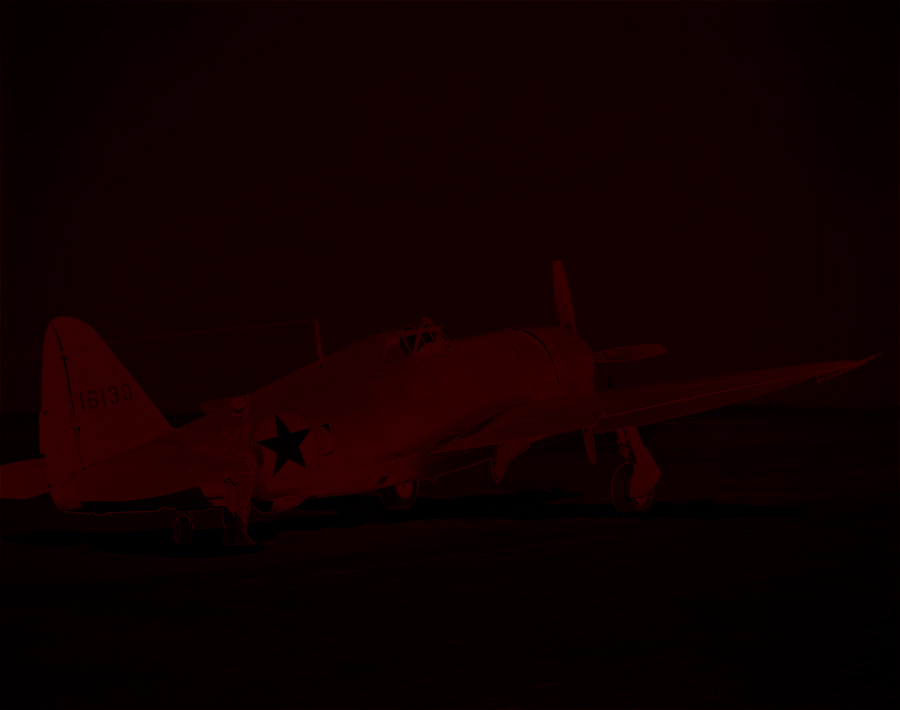


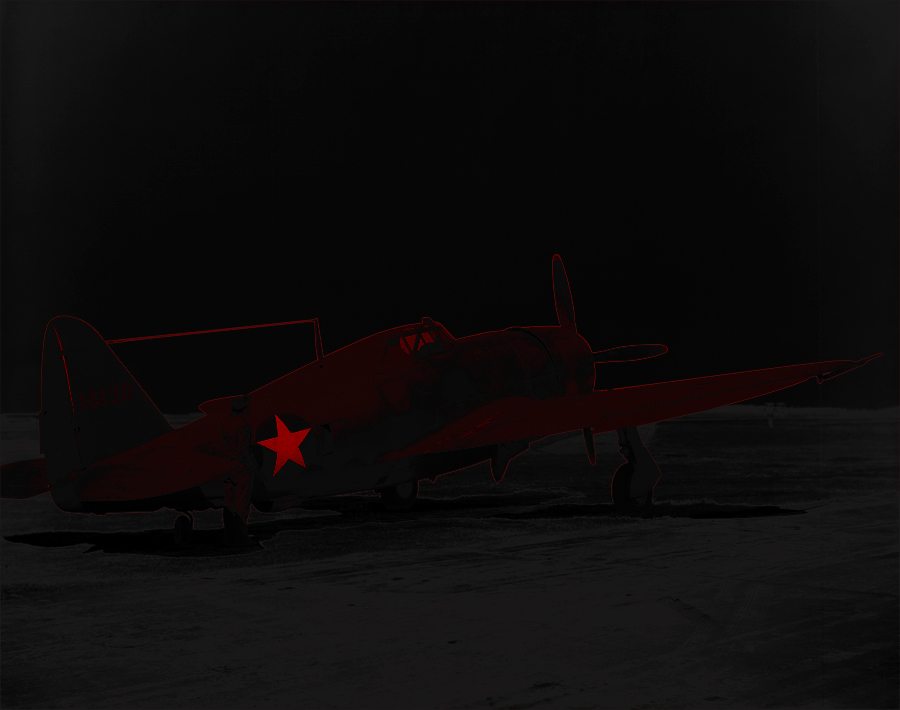


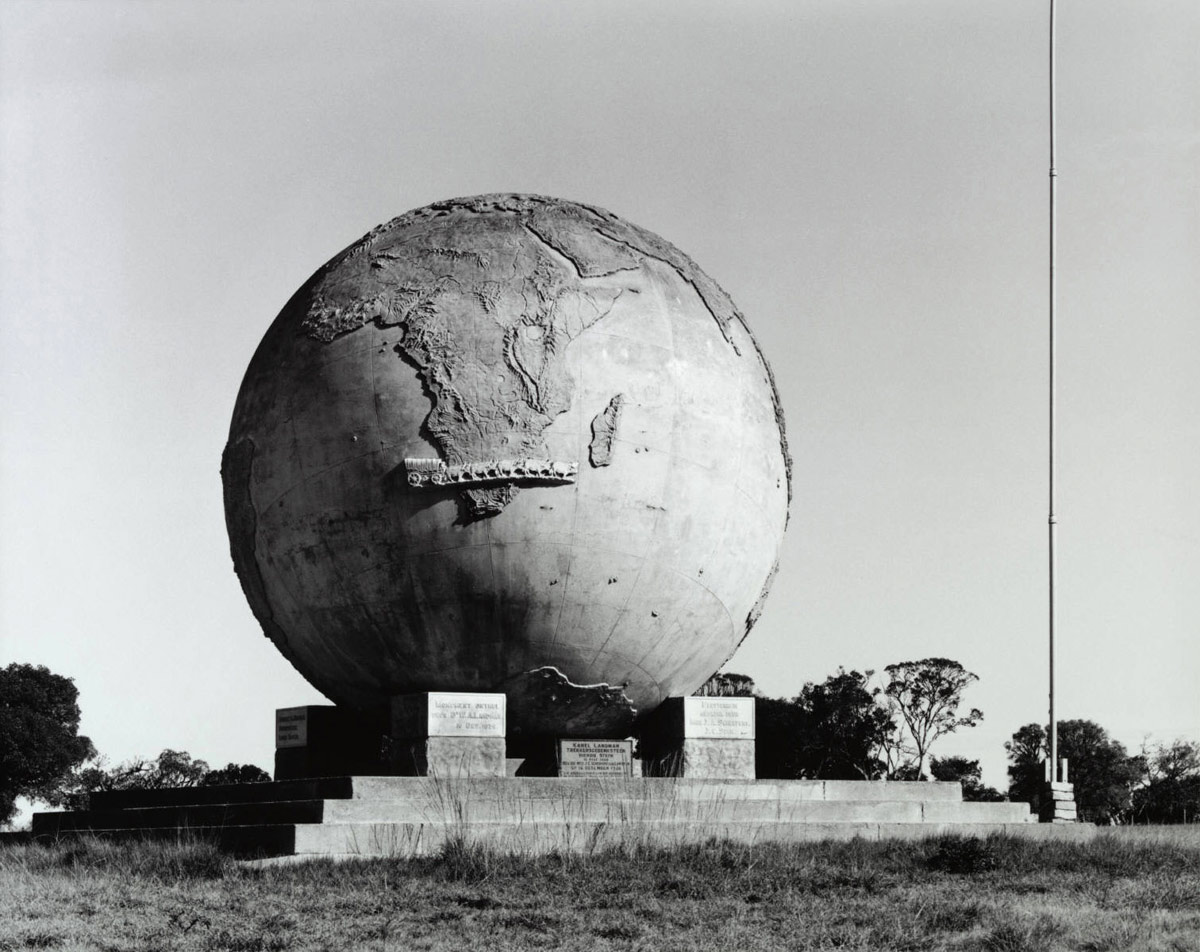
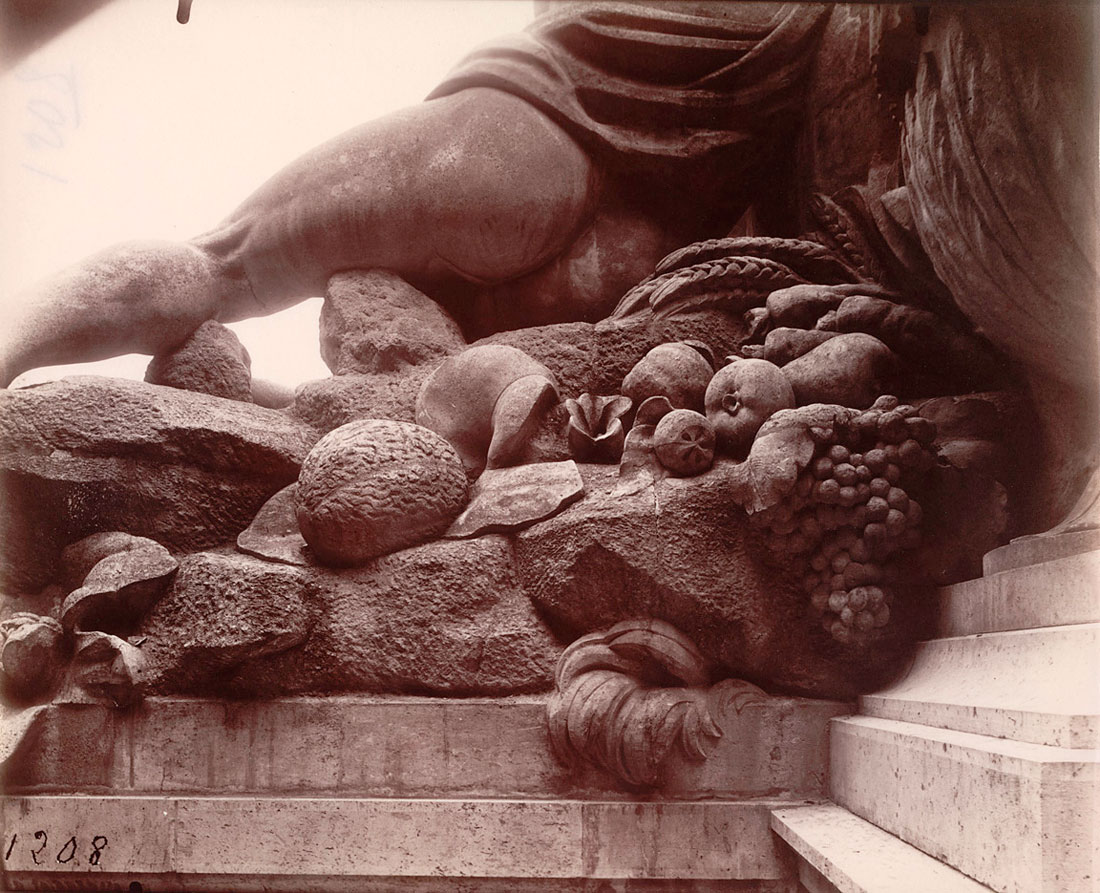

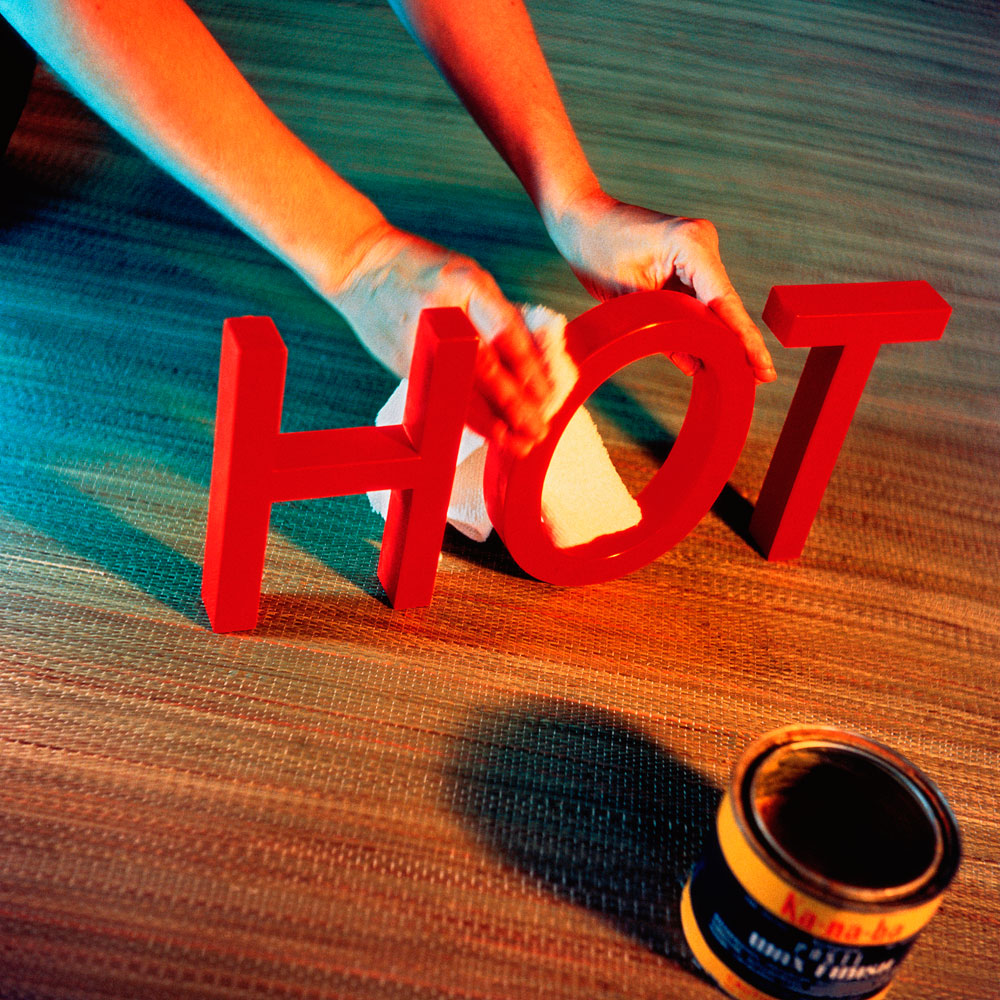

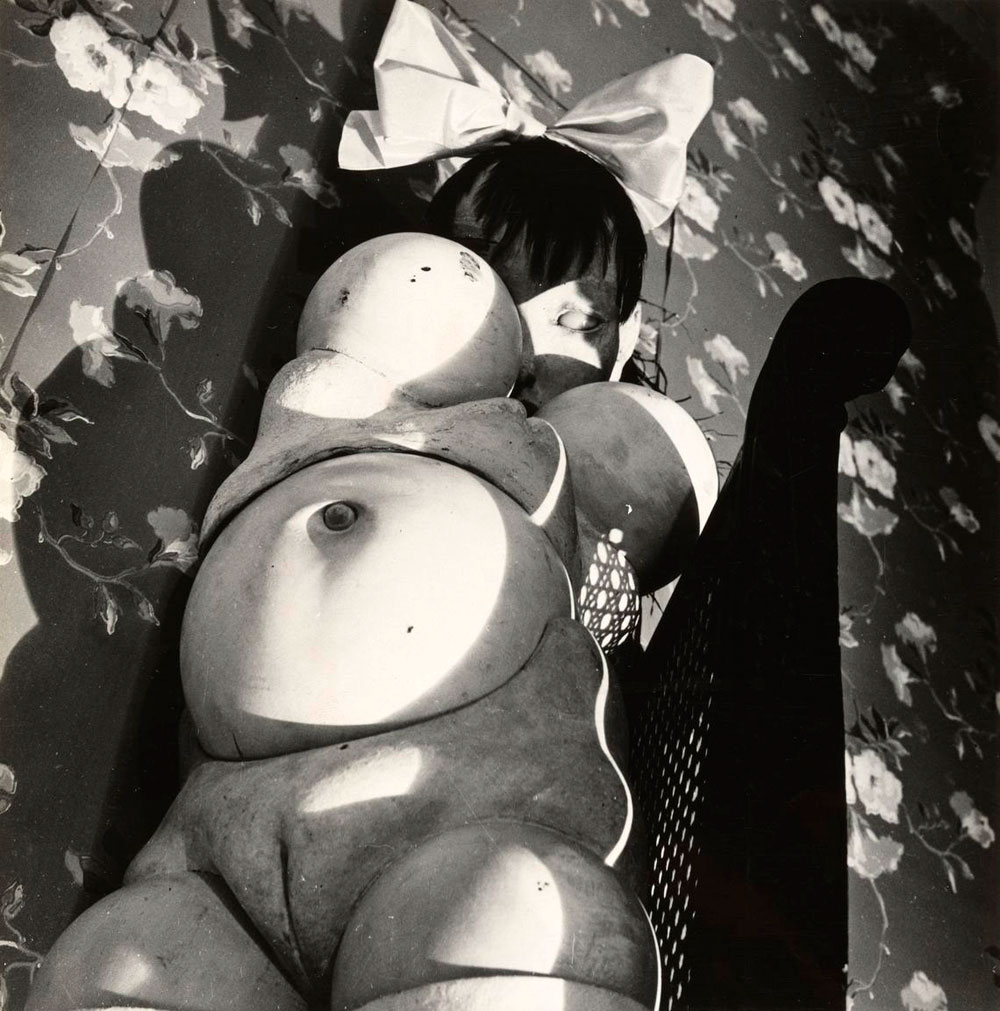

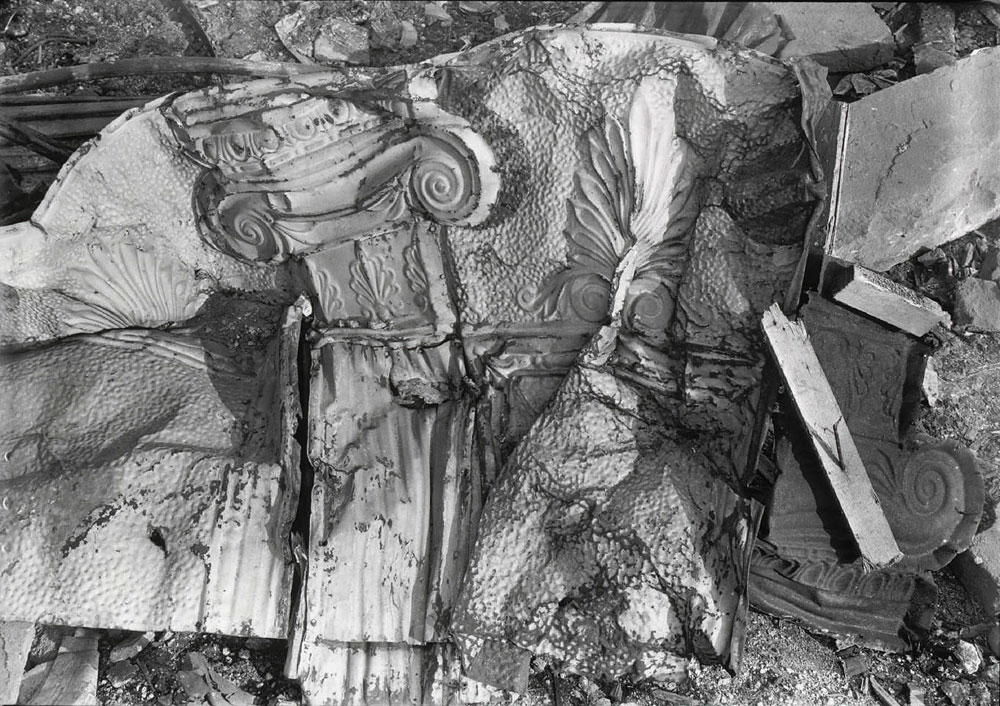
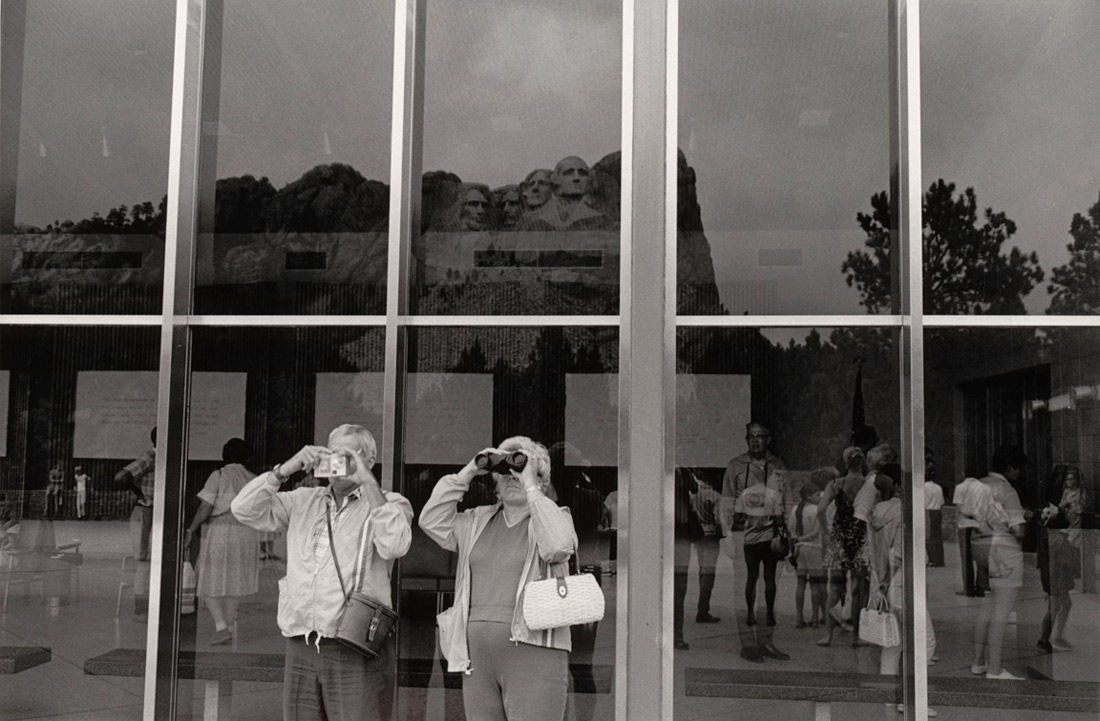
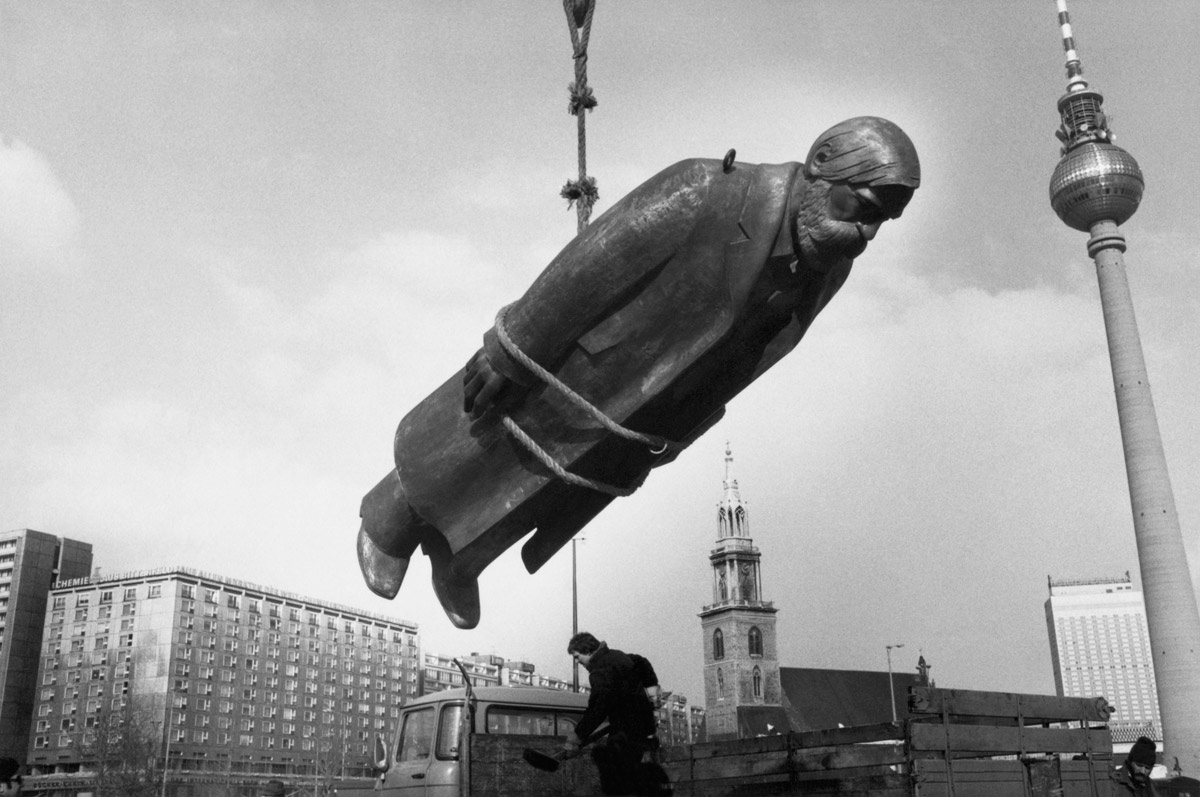
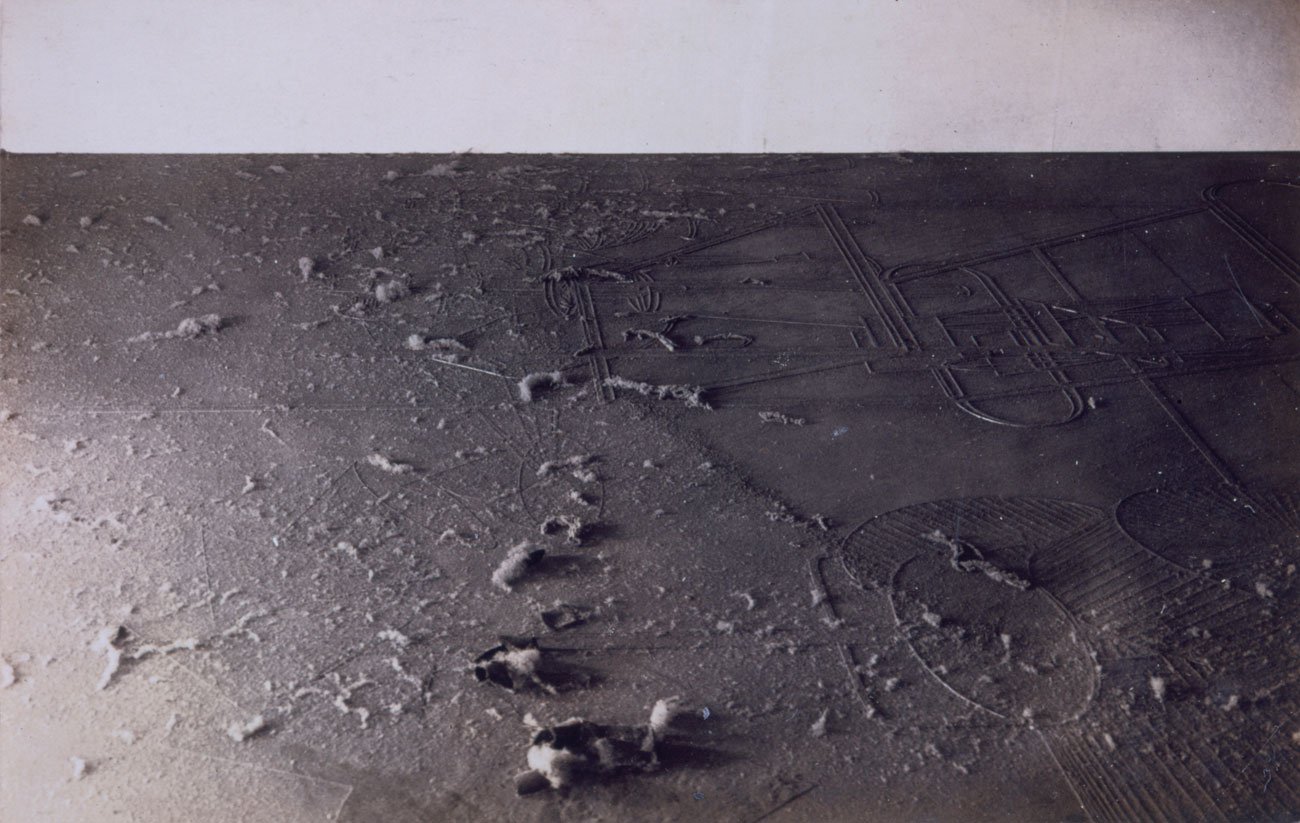

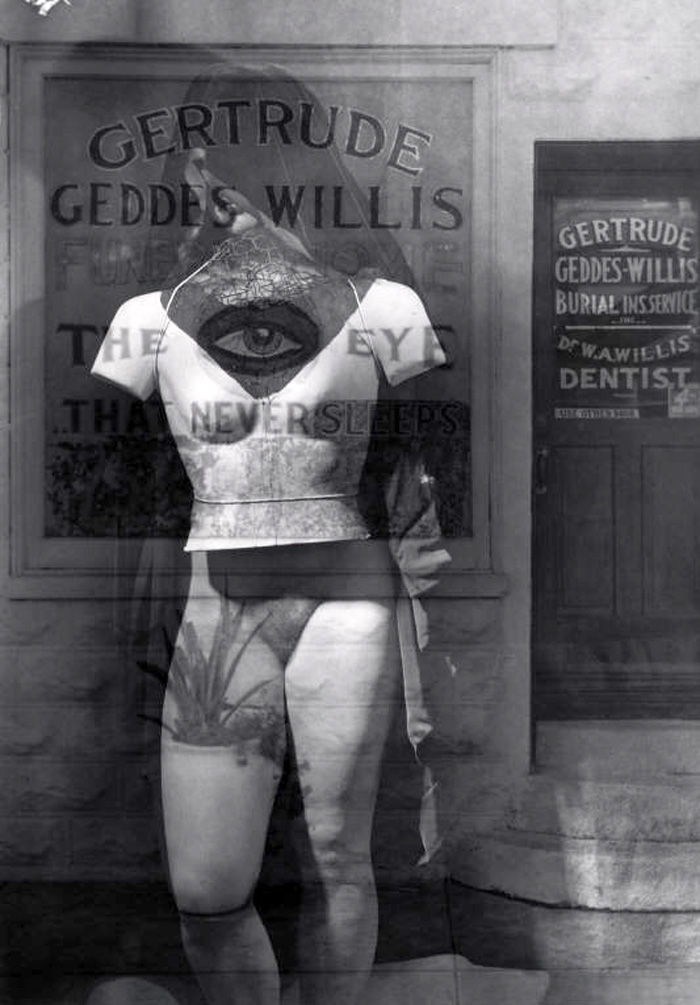
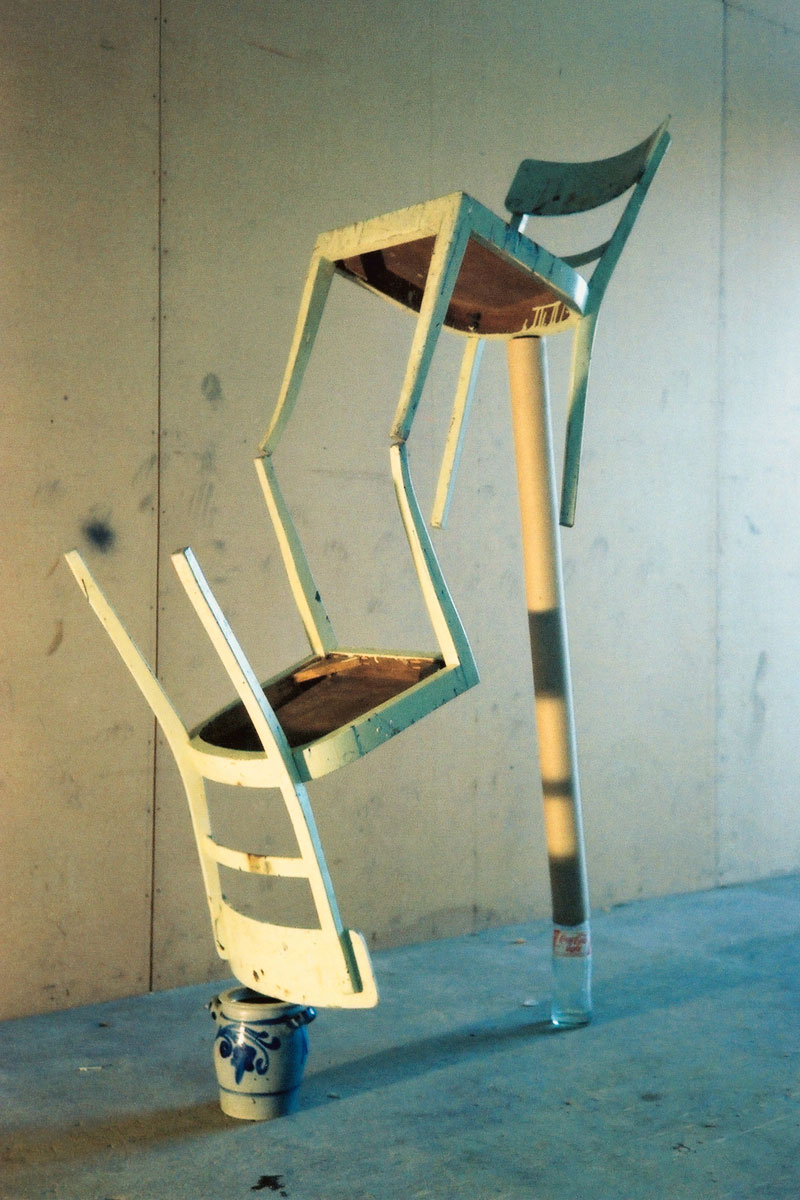

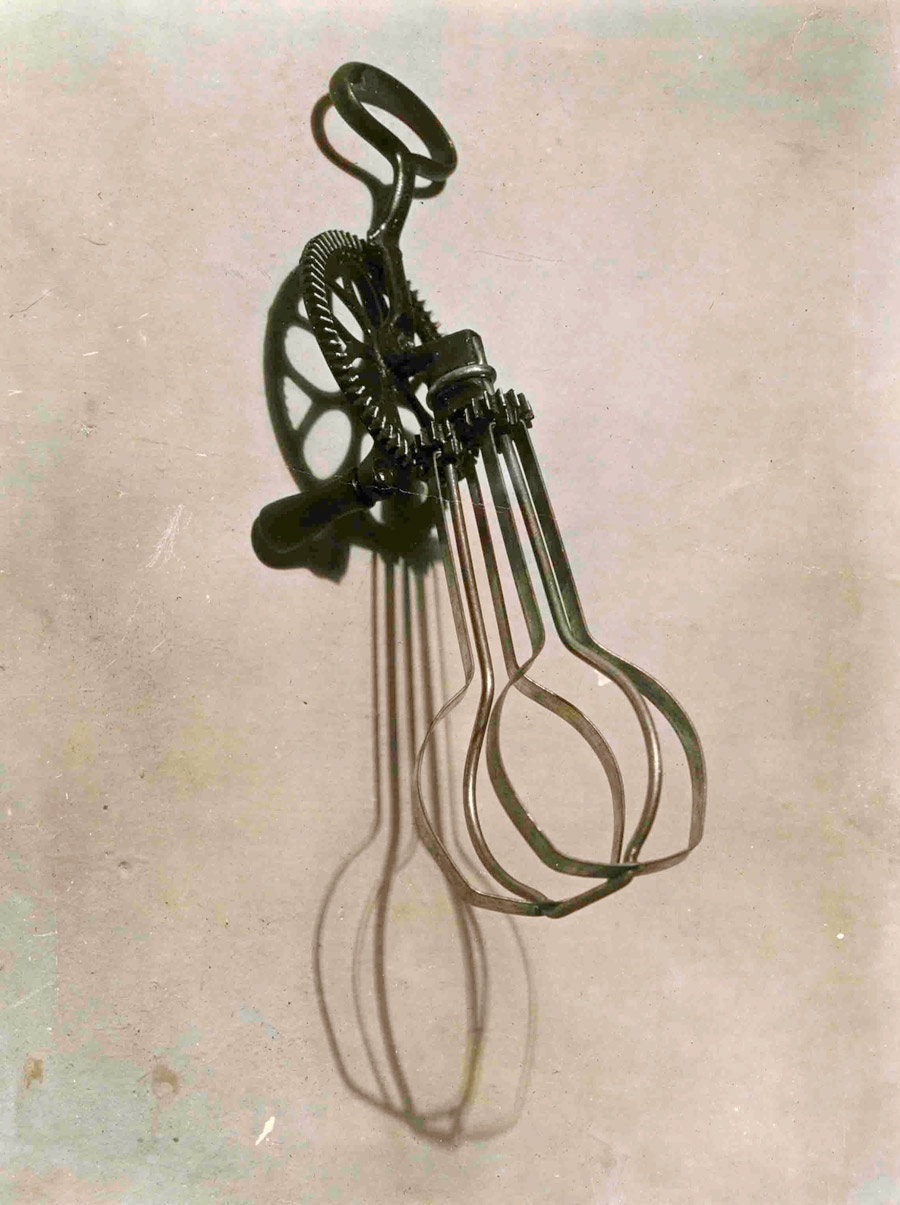


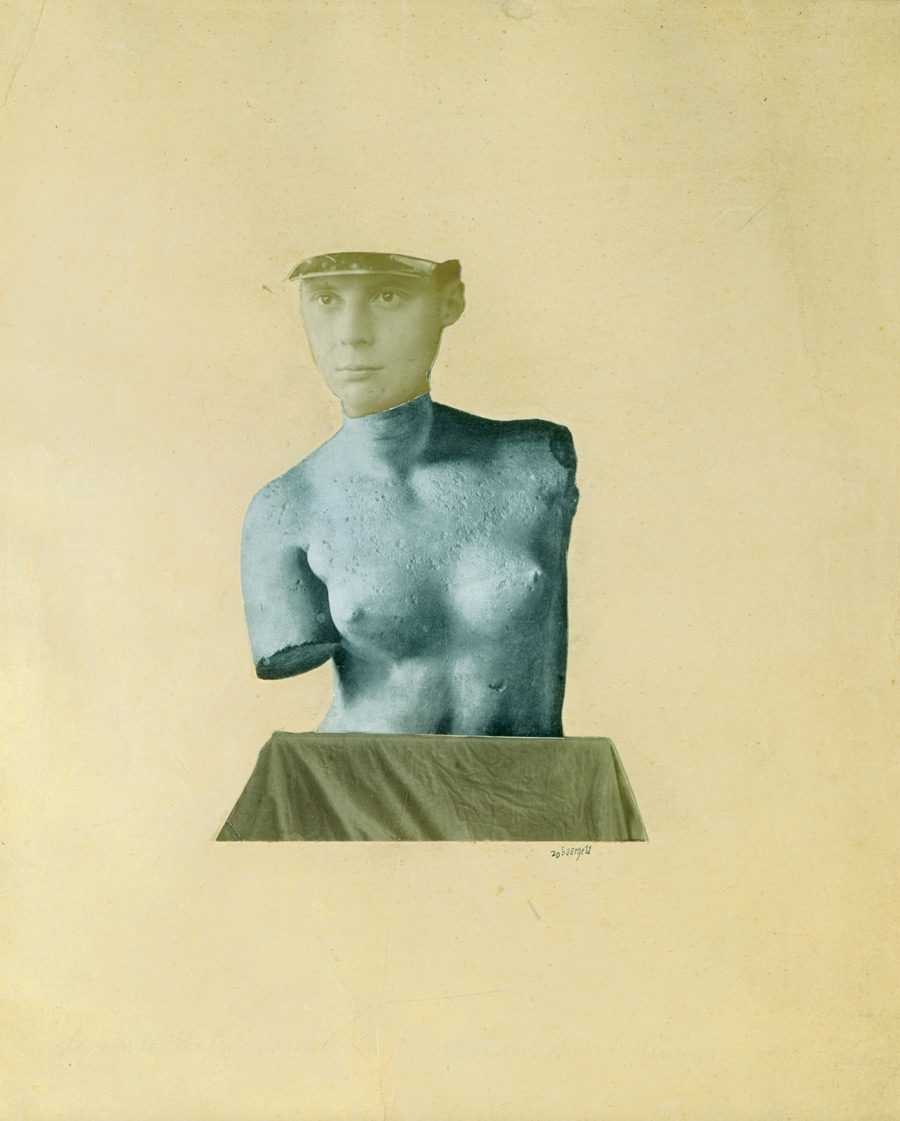
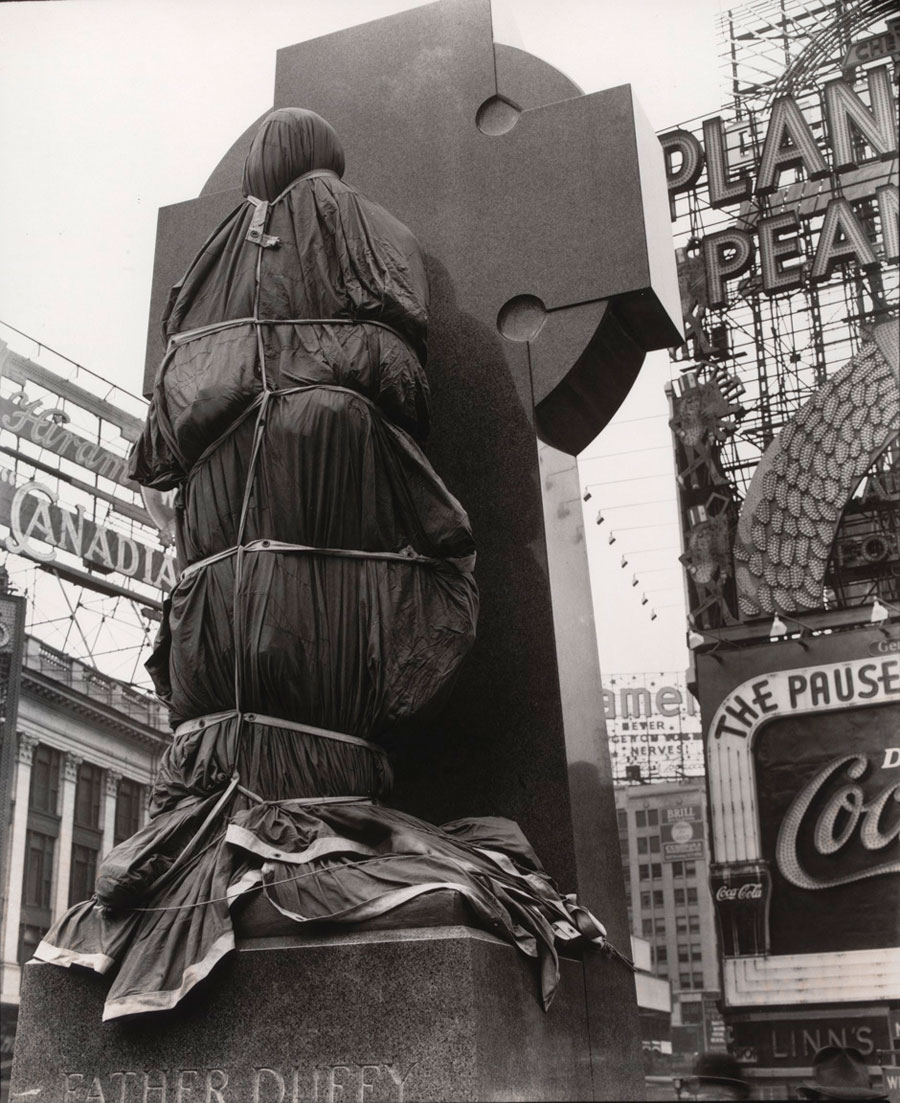


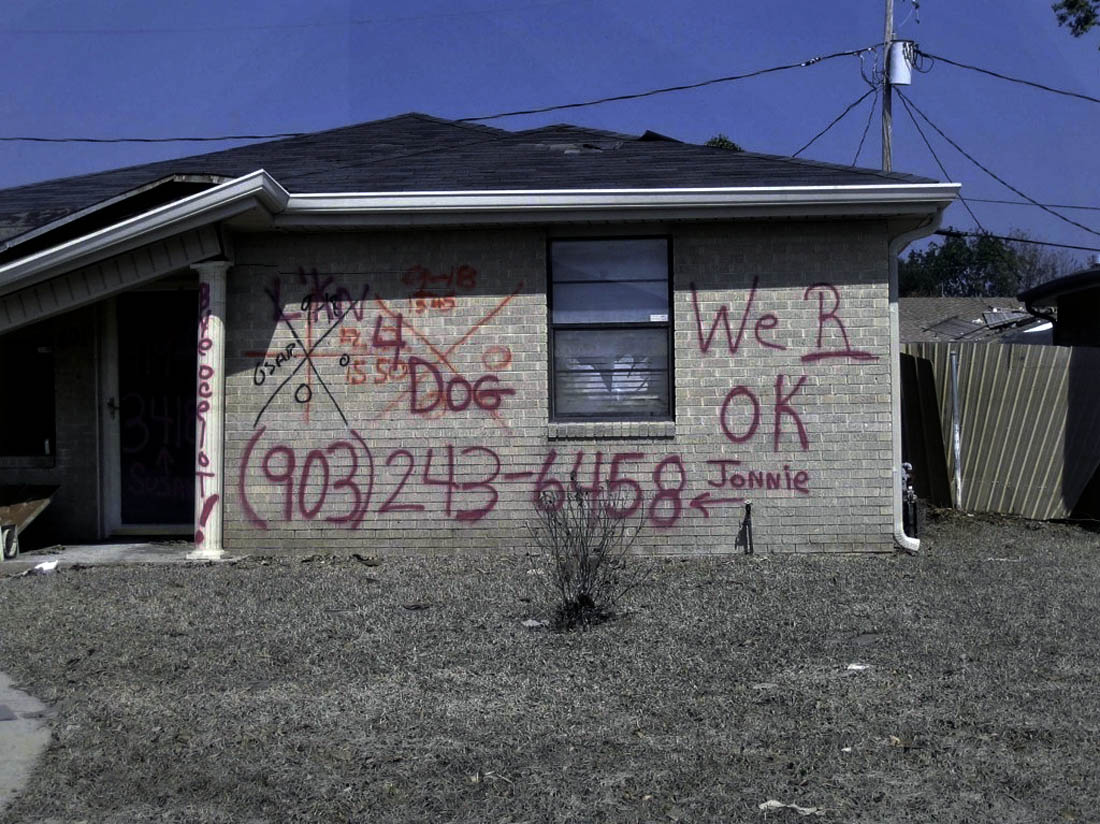




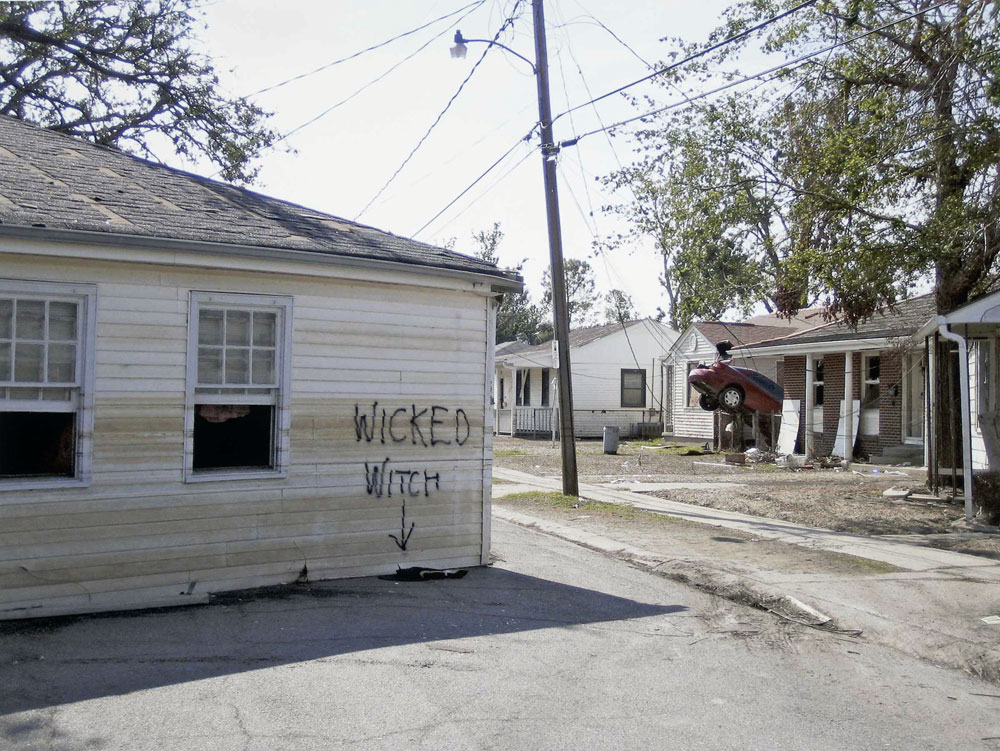
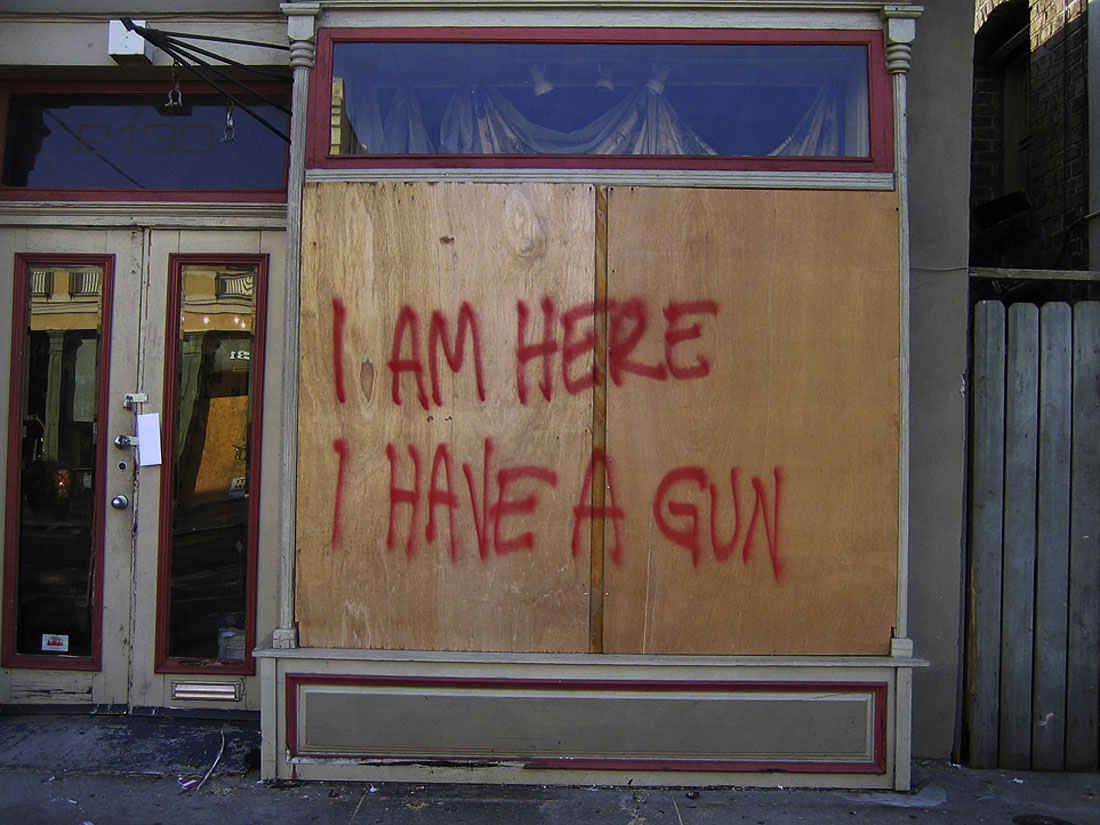

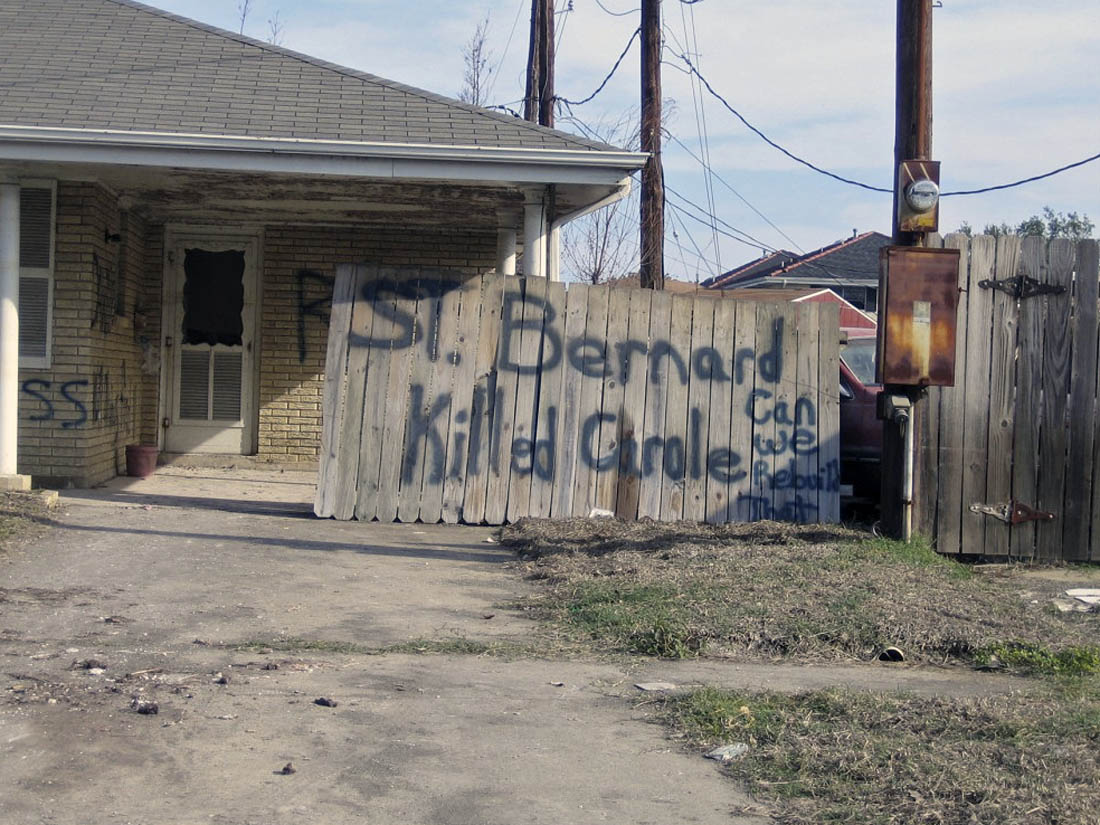
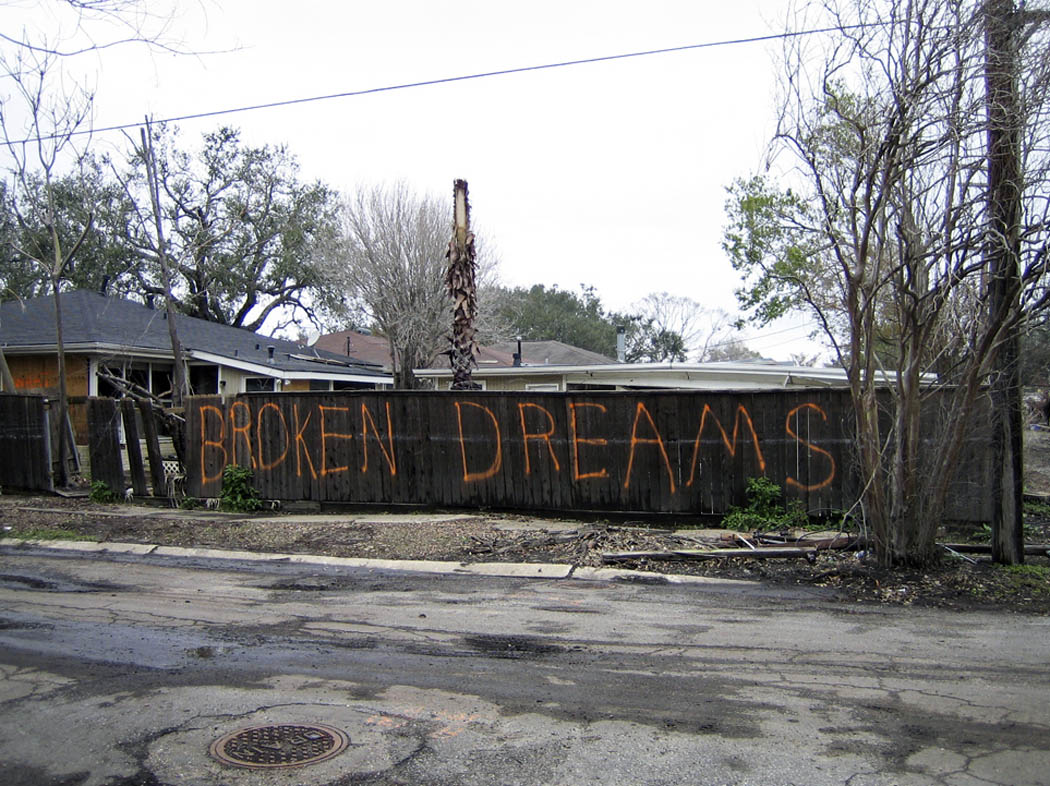

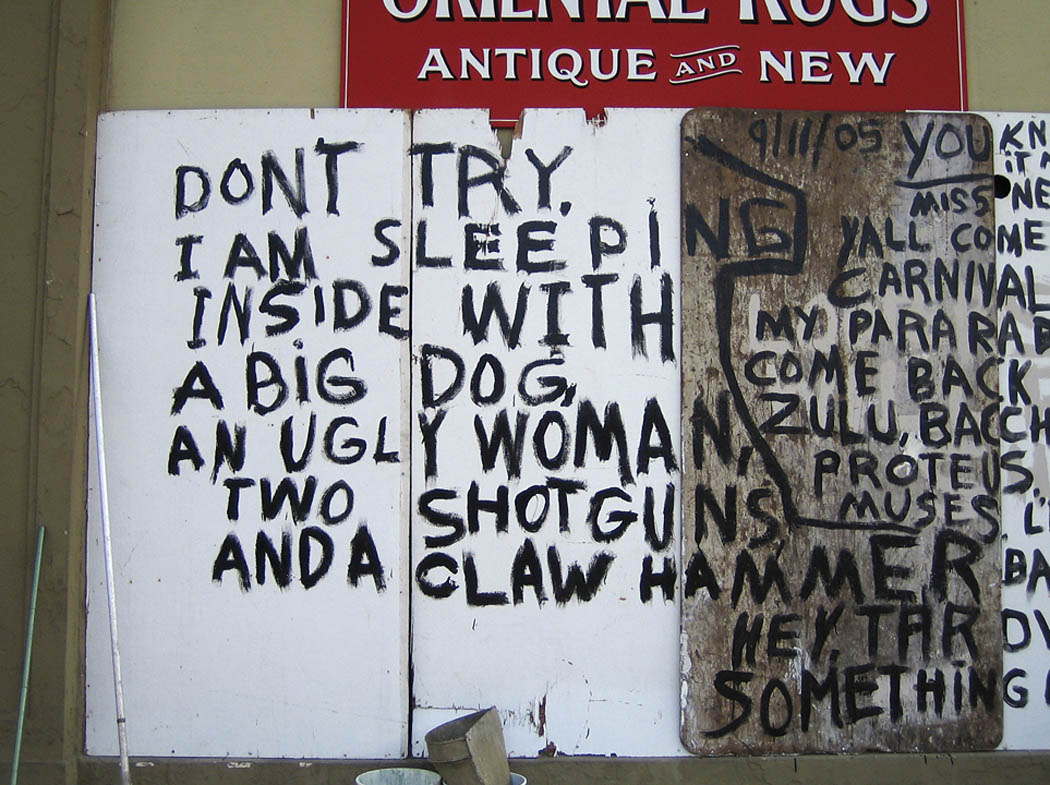

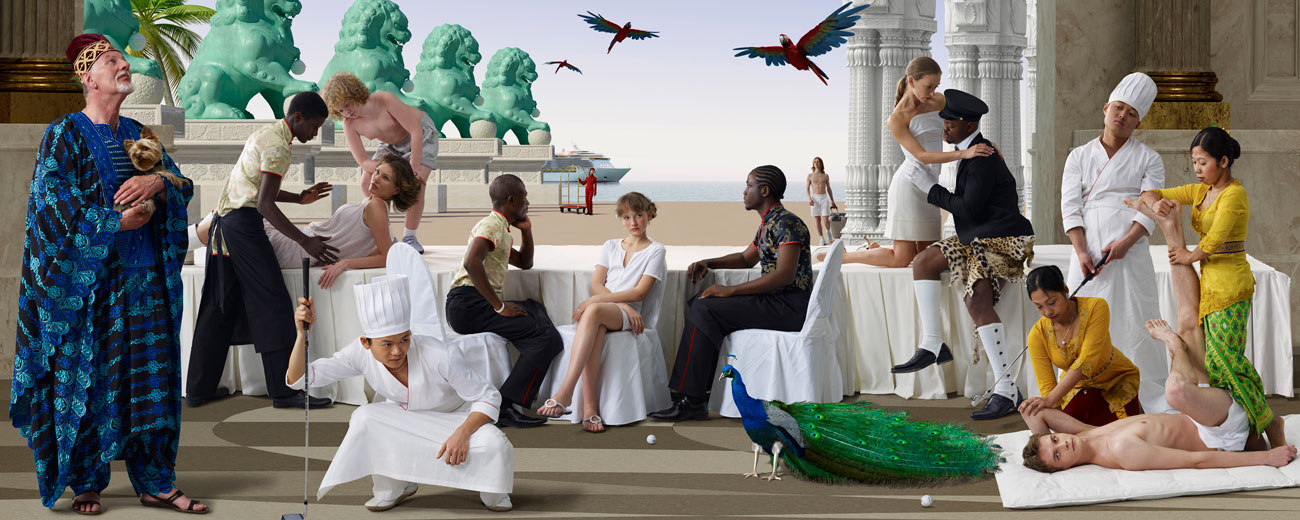
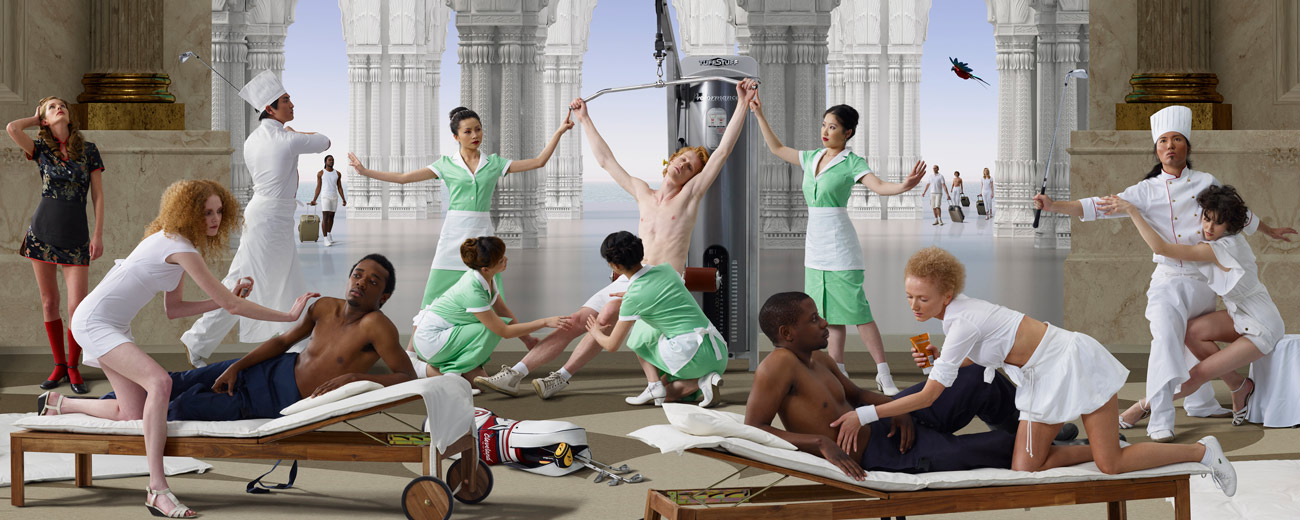
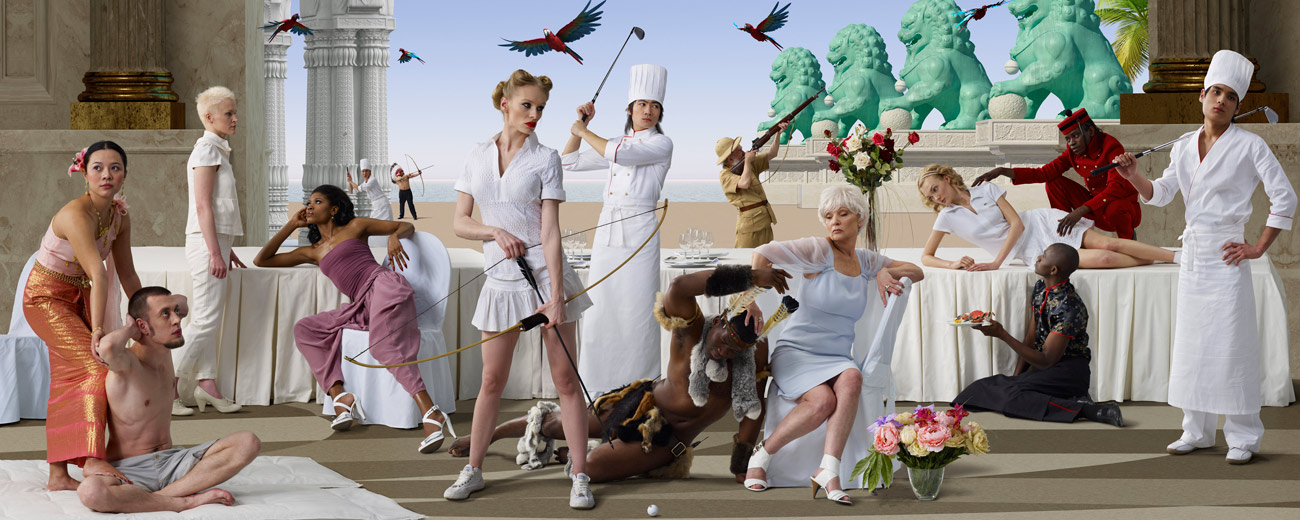
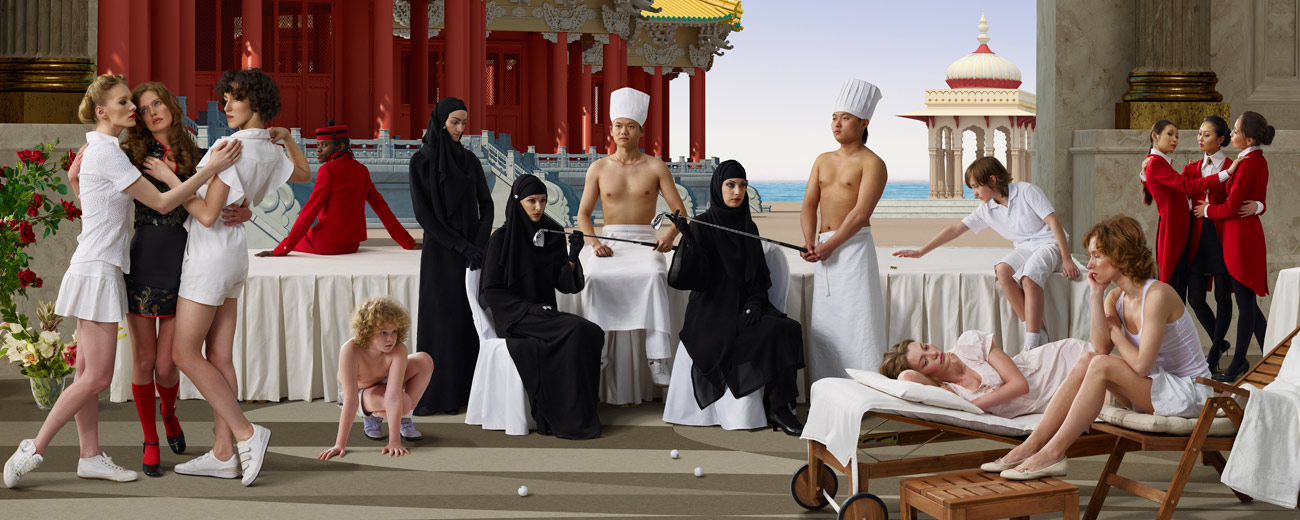
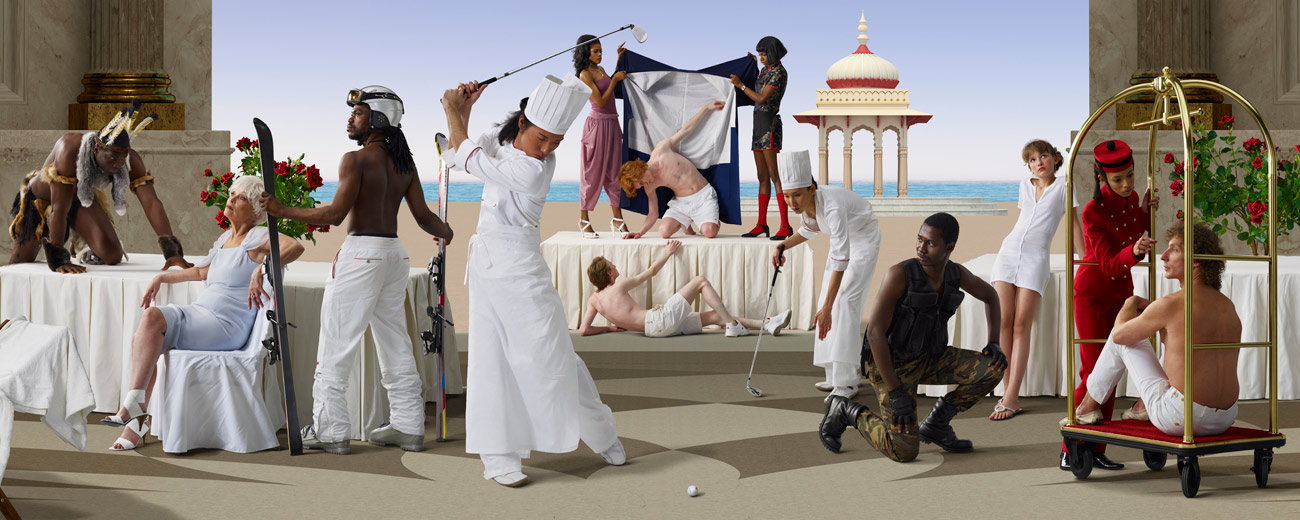
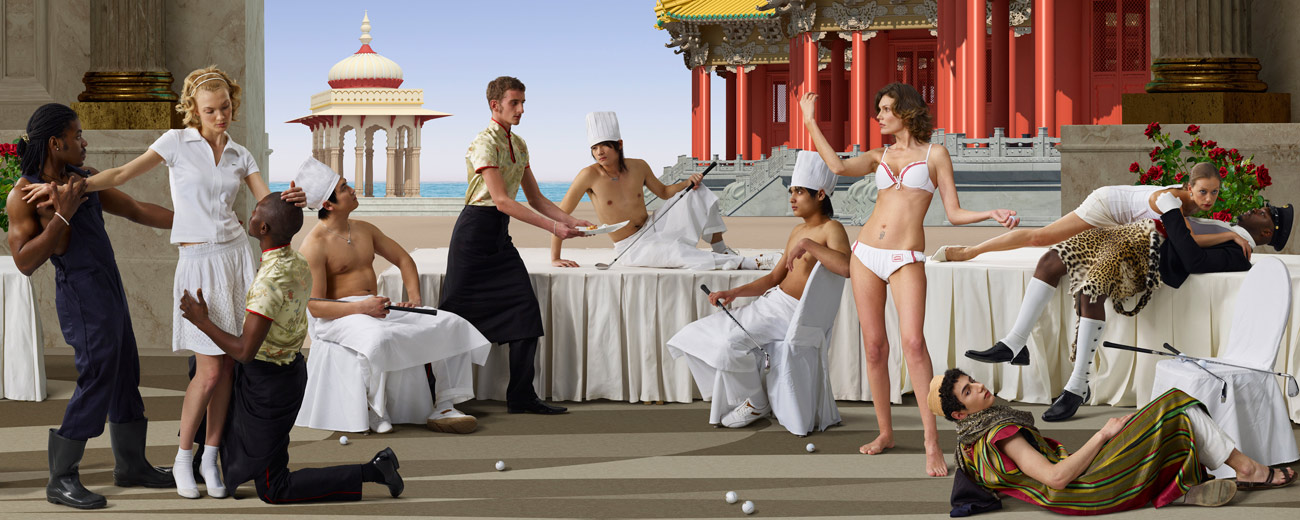
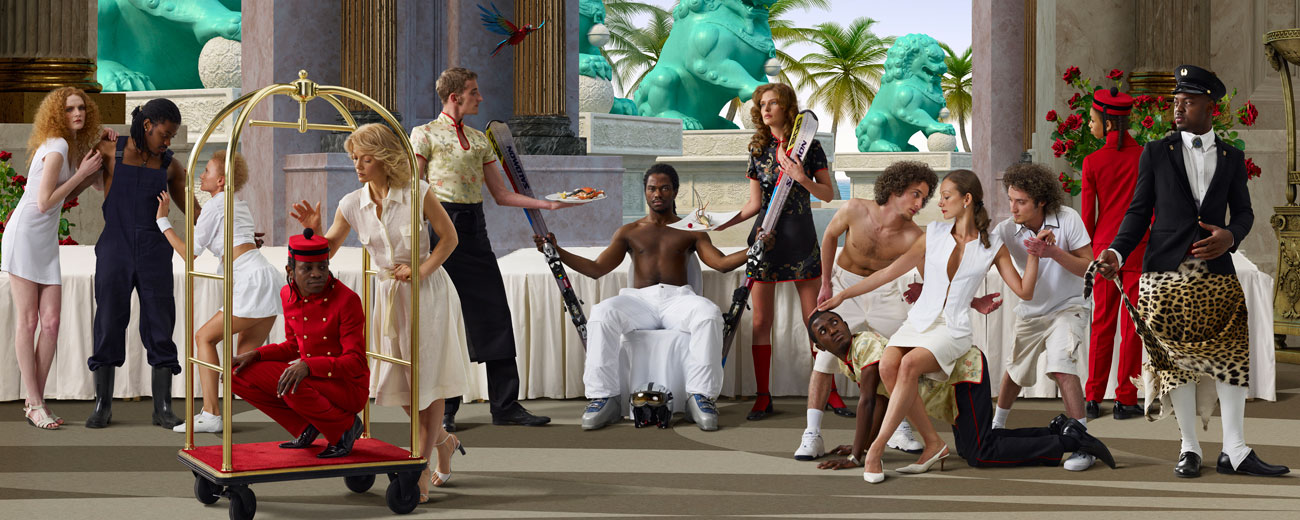
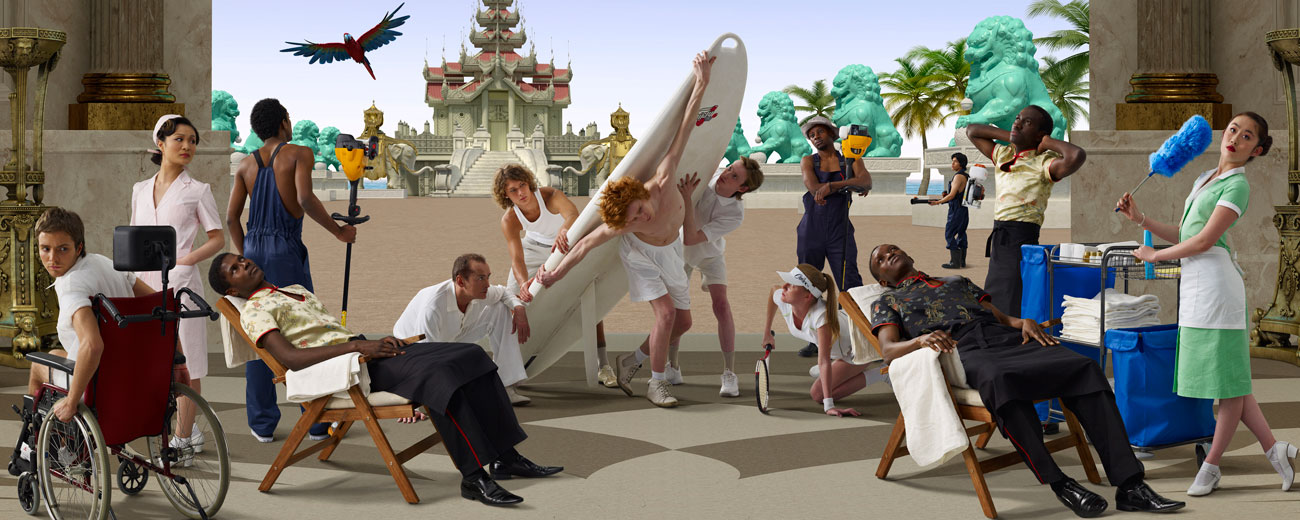
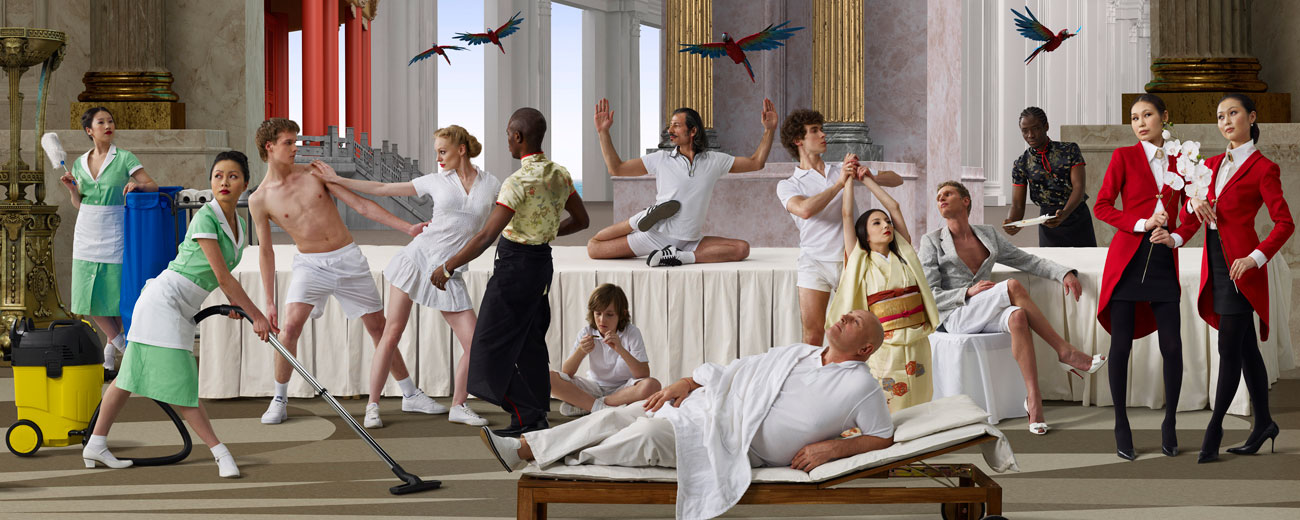

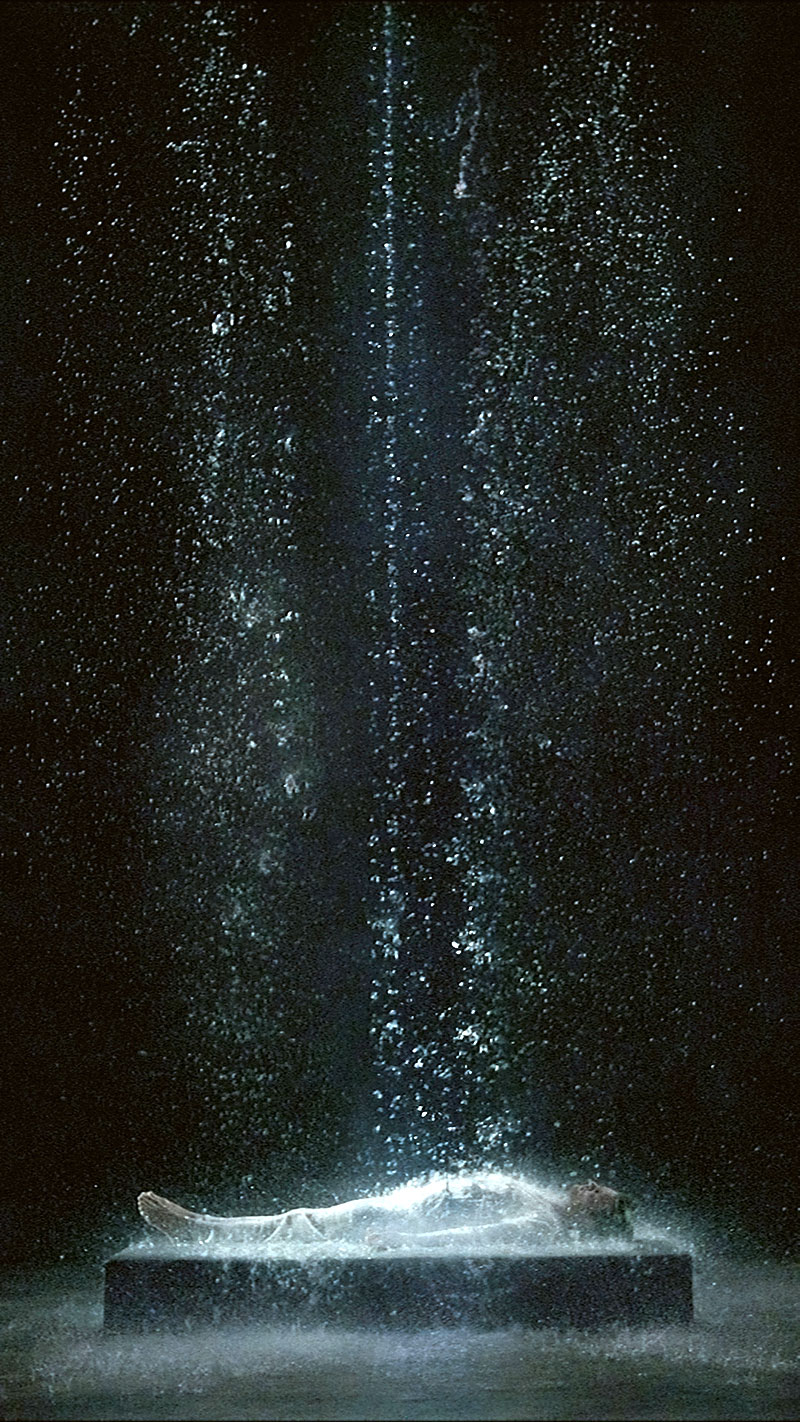
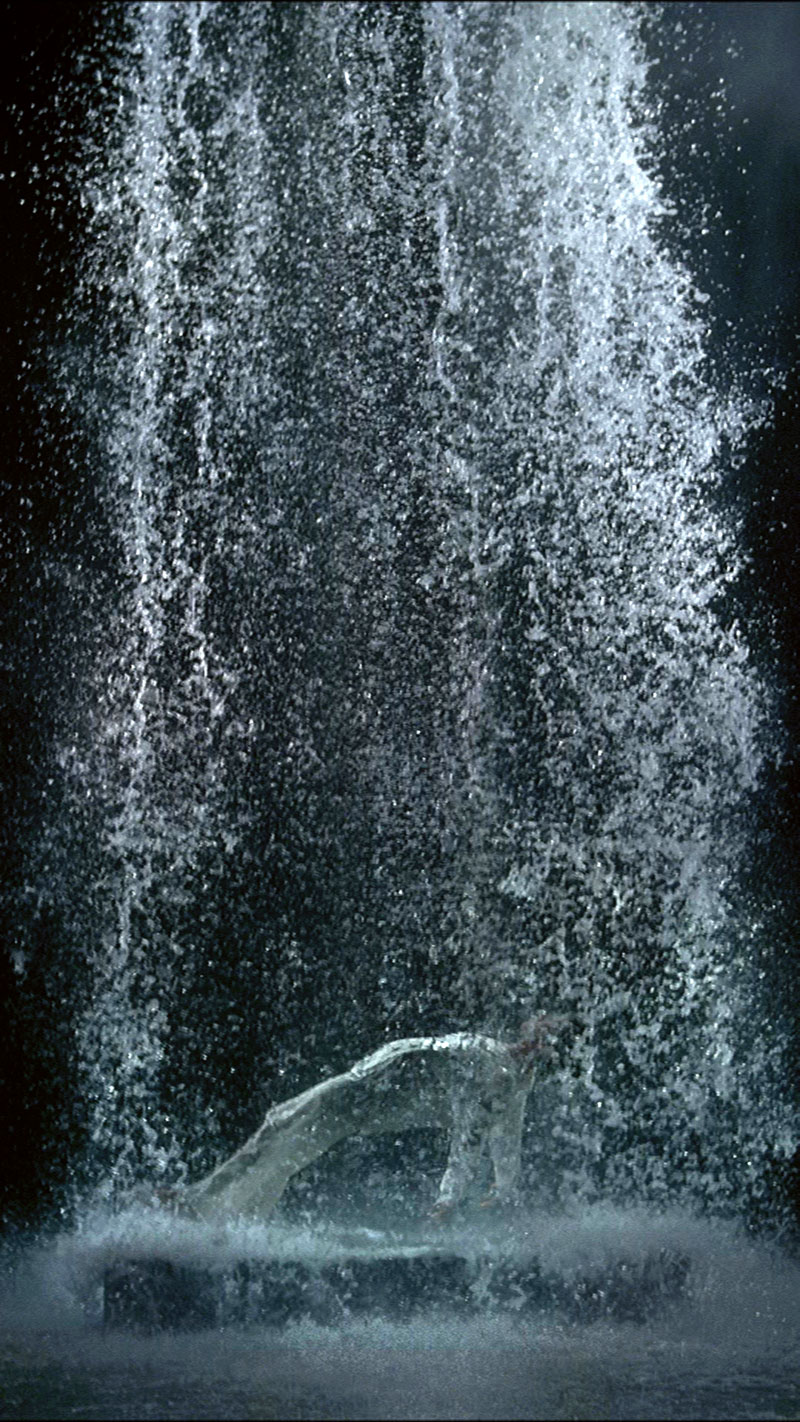


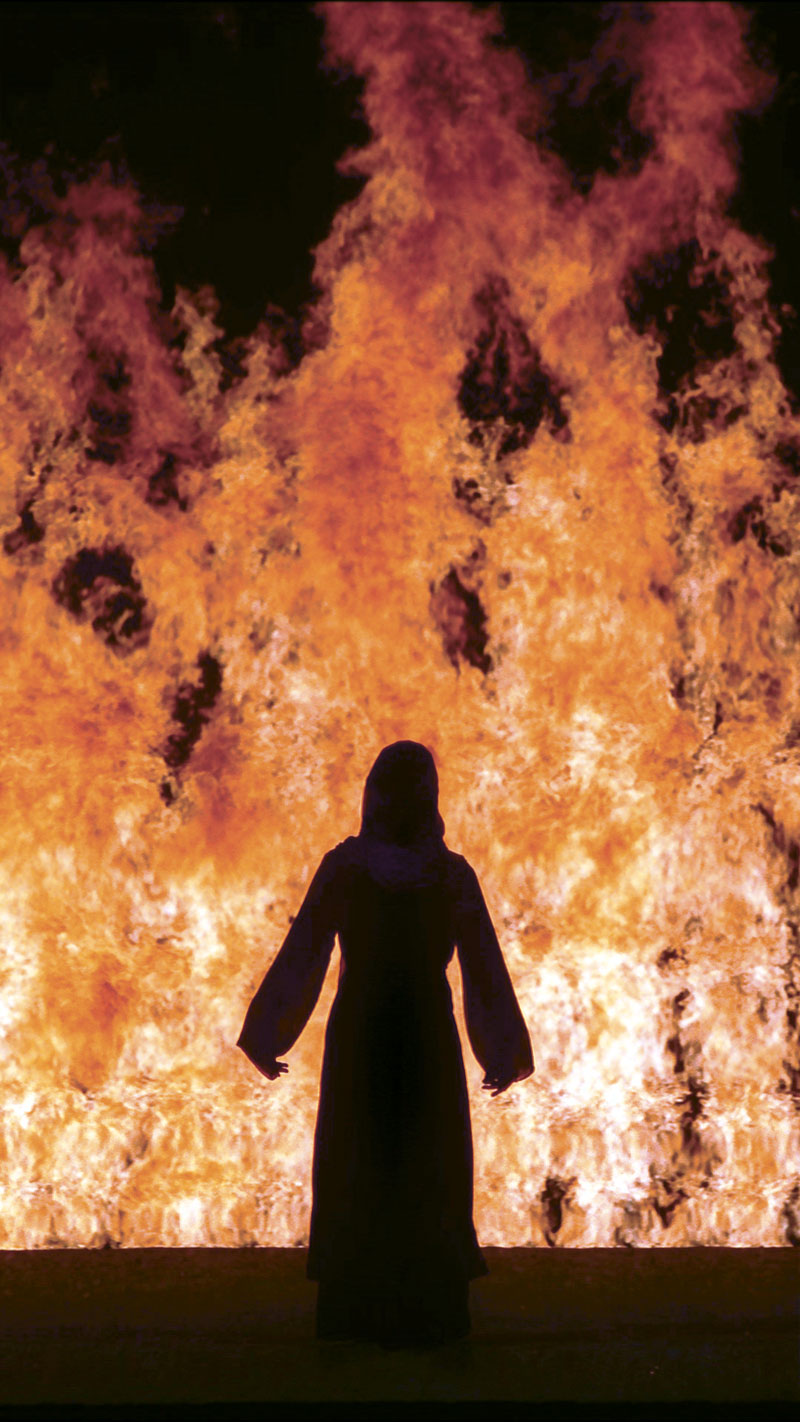
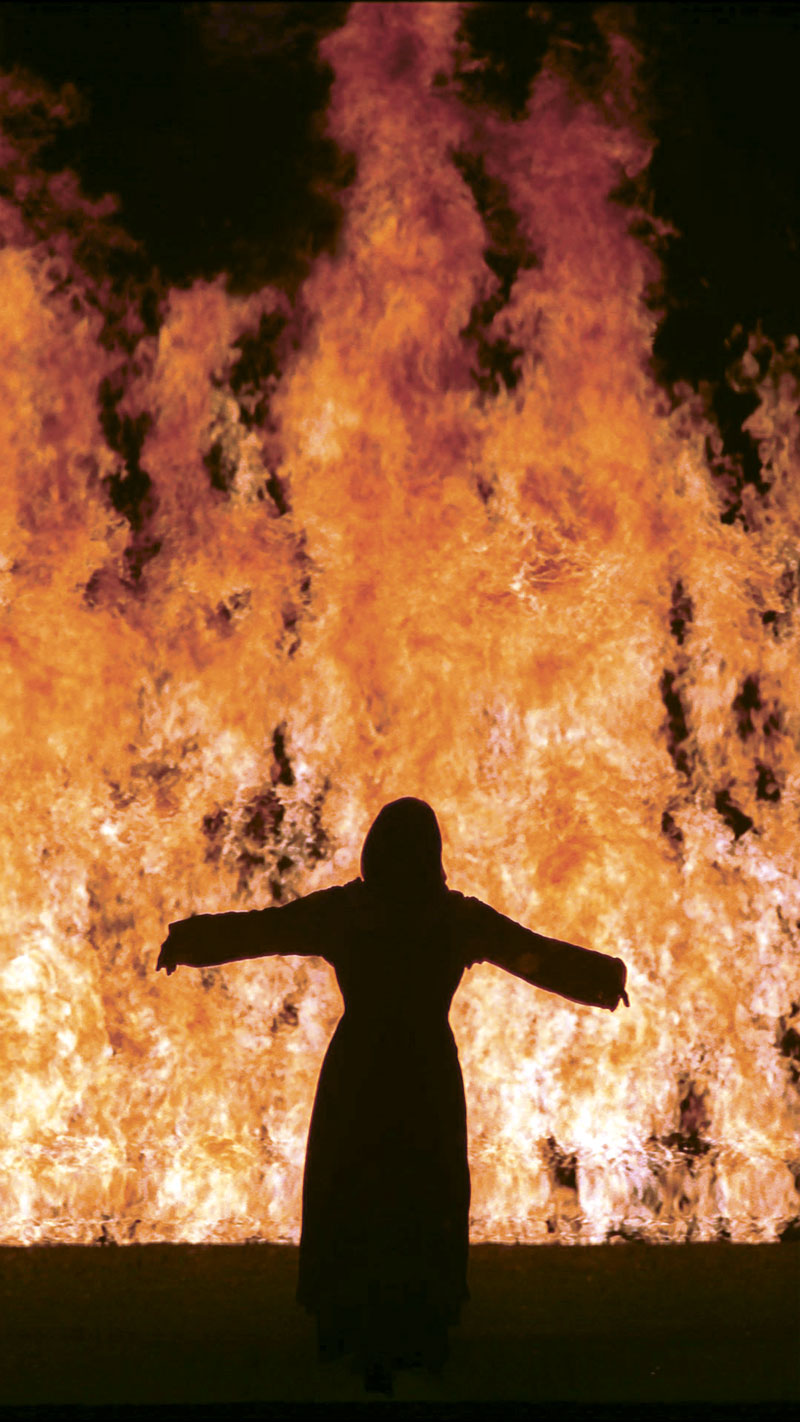
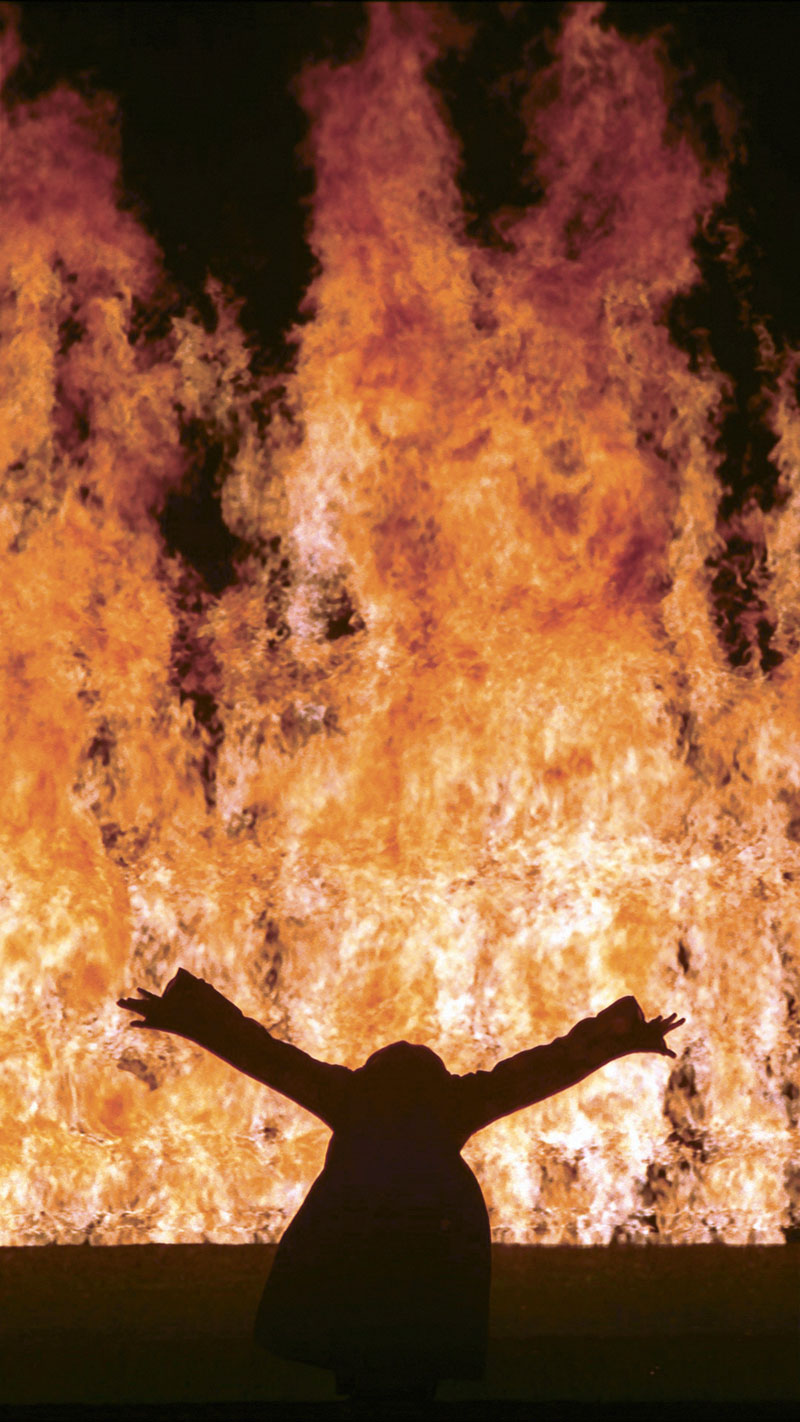

![Camille Silvy (French, 1834-1910) '[River Scene, France]' Negative 1858; print 1860s from the exhibition 'Camille Silvy, Photographer of Modern Life, 1834-1910' at the National Portrait Gallery, London, July - Oct 2010](https://artblart.com/wp-content/uploads/2010/10/silvy-river-scene-web.jpg "Camille Silvy (French, 1834-1910) '[River Scene, France]' Negative 1858; print 1860s from the exhibition 'Camille Silvy, Photographer of Modern Life, 1834-1910' at the National Portrait Gallery, London, July - Oct 2010")
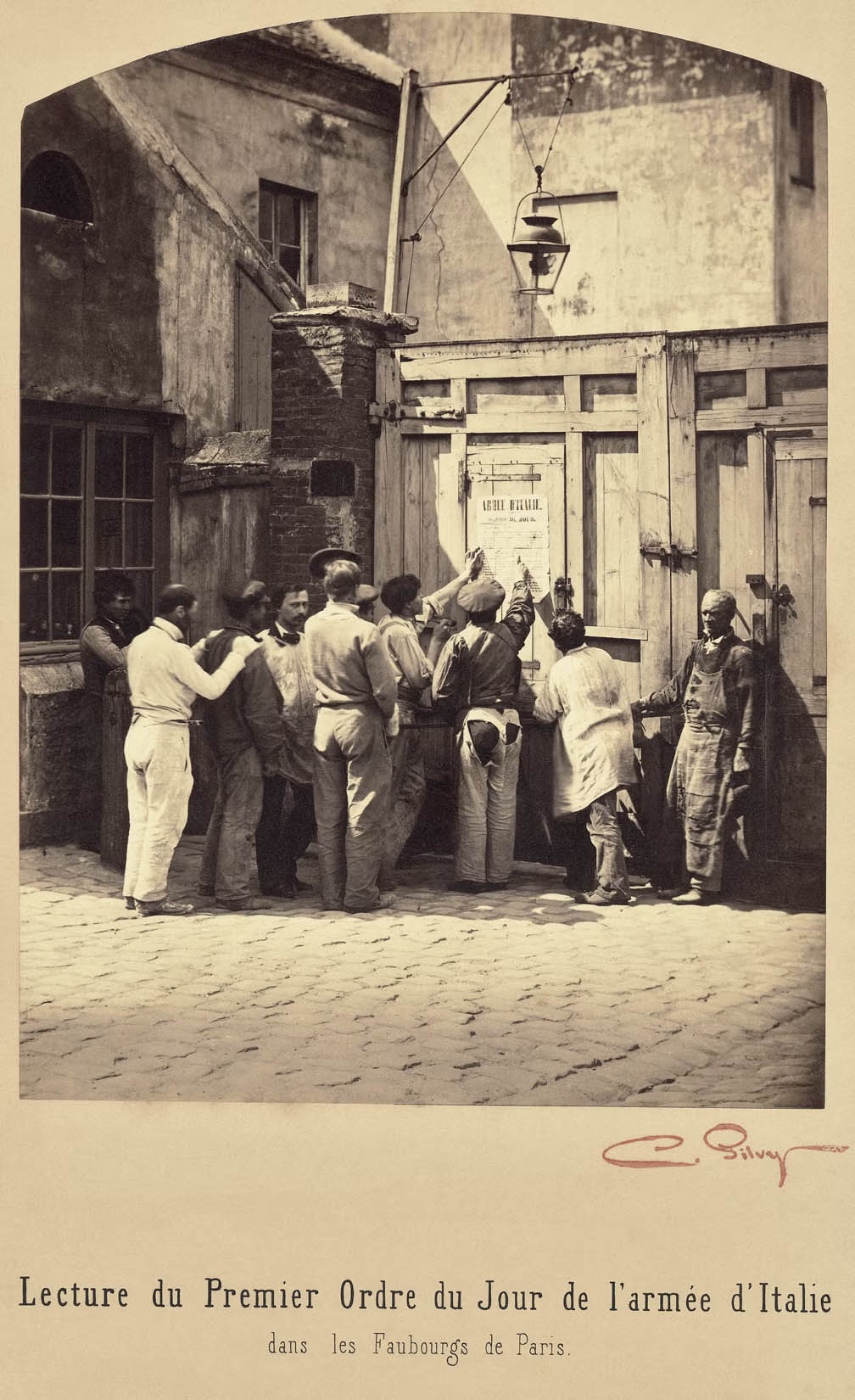

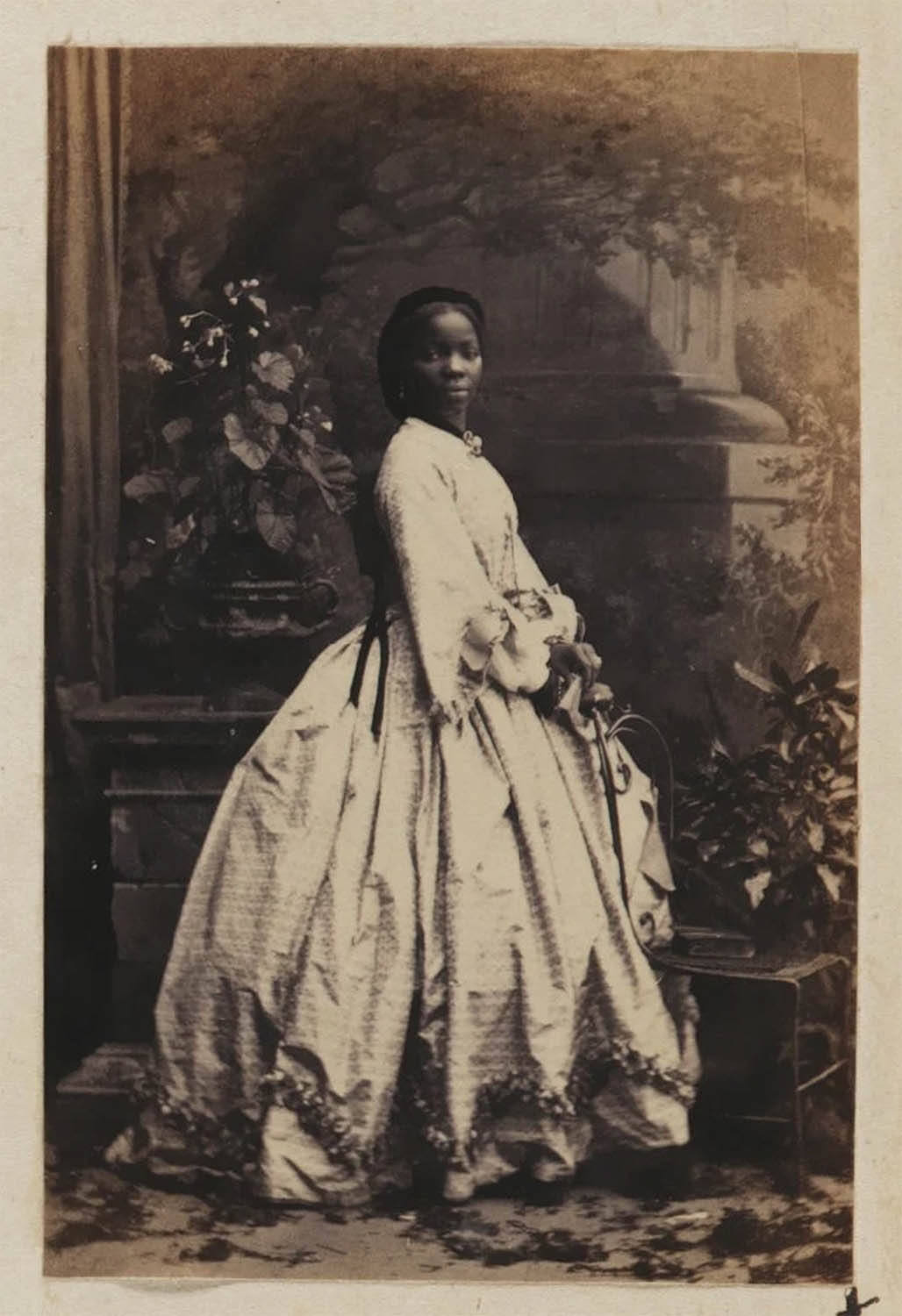
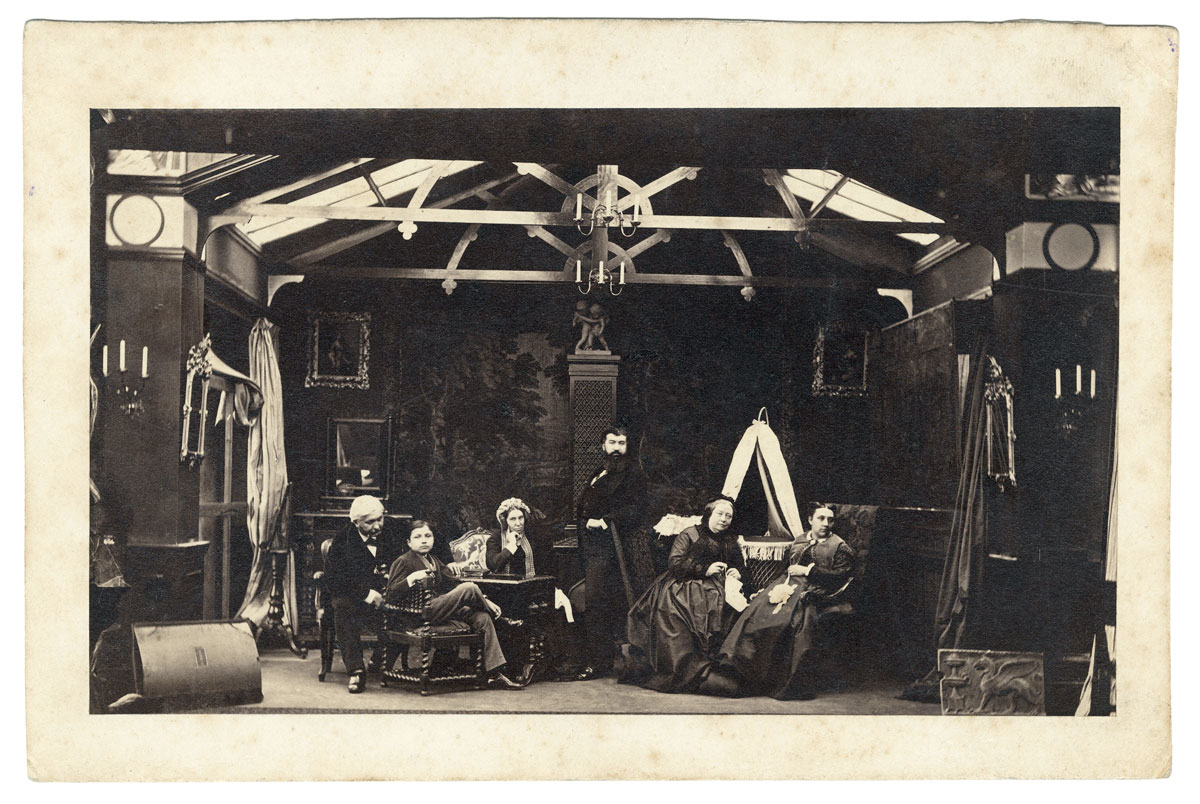


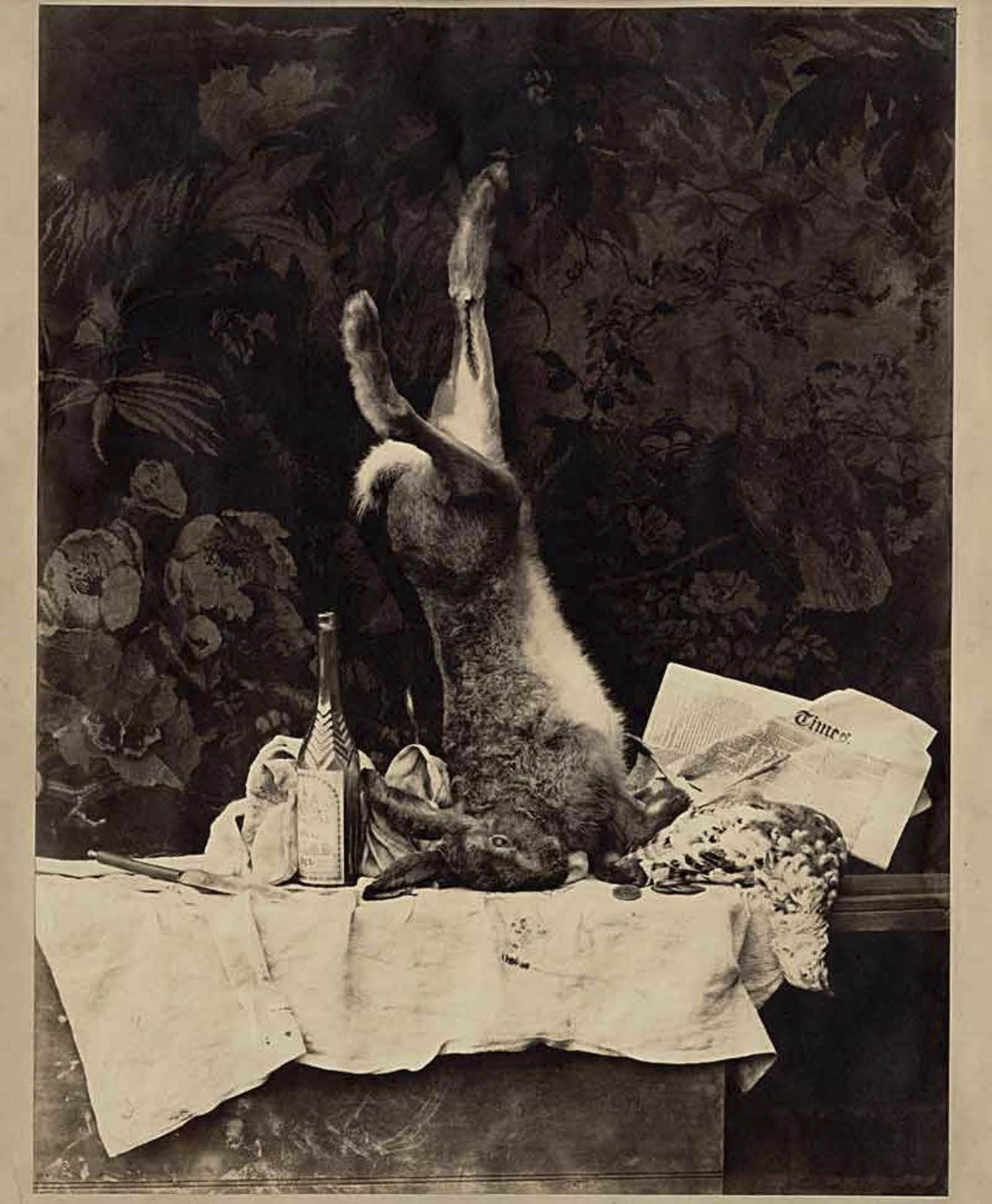
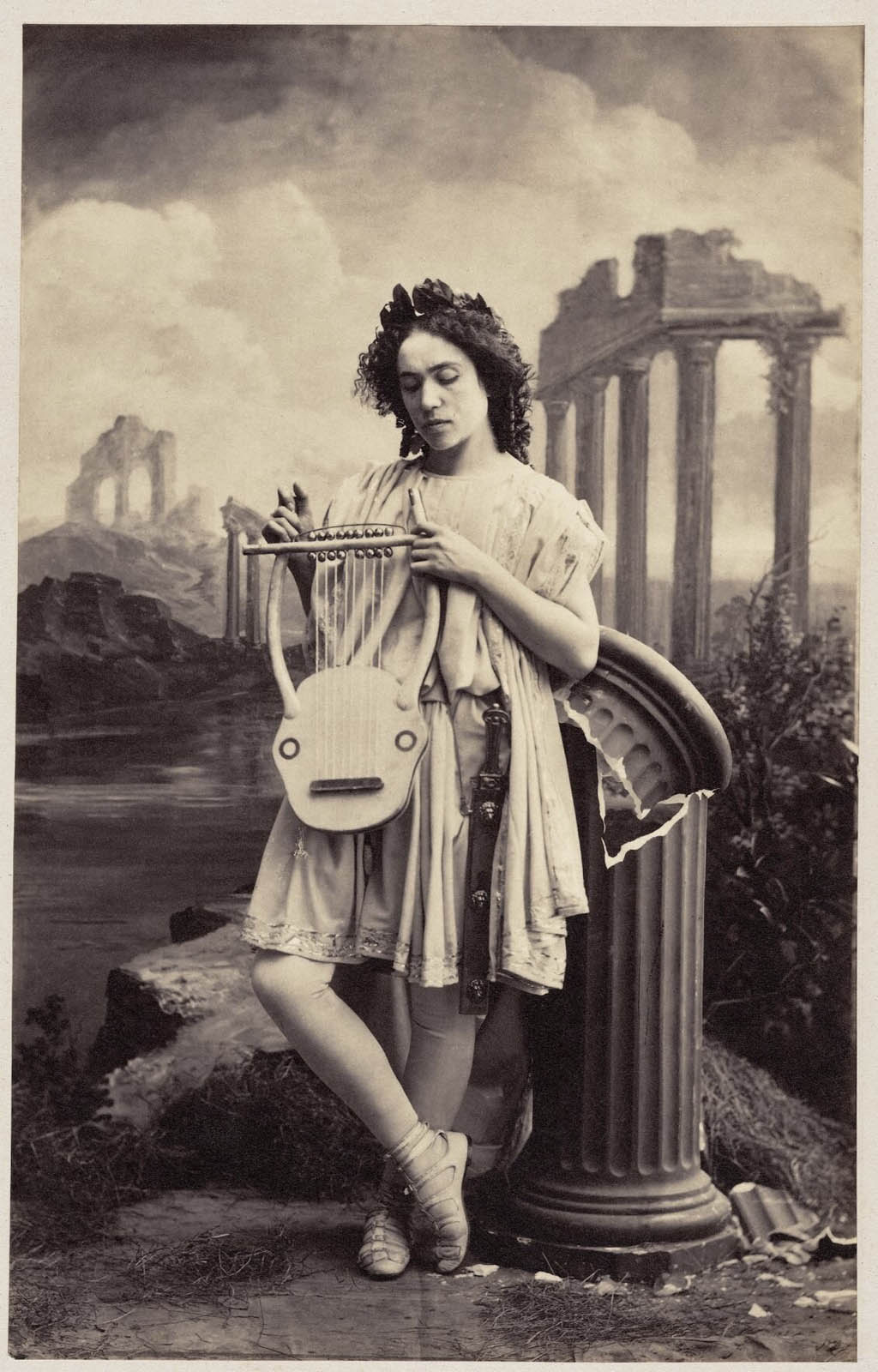
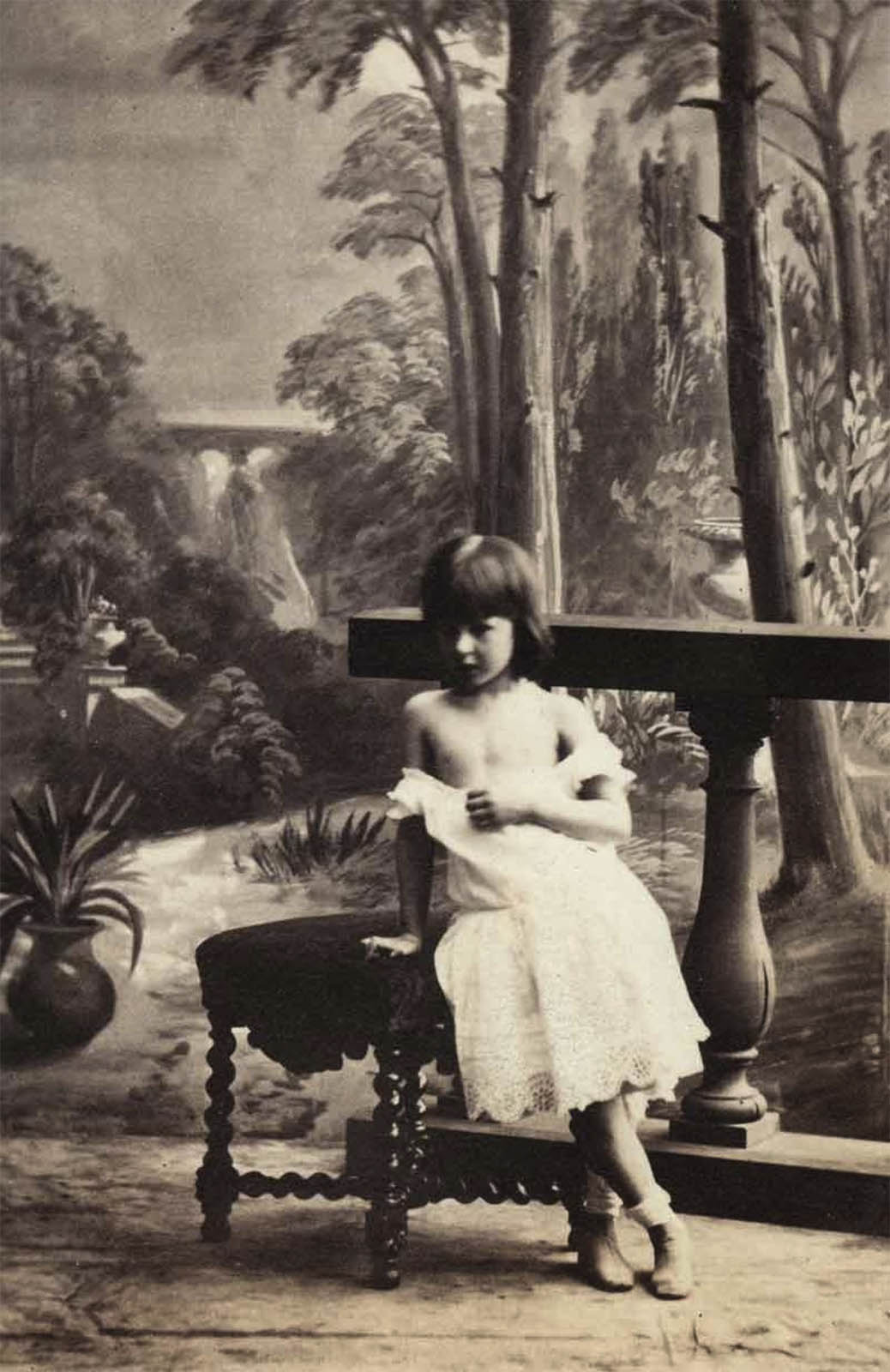
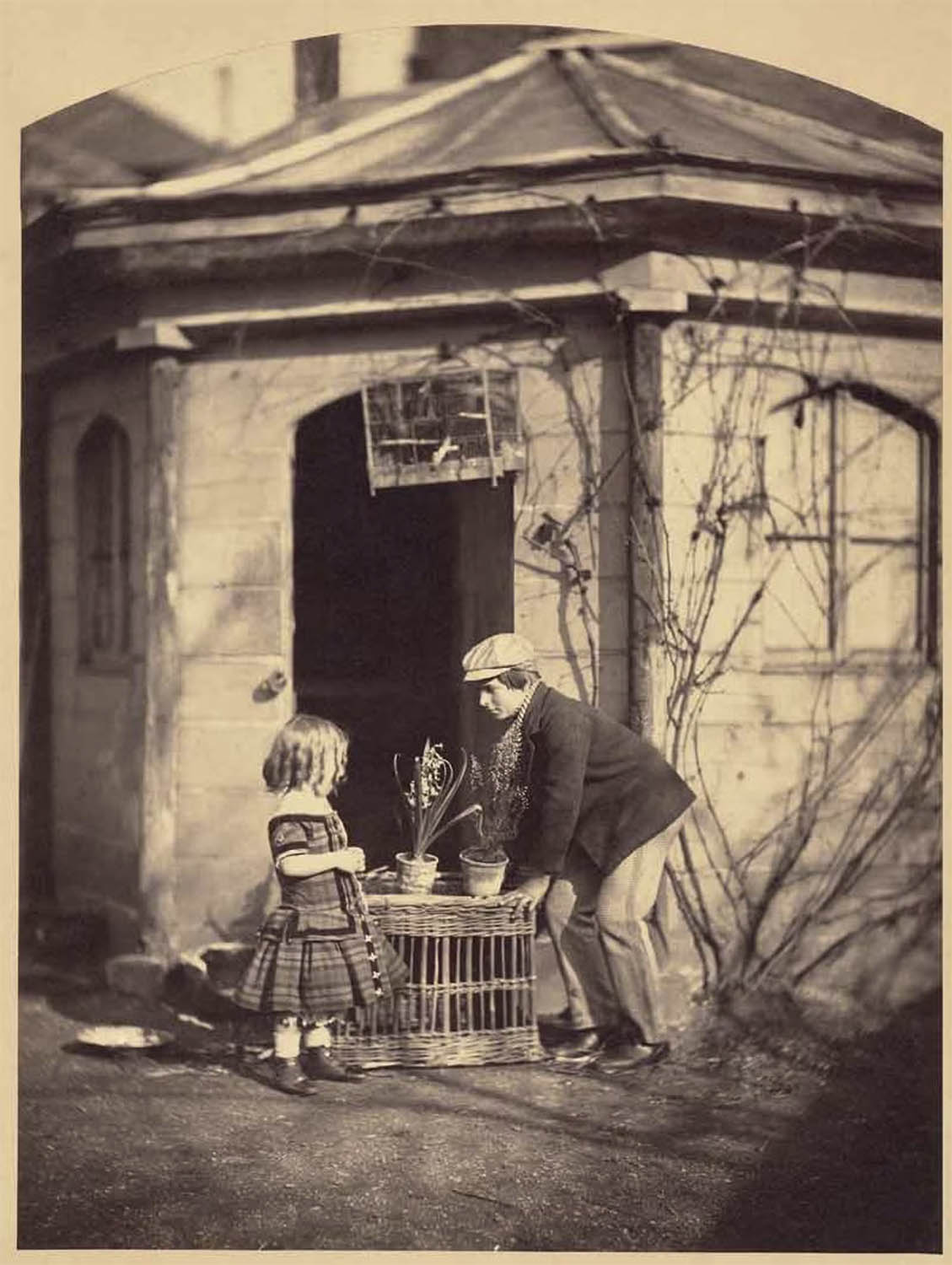
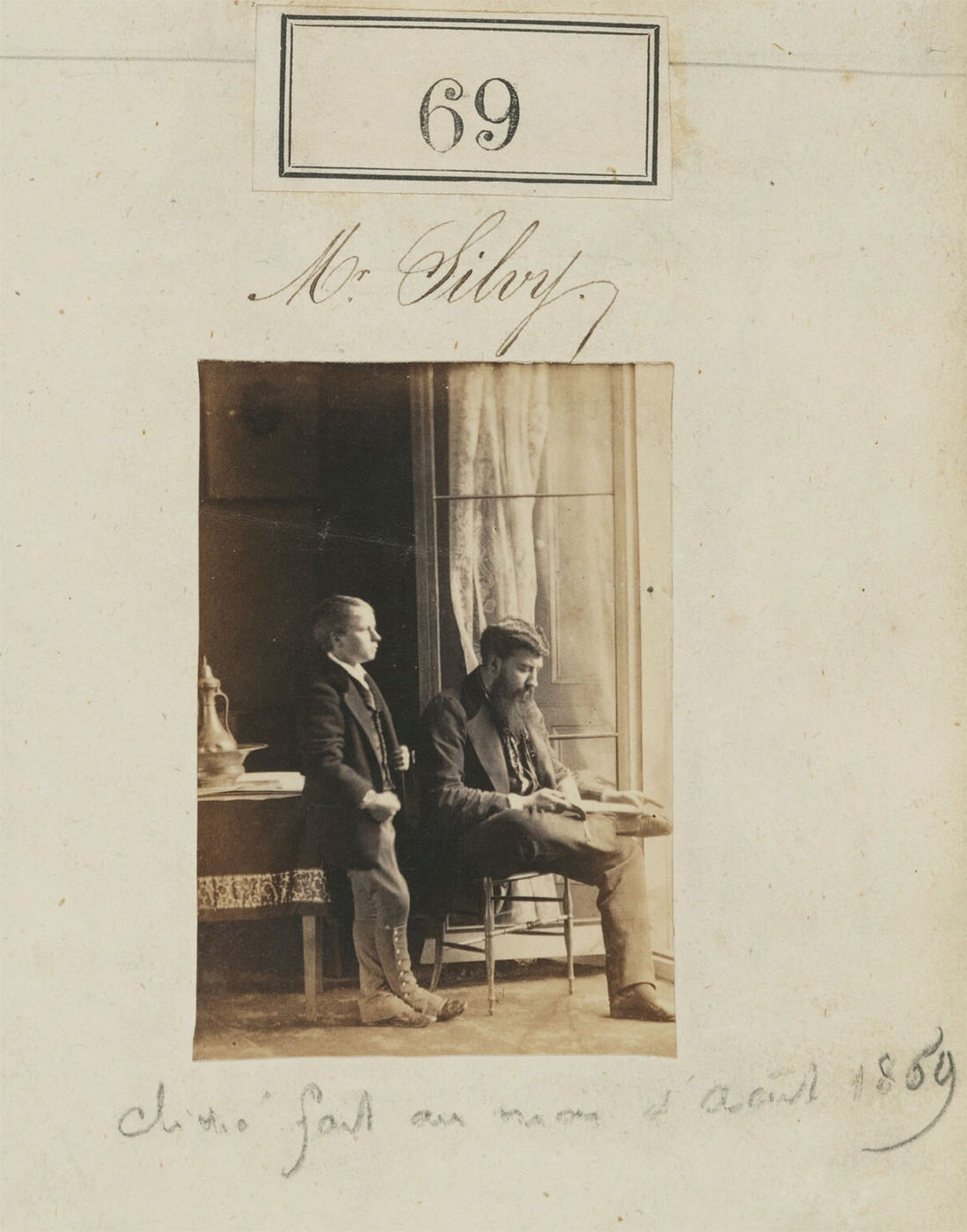
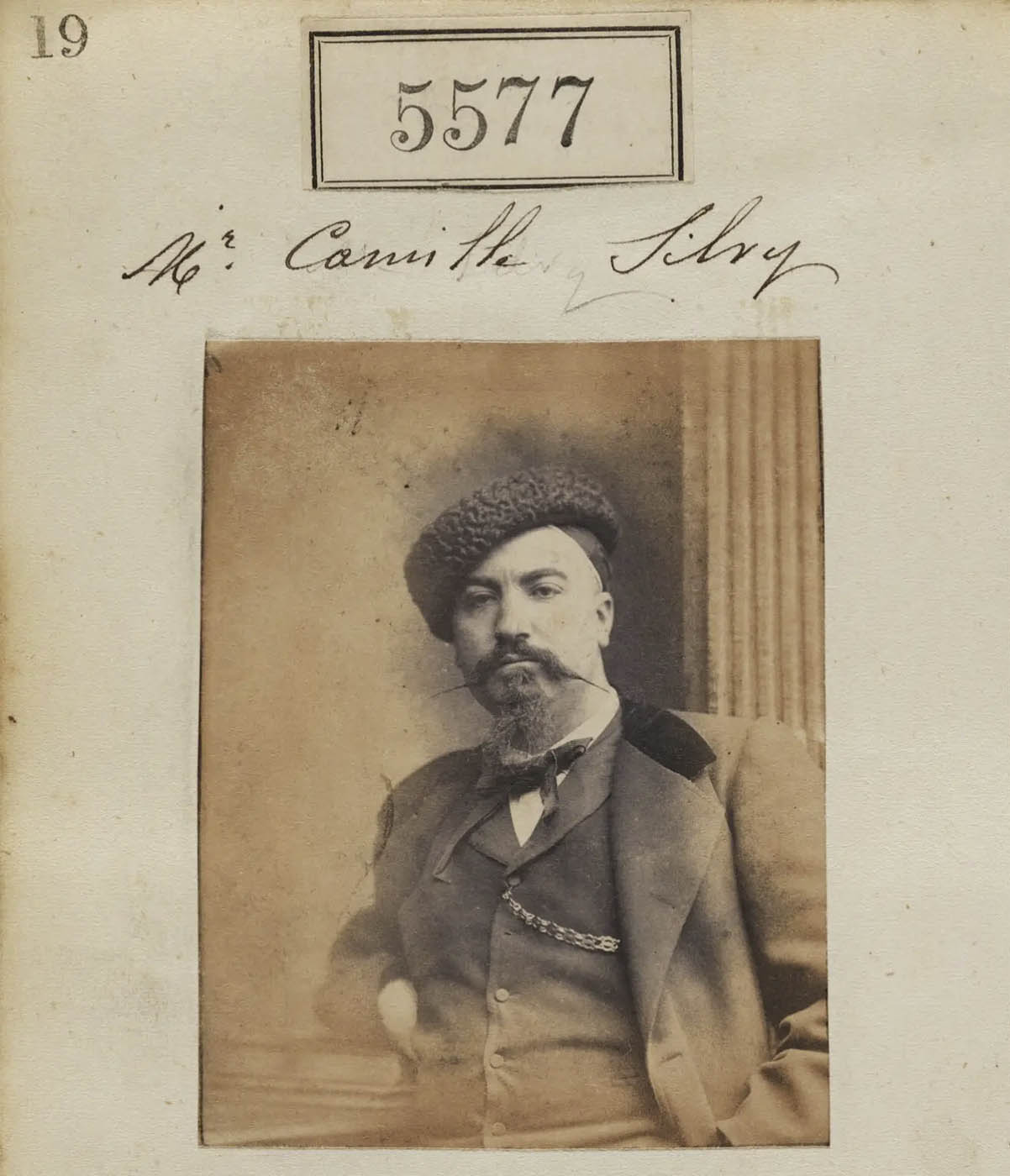
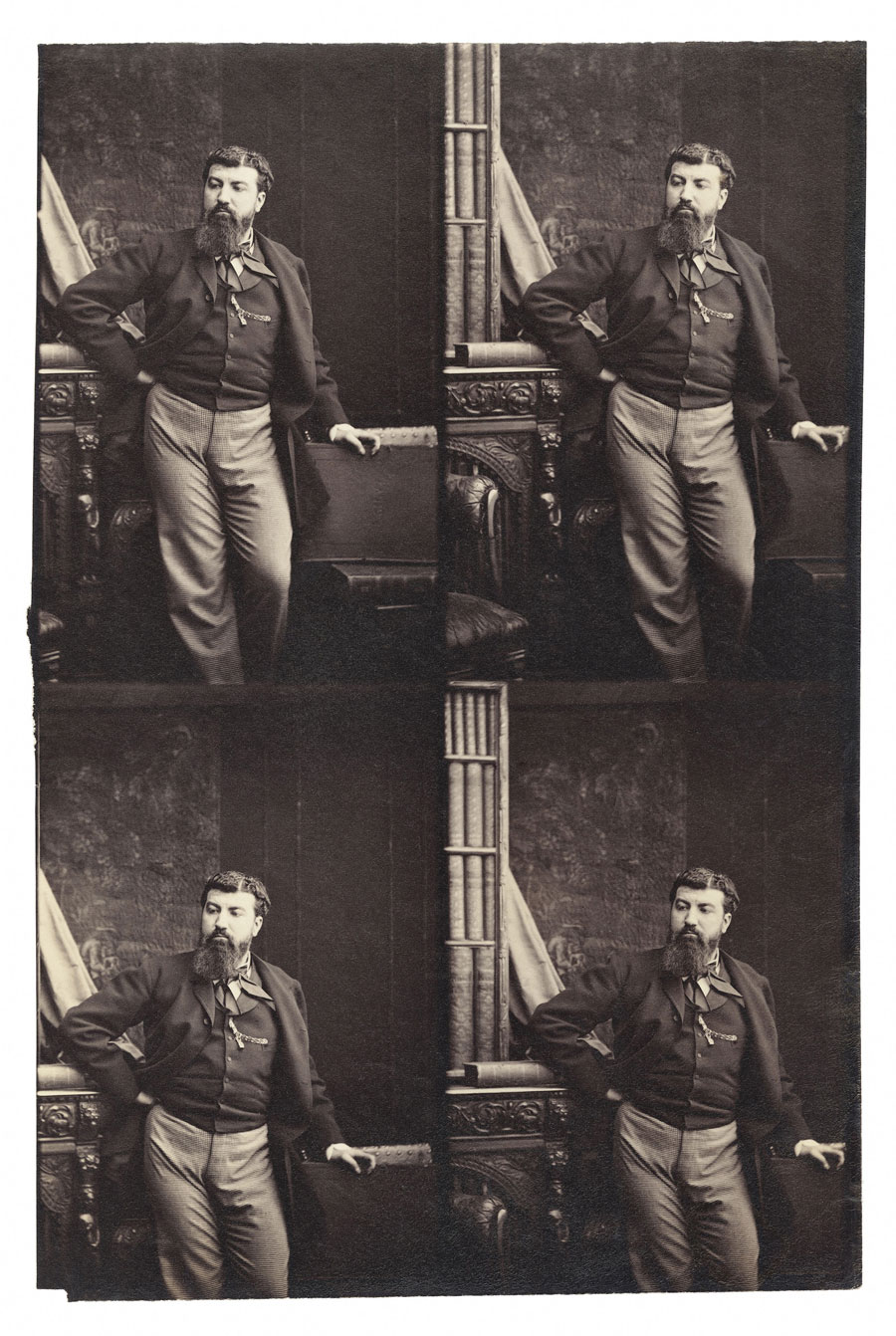

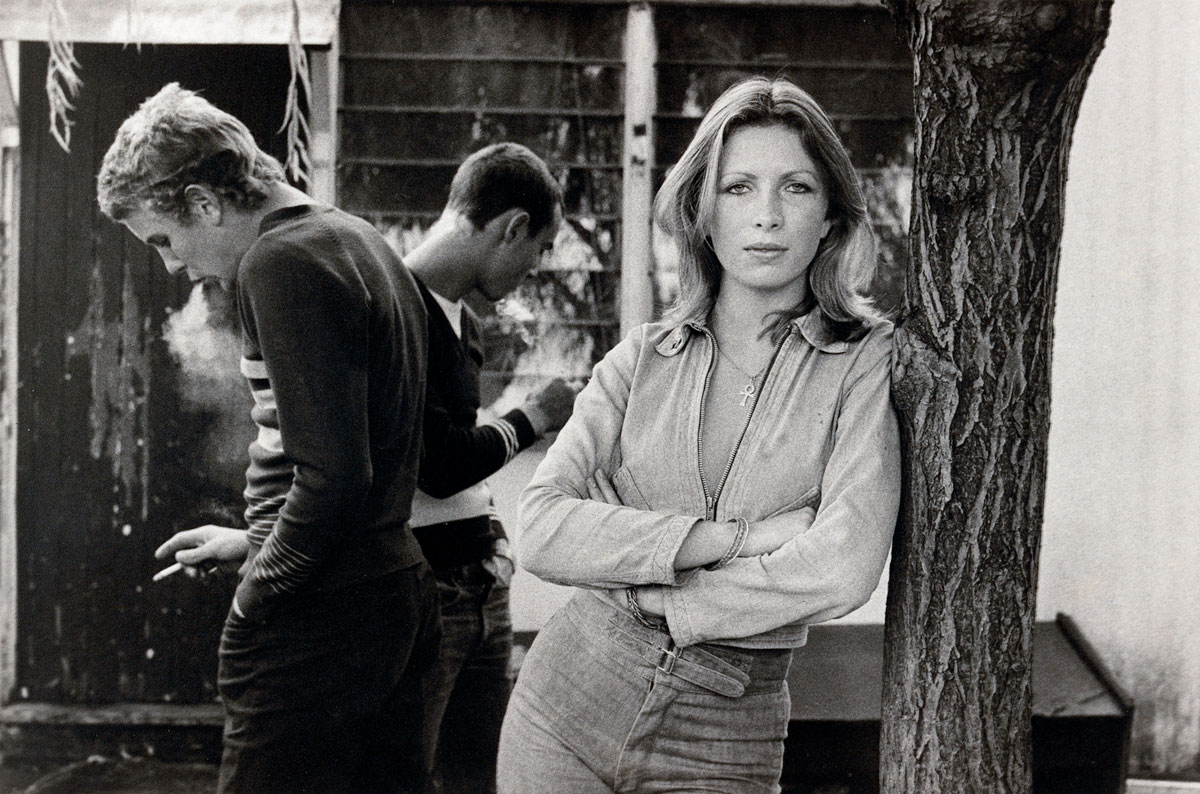

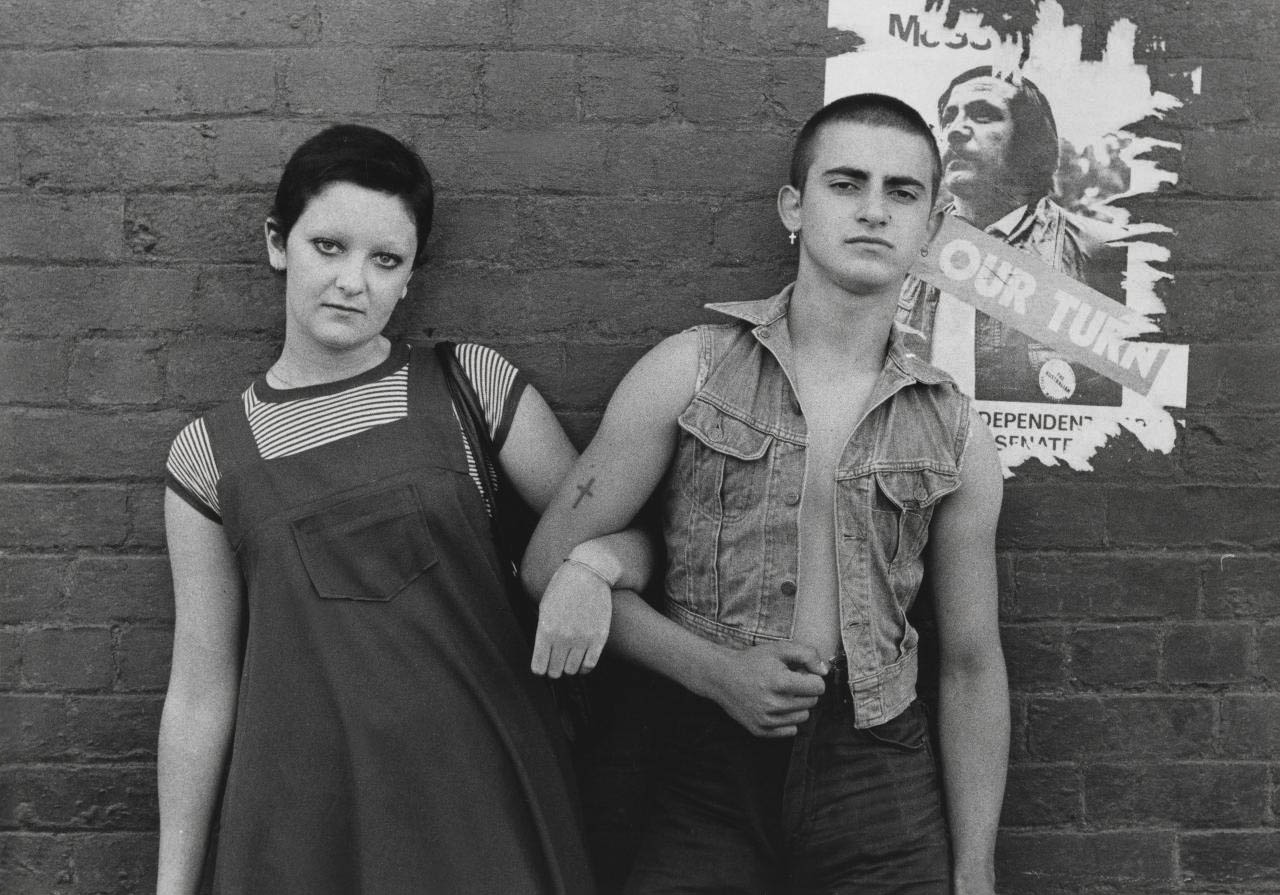


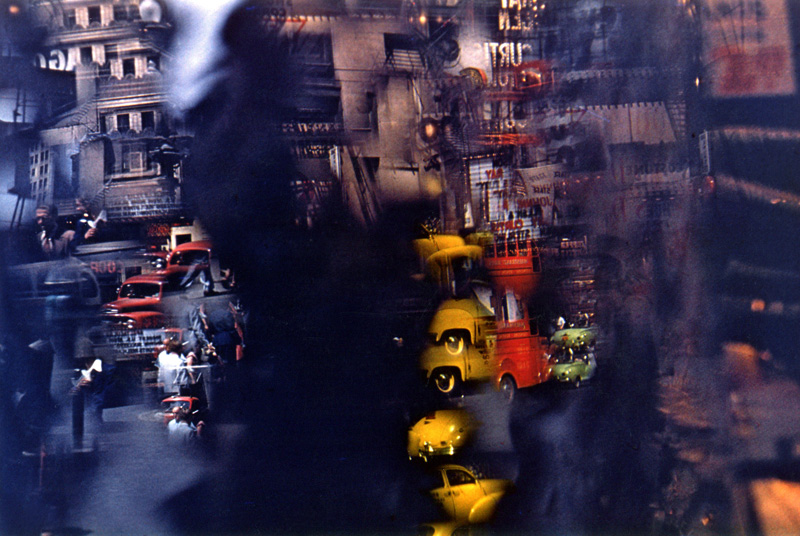
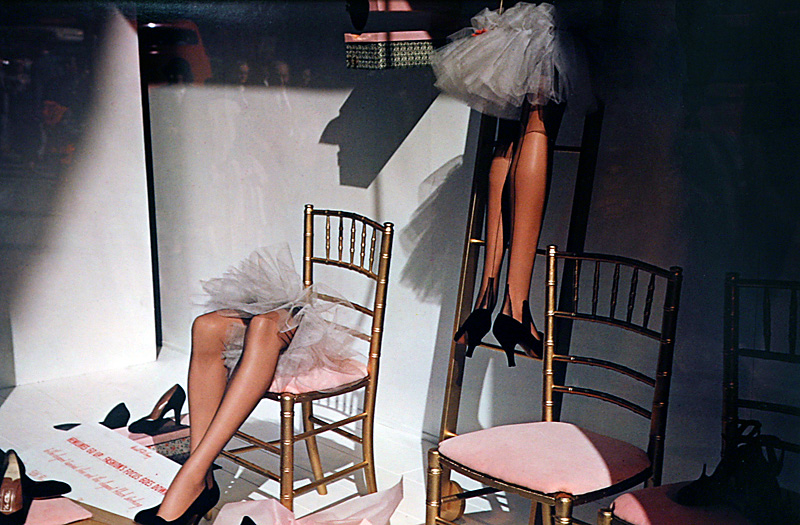

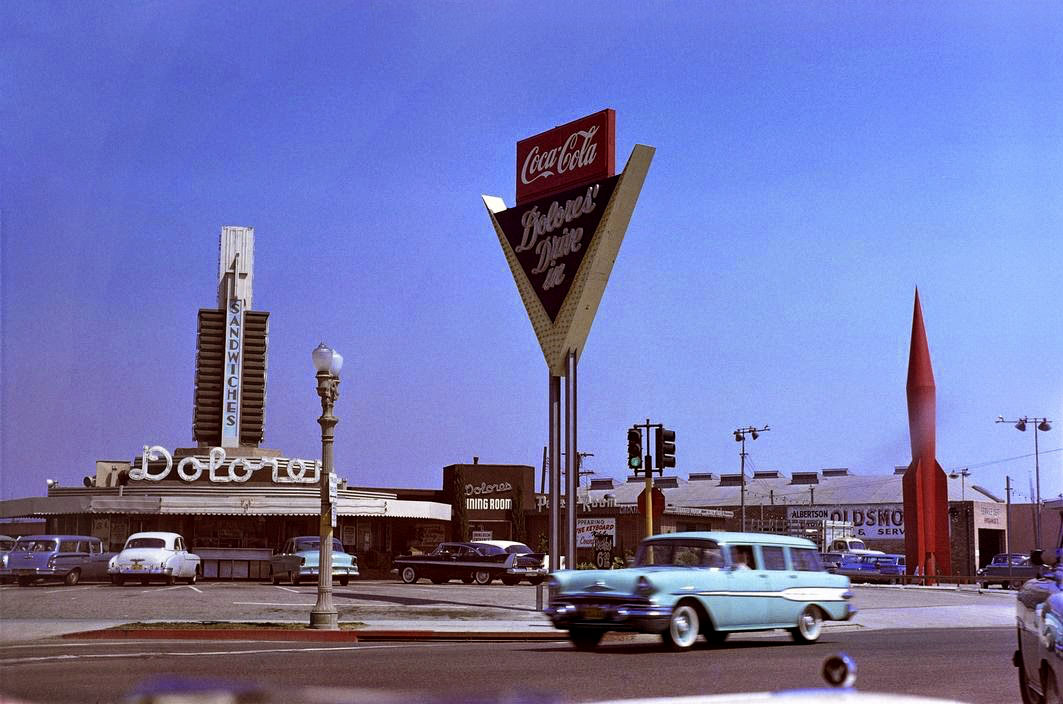
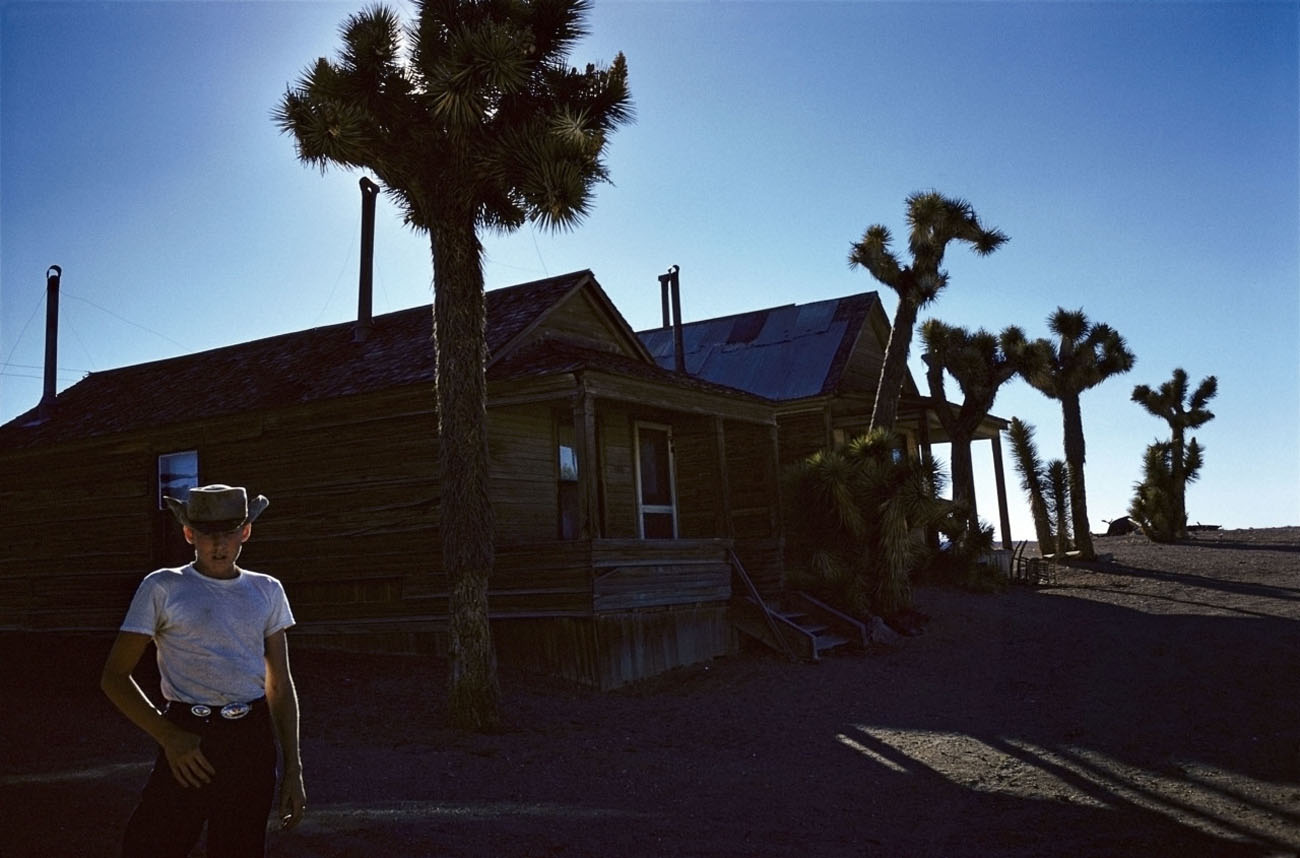
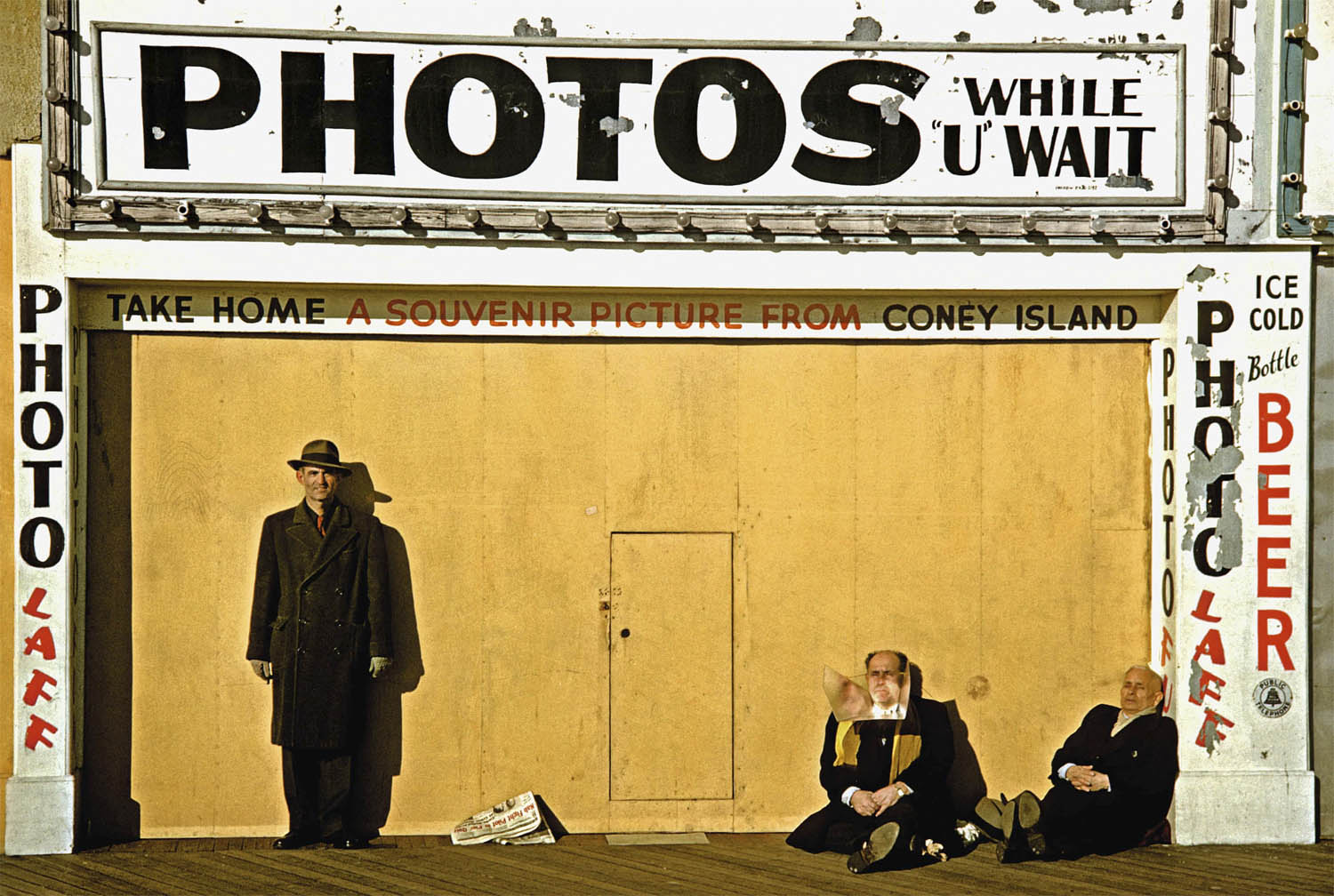





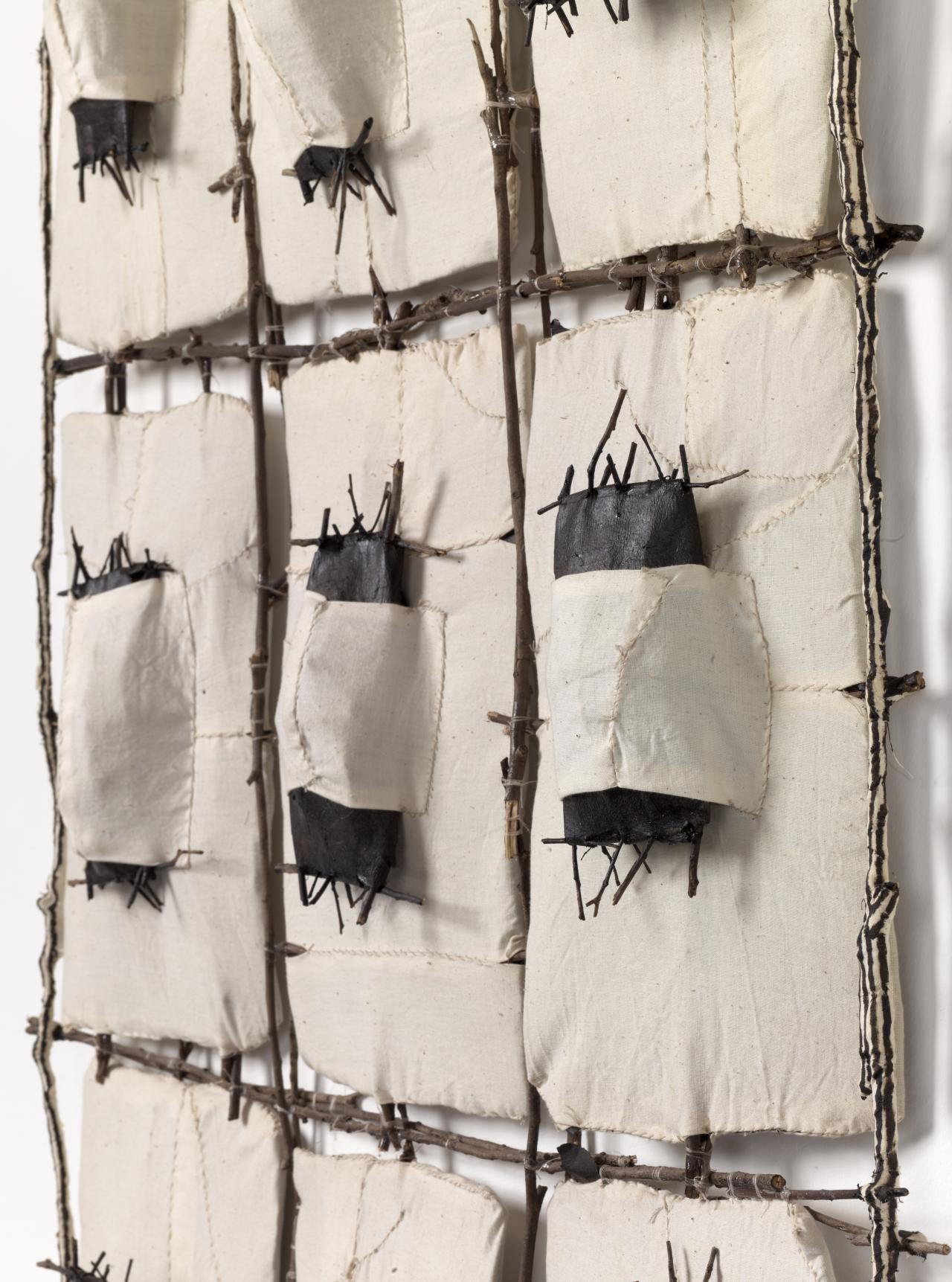
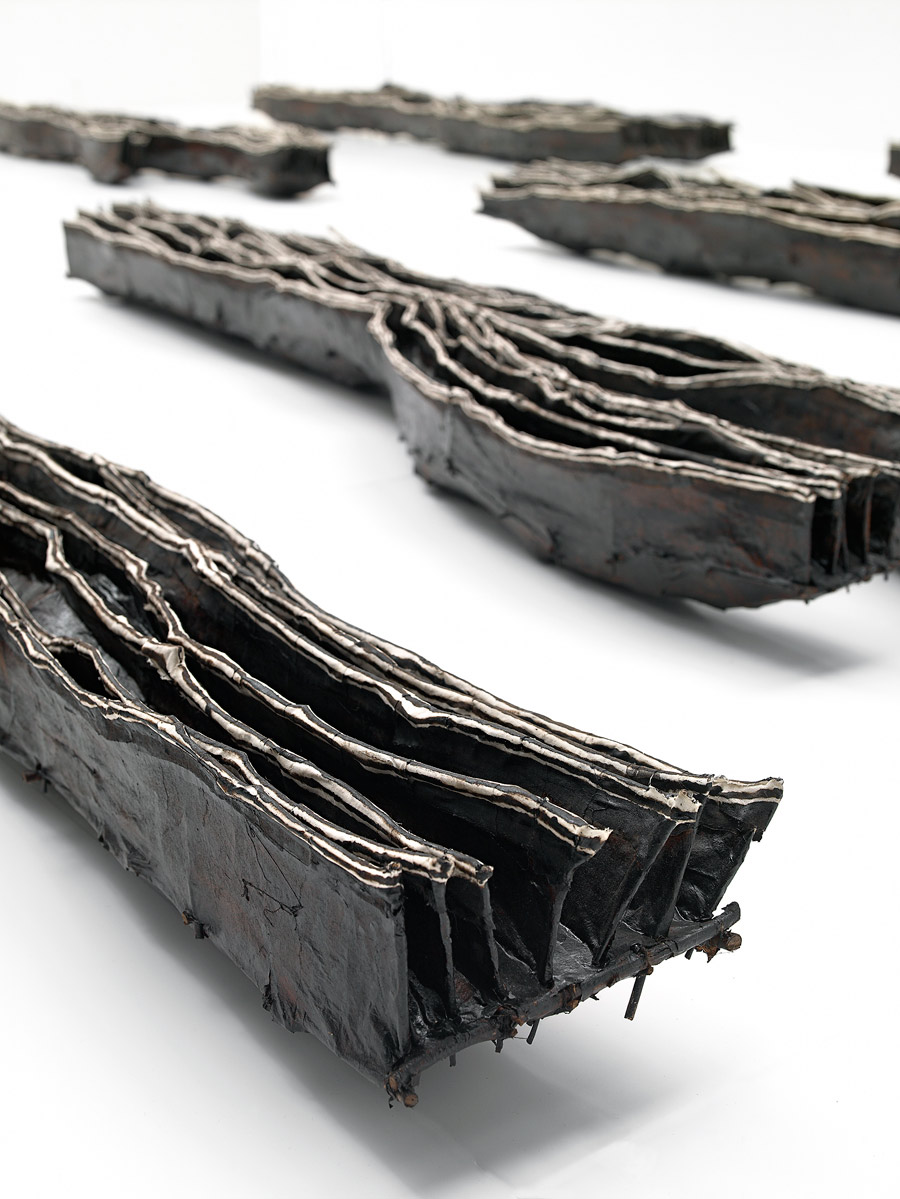
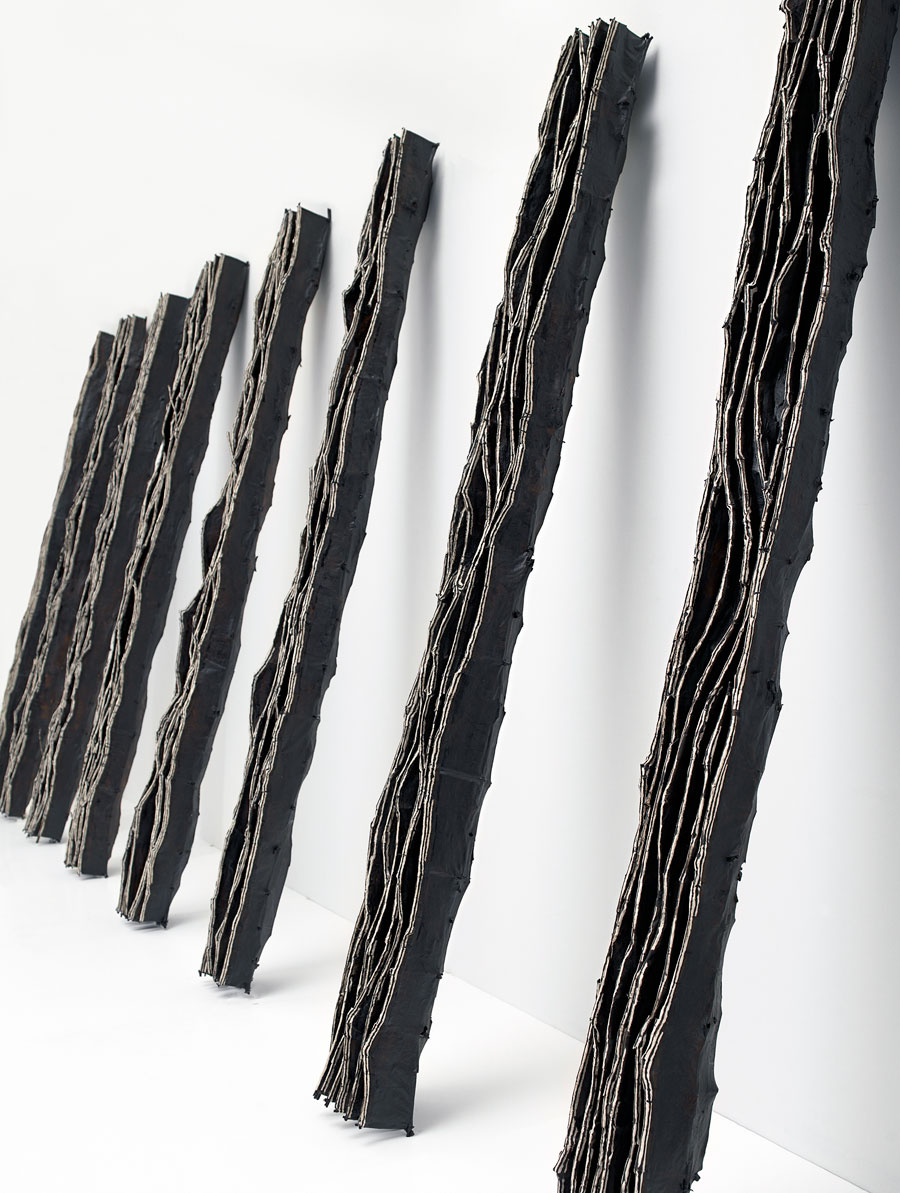
 Art Blart _ art and cultural memory archive
You must be logged in to post a comment.