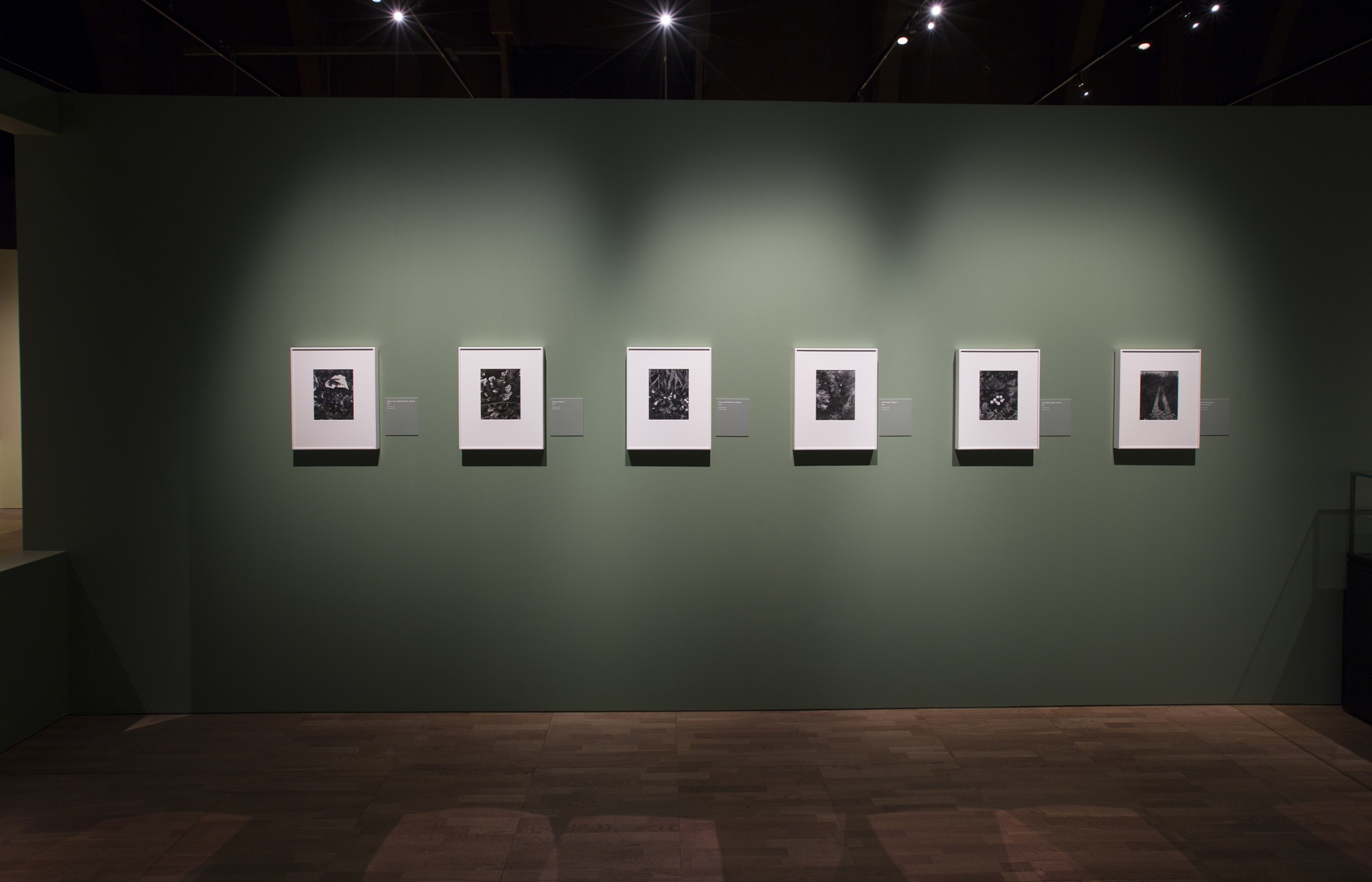
Exhibition: ‘Paul Strand: The Balance of Forces’ at Fondation Henri Cartier-Bresson, Paris

Exhibition dates: 14th February – 23rd April, 2023
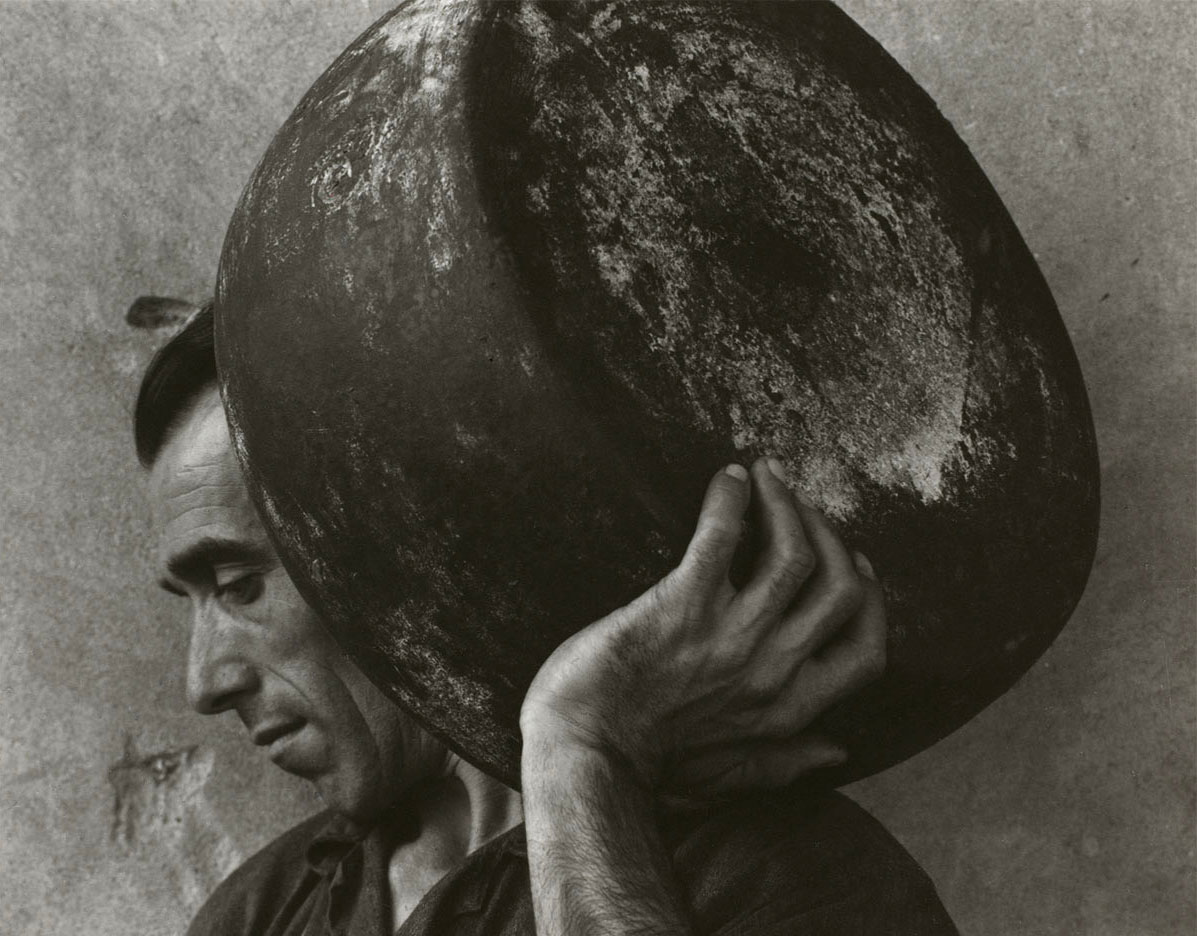
 

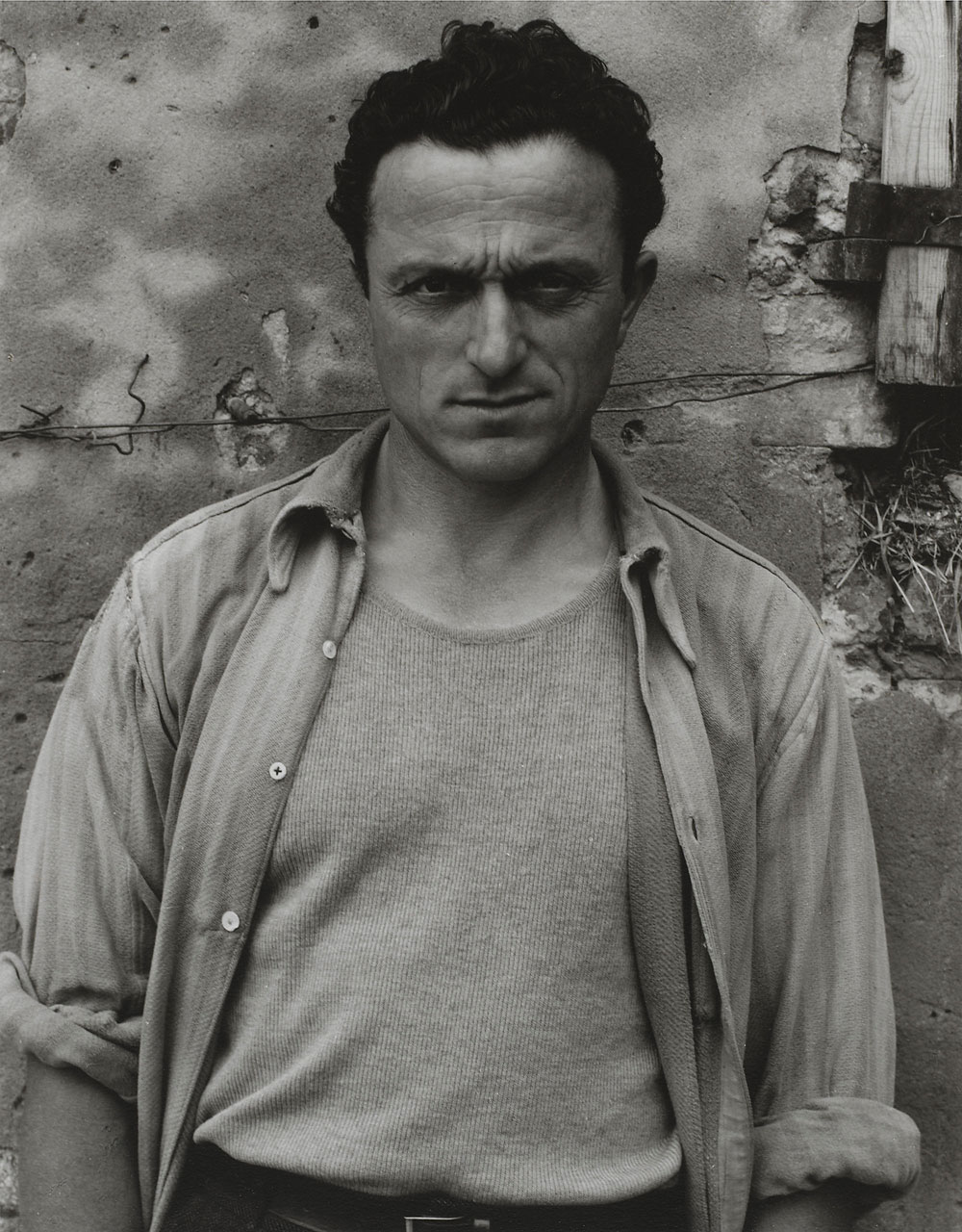
Paul Strand (American, 1890-1976) 'Parmesan, Luzzara
' 1953 from the exhibition 'Paul Strand: The Balance of Forces' at Fondation Henri Cartier-Bresson, Paris, February - April, 2023


Paul Strand (American, 1890-1976)
Parmesan, Luzzara

1953
Gelatin silver print
© Aperture Foundation Inc., Paul Strand Archive. Fundación MAPFRE Collections


Balance of forces

Look at the “colour” of the Parmesan cheese in Strand’s photograph Parmesan, Luzzara
 (1953, above). If we think of Ansel Adam’s ‘Zone System’ (the 11 zones in the system from 0-10) where pure black is Zone 0, mid grey (the colour of a Kodak Grey Card) is Zone 5 and pure white is Zone 10… then in “real life” the colour of the wheel of Parmesan would fall in about Zone 5. But what does Strand do? He places the “colour” of the Parmesan wheel in Zone 2-3, much darker than in real life.

In Strand’s “continuous search for a photographic formalism” – that is, the most important aspect of the photograph being its form, the way it is made and its purely visual aspects rather than its narrative content or its relationship to the visible world – then we would ignore Strand’s moving zones, his dark, brooding cheese.

I think not.

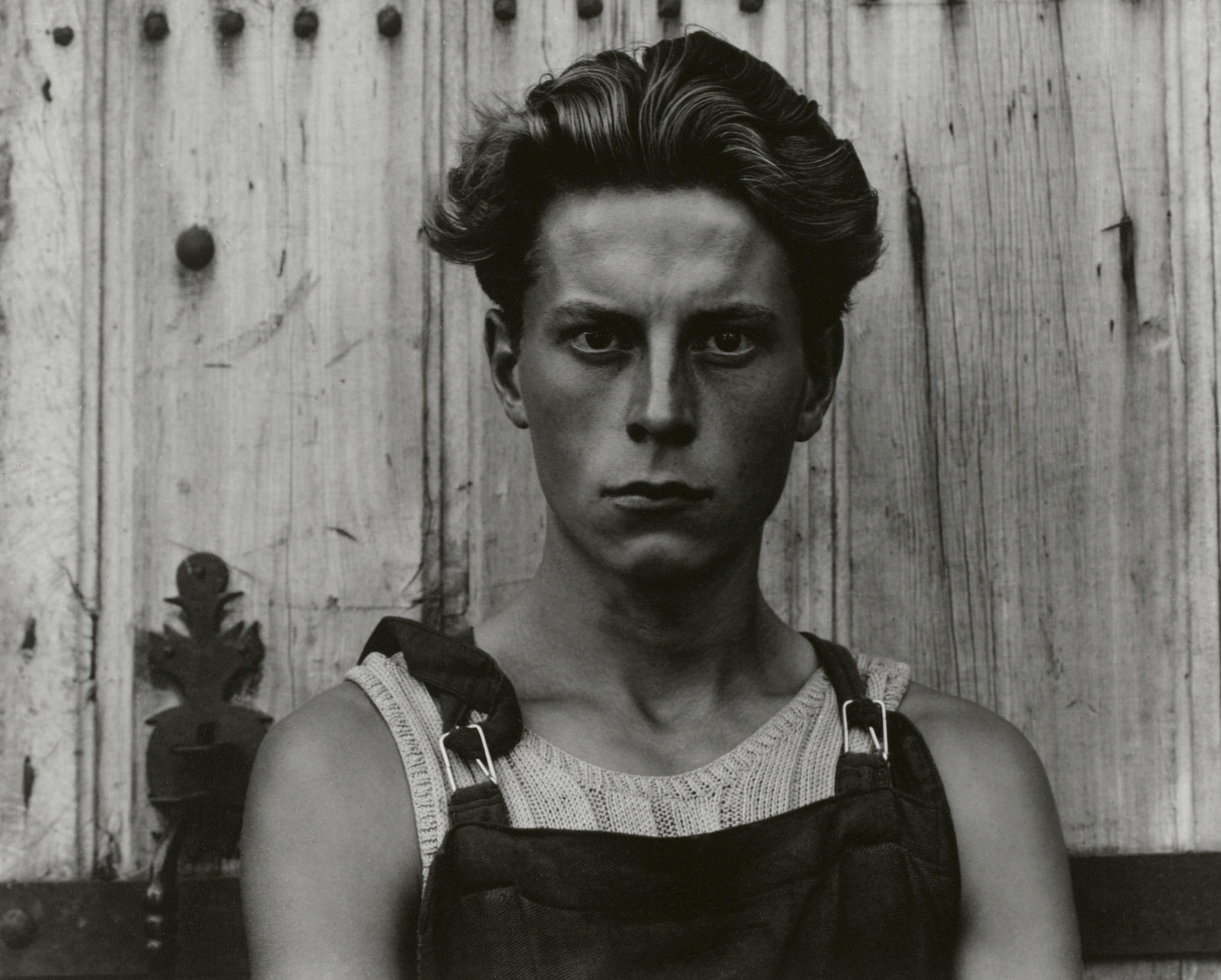
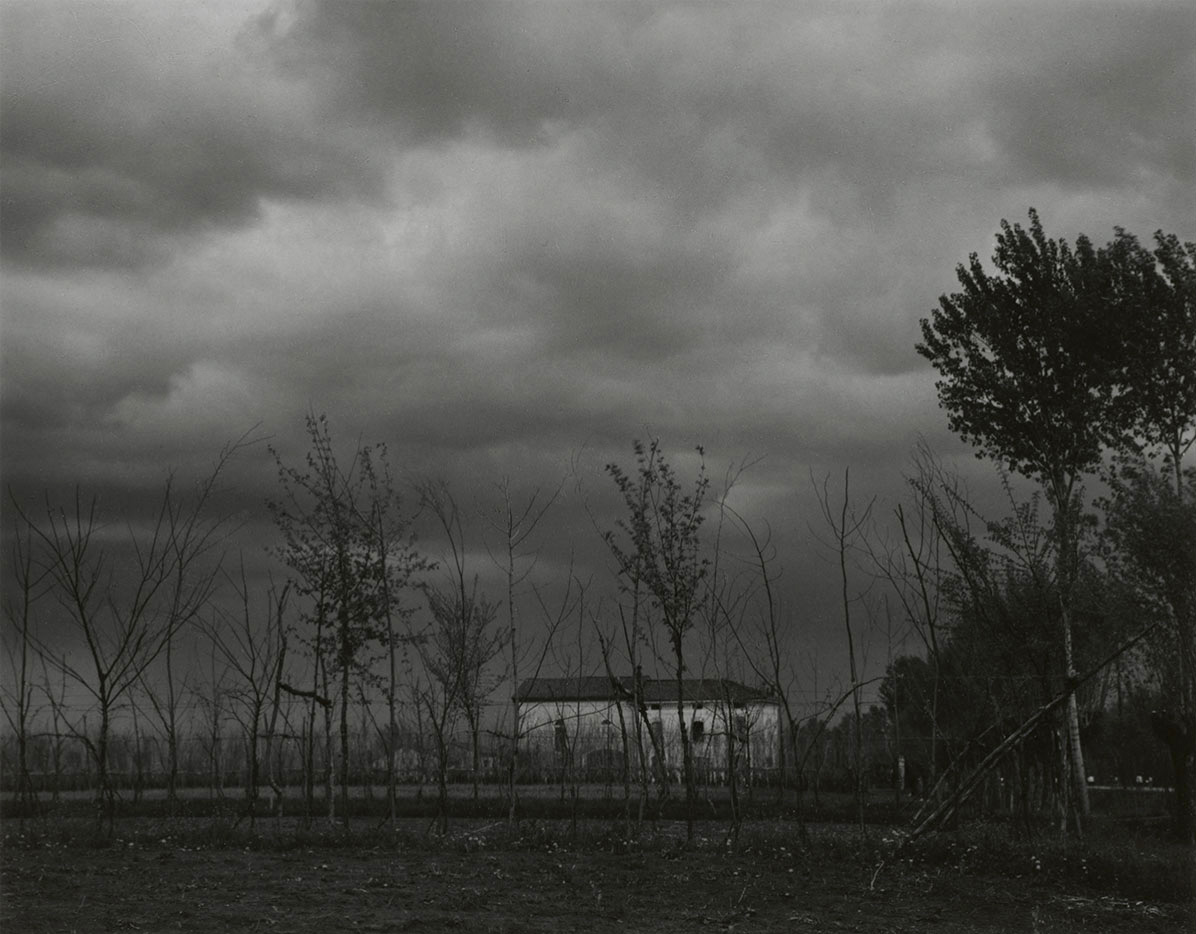
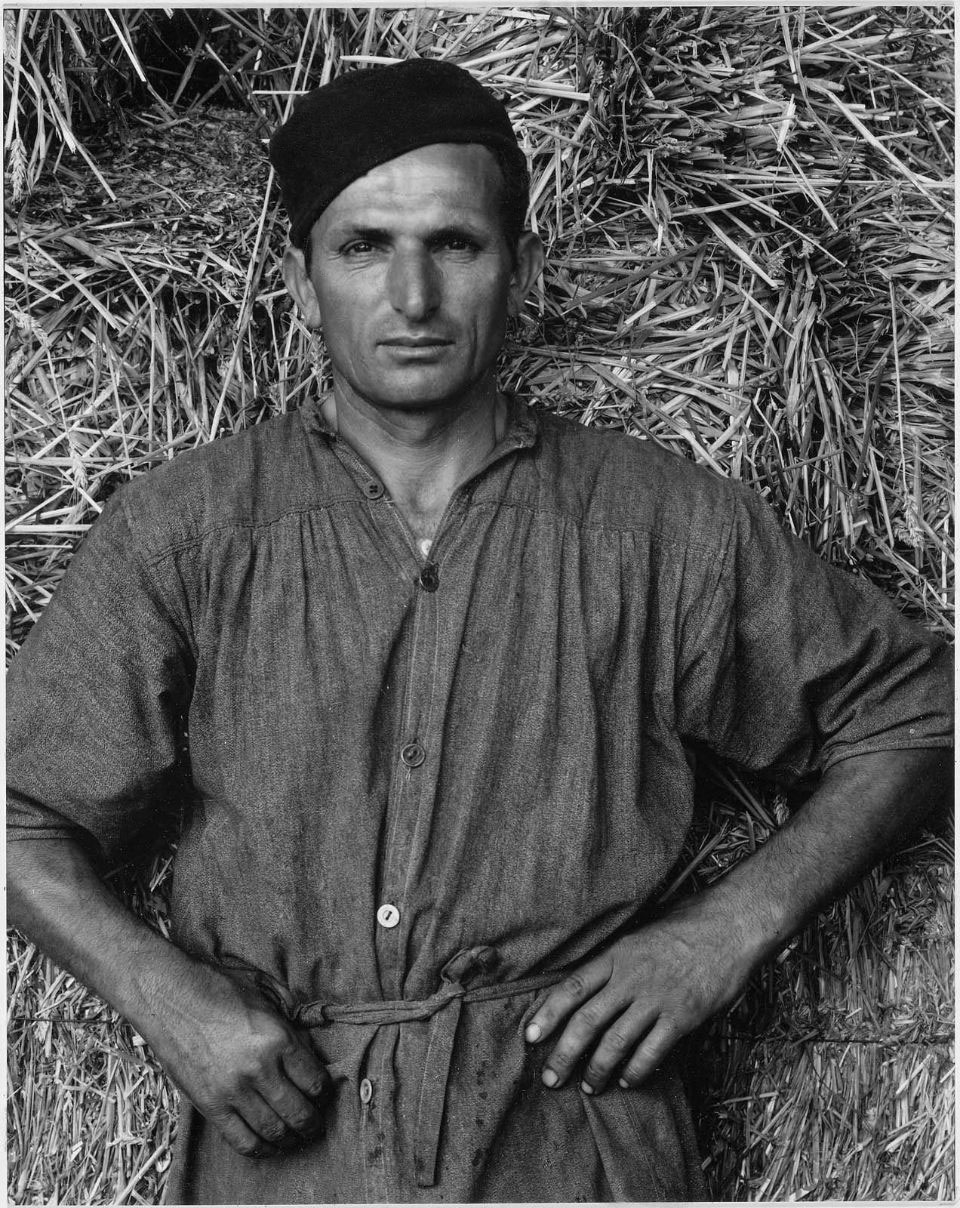
Strand’s formalism does not stand alone, for his photographs breathe the subject he is photographing. They are not just surfaces (which is what formalism is), for the viewer is invited to imbibe (absorb or assimilate (ideas or knowledge)) of the intensity and feeling of the culture and people from which these photographs emerge. Feel the intensity of the gaze of Young Boy, Gondeville, Charente, France (1951, below). Imagine placing yourself in the ethereal space of Tir a’Mhurain, Isle of South Uist, Outer Hebrides (1954, below). Dark cheese.

Strand’s photographs are formal and yet they contain a luminiferous ether/real – transmitting light, but also acting as a medium for the transmission and propagation of spirit.

Dr Marcus Bunyan


Many thankx to the Fondation Henri Cartier-Bresson for allowing me to publish the photographs in the posting. Please click on the photographs for a larger version of the image.


Through each trip, Paul Strand tries to tell the real life of people: humble people, affected by wars, bad weather, diseases, oppressive regimes… The artist highlights those who fight for their freedom, for their happiness. Touching stories, which give all their power to these photographs.

Art and documentary research, social and political involvement and the desire to remain objective: these ambivalences bring great strength to Paul Strand’s work. It is these opposing imperatives that make his photographs so interesting, so exciting for us as viewers.


CĆ©cile D. “Exhibition Paul Strand Or The Balance of Forces, A Journey in Photos at the HCB Foundation,” on the Sotir Paris website February 13, 2023 [Online] Cited 19/03/2023


The Fondation HCB offers a new perspective on the work of American photographer Paul Strand (1890-1976) from the collections of the Fundación MAPFRE, Madrid. While Strand is often celebrated as a pioneer of straight photography, this exhibition also addresses the deeply political dimension of his work.


Interview de ClĆ©ment ChĆ©roux sur l’exposition Paul Strand ou l’Ć©quilibre des forces


Martine Franck (British-Belgian, 1938-2012) 'Paul Strand Photographing the Orgeval Garden' 1974 from the exhibition 'Paul Strand: The Balance of Forces' at Fondation Henri Cartier-Bresson, Paris, February - April, 2023


Martine Franck (British-Belgian, 1938-2012)
Photographer Paul Strand in his garden, Orgeval
1972
Ā© Martine Franck / Magnum Photos


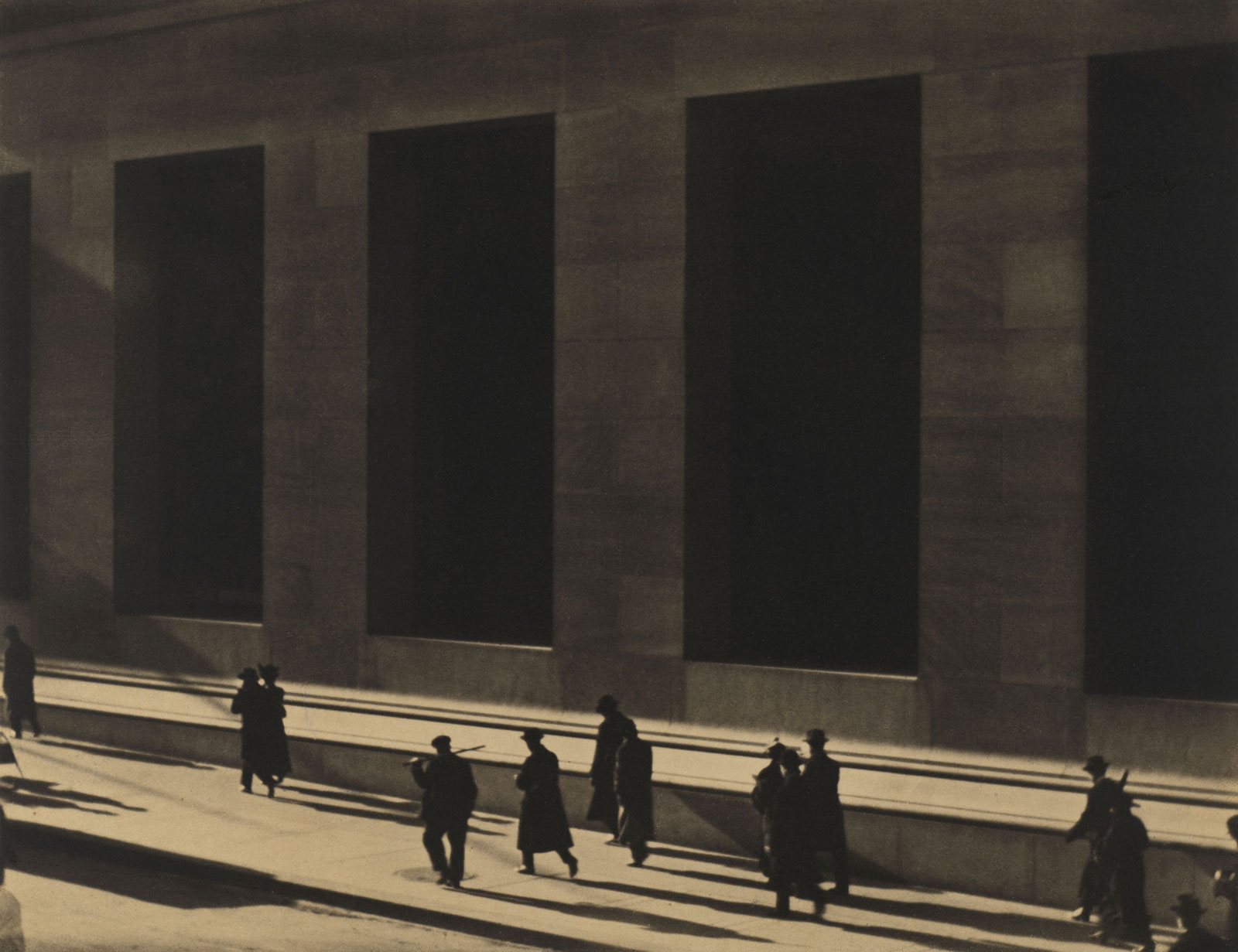
Paul Strand (American, 1890-1976) 'Wall Street, New York' 1915 (negative); 1915 (print) from the exhibition 'Paul Strand: The Balance of Forces' at Fondation Henri Cartier-Bresson, Paris, February - April, 2023


Paul Strand (American, 1890-1976)
Wall Street, New York
1915
Platinum/palladium Print
© Aperture Foundation Inc., Paul Strand Archive. Fundación MAPFRE Collections
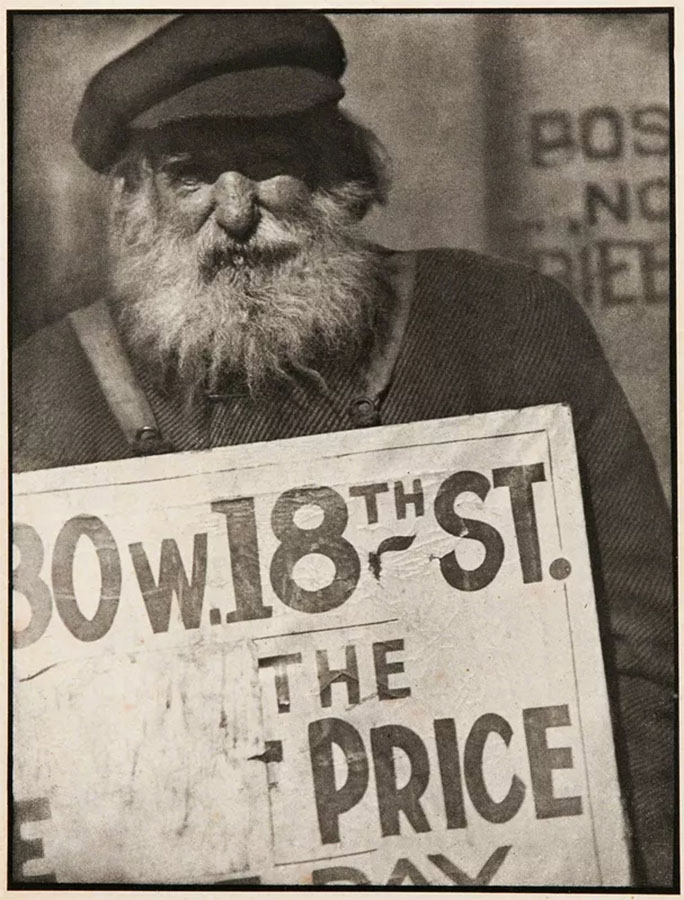
 

Paul Strand (American, 1890-1976) 'Sandwich Man, New York' 1916


Paul Strand (American, 1890-1976)
Sandwich Man, New York
1916
© Aperture Foundation Inc., Paul Strand Archive. Fundación MAPFRE Collections
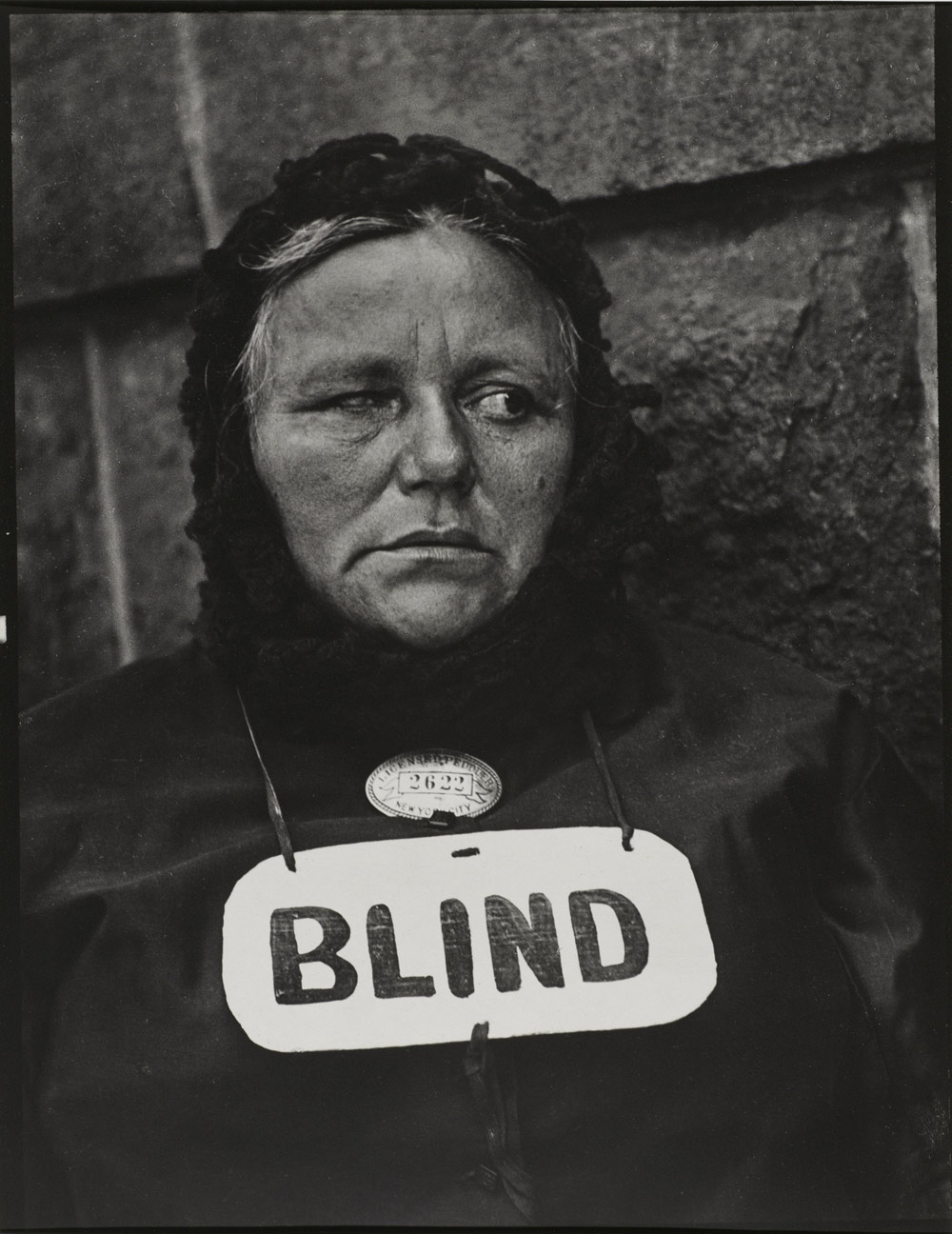
 

Paul Strand (American, 1890-1976) 'Blind Woman, New York' 1916 (negative); 1945 (print)


Paul Strand (American, 1890-1976)
Blind Woman, New York
1916
Gelatin silver print
© Aperture Foundation Inc., Paul Strand Archive. Fundación MAPFRE Collections


In the mid 1910s Paul Strand produced a series of images of New York portraying a truly genuine perspective of the city. Strand, a young photographer at the time, connected with modern art and incorporated some of its tendencies into a series of unprecedented views of the metropolis. Anticipating Straight Photography, he made images that distanced themselves from the precepts of Pictorialism through a direct portrayal of reality.

His photographs rapidly found favourable reception within the pages of Camera Work, the legendary magazine directed by Alfred Stieglitz who dedicated the last two issues of the publication to Strand’s compositions. Almost half of the images that appeared were close-up portraits shot with a rudimentary system that allowed Strand to photograph his subjects without them noticing. These surprising shots offered a lively perspective of the city and focused on some of its figures, who were marginal albeit ubiquitous, and seldom represented. With this attention to the periphery of urban life, Strand manifested his commitment to reality rooted in the example of his mentor Lewis Hine.

Blind Woman is one of the most iconic images in the history of North American photography. Published in 1917 by Stieglitz it combines the compositional strength and sharp clarity characteristic of Strand’s work.

Text from the Fundación MAPFRE Collections website


Paul Strand (American, 1890-1976) 'Abstraction Bowls, Twin Lakes, Connecticut' 1916


Paul Strand (American, 1890-1976)
Abstraction, Bowls, Twin Lakes, Connecticut
1916
Gelatin silver print
22.5 Ɨ 16.5cm
© Aperture Foundation Inc., Paul Strand Archive. Fundación MAPFRE Collections
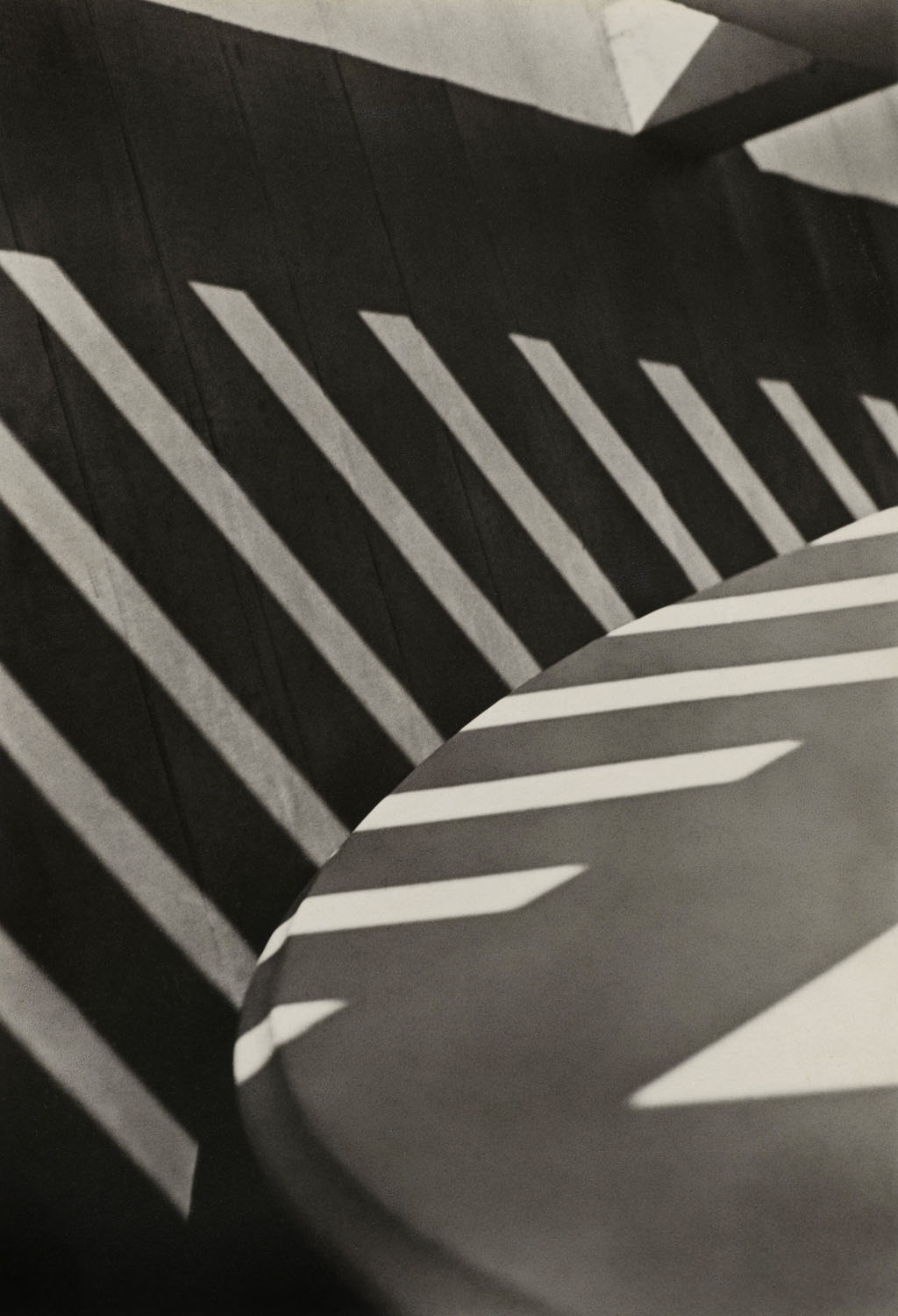
 

Paul Strand (American, 1890-1976) 'Abstraction, Porch Shadows' 1916


Paul Strand (American, 1890-1976)
Abstraction, Porch Shadows
1916
Silver gelatin print
© Aperture Foundation Inc., Paul Strand Archive. Fundación MAPFRE Collections
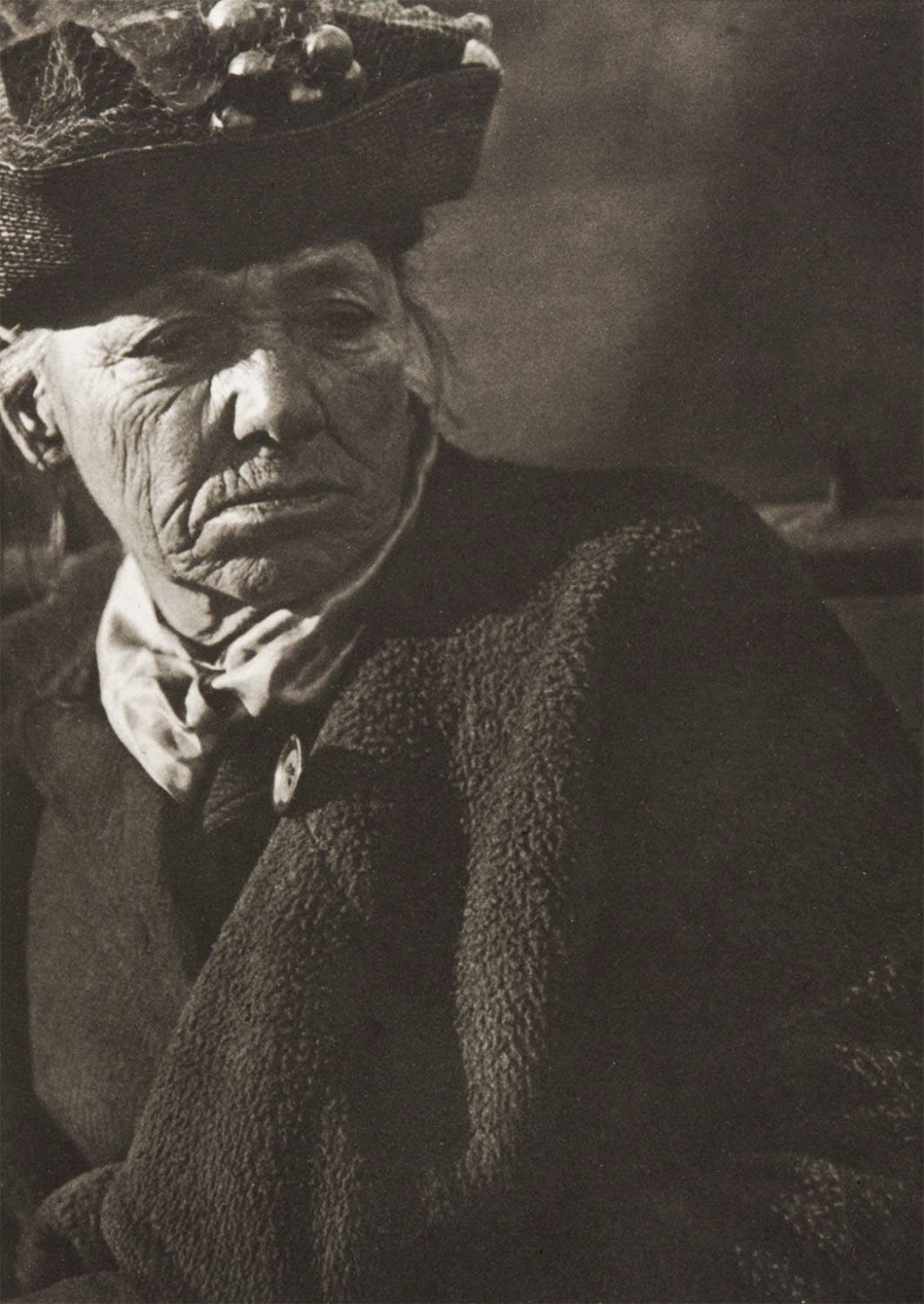
 

Paul Strand (American, 1890-1976) 'Portrait, Washington Square Park, New York' 1916 (negative); 1917 (photogravure)


Paul Strand (American, 1890-1976)
Portrait, Washington Square Park, New York
1916 (negative); 1917 (photogravure)
© Aperture Foundation Inc., Paul Strand Archive. Fundación MAPFRE Collections


The Fondation HCB offers a new perspective on the work of American photographer Paul Strand (1890-1976) from the collections of the Fundación MAPFRE, Madrid. While Strand is often celebrated as a pioneer of straight photography, this exhibition also addresses the deeply political dimension of his work.

“Opposites are cured by opposites,” goes the saying. American photographer Paul Strand (1890-1976) was heir to two great traditions in photography, often presented as opposed. He had a formalist approach that sought to prove photography an art, and a social approach, which saw photography as more of a documentary instrument serving political ends. Perhaps this is explained by the fact that Alfred Stieglitz and Lewis Hine, who occupy the two poles in photography history, were both Strand’s mentors in his formative years.

While in the mid-1910s Strand photographed faces of the people on the streets of New York, the first period of his work is especially marked by formalism. In 1917, when Stieglitz dedicated the latest issue of his famous magazine Camera Work to Strand, it was above all to show that photography had its own artistic language. Starting with a journey to Mexico City (1932-1934), then Moscow (1935), his approach became more political. He joined the American Labor Party and worked with more than twenty organisations classified “anti-American” during the McCarthy era, leading to his departure from the United States for France. Many of Strand’s choices were deliberated through this political conscience: his choice of subject, places he photographed, writers he worked with, the book as main vector for distributing his work.

In the past few decades, numerous exhibitions have been held on Strand focusing on his formalism. By no means minimising this perspective, the current project seeks to recontextualise Strand, emphasising the importance of his political commitments. Between formalist pursuits and social concerns, the two forces at work in his art are brought into balance here. If Strand often stands among the 20th century’s major photographers, it is precisely because he knew how to offer just equilibrium between the two poles.

The exhibition presents almost 120 prints from the collections of the Fundación MAPFRE, Madrid, the film Manhatta made by Paul Strand and Charles Sheeler in 1921 as well as several prints lent by the Centre Pompidou.

Biography

Born in 1890 in New York, Paul Strand entered the New York Ethical Culture School (ECS) in 1907 where he studied under Lewis Hine, who introduced him to the Photo Secession gallery, founded by Alfred Stieglitz at 291 Fifth Avenue. Stieglitz had an important influence on Paul Strand’s work from the beginning. In 1916, his work was published for the first time in Stieglitz’s magazine, Camera Work, of which he was an avid reader, and then exhibited at 291 in the exhibition Photographs from New York and Other Places. During the war, Paul Strand worked as a hospital radiographer and, after his close-ups of machines, began to take an interest in surgical technique. In 1919 he travelled to Nova Scotia in Canada where he photographed his first landscapes and rock piles.

In 1921, Paul Strand made the film Manhatta with the photographer and painter Charles Sheeler. Between 1925 and 1932, various exhibitions of his work were shown in New York galleries. He travelled to Mexico from 1932 to 1934, during which time he had a solo exhibition at the Sala de Arte in Mexico City, was appointed Head of Film and Photography at the Mexican Secretariat of Education, and directed the film The Revolts of Alvarado (Redes) for the Mexican government.

Paul Strand travelled to the USSR in 1935, where he met Sergei Eisenstein. He then joined the Nykino group, around Leo Hurwitz, Ralph Steiner and Lionel Berman. Two years later, he became president of Frontier Film, a non-profit educational film production company, with former Nykino members.

In 1943, Paul Strand returned to photography after more than ten years in the film industry. In 1945, MoMA gave him a solo exhibition. From 1949 to 1957, the photographer undertook several trips to Europe, from which several books were written, and began an exile outside the United States, which coincided with the period of McCarthyism. He settled in Orgeval, France, where he remained until his death in 1976.

Press release from the Fondation HCB


ManhattaĀ (1921) | Paul Strand – Charles Sheeler

In 1920 Paul Strand and artist Charles Sheeler collaborated on Manhatta, a short silent film that presents a day in the life of lower Manhattan. Inspired by Walt Whitman’s book “Leaves of Grass,” the film includes multiple segments that express the character of New York. The sequences display a similar approach to the still photography of both artists. Attracted by the cityscape and its visual design, Strand and Sheeler favoured extreme camera angles to capture New York’s dynamic qualities. Although influenced by Romanticism in its view of the urban environment, Manhatta is considered the first American avant-garde film.
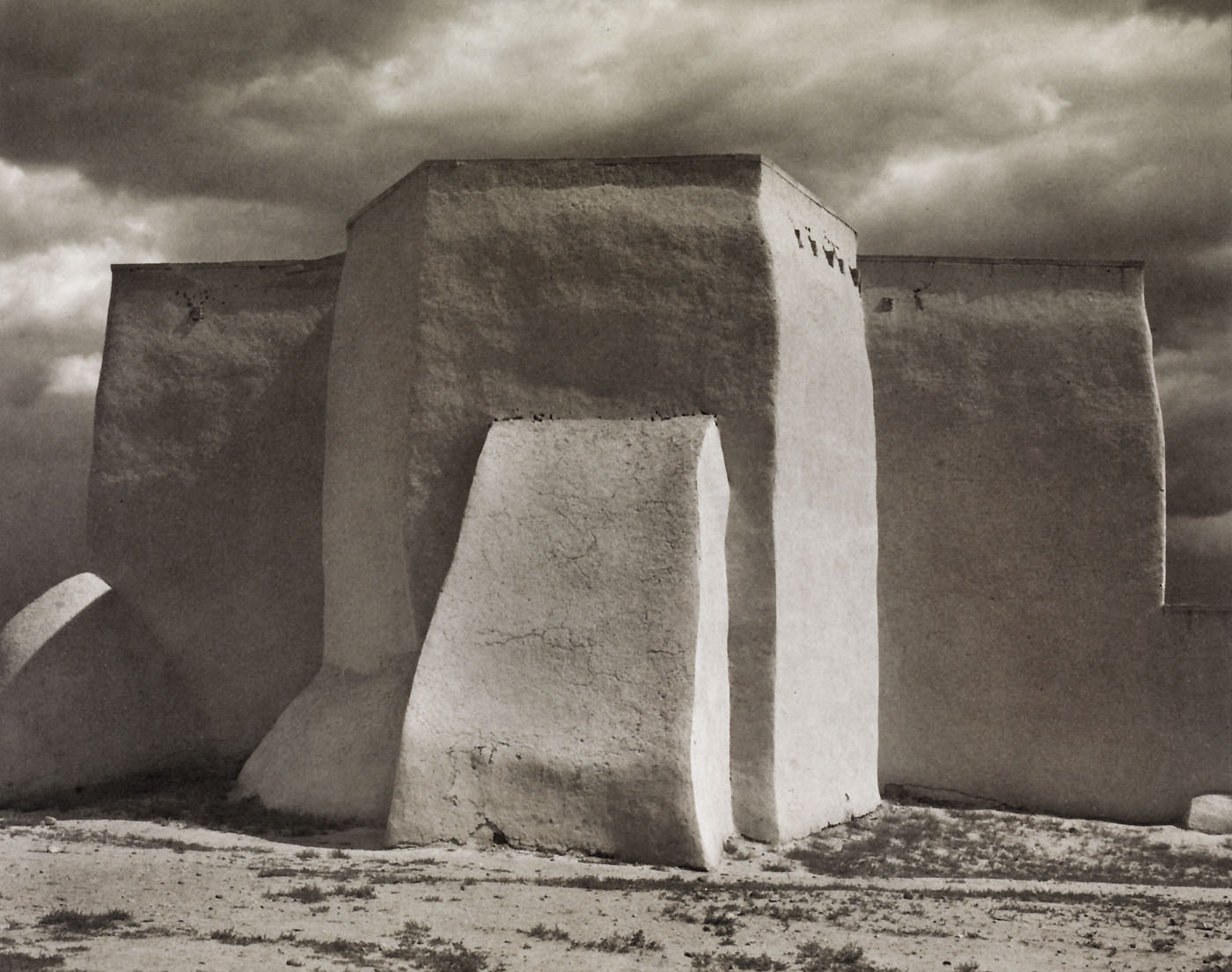
 

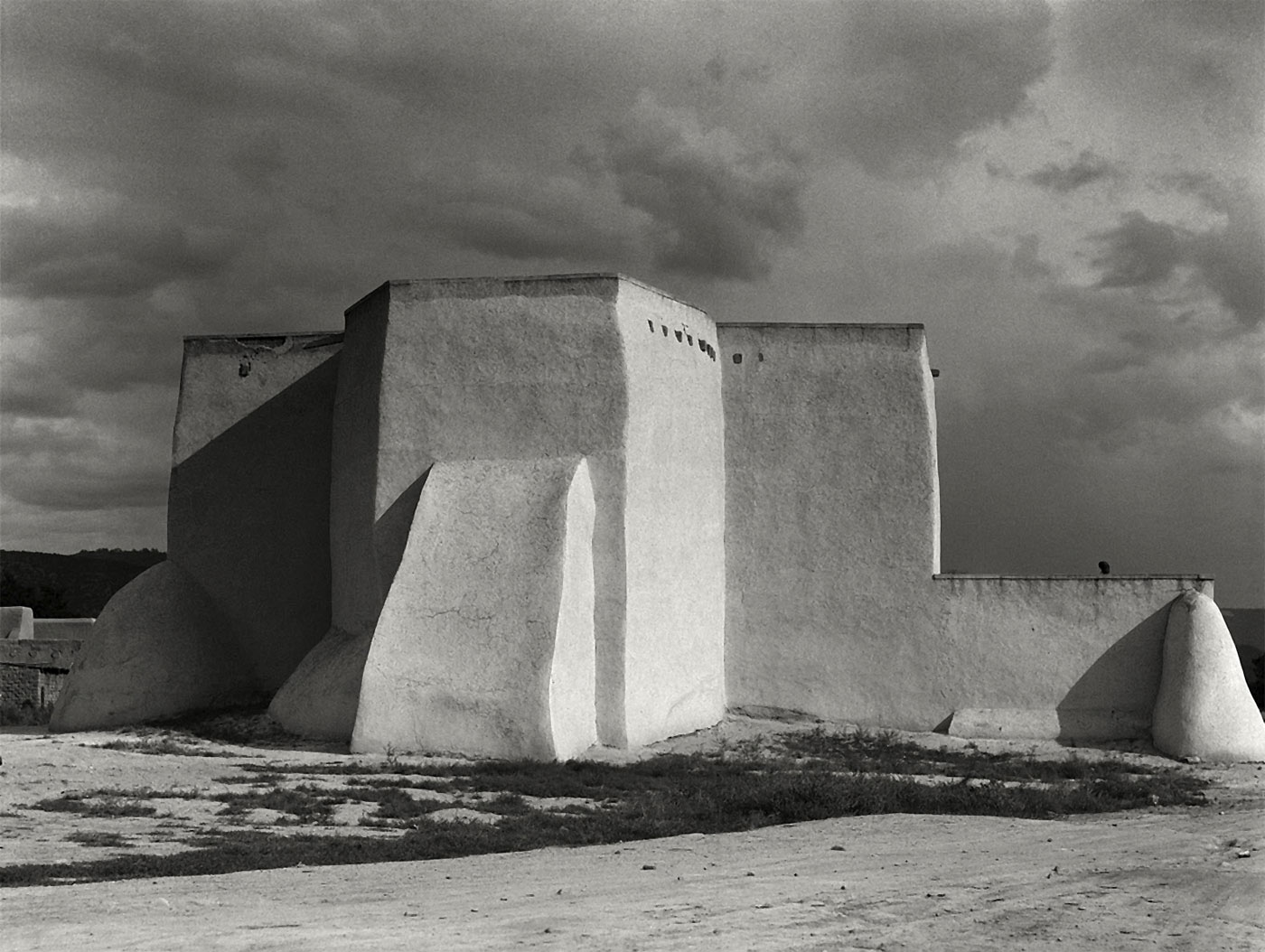
Paul Strand (American, 1890-1976) 'St. Francis Church, Ranchos de Taos, New Mexico' 1931


Paul Strand (American, 1890-1976)
St. Francis Church, Ranchos de Taos, New Mexico
1931
Platinum/palladium Print
17.1 Ɨ 21.8cm
© Aperture Foundation Inc., Paul Strand Archive. Fundación MAPFRE Collections
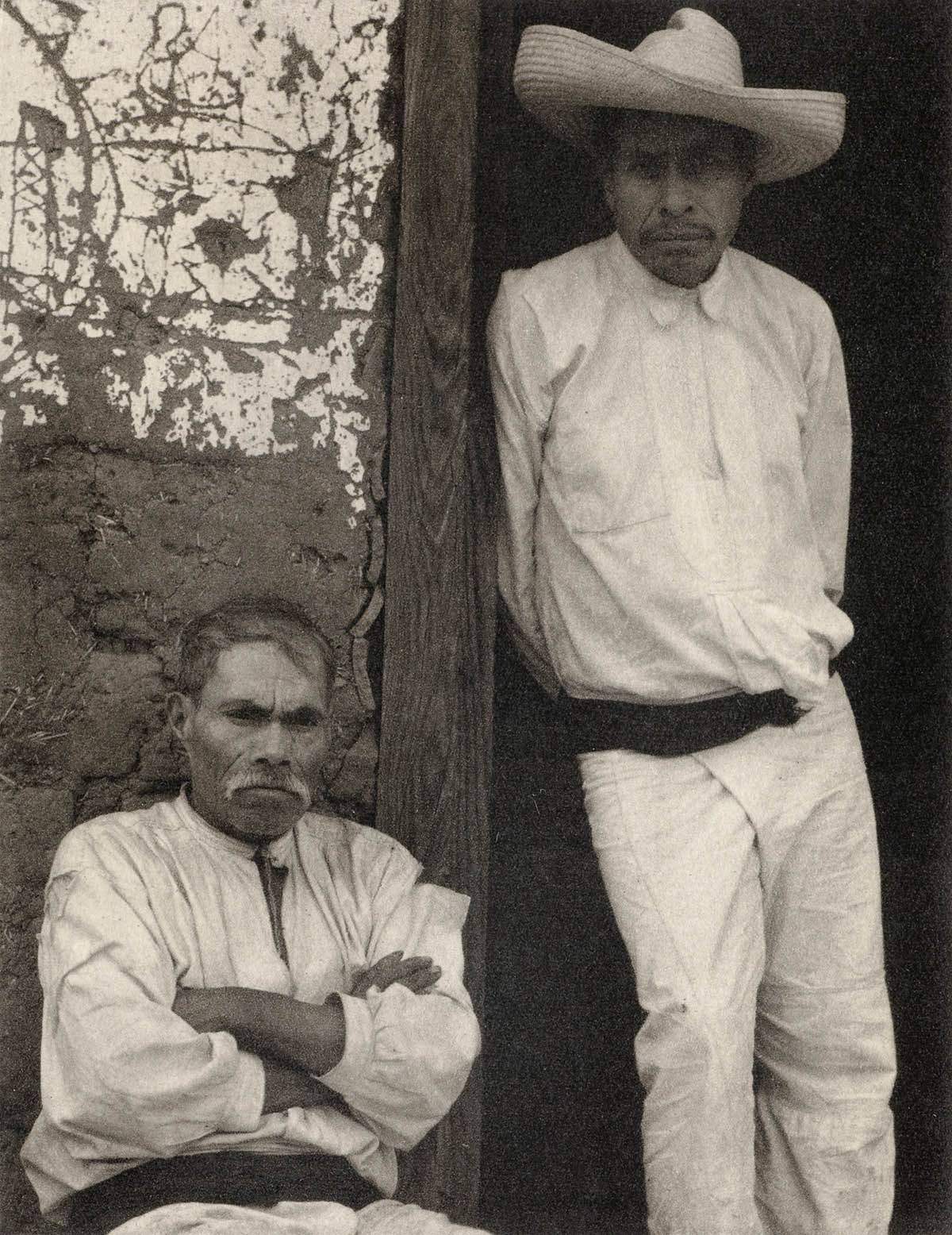
 

Paul Strand (American, 1890-1976) 'Men of Santa Ana, Lake PƔtzcuaro, MichoacƔn' (Hombres de Santa Ana, Lake PƔtzcuaro, MichoacƔ) 1933


Paul Strand (American, 1890-1976)
Men of Santa Ana, Lake PƔtzcuaro, MichoacƔn
1933
Gelatin silver print
© Aperture Foundation Inc., Paul Strand Archive. Fundación MAPFRE Collections


Paul Strand (American, 1890-1976) 'Man with Hoe - Los Remedios' 1933


Paul Strand (American, 1890-1976)
Man with Hoe – Los Remedios
1933
Gelatin silver print
© Aperture Foundation Inc., Paul Strand Archive. Fundación MAPFRE Collections


Paul Strand (American, 1890-1976) 'Cristo with Thorns - Huexotla' 1933


Paul Strand (American, 1890-1976)
Cristo with Thorns – Huexotla
1933
Silver gelatin print
© Aperture Foundation Inc., Paul Strand Archive. Fundación MAPFRE Collections
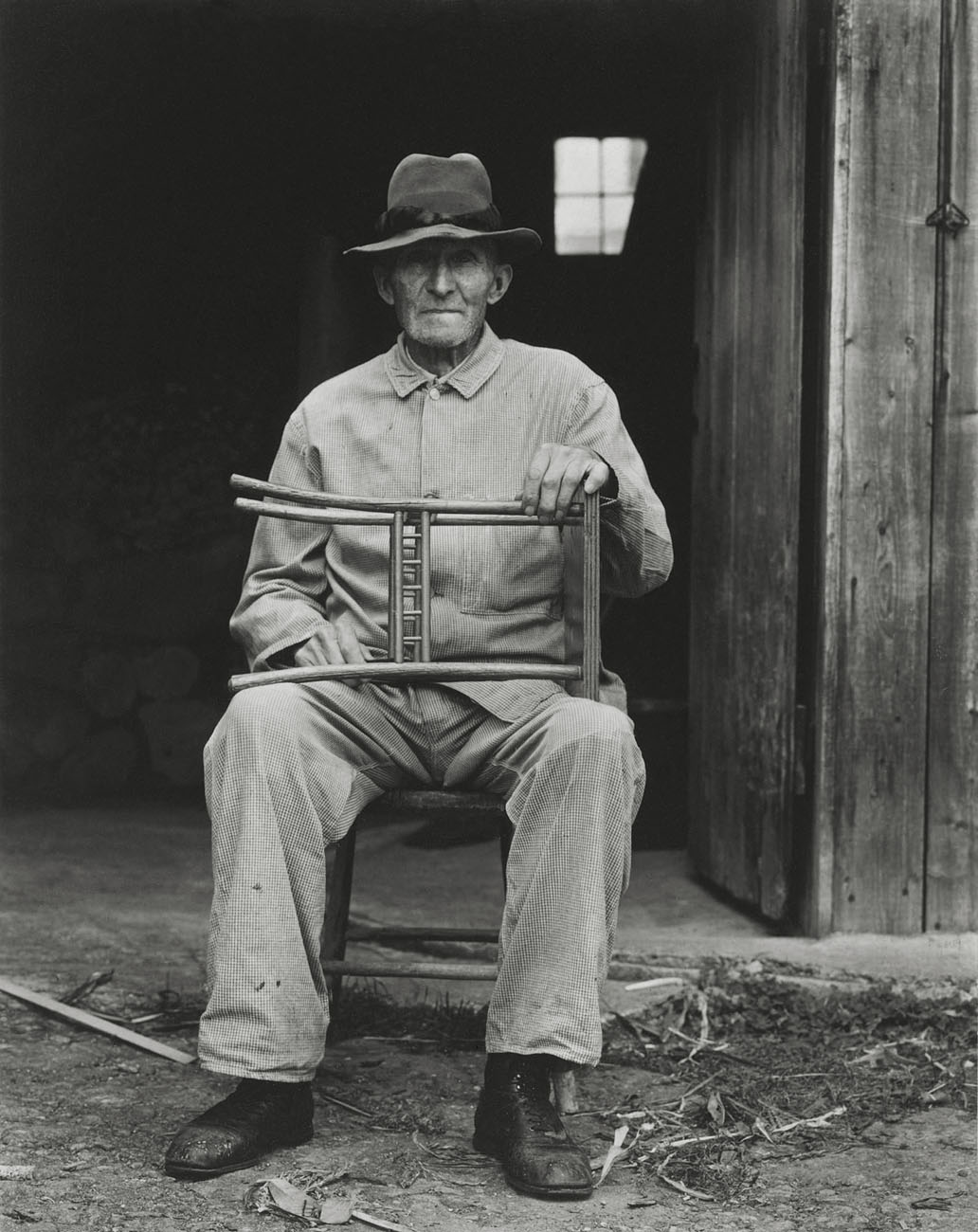
 

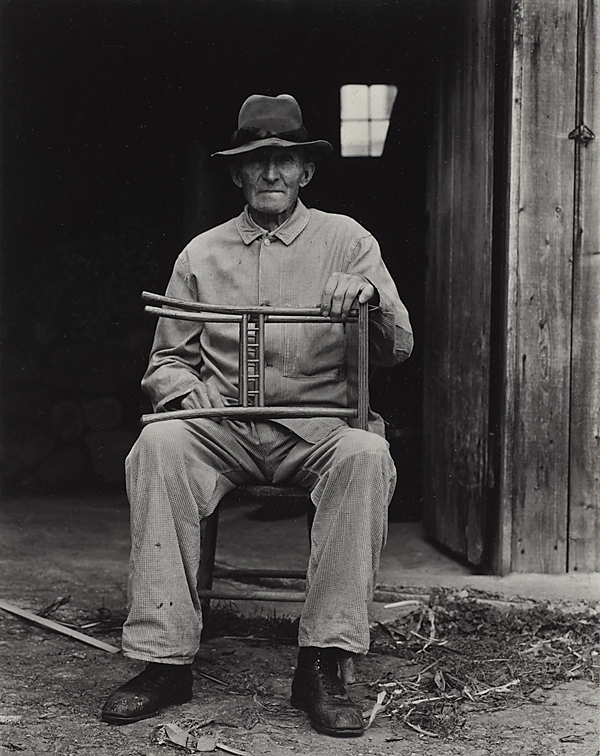
Paul Strand (American, 1890-1976) 'Mr. Bolster, Weston, Vermont' 1943


Paul Strand (American, 1890-1976)
Mr. Bolster, Weston, Vermont
1943
Silver gelatin print
© Aperture Foundation Inc., Paul Strand Archive. Fundación MAPFRE Collections


Paul Strand (American, 1890-1976) 'Mr. Bennett, West River Valley, Vermont' 1944


Paul Strand (American, 1890-1976)
Mr. Bennett, West River Valley, Vermont
1944
Gelatin silver print
© Aperture Foundation Inc., Paul Strand Archive. Fundación MAPFRE Collections


In 1945 a major exhibition dedicated to the work of Paul Strand took place at the Museum of Modern Art in New York that included 172 photographs, becoming the greatest retrospective devoted to a photographer to date. The project was conceived by Nancy Newhall, Head of the Department of Photography at the institution, who during the show’s preparation proposed to collaborate with Strand on a book about New England, a region located in the northeastern United States.

For a little over a month and a half Strand travelled with his camera throughout the region. His previous experience in Mexico had provided him with an attentive eye for capturing the social and cultural reality of the territory; in this instance through photographs of landscapes, diverse forms of architecture, and through his characteristic portraits. Resulting from this process his first photobook, Time in New England, was published in 1950, with texts by Nancy Newhall. The project’s outcome and his successful collaboration with Newhall inspired Strand to initiate a series of publications that coincided with a growing demand for travel books.

Text from the Fundación MAPFRE Collections website
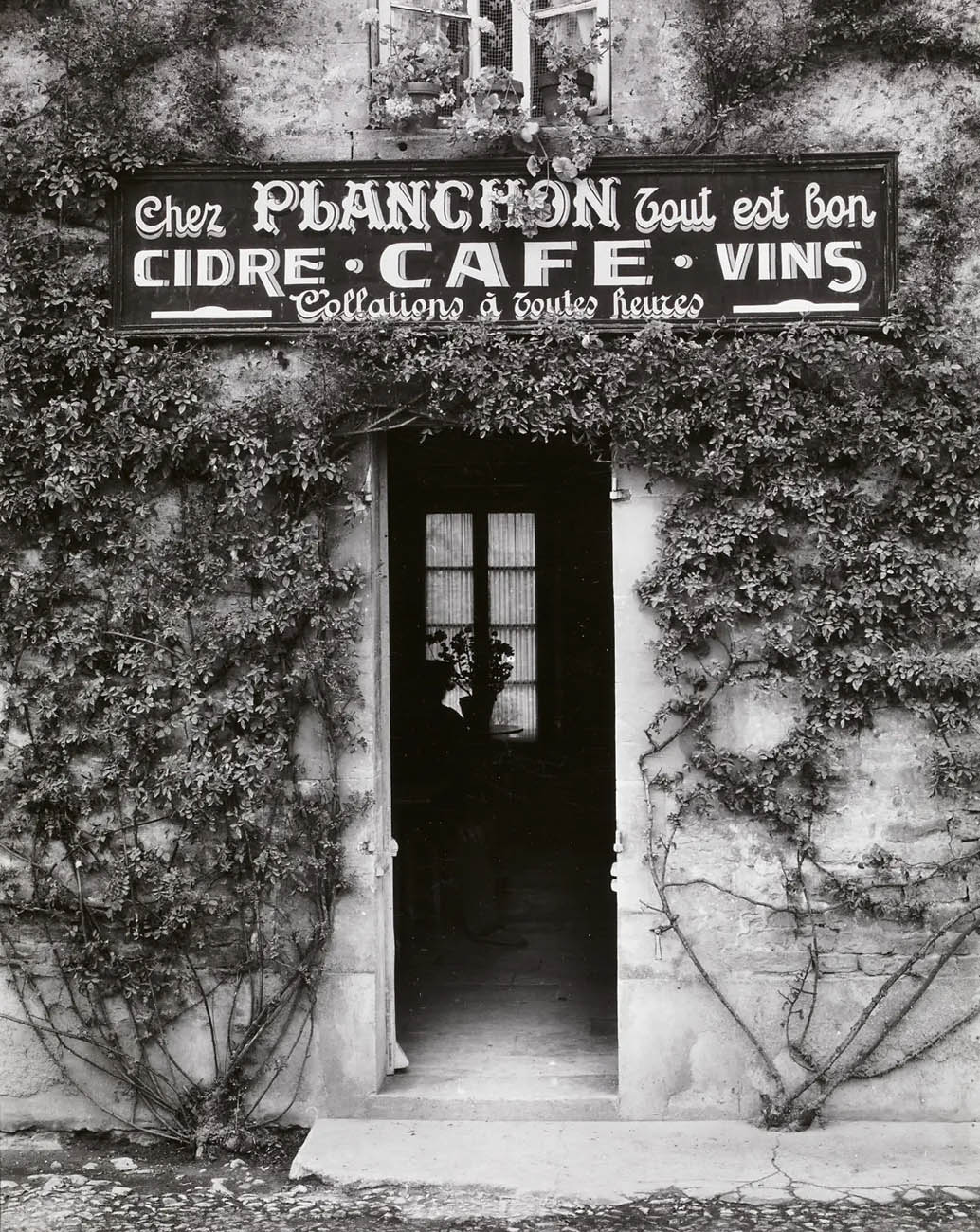
 

Paul Strand (American, 1890-1976) 'CafƩ Planchon, France' 1950


Paul Strand (American, 1890-1976)
CafƩ Planchon, France
1950
Gelatin silver print on baryta paper
24.4 Ɨ 19.4cm
© Aperture Foundation Inc., Paul Strand Archive. Fundación MAPFRE Collections


In 1950 Paul Strand left the United States due in great measure to the increasingly hostile social and political environment generated by the “witch hunt” of McCarthyism. Together with Hazel Kingsbury, who would become his third wife, Strand arrived in France. After their wedding that following year, they traveled the country together. Resulting from this journey and following the format of joining image and text that was established in his book Time in New England, the artist produced La France de Profil [France in Profile] in 1952.  The book was published by renowned Swiss publisher Guilde du Livre, with texts by the writer and poet Claude Roy, whose points of view on the social reality and the ethical commitment of artists coincided with Strand’s.

In CafĆ© Planchon Paul Strand presents a rhetoric characteristic of the avant-garde, one of texts that belie the visual reality they attempt to portray, which grants them an inevitable and warm ironical distance. The image also contains a sense of artistic joy that is not merely related to the formal composition but is manifested in the proliferation of the vegetation, in the tactility of textures, and in the charming gradation of light that is finally enveloped by shadow. The richness of the image arises as a result of the photographer’s attention to this particular reality, which is celebrated in the book, as well as his technical prowess and the dedication he poured into the prints made in the darkroom.

Text from the Fundación MAPFRE Collections website
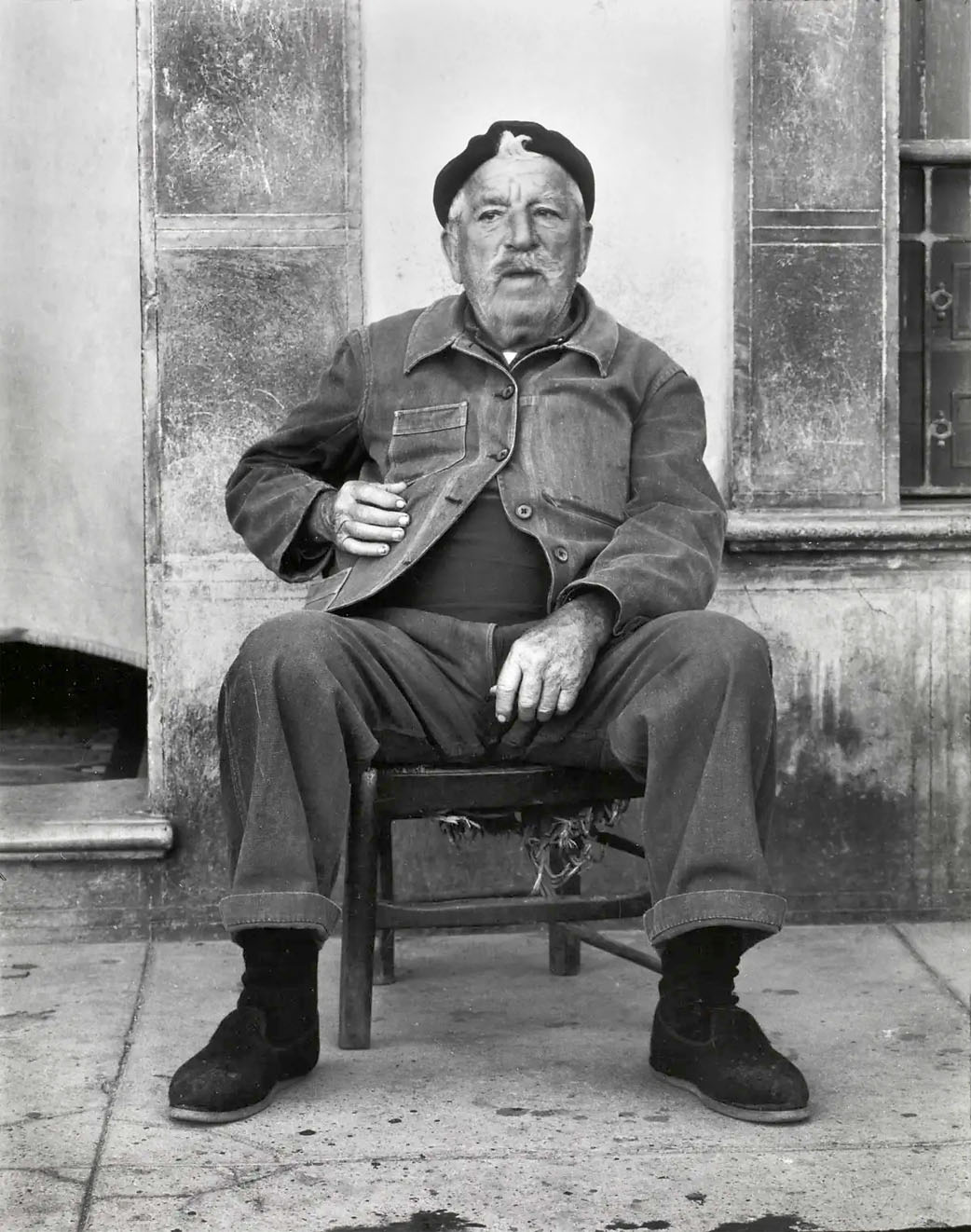
 

Paul Strand (American, 1890-1976) 'Fisherman, Banyuls, PyrƩnƩes-Orientales, France' 1950-1951


Paul Strand (American, 1890-1976)
Fisherman, Banyuls, PyrƩnƩes-Orientales, France
1950-1951
Silver gelatin print
16.1 Ɨ 12.5cm
© Aperture Foundation Inc., Paul Strand Archive. Fundación MAPFRE Collections
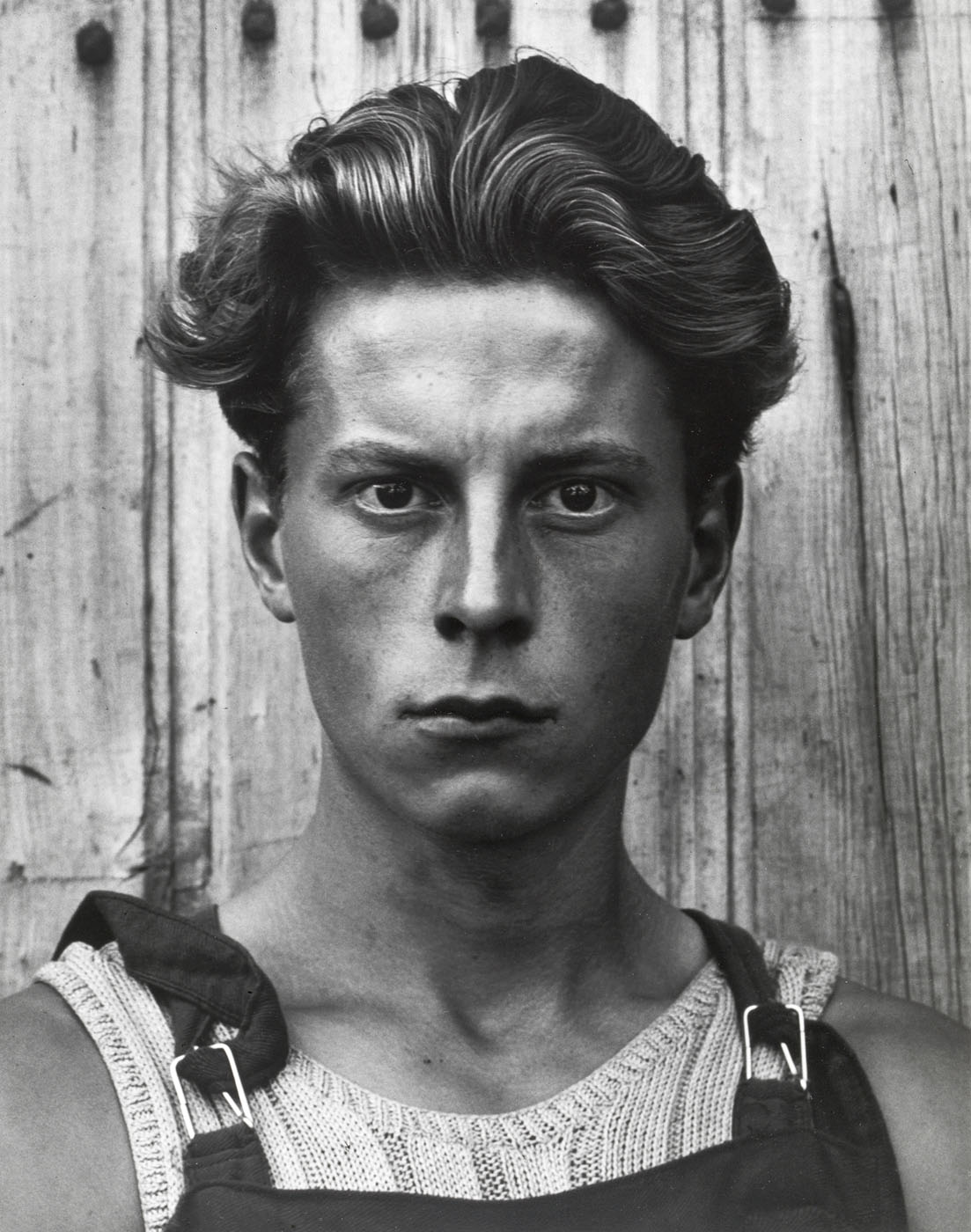
 

Paul Strand (American, 1890-1976) 'Young Boy, Gondeville, Charente, France' 1951


Paul Strand (American, 1890-1976)
Young Boy, Gondeville, Charente, France
1951
Gelatin silver print
© Aperture Foundation Inc., Paul Strand Archive. Fundación MAPFRE Collections


In 1952 Paul Strand published La France de profil [France in Profile] which included the photographs he took during his trip throughout the country. With texts by Claude Roy, the book was published by Swiss publisher Guilde du Livre, which had been producing a collection of travel books since the 1940s containing texts by well known writers such as Paul Ɖluard and Jacques PrĆ©vert, and photographs by artists such as Robert Doisneau and Michel Huet.

In a similar fashion to how he had articulated a unique perspective far from the hegemonic exoticising of Mexico during the 1930s, Strand portrayed France in a way that did not settle on its most picturesque features. As inferred by the title, the series is an oblique perspective on the territory materialised through an assortment of images that are arranged in a singular style. Towns, landscapes, examples of vernacular architecture, and faces of elderly people and fishermen appear next to photographs detailing small objects that – beyond their documentary value – join the artistic language of images while simultaneously evoking the time that is inscribed within them.

Young Boy captures the characteristic intensity of the gamut of black and white hues in Strand’s work. The beauty hidden within the heroic ruggedness of the boy’s face, emphasised by the artist’s treatment of light, exemplifies the way in which Strand’s attention to the artistic values he upholds effectuates his political commitment.

Text from the Fundación MAPFRE Collections website
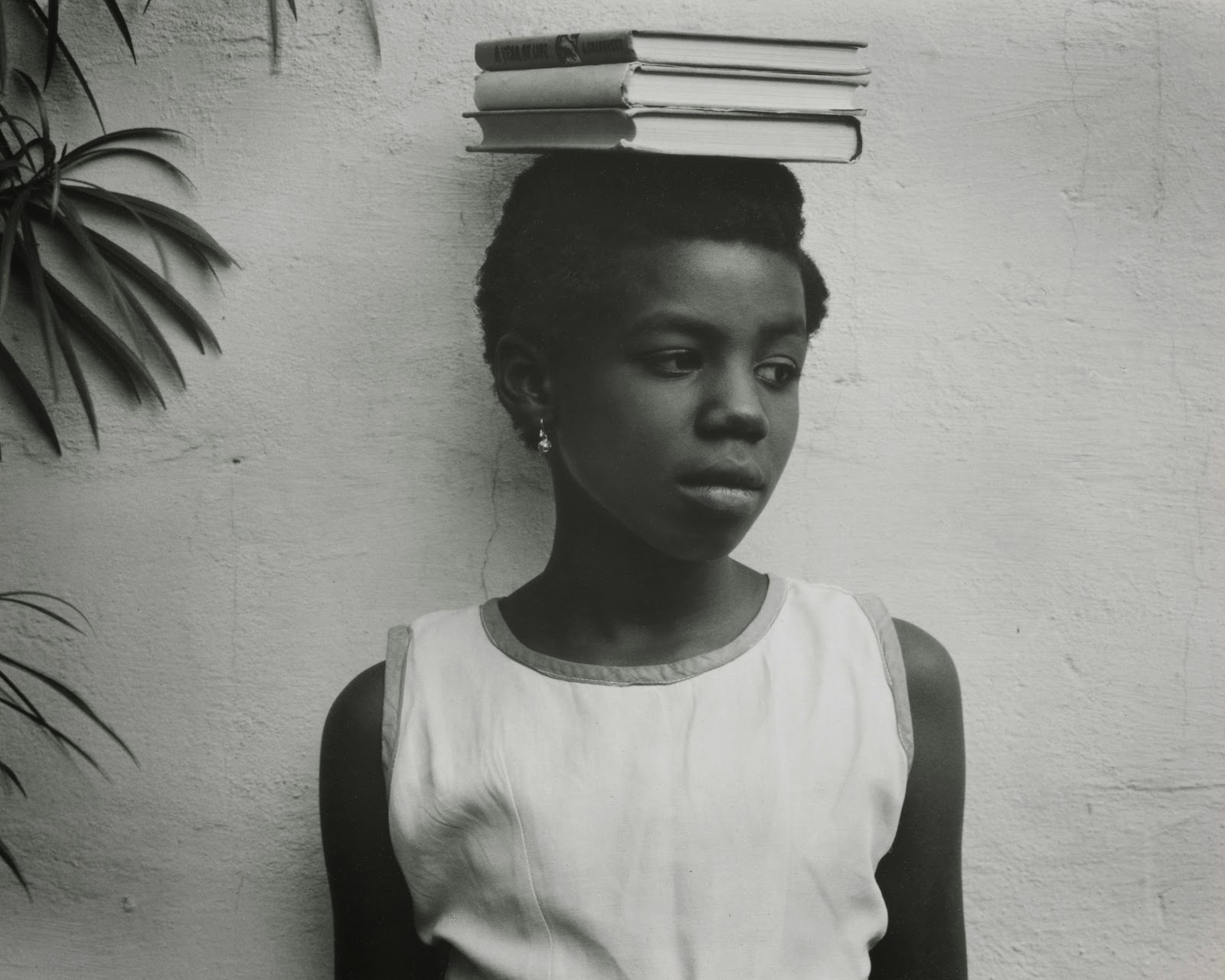
 

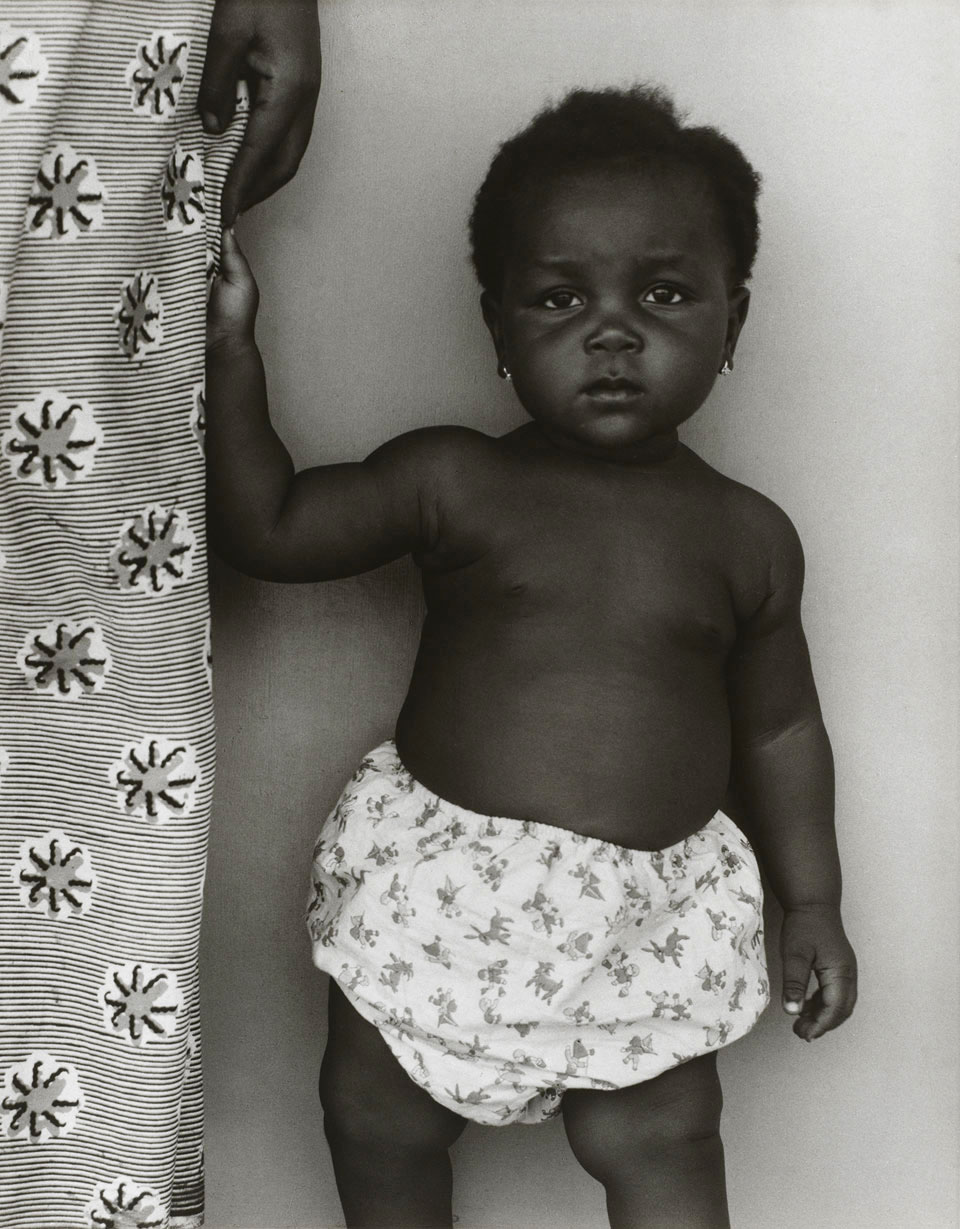
Paul Strand (American, 1890-1976) 'Anna Attinga Frafra, Accra, Ghana' 1964


Paul Strand (American, 1890-1976)
Anna Attinga Frafra, Accra, Ghana
1951
Gelatin silver print
© Aperture Foundation Inc., Paul Strand Archive. Fundación MAPFRE Collections


Throughout the 1960s, during the Cold War, Paul Strand continued his documentary work traveling to different socialist countries such as Romania, Egypt, and Ghana. As evidenced by the series of photobooks that he published, Strand’s perspective on these realities is translated into portraits, landscapes, and images of the communities’ daily life and their objects. Nevertheless, although direct references to political issues are eloquently scarce in his photographs, some elements can be observed that subtly point to the positive aspects of the revolutionary processes occurring in these countries.

Such is the case of the portrait of Anna Attinga Frafra – included in Ghana: An African Portrait (New York, Aperture, 1976) – in which the simplicity of the composition points to one dissonant element: the books balanced on the girl’s head. The symbolic character of the image serves as a reference to the literacy and education campaigns planned for the Ghanaian populations, which included women, and has an undoubtedly, albeit subtle, propagandistic nature. Nevertheless, the photograph makes sense and coexists seamlessly with the other images that make up the series. As a whole, they offer a vision that is an alternative from ethnographic typology, incorporating the reality of the aspirations, efforts, and hopes of the community without becoming crude propaganda.

Text from the Fundación MAPFRE Collections website
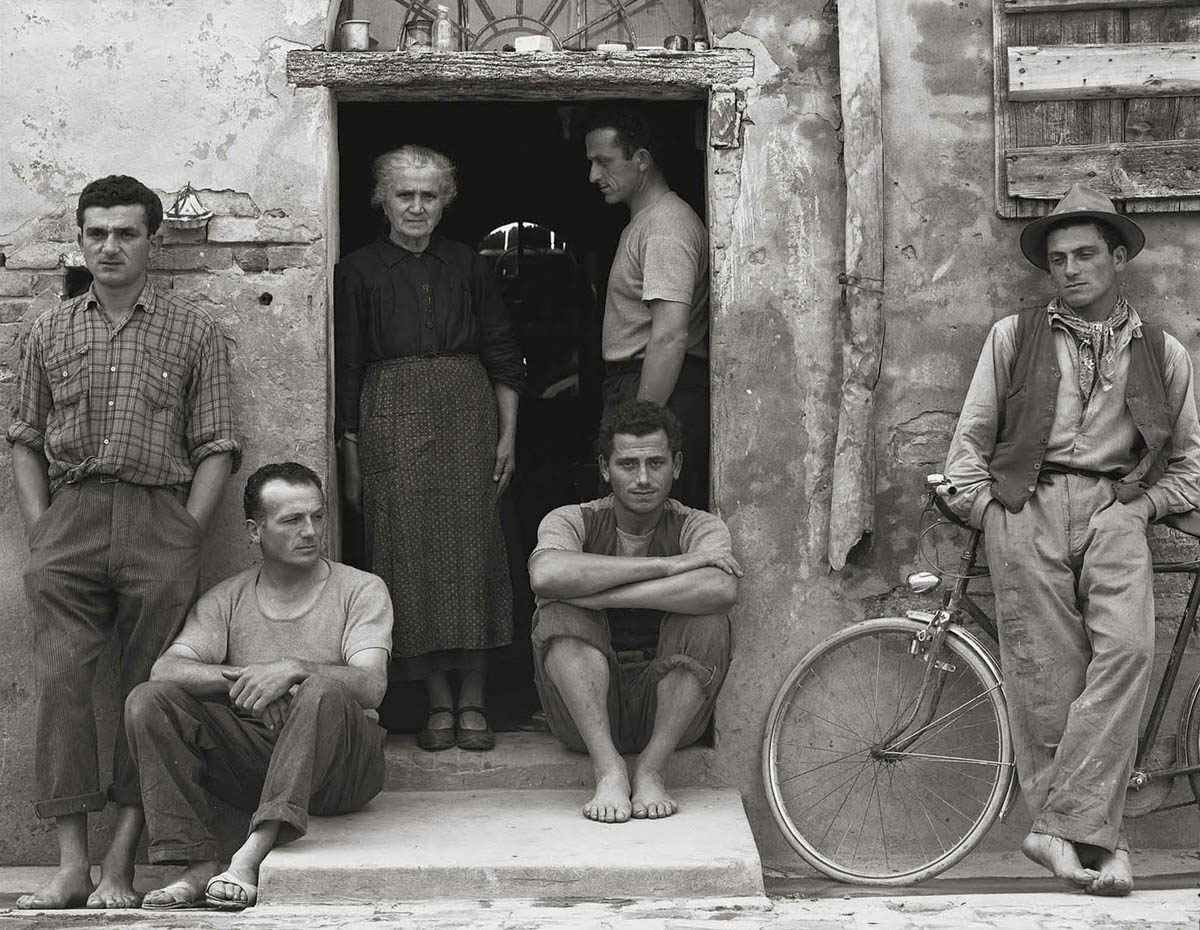
 

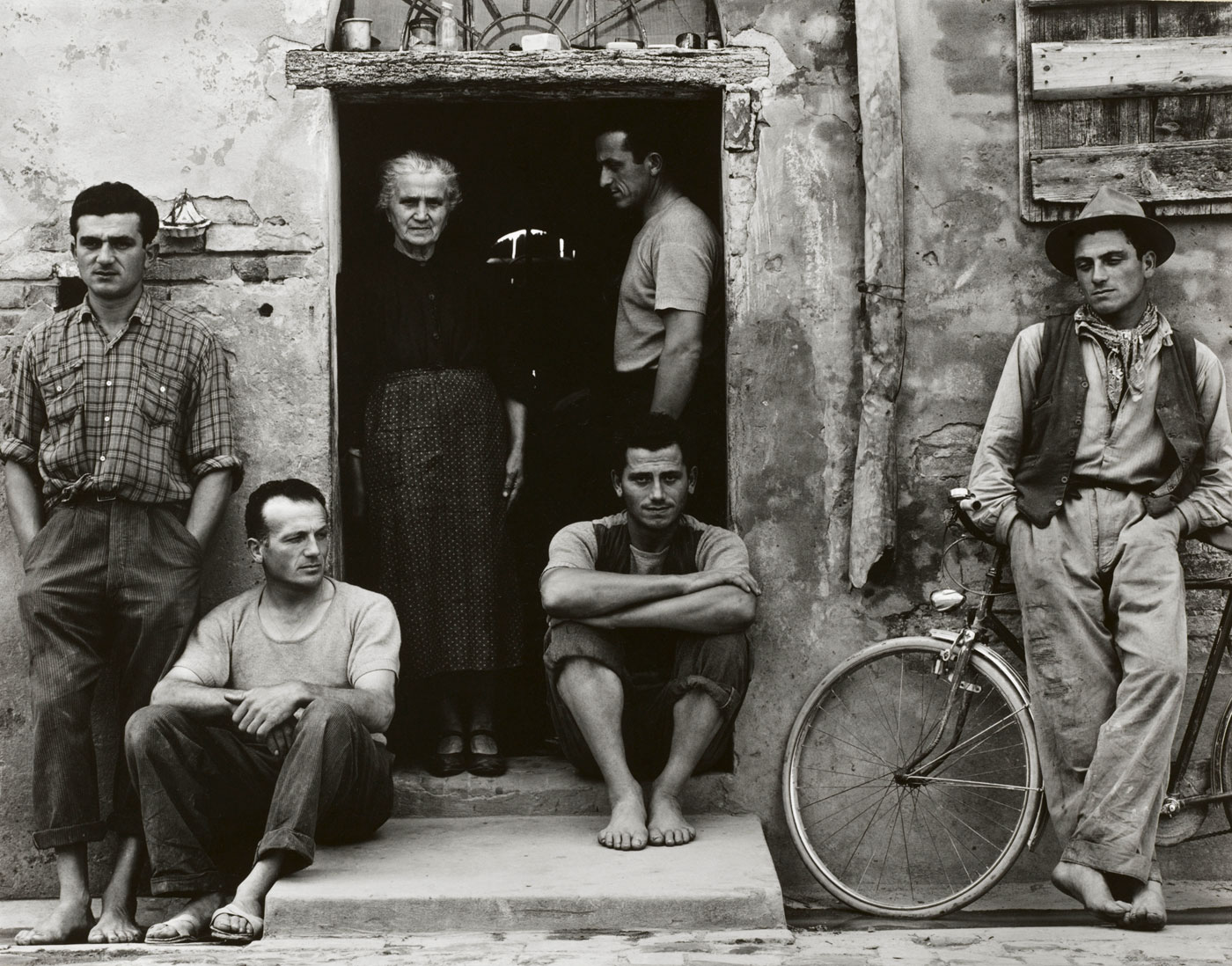
Paul Strand (American, 1890-1976) 'The Lusetti Family, Luzzara, Italy' 1953


Paul Strand (American, 1890-1976)
The Lusetti Family, Luzzara, Italy
1953
Gelatin silver print
16.9 Ɨ 21.3cm
© Aperture Foundation Inc., Paul Strand Archive. Fundación MAPFRE Collections
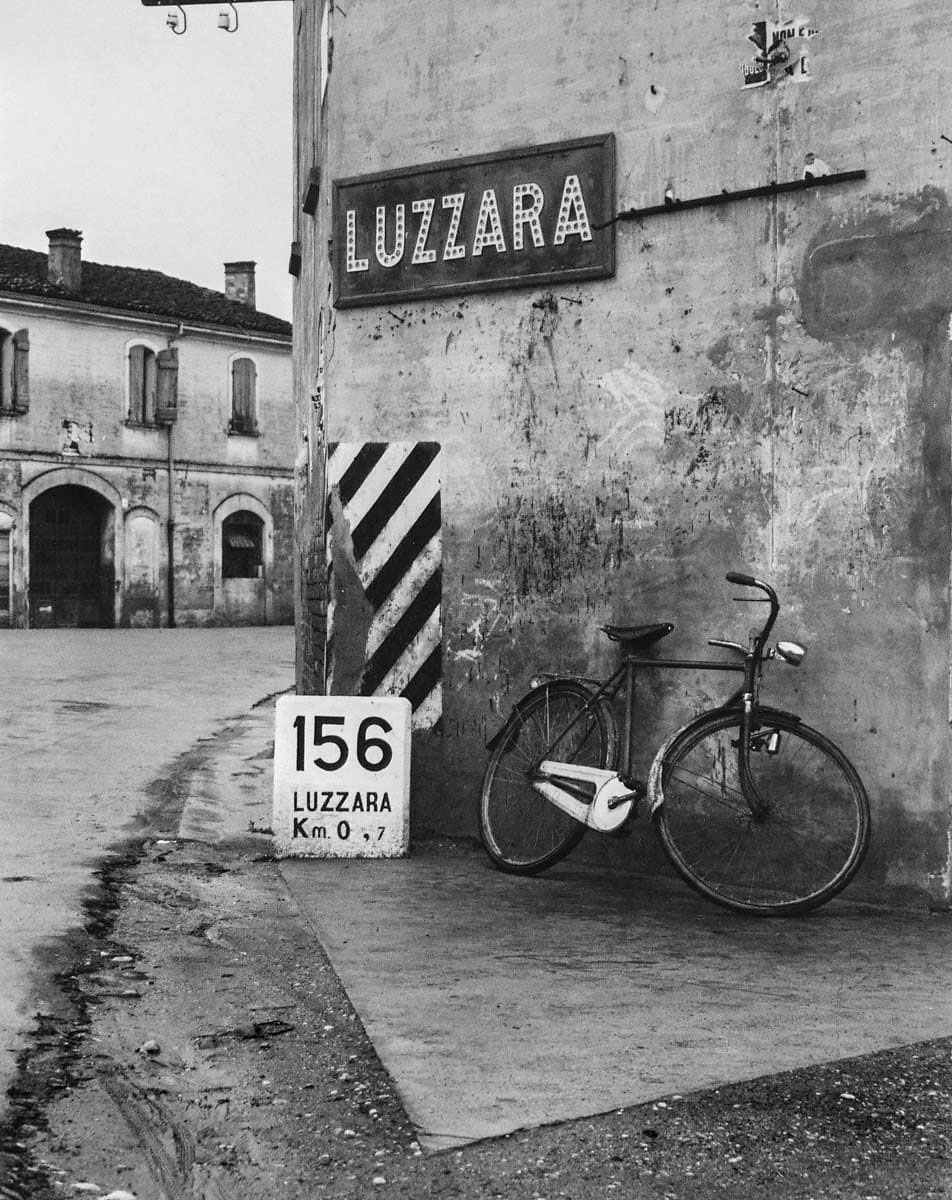
 

Paul Strand (American, 1890-1976) 'Luzzara'
 1953


Paul Strand (American, 1890-1976)
Luzzara
1953
Gelatin silver print
© Aperture Foundation Inc., Paul Strand Archive. Fundación MAPFRE Collections
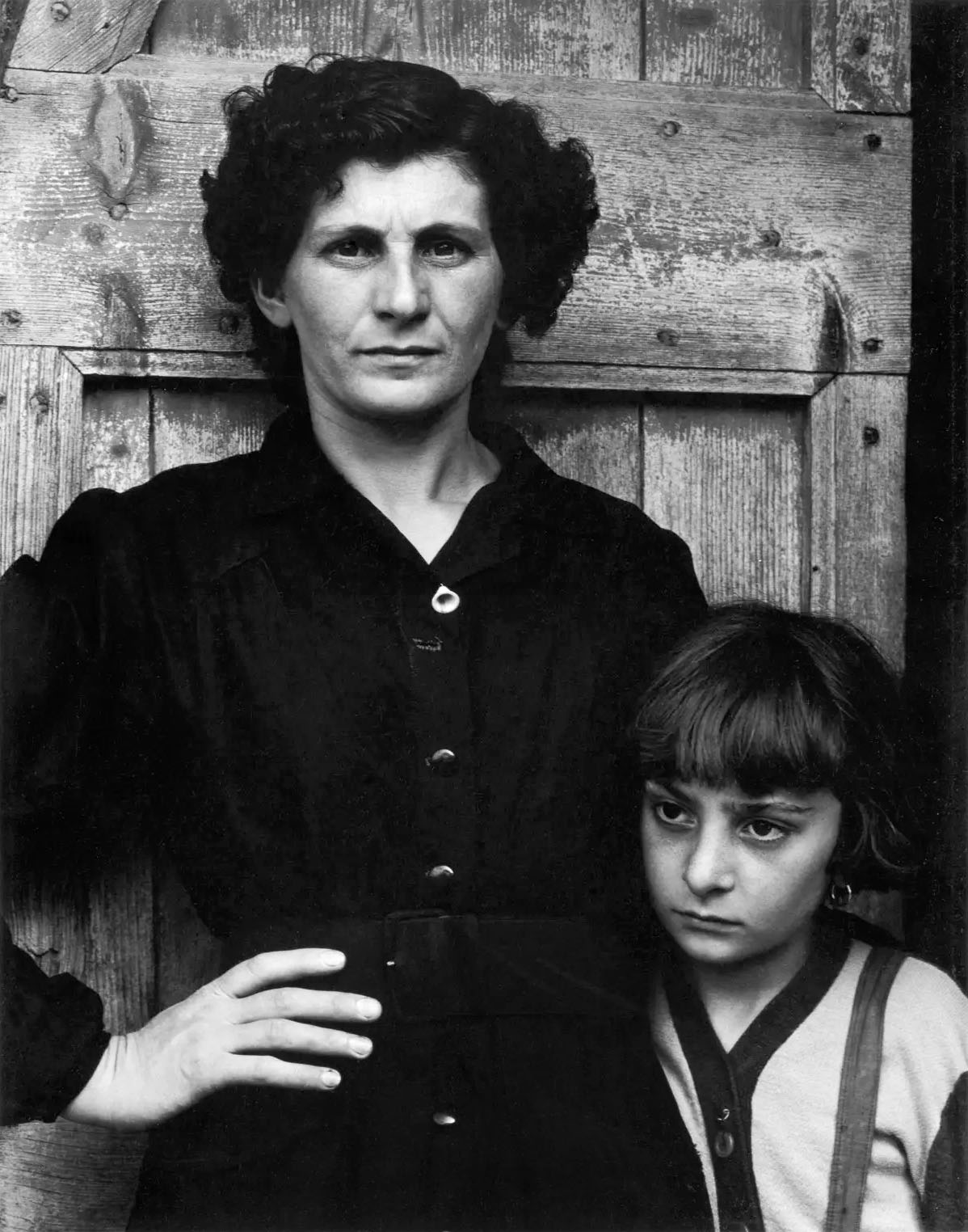
 

Paul Strand (American, 1890-1976) 'Postmistress and Daughter, Luzzara, Italy' 1953


Paul Strand (American, 1890-1976)
Postmistress and Daughter, Luzzara, Italy
1953
Silver gelatin print
33.3 Ɨ 26.4cm
© Aperture Foundation Inc., Paul Strand Archive. Fundación MAPFRE Collections
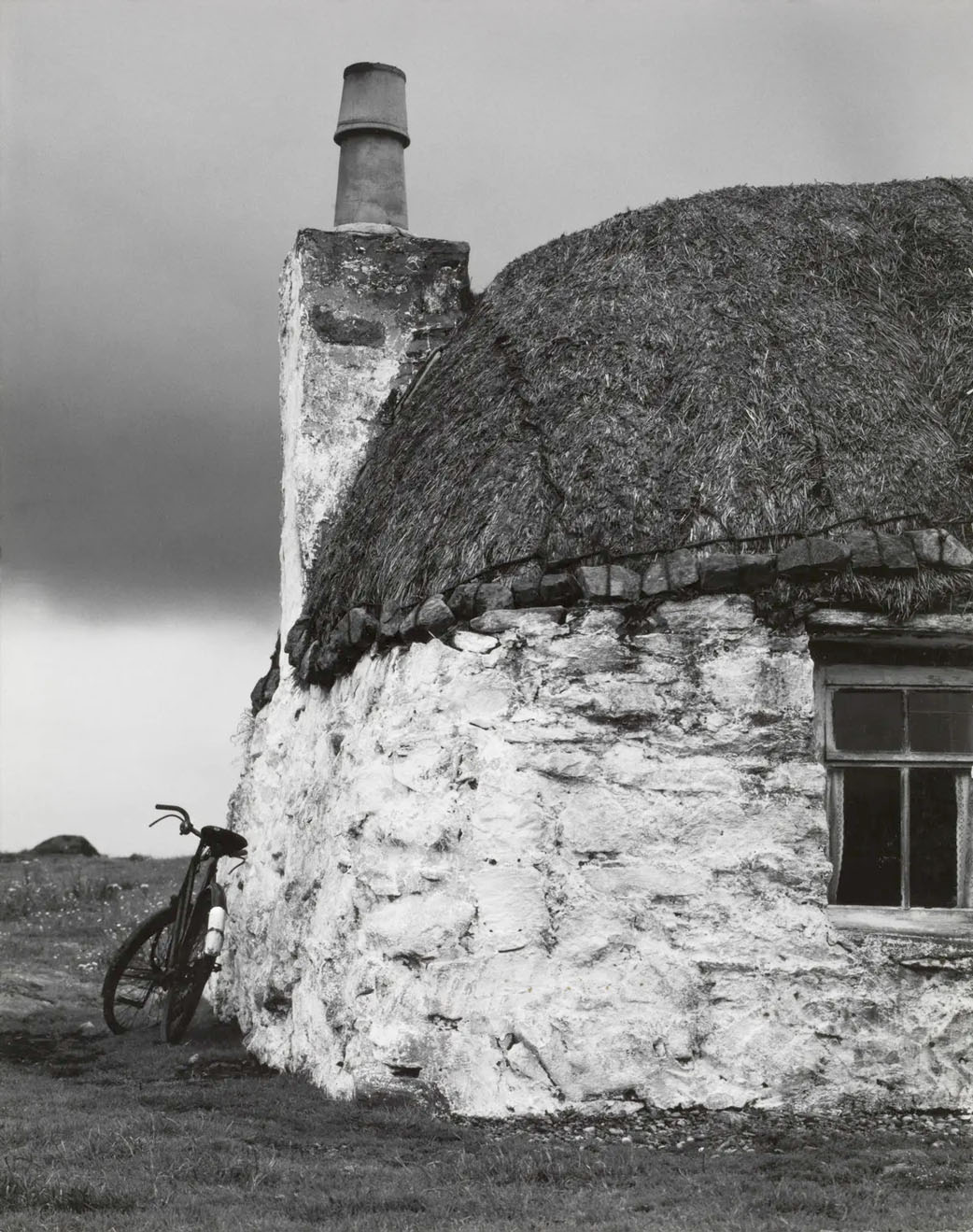
 

Paul Strand (American, 1890-1976) 'House, Benbecula, Isle of South Uist, Outer Hebrides' 1954


Paul Strand (American, 1890-1976)
House, Benbecula, Isle of South Uist, Outer Hebrides
1954
Silver gelatin print
14.9 Ɨ 11.7cm
© Aperture Foundation Inc., Paul Strand Archive. Fundación MAPFRE Collections
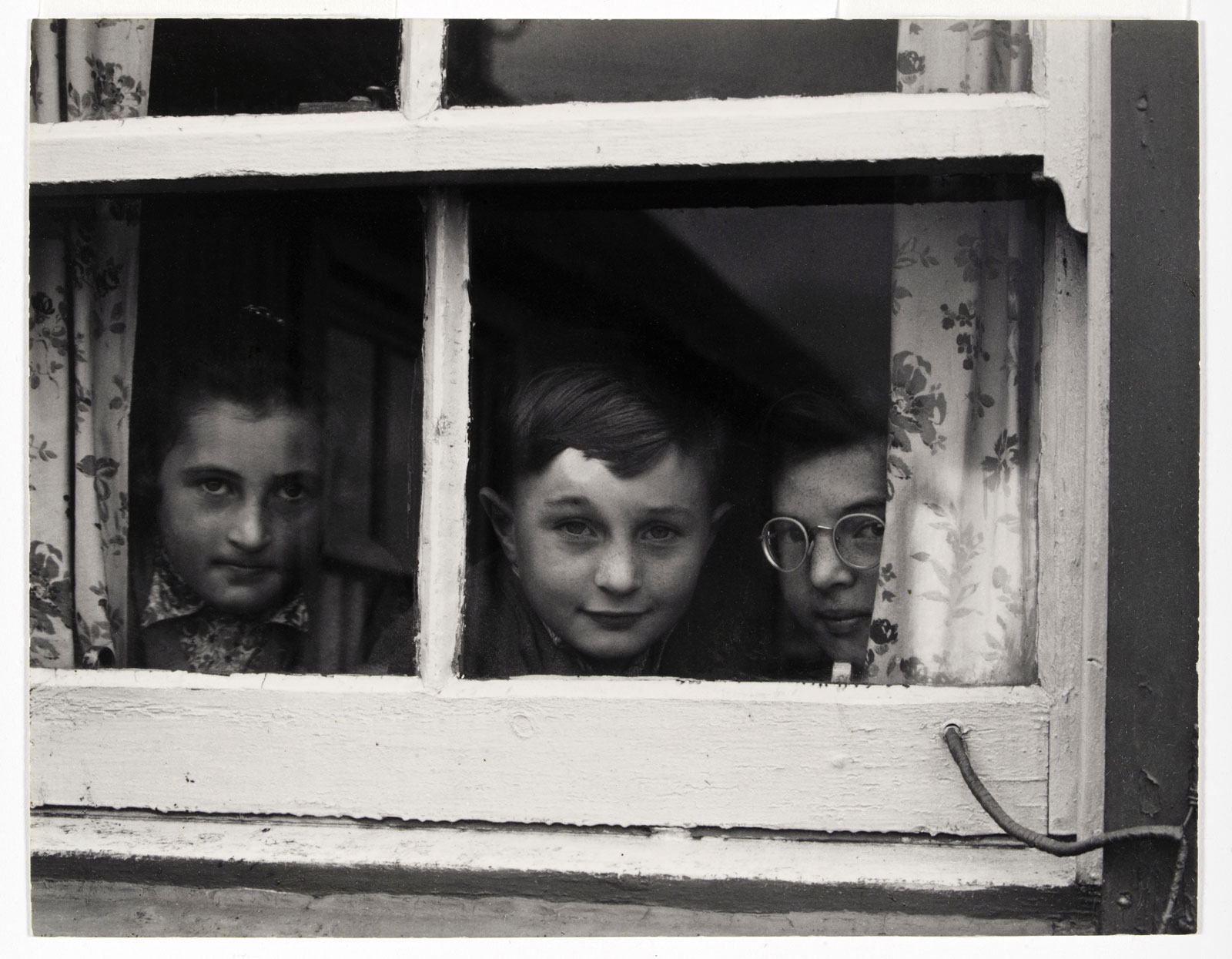
 

Paul Strand (American, 1890 - 1976) 'Milly, John and Jean MacLellan, South Uist, Hebrides' 1954


Paul Strand (American, 1890-1976)
Milly, John and Jean MacLellan, South Uist, Hebrides
1954
Silver gelatin print
© Aperture Foundation Inc., Paul Strand Archive. Fundación MAPFRE Collections
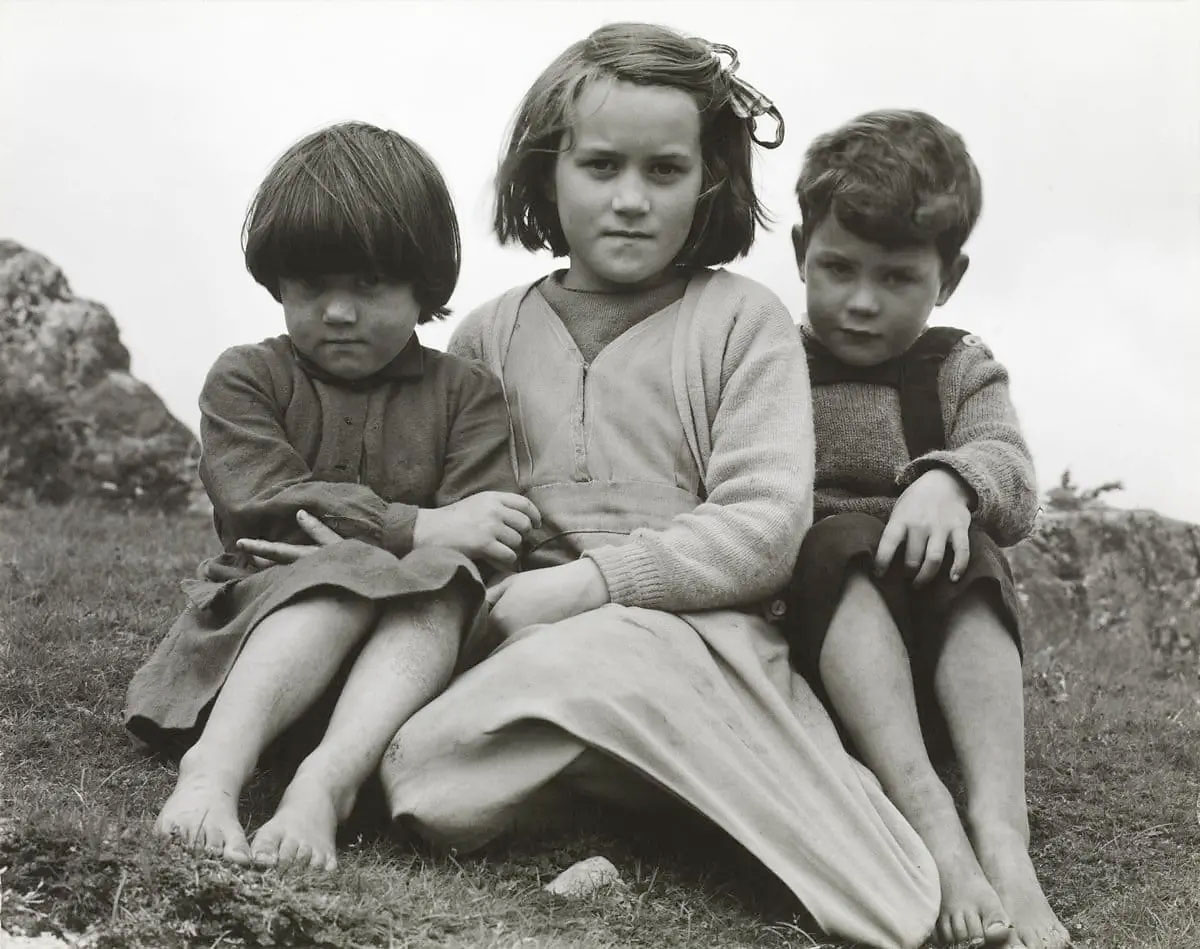
 

Paul Strand (American, 1890-1976) 'Agnes MacDonald, Morag and Ewen MacLellan, Isle of South Uist, Outer Hebrides' 1954


Paul Strand (American, 1890-1976)
Agnes MacDonald, Morag and Ewen MacLellan, Isle of South Uist, Outer Hebrides
1954
Silver gelatin print
© Aperture Foundation Inc., Paul Strand Archive. Fundación MAPFRE Collections
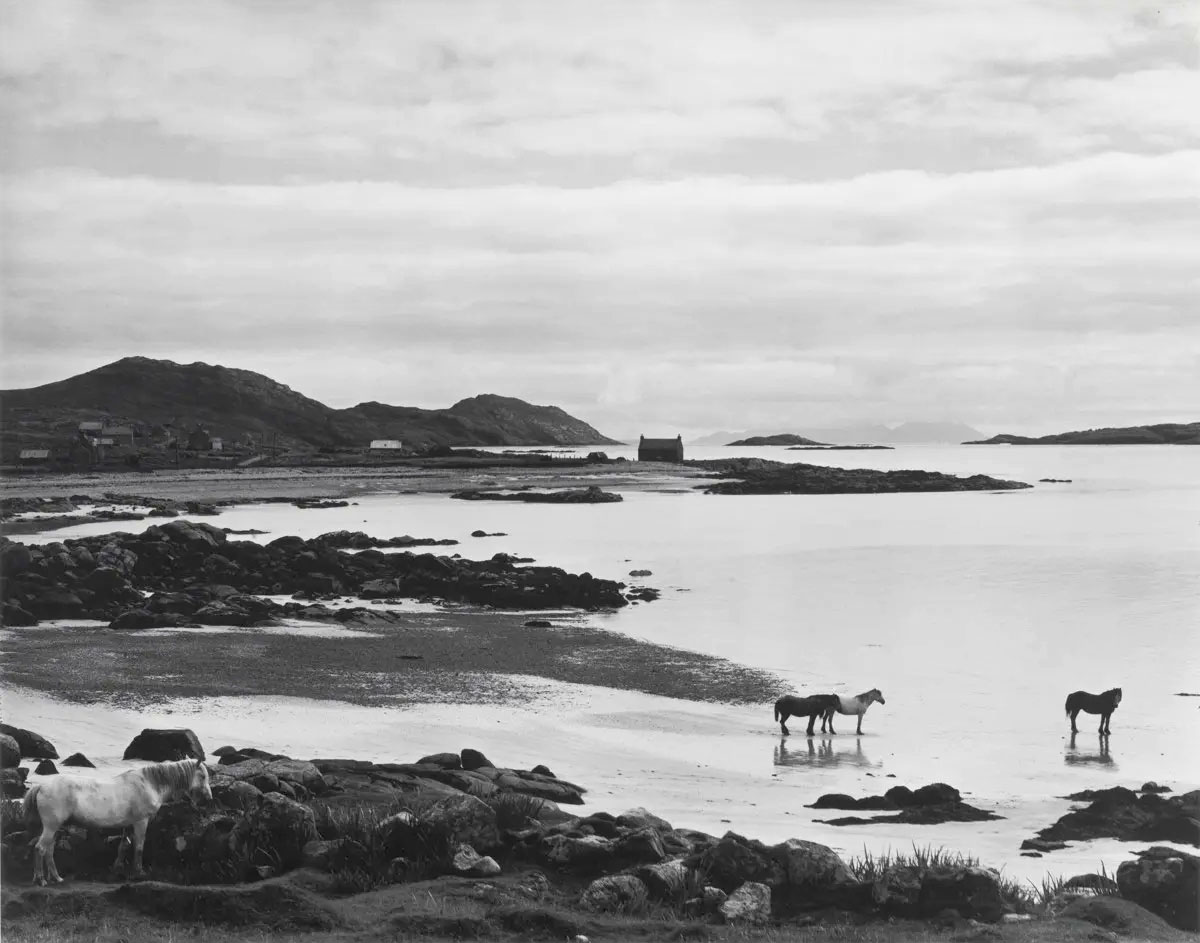
 

Paul Strand (American, 1890-1976) 'Tir a'Mhurain, Isle of South Uist, Outer Hebrides' 1954


Paul Strand (American, 1890-1976)
Tir a’Mhurain, Isle of South Uist, Outer Hebrides
1954
Silver gelatin print
14.8 Ɨ 12.4cm
© Aperture Foundation Inc., Paul Strand Archive. Fundación MAPFRE Collections
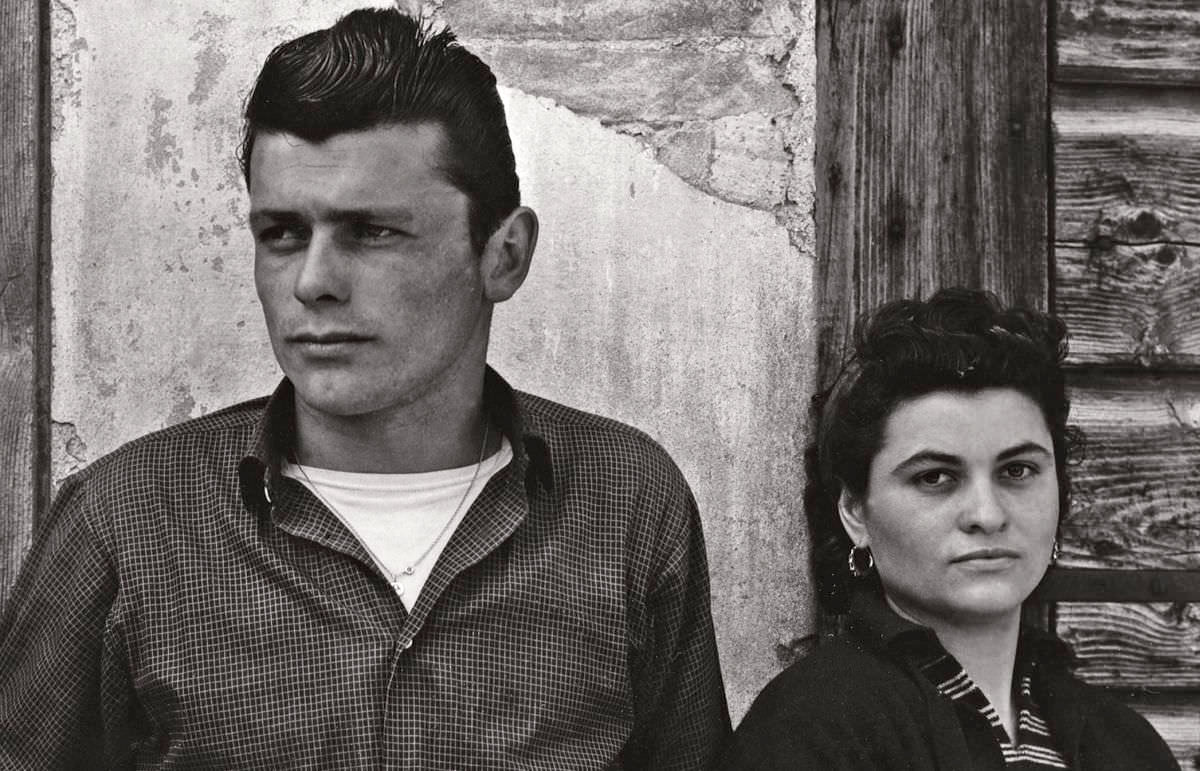
 

Paul Strand (American, 1890-1976) 'Un paese' 1955


Paul Strand (American, 1890-1976)
Un paese
1955
Silver gelatin print
© Aperture Foundation Inc., Paul Strand Archive. Fundación MAPFRE Collections


300,000 lire, 10 sheets, 10 pillowcases, 10 towels, 10 parures and the bedroom are not enough to marry me, you can’t do less. He has to go into the army, otherwise we’d get married right away even if there’s little work. This year he has done less than a thousand hours of work.

Text by Zavattini, photographs by Paul Strand, Turin, Einaudi, 1955, p. 73
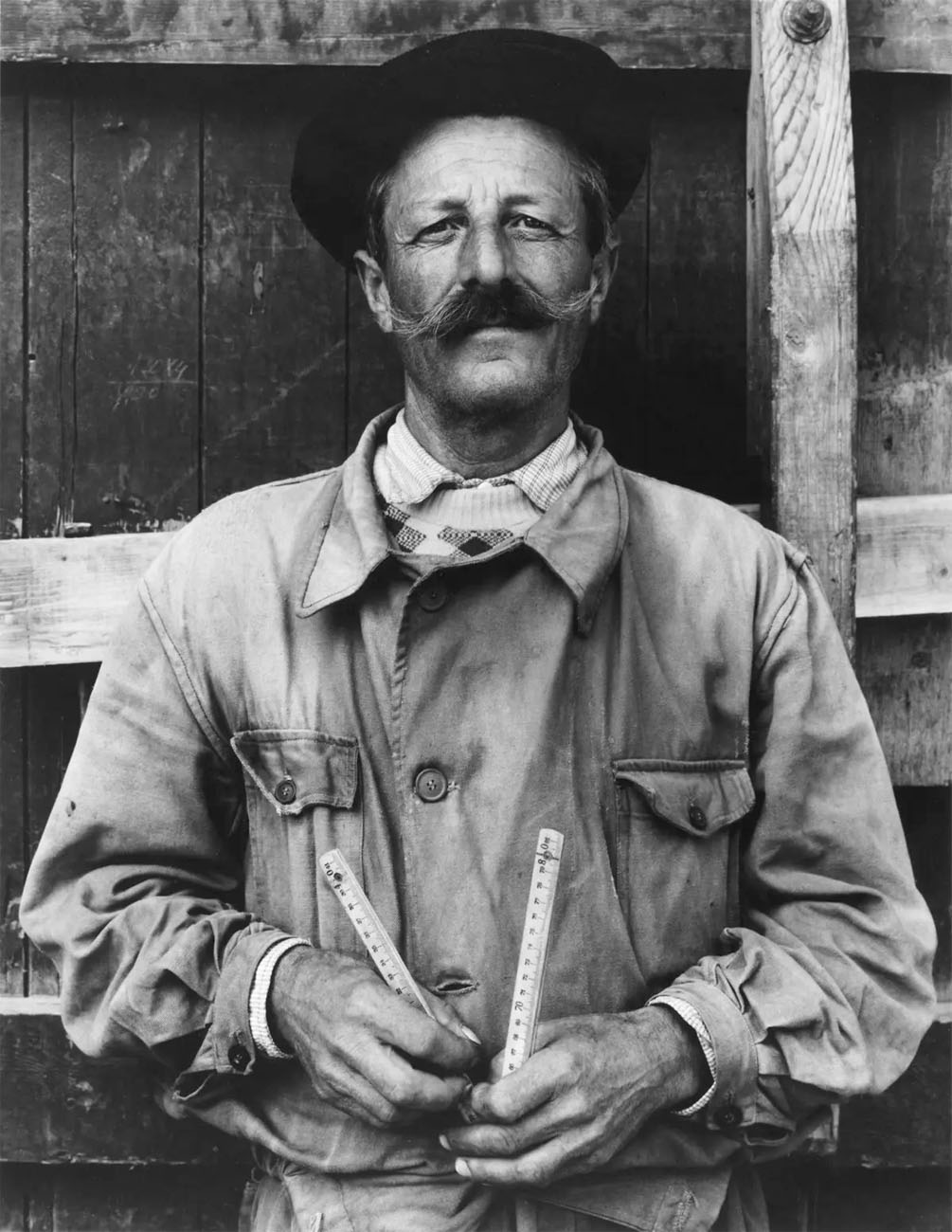
 

Paul Strand (American, 1890-1976) 'Iordache Ciaocata, Bicaz, Romania' 1960


Paul Strand (American, 1890-1976)
Iordache Ciaocata, Bicaz, Romania
1960
Silver gelatin print
33.2 Ɨ 35.7cm
© Aperture Foundation Inc., Paul Strand Archive. Fundación MAPFRE Collections
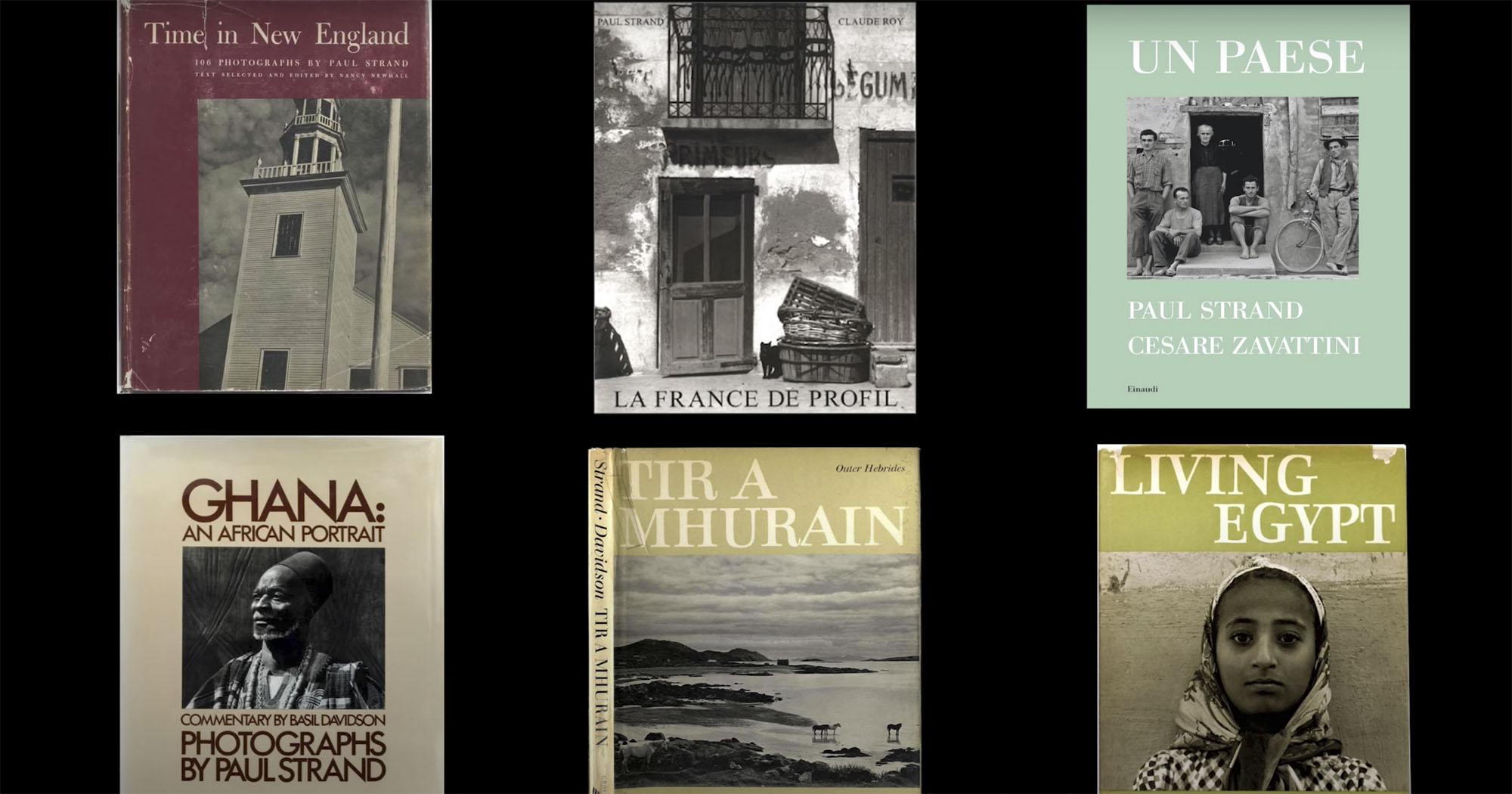
 

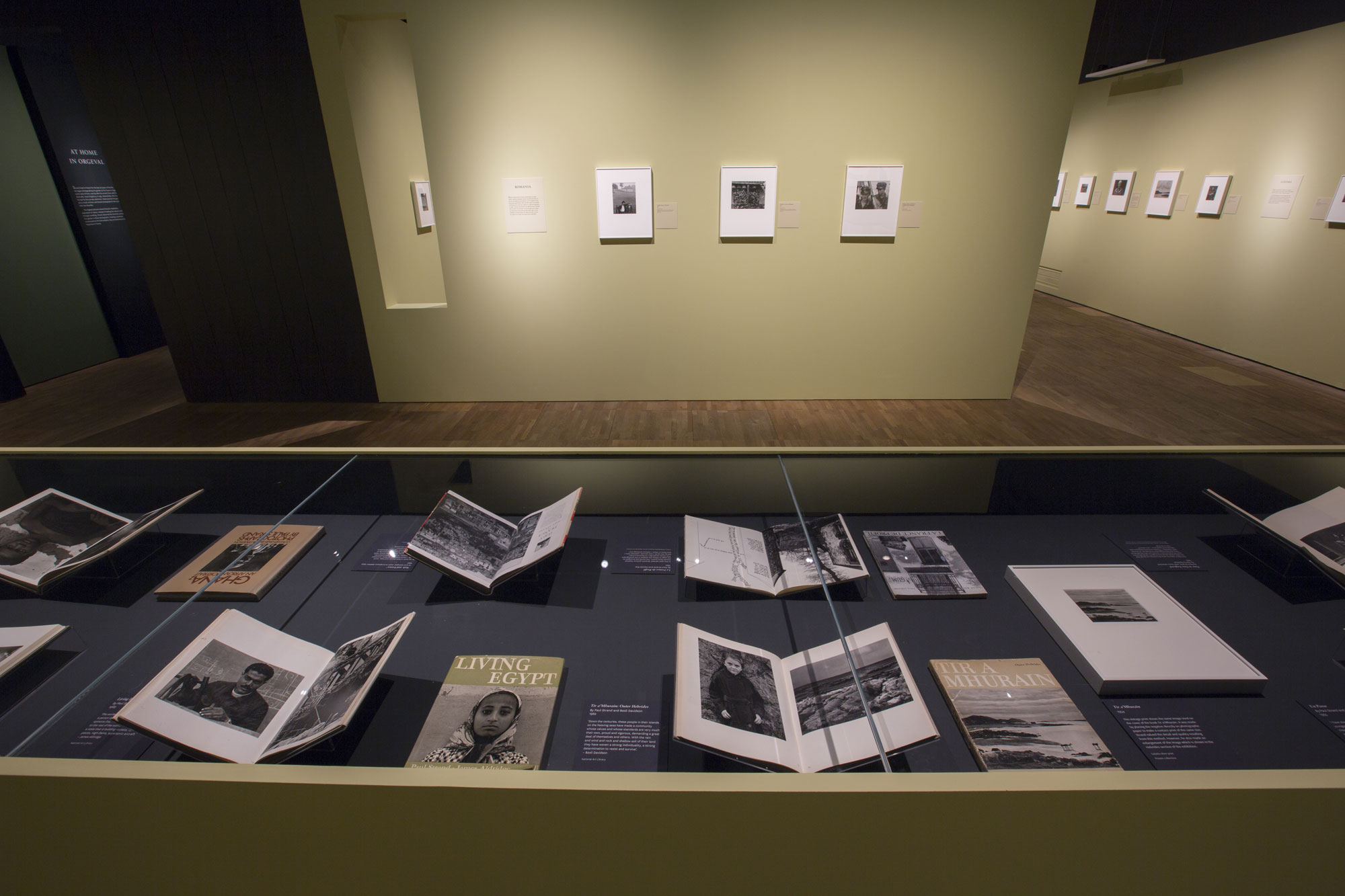
Paul Strand book covers


Paul Strand book covers


Fondation Henri Cartier-Bresson
79 rue des Archives
75003 Paris

Opening hours:
Tuesday – Sunday 11am – 7pm
Closed on Mondays

Fondation Henri Cartier-Bresson website

LIKE ART BLART ON FACEBOOK

Back to top

Exhibition: ‘Paul Strand: Photography and Film for the 20th Century’ at the Victoria & Albert Museum, London

Exhibition dates:Ā 19th March – 3rd July, 2016

Curator: Martin Barnes, Senior Curator of Photographs at the V&A


Paul StrandĀ (American, 1890-1976) 'Wall Street, New York' 1915 from the exhibition 'Paul Strand: Photography and Film for the 20th Century' at the Victoria & Albert Museum, London, March - July, 2016


Paul Strand (American, 1890-1976)
Wall Street, New York
1915
Ā© Paul Strand Archive, Aperture Foundation


Last day for this exhibition from one of the masters of photography. Apologies to the gallery and the readers that I did not get the posting up earlier but I have just been so busy at work. At least we have a record of the exhibition online.

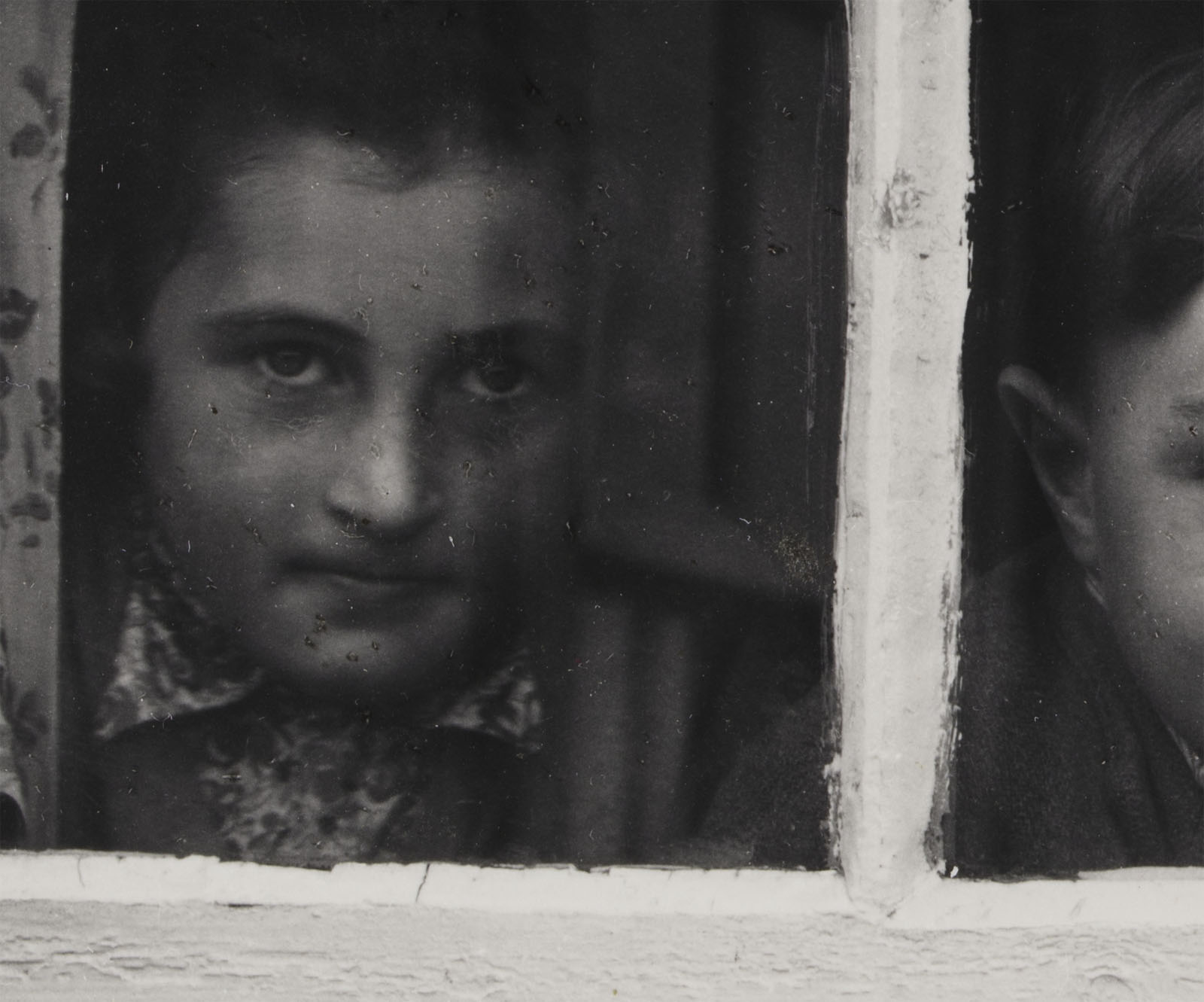
Some of the media images were in a really shocking state. I can’t believe that an artist of Paul Strand’s standing would ever have wanted his photographs distributed in such a state – for example, enlarge the unrestored Milly, John and Jean MacLellan, South Uist, Hebrides (1954, detail) below, and then look at the restored version above that I have digitally cleaned.

What can you say about Strand that has not already been said before? He is a seminal figure in the history of photography. His Wall Street, New York (1915, below) is still one of my favourite images of all time – for its light, foreboding, and incisive comment on capitalism and the worker. Follow this by one of the first truly “modernist” images, and one that changed the course of photography (and what a difference a year, and an image makes), White Fence, Port Kent, New York (1916, below) and you set the scene for a stellar career. To have that natural perspicaciousness: a penetrating discernment – a clarity of vision or intellect which provides a deep understanding and insight – is an element of wisdom that cannot be taught. As an artist, you’ve either got it or you haven’t.

As is observed in the Wikipedia entry on perspicacity, “In 17th century Europe RenĆ© Descartes devised systematic rules for clear thinking in his work RegulƦ ad directionem ingenii (Rules for the direction of natural intelligence). In Descartes’ scheme, intelligence consisted of two faculties: perspicacity, which provided an understanding or intuition of distinct detail; and sagacity, which enabled reasoning about the details in order to make deductions. Rule 9 was De Perspicacitate Intuitionis (On the Perspicacity of Intuition). He summarised the rule as


Oportet ingenii aciem ad res minimas et maxime faciles totam convertere, atque in illis diutius immorari, donec assuescamus veritatem distincte et perspicue intueri.

We should totally focus the vision of the natural intelligence on the smallest and easiest things, and we should dwell on them for a long time, so long, until we have become accustomed to intuiting the truth distinctly and perspicuously.”


Intuiting the truth distinctly and perspicuously… quick to pick out, from among the thousands of things he sees, those that are significant, and to synthesise observations. This is what Strand does so well. His photographs are honest, direct, without ego. They just are. They live and breathe the subject. How do you get that look, that presence such as in Young Boy, Gondeville, Charente, FranceĀ (1951, below). That presence is repeated again and again – in rocks, tendrils, people, buildings, landscapes – and finally, in the last years of his life, in intimate, sensitive and complex images of his garden at Orgeval.

God bless that we have great artists like Paul Strand.

Dr Marcus Bunyan


Many thankx to the V&A for allowing me to publish the photographs in the posting. Please click on the photographs for a larger version of the image.


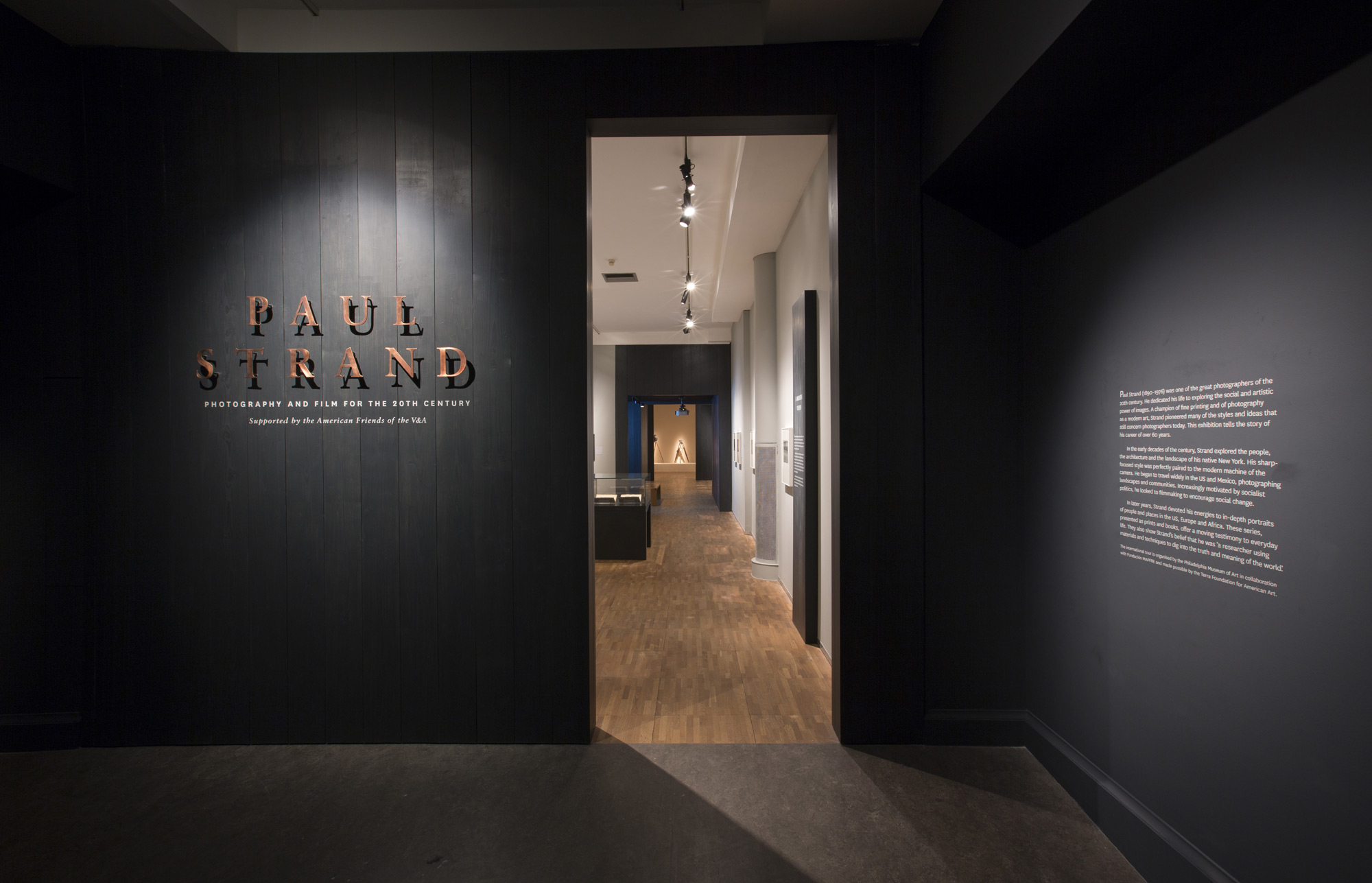
Installation photograph of the exhibition 'Paul Strand: Photography and Film for the 20th Century' at the Victoria & Albert Museum, London

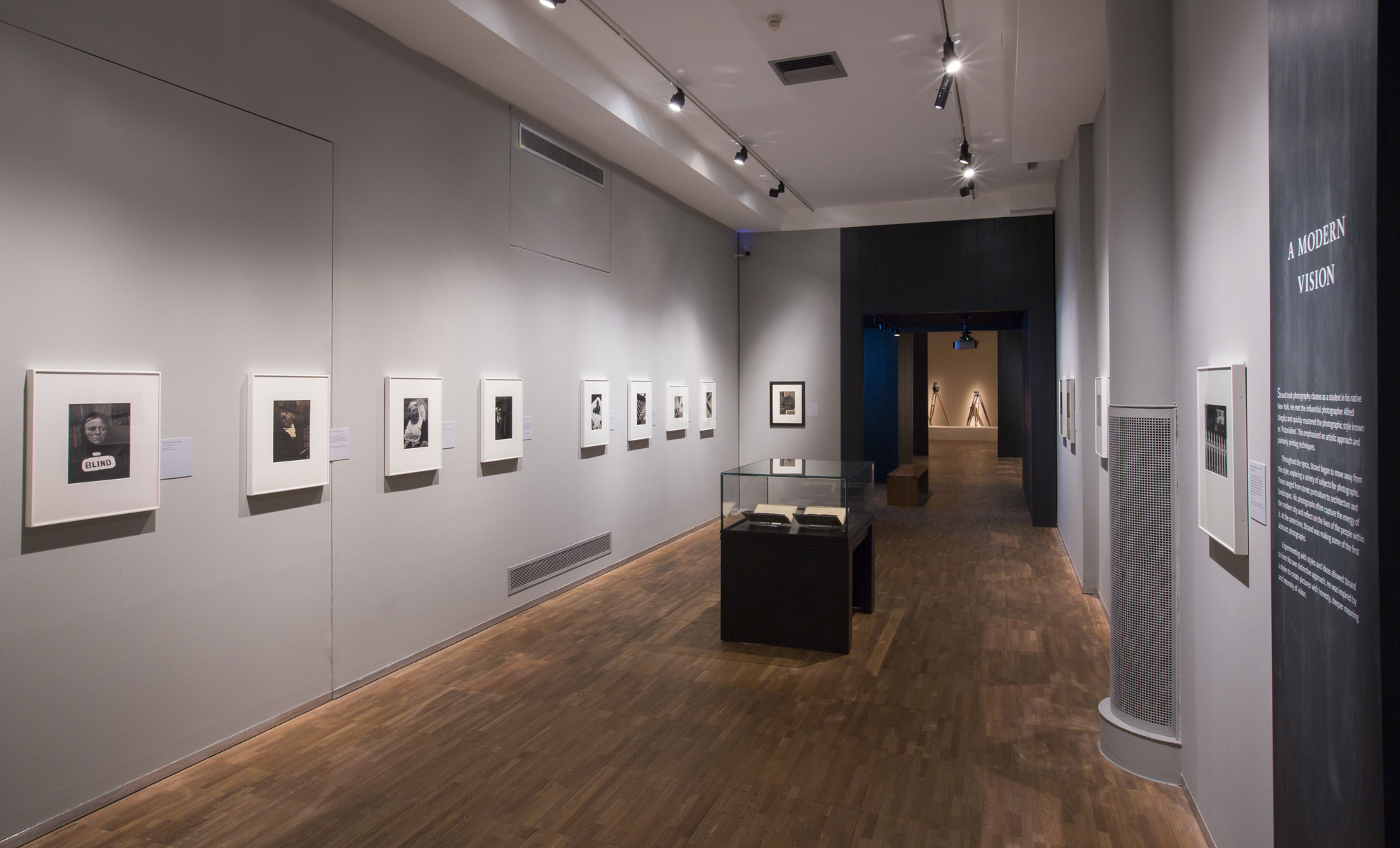
Installation photograph of the exhibition 'Paul Strand: Photography and Film for the 20th Century' at the Victoria & Albert Museum, London

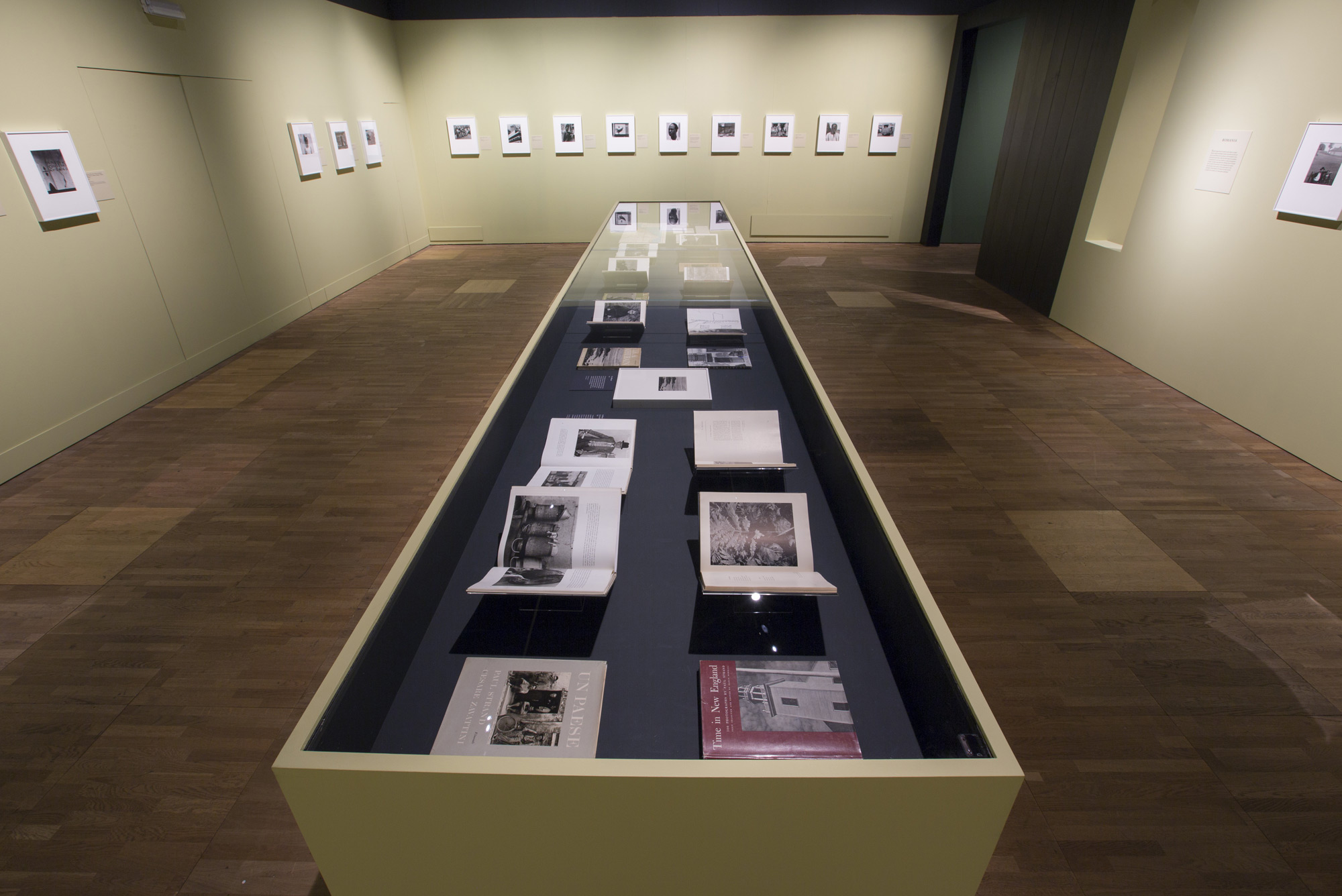
Installation photograph of the exhibition 'Paul Strand: Photography and Film for the 20th Century' at the Victoria & Albert Museum, London

Installation photograph of the exhibition 'Paul Strand: Photography and Film for the 20th Century' at the Victoria & Albert Museum, London

Installation photograph of the exhibition 'Paul Strand: Photography and Film for the 20th Century' at the Victoria & Albert Museum, London

Installation photograph of the exhibition 'Paul Strand: Photography and Film for the 20th Century' at the Victoria & Albert Museum, London

Installation photograph of the exhibition 'Paul Strand: Photography and Film for the 20th Century' at the Victoria & Albert Museum, London

Installation photograph of the exhibition 'Paul Strand: Photography and Film for the 20th Century' at the Victoria & Albert Museum, London


Installation photographs of the exhibition Paul Strand: Photography and Film for the 20th Century at the Victoria & Albert Museum, London


For the first time in the UK in 40 years a major retrospective on the American photographer Paul Strand (1890-1976) opens at the V&A. The exhibition is the first of its kind since Strand’s death in 1976 and shows how the pioneering photographer defined the way fine art and documentary photography is understood and practiced today.

Part of a tour organised by Philadelphia Museum of Art, in collaboration with Fundación MAPFRE and made possible by the Terra Foundation for American Art, the V&A exhibition reveals Strand’s trailblazing experiments with abstract photography, screens what is widely thought of as the first avant-garde film and shows the full extent of his photographs made on his global travels beginning in New York in 1910 and ending in France in 1976. Newly acquired photographs from Strand’s only UK project – a 1954 study of the island of South Uist in the Scottish Hebrides – are also on show, alongside other works from the V&A’s own collection.

Paul Strand: Photography and Film for the 20th Century encompasses over 200 objects from exquisite vintage photographic prints to films, books, notebooks, sketches and Strand’s own cameras to trace his career over sixty years. Arranged both chronologically and thematically, the exhibition broadens understanding of Strand as an international photographer and filmmaker with work spanning myriad geographic regions and social and political issues.

Martin Barnes, curator of the exhibition said: “The V&A was one of a handful of UK institutions to collect Paul Strand’s work during his lifetime and the Museum now houses the most extensive collection of his prints in the UK. Through important additional loans, the exhibition explores the life and career of Strand, but also challenges the popular perception of Strand as primarily a photographer of American places and people of the early 20th century.”

The exhibition begins in Strand’s native New York in the 1910s, exploring his early works of its financial district, railyards, wharves and factories. During this time he broke with the soft-focus and Impressionist-inspired ‘Pictorialist’ style of photography to produce among the first abstract pictures made with a camera. The influence of photographic contemporaries Alfred Stieglitz and Alvin Langdon Coburn as well European modern artists such as Braque and Picasso can be seen in Strand’s experiments in this period. On display are early masterpieces such as Wall Street which depicts the anonymity of individuals on their way to work set against the towering architectural geometry and implied economic forces of the modern city. Strand’s early experiments in abstraction, Abstraction, Porch Shadows and White Fence are also shown, alongside candid and anonymous street portraits, such as Blind Woman, made secretly using a camera with a decoy lens.

The exhibition explores Strand’s experiments with the moving image with the film Manhatta (1920-21). A collaboration with the painter and photographer Charles Sheeler, Manhatta was hailed as the first avant-garde film, and traces a day in the life of New York from sunrise to sunset punctuated by lines of Walt Whitman’s poetry. Strand’s embrace of the machine and human form is a key focus of the exhibition. In 1922, he bought an Akeley movie camera. The close-up studies he made of both his first wife Rebecca Salsbury and the Akeley during this time are shown alongside the camera itself. Extracts of Strand’s later, more politicised films, such as Redes (The Wave), made in cooperation with the Mexican government are featured, as well as the scarcely-shown documentary Native Land, a controversial film exposing the violations of America’s workforce.

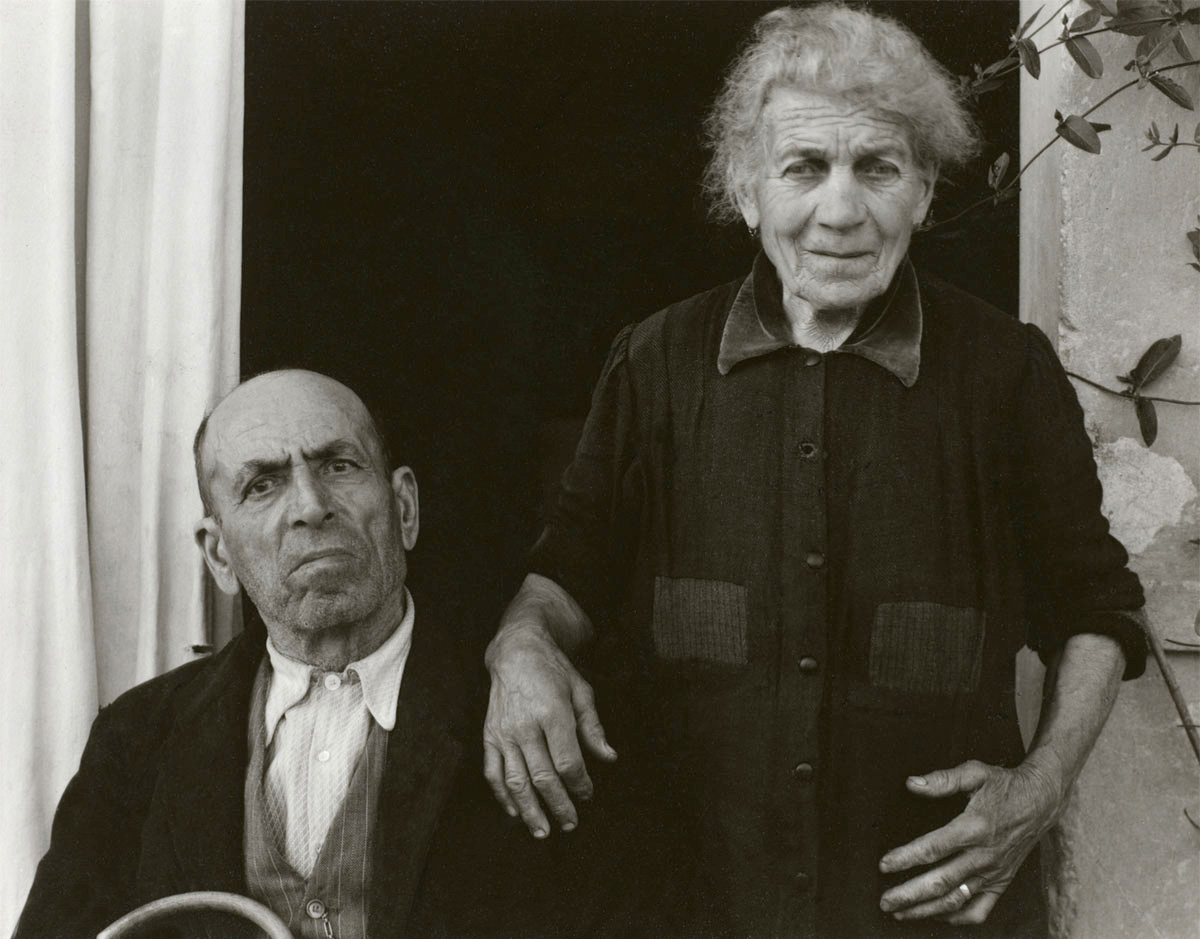
Strand travelled extensively and the exhibition emphasises his international output from the 1930s to the late 1960s, during which time he collaborated with leading writers to publish a series of photobooks. As Strand’s career progressed, his work became increasingly politicised and focused on a type of social documentary alongside the desire to depict a shared humanity. The exhibition features Strand’s first photobook Time in New England (1950), alongside others including a homage to his adopted home France and his photographic hero EugĆØne Atget, La France de profil, which he made in collaboration with the French poet, Claude Roy. One of Strand’s most celebrated images, The Family, Luzzara, (The Lusetti’s) was taken in a modest agricultural village in Italy’s Po River valley for the photobook Un Paese, for which he collaborated with the Neo-Realist screen writer, Cesare Zavattini. On display, this hauntingly direct photograph depicts a strong matriarch flanked by her brood of five sons, all living with the aftermath of the Second World War.

From the late 1950s to the mid-1960s, Strand photographed in Egypt, Morocco and Ghana, all of which had gone through transformative political change. The exhibition shows Strand’s most compelling pictures from this period, including his tender portraits, complemented by street pictures showing public meetings and outdoor markets. The exhibition concludes with Strand’s final photographic series exploring his home and garden in Orgeval, France, where he lived with his third wife Hazel until his death in 1976. The images are an intimate counterpoint to Strand’s previous projects and offer a rare glimpse into his own domestic happiness.

Press release from the V&A


Paul Strand and Charles Sheeler
Manhatta
1921
Courtesy of the Museum of Modern Art, New York
Ā© Aperture Foundation Inc., Paul Strand Archive


Fred Zinnemann and Emilio Gómez Muriel (directors)
Paul Strand (photography)
Silvestre Revueltas (music)
Redes / The Wave
1936
Filmada en Alvarado, Veracruz (MƩxico)


Paul Strand and Leo Hurwitz (directors)
Paul Strand (photography)
Native Land
1942
VOSE (Tierra Natal)


Paul Strand (American, 1890-1976) 'White Fence, Port Kent, New York' 1916 (negative); 1945 (print) from the exhibition 'Paul Strand: Photography and Film for the 20th Century' at the Victoria & Albert Museum, London, March - July, 2016


Paul Strand (American, 1890-1976)
White Fence, Port Kent, New York
1916 (negative); 1945 (print)
Ā© Paul Strand Archive, Aperture Foundation


Paul StrandĀ (American, 1890-1976) 'Blind Woman, New York' 1916


Paul Strand (American, 1890-1976)
Blind Woman, New York
1916
Ā© Paul Strand Archive, Aperture Foundation


Paul StrandĀ (American, 1890-1976) 'Rebecca, New York' 1921


Paul Strand (American, 1890-1976)
Rebecca, New York
1921
Ā© Paul Strand Archive, Aperture Foundation


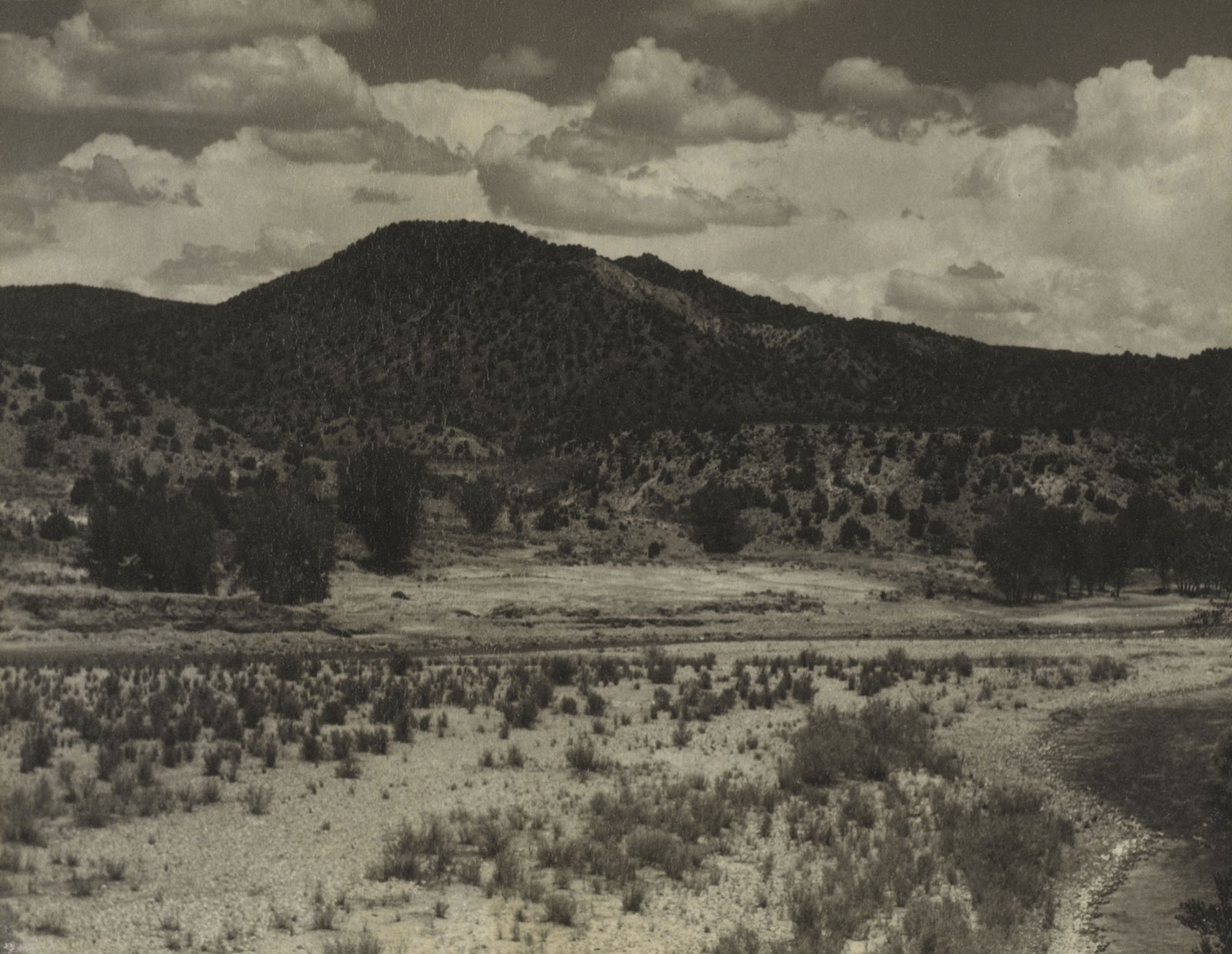
Paul StrandĀ (American, 1890-1976) 'New Mexico' 1930


Paul Strand (American, 1890-1976)
New Mexico
1930
Ā© Paul Strand Archive, Aperture Foundation


Ahead of the first UK retrospective on Paul Strand in over 40 years, the V&A has acquired nine rare photographs from the pioneering 20th century photographer’s only UK-based series. Taken in 1954 in the Outer Hebrides in Scotland, the photographs document the threat to traditional Gaelic life during the Cold War. The photographs will be unveiled for the first time together as part of the exhibition, Paul Strand: Photography and Film for the 20th Century, opening 19 March.

Paul Strand defined the way fine art and documentary photography is understood and practiced today through his revolutionary experiments with the medium. The major acquisition, purchased for the V&A with the assistance of its Photographs Acquisition Group, comprise an intimate set of nine exquisite black and white vintage prints originally made for Strand’s photobook Tir A’Mhurain (‘Land of Bent Grass’).

A committed Marxist, Strand fled McCarthyism in the U.S. in 1950, pursued by the FBI. He settled in France, and carried out work there and in Italy before arriving on the Hebridean island of South Uist in 1954. Inspired by a BBC radio programme on Gaelic song, and news that the island would become home to a testing range for America’s new nuclear missile, Strand raced to capture the sights, sounds and textures of the place steeped in the threatened traditions of Gaelic language, fishing and agricultural life of pre-Industrial times. The photographs reveal Strand’s meticulous and methodical approach to photography, much like a studio photographer in the open air. They capture not only a pivotal moment in time, but also the end of a particular way of life for the islanders.

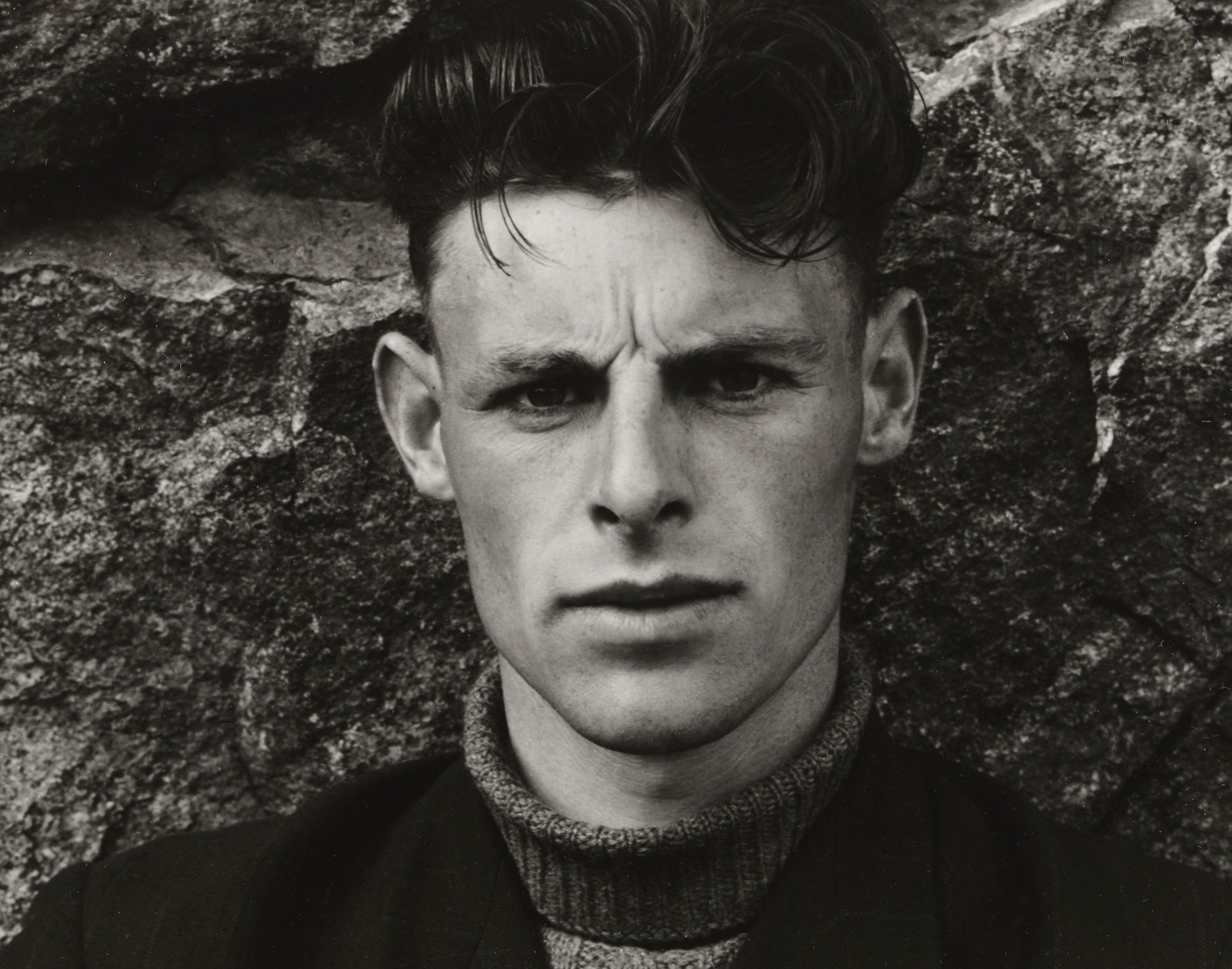
The acquisition encompasses four portraits of islanders staring directly at the camera, exuding strength and dignity. Each was photographed in their own environment, usually in or around their home, and is framed by weathered walls, doors or window frames – devices used often by Strand and borrowed from his 19th century photographic heroes David Octavius Hill and Robert Adamson. The V&A has also acquired five of Strand’s evocative landscapes, revealing the island’s reliance on the land and sea.

John MacLellan was eight years’ old when he was photographed by Strand with his two sisters for the picture Milly, John and Jean MacLellan, South Uist (below). Of the experience, he said: “I was very young when I met Strand, but I knew he must have been a serious photographer because of the quality of his camera. Me and my sisters were lined up and knew to look at the camera. Looking at the picture, my mother had combed our hair and dressed us in our smartest clothes. I’ve since read that Strand was motivated to take these photographs by the idea that things would change. I know so many people in the photographs, it’s wonderful to be able to look at them now and remember the place I used to call home.”

Martin Barnes, Senior Curator of Photographs at the V&A said: “The photographs made by Strand in the Hebrides are for me a high point in his long and distinguished career. Strand worked slowly yet deliberately and with great poise in his pictures. By this time, his vision for his work had fully matured. His approach to sequencing and editing images in books such as ‘Tir A’Mhurain’ was informed by his collaborative experience making films for over twenty years. The Scottish book contains establishing panoramas of landscapes and the sea, a cast of characters with memorable faces, details of homes and workplaces and close-ups of the rocks, sands and grasses of the natural environment. The accompanying text by Basil Davidson is eloquent and informative about life on the islands, both in the past and at a pivotal time in the 1950s.The whole is a subtle sequence of meditative, revealing pictures and texts that avoid sentimentality and are yet full of empathy. These pictures make a surprising British link with this major American Modernist photographer and will have a satisfying legacy as part of the permanent collection at the V&A.”

Strand is an important figure in the history of photography not only because his career spanned much of the 20th century, but because he relentlessly trialled and pioneered myriad photographic approaches, subjects and technologies. Ironically it was his variety and failure to coin a signature style, and his belief in the integrity of the photographic print as an original artwork, that have seen him increasingly overlooked in the 40 years since his death. The V&A’s exhibition seeks to redress the balance, covering all aspects of Strand’s long career, from his trailblazing experiments in abstraction and dynamic views of New York in the 1910s to his final intimate pictures of his home and garden in France made during the 1970s.

Text from the V&A


Paul StrandĀ (American, 1890-1976) 'The Family, Luzzara (The Lusettis)' 1953 (negative); mid- to late 1960s (print)


Paul Strand (American, 1890-1976)
The Family, Luzzara (The Lusettis)
1953 (negative); mid- to late 1960s (print)
Ā© Paul Strand Archive, Aperture Foundation


Paul Strand (American, 1890-1976) 'Young Boy, Gondeville, Charente, France' 1951 (negative); mid- to late 1960s (print)


Paul Strand (American, 1890-1976)
Young Boy, Gondeville, Charente, France
1951 (negative); mid- to late 1960s (print)
Ā© Paul Strand Archive, Aperture Foundation


Paul Strand (American, 1890-1976) 'Milly, John and Jean MacLellan, South Uist, Hebrides' 1954


Paul Strand (American, 1890-1976)
Milly, John and Jean MacLellan, South Uist, Hebrides
1954
Ā© Paul Strand Archive, Aperture Foundation


Paul Strand (American, 1890-1976) 'Milly, John and Jean MacLellan, South Uist, Hebrides' 1954 (detail)


Paul Strand (American, 1890-1976)
Milly, John and Jean MacLellan, South Uist, Hebrides (detail)
1954
Ā© Paul Strand Archive, Aperture Foundation


Paul Strand (American, 1890-1976) 'Angus Peter MacIntyre, South Uist, Hebrides' 1954


Paul Strand (American, 1890-1976)
Angus Peter MacIntyre, South Uist, Hebrides
1954
Victoria and Albert Museum, London
Ā© Paul Strand Archive, Aperture Foundation


Paul Strand (American, 1890-1976) 'Angus Peter MacIntyre, South Uist, Hebrides' 1954 (detail)


Paul Strand (American, 1890-1976)
Angus Peter MacIntyre, South Uist, Hebrides (detail)
1954
Victoria and Albert Museum, London
Ā© Paul Strand Archive, Aperture Foundation


Paul Strand (American, 1890-1976) 'Katie Margaret Mackenzie, Benbecula, Hebrides' 1954


Paul Strand (American, 1890-1976)
Katie Margaret Mackenzie, Benbecula, Hebrides
1954
Victoria and Albert Museum, London
Ā© Paul Strand Archive, Aperture Foundation


Paul Strand (American, 1890-1976) 'Katie Margaret Mackenzie, Benbecula, Hebrides' 1954 (detail)


Paul Strand (American, 1890-1976)
Katie Margaret Mackenzie, Benbecula, Hebrides (detail)
1954
Victoria and Albert Museum, London
Ā© Paul Strand Archive, Aperture Foundation


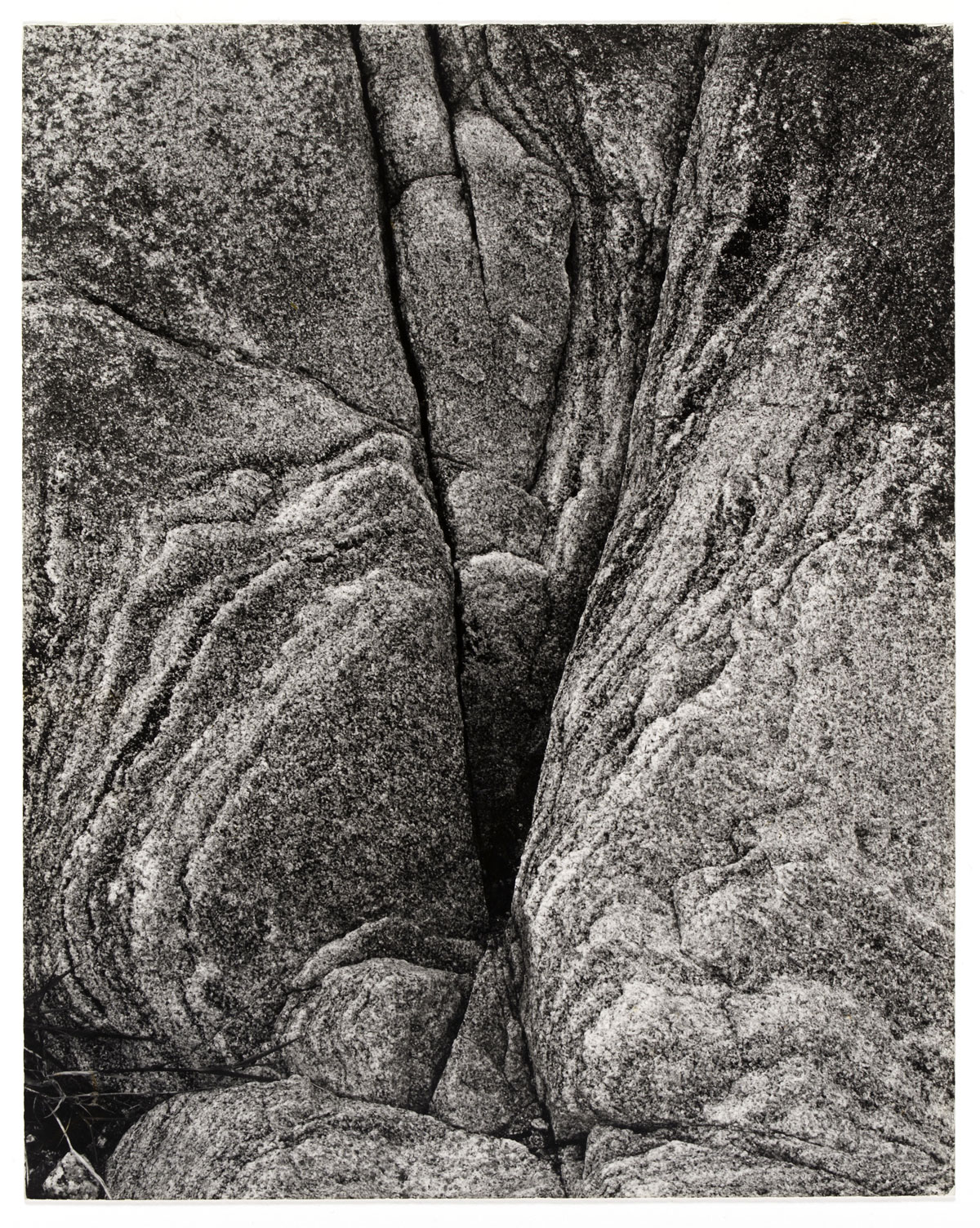
Paul Strand (American, 1890-1976) 'Rock, Loch Eynort, South Uist, Hebrides' 1954


Paul Strand (American, 1890-1976)
Rock, Loch Eynort, South Uist, Hebrides
1954
Victoria and Albert Museum, Londonn
Ā© Paul Strand Archive, Aperture Foundation


Paul Strand (American, 1890-1976) 'Tendrils and Sand, South Uist, Hebrides' 1954


Paul Strand (American, 1890-1976)
Tendrils and Sand, South Uist, Hebrides
1954
Victoria and Albert Museum, London
Ā© Paul Strand Archive, Aperture Foundation


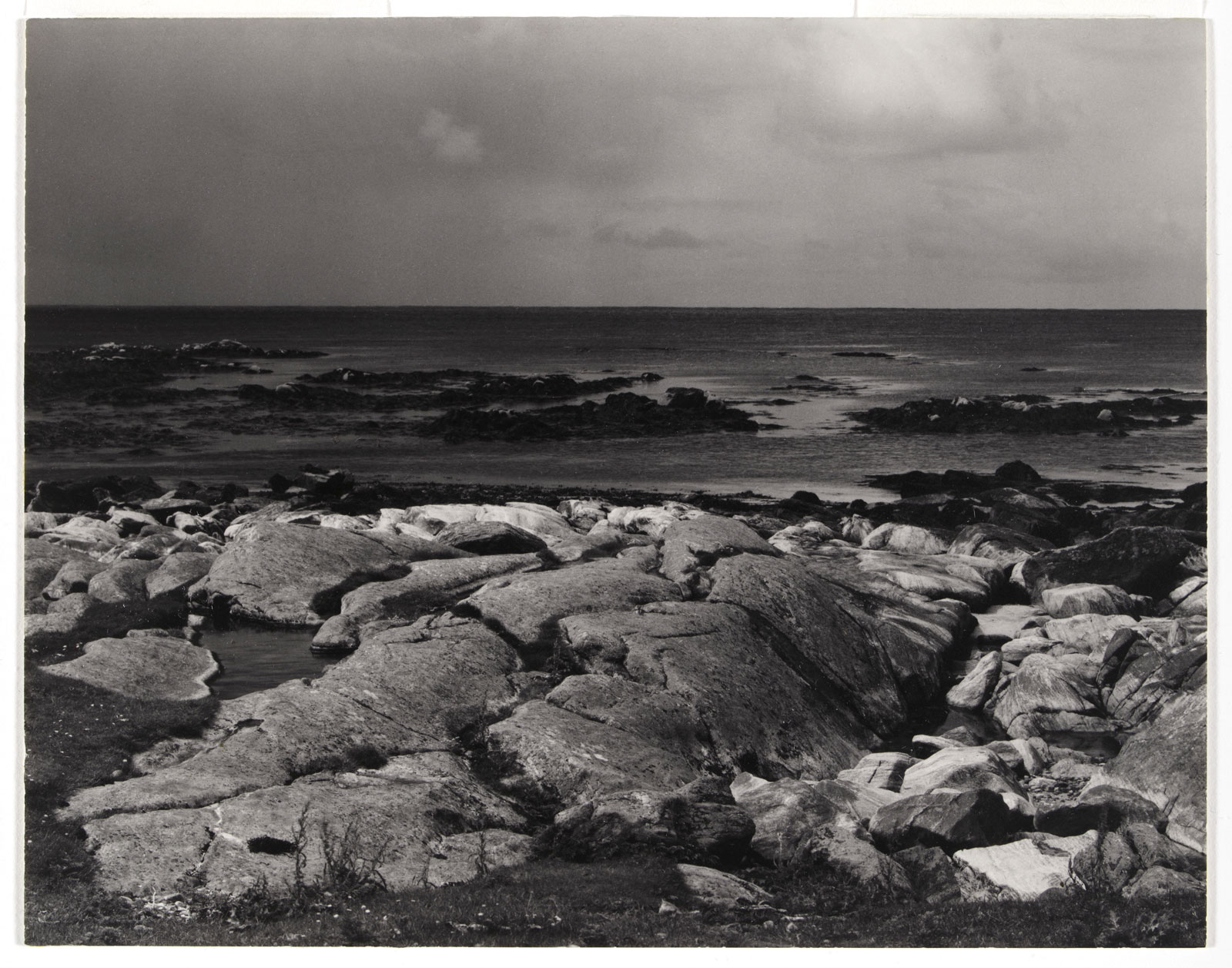
Paul Strand (American, 1890-1976) 'Sea Rocks and Sea, The Atlantic, South Uist, Hebrides' 1954


Paul Strand (American, 1890-1976)
Sea Rocks and Sea, The Atlantic, South Uist, Hebrides
1954
Victoria and Albert Museum, London
Ā© Paul Strand Archive, Aperture Foundation


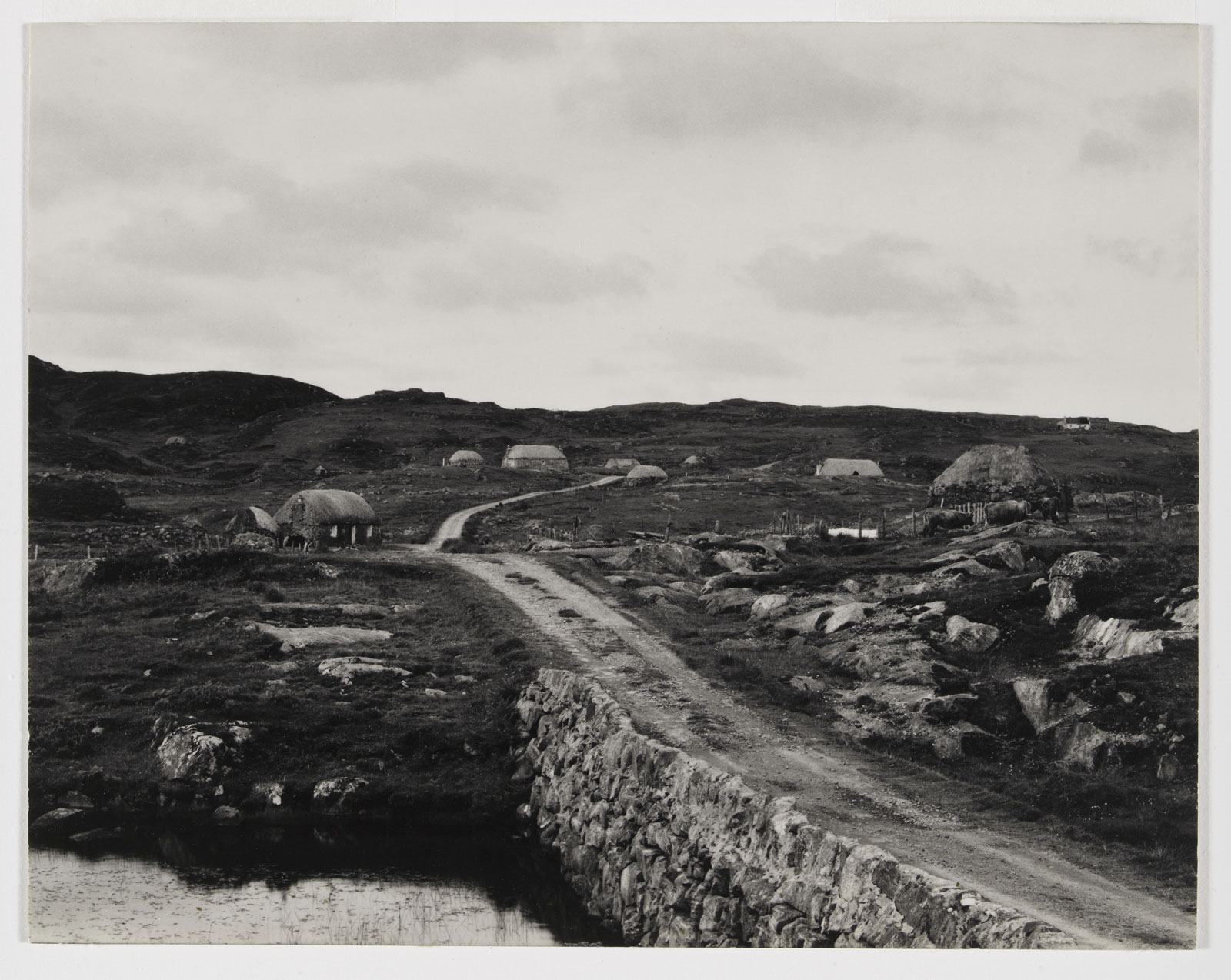
Paul Strand (American, 1890-1976) 'The Road, South Lochboisdale, South Uist, Hebrides' 1954


Paul Strand (American, 1890-1976)
The Road, South Lochboisdale, South Uist, Hebrides
1954
Victoria and Albert Museum, London
Ā© Paul Strand Archive, Aperture Foundation


Paul Strand (American, 1890-1976) 'Trawler, South Uist, Hebrides' 1954


Paul Strand (American, 1890-1976)
Trawler, South Uist, Hebrides
1954
Victoria and Albert Museum, London
Ā© Paul Strand Archive, Aperture Foundation


Paul Strand (American, 1890-1976) 'Driveway, Orgeval' 1957


Paul Strand (American, 1890-1976)
Driveway, Orgeval
1957
Ā© Paul Strand Archive, Aperture Foundation


Paul Strand (American, 1890-1976) 'Couple, Rucăr, Romania' 1967


Paul Strand (American, 1890-1976)
Couple, Rucăr, Romania
1967
Ā© Paul Strand Archive, Aperture Foundation


Martine FranckĀ (Belgian, 1938-2012) 'Paul Strand Photographing the Orgeval Garden' 1974


Martine Franck (Belgian, 1938-2012)
Paul Strand Photographing the Orgeval Garden
1974
Ā© Martine Franck / Magnum Photos


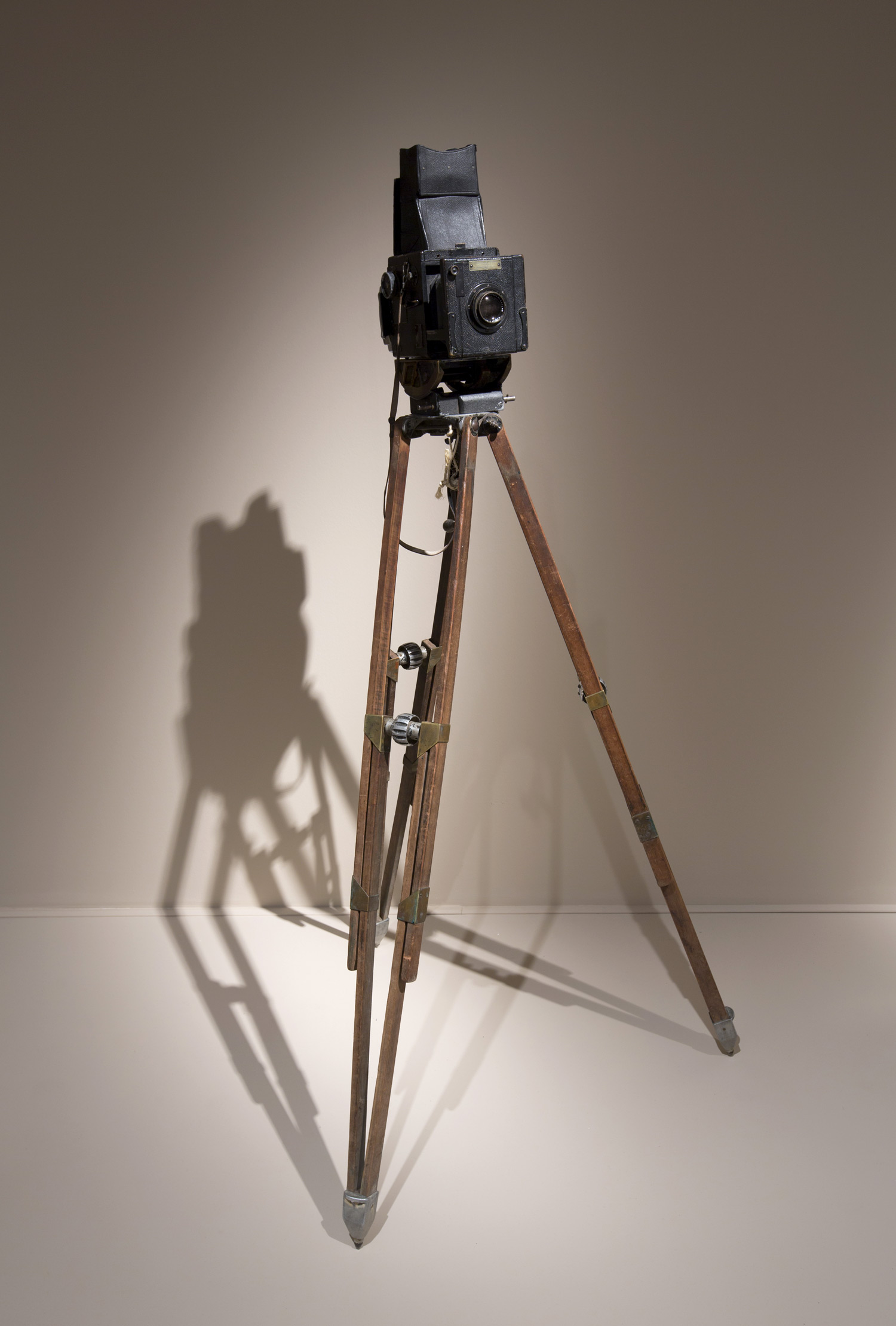
From my mentor and friend Ian Lobb

“Great camera – very great photographer.

He is making an image – his lower hand is about to go to the shutter button – the lens doesn’t have to be a camera lens, it could be an enlarger lens = note how the lens is tilted slightly forward to extend the depth of field… He has dressed up to take photos!!”

After I questioned holding a camera like this to take a photograph without using a tripod:

“Strand may not be making a picture – he may be just pretending. But he might be shooting @ f4. He might be showing off!!”


Victoria and Albert Museum
Cromwell Road
London
SW7 2RL
Phone: +44 (0)20 7942 2000

Opening hours:
Wednesday – Sunday, 10.00 – 17.45

V&A website

LIKE ART BLART ON FACEBOOK

Back to top

Exhibition: ‘Paul Strand: Master of Modern Photography’ at the Philadelphia Museum of Art

Exhibition dates: 21stĀ October 2014 – 4th January 2015


Paul StrandĀ (American, 1890-1976) 'White Fence, Port Kent, New York' 1916 (negative); 1945 (print)


Paul StrandĀ (American, 1890-1976)
White Fence, Port Kent, New York
1916 (negative); 1945 (print)
Gelatin silver print
9 5/8 Ɨ 12 13/16 inches (24.5 Ɨ 32.5cm)
Philadelphia Museum of Art
The Paul Strand Retrospective Collection, 1915-1975
Gift of the estate of Paul Strand, 1980
Ā© Paul Strand Archive/Aperture Foundation


Seeing clearly

What can you say about oneĀ of the greatest photographers in the history of the medium, a man with a social conscience, a man who’s fame “rests on his extraordinary artistic talent as well as his belief in the transformative power of the medium in which he chose to work.”

From a personal perspective, in my first year at university learning the history of the medium in the early 1990s, the imageĀ White Fence, Port Kent, New YorkĀ (1916, below) was proposed as the first truly modernist photograph. I remember seeing this image for the first time, placing myself in that time (the First World War) and trying to understand what a shock that photograph must have been to the world of Pictorialism. Even now, the strength of that white picket fence is electrifying in its frontality and geometric solidity. In this image, “Strand deliberately destroyed perspective to build a powerful composition from tonal planes and rhythmic pattern.”1 A year earlier Strand had produced what is one of my favourite photographs of all time, a modernist image – Wall Street, New YorkĀ (1915, below), with the dark maw of industry ready to swallow the rushing workers framed in streaming sunlight. We cannot underestimate the impact that Strand’s revolutionary photographs had on the history of photography.

You only have to look at the images. Look at the tonality and intense stare inĀ Young Boy, Gondeville, Charente, FranceĀ (1951, below), so haunting and beautiful. Observe the ensemble of figures so tightly choreographed inĀ The Family, Luzzara (The Lusettis) (1953, below) or the darkness and weight of the cheese inĀ Parmesan, Luzzara (1953, below) – an image I had never seen before – as it presses into the upturned hand. Magnificent. What seems so difficult to others and what is difficult in reality, is expressed simply and eloquently by Strand, whether it be portraits of tribal elders, market squares or oil refineries. That is the mark of a master craftsman, when the difficult appears simple and insightful at one and the same time. I vividly recall seeing a folio from The garden series (1957-67, printed in the year of his death 1976) – still lifes of his garden in Orgeval, outside Paris – at the National Gallery of Victoria and being awestruck by their tonality, their beauty, quietness and lyricism. No ego here… just a reflection of life on earth and “the beauty of myriad textures.” Several of these photographs are at the bottom of the posting.

An aphorism that I was taught when first starting out as a photographer was that Strand said it took ten years to become a photographer. Ten years of study to understand your equipment, your medium and what you are trying to say yourself as an artist – and to get rid of ego in the work, to let the work just speak for itself. Whether he actually said this I am not sure, but from my experience I would say that it is about right. Strand starting studying photography at the Ethical Culture School in 1907 under the tutelage of documentary photographer Lewis Hine and his first important images were produced in 1915. The timeline is there.

For Strand, “the camera was a machine – a modern machine,” says curator of the exhibition Peter Barberie. “He was preoccupied with the question of how modern art – whether it’s photography or not – could contain all of the humanity that you see in the western artistic traditions.”

A big ask but a great artist to produce such work.

Dr Marcus Bunyan


Many thankx to theĀ Philadelphia Museum of Art for allowing me to publish the photographs in the posting. Please click on the photographs for a larger version of the image.


“Who can say what amalgam of memory, dreams, study, pain and discipline brought Paul Strand to photograph Mr. Bennett and to record him so perfectly? The picture is almost as unaccountable as the fact of Mr. Bennett, we are left with our little cosmologies and the certainty that we will never fully know. But we continue to speculate, as with all great art, because the picture is clearer than life and this is consoling.”


Robert Adams,Ā Why People Photograph


“Treating the human condition in the modern urban context, Strand’s photographs are a subversive alternative to the studio portrait of glamour and power. A new kind of portrait akin to a social terrain, they are, as Sanford Schwartz put it, “cityscapes that have faces for subjects.””


Department of Photographs, The Metropolitan Museum of Art


“The portrait of a person is one of the most difficult things to do, because in order to do it it means that you must almost bring the presence of that person photographed to other people in such a way that they don’t have to know that person personally in any way, but they are still confronted with a human being that they won’t forget. The images of that person that they will never forget. That’s a portrait.”


Paul Strand


Paul StrandĀ (American, 1890-1976) 'Wall Street, New York' 1915 (negative); 1915 (print)


Paul StrandĀ (American, 1890-1976)
Wall Street, New York
1915 (negative); 1915 (print)
Platinum print
9 3/4 Ɨ 12 11/16 inches (24.8 Ɨ 32.2cm)
Philadelphia Museum of Art
The Paul Strand Retrospective Collection, 1915-1975
Gift of the estate of Paul Strand, 1980
Ā© Paul Strand Archive/Aperture Foundation


Paul Strand’s 1915 photograph of Wall Street workers passing in front of the monolithic Morgan Trust Company can be seen as the quintessential representation of the uneasy relationship between early twentieth-century Americans and their new cities. Here the people are seen not as individuals but as abstract silhouettes trailing long shadows down the chasms of commerce. The intuitive empathy that Strand demonstrates for these workers of New York’s financial district would be evident throughout the wide and varied career of this seminal American photographer and filmmaker, who increasingly became involved with the hardships of working people around the world. In this and his other early photographs of New York, Strand helped set a trend toward pure photography of subject and away from the Pictorialist imitation of painting. Wall Street is one of only two known vintage platinum prints of this image and one of the treasures of some five hundred photographs in the Museum’s Paul Strand Retrospective Collection.

Martha Chahroudi, fromĀ Philadelphia Museum of Art: Handbook of the CollectionsĀ (1995), p. 230.


Manhatta (1921) | Paul Strand – Charles Sheeler


Paul StrandĀ (American, 1890-1976) 'Church, Ranchos de Taos, New Mexico' 1931


Paul StrandĀ (American, 1890-1976)
Church, Ranchos de Taos, New Mexico
1931 (negative); 1931 (print)
Platinum print
5 7/8 x 4 5/8 inches (15 x 11.7cm)
Philadelphia Museum of Art
The Paul Strand Collection, purchased with funds contributed by Barbara B. and Theodore R. Aronson, 2013
Ā© Paul Strand Archive/Aperture Foundation


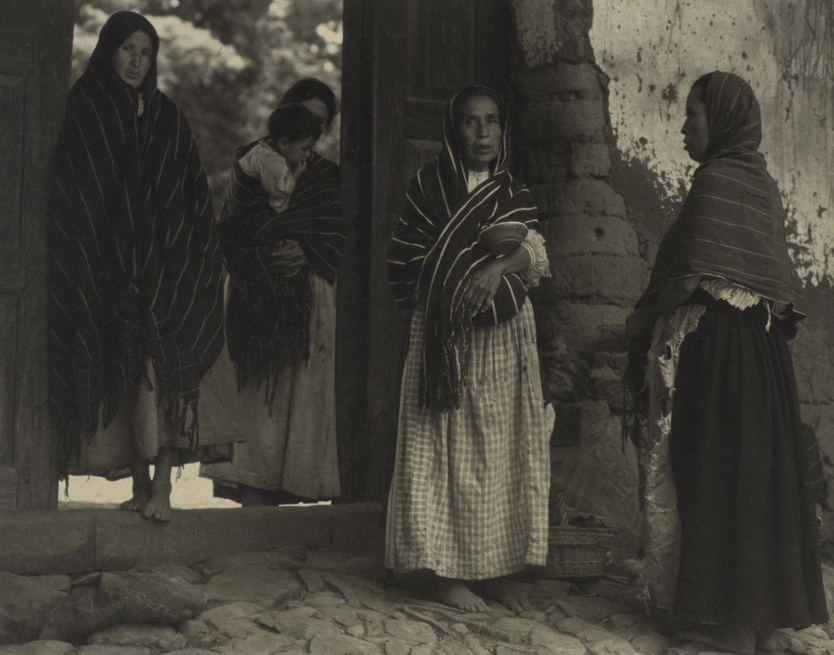
Paul Strand (American, 1890-1976) 'Women of Santa Ana, Lake PÔtzcuaro, Mexico' 1933


Paul StrandĀ (American, 1890-1976)
Women of Santa Ana, Lake PƔtzcuaro, Mexico
1933
Platinum print
4 11/16 Ɨ 5 7/8 inches (11.9 Ɨ 14.9cm)
Philadelphia Museum Of Art
The Paul Strand Collection, purchased with Museum funds, 2010
Ā© Paul Strand Archive/Aperture Foundation


Redes / The Wave (1936) Paul Strand


Paul StrandĀ (American, 1890-1976) 'Mr. Bennett, East Jamaica, Vermont' 1944


Paul StrandĀ (American, 1890-1976)
Mr. Bennett,Ā East Jamaica, Vermont
1944
FromĀ Portfolio Three. 1944
Gelatin silver print
7 1/4 Ɨ 9 3/16 inches (18.4 Ɨ 23.3cm)
Philadelphia Museum Of Art
The Paul Strand Collection, purchased with Museum funds, 2010
Ā© Paul Strand Archive/Aperture Foundation


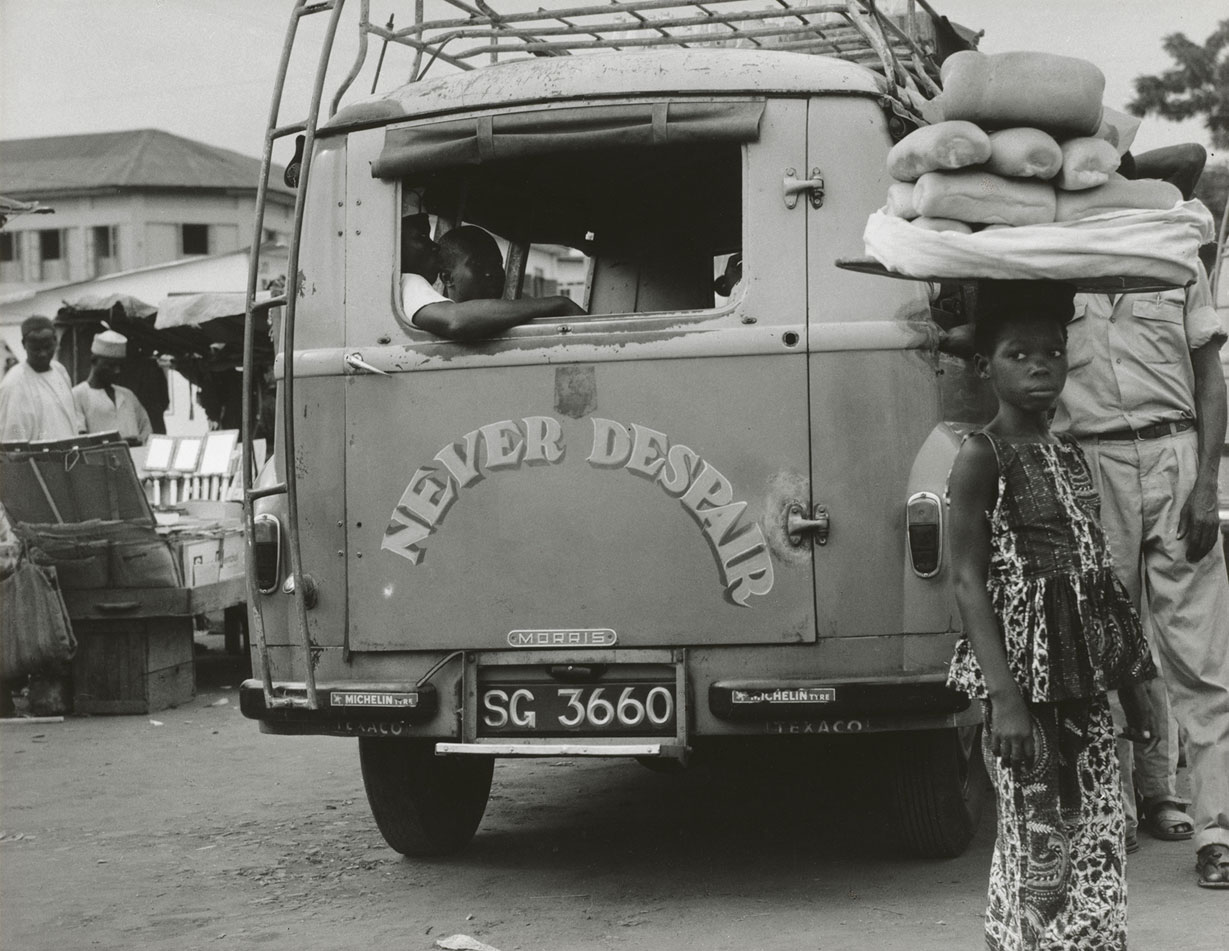
Paul StrandĀ (American, 1890-1976) "Never Despair" 1963-1964


Paul StrandĀ (American, 1890-1976)
“Never Despair”
1963-1964
Gelatin silver print
7 5/8 Ɨ 9 5/8 inches (19.4 Ɨ 24.4cm)
Philadelphia Museum Of Art
Gift of Lynne and Harold Honickman
Ā© Paul Strand Archive/Aperture Foundation


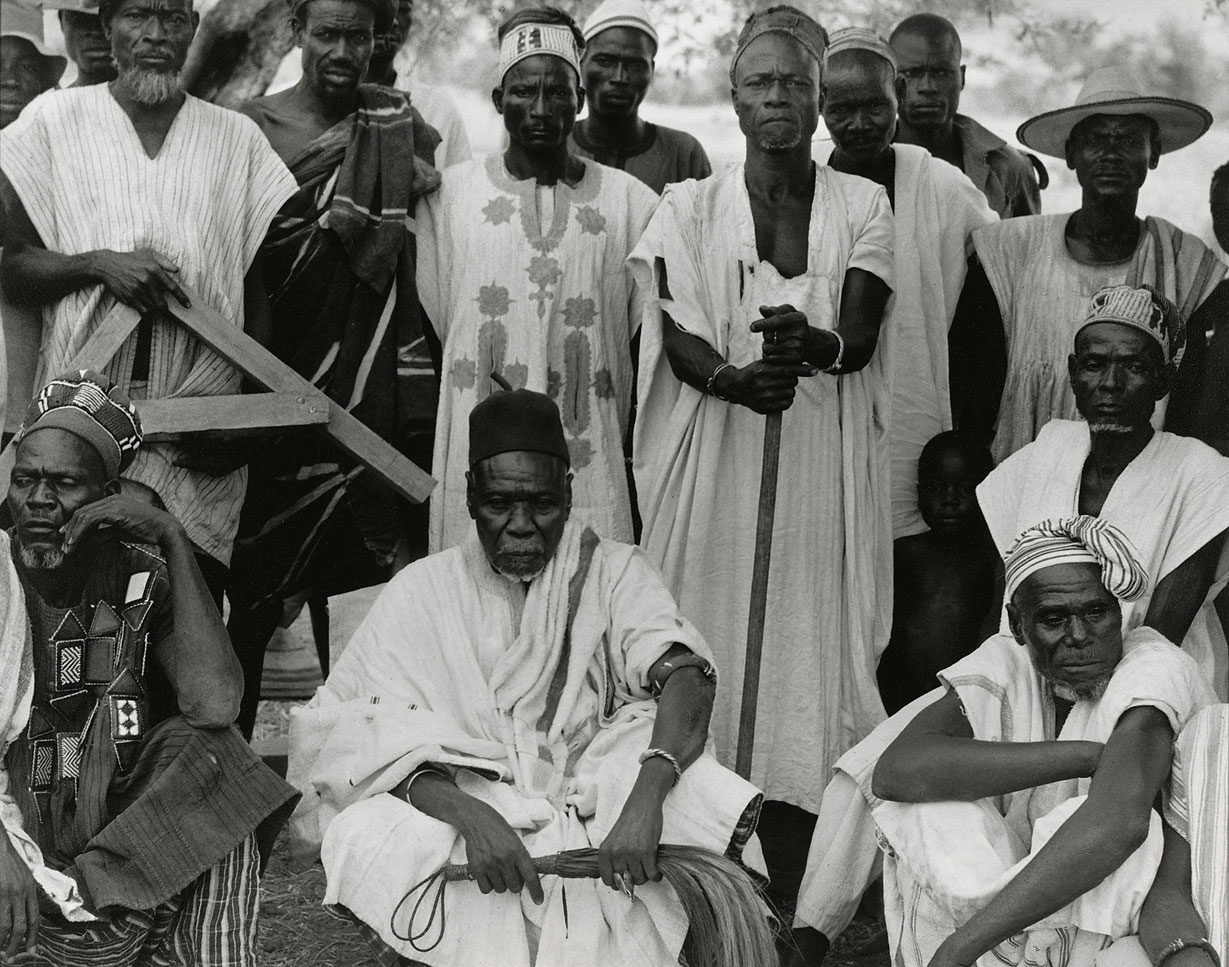
Paul StrandĀ (American, 1890-1976) 'Chief and Elders, Nayagnia, Ghana' 1963-1964


Paul StrandĀ (American, 1890-1976)
Chief and Elders, Nayagnia, Ghana
1963-1964
Philadelphia Museum Of Art
The Paul Strand Retrospective Collection, 1915-1975
Gift of the estate of Paul Strand
Ā© Paul Strand Archive/Aperture Foundation


The Philadelphia Museum of Art is presenting the first major retrospective in nearly fifty years to be devoted to Paul Strand (American, 1890-1976), one of the greatest photographers in the history of the medium. It explores the remarkable evolution of Strand’s work spanning six decades, from the breakthrough moment when he brought his art to the brink of abstraction to his broader vision of the place of photography in the modern world. This exhibition examines every aspect of Strand’s work, from his early efforts to establish photography as a major independent art form and his embrace of filmmaking as a powerful medium capable of broad public impact to his masterful extended portraits of people and places that would often take compelling shape in the form of printed books. Paul Strand: Master of Modern Photography celebrates the recent acquisition of more than 3,000 prints from the Paul Strand Archive, which has made the Philadelphia Museum of Art the world’s largest and most comprehensive repository of Strand’s work.

Timothy Rub, the George D. Widener Director, stated: “Strand’s achievement was remarkable. The distinctive place he holds in the history of modern photography rests on his extraordinary artistic talent as well as his belief in the transformative power of the medium in which he chose to work. From his early experiments with street photography in New York to his sensitive portrayal of daily life in New England, Italy, and Ghana, Strand came to believe that the most enduring function of photography and his work as an artist was to reveal the essential nature of the human experience in a changing world. He was also a master craftsman, a rare and exacting maker of pictures. We are delighted to be able to present in this exhibition a selection of works drawn almost exclusively from the Museum’s collection, and to share these with audiences in the United States and abroad. Paul Strand: Master of Modern Photography will introduce a new generation of visitors to a great modern artist.”

Paul Strand’s career spanned a period of revolutionary change both in the arts and in the wider world. Always motivated by a strong sense of social purpose, he came to believe that depicting the human struggle, both economic and political, was central to his responsibility as an artist. The exhibition begins with his rapid mastery of the prevailing Pictorialist style of the 1910s, reflected in serene landscapes such as The River Neckar, Germany (1911). On view also are his innovative photographs of 1915-1917 in which he explored new subject matter in the urban landscape of New York and innovative aesthetic ideas in works such as Abstraction, Porch Shadows, Twin Lakes, Connecticut (1916). These new directions in Strand’s photography demonstrated his growing interest both in contemporary painting – especially Cubism and the work of the American artists championed by Alfred Stieglitz – and in discovering for photography a unique means of expressing modernity. Strand’s work of this period includes candid, disarming portraits of people observed on the street – the first of their type – such as Blind Woman, New York (1916), and Wall Street, New York (1915), an arrangement of tiny figures passing before the enormous darkened windows of the Morgan Trust Company Building, which illustrates Strand’s fascination with the pace of life and changing scale of the modern city.
During the 1920s – a period often called “the Machine Age” – Strand became transfixed by the camera’s capacity to record mesmerising mechanical detail. At this time his ideas about the nature of portraiture began to expand significantly. These new and varied concerns can be seen in the sensuous beauty of close-up images of his wife, Rebecca Salsbury Strand, to cool, probing studies of his new motion picture camera, such as Akeley Camera with Butterfly Nut, New York (1922-23). His ideas about portraiture also extended to his growing preoccupation with photographic series devoted to places beyond New York, such as the southwest and Maine, where he would make seemingly ordinary subjects appear strikingly new. The exhibition looks at Strand’s widening engagement with his fellow artists of the Stieglitz circle, placing his works alongside a group of paintings by Georgia O’Keeffe, Marsden Hartley, Arthur Dove, and John Marin, as well as photographs by Stieglitz, who played an important role in launching Strand’s career. These juxtapositions reveal the rich interaction between Strand and his friends and peers during this time.

Over the next several decades Strand traveled widely, seeking always to establish a broader role for photography. The exhibition conveys his growing interest in the medium’s unique ability to record the passage of time and the specific qualities of place, as seen in Elizabethtown, New Mexico (1930), one of many photographs he made of abandoned buildings. It shows Strand returning to a core motif – the portraiture of anonymous subjects – during the time when he lived in Mexico, from 1932 to 1934. This period abroad had a profound influence on him, deepening his engagement with the politics of the left. Many of the works he created at this time, whether depicting individuals, groups of people, or even religious icons, show in their exceptional compositions a deep empathy. This can also be seen in his series devoted to Canada’s GaspĆ© Peninsula from the same decade.

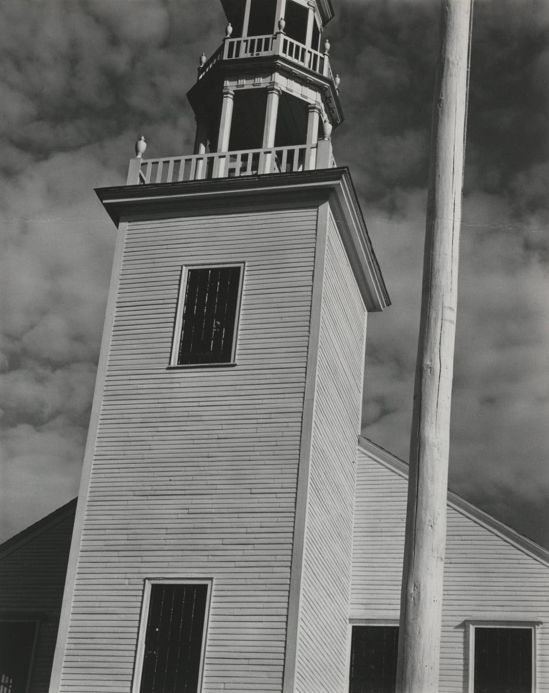
By the 1940s, books would become Strand’s preferred form of presentation for his work, reflecting a synthesis of his aims both as a photographer and filmmaker, and offering him the opportunity to create multifaceted portraits of modern life. In his photographs of New England, Strand drew upon cultural history, conveying a sense of past and present in order to suggest an ongoing struggle for democracy and individual freedom. Images of public buildings, such as Town Hall, New Hampshire (1946), and portraits of people he met, including Mr. Bennett, East Jamaica, Vermont (1943), were reproduced in Time in New England. This book was published in 1950, the year Strand moved to France in response to a growing anti-Communist sentiment in the U.S., and reflected his political consciousness. Strand described New England as “a battleground where intolerance and tolerance faced each other over religious minorities, over trials for witchcraft, over the abolitionists … It was this concept of New England that led me to try to find … images of nature and architecture and faces of people that were either part of or related in feeling to its great tradition.”

The exhibition also highlights his project in Luzzara, Italy (1953), where he focused his attention on the everyday realities of a northern village recovering from the miseries of war and fascism. This series is centred on images of townspeople, as seen in The Family, Luzzara (The Lusettis) (1953), and fulfils his long-held ambition to create a major work of art about a single community. Strand’s photographs of Luzzara were published in Un Paese: Portrait of an Italian Village (1955).

In 1963, Strand was invited to Ghana at the invitation of Kwame Nkrumah, its first president following the end of British rule. Fascinated by Ghana’s democracy during these years, Strand was excited to photograph a place undergoing rapid political change and modernisation. He saw modernity in the efforts of a newly independent nation to chart its future unfolding simultaneously alongside traditional aspects of Ghanaian culture. Portraiture was central to the project, as seen in Anna Attinga Frafra, Accra, Ghana (1964), in which a young schoolgirl balances books on her head. The project led to the publication of Ghana: An African Portrait (1976).

In Strand’s later years, he would increasingly turn his attention close to his home in Orgeval, outside Paris, often addressing the countless discoveries he could make within his own garden. There he produced a remarkable series of still life. These were at times reflective of earlier work, but also forward-looking in their exceptional compositions that depict the beauty of myriad textures, free-flowing movement, and evoke a quiet lyricism.

In addition to Strand’s still photography, the exhibition features three of his most significant films. Manhatta (1921), his first film and an important collaboration with painter and photographer Charles Sheeler, will be shown in full. This brief non-narrative “scenic” is considered the first American avant-garde film. It portrays the vibrant energy of New York City, juxtaposing the human drama on the street with abstracted bird’s-eye perspectives taken from high buildings and scenes of the ferry and harbour, all punctuated by poetry from Walt Whitman. Two of the films are seen in excerpts. Redes (1936), Strand’s second film, reflects the artist’s growing social awareness during his time in Mexico. Released as The Wave in the U.S., the film is a fictional account of a fishing village struggling to overcome the exploitation of a corrupt boss. Native Land (1942) is Strand’s most ambitious film. Co-directed with Leo Hurwitz and narrated by Paul Robeson, it was created after his return to New York when Strand became a founder of Frontier Films and oversaw the production of leftist documentaries. Ahead of its time in its blending of fictional scenes and documentary footage, Native Land focuses on union-busting in the 1930s from Pennsylvania to the Deep South. When its release coincided with the Japanese attack on Pearl Harbor, it was criticised as out-of-step with the nation, leading Strand to return exclusively to still photography.

Paul Strand: Master of Modern Photography is curated by Peter Barberie, the Brodsky Curator of Photographs, Alfred Stieglitz Center at the Philadelphia Museum of Art, with the assistance of Amanda N. Bock, Project Assistant Curator of Photographs. Barberie said, “Whether he was printing in platinum, palladium, gelatin-silver, making films, or preparing books, Strand was ultimately more than a photographer. He was a great modern artist whose eloquent voice addressed the widest possible audience, and this voice continues to resonate today.

Press release from the Philadelphia Museum of Art


Paul StrandĀ (American, 1890-1976) 'Young Boy, Gondeville, Charente, France' 1951 (negative); mid- to late 1960s (print)


Paul StrandĀ (American, 1890-1976)
Young Boy, Gondeville, Charente, France
1951 (negative); mid- to late 1960s (print)
Gelatin silver print
7 5/8 Ɨ 9 5/8 inches (19.4 Ɨ 24.4cm)
Philadelphia Museum of Art
The Paul Strand Collection, purchased with funds contributed by Tom Callan and Martin McNamara, 2012
Ā© Paul Strand Archive/Aperture Foundation


Paul StrandĀ (American, 1890-1976) 'The Family, Luzzara (The Lusettis)' 1953 (negative); mid- to late 1960s (print)


Paul StrandĀ (American, 1890-1976)
The Family, Luzzara (The Lusettis)
1953 (negative); mid- to late 1960s (print)
Gelatin silver print
11 7/16 x 14 9/16 inches (29 x 37cm)
Philadelphia Museum of Art
The Paul Strand Collection, purchased with funds contributed by Mr. and Mrs. Robert A. Hauslohner, 1972
Ā© Paul Strand Archive/Aperture Foundation


Paul StrandĀ (American, 1890-1976) 'Anna Attinga Frafra, Accra, Ghana' 1964


Paul StrandĀ (American, 1890-1976)
Anna Attinga Frafra, Accra, Ghana
1964 (negative); 1964 (print)
Gelatin silver print
7 5/8 Ɨ 9 5/8 inches (19.4 Ɨ 24.4cm)
Philadelphia Museum of Art
The Paul Strand Collection, purchased with The Henry McIlhenny Fund and other Museum funds, 2012
Ā© Paul Strand Archive/Aperture Foundation


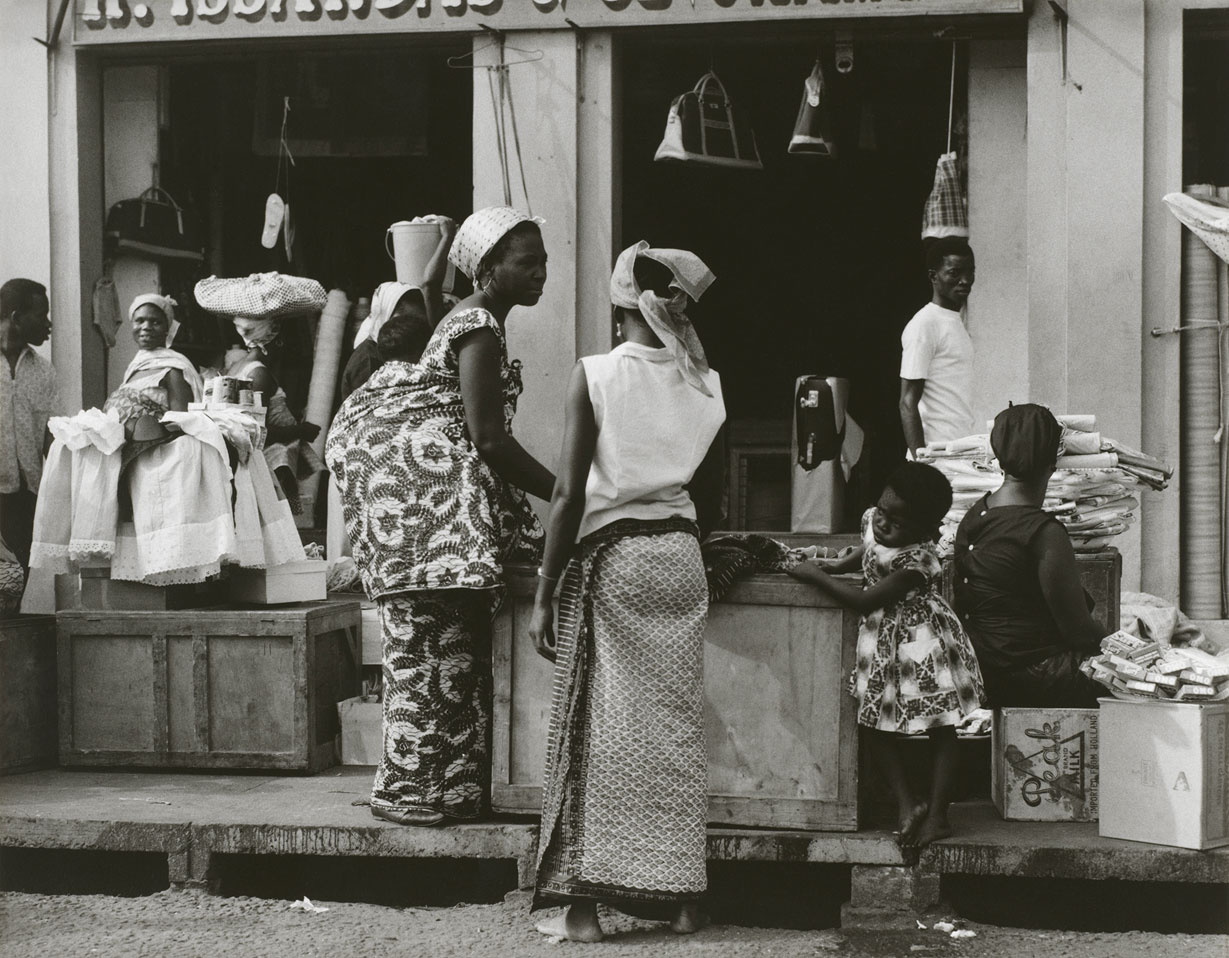
Paul StrandĀ (American, 1890-1976) 'Market, Accra, Ghana' 1963-1964


Paul StrandĀ (American, 1890-1976)
Market, Accra, Ghana
1963-1964
Philadelphia Museum Of Art
The Paul Strand Collection
Partial and promised gift of Marguerite and Gerry Lenfest
Ā© Paul Strand Archive/Aperture Foundation


Paul StrandĀ (American, 1890-1976) 'Market Day, Luzzara' 1953


Paul StrandĀ (American, 1890-1976)
Market Day, Luzzara
1953
Gelatin silver print
4 5/8 Ɨ 5 7/8 in. (11.7 x 15cm)
Philadelphia Museum of Art
The Paul Strand Collection, purchased with funds contributed by Zoƫ and Dean Pappas
Ā© Paul Strand Archive/Aperture Foundation


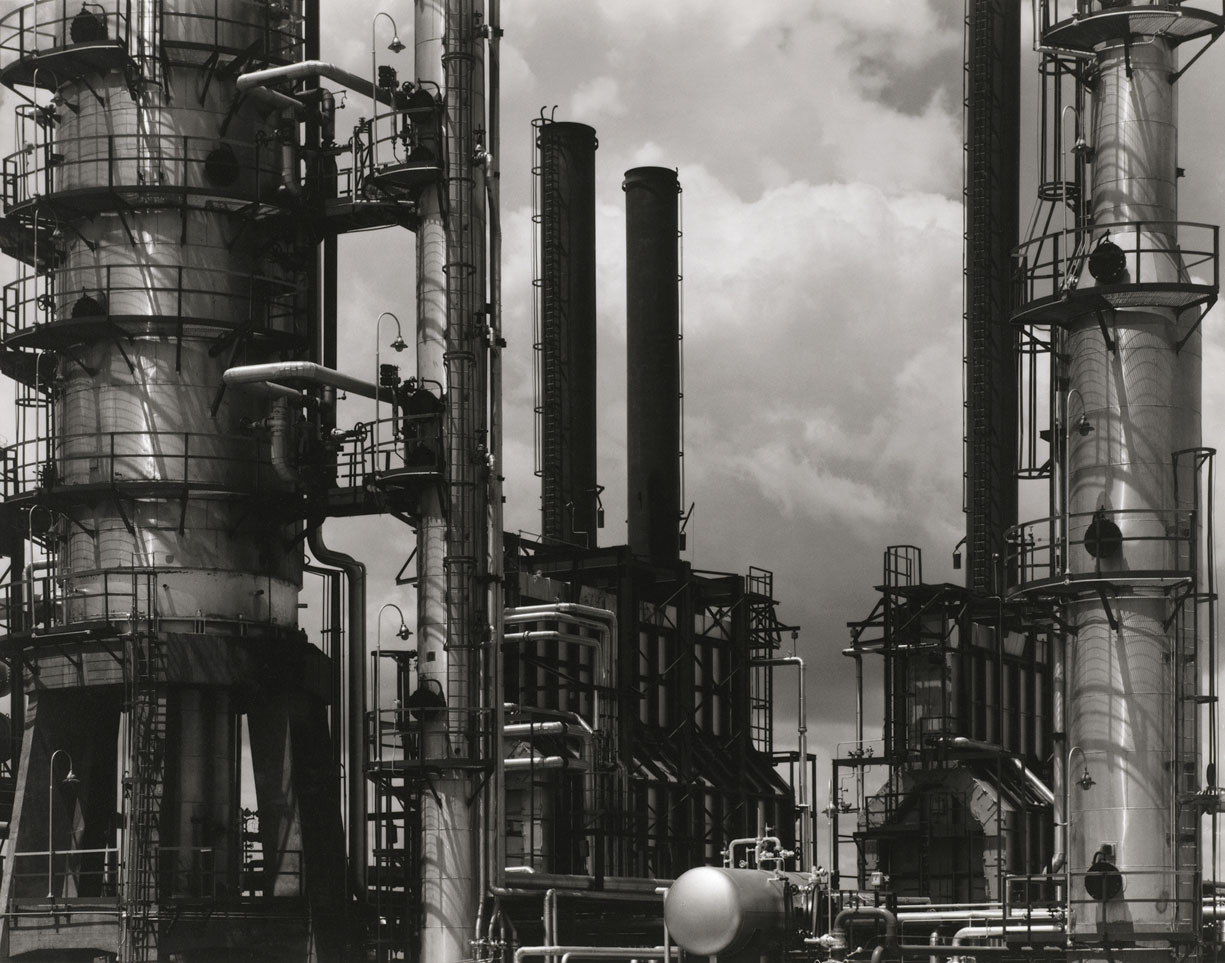
Paul StrandĀ (American, 1890-1976) 'Oil Refinery, Tema, Ghana' 1963-1964


Paul StrandĀ (American, 1890-1976)
Oil Refinery, Tema, Ghana
1963-1964
Philadelphia Museum Of Art
The Paul Strand Collection, purchased with funds contributed by Lynne and Harold Honickman
Ā© Paul Strand Archive/Aperture Foundation


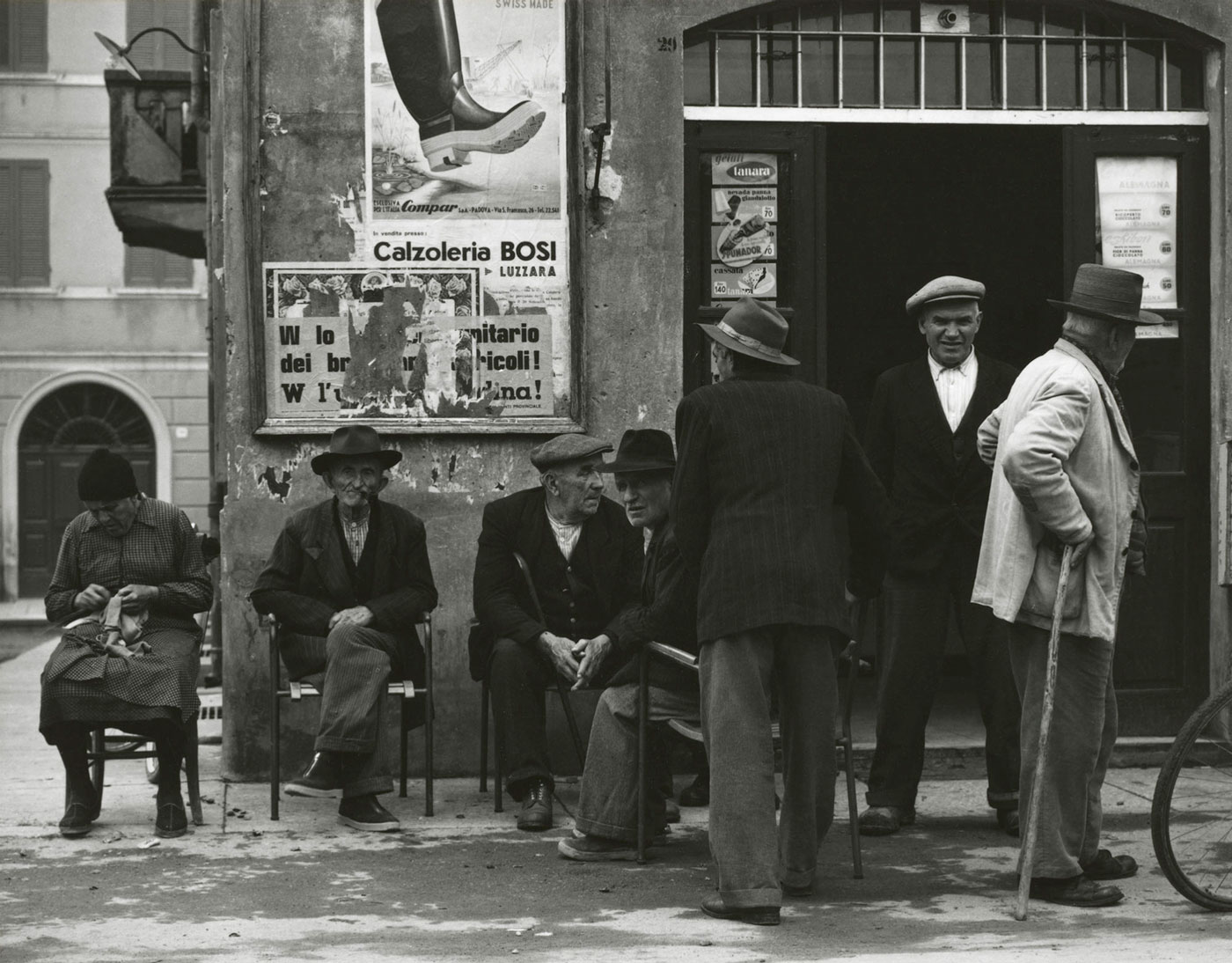
Paul StrandĀ (American, 1890-1976) 'Place to meet, Luzzara' 1953


Paul StrandĀ (American, 1890-1976)
Place to meet, Luzzara
1953
Gelatin silver print
4 5/8 Ɨ 5 7/8 in. (11.8 x 15cm)
Philadelphia Museum of Art
The Paul Strand Collection, purchased with funds contributed by Zoƫ and Dean Pappas
Ā© Paul Strand Archive/Aperture Foundation


Paul StrandĀ (American, 1890-1976) 'Parmesan, Luzzara
' 1953


Paul StrandĀ (American, 1890-1976)
Parmesan, Luzzara
1953
Gelatin silver print
4 5/8 Ɨ 5 7/8 in. (11.8 x 15cm)
Philadelphia Museum of Art
The Paul Strand Collection, purchased with funds contributed by Andrea M. Baldeck, MD, and William M. Hollis Jr.,
Ā© Paul Strand Archive/Aperture Foundation


Paul StrandĀ (American, 1890-1976) 'The Farm, Luzzara' 1953


Paul StrandĀ (American, 1890-1976)
The Farm, Luzzara

1953
Gelatin silver print
4 11/16 Ɨ 5 7/8 in. (11.9 Ɨ 15cm)
Philadelphia Museum of Art
The Paul Strand Collection, purchased with funds contributed by Barbara B. and Theodore R. Aronson
Ā© Paul Strand Archive/Aperture Foundation


Paul StrandĀ (American, 1890-1976) 'Worker at the Co-op, Luzzara
' 1953


Paul StrandĀ (American, 1890-1976)
Worker at the Co-op, Luzzara
1953
Gelatin silver print
4 5/8 Ɨ 5 7/8 in. (11.8 Ɨ 14.9cm)
Philadelphia Museum of Art
The Paul Strand Retrospective Collection, 1915ā€Š-ā€Š1975
Gift of the estate of Paul Strand
Ā© Paul Strand Archive/Aperture Foundation


Paul StrandĀ (American, 1890-1976) 'The Couple, Luzzara' 
1953


Paul StrandĀ (American, 1890-1976)
The Couple, Luzzara
1953
Gelatin silver print
4 5/8 Ɨ 5 7/8 in. (11.8 Ɨ 14.9cm)
Philadelphia Museum of Art
The Paul Strand Collection, purchased with funds contributed by Ralph Citino and Lawrence Taylor
Ā© Paul Strand Archive/Aperture Foundation


About Paul Strand

Born in New York City, Strand first studied with the social documentary photographer Lewis Hine at New York’s Ethical Culture School from 1907-1909, and subsequently became close to the pioneering photographer Alfred Stieglitz. Strand fused these powerful influences and explored the modernist possibilities of the camera more fully than any other photographer before 1920. In the 1920s, Strand tested the camera’s potential to exceed human vision, making intimate, detailed portraits, and recording the nuances of machine and natural forms. He also created portraits, landscapes, and architectural studies on various travels to the Southwest, Canada, and Mexico. The groups of pictures of these regions, in tandem with his documentary work as a filmmaker in the 1930s, convinced Strand that the medium’s great purpose lay in creating broad and richly detailed photographic records of specific places and communities. For the rest of his career he pursued such projects in New England, France, Italy, the Hebrides, Morocco, Romania, Ghana, and other locales, producing numerous celebrated books. Together, these later series form one of the great photographic statements about modern experience. The last major retrospective dedicated to Strand was organised by the Philadelphia Museum of Art in 1971.

The Paul Strand Collection at the Philadelphia Museum of Art

In 2010, the Philadelphia Museum of Art began to acquire the core collection of photographs by Paul Strand. Through the generosity of philanthropists Lynne and Harold Honickman, Marjorie and Jeffrey Honickman, and H.F. “Gerry” and Marguerite Lenfest, the Museum received as partial and promised gifts from The Paul Strand Archive at the Aperture Foundation, as well as master prints from Strand’s negatives by the artist Richard Benson.

The Paul Strand Collection permits the study of Strand’s career with prints from the majority of his negatives, including variants and croppings of individual images. Together with other photographs already owned by the Museum, the acquisition makes the Philadelphia Museum of Art the world’s most comprehensive repository for the study of his work.

Catalogue

The exhibition will be accompanied by a substantial scholarly catalogue, co-published by the Philadelphia Museum of Art and Yale University press in collaboration with MAPFRE. The accompanying publication is supported by Lynne and Harold Honickman and The Andrew W. Mellon Fund for Scholarly Publications at the Philadelphia Museum of Art.”

Press release from theĀ Philadelphia Museum of Art


Paul StrandĀ (American, 1890-1976) 'Blind Woman, New York' 1916 (negative); 1945 (print)


Paul StrandĀ (American, 1890-1976)
Blind Woman, New York
1916 (negative); 1945 (print)
Gelatin silver print
12 3/4 Ɨ 9 3/4 inches (32.4 Ɨ 24.8cm)
The Paul Strand Collection, partial and promised gift of Marguerite and Gerry Lenfest, 2009
Ā© Paul Strand Archive/Aperture Foundation


Paul StrandĀ (American, 1890-1976) 'Abstraction, Bowls, Twin Lakes, Connecticut' 1916


Paul StrandĀ (American, 1890-1976)
Abstraction, Bowls, Twin Lakes, Connecticut
1916
Gelatin silver print
13 1/16 Ɨ 9 5/8 inches (33.1 Ɨ 24.4cm)
The Paul Strand Retrospective Collection, 1915-1975
Gift of the estate of Paul Strand, 1980
Ā© Paul Strand Archive/Aperture Foundation


Paul StrandĀ (American, 1890-1976) 'Abstraction, Porch Shadows' 1916


Paul StrandĀ (American, 1890-1976)
Abstraction, Porch Shadows,Ā Twin Lakes, Connecticut
1916 (negative); 1950s (print)
Gelatin silver print
12 15/16 Ɨ 8 15/16 inches (32.9 Ɨ 22.7cm)
The Paul Strand Retrospective Collection, 1915-1975
Gift of the estate of Paul Strand, 1980

Ā© Paul Strand Archive/Aperture Foundation


Paul StrandĀ (American, 1890-1976) 'Elizabethtown, New Mexico' 1930


Paul StrandĀ (American, 1890-1976)
Elizabethtown, New Mexico
1930 (negative); 1930 (print)
Platinum print
9 5/8 x 7 5/8 inches (24.4 x 19.4cm)
The Paul Strand Collection, partial and promised gift of Marguerite and Gerry Lenfest, 2009
Ā© Paul Strand Archive/Aperture Foundation


Paul StrandĀ (American, 1890-1976) 'Farmworker, Luzzara, Italy' 1953


Paul StrandĀ (American, 1890-1976)
Farmworker, Luzzara, Italy
1953 (negative); early to mid- 1980s (print)
Gelatin silver print
5 7/8 x 4 5/8 inches (14.9 x 11.8cm)
The Paul Strand Collection, partial and promised gift of Marguerite and Gerry Lenfest, 2009

Ā© Paul Strand Archive/Aperture Foundation


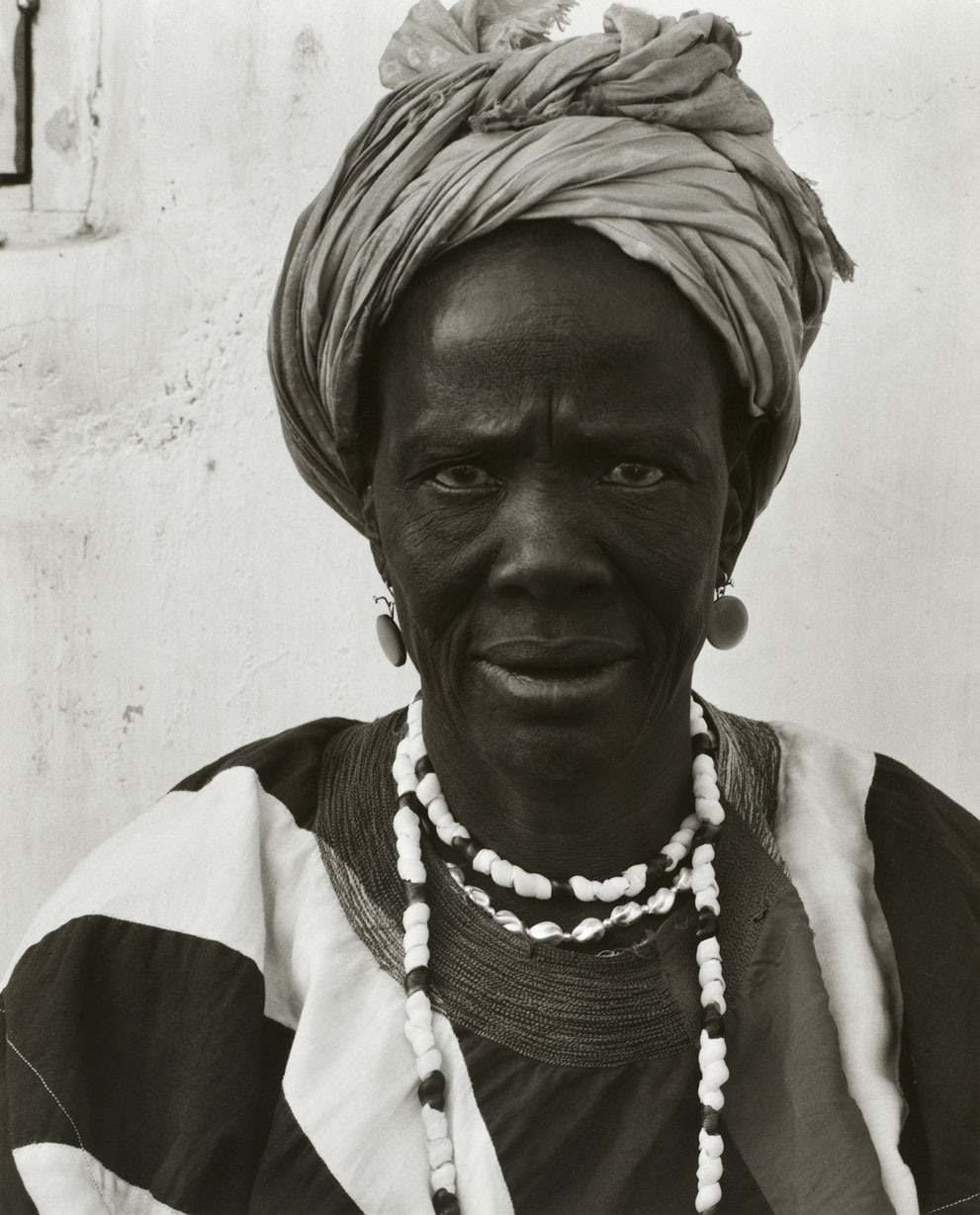
Paul StrandĀ (American, 1890-1976) 'Asenah Wara, Leader of the Women’s Party, Wa, Ghana' 1964


Paul StrandĀ (American, 1890-1976)
Asenah Wara, Leader of the Women’s Party, Wa, Ghana
1964
Gelatin silver print
12 1/8 x 9 7/8 inches (30.8 x 25.1cm)
The Paul Strand Retrospective Collection, 1915-1975
Gift of the estate of Paul Strand, 1980

Ā© Paul Strand Archive/Aperture Foundation


Paul StrandĀ (American, 1890-1976) 'Mary Hammond, Winneba, Ghana' 1963


Paul StrandĀ (American, 1890-1976)
Mary Hammond, Winneba, Ghana
1963 (negative); 1964 (print)
9 1/4 Ɨ 7 1/4 inches (23.5 Ɨ 18.4cm)
The Paul Strand Collection, purchased with the Henry P. McIlhenny Fund in memory of Frances P. McIlhenny, 2012

Ā© Paul Strand Archive/Aperture Foundation


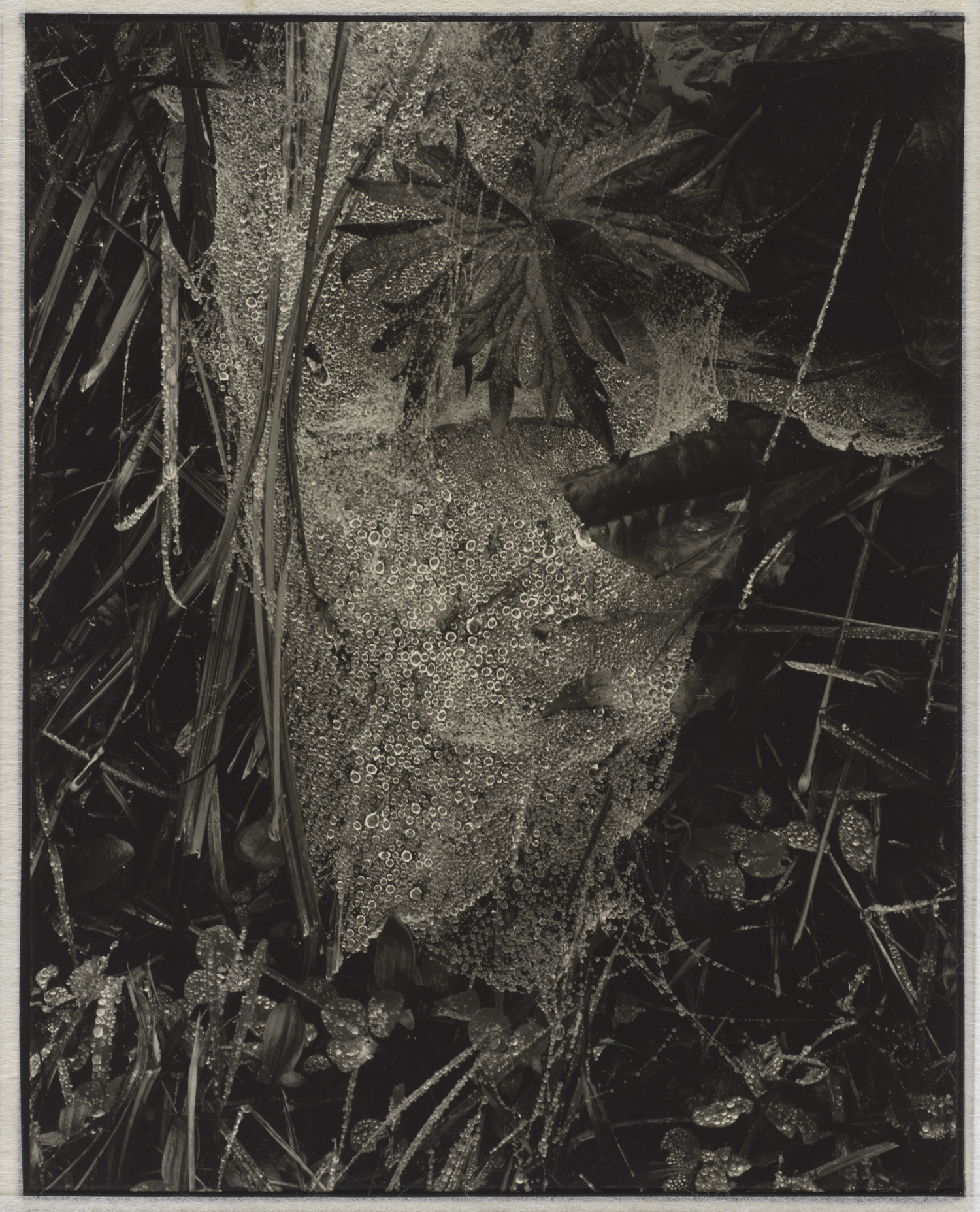
Paul StrandĀ (American, 1890-1976) 'Cobweb in Rain, Georgetown, Maine' 1927


Paul StrandĀ (American, 1890-1976)
Cobweb in Rain, Georgetown, Maine
1927 (negative); 1927 (print)
Gelatin silver print
9 11/16 x 7 13/16 inches (24.6 x 19.8cm)
Philadelphia Museum of Art, 125th Anniversary Acquisition
The Paul Strand Collection, The Lynne and Harold Honickman Gift of the Julien Levy Collection, 2001
Ā© Paul Strand Archive/Aperture Foundation


Paul StrandĀ (American, 1890-1976) 'Church, Ranchos de Taos, New Mexico' 1931


Paul StrandĀ (American, 1890-1976)
Church, Ranchos de Taos, New Mexico
1931 (negative); 1931 (print)
Platinum print
5 7/8 x 4 5/8 inches (15 x 11.7cm)
Philadelphia Museum of Art
The Paul Strand Collection, purchased with funds contributed by Barbara B. and Theodore R. Aronson, 2013
Ā© Paul Strand Archive/Aperture Foundation


Paul StrandĀ (American, 1890-1976) 'Toward the Sugar House, Vermont' 1944


Paul StrandĀ (American, 1890-1976)
Toward the Sugar House, Vermont
1944 (negative); 1944 (print)
Gelatin silver print
9 5/8 Ɨ 7 5/8 inches (24.4 Ɨ 19.4cm)
Philadelphia Museum of Art
The Paul Strand Collection, purchased with funds contributed by Barbara B. and Theodore R. Aronson, 2010
Ā© Paul Strand Archive/Aperture Foundation


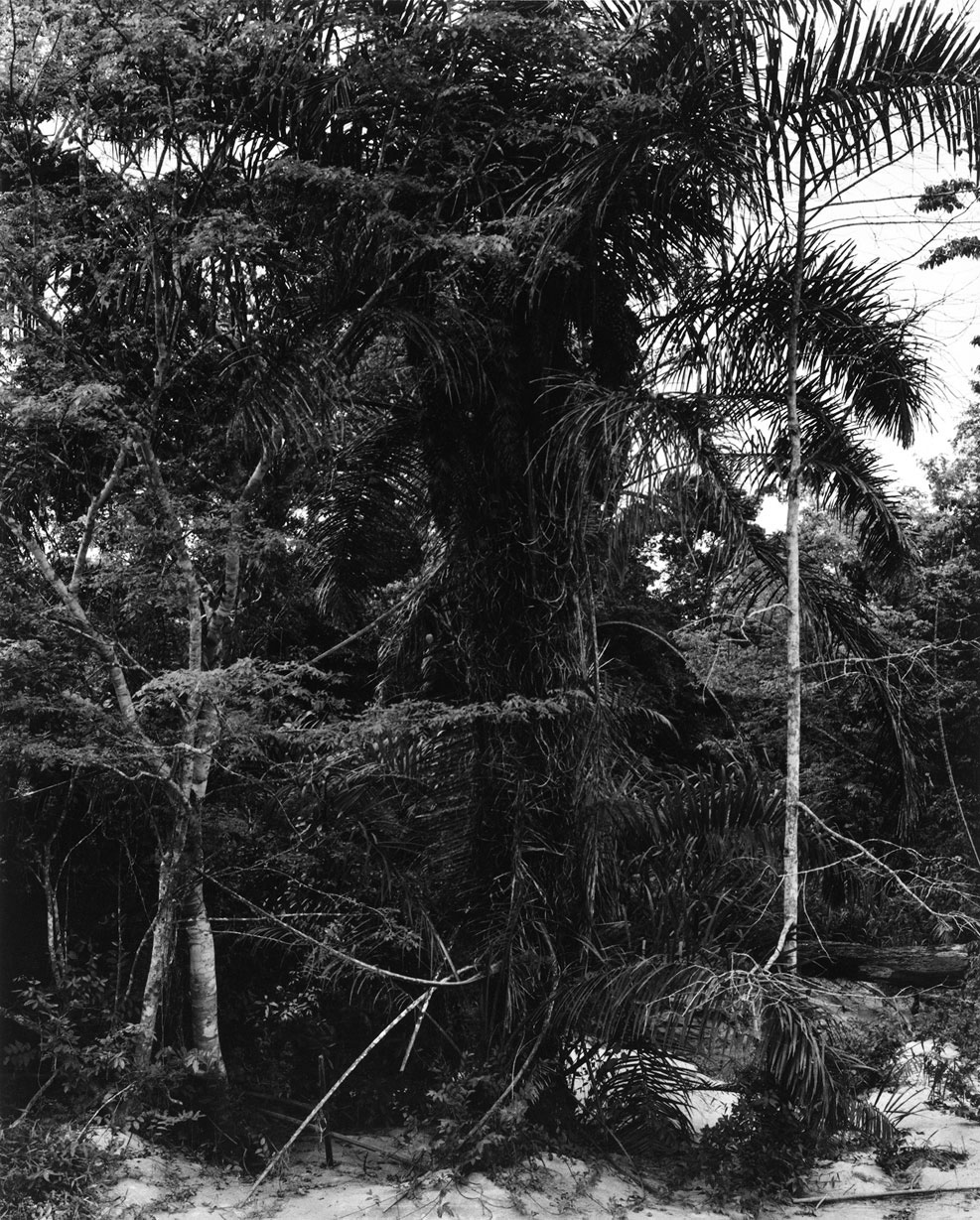
Paul StrandĀ (American, 1890-1976) 'Jungle, Ashanti Region, Ghana' 1964


Paul StrandĀ (American, 1890-1976)
Jungle, Ashanti Region, Ghana
1964
Gelatin silver print
9 5/8 Ɨ 7 11/16 inches (24.4 Ɨ 19.6cm)
The Paul Strand Collection, purchased with the Henry P. McIlhenny Fund in memory of Frances P. McIlhenny, 2012

Ā© Paul Strand Archive/Aperture Foundation


Paul StrandĀ (American, 1890-1976) 'Woman and Boy, Tenancingo, Mexico' 1933


Paul StrandĀ (American, 1890-1976)
Woman and Boy, Tenancingo, Mexico
1933 (negative); c. 1940-1945 (print)
5 7/8 Ɨ 4 5/8 inches (15 Ɨ 11.8cm)
The Paul Strand Collection, partial and promised gift of Marguerite and Gerry Lenfest, 2009
Ā© Paul Strand Archive/Aperture Foundation


Paul StrandĀ (American, 1890-1976) 'Rebecca, New York' 1921


Paul StrandĀ (American, 1890-1976)
Rebecca, New York
1921 (negative); 1921 (print)
Platinum print
9 1/2 x 7 5/8 inches (24.1 x 19.4cm)
The Paul Strand Collection, partial and promised gift of Marguerite and Gerry Lenfest, 2009
Ā© Paul Strand Archive/Aperture Foundation


Paul StrandĀ (American, 1890-1976) 'Mr. Bolster, Weston, Vermont' 1943


Paul StrandĀ (American, 1890-1976)
Mr. Bolster, Weston, Vermont
1943 (negative); 1943 (print)
Gelatin silver print
5 7/8 Ɨ 4 5/8 inches (14.9 Ɨ 11.7cm)
The Paul Strand Collection, partial and promised gift of Marguerite and Gerry Lenfest, 2009
Ā© Paul Strand Archive/Aperture Foundation


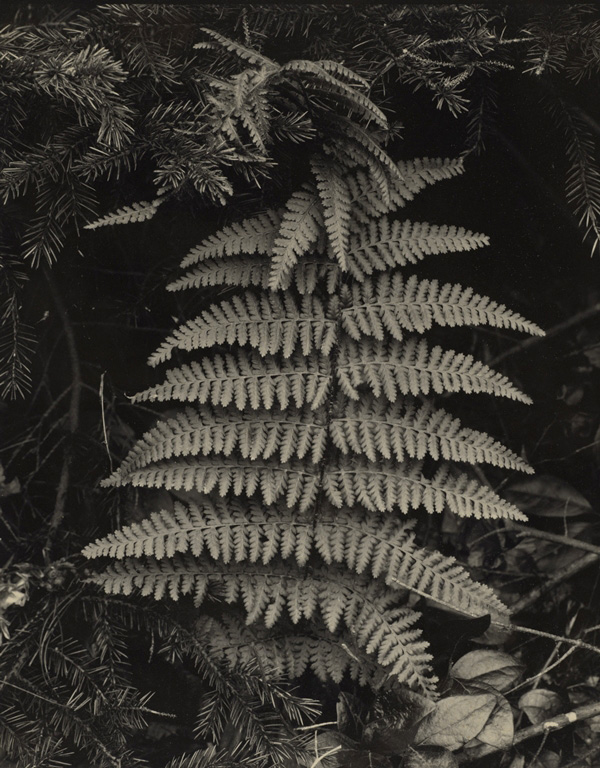
Paul StrandĀ (American, 1890-1976) 'Fern, Georgetown, Maine' 1928


Paul StrandĀ (American, 1890-1976)
Fern, Georgetown, Maine
1928 (negative); 1940s (print)
Platinum print
9 5/8 x 7 5/8 inches (24.4 x 19.4cm)
The Paul Strand Collection, purchased with funds contributed by Barbara B. and Theodore R. Aronson, 2014
Ā© Paul Strand Archive/Aperture Foundation


Paul StrandĀ (American, 1890-1976) 'Town Hall, New Hampshire' 1946


Paul StrandĀ (American, 1890-1976)
Town Hall, New Hampshire
1946
Gelatin silver print
9 5/8 Ɨ 7 5/8 inches (24.4 Ɨ 19.4cm)
The Paul Strand Collection, gift of Lynne and Harold Honickman, 2013
Ā© Paul Strand Archive/Aperture Foundation


Paul StrandĀ (American, 1890-1976) 'Cobbler, Luzzara' 1953


Paul StrandĀ (American, 1890-1976)
Cobbler, Luzzara
1953 (negative); 1953 (print)
Gelatin silver print
5 7/8 Ɨ 4 5/8 inches (15 Ɨ 11.8cm)
The Paul Strand Collection, gift of Marjorie and Jeffrey Honickman, 2012
Ā© Paul Strand Archive/Aperture Foundation


Paul StrandĀ (American, 1890-1976) 'Young Man, Luzzaro (Ivo Lusetti)' 1953


Paul StrandĀ (American, 1890-1976)
Young Man, Luzzaro (Ivo Lusetti)
1953
Gelatin silver print
5 7/8 Ɨ 4 5/8 in. (15 Ɨ 11.8cm)
Philadelphia Museum of Art
The Paul Strand Retrospective Collection, 1915 -1975
Gift of the estate of Paul Strand
Ā© Paul Strand Archive/Aperture Foundation


Paul StrandĀ (American, 1890-1976) 'Virgin, San Felipe, Oaxaca, Mexico' 1933


Paul StrandĀ (American, 1890-1976)
Virgin, San Felipe, Oaxaca, Mexico
1933
Platinum print
9 5/8 Ɨ 7 5/8 inches (24.4 Ɨ 19.3cm)
The Paul Strand Collection, partial and promised gift of Marguerite and Gerry Lenfest, 2009
Ā© Paul Strand Archive/Aperture Foundation


Paul StrandĀ (American, 1890-1976) 'Bachelor Buttons, Orgeval' early 1960s


Paul StrandĀ (American, 1890-1976)
Bachelor Buttons, Orgeval
early 1960s
9 5/8 Ɨ 7 5/8 inches (24.4 Ɨ 19.4cm)
The Paul Strand Retrospective Collection, 1915-1975
Gift of the estate of Paul Strand, 1980
Ā© Paul Strand Archive/Aperture Foundation


Paul StrandĀ (American, 1890-1976) 'Cabbages and Pinks' 1957-1958


Paul StrandĀ (American, 1890-1976)
Cabbages and Pinks,Ā Orgeval
1957-1958
Gelatin silver print
9 5/8 Ɨ 7 5/8 inches (24.4 Ɨ 19.4cm)
The Paul Strand Collection, partial and promised gift of Marguerite and Gerry Lenfest, 2009
Ā© Paul Strand Archive/Aperture Foundation


Paul StrandĀ (American, 1890-1976) 'Hoar Frosted Vines, Orgeval' 1969


Paul StrandĀ (American, 1890-1976)
Hoar Frosted Vines, Orgeval
1969 (negative); 1969 or early 1970s (print)
Gelatin silver print
7 13/16 Ɨ 7 13/16 inches (19.8 Ɨ 19.8cm)
The Paul Strand Collection, partial and promised gift of Marguerite and Gerry Lenfest, 2009
Ā© Paul Strand Archive/Aperture Foundation


Philadelphia Museum of Art
26th Street and the Benjamin Franklin Parkway
Philadelphia, PA 19130

Opening hours:
Sunday, 10.00 am – 5.00pm
Monday, 10.00am – 5.00pm
Tuesday, Closed
Wednesday, Closed
Thursday, 10.00am – 5.00pm
Friday, 10.00am – 8.45pm
Saturday, 10.00am – 5.00pm

Philadelphia Museum of ArtĀ website

LIKE ART BLART ON FACEBOOK

Back to top