
October 2017
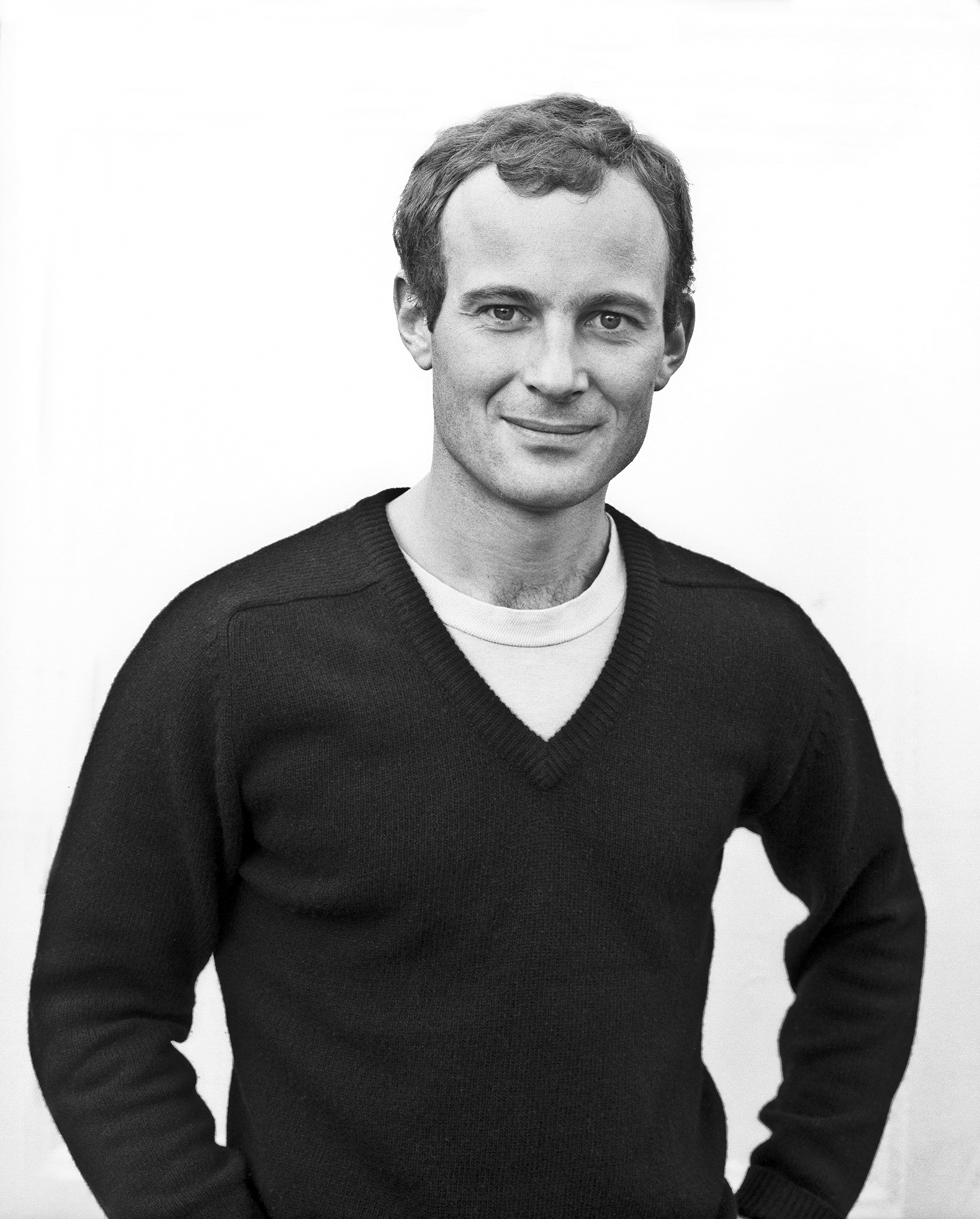
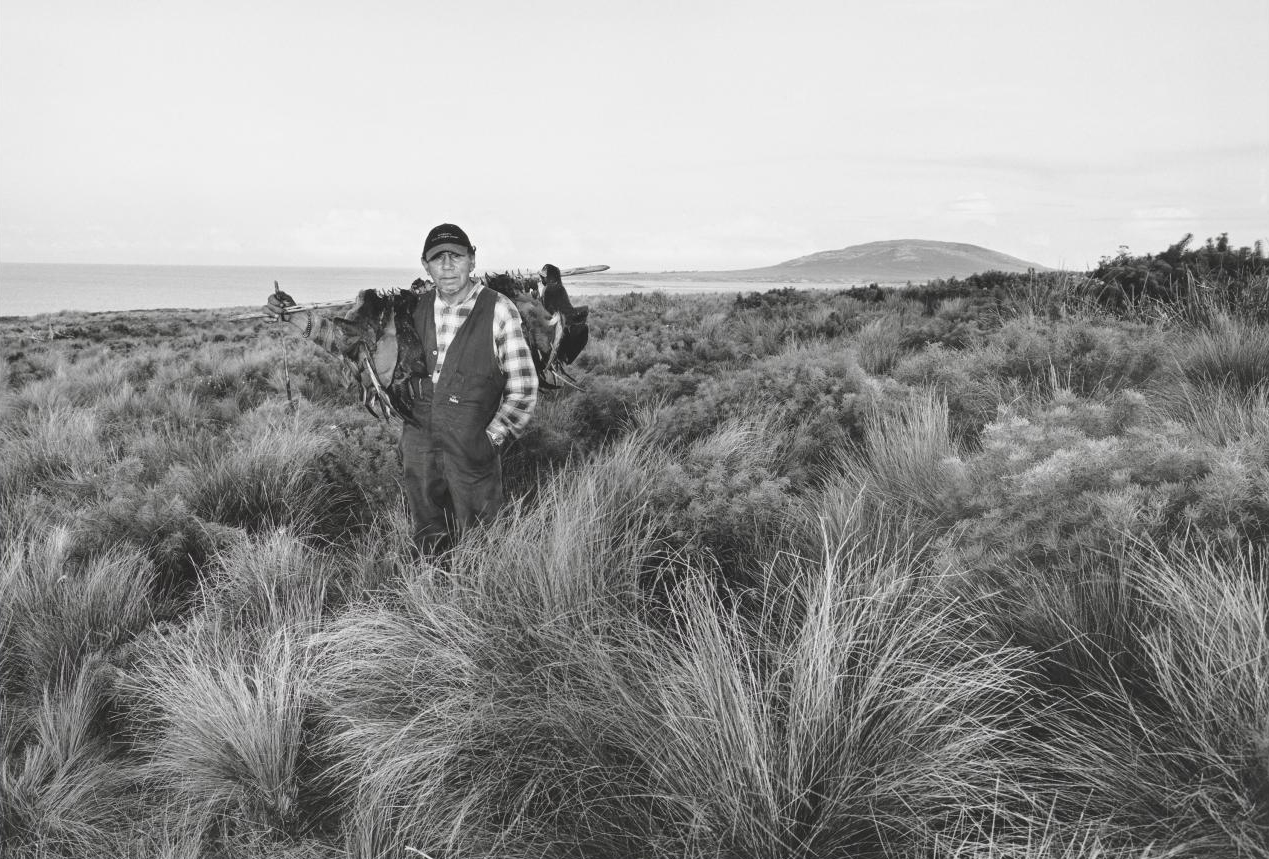
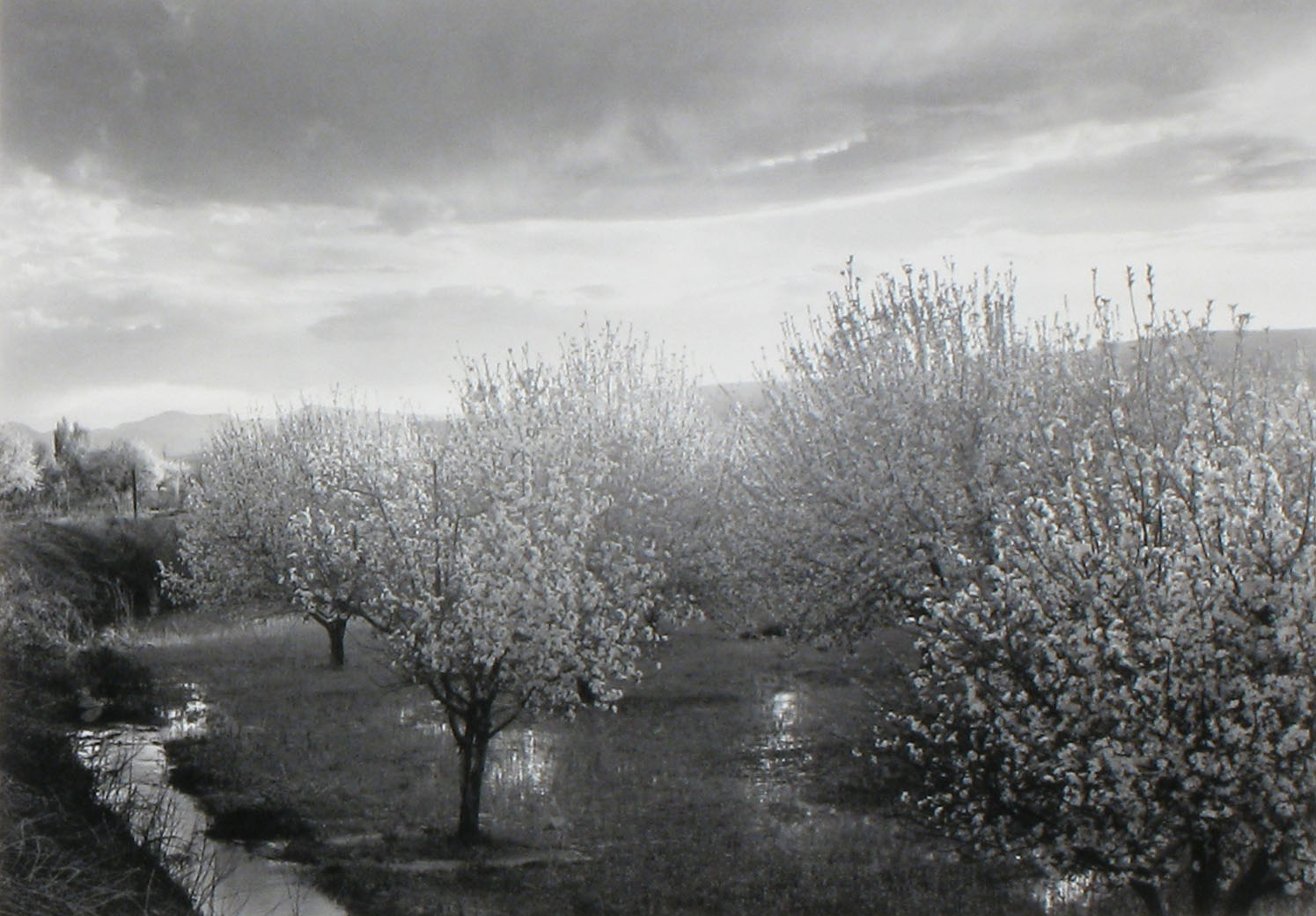
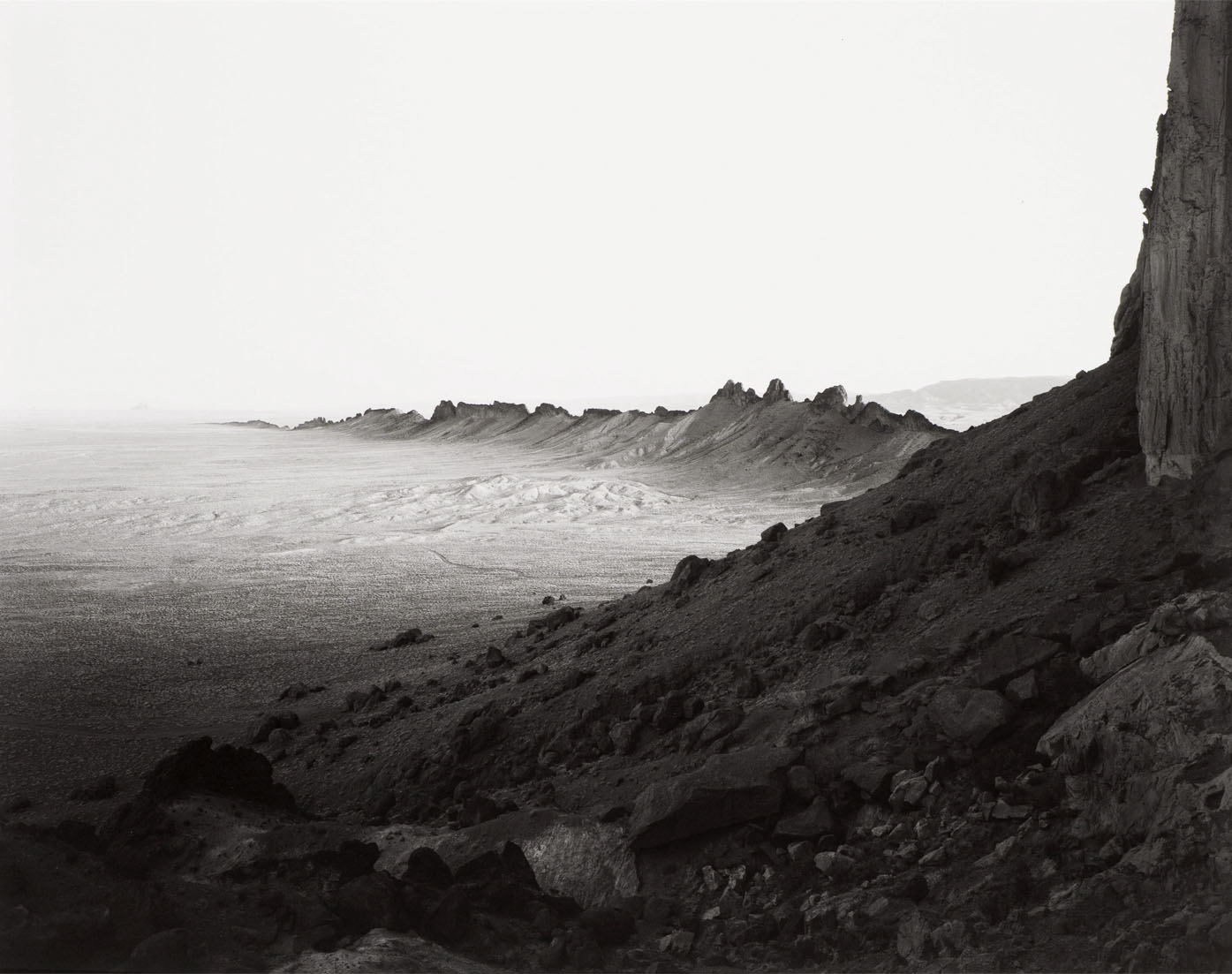
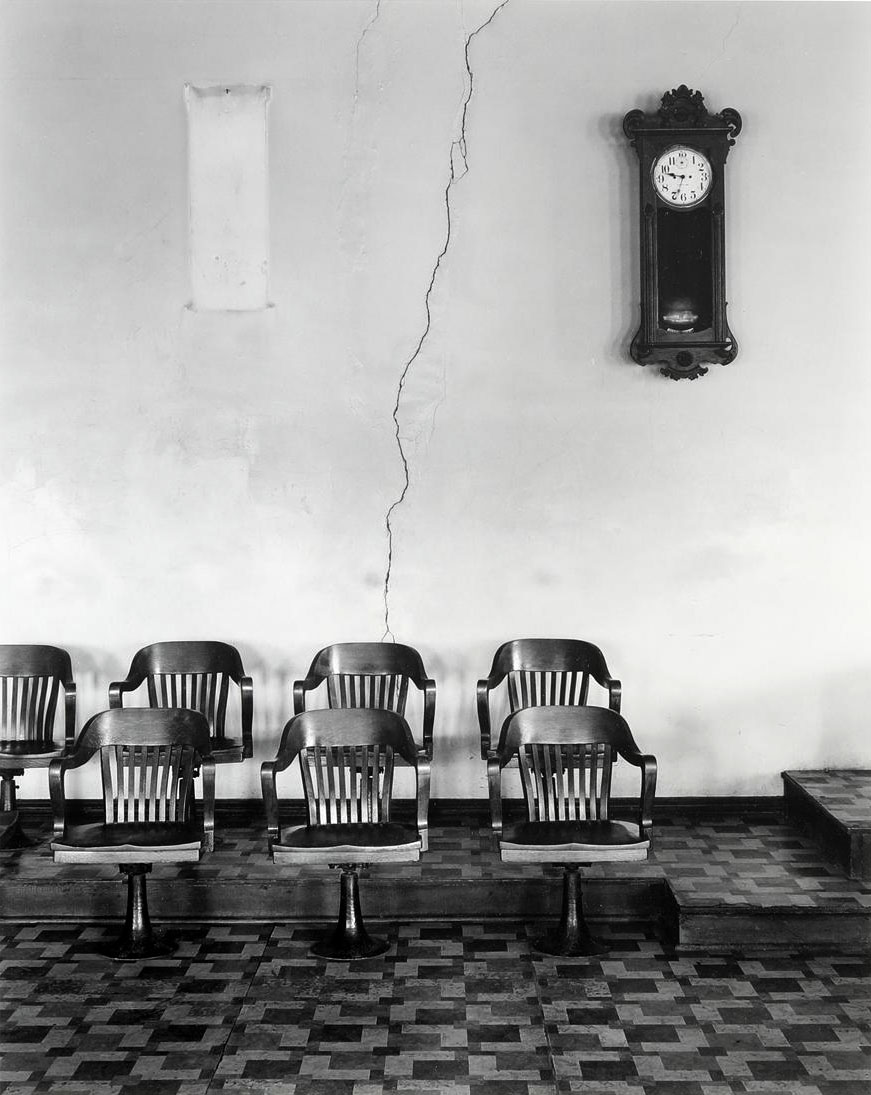
Jeff Busby (Australian, b. 1952)
William Heimerman
c. 1975-1980
Silver gelatin print
William Heimerman: the essence of 344
Imagine a gallery in a land far far way, that for a period of 10 years or so brought the very best of West Coast/East Coast North American and European, mainly male fine art photography to that land for the edification of artists, students and the viewing public.
Imagine a land that had never seen many fine art prints by such luminaries as Edouard Boubat, Harry Callahan, Paul Caponigro, Larry Clark, William Clift, William Eggleston, Franco Fontana, Oliver Gagliani, Ralph Gibson, Emmet Gowin, Eikoh Hosoe, Eliot Porter, Duane Michals, Lisette Model, August Sander, Aaron Siskind, and Brett Weston before. Imagine the impact that this gallery (together with Brummels and Church Street Photographic Centre) had on the development of photography as an art form in this land during the period 1975-85.
No, this is not the internationally famous art gallery 291 that was located in Midtown Manhattan at 291 Fifth Avenue in New York City, created and managed by Alfred Stieglitz; but rather The Photographers’ Gallery located at 344 Punt Road, South Yarra, run from 1975 onwards by that dynamic duo, William (Bill) Heimerman and Ian Lobb, until Bill took over the sole running of the gallery in 1980. Such is the importance of this gallery to the history and development of art photography in that far away land, Australia, that the number 344 should be enshrined in the legend that this gallery has become during this time period. As Ian Lobb has observed, “The initial philosophy was simply to let people see the physical difference between the production of prints overseas and locally. After a while this moved from the Fine Print to other concerns both aesthetic and conceptual.”
Personally, I cannot speak of the early years at the gallery, for I only arrived in Australia in 1986… but I have done enough research to know of the incredible impact that the exhibitions and workshops at the gallery had on the photographic community in Australia at the time. The gallery was run on a shoe-string budget and never made any money, but both Bill and Ian were so passionate about the endeavour, about what they were trying to achieve – that there was an absolute integrity to their mission, undertaken with so much knowledge and insight into photography, art, and life, that drew people to them and to the gallery. There was so much energy and fun, that was the critical thing fun, to be had at the gallery.
I will be forever grateful to William Heimerman. Bill was the first person to give me a solo exhibition at a commercial gallery in 1992, during the second year of my Bachelor of Arts (Fine Art Photography) at what was then Phillip Institute out at Bundoora. Incidentally, Ian Lobb was one my lecturers out at Bundoora. I was only just finding my way as an artist producing classical black and white fine art photographs, a wet behind the ears 34 year old at the beginning of his path, following his dream as an artist. Two other solo exhibitions followed in 1993 (black and white) and 1995 (colour, conceptual Master of Arts exhibition). I also co-curated with Bill, John Cato’s retrospective, ‘…and his forms were without number’ at The Photographers’ Gallery in 2002. What an enlightening experience that was.
I also vividly remember getting an absolutely terrible review of one of my first two exhibitions at the Gallery by a now well known academic in one of the only two big newspapers in Melbourne, the Herald Sun, and being absolutely distraught upon reading it. It was soul destroying. Bill sat me down and, in that laid-back Wisconsin accent, comforted me and told me it was ok, that I should not give up, but I should keep on doing what I was doing, and that everything would be ok. To follow my path no matter what. I’ll never forget Bill’s kindness in that moment of despair, his compassion and honest forthrightness with advice. It bring tears to my ears even now. 25 years later I am still an artist, and I am still in love with photography.
Bill was handsome, charming, urbane, erudite, witty, and above all, fun. I remember the openings we had at the gallery, the glasses of wine out the back in the garden with Bill and friends; the long talks in the back space of the gallery about art and photography. I have a photograph, a Polaroid of me in a satin yellow shirt with Bill in the background smiling, at one of the openings… but blow if I can find it at the moment. That was Bill, enjoying the sunshine, the art, the education, the friends and the fun.
While the gallery never really made any money during the early period – and while their was a feminist reaction during the 1970s “against the technocratic and patriarchal American West Coast ‘fine print’ tradition then being promoted by the Photographers’ Gallery” – one can never underestimate or demean the achievement of Bill (and Ian) in bringing to Australia the work of such notable artists. Geoff Strong, writing the catalogue essay “The Melbourne Movement: Fashion and Faction in the Seventies” for the exhibition The Thousand Mile Stare at the Victorian Centre for Photography in 1988, likened Bill and Ian to a “pair of blinkered bulldozers” in their promotion of the gallery’s programme, proposing that Carol Jerrems was of another stream, people who wanted to change the world in the great tradition of the European avant-garde movements of the 1920s.
But here we have photographs of Jerrems by Bill and Bill by Jerrems (how strange to see them both looking through the camera lens at each other); and we have wonderful photographs of Bill and Ian taken by Jerrems, with their 35mm and Rollei SL66 cameras sitting behind them at the Dog Rocks near Geelong. This is what it was about: exploration, passion, photography, friendship, and fun. The Photographers’ Gallery did change the photographic art world in Australia as people knew it through the charisma and hard work of two men. As Ian said at the recent gathering for Bill, ‘Ralph Gibson said to us, “what am I doing here with you guys in Melbourne, Australia – they want me in Berlin and Tokyo, yet I’m here with you!”‘
To Bill I say, thank you for the memories, for your advice, for your friendship and above all, for your unblinking passion and commitment to photography and art. An exhibition at the Photographers’ Gallery was an honour. You can look back on those comments by Geoff Strong as a badge of courage, and with pride … because you had the foresight to go out there and get the job done. And for that vision Bill, you will forever be remembered in the annals of the history of photography in Australia. Respect.
Dr Marcus Bunyan
Please click on the photographs for a larger version of the image. All photographs © the artist
![Carol Jerrems (Australian, 1949-1980) 'Ayer's Dog Rock [Bill Heimerman looking through his Rolleiflex]' 1975](https://artblart.com/wp-content/uploads/2017/10/jerrems-william-heimerman-web.jpg "Carol Jerrems (Australian, 1949-1980) 'Ayer's Dog Rock [Bill Heimerman looking through his Rolleiflex]' 1975")
Carol Jerrems (Australian, 1949-1980)
Ayer’s Dog Rock [Bill Heimerman looking through his Rolleiflex]
1975
Silver gelatin print
(Digital clean by Marcus Bunyan)
![William Heimerman (Australian born America, 1950-2017) 'Untitled [Carol Jerrems looking through her camera, Dog Rocks near Geelong]' c. 1975-1980](https://artblart.com/wp-content/uploads/2017/10/heimerman-carol-jerrems-web.jpg "William Heimerman (Australian born America, 1950-2017) 'Untitled [Carol Jerrems looking through her camera, Dog Rocks near Geelong]' c. 1975-1980")
William Heimerman (Australian born America, 1950-2017)
Untitled [Carol Jerrems looking through her camera, Dog Rocks near Geelong]
c. 1975
Silver gelatin print
![Carol Jerrems (Australian, 1949-1980) 'Untitled [Bill Heimerman and Ian Lobb at the Dog Rocks near Geelong]' 1975](https://artblart.com/wp-content/uploads/2017/10/jerrems-william-heimerman-ian-lobb-web.jpg "Carol Jerrems (Australian, 1949-1980) 'Untitled [Bill Heimerman and Ian Lobb at the Dog Rocks near Geelong]' 1975")
Carol Jerrems (Australian, 1949-1980)
Untitled [Bill Heimerman and Ian Lobb at the Dog Rocks near Geelong]
1975
Silver gelatin print
(Digital clean by Marcus Bunyan)
![Carol Jerrems (Australian, 1949-1980) 'Untitled [Bill Heimerman and Ian Lobb at the Dog Rocks near Geelong]' 1975](https://artblart.com/wp-content/uploads/2017/10/jerrems-william-heimerman-ian-lobb1-web.jpg "Carol Jerrems (Australian, 1949-1980) 'Untitled [Bill Heimerman and Ian Lobb at the Dog Rocks near Geelong]' 1975")
Carol Jerrems (Australian, 1949-1980)
Untitled [Bill Heimerman and Ian Lobb at the Dog Rocks near Geelong]
1975
Silver gelatin print
(Digital clean by Marcus Bunyan)
William Heimerman 1950-2017
William Heimerman, who has died aged 67, was the long-term director of the Photographers’ Gallery and Workshop in South Yarra where museum quality exhibitions were held from the mid 1970’s. The Photographers’ Gallery, was established in 1973 by Rod McNicol, Paul Cox, and John Williams, then sold to photographer Ian Lobb who convinced William to assist in running the gallery, from that point known as the Photographers’ Gallery & Workshop. They set out on a journey to exhibit Australian and international photographic work of the highest quality. After a few years of co-directorship, from 1977 until 2015 William was the sole director energetically seeking out the finest work from Australia, the USA, and Europe.
Many renowned photographers have had solo or group exhibitions at the Gallery over many years including Jennifer Aitken, Lynn Bender, Robert Besanko, Edouard Boubat, Warren Breninger, Wynn Bullock, Marcus Bunyan (3), Francis Busby (3), Jeff Busby, Harry Callahan, Paul Caponigro (2), Jack Cato, John Cato, Larry Clark, William Clift, Christine Cornish, John Divola, Rennie Ellis, William Eggleston, Franco Fontana, Oliver Gagliani, Ralph Gibson, Christine Godden, Michael Goldsmith, Emmet Gowin (2), Marion Hardman, Paul Hill, Paul Hopper, Eikoh Hosoe, Graham Howe, Carol Jerrems, Christopher Koller, Jean-Marc Le Péchoux, Peter Leiss (5+1, 2 person), Ian Lobb (2), Steven Lojewski, Rod McNicol, Duane Michaels, Lisette Model, Boone Morrison, Eliot Porter, August Sander, Aaron Siskind, Ingeborg Tyssen, Greg Wayn, Brett Weston, Konrad Winkler.
The gallery also offered workshops in all aspects of photography taught by Australian & international photographers including John Cato, William Clift, Ralph Gibson, Ian Lobb, Stephen Lojewski, and Les Walkling. At the invitation of The Photographers’ Gallery renowned photographer Harry Callahan visited Australia to present a public lecture. Tony Perry in 1980 wrote about the gallery, “Today the Photographers’ Gallery is run solely by Bill Heimerman… with an enviable record of exhibitions and workshops is seen as the premier gallery in Australia; a show there is a genuine honour.”
William Lee Heimerman was born 13th January 1950 in Appleton, Wisconsin, the son of the late Peter and Rose Heimerman. William grew up in Menasha, Wisconsin, attending St Patrick’s grade school then St Mary’s high school. During his high school years he enjoyed and excelled in all sporting activities, receiving a scholarship to attend the University of Wisconsin, Milwaukee. Following his undergraduate studies he secured a Master’s Degree (Cum Laude) from the University of Wisconsin, Oshkosh. After graduating from University he taught English at Winneconne High School, Wisconsin, and coached both the football and the debate teams.
In 1974 William accepted a teaching position with the Victorian Education Department and taught English at Coburg Technical School. It was here that he met Ian Lobb and the late Carol Jerrems, both avid photographers, who initiated his interest in and appreciation of photography. William subsequently moved to Brighton Technical College where he and other staff established a photography programme.
A few years later William was teaching photography at Melbourne State College and the Council of Adult Education in Melbourne, inculcating students in the techniques of fine printing and the zone system. William was himself an accomplished photographer, producing work in abstract, portrait and landscape veins. His is art of great poetry that will be exhibited in a posthumous exhibition that is in preparation.
William passed away on October 1 at Hammond Care in Caulfield after a relatively short period of declining health. Siblings, Patricia, Jane, Jeff, Kevin, Ted, brother in law Tom, sisters in law Sarah, Diane, and Paula, many nieces and nephews, extended relatives and friends, survive him. His brother Robert preceded William in death. He will be greatly missed by lifelong friend Barbara Derrick, and the many artists and art collectors that he befriended.
Barbara, Louise and Jeff (William’s brother)
![Peter Leiss (Australian born England, b. 1951) 'Untitled [Bill Heimerman and Ian Lobb at the rear of the Photographers' Gallery]' c. 1975-1980](https://artblart.com/wp-content/uploads/2017/10/leiss-william-heimerman2-web.jpg "Peter Leiss (Australian born England, b. 1951) 'Untitled [Bill Heimerman and Ian Lobb at the rear of the Photographers' Gallery]' c. 1975-1980")
Peter Leiss (Australian born England, b. 1951)
Untitled [Bill Heimerman and Ian Lobb at the rear of the Photographers’ Gallery]
c. 1975-1980
Silver gelatin print
![Jeff Busby (Australian, b. 1952) 'Untitled [William Heimerman and friend outside the Photographers Gallery (344)]' c. 1978](https://artblart.com/wp-content/uploads/2017/10/busby-william-heimerman-and-friend-web.jpg "Jeff Busby (Australian, b. 1952) 'Untitled [William Heimerman and friend outside the Photographers Gallery (344)]' c. 1978")
Jeff Busby (Australian, b. 1952)
Untitled [William Heimerman and friend outside the Photographers’ Gallery (344)]
c. 1978
Silver gelatin print
![Louise Bradley. Untitled [William Heimerman adjusting Robert Besanko prints in the main space of the Photographers' Gallery] c. 1975-1980](https://artblart.com/wp-content/uploads/2017/10/louise-bradley-william-heimerman-web.jpg "Louise Bradley. Untitled [William Heimerman adjusting Robert Besanko prints in the main space of the Photographers' Gallery] c. 1975-1980")
Louise Bradley
Untitled [William Heimerman adjusting Robert Besanko prints in the main space of the Photographers’ Gallery]
c. 1975-1980
Silver gelatin print
(Digital clean by Marcus Bunyan)
![Jeff Busby (Australian, b. 1952) 'Untitled [Bill Heimerman and friends at the Photographers' Gallery]' c. 1975-1980](https://artblart.com/wp-content/uploads/2017/10/busby-william-heimerman1-web.jpg "Jeff Busby (Australian, b. 1952) 'Untitled [Bill Heimerman and friends at the Photographers' Gallery]' c. 1975-1980")
Jeff Busby (Australian, b. 1952)
Untitled [Bill Heimerman and friends at the Photographers’ Gallery]
c. 1975-1980
Silver gelatin print
The Photographers’ Gallery: A very brief history
The Photographers Gallery & Workshop was founded by Paul Cox, Ingeborg Tyssen, John F. Williams and Rod McNicoll in 1973, and the Gallery was then taken over in late 1974 by Ian Lobb, his first exhibition as director being at the beginning of 1975; Bill Heimerman joined as joint director at the beginning of 1976.
Shows of American photography became relatively commonplace in Melbourne and it was the first time Australian photographers and the general public had access to such a concentration of international photography in a variety of styles. From 1975-1981 every second exhibition at The Photographers Gallery was an international exhibition. Some of the exhibitions during this period included work by August Sander (German – arranged by Bill Heimerman), Edouard Boubat (France), Emmet Gowin (USA – twice), Paul Caponigro (USA – twice), Ralph Gibson (UK – twice, once of his colour work), William Eggelston (USA), Eliot Porter (USA), Wynn Bullock (USA), William Clift (USA), Harry Callahan (USA), Aaron Siskind (USA – twice, once with a show hung at Ohnetitel) Jerry Uelsmann (USA), Brett Weston (USA). The artists often came out to Australia, presenting a series of lectures and workshops during their exhibitions.
Very few prints were ever purchased by the National Gallery of Victoria or the National Gallery of Australia during this period, for a variety of reasons (mainly personal, financial and institutional). As Ian Lobb observes,
“The initial philosophy was simply to let people see the physical difference between the production of prints overseas and locally. After a while this moved from the Fine Print to other concerns both aesthetic and conceptual. The gallery at best, just paid for itself. During international shows the attendance at the gallery was high. During Australian shows the attendance was low.”
Dr Marcus Bunyan from the research paper Beginnings: The International Photographic Collection at the National Gallery of Victoria, May 2015
Exhibitors at The Photographers’ Gallery (solo exhibitions)
Jennifer Aitken, Lynn Bender, Robert Besanko, Edouard Boubat, Warren Breninger, Wynn Bullock, Marcus Bunyan (3), Francis Busby (3), Jeff Busby, Harry Callahan, Paul Caponigro (2), Jack Cato, John Cato, Larry Clark, William Clift, Christine Cornish, John Divola, Rennie Ellis, William Eggleston, Franco Fontana, Oliver Gagliani, Ralph Gibson, Christine Godden, Michael Goldsmith, Emmet Gowin (2), Marion Hardman, Paul Hill, Paul Hopper, Eikoh Hosoe, Graham Howe, Carol Jerrems, Christopher Koller, Jean-Marc Le Péchoux, Peter Leiss (5+1, 2 person), Ian Lobb (2), Steven Lojewski, Rod McNicol, Duane Michaels, Lisette Model, Boone Morrison, Eliot Porter, August Sander, Aaron Siskind, Ingeborg Tyssen, Greg Wayn, Brett Weston, Konrad Winkler.
Workshops by
Harry Callahan, William Clift, John Cato, Ralph Gibson, Ian Lobb, Stephen Lojewski, Les Walkling.
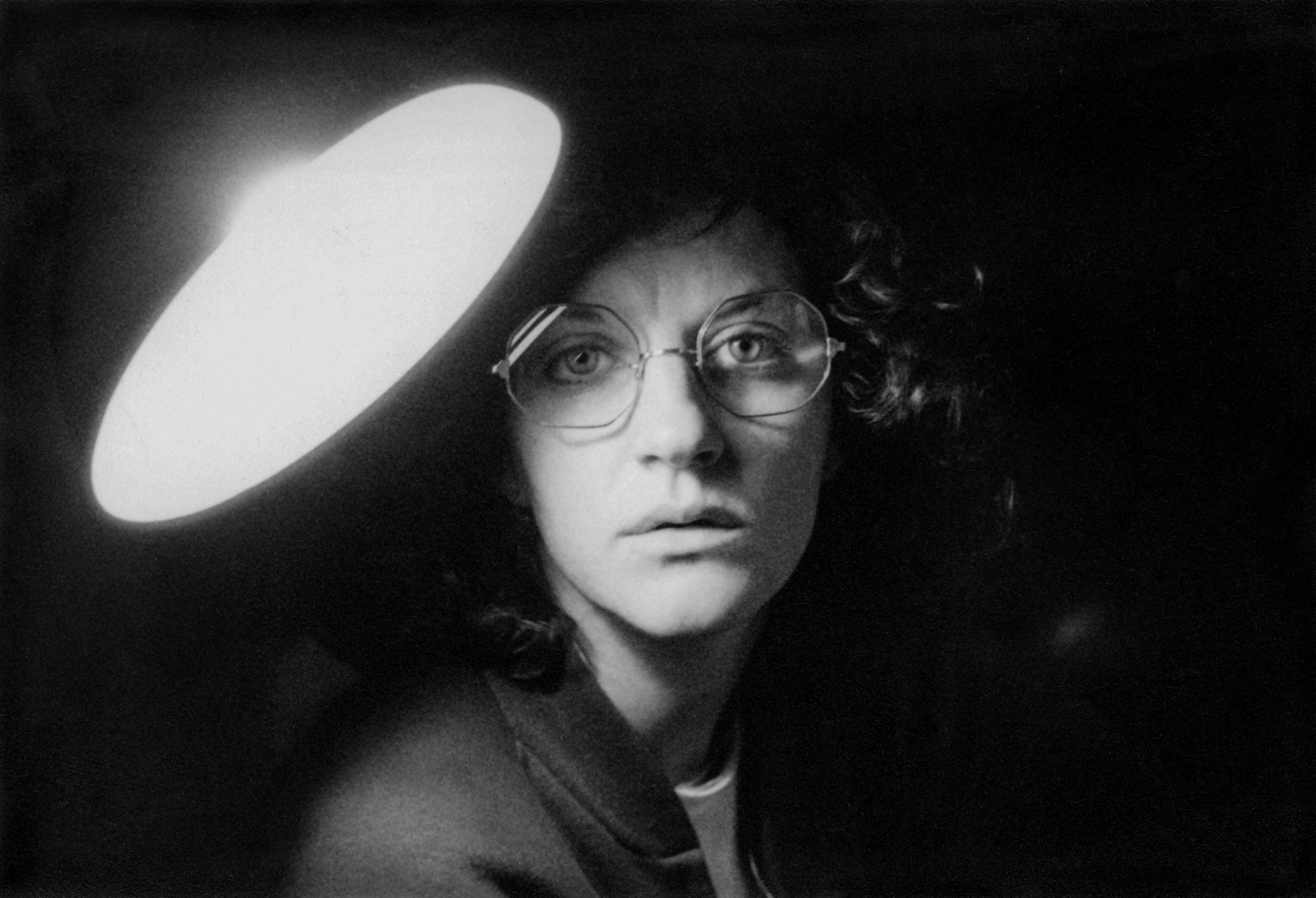
William Heimerman (Australian born America, 1950-2017)
Carol Jerrems
c. 1975-1980
Silver gelatin print
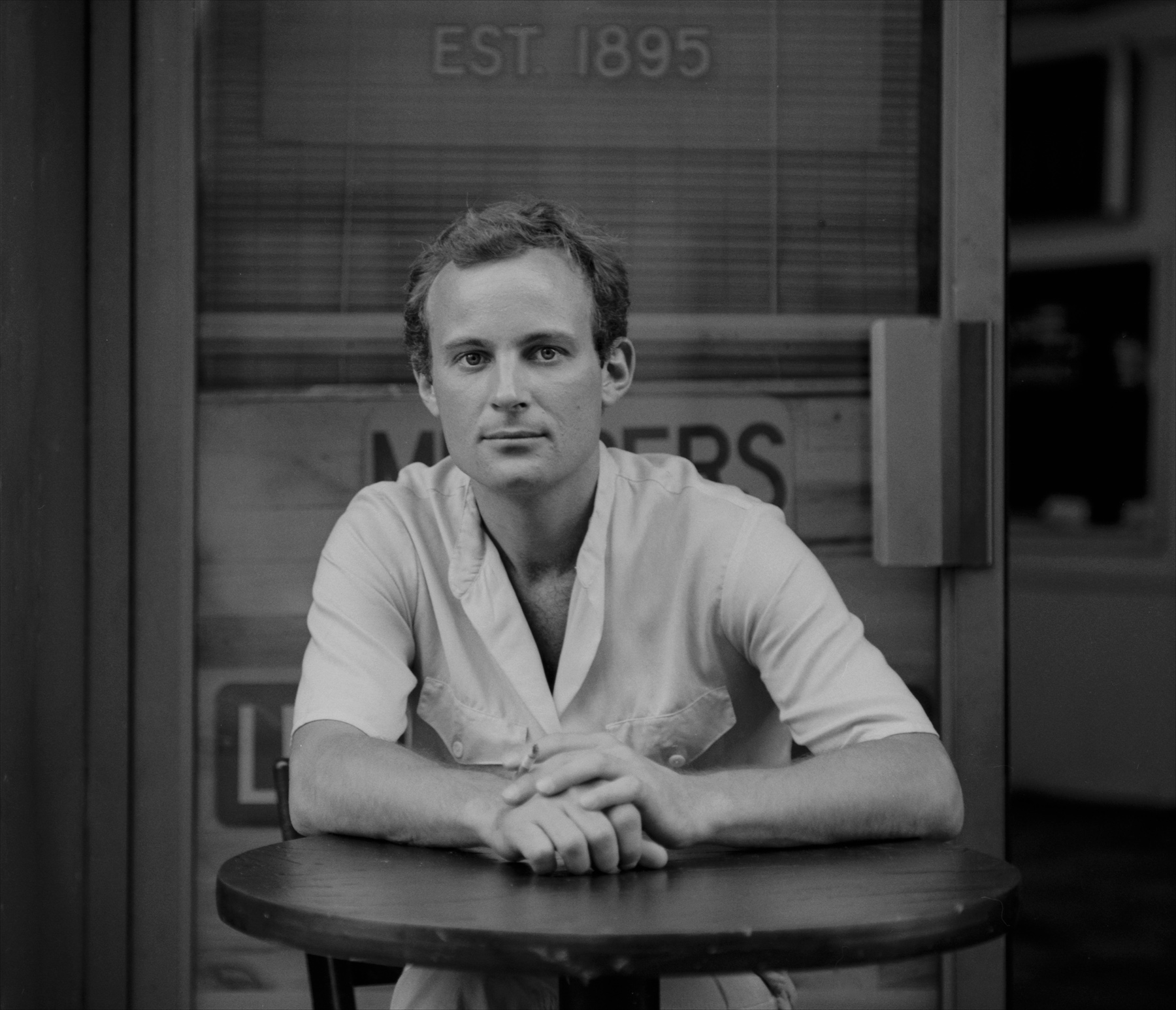
Peter Leiss (Australian born England, b. 1951)
William Heimerman
c. 1975-1980
Silver gelatin print
![Peter Leiss (Australian born England, b. 1951) 'Untitled [Bill Heimerman at the Photographers' Gallery]' c. 1975-1980](https://artblart.com/wp-content/uploads/2017/10/leiss-william-heimerman-web.jpg "Peter Leiss (Australian born England, b. 1951) 'Untitled [Bill Heimerman at the Photographers' Gallery]' c. 1975-1980")
Peter Leiss (Australian born England, b. 1951)
Untitled [Bill Heimerman at the Photographers’ Gallery]
c. 1975-1980
Silver gelatin print
![Peter Leiss (Australian born England, b. 1951) Untitled [Bill and Barbara]' c. 1975-1980](https://artblart.com/wp-content/uploads/2017/10/leiss-william-heimerman3-web.jpg "Peter Leiss (Australian born England, b. 1951) Untitled [Bill and Barbara]' c. 1975-1980")
Peter Leiss (Australian born England, b. 1951)
Untitled [Bill and Barbara]
c. 1975-1980
Silver gelatin print
The Photographers’ Gallery
The most significant time for contemporary Australian photography was the period from mid 1975 to 1977. Three singular events occurred which provided local artist/ photographers with more hope and encouragement than some thought they had any right to expect. In the latter half of 1975 Bill Heimerman and lan Lobb took over the Photographers’ Gallery in South Yarra. With a new and dynamic policy they challenged the status quo and, in time, changed the course of the previous five years.
While actively seeking new, local work they were determined the gallery would never compromise itself, and only photographs of the highest quality would be exhibited in the hope that Australian standards would be lifted to an international level. After an initial, brief flirtation with local photography it became evident that the homegrown product was noticeably shabby, and the gallery embarked on the risky program of bringing the best contemporary, international work to Australia.
By doing this it was hoped that a better understanding of print quality would follow, that internationally acclaimed work would break down the public resistance to photography as an artistic medium and that buyers, both public and private, would respond to a venue which allowed them to view overseas work before purchasing. The gallery was to become a locus and the means whereby Australians, working at home, could gain credibility overseas. By 1977, with a series of first class exhibitions behind them, Heimerman and Lobb organised the first workshop to be conducted here by an American photographer, Ralph Gibson. In previous years we had seen lecture tours by Szarkowski and Friedlander but these were poorly publicised and attended. The gallery has also sponsored visits by William Clift and Harry Callahan who have both inspired and encouraged those lucky enough to meet them. Today the Photographers’ Gallery is run solely by Bill Heimerman, lan Lobb having left to pursue his photography, and with an enviable record of exhibitions and workshops is seen as the premier gallery in Australia; a show there is a genuine honour.
~ Tony Perry 1980
Print Letter No.25 Jan/Feb. 1980 Vol. 5 No. 1 pp. 8-9
![Peter Leiss (Australian born England, b. 1951) 'Untitled [The note]' Melbourne, 2017](https://artblart.com/wp-content/uploads/2017/10/leiss-the-note-web.jpg "Peter Leiss (Australian born England, b. 1951) 'Untitled [The note]' Melbourne, 2017")
Peter Leiss (Australian born England, b. 1951)
Untitled [The note]
Melbourne, 2017
Digital photograph
![Peter Leiss (Australian born England, b. 1951) 'Untitled [At the gathering for William Heimerman: Jeff Busby, Conrad Winkler and Marcus Bunyan]' Melbourne, 2017](https://artblart.com/wp-content/uploads/2017/10/leiss-busby-winkler-bunyan-web.jpg "Peter Leiss (Australian born England, b. 1951) 'Untitled [At the gathering for William Heimerman: Jeff Busby, Conrad Winkler and Marcus Bunyan]' Melbourne, 2017")
Peter Leiss (Australian born England, b. 1951)
Untitled [At the gathering for William Heimerman: Jeff Busby, Conrad Winkler and Marcus Bunyan]
Melbourne, 2017
Digital photograph
![Peter Leiss (Australian born England, b. 1951) 'Untitled [At the gathering for William Heimerman]' Melbourne, 2017](https://artblart.com/wp-content/uploads/2017/10/leiss-heimerman-group-2017-web.jpg "Peter Leiss (Australian born England, b. 1951) 'Untitled [At the gathering for William Heimerman]' Melbourne, 2017")
Peter Leiss (Australian born England, b. 1951)
Untitled [At the gathering for William Heimerman]
Melbourne, 2017
Digital photograph
Left to right standing: Jeff Busby, Konrad Winkler, Francis Busby, Andrew Daly, Barbara Anne Smith, Robert Besanko, Marcus Bunyan, Philip Ingamells, Mae O’Laughlin, Sandy Sonderal, Angelo Kara Karavitis
Sitting: Louise Bradley, Barbara Derrick, Ian Lobb, Kalli Pulos, Ros Winkler, Diana Haig, Jon Conte
Dogs: Yoshi, Sophie






 Art Blart _ art and cultural memory archive
You must be logged in to post a comment.