Co-curators: Hripsimé Visser, former curator at Stedelijk Museum, Foam curator Claartje van Dijk, and exhibition designer Jeroen de Vries, in collaboration with NIOD Institute
Marius Meijboom (Dutch, 1911-1998) Hunger Winter February 1945 Marius Meijboom / Niod
Iconic photo of Henkie Holvast from the Jordaan, 9 years old
Resist!
The photograph of Henkie Holvast (February 1945, above) is an example of the famine the Nazis inflicted on the general population of the Netherlands during the last year of the Second World War.
I’ll leave you to make the correlation between these historical events and what is happening in Gaza today … and to understand the hypocrisy and evil of contemporary acts.
Like the photojournalists that are being targeted and killed for reporting the truth of the situation in Gaza, so these photographers would have been killed by the Nazis for photographing the occupation of the Netherlands if they had been caught.
“Verzet! Verzet!” (Resist! Resist!)
Dr Marcus Bunyan
Many thankx to Foam, Amsterdam for allowing me to publish the photographs in the posting. Please click on the photographs for a larger version of the image.
“The exhibition The Underground Camera captures the hunger and hardship in Amsterdam during the final year of World War II, but also sheds light on the untold stories behind the images, offering fresh perspectives.”
“Verzet! Verzet!” (Resist! Resist!) is spray painted boldly on a public wall, confronting the public in Cas Oorthuys’s Verzetsleuzen op een schuilbunker Kwakersplein (Resistance slogans on a bunker at Kwakersplein), taken in Amsterdam between 1944-1945. In many ways this image serves as a visual manifesto for The Underground Camera, the new exhibition at Foam Amsterdam, articulating the collective’s commitment to resistance, subversion, and the political potential of the photographic image.
The Underground Camera, a group of Amsterdam based photographers, made the life-threatening and courageous decision to photograph the Nazi occupation of Holland, specifically the famine of 1944-45 in Amsterdam as a result of the Nazis blocking food transport. The photographers, recruited by members of the Dutch resistance, were tasked with making the unseen visible. The intention was to inform the Dutch government working in exile in London to advocate for food drops on their behalf while also documenting the conditions of the occupation, creating evidence in the event the Nazis would be held accountable. A general ban on photography was implemented in 1944 by the occupation, so The Underground Camera followed through with illegal acts carried out discreetly, often hiding the cameras under their garments.
Not only was participating in illegal acts under the Nazi occupation dangerous, but being associated with the resistance otten carried dire consequences. By highlighting the potential fatality of the mission, its dangerous conditions, and the equipment that was difficult to obtain at the time and often poor quality, Foam’s exhibit allows the audience to witness a quiet rebellion. A rebellion that is often overlooked not only in the history of photography, but in history as a whole.
With this exhibit, the courageous and inspiring group finally gets their time of recognition.
The Underground Camera, initially known as the more unassuming ‘Nederland Archief’ (Netherlands Archive), significantly contributed to the retelling of history regarding Germany’s occupation during the war, viewing the camera as both a witness and a weapon. The idea of the camera as a weapon is underscored by many academic discourses surrounding documentary war photography. A camera has the potential to become a tool of war whose target is completely dependent on the intention of the one shooting, but in this case of the camera has actively deconstructed propaganda while also holding the occupiers accountable.
There are many unknowns when it comes to this group. Who were the participating photographers, were any were caught, how were they organised, how did they operate, etc. This exhibition is giving them deserved institutional and academic recognition and advocates for their story to be told. The Underground Camera is an incredible show not only because it offers rare glimpses into the realities of war, but because the photographs are a product of courageous resilience.
Foam presents The Underground Camera, an exhibition that features work from Dutch photographers who captured the consequences of the German occupation during the 1944-45 ‘famine winter’ in Amsterdam.
The exhibition The Underground Camera is inspired by the celebrations of Amsterdam’s 750th anniversary and 80 years of liberation.
With their photographs, The Underground Camera group made a significant contribution to the image of the Second World War. The photographers were recruited by members of the resistance, with the aim of informing the Dutch government in London. They worked independently and under the dangerous conditions of an occupied city, with hard-to-obtain, often poor-quality equipment. The exhibition provides an impressive picture of the consequences of hunger and cold in the dismantled Amsterdam at the end of the war.
The group of photographers included Cas Oorthuys, Emmy Andriesse, Charles Breijer, Kryn Taconis, and Ad Windig, among others.
Charles Breijer (Dutch, 1914-2011) Charles Breijer photographs a German-requisitioned building near Vondelpark from his bicycle bag. He inadvertently captures his own shadow Spring 1945 Charles Breijer / Netherlands Photo Museum (NFM)
German guard post in front of the Kriegsmarine building at Emmaplein in Amsterdam. Visible in the foreground is the shadow of photographer Charles Breijer, operating his Rolleiflex camera from his pannier.
Charles Breijer (Dutch, 1914-2011) Andrea Domburg distracts bystanders while Margreet Meijboom-Van Konijnenburg takes the photo from her bag Nd Charles Breijer / Netherlands Photo Museum
Charles Breijer (Dutch, 1914-2011) Margreet Meijboom-van Konijnenbrug (right) demonstrates photographing from a shopping bag. Andrea Domburg, in a nurse’s uniform, accompanies her to keep an eye on the surroundings Nd Charles Breijer / Netherlands Photo Museum
In honour of Amsterdam’s 750th jubilee and the 80th remembrance of the Netherlands’ liberation, Foam presents The Underground Camera (De Ondergedoken Camera). The exhibition showcases images captured by the group of photographers who came to be known by the same name. They photographed the harsh realities of Amsterdam during the ‘Hunger Winter’ of 1944-1945, offering a rare glimpse into the courageous missions of the resistance group and their role in documenting the Nazi occupation. The exhibition features work by renowned Dutch photographers such as Cas Oorthuys, Charles Breijer and Emmy Andriesse.
The resistance group was led by Fritz Kahlenberg and Tonny van Renterghem. In November 1944, when the German administration banned public photography, they – alongside a network of fourteen photographers – worked in secrecy to document the occupation and the resistance. Their efforts, carried out at great personal risk, preserved a crucial visual record of this era. Kahlenberg, a German Jewish filmmaker who had migrated to Amsterdam in 1933, was involved in the forgery of identity cards for the resistance. Van Renterghem had a military background and was also actively involved in resistance work. Although he was not a photographer himself, he played a crucial role in the coordination between The Underground Camera and other resistance groups. The images taken by the photographers of The Underground Camera were intended to be smuggled to London to convince the Dutch government in exile of the need for Allied food droppings in the Netherlands. Today, the photos provide a realistic perspective of daily life in Amsterdam during the last months of the German occupation.
The historical material of the group was stored in various Dutch collections in the form of negatives, original photo prints, albums and picture books. The exhibition sheds light on topics such as the Hunger Winter, the resistance, the illegal press, instances of sabotage, the transport of weapons and the liberation by the Allied Forces.
The Underground Camera is the result of a close collaboration with the NIOD Institute for War, Holocaust and Genocide Studies. A publication by the same name, written by NIOD-researchers René Kok and Erik Somers, will be released in March 2025. The exhibition has been co-curated by Hripsimé Visser, former curator of photography at Stedelijk Museum Amsterdam, in collaboration with exhibition designer Jeroen de Vries.
The Mayor of Amsterdam, Femke Halsema, will open the exhibition at Foam.
The exhibition The Underground Camera is part of a research trajectory within Foam’s artistic programme, launched in early 2024 under the title The Camera as a Weapon, which included a pop-up exhibition of the same name and a symposium. In a time marked by conflict, Foam poses the question: what can photography do? Through this research line – which also includes the exhibition Sakir Khader – Yawm al-Firak – the museum responds to current events by presenting artistic practices in which the camera is used as a weapon. In light of the national observance of Remembrance Day on 4 May and the national celebration of Liberation Day on 5 May, het Amsterdams 4 en 5 mei comité, in collaboration with Foam en NIOD, will also present an exhibition. This public exhibition will be shown from 29th of April until the 6th of May on the Museumplein.
About The Underground Camera
Kahlenberg and Van Renterghem, the driving forces behind the operation, instructed a group of photographers from their main location at the Michelangelostraat 36 in Amsterdam South from where they oversaw their resistance activities. Many of the The Underground Camera photographers would later become internationally renowned. They concealed their cameras in handbags and jackets in order for them to take the pictures unnoticed. Many used Rolleiflex cameras which had a viewfinder on top, making it easier to take pictures from hip height. Given the danger of being involved in organised resistance, the photographers did not know who else was part of the collective and worked under neutral names such as ‘Netherlands Archive’ (‘Nederlands Archief’) and ‘Central Imagery Archive’ (‘Centraal Beeldarchief’). Just a few weeks after the liberation, in early June 1945, a selection of work was showcased in the exhibition The Underground Camera located in the studio of the photographer Marius Meijboom at the Keizersgracht in Amsterdam. The exhibition brought national recognition for The Underground Camera’s work, leading the group to officially adopt this name. Now, 80 years later, their legacy returns in a new exhibition along the same canal.
UNESCO included The Underground Camera in its Dutch Memory of the World Register, making it the first photographic legacy ever to receive this prestigious distinction.
The Underground Camera consisted of Tonny van Renterghem (1919-2009), Fritz Kahlenberg (1916-1996), Emmy Andriesse (1914-1953), Carel Blazer (1911-1980), Charles Breijer (1914-2011), Cornelis Holtzapffel (1916-1984), Ingeborg Kahlenberg-Wallheimer (1920-1996), Boris Kowadlo (1912-1959), Frits Lemaire (1921-2005), Marius Meijboom (1911-1998), Margreet Meijboom-van Konijnenburg (1910-onbekend), Cas Oorthuys (1908-1975), Hans Sibbelee (1915-2003), Ben Steenkamp (1917-1967), Ad Windig (1912-1996) and Krijn Taconis (1918-1979). Taconis was the first Dutch person to become a member of renowned international photography collective Magnum.
Press release from Foam
Margaretha van Konijnenburg (1910 – d.) Bicycle raid on the Weteringplantsoen in Amsterdam Autumn 1944
Hans Sibbelee (Dutch, 1915-2003) Children on Sarphatistraat remove the impregnated wooden blocks from between the tram rails, for the stove March 1945
The photographer took the photo from under his jacket
Krijn Taconis (Dutch, 1918-1979) Police officers guarding food supplies in the Amsterdam harbour to prevent looting will receive an extra meal Nd Krijn Taconis / Niod
Emmy Andriesse (Dutch, 1914-1953) On the way to the soup kitchen Nd BBWO2 / Leiden University Library
Emmy Andriesse (Dutch, 1914-1953) A man and a woman find some coal remains at the Weesperpoort station in Amsterdam Spring 1945
Emmy Andriesse (Dutch, 1914-1953) A boy eats a meal from a soup kitchen Nd
H.R. Kettner (Dutch, 1916 – d.) The distribution of groceries became increasingly difficult, resulting in long lines in front of, among other places, the Wijnbergh & Co. store on Middenweg Nd
Other photographs by The Underground Camera photographers
Emmy Andriesse (Dutch, 1914-1953) Amsterdam tijdens de hongerwinter (Amsterdam during the hunger winter) [1944-1945] Published 1947 Bound volume Closed: 29.21 x 22.86cm (11 1/2 x 9 in.) Open: 29.21 x 44.45cm (11 1/2 x 17 1/2 in.) National Gallery of Art Library, David K.E. Bruce Fund
Emmy Andriesse (Dutch, 1914-1953)
Emmy Eugenie Andriesse (Dutch, 1914-1953) was a Dutch photographer best known for her work with the Underground Camera group (De Ondergedoken Camera [nl]) during World War II. …
War years and the ‘Underground Camera’
In June 1941 Andriesse married graphic designer and visual artist Dick Elffers (a gentile with whom she had two sons, one who died young), but as a Jew during the Nazi occupation Andriesse was no longer able to publish and she was forced into hiding. At the end of 1944, with the assistance of the anthropologist Arie de Froe [nl] she forged an identity card and re-engaged in everyday life, joining a group of photographers, including Cas Oorthuys and Charles Breijer, working clandestinely as De Ondergedoken Camera. The photos that Andriesse made under very difficult conditions of famine in Amsterdam, include Boy with pan, The Gravedigger and Kattenburg Children are documents of hunger, poverty and misery during the occupation in the “winter of hunger” of 1944-1945.
Post-war
After the war, she became a fashion photographer and was an associate and mentor of Ed van der Elsken. She participated in the group show Photo ’48 and in 1952, together with Carel Blazer [nl], Eva Besnyö and Cas Oorthuys, the exhibition Photographie, both in Amsterdam’s Stedelijk Museum. Edward Steichen chose her 1947 portrait of a staid and elderly Dutch couple for the section ‘we two form a multitude’ in the Museum of Modern Art world-touring The Family of Man that was seen by an audience of 9 million. More recently (October 2006 – January 2007) she was included in a display of Twentieth Century European photography at the Barbican Art Gallery, London.
Andriesse’s last commission, the book The World of Van Gogh – published posthumously in 1953 – was not yet complete when she became ill and after a long battle with cancer, died at the age of 39.
Emmy Andriesse (Dutch, 1914-1953) Amsterdam tijdens de hongerwinter (Amsterdam during the hunger winter) (detail) 1947 Bound volume Closed: 29.21 x 22.86cm (11 1/2 x 9 in.) Open: 29.21 x 44.45cm (11 1/2 x 17 1/2 in.) National Gallery of Art Library, David K.E. Bruce Fund
Steeds grauwer werd het beeld de steden. Schoeisel en kleding raakten totaal versleten.
The image of the cities became increasingly grey. Footwear and clothing became totally worn out.
Emmy Andriesse (Dutch, 1914-1953) Amsterdam tijdens de hongerwinter (Amsterdam during the hunger winter) (detail) 1947 Bound volume Closed: 29.21 x 22.86cm (11 1/2 x 9 in.) Open: 29.21 x 44.45cm (11 1/2 x 17 1/2 in.) National Gallery of Art Library, David K.E. Bruce Fund
De etalages waren leeg of toonden alleen vervangingsmiddelen.
The shop windows were empty or only showed substitutes.
Unknown photographer George Rose (Australian, 1861-1942) (publisher, Windsor, Melbourne) The Victorian Continent Melbourne, Victoria, 28th October 1899 2 photographic prints on stereocard 9 x 18cm
A historical posting this week: stereographs of soldiers of the two Victorian Contingents leaving from Melbourne for the Boer War in South Africa, the first in October 1899 and the second contingent in January 1900.
I have digitally scanned and cleaned these stereographs (that is, two nearly identical photographs or photomechanical prints, paired to produce the illusion of a single three-dimensional image, usually when viewed through a stereoscope, usually mounted on card) that I borrowed from my friend Terence Hodgkinson. I have added bibliographic information where possible: a small history of Australia and the Boer War; enrolment and embarkation details of the contingents; photographs and details of both ships that the men departed on; and information on the Rose Stereograph Company and its founder.
These 3D stereographs really give you a feeling of what it would have been like to live in Australia in last year of the 19th century and the beginning of the 20th century: a society full of pomp and circumstance with banners and bunting, ceremony and marches supporting a militarised society, where Australia was still a colony and not yet a nation (Federation of Australia only occurred on 1 January 1901).
In the stereograph The Victorian Continent (Melbourne, Victoria, 28th October 1899, above) a crowd of spectators on Swanston Street, Melbourne (viewed from Flinders Street Station with people on the steps of St Paul’s Cathedral at back right) celebrates the departure for South Africa of the 1st Victorian Continent to the Boer War. Notice the flags of the United States of American, Japan, Scotland, United Kingdom and St. George (England) flying above the procession and the absence of the Australian flag (the current Australian flag was first flown on 3rd September 1901). Also note the girl at bottom right clinging onto the corrugated iron roof of wooden sheds where you can book tickets to the Moonee Valley Races and Port Melbourne.
In the series of three stereographs Victorian Continent, S.S. “Medic” Leaving the Pier (Melbourne, Victoria, 28th October 1899, below) we can observe the passage of time as the ship pulls away from the pier as the crowd of onlookers walks towards us, and in the two following stereographs Victorian Continent, S.S. “Medic” off to South Africa and The Victorian Continent, Last View of Boat (both Melbourne, Victoria, 28th October 1899, below) we note that the photographer on top of his high perch has swung his large plate camera through 180 degrees to photograph the crowd and stern of the ship as she passes from view. Again, in the series of stereographs of the departure of the 2nd Victorian contingent The Bushman’s Contingent. “Euryalus” Leaving Pier (Melbourne, Victoria, 13th January 1900, below) we an see how the photographer captures the ship as she slides past, closing in on the troops piled high on the deck to wave goodbye. With their layered geometric forms and serried ranks these are very modernist photographs for their time in Australia. Finally, note another photographer with his large format camera and tripod standing above the crowd at left in the stereograph 2nd Victorian Contingent. The Troops at the Pier (Melbourne, Victoria, 13th January 1900, below)
It’s been a lot of hard work but it’s great to have this record of Melbourne life online as large format jpg for as far as I can tell they are not available otherwise. If anyone needs high resolution scans of the images please get in touch, always happy to send them.
Dr Marcus Bunyan
Many thankx to my friend Terence Hodgkinson for allowing me to scan and publish his stereographs. Digital clean and colour balance by Marcus Bunyan. Please click on the photographs for a larger version of the image.
“It was national sentiment in Canada and Australia which demanded that they share in the dangers of empire as well as the benefits they had long known. Self-appreciation would no longer permit colonial peoples in such advanced areas to feel that they could make no significant contribution to the war in which Britain was engaged.”
Donald C. Gordon, The Dominion Partnership in Imperial Defense 1870-1914 (Baltimore, 1965), p. 152.
“South Australia was still a colony, and Australia not yet a nation, when the Boer War broke out in South Africa in 1899. The colonies of Australia each provided contingents. When the war was over the colonial contingents had been merged, reflecting Australia’s emergence as a nation. Its soldiers had already begun the process of forging a reputation for courage, initiative, and endurance, which would later be reinforced during the Great War.”
Adapted by Steve Larkins from original work by Will Clough as featured in “Tributes of Honour”. “Boer War (11 October 1899 to 30 May 1902),” on the Virtual War Memorial Australia website Nd [Online] 03/10/2023
Unknown photographer George Rose (Australian, 1861-1942) (publisher, Windsor, Melbourne) The Victorian Contingent Procession Melbourne, Victoria, 28th October 1899 2 photographic prints on stereocard 9 x 18cm
A crowd of spectators watching a parade of the 1st Victorian Contingent to the Boer War. The white helmets of the soldiers are visible as a line passing through the arch emblazoned with the words “For Queen”. The soldiers are on their way to embark on a ship bound for South Africa.
Unknown photographer George Rose (Australian, 1861-1942) (publisher, Windsor, Melbourne) The Victorian Contingent Procession Melbourne, Victoria, 28th October 1899 2 photographic prints on stereocard 9 x 18cm
Unknown photographer George Rose (Australian, 1861-1942) (publisher, Windsor, Melbourne) The Victorian Contingent Procession Melbourne, Victoria, 28th October 1899 2 photographic prints on stereocard 9 x 18cm
Unknown photographer George Rose (Australian, 1861-1942) (publisher, Windsor, Melbourne) Victorian Continent Procession (Governor’s Carriage) Melbourne, Victoria, 28th October 1899 2 photographic prints on stereocard 9 x 18cm
The enrolment of Victorian volunteers for service in the Transvaal should war break out began on 20 September at Victoria Barracks. Members of all branches of the service were invited to register, as well as citizens with previous military training,22 and by 28 September 760 men of the defence forces and 280 civilians had volunteered.23 But after 3 October, when Victoria committed itself to sending 125 infantry and 125 mounted infantry, the call for recruits became more specific. By 12 October 260 mounted men from a volunteer regiment of 800, and 250 infantry men from a militia regiment of 1900, had given in their names. This was hardly an enthusiastic response to the call to arms, but worse was to follow. When called up for medical and military efficiency tests, only 128 mounted infantry men and 107 infantry men reported.24 The medical examination also produced a surprise: forty percent of the applicants failed to pass a test considered not strict. The failure rate among the Victorian Mounted Rifles might be explained by the fact that as a volunteer regiment its recruits were not subject to any medical examination; but the same excuse could not be made for the militia, and their failure rate was just as high.25 To complete the numbers in both the mounted and unmounted units, the authorities called on the Victorian Rangers,a volunteer infantry regiment; but still lacking five men for the infantry unit they gave the places to members of the permanent artillery!26 Victoria had set out to enlist preferably single men of twenty to forty years of age, and it is a further measure of recruiting difficulties that twenty-seven married men embarked for South Africa.27
It was common for press reporters to regard the Victorian contingent as being composed of bushmen, but that could not have been so for about eighty percent of the infantry were recruited from Melbourne, with the remainder coming from Castlemaine, Ballarat, and Bendigo. Only the mounted unit was filled from country areas. A summary of the occupations of the Victorian contingent shows a preponderance of townmen, with rural areas being represented by landowners rather than rural workers.
Selection of the officers for the contingent on grounds that ignored seniority was questioned in the Legislative Assembly, but defended by the premier who claimed that efficiency had been the criterion.29 An Age report regarded the officers, who had been selected from “numerous volunteers”, as “young, intelligent and enthusiastic”,30 but when one considers the favourable connections of several of them, another factor in their selection seems likely. A biographical summary of the officers is given below. It indicates possible sources of influence, but more importantly, it gives an idea of the type of leader who sailed with the first and the second contingents. All the Victorians were colonials and in personal and professional details they appeared fairly typical of Australian militia officers of the time.31
…
From existing sources, fragmentary though they may be at times, there emerges a reasonably clear picture of the men who were to lay the foundations of Australian military tradition. They were predominantly unmarried men, on an average in their mid-twenties. The average physique might have approximated a man five feet eight and a half inches in height, ten stone twelve pounds in weight, and thirty-five inches around the chest.47 This suggests a tallish, lithe soldier, and the suggestion is supported by numerous contemporary references to the Australians’ admirable physique. If members of infantry units, the contingenters were most likely to have come from the cities; if members of mounted infantry and cavalry units they would have come mainly from country towns and rural areas. They would have had a liking for the military life, a modicum of discipline, but only a limited knowledge of the science of war.
Unknown photographer George Rose (Australian, 1861-1942) (publisher, Windsor, Melbourne) The Victorian Continent Taking Horses Abroad Melbourne, Victoria, 28th October 1899 2 photographic prints on stereocard 9 x 18cm
Unknown photographer George Rose (Australian, 1861-1942) (publisher, Windsor, Melbourne) The Victorian Continent Going Aboard Melbourne, Victoria, 28th October 1899 2 photographic prints on stereocard 9 x 18cm
Unknown photographer George Rose (Australian, 1861-1942) (publisher, Windsor, Melbourne) Victorian Continent, S.S. “Medic” Leaving the Pier Melbourne, Victoria, 28th October 1899 2 photographic prints on stereocard 9 x 18cm
A crowd of onlookers walk down Railway Pier in Port Melbourne to farewell the Victorian Contingent aboard the S.S. Medic as it departs for the Boer War in South Africa.
Unknown photographer George Rose (Australian, 1861-1942) (publisher, Windsor, Melbourne) Victorian Continent, S.S. “Medic” Leaving the Pier Melbourne, Victoria, 28th October 1899 2 photographic prints on stereocard 9 x 18cm
A crowd of onlookers walk down Railway Pier in Port Melbourne to farewell the Victorian Contingent aboard the S.S. Medic as it departs for the Boer War in South Africa.
Unknown photographer George Rose (Australian, 1861-1942) (publisher, Windsor, Melbourne) Victorian Continent, S.S. “Medic” Leaving the Pier Melbourne, Victoria, 28th October 1899 2 photographic prints on stereocard 9 x 18cm
A crowd of onlookers walk down Railway Pier in Port Melbourne to farewell the Victorian Contingent aboard the S.S. Medic as it departs for the Boer War in South Africa.
Unknown photographer S.S. Medic leaving Sydney Probably 1900s State Library of New South Wales Public domain
S.S. Medic
SS Medic was a steamship built by Harland and Wolff in Belfast for the White Star Line which entered service in 1899. Medic was one of five Jubilee-class ocean liners (the others being the Afric, Persic, Runic and Suevic) built specifically to service the Liverpool – Cape Town – Sydney route. The ship’s name pertained to the ancient Persian region of Media and was pronounced Mee-dic.
Medic was the second Jubilee-class ship to be built for the Australia service. Like her sisters she was a single funnel liner, measuring just under 12,000 gross register tons (GRT), which had capacity for 320 passengers in third class on three decks, she also had substantial cargo capacity with seven cargo holds, most of them refrigerated for the transport of Australian meat.
After a long career with White Star, Medic was sold in 1928 and was converted into a whaling factory ship and renamed Hektoria, she remained in service in this role until being torpedoed and sunk during World War II in the Atlantic Ocean whilst sailing in a convoy in 1942. …
White Star Line career
Medic was launched at Belfast on 15 December 1898, but her completion was delayed until 6 July the following year, so that improvements that were being made to her earlier sister Afric could be incorporated into her construction.
Medic inaugurated White Star’s new Australia service with her maiden voyage, which started from Liverpool on 3 August 1899, she was then the largest ship ever to sail to Australia. Although Afric was the first ship built for the service, she did not make her first voyage to Australia until the following month. On board the maiden voyage was Charles Lightoller on his first assignment as fourth mate, he would later become the only senior officer to survive the sinking of the Titanic. Upon Medic‘s arrival in Australia she was greeted with a rapturous reception. Lightoller wrote:
“She was a show ship, the biggest that had ever been out there, and the people in Australia gave us the time of our lives. Everything and everywhere it was Medic“
On her first return trip to the UK, Medic carried Australian troops to South Africa for the Boer War which had started in October 1899, and continued to carry troops to the conflict until it concluded in 1902. In October 1900, while Medic was anchored in Neutral Bay, Sydney Harbour, Charles Lightoller and some shipmates were involved in the “Fort Denison Incident”, a prank intended to fool locals into believing a Boer raiding party was attacking the city. The culprits were never apprehended but Lightoller confessed to his company’s superiors, after which he was transferred to the Atlantic route.
Allan C. Green (Australian, d. 1954) The steamship and White Star Liner Medic Before 1940 State Library of Victoria, Allan C. Green collection of glass negatives Public domain
Unknown photographer George Rose (Australian, 1861-1942) (publisher, Windsor, Melbourne) Victorian Continent, S.S. “Medic” off to South Africa Melbourne, Victoria, 28th October 1899 2 photographic prints on stereocard 9 x 18cm
A crowd of onlookers on Railway Pier in Port Melbourne waves off the Victorian Contingent aboard the S.S. Medic as it departs for the Boer War in South Africa.
The Victorian government took additional steps to ensure the success of the Melbourne farewell by making available holiday excursion fares from all stations to the city. It also approved the issue of free rail passes to the immediate relatives of country members of the contingent.107
…
The Victorian contingent was given a taste of the morrow by the crowds who thronged inside and outside the Melbourne Town Hall for the mayor’s farewell. “For the first time in the history of Victoria the thrill of patriotism vibrated through the nerves of the people”, and their hearts were stirred by the colony’s first plunge into “the great deeps of international warfare”. After the ceremony, the troops headed a triumphal procession back to barracks, and as the men disappeared within the gates the huge crowd sang Soldiers of the Queen. 111
The thronged streets were lined by 2000 school cadets for the march the following day, Saturday 28 October, and the contingent had an escort of 4000 members of the defence forces. Included in the column, and basking in a glory they must have thought gone forever, were former Imperial soldiers, “ambling but proud old wrecks” who wore the medals of Crimea and the Mutiny.112 Lieutenant Tremearne, in writing of the occasion later, told of people, perfect strangers to him, rushing into the ranks with tear filled eyes and murmuring, “Good luck, old man”.113 Followed by a flotilla of smaller craft, the Medic, largest ship ever to enter an Australian port, sailed down the bay and turned to the open sea. Long after the cheering had died and the launches had turned back, Victoria continued to salute her first contingent with huge bonfires which blazed along miles of coastline.114
Unknown photographer George Rose (Australian, 1861-1942) (publisher, Windsor, Melbourne) The Victorian Continent, Last View of Boat Melbourne, Victoria, 28th October 1899 2 photographic prints on stereocard 9 x 18cm
The Rose Stereograph Company
The publishing output of this long-lived firm (which operated from about 1880 until it went into liquidation in 2017) was phenomenal, and when the remains of what must have been a vast photographic archive went on sale in June 2021 with Lloyds Auctions…
According to a brief history by postcard collector Leo Fitzgerald, the Rose story began when Cornish sea captain William Rose came to the Victorian Ballarat gold fields from California and married Grace Ash at Ballarat in 1861. The couple’s son, George, was born in 1862 at the town of Clunes. He worked in his father’s shoe shop in Chapel Street, Prahran, between 1877 and 1880 (apparently producing his earliest photos from those premises) and began spending his Sundays selling photos to picnic parties in the Dandenong hills. Finding his niche in photography, he moved to a new address at Armadale and founded his own firm publishing stereographic views. Over the years he travelled to many countries and recorded numerous important historic events with his stereographic camera equipment, opening offices in Sydney, Wellington and London. His images from Korea have become especially celebrated in Korea, where they represent an extremely rare glimpse of the nation in 1904, before the onset of the destruction wrought by the wars of the 20th century. …
Collector and researcher Ron Blum, whose excellent books built on Leo Fitzgerald’s work, wrote that George’s son Walter took over the business sometime before 1931, selling it in that year to long-time employees Edward Gilbert and Herbert Cutts… George’s wife, Elizabeth, died in 1929, and both George’s sons died before him. With no longer any legal interest in the company he had founded, George kept on taking photographs for the old firm, travelling around Australia in a mobile darkroom and camping along the way. He worked almost until his death in 1942, aged 80… The Rose Stereographic Company continued under the stewardship of Herbert “Bert” Cutts, who brought his son Neil into the business in the 1950s.
George Rose was born in Clunes, Victoria, in 1861. He did not follow his father into boot-making, but was interested in astronomy and natural history. He was unconventional, of rather eccentric and Bohemian character. After moving to Melbourne in 1876, George developed his skills as a photographer, especially in the stereoscopic field – what is known as 3D photography today. He founded the Rose Stereographic Company in 1880. In 1901 George recorded the celebrations for the visit of the Duke and Duchess of York, and in the following years travelled across Australia and over 35 countries taking three-dimensional photos. By 1907 his business employed six people – two males and four females; at its peak, staff numbered around 20. In 1913 the Rose Stereographic Company began manufacturing “real photo” postcards. George’s son Walter managed the company, allowing his father to concentrate on taking the photographs. In 1931 the business was sold to two long-time employees, Edward Gilbert and Herbert (Bert) Cutts. George Rose died of cancer in 1942, having outlived both his sons, but the business remained in the Cutts family for many years before it finally closed down in March 2017.
Information from the book George Rose – The Postcard Era by Ron Blum.
2nd Victorian Contingent
Unknown photographer George Rose (Australian, 1861-1942) (publisher, Windsor, Melbourne) The Bushman’s Contingent at Camp, Langwarrin Melbourne, Victoria, 13th January 1900 2 photographic prints on stereocard 9 x 18cm
Unknown photographer George Rose (Australian, 1861-1942) (publisher, Windsor, Melbourne) The Bushman’s Contingent at Langwarrin Melbourne, Victoria, 13th January 1900 2 photographic prints on stereocard 9 x 18cm
Unknown photographer George Rose (Australian, 1861-1942) (publisher, Windsor, Melbourne) The Bushman’s Contingent Lining up for Grub Melbourne, Victoria, 13th January 1900 2 photographic prints on stereocard 9 x 18cm
Unknown photographer George Rose (Australian, 1861-1942) (publisher, Windsor, Melbourne) The Bushman’s Contingent. Capt. Patterson Giving Instructions to Officers Melbourne, Victoria, 13th January 1900 2 photographic prints on stereocard 9 x 18cm
Unknown photographer George Rose (Australian, 1861-1942) (publisher, Windsor, Melbourne) The Bushman’s Contingent. Group of Officers Melbourne, Victoria, 13th January 1900 2 photographic prints on stereocard 9 x 18cm
Unknown photographer George Rose (Australian, 1861-1942) (publisher, Windsor, Melbourne) 2nd Victorian Contingent, at the Showgrounds Melbourne, Victoria, 13th January 1900 2 photographic prints on stereocard 9 x 18cm
Unknown photographer George Rose (Australian, 1861-1942) (publisher, Windsor, Melbourne) 2nd Victorian Contingent. Procession (Scottish Regiment) Melbourne, Victoria, 13th January 1900 2 photographic prints on stereocard 9 x 18cm
The Scottish Regiment parading down Collins Street (looking east), Melbourne. The building on the left appears to be the Colonial Mutual Life Building (demolished) and further along, the clock tower is the town hall and the spire is Scots Church. Interesting to note the American flag flying the building at left. I wonder why?
Unknown photographer George Rose (Australian, 1861-1942) (publisher, Windsor, Melbourne) 2nd Victorian Contingent. Procession Melbourne, Victoria, 13th January 1900 2 photographic prints on stereocard 9 x 18cm
The 2nd Victorian Contingent parading down Collins Street (looking east), Melbourne. The building on the left appears to be the Colonial Mutual Life Building (demolished) and further along, the clock tower is the town hall and the spire is Scots Church. Interesting to note the American flag flying the building at left. I wonder why?
Unknown photographer George Rose (Australian, 1861-1942) (publisher, Windsor, Melbourne) 2nd Victorian Contingent. Horses alongside Boat Melbourne, Victoria, 13th January 1900 2 photographic prints on stereocard 9 x 18cm
Departed Melbourne: SS Euryalus 13 January 1900.
Raised predominantly on the Mounted Rifle Regiment, formed by Lt-Col Tom Price in 1885, and Victorian Rangers, Militia including the battalions of the Infantry Brigade and some from the Royal Australian Artillery. Colonel Price was initially made CO of the Hanover Road Field Force, including one battalion of Lancashire Militia, two companies of Prince Albert’s Guards and Tasmanians. Price was the only Australian Colonial Officer placed in command of British units during the Boer War.
A seminal moment in the Boer War was the capture of Pretoria in 1900 by British commander, Lord Roberts. The Victorian 2nd (Mounted Rifles) Contingent was the first unit to enter the city. A large number of this unit were invalided back to Victoria, having experienced starvation and extreme exhaustion on some treks.
Strength: 265 Service period: Feb 1900 – Dec 1900.
Text from the Defending Victoria website
Unknown photographer George Rose (Australian, 1861-1942) (publisher, Windsor, Melbourne) 2nd Victorian Contingent. Soldiers Taking Saddles Aboard Melbourne, Victoria, 13th January 1900 2 photographic prints on stereocard 9 x 18cm
Unknown photographer George Rose (Australian, 1861-1942) (publisher, Windsor, Melbourne) 2nd Victorian Contingent. Horses Going Aboard Melbourne, Victoria, 13th January 1900 2 photographic prints on stereocard 9 x 18cm
The horses of the 2nd Victorian Contingent to the Boer War about to be put aboard the steamship “Euryalus”, bound for South Africa. The 2nd Victorian Contingent consisted entirely of mounted rifles.
Unknown photographer S.S. Euryalus Between 1898 and 1913? Albumen silver print 13.8 x 19.7cm State Library of Victoria, R.J. French photographic collection of ships Gift of Mr R. J. French 1979 Public domain
S.S. Euryalus
The steamer Euryalus returned from South Africa last night, berthing at the Port Melbourne Town Pier at about a quarter-past 9 o’clock. It was thought that she, like the Moravian, might have had some invalided Australian troops on board, but there were not any, although the vessel brought a number of saloon and steerage passengers. She had an uneventful voyage. Durban was left on the 5th inst., and normal weather was experienced until the Euryalus reached lat. 41deg. S. and lon. 97deg. E., where foggy conditions set in, and these continued to lon. 109deg. E. She passed Cape Otway at 11.30 a.m. yesterday, and entered Port Phillip Heads at 5.30 p.m.
Name: EURYALUS Type: Passenger Cargo Ship Launched: 08/06/1898 Completed: 08/1898 Builder: Palmers’ Shipbuilding & Iron Co Ltd Yard: Jarrow Yard Number: 732 Dimensions: 3570grt, 2286nrt, 360.0 x 45.7 x 24.1ft Engines: T3cyl (27, 45.5 & 74 x 48ins), 458nhp Engines by: Palmers’ Shipbuilding & Iron Co Ltd, Jarrow Propulsion: 1 x Screw, 11.5knots Construction: Steel
History
04/11/1898: A Currie & Co, Melbourne 1913: British India Steam Navigation Co Ltd, Glasgow 1913: Placed on the India to Australia service 1919: Accommodation increased to include 2441 x deck passengers 31/12/1923: Arrived for breaking up at La Spezia. Cost £6,500
Comments
1898: Completed at a price of £47,500 Accommodation for 22 x 1st and 24 x 2nd Class passengers
Unknown photographer George Rose (Australian, 1861-1942) (publisher, Windsor, Melbourne) 2nd Victorian Contingent. Going Aboard the “Euryalus” Melbourne, Victoria, 13th January 1900 2 photographic prints on stereocard 9 x 18cm
Unknown photographer George Rose (Australian, 1861-1942) (publisher, Windsor, Melbourne) 2nd Victorian Contingent. Going Aboard the “Euryalus” Melbourne, Victoria, 13th January 1900 2 photographic prints on stereocard 9 x 18cm
Unknown photographer George Rose (Australian, 1861-1942) (publisher, Windsor, Melbourne) 2nd Victorian Contingent. Horses Going Aboard Melbourne, Victoria, 13th January 1900 2 photographic prints on stereocard 9 x 18cm
Australia and the Boer War, 1899-1902
As part of the British Empire, the Australian colonies offered troops for the war in South Africa. Australians served in contingents raised by the six colonies or, from 1901, by the new Australian Commonwealth. For a variety of reasons many Australians also joined British or South African colonial units in South Africa: some were already in South Africa when the war broke out; others either made their own way to the Cape or joined local units after their enlistment in an Australian contingent ended. Recruiting was also done in Australia for units which already existed in South Africa, such as the Scottish Horse.
Australians served mostly in mounted units formed in each colony before despatch, or in South Africa itself. The Australian contribution took the form of five “waves”. The first were the contingents raised by the Australian colonies in response to the outbreak of war in 1899, which often drew heavily on the men in the militia of the colonial forces. The second were the “bushmen” contingents, which were recruited from more diverse sources and paid for by public subscription or the military philanthropy of wealthy individuals. The third were the “imperial bushmen” contingents, which were raised in ways similar to the preceding contingents, but paid for by the imperial government in London. Then were then the “draft contingents”, which were raised by the state governments after Federation on behalf of the new Commonwealth government, which was as yet unable to do so. Finally, after Federation, and close to the end of the war, the Australian Commonwealth Horse contingents were raised by the new Federal government. These contingents fought in both the British counter-offensive of 1900, which resulted in the capture of the Boer capitals, and in the long, weary guerrilla phases of the war which lasted until 1902. Colonial troops were valued for their ability to “shoot and ride”, and in many ways performed well in the open war on the veldt. There were significant problems, however, with the relatively poor training of Australian officers, with contingents generally arriving without having undergone much training and being sent on campaign immediately. These and other problems faced many of the hastily raised contingents sent from around the empire, however, and were by no means restricted to those from Australia…
The Australians at home initially supported the war, but became disenchanted as the conflict dragged on, especially as the effects on Boer civilians became known…
Conditions for both soldiers and horses were harsh. Without time to acclimatise to the severe environment and in an army with a greatly over-strained logistic system, the horses fared badly. Many died, not just in battle but of disease, while others succumbed to exhaustion and starvation on the long treks across the veld. Quarantine regulations in Australia ensured that even those which did survive could not return home. In the early stages of the war Australian soldier losses were so high through illness that components of the first and second contingents ceased to exist as viable units after a few months of service.
Unknown photographer George Rose (Australian, 1861-1942) (publisher, Windsor, Melbourne) The Bushman’s Contingent. Horses Going Aboard Melbourne, Victoria, 13th January 1900 2 photographic prints on stereocard 9 x 18cm
Unknown photographer George Rose (Australian, 1861-1942) (publisher, Windsor, Melbourne) The Bushman’s Contingent. “Euryalus” Leaving Pier Melbourne, Victoria, 13th January 1900 2 photographic prints on stereocard 9 x 18cm
Unknown photographer George Rose (Australian, 1861-1942) (publisher, Windsor, Melbourne) The Bushman’s Contingent, “Euryalus” Leaving Pier Melbourne, Victoria, 13th January 1900 2 photographic prints on stereocard 9 x 18cm
Unknown photographer George Rose (Australian, 1861-1942) (publisher, Windsor, Melbourne) The Bushman’s Contingent, “Good-bye, Lads.” Melbourne, Victoria, 13th January 1900 2 photographic prints on stereocard 9 x 18cm
Unknown photographer George Rose (Australian, 1861-1942) (publisher, Windsor, Melbourne) The Bushman’s Contingent, “Good-bye, Lads.” Melbourne, Victoria, 13th January 1900 2 photographic prints on stereocard 9 x 18cm
Unknown photographer George Rose (Australian, 1861-1942) (publisher, Windsor, Melbourne) 2nd Victorian Contingent. The Troops at the Pier Melbourne, Victoria, 13th January 1900 2 photographic prints on stereocard 9 x 18cm
Soldiers and sailors lined up on the pier, at a farewell parade for the troops of the 2nd Victoria Contingent to the Boer War. The troops of the 2nd Victoria Contingent, all Mounted Rifles, are aboard the steamship “Euryalus”, which is about to depart for Cape Town, South Africa. Note the photographer with his large format camera on tripod at left.
Unknown photographer George Rose (Australian, 1861-1942) (publisher, Windsor, Melbourne) 2nd Victorian Contingent. The Last View of the “Euryalus” Melbourne, Victoria, 13th January 1900 2 photographic prints on stereocard 9 x 18cm
Frank Hurley (Australian, 1885-1962) The Battalion 1917-1918 Gelatin silver print
Lawsons title, no text on back of print
Familiar yet strange: Frank Hurley’s First World War photographs
Most texts about the war photographs of Frank Hurley taken on the Western Front that I have read, focus on his use of multiple negatives to construct fantastical images of reportage, ‘Photographic Impression Pictures’ – combination prints – “pictures made to produce a realistic impression of certain events by the combined use of a number of negatives.” Hurley argued that it was impossible to capture the essence of what he saw in a single negative. He observed in the Australasian Photo-Review in 1919:
“None but those who have endeavoured can realise the insurmountable difficulties of portraying a modern battle by the camera. To include the event on a single negative, I have tried and tried, but the results are hopeless … Now, if negatives are taken of all the separate incidents in the action and combined, some idea may then be gained of what a modern battle looks like.”1
“Hurley desperately wanted to convey this horror through his photographs. He took many shots of the apocalyptic battlefields but was not content. While bleak, the stillness and shock of these images failed to communicate the cacophony of war. How was he to visually capture the ‘blinding sheet of flame; and the […] screaming shriek of thousands of shells’?”2
Hurley clashed with the official historian, Captain Charles Bean, about truth and photography. Bean was not convinced on the use of multiple negatives and referred to the images as ‘fakes’ but, on threat of resignation, Hurley stood his ground “and was not prepared to compromise for his art nor to fail in his duty to portray the horrors that he witnessed.”
These images formed a very small part of the work that Hurley produced in World War I and none are reproduced in this posting.
Personally I am more interested in Hurley’s “straight” photographs and in observing the minutiae within each image. By doing this we can began to invert Hurley’s idea of capturing the whole event on the battlefield on a combined “macro” multi-negative. What Hurley was actually doing in his ordinary photographs was making possible such a complete record through the accumulation of familiar yet strange “micro” observations on a single negative – creating “atmospheres” of existence that document incidents in the action, which formally work together to picture the whole.
For example in the photograph 48th Battalion awaiting orders to “Hop” in the Big Drive (18th July – 6th November 1917, below), Hurley uses a “near far” perspective, focusing the viewer’s eye along the perspective of the trench to the lone tree, building and standing figure vanishing point in the distance: but in the detail we can observe a man smoking a pipe, two men sewing and, to the right, what looks like a Very Pistol (or flare gun) – heavily used in both world wars – casually lying on a sandbag. The slight blur of the soldiers Brodie Mark I helmet at left indicates the length of the exposure, the physical length of that exposures existence. By observing the minutiae in this image the viewer can enter the space of the image and be fully present with these soldiers.
Other photographs offer more intriguing details that contribute to make the whole “picture” of the battlefield. Showing the cacophony and detritus of war, Australians Waiting to “go over” Passchendaele (18th July – 6th November 1917, below) also shows in the misty background the silhouette of one of those new fangled tanks that were making an appearance on the battlefield, probably knocked out or broken down as they usually were. In the photograph incorrectly titled by Lawsons, ‘Australians Waiting to “Go Over”‘ – its correct title being Members of the 13th Australian Field Ambulance at Passchendaele(1917, below) – we can observe a man holding a gas mask in his left hand; canisters of water and other belongings hanging from metal rods banged into the mud of the face of the trench; a big wooden stretcher standing vertically in the trench; and two of the men wearing an armband brassard with the words SB on them, indicating these men were stretcher bearers. Again, in the minutiae of elements, of detail, Hurley creates direct access to an “atmosphere” of the battlefield in all its dourness, mud and hollow-eyed soldiers staring grimly at the camera.
In the photograph Crew of 2 Gun, Royal Marine Artillery loading ‘Granny’, a 15 inch Howitzer (heavy artillery gun), near the Menin Road (4 October 1917, below), Hurley captures the balletic dance required to load a monster, death dealing gun… the heavy shells manoeuvred over to the gun with a chain and pulley rigged up beside the gun pit. Reminiscent of the group portraits of Rembrandt with their “dramatic use of light and shadow (tenebrism) and the perception of motion in what would have traditionally been a static military group portrait,”3 Hurley’s photograph features three acolytes with their heads bowed at right whilst in the centre three seemingly kneeling figures raise their eyes as if in a devotional Renaissance painting to observe Christ being raised, pulled by chains onto the cross which is suspended above them.
In Hurley’s observations of the world – quick, fleeting glances of destruction, not long fixed stares – we look, recognise and feel his need to recognise his objective… before we need to verbalise our objective, ‘clear-sighted’, unbiased ‘views’ of the subject matter. In Australian wounded on the Menin Road, near Birr Cross Road on September 20th, 1917 (September 20th, 1917, below), Hurley’s glass plate has cracked much like the world he was photographing. Clutching a blanket, a man on a stretcher in the foreground turns to look at the camera(man) while next to him a sergeant put his hand to his head. To his left another man is covered with a blanket so that we can only see his face from the nose upwards but we can observe he is staring towards the camera. Behind these grounded men is a maelstrom of movement picturing the violent turmoil of war – abandoned stretchers to the right; an upended lorry perched precariously at an angle; and walking wounded trudging past the seemingly endless line of injured and dead lying on the side of a muddy road in a decimated landscape. This photograph is but a tiny grain of sand on the head of a pin, here and then gone, for soon after Major George Heydon (the man in the sling in the centre of the photograph) had passed this point “a shell landed at that same spot killing many of the men on the stretchers.”4 Life recorded and then snuffed out, both in less than a second.
Hurley need not have worried about capturing the macro, the whole of any event, for this is an impossible task with any still camera. By it’s very nature the camera excludes whatever is outside its direct line of sight, its point of view… so it is always exclusory. But in freezing the micro/cosmos within any photograph what Hurley captures are intriguing, fleeting “atmospheres” where the contexts and conditions for creation have brought together disparate elements to create a visual whole, in this case a dance of death.
In my mind, Hurley’s war photographs are much like the later English photographer Bill Brandt’s landscape photographs. Despite the difference in subject matter, my feeling is that both Brandt and Hurley were trying to display a sublime aesthetic. Whereas Hurley wanted to capture the intensity of the battlefield and its death and despair in one intimate, sublime image – here using sublime in the archaic sense of wanting to elevate something to a high degree of moral or spiritual purity or excellence – Brandt wanted to capture the archaic sublime beauty of the landscape. Brandt attempted to do this by introducing “an atmosphere that connects with the viewer in order to provoke an emotional response from contemplation of the work. In this sense it would seem that Brandt did not merely aim to represent a place but to capture its very essence in a single image…”5 The very thing that Hurley stated he wanted to do, to give some idea of what a modern battle looks and feels like in a single negative. Brandt stated, “Thus it was I found atmosphere to be the spell that charged the commonplace with beauty. … I only know it is a combination of elements … which reveals the subject as familiar and yet strange.”6
To photograph these minutiae is not simply to document but to (e)strange through a heightened sense of atmosphere. A combination of elements … which reveals the subject as familiar and yet strange: Isn’t that what Hurley’s war photographs are?
Hurley’s photographs contain a familiar yet strange “atmosphere” at once both objective but truly immersive and subjective (we can “picture” ourselves there) – in which the different elements that make the landscape (nature, light, viewpoint, weather conditions, subject, context) converge in an aesthetic canon rooted in a cultural tradition – in this case, war and war photography.
Dr Marcus Bunyan
Word count: 1,450
Footnotes
1/ Australasian Photo-Review, 15 Feb, 1919, p. 164
3/ Anonymous. “The Night Watch,” on the Wikipedia website [Online] Cited 28/07/2022
4/ Anonymous. “AWM E00711,” on the Australian War Memorial website Nd [Online] Cited 27/03/2022
5/ Anonymous. “Bill Brandt” text for the exhibition of the same name at the Fundación Mapfre, Madrid quoted on the Art Blart website 22nd August 2021 [Online] Cited 28/07/2022
6/ Ibid.,
These photographs appeared on the Lawsons Auctioneers, Sydney website and are published here under fair use conditions for the purpose of education and research. I have added pertinent information with each photograph where possible. Each photograph has been lightly digitally cleaned. Please click on the photographs for a larger version of the image.
“What an awful scene of desolation! Everything has been swept away: only stumps of trees stick up here & there […] It’s the most awful & appalling sight I have ever seen. The exaggerated machinations of hell are here typified. Everywhere the ground is littered with bits of guns, bayonets, shells & men. Way down in one of these mine craters was an awful sight. There lay three hideous, almost skeleton decomposed fragments of corpses of German gunners. Oh the frightfulness of it all. To think that these fragments were once sweethearts, may be, husbands or loved sons, & this was the end. Almost back again to their native element but terrible. Until my dying day I shall never forget this haunting glimpse down into the mine crater on hill 60.”
Frank Hurley diary entry, 23rd August, 1917
In Flanders Fields
In Flanders fields the poppies blow Between the crosses, row on row, That mark our place; and in the sky The larks, still bravely singing, fly Scarce heard amid the guns below.
We are the Dead. Short days ago We lived, felt dawn, saw sunset glow, Loved and were loved, and now we lie, In Flanders fields.
Take up our quarrel with the foe: To you from failing hands we throw The torch; be yours to hold it high. If ye break faith with us who die We shall not sleep, though poppies grow In Flanders fields.
John McCrae
James Francis “Frank” Hurley was 30 years old when he joined the Australian Imperial Force as an honorary captain and official photographer.
Before arriving on the Western Front in August 1917 to document the Third Battle of Ypres, Hurley had been no stranger to photographing under risky conditions. Less than one year earlier, he had returned to civilisation after two years stranded on the pack ice of Antarctica with Ernest Shackleton and the crew of the Endurance, a desperate struggle for survival during which he managed to produce a stunning set of images.
Hurley’s commitment to capturing an image, to ‘getting there without a fuss’, as Bean described it, underplays the many difficulties he faced in the field. His daily encounters with death, destruction and the ubiquitous mud of Flanders can only have hampered his photography. Hurley was – perhaps unknowingly – echoing Bean’s impetus to establish a national collection and, in turn, a memorial to Australians at war when he wrote:
“My enthusiasm and keenness, however, to record the hideous things men have to endure urges me on. No monetary considerations, or very few others in fact, would induce any man to flounder in mud to his knees to try and take pictures.”
Frank Hurley (Australian, 1885-1962) 48th Battalion awaiting orders to “Hop” in the Big Drive (recto) 18th July – 6th November 1917 Gelatin silver print
Frank Hurley (Australian, 1885-1962) 48th Battalion awaiting orders to “Hop” in the Big Drive (verso) 18th July – 6th November 1917 Gelatin silver print
Frank Hurley (Australian, 1885-1962) Australians Waiting to “go over” Passchendaele 18th July – 6th November 1917 Gelatin silver print
Lawsons title, no text on back of print
Notice the silhouette of the tank in the background of the photograph, and at centre right a .303inch Vickers Machine Gun mounted on a tripod (see below)
.303inch Vickers Machine Gun between 1914 and 1918 Courtesy of York Museums Trust Creative Commons Attribution-Share Alike 4.0 International
Standard Vickers machine gun with tripod mount and associated ammunition belt, ammunition box plus petrol can (as a condenser can) with hose. The Vickers Gun was the standard British machine gun from 1912. It was heavy and mounted on a tripod, requiring a team of six men to transport it to and operate it on the battlefield. Although difficult to use on advancing troops, machine guns were used to deadly effect from defensive positions.
The caption from Lawsons auction house is incorrect. These are not front line troops waiting to “go over” but stretcher bearers as evidenced by the armband on the two men on the left hand side of the photograph and their attendant stretcher vertically propped up against the trench.
“While the soldiers were readying themselves at the front of a trench, awaiting the order to go over the top, the unarmed bearers were at the back with their big wooden stretchers, trying, says Mayhew, to be as invisible as possible because the fighting men often considered them unlucky.”
In a more recent Australian publication Diaries of a Stretcher-Bearer 1916-1918 the Great War experience of Edward Charles Munro is retold. Munro served as an AAMC stretcher-bearer on the Western Front (Edward C. Munro, Donald Munro (ed.), Diaries of a stretcher-bearer: 1916-1918, Boolarong Press, Brisbane, 2010). Munro, awarded the Military Medal for his actions during the Battle of Bullecourt in May 1917, candidly related his involvement and experience in the 5th Australian Field Ambulance. The text gives the reader a clear understanding of the work and wartime experience of an Australian stretcher-bearer on the Western Front and is remarkable for its honesty and detail. The work is unusual as it portrayed the reality of life on the Western Front in a manner few others have done. For example, the author graphically described the technical aspects of the stretcher-bearers’ work in evacuating the wounded and frankly related his personal fears and those of his AAMC stretcher-bearer squad while working in harsh conditions and whilst under fire.
Liana Markovich. “‘No time for tears for the dying’: stretcher-bearers on the Western Front, 1914-1918.” Doctor of Philosophy thesis, University of New South Wales, November 2015, p. 20.
Unknown maker Armband brassard: Stretcher Bearer, Australian Army – Lance Corporal A Kennedy, 52 Battalion, AIF c. 1916 Brass, Linen, White metal, Wool Australian War Memorial Collection
Description
White woollen brassard (arm band), lined with white linen, with a nickel plated metal buckle, and five brass riveted eyelets at the free end for size adjustment. The letters ‘SB’ (stretcher bearer), in fine red wool cloth, are appliqué in the centre. The reverse has the wearer’s initials ‘A.K.’ in indelible pencil.
History / Summary
Alexander Kennedy, born in Glebe, Sydney, was a 20 year old baker working in Brisbane, when he enlisted in the AIF on 27 April 1915. After training he was assigned as a private to the Headquarters of 26 Battalion, with the service number 570.
The battalion sailed for Egypt on 29 June, aboard the troopship HMAT A60 Aenas, and then on to Gallipoli, where they landed on 12 September, undertaking defensive roles on the peninsula. Kennedy suffered what was diagnosed as an epileptic fit on 18 October. After assessment at 16 (British) Casualty Clearing Station, he returned to his unit the following day, but immediately suffered more fits. As a result, he was evacuated to the hospital ship, Soudan, and taken to Malta for treatment. Kennedy returned to duty in Egypt in March 1916 and transferred to D Company, 52 Battalion the following month, as a battalion stretcher bearer.
On 6 June 1916, he sailed with his battalion, aboard the Iverniai, to France for service on the Western Front. On 18 August Kennedy was promoted to lance corporal. In its first action in France, at Mouquet Farm on 3 September, fifty per cent of the men in 52 Battalion became casualties. Kennedy was one of them, receiving gunshot wounds to the shoulder, chest and left thigh, and fractured toes. Shortly before he was wounded he took part in an action in which a German machine gun crew were killed, for which he was subsequently awarded the Military Medal.
Kennedy was evacuated to a casualty clearing station on 5 September and then on to 18 (British) General Hospital at Camiers. There, his condition fluctuated, improving by 2 October, dangerously ill two weeks later, and then improving on 24 October. It is unclear form his records whether one or both of his legs was amputated, but an amputation took place on 16 November. A decision was made to try to transfer him to England by easy stages and he was moved about 4 miles to the St John’s Brigade Hospital near Etaples at the end of November. However, infection set in and he died there of septicemia at 12.15 a.m. on 2 December.
Frank Hurley (Australian, 1885-1962) Passchendaele Stunt Duckwalk track (recto) 29th October 1917 Gelatin silver print
Australian troops walk along a duckboard track through the remains of Chateau Wood, Third Battle of Ypres (Passchendaele), 29 October 1917. The word duckboard was created during the early 20th century to describe the boards or slats of wood laid down to provide safe footing for the soldiers of World War I across wet or muddy ground in trenches or camps.
“One dares not venture off the duckboard or he will surely become bogged, or sink in the quicksand-like slime of rain-filled shell craters. Add to this frightful walking a harassing shellfire and soaking to the skin, and you curse the day that you were induced to put foot on this polluted damned ground.”
~ Frank Hurley Diary October 11, 1917
WWI, 30 Oct 1917; A general view of the battlefield at Hannebeek in the Ypres sector. In the foreground are the duckboard and corduroy tracks leading to Westhoek and Anzac Ridge, and beyond it several Australian artillerymen (right) can be seen making their way to their dugouts in the wood.
Frank Hurley (Australian, 1885-1962) Passchendaele Stunt Duckwalk track (verso) 18th July – 6th November 1917 Gelatin silver print
Frank Hurley (Australian, 1885-1962) Passchendaele 18th July – 6th November 1917 Gelatin silver print
Lawsons title, no text on back of print
Frank Hurley (Australian, 1885-1962) The mud Passchendaele 18th July – 6th November 1917 Gelatin silver print
Lawsons title, no text on back of print
Frank Hurley (Australian, 1885-1962) Australian artillery, Passchendaele 18th July – 6th November 1917 Gelatin silver print
Lawsons title, no text on back of print
Australian gun crew next to what looks like a Vickers BL 8-inch howitzer (Mark VII or VIII) (see below)
British-designed BL 8 inch Mk 7 howitzer, manufactured in USA as Model 1917 and supplied to the Finnish army. Displayed in Hämeenlinna Artillery Museum. The stampings on the breech state: 8 IN. HOWITZER MODEL OF 1917 (VICKERS) MIDVALE NO 188 1918 VICKERS MARK VI Photo taken on June 18, 2006 Creative Commons Attribution-Share Alike 3.0 Unported
Frank Hurley (Australian, 1885-1962) Hellfire corner, Menin Road (Third Battle of Ypres / Battle of Passchendaele) 18th July – 6th November 1917 Gelatin silver print
Hurley’s most famous images, his view of Hellfire Corner on the Menin Road, “the most dangerous place on the Western Front”, taken during the 3rd battle of Ypres in 1917. Notice the attempt to screen the galloping horses and artillery from German observation and then shelling by flimsy pieces of material at the left hand side of the image.
“It [the Menin Road] is notorious and being enfiladed by the enemy’s fire is decidedly the hottest ground on the whole front. The way is strewn with dead horses, the effect of last night’s shelling and battered men’s helmets that tell of the fate of the drivers.”
~ Frank Hurley, diary, 14 September 1917, MS883, National Library of Australia
Hellfire Corner on the Menin Road, in the Ypres Sector. This well named locality was continually under observation and notorious for its danger. At night this road was crammed with traffic, limbers, guns, pack animals, motor lorries and troops. Several motor lorries received direct hits at different times and were totally destroyed. The dead bodies of horses, mules and men were often to be seen lying where the last shell had got them. The neighbourhood was piled with the wreckage of all kinds of transport. A ‘sticky’ spot that was always taken at the trot. Left to right is Ypres Wood on Railway Ridge in background, hessian camouflage on the corner, Hooge, track to Gordon House veers to the right with Leinster Farm in the distance.
The crossroads on the Menin Road outside Ypres, 27 September 1917. This spot was known as ‘Hellfire Corner’ and from the heights a few kilometres away German artillery observers could see the constant traffic passing along the Menin Road to the front lines. A British transport driver described Hellfire Corner: ‘… when I got to Hellfire Corner it was chaos. A salvo of shells had landed in among the convoy. The lorries were scattered all over the place and even those that hadn’t been directly hit had been run off the roadway … the road was littered with bodies and debris and shell-holes all over the place. (Driver LG Burton, Army Service Corps, quoted in Lyn Macdonald, They Called it Passchendaele, London, 1979, p. 92. Image: E01889)
Hellfire Corner was a junction in the Ypres Salient in the First World War. The main supplies for the British Army in this sector passed along the road from Ypres to Menin – the famous Menin Road. A section of the road was where the Sint-Jan-Zillebeke road and the Ypres-Roulers (Roeselare) railway (line 64) crossed the road. The German Army positions overlooked this spot and their guns were registered upon it so that movement through this junction was perilous, making it the most dangerous place in the sector.
3rd Battle Ypres 1917 WW1 Footage Hell Fire Corner Menin Road Then And Now
Then and Now look at Hellfire Corner on Menin Road. Australian Divisions participated in the battles of Menin Road, Polygon Wood, Broodseinde, Poelcapelle and the First Battle of Passchendaele. In eight weeks of fighting Australian forces incurred 38,000 casualties.
Frank Hurley (Australian, 1885-1962) Crew of 2 Gun, Royal Marine Artillery loading ‘Granny’, a 15 inch Howitzer (heavy artillery gun), near the Menin Road 4 October 1917 Gelatin silver print
Lawsons title: Australian howitzer, Passchendaele (no text on back of print)
Crew of 2 Gun, Royal Marine Artillery loading ‘Granny’, a 15 inch Howitzer (heavy artillery gun), near the Menin Road, in the Ypres sector, one of the monsters which, in the fighting of 4 October 1917, greatly assisted the advance by pounding the enemy’s reserve areas and demolishing the concrete fortresses. The heavy shells are manoeuvred over to the gun with a chain and pulley rigged up beside the gun pit. Identified front right supporting a shell is Gunner 1113 A.C. Holder.
The Battle of Menin Road was an offensive operation, part of the Third Battle of Ypres [also known as the Battle of Passchendaele] on the Western Front, undertaken by the British Second Army in an attempt to take sections of the curving ridge, east of Ypres, which the Menin Road crossed. This action saw the first involvement of Australian units (1st and 2nd Divisions AIF) in the Third Battle of Ypres. The attack was successful along its entire front, though the advancing troops had to overcome formidable entrenched German defensive positions which included mutually supporting concrete pill-box strongpoints and also resist fierce German counter-attacks. A feature of this battle was the intensity of the opening British artillery support. The two AIF Divisions sustained 5,013 casualties in the action.
Heavy artillery was designed to pulverise enemy defensive positions. By and large German defences were constructed very well indeed, and the onus was on the Allies to attack them to retake ground occupied by the Germans in 1914. German defences often comprised concrete blockhouses and deep underground concrete dugouts which were impervious to Field Artillery.
Big guns were a prime target for opposing artillerymen who would seek to apply counter battery fire to enemy gun positions. Locating them accurately was a story in itself. In the end it was the British who triumphed thanks largely to the work of Adelaide-born (later Professor and 1915 Nobel Prize winner) Captain Lawrence Bragg, serving in the Royal Artillery. He and his team developed a surprisingly accurate technique based on sound ranging that gave the Allies a decisive advantage being able to locate enemy heavy guns with remarkable accuracy. It was a decisive factor in the Allied victory on 8th August 1918 at the Battle of Amiens.
Gunners have four defensive measures; distance from the enemy, concealment, protection in the form of dugouts and bunkers, and mobility. As far as range was concerned, soldiers have a saying; “if the enemy is in range so are you”. At least with heavy guns, they are generally beyond the range of Field Artillery. Concealment? When one of these guns went off, the entire neighbourhood knew it; at night the muzzle flash was prodigious, so notions of concealment were therefore moot. Once firing began the best protection is to be part of a massed barrage. Mobility is a misnomer in the case of most heavy artillery; it is certainly relative. The 9.2 inch Howitzers were not mobile – they could not easily be redeployed without time and lifting equipment. Protection? Defensive earthworks would not sustain a direct hit by enemy heavy artillery. Nor could they prevent enemy infantry attacking if they ever managed to get close enough (which they did during the Battle of Cambrai in 1917). In short, being a gunner was not without risk.
The Australian Heavy Batteries served on the Western Front largely detached from the rest of the AIF. They spent relatively little time on the Somme. Most of their service was rendered further north around Arras and Vimy in France and into Flanders, as part of British Corps Artillery. The Heavy Batteries were manned at the outset with soldiers from the permanent force Garrison Artillery, later augmented by reinforcements from the militia.
Steve Larkins. “36th Heavy Artillery Group,” on the Virtual War Memorial website November 2014 [Online] Cited 25/03/2022
Frank Hurley (Australian, 1885-1962) Australian wounded on the Menin Road, near Birr Cross Road on September 20th, 1917 September 20th, 1917 Gelatin silver print
National Library of Australia title: Australian wounded on the Menin Road, near Birr Cross Road on September 20th, 1917 Australian War Memorial title: A scene on the Menin Road near Hooge, Belgium, Frank Hurley, 20 September 1917 Lawsons title: The Wounded Ypres (no text on back of print)
Notice the broken glass of the negative plate, the man being led at left possibly blinded in a gas attack, and the piles of stretchers at right.
“The Menin Road is a wondrous sight: with stretcher bearers packed on either side awaiting transport and the centre crowded with walking wounded and prisoners… A large number of casualties were coming in when we left … Those that came in and were not overly seriously wounded expressed their pleasure of having escaped the horror of another battle, and it is patent that all will thoroughly loathe this frightful prolongation of massacre.”
~ Hurley Diary entry 20 September 1917
“It was wondrously quiet, only an occasional shell was fired – the aftermath of the storm, and it sounded for all the world like the occasional boom of a roller on a peaceful beach, with the swish of the water corresponding to the scream of the shell.”
~ Hurley Diary entry 21 September 1917
A scene on the Menin Road near Hooge, 20 September 1917. The wounded are waiting for clearance to the advanced dressing station further back down the Menin Road towards Ypres. The soldier with his arm in a sling in the centre of the photograph is Major George Heydon, Regimental Medical Officer, 8th Battalion AIF, with members of the 1st Field Ambulance AIF. Shortly after Major Heydon passed this point a shell landed at that same spot killing many of the men on the stretchers. (AWM E00711)
In his photograph of the wounded on the Menin Road (above), Hurley shows a seemingly endless line of injured and dead lying on the side of a muddy road in a decimated landscape. A lone figure appears to be providing aid while a stream of stretcher-bearers, soldiers and German prisoners passes by. Hurley’s photograph conveys the scale of the landscape and the terrible human toll. The awfulness of the scene is confirmed in his diary entry from that day: ‘The Menin Road is a wondrous sight: with stretcher bearers packed on either side awaiting transport and the centre crowded with walking wounded and prisoners’. He also commented:
‘A large number of casualties were coming in when we left … Those that came in and were not overly seriously wounded expressed their pleasure of having escaped the horror of another battle, and it is patent that all will thoroughly loathe this frightful prolongation of massacre.’
Frank Hurley (Australian, 1885-1962) Shell hole near Passchendaele 18th July – 6th November 1917 Gelatin silver print
Frank Hurley (Australian, 1885-1962) Destruction Passchendaele 18th July – 6th November 1917 Gelatin silver print
Lawsons title, no text on back of print
By the time Australian Frank Hurley arrived on the Western Front to assume ‘the grim duties of France’ in 1917,1 he had a well-established reputation as a photographer, adventurer and raconteur. His photographs and films along with his thrillingly described exploits in Antarctica on expeditions with Sir Douglas Mawson (1911-1913) and Sir Ernest Shackleton (1914-1916) had captured the public imagination. Hurley’s skills as a photographer, his controversial and occasionally shocking imagery and his ability to put on a ‘good show’ continued to ensure that his work was seen by mass audiences in London, Sydney and Melbourne in the years immediately following the First World War. A popular success with the general public, the Exhibition of Enlargements Official War Photographs opened in Melbourne in 1921 and offered audiences the opportunity to purchase his photographs and those of other official war photographers. Copies of four photographs by Hurley believed to be from this exhibition were presented to the National Gallery of Victoria in 2003.2
The outbreak of war in Europe coincided with the departure of Shackleton and his crew, including Hurley, on the Imperial Trans-Antarctica expedition. For the crew of the Endurance – largely comprising men from Great Britain, Australia and New Zealand – the knowledge of the war in Europe must have weighed heavily. The Shackleton expedition met with disaster before it reached Antarctica. From January 1915 until August 1916 the party was stranded and had no news of the outside world. Aware of the outbreak of war, the shipwrecked crew often speculated on the outcome of the conflict, unaware that it was far from over. In July 1916 Hurley’s crewmate Thomas Orde Lee wrote in his diary: ‘I think we are all a little ashamed of having run away from it. Most though, think it must be over by now’.3 At the time of their rescue, all were shocked to learn that, after two years, the war was not over but, in fact, had escalated. The impact of this news was described by Shackleton who wrote that, upon being rescued, they felt ‘like men arisen from the dead to a world gone mad’.4
Within ten weeks of his rescue, Hurley travelled to London. In August 1917 he was appointed an official photographer and cinematographer with the Australian War Records Section (AWRS). Formed in May of that year, the AWRS, under the direction of Charles Bean, was charged to collect Australian war relics and records, including photographs. Photo-historian Shaune Lakin notes that, for Bean, ‘the photograph formed part of a broader national archive comprising written accounts, relics, and other pictorial records that together would tell the story and commemorate the history of Australians at war’.5 In this capacity Hurley was quickly deployed to Europe, arriving in France on 21 August 1917. He was under the direction of Bean, with whom he had a difficult relationship on occasions; the two are reputed to have disagreed about the role of photography. A notable point of conflict between them was Hurley’s commitment to using multiple negatives to create some of his photographs of battlefield scenes. For Hurley, singular photographs often failed to convey the scale, drama and activity of battle, and he described such images as looking more like a ‘rehearsal in a paddock’.6 In contrast, Bean’s view was that photographs needed to be an unmanipulated documentary record of the events in which Australian forces were engaged. But despite their differences, Bean clearly had respect for Hurley’s commitment to obtaining the images he wanted, and wrote: ‘[Hurley] is a splendid, capable photo-grapher. I was worrying that he might miss the best pictures but he always got there, without fuss’.7
After the sublime wilderness of Antarctica, wartime London presented a bleak picture to Hurley, but it was nothing compared to the horrors of the Western Front. His diaries convey the destruction he encountered. On his first day in Flanders, Hurley wrote: ‘What an awful scene of desolation! Everything has been swept away, – only stumps of trees stick up here or there and the whole field has the appearance of having been recently ploughed’.8 Hurley (diary entry, 23 August 1917).
His photographs convey even more vividly the visceral horror of the battlefield.
Susan van Wyk, Curator, Photography, National Gallery of Victoria (in 2012).
1/ Frank Hurley, ‘My diary, official war photographer, Commonwealth Military Forces, from 21 August 1917 to 31 August 1918’, in Papers of Frank Hurley, Manuscripts Collection, MS 833, National Library of Australia, Canberra.
2/ It is believed that the four NGV photographs may have come from this exhibition because the images’ sizes match the smallest print size offered for sale in the 1921 exhibition.
3/ Thomas Orde Lee (diary entry, 19 July 1916), quoted in Alisdair McGregor, Frank Hurley: A Photographer’s Life, Viking, Melbourne, 2004, p. 136.
4/ Ernest Shackleton, South: The Story of Shackleton’s Last Expedition 1914-1917, Konecky & Konecky, New York, 1998, p. 231.
5/ Shaune Lakin, Contact: Photographs from the Australian War Memorial Collection, Australian War Memorial, Canberra, 2006, p. xi.
6/ Frank Hurley, ‘War photography’, Australasian Photo-Review, 15 February 1919, p. 164, quoted in Helen Ennis, Man with a Camera: Frank Hurley Overseas, National Library of Australia, Canberra, 2002, p. 3.
7/ Charles Bean (diary entry, vol. 132), quoted in David Millar, Snowdrift to Shellfire: Captain James Francis Hurley 1885-1962, David Ell, Sydney, 1984, p. 61.
8/ Hurley (diary entry, 23 August 1917).
Frank Hurley (Australian, 1885-1962) Captured German trenches strewn with dead after the battle of 20 September 1917 Sept 20, 1917 Gelatin silver print
Terrible effects of our Artillery. Boche dead may be seen lying in the foreground. Sept 20 1917. 4th Division Australian War Memorial title: Captured German trenches strewn with dead after the battle of 20 September 1917 Lawsons title: “Dead” Passchendaele (no text on back of print)
Battle of Passchendaele (31 July – 10 November 1917) also known as the Third Battle of Ypres
The Third Battle of Ypres (German: Dritte Flandernschlacht; French: Troisième Bataille des Flandres; Dutch: Derde Slag om Ieper), also known as the Battle of Passchendaele (/ˈpæʃəndeɪl/), was a campaign of the First World War, fought by the Allies against the German Empire. The battle took place on the Western Front, from July to November 1917, for control of the ridges south and east of the Belgian city of Ypres in West Flanders, as part of a strategy decided by the Allies at conferences in November 1916 and May 1917. Passchendaele lies on the last ridge east of Ypres, 5 mi (8.0 km) from Roulers (now Roeselare) a junction of the Bruges (Brugge) to Kortrijk railway. The station at Roulers was on the main supply route of the German 4th Army. Once Passchendaele Ridge had been captured, the Allied advance was to continue to a line from Thourout (now Torhout) to Couckelaere (Koekelare).
Further operations and a British supporting attack along the Belgian coast from Nieuport (Nieuwpoort), combined with an amphibious landing (Operation Hush), were to have reached Bruges and then the Dutch frontier. Although a general withdrawal had seemed inevitable in early October, the Germans were able to avoid one due to the resistance of the 4th Army, unusually wet weather in August, the beginning of the autumn rains in October and the diversion of British and French resources to Italy. The campaign ended in November, when the Canadian Corps captured Passchendaele, apart from local attacks in December and early in the new year. The Battle of the Lys (Fourth Battle of Ypres) and the Fifth Battle of Ypres of 1918, were fought before the Allies occupied the Belgian coast and reached the Dutch frontier.
A campaign in Flanders was controversial in 1917 and has remained so. The British Prime Minister, David Lloyd George, opposed the offensive, as did General Ferdinand Foch, the Chief of Staff of the French Army. Field Marshal Sir Douglas Haig, commander of the British Expeditionary Force (BEF), did not receive approval for the Flanders operation from the War Cabinet until 25 July. Matters of dispute by the participants, writers and historians since 1917 include the wisdom of pursuing an offensive strategy in the wake of the Nivelle Offensive, rather than waiting for the arrival of the American Expeditionary Force (AEF) in France.
The choice of Flanders, its climate, the selection of General Hubert Gough and the Fifth Army to conduct the offensive, debates over the nature of the opening attack and between advocates of shallow and deeper objectives, remain controversial. The time between the Battle of Messines (7-14 June) and the first Allied attack (the Battle of Pilckem Ridge, 31 July), the extent to which the internal troubles of the French armies influenced the British, the effect of the exceptional weather, the decision to continue the offensive in October and the human costs of the campaign are also debated.
Text from the Wikipedia website – fuller information on the battle is available from this website
On 6th November 1917, after three months of fierce fighting, British and Canadian forces finally took control of the tiny village of Passchendaele in the West Flanders region of Belgium, so ending one of the bloodiest battles of World War I. With approximately a third of a million British and Allied soldiers either killed or wounded, the Battle of Passchendaele (officially the third battle of Ypres), symbolises the true horror of industrialised trench warfare.
General Sir Douglas Haig, the British Commander in Chief in France, had been convinced to launch his forces at the German submarine bases along the Belgian coast in an attempt to reduce the massive shipping losses then being suffered by the Royal Navy. General Haig also believed that the German army was close to collapse and that a major offensive … “just one more push”, could hasten the end the war.
Thus the offensive at Passchendaele was launched on the 18th July 1917 with a bombardment of the German lines involving 3,000 guns. In the 10 days that followed, it is estimated that over 4 1/4 million shells were fired. Many of these would have been filled by the brave Lasses of Barnbow.
The actual infantry assault followed at 03.50 on 31st July, but far from collapsing, the German Fourth Army fought well and restricted the main British advance to relatively small gains.
Frank Hurley (Australian, 1885-1962) Destruction Passchendaele 18th July – 6th November 1917 Gelatin silver print
Lawsons title, no text on back of print
Frank Hurley (Australian, 1885-1962) Destruction Passchendaele 18th July – 6th November 1917 Gelatin silver print
Lawsons title, no text on back of print
A group of gelatin silver prints in identical format, each 145 x 200mm and each unmounted. Reverse of each image shows Frank Hurley’s negative number in pencil, and ten with an additional contemporary manuscript caption in ink, (clearly written by an eyewitness) as follows: St Quentin Canal; Passchendaele Stunt. Duck walk track; 48th Battallion awaiting orders to “Hop” in the Big Drive; Big 15″ gun emplacement – Germans destroyed same when compelled to evacuate; A row of Howitzers of 105th Battery behind a cut bank near Bray; 4th Division Sports Races. Note the Book Makers; Armoured Cars; The 27th & 28th Battns. having a rest & meal behind the banks before “going in” at Mt. St. Quentin Sept 1 1918; Dead Fritz Machine Gunner & Gun 8 August ’18; One of the biggest guns captured in the War. Captured by Australians, 15″ destroyed before Fritz evacuated. …
A substantial archive of photographs by Australia’s pre-eminent war photographer, Frank Hurley (1885-1962). Among them are some of Hurley’s most famous images, including his view of Hell Fire Corner on the Menin Road, “the most dangerous place on the Western Front” and the ruined Cathedral of Ypres, seen from the Cloth Hall, both taken during the 3rd battle of Ypres in 1917.
From mid 1917 to early September 1918 the Australian photographer and adventurer Frank Hurley, who had already achieved fame for his Antarctic photographs taken on Douglas Mawson’s expedition, served on the Western Front as an official war photographer in the AIF, with the honorary rank of captain. His dramatic images vividly capture the carnage and atmosphere in perhaps the most brutalising theatre of war in the history of human conflict. Hurley’s photographs featured in the exhibition Australian War Pictures and Photographs, staged in London in 1918.
Frank Hurley (Australian, 1885-1962) Camped out near Ypres (Third Battle of Ypres / Battle of Passchendaele) 18th July – 6th November 1917 Gelatin silver print
Lawsons title, no text on back of print
Frank Hurley (Australian, 1885-1962) Ruins Ypres (Third Battle of Ypres / Battle of Passchendaele) 18th July – 6th November 1917 Gelatin silver print
Lawsons title, no text on back of print
I’m afraid that I’m becoming callous to many of the extraordinary sights and sounds that take place around me, and things which astounded me when I landed, now seem quite commonplace.
It is a weird, awful and terrible sight; yet somehow wildly beautiful. For my part, Ypres as it now is, has a curious fascination and aesthetically is far more interesting than the Ypres that was.
~ Excerpt from Frank Hurley’s diary
Frank Hurley (Australian, 1885-1962) Ypres (Third Battle of Ypres / Battle of Passchendaele) 18th July – 6th November 1917 Gelatin silver print
Lawsons title, no text on back of print
Frank Hurley (Australian, 1885-1962) Australian Field Gun Ypres 1917 (Third Battle of Ypres / Battle of Passchendaele) 18th July – 6th November 1917 Gelatin silver print
Lawsons title, no text on back of print
Australian artillery gunners hard at work behind their 18 pounder field gun.
QF 18-pounder gun
The Ordnance QF 18-pounder, or simply 18-pounder gun, was the standard British Empire field gun of the First World War-era. It formed the backbone of the Royal Field Artillery during the war, and was produced in large numbers. It was used by British Forces in all the main theatres, and by British troops in Russia in 1919. Its calibre (84 mm) and shell weight were greater than those of the equivalent field guns in French (75 mm) and German (77 mm) service. It was generally horse drawn until mechanisation in the 1930s.
The first versions were introduced in 1904. Later versions remained in service with British forces until early 1942. During the interwar period, the 18-pounder was developed into the early versions of the equally famous Ordnance QF 25-pounder, which would form the basis of the British artillery forces during and after the Second World War in much the same fashion as the 18-pounder had during the First.
Text from the Wikipedia website – for more information about the field gun please see the website
The Gun
The Quick Firing (QF) 18 Pounder was the principle Field Gun of the British Army in World War One. The gun saw service in every theatre of the Great War. Its calibre of 84mm and shell weight made it more brutal and destructive than the French 75mm and German 77mm. Its ammunition had the shell combined with the cartridge thus giving it the description of ‘quick firing’.
The gun and its ammunition limber were towed by a team of six light draught horses. A driver was allocated to each two horse team and rode the left horse of each pair. The two wheeled ammunition limber was hooked up to the horses and the trail of the gun was hooked to the limber. Further to this, each gun had two additional ammunition limbers towed by their own team. The photograph below illustrates the standard horse drawn configuration.
The gun detachments, led by the detachment sergeant on his own horse, rode into action either on the horses or on the limber. During the early stages of the war, an ammunition limber was positioned on the left of the gun, but as the war progressed and larger quantities of ammunition were being used, stockpiles of ammunition were dumped in pits next to the guns.
The Australian History
The 18 pounder gun was introduced into Australian service in 1906 and continued to be used until 1945. It was the standard field gun in service until 1940 when it began to be replaced by the 25 pounder gun. When World War 1 commenced there were 116 18-pounder guns in Australia and 76 of these were sent to Gallipoli and France during the war. In addition further guns were purchased to replace damaged guns and also to supply the increasing number of gun batteries in the AIF. It is estimated some 500 guns were obtained in all. 116 were brought back to Australia. Today only seven of this early model remain of which three are updated with pneumatic tyres and three are Museum items.
Anonymous text. “The 18 Pounder Project,” on the Royal Australian Artillery Historical Company website Nd [Online] Cited 26/03/2022
The RAAHC 18 Pounder, before restoration
Frank Hurley (Australian, 1885-1962) Shell hole, Ypres (Third Battle of Ypres / Battle of Passchendaele) 18th July – 6th November 1917 Gelatin silver print
Lawsons title, no text on back of print
Frank Hurley (Australian, 1885-1962) The ruined Cathedral of Ypres, seen from the Cloth Hall, taken during the 3rd battle of Ypres in 1917 (Third Battle of Ypres / Battle of Passchendaele) 18th July – 6th November 1917 Gelatin silver print
To drive the Boche from Ypres, it was necessary to practically raze the town; and now that we hold it we are shelled in return, but shelling now makes little difference, for the fine buildings and churches are scarce left stone on stone.
Roaming amongst the domestic ruins made me sad. Here and there were fragments of toys: what a source of happiness they once were.
The strafed trees were coming back to life and budding, and there beside a great shell crater blossomed a single rose. How out of place it seemed amidst all this ravage. I took compassion on it and plucked it – The last rose of Ypres.
~ Frank Hurley Diary September 3, 1917
Frank Hurley (Australian, 1885-1962) Evening by the Cloth Hall, Ypres (Third Battle of Ypres / Battle of Passchendaele) 18th July – 6th November 1917 Gelatin silver print
Lawsons title: After the battle at Ypres (no text on verso of print)
Frank Hurley (Australian, 1885-1962) “Anzac” tank in the mud 1917-1918 Gelatin silver print
Lawsons title, no text on back of print
The ‘Anzac’ blockhouse on which Lieutenant Arthur Hull, 18th Battalion AIF, placed the Australian flag on 20 September 1917. When the battalion attacked this position the German garrison was attempting to evacuate the blockhouse, dragging their two machine-guns with them. The Germans were overpowered and captured. (AWM E02321)
A pillbox known as Anzac Strong Post, captured by Australian troops in the attack of the 1st and 2nd Australian Divisions, on 20 September 1917, and on which they hoisted an Australian flag. To this position there subsequently came an enemy messenger dog with messages to a German officer, telling of the Australian attack and instructing him to hold out at all costs. The dog was killed by shellfire later in the day, and the flag was destroyed, for the pillbox suffered many direct hits from the enemy’s high explosive shells. This photograph was taken a week later. Note the ANZAC sign and the rifles leaning against the pill box.
Frank Hurley (Australian, 1885-1962) One of the biggest guns captured in the War. Captured by Australians, 15″ destroyed before Fritz evacuated (recto) 1917-1918 Gelatin silver print
Frank Hurley (Australian, 1885-1962) One of the biggest guns captured in the War. Captured by Australians, 15″ destroyed before Fritz evacuated (verso) 1917-1918 Gelatin silver print
Frank Hurley (Australian, 1885-1962) Big 15″ Gun Emplacement – Germans destroyed same when compelled to Evacuate. Photo shows the muzzle of this particular Pea Shooter (recto) 1917-1918 Gelatin silver print
Probably the reverse angle of the same gun in the photograph above
Frank Hurley (Australian, 1885-1962) Big 15″ Gun Emplacement – Germans destroyed same when compelled to Evacuate. Photo shows the muzzle of this particular Pea Shooter (verso) 1917-1918 Gelatin silver print
Frank Hurley (Australian, 1885-1962) Armoured cars held up for a time on the main Harbonnieres Road, by fallen trees 1917-1918 Gelatin silver print
Lawsons title: Armoured cars (text on back of print)
“An armoured car, carrying a French flag, moving up the main Amiens Road from Warfusee Abancourt during the advance of the 15th Australian Infantry Brigade. The two soldiers on the right are unidentified.”
This appears to be an Austin 1918 pattern car, probably belonging to the 17th (Armoured Car) Battalion of the Tank Corps. This unit was in action in France from March of 1918. The flag is not a French Tricolor, but rather a two-colour signal flag – probably red and white.
For more information on the Austin Armoured Car please see the Wikipedia website
The last, and probably most familiar vehicle in the Austin line up, the Austin 3rd Series (Improved)/4th Series Armoured Car, yet again closely followed upon it’s immediate precursor, the Austin 3rd Series car. And like all its predecessors, including the “older” Austin 1st Series, and Austin 2nd Series Armoured Cars, it too was built for use by Russian forces. However, due to the 1917 Bolshevik Revolution, most sources state that none of the 4th Series vehicles were used by the Russians*. The approximately 70 completed and subsequently built cars were acquired by the British Army and used fairly successfully by them, most notably by the 17th Battalion Tank Corps in 1918.
The 4th Series cars are fairly similar to the 3rd Series vehicles, except for a very significant change, the fitting of a strengthened suspension, which included dual rear wheels. The new suspension would aid the cars in improving their mobility, although never to a point of them being considered especially agile. In addition, some cars used in the later stage of the war / post-war were mounted with solid disc wheels. Finally, the 4th Series vehicles were also armed with British weapons instead of the Maxim machine guns favoured by the Russians. Sources state that both .303 Vickers and .303 Hotchkiss machine guns were mounted at various times.
Anonymous text. “Austin 3rd (Improved)/4th Series Armored Car,” on the War Wheels website Nd [Online] Cited 27/03/2022
Alexander Gardner (American, 1821-1882) Home of a Rebel Sharpshooter July 1863
Alexander Gardner (American, 1821-1882) Home of a Rebel Sharpshooter (detail) July 1863
Alexander Gardner (American, 1821-1882) [Gettysburg, Pennsylvania. Dead Confederate sharpshooter in “The devil’s den”] A Sharpshooter’s Last Sleep, Gettysburg, July 1863 July 1863
Frank Hurley (Australian, 1885-1962) Dead Fritz Machine Gunner and Gun 8 August 18 (recto) 8 August 1918 Gelatin silver print
Frank Hurley (Australian, 1885-1962) Dead Fritz Machine Gunner and Gun 8 August 18 (verso) 8 August 1918 Gelatin silver print
Frank Hurley (Australian, 1885-1962) The 108th Howitzer Battery in action at Bray using 4.5 inch Mk I Howitzers. The troops of the 3rd Australian Division whom the Battery was supporting were then engaged beyond Suzanne (recto) 26th August 1918 Gelatin silver print
Lawsons title: A row of Howitzers of the 105th Battery behind a cut bank rear Bray (text on back of print)
The 108th Howitzer Battery in action at Bray using 4.5 inch Mk I Howitzers. The troops of the 3rd Australian Division whom the Battery was supporting were then engaged beyond Suzanne. Identified, left to right: 21492 Corporal J. F. Yates MM (partially obscured by the gun); 21437 Bombardier John Thomas Wharton MM (shovelling); 37417 Gunner (Gnr) Charles Edward Harnett (back to camera); 24557 Gnr C. F. H. Ipsen (looking up); 23094 Gnr John Southwell (extreme right foreground); 32887 Gnr Charles Edward Dun (in the background between Harnett and Ipsen); 23073 Gnr A. McDonald (directly behind Ipsen); 32962 Gnr Stockley (behind McDonald).
Frank Hurley (Australian, 1885-1962) A row of Howitzers of the 105th Battery behind a cut bank rear Bray (verso) 26th August 1918 Gelatin silver print
QF 4.5-inch howitzer
The Ordnance QF 4.5-inch howitzer was the standard British Empire field (or ‘light’) howitzer of the First World War era. It replaced the BL 5-inch howitzer and equipped some 25% of the field artillery. It entered service in 1910 and remained in service through the interwar period and was last used in the field by British forces in early 1942. It was generally horse drawn until mechanisation in the 1930s.
The QF 4.5-inch (110 mm) howitzer was used by British and Commonwealth forces in most theatres, by Russia and by British troops in Russia in 1919. Its calibre (114 mm) and hence shell weight were greater than those of the equivalent German field howitzer (105 mm); France did not have an equivalent. In the Second World War it equipped some units of the BEF and British, Australian, New Zealand and South African batteries in East Africa and the Middle and Far East.
Text from the Wikipedia website – for more information on the gun please see the website
British Q.F. 4.5 inch howitzer Mk II
British Q.F. 4.5 inch howitzer Mk II
British Q.F. 4.5 inch howitzer Mk II. A breech-loading artillery piece fitted with a sliding breech block, axial recoil system, splinter-proof shield, and steel box carriage. The gun is fitted with two wooden spoked ‘Wheels 2nd Class ‘C’ No 45′, and is equipped with drag ropes, spare shovels, rammer, and leather sight and tool boxes. …
History / Summary
The QF [Quick Fire] 4.5 inch howitzer was initially brought into service in 1909. The Mark II was introduced in 1917, rectifying a breechblock design defect in the earlier Mark I. The gun was capable of firing a 16 kilogram shell to a range of almost 7 kilometres, however it was its capacity to fire at elevations of up to 45 degrees that made the weapon so effective. The high elevation allowed the gun to lob shells almost vertically into areas protected by traditional fortifications. The heavier 4.5 inch high explosive shell was found to be far more effective than the 18 pounder in damaging enemy parapets and trenches and thus found increasing use for this purpose.
Over 3,300 4.5 inch howitzers were manufactured during the First World War. The Mark II design remained in service into the Second World War when they were finally replaced by the QF 25-Pounder.
Frank Hurley (Australian, 1885-1962) 4th Division Sports Races. Note the Book Makers (recto) 1917-1918 Gelatin silver print
Frank Hurley (Australian, 1885-1962) 4th Division Sports Races. Note the Book Makers (verso) 1917-1918 Gelatin silver print
Frank Hurley (Australian, 1885-1962) The 27th and 28th Btn’s having a rest and meal behind the banks before “going in” at Mt St Quentin Sept 1, 1918 (recto) September 1, 1918 Gelatin silver print
Battle of Mont Saint-Quentin
The Battle of Mont Saint-Quentin was a battle on the Western Front during World War I. As part of the Allied Hundred Days Offensive on the Western Front in the late summer of 1918, the Australian Corps crossed the Somme River on the night of 31 August and broke the German lines at Mont Saint-Quentin and Péronne. The British Fourth Army’s commander, General Henry Rawlinson, described the Australian advances of 31 August – 4 September as the greatest military achievement of the war. During the battle Australian troops stormed, seized and held the key height of Mont Saint-Quentin (overlooking Péronne), a pivotal German defensive position on the line of the Somme.
Battle
The offensive was planned by General John Monash; Monash planned a high-risk frontal assault which required the Australian 2nd Division to cross a series of marshes to attack the heights. This plan failed when the assaulting troops could not cross the marshes. After this initial setback, Monash manoeuvred his divisions in the only free manoeuvre battle of any consequence undertaken by the Australians on the Western Front.
Australians of the 2nd Division crossed to the north bank of the Somme River on the evening of 30 August. At 5 am on 31 August, supported by artillery, two significantly undermanned Australian battalions charged up Mont St Quentin, ordered by Monash to “scream like bushrangers”. The Germans quickly surrendered and the Australians continued to the main German trench-line. In the rear, other Australians crossed the Somme by a bridge which Australian engineers had saved and repaired. The Australians were unable to hold their gains on Mont St Quentin and German reserves regained the crest. However, the Australians held on just below the summit and next day it was recaptured and firmly held. On that day also, 1 September, Australian forces broke into Péronne and took most of the town. The next day it completely fell into Australian hands. In three days the Australians endured 3,000 casualties but ensured a general German withdrawal eastwards back to the Hindenburg Line.
Aftermath
Looking back after the event, Monash accounted for the success by the wonderful gallantry of the men, the rapidity with which the plan was carried out, and the sheer daring of the attempt. In his Australian Victories in France, Monash pays tribute to the commander of the 2nd Division, Major-General Charles Rosenthal, who was in charge of the operation. But Monash and his staff were responsible for the conception of the project and the working out of the plans.
The Allied victory at the Battle of Mont Saint Quentin dealt a strong blow to five German divisions, including the elite 2nd Guards Division. As the position overlooked much of the terrain east of Mont St. Quentin, it guaranteed that the Germans would not be able to stop the allies west of the Hindenburg Line (the same position from which the Germans had launched their offensive in the spring). A total of 2,600 prisoners were taken at a cost of slightly over 3,000 casualties.
Frank Hurley (Australian, 1885-1962) The 27th and 28th Btn’s having a rest and meal behind the banks before “going in” at Mt St Quentin Sept 1, 1918 (verso) September 1, 1918 Gelatin silver print
Frank Hurley (Australian, 1885-1962) St Quentin Canal 1918 Gelatin silver print
The Battle of St. Quentin Canal
The Battle of St. Quentin Canal was a pivotal battle of World War I that began on 29 September 1918 and involved British, Australian and American forces operating as part of the British Fourth Army under the overall command of General Sir Henry Rawlinson. Further north, part of the British Third Army also supported the attack. South of the Fourth Army’s 19 km (12 mi) front, the French First Army launched a coordinated attack on a 9.5 km (6 mi) front. The objective was to break through one of the most heavily defended stretches of the German Siegfriedstellung (Hindenburg Line), which in this sector used the St Quentin Canal as part of its defences. The assault achieved its objectives (though not according to the planned timetable), resulting in the first full breach of the Hindenburg Line, in the face of heavy German resistance. In concert with other attacks of the Grand Offensive along the length of the line, Allied success convinced the German high command that there was little hope of an ultimate German victory.
Text from the Wikipedia website – for more information on the battle please see the website
Frank Hurley (Australian, 1885-1962) A tank put out of action when crossing a deep communication trench running from a dugout near the St Quentin Canal 25 September 1918 Gelatin silver print
Lawsons title: No 18 Tank (no text on back of print)
This is a British Mark IV tank (female)
A tank put out of action when crossing a deep communication trench running from a dugout near the St Quentin Canal to the main Hindenburg Line. Land mines, scattered about the Hindenburg trenches and the specially directed anti-tank gun fire caused heavy tank casualties. Notice the crew entry doors beneath the side sponsons.
The Mark IV (pronounced Mark four) was a British tank of the First World War. Introduced in 1917, it benefited from significant developments of the Mark I tank (the intervening designs being small batches used for training). The main improvements were in armour, the re-siting of the fuel tank and ease of transport. A total of 1,220 Mk IV were built: 420 “Males”, 595 “Females” and 205 Tank Tenders (unarmed vehicles used to carry supplies), which made it the most numerous British tank of the war. The Mark IV was first used in mid 1917 at the Battle of Messines Ridge. It remained in British service until the end of the war, and a small number served briefly with other combatants afterwards.
The “Male” tank was a category of tank prevalent in World War I. As opposed to the five machine guns of the “Female” version of the Mark I tank, the male version of the Mark I had a QF 6 pounder 6 cwt Hotchkiss and three machine guns.
Production
The Mark IV was built by six manufacturers: Metropolitan (the majority builder), Fosters of Lincoln, Armstrong-Whitworth, Coventry Ordnance Works, William Beardmore & Company and Mirrlees, Watson & Co., with the main production being in 1917. The first order was placed for 1,000 tanks with Metropolitan in August 1916. It was then cancelled, reinstated and then modified between August and December 1916. The other manufacturers, contracted for no more than 100 tanks each, were largely immune to the conflict between Stern and the War Office.
Service
The Mark IV was first used in large numbers on 7 June 1917, during the British assault on Messines Ridge. Crossing dry but heavily cratered terrain, many of the 60-plus Mark IVs lagged behind the infantry, but several made important contributions to the battle. By comparison, at the Third Battle of Ypres (also known as Passchendaele) from 31 July, where the preliminary 24-day long barrage had destroyed all drainage and heavy rain had soaked the field, the tanks found it heavy going and contributed little; those that sank into the swampy ground were immobilised and became easy targets for enemy artillery.
Nearly 460 Mark IV tanks were used during the Battle of Cambrai in November 1917, showing that a large concentration of tanks could quickly overcome even the most sophisticated trench systems.
In the aftermath of the German spring offensive on the Western Front, the first tank-to-tank battle was between Mk IV tanks and German A7Vs in the Second Battle of Villers-Bretonneux in April 1918.
About 40 captured Mark IVs were employed by the Germans as Beutepanzerwagen (the German word Beute means “loot” or “booty”) with a crew of 12. These formed four tank companies from December 1917. Some of these had their six pounders replaced by a German equivalent.
Peter Trimming 1917 British Mark IV tank (female) on display in Ashford, Kent, England 19 March 2013 Creative Commons Attribution 2.0 Generic
Frank Hurley (Australian, 1885-1962)? Members of the 38th Battalion in Dog Trench near Guillemont Farm 29 September 1918 Gelatin silver print
Lawsons title: Diggers taking a break (no text on back of print)
The Australian War Memorial website notes that this photograph is by George Hubert Wilkins.
A group from the 38th Battalion, supporting the 27th US Division in the attack on the Hindenburg Line, pause after being held up by heavy enemy machine gun fire, 29 September 1918.
Members of the 38th Battalion in Dog Trench near Guillemont Farm, in which they were held by machine gun fire during the attack on the Hindenburg Line, near Bony. Identified, left to right: 5918 Private (Pte) Binion; 967 Sergeant A. E. Pegler MM; 3020 Corporal H. Amiet MM; Captain C. H. Peters MC; unidentified soldier (almost completely obscured by Buckland); 763 Company Sergeant Major (CSM) R. J. Buckland MM (smoking a pipe); 6217 Pte G. Bain.
Frank Hurley (Australian, 1885-1962) Members of the 38th Battalion in Dog Trench near Guillemont Farm (detail) 29 September 1918 Gelatin silver print
Frank Hurley (Australian, 1885-1962) Water filled trench, Passchendaele 1917 Gelatin silver print
Lawsons title: Rest after battle (no text on back of print)
A communication trench previously used by the Australian troops at Westhoek Ridge, in the Ypres section, during the attack of the 2nd Division further forward, near Passchendaele Ridge. Two unidentified members of the 2nd Division are seen watching the shellfire (not in view).
Artists: Darogah Abbas Ali, Indu Antony, Felice Beato, Mitter Bedi, Jyoti Bhatt, Bourne & Shepherd, Samuel Bourne, Michael Bühler-Rose, Henri Cartier-Bresson, Chunni Lall & Co., Lala Deen Dayal, Francis Frith & Co., Gauri Gill, Khubiram Gopilal, Hamilton Studios Ltd, Johnston and Hoffmann, Willoughby Wallace Hooper, William Johnson, John William Kaye and John Forbes Watson, Karen Knorr, Annu Palakunnathu Matthew, Steve McCurry, Saché & Murray Studios, Pushpamala N with Clare ARNI, Nicolas & Company (attributed), Norman Parkinson, Anoli Perera, Suresh Punjabi, Marc Riboud, John Edward Saché, Charles Scott, Sawai Ram Singh II, Maharaja of Jaipur, Edward Taurines (attributed), Waswo X Waswo, Wiele and Klein Studio, Wilson Studios Bombay
Installation view of the opening of the exhibition Visions of India: from the colonial to the contemporary at the Monash Gallery of Art showing the Johnston & Hoffman photograph Maharaja Sir Bhagwati Prasad Singh (1915, below) Photo: Marcus Bunyan
The exhibition Visions of India: from the colonial to the contemporary at the Monash Gallery of Art, Melbourne is at one and the same time, a fascinating, stimulating, frustrating, uplifting – and a little sad – overview of the history of the photography of India. I won’t say the history of Indian photography because most of the historical photographs are taken by European studios in India, and even an equal amount of the mid-twentieth century and contemporary photographs are taken by non-Indian born photographers residing in India or elsewhere. The title Visions of India is, therefore, undeniably apt – the exhibition being as much about how foreigners view the Indian continent, culture and people as how Indians picture themselves.
The fascinating, stimulating and sad elements of the exhibition are the “presence” of the historical photographs. These photographs range from the European architectural documentation of Indian temples through European colonial-ethnographic images which document Indian ethnic “types” – in the case of William Johnson montaging ethnic group portraits taken in the studio with appropriate views of actual buildings and scenes to picture oriental races and tribes – to European and Indigenous Indian photographers and ruling Indian princes’ photographs of themselves and their courtesans … taken in the European manner.
John Falconer in his book 2018 book Under Indian Skies: 19th-Century Photographs from a Private Collection observes, “A number of India’s princes became deeply interested in photography and both practiced and collected it, several also retaining state photographers… The portraiture of Indian royalty also proved a popular genre. Portraits posed in the setting of the European studio, but celebrating an oriental luxury of costume, jewellery and other accoutrements, were commissioned not only by rulers themselves but were also collected by Western customers, as the contents of many collections attest.”1
But by whoever they were taken – European photographer, Indian photographer or royal prince – these photographs are always taken from a position of power and authority by a male, either to reinforce through the male gaze their own splendour or to document their personal chattels, the tangible goods that they owned. For example, while texts by Mrinalini Venkateswaran (below) and Aparna Andhare argue that the photographs of Sawai Ram Singh II, Maharaja of Jaipur are adept at revealing himself through his self-portraits “as a thoughtful person who intuitively understood the power of iconography and images,”2 and that he was adept at capturing the personalities of the heavily veiled inner circle of the zenana of the royal household, “that he was able to connect with, and portray, his sitters as individuals rather than ‘types'”2 (at a time when the women lived almost entirely out of public view) … these observations belie the fact that it was he, the ruler, that found them “fit” subjects to be sitters.
And this is what I find particularly sad about these particular photographs – I don’t feel their personalities but I feel their pain. I look at their body language, the demurely clasped hands, the “dead” eyes as they stare at the camera (except one older women who stares defiantly), and the timidity of the body posture… some almost seem to cringe from the camera’s gaze, others look so alone and sad, as though they would wish to be anywhere but subject to (t)his intimidatory gaze – of the camera and the man. It’s disturbing, this feeling of vulnerability and betrayal, when compared to the majesty of Lala Deen Dayal’s photographs, his portrayal of male royal opulence and self-importance.
Pertaining to the Indigenous Indian uptake of photography John Falconer observes that, “[Samuel] Bourne may have viewed the western technology of the camera as yet another symbol of the dominance of European culture, but Indians had lost no time in embracing the new medium. Bourne himself had noted that Indian studios were not uncommon in the Calcutta of the early 1860s. But documentary evidence relating to the growth of an Indigenous photographic culture in India is at present frustratingly limited and has not been investigated with the same rigour as more easily accessible Western records. Even so, it is clear that photography was quickly taken up be sections of the Indian population, in general those who were in a position to associate with European society. …
The only Indian studio whose work has received similar attention and acclamation to that given to European contemporaries is that of Lala Deen Dayal. The success of the Dayal studio is comparable to that achieved by his English counterpart Bourne and Shepherd… The attention paid to Deen Dayal in recent years and his status as an Indian icon stands in marked contrast to the dearth of information available on the work of equally interesting contemporaries.”3
It is unclear in the essay in the book Under Indian Skies: 19th-Century Photographs from a Private Collection from where this information and research has been gathered, as few Indian sources are quoted in the footnotes. While I am no expert on Indigenous Indian photography, it would seem logical that non-European research has been undertaken into historical, home grown photographic studios and published in the Indian, and not English, language. Perhaps the observations can be seen as another example of the ongoing Western-centric view of historical photographs of India.
We then move onto the frustrating element of the exhibition, the contemporary photographs. As many of you may know I am not a great fan of contemporary photography but there is some focused, too focused, work on view. The frustrating element of the contemporary smorgasbord is the constant devolution of subject matter, the constant deconstruction of the (historical) minutiae of India – the small, precise, or trivial details of something – in which we never get a feeling for the personality of the Indian country or its people. The contemporary photographs are all about snippets, fragments, and traces of then and now, as though contemporary India is only ever constructed in order to be deconstructed out of its past. This constant prodding and poking at the multiple strings of history and its inequity is tiring and tiresome to say the least but contemporary Indian photography is not alone in this: Australian contemporary photography suffers from the same dis/ease.
The cacophony of “noise” which emanates from the contemporary photographs (and here I will use a section of text which mirrors the form) – – – from grids of hairy male legs seen from a child’s perspective (childhood memories / male figure / Indian family / perspectives of a child) to incarnations of mythological figures that examine “the genres of both the ethnographic photograph-as-document that is linked to the colonial era, as well as the fantasy-inspired make-believe that emanated from traditional Indian portrait studios in the late 19th and early 20th centuries” to conventions of colonial-era ethnographic portrait photographs of women dictated by male notions of femininity disrupted by deliberately dishevelled hair as a symbol of defiance against the notion of out-of-place hair seen as “hysterical” or “uncontrollable”, paradoxically making legible faces into ill/legible citizens, disturbed and defiant “others” (BIG BREATH!) – – – belies my lack of feeling for ANY of the photographs displayed.
After writing on photography since the year 2008 I keep coming up short / banging on the same drum about contemporary photography: I feel almost nothing for any of these photographs even as I appreciate their historical re-“visions”, their self-awareness and self-reflexivity (as much about the photographer as the subject), their intellectual rigour and conceptual contortions. They leave me feeling like I have been playing Twister with too many hands and feet, my mind tied up in an infinite library of thoughts and ideas while ruminating on less than stimulating images.
And so to the glorious, uplifting denouement of the exhibition which are the dynamic photographs of Suresh Punjabi’s Suhag Studio in Nagda, Madhya Pradesh. I am in love with them.
Reminiscent of the photographs of Africans by Malike Sidibé (Malian, 1935-2016), Seydou Keïta (Malian, 1921-2001) and Sanlé Sory (West African, b. 1943), Punjabi’s visions of Indian life possess a vital energy unlike anything else in this exhibition, and get as close to capturing the spirit of the Indian people as anything I have ever seen from the continent. This is because, at the time, Punjabi’s photographs (like the photographs of Atget) were not considered art but were documents taken for a broad set of purposes: from wedding and family albums to passport photos, from administrative photos to personal souvenirs, from family groups to playful contexts. Through their lack of pretension (ah, there is the key!) “Punjabi’s photographs chronicle daily life in small-town India, a context that many photographic histories from the subcontinent often miss… These portraits are the result of a deeply personal and unique relationship between Punjabi and his clients…”4
Punjabi’s clients were like family to him, and he wanted to photograph them in the best way possible, to picture them how they wanted to see themselves. Deceptively simple and formal in their pictorial construction, Punjabi’s photographs allow us to touch the aspirations of everyday Indians – with their hopes and dreams, their communion with family and friends, lost in the moment of dance or conversation, or crowded together in a small 10 x 20 feet studio with painted backdrop. “You can sense the presence of a humane vision behind the mechanical eye of the camera.” Simply put, these “playfully intimate” and grounded photographs are a refreshing counterpoint to so many conceptual contemporary photographs which lead nowhere, for they have an immediacy and intimacy which touches us (through their palpable aura) as only the best photographs can. “He doesn’t really take pictures of people and things (or, God forbid, grind out endless examples of his own cleverness). He photographs feelings and relationships.” (U.S. Camera ’62)
Dr Marcus Bunyan
1/ John Falconer. Under Indian Skies: 19th-Century Photographs from a Private Collection. Narayana Press, 2018, p. 35
Installation view of the opening of the exhibition Visions of India: from the colonial to the contemporary at the Monash Gallery of Art showing the Johnston & Hoffman photograph Maharaja Sir Bhagwati Prasad Singh (1915, below) Photo: Monash Gallery of Art
Johnston & Hoffman (founded 1882, dissolved 1950s) Maharaja Sir Bhagwati Prasad Singh 1915 Hand-coloured albumen print 46.0 x 33.0cm Courtesy of the Museum of Art & Photography (MAP) (Bengaluru)
The leading photography studio of Johnston & Hoffman was established at 22 Chowringhee Road, Calcutta around 1882 by Theodore Julius Hoffman and Peter Arthur Johnston. A branch was opened in Darjeeling in 1890 and Simla in the mid 1890s. There was also a Burma branch at 70 Phayre Street, Rangoon for a short period between 1889-1890. Hoffmann took over the business on the death of Johnston – which was around 1886 and soon after the Calcutta business commenced. Theodore Hoffman died in Calcutta, India in December 1921. It was possibly the second largest commercial photographers in India after the studios of Bourne and Shepherd and were one of the first to publish postcards in Calcutta from at least 1898 onwards.
1850s-1947 Photography in the colonial era wall text from the exhibition
Installation view of the exhibition Visions of India: from the colonial to the contemporary at the Monash Gallery of Art showing the photographs of Sawai Ram Singh II, Maharaja of Jaipur (c. 1860, below) Photo: Monash Gallery of Art
Installation view of Sawai Ram Singh II, Maharaja of Jaipur showing his self-portrait (c. 1860, centre, see below) and portraits of courtesans (c. 1860, below) Photo: Marcus Bunyan
Informally called the ‘photographer prince of India,’ Maharaja Sawai Ram Singh II was an avid photographer, creating over six thousand individual photographs and nearly two thousand glass plate negatives throughout his life. He is renowned for having photographed women residing in the zenana of the royal household – at a time when the women lived almost entirely out of public view – using modes of representation similar to traditional Victorian portraiture.
Sawai Ram Singh II, Maharaja of Jaipur (Indian, 1833-1880) Portrait of a courtesan (installation view) c. 1860 Albumen print Courtesy of the Museum of Art & Photography (MAP) (Bengaluru) Photo: Marcus Bunyan
Sawai Ram Singh II, Maharaja of Jaipur (Indian, 1833-1880) Portrait of a courtesan c. 1860 Albumen print Courtesy of the Museum of Art & Photography (MAP) (Bengaluru)
The ‘zenana’ portraits [zenana: the part of a house for the seclusion of women], as they are often called, are among the most remarkable of these negatives. They show many individual South Asian women: some look away, others dress up and pose, and several stare down the photographer (and today’s viewer), challenging both to uncover their personalities and stories. That Sawai Ram Singh was able to achieve at least the former – that he was able to connect with, and portray, his sitters as individuals rather than ‘types’ – is one of the special qualities of his images. He seems not to have photographed any of his wives, but that he photographed so many women; that he found them ‘fit’ subjects to be sitters, is unusual for this period. Nothing comparable has emerged from any other contemporary Indian court. Unfortunately, we cannot be sure who all these women are – history is poor at remembering their names – but many were women at his court. Perhaps they were performers; some may have been paaswaans.
Sawai Ram Singh II, Maharaja of Jaipur (Indian, 1833-1880) Portrait of a courtesan (installation view) c. 1860 Albumen print Courtesy of the Museum of Art & Photography (MAP) (Bengaluru) Photo: Marcus Bunyan
Ram Singh was passionate about art and photography; he captured (and developed) numerous photographs of women, junior functionaries (like tailors) and nobles of his court. It is believed that Ram Singh was introduced to a camera in 1864 when photographer T. Murray visited Jaipur. After learning how to photograph, he used to carry his camera on all his trips. When western visitors came to his court, he used to learn photography from them.
Many of the photographs taken by him were of elite women who so-far lived an entirely secluded private life in the zenanas of his palace; captured in an western artificial setting, consisting of elegant backdrops, Victorian furniture and Persian carpets. It has been since considered as a pioneer effort at portraying Rajput women behind the purdah. Prior to Ram Singh’s photographs, portraits of specific Rajput women were nearly unknown and artists mass-produced idealised representations of women based on a single model, to serve a variety of occasions, for centuries. Interestingly, the names of the photographed women were not mentioned and whether the Maharanis allowed themselves to be photographed is unknown.
Laura Weinstein, an acclaimed art curator argues that the photographs served as an important tool to engage in the widespread discourse about Indian women behind the purdah [the practice in certain Muslim and Hindu societies of screening women from men or strangers, especially by means of a curtain] and they stood out as a rare group of photographs that did not mirror oriental conceptions of Indian domestic life. By appropriating the very European model of portrait photography – which emphasised the dignity and propriety of women, he infused dignity into the life of his photograph-figures unlike other concurrent attempts and refuted the colonial notion of the zenana-inhabitants being idle, unhygienic, superstitious, sexually deviant and oppressed. Rather than reforming the purdah system or associated woman issues, his photographs were modern tools that staunchly defended the tradition, much more than it breached, by portraying an apparent normalcy.
Ram Singh had also commissioned numerous self-portraits in a variety of poses ranging from a Hindu holy man to a Rajput warrior to a Western gentleman. Vikramaditya Prakash, an art-historian had described them as “self-consciously hybridised representations [which] straddle and contest the separating boundary – between coloniser and colonised, English and native – the preservation and reaffirmation of which was crucial for colonial discourse.”
The glass negatives that produced the portraits, the albumen print photograph collection and his own self-portraits are now displayed at the Maharaja Sawai Man Singh II Museum in Jaipur. He was also a life-time member of Bengal Photographic Society.
Sawai Ram Singh II, Maharaja of Jaipur (Indian, 1833-1880) Portrait of a courtesan (installation view) c. 1860 Albumen print Courtesy of the Museum of Art & Photography (MAP) (Bengaluru) Photo: Marcus Bunyan
Sawai Ram Singh II, Maharaja of Jaipur (Indian, 1833-1880) Portrait of a courtesan (installation view) c. 1860 Albumen print Courtesy of the Museum of Art & Photography (MAP) (Bengaluru) Photo: Marcus Bunyan
Sawai Ram Singh II, Maharaja of Jaipur (Indian, 1833-1880) Portrait of a courtesan (installation view) c. 1860 Albumen print Courtesy of the Museum of Art & Photography (MAP) (Bengaluru) Photo: Marcus Bunyan
Sawai Ram Singh II, Maharaja of Jaipur (Indian, 1833-1880) Portrait of a courtesan (installation view) c. 1860 Albumen print Courtesy of the Museum of Art & Photography (MAP) (Bengaluru) Photo: Marcus Bunyan
Sawai Ram Singh II, Maharaja of Jaipur (Indian, 1833-1880) Self-portrait c. 1860 Albumen print Courtesy of the Museum of Art & Photography (MAP) (Bengaluru)
Installation view of the exhibition Visions of India: from the colonial to the contemporary at the Monash Gallery of Art showing the photographs of William Johnson (English, date born unknown – 1886) from the album The Oriental races and tribes, residents and visitors of Bombay with at left, The Kulis of the West of India (1852-1855, below); at centre, Chambhars (1852-1855, below); and at right, Kharavas (1852-1855, below) Photo: Monash Gallery of Art
Installation view of the exhibition Visions of India: from the colonial to the contemporary at the Monash Gallery of Art showing the photographs of William Johnson (English, date born unknown – 1886) from the album The Oriental races and tribes, residents and visitors of Bombay with at left, The Kulis of the West of India (1852-1855, below); at centre, Chambhars (1852-1855, below); and at right, Kharavas (1852-1855, below) Photo: Marcus Bunyan
William Johnson (English, date born unknown – 1886) The Kulis of the West of India 1852-1855 From the album The Oriental races and tribes, residents and visitors of Bombay Albumen print 23.0 x 17.7cm Courtesy of the Museum of Art & Photography (MAP) (Bengaluru)
William Johnson (English, date born unknown – 1886) Chambhars 1852-1855 From the album The Oriental races and tribes, residents and visitors of Bombay Albumen print 23.0 x 17.7cm Courtesy of the Museum of Art & Photography (MAP) (Bengaluru)
Four members of the Chambhar community, historically associated with leather work, pose for an outdoor portrait by William Johnson, co-author and photographer of two-volume collection of albumen prints The Oriental Races and Tribes, Residents and Visitors of Bombay. The photographs with letter-press description are largely considered to be the first published ethnographic study of Indian people to use photos as well as written descriptions.
William Johnson (English, date born unknown – 1886) Kharavas 1852-1855 From the album The Oriental races and tribes, residents and visitors of Bombay Albumen print 23.0 x 17.7cm Courtesy of the Museum of Art & Photography (MAP) (Bengaluru)
William Johnson wall text from the exhibition
Installation views of the exhibition Visions of India: from the colonial to the contemporary at the Monash Gallery of Art showing in the bottom image at left and right, Wilson Brothers Bombay Portrait of Maharani Kusum Kunwarba (both c. 1930, below); and at centre Hamilton Studios Ltd Portrait of Maharani Vijaya Raje Scindia (c. 1940, below) Photos: Marcus Bunyan
Wilson Studios Bombay Portrait of Maharani Kusum Kunwarba (installation view) c. 1930 Gelatin silver print Courtesy of the Museum of Art & Photography (MAP) (Bengaluru) Photo: Marcus Bunyan
Hamilton Studios Ltd Portrait of Maharini Vijaya Raje Scindia c. 1940 Gelatin silver print Courtesy of the Museum of Art & Photography (MAP) (Bengaluru)
Wilson Studios Bombay Portrait of Maharani Kusum Kunwarba c. 1930 Gelatin silver print Courtesy of the Museum of Art & Photography (MAP) (Bengaluru)
Installation view of the exhibition Visions of India: from the colonial to the contemporary at the Monash Gallery of Art showing at left, Chunni Lall & Co Portrait of a man (1860-1880, below); and at right, Unknown photographer Portrait of a royal figure (1860-1880, below) Photo: Marcus Bunyan
Chunni Lall & Co Portrait of a man (installation view) 1860-1880 Hand-coloured albumen print Courtesy of the Museum of Art & Photography (MAP) (Bengaluru) Photo: Marcus Bunyan
Unknown photographer Portrait of a royal figure (detail) 1860-1980 Hand-coloured albumen print 26.6 x 21.5cm Courtesy of the Museum of Art & Photography (MAP) (Bengaluru)
Khubiram Gopilal (Indian, 1891-1970) A family worshipping deity Shrinathji during the festival of Nanda (installation view) c. 1940 Gouache, gelatin silver prints Courtesy of the Museum of Art & Photography (MAP) (Bengaluru) Photo: Marcus Bunyan
A family of pilgrims visiting the Shrinathji temple in Nathdwara, Rajasthan, are depicted as a part of a Manorath painting, over which their photographed faces are cut and pasted. The artist used a combination of painting and photography to produce artistic and personalised souvenirs for his clients.
Khubiram Gopilal (Indian, 1891-1970) A family worshipping deity Shrinathji during the festival of Nanda c. 1940 Gouache, gelatin silver prints Courtesy of the Museum of Art & Photography (MAP) (Bengaluru)
Khubiram Gopilal was a painter, studio photographer and collagist who specialised in a style of portrait called Manorath paintings, made for pilgrims visiting the Shrinarhji temple in the town of Nathdwara in Rajasthan (in northern India). To make these pictures, he photographed his subjects, carefully cut out their faces and hands and then pasted them into painted templates, using a brush and paint to mask the difference between the two mediums, making the final result appear like a detailed painting.
Wall text from the exhibition
Installation view of the exhibition Visions of India: from the colonial to the contemporary at the Monash Gallery of Art showing artworks (left to right) by Johnson & Hoffman, Lala Deen Dayal and Bourne & Shepherd (see below) Photo: Monash Gallery of Art
Installation view of the exhibition Visions of India: from the colonial to the contemporary at the Monash Gallery of Art showing at left, Johnston & Hoffmann’s Maharao Raja Sir Ramsinghji, Bahadur of Bondi (1887, below): and at right, four images by Layla Deen Dayal (c. 1880) from the album Princes and Chiefs of India Photo: Marcus Bunyan
Lala Deen Dayal (Indian, 1844-1905) HH The Maha Rao of Kutch c. 1880 From the album Princes and Chiefs of India Carbon prints 25.1 x 19.5cm (each) Courtesy of the Museum of Art & Photography (MAP) (Bengaluru)
Lala Deen Dayal (Indian, 1844-1905)
Raja Lala Deen Dayal (Hindi: लाला दीन दयाल; 1844-1905; also written as ‘Din Dyal’ and ‘Diyal’ in his early years), famously known as Raja Deen Dayal) was an Indian photographer. His career began in the mid-1870s as a commissioned photographer; eventually he set up studios in Indore, Mumbai and Hyderabad. He became the court photographer to the sixth Nizam of Hyderabad, Mahbub Ali Khan, Asif Jah VI, who awarded him the title Raja Bahadur Musavvir Jung Bahadur, and he was appointed as the photographer to the Viceroy of India in 1885.
He received the Royal Warrant from Queen Victoria in 1897.
Career
In 1866, Deen Dayal entered government service as head estimator and draughtsman in the Department of Works Secretariat Office in Indore. Meanwhile, he took up photography. His first patron in Indore was Maharaja Tukoji Rao II of Indore state, who in turn introduced him to Sir Henry Daly, agent to the Governor General for Central India (1871-1881) and the founder of Daly College, who encouraged his work, along with the Maharaja himself who encouraged him to set up his studio in Indore. Soon he was getting commissions from Maharajas and the British Raj. The following year he was commissioned to photograph the governor general’s tour of Central India. In 1868, Deen Dayal founded his studio – Lala Deen Dayal & Sons – and was subsequently commissioned to photograph temples and palaces of India. He established studios in Indore (Mid 1870s), Secunderabad (1886) and Bombay (1896).
In 1875-1876, Deen Dayal photographed the Royal Tour of the Prince and Princess of Wales. In the early 1880s he travelled with Sir Lepel Griffin through Bundelkhand, photographing the ancient architecture of the region. Griffin commissioned him to do archaeological photographs: The result was a portfolio of 86 photographs, known as “Famous Monuments of Central India”.
The next year he retired from government service and concentrated on his career as a professional photographer. Deen Dayal became the court photographer to the sixth Nizam of Hyderabad in 1885. Soon afterward he moved from Indore to Hyderabad. In the same year he was appointed as the photographer to the Viceroy of India. In time, the Nizam of Hyderabad conferred the honorary title of Raja upon him. It was at this time that Dayal created the firm Raja Deen Dayal & Sons in Hyderabad.
Deen Dayal was appointed photographer to Queen Victoria in 1897. In 1905–1906, Raja Deen Dayal accompanied the Royal Tour of the Prince and Princess of Wales.
Lala Deen Dayal (Indian, 1844-1905) HH The Maharaja of Jammu & Kashmir c. 1880 From the album Princes and Chiefs of India Carbon prints 25.1 x 19.5cm (each) Courtesy of the Museum of Art & Photography (MAP) (Bengaluru)
Lala Deen Dayal (Indian, 1844-1905) HH The Thakore Saheb of Palitana c. 1880 From the album Princes and Chiefs of India Carbon prints 25.1 x 19.5cm (each) Courtesy of the Museum of Art & Photography (MAP) (Bengaluru)
Lala Deen Dayal (Indian, 1844-1905) HH The Thakore Saheb of Dhrol c. 1880 From the album Princes and Chiefs of India Carbon prints 25.1 x 19.5cm (each) Courtesy of the Museum of Art & Photography (MAP) (Bengaluru)
Johnston & Hoffmann Maharao Raja Sir Ramsinghji, Bahadur of Bondi 1887 Albumen print Courtesy of the Museum of Art & Photography (MAP) (Bengaluru)
A note with this striking portrait of Maharao Raja Ram Singh Sahib Bahadur, of Bundi, describes him as a “wild fellow”. This image was taken from a four-volume album of photogravure prints, the only other copy belonging to Queen Victoria.
Installation view of the exhibition Visions of India: from the colonial to the contemporary at the Monash Gallery of Art showing at left, Bourne and Shepherd. Ranbir Singh Maharaja of Kashmir (1875, below); at centre right, Unknown photographer. Unidentified Maharaja (c. 1880, below); and at right, Unknown photographer. HH Maharaja Shrimant Sir Anandrao III Puar Sahib Bahadur, Maharaja of Dhar (c. 1870, below) Photo: Marcus Bunyan
Unknown photographer Unidentified Maharaja (installation view) c. 1880 Albumen print Courtesy of the Museum of Art & Photography (MAP) (Bengaluru) Photo: Marcus Bunyan
Unknown photographer HH Maharaja Shrimant Sir Anandrao III Puar Sahib Bahadur, Maharaja of Dhar (installation view) c. 1870 Albumen print Courtesy of the Museum of Art & Photography (MAP) (Bengaluru) Photo: Marcus Bunyan
Bourne and Shepherd (active 1864-1900s) Ranbir Singh, Maharaja of Kashmir 1875 Albumen print Courtesy of the Museum of Art & Photography (MAP) (Bengaluru)
Installation view of the exhibition Visions of India: from the colonial to the contemporary at the Monash Gallery of Art showing three portraits of a courtesan (all 1874) by Darogah Abbas Ali (Indian, dates unknown) Photo: Marcus Bunyan
Darogah Abbas Ali (Indian, dates unknown) Portrait of a courtesan 1874 Albumen print Courtesy of the Museum of Art & Photography (MAP) (Bengaluru)
Installation view of the exhibition Visions of India: from the colonial to the contemporary at the Monash Gallery of Art showing showing at top left, Nicholas & Company (attributed) Meenakshi Temple, Madurai (c. 1880, below); at top right, Nicholas & Company (attributed) Sacred tank (c. 1860); at bottom left, Nicholas & Company (attributed) Temple, Madurai (c. 1880); and at bottom right, Wiele and Klein Studio The Southern Gopura, Meenakshi Temple, Madurai (1895) Photo: Marcus Bunyan
Nicholas & Company (attributed) Meenakshi Temple, Madurai c. 1880 Albumen print Courtesy of the Museum of Art & Photography (MAP) (Bengaluru)
Installation view of the exhibition Visions of India: from the colonial to the contemporary at the Monash Gallery of Art showing showing at left, Unknown photographer. Portrait of a woman carrying pots c. 1870; at centre, Unknown photographer. Portrait of a man c. 1860-1880; and at right, Unknown photographer. Portrait of a couple c. 1860-1880 Photo: Marcus Bunyan
Installation view of the exhibition Visions of India: from the colonial to the contemporary at the Monash Gallery of Art showing at left, Willoughby Wallace Hooper (England, 1837-1912) The game brought into camp (c. 1880); and at right, Francis Frith & Co. Carved horses in the Sheshagirirayar Mandapa at the Ranganatha Temple of Srirangam (c. 1880, below) Photo: Marcus Bunyan
Francis Frith & Co. Carved horses in the Sheshagirirayar Mandapa at the Ranganatha Temple of Srirangam c. 1880 Albumen print Courtesy of the Museum of Art & Photography (MAP) (Bengaluru)
Installation view of the exhibition Visions of India: from the colonial to the contemporary at the Monash Gallery of Art showing at top left, Edward Taurines (attributed, dates unknown). Brahmins of Bombay (c. 1880, below); at bottom left, Charles Scott (attributed, dates unknown). Caves of Karlie – seven attendant musicians (c. 1855-1862) from the album Photographs of Western India; and at right, Unknown photographer. A group portrait of British officials (c. 1880) Photo: Marcus Bunyan
Edward Taurines (attributed, dates unknown) Brahmins of Bombay c. 1880 Albumen print Courtesy of the Museum of Art & Photography (MAP) (Bengaluru)
Installation view of the exhibition Visions of India: from the colonial to the contemporary at the Monash Gallery of Art showing photographs by Felice Beato (Italian, 1832-1909) with at left, Kaiser Bagh (1857); at centre, The Secundra Bagh, showing the breach and gateway, first attack of Sir Colin Campbell in November (1858, below); and at right, Gateway leading into the residency held by Captain Atkinson, 13th Native Infantry, commonly called the Bailee Guard Gate (1858) Photo: Marcus Bunyan
A pioneer of war photography who worked extensively in the Mediterranean, Middle East and South and East Asia, Felice Beato’s photographs reveal the brutality and aftermath of the conflicts he photographed. His reportage on the Crimean War (1853-1856), for instance, contrasted from that of his predecessor, the early British war photographer Roger Fenton, who was more restrained in depicting the lasting impressions of violence. In 1858, Beato travelled to India, after hearing about the rebellion that had broken out the previous year, and applied a similar approach. With the help of military personnel, he traversed the north of the country, documenting its aftermath in cities like Delhi, Agra, Lucknow and Kanpur, where his photographs often depicted bullet-ridden facades and desecrated battlefields.
Wall text from the exhibition
Felice Beato (Italian, 1832-1909) The Secundra Bagh, showing the breach and gateway, first attack of Sir Colin Campbell in November 1858 Albumen print Courtesy of the Museum of Art & Photography (MAP) (Bengaluru)
Felice Beato (Italian, 1832-1909) Gateway leading into the residency held by Captain Atkinson, 13th Native Infantry, commonly called the Bailee Guard Gate 1858 Albumen print Courtesy of the Museum of Art & Photography (MAP) (Bengaluru)
John Edward Saché (Germany, b. 1824; America (dates unknown); India (dates unknown); died India 1882) Four ayahs from Naintal Region (installation view) 1865 Albumen print Courtesy of the Museum of Art & Photography (MAP) (Bengaluru) Photo: Marcus Bunyan
Samuel Bourne (British, 1834-1912) Taj Mahal, Agra c. 1860 Albumen print 16.0 x 20.6cm Courtesy of the Museum of Art & Photography (MAP) (Bengaluru)
Samuel Bourne (British, 1834-1912)
Samuel Bourne (30 October 1834 – 24 April 1912) was a British photographer known for his prolific seven years’ work in India, from 1863 to 1870. Together with Charles Shepherd, he set up Bourne & Shepherd first in Shimla in 1863 and later in Kolkata (Calcutta); the company closed in June 2016. …
Work in India
He initially set up in partnership with an already established Calcutta photographer, William Howard. They moved up to Simla, where they established a new studio ‘Howard & Bourne’, to be joined in 1864 by Charles Shepherd, to form ‘Howard, Bourne & Shepherd’. By 1866, after the departure of Howard, it became ‘Bourne & Shepherd’, which became the premier photographic studio in India, and until it closed in June 2016 was perhaps the world’s oldest photographic business. Charles Shepherd evidently remained in Simla, to carry out the commercial and portrait studio work, and to supervise the printing and marketing of Bourne’s landscape and architectural studies, whilst Bourne was away travelling around the sub-continent.
Bourne spent six extremely productive years in India, and by the time he returned to England in January 1871, he had made approximately 2,200 fine images of the landscape and architecture of India and the Himalayas. Working primarily with a 10 x 12 inch plate camera, and using the complicated and laborious Wet Plate Collodion process, the impressive body of work he produced was always of superb technical quality and often of artistic brilliance. His ability to create superb photographs whilst travelling in the remotest areas of the Himalayas and working under the most exacting physical conditions, places him firmly amongst the very finest of nineteenth century travel photographers.
Installation view of the exhibition Visions of India: from the colonial to the contemporary at the Monash Gallery of Art showing at centre, a group of work by Jyoti Bhatt (Indian, b. 1934) Photo: Marcus Bunyan
Jyoti Bhatt (Indian, b. 1934) An old woman making/drawing a mandana (Rangoli) design, Rajasthan 1972 Pigment ink-jet print 45.6 x 30.4cm Courtesy of the artist and the Museum of Art & Photography (MAP) (Bengaluru)
Jyoti Bhatt (Indian, b. 1934)
Jyotindra Manshankar Bhatt (12 March 1934), better known as Jyoti Bhatt, is an Indian artist best known for his modernist work in painting and printmaking and also his photographic documentation of rural Indian culture. He studied painting under N. S. Bendre and K.G. Subramanyan at the Faculty of Fine Arts, Maharaja Sayajirao University (M.S.U.), Baroda. Later he studied fresco and mural painting at Banasthali Vidyapith in Rajasthan, and in the early 1960s went on to study at the Academia di Belle Arti in Naples, Italy, as well the Pratt Institute in New York. He was awarded the Padma Shri in 2019.
Biography
Bhatt moved from a cubist influence in his early work to a lighthearted and colourful Pop art that often drew its imagery from traditional Indian folk designs. Though Bhatt worked in a variety of mediums, including watercolours and oils, it is his printmaking that ultimately garnered him the most attention. In 1966 Bhatt returned to M.S.U. Baroda with a thorough knowledge of the intaglio process that he had gained at the Pratt Institute at Brooklyn in New York. It was partially Bhatt’s enthusiasm for intaglio that caused other artists such as Jeram Patel, Bhupen Khakhar and Gulammohammed Sheikh, to take up the same process. Bhatt, and his compatriots at the Faculty of Fine Arts in Baroda, soon came to be known as “The Baroda School” of Indian art.
Late in the 1960s, Bhatt was asked to take photographs of Gujarati folk art. Initially, this work was done for a seminar, but it soon became one of the artist’s passions to document traditional Indian craft and design work. The disappearing arts of rural Gujarat became a focus. Though Bhatt’s investigations into a village and tribal designs certainly influenced the motifs he used in his printmaking, Bhatt considers his documentary photographs to be an art form in themselves. His direct and simply composed photographs have become valued on their own merit.
Throughout Bhatt’s long career as a teacher at the M.S.U. Faculty of Fine Arts, he has photographed the evolution of the university, the artistic activities of its faculty and students, and the architecturally significant buildings of Baroda. This huge body of work is perhaps the best assembled photographic documentation that pertains to “The Baroda School” of Indian art.
Jyoti Bhatt (Indian, b. 1934) A Rajasthani (Meena community) woman decorating a bullock for Gordhan Pooja festival 1989 Gelatin silver print 34.5 x 51.0cm Courtesy of the artist and the Museum of Art & Photography (MAP) (Bengaluru)
Installation views of the exhibition Visions of India: from the colonial to the contemporary at the Monash Gallery of Art showing at right in the bottom image, Karen Knorr’s The Queen’s room, Zanana, Udaipur City Palace, Udaipur (2010, below) Photos: Marcus Bunyan
Installation view of the exhibition Visions of India: from the colonial to the contemporary at the Monash Gallery of Art showing at left, Karen Knorr’s The Queen’s room, Zanana, Udaipur City Palace, Udaipur (2010, below); and at right, A Place Like Amravati 2, Udaipur City Palace, Udaipur (2011) Photo: Marcus Bunyan
Karen Knorr (American born Germany, b. 1954) The Queen’s room, Zanana, Udaipur City Palace, Udaipur 2010 Pigment ink-jet print Courtesy of the artist and the Museum of Art & Photography (MAP) (Bengaluru)
Karen Knorr (American born Germany, b. 1954)
Karen Knorr HonFRPS is a German-born American photographer who lives in London.
Knorr was born in Frankfurt and raised in the 1960s in San Juan, Puerto Rico. In the 1970s, she moved to Great Britain where she has lived ever since. Knorr is a graduate of the Polytechnic of Central London (now the University of Westminster), and has an MA from the University of Derby. She is Professor of Photography at the University for the Creative Arts.
Knorr’s work explores Western cultural traditions, mainly British society, with widely ranging topics, from lifestyle to animals. She is interested in conceptual art, visual culture, feminism, and animal studies, and her art maintains connections with these topics.
Between 1979 and 1981 Knorr produced Belgravia, a series of black and white photographs each accompanied by a short text, typically critical to the British class system of the time. Subsequently, she produced Gentlemen (1981-1983), a series consisting of photographs of gentlemen’s members clubs and texts taken from parliamentary speeches and news reports. In these series, Knorr investigated values of the English upper middle classes, comparing them with aristocratic values. In 1986, the series Connoisseurs was made in colour. The series incorporates staged events into English architectural interiors. Between 1994 and 2004, Knorr photographed fine art academies throughout Europe, which resulted in the series Academies.
In 2008, she traveled to Rajasthan and took a large series of photographs, predominantly showing Indian interiors, often with animals from Indian folklore inside. She subsequently became a frequent traveller to India, visiting the country 15 times between 2008 and 2014. She mentioned that most of the buildings in India were never photographed, and they are not less interesting than common tourist attractions.
From 2014 to 2015, one room of Tate Britain hosted an exhibition of her photographs of “posh west Londoners in domestic settings and portraits of members at a gentlemen’s club” (Belgravia series).
Karen Knorr (American born Germany, b. 1954) The Queen’s room, Zanana, Udaipur City Palace, Udaipur 2010 Pigment ink-jet print Courtesy of the artist and the Museum of Art & Photography (MAP) (Bengaluru)
The photographer uses digital image manipulation to create scenes that critique upper caste Rajput culture and examine marginalisation, mythology and power.
Installation views of the exhibition Visions of India: from the colonial to the contemporary at the Monash Gallery of Art showing in the bottom image at centre, two photographs by Gauri Gill (see below) Photo: Marcus Bunyan
Henri Cartier-Bresson (French, 1908-2004) Muslim women praying at dawn in Srinagar 1948 Gelatin silver print Courtesy of the Museum of Art & Photography (MAP) (Bengaluru)
Marc Riboud (French, 1923-2015) Darjeeling, India 1956 Gelatin silver print 24.0 x 36.5cm Courtesy of the Museum of Art & Photography (MAP) (Bengaluru)
Marc Riboud (French, 1923-2015) Benares, India 1956 Gelatin silver print 23.5 x 36cm Courtesy of the Museum of Art & Photography (MAP) (Bengaluru)
Monash Gallery of Art (MGA) announce the upcoming exhibition Visions of India: from the colonial to the contemporary featuring works from the Museum of Art & Photography (MAP), Bengaluru. Since its invention in Europe in the 1840s, the genre of photography has played an integral role in the course of Indian art history. Although it is often quoted that India is the most photographed country in the world, the history of its representation is more complicated, and more political than initially meets the eye. Within just a few months of its invention, the camera arrived in the subcontinent at the height of British colonial rule. Photographs from the time typically served the colonial purpose of administration and control, and thus, often reflected colonial views. Over the subsequent few decades, and at an unprecedented scale, India – its landscapes, people, traditions and archaeological history – was catalogued for the colonial eye and transformed into a governable ‘object.’
Visions of India: from the colonial to the contemporary will be the first major survey of Indian photography in Australia, and all artworks showcased will be from the collection of Museum of Art & Photography (MAP), Bengaluru, which is one of the most celebrated photographic collections in India. The exhibition will be on view at MGA until 20 March 2022.
‘While this exhibition takes the context of colonialism as an entry point – both chronologically and conceptually – the historical arc of photography in India extends far beyond this initial point of contact, encompassing a range of shifts in artistic, cultural and political attitudes, and other voices who exist outside the traditional canon. With this exhibition, we will uncover not only the primary history of the genre, but also the multiple parallel and lesser-known photographic practices in the subcontinent that re-emphasise the diverse and socially significant story of Indian photography.’ ~ Nathaniel Gaskell, curator
One such narrative will be highlighted through a section looking at the work of Suresh Punjabi, the photographer and owner of the Studio Suhag in Nagda, Madhya Pradesh, established in 1979. Punjabi made portraits for a broad set of purposes, from wedding and family albums to passport photos to personal souvenirs. Working at the time in a small 10 x 20 feet studio. His photographs chronicle the human drama of life in a small-town in the heart of India; a history told through faces and attest to the existence of vast and distinct photographic histories that extend beyond formal archives and institutions.
‘Visions of India: from the colonial to the contemporary offers a journey through one of the most complex and photographed countries in the world. This ground-breaking exhibition is curated by Nathaniel Gaskell from MAP’s unique photographic collection specifically for MGA. For many of our audience members, this may be their first encounter with these artists, their works and even with the history of India, while others may recognise places or feel resonance with their Indian cultural heritage. The exhibition draws together an array of unique and fascinating works from the earliest days of colonial India through to some of the nation’s most remarkable contemporary photographers, in the first survey of its kind in Australia.’ ~ Anouska Phizacklea, MGA Gallery Director
The exhibition will begin its journey from 1860 onwards, displaying portraits of India’s ruling elite by pioneering photographers and studios of the time, such as Samuel Bourne, Francis Frith & Co., Felicé Beato, Willoughby Wallace Hooper, Lala Deen Dayal and Khubiram Gopilal, as well as looking at some more creative, non-commercial studios, such as that of Maharaja Ram Singh II, ‘The photographer Prince’ who had established a studio at his palace in Jaipur.
Entering the decades following India’s independence in 1947, the exhibition will showcase works by well-known mid-century European photographers such as Henri Cartier-Bresson to reveal how photography remained entrenched in orientalist ways of seeing, for the benefit of Western media. However, a number of Indian photographers, such as Mitter Bedi and Jyoti Bhatt, were also using photography to represent tradition, inequity and modernity in a changing world, responding to the industrialisation and the economic progress of the country.
The third section, featuring photographic practices from the 1990s onwards, will highlight themes of Western hegemony, postcolonialism, identity politics and the ethics of representation through the works of celebrated contemporary photographers, Pushpamala N and her collaborator Clare Arni, Annu Palakunnathu Matthew, Anoli Perera, and Michael Bühler-Rose, an American ordained Hindu priest who pledges spiritual allegiance to India whilst working from his studios in both Mysore and New York.
Press release from the Monash Gallery of Art website
Installation view of the exhibition Visions of India: from the colonial to the contemporary at the Monash Gallery of Art showing the work of Mitter Bedi (Indian, 1926-1985) with at left, Hindustan lever pipeline to success (1961, below) Photo: Marcus Bunyan
Mitter Bedi (Indian, 1926-1985) Hindustan lever pipeline to success 1961 Gelatin silver print 100.0 x 75.0cm Courtesy of the Museum of Art & Photography (MAP) (Bengaluru)
The photographer’s shots of industrial subjects from a newly independent India aimed to represent the ideals of an economically self-reliant and rapidly mechanised country, in line with the vision of its first prime minister Jawaharlal Nehru.
Mitter Bedi (Indian, 1926-1985)
Mitter Bedi (26 January 1926 – 11 March 1985) was an Indian photographer, specialising in industrial photography, and a teacher. Prior to his interest in the field there was little photographic use in advertising and his images have become classic icons. He was a recipient of several awards and he had his own photographic agency in Bombay (now Mumbai), which became well known in Asia. …
Career
Bedi started his career by working for a printing press and the publicity department of a commercial firm and then took up a job in the film industry in 1947, the year of the partitioning of India and Pakistan into independent nations. At the start of his career in the early 1950s, his photographic assignments covered small events, mostly related to weddings and birthday celebrations or serving as the third or fourth assistant to a Bollywood film director. He frequented the airport to photograph passengers departing and arriving, which prompted his father-in-law B.N. Goenka, an industrialist, to suggest that Bedi change professions or travel abroad. However Bedi was firm in his resolve to continue in his chosen profession and said: “I am never going to leave the profession but bring it to the heights it deserves”. In 1959 his photographic assignments saw a drastic change when he met Arthur D’Arzian, who had specialised in photography of the steel and oil industry, during a social function of the Standard Oil Company in Bombay. Bedi then pursued engagements of Industrial photography, a new field just taking off in the country.
Bedi’s assignments covered public sector corporations and private enterprises. From 1960 to 1985, he traversed the industrial regions of India taking pictures. He took more than 2,000 photo shoots during the span of his career and covered projects from industries such as steel and oil, hospitality, mines, sugar, pharmaceuticals and many more. To propagate black-and-white photography as a profession in the country he wrote many articles and also established an academy in Bombay which is still operational under the direction of his family members. His photographs depicted a nation in which the factory and reactor dominated over the Indian people. He also worked as visiting professor in: K.C. College of Journalism, Bombay during 1974-1975; National Institute of Design, Ahmedabad in 1976; in Rajednra Prasad Institute of Communication, Bombay in 1978; and in SNDT Women’s University, Bombay, 1978. His academy in Bombay was a prominent institution in photography which enrolled national and international students and teachers.
Bedi’s images have become classic icons of the industrialisation which was carried out in India under Nehru. In spite of the limiting aspects of photographs taken primarily for advertising, Bedi introduced shape, design and geometric planes to create artistic rather than simply functional images. His visual expressions and artistry were used by both the state and industrialists to drive national development. An oeuvre of his black-and-white photographs taken during the period 1960s to 1970s, was held at the Piramal Centre for Photography representing an Art Form in Mumbai.
Annu Palakunnathu Matthew (British, b. 1964) Feather Indian/Dot Indian 2008-2009 From the series An Indian from India Ink-jet prints on transparencies, metallic gold cards, leather case 14.5 x 9.4cm (each image) Courtesy of the artist and Museum of Art & Photography (MAP) (Bengaluru)
Near-identical photographs place two “Indians” side by side. A double portrait framed in a leather case, made to appear as a traditional orotone. Matthew’s series An Indian from India addresses the historical identities of Indians and Native Americans, who – owing to Christopher Columbus’s erroneous identification on arriving in the Antilles in the late 15th century – have long been misidentified, and questions the nature of assimilation within and beyond the US.
Annu Palakunnathu Matthew (British, b. 1964) Noble savage/savage noble 2007-2009 from the series An Indian from India Ink-jet prints on transparencies, metallic gold cards, leather case 14.5 x 9.4 cm (each image)
Annu Palakunnathu Matthew (British, b. 1964) American Indian with war paint/Indian with war paint 2007-2009 from the series An Indian from India Ink-jet prints on transparencies, metallic gold cards, leather case 14.5 x 9.4 cm (each image)
Annu Palakunnathu Matthew wall text from the exhibition
Installation view of the exhibition Visions of India: from the colonial to the contemporary at the Monash Gallery of Art showing the work of Anoli Perera Photo: Monash Gallery of Art
Installation views of the exhibition Visions of India: from the colonial to the contemporary at the Monash Gallery of Art with in the bottom image, showing at left, three works by Anoli Perera (see below); at centre right, two photographs by Pushpamala N with Clare Arni. Returning from the tank (2001, below) and Lakshmi (2001, below); and at right, work by Pushpamala N with Clare Arni from the series Native women of South India (manners and customs) (see below) Photos: Marcus Bunyan
Anoli Perera (Sri Lankan, b. 1962; America 1988-1992; Sri Lanka 1992-2016; arrived India 2016) I let my hair loose 2010-2011 From the Protest series I Pigment ink-jet prints Courtesy of the Museum of Art & Photography (MAP) (Bengaluru)
Young women in 2010-2011 pose according to the conventions of colonial-era portrait photography with deliberately dishevelled hair as a symbol of defiance against the notion of out-of-place hair seen as “hysterical” or “uncontrollable.”
Anoli Perera (Sri Lankan, b. 1962; America 1988-1992; Sri Lanka 1992-2016; arrived India 2016) I let my hair loose 2010-2011 From the Protest series IV Pigment ink-jet prints Courtesy of the Museum of Art & Photography (MAP) (Bengaluru)
Hair covers the face of a young woman who poses according to the conventions of colonial-era portrait photography. The Sri Lankan-born, Delhi-based artist is inspired not only by colonial-ethnographic images but also by portraits of women she saw as a child, often dictated by male notions of femininity. ‘Hair in its proper place is seen as a mark of beauty,’ she says. ‘Hair out of place is seen as significations of hysterical, uncontrollable, uncertain and unpredictable behaviour’.
Pushpamala N (Indian, b. 1956) with Clare Arni (Scottish, b. 1962) Returning from the tank 2001 From the series Native women of South India (manners and customs) Chromogenic prints Courtesy of the Museum of Art & Photography (MAP) (Bengaluru)
Pushpamala N (Indian, b. 1956) with Clare Arni (Scottish, b. 1962) Lakshmi 2001 From the series Native women of South India (manners and customs) Chromogenic prints Courtesy of the Museum of Art & Photography (MAP) (Bengaluru)
Pushpamala N (Indian, b. 1956) with Clare Arni (Scottish, b. 1962) Cracking the whip D-4 2000-2004 From the series Native women of South India (manners and customs) Sepia-toned gelatin silver print 13.1 x 8.8cm Courtesy of the Museum of Art & Photography (MAP) (Bengaluru)
“In which the original Native Types characters perform as ethnographic objects”
Pushpamala N. (born 1956) is a photo and visual artist based in Bangalore, India. Born in Bangalore, Pushpamala formally trained as a sculptor and eventually shifted to photography to explore her interest in narrative figuration. Pushpamala has been referred to as “the most entertaining artist-iconoclast of contemporary Indian art”. Her work has been described as performance photography, as she frequently uses herself as a model in her own work. “She is known for her strongly feminist work and for her rejection of authenticity and embracing of multiple realities. As one of the pioneers of conceptual art in India and a leading figure in the feminist experiments in subject, material and language, her inventive work in sculpture, conceptual photography, video and performance have had a deep influence on art practice in India.”
Clare Arni is a photographer whose work encompasses social documentary and cultural heritage. Clare’s body of work has been exhibited extensively, both in private galleries and cultural institutions. Her solo exhibitions document the lives of marginalised communities in some of the most remote regions of India and the disappearing trades of urban India.
Pushpamala N (Indian, b. 1956) with Clare Arni (Scottish, b. 1962) Returning from the tank 1 2000-2004 From the series Native women of South India (manners and customs) Sepia-toned gelatin silver print 13.1 x 8.8cm Courtesy of the Museum of Art & Photography (MAP) (Bengaluru)
Artist Pushpamala measures herself in front of a Lamprey grid, a dehumanising ethnographic tool deployed to standardise the photography of people during and after the late 19th century. By satirically re-enacting this form of subjugation, Pushpamala, in collaboration with fellow artist Arni, questions the colonial gaze and critiques its obsession with classification.
Pushpamala N (Indian, b. 1956) with Clare Arni (Scottish, b. 1962) Velankani F6-A 2000-2004 From the series Native women of South India (manners and customs) Sepia-toned gelatin silver print 13.1 x 8.8cm Courtesy of the Museum of Art & Photography (MAP) (Bengaluru)
Installation view of the exhibition Visions of India: from the colonial to the contemporary at the Monash Gallery of Art showing the work of Waswo X Waswo (American, b. 1953; arrived India 2001) with at left, Tribal dreams (2008, below); and at right, Night prowl (2008, below) Photo: Marcus Bunyan
Waswo X Waswo (American, b. 1953; arrived India 2001) Tribal dreams 2008 Pigment ink-jet prints Courtesy of the Museum of Art & Photography (MAP) (Bengaluru)
Waswo X. Waswo first visited India in 1993; after several trips in the intervening years, he finally moved to India, renting a home and building a studio in Udaipur in 2006. This series is a comprises of Waswo’s hand-coloured work through a wide selection of photographs produced in his studio.
Playfully examining the genres of both the ethnographic photograph-as-document that is linked to the colonial era, as well as the fantasy-inspired make-believe that emanated from traditional Indian portrait studios in the late 19th and early 20th centuries, Waswo creates a unique brand of contemporary photography that is an inspired mix of homage and critique. Ranging from shots of single figures to theatrically arranged tableaux, these photographs feature everyone from Gauri dancers to flower sellers, the incarnations of mythological figures, farmers and school children. In the tradition of pictorialism, Waswo’s carefully crafted images with their pastoral backdrops and hand-tinted processing resonate with a romantic sensibility, while yet remaining humorously self-aware and self-reflexive.
Anonymous text from the TARQ website Nd [Online] Cited 10/03/2022
Waswo X Waswo (American, b. 1953; arrived India 2001) Night prowl 2008 Pigment ink-jet prints Courtesy of the Museum of Art & Photography (MAP) (Bengaluru)
Michael Bühler-Rose (American, b. 1980) Camphor flame on pedestal 2010 Pigment ink-jet print Courtesy of the Museum of Art & Photography (MAP) (Bengaluru)
Installation view of the exhibition Visions of India: from the colonial to the contemporary at the Monash Gallery of Art showing the work of Gauri Gill (Indian, b. 1970) with at left, Madhu (2003, below); and at right, Revanti (2003, below) Photo: Marcus Bunyan
Gauri Gill (Indian, b. 1970) Madhu 2003 From the series Balika Mela Pigment ink-jet print 161.2 x 106.6cm Courtesy of the Museum of Art & Photography (MAP) (Bengaluru)
In 2003 the non profit organisation Urmul Setu Sansthan organised a Balika Mela – or fair for girls, in Lunkaransar town, attended by almost fifteen hundred adolescent girls from seventy surrounding villages. The Mela had various stalls, food, performances, a Ferris wheel, magicians, puppet shows, games and competitions, similar to any other small town fair. Urmul Setu invited the photographer to “do something with photography” at the Mela.
“I created a photo-stall for anyone to come in and have their portrait taken, and later buy the silver gelatin print at a subsidised rate if they wished. I had a few basic props and backdrops, whatever we could get from the local town studio and cloth shop on a very limited budget, but it was fairly minimal, and since it can get windy out in the desert everything would keep getting blown around, or periodically struck down. The light was the broad, even light of a desert sky, filtered through the cloth roof of our tent. Many of the more striking props – like the peacock and the paper hats – were brought in by the girls themselves. Girls came in, and decided how and with whom they would like to be photographed – best friends, new friends, sisters, the odd younger brother who had tagged along, girls with their teachers, the whole class, the local girl scouts. Some of those who posed for the pictures went on to learn photography in the workshops that we started in May of that year, and two years later they photographed the fair themselves.”
Gauri Gill, 2009
Text from the Nature Morte website [Online] Cited 08/03/2022
Gauri Gill (Indian, b. 1970) Revanti 2003 From the series Balika Mela Pigment ink-jet print 161.2 x 106.6cm Courtesy of the Museum of Art & Photography (MAP) (Bengaluru)
Indu Antony (Indian, b. 1982) Uncle Had Hairy Legs 2017 From the series Vincent Uncle Courtesy of the Museum of Art & Photography (MAP) (Bengaluru)
A set of 21 similarly composed photographs depict the legs of men wearing mundus. In her 2017 series Vincent Uncle, Antony investigates childhood memories and comments on the male figure within the Indian family by portraying her subjects from the perspective of a child.
Installation view of the opening of the exhibition Visions of India: from the colonial to the contemporary at the Monash Gallery of Art showing at left, Suresh Punjabi’s Untitled (Two train porters, Behru Singh and his son Laxman) (Nd, below) Photo: Marcus Bunyan
“I was never lonely. Through these mute photographs, this town slowly started to become my family. We were having a conversation that needed no words.”
Suresh Punjabi
Suresh Punjabi (Indian, b. 1957) Untitled (Two train porters, Behru Singh and his son Laxman) 1983 Pigment ink-jet print 33.0 x 33.0cm Courtesy of the artist and the Museum of Art & Photography (MAP) (Bengaluru)
Suresh Punjabi (Indian, b. 1957) Untitled (Two train porters, Behru Singh and his son Laxman) 1983 Pigment ink-jet print 33.0 x 33.0cm Courtesy of the artist and the Museum of Art & Photography (MAP) (Bengaluru)
Two train porters, Behru Singh and his son Laxman by Suresh Punjabi. The owner and photographer of Suhag Studio in Nagda, Madhya Pradesh – one of thousands of photographers who opened studios in small towns after the 1950s – foregrounds the copper armbands synonymous with the sitters’ professions. These carried cultural and social capital, as evidenced by Amitabh Bachchan’s portrayal of the porter as a working-class hero in the 1983 Bollywood movie Coolie.
Wall text from the exhibition
Installation views of the exhibition Visions of India: from the colonial to the contemporary at the Monash Gallery of Art showing the work of Suresh Punjabi (Indian, b. 1957) Photos: Marcus Bunyan
Suresh Punjabi (Indian, b. 1957) Untitled (Administrative portrait) Suhag Studio, Nagda, Madhya Pradesh 1983-1984 Pigment ink-jet print 33.0 x 33.0cm Courtesy of the artist and the Museum of Art & Photography (MAP) (Bengaluru)
A farmer from near Nagda visits Punjabi’s studio to have his portrait made for the first time. While the purpose of the photo is unclear, the man’s wide-eyed stare suggests that the camera either caught him by surprise or that he was overly exerting himself in an attempt to pose appropriately. His all-white attire, turban and Punjabi’s use of a shallow depth of field add to the portrait’s intrigue.
Text from the Museum of Art and Photography (MAP) website [Online] Cited 09/03/2022
Suresh Punjabi (Indian, b. 1957) Untitled (Administrative portrait) Suhag Studio, Nagda, Madhya Pradesh 1979 Pigment ink-jet print 33.0 x 33.0cm Courtesy of the artist and the Museum of Art & Photography (MAP) (Bengaluru)
Some of the earliest and perhaps most obvious drivers of Suhag Studio’s business were administrative portraits, which Punjabi’s clients requested frequently and for a number of reasons, from paperwork for school admissions to procuring disability benefits. When juxtaposed, these images highlight the sheer diversity of Punjabi’s clientele, who appear to us as a mosaic of faces, registering the Indian bureaucracy’s efforts to account for them as formal and formally documented citizens.
Wall text from the exhibition
An older woman poses for a formal portrait at Suhag Studio. Like many of the other women photographed by Punjabi for this reason, this sitter too has a chunni (thin scarf) draped over her head, a convention that has since changed as the production of administrative photographs such as these has become increasingly standardised.
Suresh Punjabi (Indian, b. 1957) Untitled (Administrative portrait) Suhag Studio, Nagda, Madhya Pradesh 1979 Pigment ink-jet print 33.0 x 33.0cm Courtesy of the artist and the Museum of Art & Photography (MAP) (Bengaluru)
Unlike the other administrative images in Punjabi’s archive, this is a full-length portrait because the older man in it asked to be photographed on his crutches, so he could claim disability entitlements from the government. The evidentiary quality of the photograph meant it was an important tool for India’s expanding identification and welfare system. With three studio lights focused directly on the standing subject, the portrait highlights both the man and his condition, making Punjabi an important middleman in the way he is able to be ‘seen’ by the state.
Identification & Records
By the late 1970s, identity documents had embedded themselves deeply into Indian civic life. Standardised photographs became necessary for many administrative activities, from accessing food subsidies to completing job applications. Punjabi’s studio provided an essential administrative service – and for Nagda’s poor and working classes, it became one of the few ways in which the presence of India’s creaking bureaucracy was felt.
Most people interpreted these photographic services through their own needs. One man insisted on a full-length portrait showing his crutches in order to qualify for disability entitlements; another arrived in a crisp white shirt for a passport photograph. When juxtaposed, these images highlight the sheer diversity of Punjabi’s clients, who collectively appear as a mosaic of faces, registering the state’s efforts to make them ‘legible’ citizens.
Text from the Museum of Art and Photography (MAP) website [Online] Cited 09/03/2022
Suresh Punjabi (Indian, b. 1957) Untitled (Administrative portrait) Suhag Studio, Nagda, Madhya Pradesh 1985 Pigment ink-jet print 33.0 x 33.0cm Courtesy of the artist and the Museum of Art & Photography (MAP) (Bengaluru)
Suresh Punjabi (Indian, b. 1957) Untitled (Administrative portrait) Suhag Studio, Nagda, Madhya Pradesh 1987 Pigment ink-jet print 33.0 x 33.0cm Courtesy of the artist and the Museum of Art & Photography (MAP) (Bengaluru) Photo: Marcus Bunyan
“Rooted to the hallowed tradition of studio photography that began in 19th-century India with pioneers like Samuel Bourne and Lala Deen Dayal, Punjabi was also a visionary entrepreneur-artist. When he stood before his sitters, the film of familiarity lifted from their faces, exposing their fondest dreams and desires. In a sense, Punjabi donned the mantle of a dream merchant, as the archivist of the Great Indian Dream. And to such dreams, he himself had also been susceptible. …
In the 1970s, the family business had started to dwindle, forcing Punjabi to move to Nagda, a small town, some 100 km away from Indore. There, he opened Suhag Studio – the name was meant to drawn in clients interested in taking matrimonial photographs – to help his family. It proved to be a lifelong move, indeed an obsession.
Punjabi’s archives, as Gaskell and Nayar indicate in their curation, could be divided into several segments, first of which is his administrative photographs, which cover almost 30% of his archives. These images are mostly mug shots of individuals, taken for the purpose of identification papers and bureaucratic documents. But even in these fairly generic images, the drama of the human face is dimly palpable. You can sense the presence of a humane vision behind the mechanical eye of the camera. Punjabi seems to avoid the vapid blandness of documentary studio photography, where the subject is usually leached of all character and presented sans expression for the unfeeling scrutiny of the state.
A man in crutches is photographed in full profile by Punjabi on his request, with the camera lights included in the frame. The image is meant to be evidentiary record of his disability. Another man in a turban stares back at the camera, his pupils dilated, like the proverbial rabbit caught in the headlights of the Indian state. The incongruity of the carpeted studio floor, the sophisticated props (by the standard of those days) and the intensely ordinary attire of these people are starkly noticeable.
A woman dangles a bunch of grapes before her mouth, recreating the cliché of a lovestruck / lascivious heroine from the annals of Indian cinema. A man poses stiffly in tie and a pair of bell-bottoms, his hair neatly combed. Another one, in a vest, presents a study in contrasts, his hair stylishly long, a kerchief tied to his neck, a cigarette hanging from his lips. He rocks the archetypal mawali look to a T. You can sense the shadow of a slightly crumpled angry young man about his persona, modelled perhaps after Amitabh Bachchan, who was still the reigning hero in the galaxy of Bollywood cinema in the 1980s, when these photographs were taken.
If the influence of cinema shines through these compositions, more intriguing insinuations are made by some of the group photographs. In one, for instance, three men are seated close to one another, two of them locking fingers. The one in the middle stares at the camera, while the other two look in different directions.
These “playfully intimate” photographs, as Nayar calls them, are mementos of different kinds of bonds – filial, friendly, romantic – that were enacted inside the realms of the studio. Thus, Punjabi’s Suhag Studio opened up a space, where much more than plain documentation could be wagered. …
While each of these images stands boldly on its own – carrying its individual aura of distinction and enveloped by its unspoken narratorial arc – they also exist within an ecosystem of emotions that coursed through a nation during a certain phase of its development. With their thoughtful curation and textual notes, Gaskell and Nayar draw our attention to details that would otherwise have escaped our untrained eyes. They also make crucial connections between Punjabi’s work and those of Malike Sidibé’s (1935-2016) from Mali and Hashem El Madani’s (1928-2017) from Lebanon, among others. These photographers, legends in their own rights, also documented the seen and unseen faces of their nations with skill, complexity and exquisite artistry.
Suresh Punjabi (Indian, b. 1957) Untitled (Full-length portrait of two men) Suhag Studio, Nagda, Madhya Pradesh 1985-1986 Pigment ink-jet print 33.0 x 33.0cm Courtesy of the artist and the Museum of Art & Photography (MAP) (Bengaluru)
Two friends, dressed rather stylishly, stand in a slight three-quarter profile while looking directly into the camera. Punjabi often offered props such as sunglasses and hats to his sitters, however the origin of the pieces of clothing featured here – including the flared trousers and blazers – remains unclear. One interesting clue, likely intended to be cropped, is the pair of slippers near the bottom left of the frame. Only one of the men is wearing shoes, suggesting that the shoes are props and the slippers belong to him.
Text from the Museum of Art and Photography (MAP) website [Online] Cited 09/03/2022
Suresh Punjabi (Indian, b. 1957) Untitled (Full-length portrait of a man), Suhag Studio, Nagda, Madhya Pradesh 1985 Pigment ink-jet print 33.0 x 33.0cm Courtesy of the artist and the Museum of Art & Photography (MAP) (Bengaluru)
Punjabi’s childhood coincided with the waning years of the Golden Era of Hindi cinema, which he regularly drew inspiration from when developing his own visual style. Each of these images are largely inspired by the cultural lexicon of the times – outward expressions of heroism, villainy, aspiration, camaraderie, romance, and above all, personal style – and expresses a distinct style of playful formality, seemingly both rehearsed and improvised.
Wall text from the exhibition
On first meeting the man photographed here, Punjabi remarked how much he resembled the actor Amitabh Bachchan. In this portrait, the man’s long legs – much like Bachchan’s – appear even longer in his flared pants. The man’s distant stare, and the peeking studio lights on either edge of the frame, add further credibility to the fiction that this man is perhaps a body double preparing himself for an actual film scene. Being one of the most recognisable of Punjabi’s individual portraits, this image also appears on the cover of scholar Christopher Pinney’s book Artisan Camera: Studio Photography from Central India (2013).
Text from the Museum of Art and Photography (MAP) website [Online] Cited 09/03/2022
Suresh Punjabi (Indian, b. 1957) Untitled (Group portrait of a family), Suhag Studio, Nagda, Madhya Pradesh 1986-1987 Pigment ink-jet print 33.0 x 33.0cm Courtesy of the artist and the Museum of Art & Photography (MAP) (Bengaluru)
Life in Nagda, like in many towns in India, moved along a network of overlapping social relationships – friends, lovers, community members, coworkers. As photography opened up new opportunities for self-representation, these relationships seeped into the studio as well. Punjabi worked to represent his sitters against the social contexts, resulting in images that show us packed families, impassive coworkers, bashful lovers, playful friends and various expressions of cultural and religious celebration; connections, seen and unseen, caught mid-pose.
Wall text from the exhibition
In one of Punjabi’s most crowded compositions, a family of eight gathers into a tight frame for a group portrait. During this period, it was not uncommon for Punjabi to leave his studio (and sometimes Nagda as well) to photograph large families, often in front of their ancestral homes. In this case however, the family just about manages to squeeze into the indoor space. Accommodating all eight members also brings the studio’s ceiling into view, highlighting the limited, 10 x 20 feet space in which he worked during those years.
Text from the Museum of Art and Photography (MAP) website [Online] Cited 09/03/2022
Suresh Punjabi (Indian, b. 1957) Untitled (Group portrait of four friends), Suhag Studio, Nagda, Madhya Pradesh (installation view) 1985 Pigment ink-jet print 33.0 x 33.0cm Courtesy of the artist and the Museum of Art & Photography (MAP) (Bengaluru) Photo: Marcus Bunyan
Suresh Punjabi (Indian, b. 1957) Untitled (Full length portrait of three girls), Suhag Studio, Nagda, Madhya Pradesh (installation view) 1979 Pigment ink-jet print 33.0 x 33.0cm Courtesy of the artist and the Museum of Art & Photography (MAP) (Bengaluru) Photo: Marcus Bunyan
Although it’s difficult to say with certainty, the three young girls in this portrait are likely sisters who planned to have their photograph made on this day. Lending further credence to this assumption is the fact that two of the three girls are wearing identical patterns. At this time, especially in small and mid-sized towns in India, it wasn’t uncommon for households to have matching clothes stitched from the same piece of fabric, especially for siblings to wear. Another interesting aspect of this portrait, although not obvious at first glance, is that the girls on either side are far taller than the one in the middle, who must stand on a small stool – partly concealed by the other girls’ patterned clothing – to help retain a sense of continuity across the faces in the portrait.
Text from the Museum of Art and Photography (MAP) website [Online] Cited 09/03/2022
Suresh Punjabi (Indian, b. 1957) Untitled (Portrait of a man holding a bird), Suhag Studio, Nagda, Madhya Pradesh (installation view) 1987 Pigment ink-jet print 33.0 x 33.0cm Courtesy of the artist and the Museum of Art & Photography (MAP) (Bengaluru) Photo: Marcus Bunyan
Suresh Punjabi (Indian, b. 1957) Untitled (Portrait of a man holding a bird), Suhag Studio, Nagda, Madhya Pradesh 1987 Pigment ink-jet print 33.0 x 33.0cm Courtesy of the artist and the Museum of Art & Photography (MAP) (Bengaluru)
On entering Suhag Studio, the man in this portrait had one simple request for Punjabi: to be photographed with his beloved pet bird. In the resulting image, the man appears in flared trousers, thick-rimmed glasses and a rounded hat, leaning on a stool as his bird sits on his left index finger. In a bid to further accentuate the man’s lean, Punjabi tilts his camera to his right when taking the image, causing the painted background to appear slanted.
Text from the Museum of Art and Photography (MAP) website [Online] Cited 09/03/2022
Suresh Punjabi (Indian, b. 1957) Untitled (Seated portrait of three friends) Suhag Studio, Nagda, Madhya Pradesh (installation view) 1979 Pigment ink-jet print 33.0 x 33.0cm Courtesy of the artist and the Museum of Art & Photography (MAP) (Bengaluru) Photo: Marcus Bunyan
Suresh Punjabi (Indian, b. 1957) Untitled (Seated portrait of three friends) Suhag Studio, Nagda, Madhya Pradesh 1979 Pigment ink-jet print 33.0 x 33.0cm Courtesy of the artist and the Museum of Art & Photography (MAP) (Bengaluru)
In this informal group portrait, the relationship between three male friends finds an intriguing physical manifestation. The man in the centre stares directly into the lens, deadpan, while holding the hand of the man to his right who, in turn, gazes at the third man on the very left, whose focus is caught by something beyond the frame. The language of eyes and hands gains an almost filmic intensity through Punjabi’s treatment, which highlights his enduring interest in capturing unseen and understated gestures in his portraits.
Text from the Museum of Art and Photography (MAP) website [Online] Cited 09/03/2022
Suresh Punjabi (Indian, b. 1957) Untitled (Portrait of a young tea seller) Suhag Studio, Nagda, Madhya Pradesh 1987 Pigment ink-jet print 33.0 x 33.0cm Courtesy of the artist and the Museum of Art & Photography (MAP) (Bengaluru)
While many came to Punjabi with the hope of enacting the role of a film hero, others brought in a different set of influences. Working outside Suhag Studio selling tea, this boy was photographed by Punjabi in a highly stylised way, mimicking the temperament of a cinematic villain. The sunglasses, scarf and unlit cigarette – likely all props – contribute to this overall effect and lend a certain swagger to the thin boy’s leaning posture.
Text from the Museum of Art and Photography (MAP) website [Online] Cited 09/03/2022
Suresh Punjabi’s Suhag Studio: The Business of Dreams
This film tells the remarkable story of a photography studio in central India, established by Suresh Punjabi in the 1970s. Punjabi took tens of thousands of photographs over nearly half a century, documenting the lives and people of Nagda. The film forms part of an online exhibition of the same name, curated by Nathaniel Gaskell and Varun Nayar, for the Museum of Art & Photography (MAP) in Bangalore and has been directed by Naveed Mulki / Faraway Originals. Special thanks to Pratik and Suresh Punjabi and family, and to the people of Nagda who appear in the film.
Suresh Punjabi (Indian, b. 1957) Untitled (Two men with a transistor radio), Suhag Studio, Nagda, Madhya Pradesh 1983 Pigment ink-jet print 33.0 x 33.0cm Courtesy of the artist and the Museum of Art & Photography (MAP) (Bengaluru)
Punjabi’s sitters, two unnamed men, pose holding a smaller transistor radio – the first in Nagda – up to their ears.
Suresh Punjabi (Indian, b. 1957) Untitled (Portrait of a man posing with a telephone) Suhag Studio, Nagda, Madhya Pradesh (installation view) 1985 Pigment ink-jet print 33.0 x 33.0cm Courtesy of the artist and the Museum of Art & Photography (MAP) (Bengaluru) Photo: Marcus Bunyan
While the language of Hindi cinema had a significant impact on Punjabi, it was part of a larger constellation of influences. His work also captured how people from Nagda – a fast-industrialising town that sat outside but was never delinked from India’s urban centres – articulated their evolving ambitions and self-conceptions; a context in which a particular posture or prop could reveal a host of personal preferences and worldviews.
Wall text from the exhibition
Suresh Punjabi (Indian, b. 1957) Untitled (Portrait of a man posing with a telephone) Suhag Studio, Nagda, Madhya Pradesh 1985 Pigment ink-jet print 33.0 x 33.0cm Courtesy of the artist and the Museum of Art & Photography (MAP) (Bengaluru)
A landline telephone makes an appearance in this individual portrait that features a slender young man pretending to be preoccupied for the camera. Apparent in the photograph is the sitter’s desire to associate himself with the sense of modernity and connectivity that the telephone – regardless of who is on the other side – symbolises.
Text from the Museum of Art and Photography (MAP) website [Online] Cited 09/03/2022
Suresh Punjabi (Indian, b. 1957) Untitled (Man with a camera) Suhag Studio, Nagda, Madhya Pradesh (installation view) 1985 Pigment ink-jet print 33.0 x 33.0cm Courtesy of the artist and the Museum of Art & Photography (MAP) (Bengaluru) Photo: Marcus Bunyan
Suresh Punjabi (Indian, b. 1957) Untitled (Man with a camera) Suhag Studio, Nagda, Madhya Pradesh 1985 Pigment ink-jet print 33.0 x 33.0cm Courtesy of the artist and the Museum of Art & Photography (MAP) (Bengaluru)
Punjabi recalls this young man asking for a portrait that would make him look like a “smart, gentleman photographer.” The magazine, camera and tie featured in this image are all props, demonstrating Punjabi’s effort to meet his client’s expectations.
Magazines appear frequently in many of Punjabi’s portraits, where they express a certain urbane and sophisticated form of indulgence that was an important cultural signifier for India’s emerging middle class. Typically, this prop magazine was just whatever was lying around in the studio – often an issue of an entertainment magazine such as Bombay Screen or Mayapuri, from which Punjabi also drew visual inspiration.
The Japanese Yashica – presumably Punjabi’s – slung on this man’s shoulder was a pricey piece of equipment that didn’t typically circulate beyond urban markets. Its existence in this portrait speaks to the sitter’s desire for ‘smartness,’ expressing a degree of professional acuity as well as socioeconomic mobility and access.
Text from the Museum of Art and Photography (MAP) website [Online] Cited 09/03/2022
Suresh Punjabi (Indian, b. 1957) Untitled (Four men standing in front of a truck) Suhag Studio, Nagda, Madhya Pradesh 1985 Pigment ink-jet print 33.0 x 33.0cm Courtesy of the artist and the Museum of Art & Photography (MAP) (Bengaluru)
There were times when Punjabi ventured out of his studio and into both nearby streets and remote villages, into temples and bars and through wedding processions and funerals. Having started out working weddings, Punjabi had become a keen-eyed and quick-footed photographer, rarely without a camera when the moment demanded it. These outdoor images provide a crucial bridge between the regulated and consciously arranged dream-world of his studio and the teeming human drama of everyday life just outside its doors.
Wall text from the exhibition
In one of many images Punjabi made outside his studio, a group of five men pose near a truck in Nagda, which is decorated with lights and flowers to commemorate Diwali. One of the men is hanging off the passenger side of the vehicle, though it is unclear whether he is its owner. Punjabi often ventured out into town with his camera and took photographs of everything from upturned vehicles for insurance claims to mass processions for funerals of important local figures.
Text from the Museum of Art and Photography (MAP) website [Online] Cited 09/03/2022
Suresh Punjabi (Indian, b. 1957) Untitled (Group portrait of men with cigarettes) Suhag Studio, Nagda, Madhya Pradesh 1979 Pigment ink-jet print 33.0 x 33.0cm Courtesy of the artist and the Museum of Art & Photography (MAP) (Bengaluru)
In one of Punjabi’s more crowded outdoor photographs, made at a local wedding, a number of men huddle around a bench at night, exchanging cigarettes, gestures and conversation. Nearly all of them are dressed in white, leading one to believe that they may have all been at the same event prior to – or even during – the point at which this image was made. In the background of the image, written in large Hindi letters on the back of a small wooden shack are the words: “The country’s leader, Indira Gandhi.” The 1970s and early 80s were a tumultuous time for the nation, primarily due to Gandhi’s imposition of a state of emergency from 1975-1977. This image was made after the state of emergency and before Gandhi’s assassination in 1984.
Text from the Museum of Art and Photography (MAP) website [Online] Cited 09/03/2022
Suresh Punjabi (Indian, b. 1957) Untitled (A man dancing during a wedding) Suhag Studio, Nagda, Madhya Pradesh 1980 Pigment ink-jet print 33.0 x 33.0cm Courtesy of the artist and the Museum of Art & Photography (MAP) (Bengaluru)
The subject does not see the bright flash of Punjabi’s camera as he dances energetically alongside the wedding band and many guests at his friend’s wedding. A good wedding photographer must be invisible. Punjabi’s knack for framing an image inconspicuously and at the right moment reflects in a number of his outdoor photographs, especially of ceremonial events.
Text from the Museum of Art and Photography (MAP) website [Online] Cited 09/03/2022
Suresh Punjabi’s Suhag Studio: The Business of Dreams – The Business of Dreams Chapter 1, 1970s
The history of Studio Suhag in Nagda, Madhya Pradesh
Suresh Punjabi’s Suhag Studio: The Business of Dreams Chapter 2, 1980s
The history of Studio Suhag in Nagda, Madhya Pradesh
Monash Gallery of Art 860 Ferntree Gully Road, Wheelers Hill Victoria 3150 Australia Phone: + 61 3 8544 0500
“In their essential nature men do not change. The great and noble, the Masters of Life, will be great and noble to the end of time, and to contemplate them and their deeds inspires us to endeavour to emulate them. Learn whom a man venerates, and you can come to judge his character. Like is assimilated unto like. The mind approaches that which it continually contemplates, and kindred inevitably follow.”
Alvin Langdon
Disguising power as virtue or, the Inner Landscape of Beauty
One of the great assets of VR, especially in times of lockdown, is that you can view an exhibition from a distance. Such is the case with this strong exhibition by Vietnamese-American photographer An-My Lê at the Amon Carter Museum of American Art, Fort Worth, Texas. It gives the viewer the ability to come to grips with an artists work displayed as a whole, to contemplate the myriad threads that run through the five bodies of work that are presented in the exhibition.
While there are no remarkable “hero” shots contained within the body of Lê’s work, collectively the photographs from each series build a serious interrogation into the contested terrains of colonialism, war, the military, racism and protest. As we know with life nothing is ever black and white, and through her classically inspired photographs Lê probes the interweaving of existence, desire, possession and control in the landscape, in the landscape of life. As assistant curator Kirsten Gaylord observes, “Her photographs consider questions that we are all thinking about now: What does it mean to be an American citizen? How does our country’s history shape our contemporary lives? What should be the role of the U.S. in the world?” These are complex issues which Lê addresses with intelligence and rigorous conceptualisation, fully aware of the paradoxes that exist within her inquiry.
My favourite series are the more personal and engaging, the more empathetic and feeling of the works – the first and the last, Viêt Nam (1994-98) and Silent General (2015-ongoing). In Viêt Nam, Lê returns to her homeland of Vietnam after almost 20 years with her large format camera. The resulting meditation on homeland evidenced in beautiful, perfectly formed photographs are moving and touching, poetic reveries on lost innocence, regained? In Silent General, Lê again again puts more of her self on the line, her photographs confronting the “issues of our time that are rooted in our history, from the fate of Confederate monuments to immigration debates around agricultural labourers.”
I am ambivalent about the other series in the exhibition, which while beautiful have a slightly chilly aura.
In the series Small Wars (1999-2002), Lê photographs Vietnam War reenactors in North Carolina and Virginia with the utmost sense of “authenticity” creating images that “explore the legacy and mythology of the Vietnam War for contemporary Americans.” In 29 Palms (2003-04) she photographs troops training in an American landscape similar to the one they would soon be deployed to in Iraq. In Events Ashore (2005-14) the artist photographs the crews of U.S. naval vessels around the world exploring the global reach of the American military, its diplomatic, humanitarian, military, and political activities.
In Small Wars and 29 Palms, Lê pictures a simulacra of war, simulations of a war already past (and lost), and a war yet to run its course, which would ultimately lead to the withdrawal of US forces. Her work blurs the boundaries between photojournalism and reality / fiction.
The photograph Ambush I (1999-2002, below) from Small Wars is eerily similar to Henri Huet’s photograph of Life magazine photographer Larry Burrows struggling through elephant grass in 1970 (below) with the difference that Burrows is helping to evacuate a wounded soldier, and that Huet, Burrows and two other photojournalists would be killed when their helicopter was shot down over Laos later in February 1971. Similarly, Lê’s photographs Mechanized Assault (2003-2004) shows a pristine landscape foregrounded with immaculate tanks and personnel carriers in the American landscape… when in reality, American Marines photograph the burnt remains of Iraqi T-55 Main Battle Tanks amongst a non-descript landscape of shell holes and mundane buildings (16 April 2003, below). Further, while not a simulation, the very stillness and chillness of Events Ashore – the physical and metaphorical distance of the photographer from the subject, from the reason of the existence of the military – make the photographs in that series seem almost an apologia for the military.
In a quotation, Lê states that, “… I am not categorically against war. I was more interested in drawing people into my work, to think about the issues that envelop war – representations of war, landscape and terrain in war. When I’m working with the military, I still think of myself as a landscape photographer. My main goal is to try to photograph landscape in such a way that it suggests a universal history, a personal history, a history of culture.”
I understand what the photographer is attempting, but in one sense I remain unconvinced about the success of the mission.
Simply put, the raison d’etre for the military – despite all protestations to the contrary, despite all the good works they otherwise undertake – is “to engage in combat, should it be required to do so by the national defence policy, and to win. This represents an organisational goal of any military, and the primary focus for military thought through military history.” (Wikipedia) In terms of military doctrine,1 we note that in the history of the United States of America, the country has been at war 225 out of 243 years since 1776. America is a militarised society where the military prosecutes war on its own terms, disguising power as virtue. In terms of the prosecution of war, the country seems to be manifestly belligerent.
The outcome of any war is death. Sure, the soldiers might be there for economic or social reasons, they may experience fear and exhilaration, boredom and dreams, brotherhood and purpose, travel and education… but ultimately the military is a fighting and killing machine. “Young soldiers in combat inevitably confront killing. They take life away from others, and in so doing breach one of the most fundamental moral values of their society, often with long-term consequences.” Listening to an American veteran from the battle of Caens after the D-Day landings in 1944 recently in a documentary, he observed that all war is, is death – dead German soldiers, dead American soldiers, dead civilians. The reality (not a simulation or a reenactment) of Henri Huet’s photograph of dead soldiers, Bodies of US paratroopers lie near a command post during the battle of An Ninh (1965, below) is shocking and unimpeachable.
Soldiers kill. Human beings, civilian and military, die.
And then the military doesn’t want you to know about that. They cover it up. In World War 1, the British stopped posting lists of the missing and dead in the newspapers because there were so many of them. And in the Iraq war, the American military didn’t want photographs of American coffins in the back of a transport plane published because it would upset the families and the public. Even the metadata (hidden text data) written by the military contained in a public domain image of destroyed Iraqi tanks (see below) in 2003 states, “Operation IRAQI FREEDOM is the multinational coalition effort to liberate the Iraqi people, eliminate Iraq’s weapons of mass destruction and end the regime of Saddam Hussein.” Outright lies and deception … the invasion was illegal under international law as it violated the UN Charter, there were no weapons of mass destruction found, and no link between Saddam Hussein and al-Qaeda. The Iraq War caused at least one hundred thousand civilian deaths, as well as tens of thousands of military deaths.
Everyone is involved in the construction of the world. You can be informed or not. You have choices. Human beings have a choice to go into the military, or not. The problem is that human beings in power, in control (at the top of the military for example) inspire others to endeavour to emulate them. As Alvin Langdon observes, “Like is assimilated unto like. The mind approaches that which it continually contemplates, and kindred inevitably follow.”
Now, in another sense I believe that Lê achieves her aim, to suggest a universal history, a personal history, and a history of culture embodied in the landscape, suggestions that possibly sweep away landscapes of control.
As the Irish poet and philosopher John O’Donohue observed, “Even in landscapes of control you can be swept off your feet by sheer beauty.” Landscapes of control cannot stand before the power of beauty embodied in the landscape and in Lê’s photographs the memory of the landscape, its music, embeds itself in the photograph. Through the power of beauty, the Inner Landscape of Beauty (one that is metaphorical as much as physical, in the mind as much as it is externally verbalised), the photographs of An-My Lê subversively undermine the control of the military over the land: its occupation and colonisation of it, its wars to control it, and its very “uniform” presence in it. Look again at the photograph Mechanized Assault (2003-2004, below) and now it is the distance of the photographer from the subject – the infinite sublime as I call it – that upends the punitive intentions of the military and overwhelms their puny vehicles. It’s an earth, spirit and mind thing.
In the viewers recognition of the beauty of this land(e)scape, we acknowledge our own virtue and assert our desire to be free. Free from restrictive control. Free from oppression. Free from war. The military, police “force” and government are and always will be, afraid of the infinite within us…
Dr Marcus Bunyan
Word count: 1,540
Footnotes
1/ “Development of military doctrine is perhaps the more important of all capability development activities, because it determines how military forces are used in conflicts, the concepts and methods used by the command to employ appropriately military skilled, armed and equipped personnel in achievement of the tangible goals and objectives of the war, campaign, battle, engagement, and action.” (Wikipedia)
Many thankx to the Amon Carter Museum of American Art for allowing me to publish the art work in the posting. Please click on the photographs for a larger version of the image.
Henri Huet (French, 1927-1971)/AP Bodies of US paratroopers lie near a command post during the battle of An Ninh 18 September 1965
The paratroopers, of the 1st Brigade, 101st Airborne Division, were hit by heavy fire from guerrillas that began as soon as the first elements of the unit landed. The dead and wounded were later evacuated to An Khe, where the 101st was based. The battle was one of the first of the war between major units of US forces and the Vietcong.
An-My Lê: On Contested Terrain is the first comprehensive survey of the work of Vietnamese-American photographer An-My Lê. Featuring photographs from a selection of the artist’s five major bodies of work, the nationally touring exhibition considers the celebrated photographer’s nearly 25-year career exploring the edges of war and recording these landscapes of conflict in beautiful, classically composed photographs.
Born in Saigon in the midst of the Vietnam War, Lê was evacuated with her family by the U.S. military. She has spent decades considering the complexity of American history and conflict, from war reenactments to the removal of Confederate monuments. This timely exhibition explores politically-charged topics through Lê’s subtle, evocative images that avoid the sensationalism often seen in newspapers and movies. Sweeping views that emphasise the size and breadth of the theatre of war display the artist’s technical strengths in the classical landscape tradition, which she uses to compose beautiful images that draw the viewer into deeper consideration of complex themes of history and power.
” …as a photographer, I’m interested in looking at and representing the real world, and interpreting it in ways that allow me to learn from it and enlighten the issues I am trying to understand. I feel entirely comfortable using photographs with simple titles and explanatory texts. And I feel comfortable with the fact that some people may interpret a photograph differently from others. My photographs are visually complicated and carry complex messages because of the way I pack the information into the frame and structure the picture. People need to spend time with the work in order to piece together all the information. But of course the reading is subjective. I like that. I like that it could be contradictory, that it could be full of surprises, that it could be confusing. I see a fragile construct between the objective and subjective.
Ultimately, the picture is there to incite someone to think about the issues at stake, rather than say explicitly how I myself feel about the American military. Some of my work could be understood as being supportive of the military. You could look at some pictures and think: wow, those young Americans are so heroic! Or you could see in the same image a reflection of American imperialism: look at the American guy standing there, trying to teach the locals how to do it the American way! There are so many possible interpretations. Sometimes the US military comes in and does help people. For example, after the earthquake in Haiti, the military was able to accomplish what no one else could. It was there with supplies in a matter of hours. But there’s a fine line between coming to help and invading, and it has to do with physical and economic presence and the ways in which Americans occupy the land. So the work is about those tensions.
I think it goes back to my own conflicted perceptions of the US military and what it did to Vietnam. At the end of the war, it was the Americans who could help us escape from the approach of communism. Everyone tried to scale the walls of the American Embassy, not the French Embassy. So it’s about all those conflicted things.”
An-My Lê quoted in Andrew Maerkle. “Fires on the Plain,” on the ART-iT website 28/07/2015 [Online] Cited 26/07/2021.
“Living through the Vietnam War as a child and immigrating to the United States as a teenager, An-My Lê’s life has been indelibly marked by international conflict. For over two decades, her work as a photographer has engaged the unseen facets within the theater of war. With her large-format camera in tow, she has immersed herself in the Appalachian forest with Vietnam War reenactors, and traveled aboard U.S. aircraft carriers around the globe. Lê identifies as a landscape photographer, a perspective that grounds her subtle, impactful images of American interventionism within a larger history of violence.”
Sara Christoph. “An-My Lê with Sara Christoph,” on the Brooklyn Rail website February 2015 [Online] Cited 26/07/2021.
Photographer An-My Lê: 2012 MacArthur Fellow | MacArthur Foundation | October 2012
Meet An-My Lê and learn about how she came to photography, her work with the U.S. military, and her 19th-century-style camera.
Photographer An-My Lê was named a MacArthur Fellow in 2012. The Fellowship is a $500,000, no-strings-attached grant for individuals who have shown exceptional creativity in their work and the promise to do more.
An-My Lê: Landscapes of war | July 2018
Find out more about An-My Lê’s series Small Wars (1992-2002), and Lê’s experiences photographing Vietnam war reenactors.
Photographer An-My Lê, who grew up in Saigon during the Vietnam War, describes her series Small Wars (1999-2002) and 29 Palms (2003-2004). She discusses how contemporary landscape photography can be used to present more than just scenery; it can illuminate culture, architecture, and social and political issues that citizens are concerned with today.
Installation view of the exhibition An-My Lê: On Contested Terrain at the Amon Carter Museum of American Art
In 1994, Lê returned to her home country for the first time since being evacuated as a teenager in 1975, arriving shortly after relations between the U.S. and Vietnam were normalised. She brought her camera with her, hoping to untangle the reality of her childhood memories from what she had seen over the years in movies and the news. She started the project in her mother’s birthplace, Hanoi, which she had never visited before, and returned to Vietnam three more times, spending about a month there on each trip. Using a large-format camera and shooting from an elevated perspective, Lê portrayed the landscape as a backdrop for human activity – particularly war and conflict – throughout history and into the present. Her series began with images of traditional, rural landscape she recalled from her childhood but eventually evolved into a photographic meditation on the fog of war and its tendency to scramble perceptions. Other images include scenes from urban and modern-day Vietnam unlike anything she had seen represented in the U.S. In this series Lê refined her working methods and began engaging with themes that remain cornerstones of her practice today.
This was the first photograph Lê made in Vietnam after almost twenty years away. It reflects her directorial style: Unlike a photojournalist, who strives to record events without intervening, Lê instructed the members of this farming family to stand still and look at the camera. The movement of their livestock and the surrounding foliage in the wind creates blur – perhaps a nod to the quickening pace of modern life in Vietnam.
Linnaeus Tripe (British, 1822-1902) Between Chittumputty and Teramboor: Elephant Rock, End View, January-February 1858 1858
Linnaeus Tripe (British, 1822-1902)
Linnaeus Tripe (1822-1902) was a British pioneer of photography, best known for his photographs of India and Burma taken in the 1850s.
Linnaeus Tripe was born in Plymouth Dock (now Devonport), Devon, to Mary (1786-1842) and Cornelius (1785-1860). He was the ninth of twelve children. He joined the East India Company army in 1838, and in 1840, became a lieutenant based in the south of India. He returned to England in 1850, on a leave that was extended due to ill health until 1854. During this time he began to experiment with photography, and joined the Photographic Society of London in 1853. He returned to Bangalore, India, as a captain in June 1854. In December of that year he made his first photographs of India. In February of the following year he took part in the Madras Exhibition of Raw Products, Arts, and Manufactures of Southern India, displaying 68 photographs of previously unphotographed temples. The jury declared these photographs the “Best series of photographic views on paper.”
Hippolyte Arnoux (French, (active c. 1860 – c. 1890) and Emile Gsell (French, 1838-1879) Pagoda des Supplices, Hanoi 1880 From “The trip from Egypt to Indochina” (Voyage de l’ Egypte à l’ Indochine)
“In graduate school, I was nudged to draw from my personal experience. This was in 1992, before Bill Clinton lifted the economic embargo against Vietnam, so it was not easy to travel there. Having escaped Vietnam in 1975 without our family albums, I pored through the photography catalogs in the libraries at Yale for references to Vietnam. I was shocked to find devastating images of war, and also patronising ethnographic photographs taken by European photographers during the colonial period, but nothing else. When I was finally able to travel there a few years later, I made a series of black-and-white photographs, mostly landscapes, that were intended to fill in the gaps that existed between the war documentation and the ethnographic archive.”
An-My Lê, 2021. Conversation with Viet Thanh Nguyen, The New York Review of Books
“For me, the landscape has always been the constant in my work. I work with scale as a way to give context to human endeavours, military endeavours, and the history of power. In the end, Vietnam has endured many battles and gone through so many changes. The Chinese invasion, the Japanese occupation, the colonialism of the French, the Indochina War, the Americans – the constancy was always the landscape. And people change, cultures change over time, but there is something about the land. Even as our world modernises, there is a certain consistency, a certain authenticity.”
An-My Lê quoted in Sara Christoph. “An-My Lê with Sara Christoph,” on the Brooklyn Rail website February 2015 [Online] Cited 26/07/2021.
“When I first made the pictures in Vietnam, I was not ready to deal with the war. Being able to go back to Vietnam was a way to reconnect with a homeland, or with the idea of what a homeland is and with the idea of going home. When you live in exile, things like smells and memories and stories from childhood all take on such importance. So, this was an opportunity to reconnect with the real thing, and to be confronted with contemporary Vietnam. It’s not the way it was twenty years ago, or the way it’s described in folktales my grandmother and mother used to tell me, or even in stories from my mother’s own childhood in the North. So, I really looked for things that suggested a certain way of life – agrarian life – things that connect you to the land. Unfortunately, pictures don’t smell; but if I could do that, they would be about smells as well.”
An-My Lê quoted in “Vietnam: An-My Lê,” on the Art21 website Nd [Online] Cited 26/07/2021
“People always say that it is so bizarre how these men reenact the Vietnam War, and go to so much trouble to do so! But then, you think about Steven Spielberg or even Kathryn Bigelow, and in a way, their work is a kind of reenactment pushed to the extreme. And no one has any issues with that! Just because it is a movie and there are millions of dollars involved, it is entertainment. And then you look to the military. All the training, practice drills, etc. They use the same language of reenactment. ‘Today, our scenario is…'”
An-My Lê, 2015
Read the poem “A Brief History of Reënactment” by Vietnamese-American poet Hai-Dang Phan that was inspired by Lê’s series ‘Small Wars’.
“I feared for my safety on my first trip to Virginia, because I didn’t know the reenactors or their motivations. They called themselves ‘living historians.’ They grew up collecting badges and they knew everything about war histories, and this was a way for them to live out some of these fantasies. […]
It was so interesting to see the way who played what was economically replicated in real life. The kids who had more money would play the Americans because the American gear was more expensive, and they also tended to be less fit. They were always up on the hill sleeping on air mattresses and eating C-rations. And then us, the North Vietnamese Army or Viet Cong, we were down sleeping on the ground or in hammocks. We were always hiking up and ambushing them.”
An-My Lê, 2019 conversation with Viet Thanh Nguyen in the catalogue for “An-My Lê: On Contested Terrain.”
While researching the Vietnam War for her work, Lê discovered small groups of Vietnam War reenactors based in Virginia and North Carolina who were primarily civilians with little or no military experience. The organisers agreed to let her photograph if she also participated, and over the course of three summers she attended and photographed four or five reenactments, which became her series Small Wars. Even though Lê is from South Vietnam and had little firsthand knowledge of the North, she was often enlisted to play the role of North Vietnamese soldier or Viet Cong rebel. The other reenactors appreciated the “authenticity” she brought to the scenes, in part because it made their own experience feel more realistic. Lê’s participation became a way for her to understand personal histories and associations the reenactors brought with them to their performances, and it helped her better imagine what it might have been like for the North Vietnamese soldiers who fought in the war. Matching the reenactors’ commitment to authenticity, and underscoring her control of the scenes occurring in front of her camera, Lê consulted a military expert to restage certain moments and ensure that every detail, from the uniforms to the equipment, was as historically accurate as possible.
Henri Huet (French, 1927-1971) / AP ‘Life’ magazine photographer Larry Burrows (far left) struggles through elephant grass and the rotor wash of an American evacuation helicopter as he helps GIs carry a wounded soldier on a stretcher from the jungle to the chopper in Mimot, Cambodia 4 May 1970
Life magazine photographer Larry Burrows (far left) struggles through elephant grass and the rotor wash of an American evacuation helicopter as he helps GIs carry a wounded soldier on a stretcher from the jungle to the chopper in Mimot, Cambodia on 4 May 1970. The evacuation came during the US incursion into Cambodia. Burrows was killed on 10 February 1971, along with the photographer who took this picture, Henri Huet, and two other photojournalists – Kent Potter of UPI and Keisaburo Shimamoto of Newsweek – when their helicopter was shot down over Laos.
The Vietnam War reenactors Lê photographed were committed to creating “authentic” scenarios. This meant that every element, from their uniforms to their weapons and even their encampments, was meticulously researched and either purchased from approved sources or carefully fabricated. To further heighten the realism of their scenes, the reenactors gained access to Fort Story, a Joint Expeditionary Base in Virginia Beach that has been used as a training site for amphibious combat exercises since the end of World War II. A Vietnam-era jet that is grounded there became the site of a crash reenactment.
“I came to understand a lot about life in the military through conversations with the marines. At that point, I had never quite understood why someone would join the military. I thought people join because they want to fight, because they want to shoot guns, because they want to combat evil forces. But I realised that some join for economic reasons: just to get a job. Some want to travel. Some see it as a way to get out of difficult circumstances: Some were orphans who grew up in tough foster homes and felt the military gave them an opportunity to escape. So I gradually came to understand the human component, the redemptive aspect of this complicated equation.”
An-My Lê in Andrew Maerkle. “Fires on the Plain,” on the ART-iT website 28/07/2015 [Online] Cited 26/07/2021.
From War Reenactors to the Removal of Confederate Monuments, An-My Lê: On Contested Terrain Spotlights Politically Charged Work that Resonates Today
The Amon Carter Museum of American Art (the Carter) will present the first comprehensive survey of the work of Vietnamese-American photographer An-My Lê (b. 1960), on view April 18 through August 8, 2021. Featuring photographs from a selection of the artist’s five major bodies of work, the nationally touring An-My Lê: On Contested Terrain draws connections across Lê’s career and provides unprecedented insight into her subtle, evocative images that draw on the classical landscape tradition to explore the complexity of American history and conflict.
Celebrated photographer Lê has spent nearly 25 years exploring the edges of war and recording these landscapes of conflict in beautiful, classically composed photographs. Born in Saigon in the midst of the Vietnam War, Lê vividly remembers the sights, sounds, and smells of growing up in a war zone. She and her family were eventually evacuated by the U.S. military in 1975. It would take another 20 years for Lê to return to her homeland, this time with a large-format camera in tow.
“We are proud to bring An-My Lê: On Contested Terrain to our North Texas community,” said Andrew J. Walker, Executive Director. “Lê’s photographs bring history into conversation with the present, confronting head-on, complicated questions that remain relevant today. It feels especially important that we are spotlighting her work during our anniversary year, as it draws on the traditions reflected in our historical photography collection and underlines our 60-year commitment to exhibiting the best American photographers at the Carter.”
Lê follows in the tradition of nineteenth-century photographers like Timothy O’Sullivan and Mathew Brady, whose images of the Civil War brought the realities of combat to everyday Americans. Crafting sweeping views that emphasise the size and breadth of the theatre of war, Lê captures the complexity of conflict and the full scope of military life, avoiding the sensationalism often seen in newspapers and movies. On Contested Terrain highlights the artist’s technical strengths, used to compose beautiful images that draw the viewer into deeper consideration of complex themes of history and power.
The exhibition presents selections from five of Lê’s major series:
Viêt Nam (1994-1998)
Almost 20 years after her family was evacuated, Lê returned to Vietnam with her large-format camera. The resulting series is a meditation on her homeland, addressing both her memories of it and the country’s reality decades later. It depicts the landscape as a backdrop for human history, a theme Lê would return to again and again.
Small Wars (1999-2002)
Back in the United States, Lê photographed Vietnam War reenactors in North Carolina and Virginia, often participating as a North Vietnamese soldier or Viet Cong rebel. Working with the reenactors, many of whom had not fought in the war, to achieve “authenticity” whenever possible, Lê made images that explore the legacy and mythology of the Vietnam War for contemporary Americans.
29 Palms (2003-2004)
Unable to secure credentials to embed on the front lines of the Iraq War, Lê traveled to a California military base to photograph troops training in a landscape similar to the environment in which they would soon be deployed. In addition to the desert training exercises, Lê photographed the debriefings and downtime that filled the soldiers’ days.
Events Ashore (2005-2014)
This series, the artist’s first foray into colour photography, was created over nine years that Lê spent photographing the crews of U.S. naval vessels around the world. An extensive exploration of the global reach of the American military, Events Ashore includes scenes of everyday life on an aircraft carrier alongside diplomatic, humanitarian, military, and political activities.
Silent General (2015-ongoing)
In her current series, Lê grapples with the legacy of America’s Civil War and responds to the complexities of the current socio-political moment. Her poetic photographs of polarised landscapes confront issues of our time that are rooted in our history, from the fate of Confederate monuments to immigration debates around agricultural labourers.
“An-My Lê has spent decades investigating conflicted terrains, both physical and metaphorical” stated Kristen Gaylord, Assistant Curator of Photographs. “Her photographs consider questions that we are all thinking about now: What does it mean to be an American citizen? How does our country’s history shape our contemporary lives? What should be the role of the U.S. in the world? These questions are especially salient for the City of Fort Worth, which includes a major defence contractor, the first Joint Reserve Base in the country, and residents and refugees from around the world, including Vietnam, Somalia, Guatemala, and Afghanistan. The generosity and incisiveness of Lê’s vision are a model for how we can navigate these complexities together.”
An-My Lê: On Contested Terrain is organised by Carnegie Museum of Art, Pittsburgh. Major support for this exhibition is provided by Lannan Foundation and the William Talbott Hillman Foundation. Additional support is generously provided by the Virginia Kaufman Fund, the Henry John Simonds Foundation, the Phillip and Edith Leonian Foundation, the E. Rhodes and Leona B. Carpenter Foundation, Jennifer and Karl Salatka, and the Virginia S. Warner Foundation. Generous support for the exhibition catalogue has been provided by Marian Goodman Gallery. The exhibition debuted at Carnegie Museum of Art in March 2020 and is on view there through January 18, 2021. Following the presentation at the Carter, the exhibition will travel to the Milwaukee Art Museum in fall 2021. An-My Lê: On Contested Terrain is included in the museum’s free admission. The exhibition is accompanied by a fully illustrated catalogue featuring many images never-before-published.
About An-My Lê
An-My Lê was born in Saigon in 1960. She and her family fled Vietnam in 1975, living for a short period of time in Paris, France, before settling in the United States as a political refugee. Lê received her BAS (1981) and MS (1985) degrees in biology from Stanford University and an MFA from Yale University in 1993. While Lê is represented in many major museum collections including the Museum of Modern Art, New York; Metropolitan Museum of Art, New York; Los Angeles County Museum of Art; and the Dallas Museum of Art – An-My Lê: On Contested Terrain is the first survey of her work in an American museum. Currently, a professor of photography at Bard, Lê has received many awards, including the MacArthur Foundation Fellow (2012), the Tiffany Comfort Foundation Fellowship (2010), the National Science Foundation Antarctic Artists and Writers Program Award (2007), and the John Simon Guggenheim Memorial Foundation Fellowship (1997). Her work has been exhibited at museums and galleries across the world, including the Baltimore Museum of Art; Dia Beacon, Beacon, New York; San Francisco Museum of Modern Art; MoMA PS1, New York; and more, and her photography was featured in the 2017 Whitney Biennial.
Press release from the Amon Carter Museum of American Art
“Twentynine Palms was the first extended period of time I spent in an unpopulated landscape. That was where I first started to think about this idea of the sublime. You see this extraordinary, open land, and you understand how insignificant we are. The most powerful experience I had happened during a night exercise in the middle of the desert. It was completely dark. We were at least a two-hour drive from the camp, and then the whole sky lit up. It was the most extraordinary fireworks I have ever seen – 20 minutes of jets dropping bombs, howitzers firing, and tracers in the air. […] You could feel the tremors in your heart. It was a rush of life power, but at the same time, it was devastating. The kind of destruction that this exercise entails is a destruction that is all our own doing.”
An-My Lê, 2015
29 Palms (2003-2004)
For her series 29 Palms, Lê turned to real soldiers acting out possible scenarios for a war that was still developing. Unable to secure credentials to embed on the front lines of the Iraq War (2003-2011), she instead sought access to the Marine Corps Air Ground Combat Center, also known as Twentynine Palms, outside Joshua Tree National Park in California – a base that was also used by Marines preparing for the Vietnam War decades earlier. Military command had determined that the arid, mountainous landscape was a good approximation to parts of Afghanistan and Iraq, where these soldiers would eventually de deployed. At Twentynine Palms, Lê focused her camera on field exercises, from special ops tactical training to sweeping views of tanks rolling across the desert. Some of the photographs are indistinguishable from images of actual war, while in others the artificiality of the scenario is obvious. She also captured moments that don’t appear in military promotional materials: troops whose attention is drifting during debriefings, huddled together to avoid the hot sun, and smoking and chatting during downtime.
At Twentynine Palms, entire buildings were given over to re-creations of Iraqi towns for security and stabilisation exercises, and cadets were conscripted to role play as Iraqi police. Three images in this gallery show the exercises as well as the facilities, which have been sprayed with anti-USA and pro-Saddam graffiti meant to impart a sense of realism. Simplistic phrases like “Good Saddam” and “Down USA” could never encapsulate an Iraqi’s complicated feelings about the war. Those sentiments, coupled with fake Arabic graffiti, leave a viewer wondering how well the military is preparing these troops who are about to be dropped into a completely foreign country on the other side of the globe.
“I just wanted to approach the idea of war in a more complicated and more challenging way” says artist An-My Lê, whose photographic series and film “29 Palms” (2003-2004) explore the training exercises and desert landscape near Joshua Tree National Park as a staging ground for the conflicts in Iraq and Afghanistan.
An-My Lê’s photographs and films examine the impact, consequences, and representation of war, framing a tension between the natural landscape and its violent transformation into battlefields. Suspended between the formal traditions of documentary and staged photography, Lê’s work explores the disjunction between wars as historical events and the ubiquitous representation of war in contemporary entertainment, politics, and collective consciousness.
MSGT Howard J. Farrell, US Marine Corps T-54s, T-55s, Type 59s or Type 69s at Diwaniyah, Iraq 16 April 2003 Public domain
The destroyed remains of Iraqi T-55 Main Battle Tanks (MBT) litter an Iraqi military complex West of Diwaniyah, near Al Qadisiyah, Iraq during Operation Iraqi Freedom. Visible on the picture are also two ARVs (the upper one is a Chinese-made Type 653 while the lower one is a Polish-made WZT-2). The tank in the bottom of the picture is a Type 69 as evidenced by the fender-mounted headlights.
“The kind of work that I make is not the standard political work. It’s not agitprop. You would think, because I’ve seen so much devastation and lived through a war, that I should make something that’s outwardly antiwar. But I am not categorically against war. I was more interested in drawing people into my work, to think about the issues that envelop war – representations of war, landscape and terrain in war. When I’m working with the military, I still think of myself as a landscape photographer. My main goal is to try to photograph landscape in such a way that it suggests a universal history, a personal history, a history of culture.”
An-My Lê quoted in “War and Aesthetics: An-My Lê,” on the Art21 website Nd [Online] Cited 26/07/2021
“I love the way things are drawn in black and white but it was evident to me Events Ashore needed to be in color. It was at first a technical issue. I found the [black-and-white] palette restrictive. I was frustrated not being able to distinguish colder from warmer gray. [Black and white] is about a removal of the information provided by color, which is interesting in itself. Only the essential is retained, and this forces the imagination to go into overdrive to compensate. As I was exploring this huge global enterprise that is the U.S. Navy, I wanted to describe my experience in details and overwhelm the viewer with information. Bringing color back was crucial.”
An-My Lê quoted in Jon Feinstein. “An-My Lê: The Landscape of Conflict,” on the Daylight website 10th February 2017 [Online] Cited 26/07/2021
Events Ashore (2005-2014)
Lê’s time at Twentynine Palms let to friendships with military personnel that facilitated her next series, titled Events Ashore. She was invited to join a Marine Expeditionary Unit on an aircraft carrier and over the next nine years spent weeks at a time visiting twenty different countries aboard U.S. naval vessels travelling the world, from Antartica to Greenland. Events Ashore was Lê’s first foray into colour photography, made in part because her standard black-and-white film could not capture the subtle differences in the tonalities of ships, sky and water that filled the views from aircraft carriers, amphibious assault ships, and nuclear-powered submarines.
In this series intimate scenes of life aboard an aircraft carrier are interspersed with coverage of less-known military outreach efforts, like tutoring individuals for an English proficiency exam, and landmark geopolitical moments including the first U.S. naval exchange with Vietnam since the Vietnam War (1955-1975). Lê attempts to fathom the full scope fo the navy’s activities around the world. The result is an extensive exploration of the environmental, financial, human, and political costs of military intervention.
“I [am] interested in many aspects of the military endeavour, from humanitarian missions in Africa and Asia and strategic trainings and engagements in the North Arabian Gulf and Indian Ocean to scientific missions in the Arctic and Antarctic. This work is as much about my perspective and personal history as a political refugee from Vietnam as it is about the vast geopolitical forces and conflicts that shape these landscapes. It is also about how the U.S. military is seen around the world, and how it represents our country. A polarising subject in popular imagination, the U.S. military has inspired fear, patriotism, debate, and suspicion. My goal has been to give a visual analog to that complex topic, to address issues of power and fragility. […] My intention is to stir up thought but not dictate a message. It is not a call to action so much as a call for perspective.”
Lê has said that her ultimate subject in Events Ashore was scale, and the ocean is one of the only environments vast enough to dwarf the massive ships of the U.S. Navy. USNS Mercy is the lead ship of a class of hospital ships that are the third largest ship class in the navy, although in this image it seems small. Hospital ships carry only defensive weapons, and it is a war crime to attack them. Last spring, Mercy was sent to Los Angeles to provide relief to local hospitals dealing with COVID-19 cases. A train engineer deliberately ran a train off the tracks in an attempt to crash into it, saying he was suspicious of Mercy and did not believe “the ship is what they say it’s for.”
“[Walt] Whitman epitomises the acknowledgment that art offers the most inclusive and accurate method for addressing an experience. Whitman’s work resisted easy categorisation – it was neither journalism nor poetry. It allowed him to explore his curiosity about himself and the world in a way that always inspired complex responses. In a way, a photographer’s independence is what defines their identity as an artist. If your work doesn’t serve a story, document an event, or promote a product, then it must be art. But, in another sense, a photography artist is usually excited by the risk of their work not being considered art at all. When you decide to look at a polarising subject that plenty of non-artists are also working with – like a newsworthy event – then you are begging a question: ‘Are you doing anything better as an artist? Might you be doing something worse?'”
An-My Lê quoted in Tom Seymour. “An-My Lê: Landscape is not a narrow category – it is a source of surprise,” on The Art Newspaper website 13th August 2020 [Online] Cited 26/07/2021
Silent General (2015-ongoing)
Lê’s current project examines the contemporary state of affairs in the united States through the lens of history. It takes its title from Walt Whitman’s tribute to Ulysses S. Grant in Specimen Days (1882), an autobiographical account of Whitman’s time tending to wounded Union and Confederate soldiers during the Civil War (1861-65), another fractured moment in the countries history. Her arrangement of these photographs in groups, or what she calls “fragments,” is an homage to the literary structure of Specimen Days and a poetic way of sequencing the pictures.
Lê made her first photographs for the series in 2015, when the news was dominated by Donald Trump’s candidacy for president and public controversy over monuments commemorating the Confederacy. Since then, Lê has photographed politically polarised landscapes from Louisiana to New York, California to Texas, and down into Mexico. The images in Silent General address much-debated issues including citizenship, immigration, labour rights, land access, and racism, and often trace them back to their historical roots.
Wall text from the exhibition
Confederate Memorials in Texas
The photographs in this gallery address significant and contested issues facing our country, including the presence of Confederate monuments and markers throughout the United States.
Should these memorials remain, or should they be removed? While some believe that removing them erases history, others think that they were created to assert dominance over Black people.
There are over 150 Confederate memorials in Texas, most of which were created in two eras: first, the 1900 to the mid-1930s, as Jim Crow laws were passed and the Ku Klux Klan resurged; and second, the 1950s and 1960s, during the civil rights movement and coinciding with the centennial of the Civil War.
What, if anything, surprises you about Confederate monuments and markers in Texas?
Information on this map was gathered from the Southern Poverty Law Center, the Texas Historical Commission, “The Texas Tribune,” and various private databases.
Pierre Gustave Toutant-Beauregard was a well-known Confederate general who conveyed racist views about Black people before, during, and immediately after the Civil War. But he was adamantly against the federalist Reconstruction policies of the postwar period and became part of a group that advocated for Black suffrage and equal rights as a way of uniting Southern interests against them. A statue of him as a Confederate general was unveiled at the main entrance of New Orleans’ City Park in 1915. One hundred years later, it was one of four memorials related to the Confederacy that the New Orleans City Council voted to remove, although the removal took over a year and a half.
“We should start with the paradoxical ideas about photography and truth, journalism, and the issue that a photograph is an evidence of something. In film for example, if you talk about documentary films, or feature films, or fictional films, there is never any issue with which is which, but somehow for photography when people see a photograph, they think it is showing the truth. But we know that all photographs are fictional. This creates a kind of dichotomy, but I think artists such as myself like to take advantage of this misunderstanding. I do straddle that, but my pictures are not photojournalism. They do not attest to anything except perhaps of my interest in the world, and what I bring in terms of my baggage and personal biography to it.”
An-My Lê quoted in Cleo Roberts. “Complicated Truths: Interview with An-My Lê,” on the ArtAsiaPacific website Feb 24, 2020 [Online] Cited 26/07/2021
“Protest is a commitment to clarity, urgency, and spontaneity. The slogans and chants only work if they can be shared and invested with belief. I used to shy away from explicit language, political or otherwise, as a subject for my work because I feared I would neither document nor reveal anything that wasn’t already there or already stated. Recently I’ve come to the conclusion that the language of protest and resistance is not complete without a response… It invites and demands a response. So, with these photographs, I’ve tried to present protest and public address as intimate and integral gestures, within time and place, that hopefully push back at the more predictable images and commentaries we expect.”
An-My Lê quoted in Fi Churchman. “‘We Will Dance Again’: Photographer An-My Lê on Reconnecting with New York in Lockdown,” on the ArtReview website 23 September 2020 [Online] Cited 26/07/2021
The annual Monsen Photography Lecture brings key makers and thinkers in photographic practice to the Henry Art Gallery. Named after Drs. Elaine & Joseph Monsen, the series is designed to further knowledge about and appreciation for the art of photography.
The Henry welcomed An-My Lê as the 2018 Monsen Photography Lecture speaker. Lê is renowned for creating images that raise questions about the representations and effects of war, and for leveraging photographic techniques to challenge understandings of what is fictional or historical. Her work “Small Wars (Ambush I)”, (1999-2002) was included in the Henry’s exhibition, “The Time. The Place: Contemporary Art from the Collection.”
Amon Carter Museum of American Art 3501 Camp Bowie Boulevard Fort Worth, TX 76107-2695
Harry Croner (German, 1903-1992) Untitled [Japy Gymnasium: the arrested men are parked in the stands upstairs] May 14, 1941
Japy Gymnasium: the arrested men are parked in the stands upstairs. The centre of the gymnasium is emptied. Only police officers circulate. The first stage of the roundup has already taken place: the summoned Jews have entered the mousetrap. We see for the first time the interior of Japy and the hundreds of Jewish men crowded together.
Death, duplicity and dishonour
Recently discovered at a Normandy flea market, these photographs by German photographer Harry Croner are taken from 5 contact sheets of 35mm negatives (probably taken on a Leica or similar). These documentary photographs are efficient, well seen, silent and in light of subsequent events… eloquent and emotional. They depict the first roundup of French Jews in Paris on May 14, 1941 at the Japy Gymnasium and a day later at the internment camps into which they were placed.
Lured to several places across the city in a pre-planned trap, Jews were “summoned to town halls across the city for what was billed as routine registration. Instead, the 3,747 men who showed up were arrested by the French authorities… As far as the Japy gymnasium is concerned, 1,061 Jews are summoned at 7.00 am; 800 respond to the summons. When they arrive, they are checked and detained inside the gymnasium. The person accompanying them is asked to go to their home and return with a suitcase containing their personal belongings.”
Today, we know that these images are probably the last photographs of these men alive that were ever taken. They were held in the internment camps for a year before being deported to the Auschwitz-Birkenau death camp. A year later during the “during the Vel’ d’Hiv’ Roundup of July 16 and 17, 1942, it is the families’ turn to be arrested and detained in these same camps before their deportation to the Auschwitz-Birkenau camp”
In collusion with and at the behest of their Nazi overlords, this was not the French government’s finest hour.
The roundup – overseen by the Germans, supervised by government officials (through the General Commissariat for Jewish Affairs, created by the Vichy State in March 1941 and run by fascist and anti-Semite Louis Darquier de Pellepoix, Commissioner-General for Jewish Affairs), enforced by the French police – was undertaken with alacrity, complicity and a ruthless efficiency.
The ironic aspect of these photographs is that Harry Croner, the German Army photographer, was soon after kicked out of the German Army after it was discovered that his father was Jewish. “In 1940 Croner was drafted and came to the Western Front as a war correspondent, but was then dismissed as “unfit for military service” because of his Jewish father. Back in Berlin, he worked in his shop for a while. In 1944, Croner was sent to a labour camp and in March 1945 was taken prisoner by the Americans, from which he was not released until April 1946.” So Croner ended up in the very place, a concentration camp, which he depicted so efficiently a few years earlier.
The head of the museum’s photography department Lior Lalieu-Smadja has wondered whether this knowledge of his Jewish father made Croner capture these Jewish men in a more humane light than other propaganda photographs of the same event. In an emotional sense I would say “yes” to this question, but in a technical sense, I do not think so. I don’t think the knowledge of his heritage would have influenced the aesthetic and pictorial construction of the images. In the photographs we can observe a wonderful balance within the picture frame – the use of strong intersectional points, the use of diagonals (the angle of the buses in Arrested men leave the gymnasium by bus for Austerlitz station), the use of near to far, the massing of bodies in crowd scenes, the use of flash, evidence of the decisive moment (Arrested men leave the gymnasium by bus for Austerlitz station) as the gendarme and the man turn to look at the camera coupled with the attitude of the man’s leg as he kisses his partner goodbye, and the use of the punctum in the image… the couple sitting on the stairs at top right in Inside the Japy Gymnasium, Paris XI, place of arrest of foreign Jews on May 14, 1941; the boy with his hands in his pockets in Japy gymnasium: some men still arrive carrying their summons; and the women staring out of the window of the Boutique à Louer at far right in Arrested men leave the gymnasium by bus for Austerlitz station, reminiscent of the ghostly faces of men pictured by Eugène Atget staring out of the windows of Parisian bars and cafés.
But above all these are now, today, emotional photographs, ultimately a memorialisation of the soon to be dead, photographs of people that we know are soon to be dead. They are gut wrenching in their simplicity, heart wrenching in their emotional power – the anguish of the women, that last kiss, the stoicism and calm of the men – as we trace the journey of the condemned. We can literally follow the route of one unknown man (see the first three images below) to his known fate.
A final thought enters my head… would Croner have still been in the German Army for the rest of the war, part of the Nazi war machine, if it was not discovered that his father was Jewish? Would he have hidden that fact in order to survive while at the same time serving the fascists even as they killed his own kind? The paradox of this seemingly absurd and contradictory proposition, might have been undeniable.
Dr Marcus Bunyan
All photographs digitally cleaned and balanced by Dr Marcus Bunyan. Many thankx to the Memorial de la Shoah for allowing me to publish the photographs in the posting. Please click on the photographs for a larger version of the image.
“Pure evil operates tidily, silently and seems so stylish.”
Jane Silberman
“The French gendarmes had licence to slap, beat, kick, whip, or insult any prisoner who broke the [Drancy] camp rules, but since these rules were never published it meant that they could ill-treat whomever they wanted whenever they wanted – and, with one or two honourable exceptions, this is just what they did. In 1942, when there were female and male prisoners in the camp, the French commandant of the camp, Marcelin Vieux, was seen whipping a woman for being too slow to move away from the middle of the yard. Another inmate remembered Vieux punching inmates and beating them with his truncheon. He also vividly recalled his two violently anti-Semitic French subordinates, who never went on patrol without their truncheons at the ready. Dr. Falkenstein, another prisoner, saw one of these men hit a four-year-old girl so hard that he knocked her unconscious.”
David Drake. ‘Paris at War: 1939-1944’. Harvard University Press, 2015, p. 209.
5 contact sheets were recently discovered by the Shoah Memorial, retracing photo after photo of the fate of the Jews summoned by the “green ticket round-up”, the context of the raid, the German and French sponsors and especially the families excluded until now from the known propaganda photos of this roundup. While the press echoed it at the time, the official images were intended to be dehumanising and humiliating for these foreign Jews. The emotion and the dismay of these families, shown in these photos, are a rare illustration of the Shoah in France.
Harry Croner (German, 1903-1992) Untitled [Japy Gymnasium: the arrested men peer outside the upper windows of the gymnasium] (detail) May 14, 1941
Harry Croner (German, 1903-1992) Untitled [Men boarding a train at Austerlitz station for the Loiret camps] (detail) May 14, 1941
Harry Croner (German, 1903-1992) Untitled [Theodor Dannecker oversees the transfer of the rounded up Jews to the Austerlitz station] (detail) May 14, 1941
Never-before-seen photos going on display in Paris this week shine a light on a dark moment in France’s role in rounding up Jews to send to Nazi death camps during World War II. The “green ticket round-up” was first carried out in Paris on May 14 and 15, 1941, with more than 6,000 foreign-born Jews summoned to town halls across the city for what was billed as routine registration. Instead, the 3,747 men who showed up were arrested by the French authorities and shipped to camps south of Paris. Thousands more were rounded up in the following months.
They were held there for a year before being deported to the Auschwitz death camp.
By chance, a stash of 98 photos from the first green ticket round-up, taken by a German soldier on propaganda duty, were recently discovered by the Memorial de la Shoah, the Holocaust Museum of Paris.
Most were taken at the Japy sports hall in the city’s 11th arrondissement, where close to 1,000 were arrested, and where the photos are being put on display from Friday, exactly 80 years on. One shows SS officer Theodor Dannecker, who was in charge of implementing the “Final Solution” in France, alongside French police commissioner Francois Bard in the hall. Others show couples embracing outside, unaware that they would never see each other again.
“These photos are important because we see the opposite of Nazi propaganda that tried to depict these people as sub-human ‘parasites’,” said Lior Lalieu-Smadja, who heads the museum’s photography department. Was that a deliberate move by the photographer? “One has to wonder,” said Lalieu-Smadja, not least because the photographer was identified as Harry Croner, who was soon after kicked out of the German army after it was discovered that his father was Jewish.
The photos were bought years ago by an antiques dealer in Normandy who had found them at a flea market. He pulled them out of storage recently and contacted the museum, who informed him they were the only known pictures from the infamous round-up. Little else is known about the photos’ journey.
“The only thing we know for certain is that once they were taken, they were sent directly to Berlin. The photographer himself could not keep them, which makes this discovery even more incredible,” said Lalieu-Smadja.
Press release from the Memorial de la Shoah website
Harry Croner (German, 1903-1992) Untitled [Inside the Japy Gymnasium, Paris XI, place of arrest of foreign Jews on May 14, 1941] [with Theodor Dannecker at third right] May 14, 1941
A German delegation with SS Theodor Dannecker, responsible for Jewish affairs in France, and French led by the prefect of police François Bard, comes to inspect the operation.
Harry Croner (German, 1903-1992) Untitled [Japy gymnasium: relatives, often wives and their children, are asked to separate from the summoned men] May 14, 1941
Japy gymnasium: relatives, often wives and their children, are asked to separate from the summoned men. They are asked to come back with some things for 2 to 3 days. The reasons given are the same: “examination of the situation”.
Harry Croner (German, 1903-1992) Untitled [Japy gymnasium: relatives, often wives and their children, are asked to separate from the summoned men] (detail) May 14, 1941
Harry Croner (German, 1903-1992) Untitled [Japy gymnasium: some men still arrive carrying their summons] May 14, 1941
Japy gymnasium: some men still arrive carrying their summons and are received by the police who guard the entrance to the gymnasium. Women with children arrive with suitcases and packages. The following scenes show them standing in line and waiting their turn to hand over the suitcases.
Harry Croner (German, 1903-1992) Untitled [Japy gymnasium: some men still arrive carrying their summons] (detail) May 14, 1941
Harry Croner (German, 1903-1992) Untitled [Japy gymnasium: families waiting to hand over the suitcases to their loved ones] May 14, 1941
Green Ticket roundup: The Shoah Memorial discovers a previously unpublished photo-reportage
The Shoah Memorial announces the recent acquisition of five contact sheets, totalling 98 photographs. This as yet unreleased photo-reportage accurately details every step of the first mass arrest of Jews in Paris by the French police forces on the orders of the German authorities 80 years ago, on May 14, 1941.
The discovery in detail
The Shoah Memorial has purchased five contact sheets – documenting the location of the roundup known as the “Green Ticket” on May 14, 1941 – from two specialised collectors. The contact sheets acquired by the Memorial, numbered 182 to 187 (contact sheet 185 is missing), represent 98 photographs. The photographer’s five rolls of film provide a reality that differs greatly from the photos released by the collaborationist press alone. For the first time, the location of the arrests as well as the protagonists of the roundup are captured from multiple angles. Dehumanised until then by propaganda and even completely erased from reportages, the families of the detainees are shown during their emotional farewells, before the very eyes of onlookers and neighbours. The most important element of this discovery, which is indispensable to history and to the duty of remembrance, allows us to follow the trajectory of these rounded-up men, from their arrival at the Japy gymnasium – the site of the trap, in Paris – up to their internment in the camps of the Loiret.
What the photographs reveal
The 98 photographs printed on contact sheets give a chronological, step-by-step run-down of the roundup.
1/ The first images show the protagonists of the roundup engaged in a discussion inside the Japy gymnasium. The two German and French sponsors are perfectly recognisable: – Théodor Dannecker (1913-1945), who represents Eichmann in France and heads Section IV J of the Gestapo, in charge of Jewish affairs – Admiral François Bard (1889-1944), the recently appointed Prefect of the Paris Police
2/ The Japy photo series: the arrested men are confined to the upper floor bleachers. The first stage of the roundup has already taken place: the Jews who have been summoned have entered the trap. These as yet unreleased photos show the interior of Japy and the hundreds of Jewish men crowded together, as well as those accompanying them, often their wives
3/ The exterior of Japy: men are still arriving carrying their summons and are received by the police officers at the entrance to the gymnasium. They bid farewell to their families while a line of women and children is formed. They wait to hand over clothes to their loved ones
4/ The neighbourhood is closed off. Neighbours are at their windows. Families are pushed to the back of the street and wait to hear from their loved one. They have anguished faces. The police blocks the street, then evacuates it
5/ Men of all ages who have been arrested come out one by one, watched over by police officers and carrying their belongings, board buses parked just outside the gymnasium, rue Japy
6/ The arrival at the Paris-Austerlitz railway station through the rear entrance to the station
7/ At Pithiviers, a previously unpublished view of the black hangar – of which there were no images until now – during the internment of the Jews, which will subsequently serve as the registration centre for the Vel’ d’Hiv’ detainees and for deportations
The “Green Ticket” roundup: first roundup of Jews in France during World War II
The “Green Ticket” Roundup is the first mass arrest of Jews in Paris, and it takes place on Wednesday May 14, 1941. These unsuspecting men, mainly foreigners from Eastern Europe are summoned on Wednesday morning by the Police Prefecture with a “green ticket” for a “status review” and asked to be accompanied by a relative or friend.
The men, most of them family men who were army volunteers at the beginning of the war and therefore fought for France, expect a verification of their status. Fleeing antisemitism and persecutions in their countries of origin – Poland, USSR, Romania, Czechoslovakia – and believing that they will find refuge in the land of freedom, they are arrested chiefly because they are Jewish and foreigners.
Several assembly points are indicated on the “green tickets”: the Caserne Napoléon (in the 4th arrondissement), the Caserne des Minimes (in the 3rd arrondissement), 52 rue Edouard Pailleron (in the 19th arrondissement), 33 rue de la Grange-aux-belles (in the 10th arrondissement) and the Japy gymnasium (in the 11th arrondissement) as well as other centres in the arrondissement police stations and Paris suburbs.
As far as the Japy gymnasium is concerned, 1,061 Jews are summoned at 7.00 am; 800 respond to the summons. When they arrive, they are checked and detained inside the gymnasium. The person accompanying them is asked to go to their home and return with a suitcase containing their personal belongings.
After that, the 3,700 arrested Jews are taken to the Paris-Austerlitz railway station in special buses, under the supervision of French police officers, and interned in the Pithiviers and Beaune-la-Rolande camps (in the Loiret). They spend more than a year there before being deported directly to the Auschwitz-Birkenau camp by Convoy #4 on June 25, 1942, #5 on June 28, 1942 and #6 on July 17, 1942. During the Vel’ d’Hiv’ Roundup of July 16 and 17, 1942, it is the families’ turn to be arrested and detained in these same camps before their deportation to the Auschwitz-Birkenau camp between July and September 1942.
Propoganda photographs
As of the Armistice on June 25, 1940, the press is muzzled in France by the German occupier, and press photography is placed under censorship control. The Propaganda Kompanie (PK), set up within the Wehrmacht, is made up of photographers, cameramen, radio and press reporters, who are equipped with high-performance photographic material. This unit, under the direct control of Germany’s Minister of Propaganda, Joseph Goebbels, is in charge of documenting the historic dimension of the military effort and producing propaganda reports for foreign countries, for the press and for domestic agencies.
The Shoah Memorial
The Shoah Memorial, Europe’s largest archives center dedicated to the history of the Shoah, is a place of remembrance, of education and of transmission on the history of the genocide of the Jews during World War II in Europe. Today it incorporates five sites: the Shoah Memorial in Paris and the Shoah Memorial in Drancy, the Lieu de mémoire du Chambon-sur-Lignon (Haute-Loire), the CERCIL Musée – Mémorial des Enfants du Vel d’Hiv (Loiret), and the Centre culturel Jules Isaac de Clermont-Ferrand (Puy-de-Dôme).
Opened to the public on January 27, 2005 in the historic Marais district, the Paris site provides multiple spaces and an awareness program catering to all audiences: a permanent exhibition on the Holocaust and the history of the Jews in France during World War II; a temporary exhibition space; an auditorium programming screenings and symposia; The Wall of Names on which the names of 76,000 Jewish men, women and children deported from France between 1942 and 1944 as part of the “Final Solution” are engraved; the documentation center (50 million archive materials and 1,500 sound archives, 350,000 photographs, 3,900 drawings and objects, 12,000 posters and postcards, 30,000 cinema documents, 14,500 movie titles including 2,500 testimonials, and 80,000 books) and its reading room; educational spaces where children’s workshops and activities for classrooms and teachers take place; a specialty bookstore.
Better understanding the history of the Holocaust is also aimed at preventing the return of hatred and all forms of intolerance today. The Memorial has also been working for more than a decade on education programs focusing on other genocides of the 20th century, such as the genocide of the Tutsis in Rwanda, or the Armenian genocide.
Press release from the Shoah Memorial
Harry Croner (German, 1903-1992) Untitled [Japy Gymnasium: men arrested awaiting their fate in the mousetrap that the Japy gymnasium has become] May 14, 1941
Harry Croner (German, 1903-1992) Untitled [Japy Gymnasium: men arrested awaiting their fate in the mousetrap that the Japy gymnasium has become] (detail) May 14, 1941
Harry Croner (German, 1903-1992) Untitled [The inhabitants of the district discover the fate of their now captive neighbours] May 14, 1941
The inhabitants of the district discover the fate of their now captive neighbours and the unusual emotion that reigns around the Japy gymnasium.
Harry Croner (German, 1903-1992) Untitled [The inhabitants of the district discover the fate of their now captive neighbours] (detail) May 14, 1941
Harry Croner (German, 1903-1992)
West Berlin stage: Harry Croner’s photographs from four decades
For 40 years, press photographer Harry Croner (German, 1903-1992) accompanied life in Halbstadt with his camera: the reconstruction and creation of new landmarks, large and small events, celebrities from culture and politics, especially what happened on the city’s stages. His acquaintance with many artists living and visiting Berlin made it possible for him to take impressive snapshots and portraits. Croner’s photographic work, which is being presented for the first time with this selection, is the chronicle of an era and at the same time an homage to a small island of world politics, which was above all one thing, the big stage for culture.
Late career as a photographer
Harry Croner was born on March 16, 1903 in Berlin. From 1920 to 1922 he completed a commercial apprenticeship, worked for various automobile companies as an advertising manager and finally as a travel representative for Bayerische Motorenwerke. When he set up his own photo business in Berlin-Wilmersdorf in 1933, he probably already had a career as a photographer in mind. In addition to selling cameras and accessories, he also took portraits. In 1940 Croner was drafted and came to the Western Front as a war correspondent, but was then dismissed as “unfit for military service” because of his Jewish father. Back in Berlin, he worked in his shop for a while. In 1944, Croner was sent to a labour camp and in March 1945 was taken prisoner by the Americans, from which he was not released until April 1946.
The estate
With the support of the Prussian Sea Trade Foundation, the extensive archive (around 100,000 black and white photographs and over 1.3 million negatives) was acquired in February 1989. A representative part of the estate was digitised in 2013, supported by the Digitalization Service of the State of Berlin. accessible online.
Text from the Stiftung Stadtmuseum Berlin website [Online] Cited 20/05/2021 translated from the German by Google Translate
Harry Croner (German, 1903-1992) Untitled [Arrested men leave the gymnasium by bus for Austerlitz station] May 14, 1941
After a few hours, the men left the scene under police custody and had to board requisitioned buses for transfer to the Austerlitz station.
Harry Croner (German, 1903-1992) Untitled [Arrested men leave the gymnasium by bus for Austerlitz station] May 14, 1941
Harry Croner (German, 1903-1992) Untitled [Arrested men leave the gymnasium by bus for Austerlitz station] (detail) May 14, 1941
Harry Croner (German, 1903-1992) Untitled [Arrested men leave the gymnasium by bus for Austerlitz station] May 14, 1941
Harry Croner (German, 1903-1992) Untitled [Arrested men leave the gymnasium by bus for Austerlitz station] (detail) May 14, 1941
Harry Croner (German, 1903-1992) Untitled [Men boarding a train at Austerlitz station for the Loiret camps] May 14, 1941
Harry Croner (German, 1903-1992) Untitled [Men boarding a train at Austerlitz station for the Loiret camps] (detail) May 14, 1941
The 3,710 men arrested in Paris at the various summons were transferred to the Austerlitz station to be interned in the Pithiviers and Beaune-la-Rolande camps. Four convoys of passenger wagons are formed, two convoys with 2140 men to the camp of Beaune-la-Rolande and two convoys with 1570 men to that of Pithiviers. These convoys arrive on the afternoon of May 14.
Harry Croner (German, 1903-1992) Untitled [Theodor Dannecker oversees the transfer of the rounded up Jews to the Austerlitz station] May 14, 1941
Theodor Dannecker oversees the transfer of the rounded up Jews to the Austerlitz station. His presence in the photos in this roundup shows that he followed and supervised the entire roundup.
Theodor Dannecker (German, 1913-1945)
Theodor Dannecker (German, 27 March 1913 – 10 December 1945) was an SS-captain (Hauptsturmführer), and an associate of Adolf Eichmann. As a specialist on Nazi anti-Jewish policies (Judenberater), he was one of those who orchestrated the Final Solution in several countries during the World War II genocide of European Jews in what became known as the Holocaust … In December 1945, Dannecker was arrested by the United States Army, and, on 10 December, he committed suicide in Bad Tölz. …
From September 1940 until July 1942, Dannecker was leader of the Judenreferat at the SD office in Paris, where he ordered and oversaw round ups by French Police. More than 13,000 Jews were deported to Auschwitz concentration camp where most died in the Final Solution. …
Dannecker developed under Eichmann into one of the SS’s most ruthless and experienced experts on the “Jewish Question”, and his involvement in the genocide of European Jewry was one of primary responsibility. A passage from a 1942 report by Dannecker illustrates how the “Jewish Question” was handled in France:
“Subject: Points for the discussion with the French State Secretary for Police, Bousquet… The recent operation for arresting stateless Jews in Paris has yielded only about 8,000 adults and about 4,000 children. But trains for the deportation of 40,000 Jews, for the moment, have been put in readiness by the Reich Ministry of Transport. Since the deportation of the children is not possible for the time being, the number of Jews ready for removal is quite insufficient. A further Jewish operation must therefore be started immediately. For this purpose Jews of Belgian and Dutch nationality may be taken into consideration, in addition to the former German, Austrian, Czech, Polish and Russian Jews who have so far been considered as being stateless. It must be expected, however, that this category will not yield sufficient numbers, and thus the French have no choice but to include those Jews who were naturalised in France after 1927, or even after 1919.”1
1/ “Eichmann trial – The District Court Sessions”. Nizkor Project. 9 May 1961. Retrieved 23 December 2013
Harry Croner (German, 1903-1992) Untitled [Theodor Dannecker oversees the transfer of the rounded up Jews to the Austerlitz station] (detail) May 14, 1941
Harry Croner (German, 1903-1992) Untitled [Theodor Dannecker oversees the transfer of the rounded up Jews to the Austerlitz station] (detail) May 14, 1941
Harry Croner (German, 1903-1992) Untitled [The photos were taken the day after the raid at the Pithiviers and Beaune-la Rolande camps] May 15, 1941
The photos were taken the day after the raid at the Pithiviers and Beaune-la Rolande camps. The men had to settle in cold and unsanitary barracks under construction. The straw that will serve as mattresses in the bedsteads is still outside the barracks.
Harry Croner (German, 1903-1992) Untitled [The day after the raid, the men arrested at the Pithiviers camp] May 15, 1941
Harry Croner (German, 1903-1992) Untitled [The day after the raid, the men arrested at the Pithiviers camp] (detail) May 15, 1941
Harry Croner (German, 1903-1992) Untitled [Green Ticket Roundup, the next day at the Pithiviers camp. The black hut can be seen where the Vel d’Hiv raids will be recorded in 1942] May 15, 1941
Harry Croner (German, 1903-1992) Untitled [The day after the roundup of the Billet Vert, a French gendarme posted on a watchtower in the Beaune-la-Rolande camp] May 15, 1941
The gendarme to the left of the photo, posted in a watchtower, monitoring the Beaune-la-Rolande camp, is the emblematic photo from the film Nuit et Brouillard, censored when it was released in 1955.
Nuit Et Brouillard (Night and Fog) Alain Resnais 1955
Holocaust, Hebrew Sho’ah, Yiddish and Hebrew Ḥurban (“Destruction”), the systematic state-sponsored killing of six million Jewish men, women, and children and millions of others by Nazi Germany and its collaborators during World War II. The Germans called this “the final solution to the Jewish question.” The word Holocaust is derived from the Greek holokauston, a translation of the Hebrew word ‘olah, meaning a burnt sacrifice offered whole to God. This word was chosen because in the ultimate manifestation of the Nazi killing program – the extermination camps – the bodies of the victims were consumed whole in crematoria and open fires.
Memorial de la Shoah 17, rue Geoffroy l’Asnier 75004 Paris Phone: + 33 (0)1 42 77 44 72
Andrew Rumann (Australian, 1905-1974) Untitled [Departure from Circular Quay, Sydney for Fremantle and Singapore] 1941 Silver gelatin photograph 5.5 x 5.3cm
These photographs were given to me in an envelope titled “Gunner Andrew Rumann embarkation for Singapore, August 1941”. I have carefully digitally scanned and cleaned them. The attribution seems correct for the first group of photographs in the posting, Departure from Circular Quay, Sydney for Fremantle and Singapore, but not for the rest. I have located Rumann’s POW record and found several pictures of the ship he would have taken to travel to Singapore.
The other photographs in the posting show Australian armed services personnel (none are American), but there are several anomalies that enable me to say that these are later photographs. Four Australian women personnel stand in front of an American Red Cross sign, and the ARC (or Amcross) did not arrive in Australia until 1942. And in the photograph Transportation Corps US Army BKC*23, the men an women are standing on a US Army transportation barge, unlikely to have been in Australian waters before 1942. Behind them Carley floats hang from their tethers.
As always, what interests me most about these photographs are the details contained within: the casualness of the men waiting at Post Exchange No. 2, with their sandals, singlets and slough hats; the man caught mid-clamber, climbing up into the truck in Taking out the rubbish; the women in dark glasses and hat sheltering her eyes from the sun in BKC*23; the men peering out of the portholes in the same photograph, one with a fag in his mouth.
We can feel the heat emanating from these photographs (it must be summer). All the men are in shorts and topless. In photographs such as Transportation Corps US Army BKC*23 and Embarkation we can admire their lithe bodies, and observe the ubiquitous 1940s mop of curly hair with short back and sides. They were already athletic before departure, but imagine fighting in the stinking hot forests of Burma on Army rations, or ending up in a Japanese prisoner of war camp, with so little meat on the bone to start with. You would be a skeleton before long. Finally, there is one personal sign that you can make out in the crowd seeing off the troops to Singapore from Circular Quay in 1941. “Jim Carr” it reads. Did he survive the war? Who knows.
More than 15,000 Australian soldiers were captured at the fall of Singapore. Of these, more than 7000 would die as prisoners of war, some in transport ships on their way to Japan, sadly torpedoed by Allied submarines. Andrew Rumann survived his trip to Japan as a POW and returned to Australia after the war. He died in 1974 aged 68 years old.
Dr Marcus Bunyan
All photographs have been digitally scanned and cleaned by Marcus Bunyan. Please click on the photographs for a larger version of the image.
Gunner Andrew Rumann
Headquarters, Royal Australian Artillery, 8th Division, Australian Imperial Force (AIF)
Service Number – NX26452 Date of birth – 13 Sep 1905 Place of birth – Hungary Place of enlistment – Paddington NSW Next of Kin – Rumann, Rena
Malaya, captured at Singapore
Camp: Osaka, Japan
Andrew died in 1974 in Toor, Australia at 68 years old
In January 1941 a large component of the Australian Army’s recently raised 8th Division was posted to Malaya. An element of some 6000 men departed Sydney in the liner Queen Mary as part of Convoy US9 on 4 February 1941, arriving in Singapore two weeks later on 18 February. A further 5000 troops in Convoy US11B arrived at Keppel Harbour on 15 August 1941. Under the command of Major General Gordon Bennett, the force initially established its headquarters at Kuala Lumpur. Bennett had urged for specific territorial responsibility for his Division, and this resulted in an area which included Johore and Malacca, coming within his responsibility.
The Australian Army 8th Division in Malaya eventually reached about 15,000 men. An apt description of the commander, Major General Henry (Gordon) Bennett, found in a Veterans’ Affairs publication, (Moremon & Reid 2002) reads:
“A prominent citizen soldier, he had proven himself in World War I to be a fierce fighter and leader, but he was well known for his prickly temperament, argumentative nature and proneness to quarrel. His relations with senior British commanders and staff in Malaya were, at times, strained, as he grappled to maintain control of the Australian troops.”
Bennett’s independent spirit did not fit into the Allied command structure, however his Division generally acquitted themselves well against a seasoned enemy.
Walter Burroughs. “The Naval Evacuation of Singapore – February 1942,” on the Naval Historical Society of Australia website. June 2019 edition of the Naval Historical Review [Online] Cited 04/09/2020.
Ships:Johan Van Oldenbarnevelt, Katoomba, HMAS Sydney, Marnix Van St. Aldegonde, HMAS Canberra, Sibajak.
In late July 1941 a convoy was organised to transport 8th Division troops to Singapore. The convoy included three Dutch passenger ships, and escort ships from the Royal Australian Navy.
Summary of Embarkation for Johan van Oldenbarnevelt (HMT FF)
The following troops embarked Johan Van Oldenbarnevelt at Woolloomooloo, Sydney on 29/7/1941 for the voyage to Singapore.
61524 – 8 Division Artillery
29 men arrived including 3 officers, 1 warrant officer, 3 sergeants, 22 corporals and privates.
(Source: Australian Army War Diary 1/15/14 – District Records Office Eastern Command May – July 1941)
Troopship 32 – Voyage 4
She [JVO] departed Sydney on July 17 and headed for Auckland New Zealand where she arrived on July 21 and departed again on the 22nd. She returned to Sydney arriving on July 25 and departed again on the 29th, sailing via Fremantle to Singapore arriving on August 15. End of Troop voyage 4.
Johan van Oldenbarnevelt on the way to Fremantle, 1/8/1941 Aerial Starboard side view of the Dutch liner Johan van Oldenbarnevelt transporting Australian troops to the Middle East as part of convoy US11B. Note the 4.7 pound gun and 12 pounder AA gun aft 1st August 1941 Australian War Memorial Naval Historical Collection Public domain
Trooper Johan van Oldenbarnevelt is seen departing Wellington New Zealand during Troop Voyage 6 on September 15, 1941 – Note the guns up on the aft section!
Andrew Rumann (Australian, 1905-1974) Untitled [Departure from Circular Quay, Sydney for Fremantle and Singapore] 1941 Silver gelatin photograph 5.5 x 5.3cm
Circular Quay with the Sydney Harbour Trust building at left in the background. The spire is the CQ Fire Station No. 3.
Andrew Rumann (Australian, 1905-1974) Untitled [Departure from Circular Quay, Sydney for Fremantle and Singapore] 1941 Silver gelatin photograph 5.5 x 5.3cm
Andrew Rumann (Australian, 1905-1974) Untitled [Departure from Circular Quay, Sydney for Fremantle and Singapore] (detail) 1941 Silver gelatin photograph 5.5 x 5.3cm
Anonymous photographer (Australian) Untitled [Women standing in front of an American Red Cross sign] 1942-1945 Silver gelatin photograph 5.5 x 5.3cm
The American Red Cross (ARC or Amcross) in Australia during WW2 became the largest hotel and restaurant chain in Australia at the time. Amcross was headed by Norman H. Davis with its headquarters in Sydney, NSW. …
Four American women led by Miss Helen Hall arrived in Australia in about late August 1942 to take charge of American Red Cross Service Personnel and to establish new American Red Cross centres and to extend existing centres. Miss Hall was the administrative assistant to the delegate in charge of American Red Cross Service Clubs and Leave Areas in Australia. The other three women were Miss Hannah More Frazer, who was appointed Director of the American Red Cross Service Club in Melbourne in about September 1942; Miss Florice Langley who opened an ARC Service Club in Cairns, in far north Queensland; and Mrs. Anita Woodworth who opened an ARC Service Club in Charters Towers in north Queensland.
Anonymous photographer (Australian) Untitled [Transportation Corps US Army BKC*23] 1942-1945 Silver gelatin photograph 5.5 x 5.3cm
Mike Peel Carley float 2018 CC-BY-SA-4.0
Carley float
The Carley float (sometimes Carley raft) was a form of invertible liferaft designed by American inventor Horace Carley (1838-1918). Supplied mainly to warships, it saw widespread use in a number of navies during peacetime and both World Wars until superseded by more modern rigid or inflatable designs. Carley was awarded a patent in 1903 after establishing the Carley Life Float Company of Philadelphia. …
Simply by casting it over the side, the lightweight Carley float could be launched more rapidly than traditional rigid lifeboat designs, and without the need for specialised hoists. It could be mounted on any convenient surface and survive the battering against the ship’s sides during heavy seas. Unlike the rubber inflatable rafts of the period, it was relatively immune to compromise of its buoyant chambers. Seafarers in it were however completely exposed to the elements, and would suffer accordingly. An inquiry of 1946 reported that many sailors who had succeeded in getting to the safety of Carley floats had nevertheless succumbed to exposure before rescue could be made. The crew of the Canadian minesweeper HMCS Esquimalt, sunk offshore of Nova Scotia in April 1945, lost at least 16 to hypothermia during the six hours in which they awaited rescue. Few of the survivors could still walk.
Despite these shortcomings many seamen did owe their lives to the Carley float. Chinese sailor Poon Lim survived for a record 133 days adrift in the South Atlantic aboard a Carley float after his freighter SS Benlomond was sunk on 23 November 1942. He fashioned fishing gear from components of the raft. He was close to death when discovered off the coast of Brazil on 5 April 1943, but was able to walk ashore unaided.
Though its occupant did not survive, a shrapnel-ridden Carley float carried the body of an unknown man to land on Christmas Island in February 1942. The sun-bleached corpse had evidently spent a lengthy period at sea, though to this day it remains unknown from where the sailor had come. It has long been suspected that the body was that of a sailor from HMAS Sydney, which was lost with all hands under mysterious circumstances off the coast of Australia on 19 November 1941. A second Carley float, more confidently believed to be from Sydney, was recovered drifting 300 km off the Australian coast one week after the ship sank. It had been badly damaged by shellfire, but was empty. The float is now displayed at the HMAS Sydney exhibit of the Australian War Memorial, Canberra.
Unknown photographer (French) Untitled [Early French aviators] (detail) c. 1913-1914 Positive from glass plate negative
Those daring young men in their war machines
I have always been fascinated with flight, and aeroplanes. When I was seventeen, I tried to enrol in the RAF as a fighter pilot, hence my own interest in the subject artistically over the last 10 years.
These fabulous and rare French large format glass slides were for sale on Ebay many moons ago, illustrated as negative images only. They fetched an enormous sum of money, far beyond the humble means I had at my disposal to purchase them. But I kept the negative jpg images, inverted them into positives, and I have cleaned them up as best I can. Not the best outcome, not the best quality, but better than nothing … and it means that other people can get to see them.
Taken in 1913, or possibly in 1914 the first year of the Great War – there are no guns present on the bomber, but this is not unusual for the early part of the war as can be seen in the photograph of Captain Maurice Happe in his bomber of 1915 below – I have spent a long time researching the make of the bomber and, with the help of the knowledgeable Jacques Crouille (thank you!), ascertaining the period uniforms that the men are wearing. The photographs seem to have been shot in one sitting, for the images contain the same wooden sheds, picket fence, and two bomber aircraft (one with wire wheels, one with solid wheels) of the “pusher” type, possibly a Farman MF.11 Shorthorn bomber. This means that the propellor is at the back of the aircraft pushing the plane along, instead of being placed in the front.
What I find fascinating are the attitudes of the men toward the camera, and the wonderful details present in the images. With their nonchalantly relaxed pose, arm on wing, clad in thick, buttoned flight suits trimmed at leg and neck with real fur to keep them warm up in the beyond, these daring young men stare straight at the camera. Their early leather helmets or “bone domes”, used in motor-racing and adopted by pilots as head protection, rest on the wing beside them. Some wear thick bezelled, large crowned aviation (a term coined in 1863) watches, which in the Great War were to be used to make coordinated attacks possible at a precise moment. As the men pose in front of their aircraft, what is also notable is the fragility of the machine: lashings of wood and canvas, wire wheels, and a huge amount of wire bracing, so much so it seems that the pilots are caught in a spiders web of the stuff as they stand there staring down the camera.
It must be winter, for snow and mud is on the ground, caking their short boots, knee length boots, and the wheels of the bombers. With slicked down hair, sometimes parted in the middle, sometimes paired with a moustache, the men’s waists are cinched with thick belts, their hands sheathed in leather gloves. Or. Clutching their gloves in bare hands. One handsome young man – possibly a mechanic wearing the dark blue uniform of the Chasseurs Alpins, his large beret carrying the yellow (daffodil) hunting horn insignia – is encased in the wonderfully titled “bandes molletières” (or puttees in English terminology), attire more regularly seen on infantry troops, and wears a ring on the fifth finger of his right hand. What is most amusing is the small doll attached to the front of bomber in the first photograph in the posting, like a carved figurehead on the bow of a ship (see above). A good luck charm?
These men would have needed it. Because of their slow speed (106km/h), bombers were particularly susceptible to German fighters (over 160km/h) and ground fire. No parachutes were issued to the crews of Allied “heavier-than-air” aircraft in World War 1, since it was thought that if a pilot had a parachute he would jump from the plane when hit rather than trying to save the aircraft (Wikipedia). The average life expectancy of a British Royal Flying Corp (RFC) pilot was just 18 airborne hours.
Dr Marcus Bunyan
These photographs are used under “fair use” conditions for the purpose of research and education. Please click on the photographs for a larger version of the image.
Unknown photographer (French) Untitled [Early French aviators] c. 1913-1914 Positive from glass plate negative
Unknown photographer Captain Maurice Happe, rear seat, commander of French squadron MF 29, seated in his Farman MF.11 Shorthorn bomber with a Captain Berthaut. The plane bears the insignia of the first unit, a Croix de Guerre c. 1915 Gelatin silver print Library of Congress
Italian Army Photographers 1915-1918 World War 1 – Italian Army: Second Battle of the Isonzo – Farman MF.11 Shorthorn light bomber of the Italian air force between 18 July – 3 August 1915 Gelatin silver print Italian Army Historic Photogallery CC By 2.5
Farman MF.11 Shorthorn bomber
The Maurice Farman MF.11 Shorthorn is a French aircraft developed before World War I by the Farman Aviation Works. It was used as a reconnaissance and light bomber during the early part of World War I, later being relegated to training duties. …
A pusher configuration unequal-span biplane like the earlier Farman MF.7, the MF.11 differed in lacking the forward-mounted elevator, the replacement of the biplane horizontal tail surfaces with a single surface with a pair of rudders mounted above it, and the mounting of the nacelle containing crew and engine in the gap between the two wings. The aircraft was also fitted with a machine gun for the observer, whose position was changed from the rear seat to the front in order to give a clear field of fire. …
The MF.11 served in both the British and French air services on the Western Front in the early stages of the war. As a light bomber it flew the first bombing raid of the war when on 21 December 1914 an MF.11 of the Royal Naval Air Service attacked German artillery positions around Ostend, Belgium.
The MF.11 was withdrawn from front-line service on the Western Front in 1915, but continued to be used by the French in Macedonia and the Middle East, while the British also used it in the Dardanelles, and Africa. The Australian Flying Corps (AFC), provided with the MF.11 by the British Indian Army, operated it during the Mesopotamian campaign of 1915-16.
Unknown photographer (French) Untitled [Early French aviator] c. 1913-1914 Positive from glass plate negative
Unknown photographer (French) Untitled [Early French aviator] c. 1913-1914 Positive from glass plate negative
Unknown photographer (French) Untitled [Early French aviator] (details) c. 1913-1914 Positive from glass plate negative
Unknown photographer (French) Untitled [Early French aviator] (detail) c. 1913-1914 Positive from glass plate negative
Unknown photographer (French) Untitled [Early French aviator] (details) c. 1913-1914 Positive from glass plate negative
Unknown photographer (French) Untitled [Early French aviator] c. 1913-1914 Positive from glass plate negative
The winged badge worn on the vaseure, probably blue, indicates that this man is WW1 French aviation. French pilots wore kepi. This is not the case here. This man wore a beret with a badge, a horn, from the “Chasseurs Alpins”. At least in the beginning, a member of French aviation wore equipment from their first assignment. Here, probably Chasseurs Alpins. He’s not a pilot nor an officer, maybe a mechanic? Chasseurs Alpins were, and still are, elite mountain troops based in The Alps.
Jacques Crouille
Chasseur
Chasseur, a French term for “hunter”, is the designation given to certain regiments of French and Belgian light infantry (chasseurs à pied) or light cavalry (chasseurs à cheval) to denote troops trained for rapid action.
Chasseurs Alpins
The Chasseurs Alpins (English: Alpine Hunters) are the elite mountain infantry of the French Army. They are trained to operate in mountainous terrain and in urban warfare. …
France created its own mountain corps in the late 19th century in order to oppose any Italian invasion through the Alps. In 1859-70 Italy became unified, forming a powerful state. The French army saw this geopolitical change as a potential threat to their Alpine border, especially as the Italian army was already creating troops specialised in mountain warfare (the Alpini). On December 24, 1888, the first troupes de montagne (“mountain troops”) corps were created from 12 of the 31 existing Chasseurs à pied (“Hunters on Foot'”/”Foot Rifles'”) battalions.
Initially these units were named bataillons alpins de chasseurs à pied (“Alpine Battalions of Hunters on Foot”/”Alpine Foot Rifle Battalions”). Later this was shortened to bataillons de chasseurs alpins (“Battalions of Alpine Hunters”). From their establishment the chasseurs Alpins wore a plain and practical uniform designed to be suitable for mountain service. This comprised a loose-fitting dark blue jacket and blue-grey breeches, together with a large beret carrying the yellow (daffodil) hunting horn insignia of the Chasseur branch. They are believed to have been the first regular military unit to have worn this form of headdress.
Unknown photographer (French) Untitled [Early French aviator] (details) c. 1913-1914 Positive from glass plate negative
Bandes molletières
The bottom photograph shows his “bandes molletières” (literally “bandages”, in English leggings or more usually puttees).
Bandes molletières is a ribbon of cloth that encloses the calves from the ankle to the knee, and which was worn by the military. It protects the leg and replaces high boots, avoiding the entry of dirt or mud when crawling, without aggravating the shortage of leather, the main raw material necessary for the manufacture of boots.
They are fast to set up (30 seconds for cross-mounting with a little training) and, when properly adjusted, their compression effect allows men to withstand long periods of standing. Nevertheless, they become sodden with water in wet ground and when it rains.
Puttees
Puttee, also spelled puttie, is the name, adapted from the Hindi paṭṭī, bandage (Skt. paṭṭa, strip of cloth), for a covering for the lower part of the leg from the ankle to the knee, alternatively known as: legwraps, leg bindings, winingas, or wickelbander. They consist of a long narrow piece of cloth wound tightly, and spirally round the leg, and serving to provide both support and protection. They were worn by both mounted and dismounted soldiers, generally taking the place of the leather or cloth gaiter.
Unknown photographer (French) Untitled [Early French aviator] (details) c. 1913-1914 Positive from glass plate negative
Unknown photographer (French) Untitled [Early French aviator] c. 1913-1914 Positive from glass plate negative
The winged badge worn on the vaseure, probably sand colour, says that this man is WW1 French aviation. He may be an observer / gunner as he is wearing a kepi, but not a good one. He has no wings on the collar, so he’s not an officer. The gloves and the watch may indicate he is member of the flight crew. Observer? Gunner? It’s hard to be precise as the French air force was at its beginning and uniforms came from different army corps. Aviation at that time was part of the Land Force.
Jacques Crouille
Kepi
The kepi is a cap with a flat circular top and a peak, or visor. Etymologically, the term is a loanword of the French képi, itself a re-spelled version of the Alemannic Käppi: a diminutive form of Kappe, meaning “cap”. In Europe, this headgear is most commonly associated with French military and police uniforms, though versions of it were widely worn by other armies during the late 19th and early 20th centuries.
Unknown photographer (French) Untitled [Early French aviator] (details) c. 1913-1914 Positive from glass plate negative
Kepi, French Air Service, Kiffin Rockwell, Lafayette Escadrille
This kepi is an example of the type worn by Foreign Legion in the French Army during the First World War. This kepi was worn by Kiffin Rockwell in the French Air Service. It was not unusual for individuals that transferred to the air service to continue to use the uniform of their original service branch.
Kiffin Rockwell flew with the Lafayette Escadrille during World War I. Kiffin and his brother Paul went to France in August 1914 and joined the French Foreign Legion. Kiffin entered combat in the winter of 1915 and was severely wounded at Neuville-Saint-Vaast later that May. Following a lengthy convalescence, Kiffin obtained a transfer to the French Air Service and was one of the original members of the Escadrille Lafayette, a squadron of American pilots flying for France. Rockwell shot down his first of four German aircraft on May 18, 1916, in Alsace. On September 23, 1916, he was shot down over Verdun and buried at Luxiul. For his services to France, Rockwell was awarded the Medaille Miliataire and the Croix de Guerre with two palms.
Text and image from the National Air and Space Museum website [Online] Cited 12/03/2019. No longer available online
Unknown photographer (French) Untitled [Early French aviator] (details) c. 1913-1914 Positive from glass plate negative
Unknown photographer (French) Untitled [Early French aviator] c. 1913-1914 Positive from glass plate negative
Unknown photographer (French?) Untitled [Early French aviator] c. 1913-1914 Positive from glass plate negative
Unknown photographer (French) Untitled [Early French aviator] (detail) c. 1913-1914 Positive from glass plate negative
German pilot helmet of World War I Dated to 1910s Hat size 57 Made of Leather, wool, cotton/linen and metal Height: 150 mm (5.9 in); Width: 210 mm (8.2 in); Depth: 225 mm (8.8 in) Hamburg Museum CC3.0
Unknown photographer (French) Untitled [Early French aviator] c. 1913-1914 Positive from glass plate negative
Unknown photographer (French) Untitled [Early French aviator] (details) c. 1913-1914 Positive from glass plate negative
Unknown photographer (French) Untitled [Early French aviator] (details) c. 1913-1914 Positive from glass plate negative
Unknown photographer (French) Untitled [Early French aviator] c. 1913-1914 Positive from glass plate negative
Unknown photographer (French) Untitled [Early French aviator] (details) c. 1913-1914 Positive from glass plate negative
Unknown photographer (French) Untitled [Early French aviator] c. 1913-1914 Positive from glass plate negative
Unknown photographer (French) Untitled [Early French aviator] (details) c. 1913-1914 Positive from glass plate negative
“Moments even of beauty. “Well I speak of ‘the lust of the eye’ – a biblical phrase – because much of the appeal of battle is simply this attraction of the outlandish, the strange… but, there is of course an element of beauty in this. And I must say that this, is, surely from ancient times one of the most enduring appeals of battle.””
Anonymous. From Episode 26 of ‘The World At War’, 1973-1974
The lust of the eye
While “there has been a long tradition of female photographers working in crisis zones”, and this exhibition “explodes the commonly held notion that war photography is a professional world entirely populated by men,” how do war photographs taken by women differ from their male counterparts? What does being a woman bring to the table of war photography that is different, in terms of engagement with people, feeling, context, and time and place? Do they have to differ?
The press release states that, “Even though the staging and narrative strategies of female photographers do not differ in any fundamental way from those of their male colleagues, women have had to repeatedly carve out their position on the front line and operate outside the structures envisaged for them.” In other words they defy the patriarchal structures that define contemporary society, because they operate outside what is expected of them. But does that make their photographs any different to that of men? Or, while defying hegemonic structures, do they still buy into a systematic photographic representation of war that has existed for decades?
While the press release offers a sop to difference – positing that, “in some regions and cultural milieus, their gender has also given them privileges denied to their male colleagues granting them access to families and to people affected by the conflict. This has enabled them to paint a nuanced picture of the effects of war on the civilian population” – this nuancing is not greatly evident in the photographs in this posting.
Personally what I am looking for is a more empathetic way photography can portray the effects of war through storytelling, not just the physical evidence – I was there, I captured this – but the feelings that war evokes. I, for one, never get this from the war photography of the photojournalists. The images they make are made for the fast-moving world of news reportage, and they are always working to find the one image, the one instance, that bears “witness to unimaginable realities, to move viewers.” Rarely does this strategy work.
Much of the display of the appeal of battle in the history of war photography “is simply this attraction of the outlandish, the strange…” With much war photography, “there is of course an element of beauty in this.” Consider Carolyn Cole’s ethereally beautiful photograph Dozens of bodies are laid in a mass grave on the outskirts of Monrovia, Liberia (2003, below). Who could not agree with the artist that there is not an element of beauty in this – held in opposition to its being “other” than reportage.
But if you read the poem Vergissmeinnicht (Forget Me Not) by the British war poet Keith Douglas (below), dead at 24 on the battlefield of Normandy, this poem has more engagement, more heartfelt feeling about war, death, love and loss in its prophetic lines than a thousand images I will never remember.
Dr Marcus Bunyan
Many thankx to Fotomuseum Winterthur for allowing me to publish the photographs in the posting. Please click on the photographs for a larger version of the image.
Vergissmeinnicht (Forget Me Not) (1943)
Keith Douglas
Three weeks gone and the combatants gone, returning over the nightmare ground we found the place again, and found the soldier sprawling in the sun.
The frowning barrel of his gun overshadowing. As we came on that day, he hit my tank with one like the entry of a demon.
Look. Here in the gunpit spoil the dishonoured picture of his girl who has put: Steffi. Vergissmeinnicht. in a copybook gothic script.
We see him almost with content, abased, and seeming to have paid and mocked at by his own equipment that’s hard and good when he’s decayed.
But she would weep to see today how on his skin the swart flies move; the dust upon the paper eye and the burst stomach like a cave.
For here the lover and killer are mingled who had one body and one heart. And death who had the soldier singled has done the lover mortal hurt.
Remember the war poet Keith Douglas (English, 1920-1944) killed in the Invasion of Normandy on June 9, 1944 at the age of 24.
Lee Miller wrote: ‘Prisoners were prowling these heaps, some of which were burning, in the hope of finding something more presentable than what they were wearing already’
Catherine Leroy (French, 1944-2006) Vietnam. US Navy officer Vernon Wike with a dying US Marine at the Battle of Hill 881, near Khe Sanh April 1967 Gelatin silver print
Catherine Leroy (French, 1944-2006) Vietnam. US bombs pummel Binh Dinh province September 1966 Gelatin silver print
The exhibition Women War Photographers – From Lee Miller to Anja Niedringhaus is devoted to photojournalistic coverage of international wars and conflicts. On display are some 140 images shot between 1936 and 2011 by a number of women photojournalists and documentary photographers: Carolyn Cole (b. 1961), Françoise Demulder (1947-2008), Catherine Leroy (1944-2006), Susan Meiselas (b. 1948), Lee Miller (1907-1977), Anja Niedringhaus (1965-2014), Christine Spengler (b. 1945) and Gerda Taro (1910-1937). Their pictures provide a fragmentary insight into the complex reality of war, taking in a range of military theatres from the Spanish Civil War, World War II and the Vietnam War to more recent international conflicts in the Balkans, Afghanistan, Iraq and Libya.
The positions of the eight photographers present different ways of engaging with war and its effects – from traditional war reporting and embedded photojournalism to innovative approaches to social documentary photography. The particular perspectives chosen for the exhibition shift between objective distance and personal emotional involvement.
Curated by Anne-Marie Beckmann and Felicity Korn and adapted by Nadine Wietlisbach for Fotomuseum Winterthur, the exhibition focuses on women’s positions, making clear the long tradition of female photographers working in crisis zones. In the process, it explodes the commonly held notion that war photography is a professional world entirely populated by men. Even though the staging and narrative strategies of female photographers do not differ in any fundamental way from those of their male colleagues, women have had to repeatedly carve out their position on the front line and operate outside the structures envisaged for them. On the other hand, in some regions and cultural milieus, their gender has also given them privileges denied to their male colleagues granting them access to families and to people affected by the conflict. This has enabled them to paint a nuanced picture of the effects of war on the civilian population.
The pictures shown in the exhibition were primarily intended for the fast-moving world of news reportage. Their distribution via mass media has made them a significant force, influencing the discourses being conducted around war and discussions about the controversial impact of images of war. Shot over a period of almost a century, these pictures also bear witness to the evolution of photojournalism as a professional field – especially when seen in the context of a constantly changing media landscape that is once again undergoing radical upheaval as the digital revolution takes its course.
The photographers’ choice of visual and narrative strategies is the product of an ongoing quest, as they seek to bear witness to unimaginable realities, to move viewers, to sensitise them to the complex geo- and sociopolitical circumstances in the combat zones, and ultimately to have an effect on people’s attitudes and actions by making these situations visible. In an age when global conflict is a constant, these strategies continue to express the belief that engaging with images of violence can help us to take responsibility and bring about change.
The Women behind the Camera
In her pictures of the Spanish Civil War, German Jewish photographer Gerda Taro (1910-1937) sided with the political agenda of the Republicans. With the genre of photo essays still in its infancy, her pictures found their way into magazines like Vu and Regards. Taro was the first woman war photographer to be killed in the field: her tragic death in 1937 at the age of only twenty-six garnered international attention. However, she faded into oblivion soon afterwards, as picture agencies increasingly accredited her photographs to her partner Robert Capa.
In 1944, as a correspondent for the fashion magazine Vogue, American photographer Lee Miller (1907-1977) began documenting the Allied push against the German Reich. Initially commissioned to take pictures in a military hospital, Miller found herself on the front line owing to an internal error in military communications. She accompanied the Allied troops as they advanced from Normandy into southern Germany. Miller was one of the group of photojournalists who witnessed the Dachau and Buchenwald concentration camps at firsthand directly after their liberation.
One of the best-known photojournalists of the Vietnam War is French photographer Catherine Leroy (1944-2006). Her pictures give a clear indication of the freedom of movement she enjoyed on the front lines, where she took photographs of the conflict both from the air and on the ground, often creating short sequences of images showing a particular chain of events. Magazines like Paris Match and Life made use of the narrative potential of these pictures and printed full-page spreads of her work.
Françoise Demulder (1947-2008) likewise began her career in Vietnam, where in 1975, after most foreign journalists had already left the country, she took exclusive pictures of North Vietnamese troops invading Saigon. While working for the Gamma and Sipa Press photo agencies, Demulder also turned her attention to military actions and their impact on the civilian population.
Christine Spengler (b. 1945), who was born in Alsace, took her first photographs of an armed conflict in Chad. Later, in the 1970s, she began documenting a range of conflicts and crises in different parts of the world, including Vietnam as well as Cambodia, Iran, Western Sahara and Lebanon. A particular focus of her photographs are the local women and children and the lives they lead behind the front lines.
As an independent photographer, American Susan Meiselas (b. 1948) documented the Sandinista uprising against the Somoza regime in Nicaragua in the late 1970s. Her photo of the “Molotov Man” went on to become a cult image and is still in circulation today as a symbol of protest used in a wide range of contexts. Meiselas, who would become a Magnum photographer, chose colour as a medium for her documentary work at a time when its use was mainly limited to commercial projects. Her book Nicaragua is one of the earliest colour publications documenting war.
American Carolyn Cole (b. 1961), who has worked for the Los Angeles Times since 1994, also takes pictures in colour. She has worked as a photojournalist in the Kosovo War, Afghanistan, Liberia and Iraq. Her photographs, which are still used today in both print and online media, reveal a contemporary approach to war photography that is a reflection as much as anything of technical changes within the profession.
In the 1990s German photographer Anja Niedringhaus (1965-2014) began working in war and crisis zones ranging from the Balkans to Iraq, Afghanistan and Libya. Niedringhaus felt a special sense of connection to the civilian population, whose living conditions she documented. As an “embedded journalist”, she would accompany soldiers on operations, reporting up-close on their deployment in the different combat zones. On 4 April 2014, Niedringhaus was shot and killed inside a base used by security forces in Khost Province during her coverage of the elections in Afghanistan.
Press release from the Fotomuseum Winterthur website [Online] Cited 11/03/2020
Women War Photographers – From Lee Miller to Anja Niedringhaus book cover
Discover eight remarkable women war photographers who have documented harrowing and unforgettable crises and combat around the world for the past eighty years.
Women have been on the front lines of war photography for more than a century. With access to places men cannot go and with startling empathy in the face of danger, the women who photograph war lend a unique perspective to the consequences of conflict. From intimate glimpses of daily life to the atrocities of conflict, this powerful book reveals the range and depth of eight women photographers’ contributions to wartime photojournalism.
Each photographer is introduced by a brief, informative essay followed by reproductions of a selection of their works. Included here are images by Lee Miller, who documented the liberation of Dachau and Buchenwald. The first woman to parachute into Vietnam, Catherine Leroy was on the ground during the Tet Offensive and was captured by the North Vietnamese Army at the age of 22. Susan Meiselas raised international awareness around the Somoza regime’s catastrophic effects in Nicaragua.
German reporter Anja Niedringhaus worked on assignment in nearly every major conflict of the 1990s, from the Balkans to Libya, Iraq to Afghanistan. The work of Carolyn Cole, Francoise Demulder, Christine Spengler, and Gerda Taro round out this collective profile of courage under pressure and of humanity in the face of war.
163 colour photographs
About the Authors
Anne-Marie Beckmann is an art historian and curator. She is Director of the Deutsche Borse Photography Foundation in Frankfurt, Germany. She has published several books on photography. Felicity Korn is an art historian, curator, and an advisor to the Director General at the Museum Kunstpalast in Dusseldorf, Germany. She was previously a curator at the Stadel Museum in Frankfurt.
Women War Photographers – From Lee Miller to Anja Niedringhaus book pages
Curator of the exhibition: István Virágvölgyi Co-curator: Miklós Tamási Curatorial assistant: Mária Madár
The catalog is a richly illustrated catalog in Hungarian and English.
Unknown photographer Untitled 1948 Fortepan / Capital of Budapest Archives
In seeking to understand the past, present and future of a people and a country, the importance of analysing the pictures stored within a historical photographic archive cannot be underestimated. The photographs in an archive such as the Hungarian Fortepan digital photo archive are a form of cultural memory, a collective consciousness, in pictures, of the numerous lifelines of the people of that country, its history, it triumphs, its trials and tribulations. Jean-Paul Sartre observes, “Time … is everywhere a self-transcendence and a referring of the before to the after and of the after to the before…” Photographs do this very well, as the future beyond the click of the shutter, becomes past time; that very time is then transcended back into present time, the past into the present embracing the future, when someone looks at an “old” photograph. The old is young again.
The Fortepan digital photo archive usually de/pics anonymous people taken by unknown photographers in sometimes known, sometimes unknown settings. It represents “Hungary’s 20th century history, the images focusing on the lives of ordinary people and their experiences, as conveyed by private photographers.” These vernacular photographs act as a tabula rasa,1 a touchstone for hidden stories and histories. The prima materia, the base material of chaos, forms a clean slate (tabula rasa) on which is written the order of the image. Out of light emerges darkness, the inversion that is the negative, which is then made positive again during printing. The etching of light onto the negative builds up a story first seen in the mind’s eye – that knowledge then decoded (or not) through experience and perception: how do you interpret a photograph? What language does it speak? Do you understand what it is saying? The before to the after and the after to the before…
And then we see. Images of happy human beings hanging from a crossbar; a young boy with amputation looking quizzically at the camera while a doctor and nurses pose stiffly, sullenly; and the horrors of war and an uprising that failed. The bits and pieces of lives and people and places and things and events and wars and death and youth and happiness and fun. A palimpsest. The past presently emerging, the present being constantly overwritten, the future embedded in the past. We are but a speck, an infinitesimal speck in the cosmos, not even a micron of a grain of sand in the fluidity of space/time.
“Even our experience of time and space, argues Jameson, has been transformed under postmodernism. Time has collapsed into a perpetual present, in which everything from the past has been severed from its historical context in order to circulate anew in the present, devoid of its original meanings but contributing to the cluttered texture of our commodified surroundings. The result, he writes, is historical amnesia, a lack of knowledge about the past that, in its pathological form, resembles the schizophrenic’s inability to remember anything and consequent inability to sustain a coherent identity.”2
What the photographs of the Fortepan archive let us achieve is to compile an incomplete, an in/coherent but valid identity from a certain perspective (and that is very important). As with any system of classification, it all depends who is looking and from what point of view. They also let us meditate on our brief existence in order to say, we were/are/will be here. And it mattered.
I look forward to hopefully meeting my friends Tamás Németh and Miklós Tamási when I am in Budapest soon.
Dr Marcus Bunyan
1/ Tabula rasa is the theory that individuals are born without built-in mental content and that therefore all knowledge comes from experience or perception.
2/ Jameson, Frederic. Postmodernism, or, The Cultural Logic of Late Capitalism. Duke University Press, Durham, N.C., 1991, p. 419 quoted in Springer, Claudia. Electronic Eros: Bodies and Desire in the Postindustrial Age. Austin: University of Texas Press, 1996, p. 40
Many thankx to the Hungarian National Gallery, Tamás Németh, Ákos Szepessy and the Fortepan digital photo archives for allowing me to publish the photographs in the posting. Please click on the photographs for a larger version of the image.
“Time … is everywhere a self-transcendence and a referring of the before to the after and of the after to the before … If time is considered by itself, it immediately dissolves into an absolute multiplicity of instants which considered separately lose all temporal nature and are reduced pure and simply to the total a-temporality of the this.”
Satre, Jean-Paul. Being and Nothingness. (trans. Hazel Barnes). London: Methuen, 1966, p. 215.
“Fortepan is a collective effort at “codebreaking” the assembled scanned negatives, to decipher what is there before us in the image. Fortepan has become a public resource of the Hungarian audio-visual culture.”
“In a word, Fortepan perhaps helps to make the 20th century, with all its turns and twists, a little more understandable, bearable and emotionally fathomable.”
Miklós Tamási, Founder of Fortepan
“The archive is one that is free, high resolution, and operates based on Creative Commons 3. This means that it can be used free of charge even for commercial purposes. Even in such cases, people don’t owe us anything.”
András Török, Cultural Manager of Fortepan
FORTEPAN ADOMANYOZÓK, FELHASZNÁLÓK
Unknown photographer Untitled (amputation) 1916 Fortepan / Capital of Budapest Archives
Unknown photographer Hungary, Slovakia, Esztergom the Castle Hill and the Basilica from the Maria-Valeria Bridge 1900 Fortepan / Capital of Budapest Archives
Unknown photographer Hungary, Balaton, Siofok 1920 Fortepan / Capital of Budapest Archives
Unknown photographer Hungary, Rácalmás opposite the Catholic Church (demolished in 1969) 1920 Fortepan / Capital of Budapest Archives
Unknown photographer Hungary, Budapest III., Óbuda Óbuda Shipyard, Danube branch next to Hajógyári Island, BL floating crane and two DDSG barge 1920 Fortepan / Capital of Budapest Archives
From the material of the popular Fortepan digital photo archive, a selection of more than three hundred pieces at the Hungarian National Gallery is presented. The exhibited pictures are closely related to Hungary’s 20th century history. The age in which they were made is manifested in many different ways in these images, but the emphasis is on the view and life events of the average person through the private photographs that provide the backbone of the collection.
Representing Hungary’s 20th century history, the images focus on the lives of ordinary people and their experiences, as conveyed by private photographers.
The founders of the collection, two high school classmates Miklós Tamási and Ákos Szepessy, began to collect the photographs in the digital Fortepan archives back in the 1980s. They launched an online site with 5,000 digitised images in 2010. Today the collection numbers 110,000 photos.
Each photograph in the exhibition tells a story. In some cases these stories can be reconstructed, but in most others the people in the pictures are no longer known, and neither are the circumstances in which the photo was taken, allowing visitors to use their imagination and invent their own stories linked to the images.
Unknown photographer Untitled (woman and boy) 1935 Fortepan / Capital of Budapest Archives
Unknown photographer Romania, Transylvania, Strait of Békés 1935 Fortepan / Capital of Budapest Archives
Unknown photographer Slovakia, Three Revuca highway between Veľký Šturec pass and village, opposite Čierny Kameň 1935 Fortepan / Capital of Budapest Archives
Unknown photographer Hungary, Szentes St. Imre street, opposite number 5 1936 Fortepan / Capital of Budapest Archives
Unknown photographer Hungary, Budapest VIII. Tavaszmező utca 1, Gartner Károly, writer of sipotei Golgotha 1942 Fortepan / Capital of Budapest Archives
Gartner Károly (author) Gyula Komjáti (graphics). A Sipotei Golgotha: Romániai Rabmagyarok Története (A Sipotei Golgotha: The history of the Romanian prisoners of Hungarians). G. Z. Hartrampf I, 1932
The name of Șipotele, even for those interested in history, is mostly unknown. One of the most inhumane prisoners of war prisons in the First World War was established near this Romanian settlement, and most of the prisoners were Hungarian. Șipotele was located near the Romanian-Russian border at the time, eight kilometres from the Prut River and 40 kilometers south of lași.
Gartner Károly (Hungarian born Transylvania, 1908-1972) (author) Gyula Komjáti (Hungarian, 1894-1958) (graphics) G. Z. Hartrampf I (publisher) A Sipotei Golgotha: Romániai Rabmagyarok Története Golgotha Sipotei: The history of the Romanian prisoners of Hungarians 1932 Book cover
Gartner Károly (1908-1972) was born in Transylvania and married Irén Weigand, an officer of the Waterworks in Székesfehérvár, in 1936. Károly Gartner was mentioned in his thirties and forties as a result of his reminiscences of Golgotha, which depicts the death of fourteen thousand Hungarian prisoners of war from the experiences of the First World War. Together with his wife he also wrote a Hungarian song titled Cherry Blossom, was former director of the Phoenix Chocolate Shop, was the national director of the Bethlen István National Unity Party, and from 1938 he was the head of the Municipal Food Plant in Budapest.
Gyula Komjáti (1894-1958) was a Hungarian graphic artist, painter and teacher. He studied at Olgyai Viktors at the College of Fine Arts in Budapest. He was captured in World War I; it has become known through the graphics and etchings of the Sipotei prison camp. In 1926 he won the Ernst Prize and the Zichy Prize. Between 1927 and 1929 he spent a longer time in London with a state scholarship. He also captured World War II in drawings. From 1953 he was a teacher at the Budapest School of Fine Arts and Applied Arts.
Gyula Komjáti (Hungarian, 1894-1958) Csendélet Sipotén 1917 Drawing for the book Golgotha Sipotei
Unknown photographer Untitled 1942 Fortepan / Capital of Budapest Archives
Unknown photographer Hungary, Budapest XIV., City Park, Budapest International Fair showing captured Soviet I-15 Csajka fighter wreck 1942 Fortepan / Capital of Budapest Archives
Polikarpov I-15
The Polikarpov I-15 (Russian: И-15) was a Soviet biplane fighter aircraft of the 1930s. Nicknamed Chaika (Russian: Чайка, “Seagull”) because of its gulled upper wings, it was operated in large numbers by the Soviet Air Force, and together with the Polikarpov I-16 monoplane, was one of the standard fighters of the Spanish Republicans during the Spanish Civil War, where it was called Chato (snub-nose).
More than 1,000 I-15bis fighters were still in Soviet use during the German invasion when the biplane was employed in the ground attack role. By late 1942, all I-15s and I-15bis’ were relegated to second line duties.
Kogo Polikarpov I-15bis ‘Bort 19’ (Aviarestoration) 2005 CC 2.0
Unknown photographer Untitled 1943 Fortepan / Capital of Budapest Archives
More than 110,000 photographs of Fortepan’s digital collection were collected by two high school classmates, Miklós Tamási and Ákos Szepessy in the 1980s. After the regular, but possibly collecting, amateur photos and negatives appearing on the out of stock markets, they launched their Internet site in 2010 with the publication of 5,000 digitised photos. Soon, many private individuals and public institutions have joined the donating circle of 600 people, whose images are expanding monthly with the archive.
The two most important features of Fortepan’s archive (named after the most popular amateur film by amateur photographers of the former Vác Forte) are free and common. Shared because it is made up of our pictures and is about our world. Shared because it is based on volunteers. Shared because anyone can help identify individual locations and people. Free because it is freely available to anyone without any restrictions, and images can be used without royalty.
It belongs to all the photos in the exhibition, it was a story. In the fortunate case, this story can be recalled, but in most cases it is no longer known what the individuals in the photos are, the history of the individual images – so the visitor’s imagination is left to see the story behind the photo. Today’s background stories provide an insight into the misery of the world champion, who is modelled on the figure on the back of the old twenty-pound banknote, or the rescue of a burnt photo archive. In addition to this, the exhibition is strongly summoned by the ruined Budapest destroyed during World War II; visitors can walk through an imaginary capital street with pictures taken over decades and in different places, placed in the position of Fortepan editors and picking pictures of a legacy; or read into the many readers’ letters written to Fortepan.
In the exhibition, as well as in a large, common family photo album, along the paths of human life, photographs taken before the 1990s are followed by a total of about 200 pieces. For the first time in this exhibition, the main characters are children, then young people, adults and finally the elderly. In addition, we present more than 150 photos, of which sixteen well-described stories are drawn. Including the 2 World War II fronts – as a war correspondent saw; the idyll of rural life with the eyes of a photographic painter; barely photographed history of the Hungarian Holocaust; life in Transylvania during the dictatorship of the 1980s or everyday life of a First World War Prisoner in Siberia. The pictures of Budapest, destroyed by war, or youth sports with the defence content of the Cold War years form a separate story. But there is more unity in the last years of the Austro-Hungarian Monarchy, pictures of the Stalin statue in 1956, photographs of the rebellious youth of the 1970s and 1980s, or banned photos of commuters from 1964. The sixteen stories, with their associated photos and their complementary items, appear in a separate installation at the exhibition.
In our centuries-old common history, the exhibition updates our memory of the memories that are directly and directly linked to us, just as Zsuzsa Rakovszky puts it in his poem Fortepan: “Every past is my past”.
Text from the Hungarian National Gallery website [Online] Cited 29/06/2019
Installation views of the exhibition Every Past Is My Past at the Hungarian National Gallery (MNG), Budapest
About Fortepan
Fortepan is a copyright-free and community-based photo archive with over 100,000 photographs available for anyone to browse and download in high-resolution, free of charge. The images are free to share with the appropriate credit given as FORTEPAN / NAME OF DONOR. Please do provide the full credit at all times as it is a tribute to the selfless contribution of the donor.
This website was launched in 2010 by Ákos Szepessy and Miklós Tamási and it initially contained photographs found randomly in the streets of Budapest. The archive has expanded since then through donations from families, amateur and professional photographers, along with public collections. The images on the website are selected by editors. The descriptions attached to the images are compiled and edited by volunteers, utilising information contributed at the Fortepan Forum. We gladly offer to process your photographs and negatives as well, you can contact us at fortepan@gmail.com.
Fortepan’s collaborators are: László Gál, Luca Jávor, László Lajtai, Pál Négyesi, Tamás Németh, András Pálfi, Zsolt Pálinkás, Gábor Péter, Dávid Sándor, Gyula Simon, Miklós Tamási, András Török, János Varga, János F. Varga. Fortepan’s work is supported by Arcanum, Blinken OSA Archivum, Archive of Modern Conflict and Forum Hungaricum Nonprofit Kft. Administrative management is provided by Summa Artium Nonprofit Kft.
Unknown photographer Hungary, Uzsa (at that time part of the Lesenceistvánd settlement), Liget utca 1950 Fortepan / Capital of Budapest Archives
Unknown photographer Hungary on 8126 from Söréd and Csákberény towards Csákberény. To the right is the Bodajk-Gánt railway 1950s Fortepan / Capital of Budapest Archives
Unknown photographer Hungary, Budapest VII. Elizabeth (Lenin) road from New York Palace to Blaha Lujza Square 1956 Fortepan / Capital of Budapest Archives
Unknown photographer Hungary, Budapest V. South of Kossuth Lajos Square, underground construction area 1956 Fortepan / Capital of Budapest Archives
Unknown photographer Hungary, Budapest VIII. II. Pope John Paul (Republic) Square, main entrance of the Erkel Theater 1956 Fortepan / Capital of Budapest Archives
Unknown photographer Untitled 1957 Fortepan / Capital of Budapest Archives
Unknown photographer Untitled 1957 Fortepan / Capital of Budapest Archives
Unknown photographer Untitled 1957 Fortepan / Capital of Budapest Archives
Unknown photographer Untitled 1969 Fortepan / Capital of Budapest Archives
Unknown photographer Untitled 1969 Fortepan / Capital of Budapest Archives
Installation views of the exhibition Every Past Is My Past at the Hungarian National Gallery (MNG), Budapest
Hungarian National Gallery 1014 Budapest, Szent György Square 2 Central Telephone: +361 201 9082
Opening hours Tuesday to Sunday 10.00 to 18.00 Monday closed

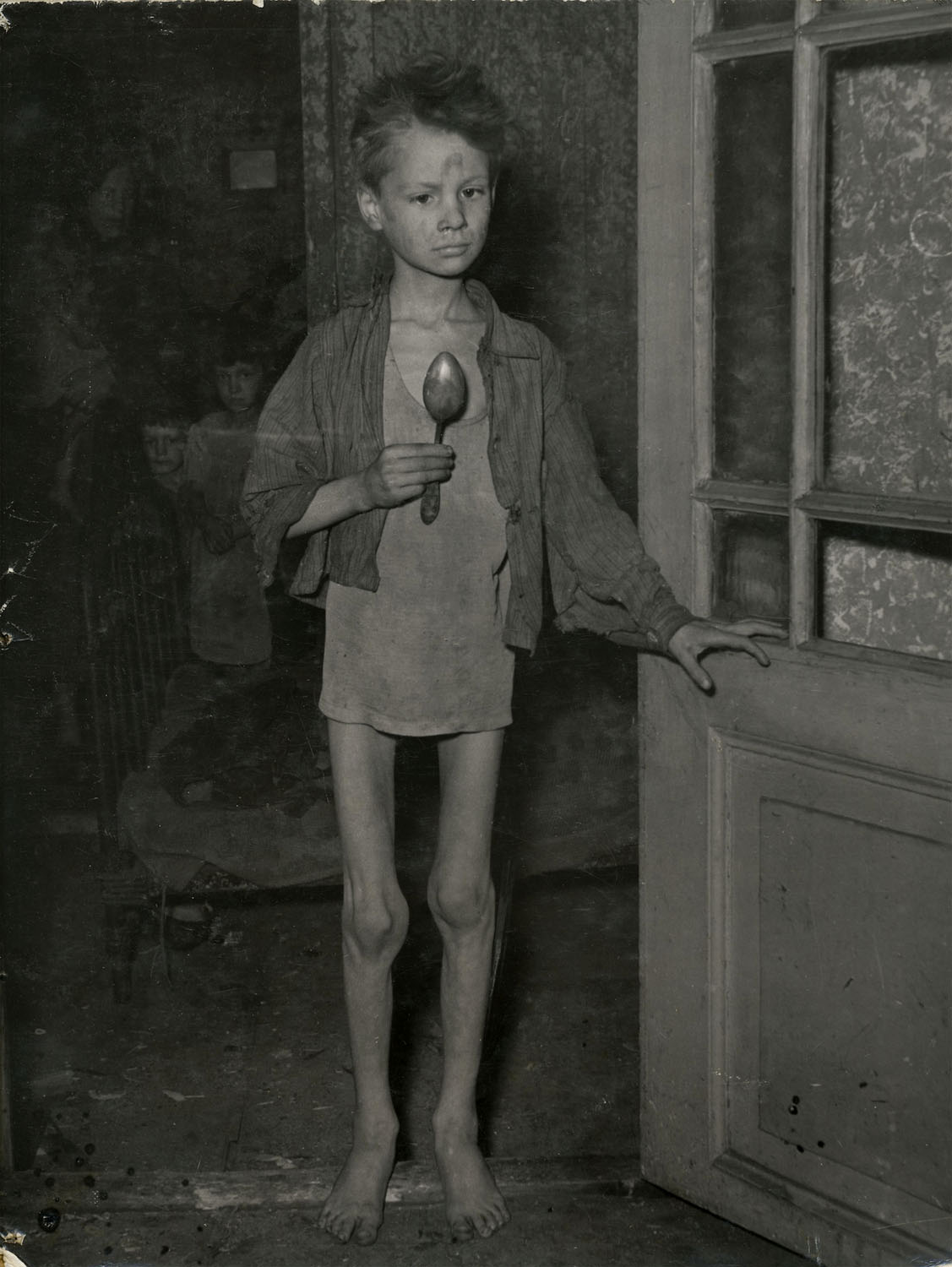
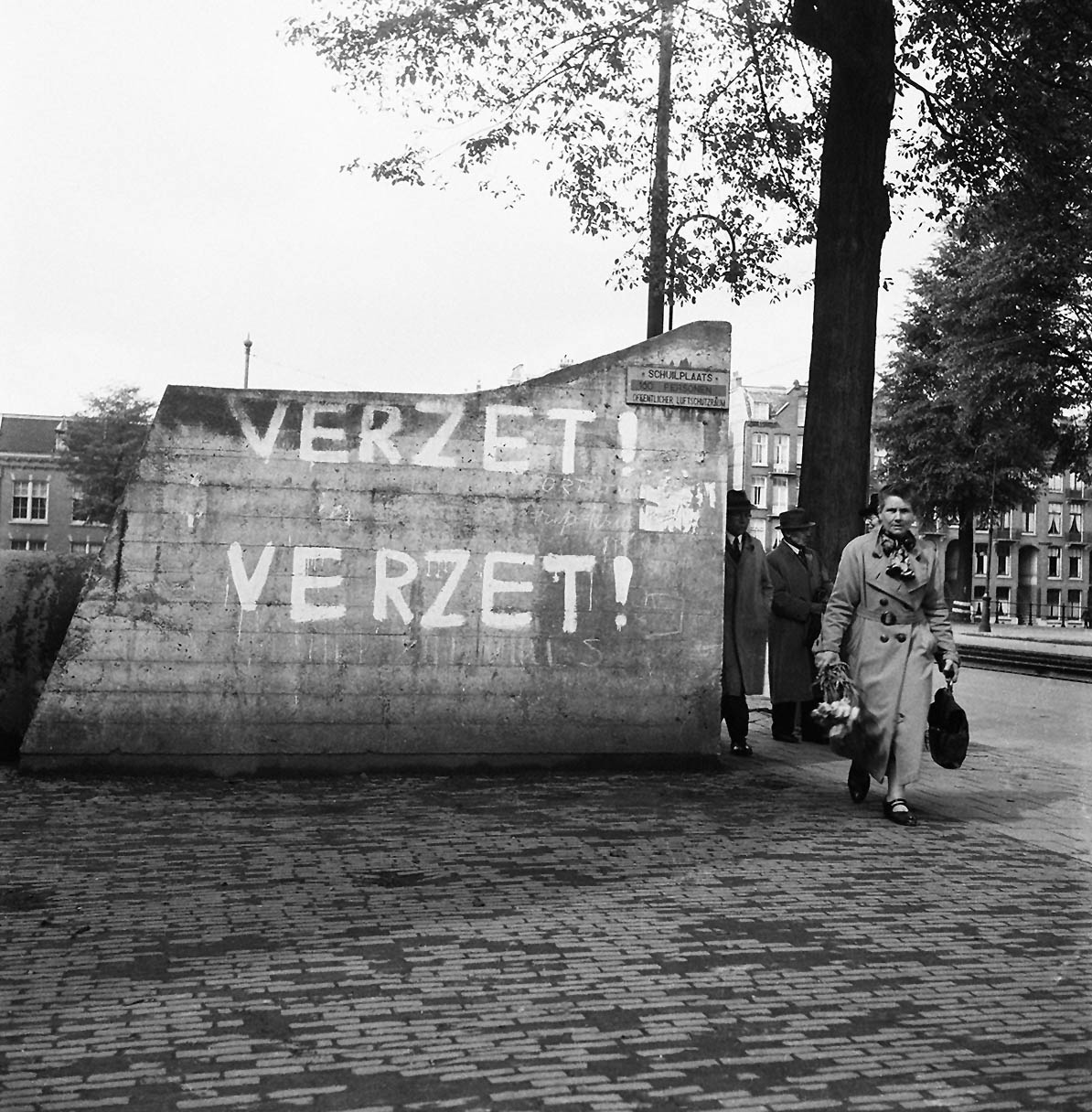
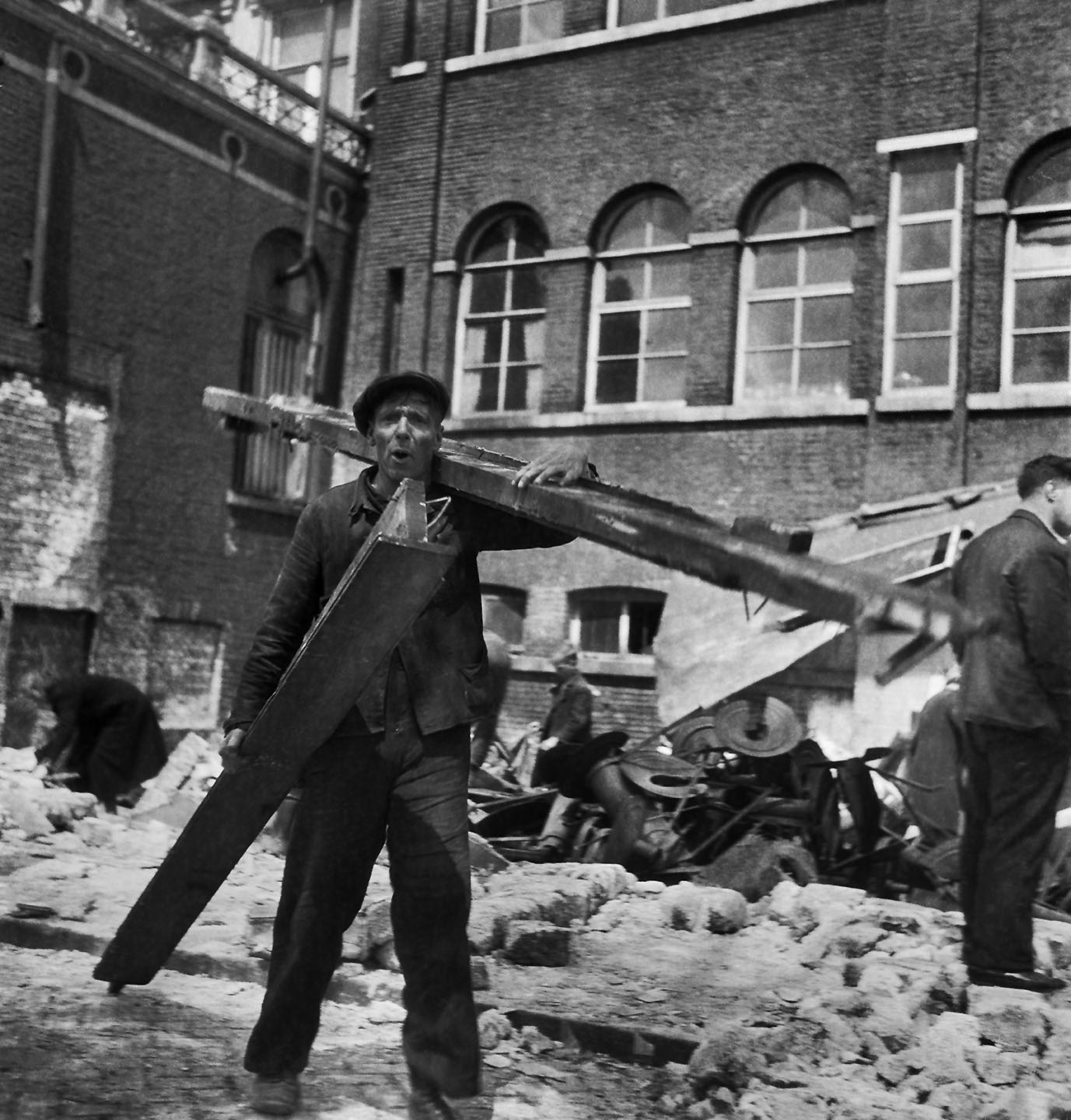
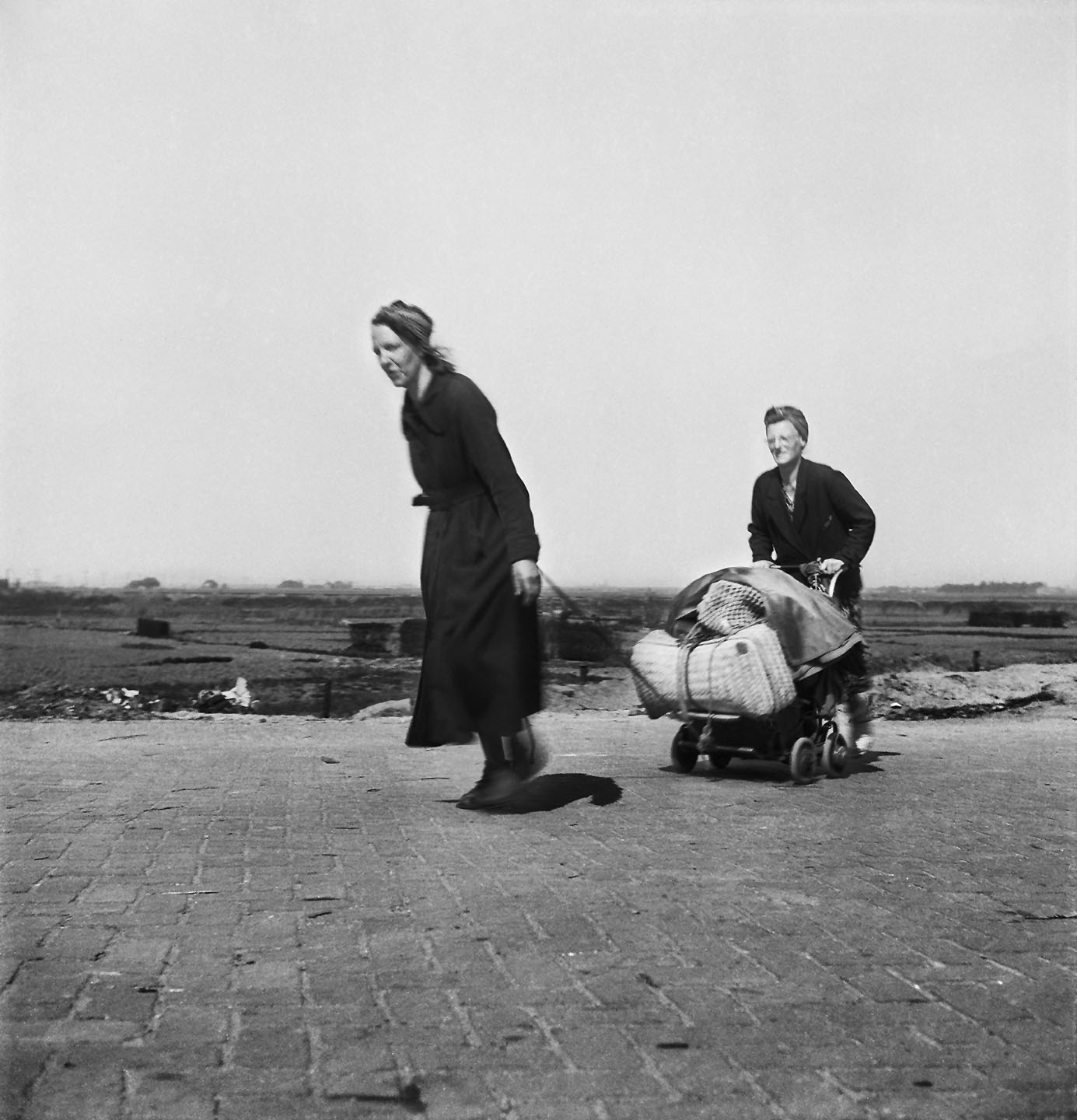
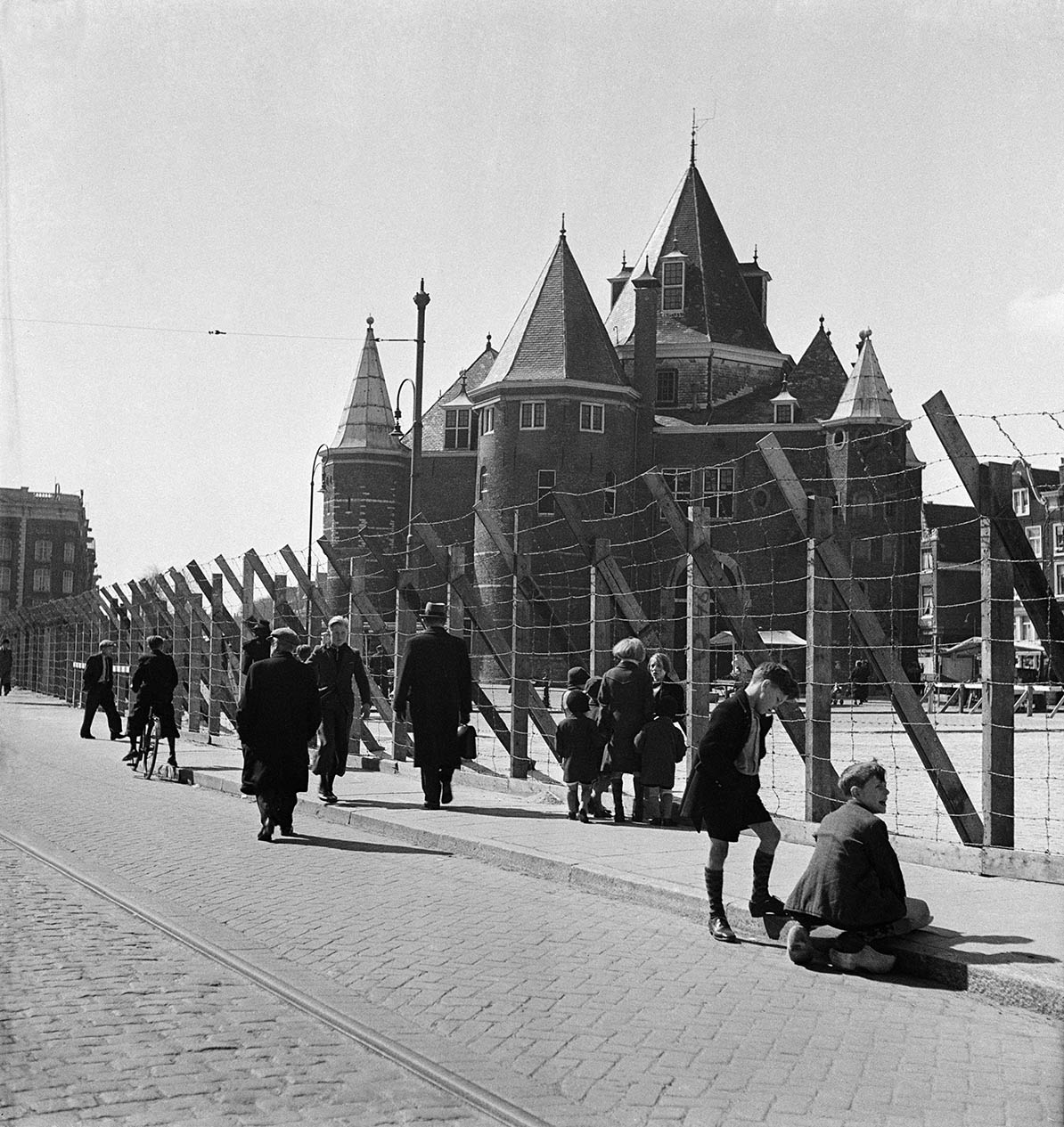
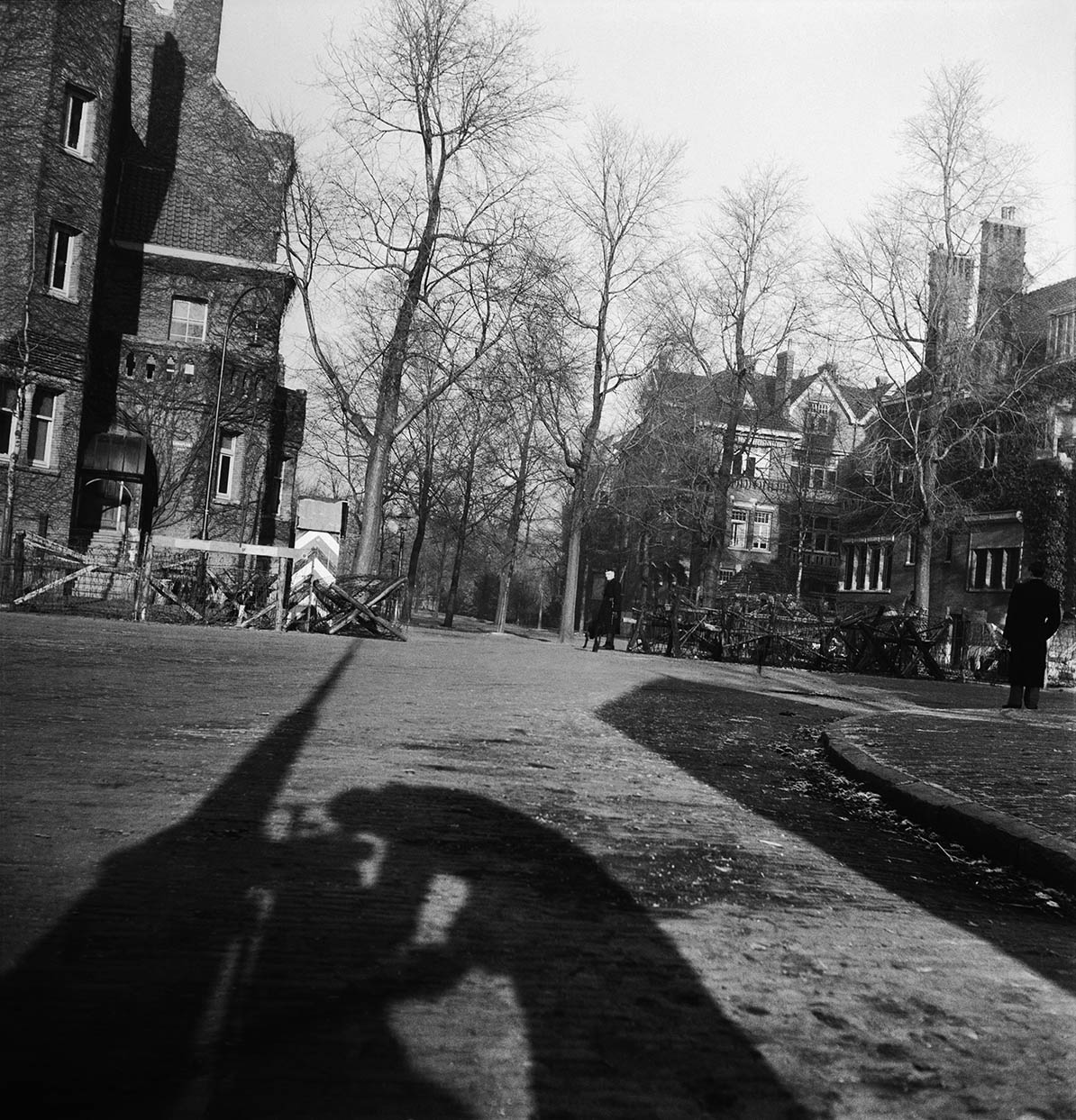
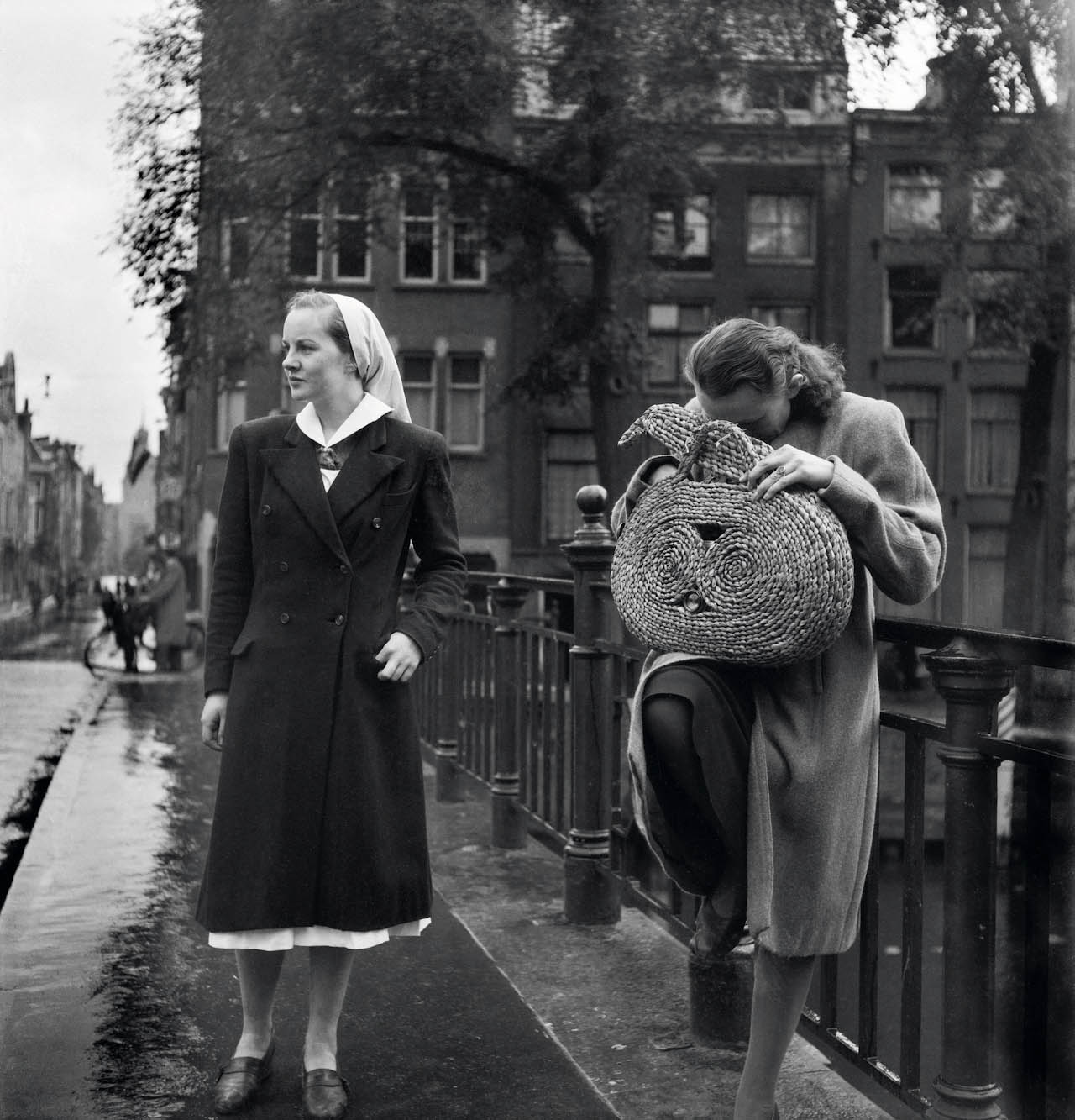
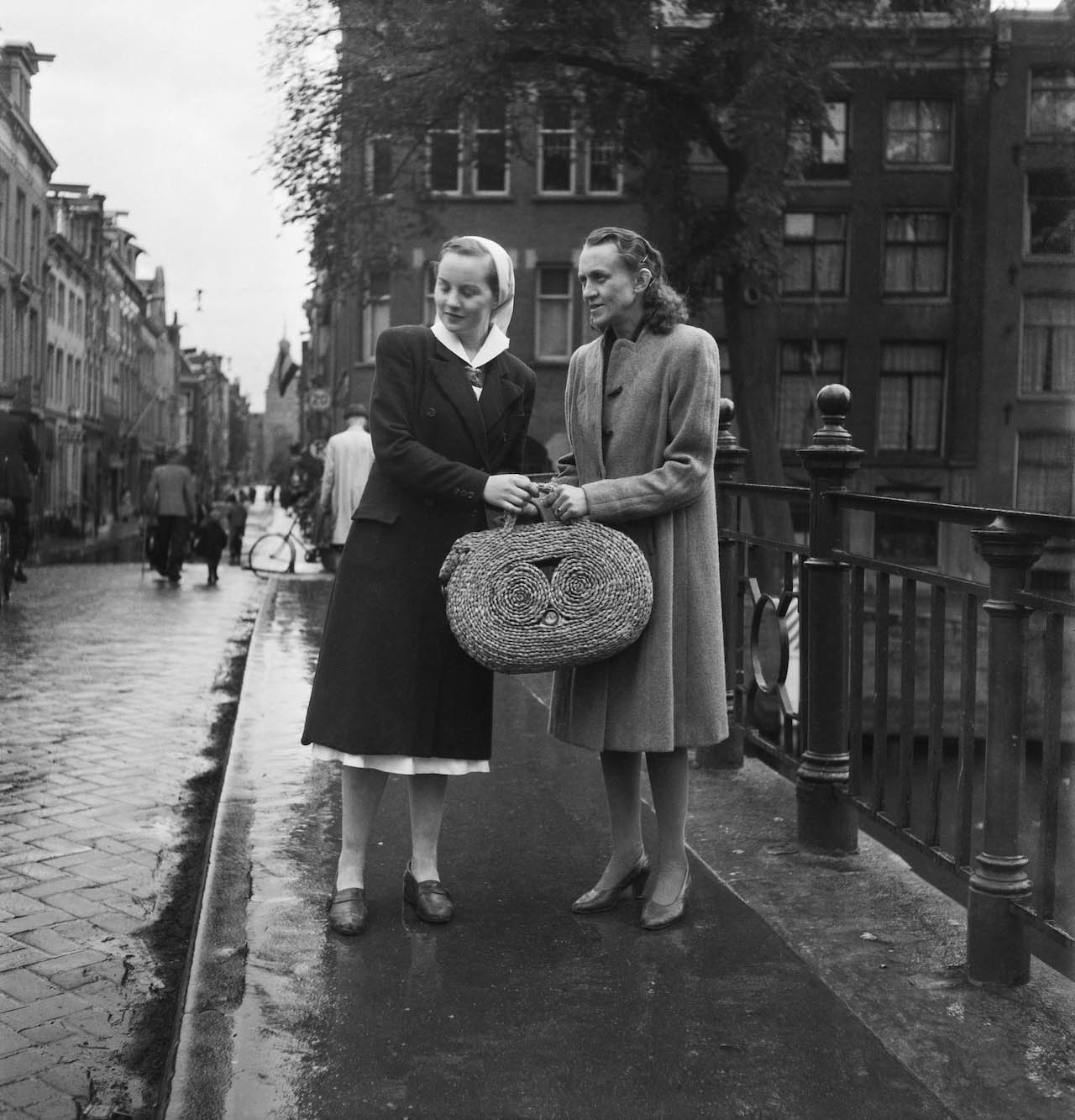
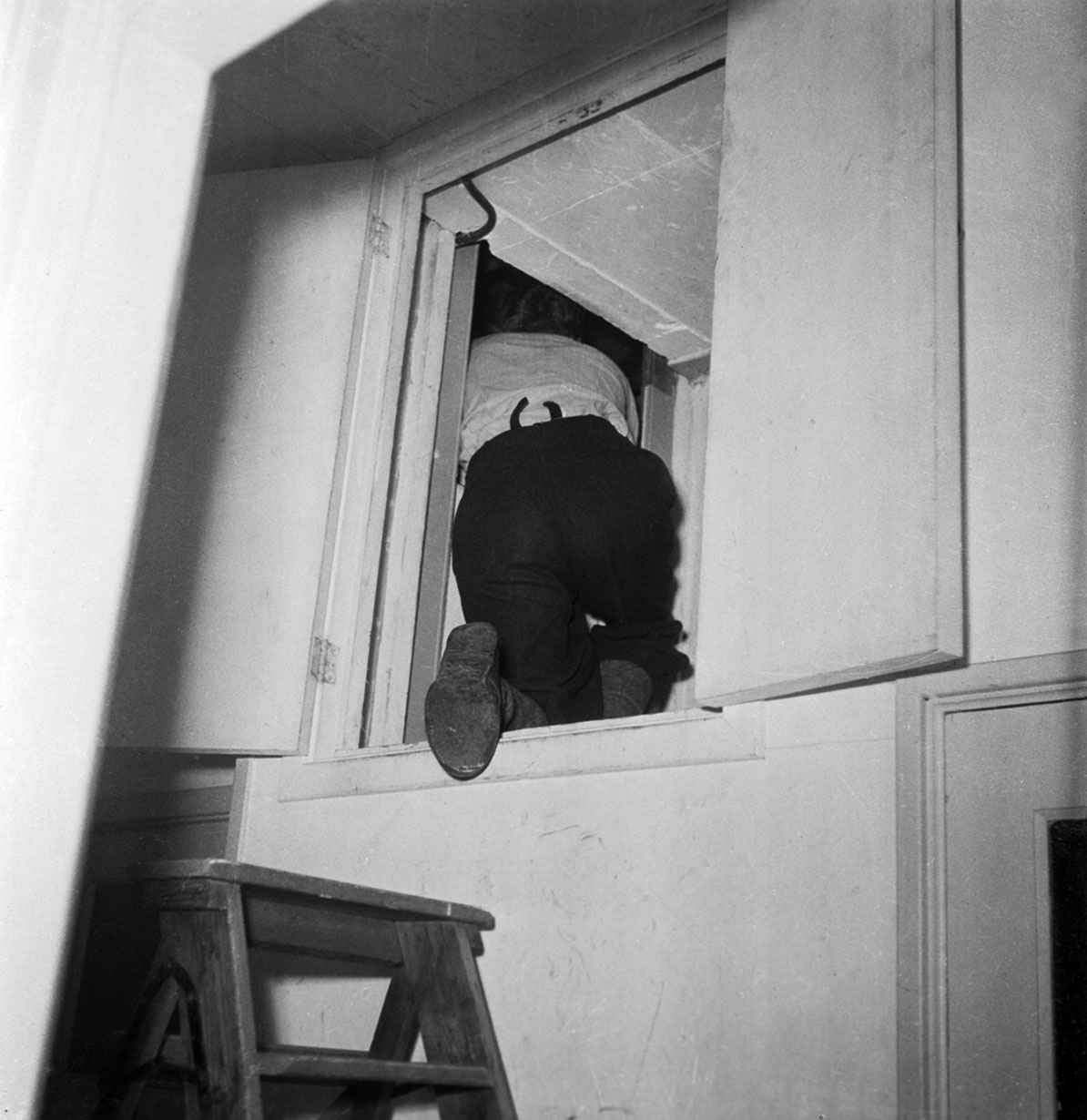
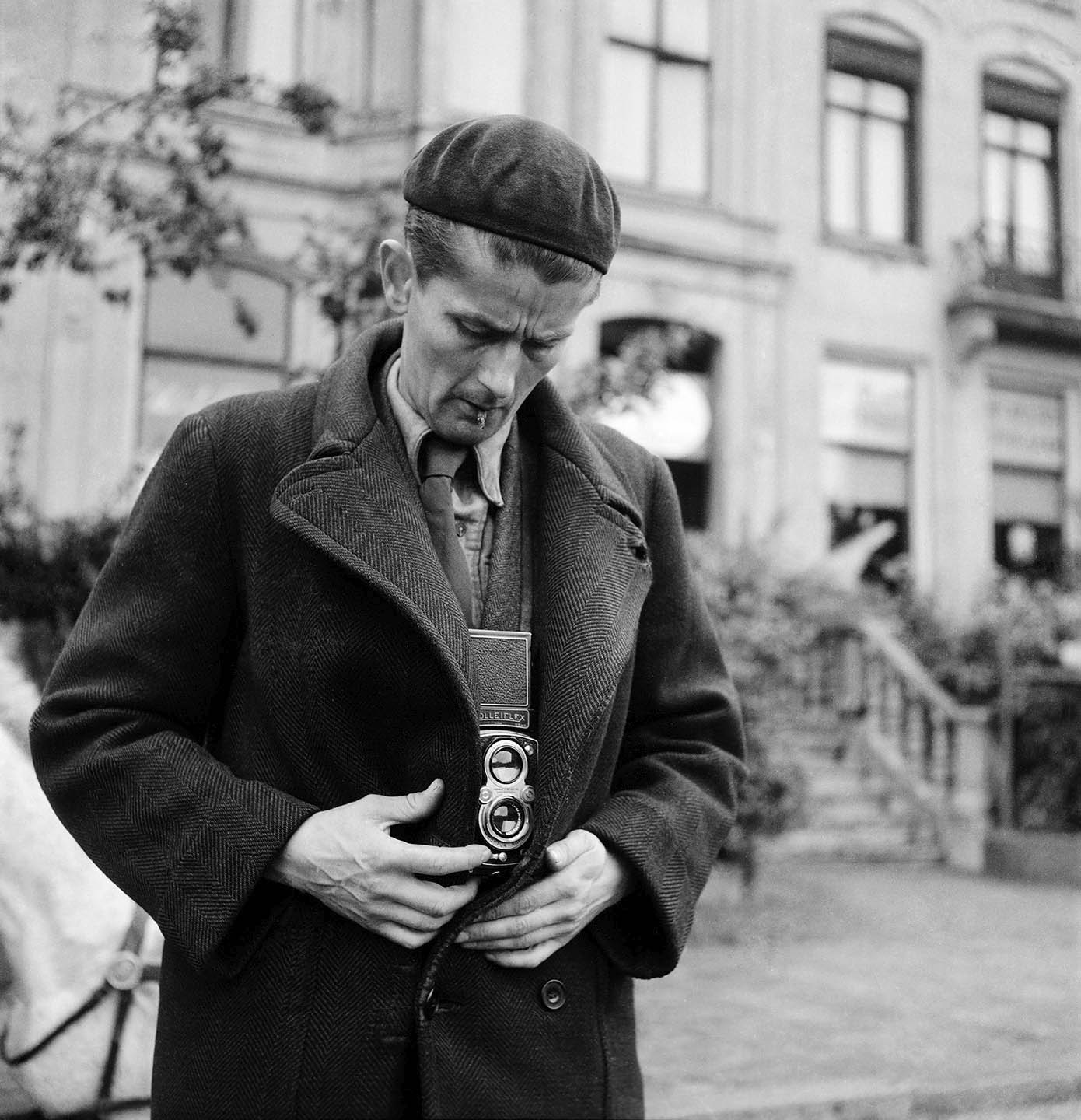
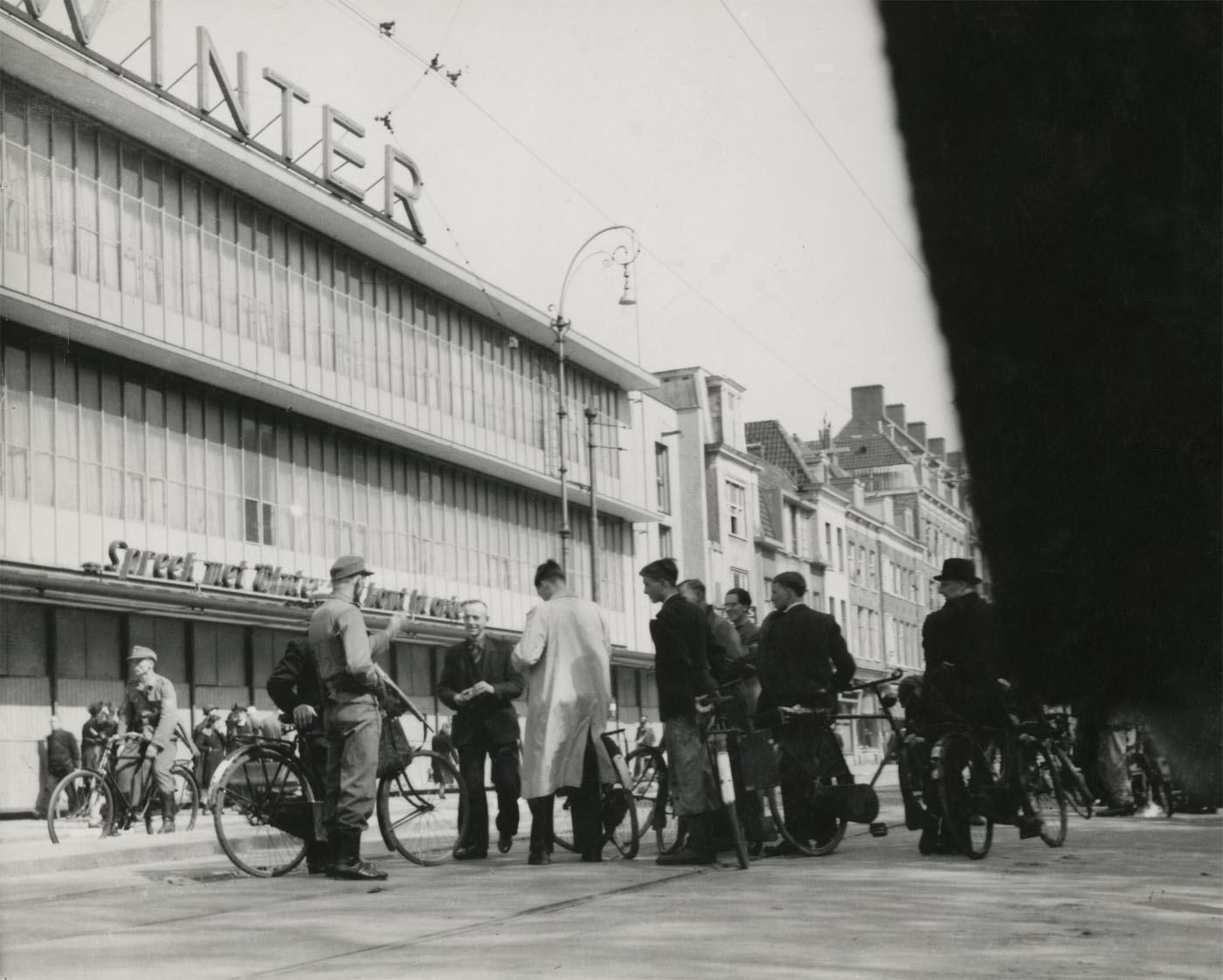
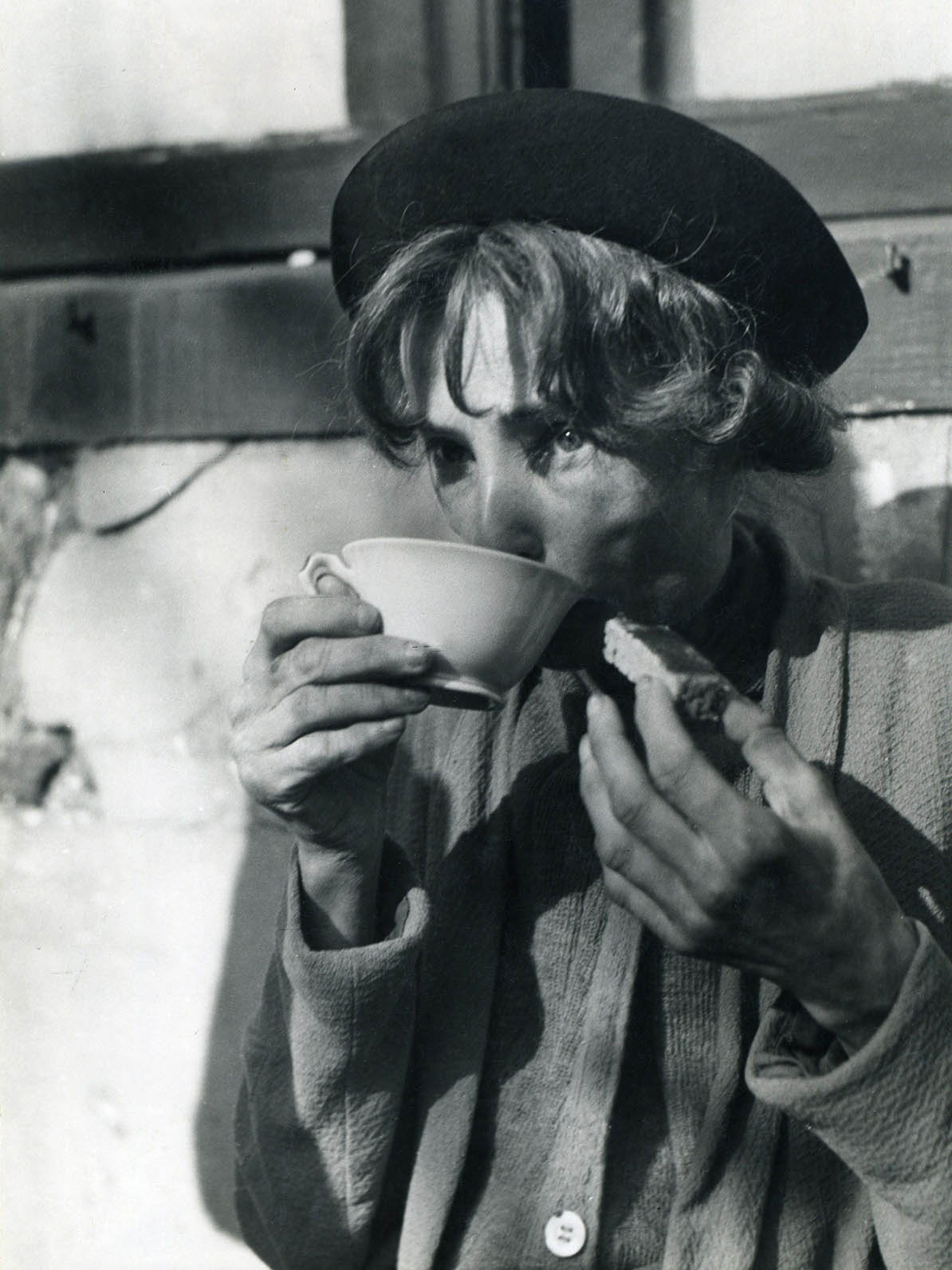
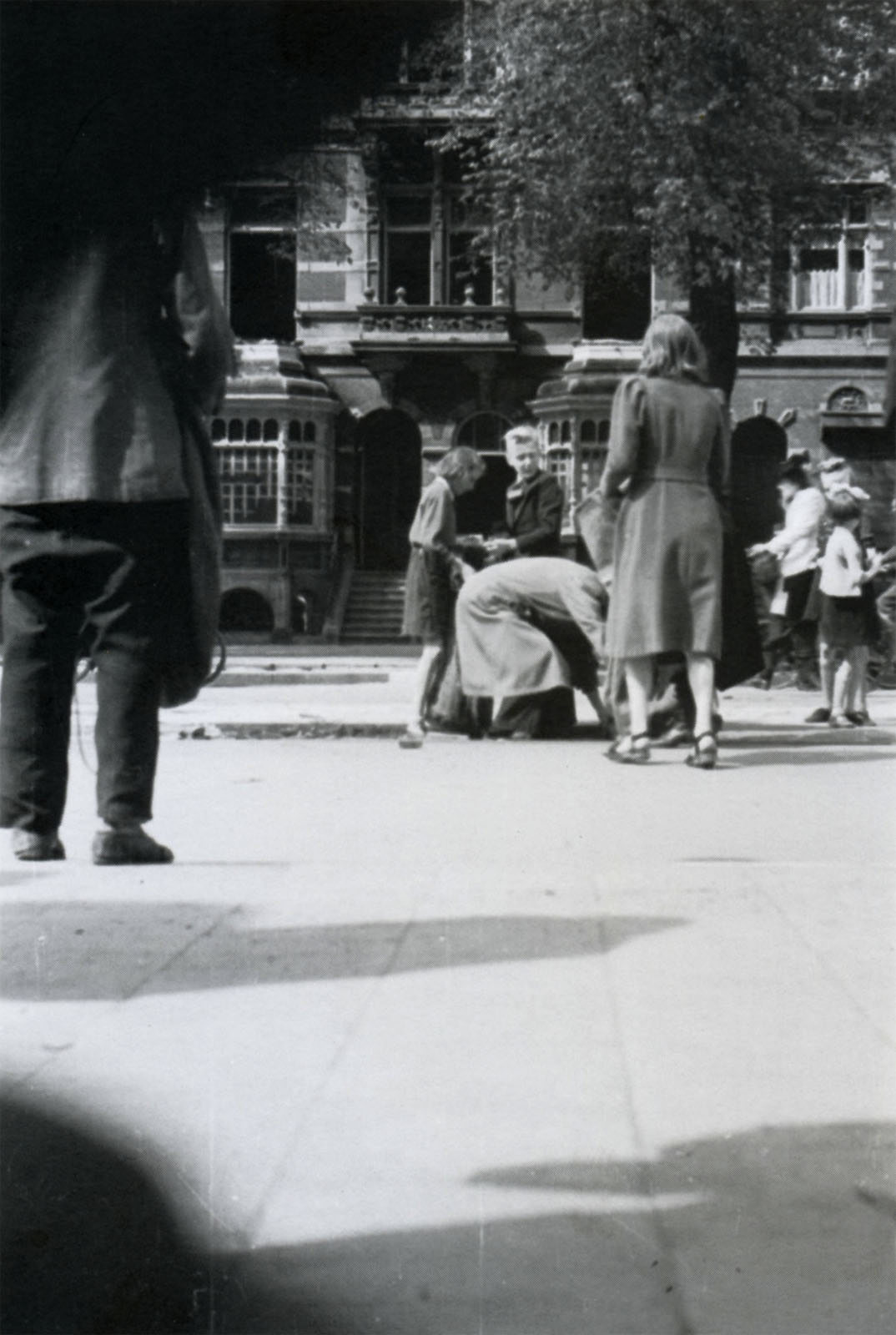
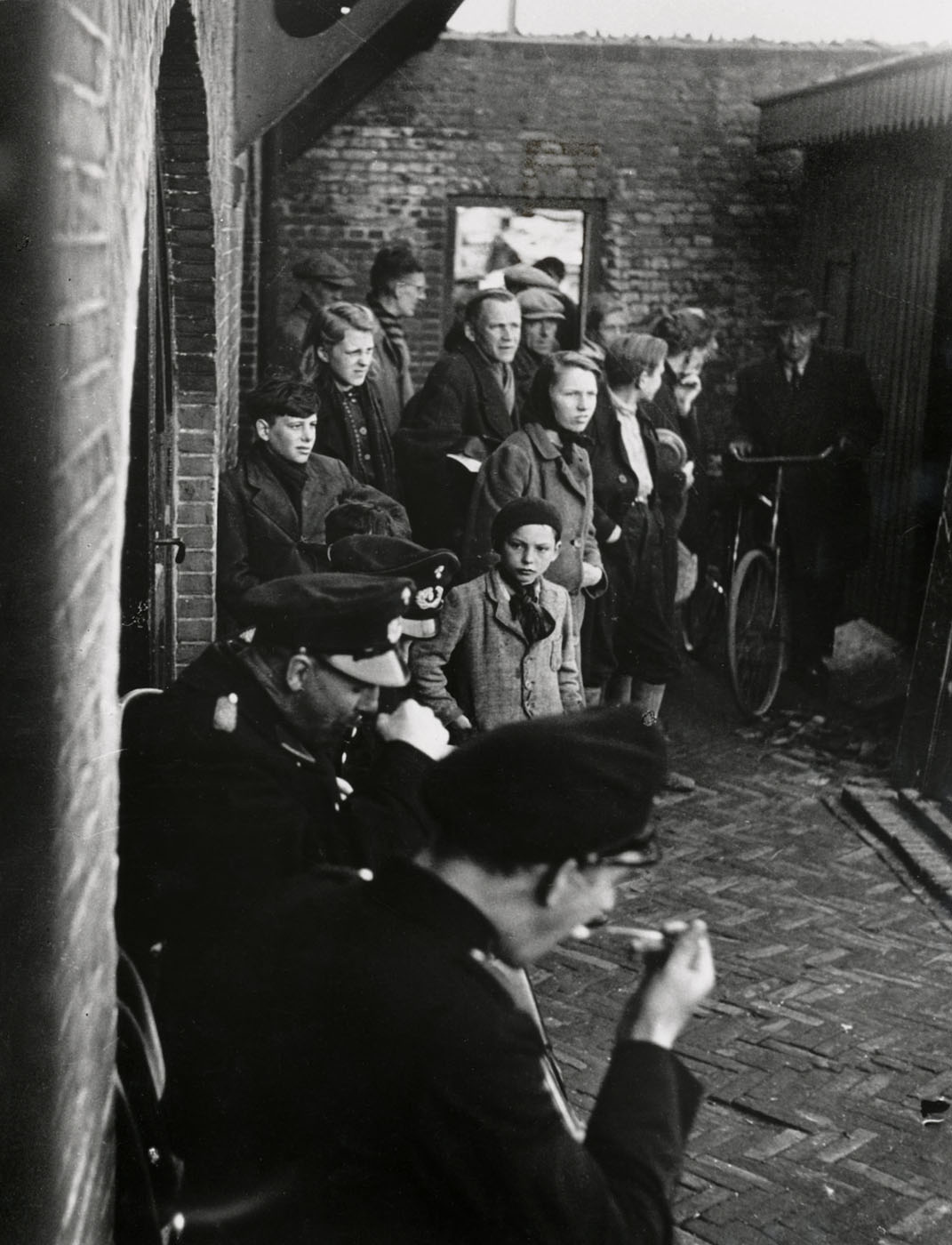
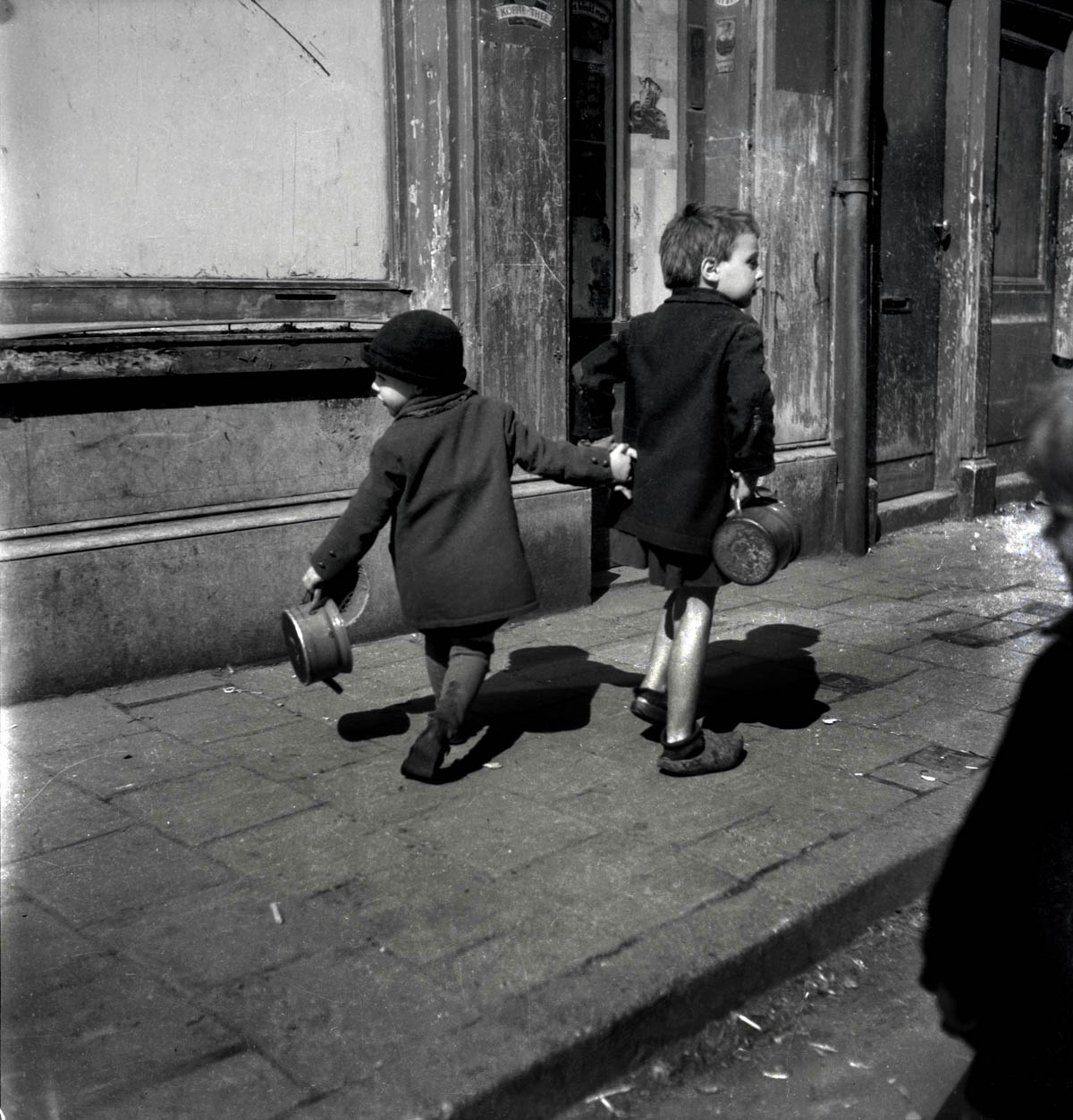
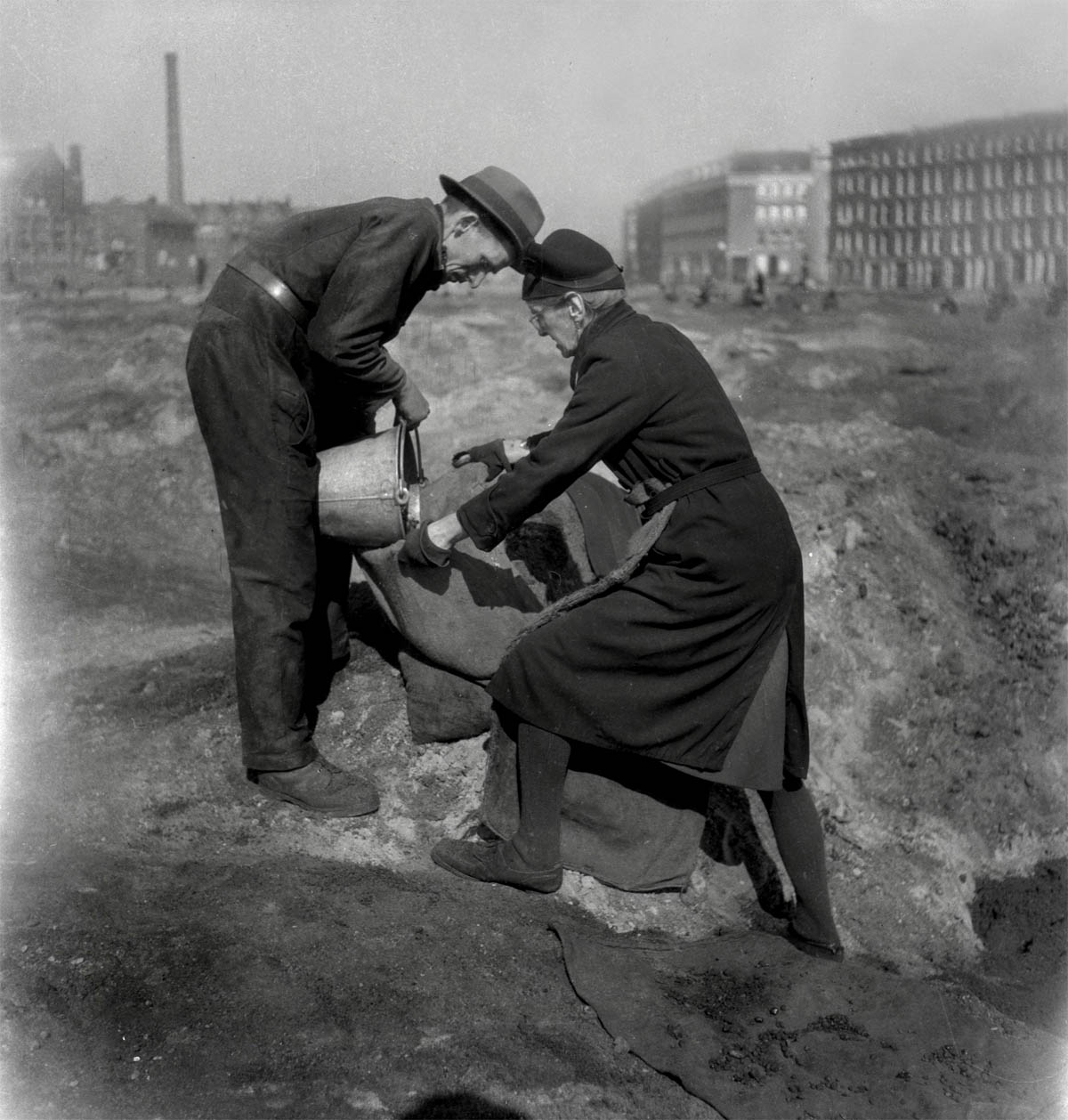
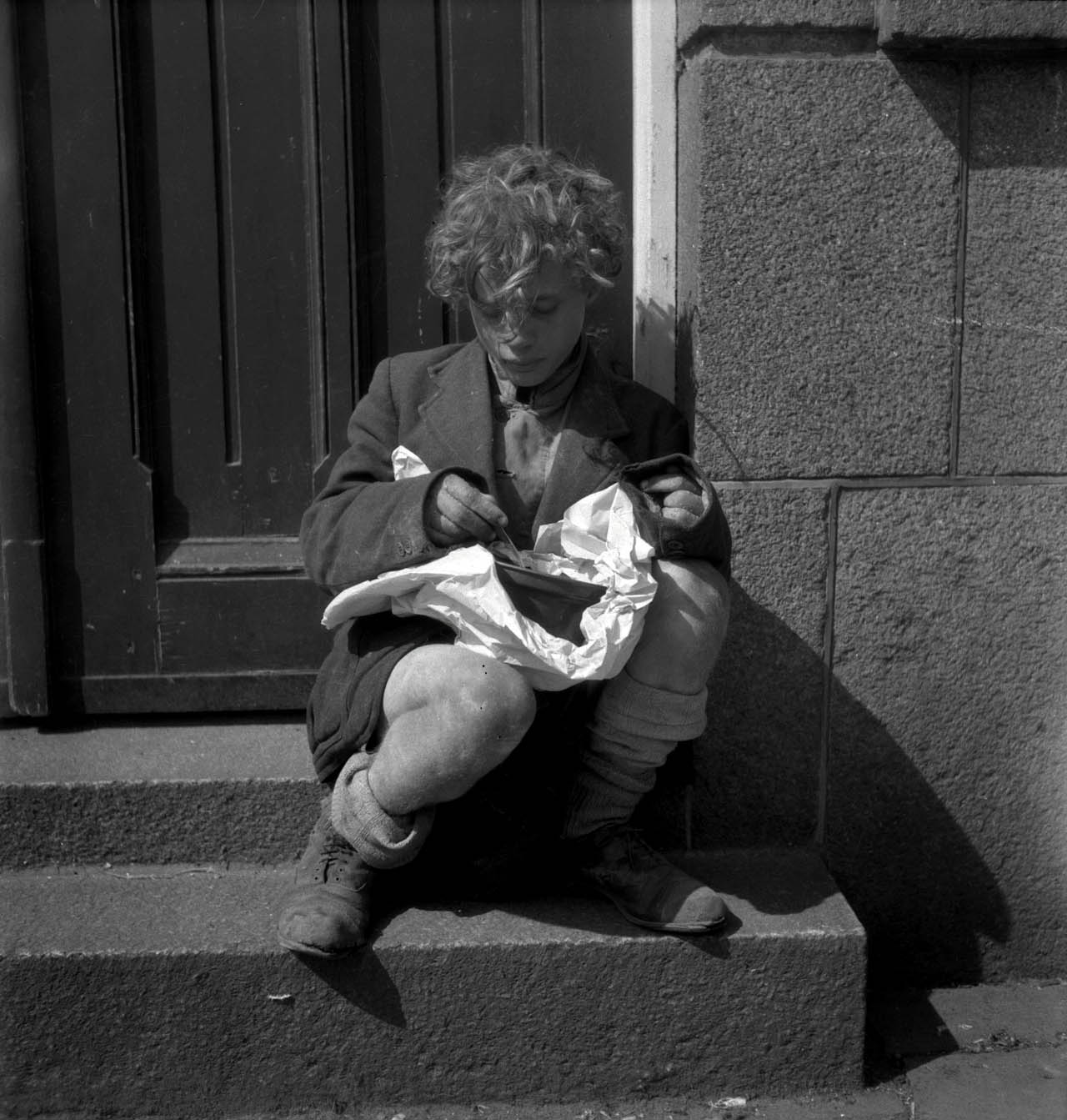
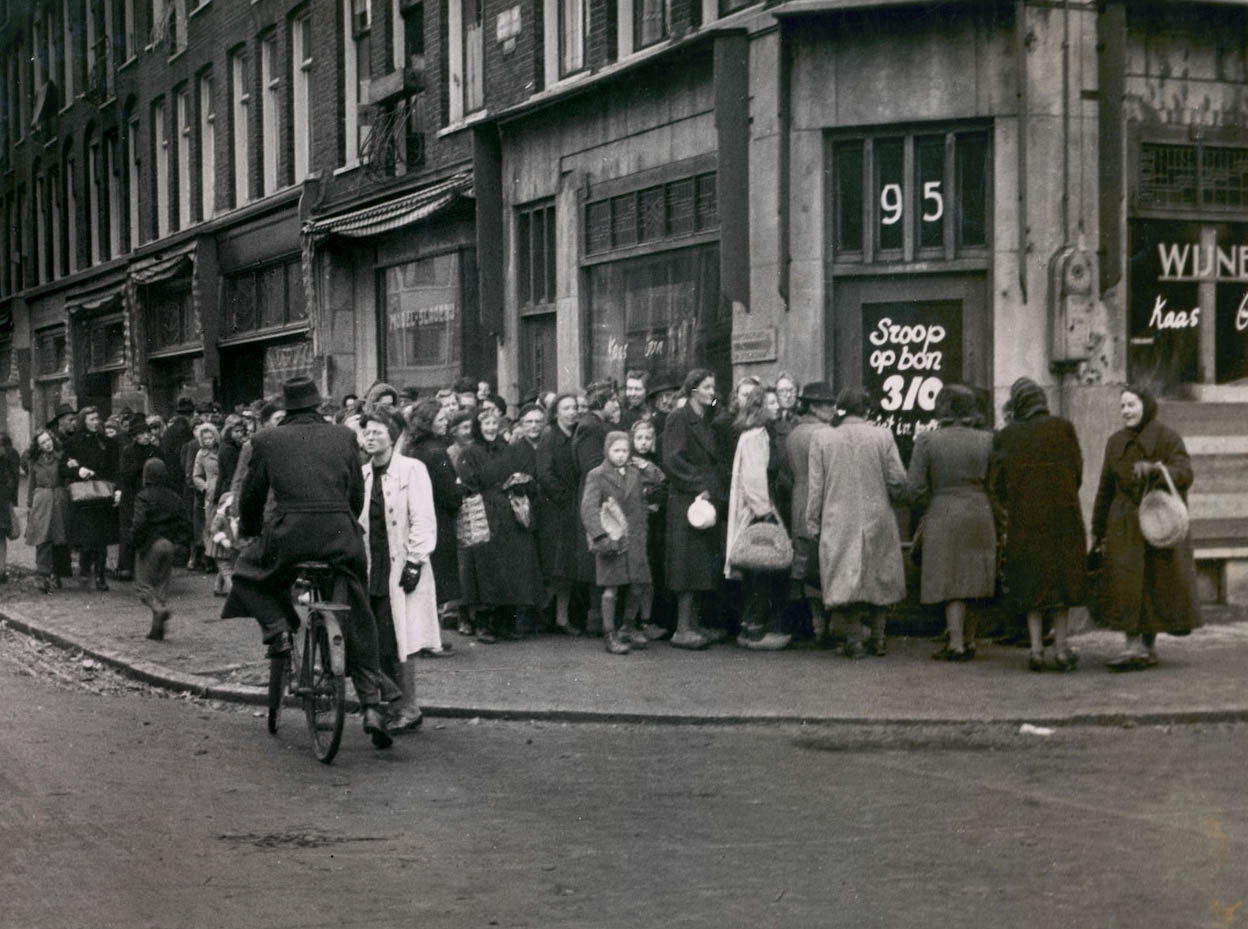
![Emmy Andriesse (Dutch, 1914-1953) 'Amsterdam tijdens de hongerwinter' (Amsterdam during the hunger winter) [1944-1945] book published 1947](https://artblart.com/wp-content/uploads/2021/11/5280-082-small.jpg "Emmy Andriesse (Dutch, 1914-1953) 'Amsterdam tijdens de hongerwinter' (Amsterdam during the hunger winter) [1944-1945] book published 1947")
![Emmy Andriesse (Dutch, 1914-1953) 'Amsterdam tijdens de hongerwinter' (Amsterdam during the hunger winter) [1944-1945] book published 1947 (detail)](https://artblart.com/wp-content/uploads/2021/11/5280-082-detail1.jpg "Emmy Andriesse (Dutch, 1914-1953) 'Amsterdam tijdens de hongerwinter' (Amsterdam during the hunger winter) [1944-1945] book published 1947 (detail)")
![Emmy Andriesse (Dutch, 1914-1953) 'Amsterdam tijdens de hongerwinter' (Amsterdam during the hunger winter) [1944-1945] book published 1947 (detail)](https://artblart.com/wp-content/uploads/2021/11/5280-082-detail2.jpg "Emmy Andriesse (Dutch, 1914-1953) 'Amsterdam tijdens de hongerwinter' (Amsterdam during the hunger winter) [1944-1945] book published 1947 (detail)")


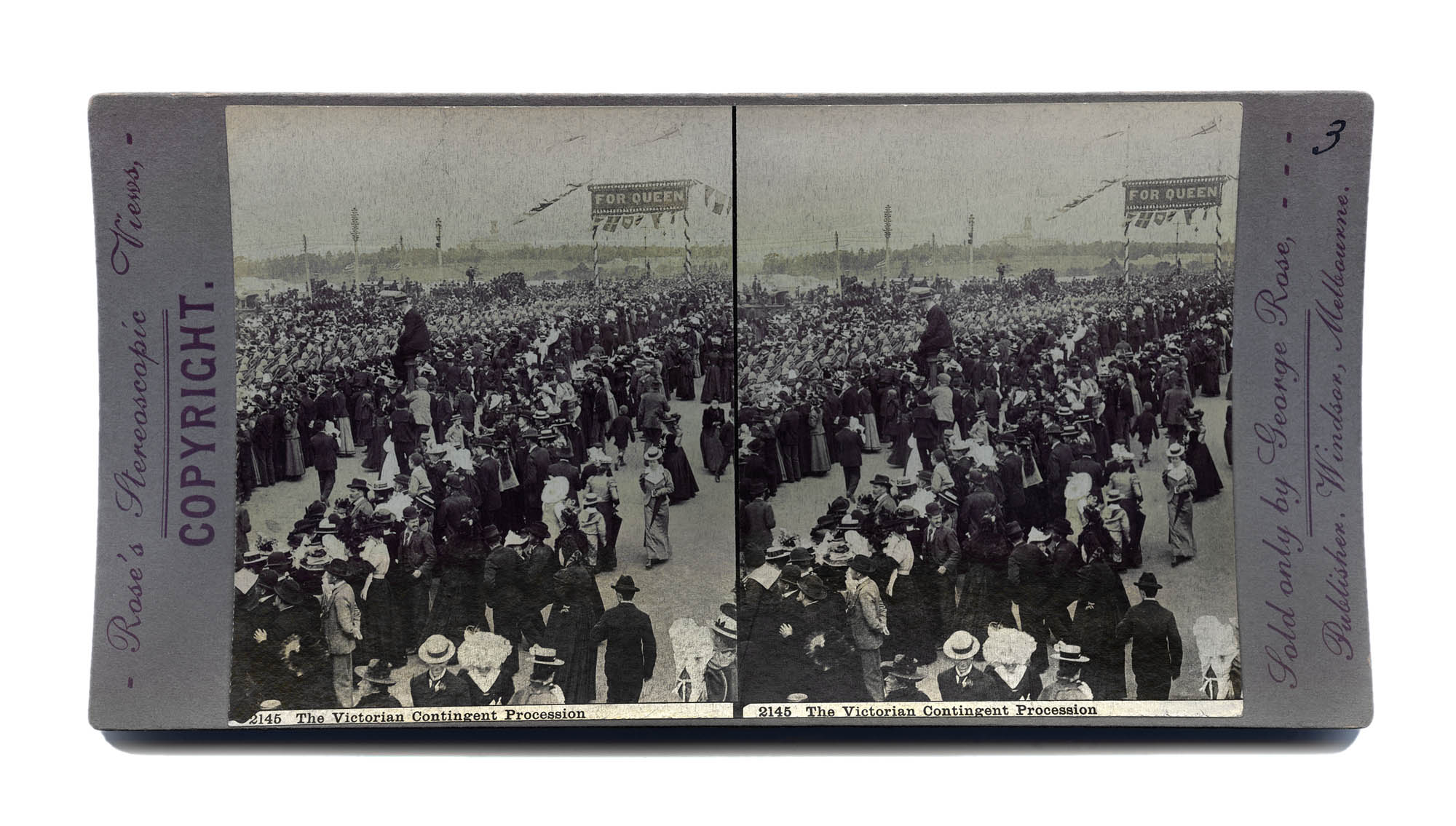
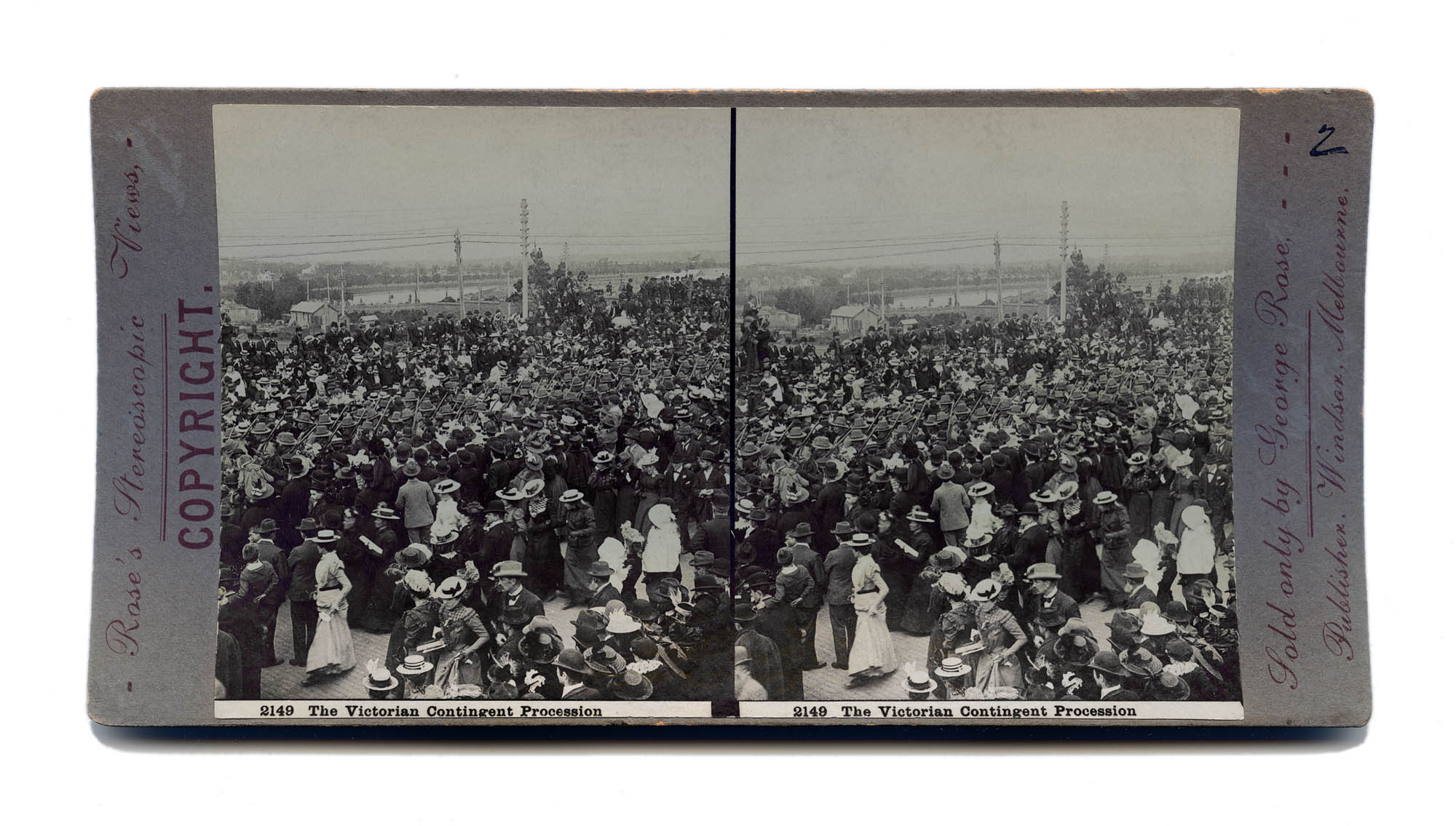

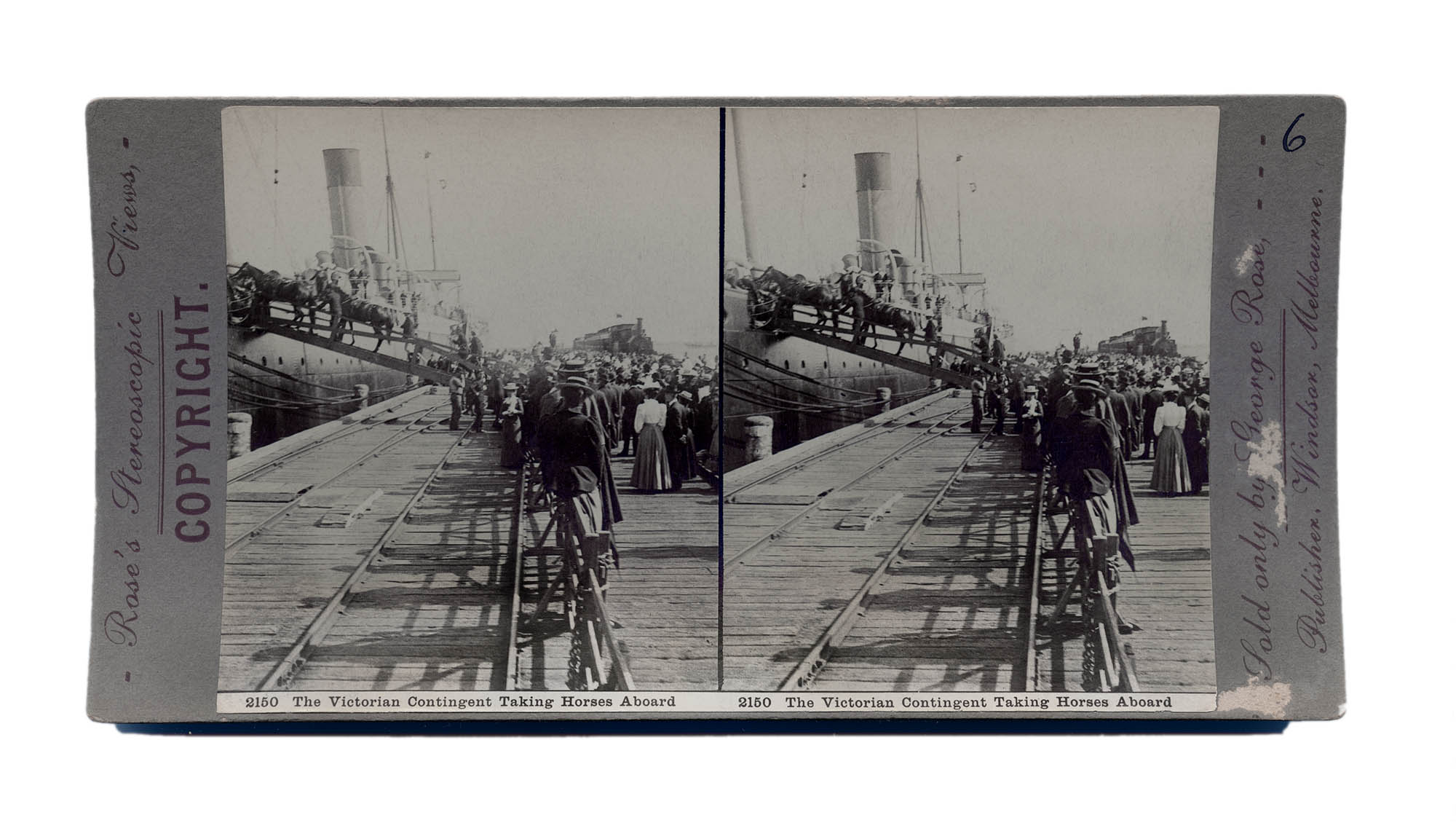
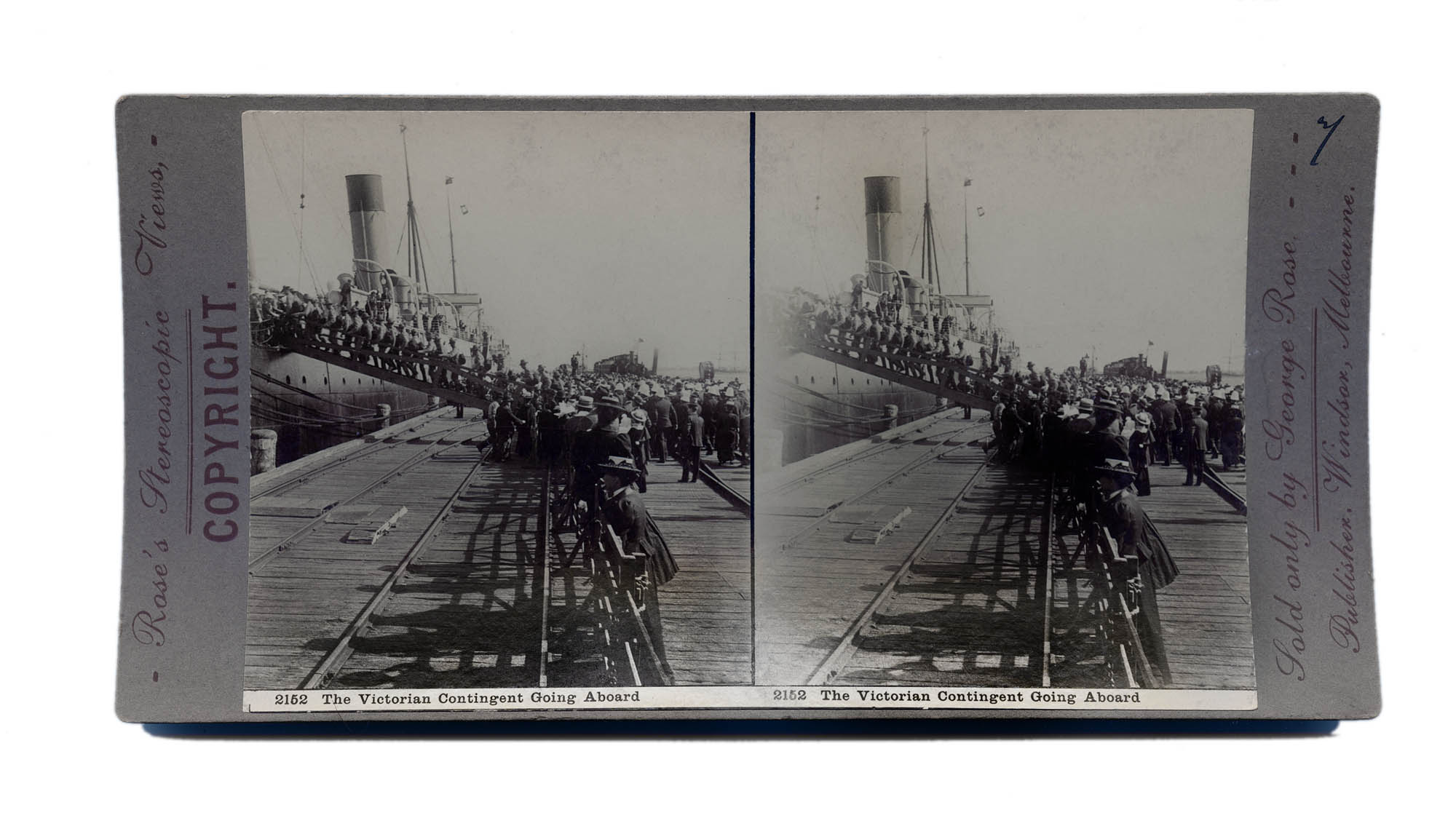
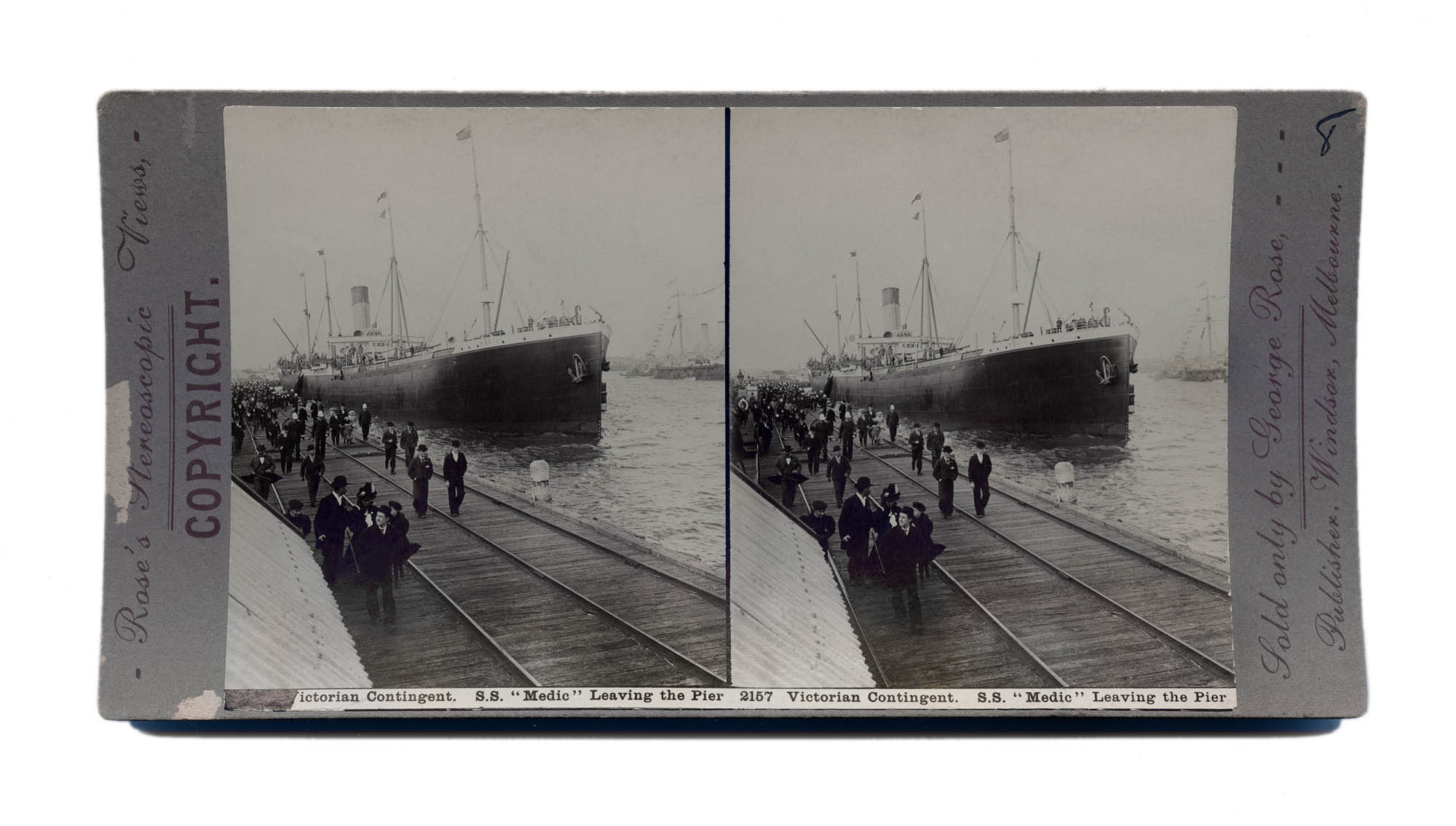
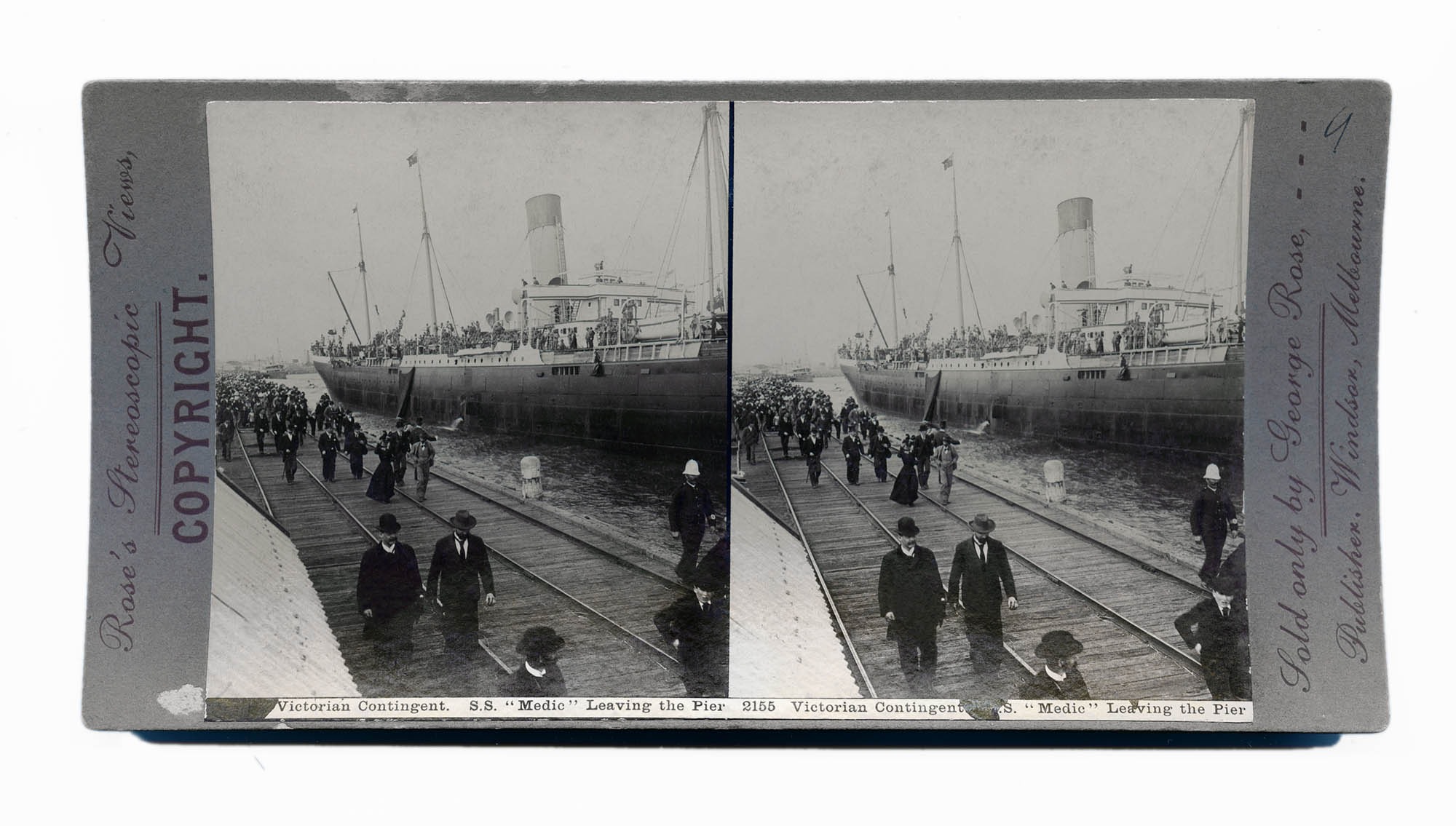


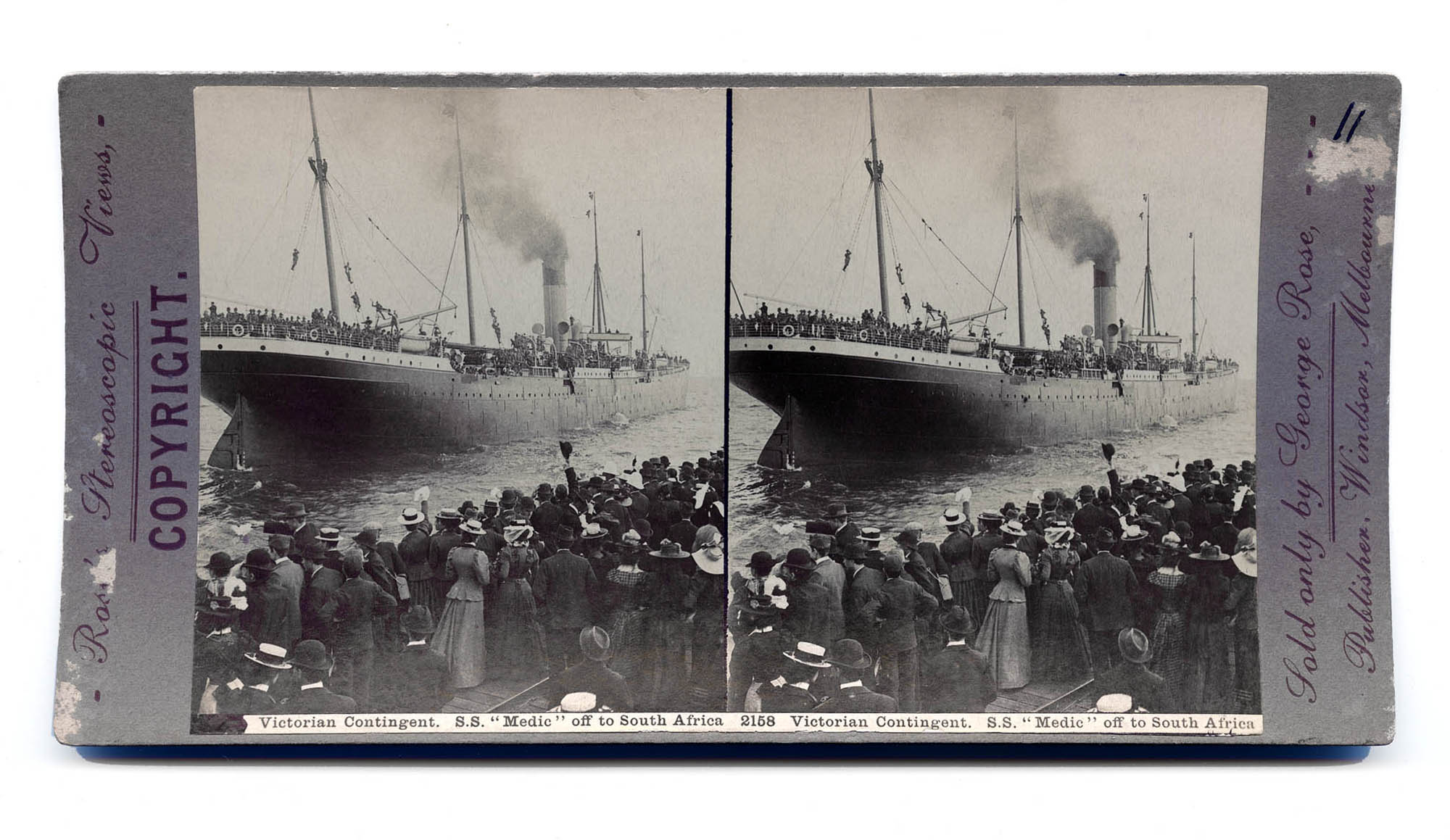

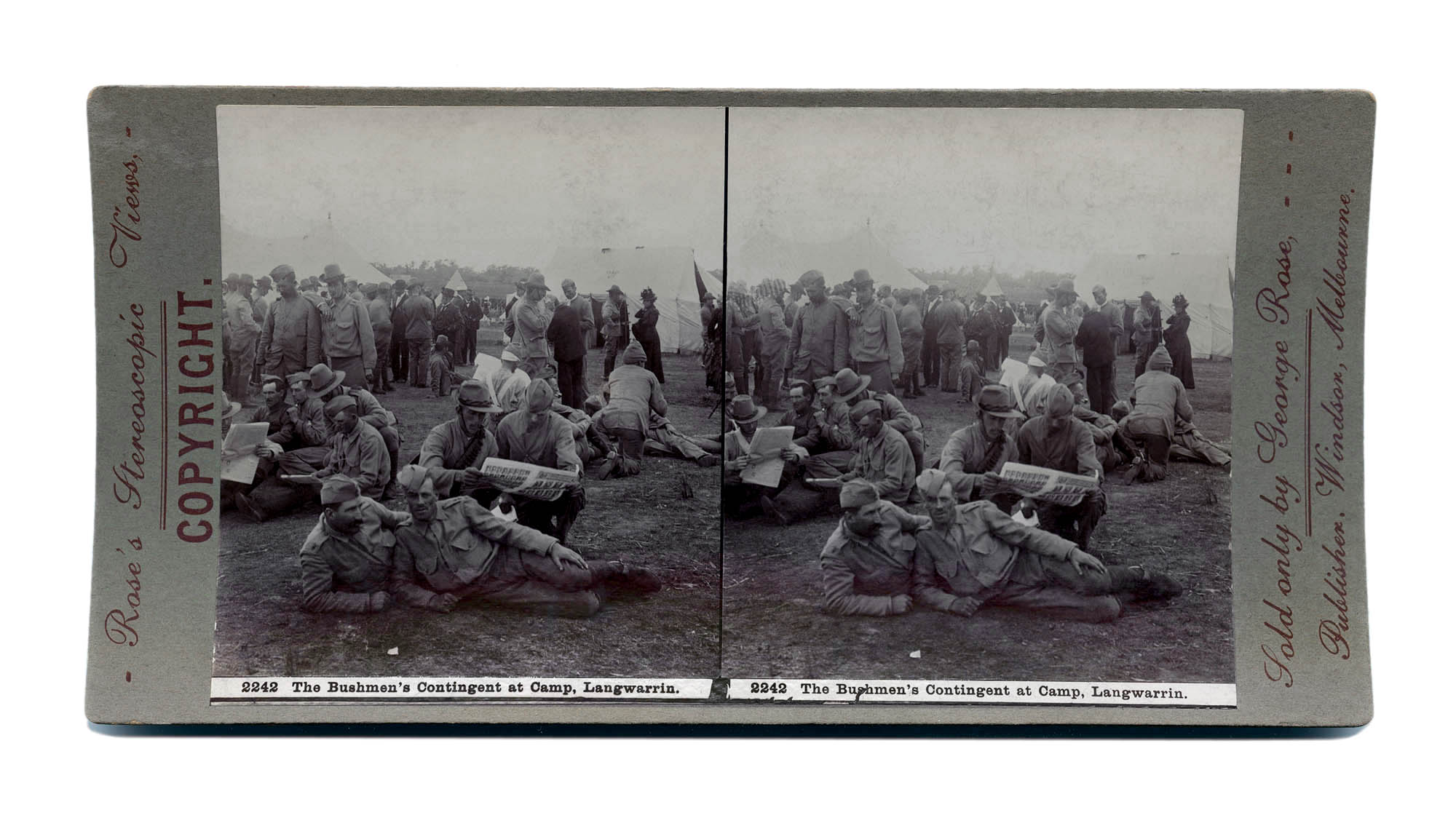


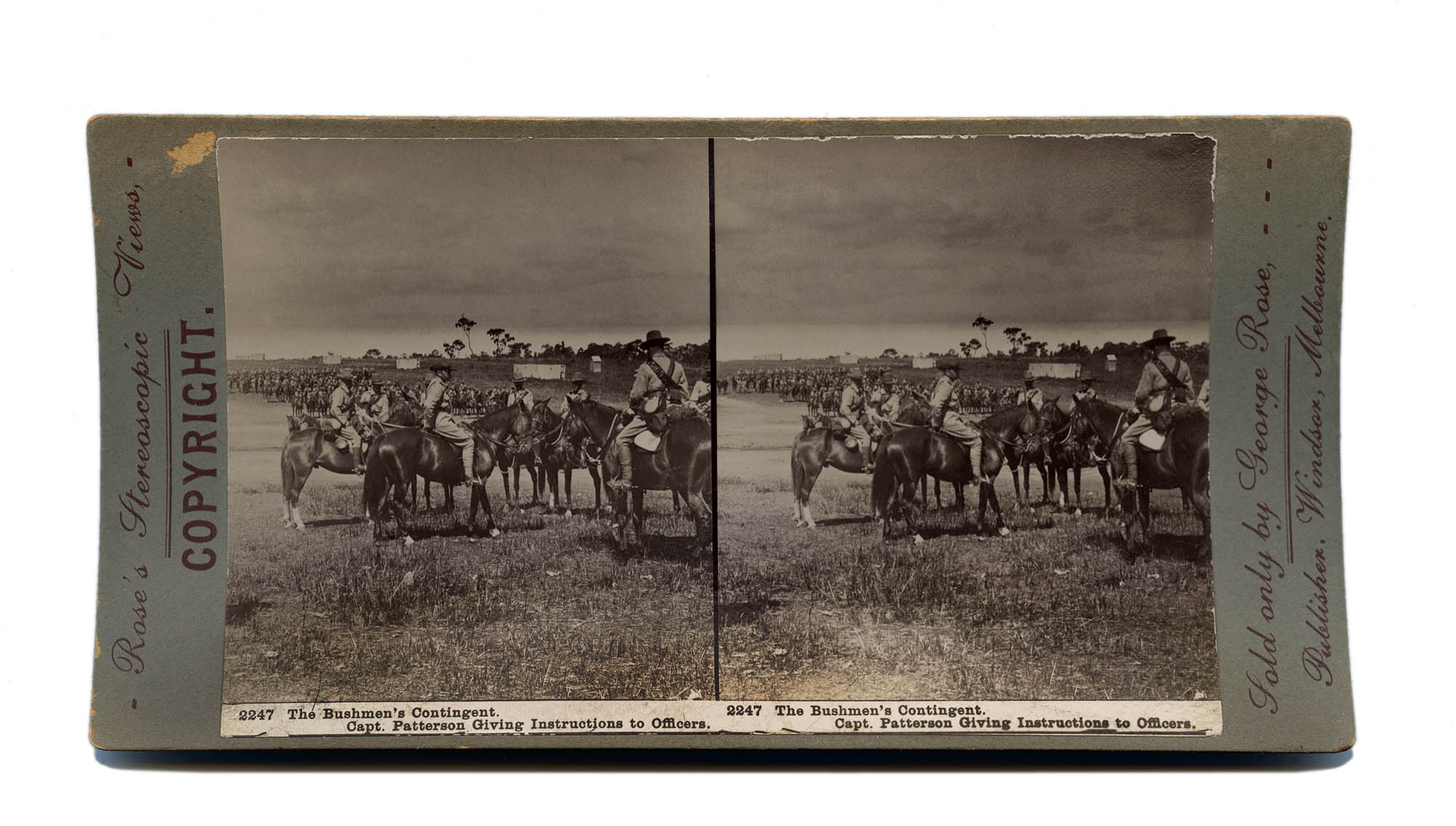


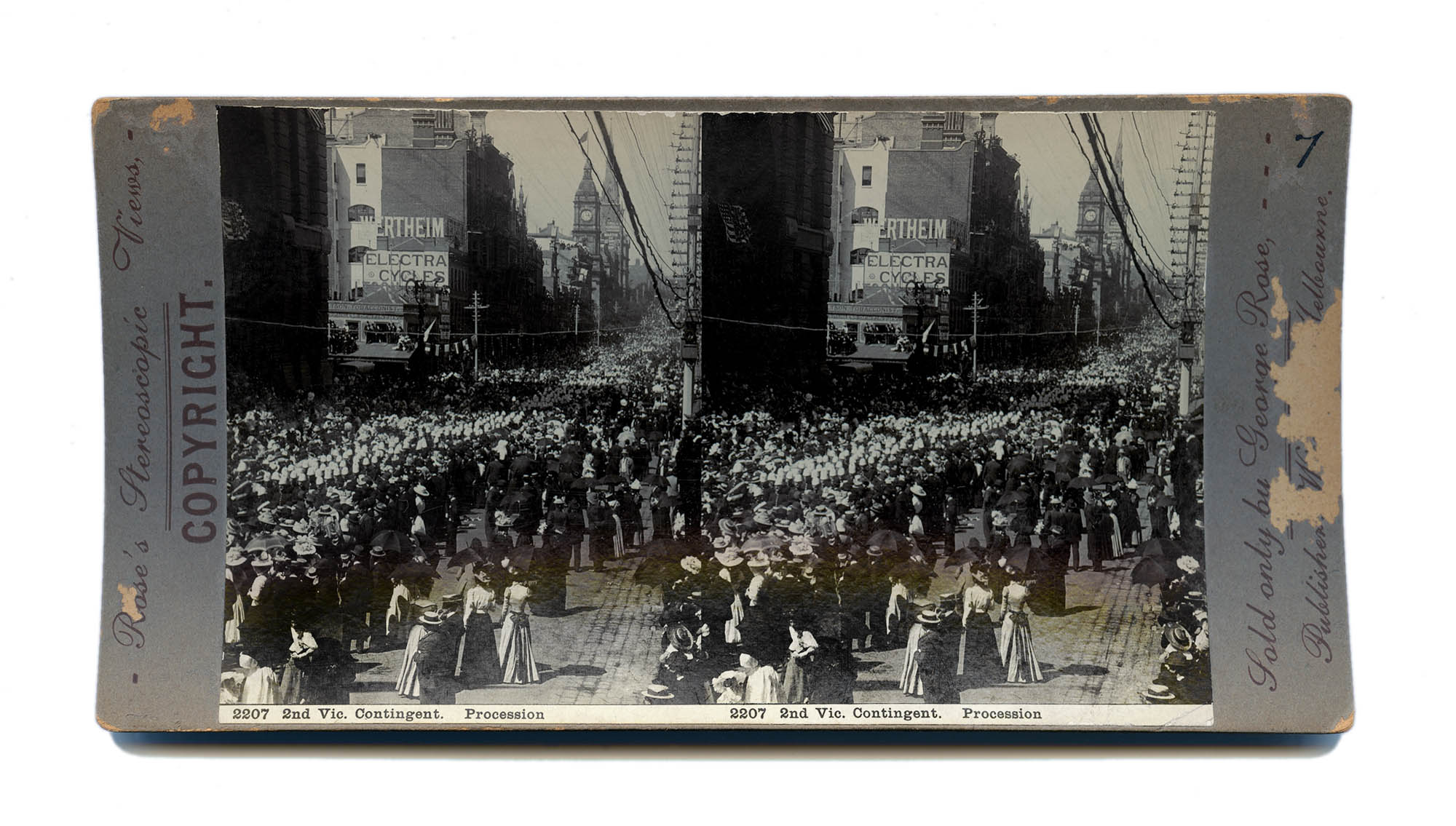


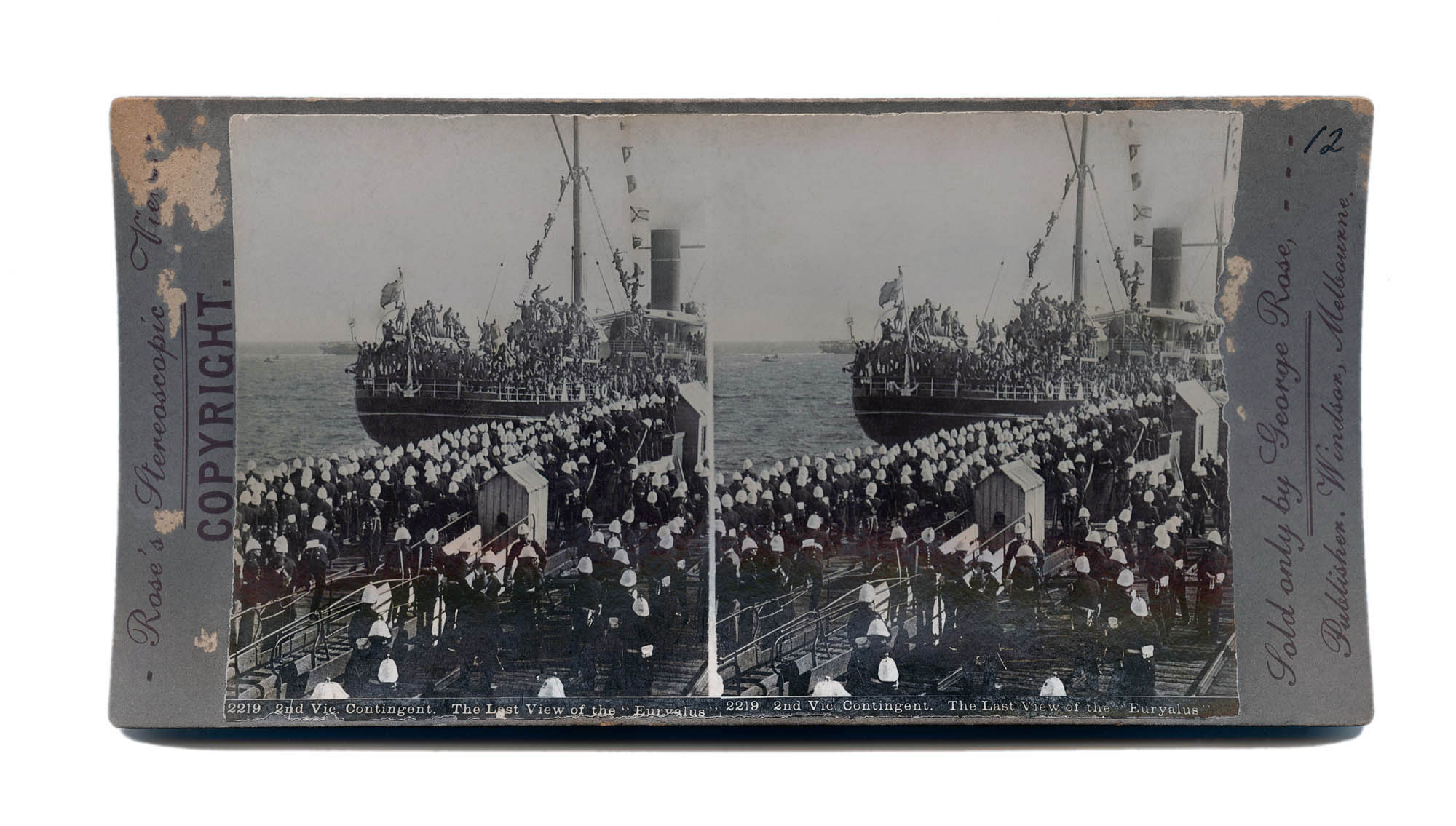
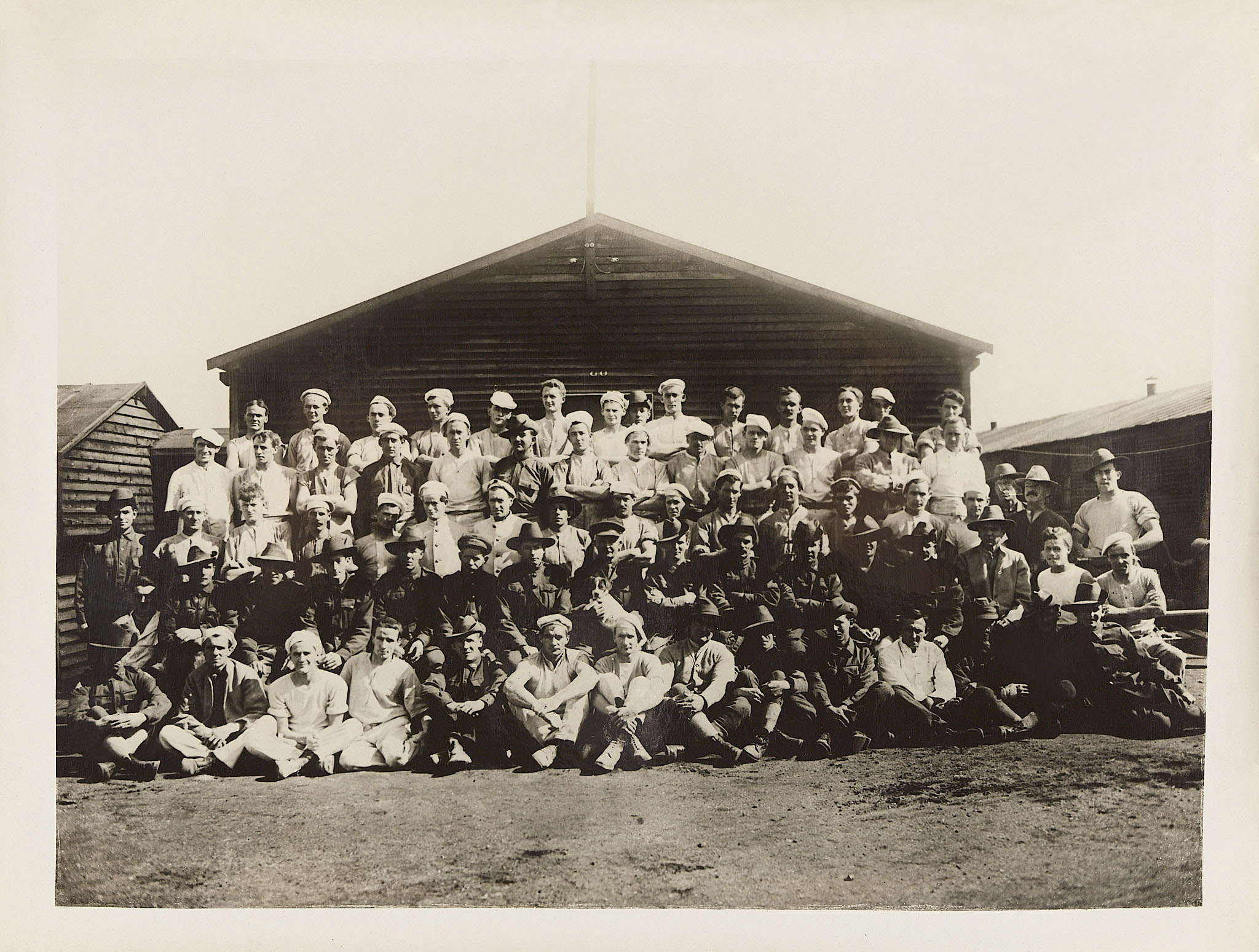
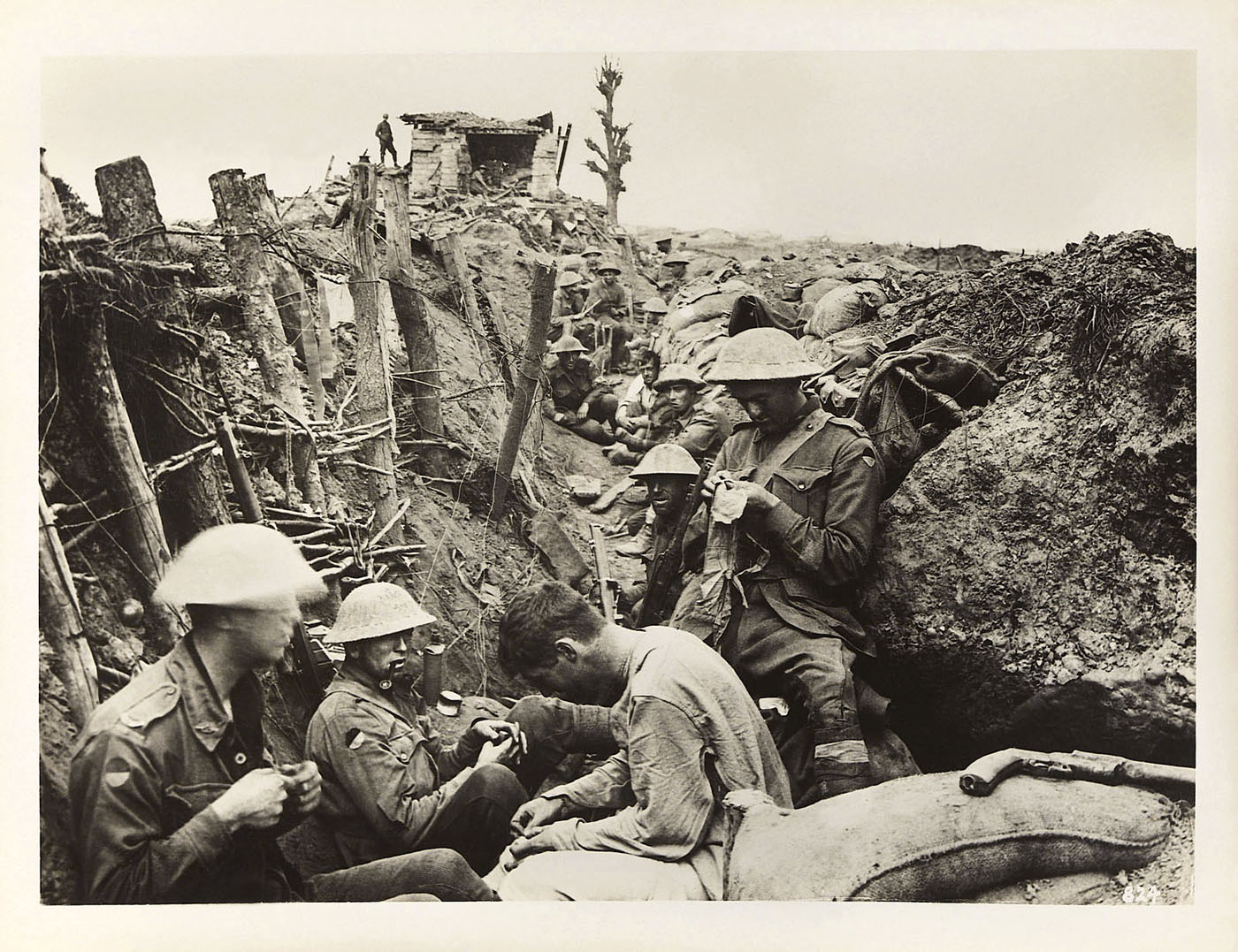
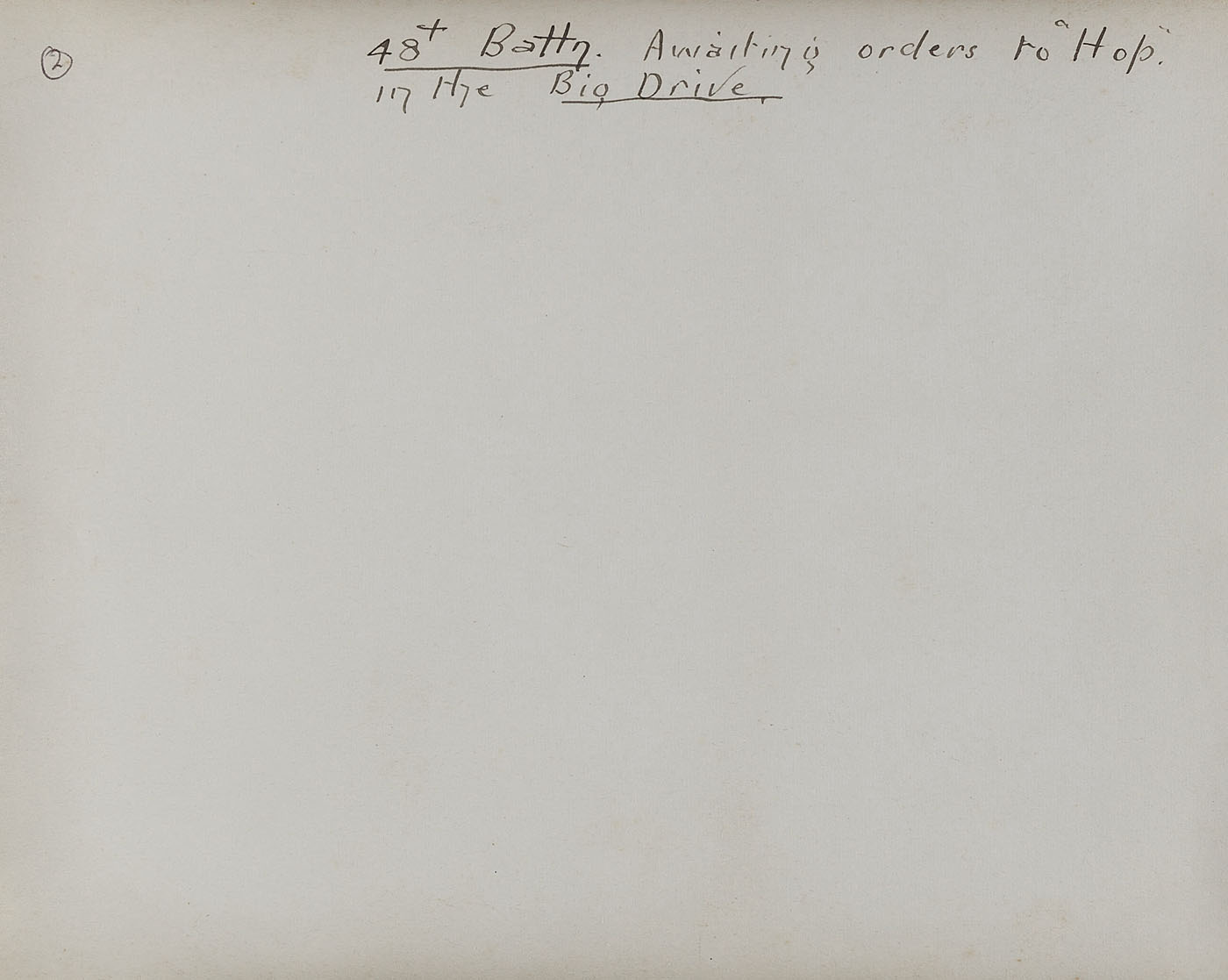
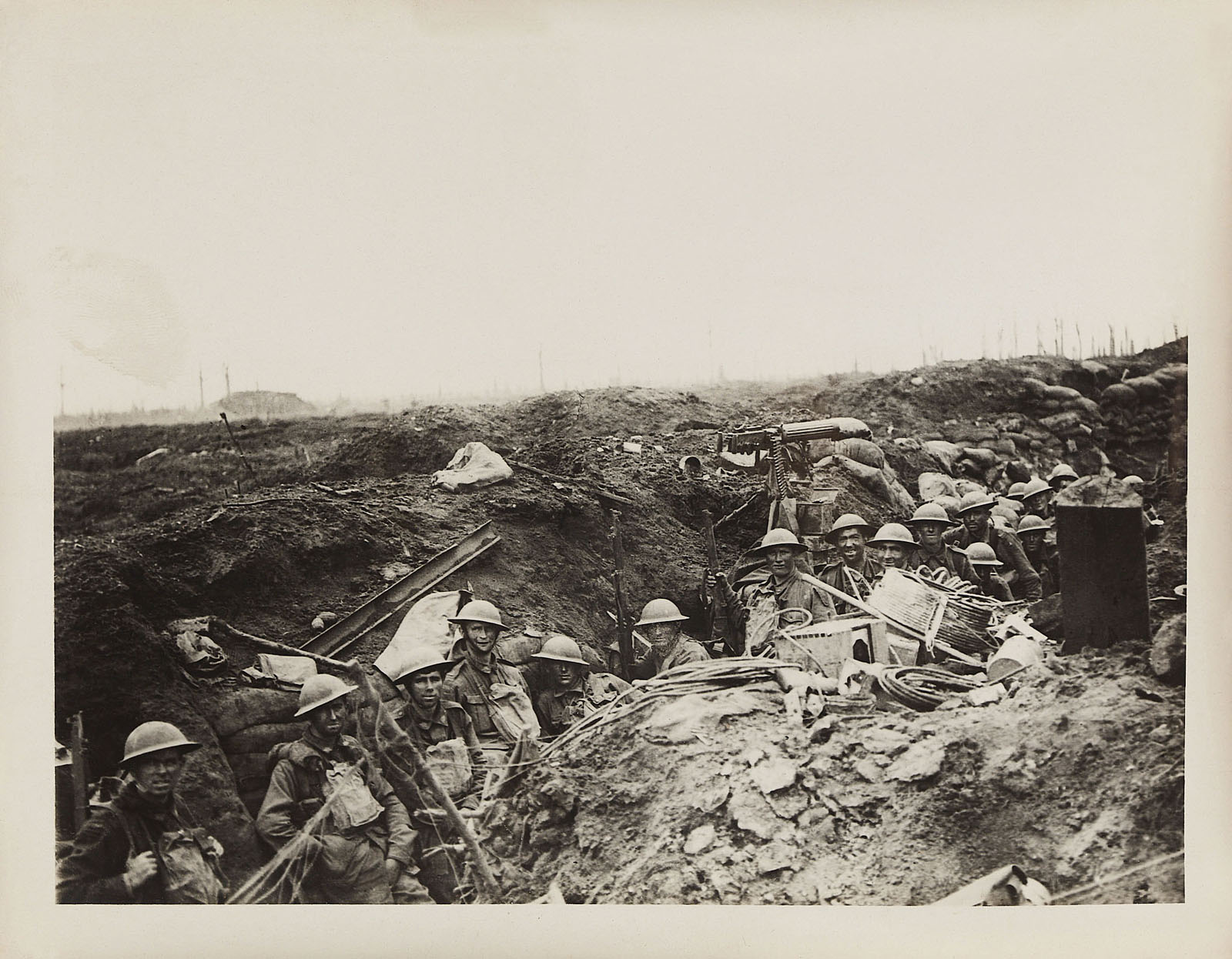
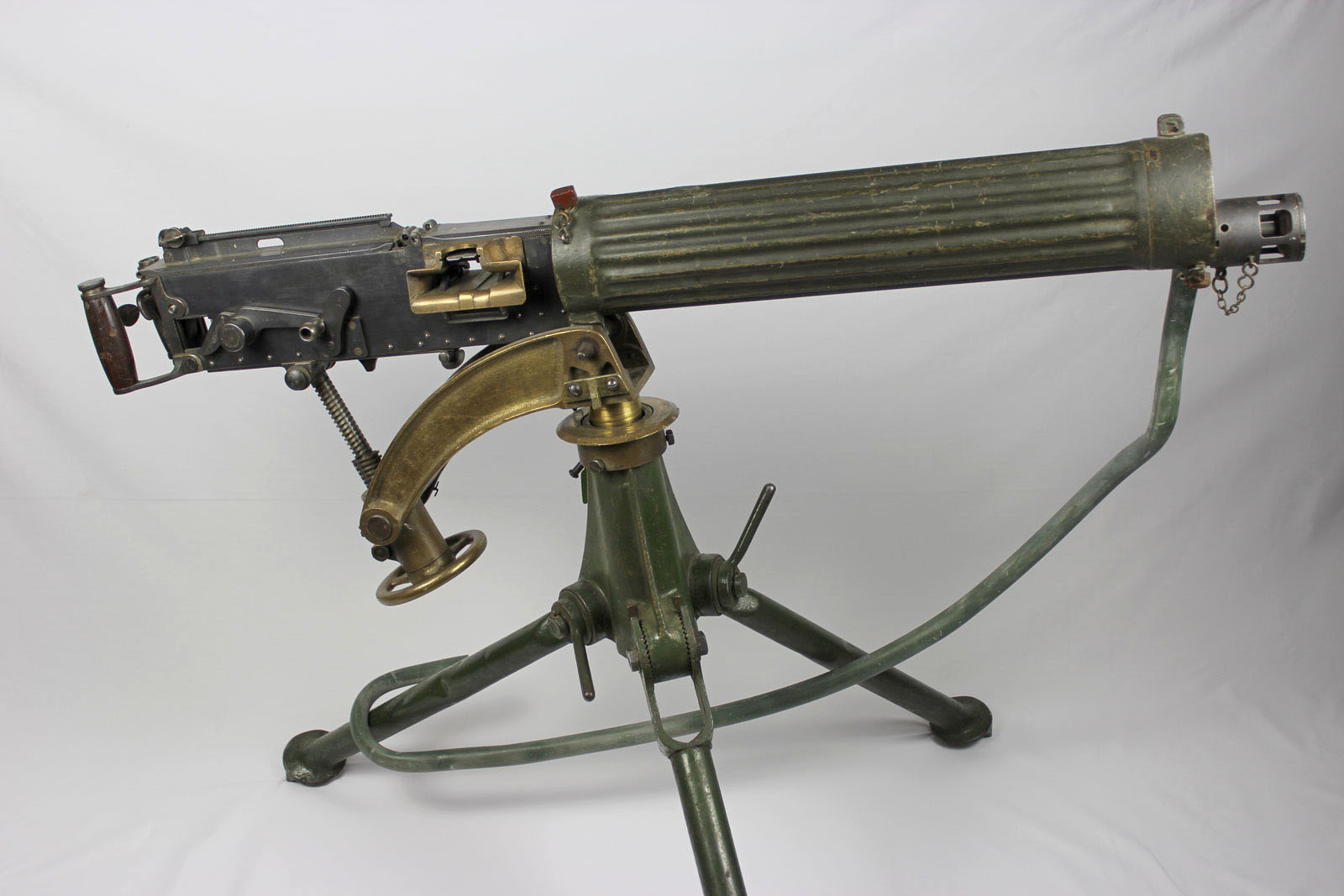
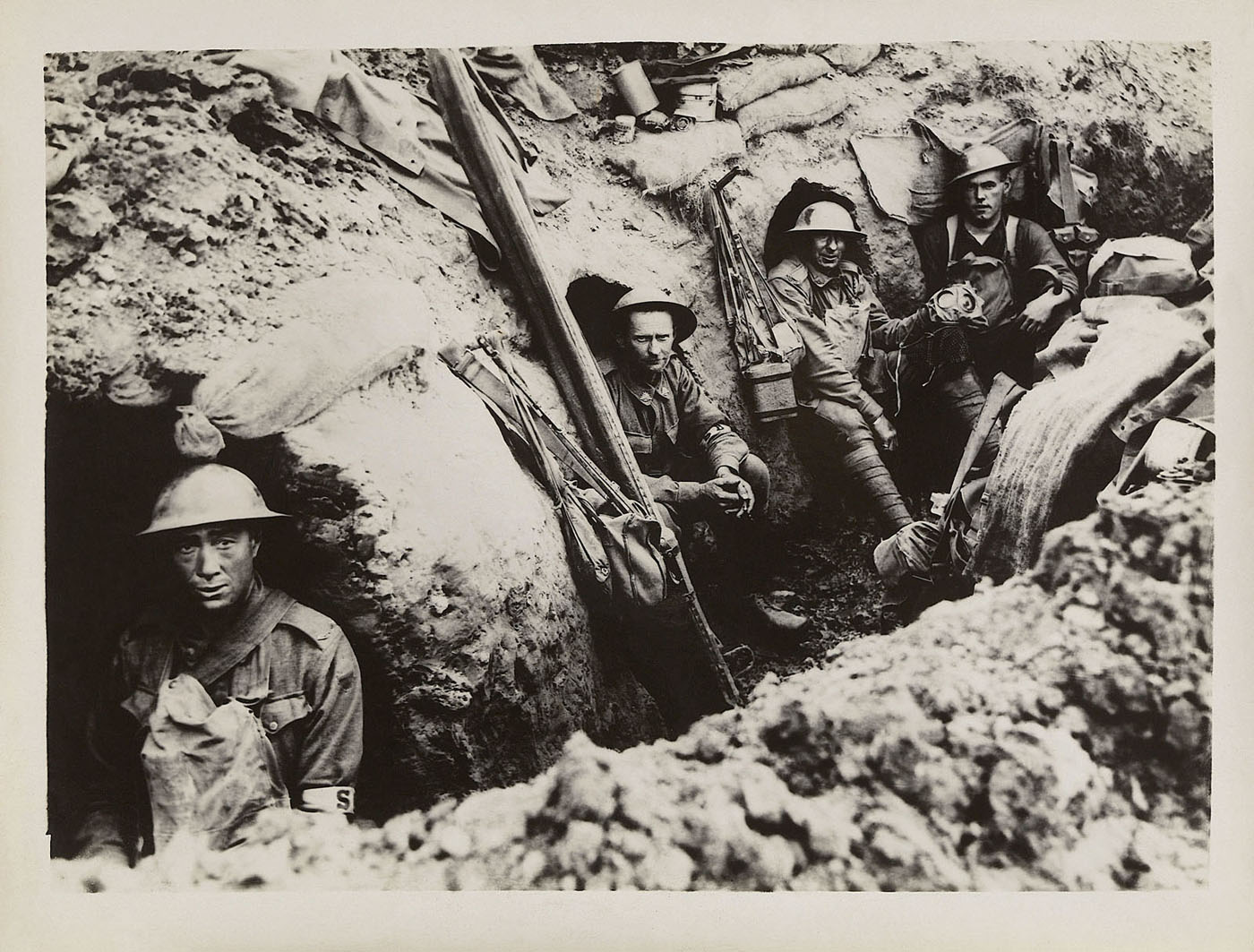
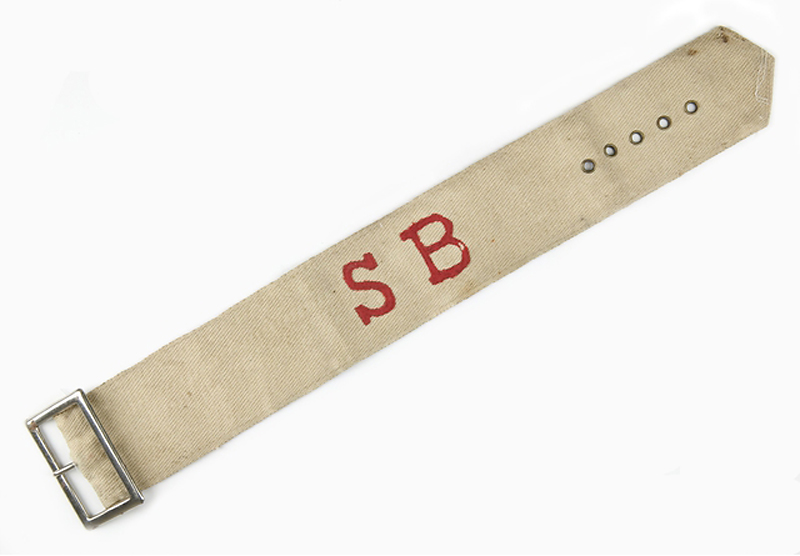
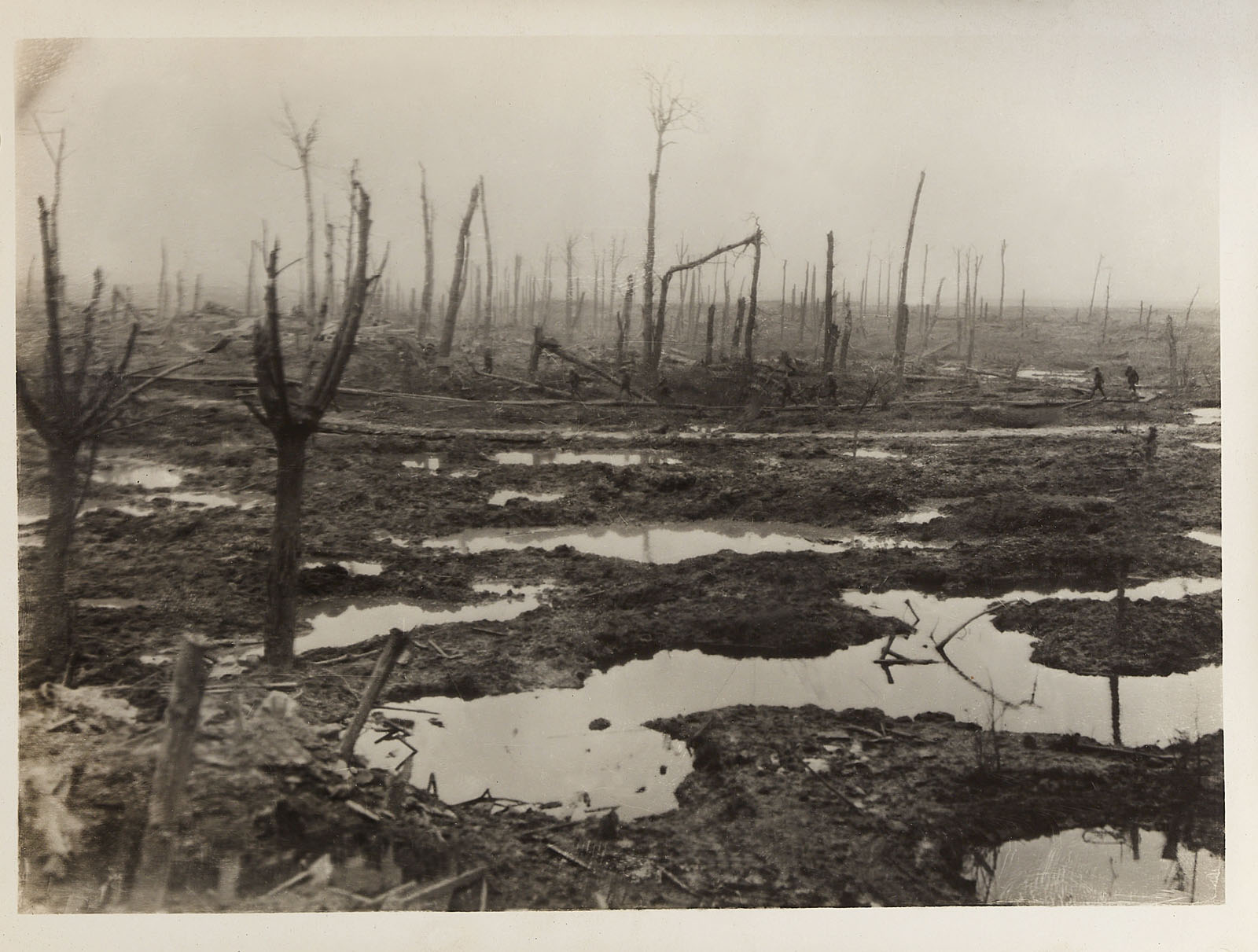
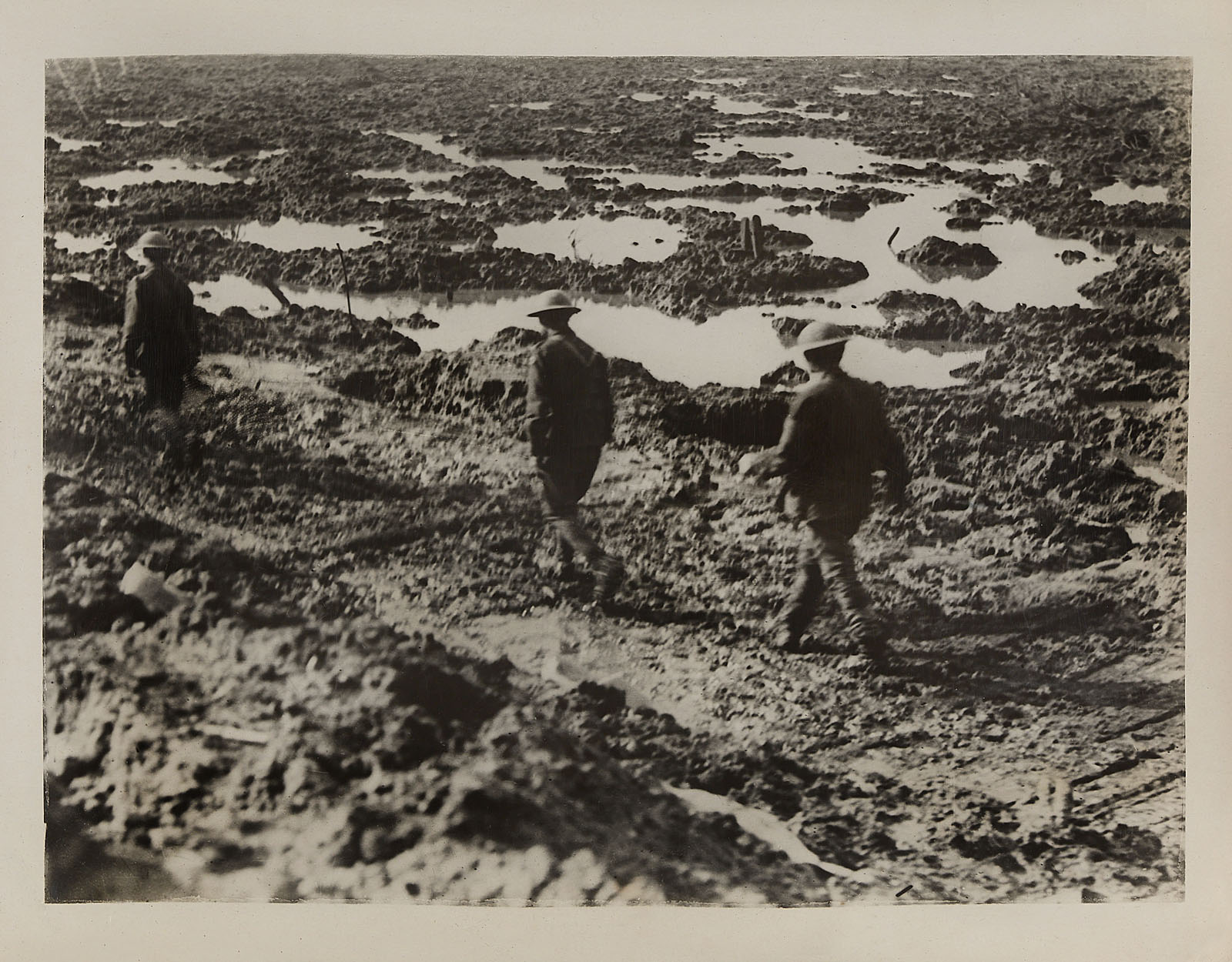
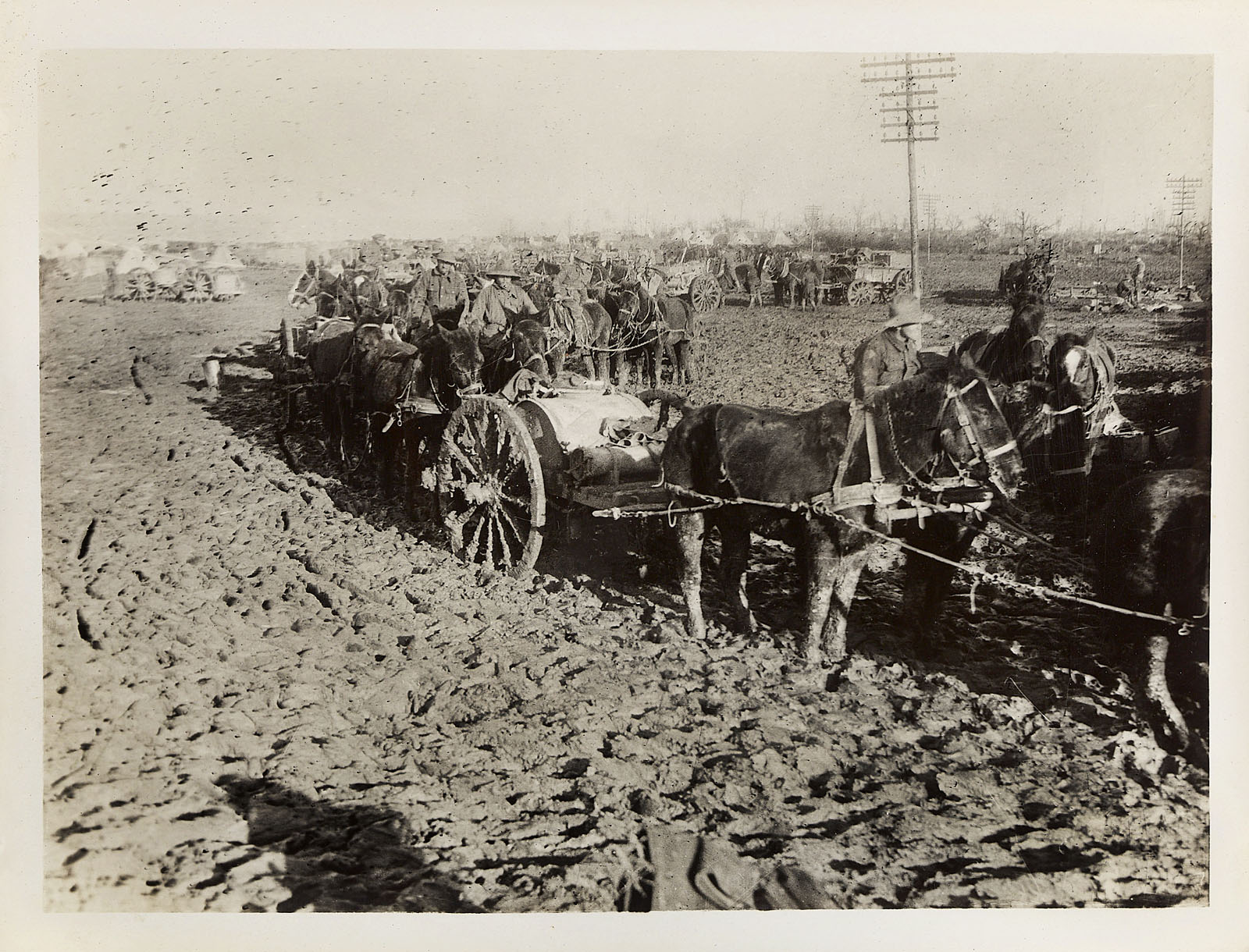
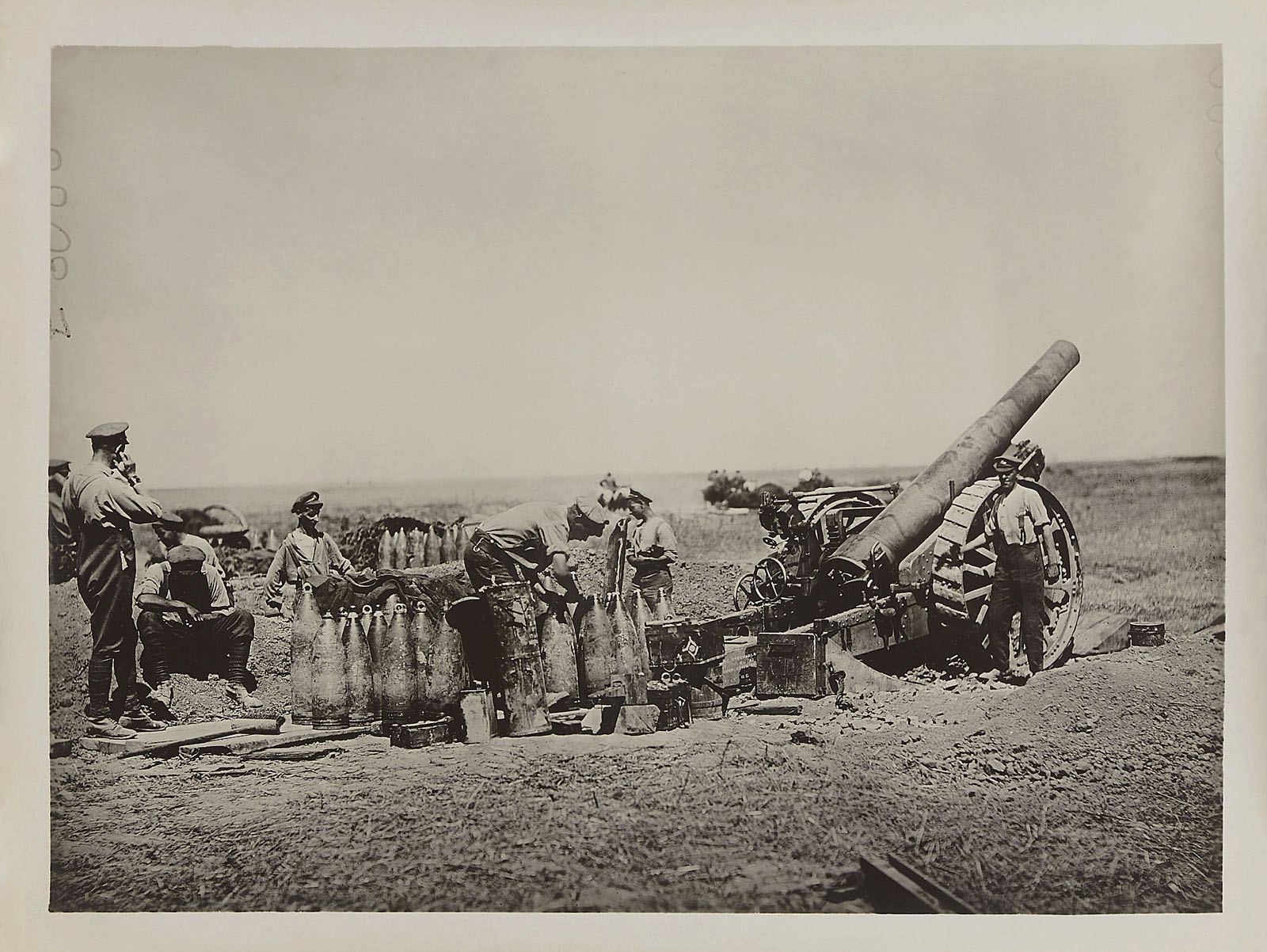
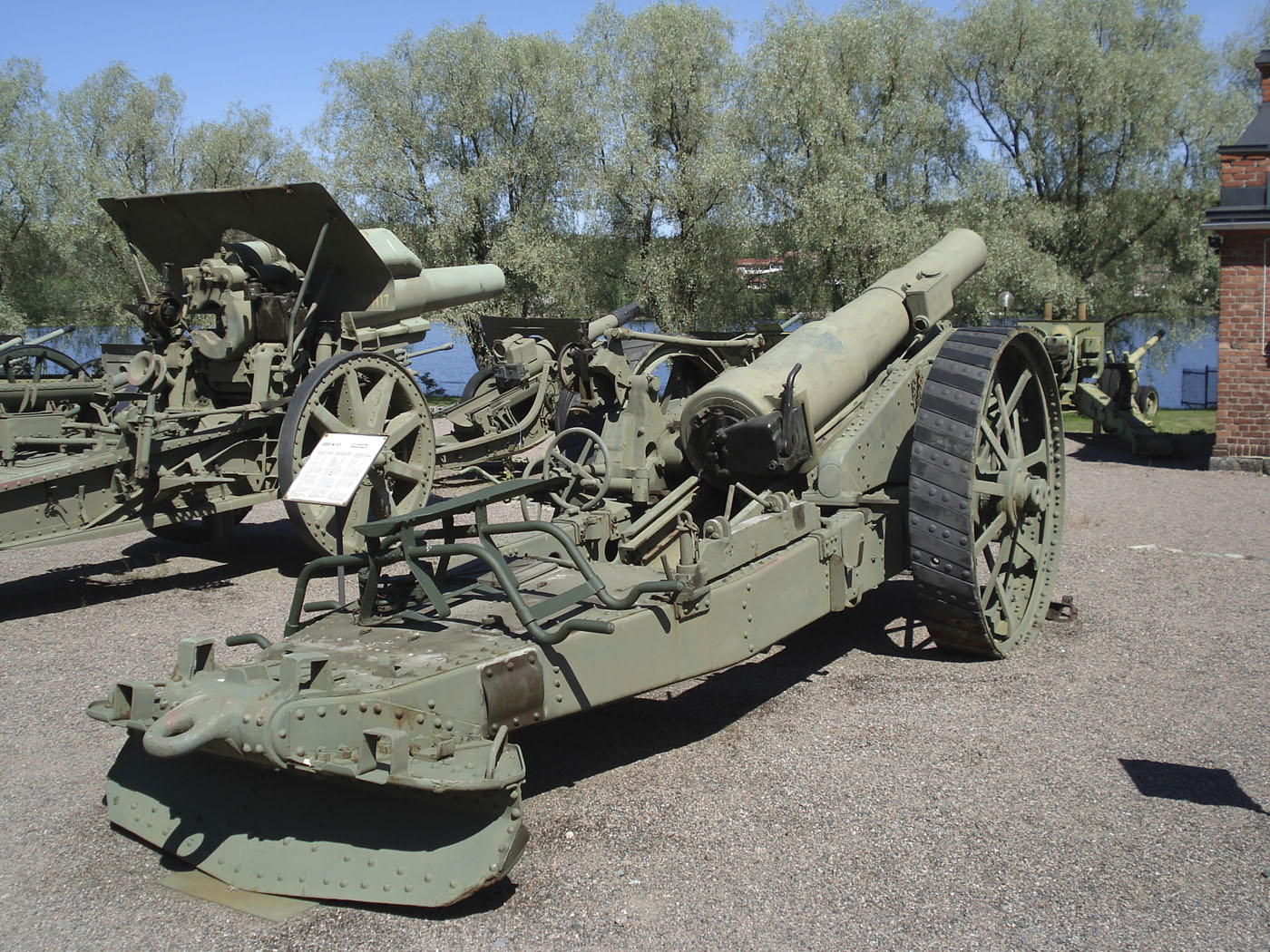
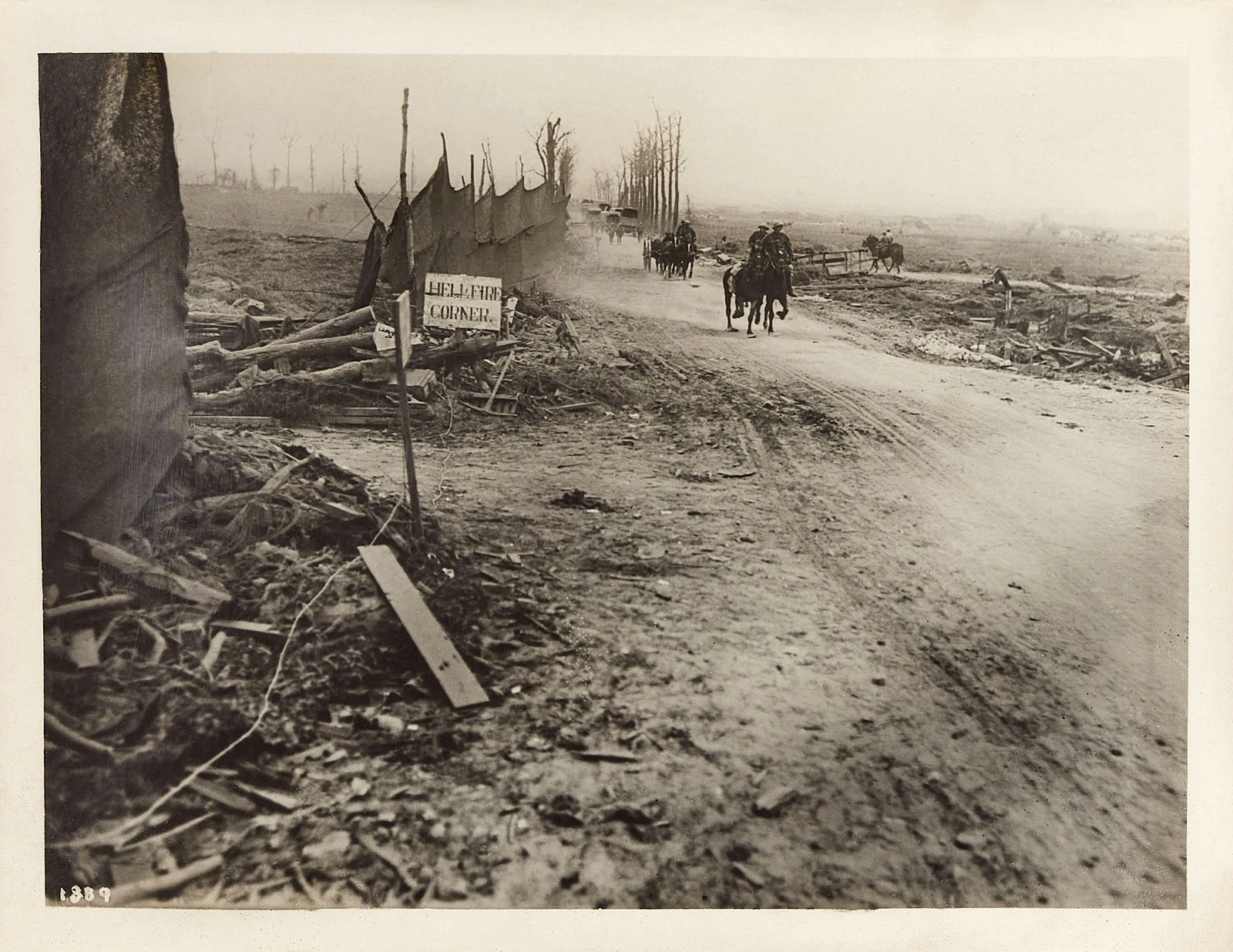
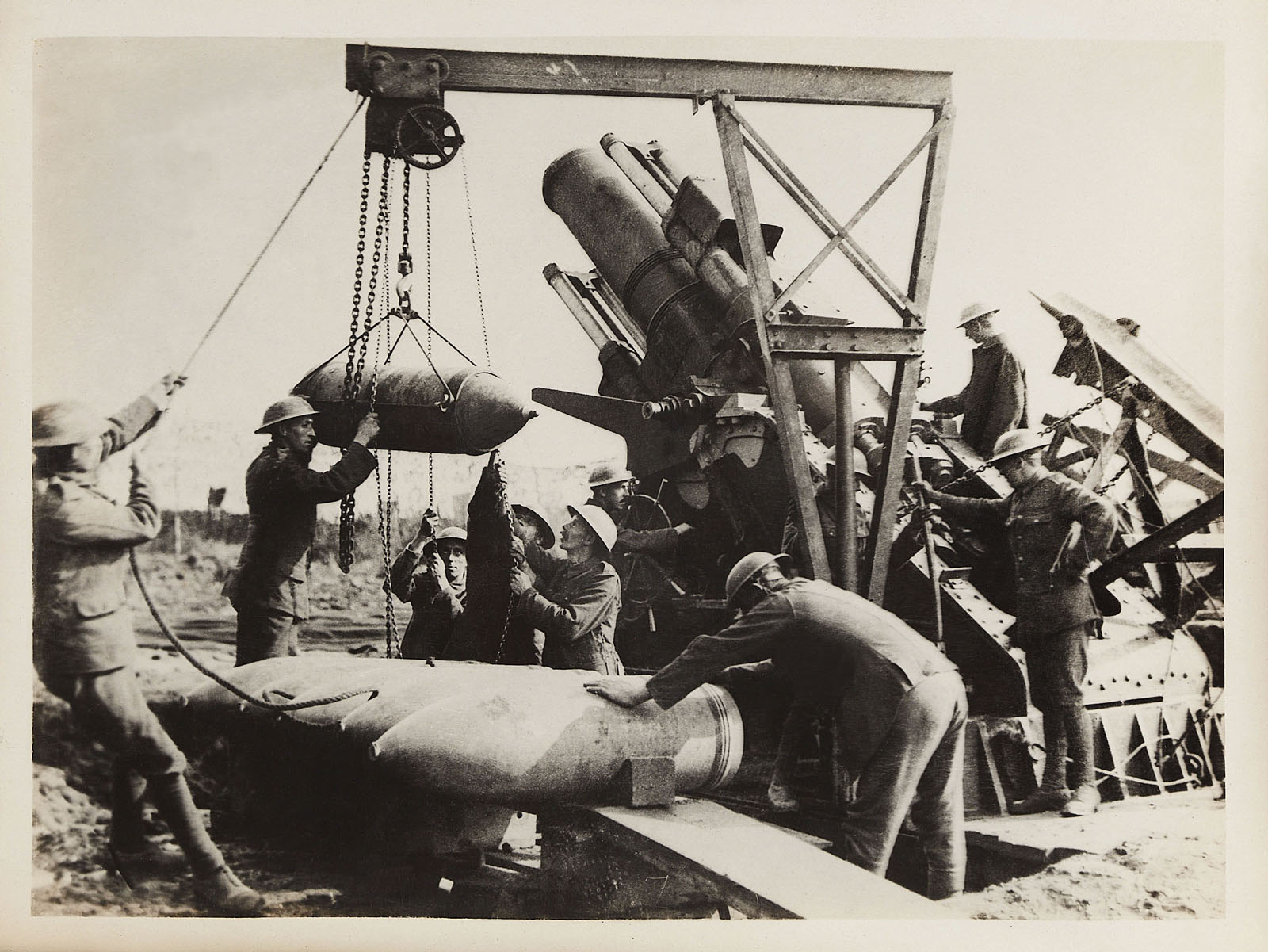
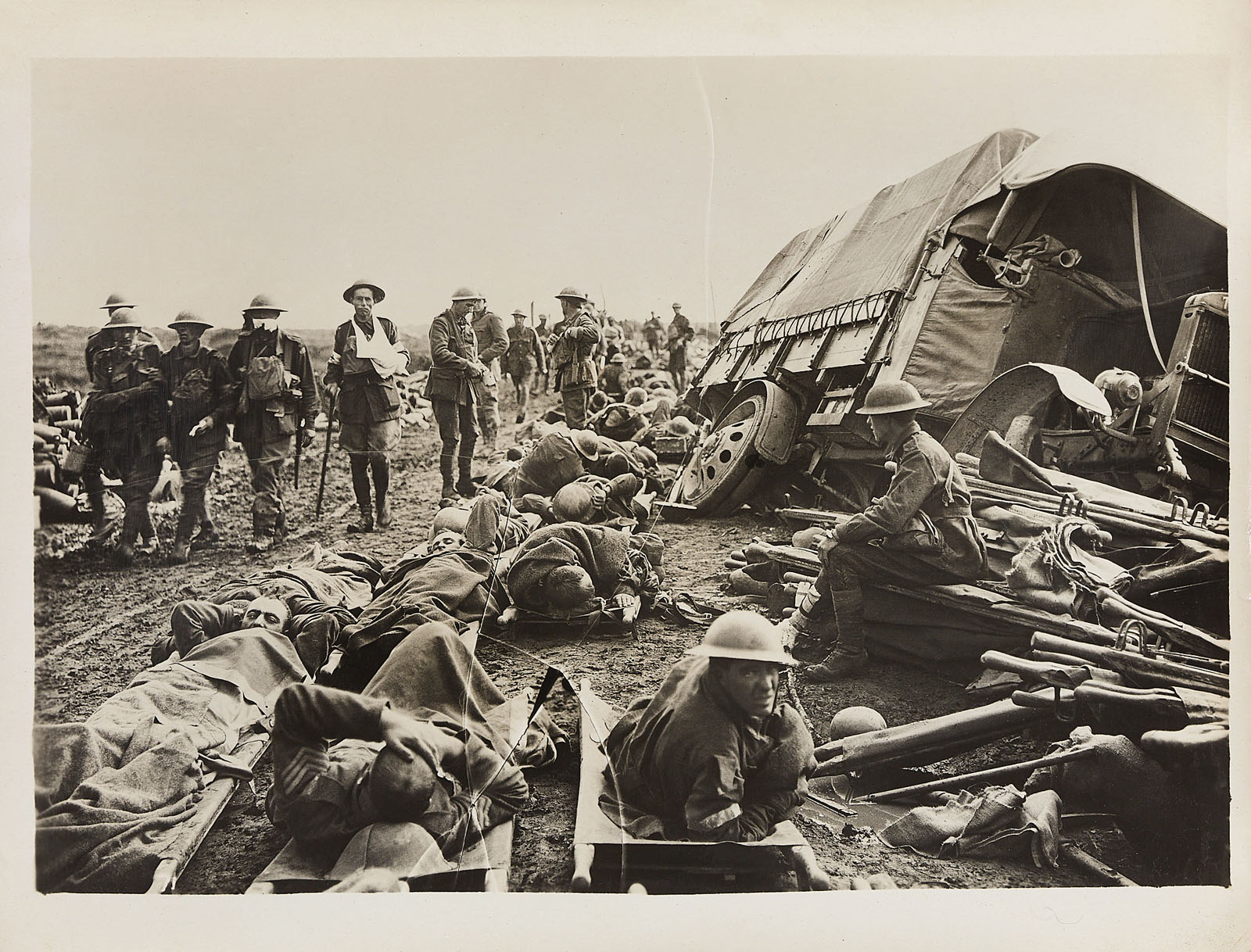
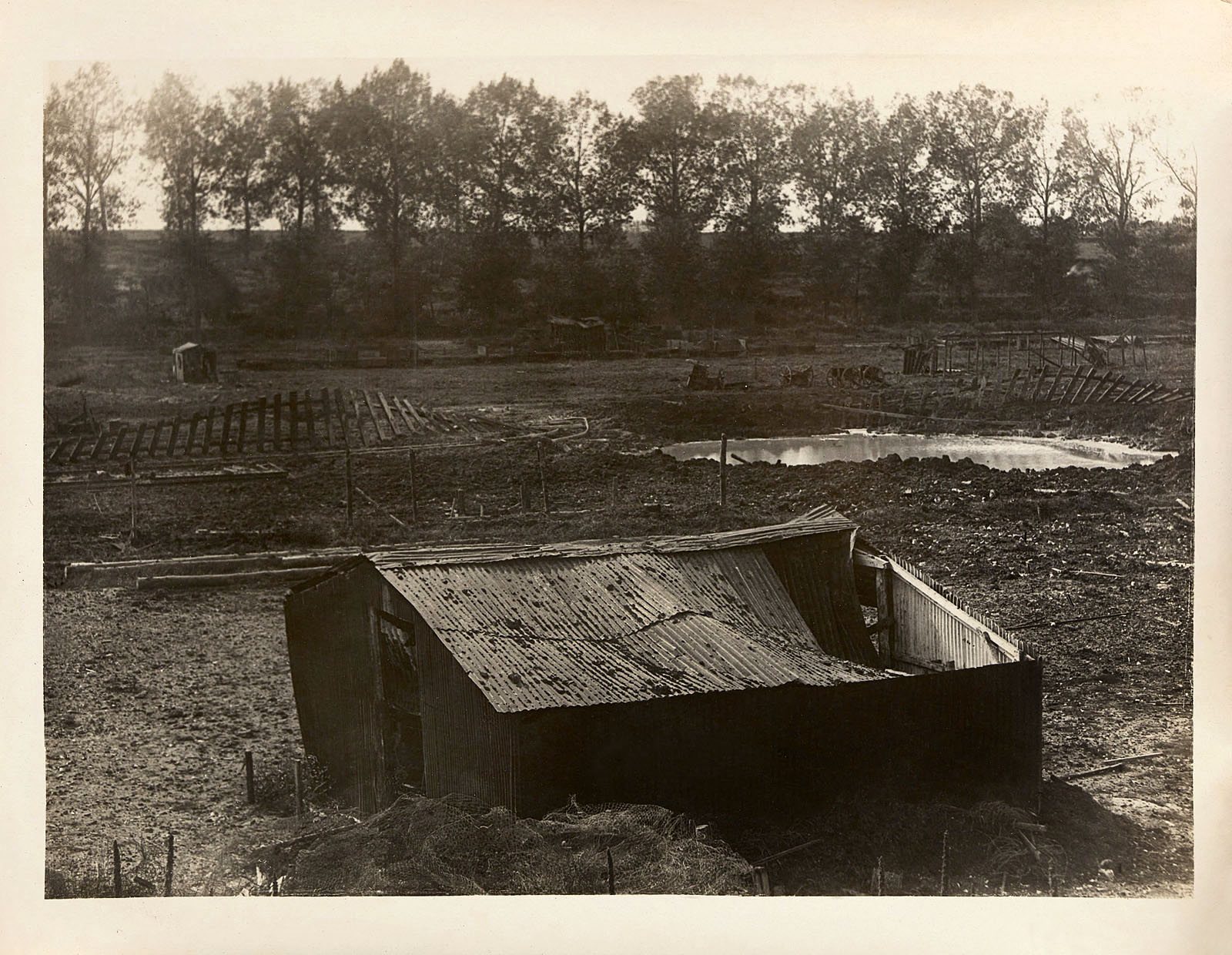
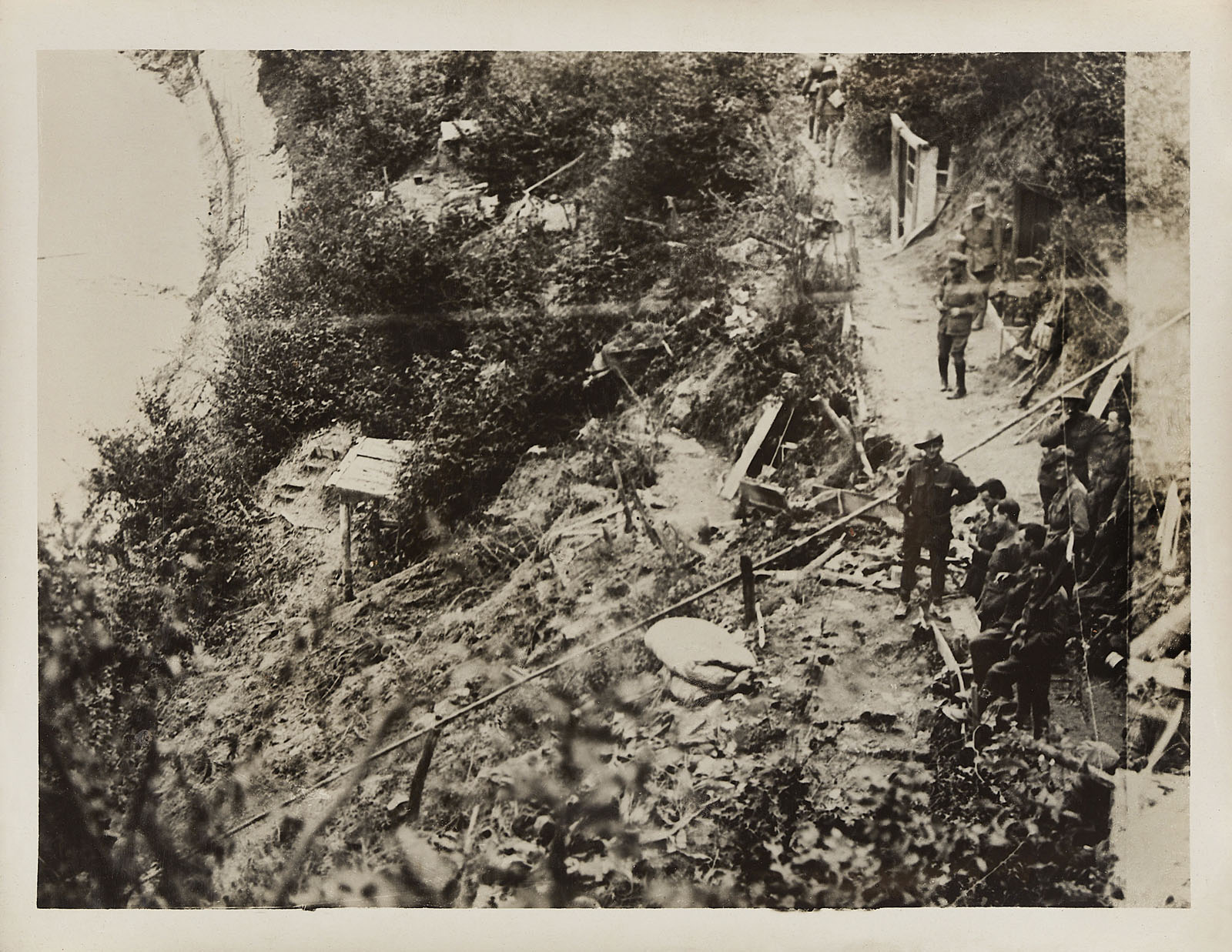
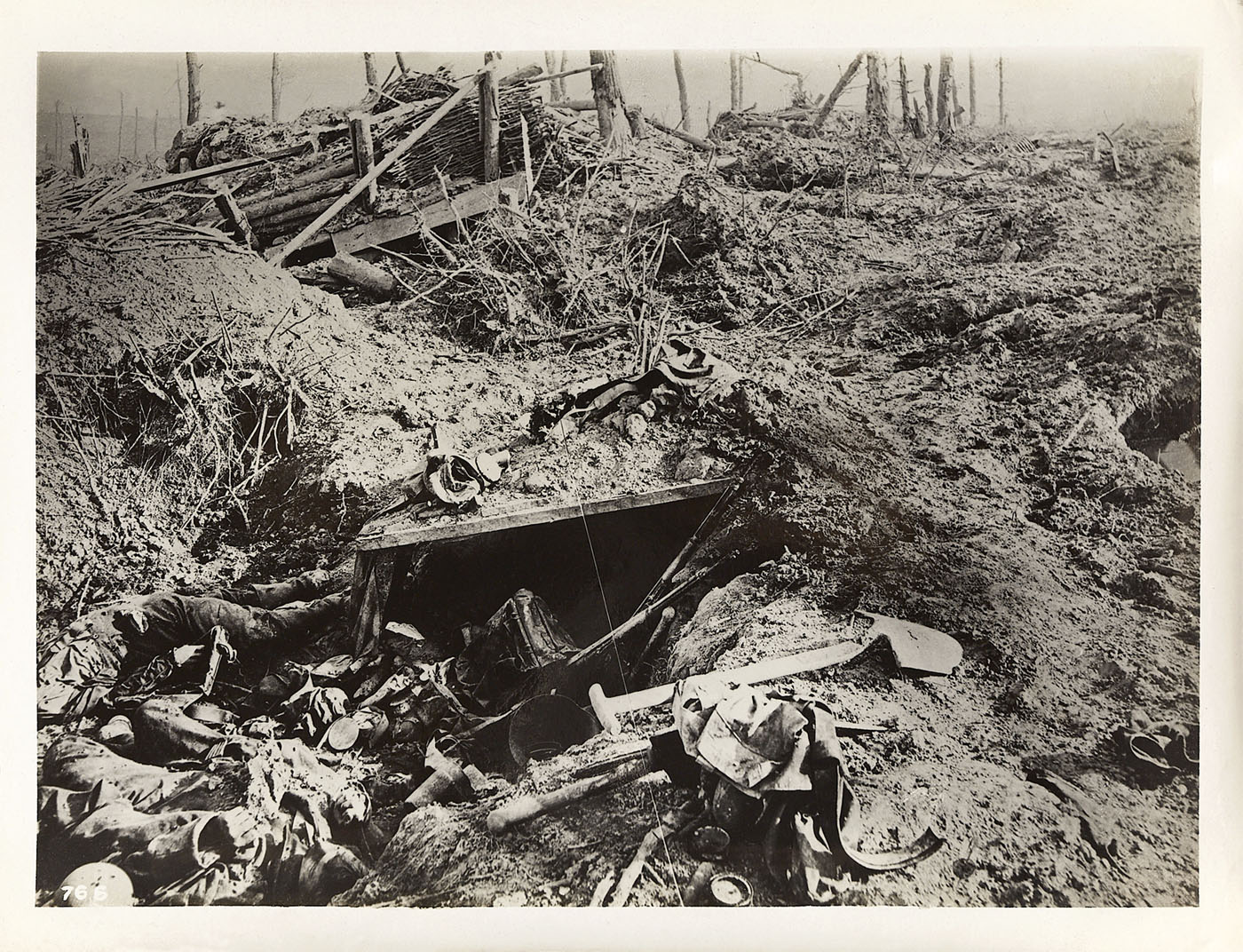
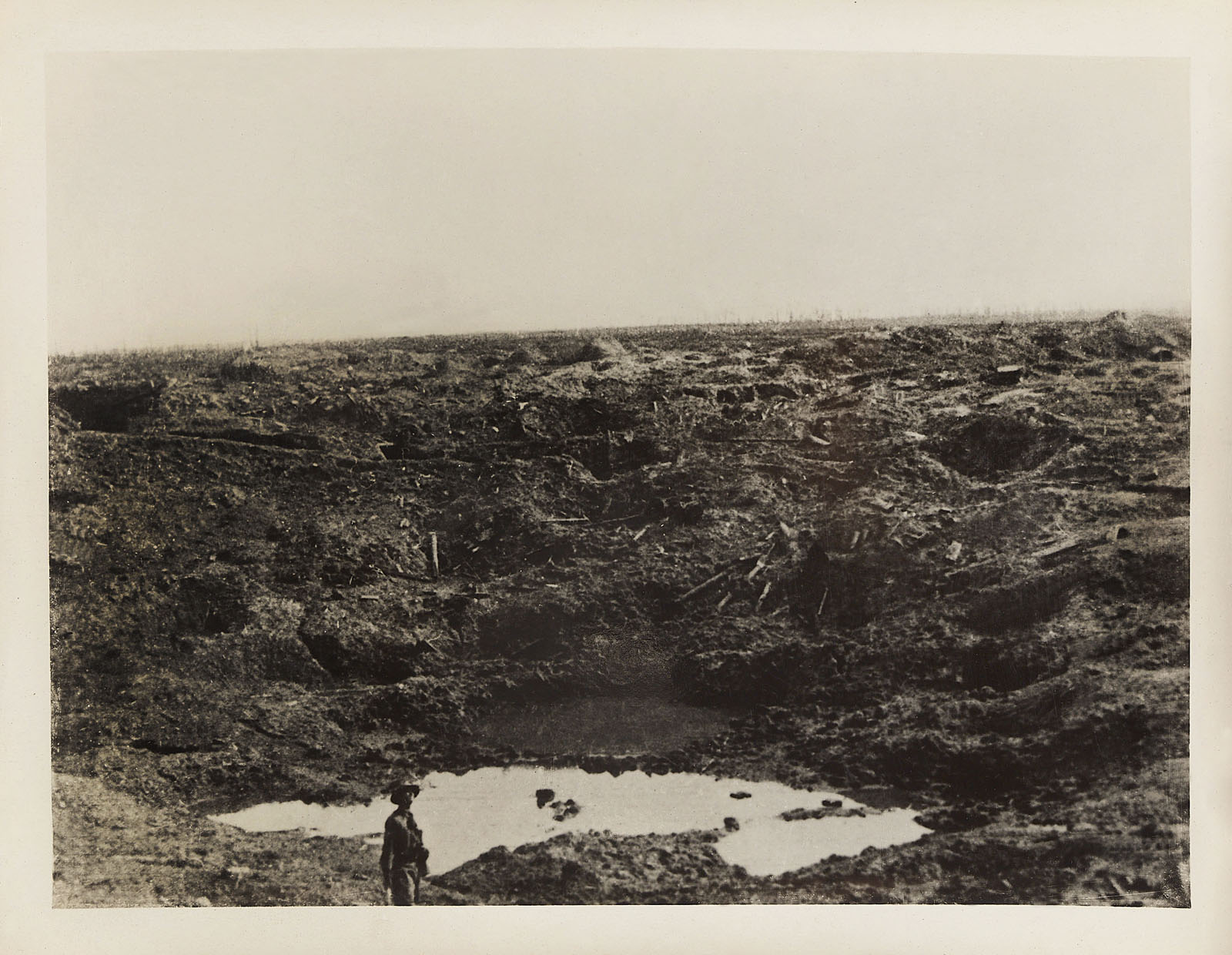
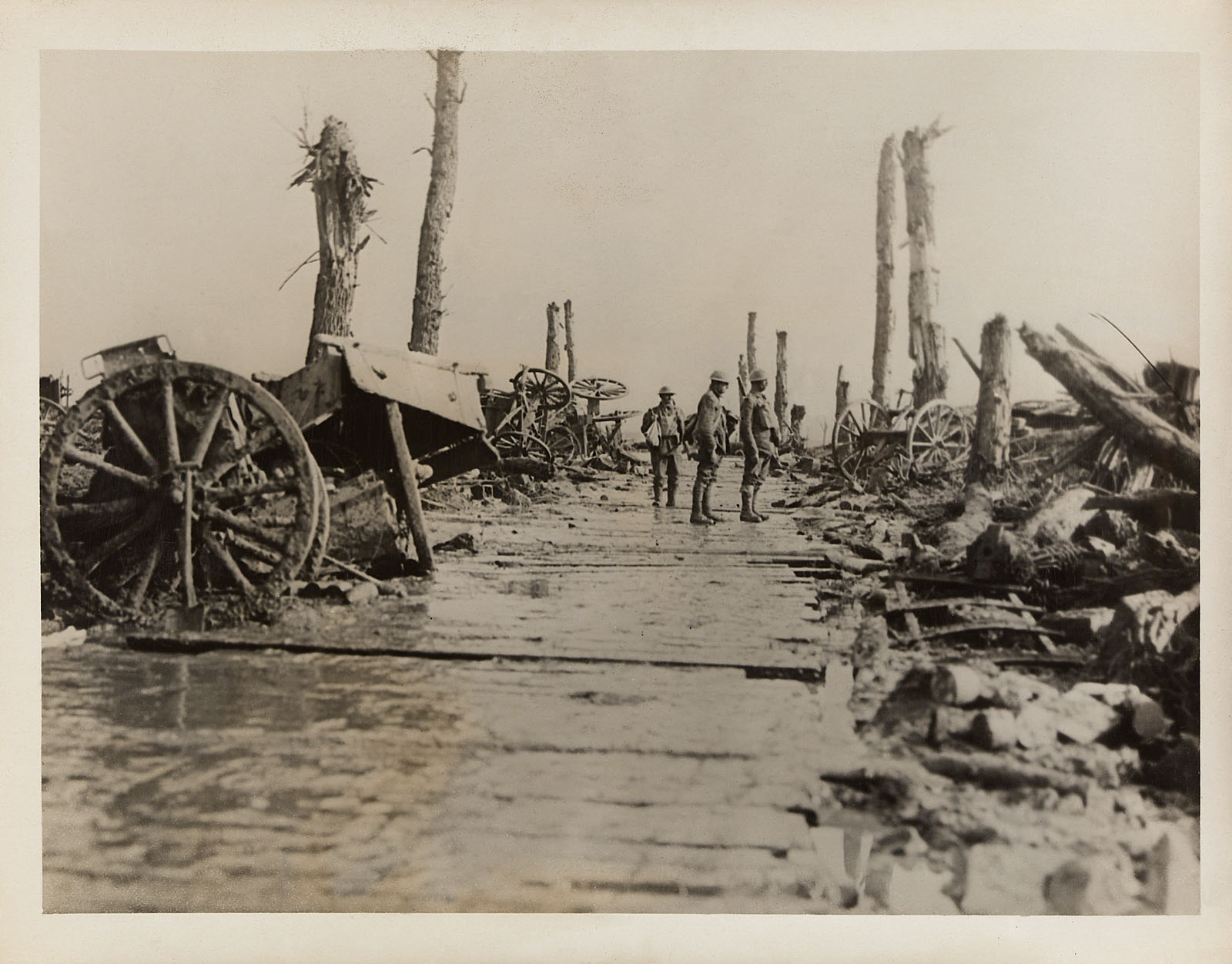
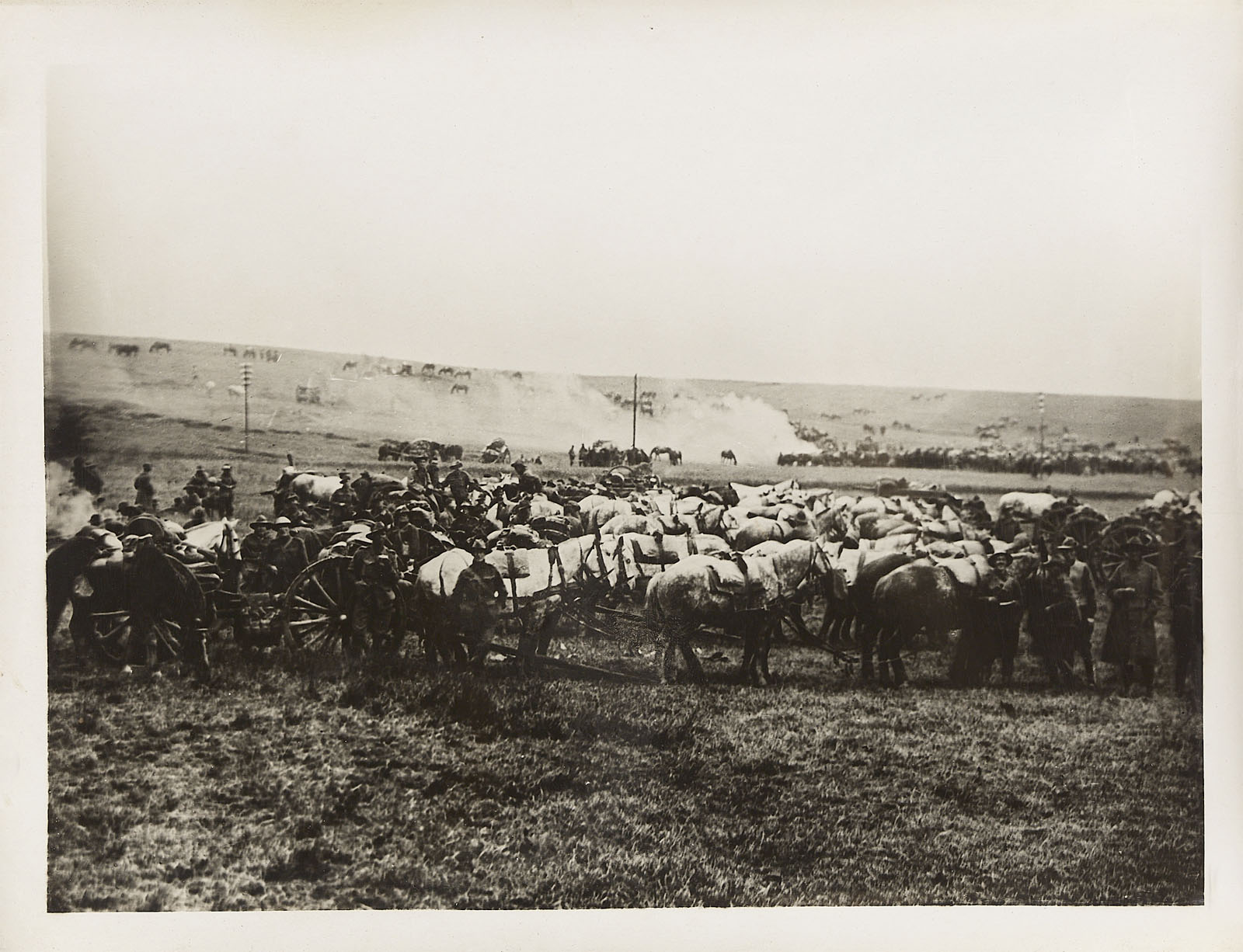
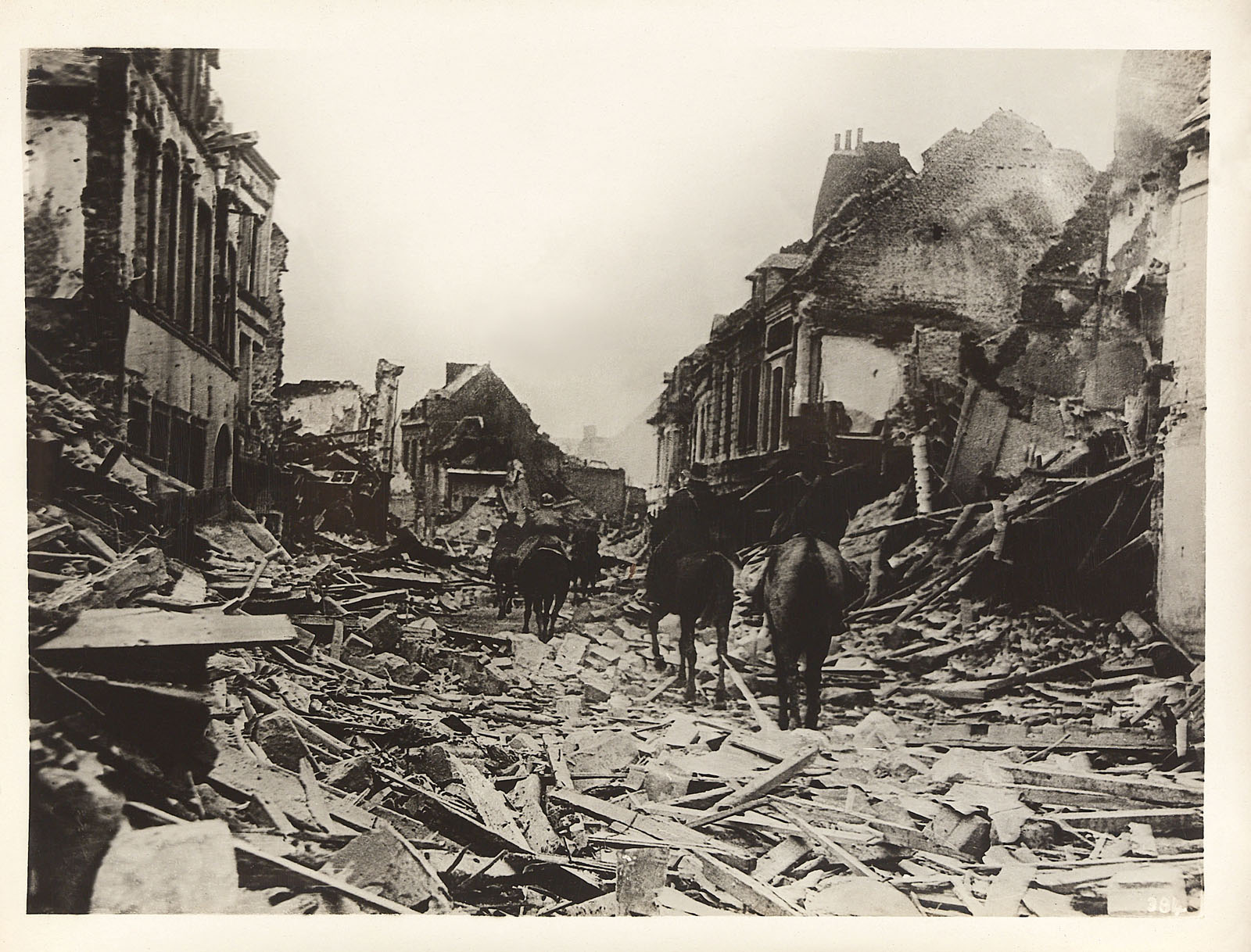
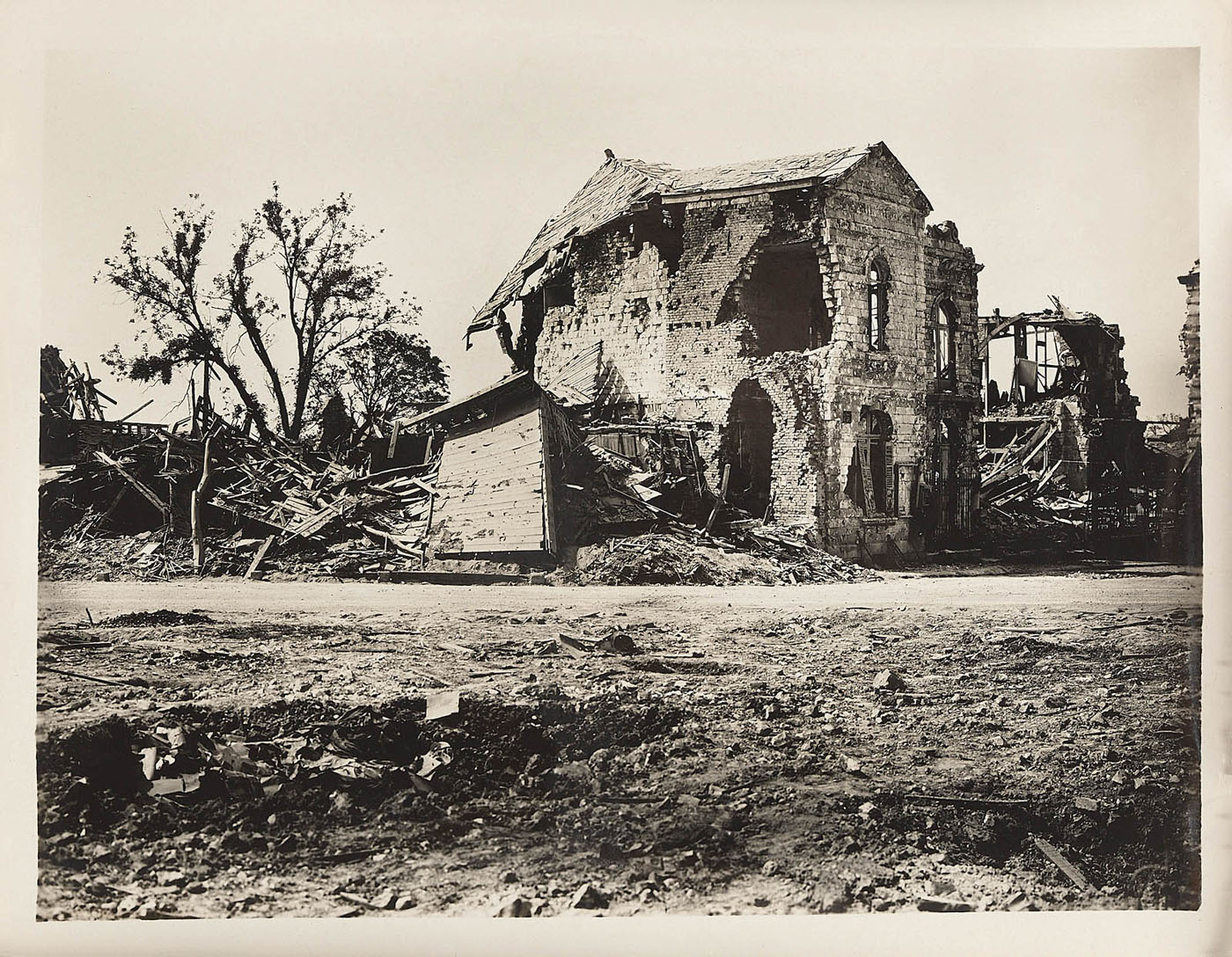
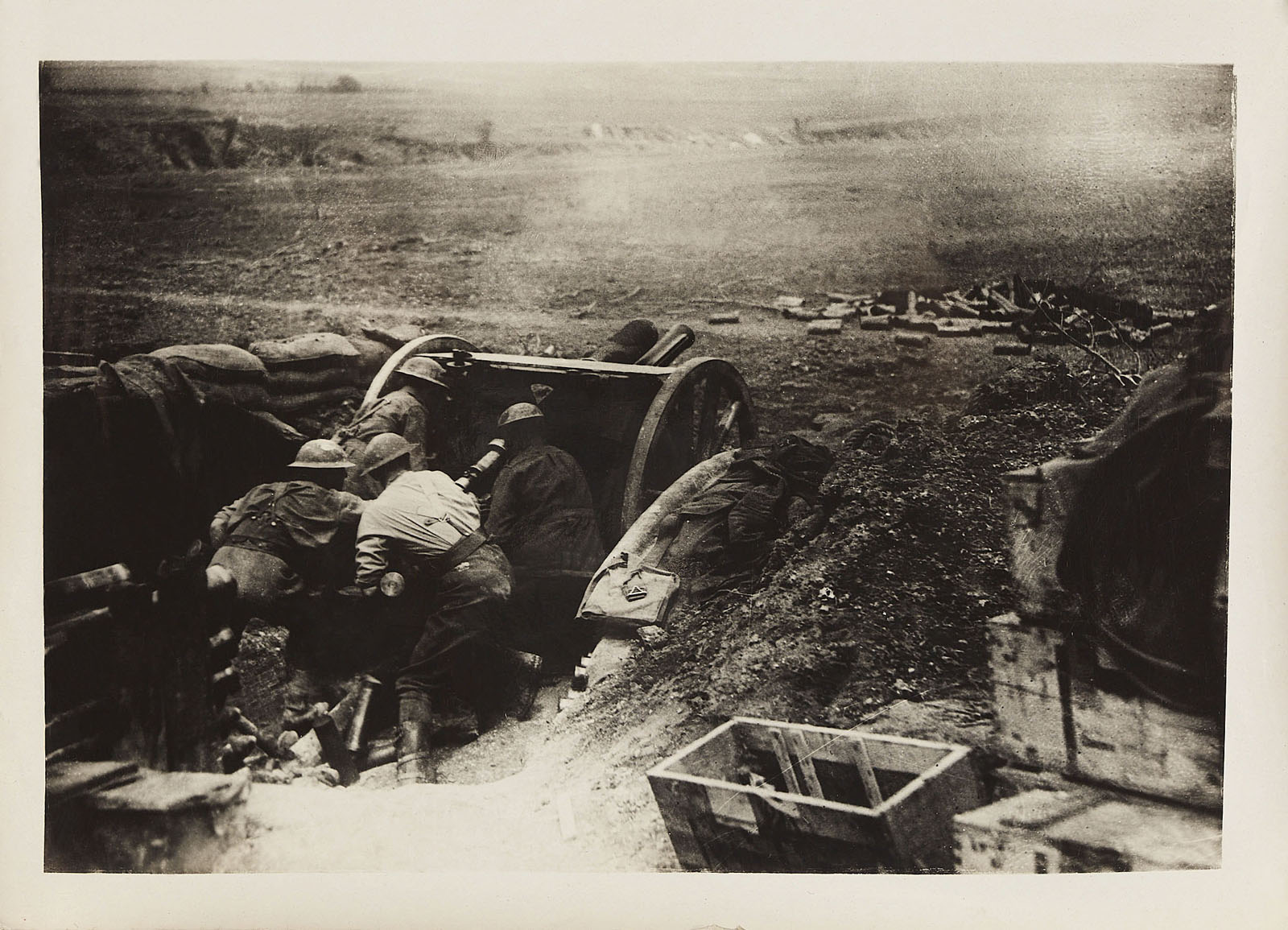
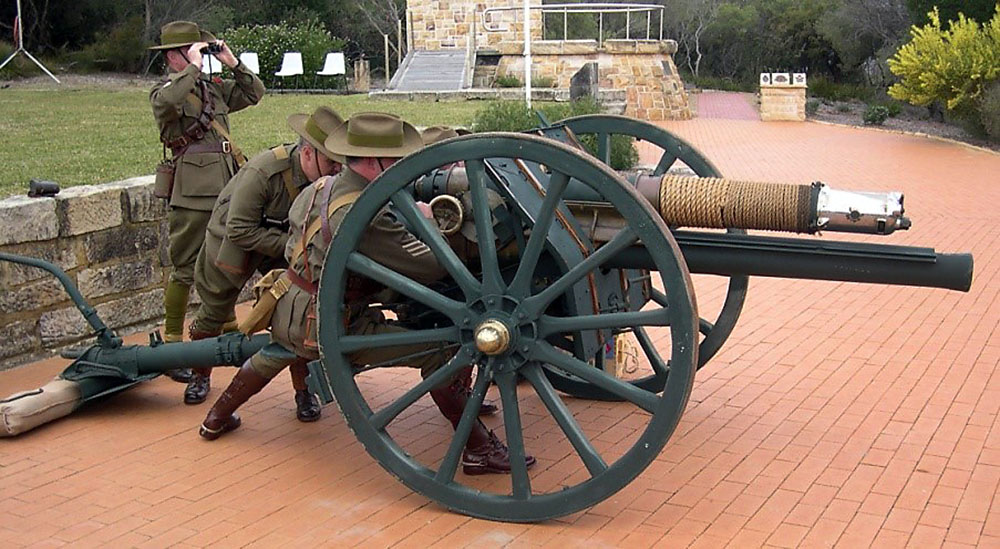
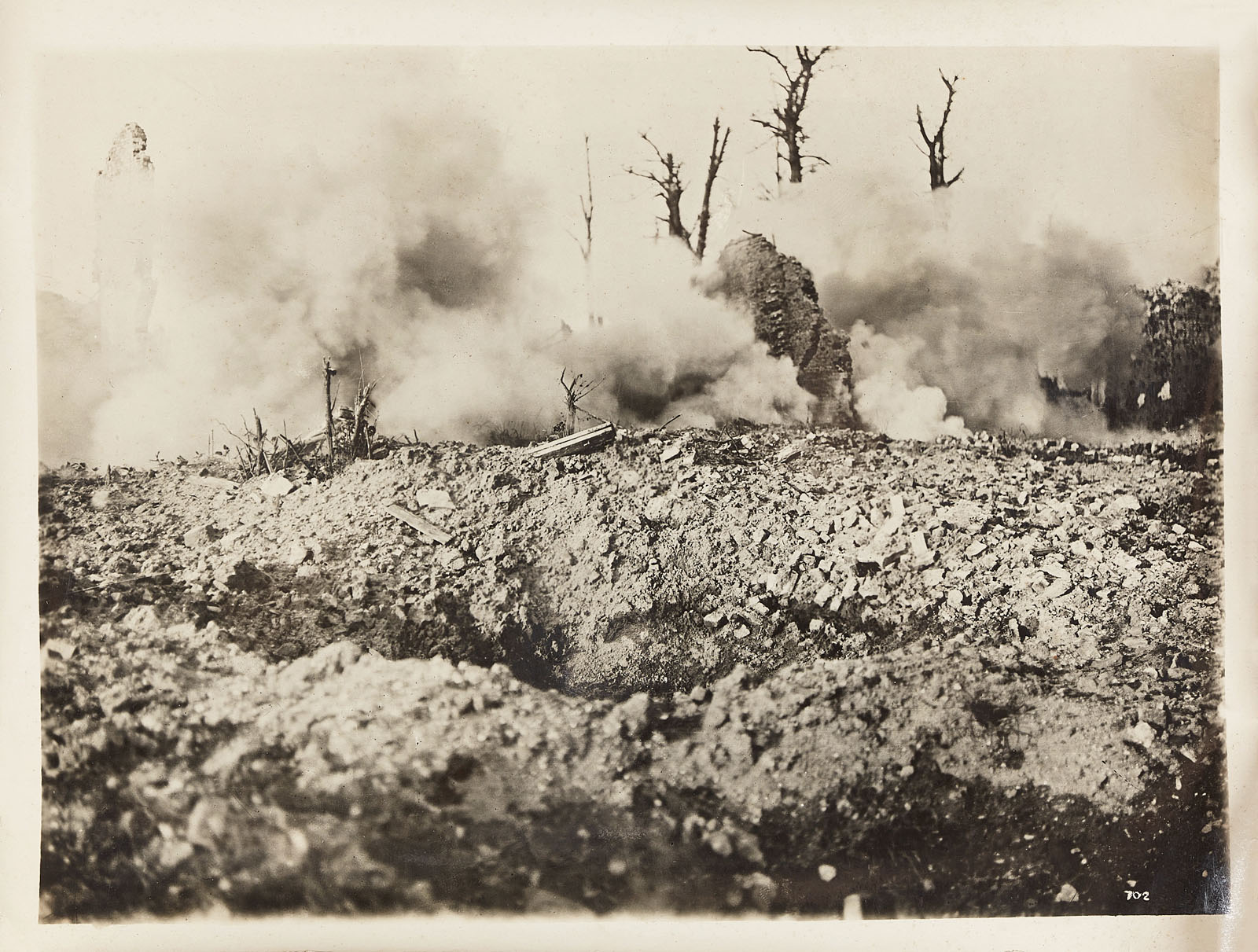
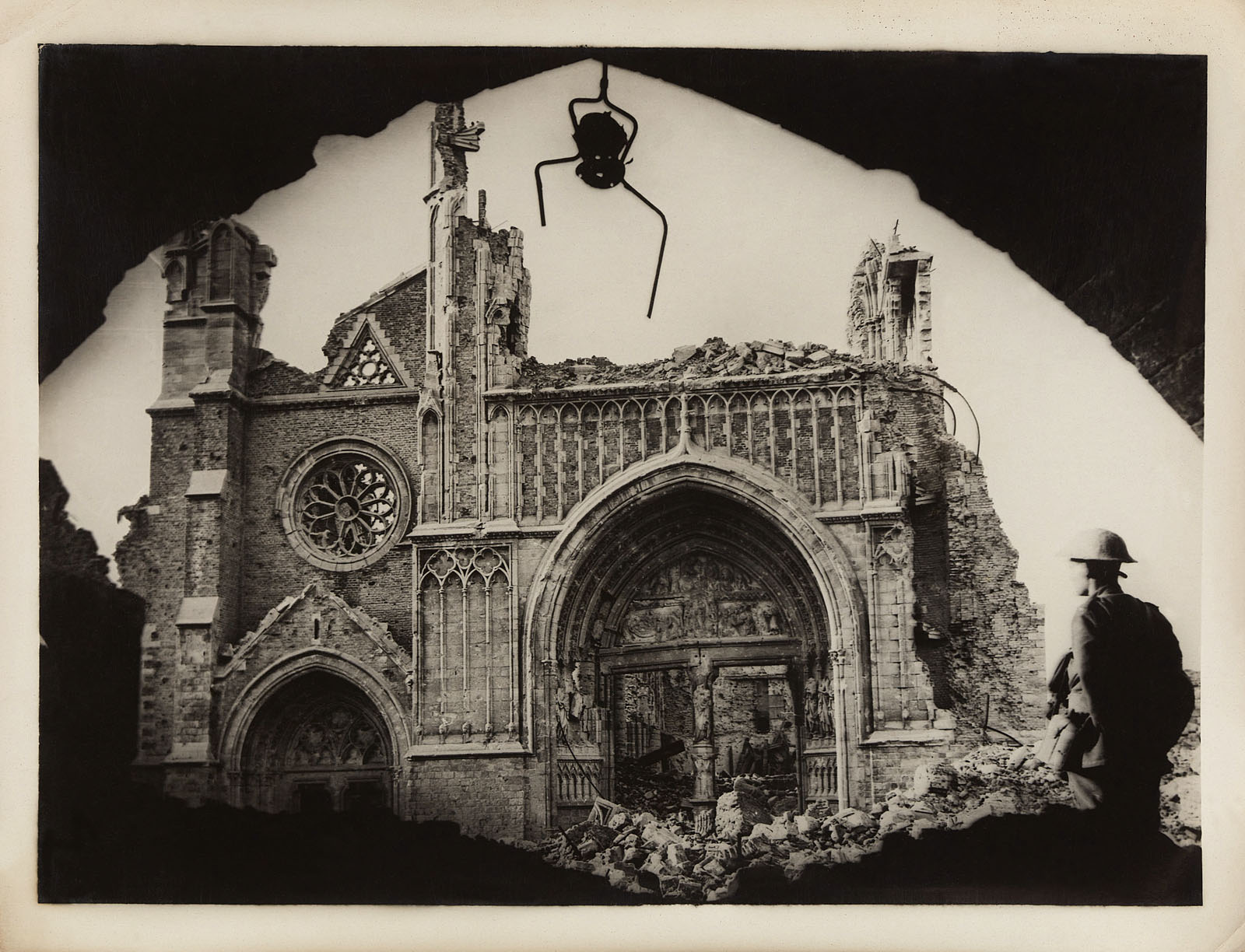
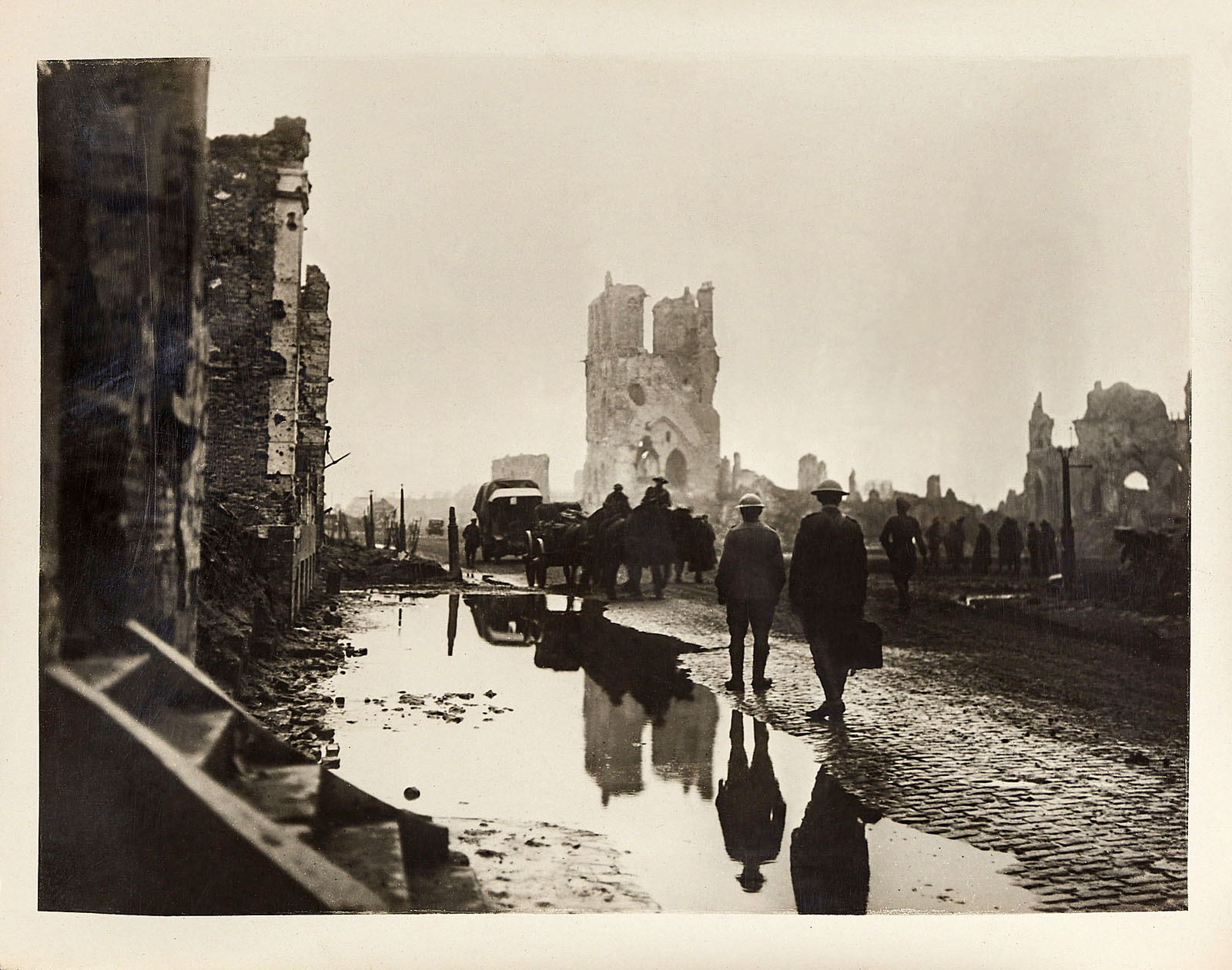
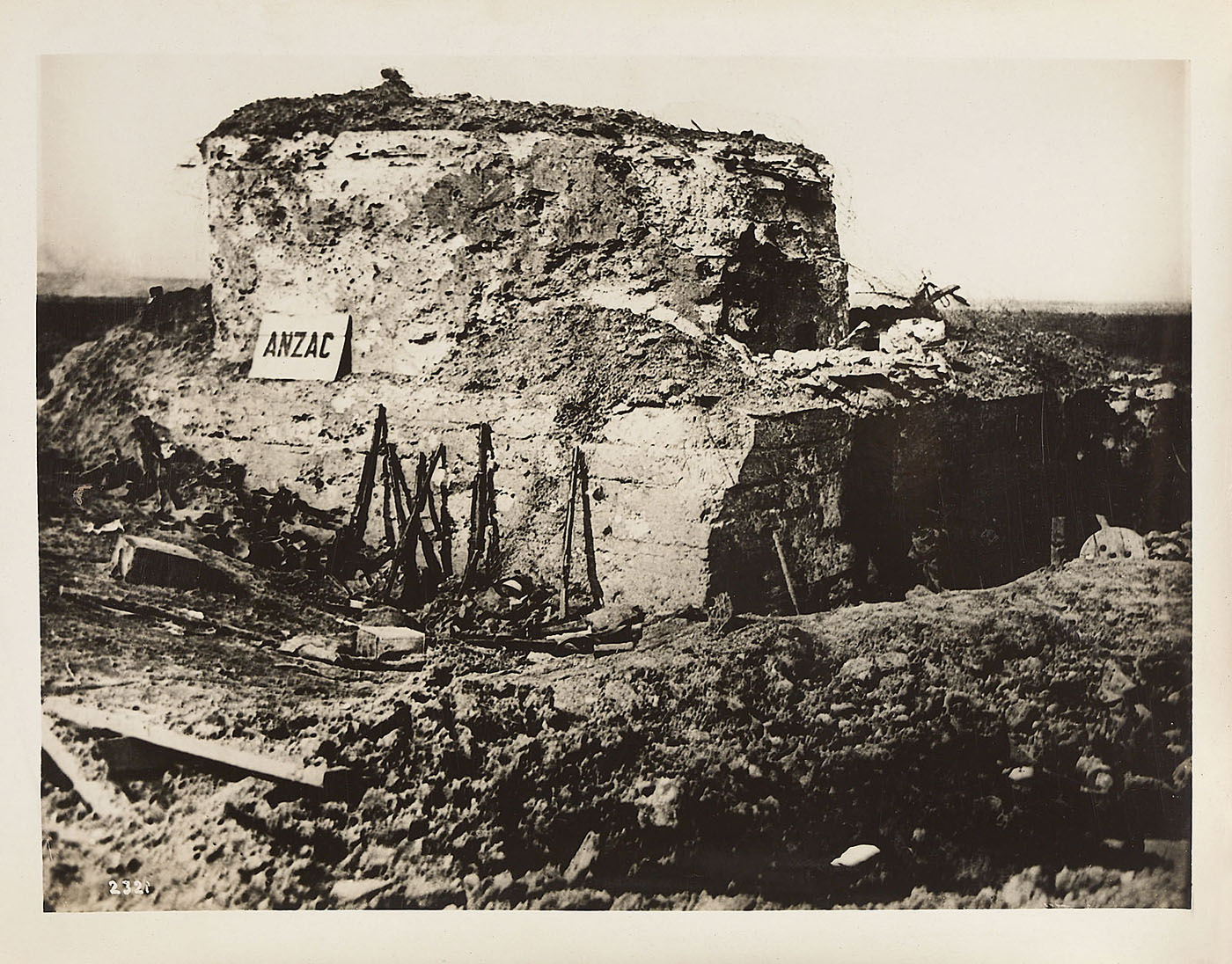
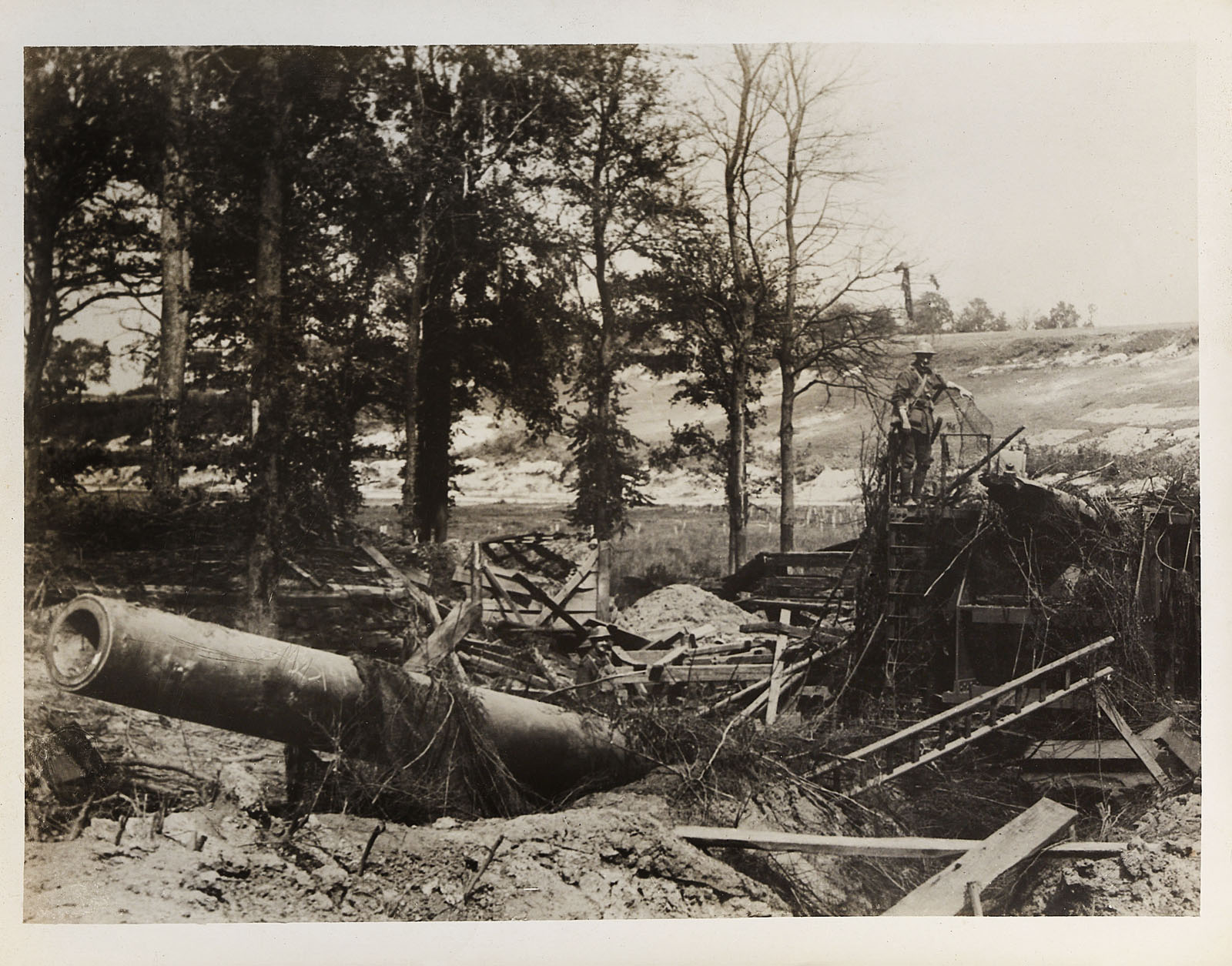
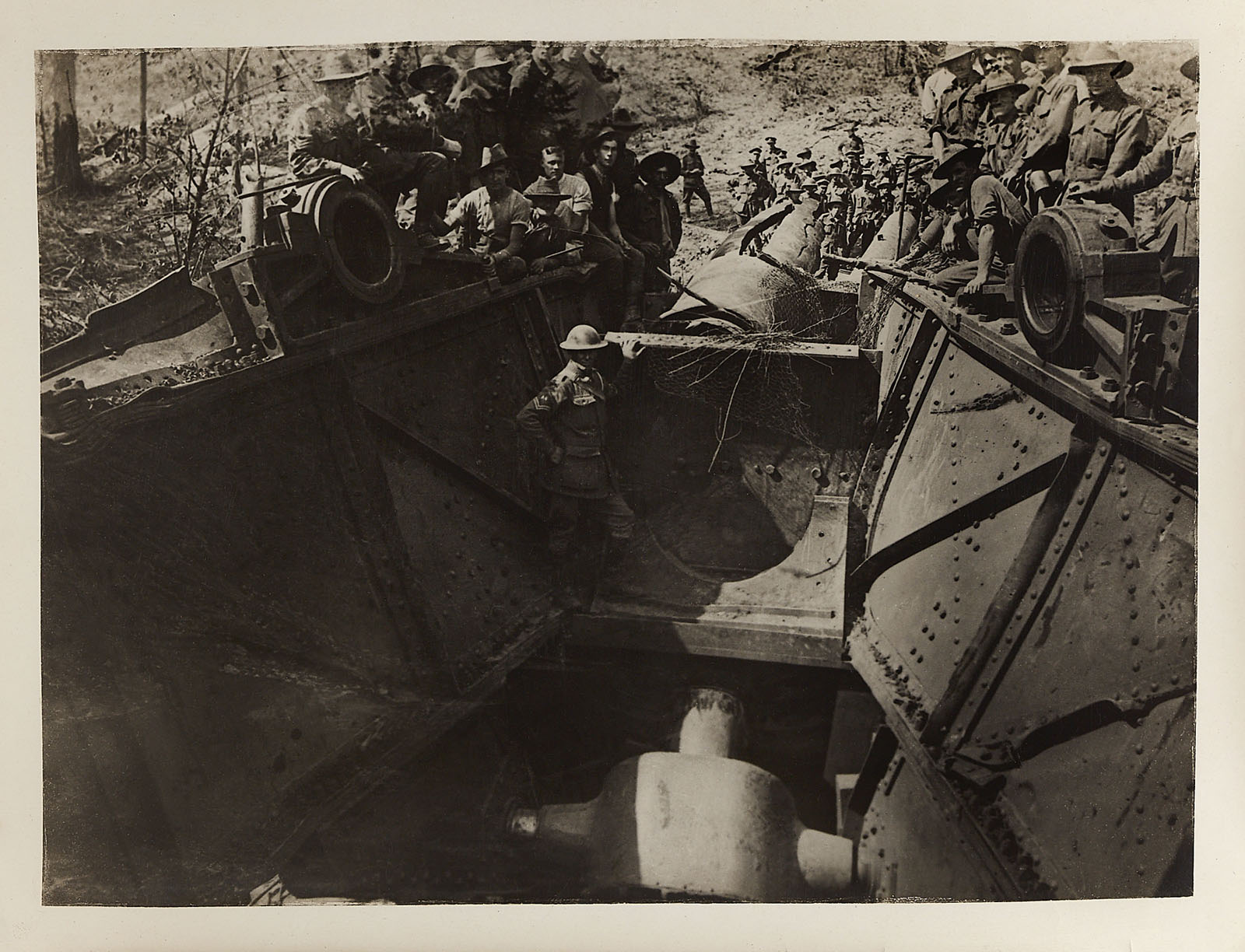
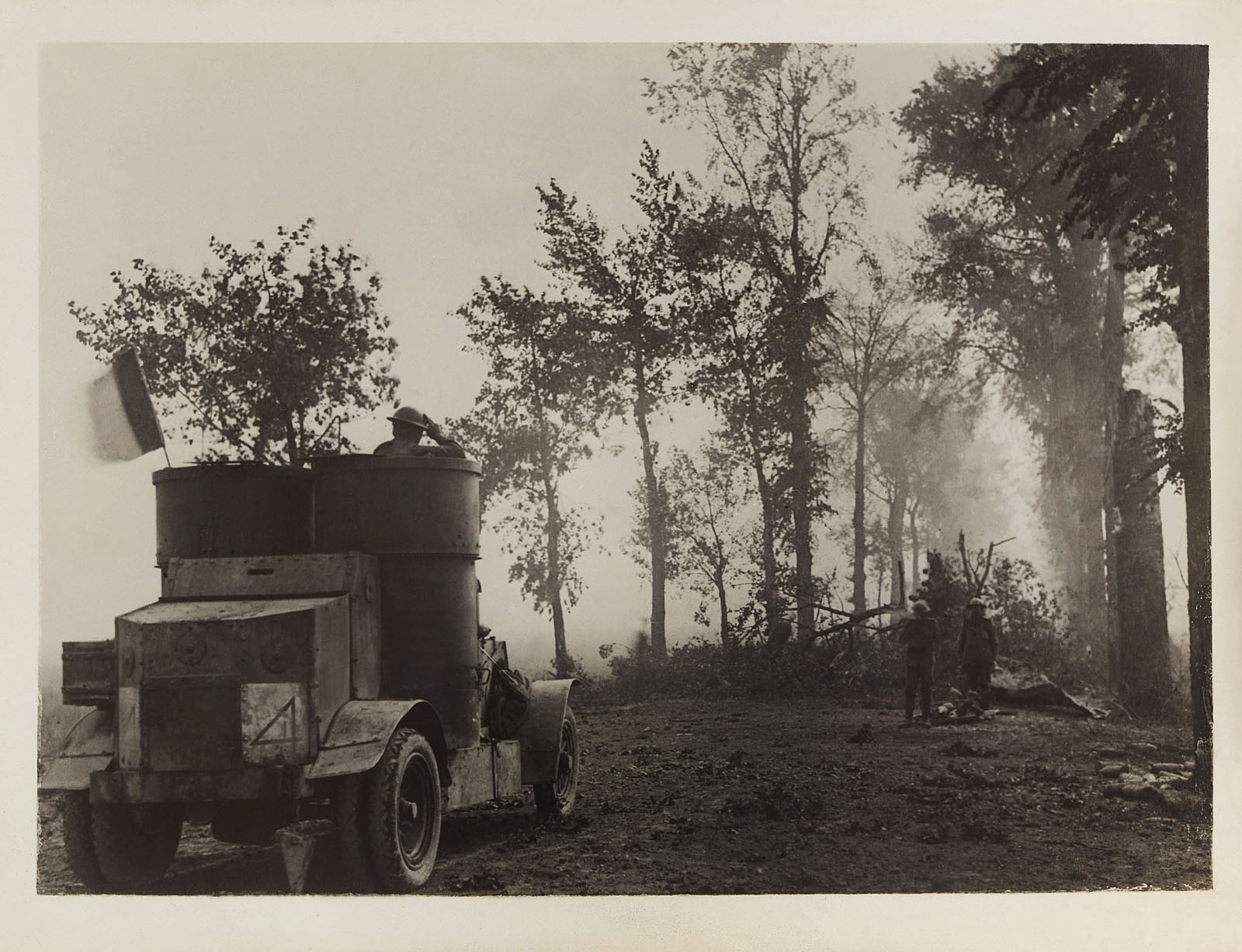

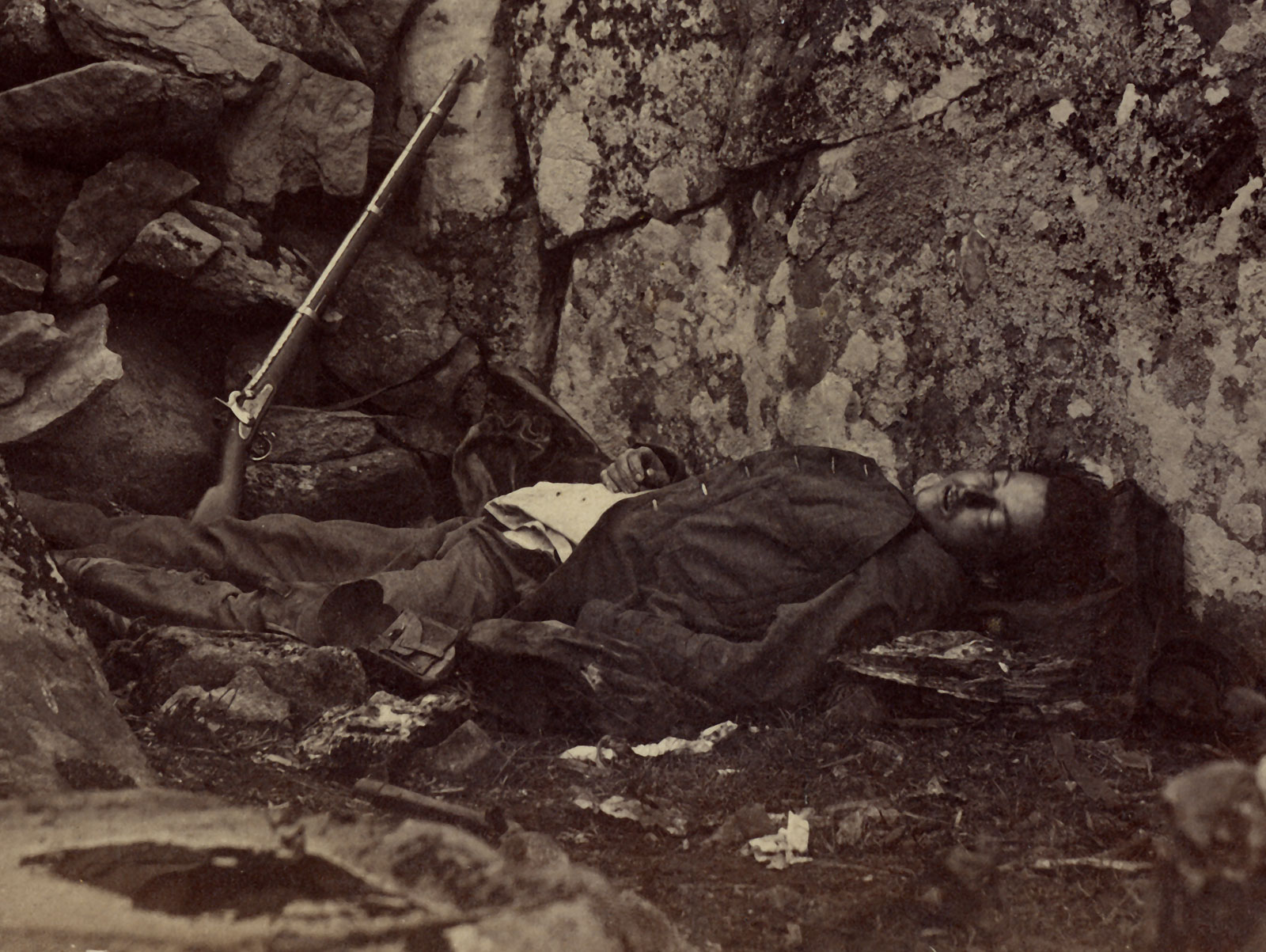
![Alexander Gardner (1821-1882) '[Gettysburg, Pennsylvania. Dead Confederate sharpshooter in "The devil's den."]' July 1863](https://artblart.com/wp-content/uploads/2013/04/gardner-sharpshooter-web.jpg "Alexander Gardner (1821-1882) '[Gettysburg, Pennsylvania. Dead Confederate sharpshooter in \"The devil's den.\"]' July 1863")
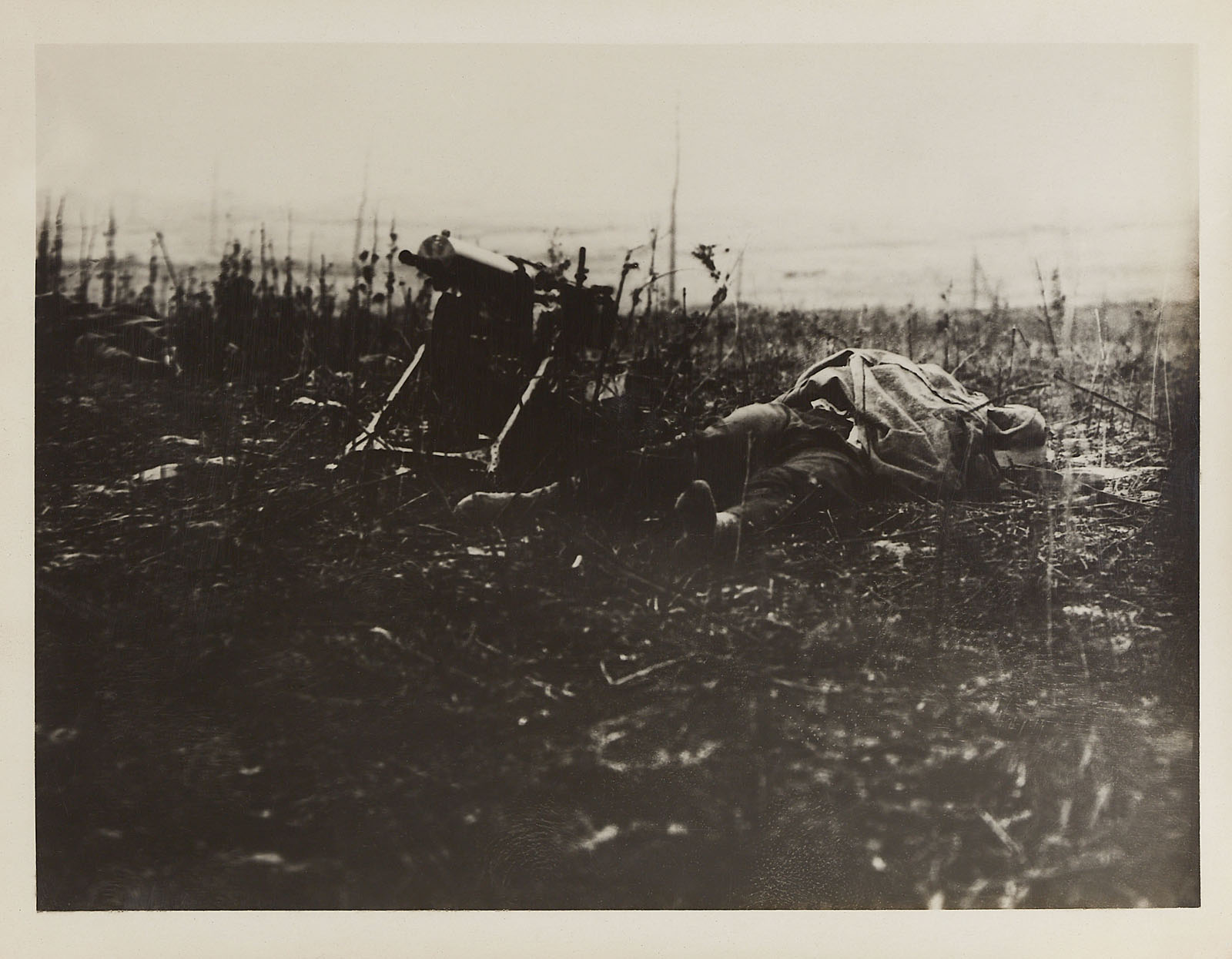
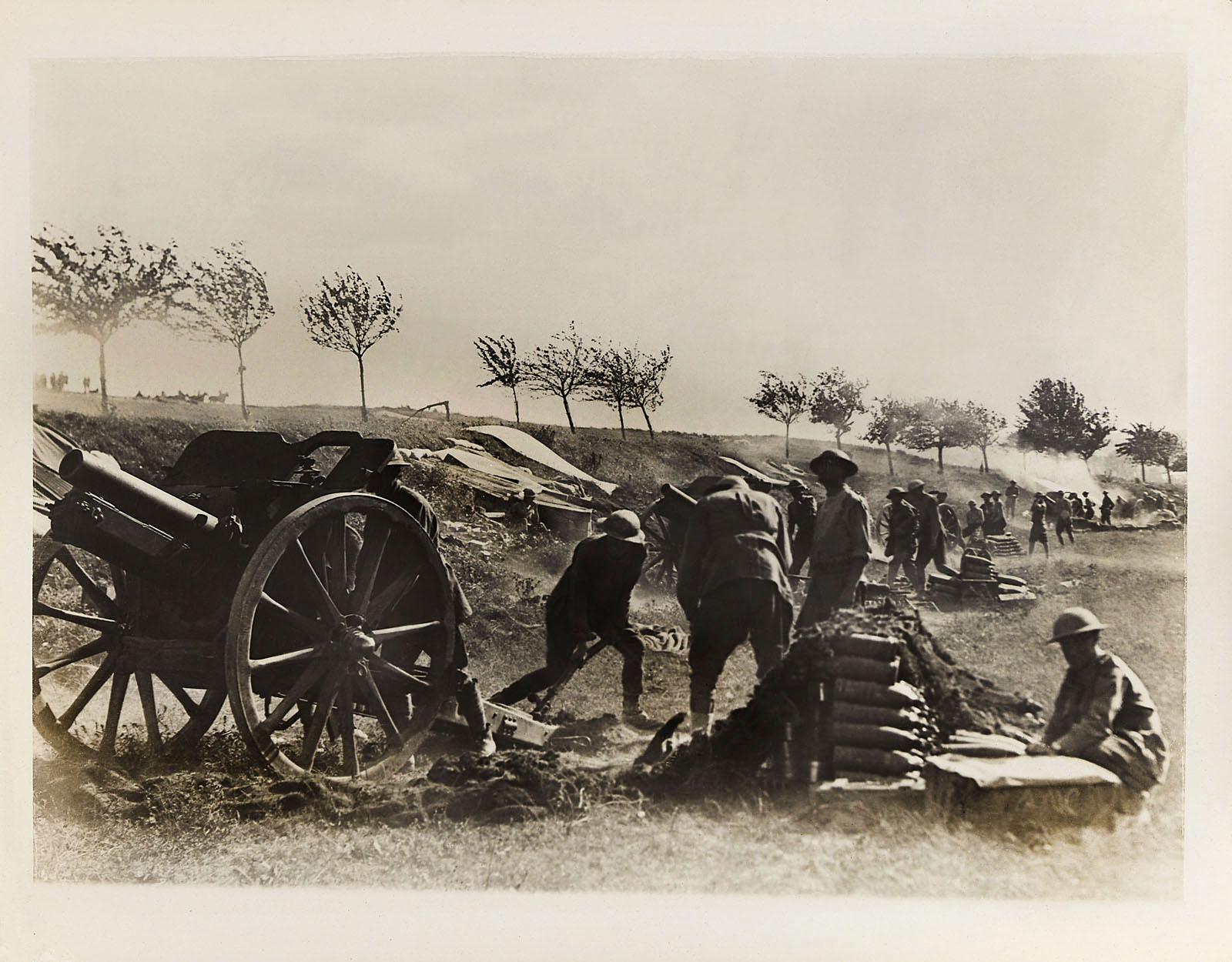
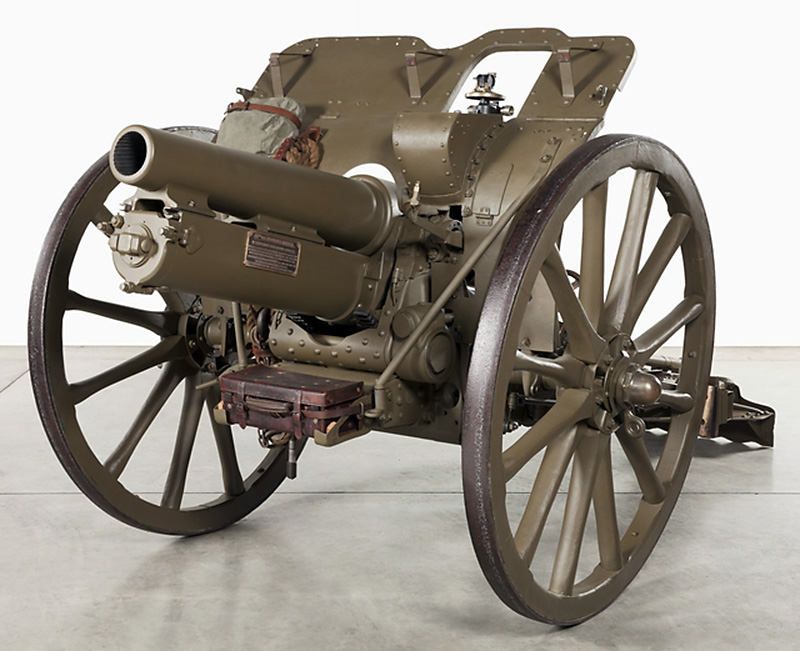
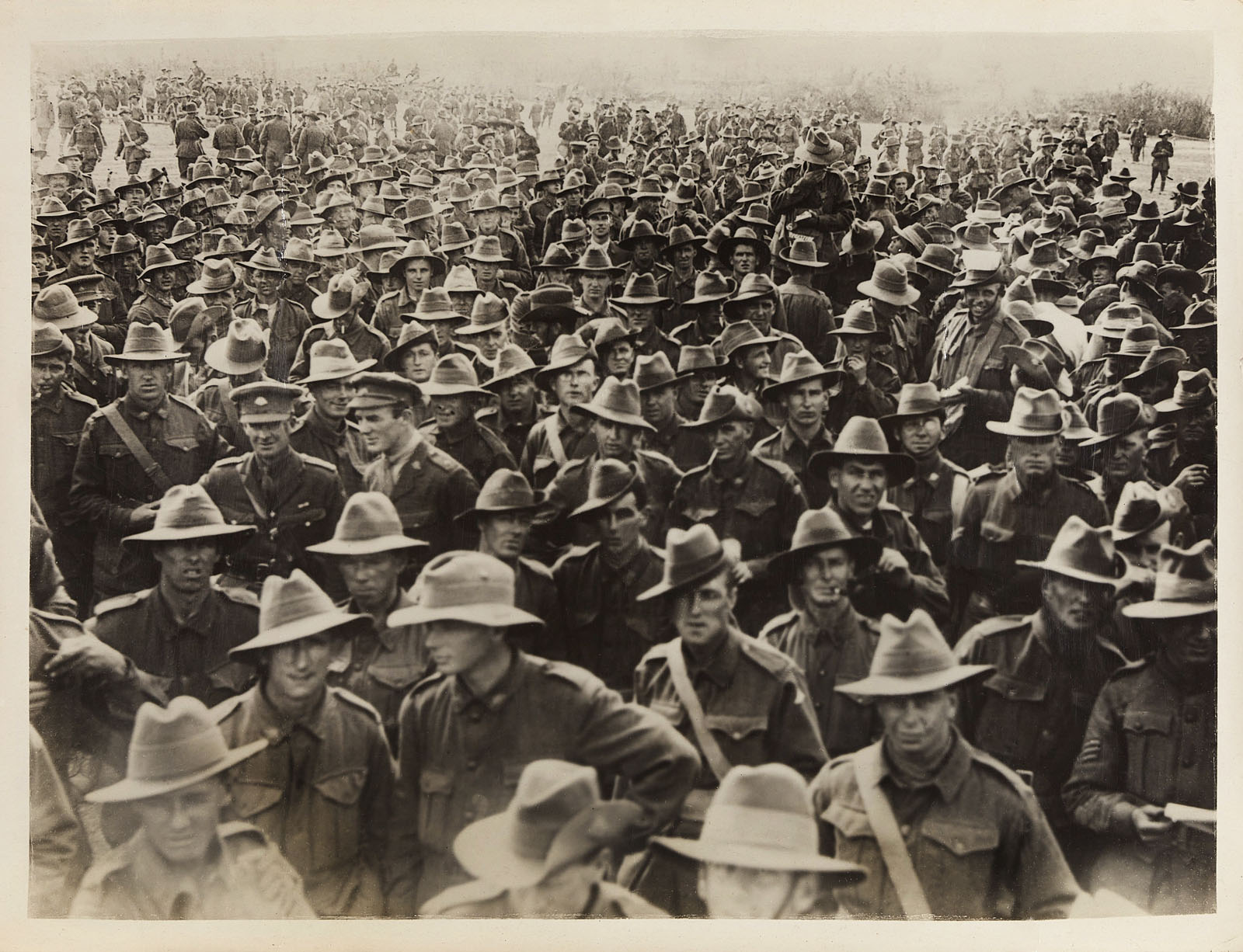
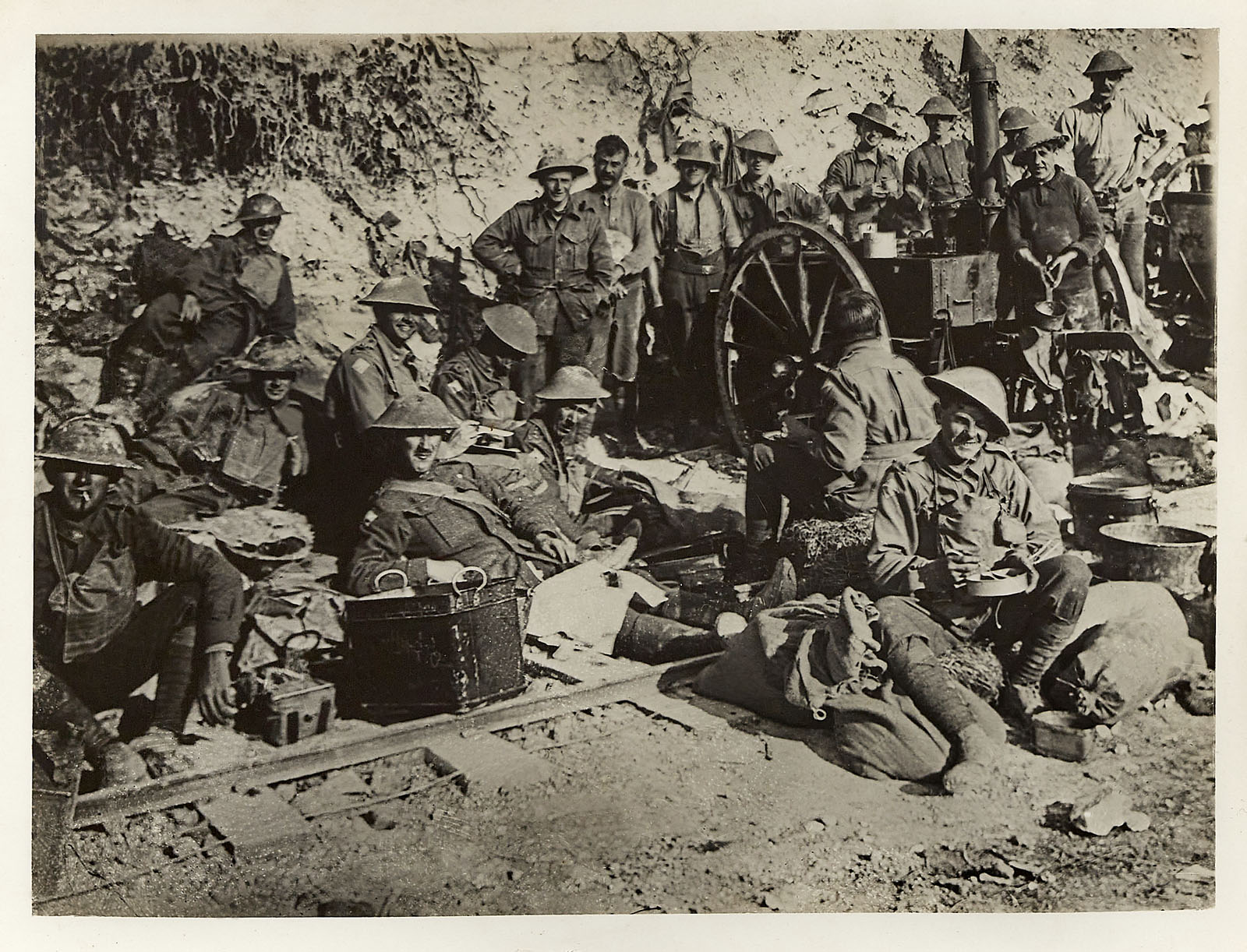
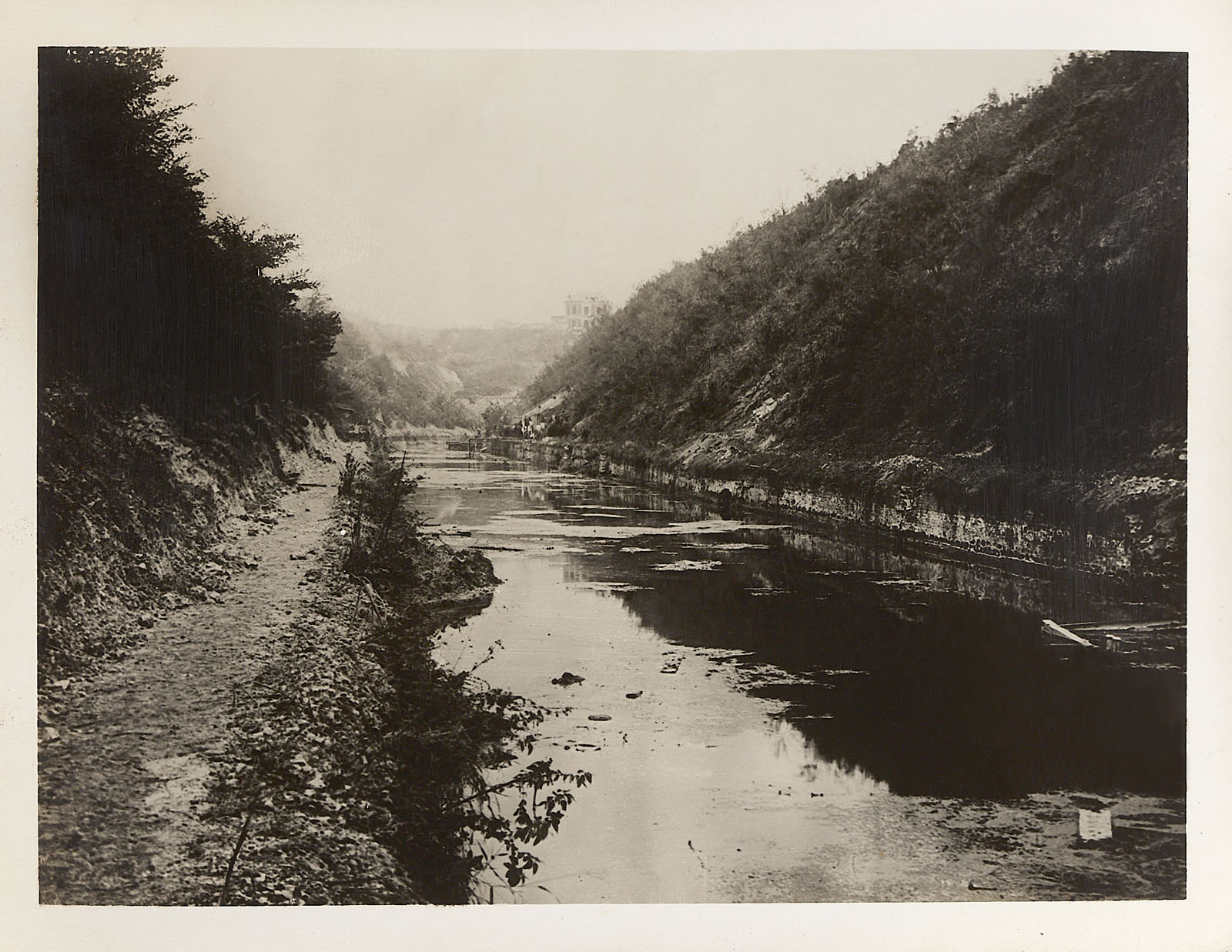
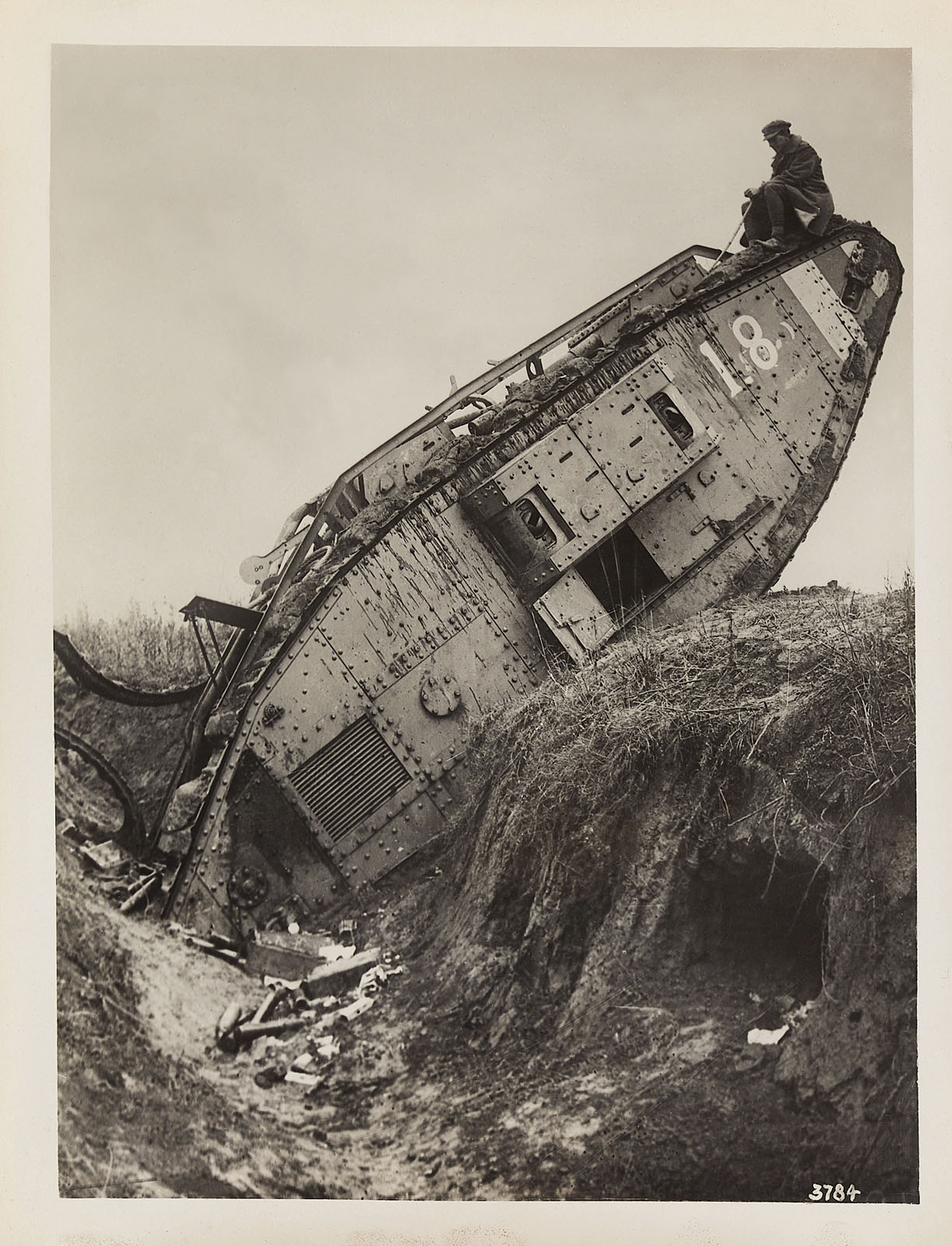
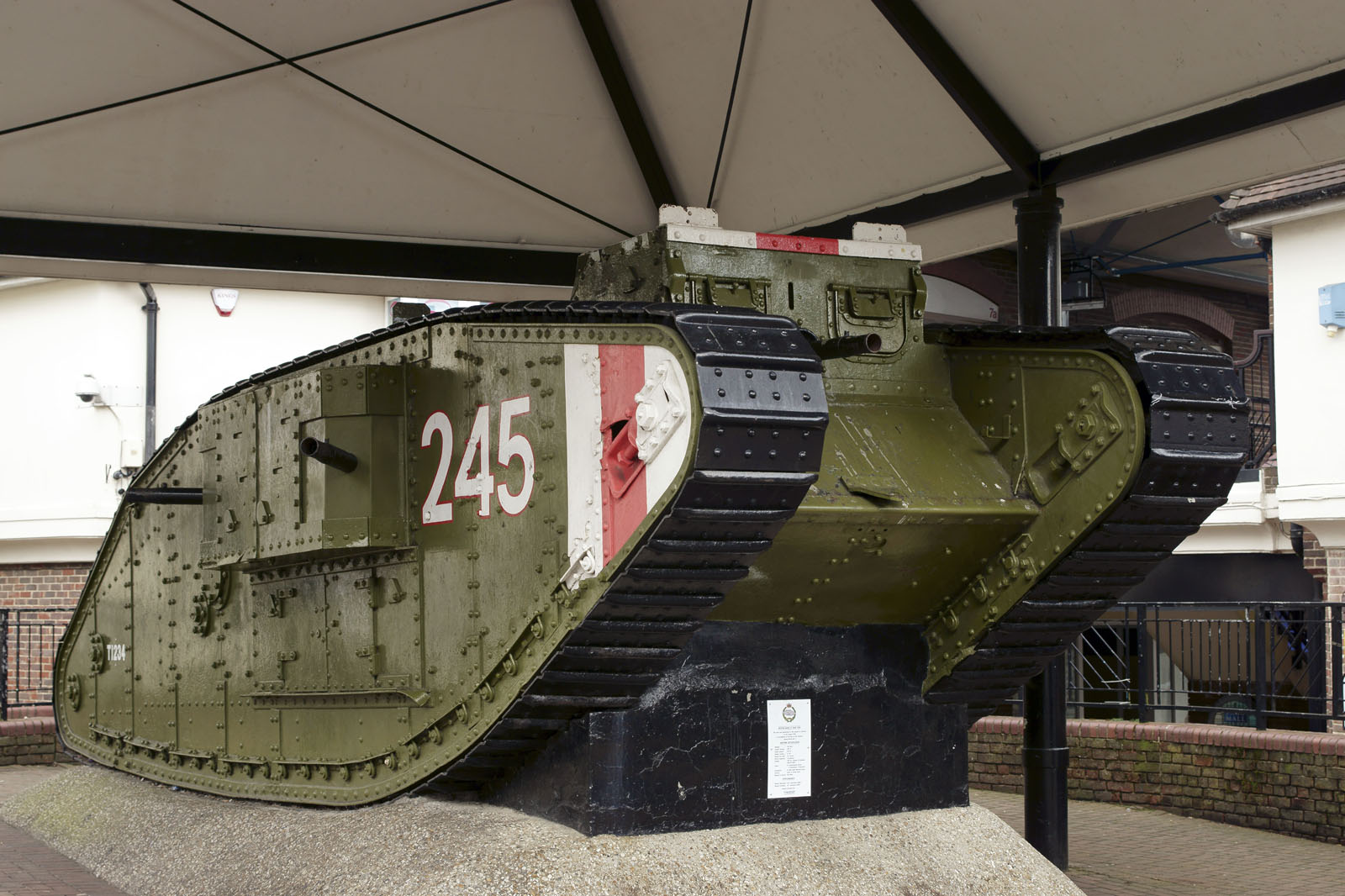
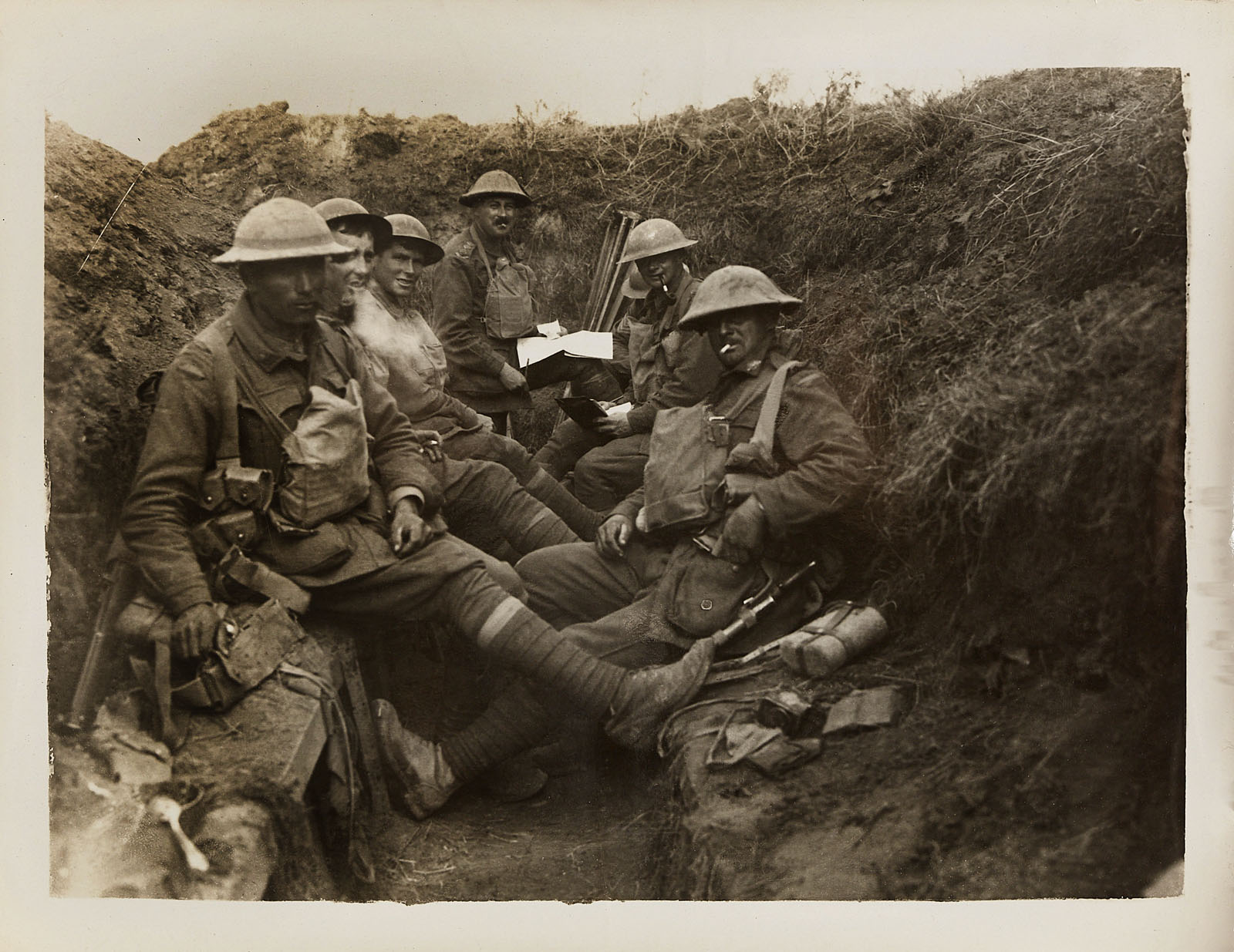
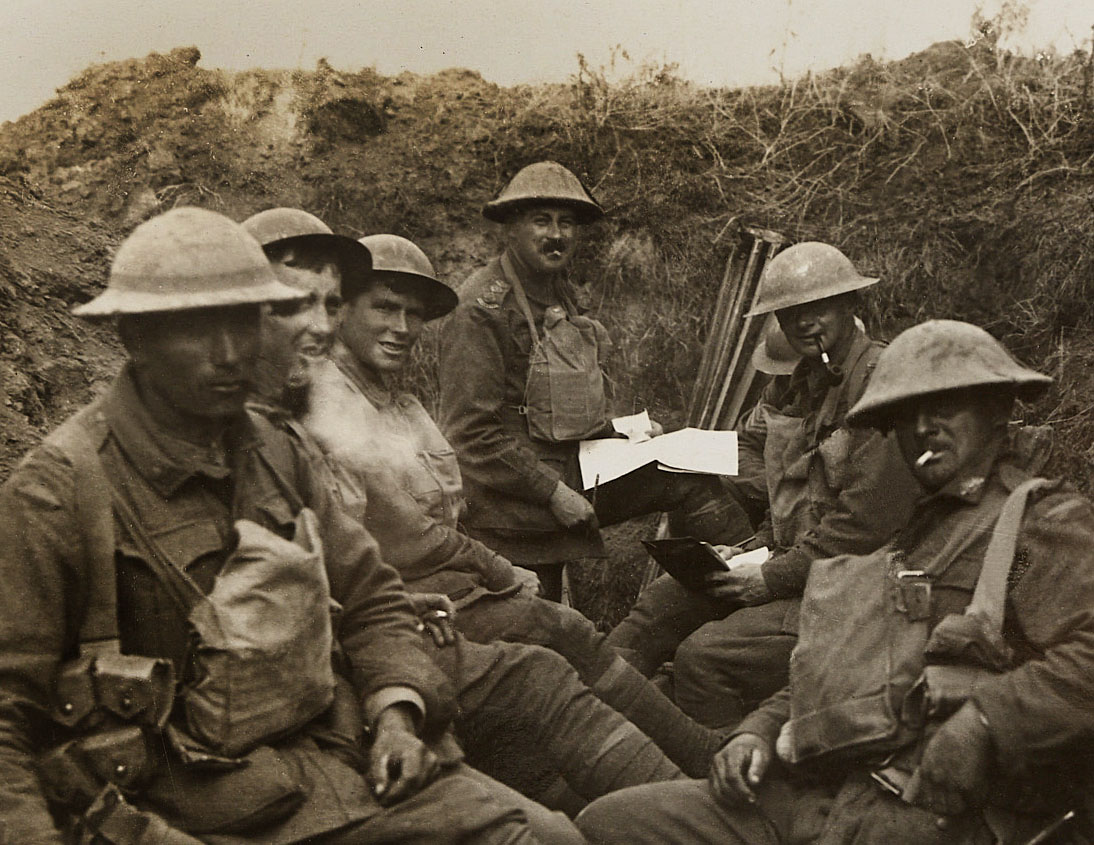
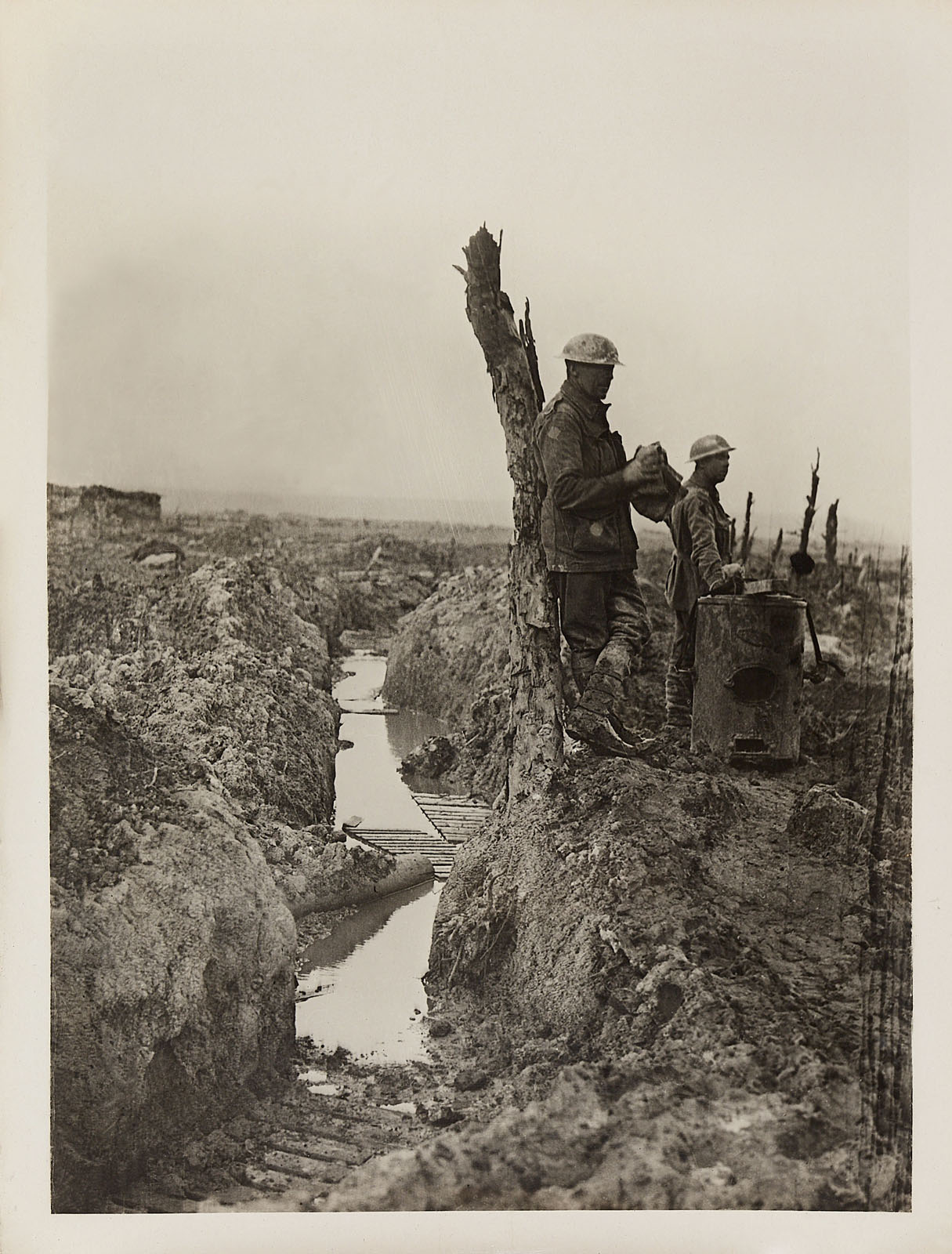
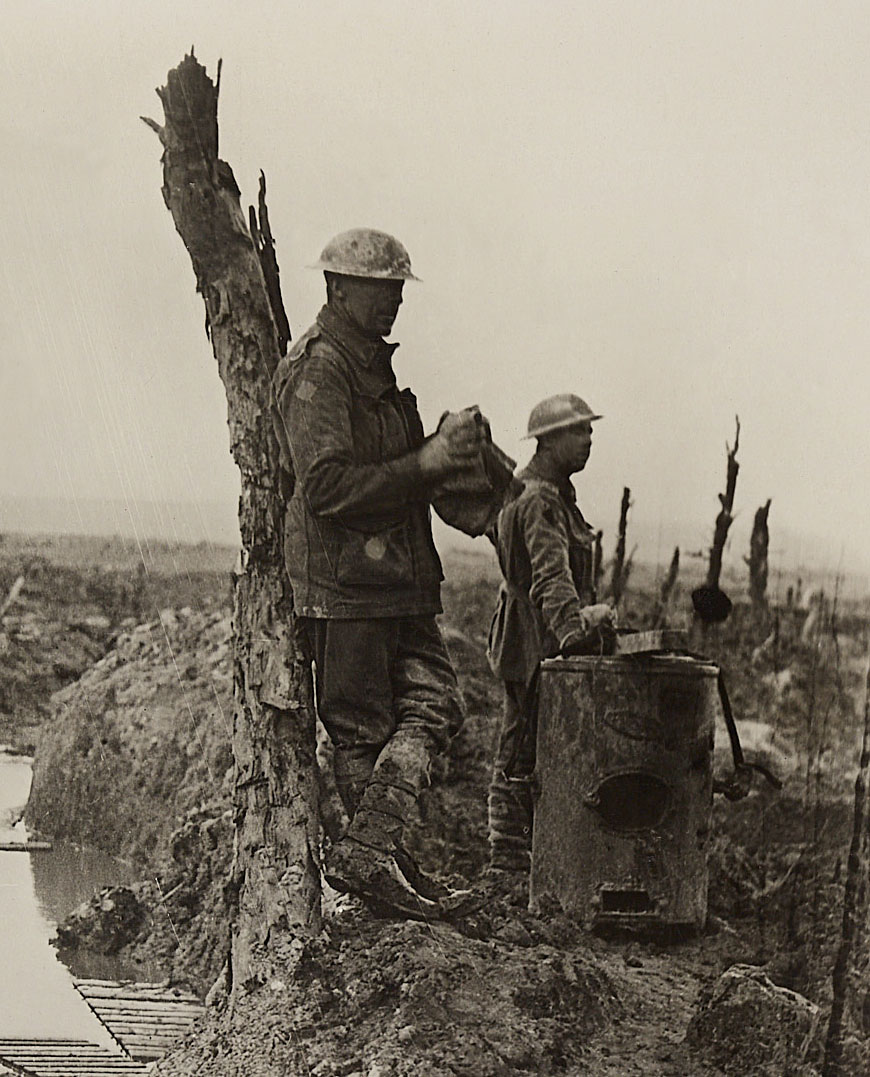
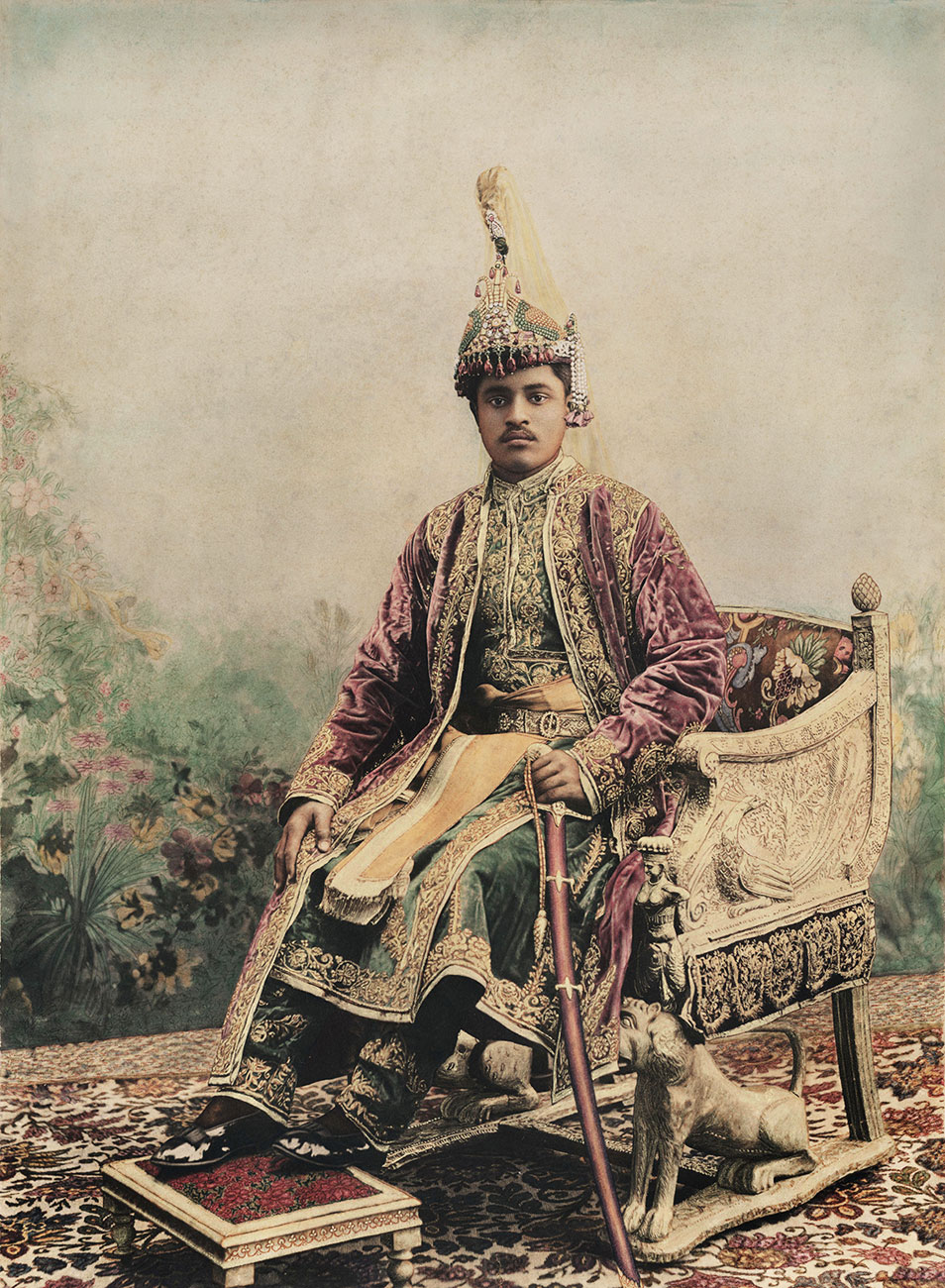





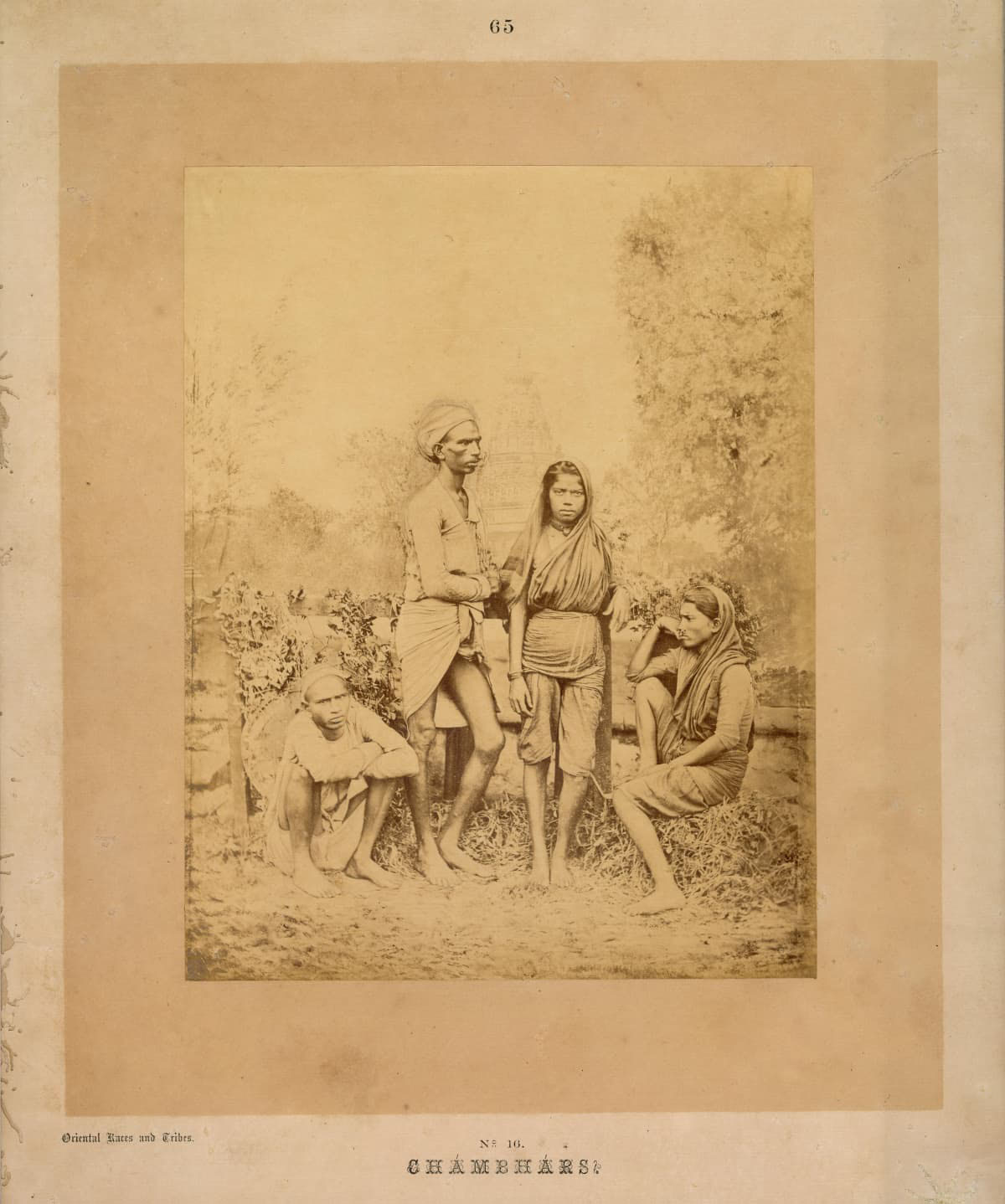
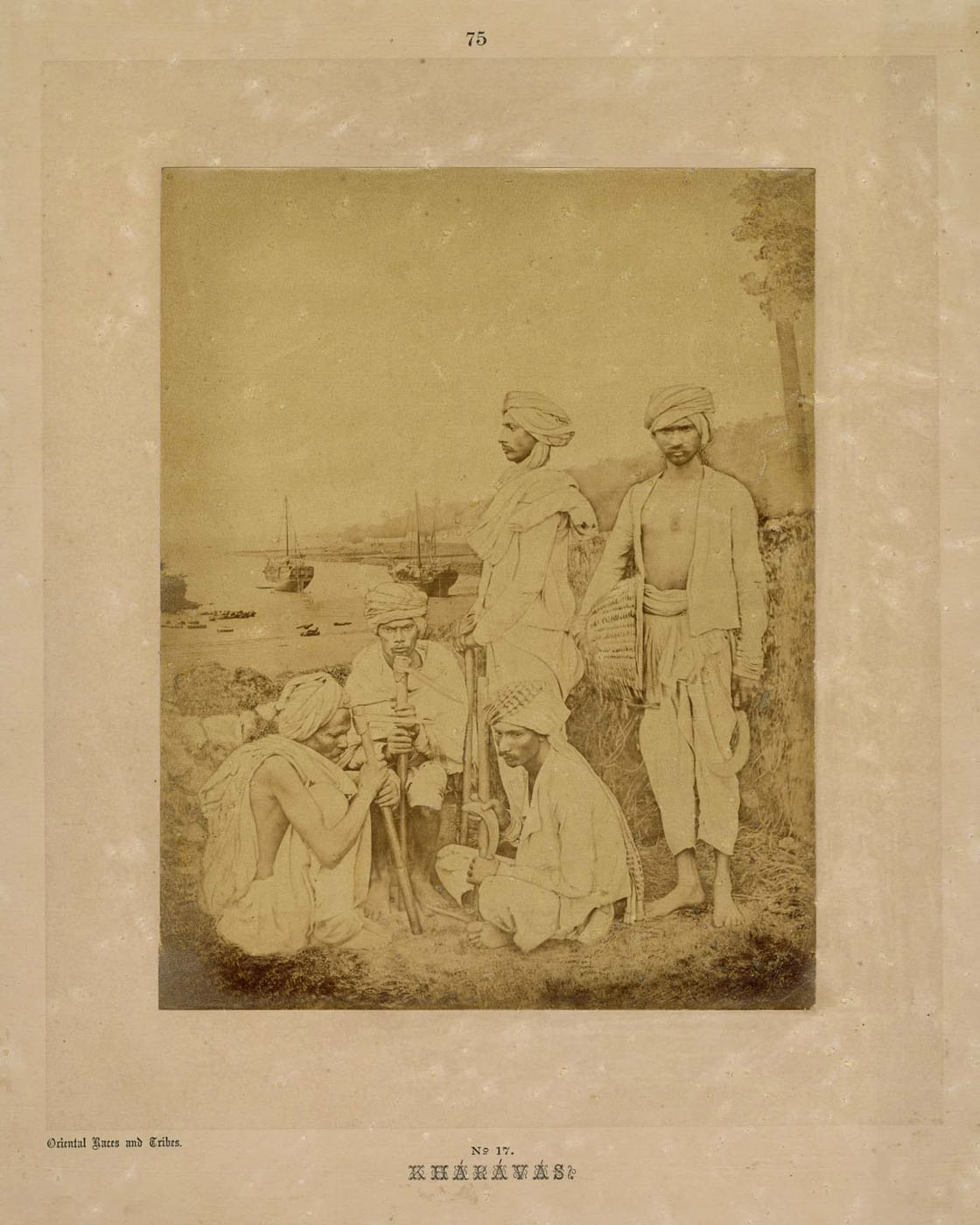
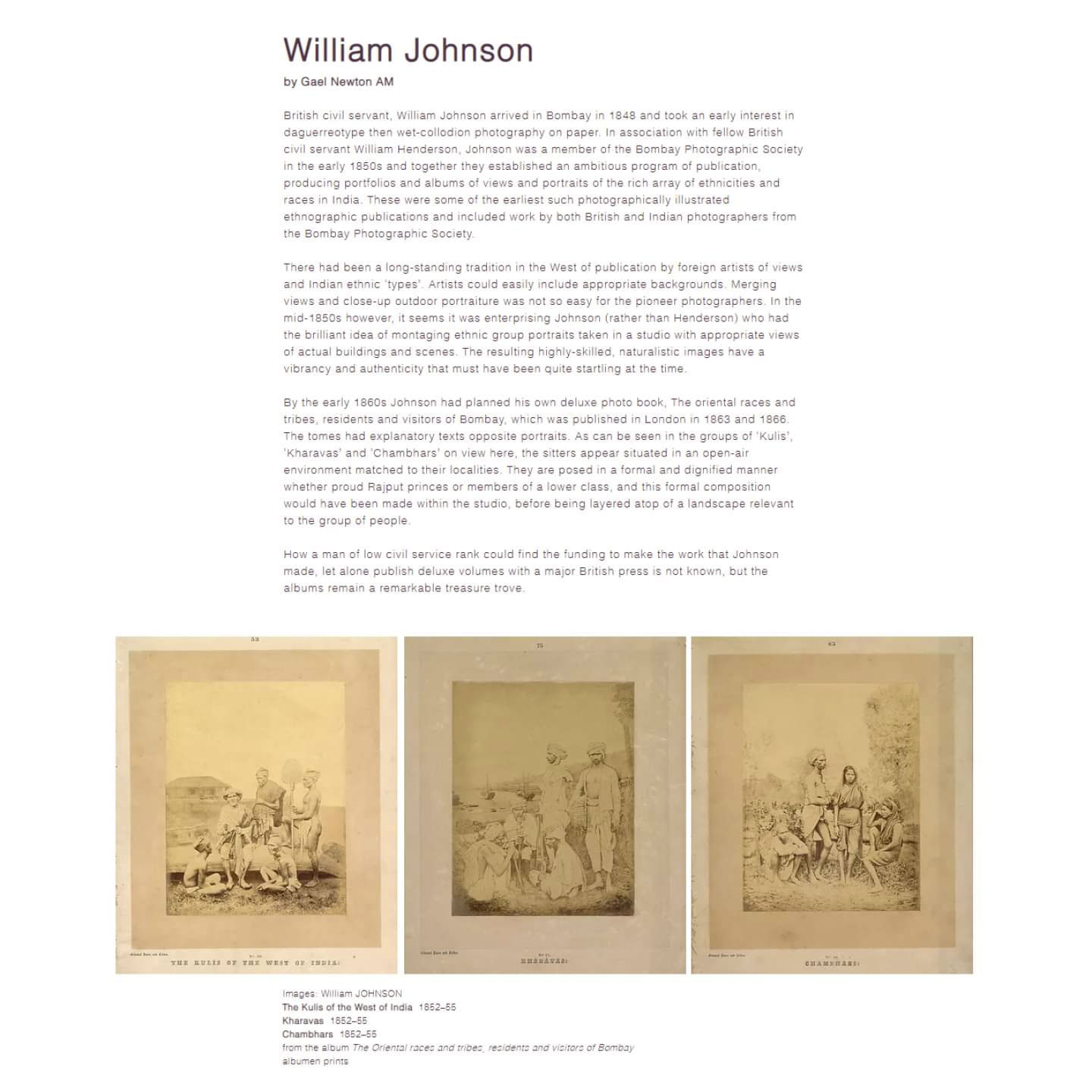
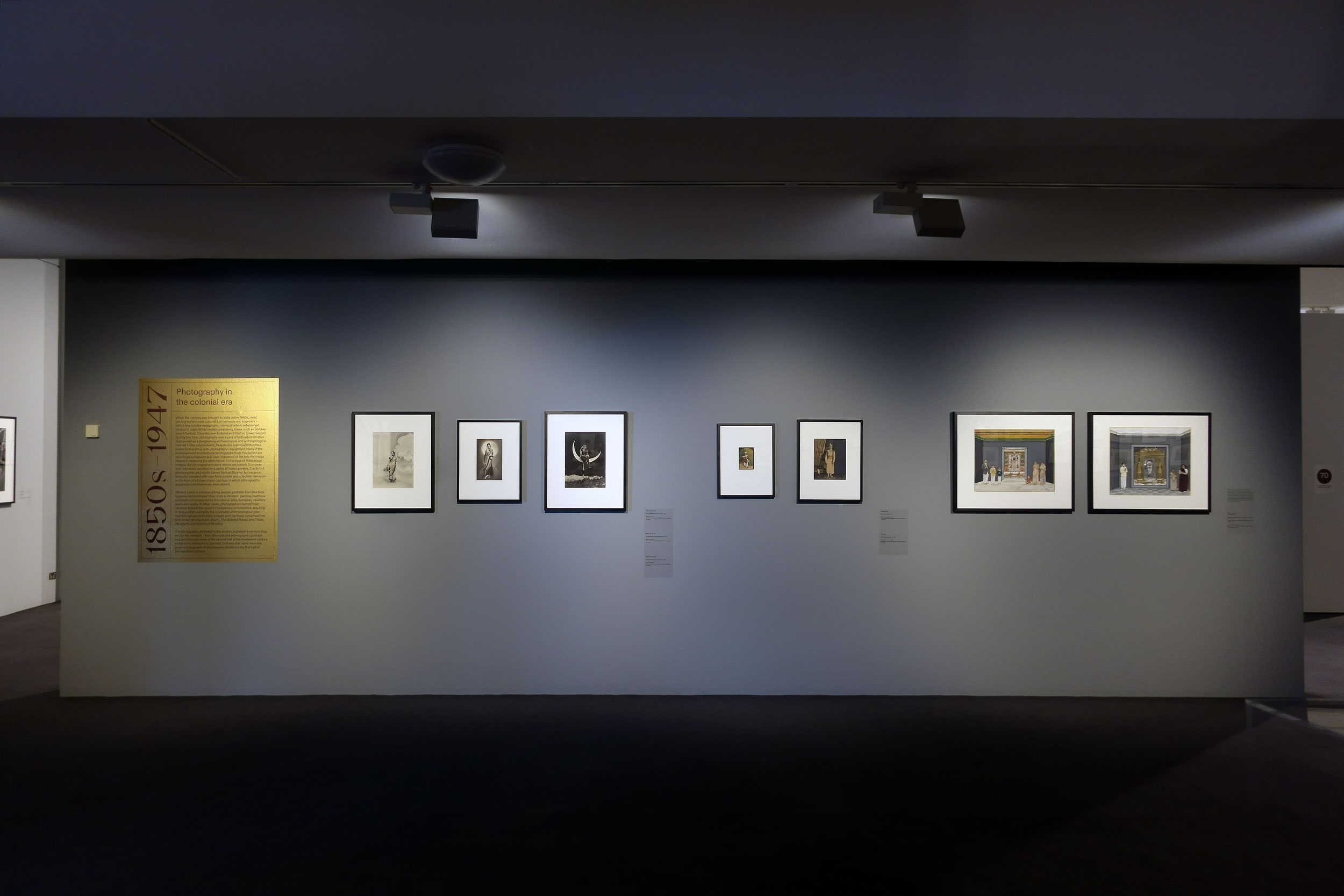
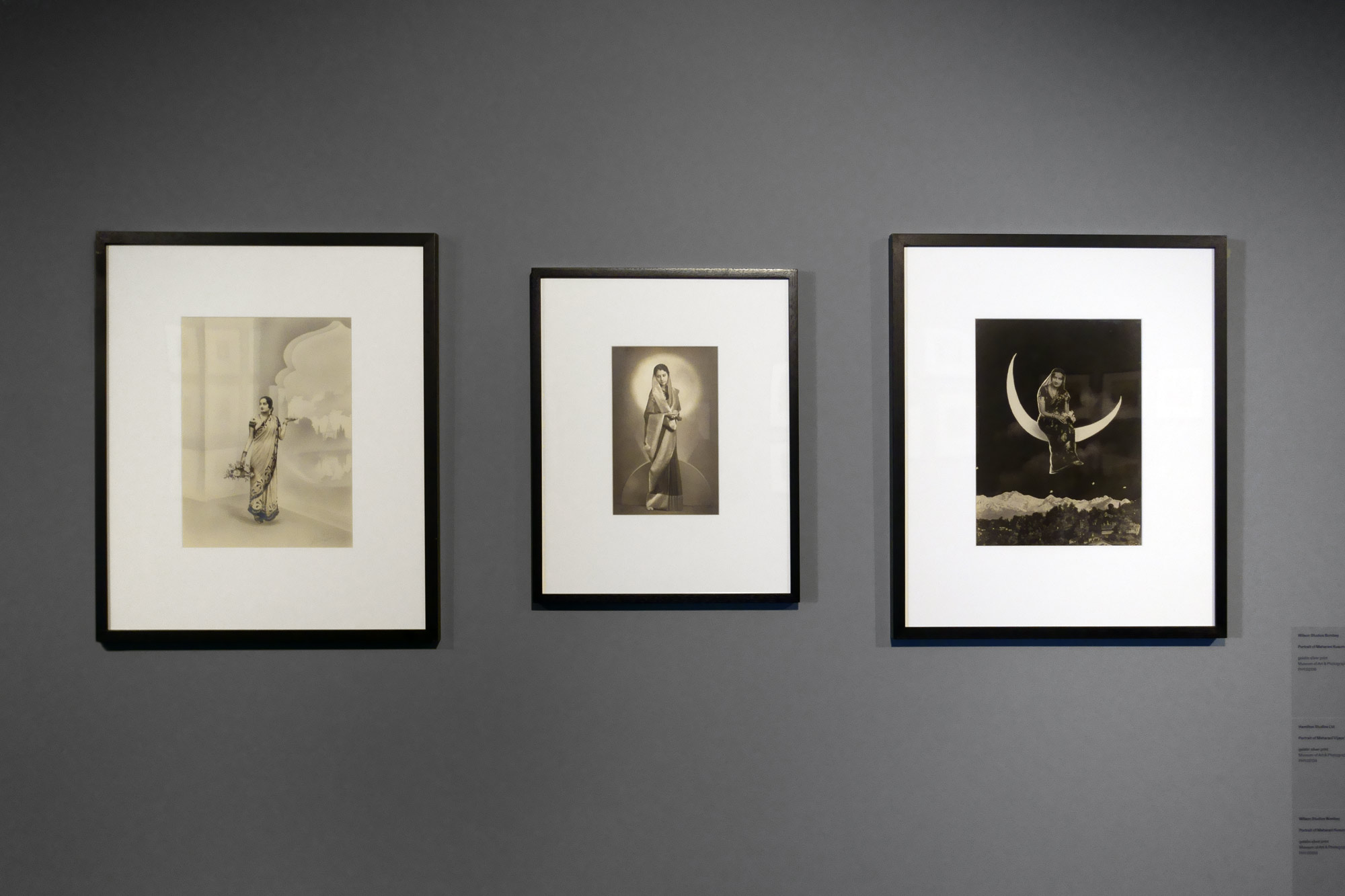
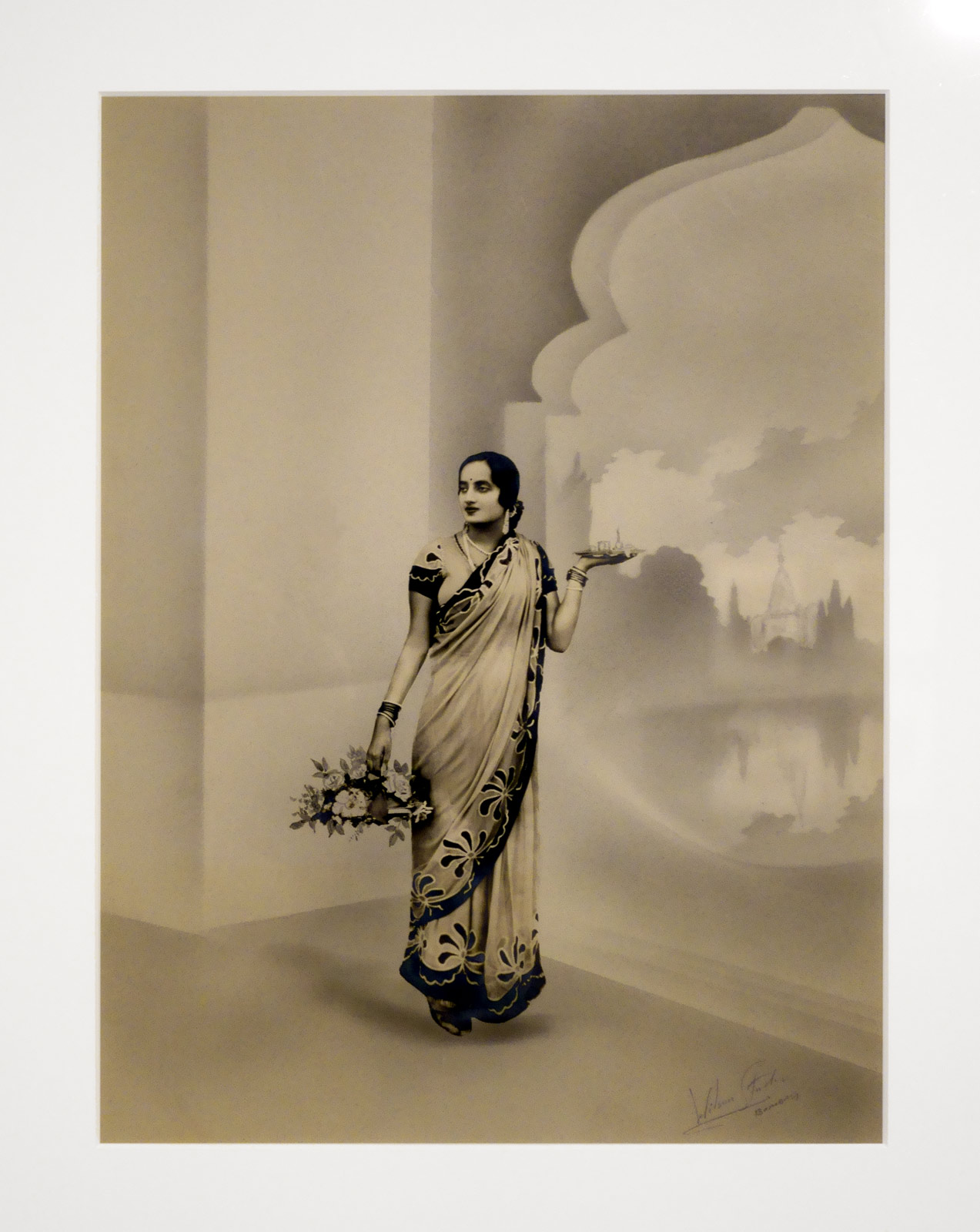
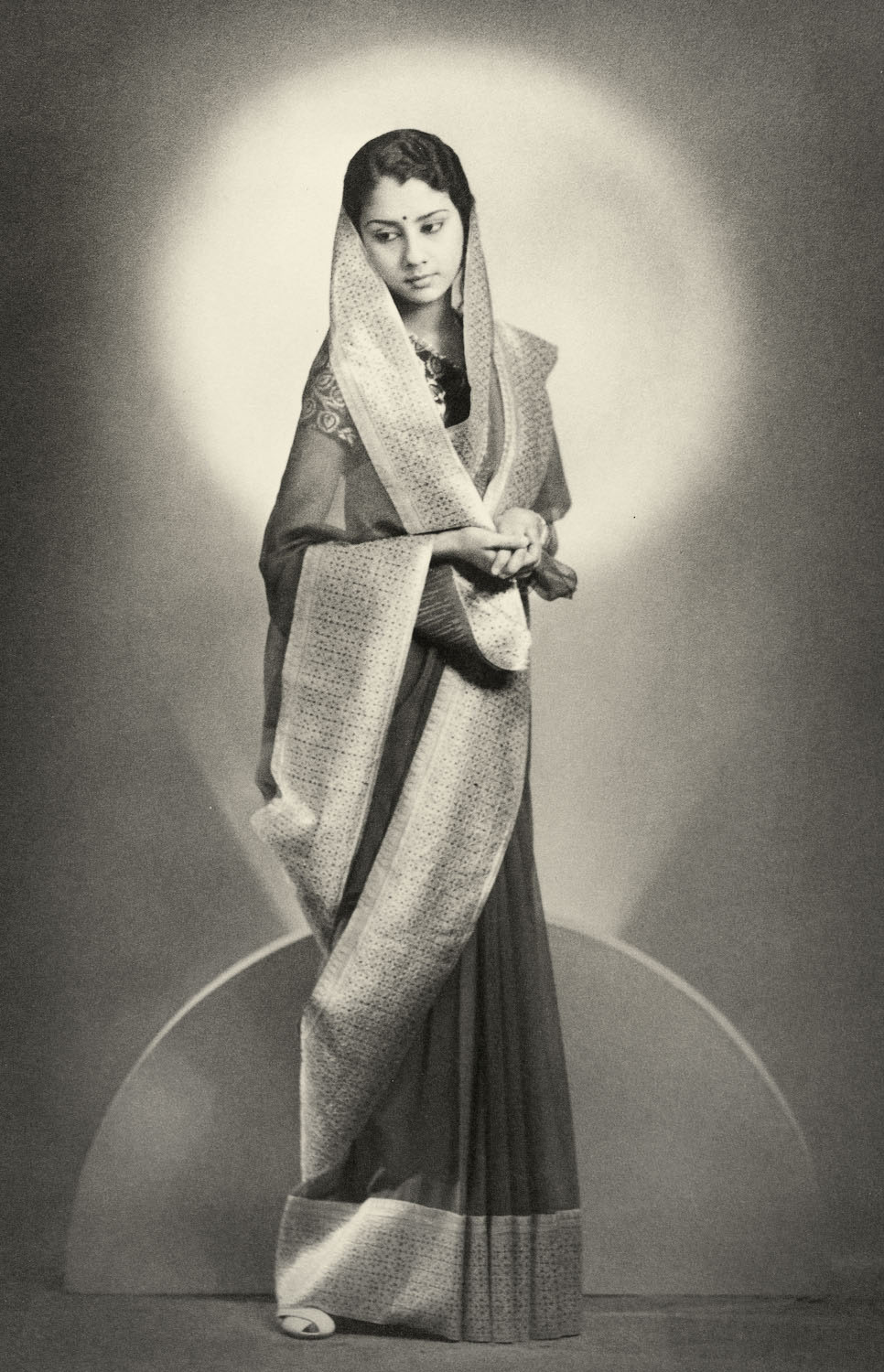


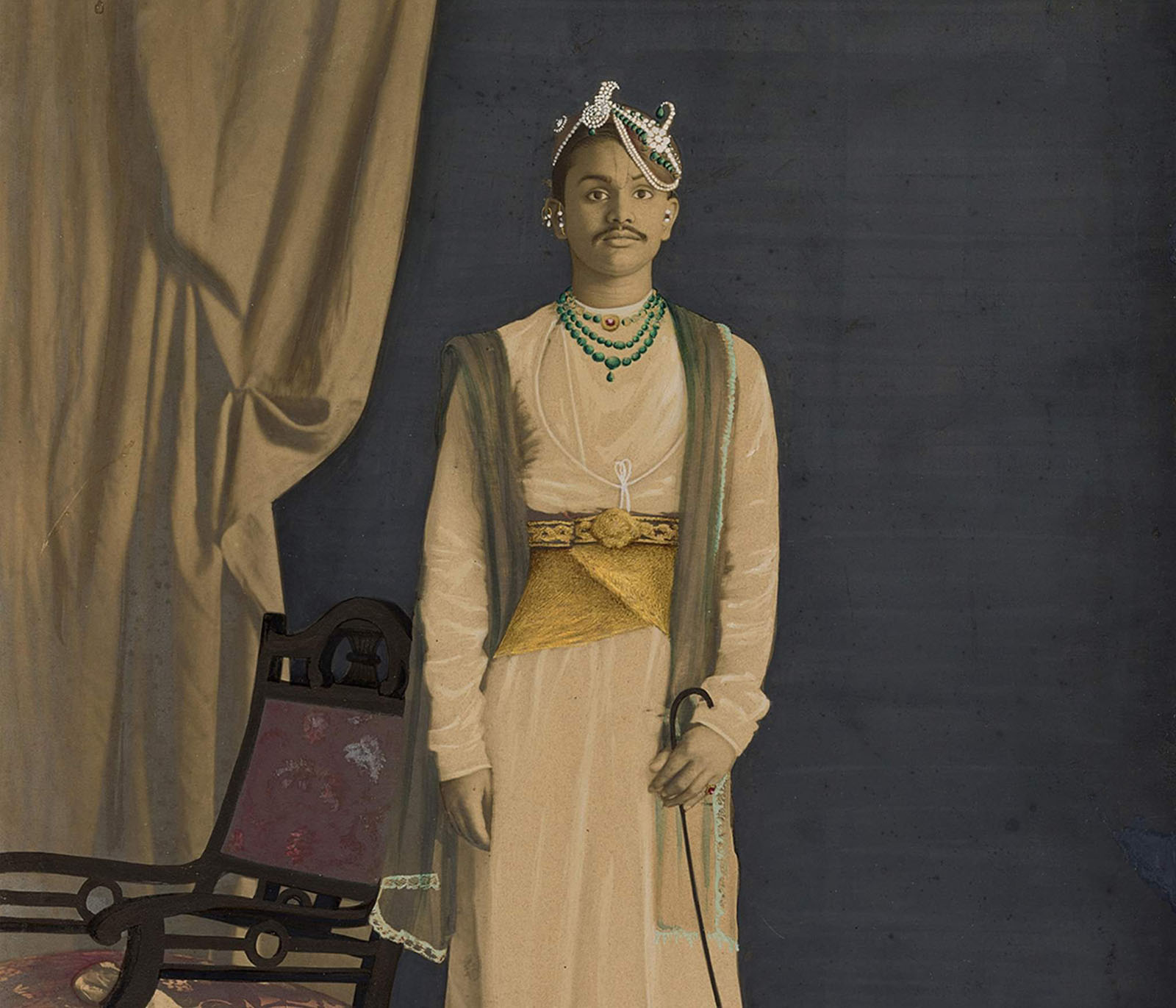




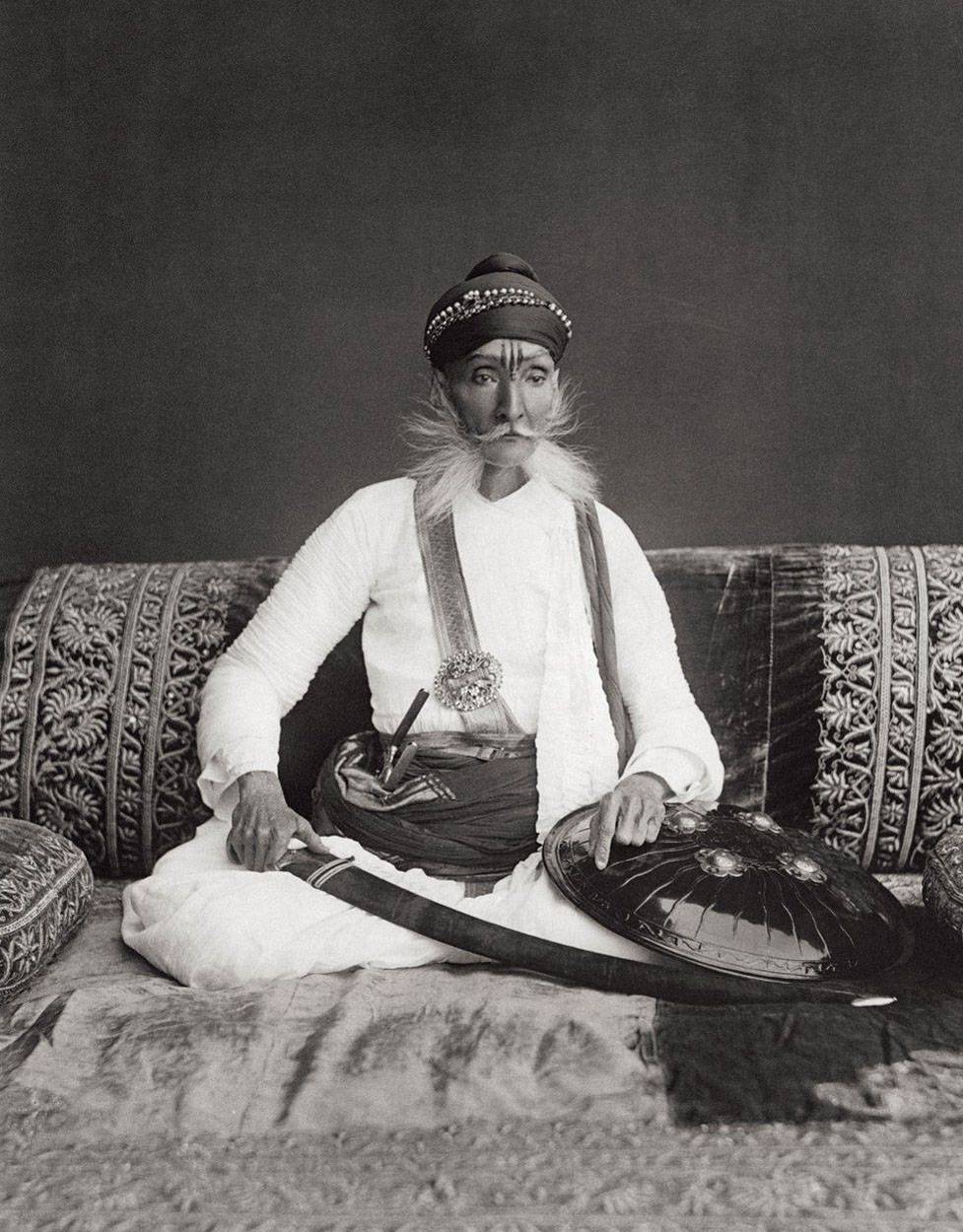

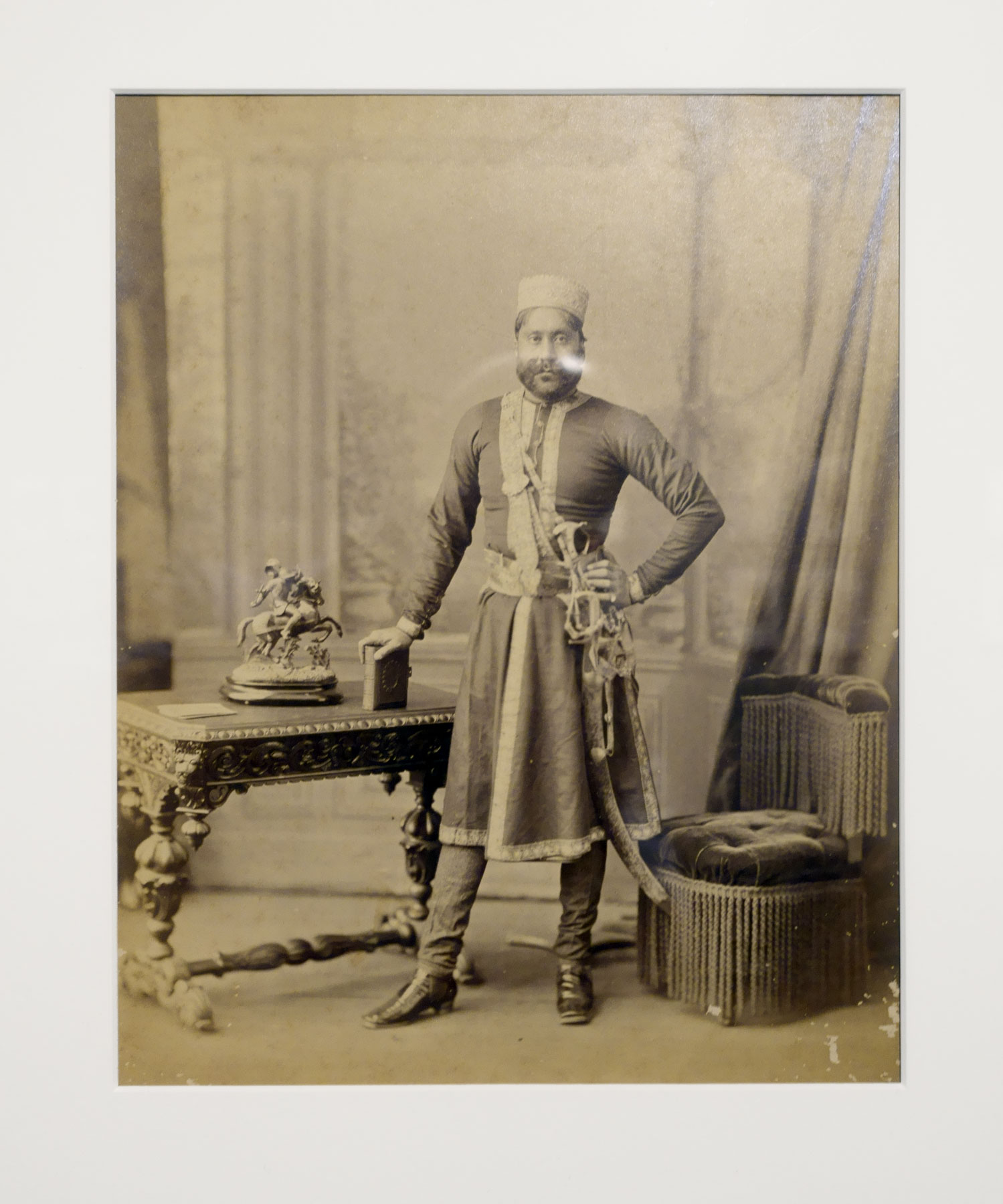

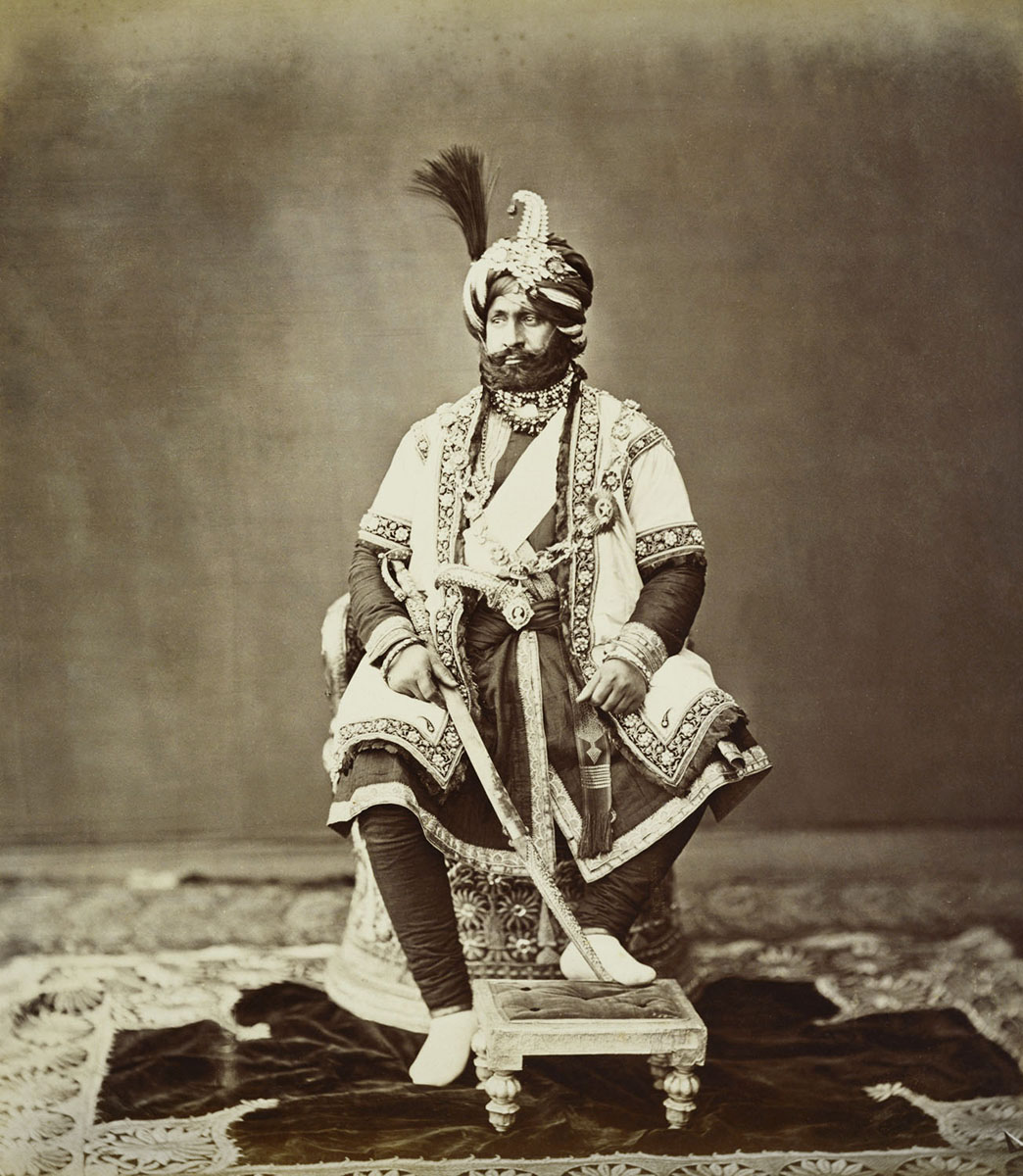
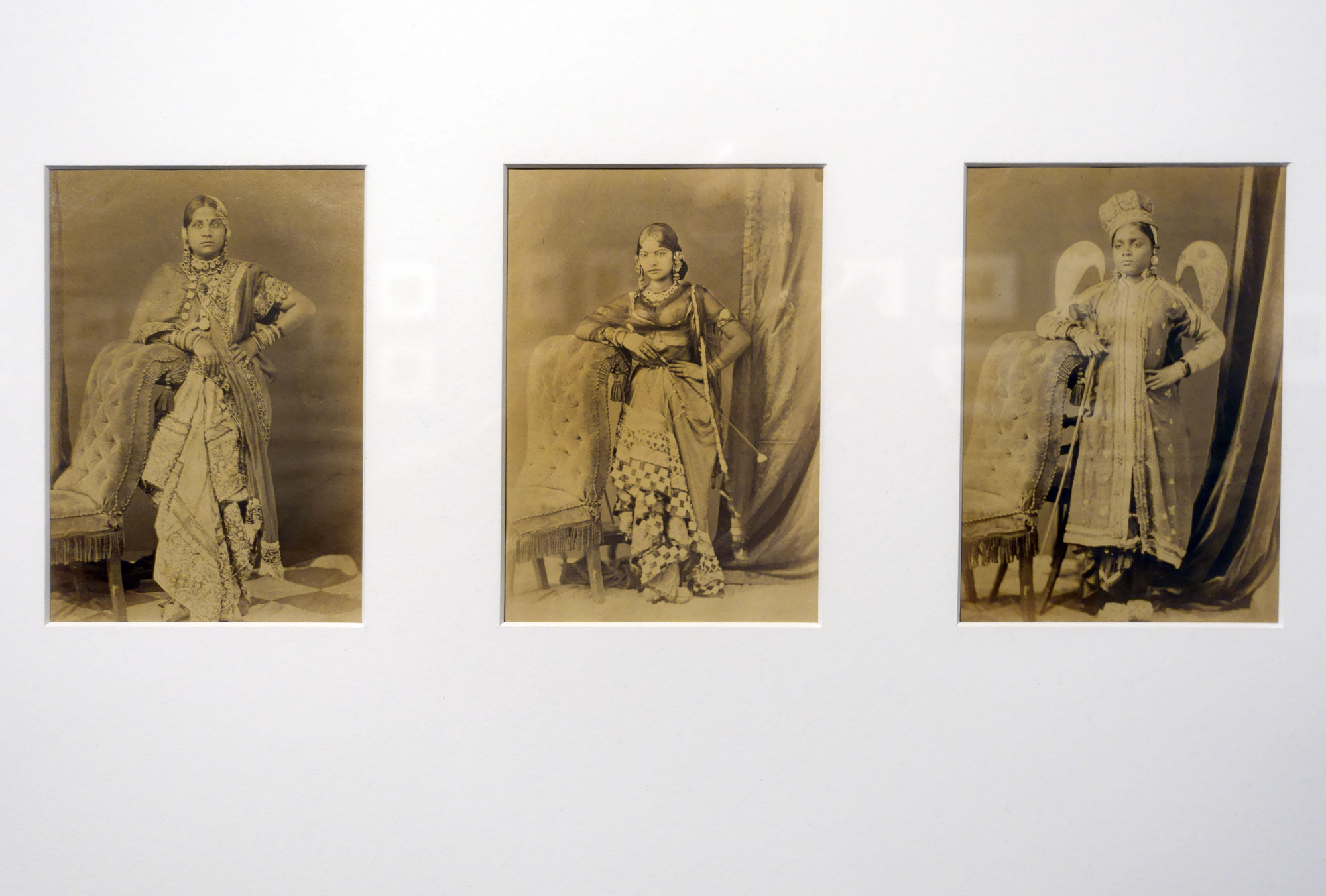




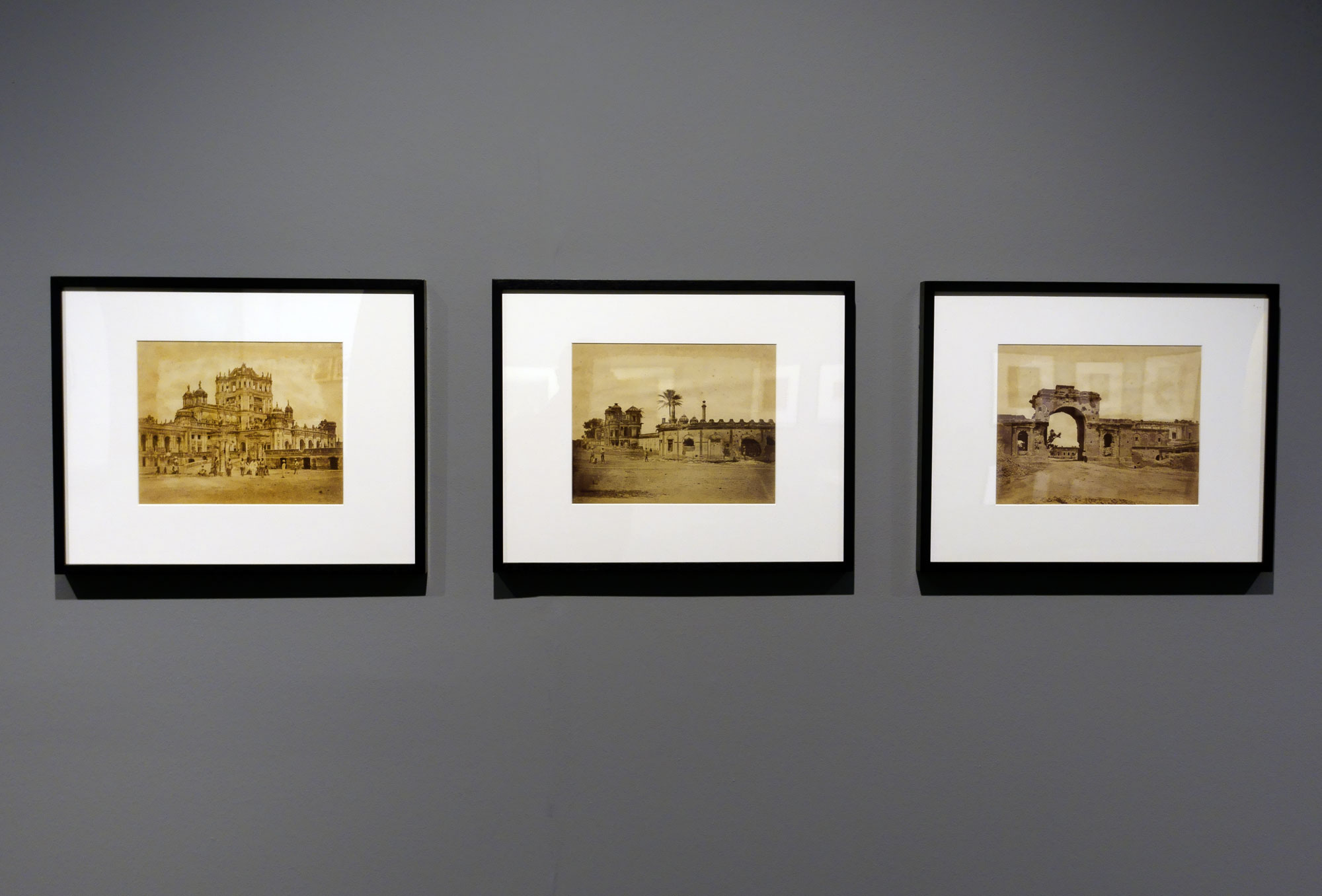
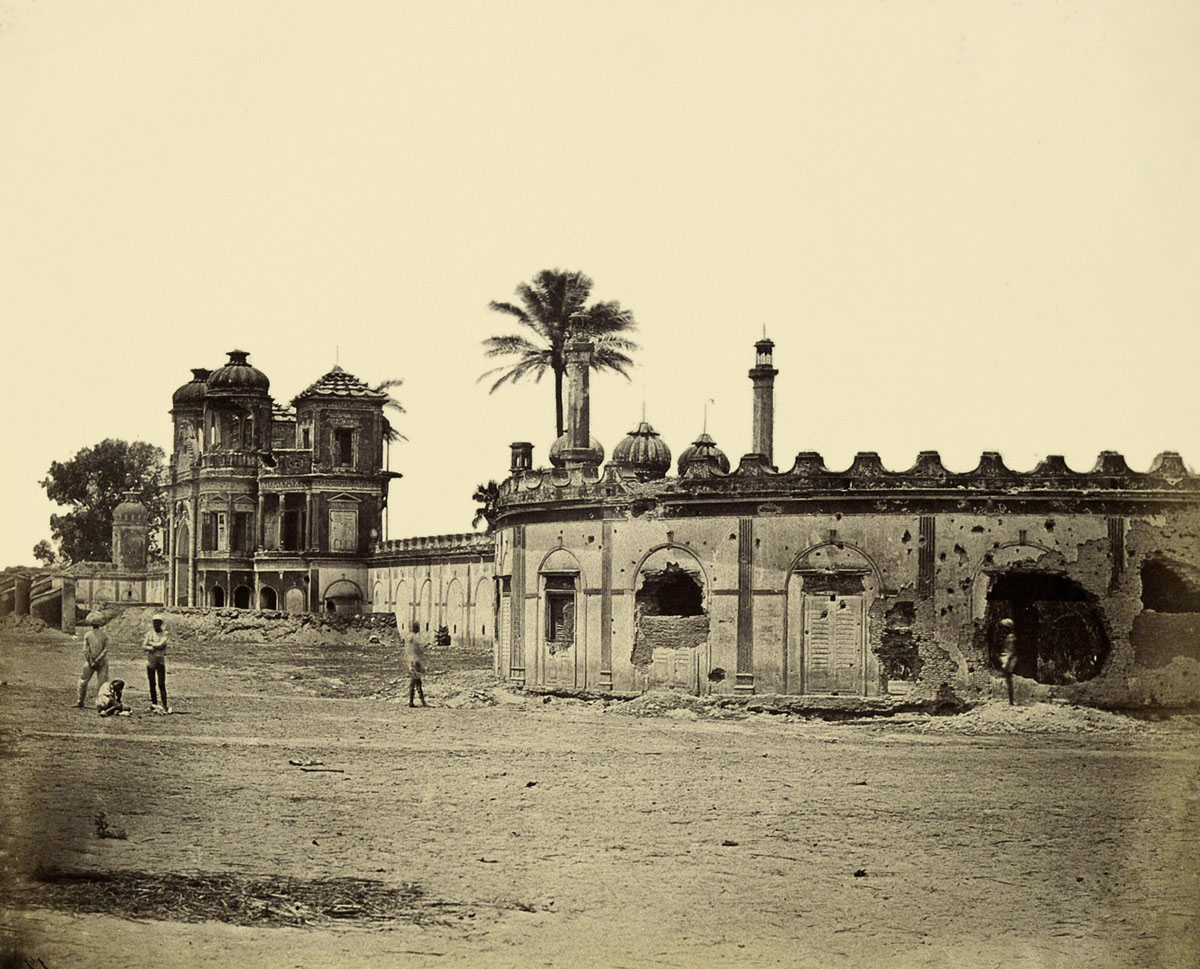
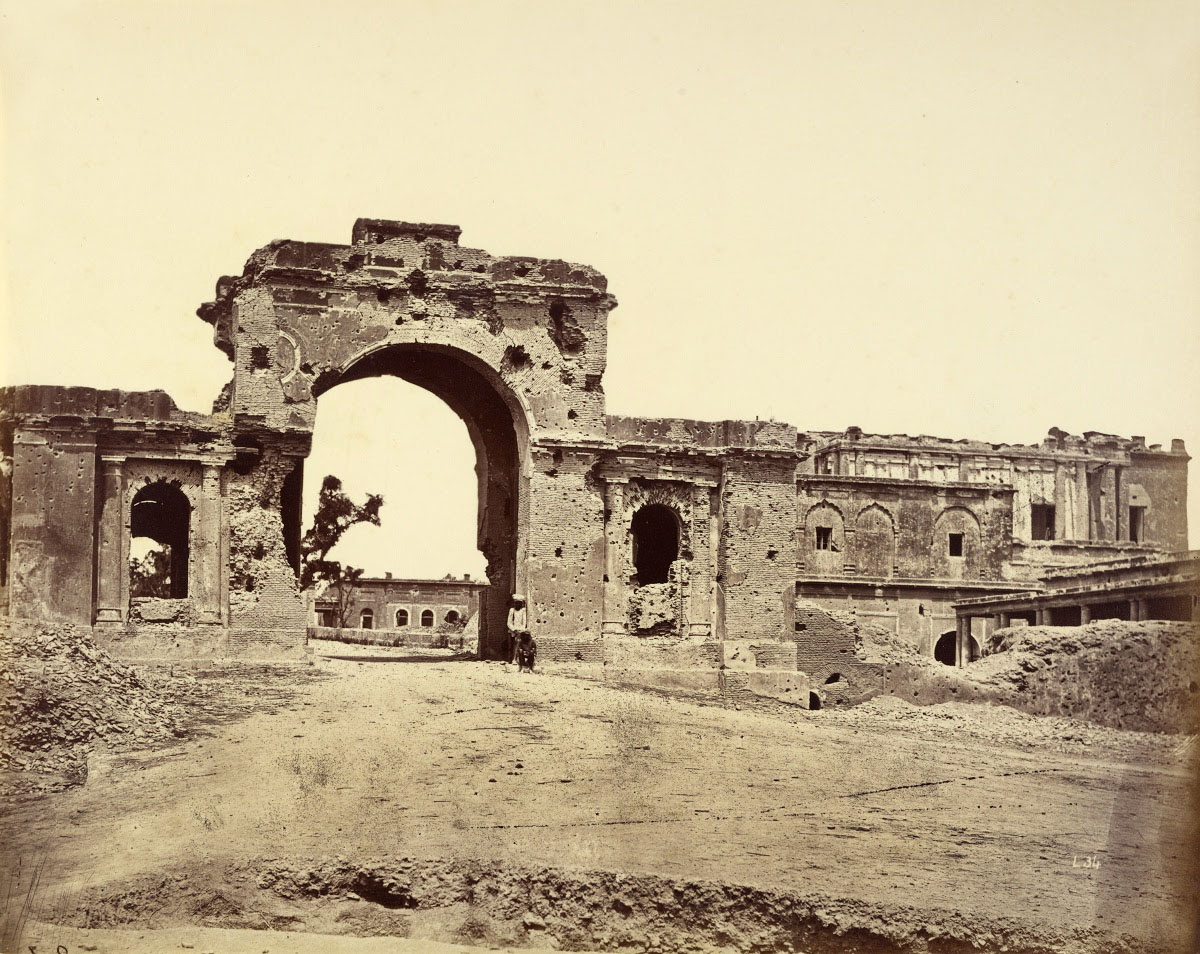
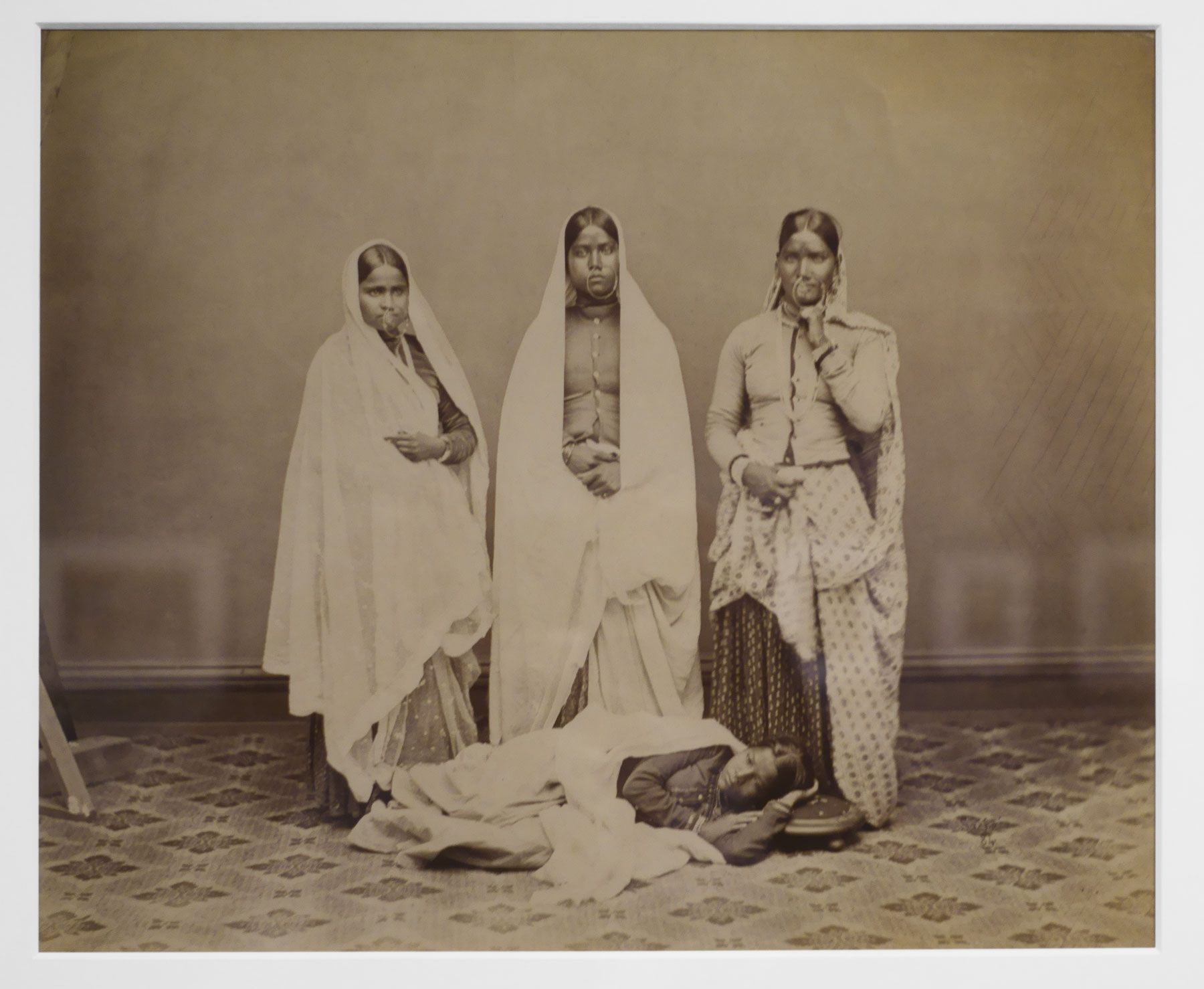






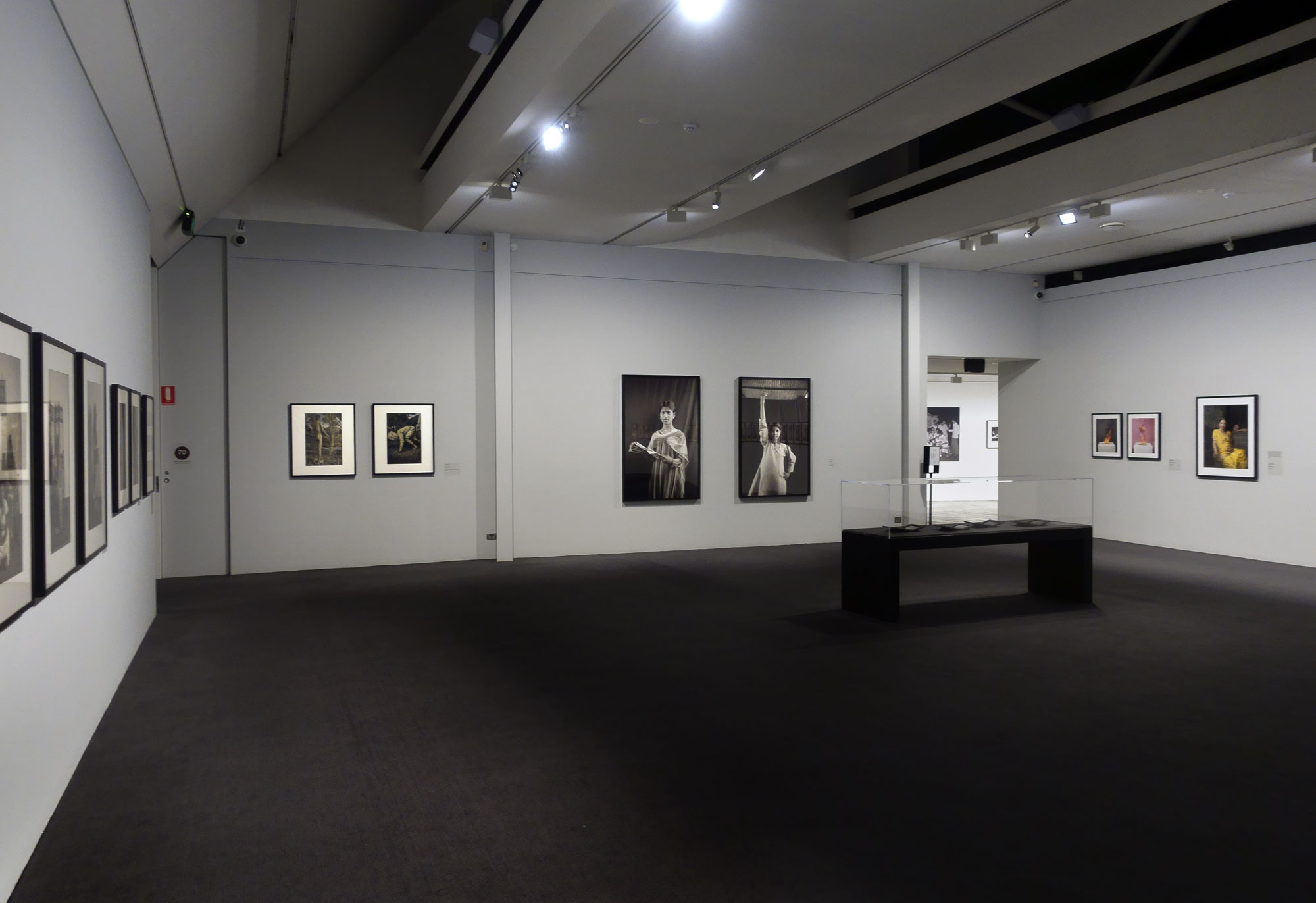
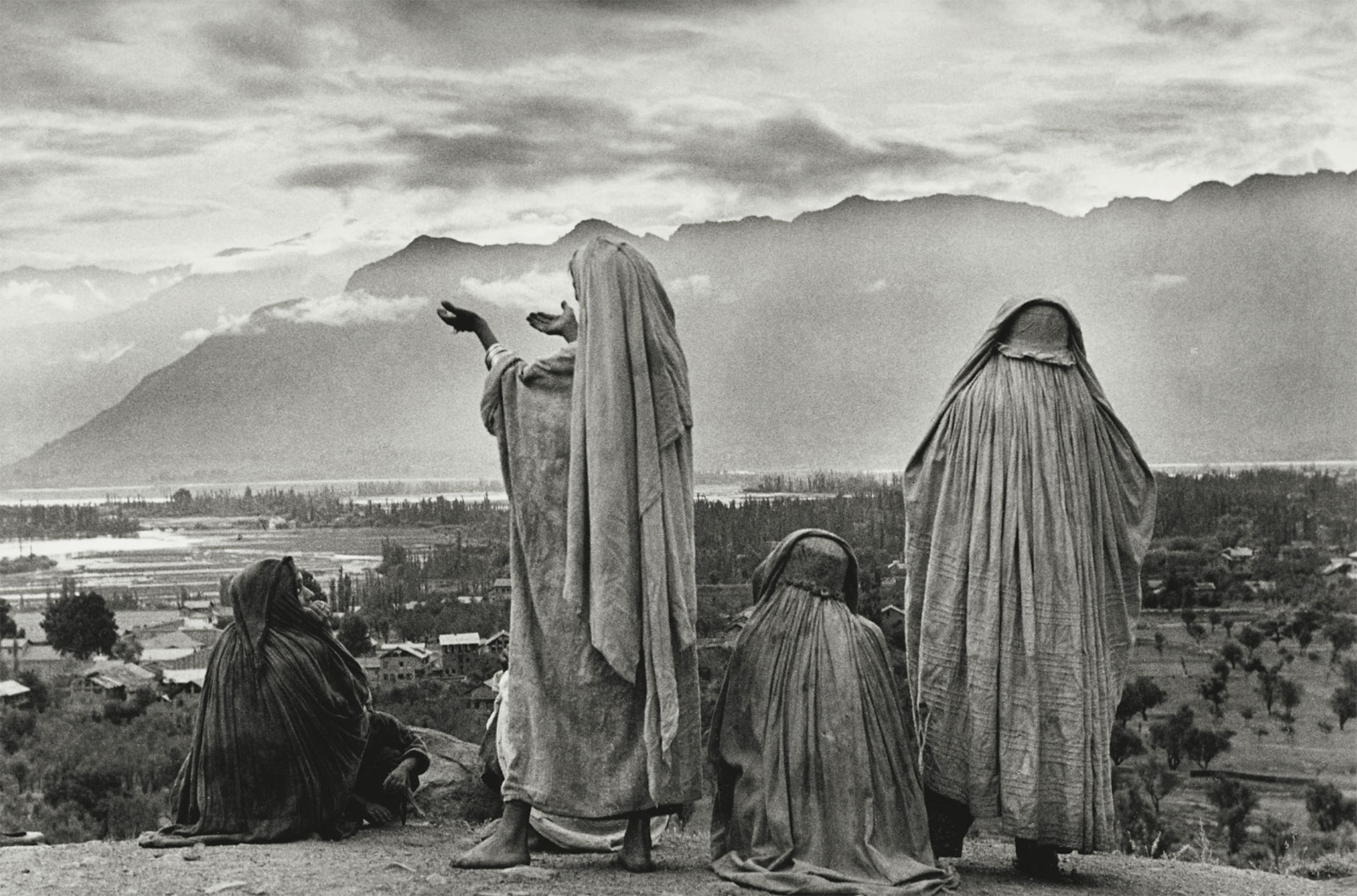
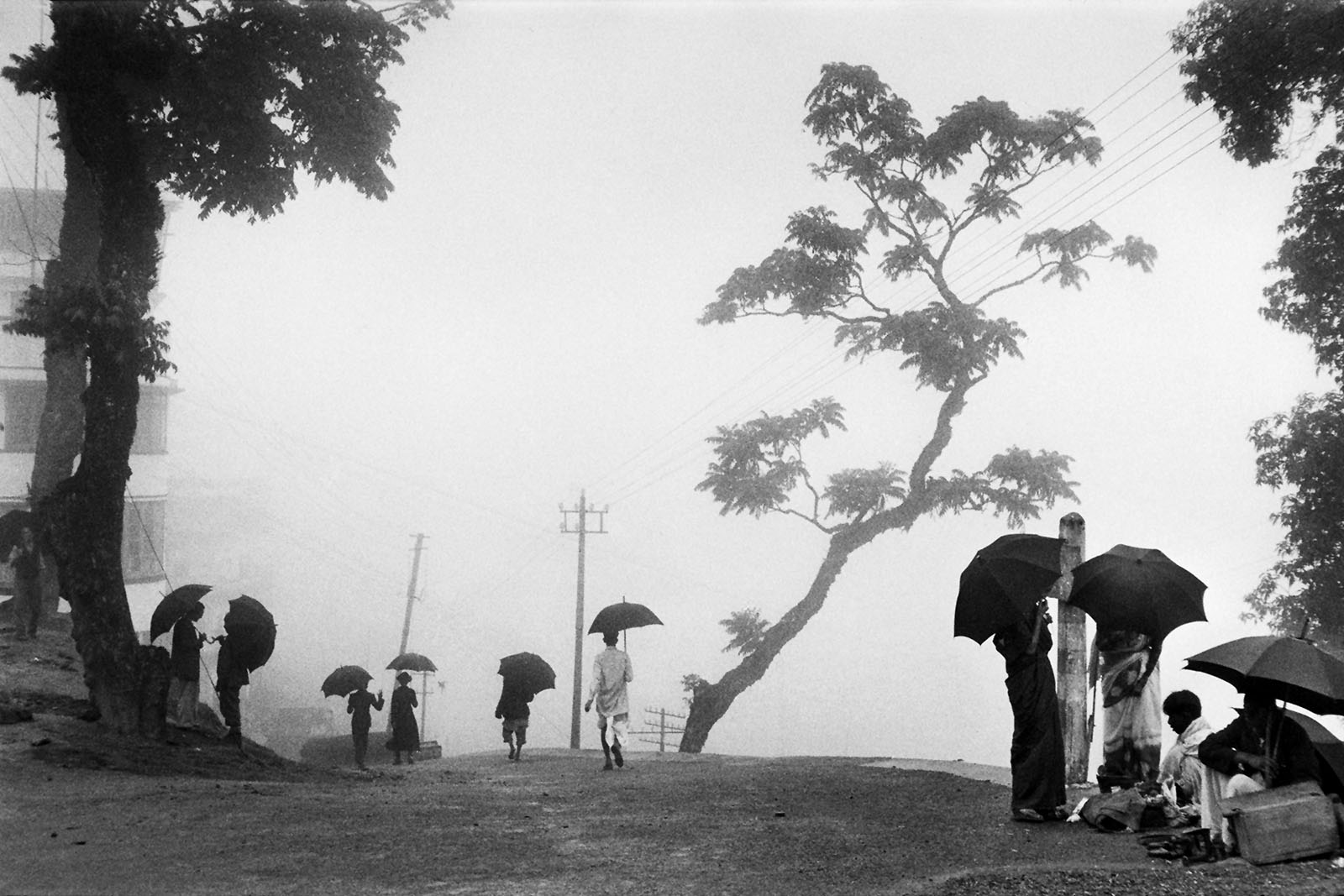


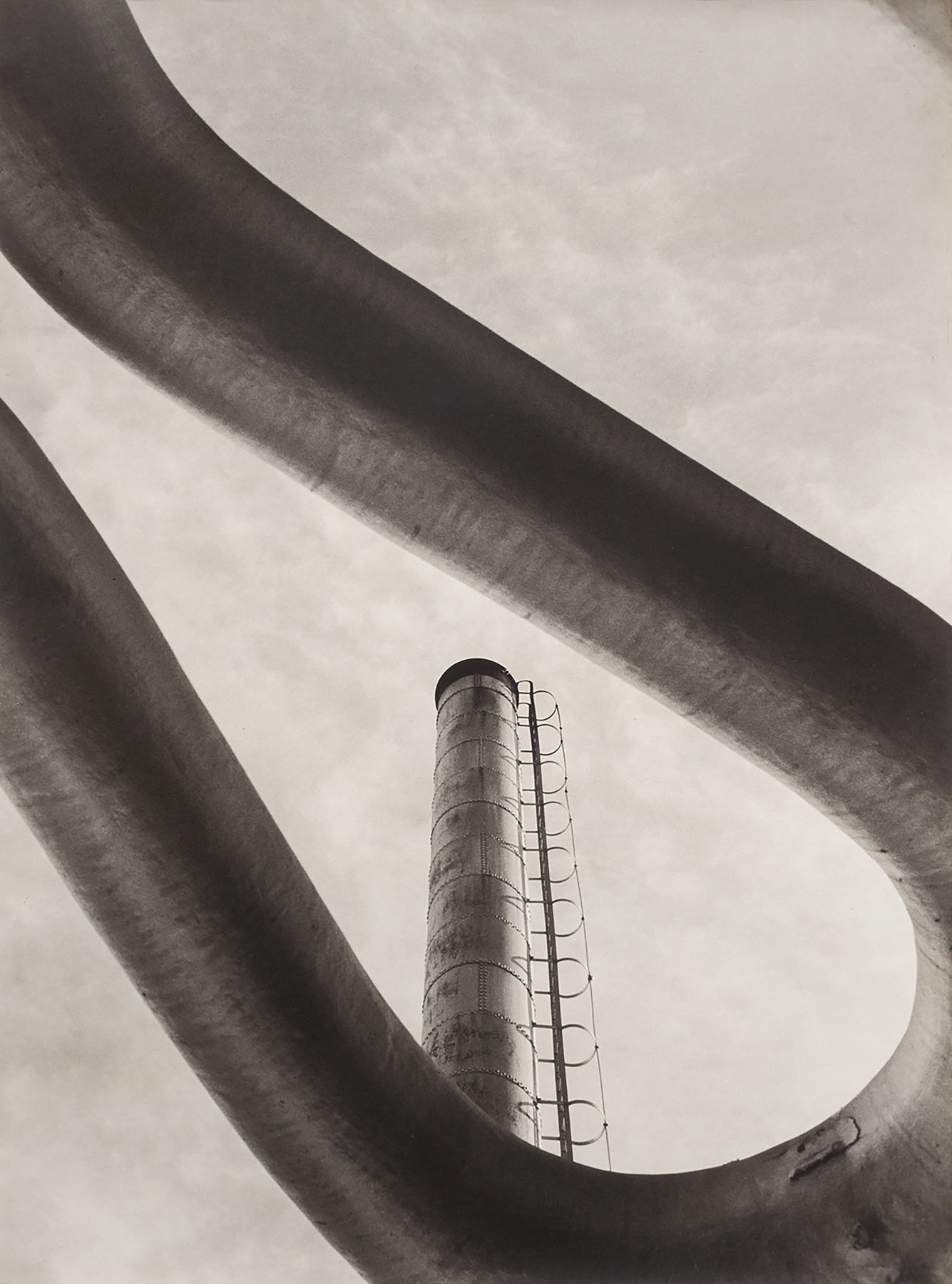

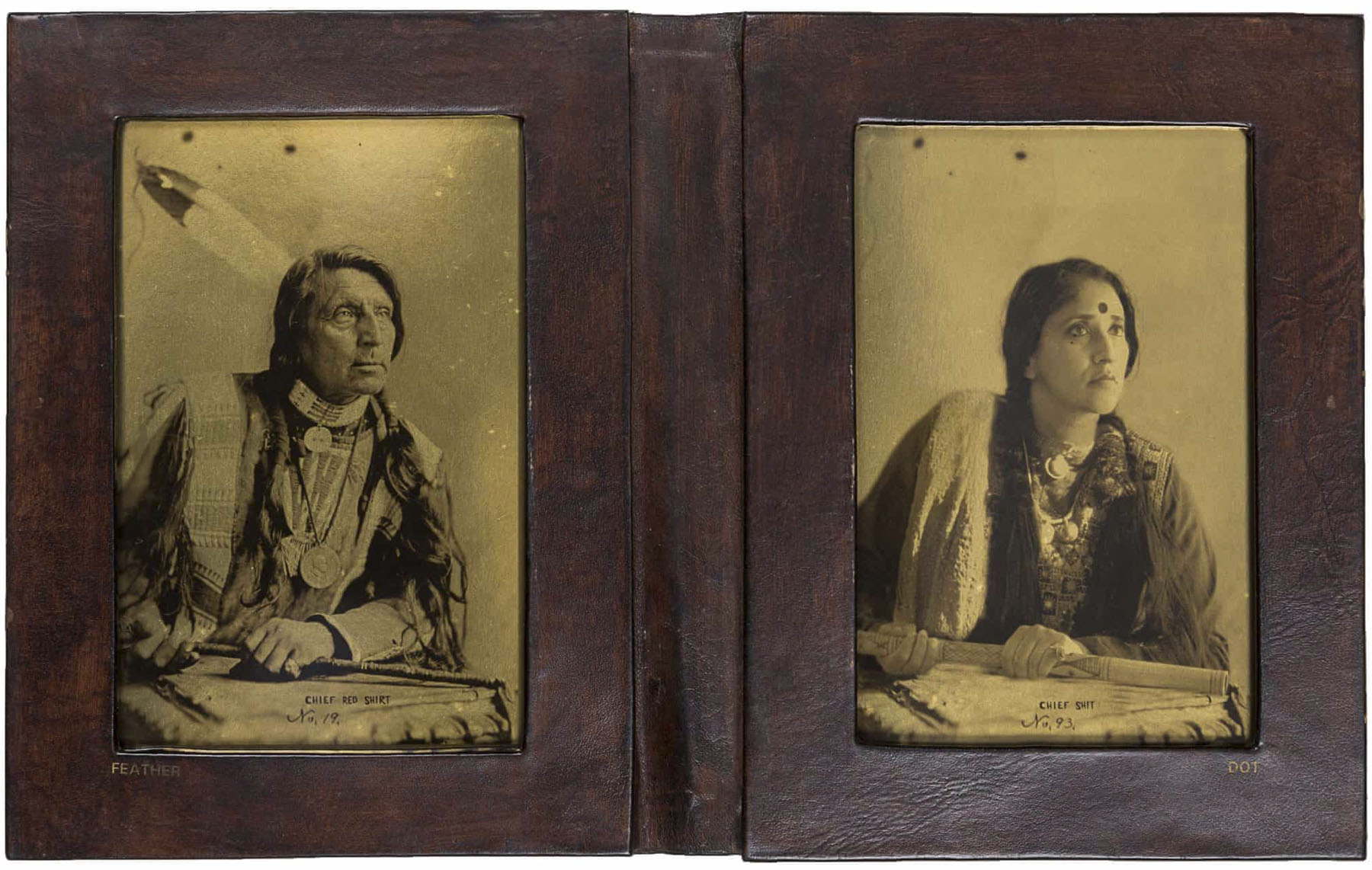
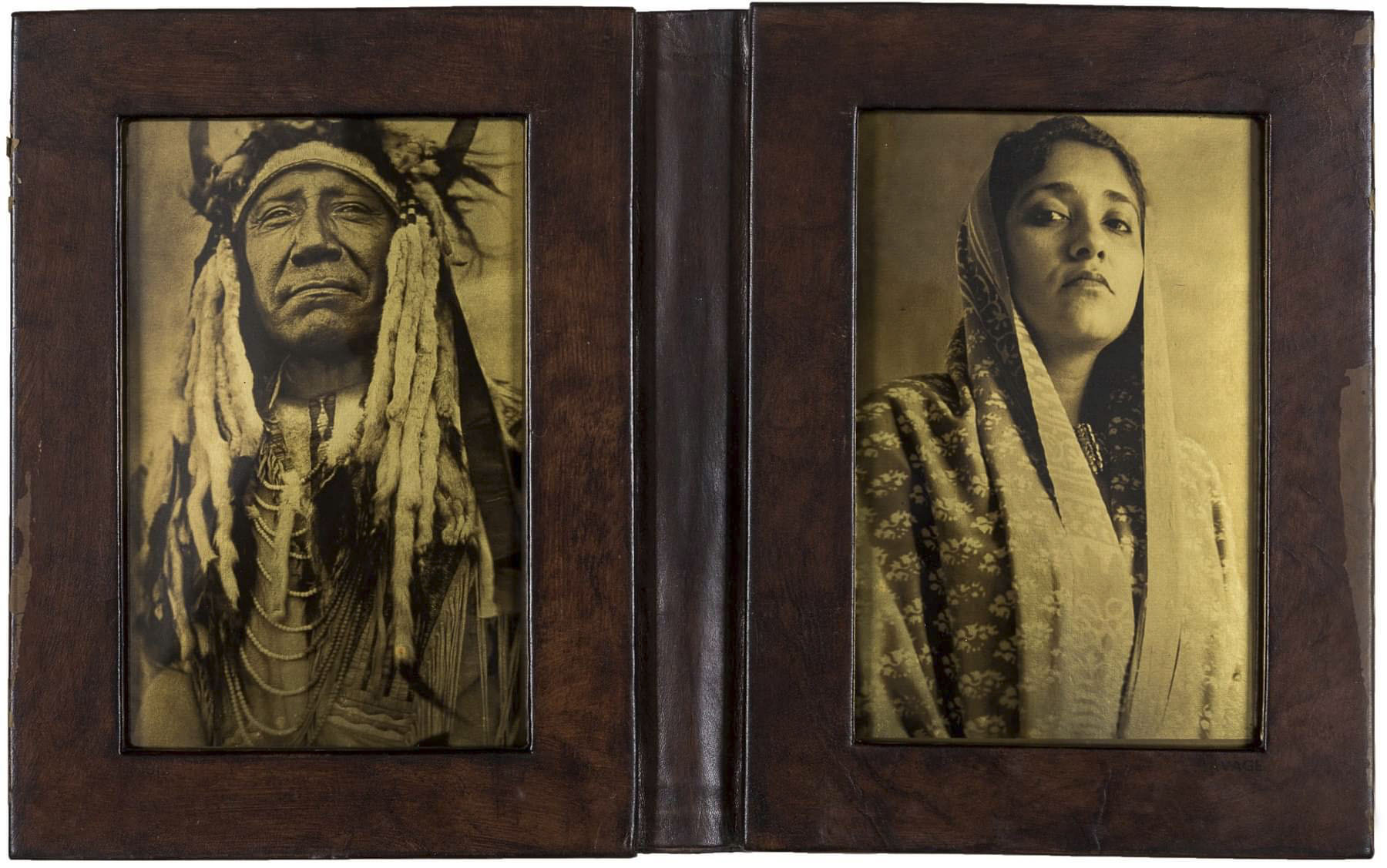
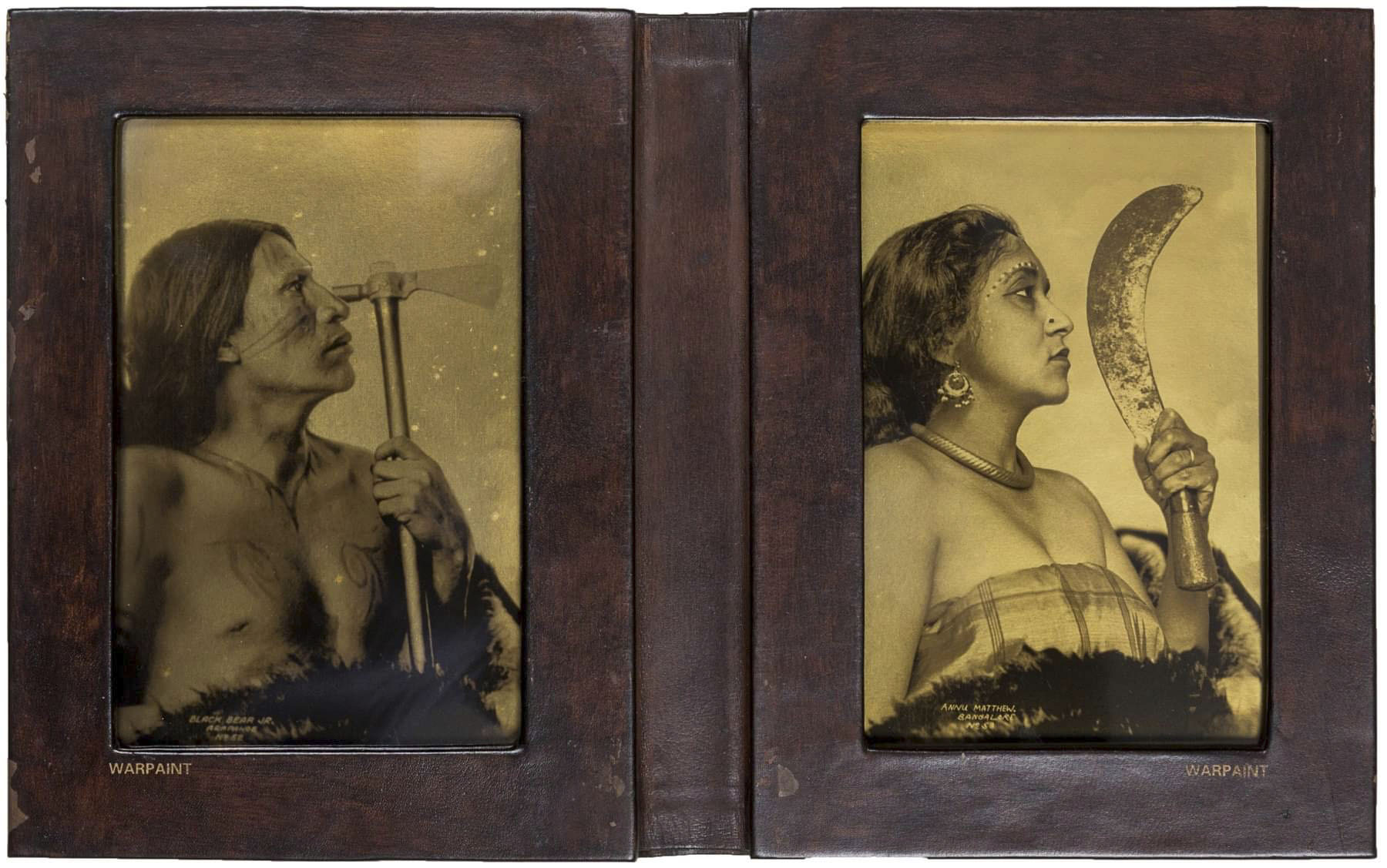
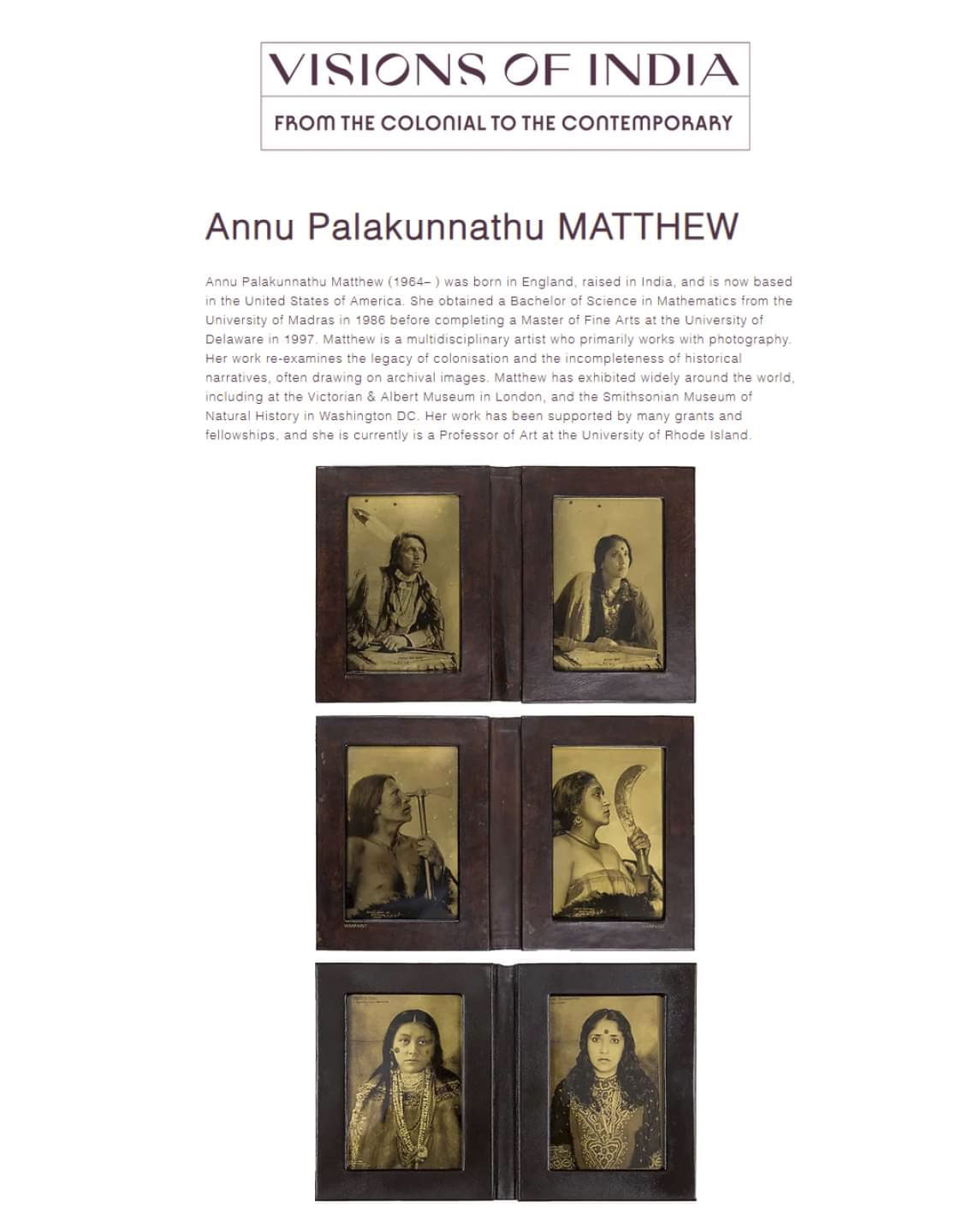


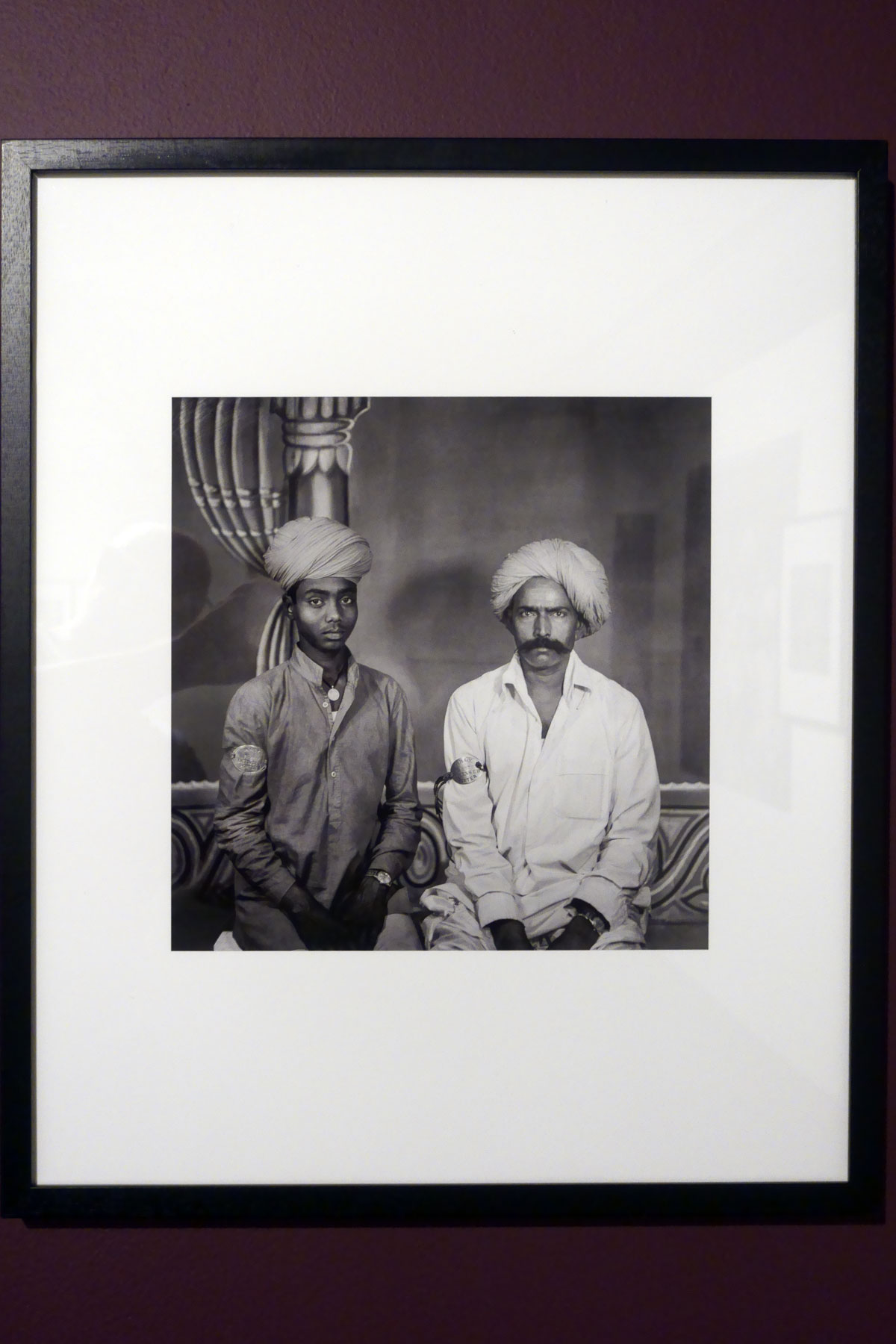
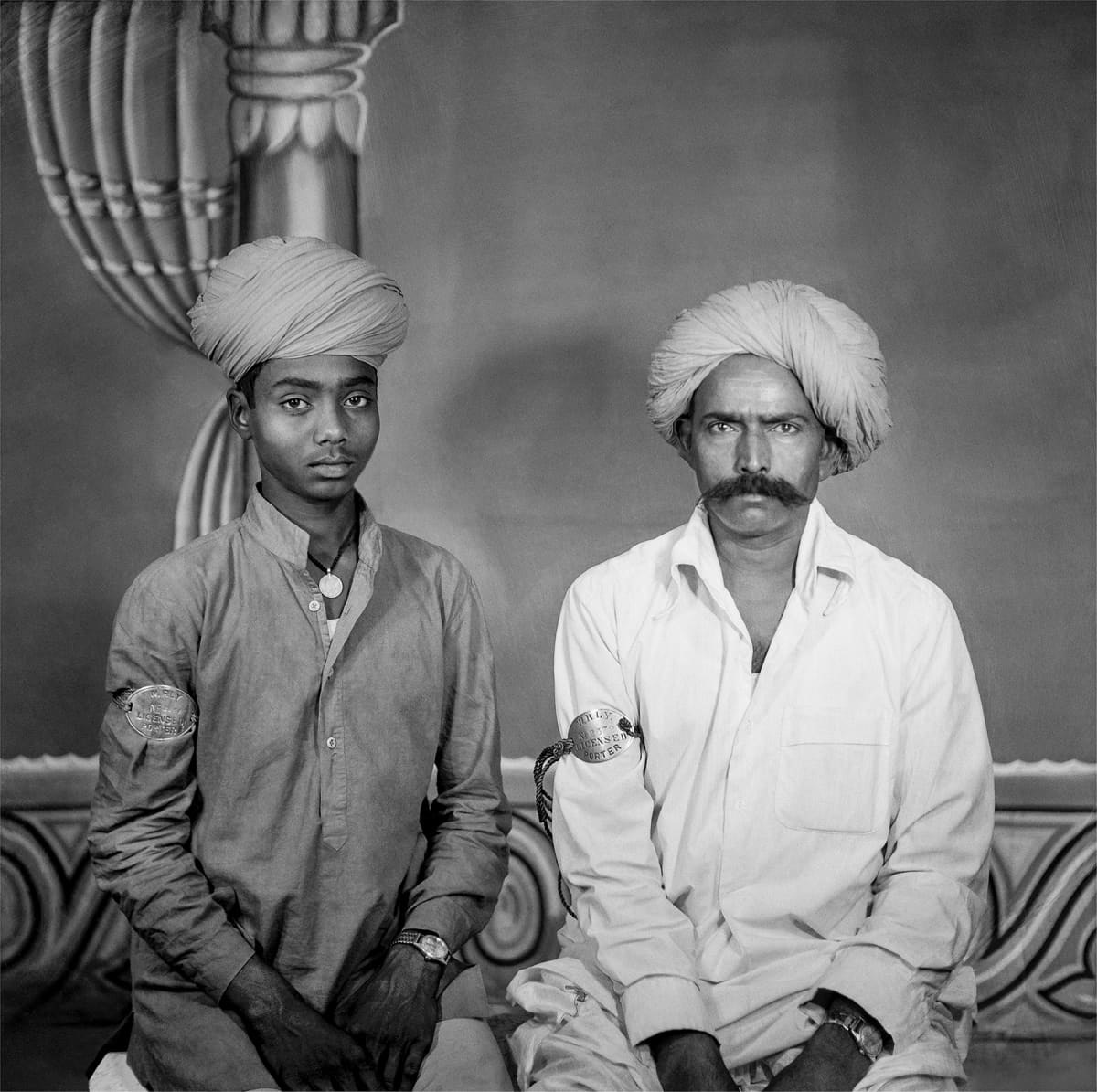






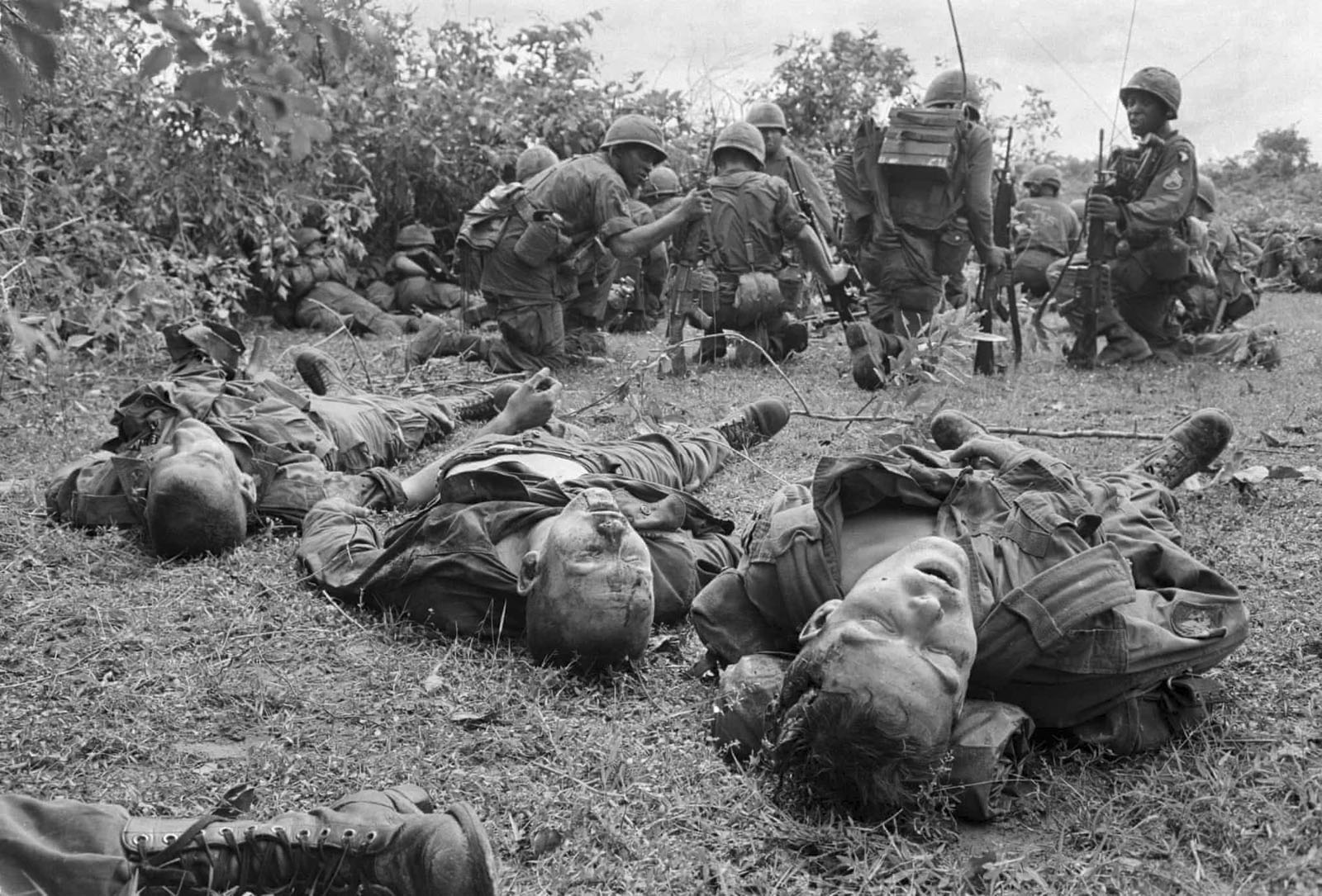
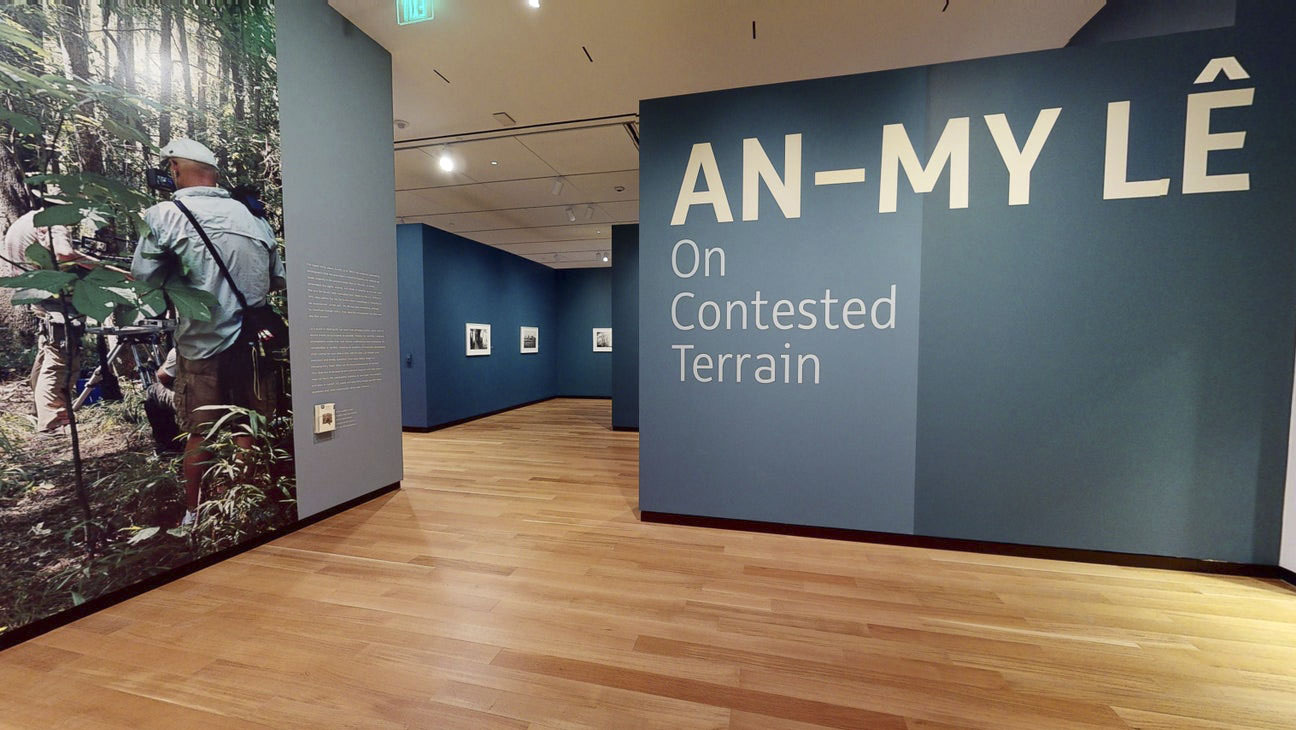
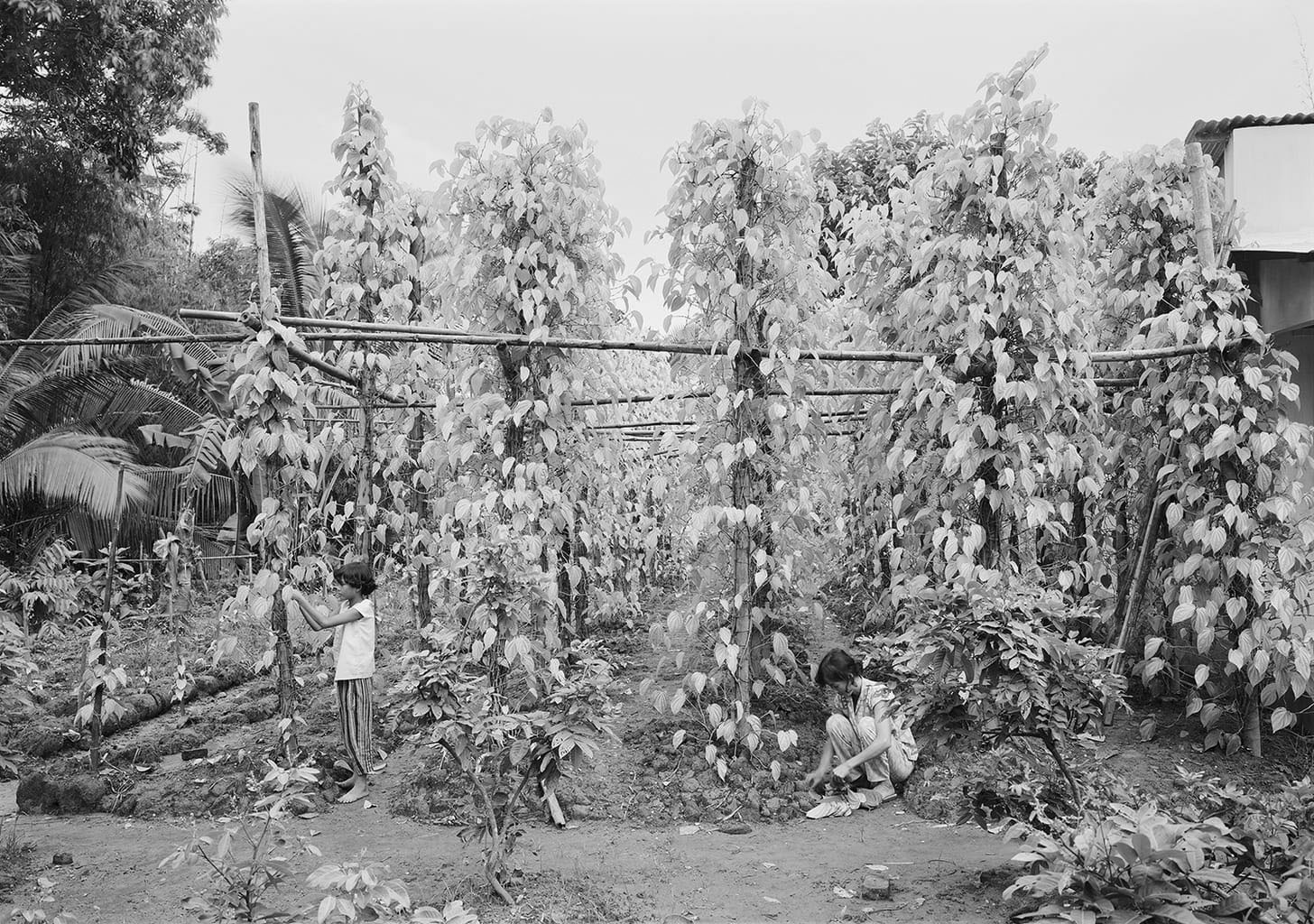
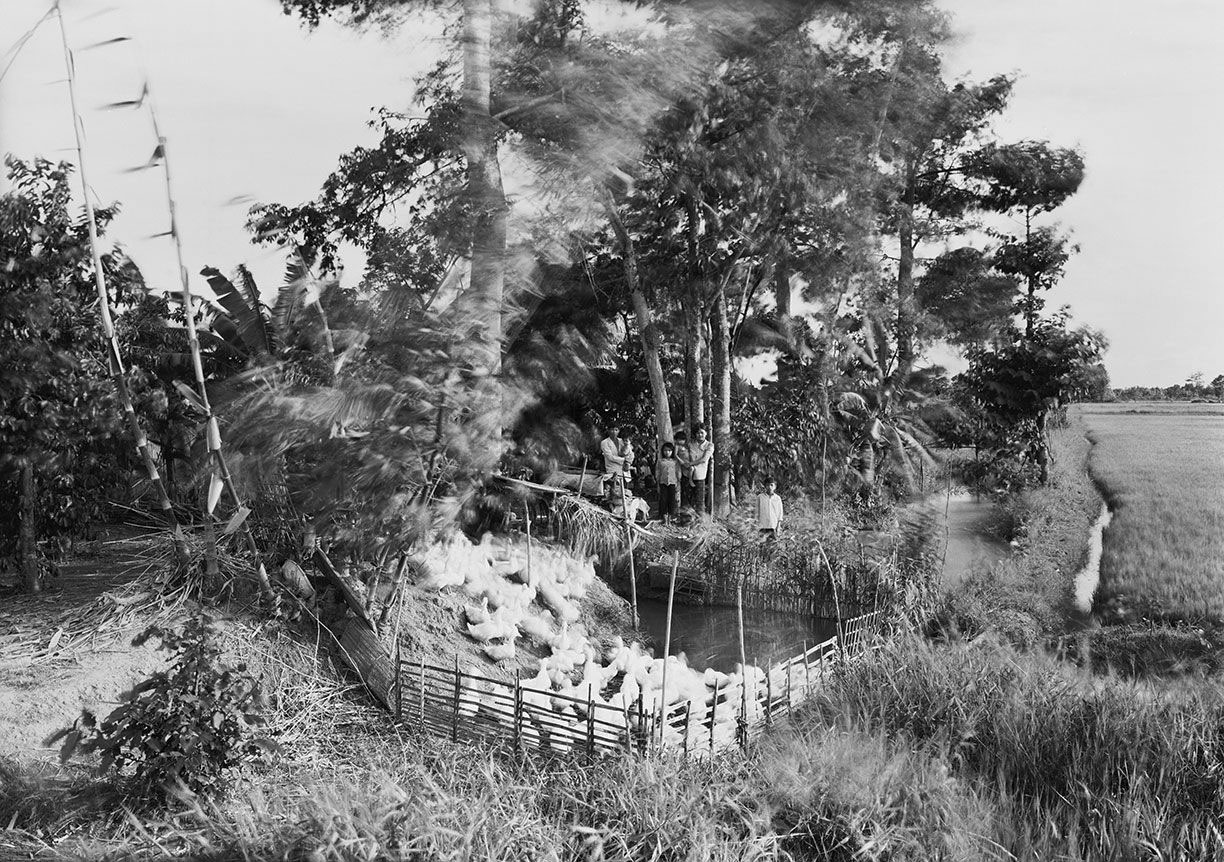
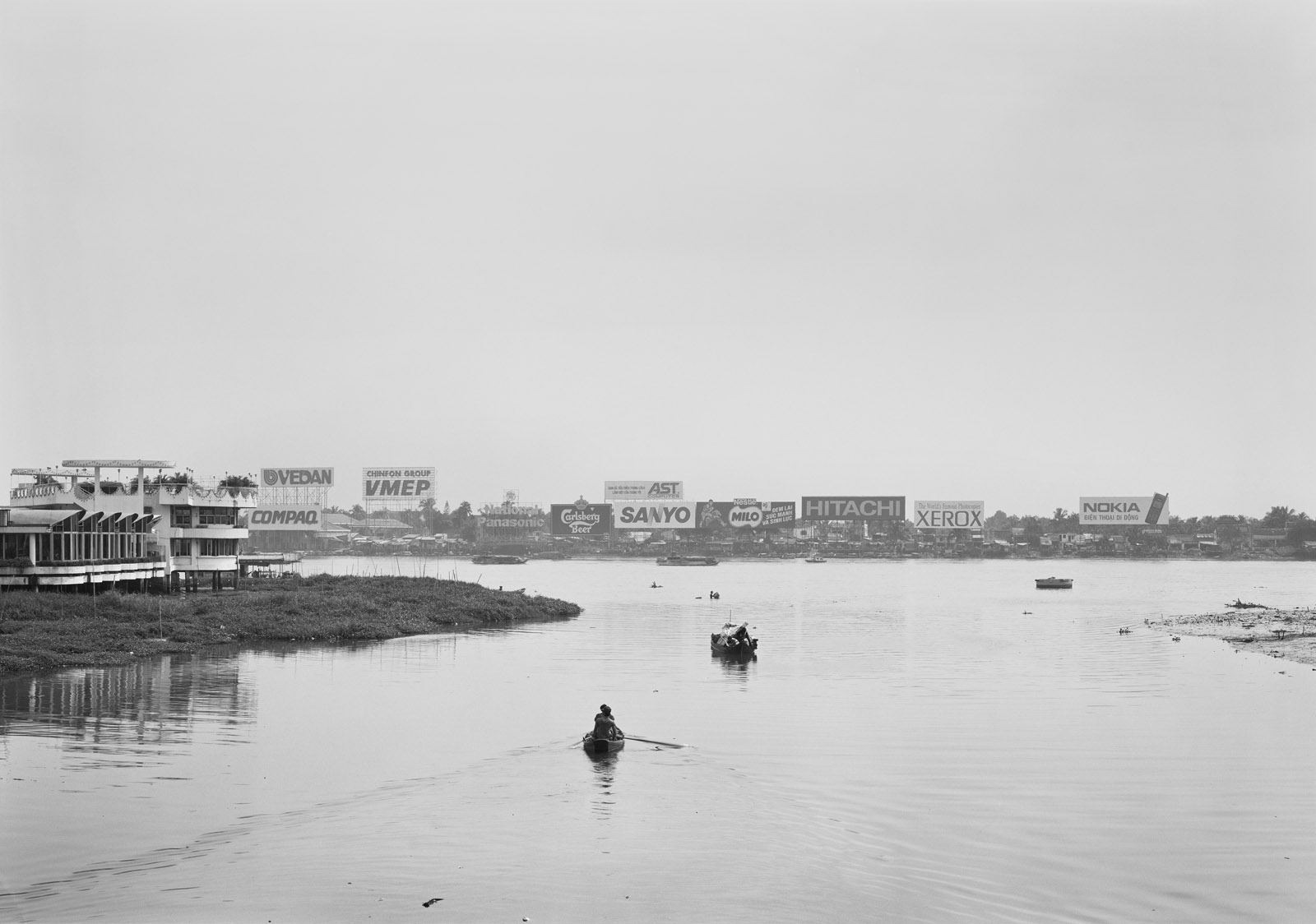

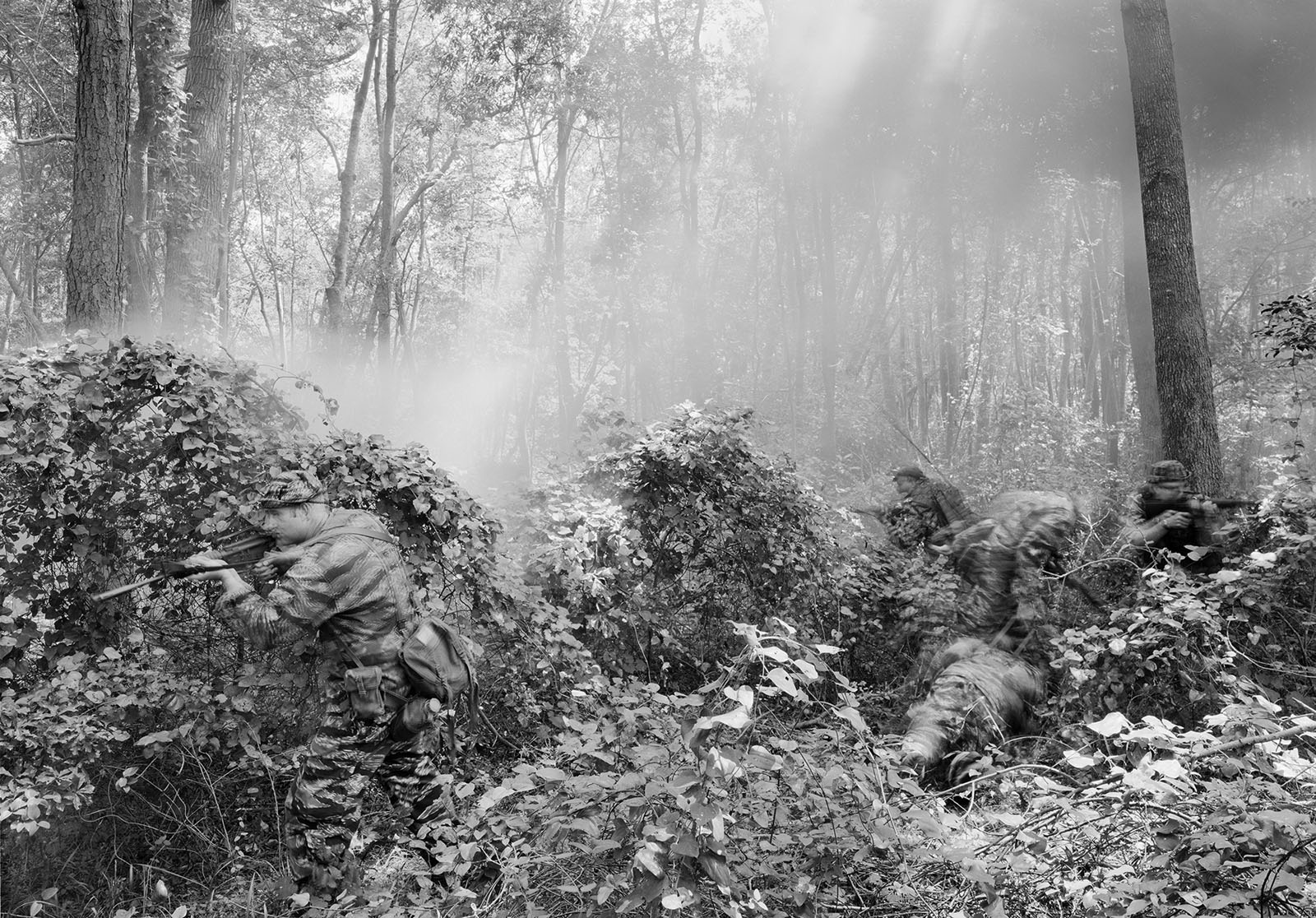
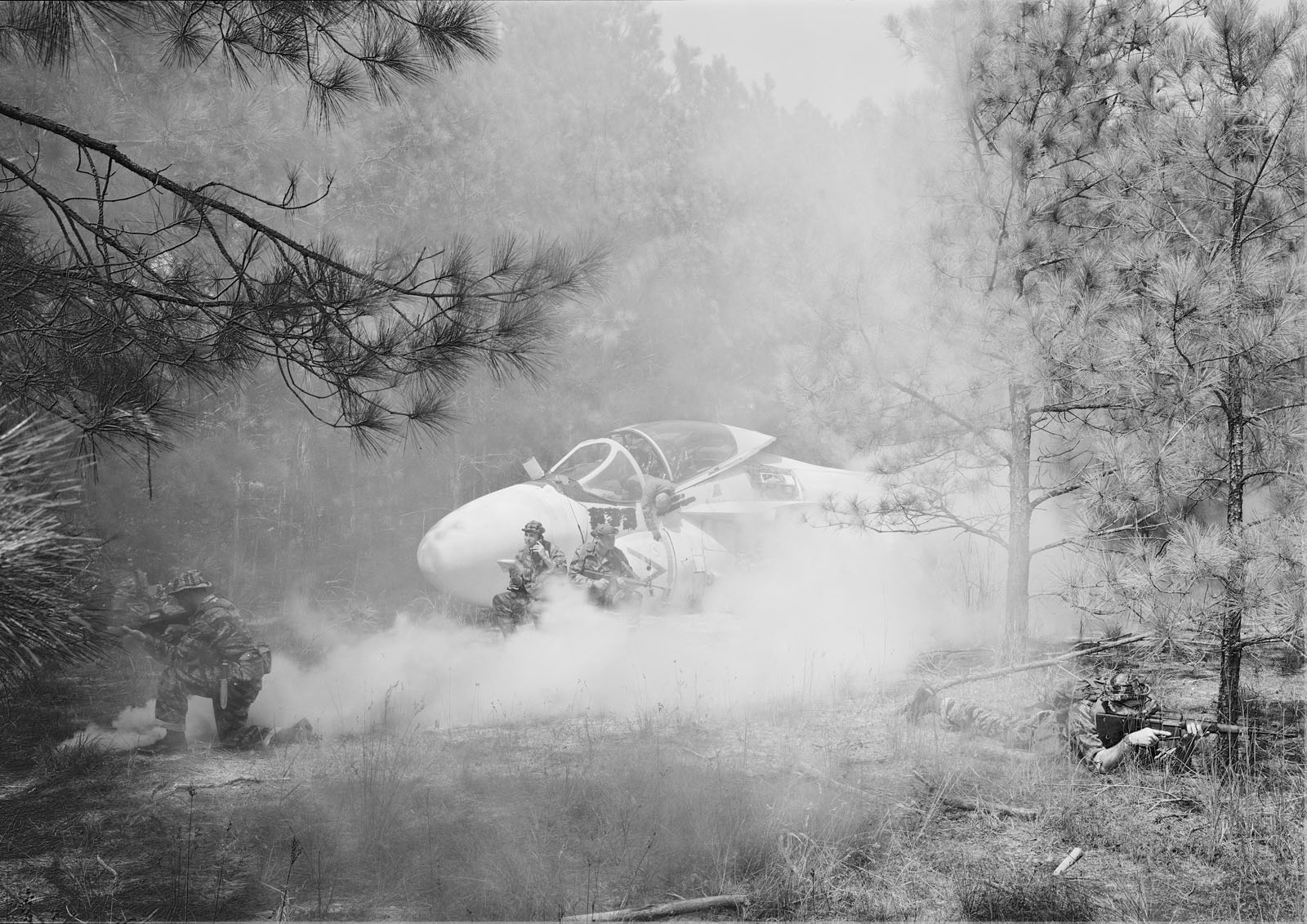
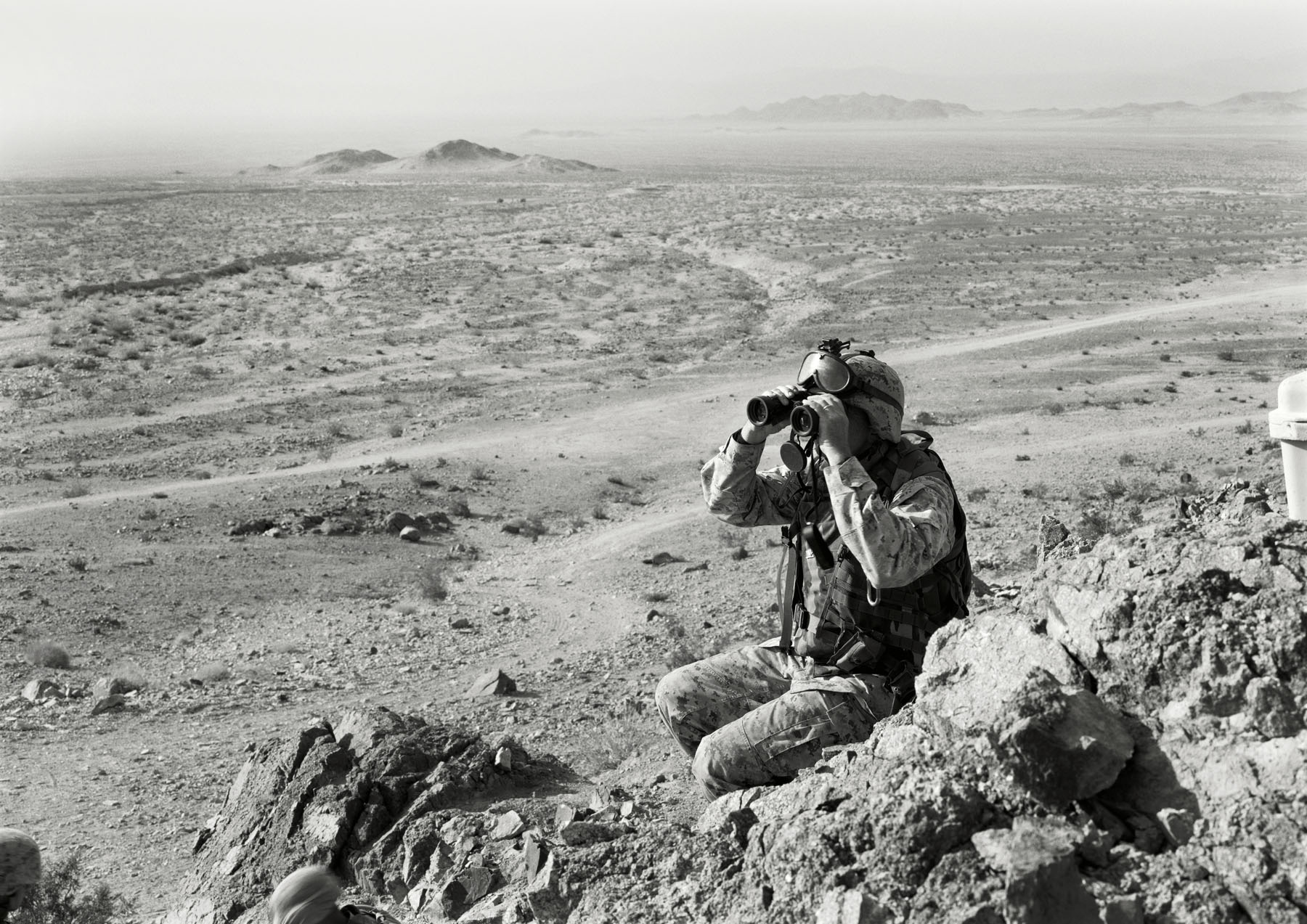
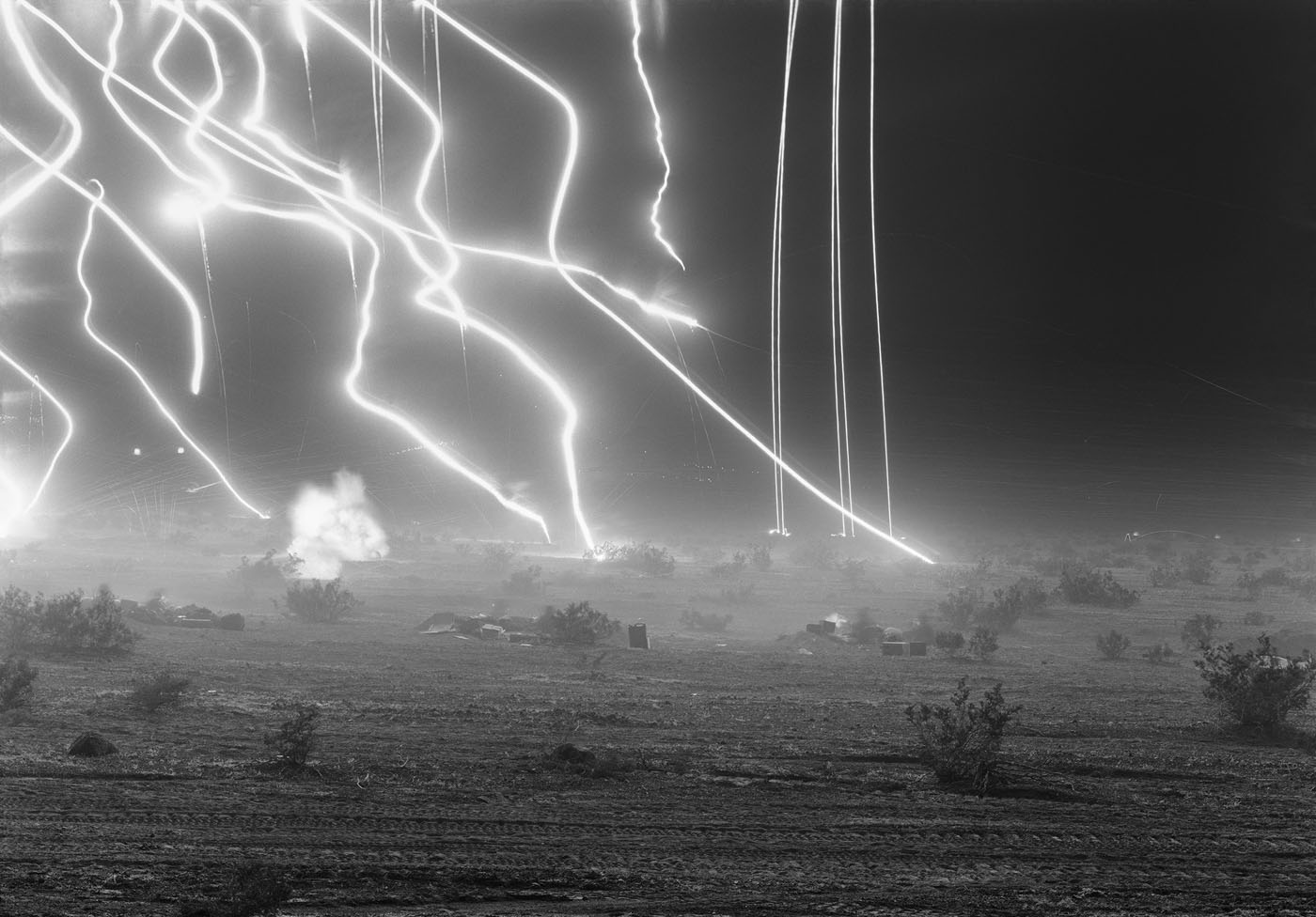
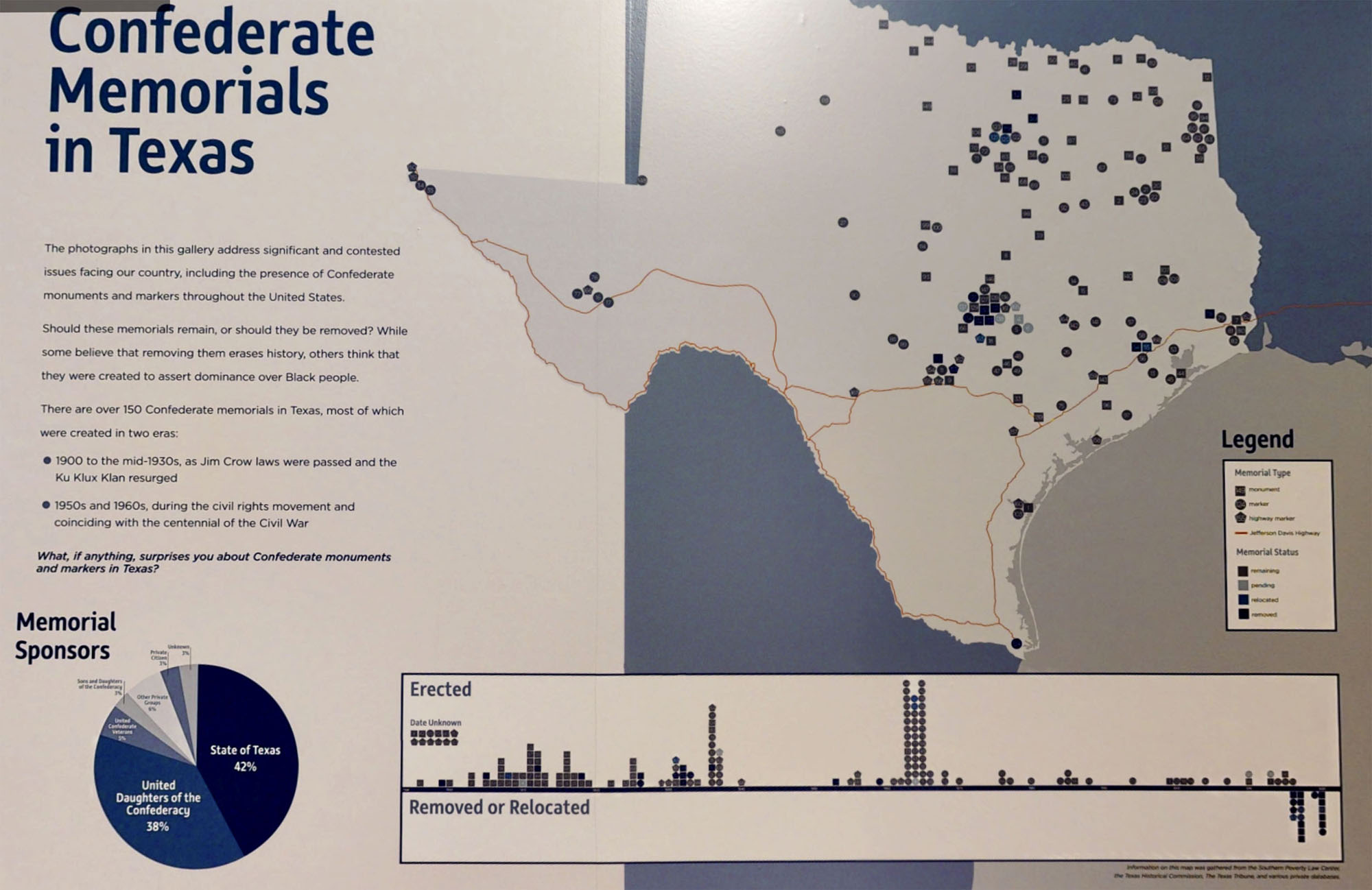
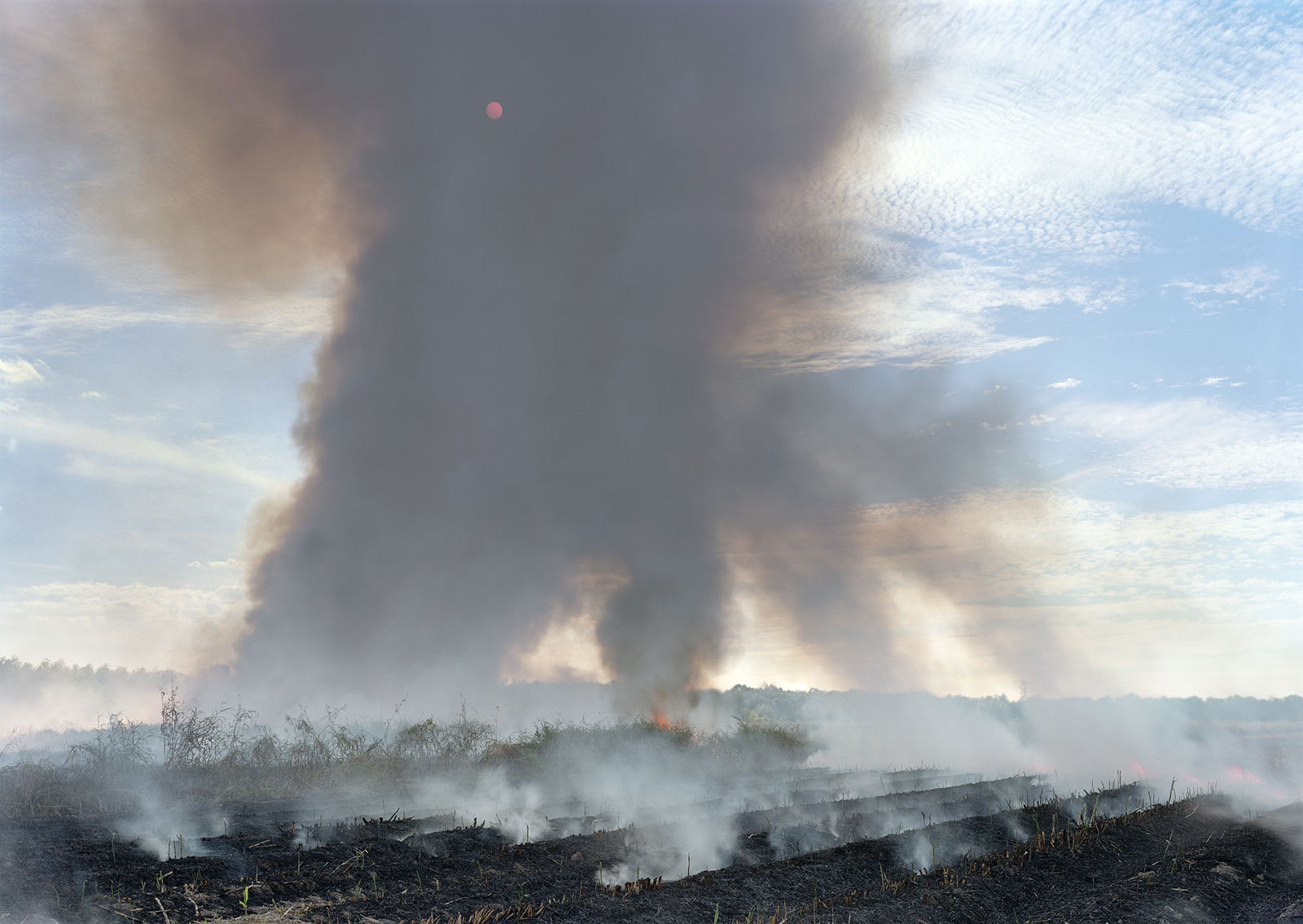
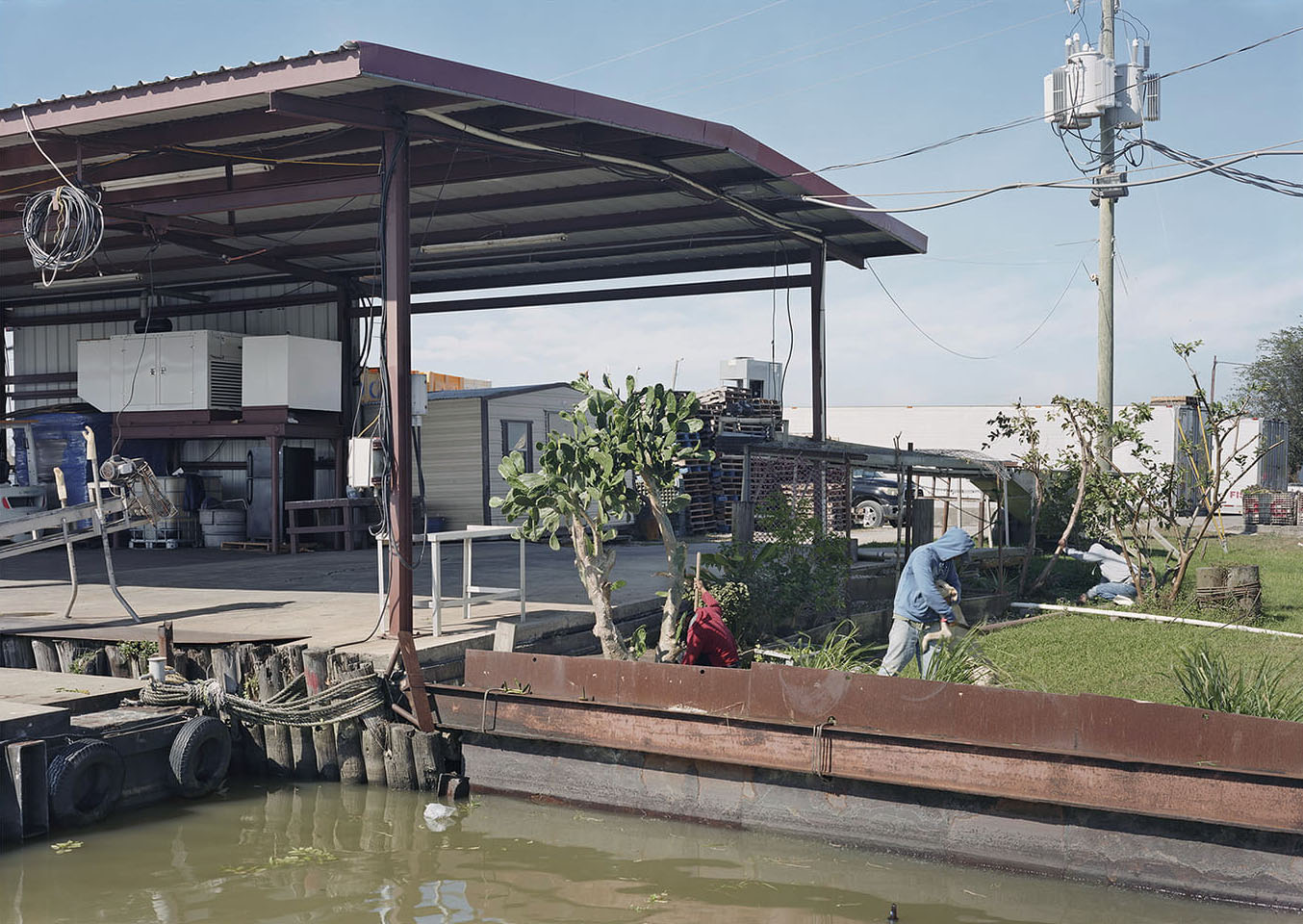
![Harry Croner (German, 1903-1992) 'Untitled [Japy Gymnasium: the arrested men are parked in the stands upstairs]' May 14, 1941 from 'The "Green Ticket" roundup – first roundup of Jews in France during World War II', Memorial de la Shoah, Paris](https://artblart.com/wp-content/uploads/2021/05/182.3.rafle-billet-vert_intccca7rieur-du-gymnase-japy.jpg "Harry Croner (German, 1903-1992) 'Untitled [Japy Gymnasium: the arrested men are parked in the stands upstairs]' May 14, 1941 'The \"Green Ticket\" roundup – first roundup of Jews in France during World War II', Memorial de la Shoah, Paris")
![Harry Croner (German, 1903-1992) 'Untitled [Japy Gymnasium: the arrested men peer outside the upper windows of the gymnasium]' May 14, 1941 (detail) from 'The "Green Ticket" roundup – first roundup of Jews in France during World War II', Memorial de la Shoah, Paris](https://artblart.com/wp-content/uploads/2021/05/183.4.rafle-billet-vert_gymnase-japy-detail.jpg "Harry Croner (German, 1903-1992) 'Untitled [Japy Gymnasium: the arrested men peer outside the upper windows of the gymnasium]' May 14, 1941 (detail) from 'The \"Green Ticket\" roundup – first roundup of Jews in France during World War II', Memorial de la Shoah, Paris")
![Harry Croner (German, 1903-1992) 'Untitled [Men boarding a train at Austerlitz station for the Loiret camps]' May 14, 1941 (detail)](https://artblart.com/wp-content/uploads/2021/05/183.28.rafle-billet-vert_gymnase-japy-detail.jpg "Harry Croner (German, 1903-1992) 'Untitled [Men boarding a train at Austerlitz station for the Loiret camps]' May 14, 1941 (detail)")
![Harry Croner (German, 1903-1992) 'Untitled [Theodor Dannecker oversees the transfer of the rounded up Jews to the Austerlitz station]' May 14, 1941 (detail)](https://artblart.com/wp-content/uploads/2021/05/184.5.rafle-billet-vert_gymnase-japy-detail1.jpg "Harry Croner (German, 1903-1992) 'Untitled [Theodor Dannecker oversees the transfer of the rounded up Jews to the Austerlitz station]' May 14, 1941 (detail)")
![Harry Croner (German, 1903-1992) 'Untitled [Inside the Japy Gymnasium, Paris XI, place of arrest of foreign Jews on May 14, 1941]' May 14, 1941](https://artblart.com/wp-content/uploads/2021/05/182.1.rafle-billet-ver_intccca7rieur-du-gymnase-japy.jpg "Harry Croner (German, 1903-1992) 'Untitled [Inside the Japy Gymnasium, Paris XI, place of arrest of foreign Jews on May 14, 1941]' May 14, 1941")
![Harry Croner (German, 1903-1992) 'Untitled [Japy gymnasium: relatives, often wives and their children, are asked to separate from the summoned men]' May 14, 1941](https://artblart.com/wp-content/uploads/2021/05/182.10.rafle-billet-vert_gymnase-japy.jpg "Harry Croner (German, 1903-1992) 'Untitled [Japy gymnasium: relatives, often wives and their children, are asked to separate from the summoned men]' May 14, 1941")
![Harry Croner (German, 1903-1992) 'Untitled [Japy gymnasium: relatives, often wives and their children, are asked to separate from the summoned men]' May 14, 1941 (detail)](https://artblart.com/wp-content/uploads/2021/05/182.10.rafle-billet-vert_gymnase-japy-detail.jpg "Harry Croner (German, 1903-1992) 'Untitled [Japy gymnasium: relatives, often wives and their children, are asked to separate from the summoned men]' May 14, 1941 (detail)")
![Harry Croner (German, 1903-1992) 'Untitled [Japy gymnasium: some men still arrive carrying their summons]' May 14, 1941](https://artblart.com/wp-content/uploads/2021/05/182.14.rafle-billet-vert_gymnase-japy.jpg "Harry Croner (German, 1903-1992) 'Untitled [Japy gymnasium: some men still arrive carrying their summons]' May 14, 1941")
![Harry Croner (German, 1903-1992) 'Untitled [Japy gymnasium: some men still arrive carrying their summons]' May 14, 1941 (detail)](https://artblart.com/wp-content/uploads/2021/05/182.14.rafle-billet-vert_gymnase-japy-detail-1.jpg "Harry Croner (German, 1903-1992) 'Untitled [Japy gymnasium: some men still arrive carrying their summons]' May 14, 1941 (detail)")
![Harry Croner (German, 1903-1992) 'Untitled [Japy gymnasium: families waiting to hand over the suitcases to their loved ones]' May 14, 1941](https://artblart.com/wp-content/uploads/2021/05/182.23.rafle-billet-vert_gymnase-japy.jpg "Harry Croner (German, 1903-1992) 'Untitled [Japy gymnasium: families waiting to hand over the suitcases to their loved ones]' May 14, 1941")
![Harry Croner (German, 1903-1992) 'Untitled [Japy Gymnasium: the arrested men peer outside the upper windows of the gymnasium]' May 14, 1941](https://artblart.com/wp-content/uploads/2021/05/183.4.rafle-billet-vert_gymnase-japy.jpg "Harry Croner (German, 1903-1992) 'Untitled [Japy Gymnasium: the arrested men peer outside the upper windows of the gymnasium]' May 14, 1941")
![Harry Croner (German, 1903-1992) 'Untitled [The inhabitants of the district discover the fate of their now captive neighbours]' May 14, 1941](https://artblart.com/wp-content/uploads/2021/05/183.7.rafle-billet-vert_gymnase-japy.jpg "Harry Croner (German, 1903-1992) 'Untitled [The inhabitants of the district discover the fate of their now captive neighbours]' May 14, 1941")
![Harry Croner (German, 1903-1992) 'Untitled [The inhabitants of the district discover the fate of their now captive neighbours]' May 14, 1941 (detail)](https://artblart.com/wp-content/uploads/2021/05/183.7.rafle-billet-vert_gymnase-japy-detail.jpg "Harry Croner (German, 1903-1992) 'Untitled [The inhabitants of the district discover the fate of their now captive neighbours]' May 14, 1941 (detail)")
![Harry Croner (German, 1903-1992) 'Untitled [Arrested men leave the gymnasium by bus for Austerlitz station]' May 14, 1941](https://artblart.com/wp-content/uploads/2021/05/183.9.rafle-billet-vert_gymnase-japy.jpg "Harry Croner (German, 1903-1992) 'Untitled [Arrested men leave the gymnasium by bus for Austerlitz station]' May 14, 1941")
![Harry Croner (German, 1903-1992) 'Untitled [Arrested men leave the gymnasium by bus for Austerlitz station]' May 14, 1941](https://artblart.com/wp-content/uploads/2021/05/183.11.rafle-billet-vert_gymnase-japy.jpg "Harry Croner (German, 1903-1992) 'Untitled [Arrested men leave the gymnasium by bus for Austerlitz station]' May 14, 1941")
![Harry Croner (German, 1903-1992) 'Untitled [Arrested men leave the gymnasium by bus for Austerlitz station]' May 14, 1941 (detail)](https://artblart.com/wp-content/uploads/2021/05/183.11.rafle-billet-vert_gymnase-japy-detail.jpg "Harry Croner (German, 1903-1992) 'Untitled [Arrested men leave the gymnasium by bus for Austerlitz station]' May 14, 1941 (detail)")
![Harry Croner (German, 1903-1992) 'Untitled [Arrested men leave the gymnasium by bus for Austerlitz station]' May 14, 1941](https://artblart.com/wp-content/uploads/2021/05/183.25.rafle-billet-vert_gymnase-japy.jpg "Harry Croner (German, 1903-1992) 'Untitled [Arrested men leave the gymnasium by bus for Austerlitz station]' May 14, 1941")
![Harry Croner (German, 1903-1992) 'Untitled [Arrested men leave the gymnasium by bus for Austerlitz station]' May 14, 1941 (detail)](https://artblart.com/wp-content/uploads/2021/05/183.25.rafle-billet-vert_gymnase-japy-detail.jpg "Harry Croner (German, 1903-1992) 'Untitled [Arrested men leave the gymnasium by bus for Austerlitz station]' May 14, 1941 (detail)")
![Harry Croner (German, 1903-1992) 'Untitled [Men boarding a train at Austerlitz station for the Loiret camps]' May 14, 1941](https://artblart.com/wp-content/uploads/2021/05/183.28.rafle-billet-vert_gymnase-japy.jpg "Harry Croner (German, 1903-1992) 'Untitled [Men boarding a train at Austerlitz station for the Loiret camps]' May 14, 1941")
![Harry Croner (German, 1903-1992) 'Untitled [Theodor Dannecker oversees the transfer of the rounded up Jews to the Austerlitz station]' May 14, 1941](https://artblart.com/wp-content/uploads/2021/05/184.5.rafle-billet-vert_gymnase-japy.jpg "Harry Croner (German, 1903-1992) 'Untitled [Theodor Dannecker oversees the transfer of the rounded up Jews to the Austerlitz station]' May 14, 1941")
![Harry Croner (German, 1903-1992) 'Untitled [Theodor Dannecker oversees the transfer of the rounded up Jews to the Austerlitz station]' May 14, 1941 (detail)](https://artblart.com/wp-content/uploads/2021/05/184.5.rafle-billet-vert_gymnase-japy-detail.jpg "Harry Croner (German, 1903-1992) 'Untitled [Theodor Dannecker oversees the transfer of the rounded up Jews to the Austerlitz station]' May 14, 1941 (detail)")
![Harry Croner (German, 1903-1992) 'Untitled [The photos were taken the day after the raid at the Pithiviers and Beaune-la Rolande camps]' May 15, 1941](https://artblart.com/wp-content/uploads/2021/05/186.1.rafle-billet-vert_lendemain-de-la-rafle-au-camp.jpg "Harry Croner (German, 1903-1992) 'Untitled [The photos were taken the day after the raid at the Pithiviers and Beaune-la Rolande camps]' May 15, 1941")
![Harry Croner (German, 1903-1992) 'Untitled [The day after the raid, the men arrested at the Pithiviers camp]' May 15, 1941](https://artblart.com/wp-content/uploads/2021/05/186.7.rafle-billet-vert_lendemain-de-la-rafle.jpg "Harry Croner (German, 1903-1992) 'Untitled [The day after the raid, the men arrested at the Pithiviers camp]' May 15, 1941")
![Harry Croner (German, 1903-1992) 'Untitled [The day after the raid, the men arrested at the Pithiviers camp]' May 15, 1941 (detail)](https://artblart.com/wp-content/uploads/2021/05/186.7.rafle-billet-vert_lendemain-de-la-rafle-detail.jpg "Harry Croner (German, 1903-1992) 'Untitled [The day after the raid, the men arrested at the Pithiviers camp]' May 15, 1941 (detail)")
![Harry Croner (German, 1903-1992) 'Untitled [Green Ticket Roundup, the next day at the Pithiviers camp. The black hut can be seen where the Vel d'Hiv raids will be recorded in 1942]' May 15, 1941](https://artblart.com/wp-content/uploads/2021/05/186_10.rafle-du-billet-vert_lendemain-au-camp-pithiviers_vue-baraque-noire-oocc81-seront-enregistrccca7s-en-1942-raflccca7s-du-vel-dhiv-c-mccca7morial-de.jpg "Harry Croner (German, 1903-1992) 'Untitled [Green Ticket Roundup, the next day at the Pithiviers camp. The black hut can be seen where the Vel d'Hiv raids will be recorded in 1942]' May 15, 1941")
![Harry Croner (German, 1903-1992) 'Untitled [The day after the roundup of the Billet Vert, a French gendarme posted on a watchtower in the Beaune-la-Rolande camp]' May 15, 1941](https://artblart.com/wp-content/uploads/2021/05/187_1.rafle-du-billet-vert_lendemain-de-la-rafle_gendarme-francais-postccca7-sur-un-mirador-du-camp-de-beaune-la-rolande-c-mccca7morial-de-la-shoah-2.jpg "Harry Croner (German, 1903-1992) 'Untitled [The day after the roundup of the Billet Vert, a French gendarme posted on a watchtower in the Beaune-la-Rolande camp]' May 15, 1941")
![Andrew Rumann (Australian, 1905-1974) 'Untitled [Departure from Circular Quay, Sydney for Fremantle and Singapore]' 1941](https://artblart.com/wp-content/uploads/2015/02/embarkation-h.jpg "Andrew Rumann (Australian, 1905-1974) 'Untitled [Departure from Circular Quay, Sydney for Fremantle and Singapore]' 1941")
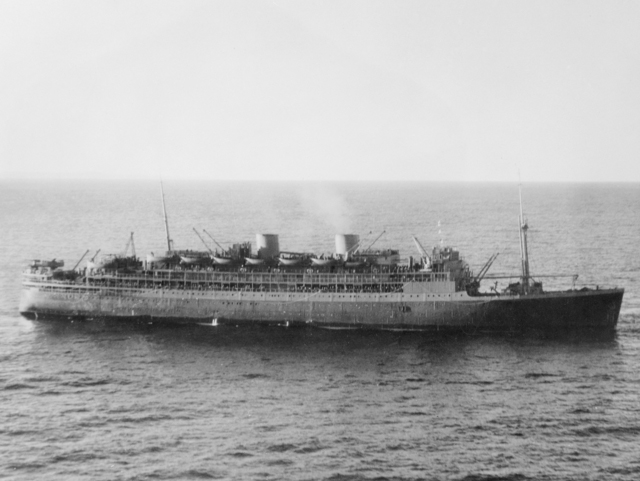
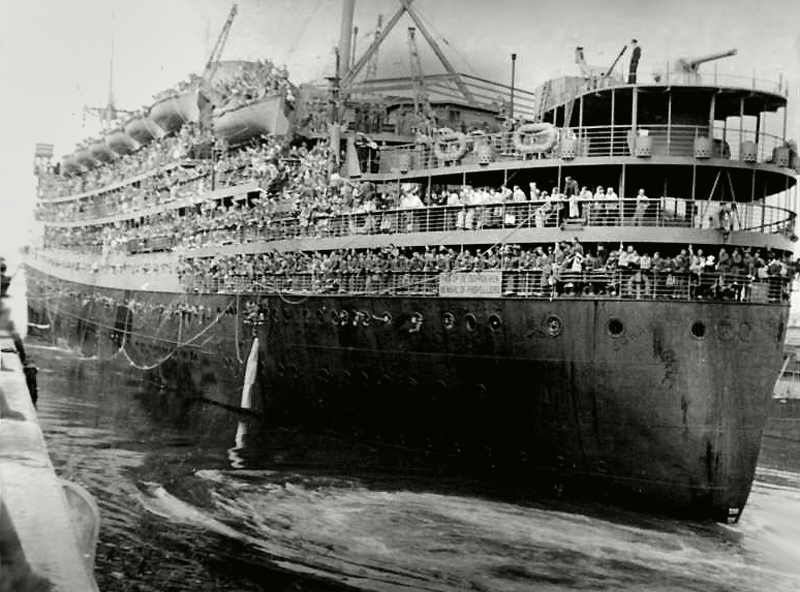
![Andrew Rumann (Australian, 1905-1974) 'Untitled [Departure from Circular Quay, Sydney for Fremantle and Singapore]' 1941](https://artblart.com/wp-content/uploads/2015/02/embarkation-c.jpg "Andrew Rumann (Australian, 1905-1974) 'Untitled [Departure from Circular Quay, Sydney for Fremantle and Singapore]' 1941")
![Andrew Rumann (Australian, 1905-1974) 'Untitled [Departure from Circular Quay, Sydney for Fremantle and Singapore]' 1941](https://artblart.com/wp-content/uploads/2015/02/embarkation-d.jpg "Andrew Rumann (Australian, 1905-1974) 'Untitled [Departure from Circular Quay, Sydney for Fremantle and Singapore]' 1941")
![Andrew Rumann (Australian, 1905-1974) 'Untitled [Departure from Circular Quay, Sydney for Fremantle and Singapore]' 1941 (detail)](https://artblart.com/wp-content/uploads/2015/02/embarkation-d-detail.jpg "Andrew Rumann (Australian, 1905-1974) 'Untitled [Departure from Circular Quay, Sydney for Fremantle and Singapore]' 1941 (detail)")
![Anonymous photographer (Australian) 'Untitled [Encampment]' 1942-45](https://artblart.com/wp-content/uploads/2015/02/embarkation-j.jpg "Anonymous photographer (Australian) 'Untitled [Encampment]' 1942-45")
![Anonymous photographer (Australian) 'Untitled [Women standing in front of an American Red Cross sign]' 1942-45](https://artblart.com/wp-content/uploads/2015/02/embarkation-i.jpg "Anonymous photographer (Australian) 'Untitled [Women standing in front of an American Red Cross sign]' 1942-45")
![Anonymous photographer (Australian) 'Untitled [Post Exchange No. 2]' 1942-45](https://artblart.com/wp-content/uploads/2015/02/embarkation-k.jpg "Anonymous photographer (Australian) 'Untitled [Post Exchange No. 2]' 1942-45")
![Anonymous photographer (Australian) 'Untitled [Post Exchange No. 2]' 1942-45 (detail)](https://artblart.com/wp-content/uploads/2015/02/embarkation-k-detail.jpg "Anonymous photographer (Australian) 'Untitled [Post Exchange No. 2]' 1942-45 (detail)")
![Anonymous photographer (Australian) 'Untitled [Taking out the rubbish]' 1942-45](https://artblart.com/wp-content/uploads/2015/02/embarkation-e.jpg "Anonymous photographer (Australian) 'Untitled [Taking out the rubbish]' 1942-45")
![Anonymous photographer (Australian) 'Untitled [BKC*23]' 1942-45](https://artblart.com/wp-content/uploads/2015/02/embarkation-f.jpg "Anonymous photographer (Australian) 'Untitled [BKC*23]' 1942-45")
![Anonymous photographer (Australian) 'Untitled [BKC*23]' 1942-45 (detail)](https://artblart.com/wp-content/uploads/2015/02/embarkation-f-detail.jpg "Anonymous photographer (Australian) 'Untitled [BKC*23]' 1942-45 (detail)")
![Anonymous photographer (Australian) 'Untitled [Transportation Corps US Army BKC*23]' 1942-45](https://artblart.com/wp-content/uploads/2015/02/embarkation-g.jpg "Anonymous photographer (Australian) 'Untitled [Transportation Corps US Army BKC*23]' 1942-45")
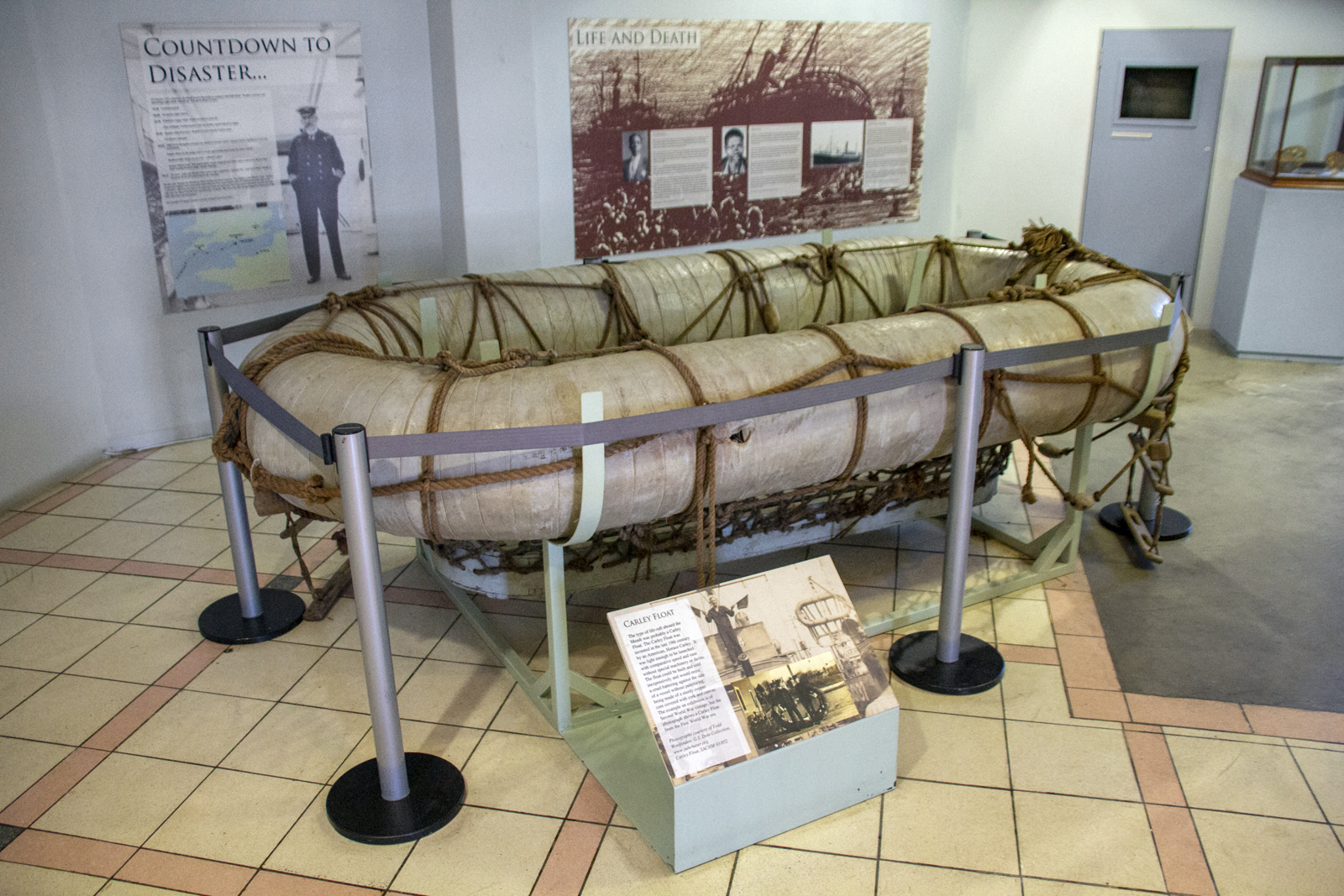
![Anonymous photographer (Australian) 'Untitled [Transportation Corps US Army BKC*23]' 1942-45 (detail)](https://artblart.com/wp-content/uploads/2015/02/embarkation-g-detail.jpg "Anonymous photographer (Australian) 'Untitled [Transportation Corps US Army BKC*23]' 1942-45 (detail)")
![Anonymous photographer (Australian) 'Untitled [Embarkation]' 1942-45](https://artblart.com/wp-content/uploads/2015/02/embarkation-a.jpg "Anonymous photographer (Australian) 'Untitled [Embarkation]' 1942-45")
![Anonymous photographer (Australian) 'Untitled [Embarkation]' 1942-45 (detail)](https://artblart.com/wp-content/uploads/2015/02/embarkation-a-detail.jpg "Anonymous photographer (Australian) 'Untitled [Embarkation]' 1942-45 (detail)")
![Unknown photographer. 'Untitled [Early French aviators]' c. 1913-1914 (detail)](https://artblart.com/wp-content/uploads/2019/02/airman-ak-web.jpg "Unknown photographer. 'Untitled [Early French aviators]' c. 1913-1914 (detail)")
![Unknown photographer. 'Untitled [Early French aviators]' c. 1913-1914](https://artblart.com/wp-content/uploads/2019/02/airman-aj-web.jpg "Unknown photographer. 'Untitled [Early French aviators]' c. 1913-1914")
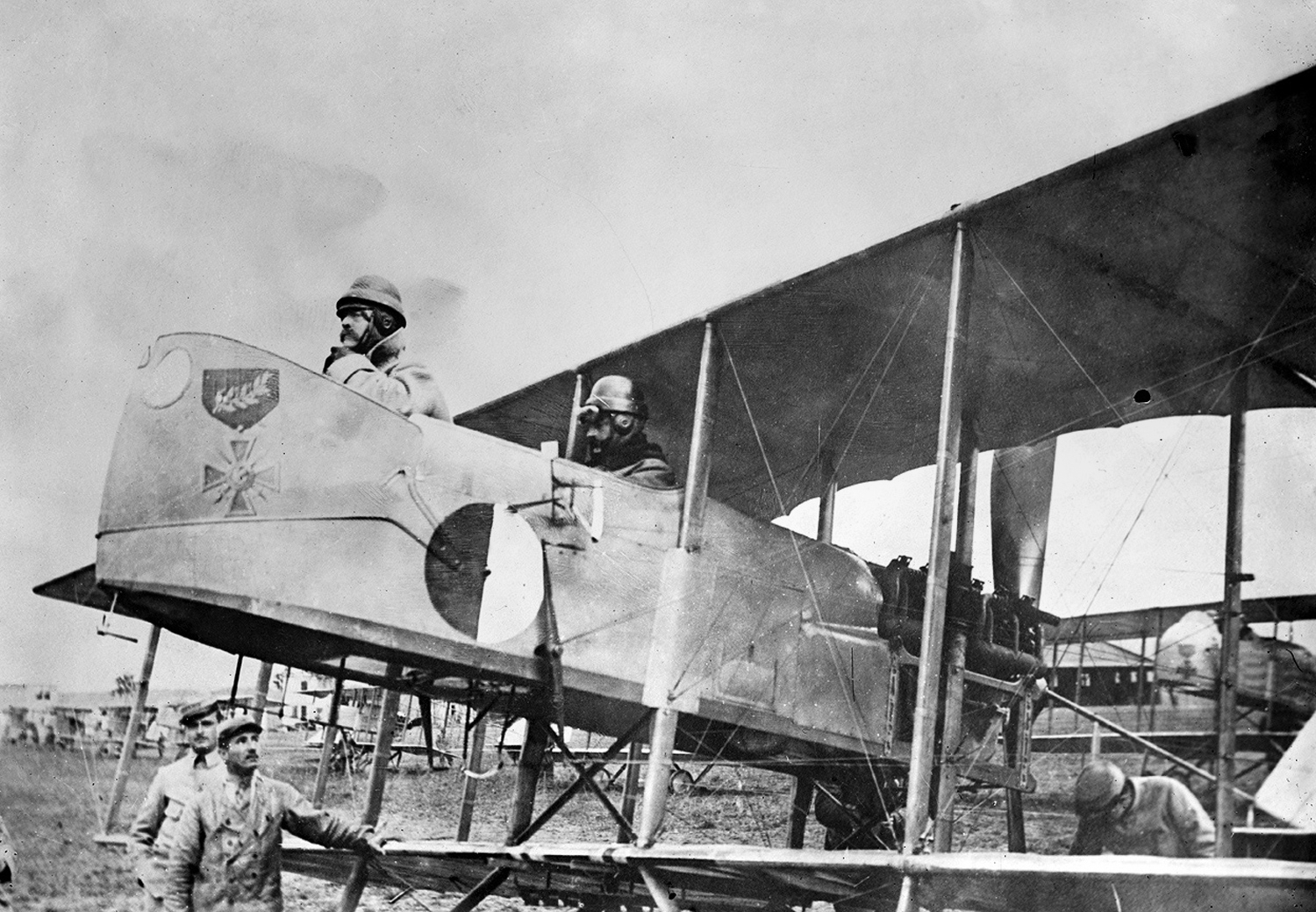
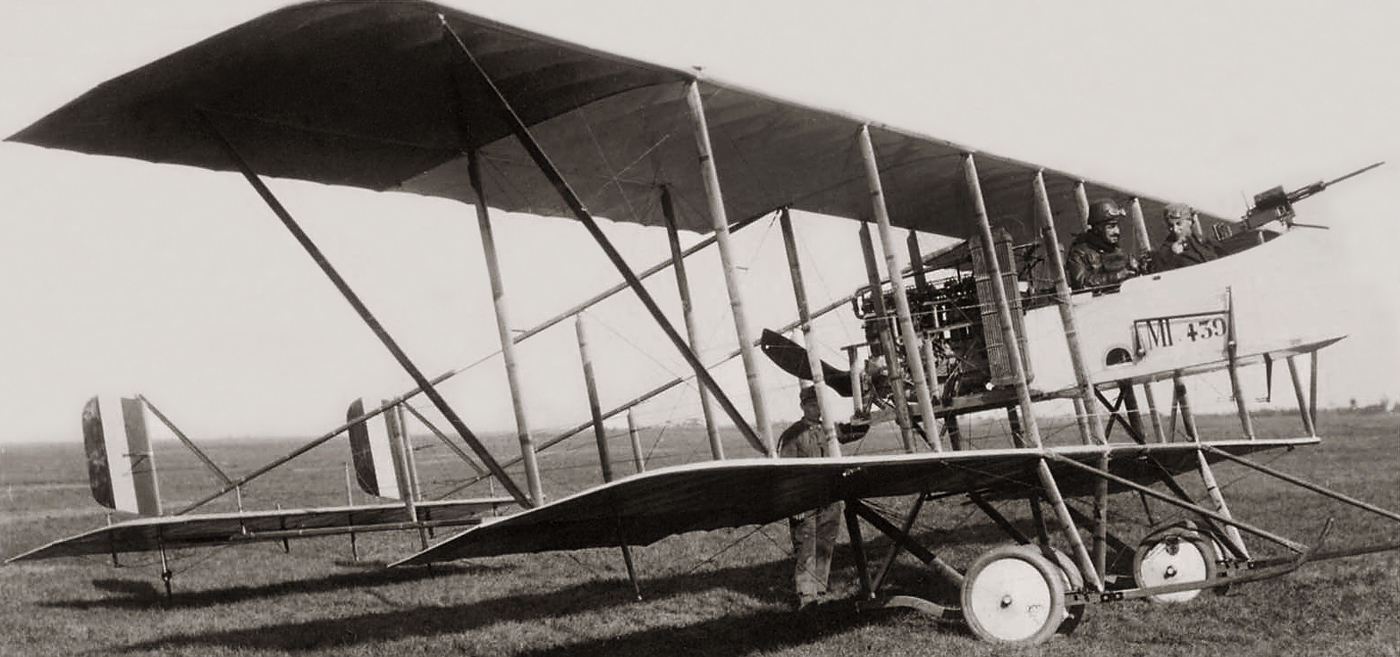
![Unknown photographer. 'Untitled [Early French aviator]' c. 1913-1914](https://artblart.com/wp-content/uploads/2019/02/airman-a-web.jpg "Unknown photographer. 'Untitled [Early French aviator]' c. 1913-1914")
![Unknown photographer. 'Untitled [Early French aviator]' c. 1913-1914](https://artblart.com/wp-content/uploads/2019/02/airman-aa-web.jpg "Unknown photographer. 'Untitled [Early French aviator]' c. 1913-1914")
![Unknown photographer. 'Untitled [Early French aviator]' c. 1913-1914](https://artblart.com/wp-content/uploads/2019/02/airman-ab-web.jpg "Unknown photographer. 'Untitled [Early French aviator]' c. 1913-1914")
![Unknown photographer. 'Untitled [Early French aviator]' c. 1913-1914](https://artblart.com/wp-content/uploads/2019/02/airman-ac-web.jpg "Unknown photographer. 'Untitled [Early French aviator]' c. 1913-1914")
![Unknown photographer. 'Untitled [Early French aviator]' c. 1913-1914](https://artblart.com/wp-content/uploads/2019/02/airman-ad-web.jpg "Unknown photographer. 'Untitled [Early French aviator]' c. 1913-1914")
![Unknown photographer. 'Untitled [Early French aviator]' c. 1913-1914](https://artblart.com/wp-content/uploads/2019/02/airman-ae-web.jpg "Unknown photographer. 'Untitled [Early French aviator]' c. 1913-1914")
![Unknown photographer. 'Untitled [Early French aviator]' c. 1913-1914](https://artblart.com/wp-content/uploads/2019/02/airman-af-web.jpg "Unknown photographer. 'Untitled [Early French aviator]' c. 1913-1914")
![Unknown photographer. 'Untitled [Early French aviator]' c. 1913-1914](https://artblart.com/wp-content/uploads/2019/02/airman-ag-web.jpg "Unknown photographer. 'Untitled [Early French aviator]' c. 1913-1914")
![Unknown photographer. 'Untitled [Early French aviator]' c. 1913-1914](https://artblart.com/wp-content/uploads/2019/02/airman-ah-web.jpg "Unknown photographer. 'Untitled [Early French aviator]' c. 1913-1914")
![Unknown photographer. 'Untitled [Early French aviator]' c. 1913-1914](https://artblart.com/wp-content/uploads/2019/02/airman-ai-web-1.jpg "Unknown photographer. 'Untitled [Early French aviator]' c. 1913-1914")
![Unknown photographer. 'Untitled [Early French aviator]' c. 1913-1914](https://artblart.com/wp-content/uploads/2019/02/airman-b-web.jpg "Unknown photographer. 'Untitled [Early French aviator]' c. 1913-1914")
![Unknown photographer. 'Untitled [Early French aviator]' c. 1913-1914](https://artblart.com/wp-content/uploads/2019/02/airman-c-web.jpg "Unknown photographer. 'Untitled [Early French aviator]' c. 1913-1914")
![Unknown photographer. 'Untitled [Early French aviator]' c. 1913-1914](https://artblart.com/wp-content/uploads/2019/02/airman-d-web.jpg "Unknown photographer. 'Untitled [Early French aviator]' c. 1913-1914")
![Unknown photographer. 'Untitled [Early French aviator]' c. 1913-1914](https://artblart.com/wp-content/uploads/2019/02/airman-e-web.jpg "Unknown photographer. 'Untitled [Early French aviator]' c. 1913-14")
![Unknown photographer. 'Untitled [Early French aviator]' c. 1913-1914](https://artblart.com/wp-content/uploads/2019/02/airman-f-web.jpg "Unknown photographer. 'Untitled [Early French aviator]' c. 1913-1914")
![Unknown photographer. 'Untitled [Early French aviator]' c. 1913-1914](https://artblart.com/wp-content/uploads/2019/02/airman-h-web.jpg "Unknown photographer. 'Untitled [Early French aviator]' c. 1913-1914")
![Unknown photographer. 'Untitled [Early French aviator]' c. 1913-1914](https://artblart.com/wp-content/uploads/2019/02/airman-i-web.jpg "Unknown photographer. 'Untitled [Early French aviator]' c. 1913-1914")
![Unknown photographer. 'Untitled [Early French aviator]' c. 1913-1914](https://artblart.com/wp-content/uploads/2019/02/airman-j-web.jpg "Unknown photographer. 'Untitled [Early French aviator]' c. 1913-1914")
![Unknown photographer. 'Untitled [Early French aviator]' c. 1913-14](https://artblart.com/wp-content/uploads/2019/02/airman-k-web.jpg "Unknown photographer. 'Untitled [Early French aviator]' c. 1913-14")
![Unknown photographer. 'Untitled [Early French aviator]' c. 1913-1914](https://artblart.com/wp-content/uploads/2019/02/airman-m-web.jpg "Unknown photographer. 'Untitled [Early French aviator]' c. 1913-1914")
![Unknown photographer. 'Untitled [Early French aviator]' c. 1913-1914](https://artblart.com/wp-content/uploads/2019/02/airman-n-web.jpg "Unknown photographer. 'Untitled [Early French aviator]' c. 1913-1914")
![Unknown photographer. 'Untitled [Early French aviator]' c. 1913-1914](https://artblart.com/wp-content/uploads/2019/02/airman-o-web.jpg "Unknown photographer. 'Untitled [Early French aviator]' c. 1913-1914")
![Unknown photographer. 'Untitled [Early French aviator]' c. 1913-1914](https://artblart.com/wp-content/uploads/2019/02/airman-p-web-1.jpg "Unknown photographer. 'Untitled [Early French aviator]' c. 1913-1914")
![Unknown photographer. 'Untitled [Early French aviator]' c. 1913-1914](https://artblart.com/wp-content/uploads/2019/02/airman-r-web.jpg "Unknown photographer. 'Untitled [Early French aviator]' c. 1913-1914")
![Unknown photographer. 'Untitled [Early French aviator]' c. 1913-1914](https://artblart.com/wp-content/uploads/2019/02/airman-s-web.jpg "Unknown photographer. 'Untitled [Early French aviator]' c. 1913-1914")
![Unknown photographer. 'Untitled [Early French aviator]' c. 1913-1914](https://artblart.com/wp-content/uploads/2019/02/airman-t-web.jpg "Unknown photographer. 'Untitled [Early French aviator]' c. 1913-1914")
![Unknown photographer. 'Untitled [Early French aviator]' c. 1913-1914](https://artblart.com/wp-content/uploads/2019/02/airman-u-web.jpg "Unknown photographer. 'Untitled [Early French aviator]' c. 1913-1914")
![Unknown photographer. 'Untitled [Early French aviator]' c. 1913-1914](https://artblart.com/wp-content/uploads/2019/02/airman-v-web.jpg "Unknown photographer. 'Untitled [Early French aviator]' c. 1913-1914")
![Unknown photographer. 'Untitled [Early French aviator]' c. 1913-1914](https://artblart.com/wp-content/uploads/2019/02/airman-w-web.jpg "Unknown photographer. 'Untitled [Early French aviator]' c. 1913-1914")
![Unknown photographer. 'Untitled [Early French aviator]' c. 1913-1914](https://artblart.com/wp-content/uploads/2019/02/airman-x-web.jpg "Unknown photographer. 'Untitled [Early French aviator]' c. 1913-1914")
![Unknown photographer. 'Untitled [Early French aviator]' c. 1913-1914](https://artblart.com/wp-content/uploads/2019/02/airman-y-web.jpg "Unknown photographer. 'Untitled [Early French aviator]' c. 1913-1914")


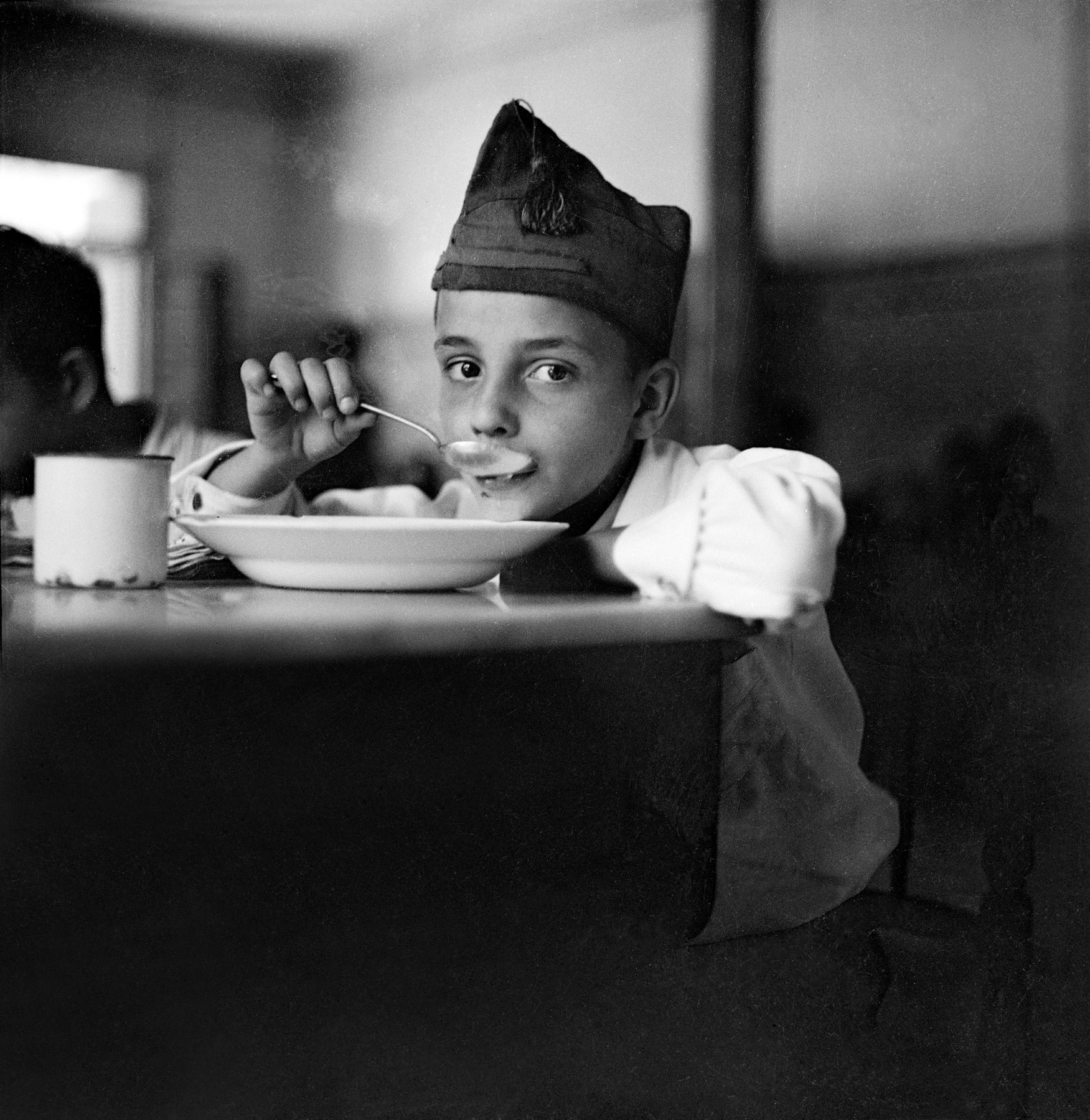

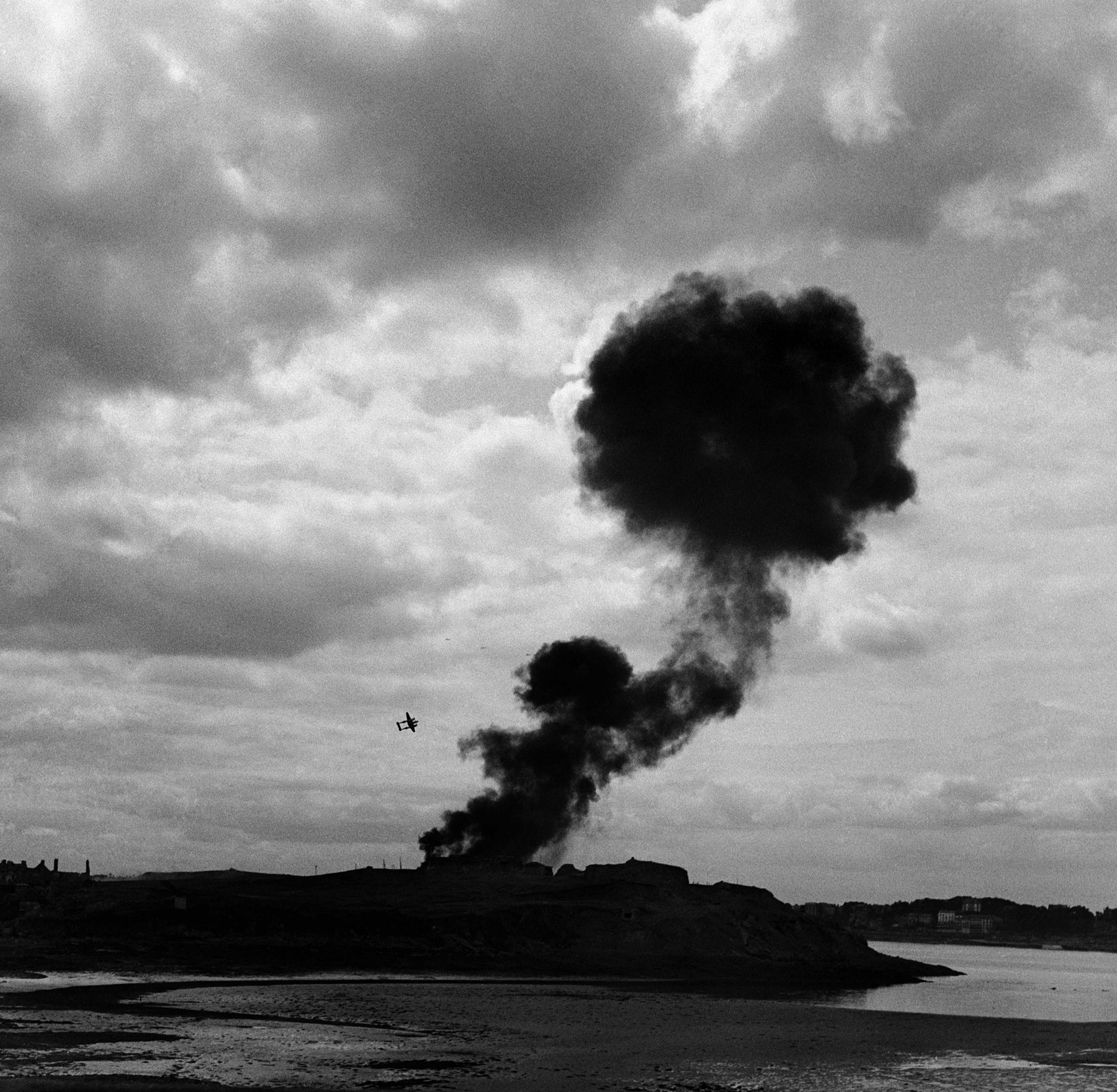





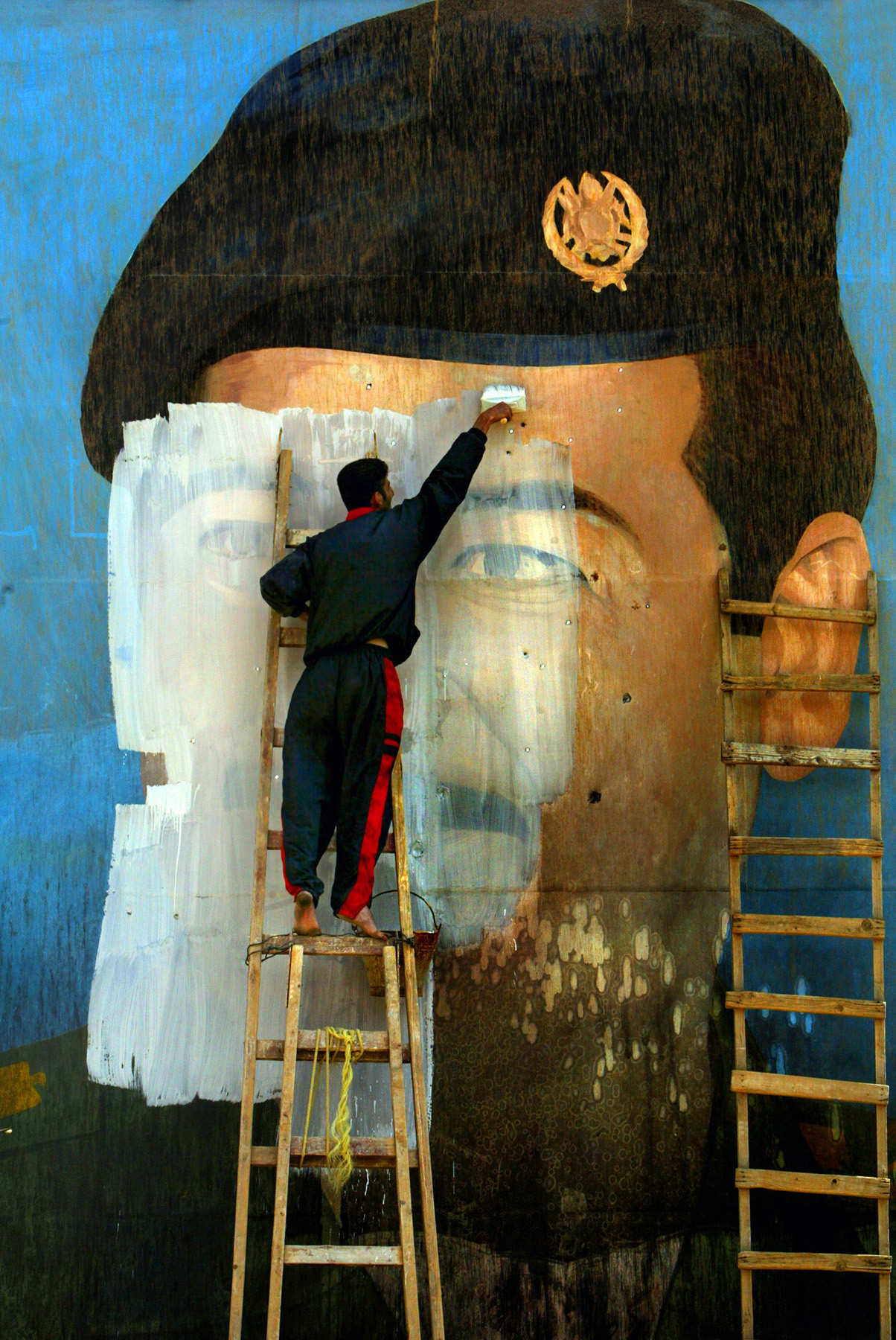


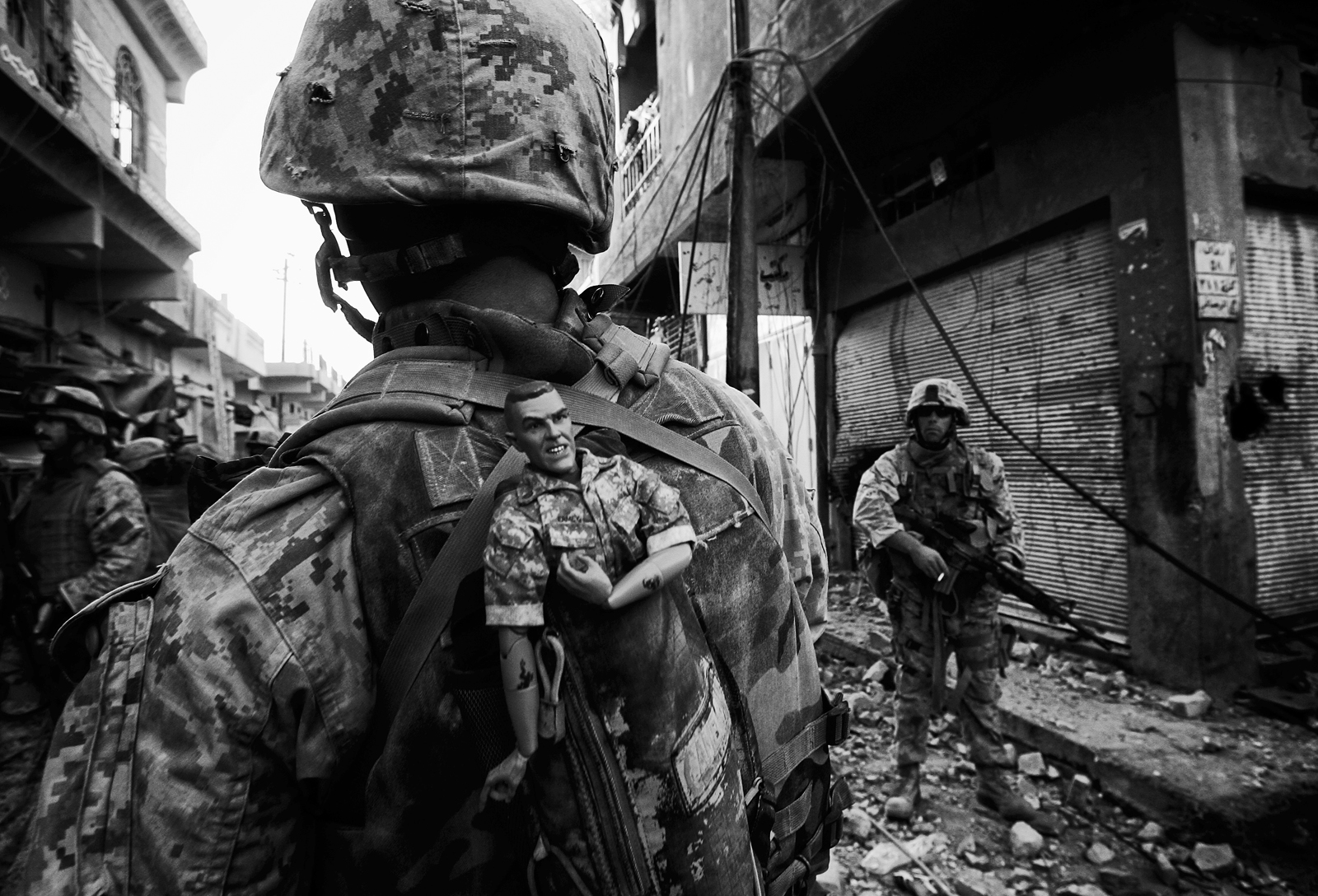


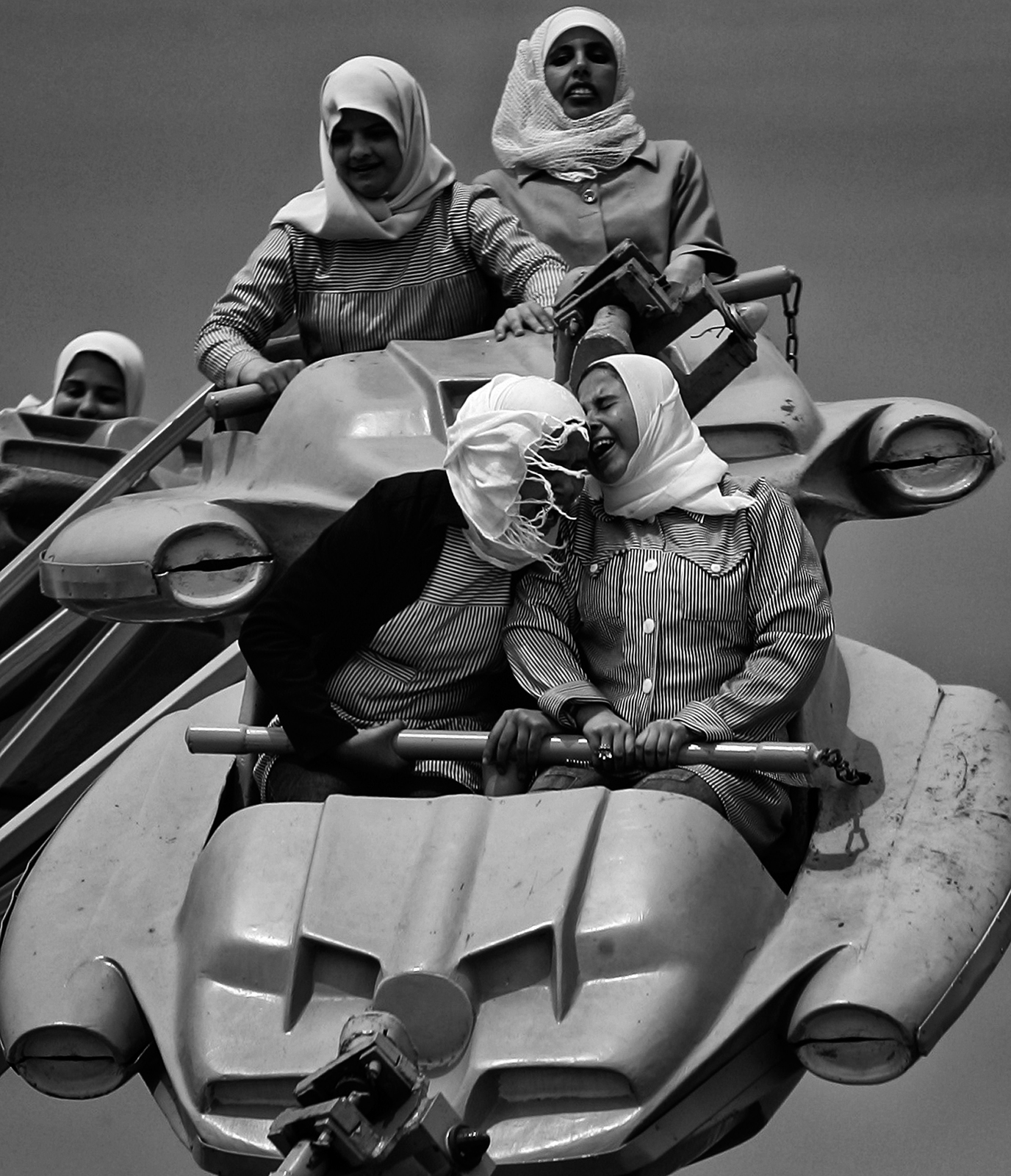

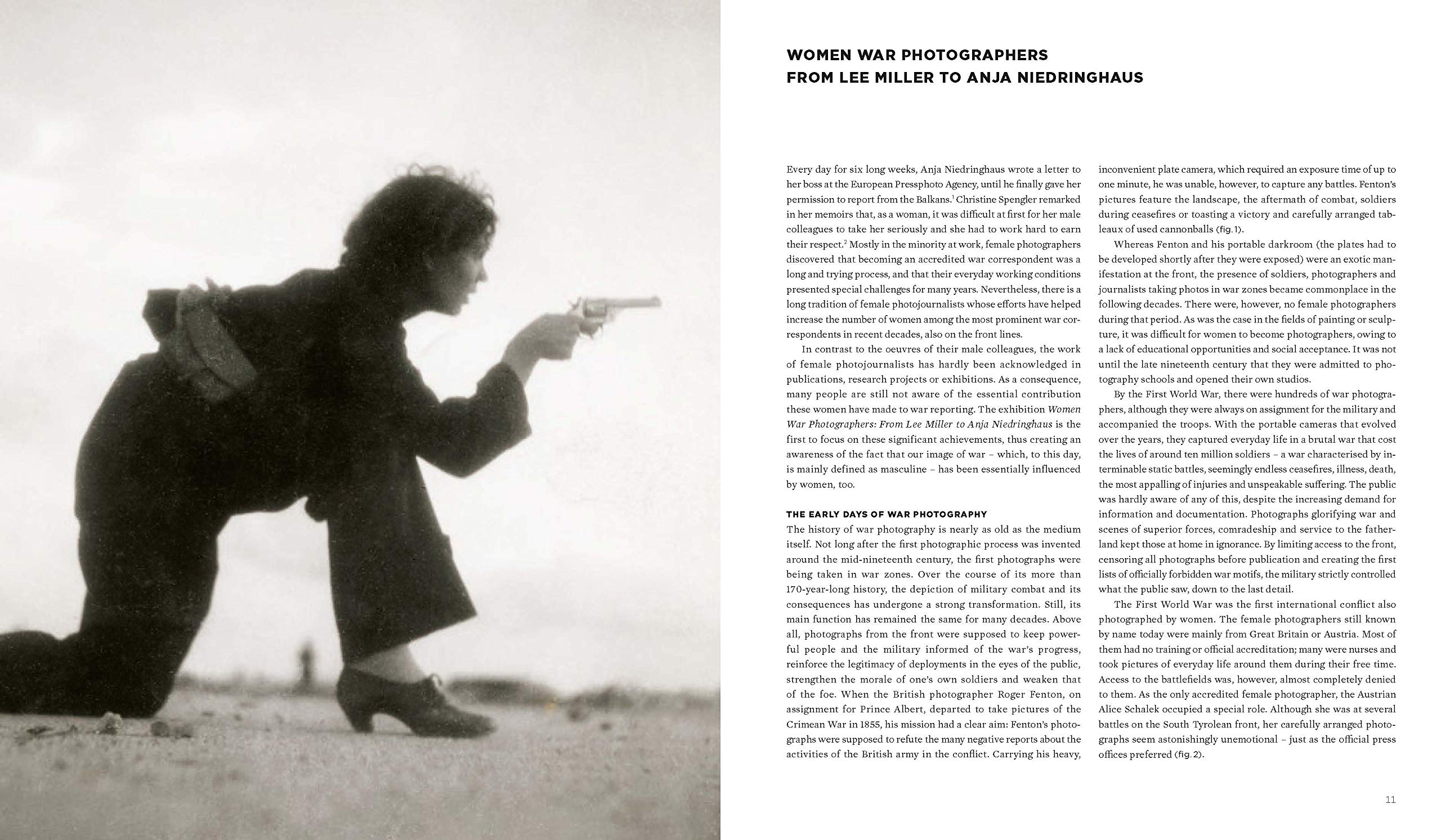




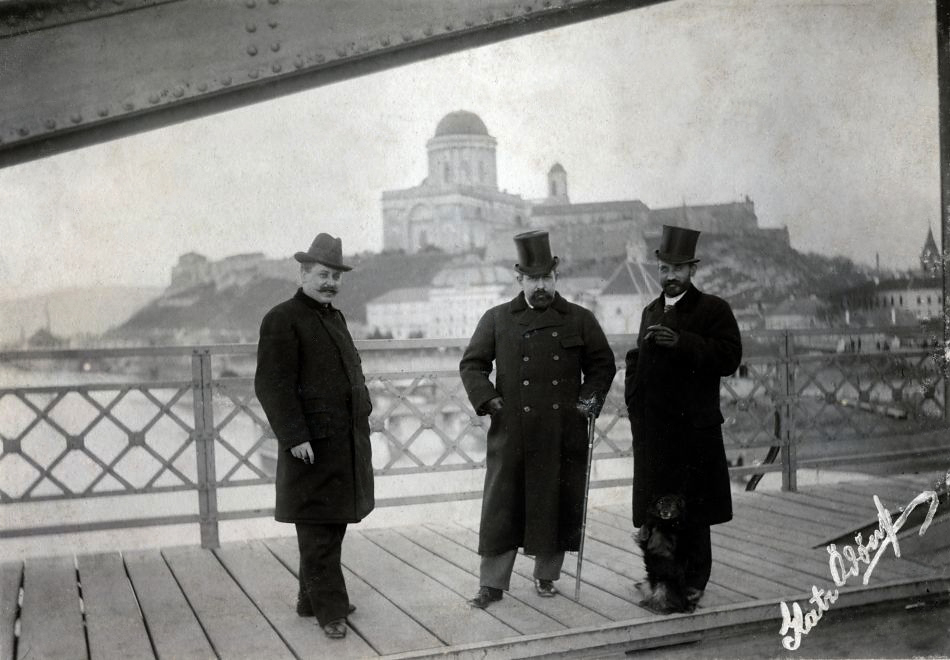


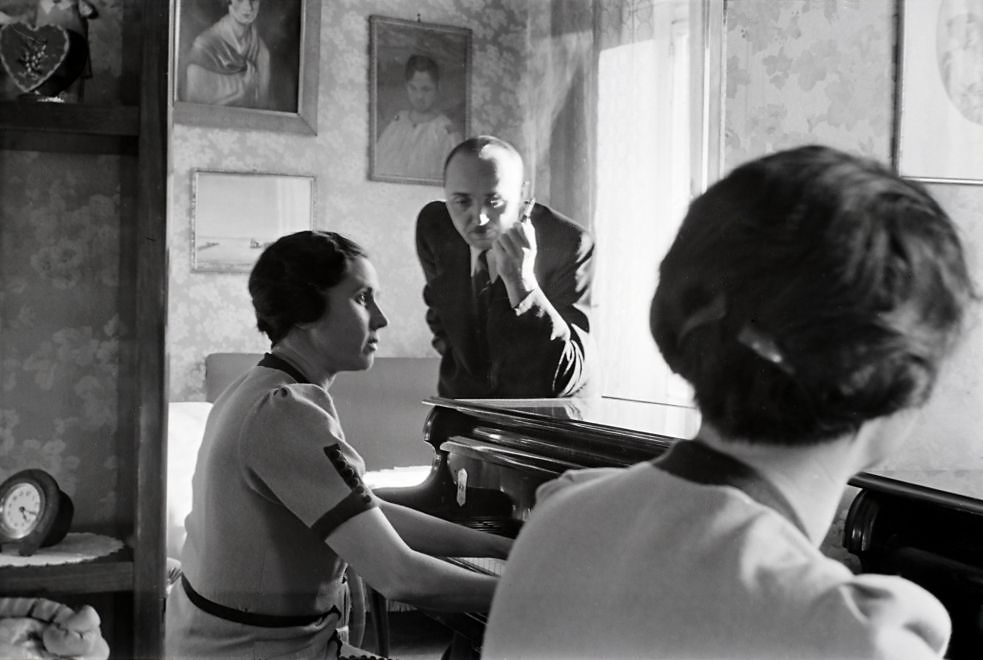


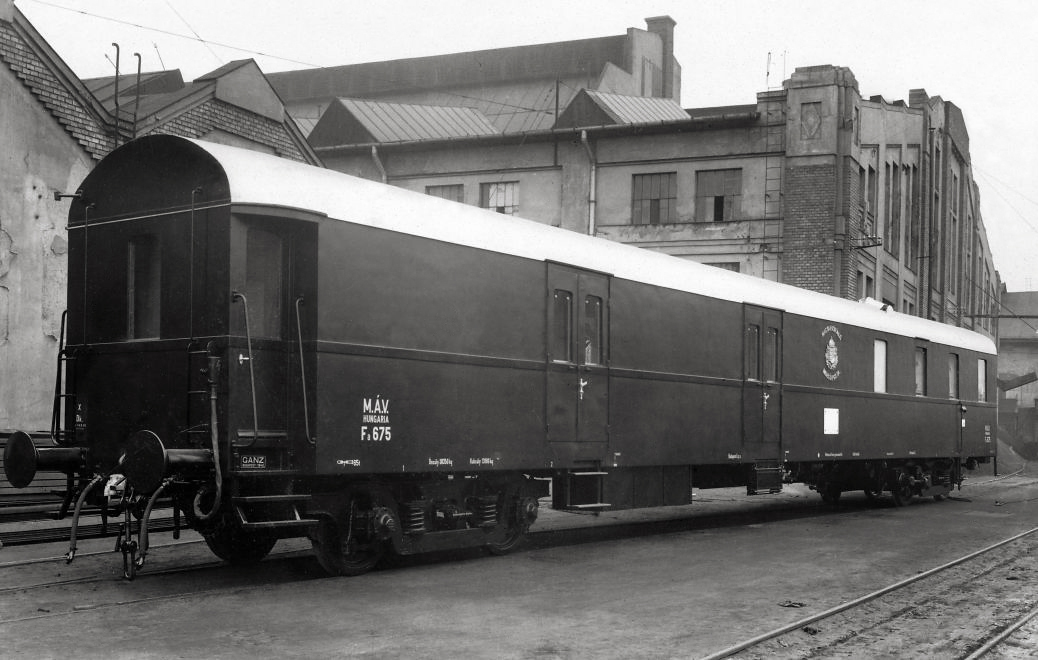


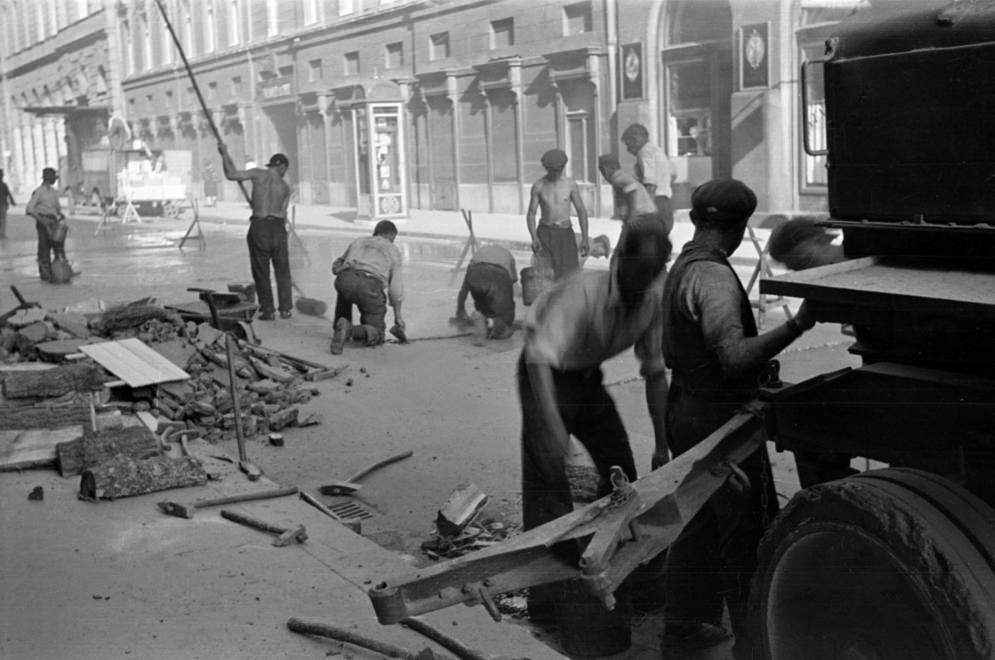


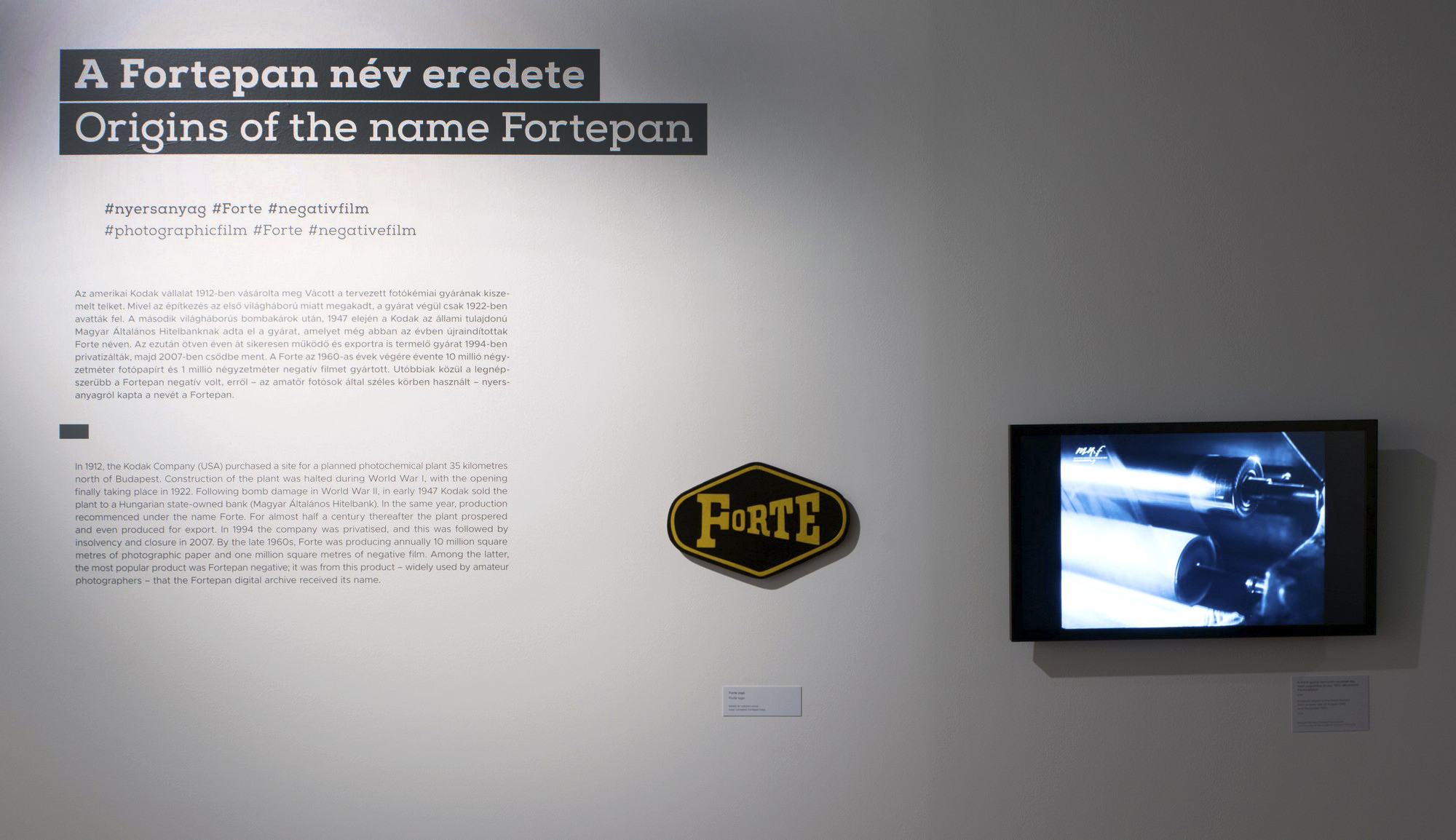


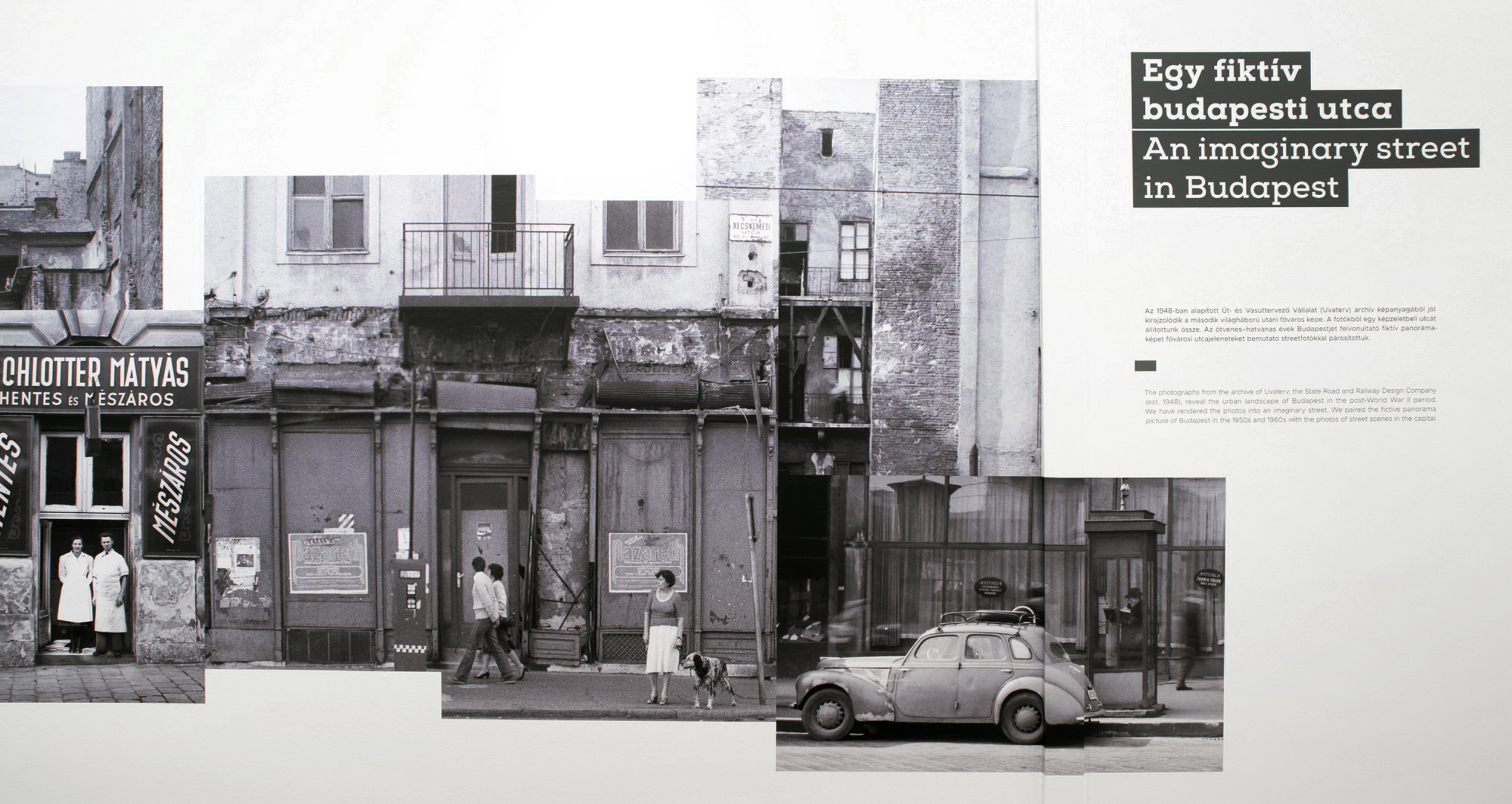
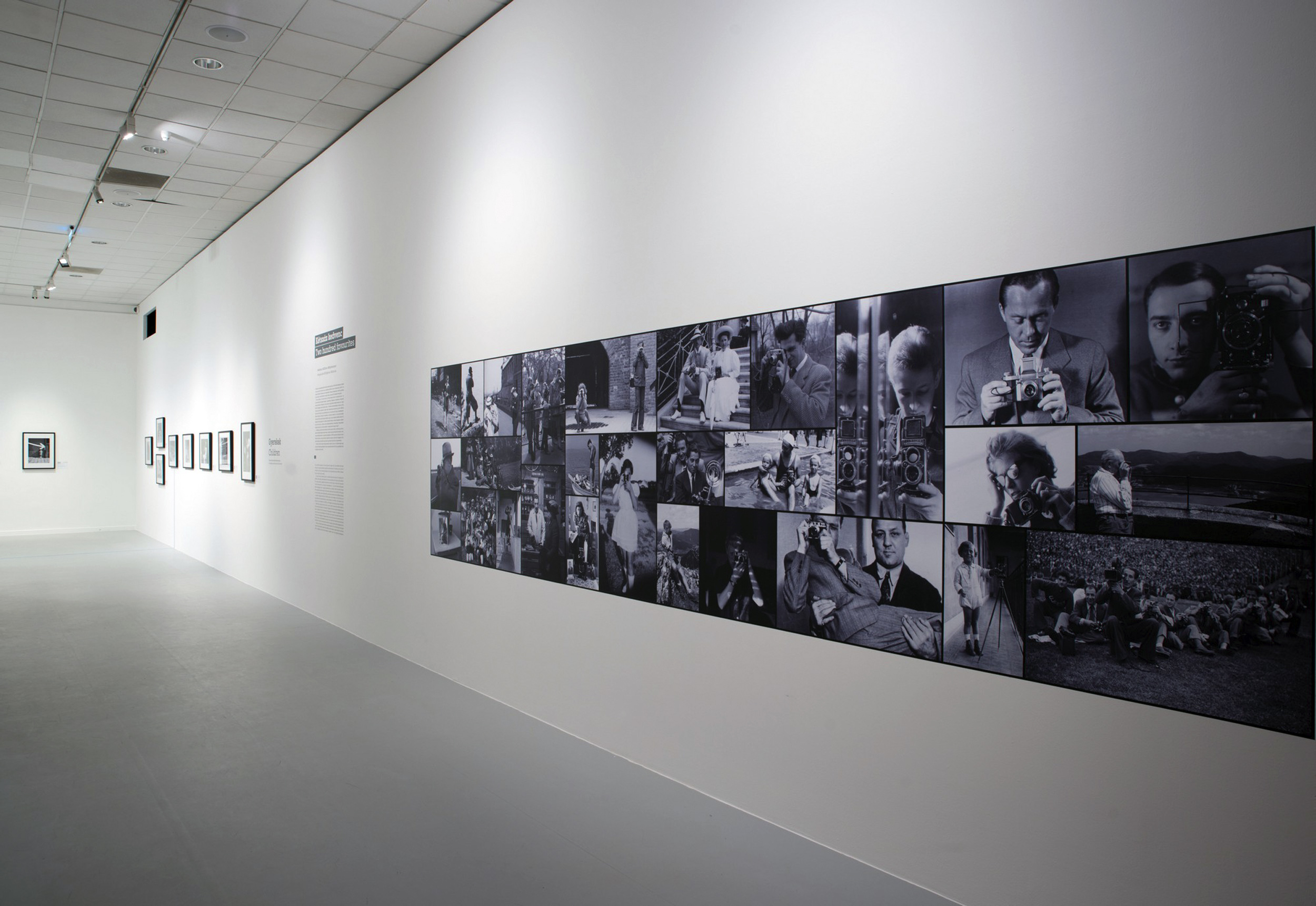
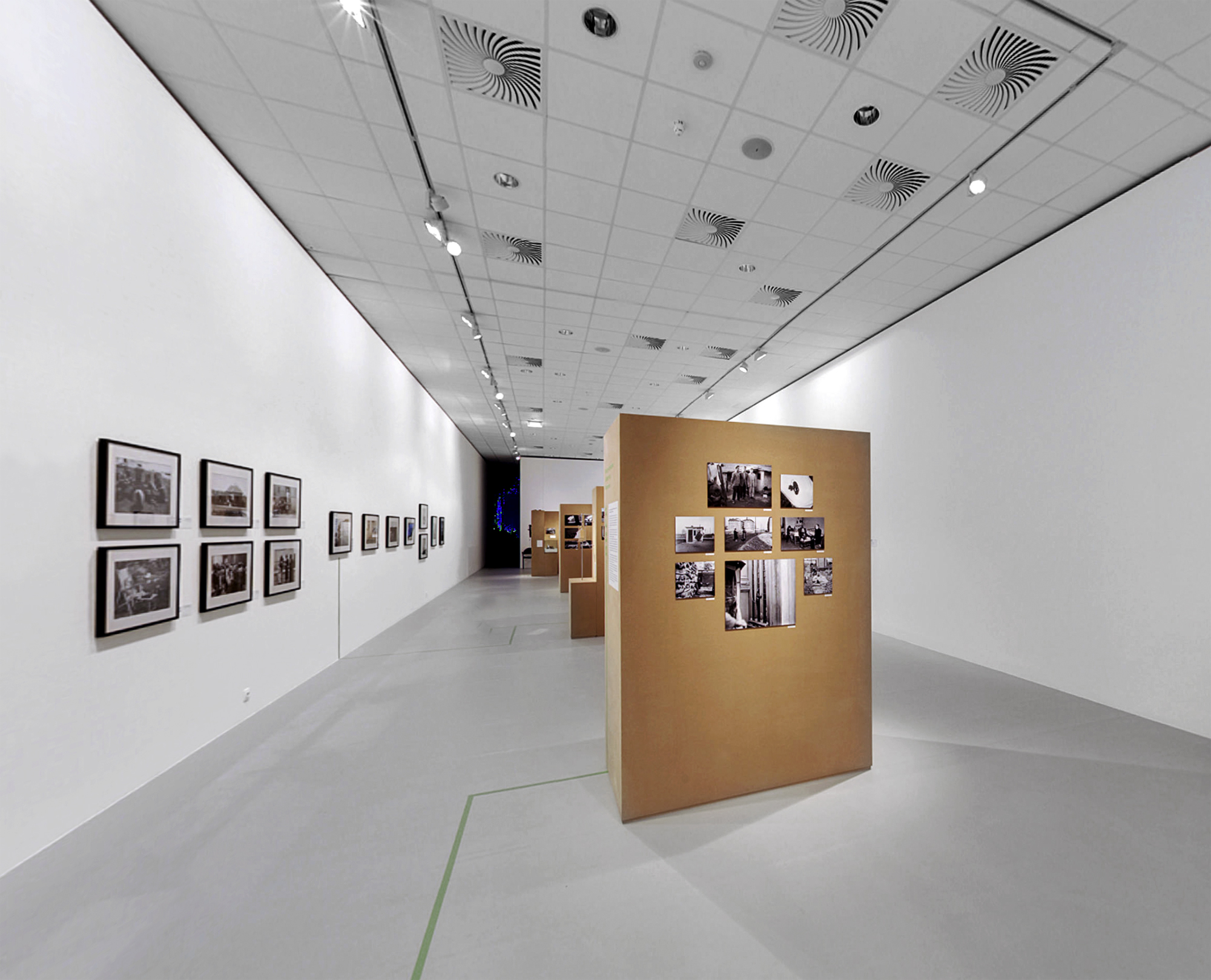


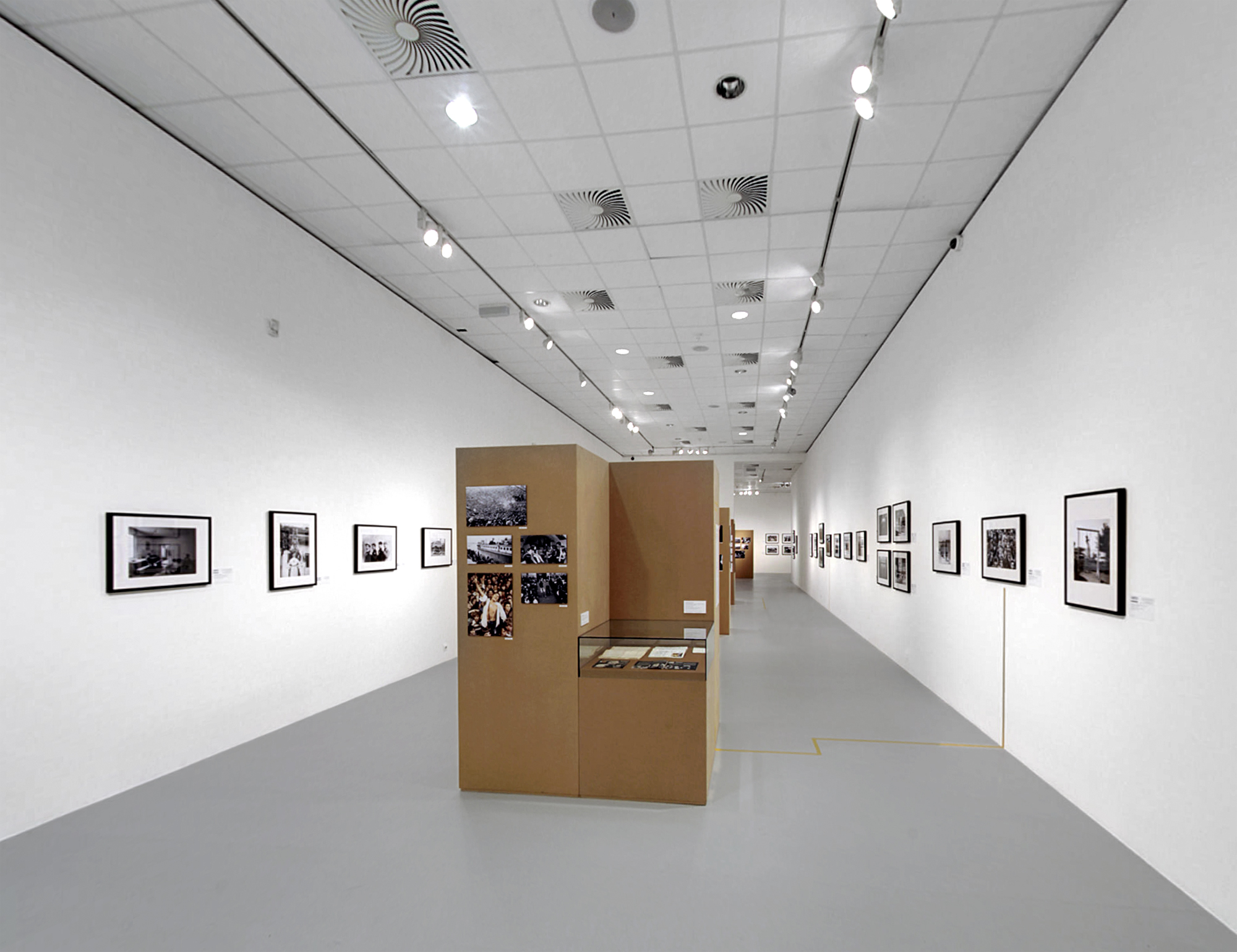
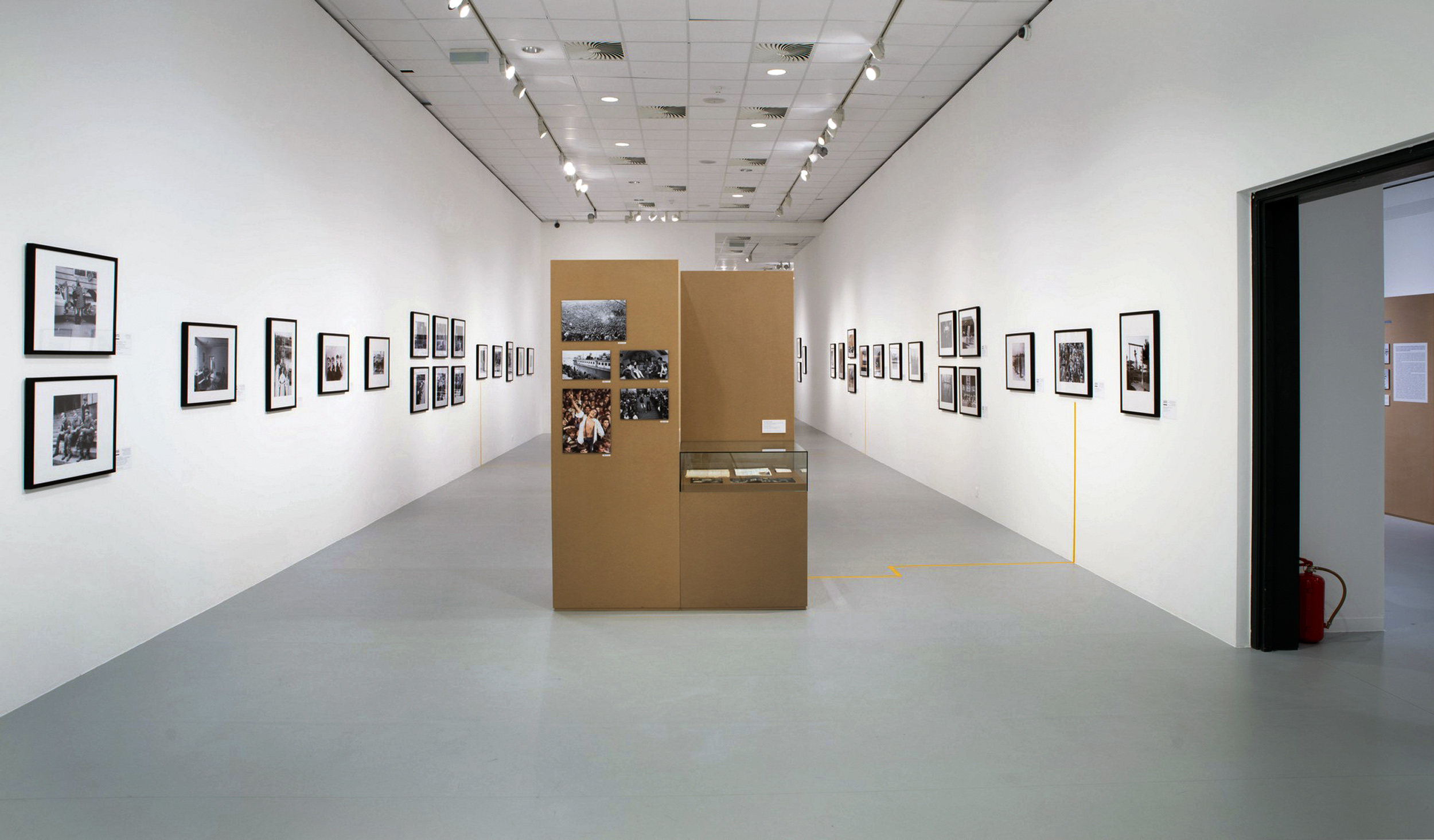

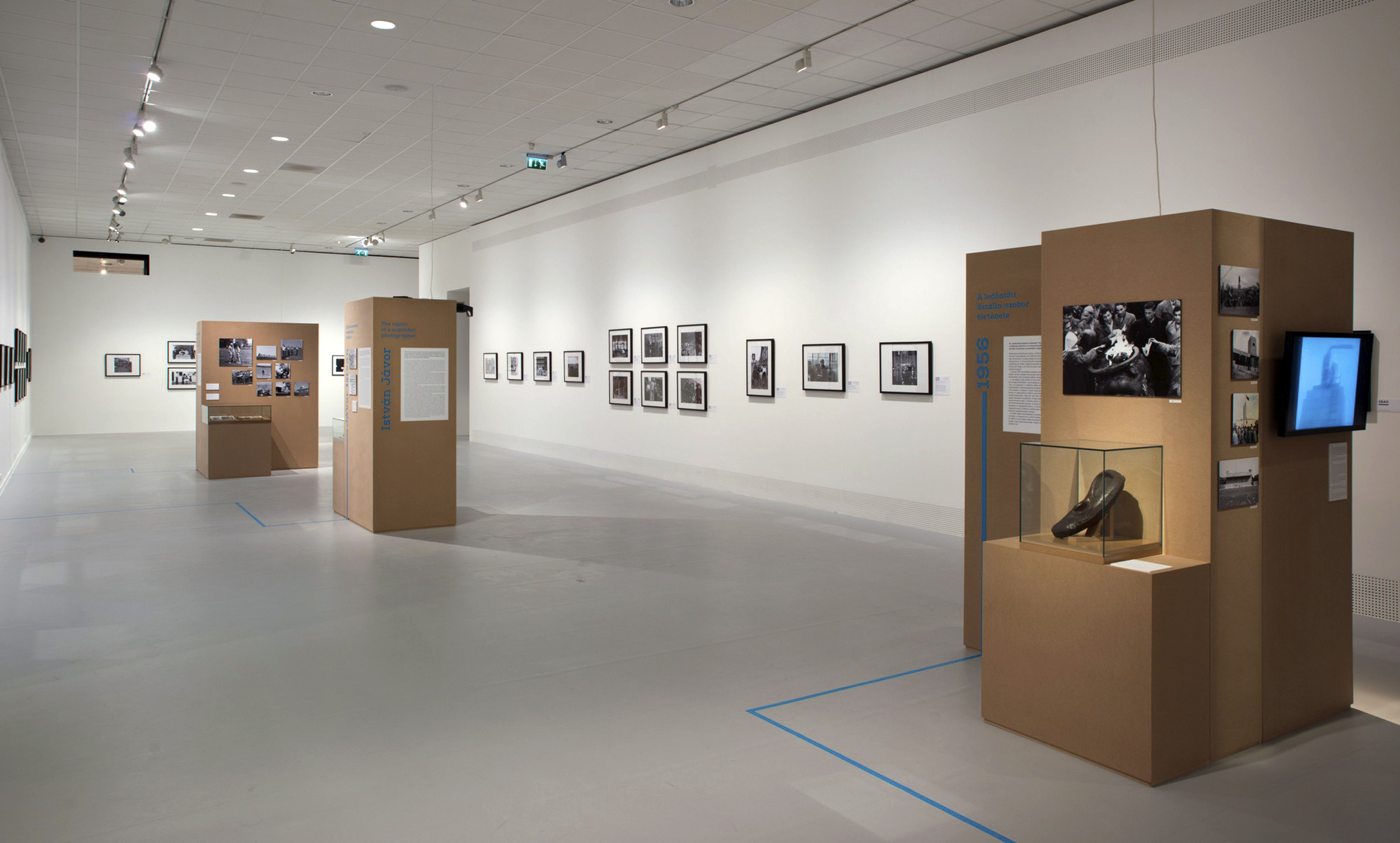

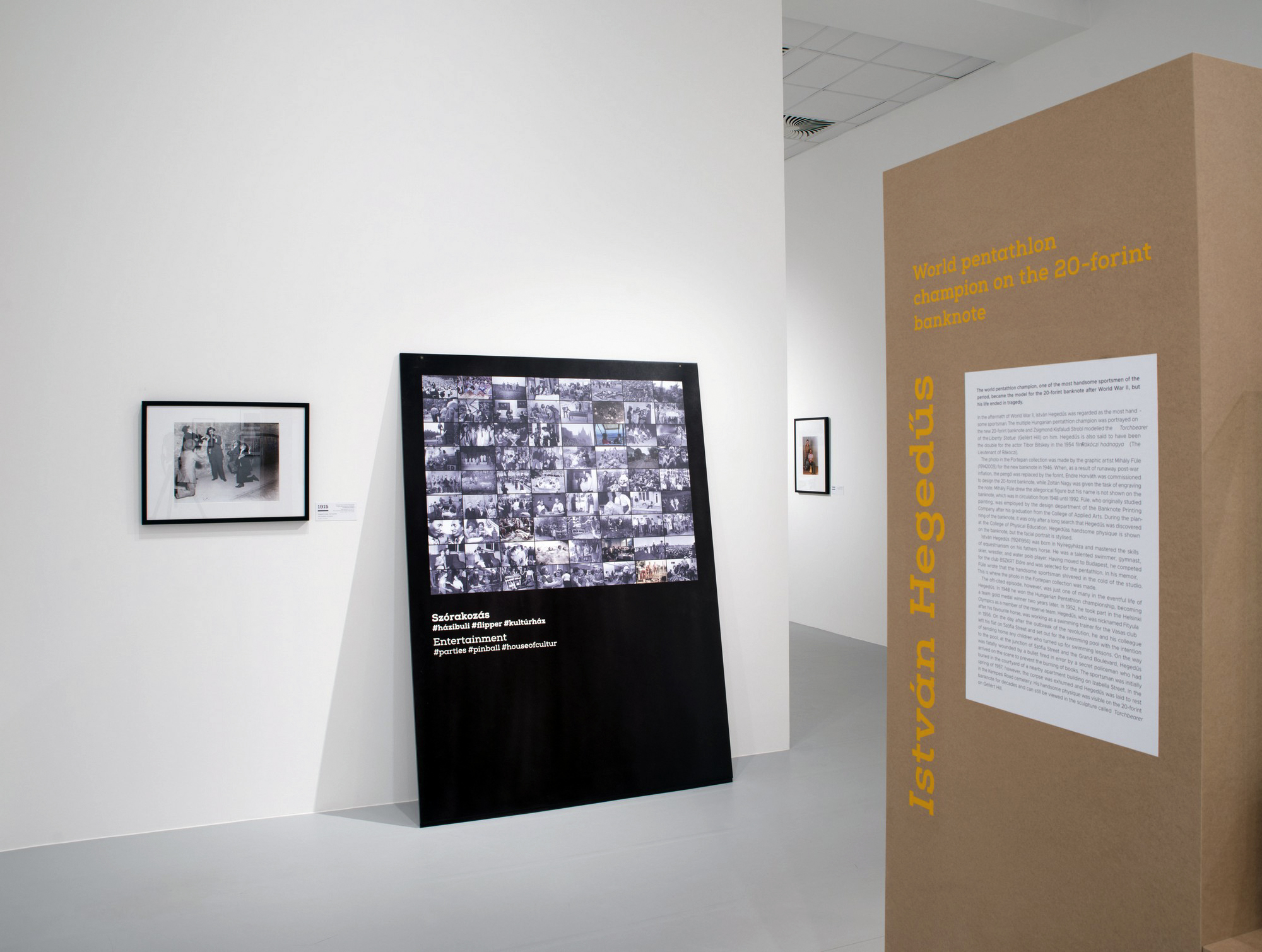

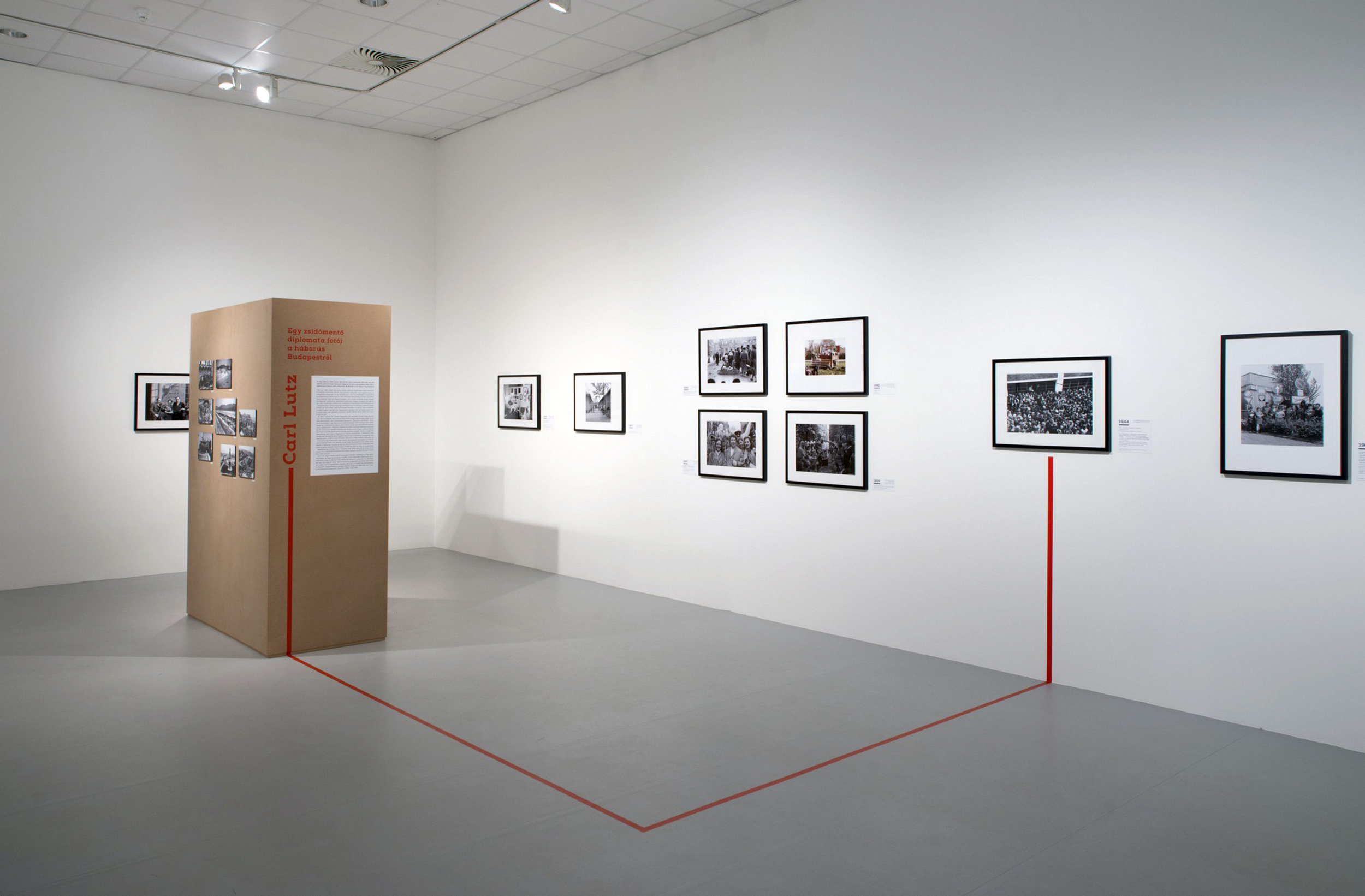


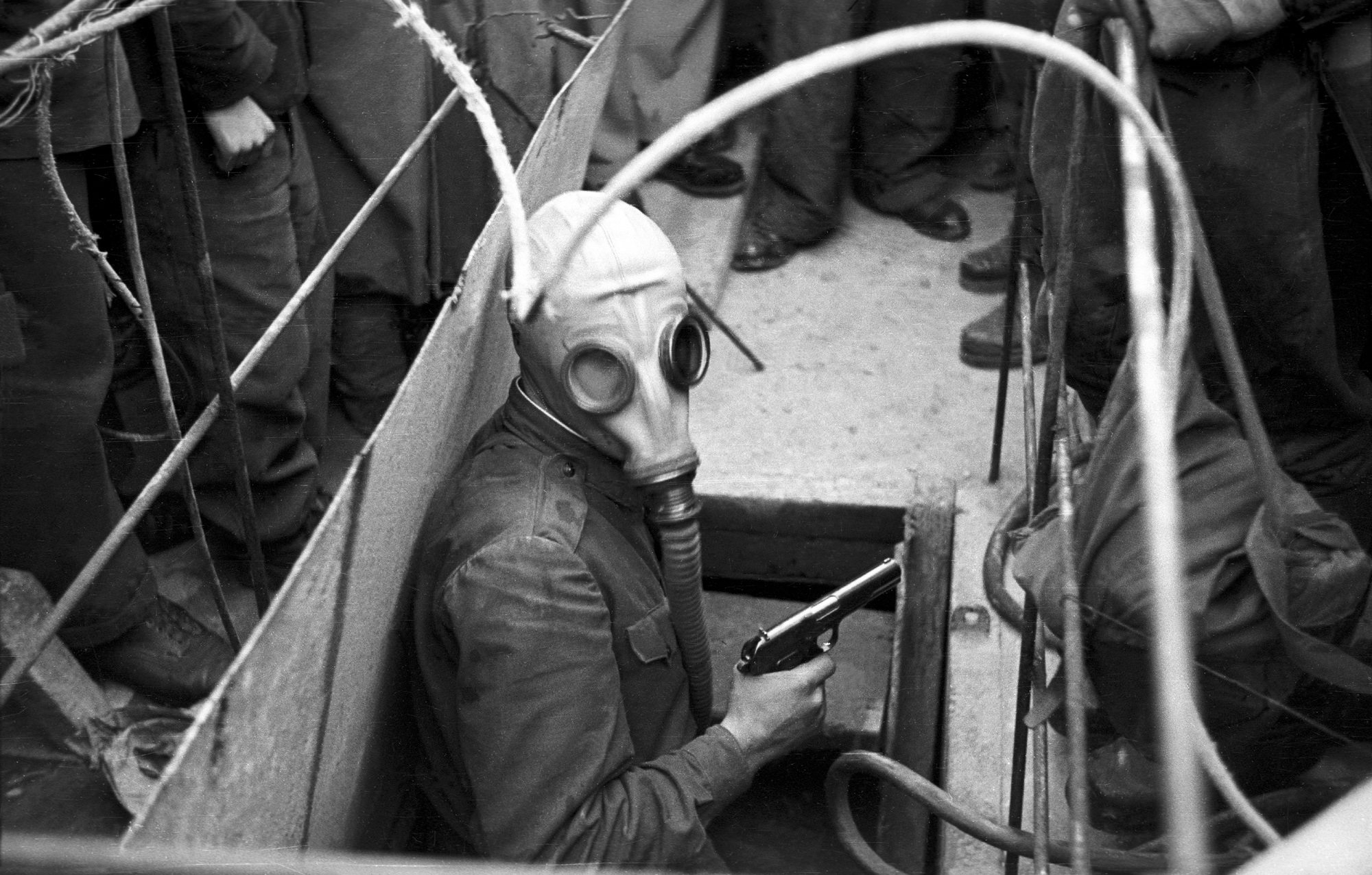
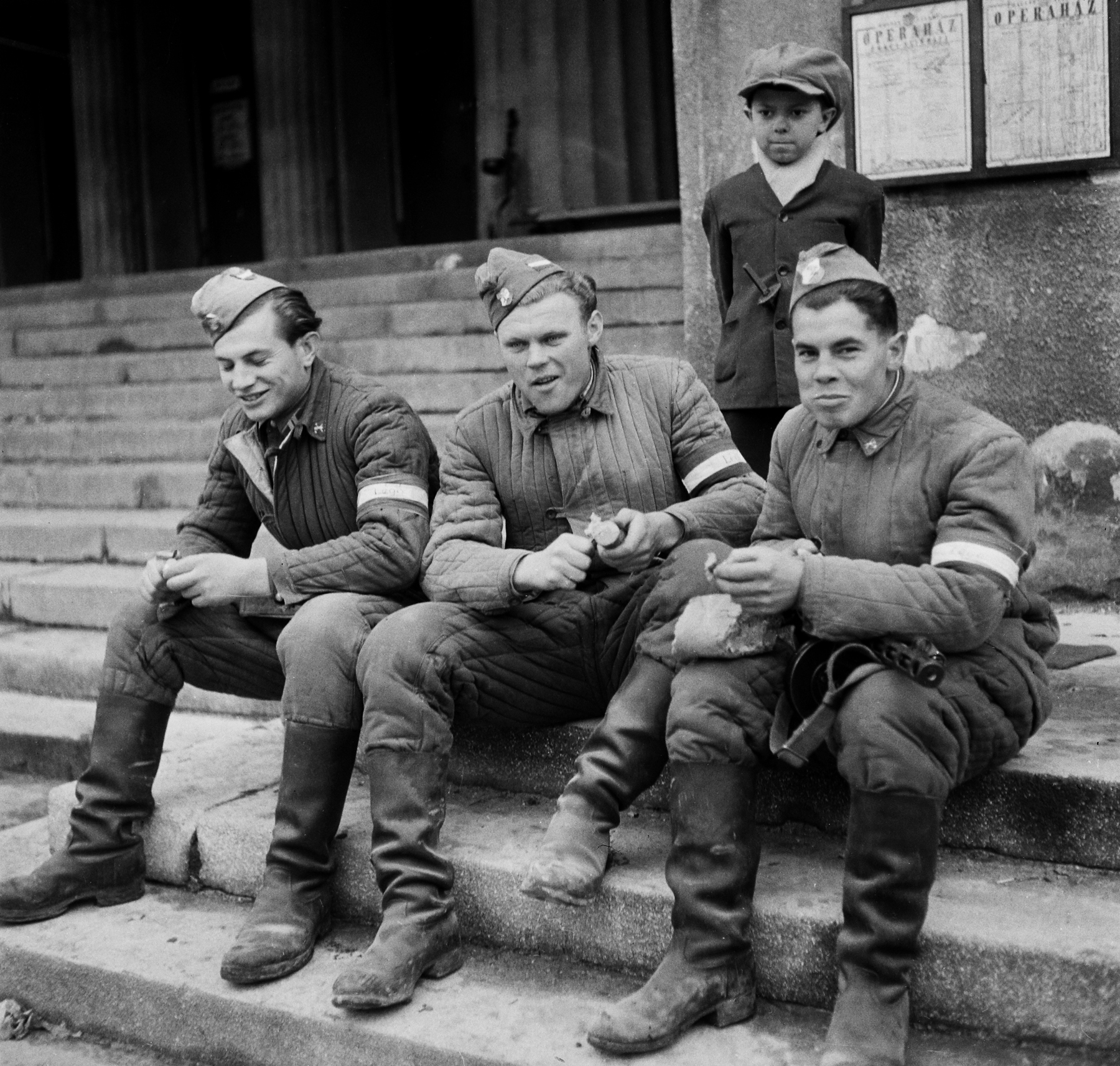


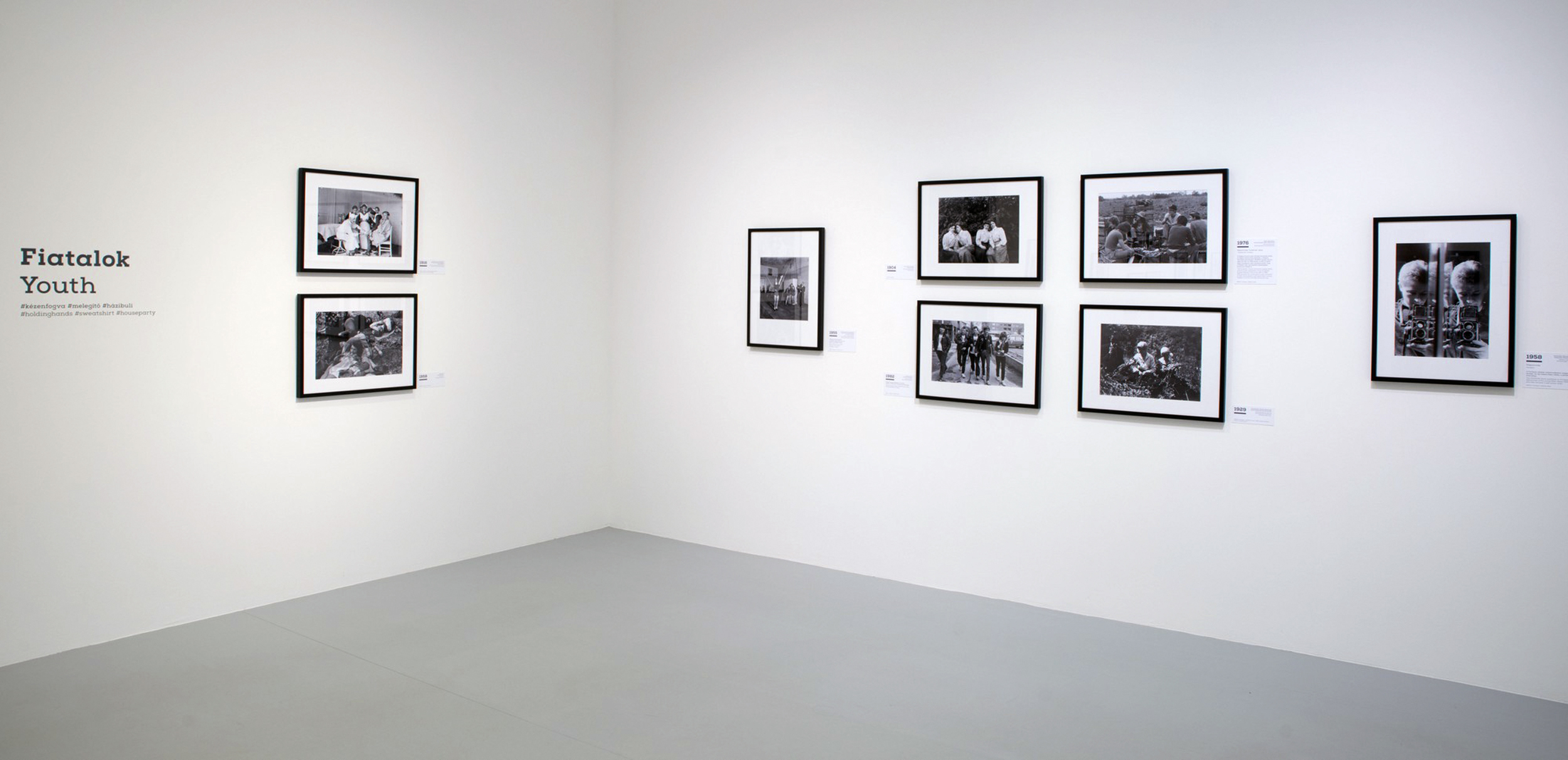

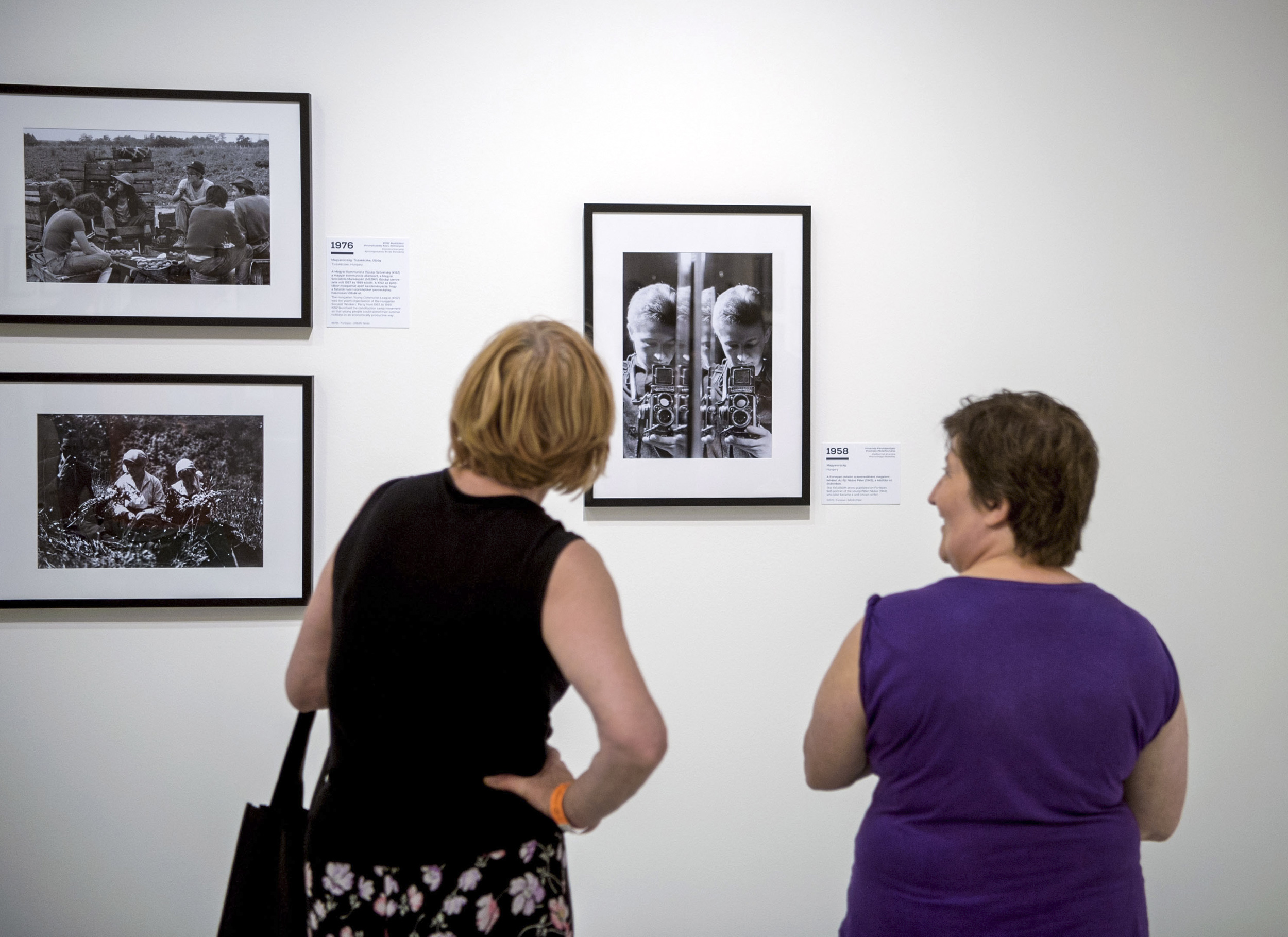



 Art Blart _ art and cultural memory archive
You must be logged in to post a comment.