
Exhibition dates: 24th June – 13th October, 2014
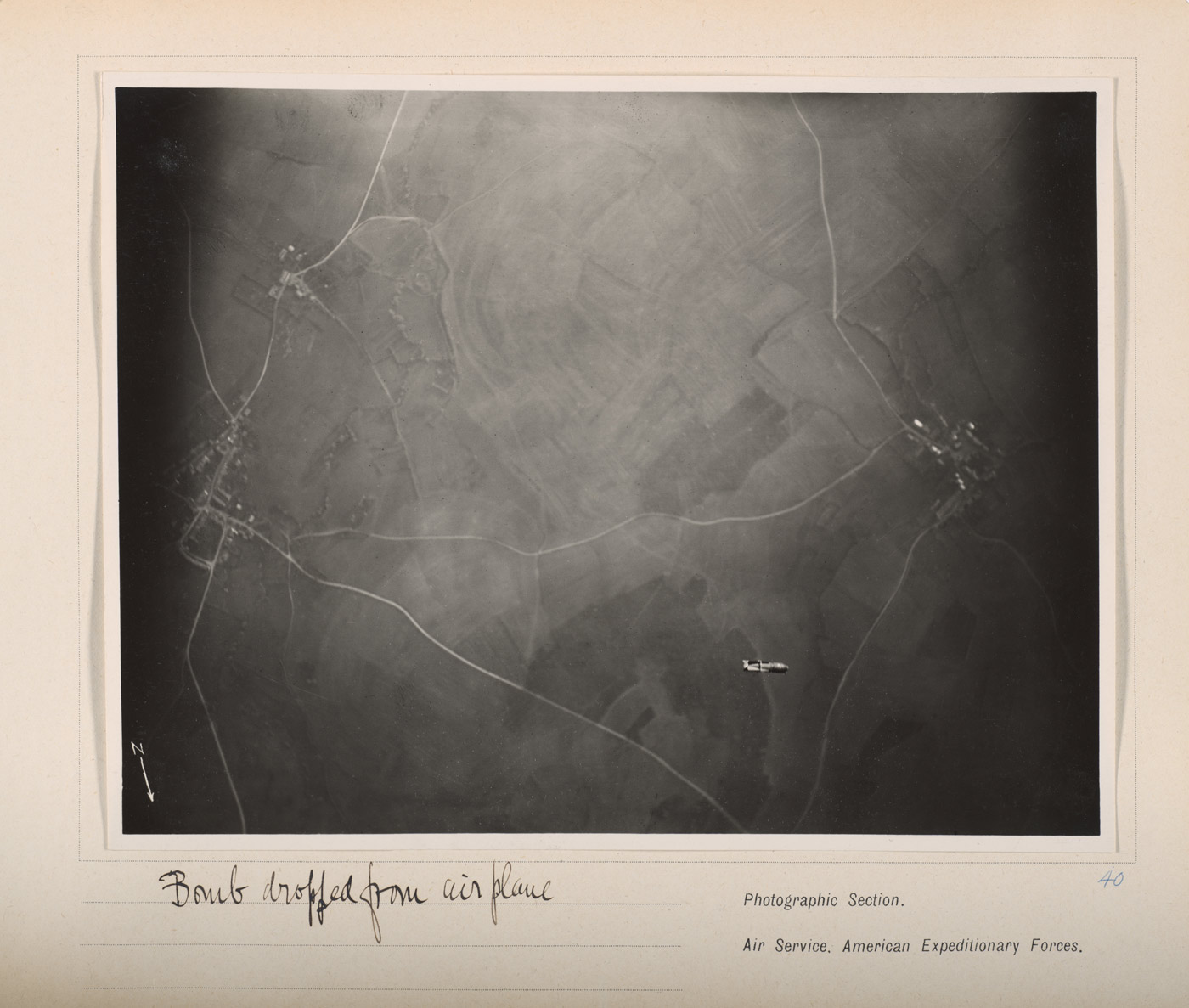
Photographic Section, U.S. Air Service, American Expeditionary Forces (AEF) and Major Edward J. Steichen, A.S.A.
Bomb Dropped From Airplane
1918
Gelatin silver print, from loose-leaf album of aerial photographs from the Photographic Section, Air Service, American Expeditionary Forces, World War I
The Art Institute of Chicago, gift of William Kistler
© 2014 The Estate of Edward Steichen/Artists Rights Society (ARS), New York.
Brave man, hanging over the side of a rickety biplane at 15,000 feet taking aerial photographs during World War One but just look at the images he brought back, especially the hellish Untitled (Vaux) (1918-1919, below). I’m still not that convinced by his portraiture. The technical proficiency is magnificent (lighting, set, costume) but they are just too styled for me – the cat in the top left corner of Noel Coward (1932, below), the bowler hat of Charles Chaplin (1931, below) and the double shadow of Fred Astaire in Funny Face (1927, below) coupled with bands of light/dark and tons of “atmosphere” (certainly not sharp and clear!) which echo the mannerisms of Pictorialism. I see little modernist aesthetics and advertising tactics in these photographs. They are beautiful but they leave me unengaged. I much prefer the advertising photography in the next posting, much more angular and modern. You will have to wait and see what it is!
Dr Marcus Bunyan
Many thankx to The Art Institute of Chicago for allowing me to publish the photographs in the posting. Please click on the photographs for a larger version of the image.
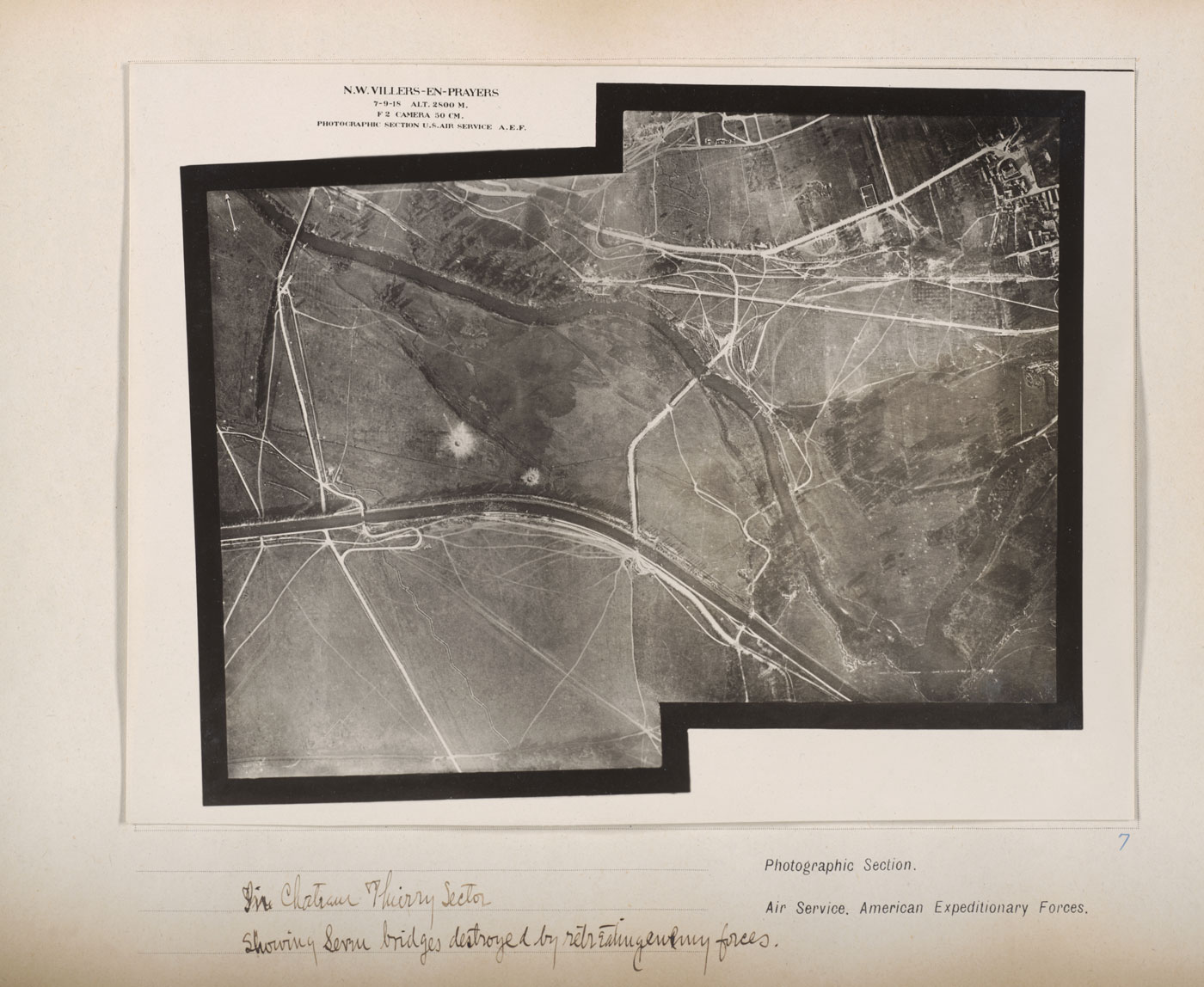
Photographic Section, U.S. Air Service, American Expeditionary Forces (AEF) and Major Edward J. Steichen, A.S.A.
In Chateau Thierry Sector showing service bridges destroyed by retreating enemy forces
September 7, 1918
Gelatin silver print, from loose-leaf album of aerial photographs from the Photographic Section, Air Service, American Expeditionary Forces, World War I
The Art Institute of Chicago, gift of William Kistler
© 2014 The Estate of Edward Steichen/Artists Rights Society (ARS), New York
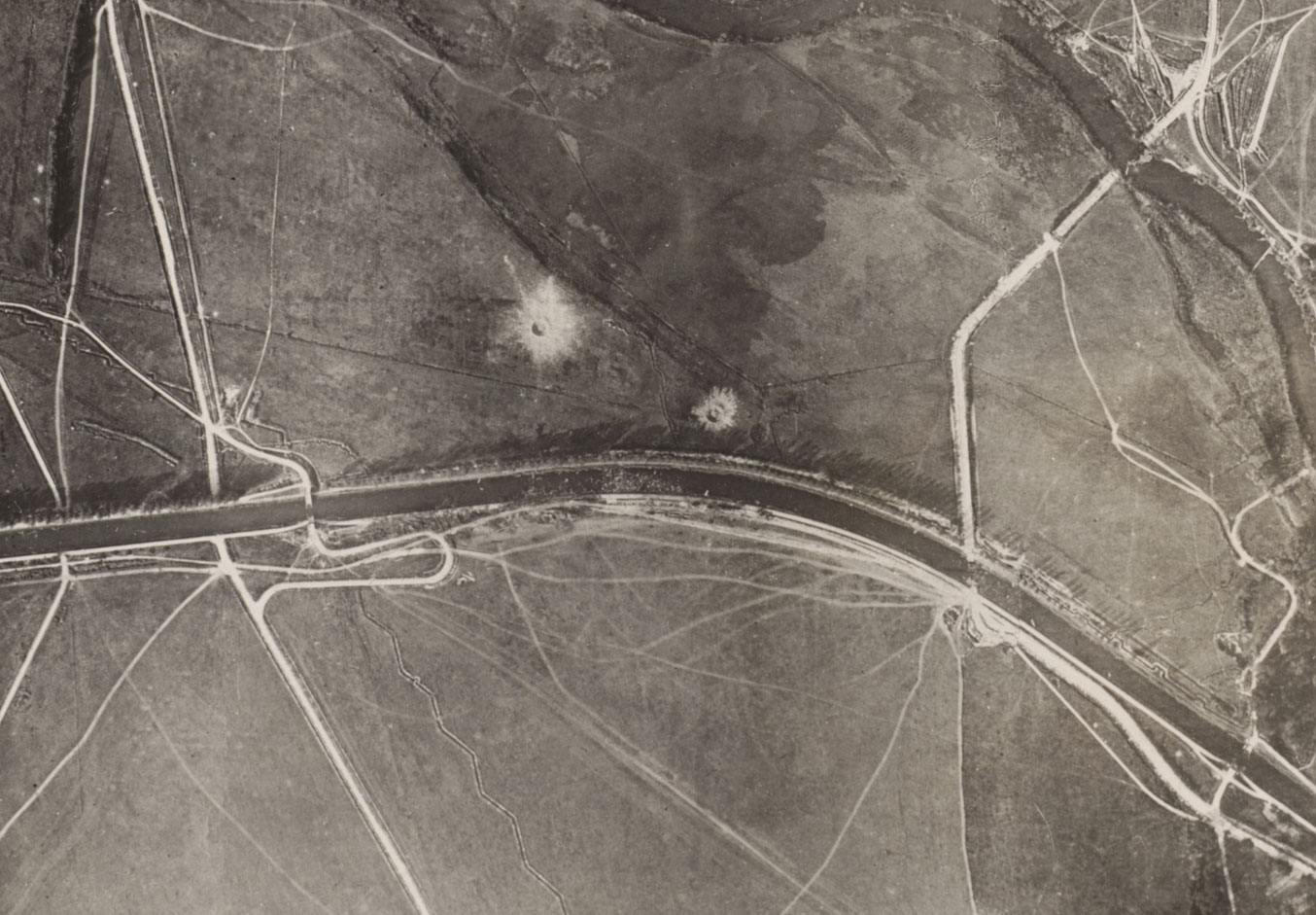
Photographic Section, U.S. Air Service, American Expeditionary Forces (AEF) and Major Edward J. Steichen, A.S.A.
In Chateau Thierry Sector showing service bridges destroyed by retreating enemy forces (detail)
September 7, 1918
Gelatin silver print, from loose-leaf album of aerial photographs from the Photographic Section, Air Service, American Expeditionary Forces, World War I
The Art Institute of Chicago, gift of William Kistler
© 2014 The Estate of Edward Steichen/Artists Rights Society (ARS), New York
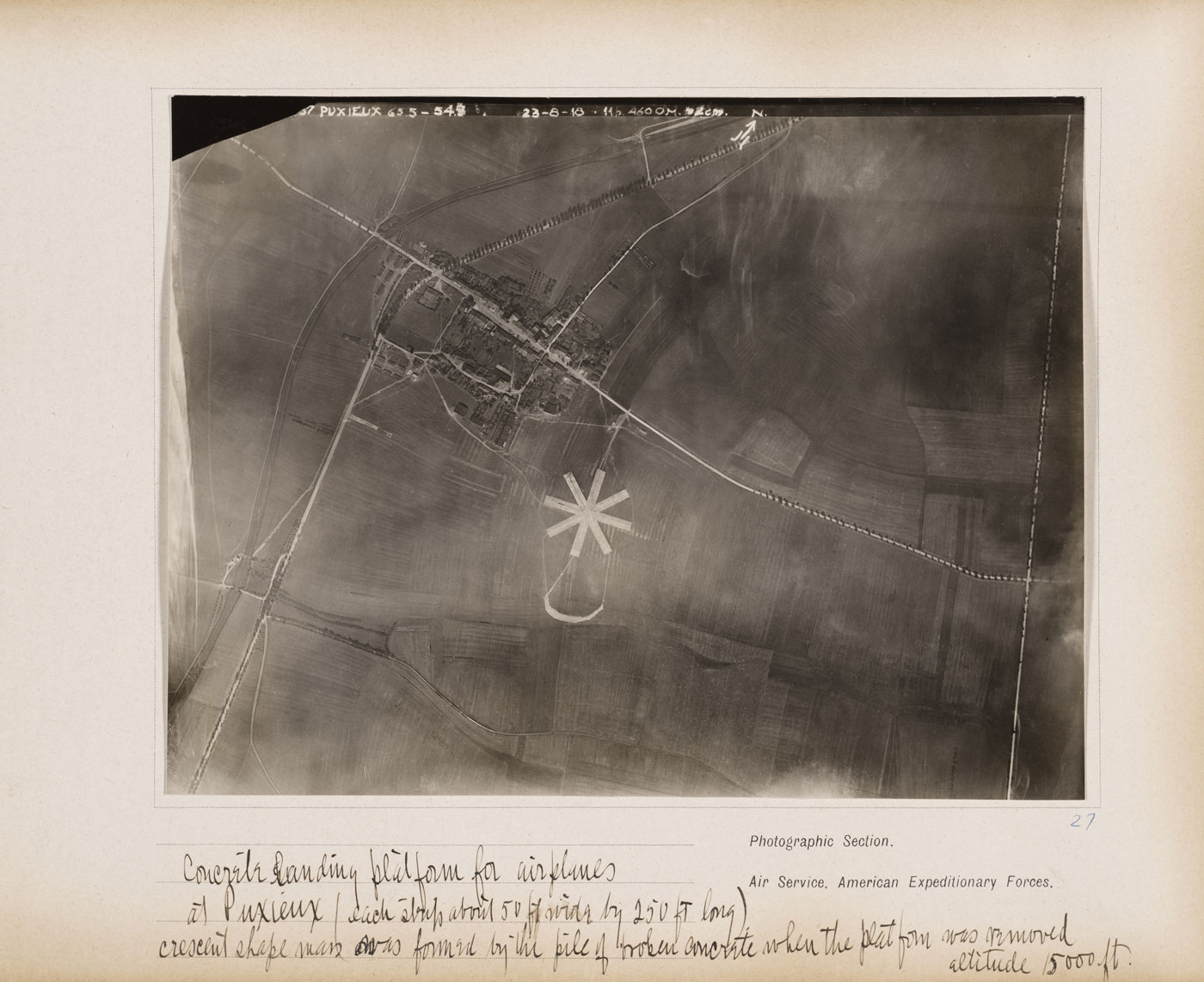
Photographic Section, U.S. Air Service, American Expeditionary Forces (AEF) and Major Edward J. Steichen, A.S.A.
Concrete landing platform for airplanes at Puxieux (each strip about 50 ft. wide by 250 ft long), crescent shape mass was formed by the pile of broken concrete when the platform was removed, altitude 15,000 ft.,
August 23, 1918
Gelatin silver print, from loose-leaf album of aerial photographs from the Photographic Section, Air Service, American Expeditionary Forces, World War I
The Art Institute of Chicago, gift of William Kistler
© 2014 The Estate of Edward Steichen/Artists Rights Society (ARS), New York
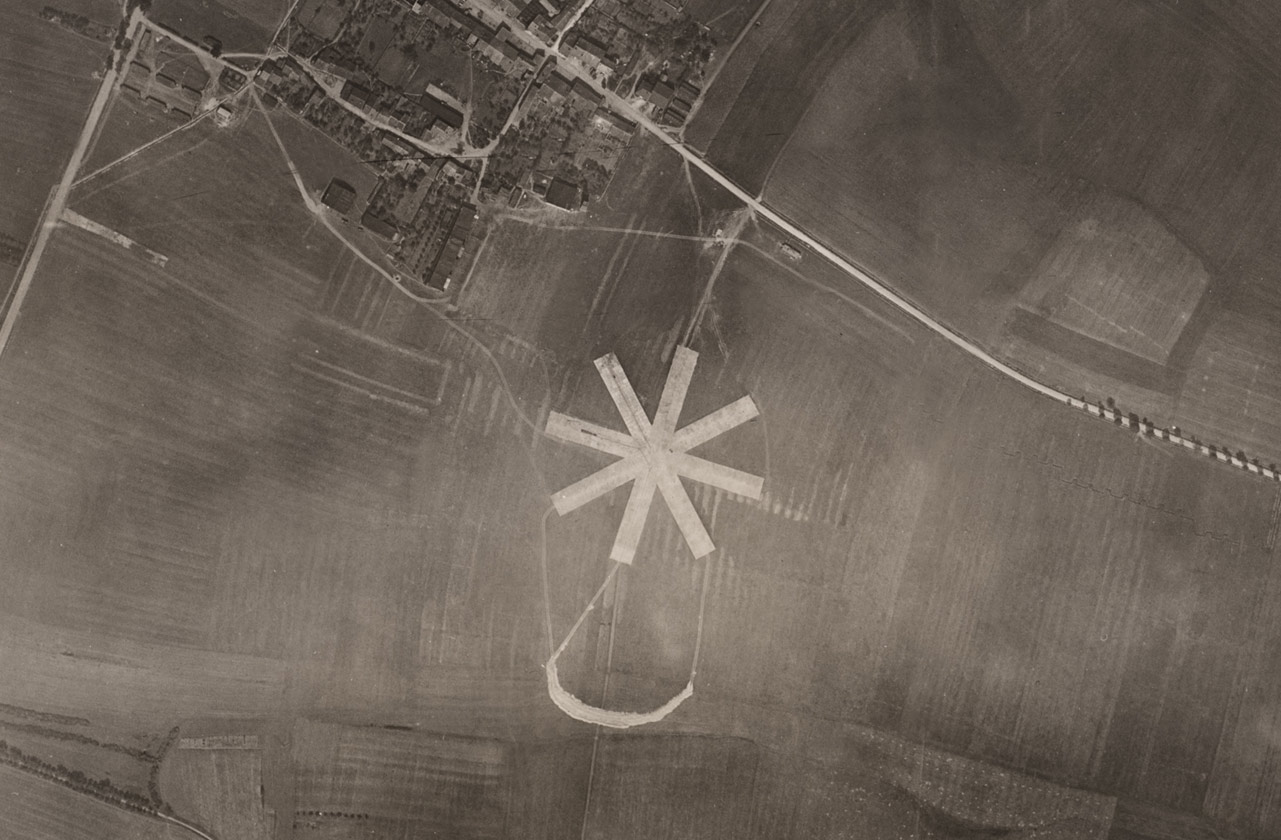
Photographic Section, U.S. Air Service, American Expeditionary Forces (AEF) and Major Edward J. Steichen, A.S.A.
Concrete landing platform for airplanes at Puxieux (each strip about 50 ft. wide by 250 ft long), crescent shape mass was formed by the pile of broken concrete when the platform was removed, altitude 15,000 ft., (detail)
August 23, 1918
Gelatin silver print, from loose-leaf album of aerial photographs from the Photographic Section, Air Service, American Expeditionary Forces, World War I
The Art Institute of Chicago, gift of William Kistler
© 2014 The Estate of Edward Steichen/Artists Rights Society (ARS), New York
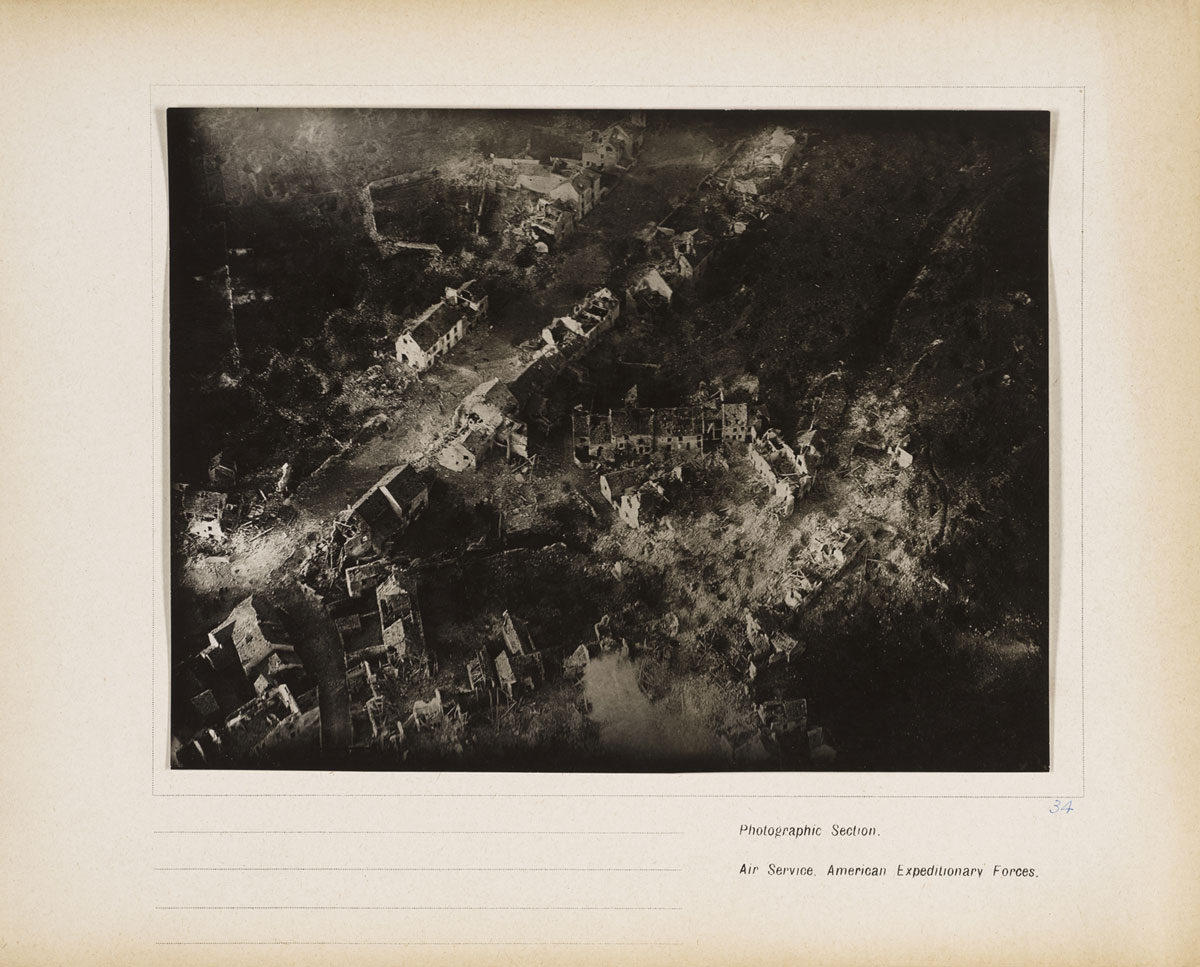
Photographic Section, U.S. Air Service, American Expeditionary Forces (AEF) and Major Edward J. Steichen, A.S.A.
Untitled (Vaux)
1918-1919
Gelatin silver print, from loose-leaf album of aerial photographs from the Photographic Section, Air Service, American Expeditionary Forces, World War I
The Art Institute of Chicago, gift of William Kistler
© 2014 The Estate of Edward Steichen/Artists Rights Society (ARS), New York
At the start of World War I in 1914, Edward Steichen was a pioneering champion of art photography – catapulting to fame as a leading member of the Photo Secessionists and as cofounder of the trailblazing magazine Camera Work. Yet by the early 1920s, Steichen had rejected the soft focus, dreamy landscapes and portraits of his early years in favour of realist photographs made for informational purposes or popular consumption. This turning point was first marked by his role in World War I as chief of the Photographic Section of the American Expeditionary Forces from 1917 to 1919; and was fully realised in his subsequent work as lead photographer at Condé Nast publications from 1923 to 1937.
While on military duty, Steichen helped adapt aerial photography for intelligence purposes, implementing surveillance programs that had a lasting impact on modern warfare. He later reflected: “The wartime problem of making sharp, clear pictures from a vibrating, speeding airplane ten to twenty thousand feet in the air had brought me a new kind of technical interest in photography… Now I wanted to know all that could be expected from photography.” Steichen began to value photography’s capacity to transmit and encode information, and he soon proved his savvy as a collaborator and producer rather than a solitary auteur – new skills that enabled his subsequent groundbreaking career in magazines. Upon his return to New York in 1923, Steichen joined Condé Nast publications, creating iconic fashion photographs and celebrity portraits for Vogue and Vanity Fair. Over a period of nearly 15 years he created images that redefined the field through their clever use of modernist aesthetics and advertising tactics, becoming an influential impresario who promoted photography as a mass-media tool.
Focusing on rarely seen Steichen photographs drawn from the Art Institute’s collection, this exhibition includes a unique album of over 80 World War I aerial photographs assembled and annotated by Steichen himself as well as a group of iconic glamour portraits and fashion photographs done for Condé Nast, featuring notable figures such as Greta Garbo, Fred Astaire, and Gloria Swanson.
Text from The Art Institute of Chicago website
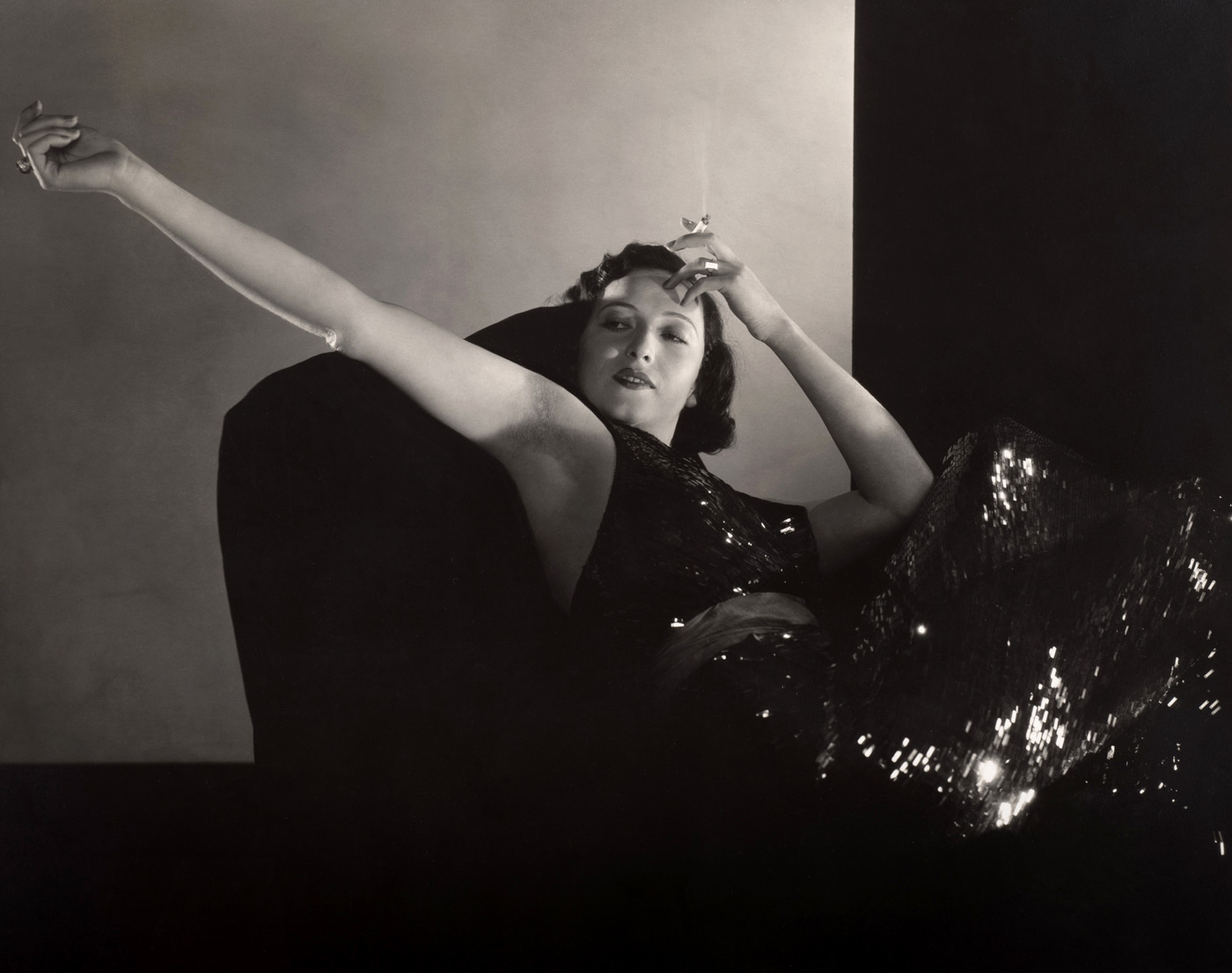
Edward Steichen (American, 1879-1973)
Mary Duncan in “Lilly”
1931
The Art Institute of Chicago, bequest of Edward Steichen by direction of Joanna T. Steichen and George Eastman House
© 2014 The Estate of Edward Steichen/Artists Rights Society (ARS), New York
Throughout his extensive career, famed photographer Edward Steichen (1879-1973) championed photography’s multiple roles – from his earliest efforts to promote American photography as an equal among the modern fine arts, to his groundbreaking work for the magazine industry. A new exhibition at the Art Institute of Chicago, Sharp, Clear Pictures: Edward Steichen’s World War I and Condé Nast Years, on view from June 28 – September 28, 2014, in Galleries 1-4, examines a crucial period in Steichen’s career, when he rejected the painterly Pictorialist aesthetic of his early years in favour of a straight, information-based approach. This turning point was first signalled by Steichen’s role in World War I, as chief of the Photographic Section of the American Expeditionary Forces from 1917 to 1919, and was fully realised in his work as lead photographer at Condé Nast Publications from 1923 to 1937.
Focusing on rarely seen Steichen photographs drawn from the Art Institute’s collection, this exhibition includes a unique album of over 80 World War I aerial photographs assembled and annotated by Steichen himself as well as a group of iconic glamour portraits and fashion photographs done for Condé Nast, featuring such early Hollywood royalty as Mary Pickford, Greta Garbo, Fred Astaire, Charlie Chaplin and Gloria Swanson, as well as key historical figures like Winston Churchill.
Prior to WWI, Edward Steichen was a pioneering champion of art photography – he had a leading reputation in the Photo Secession movement in New York, and, along with his mentor Alfred Stieglitz, had cofounded its trail-blazing fine-art journal Camera Work. Together, they opened the Little Galleries of the Photo-Secession, later 291, which first presented Picasso, Bråncusi, and a range of progressive photographers to the American public. In 1906, seeking a change, Steichen moved to Voulangis, France, with his family, where he immersed himself in European modern art. They remained there until the outbreak of the war in 1914, when, under the threat of advancing German troops, they fled home to the United States.
In July 1917, Steichen entered active duty with the goal of becoming “a photographic reporter, as Mathew Brady had been in the Civil War,” but he quickly abandoned this romantic notion to help implement the newest weapon of war – aerial photography. While on military duty, Steichen helped adapt aerial photography for intelligence purposes, implementing surveillance programs that had a lasting impact on modern warfare. He later reflected: “The wartime problem of making sharp, clear pictures from a vibrating, speeding airplane ten to twenty thousand feet in the air had brought me a new kind of technical interest in photography… Now I wanted to know all that could be expected from photography.” Steichen began to value photography’s capacity to transmit and encode information, and he soon proved his savvy as a collaborator and producer rather than a solitary auteur – new skills that enabled his subsequent groundbreaking career in magazines.
Following his military discharge in 1919, Steichen returned to Voulangis, where for a period of three years he created work that embraced clear focus, close cropping, and other techniques of modernist photography. Upon his return to New York in 1923, Steichen joined Condé Nast Publications, creating iconic fashion photographs and celebrity portraits for Vogue and Vanity Fair. In undertaking this challenging endeavour, the organisational and technical skills Steichen gained during his time in the military and in Voulangis proved invaluable.
Steichen championed the cultural and economic potential of celebrity, fashion, and advertising photography, creating images that became the foundation for contemporary magazine photography. Over a period of nearly 15 years he created images that redefined the field through their clever use of modernist aesthetics and advertising tactics, becoming an influential impresario who promoted photography as a mass-media tool.
Press release from The Art Institute of Chicago website
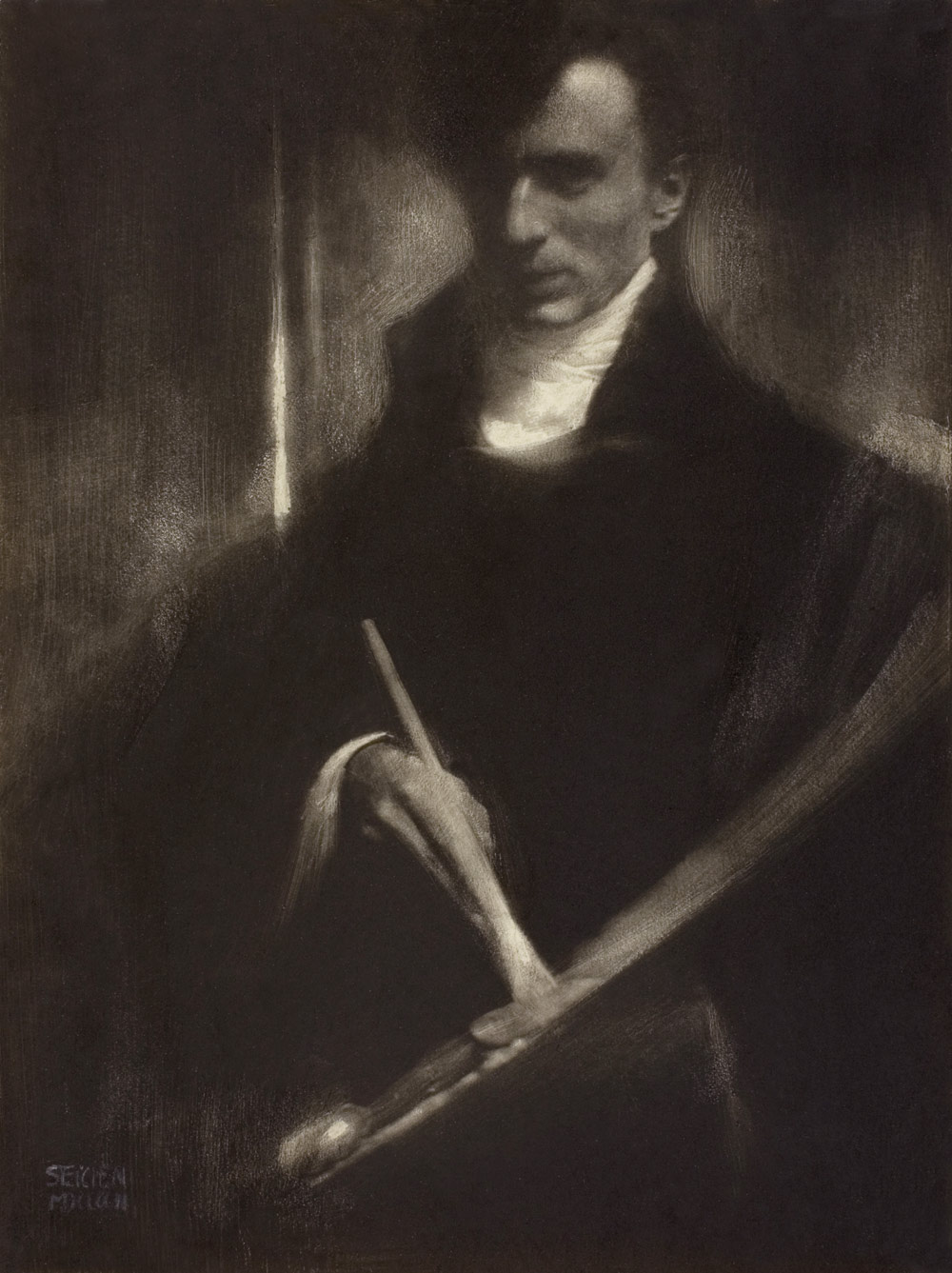
Edward Steichen (American, 1879-1973)
Self-Portrait with Brush and Palette
1902
The Art Institute of Chicago, Alfred Stieglitz Collection
© 2014 The Estate of Edward Steichen/Artists Rights Society (ARS), New York
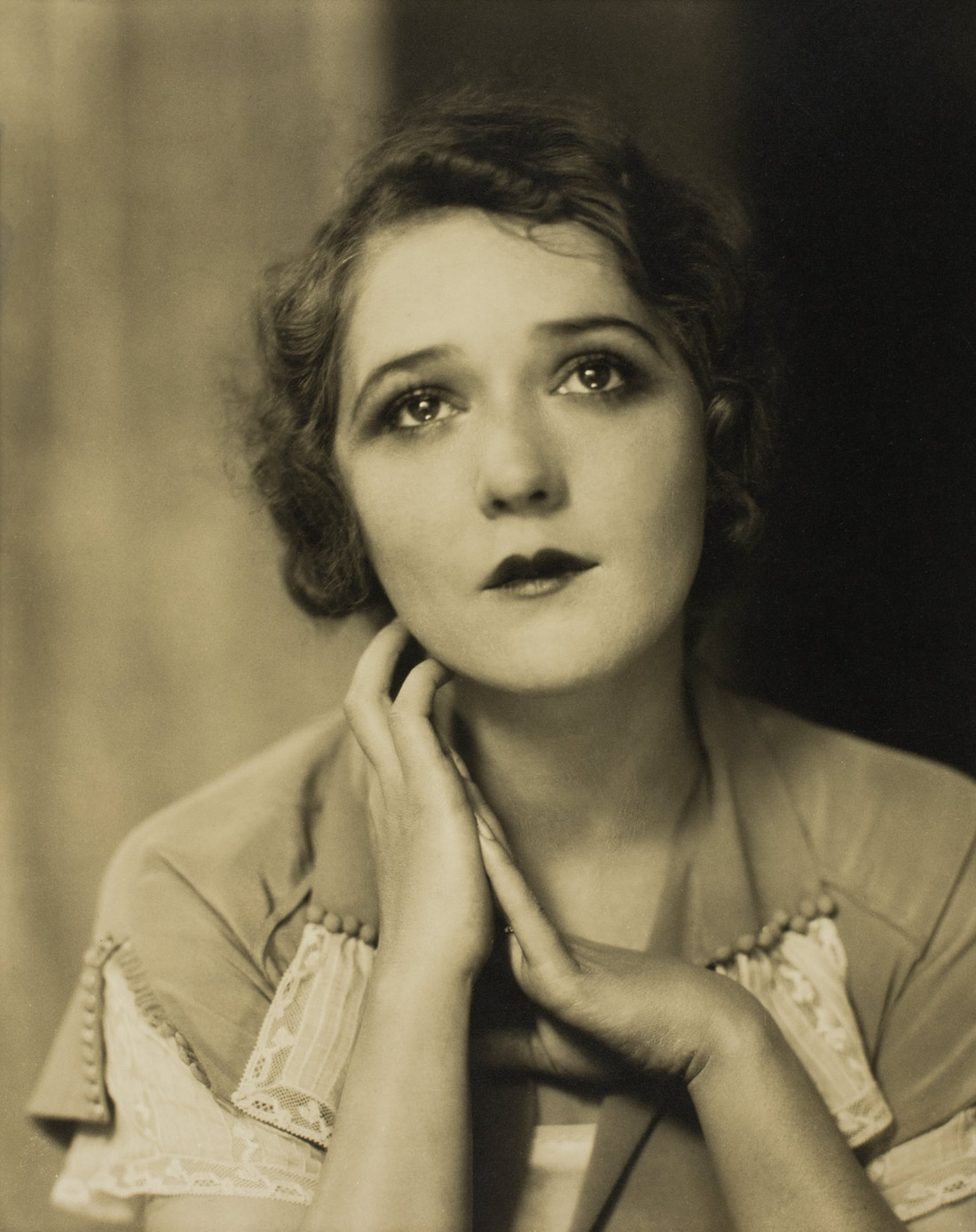
Edward Steichen (American, 1879-1973)
Mary Pickford
1924
The Art Institute of Chicago, Bequest of Edward Steichen by direction of Joanna T. Steichen and George Eastman House
© 2014 The Estate of Edward Steichen/Artists Rights Society (ARS), New York
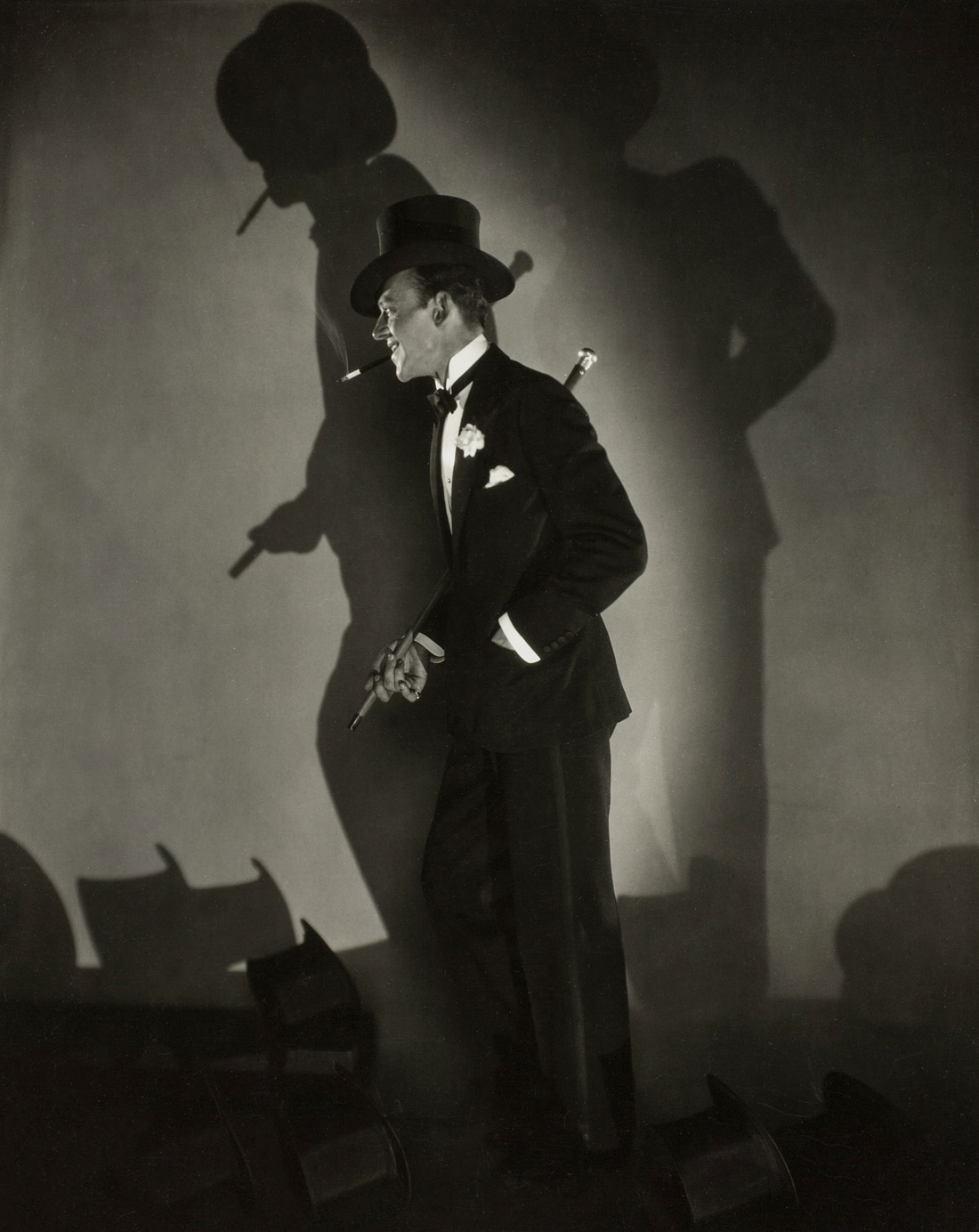
Edward Steichen (American, 1879-1973)
Fred Astaire in Funny Face
1927
The Art Institute of Chicago, Bequest of Edward Steichen by direction of Joanna T. Steichen and George Eastman House
© 2014 The Estate of Edward Steichen/Artists Rights Society (ARS), New York
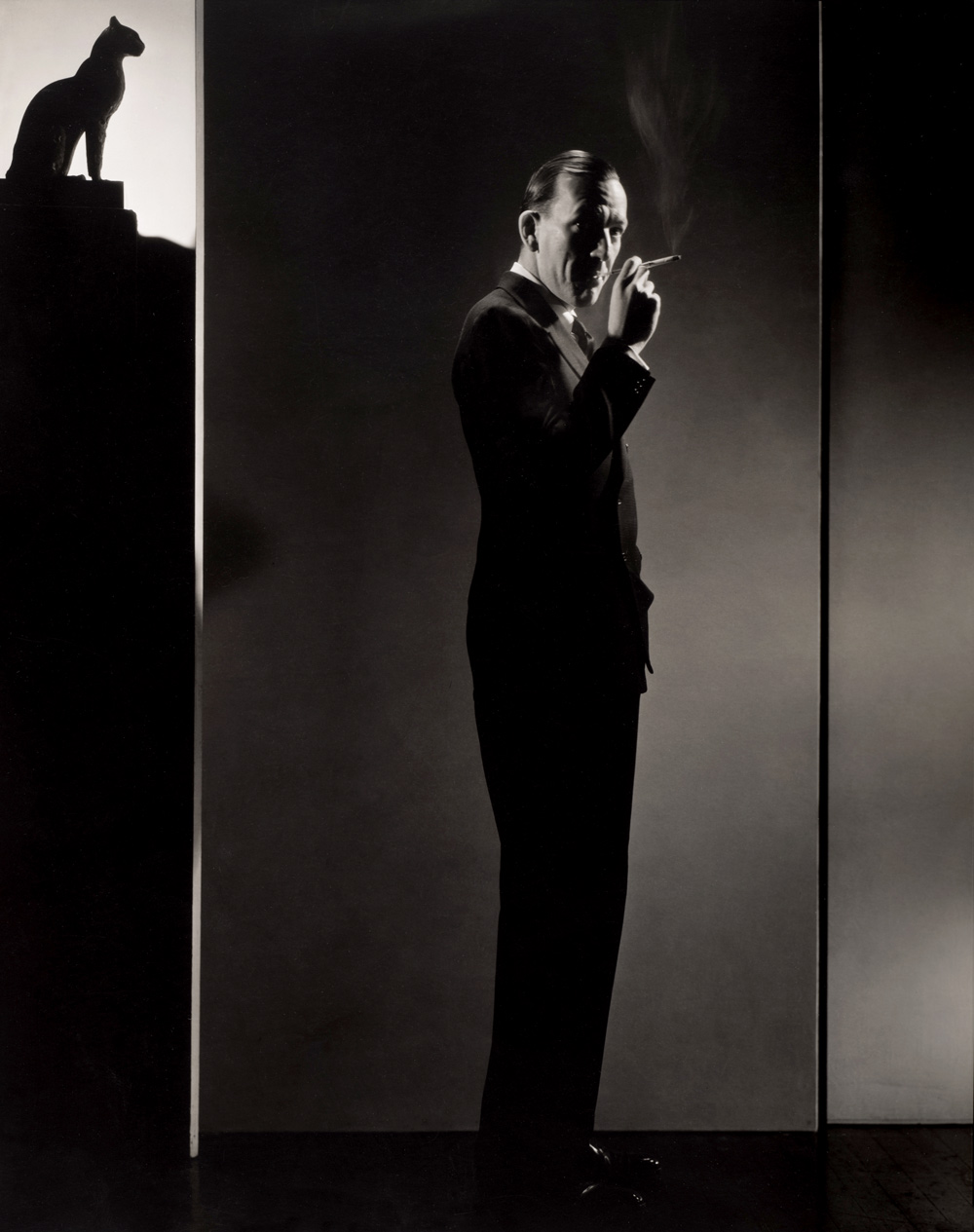
Edward Steichen (American, 1879-1973)
Noel Coward
1932
The Art Institute of Chicago, bequest of Edward Steichen by direction of JoannaT. Steichen and George Eastman House
© 2014 The Estate of Edward Steichen/Artists Rights Society (ARS), New York
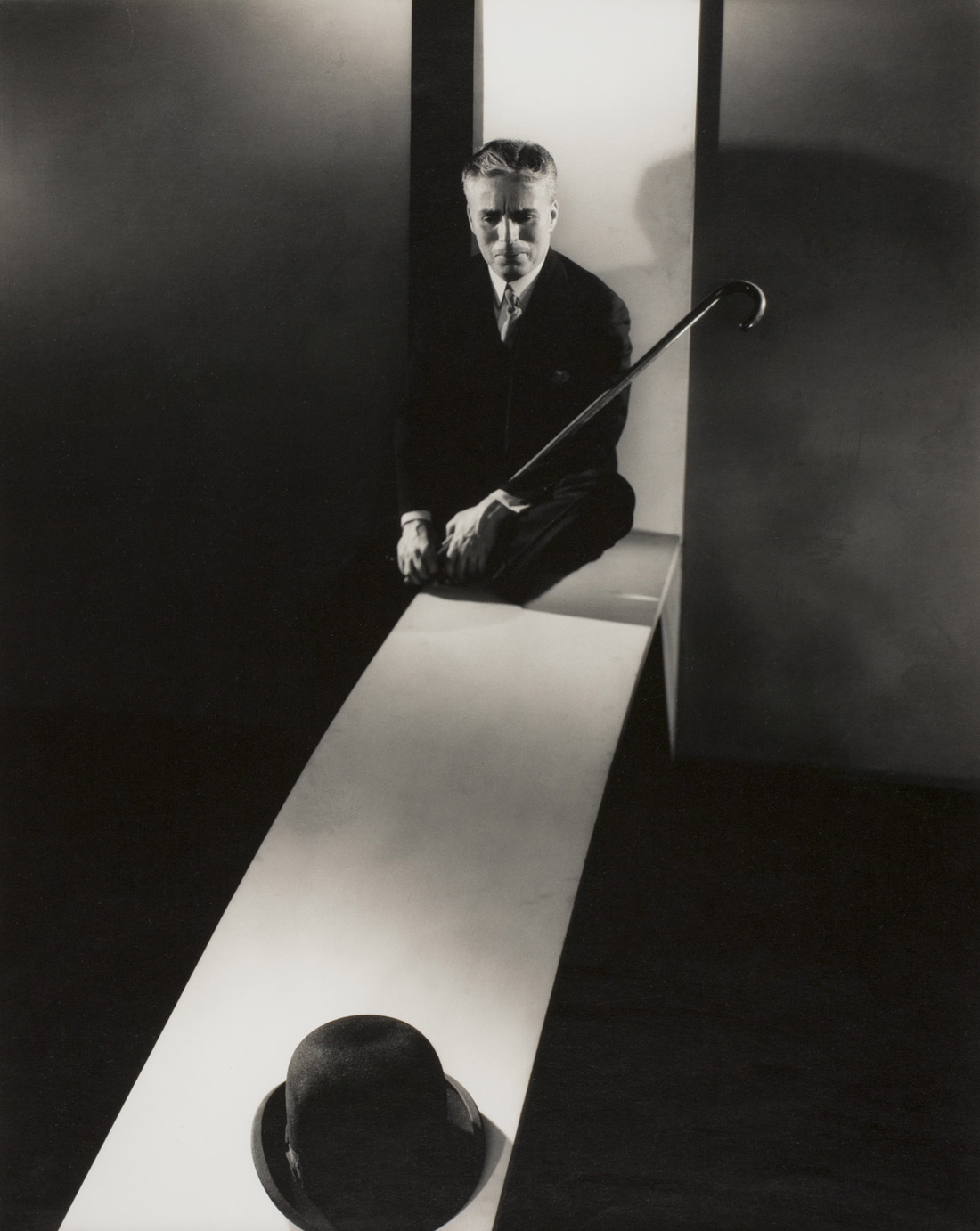
Edward Steichen (American, 1879-1973)
Charles Chaplin
1931
The Art Institute of Chicago, Bequest of Edward Steichen by direction of Joanna T. Steichen and George Eastman House
© 2014 The Estate of Edward Steichen/Artists Rights Society (ARS), New York
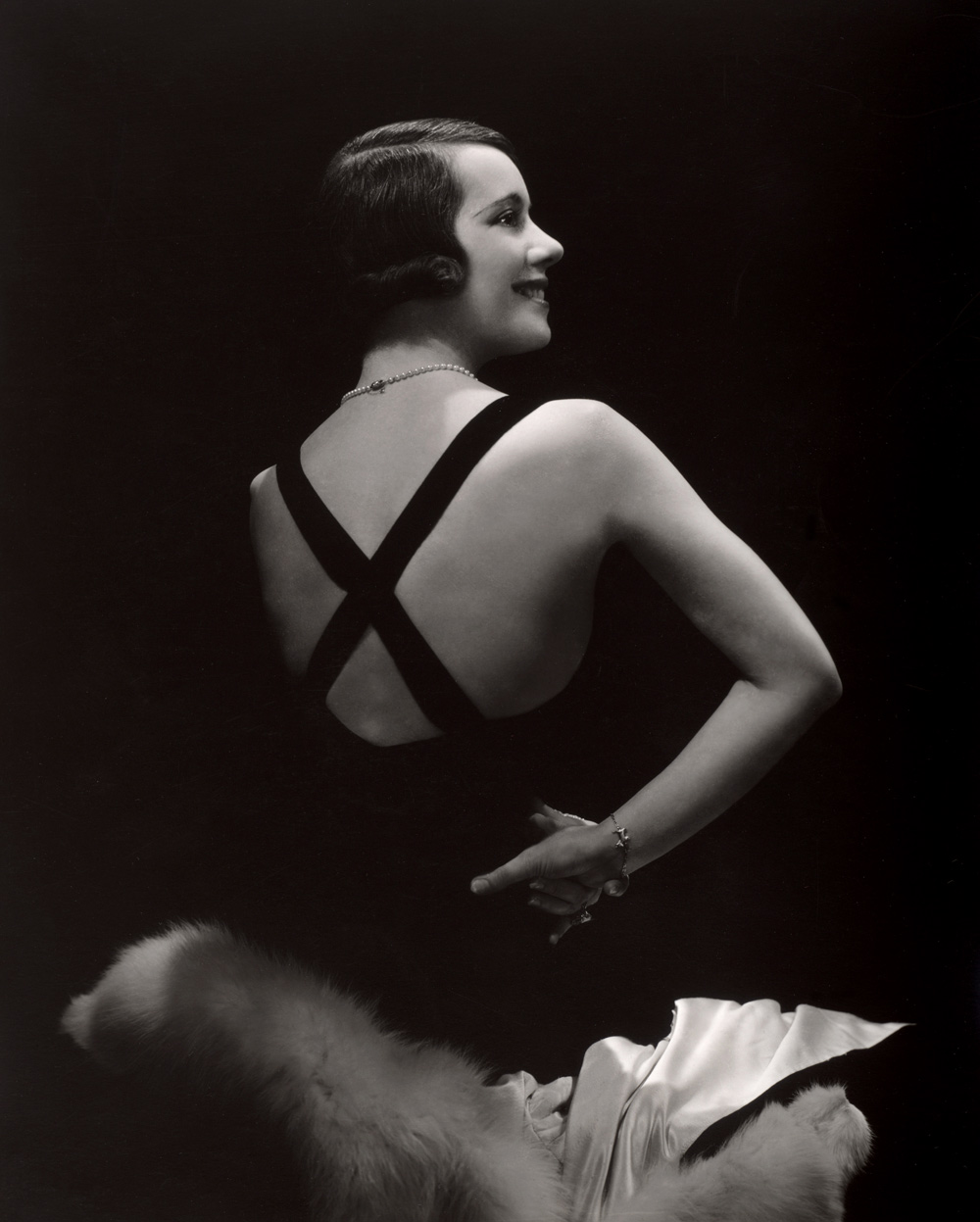
Edward Steichen (American, 1879-1973)
Lily Pons
1932
The Art Institute of Chicago, bequest of Edward Steichen by direction of Joanna T. Steichen and George Eastman House
© 2014 The Estate of Edward Steichen/Artists Rights Society (ARS), New York
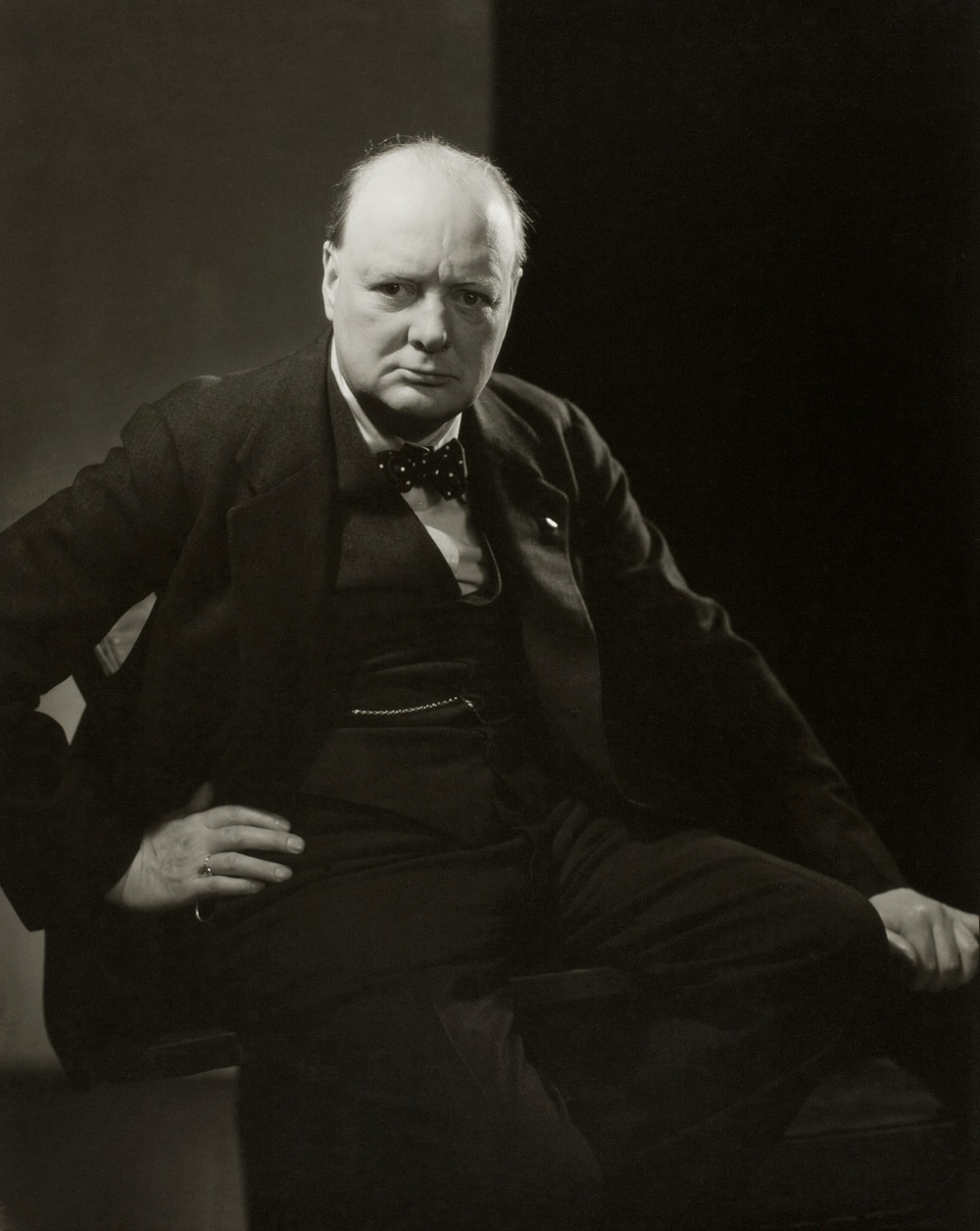
Edward Steichen (American, 1879-1973)
Winston Churchill
1932
The Art Institute of Chicago, Bequest of Edward Steichen by direction of Joanna T. Steichen and George Eastman House
© 2014 The Estate of Edward Steichen/Artists Rights Society (ARS), New York
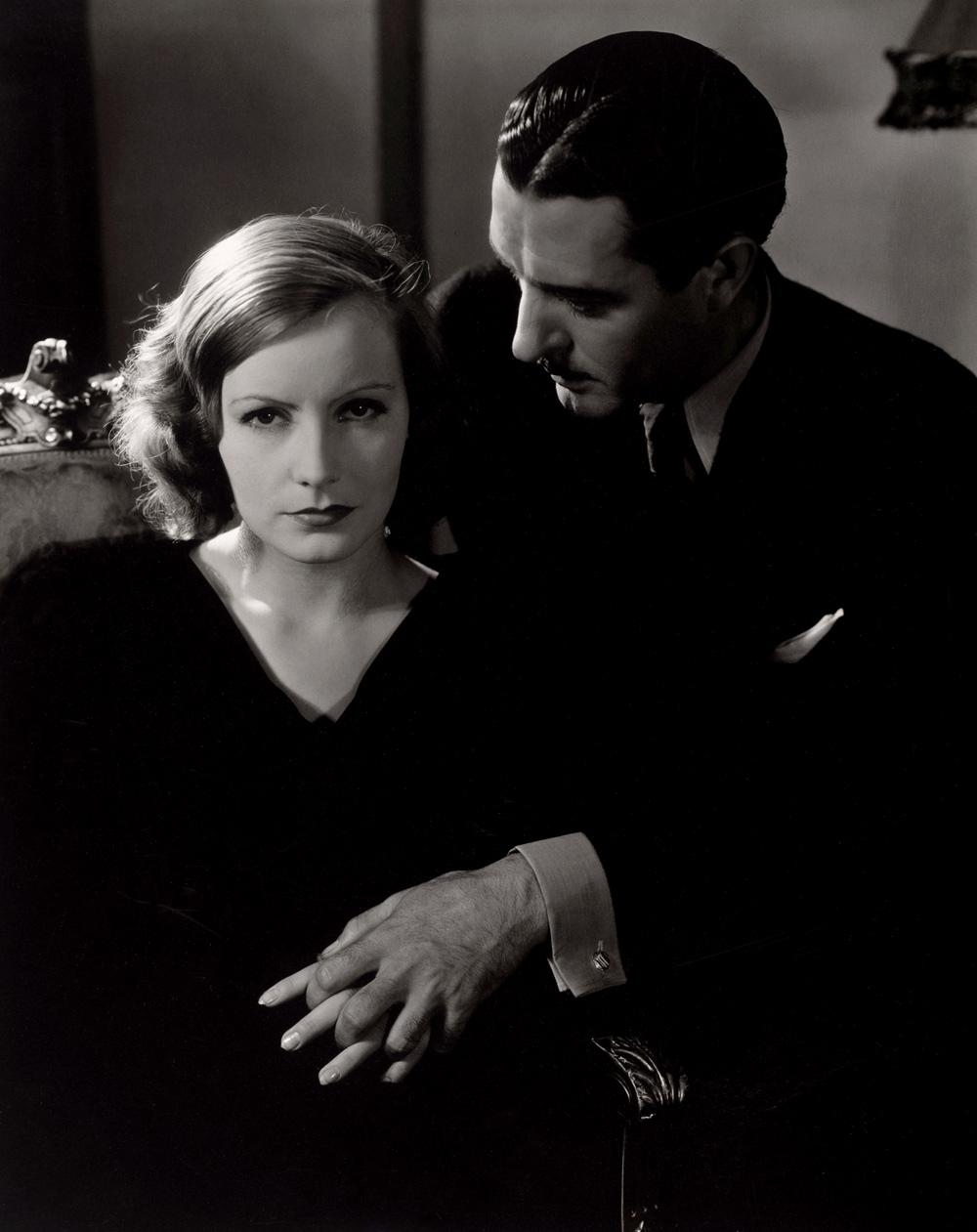
Edward Steichen (American, 1879-1973)
Greta Garbo and John Gilbert
1928
The Art Institute of Chicago, bequest of Edward Steichen by direction of Joanna T. Steichen and George Eastman House
© 2014 The Estate of Edward Steichen/Artists Rights Society (ARS), New York
The Art Institute of Chicago
111 South Michigan Avenue
Chicago, Illinois 60603-6404
Phone: (312) 443-3600
Opening hours:
Thursday – Monday 11am – 5pm
Closed Tuesday and Wednesday



 Art Blart _ art and cultural memory archive
You must be logged in to post a comment.