Exhibition: ‘Still Performing: Costume, Gesture, and Expression in 19th Century European Photography’ at the Nelson-Atkins Museum of Art, Kansas City

Exhibition dates: 24th August, 2024 – 12th January, 2025


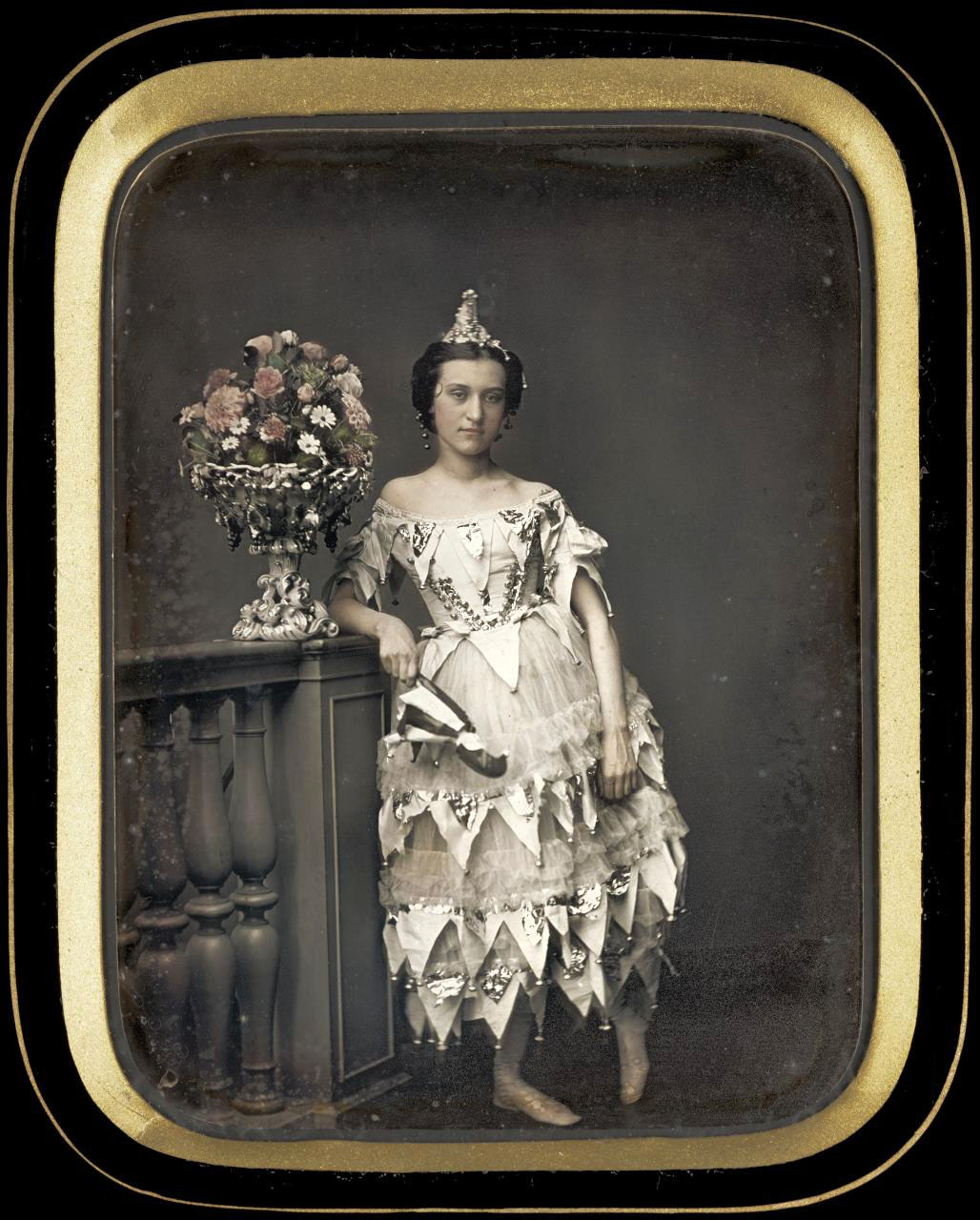
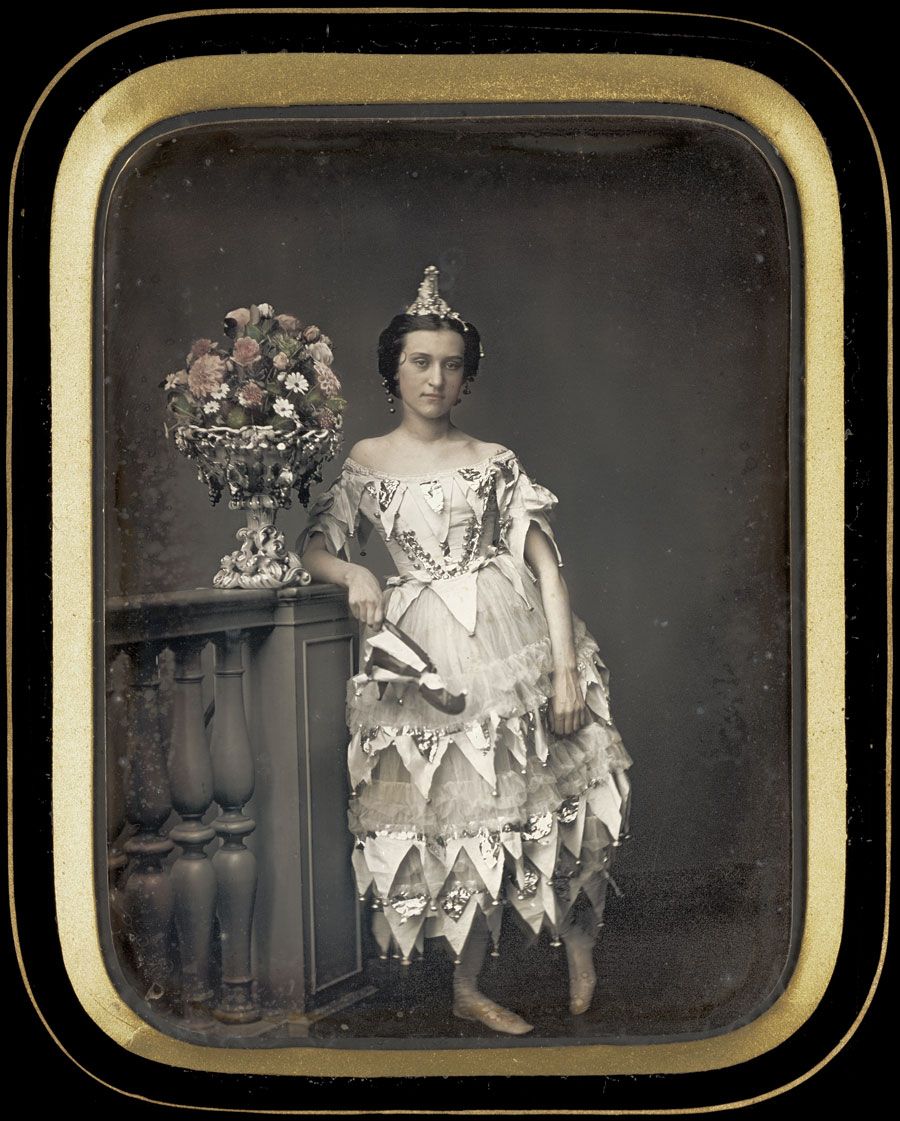
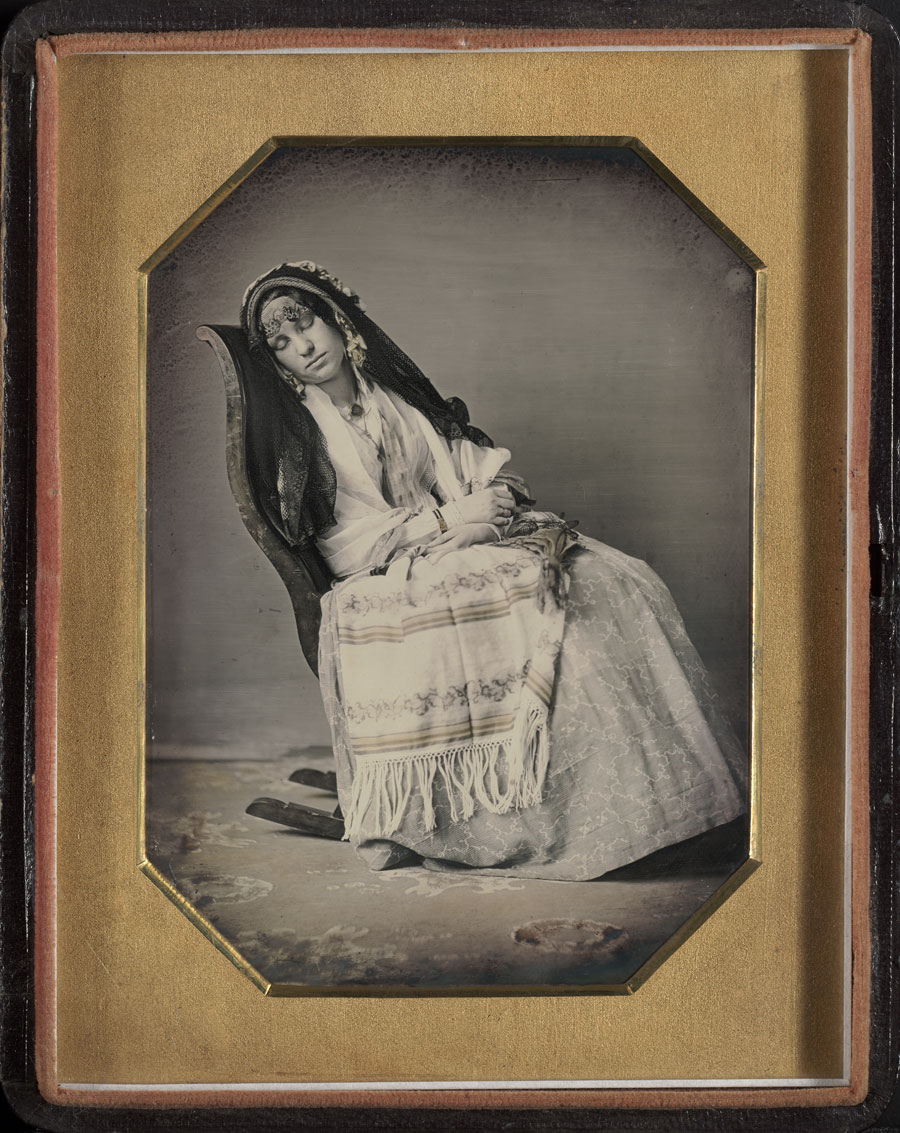
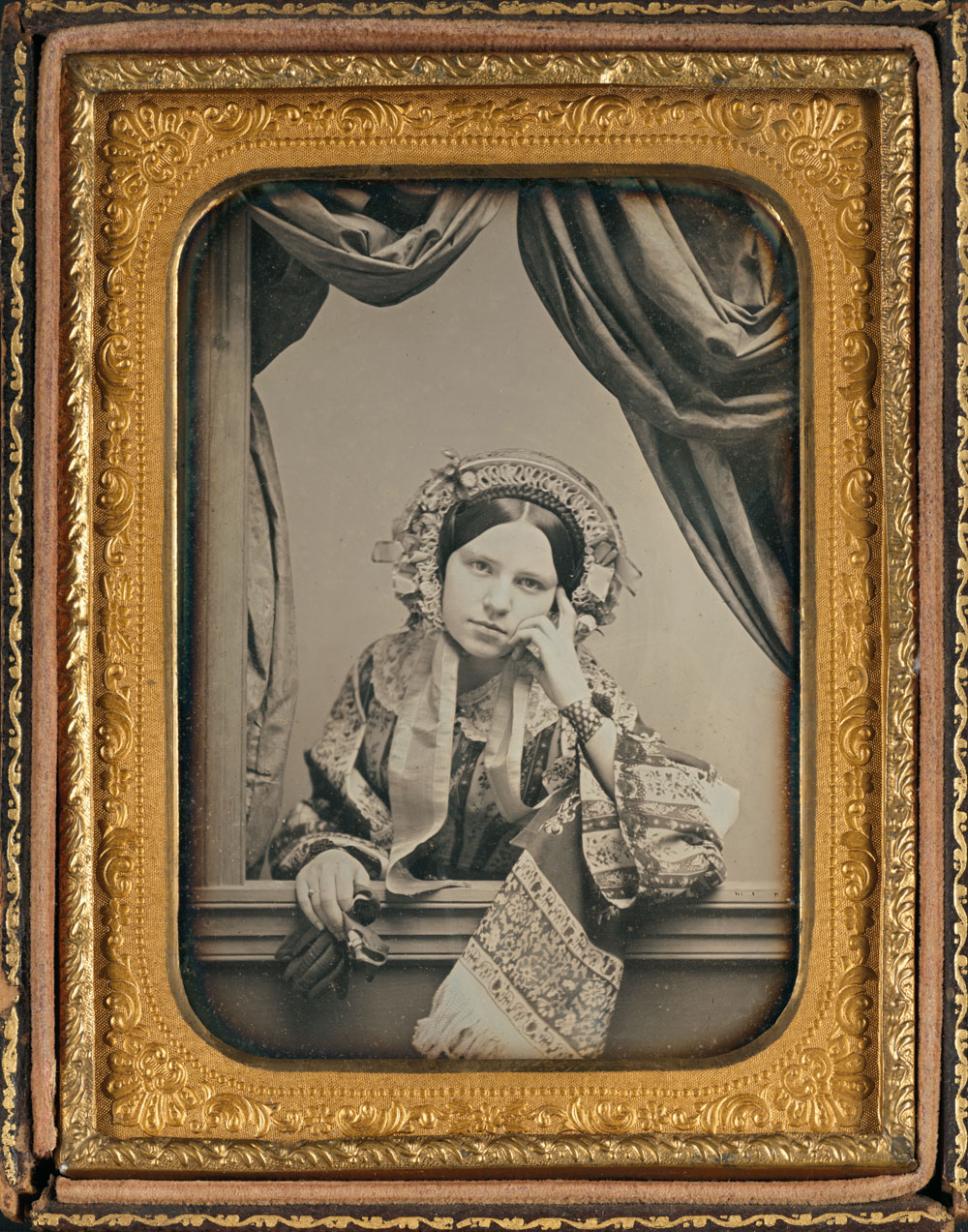
Victor Plumier (Belgian, 1820-1878) 'Lady in Costume' About 1850 from the exhibition 'Still Performing: Costume, Gesture, and Expression in 19th Century European Photography' at the Nelson-Atkins Museum of Art, Kansas City


Victor Plumier (Belgian, 1820-1878)
Lady in Costume
About 1850
Daguerreotype, half plate
5 1/2 × 4 1/2 inches
The Nelson-Atkins Museum of Art
Gift of the Hall Family Foundation


Past present

Magnificent photographs that bring past presence into present consciousness.

Costume. variedly, the term “costume,” indicating clothing exclusively from the eighteenth century onward, can be traced back to the Latin consuetudo, meaning “custom” or “usage.”

Gesture. late Middle English: from medieval Latin gestura, from Latin gerere ‘bear, wield, perform’. The original sense was ‘bearing, deportment’, hence ‘the use of posture and bodily movements for effect in oratory’.

Expression. the action of making known one’s thoughts or feelings. a look on someone’s face that conveys a particular emotion. late Middle English: from Latin expressio(n- ), from exprimere ‘press out, express’.


The emotions and the sentiments, the gestures and the expressions.

The actor and the stage, the photographer and the sitter.

The staged photograph and the tableaux vivant.

The Self and the Other.


Today, something happens when we look at these photographs. Today, the social spaces, gestures and expressions in these photographs are not fixed, monological re-presentations or presences. Our experience of the photographs enables them to be seen as nodes within a network caught up in a system of social and cultural references, whose unity is variable and relative.1

Thus,

” …in my reading (of the photograph), I relied upon a number of semiological systems, each one being a social / cultural construct: the sign language of clothes, of facial expressions, of bodily gestures, of social manner, etc. Such semiological systems do indeed exist and are continually being used in the making and reading of images. Nevertheless the sum total of these systems cannot exhaust, does not begin to cover, all that can be read in appearances.”2

The intertextuality of images.

Dr Marcus Bunyan


1/ Roland Barthes. “From Work to Text” and Michel Foucault. The Order of Things: An Archeology of the Human Sciences in Kurt Thumlert. Intervisuality, Visual Culture, and Education. [Online] Cited 10/08/2006. No longer available online

2/ John Berger and Jean Mohr. Another Way of Telling. New York: Pantheon Books, 1982, p. 112


Many thankx to the Nelson-Atkins Museum for allowing me to publish the photographs in the posting. Please click on the photographs for a larger version of the image.


“There is no perfection, no infinite completeness. But always, there is a way to move toward being whole. The capital letter, the Self is a wholeness that does not and will never exist. It is a direction that I move toward no matter the meanders of my feet.”


Kendrick VanZant


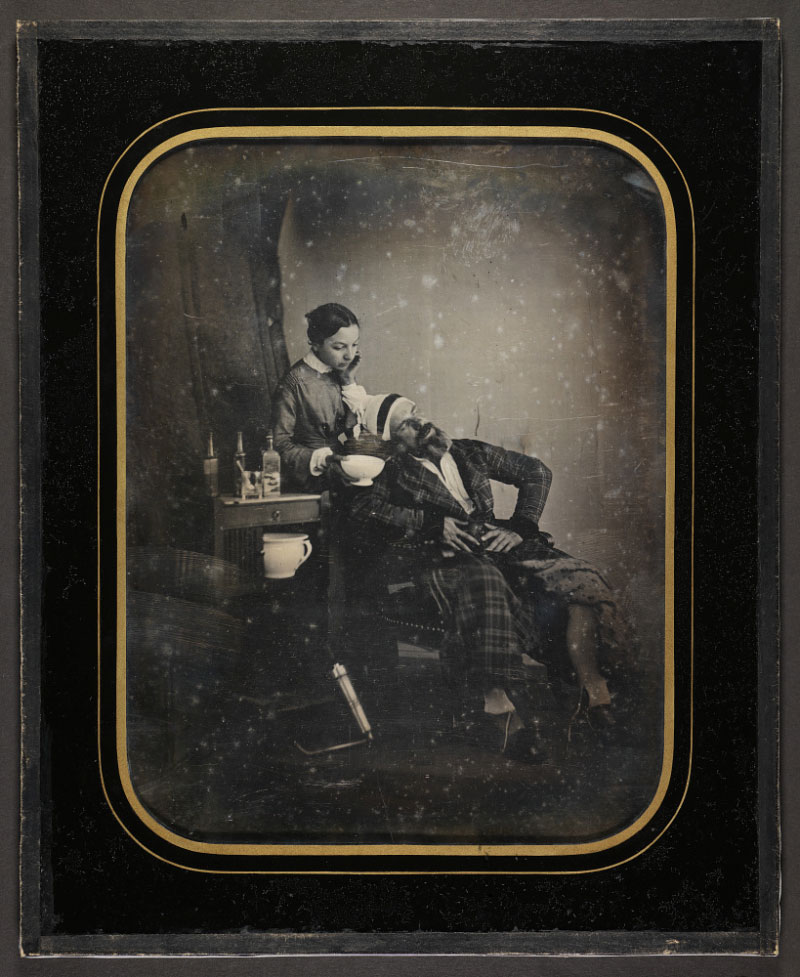
Camille Dolard (French, 1810-1884) 'Self-portrait as ailing man' c. 1843-1845


Camille Dolard (French, 1810-1884)
Self-portrait as ailing man
c. 1843-1845
Daguerreotype
Plate (whole): 8 1/2 × 6 1/2 inches (21.59 × 16.51cm)
Mat: 10 3/8 × 8 3/8 inches (26.37 × 21.29cm)
The Nelson-Atkins Museum of Art
Gift of the Hall Family Foundation


French painter Camille Dolard briefly embraced photography in the 1840s as an innovative creative tool. This daguerreotype, and the one in the next case, are from a group of three theatrical self-portraits created by Dolard in his studio. Here, the artist performs for the camera, posing with props and costumes as a patient in the care of his attentive wife. In the other plate, he uses a similarly theatrical approach, depicting himself smoking a hookah (a water pipe used to smoke tobacco) while lounging on a patterned rug.

Text from the Nelson-Atkins Museum website


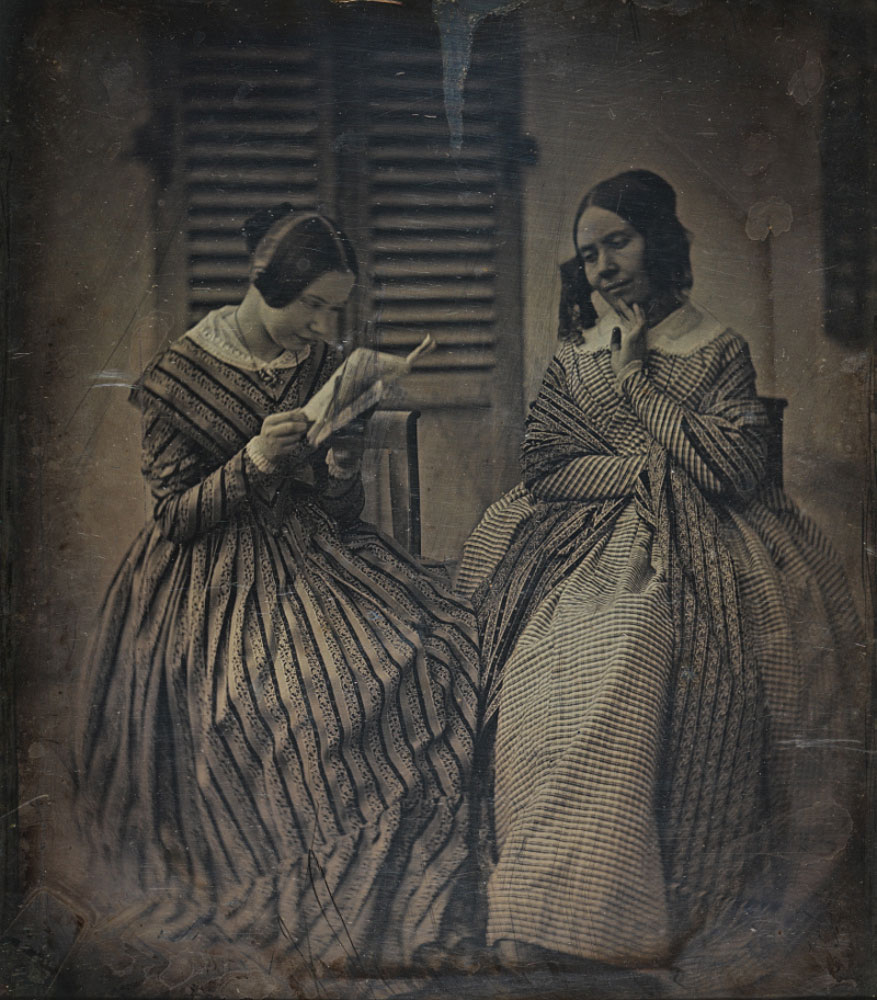
Jean-Pierre Thierry (French, 1810-1870) 'Two ladies reading a letter' c. 1845


Jean-Pierre Thierry (French, 1810-1870)
Two ladies reading a letter
c. 1845
Daguerreotype
Plate (quarter): 4 1/4 × 3 1/4 inches (10.8 × 8.26 cm)
Mat: 6 1/16 × 5 1/8 inches (15.39 × 13.03 cm)
The Nelson-Atkins Museum of Art
Gift of the Hall Family Foundation


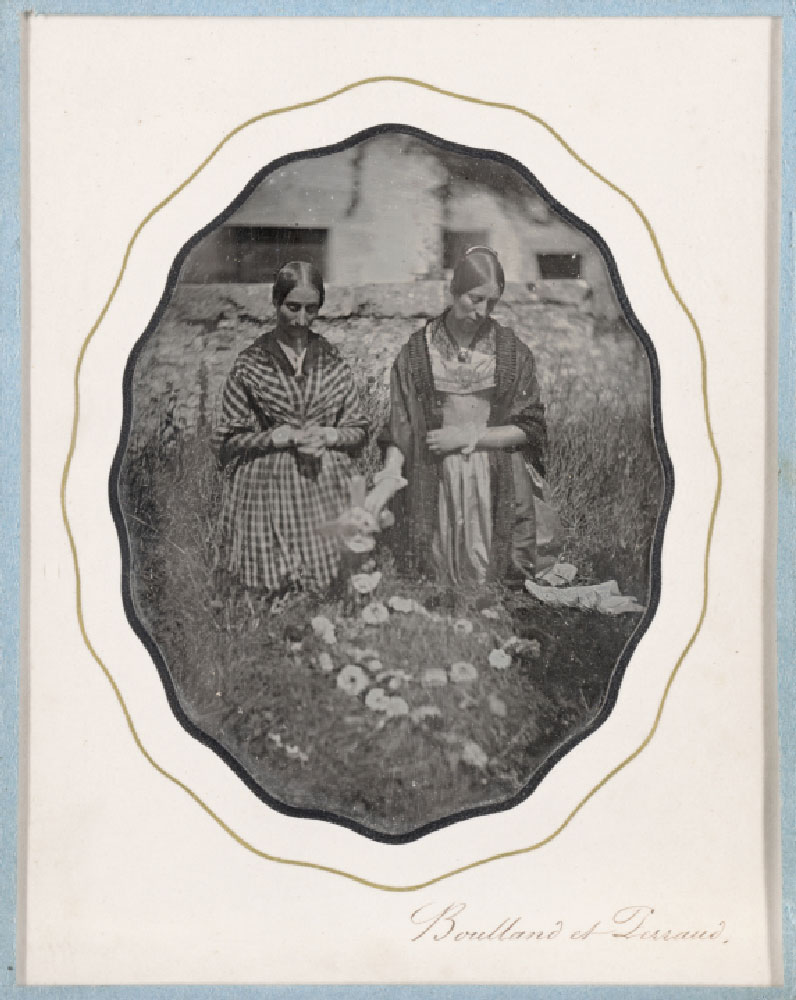
Philibert Perraud (French, 1815 - after 1863) 'Deux femmes se recueillent sur la tombe d'une etre cher ...' (Two women at the grave of a loved one) c. 1845


Philibert Perraud (French, 1815 – after 1863)
Deux femmes se recueillent sur la tombe d’une etre cher … (Two women at the grave of a loved one)
c. 1845
Daguerreotype
Plate (quarter): 4 1/4 × 3 1/4 inches (10.8 × 8.26cm)
 Mount: 5 1/8 × 4 1/8 inches (13.02 × 10.48cm)
The Nelson-Atkins Museum of Art
Gift of the Hall Family Foundation


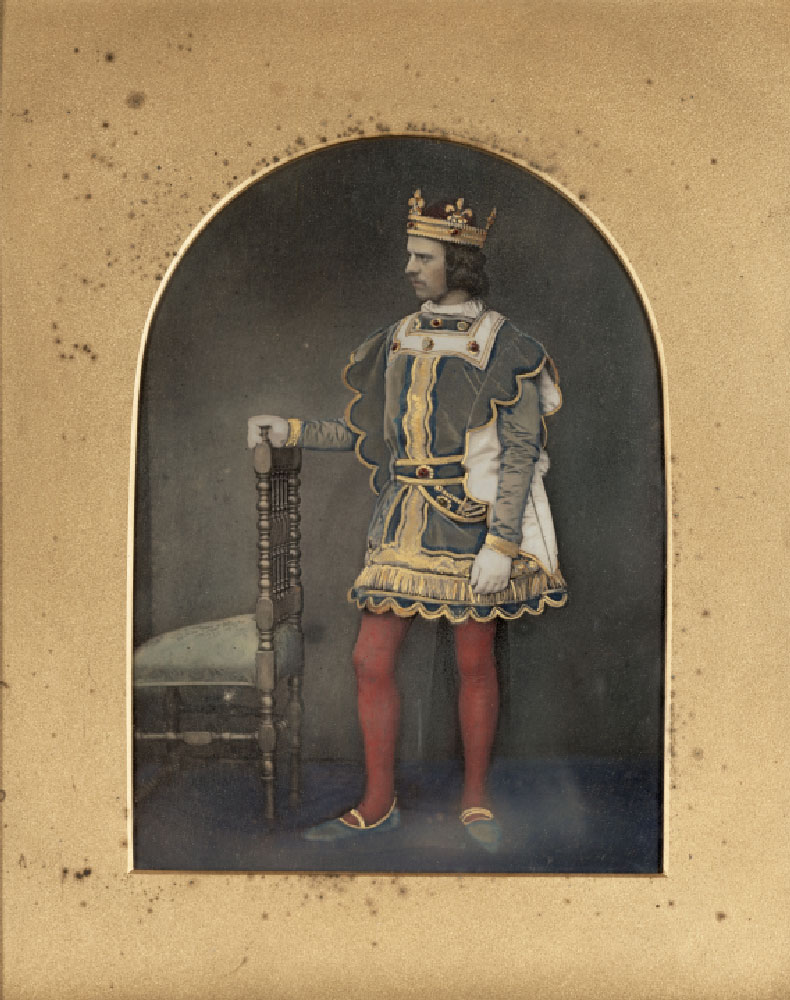
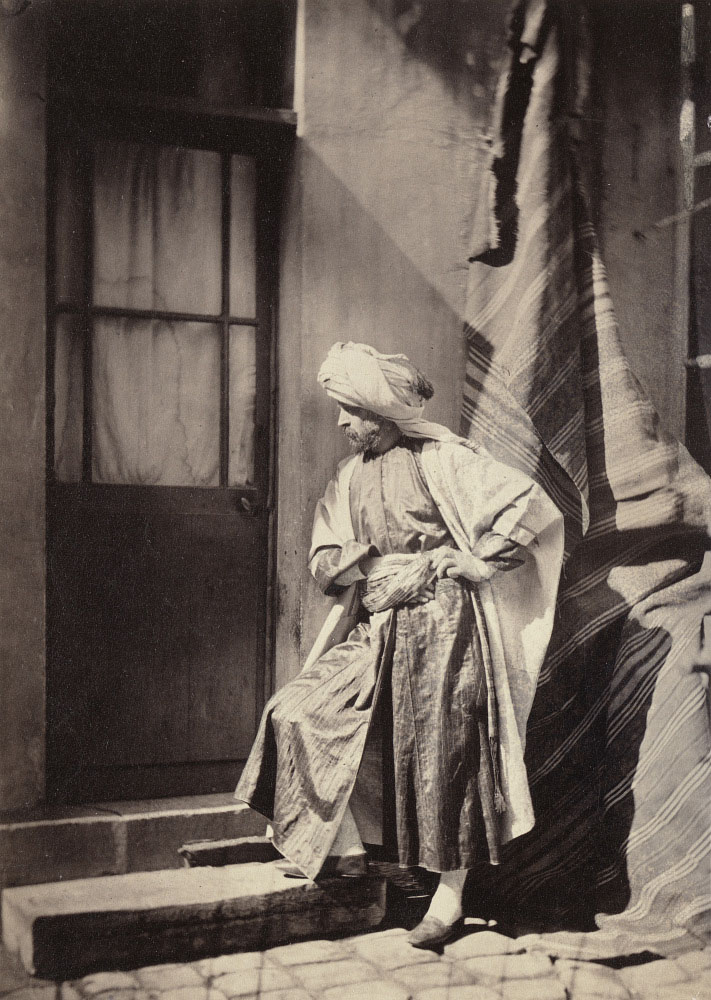
Unknown photographer. 'Actor in Costume' c. 1850 from the exhibition 'Still Performing: Costume, Gesture, and Expression in 19th Century European Photography' at the Nelson-Atkins Museum of Art, Kansas City


Unknown photographer
Actor in Costume
c. 1850
Daguerreotype
Plate (three-quarter): 6 × 4 1/2 inches (15.24 × 11.43 cm)
Case (open): 8 1/8 × 13 1/4 × 3/8 inches (20.64 × 33.66 × 0.95 cm)
Case (closed): 8 1/8 × 6 5/8 × 5/8 inches (20.64 × 16.83 × 1.59 cm)
The Nelson-Atkins Museum of Art
Gift of the Hall Family Foundation


Though the pose and expression in this photograph are stiff, the extensive hand-colouring enlivens the portrait, drawing attention to the fine details in the actor’s costume. Sitting for a daguerreotype portrait in the 1850s required patience and a certain degree of stamina. Photographic exposure times – which varied according to plate sensitivity and studio lighting – typically ranged from three to 30 seconds. Studio props, such as chairs and head braces, were used to help sitters remain as motionless as possible for the duration of the exposure.

Text from the Nelson-Atkins Museum website


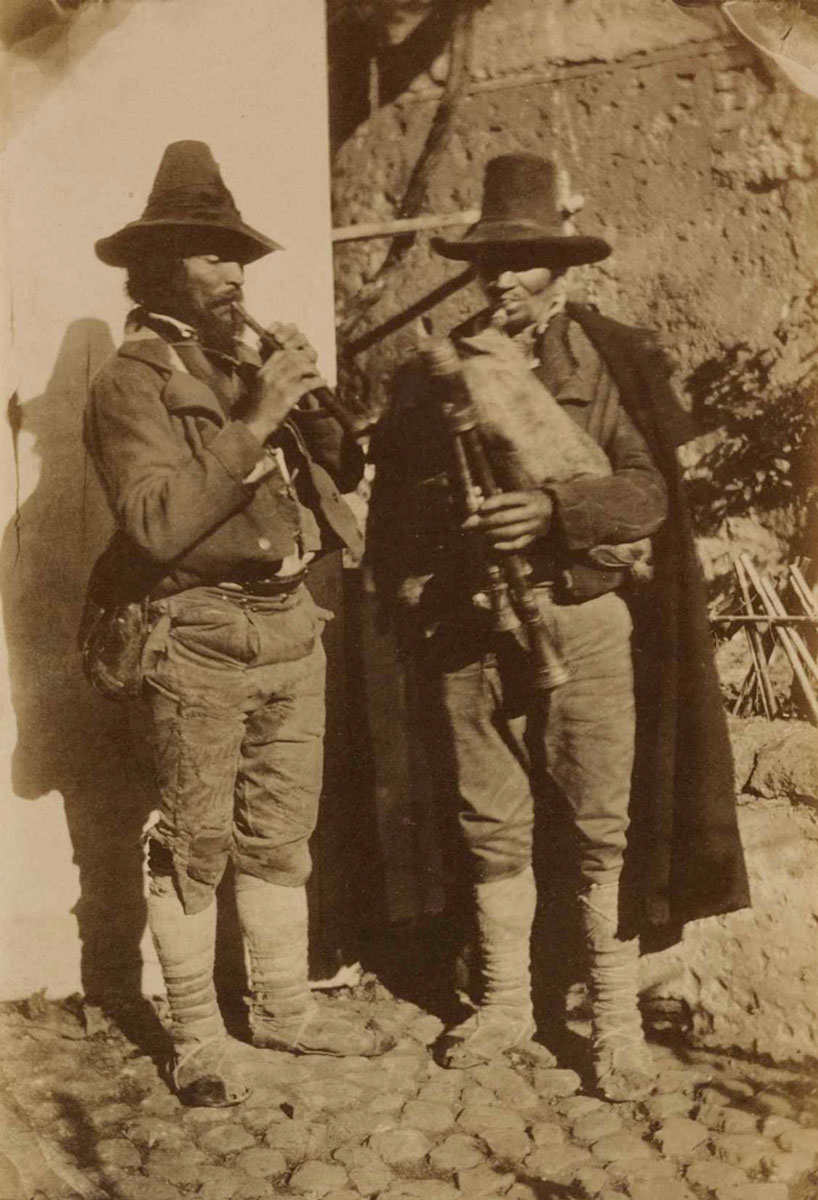
Giacomo Caneva (Italian, 1813-1865) 'Two Pifferari' c. 1850s


Giacomo Caneva (Italian, 1813-1865)
Two Pifferari
c. 1850s
Salt print
Image: 8 3/8 × 5 11/16 inches (21.27 × 14.45cm)
Sheet: 11 3/16 × 5 11/16 inches (28.42 × 14.45cm)
The Nelson-Atkins Museum of Art
Gift of the Hall Family Foundation


Nothing summed up picturesque modern Italy as well as the Pifferari; described by Hector Berlioz (1803-1869) in 1832: ‘These are strolling musicians who, towards Christmas, come down from the mountains in groups of four or five, armed with bagpipes and ‘pifferi’ (a sort of oboe), to play in homage before statues of the Madonna. They are generally dressed in large brown woollen coats and the pointed hats that brigands sport, and their whole appearance is instinct with a kind of mystic savagery that is most striking’. He admits that close to the music is ‘overpoweringly loud, but at a certain distance the effect of this strange ensemble of instruments is haunting and few are unmoved by it’.

Text from the Royal Collection Trust website


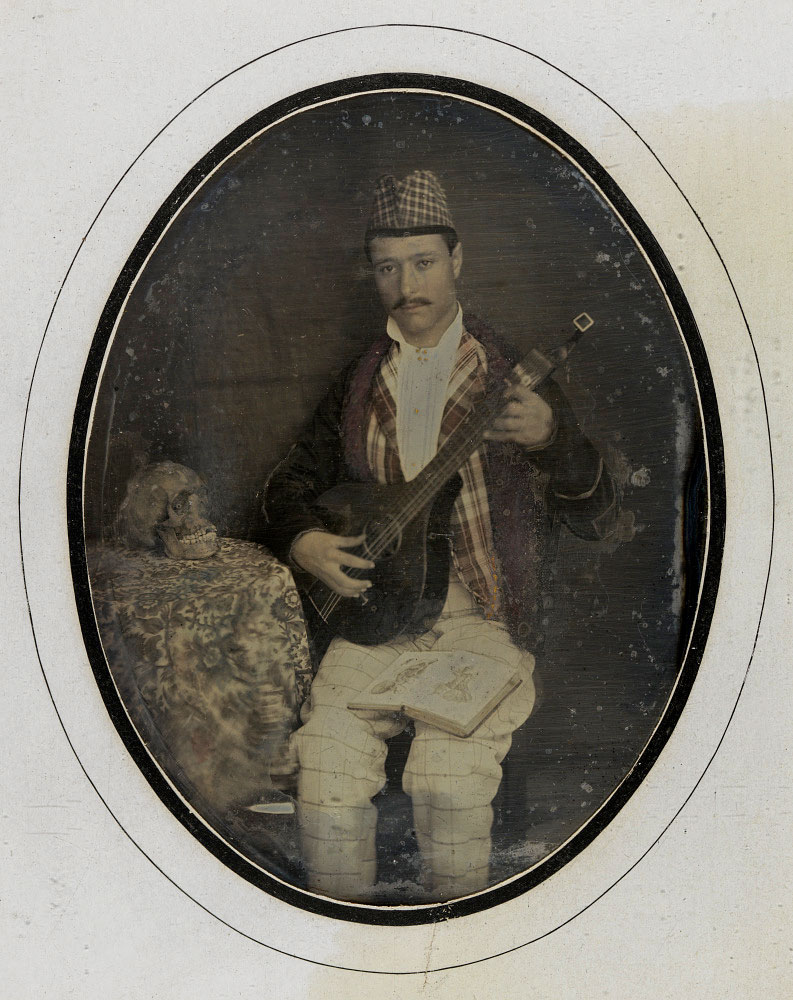
José Maria Blanco (Spanish, active c. 1850) 'Man with mandolin' 1851 from the exhibition 'Still Performing: Costume, Gesture, and Expression in 19th Century European Photography' at the Nelson-Atkins Museum of Art, Kansas City


José Maria Blanco (Spanish, active c. 1850)
Man with mandolin
1851
Daguerreotype
Plate (quarter): 4 × 3 1/4 inches (10.16 × 8.26cm)
Mat: 5 5/8 × 4 7/8 inches (14.29 × 12.38cm)
The Nelson-Atkins Museum of Art
Gift of the Hall Family Foundation


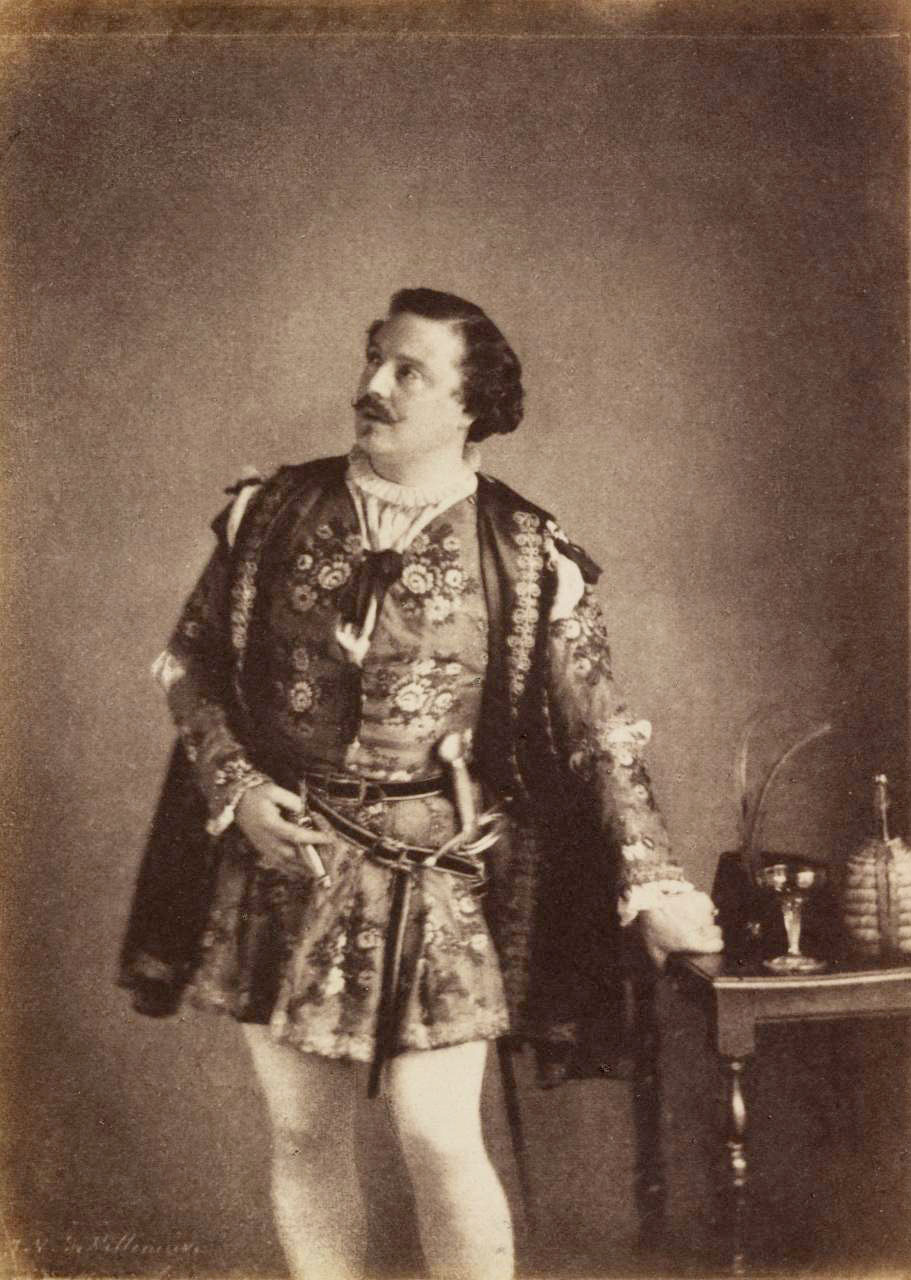
Julien Vallou de Villeneuve (French, 1795-1866) 'Portrait of Edouard Brindeau' 1853


Julien Vallou de Villeneuve (French, 1795-1866)
Portrait of Edouard Brindeau
1853
Salt print
6 1/4 × 4 5/8 inches
The Nelson-Atkins Museum of Art
Gift of the Hall Family Foundation


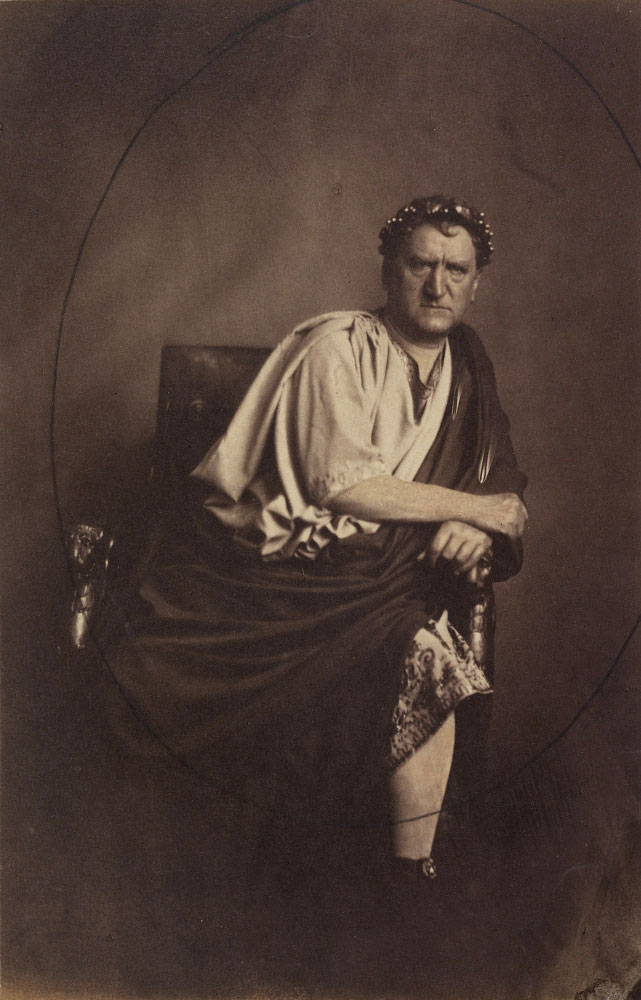
Julien Vallou de Villeneuve (French, 1795-1866) 'Portrait of Jean-Baptiste Provost, in the role of the emperor Claude in the play Valeria' 1853


Julien Vallou de Villeneuve (French, 1795-1866)
Portrait of Jean-Baptiste Provost, in the role of the emperor Claude in the play Valeria
1853
Portraits of Actors from the Comédie Française
Salt print
Image and sheet: 6 7/16 × 4 1/8 inches (16.35 × 10.48cm)
The Nelson-Atkins Museum of Art
Gift of the Hall Family Foundation


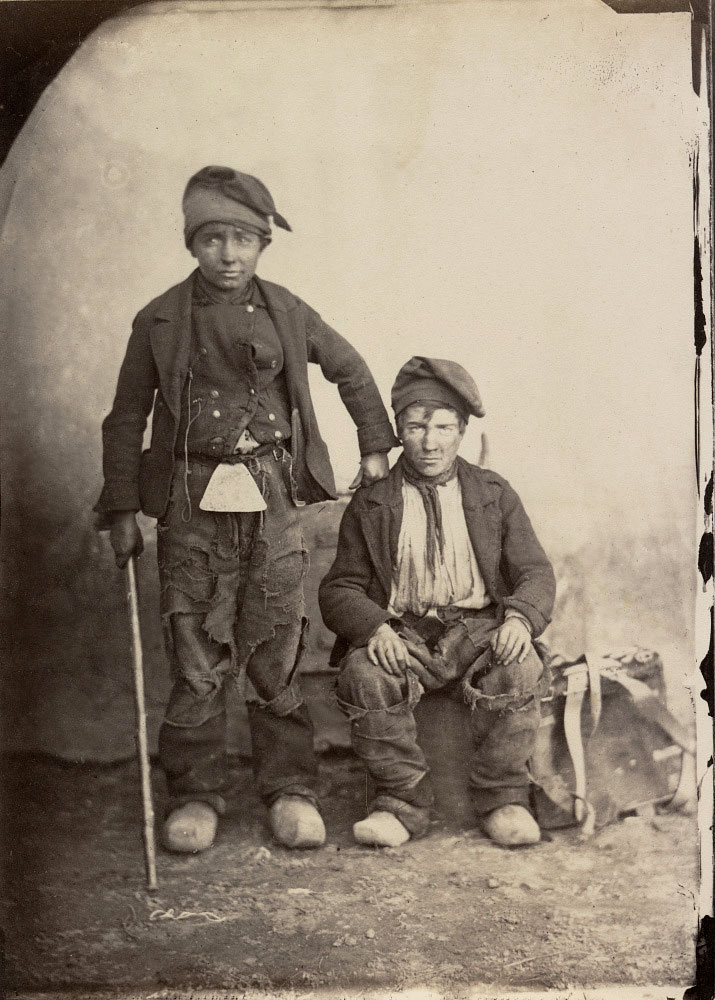
Charles Nègre (French, 1820-1880) 'Two Small Savoyards' c. 1853 from the exhibition 'Still Performing: Costume, Gesture, and Expression in 19th Century European Photography' at the Nelson-Atkins Museum of Art, Kansas City


Charles Nègre (French, 1820-1880)
Two Small Savoyards
c. 1853
Albumen print
Image and sheet: 7 × 5 3/16 inches (17.78 × 13.12cm)
Mount: 17 × 15 inches (43.18 × 38.1cm)
The Nelson-Atkins Museum of Art
Gift of the Hall Family Foundation


Charles Nègre refers to the threadbare young men in this photograph as “Savoyards” (originating from the Savoy region of France). Impoverished, migrant Savoyards have appeared in European art since the 1700s, and Nègre’s title could be shorthand for a certain type of person seen in the streets of Paris, regardless of the two boys’ actual place of origin. A painter and a photographer, Nègre practiced the two mediums side-by-side. Like other artists of his time, he ascribed nobility to the poor, seeking to convey their “truth, warmth, and life.”

Text from the Nelson-Atkins Museum website


Alban-Adrien Tournachon (French , 1825-1903) and Nadar [Gaspard Félix Tournachon] (French, 1820-1910) 'Pierrot Yawning' 1854 from the exhibition 'Still Performing: Costume, Gesture, and Expression in 19th Century European Photography' at the Nelson-Atkins Museum of Art, Kansas City


Alban-Adrien Tournachon (French , 1825-1903) and Nadar [Gaspard Félix Tournachon] (French, 1820-1910)
Pierrot Yawning
1854
Salt print
11 1/4 × 8 1/2 inches
The Nelson-Atkins Museum of Art
Gift of the Hall Family Foundation


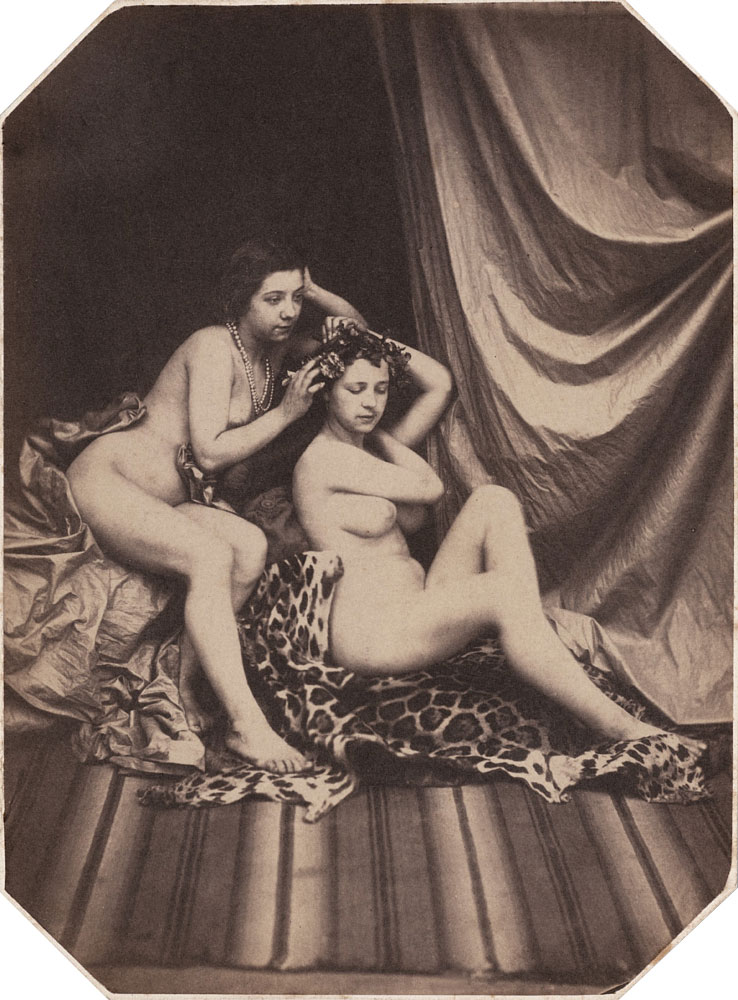
Auguste Belloc (French, 1805 -1873) 'Une étude de nu de deux femmes' c. 1855


Auguste Belloc (French, 1805 -1873)
Une étude de nu de deux femmes
c. 1855
Salt print
Image and sheet: 8 5/16 × 6 1/8 inches (21.11 × 15.56cm)
The Nelson-Atkins Museum of Art
Gift of the Hall Family Foundation


A masterful printer, Auguste Belloc created nudes that surpassed the typical erotic fare found in Parisian markets. In this scene, Belloc strategically positions the models and surrounding drapery to make the photograph appear more artistic than pornographic. Though nude paintings, drawings, and sculptures were immensely common, at this time photography was treated far more harshly by censors. In October 1860, the French government seized some 5,000 of Belloc’s photographs, declaring them obscene, and by 1868 he had abandoned his photographic studio.

Text from the Nelson-Atkins Museum website


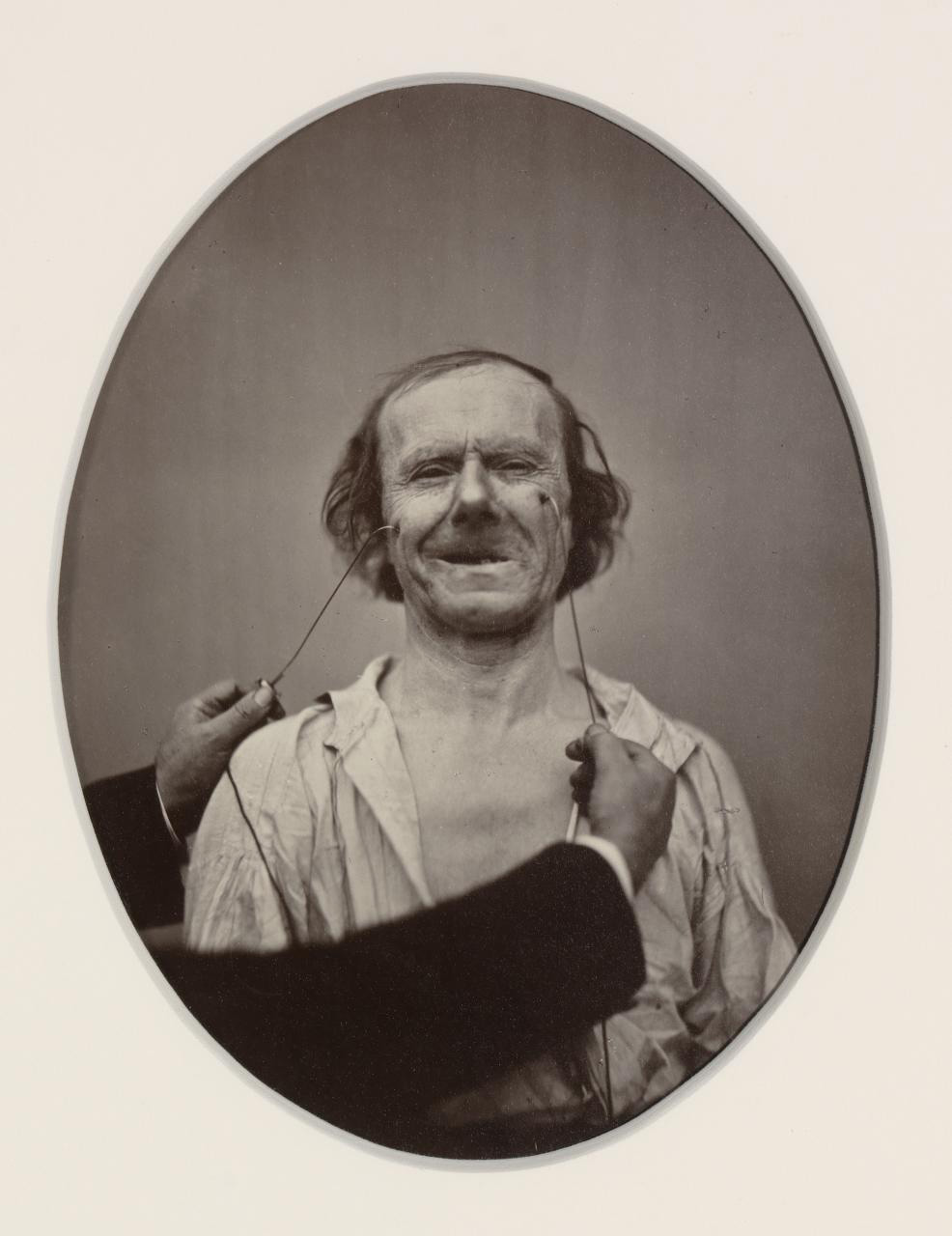
Guillaume-Benjamin-Amand Duchenne de Boulogne (French, 1806-1875) and Alban-Adrien Tournachon (French, 1825-1903) 'The Muscles of Weeping and Whimpering' About 1855-1857


Guillaume-Benjamin-Amand Duchenne de Boulogne (French, 1806-1875) and Alban-Adrien Tournachon (French, 1825-1903)
The Muscles of Weeping and Whimpering
About 1855-1857
Albumen print
9 1/16 × 6 15/16 inches
The Nelson-Atkins Museum of Art
Gift of the Hall Family Foundation


Facial expressions and their corresponding emotions have been studied by artists for centuries. In the 1850s, Dr. Guillaume-Benjamin-Amand Duchenne de Boulogne used photography to document the facial expressions produced by localised electric shock. Working in partnership with photographer Adrien Alban Tournachon, Duchenne felt these photographs truthfully recorded his experiments and that “none shall doubt the facts presented here.” Praising photography for its accurate rendering of the subject’s deep wrinkles, he wrote, “the distribution of light is in perfect harmony with the passions represented by these expressive lines. Thus, the face depicting the dark, concentric passions – aggression, wickedness, suffering, pain, dread, torture mixed with fear – gain an uncommon amount of energy.”

Text from the Nelson-Atkins Museum website


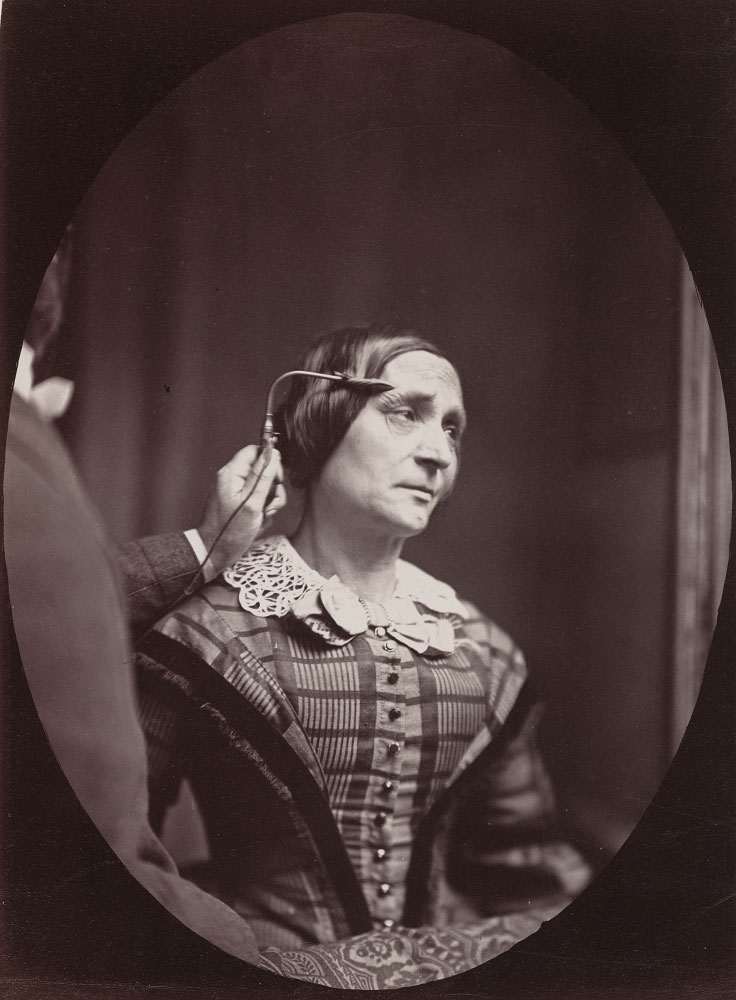
Guillaume-Benjamin-Amand Duchenne de Boulogne (French, 1806-1875) and Alban-Adrien Tournachon (French, 1825-1903) 'The Muscle of Pain' c. 1854-1857


Guillaume-Benjamin-Amand Duchenne de Boulogne (French, 1806-1875) and Alban-Adrien Tournachon (French, 1825-1903)
The Muscle of Pain
c. 1854-1857
Figure 27, plate 63 from The Mechanism of Human Facial Expression
Albumen print
Image and sheet: 9 1/16 × 6 5/8 inches (23.01 × 16.84cm)
Mount: 16 1/16 × 10 13/16 inches (40.79 × 27.51cm)
The Nelson-Atkins Museum of Art
Gift of the Hall Family Foundation


In this uncanny double portrait, the physiologist Dr. Guillaume-Benjamin-Amand Duchenne de Boulogne holds a mechanical device to the face of a 52-year-old, Italian-born woman believed to have been institutionalised in a Parisian asylum. Duchenne asserted that localised electric shock could force facial muscles to “contract to speak the language of the emotions and the sentiments.” “Armed with electrodes,” he wrote, “one would be able, like nature herself, to paint the expressive lines of the emotions of the soul on the face of man.”

Text from the Nelson-Atkins Museum website


Roger Fenton (English, 1819-1869) 'Self-portrait as a Zouave' 1855


Roger Fenton (English, 1819-1869)
Self-portrait as a Zouave
1855
Salt print:
Image and sheet: 7 13/16 × 6 7/16 inches (19.84 × 16.35cm)
Mount: 22 1/8 × 16 1/8 inches (56.2 × 40.96cm)
The Nelson-Atkins Museum of Art
Gift of the Hall Family Foundation


Cocking a rifle and smoking a pipe, with alcohol by his side, Roger Fenton poses for his camera with bravado. Wearing the distinctive baggy uniform of a Zouave (skilled infantry soldiers from the French army in Algeria), Fenton fashions himself as a hardened, glowering soldier, though he never fought in any war. Fenton did, however, photograph the Crimean War (1853-1856) from a great distance. The war brought together an alliance of soldiers from England, Croatia, Algeria, Turkey, Egypt, and France whom Fenton encountered while photographing the conflict.

Text from the Nelson-Atkins Museum website


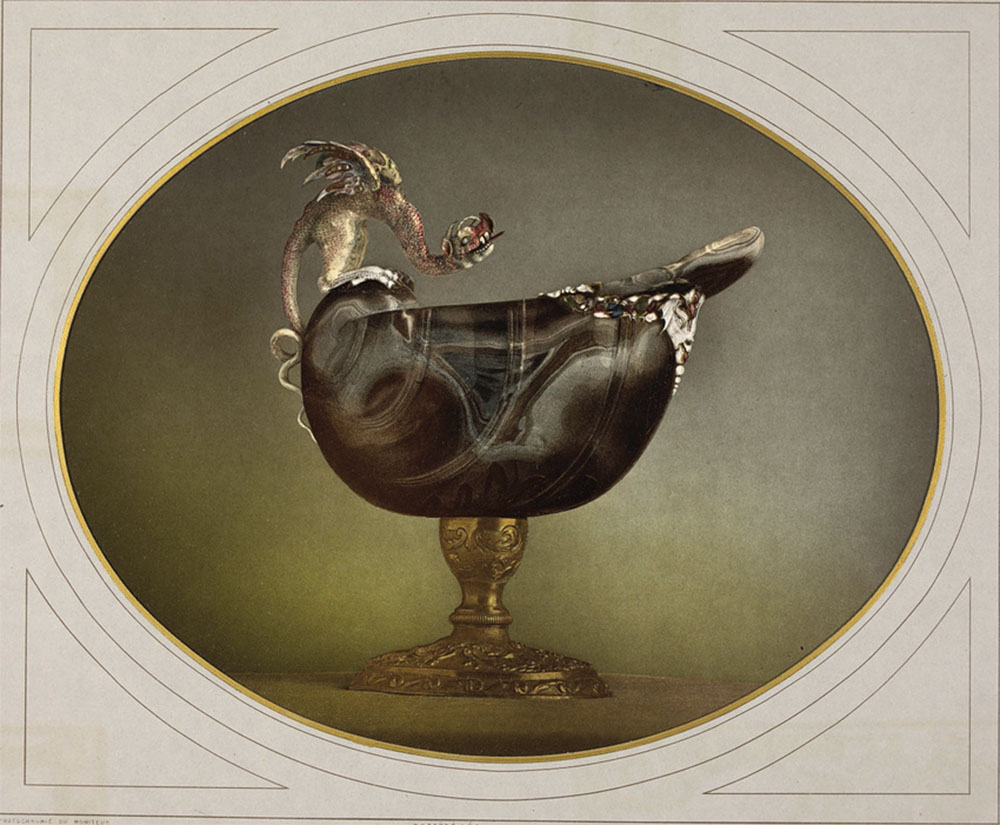
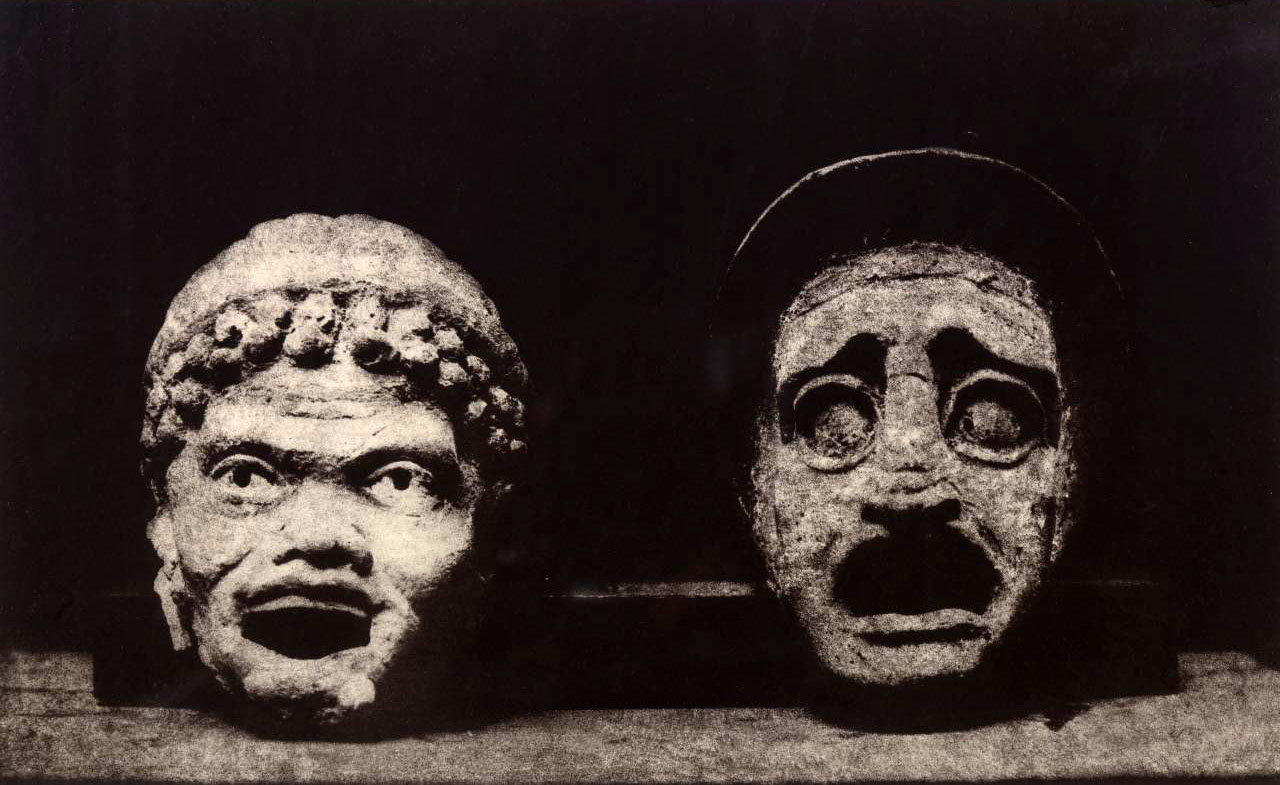
Marcel Gustave Laverdet (French, 1816-1886) 'Masks from the album Selection of Ancient Terra Cotta from the Collection of M. Le Vicomte H. de Janzé' 1857


Marcel Gustave Laverdet (French, 1816-1886)
Masks from the album Selection of Ancient Terra Cotta from the Collection of M. Le Vicomte H. de Janzé
1857
Photolithograph
8 15/16 × 14 9/16 inches
The Nelson-Atkins Museum of Art
Gift of the Hall Family Foundation


Charles Nègre (French, 1820-1880) 'Self-portrait' About 1855-1860


Charles Nègre (French, 1820-1880)
Self-portrait
About 1855-1860
Salt print
7 5/8 × 5 7/16 inches
The Nelson-Atkins Museum of Art
Gift of the Hall Family Foundation


Early photography is ripe with creative fictions. Actors, children, aristocrats, models, artists, psychiatric patients, maids, and all manner of the working class posed in front of cameras and were transformed into figures from history, literature, the Bible, or into an idealised version of themselves. Still Performing: Costume, Gesture, and Expression in 19th Century European Photography, which opens at The Nelson-Atkins Museum of Art in Kansas City Aug. 24, celebrates the unique and compelling ways 19th century European photographers used the medium to explore and document performance, transforming the photographer’s studio into a theatrical stage. The exhibition runs through Jan. 12, 2025.

“The subjects in this exhibition were highly influenced by popular entertainment – live theatre, tableaux vivant, and dioramas – as well as tastes and trends in painting, drawing, and sculpture,” said Julián Zugazagoitia, Director & CEO of the Nelson-Atkins. “These works were made in a time of anxiety about photography’s relationships to the fine arts and reflect a close intermingling between the worlds of the ‘high’ and the ‘low’.”

Visiting a photographer’s studio in Europe in the mid to late 1800s was like going behind the scenes of a theatrical production. Props, backdrops, costumes, curtains, and controlled lighting converted otherwise ordinary portrait sessions into staged productions. Whether working in their homes or commercial studios, photographers cast themselves, friends, actors, models, and strangers in their photographs, transforming them into all types of characters, from young pickpockets to ancient Greek gods.

“These portraits are so fascinating, and I think our guests are going to be amazed at the rich creative complexity found in European photography’s first 50 years,” said Marijana Rayl, Assistant Curator, Photography.

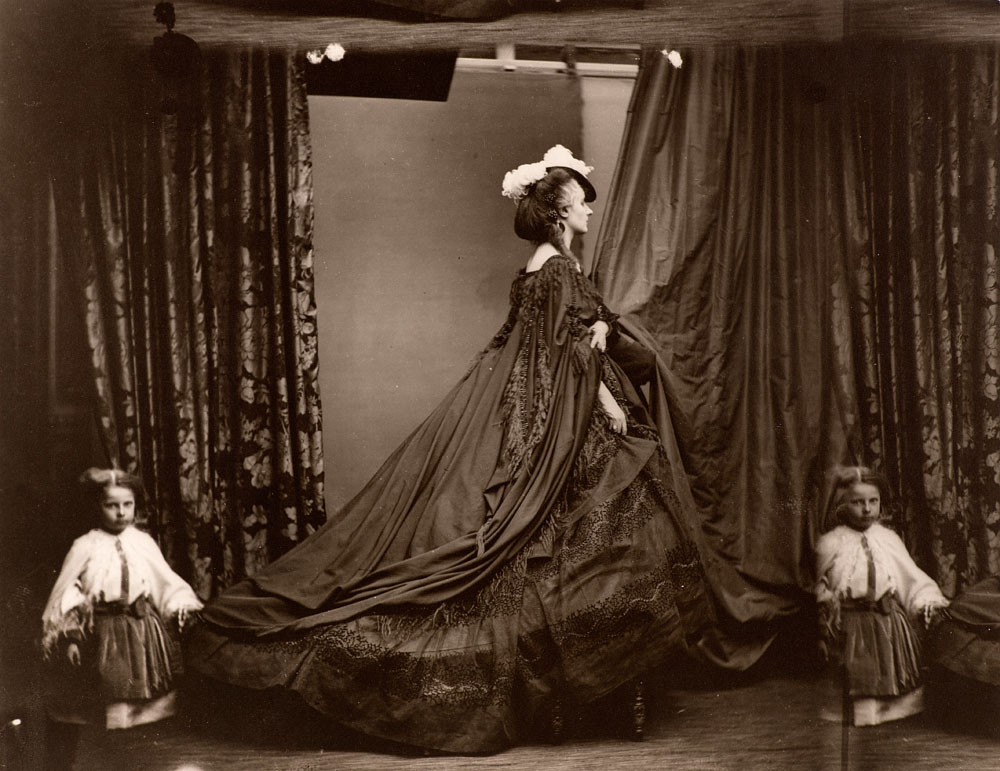
Deliberately made, not casually taken, these staged photographs are often the result of collaborative efforts between photographer and sitter, such as with a series of portraits of Virginia Oldoini, the Countess of Castiglione. A prodigious narcissist, or perhaps just ahead of her time, the countess collaborated with the photographer Pierre-Louis Pierson to produce hundreds of portraits, directing every aspect of the picture-making process. Included in Still Performing is a very rare, hand-coloured portrait of the countess.

The resulting photographs are an outstanding array of complex and compelling fictions showcasing the medium’s early creative potential.

Press release from the Nelson-Atkins Museum


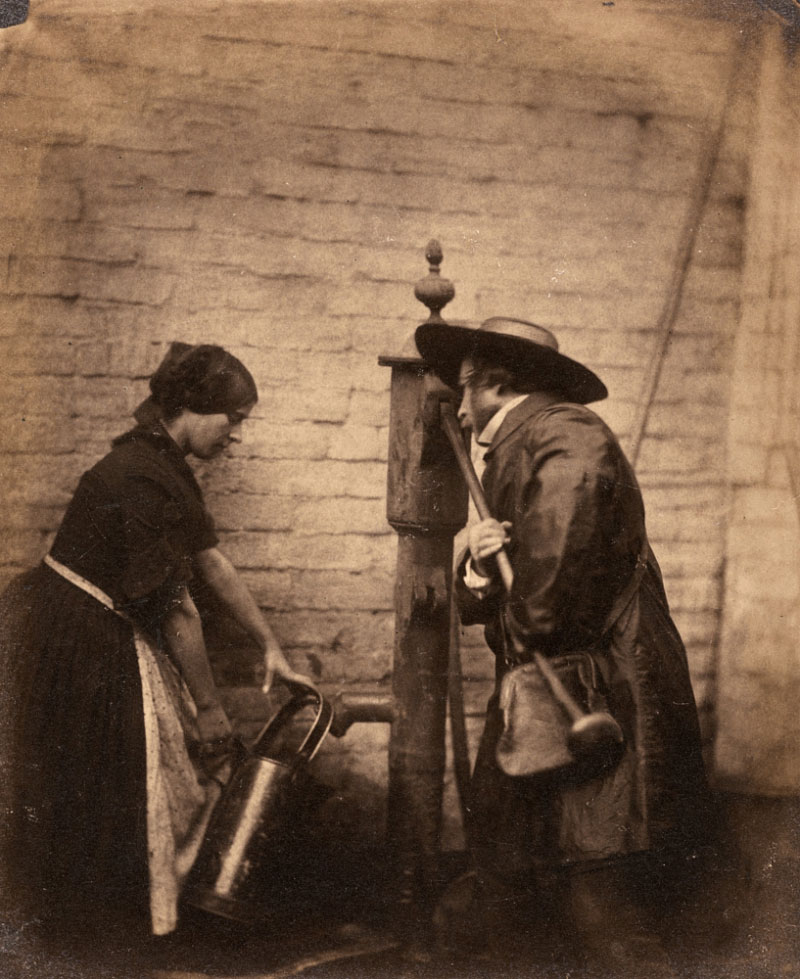
Oscar Gustav Rejlander (English born Sweden, 1813-1875) 'Drawing Water from a Well (O.G. Rejlander and model)' c. 1858


Oscar Gustav Rejlander (English born Sweden, 1813-1875)
Drawing Water from a Well (O.G. Rejlander and model)
c. 1858
Salt print
Image and sheet: 7 15/16 × 6 1/2 inches (20.16 × 16.51cm)
Mount: 14 1/16 × 11 5/16 inches (35.72 × 28.73cm)
The Nelson-Atkins Museum of Art
Gift of the Hall Family Foundation


Oscar Rejlander occasionally cast himself in staged photographs like this one, which was made to appear like a candid image of ordinary people going about their daily lives. Here he poses, turned away from the camera, as though he is helping a peasant woman retrieve water from a well. These kinds of genre scenes were immensely popular in the 1800s across painting, drawing, printmaking, and photography. Rejlander passionately advocated for photography to be treated as a fine art, believing that it must emulate painting.

Text from the Nelson-Atkins Museum website


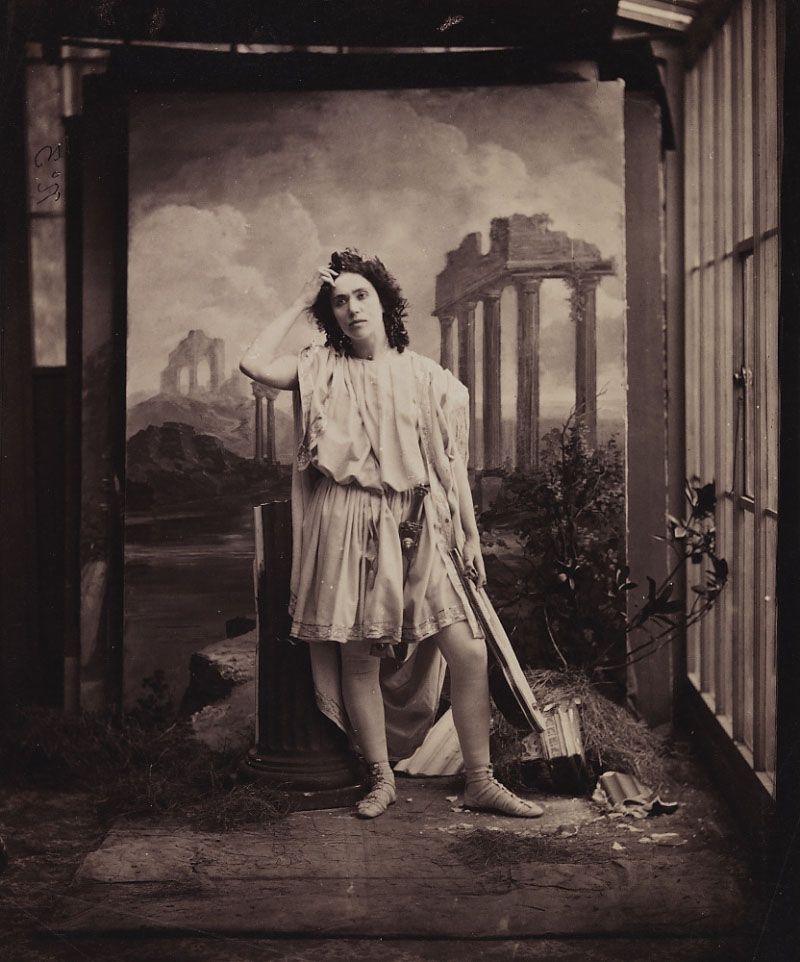
Camille Silvy (French, 1834-1910) 'Actress Rosa Csillag in the Role of Orpheus' 1860


Camille Silvy (French, 1834-1910)
Actress Rosa Csillag in the Role of Orpheus
1860
Albumen print
9 3/16 × 7 5/8 inches
The Nelson-Atkins Museum of Art
Gift of the Hall Family Foundation


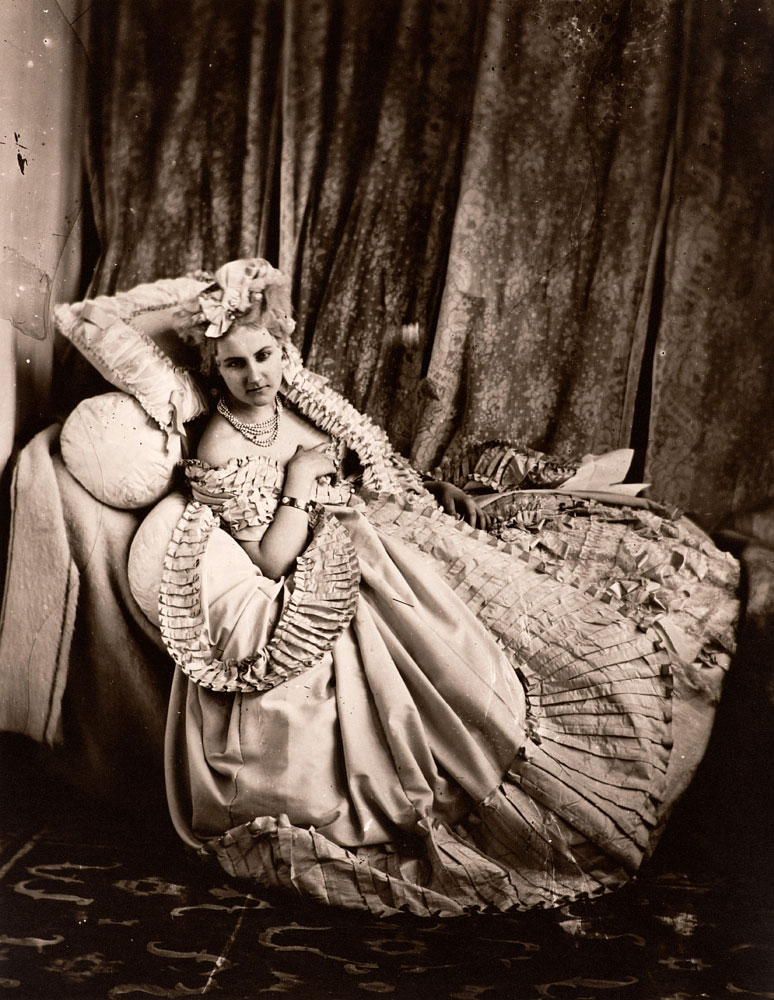
Pierre-Louis Pierson (French, 1822-1913) 'The Countess de Castiglione' 1860s


Pierre-Louis Pierson (French, 1822-1913)
The Countess de Castiglione
1860s
Gelatin silver print (printed about 1930)
10 15/16 x 14 1/8 inches
The Nelson-Atkins Museum of Art
Gift of the Hall Family Foundation


Pierre-Louis Pierson (French, 1822-1913) 'The Countess de Castiglione' 1860s


Pierre-Louis Pierson (French, 1822-1913)
The Countess de Castiglione
1860s
Gelatin silver print (printed about 1930)
Image: 14 3/16 x 11 inches (36.04 x 27.94cm)
Sheet: 14 3/16 x 11 inches (36.04 x 27.94cm)
The Nelson-Atkins Museum of Art
Gift of the Hall Family Foundation


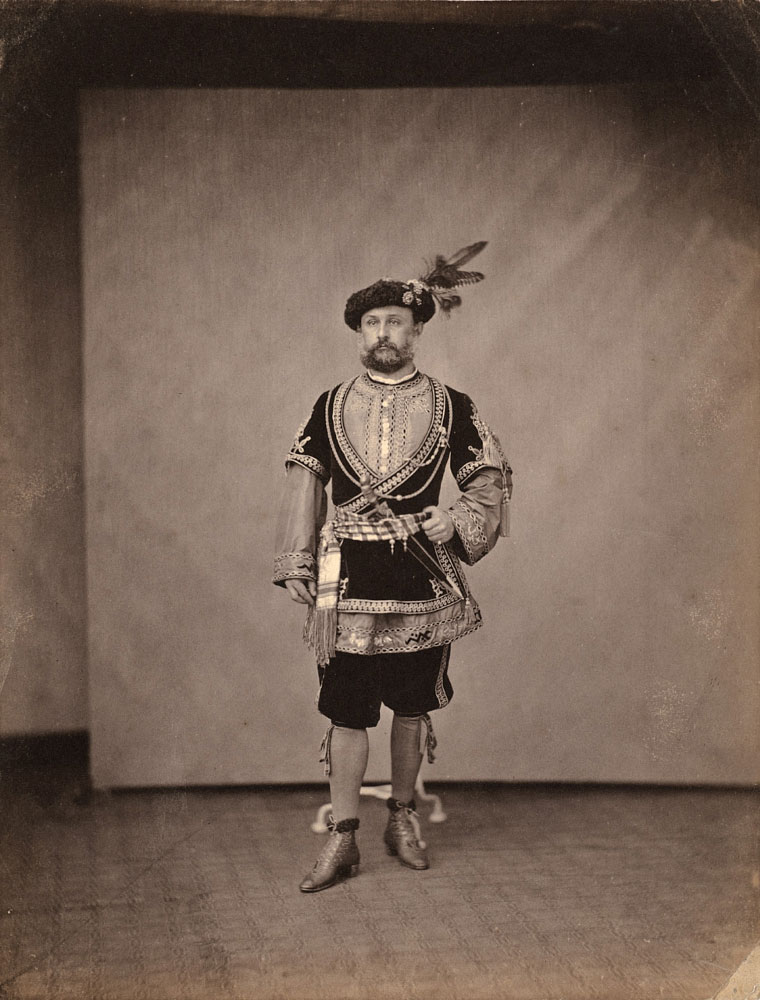
Pierre-Louis Pierson (French, 1822-1913) 'Bal en Costume, Royaume de Belgique' c. 1860


Pierre-Louis Pierson (French, 1822-1913)
Bal en Costume, Royaume de Belgique
c. 1860
Salt print
Image and sheet: 11 1/2 × 8 3/4 inches (29.21 × 22.23cm)
The Nelson-Atkins Museum of Art
Gift of the Hall Family Foundation


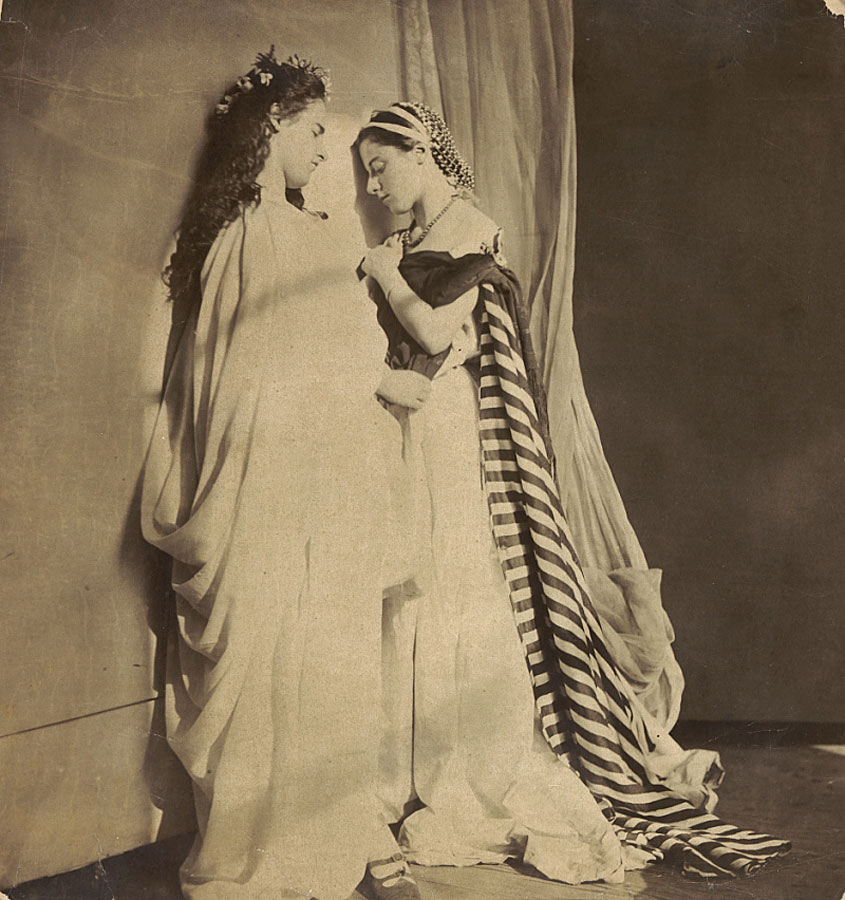
Lady Clementina Hawarden (English, born Scotland, 1822-1865) 'Clementina Maude and Isabella Grace' c. 1863


Lady Clementina Hawarden (English, born Scotland, 1822-1865)
Clementina Maude and Isabella Grace
c. 1863
Albumen print
Image and sheet: 9 13/16 × 9 11/16 inches (24.97 × 24.61cm)
The Nelson-Atkins Museum of Art
Gift of the Hall Family Foundation


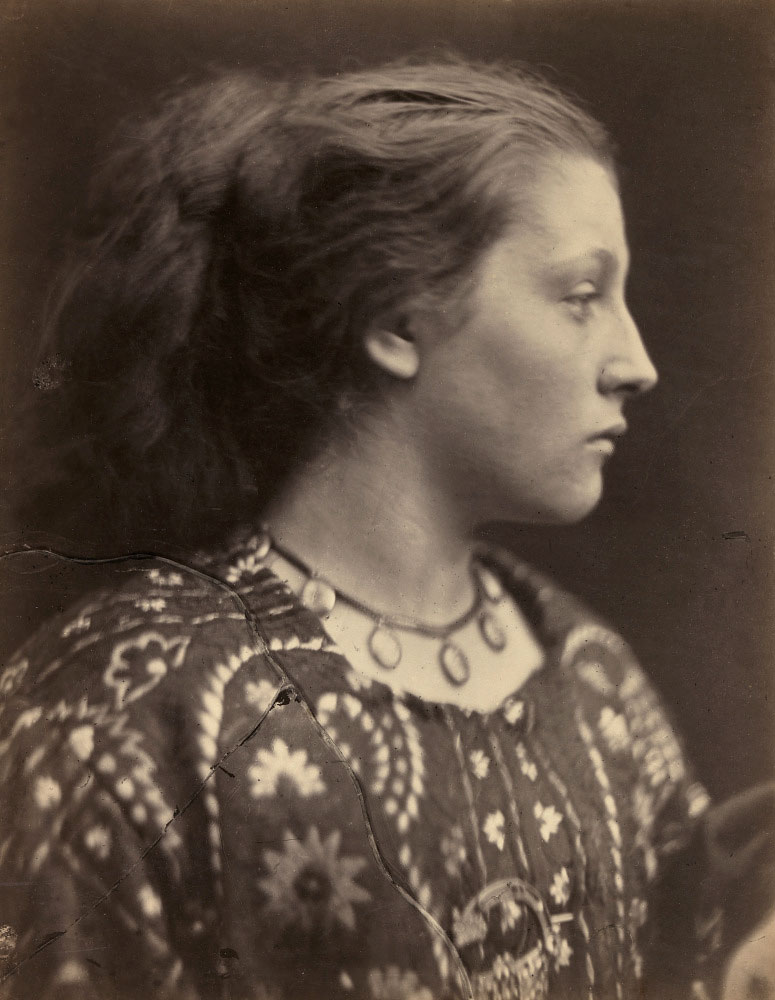
Julia Margaret Cameron (English, born India, 1815-1879) 'Sappho (Mary Hillier)' 1865


Julia Margaret Cameron (English, born India, 1815-1879)
Sappho (Mary Hillier)
1865
Albumen print
Image and sheet: 12 15/16 × 10 1/8 inches (32.86 × 25.72cm)
Mount: 20 13/16 × 16 13/16 inches (52.86 × 42.7cm)
The Nelson-Atkins Museum of Art
Gift of the Hall Family Foundation


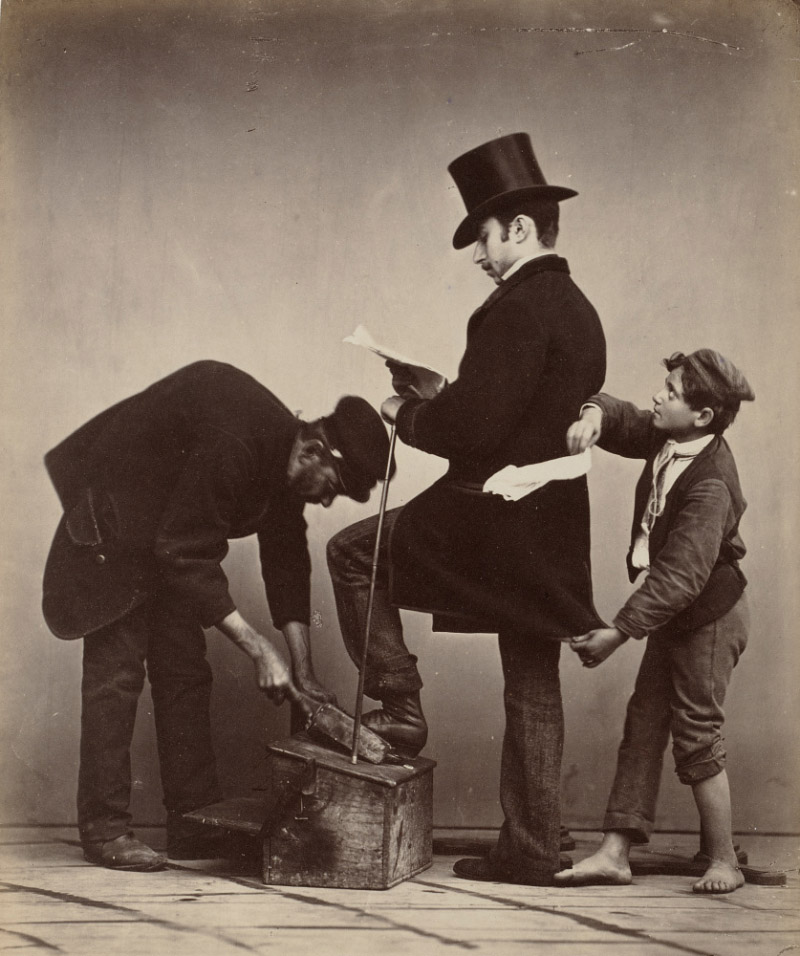
Giorgio Sommer (Italian born Germany, 1834-1914) 'The Pickpocket' About 1865


Giorgio Sommer (Italian born Germany, 1834-1914)
The Pickpocket
About 1865
Albumen print
9 3/8 × 7 5/8 inches
The Nelson-Atkins Museum of Art
Gift of the Hall Family Foundation


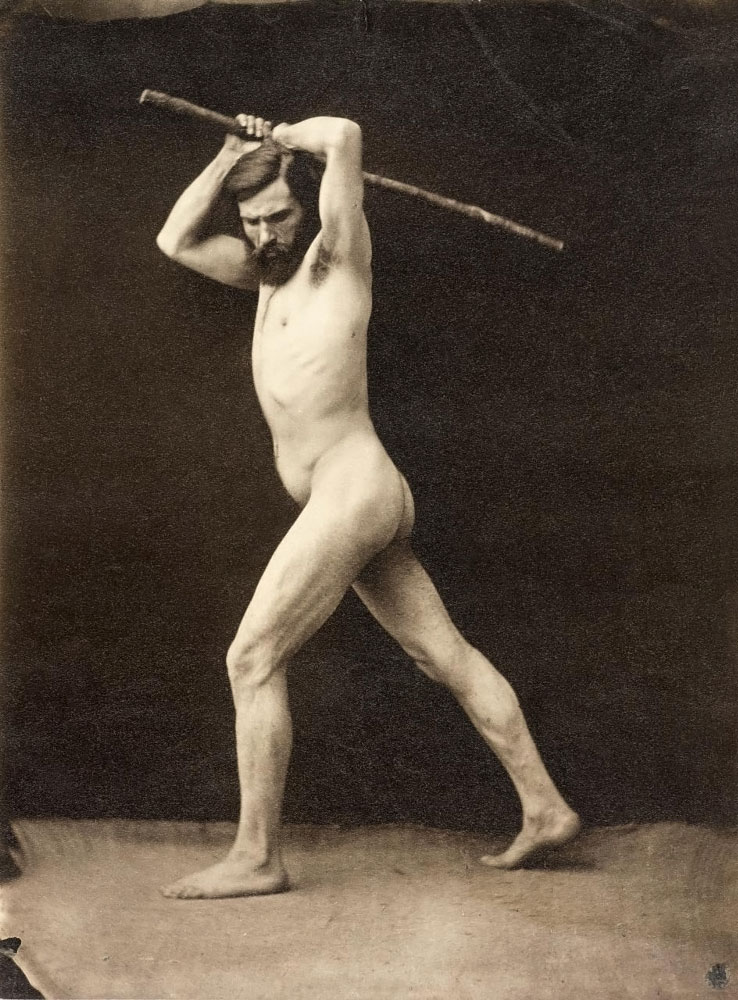
Gaudenzio Marconi (French born Switzerland, 1842-1885) 'Male nude for artist' c. 1870


Gaudenzio Marconi (French born Switzerland, 1842-1885)
Male nude for artist
c. 1870
Albumen print
Image and sheet: 8 5/8 × 6 3/8 inches (21.91 × 16.19cm)
Mount: 12 9/16 × 9 3/4 inches (31.91 × 24.77cm)
The Nelson-Atkins Museum of Art
Gift of the Hall Family Foundation


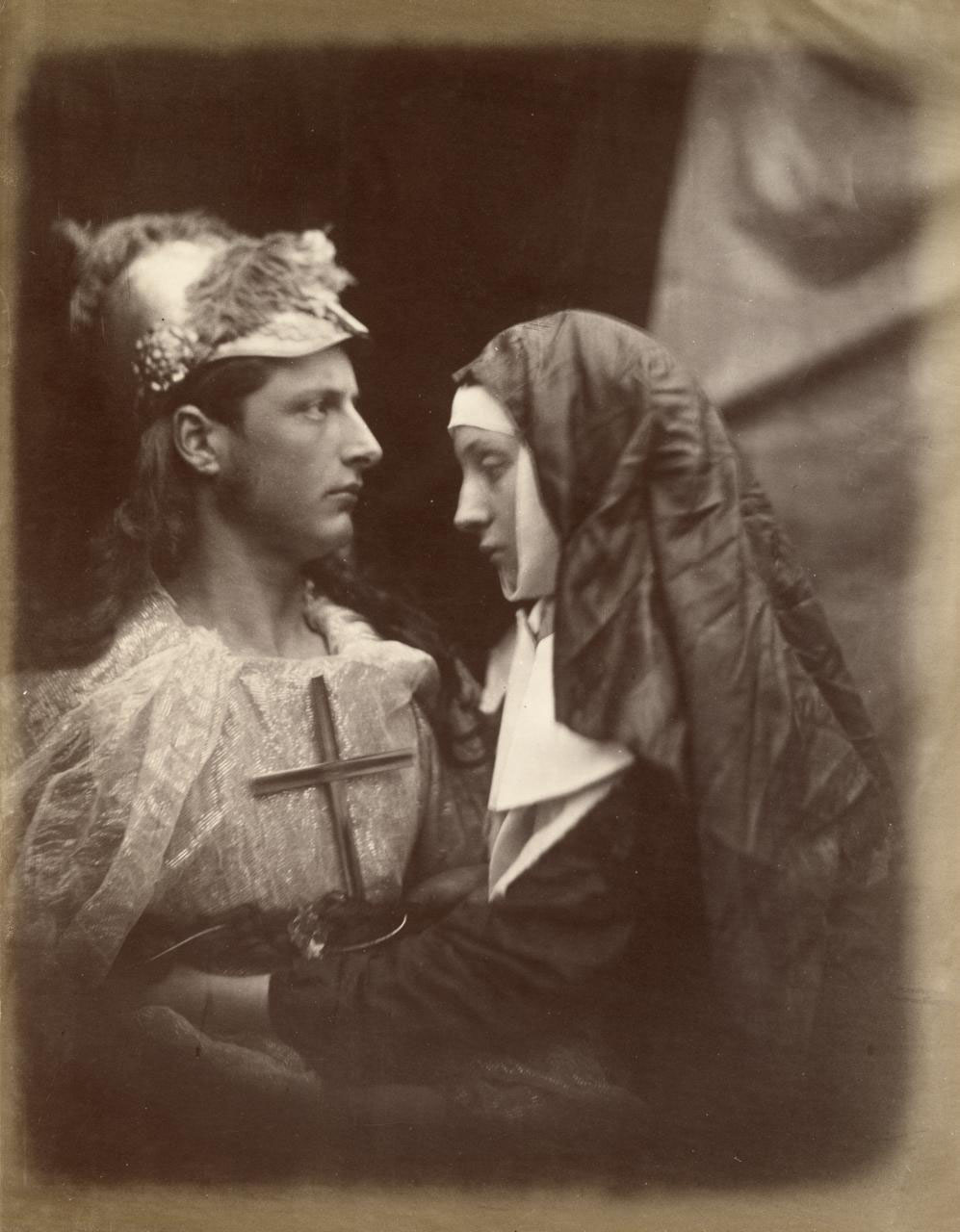
Julia Margaret Cameron (English born India, 1815-1879) 'Sir Galahad and the Pale Nun' 1874


Julia Margaret Cameron (English born India, 1815-1879)
Sir Galahad and the Pale Nun
1874
Albumen print
13 7/16 × 10 1/2 inches
The Nelson-Atkins Museum of Art
Gift of the Hall Family Foundation


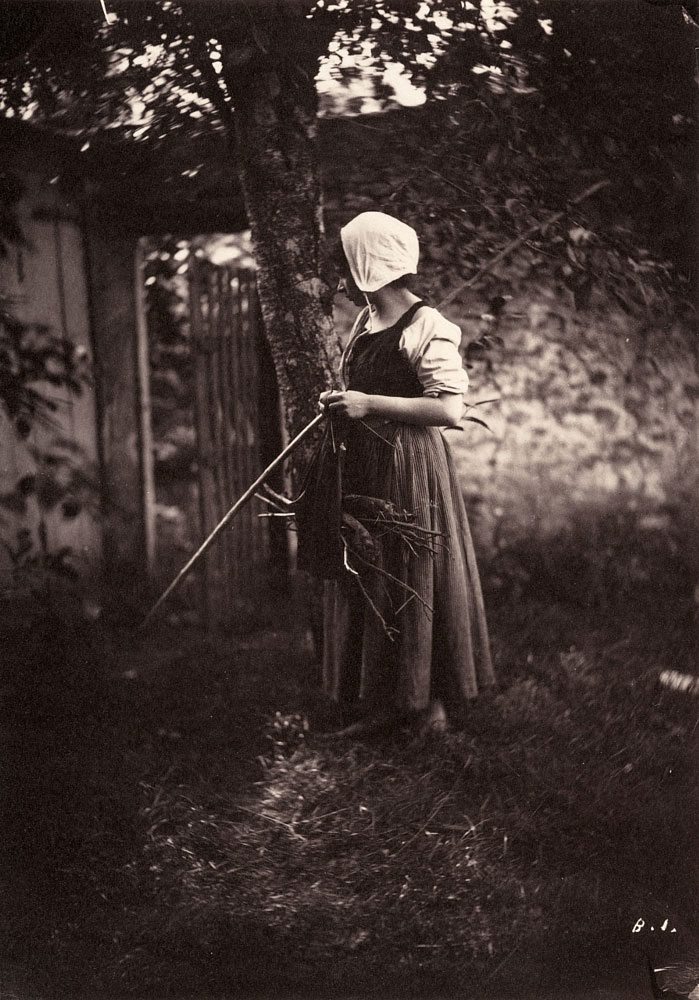
Giraudon's Artist (French, active c. 1875) 'Woman with bundle of twigs' c. 1875-1880


Giraudon’s Artist (French, active c. 1875)
Woman with bundle of twigs
c. 1875-1880
Albumen print
Image and sheet: 6 5/8 × 4 11/16 inches (16.83 × 11.91cm)
The Nelson-Atkins Museum of Art
Gift of the Hall Family Foundation


Pierre-Louis Pierson (French, 1822-1913) 'Portrait of the Countess of Castiglione from Série des Roses' 1895


Pierre-Louis Pierson (French, 1822-1913)
Portrait of the Countess of Castiglione from Série des Roses
1895
Albumen cabinet card
Image and sheet: 5 15/16 × 3 15/16 inches (15.06 × 9.98cm)
Mount: 6 3/8 × 4 1/4 inches (16.21 × 10.8cm)
The Nelson-Atkins Museum of Art
Gift of the Hall Family Foundation


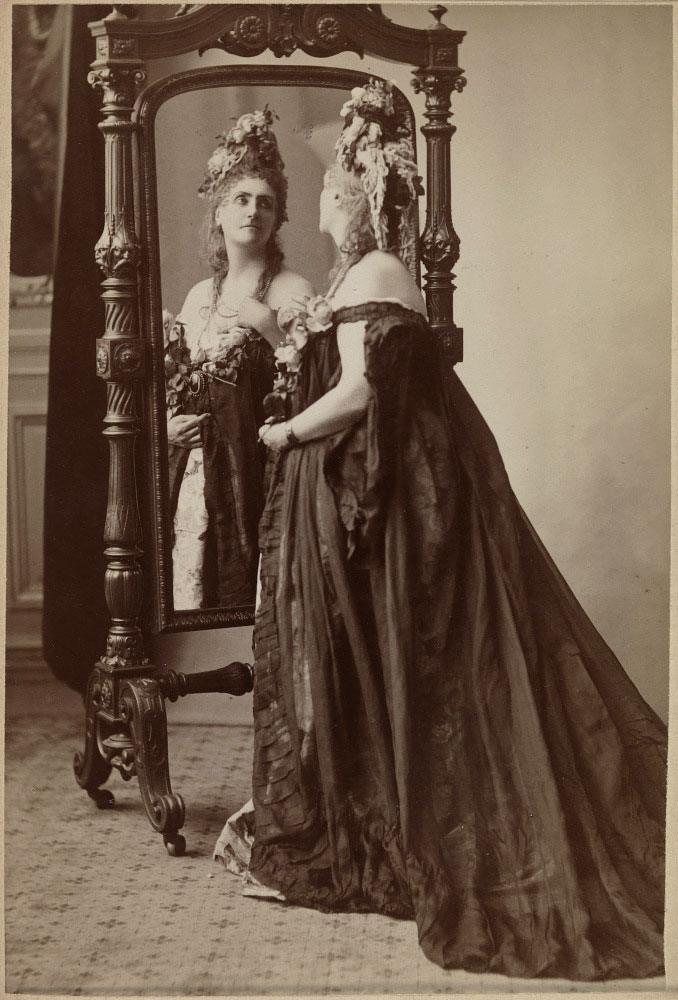
The Countess of Castiglione became reclusive with age, rumored to only leave her home at night, hidden behind veils. Social chroniclers of the time claimed that she removed all mirrors from her home to avoid her appearance; however, this portrait seems to contradict her alleged displeasure. Taken toward the end of her life, the countess admires her reflection in the mirror, donning a youthful blond wig elaborately decorated with roses.

Text from the Nelson-Atkins Museum website


The Nelson-Atkins Museum of Art
4525 Oak Street
Kansas City, MO 64111

Opening hours:
Thursday – Monday 10am – 5pm
Closed Tuesdays and Wednesdays

The Nelson-Atkins Museum of Art website

LIKE ART BLART ON FACEBOOK

Back to top

Exhibition: ‘In the Looking Glass: Recent Daguerreotype Acquistions’ at the Nelson-Atkins Museum of Art, Kansas City

Exhibition dates: 25th January – 20th July 2014


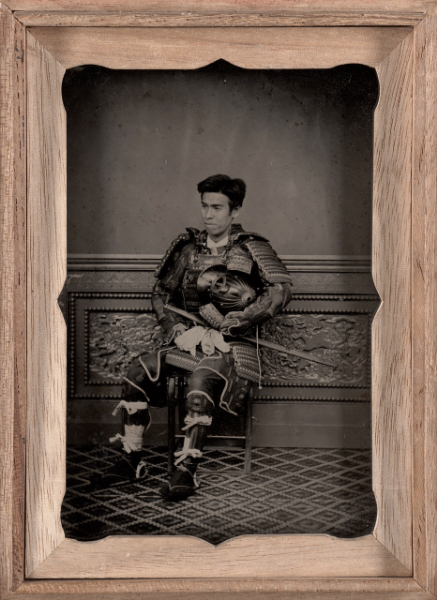
Attributed to: Tsukamoto, Japanese. 'Portrait of a man in samurai armor' mid 1870s


Attributed to:
Tsukamoto (Japanese)
Portrait of a man in samurai armour
mid 1870s
Ambrotype
5 x 3 1/2 inches
Gift of the Hall Family Foundation
© Nelson Gallery Foundation


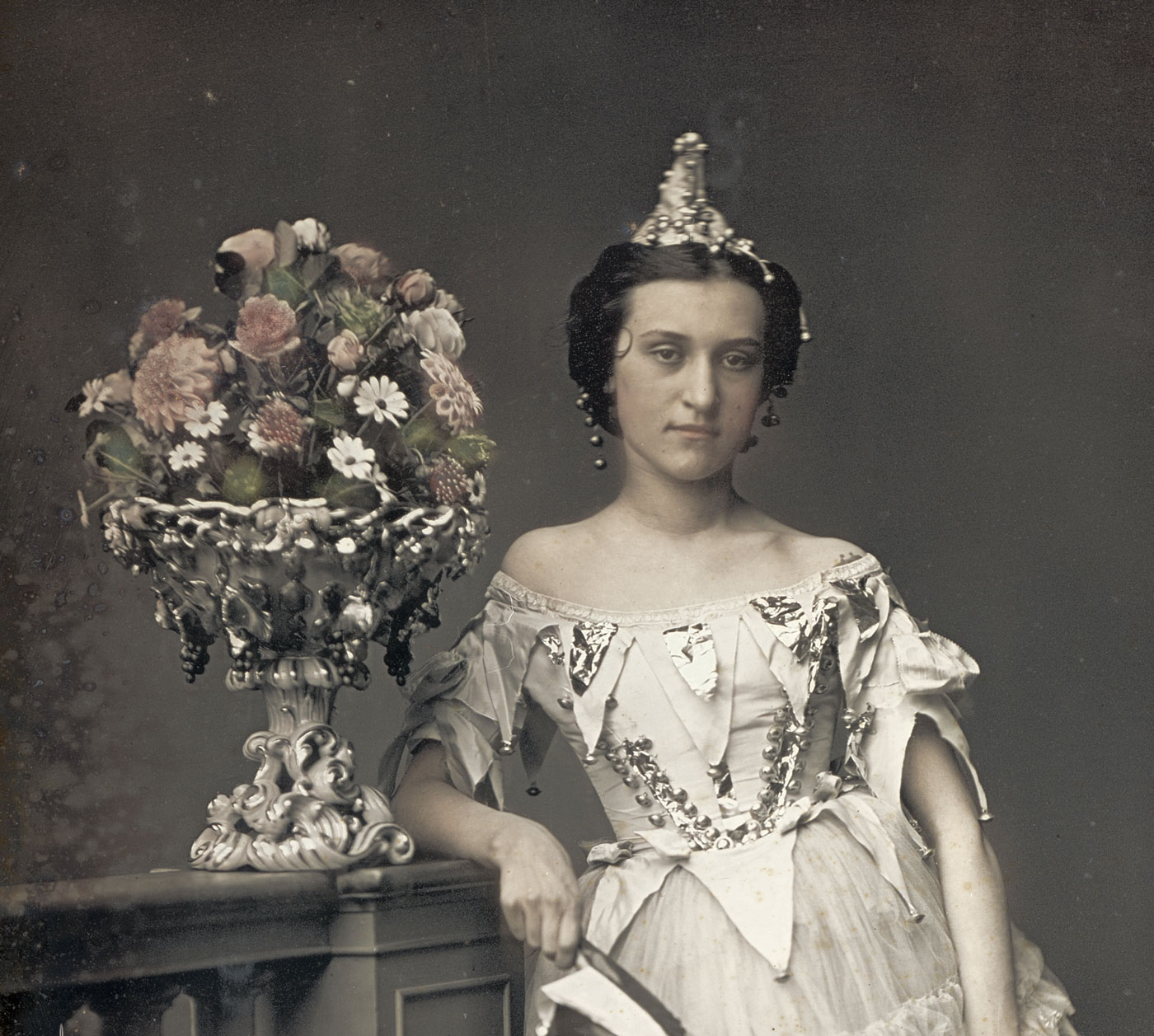
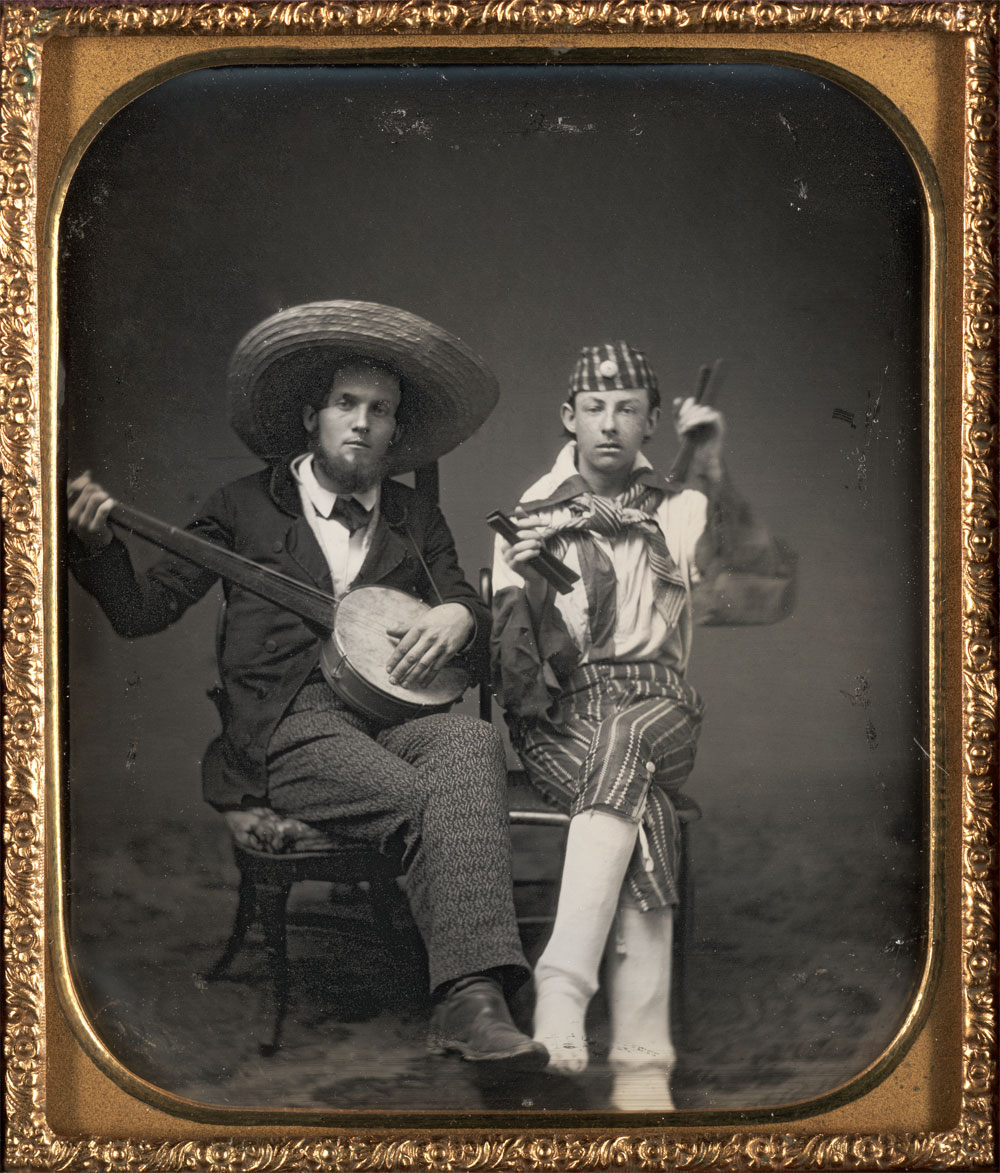
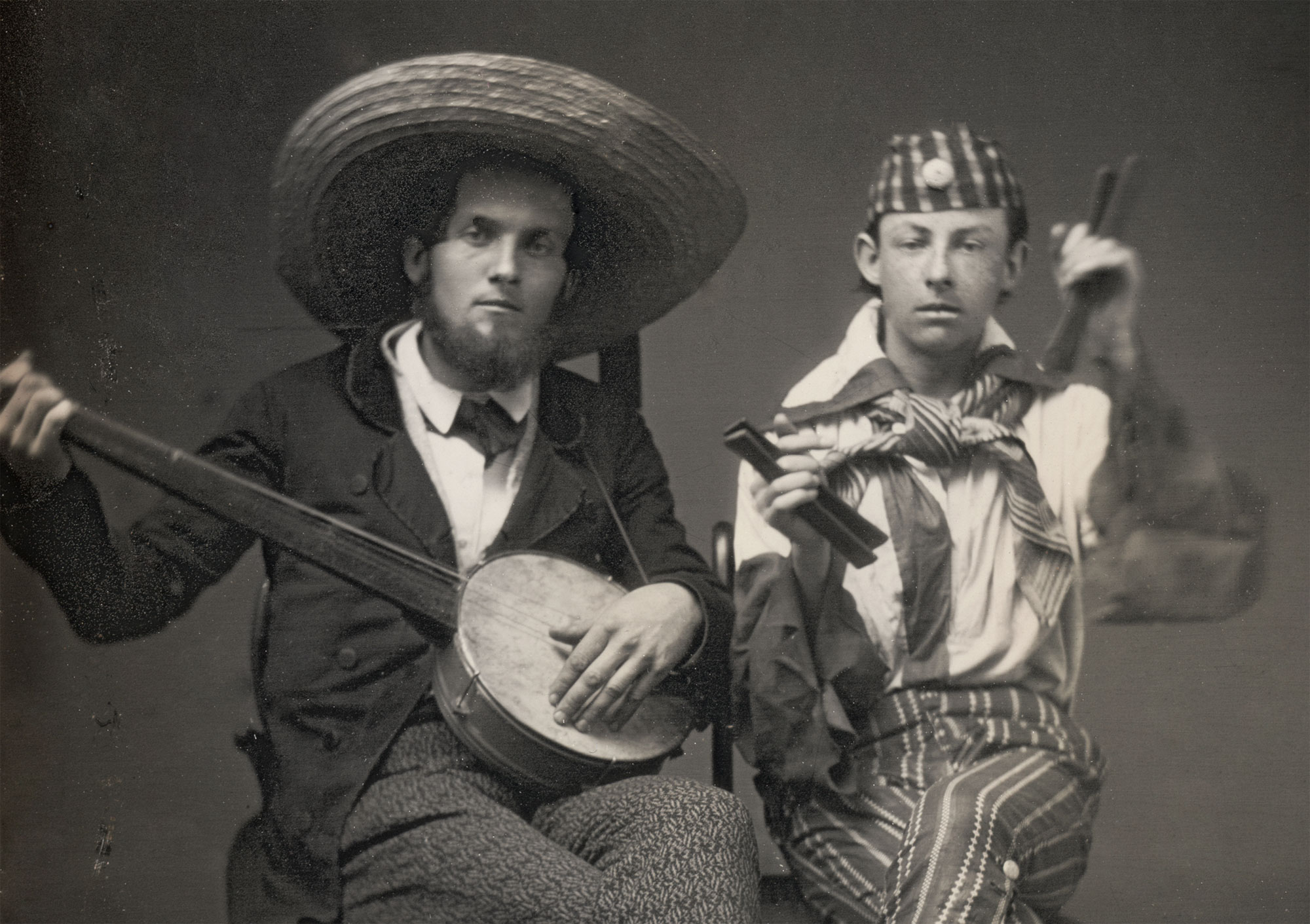
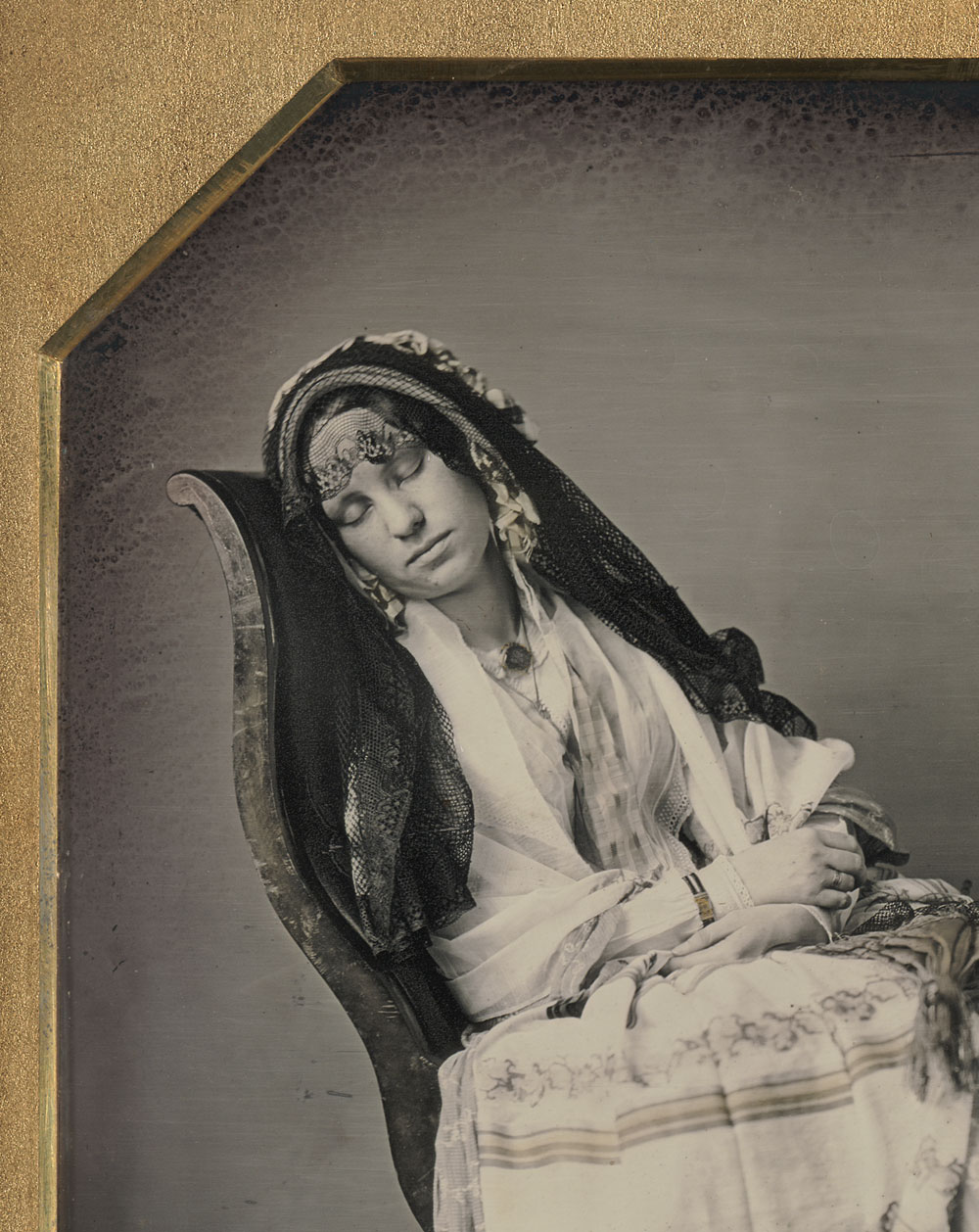
OMG some of these images are SO beautiful and others SO bizarre. Please enlarge the detailed shots of Lady in Costume (c. 1850, below) and Traveling Minstrels – banjo and bones (c. 1850, below) – my two favourites – so you can see the costumes and the people. The clothes of the bones player are incredible… I wonder what they did with their lives, where they went and how they lived. How old do you think they are? And what is that on the front of his hat, a watch?

Dr Marcus Bunyan


Many thankx to The Nelson-Atkins Museum of Art for allowing me to publish the photographs in the posting. Please click on the photographs for a larger version of the image.


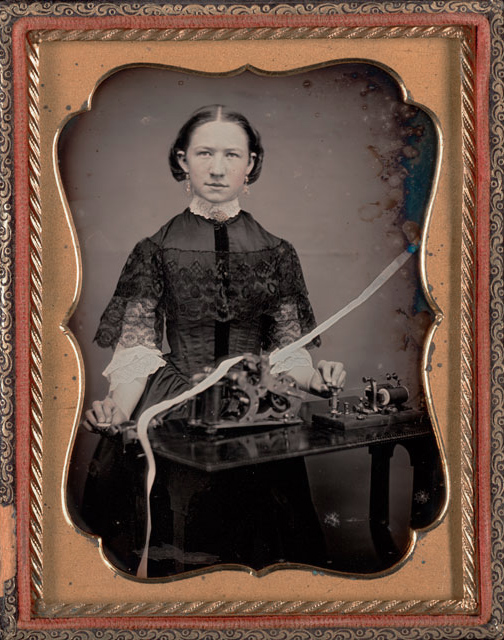
Unknown maker (American) 'Woman telegrapher' c. 1850


Unknown maker (American)
Woman telegrapher
c. 1850
Daguerreotype, quarter plate
image size: 4 1/4 x 3 1/4 inches
Gift of the Hall Family Foundation
© Nelson Gallery Foundation


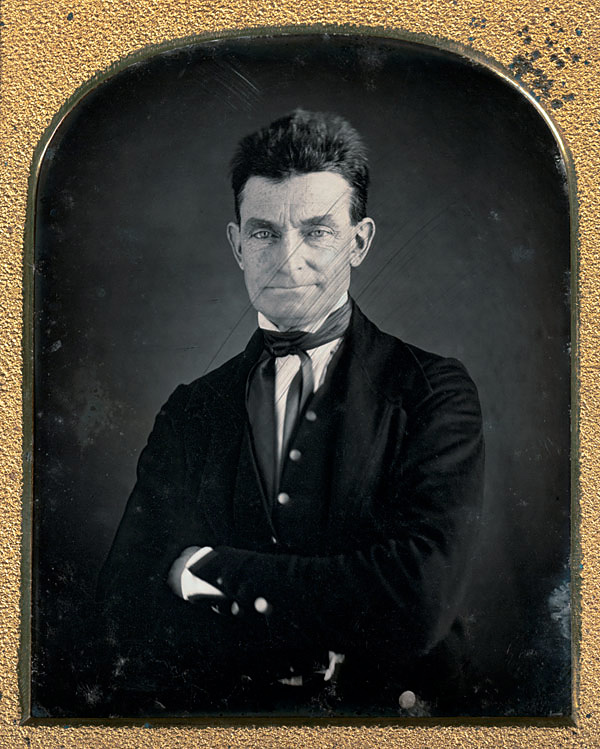
Augustus Washington (American, 1820-1875) 'John Brown' c. 1846-1847


Augustus Washington (American, 1820-1875)
John Brown
c. 1846-1847
Quarter plate daguerreotype
4 x 3 3/16 inches
Gift of the Hall Family Foundation
© Nelson Gallery Foundation


John Brown (May 9, 1800 – December 2, 1859) was a white American abolitionist who believed armed insurrection was the only way to overthrow the institution of slavery in the United States. During the 1856 conflict in Kansas, Brown commanded forces at the Battle of Black Jack and the Battle of Osawatomie. Brown’s followers also killed five slavery supporters at Pottawatomie. In 1859, Brown led an unsuccessful raid on the federal armoury at Harpers Ferry that ended with his capture. Brown’s trial resulted in his conviction and a sentence of death by hanging.

Brown’s attempt in 1859 to start a liberation movement among enslaved African Americans in Harpers Ferry, Virginia, electrified the nation. He was tried for treason against the Commonwealth of Virginia, the murder of five men and inciting a slave insurrection. He was found guilty on all counts and was hanged. Southerners alleged that his rebellion was the tip of the abolitionist iceberg and represented the wishes of the Republican Party to end slavery. Historians agree that the Harpers Ferry raid in 1859 escalated tensions that, a year later, led to secession and the American Civil War.

Text from Wikipedia website


(Pierre) Victor Plumier (French, active 1840s-1850s) 'Lady in Costume' c. 1850


(Pierre) Victor Plumier (French, active 1840s-1850s)
Lady in Costume
c. 1850
Daguerreotype, half-plate
Plate: 5 1/2 x 4 1/2 inches (13.97 x 11.43cm)
Mount (open): 8 1/8 x 6 5/8 inches (20.64 x 16.83cm)
Gift of the Hall Family Foundation
© Nelson Gallery Foundation


(Pierre) Victor Plumier, French, active 1840s-1850s 'Lady in Costume' c. 1850 (detail)


(Pierre) Victor Plumier, French, active 1840s-1850s
Lady in Costume (detail)
c. 1850
Daguerreotype, half-plate
Plate: 5 1/2 x 4 1/2 inches (13.97 x 11.43cm)
Mount (open): 8 1/8 x 6 5/8 inches (20.64 x 16.83cm)
Gift of the Hall Family Foundation
© Nelson Gallery Foundation


Unknown photographer. 'Traveling Minstrels – banjo and bones' c. 1850


Unknown photographer
Traveling Minstrels – banjo and bones
c. 1850
Daguerreotype, sixth plate
Plate: 3 1/4 x 2 3/4 inches (8.26 x 6.99cm)
Case: 3 3/4 x 3 3/8 x 5/8 inches (9.53 x 8.59 x 1.6cm)
Gift of the Hall Family Foundation
© Nelson Gallery Foundation


The bones are a musical instrument (more specifically, a folk instrument) which, at the simplest, consists of a pair of animal bones, or pieces of wood or a similar material. Sections of large rib bones and lower leg bones are the most commonly used true bones, although wooden sticks shaped like the earlier true bones are now more often used…

They have contributed to many music genres, including 19th century minstrel shows, traditional Irish music, the blues, bluegrass, zydeco, French-Canadian music, and music from Cape Breton in Nova Scotia…

They are typically about 5″ to 7″ in length, but can be much longer, and they are often curved, roughly resembling miniature barrel staves. Bones can also be flat, for example by the cutting of a yardstick. They are played by holding them between one’s fingers, convex surfaces facing one another, and moving one’s wrist in such a way that they knock against each other…

While North American players are typically two-handed, the Irish tradition finds the vast majority of bones players using only one hand, a distinction in method that has a strong impact on musical articulation. The comparison of the function of banjo rolls with that of bones within an ensemble suggests that stereotypically a subdivided accompaniment pattern is played on the bones.

Text from Wikipedia website


Unknown photographer. 'Traveling Minstrels – banjo and bones' c. 1850 (detail)


Unknown photographer
Traveling Minstrels – banjo and bones (detail)
c. 1850
Daguerreotype, sixth plate
Plate: 3 1/4 x 2 3/4 inches (8.26 x 6.99cm)
Case: 3 3/4 x 3 3/8 x 5/8 inches (9.53 x 8.59 x 1.6cm)
Gift of the Hall Family Foundation
© Nelson Gallery Foundation


David C. Collins (American, 1825-1909) 
Thomas P. Collins (American, 1823-1873) 'Portrait of Frances Amelia Collins Mitchell' c. 1850


David C. Collins (American, 1825-1909)

Thomas P. Collins (American, 1823-1873)
Portrait of Frances Amelia Collins Mitchell
c. 1850
Daguerreotype, half plate
Plate: 5 1/2 x 4 1/2 inches (13.97 x 11.43cm)
Case: 6 x 4 7/8 x 3/4 inches (15.24 x 12.37 x 1.91cm)
Gift of the Hall Family Foundation
© Nelson Gallery Foundation


David C. Collins (American, 1825-1909) 
Thomas P. Collins (American, 1823-1873) 'Portrait of Frances Amelia Collins Mitchell' c. 1850 (detail)


David C. Collins (American, 1825-1909)

Thomas P. Collins (American, 1823-1873)
Portrait of Frances Amelia Collins Mitchell (detail)
c. 1850
Daguerreotype, half plate
Plate: 5 1/2 x 4 1/2 inches (13.97 x 11.43cm)
Case: 6 x 4 7/8 x 3/4 inches (15.24 x 12.37 x 1.91cm)
Gift of the Hall Family Foundation
© Nelson Gallery Foundation


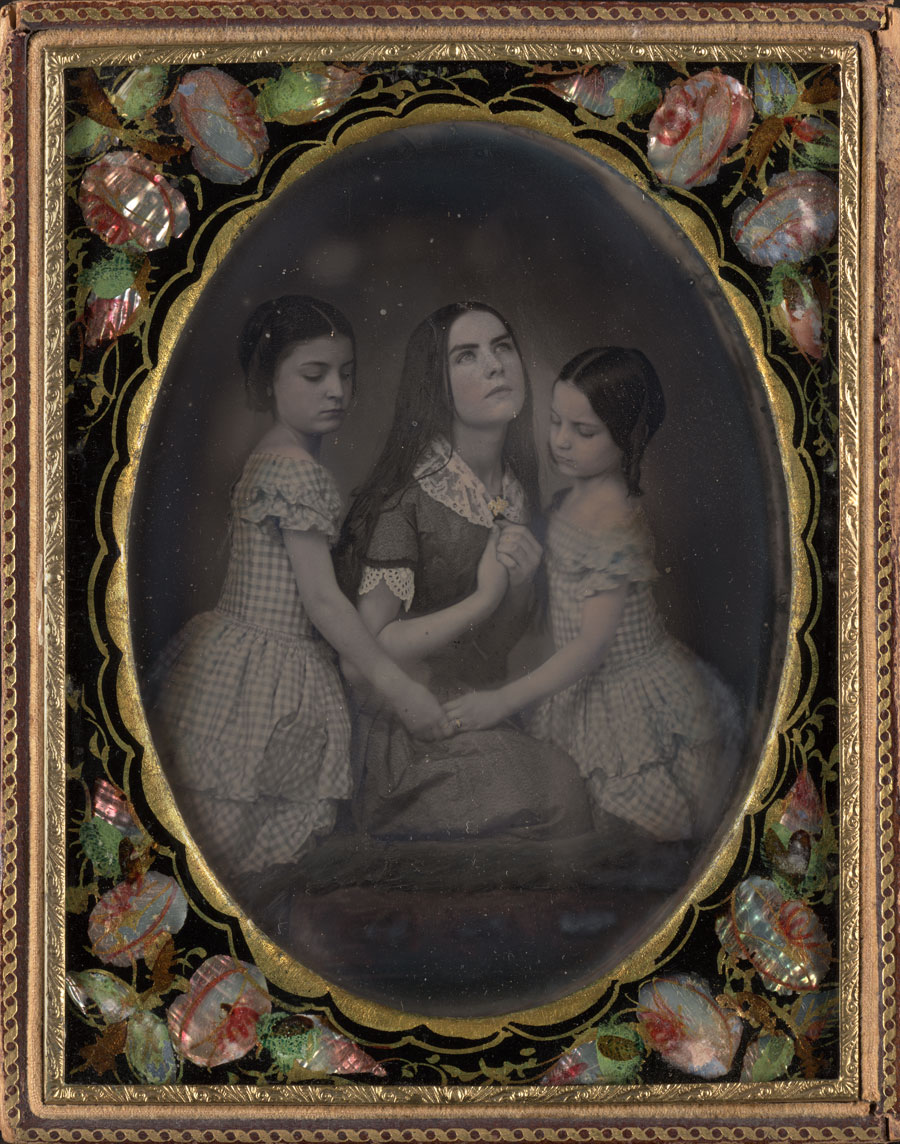
Unknown photographer. 'Portrait of Three Girls' c. 1850s


Unknown photographer
Portrait of Three Girls
c. 1850s
Daguerreotype, half plate
Plate: 5 1/2 x 4 1/2 inches (13.97 x 11.43cm)
Gift of the Hall Family Foundation
© Nelson Gallery Foundation


An exhibition featuring more than 50 daguerreotypes acquired by The Nelson-Atkins Museum of Art since 2007 opened on Jan. 24. In the Looking Glass: Recent Daguerreotype Acquisitions is a fascinating look at an early photographic process that was introduced in 1839. “In the 19th century, daguerreotypes seemed to be magical bits of reality,” says Jane Aspinwall, associate curator of Photography. “Now, more than a century later, they still hold that kind of wonder and appeal.”

A precursor of printed photography, the daguerreotype image is formed on a highly polished silver surface that is exposed to iodine fumes. The fumes produce a light sensitive coating. The plate is then covered with a protective dark slide and placed into a camera. An image is projected through the lens and onto the plate; the image is then developed using heated mercury. The distinguishing visual characteristics of a daguerreotype are that the image is on a bright, mirror-like surface of metallic silver and it appears either positive or negative depending on the lighting conditions and whether a light or dark background is being reflected in the metal.

Important additions to the Nelson-Atkins American collection include portraits by major makers, including possibly the earliest of only six known daguerreotypes of noted abolitionist John Brown. In the French holding, lively portraits, cityscapes, and archaeological images are highlighted. A 170-year-old daguerreotype from Egypt transports viewers to the shimmering banks of the Nile River, a place few would have been able to travel to at the time. British pieces are distinguished by elaborate hand-colouring.

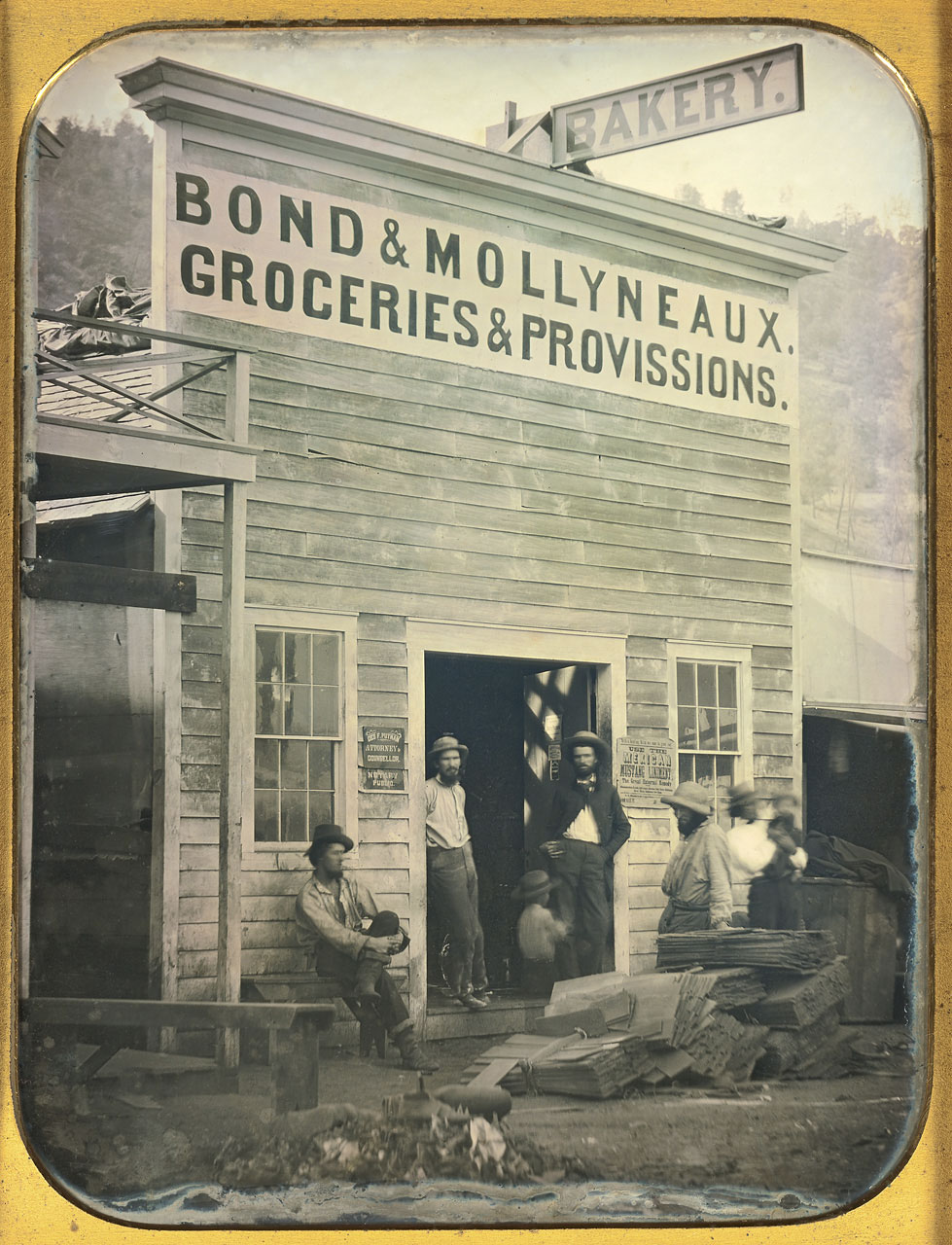
Small, intimate American daguerreotypes, most housed in jewel-like velvet or silk-lined cases, were made to be held close and scrutinised. Because they are reflective, the Nelson-Atkins designed more than two dozen cases with special lighting features to provide optimal viewing conditions, bringing each detailed image to life. A daguerreotype of a young girl clutching a shawl around her bare shoulders seems to float; another sharply detailed, rare Gold Rush image [second image, below] depicts a small group of men standing in front of their grocery store located in a California frontier town.

“It’s an amazing experience to view these precious, one-of-a-kind daguerreotypes,” said Aspinwall. “Once you see one, you never forget it. It takes you back in time to share a mid-19­th century moment with the sitter.”

The Nelson-Atkins is recognised as having one of the top five American daguerreotype collections in the U.S. and loaned more than 80 to the Taft Museum in Cincinnati for the 2013 exhibition Photographic Wonders. Daguerreotypes are an internationally significant cornerstone of the museum’s photography holdings.”

Press release from the  Nelson-Atkins Museum of Art website


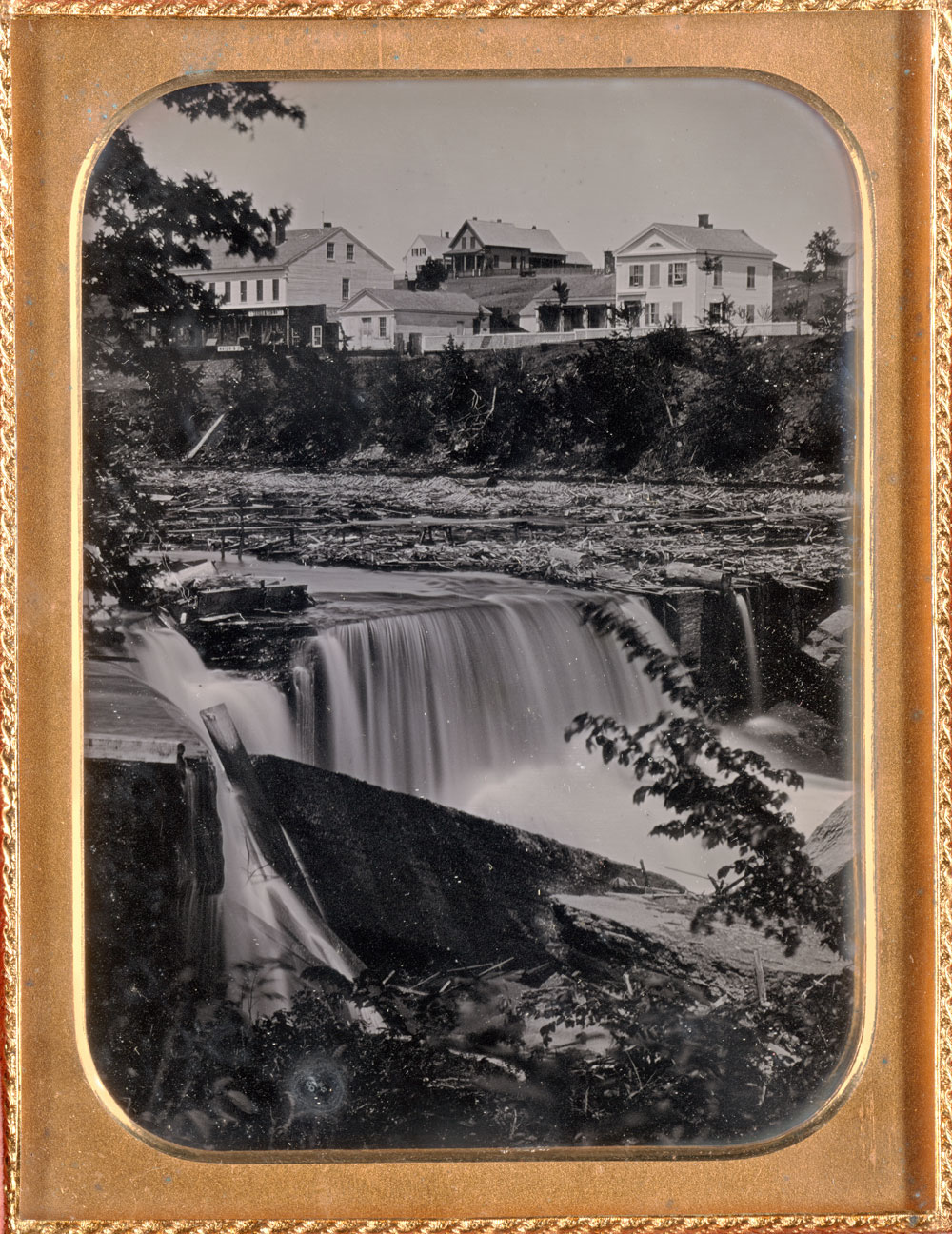
Unknown photographer. 'St. Anthony Falls' c. 1852


Unknown photographer
St. Anthony Falls
c. 1852
Daguerreotype, half plate
Plate: 5 1/2 x 4 1/2 inches (13.97 x 11.43cm)
Case: 6 x 4 3/4 x 1/2 inches (15.24 x 12.07 x 1.27cm)
Gift of the Hall Family Foundation
© Nelson Gallery Foundation


Unknown maker, American. 'Bond & Mollyneaux Groceries and Provisions' c. 1850


Unknown maker, American
Bond & Mollyneaux Groceries and Provisions
c. 1850
Daguerreotype, whole plate
Image size: 8 1/2 x 6 1/2 inches
© Nelson Gallery Foundation


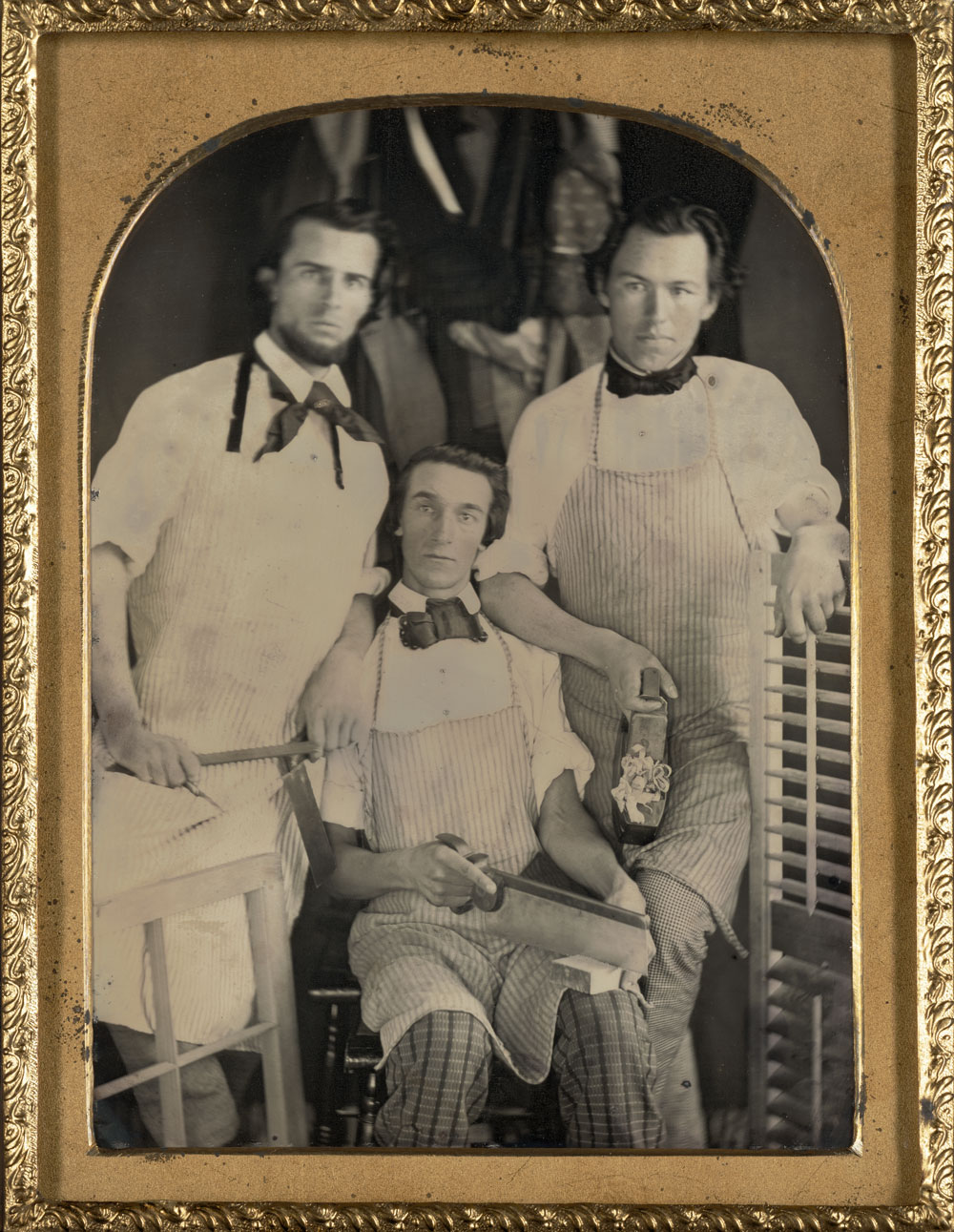
Unknown photographer. 'Three carpenters in their workshop' c. 1848-1850


Unknown photographer
Three carpenters in their workshop
c. 1848-1850
Daguerreotype, quarter plate
Plate: 4 1/4 x 3 1/4 inches (10.8 x 8.26cm)
Case (open): 4 3/4 x 7 1/2 inches (12.07 x 19.05cm)
Gift of the Hall Family Foundation
© Nelson Gallery Foundation


David C. Collins (American, 1825-1909) Thomas P. Collins (American, 1823-1873) 'Portrait of Annie M. Collins' c. 1847


David C. Collins (American, 1825-1909)
Thomas P. Collins (American, 1823-1873)
Portrait of Annie M. Collins
c. 1847
Daguerreotype, quarter plate
Plate: 4 1/4 x 3 1/4 inches (10.8 x 8.26cm)
Case: 4 5/8 x 3 3/4 inches (11.76 x 9.53cm)
Gift of the Hall Family Foundation
© Nelson Gallery Foundation


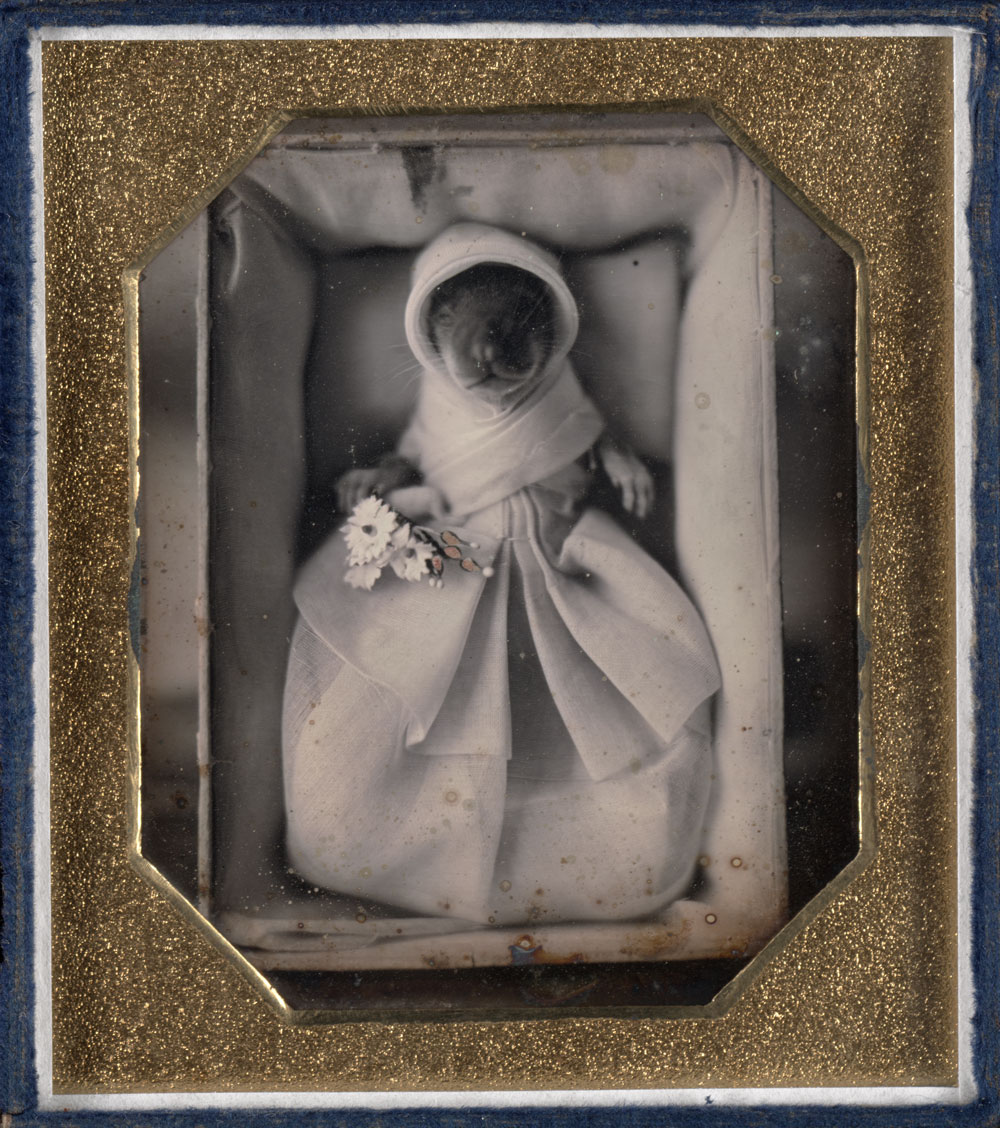
Unknown photographer. 'Genushe (animal post-mortem)' c. 1845-1846


Unknown photographer
Genushe (animal post-mortem)
c. 1845-1846
Daguerreotype, sixth plate
Plate: 3 1/4 x 2 3/4 inches (8.26 x 6.99cm)
Case: 3 3/4 x 3 1/4 x 1/4 inches (9.53 x 8.26 x 0.64cm)
Gift of the Hall Family Foundation
© Nelson Gallery Foundation


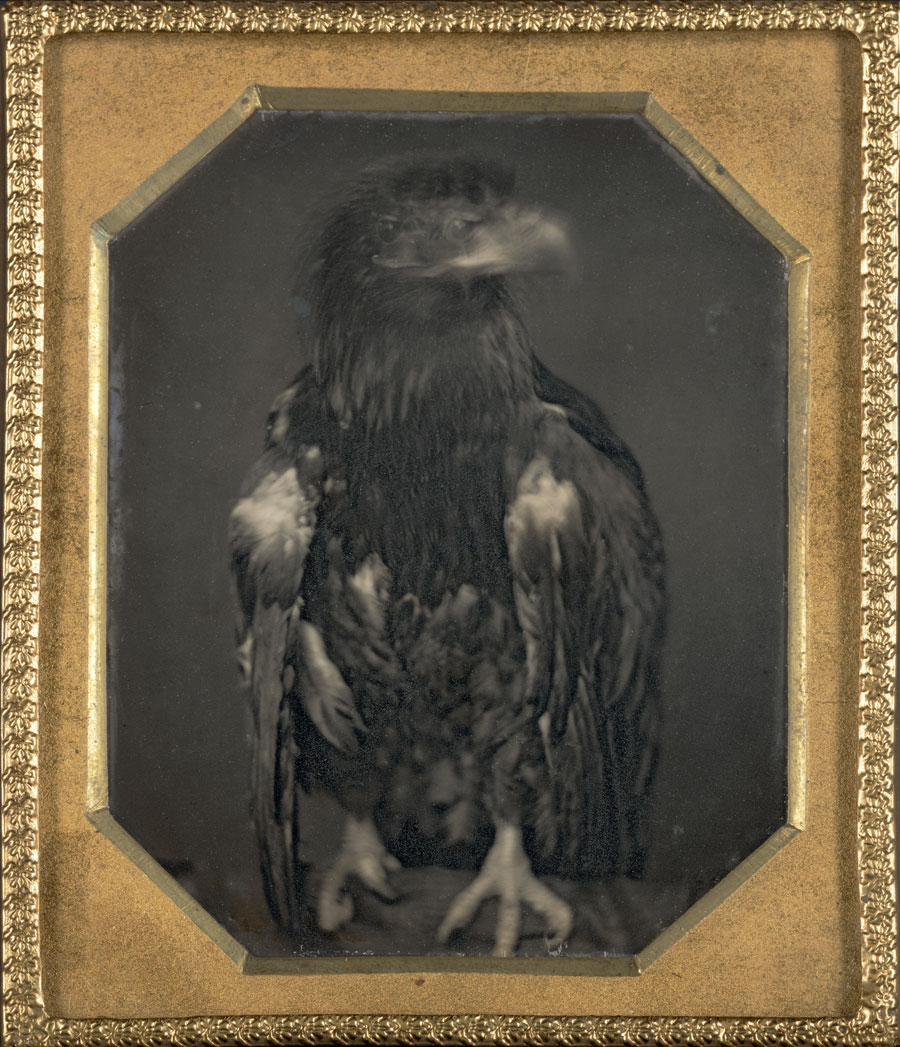
Unknown photographer. 'Untitled (eagle facing left)' c. 1850


Unknown photographer
Untitled (eagle facing left)
c. 1850
Daguerreotype, sixth plate
Case: 3 3/4 x 3 3/4 x 3/4 inches (9.53 x 9.53 x 1.91cm)
Gift of the Hall Family Foundation
© Nelson Gallery Foundation


The Nelson-Atkins Museum of Art
4525 Oak Street
Kansas City, MO 64111

Opening hours:
Thursday – Monday 10am – 5pm
Closed Tuesdays and Wednesdays

The Nelson-Atkins Museum of Art website

LIKE ART BLART ON FACEBOOK

Back to top