Review: ‘Cindy Sherman’ at Metro Pictures Gallery, New York

Exhibition dates: 15th November – 23rd December, 2008
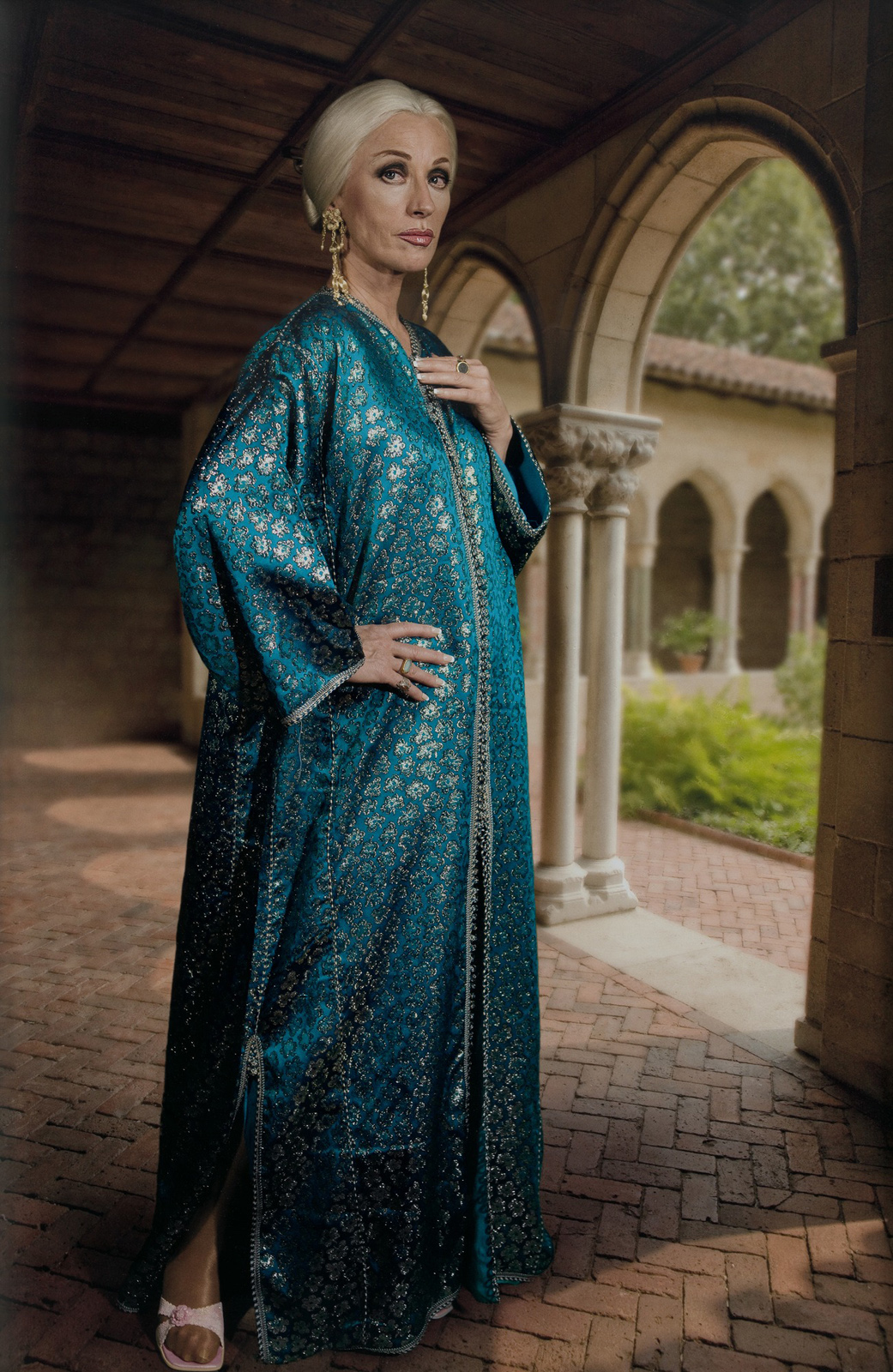
 

Cindy Sherman (American, b. 1954) 'Untitled #466' 2008 from the exhibition Review: 'Cindy Sherman' at Metro Pictures Gallery, New York, Nov - Dec, 2008


Cindy Sherman (American, b. 1954)
Untitled #466
2008
Chromogenic print
254.3  x 174.6cm


The artist Cindy Sherman is a multifaceted evocation of human identity standing in glorious and subversive Technicolor before the blank canvas of her imagination. Poststructuralist in her physical appearance (there being no one Cindy Sherman, perhaps no Sherman at all) and post-photographic in her placement in constructed environments, Sherman challenges the ritualised notions of the performative act – and destabilises perceived notions of self, status, image and place.

The viewer is left with a sense of displacement when looking at these tableaux. The absence / presence of the artist leads the viewer to the binary opposite of rational / emotional – knowing these personae and places are constructions, distortions of a perceived reality yet emotionally attached to every wrinkle, every fold of the body at once repulsive yet seductive.

They are masterworks in the manner of Rembrandt’s self portraits – deeply personal images that he painted over many years that examined the many identities of his psyche – yet somehow different. Sherman investigates the same territories of the mind and body but with no true author, no authoritative meaning and no one subject at their beating heart. Her goal is subversive.

As Roy Boyne has observed, “The movement from the self as arcanum to the citational self, has, effectively, been welcomed, particularly in the work of Judith Butler, but also in the archetypal sociology of Pierre Bourdieu. There is a powerful logic behind this approbation. When self-identity is no longer seen as, even minimally, a fixed essence, this does not mean that the forces of identity formation can therefore be easily resisted, but it does mean that the necessity for incessant repetition of identity formation by the forces of a disciplinary society creates major opportunities for subversion and appropriation. In the repeated semi-permanences of the citational self, there is more than a little scope for counter-performances marked, for example, by irony and contempt.”1

Counter performances are what Sherman achieves magnificently. She challenges a regularised and constrained repetition of norms and as she becomes her camera (“her extraordinary relationship with her camera”) she subverts its masculine disembodied gaze, the camera’s power to produce normative, powerful bodies.2 As the viewer slips ‘in the frame’ of the photograph they take on a mental process of elision much as Sherman has done when making the images – deviating from the moral rules that are impressed from without3 by living and breathing through every fold, every fingernail, every sequin of their constructed being.

Dr Marcus Bunyan


1/ Boyne, Roy. “Citation and Subjectivity: Towards a Return of the Embodied Will,” in Featherstone, Mike (ed.,). Body Modification. London: Sage, 2000, p. 212

2/ “To the extent that the camera figures tacitly as an instrument of transubstantiation, it assumes the place of the phallus, as that which controls the field of signification. The camera thus trades on the masculine privilege of the disembodied gaze, the gaze that has the power to produce bodies, but which itself has no body.”
Butler, Judith. Bodies That Matter. New York: Routledge, 1993, p. 136

3/ “Universal human nature is not a very human thing. By acquiring it, the person becomes a kind of construct, built up not from inner psychic propensities but from moral rules that are impressed upon him from without.”
Goffman, Erving. Interaction Ritual: Essays on Face-to-Face Behaviour. London: Allen Lane, The Penguin Press, 1972, pp. 44-45


Many thankx to Metro Pictures Gallery for allowing me to publish the photographs in the posting. Please click on the photographs for a larger version of the image.
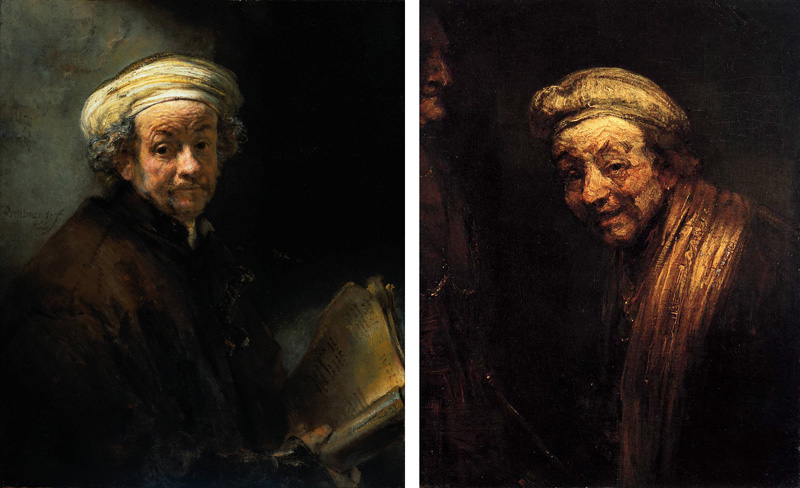


    Rembrandt van Rijn (Dutch, 1606-1669) 'Self-portrait as the apostle Paul' (left) 1661 'Self-portrait as Zeuxis laughing' (right) 1662


    Rembrandt van Rijn (Dutch, 1606-1669)
    Self-portrait as the apostle Paul (left)
    1661
    Self-portrait as Zeuxis laughing (right)
    1662


    Cindy Sherman (American, b. 1954) 'Untitled #464' 2008 from the exhibition Review: 'Cindy Sherman' at Metro Pictures Gallery, New York, Nov - Dec, 2008


    Cindy Sherman (American, b. 1954)
    Untitled #464
    2008
    Chromogenic print
    214.3 x 152.4cm


    For her first exhibition of new work since 2004, Cindy Sherman will show a series of colour photographs that continues her investigation into distorted ideas of beauty, self-image and ageing. Typical of Sherman, these works are at once alarming and amusing, distasteful and poignant.

    Working as her own model for more than 30 years, Sherman has developed an extraordinary relationship with her camera. A remarkable performer, subtle distortions of her face and body are captured on camera and leave the artist unrecognisable to the audience. Her ability to drastically manipulate her age or weight, or coax the most delicate expressions from her face, is uncanny. Each image is overloaded with detail, every nuance caught by the artist’s eye. No prosthetic nose or breast, fake fingernail, sequin, wrinkle or bulge goes unnoticed by Sherman.

    Sherman shoots alone in her studio acting as author, director, actor, make-up artist, hairstylist and wardrobe mistress. Each character is shot in front of a “green screen” then digitally inserted onto backgrounds shot separately. Adding to the complexity, Sherman leaves details slightly askew at each point in the process, undermining the narrative and forcing the viewer to confront the staged aspect of the work.

    Press release at Metro Pictures Gallery


    Installation view of 'Cindy Sherman' exhibition at Metro Pictures Gallery, New York, 2008
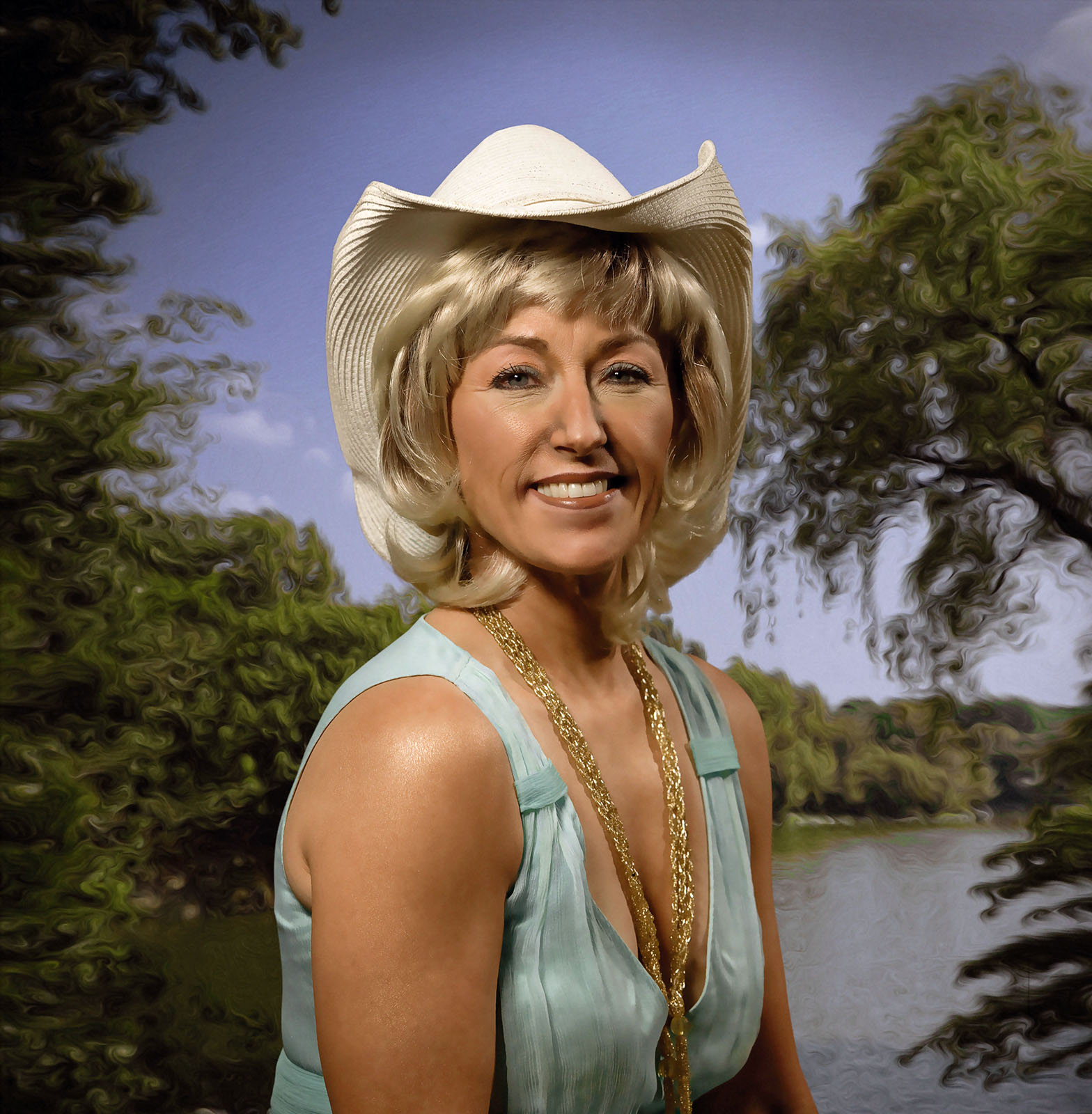
     

    Installation view of Cindy Sherman exhibition at Metro Pictures Gallery, New York, 2008


    Cindy Sherman (American, b. 1954) 'Untitled' 2008


    Cindy Sherman (American, b. 1954)
    Untitled
    2008
    Chromogenic print
    148.6 x 146.7cm


    Cindy Sherman (American, b. 1954) 'Untitled' 2008


    Cindy Sherman (American, b. 1954)
    Untitled
    2008
    Chromogenic print
    177.8 x 161.3cm
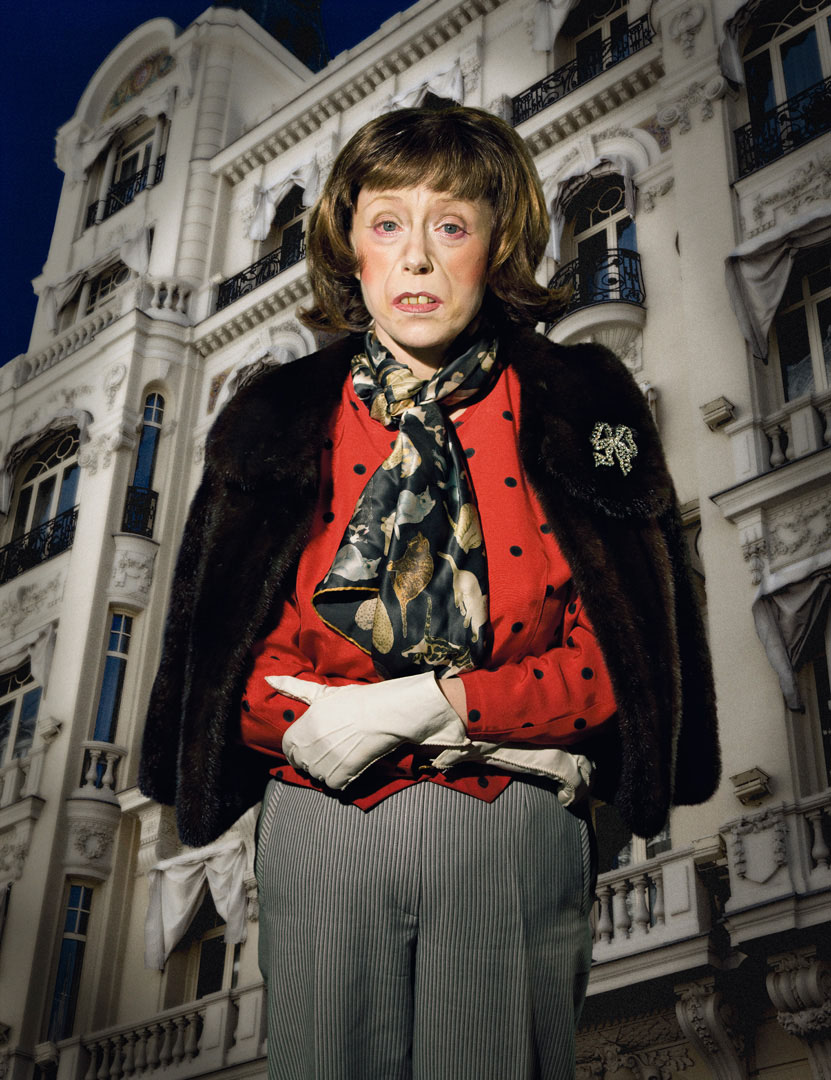
     

    Cindy Sherman (American, b. 1954) 'Untitled #468' 2008


    Cindy Sherman (American, b. 1954)
    Untitled #468
    2008
    Chromogenic colour print
    191.8 x 151.1cm


    The society portraits made in 2008 portray older women in opulent settings wearing expensive clothes, their faces stretched and enhanced unnaturally, showing signs of cosmetic surgery. These markers point to cultural standards of beauty and wealth, and here signal the failed aspiration to sustained youth. Printed large, presented in decorative and often gilded frames, and depicting figures in formal poses, these works are reminiscent of Sherman’s history portraits and classical portraiture in general. In this way, they remind the viewer that representation is not a new phenomenon, and the cultural implications in all images are tied to long and complex histories. In Untitled #468 the figure stands stoically with arms crossed and mouth slightly agape, wearing a fur, silk scarf, and white gloves, which the artist found at thrift shops. In the background, an ornate building mirrors the elaborate dress of the woman.

    The perspective of the building does not align with that of the figure, blatantly breaking the illusion of reality and recalling Sherman’s 1980 series of rear-screen projections. This clear and deliberate artificiality indicates that images, characters, and even our own selves are constructed, not fixed.

    Anonymous text. “Untitled #468,” on The Broad website Nd [Online] Cited 09/06/2022
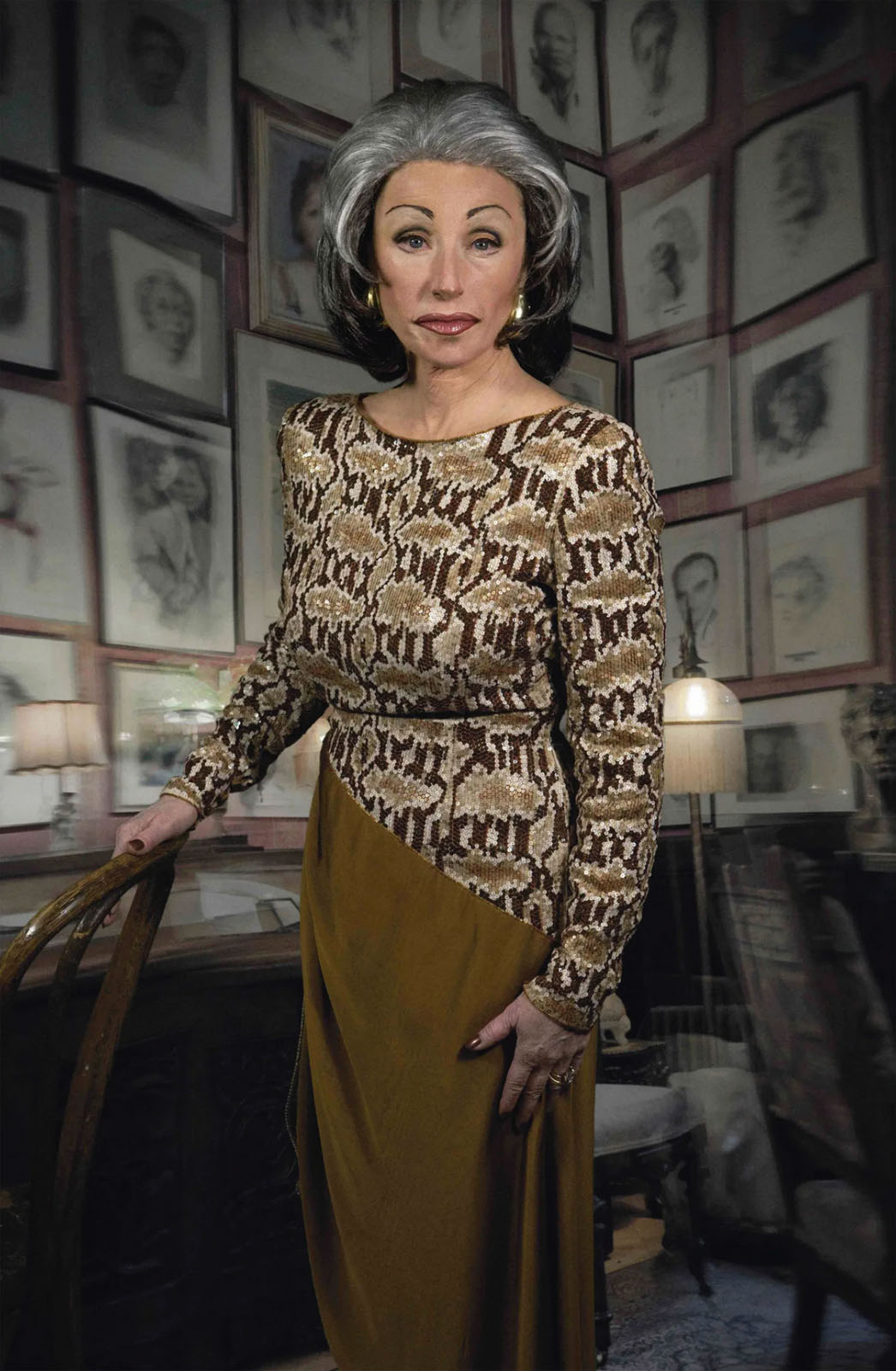
     

    Cindy Sherman (American, b. 1954) 'Untitled' 2008


    Cindy Sherman (American, b. 1954)
    Untitled
    2008
    Chromogenic print
    244.5 x 165.7cm


    Metro Pictures Gallery

    This gallery has now closed

    Metro Pictures Gallery website

    LIKE ART BLART ON FACEBOOK

    Back to top

    Exhibition: ‘Potraiture Now: Feature Photography’ at the National Portrait Gallery, Washington

    Exhibition dates: 26th November, 2008 – 27th September, 2009


    Jocelyn Lee (American, b. 1962) "Untitled (Kara on Easter)" 1999 from the exhibition 'Potraiture Now: Feature Photography' at the National Portrait Gallery, Washington, Nov 2008 - Sept 2009


    Jocelyn Lee (American, b. 1962)
    Untitled (Kara on Easter)
    1999
    Chromogenic print
    ©
     Jocelyn Lee


    I photograph because I am interested in people, what it means to be alive, and how we make sense of the world. Whether I am photographing on assignment, or for personal work, the same ideas direct my attention. On the psychological and narrative level, I am interested in looking at states of being: birth, childhood, ageing, physical fragility, death, sensuality, the animal world and people in nature.

    Formally, I tend to emphasise the tactile qualities of the living world: skin, hair, light, surface, colour, and material. I recognise that these are very broad themes, but they are also the basis for essential philosophical questions. My photographs don’t provide answers to these questions, but hopefully act as moments of contemplation.


    Jocelyn Lee artist statement


    Jocelyn Lee approaches her photographic subjects looking to reveal not simply the individuality of those who pose before her camera. She also wants to convey something deeper about how her subjects confront the place where they live and the situation in which they find themselves. This interest in the psychological dimensions of character is emblematic of her portraiture – whether she is working on an editorial assignment or on an independent project.

    Jocelyn Lee’s photographs for this exhibition are drawn from work that she has completed in Maine, a place where she has spent much time. The images derive from several projects, including an advertising campaign for a local rug designer and a commission to portray adolescent girls. Seen together, they suggest the role that environment and narrative play in the art of portraiture. Although Lee is interested in photographing specific people at different stages of life, each portrait also provides a broader opportunity to reflect on our shared humanity. A recipient of a Guggenheim Fellowship, Lee has served as a professor of photography at Princeton University since 2003.

    Text from the National Portrait Gallery website [Online] Cited 08/06/2022


    Jocelyn Lee (American, b. 1962) 'Untitled (Inuit woman in hospital, Rankin Island)' 2002 from the exhibition 'Potraiture Now: Feature Photography' at the National Portrait Gallery, Washington, Nov 2008 - Sept 2009


    Jocelyn Lee (American, b. 1962)
    Untitled (Inuit woman in hospital, Rankin Island)
    2002
    Chromogenic print
    Published in the New York Times Magazine, May 5, 2002
    Collection of the artist
    © Jocelyn Lee


    America is a snapshot culture. Armed with a portable camera and a spirit of inquiry, we revel in the images that we create. Although we often treat still photographs – including portraits – as ephemeral fragments to be discarded or replaced by the next image, there are portrait photographers today who create pictures that defy an easy death. Often working on a specific commission or editorial assignment, these photographers compose portraits that cause us to pause and reflect.”

    Portraiture Now: Feature Photography focuses on six photographers who, by working on assignment for publications such as the New Yorker, Esquire, and the New York Times Magazine, each bring their distinctive “take” on contemporary portraiture to a broad audience. Critically acclaimed for their independent fine-art work, these photographers – Katy Grannan, Jocelyn Lee, Ryan McGinley, Steve Pyke, Martin Schoeller, and Alec Soth – have also pursued a variety of editorial projects, taking advantage of the opportunities and grappling with the parameters that these assignments introduce. Their work builds upon a longstanding tradition of photographic portraiture for the popular press and highlights creative possibilities for twenty-first-century portrayal. The exhibition has additional portraits not included in this website; it opened on November 26, 2008, and closed on September 27, 2009.

    Text from the National Portrait Gallery website

    ~ KATY GRANNAN
    ~ JOCELYN LEE
    ~ RYAN MCGINLEY
    ~ STEVE PYKE
    ~ MARTIN SCHOELLER
    ~ ALEC SOTH


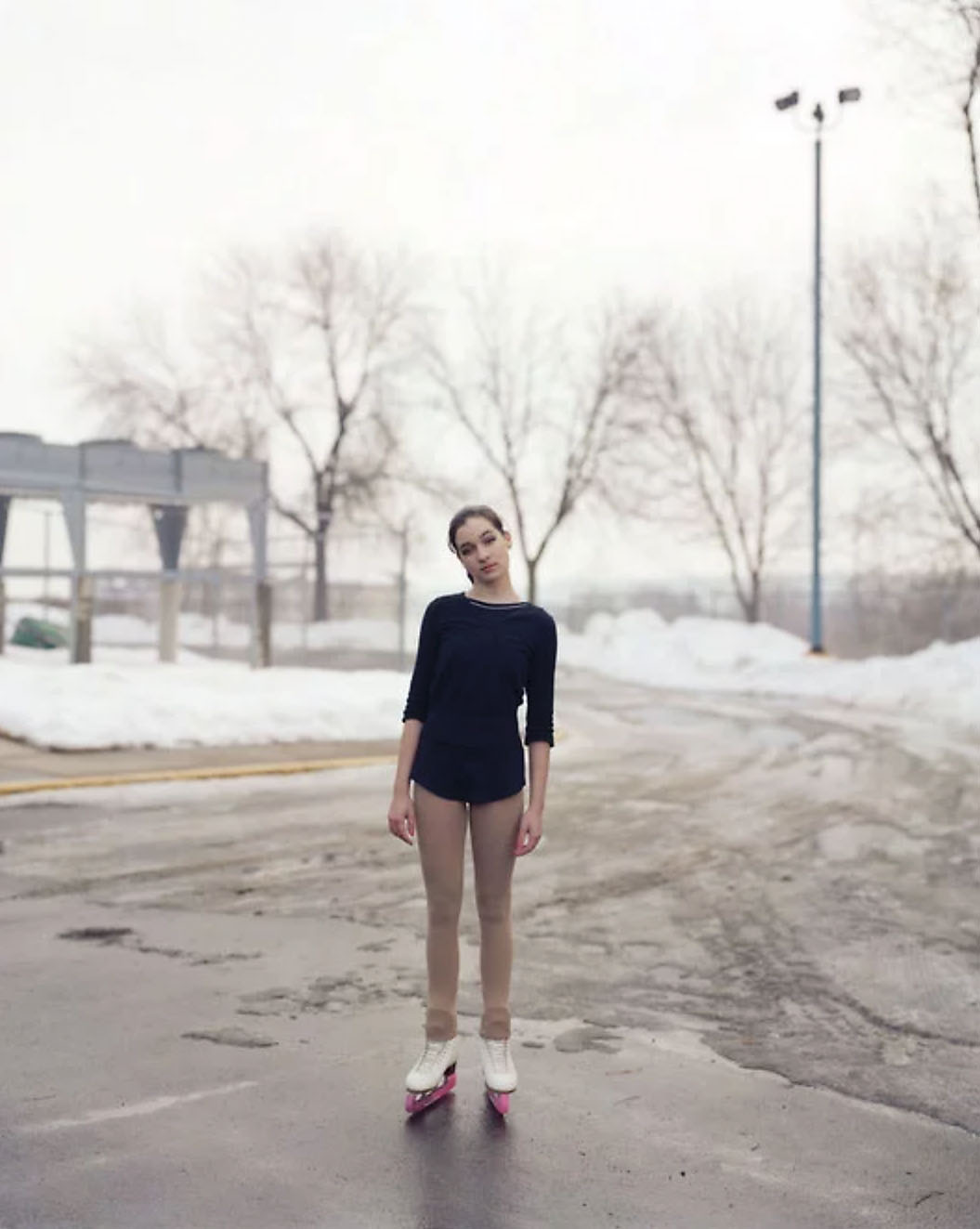
    Alec Soth (American, b. 1969) 'Misty' 2005


    Alec Soth (American, b. 1969)
    Misty
    2005
    Part of the Niagara project
    Pigmented ink print
    Collection of the artist
    Courtesy Gagosian Gallery, New York City
    © Alec Soth


    “A critic once pointed out to me the different ways in which I photograph men and women. With men I seem to be poking fun, he said, whereas my depiction of women is more reverent. He makes a good point. Many of my best pictures of men are playful (a man in a flight suit holding model airplanes, a shirtless man with carrots in his ears). But the women I photograph look more like saints than clowns. As a man, I suppose, I identify more with my male subjects. In them, I see my own awkwardness and frailty. Women are always “the other.”

    In assembling this group of portraits of women, I’m aware that I’m treading on dangerous ground. When I was in college, I learned to be distrustful of men’s depictions of women. I remember seeing Garry Winogrand’s book ‘Women Are Beautiful’ in the school library and being shocked that it hadn’t been defaced for its blatant objectification of women. But looking back, maybe I was too harsh. Whether one photographs men or women, it is always a form of objectification. Whatever you say about Winogrand, his depiction was honest.

    In putting together a collection of my best portraits of women, I’m trying to come to terms with how I honestly see and depict women. Are my pictures romanticised? Sexualised? Why do I see women in this way? For me, photography is as much about the way I respond to the subject as it is about the subject itself.”


    Alec Soth artist statement


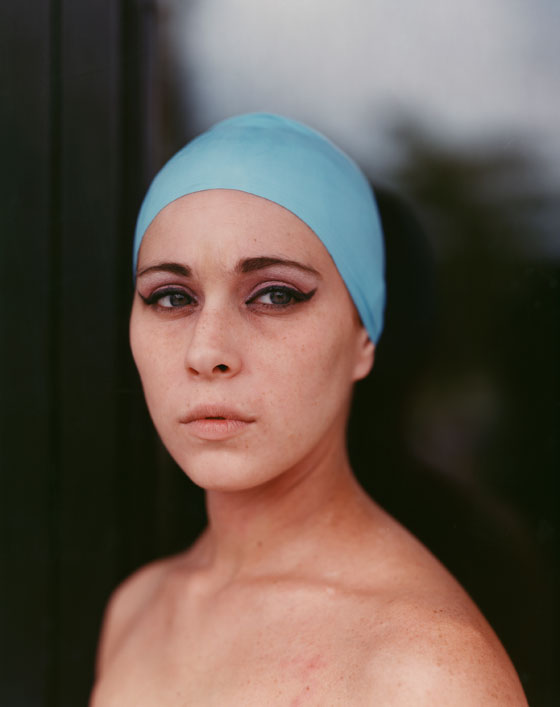
    Adroitly navigating the disciplines of editorial photography and fine art work, Alec Soth has emerged as a leading American artist. He is an associate photographer with the famed Magnum Photos group, and has shown his work in galleries and museums in the United States and in Europe.

    Born and based in Minneapolis and educated in New York, Soth first attracted critical notice with his series Sleeping by the Mississippi (2004). Since then, he has published NIAGARA (2006), Fashion Magazine (2007), and Dog Days, Bogotá (2007). Unlike many contemporary photographers, Soth works with a large-format 8 x 10-inch camera, which, given the time involved in setting up for a photograph, creates an intense relationship between the artist and subject. Soth sees this as the crux of his work.

    For this exhibition, we have chosen a selection of his portraits of women, drawn from past editorial work and fine arts projects, including three portraits from Fashion Magazine, which explored the world of Paris couture and countered those images with subjects from Soth’s Minnesota home. As he notes, “I’m trying to come to terms with how I honestly see and depict women. Are my pictures romanticised? Sexualised? Why do I see women in this way? For me, photography is as much about the way I respond to the subject as it is about the subject itself.”

    Text from the National Portrait Gallery website [Online] Cited 08/06/2022


    Alec Soth (American, b. 1969) 'Kristin, St. Paul, Minnesota' 2007


    Alec Soth (American, b. 1969)
    Kristin, St. Paul, Minnesota
    2007
    Chromogenic print
    Published in Fashion Magazine (2007)
    Collection of the artist, courtesy Gagosian Gallery, New York City
    © Alec Soth


    This full-length portrait was created during the winter of 2007, after Soth’s return from Paris, where he made the first photographs for his commission from Magnum Photos that resulted in Fashion Magazine. Fashion Magazine is the third in a series of projects by the same name, in which Magnum asks one photographer to document the whirl of fashion week in Paris from his or her own point of view.


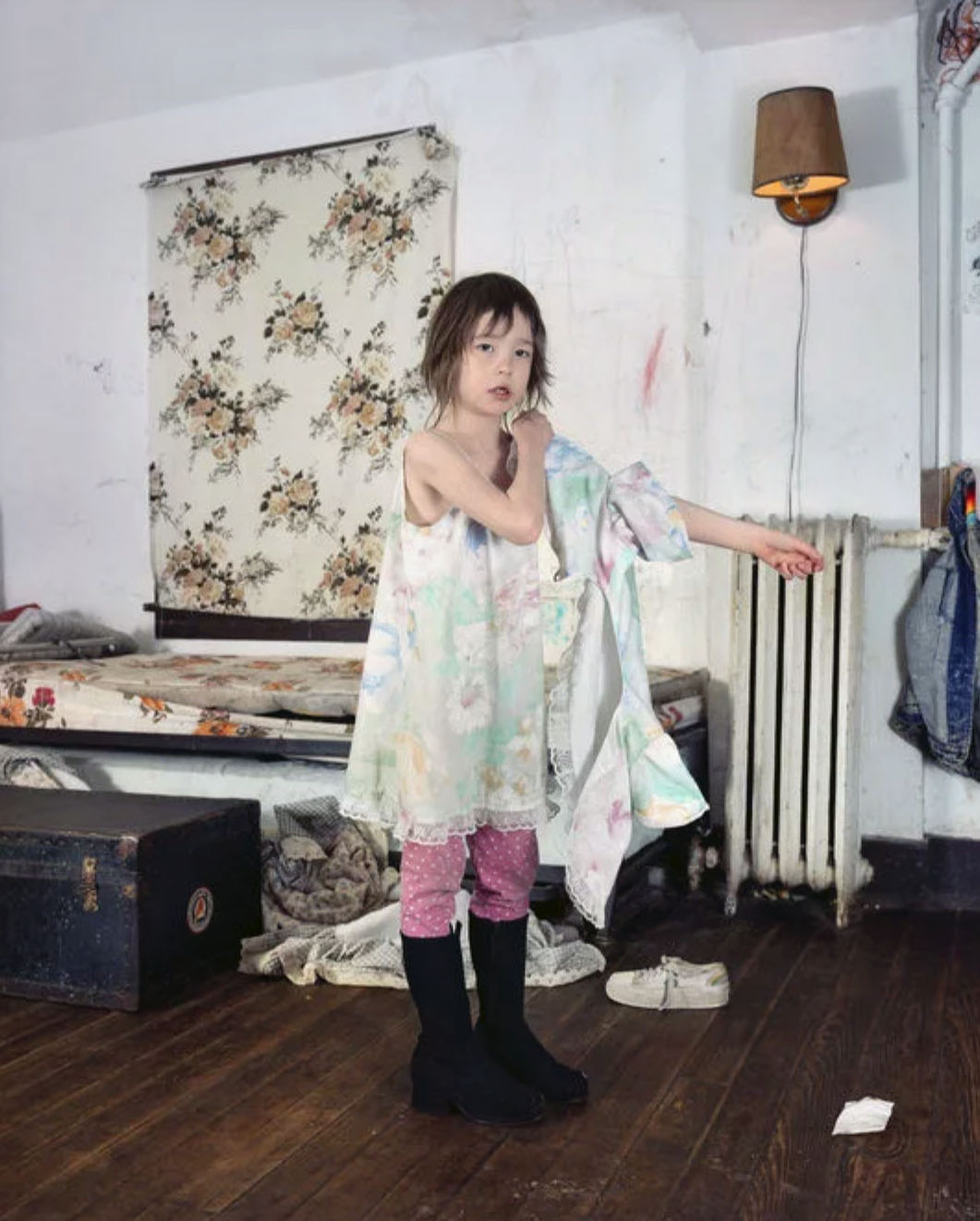
    Katy Grannan (American, b. 1969) 'Audrey Wilbur' 2000


    Katy Grannan (American, b. 1969)
    Audrey Wilbur
    2000
    Chromogenic print
    Cover for New York Times Magazine, March 19, 2000
    Collection of the artist, courtesy Greenberg Van Doren Gallery, New York City; Fraenkel Gallery, San Francisco; Salon 94, New York City
    © Katy Grannan


    “Photography is a kind of permission; it’s a way in. It’s a catalyst for extraordinary experiences that would otherwise not be possible. (This is the common thread between my personal projects and commissioned work.) I have had so many life-changing moments – some are dramatic, most are utterly mundane and exquisite.

    I consider each of these experiences a privilege, and every subject worthy of attention.”


    Katy Grannan artist statement


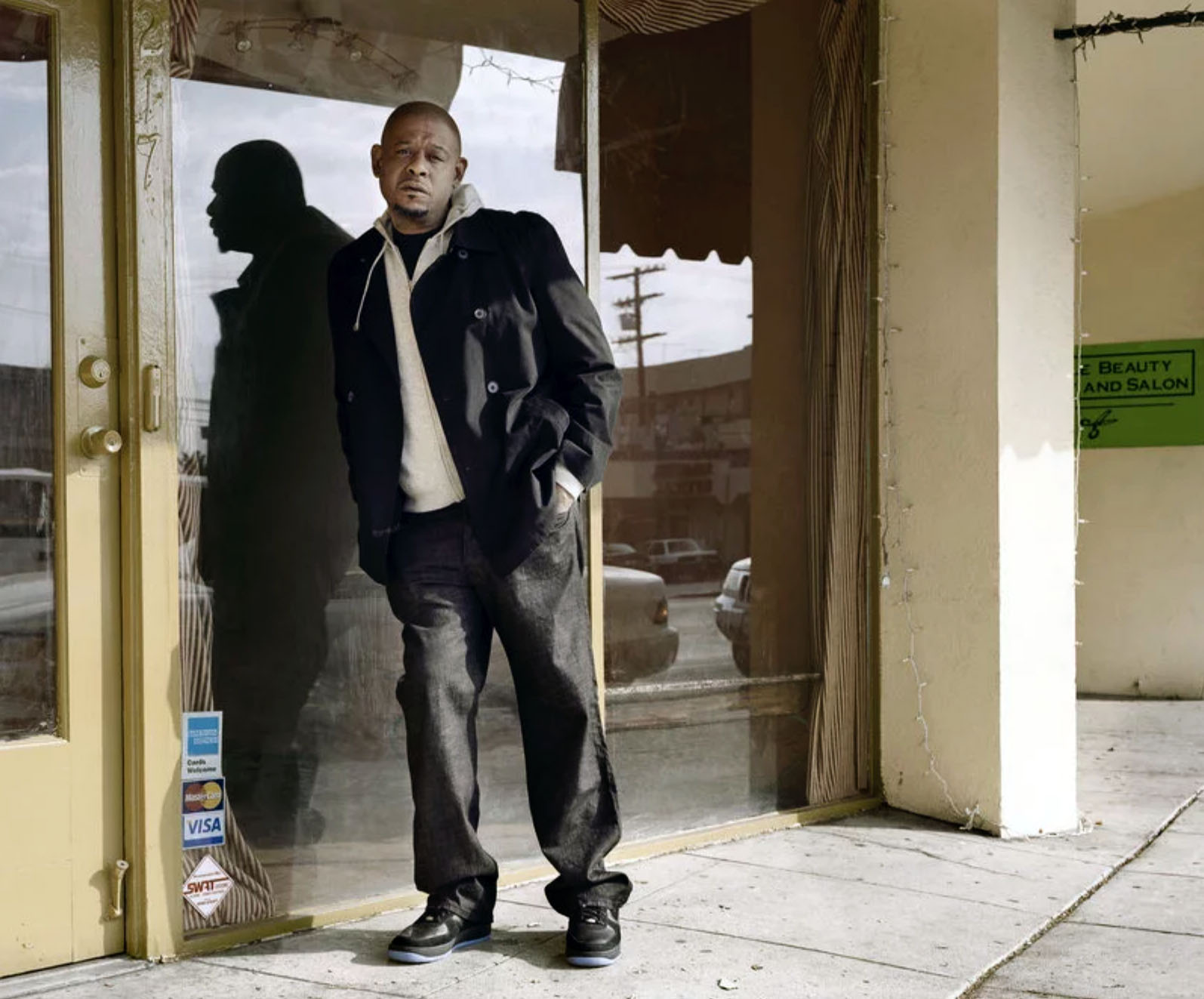
    In images for the New York Times Magazine, Katy Grannan focuses on such poignant details as the teenager’s imperfect complexion, the sick man’s drooping muscles, a tidy kitchen counter, or a neighbourhood swing to make us understand heartrending realities of juvenile imprisonment, end-of-life decisions, or post-traumatic stress syndrome. For several of her art gallery projects, Grannan advertised for subjects in small-town newspapers. As she gained the sitters’ trust and helped visualise their fantasies, many posed nude or partially undressed. In Grannan’s work for the Times, we recognise similar qualities of risk, vulnerability, and, ultimately, empathy between the photographer and her subjects.

    This portrait of four-year-old Audrey Wilbur is a study in contrasts between the cheerful fabrics of the clothing and decor and the impoverished bareness of the room’s mattress, walls, and floor. Grannan’s depiction of Audrey, made at the height of the dot-com bubble, was the cover for the New York Times Magazine’s March 19, 2000, issue, which included James Fallows’s “The Invisible Poor” and a photo essay titled “In the Shadow of Wealth.”

    Text from the National Portrait Gallery website [Online] Cited 08/06/2022


    Katy Grannan (American, b. 1969) 'Forest Whitaker' 2007


    Katy Grannan (American, b. 1969)
    Forest Whitaker
    2007
    Chromogenic print
    Variant image published in New York Times Magazine, February 11, 2007
    Collection of the artist, courtesy Greenberg Van Doren Gallery, New York City; Fraenkel Gallery, San Francisco; Salon 94, New York City
    © Katy Grannan


    Martin Schoeller (American, b. 1968) 'Barack Obama' 2004


    Martin Schoeller (American, b. 1968)
    Barack Obama
    2004
    Digital C-print
    Variant published in Gentleman’s Quarterly, December 2004
    Collection of the artist, courtesy Hasted Hunt, New York City
    © Martin Schoeller


    Schoeller photographed Barack Obama for a December 2004 feature on “Men of the Year,” in Gentleman’s Quarterly, where a variant of this photograph appeared. Reflecting upon the success of his address at the 2004 Democratic convention, Obama, who would go on to win the presidential election in 2008, observed: “The reason you do this stuff is not to … get your face in a magazine … You do this stuff because you care about the epic struggle to make America what it can be.”


    A photographic close-up is perhaps the purest form of portraiture, creating a confrontation between the viewer and the subject that daily interaction makes impossible, or at least impolite. In a close-up, the impact stems solely from the static subject’s expression or apparent lack thereof, so the viewer is challenged to read a face without the benefit of the environmental cues we naturally use to form our interpersonal reactions.

    After seeing Bernd and Hilla Becher’s water tower series in 1991, I was inspired by the idea of photographing a large group of subjects in the exact same style. The pictures in my Close Up series have all been taken from similar angles and with the same equipment, but here I have tried to bring out personality and capture individuality in a search for a flash of vulnerability and integrity. The greatest challenge in taking these images lies in the attempt to arrest the subtle moment that flickers between expressions, movements of which the subject is unaware. Like most portrait photographers, I aim to record the instant the subject is not thinking about being photographed, striving to get beyond the practiced facial performance, reaching for something unplanned. While trying to be as objective as possible, I acknowledge that every gesture is still an act of artifice. Familiar faces are treated with the same levels of scrutiny as the un-famous. The unknown and the too- well- known meet on a level platform that enables comparison, where a viewer’s existing notions of celebrity, value, and honesty are challenged.


    Martin Schoeller artist statement


    Martin Schoeller has exhibited his portraits internationally and has received numerous awards. His photographs have appeared in many prominent magazines, including the New Yorker, Gentleman’s Quarterly (GQ), Vanity Fair, and Rolling Stone.

    A native of Germany, Schoeller, who now lives and works in New York, honed his skills by working with Annie Leibovitz. “Watching her deal with all of the elements that have to come together – subjects, lighting, production, weather, styling, location – gave me an insight into what it takes to be a portrait photographer,” he explains.

    Equally important for Schoeller was the photography of German minimalists Bernd and Hilla Becher, who “inspired me to take a series of pictures, to build a platform that allows you to compare.” Schoeller’s portraiture brings viewers eye-to-eye with the well-known and the anonymous. His close-up style emphasises, in equal measure, the facial features, both studied and unstudied, of his subjects – presidential candidates and Pirahã tribespeople, movie stars and artists – levelling them in an inherently democratic fashion. Schoeller’s photographs challenge us to identify the qualities that may, under varying circumstances, either distinguish individuals or link them together, raising a critical question: What is the very nature of the categories we use to compare and contrast.

    Text from the National Portrait Gallery website [Online] Cited 08/06/2022


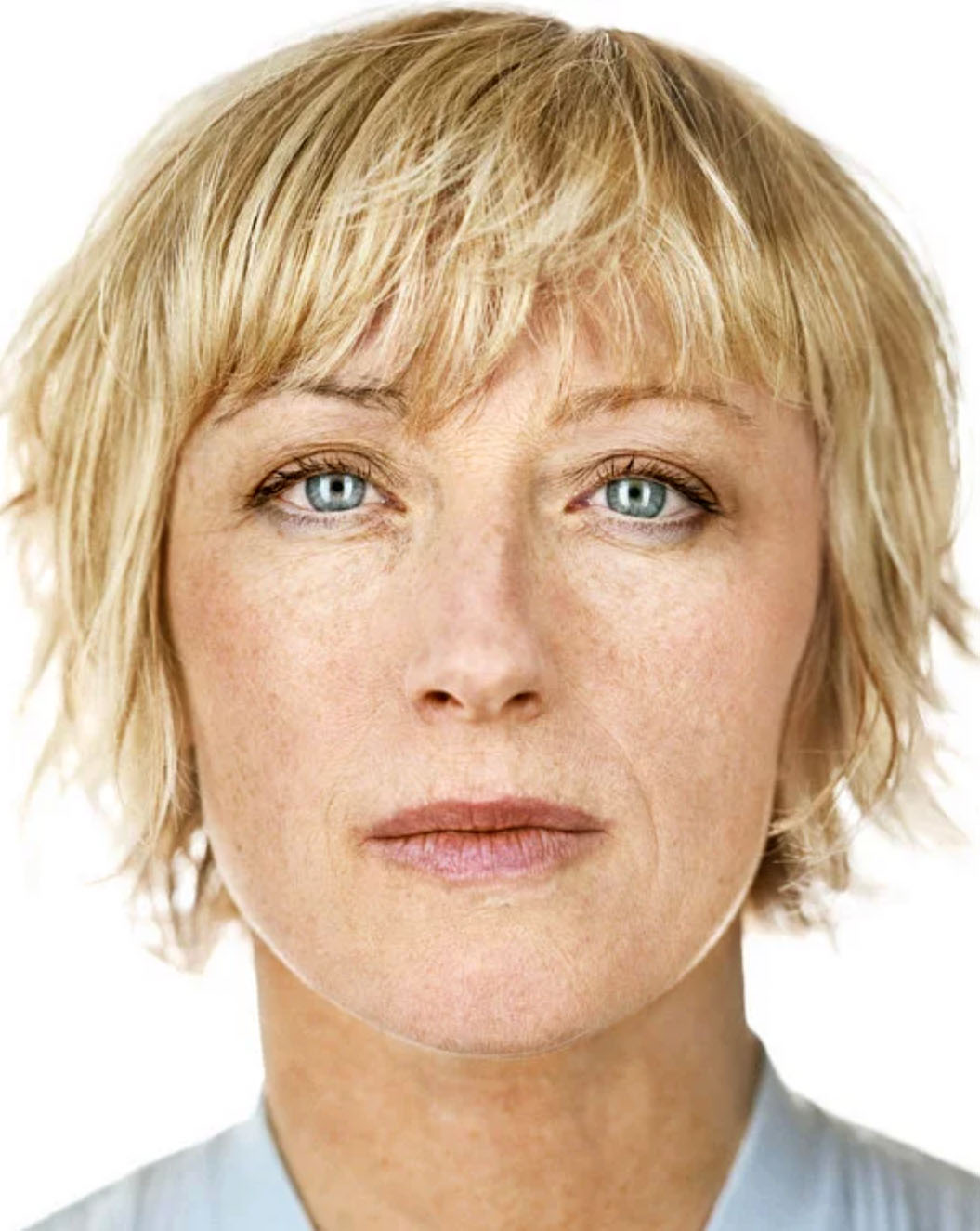
    Martin Schoeller (American, b. 1968) 'Cindy Sherman' 2000


    Martin Schoeller (American, b. 1968)
    Cindy Sherman
    2000
    Digital C-print
    Published in the New Yorker, May 15, 2000
    Collection of the artist, courtesy Hasted Hunt, New York City
    © Martin Schoeller


    Well known for creating photographs of herself adopting a broad range of personas, Cindy Sherman’s own face is surprisingly unfamiliar. Originally published with a New Yorker profile of Sherman by Calvin Tomkins addressing “Her Secret Identities,” Schoeller’s portrait unmasks the influential artist.


    National Portrait Gallery, Smithsonian Institution
    Eighth and F Streets, NW
    Washington D.C.

    Opening hours:
    Daily 11.30am – 7.00pm

    National Portrait Gallery website

    LIKE ART BLART ON FACEBOOK

    Back to top