Exhibition: ‘Teenie Harris, Photographer: An American Story’ at Carnegie Museum of Art, Pittsburgh, Pennsylvania

Exhibition dates:  29th October 2011 – 7th April 2012
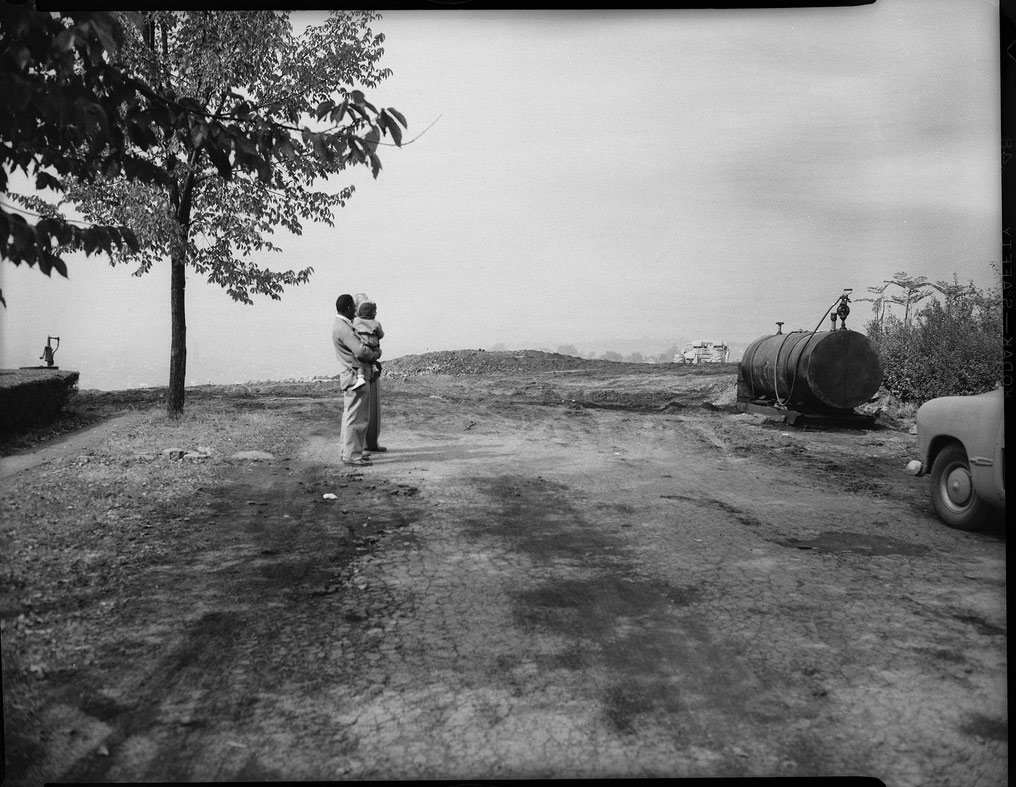
 

Teenie Harris (American, 1908-1998) 'Construction site with bulldozer, two men, including one in front holding child, large tank with hose, and car on right, possibly in construction site of Belmar Gardens' c. 1954


Teenie Harris (American, 1908-1998)
Construction site with bulldozer, two men, including one in front holding child, large tank with hose, and car on right, possibly in construction site of Belmar Gardens
c. 1954
Gelatin silver print
© Carnegie Museum of Art


What an astonishing photographer this man was. These photographs are a revelation. African American artist Charles “Teenie” Harris, captured “the essence of daily African-American life in the 20th century. For more than 40 years, Harris – as lead photographer of the influential Pittsburgh Courier newspaper – took almost 80,000 pictures of people from all walks: presidents, housewives, sports stars, babies, civil rights leaders and even cross-dressing drag queens.”

While Harris is most famous for depicting an innovative and thriving black urban community – daily life in Pittsburgh’s Hill District – it is the less figurative, more abstract urban landscape work that I am interested in here. Hence I have put four outstanding photographs that I picked out from the Archive at the top of the posting.

Earlier photographs of the city from the 1940s, such as Large two story home with attic, porch, double entryway, and yard, with young child on steps alone, next to smaller two story home with porches on both stories (c. 1940-45, below) have a touch of Walker Evans about them. Note how in this photograph the eve of the large two story home roof touches the top of the negative (allowing an exit for the eye at the top of the image), beautifully balanced on the left-hand side by the intrusion of the roof of another out of frame building and its shadow cast on the ground. The spatial separation between this roof and the porch of the smaller two story home is critical, as is the punctum of the child standing on the stoop. There are beautiful spaces in this photograph, as the eye plays across its surface, taking in form and detail, light and shade, eventually escaping down the right hand side of the building to the sky beyond.

It is only when we get to the 1950s that Harris really seems to hit his straps in these photographs of the urban landscape. Personally, I can’t remember any other photographs like them. By this time he has developed his own signature, his own voice. And what a voice it is!

In the three remaining photographs at the top of the posting there is a conciseness to his vision of the world, a spatial spareness, even sparseness that is very eloquent. In Construction site with bulldozer (c. 1954, below), possibly a photograph of the site of Belmar Gardens, Pittsburgh’s first black-owned housing cooperative, the landscape is shot from below up a slight incline, bookended with raised bank at left and car at right framing the image plane and holding it together. But it is the space around the central figures as they look off into the distance that is so magical – the blackened, textural ground playing off the cloudless sky with single tree at left. That space in the foreground, between the bottom of the image and the figures is tensioned so well with the distance between the figures and the top edge of the negative: Harris has an intimate understanding of what he wants to achieve in this image – spatially and narratively. The hope of the future.

The same can be said for Three story brick row houses with mansard roofs (c. 1958, below). Again, there is a spareness to his rendition of space and a complexity to his imaging of tone. It is almost like there is a dividing line between night and day, between the city in snow and the city in darkness, the ying yang of existence. Observe the light car is in darkness and the dark car in light; the dark trees, the light telegraph post; the space between the cars which no car could ever fit through; and the smallness of the child walking down the street. Incredible. Again, there is a openness to Harris’ rendition of space in Young men playing sandlot baseball with steel mill in background (c. 1955, below). Let your eyes soak in the open sky; the verticals of dark chimneys, left and light chimneys, right; the building at left perched atop the embankment; the composition of the figures across the middle of the image, reminiscent of a piece of music; the open space of the baseball sandlot at the bottom of the photograph with faint white line delineation and figure at right holding up the edge of the image. This is a master at work.

In this mature style, Harris has no need to fill space with an urban mass or congeries. These are spaces that matter, spaces of matter but these spaces are not empty, negative spaces, but active, fluid spaces, the space of possibilities. He understands what he wants to say so well, he is so confident of his previsualisation of the urban spaces of the city they become uniquely his own – open, engaging, optimistic. This is his voice, his gift, his legacy to the world – for me, not so much the portraits of Afro-American culture, but the spaces of the city as a metaphor for change within that culture. His reading of the landscape is his unique field of vision: in the stillness of these photographs time no longer passes, for the author and for the viewer. His images transcend place and, as such, like Atget before him, he deserves to be recognised as an artist who captured a changing world. Further research on this aspect of his art would seem appropriate.

Dr Marcus Bunyan


I am most grateful to Tey Stiteler for allowing me to pick the photographs I wanted for this posting. This help was crucial as I wanted to talk about the less figurative work in the Teenie Harris Archive. Many thankx to the Carnegie Museum of Art and the Teenie Harris Archive for allowing me to publish the photographs and book pdf in the posting. Please click on the photographs for a larger version of the image.
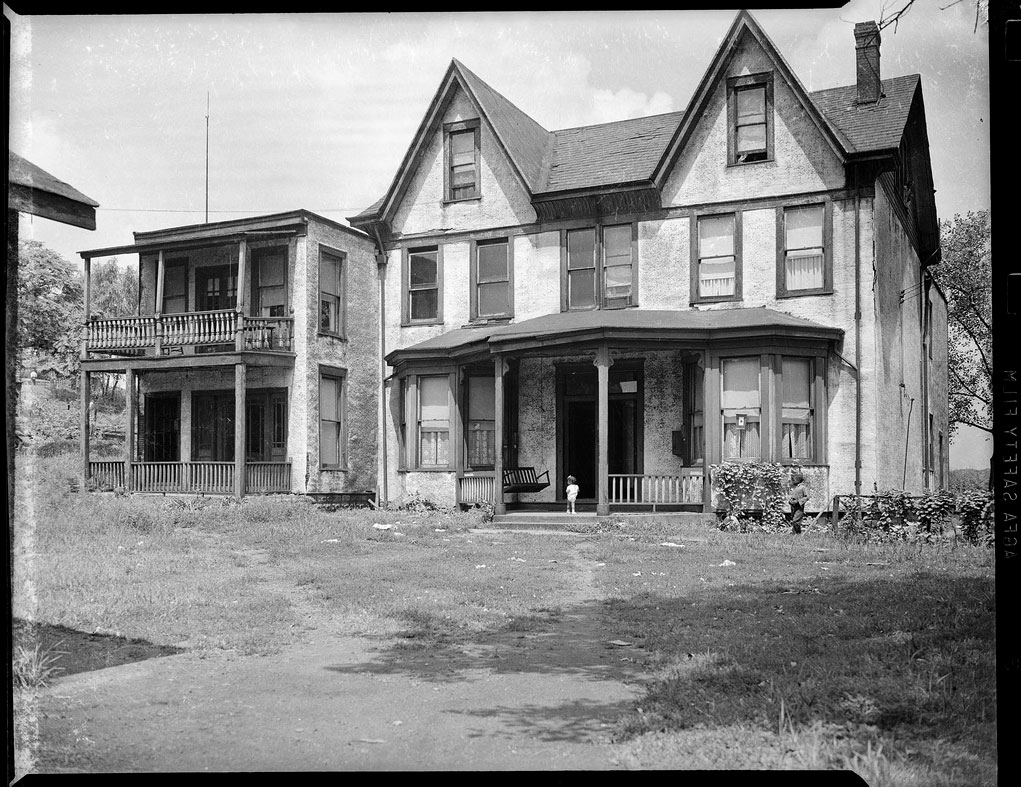


Teenie Harris (American, 1908-1998) 'Large two story home with attic, porch, double entryway, and yard, with young child on steps alone, next to smaller two story home with porches on both stories' c. 1940-1945


Teenie Harris (American, 1908-1998)
Large two story home with attic, porch, double entryway, and yard, with young child on steps alone, next to smaller two story home with porches on both stories
c. 1940-1945
Gelatin silver print
© Carnegie Museum of Art
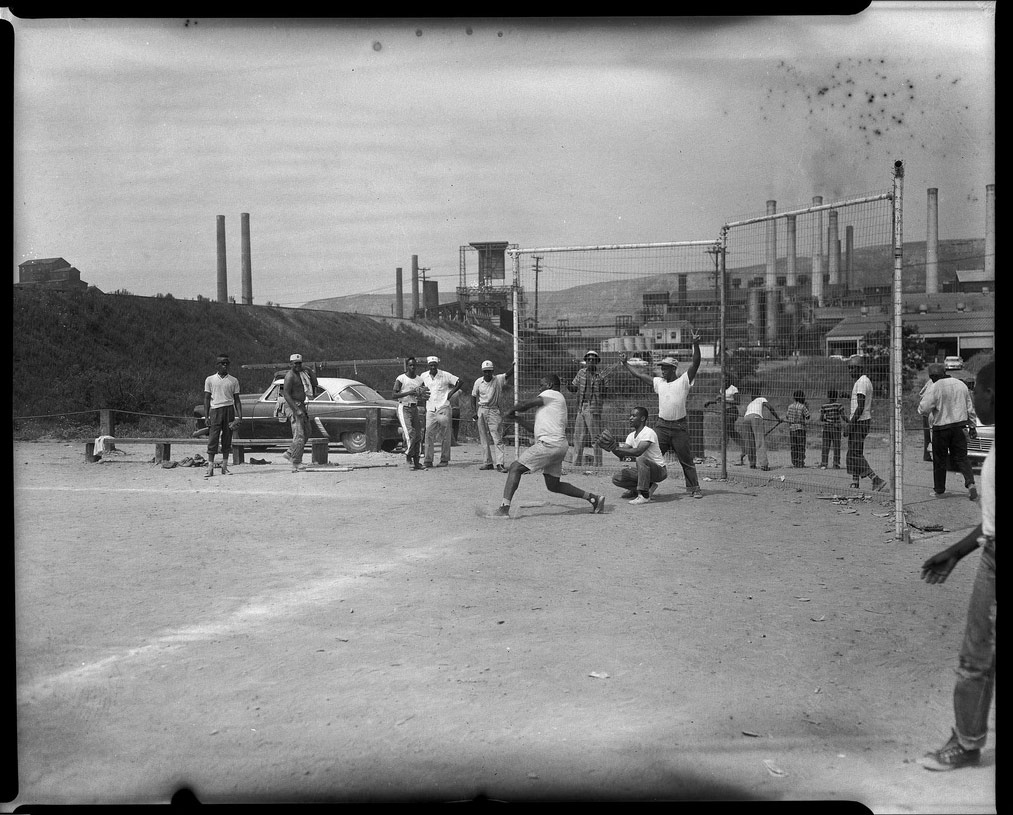
 

Teenie Harris (American, 1908-1998) 'Young men playing sandlot baseball with steel mill in background' c. 1955


Teenie Harris (American, 1908-1998)
Young men playing sandlot baseball with steel mill in background
c. 1955
Gelatin silver print
© Carnegie Museum of Art


Carnegie Museum of Art presents a groundbreaking retrospective of African American photographer Charles “Teenie” Harris (1908-1998), featuring nearly a thousand of Harris’s most beautiful, appealing, and historically significant images. Harris’s photographs – made in his studio and for the Pittsburgh Courier, the leading Black newspaper of the time – chronicle a vibrant Black urban community during the Jim Crow and Civil Rights eras. He captured the poetry of everyday common experience, as well as the extraordinary people who shaped the 20th century: entertainer Lena Horne, baseball star Jackie Robinson, and leaders such as John F. Kennedy and Martin Luther King, Jr. Carnegie Museum of Art was entrusted with the archive of nearly 80,000 Teenie Harris negatives in 2001. Drawing on 10 years of research into archive, Teenie Harris, Photographer: An American Story features immersive life-size projections combined with a newly commissioned jazz soundtrack. A large-scale chronology and a web-based interactive introduce visitors to the rich visual resources of the archive and offer access to firsthand accounts by Harris’s contemporaries. The final section of the exhibition is dedicated to an in-depth evaluation of Harris as an artist.

Text from the Carnegie Museum of Art website
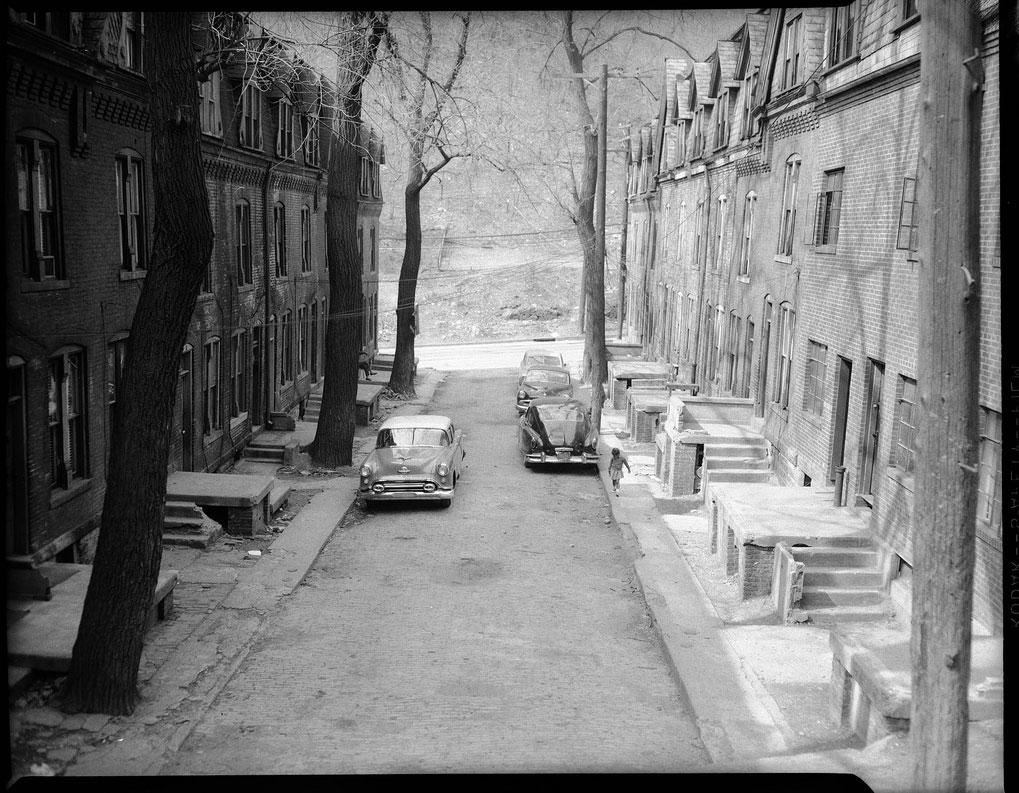
 

Teenie Harris (American, 1908-1998) 'Three story brick row houses with mansard roofs, and small child on sidewalk of tree lined street with automobiles' c. 1958


Teenie Harris (American, 1908-1998)
Three story brick row houses with mansard roofs, and small child on sidewalk of tree lined street with automobiles
c. 1958
Gelatin silver print
© Carnegie Museum of Art


Teenie Harris, Photographer: An American Story, the first major retrospective exhibition of the work and legacy of African American artist Charles “Teenie” Harris, will be on view at Carnegie Museum of Art from October 29, 2011, to April 7, 2012.

The groundbreaking exhibition will celebrate the artist/photographer whose work is considered one of the most complete portraits anywhere of 20th-century African American experience. Large-scale, themed photographic projections of nearly 1,000 of Teenie Harris’s greatest images accompanied by an original jazz soundtrack will generate an immersive experience in the exhibition’s opening gallery. Subsequent galleries will present a chronological display of these photographs at a conventional scale, and give visitor access to the more than 73,000 catalogued and digitised images in the museum’s Teenie Harris Archive. The exhibition will offer an examination of Harris’s working process and artistry, and audio commentary on the man and his work by the people who knew him. In addition, the photographs and many of these materials will be accessible on Carnegie Museum of Art’s website.

“Since 2001, our museum has been the repository of the Teenie Harris Archive. This exhibition marks the culmination of a long effort to preserve and document an extensive collection of historically and artistically important images,” says Lynn Zelevansky, The Henry J. Heinz II Director of Carnegie Museum of Art. “We are honoured to present this retrospective of a photographer whose body of work gives so much to us.”

During his 40-year career as freelance and staff photographer for the Pittsburgh Courier, one of the nation’s most influential black newspapers, Teenie Harris (1908-1998) produced more than 80,000 images of Pittsburgh’s African American community. The photographs, taken from the 1930s to the 1970s, capture a period of momentous change for black Americans. His subjects ranged from the everyday lives of ordinary people to visits by powerful and glamorous national figures to Pittsburgh, the nation’s industrial centre. From birthday celebrations to civil rights boycotts, the distinctive vision of Harris’s photographs folds into the larger narrative of American history, art, and culture.

Charles “Teenie” Harris

Teenie Harris grew up in Pittsburgh’s Hill District, a neighbourhood once called “the crossroads of the world.” A serious photographer from the age of 18, he started his professional photographic career in 1937 when he opened a studio and began to take on freelance assignments. In 1941, Harris was appointed staff photographer for the Pittsburgh Courier, the nation’s preeminent black newsweekly. His images were disseminated nationally through the Courier, and played a key role in how African Americans visualised themselves.

Like the Scurlock Studio in Washington, DC, James Van Der Zee in New York, and P. H. Polk in Alabama, Harris depicted an innovative and thriving black urban community, in spite of the segregationist policies and attitudes of mid-century America. His images captured daily life in the Hill – weddings, funerals, family portraits, parades, church events, street scenes, graduations – as well as of the great men and women who visited the neighbourhood, including Martin Luther King Jr., Paul Robeson, John F. Kennedy, Eleanor Roosevelt, Lena Horne, and Muhammad Ali. Some of the country’s finest jazz musicians – Louis Armstrong, Dizzy Gillespie, Ahmad Jamal, Sarah Vaughan, and Duke Ellington – were photographed by Harris alongside bartenders, waitresses, and dancing crowds.

The longevity of Harris’s career offers an outlook on historic shifts that took place in the lives of African Americans everywhere. In the era of segregated baseball, for example, Harris photographed two legendary Negro League baseball teams, the Pittsburgh Crawfords (which Harris cofounded in the mid-1920s) and Homestead Grays. Later, when baseball’s color barrier was broken, he photographed African American major league baseball players like Jackie Robinson and Roberto Clemente along with their teammates. The pride and optimism evident in Harris’s photos of the Double V campaign from the World War II era (victory abroad, victory for racial equality at home), turned to growing moods of frustration and anger evident in images of militant protests in the late 1950s and 1960s. These photographs provide important insights to issues that are still pertinent today.

“Teenie Harris had great empathy with his subjects and a talent for storytelling,” says Lippincott. “His images transcend place. Powerful and personal, they connect today’s viewers with a proud past and a vibrant artistic and cultural heritage. We hope that through this retrospective and traveling exhibition, Harris will be established in the canons of art, history, and photography.”

About the Exhibition

Nearly 1,000 of Harris’s most striking and iconic photographs will be digitally projected as life-sized images in the opening gallery. The images, organised into seven sections – “Crossroads,” “Gatherings,” “Urban Landscapes,” “Style,” “At Home,” “The Rise and Fall of the Crawford Grill,” and “Words and Signs” – will be synchronised with an original jazz score produced by MCG Jazz, one of the nation’s top organisations dedicated to the preservation, presentation, and promotion of jazz music. A second gallery will feature a chronological installation of small prints of the projected images that will include a referencing system for in-depth exploration of each photograph through a bank of computers and books also located in the gallery. In addition, the computers will provide access to the interactive website that has been created for the show.

At the entrance to the third gallery, a mini exhibition of 12 fine-art-quality 16 x 20″ prints selected by 12 experts will be accompanied by their personal analyses of the meaning, significance, and beauty of the chosen images. This gallery will also feature a large-scale map showing the places Harris lived, worked, and photographed and a multimedia presentation called “Artist at Work” that demonstrates Harris’s technical skill and artistic vision, and shows how newspapers and publishers cropped and edited his work in order to tell a particular story. “Artist at Work” marries audio recordings of the stories and memories of Teenie Harris, as told by his family, friends, colleagues, and models, with a montage of projected images relating to their tales.

In addition to an exhibition-specific website, the museum is collaborating with the University of Pittsburgh Press on an illustrated book offering new and unpublished scholarship about Harris, his work, and his times that will impact the fields of American and African American art, culture, and history.

About the Teenie Harris Archive

In 2001, Carnegie Museum of Art acquired the Teenie Harris archive from the Harris family and began a multiyear project to preserve, catalogue, digitise, and make the images available on the museum’s website for public view. Few of Harris’s negatives were titled and dated; since the acquisition of the archive, the museum has invited the public to help in the identification of the people, places, and activities in the photographs through a series of museum-based displays of his work, outreach presentations, meetings with oral historians, and online response forms that accompany the continually growing display of images on the museum’s website.

The Teenie Harris Archive Project is supported by the National Endowment for the Humanities, which designated the archive a “We the People” project in the spring of 2007. “We the People” is an initiative to encourage and strengthen the teaching, study, and understanding of American history and culture. Initial support for the Teenie Harris Archive Project was provided by the Heinz Endowments.

Press release from the Carnegie Museum of Art website
Teenie Harris Archive website


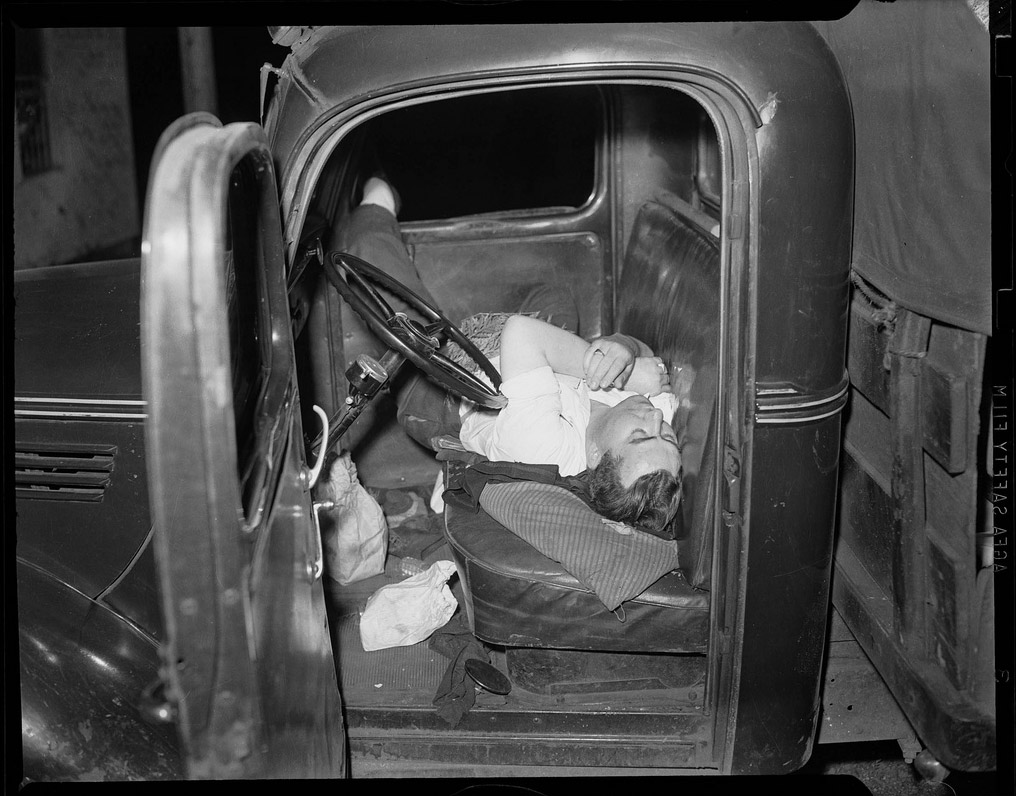
Teenie Harris (American, 1908-1998) 'Man lying with arms crossed and ferns on his lap, in cabin of truck' c. 1940-1945


Teenie Harris (American, 1908-1998)
Man lying with arms crossed and ferns on his lap, in cabin of truck
c. 1940-1945
Gelatin silver print
© Carnegie Museum of Art
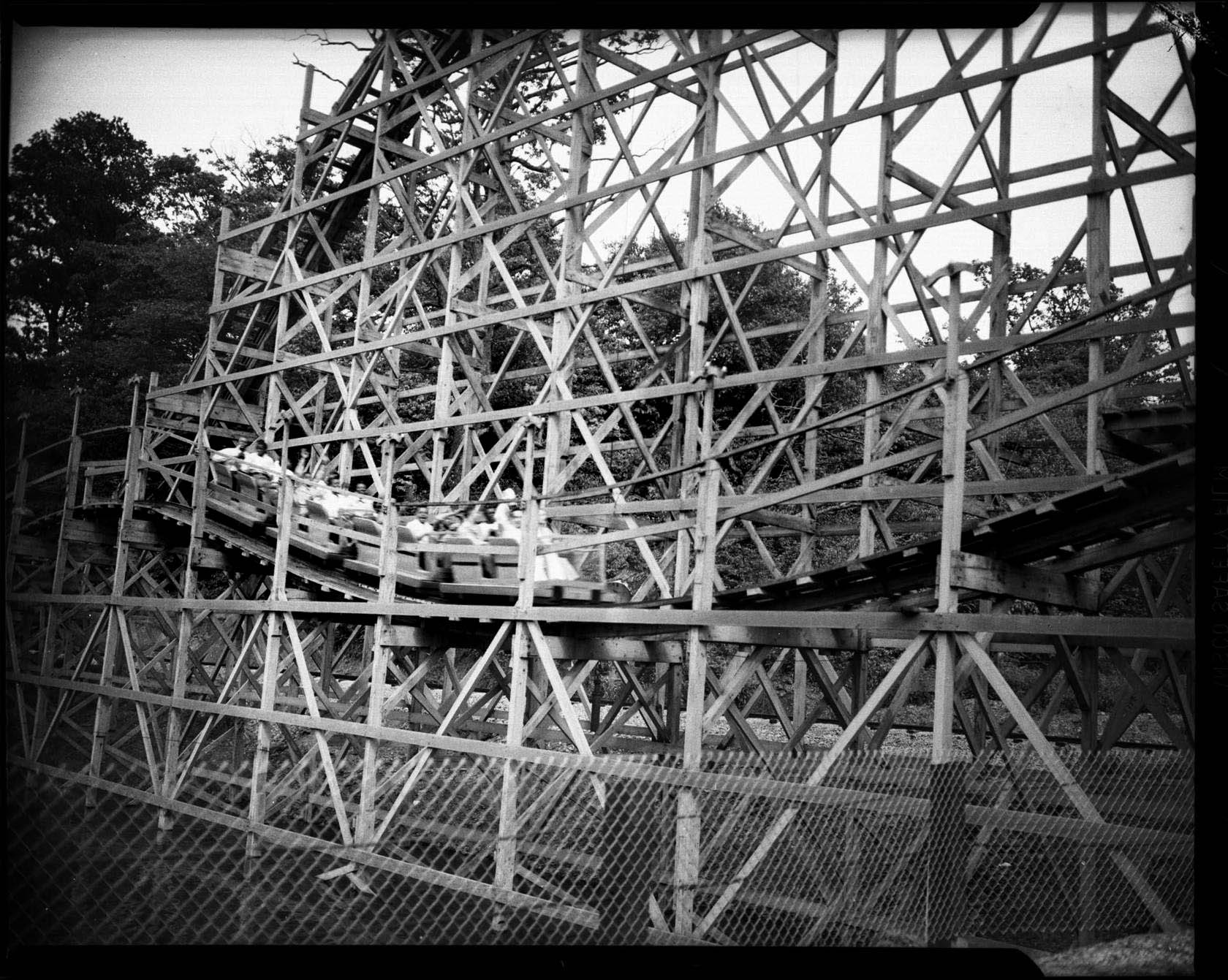
 

Teenie Harris (American, 1908-1998) 'Wooden roller coaster, possibly at Rock Springs Park, Chester, West Virginia' c. 1941


Teenie Harris (American, 1908-1998)
Wooden roller coaster, possibly at Rock Springs Park, Chester, West Virginia
c. 1941
Gelatin silver print
© Carnegie Museum of Art
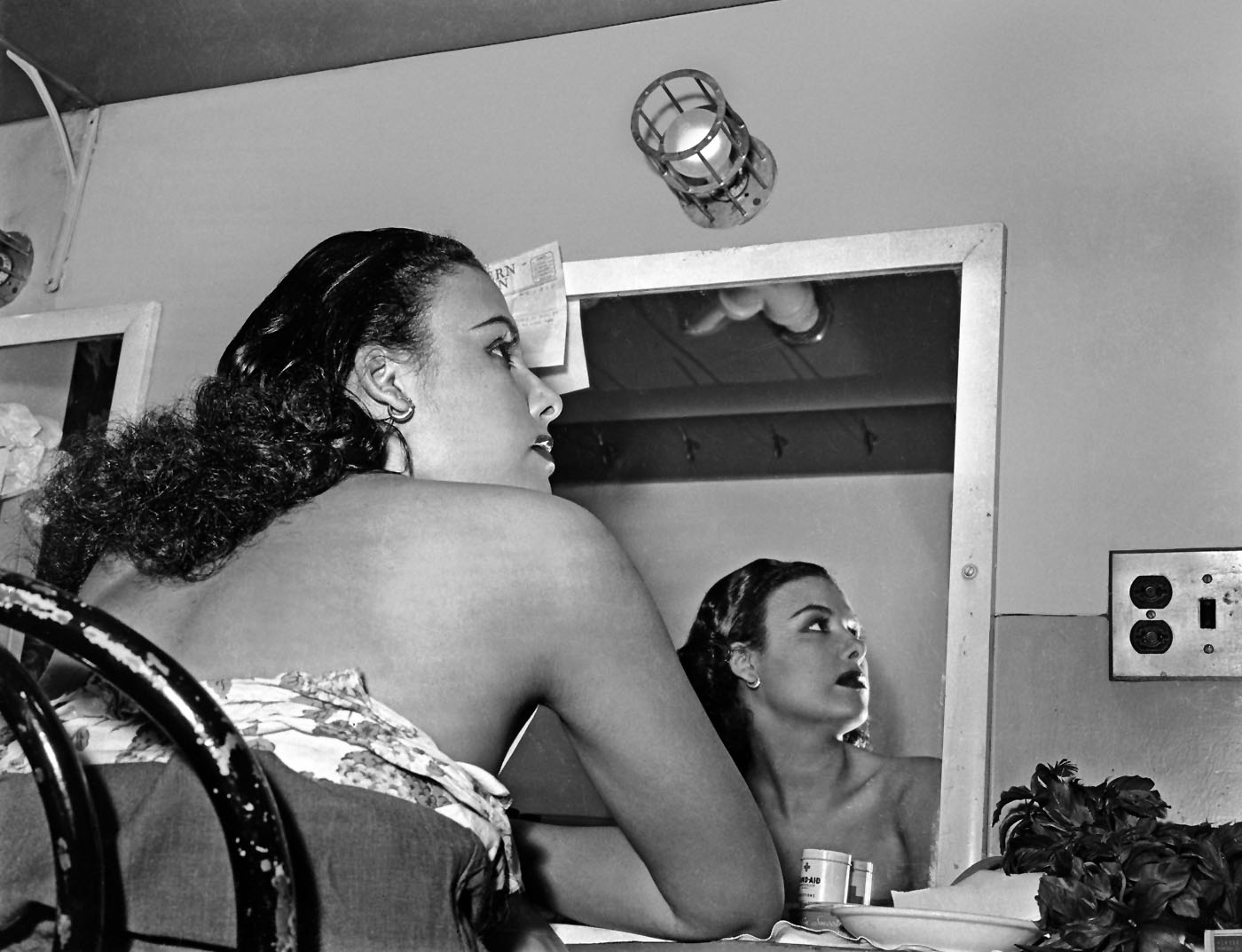
 

Teenie Harris (American, 1908-1998) 'Lena Horne reflected in mirror in dressing room at Stanley Theatre' c. 1944


Teenie Harris (American, 1908-1998)
Lena Horne reflected in mirror in dressing room at Stanley Theatre
c. 1944
Gelatin silver print
Heinz Family Fund
© Carnegie Museum of Art
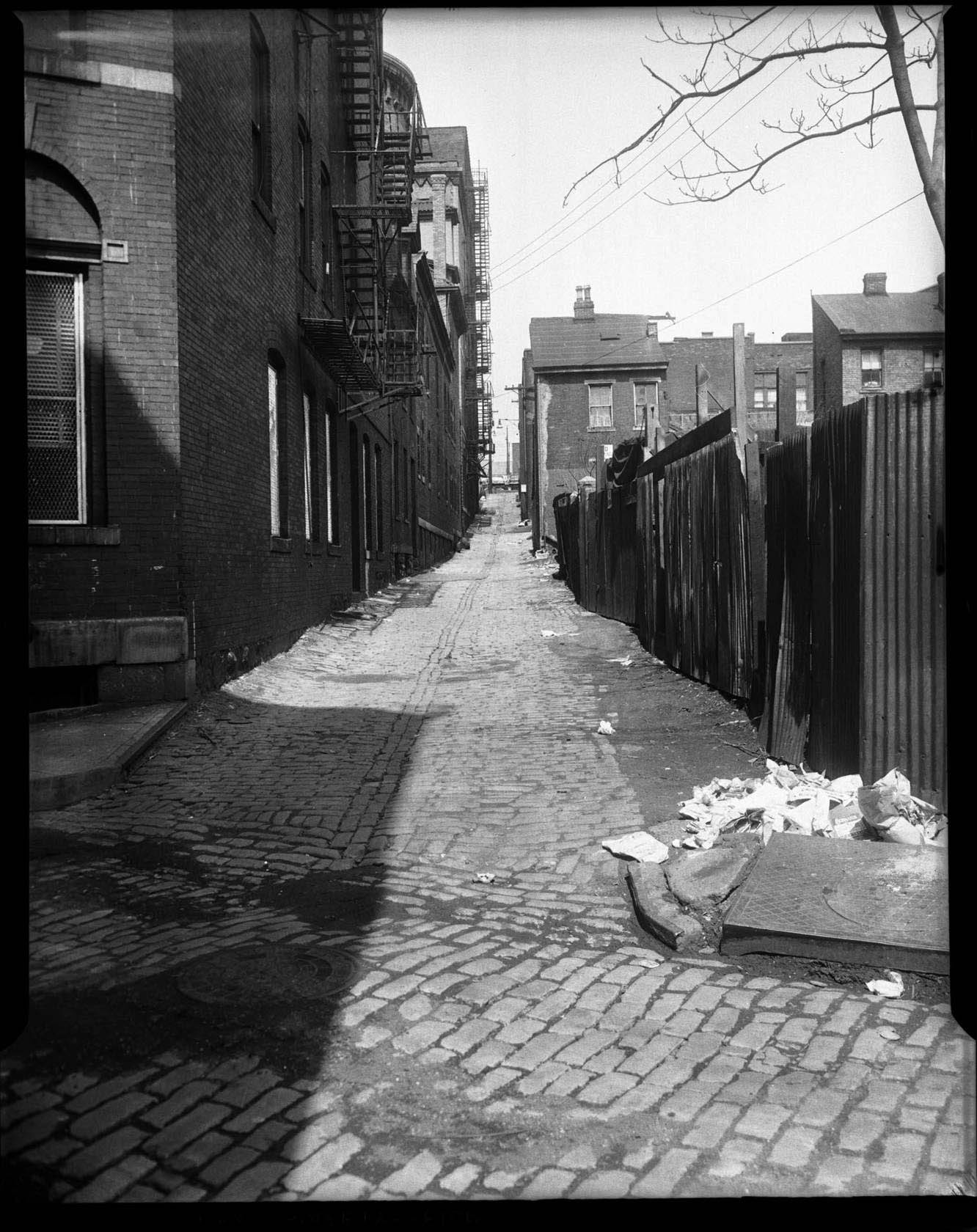
 

Teenie Harris (American, 1908-1998) 'Deserted Alley' 1946-1970


Teenie Harris (American, 1908-1998)
Deserted Alley
1946-1970
Gelatin silver print
© Carnegie Museum of Art


Charles “Teenie” Harris had a photographic mission: going beyond the obvious or sensational to capture the essence of daily African-American life in the 20th century. For more than 40 years, Harris – as lead photographer of the influential Pittsburgh Courier newspaper – took almost 80,000 pictures of people from all walks: presidents, housewives, sports stars, babies, civil rights leaders and even cross-dressing drag queens. Now, a new exhibit and online catalog is showing the depth of Harris’ work, an archive showing a major artistic achievement that influenced people around the country.

“His shots of everyday people are amazing. People seem to kind of jump off the page,” said Stanley Nelson, an Emmy Award-winning documentary filmmaker and MacArthur genius grant winner who has made a number of acclaimed films on African-American artists, business people, and workers. “They don’t have the sense of somebody kind of looking in and spying on the community. For me his pictures are very unique,” Nelson said.

Harris was a gifted basketball player as a young man, and helped start a Negro League baseball team, too. His brother was Pittsburgh’s biggest bookie, and that gave him access to people throughout the city. But he found his mission at the Pittsburgh Courier, which was distributed all over the country via a network of Pullman train porters. Through the paper Harris had endless opportunities to chronicle daily life and to meet the rich, famous, and powerful. Harris photographed Richard Nixon, Jackie Robinson, Martin Luther King Jr., John F. Kennedy and many musical greats, such as Nat King Cole and Duke Ellington. “That was the black national paper of record at the time,” said Laurence Glasco, a professor of history at the University of Pittsburgh.

Many people stopped by the Courier offices because of its clout with African-Americans, Glasco said. Yet Harris neither pandered to nor looked down on celebrities, he added. “He really didn’t have a cult of celebrity. He wouldn’t cross a street to shake a celebrity’s hand. He was interested in them, but he really saw them as just people. And that really comes out in his photographs,” Glasco said. A young Muhammad Ali, for example, is shown picking up his mother and holding her in his arms. “He had an equal opportunity lens,” recalled Teenie’s son, Charles Harris. “He just liked people.”

The partnership with the Courier was a perfect match, since its reporters and editors were also pushing for equal rights. And true to Pittsburgh traditions, Teenie Harris was a hard worker, on call virtually 24-hours a day. “No matter what time it was, they could call. A lot of times he didn’t sleep,” his son said.

Louise Lippincott, the Carnegie Museum of Art Curator, worked closely with Harris in the last years of his life. “He had a very strong personal desire to complete a positive view of African-Americans and counter the negative stereotypes in the white press. On the other hand, there’s nothing sugarcoated,” said Lippincott. Glasco adds that Harris took pictures of very poor people without exaggerating their situation. “You can look at them and say, ‘These are real people; they happen to be very poor.’ They’re more than those clothes they’re wearing. They were first and foremost a person.” One picture shows a little girl with a big smile sitting on the floor of a newsstand, reading a comic book with a small dog on her lap. A key piece of history that Harris and the Courier covered heavily was African-Americans who served in World War II and returned home demanding that they be accorded rights equal to white soldiers, sailors, and airmen.

“The drive for civil rights really began in World War II,” Lippincott said, far earlier than many imagine. Yet the photographs are more than just a rich trove of mid-century American history. They emerge as art because Harris became a master of composition and for decades took each picture with a large-format camera that had to be hand-loaded with a single piece of film for each shot. “I remember being just shocked and amazed at what an incredible photographer he was. He just had this incredible eye,” said Nelson, who noted that Harris earned the nickname “One Shot” for his ability to deliver an assignment with one photograph.

Many of the pictures show a successful – and happy – black middle class. One young woman is depicted posing on the hood of a 1950s car, with steel mills in the background, while another simply kneels while playing with two small dogs. And even before the civil rights movement, there are many pictures showing black and white children and adults together. Glasco notes that even some controversial pictures seem to defy current expectations of what the past was like. In one, a man in a car has a cross-dressing male companion on each side.

“They’re happy, they’re proud, they’re smiling. It’s a joyful thing,” Glasco said of the men openly dressing as women. At an annual parade in Pittsburgh’s Hill district, one car was often filled with cross-dressers who waved at crowds, he added. Glasco once saw a Harris picture of cross-dressers next to contemporary pictures with the same subject, and was struck by the anger and hostility of the people in the new pictures, and the openness of the people in the older ones.

The Carnegie Museum of Art purchased Harris’ entire collection in 2001, through the Heinz Family Fund. The exhibit at the museum includes almost 1000 photographs, slide shows, and a jazz soundtrack commissioned especially for the show, which is up until next April. It’s also scheduled to travel to Chicago, Birmingham, Alabama, and Atlanta in the future. People who can’t get to one of those museums can view almost 60,000 Harris images that have been scanned and put online along with audio interviews of people who knew him.”

Kevin Begos. “Pa. exhibit showcases legendary black photographer,” Associated Press on the Boston.com website November 27, 2011 [Online] Cited 21/03/2012
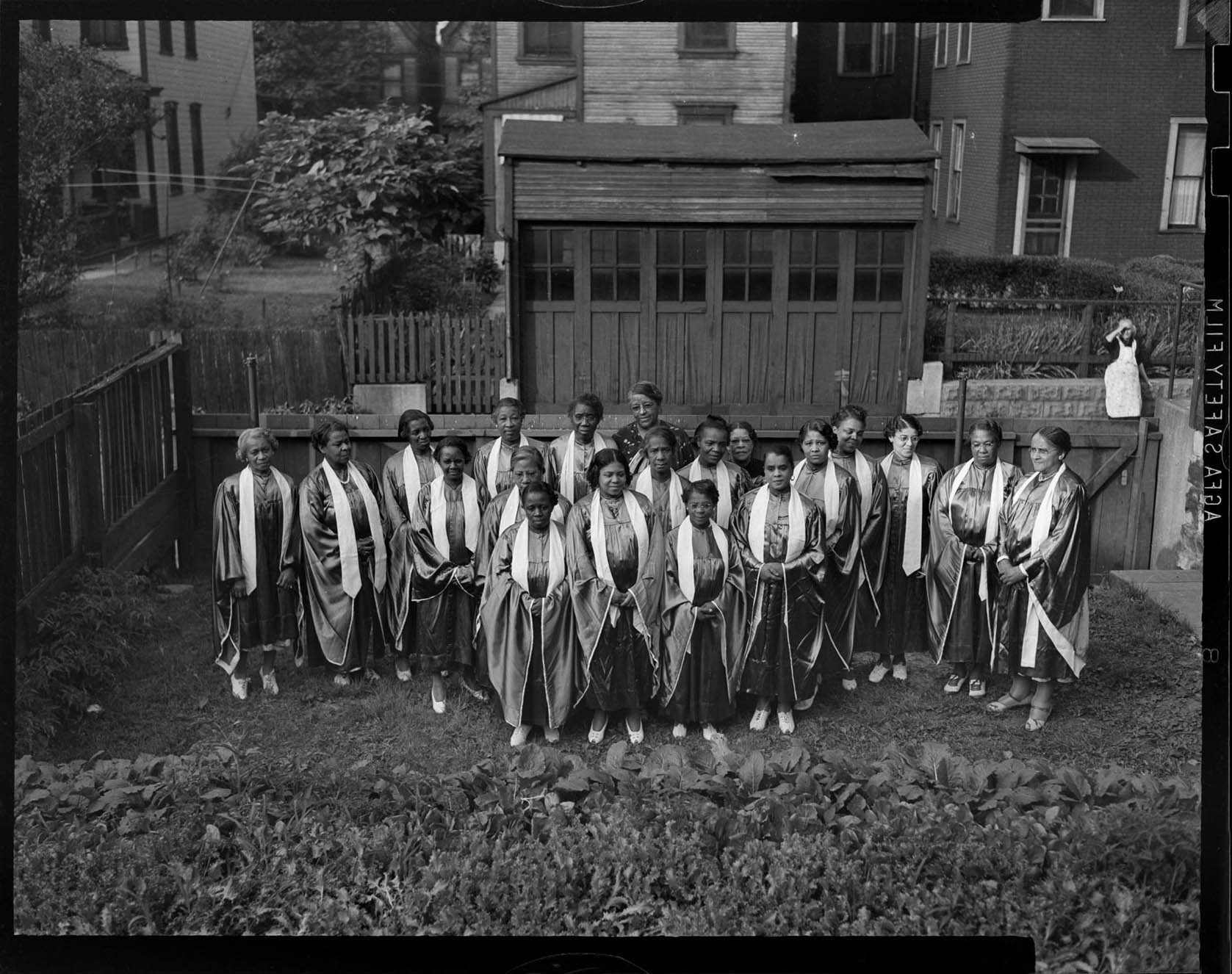
 

Teenie Harris (American, 1908-1998) 'Group portrait of women wearing church choir robes, posed outside in yard, with other houses, garage, and woman in background, seen from above' c. 1938-1945


Teenie Harris (American, 1908-1998)
Group portrait of women wearing church choir robes, posed outside in yard, with other houses, garage, and woman in background, seen from above
c. 1938-1945
Gelatin silver print
© Carnegie Museum of Art
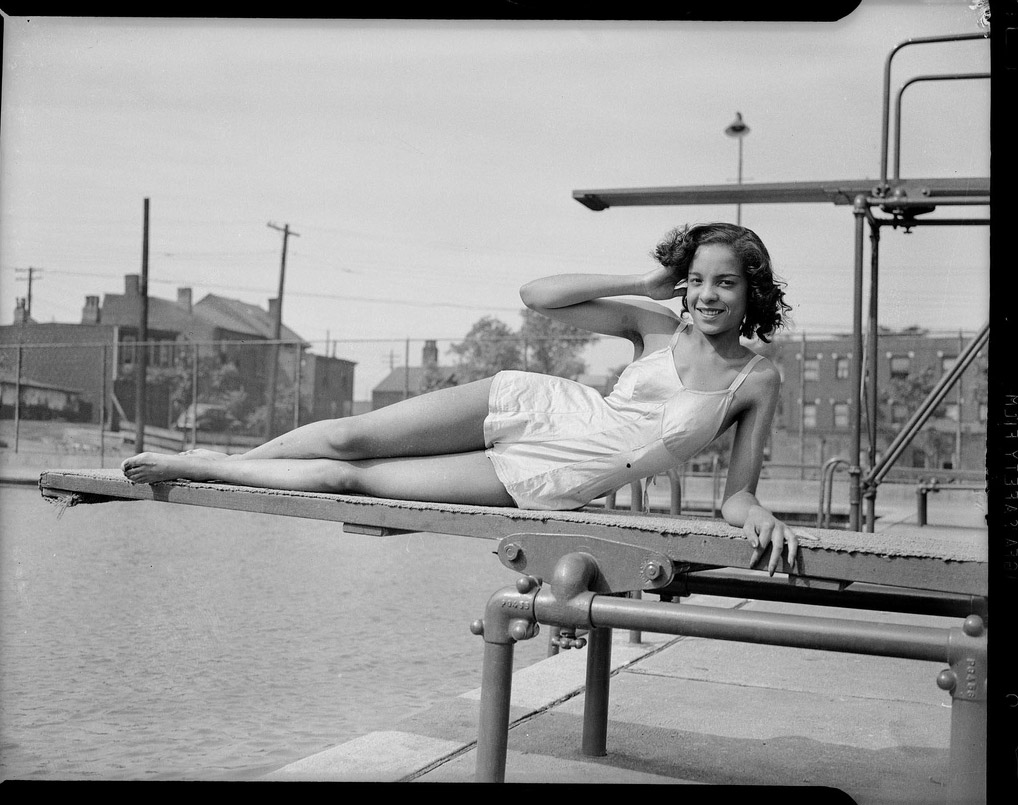
 

Teenie Harris (American, 1908-1998) 'Woman wearing one-piece skirted bathing suit reclining on swimming pool diving board' c. 1940-1945


Teenie Harris (American, 1908-1998)
Woman wearing one-piece skirted bathing suit reclining on swimming pool diving board
c. 1940-1945
Gelatin silver print
© Carnegie Museum of Art
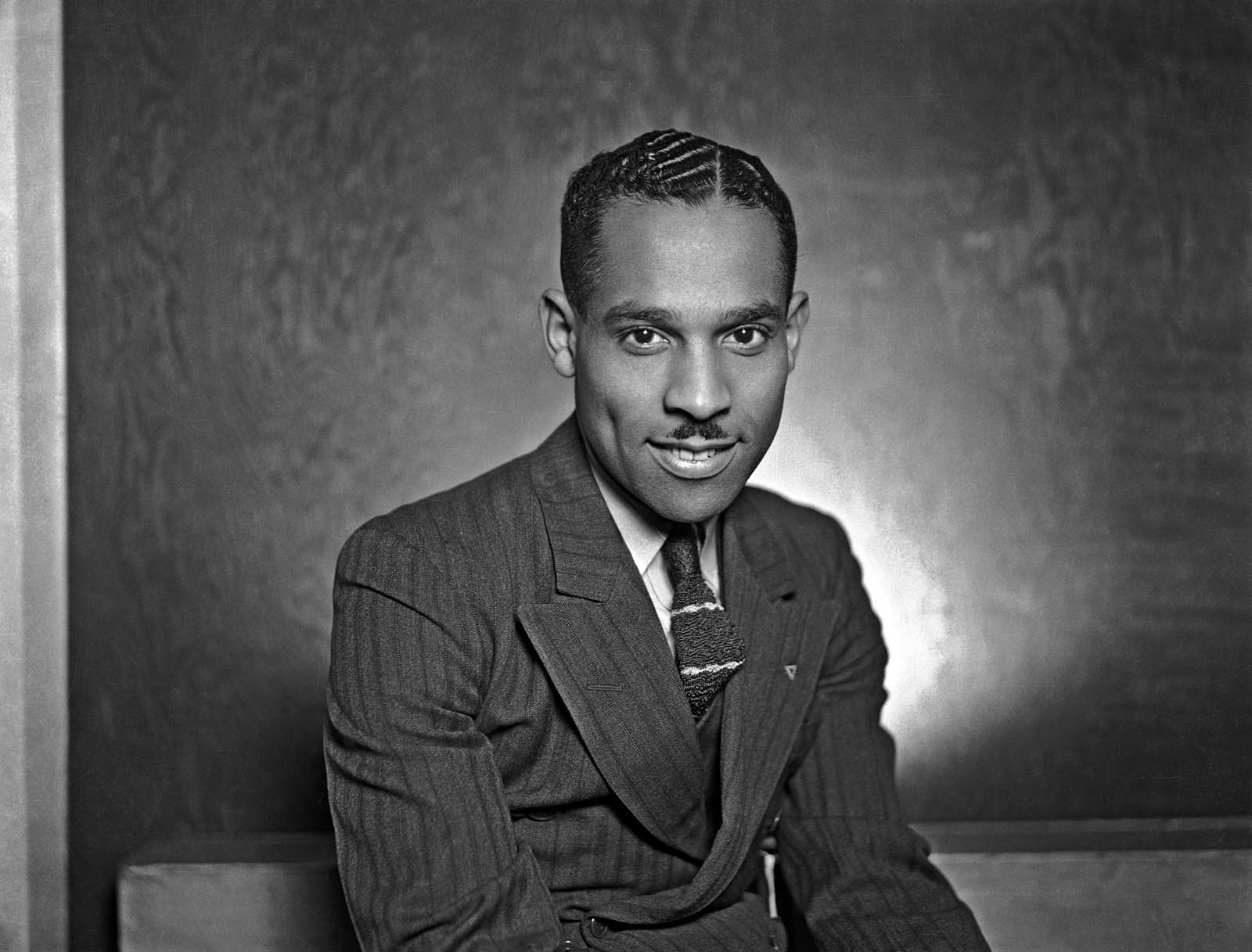
 

Teenie Harris (American, 1908-1998) 'Charles "Teenie" Harris self-portrait in Harris Studio' c. 1940


Teenie Harris (American, 1908-1998)
Charles “Teenie” Harris self-portrait in Harris Studio
c. 1940
Gelatin silver print
Heinz Family Fund
© Carnegie Museum of Art
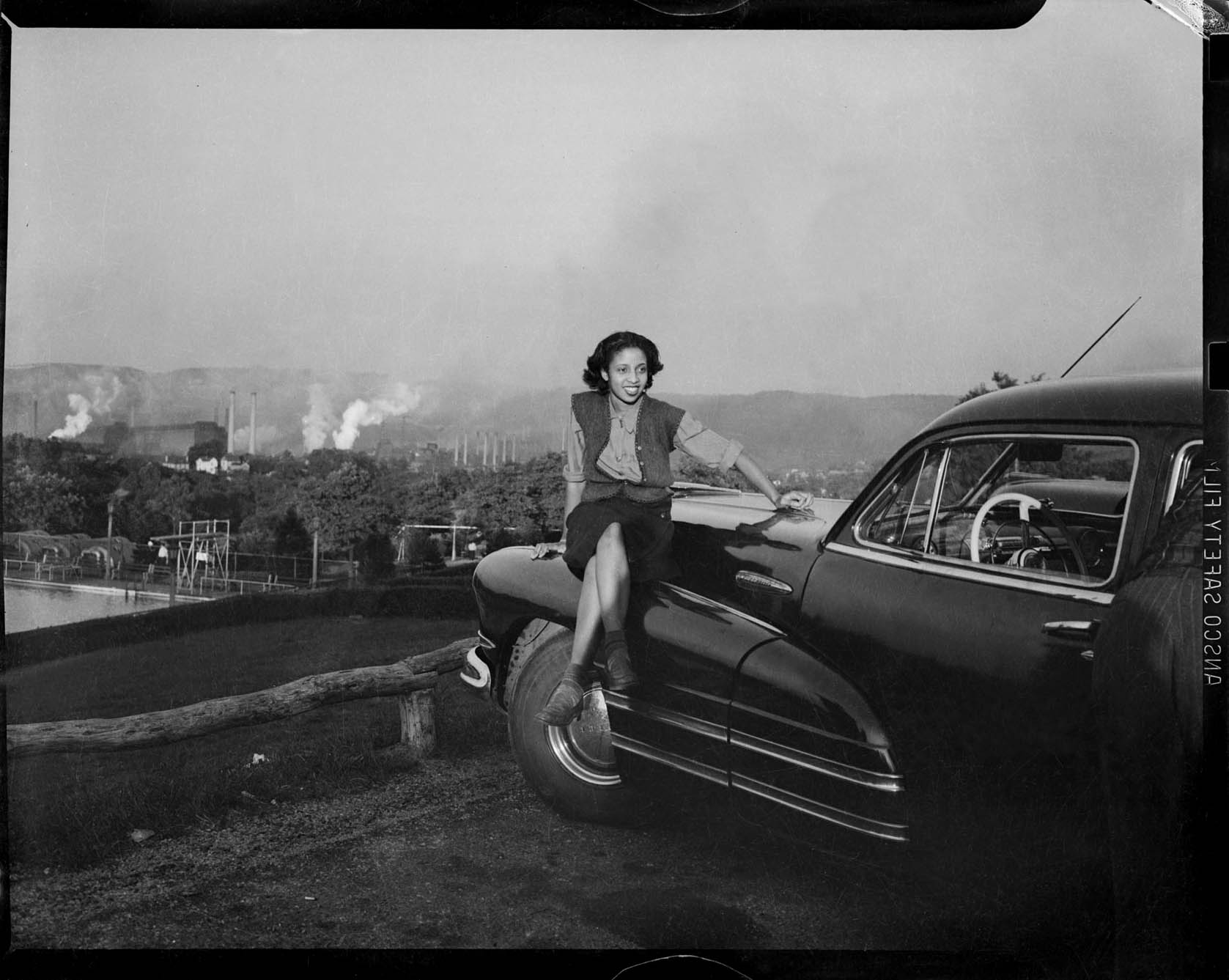
 

Teenie Harris (American, 1908-1998) 'Doris Clark (Moody) seated on Buick car with steel mill in background, Clairton' c. 1940


Teenie Harris (American, 1908-1998)
Doris Clark (Moody) seated on Buick car with steel mill in background, Clairton
c. 1940
Gelatin silver print
Heinz Family Fund
© Carnegie Museum of Art
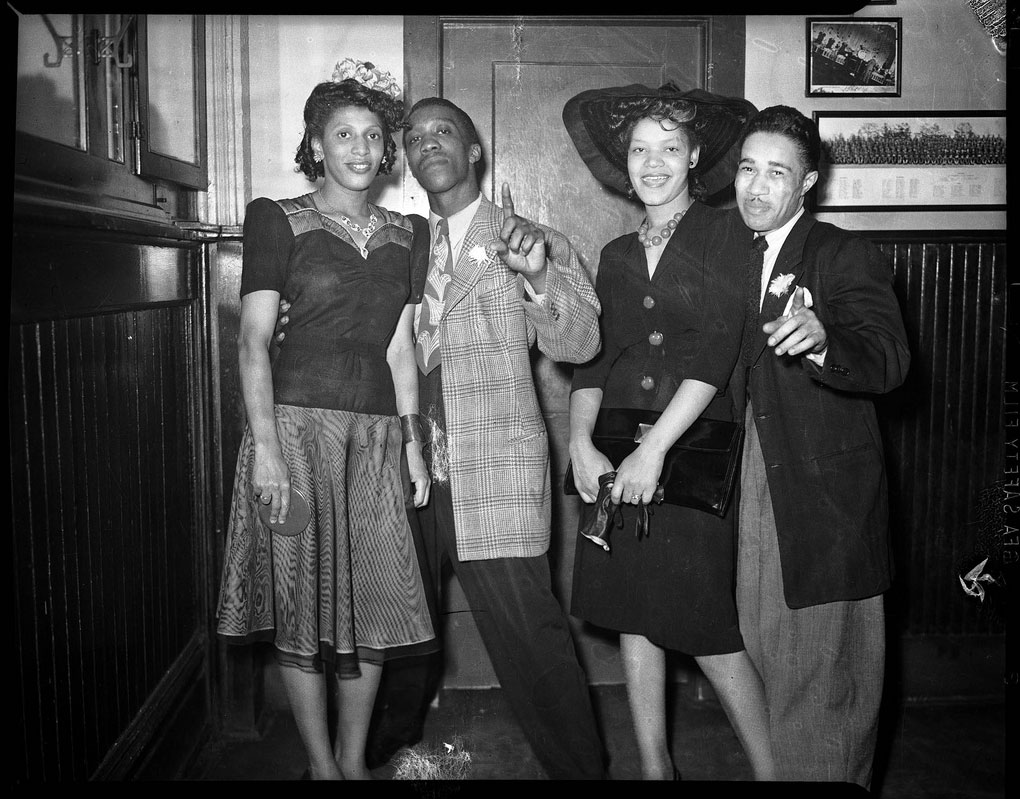
 

Teenie Harris (American, 1908-1998) 'Group portrait of two women and two men, woman on right wearing dark dress with wide brimmed hat, in interior with wainscoting and pictures on wall' c. 1940-1945


Teenie Harris (American, 1908-1998)
Group portrait of two women and two men, woman on right wearing dark dress with wide brimmed hat, in interior with wainscoting and pictures on wall
c. 1940-1945
Gelatin silver print
© Carnegie Museum of Art
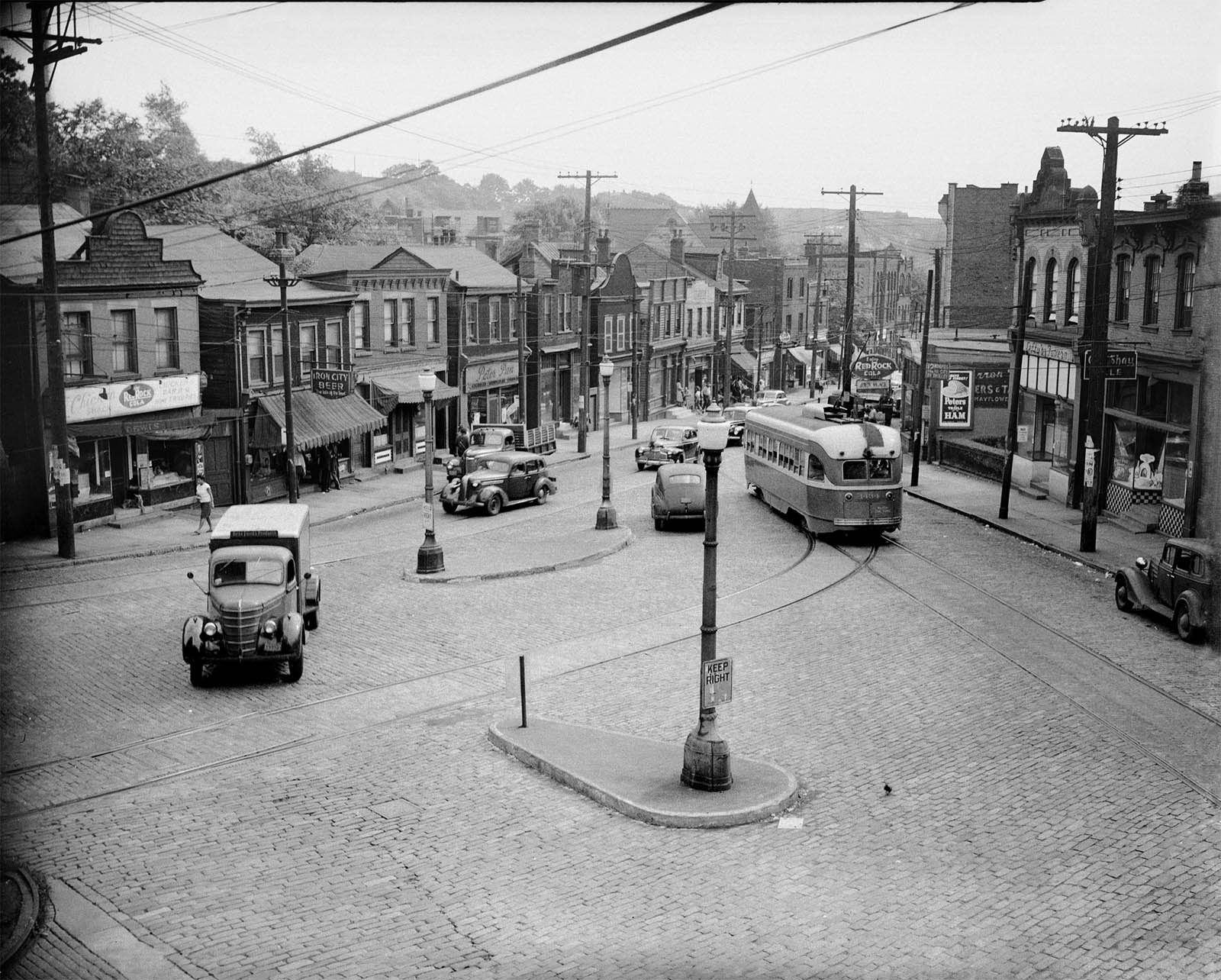
 

Teenie Harris (American, 1908-1998) 'Herron Avenue at intersection of Milwaukee Street, Hill District' c. 1945-1949


Teenie Harris (American, 1908-1998)
Herron Avenue at intersection of Milwaukee Street, Hill District
c. 1945-1949
Gelatin silver print
Heinz Family Fund
© Carnegie Museum of Art
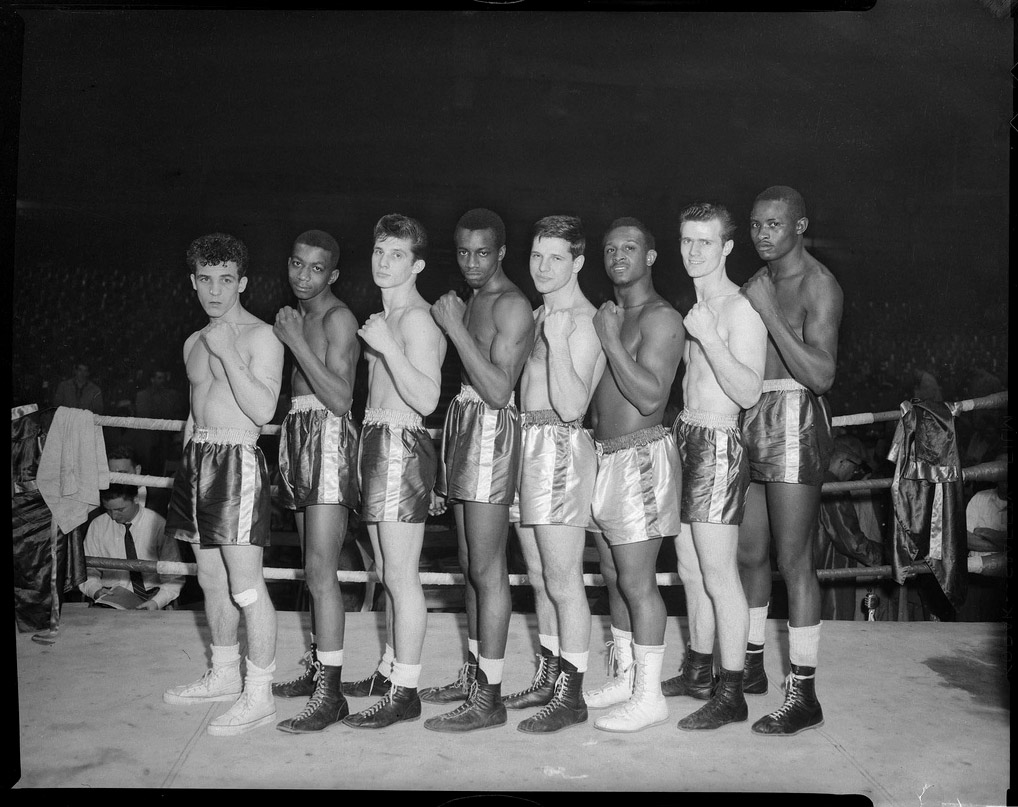
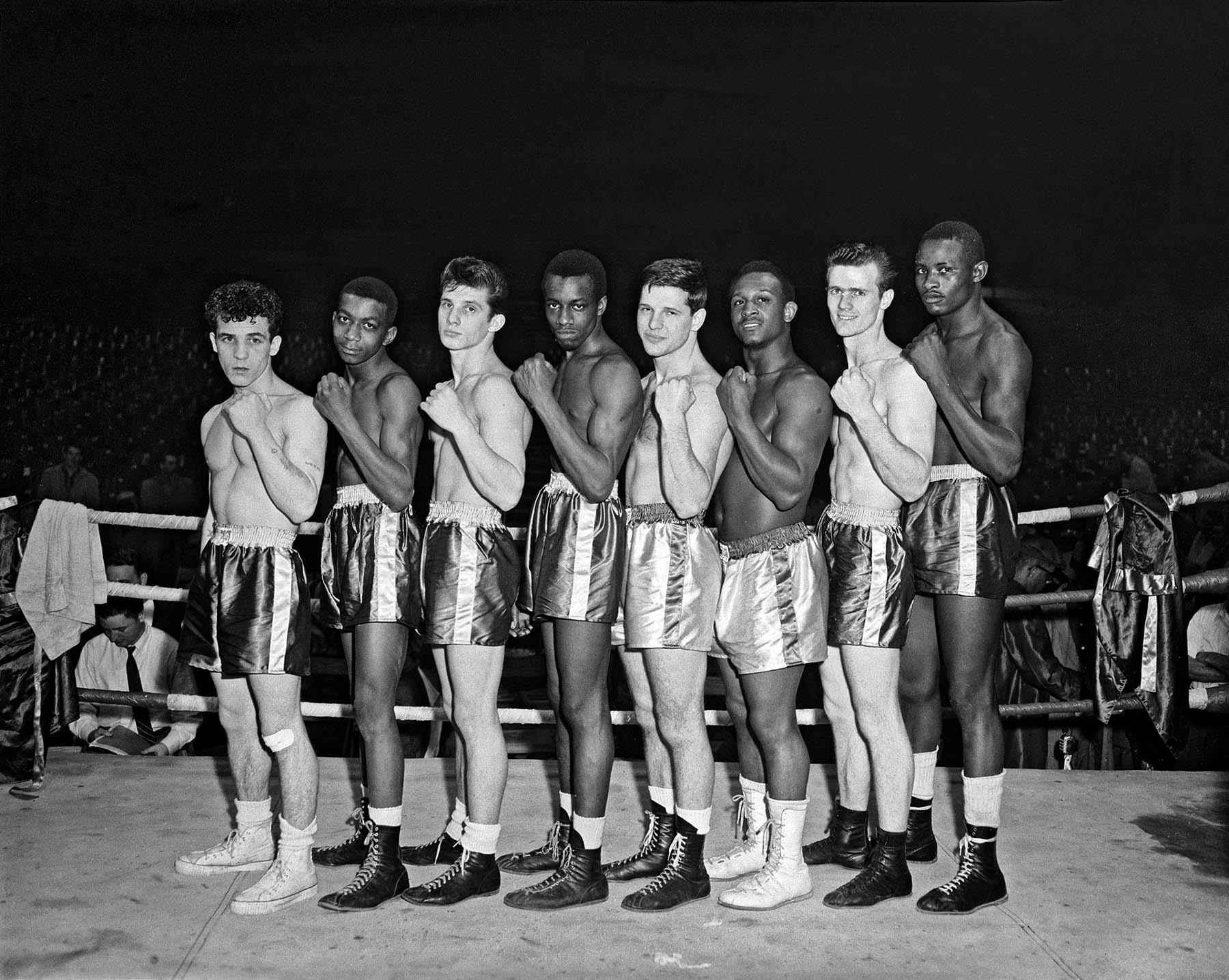
 

Teenie Harris (American, 1908-1998) 'Group portrait of eight male boxers, possibly Golden Gloves contenders, lined up in boxing ring' c. 1955

Teenie Harris (American, 1908-1998) 'Boxers, possibly Golden Gloves contenders, possibly including Robert "Bobby" Matthews second from left, lined up in boxing ring' c. 1955


Teenie Harris (American, 1908-1998)
Boxers, possibly Golden Gloves contenders, possibly including Robert “Bobby” Matthews second from left, lined up in boxing ring
c. 1955
Gelatin silver print
© Carnegie Museum of Art
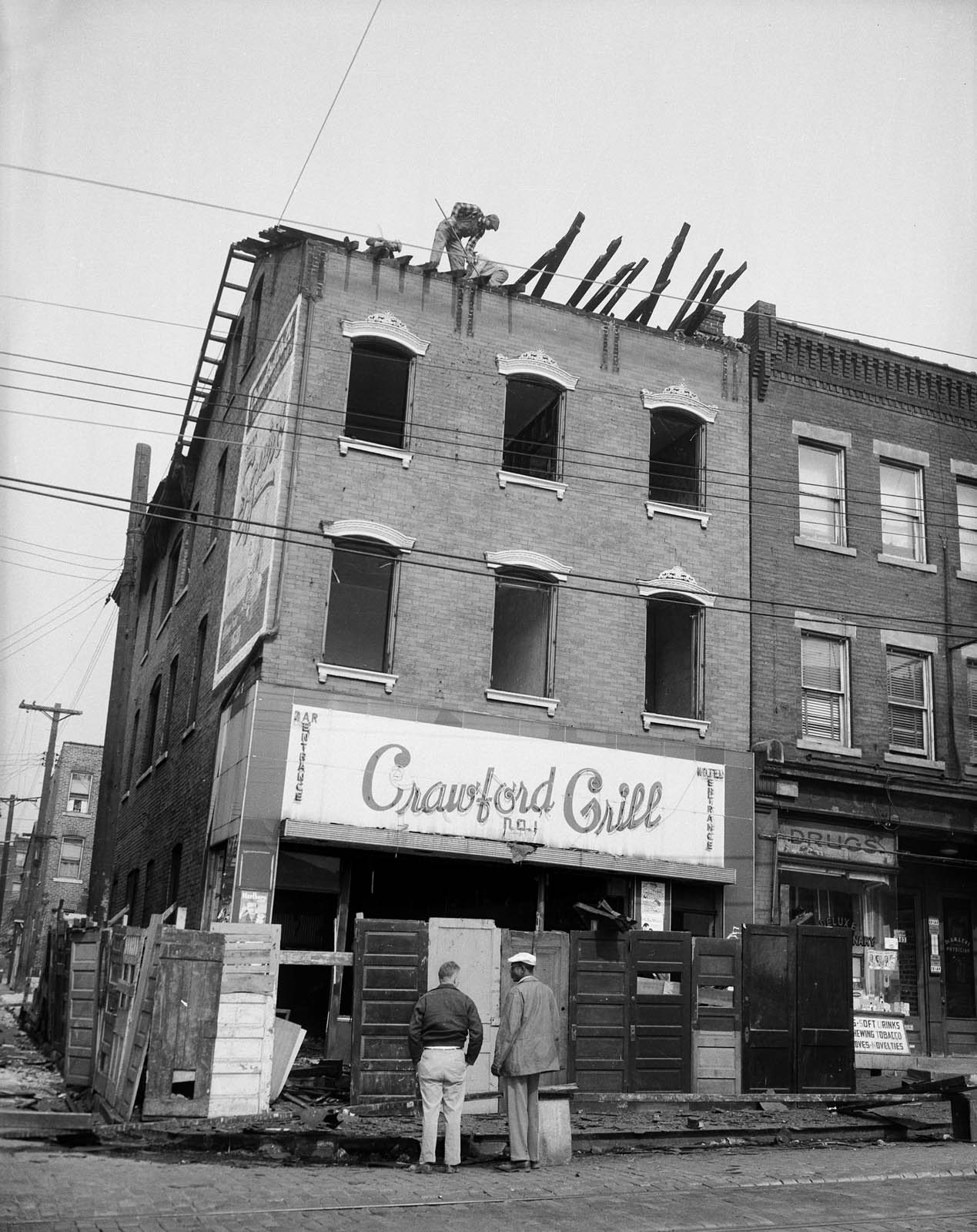
 

Teenie Harris (American, 1908-1998) 'Workers demolishing roof of Crawford Grill No. 1, 1401 Wylie Avenue at Townsend Street, Hill District' 1956


Teenie Harris (American, 1908-1998)
Workers demolishing roof of Crawford Grill No. 1, 1401 Wylie Avenue at Townsend Street, Hill District
1956
Gelatin silver print
Heinz Family Fund
© Carnegie Museum of Art
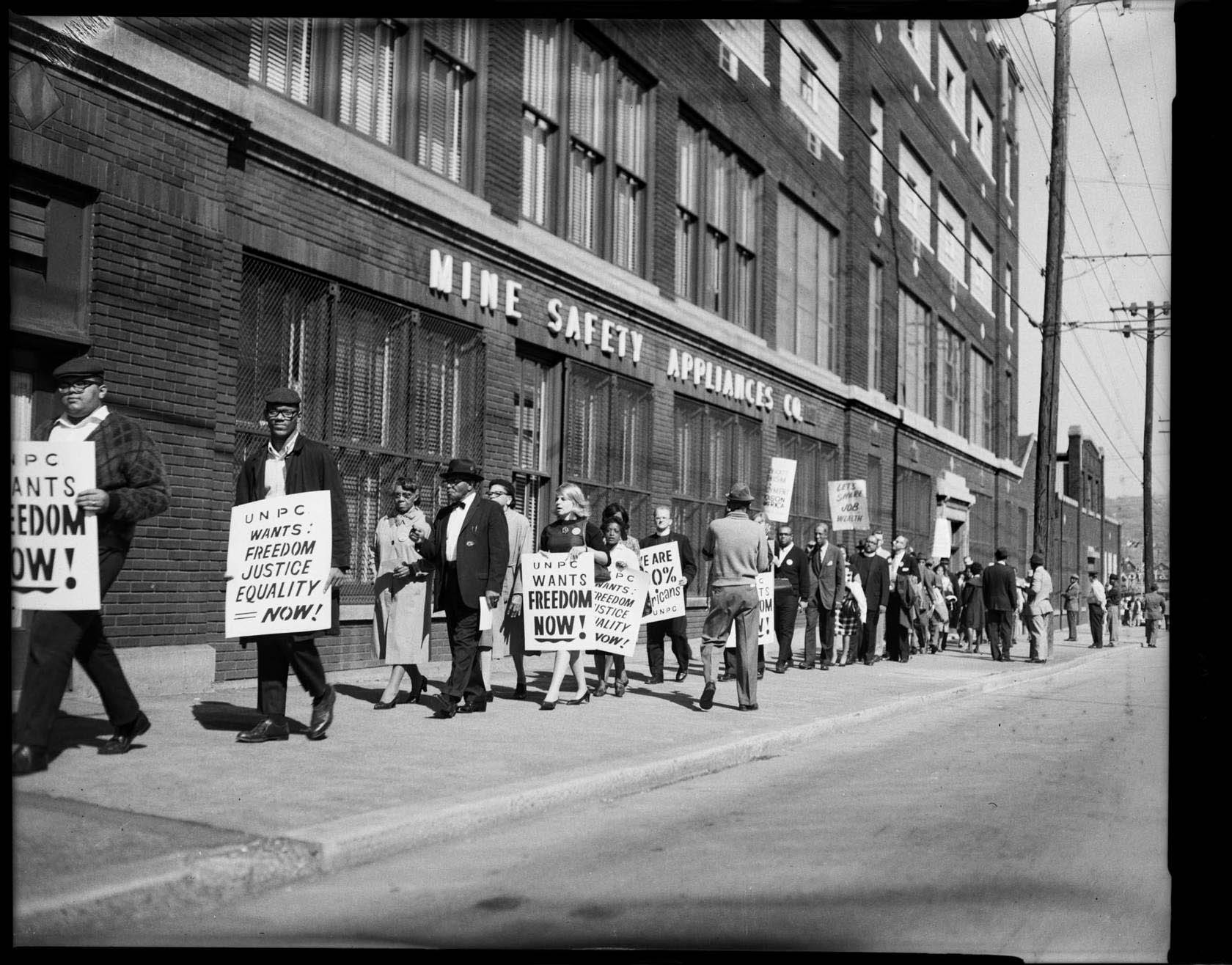
 

Teenie Harris (American, 1908-1998) 'Protesters, including Ronald A. Crawley on left, with UNPC signs outside United Mine Safety Appliance Company, North Braddock Avenue and Meade Street, Homewood' October 1963


Teenie Harris (American, 1908-1998)
Protesters, including Ronald A. Crawley on left, with UNPC signs outside United Mine Safety Appliance Company, North Braddock Avenue and Meade Street, Homewood
October 1963
Gelatin silver print
© Carnegie Museum of Art
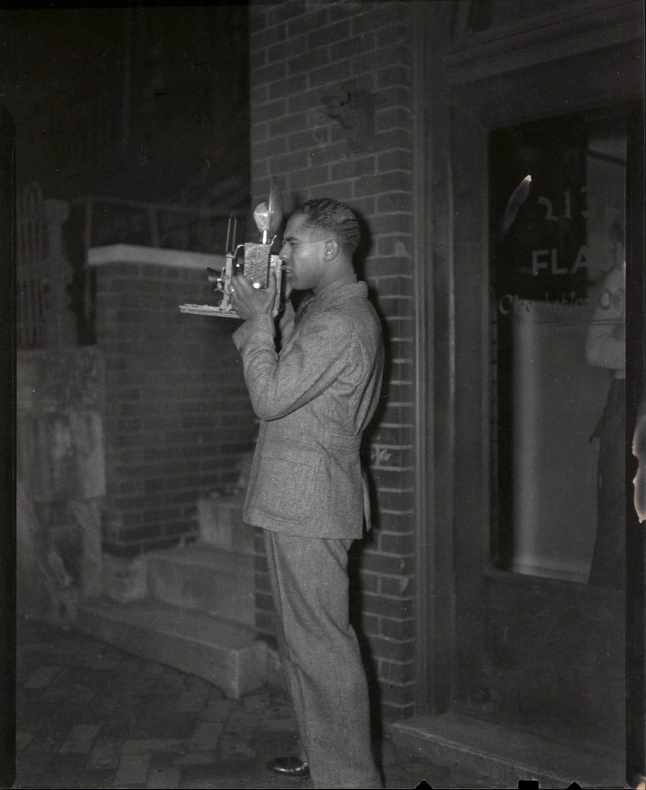
 

Anonymous photographer. 'Charles "Teenie" Harris holding camera and standing in front of Flash Circulation office, 2132 Centre Avenue, Hill District' c. 1937


Anonymous photographer
Charles “Teenie” Harris holding camera and standing in front of Flash Circulation office, 2132 Centre Avenue, Hill District
c. 1937
Gelatin silver print
© Carnegie Museum of Art


Carnegie Museum of Art
4400 Forbes Avenue
Pittsburgh, PA 15213-4080
Phone: 412.622.3131

Opening hours:
Tuesday – Saturday: 10am – 5pm
Thursday: 10am – 8pm
Sunday: noon – 5pm
Carnegie Museum of Art website

Teenie Harris Archive website

LIKE ART BLART ON FACEBOOK

Back to top

Review: ‘Cloud’ by Guan Wei at Arc One Gallery, Melbourne

Exhibition dates: 1st June – 29th June, 2010


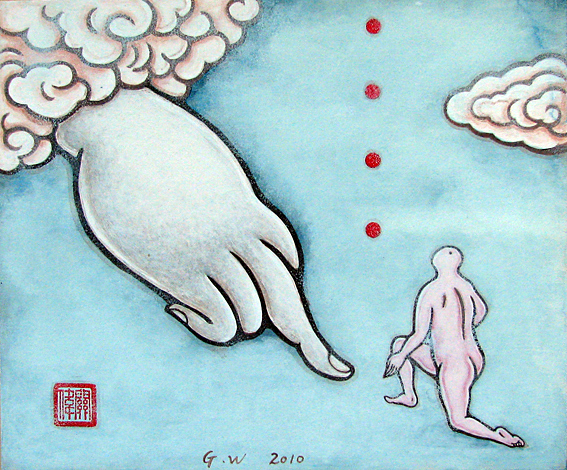
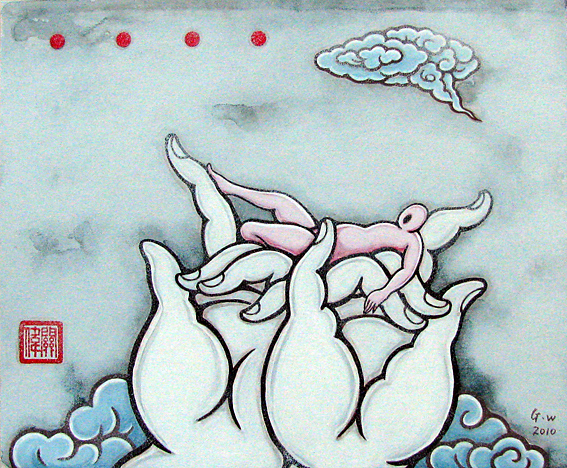
Guan Wei (China, b. 1957) 'Buddha's hand' 2010 from the exhibition 'Cloud' by Guan Wei at Arc One Gallery, Melbourne, June 2010


Guan Wei (China, b. 1957)
Buddha’s hand
2010


The exhibition Cloud by Australian artist Guan Wei at Arc One Gallery in Melbourne contains two bodies of work that are outstanding: the series of paintings on paper titled Buddha’s Hand and the series of five figurative sculptures titled Cloud. Each body of work compliments and informs the other.

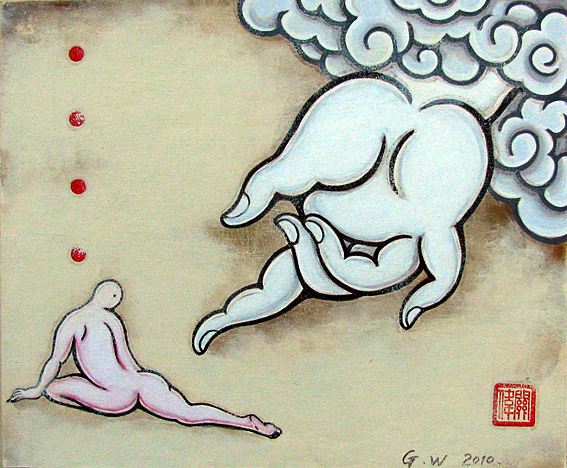
The small Buddha’s Hand paintings (see below) are the most delicate of creatures – sensual, poetic almost fetishistic in their composition and utterly beguiling in their beauty. Referencing the history of cave paintings of the Buddha, Wei updates the ancient allegories expressing his message of harmony and leisure, identity and place through visual symbolic representation. These works are profoundly moving, the figurative compositions balanced masterfully through colour, shape and form, studded with the punctum of red bindi-like energy centres arising from the faceless yogic figures.

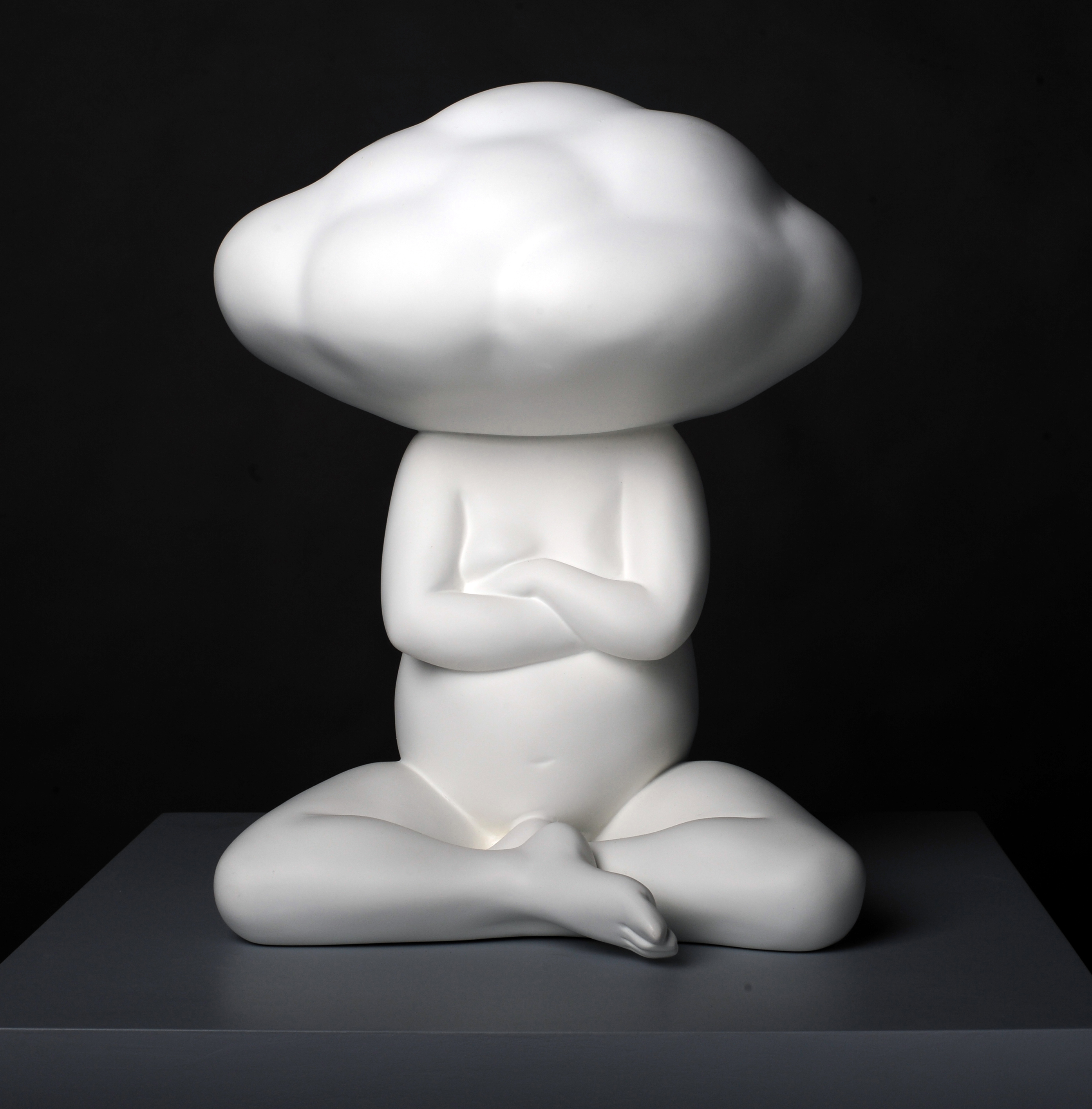
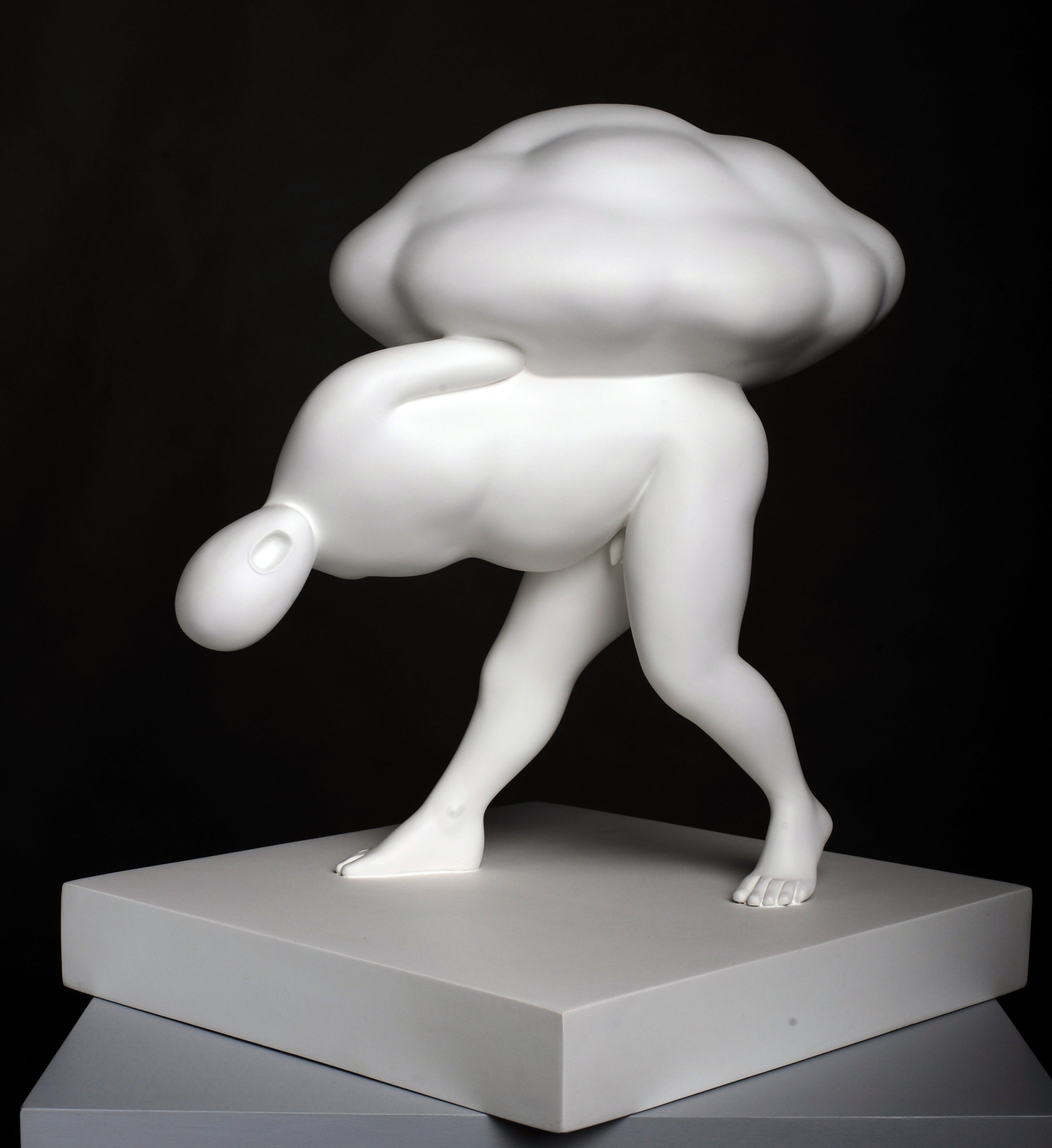
Sitting on white pedestals and positioned close to the Buddha’s Hand paintings in the gallery are the series of five Cloud figures (see below). Made of bronze that has been spray painted white these are wonderful sculptures, full of delicious humour and vibrancy. There is a sensuality and delicacy about the figures that is emphasised by their snowy whiteness, a whiteness that subverts the tactility, colour and weight that one usually associates with the metal bronze. Here the figure has, variously, it’s head in the clouds while pensively crossing arms; bearing the weight of the world on the back while the vacant mouth is open; preparing to throw the cloud as Zeus would a thunderbolt; reclining while balancing the cloud on one foot and with one foot stuck in the earth that is cloud. The cloud becomes a metaphor for thought and action in the world, acting on the world. In these sculptures there is no creed nor race, no ideology or nation and I believe that Wei attains his stated aim to redefine our relationship with one another and nature by transcending both. I am not alone in liking these sculptures – they have proved very popular and all five sculptures in editions of five have already sold out!

Other work in the exhibition is more prosaic – a multi-panelled screen, the On Cloud and Zodiac series never seem to breathe the same rarefied air as the above two bodies of work. They are disappointments that only serve to illuminate how brilliant holding the Buddha’s hand and living your life with your head in the clouds can be.

Dr Marcus Bunyan


Many thankx to Angela Connor and Arc One Gallery for allowing me to reproduce the photographs in the posting. Please click on the photographs for a larger version of the image.


Guan Wei (China, b. 1957) 'Buddha's hand' 2010 from the exhibition 'Cloud' by Guan Wei at Arc One Gallery, Melbourne, June 2010


Guan Wei (China, b. 1957)
Buddha’s hand
2010


Guan Wei (China, b. 1957) 'Buddha's hand' 2010


Guan Wei (China, b. 1957)
Buddha’s hand
2010


“I hope that we will be able to transcend the restrictions imposed on us by such notions as nation, ethnicity, ideology, cultural and history, and redefine our relationship with one another and nature.”


Guan Wei


Guan Wei is an adept storyteller who masterfully engages his audiences. Retaining the humour, wisdom and cross-cultural knowledge that have become characteristics of his ongoing oeuvre, his work breathes an awareness of our current social and environmental dilemmas exploring ideas of immigration, colonisation, identity politics and cultural tolerance.

Flirtatious and aesthetically whimsical, Guan Wei’s works are instantly recognisable. In this latest exhibition, Cloud, Guan Wei fuses sculpture, drawings and paintings to form what is part of his most beguiling trademark – ‘the art of idleness’. For the first time since returning to China, he will present new sculptures that employ his ongoing preoccupation with the figure and the figure in relation to the natural form. These sculptures are Guan Wei’s personal visual symbols of harmony and leisure. They form the thread for the four series of works in this exhibition.

During the past fifteen years, Guan Wei has help change the identity of Australian Art. He draws on his own experience as a Chinese national who migrated to Australia from China in the period following the Tiananmen Square massacre (1989). Guan Wei has spent twenty years living and working as an artist raising the awareness of Australia being a multicultural country. He has had over 40 solo exhibitions, been the recipient of numerous awards and included in every major collection. In 2009, Guan Wei was selected for the prestigious Clemenger Contemporary Art Award at the National Gallery of Victoria.

Press release from the Arc One Gallery website [Online] Cited 10/06/2010 no longer available online


Guan Wei (China, b. 1957) 'Cloud No.4' 2009 from the exhibition 'Cloud' by Guan Wei at Arc One Gallery, Melbourne, June 2010


Guan Wei (China, b. 1957)
Cloud No.4
2009
Bronze statue
edition of 5
39 x 30 x 25cm


Guan Wei (China, b. 1957) 'Cloud No.5' 2009


Guan Wei (China, b. 1957)
Cloud No.5
2009
Bronze statue
edition of 5
47 x 35 x 35cm


Arc One Gallery
45 Flinders Lane
Melbourne, 3000
Phone: +61 3 9650 0589

Opening hours:
Tuesday – Saturday 11am – 5pm

Arc One Gallery website

LIKE ART BLART ON FACEBOOK

Back to top

Review: ‘Nocturnalians and Shadow Eaters’ by Vera Möller at Sophie Gannon Gallery, Richmond, Melbourne

Exhibition dates: 20th October – 14th November 2009


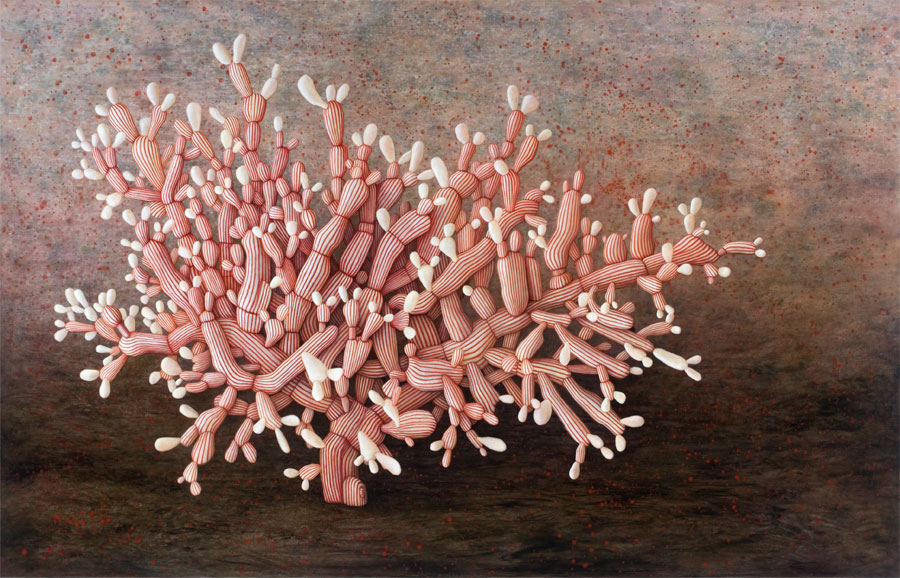
Vera Möller (Australian, b. 1955 Germany arrived Australia 1986) 'Rabinova' 2009 from the exhibition 'Nocturnalians and Shadow Eaters' by Vera Möller at Sophie Gannon Gallery, Richmond, Melbourne, Oct - Nov, 2009


Vera Möller (Australian, b. 1955 Germany arrived Australia 1986)
Rabinova
2009
Oil on linen
82 x 76cm


“I am interested in this border between the real and the imagined, the constructed and the natural.”


Vera Möller quoted in “Artist earns her stripes” on The Age newspaper website May 28, 2005 [Online] Cited 23/06/2022


There is a lot of mutability floating around current exhibitions in Melbourne at the moment. At the National Gallery of Victoria we have the deathly, eloquent freeze frame mutability of Ricky Swallow; at Tolarno Galleries we have the genetic hyper-realist mutability of Patricia Piccinini; and at Sophie Gannon Gallery we have the surreal, spatial mutability of Vera Möller.

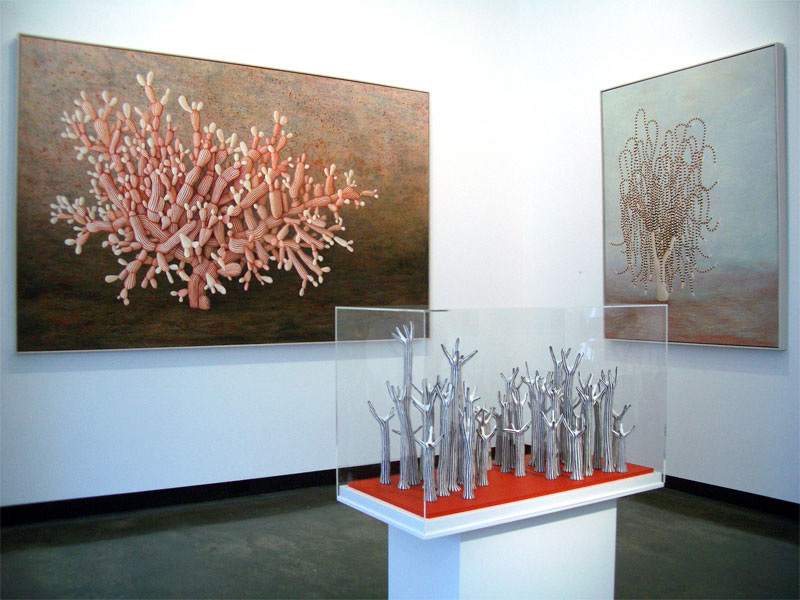
In this exhibition the real meets the imagined and the constructed encounters the natural in delicate sculptures and beautiful paintings. Coral snake and mutated striped hydras float above Phillip Huntersque backgrounds, looking oh so innocent until one remembers that hydras are predatory animals: the stripes, like the strips of a prisoners uniform not so innocent after all.

These ‘portraits’ (for that is what they strike me as) emerge from the recesses of the subconscious, rising up like some absurd alien fish from the deep. The sculptural forests of mutated specimens waft on the breeze of the ocean current. This detritus of biotechnology, living in the dark and the shadow, emerges into the light and space of the gallery – genetic recombinations in which a strands of genetic material are broken and then joined to another DNA molecule. In Möller’s work this chromosomal crossover has led to offspring (called ‘recombinants’) that dance to a surrealist tune: genetic algorithms that use mutation to maintain genetic diversity from one generation of chromosomes to the next.1

Spatially there is a lightness of touch and a beauty to their representation that brings the work alive within the gallery space. However, Möller’s recombinants are as deadly as they are beautiful. I really liked these creatures narcoleptic shadow dances.

Dr Marcus Bunyan


1/ Definition of mutation (genetic algorithm) in Wikipedia.


    Many thankx to Sophie Gannon Gallery for allowing me to publish the art work in the posting. Please click on the photographs for a larger version of the image.


    Vera Möller (Australian, b. 1955 Germany arrived Australia 1986) 'Martinette' 2009 (installation view)


    Vera Möller (Australian, b. 1955 Germany arrived Australia 1986)
    Martinette (installation view)
    2009
    Modelling material, acrylic and enamel paint, MDF, perspex cove


    Vera Möller (Australian, b. 1955 Germany arrived Australia 1986) 'Veronium' 2007 from the exhibition 'Nocturnalians and Shadow Eaters' by Vera Möller at Sophie Gannon Gallery, Richmond, Melbourne, Oct - Nov, 2009


    Vera Möller (Australian, b. 1955 Germany arrived Australia 1986)
    Veronium
    2007
    Oil on canvas
    167 x 199cm


    Vera Möller (Australian, b. 1955 Germany arrived Australia 1986) 'Shapinette' 2009 from the exhibition 'Nocturnalians and Shadow Eaters' by Vera Möller at Sophie Gannon Gallery, Richmond, Melbourne, Oct - Nov, 2009


    Vera Möller (Australian, b. 1955 Germany arrived Australia 1986)
    Shapinette
    2009
    Oil on linen
    101 x 101cm


    Vera Möller (Australian, b. 1955 Germany arrived Australia 1986) 'Telenium' 2009


    Vera Möller (Australian, b. 1955 Germany arrived Australia 1986)
    Telenium
    2009
    Oil on linen
    165 x 135cm


    Vera Möller (Australian, b. 1955 Germany arrived Australia 1986) 'Rubella' 2008-2009


    Vera Möller (Australian, b. 1955 Germany arrived Australia 1986)
    Rubella
    2008-2009


    Vera Möller (Australian, b. 1955 Germany arrived Australia 1986) 'Bureniana' 2008 (installation view)


    Vera Möller (Australian, b. 1955 Germany arrived Australia 1986)
    Bureniana (installation view)
    2008
    Modelling material, acrylic and enamel paint, MDF, perspex cover
    60 x 61 x 61cm


    Installation photo of 'Nocturnalians and Shadow Eaters' by Vera Moller at Sophie Gannon Gallery, Melbourne

    Installation photo of 'Nocturnalians and Shadow Eaters' by Vera Moller at Sophie Gannon Gallery, Melbourne


    Installation photographs of Nocturnalians and Shadow Eaters by Vera Möller at Sophie Gannon Gallery, Melbourne
    Photos: Marcus Bunyan


    Interested in the boundaries between the real and the imagined, Vera Möller creates paintings and sculptures by placing fictional hybrid plants in existing terrains. Bright colours and patterns, coral-like and succulent-plant forms and toadstool shapes describe her depictions of dreamt-up specimens that evoke the natural world. Möller’s ‘fantasy specimens’ demonstrate the way in which her science background and art practice have steadily converged.

    After training as a biologist in Germany, Möller migrated to Australia in 1986. She later completed a Bachelor of Fine Art at the Victorian College of the Arts and a PhD at Monash University. Her work has been exhibited in the USA, Japan, Finland, France, Germany and the UK, as well as throughout Australia.

    Text from the Sophie Gannon Gallery website [Online] Cited 03/05/2019


    Vera Möller (Australian, b. 1955 Germany arrived Australia 1986) 'Benthinium' 2008-2009


    Vera Möller (Australian, b. 1955 Germany arrived Australia 1986)
    Benthinium
    2008-2009
    Oil on linen
    140 x 220cm


    Vera Möller (Australian, b. 1955 Germany arrived Australia 1986) 'Tokyana' 2009


    Vera Möller (Australian, b. 1955 Germany arrived Australia 1986)
    Tokyana
    2009
    Oil on linen
    137 x 107cm


    Sophie Gannon Gallery
    2, Albert Street, Richmond, Melbourne

    Opening hours:
    Tuesday – Saturday 11am – 5pm

    Sophie Gannon Gallery website

    LIKE ART BLART ON FACEBOOK

    Back to top

    Review: ‘Long Distance Vision: Three Australian Photographers’ at The Ian Potter Centre NGV Australia, Federation Square, Melbourne

    Exhibition dates: 28th August, 2009 – 21st February, 2010


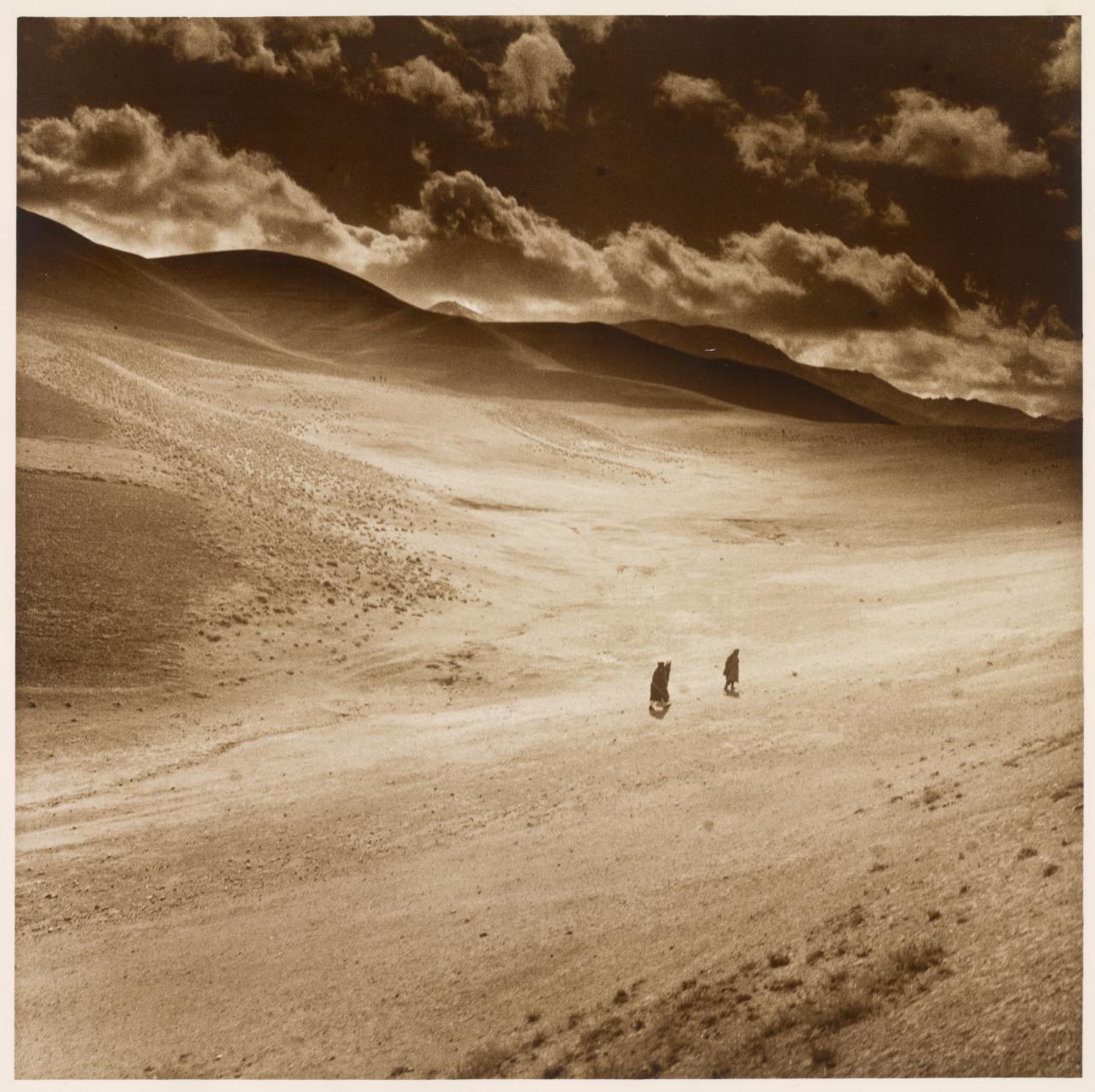
    Max Pam (born Australia 1949, lived in Brunei 1980-1983) 'Road from Bamiyan' 1971 from the exhibition 'Long Distance Vision: Three Australian Photographers' at The Ian Potter Centre NGV Australia, Federation Square, Melbourne, Aug 2009 - Feb 2010


    Max Pam (born Australia 1949, lived in Brunei 1980-1983)
    Road from Bamiyan
    1971
    Gelatin silver photograph
    20.1 x 20.1cm
    National Gallery of Victoria, Melbourne
    Purchased, 1979


    Long Distance Vision is a disappointingly wane exploration of travel photography at NGV Australia. With the exception of the work of Max Pam the exhibition lacks insight into the phenomena that the curators want the work to philosophically investigate: namely how photographs shape our expectations of a place (even before we arrive) and how photographs also serve to confirm our experience – the picture as powerful mnemonic tool.

    Firstly a quick story: when travelling in America to study at the Kinsey Institute I boarded a train from Chicago to what I thought was Bloomington, Indiana only to arrive many hours later at Bloomington, Illinois. Unbeknownst to me this Bloomington also had a motel of the same name as I was staying at in Indiana! After much confusion I ended up at the local airport trying to catch a single seater aircraft to Bloomington, Indiana with no luck – at the end of my tether, fearful in a foreign country, in tears because I just had to be at this appointment the next morning. Riding to my rescue was a nineteen year old kid with no shoes, driving an ex-cop car, who drove me across the Mid-West states stopping at petrol stops in the dead of night. It was a surreal experience, one that I will never forget for the rest of my life … fear, apprehension, alienation, happiness, joy and the sublime all rolled into one.

    I tell this story to illustrate a point about travel – that you never know what is going to happen, what experiences you will have, even your final destination. To me, photographs of these adventures not only document this dislocation but step beyond pure representation to become art that re-presents the nature of our existence.

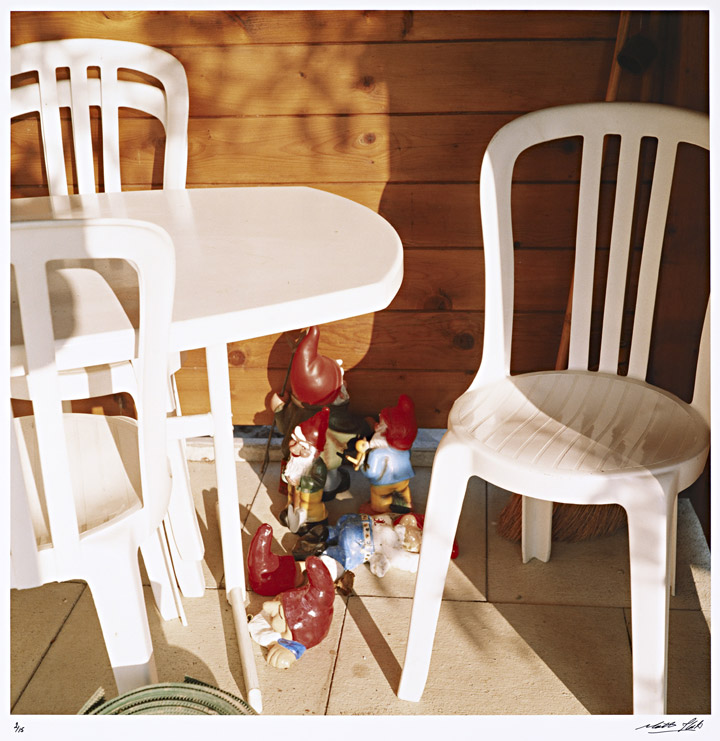
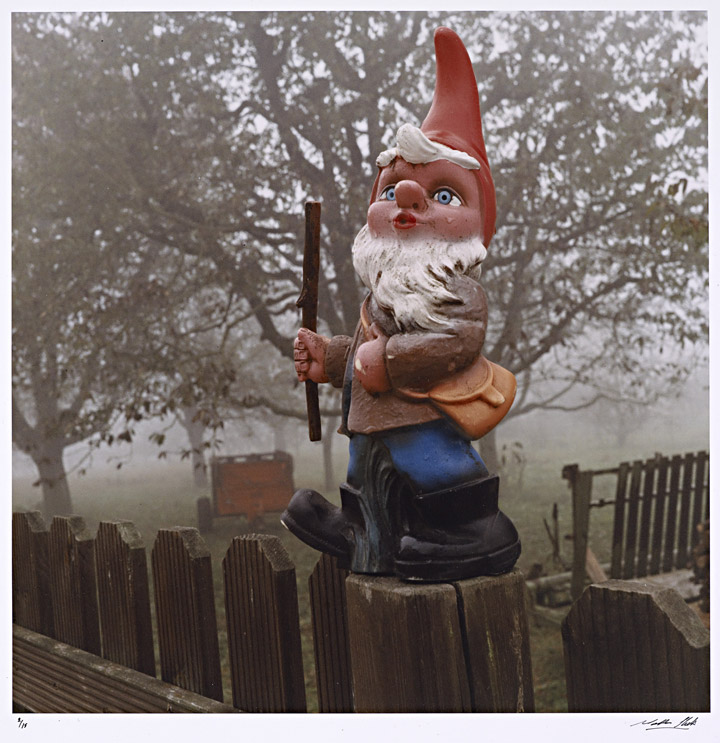
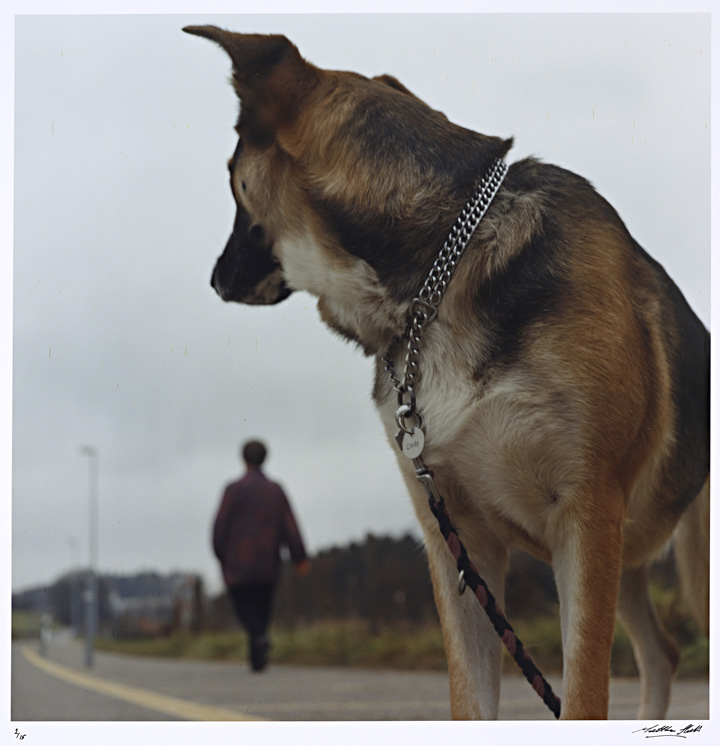
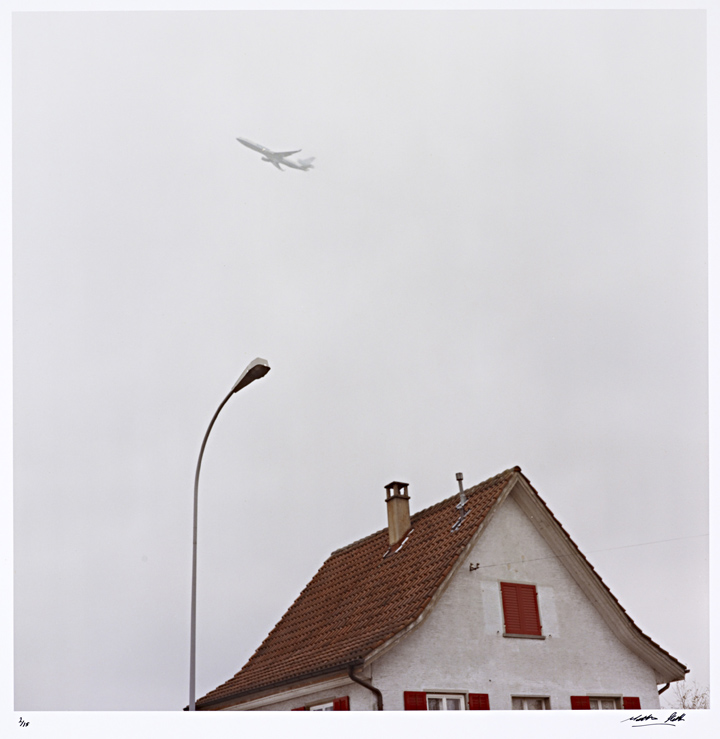
    Matthew Sleeth‘s street photographs could be taken almost anywhere in the world (if it were not for a building with German writing on it). His snapshot aesthetic of caught moments, blinded people and dissected bodies in the observed landscape are evinced (to show in a clear manner; to prove beyond any reasonable doubt; to manifest; to make evident; to bring to light; to evidence – yes to bring to light, to evidence as photography does!) in mundane, dull, almost lifeless prints – ‘heavy’ photographs with a lack of shadow detail combined with a shallow depth of field. His remains, the people walking down the street and their shadow, are odd but as as The Age art critic Robert Nelson succinctly notes in his review of this exhibition, To become art, the odd cannot remain merely quaint but has to signify an existential anomaly by implication.”1

    If we look at the seminal photographs from the book The Americans by Robert Frank we see in their dislocated view of America a foreigners view of the country the artist was travelling across – a subjective view of America that reveals as much about the state of mind of the artist as the country he was exposing. No such exposition happens in the works of Matthew Sleeth.

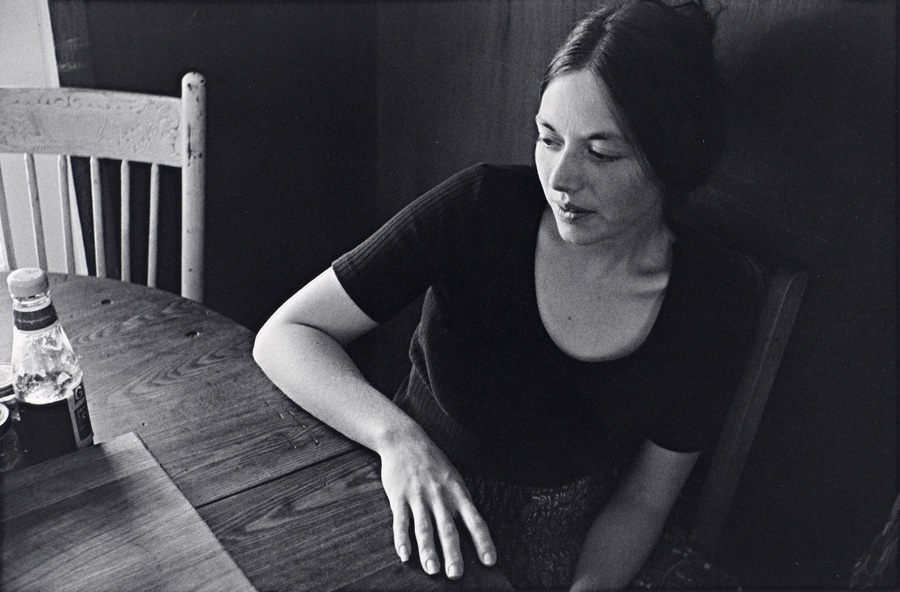
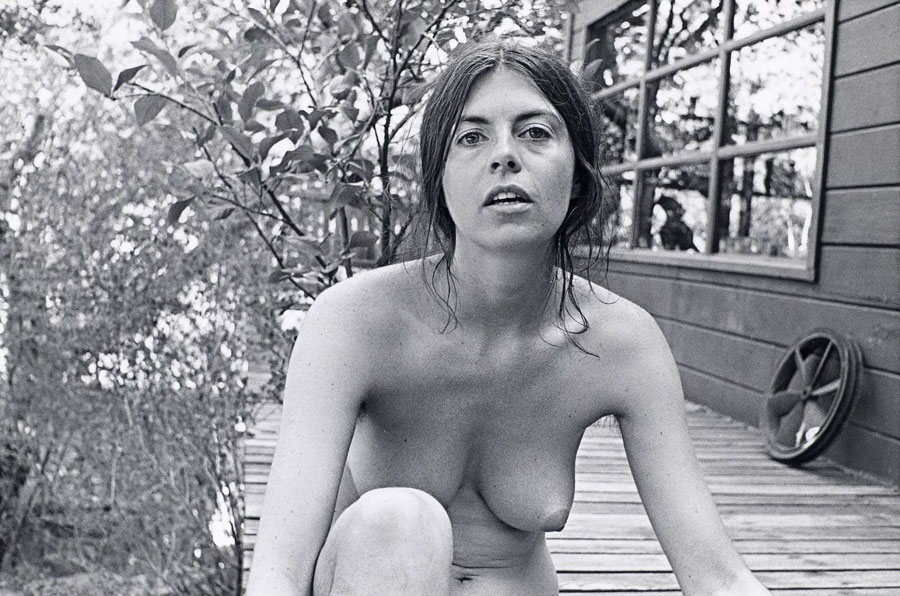
    Christine Godden‘s photographs of family and friends have little to do with travel photography and I struggle to understand their inclusion in this exhibition. Though they are reasonable enough photographs in their own right – small black and white photographs of small intimacies (at the beach, in the garden, at the kitchen table, on the phone, on the porch, on the float, etc…) Godden’s anthropomorphist bodies have nothing to do with a vision of a new land as she had been living in San Francisco, New York and Rochester for six years over the period that these photographs were taken. Enough said.

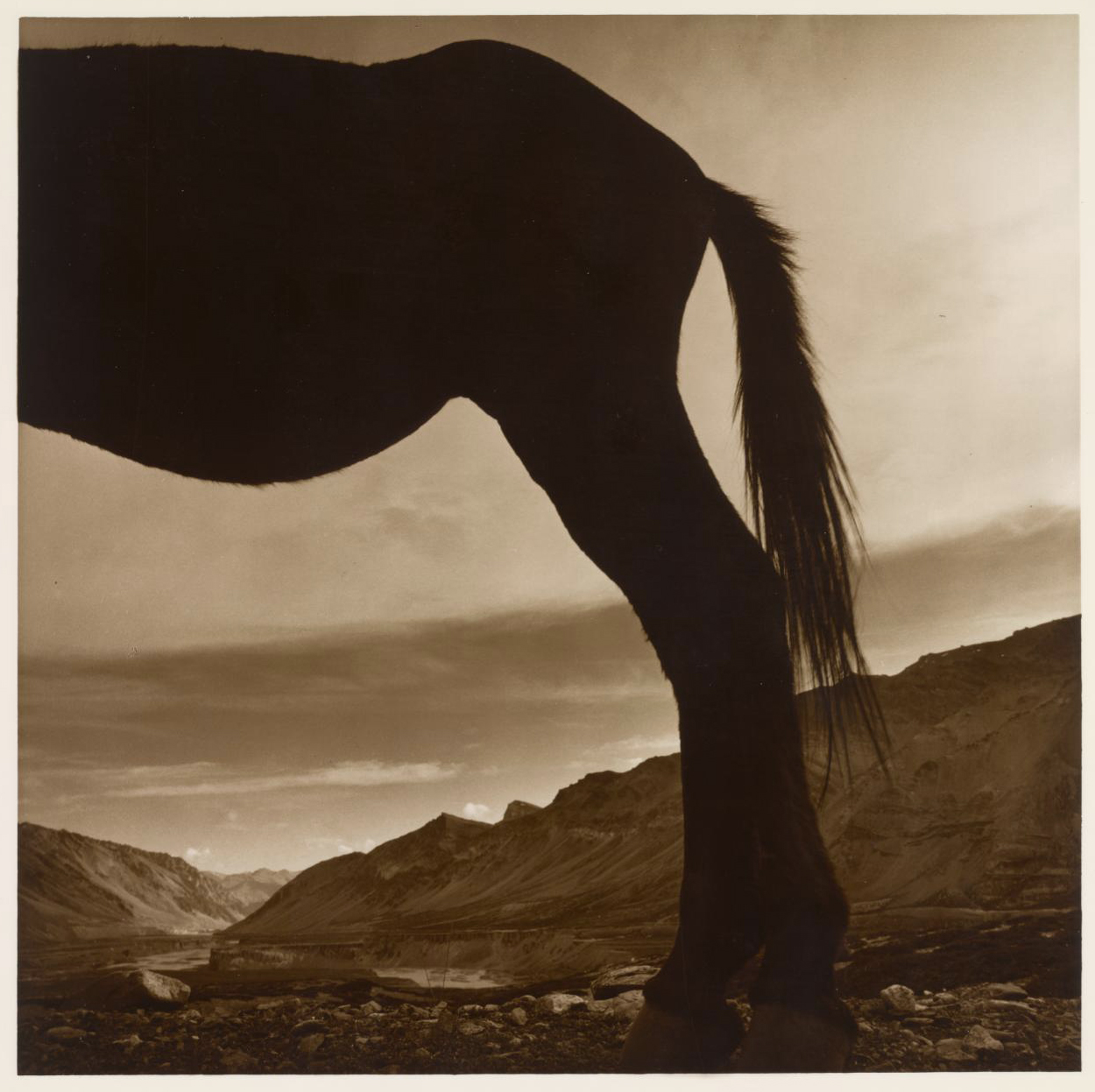
    The highlight of the exhibition is the work of Max Pam. I remember going the National Gallery of Victoria in the late 1980s to view this series of work in the collection – and what a revelation they were then and remain so today. The square formatted, dark sepia toned silver gelatin prints of the people and landscapes of Tibet are both monumental and personal at one and the same time. You are drawn into their intimacies: the punctum of a boys feet; the gathering of families; camels running before a windstorm; human beings as specks in a vast landscape.

    “If the world is unfair or beyond our understanding, sublime places suggest it is not surprising things should be thus. We are the playthings of the forces that laid out the oceans and chiselled the mountains. Sublime places acknowledge limitations that we might otherwise encounter with anxiety or anger in the ordinary flow of events. It is not just nature that defies us. Human life is as overwhelming, but it is the vast spaces of nature that perhaps provide us with the finest, the most respectful reminder of all that exceeds us. If we spend time with them, they may help us to accept more graciously the great unfathomable events that molest our lives and will inevitably return us to dust.”2

    The meditation on place and space that the artist has undertaken gives true insight into the connection of man and earth, coming closest to Alain de Botton’s understanding of the significance of sublime places. Through a vision of a distant land the photographs transport us in an emotional journey that furthers our understanding of the fragility of life both of the planet and of ourselves.

    While the National Gallery of Victoria holds some excellent photography exhibitions (such as Andreas Gursky and Rennie Ellis for example) this was a missed opportunity. The interesting concept of the exhibition required a more rigorous investigation instead of such a cursory analysis (which can be evidenced by the catalogue ‘essay’: one page the size of a quarter of an A4 piece of paper that glosses over the whole history of travel photography in a few blithe sentences).

    Inspiration could have easily been found in Alain de Botton’s excellent book The Art of Travel. Here we find chapters titled “On Anticipation”, “On Travelling Places”, “On the Exotic”, “On Curiosity”, “On the Country and the City” and “On the Sublime” to name but a few, with places and art work to illustrate the journey: what more is needed to excite the mind!

    Take Charles Baudelaire for example. He travelled outside his native France only once and never ventured abroad again. Baudelaire still dreamt of going to Lisbon, or Java or to the Netherlands but “the destination was not really the point. The true desire was to get away, to go, as he concluded, ‘Anywhere! Anywhere! So long as it is out of the world!'”3

    Heavens, we don’t even have to leave home to create travel photography that is out of the world! Our far-sighted vision (like that of photographer Gregory Crewdson) can create psychological narratives of imaginative journeys played out for the camera.

    Perhaps what was needed was a longer gestation period, further research into the theoretical nuances of travel photography (one a little death, a remembrance; both a dislocation in the non-linearity of time and space), a gathering of photographs from collections around Australia to better evidence the conceptual basis for the exhibition and a greater understanding of the irregular possibilities of travel photography – so that the work and words could truly reflect the title of the exhibition Long Distance Vision.

    Dr Marcus Bunyan


    1/ Nelson, Robert. “In blurred focus: le freak c’est chic,” in The Age newspaper. Friday, October 23rd 2009, p. 18

    2/ de Botton, Alain. The Art of Travel. London: Penguin, 2002, p. 178-179

    3/ Ibid., p. 34


    Max Pam (born Australia 1949, lived in Brunei 1980-83) 'My donkey, our valley, Sarchu' 1977 from the exhibition 'Long Distance Vision: Three Australian Photographers' at The Ian Potter Centre NGV Australia, Federation Square, Melbourne, Aug 2009 - Feb 2010


    Max Pam (born Australia 1949, lived in Brunei 1980-1983)
    My donkey, our valley, Sarchu
    1977
    Gelatin silver photograph
    20.1 x 20.1cm
    National Gallery of Victoria, Melbourne
    Purchased, 1979
    © Max Pam


    Max Pam (Australian, b. 1949) 'Sisters' 1977 from the exhibition 'Long Distance Vision: Three Australian Photographers' at The Ian Potter Centre NGV Australia, Federation Square, Melbourne, Aug 2009 - Feb 2010


    Max Pam (born Australia 1949, lived in Brunei 1980-1983)
    Sisters
    1977
    Gelatin silver photograph
    20.1 x 20.1cm
    National Gallery of Victoria, Melbourne
    Purchased, 1979
    © Max Pam


    Max Pam (Australian, b. 1949) 'Tibetan nomads' 1977


    Max Pam (born Australia 1949, lived in Brunei 1980-1983)
    Tibetan nomads
    1977
    Gelatin silver photograph
    20.1 x 20.2cm
    National Gallery of Victoria, Melbourne
    Purchased, 1979
    © Max Pam


    Christine Godden (Australian, b. 1947) 'Bobbie and Amitabha at the beach' c. 1972


    Christine Godden (Australian, b. 1947)
    Bobbie and Amitabha at the beach
    c. 1972
    Gelatin silver photograph
    13.2 x 20.1cm
    National Gallery of Victoria, Melbourne
    Purchased from Admission Funds, 1991
    © Christine Godden


    Christine Godden (Australian, b. 1947) 'Elliot holding a ring' 1973


    Christine Godden (Australian, b. 1947)
    Elliot holding a ring
    1973
    Gelatin silver photograph
    15.0 x 22.8cm
    National Gallery of Victoria, Melbourne
    Purchased from Admission Funds, 1991
    © Christine Godden


    Christine Godden.Christine Godden (Australian, b. 1947)kitchen table' 1973


    Christine Godden (Australian, b. 1947)
    Joanie at the kitchen table
    1973, printed 1986
    Gelatin silver photograph
    20.1 x 30.6cm
    National Gallery of Victoria, Melbourne
    Purchased from Admission Funds, 1991
    © Christine Godden


    Christine Godden (Australian, b. 1947) 'With Leigh on the porch' 1972


    Christine Godden (Australian, b. 1947)
    With Leigh on the porch
    1972, printed 1986
    Gelatin silver photograph
    20.2 x 30.5cm
    National Gallery of Victoria, Melbourne
    Purchased from Admission Funds, 1991
    © Christine Godden


    “The National Gallery of Victoria will celebrate the work of Christine Godden, Max Pam and Matthew Sleeth in a new exhibition, Long Distance Vision: Three Australian Photographers opening 28 August.

    Long Distance Vision will include over 60 photographs from the NGV Collection exploring the concept of the ‘tourist gaze’ and its relationship with the three artists.

    Susan van Wyk, Curator Photography, NGV said the exhibition provides a fascinating insight into the unusual perspective brought by the three photographers to their varied world travel destinations.

    “There’s a sense in the works in the exhibition that the photographers are not from the places they choose to photograph, and that each is a visitor delighting in the scenes they encounter.

    “What is notable about the photographs in Long Distance Vision is that rather than focussing on the well known scenes that each artist encountered, they have turned their attention to the ‘little things’, the details of the everyday,” said Ms van Wyk.

    From the nineteenth century, photography has been a means by which people could discover the world, initially through personal collection and albums, and later via postcards, magazines, books and the internet.

    Dr Gerard Vaughan, Director, NGV said that both contemporary photographers and tourists use the camera as a means to explore and capture the world.

    “Through their photographs, the three artists featured in Long Distance Vision show us highly individual ways of seeing the world. This exhibition will surprise and delight visitors as our attention is drawn to not only what is different but what remains the same as we travel the world,” said Dr Vaughan.

    Born in Melbourne in 1949, Max Pam began his career in various commercial photography studios in the 1960s. After responding to a university notice for assistance to drive a Volkswagen from Calcutta to London in 1969, Pam got his first taste of being a traveller. The body of Pam’s work in this exhibition is from the series The Himalayas, which was photographed over a number of early visits to India.

    Christine Godden also travelled the popular overland route between Europe and India in the early 1970s, returning to Sydney in 1978. In 1972, after a period of travelling, Godden found her home in the US where she remained for six years. Godden’s photographs in this exhibition were taken between 1972 and 1974 during her stay in the US.

    Born in Melbourne in 1972, Matthew Sleeth is another seasoned traveller. During the late 1990s, Sleeth settled in Opfikon, an outer suburb of Zurich, Switzerland. The series of photographs in Long Distance Vision were taken during this time, showing Sleeth’s interest not only in street photography, but also in the narrative possibilities in everyday scenes. Dotted with garishly coloured playhouses, naive sculptures and whimsical arrangements of garden gnomes Sleeth’s photographs go beyond the ‘picture-perfect’ scenes of typical tourist photography.

    Long Distance Vision: Three Australian Photographers is on display at The Ian Potter Centre: NGV Australia, Federation Square from 28 August 2009 to 21 February 2010.”

    Text from the National Gallery of Victoria press release


    Matthew Sleeth (Australian, b. 1972) From the series 'Opfikon' 1997

    Matthew Sleeth (Australian, b. 1972) From the series 'Opfikon' 1997

    Matthew Sleeth (Australian, b. 1972) From the series 'Opfikon' 1997

    Matthew Sleeth (Australian, b. 1972) From the series 'Opfikon' 1997

    Matthew Sleeth (Australian, b. 1972) From the series 'Opfikon' 1997


    Matthew Sleeth (Australian, b. 1972)
    Photographs from the series Opfikon
    1997, printed 2004
    Type C photograph
    43.2 x 43.0cm
    National Gallery of Victoria, Melbourne
    Presented through the NGV Foundation by Patrick Corrigan, Governor, 2005
    © Matthew Sleeth courtesy of Sophie Gannon Gallery, Melbourne


    The Ian Potter Centre: NGV Australia Federation Square
    Corner of Russell and 
Flinders Streets, Melbourne

    Opening hours:
    Every day 10am – 5pm

    National Gallery of Victoria website

    LIKE ART BLART ON FACEBOOK

    Back to top

    Exhibition: ‘Edward Burtynsky: The Residual Landscapes’ at The Whyte Museum of the Canadian Rockies, Banff, Alberta

    Exhibition dates: 7th February – 26th April, 2009


    Edward Burtynsky (Canadian, b. 1955) 'Silver Lake Operations #1, Lake Lefroy, Western Australia 2007' from the exhibition 'Edward Burtynsky: The Residual Landscapes' at The Whyte Museum of the Canadian Rockies, Banff, Alberta, Feb - April, 2009


    Edward Burtynsky (Canadian, b. 1955)
    Silver Lake Operations #1, Lake Lefroy, Western Australia 2007
    2007


    One of the great photographers of the world.

    Enjoy some of his images and for more photographs please visit his website.


    Many thankx to The Whyte Museum of the Canadian Rockies for allowing me to publish the photographs in the posting. Please click on the photographs for a larger version of the image.


    Edward Burtynsky (Canadian, b. 1955) 'Tanggu Port, Tianjin, China 2005' from the exhibition 'Edward Burtynsky: The Residual Landscapes' at The Whyte Museum of the Canadian Rockies, Banff, Alberta, Feb - April, 2009


    Edward Burtynsky (Canadian, b. 1955)
    Tanggu Port, Tianjin, China 2005
    2005


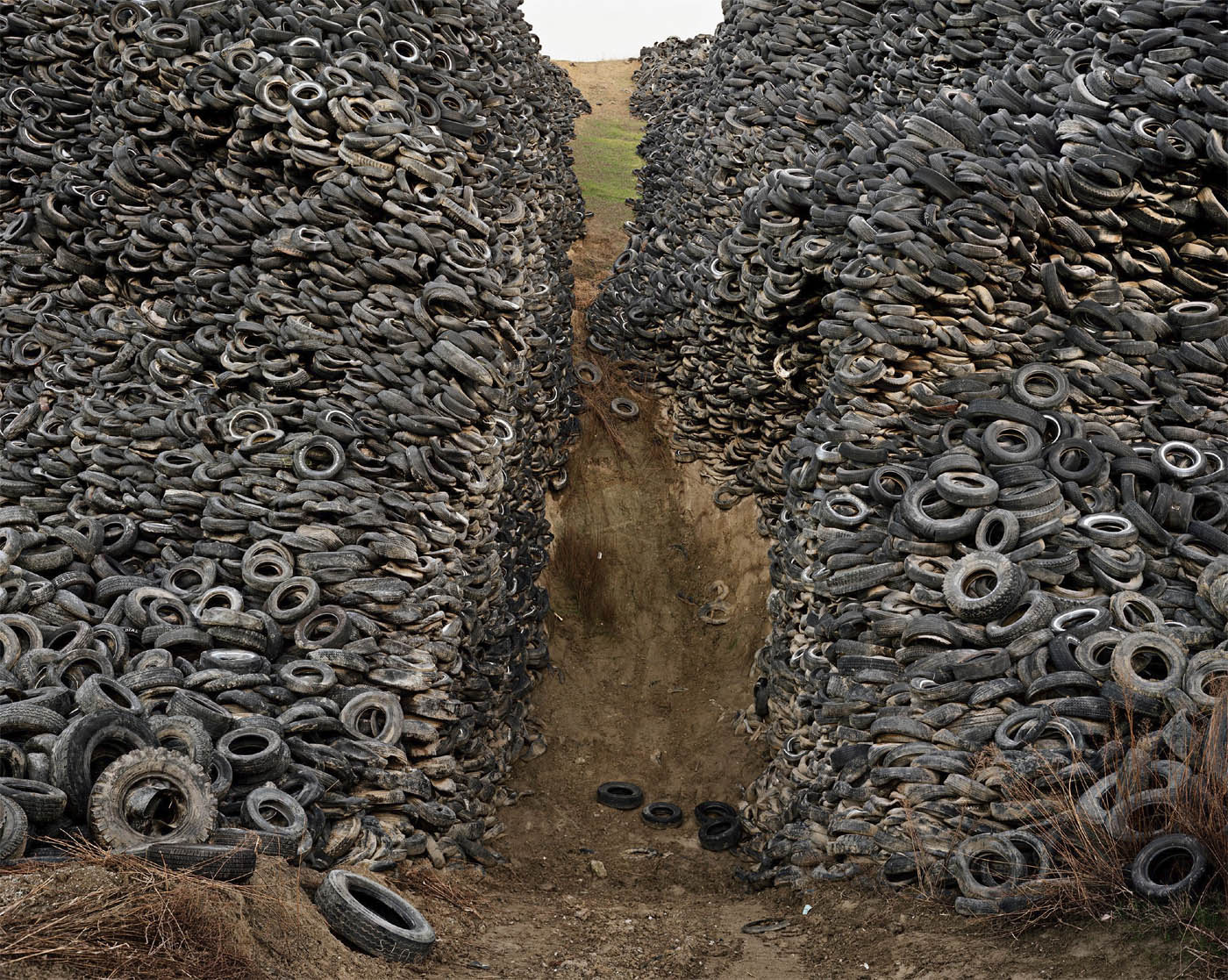
    Nature transformed through industry is a predominant theme in my work. I set course to intersect with a contemporary view of the great ages of man; from stone, to minerals, oil, transportation, silicon, and so on. To make these ideas visible I search for subjects that are rich in detail and scale yet open in their meaning. Recycling yards, mine tailings, quarries and refineries are all places that are outside of our normal experience, yet we partake of their output on a daily basis.

    These images are meant as metaphors to the dilemma of our modern existence; they search for a dialogue between attraction and repulsion, seduction and fear. We are drawn by desire – a chance at good living, yet we are consciously or unconsciously aware that the world is suffering for our success. Our dependence on nature to provide the materials for our consumption and our concern for the health of our planet sets us into an uneasy contradiction. For me, these images function as reflecting pools of our times.

    Edward Burtynsky quoted on The Whyte Museum website


    Edward Burtynsky (Canadian, b. 1955) 'Oxford Tire Pile #8, Westley, California 1999' 1999


    Edward Burtynsky (Canadian, b. 1955)
    Oxford Tire Pile #8, Westley, California 1999
    1999


    Edward Burtynsky (Canadian, b. 1955) 'Nickel Tailings #30, Sudbury, Ontario, 1996'


    Edward Burtynsky (Canadian, b. 1955)
    Nickel Tailings #30, Sudbury, Ontario, 1996
    1996


    Edward Burtynsky (Canadian, b. 1955) 'Nickel Tailings #31, Sudbury, Ontario 1996'


    Edward Burtynsky (Canadian, b. 1955)
    Nickel Tailings #31, Sudbury, Ontario 1996
    1996


    Edward Burtynsky (Canadian, b. 1955) 'Feng Jie #4, Three Gorges Dam Project, Yangtze River, 2002'


    Edward Burtynsky (Canadian, b. 1955)
    Feng Jie #4, Three Gorges Dam Project, Yangtze River, 2002
    2002


    These images are meant as metaphors to the dilemma of our modern existence; they search for a dialogue between attraction and repulsion, seduction and fear,” said Edward Burtynsky, photographer. “We are drawn by desire – a chance at good living, yet we are consciously or unconsciously aware that the world is suffering for our success. Our dependence on nature to provide the materials for our consumption and our concern for the health of our planet sets us into an uneasy contradiction. For me, these images function as reflecting pools of our times.

    Speaking of his “Quarries” series, Burtynsky has said, “The concept of the landscape as architecture has become, for me, an act of imagination. I remember looking at buildings made of stone, and thinking, there has to be an interesting landscape somewhere out there, because these stones had to have been taken out of the quarry one block at a time. I had never seen a dimensional quarry, but I envisioned an inverted cubed architecture on the side of a hill. I went in search of it, and when I had it on my ground glass I knew that I had arrived.”

    Text from The Whyte Museum of the Canadian Rockies


    Edward Burtynsky (Canadian, b. 1955) 'Shipbreaking #1, Chittagong, Bangladesh, 2000'


    Edward Burtynsky (Canadian, b. 1955)
    Shipbreaking #1, Chittagong, Bangladesh, 2000
    2000


    Edward Burtynsky (Canadian, b. 1955) 'Bao Steel #2, Shanghai, China, 2005'


    Edward Burtynsky (Canadian, b. 1955)
    Bao Steel #2, Shanghai, China, 2005
    2005


    Edward Burtynsky (Canadian, b. 1955) 'Iberia Quarries #3, Bencatel, Portugal, 2006'


    Edward Burtynsky (Canadian, b. 1955)
    Iberia Quarries #3, Bencatel, Portugal, 2006
    2006


    Edward Burtynsky (Canadian, b. 1955) 'China Quarries #8, Xiamen, Fujian Province, 2004'


    Edward Burtynsky (Canadian, b. 1955)
    China Quarries #8, Xiamen, Fujian Province, 2004
    2004


    Edward Burtynsky (Canadian, b. 1955) 'Dam #6 ,Three Gorges Dam Project, Yangtze River, 2005'


    Edward Burtynsky (Canadian, b. 1955)
    Dam #6, Three Gorges Dam Project, Yangtze River, 2005
    2005


    Trailer for the film Manufactured Landscapes in which Jennifer Baichwal documents Edward Burtynsky doing what artists do – making art, in this case photographing Bangladesh and China as he observes the “manufacturer to the world”.


    Edward Burtynsky Manufactured Landscapes


    The Whyte Museum of the Canadian Rockies
    111 Bear Street, Banff, Alberta
    T1L 1A3 Canada
    Phone: 1 403 762 2291

    Opening hours:
    Thursday – Monday 11am – 5pm
    Tuesday and Wednesday – CLOSED

    The Whyte Museum of the Canadian Rockies website

    LIKE ART BLART ON FACEBOOK

    Back to top