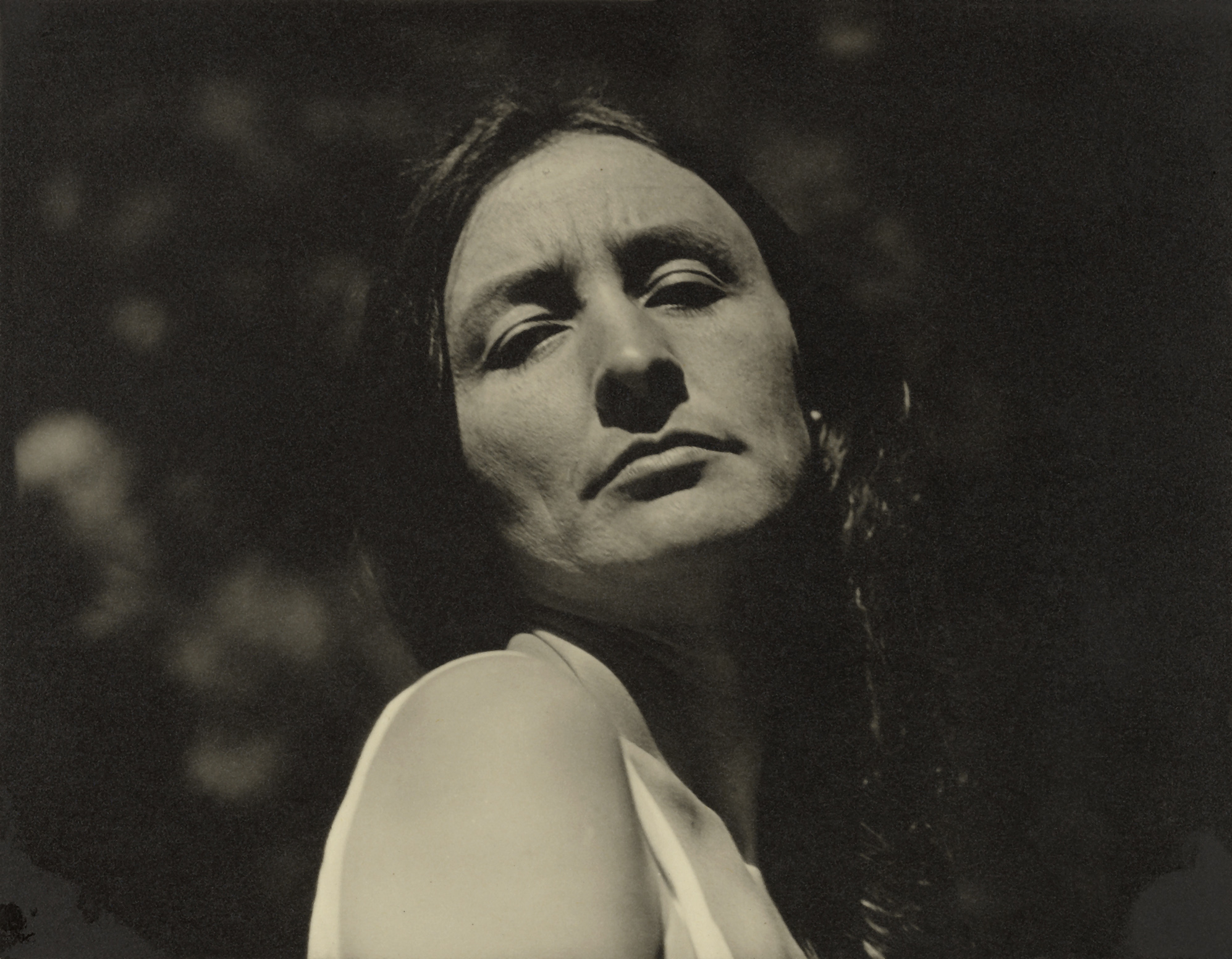
Alfred Stieglitz (American, 1864-1946) Georgia O’Keeffe: A Portrait 1918 Gelatin silver print Image: 11.4 × 8.6cm (4 1/2 × 3 3/8 in.) The J. Paul Getty Museum, Los Angeles
Some fabulous photographs in series in this posting, which document transformations in landscapes or intimate portraits of people at different times in their lives… and some challenging ones as well. My favourite photographs in series are not represented: Duane Michals narrative fairytales; Cindy Sherman’s Untitled Film Stills; and Nicholas Nixon’s The Brown Sisters.
Dr Marcus Bunyan
Many thanks to the J. Paul Getty Museum for allowing me to publish the photographs in the posting. Please click on the photographs for a larger version of the image.
Photographers often record change through images in series, registering transformations in the world around them. Artists featured in the exhibition photographed faces and places over minutes, months, or years. Historical and contemporary photographs prompt reflection on the ways the passage of time impacts how we see people and spaces.
Alfred Stieglitz (American, 1864-1946) Georgia O’Keeffe: A Portrait 1923 Gelatin silver print Image: 8.9 × 11.7cm (3 1/2 × 4 5/8 in.) The J. Paul Getty Museum, Los Angeles
Alfred Stieglitz (American, 1864-1946) Georgia O’Keeffe: A Portrait 1933 Gelatin silver print Image: 8.9 × 11.4cm (3 1/2 × 4 1/2 in.) The J. Paul Getty Museum, Los Angeles
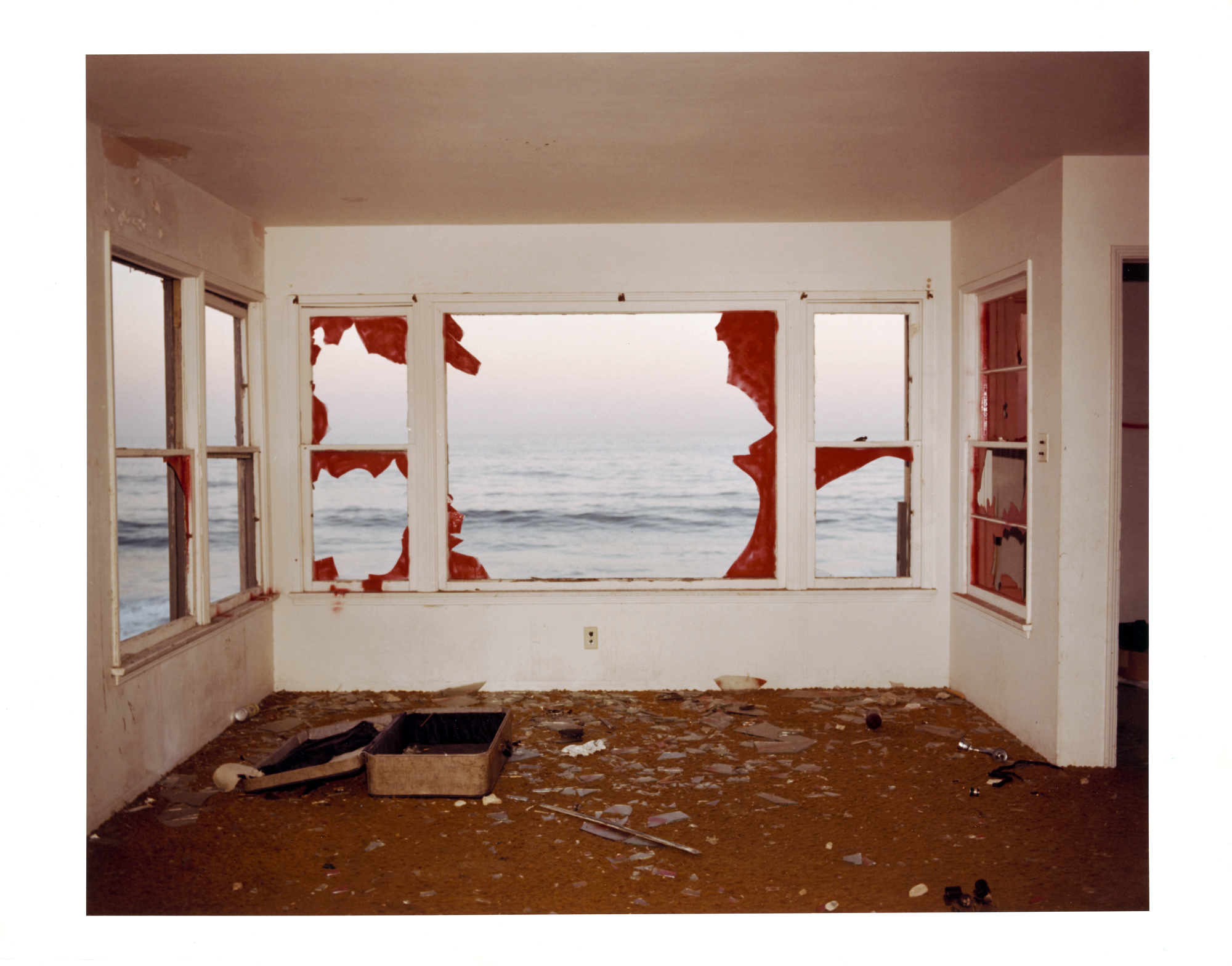
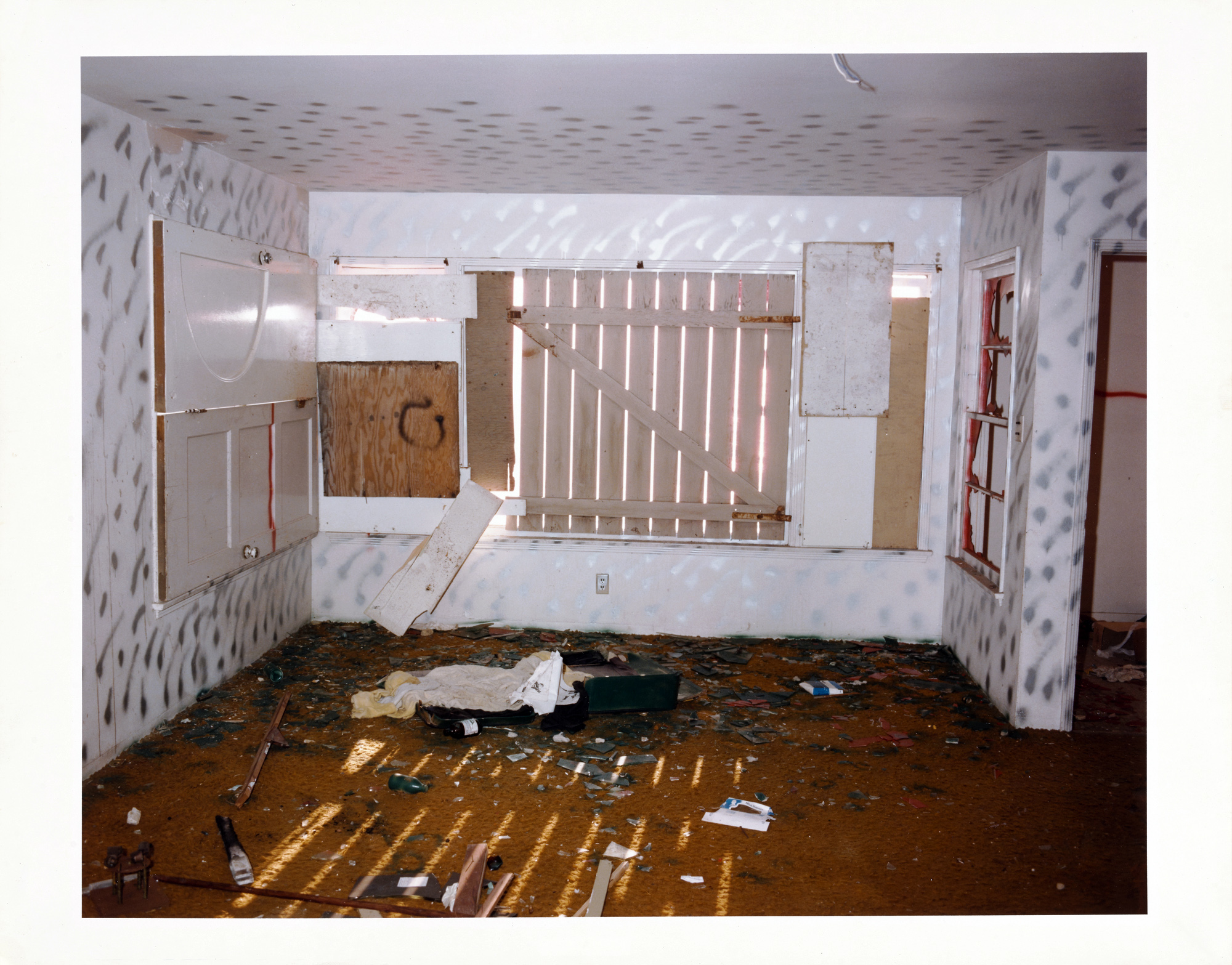
Artists have long used cameras to record change, documenting transformations in landscapes or intimate portraits of people at different times in their lives. Once. Again. Photographs in Series, on view July 9 – November 10, 2019 at the J. Paul Getty Museum, Getty Center, features historical and contemporary artists who have revisited people and places to make extended photographic series, prompting reflection on the impact of the passage of time – on photographers as well as their subjects.
The exhibition, drawn primarily from the collection of the Getty Museum, takes its cue from artist Gordon Parks’ trips to Brazil over several decades to document the life of Flávio da Silva. Parks’ photographs are on view in Gordon Parks: The Flávio Story, installed in the adjacent galleries of the Center for Photographs.
Photographing friends and family is a familiar pastime for many, and the exhibition includes the work of several artists who made masterful portraits of loved ones over the course of many years. Alfred Stieglitz photographed artist Georgia O’Keeffe frequently during their tumultuous 30 year relationship, and the photographs on view expose shifts in their rapport as well as changes in Stieglitz’s photographic style over time. Series by Harry Callahan of his wife Eleanor, Paul Strand of his wife, artist Rebecca Salsbury, and Julia Margaret Cameron of her niece Julia Jackson similarly offer fascinating reflections on the changes in relationships over time.
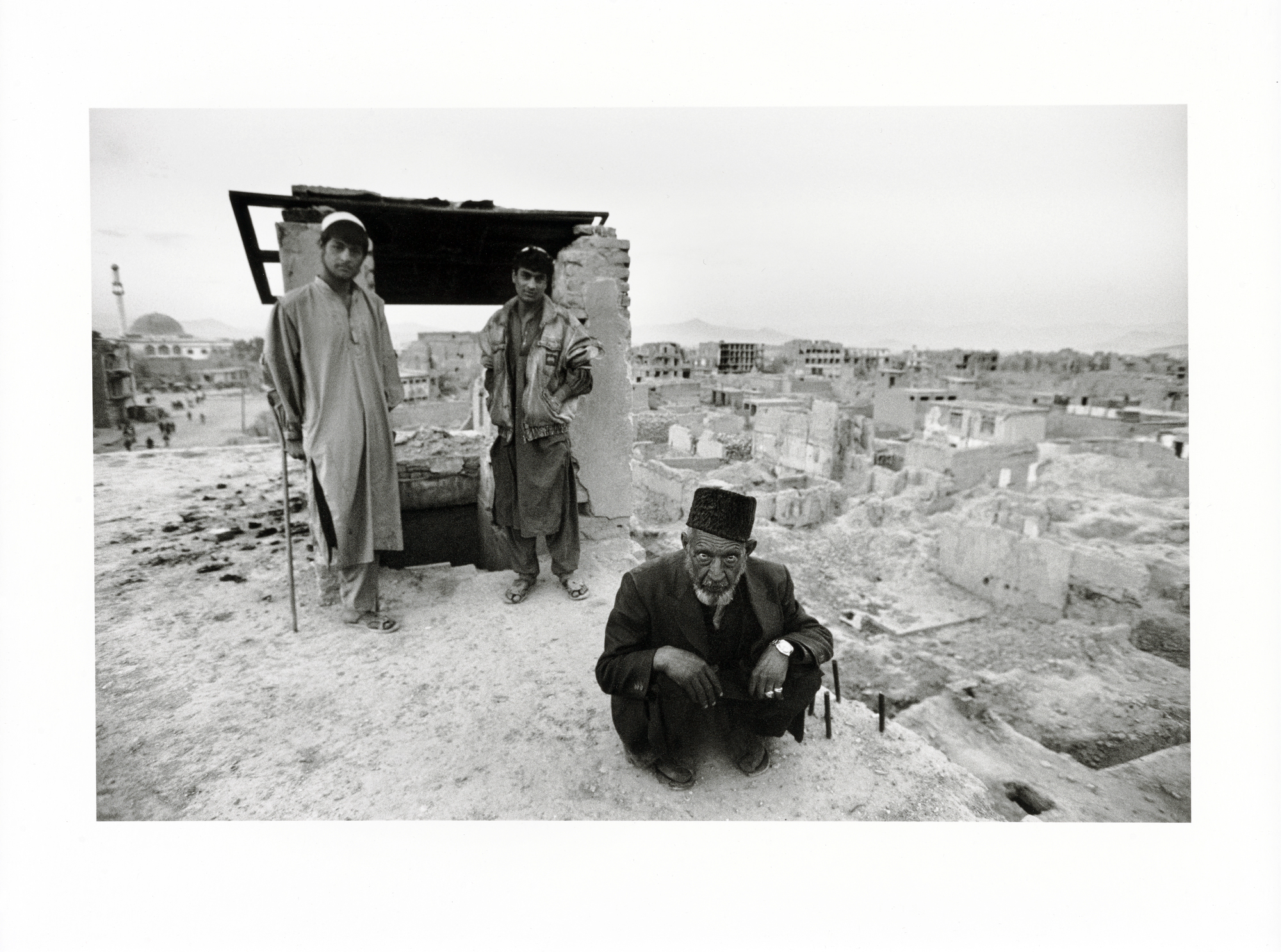
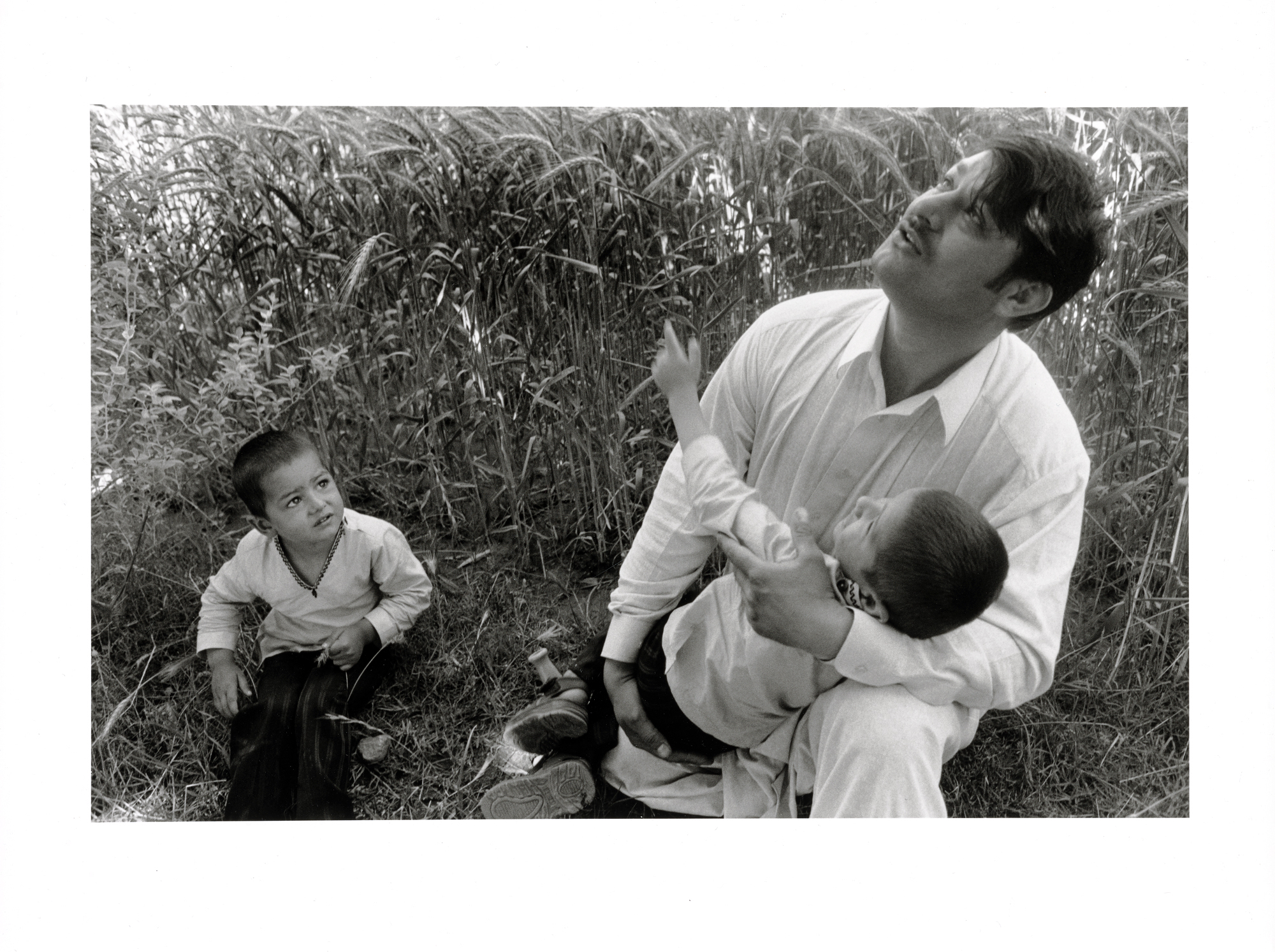
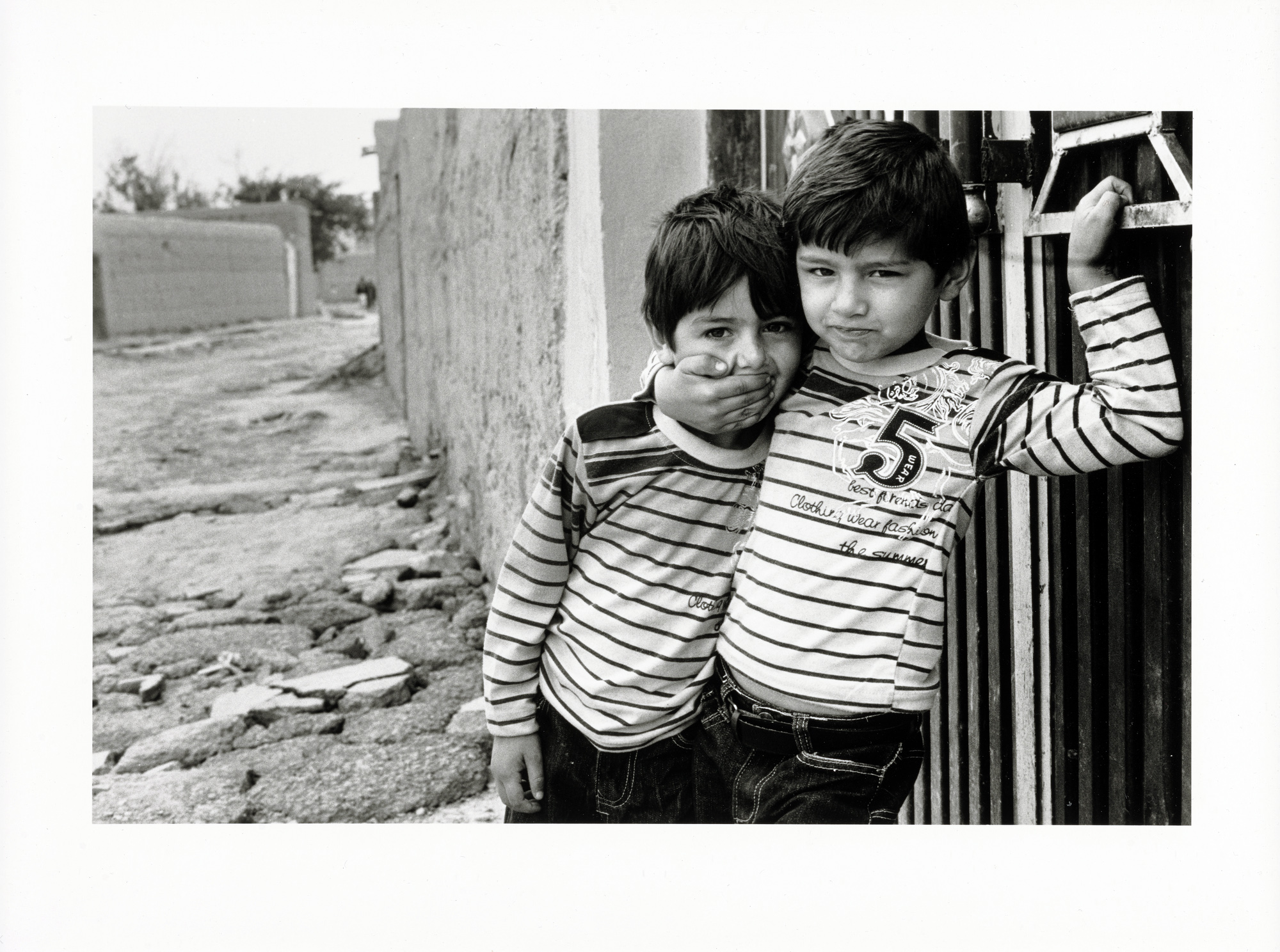
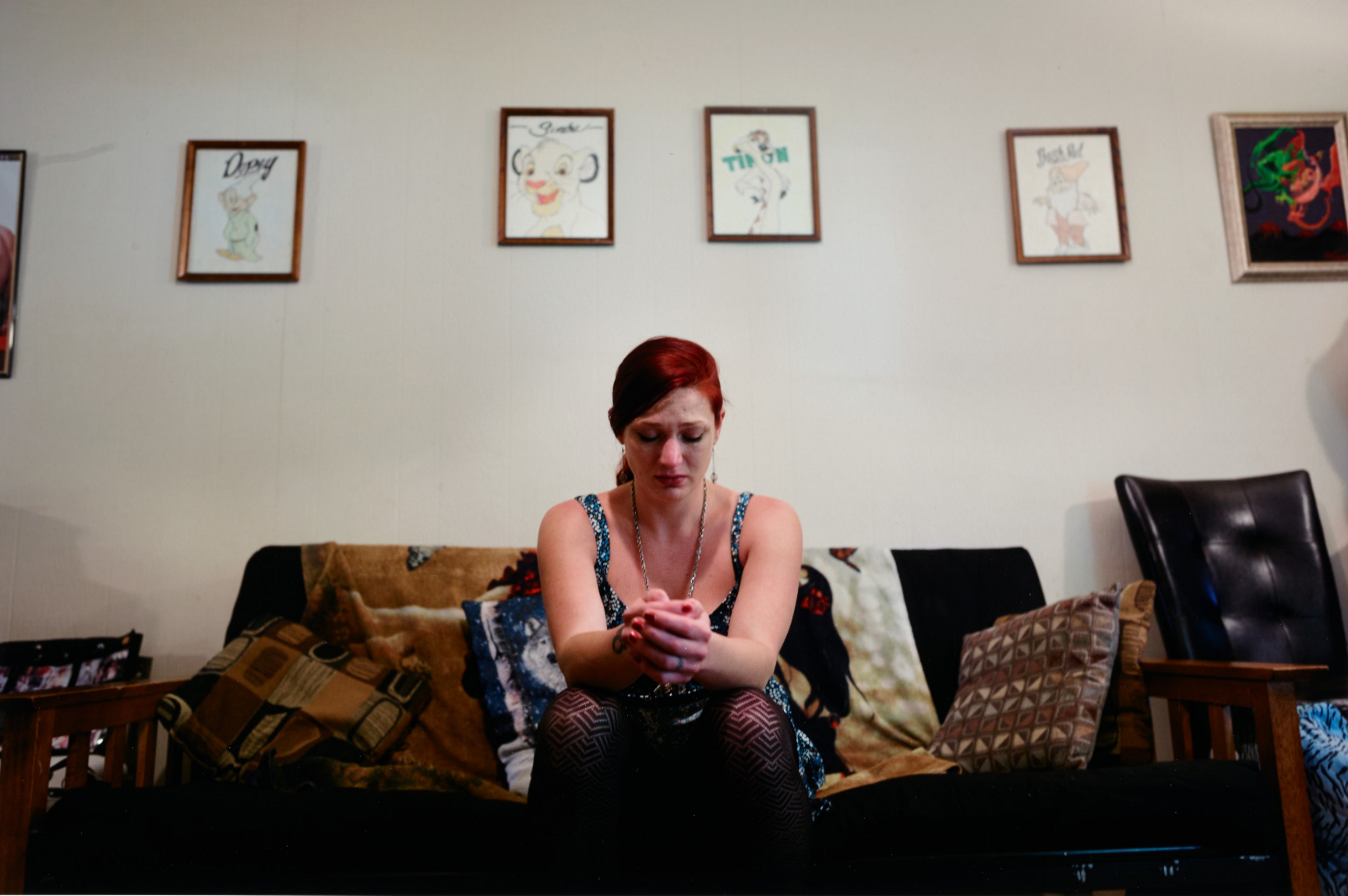
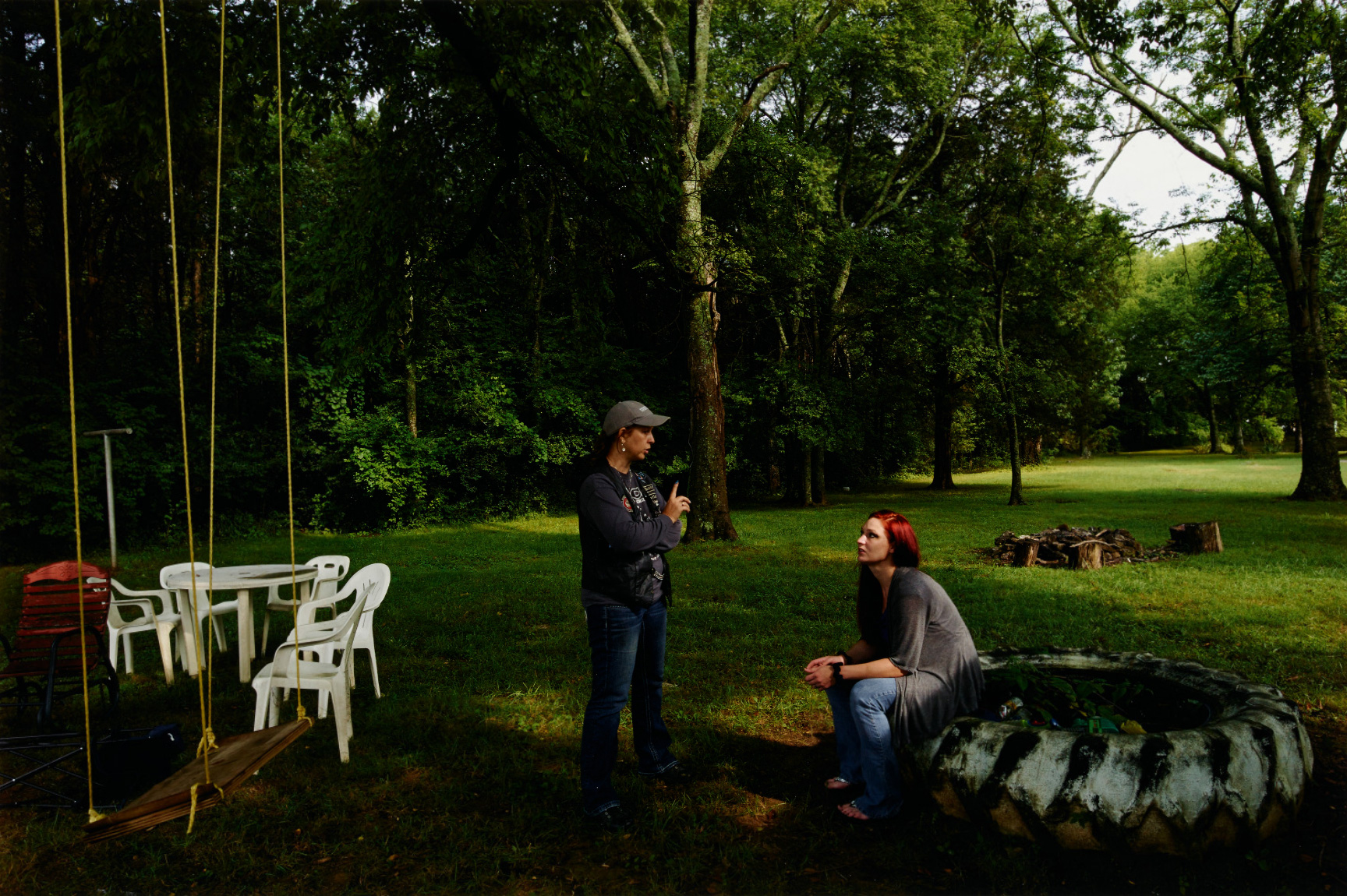
The exhibition also includes compelling contemporary portraits, including photojournalist Seamus Murphy’s record of the physical and emotional toll inflicted upon a family living in Afghanistan under rule of the Taliban, and Donna Ferrato’s documentation of a woman who fled an abusive relationship. Both series register the struggles as well as triumphs.
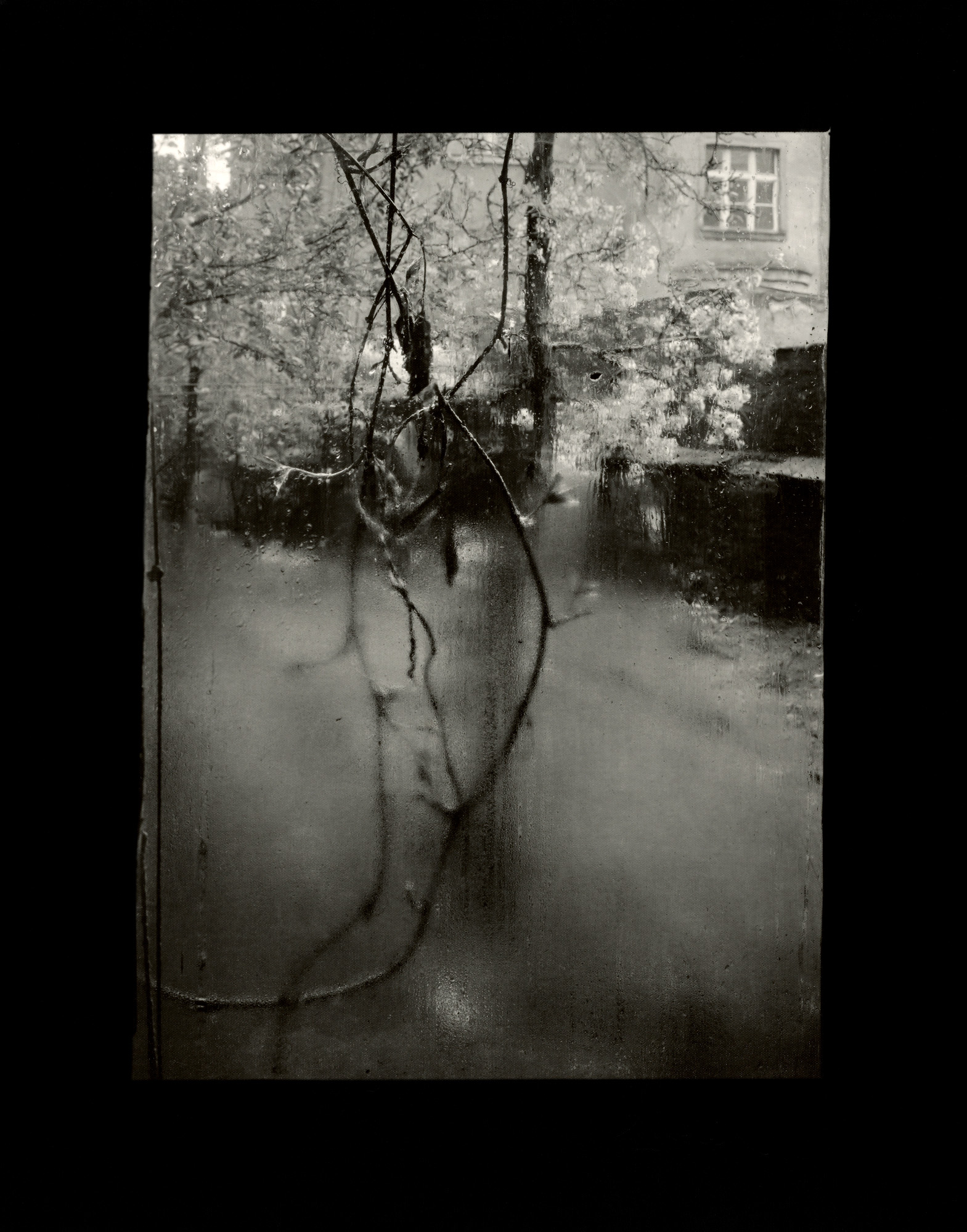
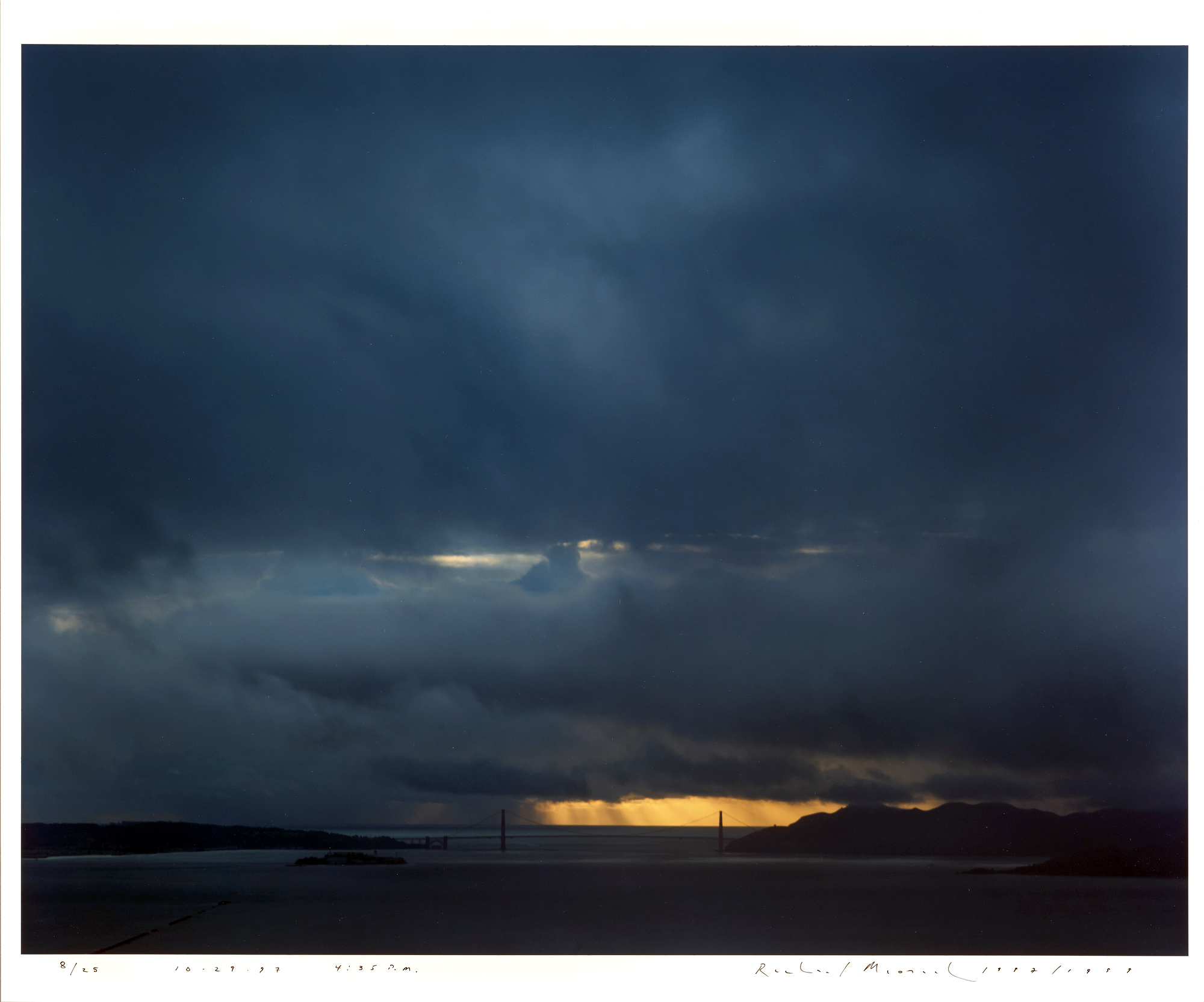
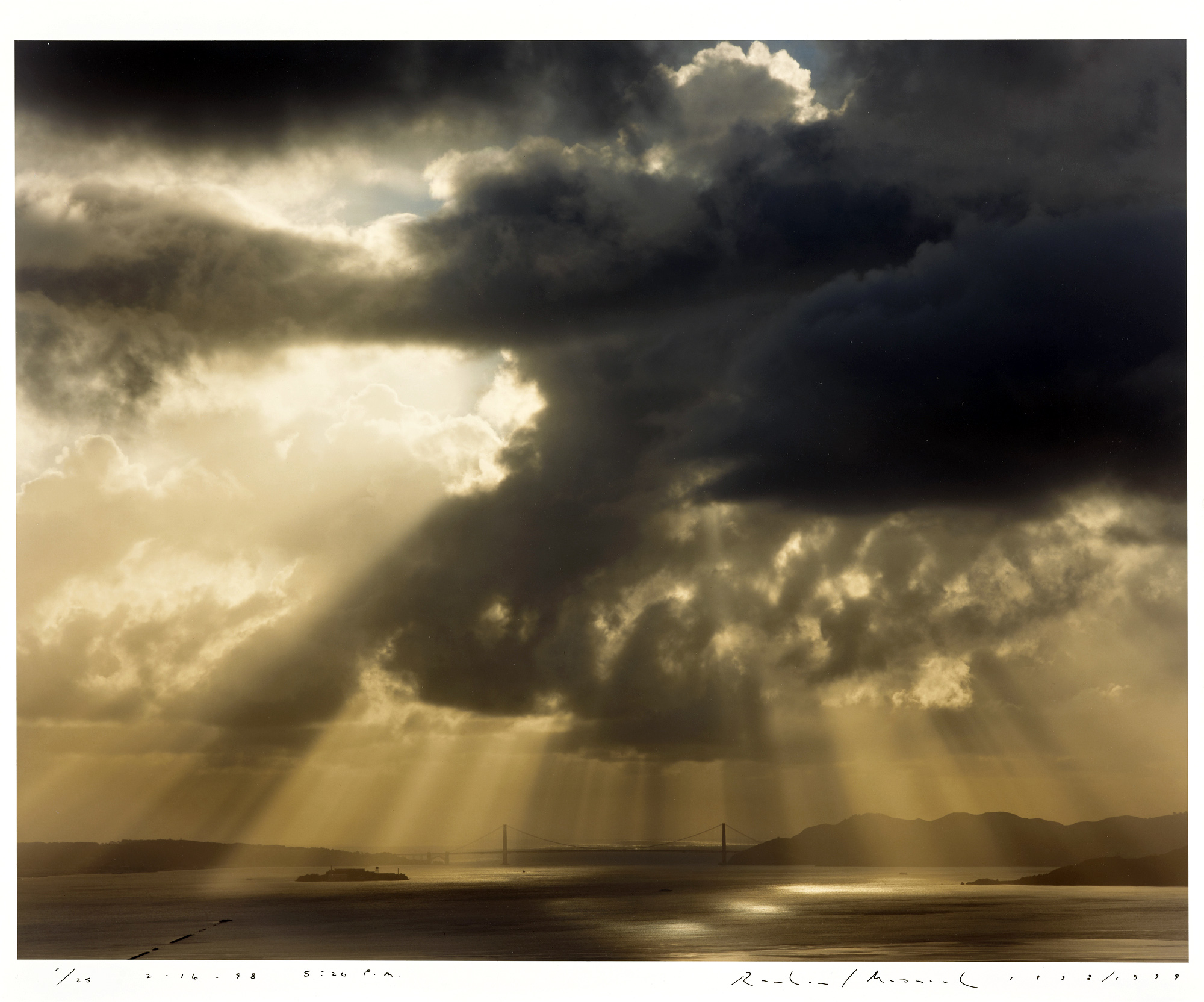
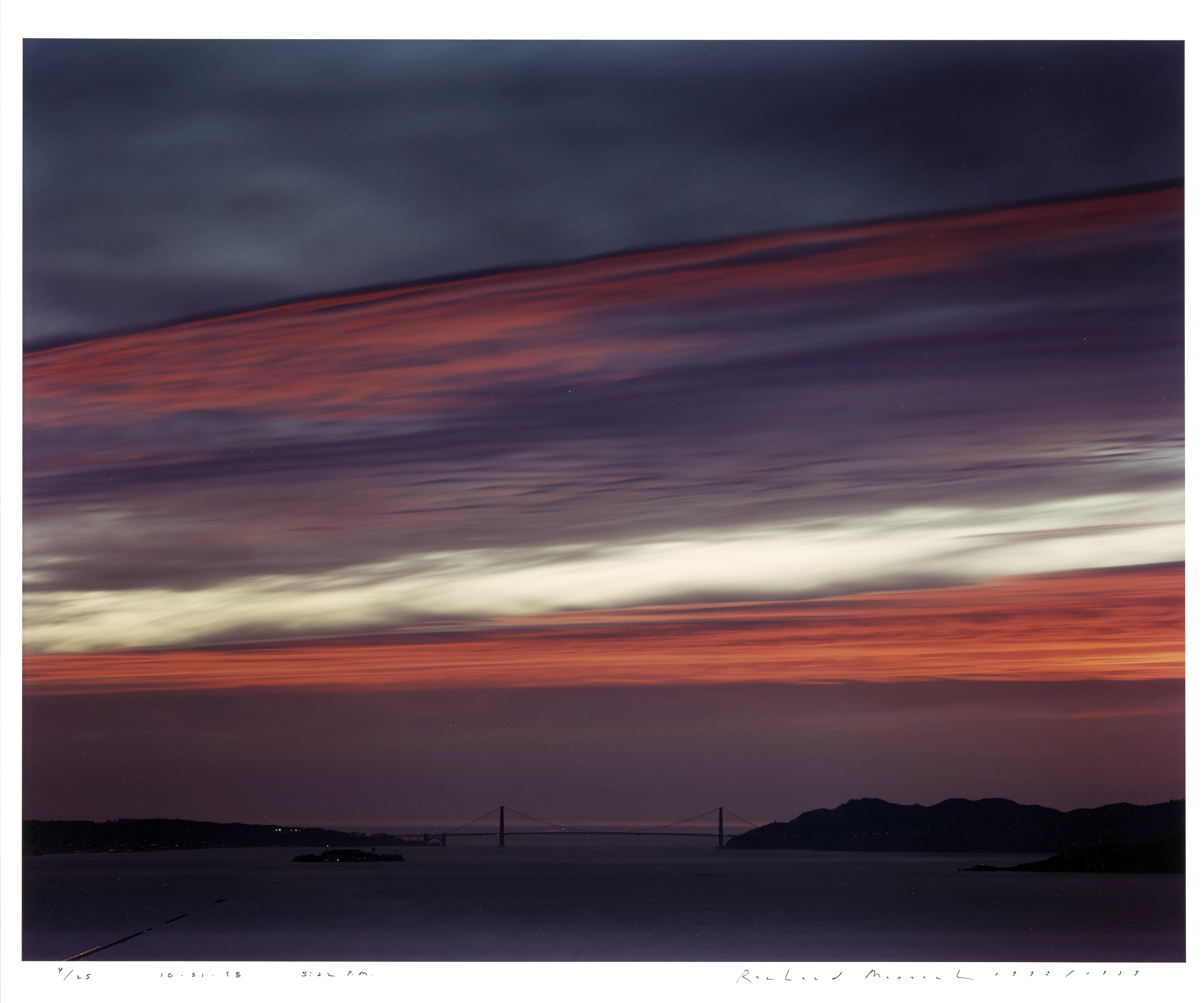
A number of artists in the exhibition document seasonal and man-made changes in the landscape. In a 1953 series by William A. Garnett, aerial photography is used to capture a walnut grove before and after the trees were felled to make way for a housing development. The startling perspective of Garnett’s images came to play an important role in the burgeoning environmental movement. Richard Misrach used his move to a new home in the hills above Berkeley, California, as an opportunity to take hundreds of photographs of the astonishing range of colours and atmospheric conditions surrounding the Golden Gate Bridge at sunset each evening. Several of his richly saturated sunset images are featured in the exhibition. Works by Roni Horn, Jem Southam, and Josef Sudek also trace changes in the natural world, to both political and poetic effect.
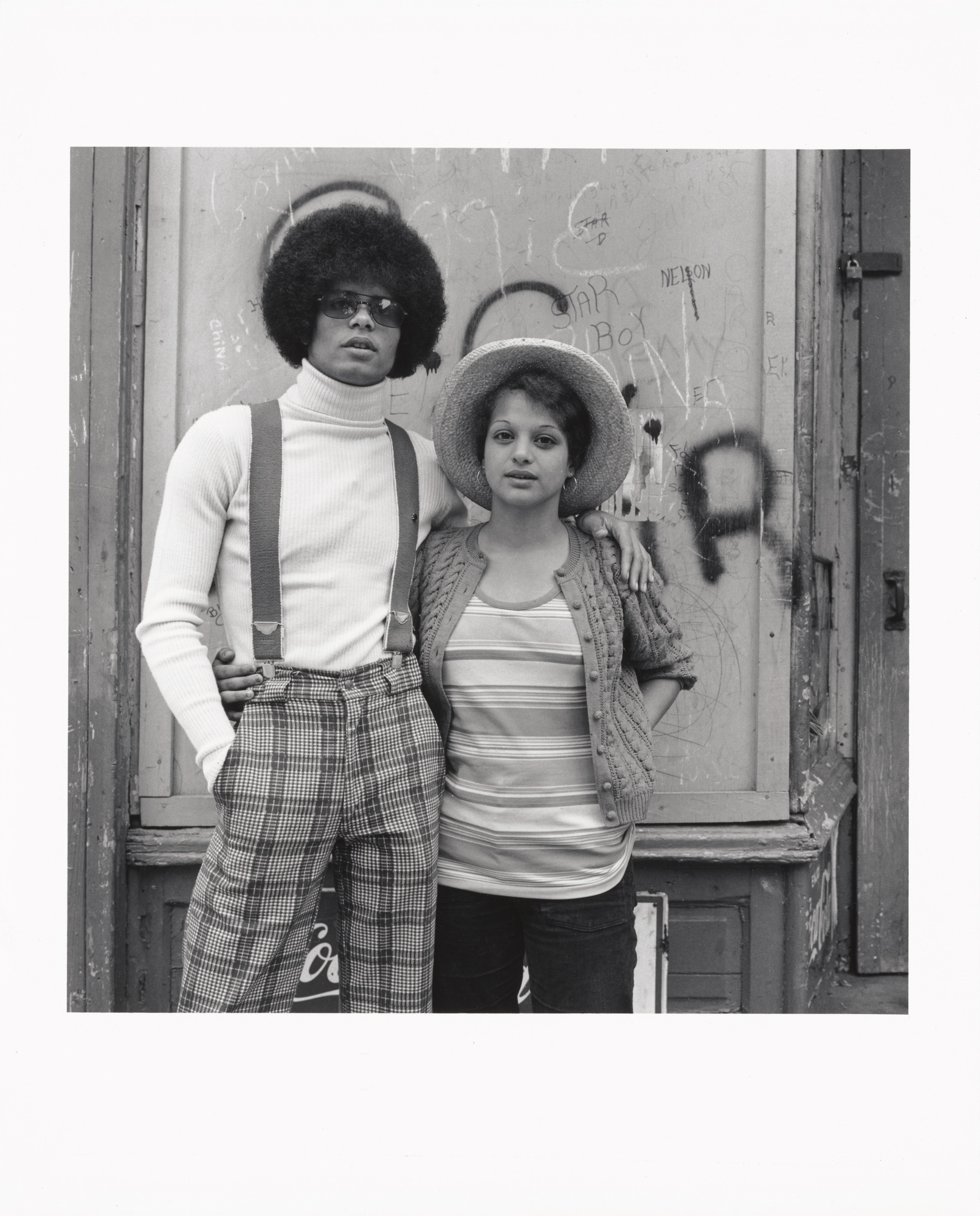
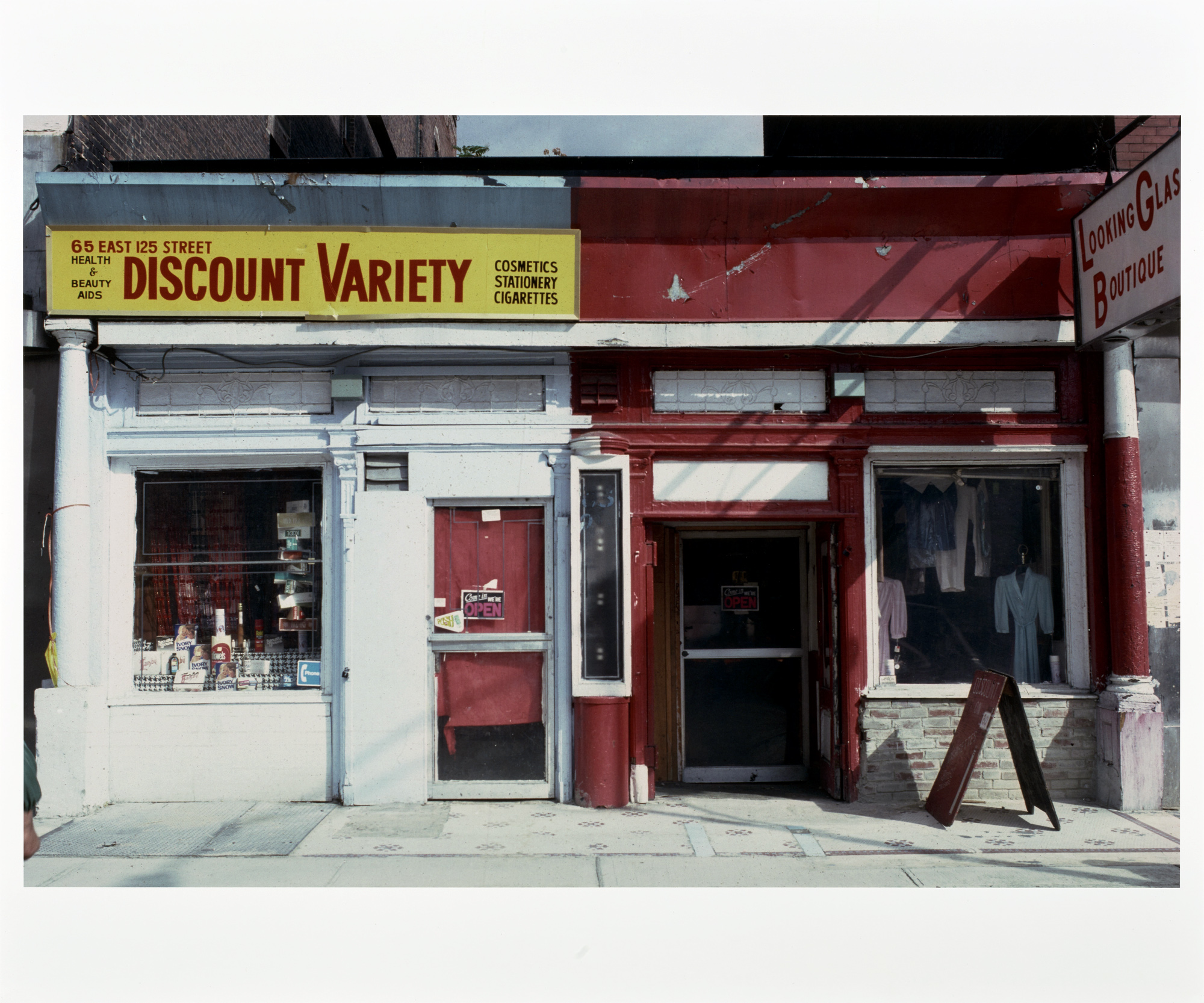
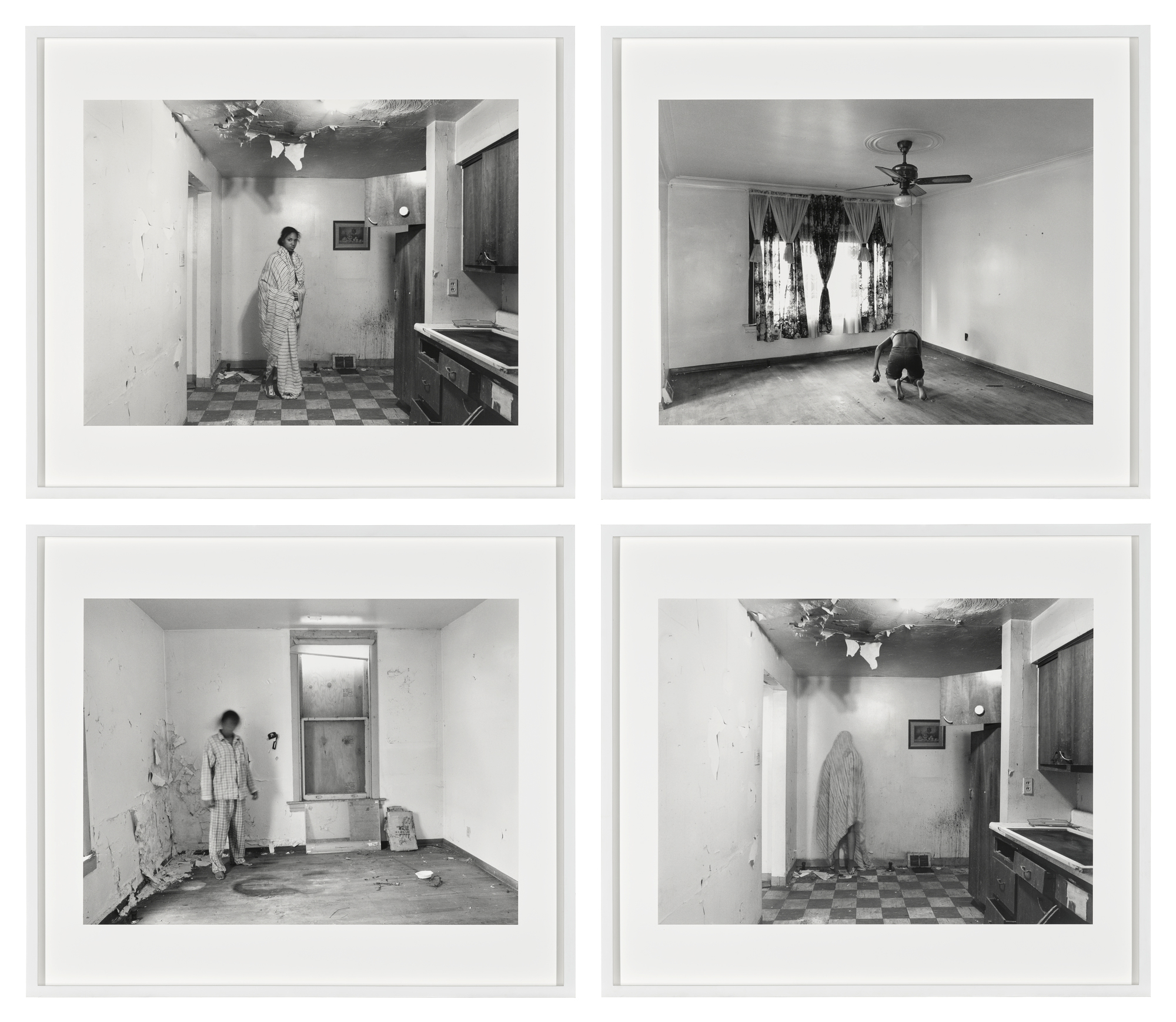
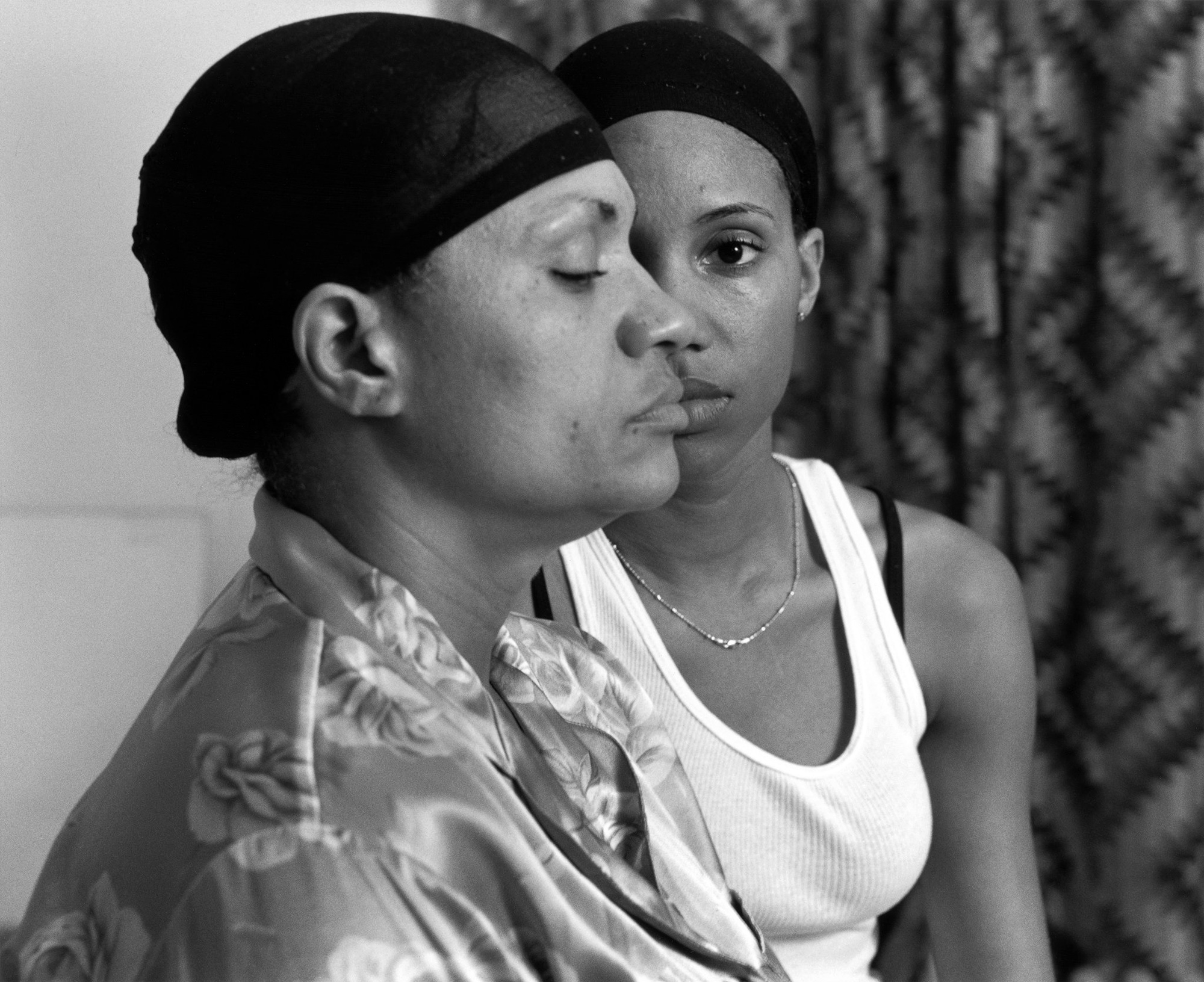
Transformations in the built environment also reveal the profound effects of the passage of time. LaToya Ruby Frazier documented the painful process of clearing the rooms of her family home in a series of self-portraits in which she cloaked herself in the familiar belongings of her loved ones. In order to spotlight socioeconomic changes in American neighbourhoods, Camilo José Vergara photographed the dramatic transformation of a single Harlem storefront over 40 years, as it changed hands, changed facades, and split into two establishments. Other artists in the exhibition, including John Divola and William Christenberry, chronicle the disintegration of architecture over time, creating evocative meditations on deterioration.
“‘Once again’ is a phrase repeated in a poem by William Wordsworth,” says Mazie Harris, assistant curator of photographs at the Getty Museum and curator of the exhibition. “He was fascinated by the powerful feeling that arises when revisiting a familiar place. He’s experiencing his surroundings in real time and yet is constantly aware of his memories of being there before. The photographers in this exhibition conjure that same sensation. They offer us the opportunity to see people and places afresh, even as we track the powerful changes wrought by time.”
Once. Again. Photographs in Series, is on view July 9-November 10, 2019 at the J. Paul Getty Museum, Getty Center. The exhibition is curated by Mazie Harris, assistant curator of photographs at the Getty Museum.
Press release from the J. Paul Getty Museum website [Online] Cited 11/08/2019
It’s hard to get a sense of this exhibition from the media images, therefore difficult to make any constructive comment on the strength of the exhibition.
Apparently,
“The exhibition’s gallery feels very domestic. Groups of photos hang on the walls – different sizes, colours, formats and frames – like you’d see in a living room or hallway. MFA curator Karen Haas confirms that evocation is absolutely intentional.
“Photographers from the very beginning have been fascinated by the way that the camera could capture images of loved ones, freeze them in time,” she says. “They form sort of reliquaries of memory, and these sorts of relationships to the objects – that idea of the photograph as a talisman-like object I think has been somewhat forgotten in our contemporary world.” …
Haas’ goal in creating this show is to illustrate how broad and diverse family configurations can be – without defining them. “The families that we’re born into, generational families,” she describes, “but also romantic unions, couples and chosen families – families we have chosen for ourselves.” And that includes the military and the church, Haas says. “I think the family is such a basic social construct – so basic to so many of our lives – that I hope that these kinds of images will really resonate with people.”1
Outsider family, insider family, single parent family, nuclear family, extended family, reconstituted family, childless family, gay family, step family, “family has always taken diverse forms: affluent and destitute, cohesive and fractured, expected and unexpected. Taken together, the photographs challenge visitors to consider what family means to them.”
But what is most important is this:
“There is no right or wrong answer when it comes to what is the best type of family structure. As long as a family is filled with love and support for one another, it tends to be successful and thrive. Families need to do what is best for each other and themselves, and that can be achieved in almost any unit.”2
Families all have secrets, no matter how perfect they may seem to the outside world. Whether it be domestic violence behind closed doors or skeletons in the closet there is always more than meets the eye. And that’s where these photographs of families fail in their representation of the family. That, and the title of the exhibition – (un)expected families – because in the 21st century, nothing should be unexpected.
By adding emphasis to the (un), the title merely propagates a form of discrimination, of outsider as different and therefore worthy of abuse because of that very difference.
Expected families: we are all human beings and therefore anything is to be expected.
Many thankx to the Museum of Fine Arts Boston for allowing me to publish the photographs in the posting. Please click on the photographs for a larger version of the image.
Lewis W. Hine (American, 1874-1940) Home Workers, New York 1915 Lewis W. Hine/Museum of Fine Arts, Boston
Bringing together more than 80 pictures taken by American photographers from the 19th century to today, (un)expected families explores the definition of the American family – from the families we are born into to the ones we have chosen for ourselves. The works on view depict a wide range of relationships, including multiple generations, romantic unions, and alternative family structures.
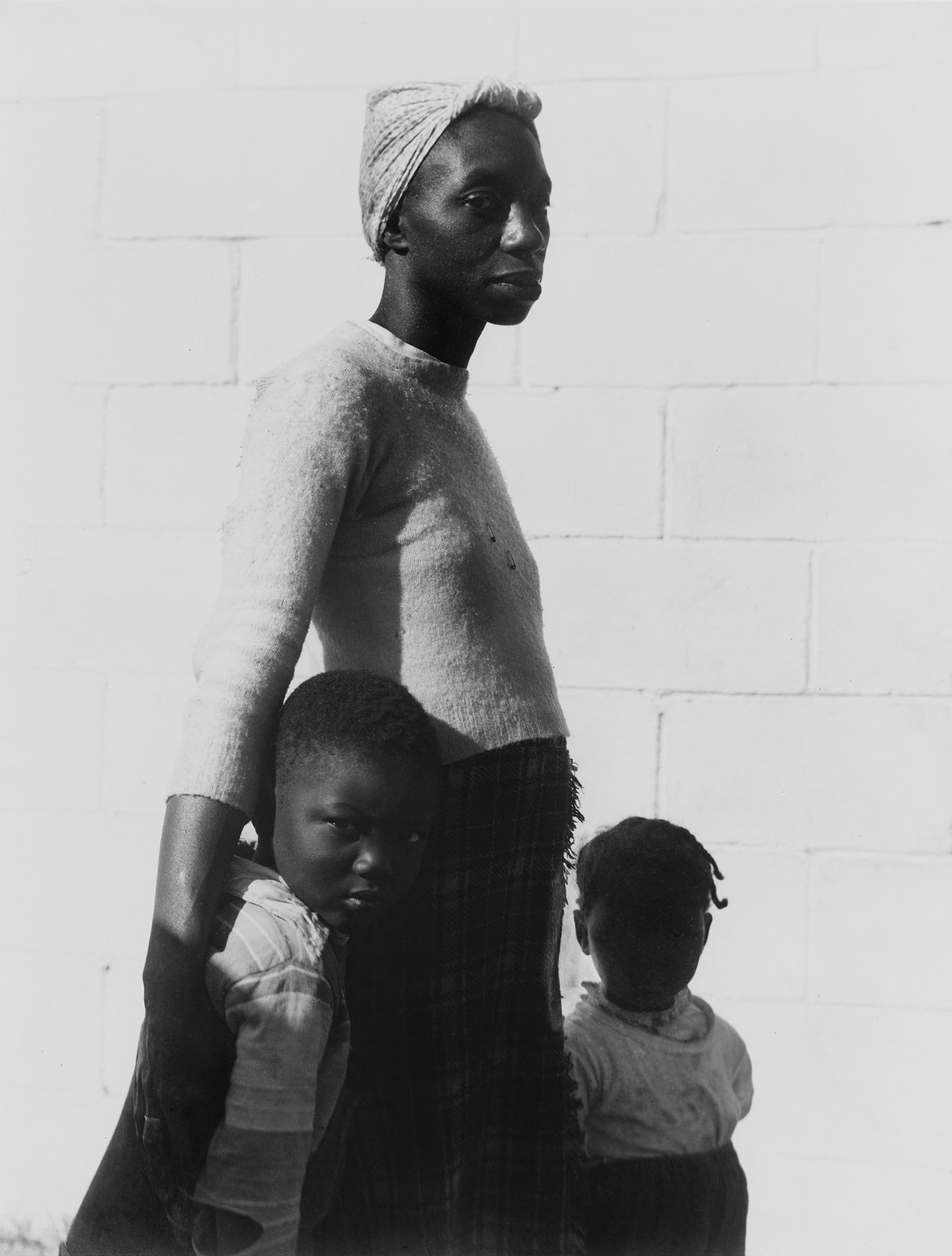
Using archival, vernacular, and fine art photographs, (un)expected families offers a variety of perspectives on the American family, from Dorothea Lange’s depiction of a migrant family at the time of the Dust Bowl to Louie Palu’s portraits of US Marines fighting in Afghanistan. The exhibition illustrates that the family has always taken diverse forms: affluent and destitute, cohesive and fractured, expected and unexpected. Taken together, the photographs challenge visitors to consider what family means to them.
(un)expected families features celebrated practitioners like Nan Goldin, Carrie Mae Weems, LaToya Ruby Frazier, and Harry Callahan, as well as a number of renowned Boston-area artists, such as David Hilliard, Nicholas Nixon, Abe Morell, and Sage Sohier.
Text from the Museum of Fine Arts, Boston website
Louis Faurer (American, 1916-2001) Ritz Bar, New York 1947-1948 Estate of Louis Faurer/Museum of Fine Arts, Boston
Duane Michals (American, b. 1932) When he was young, he could not imagine being old. And now that he is old, he cannot imagine ever having been young 1979 Gelatin silver print Duane Michals, courtesy of the DC Moore Gallery, New York, and Osmos, New York
Sage Sohier (American, b. 1954) Mum in her bathtub, Washington, D.C. 2002 Inkjet print Living New England Artists Purchase Fund, created by the Stephen and Sybil Stone Foundation Courtesy Museum of Fine Arts, Boston
David Hilliard (America, b. 1964) Rock Bottom 2008 Panorama Construction
Rock Bottom features, in the left panel, a close up sharp focus portrait of Hilliard’s father standing in a lake, with a severe and harsh facial expression, yet vulnerably placing his hands on his chest between his two sailor swallow’s tattoos. In the right panel, Hilliard himself appears somewhat further from the camera. With a gentler facial expression, the photographer contrasts with his tense patriarchal figure, but features a similar hairy chest and matching tattoos – giving the viewer a hint on the subject’s father-son relationship. The middle panel is exclusive for environmental portraiture and the creation of meaning in the composition: a sunny day at the lake, where the blue skies and soft clouds perfectly reflect on the water and separate the subject matters. The real meaning of the juxtaposition relies on the knowledge of Hilliard’s personal life and the presence of the middle panel: although the father accept his son’s homosexuality, the issue has clearly been a source of tension between them, creating both emotional and physical distance between the subject matters. Represented by the central panel, a stunning view divides the two generations both visually and metaphorically, symbolising the idea of emotional distance in an atypical form.
Like most of Hilliard’s photographs, Rock Bottom exposes how physical distance is often manipulated to represent emotional distance. The presence of the middle panel, exclusively dedicated to environmental portraiture and the emphasis on the importance of our surroundings, also suggests the emotional distance between the subjects. The lack of elements and presence of great depth of field of the center panel insinuates that, regardless of the level of intimacy between the subject matters – distance is always palpable.
Marina Pedrosa. “David Hilliard: Building Meaning Through Composition,” on the medium website [Online] Cited 22/08/2018. No longer available online
Caleb Cole (American, b. 1981) The Big Sister 2012 From the series Odd One Out (2010-Present) Archival pigment print 49 × 68cm (19 5/16 × 26 3/4 in.) Museum purchase with funds donated by James N. Krebs
Bringing together more than 80 pictures taken by photographers from the 19th century to today, (un)expected families at the Museum of Fine Arts, Boston (MFA), explores the definition of the American family – from the families we’re born into to the ones we’ve chosen. The photographs in the exhibition, on view from December 9, 2017 through June 17, 2018, depict a wide range of relationships – multiple generations, romantic unions and alternative family structures – whether connected by DNA, shared life experiences, common interests or even a social media network. Encompassing both carefully staged portraits and serendipitous snapshots, the selection of vernacular, documentary and fine art photographs in (un)expected families illustrates that the concept of family has long taken many forms – a subject that has fascinated photographers since the invention of the camera – and challenges visitors to consider what family means to them. Drawn primarily from the MFA’s holdings, the exhibition includes photographs by celebrated artists such as Nan Goldin, Gordon Parks, Nicholas Nixon, Sally Mann, Diane Arbus, Tina Barney, Emmet Gowin and Bruce Davidson. Loans from private collections include Victorian-era “hidden mother” photographs of children and turn-of-the-century portraits of women in intimate relationships sometimes referred to as “Boston marriages.” Additionally, (un)expected families highlights many New England photographers whose work centers on familial relationships, debuting eight photographs – acquired specifically for the exhibition – by Zoe Perry-Wood, Arno Rafael Minkkinen, Amber Tourlentes, Caleb Cole, Tanja Hollander, David Hilliard and Jeannie Simms. An interactive component of (un)expected families invites visitors to share thoughts about their own families on response cards. A selection will be displayed in the gallery on a rotating basis, and all will be archived as part of the permanent exhibition record. Additionally, a free family guide engages children with close looking and drawing activities. The exhibition is generously supported by an anonymous donor.
“Almost as soon as exposure times became short enough to make portraiture feasible, photographers have been drawn to capture likenesses of loved ones. Perhaps that power to freeze a moment in time is what explains why family photographs are so often described as the first thing one would save from a burning building,” said Karen Haas, Lane Curator of Photographs. “I find it particularly fascinating that there seems to be a growing interest among contemporary photographers to focus on families in their work – even as with the rise of smartphones and social media, our own personal pictures are increasingly relegated to the ether, rarely experienced as tangible objects.”
The images presented in (un)expected families span 150 years. Among the oldest pictures are photographs of “hidden mothers” (1860s-1870s), depicting infants in the laps of concealed adults – a trick to keep the children still during long sittings or exposures. The mothers or nursemaids were draped with scarves or blankets, or hidden behind furniture or painted backdrops. Similarly, the contemporary photograph Nayla, Ted, Alexandra, Nick, March 30, 1995 (1995) by Cambridge-based Elsa Dorfman (born 1937) focuses solely on the children. While names of the parents are among those handwritten on the bottom of the large-scale Polaroid, only their legs are visible in the composition. Another contemporary photograph juxtaposed with the Victorian-era “hidden mothers,” which were made during a period of high infant mortality rates, is Tammy Hindle (2006) by Nicholas Nixon (born 1947). Part of Nixon’s series documenting a family’s heartbreaking loss of a child, the image shows the mother, Tammy, carrying a portrait of the baby, Claire, to the funeral service, their bodies appearing to magically merge in the reflection within the picture frame.
Father-and-son relationships are explored in images by Dawoud Bey (born 1953), Duane Michals (born 1932) and Jim Goldberg (born 1953), all of which incorporate texts that amplify the moving and often painful stories behind the images, as well as recently acquired photographs by David Hilliard (born 1964) and Arno Rafael Minkkinen (born 1945). Hilliard’s triptych Rock Bottom (2008) is one of an extended series of panoramic photographs that trace the shifting narrative of the gay artist’s complicated relationship with his father. The beautifully choreographed self-portrait visually links the two men, unmistakably related to each other and sporting identical swallow tattoos, across a serene expanse of lake. Minkkinen’s 31-12-86, Self-Portrait with Daniel, Andover (1986), recently gifted to the MFA by the artist, is one of a little-known series of portraits that he took of his son Daniel as the boy grew and matured from infancy to adolescence. The photograph shows Daniel sitting on a bed, bathed in raking light and looking directly at his father’s large-format camera. With his head hidden from view, Minkkinen’s outstretched arms perfectly echo the curve of the headboard and create a haunting embrace that speaks to a parent’s deep-seated desire to encircle and protect a child.
Seventeen photographs representing multiple generations of a family are arranged in a salon-style hang, ranging from intimate depictions of parents with children, such as Baby Toss (2009) by Julie Blackmon (born 1966); to pairs of siblings, such as Twins at WDIA, Memphis (about 1948) by Ernest C. Withers (1922–2007); to a 1925 panorama capturing an extended family reunion encompassing about 200 people. The display also features recently acquired photographs by Sage Sohier (born 1954) and Jeannie Simms (born 1967). Sohier’s Mum in her bathtub, D.C. (2002) is from an extended series devoted to her mother, a former fashion model who had posed for Richard Avedon and Irving Penn in the 1940s. Simms’ Arnie, Susan & Elijah, Jamaica Plain, MA (2015) is from a series documenting the lives of couples married in Cambridge after Massachusetts became the first U.S. state to issue same-sex marriage licenses on May 17, 2004.
Recently acquired works by Amber Tourlentes (born 1970), Zoe Perry-Wood (born 1959) and Jess Dugan (born 1986) also document the experience of LGBTQ couples, families and individuals. Tourlentes has regularly made LGBTQ family portraits on the Town Hall stage in Provincetown, Massachusetts, during its annual Family Week, sometimes revisiting the same subjects over the course of several years. Perry-Wood has spent the last decade photographing another annual event, the Boston Alliance of Gay and Lesbian Youth (BAGLY) Prom, which offers a safe and celebratory occasion for young couples – an alternative to more traditional high-school proms. Allowing her subjects to pose in front of the camera in a studio-like setting, as seen in José and Luis (2015), Perry-Wood helps to give them a sense of personal agency and collective pride at a pivotal moment in their lives. Unlike Tourlentes and Perry-Wood, Dugan photographs her subjects – friends within the LGBTQ community – in natural light and the privacy of their own living spaces, exploring issues of gender, identity and social connection through large-format portraits such as Devotion, from the series Every Breath We Drew (2012).
With the invention of the small and affordable Kodak camera in the late 19th century, followed by the instant camera in the 1940s, many Americans no longer felt the need to visit formal portrait studios in order to record their personal lives. Among the casual snapshots featured in (un)expected families are Polaroids of Caroline Kennedy and her cousin Tina Radziwill, taken by Andy Warhol (1928-1987) in the summer of 1972 and exhibited at the MFA for the first time. The artist – along with filmmaker Jonas Mekas and photographer Peter Beard – was hired by Jacqueline Kennedy Onassis to teach the children filmmaking and photography. Also on view are an album of photographs commemorating a fraternity at Baker University in Kansas (1910s) and six snapshots depicting “Boston marriages” (1920s-1930s) – a turn-of-the-century term used to describe two women living together without the support of a man – romantic relationships in some cases and simply platonic partnerships in others.
Several groupings in the exhibition are centered on places of family life. Working roughly 50 years apart, one on New York’s Lower East Side and the other in Harlem, Lewis Hine (1874-1940) and Bruce Davidson (born 1933) both found the kitchen table an ideal site for their documentary photographs of tenement families in New York City. The groundbreaking Kitchen Table series (1990) by Carrie Mae Weems (born 1953) – featuring the photographer herself as the central figure, alongside lovers, children and friends – speaks to all those who have loved, quarrelled and come together around a communal table. Similarly, Tina Barney (born 1945) often acts as both guide and participant in her photographs – including Thanksgiving (1992) – which portray complex family moments in the wealthy East Coast social scene that she grew up in. In another selection of photographs by Julie Mack (born 1982), Mary Ellen Mark (1940-2015) and Dorothea Lange (1895-1965), the car is shown as a setting for a contemporary family self-portrait, a shelter for a homeless family in Los Angeles, and a vehicle for escape for migrant farm workers and their families during the Dust Bowl.
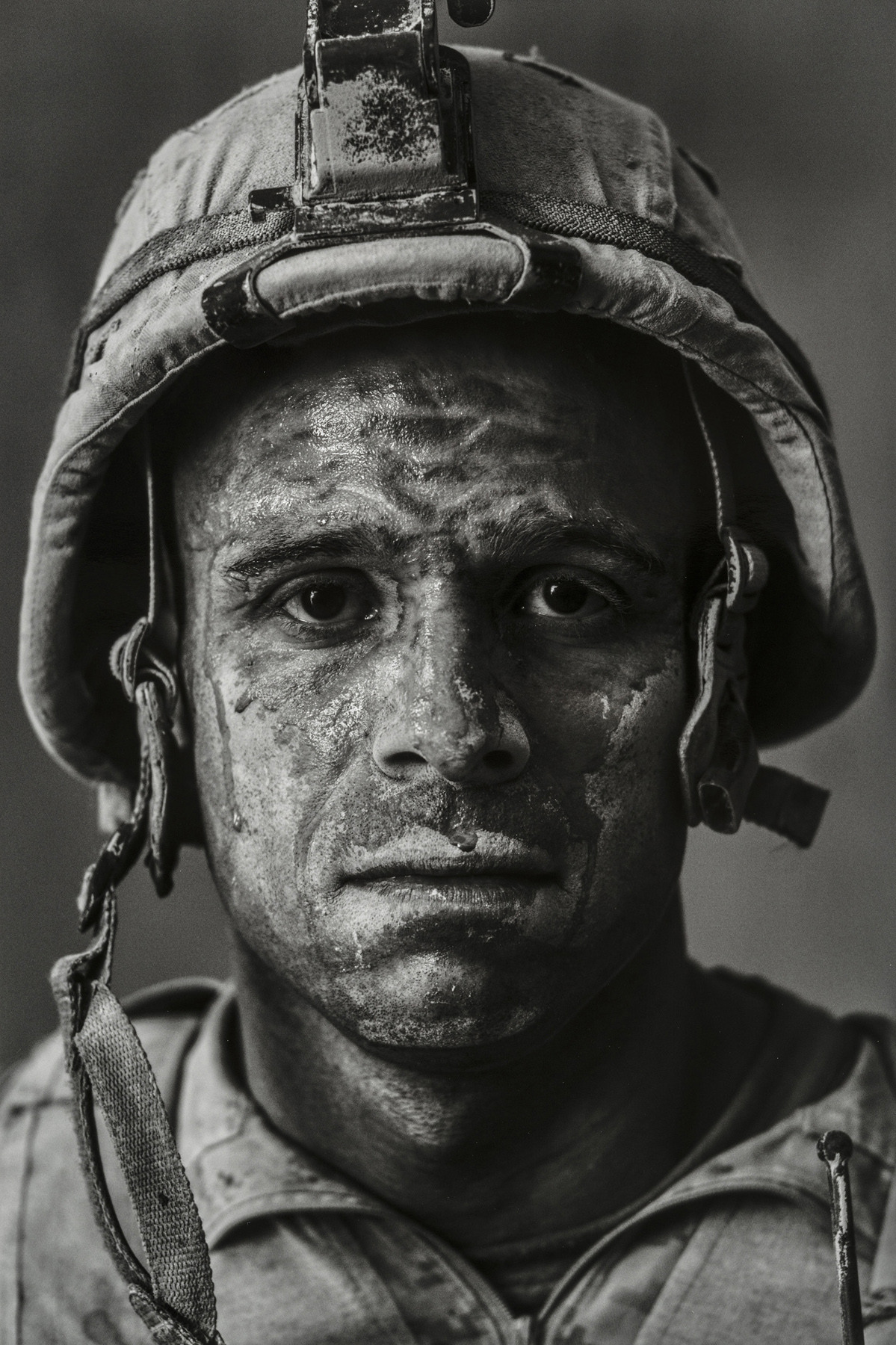
Alongside biologically related families and romantic unions, the exhibition highlights bonds among close-knit communities – “chosen families” – often documented by photographers embedded within the groups. Louie Palu (born 1968) spent several years covering the conflict in Afghanistan, producing portraits of U.S. Marines that capture the terrible toll of war etched on their faces and reflected in their eyes. Danny Lyon (born 1942) was a student at the University of Chicago when he first befriended members of the Chicago Outlaws, a notorious motorcycle club. For a number of years, he documented the individual gang members, their families and friends, as well as races, meetings, social gatherings, rides throughout the Midwest and even their funerals. Nan Goldin (born 1953) uses her camera as a form of diary to record the lives of friends, whom she considers a surrogate family. In Jimmy Paulette and Tabboo! in the bathroom, NYC (1991), Goldin represents two drag queens in New York City’s East Village, working in her characteristically direct, snapshot-like style. For the artist, who has lost many in her circle to HIV-AIDS, such images form tangible records of powerful human connections in fragile times.
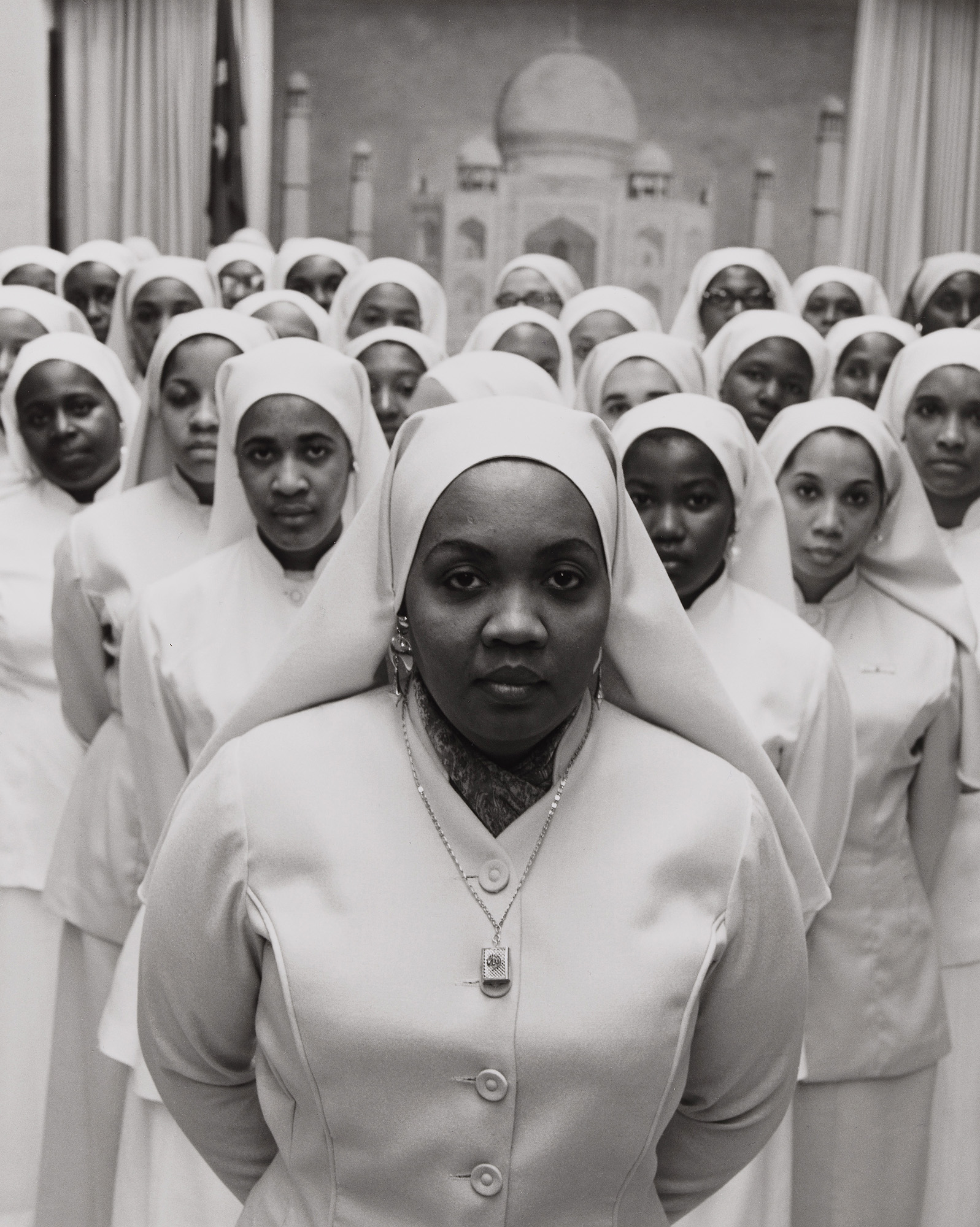
Ethel Shariff in Chicago (1963) by Gordon Parks (1912-2006) and Hutterite Classroom, Gilford, MT (2005) by Christopher Churchill (born 1977) are among the photographs depicting religious communities. Ethel Shariff, the eldest daughter of longtime Nation of Islam head Elijah Mohammed, stands at the apex of Parks’ group portrait, surrounded by fellow members of the organisation’s women’s corps. Churchill’s photograph is from a series of pictures on the theme of American faith – a project he undertook in the years just after 9/11. Traveling across the country, he visited various sacred landscapes, places of worship and religious communities including the Hutterites, a branch of the Anabaptists who trace their beginnings back to the Protestant Reformation. For Churchill, the series became an exploration into the very basic human need to be connected to something greater than ourselves. Similarly, Tanja Hollander (born 1972) traveled all over the world – across the U.S. and Europe, but also as far away as Kuala Lumpur and New Zealand – for five years, tracking down all of her hundreds of Facebook friends and making portraits of them set in their own homes. Shot with an iPhone or a simple point-and-shoot camera, these intimate pictures – two of which were acquired for the exhibition – present a fascinating commentary on the role of social media and interpersonal relationships in the 21st century.
Additional highlights of (un)expected families include photographs in a variety of formats. Caleb Cole (born 1981) is a local photographer particularly fascinated by the dynamics of family photographs found at estate sales and flea markets in which one of the subjects – in contrast to the rest of the smiling faces – appears especially sad or downcast. Cole digitally alters these vernacular images to isolate the single, lonely figure, all the while maintaining the shapes of the remaining sitters so that the “odd one out” is set off against the blank, white expanse of the group. In The Big Sister (2012), a recent acquisition, a young girl whose parents have just introduced her to a new baby looks dejectedly off into space as if desperately wishing she could return to her former status as an only child. Digital projections from the series To Majority Minority (2014-2015) by Annu Palakunnathu Matthew (born 1964) are also based on found snapshots, sourced from photo albums of immigrant families that have come to the U.S. from all over the world. Working with the owners of these albums, Matthew digitises the images and then recreates the figures and their poses using contemporary family members in place of the original sitters. By presenting them as projections that seamlessly flow from one generation into another, the artist measures the passage of time through the faces of subsequent generations, and the accompanying texts tell stories inspired by the treasured photographs of their ancestors.
And then there’s Louie Palu’s black and white portraits of Marines. These are some of the few single-person portraits among images of families or groups. Paired with a group photo, there is an initial sense of loneliness. But isolate the image and it’s a different story.
“In the military, you arrive alone and leave the military alone but live on a battlefield as part of a close group of people who will do everything to support you and are willing to risk their life to save yours,” he said. “When you are a soldier, your comrades can define a life-changing experience not a single member of your biological family will ever understand. When you come home, your mother, father, wife, brothers, sisters and children can never connect to that experience like your comrades can. When you are in a group, you are strong, and when you are alone, you are not.”
Elsa Dorfman (April 26, 1937 – May 30, 2020) was an American portrait photographer. She worked in Cambridge, Massachusetts, and was known for her use of a large-format instant Polaroid camera. …
Dorfman’s principal published work, originally published in 1974, was Elsa’s Housebook – A Woman’s Photojournal, a photographic record of family and friends who visited her in Cambridge when she lived there during the late 1960s and early 1970s. Many well known people, especially literary figures associated with the Beat generation, are prominent in the book, including Lawrence Ferlinghetti, Allen Ginsberg, Peter Orlovsky, Gary Snyder, Gregory Corso, and Robert Creeley, in addition to people who would become notable in other fields, such as radical feminist Andrea Dworkin, and civil rights lawyer Harvey Silverglate (who would become Dorfman’s husband). She also photographed staples of the Boston rock scene such as Jonathan Richman, frontman of The Modern Lovers, and Steven Tyler of Aerosmith.
In 1995, she collaborated with graphic artist Marc A. Sawyer to illustrate the booklet 40 Ways to Fight the Fight Against AIDS. She photographed people, both with and without AIDS, each engaged in one of forty activities that might help AIDS victims in their daily life. The photographs were exhibited 1995 at the Lotus Development Corporation in Cambridge, in Provincetown and New York City. The artist donated the costs of producing the photographs for this project.
Dorfman co-starred in the documentary No Hair Day (1999).
She was known for her use of the Polaroid 20 by 24 inch camera (one of only six in existence), from which she created large prints. She photographed famous writers, poets, and musicians including Bob Dylan and Allen Ginsberg. Due to bankruptcy, the Polaroid Corporation entirely ceased production of its unique instant film products in 2008. Dorfman stocked up with a year’s supply of her camera’s last available 20 by 24 instant film.
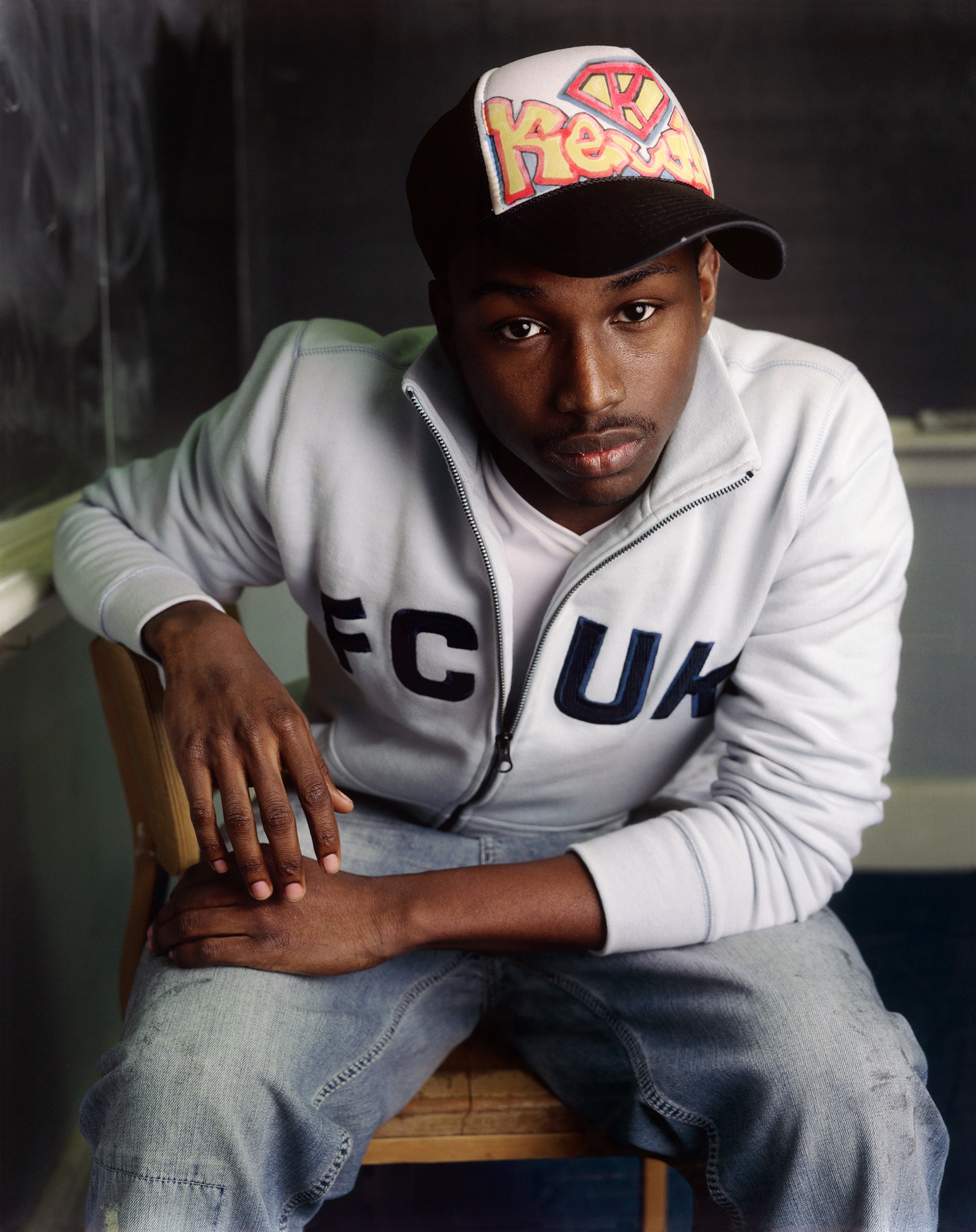
Dawoud Bey (b. 1953) is a photographer known for his colour portraits of various subjects, perhaps most notably teenagers. This 2005 photograph is of a teen named Kevin and is from Bey’s series Class Pictures, which is a study of high school students across the country
Annu Palakunnathu Matthew (British, b. 1964) To Majority Minority – Thuan 2014-2015
The word immigrant conjures up families passing through Ellis Island or young men climbing across the southwest border fence. The United States of America of yesterday, filled with immigrants of European descent is giving way to a new multi-coloured and multicultural America. By 2050 “minority” populations in the U.S. will become the majority of the population. In this new multi-coloured America, we need to reframe our understanding of our newest immigrants in terms of their cultures, religions and stories.
In this project, I explore the generational transition from immigrant to native within families, starting with portrait photographs from these immigrant’s albums. These old photographs reflect where they have come from, revealing family histories and shared stories of immigration. The final portrait animation helps us empathise with these new Americans beyond the stereotype of the family at Ellis Island or the presumed terrorist.
Museum of Fine Arts, Boston Avenue of the Arts 465 Huntington Avenue Boston, Massachusetts
Exhibition dates: 9th August 2013 – 19th January 2014
Rachel Herman (American) Hannah and Tim 2007
Inkjet print (printed 2012)
Gift of the Hall Family Foundation
Facile, Facies, Facticity
“The structure of presentation – point-of-view and frame – is intimately implicated in the reproduction of ideology(the ‘frame of mind’ of our ‘points-of-view’). More than any other textual system, the photograph presents itself as ‘an offer you can’t refuse’.”
Victor Burgin 1
“Facies simultaneously signifies the singular air of a face, the particularity of its aspect, as well as the genre or species under which this aspect should be subsumed. The facies would thus be a face fixed to a synthetic combination of the universal and the singular: the visage fixed to the regime of representation, in a Helgian sense.
Why the face? – Because in the face the corporeal surface makes visible something of the movements of the soul, ideally. This also holds for the Cartesian science of the expression of the passions, and perhaps also explains why, from the outset, psychiatric photography took the form of an art of the portrait.”
Georges Didi-Huberman 2
How shallow contemporary portrait photography has become when compared to the sensual portraits of Julia Margaret Cameron, the grittiness of Gordon Parks or the in your face style of Diane Arbus. I think the word facile (from Latin facilis ‘easy’, from facers ‘do, make’) with its link to the etymologically similar word ‘face’ (Old Latin facies) is a good way to describe most of the photographs in this posting. These simplistic, nihilistic portraits, with their contextless backgrounds and head on frontally (also the name of an insipid Australian portrait photography prize), are all too common in contemporary portraiture. People with dead pan expressions stare at the camera, stare off camera. The photographs offer little insight and small engagement for the viewer. If these photographs are representative of the current ‘frame of mind’ of our ‘points-of-view’ vis a vis the construction of identity then the human race is in deep shit indeed. As we accept an offer that we can’t refuse – the reflexivity of selfies, an idealised or passive image of ourselves reflected back through the camera lens º we uncritically accept the mirror image, substituting passive receptivity for active (critical) reading. We no longer define and engage critically with something we might call ‘photographic discourse’:
“A discourse can be defined as an arena of information exchange, that is, as a system of relations between parties engaged in communicative activity. In a very important sense the notion of discourse is a notion of limits. That is, the overall discourse relation could be regarded as a limiting function, one that establishes a bounded arena of shared expectations as to meaning. It is this limiting function that determines the very possibility of meaning. To raise the issue of limits, of the closure affected from within any given discourse situation, is to situate oneself outside, in a fundamentally metacritical relation, to the criticism sanctioned by the logic of the discourse…
A discourse, then, can be defined in rather formal terms as the set of relations governing the rhetoric of related utterances. The discourse is, in the most general sense, the context of the utterance, the conditions that constrain and support its meaning, that determine its semantic target.”3
These photographs have few conditions that support their meaning. The context of their utterances is constrained by their own efficacy and passivity. Paul Virilio, speaking of contemporary images, describes them as ‘viral’. He suggests that they communicate by contamination, by infection. In our ‘media’ or ‘information’ society we now have a ‘pure seeing’; a seeing without knowing.4 A seeing without knowing… quite appropriate for these faceless images, images that contaminate how we observe humans living in the world. Of course, one can be involved in logical criticism of the discourse from within but that still gives the discourse power. By situating yourself outside the conditions that constrain the discourse, you can criticise from a different perspective, “seeing something new” as an active, temporal protension of seeing. “Such is the fundamental instability of the pleasure of seeing, of Schaulust, between memory and threat.”5 We may glance, instead of staring (as the subject of these portraits blankly stare back) – the glance becoming a blow of the eye, the acting-out of seeing.6
Here is a possible way forward for contemporary photographic portraiture: a description of the states of the body and the air of the face through a subtle and constant art of the recovering of surfaces, an inquiry that always seeks depth – conceptual depth – in the filmy fabric or stratum of the cameras imaging of the constructed subject. In other words an inquiry into the source, the etiology and logic of the subjects own being – through the glance, not the passive gaze. Even as the object of knowledge is photographically detained for observation, fixed to objectivity, that knowledge can slip away from itself into what Georges Didi-Huberman calls the paradox of photographic resemblance.7
“Thus photography is ultimately an uncertain technique (see Barthes. Camera Lucida. p. 18), changeable and ill-famed, too. Photography stages bodies: changeability. And at one moment or another, subtly, it belies them (invents them), submitting them instead to figurative extortion. As figuration, photography always poses the enigma of the “recumbence of the intelligible body,” even as it lends itself to some understanding of this enigma, and even as this understanding is suffocated…
And when one comes to pose oneself, before a photograph, paradoxical questions: whom does this photographed face resemble? Exactly whose face is being photographed? In the end, doesn’t a photograph resemble just anyone? Well, one cannot, for all that, simply push resemblance aside like a poorly posed problem. Rather, one points a finger at Resembling as an unstable, vain, and phantasmatic temporal motion. One interrogates the drama of imaginary evidence.
For “to resemble,” or Resembling, is the name for a major concern about time in the visible. This is precisely what exposes all photographic evidence to anxiety, and beyond it, to staging, compromises, twisted meanings, and simulacra. And this is how photography circumvents itself – in its own sacrilege. It blasphemes it own evidence because evidence is diabolical. It ruins evidence, from a theater.”8
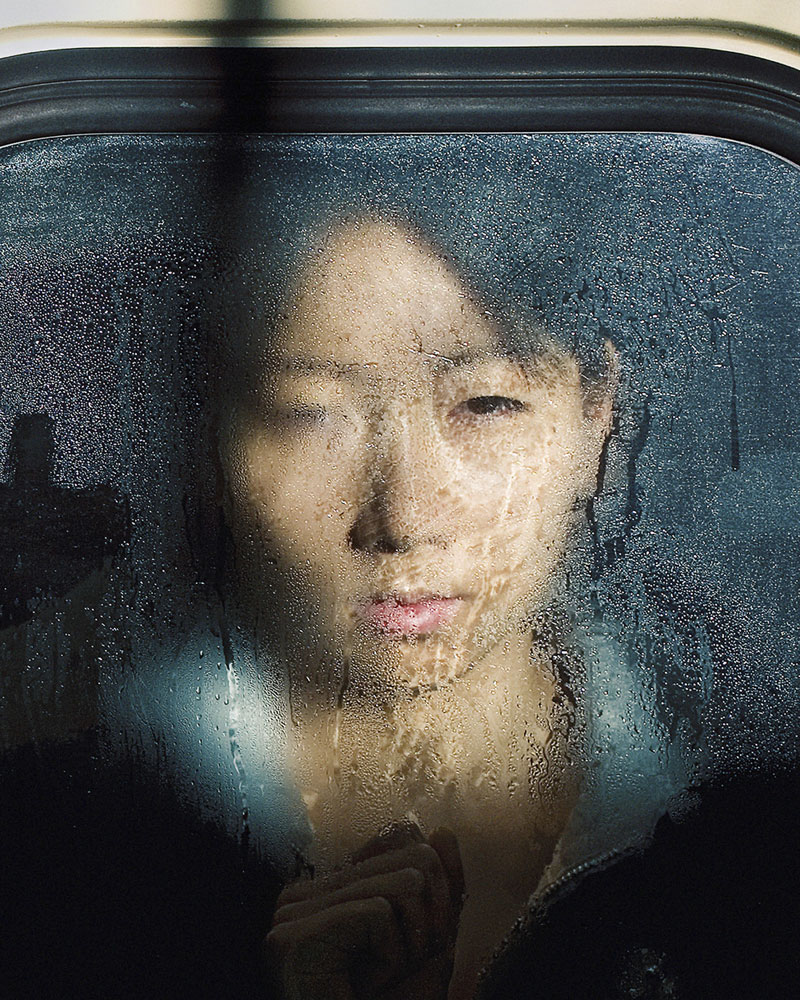
Only through slippage may we stumble upon the uncertainty of the soul in the uncertainty of the photographic technique. Only through the facticity of the face, the “thrownness” – Heidegger’s Geworfen, which denotes the arbitrary or inscrutable nature of Dasein, being there or presence, that connects the past with the present, just as photographs do – of the individual rendered in the lines of the human face can we engage with the intractable conditions of human existence. Not a bland resemblance-filled anxiety (the hair covering the face, the face in suburban ephemera, the compressed face pressed up against the condensation-filled window), but an unstable signification that has been passionately re(as)sembled in the anxiety of photographic evidence. Only then can contemporary portrait photography make visible something of the movements of the soul, ideally.
“Into this world we’re thrown /
Like a dog without a bone”
(Jim Morrison, Riders on the Storm, 1971)
Dr Marcus Bunyan
Endnotes
1/ Burgin, Victor (ed.,). Thinking Photography. Basingstoke: Macmillan, 1982, p. 146
2/ Didi-Huberman, Georges. Invention of Hysteria: Charcot and the Photographic Iconography of the Salpetriere (trans. Alisa Hartz). Cambridge, Mass.: MIT Press, 2003, p. 49
3/ Burgin, pp. 84-85
4/ Virilio, Paul. “The Work of Art in the Electronic Age,” in Block No. 14, Autumn, 1988, pp. 4-7 quoted in McGrath, Roberta. “Medical Police,” in Ten.8 No. 14, 1984 quoted in Watney, Simon and Gupta, Sunil. “The Rhetoric of AIDS,” in Boffin, Tessa and Gupta, Sunil (eds.,). Ecstatic Antibodies: Resisting the AIDS Mythology. London: Rivers Osram Press, 1990, p. 143
5/ Didi-Huberman, op. cit., pp. 27-28
6/ Ibid., “Coup d’oeil, signifying “glance,” literally means the “blow of an eye.” Here as elsewhere, Didi-Huberman draws on the notion of the glance as a blow. He also works with the various meanings of trait, including trait, line, draught, and shaft of an arrow” – Translator
7/ Didi-Huberman, op. cit., p. 59
8/ Didi-Huberman, op. cit.,p. 65
Many thankx to The Nelson-Atkins Museum of Art for allowing me to publish the photographs in the posting. Please click on the photographs for a larger version of the image.
Anna Shteynshleyger, (Russian, b. 1977) City of Destiny (Covered) 2007
Inkjet print
Gift of the Hall Family Foundation
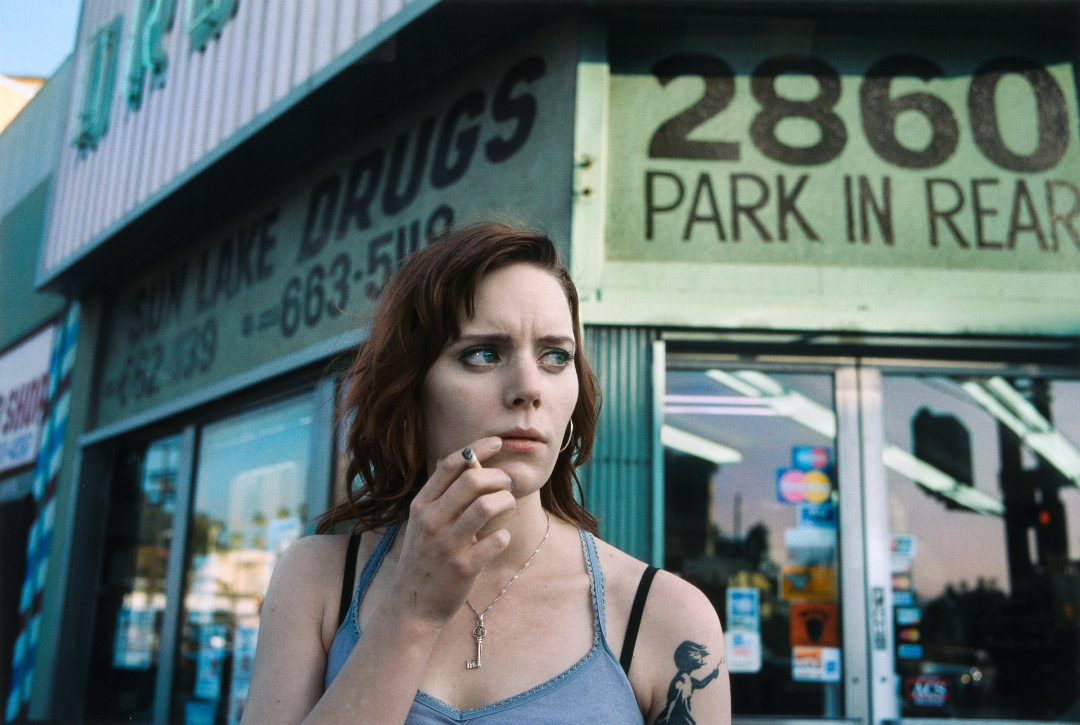
Lise Sarfati (French, b. 1958) Emily, 2860 Sunset Blvd.
2012
Chromogenic print
Gift of the Hall Family Foundation
Alec Soth (American, b. 1969) Mother and daughter, St. Paul, Minnesota, 1999
1999
LaToya Ruby Frazier (American, b. 1982) Momme 2008
Gelatin silver print
Gift of the Hall Family Foundation
This exhibition will explore the breadth and global diversity of contemporary photographic portraiture since 2000, highlighting recent acquisitions to the museum’s permanent collection.
About Face will include works by twenty-nine artists from the United States, England, Canada, France, Germany, Russia, Japan, Iran and South Africa. Though each of these photographers approaches portrait-making differently, certain thematic threads resonate throughout the show, including questions of racial, cultural, ethnic, class and gender identity; the relationship between individuals and typologies; the way photographic processes themselves inform meaning; the relevance of historical precedents to contemporary practice; and the impact of media stereotypes on self-presentation. Considered collectively, the works in About Face offer a provocative and engaging forum for considering the question: how do we define portraiture today?
The project will present two distinct, simultaneous exhibitions: About Face, our in-gallery exhibition at the Nelson-Atkins, and Making Pictures of People, a digital exhibition presented online for web-based audiences worldwide. Visitors will be able to access the Flak Photo exhibition via touch screens in the gallery and on mobile devices outside the museum. The goal of our collaboration is twofold: to celebrate the complementary experiences of engaging with photographs as objects and as images, and to connect museum visitors in Kansas City with an international community deeply engaged in thinking about portraiture and contemporary photographic practice.
“Contemporary photographers approach portraiture from multiple perspectives, and this show reflects that diversity,” said April M. Watson, who co-curated this exhibition with Jane L. Aspinwall (both are Associate Curators of Photography). “Some portraits emphasise the construction of identity through race, gender and class, while others question the relationship between individuality and typology, or the impact of the media on self-presentation. At the core is the relationship between the photographer and his or her subject, and how that interaction translates in the final portrait.” Adds Aspinwall: “Some of these photographers use antiquated processes such as the daguerreotype and tintype to make portraits of contemporary subjects. These historical resonances add an interesting dimension to the show.
Press release from the Nelson-Atkins Museum of Art website
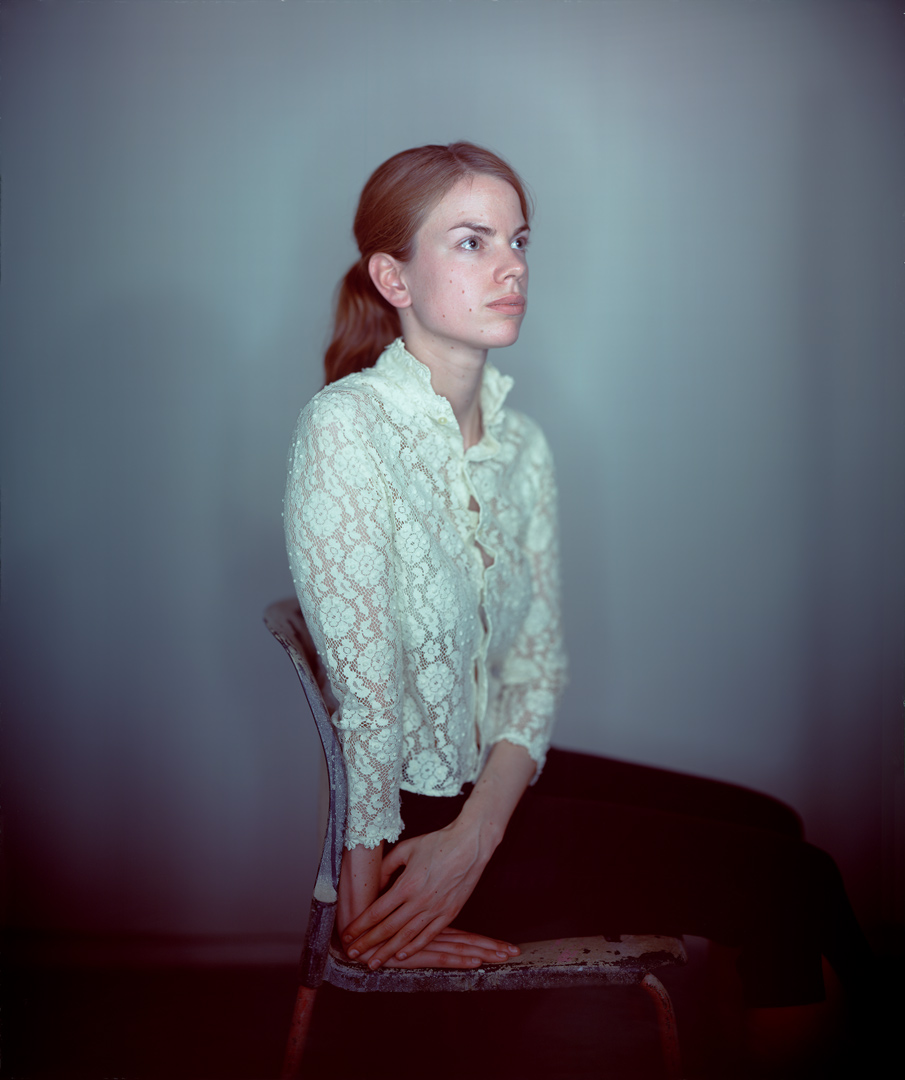
Richard Learoyd (English, b. 1966) Erika 2007
Ilfachrome print
Gift of the Hall Family Foundation in honour of the 75th anniversary of The Nelson-Atkins Museum of Art
Jocelyn Lee (American born Italy, b. 1962) Untitled (Julia and Greenery) 2005
Chromogenic print
Gift of the Hall Family Foundation
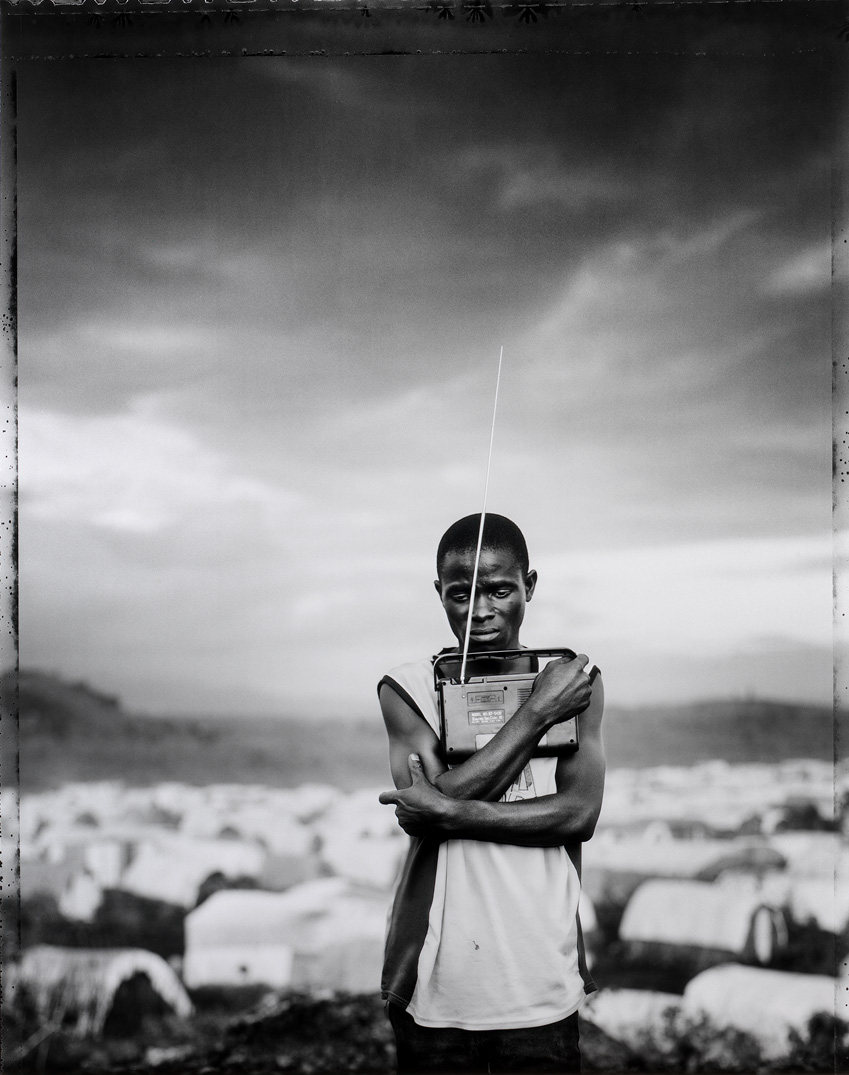
Jim Goldberg (American, b. 1953) Prized Possession, Democratic Republic of Congo 2008
Gelatin silver print
Gift of the Hall Family Foundation
Vanessa Winship (British, b. 1960) Hakkari 8 2007-2008
Inkjet print (printed 2008)
Gift of the Hall Family Foundation
Pieter Hugo (South African, b. 1976) Annebelle Schreuders(1) 2012
Inkjet print
Gift of the Hall Family Foundation
Sage Sohier (American, b. 1954) 12-Year Old Boy with His Father 2009
Inkjet print
Gift of the Hall Family Foundation
Michael Wolf (American, b. 1954) Tokyo Compression #18 2010
Inkjet print
Gift of the Hall Family Foundation
Tomoko Sawada (Japanese, b. 1977) Recruit/BLACK 2006
Chromogenic print
Purchase: acquired through the generosity of the Photography Society
The Nelson-Atkins Museum of Art
4525 Oak Street
Kansas City, MO 64111




















![Photographer unknown (American) 'Untitled [Hidden Mother]' c. 1860s-1870s](https://artblart.com/wp-content/uploads/2018/05/13_hidden-mother_artist-unidentified-web.jpg "Photographer unknown (American) 'Untitled [Hidden Mother]' c. 1860s-1870s")














 Art Blart _ art and cultural memory archive
You must be logged in to post a comment.