Exhibition: ‘American Photography’ at Rijksmuseum, Amsterdam

Exhibition dates: 7th February – 9th June, 2025


Amanda López (American, b. 1982) 'Homegirls, San Francisco' 2008 from the exhibition 'American Photography' at Rijksmuseum, Amsterdam, Feb - June, 2025


Amanda López (American, b. 1982)
Homegirls, San Francisco
2008
Inkjet print
320 x 435 mm
National Museum for American History, Washington (DC)
© Amanda López


Let’s get down to brass tacks.

While I haven’t physically seen this exhibition – according to Rijksmuseum “the Netherlands’ first major survey exhibition of American photography… the first comprehensive survey of American photography in Europe … reflect[ing] the rich and multifaceted history of photography in the United States. The exhibition presents the country as seen through the eyes of American photographers, and shows how the medium has permeated every aspect of our lives: in art, news, advertising and everyday life” – you can glean a lot about an exhibition from the installation photographs.

The feeling I get from the installation photographs is of a particularly meagre offering – gallery halls with minimal photographs, huge empty spaces (just look at the installation photograph Curio box made of cigarette packets with portraits of roommates, late 1960s below) – and to then consider this is supposed to be “the first comprehensive survey of American photography in Europe” and reflect the large photographic holdings of the Rijksmuseum. Really? You wouldn’t really know it from looking at “the show”.

Perhaps the problem stems from the rationale of the exhibition:

“There is no hierarchy to the selection. A sequence of rooms present numerous fields – portraiture, landscape, advertising work, art photography – like chapters in a novel. “We tried to find surprising images and things we’ve never seen before,” says Boom. The result is a broad mix, shaped with co-curator Hans Rooseboom, of anonymous photography, commercial work, news coverage, medical prints and propaganda, presented in tandem with masterpieces such as Robert Frank’s enigmatic picture of a woman watching a New Jersey parade in 1955, her face partially obscured by an unfurled Stars and Stripes.”1 (see below)

The phrase “a broad mix” says it all: a mishmash of anonymous photography, commercial work, fine art photography, the political power of photography, photographs on racism, war, etc., … taking on too much in one exhibition (the American landscape is largely absent from the walls), proclaiming to be a comprehensive survey of American photography. An impossible task.

“The exhibition has deliberately departed from a “top 100” approach, Rooseboom [one of the curators] adds, stating “that would have been too easy”.”2

Easy to say (and move away from) but not easy to do…

What I feel is lacking in this subjective selection (all exhibitions are subjective) is the focused “energy” present in American photography radiating from the wall – the energy that documents and imagines the growth of a nation and the passion of the artists that capture that energy.

Where is, for example, the passion of Sally Mann’s photographs of the American South, the New York buildings of Berenice Abbott, George Dureau’s portraits of friends and amputees in New Orleans, the narrative stories of Duane Michals or the darkness / otherness that has always been present from the very start in American photography. In the selection in the posting, the photographs of Robert Frank (a foreigner, whose photographs of America were reviled when they were first published) and Nan Goldin (photographs of counter culture America) come closest to this alternate perspective, both outsiders from the main stream point of view.

Thus, while there are some interesting photographs in the exhibition it’s all too ho hum for me, perhaps a “vapour” of something almost brought into consciousness.

Dr Marcus Bunyan


1/ Christian House. “American Photography: unforgettable images of the beauty and brutality of a nation,” on The Guardian website Thu 13 Feb 2025 [Online] Cited 06/06/2025

2/ Deborah Nicholls-Lee. “Eight images that tell the story of America,” on the BBC website 12 February 2025 [Online] Cited 06/06/2025


Many thankx to the Rijksmuseum for allowing me to publish the photographs in the posting. Please click on the photographs for a larger version of the image.
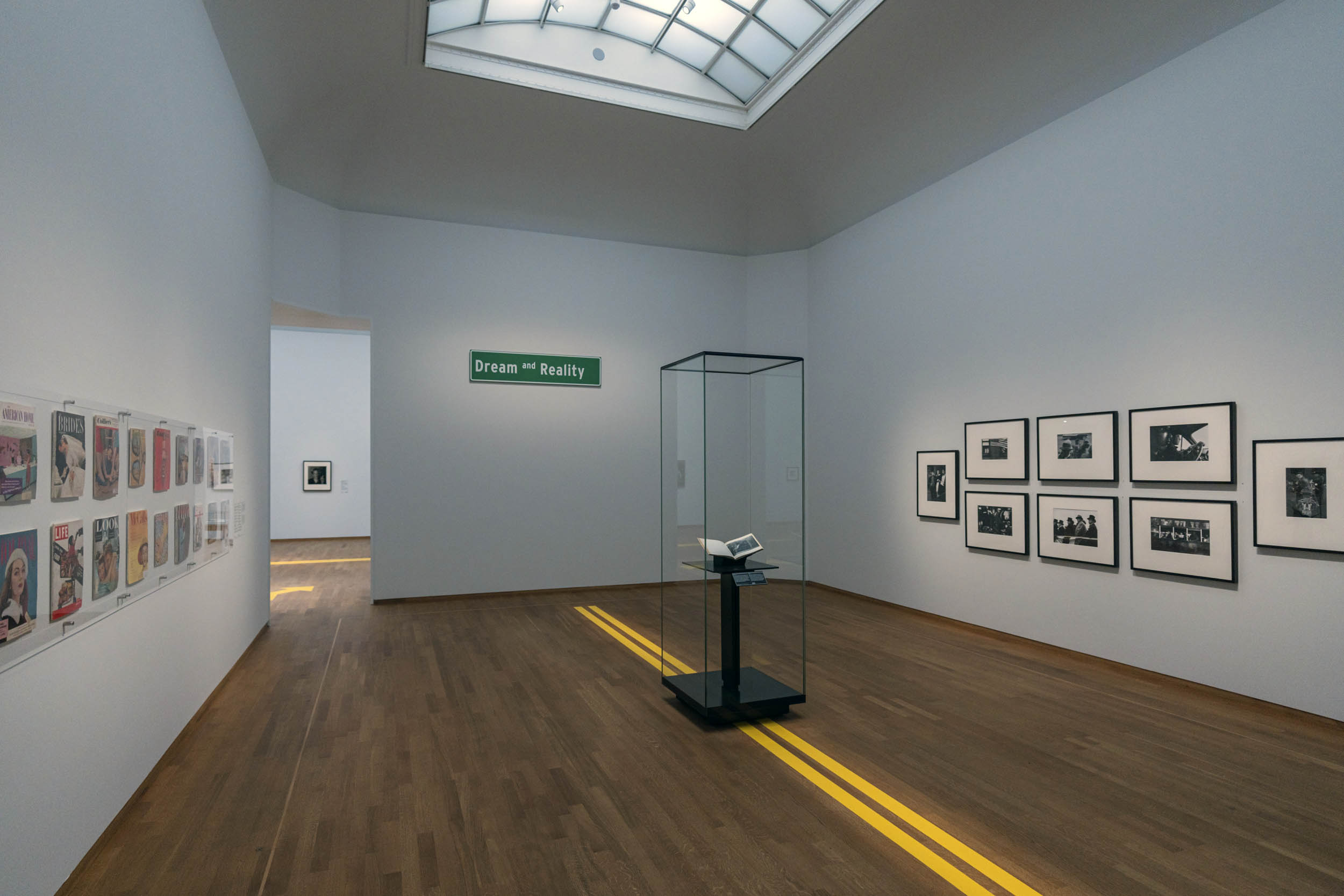


Installation view of the exhibition ‘American Photography’ at Rijksmuseum, Amsterdam showing at right photography by Robert Frank


Installation view of the exhibition American Photography at Rijksmuseum, Amsterdam showing at right photographs by Robert Frank (below)
Photo: Rijksmuseum/Olivier Middendorp
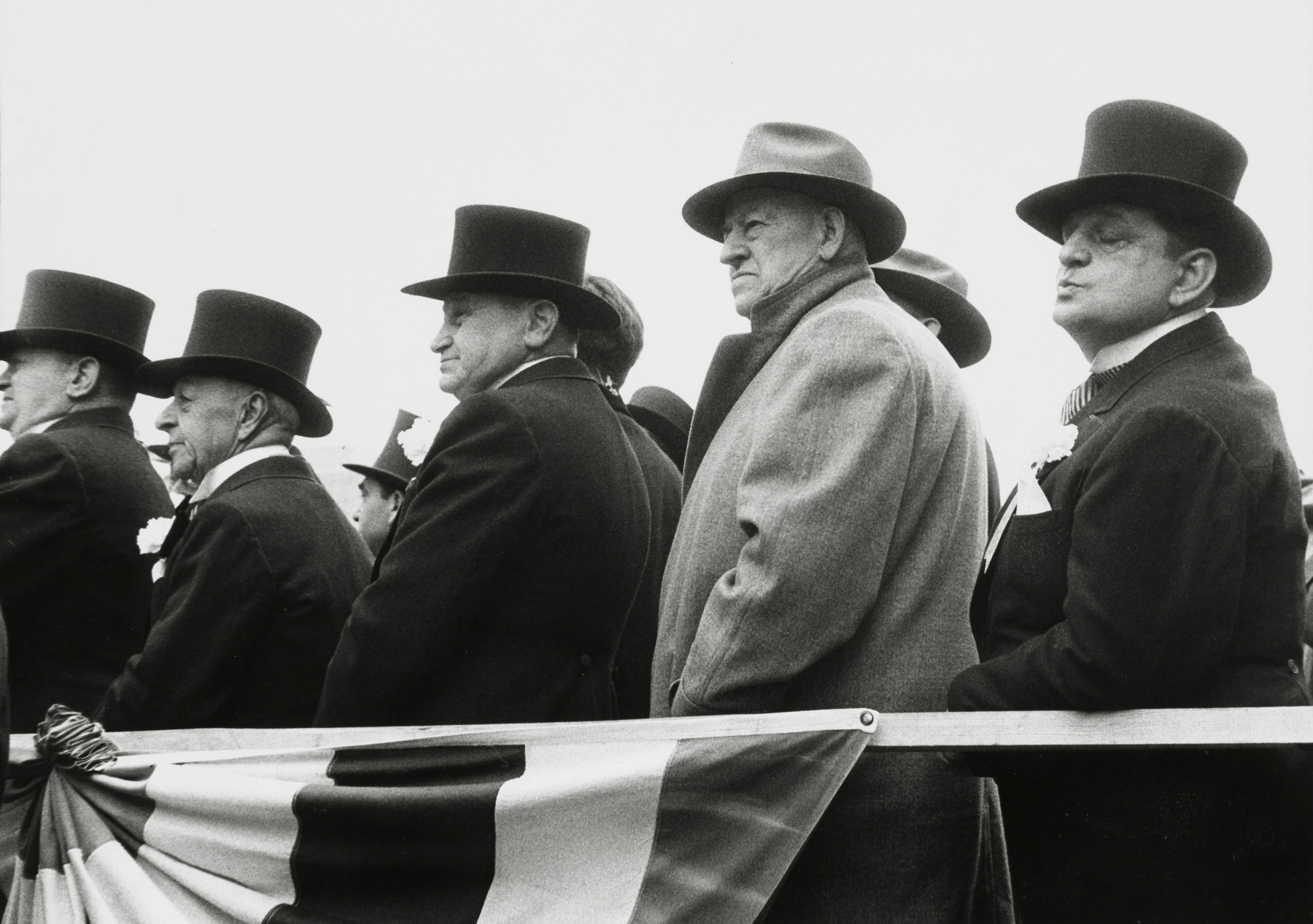
 

Robert Frank (Swiss, 1924-2019) 'City fathers – Hoboken, New Jersey' 1955


Robert Frank (Swiss, 1924-2019)
City fathers – Hoboken, New Jersey
1955
Gelatin silver print


Robert Frank (Swiss, 1924-2019) 'Parade - Hoboken, New Jersey' 1955


Robert Frank (Swiss, 1924-2019)
Parade – Hoboken, New Jersey
1955
Gelatin silver print
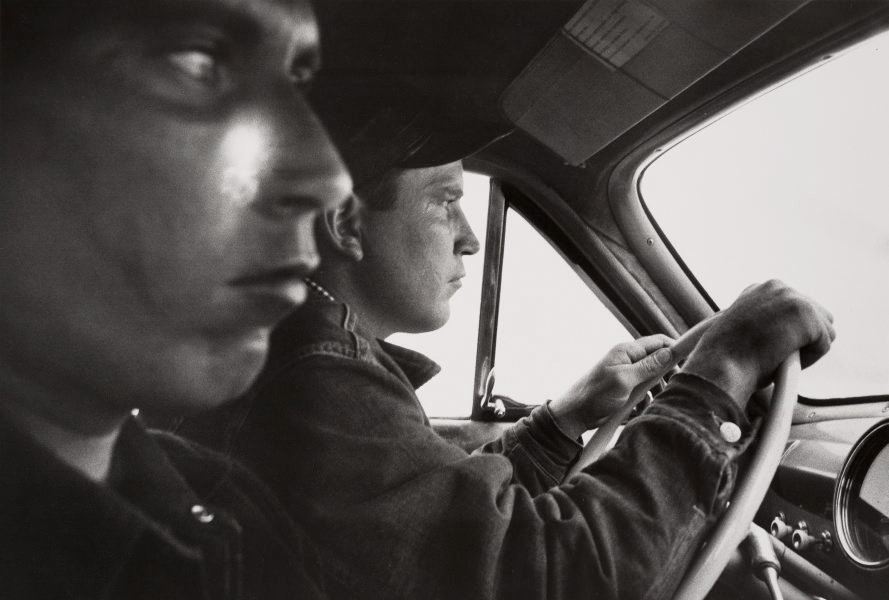
 

Robert Frank (Swiss, 1924-2019) 'U.S. 91, Leaving Blackfoot, Idaho' 1956


Robert Frank (Swiss, 1924-2019)
U.S. 91, Leaving Blackfoot, Idaho
1956
Gelatin silver print


Robert Frank (Swiss, 1924-2019) 'New York City' 1955


Robert Frank (Swiss, 1924-2019)
New York City
1955
Gelatin silver print


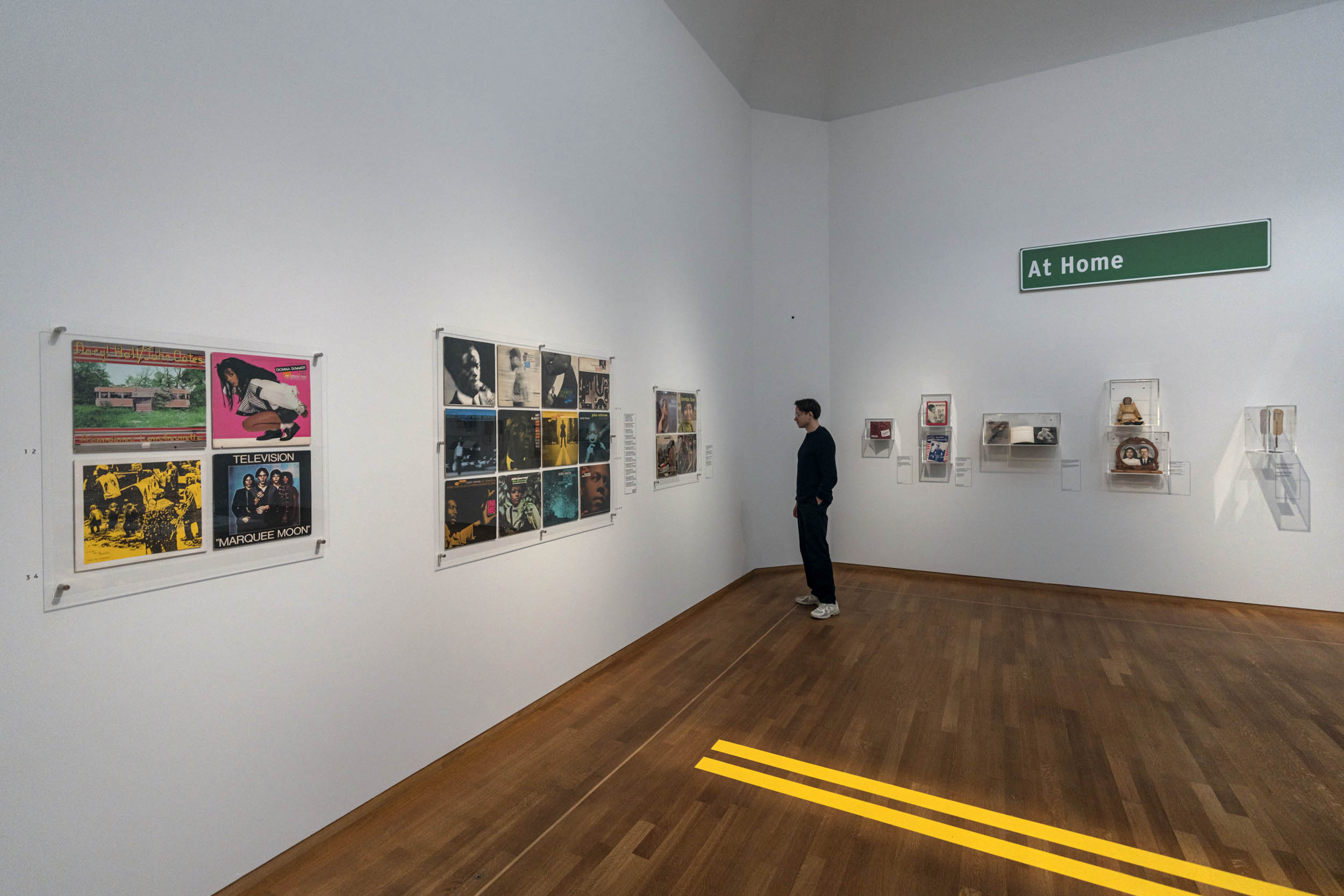
Rijksmuseum moves you to The American Dream. To the real American. To unexpected recognition. The Rijksmuseum is staging the Netherlands’ first major survey exhibition of American photography.

The more than 200 works on display in American Photography reflect the rich and multifaceted history of photography in the United States. The exhibition presents the country as seen through the eyes of American photographers, and shows how the medium has permeated every aspect of our lives: in art, news, advertising and everyday life.

Over the past decades the Rijksmuseum has been assembling a collection of American photographic work. This is the first time we are exhibiting photographs from the collection, alongside loaned works from American, Dutch and other European collections. This show includes iconic photographs by the likes of Sally Mann, Robert Frank, Lisette Model, Nan Goldin, Richard Avedon, Andy Warhol, Paul Strand, Diane Arbus and James Van Der Zee, as well as surprising images by unknown and anonymous photographers.

Text from the Rijksmuseum website
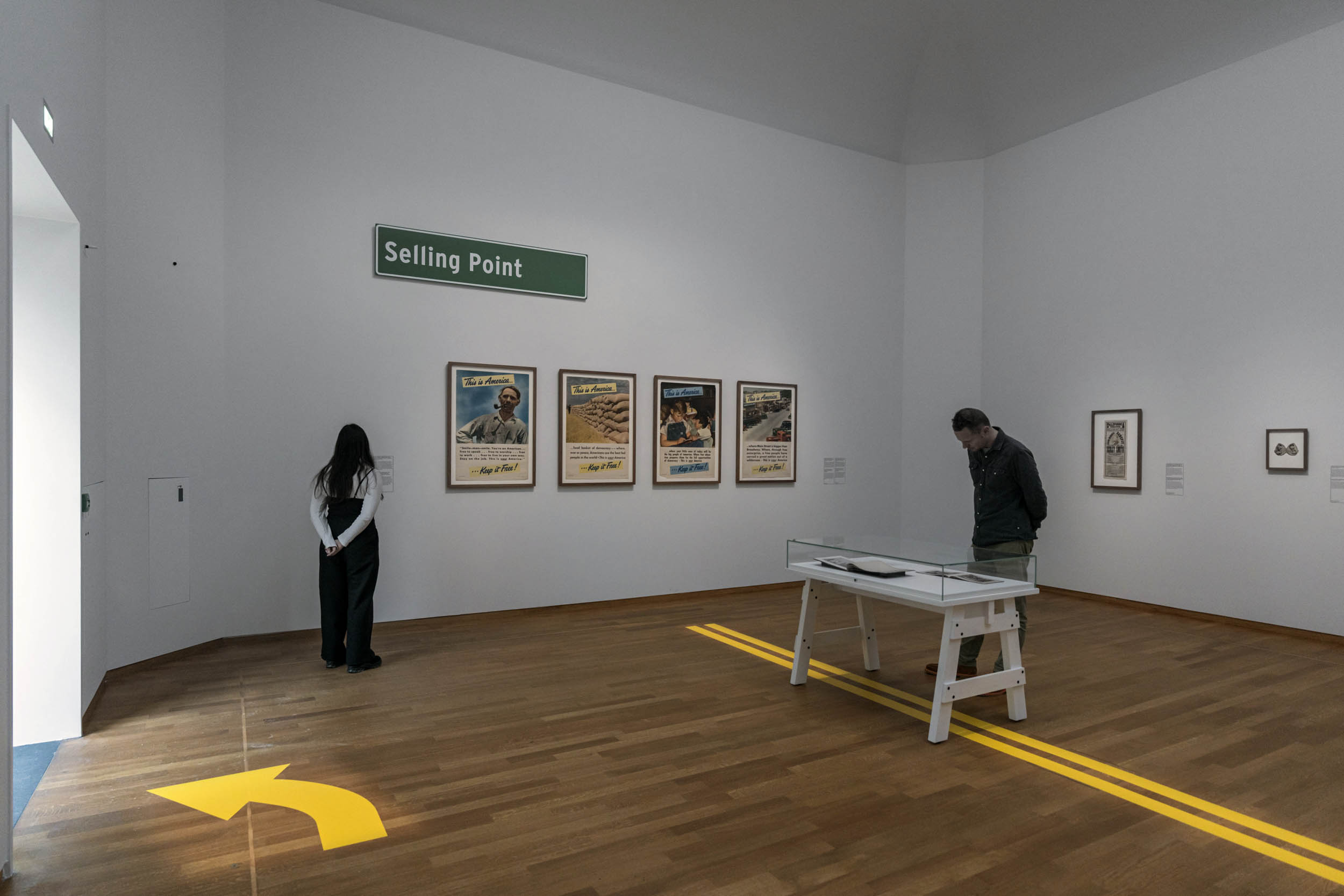
 

Installation view of the exhibition ‘American Photography’ at Rijksmuseum, Amsterdam


Installation view of the exhibition American Photography at Rijksmuseum, Amsterdam showing in the bottom image at left, Sally Mann’s Jessie #34
(2004, below); at second left, Chuck Close’s Phil [Photo Maquette of Philip Glass] (1969, below); and at third right, László Moholy-Nagy’s Parking lot in Chicago, 1938 (1938, below)
Photo: Rijksmuseum/Olivier Middendorp


Sally Mann (American, b. 1951) 'Jessie #34' 2004


Sally Mann (American, b. 1951)
Jessie #34
2004
Gelatin Silver enlargement print from 8 x 10 in. collodion wet-plate negative, with Soluvar matte varnish mixed with diatomaceous earth


Chuck Close (American, 1940-2021) 'Phil' [Photo Maquette of Philip Glass] 1969


Chuck Close (American, 1940-2021)
Phil [Photo Maquette of Philip Glass]
1969
16 x 12 inches (40.64 x 30.48cm)
Gelatin silver print mounted on mat board
© Chuck Close
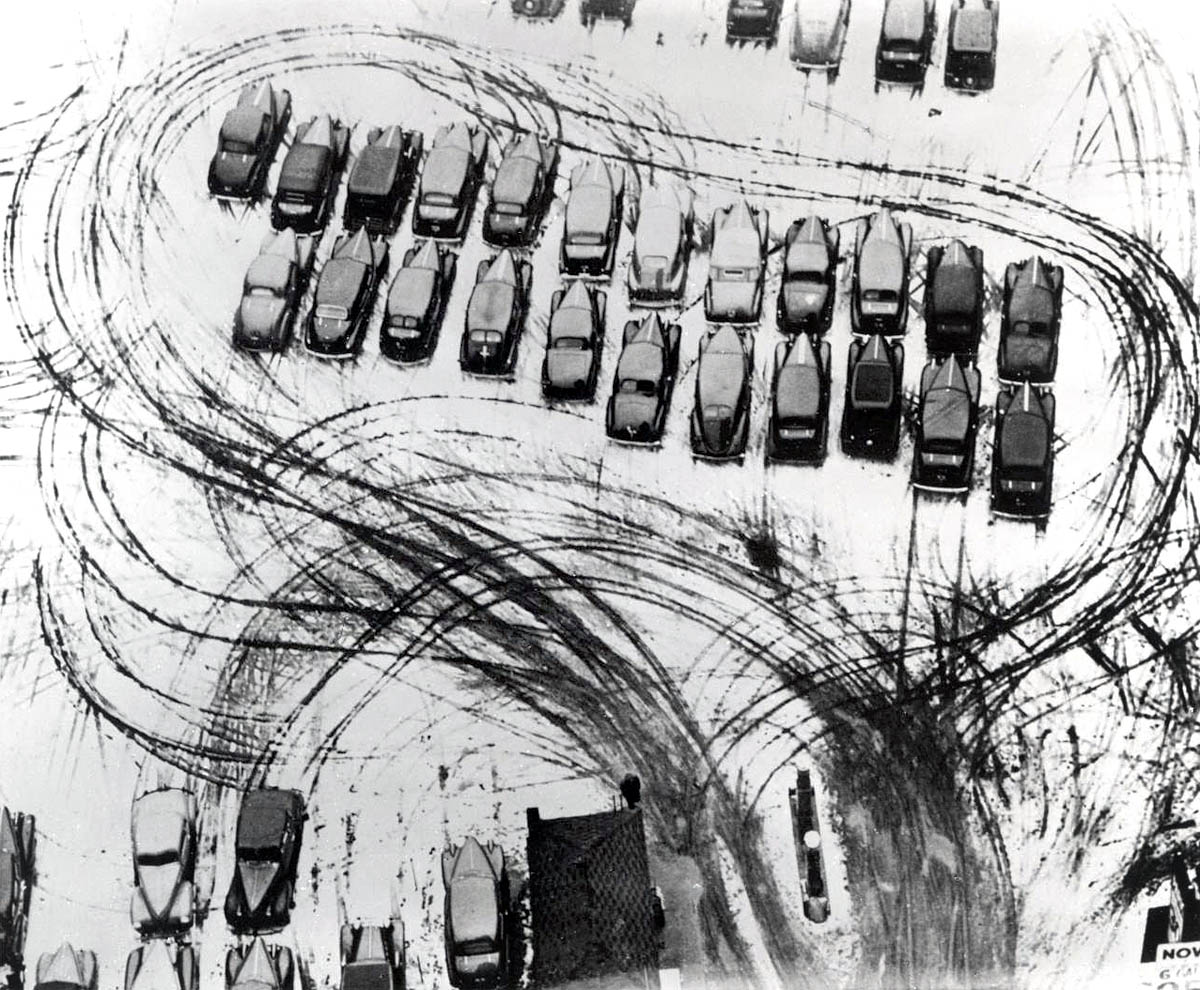
 

László Moholy-Nagy (Hungarian, 1895-1946) 'Parking Lot in Chicago' 1938


László Moholy-Nagy (Hungarian, 1895-1946)
Parking lot in Chicago, 1938
1938
Gelatin silver photograph
23.8 × 33.8cm


Installation view of the exhibition ‘American Photography’ at Rijksmuseum, Amsterdam showing the work of Nan Goldin from 'The Ballad of Sexual Dependency'


Installation view of the exhibition American Photography at Rijksmuseum, Amsterdam showing the work of Nan Goldin from The Ballad of Sexual Dependency (below)
Photo: Rijksmuseum/Olivier Middendorp
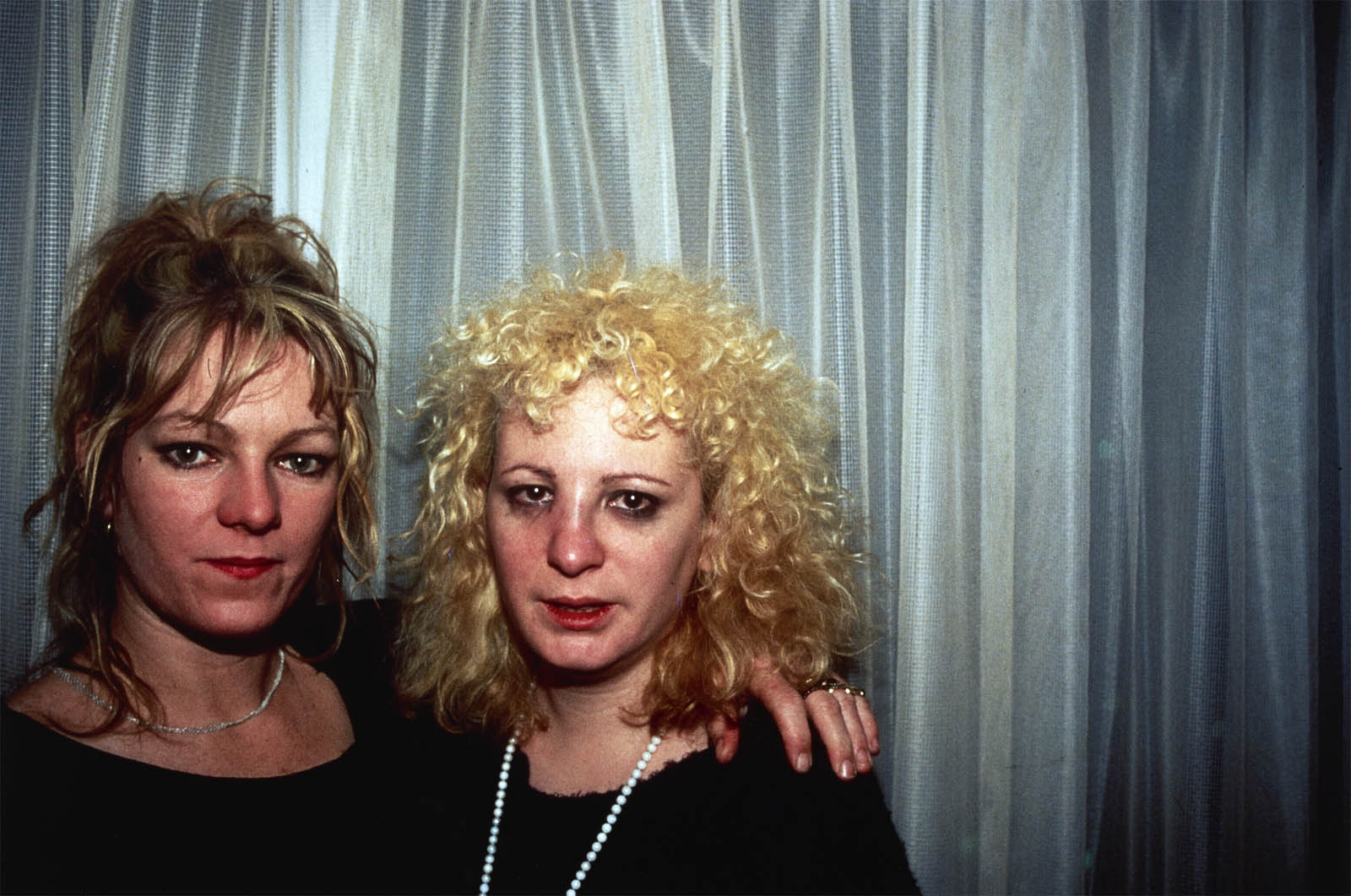
 

Nan Goldin (American, b. 1953) 'Cookie with Me After Being Hit at the SPE Conference, Baltimore, MD, 1986' 1986


Nan Goldin (American, b. 1953)
Cookie with Me After Being Hit at the SPE Conference, Baltimore, MD, 1986
1986
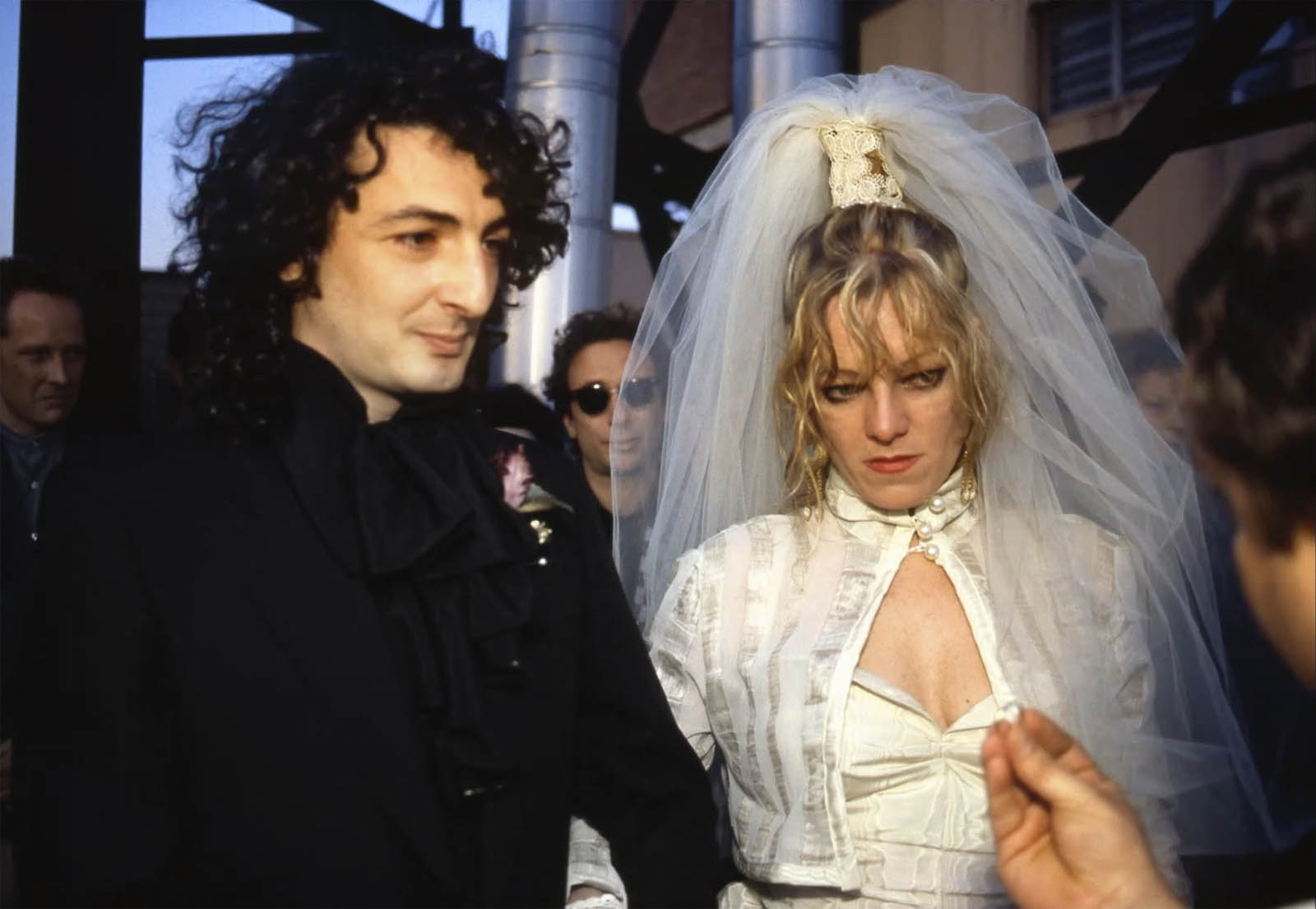
 

Nan Goldin (American, b. 1953) 'Cookie and Vittorio’s Wedding: The Ring, NYC, 1986' 1986


Nan Goldin (American, b. 1953)
Cookie and Vittorio’s Wedding: The Ring, NYC, 1986
1986
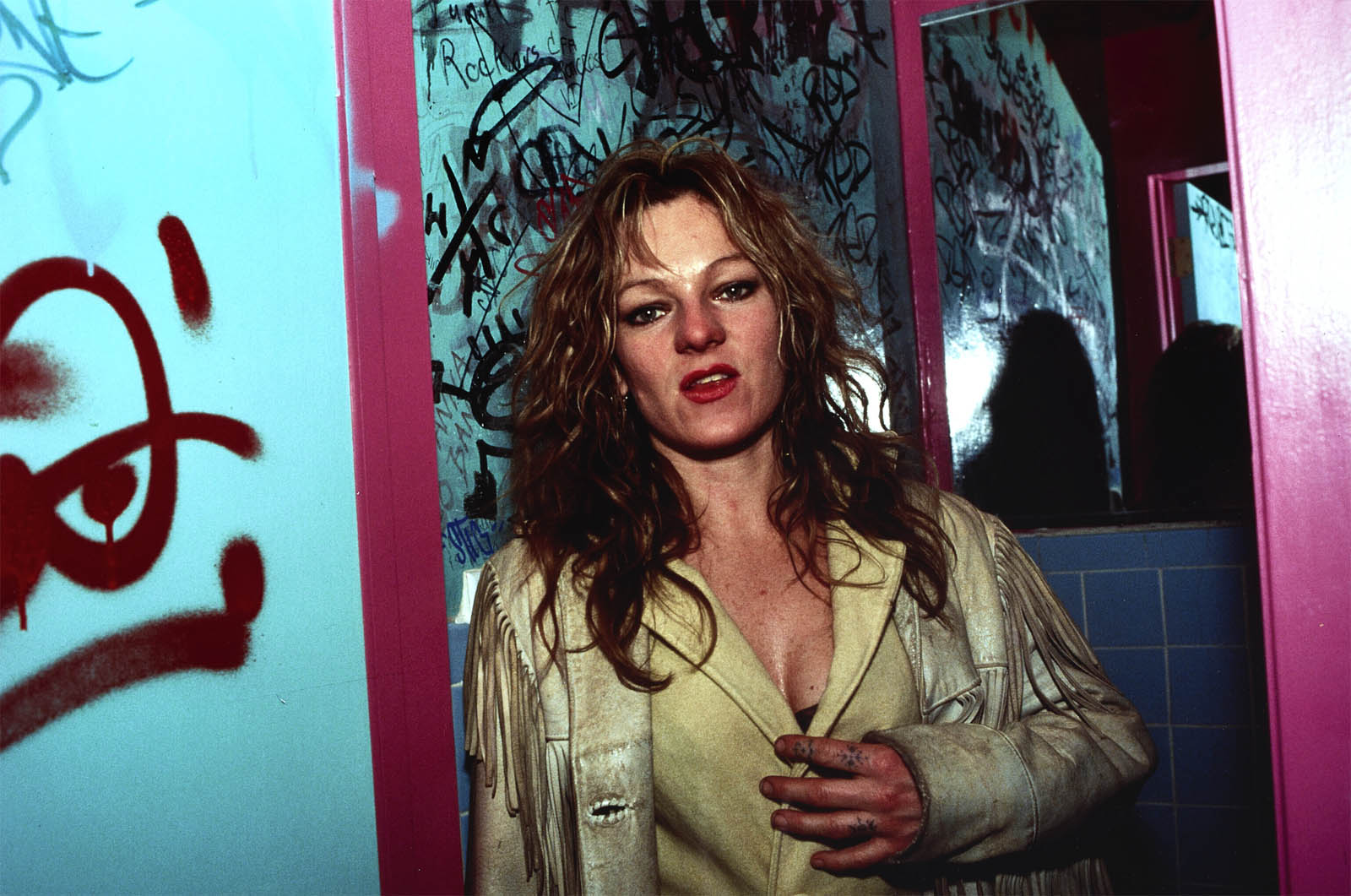
 

Nan Goldin (American, b. 1953) 'Cookie in the Bathroom at Hawaii 5.0, NYC, 1986' 1986


Nan Goldin (American, b. 1953)
Cookie in the Bathroom at Hawaii 5.0, NYC, 1986
1986


The Rijksmuseum presents the first comprehensive survey of American photography in Europe. With more than 200 works spanning three centuries, American Photography will be an exploration of the rich and multifaceted history of photography in the United States, showing how the medium has permeated every aspect of our lives: in art, news, advertising and everyday life. 

Over the past decade, the Rijksmuseum has built an extensive collection of American Photography. This exhibition is the first ever presentation of Rijksmuseum’s collection, which will be shown together with loans from over 30 collections in the United States, the Netherlands and other European countries. Works by icons including Sally Mann, Robert Frank, Lisette Model, Nan Goldin, Richard Avedon, Andy Warhol, Paul Strand, Diane Arbus and James Van Der Zee will be on view alongside eye-opening photographs by unknown and anonymous photographers. 

The exhibition is possible by Rijksmuseum’s major partnership with Baker McKenzie. American Photography runs from 7 February to 9 June 2025. Concurrently with American Photography, Carrie Mae Weems’s 2021 series Painting the Town will be on show in the Rijksmuseum’s photography gallery.

American Photography will give picture of the country through the eyes of American photographers, showing the country in all its complexity. The exhibition takes themes such as the American dream, landscapes and portraiture to trace how photographers increasingly reflected on changes and events in their country. A major topic of the show is photography’s evolution as an art form, from 19th-century daguerreotypes of frost flowers on a window to the work of Paul Strand, Charles Sheeler, Sally Mann, Irving Penn, Dawoud Bey and Sarah Sense. Another important theme is how photography has grown to be a part of everyday life, which is demonstrated by family portraits, advertisements, postcards, gramophone record covers and more.

Press release from Rijksmuseum
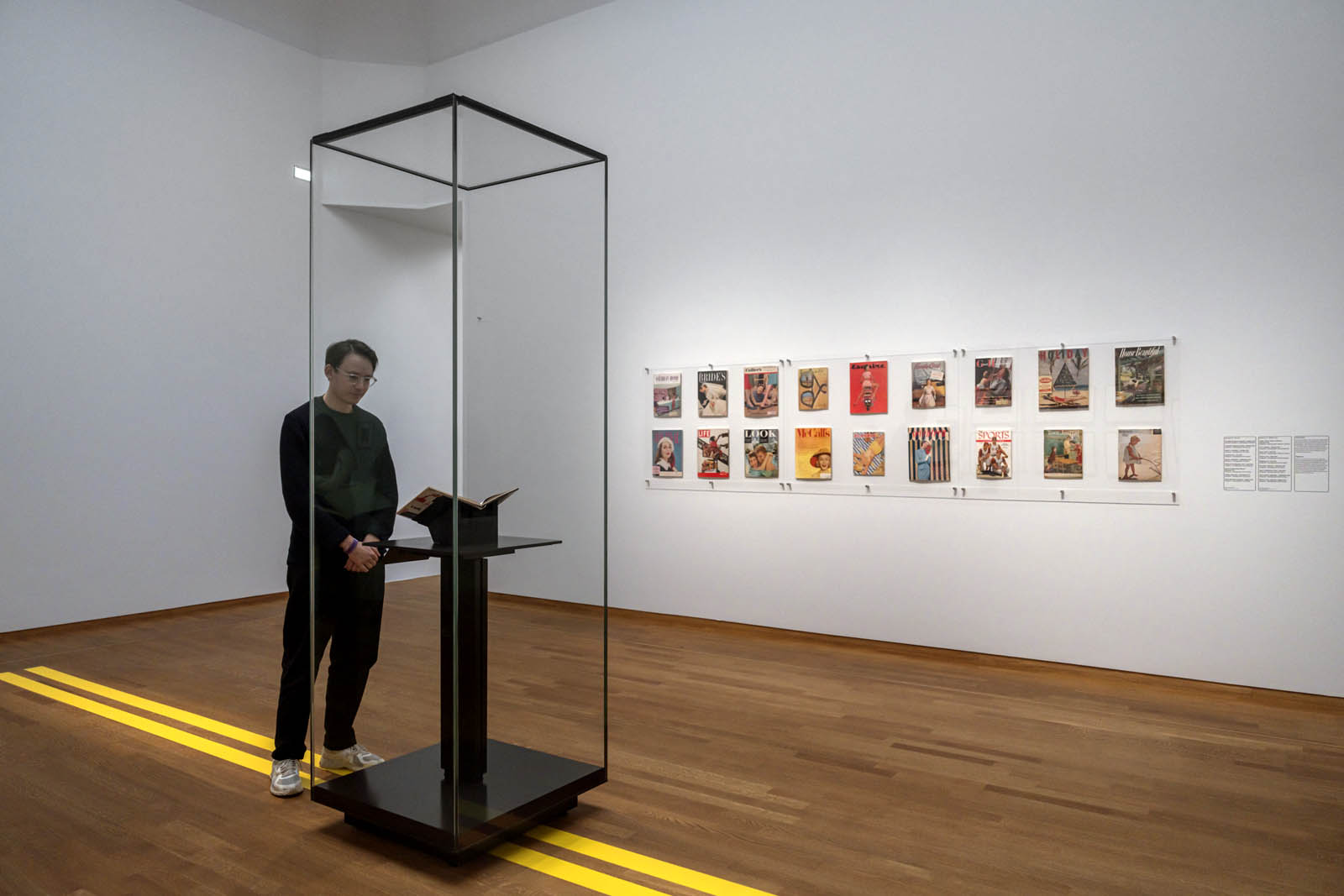
 

Installation view of the exhibition ‘American Photography’ at Rijksmuseum, Amsterdam
Installation view of the exhibition ‘American Photography’ at Rijksmuseum, Amsterdam showing at right, Jocelyn Lee's 'Julia in Greenery' (2005)


Installation view of the exhibition American Photography at Rijksmuseum, Amsterdam showing in the bottom photograph at right, Jocelyn Lee’s Julia in Greenery (2005, below)
Photo: Rijksmuseum/Olivier Middendorp


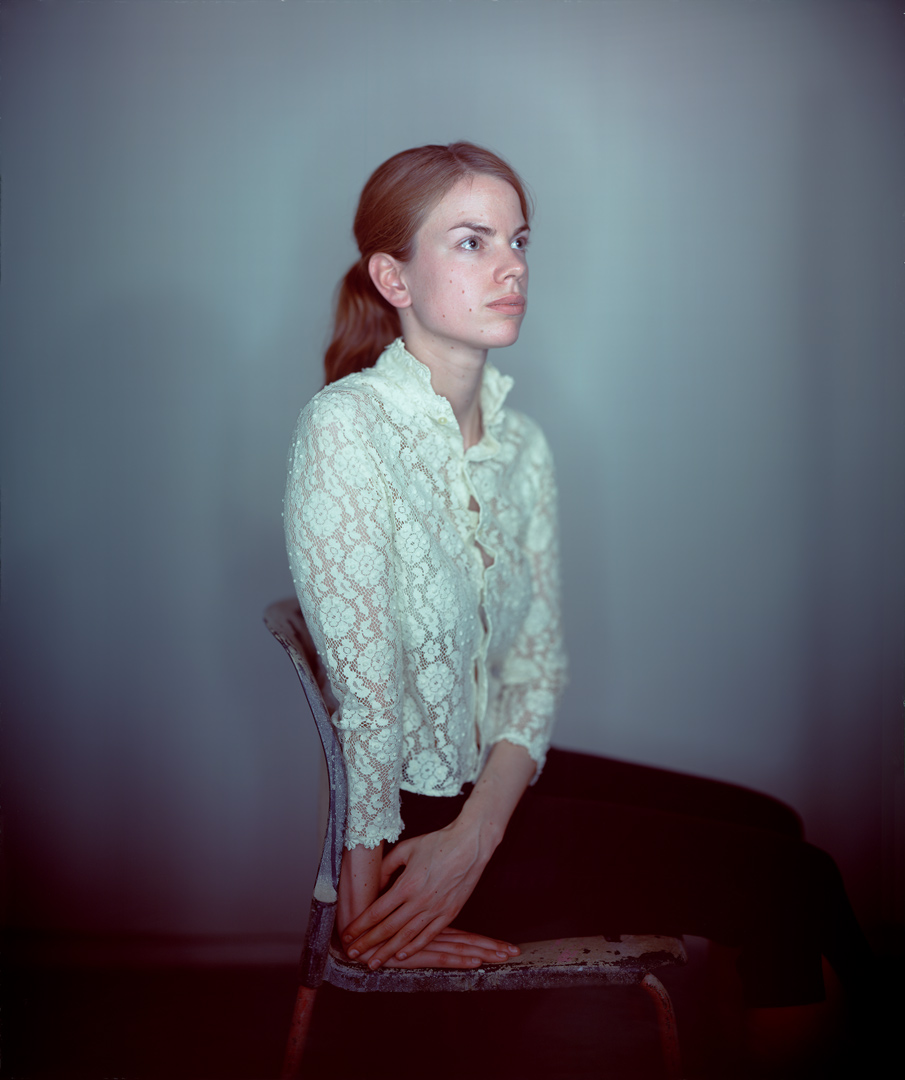
Jocelyn Lee (American, b. 1962) 'Julia in Greenery' 2005


Jocelyn Lee (American, b. 1962)
Julia in Greenery
2005
Archival Pigment Print
20 × 24 in | 50.8 × 61cm
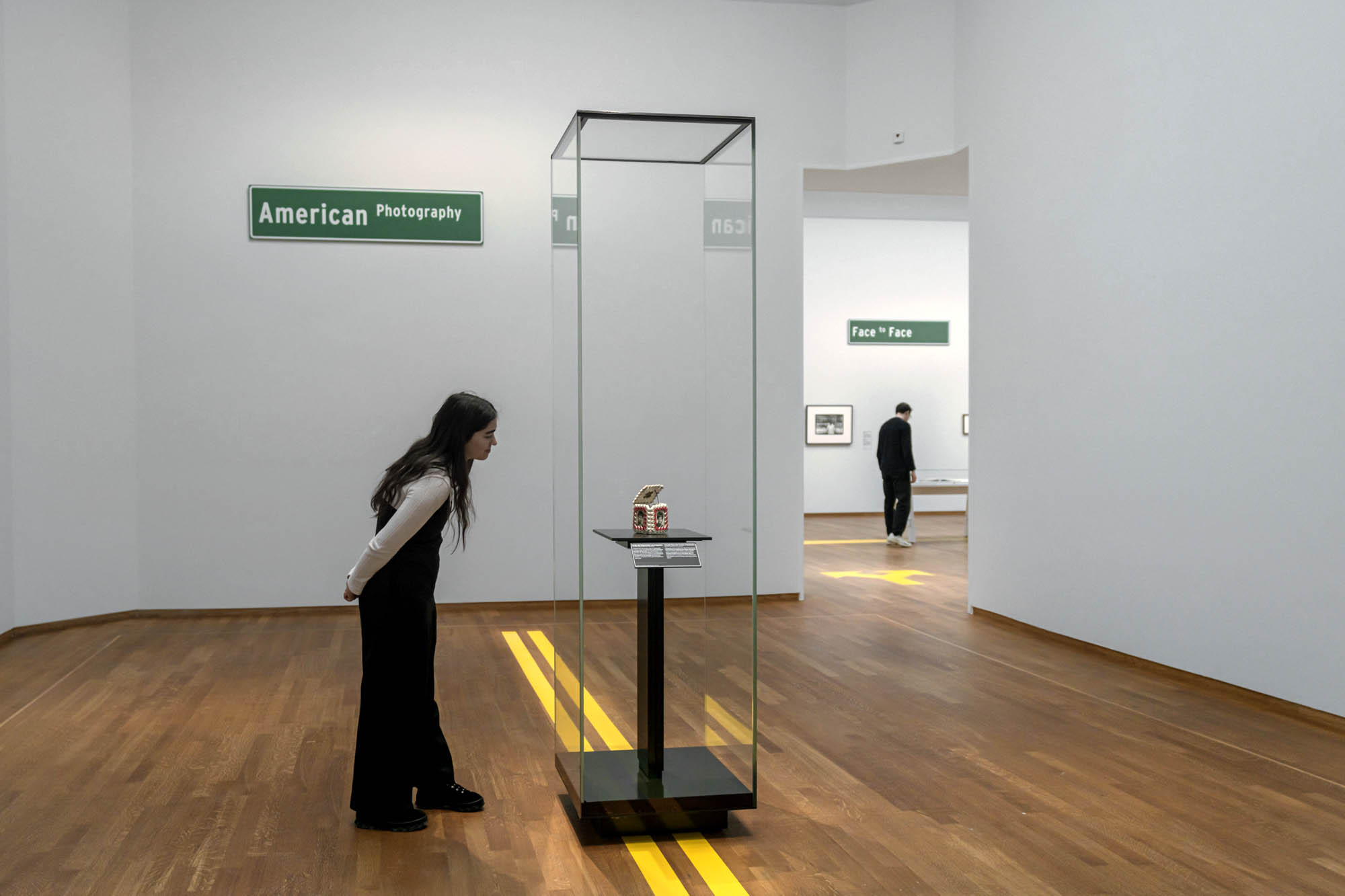
 

Installation view of the exhibition ‘American Photography’ at Rijksmuseum, Amsterdam


Installation view of the exhibition American Photography at Rijksmuseum, Amsterdam showing in the display case, Curio box made of cigarette packets with portraits of roommates, late 1960s (below)
Photo: Rijksmuseum/Olivier Middendorp
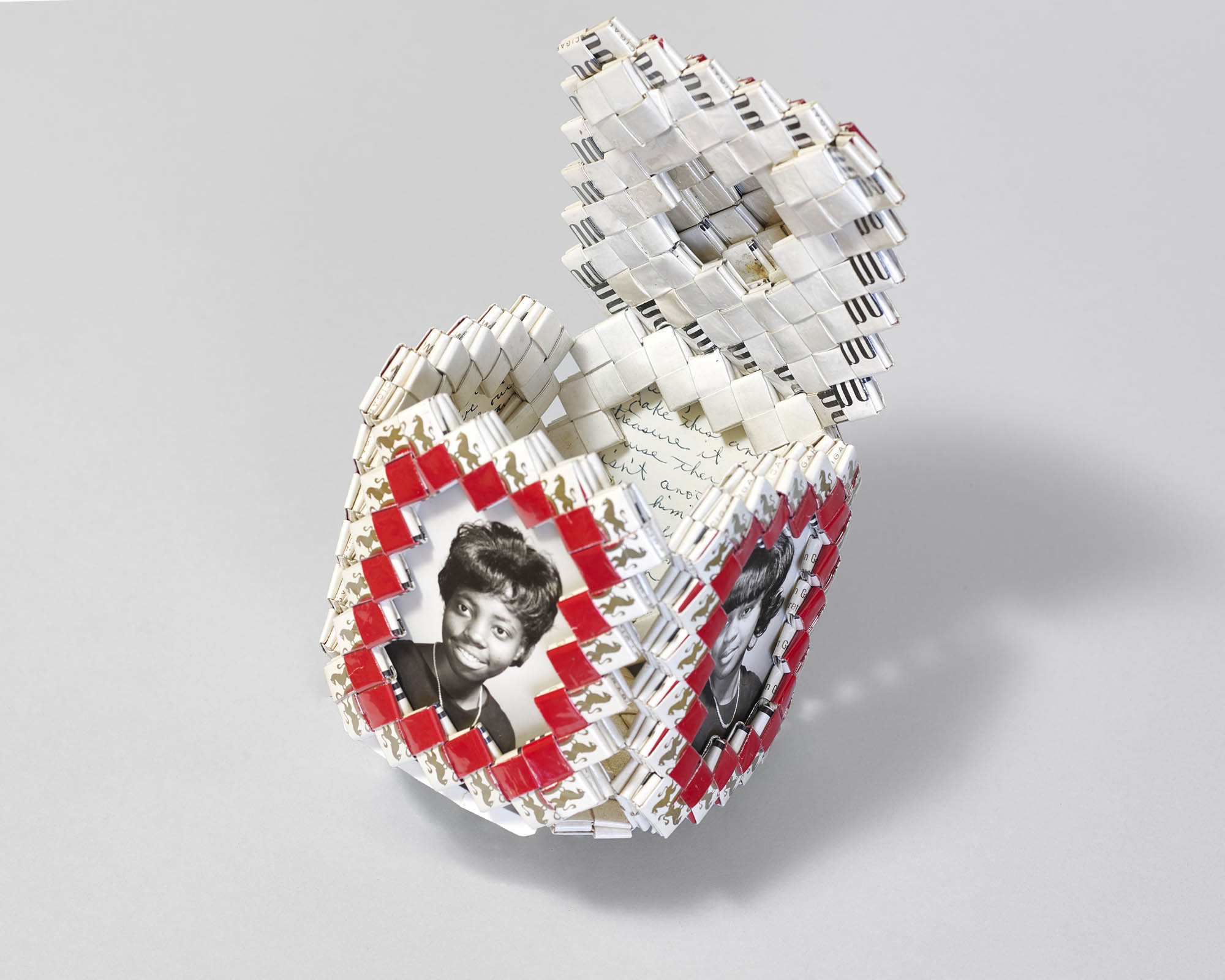
 

Curio box made of cigarette packets with portraits of roommates, late 1960s from the exhibition 'American Photography' at Rijksmuseum, Amsterdam, Feb - June, 2025


Curio box made of cigarette packets with portraits of roommates, late 1960s
Wood, handwoven cigarette packets, gelatin silver prints
140 x 110 x 195 mm
Collection of Daile Kaplan, Pop Photographica, New York
Photo: Andy Romer Photography, New York
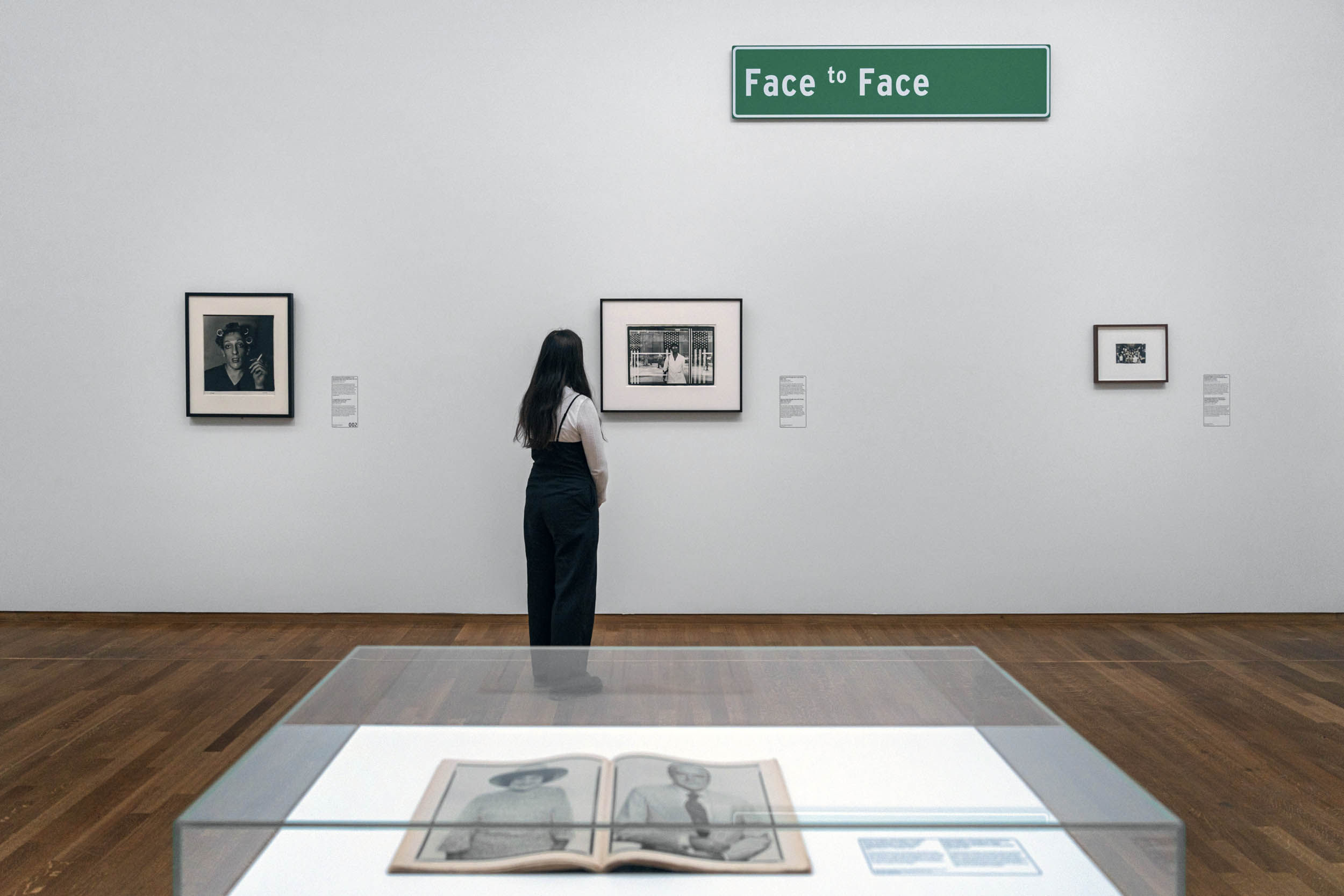
 

Installation view of the exhibition ‘American Photography’ at Rijksmuseum, Amsterdam showing at left, Diane Arbus' 'A young man in curlers at home on West 20th St., N.Y.C. 1966' (1966); and at second left, Ming Smith's 'America Seen Through Stars and Stripes, New York City' (1976)


Installation view of the exhibition American Photography at Rijksmuseum, Amsterdam showing at left, Diane Arbus’ A young man in curlers at home on West 20th St., N.Y.C. 1966 (1966, below); and at second left, Ming Smith’s America Seen Through Stars and Stripes, New York City (1976, below)
Photo: Rijksmuseum/Olivier Middendorp
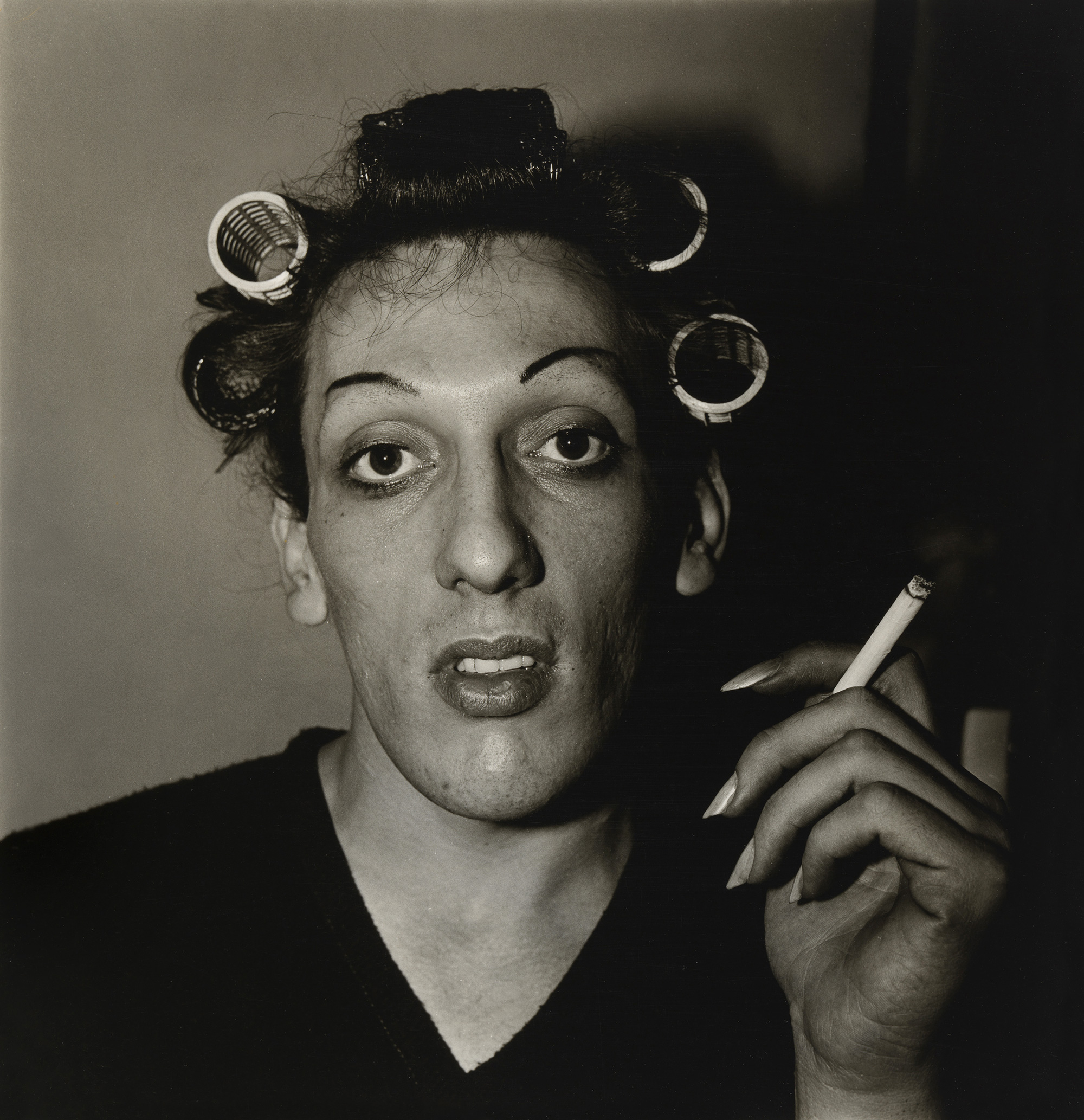
 

Diane Arbus (American, 1923-1971) 'A young man in curlers at home on West 20th St., N.Y.C. 1966' 1966


Diane Arbus (American, 1923-1971)
A young man in curlers at home on West 20th St., N.Y.C. 1966
1966
Gelatin silver print
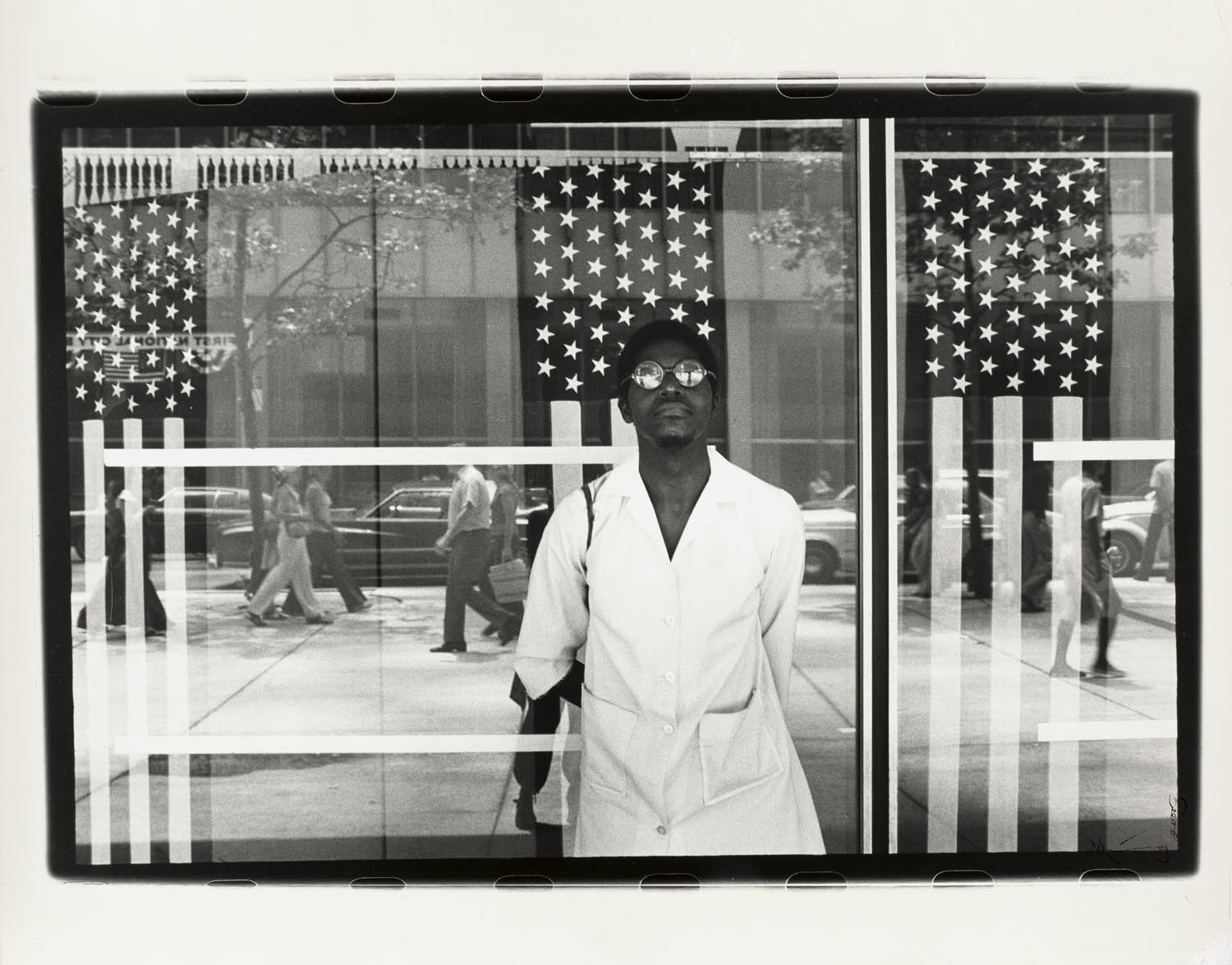
 

Ming Smith (American, b. 1951) 'America Seen Through Stars and Stripes, New York City' 1976 from the exhibition 'American Photography' at Rijksmuseum, Amsterdam, Feb - June, 2025


Ming Smith (American, b. 1951)
America Seen Through Stars and Stripes, New York City
1976
Gelatin silver print
318 x 470 mm
Virginia Museum of Fine Arts, Richmond (VA)
Adolph D. and Wiliams C. Williams Fund


In the post-war years, mass immigration to the US brought new ways of thinking. the US took over from Europe as a cultural trendsetter, and photography was eventually accepted as an art form. Playful approaches to photography emerged, moving beyond documenting people and places to provoking emotion and inviting deep questions. Ming Smith’s America Seen Through Stars and Stripes (1976), created on the bicentenary of the Declaration of Independence, turns again to the flag inviting America to reflect on its history. By placing a figure in mirrored sunglasses in front of a shop window, she creates a disorientating mesh of reflective surfaces. The grid structure suggests incarceration but – in combination with the round glasses and the stars on the flag – also creates an abstract composition reminiscent of modern art. “She’s a careful observer, playing with all these layers in the image,” says Boom.

Smith explores the artistic potential of photography, experimenting with double-exposure, shutter speed and collage. In one version of this image, she paints on bold red stripes, altering this snapshot of the US with marks that resemble blood or flames. Smith’s work builds on the civil rights movement that preceded it and features activists such as James Baldwin and Alvin Ailey. She was the first woman to join the African-American photography collective the Kamoinge Workshop and the first black woman to have her work acquired by the Museum of Modern Art (MoMA). Yet her demographic was largely overlooked by the art world. “I worked to capture black culture, the richness, the love. That was my incentive,” she told the Financial Times in 2019. “It wasn’t like I was going to make money from it, or fame – not even love, because there were no shows.”

Deborah Nicholls-Lee. “Eight images that tell the story of America,” on the BBC website 12 February 2025 [Online] Cited 06/06/2025


Henry Fitz Jnr (American, 1808-1863) 'Self-portrait' 1840


Henry Fitz Jnr (American, 1808-1863)
Self-portrait
1840
Daguerreotype
Smithsonian National Museum of American History, Washington (DC)


In 1840, using a self-made copper plate, Henry Fitz Jnr produced one of the world’s first selfies, his eyes gently closed to prevent any blinking from spoiling the result. In creating this striking blue image, he was doing more than record his appearance; he was also documenting America’s first essays into an art form that would tell its story in radical new ways.

Deborah Nicholls-Lee. “Eight images that tell the story of America,” on the BBC website 12 February 2025 [Online] Cited 06/06/2025


Thomas Martin Easterly (American, 1809-1882) 'Chief Keokuk (Watchful Fox)' 1847


Thomas Martin Easterly (American, 1809-1882)
Chief Keokuk (Watchful Fox)
1847
Daguerreotype
Missouri History Museum
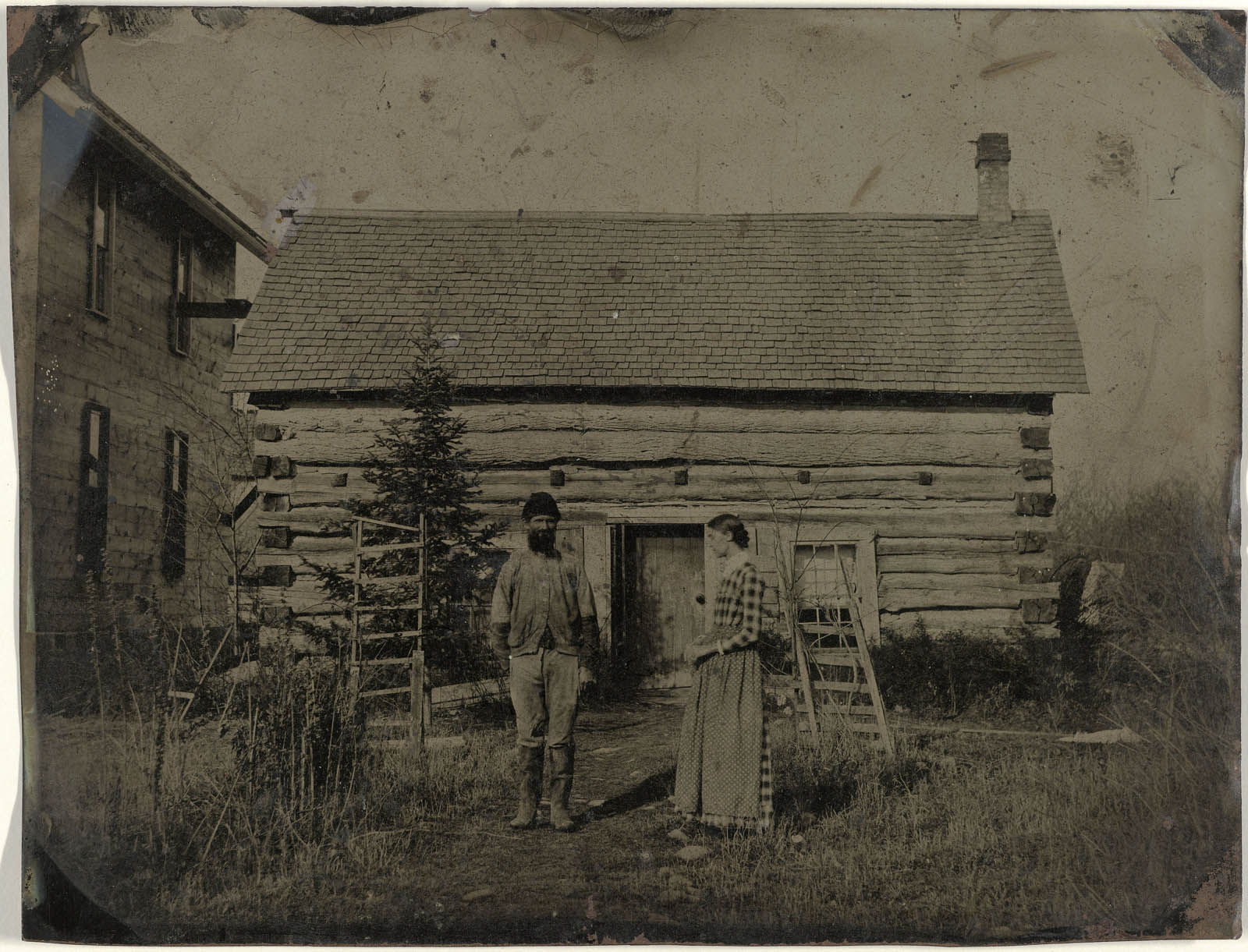
 

Anonymous photographer. 'View of a wooden house or barn with a man and a woman in front' c. 1870-1875


Anonymous photographer
View of a wooden house or barn with a man and a woman in front
c. 1870-1875
Tintype
164 x 215 mm
Rijksmuseum, Amsterdam


A 19th-Century tintype (an image made on a sheet of metal) featuring a man and woman in front of a rustic barn is a case in point. The image was probably sold on the spot by a travelling tin typist “for a modest price”, explains Rooseboom. “Many people had just arrived and were living in the countryside, no big city nearby, so this was the only possibility of having your portrait taken.” The man stands proud, looking at the camera, but the woman’s head is bowed and she is looking away. “Sometimes you can sense that people were simply not used to being photographed,” says Rooseboom. “Nowadays, we’ve seen in magazines and movies how to pose elegantly.” This may be the only time in their whole life that they would be photographed, and the result, adds Boom, “would hang on the wall of the house where they lived forever”.

Deborah Nicholls-Lee. “Eight images that tell the story of America,” on the BBC website 12 February 2025 [Online] Cited 06/06/2025
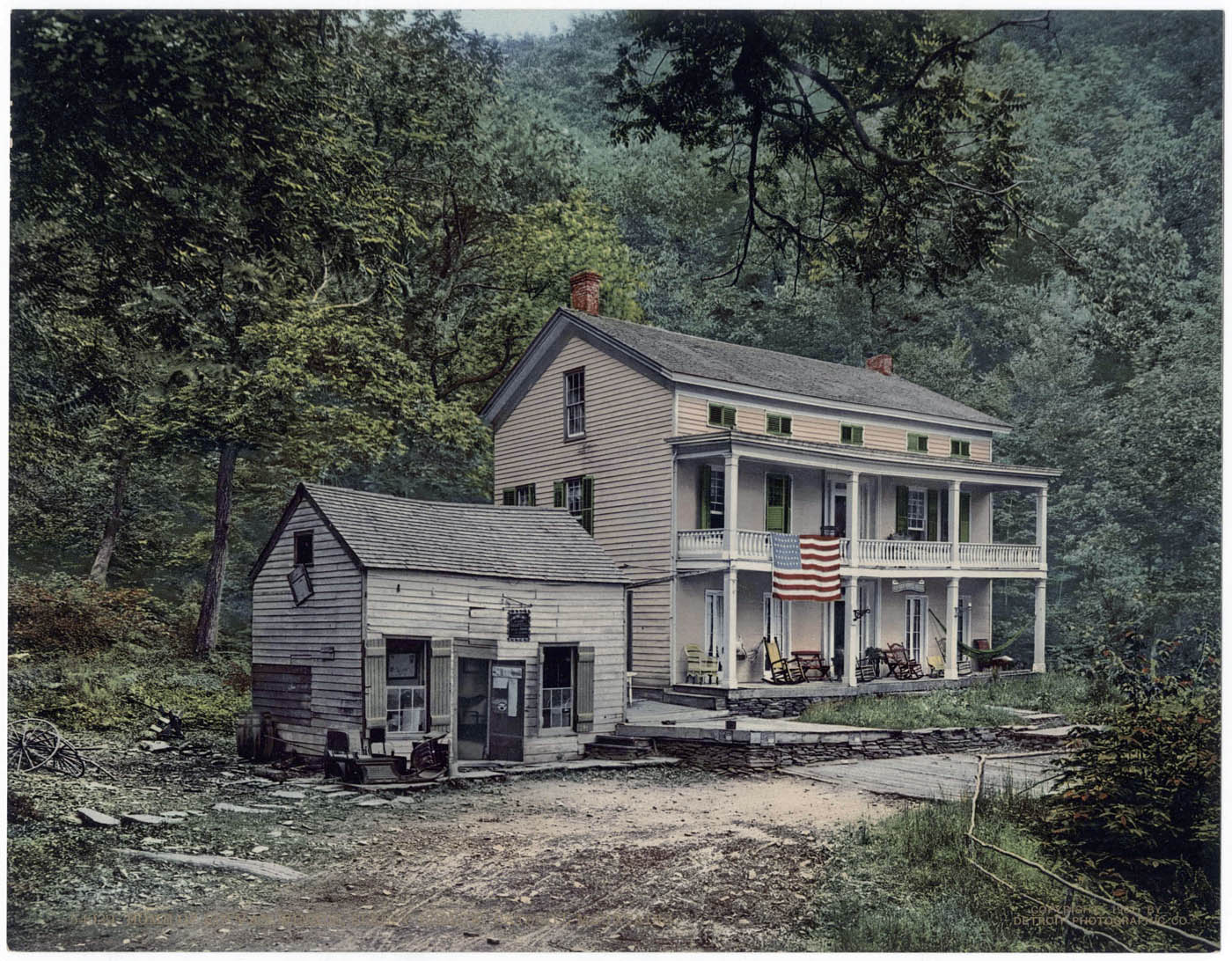
 

Detroit Photographic Company. 'Home of Rip Van' Nd


Detroit Photographic Company
Home of Rip Van
Nd
Rijksmuseum, Amsterdam


Bertha E. Jaques (American, 1863-1941) 'Tree - in Governor Gleghorn’s Place Honolulu' 1908


Bertha E. Jaques (American, 1863-1941)
Tree – in Governor Gleghorn’s Place Honolulu
1908
Cyanotype
248 x 152 mm
Rijksmuseum, Amsterdam, purchased with the support of Baker McKenzie


Walker Evans (American, 1903-1975) (photographer) (mentioned on object) 'A free country? This is America … Keep it Free!' Nd


Walker Evans (American, 1903-1975) (photographer) (mentioned on object)
A free country? This is America … Keep it Free!
Nd
Sheldon-Claire Company
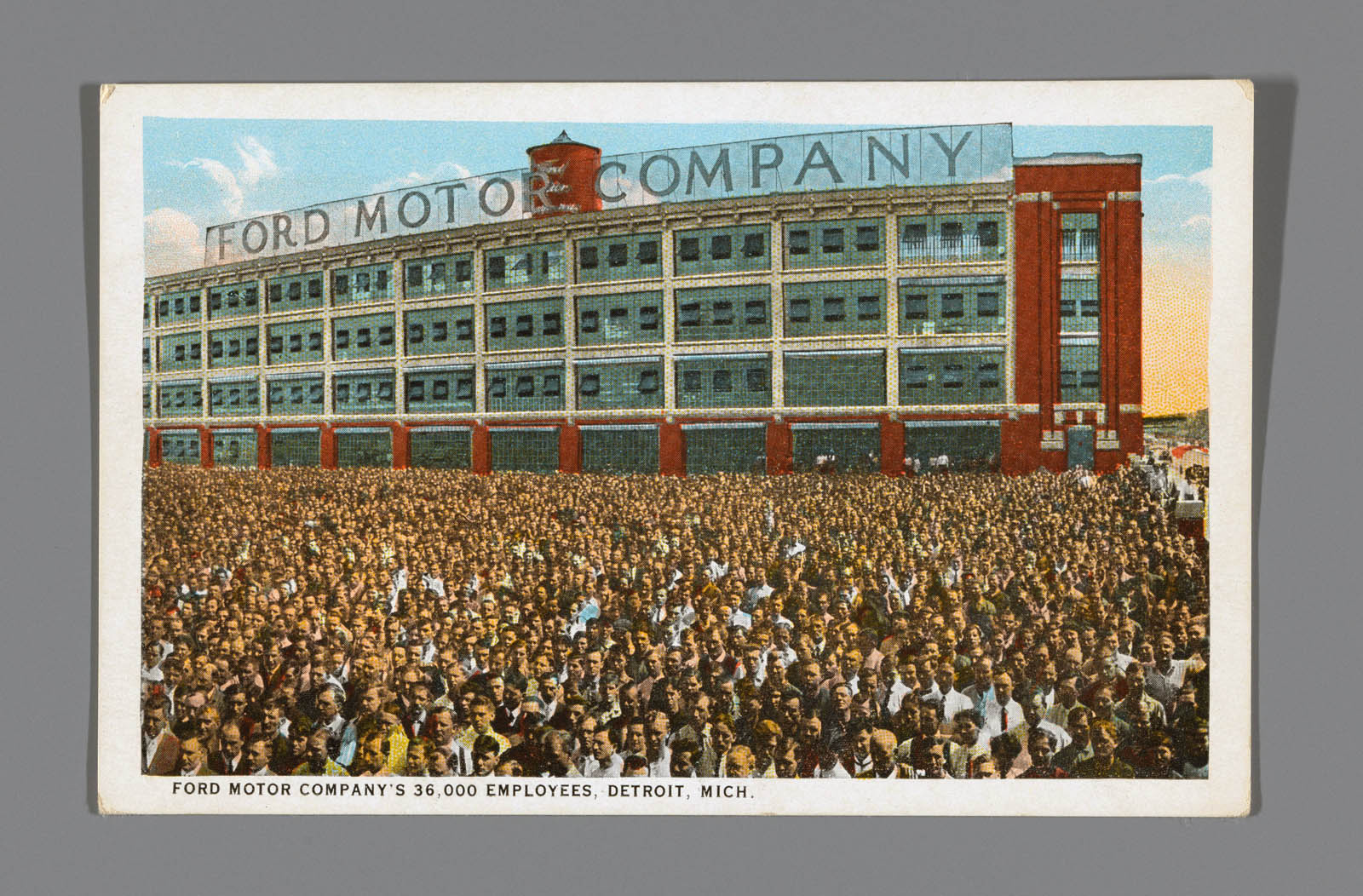
 

United News Company (publisher) ‘12,000 Employees of the Ford Motor Company, Detroit, Mich.' 1913


United News Company (publisher)
12,000 Employees of the Ford Motor Company, Detroit, Mich.
1913
Postcard, relief halftone and colour lithography
88 × 137 mm
Rijksmuseum, Amsterdam


… a 1913 postcard featuring 12,000 employees of the Ford Motor Company in Detroit may have been the “most expensive picture that was ever taken”, quipped a newspaper at the time, as the factory had to shut down for two hours to assemble the staff. The image, the company boasted, was “the largest specially posed group picture ever made” and illustrates a turning point where industry saw the value in investing large sums in promotional photography. Taken in the year when Ford introduced America’s first moving assembly line and the US had become the world’s largest economy, the photograph also depicts the mass production that would shape the country.

The image’s reappearance in Ford marketing also made it an early example of photoshopping. While the same tinted faces swarmed in the foreground, the number of employees cited in the caption increased exponentially, and a building to the left was cropped out in one version and acquired extra floors in another. “Apparently, many photographers and their publishers had no qualms about abandoning their medium’s potential for realism,” write Boom and Rooseboom in the exhibition catalogue.

Deborah Nicholls-Lee. “Eight images that tell the story of America,” on the BBC website 12 February 2025 [Online] Cited 06/06/2025
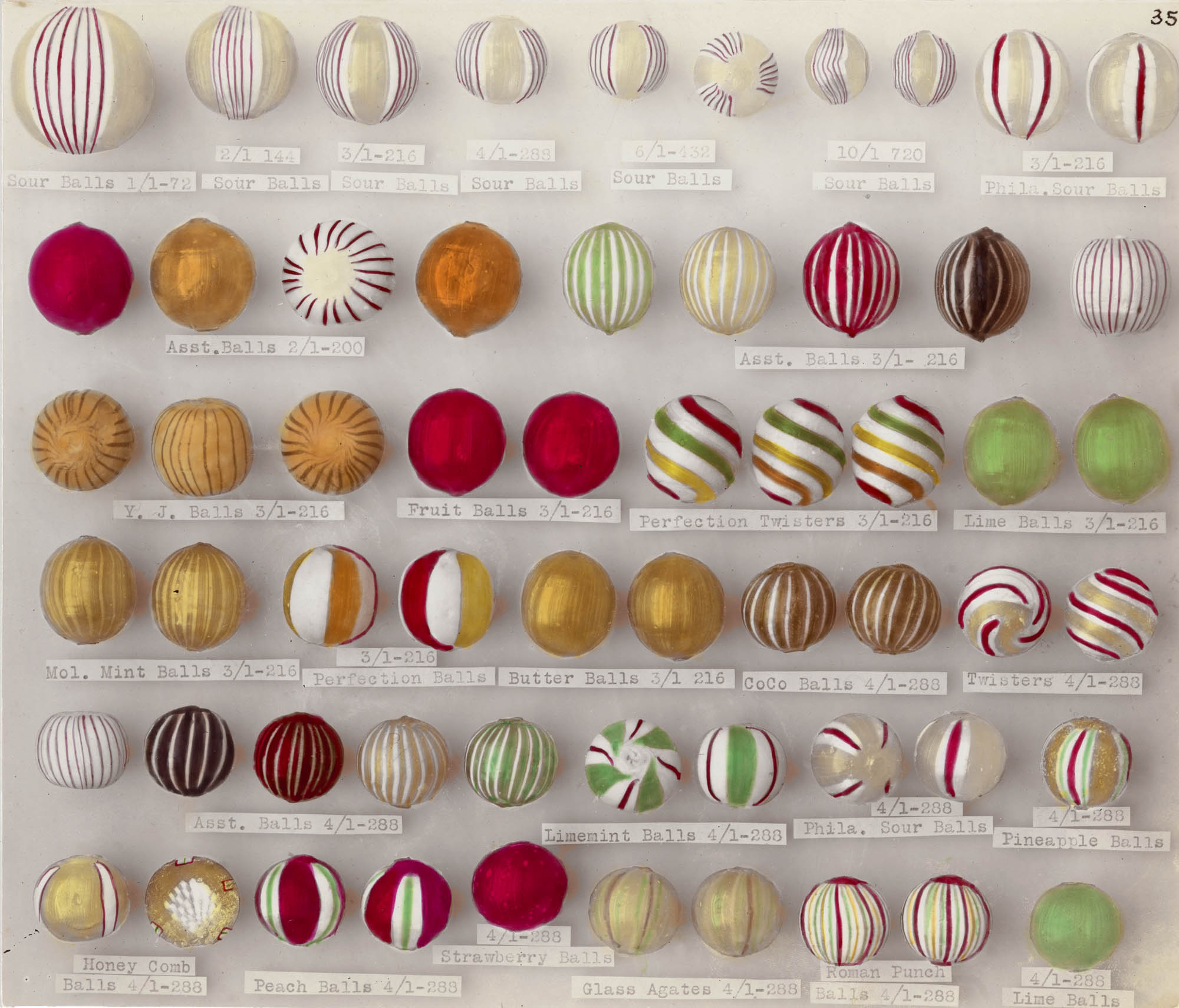
 

Schadde Brothers Studio. 'Display, sample or trade catalogue photograph for sweet manufacturer Brandle & Smith Co.,' c. 1915


Schadde Brothers Studio
Display, sample or trade catalogue photograph for sweet manufacturer Brandle & Smith Co.,
c. 1915
Gelatin silver print with applied colour
288 x 240 mm
Rijksmuseum, Amsterdam
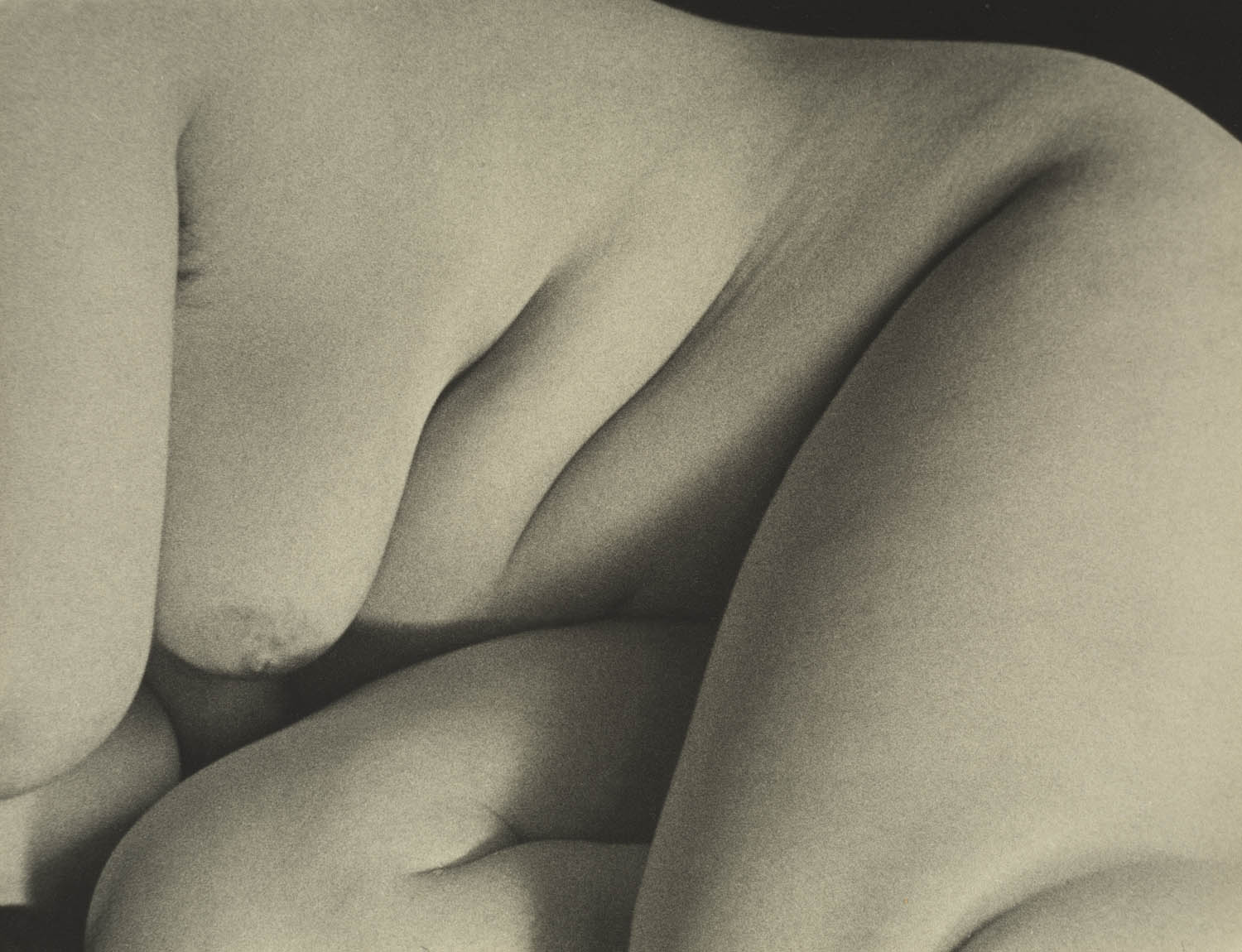
 

Charles Sheeler (American, 1883-1965) 'Nude #3' 1918-1919


Charles Sheeler (American, 1883-1965)
Nude #3
1918-1919
Gelatin silver print
127 × 171 mm
Museum of Fine Arts, Boston


James Van Der Zee (American, 1886-1983) 'Portrait of an Unknown Man, Harlem, New York City' 1938


James Van Der Zee (American, 1886-1983)
Portrait of an Unknown Man, Harlem, New York City
1938
Gelatin silver print
244 x 203 mm
Rijksmuseum, Amsterdam
Purchased with the support of Baker McKenzie
© The James Van Der Zee Archive/The Metropolitan Museum of Art


… the New York portrait photographer James Van Der Zee was also embellishing his work, drawing jewellery on to his subjects and retouching their faces to erase dark lines and wrinkles. “I put my heart and soul into them and tried to see that every picture was better looking than the person,” he said. As a black photographer working from his Harlem studio at the height of the Harlem Renaissance, his work records a period when black migrants fleeing the segregationist South were forging a new life for themselves in the urban North. For the first time, African Americans and other minority groups could be photographed by someone inside their community, and represented in a way that uplifted them. Van Der Zee’s Portrait of an Unknown Man (1938), for example, is carefully posed to suggest confidence. The outfit is elegant and the buttonhole daisy adds a dandyish flourish. It’s an image that reflects the aspirations and upward mobility of African-American people and the pride Van Der Zee had in his culture.

Deborah Nicholls-Lee. “Eight images that tell the story of America,” on the BBC website 12 February 2025 [Online] Cited 06/06/2025
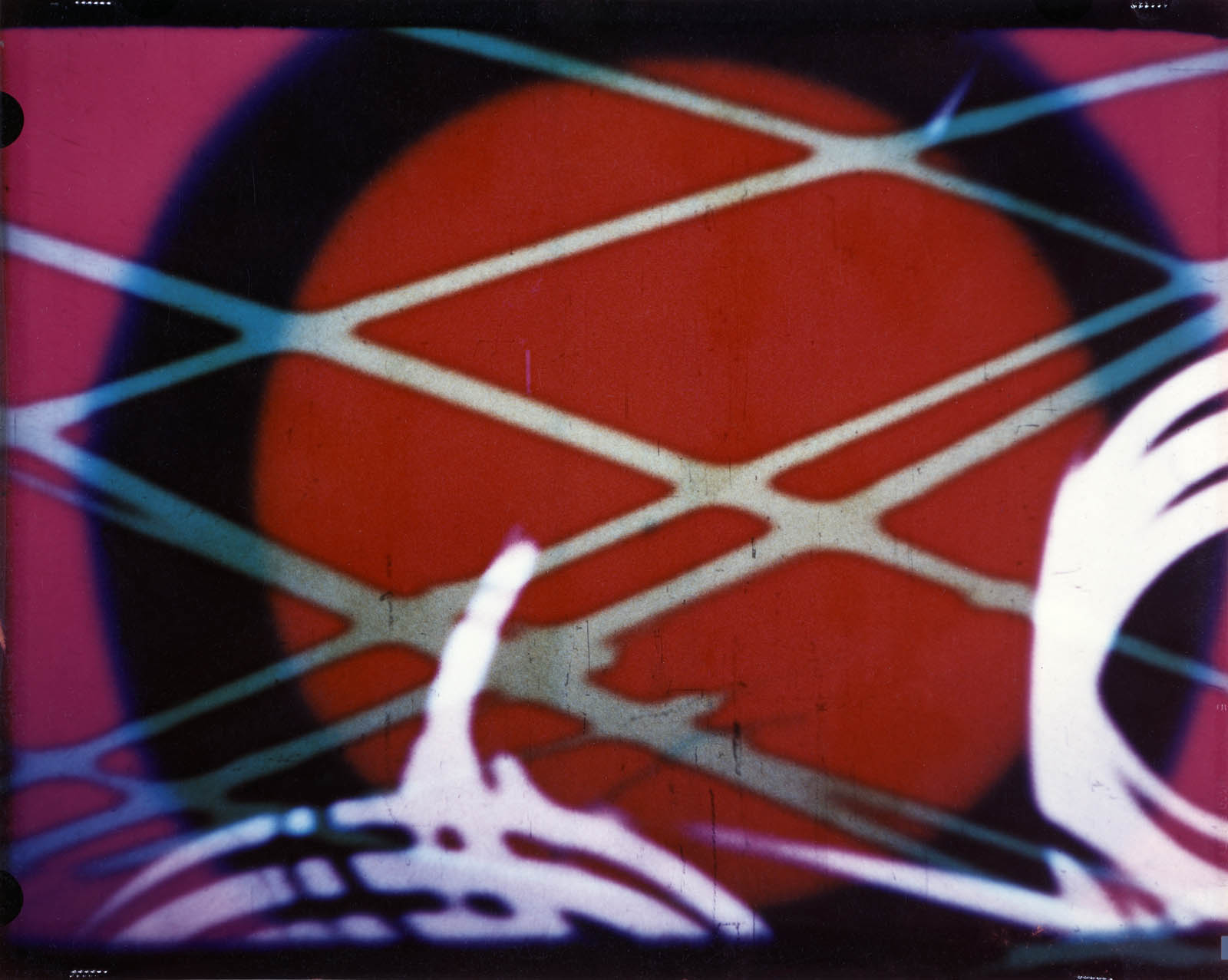
 

Hy Hirsh (American, 1911-1961) 'Untitled (abstraction)' c. 1950


Hy Hirsh (American, 1911-1961)
Untitled (abstraction)
c. 1950
Chromogenic print, 251 x 200 mm 
Rijksmuseum, Amsterdam
Purchased with the support of Baker McKenzie


Anonymous photographer. 'Family Standing beside their Car' c. 1957–1960


Anonymous photographer
Family Standing beside their Car
c. 1957-1960
Chromogenic print (Kodak Instamatic)
76 x 76 mm 
Rijksmuseum, Amsterdam


Irene Poon (American, b. 1941) 'Virginia' 1965


Irene Poon (American, b. 1941)
Virginia
1965
San Francisco Museum of Modern Art
Gift of Charles Wong
© Irene Poon Photography Archive, Department of Special Collections, Stanford University Libraries


It is the Chinese-American community that is the focus of the work of Irene Poon, who grew up in San Francisco’s Chinatown, where her parents, first-generation immigrants from Guanghzou, ran a herbalist store. A 1965 image features Poon’s sister Virginia in a local sweet shop, crowded out by Hershey’s and Nestlé bars. The letters “Nest” peep out from the densely packed shelves, reinforcing a sense that she is enclosed by this mass of graphic lettering. Beside her head a “Look” bar competes for attention, hinting at that other ever-expanding role for American photography: advertising − a sector in which the US was a forerunner. “Many of the 20th-Century artists started in advertising. It’s part of art history,” Boom says. “This whole field already existed, and the arts, and photography as an art form, draws from it.”

Deborah Nicholls-Lee. “Eight images that tell the story of America,” on the BBC website 12 February 2025 [Online] Cited 06/06/2025


Bruce Wrighton (American, 1950-1988) 'Portrait of a woman, Binghampton, NY ('Woolworth Shopper')' 1987


Bruce Wrighton (American, 1950-1988)
Portrait of a woman, Binghampton, NY (‘Woolworth Shopper’)
1987
Rijksmuseum, Amsterdam
Purchased with the support of Baker McKenzie
© Estate of Bruce Wrighton, Courtesy Laurence Miller Gallery
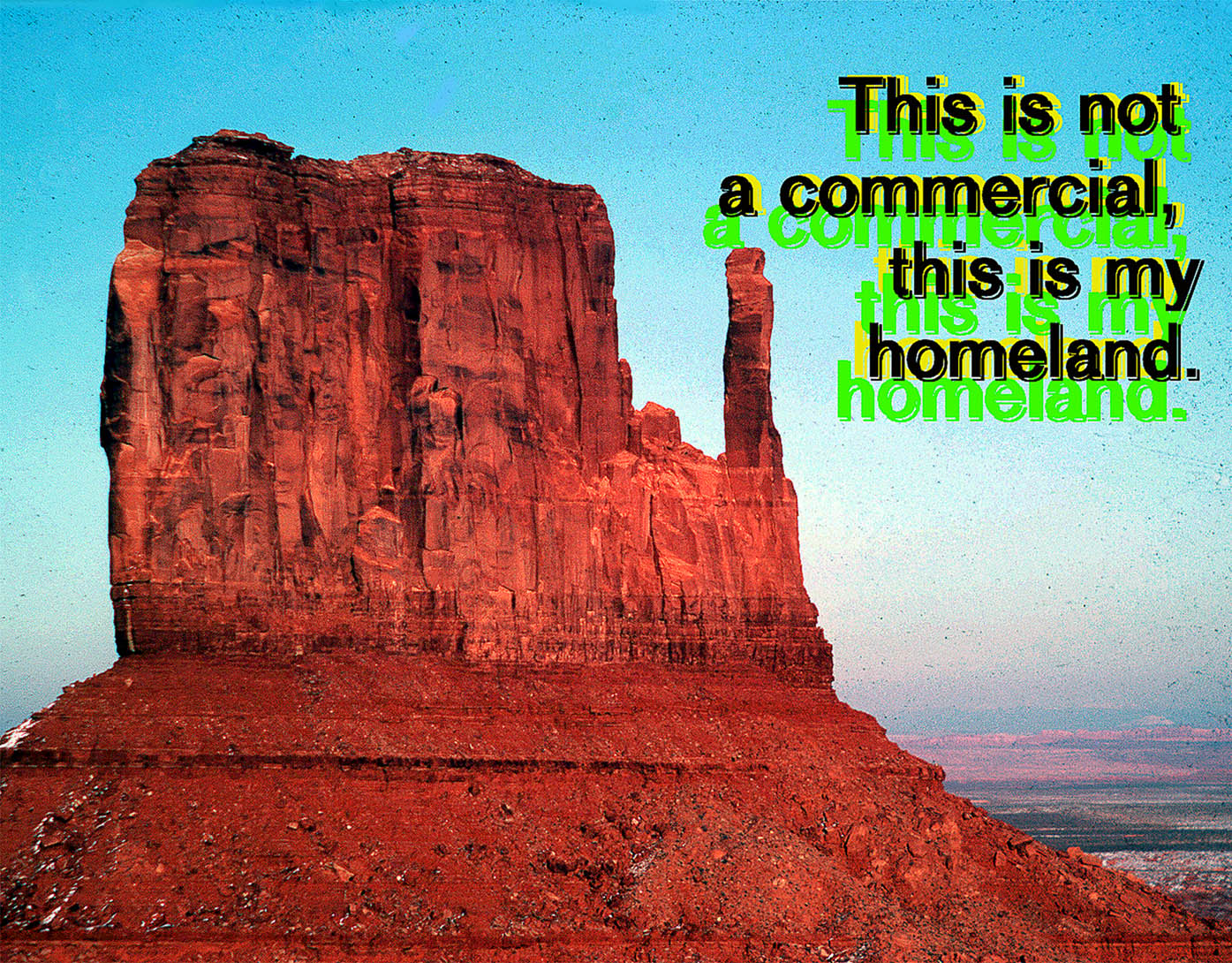
 

Hulleah Tsinhnahjinnie (American, b. 1954) 'This is not a commercial, this is my homeland' 1998


Hulleah Tsinhnahjinnie (American, b. 1954)
This is not a commercial, this is my homeland
1998
Platinum lambda print
476 x 609 mm
Courtesy of the artist


The political power of photography is also seen in the work of Native American (Seminole-Muscogee-Navajo) photographer Hulleah Tsinhnahjinnie who uses the camera to correct misconceptions about Indigenous populations and to offer an alternative viewpoint on US history. “No longer is the camera held by an outsider looking in, the camera is held with brown hands opening familiar worlds,” she writes in a 1993 essay. “We document ourselves with a humanising eye, we create new visions with ease, and we can turn the camera and show how we see you.”

Tsinhnahjinnie’s captioning of a touristic image of Monument Valley, Arizona with This is not a commercial, this is my homeland highlights the commodification of American land, and uses what she calls “photographic sovereignty” to take us back to the very beginning and reclaim and retell the story of America. In combination with works such as Bryan Schutmaat’s Tonopah, Nevada (2012), which documents mining’s effect on the landscape of the American West, images like Tsinhnahjinnie’s tell a story of a beautiful land that means different things to different people: financial gain, security or a sacred space.

Deborah Nicholls-Lee. “Eight images that tell the story of America,” on the BBC website 12 February 2025 [Online] Cited 06/06/2025


Bryan Schutmaat (American, b. 1983) 'Tonopah, Nevada' 2012


Bryan Schutmaat (American, b. 1983)
Tonopah, Nevada
2012
Inkjet print
1017 x 1277 mm (printed 2021)
Rijksmuseum, Amsterdam
Purchased with the support of Baker McKenzie


Rijksmuseum
Museumstraat 1
1071 XX Amsterdam

Opening hours:
Open daily 9 – 17h

Rijksmuseum website

LIKE ART BLART ON FACEBOOK

Back to top

Text: ‘Facile, Facies, Facticity’ by Dr Marcus Bunyan; Exhibition: ‘About Face: Contemporary Portraiture’ at the Nelson-Atkins Museum of Art, Kansas City

Exhibition dates: 9th August 2013 – 19th January 2014


Rachel Herman (American) 'Hannah and Tim' 2007


Rachel Herman (American)
Hannah and Tim
2007
Inkjet print (printed 2012)
Gift of the Hall Family Foundation


Facile, Facies, Facticity


“The structure of presentation – point-of-view and frame – is intimately implicated in the reproduction of ideology (the ‘frame of mind’ of our ‘points-of-view’). More than any other textual system, the photograph presents itself as ‘an offer you can’t refuse’.”


Victor Burgin 1


Facies simultaneously signifies the singular air of a face, the particularity of its aspect, as well as the genre or species under which this aspect should be subsumed. The facies would thus be a face fixed to a synthetic combination of the universal and the singular: the visage fixed to the regime of representation, in a Helgian sense.

Why the face? – Because in the face the corporeal surface makes visible something of the movements of the soul, ideally. This also holds for the Cartesian science of the expression of the passions, and perhaps also explains why, from the outset, psychiatric photography took the form of an art of the portrait.”


Georges Didi-Huberman 2


How shallow contemporary portrait photography has become when compared to the sensual portraits of Julia Margaret Cameron, the grittiness of Gordon Parks or the in your face style of Diane Arbus. I think the word facile (from Latin facilis ‘easy’, from facers ‘do, make’) with its link to the etymologically similar word ‘face’ (Old Latin facies) is a good way to describe most of the photographs in this posting. These simplistic, nihilistic portraits, with their contextless backgrounds and head on frontally (also the name of an insipid Australian portrait photography prize), are all too common in contemporary portraiture. People with dead pan expressions stare at the camera, stare off camera. The photographs offer little insight and small engagement for the viewer. If these photographs are representative of the current ‘frame of mind’ of our ‘points-of-view’ vis a vis the construction of identity then the human race is in deep shit indeed. As we accept an offer that we can’t refuse – the reflexivity of selfies, an idealised or passive image of ourselves reflected back through the camera lens º we uncritically accept the mirror image, substituting passive receptivity for active (critical) reading. We no longer define and engage critically with something we might call ‘photographic discourse’:

“A discourse can be defined as an arena of information exchange, that is, as a system of relations between parties engaged in communicative activity. In a very important sense the notion of discourse is a notion of limits. That is, the overall discourse relation could be regarded as a limiting function, one that establishes a bounded arena of shared expectations as to meaning. It is this limiting function that determines the very possibility of meaning. To raise the issue of limits, of the closure affected from within any given discourse situation, is to situate oneself outside, in a fundamentally metacritical relation, to the criticism sanctioned by the logic of the discourse…

A discourse, then, can be defined in rather formal terms as the set of relations governing the rhetoric of related utterances. The discourse is, in the most general sense, the context of the utterance, the conditions that constrain and support its meaning, that determine its semantic target.”3

These photographs have few conditions that support their meaning. The context of their utterances is constrained by their own efficacy and passivity. Paul Virilio, speaking of contemporary images, describes them as ‘viral’. He suggests that they communicate by contamination, by infection. In our ‘media’ or ‘information’ society we now have a ‘pure seeing’; a seeing without knowing.4 A seeing without knowing… quite appropriate for these faceless images, images that contaminate how we observe humans living in the world. Of course, one can be involved in logical criticism of the discourse from within but that still gives the discourse power. By situating yourself outside the conditions that constrain the discourse, you can criticise from a different perspective, “seeing something new” as an active, temporal protension of seeing. “Such is the fundamental instability of the pleasure of seeing, of Schaulust, between memory and threat.”5 We may glance, instead of staring (as the subject of these portraits blankly stare back) – the glance becoming a blow of the eye, the acting-out of seeing.6

Here is a possible way forward for contemporary photographic portraiture: a description of the states of the body and the air of the face through a subtle and constant art of the recovering of surfaces, an inquiry that always seeks depth – conceptual depth – in the filmy fabric or stratum of the cameras imaging of the constructed subject. In other words an inquiry into the source, the etiology and logic of the subjects own being – through the glance, not the passive gaze. Even as the object of knowledge is photographically detained for observation, fixed to objectivity, that knowledge can slip away from itself into what Georges Didi-Huberman calls the paradox of photographic resemblance.7

“Thus photography is ultimately an uncertain technique (see Barthes. Camera Lucida. p. 18), changeable and ill-famed, too. Photography stages bodies: changeability. And at one moment or another, subtly, it belies them (invents them), submitting them instead to figurative extortion. As figuration, photography always poses the enigma of the “recumbence of the intelligible body,” even as it lends itself to some understanding of this enigma, and even as this understanding is suffocated…

And when one comes to pose oneself, before a photograph, paradoxical questions: whom does this photographed face resemble? Exactly whose face is being photographed? In the end, doesn’t a photograph resemble just anyone? Well, one cannot, for all that, simply push resemblance aside like a poorly posed problem. Rather, one points a finger at Resembling as an unstable, vain, and phantasmatic temporal motion. One interrogates the drama of imaginary evidence.

For “to resemble,” or Resembling, is the name for a major concern about time in the visible. This is precisely what exposes all photographic evidence to anxiety, and beyond it, to staging, compromises, twisted meanings, and simulacra. And this is how photography circumvents itself – in its own sacrilege. It blasphemes it own evidence because evidence is diabolical. It ruins evidence, from a theater.”8

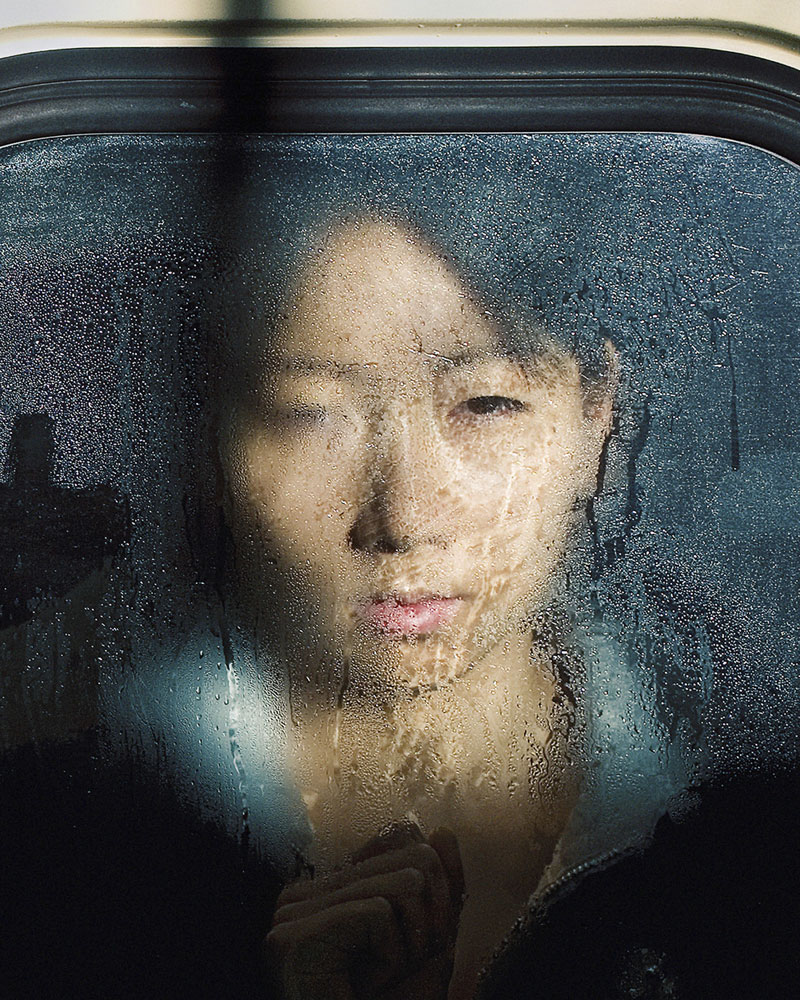
Only through slippage may we stumble upon the uncertainty of the soul in the uncertainty of the photographic technique. Only through the facticity of the face, the “thrownness” – Heidegger’s Geworfen, which denotes the arbitrary or inscrutable nature of Dasein, being there or presence, that connects the past with the present, just as photographs do – of the individual rendered in the lines of the human face can we engage with the intractable conditions of human existence. Not a bland resemblance-filled anxiety (the hair covering the face, the face in suburban ephemera, the compressed face pressed up against the condensation-filled window), but an unstable signification that has been passionately re(as)sembled in the anxiety of photographic evidence. Only then can contemporary portrait photography make visible something of the movements of the soul, ideally.


“Into this world we’re thrown /
Like a dog without a bone”
(Jim Morrison, Riders on the Storm, 1971)


Dr Marcus Bunyan


Endnotes

1/ Burgin, Victor (ed.,). Thinking Photography. Basingstoke: Macmillan, 1982, p. 146
2/ Didi-Huberman, Georges. Invention of Hysteria: Charcot and the Photographic Iconography of the Salpetriere (trans. Alisa Hartz). Cambridge, Mass.: MIT Press, 2003, p. 49
3/ Burgin, pp. 84-85
4/ Virilio, Paul. “The Work of Art in the Electronic Age,” in Block No. 14, Autumn, 1988, pp. 4-7 quoted in McGrath, Roberta. “Medical Police,” in Ten.8 No. 14, 1984 quoted in Watney, Simon and Gupta, Sunil. “The Rhetoric of AIDS,” in Boffin, Tessa and Gupta, Sunil (eds.,). Ecstatic Antibodies: Resisting the AIDS Mythology. London: Rivers Osram Press, 1990, p. 143
5/ Didi-Huberman, op. cit., pp. 27-28
6/ Ibid., “Coup d’oeil, signifying “glance,” literally means the “blow of an eye.” Here as elsewhere, Didi-Huberman draws on the notion of the glance as a blow. He also works with the various meanings of trait, including trait, line, draught, and shaft of an arrow” – Translator
7/ Didi-Huberman, op. cit., p. 59
8/ Didi-Huberman, op. cit., p. 65


Many thankx to The Nelson-Atkins Museum of Art for allowing me to publish the photographs in the posting. Please click on the photographs for a larger version of the image.


Anna Shteynshleyger, (Russian, b. 1977) 'City of Destiny (Covered)' 2007


Anna Shteynshleyger, (Russian, b. 1977)
City of Destiny (Covered)
2007
Inkjet print
Gift of the Hall Family Foundation


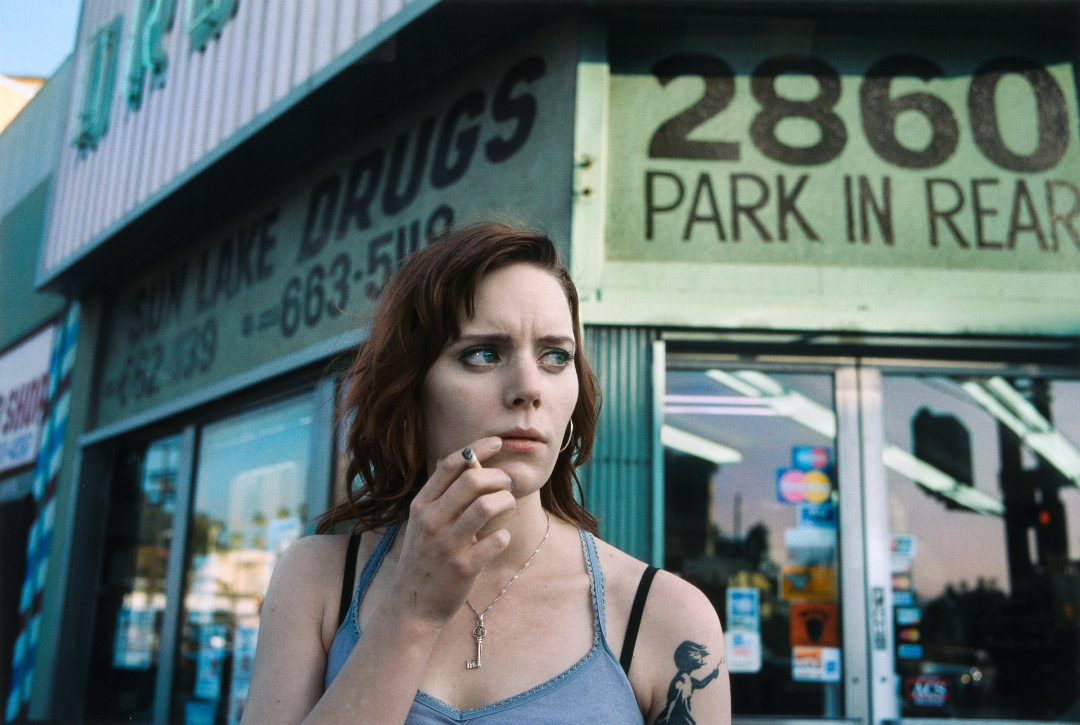
Lise Sarfati (French, b. 1958) 'Emily, 2860 Sunset Blvd.' 2012


Lise Sarfati (French, b. 1958)
Emily, 2860 Sunset Blvd.
2012
Chromogenic print
Gift of the Hall Family Foundation


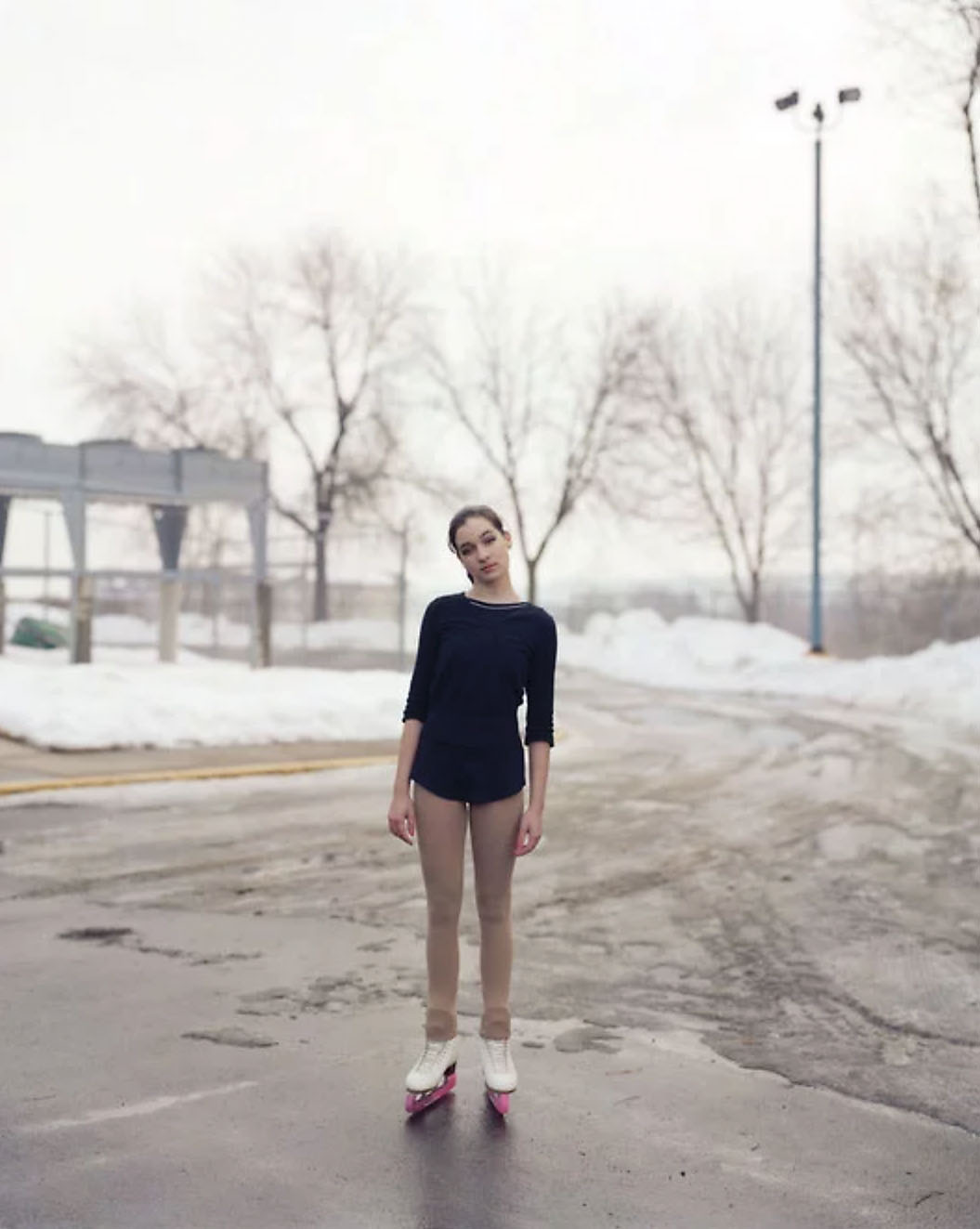
Alec Soth (American, b. 1969) 'Mother and daughter, St. Paul, Minnesota, 1999' 1999


Alec Soth (American, b. 1969)
Mother and daughter, St. Paul, Minnesota, 1999
1999


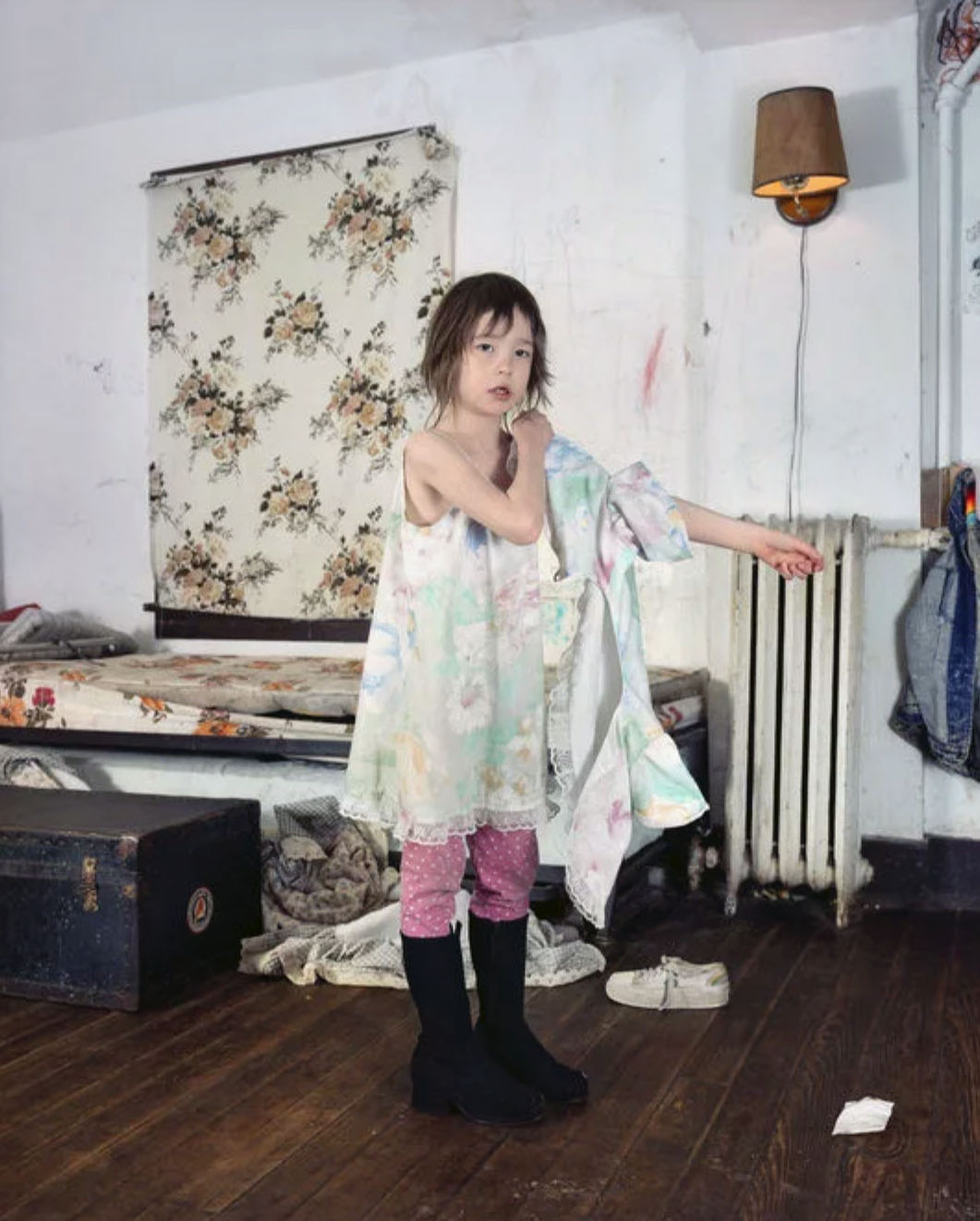
LaToya Ruby Frazier (American, b. 1982) 'Momme' 2008


LaToya Ruby Frazier (American, b. 1982)
Momme
2008
Gelatin silver print
Gift of the Hall Family Foundation


This exhibition will explore the breadth and global diversity of contemporary photographic portraiture since 2000, highlighting recent acquisitions to the museum’s permanent collection.

About Face will include works by twenty-nine artists from the United States, England, Canada, France, Germany, Russia, Japan, Iran and South Africa. Though each of these photographers approaches portrait-making differently, certain thematic threads resonate throughout the show, including questions of racial, cultural, ethnic, class and gender identity; the relationship between individuals and typologies; the way photographic processes themselves inform meaning; the relevance of historical precedents to contemporary practice; and the impact of media stereotypes on self-presentation. Considered collectively, the works in About Face offer a provocative and engaging forum for considering the question: how do we define portraiture today?

The project will present two distinct, simultaneous exhibitions: About Face, our in-gallery exhibition at the Nelson-Atkins, and Making Pictures of People, a digital exhibition presented online for web-based audiences worldwide. Visitors will be able to access the Flak Photo exhibition via touch screens in the gallery and on mobile devices outside the museum. The goal of our collaboration is twofold: to celebrate the complementary experiences of engaging with photographs as objects and as images, and to connect museum visitors in Kansas City with an international community deeply engaged in thinking about portraiture and contemporary photographic practice.

“Contemporary photographers approach portraiture from multiple perspectives, and this show reflects that diversity,” said April M. Watson, who co-curated this exhibition with Jane L. Aspinwall (both are Associate Curators of Photography). “Some portraits emphasise the construction of identity through race, gender and class, while others question the relationship between individuality and typology, or the impact of the media on self-presentation. At the core is the relationship between the photographer and his or her subject, and how that interaction translates in the final portrait.” Adds Aspinwall: “Some of these photographers use antiquated processes such as the daguerreotype and tintype to make portraits of contemporary subjects. These historical resonances add an interesting dimension to the show.

Press release from the  Nelson-Atkins Museum of Art website


Richard Learoyd (English, b. 1966) 'Erika' 2007


Richard Learoyd (English, b. 1966)
Erika
2007
Ilfachrome print
Gift of the Hall Family Foundation in honour of the 75th anniversary of The Nelson-Atkins Museum of Art


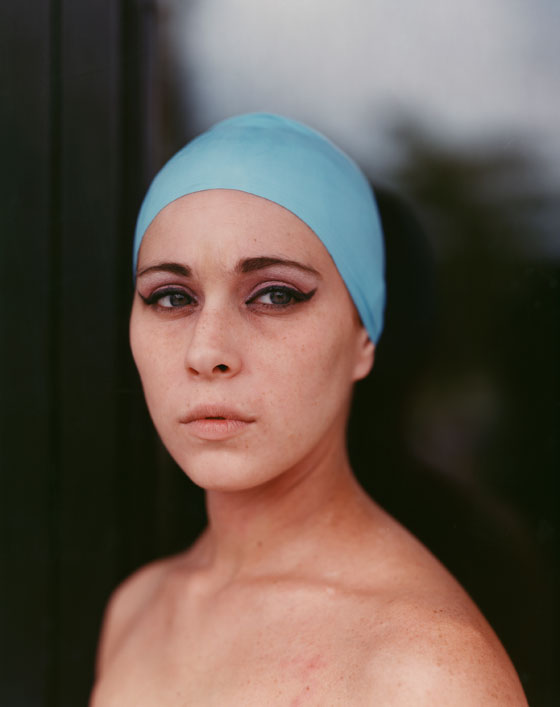
Jocelyn Lee (American born Italy, b. 1962) 'Untitled (Julia and Greenery)' 2005


Jocelyn Lee (American born Italy, b. 1962)
Untitled (Julia and Greenery)
2005
Chromogenic print
Gift of the Hall Family Foundation


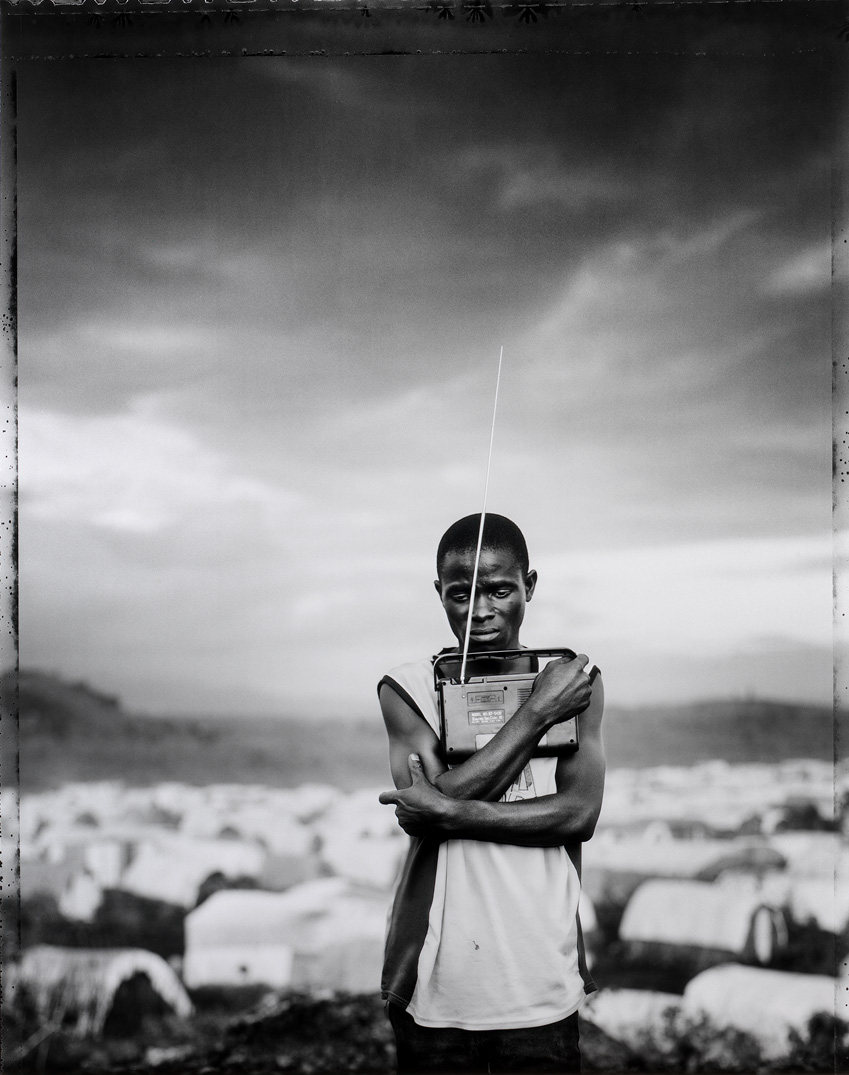
Jim Goldberg (American, b. 1953) 'Prized Possession, Democratic Republic of Congo' 2008


Jim Goldberg (American, b. 1953)
Prized Possession, Democratic Republic of Congo
2008
Gelatin silver print
Gift of the Hall Family Foundation


Vanessa Winship (British, b. 1960) 'Hakkari 8' 2007-2008


Vanessa Winship (British, b. 1960)
Hakkari 8
2007-2008
Inkjet print (printed 2008)
Gift of the Hall Family Foundation


Pieter Hugo (South African, b. 1976) 'Annebelle Schreuders (1)' 2012


Pieter Hugo (South African, b. 1976)
Annebelle Schreuders (1)
2012
Inkjet print
Gift of the Hall Family Foundation


Sage Sohier (American, b. 1954) '12-Year Old Boy with His Father' 2009


Sage Sohier (American, b. 1954)
12-Year Old Boy with His Father
2009
Inkjet print
Gift of the Hall Family Foundation


Michael Wolf (American, b. 1954) 'Tokyo Compression #18' 2010


Michael Wolf (American, b. 1954)
Tokyo Compression #18
2010
Inkjet print
Gift of the Hall Family Foundation


Tomoko Sawada (Japanese, b. 1977) 'Recruit/BLACK' 2006


Tomoko Sawada (Japanese, b. 1977)
Recruit/BLACK
2006
Chromogenic print
Purchase: acquired through the generosity of the Photography Society


The Nelson-Atkins Museum of Art
4525 Oak Street
Kansas City, MO 64111

Opening hours:
Thursday – Monday 10am – 5pm
Closed Tuesdays and Wednesdays

The Nelson-Atkins Museum of Art website

LIKE ART BLART ON FACEBOOK

Back to top

Exhibition: ‘Potraiture Now: Feature Photography’ at the National Portrait Gallery, Washington

Exhibition dates: 26th November, 2008 – 27th September, 2009


Jocelyn Lee (American, b. 1962) "Untitled (Kara on Easter)" 1999 from the exhibition 'Potraiture Now: Feature Photography' at the National Portrait Gallery, Washington, Nov 2008 - Sept 2009


Jocelyn Lee (American, b. 1962)
Untitled (Kara on Easter)
1999
Chromogenic print
©
 Jocelyn Lee


I photograph because I am interested in people, what it means to be alive, and how we make sense of the world. Whether I am photographing on assignment, or for personal work, the same ideas direct my attention. On the psychological and narrative level, I am interested in looking at states of being: birth, childhood, ageing, physical fragility, death, sensuality, the animal world and people in nature.

Formally, I tend to emphasise the tactile qualities of the living world: skin, hair, light, surface, colour, and material. I recognise that these are very broad themes, but they are also the basis for essential philosophical questions. My photographs don’t provide answers to these questions, but hopefully act as moments of contemplation.


Jocelyn Lee artist statement


Jocelyn Lee approaches her photographic subjects looking to reveal not simply the individuality of those who pose before her camera. She also wants to convey something deeper about how her subjects confront the place where they live and the situation in which they find themselves. This interest in the psychological dimensions of character is emblematic of her portraiture – whether she is working on an editorial assignment or on an independent project.

Jocelyn Lee’s photographs for this exhibition are drawn from work that she has completed in Maine, a place where she has spent much time. The images derive from several projects, including an advertising campaign for a local rug designer and a commission to portray adolescent girls. Seen together, they suggest the role that environment and narrative play in the art of portraiture. Although Lee is interested in photographing specific people at different stages of life, each portrait also provides a broader opportunity to reflect on our shared humanity. A recipient of a Guggenheim Fellowship, Lee has served as a professor of photography at Princeton University since 2003.

Text from the National Portrait Gallery website [Online] Cited 08/06/2022


Jocelyn Lee (American, b. 1962) 'Untitled (Inuit woman in hospital, Rankin Island)' 2002 from the exhibition 'Potraiture Now: Feature Photography' at the National Portrait Gallery, Washington, Nov 2008 - Sept 2009


Jocelyn Lee (American, b. 1962)
Untitled (Inuit woman in hospital, Rankin Island)
2002
Chromogenic print
Published in the New York Times Magazine, May 5, 2002
Collection of the artist
© Jocelyn Lee


America is a snapshot culture. Armed with a portable camera and a spirit of inquiry, we revel in the images that we create. Although we often treat still photographs – including portraits – as ephemeral fragments to be discarded or replaced by the next image, there are portrait photographers today who create pictures that defy an easy death. Often working on a specific commission or editorial assignment, these photographers compose portraits that cause us to pause and reflect.”

Portraiture Now: Feature Photography focuses on six photographers who, by working on assignment for publications such as the New Yorker, Esquire, and the New York Times Magazine, each bring their distinctive “take” on contemporary portraiture to a broad audience. Critically acclaimed for their independent fine-art work, these photographers – Katy Grannan, Jocelyn Lee, Ryan McGinley, Steve Pyke, Martin Schoeller, and Alec Soth – have also pursued a variety of editorial projects, taking advantage of the opportunities and grappling with the parameters that these assignments introduce. Their work builds upon a longstanding tradition of photographic portraiture for the popular press and highlights creative possibilities for twenty-first-century portrayal. The exhibition has additional portraits not included in this website; it opened on November 26, 2008, and closed on September 27, 2009.

Text from the National Portrait Gallery website

~ KATY GRANNAN
~ JOCELYN LEE
~ RYAN MCGINLEY
~ STEVE PYKE
~ MARTIN SCHOELLER
~ ALEC SOTH


Alec Soth (American, b. 1969) 'Misty' 2005


Alec Soth (American, b. 1969)
Misty
2005
Part of the Niagara project
Pigmented ink print
Collection of the artist
Courtesy Gagosian Gallery, New York City
© Alec Soth


“A critic once pointed out to me the different ways in which I photograph men and women. With men I seem to be poking fun, he said, whereas my depiction of women is more reverent. He makes a good point. Many of my best pictures of men are playful (a man in a flight suit holding model airplanes, a shirtless man with carrots in his ears). But the women I photograph look more like saints than clowns. As a man, I suppose, I identify more with my male subjects. In them, I see my own awkwardness and frailty. Women are always “the other.”

In assembling this group of portraits of women, I’m aware that I’m treading on dangerous ground. When I was in college, I learned to be distrustful of men’s depictions of women. I remember seeing Garry Winogrand’s book ‘Women Are Beautiful’ in the school library and being shocked that it hadn’t been defaced for its blatant objectification of women. But looking back, maybe I was too harsh. Whether one photographs men or women, it is always a form of objectification. Whatever you say about Winogrand, his depiction was honest.

In putting together a collection of my best portraits of women, I’m trying to come to terms with how I honestly see and depict women. Are my pictures romanticised? Sexualised? Why do I see women in this way? For me, photography is as much about the way I respond to the subject as it is about the subject itself.”


Alec Soth artist statement


Adroitly navigating the disciplines of editorial photography and fine art work, Alec Soth has emerged as a leading American artist. He is an associate photographer with the famed Magnum Photos group, and has shown his work in galleries and museums in the United States and in Europe.

Born and based in Minneapolis and educated in New York, Soth first attracted critical notice with his series Sleeping by the Mississippi (2004). Since then, he has published NIAGARA (2006), Fashion Magazine (2007), and Dog Days, Bogotá (2007). Unlike many contemporary photographers, Soth works with a large-format 8 x 10-inch camera, which, given the time involved in setting up for a photograph, creates an intense relationship between the artist and subject. Soth sees this as the crux of his work.

For this exhibition, we have chosen a selection of his portraits of women, drawn from past editorial work and fine arts projects, including three portraits from Fashion Magazine, which explored the world of Paris couture and countered those images with subjects from Soth’s Minnesota home. As he notes, “I’m trying to come to terms with how I honestly see and depict women. Are my pictures romanticised? Sexualised? Why do I see women in this way? For me, photography is as much about the way I respond to the subject as it is about the subject itself.”

Text from the National Portrait Gallery website [Online] Cited 08/06/2022


Alec Soth (American, b. 1969) 'Kristin, St. Paul, Minnesota' 2007


Alec Soth (American, b. 1969)
Kristin, St. Paul, Minnesota
2007
Chromogenic print
Published in Fashion Magazine (2007)
Collection of the artist, courtesy Gagosian Gallery, New York City
© Alec Soth


This full-length portrait was created during the winter of 2007, after Soth’s return from Paris, where he made the first photographs for his commission from Magnum Photos that resulted in Fashion Magazine. Fashion Magazine is the third in a series of projects by the same name, in which Magnum asks one photographer to document the whirl of fashion week in Paris from his or her own point of view.


Katy Grannan (American, b. 1969) 'Audrey Wilbur' 2000


Katy Grannan (American, b. 1969)
Audrey Wilbur
2000
Chromogenic print
Cover for New York Times Magazine, March 19, 2000
Collection of the artist, courtesy Greenberg Van Doren Gallery, New York City; Fraenkel Gallery, San Francisco; Salon 94, New York City
© Katy Grannan


“Photography is a kind of permission; it’s a way in. It’s a catalyst for extraordinary experiences that would otherwise not be possible. (This is the common thread between my personal projects and commissioned work.) I have had so many life-changing moments – some are dramatic, most are utterly mundane and exquisite.

I consider each of these experiences a privilege, and every subject worthy of attention.”


Katy Grannan artist statement


In images for the New York Times Magazine, Katy Grannan focuses on such poignant details as the teenager’s imperfect complexion, the sick man’s drooping muscles, a tidy kitchen counter, or a neighbourhood swing to make us understand heartrending realities of juvenile imprisonment, end-of-life decisions, or post-traumatic stress syndrome. For several of her art gallery projects, Grannan advertised for subjects in small-town newspapers. As she gained the sitters’ trust and helped visualise their fantasies, many posed nude or partially undressed. In Grannan’s work for the Times, we recognise similar qualities of risk, vulnerability, and, ultimately, empathy between the photographer and her subjects.

This portrait of four-year-old Audrey Wilbur is a study in contrasts between the cheerful fabrics of the clothing and decor and the impoverished bareness of the room’s mattress, walls, and floor. Grannan’s depiction of Audrey, made at the height of the dot-com bubble, was the cover for the New York Times Magazine’s March 19, 2000, issue, which included James Fallows’s “The Invisible Poor” and a photo essay titled “In the Shadow of Wealth.”

Text from the National Portrait Gallery website [Online] Cited 08/06/2022


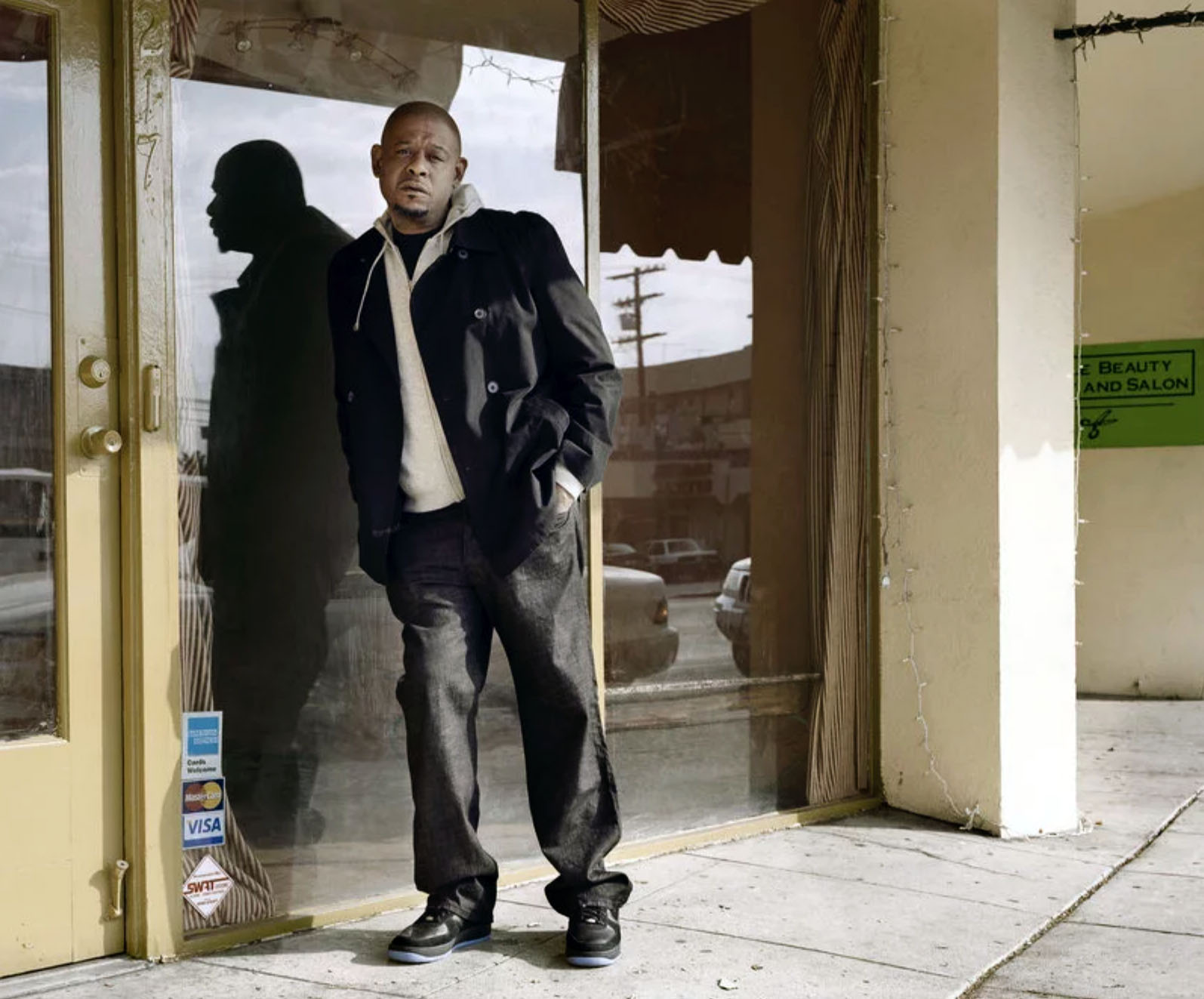
Katy Grannan (American, b. 1969) 'Forest Whitaker' 2007


Katy Grannan (American, b. 1969)
Forest Whitaker
2007
Chromogenic print
Variant image published in New York Times Magazine, February 11, 2007
Collection of the artist, courtesy Greenberg Van Doren Gallery, New York City; Fraenkel Gallery, San Francisco; Salon 94, New York City
© Katy Grannan


Martin Schoeller (American, b. 1968) 'Barack Obama' 2004


Martin Schoeller (American, b. 1968)
Barack Obama
2004
Digital C-print
Variant published in Gentleman’s Quarterly, December 2004
Collection of the artist, courtesy Hasted Hunt, New York City
© Martin Schoeller


Schoeller photographed Barack Obama for a December 2004 feature on “Men of the Year,” in Gentleman’s Quarterly, where a variant of this photograph appeared. Reflecting upon the success of his address at the 2004 Democratic convention, Obama, who would go on to win the presidential election in 2008, observed: “The reason you do this stuff is not to … get your face in a magazine … You do this stuff because you care about the epic struggle to make America what it can be.”


A photographic close-up is perhaps the purest form of portraiture, creating a confrontation between the viewer and the subject that daily interaction makes impossible, or at least impolite. In a close-up, the impact stems solely from the static subject’s expression or apparent lack thereof, so the viewer is challenged to read a face without the benefit of the environmental cues we naturally use to form our interpersonal reactions.

After seeing Bernd and Hilla Becher’s water tower series in 1991, I was inspired by the idea of photographing a large group of subjects in the exact same style. The pictures in my Close Up series have all been taken from similar angles and with the same equipment, but here I have tried to bring out personality and capture individuality in a search for a flash of vulnerability and integrity. The greatest challenge in taking these images lies in the attempt to arrest the subtle moment that flickers between expressions, movements of which the subject is unaware. Like most portrait photographers, I aim to record the instant the subject is not thinking about being photographed, striving to get beyond the practiced facial performance, reaching for something unplanned. While trying to be as objective as possible, I acknowledge that every gesture is still an act of artifice. Familiar faces are treated with the same levels of scrutiny as the un-famous. The unknown and the too- well- known meet on a level platform that enables comparison, where a viewer’s existing notions of celebrity, value, and honesty are challenged.


Martin Schoeller artist statement


Martin Schoeller has exhibited his portraits internationally and has received numerous awards. His photographs have appeared in many prominent magazines, including the New Yorker, Gentleman’s Quarterly (GQ), Vanity Fair, and Rolling Stone.

A native of Germany, Schoeller, who now lives and works in New York, honed his skills by working with Annie Leibovitz. “Watching her deal with all of the elements that have to come together – subjects, lighting, production, weather, styling, location – gave me an insight into what it takes to be a portrait photographer,” he explains.

Equally important for Schoeller was the photography of German minimalists Bernd and Hilla Becher, who “inspired me to take a series of pictures, to build a platform that allows you to compare.” Schoeller’s portraiture brings viewers eye-to-eye with the well-known and the anonymous. His close-up style emphasises, in equal measure, the facial features, both studied and unstudied, of his subjects – presidential candidates and Pirahã tribespeople, movie stars and artists – levelling them in an inherently democratic fashion. Schoeller’s photographs challenge us to identify the qualities that may, under varying circumstances, either distinguish individuals or link them together, raising a critical question: What is the very nature of the categories we use to compare and contrast.

Text from the National Portrait Gallery website [Online] Cited 08/06/2022


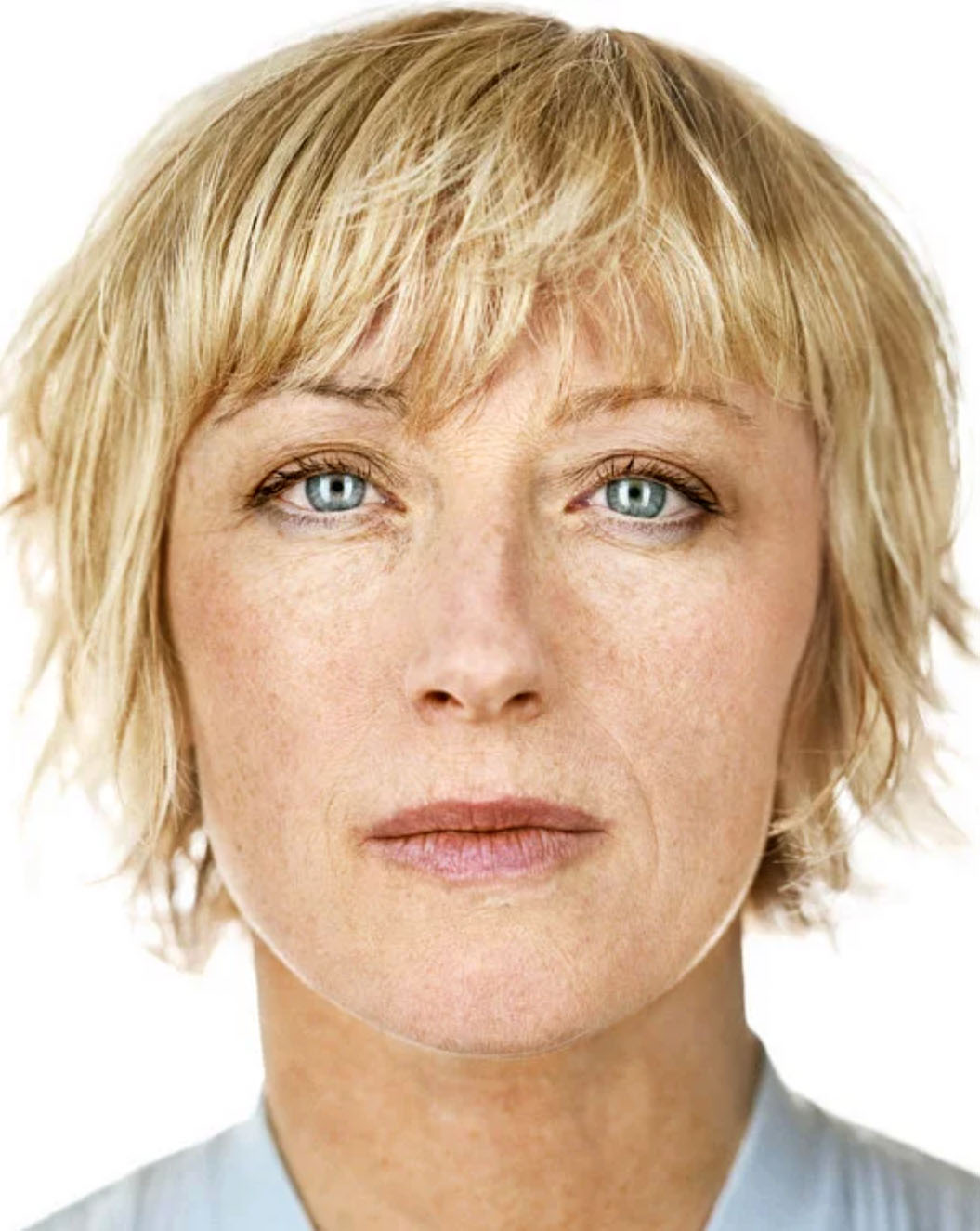
Martin Schoeller (American, b. 1968) 'Cindy Sherman' 2000


Martin Schoeller (American, b. 1968)
Cindy Sherman
2000
Digital C-print
Published in the New Yorker, May 15, 2000
Collection of the artist, courtesy Hasted Hunt, New York City
© Martin Schoeller


Well known for creating photographs of herself adopting a broad range of personas, Cindy Sherman’s own face is surprisingly unfamiliar. Originally published with a New Yorker profile of Sherman by Calvin Tomkins addressing “Her Secret Identities,” Schoeller’s portrait unmasks the influential artist.


National Portrait Gallery, Smithsonian Institution
Eighth and F Streets, NW
Washington D.C.

Opening hours:
Daily 11.30am – 7.00pm

National Portrait Gallery website

LIKE ART BLART ON FACEBOOK

Back to top