Exhibition: ‘The Three Graces’ at The Art Institute of Chicago

Exhibition dates: 29th October 2011 – 22nd January 2012


Many thankx to The Art Institute of Chicago for allowing me to publish the photographs in the posting. Please click on the photographs for a larger version of the image.


Artist unknown (American). '[Three women]' c. 1930s


Artist unknown (American)
[Three women]
c. 1930s
Gelatin silver print
8.9 x 14.7cm
The Art Institute of Chicago, Gift of Peter J. Cohen


Artist unknown (American) 'The Three Graces' c. 1930s


Artist unknown (American)
The Three Graces
c. 1930s
Gelatin silver print
The Art Institute of Chicago, Gift of Peter J. Cohen
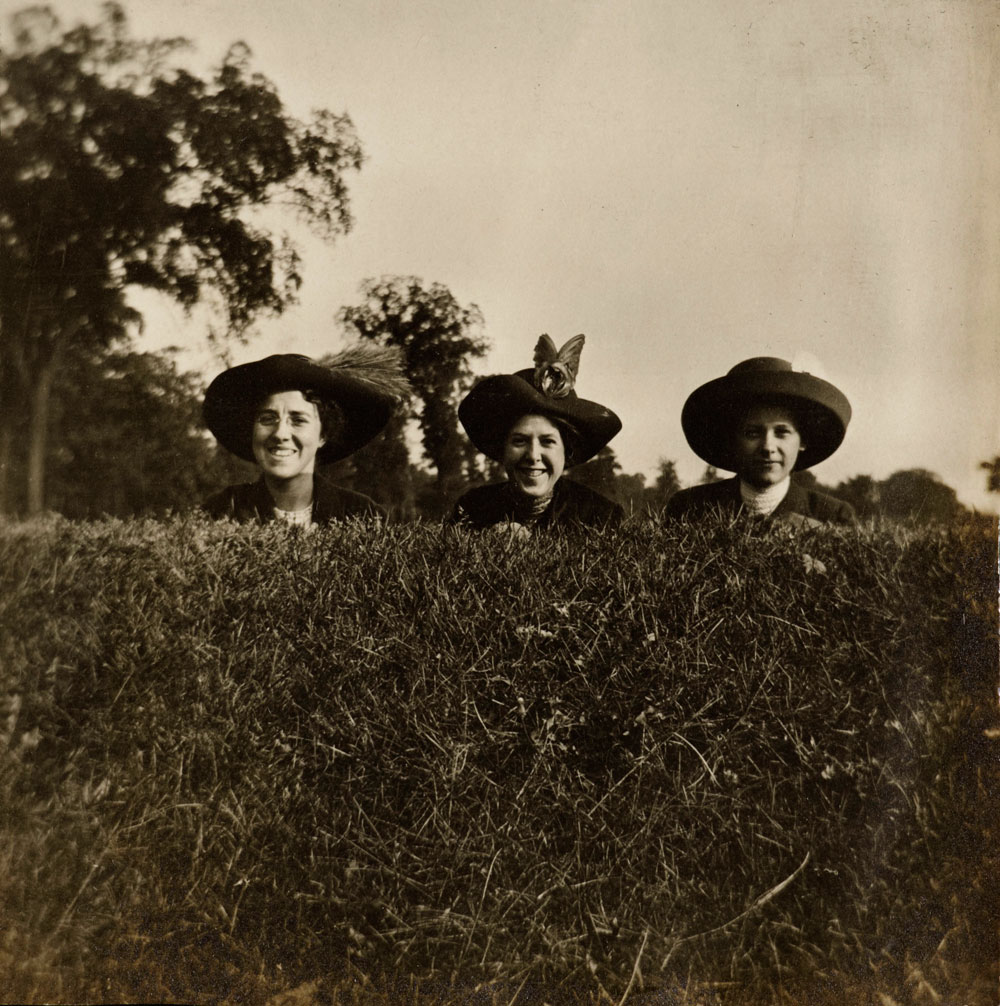
 

Artist unknown (American) 'Look Pleasant' c. 1910s


Artist unknown (American)
Look Pleasant
c. 1910s
Gelatin silver print
8.9 x 8.6cm
The Art Institute of Chicago, Gift of Peter J. Cohen


Artist unknown (American). '[Three women]' c. 1910s


Artist unknown (American)
[Three women]
c. 1910s
Gelatin silver print
11.6 x 6.8cm
The Art Institute of Chicago, Gift of Peter J. Cohen
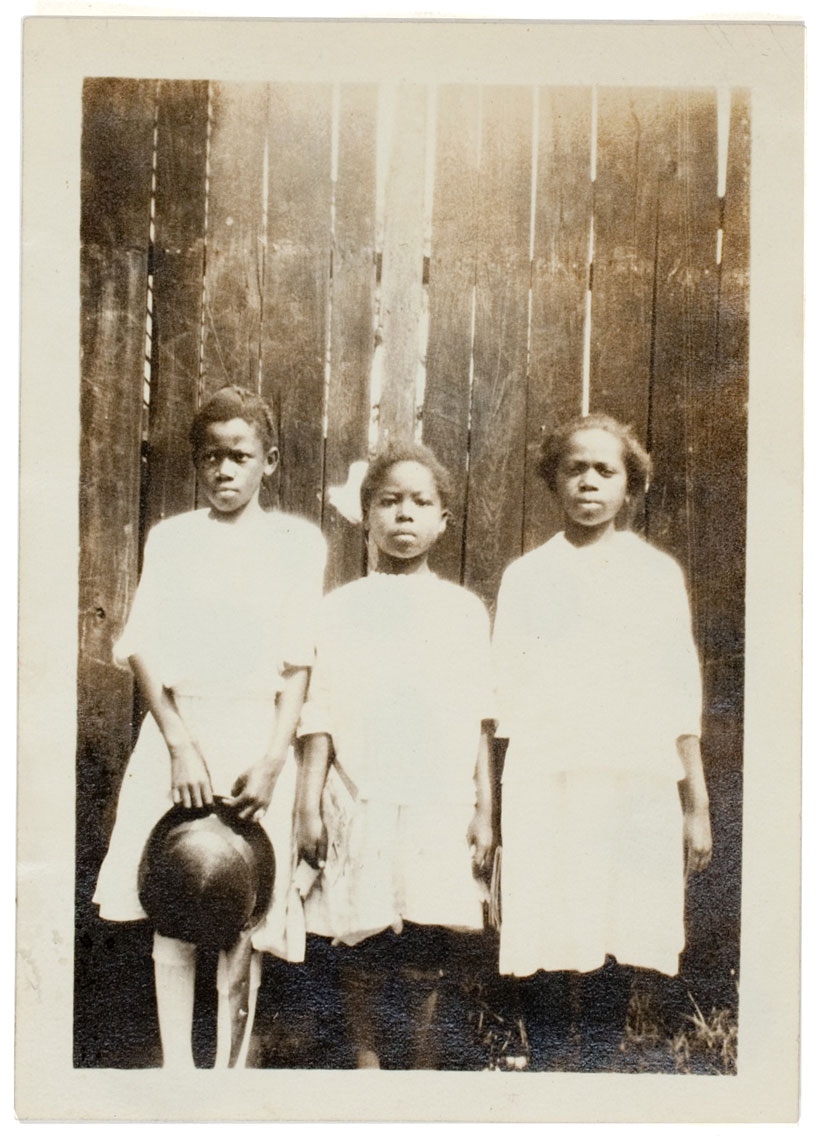
 

Artist unknown (American) 'Untitled' 1910/1940


Artist unknown (American)
Untitled
1910/1940
Image: 7.7 × 5.2cm (3 1/16 × 2 1/16 in.)
Paper: 8.6 × 6.1 cm (3 7/16 × 2 7/16 in.)
The Art Institute of Chicago, Gift of Peter J. Cohen


After George Eastman introduced the handheld Kodak #1 camera in 1888, amateurs made millions of snapshots depicting friends and family, travels, and festive occasions such as weddings. Even while solidifying such thoroughly conventional behaviours, amateur photography developed a new pictorial language that privileged immediacy, spontaneity, and accident. Career photographers and art historians – but also antiques vendors and flea-market shoppers – have long recognised the value of the “snapshot aesthetic.” The rise of social media and smartphones in recent years has effectively ended the era of the snapshot as both a printed photograph and an image for a private audience.

Text from the Art Institute of Chicago website
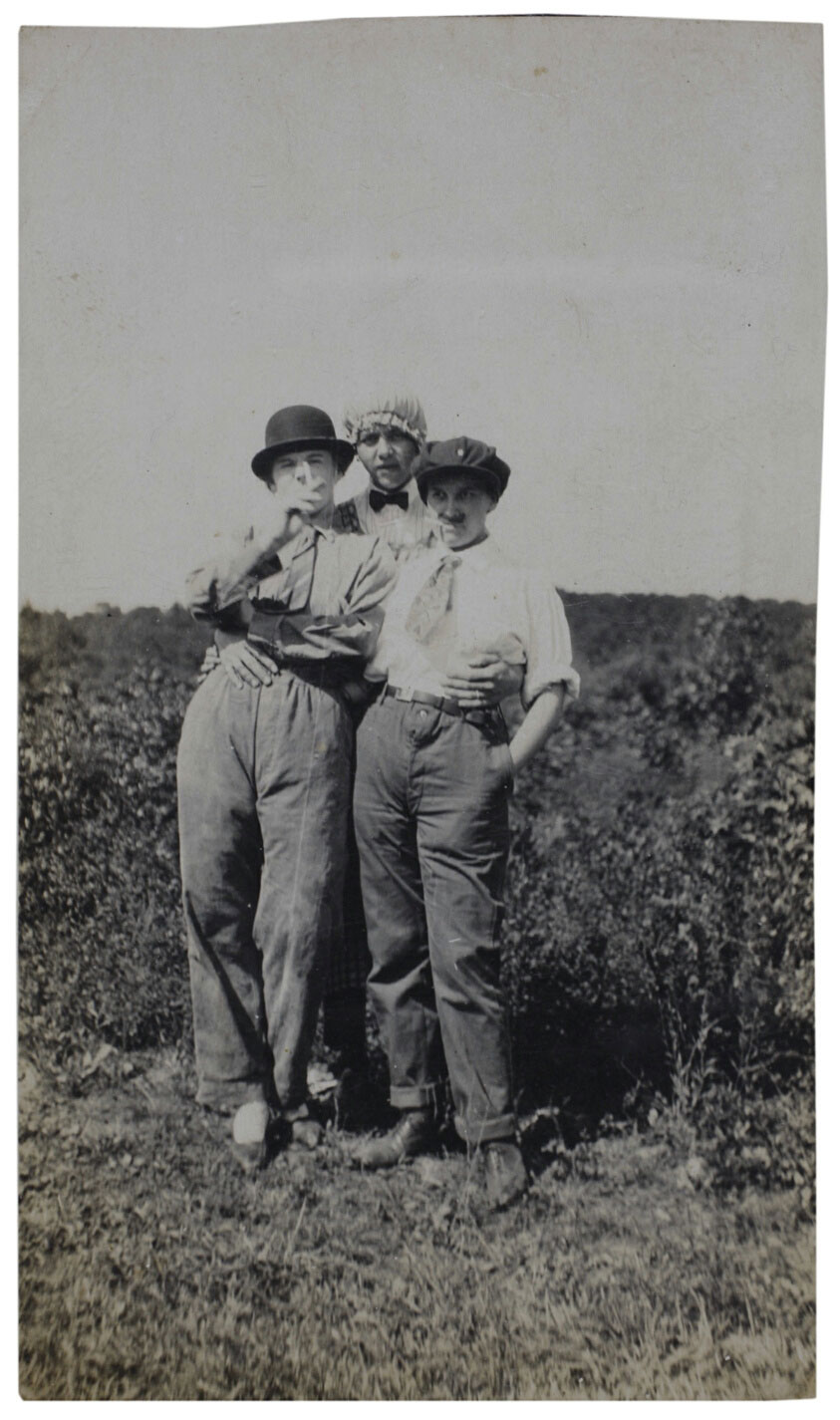
 

Artist unknown (American) 'Untitled (Summer, Aug, 1920)' 1920


Artist unknown (American)
Untitled (Summer, Aug, 1920)
1920
Gelatin silver print
13.9 × 8.3cm (5 1/2 × 3 5/16 in.)
The Art Institute of Chicago, Gift of Peter J. Cohen
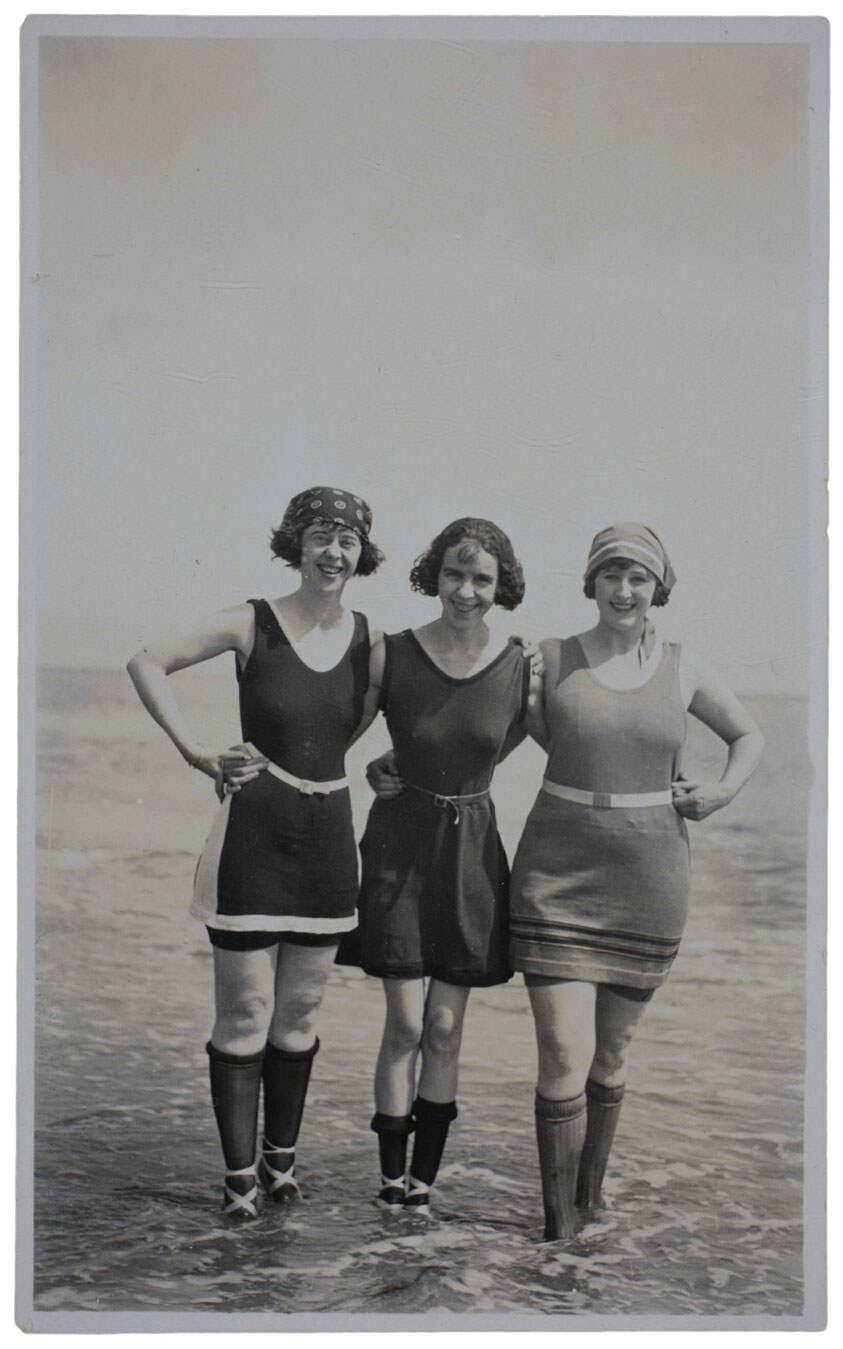
 

Artist unknown (American) 'Untitled' c. 1920-1929


Artist unknown (American)
Untitled
c. 1920-1929
Gelatin silver print
13.7 × 8.5cm (5 7/16 × 3 3/8 in.)
The Art Institute of Chicago, Gift of Peter J. Cohen


This exhibition explores the early years of vernacular photography through graceful snapshots of female trios. Displaying more than 500 “found” images the exhibition features photographs of celebrations, vacations, and gatherings of family and friends are taken and kept with the aim of preserving moments in life for future generations. What happens, however, when a snapshot becomes an image “type” – transferred into the hands of a collector and folded into a broader cultural history?

This subject is explored in the Art Institute of Chicago’s The Three Graces – on view October 29, 2011, through January 22, 2012, in the museum’s Photography Galleries 3 and 4. The exhibition, featuring a private collection of more than 500 anonymous images depicting female trios, spans nearly a century of female role-playing for the camera. These mostly American “found” photographs, spanning from the 1890s to the 1970s, collectively reveal a great deal about the evolving ritual of women’s self-presentation, a theme already idealised in Classical culture with depictions of “The Three Graces.”

New York collector Peter J. Cohen, who has spent decades scouring flea markets, shops, and galleries in search of rare amateur photographs, amassed this image collection and gave it its title. Cohen was struck by the frequency of images featuring female trios, and had the wit to identify in them a playful echo of the Greek muses Aglaia, Euphrosyne, and Thalia, who are said to personify beauty, charm, and grace in both nature and humanity. Cohen owns some 20,000 anonymous snapshots spanning from the late 19th century until the 1970s. He has organised his mountainous holdings according to many classifications, among them “Double Exposures,” “Up on The Roof,” and “Dangerous Women.”

For Art Institute exhibition coordinator Michal Raz-Russo, who also authored the accompanying book, the “three graces” theme serves as a frame through which to chart shifts and continuities in women’s self-understanding across nearly a century. The 1888 introduction of the Kodak #1 camera and the 1900 debut of the Kodak Brownie made photography immensely popular, with much of the marketing was directed at women. Modern life and leisure in the 1920s coincided with the arrival of smaller cameras, faster film speeds, and automatic exposures; women of the expanding middle class became practiced at self-portraiture while vacationing or camping on their own. Later, in the mid-20th century, a clear convergence can be seen between women’s self-portraits and ideals of womanhood promulgated in films and glossy magazines. Throughout this history, men are clearly at work too, convincing women to participate in erotic poses according to another set of visual models. While the varieties of picturing and self-picturing are complex, The Three Graces demonstrates that women worked to define themselves as social beings through photography.

Visitors to the exhibition can find information on individual snapshots – gleaned from inscriptions and the clues provided by clothing and setting – at a special computer kiosk located in the gallery.

Press release from The Art Institute of Chicago website


Artist unknown (American). '[Three Women]' c. 1920s


Artist unknown (American)
[Three Women]
c. 1920s
Gelatin silver print
13.5 x 8.3cm
The Art Institute of Chicago, Gift of Peter J. Cohen
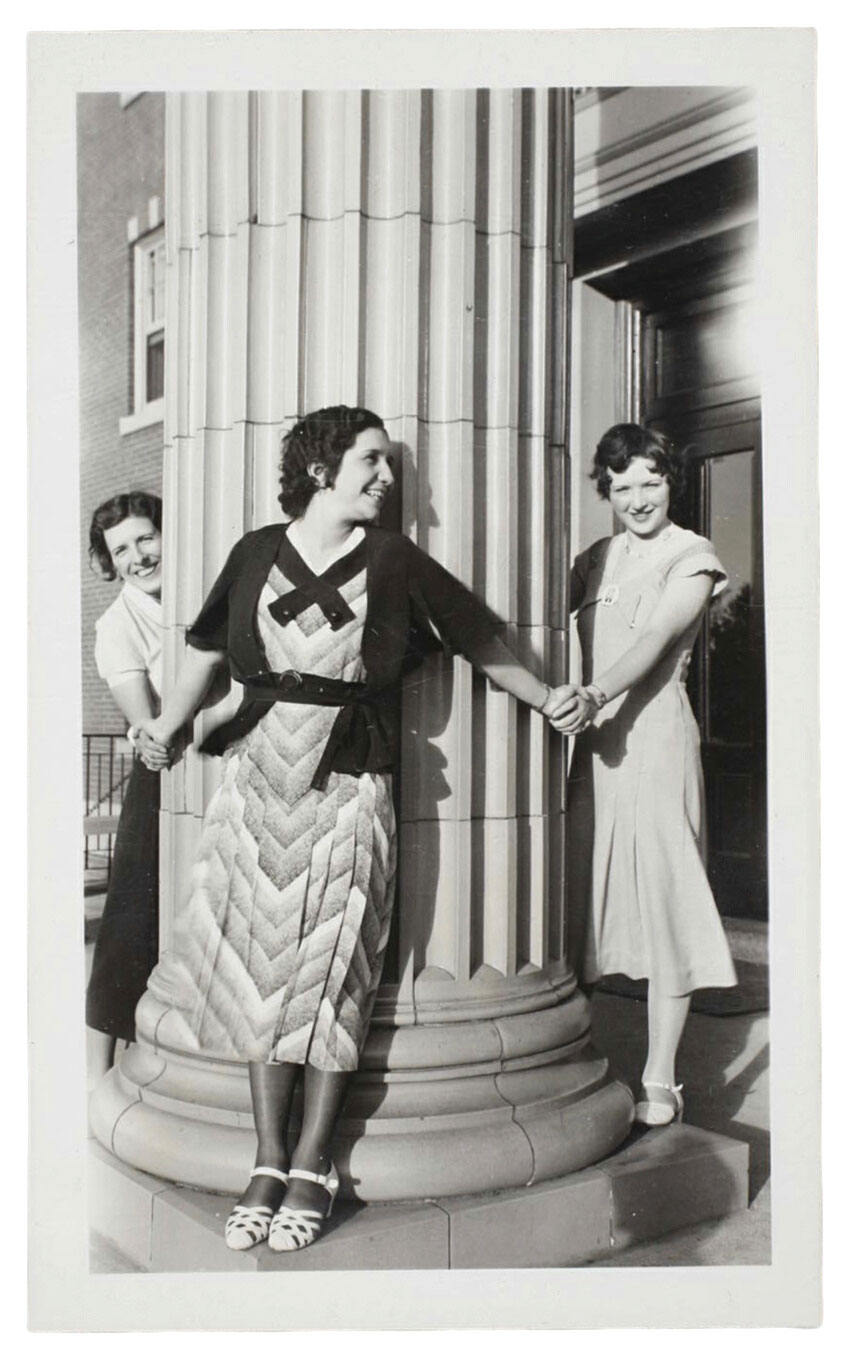
 

Unknown Maker (American) 'Untitled (Stamped Clyde Banks Photo Services, Crystal Sheer, Aug 5 1932)' 1930-1939


Unknown Maker (American)
Untitled (Stamped Clyde Banks Photo Services, Crystal Sheer, Aug 5 1932)
1930-1939
Gelatin silver print
Paper: 11.7 × 7.1cm (4 5/8 × 2 13/16 in.)
The Art Institute of Chicago, Gift of Peter J. Cohen
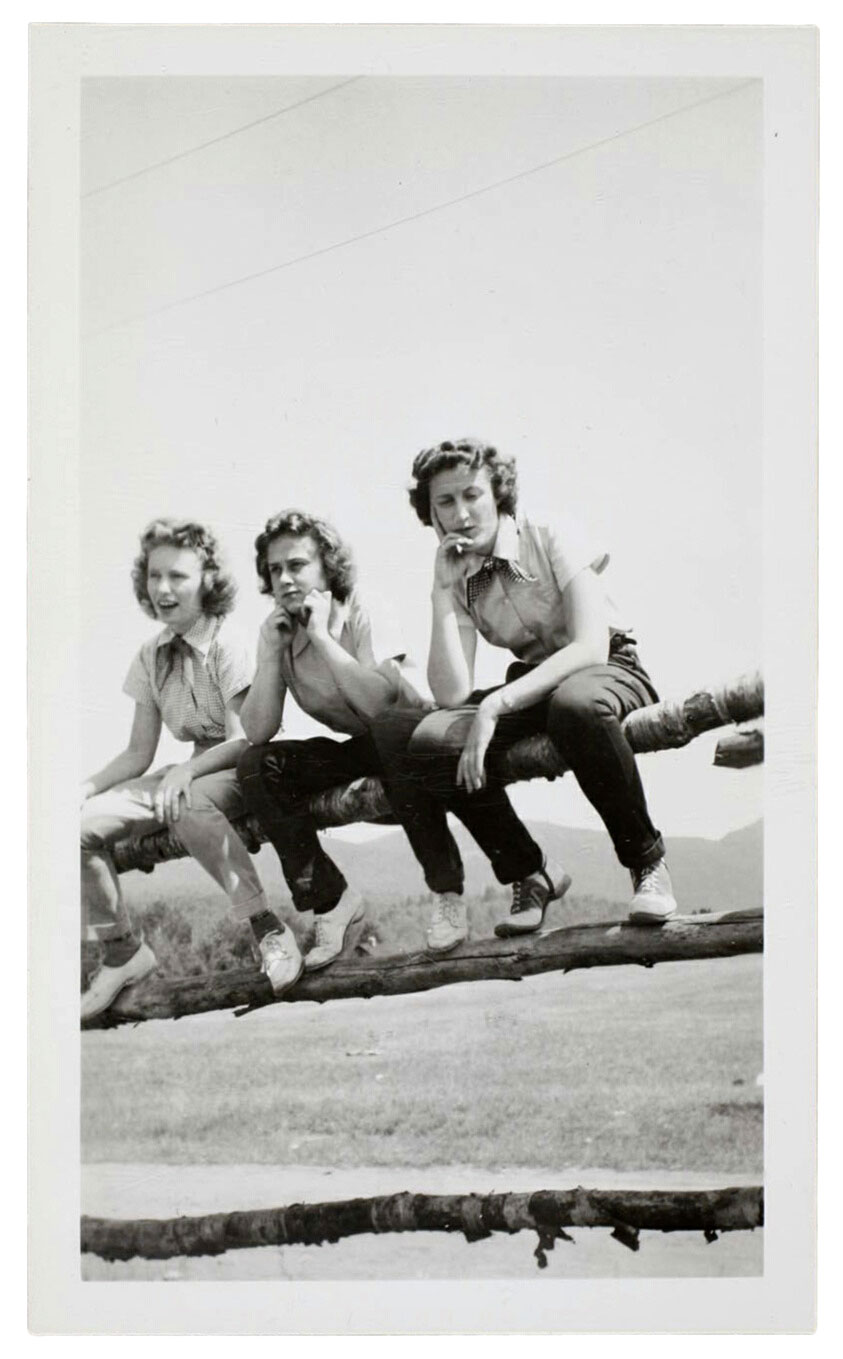
 

Unknown Maker (American) 'Untitled (Stony Creek Dude Ranch, July 1939, stamped Certified, Master Photo Finishers of America, Fountain Photo Service, May 15 1940)' Made 1939


Unknown Maker (American)
Untitled (Stony Creek Dude Ranch, July 1939, stamped Certified, Master Photo Finishers of America, Fountain Photo Service, May 15 1940)
Made 1939
Gelatin silver print
Paper: 11.6 × 7cm (4 5/8 × 2 13/16 in.)
The Art Institute of Chicago, Gift of Peter J. Cohen
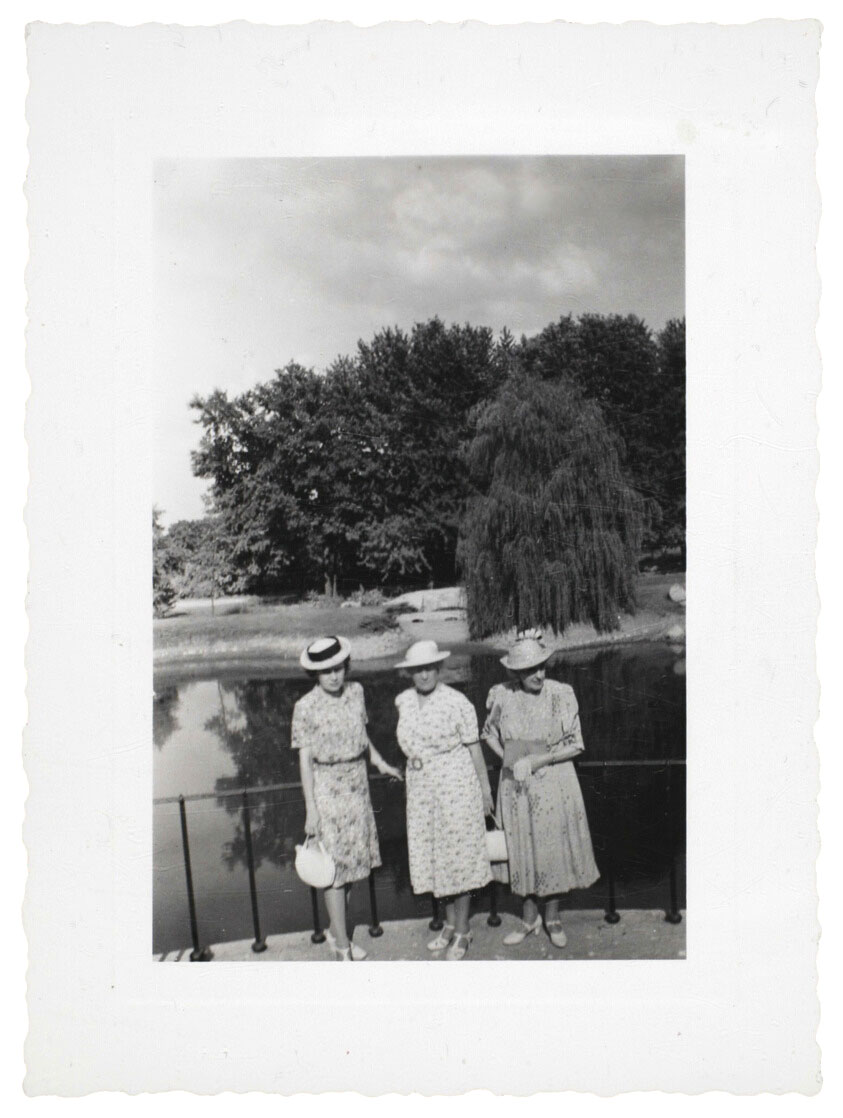
 

Unknown Maker (American) 'Untitled (Stamped Master Photo Finishers of America, Service and Quality, Kay Tone 10 Point Process, Certified Reg. U.S. Pat Off., Caton Photo Co., Detroit, Michigan, Sep 11 1939)' Printed 1939


Unknown Maker (American)
Untitled (Stamped Master Photo Finishers of America, Service and Quality, Kay Tone 10 Point Process, Certified Reg. U.S. Pat Off., Caton Photo Co., Detroit, Michigan, Sep 11 1939)
Printed 1939
Gelatin silver print
Paper: 10.7 × 7.9cm (4 1/4 × 3 1/8 in.)
The Art Institute of Chicago, Gift of Peter J. Cohen


Artist unknown (American). '[Three Women]' c. 1940s


Artist unknown (American)
[Three Women]
c. 1940s
Gelatin silver print
11.7 x 7cm
The Art Institute of Chicago, Gift of Peter J. Cohen


Artist unknown (American). '[Three Women and a photographer]' c. 1940s


Artist unknown (American)
[Three Women and a photographer]
c. 1940s
Gelatin silver print
12.2 x 7.6cm
The Art Institute of Chicago, Gift of Peter J. Cohen
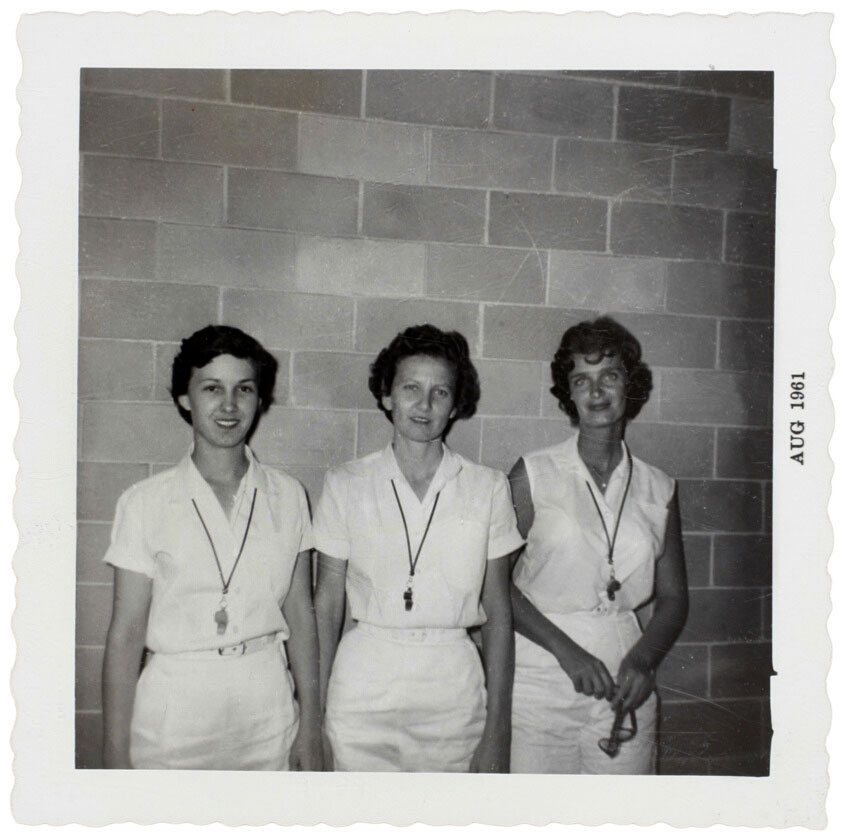
 

Unknown Maker (American) 'Untitled (Gym Teachers Linda "Sissy" House, Sarah Beth Jordan, Seanne Livingston, 9th Grade)' Printed 1961


Unknown Maker (American)
Untitled (Gym Teachers Linda “Sissy” House, Sarah Beth Jordan, Seanne Livingston, 9th Grade)
Printed 1961
Gelatin silver print
Paper: 9 × 9 cm (3 9/16 × 3 9/16 in.)
The Art Institute of Chicago, Gift of Peter J. Cohen
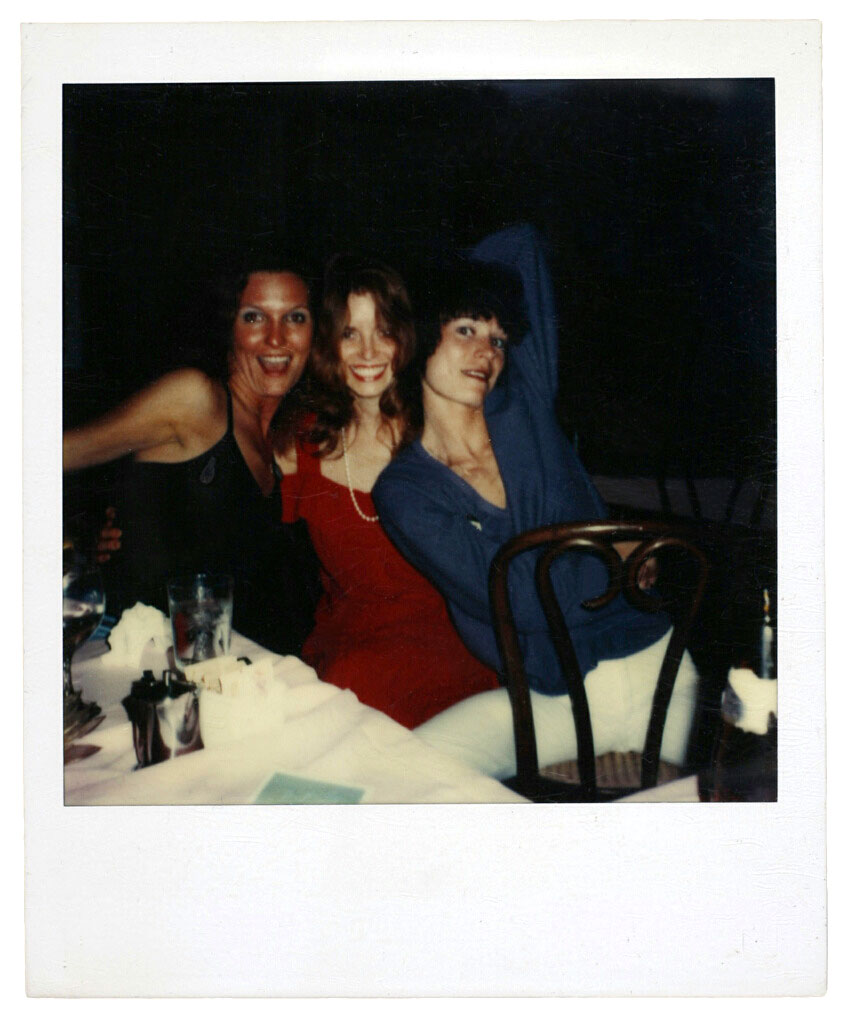
 

Unknown Maker (American) 'Untitled' 1960-1969


Unknown Maker (American)
Untitled
1960-1969
Internal dye diffusion transfer print
Paper: 10.8 × 8.9cm (4 5/16 × 3 9/16 in.)
The Art Institute of Chicago, Gift of Peter J. Cohen


Martin M. Homburger (American, active mid-20th century) 'Untitled [Three women]' 1967


Martin M. Homburger (American, active mid-20th century)
Untitled [Three women]
1967
Chromogenic print
Image: 11.7 × 9.2cm (4 5/8 × 3 5/8 in.)
Paper: 12.7 × 10.2cm (5 × 4 1/16 in.)
The Art Institute of Chicago, Gift of Peter J. Cohen


Unknown Maker (American) 'Untitled' Printed 1968


Unknown Maker (American)
Untitled
Printed 1968
Chromogenic print
Paper: 9 × 8.6cm (3 9/16 × 3 7/16 in.)
The Art Institute of Chicago, Gift of Peter J. Cohen


Artist unknown (American). '[Three Women]' c. 1930s


Artist unknown (American)
[Three Women]
c. 1930s
Gelatin silver print
14.5 x 8.7cm
The Art Institute of Chicago, Gift of Peter J. Cohen
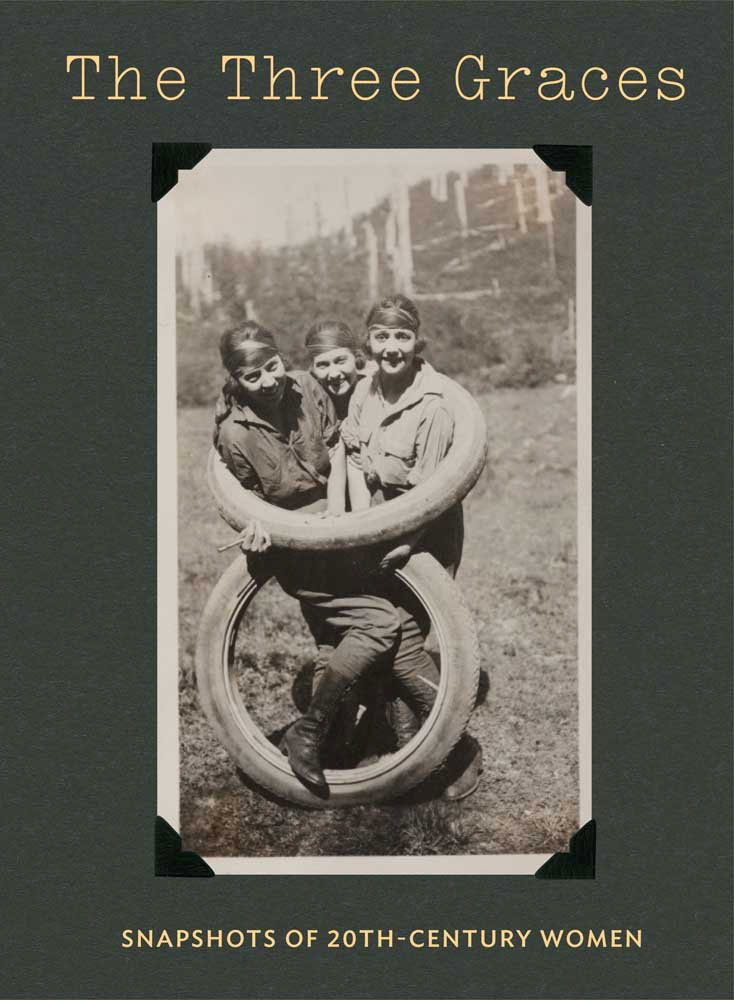
 

'The Three Graces: Snapshots of Twentieth-Century Women' book cover


The Three Graces: Snapshots of Twentieth-Century Women book cover
Hardcover – November 29, 2011

Featuring an amazing treasure trove of unpublished images, this intriguing and entertaining book looks at how women explored their identity through popular photography in the 20th century

Snapshots preserve more than individual likeness and memory. Photographs of celebrations, vacations, and gatherings of family and friends are collected with the aim of constructing and preserving a personal identity for future generations. What happens, however, when a snapshot is subsequently discarded or displaced and becomes merely an “anonymous” image? This and many other questions are discussed in this fascinating selection of anonymous images depicting three women. Presumably all taken by nonprofessionals, these snapshots were acquired over time by a private collector interested in their eclectic yet familiar details, who named the grouping after the iconic Greco-Roman motif.

In traditional western iconography, the Three Graces personify beauty, charm, and grace in both nature and humanity. In the 150 snapshots assembled here, the remarkable consistency of confidence and poise projected by the trios of women in varied settings, in various states of dress/undress, and over a period of more than fifty years reveals the formal and behavioral conventions that evolved as photography’s popularity skyrocketed among amateurs. To this end, the iconography of The Three Graces provides a framework for understanding the generational differences and cultural influences that shaped women’s self-presentation in front of the camera in the first half of the 20th century.

Text from the Amazon website


The Art Institute of Chicago
111 South Michigan Avenue
Chicago, Illinois 60603-6404
Phone: (312) 443-3600

Opening hours:
Thursday – Monday 11am – 5pm
Closed Tuesdays and Wednesdays
The Art Institute of Chicago website

LIKE ART BLART ON FACEBOOK

Back to top

Photographs: Marcus Bunyan. ‘Vertical’ 2011

December 2011


This slideshow requires JavaScript.


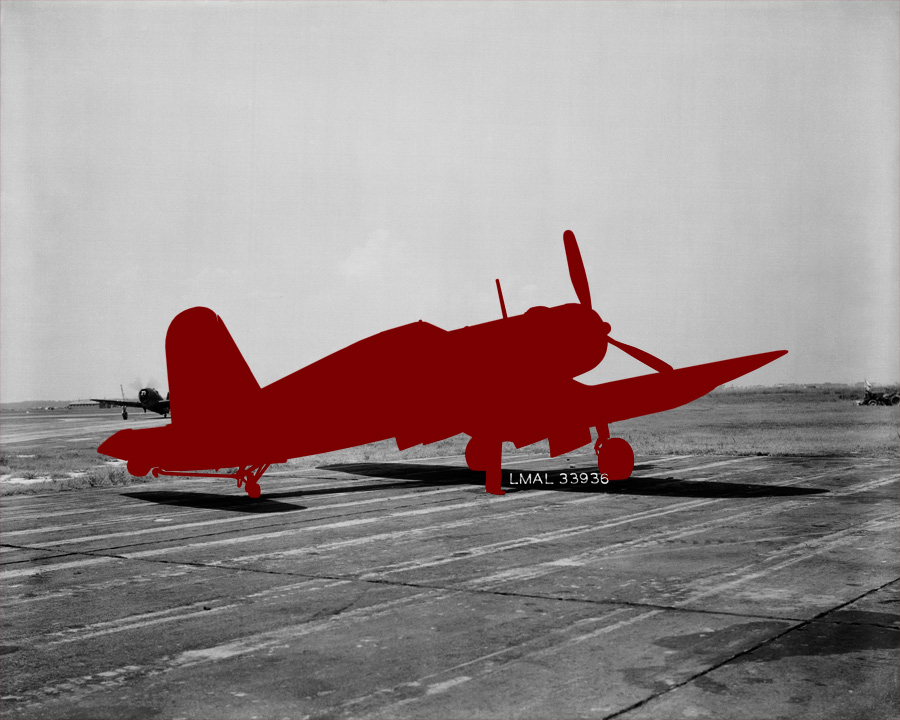
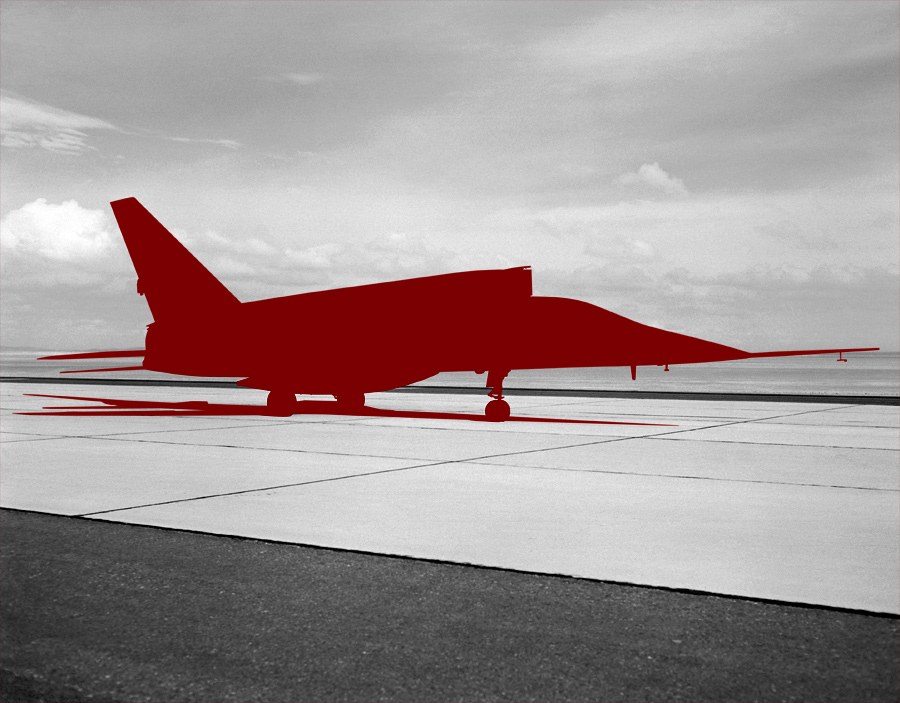
Vertical

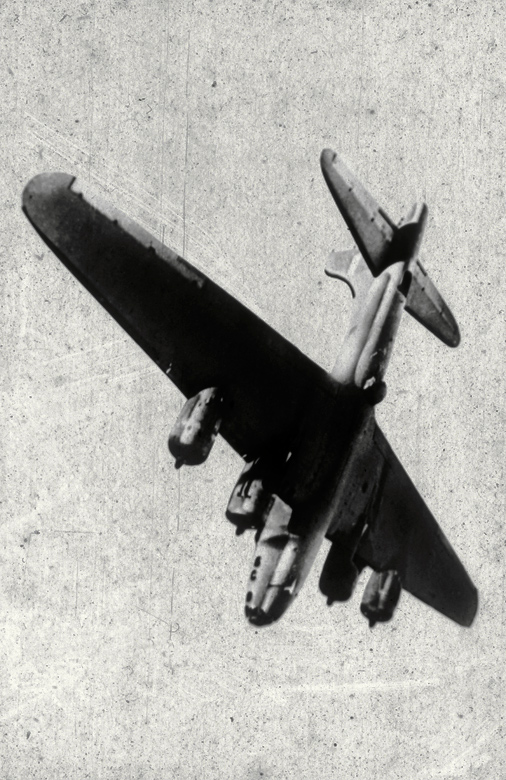
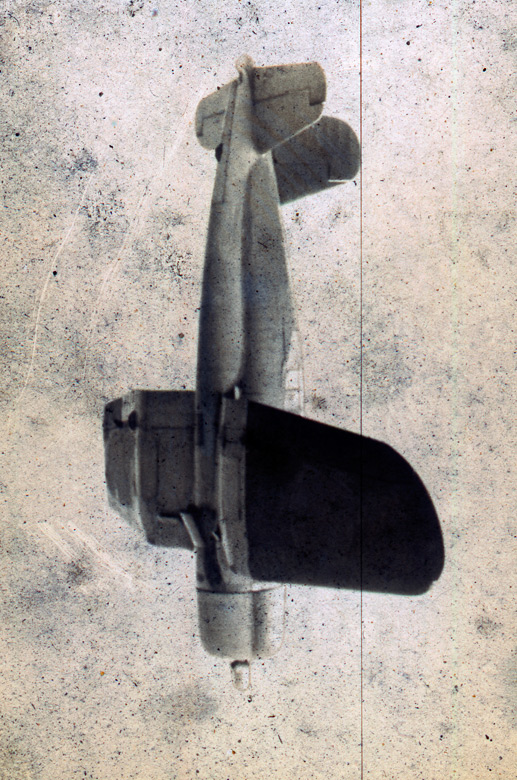
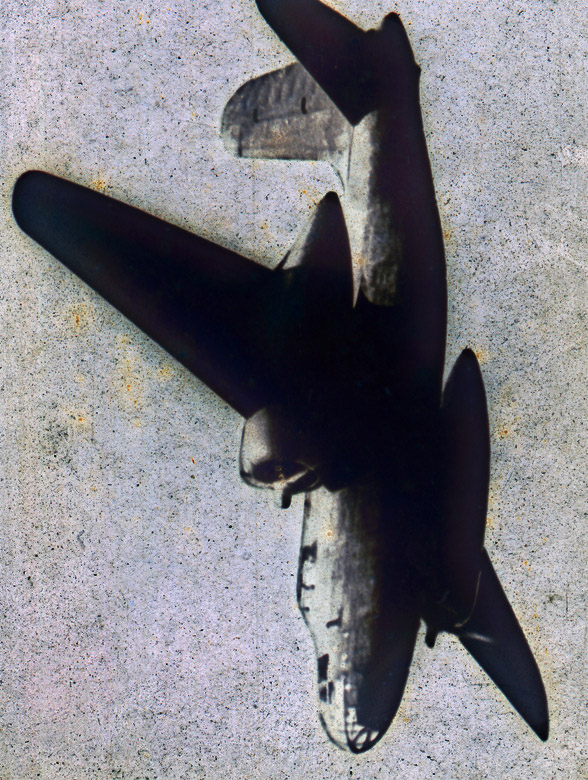
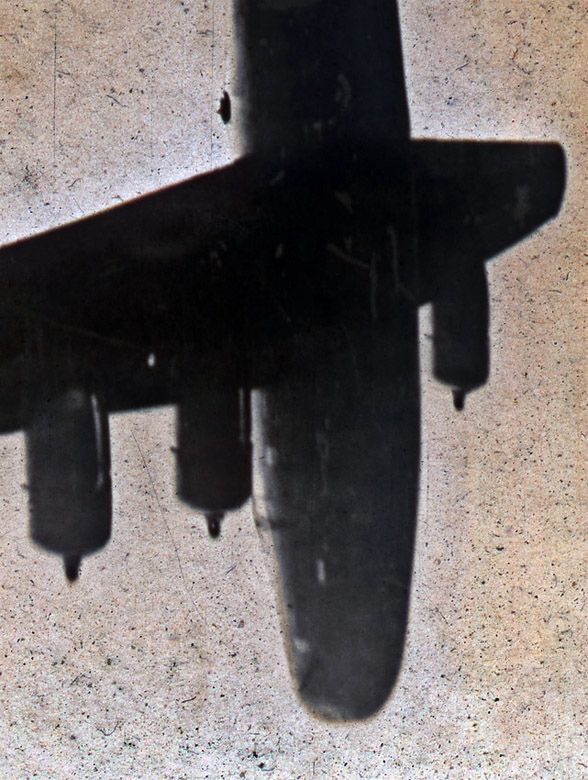
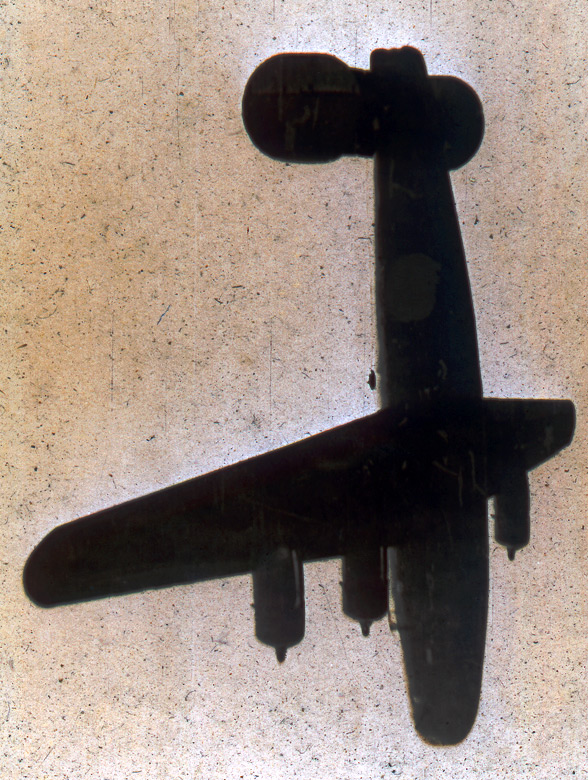
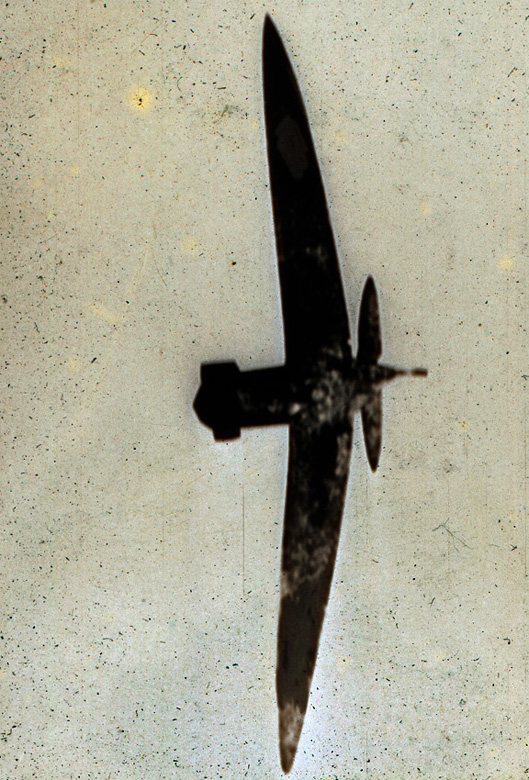
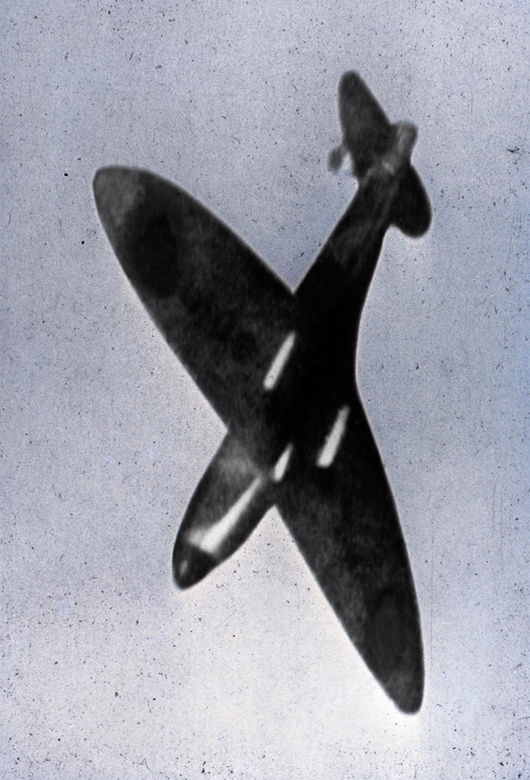
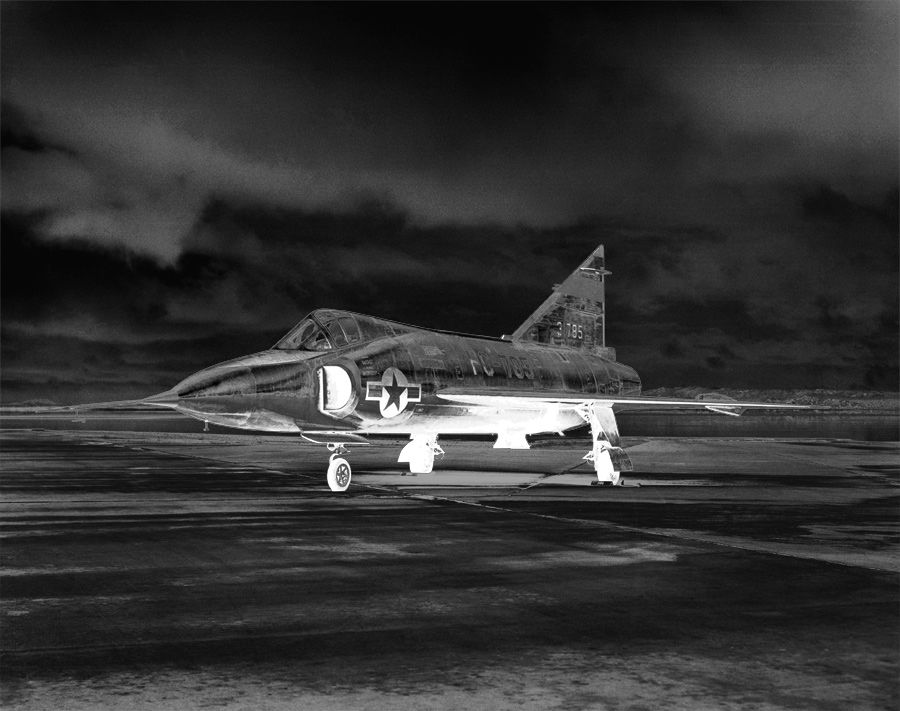
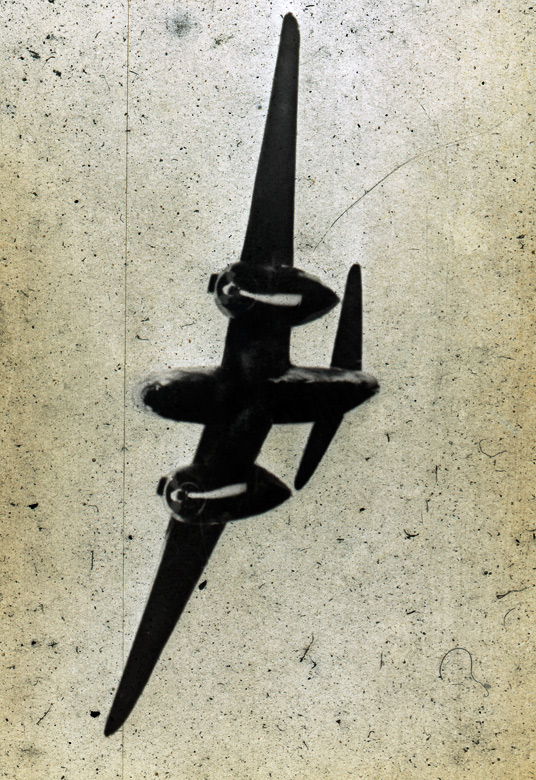
More planes, this time a series of work titled Vertical (2011). The series is now online on my website.

There are 22 images in the series formed as a sequence. Below is a selection of images from the series. I hope you like the work!

Marcus


Please click on the photographs for a larger version of the image.

Photographs are available from this series for purchase. As a guide, a digital colour 16″ x 20″ costs $1000 plus tracked and insured shipping. For more information please see my Store web page.


Marcus Bunyan (Australian, b. 1958) 'Untitled' from the series 'Vertical' 2011


Marcus Bunyan (Australian, b. 1958) 'Untitled' from the series 'Vertical' 2011


Marcus Bunyan (Australian, b. 1958) 'Untitled' from the series 'Vertical' 2011


Marcus Bunyan (Australian, b. 1958) 'Untitled' from the series 'Vertical' 2011


Marcus Bunyan (Australian, b. 1958) 'Untitled' from the series 'Vertical' 2011


Marcus Bunyan (Australian, b. 1958) 'Untitled' from the series 'Vertical' 2011


Marcus Bunyan (Australian, b. 1958) 'Untitled' from the series 'Vertical' 2011


Marcus Bunyan (Australian, b. 1958) 'Untitled' from the series 'Vertical' 2011


Marcus Bunyan (Australian, b. 1958)
Untitled
2011
From the series Vertical
Digital prints


Marcus Bunyan website

LIKE ART BLART ON FACEBOOK

Back to top

Photographs: Marcus Bunyan. ‘Missing in action (dark kenosis)’ 2010

May 2010


Marcus Bunyan (Australian, b. 1958) 'Missing in Action (dark kenosis) No.11' 2010


Marcus Bunyan (Australian, b. 1958)
Missing in Action (dark kenosis) No.11
2010
Digital photograph


Missing in action (dark kenosis)

A new body of work Missing in Action (dark kenosis) 2010 is now online on my website.

There are eighty-two images in the series which are like a series of variations in music with small shifts in tone and colour. Below are a selection of images from the series. Please click on the photographs for a larger version of the image.

Many thankx to the people who have emailed me saying how much they like the new series of work.

Dr Marcus Bunyan


Photographs are available from this series for purchase. As a guide, a digital colour 16″ x 20″ costs $1000 plus tracked and insured shipping. For more information please see my Store web page.


Kenosis

“In Christian theology, Kenosis is the concept of the ‘self-emptying’ of one’s own will and becoming entirely receptive to God and his perfect will.”


Marcus Bunyan (Australian, b. 1958) 'Missing in Action (dark kenosis) No.19' 2010


Marcus Bunyan (Australian, b. 1958)
Missing in Action (dark kenosis) No.19
2010
Digital photograph


Marcus Bunyan (Australian, b. 1958) 'Missing in Action (dark kenosis) No.35' 2010


Marcus Bunyan (Australian, b. 1958)
Missing in Action (dark kenosis) No.35
2010
Digital photograph


Marcus Bunyan (Australian, b. 1958) 'Missing in Action (dark kenosis) No.46' 2010


Marcus Bunyan (Australian, b. 1958)
Missing in Action (dark kenosis) No.46
2010
Digital photograph


Marcus Bunyan (Australian, b. 1958) 'Missing in Action (dark kenosis) No.49' 2010


Marcus Bunyan (Australian, b. 1958)
Missing in Action (dark kenosis) No.49
2010
Digital photograph


Marcus Bunyan (Australian, b. 1958) 'Missing in Action (dark kenosis) No.67' 2010


Marcus Bunyan (Australian, b. 1958)
Missing in Action (dark kenosis) No.67
2010
Digital photograph


Marcus Bunyan (Australian, b. 1958) 'Missing in Action (dark kenosis) No.71' 2010


Marcus Bunyan (Australian, b. 1958)
Missing in Action (dark kenosis) No.71
2010
Digital photograph


Marcus Bunyan (Australian, b. 1958) 'Missing in Action (dark kenosis) No.76' 2010


Marcus Bunyan (Australian, b. 1958)
Missing in Action (dark kenosis) No.76
2010
Digital photograph


Detail of images


Marcus Bunyan (Australian, b. 1958) 'Missing in Action (dark kenosis) No.76' 2010 (detail)

Marcus Bunyan (Australian, b. 1958) 'Missing in Action (dark kenosis) No.78' 2010 (detail)

Marcus Bunyan (Australian, b. 1958) 'Missing in Action (dark kenosis) No.6' 2010 (detail)

Marcus Bunyan (Australian, b. 1958) 'Missing in Action (dark kenosis) No.9' 2010 (detail)


Detail of images 76, 78, 6 and 9


Marcus Bunyan website

LIKE ART BLART ON FACEBOOK

Back to top

Review: ‘To hold and be held’ by Kiko Gianocca at Gallery Funaki, Melbourne

Exhibition dates: 20th April – 15th May 2010


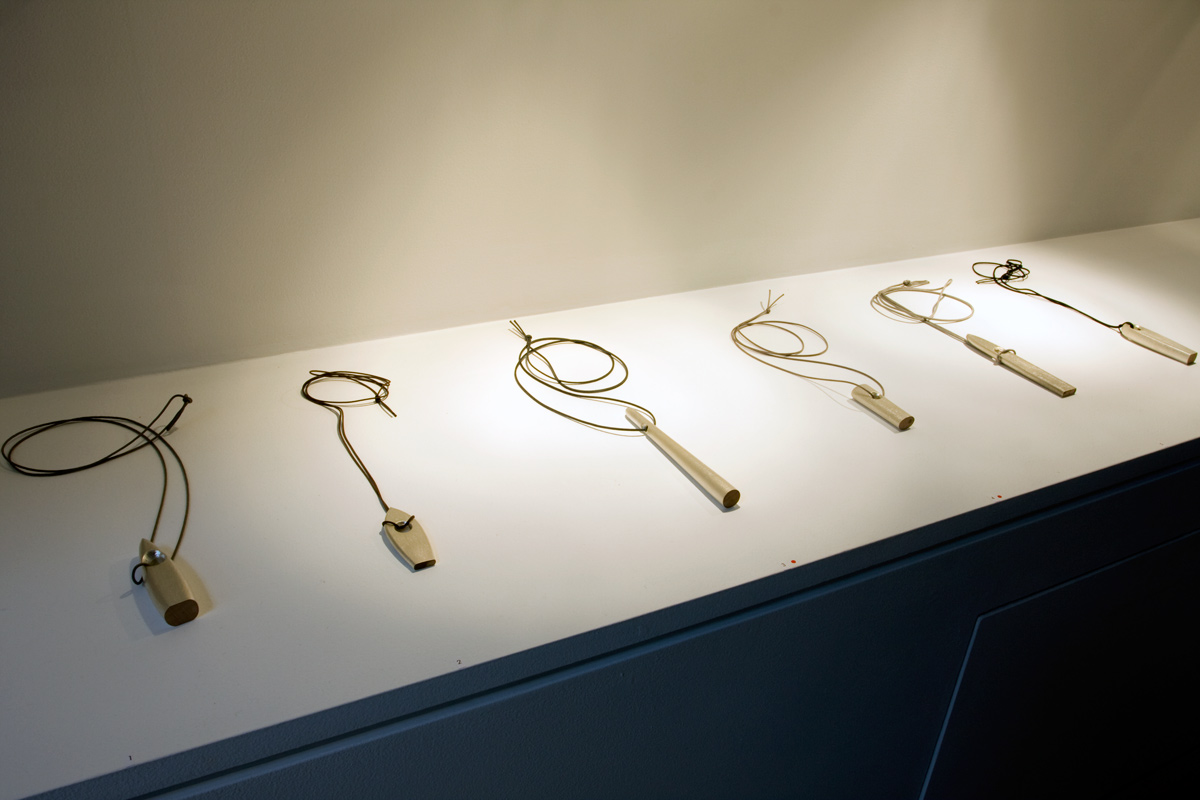
Kiko Gianocca (Swiss, b. 1974) 'Untitled (touch wood)' multiples 2009 (installation view) from the exhibition 'To hold and be held' by Kiko Gianocca at Gallery Funaki, Melbourne, April - May, 2010


Kiko Gianocca (Swiss, b. 1974)
Untitled (touch wood) multiples (installation view)
2009
Burnt wood, resin
Photo: Marcus Bunyan


A beautiful exhibition of objects by Swiss/Italian artist Kiko Gianocca at Gallery Funaki, Melbourne, one full of delicate resonances and remembrances.

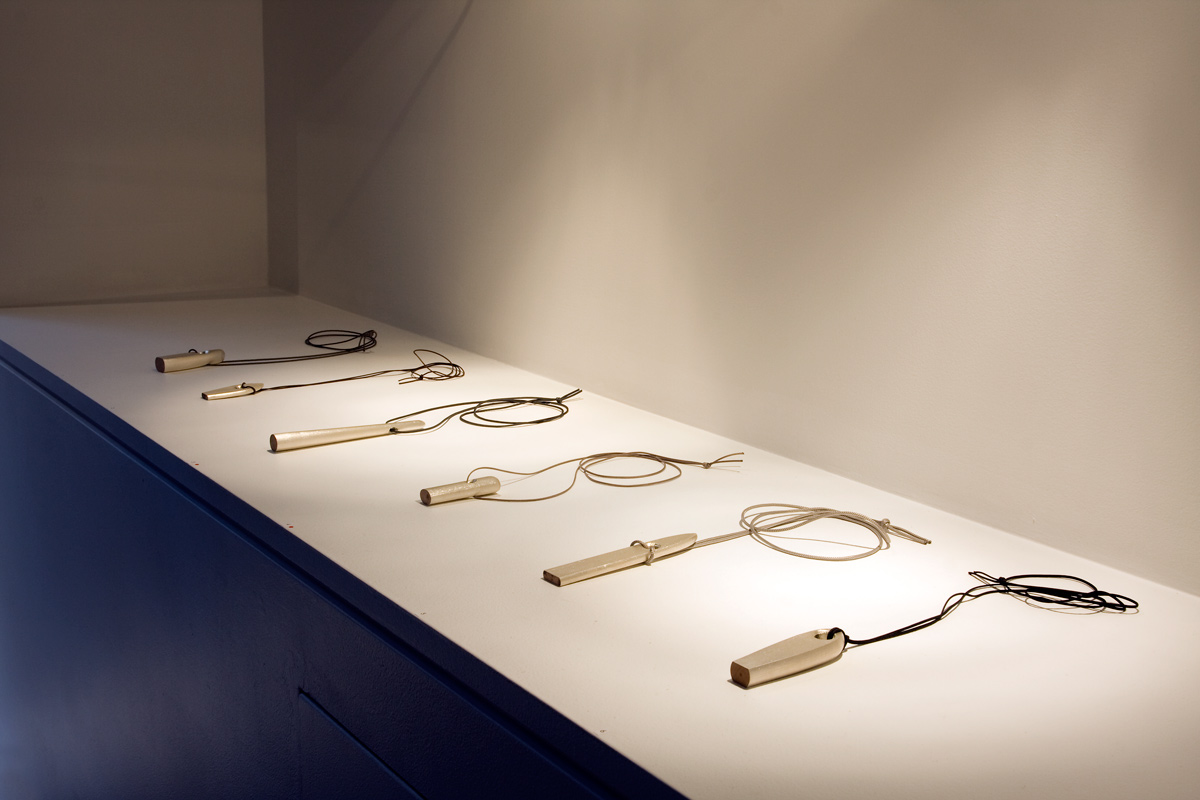
Obelisk pendants in blackened and silvered wood, Neolithic standing stones, totemic, silent;
The hole through the object akin to ‘seeing’ through time.
Exposed wood on base (touch wood) as grounding.

The standing stone installation an altar piece, a dark reliquary (see image above)


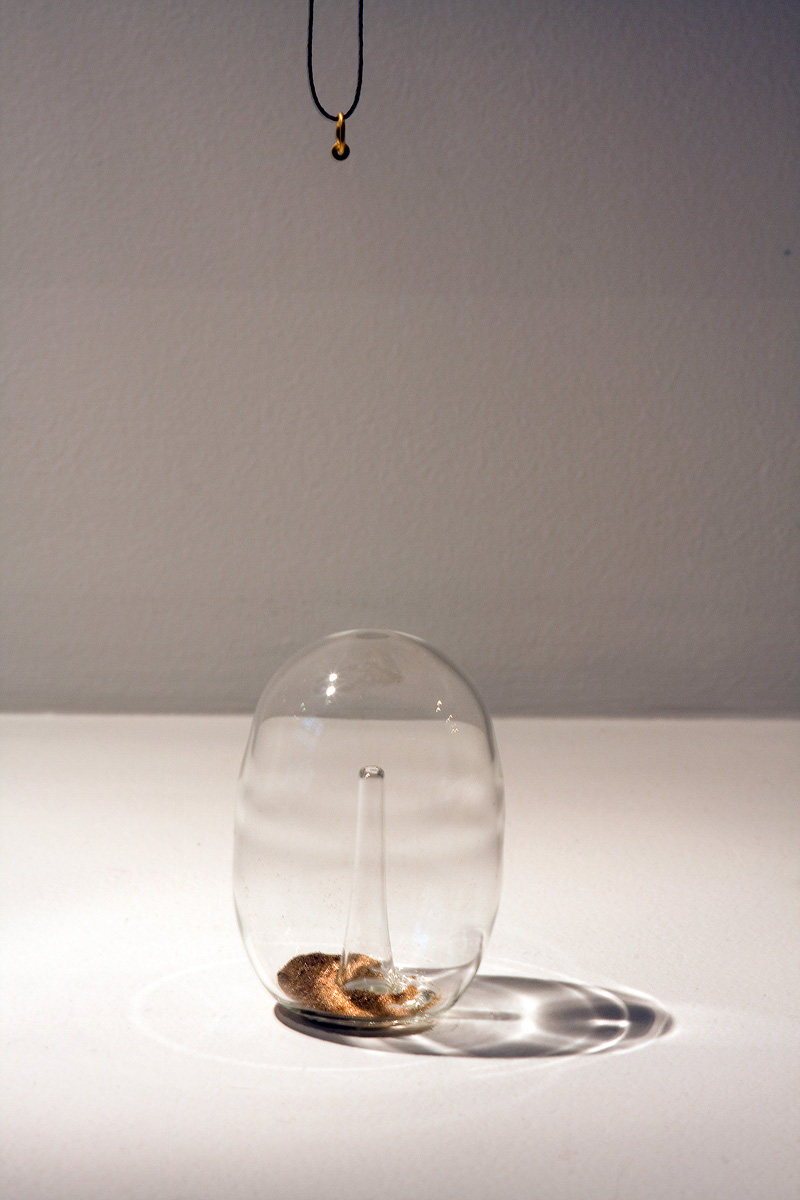
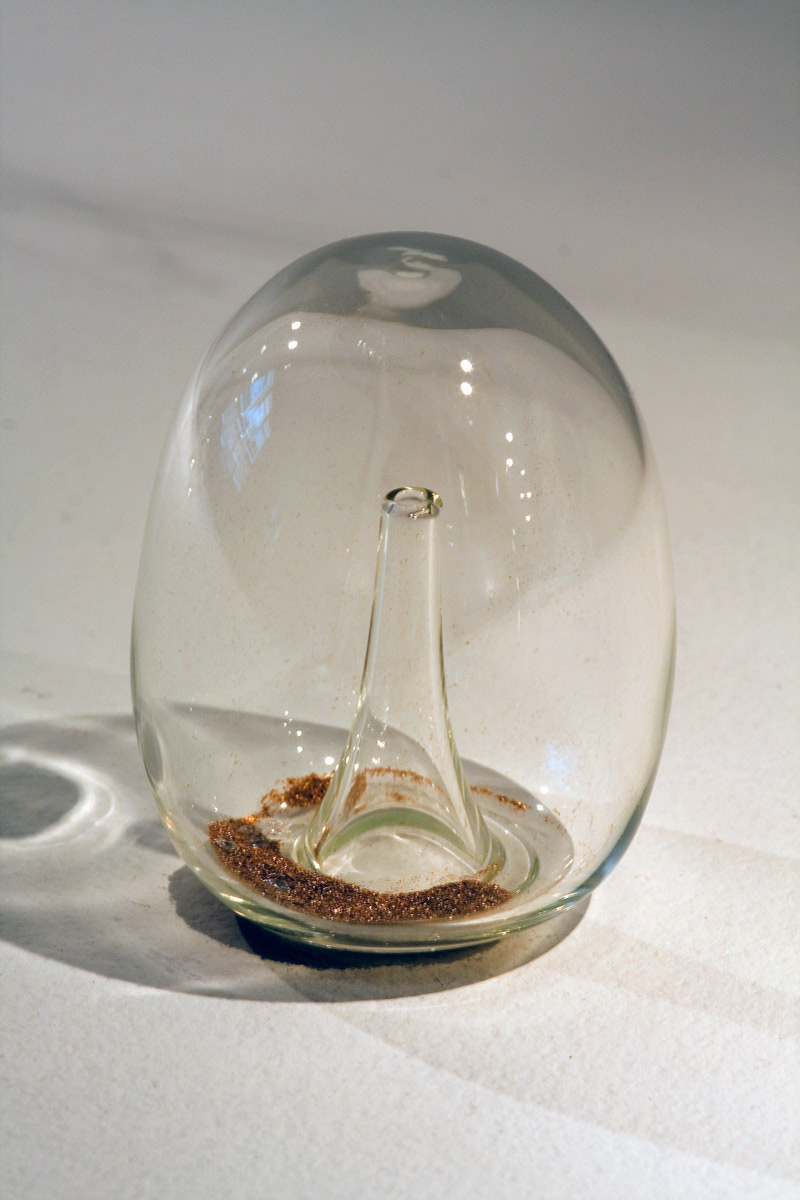
Glass vessels with internal funnels filled with the gold detritus of disassembled objects, found pendants:
Horse, Anchor, Four leaf clover, Swan, Hammer & sickle (see images below)

The distance between the bail – the finding that attaches the pendant to the necklace – and the remainder/reminder of the vessel itself. What a distance!

As Sally Mann would articulate, ‘What remains’1 …

Lives previous to this incarnation; jewels embedded in dust.
The captured potency of displaced objects.
Personal and yet anonymous at one and the same time.


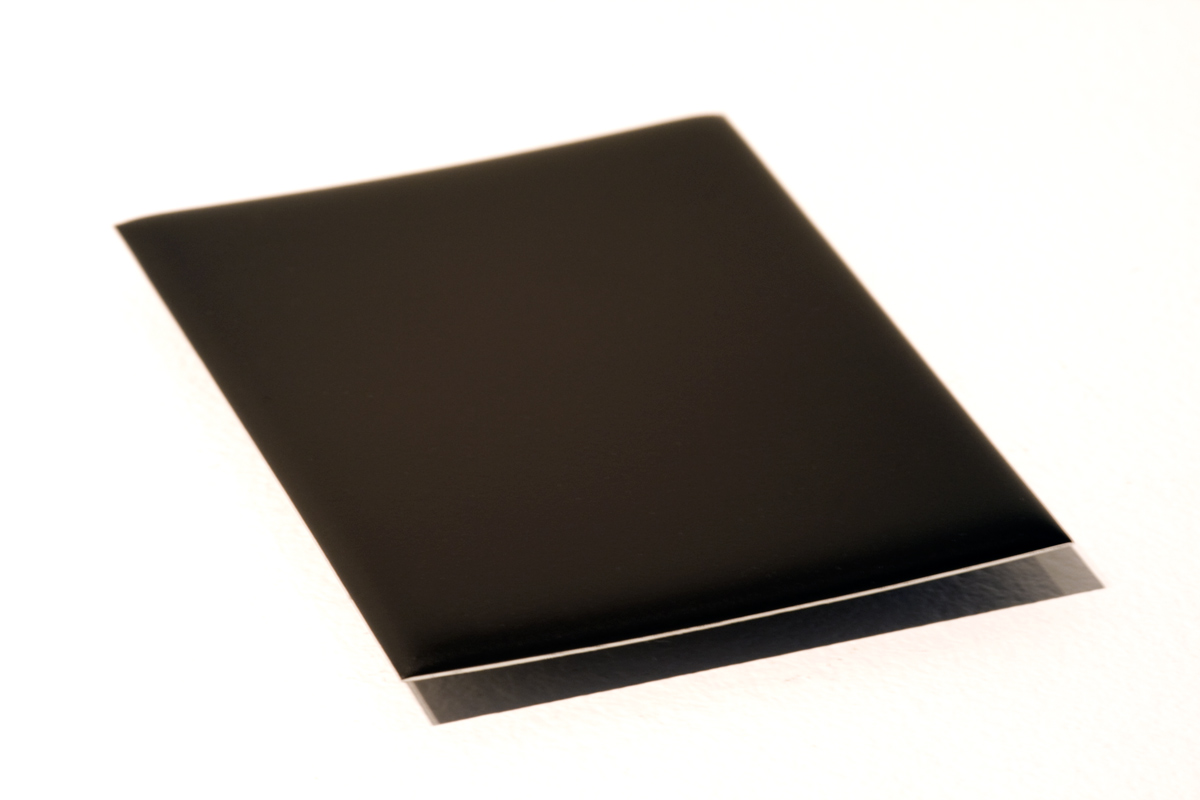
Brooches of gloss and matt black resin plates. A plastic black, almost Rembrandt-esque.

On the reverse images exposed like a photographic plate, found images solidified in resin.

The front: the depths of the universe, navigating the dazzling darkness
The back: memories, forgotten, then remade, worn like a secret against the beating chest. Only the wearer knows!

Here is a territorialization, “a double movement, where something accumulates meanings (re-territorialization), but does so co-extensively with a de-territorialization where the same thing is disinvested of meanings.”2

As Kiki Gianocca asks, “I am not sure if I grasp the memories that sometimes come to mind.
I start to think they hold me instead of me holding them.”

 
Time is the distance between objects. No objects.
Space is the distance between events. No events.

Dr Marcus Bunyan


1/ “Mann’s fifth book, What Remains, published in 2003, is based on the show of the same name at the Corcoran Museum in Washington, DC and is in five parts. The first section contains photographs of the remains of Eva, her greyhound, after decomposition. The second part has the photographs of dead and decomposing bodies at a federal Forensic Anthropology Facility (known as the ‘body farm’). The third part details the site on her property where an armed escaped convict was killed. The fourth part is a study of the grounds of Antietam (the site of the bloodiest single day battle in American history during the Civil War. The last part is a study of close-ups of the faces of her children. Thus, this study of mortality, decay and death ends with hope and love.”
Sally Mann. Wikipedia [Online] Cited 02/05/2010

2/ “For them (Deleuze and Guattari), assemblages are the processes by which various configurations of linked components function in an intersection with each other, a process that can be both productive and disruptive. Any such process involves a territorialization; there is a double movement where something accumulates meanings (re-territorialization), but does so co-extensively with a de-territorialization where the same thing is disinvested of meanings. The organization of a territory is characterized by such a double movement … An assemblage is an extension of this process, and can be thought of as constituted by an intensification of these processes around a particular site through a multiplicity of intersections of such territorializations.”
Wood, Aylish. “Fresh Kill: Information technologies as sites of resistance ” in Munt, Sally (ed.,). Technospaces: Inside the New Media. London: Continuum, 2001, p. 166.


    Many thankx to Katie and Gallery Funaki for allowing me to take the photographs in the gallery and post them online. Please click on the photographs for a larger version of the image. All photographs © Marcus Bunyan except The waterfall.


    “I own a stone that a friend passed to me, and a shackle that Michael gave me.

    I found a curious object in Lisbon at the fleamarket, I paid one euro for it and I still don’t know what it is.

    Yesterday I had a look again at the picture you shot. I am not sure if I grasp the memories that sometimes come to mind.

    I start to think they hold me instead of me holding them.”


    Kiko Gianocca, April 2010


    Installation view of the exhibition 'To hold and be held' by Kiko Gianocca at Gallery Funaki, Melbourne showing 'Untitled (touch wood)' multiples (installation view)

    Installation view of the exhibition 'To hold and be held' by Kiko Gianocca at Gallery Funaki, Melbourne showing 'Untitled (touch wood)' multiples (installation view)


    Kiko Gianocca (Swiss, b. 1974)
    Untitled (touch wood) multiples (installation views)
    2009
    Wood, silver
    Photos: Marcus Bunyan


    Kiko Gianocca (Swiss, b. 1974)
'Horse, Anchor, Four leaf clover and Swan' (left to right) 2009 (installation view)


    Kiko Gianocca (Swiss, b. 1974)
    Horse, Anchor, Four leaf clover and Swan (left to right) (installation view)
    2009
    18k gold, glass
    Photo: Marcus Bunyan


    Kiko Gianocca. 'Horse' 2009 (installation view)


    Kiko Gianocca (Swiss, b. 1974)
    Horse (installation view)
    2009
    18k gold, glass
    Photo: Marcus Bunyan


    Kiko Gianocca (Swiss, b. 1974) 'Anchor' 2009 (installation view) from the exhibition 'To hold and be held' by Kiko Gianocca at Gallery Funaki, Melbourne, April - May, 2010


    Kiko Gianocca (Swiss, b. 1974)
    Anchor (installation view)
    2009
    18k gold, glass
    Photo: Marcus Bunyan


    Kiko Gianocca (Swiss, b. 1974) 'Swan' 2009 (installation view)


    Kiko Gianocca (Swiss, b. 1974)
    Swan (installation view)
    2009
    18k gold, glass
    Photo: Marcus Bunyan


    Installation view of the exhibition 'To hold and be held' by Kiko Gianocca at Gallery Funaki, Melbourne with 'Untitled (touch wood)' burnt wood multiples in distance


    Installation view of exhibition with Untitled (touch wood) burnt wood multiples in distance
    Photo: Marcus Bunyan


    Kiko Gianocca (Swiss, b. 1974) 'Man & dog' 2009 (installation view)


    Kiko Gianocca (Swiss, b. 1974)
    Man & dog (installation view)
    2009
    Found image, resin, silver
    Photo: Marcus Bunyan


    Kiko Gianocca (Swiss, b. 1974) 'The waterfall' 2009 from the exhibition 'To hold and be held' by Kiko Gianocca at Gallery Funaki, Melbourne, April - May, 2010


    Kiko Gianocca (Swiss, b. 1974)
    The waterfall
    2009
    Found image, resin, silver


    Kiko Gianocca (Swiss, b. 1974) 'The dog' 2009 (installation view)


    Kiko Gianocca (Swiss, b. 1974)
    The dog (installation view)
    2009
    Found image, resin, silver
    Photo: Marcus Bunyan


    Kiko Gianocca (Swiss, b. 1974) 'The kiss' (reverse) 2009 (installation view)


    Kiko Gianocca (Swiss, b. 1974)
    The kiss (reverse) (installation view)
    2009
    Found image, resin, silver
    Photo: Marcus Bunyan


    Kiko Gianocca (Swiss, b. 1974) 'The way up' (reverse) 2009 (installation view)


    Kiko Gianocca (Swiss, b. 1974)
    The way up (reverse) (installation view)
    2009
    Found image, resin, silver
    Photo: Marcus Bunyan


    Kiko Gianocca (Swiss, b. 1974) 'The beast' (reverse) 2009 (installation view)


    Kiko Gianocca (Swiss, b. 1974)
    The beast (reverse) (installation view)
    2009
    Found image, resin, silver
    Photo: Marcus Bunyan


    Gallery Funaki
    Sackville House
    Apartment 33
    27 Flinders Lane
    Melbourne 3000
    Australia

    Opening hours:
    Wednesday – Friday 12 – 5pm
    Saturday on occasion (check our socials) or by appointment

    Gallery Funaki website

    LIKE ART BLART ON FACEBOOK

    Back to top

    Photographs: Marcus Bunyan. ‘Missing in Action (horizontal kenosis)’ 2010

    March 2010


    Marcus Bunyan (Australian born England, b. 1958) 'Missing in Action (horizontal kenosis) No.4' 2010


    Marcus Bunyan (Australian born England, b. 1958)
    Missing in Action (horizontal kenosis) No.4
    2010
    Digital photograph


    Missing in Action (horizontal kenosis)

    A body of work, Missing in Action (horizontal kenosis) (2010) is now online on my website.

    There are nineteen images in the series which can be viewed as a sequence, rising and falling like a piece of music.

    Below are a selection of images from the series.

    Marcus

    Photographs are available from this series for purchase. As a guide, a digital colour 16″ x 20″ costs $1000 plus tracked and insured shipping. For more information please see my Store web page.


    Kenosis

    “In Christian theology, Kenosis is the concept of the ‘self-emptying’ of one’s own will and becoming entirely receptive to God and his perfect will.”


    Marcus Bunyan (Australian born England, b. 1958) 'Missing in Action (horizontal kenosis) No.5' 2010


    Marcus Bunyan (Australian born England, b. 1958)
    Missing in Action (horizontal kenosis) No.5
    2010
    Digital photograph


    Marcus Bunyan (Australian born England, b. 1958) 'Missing in Action (horizontal kenosis) No.6' 2010


    Marcus Bunyan (Australian born England, b. 1958)
    Missing in Action (horizontal kenosis) No.6
    2010
    Digital photograph


    Marcus Bunyan (Australian born England, b. 1958) 'Missing in Action (horizontal kenosis) No.8' 2010


    Marcus Bunyan (Australian born England, b. 1958)
    Missing in Action (horizontal kenosis) No.8
    2010
    Digital photograph


    Marcus Bunyan (Australian born England, b. 1958) 'Missing in Action (horizontal kenosis) No.9' 2010


    Marcus Bunyan (Australian born England, b. 1958)
    Missing in Action (horizontal kenosis) No.9
    2010
    Digital photograph


    Marcus Bunyan (Australian born England, b. 1958) 'Missing in Action (horizontal kenosis) No.16' 2010


    Marcus Bunyan (Australian born England, b. 1958)
    Missing in Action (horizontal kenosis) No.16
    2010
    Digital photograph


    Marcus Bunyan (Australian born England, b. 1958) 'Missing in Action (horizontal kenosis) No.17' 2010


    Marcus Bunyan (Australian born England, b. 1958)
    Missing in Action (horizontal kenosis) No.17
    2010
    Digital photograph


    Marcus Bunyan website

    LIKE ART BLART ON FACEBOOK

    Back to top

    Exhibition: ‘Paste Up’ by Barbara Kruger at Sprüth Magers London

    Exhibition dates: 21st November, 2009 – 23rd January, 2010


    Many thankx to Sprüth Magers London for allowing me to publish the photographs in the posting. Please click on the photographs for a larger version of the image.


    Barbara Kruger (American, b. 1945) 'Untitled (Money can buy you love)' 1983 from the exhibition Exhibition: 'Paste Up' by Barbara Kruger at Sprüth Magers London, Nov 2009 - Jan 2010


    Barbara Kruger (American, b. 1945)
    Untitled (Money can buy you love)
    1983
    Collage
    19.5 x 17.5cm
    Courtesy of the artist and Sprüth Magers London Berlin


    Barbara Kruger (American, b. 1945) 'Untitled (Your misery loves company)' 1985 from the exhibition Exhibition: 'Paste Up' by Barbara Kruger at Sprüth Magers London, Nov 2009 - Jan 2010


    Barbara Kruger (American, b. 1945)
    Untitled (Your misery loves company)
    1985
    Collage
    18 x 17.3cm
    Courtesy of the artist and Sprüth Magers London Berlin


    Barbara Kruger (American, b. 1945) 'Untitled (Our prices are insane!)' 1987 from the exhibition Exhibition: 'Paste Up' by Barbara Kruger at Sprüth Magers London, Nov 2009 - Jan 2010


    Barbara Kruger (American, b. 1945)
    Untitled (Our prices are insane!)
    1987
    Collage
    Courtesy of the artist and Sprüth Magers London Berlin


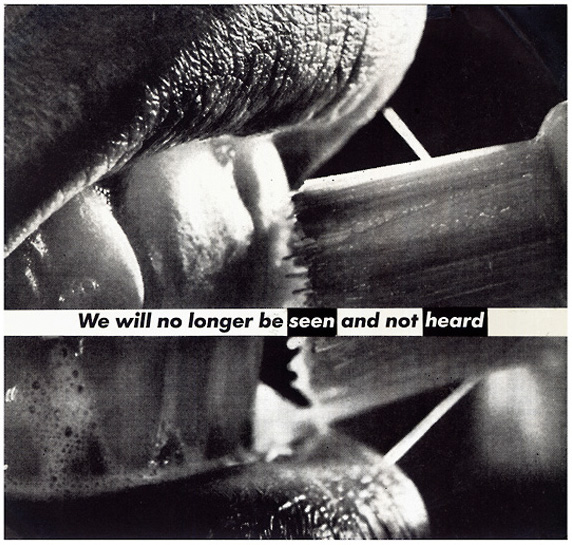
    Barbara Kruger (American, b. 1945) 'Untitled (We will no longer be seen and not heard)' 1985


    Barbara Kruger (American, b. 1945)
    Untitled (We will no longer be seen and not heard)
    1985
    17.8 x 18.5cm
    Courtesy of the artist and Sprüth Magers London Berlin


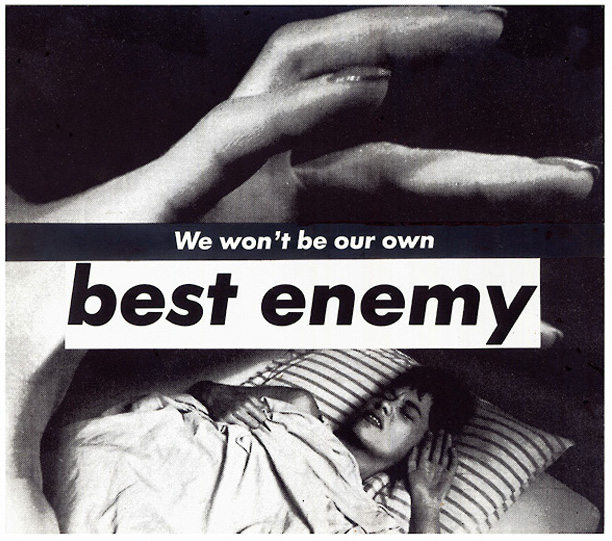
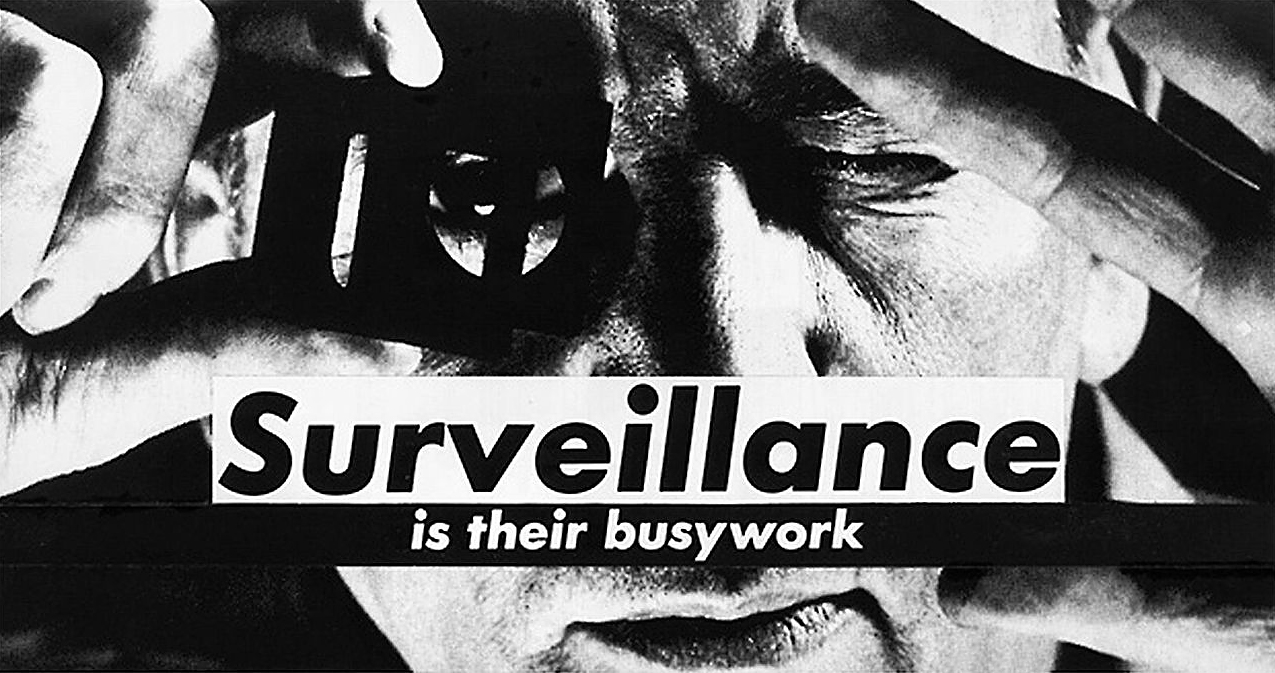
    Sprüth Magers London is delighted to present a survey of early work by acclaimed American artist Barbara Kruger. Using contrasting layers of text and image, Kruger’s work has for almost three decades probed the nature of a media-saturated society in late capitalism, and the significance of highly evolved cultures of consumerism and mass politics to the experience and making of social identities. In addition to offering acute, indeed often piquant cultural insights, Kruger’s work also presents a serious conceptual exploration into the relationship between language and image, and their dynamics as collaborators and antagonists in the bearing of meaning. The artist’s unique blend of conceptual sophistication and wry social commentary has made Kruger one of the most respected and admired artists of her generation, and this timely reappraisal of her early practice reveals the ingenuity and precision of her craft.

    The early monochrome pre-digital works assembled in the exhibition, known professionally as ‘paste ups’, reveal the influence of the artist’s experience as a magazine editorial designer during her early career. These small scale works, the largest of which is 11 x 13 inches, are composed of altered found images, and texts either culled from the media or invented by the artist. A negative of each work was then produced and used to make enlarged versions of these initial ‘paste ups’. The influence of Kruger’s magazine publishing training extends far beyond technique however. The linguistic and typographic conventions of consumer culture, and an understanding of the inherent potential of a single image, are appropriated and subverted by Kruger, as the artist explores the power of the soundbite and the slogan, and the method and impact of ‘direct address’ on the consumer/viewer.

    Although Kruger’s practice is embedded in the visual and political culture of mass media and advertising, the work moves beyond simple appropriation and the ironic meditation on consumerism which animated earlier movements such as Pop art. The emblazoned slogans are often slightly yet meaningfully adjusted clichés of common parlance and the commercial world, and are overlaid on contrasting images which range from the grotesque to the banal. The juxtaposition of pictorial and linguistic modes of communication on the same plane thereby begs conceptual questions of human understanding, and the means by which messages are transmitted and distorted, recognised and received.

    Barbara Kruger was born in Newark, New Jersey in 1945. She currently lives in both Los Angeles, California and New York and teaches at the University of California, Los Angeles. She has been the subject of many one-person exhibitions, including a comprehensive retrospective at the Museum of Contemporary Art in Los Angeles in 1999, which travelled to The Whitney Museum of American Art, New York in 2000. More recently, she has exhibited large-scale installations at the Moderna Museet in Stockholm, Tramway in Glasgow, Scotland, the Australian Centre for Contemporary Art in Melbourne, Australia, and at BCAM at the Los Angeles County Museum of Art, among others. She was honoured with the “Golden Lion” award for Lifetime Achievement at the Venice Biennale in 2005.

    Press release from the Sprüth Magers London website [Online] Cited 25/05/2019 no longer available online


    Barbara Kruger (American, b. 1945)
'Untitled (We won't be our own best enemy)' 1986


    Barbara Kruger (American, b. 1945)
    Untitled (We won’t be our own best enemy)
    1986
    Collage
    18 x 22cm
    Courtesy of the artist and Sprüth Magers London Berlin


    Barbara Kruger (American, b. 1945) 'Untitled (Surveillance is their busywork)' 1988


    Barbara Kruger (American, b. 1945)
    Untitled (Surveillance is their busywork)
    1988
    Collage
    11.1 x 22cm
    Courtesy of the artist and Sprüth Magers London Berlin


    Barbara Kruger (American, b. 1945) 'Untitled (You are a very special person)' 1995


    Barbara Kruger (American, b. 1945)
    Untitled (You are a very special person)
    1995
    Collage (colour)
    13.6 x 19.1cm
    Courtesy of the artist and Sprüth Magers London Berlin


    Barbara Kruger (American, b. 1945) 'Don't be a jerk' 1984


    Barbara Kruger (American, b. 1945)
    Don’t be a jerk
    1984
    Screenprint on vinyl
    250 x 388.5cm
    Courtesy of the artist and Sprüth Magers London Berlin


    Sprüth Magers London
    7A Grafton Street,
    London, W1S 4EJ
    Phone: +44 (0)20 7408 1613

    Opening hours:
    Tuesday – Saturday 10am – 6pm

    Sprüth Magers website

    LIKE ART BLART ON FACEBOOK

    Back to top

    Photographs: Marcus Bunyan. ‘The Shape of Dreams’ 2009

    June 2009


    Marcus Bunyan (Australian, b. 1958) 'Spire of der Dom, 1 - 52' 2009 from the series 'The Shape of Dreams'


    Marcus Bunyan (Australian, b. 1958)
    Spire of der Dom, 1 – 52
    2009
    From the series The Shape of Dreams
    Gelatin silver print


    The Shape of Dreams

    I am pleased to announce a body of work, the second for 2009, is now online on my website.

    The photographs are a sequence: one tone follows another (much like a piece of music) until the final coda. With this in mind please view the work sequentially. Below are a selection of photographs from the whole work.

    Dr Marcus Bunyan


    Please click on the photographs for a larger version of the image.

    Photographs are available from this series for purchase. As a guide, a digital colour 16″ x 20″ costs $1000 plus tracked and insured shipping. For more information please see my Store web page.


    Photographs from the series The Shape of Dreams 2009


    “the form of formlessness
    the shape of dreams”


    Marcus Bunyan (Australian, b. 1958) 'Untitled' from the series 'The Shape of Dreams' 2009


    Marcus Bunyan (Australian, b. 1958)
    Untitled
    2009
    From the series The Shape of Dreams
    Gelatin silver print


    Marcus Bunyan (Australian, b. 1958) 'Untitled' from the series 'The Shape of Dreams' 2009


    Marcus Bunyan (Australian, b. 1958)
    Untitled
    2009
    From the series The Shape of Dreams
    Gelatin silver print


    Marcus Bunyan (Australian, b. 1958) 'Untitled' from the series 'The Shape of Dreams' 2009


    Marcus Bunyan (Australian, b. 1958)
    Untitled
    2009
    From the series The Shape of Dreams
    Gelatin silver print


    Marcus Bunyan (Australian, b. 1958) '9/24/52' from the series 'The Shape of Dreams' 2009


    Marcus Bunyan (Australian, b. 1958)
    9/24/52
    2009
    From the series The Shape of Dreams
    Gelatin silver print


    Marcus Bunyan (English-Australian, b. 1958) 'Untitled' from the series 'The Shape of Dreams' 2009


    Marcus Bunyan (Australian, b. 1958)
    Untitled
    2009
    From the series The Shape of Dreams
    Gelatin silver print


    Marcus Bunyan (Australian, b. 1958) 'Navy Base, Unidentified' from the series 'The Shape of Dreams' 2009


    Marcus Bunyan (Australian, b. 1958)
    Navy Base, Unidentified
    2009
    From the series The Shape of Dreams
    Gelatin silver print


    Marcus Bunyan (Australian, b. 1958) 'Untitled' from the series 'The Shape of Dreams' 2009


    Marcus Bunyan (Australian, b. 1958)
    Untitled
    2009
    From the series The Shape of Dreams
    Gelatin silver print


    Marcus Bunyan (Australian, b. 1958) 'Part of the French Riviera taken while Whit held me at the door!' from the series 'The Shape of Dreams' 2009


    Marcus Bunyan (Australian, b. 1958)
    Part of the French Riviera taken while Whit held me at the door!
    2009
    From the series The Shape of Dreams
    Gelatin silver print


    Marcus Bunyan (Australian, b. 1958) 'Untitled' from the series 'The Shape of Dreams' 2009


    Marcus Bunyan (Australian, b. 1958)
    Untitled
    2009
    From the series The Shape of Dreams
    Gelatin silver print


    Marcus Bunyan (Australian, b. 1958) 'Untitled' from the series 'The Shape of Dreams' 2009


    Marcus Bunyan (Australian, b. 1958)
    Untitled
    2009
    From the series The Shape of Dreams
    Gelatin silver print


    All the photographs from the series are now on my website.


    Marcus Bunyan website

    LIKE ART BLART ON FACEBOOK

    Back to top

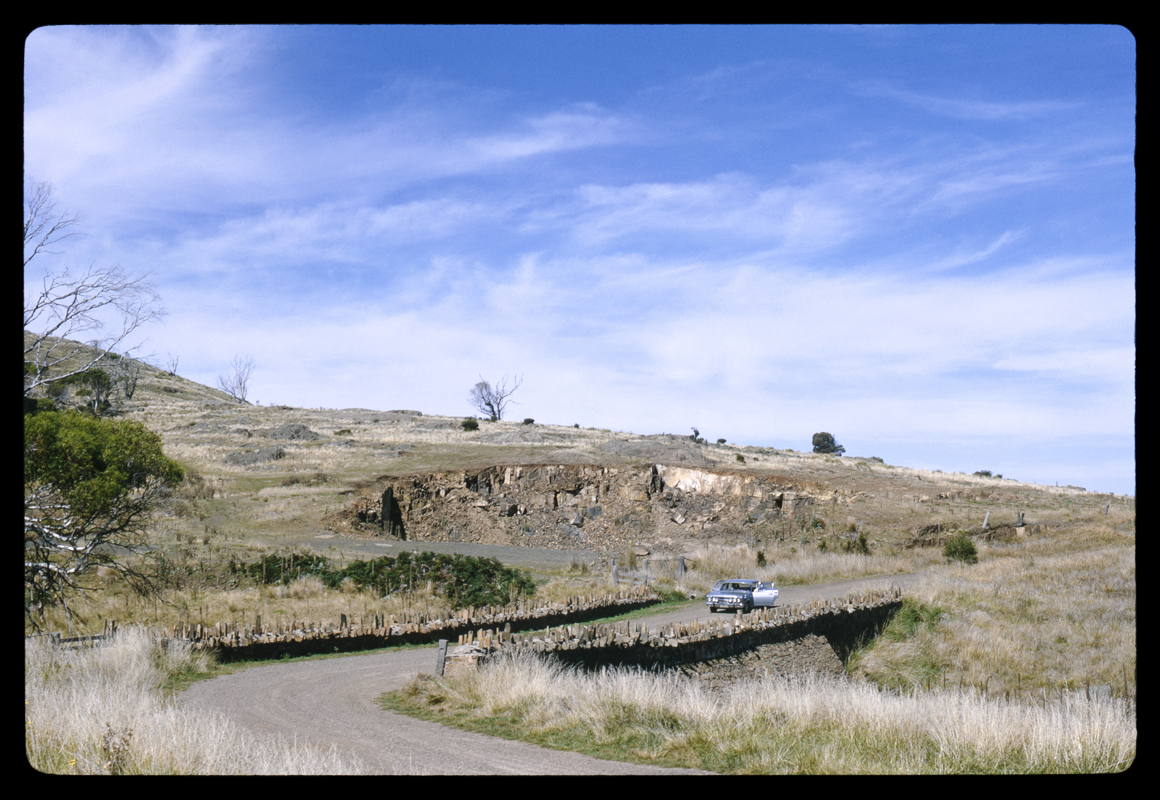
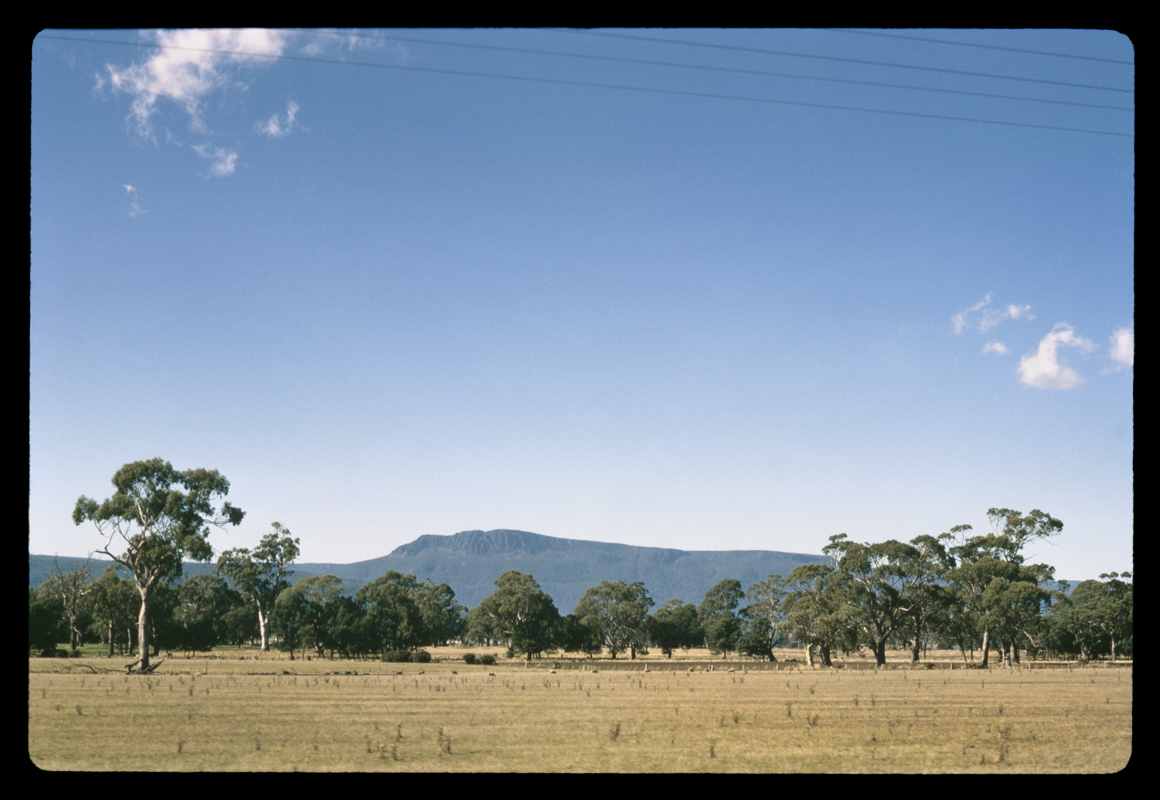
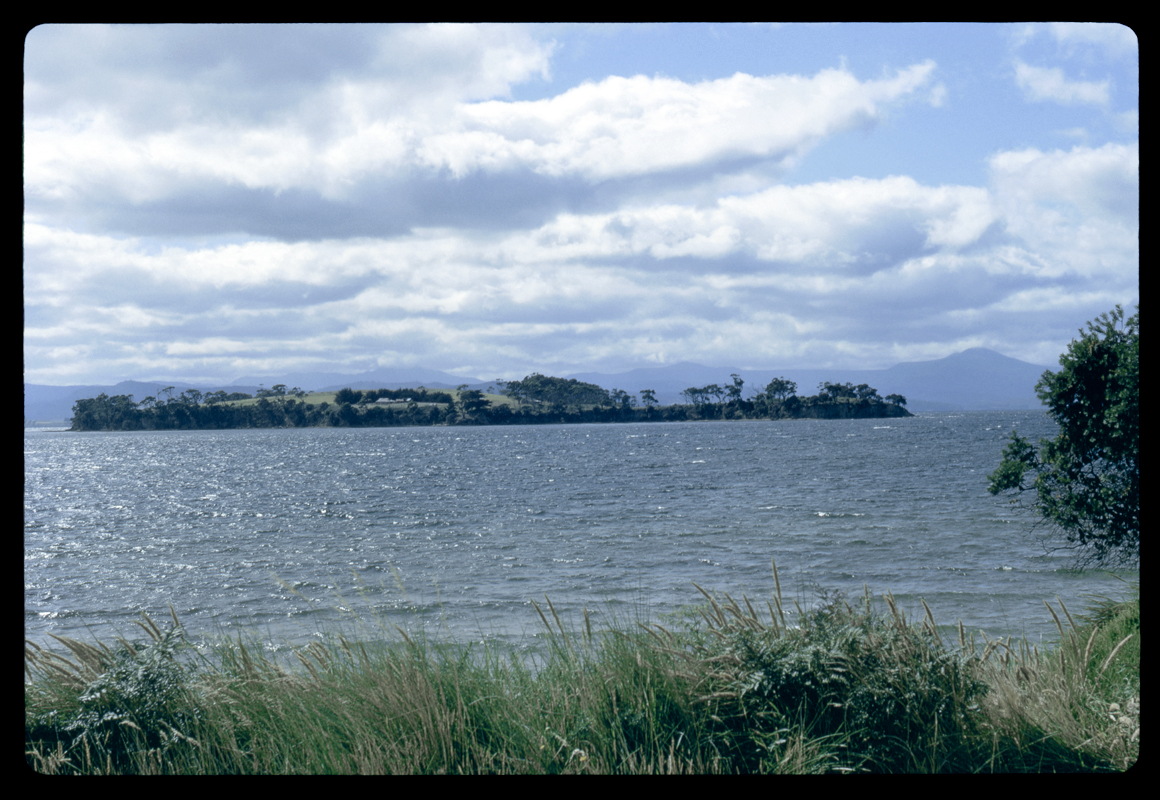
    New work: Marcus Bunyan ‘Discarded Views’ 2008

    December 2008


    Marcus Bunyan (Australian, b. 1958) "Untitled" from the series 'Discarded Views' 2008


    “Everything to be believed is an image of truth.”


    William Blake


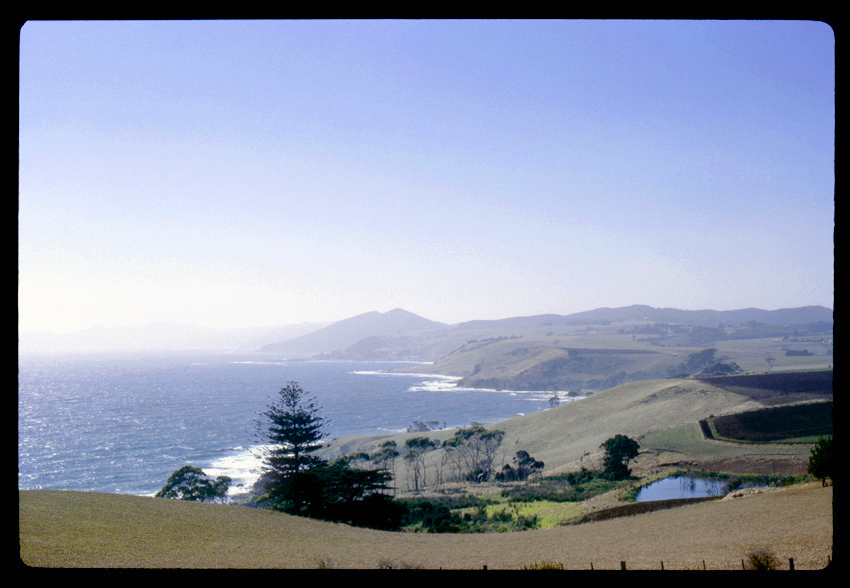
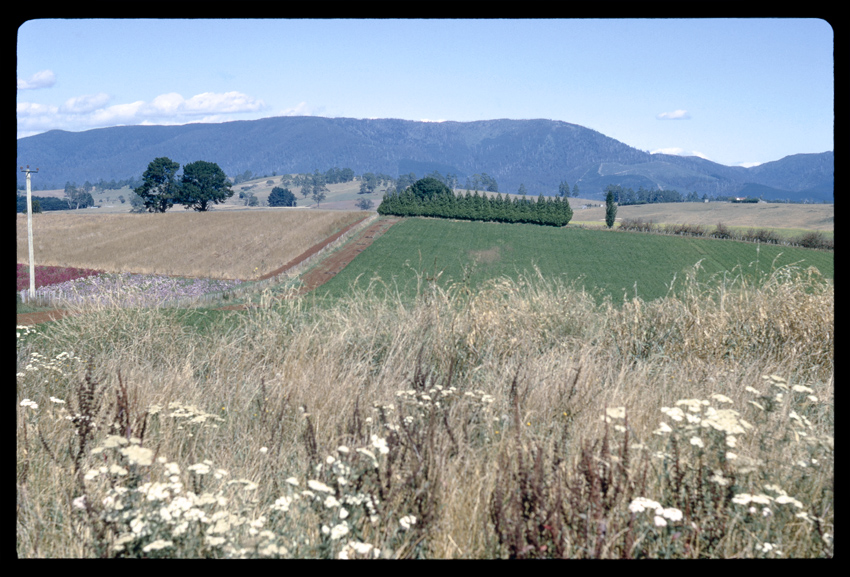
    dirty, fragile colour slides
    found in an op shop,
    rescued, re-visioned

    Tasmania 1971 – Melbourne 2008

    discarded image
    discarded earth


    Marcus Bunyan (Australian, b. 1958) "Untitled" from the series 'Discarded Views' 2008


    Marcus Bunyan (Australian, b. 1958) "Untitled" from the series 'Discarded Views' 2008


    Marcus Bunyan (Australian, b. 1958) "Untitled" from the series 'Discarded Views' 2008


    Marcus Bunyan (Australian, b. 1958) "Untitled" from the series 'Discarded Views' 2008


    Marcus Bunyan (Australian, b. 1958)
    Images from the series Discarded Views
    2008
    28 images in the series


    SEE THE FULL SERIES ON MY WEBSITE


    Marcus Bunyan website

    LIKE ART BLART ON FACEBOOK

    Back to top

    New work: Marcus Bunyan ‘The Shape of Dreams’ 2008

    November 2008


    Marcus Bunyan (Australian, b. 1958) 'Cologne Cathedral 2-52' 2008 From the series 'The Shape of Dreams'


    Marcus Bunyan (Australian, b. 1958)
    Cologne Cathedral 2-52
    2008
    From the series The Shape of Dreams
    Silver gelatin print


    Marcus Bunyan (Australian, b. 1958) 'Untitled' 2008 From the series 'The Shape of Dreams'


    Marcus Bunyan (Australian, b. 1958)
    Untitled
    2008
    From the series The Shape of Dreams
    Silver gelatin print


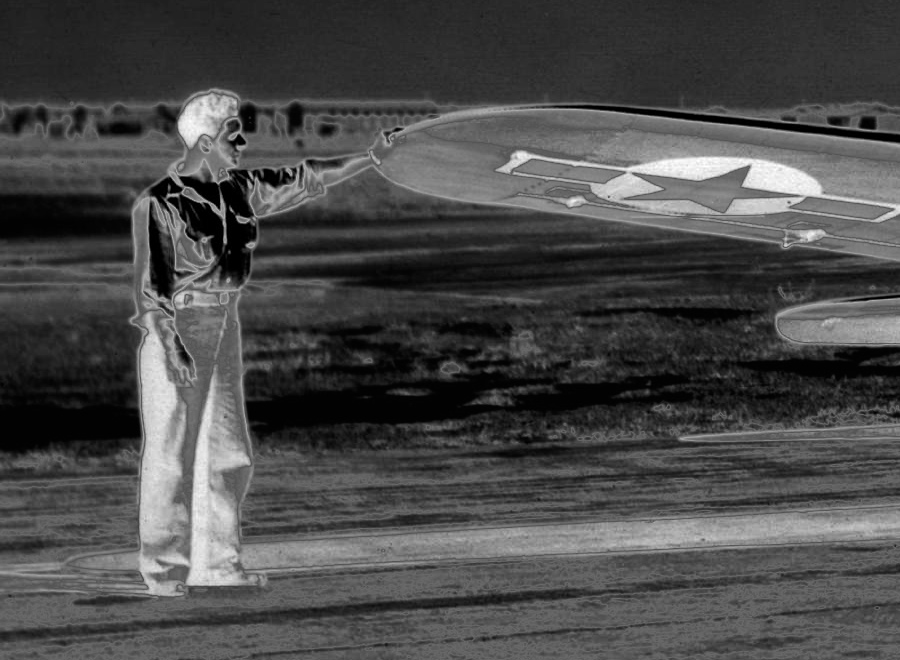
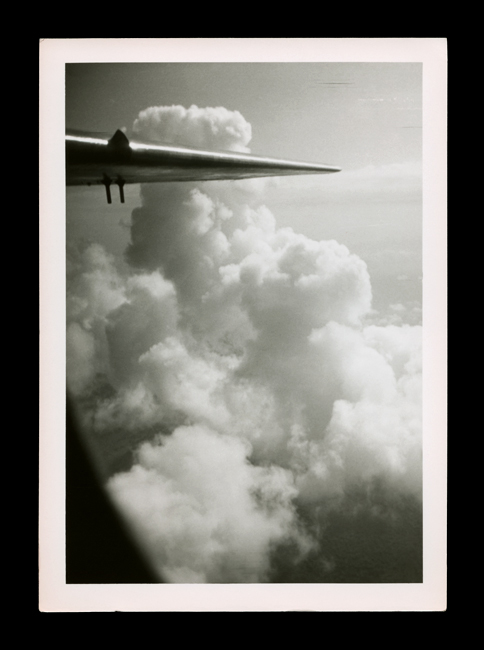
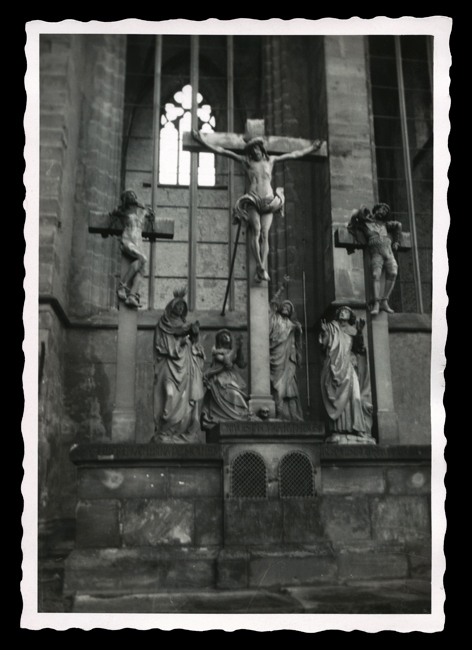
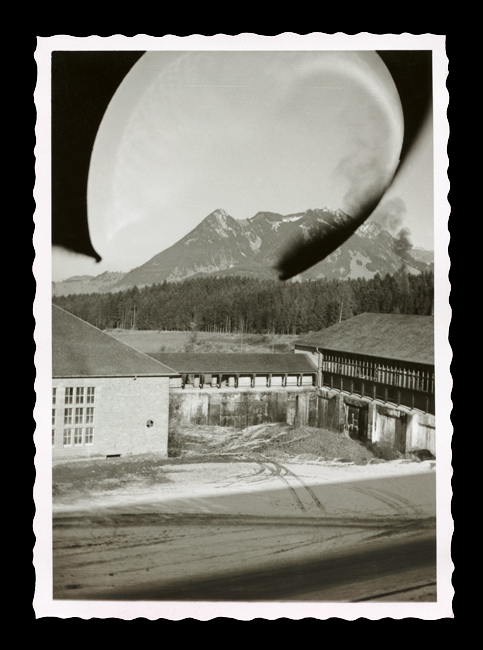
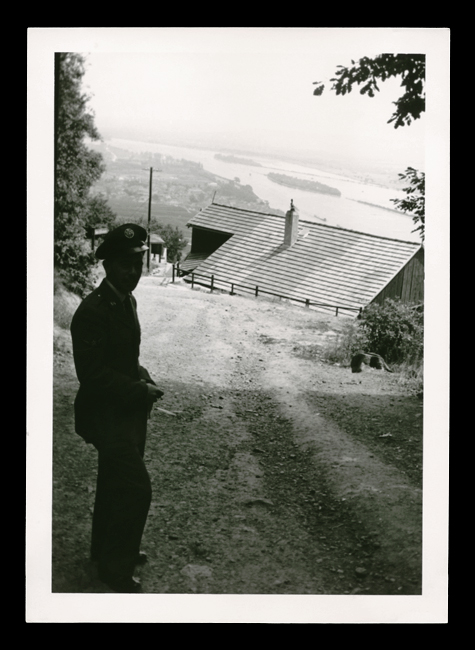
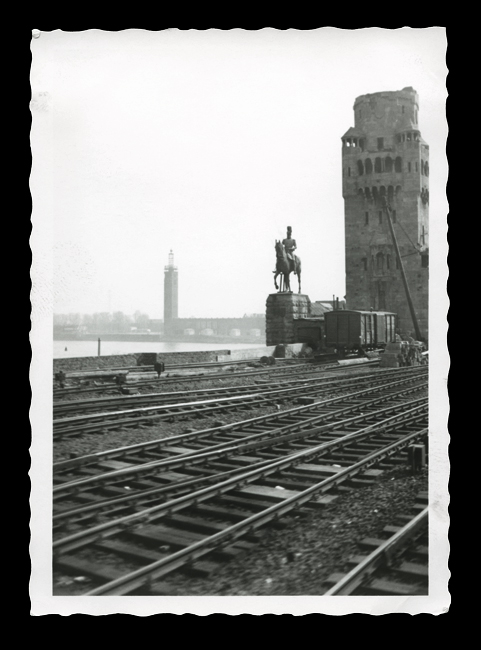
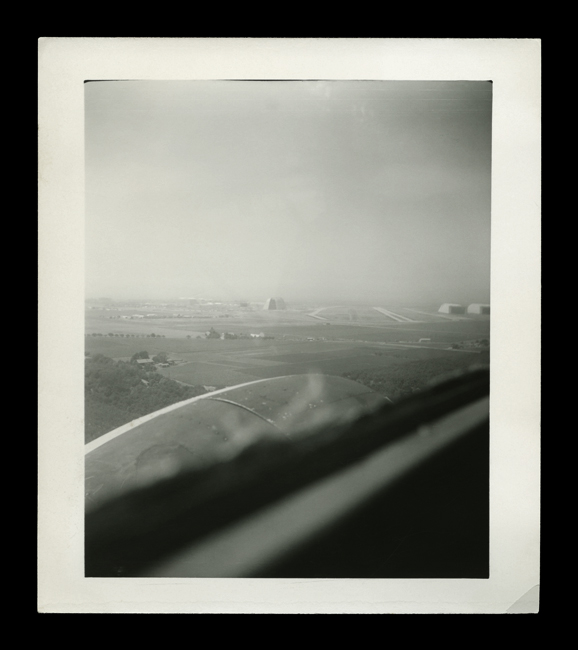
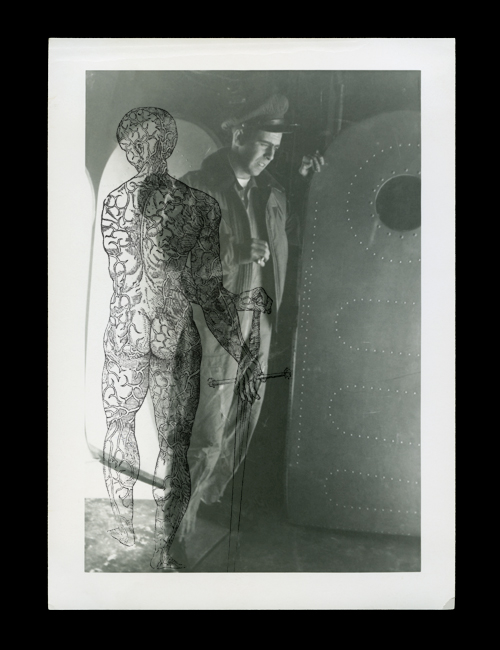
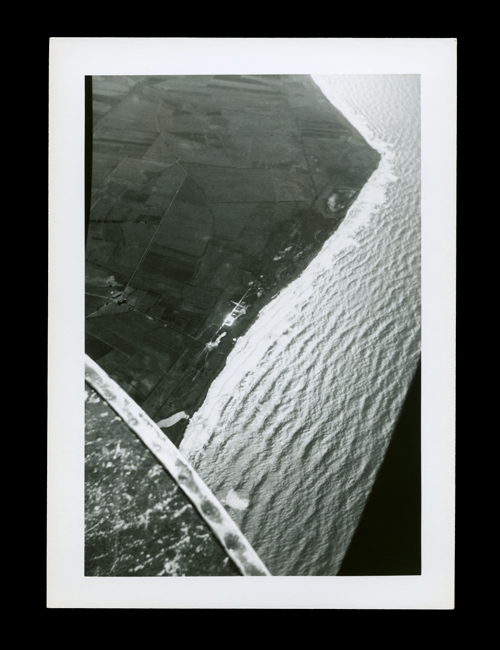
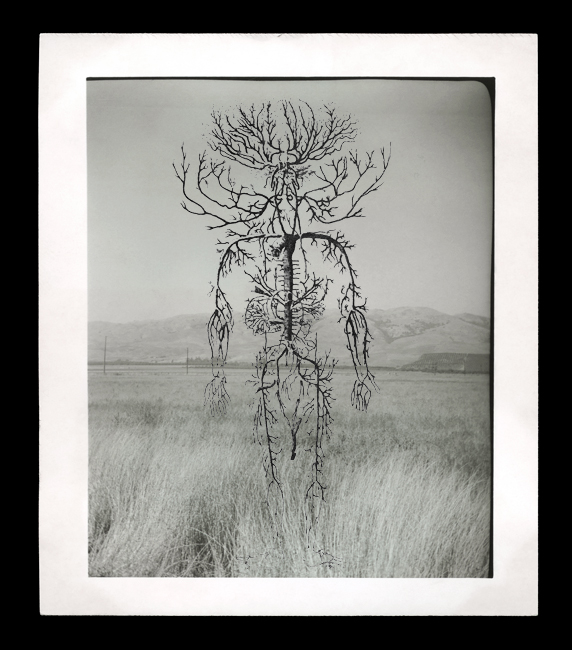
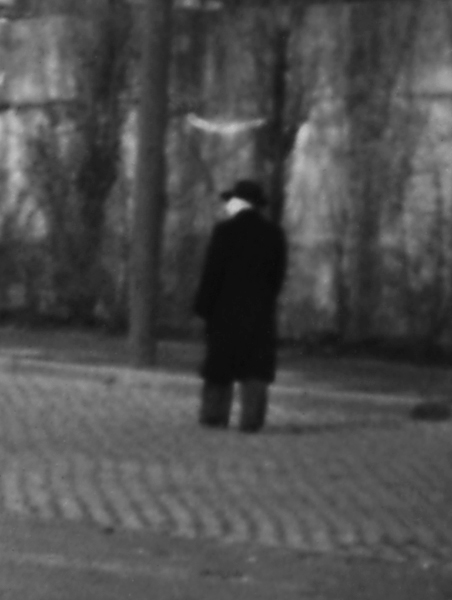
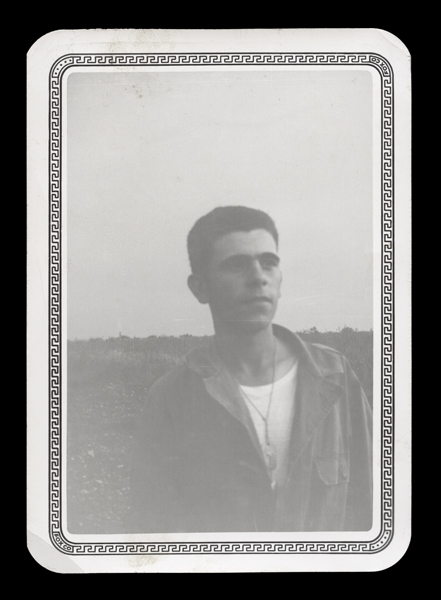
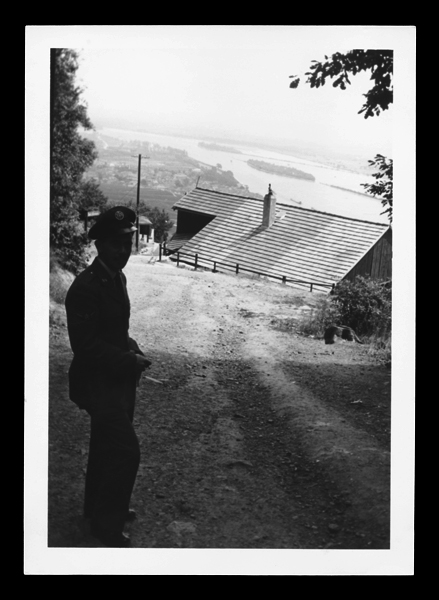
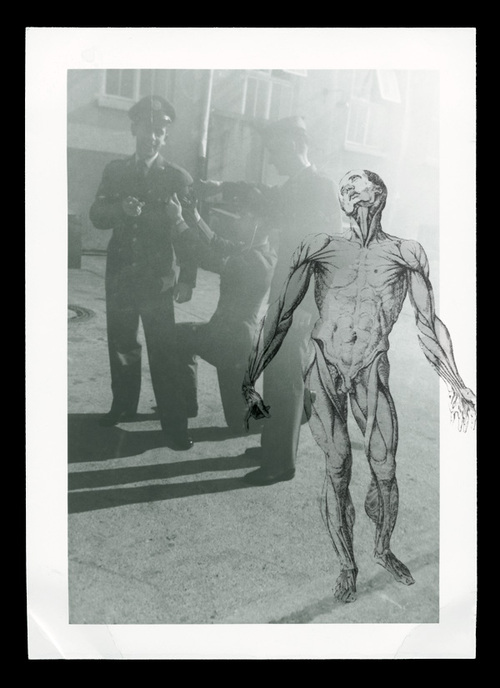
    A new body of work has formed in my mind and is physically taking shape through working with the images.

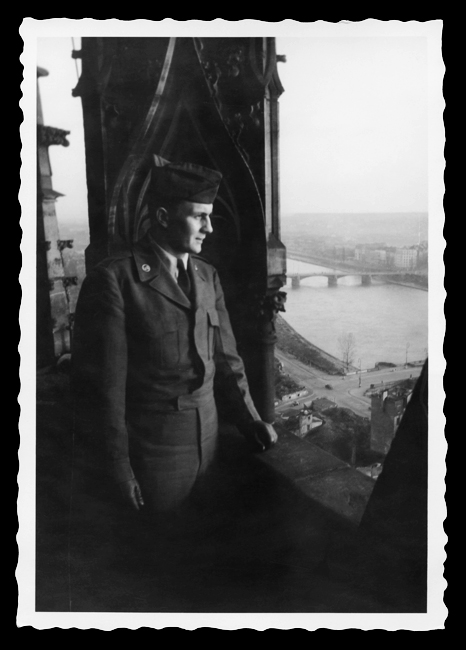
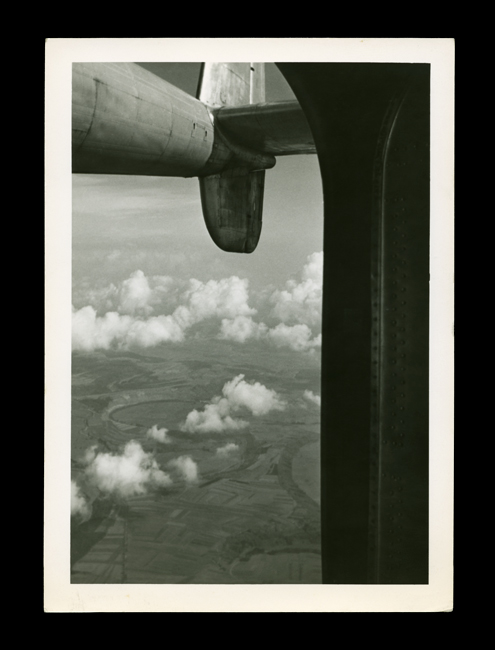
    I purchased two black and white photo albums from the 1950s on eBay, both belonging to young soldiers, one on active duty in Korea and the other visiting Japan and Germany after the Second World War. These images are especially poignant to me as an artist and human being. These are snapshots of hope and happiness, of place and being in a time of turbulence. Glimpses of the earth through open aircraft doors, smiles that flit across faces contrast with figures wrapped in a shawl of darkness.

    Their faces stare out at us across time yet their bodies are caught in the shadows.

    They remind that humans still repeat the mistakes of the past, still list the war dead in columns of photographs inches long. So young and full of hope.

    Marcus Bunyan

    SEE THE FULL SERIES ON MY WEBSITE


    Marcus Bunyan (Australian, b. 1958) 'How dramatic!' 2008 From the series 'The Shape of Dreams'


    Marcus Bunyan (Australian, b. 1958)
    How dramatic!
    2008
    From the series The Shape of Dreams
    Silver gelatin print


    Marcus Bunyan (Australian, b. 1958) 'Spire of the Dome, 1-52' 2008 From the series 'The Shape of Dreams'


    Marcus Bunyan (Australian, b. 1958)
    Spire of the Dome, 1-52
    2008
    From the series The Shape of Dreams
    Silver gelatin print


    Marcus Bunyan (Australian, b. 1958) 'Untitled' 2008 from the series 'The Shape of Dreams'


    Marcus Bunyan (Australian, b. 1958)
    Untitled
    2008
    From the series The Shape of Dreams
    Silver gelatin print


    Marcus Bunyan (Australian, b. 1958) 'Untitled' 2008 from the series 'The Shape of Dreams'


    Marcus Bunyan (Australian, b. 1958)
    Untitled
    2008
    From the series The Shape of Dreams
    Silver gelatin print


    Marcus Bunyan (Australian, b. 1958) "It's really nothing fellas!" 2008 from the series 'The Shape of Dreams'


    Marcus Bunyan (Australian, b. 1958)
    “It’s really nothing fellas!”
    2008
    From the series The Shape of Dreams
    Silver gelatin print


    Marcus Bunyan website

    LIKE ART BLART ON FACEBOOK

    Back to top