Exhibition: ‘Paul Outerbridge: Photographs’ at Fahey/Klein Gallery, Los Angeles

Exhibition dates: 25th September – 8th November, 2025
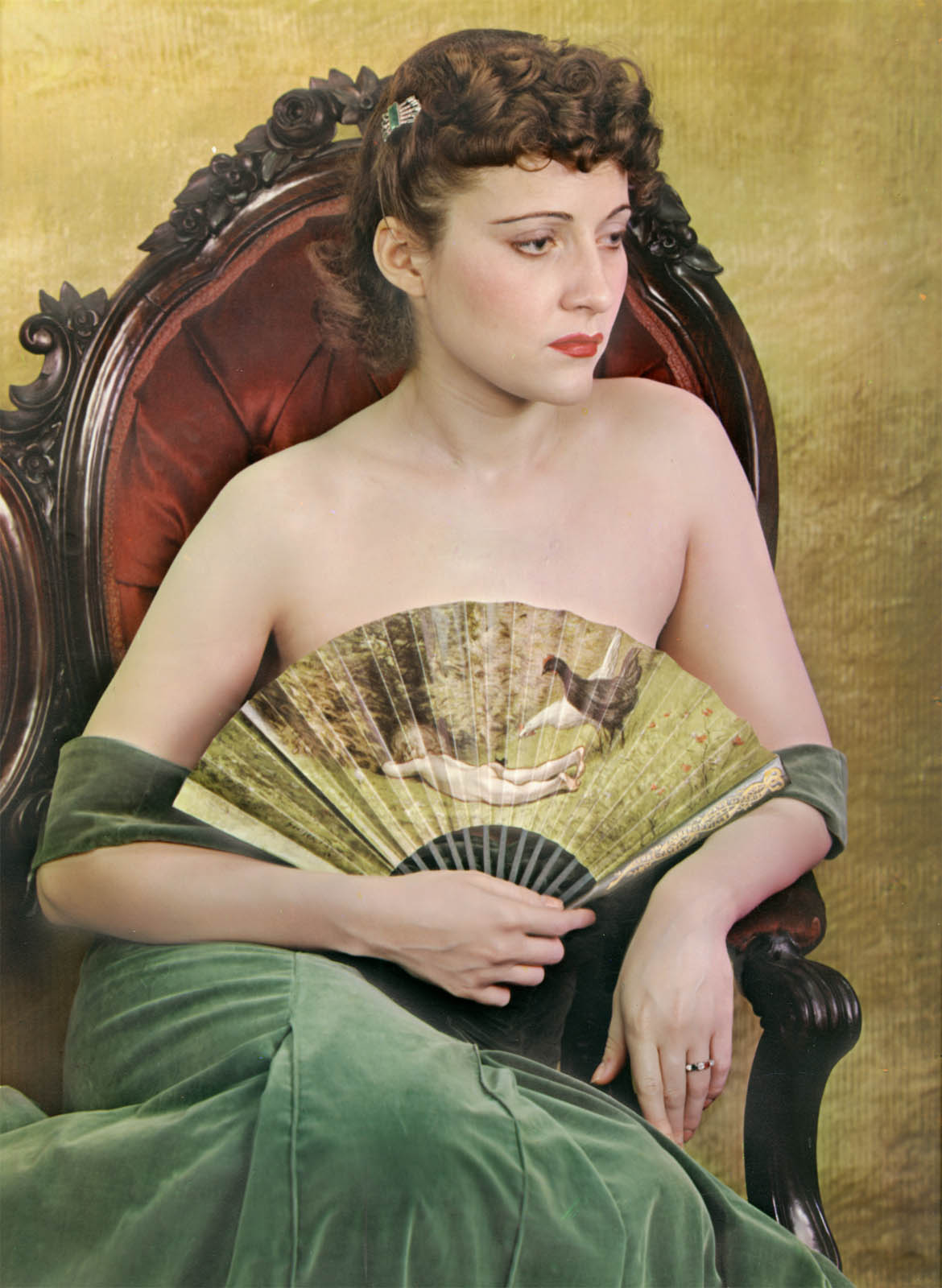
 

Paul Outerbridge Jr. (American, 1896-1959) 'Girl with Fan' c. 1936


Paul Outerbridge Jr. (American, 1896-1959)
Girl with Fan
c. 1936
Vintage color carbo photograph
17 x 13 inches
© Paul Outerbridge; courtesy of Fahey/Klein Gallery, Los Angeles


I think I was born in the wrong era!

My favourite era in the history of photography is the period between the wars.

The avant-garde photographers of the period were so inventive, challenging the act of looking through modern photographs featuring radical perspective, fragmentation, scale, concept, construction, colour, aesthetics, identity, gender, fashion, performance, photogram, photo collage, to name just a few.

Favourites include Germaine Krull (European, 1897-1985) and her magnificent book MÉTAL (1928) with its dissection of the Eiffel Tower; Florence Henri (Swiss born United States, 1893-1982) and her experimental compositions featuring mirrors and reflections; Claude Cahun (French, 1894-1954) and Marcel Moore (French, 1892-1972) and their subversion of gender norms; August Sander (German, 1876-1964) and his archetypal photographs from “People of the 20th Century”; Alexander Rodchenko (Russian, 1891-1956) and his revolutionary photographs; Walker Evans (American, 1903-1975) revealing photographs of New York subway passengers; Jakob Tuggener’s (Swiss, 1904-1988) alchemical photographs picturing the world or work and industry; Helmar Lerski‘s (Swiss, 1871-1956) metamorphosis of the human face; and Margaret Bourke-White‘s (American, 1906-1971) modern industrial America to name, again, just a few.

There are so many fantastic photographers from this period, pushing the boundaries of what was possible in photography without loosing sight of the stories they wanted to tell, and the immediacy and presence of the photograph.

Paul Outerbridge Jr. is another from the period, a much under appreciated artist in the vanguard of experimental photography, “a bold innovator, transforming ordinary objects, such as milk bottles, collars, eggs, into fractured Cubist constructions of light and form…

Throughout his career, Outerbridge pursued abstraction as both a visual language and an artistic philosophy. His still lifes, nudes, and commercial commissions all demonstrate his preoccupation with fractured planes, geometric tension, and the transformation of the commonplace into the extraordinary.” (Press release)

That’s what I like about this man’s photographs: their bold but radical simplicity, clear visualisation of the pictorial statement, and formal abstracted beauty.

His photographs are, and will remain, a joy to be/hold.

Dr Marcus Bunyan


Many thankx to the Fahey/Klein Gallery for allowing me to publish the photographs in the posting. Please click on the photographs for a larger version of the image.
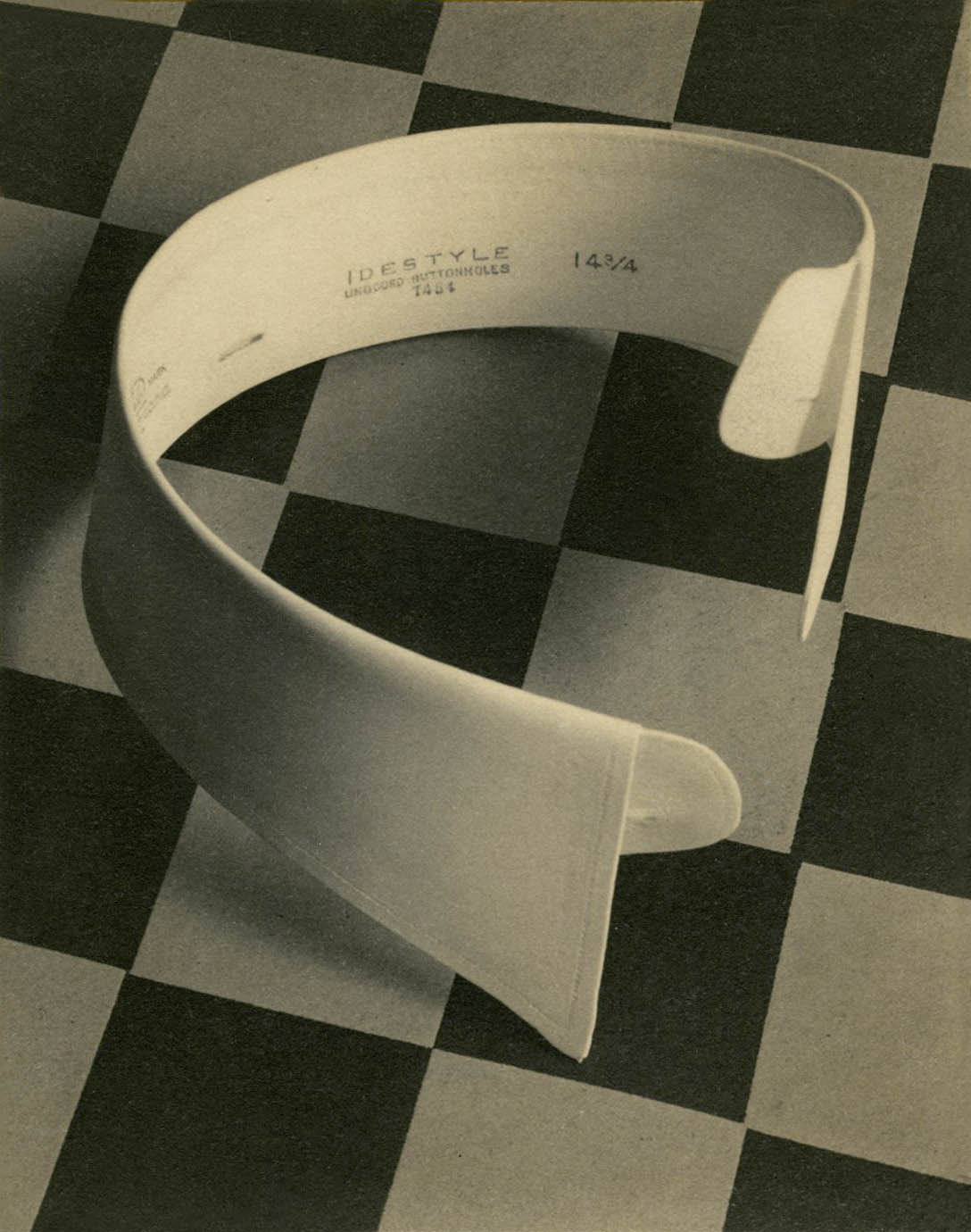


Paul Outerbridge Jr. (American, 1896-1959) 'Ide Collar' 1922


Paul Outerbridge Jr. (American, 1896-1959)
Ide Collar
1922
Platinum photograph
4 1/2 x 3 1/2 inches
© Paul Outerbridge; courtesy of Fahey/Klein Gallery, Los Angeles
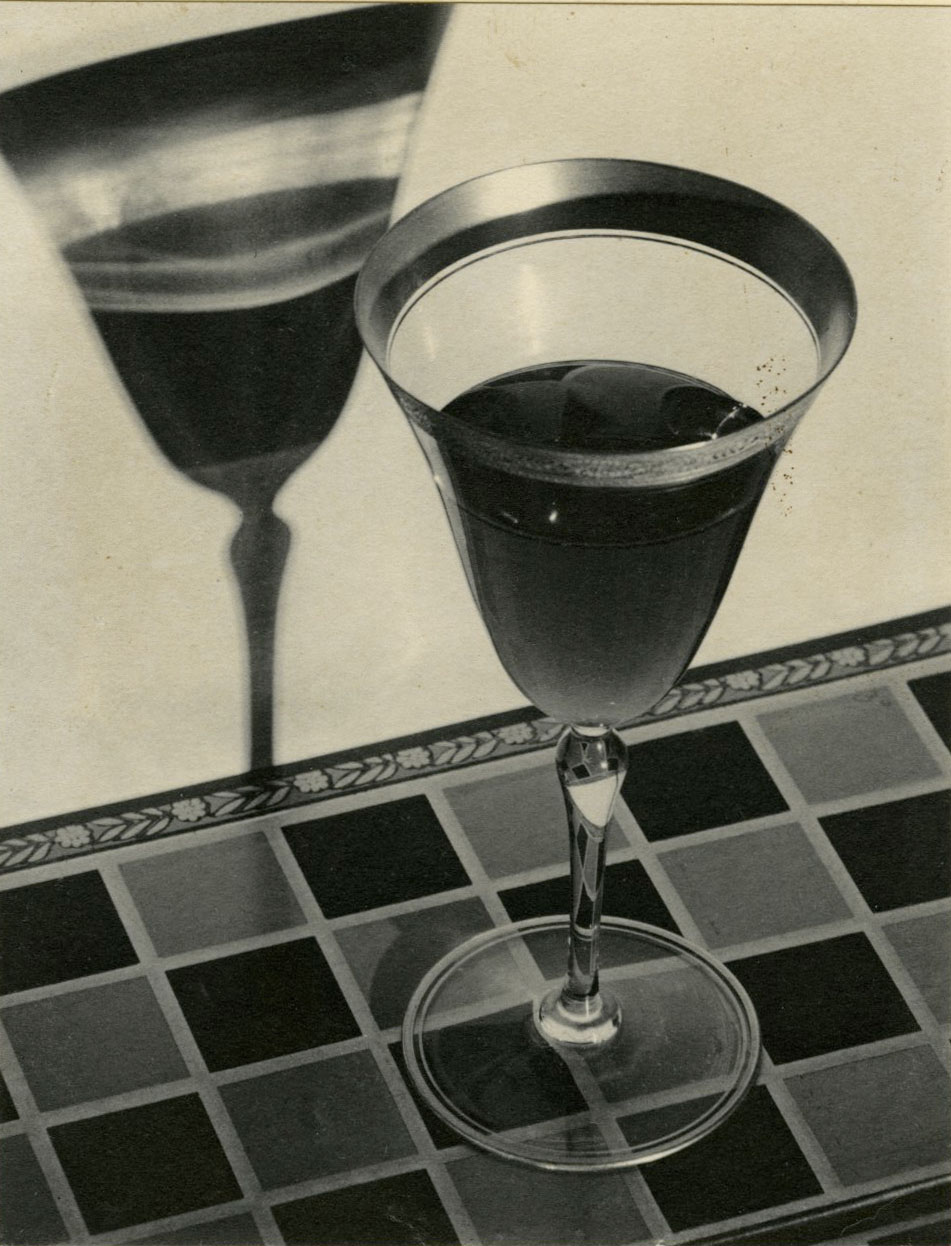
 

Paul Outerbridge Jr. (American, 1896-1959) 'Wine Glass on Checker Board' 1922


Paul Outerbridge Jr. (American, 1896-1959)
Wine Glass on Checker Board
1922
Vintage platinum photograph
4 1/8 x 3 3/16 inches
© Paul Outerbridge; courtesy of Fahey/Klein Gallery, Los Angeles
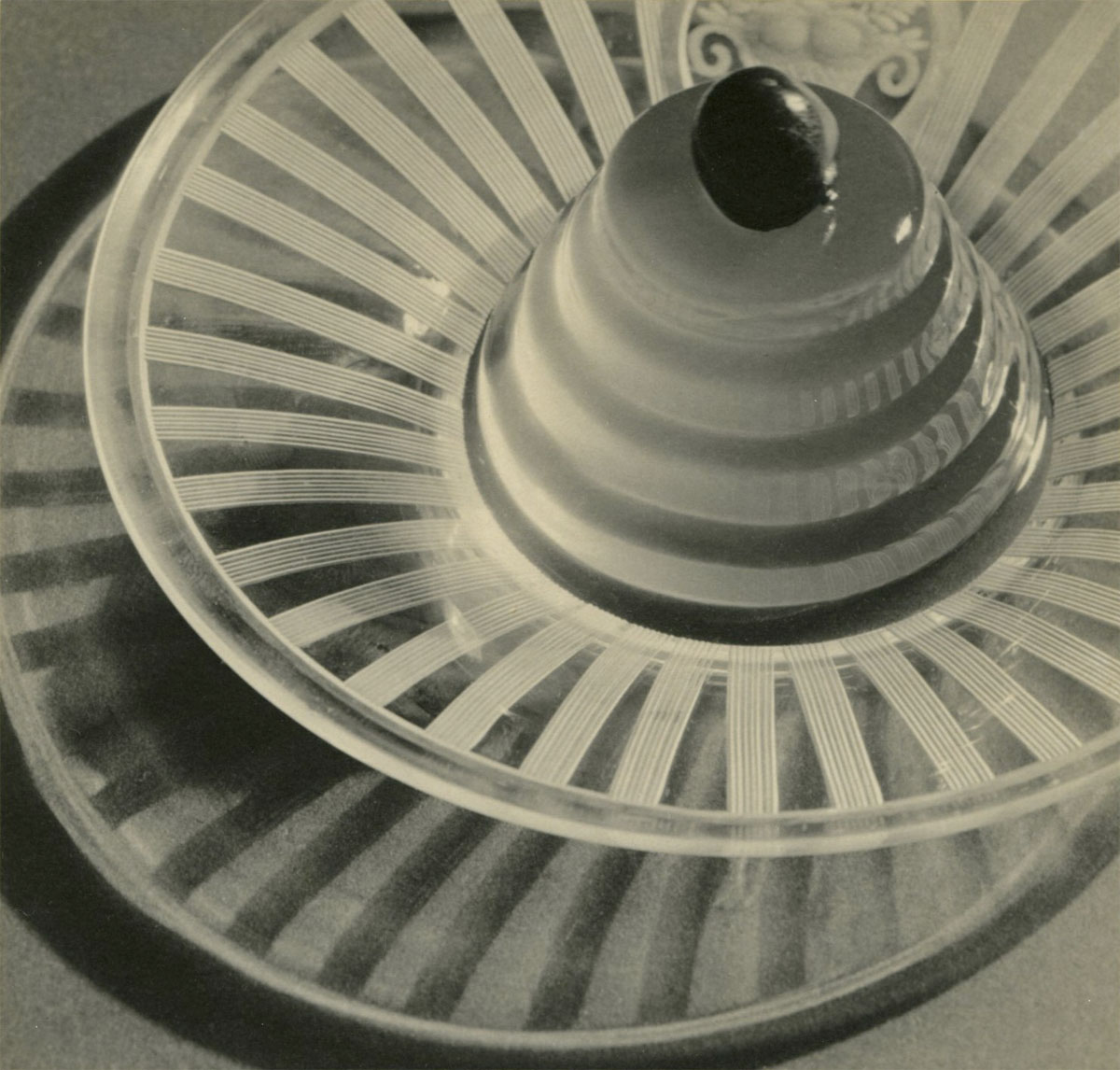
 

Paul Outerbridge Jr. (American, 1896-1959) 'Jello Mould in Dish' 1923


Paul Outerbridge Jr. (American, 1896-1959)
Jello Mould in Dish
1923
Vintage platinum photograph
5 x 4 3/4 inches
© Paul Outerbridge; courtesy of Fahey/Klein Gallery, Los Angeles
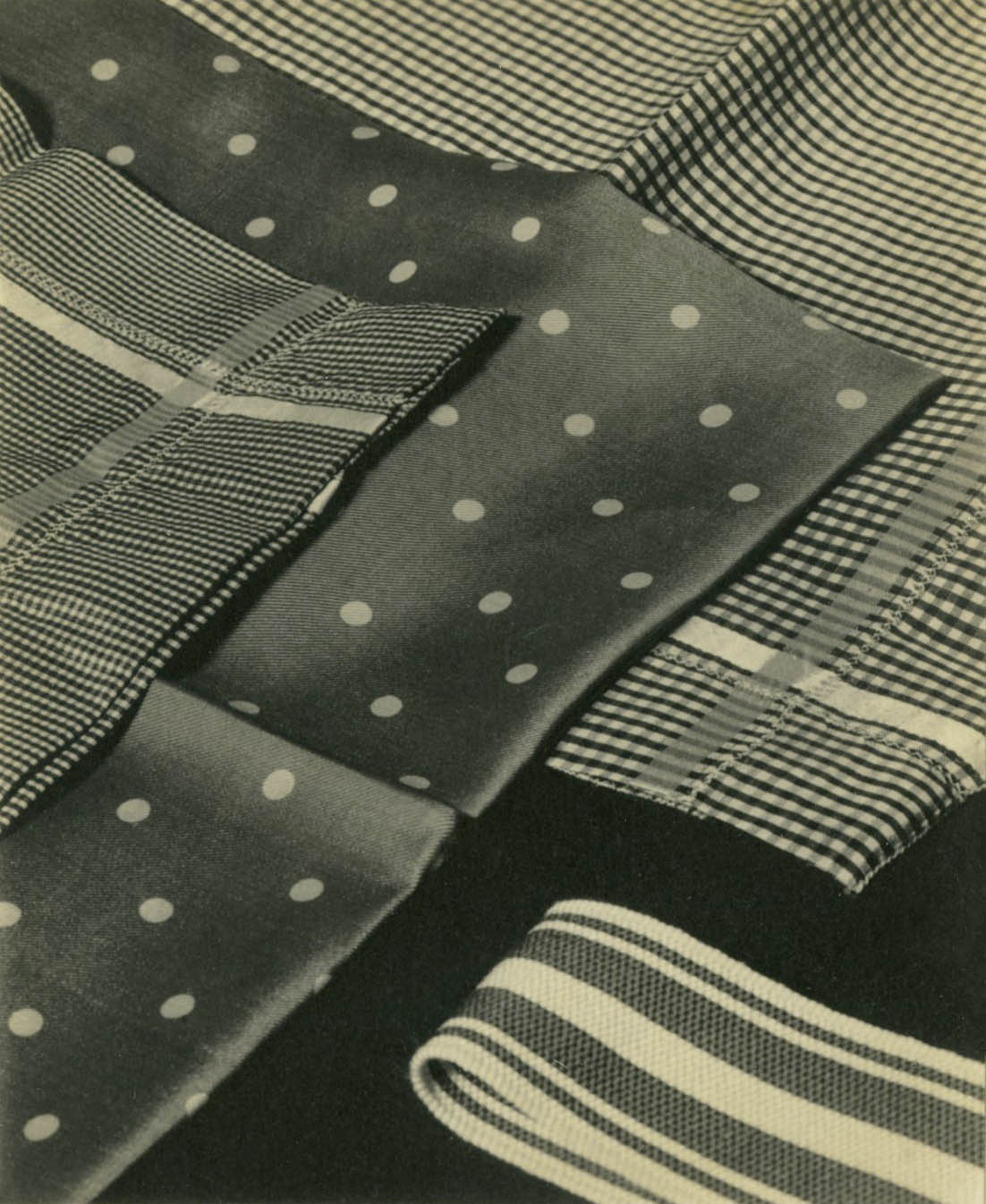
 

Paul Outerbridge Jr. (American, 1896-1959) 'Men's Scarfs' 1924


Paul Outerbridge Jr. (American, 1896-1959)
Men’s Scarfs
1924
Vintage platinum photograph
4 5/8 x 3 7/8 inches
© Paul Outerbridge; courtesy of Fahey/Klein Gallery, Los Angeles
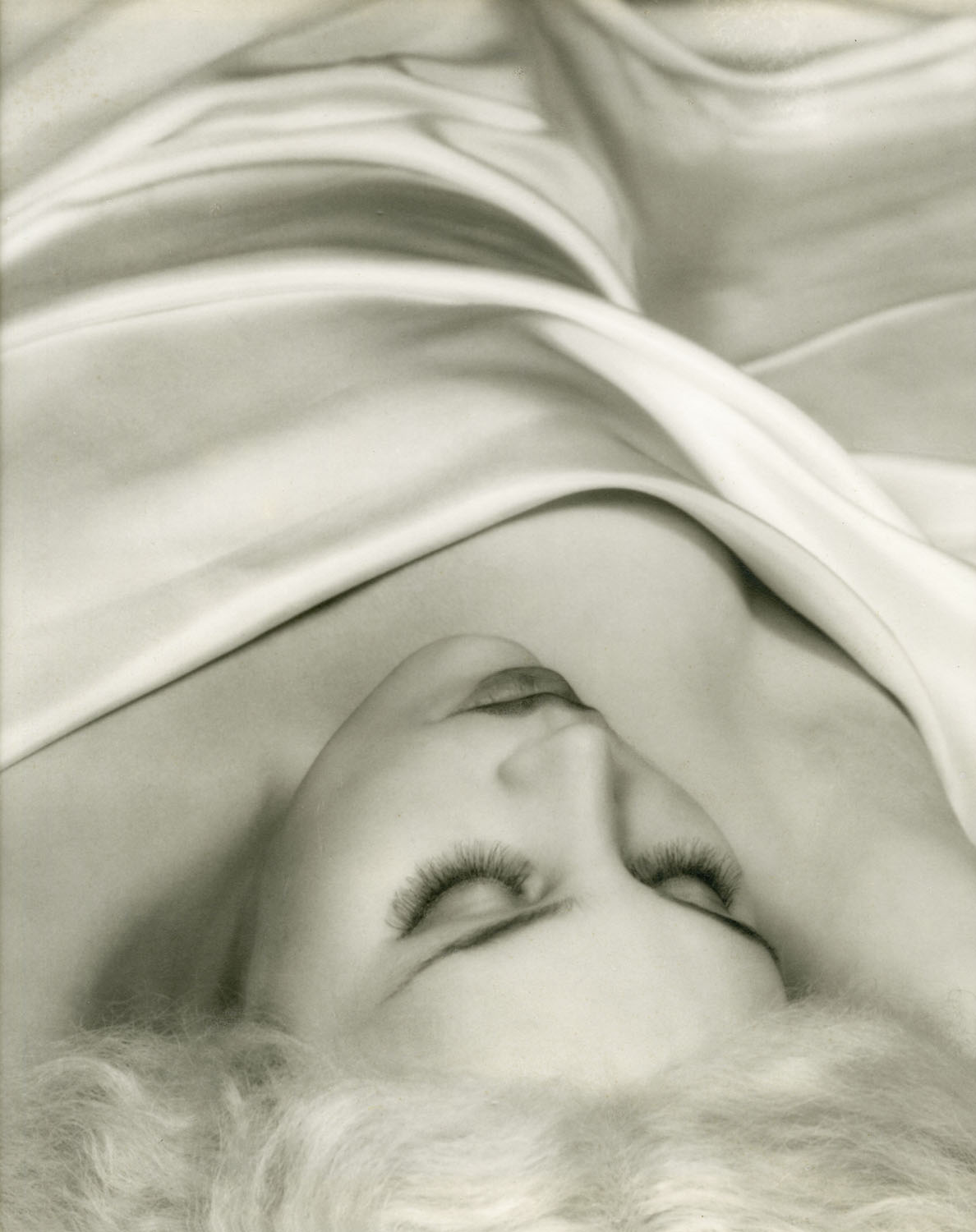
 

Paul Outerbridge Jr. (American, 1896-1959) 'Woman in Bed (under satin sheets)' c. 1933


Paul Outerbridge Jr. (American, 1896-1959)
Woman in Bed (under satin sheets)
c. 1933
Vintage silver gelatin photograph
15 3/8 x 13 9/16 inches
© Paul Outerbridge; courtesy of Fahey/Klein Gallery, Los Angeles


Fahey/Klein Gallery is pleased to present Paul Outerbridge: Photographs, a landmark exhibition celebrating the visionary work of Paul Outerbridge (1896-1958), one of the most resourceful and provocative photographers of the twentieth century. This exhibition brings together a rare selection of Carbo prints, silver gelatin photographs, and platinum prints, tracing the evolution of a modernist whose daring vision helped redefine the possibilities of photography through Cubist experimentation and radical abstraction.

Outerbridge emerged in the 1920s as a bold innovator, transforming ordinary objects, such as milk bottles, collars, eggs, into fractured Cubist constructions of light and form. His platinum and silver gelatin prints reduced subjects to intersecting planes and geometric rhythms, revealing a structural beauty aligned with the avant-garde movements of his time. These works positioned him among artists and contemporaries such as Marcel Duchamp, Man Ray, and Edward Steichen, and demonstrate his embrace of Cubism’s challenge: to fracture reality and reassemble it as pure abstraction.

In the 1930s, Outerbridge turned to the technically demanding Carbo process, creating some of the most vibrant and enduring color photographs of the era. Here too, abstraction was his guiding principle. Color became a tool not just for description, but for reimagining form, flattening, faceting, and animating planes into startling compositions that rival the abstract canvases of Picasso and Kandinsky. His photographs were hailed as both artistic and technical sensations. As Outerbridge observed:

“One very important difference between monochromatic and color photography is this: in black and white you suggest; in color you state.”

Outerbridge’s practice blurred the boundaries between fine art and commercial photography. His Ide Collar (1922), published in Vanity Fair, was more than an advertisement. It was celebrated as both functional and formally radical. A chessboard of fractured black-and-white squares disrupted by the crisp curve of a collar. Duchamp himself hung the photograph in his Paris studio, recognising its affinity with the readymade and its radical modernist edge.

Throughout his career, Outerbridge pursued abstraction as both a visual language and an artistic philosophy. His still lifes, nudes, and commercial commissions all demonstrate his preoccupation with fractured planes, geometric tension, and the transformation of the commonplace into the extraordinary.

Paul Outerbridge’s work appeared in Vanity FairHarper’s BazaarHouse Beautiful, and McCall’s, and in exhibitions worldwide. After relocating to Southern California in 1943, he continued to write about and practice photography until his death in 1958. Today, his technical virtuosity, daring subject matter, and relentless pursuit of beauty secure his place as a pioneer who expanded the medium’s expressive range.

Text from the Fahey/Klein Gallery website
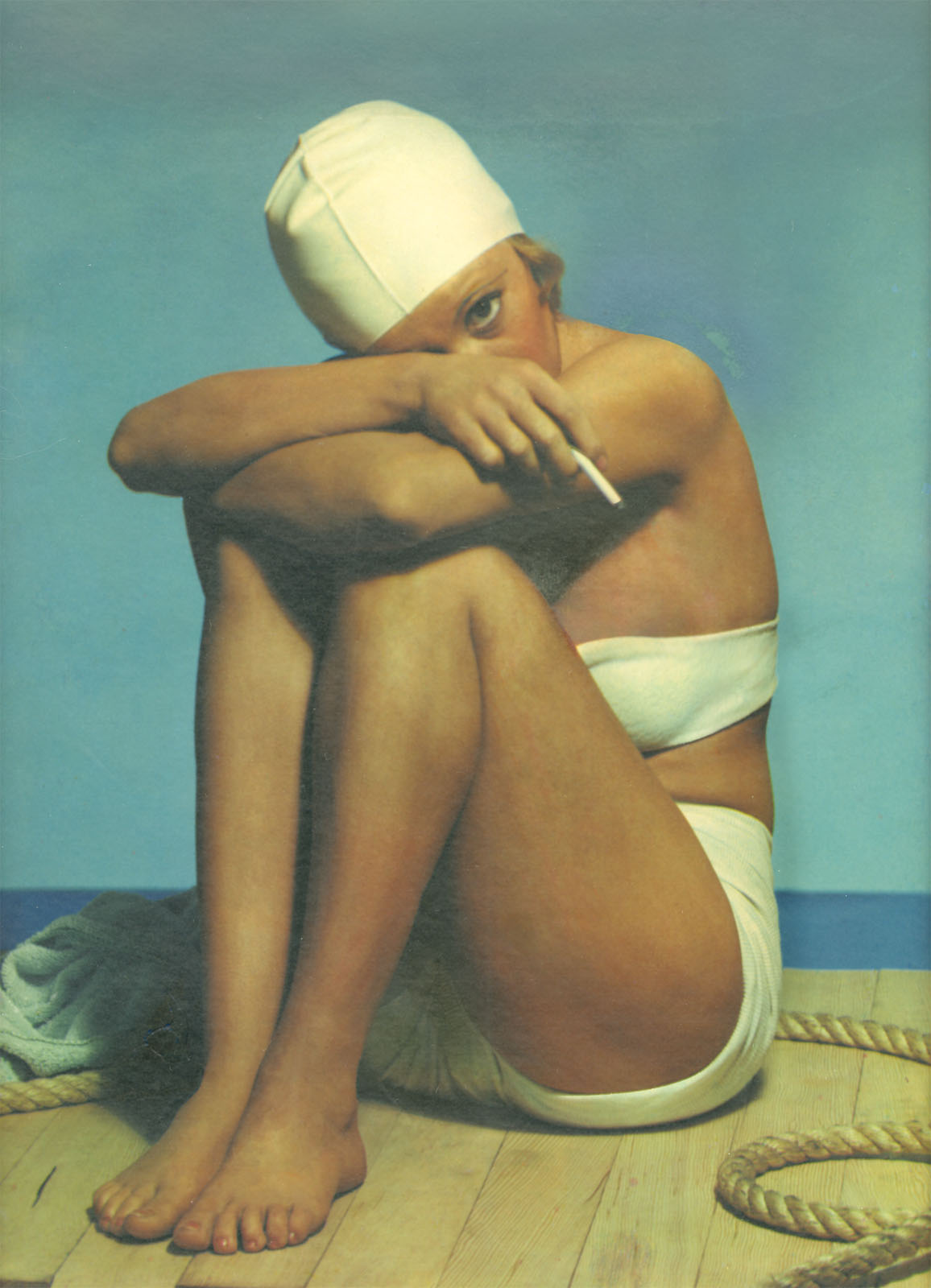
 

Paul Outerbridge Jr. (American, 1896-1959) 'Girl in Bathing Suit' 1936


Paul Outerbridge Jr. (American, 1896-1959)
Girl in Bathing Suit
1936
Color carbo photograph
13 1/16 x 9 15/16 inches
© Paul Outerbridge; courtesy of Fahey/Klein Gallery, Los Angeles
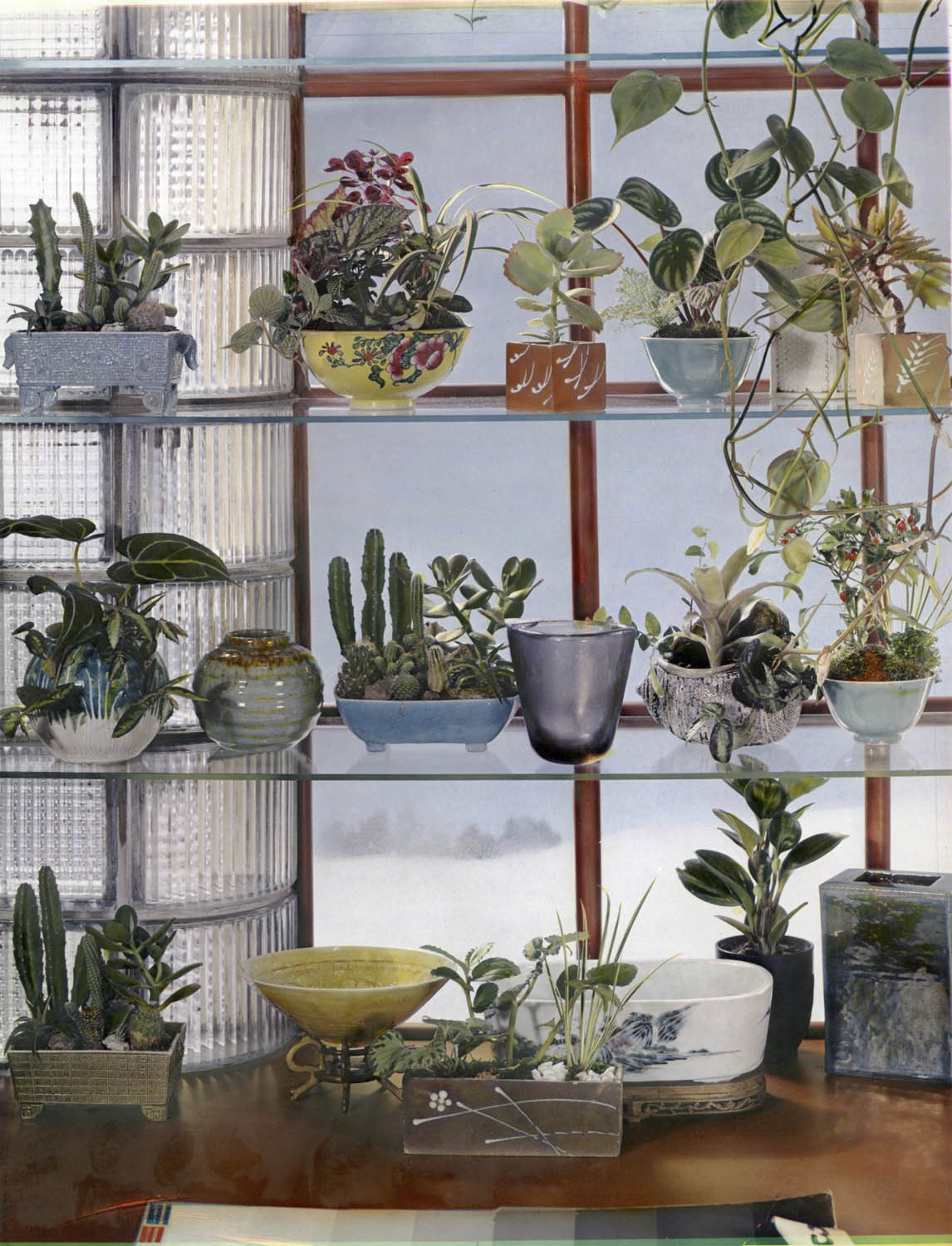
 

Paul Outerbridge Jr. (American, 1896-1959) 'Window with Plants' 1937


Paul Outerbridge Jr. (American, 1896-1959)
Window with Plants
1937
Color carbo photograph
14 x 11 9/16 inches
© Paul Outerbridge; courtesy of Fahey/Klein Gallery, Los Angeles
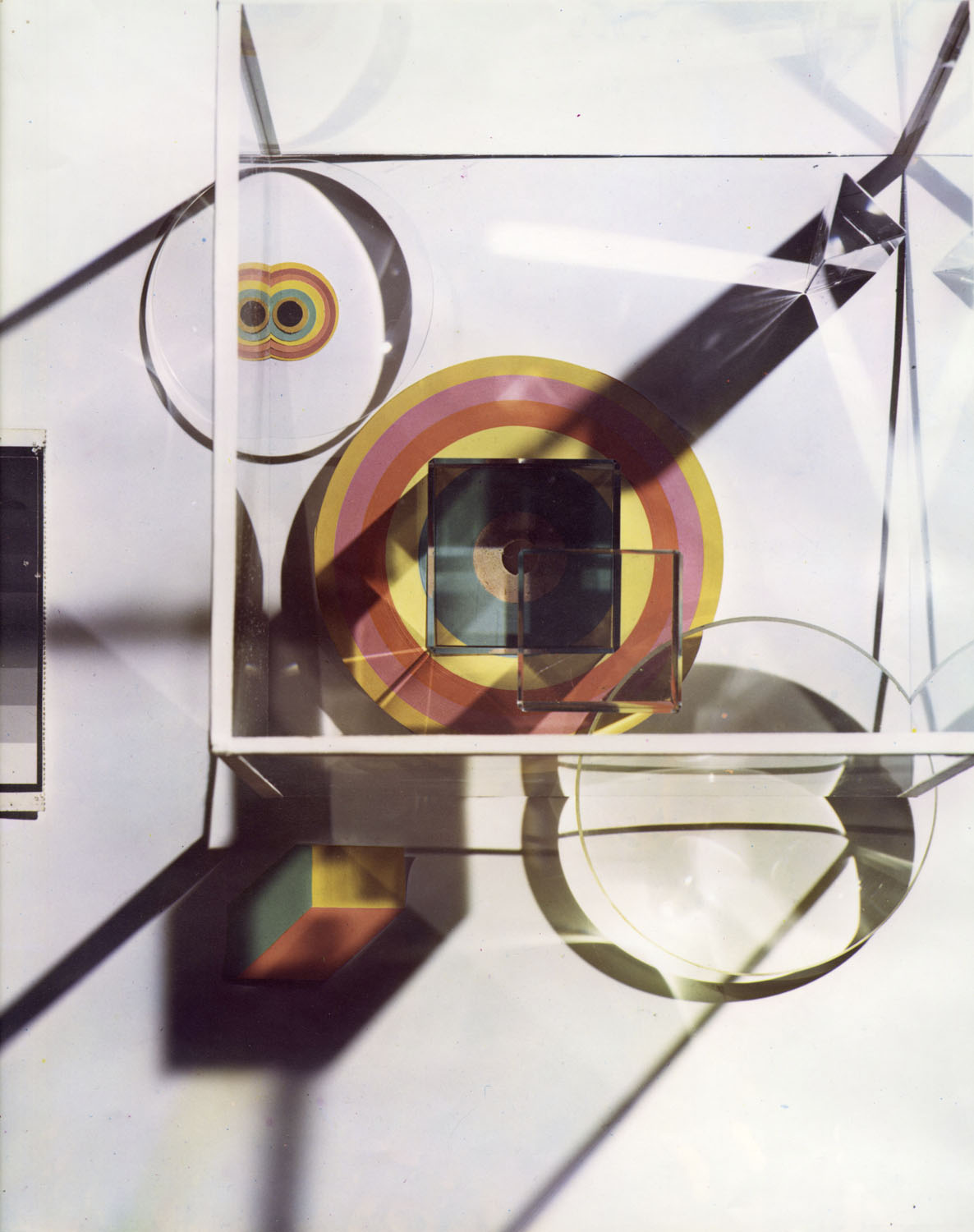
 

Paul Outerbridge Jr. (American, 1896-1959) 'Political Thinking' 1938


Paul Outerbridge Jr. (American, 1896-1959)
Political Thinking
1938
Color carbo photograph
15 7/16 x 12 11/16 inches
© Paul Outerbridge; courtesy of Fahey/Klein Gallery, Los Angeles
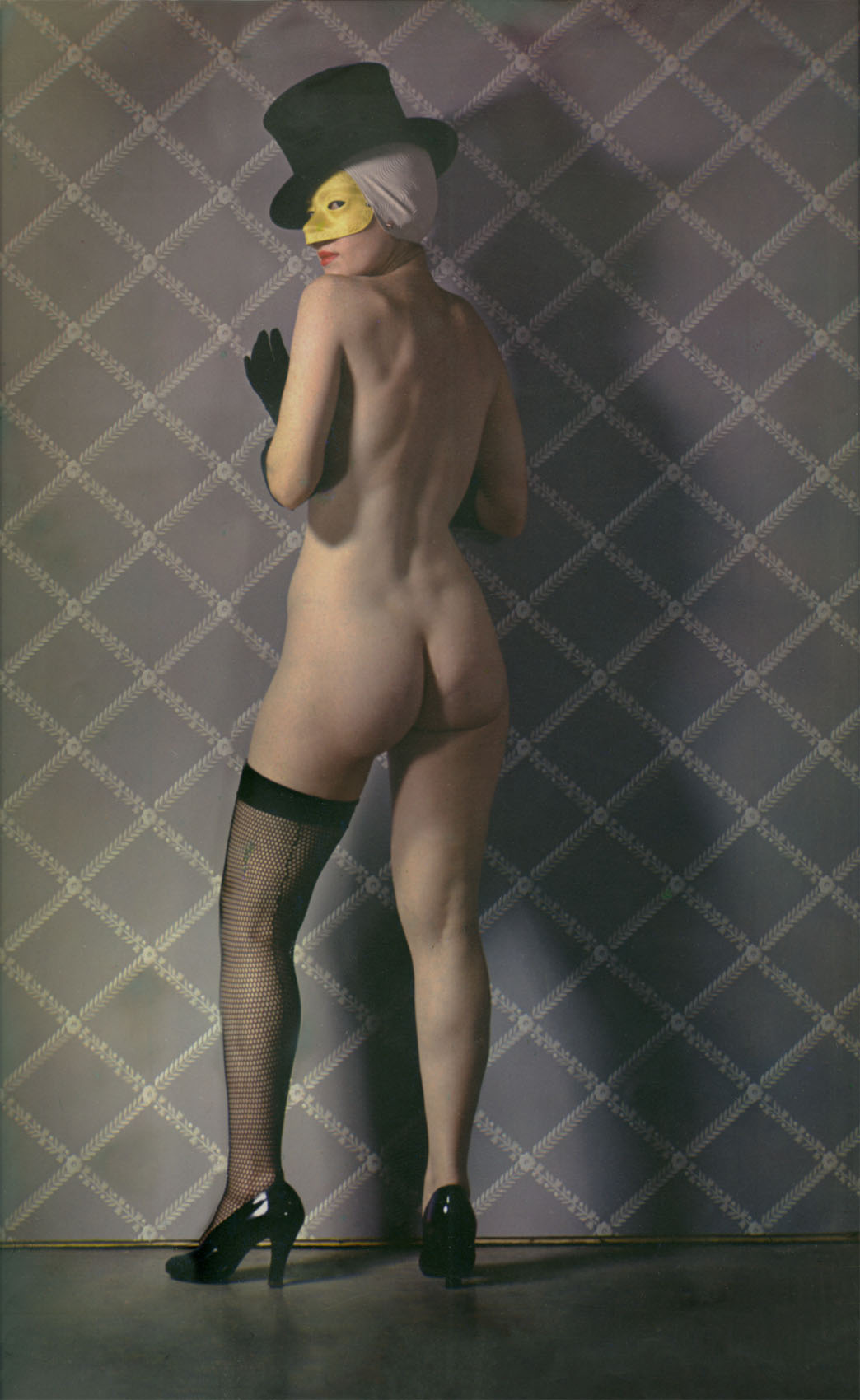
 

Paul Outerbridge Jr. (American, 1896-1959) 'Nude with Mask and Hat' c. 1936


Paul Outerbridge Jr. (American, 1896-1959)
Nude with Mask and Hat
c. 1936
Color carbo photograph
17 1/2 x 11 3/4 inches
© Paul Outerbridge; courtesy of Fahey/Klein Gallery, Los Angeles


Fahey/Klein Gallery
148 North La Brea Avenue,
Los Ángeles, CA 90036

Opening hours

Fahey/Klein Gallery website

LIKE ART BLACK ON FACEBOOK

Back to top

Exhibition: ‘Beyond Symmetry: George Dureau’s Celebrations of the Human Form’ at the Bob Mizer Foundation, San Francisco

Exhibition dates: 6th March – 28th June, 2025

Curators: Dennis Bell, founder of the Bob Mizer Foundation, and De Kwok, Head of Public Programming

*PLEASE NOTE: THIS POSTING CONTAINS ART PHOTOGRAPHS OF MALE NUDITY – IF YOU DO NOT LIKE PLEASE DO NOT LOOK, FAIR WARNING HAS BEEN GIVEN*


George Dureau (American, 1930-2014)
'Untitled' Nd


George Dureau (American, 1930-2014)
Untitled
Nd
Vintage silver gelatin print


Celebrations of the Human Spirit

~ Honesty

~ ~ Integrity

~ ~ ~ Dignity

~ ~ ~ ~ Vulnerability

~ ~ ~ ~ ~ Respect

~ ~ ~ ~ ~ ~ Love

~ ~ ~ ~ ~ ~ ~ Friendship

~ ~ ~ ~ ~ ~ ~ ~ Sexuality

~ ~ ~ ~ ~ ~ ~ ~ ~ Strength

~ ~ ~ ~ ~ ~ ~ ~ ~ ~ Beauty

~ ~ ~ ~ ~ ~ ~ ~ ~ ~ ~ Form

~ ~ ~ ~ ~ ~ ~ ~ ~ ~ ~ ~ Humanism

~ ~ ~ ~ ~ ~ ~ ~ ~ ~ ~ ~ ~ Identity

~ ~ ~ ~ ~ ~ ~ ~ ~ ~ ~ ~ ~ ~ Personality

~ ~ ~ ~ ~ ~ ~ ~ ~ ~ ~ ~ ~ ~ ~ Presence

~ ~ ~ ~ ~ ~ ~ ~ ~ ~ ~ ~ ~ ~ ~ ~ Intimacy

~ ~ ~ ~ ~ ~ ~ ~ ~ ~ ~ ~ ~ ~ ~ ~ ~ Nude

~ ~ ~ ~ ~ ~ ~ ~ ~ ~ ~ ~ ~ ~ ~ ~ ~ ~ Empathy

~ ~ ~ ~ ~ ~ ~ ~ ~ ~ ~ ~ ~ ~ ~ ~ ~ ~ ~ Revelation

~ ~ ~ ~ ~ ~ ~ ~ ~ ~ ~ ~ ~ ~ ~ ~ ~ ~ ~ ~ Spirit

~ ~ ~ ~ ~ ~ ~ ~ ~ ~ ~ ~ ~ ~ ~ ~ ~ ~ ~ ~ ~ Truth


I’ve been wanting to do a posting on the magnificent New Orleans photographer George Dureau’s work for a long while but because there are so few exhibitions of his photographs I have never had the opportunity – until now.

It’s a great pity that his work is not as recognised as that of his contemporaries, Peter Hujar and Robert Mapplethorpe. Indeed, you can still pick up an original Dureau in the secondhand art market for around $500 whereas Mapplethorpe’s photographs run into the many thousands.

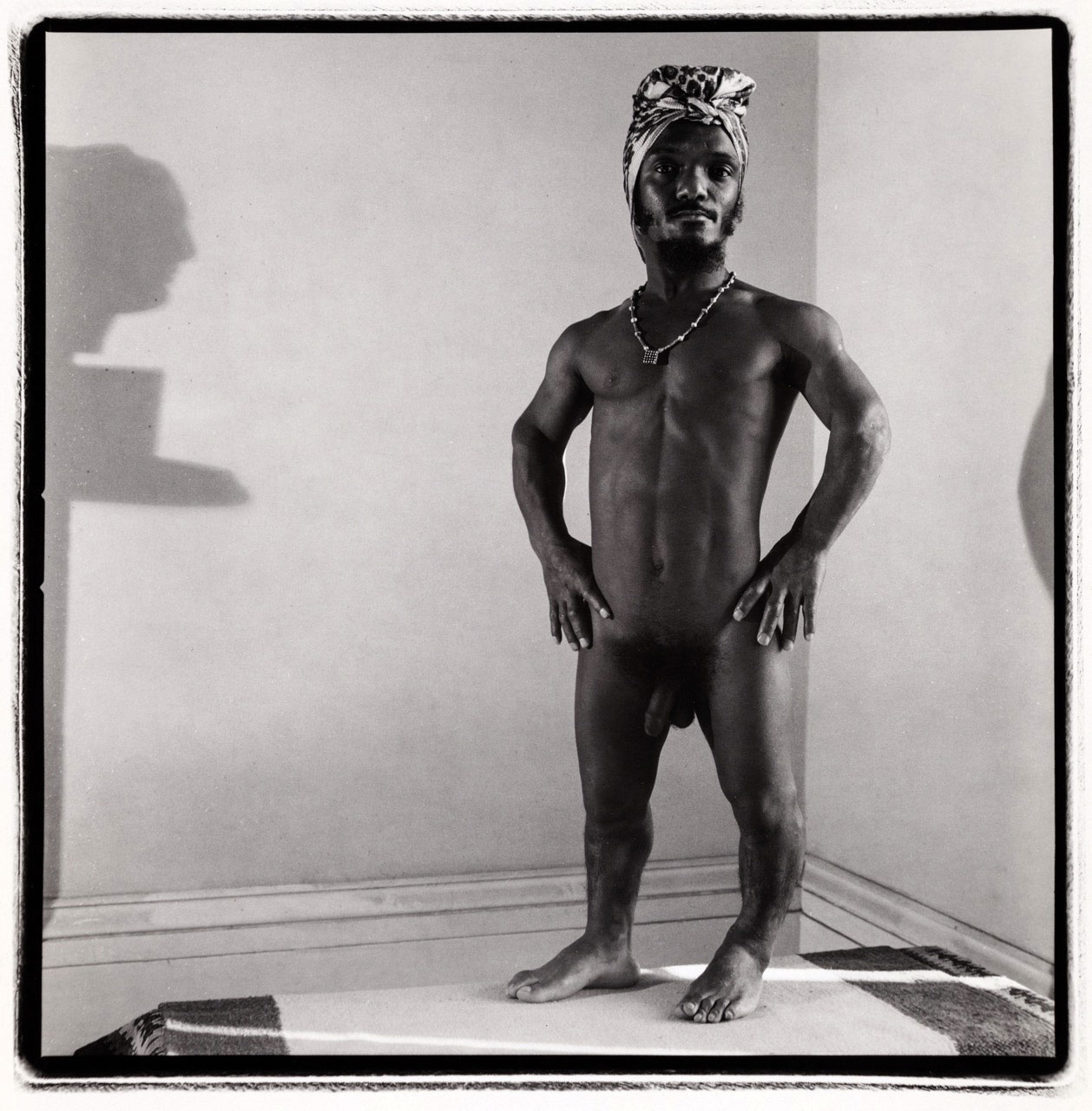
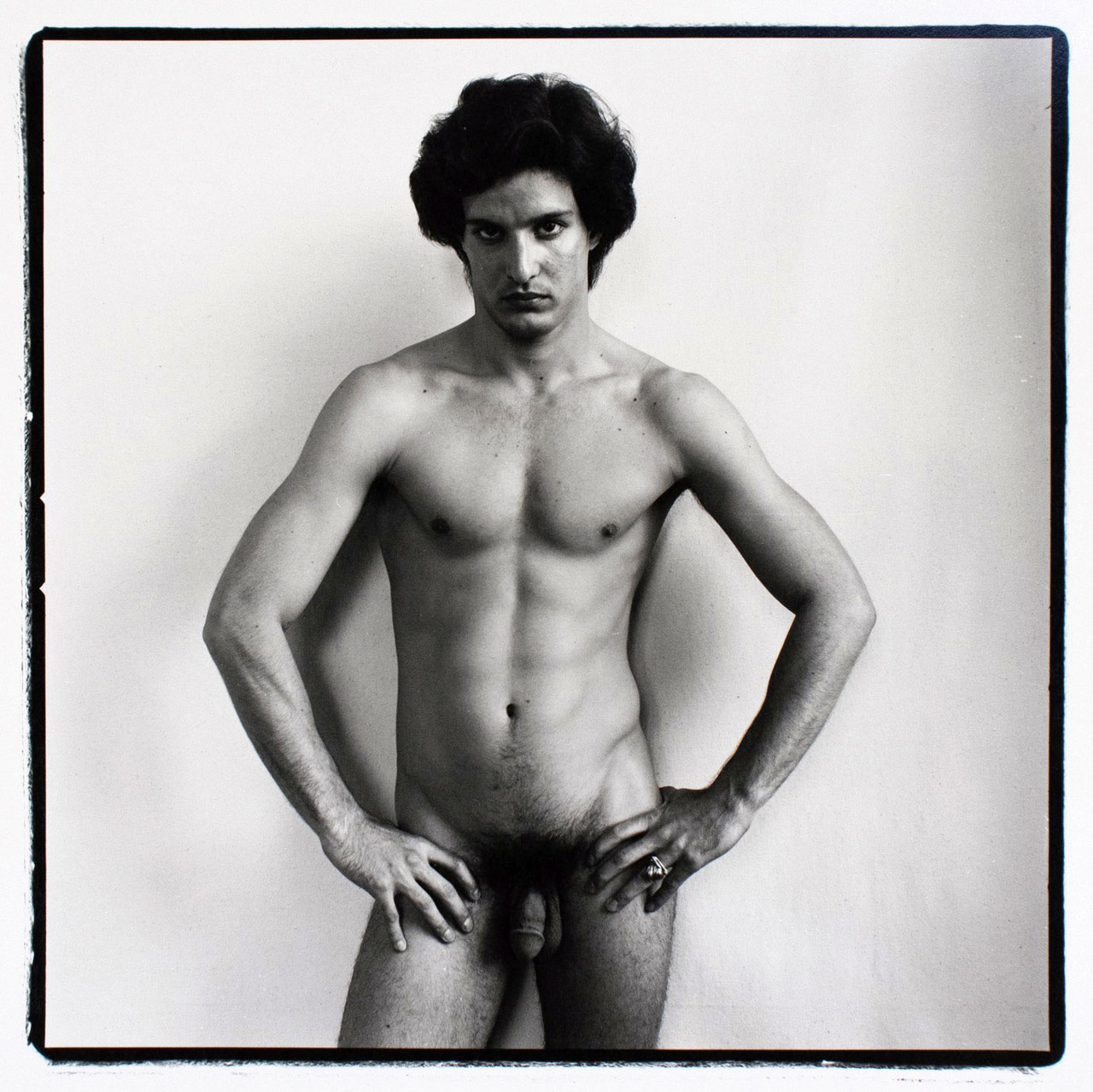
His photographs are not romantic, certainly not sentimental. He was fascinated by the people he photographed, their truth. These are the stories he conceptualised, posed, lit and photographed, stories that emerged from his imagination, that revealed surprising things about his subjects.

Unlike the clinical formalism of Mapplethorpe, Dureau worked with a poetry that was always present. Indeed, there is something so eloquent and sincere about his photographs for in them the artist draws (Dureau was also a painter) the mysteries of the soul of his subjects.

Dureau’s response to the world and the photographs that emanate from that engagement are humanist in the best sense of the word, revealing his subjects in a direct way that emphasises an individual’s dignity, worth and capacity for self-realisation.

Thus, I feel his photographs are a celebration not just of the human form but more importantly, of the human spirit.

Dr Marcus Bunyan


Many thankx to Dennis Bell, Corbin Crable and the Bob Mizer Foundation for allowing me to publish the photographs in the posting. Please click on the photographs for a larger version of the image.


“I live a warm, involved humanist sort of life. There are lots of people passing through it. I have exciting experiences and learn things about people. They always go into my art. I cannot have an experience and it not go into my art.”

 
George Dureau


John H. Lawrence, HNOC emeritus director of museum programs and himself a fine-art photographer, said Dureau’s portraits reveal a tangible intimacy between photographer and subject.

“George respected the people he asked to sit for him,” said Lawrence. “I don’t say that from a knowledge, just from what the photographs show. The direct stare into the camera, it may have been at George’s direction. Even with the gaze directed in that fashion, you don’t get the kind of quality you see in these portraits unless there is a mutual respect between the photographer and the subject. There is a vibe there that is based on these two people having respect for each other as the photograph is made.”


John H. Lawrence quoted in Dave Walker. “The Intimate Eye of George Dureau,” on The Historic New Orleans Collection website, December 31, 2021 [Online] Cited 20/06/2025


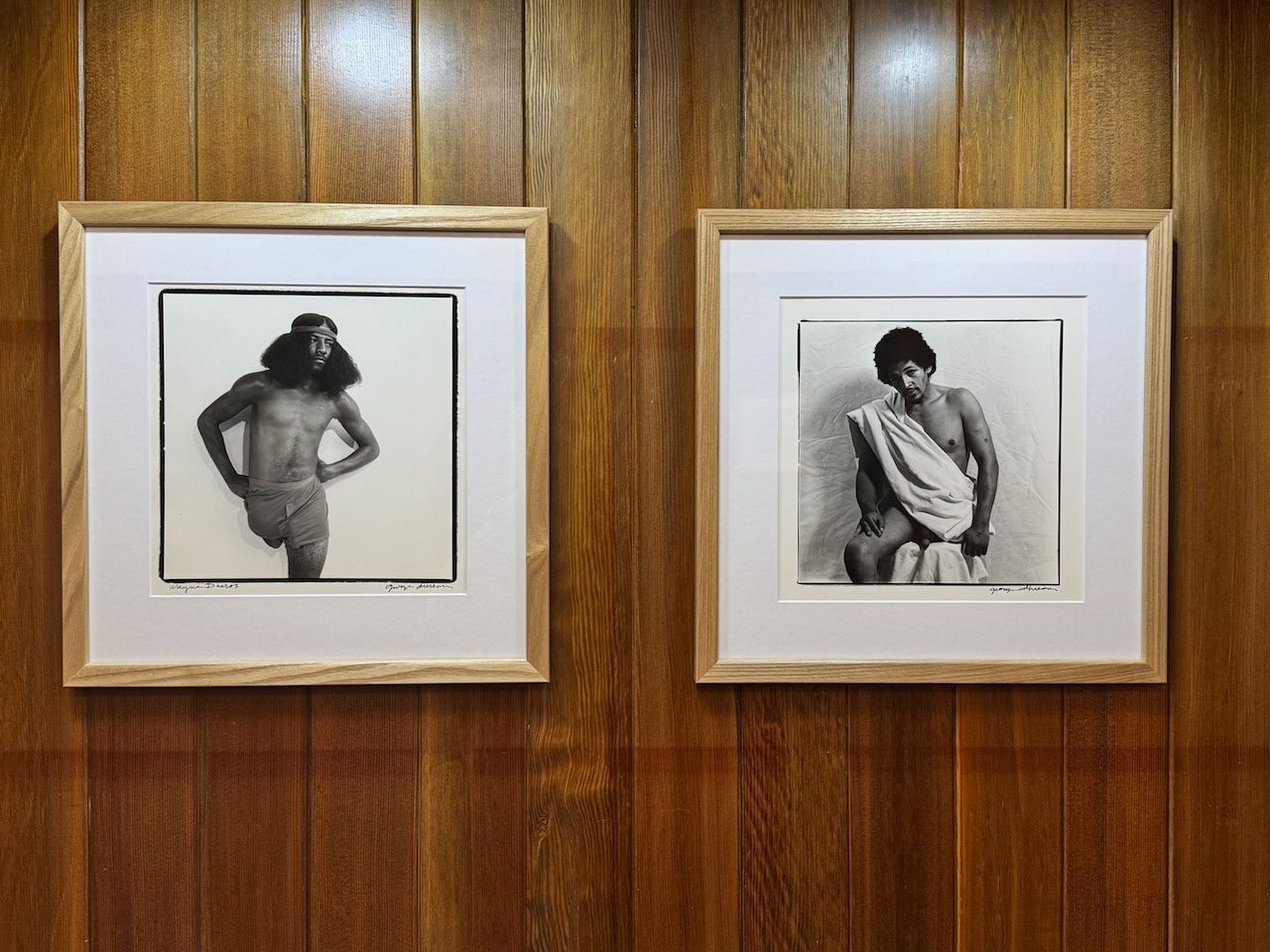
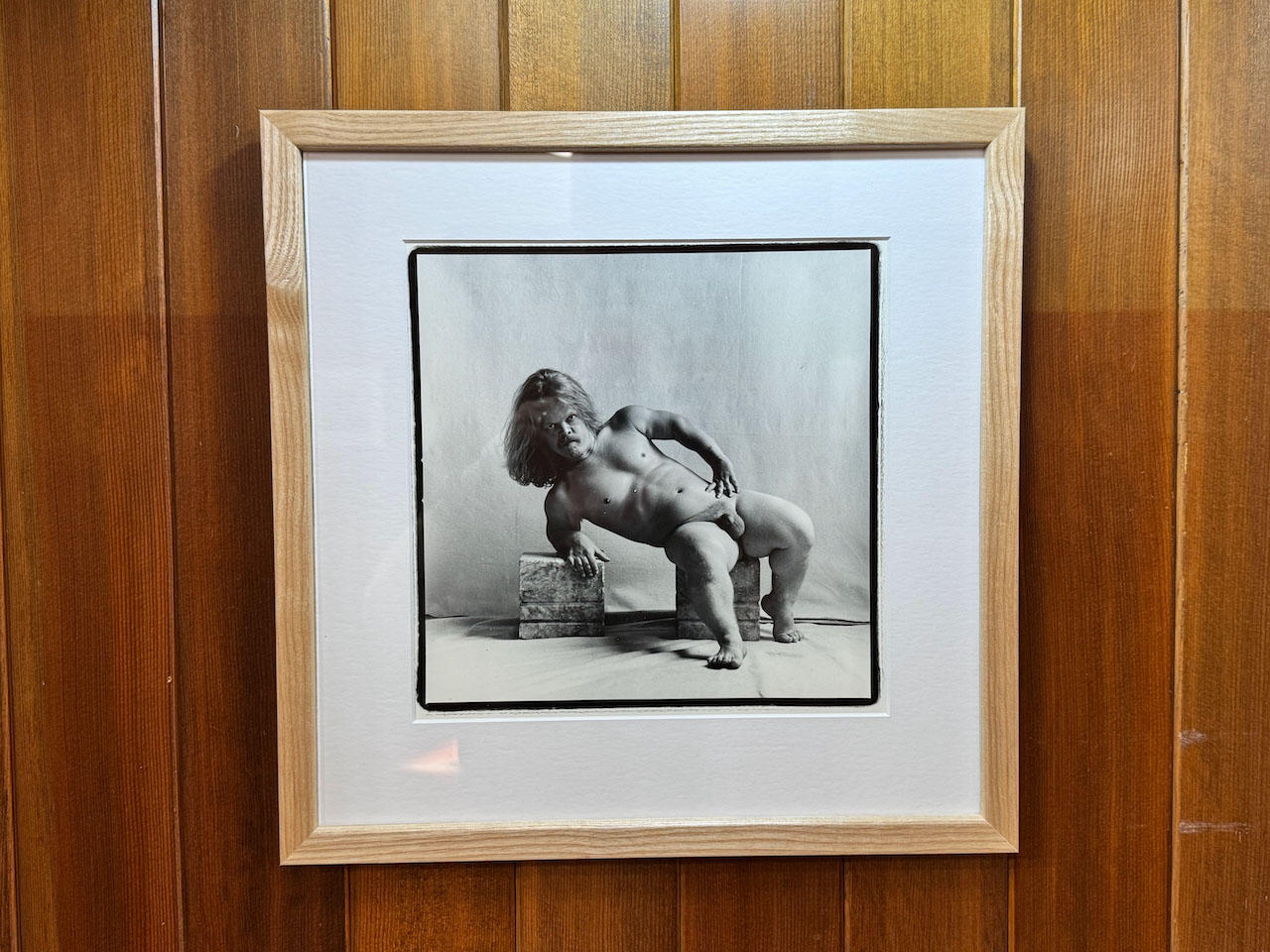
This exhibition presents 25 evocative black-and-white portraits by George Dureau, capturing the resilience and vulnerability of his subjects – from athletes to marginalised individuals – against the vibrant cultural backdrop of New Orleans, where beauty and humanity converge in transformative ways.


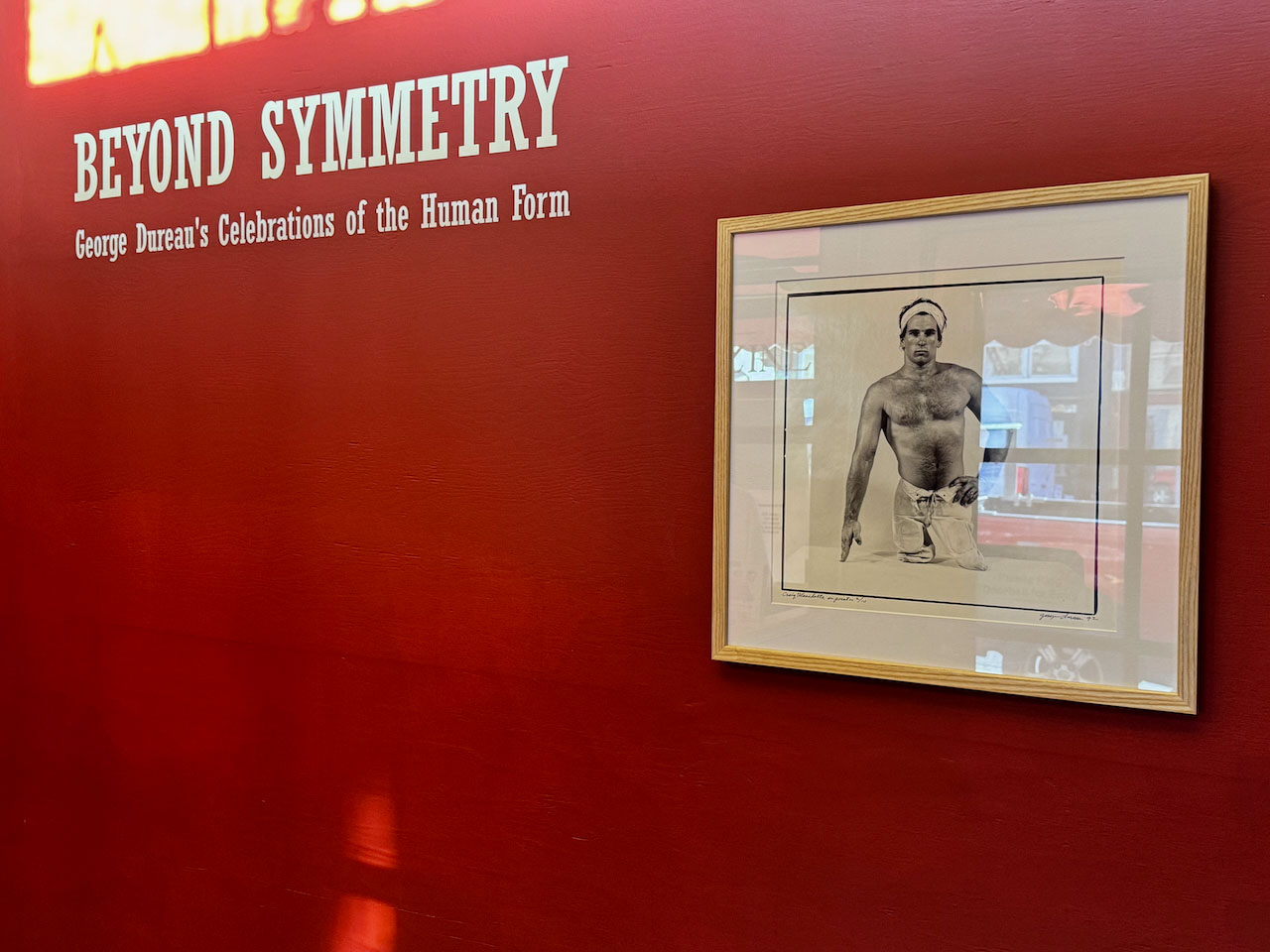
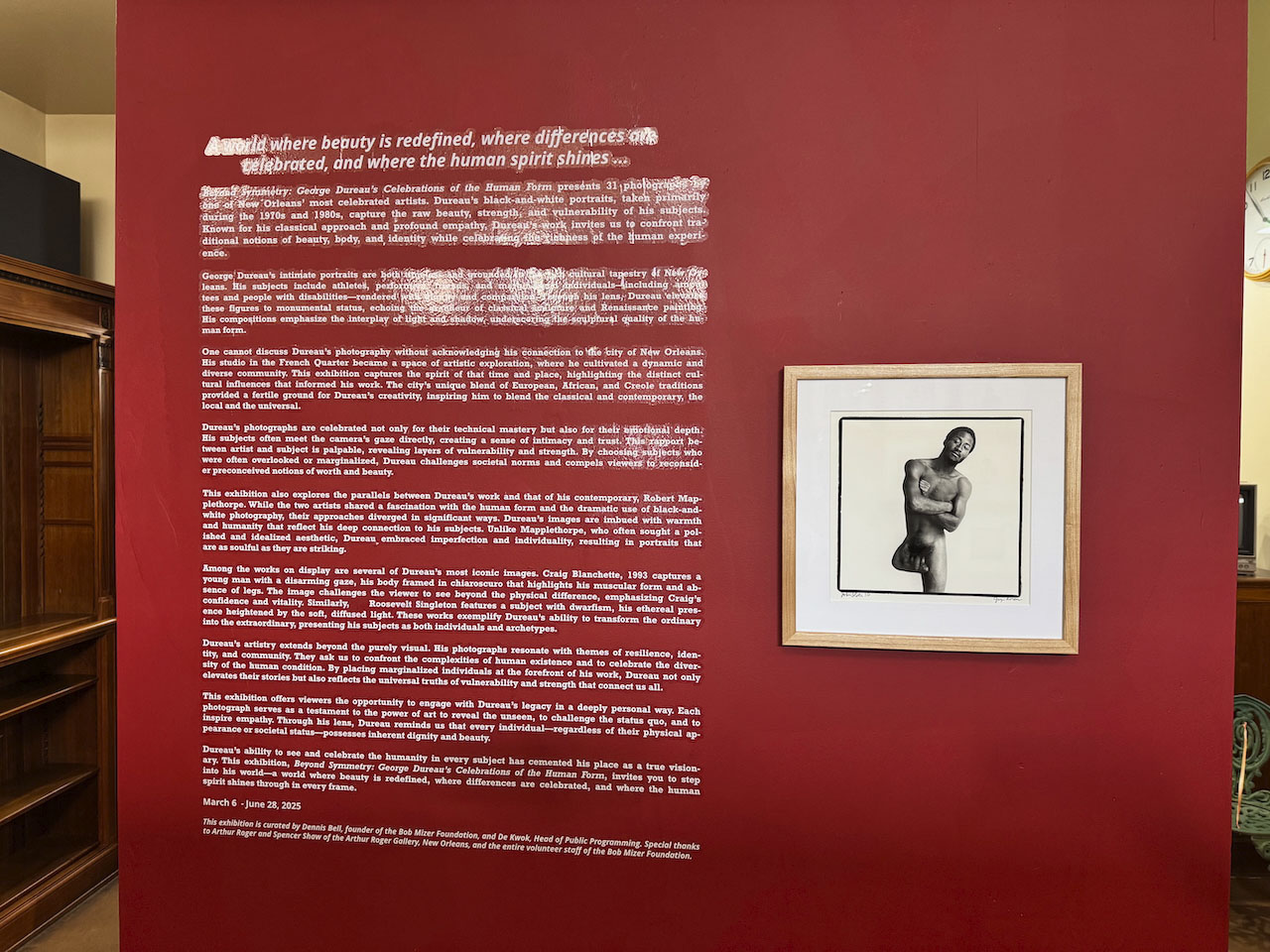
Installation view of the exhibition 'Beyond Symmetry: George Dureau's Celebrations of the Human Form' at the Bob Mizer Foundation, San Francisco showing Dureau's photograph 'Craig Blanchette' 1992


Installation view of the exhibition Beyond Symmetry: George Dureau’s Celebrations of the Human Form at the Bob Mizer Foundation, San Francisco showing Dureau’s photograph Craig Blanchette, 1992


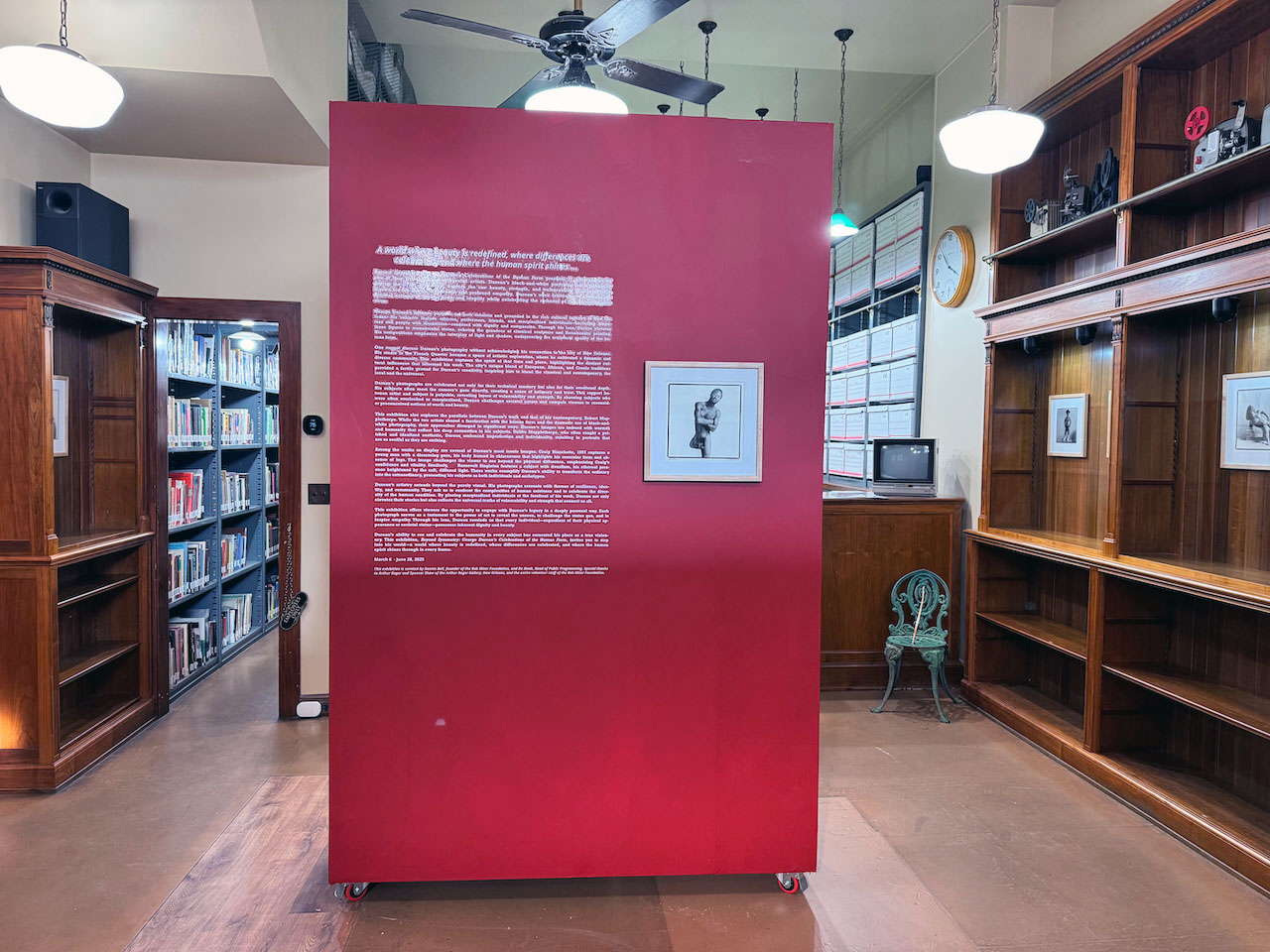
Installation view of the exhibition 'Beyond Symmetry: George Dureau's Celebrations of the Human Form' at the Bob Mizer Foundation, San Francisco


Installation views of the exhibition Beyond Symmetry: George Dureau’s Celebrations of the Human Form at the Bob Mizer Foundation, San Francisco showing Dureau’s photograph John Slate, Nd


Installation view of the exhibition 'Beyond Symmetry: George Dureau's Celebrations of the Human Form' at the Bob Mizer Foundation, San Francisco


Installation view of the exhibition Beyond Symmetry: George Dureau’s Celebrations of the Human Form at the Bob Mizer Foundation, San Francisco


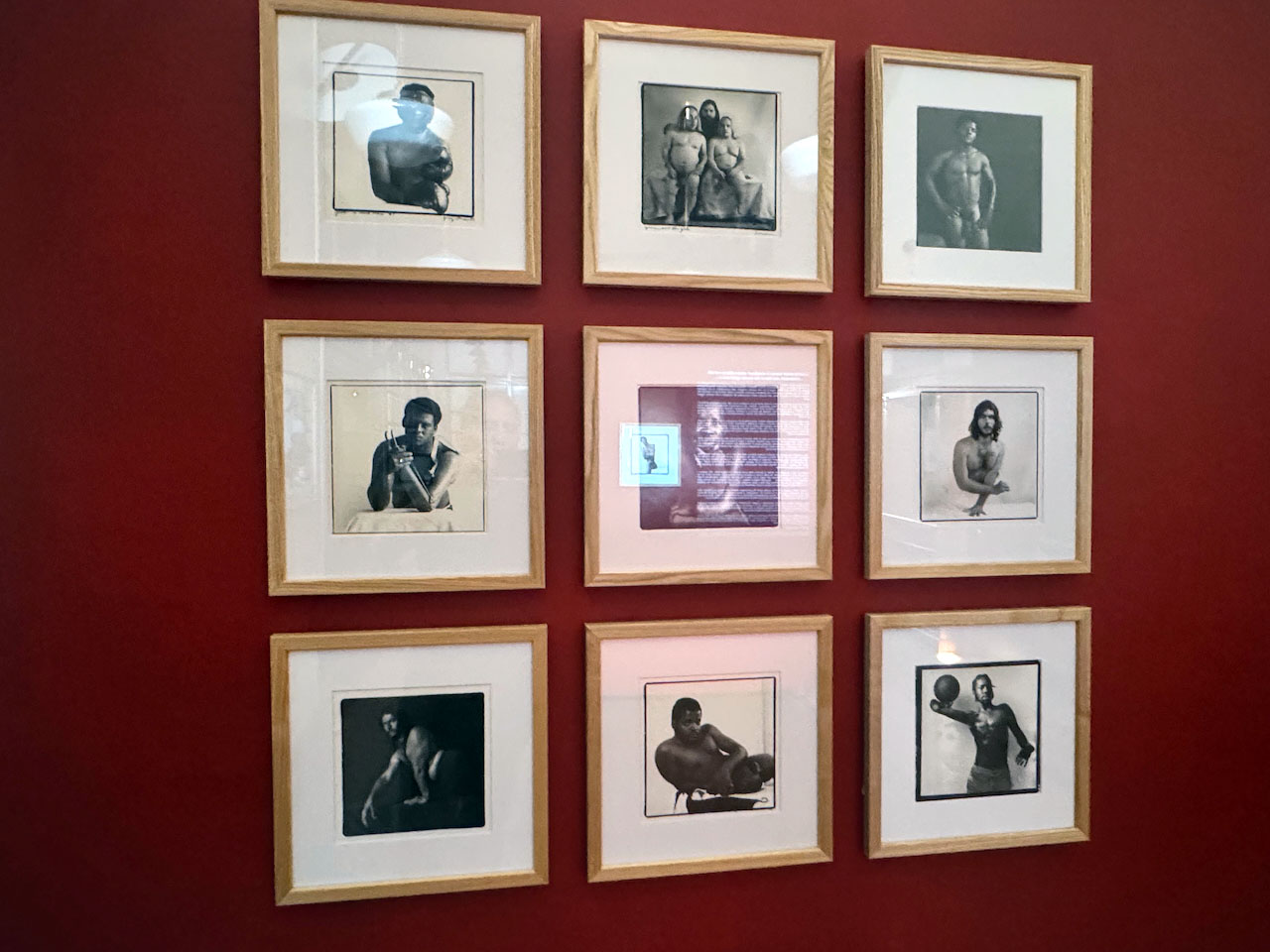
Installation view of the exhibition 'Beyond Symmetry: George Dureau's Celebrations of the Human Form' at the Bob Mizer Foundation, San Francisco


Installation views of the exhibition Beyond Symmetry: George Dureau’s Celebrations of the Human Form at the Bob Mizer Foundation, San Francisco


The Bob Mizer Foundation proudly presents Beyond Symmetry: George Dureau’s Celebrations of the Human Form, an exhibition showcasing 25 evocative black-and-white portraits by the acclaimed New Orleans artist George Dureau. This compelling collection captures the resilience, vulnerability, and individuality of Dureau’s subjects, spanning athletes, performers, and marginalised individuals.

Dureau’s photography transcends traditional portraiture, blending classical composition with the rich cultural spirit of New Orleans. His intimate works explore themes of identity and dignity, transforming vulnerabilities into powerful symbols of humanity’s resilience. The photographs invite viewers to reimagine beauty as inclusive, diverse, and multifaceted.

“George Dureau’s work is a testament to his unique ability to celebrate the human form while challenging societal norms,” says Den Bell, founder of the Bob Mizer Foundation. “His portraits honour the individuality of his subjects while weaving in the vibrancy of New Orleans, making his work timeless and deeply impactful.”

“Dureau photographed people with kindness and sympathy,” added Mizer Foundation’s Head of Programming, De Kwok, “It has been said that his subject matter became a member of his extended family and you can clearly see that in the way his camera lovingly captured them.”

The exhibition will be on view from March 6 to June 28, 2025, at the Bob Mizer Foundation’s Main Gallery. An opening reception will be held on March 6 from 6.00 pm – 8.30 pm, providing an opportunity to explore the works and celebrate Dureau’s extraordinary legacy.

About George Dureau

A celebrated figure in the art world, George Dureau (1930-2014) was renowned for his black-and-white photography and classical paintings. Rooted in the rich cultural heritage of New Orleans, Dureau’s art challenges conventions and highlights the resilience of the human spirit. His work has been exhibited internationally and continues to inspire audiences with its profound emotional depth and technical mastery.

Text from the Bob Mizer Foundation website


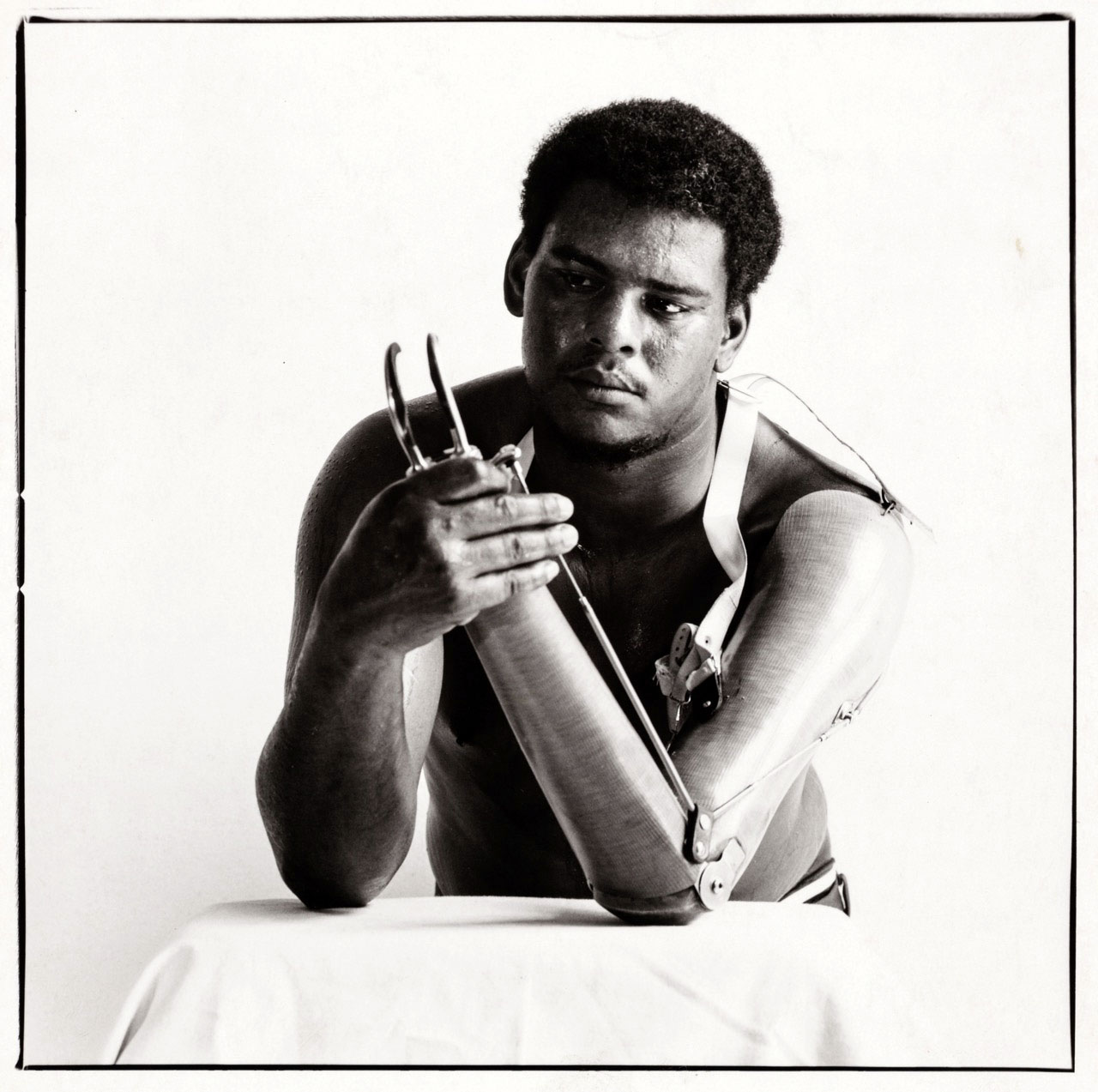
George Dureau (American, 1930-2014) 'Wilbert with Hook' Nd


George Dureau (American, 1930-2014)
Wilbert with Hook
Nd
Vintage silver gelatin print
20 x 16 inches


George Dureau (American, 1930-2014)
'B.J. Robinson' 1995


George Dureau (American, 1930-2014)
B.J. Robinson
1995
Vintage silver gelatin print


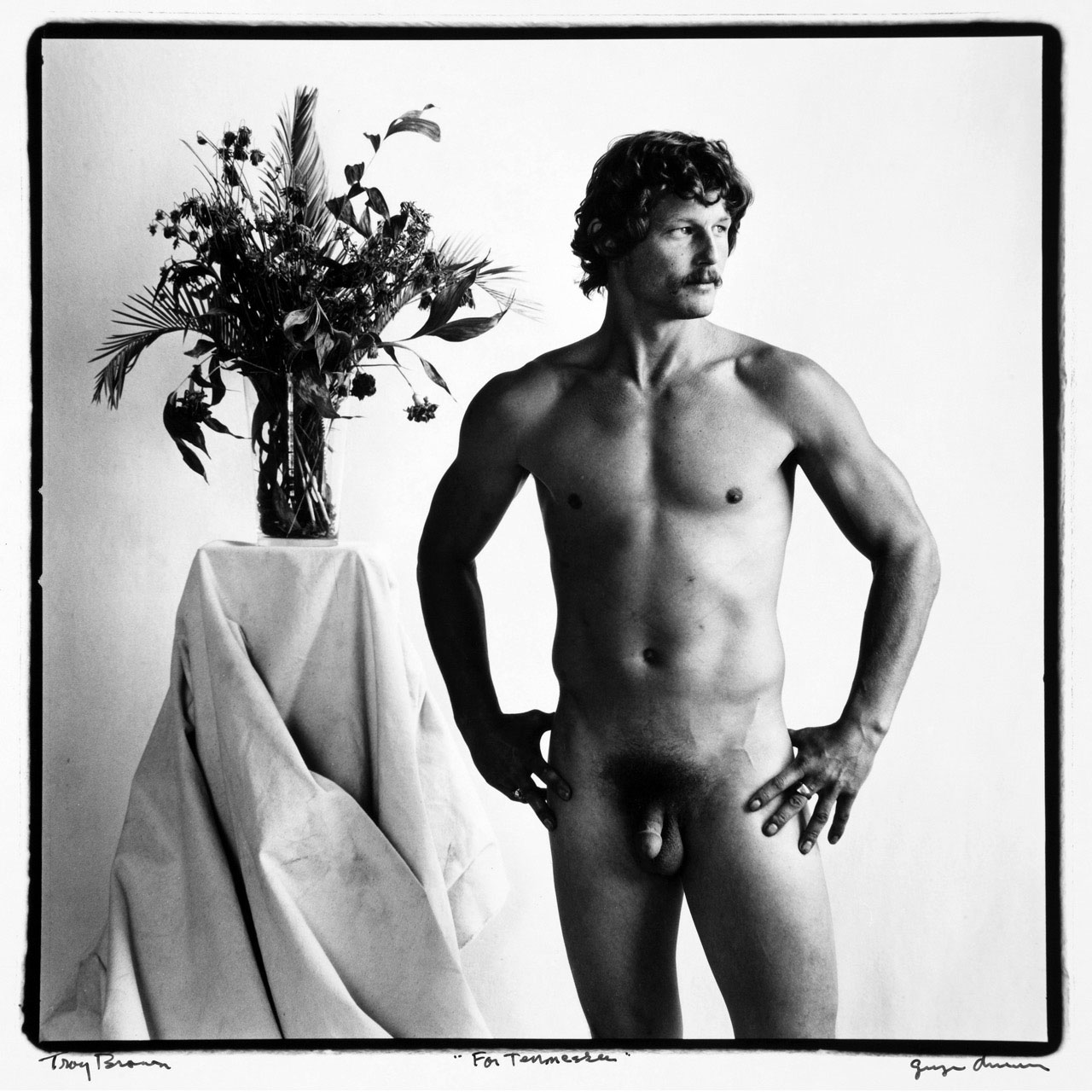
George Dureau (American, 1930-2014) 'Troy Brown "For Tennessee"' Nd


George Dureau (American, 1930-2014)
Troy Brown “For Tennessee”
Nd
Vintage silver gelatin print


George Dureau (American, 1930-2014) 'Untitled (Sonny Singleton)' Nd


George Dureau (American, 1930-2014)
Untitled (Sonny Singleton)
Nd
Vintage silver gelatin print


This exhibition highlights the remarkable artistry of George Dureau through 25 compelling black-and-white portraits that showcase his unique vision. Created during the 1970s and 1980s, these photographs transcend traditional boundaries, blending classical composition with an unflinching exploration of the human experience. Dureau’s subjects – athletes, performers, friends, and individuals often marginalised by society – are elevated to iconic status through his lens.

The images reveal a profound empathy and an unshakable belief in the inherent dignity of every individual. With a studio rooted in the vibrant cultural milieu of New Orleans, Dureau captured not only the physical form but also the spirit of his subjects, transforming their vulnerabilities into striking symbols of resilience and humanity. His work redefines beauty as inclusive and multifaceted, challenging societal norms and inviting reflection on identity, strength, and community.

This exhibition Beyond Symmetry: George Dureau’s Celebrations of the Human Form presents 25 photographs by one of New Orleans’ most celebrated artists. Dureau’s black-and-white portraits, taken primarily during the 1970s and 1980s, capture the raw beauty, strength, and vulnerability of his subjects. Known for his classical approach and profound empathy, Dureau’s work invites us to confront traditional notions of beauty, body, and identity while celebrating the richness of the human experience.

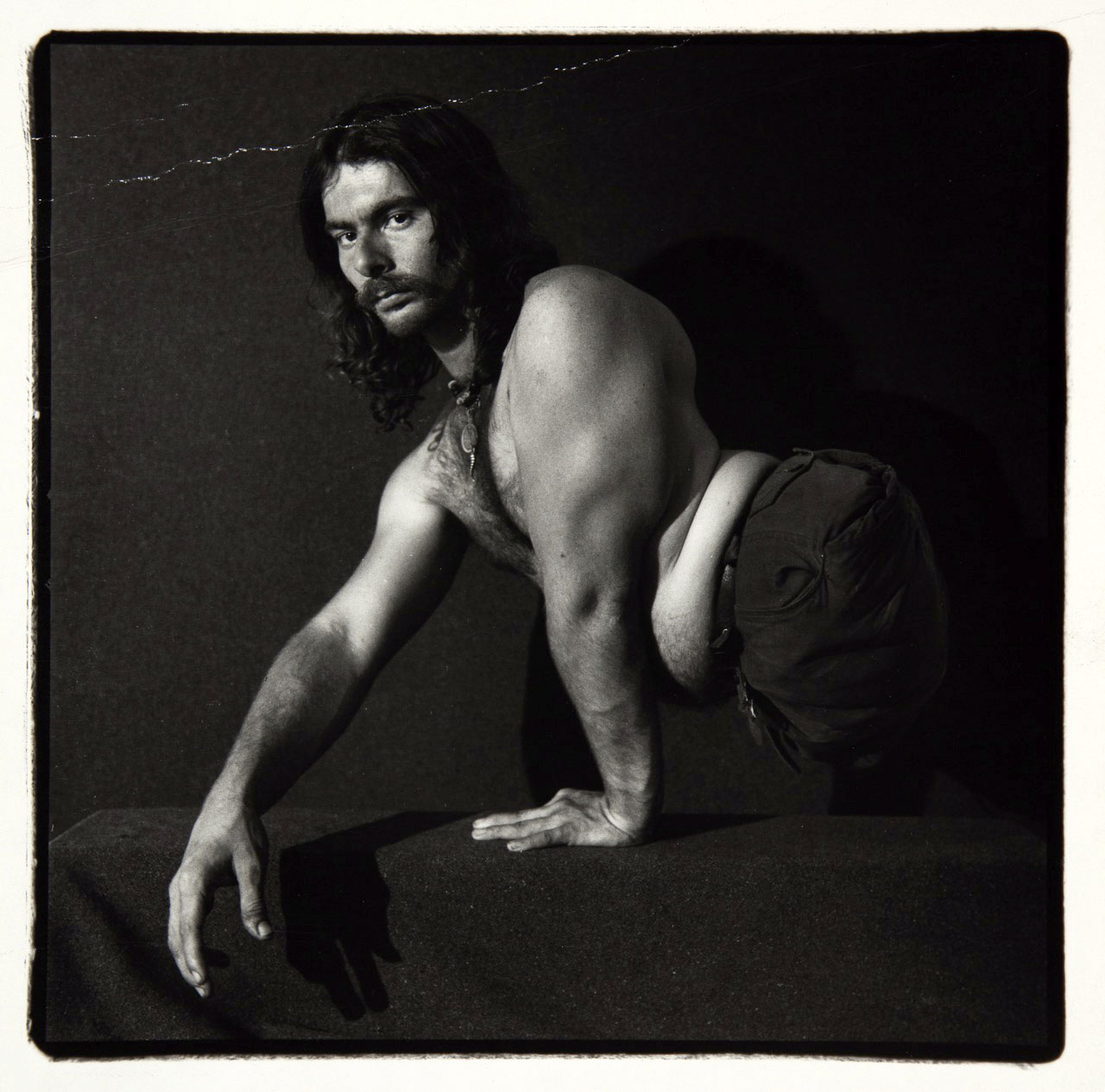
George Dureau’s intimate portraits are both timeless and grounded in the rich cultural tapestry of New Orleans. His subjects include athletes, performers, friends, and marginalised individuals – including amputees and people with disabilities – rendered with dignity and compassion. Through his lens, Dureau elevates these figures to monumental status, echoing the grandeur of classical sculpture and Renaissance painting. His compositions emphasize the interplay of light and shadow, underscoring the sculptural quality of the human form.

One cannot discuss Dureau’s photography without acknowledging his connection to the city of New Orleans. His studio in the French Quarter became a space of artistic exploration, where he cultivated a dynamic and diverse community. This exhibition captures the spirit of that time and place, highlighting the distinct cultural influences that informed his work. The city’s unique blend of European, African, and Creole traditions provided a fertile ground for Dureau’s creativity, inspiring him to blend the classical and contemporary, the local and the universal.

Dureau’s photographs are celebrated not only for their technical mastery but also for their emotional depth. His subjects often meet the camera’s gaze directly, creating a sense of intimacy and trust. This rapport between artist and subject is palpable, revealing layers of vulnerability and strength. By choosing subjects who were often overlooked or marginalised, Dureau challenges societal norms and compels viewers to reconsider preconceived notions of worth and beauty.

This exhibition also explores the parallels between Dureau’s work and that of his contemporary, Robert Mapplethorpe. While the two artists shared a fascination with the human form and the dramatic use of black-and-white photography, their approaches diverged in significant ways. Dureau’s images are imbued with warmth and humanity that reflect his deep connection to his subjects. Unlike Mapplethorpe, who often sought a polished and idealised aesthetic, Dureau embraced imperfection and individuality, resulting in portraits that are as soulful as they are striking.

Among the works on display are several of Dureau’s most iconic images. Craig Blanchette, 1992 (above) captures a young man with a disarming gaze, his body framed in chiaroscuro that highlights his muscular form and absence of legs. The image challenges the viewer to see beyond the physical difference, emphasising Craig’s confidence and vitality. Similarly, Roosevelt Singleton features a subject with dwarfism, his ethereal presence heightened by the soft, diffused light. These works exemplify Dureau’s ability to transform the ordinary into the extraordinary, presenting his subjects as both individuals and archetypes.

Dureau’s artistry extends beyond the purely visual. His photographs resonate with themes of resilience, identity, and community. They ask us to confront the complexities of human existence and to celebrate the diversity of the human condition. By placing marginalised individuals at the forefront of his work, Dureau not only elevates their stories but also reflects the universal truths of vulnerability and strength that connect us all.

This exhibition offers viewers the opportunity to engage with Dureau’s legacy in a deeply personal way. Each photograph serves as a testament to the power of art to reveal the unseen, to challenge the status quo, and to inspire empathy. Through his lens, Dureau reminds us that every individual – regardless of their physical appearance or societal status – possesses inherent dignity and beauty.

The 31 photographs selected for this show represent the breadth and depth of Dureau’s oeuvre. From tender portraits of friends to bold explorations of the male nude, the images on display capture the full spectrum of his artistic vision. Each piece is a study in contrasts: light and shadow, strength and vulnerability, individuality and universality. Together, they form a cohesive narrative that celebrates the complexity of the human experience.

George Dureau’s work has left an indelible mark on the world of photography and beyond. His ability to see and celebrate the humanity in every subject has cemented his place as a true visionary. This exhibition, Beyond Symmetry: George Dureau’s Celebrations of the Human Form, invites you to step into his world – a world where beauty is redefined, where differences are celebrated, and where the human spirit shines through in every frame.

As you explore these images, consider the stories they tell and the questions they pose. How do we define beauty? What does it mean to see and be seen? And how can art challenge us to look beyond the surface and connect with the essence of another human being? In celebrating the life and work of George Dureau, we celebrate the power of art to transform, to inspire, and to unite us all.

Press release from the Bob Mizer Foundation


George Dureau (American, 1930-2014) 'B.J. Robinson' Nd


George Dureau (American, 1930-2014)
B.J. Robinson
Nd
Vintage silver gelatin print


George Dureau (American, 1930-2014)
'Untitled' Nd


George Dureau (American, 1930-2014)
Untitled
Nd
Vintage silver gelatin print


George Dureau (American, 1930-2014)
'Untitled (Bob Lang)' Nd


George Dureau (American, 1930-2014)
Untitled (Bob Lang)
Nd
Vintage silver gelatin print


Bob Mizer Foundation
920 Larkin St., San Francisco, CA

Opening hours:
Tues – Sat 12 – 6pm

Bob Mizer Foundation website

LIKE ART BLART ON FACEBOOK

Back to top