Exhibition: ‘Nature/Revelation’ at The Ian Potter Museum of Art, Melbourne

Exhibition dates: 31st March 2015 – 5th July 2015

Curator: Joanna Bosse


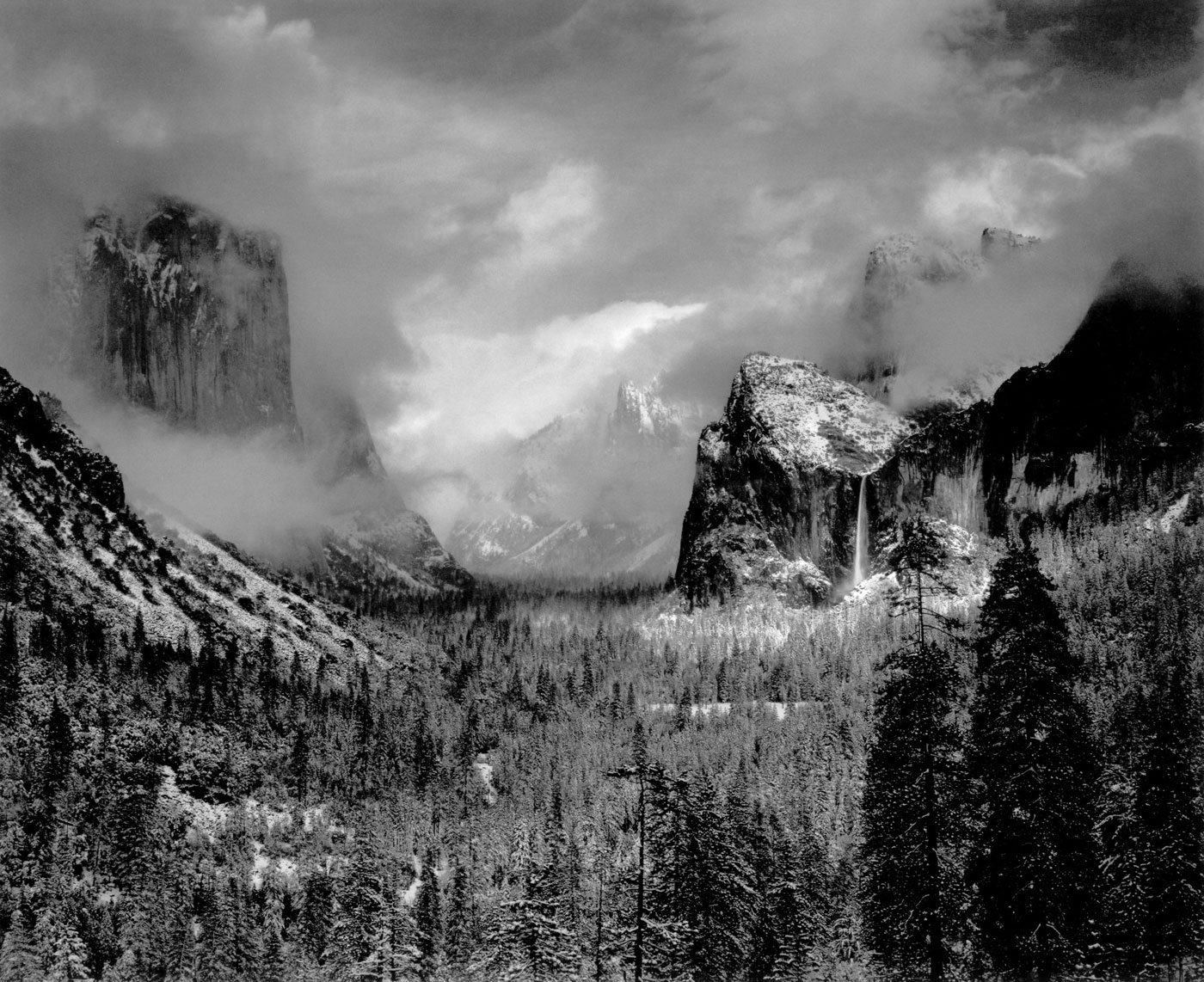
Ansel Adams (American, 1902-1984) 'Clearing winter storm, Yosemite National Park, California' 1935 


Ansel Adams (American, 1902-1984)
Clearing winter storm, Yosemite National Park, California 
1935
Gelatin silver photograph
56 x 71cm framed
National Gallery of Australia, Canberra. Purchased 1980
© 2015 The Ansel Adams Publishing Rights Trust


This is a fascinating exhibition at The Ian Potter Museum of Art, one of the best exhibitions I have seen this year in Melbourne. Unlike the disappointing exhibition Earth Matters: contemporary photographers in the landscape at the Monash Gallery of Art this exhibition, which addresses roughly the same subject matter (climate change and its devastating impact on the earth’s many ecosystems; contemporary notions of nature and the sublime) this exhibition is nuanced and fresh, celebrating “the unique capacity art has to cut through prevailing rhetoric to stimulate individuals both intellectually and emotionally in the face of current environmental issues.”

Every piece of art in this exhibition is emotionally, intellectually and aesthetically challenging. There is no “dead wood” here. As the press release states, “Nature / Revelation features international and Australian artists who are engaged with poetic and philosophical concerns, and whose work offers potentially enlightening experiences that energise our relationship to the natural world.” And it is true!

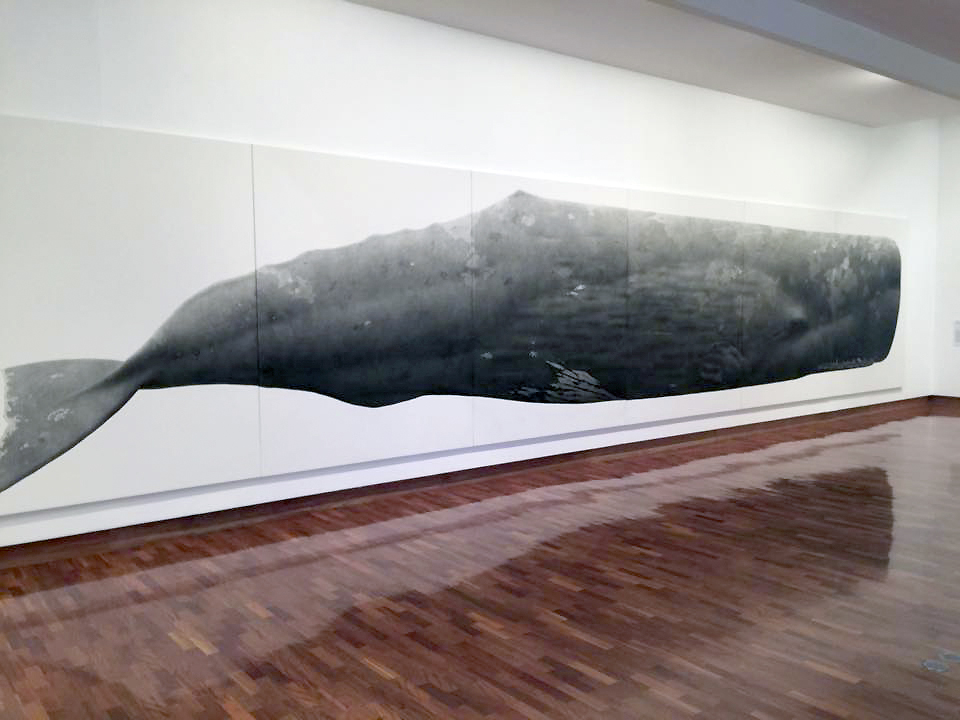
I spent over two hours on a couple of visits to this exhibition and came away feeling en/lightened in mind and body. From the formal beauty of Ansel Adams classical black and white photographs to the mesmerising, eternal video Boulder Hand (2012) by Gabriel Orozco; from the delightful misdirection of Mel O’Callaghan’s Moons to the liminal habitats of Jamie North; and from the constructed clouds of Berndnaut Smilde to the best piece in the exhibition, Jonathan Delafield Cook’s Sperm whale (Physeter macrocephalus) (2013, below) – every piece deserved its place in this exhibition. I would go as far as to say that Delafield Cook’s Sperm whale is the best piece of art that I have seen since Mark Hilton’s dontworry (2013) which featured in the Melbourne Now exhibition at the National Gallery of Victoria. The sheer scale and beauty of the work (with its graphite on canvas attention to detail) and that doleful eye staring out at the viewer, is both empowering and unnerving. It deserves to be in an important collection.

While nature and the world we live in offers moments of revelation, so did the art in this exhibition. The art possesses moments of wonder for the viewer. Kudos to curator Joanna Bosse and The Ian Potter Museum of Art for putting on a top notch show.

Dr Marcus Bunyan


Many thankx to the The Ian Potter Museum of Art for allowing me to publish the photographs in the posting. All installation photographs © Marcus Bunyan and The Ian Potter Museum of Art. Please click on the photographs for a larger version of the image.
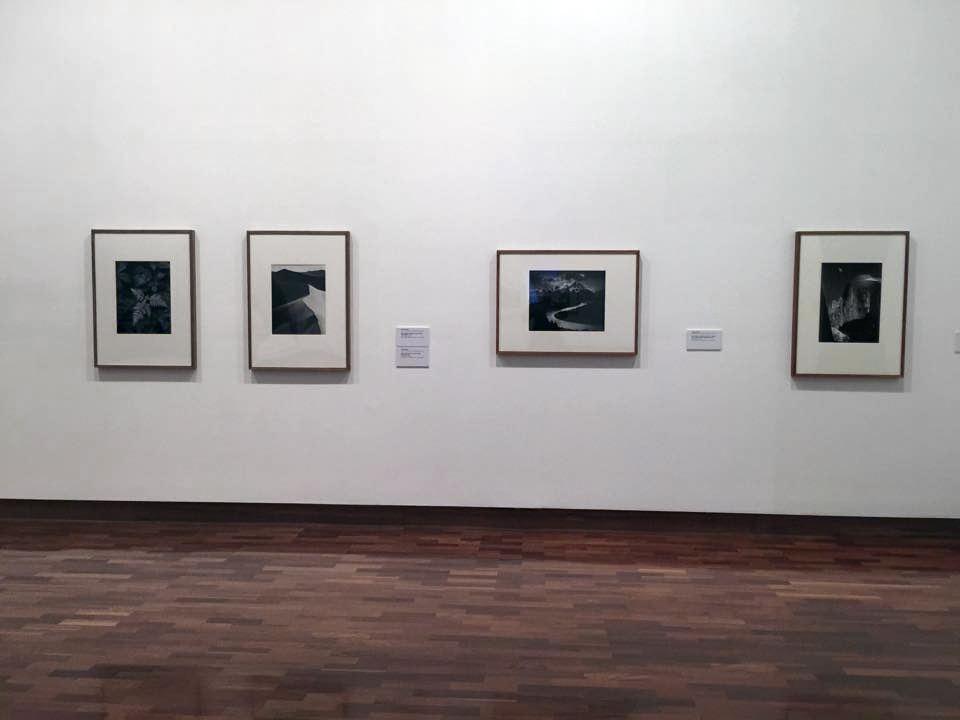


Installation photograph of the exhibition 'Nature/Revelation' at The Ian Potter Museum of Art, Melbourne showing photographs by Ansel Adams


Installation photograph of the exhibition Nature/Revelation at The Ian Potter Museum of Art, Melbourne showing photographs by Ansel Adams
Photo: Marcus Bunyan
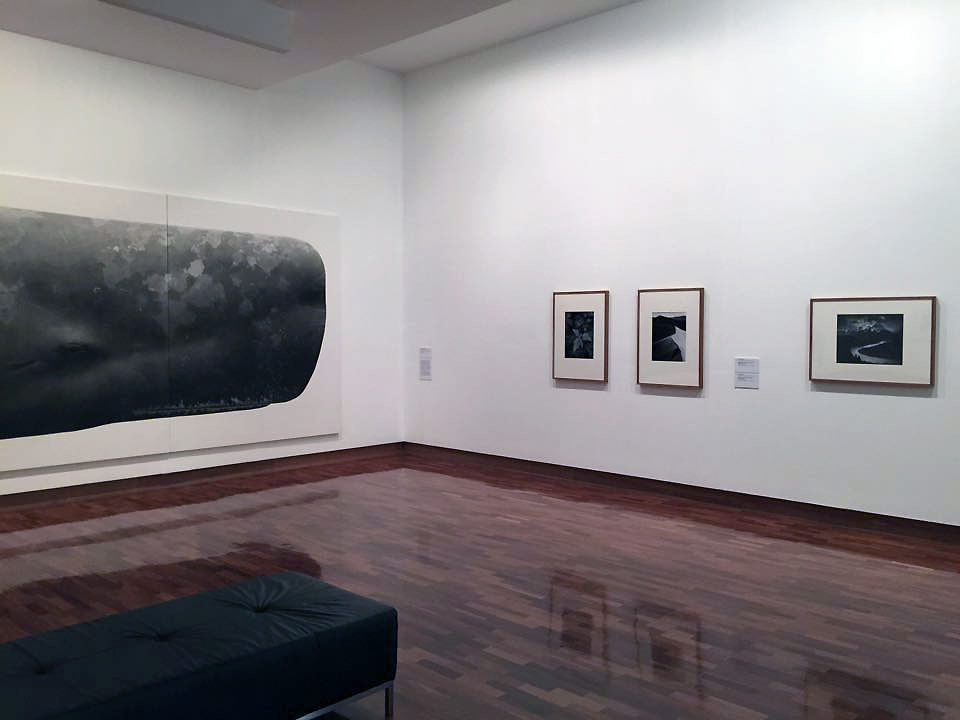
 

Installation photograph of the exhibition 'Nature/Revelation' at The Ian Potter Museum of Art, Melbourne showing at right, photographs by Ansel Adams; and at left, a detail of Jonathan Delafield Cook's 'Sperm whale (Physeter macrocephalus)' 2013


Installation photograph of the exhibition Nature/Revelation at The Ian Potter Museum of Art, Melbourne showing at right, photographs by Ansel Adams; and at left, a detail of Jonathan Delafield Cook’s Sperm whale (Physeter macrocephalus) 2013
Photo: Marcus Bunyan
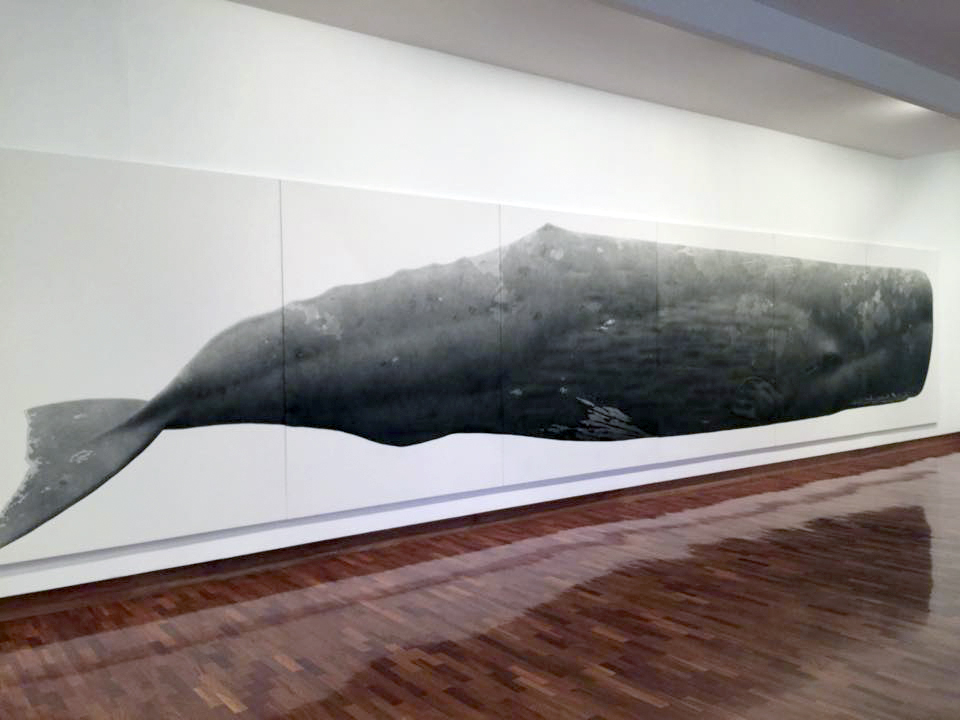
 

Installation photograph of the exhibition 'Nature/Revelation' at The Ian Potter Museum of Art, Melbourne showing Jonathan Delafield Cook's 'Sperm whale (Physeter macrocephalus)' 2013

Installation photograph of the exhibition 'Nature/Revelation' at The Ian Potter Museum of Art, Melbourne showing Jonathan Delafield Cook's 'Sperm whale (Physeter macrocephalus)' 2013


Installation photograph of the exhibition Nature/Revelation at The Ian Potter Museum of Art, Melbourne showing Jonathan Delafield Cook’s Sperm whale (Physeter macrocephalus), 2013
Photos: Marcus Bunyan
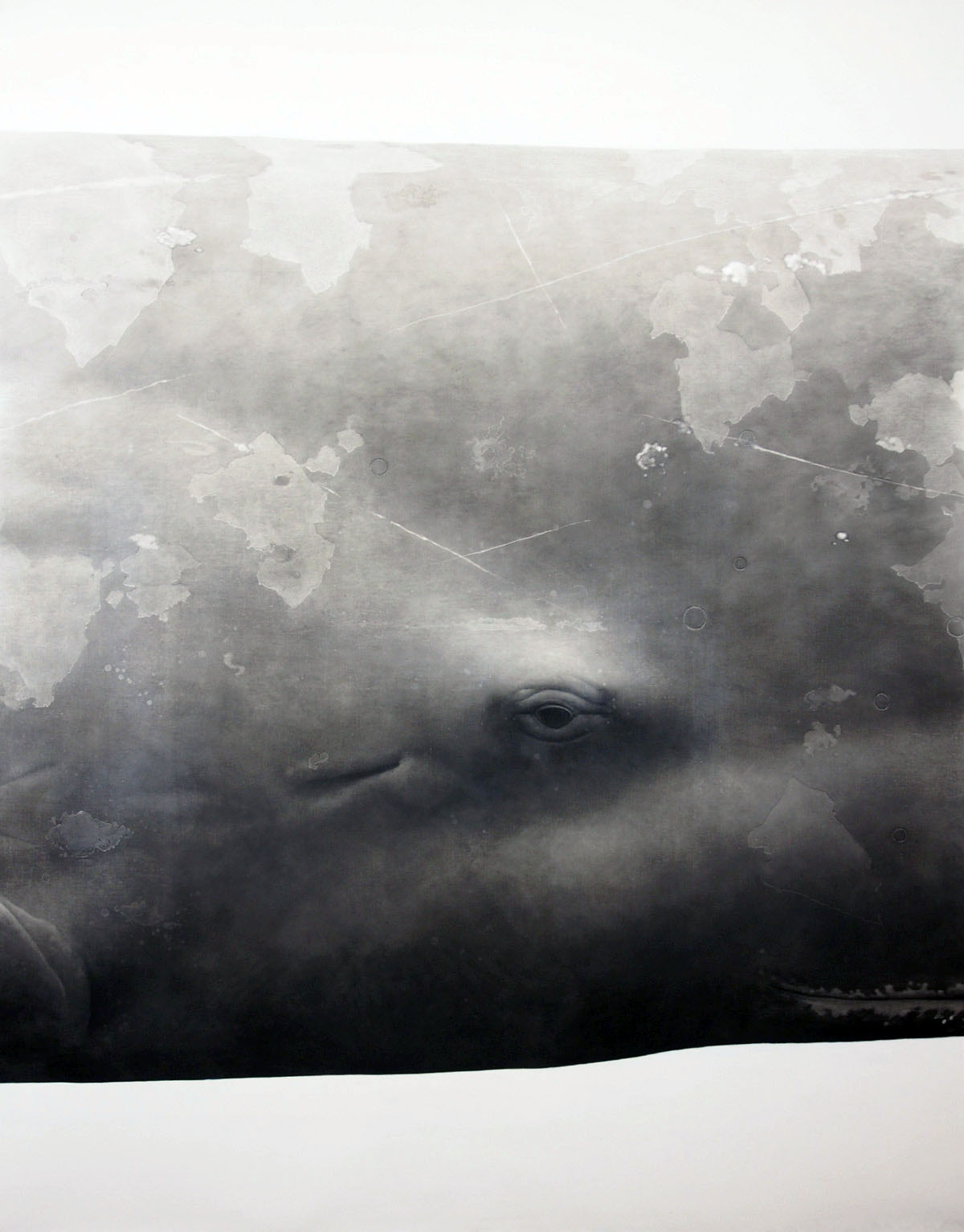
 

Jonathan Delafield Cook (British, b. 1965) 'Sperm whale (Physeter macrocephalus)' 2013 (detail)


Jonathan Delafield Cook (British, b. 1965)
Sperm whale (Physeter macrocephalus) (detail)
2013
Graphite on canvas
6 panels: 245 x 1200 cm overall
Courtesy the artist and Olsen/Irwin Gallery, Sydney
Photo: Marcus Bunyan


Jonathan Delafield Cook’s life size drawing of a Sperm Whale specimen possesses a haunting melancholy… [He] creates an encounter that recalls those between Ahab and Moby Dick immortalised in Hermann Melville’s famous novel. Being face-to-face, eye-to-eye with this majestic sentient being – distinguished for having the largest brain of any creature known to have lived on the Earth – is an awe-inspiring experience. The overwhelming enormity of scale and the panorama-like expanse of the whale’s skin rouse an acute awareness of our own small presence in the room (in the world).

Delafield Cook’s work belongs to the naturalist tradition, and his detailed charcoal drawing intensifies the physical qualities of the subject in a way that renders it both a forensic study and an otherworldly fantasy. The personal history of this sleek leviathan is writ large, like graffiti, on its skin: the abrasions, the exfoliations, scars and its ragged tail tell of unknown adventures in an environment that lies beyond our own experience, but one not exempt from degradation or environmental change.
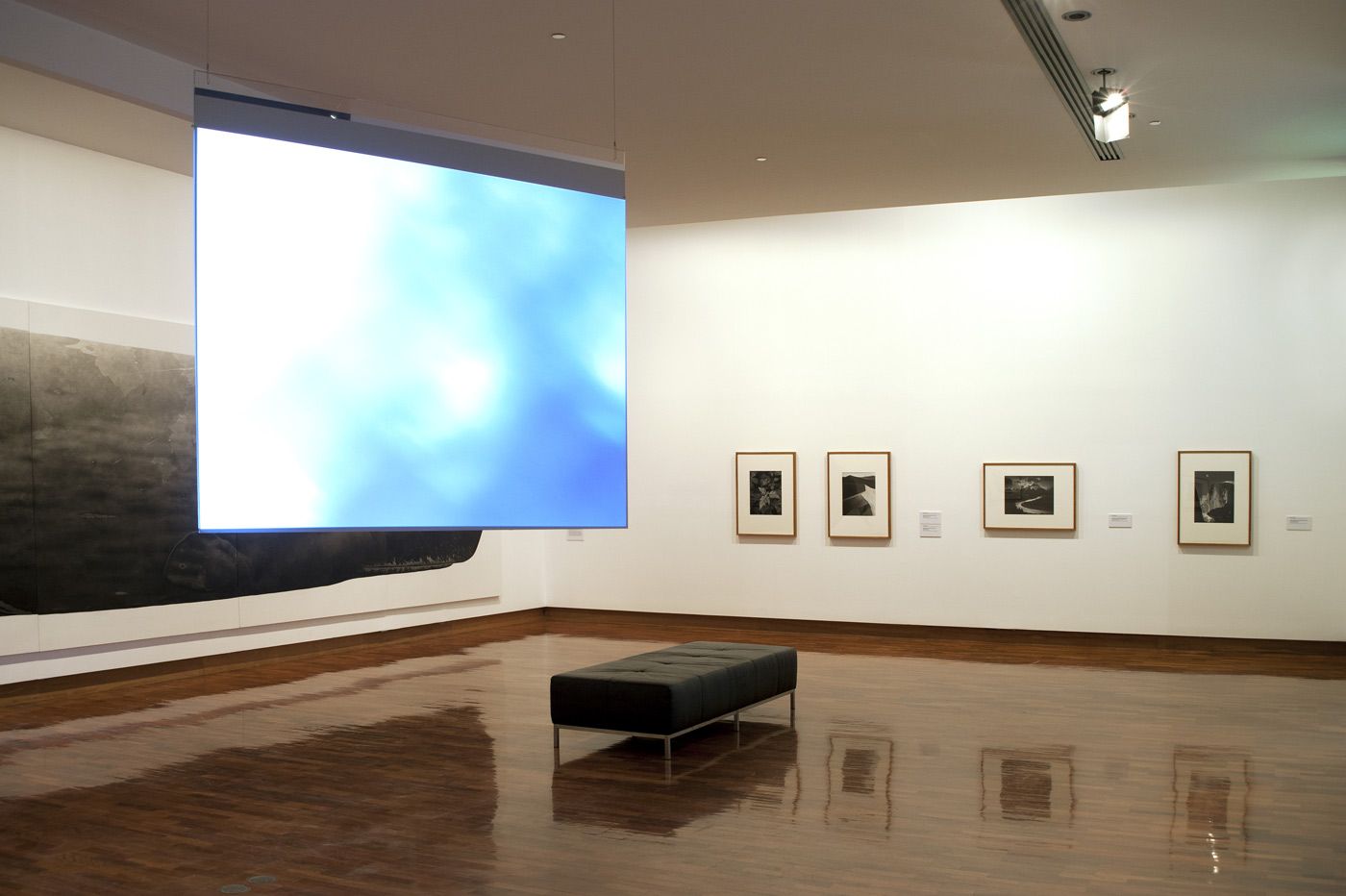
 

Installation photograph of the exhibition 'Nature/Revelation' at The Ian Potter Museum of Art, Melbourne showing showing at centre right, photographs by Ansel Adams


Installation photograph of the exhibition Nature/Revelation at The Ian Potter Museum of Art, Melbourne showing showing at centre right, photographs by Ansel Adams
Photo: Marcus Bunyan


Gabriel Orozco (Mexican, b. 1962)
Boulder Hand
2012
Video 54 seconds
Courtesy of the artist
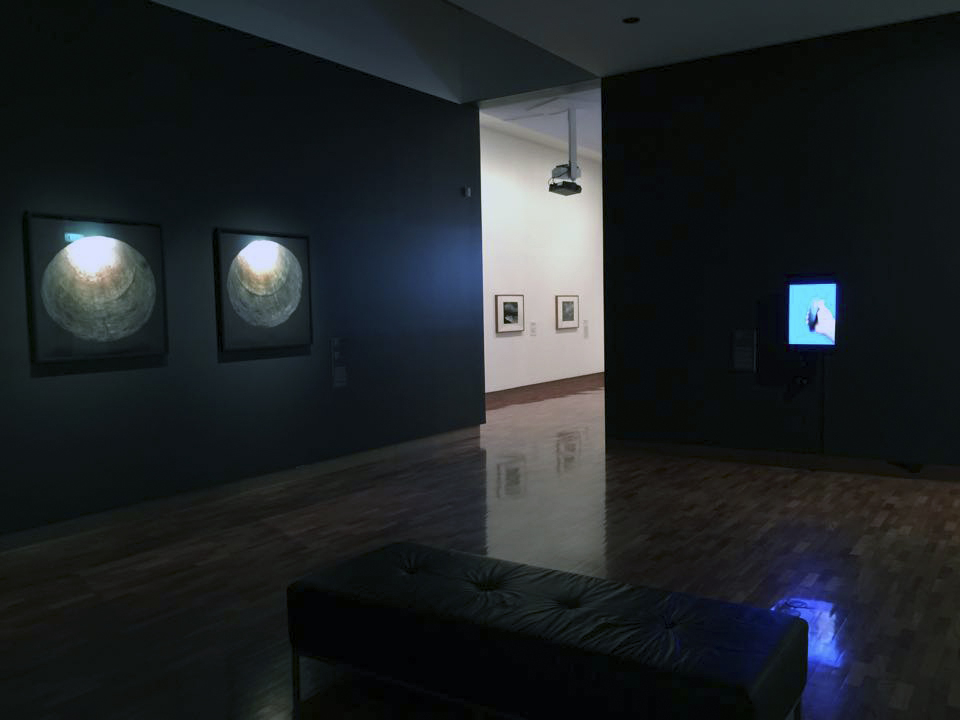
 

Installation photograph of the exhibition 'Nature/Revelation' at The Ian Potter Museum of Art, Melbourne showing at left, Mel O'Callaghan's 'Moons' 2014; and at right, Gabriel Orozco's video 'Boulder Hand' 2012


Installation photograph of the exhibition Nature/Revelation at The Ian Potter Museum of Art, Melbourne showing at left, Mel O’Callaghan’s Moons 2014; and at right, Gabriel Orozco’s video Boulder Hand 2012
Photo: Marcus Bunyan
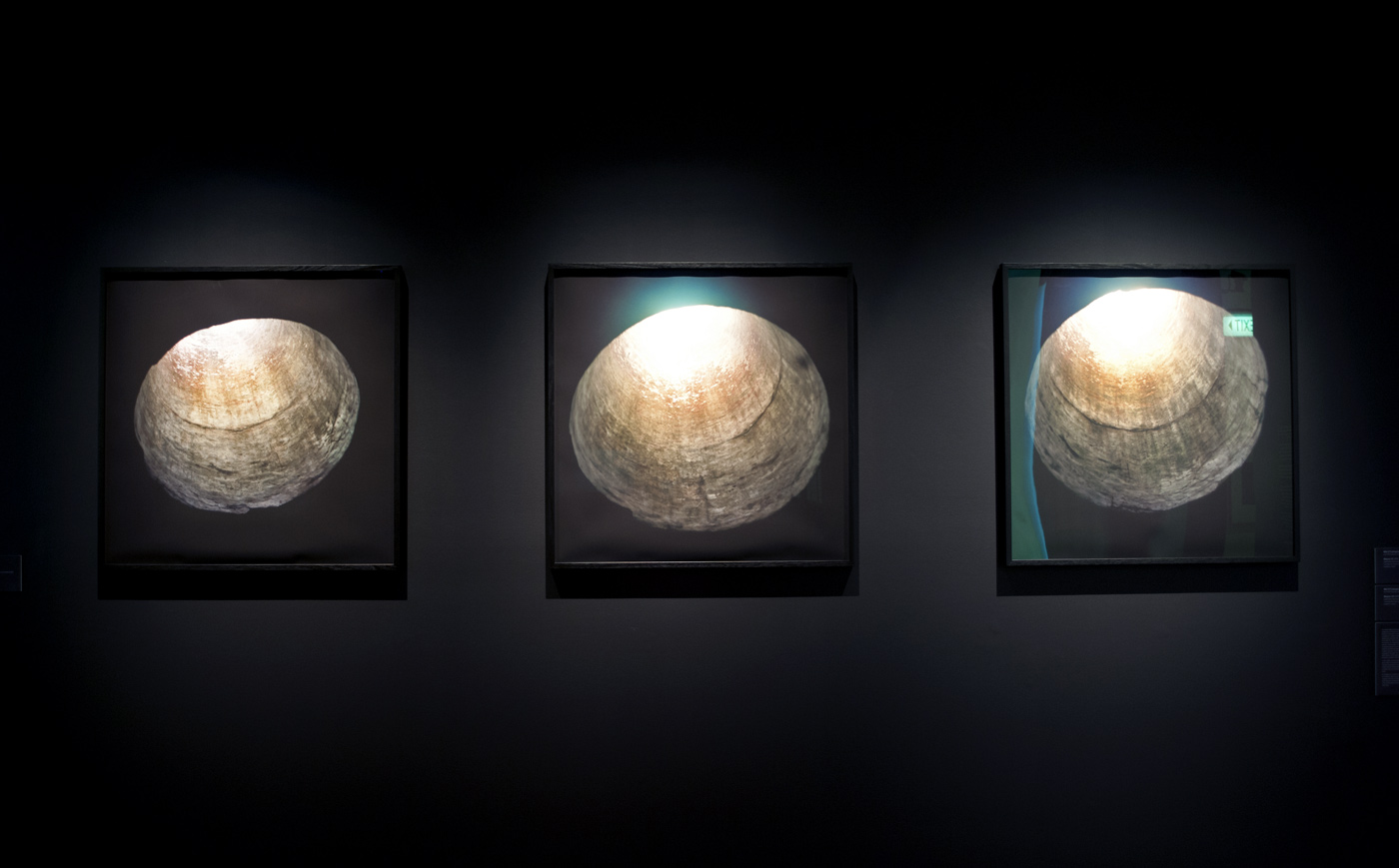
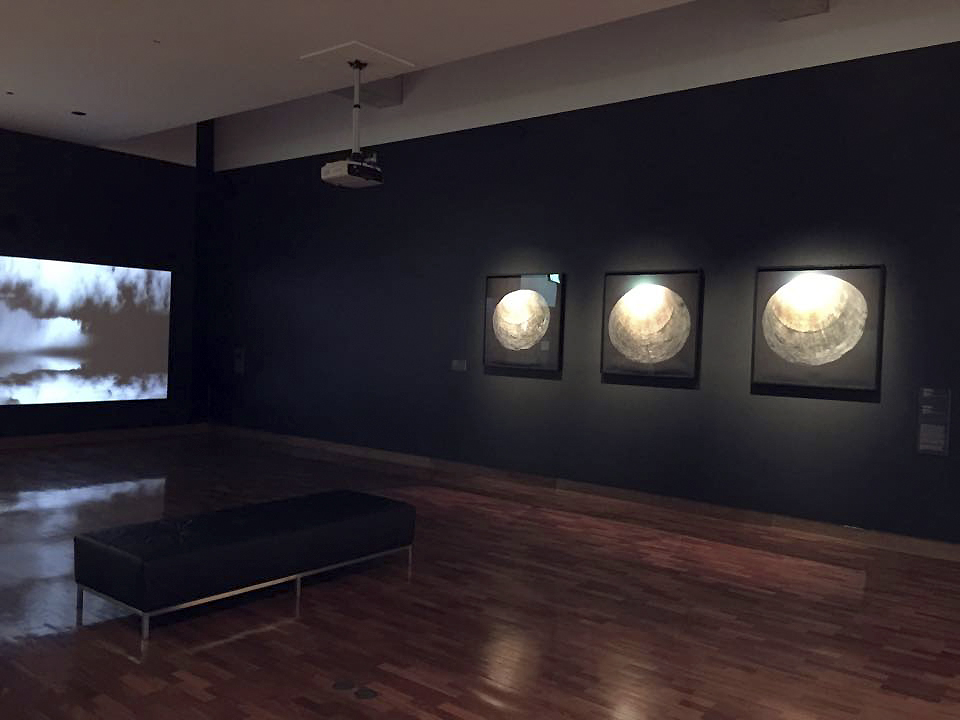
 

Installation photograph of the exhibition 'Nature/Revelation' at The Ian Potter Museum of Art, Melbourne showing Mel O'Callaghan's 'Moons' 2014

Installation photograph of the exhibition 'Nature/Revelation' at The Ian Potter Museum of Art, Melbourne showing Mel O'Callaghan's 'Moons' 2014


Installation photographs of the exhibition Nature/Revelation at The Ian Potter Museum of Art, Melbourne showing Mel O’Callaghan’s Moons 2014
Photos: Marcus Bunyan
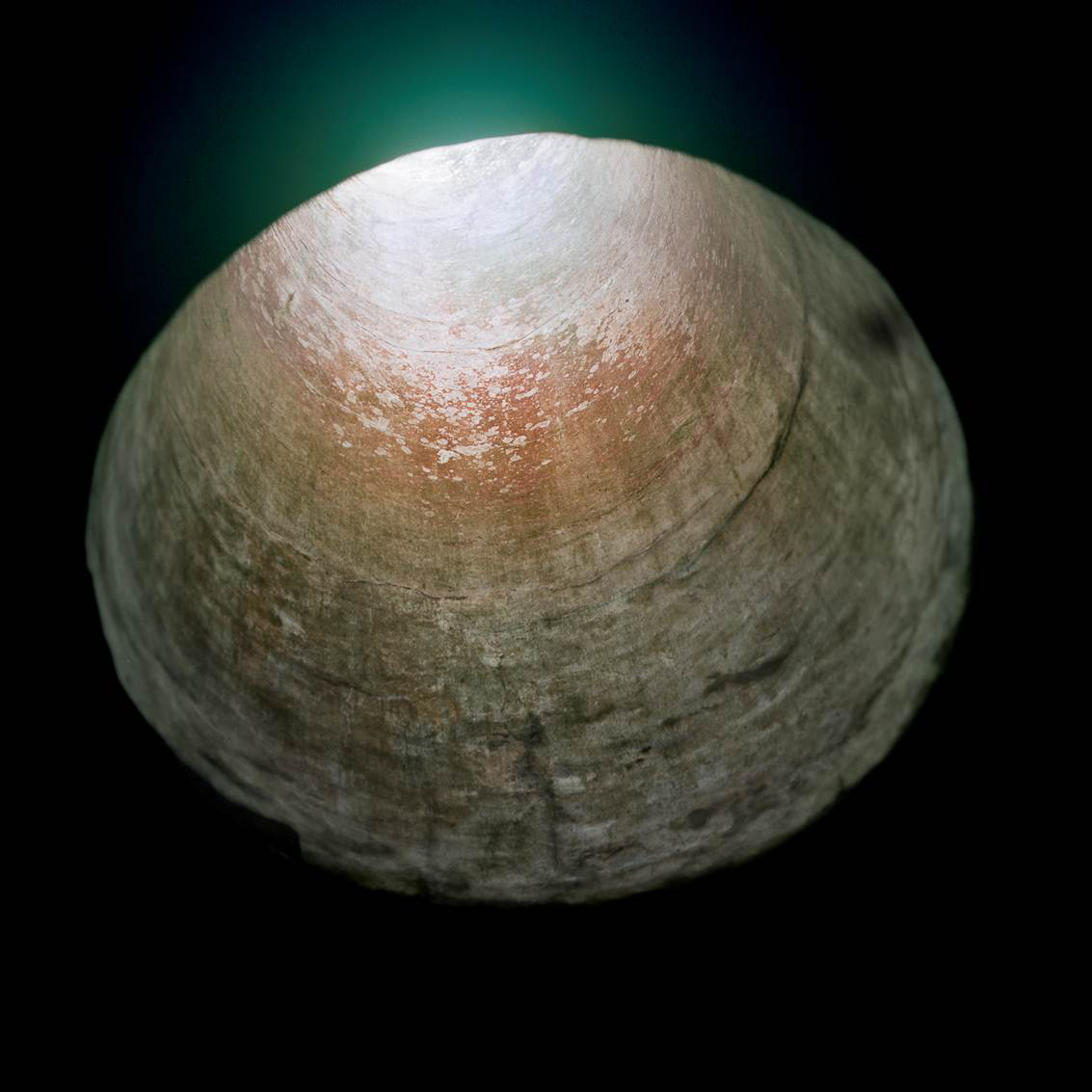
 

Mel O'Callaghan (Australian, b. 1975) 'Moons (II)' 2014


Mel O’Callaghan (Australian, b. 1975)
Moons (II)
2014
pigmented inkjet print
100 x 100cm
Courtesy the artist and Galerie Allen, Paris, and Galeria Belo Galsterer, Lisbon


Climate change and its devastating impact on the earth’s many ecosystems is arguably today’s most critical global issue. Nature/Revelation celebrates the unique capacity art has to cut through prevailing rhetoric to stimulate individuals both intellectually and emotionally in the face of current environmental issues. Focusing on contemporary notions of nature and the sublime, the exhibition affirms that the world we live in offers moments of revelation, and that nature can provoke a range of associations – both fantastical and grounded – that profoundly affect us.

Nature/Revelation features international and Australian artists who are engaged with poetic and philosophical concerns, and whose work offers potentially enlightening experiences that energise our relationship to the natural world. Artists include Ansel Adams, Jonathan Delafield Cook, David Haines, Andrew Hazewinkel and Susan Jacobs, Jamie North, Mel O’Callaghan, Gabriel Orozco and Berndnaut Smilde. The exhibition also raises questions about concepts of nature and culture following the arguments of philosopher Timothy Morton.

This exhibition forms a key component of the ‘Art+climate=change’ festival presented by Climarte: arts for a safer climate. This festival of climate change related arts and ideas includes curated exhibitions at a number of museums and galleries alongside a series of keynote lectures and forums featuring local and international speakers.

The University of Melbourne, with the Potter as project leader, is the Principal Knowledge Partner of the Climarte program.

Text from The Ian Potter Museum of Art website
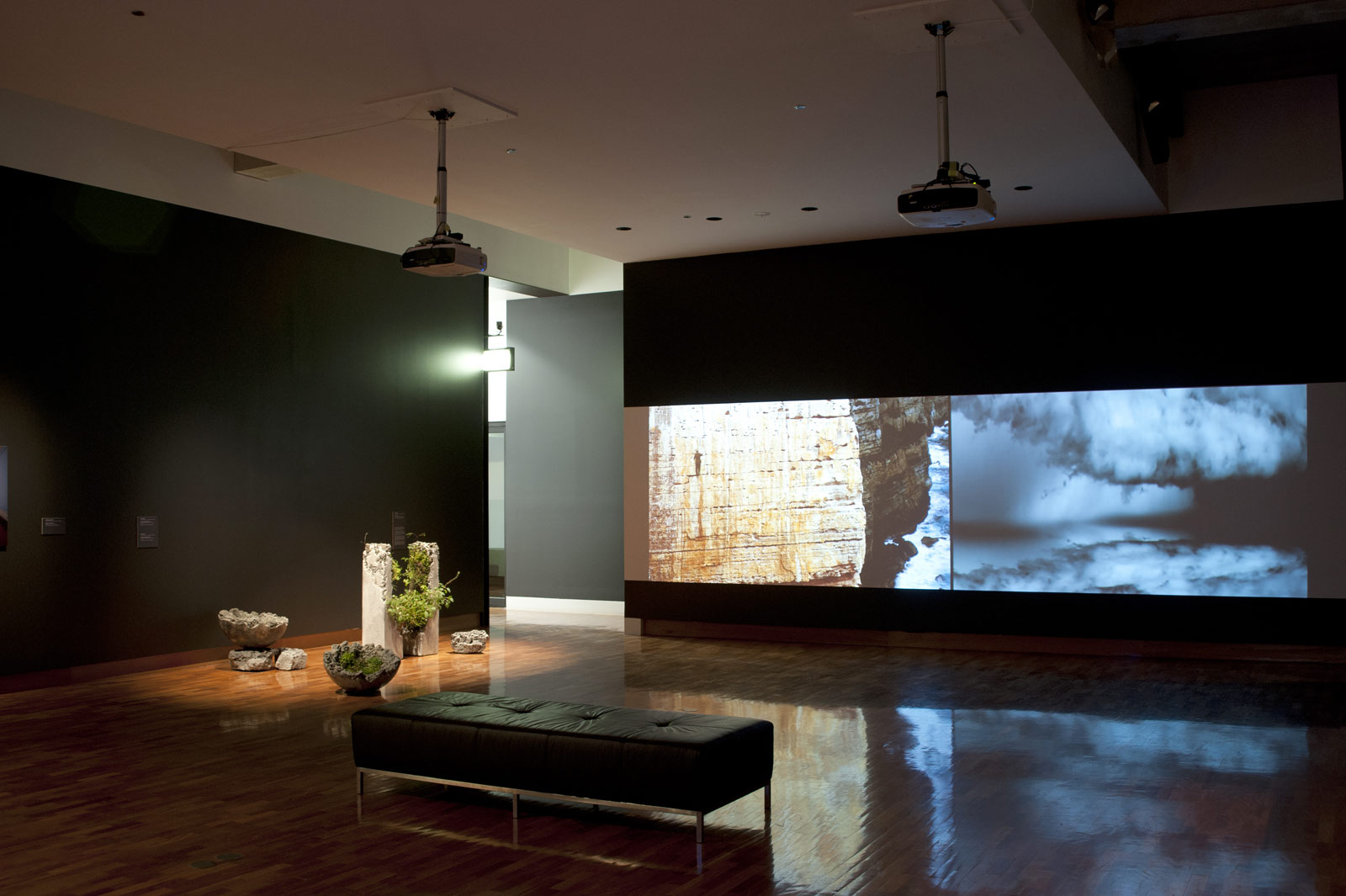
 

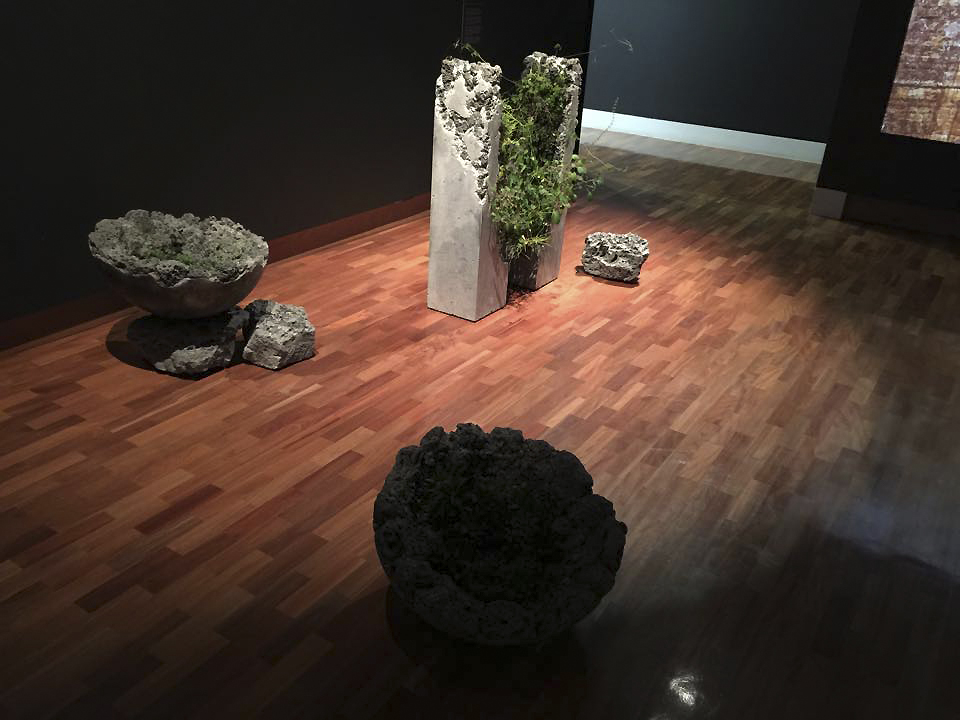
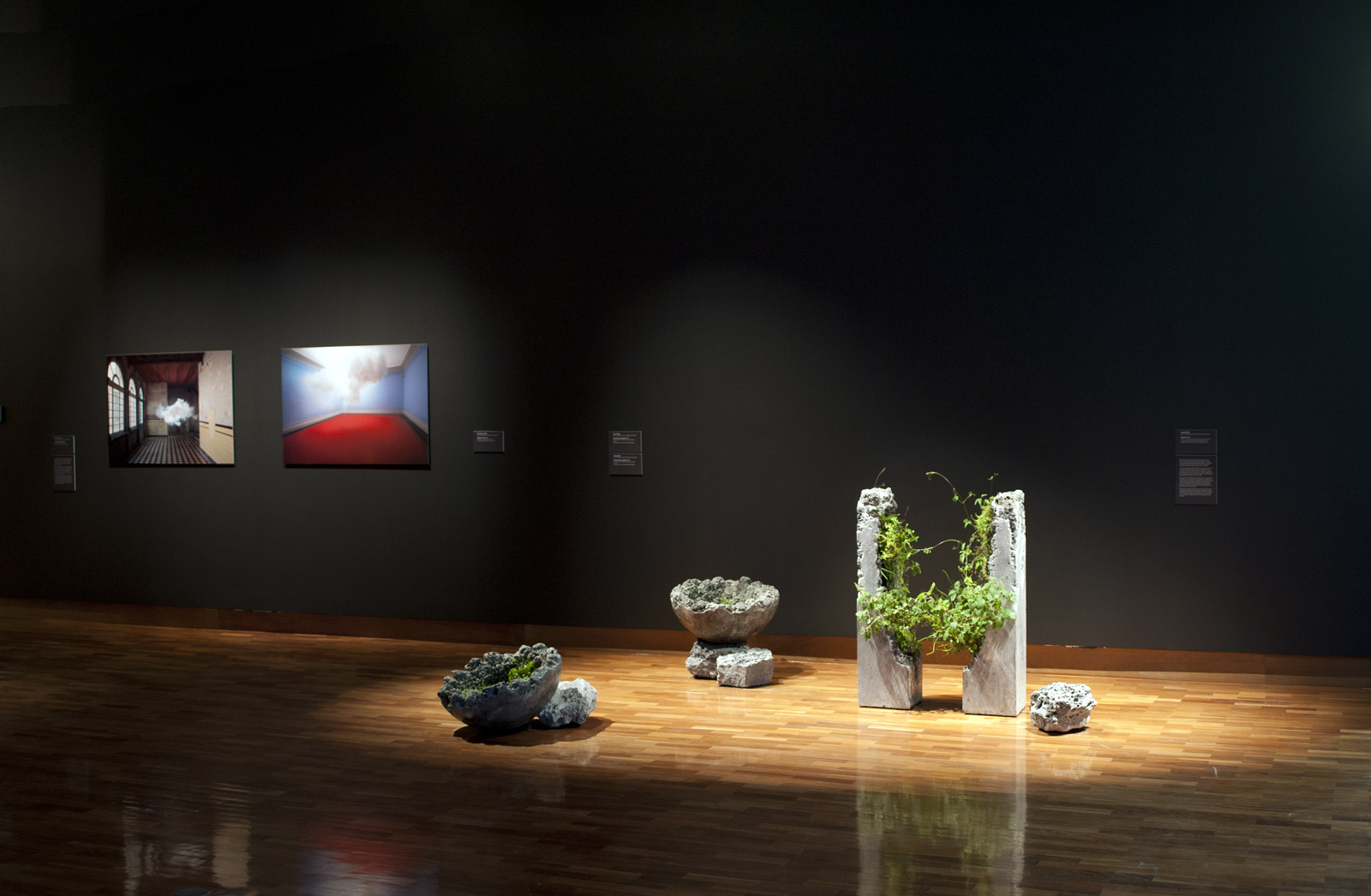
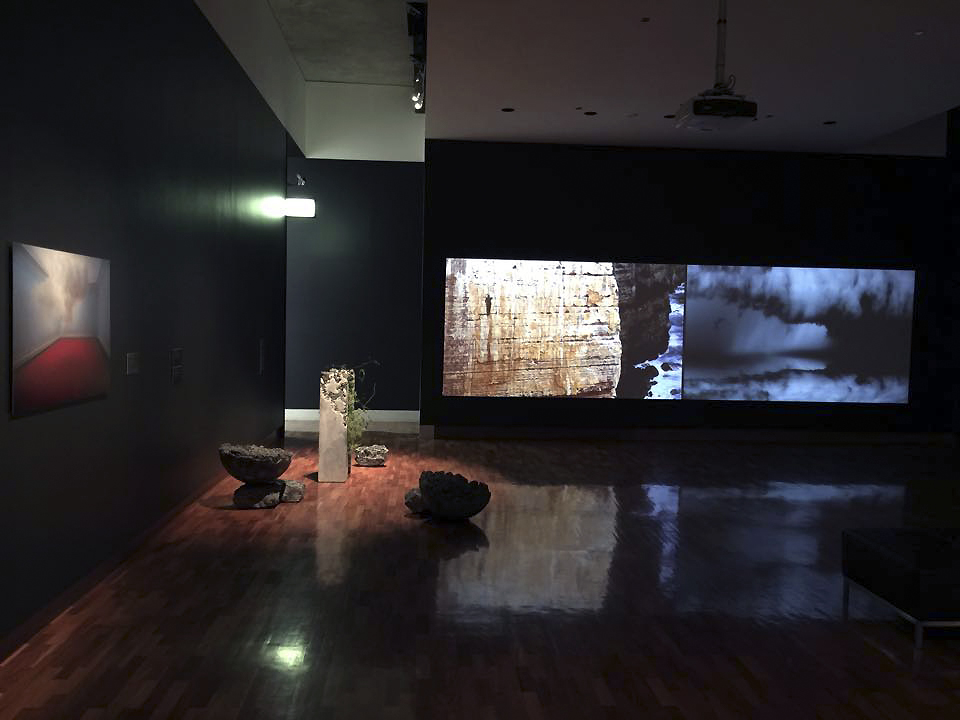
Installation photograph of the exhibition 'Nature/Revelation' at The Ian Potter Museum of Art, Melbourne showing at left on the floor, Jamie North's 'Portal II' and 'Slag bowl I & II' 2014; and at right, David Haines' 'Day & Night' 2005-2015

Installation photograph of the exhibition 'Nature/Revelation' at The Ian Potter Museum of Art, Melbourne showing at left on the floor, Jamie North's 'Portal II' and 'Slag bowl I & II' 2014; and at right, David Haines' 'Day & Night' 2005-2015


Installation photographs of the exhibition Nature/Revelation at The Ian Potter Museum of Art, Melbourne showing at left on the floor, Jamie North’s Portal II and Slag bowl I & II 2014; and at right, David Haines’ Day & Night 2005-2015
Photos: Marcus Bunyan


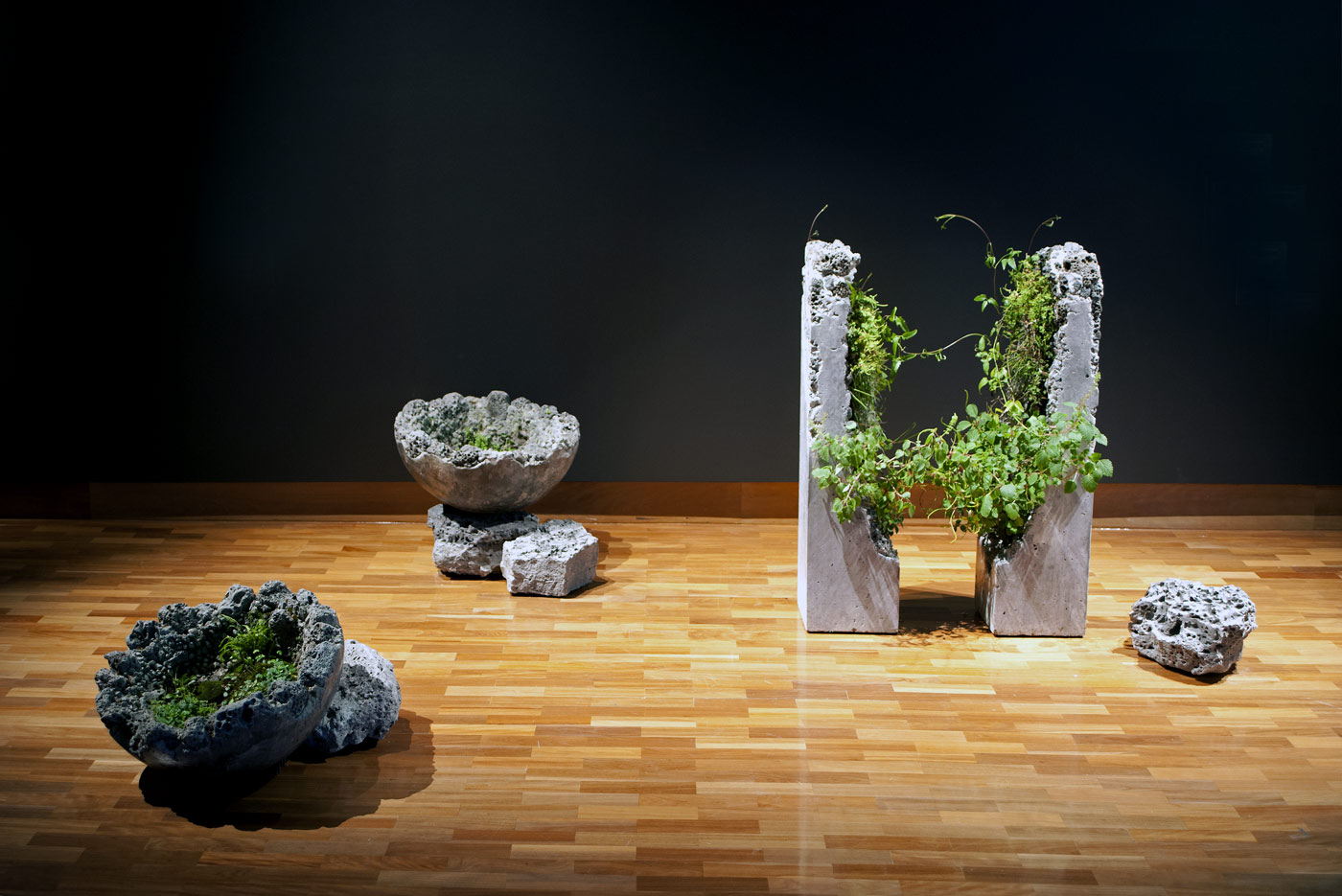
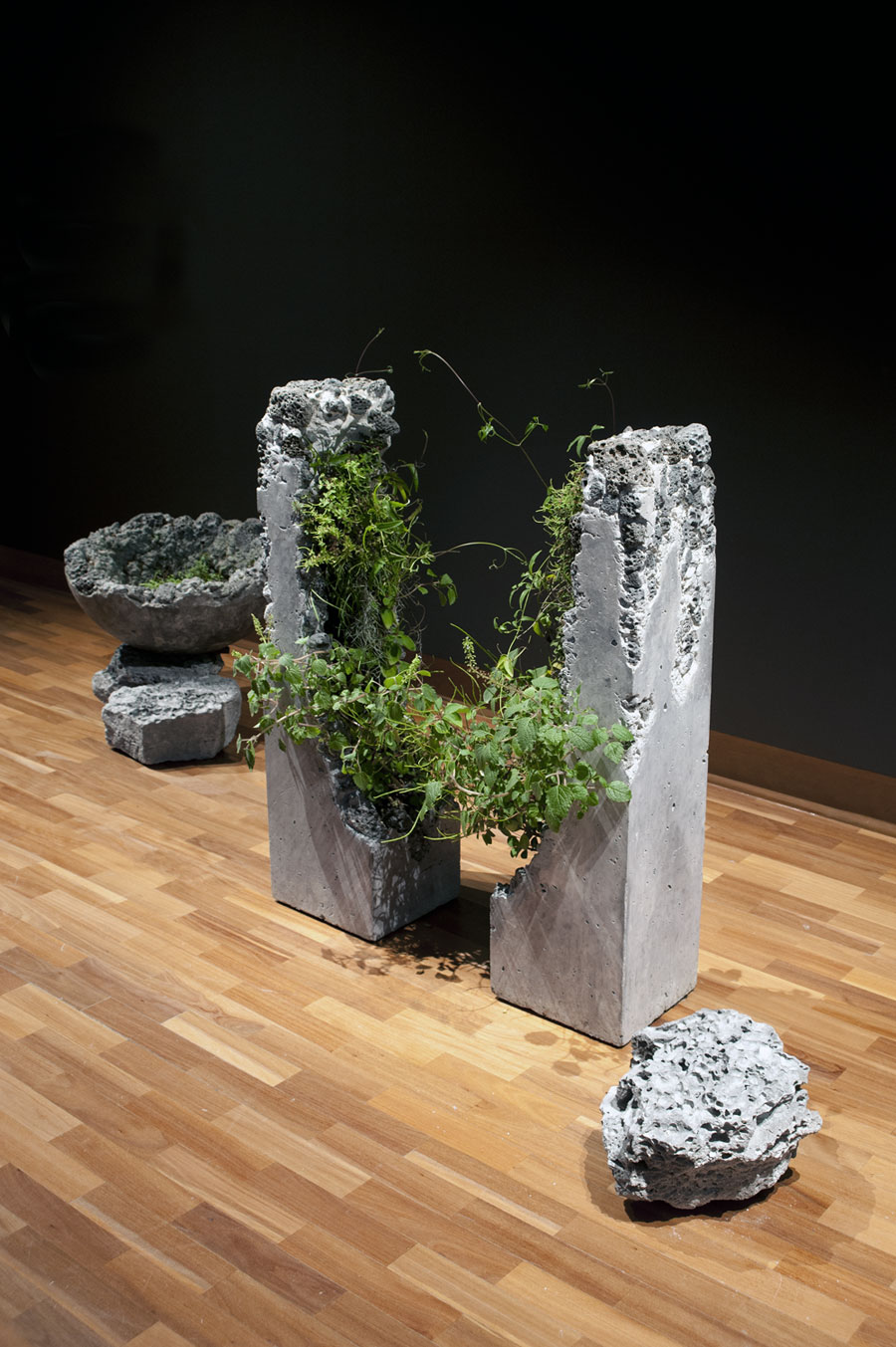
Installation photograph of the exhibition 'Nature/Revelation' at The Ian Potter Museum of Art, Melbourne showing Jamie North's 'Portal II' and 'Slag bowl I & II' 2014

Installation photograph of the exhibition 'Nature/Revelation' at The Ian Potter Museum of Art, Melbourne showing Jamie North's 'Portal II' and 'Slag bowl I & II' 2014

Installation photograph of the exhibition 'Nature/Revelation' at The Ian Potter Museum of Art, Melbourne showing Jamie North's 'Portal II' and 'Slag bowl I & II' 2014


Jamie North (Australian, b. 1971)
Portal II
2014
Cement, marble waste, limestone, steel slag, coal ash, plastic fibre, tree fern slab, various Australian native plants and Spanish moss
2 components: 107.0 x 26.0 x 26.0cm each
Courtesy the artist and Sarah Cottier Gallery, Sydney

Jamie North (Australian, b. 1971)
Slag bowl I & II
2013
Concrete, coal ash, steel slag, Australian native plants and moss
15 x 37 x 37cm each
Courtesy the artist and Sarah Cottier Gallery, Sydney
Photos: Marcus Bunyan


Viewers often mistake Jamie North’s sculptures for actual relics. The sculptures are in fact carefully crafted to emulate liminal habitats where hardy plant species grow in inhospitable conditions. More than mere simulation, each work is itself a miniature ecosystem and has to be tended accordingly.

The sculptures are cast from materials that are commonly found in industrial settings (steel slag, coal ash, marble dust, and concrete) and include local native flora. The specifics of locality are important to North, and his work is a subtle investigation of local environmental systems and the character of place as well as the adaptability of nature in urban settings…

North has an interest in terraforming – the theoretical process of deliberately modifying the atmosphere, temperature, surface topography or ecology of a planet to be similar to the biosphere of Earth. Here, he creates his own terraforms as a reflection on the environmental manipulations that taking place in the everyday.


David Haines (Australian born England, 1966)
Day & Night
2005-2015
Two channel video projection
Courtesy of the artist and Sarah Cotter Gallery, Sydney


Throughout his practice – which comprises investigations into the elemental in carious media – David Haines explores sensation in both seen and unseen forms. He has a particular interest in latent energies, such as aromas, sound waves and electromagnetic currents.

Haines revisits the classic language of the sublime in his 2004 two-channel video installation Day & night. He presents dual images of the sublime: one an immense cliff face with a sea surging against its rocky base; the other a brooding cloudscape, its form gradually unfolding with a mesmeric momentum. The work is simultaneously serene and disturbing, and awakens that range of complex emotions that Kant named the ‘supersensible’ – beyond the range of what is normally perceptible by the senses. The over-riding emotional rush – the presentiment of danger – associated with this experience is a trademark of the sublime.

The abstract sense of danger shifts however when we notice the tiny figure clinging to the cliff face. The scene is abruptly divested of its fantastical quality (its symbolic power is suddenly made real), as we can’t help but identify with the solitary figure. No longer merely observers, we become participants in the scene before us. The perilous figure in Haines’ work provides a touchstone in terms of the overwhelming grandeur of nature. In the context of the exhibition, s/he could represent each of us as we confront the seemingly insurmountable environmental and humanitarian challenges resulting from the increasingly catastrophic effects of global warming.


Installation photograph of the exhibition 'Nature/Revelation' at The Ian Potter Museum of Art, Melbourne showing at left, Berndnaut Smilde's 'Nimbus – Probe'  2012 and 'Nimbus D'Aspremont' 2010; and at right, Jamie North's 'Portal II' and 'Slag bowl I & II' 2014


Installation photographs of the exhibition Nature/Revelation at The Ian Potter Museum of Art, Melbourne showing at left, Berndnaut Smilde’s Nimbus – Probe  2012 and Nimbus D’Aspremont 2010; and at right, Jamie North’s Portal II and Slag bowl I & II 2014
Photo: Marcus Bunyan


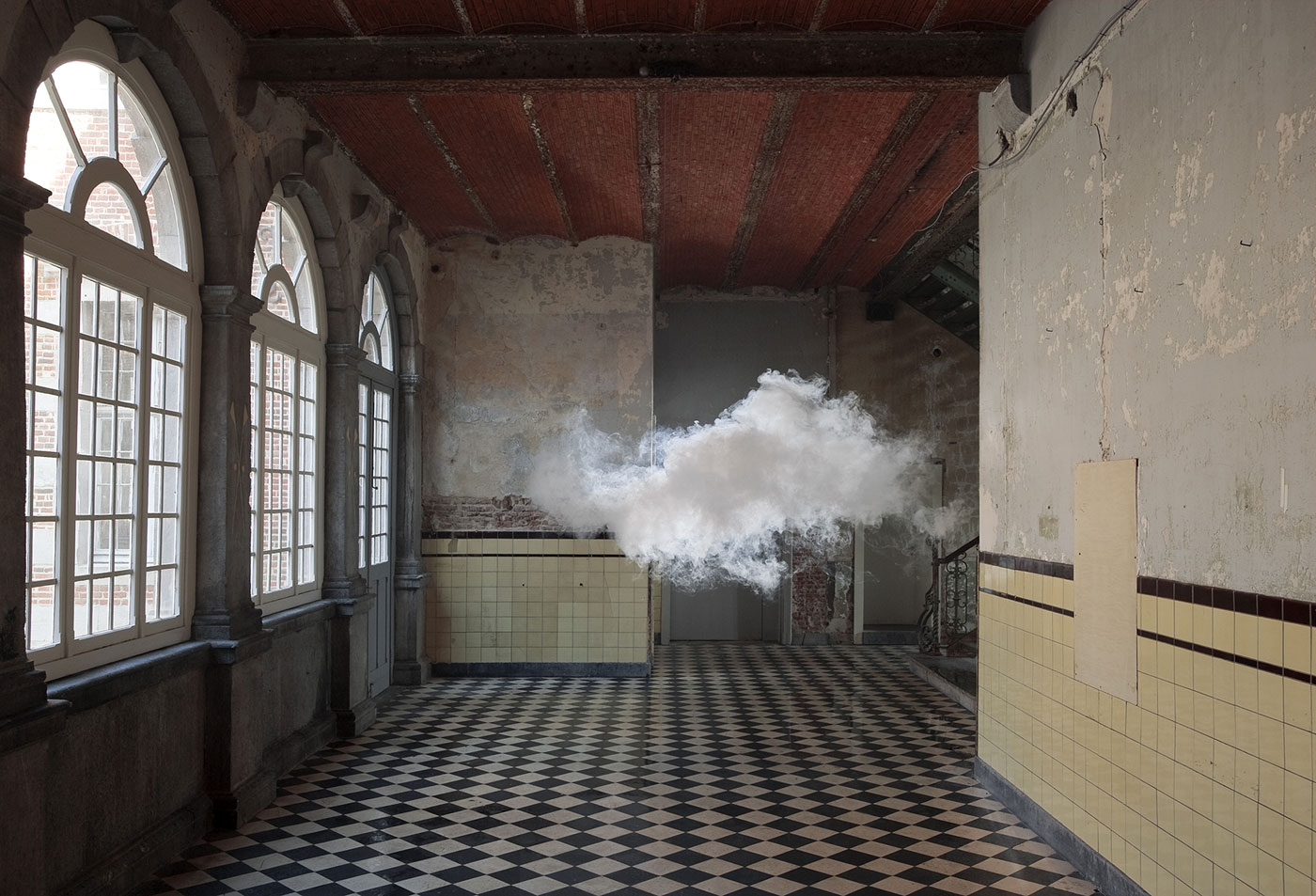
Berndnaut Smilde (Dutch, b. 1978) 'Nimbus D'Aspremont' 2012


Berndnaut Smilde (Dutch, b. 1978)
Nimbus D’Aspremont
2012
Digital C-type print mounted on diabond
75 x 110cm
Courtesy the artist and Ronchini Gallery, London


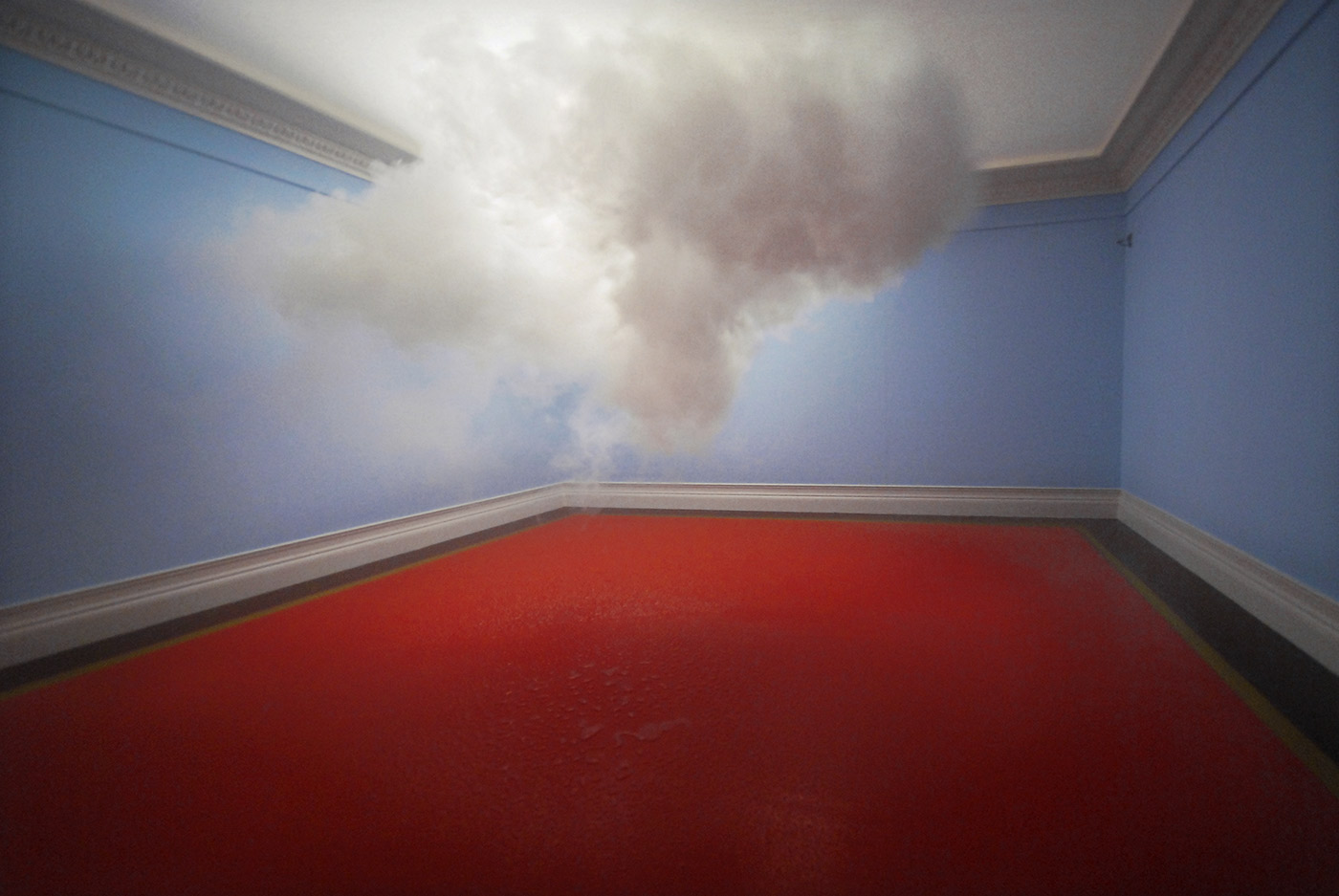
Berndnaut Smilde (Dutch, b. 1978) 'Nimbus – Probe' 2010


Berndnaut Smilde (Dutch, b. 1978)
Nimbus – Probe
2010
Digital C-type print mounted on diabond
75 x 112cm
Courtesy the artist and Ronchini Gallery, London


The Ian Potter Museum of Art
The University of Melbourne,
Corner Swanston Street and Masson Road
Parkville, Victoria 3010

Opening hours: Tuesday – Saturday 11am – 5pm

The Ian Potter Museum of Art website
LIKE ART BLART ON FACEBOOK

Back to top

Exhibition: ‘Joan Ross: Touching Other People’s Shopping’ at Bett Gallery, Hobart

Exhibition dates: 7th June – 28th June 2013


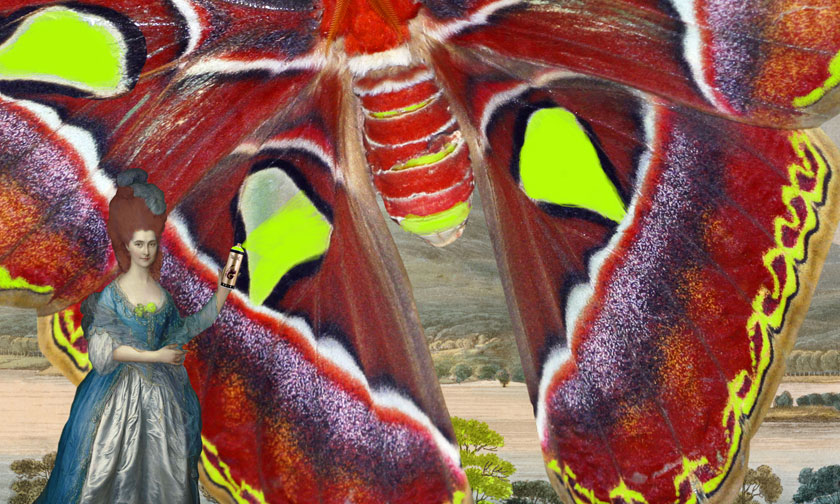
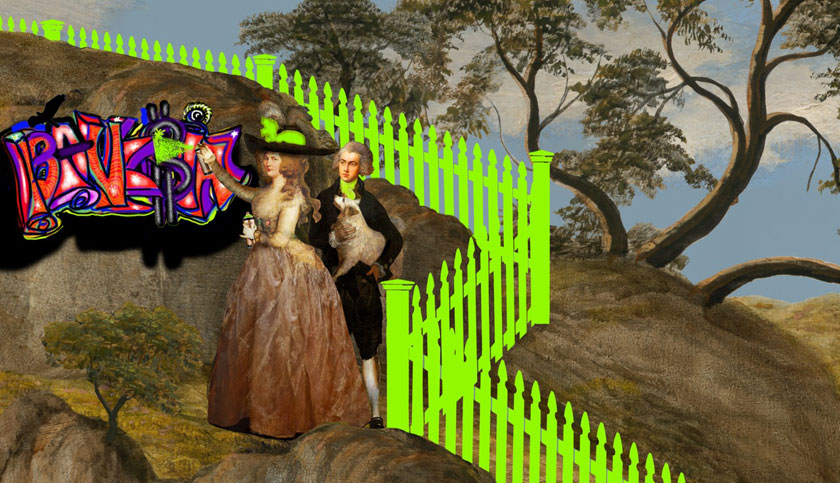
Joan Ross (Australian, b. 1961) 'Mine' 2013


Joan Ross (Australian, b. 1961)
Mine
2013
hand painted pigment print on cotton rag paper
40 x 60cm
edition of 3


The claiming of things
The touching of things
The digging of land
The tagging of place
The taking over of the world

Tag and capture.
Tag and capture.
Shop, dig, spray, destroy.


An ironic critique of the pastoral, neo/colonial world, tagged and captured in the 21st century.

Excellent work. The construction, sensibility and humour of the videos is outstanding. I also responded to the two works Tag and capture and Shopping for butterfly (both 2013, below).

Dr Marcus Bunyan


Many thankx to Bett Gallery for allowing me to publish the photographs and videos in the posting. Please click on the photographs for a larger version of the image.


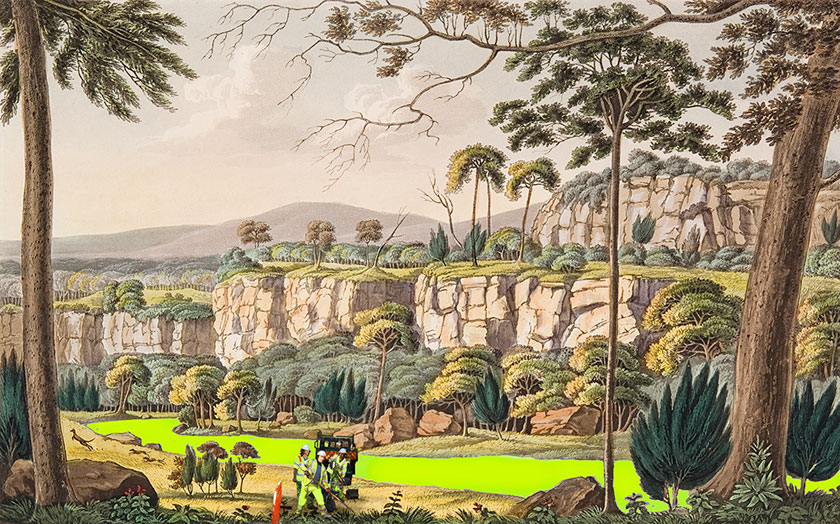
Joan Ross (Australian, b. 1961) 'I dig your land' 2013


Joan Ross (Australian, b. 1961)
I dig your land
2013
hand painted pigment print on cotton rag paper
31 x 50cm
Edition of 3


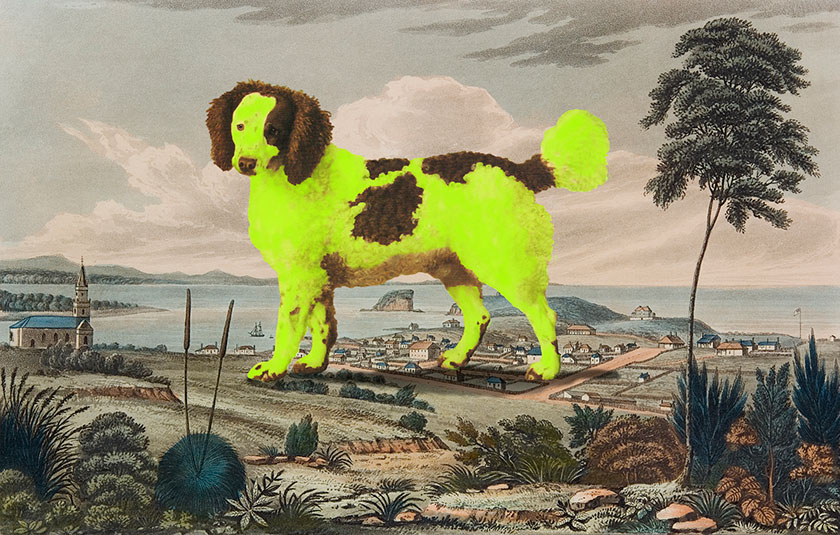
Joan Ross (Australian, b. 1961) 'Lassie come home' 2013


Joan Ross (Australian, b. 1961)
Lassie come home
2013
hand painted pigment print on cotton rag paper
32 x 50cm
Edition of 3


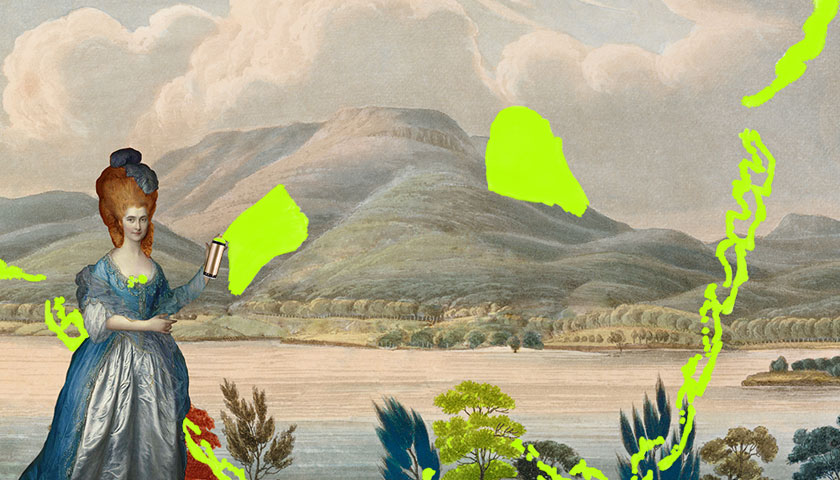
Joan Ross (Australian, b. 1961) 'Tagging' 2013


Joan Ross (Australian, b. 1961)
Tagging
2013
hand painted pigment print on cotton rag paper
33.5 x 60cm
Edition of 3


Joan Ross (Australian, b. 1961) 'Shopping for butterfly' 2013


Joan Ross (Australian, b. 1961)
Shopping for butterfly
2013
hand painted pigment print on cotton rag paper
51.5 x 50cm
Edition of 3


Joan Ross (Australian, b. 1961) 'Tag and capture' 2013


Joan Ross (Australian, b. 1961)
Tag and capture
2013
hand painted pigment print on cotton rag paper
50 x 47cm
Edition of 3


Joan Ross (Australian, b. 1961) 'The naming of things' 2013


Joan Ross (Australian, b. 1961)
The naming of things
2013
hand painted pigment print on cotton rag paper
40 x 70cm
Edition of 3


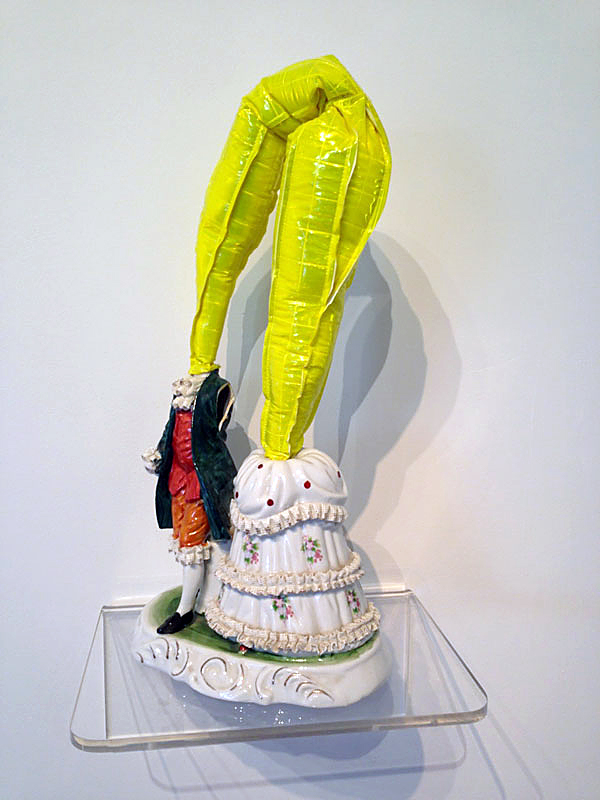
Joan Ross (Australian, b. 1961) 'Together we can take over the world' 2012


Joan Ross (Australian, b. 1961)
Together we can take over the world
2012
found ceramic and fluorescent reflector tape
50 x 24 x 20cm


Bett Galllery
369 Elizabeth Street
North Hobart Tasmania 7000
Australia
Phone: +61 (0) 3 6231 6511

Opening hours:
Monday – Friday 10am – 5.30pm
Saturday 10am – 4pm
Closed Sundays & public holidays

Bett Gallery website

LIKE ART BLART ON FACEBOOK

Back to top

Opening 1: Review: ‘Continuous Moment: Bad Infinity’ by Damiano Bertoli at The Narrows, Melbourne

Exhibition dates: 5th March – 28th March, 2009

Opening: Thursday 5th March, 2009


Damiano Bertoli (Australian, 1969-2021) 'Continuous Moment: Bad Infinity' 2009 video still

Damiano Bertoli (Australian, 1969-2021) 'Continuous Moment: Bad Infinity' 2009 video still


Damiano Bertoli (Australian, 1969-2021)
Continuous Moment: Bad Infinity
2009
Video stills


In a busy night of openings in Melbourne we arrive to watch, to be a spectator and voyeur at Damiano Bertoli’s new twin video installation at The Narrows on Flinders Lane, ensconced in the darkness of the gallery space. The looped installation features on the left scenes from the original Miami Vice TV series and on the right approximate scenes from the 2006 feature film of the same name. The synchronicity of the two splices of time moving in and out of register is uncanny. We have memories of these appearances, flickering signifiers embedded in our psyche which are called to presence in the space between screen and viewer as we add our own layer of temporal distortion to the unfolding events.

In an erudite catalogue note Bertoli expounds on the nature of the performative and the question of authorship by analysing Glenn Gould’s two recordings of J. S. Bach’s Goldberg Variations, one recorded at the beginning of his career and one in the final year of his life. Bertoli posits that Gould used counterpoint “as a formal construct for its capacity to produce ‘an explosion of simultaneous idea’s’ … as a solution for his dissatisfaction with singularity and linear definition.”

He notes that, “As an interpreter of others work, Gould occupied a position of equivalence – we are aware that we are listening to Bach and Gould – simultaneously … These co-existing yet distinct voices move in and out of synchronicity, as does the listener’s experience of Gould’s interpretation (actually an interpretation of an interpretation) as the latter version iterates and embodies the version which precedes it. We are constantly comparing the two, as is Gould.”

This is quite true but I do not think the metaphor can be so literally applied to the video installation Bertoli has constructed. Firstly Gould’s interpretations and our recognition of them requires knowledge of the authoritative voice of the author as composer and the author as performer: Bach and Gould. Conversely in the videos the directors are unknown by most and the actors anonymous except by those with specific memory of appearances. There is no contrapuntal fugue like working of the sound or images in search of the purity of musical ideas – the dialogue talks over each other and splice cuts jump the scene from one location to another – forming a fractured hypertextual narrative driven by the spectacular gaze of the viewer, a simularcrum of the ‘real’. The simultaneity of being in three worlds at once is the world of simulacra not of equivalence.

As Ron Burnett has observed

“Video creates what I will describe as a logic of the present while simultaneously producing an image-event in the past. This generates a somewhat different temporal context than we are normally accustomed to – a mixture of present and past that is both, and neither, simultaneously. The disjuncture that results is part of the attraction but also part of what makes the electronic image so puzzling. It suggests that history has already been made while one continues to make it. It is this suppleness that allowed broadcasters for example to repeat the Rodney King beating in Los Angeles over and over again, as if each showing would somehow reconstitute the event, as if to prove that this was not a dramatisation, not a fiction. In order to gain control over the many disjunctures, repetition was used … But this only validates the contradictions, proposing that the disjunctures in time and place can be controlled, that there is some way of gaining authority over the impact of the event as image.”1


I would argue that what Bertoli’s installation does offer is a release from inert rationalist geometries, a deterritorialization and reterritorialization of temporal time in a heterotopic space, juxtaposing in a single real place several spaces, several sites that are in themselves incompatible. These are layered images of hyper-performativity and hypermediacy, where the fragmented images become a process and a performance, where the spectator becomes the screen not the author.

As Baudrillard has said, “Today we live in the imaginary world of the screen, of the interface and the reduplication of contiguity and networks. All our machines are screens. We too have become screens, and the interactivity of men has become the interactivity of screens. Nothing that appears on the screen is meant to be deciphered in depth, but actually to be explored instantaneously, in an abreaction immediate to meaning.”2

Here is the immediacy of continuous time – the removal of psychological depth, the reduction of life to a series continuous presents and surface phenomena that repeat over and over again. Is this bad infinity? We will never know… as we can never have knowledge of infinity. It is a noumenal concept, an event known only to the imagination, independent of the senses.

This is an interesting and fun installation. Well worth a visit.

Dr Marcus Bunyan


1/ Burnett, Ron. Cultures of Vision: Images, Media, & the Imaginary. Bloomington: Indiana University Press, 1995, p. 249

2/ Baudrillard, Jean. Xerox and Infinity (trans. Agitac). Paris: Touchepas, 1988, p. 7


Many thankx to The Narrows gallery for allowing me to publish the photographs in the posting. Please click on the photographs for a larger version of the image.


    Damiano Bertoli Continuous Moment: Bad Infinity (2009)


    Damiano Bertoli (Australian, 1969-2021) 'Continuous Moment: Bad Infinity' 2009 video still

    Damiano Bertoli (Australian, 1969-2021) 'Continuous Moment: Bad Infinity' 2009 video still

    Damiano Bertoli (Australian, 1969-2021) 'Continuous Moment: Bad Infinity' 2009 video still


    Damiano Bertoli (Australian, 1969-2021)
    Continuous Moment: Bad Infinity
    2009
    video stills


    Vale Damiano Bertoli (1969-2021)

    In September, artist Damiano Bertoli passed away unexpectedly at the age of 52. Bertoli was a staple in the Melbourne art community. He could be relied upon to regularly attend openings and see most exhibitions. Along the way, he would dish out wit, sarcasm and charm. Seeing him across a crowded room, he would go cross-eyed as a form of greeting, breaking the ice with humour. Bertoli had a rich and expansive artistic practice, spanning collage, film, sculpture, installation, even theatre, but he was equally known for his large personality. In preparation for this piece, I spoke to several of Bertoli’s closest friends who had many things to say about him, but some underlying themes proved unanimous. He possessed a great sense of curiosity and generosity; he loved sharing knowledge; he built rich relationships with others through engagement with art; and that he has left behind a massive legacy – albeit one that could have been much, much bigger.

    Read more about Damiano Bertoli’s legacy.  Amelia Winata. “Damiano Bertoli 1969-2021,” on the MeMO website 13 Oct 2021 [Online] Cited 12/06/2022


    Damiano Bertoli (Australian, 1969-2021) 'Continuous Moment: Bad Infinity' 2009 video still

    Damiano Bertoli. 'Continuous Moment: Bad Infinity' 2009 video still


    Damiano Bertoli (Australian, 1969-2021)
    Continuous Moment: Bad Infinity
    2009
    video stills


    The Narrows

    This gallery is now closed.

    LIKE ART BLART ON FACEBOOK

    Back to top

    Review: ‘Intersection’ by Daniel Crooks at Anna Schwartz Gallery, Melbourne

    Exhibition dates: 28th November – 20th December, 2008


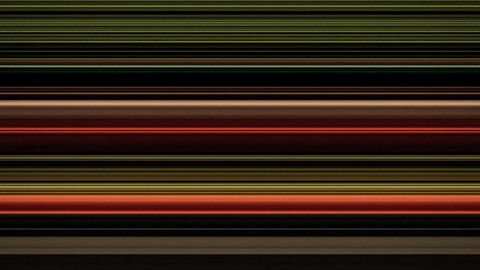
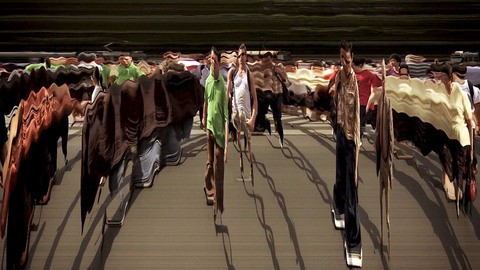
    Daniel Crooks (New Zealand, b. 1973) 'Intersection No.2 (vertical plane)' 2008 from the exhibition 'Intersection' by Daniel Crooks at Anna Schwartz Gallery, Melbourne, Nov - Dec, 2008


    Daniel Crooks (New Zealand, b. 1973)
    Intersection No.2 (vertical plane)
    2008


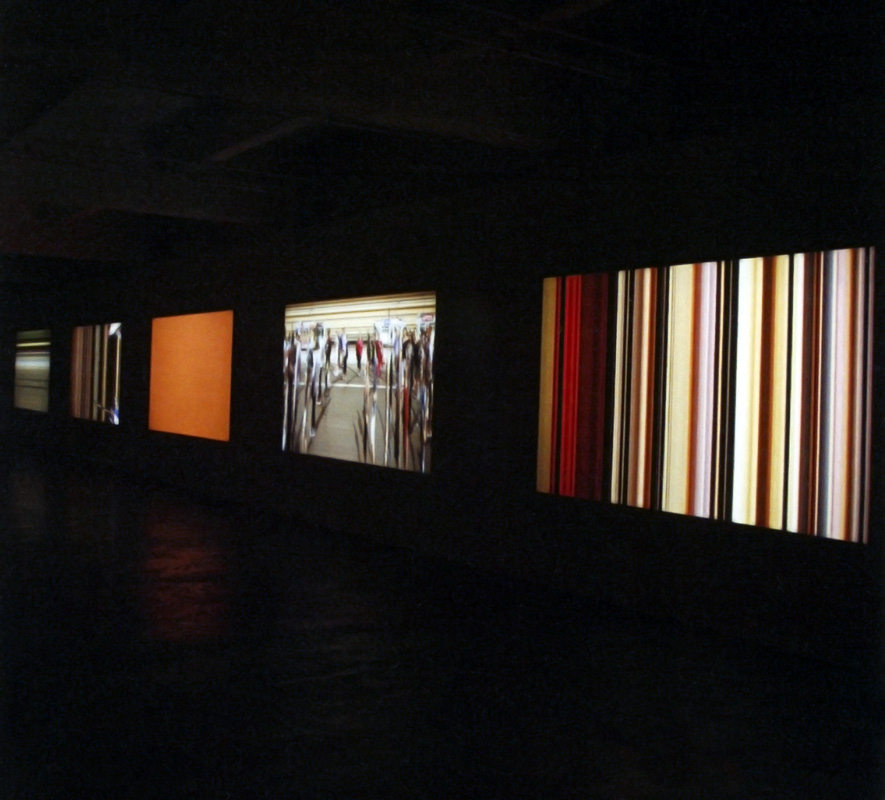
    This was a magical exhibition – beautiful, insightful and mesmerising in equal parts. Five large video screens were presented in the long space of the Anna Schwartz gallery in Melbourne. The outer two videos feature striated horizontal and vertical bands of pulsating colours, fluxing up and down and from side to side, seemingly rushing past like tarmac outside a moving car. These videos add balance at each end of the installation.

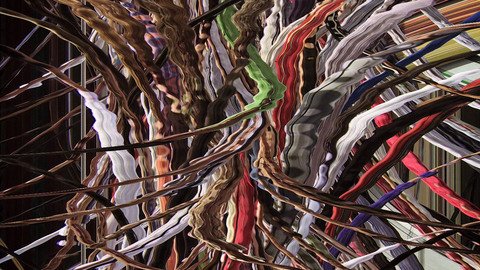
    The inner videos on either side of the central panel are the most figurative of the work: the video on the left-hand side reminded me of a Jackson Pollock drip painting come alive, ribbons of paint in time and space morphing backwards, finally coalescing into figures and their shadows walking across tarmac; the video on the right-hand side shows people moving across a pedestrian intersection like an animated slow motion photograph flowing anamorphically across the screen, their shadows distorted on the ground as trams pass behind them. Up close the surface of the projected video breaks down into grided squares of light, hypnotic in their blooming, shape-shifting colours.

    The central panel is the key to the whole work. Intensities of colour flash and fade in time with atmospheric ambient music (by J. David Franz and Byron Scullin) that works effectively with the whole installation. Beeps of the pedestrian crossing intersection intersperse the ambient music adding an almost sonar like pinging to the atmospheric soundtrack; after-images appear and glow as the colours fade, transcending the solidity of the ever-changing single pixel of colour taken through the block of video time. The pyrotechnics of the other screens are balanced by the colours/intensities/music of this central panel.

    The installation reminds me of a folded out five-panel religious altarpiece form of the 15th century. The figures, shadows and lines of the outer videos surround the pulsing heart of the central panel that, for me, took on an almost transcendent spirituality (especially when you understand the transcendence of time and space that is being achieved and how that relates to your own path in life). If you stand very still against the far wall of the gallery and look at all five videos at the same time the central panel achieves the ‘Intersection’ that Daniel Crooks is imagining. Subtle, profound and intelligent the viewer is invited to spend time, no, to transcend time in the company of this work and that is a major achievement: to reveal certain truths about our existence in these moments of time, to inhabit the space between breath – no time, no space.

    Dr Marcus Bunyan


    Daniel Crooks (New Zealand, b. 1973) 'Intersection No.5 (horizontal volume)' 2008 from the exhibition 'Intersection' by Daniel Crooks at Anna Schwartz Gallery, Melbourne, Nov - Dec, 2008


    Daniel Crooks (New Zealand, b. 1973)
    Intersection No.5 (horizontal volume)
    2008


    “The subjects of Daniel Crook’s oeuvre; the recurrence of city transport systems, lifts in high-rise buildings alongside images of the sea, invoke an idea of the world made as much of time as space and that indeed we ourselves are also made of time …

    Crooks works, literally, from inside the medium, deconstructing its time-space matrix to reveal the inner truth about the subjects of video: they are purely temporal.

    The five works comprising Intersection are all sourced from the same ‘volume’ of video footage. Each video is a formal variation that navigates an alternative path through the same light field, pushing its own ‘picture plane’ through the space along opposing axes.

    The two most figurative videos navigate the entire volume of footage – each swapping time for the vertical or the horizontal. The second, more abstracted videos are reduced to horizontal and vertical ‘planes’. The centre work – a single pixel of information that tunnels through time – is the intersection between opposing axes, almost like the fulcrum or nodal point, and in turn acts as a pivot for the installation.”

    Catalogue notes from Daniel Crooks exhibition Intersection at Anna Schwartz Gallery, Melbourne.


    Daniel Crooks (New Zealand, b. 1973) 'Intersection No.4 (vertical volume)' 2008


    Daniel Crooks (New Zealand, b. 1973)
    Intersection No.4 (vertical volume)
    2008


    Daniel Crooks works pre­dom­i­nant­ly in video, pho­tog­ra­phy and sculp­ture. He is best known for his dig­i­tal video and pho­to­graph­ic works that cap­ture and alter time and motion. Crooks manip­u­lates dig­i­tal imagery and footage as though it were a phys­i­cal mate­r­i­al. He breaks time down, frame by frame. The result­ing works expand our sense of tem­po­ral­i­ty by manip­u­lat­ing dig­i­tal ‘time slices’ that are nor­mal­ly imper­cep­ti­ble to the human eye.


    Daniel Crooks. 'Intersection' exhibition installation view at Anna Schwartz Gallery, Melbourne


    Intersection installation view at Anna Schwartz Gallery, Melbourne
    Photo: Marcus Bunyan


    Addendum 2019


    Daniel Crooks
    Static No. 12 (extract)
    2012
    HD Video
    Courtesy Daniel Crooks & Anna Schwartz Gallery


    Artistic Responses by Daniel Crooks | Symposium: Wider Vantages Are Needed Now, Times 18
    2013

    Daniel Crooks, New Zealand-born and Melbourne-based, is one of the foremost innovators in the quickly evolving fields of video and digital art.


    Daniel Crooks: Phantom Ride
    2016

    Daniel Crooks’ Phantom Ride alludes to cinema history to create a seamless journey through a composite reality. By manipulating digital footage as though it were a physical material, the artist has constructed a collaged landscape that takes us through multiple worlds and shifts our perception of space and time.


    Anna Schwartz Gallery
    185 Flinders Lane
    Melbourne, Victoria 3000

    Opening hours:
    Tuesday – Friday 12 – 6pm
    Saturday 1 – 5pm

    Anna Schwartz Gallery website

    LIKE ART BLART ON FACEBOOK

    Back to top