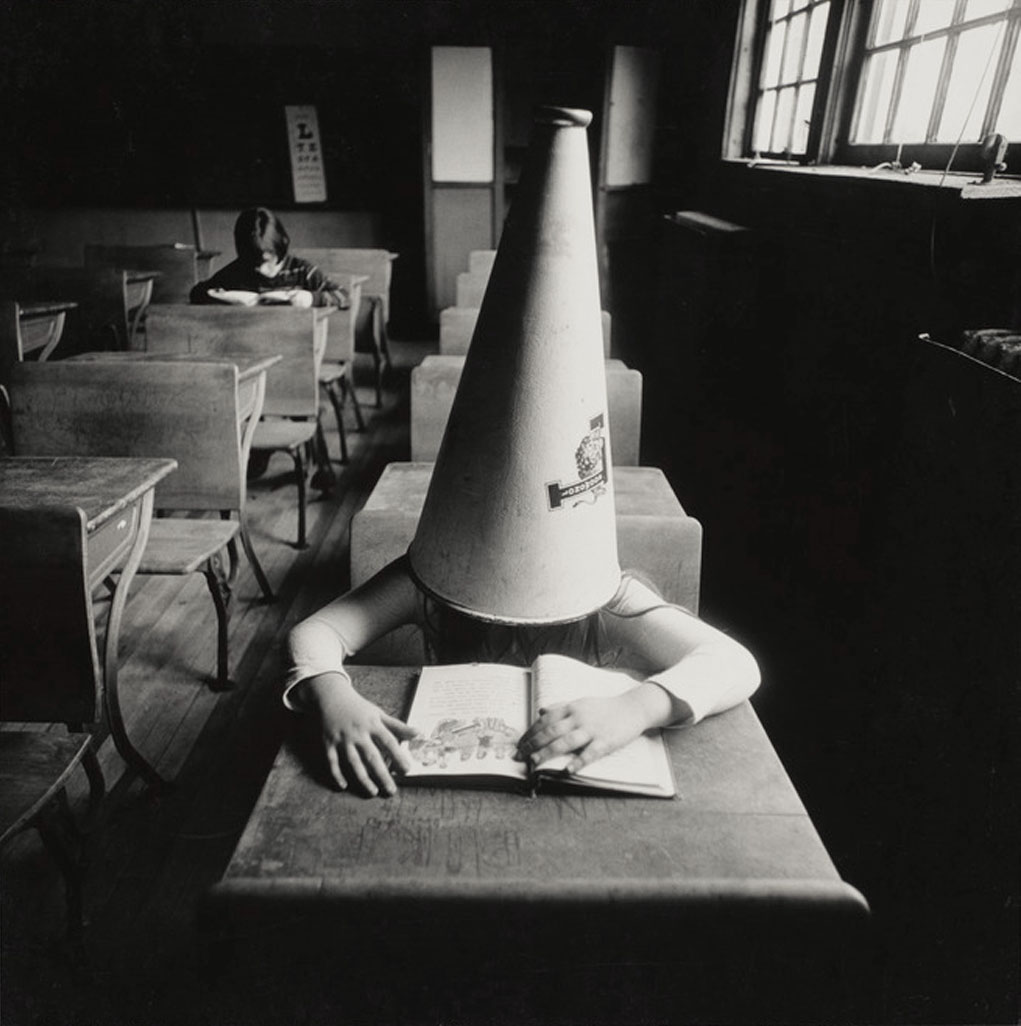
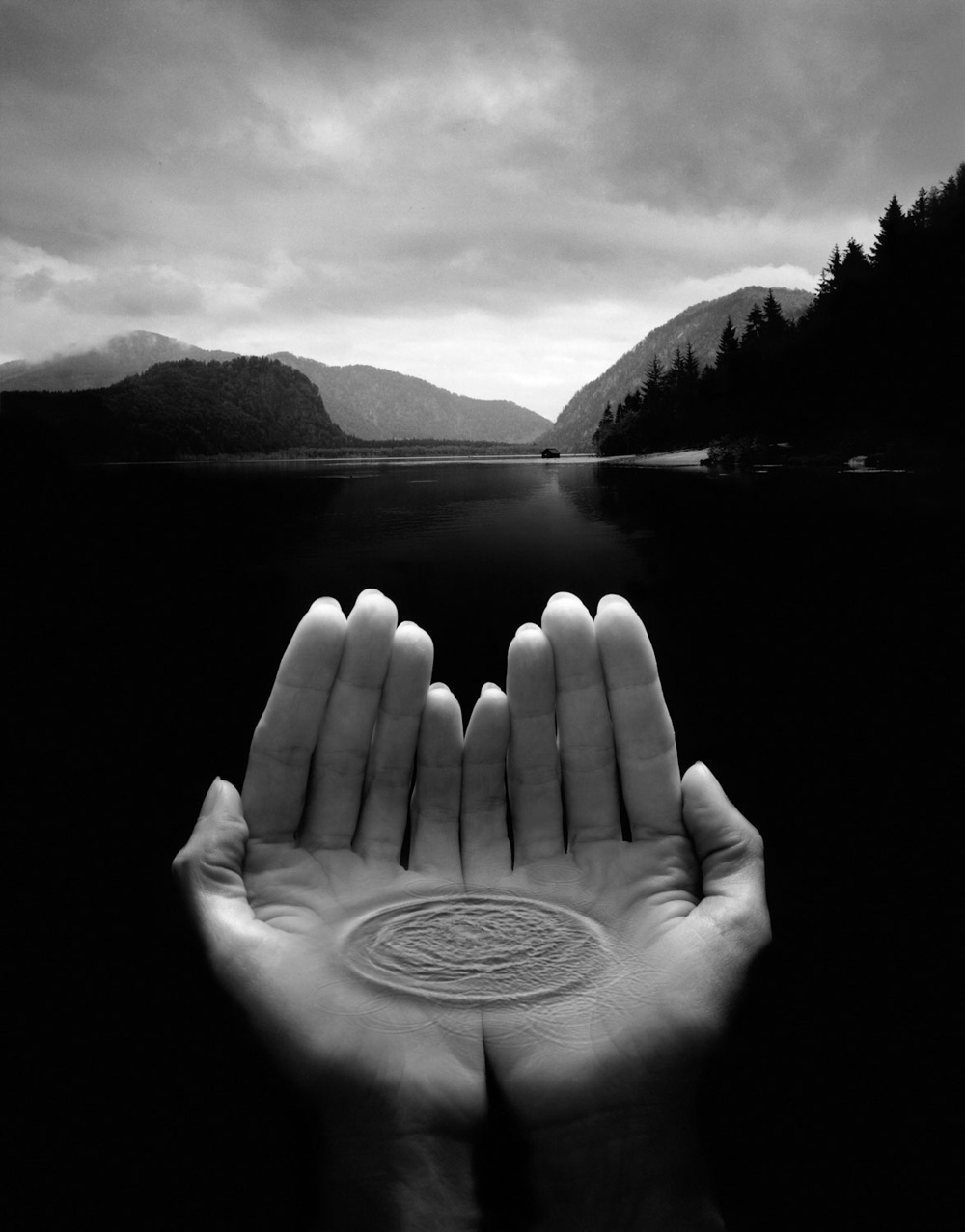
Exhibition: ‘Man Ray: When Objects Dream’ at The Metropolitan Museum of Art, New York

Exhibition dates: 14th September, 2025 – 1st February, 2026

Curators: Stephanie D’Alessandro, Leonard A. Lauder Curator of Modern Art and Senior Research Coordinator in Modern and Contemporary Art at The Met, and Stephen C. Pinson, Curator in the Department of Photographs at The Met, with the assistance of Micayla Bransfield, Research Associate, Modern and Contemporary Art. 


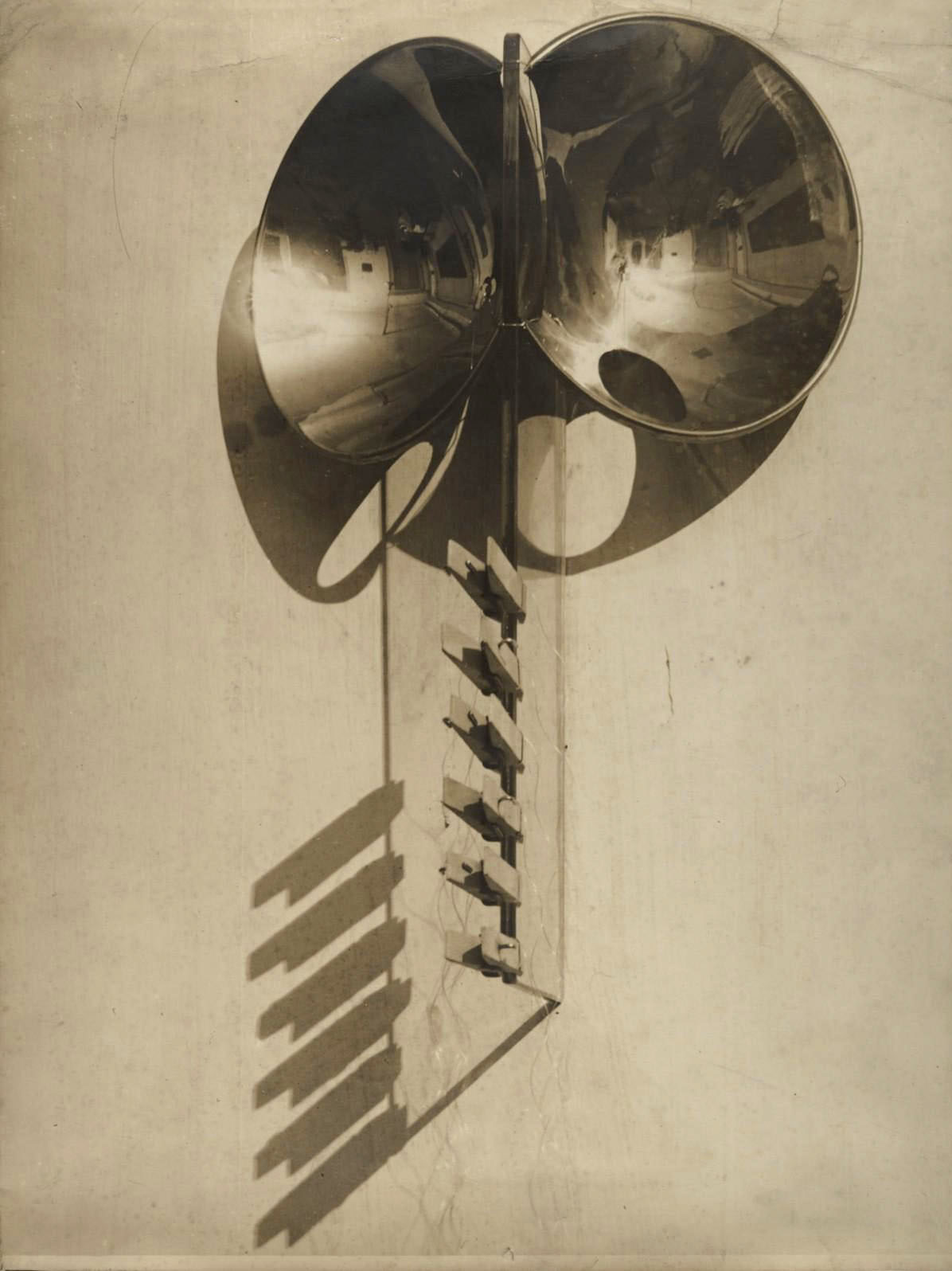
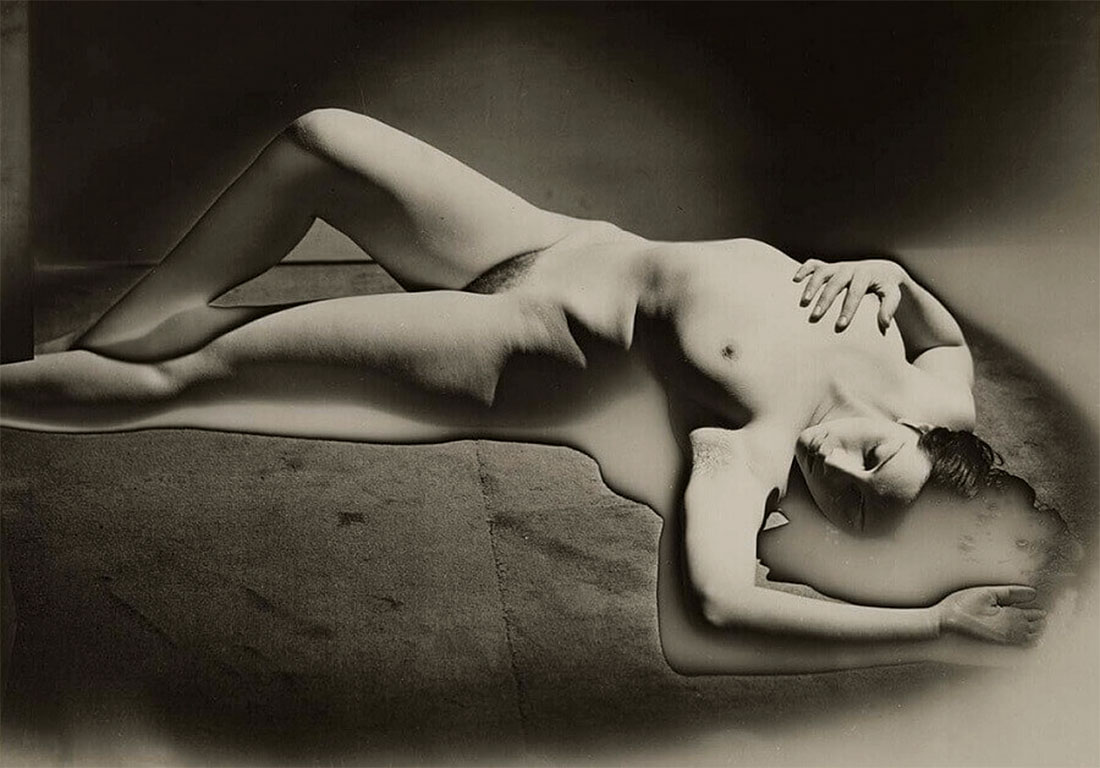
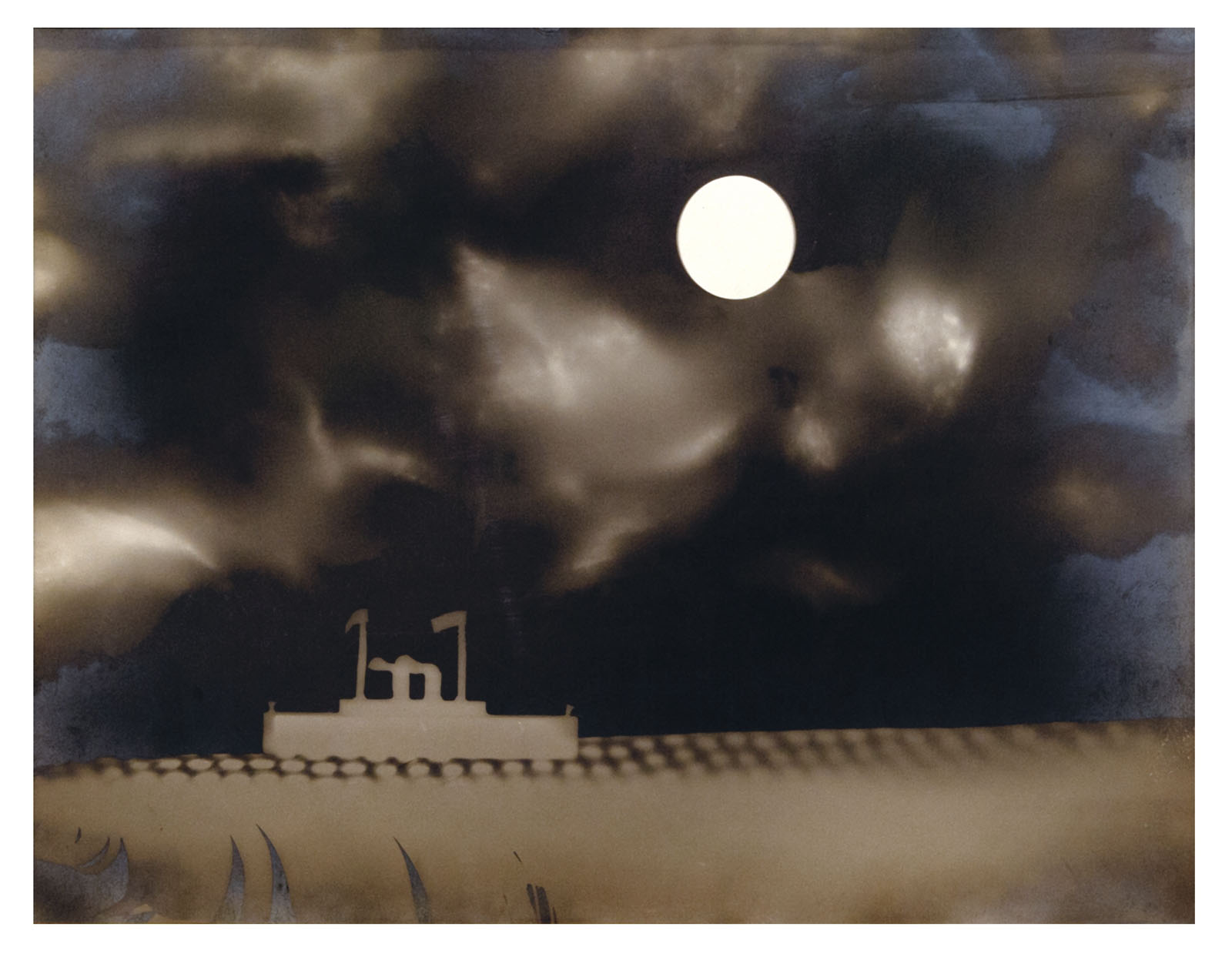
Man Ray (American, 1890-1976) 'Marine' c. 1925


Man Ray (American, 1890-1976) 
Marine 
c. 1925 
Gelatin silver print 
8 3/4 × 11 9/16 in. (22.2 × 29.3cm) 
Private collection; courtesy Galerie 1900-2000, Paris-New York 
© Man Ray 2015 Trust / Artists Rights Society (ARS), NY / ADAGP, Paris 2025 


“Like the undisturbed ashes of an object consumed by flames these images are oxidized residues fixed by light and chemical elements of an experience, an adventure, not an experiment. They are the result of curiosity, inspiration, and these words do not pretend to convey any information.”


Man Ray1


The rayographs

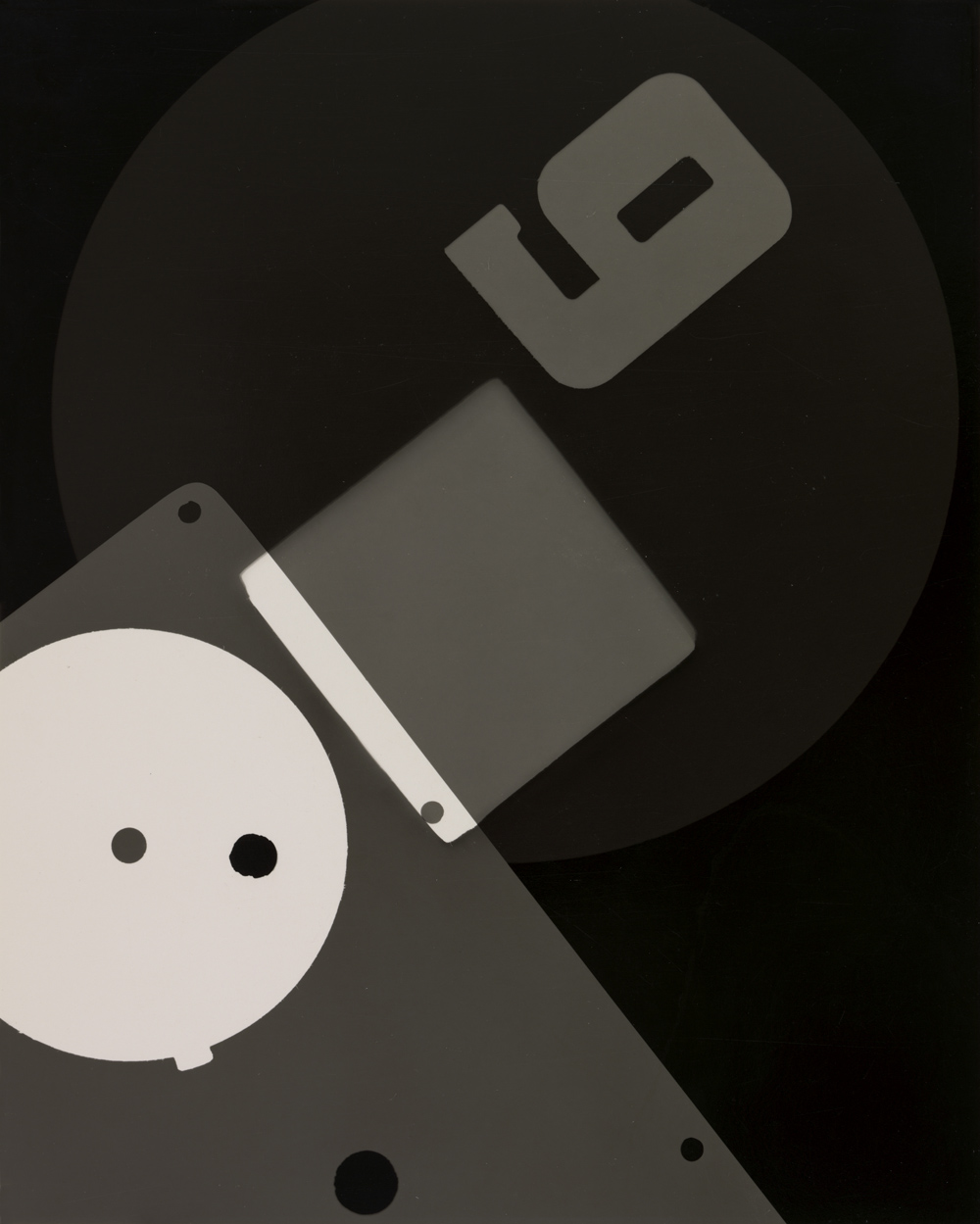
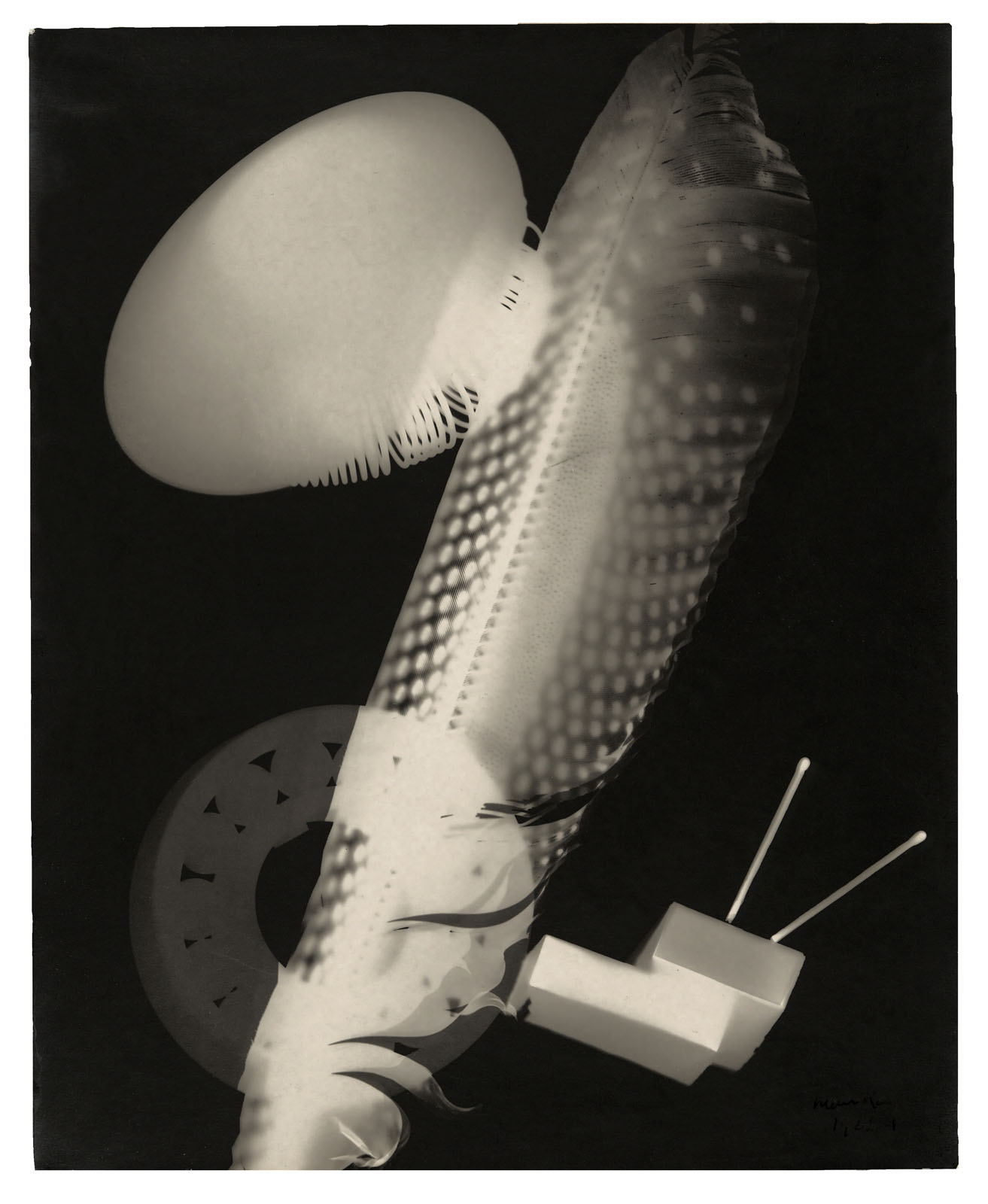
Although not the inventor of the photogram, a photograph made without the use of a camera by placing objects directly onto sensitised photographic paper and then exposing the paper to light, Man Ray’s rayographs have become the most recognisable and famous form that photograms have taken. This is because of their inventiveness, their subliminal connection to the psyche, and the use of “objects from the real world to make ambiguous dreamscapes.”7

It is interesting that Man Ray called his images rayographs, for a graph implies a topographical mapping, a laying out of statistics, whereas Lucia Moholy and László Moholy-Nagy’s photograms imply in the title of their technique the transmission of some form of message, like a telegram. The paradox is that, as the quotation above states, Man Ray always insisted that his rayographs imparted no information at all; perhaps they are only dreams made (un)stable. Contrary to this the other two artists believed that, “photographic images – cameraless and other – should not deal with conventional sentiments or personal feelings but should be concerned with light and form,”8 quite the reverse of the title of their technique.

After his arrival in Paris Man Ray started experimenting in his darkroom and discovered the technique for his rayographs by accident. With the help of his friend the Surrealist poet Tristan Tzara, he published a portfolio of twelve Rayographs in 1922 called Les champs délicieux (The delicious fields). “This title is a reference to ‘Les champs magnétiques’, a collection of writings by André Breton and Philippe Soupault composed from purportedly random thought fragments recorded by the two authors.”9 The rayographs are visual representations of random thought fragments, “photographic equivalents for the Surrealist sensibility that glorified randomness and disjunction.”10

Man Ray, “denied the camera its simplest joy: the ability to capture everything, all the distant details, all the ephemeral lights and shadows of the world”11 but, paradoxically, the rayographs are the most ephemeral of creatures, only being able to be created once, the result not being known until after the photographic paper has been developed. In fact, for Man Ray to create his portfolio Les champs délicieux (The delicious fields), he had to rephotograph the rayographs in order to make multiple copies.12

Man Ray “insisted in nearly every interview that the rayograph was not a photogram in the traditional sense. He did something that a photogram didn’t; he introduced depth into the images,”13 which denied the images their photographic objectivity by depicting an internal landscape rather than an external one.14 What the rayographs do not deny, however, is the subjectivity of the artist, his skill at placing the objects on the photographic paper, expressed in their dream-like nature, both a subjective ephemerality (because they could only be produced once) and an ephemeral subjectivity (because they were expressions of Man Ray’s fantasies, and therefore had little substance).

Through an alchemical process the latent images emerge from the photographic paper, representations of Man Ray’s fantasies as embodied in the ‘presence’ of the objects themselves, in the surface of the paper. Perhaps these objects offer, in Heidegger’s terms, ‘a releasement towards things’,15 “a coexistence between a conscious and unconscious way of perceiving which sustains the mystery of the object confusing the distinction between real time and sensual time, between inside and outside, input and output becoming neither here nor there.”16

Finally, within their depth of field the rayographs can be seen as both dangerous and delicious, for somehow they are both beautiful and unsettling at one and the same time. As Surrealism revels in randomness and chance these images enact the titles of other Man Ray photographs: Danger-Dancer, Anxiety, Dust Raising, Distorted House. The rayographs revel in chance and risk; Man Ray brings his fantasies to the surface, an interior landscape represented externally that can be (re)produced only once – those dangerous delicious fields.

Extract from Marcus Bunyan. “The Delicious Fields: Exploring Man Ray’s ‘Rayographs’ in a Digital Future,” published in The University of Queensland Vanguard magazine ‘Man Ray: Life, Work & Themes’, 2004


Footnotes

1/ Man Ray quoted in Janus (trans. Murtha Baca). Man Ray: The Photographic Image. London: Gordon Fraser, 1980, p. 213

7/ Mark Greenberg (ed.,). In Focus: Man Ray: Photographs from the J. Paul Getty Museum. Los Angeles, The J. Paul Getty Museum, 1998, p. 38

8/ Naomi Rosenblum. A World History of Photography. New York: Abbeville Press, 1997, 394

9/ Greenberg, op. cit., p. 28

10/ Jed Perl (ed.,). Man Ray: Aperture Masters of Photography. New York: Aperture, 1997 pp. 11-12

11/ Perl, op. cit., pp. 5-6

12/ Greenberg, op. cit., p. 28

13/ Greenberg, op. cit., p. 112

14/ Greenberg, op. cit., p. 28

15/ “We stand at once within the realm of that which hides itself from us, and hides itself just in approaching us. That which shows itself and at the same time withdraws is the essential trait of what we call the mystery … Releasement towards things and openness to the mystery belong together. They grant us the possibility of dwelling in the world in a totally different way…”

Martin Heidegger. Discourse on Thinking. New York: Harper & Row, 1966, pp. 55-56 quoted in Mauro Baracco. “Completed Yet Unconcluded: The Poetic Resistance of Some Melbourne Architecture,” in Leon van Schaik (ed.,). Architectural Design Vol. 72. No. 2 (‘Poetics in Architecture’). London: John Wiley and Sons, 2002, 74, Footnote 6.

16/ Marcus Bunyan. Spaces That Matter: Awareness and Entropia in the Imaging of Place (2002) [Online] Cited 07/07/2004.


Many thankx to The Metropolitan Museum of Art for allowing me to publish the photographs in the posting. Please click on the photographs for a larger version of the image.


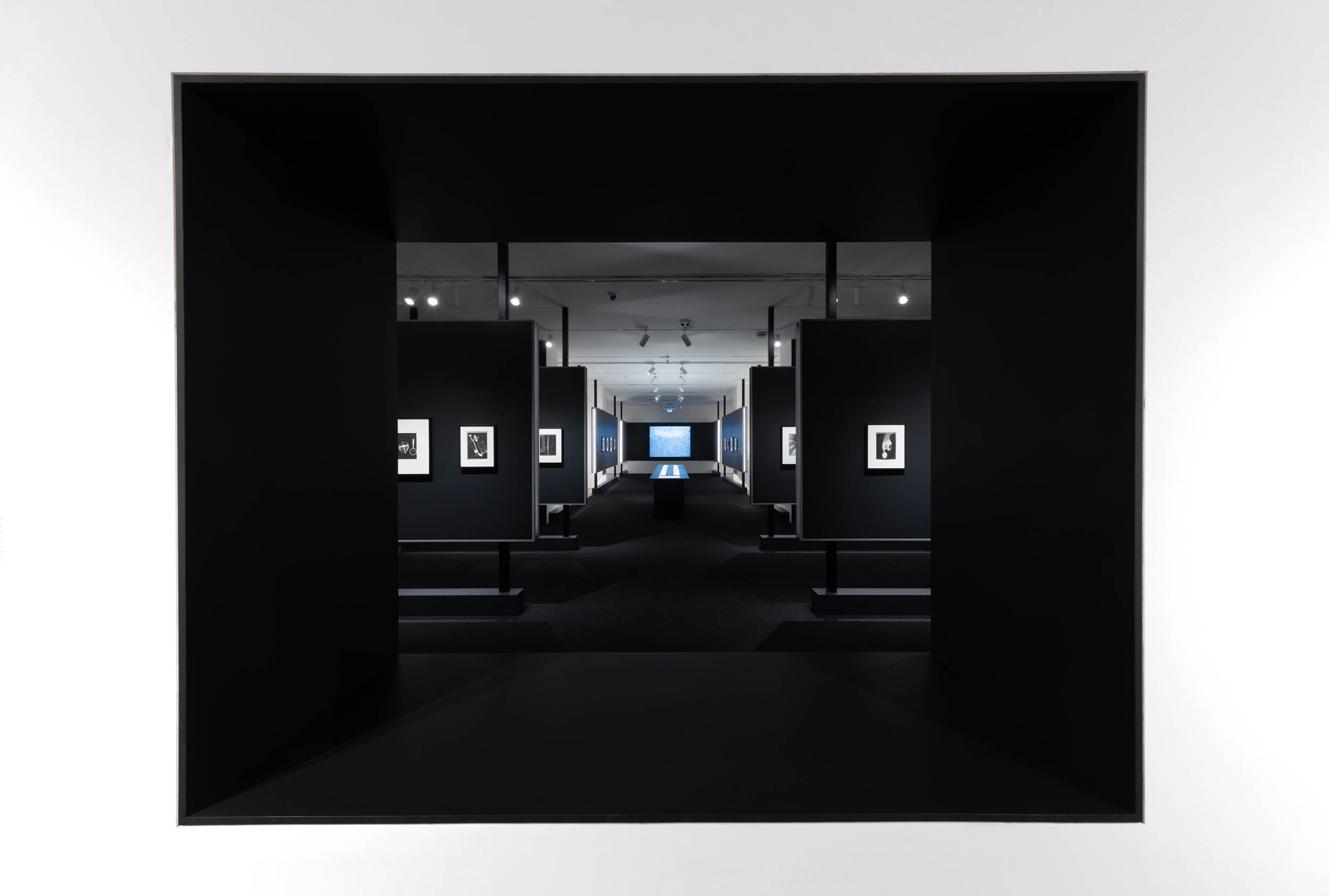
“Stepping into the exhibition Man Ray: When Objects Dream at The Metropolitan Museum of Art feels like entering the bellows of an old camera. Through a rectangular frame cut into the entry, the darkened walls unfold, accordion-like, to reveal a visual feast of the artist’s work, as Man Ray’s earliest film, “Retour à la raison (Return to Reason)” (1923), flickers across the screen opposite. Although the exhibition brings together approximately 160 works from an impressive array of lenders, it reveals itself gradually, taking the viewer through several turns before one can grasp its sheer enormity. When Objects Dream proves, thrillingly, that anyone left feeling jaded from the many, many recent exhibitions surrounding Surrealism’s centennial in 2024 can still see the movement’s key photographer with a fresh set of eyes.”


Julia Curl. “Man Ray Was So Much More Than a Photographer,” on the Hyperallergic website September 16, 2025 [Online] Cited 05/12/2025


“Objects to touch, to eat, to crunch, to apply to the eye, to the skin, to press, to lick, to break, to grind, objects to lie, to flee from, to honor, things cold or hot, feminine or masculine, objects of day or night which absorb through your pores the greater part of our life. … These are the projections surprised in transparence, by the light of tenderness, of objects that dream and talk in their sleep.” 

.
Tristan Tzara, “When Objects Dream,” 1934


“One sheet of paper got into the developing tray – a sheet unexposed that had been mixed with those already exposed under the negatives. … Regretting the waste of paper, I mechanically placed a small glass funnel, the graduate, and the thermometer in the tray on the wetted paper. I turned on the light; before my eyes an image began to form, not quite a simple silhouette of the objects as in a straight photograph, but distorted and refracted by the glass more or less in contact with the paper and standing out against a black background. … I remembered when I was a boy, placing fern leaves in a printing frame with proof paper, exposing it to sunlight, and obtaining a white negative of the leaves. This was the same idea, but with an added three-dimensional quality and tone graduation. I made a few more prints … taking whatever came to hand; my hotel-room key, a handkerchief, some pencils, a brush, a candle, a piece of twine … excitedly, enjoying myself immensely. In the morning I examined the results. … They looked startlingly new and mysterious.”


Man Ray 


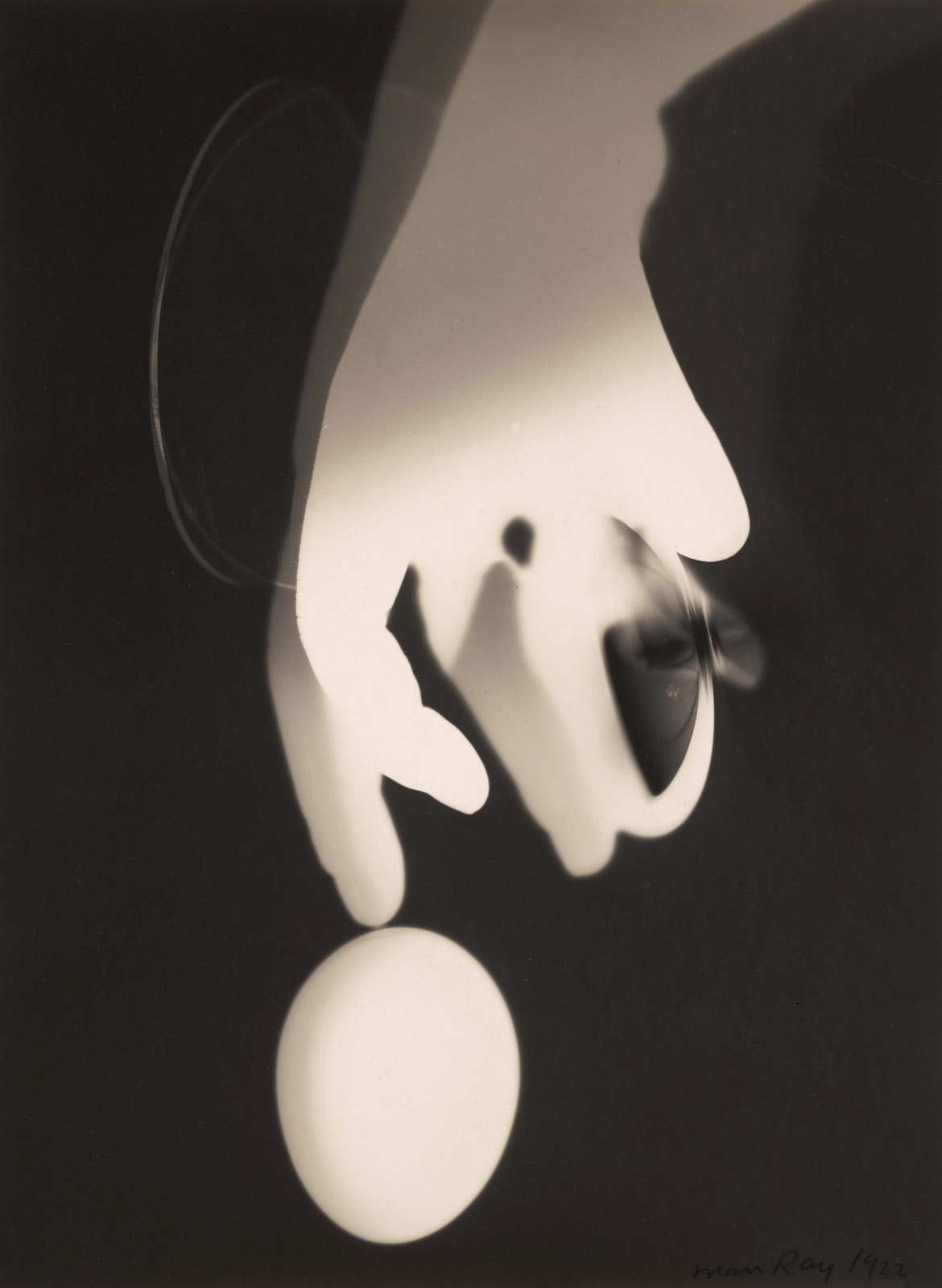
Man Ray (American, 1890-1976) 'Rayograph' 1922


Man Ray (American, 1890-1976) 
Rayograph
1922 
Gelatin silver print 
9 1/2 × 7 in. (24.1 × 17.8cm) 
The Metropolitan Museum of Art, New York, Bluff Collection, Promised Gift of John A. Pritzker 
© Man Ray 2015 Trust / Artists Rights Society (ARS), NY / ADAGP, Paris 2025
Photo by Ben Blackwell 


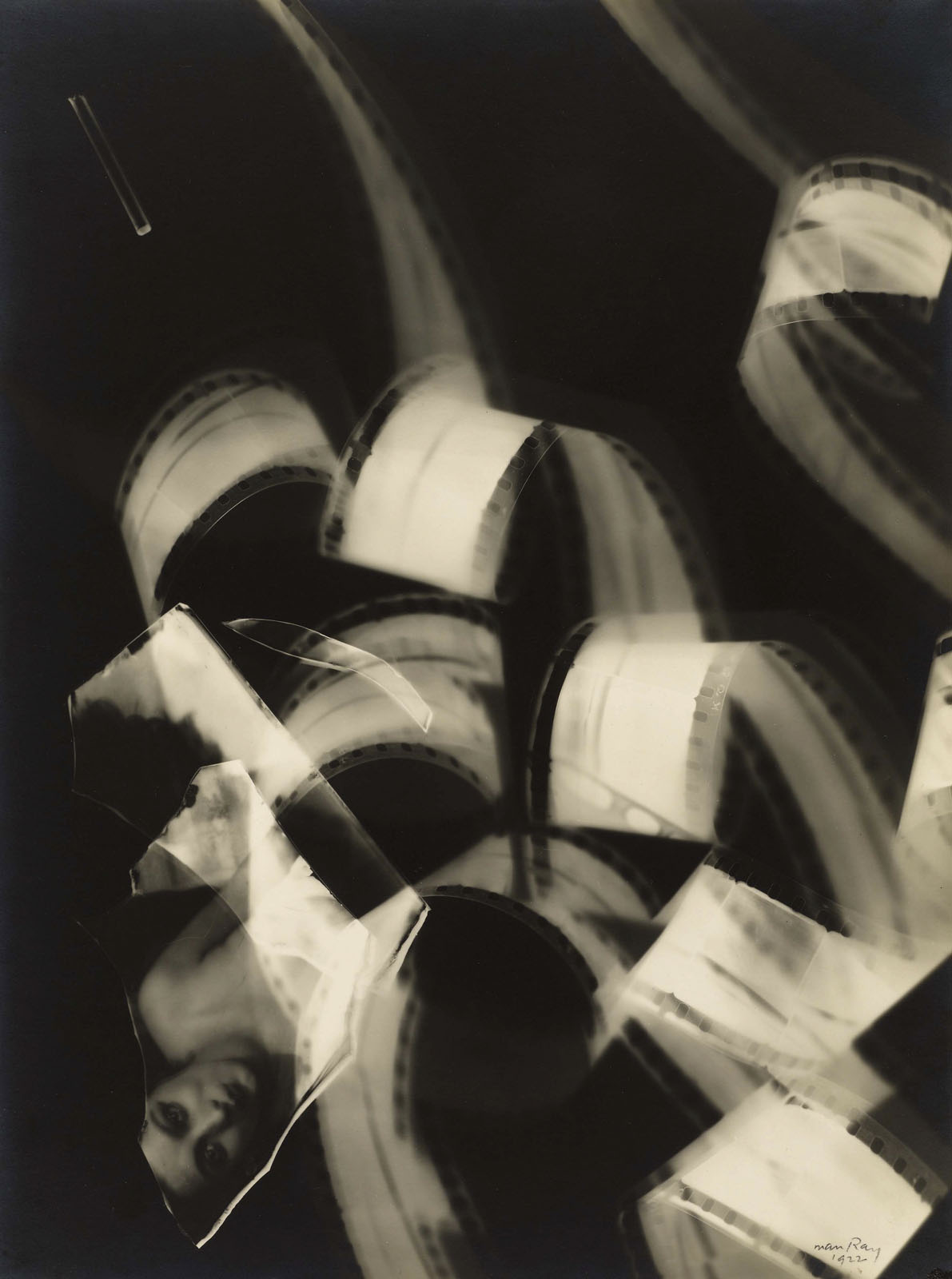
Man Ray (American, 1890-1976) 'Rayograph' 1922


Man Ray (American, 1890-1976) 
Rayograph
1922 
Gelatin silver print 
9 3/8 × 7 in. (23.8 × 17.8cm) 
The J. Paul Getty Museum, Los Angeles
Courtesy The J. Paul Getty Museum, Los Angeles 
© Man Ray 2015 Trust / Artists Rights Society (ARS), NY / ADAGP, Paris 2025


Man Ray (American, 1890-1976) 'Rayograph' 1922


Man Ray (American, 1890-1976) 
Rayograph
1922
Gelatin silver print
9 3/8 x 7 in. (23.8 x 17.8cm)
Private collection
© Man Ray 2015 Trust / Artists Rights Society (ARS), NY / ADAGP, Paris 2025


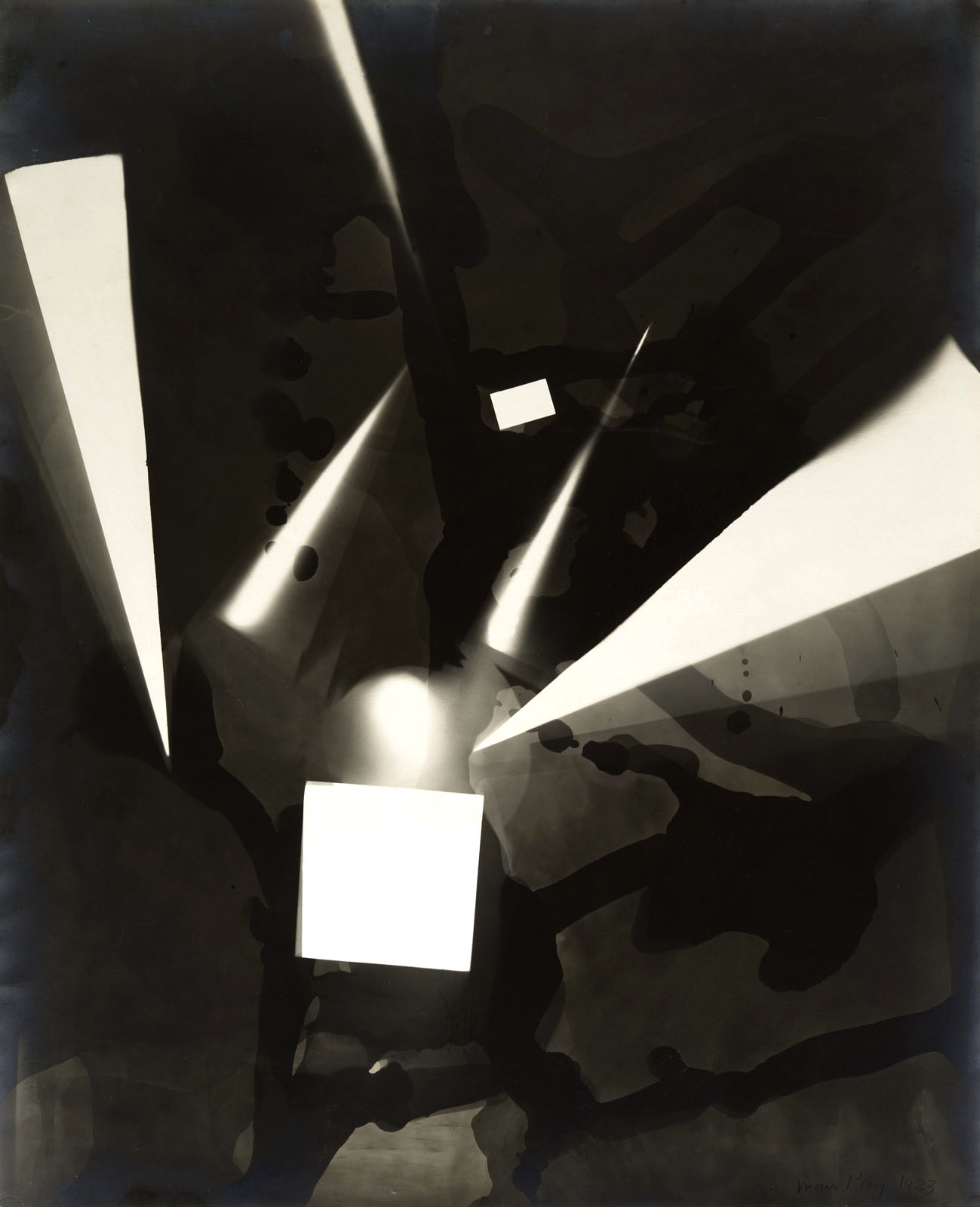
Man Ray (American, 1890-1976) 'Rayograph' 1923


Man Ray (American, 1890-1976) 
Rayograph 
1923 
Gelatin silver print 
11 1/2 × 9 5/16 in. (29.2 × 23.7cm) 
Yale University Art Gallery, New Haven, Gift of the Estate of Katherine S. Dreier 
© Man Ray 2015 Trust / Artists Rights Society (ARS), NY / ADAGP, Paris 2025
Photo: Yale University Art Gallery, Gift of Collection Société Anonyme 


Man Ray (American, 1890-1976) 'Rayograph' 1923-1928


Man Ray (American, 1890-1976) 
Rayograph
1923-1928 
Gelatin silver print 
19 5/16 x 15 11/16 in. (49 x 39.8cm) 
The Metropolitan Museum of Art, New York, Gilman Collection, Purchase, The Horace W. Goldsmith Foundation Gift, through Joyce and Robert Menschel, 2005
Image © The Metropolitan Museum of Art, photo by Mark Morosse 
© Man Ray 2015 Trust / Artists Rights Society (ARS), NY / ADAGP, Paris 2025 


Man Ray (American, 1890-1976) 'Rayography' 1925


Man Ray (American, 1890-1976) 
Rayograph 
1925 
Gelatin silver print 
19 15/16 × 15 13/16 in. (50.6 × 40.2cm) 
MAH Musée d’art et d’histoire, City of Geneva. Purchase, 1968
© Man Ray 2015 Trust / Artists Rights Society (ARS), NY / ADAGP, Paris 2025
Photo © Musée d’art et d’histoire, Ville de Genève, photo by André Longchamp


American artist Man Ray (1890-1976) was a visionary known for his radical experiments that pushed the limits of photography, painting, sculpture, and film. In the winter of 1921, he pioneered the rayograph, a new twist on a technique used to make photographs without a camera. By placing objects on or near a sheet of light-sensitive paper, which he exposed to light and developed, Man Ray turned recognisable subjects into wonderfully mysterious compositions. Introduced in the period between Dada and Surrealism, the rayographs’ transformative, magical qualities led the poet Tristan Tzara to describe them as capturing the moments “when objects dream.”

The exhibition will be the first to situate this signature accomplishment in relation to Man Ray’s larger body of work of the 1910s and 1920s. Drawing from the collections of The Met and more than 50 U.S. and international lenders, the exhibition will feature approximately 60 rayographs and 100 paintings, objects, prints, drawings, films, and photographs – including some of the artist’s most iconic works – to highlight the central role of the rayograph in Man Ray’s boundary-breaking practice.

“Before my eyes an image began to form, not quite a simple silhouette of the objects as in a straight photograph, but distorted and refracted … In the morning I examined the results, pinning a couple of the rayographs – as I decided to call them – on the wall. They looked startlingly new and mysterious.” ~ Man Ray

Text from The Metropolitan Museum of Art website


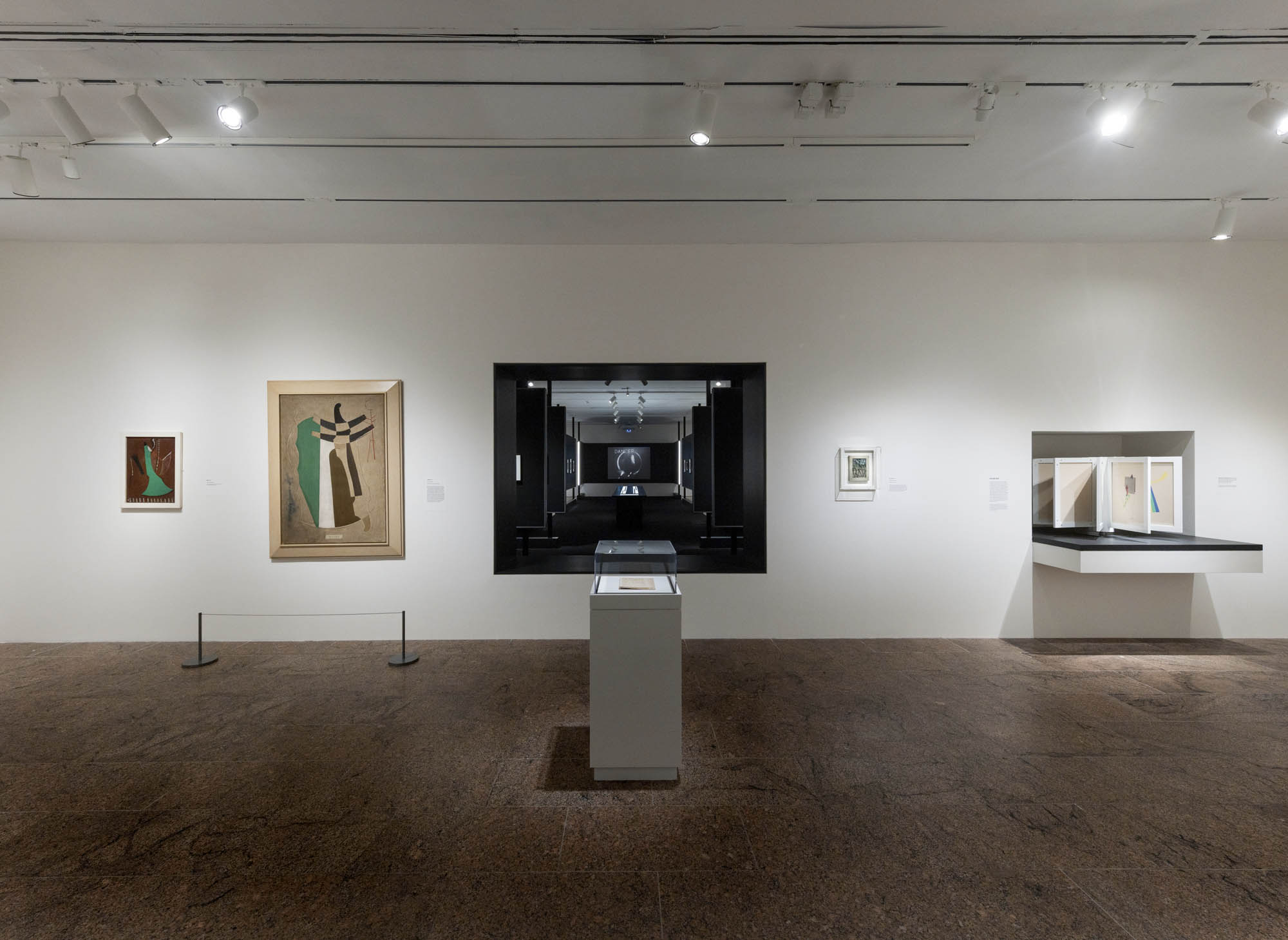
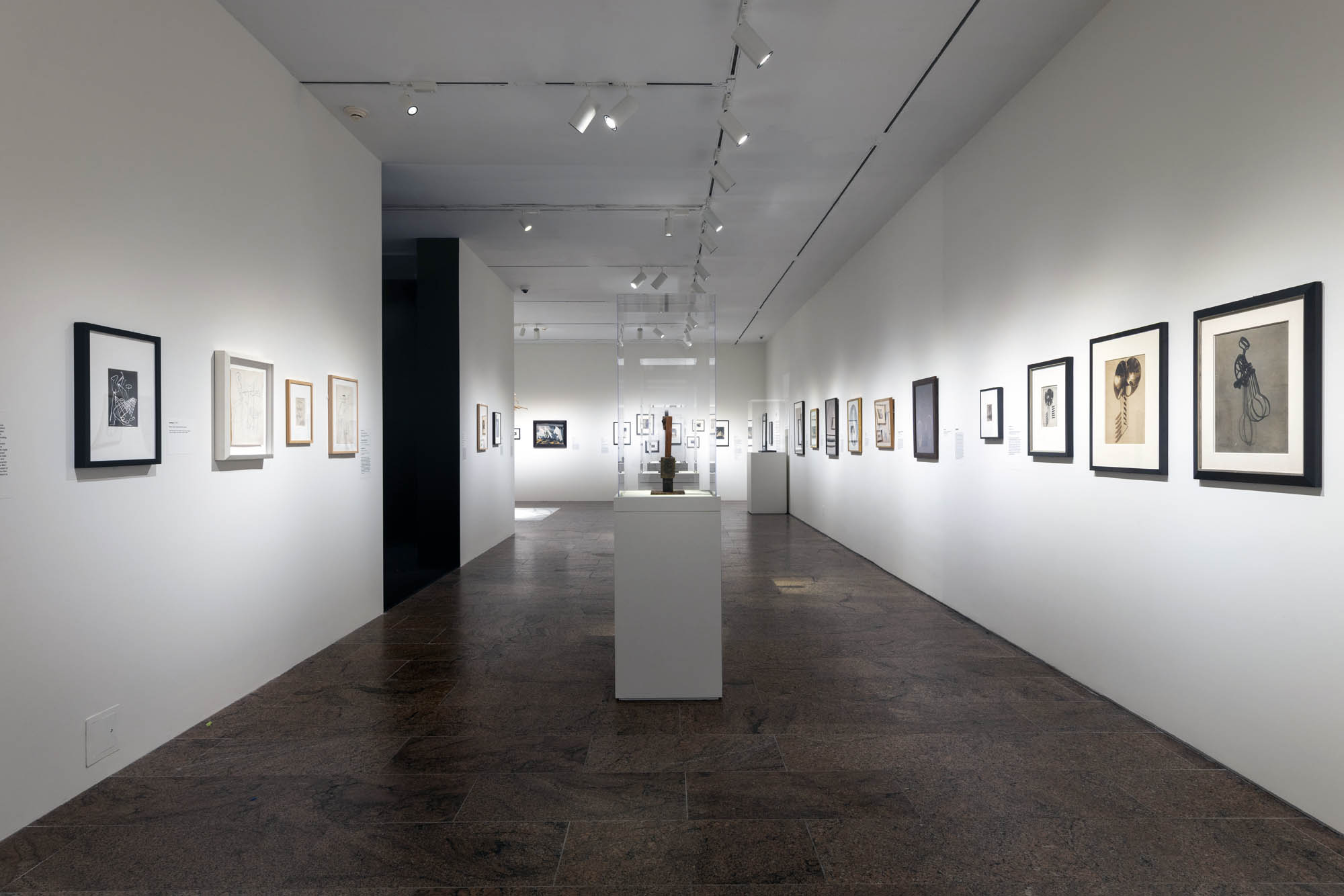
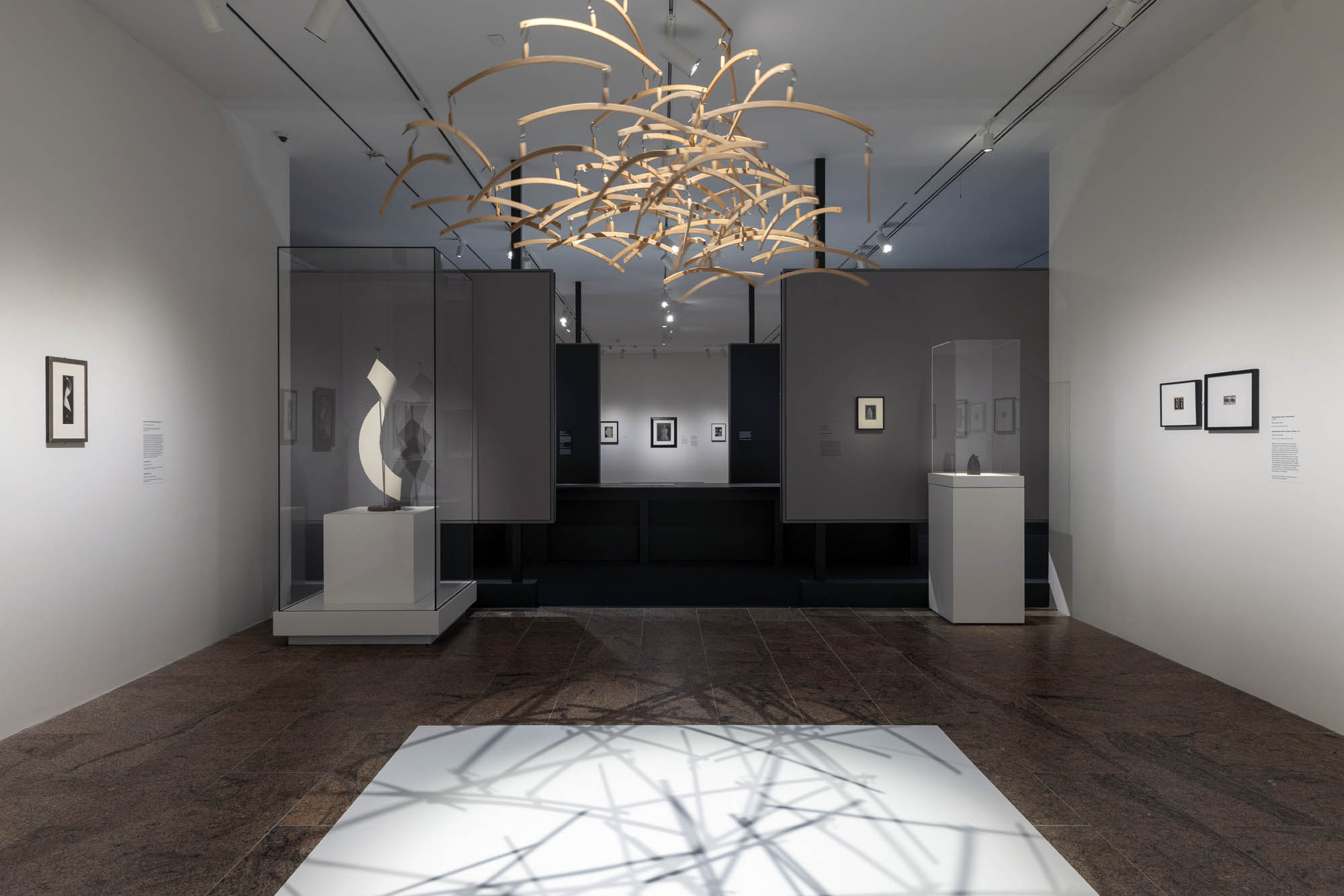
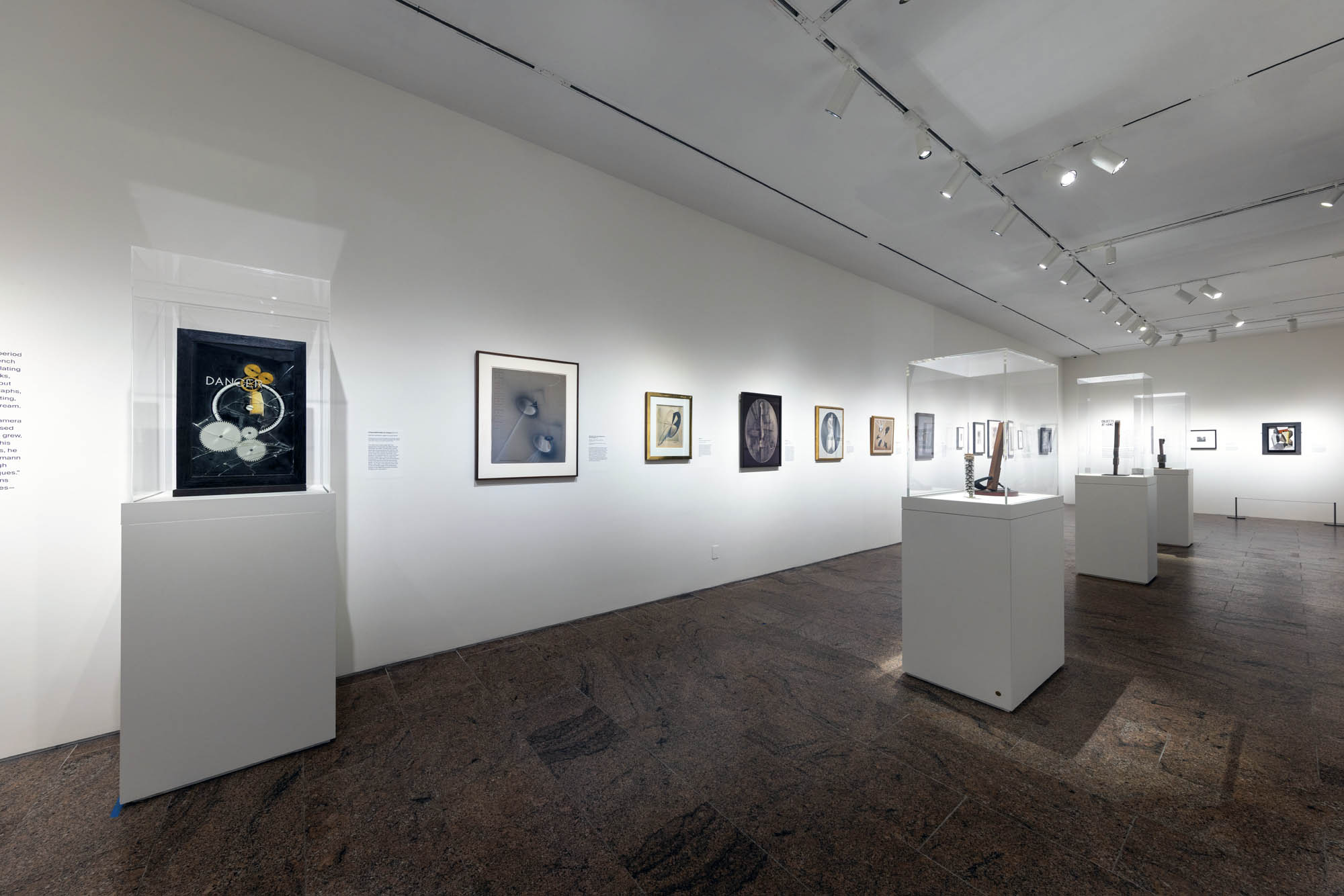
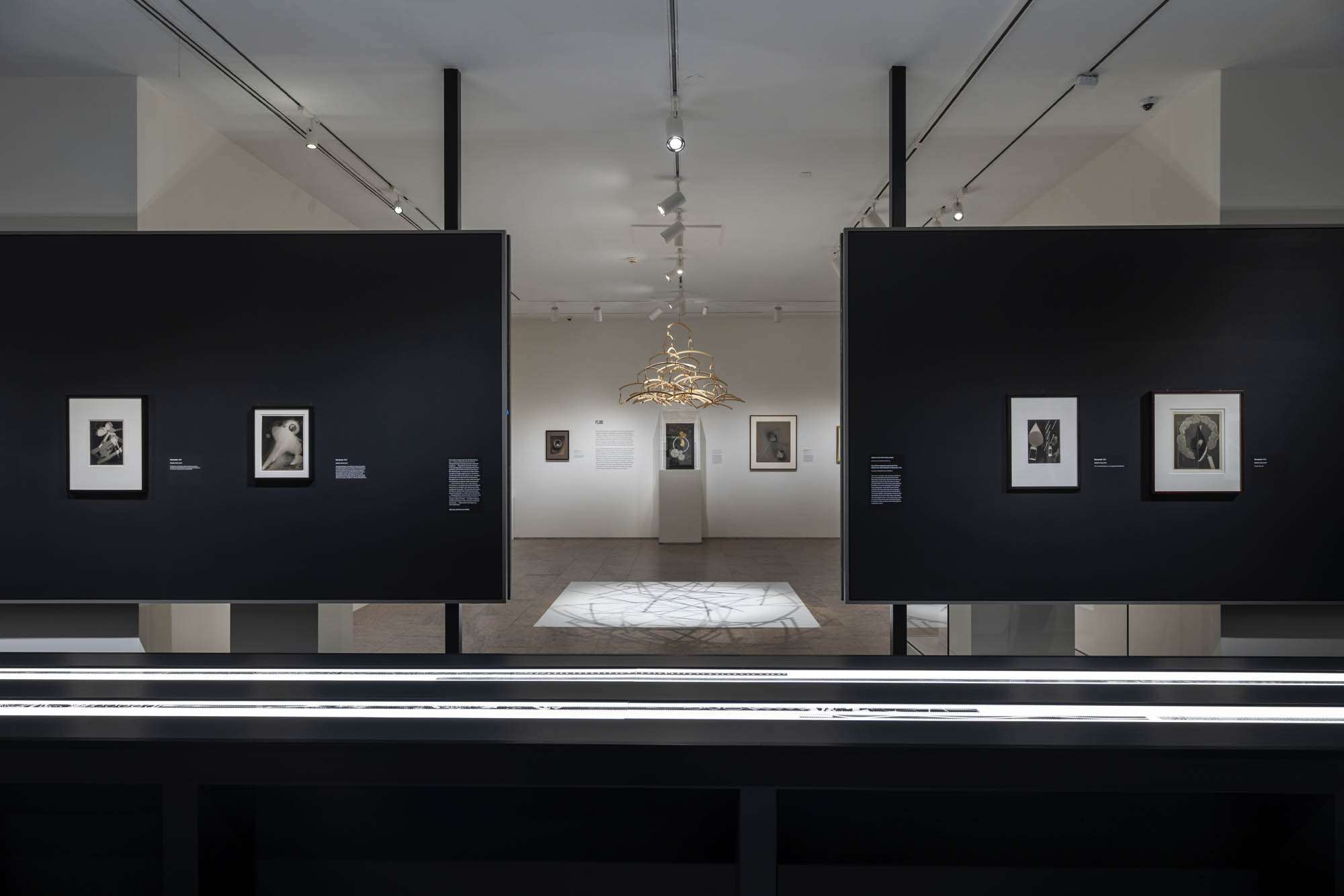
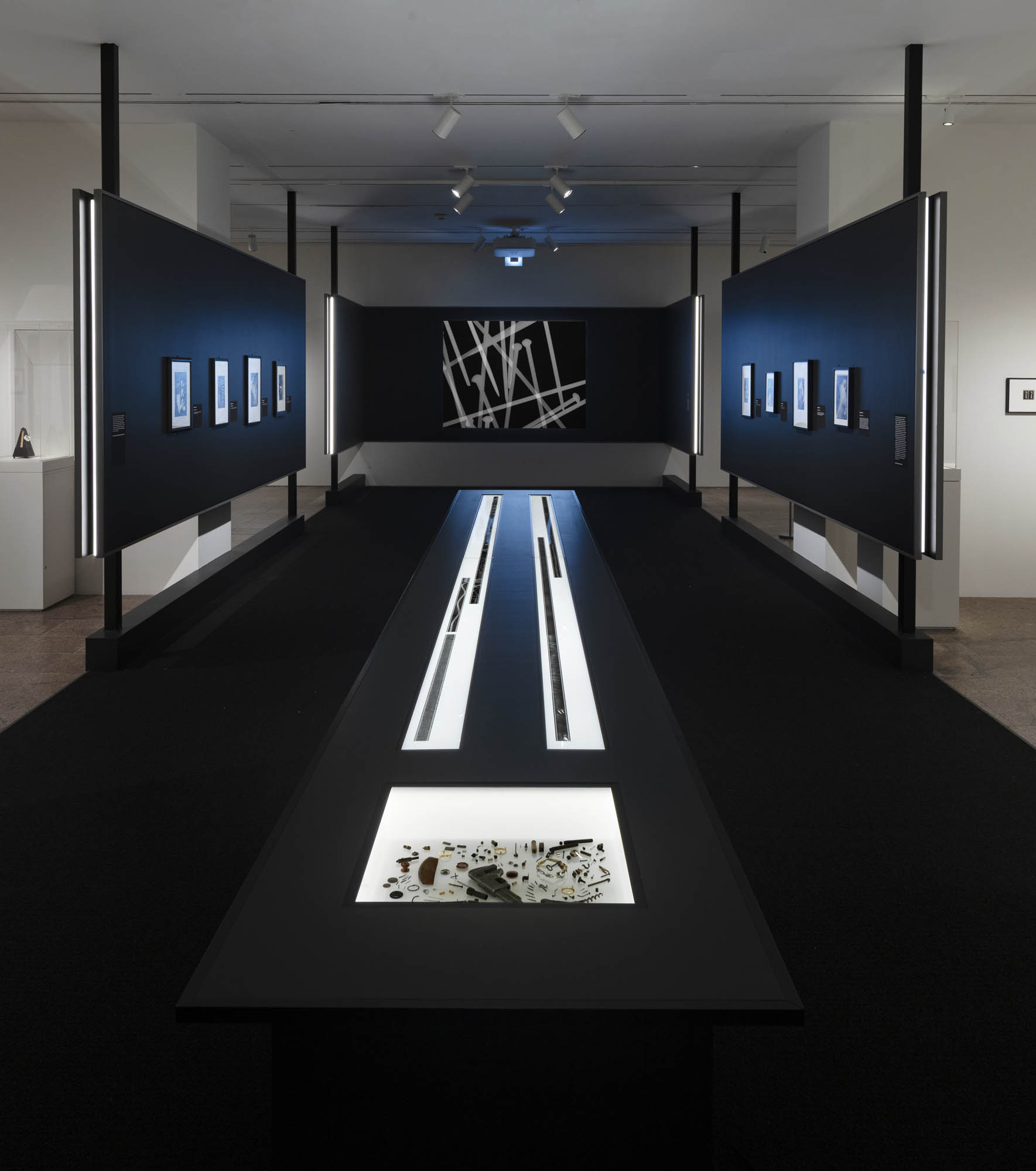
Installation view of the exhibition 'Man Ray: When Objects Dream' at The Metropolitan Museum of Art, New York, September 2025 - February 2026


Installation views of the exhibition Man Ray: When Objects Dream at The Metropolitan Museum of Art, New York, September 2025 – February 2026


Man Ray (American, 1890-1976)
'Torse (Retour à la raison)' (Torso [Return to Reason]) 1923, printed c. 1935


Man Ray (American, 1890-1976)
Torse (Retour à la raison) (Torso [Return to Reason])
1923, printed c. 1935
Gelatin silver print
8 1/4 × 6 3/8 in. (21 × 16.2cm)
Private collection
© Man Ray 2015 Trust / Artists Rights Society (ARS), NY / ADAGP, Paris 2025


In the 1923 silent short of the same title, Man Ray filmed barely discernible scenes of Paris at night along with his own enigmatic photograms and conglomerations of spiraling or gyrating objects. The resulting sequence of near-total abstractions seems devoid of sense or purpose. The “return to reason” in the film comes finally in the form of a woman’s torso – modelled by cabaret personality Kiki de Montparnasse – turning to and fro beside a rain-covered windowpane. Man Ray reproduced the seductive finale, as well as other moments from the film, as photographs, singly and in strips. A still from Man Ray’s film, this particular photograph appeared on its own in the first issue of the key avant-garde journal La Révolution surréaliste, in 1924.

Text from the Art Institute of Chicago website


Le retour à la raison (Return to Reason), Man Ray, 1923


Emak-Bakia (1926) – directed by Man Ray

Emak-Bakia (Basque for Leave me alone) is a 1926 film directed by Man Ray. Subtitled as a cinépoéme, it features many techniques Man Ray used in his still photography (for which he is better known), including rayographs, double exposure, soft focus and ambiguous features.

Emak-Bakia shows elements of fluid mechanical motion in parts, rotating artifacts showing his ideas of everyday objects being extended and rendered useless. Kiki of Montparnasse (Alice Prin) is shown driving a car in a scene through a town. Towards the middle of the film Jacques Rigaut appears dressed in female clothing and make-up. Later in the film a caption appears: “La raison de cette extravagance” (the reason for this extravagance). The film then cuts to a car arriving and a passenger leaving with briefcase entering a building, opening the case revealing men’s shirt collars which he proceeds to tear in half. The collars are then used as a focus for the film, rotating through double exposures.

The film features sculptures by Pablo Picasso, and some of Man Ray’s mathematical objects both still and animated using a stop motion technique.

Originally a silent film, recent copies have been dubbed using music taken from Man Ray’s personal record collection of the time. The musical reconstruction was by Jacques Guillot.

When the film was first exhibited, a man in the audience stood up to complain it was giving him a headache and hurting his eyes. Another man told him to shut up, and they both started to fight. The theatre turned into a frenzy, the fighting ended up out in the street, and the police were called in to stop the riot.

Emak bakia can also mean “give peace” (“emak” is the imperative form of the verb “eman”, which means “give”) in Basque.

Text from the YouTube website


L’étoile de mer, Man Ray, 1928

The film was based on Robert Desnon’s surrealist poem L’Étoile de mer.


The Met Presents First Major Exhibition on Man Ray’s Radical Reinvention of Art through the rayograph 

Featuring 160 rayographs, paintings, objects, prints, drawings, films, and photographs, Man Ray: When Objects Dream highlights the principal place of the rayograph – a type of cameraless photograph – within the context of many of the artist’s most important works 

This exhibition includes thirty-five works by Man Ray which are part of the major promised gift of nearly 200 works of Dada and Surrealist art from Trustee John Pritkzer 

Man Ray: When Objects Dream at The Metropolitan Museum of Art is the first major exhibition to examine the radical experimentation of American artist Man Ray (1890-1976) through one of his most significant bodies of work, the rayograph. Man Ray coined the term rayograph to name his version of the 19th-century technique of making photographs without a camera. He created them by placing objects on or near a sheet of light-sensitive paper, which he then exposed to light and developed. These photograms – as they are also called – appear as reversed silhouettes, or negative versions, of their subjects. They often feature recognisable items that become wonderfully mysterious in the artist’s hands. Their transformative nature led the Dada poet Tristan Tzara to describe rayographs as capturing the moments “when objects dream.” While Man Ray acknowledged the photographic origins of his new works, he did not think of them as strictly bound by medium. Taking Man Ray’s lead, this presentation is the first – more than a century since he introduced the rayograph – to situate this signature accomplishment in relation to his larger artistic output. The exhibition is on view September 14, 2025, through February 1, 2026. 

“As one of the most fascinating and multi-faceted artists in the avant-garde movements of the early 20th century, Man Ray challenged traditional narratives of modernism through his daring experimentation with diverse artistic mediums,” said Max Hollein, The Met’s Marina Kellen French Director and Chief Executive Officer. “Anchored by Man Ray’s innovative and mesmerising rayographs along with new research and discoveries, this exhibition invites visitors to explore his ground-breaking manipulation of objects, light, and media, which profoundly reframed his artistic practice and impacted countless other artists. We’re so thrilled to include thirty-five works by Man Ray in this exhibition as part of John’s incredible promised gift.” 

Drawing from the collections of The Met and more than 50 U.S. and international lenders, the presentation includes more than 60 rayographs, many of which were featured in important publications and exhibitions at the time of their making, and 100 paintings, objects, prints, drawings, collages, films, and photographs to highlight the central role of the rayograph in Man Ray’s boundary-breaking practice. The exhibition marks a collaboration with the recently closed Lens Media Lab, Yale University, under the direction of Paul Messier, and with photography conservators and curators at various lending institutions, to study more than fifty rayographs. 

In the winter of 1921, while working late in his Paris darkroom, Man Ray inadvertently produced a photogram by placing some of his glass equipment on top of an unexposed sheet of photographic paper he found among the prints in his developing tray. As he wrote in his 1963 autobiography, “Before my eyes an image began to form, not quite a simple silhouette of the objects as in a straight photograph, but distorted and refracted … In the morning I examined the results, pinning a couple of the rayographs – as I decided to call them – on the wall. They looked startlingly new and mysterious.” This supposed accident, now the stuff of legend, has obscured the fact that rayographs might be seen as the culmination of Man Ray’s work up to 1921 as well as the frame through which he would redefine his work thereafter. They harnessed his interests in working between dimensions, media, and artistic traditions, fittingly at the moment between Dada and Surrealism, which writer Louis Aragon once called the mouvement flou (flou means “hazy, blurry, or out of focus” in French). 

Unfolding in a series of spaces that intersect with a central, dramatic presentation of rayographs, the exhibition illuminates their connections with Man Ray’s work in other media, including assemblage, painting, photography, and film. In approaching the rayograph in this expansive way, the exhibition also offers a reappraisal of the most productive and creatively significant period of his long career, beginning in New York around 1915 with his ambitious paintings and concluding in Paris in 1929 with his fine-tuning of the solarization process with Lee Miller. A critical factor across the exhibition is the central role of objects for Man Ray’s career, both in the creation of many of the rayographs and in his work more generally.

At its core, Man Ray: When Objects Dream focuses new attention on some of the artist’s most recognised, but little-studied, works, most particularly the rayograph. The exhibition opens with Champs délicieux (Delicious Fields) (1922), a portfolio of 12 rayographs which marks the first time Man Ray presented his photograms to the public. Critics hailed them for putting photography on the same plane as original pictorial works. The presentation concludes with the working copy of Champs délicieux, which the artist canceled and dedicated to his friend, Dada artist Tristan Tzara, in 1959. 

Between these two works, twelve thematic sections of the exhibition explore such concepts as the silhouette, the dream, the body, the object, and the game, which are inspired by Man Ray’s experimentation with the rayograph. Other groupings will focus on specific media and techniques, and the artist’s studio, as well as watershed moments in the artist’s production, such as the years of 1923 and 1929, when Man Ray unexpectedly returned to painting. Three of his newly restored films, Retour à la raison (Return to Reason) (1923), Emak Bakia (1926), and L’étoile de mer (The Starfish) (1928), will be screened within the exhibition. 

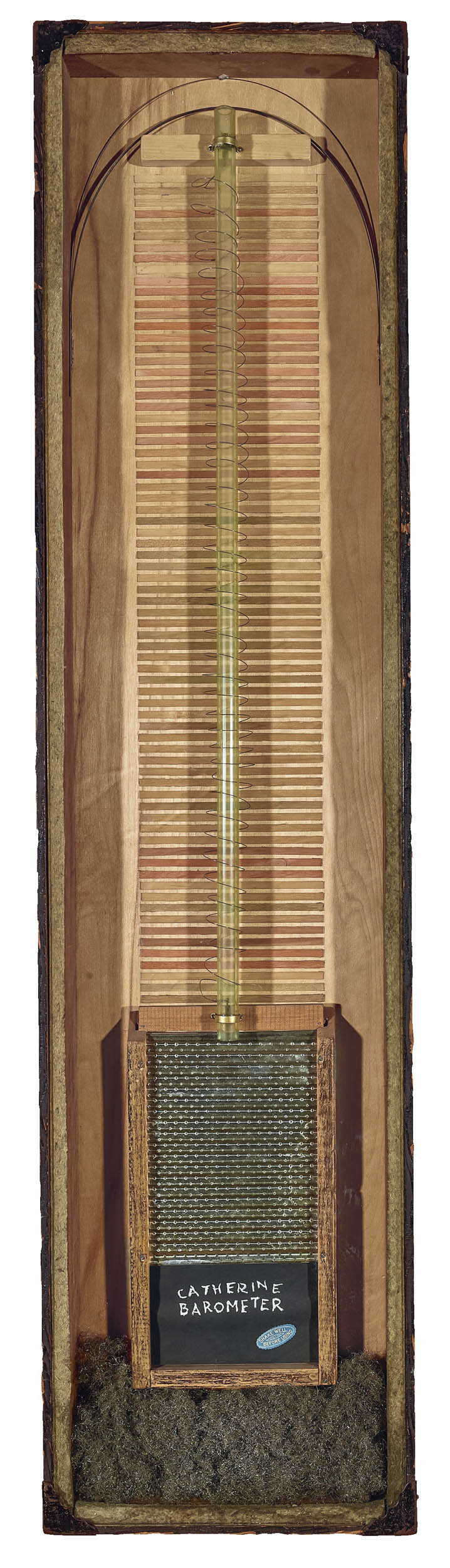
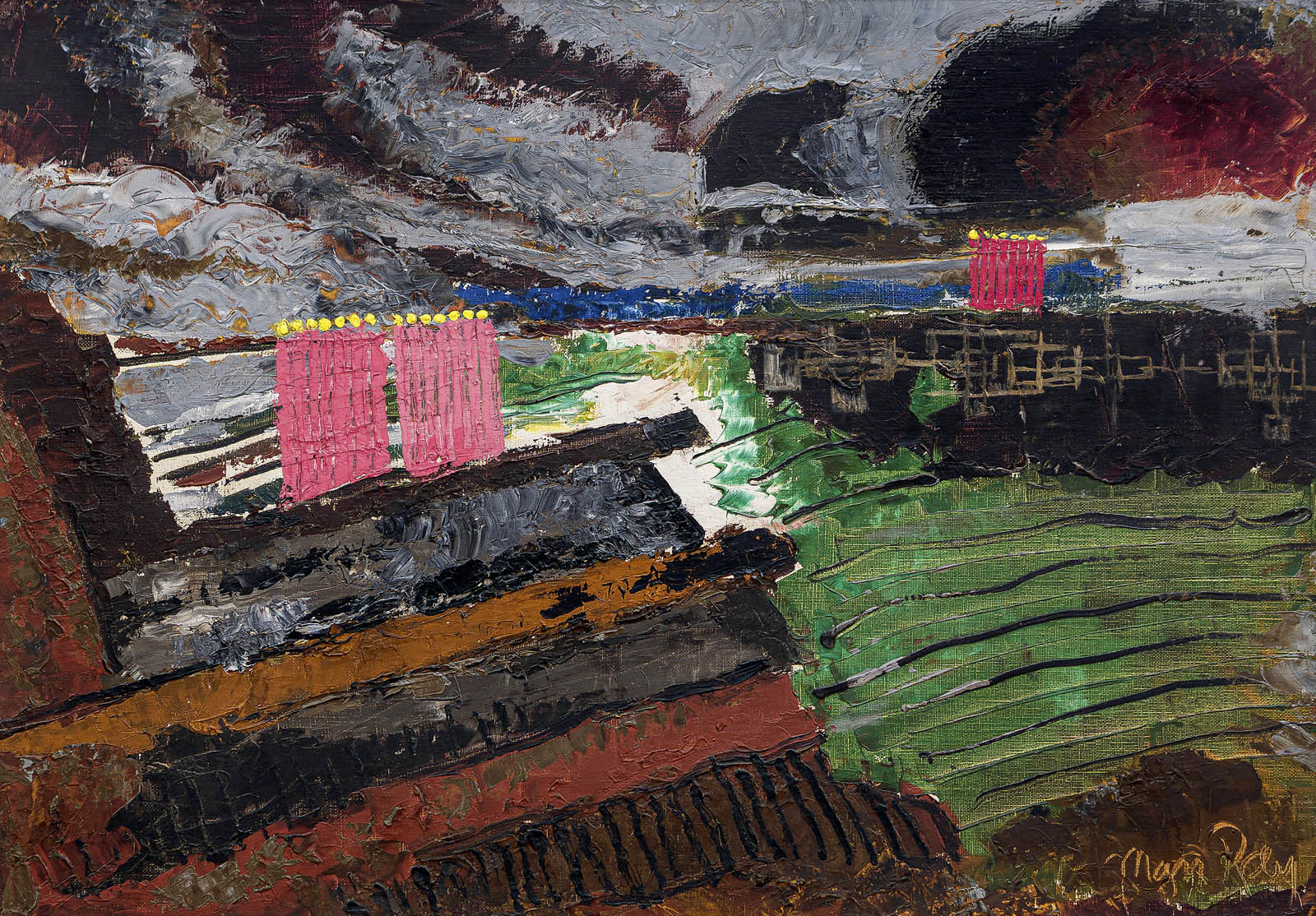
Highlights include such iconic objects like Man Ray’s iron studded with tacks, known as Cadeau (Gift) (1921), and his metronome, Object to be Destroyed (1923), that keeps time with the swinging eye of his companion, the photographer Lee Miller. Celebrated photographs, including his landmark Le violon d’Ingres (1924), in which the torso of the artist and performer Kiki de Montparnasse (Alice Prin) is depicted as a musical instrument, are also featured. The exhibition brings together some of his boldest but most refined experimental works – compositions like Aerograph (1919), a painting made with an airbrush and pigment sprayed through and around items from his studio. For Man Ray, objects could function as metaphors for the body, as demonstrated in works such as Catherine Barometer (1920) and L’homme (Man). Rarely seen paintings in the exhibition, including Paysage suédois (Swedish Landscape) (1926) record the artist’s great experimentation, working paint without a brush and in an almost sculptural way, building up and scraping down the surface that reflects his experiments in the darkroom.

Man Ray: When Objects Dream is curated by Stephanie D’Alessandro, Leonard A. Lauder Curator of Modern Art and Senior Research Coordinator in Modern and Contemporary Art at The Met, and Stephen C. Pinson, Curator in the Department of Photographs at The Met, with the assistance of Micayla Bransfield, Research Associate, Modern and Contemporary Art.
Press release from The Metropolitan Museum of Art


Man Ray (American, 1890-1976) 'La Femme (Woman)' c. 1918-1920


Man Ray (American, 1890-1976) 
La Femme (Woman)
c. 1918-1920
Gelatin silver print
43.7 x 33.5cm (17 3/16 x 13 3/16in.)
Gilman Collection, Gift of The Howard Gilman Foundation, 2005
© 2016 Man Ray Trust/Artists Rights Society (ARS), New York/ADAGP, Paris


Man Ray (American, 1890-1976) 'L'homme (Man)' 1918-1920


Man Ray (American, 1890-1976) 
L’homme (Man
1918-1920 
Gelatin silver print 
19 × 14 1/2 in. (48.3 × 36.8cm) 
The Metropolitan Museum of Art, New York, Bluff Collection, Promised Gift of John A. Pritzker
© Man Ray 2015 Trust / Artists Rights Society (ARS), NY / ADAGP, Paris 2025
Photo credit: Courtesy of The Bluff Collection, photo by Ben Blackwell


Man Ray (American, 1890-1976) 
'Élevage de poussière (Dust Breeding)' 1920


Man Ray (American, 1890-1976) 
Élevage de poussière (Dust Breeding)
1920
Gelatin silver print
2 13/16 × 4 5/16 in. (7.1 × 11 cm)
Private collection
© Man Ray 2015 Trust / Artists Rights Society (ARS), NY / ADAGP, Paris 2025
 

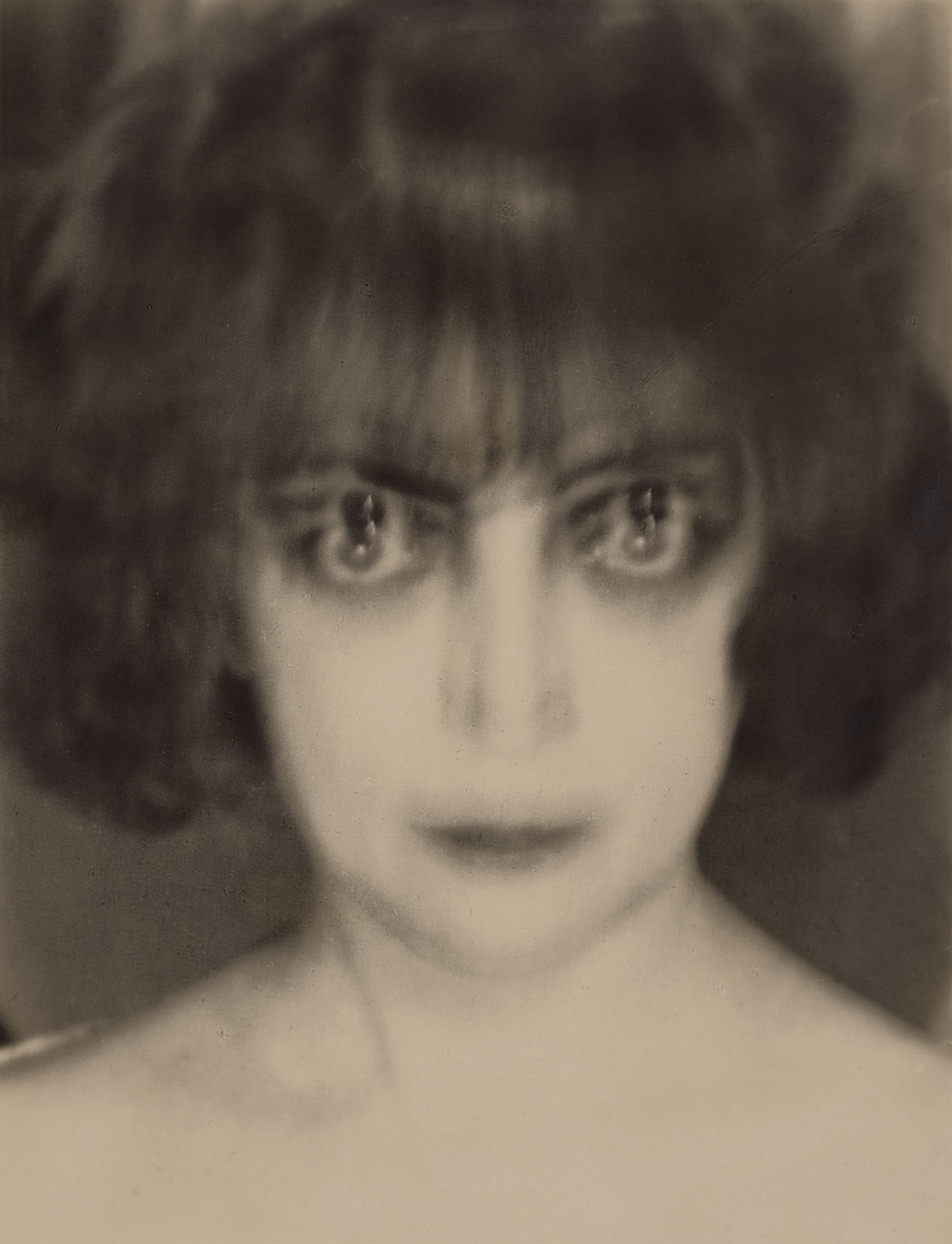
Man Ray (American, 1890-1976) 'Marchesa Luisa Casati' 1922


Man Ray (American, 1890-1976) 
Marchesa Luisa Casati 
1922 
Gelatin silver print 
8 1/2 × 6 9/16 in. (21.6 × 16.7 cm) 
Philadelphia Museum of Art: Gift of Carl Van Vechten
© Man Ray 2015 Trust / Artists Rights Society (ARS), NY / ADAGP, Paris 2025
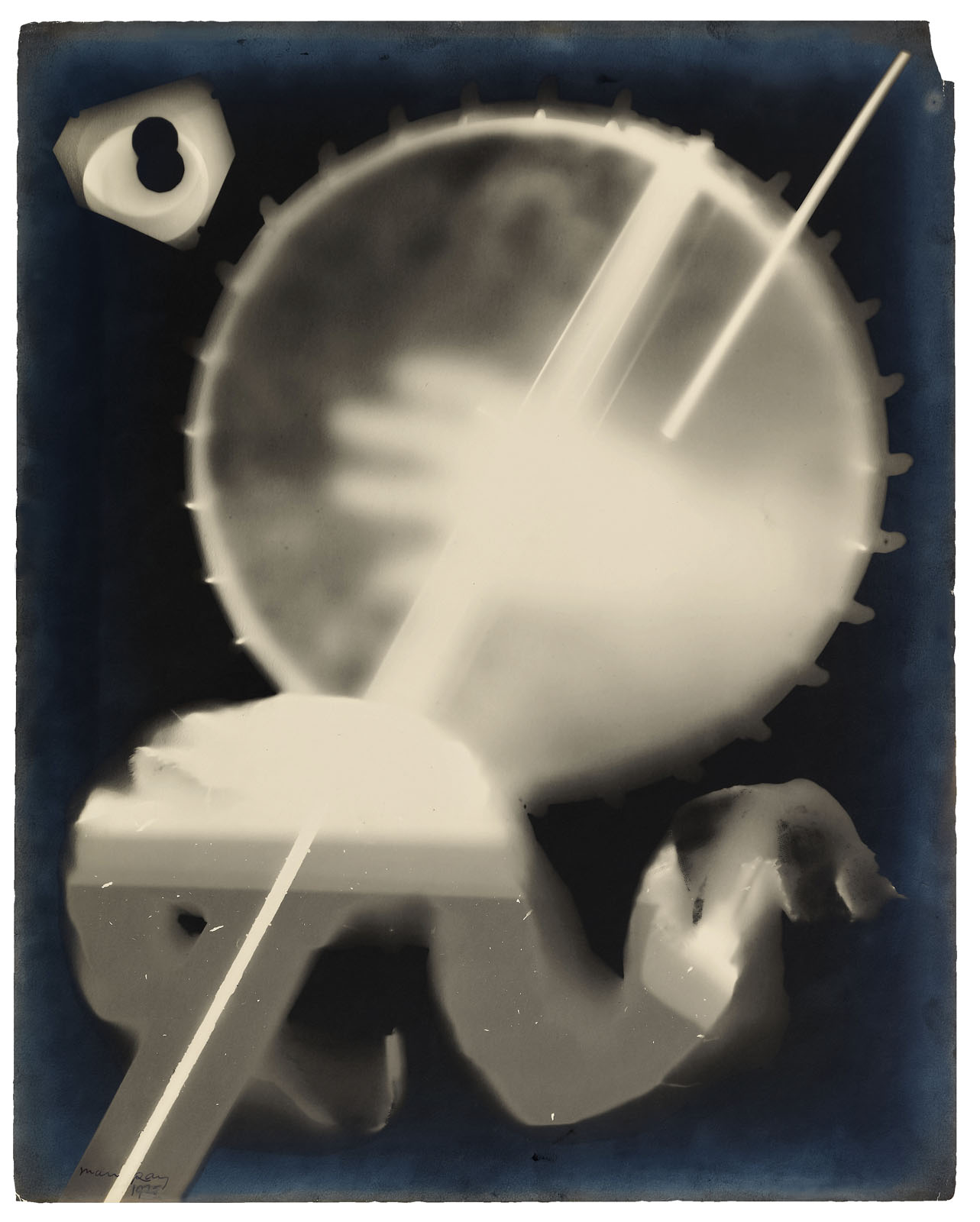
Photo courtesy of the Philadelphia Museum of Art


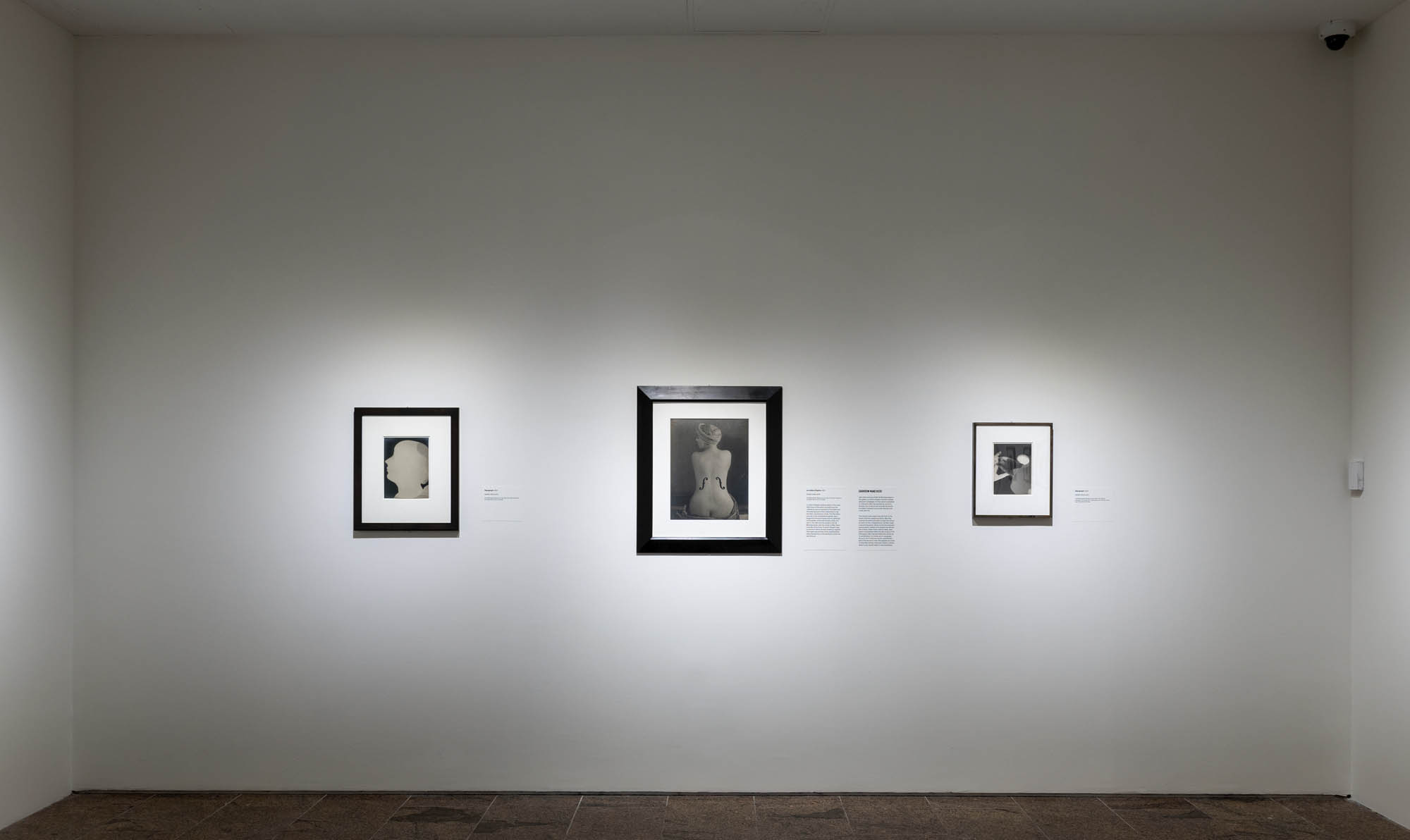
Installation view of the exhibition 'Man Ray: When Objects Dream' at The Metropolitan Museum of Art, New York, September 2025 - February 2026 showing at centre, Man Ray's photograph 'Le violon d'Ingres' 1924


Installation view of the exhibition Man Ray: When Objects Dream at The Metropolitan Museum of Art, New York, September 2025 – February 2026 showing at centre, Man Ray’s photograph Le violon d’Ingres 1924 (below)


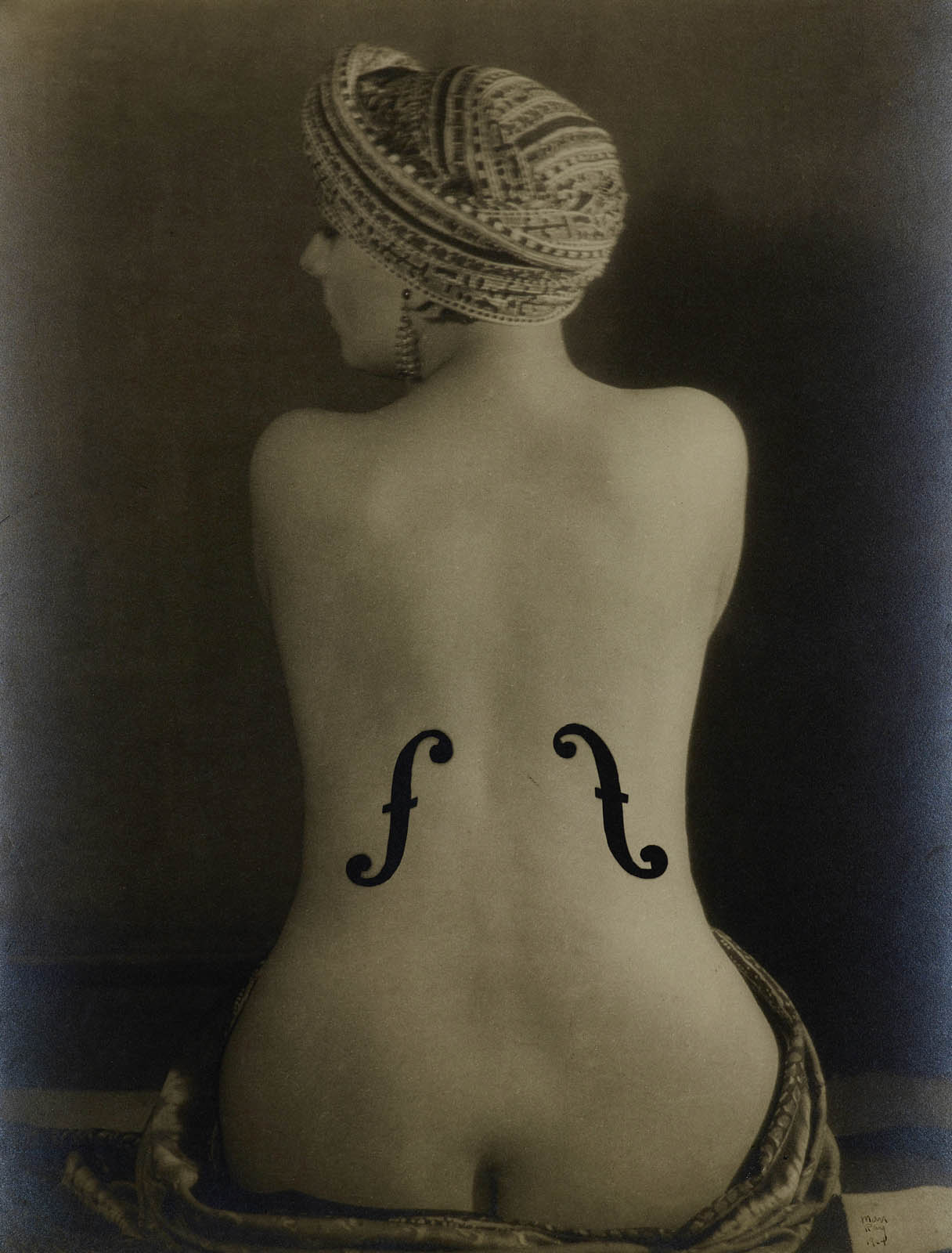
Man Ray (American, 1890-1976) 'Le violon d’Ingres' 1924


Man Ray (American, 1890-1976) 
Le violon d’Ingres
1924 
Gelatin silver print 
19 1/8 × 14 3/4 in. (48.5 × 37.5cm)
The Metropolitan Museum of Art, New York, Bluff Collection, Promised Gift of John A. Pritzker
© Man Ray 2015 Trust / Artists Rights Society (ARS), NY / ADAGP, Paris 2025
Photo by Ian Reeves


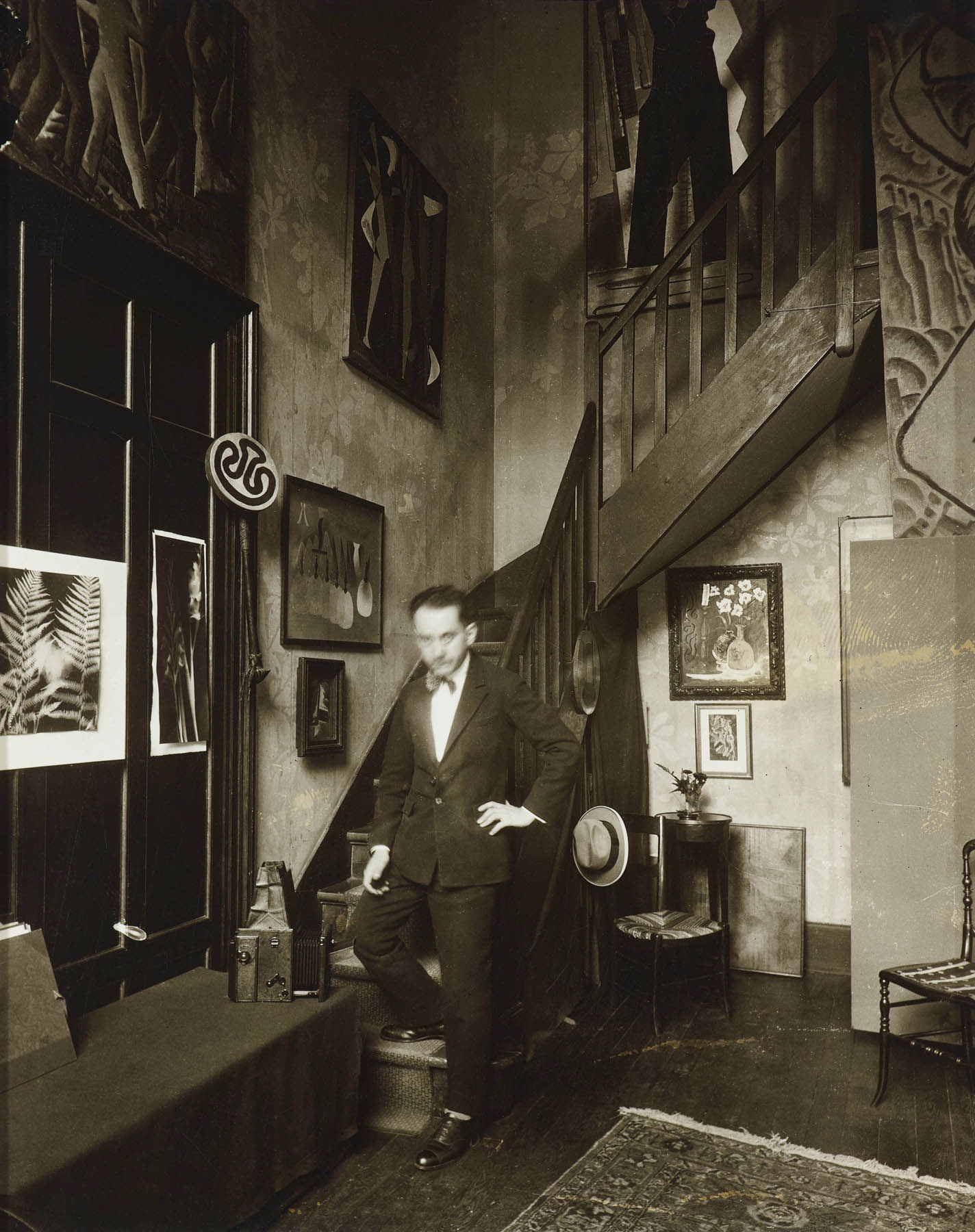
Man Ray (American, 1890-1976) 'Self-Portrait in 31 bis rue Campagne-Premiere Studio' 1925


Man Ray (American, 1890-1976) 
Self-Portrait in 31 bis rue Campagne-Première Studio
1925 
Gelatin silver print 
6 1/8 × 4 1/2 in. (15.6 × 11.4cm) 
The Metropolitan Museum of Art, New York, Bluff Collection, Promised Gift of John A. Pritzker
© Man Ray 2015 Trust / Artists Rights Society (ARS), NY / ADAGP, Paris 2025
Photo by Ian Reeves


Man Ray (American, 1890-1976) 'Noire et blanche' 1926


Man Ray (American, 1890-1976)
Noire et blanche
1926
Gelatin silver print
8 1/16 x 11 11/16 in. (20.5 x 29.7cm)
Private collection
© Man Ray 2015 Trust / Artists Rights Society (ARS), NY / ADAGP, Paris 2025


Man Ray (American, 1890-1976) 'Primat de la matière sur la pensée' (Primacy of Matter over Thought) 1929


Man Ray (American, 1890-1976)
Primat de la matière sur la pensée (Primacy of Matter over Thought)
1929
Gelatin silver print
10 1/2 x 14 7/8 in. (26.7 x 37.8cm)
Private collection, San Francisco
© Man Ray 2015 Trust / Artists Rights Society (ARS), NY / ADAGP, Paris 2025


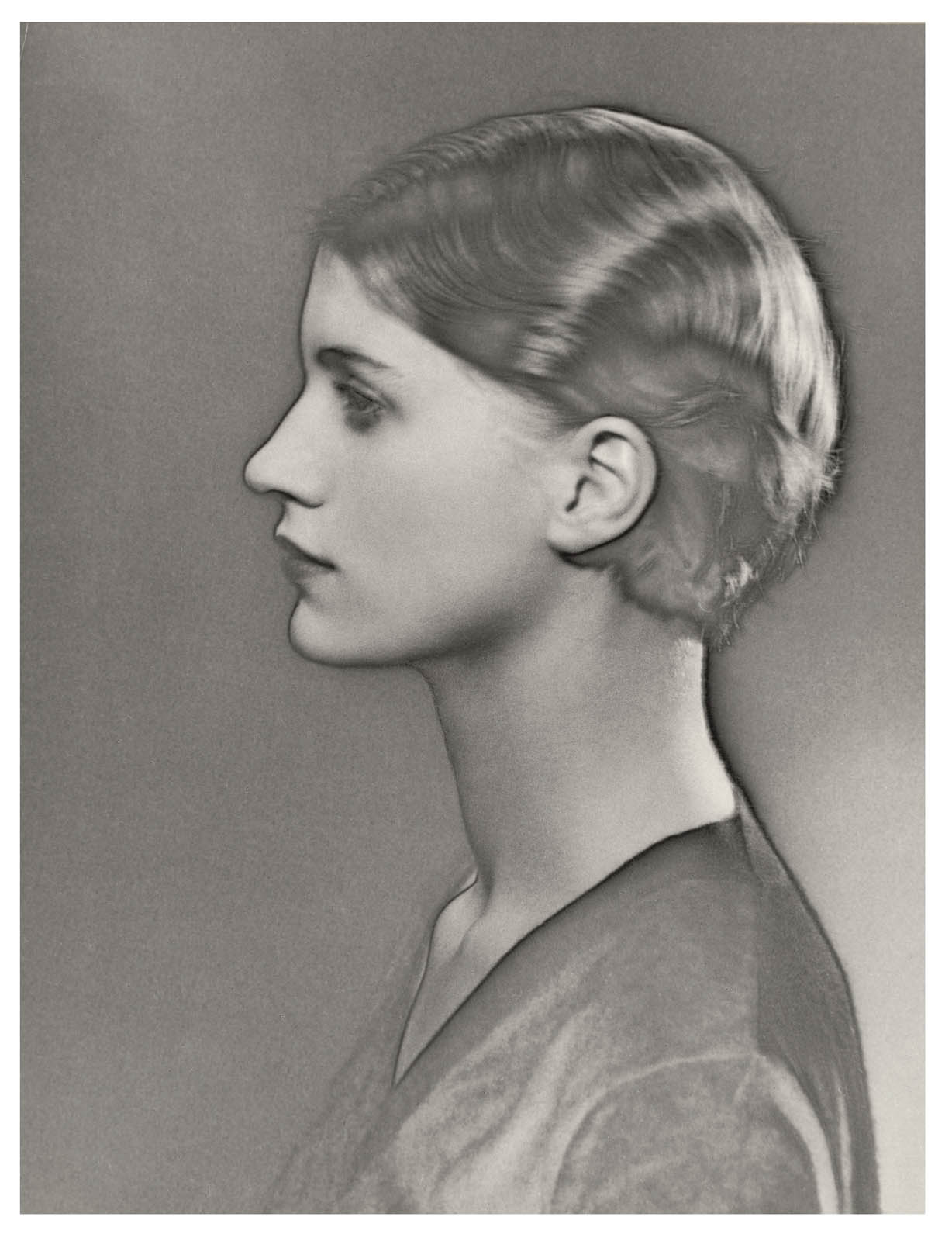
Man Ray (American, 1890-1976) 'Lee Miller' 1929


Man Ray (American, 1890–1976) 
Lee Miller 
1929 
Gelatin silver print 
10 1/2 × 8 1/8 in. (26.7 × 20.6cm) 
The Museum of Modern Art, New York, Gift of James Thrall Soby 
© Man Ray 2015 Trust / Artists Rights Society (ARS), NY / ADAGP, Paris 2025


Man Ray (American, 1890-1976) 'Self-Portrait with Camera' 1930


Man Ray (American, 1890-1976)
Self-Portrait with Camera
1930
Gelatin silver print
4 3/4 x 3 1/2 in. (12.1 x 8.9cm)
The Jewish Museum, New York
Purchase: Photography Acquisitions Committee Fund, Horace W. Goldsmith Fund, and Gift of Judith and Jack Stern
© Man Ray 2015 Trust / Artists Rights Society (ARS), NY / ADAGP, Paris 2025


Man Ray (American, 1890-1976) 'Mary Gill' 1930


Man Ray (American, 1890-1976)
Mary Gill
1930
Gelatin silver print
11 1/2 x 8 1/2 in. (29.2 x 21.6cm)
Harvard Art Museums/Fogg Museum, Robert M. Sedgwick II Fund
© Man Ray 2015 Trust / Artists Rights Society (ARS), NY / ADAGP, Paris 2025


Man Ray (American, 1890-1976)
'Untitled (Glass Tears)' c. 1930-1933, printed 1935 or later


Man Ray (American, 1890-1976)
Untitled (Glass Tears)
c. 1930-1933, printed 1935 or later
Gelatin silver print
8 7/8 x 11 1/4 in. (22.5 x 28.6cm)
Private collection
© Man Ray 2015 Trust / Artists Rights Society (ARS), NY / ADAGP, Paris 2025


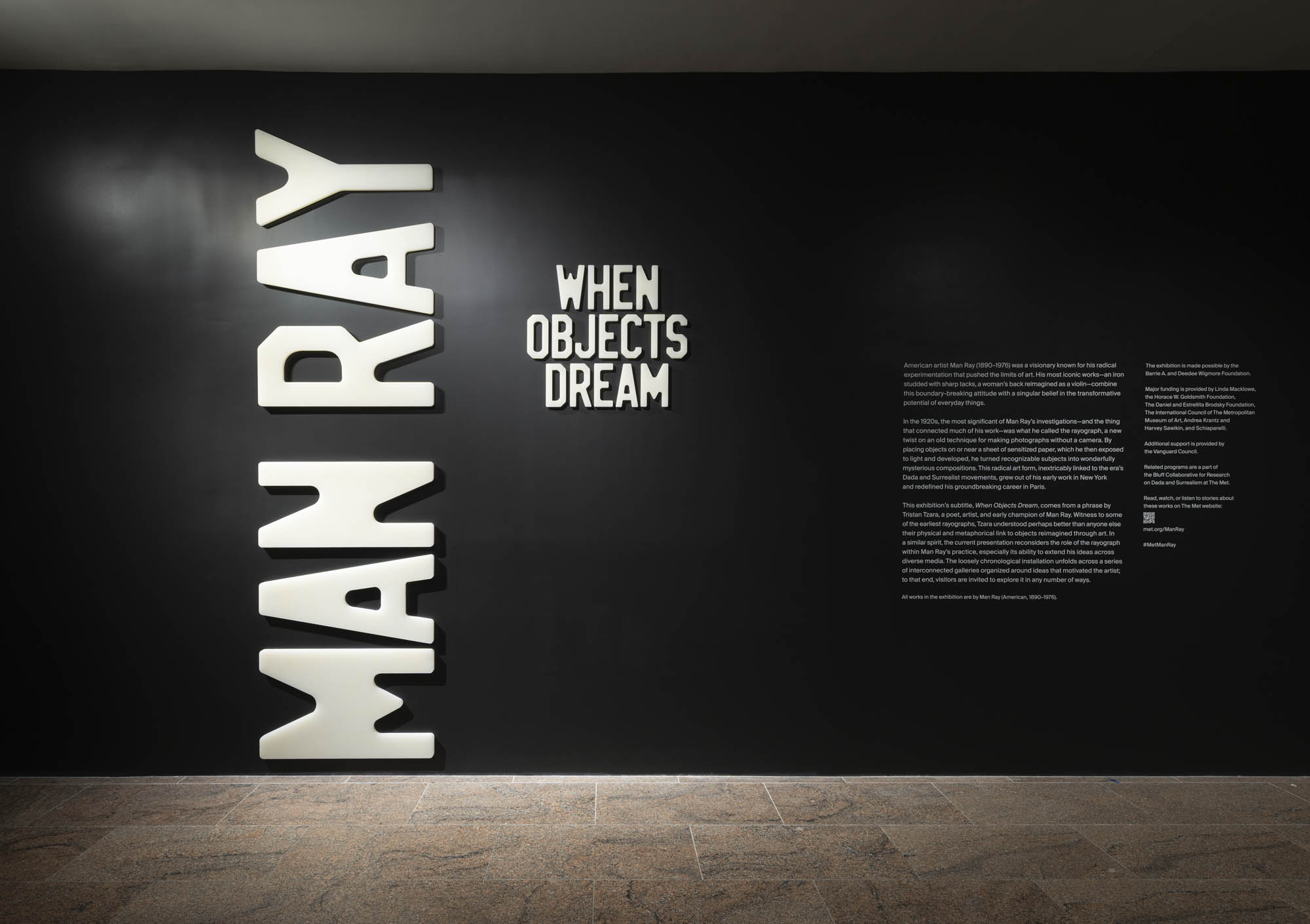
Man Ray: When Objects Dream

American artist Man Ray (1890-1976) was a visionary known for his radical experimentation that pushed the limits of art. His most iconic works – an iron studded with sharp tacks, a woman’s back reimagined as a violin – combine this boundary-breaking attitude with a singular belief in the transformative potential of everyday things. 

In the 1920s, the most significant of Man Ray’s investigations – and the thing that connected much of his work – was what he called the rayograph, a new twist on an old technique for making photographs without a camera. By placing objects on or near a sheet of sensitised paper, which he then exposed to light and developed, he turned recognisable subjects into wonderfully mysterious compositions. This radical art form, inextricably linked to the era’s Dada and Surrealist movements, grew out of his early work in New York and redefined his groundbreaking career in Paris.

Introduction

This exhibition’s subtitle, When Objects Dream, comes from a phrase by Tristan Tzara, a poet, artist, and early champion of Man Ray. Witness to some of the earliest rayographs, Tzara understood perhaps better than anyone else their physical and metaphorical link to objects reimagined through art. In a similar spirit, the current presentation reconsiders the role of the rayograph within Man Ray’s practice, especially its ability to extend his ideas across diverse media. The loosely chronological installation unfolds across a series of interconnected galleries organized around ideas that motivated the artist; to that end, visitors are invited to explore it in any number of ways.

All works in the exhibition are by Man Ray (American, 1890-1976).

Champs délicieux

In April 1922, readers of a French literary journal discovered a curious announcement for an album titled Champs délicieux (Delicious Fields). Its twelve “original photographs” by Man Ray feature objects from his studio – tongs, a comb, string, a hotel room key – composed in groupings. The images are ordered without clear logic or narrative. Instead, as advertised, they mark a “state of mind,” the artist’s free play, alone at night and without work obligations, in his studio darkroom. 

Man Ray introduced Champs délicieux in the period between two revolutionary movements that arose in the wake of World War I: Dada and Surrealism. Both challenged conventional art and society by upending traditional subjects, techniques, and expectations. Inspired in part by a collection of unconsciously driven, automatic writings by poets André Breton and Philippe Soupault, Man Ray sought to render everyday objects unfamiliar. As early subscriptions attest, the album found an enthusiastic audience who appreciated the language of the rayograph and its ability to open up a new visual world.

A New Art

Before Man Ray first picked up a camera in 1915, he was focused on painting. He set out to stake his claim in the exhilarating avant-garde scene, his interest fueled by cutting-edge exhibitions at Alfred Stieglitz’s gallery, 291, and thrilling examples of Cubism, Expressionism, Fauvism, and Futurism at the modern art presentation known as The Armory Show in 1913. Unexpectedly, photography offered Man Ray a path forward. Noting the way a camera lens could compress and flatten space, he determined to endow art with a similar “concentration of life” while simultaneously freeing it from the burden of illusionism. “The creative force and the expressiveness of painting,” he wrote at the time, “reside materially in the colour and texture of pigment, in the possibilities of form invention and organisation, and in the flat plane on which these elements are brought to play.” He made paintings using palette knives and other tools instead of brushes and employed patterns, cutouts, and collage to create a self-proclaimed “new art of two dimensions.”

Objects At Hand

NOT RESPONSIBLE FOR GOODS LEFT OVER THIRTY DAYS. So reads a sign in a photo, displayed nearby, of Man Ray’s West Eighth Street studio in New York. It was one of several items the artist discovered in the trash heap at his apartment building and brought up to his top-floor space. He considered retooling the sign to read LEFT OVER GOODS NOT RESPONSIBLE FOR THIRTY DAYS but decided it was perfect as is. This act – of elevating junk to art – is a familiar one in histories of the avant-garde, especially for the Dada movement. Art did not have to be painted or modelled or made with traditional materials and tools; it could be found in the everyday world and appreciated for the idea that it introduced, not for its beauty. 

As Man Ray developed his “new art,” he came to see the latent potential of all the objects within his studio. This spurred further investigations that likewise tested the limits of two and three dimensions and blurred the boundaries between media. At the same time, he continued to explore how the camera could be used not only to document his work but to open new perspectives onto ordinary objects and their creative possibilities.

Clichés-verre

While the rayograph is often described as Man Ray’s first experiment with cameraless photography, that moment occurred years earlier. Around 1917 he explored several photographically based techniques, including the cliché-verre, or “glass-plate” print. A nineteenth-century reproductive process that incorporates both photography and printmaking, a cliché-verre is traditionally made by covering a plate of glass with a darkened medium and drawing into it to produce clear lines. When set onto sensitised paper and exposed to a light source, the plate transmits the scratched away areas as dark lines. Man Ray chose to incise directly into the emulsion of an exposed photographic plate, which he then subjected to light again with paper below it to make a contact print. 

Photography

Man Ray first picked up a camera in 1915, to document his art. Through this experience, he discovered that the works acquired new qualities when reproduced in black and white. He made photographic portraits, too, which in Paris would become a dependable source of income. Revelling in the camera’s transformative optical abilities, Man Ray soon used it as a tool to facilitate his self-appointed role as a “marvellous explorer of those aspects that our retinas will never record.” He sought to reveal the creative potential of objects in his studio and in 1918 began a series of photographs using specifically arranged everyday items.

Aerographs

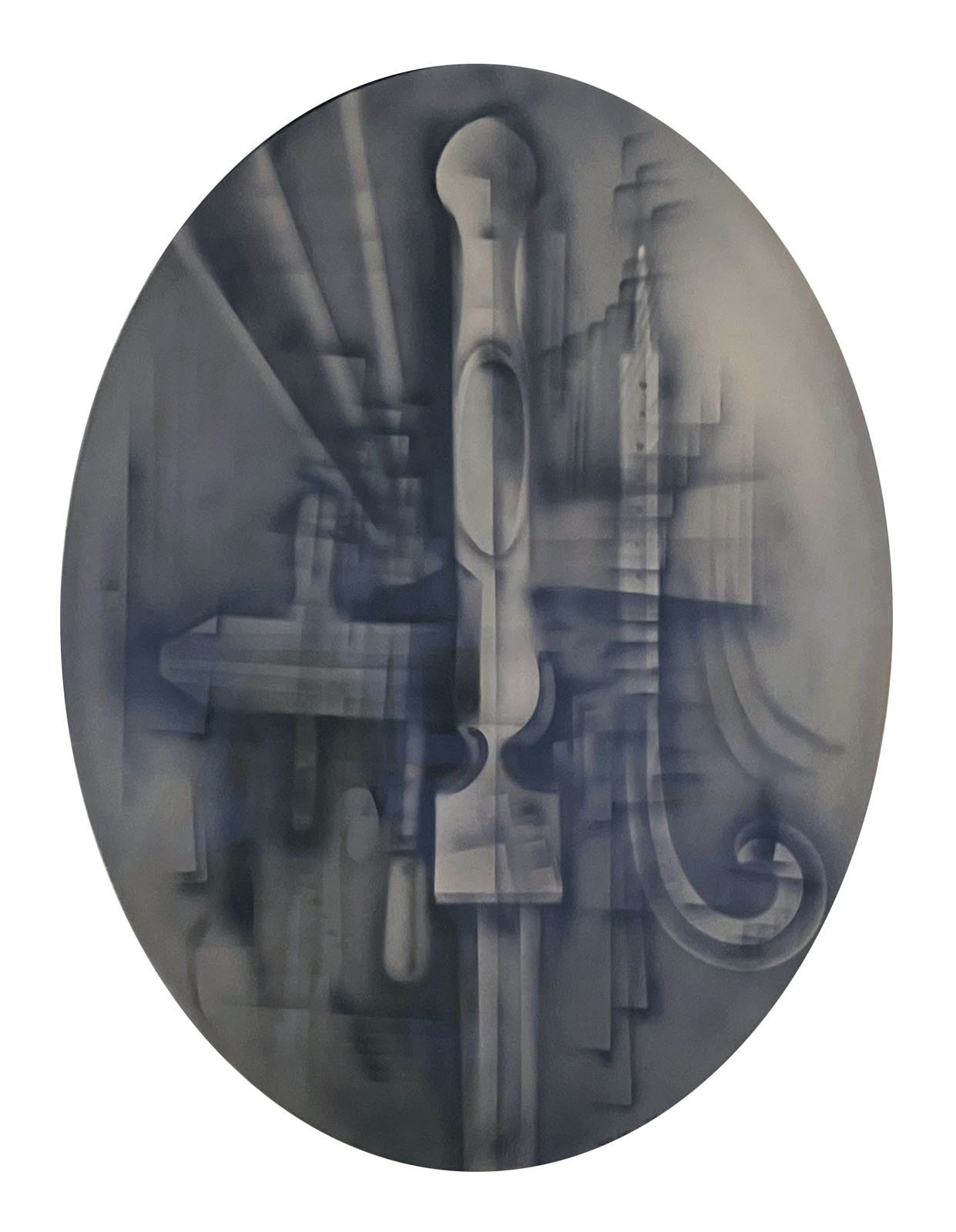
Still grappling with how to paint without a brush, Man Ray found inspiration at his day job working for an advertising agency, where he was introduced to an airbrush. He later brought the equipment back to his attic studio and began to experiment. Using an air compressor, the artist directed pigment through stencils and around masked areas and objects, which he rested on the composition board and repositioned as he worked. “It was thrilling,” he would later recount, “to paint a picture, hardly touching the surface – a purely cerebral act.” These works, which he termed “aerographs” were made, in effect, before they hit the paper. Objects were carved, shaped, and modeled in the air. Voids register as substance, and what we see on the paper is residue fused to the surface. “I tried above all,” Man Ray explained, “to create three-dimensional paintings on two-dimensional surfaces.”

Flou

Man Ray introduced his rayographs during a transitional period between the Dada and Surrealism movements that the French writer Louis Aragon called the mouvement flou – flou translating to “blurry” or “out of focus.” The term also suits these works, which viewers initially deemed curious and captivating but difficult to pin down. Rayographs, as cameraless photographs, exist in an indistinct place between photography and painting, the mechanical and the handmade, documentation and dream. 

During the 1920s Man Ray also explored blurriness in his camera images. Even as technical improvements facilitated increased focus and detail, and the preference for sharp photographs grew, he generally pursued a flattering, soft-focus technique in his growing business of portrait commissions. At other times, he sought more radical effects, which the director Claude Heymann described as “strange, troubling blurs” produced “through distortions, prolonged poses or special focusing techniques.” The anomalies in the resulting photographs are visible signs of the effort and time Man Ray spent to realise the images – even if he later called them unplanned or accidental.

A New Field of Gravity

In his preface introducing the album Champs délicieux (Delicious Fields), Tristan Tzara remarked that rayographs “present to space an image that exceeds it, and the air, with its clenched fists and superior intelligence, seizes it and holds it next to its heart.” Indeed, objects in Man Ray’s images beckon us in but keep us thrillingly at the edge – or put another way, they test our senses of proximity and location. His experiments in New York expanded the bounds of the photograph, object, painting, and installation, and he developed a novel relationship between object and viewer. These works demonstrate in their construction what the French writer Georges Ribemont-Dessaignes would identify in the artist’s rayographs as a “new field of gravity.”

The rayograph

The term rayograph designates Man Ray’s version of a technique for making photographs without a camera: by setting objects on or near sensitised paper and exposing it to light. In his autobiography, the artist described happening upon the process by chance, late one night, while developing prints in his makeshift darkroom. For subjects, he looked no further than the things in his studio. When exposed to a directed flash of light, they appear as reversed silhouettes – but in Man Ray’s hands they also gained new life. The nature of the image depended on the items’ translucency, reflectivity, density, placement, and distance from the sheet, as well as the source and location of the illumination and the number of exposures. Surfaces could cast unexpected reflections or eclipse elements in darkness. Forms might multiply or transform. Sometimes Man Ray’s objects and the space between them acquired an insistent, compressed volume that registered on the paper. The resulting works present what writer Pierre Migennes described as a “metamorphosis of the most vulgar utensils.” Everyday things became wonderfully unfamiliar as Man Ray wielded light in the darkroom like a brush in paint.

As he prepared to launch his rayographs in Champs délicieux, Man Ray also considered how to disseminate them for reproduction in magazines. On November 1, 1922, he wrote to Harold Loeb, editor of Broom: “Each print is an original, no plate or duplicate exists, as the process is manipulated directly on the paper, like a drawing. If you could assure me that the … originals would be safely handled and returned, I shall gladly send them on [to Berlin]. If, however, you cannot guarantee their safe return, I can re-photograph them … which, while not having the intensity and contrast of the originals, would nevertheless reproduce well.” Loeb offered to transport them personally and published these four in Broom the following March.

Man Ray transformed and energised ordinary objects in his rayographs by tapping their powers of translucency or reflectance. Bodies and their proxies, however, remain stubbornly recognisable. Hands reach out, hold things, and interact with objects; heads turn to kiss and drink, even if the action might be staged. The artist’s rayographs tie the body to a kind of specificity that his objects do not experience; this might explain why there are fewer of these works with bodies than without. As Tristan Tzara explained in his appreciation of the rayographs in 1934, Man Ray approached objects in a manner that allowed them to be free “to dream.”

Dangerous Games

Reactions to Man Ray’s cameraless photographs consistently identified them with the realm of play. The first to comment on the rayograph was French poet Jean Cocteau, who wrote in an open letter, “You, my dear Man Ray, will nourish our minds with those dangerous games it craves.” He was soon joined by Tristan Tzara, who likened the rayograph to a “game of chess with the sun.” 

Man Ray had a strong sense of the game as a strategy for producing art. For him, play was a state of readiness to engage. This comes through in the provocative humour of his objects and collages and in the invitation to chance embedded in the rayograph process – the “discovery” of which, he recounted, entailed real amusement. Marcel Duchamp once playfully defined his friend as synonymous with the joy of the game: “MAN RAY, n.m. synon. de joie, jouer, jouir” (joy, to play, to enjoy).

Chemical Paintings

In April 1922, the same month that the Champs délicieux album was announced, Man Ray proudly reported to friends and patrons that he had freed himself “from the sticky medium of paint.” His rayographs claimed a rebellious position aimed at the traditional hierarchy of fine art – and particularly its apex, painting. Critics asserted they had equal status, and New York’s Little Review even called them “chemical paintings.”

Just a year later, however, while his rayograph production remained steady, Man Ray quietly returned to painting. The works here show how his practice had changed. Abstract and relatively small, they were made on commercially available boards, wood, sandpaper, or metal supports. With their overlapping pictorial elements and dramatic contrasts of luminosity and shadow, angled and geometric forms, the compositions emulate aspects of rayographs. Each is a thorough exploration of depth on a flat surface and a bid to make paint reflect its own material reality.

Objects and Bodies

Man Ray’s experience of making rayographs informed his consideration of the human body, which he handled, at times, like an object, devoid of personhood and open for manipulation. Writing about the artist’s portraits and rayographs, André Breton noted that Man Ray considered the bodies of women in his work no different from the objects at hand in his darkroom: 

The very elegant, very beautiful women who expose their tresses night and day to the fierce lights in Man Ray’s studios are certainly not aware that they are taking part in any kind of demonstration. How astonished they would be if I told them that they are participating for exactly the same reasons as a quartz gun, a bunch of keys, hoar-frost or fern!

For Man Ray, a body could function as a kind of concentrated equivalence, like the essence represented by an object. This attitude is visible in some of the most iconic works of his career, in which his presentation of female models such as the artist and performer Kiki de Montparnasse (Alice Prin) also involved darkroom manipulation. While his approach to men’s bodies was notably less sexualised, they too were posed and set up like the objects in his rayographs.

Darkroom Manoeuvres 

Like other pictures of Kiki de Montparnasse in this gallery, Le violon d’Ingres involved multiple darkroom campaigns. For the version published in Littérature, Man Ray worked on a print to sharpen the contours and smooth the forms; he added f-shaped sound holes directly onto it with dark ink. 

The version here, larger than the first, is the result of further experimentation. Man Ray covered the entire print with a mask from which he hand cut two f-shaped forms. He then made a second exposure, which turned the exposed spaces black. Instead of ink shapes that disrupt the surface, these marks read as deep, dark space compressed within the flat surface of the photograph. Man Ray described this version as “a combination of a photo and a rayograph.” As such, the f-holes are eerily – seamlessly – part of the woman’s body. She appears as a kind of dreamlike human-instrument hybrid, a whole object to be visually taken in and possessed.

Dreams

Even before the Surrealist manifesto of 1924 claimed the fertile ground of the unconscious, many poets and artists in Man Ray’s circle focused on dreams. The same group, two years earlier, had followed André Breton’s experiments with hypnosis and trance states. They practiced séances and so‑called sleeping fits, writing down or drawing what came to them in order to reveal hidden desires. The poet Louis Aragon wrote of these slumberous escapades: “Dreams, dreams, dreams, the domain of dreams expands with every step.” 

Apart from photographing the sleep sessions, Man Ray remained an independent supporter of the group, explaining, “It has never been my object to record my dreams, just the determination to realise them.” Even so, Aragon included him in his multipage inventory of dreamers, with a nod to the rayographs: “Man Ray … dreams in his own way with knife rests and salt cellars: he gives meaning to light, which now knows how to speak.” The artist found great support among the Surrealist circle in Paris, whose members acquired his work and included him in exhibitions and publications.

Dream Objects 

Man Ray’s dreamlike rayographs have counterparts in the new kinds of hybrid objects he began to make at the same time. These mysterious works seize upon unexpected transformations: a fragile soap bubble rendered solid; the taut strings on a musical instrument’s neck turned loose and sensuous; or a budding plant metamorphosed into a pudgy hand. 

The strange bundle wrapped with string has long been associated with the power of objects to stir the unconscious. In 1920 Man Ray assembled, photographed, and deconstructed the original object. The Untitled photograph appeared in the first issue of La revolution surréaliste, in 1924, with the text “Surrealism opens the door of the dream to all those for whom night is miserly.” Over the next decade, the image came to embody another phrase popular among the Paris Surrealist group, by the poet Isidore Ducasse: “as beautiful … as the chance encounter of a sewing machine and an umbrella on a dissecting table.” 

“Objects to touch, to eat, to crunch, to apply to the eye, to the skin, to press, to lick, to break, to grind, objects to lie, to flee from, to honor, things cold or hot, feminine or masculine, objects of day or night which absorb through your pores the greater part of our life. … These are the projections surprised in transparence, by the light of tenderness, of objects that dream and talk in their sleep.” (Tristan Tzara, “When Objects Dream,” 1934)

Returns

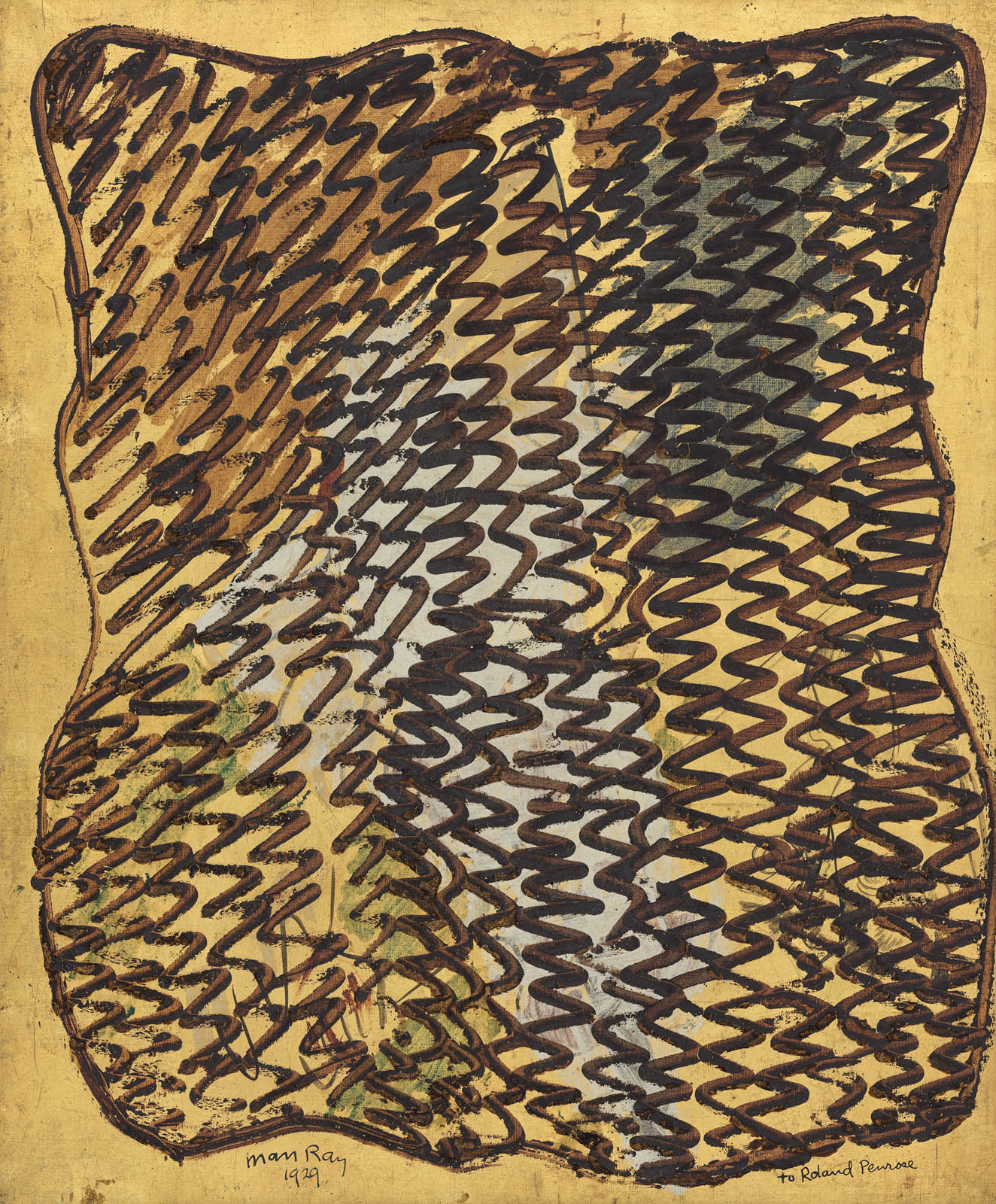
In 1929 Man Ray found himself “longing to touch paint again.” By the fall, he had taken a second Paris studio, near the Luxembourg Gardens, where he painted in the mornings before returning home to oversee photographic portraits and magazine work. In his new compositions, he let paint drip across a canvas from a poured line and squeezed pigment directly from the tube onto a support in a loose, calligraphic manner. Trading on narratives of chance and automatism, he later called these paintings “unpremeditated.” 

Another return accompanied the arrival in Paris of Lee Miller, who became Man Ray’s apprentice in photography and then his personal and professional partner. As a result, he again embraced the camera as his primary tool of photographic experimentation, after years of making rayographs without one. Together, Miller and Man Ray discovered a creative synergy that led to their joint development of the solarization process. The same year signalled the near culmination of Man Ray’s exploration of the rayograph: by some accounts, he made one hundred in 1922, but just one in 1929.

Solarization 

Together with Lee Miller, Man Ray developed a darkroom technique that complemented his return to painting. Like the rayograph, solarization was not entirely new, and both he and Miller claimed that it similarly resulted from an accident. The process involves exposing a negative a second time during development, which causes a reversal of the expected tonalities. Honed by Miller and Man Ray and applied to their portraits and nudes beginning in fall 1929, the process often endowed subjects with subtly glowing black contours that Miller called “halos.” This feature became so well-known – largely through reproductions of the solarized portrait of Miller shown nearby – that a 1932 article called it both “the beacon and despair of experimenters.” Like the drips and skeins in Man Ray’s 1929 paintings, these lines create a friction between the subject and surface of the image – a noted departure from the artist’s earlier approach to the flat plane.

Revisiting Champs délicieux 

Man Ray completed his Champs délicieux project nearly forty years after its debut. A handwritten inscription to Tristan Tzara in the final copy (number 41, displayed here) refers to the sparks set off by their initial exploration of the rayograph; he added an almost identical inscription in his 1922 working copy. This suggests a Dada game between the two artists: the announcement laid out the rules and the inscriptions signified its end. 

As promised in the 1922 first announcement of the album, the last copy features the canceled proofs (a practice meant to show that no further prints can be made from the originals). A canceled print edition is not unusual. In this case, however, a purposeful ambiguity was in play from the beginning of the project – when it was presented as an album of “original photographs” copied from unique rayographs – to the end. Only the negatives used to produce the album were canceled, meaning that the primary rayographs might still exist. Ever the prankster, Man Ray ensured that the game continues.

Text from The Metropolitan Museum of Art


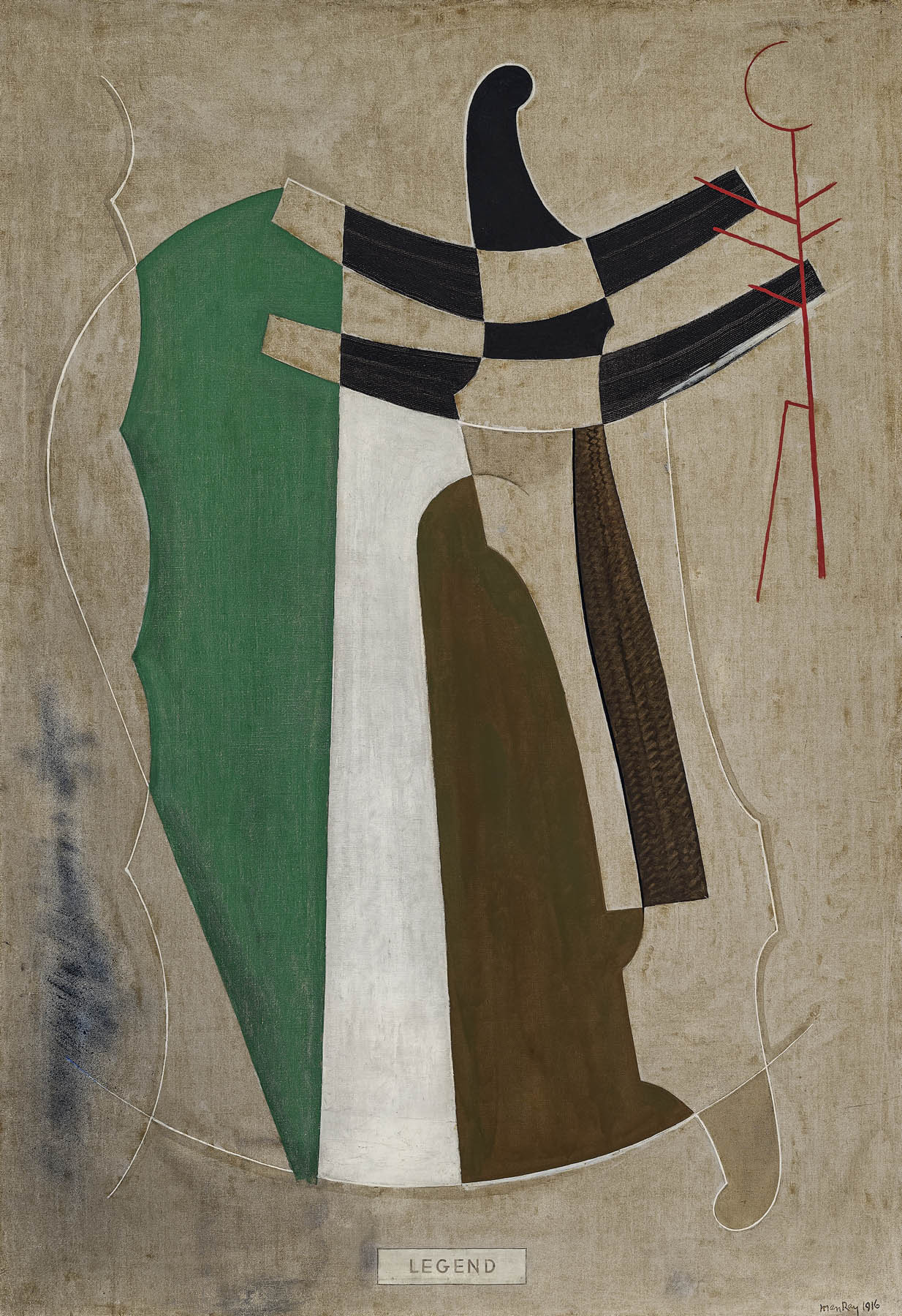
Man Ray (American, 1890-1976) 'Legend' 1916


Man Ray (American, 1890-1976) 
Legend 
1916 
Oil on canvas 
52 × 36 in. (132.1 × 91.4 cm) 
Collection of Deborah and Edward Shein
© Man Ray 2015 Trust / Artists Rights Society (ARS), NY / ADAGP, Paris 2025
Photo by Stephen Petegorsky


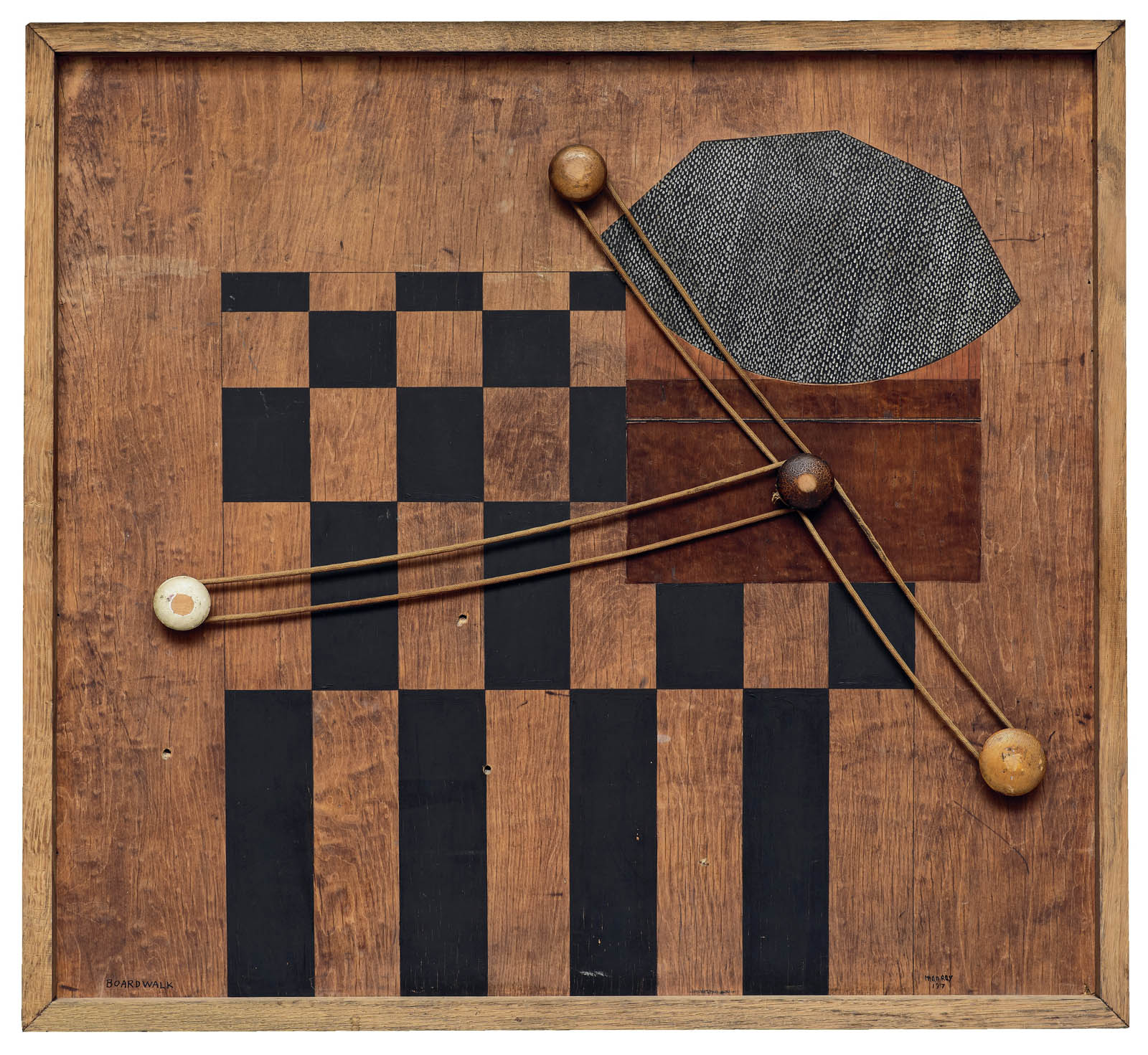
Man Ray (American, 1890-1976) 'Boardwalk' 1917


Man Ray (American, 1890-1976) 
Boardwalk 
1917 
Oil, wood handles, and yarn on wood 
26 9/16 × 29 × 15/16 in. (67.4 × 73.6 × 2.4cm) 
Staatsgalerie Stuttgart, acquired 1973 with Lotto Funds
© Man Ray 2015 Trust / Artists Rights Society (ARS), NY / ADAGP, Paris 2025


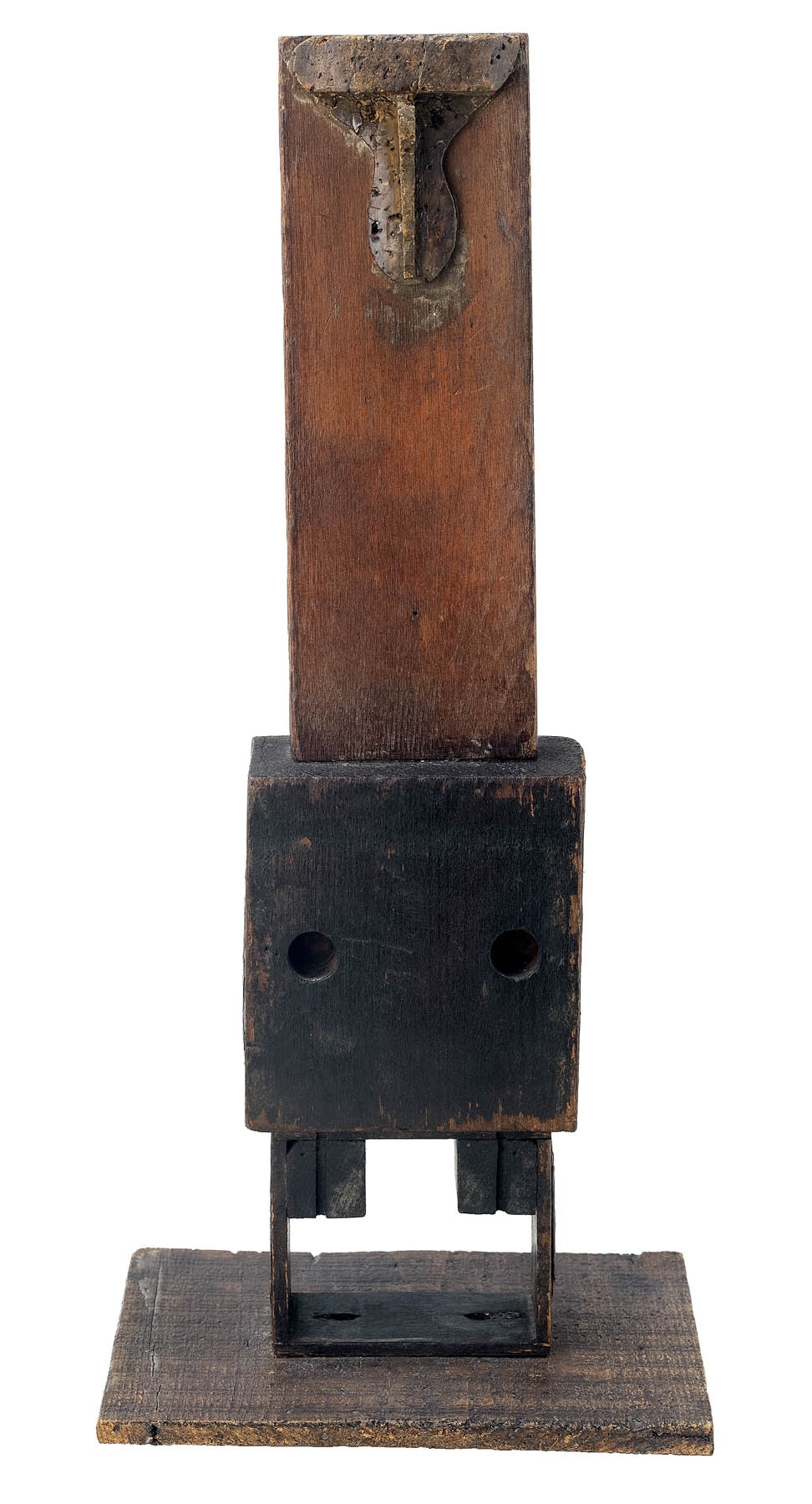
Man Ray (American, 1890-1976) 'By Itself I' 1918


Man Ray (American, 1890-1976) 
By Itself I 
1918 
Wood, iron, and cork 
17 1/4 × 7 11/16 × 7 5/16 in. (43.8 × 19.5 × 18.6cm) 
LWL–Museum für Kunst und Kultur, Münster, Germany 
© Man Ray 2015 Trust / Artists Rights Society (ARS), NY / ADAGP, Paris 2025 


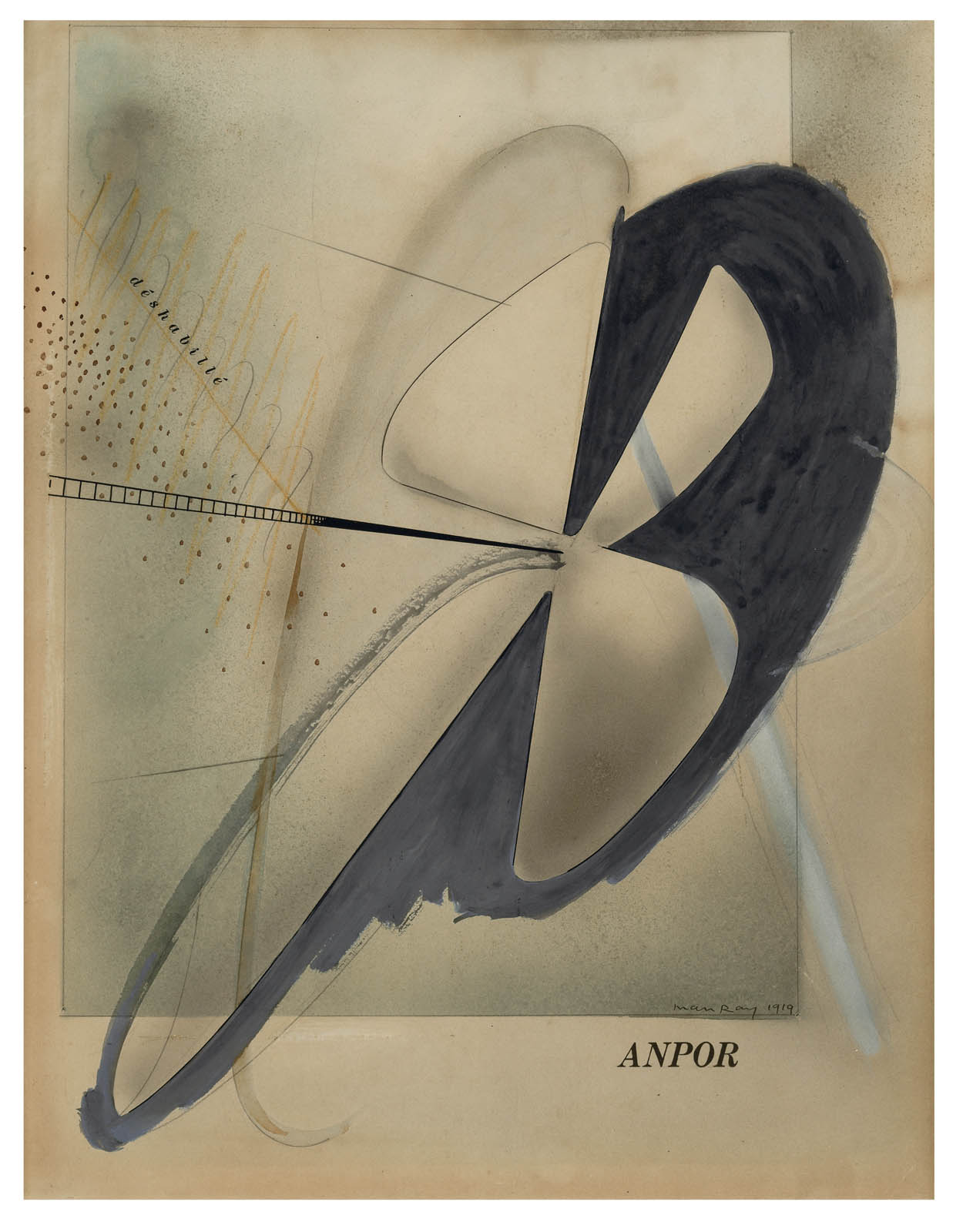
Man Ray (American, 1890-1976) 'ANPOR' 1919


Man Ray (American, 1890-1976) 
ANPOR 
1919 
Gouache, ink, and colored pencils on paper 
15 1/2 × 11 1/2 in. (39.4 × 29.2cm) 
Collection of Gale and Ira Drukier
© Man Ray 2015 Trust / Artists Rights Society (ARS), NY / ADAGP, Paris 2025 
Image © The Metropolitan Museum of Art, photo by Bruce Schwarz


Man Ray (American, 1890-1976) 'Aerograph' 1919


Man Ray (American, 1890-1976)
Aerograph
1919
Gouache on paperboard
26 3/8 x 19 11/16 in. (67 x 50cm)
Staatsgalerie Stuttgart, Graphische Sammlung, acquired 1987
© Man Ray 2015 Trust / Artists Rights Society (ARS), NY / ADAGP, Paris 2025


Man Ray (American, 1890-1976) 'Catherine Barometer' 1920


Man Ray (American, 1890-1976) 
Catherine Barometer 
1920 
Glass, metal, felt, washboard, tube, wire, wood, steel wool, gouache on paper, and paper stamp 
48 1/8 × 12 × 2 1/8 in. (122.2 × 30.5 × 5.4cm) 
The Metropolitan Museum of Art, New York, Bluff Collection, Promised Gift of John A. Pritzker 
Photo courtesy of The Bluff Collection, photo by Ian Reeves


Man Ray (American, 1890-1976) 'Cadeau (Gift)' 1921 reconstructed 1970 (installation view)


Man Ray (American, 1890-1976)
Cadeau (Gift) (installation view)
1921 reconstructed 1970
Iron with brass tacks and wooden base
Overall: 19.0 x 14.9 x 14.9cm; iron & base: 17.9 x 14.9 x 14.9cm; glass cover: 19.0cm (h.)
Photo: Â© Marcus Bunyan

An example of this art work, not the actual one in the exhibition


Man Ray (American, 1890-1976) 'Paysage suedois' (Swedish Landscape) 1926


Man Ray (American, 1890-1976) 
Paysage suédois (Swedish Landscape
1926 
Oil on canvas 
18 × 25 1/2 in. (45.7 × 64.8 cm) 
The Mayor Gallery, London
© Man Ray 2015 Trust / Artists Rights Society (ARS), NY / ADAGP, Paris 2025
Photo courtesy of The Mayor Gallery, London


Man Ray (American, 1890-1976) 'Torso' 1929


Man Ray (American, 1890-1976) 
Torso 
1929 
Oil and gouache on gold foil paper on canvas 
18 1/16 × 14 15/16 in. (45.9 × 38 cm) 
The Penrose Collection
© Man Ray 2015 Trust / Artists Rights Society (ARS), NY / ADAGP, Paris 2025
Image © The Metropolitan Museum of Art, photo by Mark Morosse 


The Metropolitan Museum of Art
1000 Fifth Avenue at 82nd Street
New York, New York 10028-0198
Phone: 212-535-7710

Opening hours:
Thursday – Tuesday 10am – 5pm
Closed Wednesday

The Metropolitan Museum of Art website
LIKE ART BLART ON FACEBOOK

Back to top

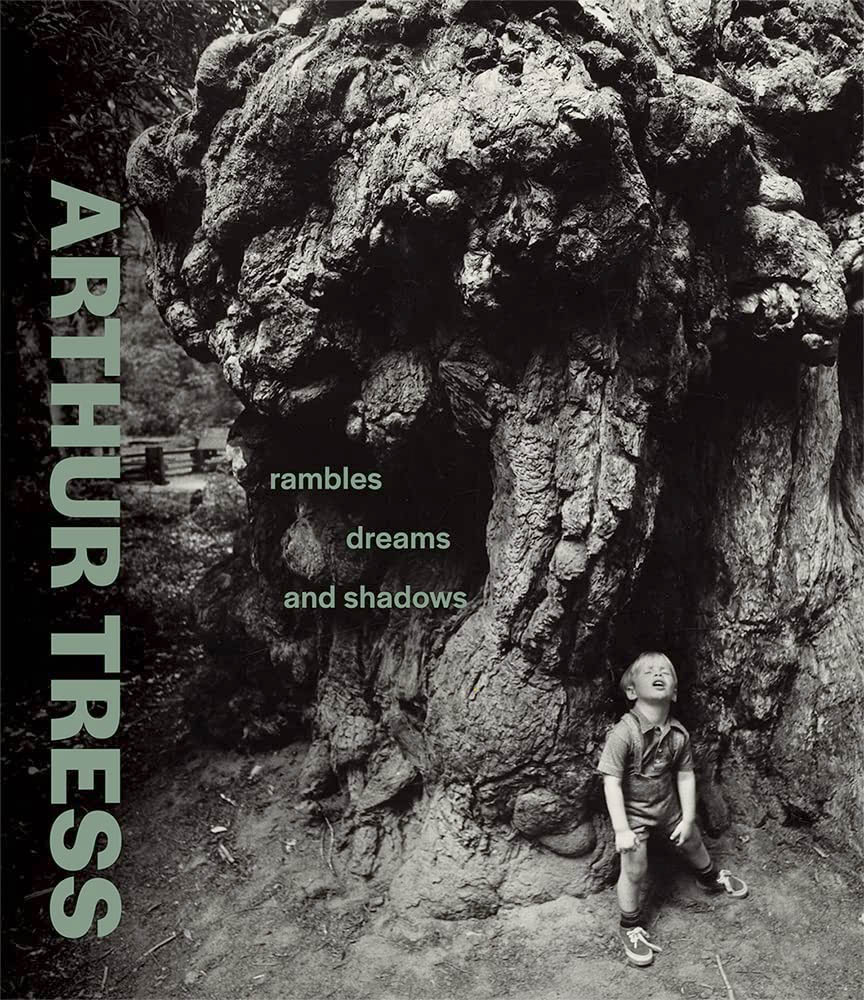
Exhibition: ‘Arthur Tress: Rambles, Dreams, and Shadows’ at the J. Paul Getty Museum, Los Angeles

Exhibition dates: 31st October, 2023 – 18th February, 2024

Warning: This posting contains photographs of male nudity and sexual activity.


Installation view of the exhibition 'Arthur Tress: Rambles, Dreams, and Shadows' at the J. Paul Getty Museum, Los Angeles showing the work 'Boy in Flood Dream, Ocean City, Maryland' 1971


Installation view of the exhibition Arthur Tress: Rambles, Dreams, and Shadows at the J. Paul Getty Museum, Los Angeles showing the work Boy in Flood Dream, Ocean City, Maryland 1971


Arthur Tress: fantastical photographer

Definition of ‘fantastical’
1. strange, weird, or fanciful in appearance, conception, etc.
2. created in the mind; illusory.


I honour the work of Arthur Tress. Strange and wonderful, like something out of a fairytale or a nightmare, Arthur Tress’ ‘imaginary’ stories take the viewer out of themselves and into a different realm of being and believing. His staged, performative “magic realism” photographs – featuring the inclusion of fantastic or mythical elements into seemingly realistic fiction – emerge from the psyche of the artist, from his deepest thoughts, feelings and dreams.

Taking advice from that another gay photographer, American Duane Michals (who works in sequences of images to tell stories), Michals told Tress that “a photograph can be anything”. As Michals insightfully observes,

“I believe in the imagination. What I cannot see is infinitely more important than what I can see…

Everything we experience is in our mind. It is all mind. What you are reading now, hearing now, feeling now…

There is not one photography. There is no photography. The only value judgment is the work itself. Does it move, touch, fill me?”1


It’s all in the mind.

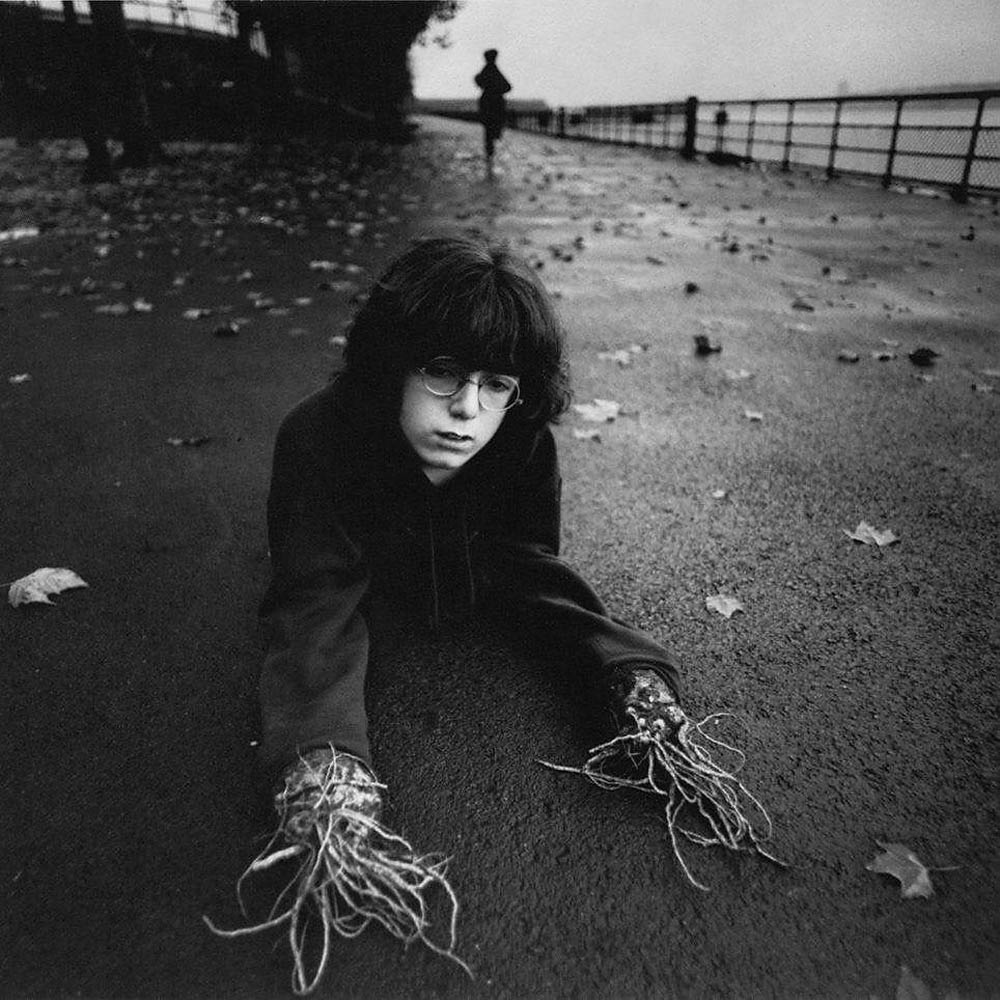
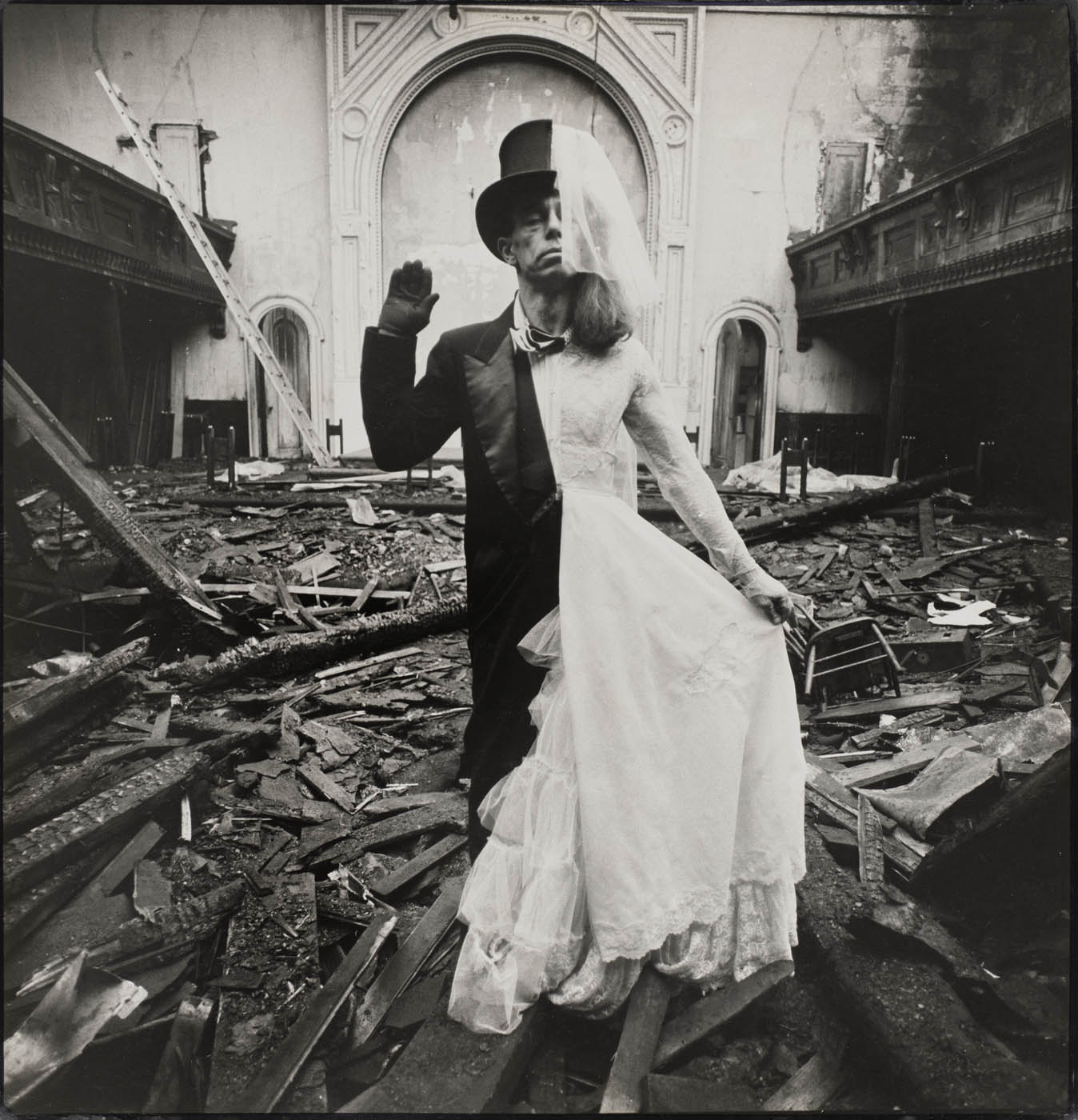
Tress discovered his own way to tell stories, his own signature style, that was completely different from anything being accomplished in New York at the time by (for example) Robert Mapplethorpe, Peter Hujar, Diane Arbus, David Wojnarowicz, or Nan Goldin. Through the transmutation of metal into gold, or dream into photograph, Tress placed himself outside the trendy happenings of the Big Apple. In images such as the early Woman with Coin Operated Binoculars, Coit Tower, San Francisco (1964, below) – redolent of what was to follow – the disturbing Boy with Root Hands, New York (1970, below), Bride and Groom, New York, New York (1970, below) and Boy in Flood Dream, Ocean City, Maryland (1971, below), Tress reaches out an illuminates the dreams, desires and fears of children and adults.

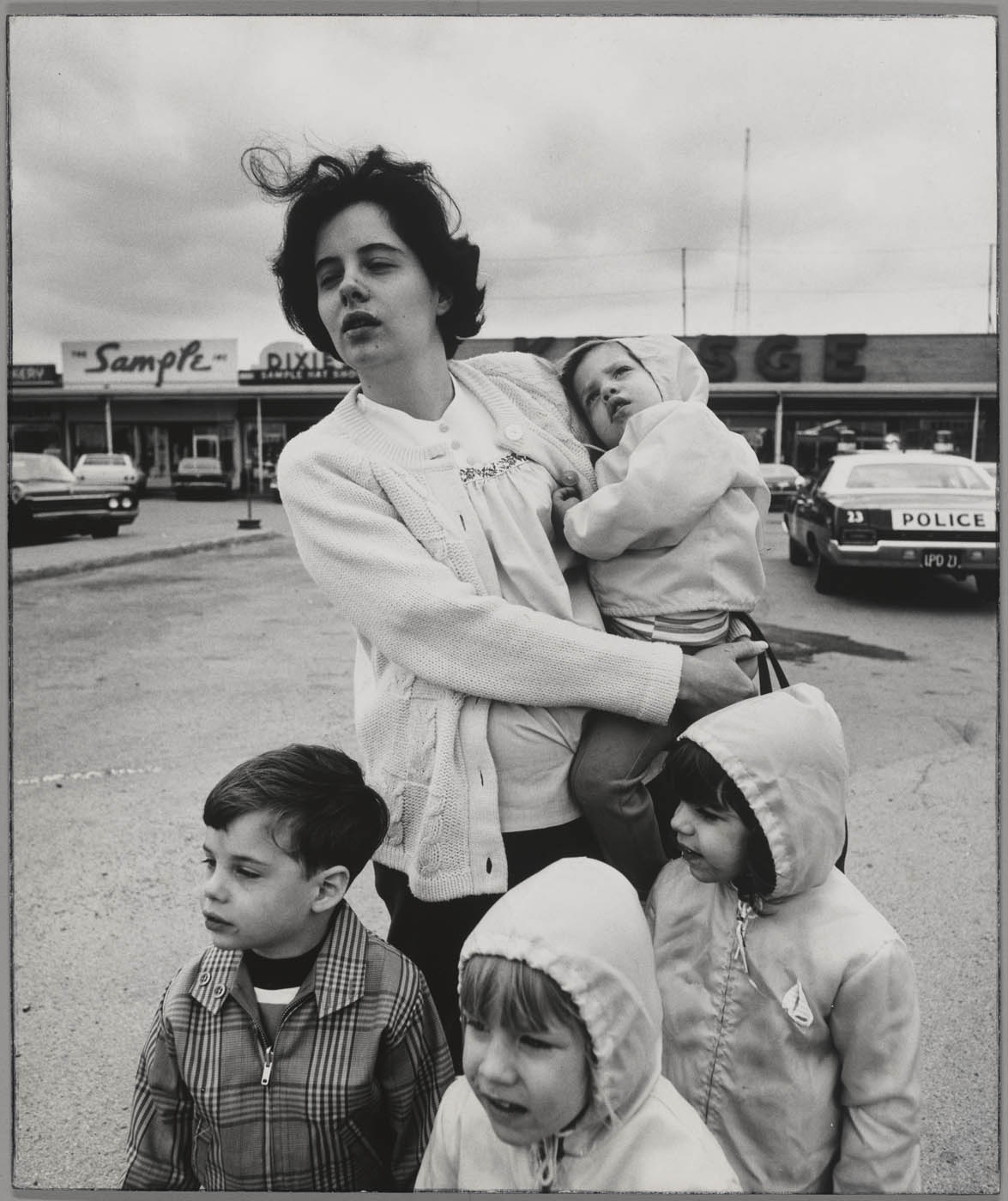
What is disappointing is that neither the media images nor the accompanying text include any images from or text about what I feel is one of Tress’ strongest bodies of work, his photographs of gay fantasies. Can we not include these images for fear of upsetting delicate conservative sensibilities? I don’t know whether there were any included in the exhibition either, having not seen the presentation in person.

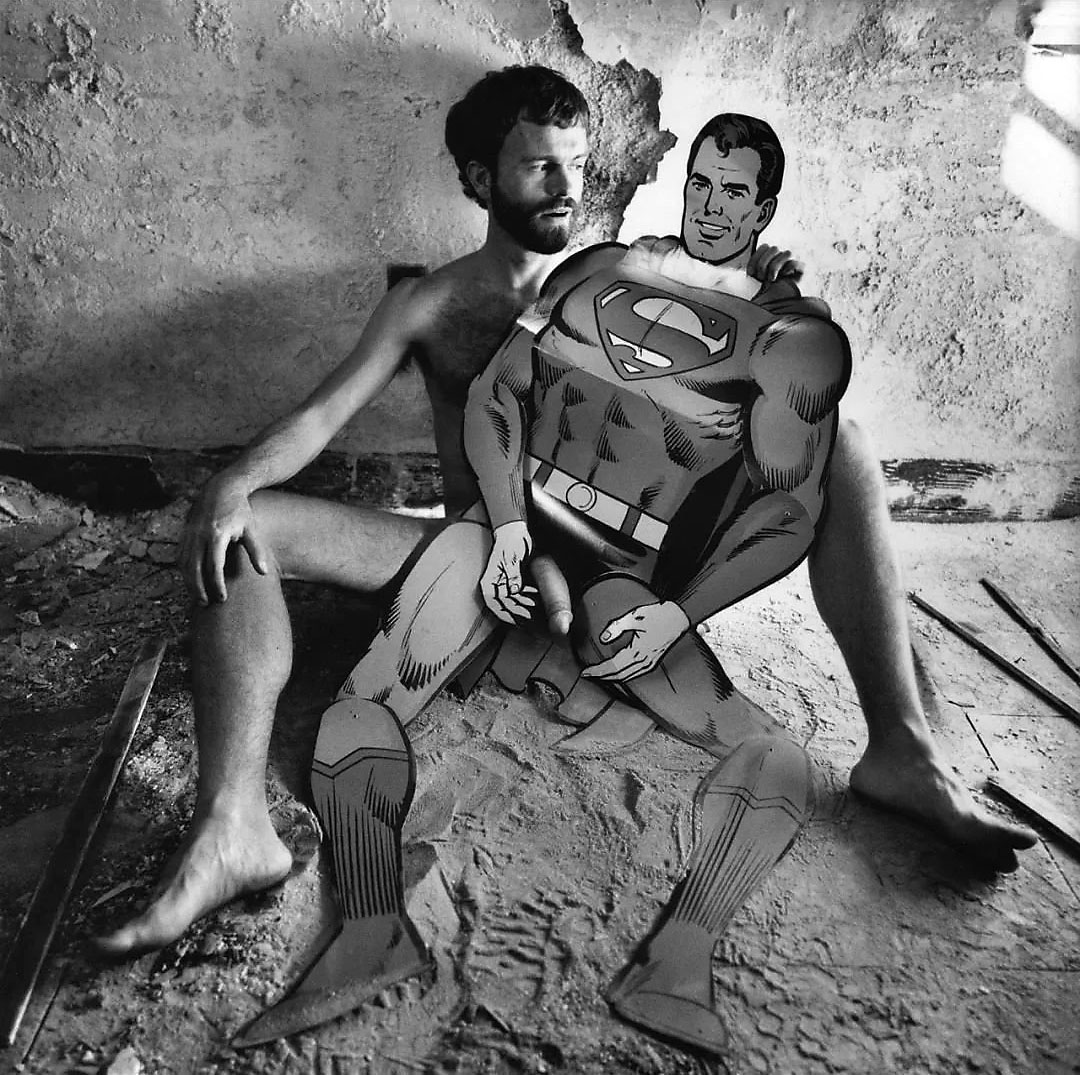
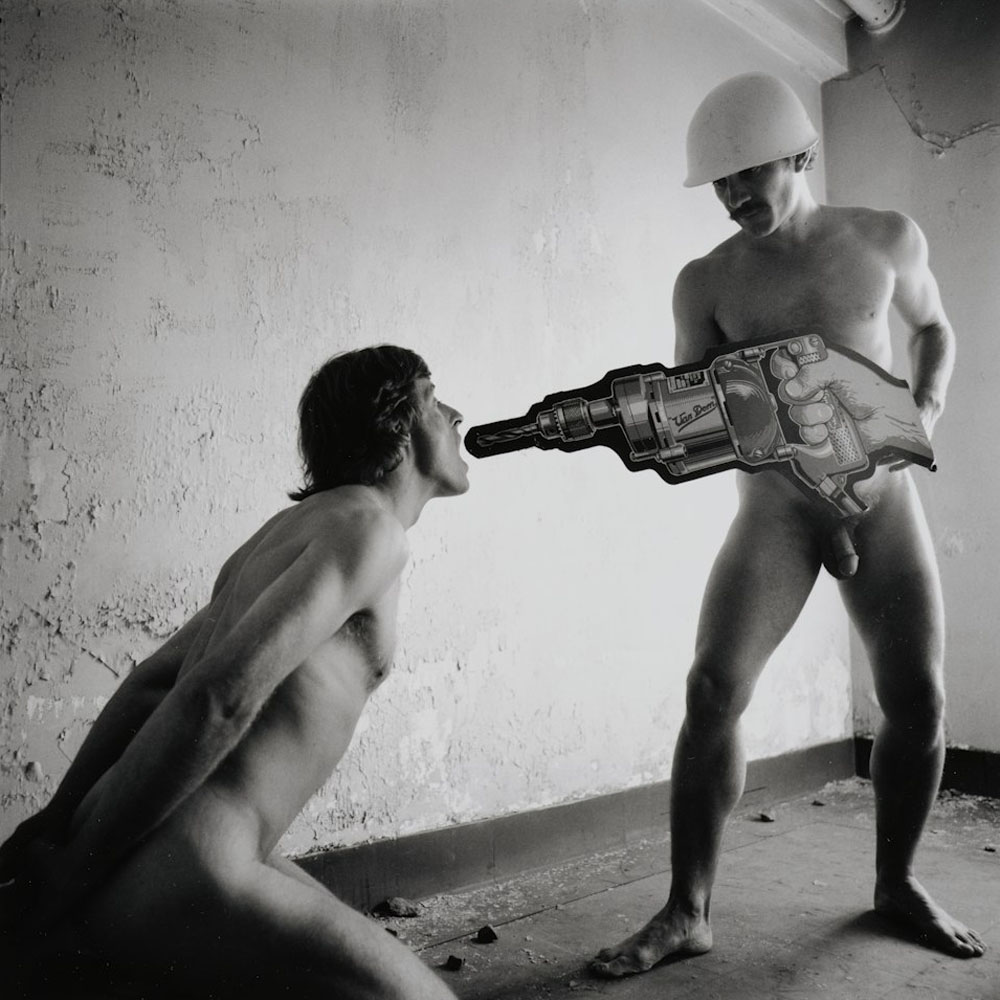
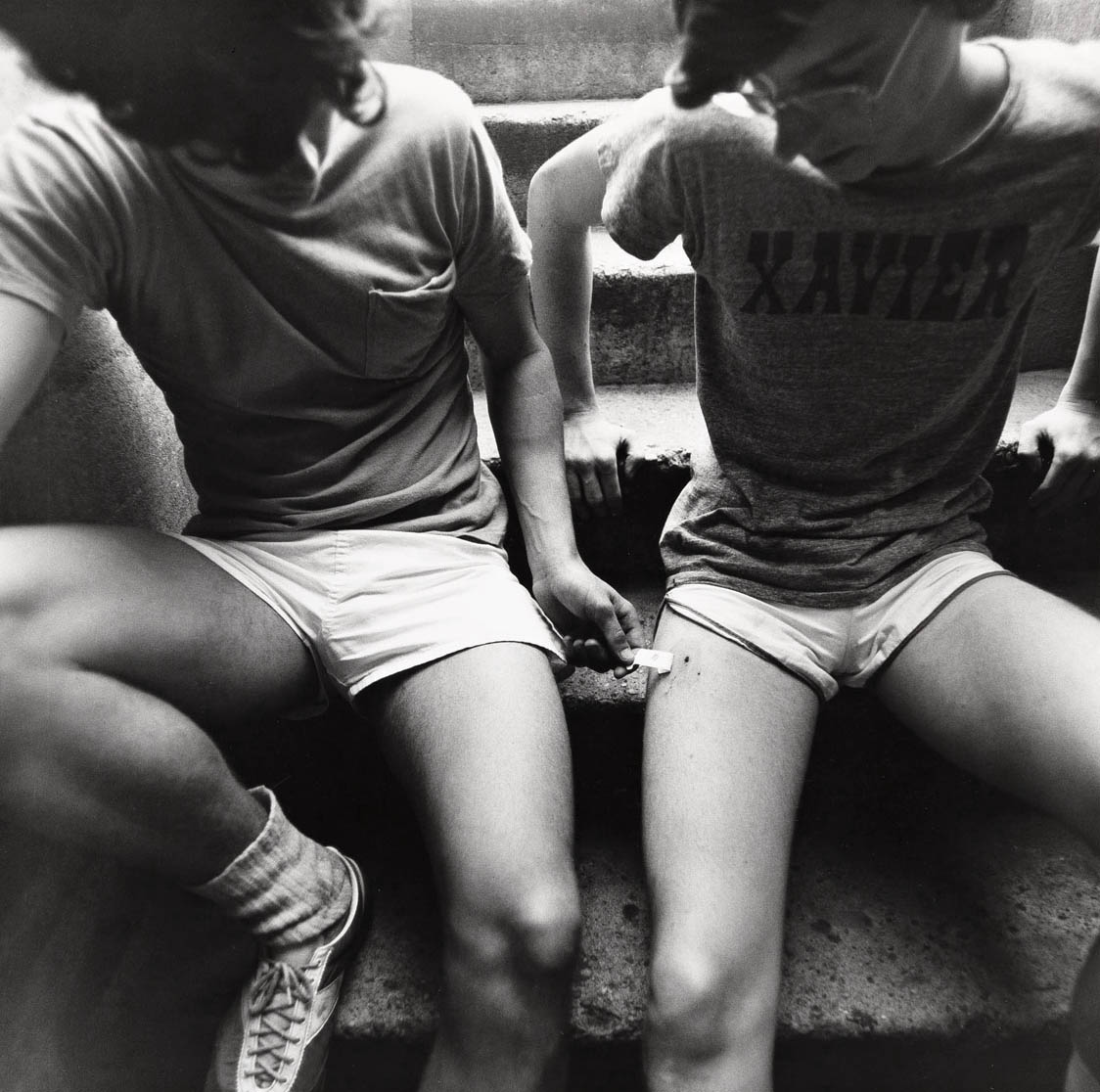
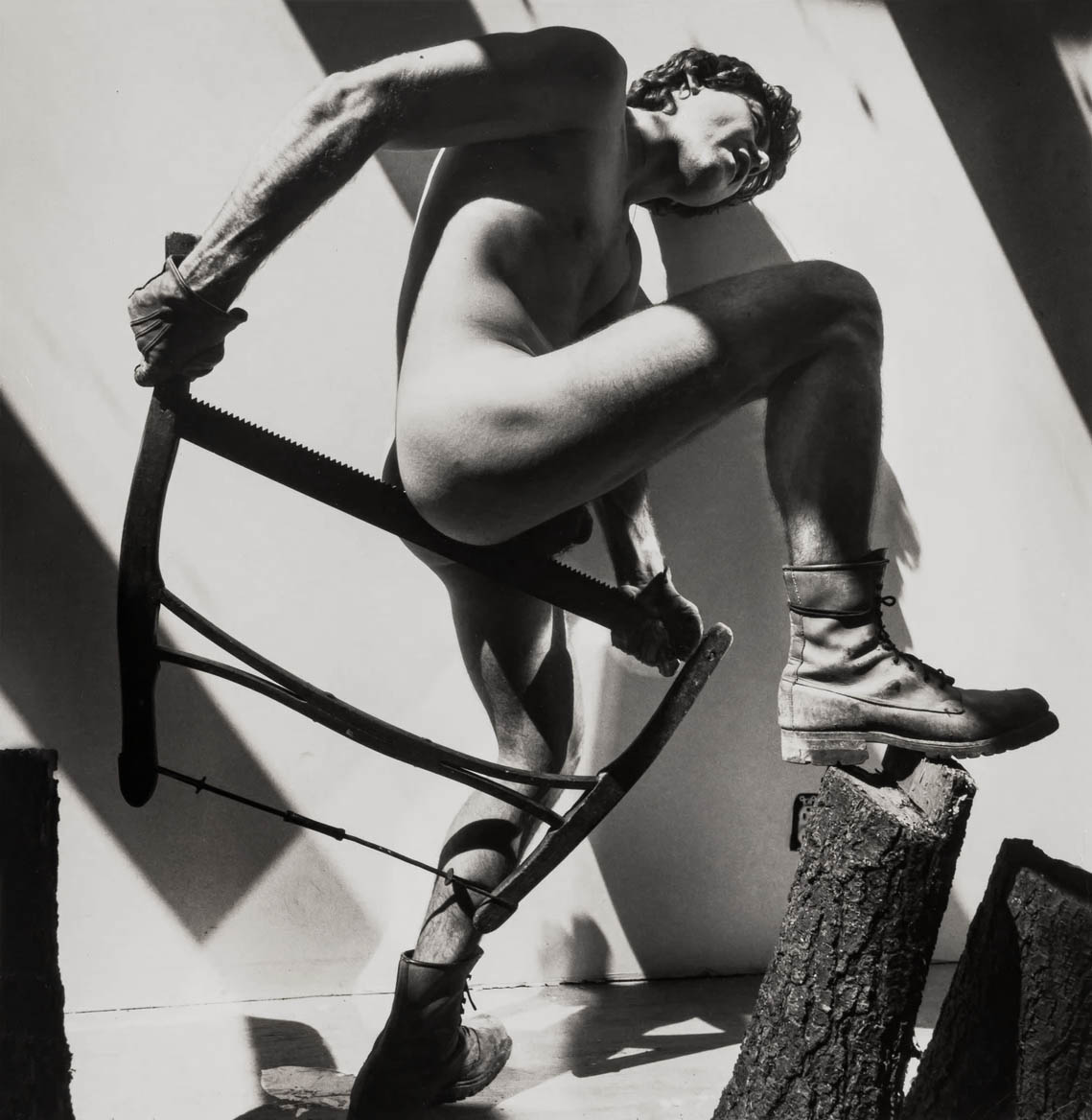
Again, created from the artist’s fantasies and imagination these works posses a tremendous élan vital, a celebration of sexuality and life. They also possess intelligence and wit a plenty. Witness, Band-aid Fantasy (1978, below) which is clever and sensitive in its fetishisation of the removal of a Band-aid from a friend; or the look on the face of Superman and the male subject in Superman Fantasy (1977, below) where one cock belongs to both: the penis of the male “standing” in for that of the super man, standing in for the always hidden power of Superman’s cock represented by the (irony: cut-out cardboard) phallic armoured body of the hyper-masculine hero, desired by the male with his lustful look. The photograph makes me laugh. If you are so further inclined, there are six pages of these wonderful gay fantasies on the Stanford Libraries Arthur Tress Photograph Collection web pages. Well worth a visit.

To my mind, Arthur Tress has always been an underrated artist. A courageous and dedicated photographer who forged an extra-ordinary magical path, it is a pleasure to see his work exhibited at the Getty.

Dr Marcus Bunyan


1/ Duane Michals June 20, 1976 September 1, 1976


Many thankx to the J. Paul Getty Museum for allowing me to publish the photographs in the posting. Please click on the photographs for a larger version of the image.


“Tress credits his friend and fellow photographer Duane Michals with opening his eyes to the possibilities of his chosen medium in the 1960s, back when Tress’ photographs hewed more closely to the prevalent “documentary” style of the day. “He said a photograph can be anything,” Tress says, describing Michals’ approach. “It can be a sequence, you can write on the photograph, paint on it, make collages, tell a story. In the ’60s, that was revolutionary.”

As it turned out, Tress was a receptive audience for Michals’ manifesto. By the time the Brooklyn native had secured his breakthrough assignment in 1969 to photograph what he describes as the “endangered folk cultures” of Appalachia, Tress was already pushing against the dispassion of the documentary style.”

Ben Marks. “How One Artist Makes New Art From Old Coloring Books and Found Photos,” on the Collectors Weekly website August 26th, 2021 [Online] Cited 10/11/2023


The first exhibition to chronicle the early career of Arthur Tress, one of the most innovative American photographers of the postwar era. During his first decade as an emergent professional in the New York photography world (1968-1978), his artistic practice evolved from being rooted in the social documentary tradition to a bold new approach drawing inspiration from the inner worlds of fantasies, daydreams, and nightmares.


Arthur Tress (American, b. 1940) 'Boy in Flood Dream, Ocean City, Maryland' 1971


Arthur Tress (American, b. 1940)
Boy in Flood Dream, Ocean City, Maryland
1971
From the series Dream Collector
Gelatin silver print
J. Paul Getty Museum, Los Angeles
© Arthur Tress Archive LLC


One of Tress’s best known images from his Dream Collectors photobook, the photograph depicts a child emerging out of a discarded roof on a pier in Ocean City, Maryland. The effectiveness of this composition is remarkable given that Tress stumbled on the site and the subject by chance.

Wall label


Installation view of the exhibition Arthur Tress: Rambles, Dreams, and Shadows at the J. Paul Getty Museum, Los Angeles showing 'Boy in Flood Dream, Ocean City, Maryland' (1971)


Installation view of the exhibition Arthur Tress: Rambles, Dreams, and Shadows at the J. Paul Getty Museum, Los Angeles showing Boy in Flood Dream, Ocean City, Maryland (1971, above)


Installation view of the exhibition 'Arthur Tress: Rambles, Dreams, and Shadows' at the J. Paul Getty Museum, Los Angeles showing works from his 'Shadows' series

Installation view of the exhibition 'Arthur Tress: Rambles, Dreams, and Shadows' at the J. Paul Getty Museum, Los Angeles


Installation views of the exhibition Arthur Tress: Rambles, Dreams, and Shadows at the J. Paul Getty Museum, Los Angeles showing works from his Shadows series in the bottom image


Arthur Tress’s Magic Realism Comes to Getty

Drawn from his imagination, dreams, and queer identity, Arthur Tress’s photography presents a surrealist world with fantastical subjects In the field of staged photography, Arthur Tress (American, born 1940) was a trailblazer, directing his subjects in fictional and often surreal scenes.

The first exhibition to chronicle his early career, Arthur Tress: Rambles, Dreams, and Shadows, on view October 31, 2023 – February 18, 2024 at the Getty Center, examines how his artistic practice evolved from being rooted in the social documentary tradition to a bold new approach drawing inspiration from fantasies, daydreams, and nightmares.

“Tress’s early work from his Dream Collector and other related series constitutes a remarkable artistic achievement and a major contribution to the history of post-war photography and the photo book,” says Timothy Potts, Maria Hummer-Tuttle and Robert Tuttle Director of the J. Paul Getty Museum. “In a series of increasingly radical projects, Tress delved deeply into the worlds of surrealism and the unconscious, establishing himself as one of the most interesting mavericks of his generation.”

Born in Brooklyn, New York, Tress began his career as a documentary photographer in the late 1960’s, focusing his lens on the people of New York and the Appalachian region of the eastern United States. Initially concerned with such societal issues as poverty, pollution, and lack of open space for urban recreation, by the mid-1970s he began channeling his creative energy into more personal artistic projects that reflected his imagination, dreams, and his own queer identity.

This exhibition presents highlights from Tress’s major photographic projects dating from 1968 to 1978: Appalachia: The Disturbed Land; Open Space in the Inner City; The Dream Collector; Shadow; Theater of Mind; and The Ramble.

Tress’s early work is rooted in the social documentary tradition, recalling photographs made by Depression-era artists for the U.S. government. Tress’s Appalachia: The Disturbed Land captures scenes of poverty and environmental degradation in coal mining communities. The work was originally exhibited at the Sierra Club’s gallery in New York where it garnered positive reviews.

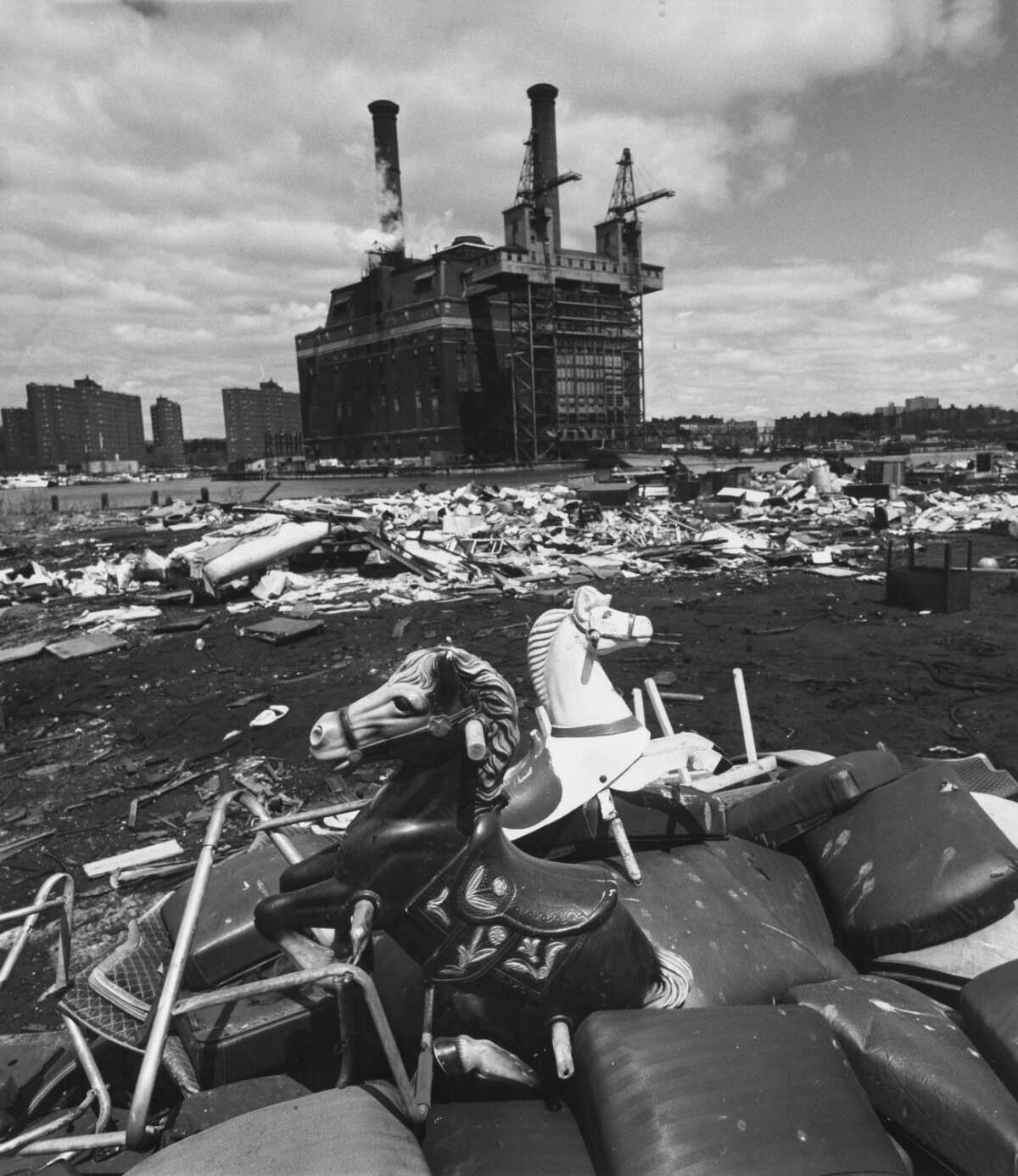
Tress’s next major project, Open Space in the Inner City, also reflects his concern for the environment as well as his interest in documenting problems facing young people. Set primarily in New York City and its environs, the photographs show polluted streetscapes and waterways, housing projects, junkyards, factories, and parking lots, and include both candid and posed images of children, families, and commuters. A central theme of the series is the general lack of open space for recreation.

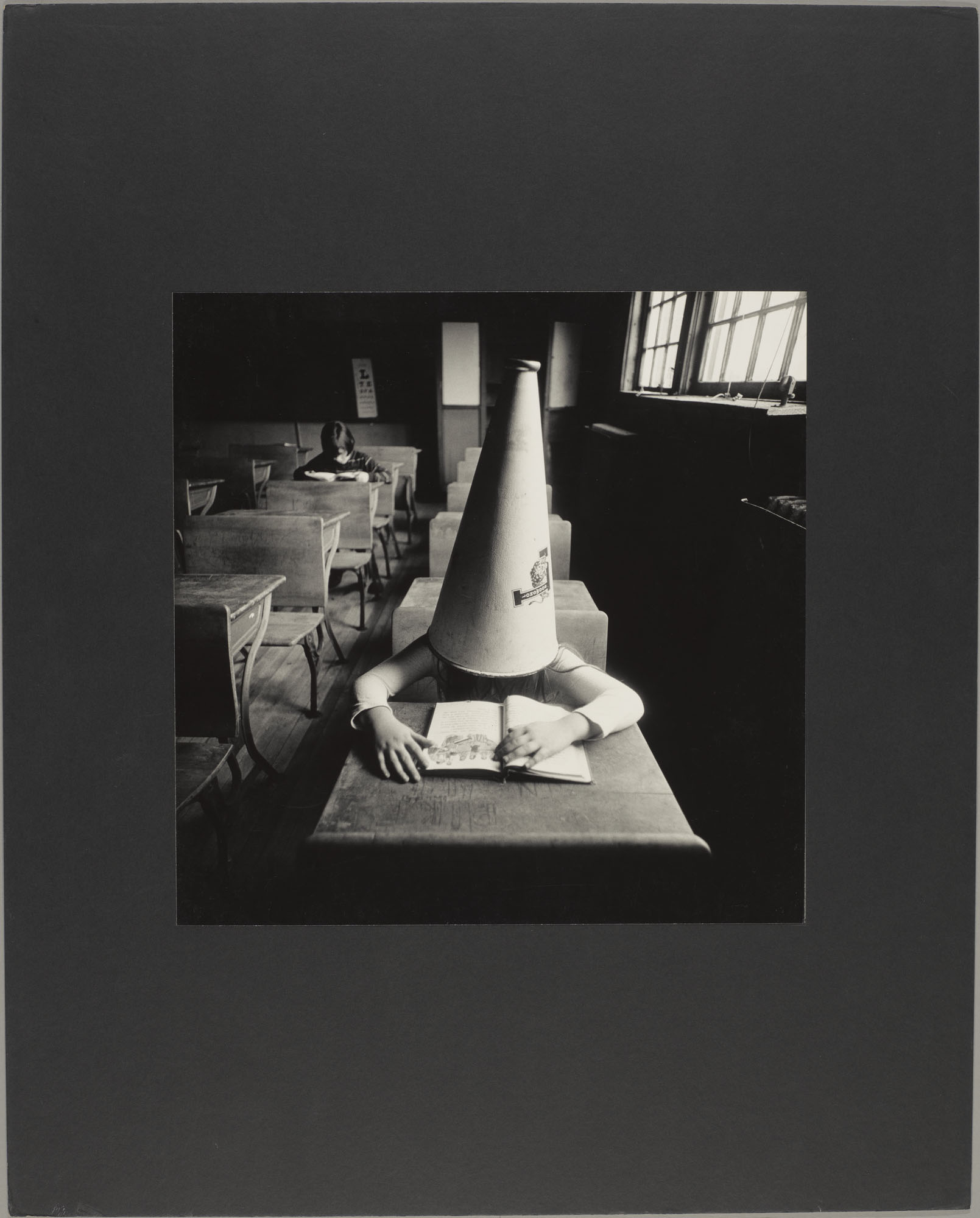
Appearing as his first major photo book in 1972, The Dream Collector visualises children’s fantasies and nightmares. This body of work cemented Tress’s reputation for staging macabre and fantastic subjects at a time when the photography world was largely dedicated to prosaic realism.

Between 1972 and 1975 Tress created a series of photographs centered on his own shadow. The images reproduced in his photobook Shadow trace the mystical dream journey of an individual soul through birth, death, and enlightenment. Tress chose to use a wide-angle lens that alters the perspective and imparts a dreamlike quality. His only light source was the sun, which made early morning or late afternoon the ideal times to shoot, as the raking light lengthened the shadows, making them more dramatic.

In Theater of the Mind Tress explored his personal anxieties as well as the complexities of family relationships. He convinced his subjects to play out dramatic and sometimes disturbing scenes for the camera which were informed by the artist’s own psychic intuitions. Afterwards, when he shared the photographs with them, his sitters often remarked on his having illuminated an important but hitherto hidden aspect of their family dynamic.

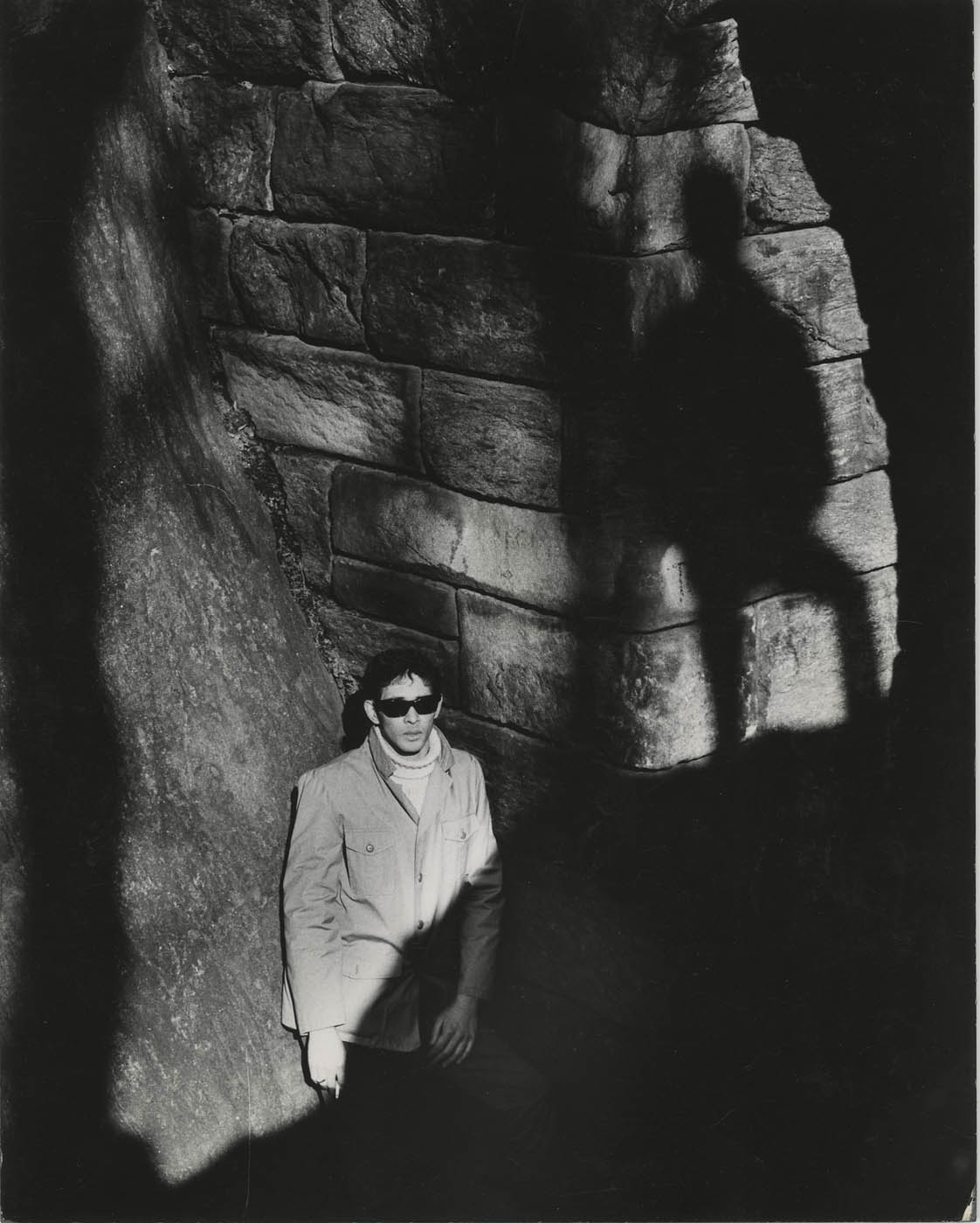
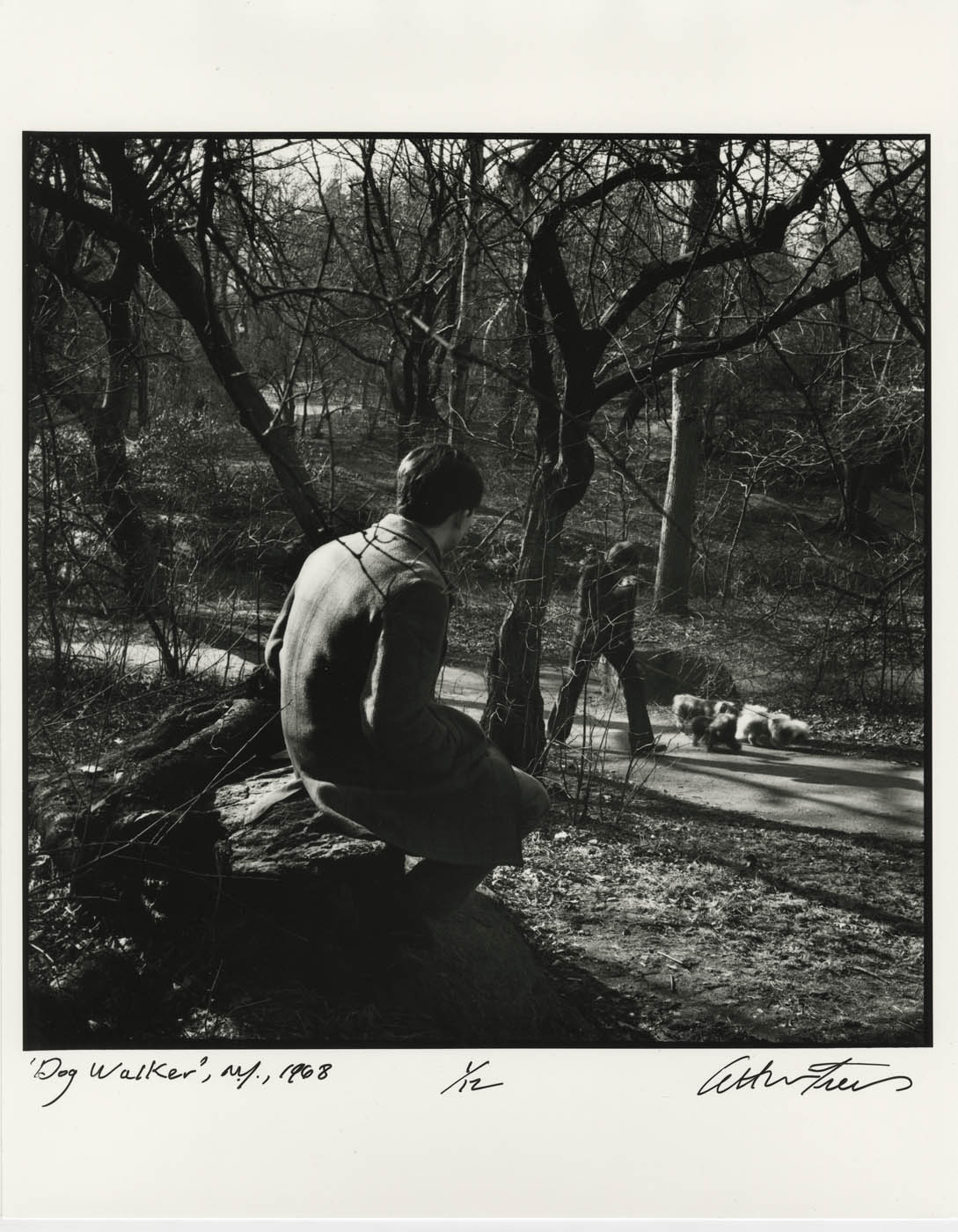
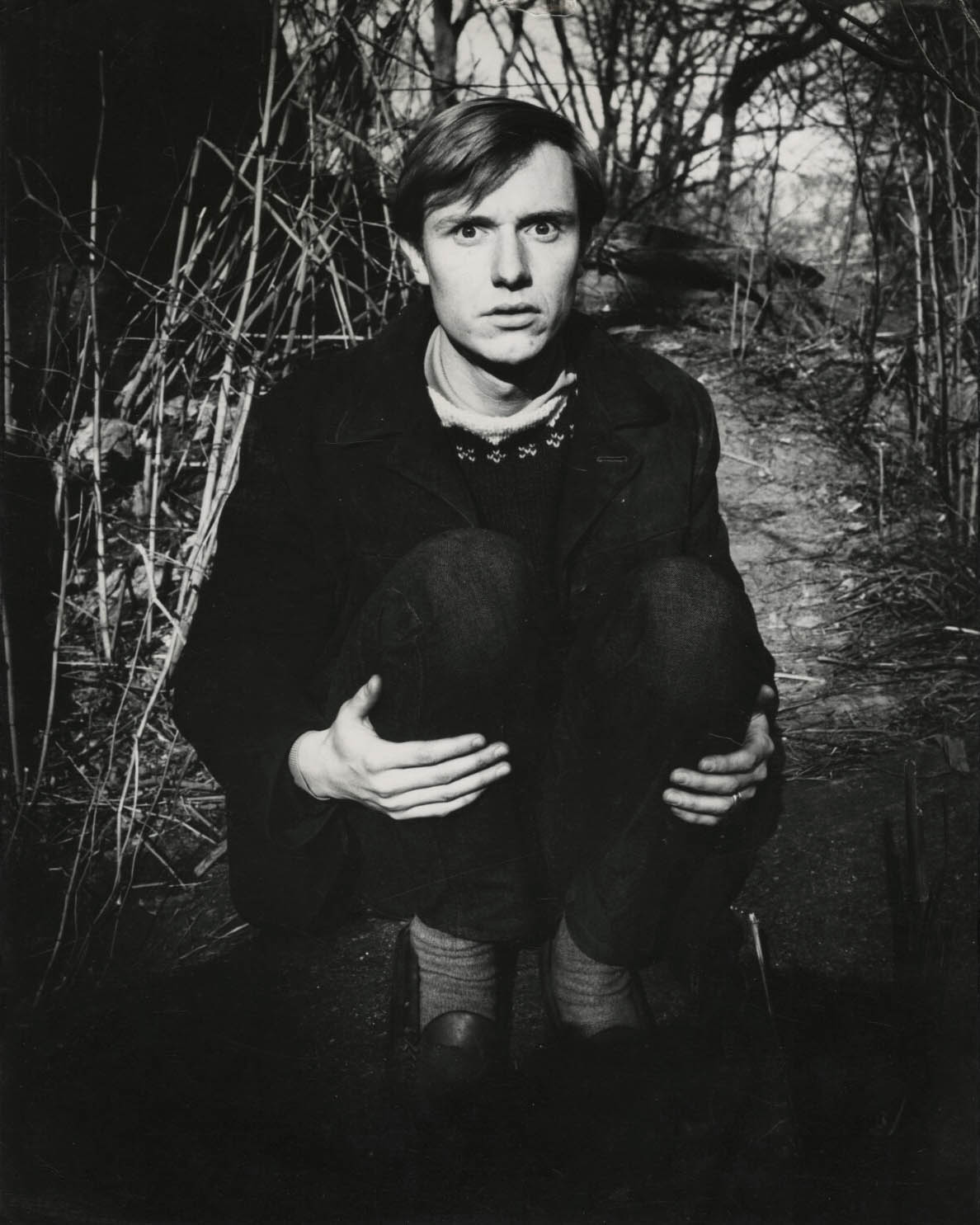
One of Tress’s most personal bodies of work is an extraordinary series depicting the Ramble, a wooded section of Central Park in New York City known as a gay cruising ground. The Ramble was a personal photographic project that he did not exhibit or publish, as doing so could have exposed his subjects to embarrassment, harassment, or violence. Tress was still struggling with his sexuality at this time and making these pictures helped allay his anxieties, giving him something else to focus on in the Ramble aside from his own furtive sexual encounters.

“By revisiting an energetic decade of professional and personal work from 1968 to 1978, this exhibition enabled me to see more clearly how these early explorative years marked the beginning of a very personal vision, unique to myself, as an emerging photo artist – a peculiar combination of documentary realism and emotional responsiveness to the hidden mysteries of everyday life,” says Arthur Tress.

“I’m excited to have this amazing opportunity both in our exhibition and its accompanying catalogue to share an extraordinary body of work that is not well known to the general public, and to narrate the remarkable story behind Tress’s early career that has remained untold,” says Jim Ganz, senior curator in the Getty Museum’s Department of Photographs.

Arthur Tress: Rambles, Dreams, and Shadows is curated by Jim Ganz with Paul Martineau, curator in the Department of Photographs. Related programming includes Magic Realism: An Evening with Arthur Tress, where Tress will discuss his bold approach to photography, and the world premiere of Arthur Tress: Water’s Edge, an immersive journey into the life and unique vision of acclaimed photographer Arthur Tress. The exhibition is also accompanied by a catalogue, Arthur Tress: Rambles, Dreams, and Shadows.

Anonymous. “Arthur Tress’s Magic Realism Comes to Getty,” on the Getty website Oct 18, 2023 [Online] Cited 28/10/2023


Arthur Tress: Water’s Edge – Trailer

Trailer for feature length documentary about fantasist/surrealist photographer Arthur Tress. Directed by Stephen B. Lewis


Arthur Tress (American, b. 1940) 'Woman with Coin Operated Binoculars, Coit Tower, San Francisco' 1964


Arthur Tress (American, b. 1940)
Woman with Coin Operated Binoculars, Coit Tower, San Francisco
1964
Gelatin silver print
© Arthur Tress Archive LLC

Not sure whether this photograph is in the exhibition. Used under fair use conditions for the purpose of education, research, review and comment


Arthur Tress (American, b. 1940) 'Girl and Moon Dream, New York, New York' 1968


Arthur Tress (American, b. 1940)
Girl and Moon Dream, New York, New York
1968
Gelatin silver print
J. Paul Getty Museum, Los Angeles
© Arthur Tress Archive LLC


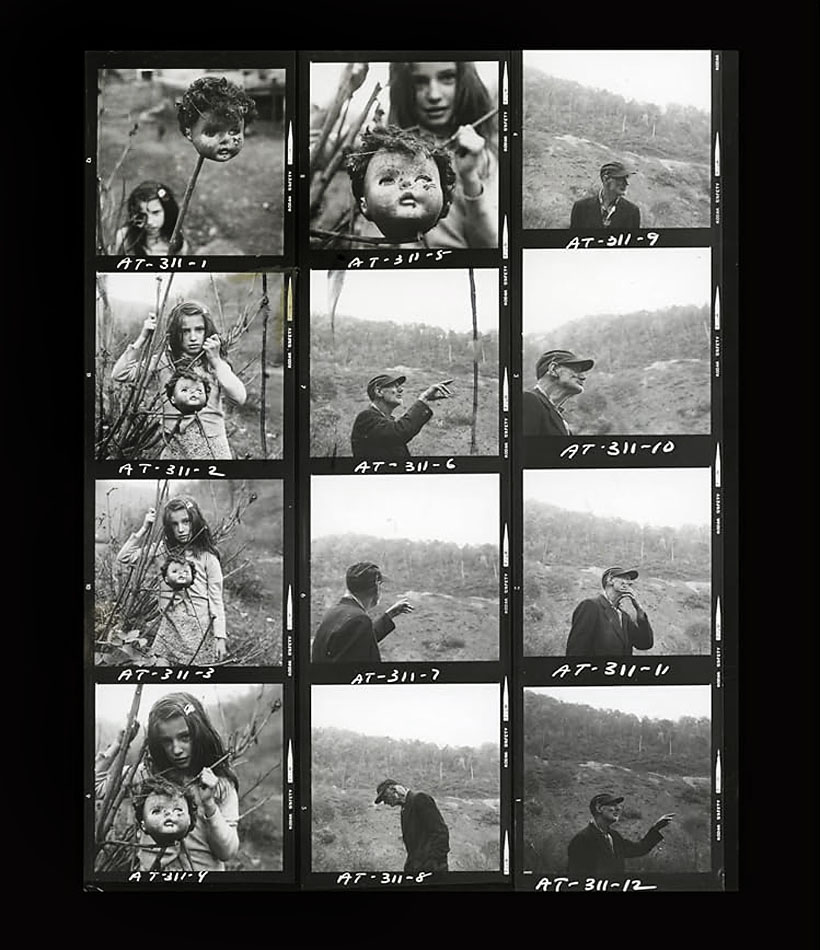
Arthur Tress (American, b. 1940) 'Girl with Doll's Head, Capels, West Virginia' 1968


Arthur Tress (American, b. 1940)
Girl with Doll’s Head, Capels, West Virginia
1968
From the series Appalachia: The Disturbed Land
Gelatin silver print
20.4 × 15.7cm (8 1/16 × 6 3/16 in.)
J. Paul Getty Museum, Los Angeles
Gift of the Ottersons
© Arthur Tress Archive LLC


Arthur Tress 'Appalachia: The Disturbed Land' proof sheet 1968


Arthur Tress Appalachia: The Disturbed Land proof sheet 1968


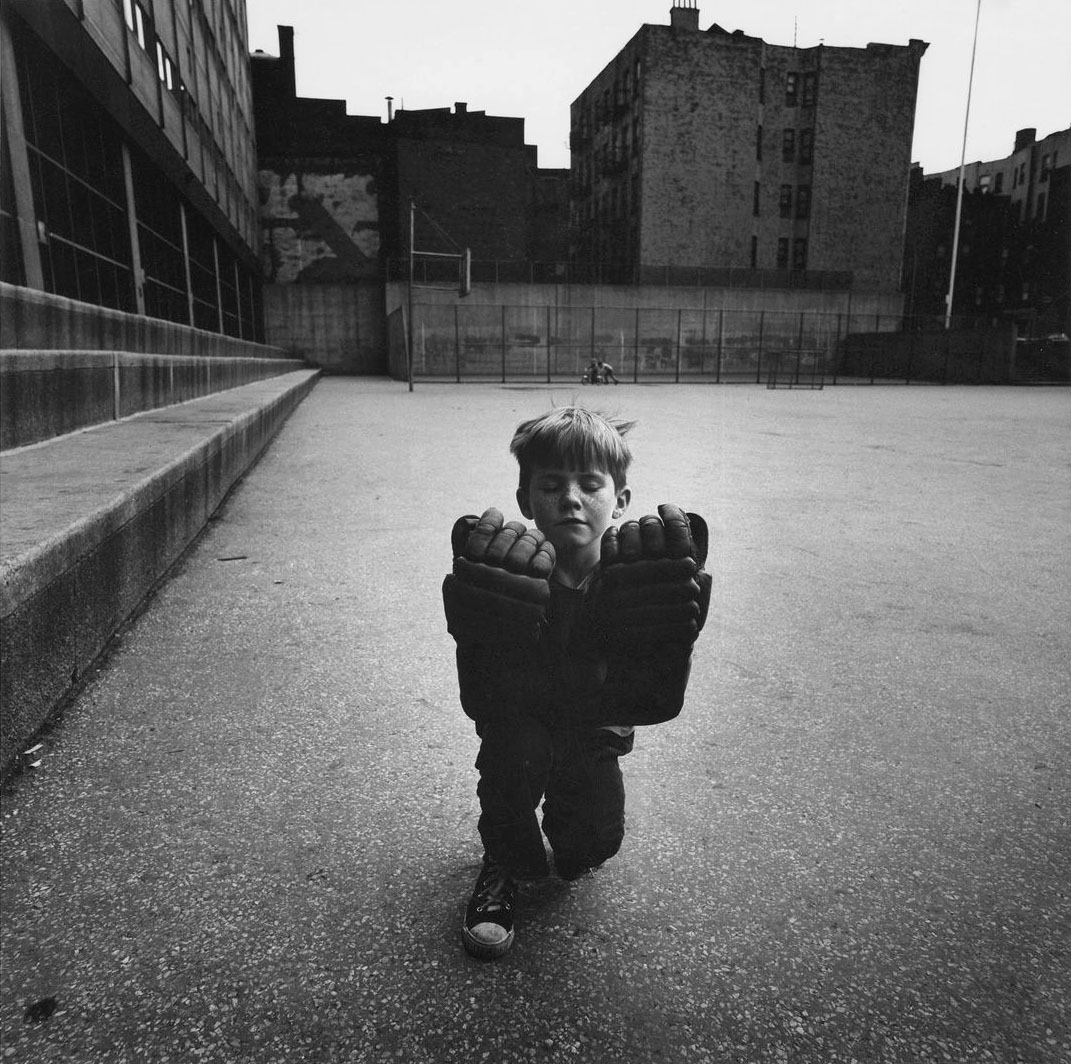
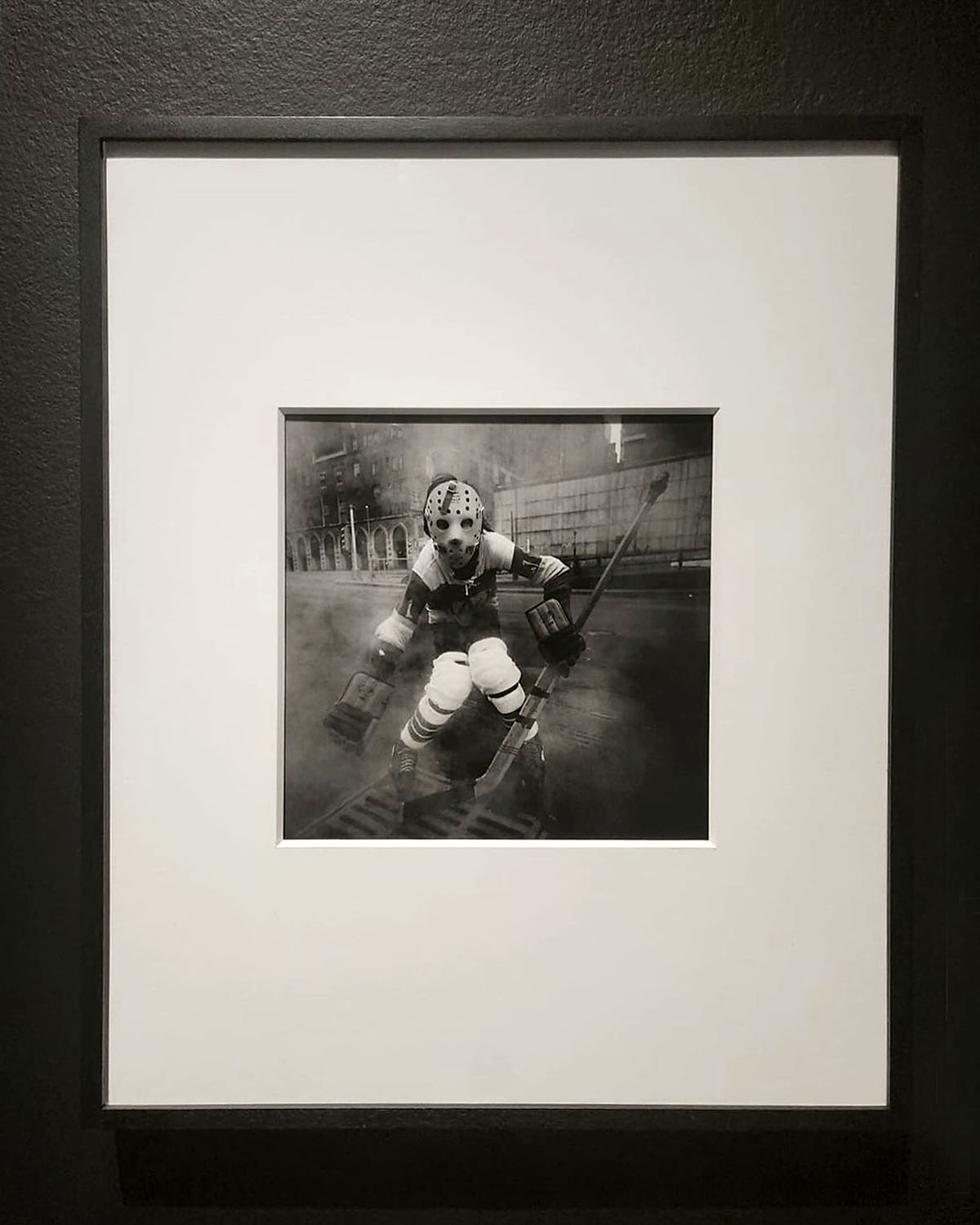
Arthur Tress (American, b. 1940) 'Boy with Hockey Gloves (Hockey Glove Fantasy)' 1968


Arthur Tress (American, b. 1940)
Boy with Hockey Gloves (Hockey Glove Fantasy)
1968
Gelatin silver print
© Arthur Tress Archive LLC


A Kind of Magic

Photographer Arthur Tress’s “shaman vision quest dream journey”

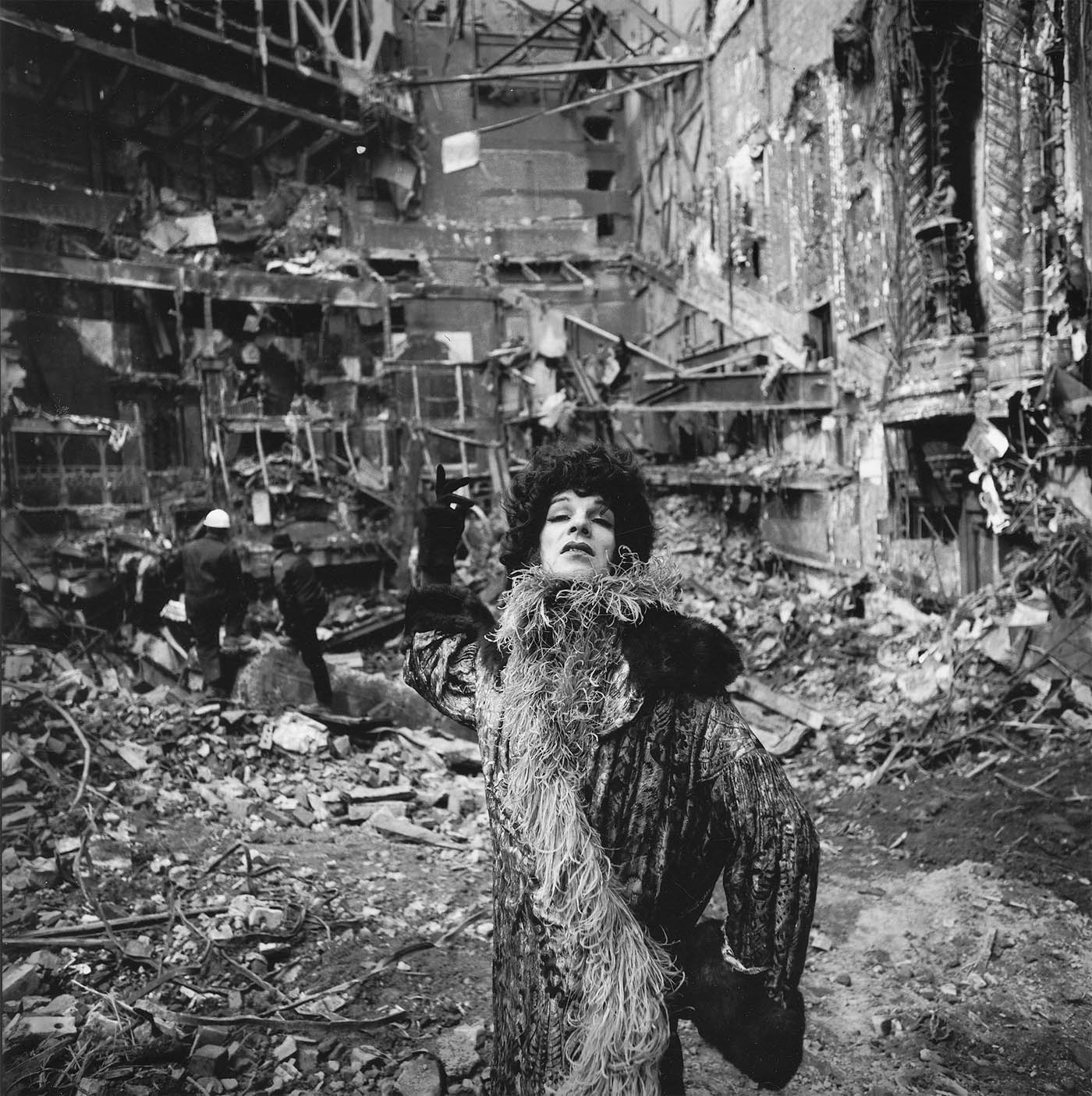
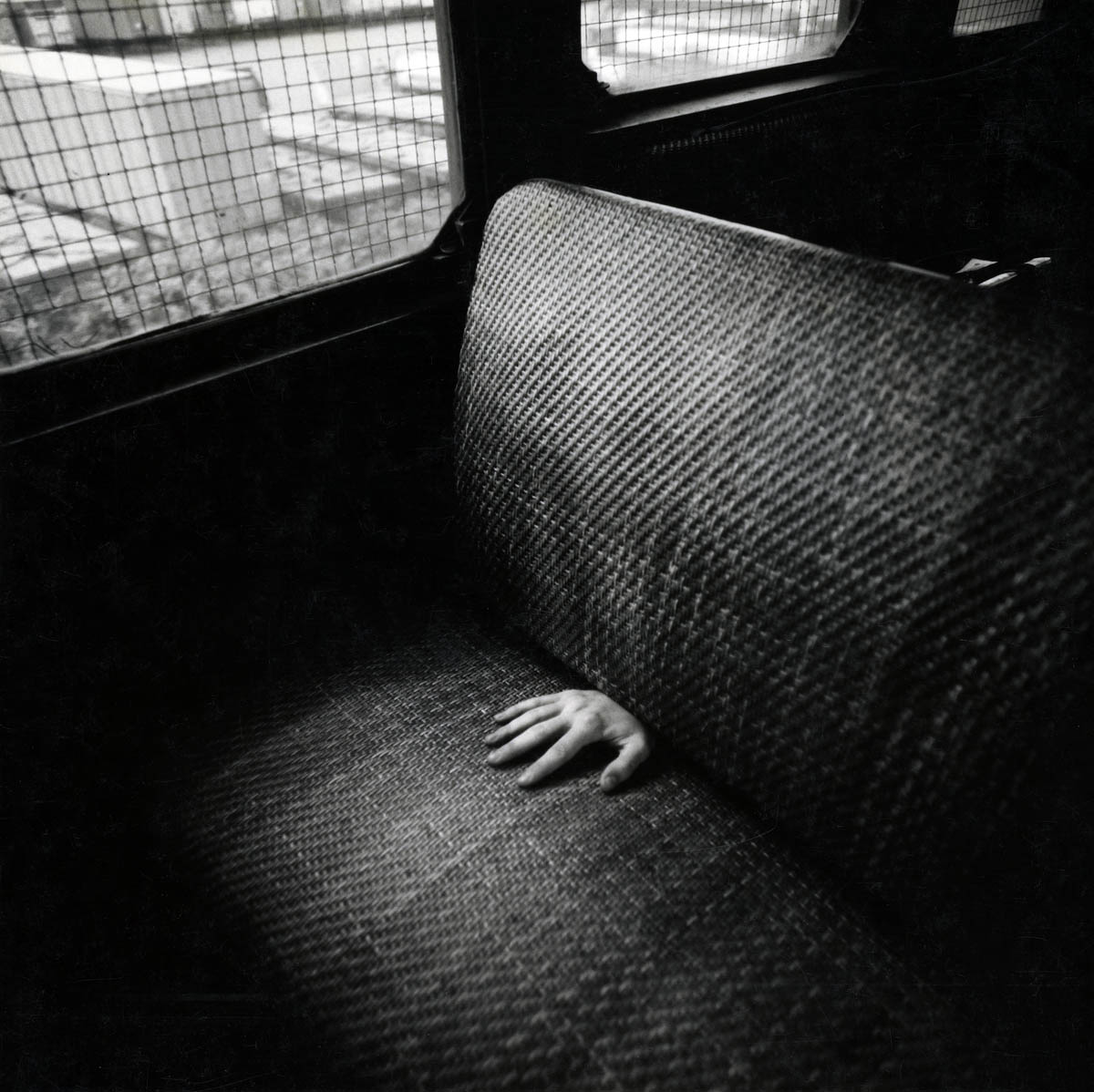
Photographer Arthur Tress revels in the weird and fantastic – a hand sticking out of a bus seat, boys blending in with trees, children and adults playing against backdrops of rubble and trash – dark, spooky, unnerving images.

Tress, who spent time in his early career as a documentary photographer and traveled widely, staged his photographs to set a mood and tell a story.

Tress is one of the foremost practitioners of staged photography. He’s well known for his surreal photobooks, especially The Dream Collector (1972), but his career began earlier, in the 1960s, with commercial projects that encouraged his artistic development and anticipated his later fantastical works.

Arthur Tress: Rambles, Dreams, and Shadows (out now from Getty) looks closely at the artist’s early career, from 1968 to 1978, from his travels abroad through his return to the United States, stopping in Sweden, Russia, Appalachia, New York, San Francisco, and many other places. The images and quotations below are drawn from the exhibition catalog and take you into his world.

Tress traveled to Appalachia several times early in his career, and he became increasingly passionate about accurately representing the character of the destitute yet beautiful region and its people. Photographs curator Mazie Harris writes that the twisted branches and lonely image reflect the region’s “barren future.”

In 1969 Tress photographed “the Ramble,” known as a gay cruising ground in New York’s Central Park. But he never published this work, says photographs curator James Ganz, “because doing so could have exposed the photographer and his subjects to embarrassment or harassment.” Even the act of taking these pictures was dangerous at the time. This body of work is a deeply personal, intimate expression and probing of Tress’s identity as a gay man and also reflects much about the culture of the time and the anxieties, fears, and longings experienced by members of his community.

The image Hobby Horses, Harlem River, Bronx, New York (1970, below) is part of Tress’s series Open Space in the Inner City (1969-1971). It shows his environmentalism, which he cultivated throughout his travels, especially in his exploration of Appalachia. Having settled in New York after living in Sweden, Tress was shocked by the rampant urban blight and crowding in the city and how few open spaces there were for people to play, thrive, and live. His series helped bring attention to this widespread civic issue and was shown by institutions like the Sierra Club and the New York State Council on the Arts.

While Tress was at work on what would become his Dream Collector series, he sought the advice of famed children’s author Maurice Sendak, who is most widely known for the book Where the Wild Things Are. At the end of their visit, Tress offered Sendak the choice of one of Tress’s photographs, and Sendak picked Wild Man of the Forest, Central Park, New York (1969, below) which “evoke[s] the archetypal figure of the medieval wild man of the woods.”

Between 1972 and 1975 Tress created a series and photobook called Shadow. The work Shadow, Cannes, France (negative 1974; print 1975, below), featuring the artist and shadows cast by a sculpture of birds, appeared toward the end of the book in a section titled “Magic Flight.” Curator of photographs Paul Martineau says this picture – juxtaposed with other images of imprisoned shadows – symbolises freedom and “traces a mystical dream journey of an individual soul from the past to the present and into the future, through birth, death, and enlightenment.”

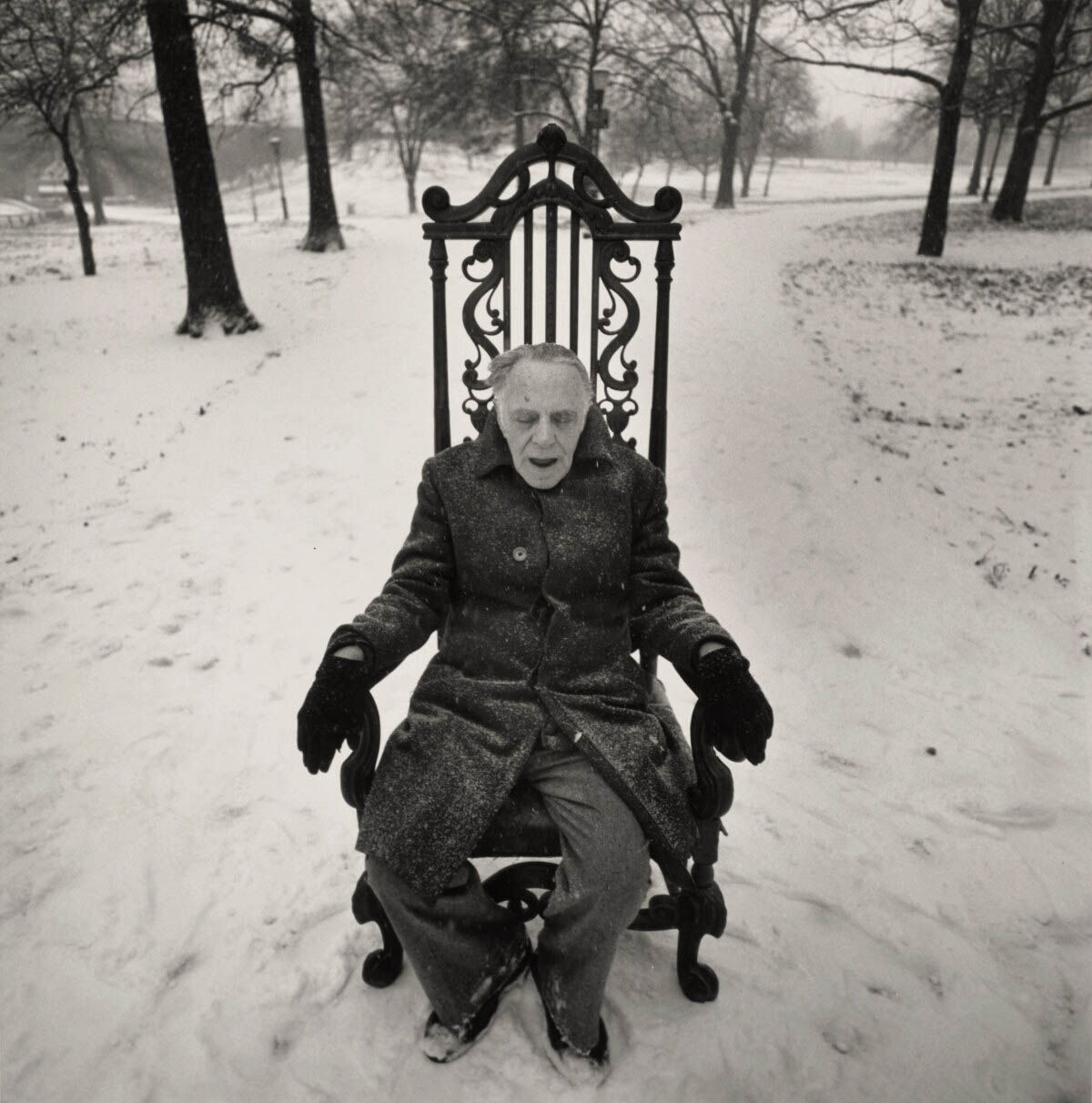
“[This] photograph of my father in a snowstorm is, in fact, a kind of surrogate self-portrait that mirrors my own hollow fearfulness about my own body’s decline and disappearance into a cold emptiness,” Tress wrote in a 2022 letter to curator Paul Martineau. [Last Portrait of My Father, New York, New York, 1978 below]

In 1970 Tress wrote about the magical properties of a photograph, and, surely, he is a visual magician, an artist possessed of a creative vision and intuition that allows him to connect to his subjects in a deep, revelatory way. Tress’s images pull you into his imagined, constructed worlds. His work is mysterious, surprising, surreal, and dreamlike. His images, the product of personal experiences and feelings, are universal in their play on and exploration of human fears, desires, and longings. He once described his series Shadow as a “shaman vision quest dream journey.”

Rachel Barth. “A Kind of Magic,” on the Getty website Nov 07, 2023 [Online] Cited 10/11/2023


Arthur Tress (American, b. 1940) 'My Face in Store Window, New York, New York' 1969


Arthur Tress (American, b. 1940)
My Face in Store Window, New York, New York
1969
Gelatin silver print
Collection David Knaus
© Arthur Tress Archive LLC


Arthur Tress (American, b. 1940) 'Cemetery, Queens, New York' 1969


Arthur Tress (American, b. 1940)
Cemetery, Queens, New York
1969
Gelatin silver print
J. Paul Getty Museum, Los Angeles
© Arthur Tress Archive LLC


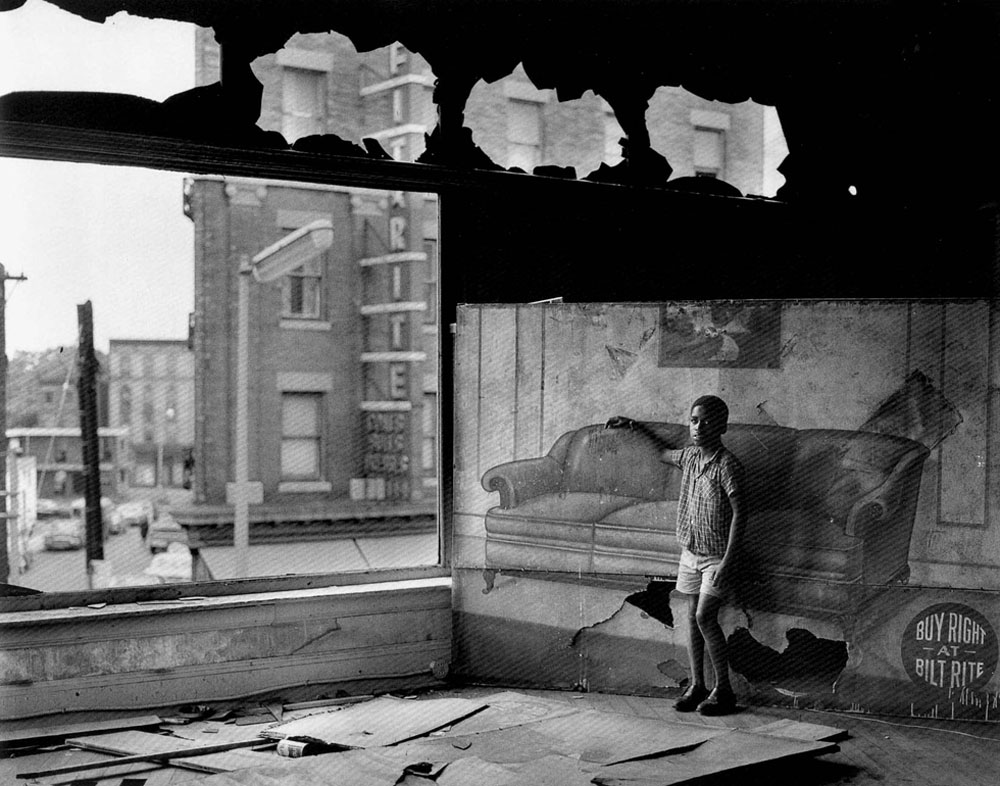
Arthur Tress (American, b. 1940) 'Boy in Burnt-Out Furniture Store, Newark, New Jersey' 1969


Arthur Tress (American, b. 1940)
Boy in Burnt-Out Furniture Store, Newark, New Jersey
1969
Gelatin silver print
© Arthur Tress Archive LLC


In July 1969, while photographing the site of the Newark race riots that had occurred two summers earlier, Tress wrote to his sister that the police took him in for questioning. “They could have arrested me for being in the abandoned buildings – so I was very polite to them.”

Wall label


Arthur Tress (American, b. 1940) 'Wild Man of the Forest, Central Park, New York' 1969


Arthur Tress (American, b. 1940)
Wild Man of the Forest, Central Park, New York
1969
Gelatin silver print
13 3/4 x 10 3/4 in.
J. Paul Getty Museum, Los Angeles
Gift of Trixy Castro
© Arthur Tress Archive LLC


While Tress was at work on what would become his Dream Collector series, he sought the advice of famed children’s author Maurice Sendak, who is most widely known for the book Where the Wild Things Are. At the end of their visit, Tress offered Sendak the choice of one of Tress’s photographs, and Sendak picked Wild Man of the Forest, Central Park, New York, which “evoke[s] the archetypal figure of the medieval wild man of the woods.”


Arthur Tress (American, b. 1940) 'Woman in Railroad Yard, Brooklyn, New York' 1969


Arthur Tress (American, b. 1940)
Woman in Railroad Yard, Brooklyn, New York
1969
From the series Open Space in the Inner City
Gelatin silver print
J. Paul Getty Museum, Los Angeles
Gift of David A. Cohen and Laurie K. Cohen
© Arthur Tress Archive LLC


Arthur Tress (American, b. 1940) 'Boy on Bike Crossing Williamsburg Bridge, New York' 1969


Arthur Tress (American, b. 1940)
Boy on Bike Crossing Williamsburg Bridge, New York
1969
From the series Open Space in the Inner City
Gelatin silver print
40.2 × 50cm (15 13/16 × 19 11/16 in.)
J. Paul Getty Museum, Los Angeles
Gift of Gregory V. Gooding
© Arthur Tress Archive LLC


Arthur Tress (American, b. 1940) 'Two Men Cruising, Central Park, New York' 1969


Arthur Tress (American, b. 1940)
Two Men Cruising, Central Park, New York
1969
From the series The Ramble
Gelatin silver print
Collection David Knaus
© Arthur Tress Archive LLC


Arthur Tress (American, b. 1940) 'Dog Walker, Central Park, New York' 1969, printed 2007


Arthur Tress (American, b. 1940)
Dog Walker, Central Park, New York
1969, printed 2007
From the series The Ramble
Gelatin silver print
Collection David Knaus
© Arthur Tress Archive LLC


Arthur Tress (American, b. 1940) 'Young Man in Woods, Central Park, New York' 1969


Arthur Tress (American, b. 1940)
Young Man in Woods, Central Park, New York
1969
Gelatin silver print
9 3/4 x 7 3/4 in.
J. Paul Getty Museum, Los Angeles
© Arthur Tress Archive LLC


Arthur Tress (American, b. 1940) 'Boy in Central Park (Rambles), New York City' 1969


Arthur Tress (American, b. 1940)
Boy in Central Park (Rambles), New York City
1969
Gelatin silver print
© Arthur Tress Archive LLC


Arthur Tress (American, b. 1940) 'Gay Activists at First Gay Pride Parade, Christopher Street, New York' Negative 1970


Arthur Tress (American, b. 1940)
Gay Activists at First Gay Pride Parade, Christopher Street, New York
Negative 1970
Gelatin silver print
J. Paul Getty Museum, Los Angeles
© Arthur Tress Archive LLC


Arthur Tress (American, b. 1940) 'Bruce at Dawn, Paper Flower Maker, East Village, New York' 1970


Arthur Tress (American, b. 1940)
Bruce at Dawn, Paper Flower Maker, East Village, New York
1970
Gelatin silver print
J. Paul Getty Museum, Los Angeles
© Arthur Tress Archive LLC


Arthur Tress (American, b. 1940) 'Friends Playing Cards, Sheepshead Bay, Brooklyn, New York' 1970


Arthur Tress (American, b. 1940)
Friends Playing Cards, Sheepshead Bay, Brooklyn, New York
1970
Gelatin silver print
J. Paul Getty Museum, Los Angeles
© Arthur Tress Archive LLC


Arthur Tress (American, b. 1940) 'Boy with Root Hands, New York' 1970


Arthur Tress (American, b. 1940)
Boy with Root Hands, New York
1970
From the series Dream Collector
Gelatin silver print
J. Paul Getty Museum, Los Angeles
© Arthur Tress Archive LLC


Arthur Tress (American, b. 1940) 'Teenage Boys, Bronx High School of Science, Bronx, New York' 1970, printed later


Arthur Tress (American, b. 1940)
Teenage Boys, Bronx High School of Science, Bronx, New York
1970, printed later
From the series Open Space in the Inner City
Gelatin silver print
J. Paul Getty Museum, Los Angeles
Gift of Jon and Ellen Vein Family
© Arthur Tress Archive LLC


Arthur Tress (American, b. 1940) 'Hobby Horses, Harlem River, Bronx, New York' 1970


Arthur Tress (American, b. 1940)
Hobby Horses, Harlem River, Bronx, New York
1970
Gelatin silver print
8 7/8 x 7 13/16 in.
J. Paul Getty Museum, Los Angeles
Gift of J. Patrick and Patricia A. Kennedy
© Arthur Tress Archive LLC


The above image is part of Tress’s series Open Space in the Inner City (1969-1971). It shows his environmentalism, which he cultivated throughout his travels, especially in his exploration of Appalachia. Having settled in New York after living in Sweden, Tress was shocked by the rampant urban blight and crowding in the city and how few open spaces there were for people to play, thrive, and live. His series helped bring attention to this widespread civic issue and was shown by institutions like the Sierra Club and the New York State Council on the Arts.


Arthur Tress (American, b. 1940) 'Boy with Basketball, Bronx, New York' 1970


Arthur Tress (American, b. 1940)
Boy with Basketball, Bronx, New York
1970
From the series The Dream Collector
Gelatin silver print
34 × 26.6cm (13 3/8 × 10 1/2 in.)
J. Paul Getty Museum, Los Angeles
© Arthur Tress Archive LLC


Arthur Tress (American, b. 1940) 'Woman in Shopping Center Parking Lot, Lackawanna, New York' 1970


Arthur Tress (American, b. 1940)
Woman in Shopping Center Parking Lot, Lackawanna, New York
1970
From the series Open Space in the Inner City
Gelatin silver print
23.3 × 19.6cm (9 3/16 × 7 11/16 in.)
J. Paul Getty Museum, Los Angeles
Gift of J. Patrick and Patricia A. Kennedy
© Arthur Tress Archive LLC


Arthur Tress (American, b. 1940) 'Minette as Gloria Swanson in Ruins of Fox Theater, Brooklyn, New York' 1971


Arthur Tress (American, b. 1940)
Minette as Gloria Swanson in Ruins of Fox Theater, Brooklyn, New York
1971
Gelatin silver print
J. Paul Getty Museum, Los Angeles
© Arthur Tress Archive LLC


Arthur Tress (American, b. 1940) 'Boy in Tin Cone, Bronx, New York' 1972


Arthur Tress (American, b. 1940)
Boy in Tin Cone, Bronx, New York
1972
From the series The Dream Collector
Gelatin silver print
J. Paul Getty Museum, Los Angeles
© Arthur Tress Archive LLC


Arthur Tress (American, b. 1940) 'Hand on Train, Staten Island, New York' 1972


Arthur Tress (American, b. 1940)
Hand on Train, Staten Island, New York
1972
From the series The Dream Collector
Gelatin silver print
J. Paul Getty Museum, Los Angeles
© Arthur Tress Archive LLC


Arthur Tress (American, b. 1940) 'Girl With Dunce Cap, P.S. 3, New York, New York' 1972 (installation view)


Arthur Tress (American, b. 1940)
Girl With Dunce Cap, P.S. 3, New York, New York
1972
From the series The Dream Collector
Gelatin silver print
26.4 × 26.4cm (10 3/8 × 10 3/8 in.)
J. Paul Getty Museum, Los Angeles
© Arthur Tress Archive LLC


Arthur Tress (American, b. 1940) 'Girl With Dunce Cap, P.S. 3, New York, New York' 1972


Arthur Tress (American, b. 1940)
Girl With Dunce Cap, P.S. 3, New York, New York
1972
From the series The Dream Collector
Gelatin silver print
26.4 × 26.4cm (10 3/8 × 10 3/8 in.)
J. Paul Getty Museum, Los Angeles
© Arthur Tress Archive LLC


Installation view of the exhibition Arthur Tress: Rambles, Dreams, and Shadows at the J. Paul Getty Museum, Los Angeles showing 'Hockey Player, New York' (1972)


Installation view of the exhibition Arthur Tress: Rambles, Dreams, and Shadows at the J. Paul Getty Museum, Los Angeles showing Hockey Player, New York (1972, below)


Arthur Tress (American, b. 1940) 'Hockey Player, New York' 1972


Arthur Tress (American, b. 1940)
Hockey Player, New York
1972
Gelatin silver print
© Arthur Tress Archive LLC


Arthur Tress (American, b. 1940) 'Shadow, Cannes, France' Negative 1974; print 1975


Arthur Tress (American, b. 1940)
Shadow, Cannes, France
Negative 1974; print 1975
Gelatin silver print,
19.4 × 19.2cm (7 5/8 × 7 9/16 in.)
J. Paul Getty Museum, Los Angeles
Gift of John V. and Laure M. Knaus
© Arthur Tress Archive LLC


Between 1972 and 1975 Tress created a series and photobook called Shadow. The above work, featuring the artist and shadows cast by a sculpture of birds, appeared toward the end of the book in a section titled “Magic Flight.” Curator of photographs Paul Martineau says this picture – juxtaposed with other images of imprisoned shadows – symbolises freedom and “traces a mystical dream journey of an individual soul from the past to the present and into the future, through birth, death, and enlightenment.”


Arthur Tress (American, b. 1940) 'Dream Therapist, Harold Ellis, New York, New York' 1975


Arthur Tress (American, b. 1940)
Dream Therapist, Harold Ellis, New York, New York
1975
Gelatin silver print
J. Paul Getty Museum, Los Angeles
© Arthur Tress Archive LLC


Arthur Tress (American, b. 1940) 'Girl Running Away from Dinosaur, Santa Cruz, CA' Nd


Arthur Tress (American, b. 1940)
Girl Running Away from Dinosaur, Santa Cruz, CA
Nd
Gelatin silver print
© Arthur Tress Archive LLC


Arthur Tress (American, b. 1940) 'Last Portrait of My Father, New York, New York' 1978


Arthur Tress (American, b. 1940)
Last Portrait of My Father, New York, New York
1978
Gelatin silver print
15 1/8 x 14 7/8 in.
Collection of David Knaus
© Arthur Tress Archive LLC


“[This] photograph of my father in a snowstorm is, in fact, a kind of surrogate self-portrait that mirrors my own hollow fearfulness about my own body’s decline and disappearance into a cold emptiness,” Tress wrote in a 2022 letter to curator Paul Martineau.

In 1970 Tress wrote about the magical properties of a photograph, and, surely, he is a visual magician, an artist possessed of a creative vision and intuition that allows him to connect to his subjects in a deep, revelatory way. Tress’s images pull you into his imagined, constructed worlds. His work is mysterious, surprising, surreal, and dreamlike. His images, the product of personal experiences and feelings, are universal in their play on and exploration of human fears, desires, and longings. He once described his series Shadow as a “shaman vision quest dream journey.”

Rachel Barth. “A Kind of Magic,” on the Getty website Nov 07, 2023 [Online] Cited 10/11/2023


Installation view of the exhibition 'Arthur Tress: Rambles, Dreams, and Shadows' at the J. Paul Getty Museum, Los Angeles showing the work 'Bride and Groom, New York, New York' 1970


Installation view of the exhibition Arthur Tress: Rambles, Dreams, and Shadows at the J. Paul Getty Museum, Los Angeles showing the work Bride and Groom, New York, New York 1970 (below)


Arthur Tress (American, b. 1940) 'Bride and Groom, New York, New York' 1970


Arthur Tress (American, b. 1940)
Bride and Groom, New York, New York
1970
From the series Theater of the Mind
Gelatin silver print
41.7 × 40.2cm (16 7/16 × 15 13/16 in.)
J. Paul Getty Museum, Los Angeles
Gift of Gregory V. Gooding
© Arthur Tress Archive LLC


Arthur Tress (American, b. 1940) 'Hermaphrodite between Venus and Mercury, East Hampton, New York' 1973


Arthur Tress (American, b. 1940)
Hermaphrodite between Venus and Mercury, East Hampton, New York
1973
Gelatin silver print
© Arthur Tress Archive LLC

Used under fair use conditions for the purpose of education, research, review and comment


Arthur Tress (American, b. 1940) 'Self-Portrait with Lobster, Bar Harbor, Maine' 1974


Arthur Tress (American, b. 1940)
Self-Portrait with Lobster, Bar Harbor, Maine
1974
Gelatin silver print
17.7 x 17.7cm
Collection of the artist


Arthur Tress (American, b. 1940) 'Boot Fantasy, New York' 1977


Arthur Tress (American, b. 1940)
Boot Fantasy, New York
1977
Gelatin silver print
26 x 26cm
J. Paul Getty Museum, Los Angeles
Gift of David Knaus


Arthur Tress (American, b. 1940) 'Superman Fantasy' 1977


Arthur Tress (American, b. 1940)
Superman Fantasy
1977
Gelatin silver print
© Arthur Tress Archive LLC

Used under fair use conditions for the purpose of education, research, review and comment


Arthur Tress (American, b. 1940) 'Drill Fantasy' 1977


Arthur Tress (American, b. 1940)
Drill Fantasy
1977
Gelatin silver print
© Arthur Tress Archive LLC

Used under fair use conditions for the purpose of education, research, review and comment


Arthur Tress (American, b. 1940) 'Two Men, Two Rooms' 1977


Arthur Tress (American, b. 1940)
Two Men, Two Rooms
1977
Gelatin silver print
© Arthur Tress Archive LLC

Used under fair use conditions for the purpose of education, research, review and comment


Arthur Tress (American, b. 1940) 'Band-aid Fantasy' 1978


Arthur Tress (American, b. 1940)
Band-aid Fantasy
1978
Gelatin silver print
© Arthur Tress Archive LLC

Used under fair use conditions for the purpose of education, research, review and comment


Arthur Tress (American, b. 1940) 'Lumberjack Fantasy' 1980


Arthur Tress (American, b. 1940)
Lumberjack Fantasy
1980
Gelatin silver print
© Arthur Tress Archive LLC

Used under fair use conditions for the purpose of education, research, review and comment


Arthur Tress (American, b. 1940) 'Two Surfers, Ft. Lauderdale' 1980


Arthur Tress (American, b. 1940)
Two Surfers, Ft. Lauderdale
1980
Gelatin silver print
J. Paul Getty Museum, Los Angeles
© Arthur Tress Archive LLC


Arthur Tress (American, b. 1940) 'Child's Dream of Redwood Monster, Santa Cruz, California' 1971


Arthur Tress (American, b. 1940)
Child’s Dream of Redwood Monster, Santa Cruz, California
1971
From the series The Dream Collector
Gelatin silver print
J. Paul Getty Museum, Los Angeles
© Arthur Tress Archive LLC


'Arthur Tress: Rambles, Dreams, and Shadows' book Edited by James A. Ganz


Child’s Dream of Redwood Monster, Santa Cruz, CA, 1971 on the cover


Arthur Tress: Rambles, Dreams, and Shadows book

Edited by James A. Ganz, with contributions by Mazie M. Harris and Paul Martineau

This richly illustrated volume is the first critical look at the early career of Arthur Tress, a key proponent of magical realism and staged photography.

Arthur Tress (b. 1940) is a singular figure in the landscape of postwar American photography. His seminal series, The Dream Collector, depicts Tress’s interests in dreams, nightmares, fantasies, and the unconscious and established him as one of the foremost proponents of magical realism at a time when few others were doing staged photography.

This volume presents the first critical look at Tress’s early career, contextualising the highly imaginative, fantastic work he became known for while also examining his other interrelated series: Appalachia: People and Places; Open Space in the Inner City; Shadow; and Theater of the Mind. James A. Ganz, Mazie M. Harris, and Paul Martineau plumb Tress’s work and archives, studying ephemera, personal correspondence, unpublished notes, diaries, contact sheets, and more to uncover how he went from earning his living as a social documentarian in Appalachia to producing surreal work of “imaginative fiction.” This abundantly illustrated volume imparts a fuller understanding of Tress’s career and the New York photographic scene of the 1960s and 1970s.

This volume is published to accompany an exhibition on view at the J. Paul Getty Museum at the Getty Center from October 31, 2023, to February 18, 2024.

James A. Ganz is senior curator in the Department of Photographs at the J. Paul Getty Museum.

“Along with several others of his cohort, Arthur Tress spearheaded the resurgence of the directorial mode in the 1970s, as well as his generation’s engagement with previously taboo subject matter. With his unique blend of documentary and surrealist approaches, he has made a major contribution to his medium.”

~ A. D. Coleman, photography critic and historian

264 pages
9 1/2 x 11 inches
17 color and 198 b/w illustrations
ISBN 978-1-60606-861-8
hardcover

Getty Publications
Imprint: J. Paul Getty Museum


Arthur Tress book cover


Arthur Tress: Rambles, Dreams, and Shadows book cover


Tress Rambles pp. 30-31


Arthur Tress: Rambles, Dreams, and Shadows pp. 30-31


Tress Rambles pp. 40-41


Arthur Tress: Rambles, Dreams, and Shadows pp. 40-41


Tress Rambles pp. 82-83


Arthur Tress: Rambles, Dreams, and Shadows pp. 82-83


The J. Paul Getty Museum
1200 Getty Center Drive
Los Angeles, California 90049

Opening hours:
Daily 10am – 5pm

The J. Paul Getty Museum website

LIKE ART BLACK ON FACEBOOK

Back to top

Exhibition: ‘Forbidden Games: Surrealist and Modernist Photography’ at the Cleveland Museum of Art

Exhibition dates: 19th October 2014 – 11th January 2015

The Kelvin and Eleanor Smith Foundation Exhibition Hall


Anton Stankowski (German, 1906-1998) 'Photo Eye' (Foto-Auge) 1927, printed 1938-1940


Anton Stankowski (German, 1906-1998)
Photo Eye (Foto-Auge)
1927, printed 1938-1940
Gelatin silver print, montage, from negatives with handwork
10.9 x 14.5cm
The Cleveland Museum of Art, John L. Severance Fund
© Stankowski-Stiftung


Love this period in photographic history and this type of work, love them all. Dora Maar your a star!

Marcus


Many thankx to the Cleveland Museum of Art for allowing me to publish the photographs in the posting. Please click on the photographs for a larger version of the image.


“Often wild and recalcitrant, the images presented in Forbidden Games have been somewhat bridled by the curators who present them in broadly structured theme-based spaces. These categories include Advertising and the Picture Magazine, Collage, City, Natural World, Body, Mannequin, Night Life, and Abstraction. The curatorial rubrics guide the visitor through the exhibition and ease the appreciation of “the eye in its wild state” (l’oeil à l’état sauvage), the museum’s declared leitmotif for the show. Three additional spaces highlight the work of individual artists Marcel Lefranq (1916-1974), Georges Hugnet (1906-1974), and Dora Maar (1907-1997) …

It is not difficult to engage in a personal way with a number of photographs in this exhibition. In sharp contrast to the monumental scale of many late twentieth-century and millennial museum photographs, which often seem designed to engulf and visually overwhelm the viewer, these comparatively ‘small scale’ works radiate a quiet integrity often lacking in the former. The photographs on view are powerful, yet neither dominate the room nor repel the viewer. Instead, and refreshingly so, they are the whispered testimonial of artists who practiced unhurried looking and seeing. These images must be approached without haste; only then, do they yield their subtle beauty and secrets.”


Julie Nero, from her excellent review “Forbidden Games: Surrealist and Modern Photography” on the ArtHopper website [Online] Cited 02/01/2015. No longer available online


Jacques-Henri Lartigue (French, 1894-1986) 'The Crystal Ball' (La Boule de Verre) 1931


Jacques-Henri Lartigue (French, 1894-1986)
The Crystal Ball (La Boule de Verre)
1931
Gelatin silver print, toned
23.7 x 29.9cm
The Cleveland Museum of Art, John L. Severance Fund
© Ministère de la Culture – France / AAJHL


Raoul Ubac (Belgian, 1910-1985) 'The Battle of the Penthesilea' (Le Combat des Penthésiliées) 1937


Raoul Ubac (Belgian, 1910-1985)
The Battle of the Penthesilea (Le Combat des Penthésiliées)
1937
Gelatin silver print
16.9 x 22.8cm
The Cleveland Museum of Art, John L. Severance Fund
© 2013 Artists Rights Society (ARS), New York / ADAGP, Paris


Man Ray
Emak Bakia
1926


Photo of collector, David Raymond


Photo of collector, David Raymond
Photo credit: Elena Dorfman


The Cleveland Museum of Art presents Forbidden Games: Surrealist and Modernist Photography, a fascinatingly varied group of over 160 surrealist and modernist photographs from the 1920s through the 1940s. The exhibition and accompanying catalogue of the extraordinary vintage prints, acquired by the museum in 2007-2008 from the renowned collection of filmmaker David Raymond, represent the collection’s first appearance in print or at a museum. The exhibition will also include six short films and two books. Forbidden Games will be on view at the Cleveland Museum of Art from October 19, 2014, through January 11, 2015.

Through 167 photographs and illustrated books, the Raymond collection tells two stories: one of a radical moment in early twentieth-century art and the other of an impassioned collector whose adventurous spirit and vision harmonised perfectly with his subject. Beginning in the 1990s, art collector and filmmaker David Raymond judiciously sought out vintage prints from the 1920s through the 1940s that reflect “the eye in its wild state” (l’oeil a l’état sauvage), remaining true to the spirit of André Breton, a founder of surrealism. Raymond’s holdings of surrealist and modernist photography were distinguished by their quality, breadth, and rarity of subject matter. In 2007, the Cleveland Museum of Art made a major, transformative acquisition by procuring that collection, one of the most important holdings of twentieth-century surrealist photography that remained in private hands.

Vertiginous camera angles, odd croppings, and exaggerated tones and perspectives are hallmarks of the two principal photographic movements of the period, surrealism and modernism. As with surrealist efforts in other media, artists making photographs also aimed to explore the irrational and the chance encounter – magic and the mundane – filtered through the unconscious defined by Sigmund Freud. Eventually, photography became a preeminent tool of surrealist visual culture.

Artists from fourteen countries, representing diverse artistic pathways and divergent attitudes toward photography, come together in this collection. Many of the photographs reflect Parisian circles, with masterful works by Man Ray, Brassaï, Maurice Tabard, and Roger Parry. Soviet Russia is represented by Alexander Rodchenko and El Lissitzky; Germany by László Moholy-Nagy and Erwin Blumenfeld, among others. In addition to these notable artists, the collection features many photographers whose work is not as well known in the United States, including Horacio Coppola of Argentina, Emiel van Moerkerken of Holland, and Marcel-G. Lefrancq of Belgium. A highlight of the collection is a grouping of 23 works by Dora Maar, a female photographer with a strong voice in surrealist Paris.

“We are proud to celebrate this important acquisition with the first in-depth examination of a segment of our increasingly important collection of photography,” said Dr. William M. Griswold, museum director. “David Raymond is a judicious and passionate collector who assembled his collection with astute judgment and connoisseurship, seeking out works that reflect l’oeil à l’état sauvage – the eye in its wild state, a tenet of surrealism supplied by André Breton, founder of the first surrealist group in Paris.”

“The Cleveland Museum of Art made a major, transformative acquisition by procuring the David Raymond collection, one of the most important holdings of twentieth-century surrealist photography that remained in private hands,” said Barbara Tannenbaum, the museum’s curator of photography. “Forbidden Games offers the public its first chance to view Raymond’s collection and through it, to vicariously experience an exhilarating, sometimes harrowing period of revolutionary social and cultural change.”

Forbidden Games is accompanied by a 240-page catalogue by Tom Hinson, curator emeritus, who tells the story of how the collection came to the museum and discusses the philosophy and the psychology behind Raymond’s collecting style; photo historian Ian Walker of the University of South Wales, who sets the photographs into historical and historiographic contexts; and independent curator Lisa Kurzner, who delves into topics of special interest ranging from examinations of techniques such as photograms and photo collage to explications of the symbolism of the mannequin and biographical studies of Maar and Hugnet. The catalogue, distributed by Yale University Press (Hard cover / $39.95, soft cover / $29.95.)

This exhibition is supported by a grant from the Robert Mapplethorpe Foundation and was developed in part through the generosity of Mark Schwartz and Bettina Katz. The Cleveland Museum of Art is generously funded by Cuyahoga County residents through Cuyahoga Arts and Culture. The Ohio Arts Council helped fund this exhibition with state tax dollars to encourage economic growth, educational excellence, and cultural enrichment for all Ohioans.

Text from the Cleveland Museum of Art website


Raoul Ubac (French, 1910-1985) 'Mannequin d'Andre Masson' 1938


Raoul Ubac (French, 1910-1985)
Mannequin d’Andre Masson
1938


Photographed by Raoul Ubac, André Masson’s Mannequin (1938) was one of sixteen artist-decorated dress-shop dummies on view at the 1938 Paris Exposition Internationale du Surréalisme. Probably the most well-known mannequin of the infamous installation, the head of Masson’s dummy is framed in a wicker bird-cage. Nearby, in the same area devoted to the “Mannequin,” a theme addressed ubiquitously in countless surrealist works, Hans Bellmer’s dismembered Poupée (1936, below) is on view. While both works symbolically objectify and victimise the female ‘body,’ Bellmer’s disturbing Poupée, unlike Masson’s somewhat playful Mannequin, darkly insinuates sexual torture and murder.

Text by Julie Nero


Hans Bellmer (German, 1902-1975) 'The Doll' (La Poupée) 1936


Hans Bellmer (German, 1902-1975)
The Doll (La Poupée)
1936
Gelatin silver print
11.7 x 7.8 cm
The Cleveland Museum of Art,  John L. Severance Fund
© 2013 Artists Rights Society (ARS), New York / ADAGP, Paris


Erwin Blumenfeld (American, 1897-1969) 'Boxers over New York' 1920


Erwin Blumenfeld (American, 1897-1969)
Boxers over New York
1920
Photomontage


A 1920 photo-collage of boxers fighting over New York, an aerial shot of the city overlaid with silver print cut-outs of Jack Johnson and Jim Jeffries, the Great White Hope, duking it out like gods in the sky. It was made by Erwin Blumenfeld, who signed the work Blumenfeldada. (Many of these artists cut and pasted their names as readily as they cut and pasted images.)

Text by Sarah Boxer (NY Times)


François Kollar (Slovak, 1904-1979) 'Wood-Milne' 1930


François Kollar (Slovak, 1904-1979)
Wood-Milne
1930
Gelatin silver print, montage
37.5 x 28.1cm
The Cleveland Museum of Art, John L. Severance Fund
© Ministère de la Culture / Médiathèque du Patrimoine, Dist. RMN


Edward Quigley (American, 1898-1977) 'Photogram (Number 9)' 1931


Edward Quigley (American, 1898-1977)
Photogram (Number 9)
1931
Gelatin silver print, photogram
20.7 x 16.6cm
The Cleveland Museum of Art, John L. Severance Fund


Thurman Rotan (American, 1903-1991) 'New York Montage' 1928


Thurman Rotan (American, 1903-1991)
New York Montage
1928
Gelatin silver print, montage
11.5 x 8.2cm
The Cleveland Museum of Art, John L. Severance Fund


Dora Maar (French, 1907-1997) 'Double Portrait with Hat' c. 1936-1937


Dora Maar (French, 1907-1997)
Double Portrait with Hat
c. 1936-1937
Gelatin silver print, montage, from negatives with handwork
29.7 x 23.8cm
The Cleveland Museum of Art, Gift of David Raymond
© 2013 Artists Rights Society (ARS), New York/ADAGP


In Double Portrait with Hat (1936-1937), Dora Maar radically altered and reconfigured photographic materials to generate an image. In her quietly gripping self-portrait, Maar cut and scraped directly into two negatives to create a heavy and forbidding halo above a torn and divided self. Works such as these… explore the formal definition and limits of photographic ‘content’ and anticipate the experiments of non-narrative filmmakers Stan Brakhage and Jonas Mekas of the 1960s and 1970s.

Text by Julie Nero


Dora Maar (French, 1907-1997) 'Mendiant aveugle' (Blind Beggar) 1934


Dora Maar (French, 1907-1997)
Mendiant aveugle (Blind Beggar)
1934
Vintage gelatin silver print
30 x 23.9cm


The Second Spanish Republic fascinated many of the photographers active in the international context during the first half of the 20th century, such as Henri Cartier-Bresson, Man Ray and Dora Maar. The latter travelled to Barcelona in the summer of 1933; there, imbued with the spirit of the flâneur (Baudelaire’s stroller looking for chance encounters), she wandered through the city taking photographs of anonymous characters. In Mendiant aveugle (Blind Beggar), Dora Maar felt drawn to blindness, a motif that had been recurrent in photography from its very beginnings, because of the paradox of capturing the image of someone who cannot see. Dora Maar plays a game that is both conceptual and aesthetic, by combining elements that seek symbolic efficacy, in harmony with the interests of Surrealism: the subject’s open eyes, which preserve the gesture of seeing but not the sense of sight, the mysterious wrapped object the beggar is holding in his lap (probably a stringed instrument) and the lowered metallic blinds that serve as a backdrop to the character’s drama. This image is evidence of the affinity that Dora Maar felt with the surrealist group; in the opinion of its early theorists, André Breton and Paul Éluard, artists should “train one’s eyes by closing them” in order to shape their gaze and direct it towards the alternative reality associated with the unconscious mind.

Text by Almudena Cruz Yábar


Dora Maar (French, 1907-1997) 'Jeux interdits' (Forbidden Games) 1935


Dora Maar (French, 1907-1997)
Jeux interdits (Forbidden Games)
1935
Photomontage


Brassaï (French, 1899-1984) 'Young Couple Wearing a Two-in-One Suit at the Bal de la Montagne Sainte-Geneviève' 1931


Brassaï (French, 1899-1984)
Young Couple Wearing a Two-in-One Suit at the Bal de la Montagne Sainte-Geneviève
1931
Gelatin silver print, ferrotyped
29.8 x 22cm
The Cleveland Museum of Art, John L. Severance Fund
© The Brassaï Estate – RMN


Georges Hugnet (French, 1906-1974) 'The Architect of Magus' 1935


Georges Hugnet (French, 1906-1974)
The Architect of Magus
1935
Collage; photomechanical reproductions on drawing (graphite, watercolour, black pen, and ink)
31.3 x 22.7cm
The Cleveland Museum of Art, John L. Severance Fund
© 2013 Artists Rights Society (ARS), New York / ADAGP, Paris


Cleveland Museum of Art
11150 East Boulevard
Cleveland, Ohio 44106

Opening hours:
Tuesdays, Thursdays, Saturdays, Sundays 10.00am – 5.00pm
Wednesdays, Fridays 10.00am – 9.00pm
Closed Mondays

Cleveland Museum of Art website

LIKE ART BLART ON FACEBOOK

Back to top

Exhibition: ‘A World of Bonds: Frederick Sommer’s Photography and Friendships’ at the National Gallery of Art, Washington

Exhibition dates: 16th June – 4th August 2013


Frederick Sommer (American, 1905-1999) 'Moon Culmination' 1951


Frederick Sommer (American, 1905-1999)
Moon Culmination
1951
gelatin silver print
24.2 x 19.2cm (9 1/2 x 7 9/16 in.)
Gift of Frederick Sommer


Frederick Sommer is not as well known as others in the famous quintet (the others being Ansel Adams, Edward Weston, Minor White and Paul Strand). He is the (slightly) forgotten master. But for those that know his work, Frederick Sommer is the photographer’s photographer.

There is a visual and intellectual alchemy transmitted through his work. It is as if he was a magician, producing images out of thin air: paper cuts, smoke on glass, collage, found objects, rites, passages, cleavages, heroes, occultism (Paracelsus was a Renaissance physician, botanist, alchemist, astrologer, and general occultist). From the few photographs I have seen in the flesh his prints, like his thinking, have a volume to them that few other photographers can match. Here I must cede to the knowledge of my friend and photographer Ian Lobb who visited Sommer at his home in Prescott, Arizona.


“You will notice with FS prints that the only date given is the date of the negative. This is not unusual of course, but one of FS strengths is being interested in returning to a negative and print it with enthusiasm after looking at other versions for a very long time.

Another strength is a really simple strong way of working – according to Les Walkling, FS had a block of wood the same size as an 8 x 10 contact print. By placing the print on this base as he spotted, the print was always raised above his work environment and the chance of an accident was reduced. So simple – so elegant. I see this state of mind repeated – eg when he was out photographing with Siskind and he found a pile of X-rays and said that this was his work for the day.

Caponigro and Sommer are the ones that make their technical skill communicate in very unique ways. By chronology, Sommer is the first one who found that something beyond the f/64 Group vocabulary could be said. Whereas Edward Weston and Paul Strand are working at about 3/10 for their prints, Sommer is working at 9/10. He doesn’t always get there in every print but when he succeeds the results are beyond what any other classical photographer ever achieved in the physical presence of the photograph.

Venus, Jupiter and Mars was the first extended viewing of Sommer that arrived here (in Australia). It would have been at the Printed Image (bookshop) in 1981.”

Ian Lobb


Many thankx to the National Gallery of Art for allowing me to publish the photographs in the posting. Please click on the photographs for a larger version of the image.


Frederick Sommer (American, 1905-1999) 'Venus, Jupiter and Mars' 1949


Frederick Sommer (American, 1905-1999)
Venus, Jupiter and Mars
1949
Gelatin silver print
23.8 x 19.1cm (9 3/8 x 7 1/2 in.)
National Gallery of Art, Washington, Gift of Frederick Sommer


Frederick Sommer (American, 1905-1999) 'Valise d'Adam' 1949


Frederick Sommer (American, 1905-1999)
Valise d’Adam
1949
Gelatin silver print
23.9 x 18.9cm (9 7/16 x 7 7/16 in.)
National Gallery of Art, Washington, Gift of Frederick Sommer


Against a backdrop of rusting metal, Frederick Sommer arranged a grouping of found objects. A clipboard clamp represents a head and shoulders while dirty, cracking doll’s arms and legs provide more literal context, defining the object as a human body. Within that fragmented body, Sommer places a complete doll with its head pointed downward, as if ready to be born. The photograph’s French title, Valise d’Adam, or as Sommer translated it, Adam’s Traveling Case, is a sly reference to the idea that man travels through woman into the world, and perhaps, woman even carries man through life.


Frederick Sommer (American, 1905-1999) 'Manzanillo, Mexico' 1955


Aaron Siskind (American, 1903-1991)
Manzanillo, Mexico
1955
Gelatin silver print
35.6 x 27.8cm (14 x 10 15/16 in.)
National Gallery of Art, Washington, René Huyghe Collection
Image courtesy of the Aaron Siskind Foundation


Frederick Sommer (American, 1905-1999) 'Untitled' 1947


Frederick Sommer (American, 1905-1999)
Untitled
1947
Gelatin silver print
24.2 x 19.1cm (9 1/2 x 7 1/2 in.)
National Gallery of Art, Washington, Gift of Frederick Sommer


Frederick Sommer (American, 1905-1999) 'The Anatomy of a Chicken' 1939


Frederick Sommer (American, 1905-1999)
The Anatomy of a Chicken
1939
Gelatin silver print mounted on paperboard
24.1 x 19cm (9 1/2 x 7 1/2 in.)
National Gallery of Art, Washington, Gift of Frederick Sommer


Frederick Sommer (American, 1905-1999) 'Paracelsus' 1957


Frederick Sommer (American, 1905-1999)
Paracelsus
1957
Gelatin silver print
34.3 x 25.6cm (13 1/2 x 10 1/16 in.)
National Gallery of Art, Washington, Gift of Frederick Sommer


Paracelsus (1493/1494 – 24 September 1541), born Theophrastus von Hohenheim (full name Philippus Aureolus Theophrastus Bombastus von Hohenheim), was a Swiss physician, alchemist, lay theologian, and philosopher of the German Renaissance.

He was a pioneer in several aspects of the “medical revolution” of the Renaissance, emphasising the value of observation in combination with received wisdom. He is credited as the “father of toxicology”. Paracelsus also had a substantial impact as a prophet or diviner, his “Prognostications” being studied by Rosicrucians in the 1600s. Paracelsianism is the early modern medical movement inspired by the study of his works.

Text from the Wikipedia website


Frederick Sommer (American, 1905-1999) 'Cut Paper' 1980


Frederick Sommer (American, 1905-1999)
Cut Paper
1980
gelatin silver print
24.2 x 18.7cm (9 1/2 x 7 3/8 in.)
National Gallery of Art, Washington, Gift of Frederick Sommer


The National Gallery of Art explores the continuities in Frederick Sommer’s varied body of work and demonstrates the influence of his friendships with fellow artists in the exhibition A World of Bonds: Frederick Sommer’s Photography and Friendships, on view in the East Building from June 16 to August 4, 2013. Drawn from the Gallery’s significant holdings, which include a major 1995 gift from the artist himself, the exhibition showcases 27 works by Sommer, Edward Weston, Max Ernst, Man Ray, Aaron Siskind, and Charles Sheeler, including three pieces on loan from other museums and private collections.

“The Gallery is privileged to display this influential body of work, which illuminates Frederick Sommer’s interactions with his fellow artists,” said Earl A. Powell III, director, National Gallery of Art. “In addition to photographs drawn from our permanent collection, we are grateful to the lenders who have assisted us in revealing the continuities in Sommer’s broad range of work, as well as The Robert Mapplethorpe Foundation for its generous support.”

About the exhibition

The exhibition showcases the beauty and diversity of Sommer’s striking images and places them in the context of his formative friendships with such prominent contemporaries as Edward Weston, Max Ernst, Man Ray, Charles Sheeler, and Aaron Siskind.

As an artist, Frederick Sommer notoriously defies classification. Over the span of more than 60 years, he created paintings, drawings, and photographs, as well as collages, musical scores, poetry, and theoretical texts. Today, Sommer is best known for his photography, the medium in which he produced his most inventive visual experiments and which best suited the breadth of his visual interests. These ranged from disorienting desert landscapes to surrealistic arrangements of found objects, and to abstractions that brought together drawing and photography.

“All rare things should be lent away / and I have borrowed very freely,” Sommer wrote of his art. He also asserted that “the world is not a world of cleavages, it is a world of bonds.” This exhibition examines both claims, offering a glimpse into the ways in which Sommer shared ideas with his contemporaries while simultaneously creating a body of work uniquely his own.

About the artist

Just as he defied the bounds of medium and genre, Sommer, who lived in the small town of Prescott, Arizona, also never fully belonged to any artistic group or movement. His work reflects both wide-ranging personal interests and a broad scope of artistic affinities with artists as divergent as the surrealists and the members of the f/64 group of West Coast photographers.

Sommer’s circle of close artist-friends and mentors helps explain his idiosyncratic sensibilities. This circle included the photographer Edward Weston, whose precise attention to the details of the natural world inspired Sommer’s turn to photography. Equally important to Sommer, however, was his friendship with Max Ernst, the surrealist whose automatic painting techniques and uncanny imagery encouraged Sommer to reconfigure familiar objects into strange new creations. Aaron Siskind was yet another close friend and peer with whom Sommer shared a fascination with the abstract textures of everyday materials. Other artists represented in the exhibition who influenced Sommer’s approach to photographing assemblages and his exploration of photographic abstraction include Man Ray and Charles Sheeler.

Text from the National Gallery of Art website


Frederick Sommer (American, 1905-1999) 'Coyotes' 1945


Frederick Sommer (American, 1905-1999)
Coyotes
1945
Gelatin silver print mounted on paperboard
19 x 24.2cm (7 1/2 x 9 1/2 in.)
National Gallery of Art, Washington, Gift of Frederick Sommer


Frederick Sommer (American, 1905-1999) 'Man tracks #9R' from the 'Mantracks' series 1978-83


John Cato (Australian, 1926-2011)
Man tracks #9R
from the Mantracks series 1978-83
Gelatin silver photograph
42.9 x 35.2cm


Frederick Sommer (American, 1905-1999) 'Ondine' 1950


Frederick Sommer (American, 1905-1999)
Ondine
1950
Gelatin silver print mounted on paperboard
19.2 x 24.3cm (7 9/16 x 9 9/16 in.)
National Gallery of Art, Washington, Gift of Frederick Sommer


The nymph Ondine was an immortal water spirit who became human after falling in love for a man, marrying him, and having a baby. In one of the versions of the tale, when she caught her husband sleeping with another woman, she cursed him to remain awake in order to control his own breathing.


Frederick Sommer (American, 1905-1999) 'Taylor, Arizona' 1945


Frederick Sommer (American, 1905-1999)
Taylor, Arizona
1945
Gelatin silver print
19.2 x 24.2cm (7 9/16 x 9 1/2 in.)
National Gallery of Art, Washington, Gift of Frederick Sommer


Frederick Sommer (American, 1905-1999) 'Max Ernst' 1946


Frederick Sommer (American, 1905-1999)
Max Ernst
1946
Gelatin silver print
19.05 x 24.13cm (7 1/2 x 9 1/2 in.)
Collection of Susan and Peter MacGill
Frederick & Frances Sommer Foundation


Frederick Sommer (American, 1905-1999) 'Untitled' 1947


Frederick Sommer (American, 1905-1999)
Untitled
1947
Gelatin silver print
19 x 24cm (7 1/2 x 9 7/16 in.)
National Gallery of Art, Washington, Gift of Frederick Sommer


Frederick Sommer (American, 1905-1999) 'Coyotes' 1941


Frederick Sommer (American, 1905-1999)
Coyotes
1941
Gelatin silver print
19.1 x 24.1cm (7 1/2 x 9 1/2 in.)
National Gallery of Art, Washington, Gift of Frederick Sommer


Les Walkling (Australia, b. 1953) 'Flypaper' 1980


Les Walkling (Australia, b. 1953)
Flypaper
1980
Gelatin silver photograph
19.1 x 24.3cm
Gift of the Philip Morris Arts Grant 1982
© Les Walkling


Frederick Sommer (American, 1905-1999) 'Lacryma' 1992


Frederick Sommer (American, 1905-1999)
Lacryma
1992
Collage of photomechanical reproductions of lithographic, relief and intaglio prints on
heavyweight wove paper
36 x 42.4cm (14 3/16 x 16 11/16 in.)
National Gallery of Art, Washington, Gift of Frederick Sommer


Lacryma, alternative form of lacrima – a tear (drop of liquid from crying)


Frederick Sommer (American, 1905-1999) 'Drawing' 1948


Frederick Sommer (American, 1905-1999)
Drawing
1948
Tempera on black wove paper
30.4 x 46.9cm (11 15/16 x 18 7/16 in.)
National Gallery of Art, Washington, Gift of Frederick Sommer


Frederick Sommer (American, 1905-1999) 'The Queen of Sheba' 1992


Frederick Sommer (American, 1905-1999)
The Queen of Sheba
1992
Collage of photomechanical reproductions of relief and intaglio prints on heavyweight wove
paper
21.8 x 31.8cm (8 9/16 x 12 1/2 in.)
National Gallery of Art, Washington, Gift of Frederick Sommer


Fiona Hall (Australian, b. 1953) 'Envy, Seven Deadly Sins' 1985


Fiona Hall (Australian, b. 1953)
Envy, Seven Deadly Sins
1985
Polaroid photograph
61 × 50.8cm
© Fiona Hall


National Gallery of Art
National Mall between 3rd and 7th Streets
Constitution Avenue NW, Washington

Opening hours:
Daily 10.00am – 5.00pm

National Gallery of Art website

Frederick Sommer website

LIKE ART BLART ON FACEBOOK

Back to top

Exhibition: ‘The Mind’s Eye, 50 Years of Photography by Jerry Uelsmann’ at the Harn Museum of Art, Florida

Exhibition dates: 14th June – 11th September 2011


Jerry Uelsmann (American, 1934-2022)
 'Apocalypse II
' 1967


Jerry Uelsmann (American, 1934-2022)
Apocalypse II
1967
Gelatin silver print
10 3/4 x 13 5/8 in (27.2 x 34.5cm)
Collection of the artist
© Jerry Uelsmann


Uelsmann is one of my favourite artists. His unique vision and the skill required to execute that vision using multiple exposure of negatives in the darkroom (remember, this is all done with no Photoshop!) is outstanding. Observe the sensitivity to subject matter and the placement of disparate elements in the surrealist landscape. His photographs have real allegorical power and lodge in the viewer’s psyche. My particular favourites are the library and the house on the tree stump. Uelsmann achieves wonderful resolution to inner visions and then makes the dream-like tableaux accessible to the viewer. As one who started as a black and white photographer and who experimented with multiple exposures on one piece of silver gelatin paper in the darkroom, I can attest to how enormously difficult this process is.

The text on Wikipedia states:

“Uelsmann is a master printer producing composite photographs with multiple negatives and extensive darkroom work. He uses up to a dozen enlargers at a time to produce his final images … Uelsmann is a champion of the idea that the final image need not be tied to a single negative, but may be composed of many … he does not seek to create narratives, but rather allegorical surrealist imagery of the unfathomable … Today, with the advent of digital cameras and Photoshop, photographers are able to create a work somewhat resembling Uelsmann’s in less than a day, however, at the time Uelsmann was considered to have almost “magical skill” with his completely analog tools.”


I thank him for having the creative energy to be a magician.

Dr Marcus Bunyan

See another posting on this exhibition.


Many thankx to the Harn Museum of Art for allowing me to publish the photographs in the posting. Please click on the photographs for a larger version of the image.


Jerry Uelsmann (American, 1934-2022) 'Magritte’s Touchstone' (first version)
 Nd


Jerry Uelsmann (American, 1934-2022)
Magritte’s Touchstone (first version)
Nd
Gelatin silver print
Collection of the artist
© Jerry Uelsmann


Jerry Uelsmann (American, 1934-2022)
 'Mechanical Man #2' 1959


Jerry Uelsmann (American, 1934-2022)
Mechanical Man #2
1959
Gelatin silver print
Collection of the artist
© Jerry Uelsmann


The first critical retrospective of American photographer Jerry Uelsmann’s work will open at the Harn Museum of Art at the University of Florida on June 14, 2011. Uelsmann, known for his iconic, surreal style and his innovative composite printing techniques, has spent more than 50 years challenging and advocating for the acceptance of photography as an experimental art form. The Mind’s Eye, 50 Years of Photography by Jerry Uelsmann, organised by the Peabody Essex Museum in Salem, Massachusetts will feature 89 works from every phase of the artist’s wide-ranging career, including a selection of rare pieces that have never before been on public view. Additional works from the artist’s collection will be on view only during this leg of the exhibition, open through September 11, 2011.

“The Harn Museum of Art is delighted to welcome this important exhibition of photographic works by the University of Florida’s own Jerry Uelsmann, a graduate research professor in the art department from 1960 to 1998,” said Rebecca Nagy, director of the Samuel P. Harn Museum of Art. “Jerry has been, and continues to be a leader in the field and we are delighted to celebrate and look back on such a long, important, and innovative career.”

The exhibition will emphasise Uelsmann’s profound influence on the field of photography through his revolutionary mastery of composite photography. Through the presentation of images from different stages of his works, viewers will gain a new understanding of the artist’s creative process and the evolution of Uelsmann’s ideas throughout his career. The pieces on view will be drawn from the artist’s personal archive of vintage materials, and are the definitive prints of the images. A few examples of the artist’s photo sculptures, artist’s books and albums will give viewers first-hand insight into Uelsmann’s creative process.

“From the beginning of his career, Uelsmann has advocated for the acceptance of photography as an experimental art form,” said Phillip Prodger, curator of photography at the Peabody Essex Museum. “Uelsmann’s photography provides a valuable touchstone for understanding new trends in photographic art. His ideas and work have become even more relevant as photography embraces Photoshop and other computer technologies for altering and manipulating photographic pictures.”

Beginning in the late 1950s, Uelsmann succeeded in combining negatives in the darkroom to create synthetic compositions that conjure the illusion of photographic truth. Although these pictures are visually convincing, they depict scenes that often have no analogue in the real world. Evocative, unsettling, and often humorous, Uelsmann’s photographs are seldom easily resolved, inviting reflection without obvious resolution. His most famous technique, seamlessly fabricating photographs from unrelated negatives to create imaginary scenes, helped build his reputation as an experimental photographer, and cemented his standing as a leader of non-literal photography.

“My visual quest is driven by a desire to create a universe capable of supporting feelings and ideas,” said Jerry Uelsmann. “I am drawn to art that challenges one’s sense of reality.”

Press release from the Harn Museum of Art website


Jerry Uelsmann (American, 1934-2022)
 'Untitled' 
1964


Jerry Uelsmann (American, 1934-2022)
Untitled
1964
Gelatin silver print
13 3/4 x 10 1/4 in (34.9 x 26.1cm)
Collection of the artist
© Jerry Uelsmann


Jerry Uelsmann (American, 1934-2022)
 'Untitled'
 1976


Jerry Uelsmann (American, 1934-2022)
Untitled
1976
Gelatin silver print
19 5/8 x 14 1/4 in (49.9 x 36.3cm)
Collection of the artist
© Jerry Uelsmann


Jerry Uelsmann (American, 1934-2022)
 'Untitled'
 1982


Jerry Uelsmann (American, 1934-2022)
Untitled
1982
Gelatin silver print
13 1/4 x 10 3/8 in (33.8 x 26.4cm)
Collection of the artist
© Jerry Uelsmann


Jerry Uelsmann (American, 1934-2022)
 'Untitled'
 2003


Jerry Uelsmann (American, 1934-2022)
Untitled
2003
Gelatin silver print
19 3/8 x 15 in (49.1 x 38cm)
Collection of the artist
© Jerry Uelsmann


Jerry Uelsmann (American, 1934-2022) 'Dream Theater' 2004


Jerry Uelsmann (American, 1934-2022)
Dream Theater
2004
Gelatin silver print
Collection of the artist
© Jerry Uelsmann


Samuel P. Harn Museum of Art
SW 34th Street and Hull Road
Gainesville, Florida 32611-2700

Opening hours:
Tuesday – Saturday 10am – 5pm
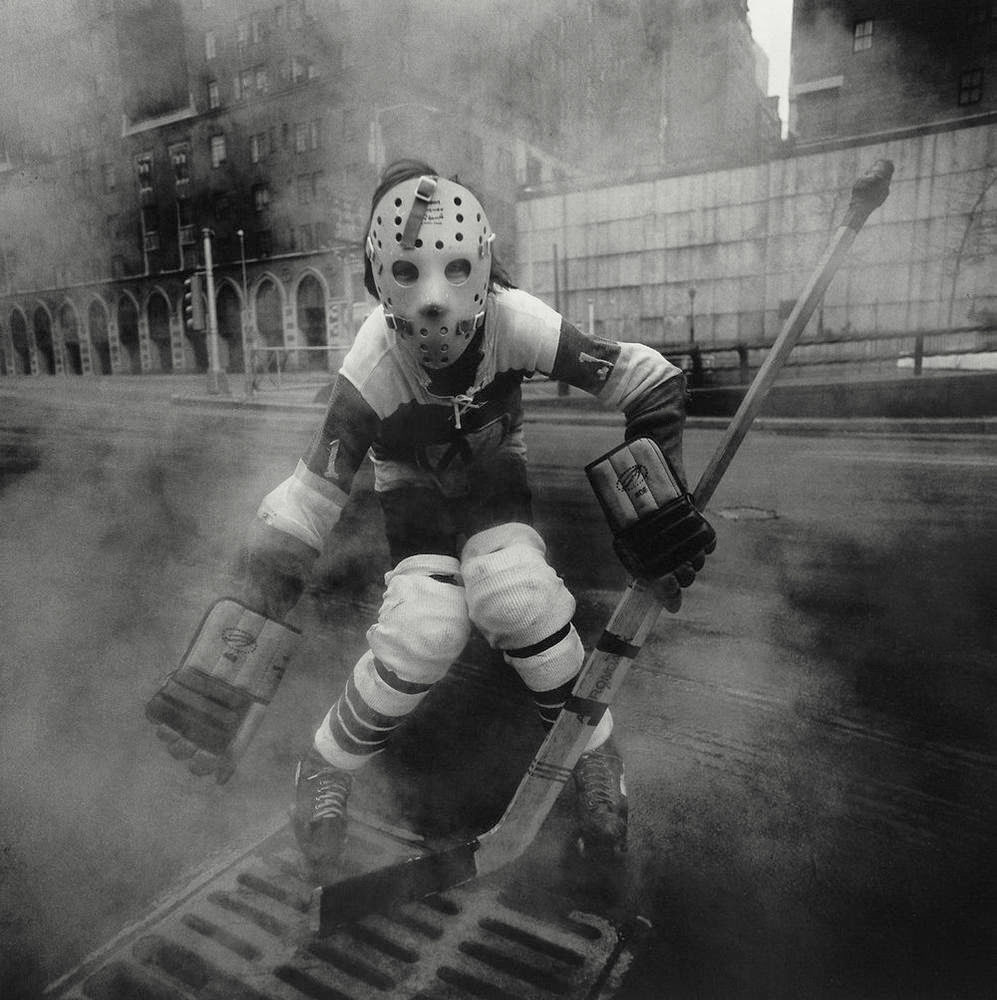
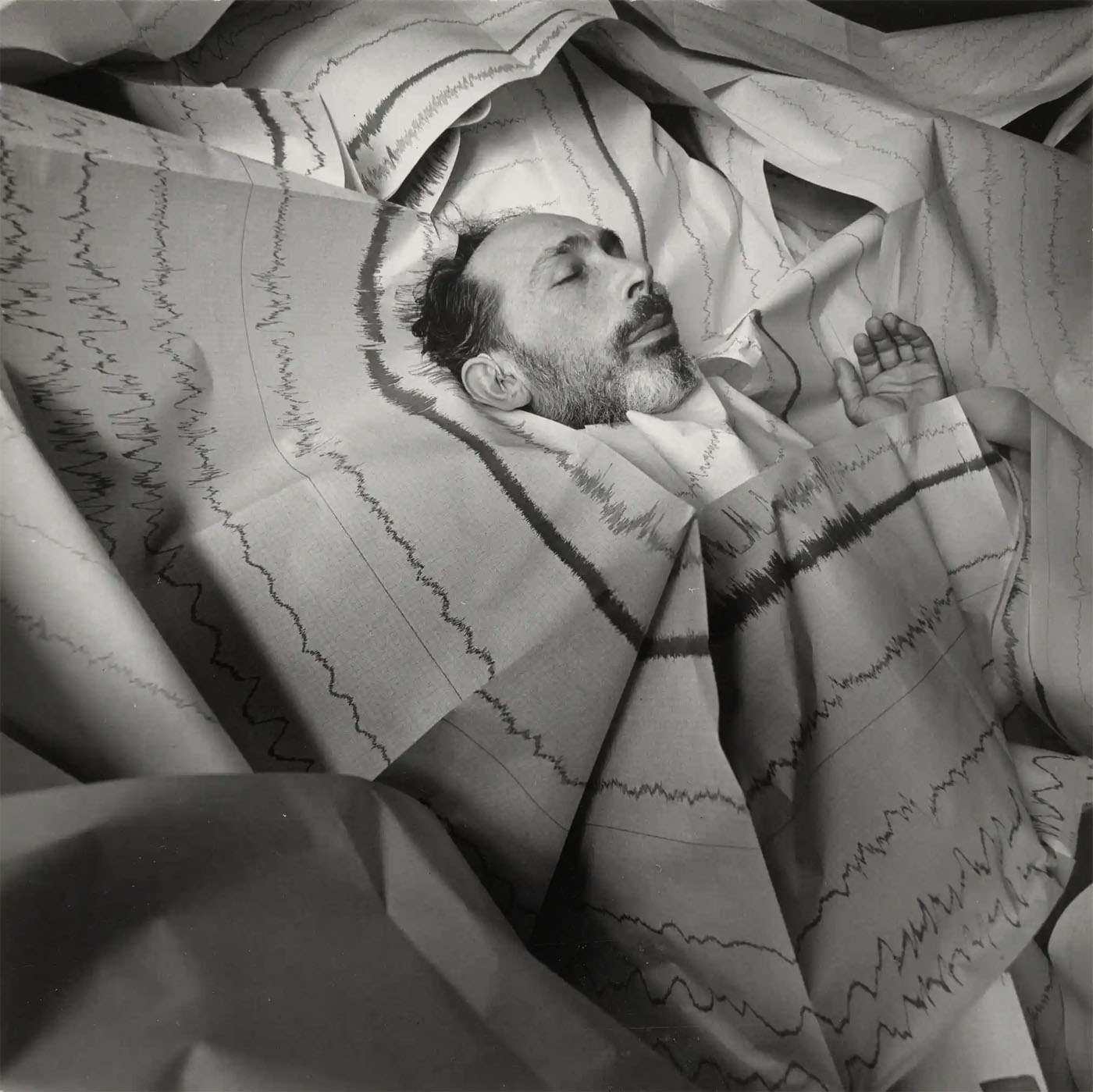
Sunday 1 – 5pm
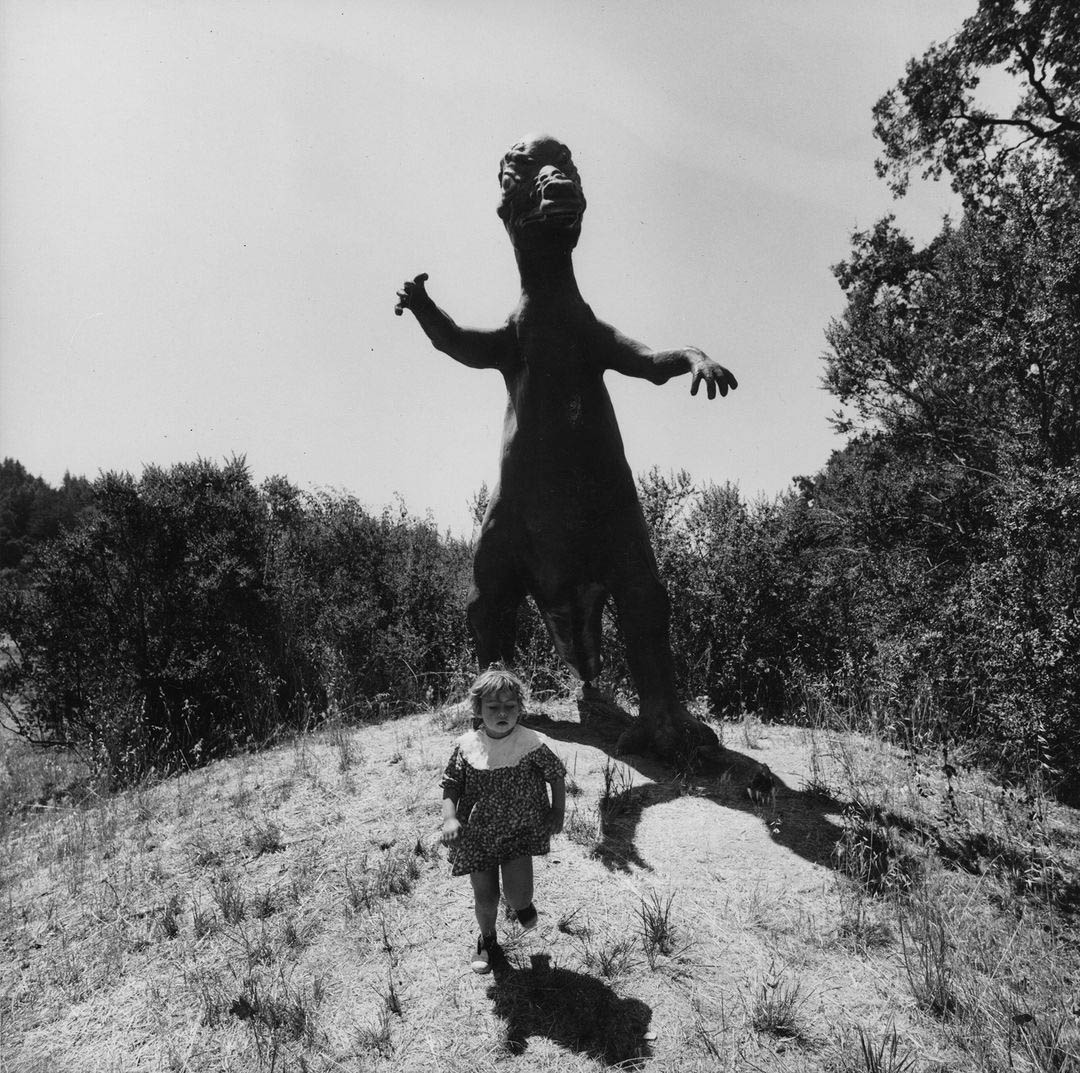
The museum is closed on Mondays and state holidays.

Samuel P. Harn Museum of Art website

LIKE ART BLART ON FACEBOOK

Back to top