Curator: Andrea Nelson, Assistant Curator, Department of Photographs, National Gallery of Art
Alfred Stieglitz (American, 1864-1946) The Last Joke – Bellagio 1887 Platinum print Sheet (trimmed to image): 11.7 x 14.7cm (4 5/8 x 5 13/16 in.) National Gallery of Art, Washington, Alfred Stieglitz Collection
I am too sick at the moment to really say anything constructive about platinum prints except one word: wow.
You only have to look at the tonality and the sensuality of the prints to understand their appeal.
Driftwood, Maine, 1928 by Paul Strand is my favourite in this posting.
Dr Marcus Bunyan
Many thankx to the National Gallery of Art for allowing me to publish the photographs in the posting. Please click on the photographs for a larger version of the image.
Laura Gilpin (American, 1891-1979) Ghost Rock, Colorado Springs 1919 Platinum print 24.2 x 19.1cm (9 1/2 x 7 1/2 in.) National Gallery of Art, Washington, The Marvin Breckinridge Patterson Fund
Renowned for her landscape photographs of the American Southwest, Gilpin was mentored by Gertrude Käsebier and trained at the Clarence H. White School of Photography in New York. This luminous photograph exemplifies Gilpin’s skill in producing expressive works with a wide spectrum of tonal values.
Frederick H. Evans (British, 1853-1943) York Minster, North Transept: “In Sure and Certain Hope” 1902 Platinum print 27.46 x 19.69cm (10 13/16 x 7 3/4 in.) National Gallery of Art, Washington, Carolyn Brody Fund and Pepita Milmore Memorial
Evans was known as the master of the unmanipulated platinum print. For him, a perfect photograph was one that “gives its beholder the same order of joy that the original would.” In this work, light, more than architecture, is his subject. As light fills the space of York Minster Cathedral it dissolves the weight of the massive stone, creating a reverential, timeless mood. Evans also took great care in the presentation of his photographs, often embellishing his mounts with hand-ruled borders and watercolour washes.
Text from the National Gallery of Art website
Evans was described by Alfred Stieglitz as ‘the greatest exponent of architectural photography’. Evans aimed to create a mood with his photography; he recommended that the amateur ‘try for a record of emotion rather than a piece of topography’. He would spend weeks in a cathedral before exposing any film, exploring different camera angles for effects of light and means of emotional expression. He always tried to keep the camera as far as possible from the subject and to fill the frame with the image completely, and he used a small aperture and very long exposure for maximum definition. Equally important to the effect of his photographs were his printing methods; he rejected the fashion for painterly effects achieved by smudging, blowing or brushing over the surface of the gum paper print. His doctrine of pure photography, ‘plain prints from plain negatives’, prohibited retouching.
Text from the MoMA website
Karl Struss (American, 1886-1981) Columbia University, Night 1910 Gum dichromate over platinum print processed with mercury 24 x 19.4cm (9 7/16 x 7 5/8 in.) National Gallery of Art, Washington, Horace W. Goldsmith Foundation through Robert and Joyce Menschel
Alfred Stieglitz (American, 1864-1946) From the Back-Window – 291 1915 Platinum print 24.1 x 19.1cm (9 1/2 x 7 1/2 in.) National Gallery of Art, Washington, Alfred Stieglitz Collection
Influenced by Peter Henry Emerson’s understanding of photography as an independent art form, Stieglitz became the driving force behind the development of art photography at the turn of the century. He founded the Photo-Secession group in 1902 with the aim to “advance photography as applied to pictorial expression.” This view of the buildings in New York behind Stieglitz’s famed Little Galleries of the Photo-Secession at 291 Fifth Avenue is an exceptional example of a platinum print with rich, neutral grey and black tones. The diffuse glow of the lights is enhanced by Stieglitz’s choice of a smooth printing paper with a subtle surface sheen. (NGA)
Around 1915, Stieglitz began photographing the view out of the window of his gallery, a practice he continued through two relocations of his business. In this photograph made from the window of Stieglitz’s first gallery (known as “291” for its address on Fifth Avenue), the legacy of Pictorialism hovers in the rich, evocative atmosphere he coaxes from the nighttime scene, even as the play of angular forms declares the modernist impulse for the exposure. (Text from Metropolitan Museum of Art)
Paul Strand (American, 1890-1976) Driftwood, Maine 1928 Platinum print 24.3 x 19.2cm (9 9/16 x 7 9/16 in.) National Gallery of Art, Washington, Southwestern Bell Corporation Paul Strand Collection
Strand was a committed advocate of the platinum process and made platinum photographs well into the 1920s and early 1930s. Driftwood, Maine is printed on Japine paper, a photographic paper with a chemically altered surface, which resembles parchment. First introduced by William Willis’ Platinotype Company in 1906, Japine platinum paper provided deep blacks and a lustrous surface sheen that Strand found ideal for his modernist abstractions.
Rare platinum photographs that played a pivotal role in establishing photography as a fine art will be presented at the National Gallery of Art. On view in the West Building from October 5, 2014 through January 4, 2015, A Subtle Beauty: Platinum Photographs from the Collection will include two dozen works from the Gallery’s renowned collection of photographs. Presented in conjunction with a symposium organised by the National Gallery of Art and sponsored by the Foundation of the American Institute for Conservation of Historic and Artistic Works, this exhibition features compelling prints by Alfred Stieglitz (1864-1946), Edward Steichen (1879-1973), Gertrude Käsebier (1852-1934), and other prominent Pictorialist photographers.
“Photographers in the late 19th and early 20th centuries were captivated by the lush appearance and rich atmospheric effects they were able to create through the platinum print process,” said Earl A. Powell III, director, National Gallery of Art. “With their extraordinary tonal range – capable of capturing the deepest blacks, warmest sepias, and creamiest of whites – platinum prints quickly became the preferred process of the era.”
Exhibition highlights
Featuring 24 outstanding photographs from the 1880s to the 1920s, this exhibition reveals the artistic qualities and subtle nuances of the platinum process. Major artists such as Peter Henry Emerson (1856-1936), Frederick H. Evans (1853-1943), Alvin Langdon Coburn (1882-1966), and Clarence H. White (1871-1925), revered platinum prints for their permanence, delicate image quality, and surface textures that could range from a velvety matte to a lustrous sheen.
Focused on the aesthetic and technical aspects of platinum photographs, highlights include Stieglitz’s From the Back-Window – 291 (1915), an exceptional print with neutral grey and black tones capturing the diffuse glow of lights in the buildings behind the artist’s galleries at 291 Fifth Avenue; Evans’ superb York Minster, North Transept: “In Sure and Certain Hope” (1902), an affective work whose subject is light more than architecture; and Steichen’s evocative Rodin (1907), combining platinum with gum dichromate to create a painterly, multilayered portrait.
Press release from the National Gallery of Art website
Clarence H. White (American, 1871-1925) Mrs. White – In the Studio 1907 Palladium print, printed later 24.4 x 19.3cm (9 5/8 x 7 5/8 in.) National Gallery of Art, Washington, Horace W. Goldsmith Foundation through Robert and Joyce Menschel and R. K. Mellon Family Foundation
Alvin Langdon Coburn (American, 1882-1966) Clarence H. White c. 1905 Platinum print 24.2 x 19.4cm (9 1/2 x 7 5/8 in.) National Gallery of Art, Washington, Patrons’ Permanent Fund
Coburn presents fellow photographer Clarence H. White holding a tube of platinum paper in much the same manner as a painter would hold a palette. Because the paper support contributed greatly to the overall appearance of the platinum print, photographers experimented with a range of handmade and mass-produced papers that varied in texture and colour.
Clarence H. White (American, 1871-1925) George Borup 1909 Platinum print 25 x 20cm (9 13/16 x 7 7/8 in.) National Gallery of Art, Washington, Patrons’ Permanent Fund
A self-taught photographer from Ohio, White became an important leader of the Pictorialist movement. A member of the Photo-Secession, he exhibited widely and later founded the Clarence H. White School of Photography in New York in 1914, a school that helped define and establish Pictorialist ideals. White took this portrait of geologist and explorer George Borup the year he returned from an expedition to the North Pole.
Frederick H. Evans (British, 1853-1943) Aubrey Beardsley 1894 Platinum print 13 x 90.2cm (5 1/8 x 35 1/2 in.) National Gallery of Art, Washington, Paul Mellon Fund
A major figure in British Pictorialism and a driving force of its influential society The Linked Ring, Frederick Evans is best known for his moving interpretations of medieval cathedrals rendered with unmatched subtlety in platinum prints. Until 1898, Evans owned a bookshop in London where, according to George Bernard Shaw, he was the ideal bookseller, chatting his customers into buying what he thought was right for them. In 1889, Evans befriended the seventeen-year-old Aubrey Beardsley, a clerk in an insurance company who, too poor to make purchases, browsed in the bookshop during lunch hours. Eventually, Evans recommended Beardsley to the publisher John M. Dent as the illustrator for a new edition of Thomas Malory’s “Le Morte d’Arthur.” It was to be Beardsley’s first commission and the beginning of his meteoric rise to fame.
Evans probably made this portrait of Beardsley (1872-1898) in 1894, at the time the young artist was achieving notoriety for his scandalous illustrations of Oscar Wilde’s “Salomé” and “The Yellow Book,” two publications that captured the irreverent, decadent mood of the European fin de siècle. A lanky, stooped youth who suffered from tuberculosis and would die of the disease at the age of twenty-five, Beardsley, conscious of his awkward physique, cultivated the image of the dandy. Evans is reported to have spent hours studying Beardsley, wondering how best to approach his subject, when the artist, growing tired, finally relaxed into more natural poses. In the platinum print, Evans captured the inward-looking artist lost in the contemplation of his imaginary world, his beaked profile cupped in the long fingers of his sensitive hands.
Text from the Metropolitan Museum of Art
Gertrude Käsebier (American, 1852-1934) Alfred Stieglitz 1902 Platinum print 30.5 x 21.2cm (12 x 8 3/8 in.) National Gallery of Art, Washington, R. K. Mellon Family Foundation, Diana and Mallory Walker Fund, and Horace W. Goldsmith Foundation through Robert and Joyce Menschel
Featured in the 1903 inaugural issue of Alfred Stieglitz’s seminal journal Camera Work, Gertrude Käsebier was hailed by him as “the leading portrait photographer in the country.” To manipulate the tones of this print, Käsebier masked sections of the negative and then used a brush to selectively apply the developing solution to the printing paper. The final result resembles a beautifully hand-worked watercolour.
Heinrich Kühn (American, 1866-1944) Walther Kühn 1911 Gum dichromate over platinum print 29.7 x 23.7cm (11 11/16 x 9 5/16 in.) National Gallery of Art, Washington, Horace W. Goldsmith Foundation through Robert and Joyce Menschel
A photographer, writer, and scientist, Heinrich Kühn was a central figure in the international development of Pictorialist photography. Known for his intimate portraits, scenes of rural life, and still-life photographs, he was actively involved in groups – both in Great Britain and Austria – that espoused an alternative to a purely technical view of photography.
Edward Steichen (American, 1879-1973) Rodin 1907 Gum dichromate over platinum print 37.94 x 26.67cm (14 15/16 x 10 1/2 in.) National Gallery of Art, Washington, Pepita Milmore Memorial Fund
Steichen positioned Auguste Rodin in a contemplative pose reminiscent of the sculptor’s most recognised work, The Thinker. By adding gum dichromate (a mixture of light-sensitive salts, pigment and a gum arabic binder) over a platinum print, Steichen enhanced the soft-focus appearance and tonality of his portrait.
Steichen was an important link between European and American artistic circles during the first decade of the twentieth century. A member of the Photo-Secession, Steichen encouraged the group’s founder, Alfred Stieglitz, to open a gallery in New York to promote the club’s work. The Little Galleries of the Photo-Secession (later known as “291” from its address at 291 Fifth Avenue) opened in 1905. Soon, the gallery’s scope extended beyond photography to include other currents in modern art, such as the exhibition of Rodin’s watercolours and drawings that Steichen organised in 1908.
Alfred Stieglitz (American, 1864-1946) Hodge Kirnon 1917 Satista print Alfred Stieglitz Collection
One of the least well known and most beautiful of Stieglitz’s portraits, this photograph depicts Hodge Kirnon, a man Stieglitz saw in passing every day. When preparing to close his historic gallery “291” in 1917 as a result of World War I, Stieglitz assessed his work and life and saw that Kirnon – who operated the elevator that transported the gallery’s visitors, its critics, and its provocative modern art – had been a true fellow passenger on the momentous trip.
Satista prints refer to a print that is a composed of a mixture of silver and platinum. This is a very old process, invented by William Willis published in Sensitive Photographic Paper and Process of Making. The process was intended to be more economical then platinum printing, but being able to produce results that looked like pure platinum prints and being as permanent.
Edith R. Wilson (American, 1864-1924) Portrait of a Family 1922 Palladium print R.K. Mellon Family Foundation
With the onset of World War I, platinum metal was needed for military purposes, raising its price and severely limiting its use in commercial applications. This led to the advancement of new photographic products that relied on the more readily available and less expensive precious metals of silver and palladium. Wilson made this portrait on palladium paper during a summer course offered by the Clarence H. White School of Photography. Intended to replicate the look of platinum prints, palladium papers came in various surface textures and tonal values; however, they were never fully embraced by photographers, who questioned both their quality and permanence.
Harry C. Rubincam (American, 1871-1940) The Circus 1905 Platinum print The Sarah and William L Walton Fund
After years of working for insurance and wholesale grocery companies in New York City, Rubincam moved to Denver, Colorado, where he learned photography from a retired professional. His participation in several exhibitions brought his work to the attention of Alfred Stieglitz, who invited Rubincam in 1903 to be a member of the Photo-Secession, an elite group of photographers whose aim was to advance photography as a fine art. This photograph of a circus performance is unusual among art photographs from this time for its spontaneity.
National Gallery of Art National Mall between 3rd and 7th Streets Constitution Avenue NW, Washington
What can you say about one of the greatest photographers in the history of the medium, a man with a social conscience, a man who’s fame “rests on his extraordinary artistic talent as well as his belief in the transformative power of the medium in which he chose to work.”
From a personal perspective, in my first year at university learning the history of the medium in the early 1990s, the image White Fence, Port Kent, New York (1916, below) was proposed as the first truly modernist photograph. I remember seeing this image for the first time, placing myself in that time (the First World War) and trying to understand what a shock that photograph must have been to the world of Pictorialism. Even now, the strength of that white picket fence is electrifying in its frontality and geometric solidity. In this image, “Strand deliberately destroyed perspective to build a powerful composition from tonal planes and rhythmic pattern.”1 A year earlier Strand had produced what is one of my favourite photographs of all time, a modernist image – Wall Street, New York (1915, below), with the dark maw of industry ready to swallow the rushing workers framed in streaming sunlight. We cannot underestimate the impact that Strand’s revolutionary photographs had on the history of photography.
You only have to look at the images. Look at the tonality and intense stare in Young Boy, Gondeville, Charente, France (1951, below), so haunting and beautiful. Observe the ensemble of figures so tightly choreographed in The Family, Luzzara (The Lusettis) (1953, below) or the darkness and weight of the cheese in Parmesan, Luzzara (1953, below) – an image I had never seen before – as it presses into the upturned hand. Magnificent. What seems so difficult to others and what is difficult in reality, is expressed simply and eloquently by Strand, whether it be portraits of tribal elders, market squares or oil refineries. That is the mark of a master craftsman, when the difficult appears simple and insightful at one and the same time. I vividly recall seeing a folio from The garden series (1957-67, printed in the year of his death 1976) – still lifes of his garden in Orgeval, outside Paris – at the National Gallery of Victoria and being awestruck by their tonality, their beauty, quietness and lyricism. No ego here… just a reflection of life on earth and “the beauty of myriad textures.” Several of these photographs are at the bottom of the posting.
An aphorism that I was taught when first starting out as a photographer was that Strand said it took ten years to become a photographer. Ten years of study to understand your equipment, your medium and what you are trying to say yourself as an artist – and to get rid of ego in the work, to let the work just speak for itself. Whether he actually said this I am not sure, but from my experience I would say that it is about right. Strand starting studying photography at the Ethical Culture School in 1907 under the tutelage of documentary photographer Lewis Hine and his first important images were produced in 1915. The timeline is there.
For Strand, “the camera was a machine – a modern machine,” says curator of the exhibition Peter Barberie. “He was preoccupied with the question of how modern art – whether it’s photography or not – could contain all of the humanity that you see in the western artistic traditions.”
A big ask but a great artist to produce such work.
Dr Marcus Bunyan
Many thankx to the Philadelphia Museum of Art for allowing me to publish the photographs in the posting. Please click on the photographs for a larger version of the image.
“Who can say what amalgam of memory, dreams, study, pain and discipline brought Paul Strand to photograph Mr. Bennett and to record him so perfectly? The picture is almost as unaccountable as the fact of Mr. Bennett, we are left with our little cosmologies and the certainty that we will never fully know. But we continue to speculate, as with all great art, because the picture is clearer than life and this is consoling.”
Robert Adams, Why People Photograph
“Treating the human condition in the modern urban context, Strand’s photographs are a subversive alternative to the studio portrait of glamour and power. A new kind of portrait akin to a social terrain, they are, as Sanford Schwartz put it, “cityscapes that have faces for subjects.””
Department of Photographs, The Metropolitan Museum of Art
“The portrait of a person is one of the most difficult things to do, because in order to do it it means that you must almost bring the presence of that person photographed to other people in such a way that they don’t have to know that person personally in any way, but they are still confronted with a human being that they won’t forget. The images of that person that they will never forget. That’s a portrait.”
Paul Strand’s 1915 photograph of Wall Street workers passing in front of the monolithic Morgan Trust Company can be seen as the quintessential representation of the uneasy relationship between early twentieth-century Americans and their new cities. Here the people are seen not as individuals but as abstract silhouettes trailing long shadows down the chasms of commerce. The intuitive empathy that Strand demonstrates for these workers of New York’s financial district would be evident throughout the wide and varied career of this seminal American photographer and filmmaker, who increasingly became involved with the hardships of working people around the world. In this and his other early photographs of New York, Strand helped set a trend toward pure photography of subject and away from the Pictorialist imitation of painting. Wall Street is one of only two known vintage platinum prints of this image and one of the treasures of some five hundred photographs in the Museum’s Paul Strand Retrospective Collection.
Martha Chahroudi, from Philadelphia Museum of Art: Handbook of the Collections (1995), p. 230.
The Philadelphia Museum of Art is presenting the first major retrospective in nearly fifty years to be devoted to Paul Strand (American, 1890-1976), one of the greatest photographers in the history of the medium. It explores the remarkable evolution of Strand’s work spanning six decades, from the breakthrough moment when he brought his art to the brink of abstraction to his broader vision of the place of photography in the modern world. This exhibition examines every aspect of Strand’s work, from his early efforts to establish photography as a major independent art form and his embrace of filmmaking as a powerful medium capable of broad public impact to his masterful extended portraits of people and places that would often take compelling shape in the form of printed books. Paul Strand: Master of Modern Photography celebrates the recent acquisition of more than 3,000 prints from the Paul Strand Archive, which has made the Philadelphia Museum of Art the world’s largest and most comprehensive repository of Strand’s work.
Timothy Rub, the George D. Widener Director, stated: “Strand’s achievement was remarkable. The distinctive place he holds in the history of modern photography rests on his extraordinary artistic talent as well as his belief in the transformative power of the medium in which he chose to work. From his early experiments with street photography in New York to his sensitive portrayal of daily life in New England, Italy, and Ghana, Strand came to believe that the most enduring function of photography and his work as an artist was to reveal the essential nature of the human experience in a changing world. He was also a master craftsman, a rare and exacting maker of pictures. We are delighted to be able to present in this exhibition a selection of works drawn almost exclusively from the Museum’s collection, and to share these with audiences in the United States and abroad. Paul Strand: Master of Modern Photography will introduce a new generation of visitors to a great modern artist.”
Paul Strand’s career spanned a period of revolutionary change both in the arts and in the wider world. Always motivated by a strong sense of social purpose, he came to believe that depicting the human struggle, both economic and political, was central to his responsibility as an artist. The exhibition begins with his rapid mastery of the prevailing Pictorialist style of the 1910s, reflected in serene landscapes such as The River Neckar, Germany (1911). On view also are his innovative photographs of 1915-1917 in which he explored new subject matter in the urban landscape of New York and innovative aesthetic ideas in works such as Abstraction, Porch Shadows, Twin Lakes, Connecticut (1916). These new directions in Strand’s photography demonstrated his growing interest both in contemporary painting – especially Cubism and the work of the American artists championed by Alfred Stieglitz – and in discovering for photography a unique means of expressing modernity. Strand’s work of this period includes candid, disarming portraits of people observed on the street – the first of their type – such as Blind Woman, New York (1916), and Wall Street, New York (1915), an arrangement of tiny figures passing before the enormous darkened windows of the Morgan Trust Company Building, which illustrates Strand’s fascination with the pace of life and changing scale of the modern city.
During the 1920s – a period often called “the Machine Age” – Strand became transfixed by the camera’s capacity to record mesmerising mechanical detail. At this time his ideas about the nature of portraiture began to expand significantly. These new and varied concerns can be seen in the sensuous beauty of close-up images of his wife, Rebecca Salsbury Strand, to cool, probing studies of his new motion picture camera, such as Akeley Camera with Butterfly Nut, New York (1922-23). His ideas about portraiture also extended to his growing preoccupation with photographic series devoted to places beyond New York, such as the southwest and Maine, where he would make seemingly ordinary subjects appear strikingly new. The exhibition looks at Strand’s widening engagement with his fellow artists of the Stieglitz circle, placing his works alongside a group of paintings by Georgia O’Keeffe, Marsden Hartley, Arthur Dove, and John Marin, as well as photographs by Stieglitz, who played an important role in launching Strand’s career. These juxtapositions reveal the rich interaction between Strand and his friends and peers during this time.
Over the next several decades Strand traveled widely, seeking always to establish a broader role for photography. The exhibition conveys his growing interest in the medium’s unique ability to record the passage of time and the specific qualities of place, as seen in Elizabethtown, New Mexico (1930), one of many photographs he made of abandoned buildings. It shows Strand returning to a core motif – the portraiture of anonymous subjects – during the time when he lived in Mexico, from 1932 to 1934. This period abroad had a profound influence on him, deepening his engagement with the politics of the left. Many of the works he created at this time, whether depicting individuals, groups of people, or even religious icons, show in their exceptional compositions a deep empathy. This can also be seen in his series devoted to Canada’s Gaspé Peninsula from the same decade.
By the 1940s, books would become Strand’s preferred form of presentation for his work, reflecting a synthesis of his aims both as a photographer and filmmaker, and offering him the opportunity to create multifaceted portraits of modern life. In his photographs of New England, Strand drew upon cultural history, conveying a sense of past and present in order to suggest an ongoing struggle for democracy and individual freedom. Images of public buildings, such as Town Hall, New Hampshire (1946), and portraits of people he met, including Mr. Bennett, East Jamaica, Vermont (1943), were reproduced in Time in New England. This book was published in 1950, the year Strand moved to France in response to a growing anti-Communist sentiment in the U.S., and reflected his political consciousness. Strand described New England as “a battleground where intolerance and tolerance faced each other over religious minorities, over trials for witchcraft, over the abolitionists … It was this concept of New England that led me to try to find … images of nature and architecture and faces of people that were either part of or related in feeling to its great tradition.”
The exhibition also highlights his project in Luzzara, Italy (1953), where he focused his attention on the everyday realities of a northern village recovering from the miseries of war and fascism. This series is centred on images of townspeople, as seen in The Family, Luzzara (The Lusettis) (1953), and fulfils his long-held ambition to create a major work of art about a single community. Strand’s photographs of Luzzara were published in Un Paese: Portrait of an Italian Village (1955).
In 1963, Strand was invited to Ghana at the invitation of Kwame Nkrumah, its first president following the end of British rule. Fascinated by Ghana’s democracy during these years, Strand was excited to photograph a place undergoing rapid political change and modernisation. He saw modernity in the efforts of a newly independent nation to chart its future unfolding simultaneously alongside traditional aspects of Ghanaian culture. Portraiture was central to the project, as seen in Anna Attinga Frafra, Accra, Ghana (1964), in which a young schoolgirl balances books on her head. The project led to the publication of Ghana: An African Portrait (1976).
In Strand’s later years, he would increasingly turn his attention close to his home in Orgeval, outside Paris, often addressing the countless discoveries he could make within his own garden. There he produced a remarkable series of still life. These were at times reflective of earlier work, but also forward-looking in their exceptional compositions that depict the beauty of myriad textures, free-flowing movement, and evoke a quiet lyricism.
In addition to Strand’s still photography, the exhibition features three of his most significant films. Manhatta (1921), his first film and an important collaboration with painter and photographer Charles Sheeler, will be shown in full. This brief non-narrative “scenic” is considered the first American avant-garde film. It portrays the vibrant energy of New York City, juxtaposing the human drama on the street with abstracted bird’s-eye perspectives taken from high buildings and scenes of the ferry and harbour, all punctuated by poetry from Walt Whitman. Two of the films are seen in excerpts. Redes (1936), Strand’s second film, reflects the artist’s growing social awareness during his time in Mexico. Released as The Wave in the U.S., the film is a fictional account of a fishing village struggling to overcome the exploitation of a corrupt boss. Native Land (1942) is Strand’s most ambitious film. Co-directed with Leo Hurwitz and narrated by Paul Robeson, it was created after his return to New York when Strand became a founder of Frontier Films and oversaw the production of leftist documentaries. Ahead of its time in its blending of fictional scenes and documentary footage, Native Land focuses on union-busting in the 1930s from Pennsylvania to the Deep South. When its release coincided with the Japanese attack on Pearl Harbor, it was criticised as out-of-step with the nation, leading Strand to return exclusively to still photography.
Paul Strand: Master of Modern Photography is curated by Peter Barberie, the Brodsky Curator of Photographs, Alfred Stieglitz Center at the Philadelphia Museum of Art, with the assistance of Amanda N. Bock, Project Assistant Curator of Photographs. Barberie said, “Whether he was printing in platinum, palladium, gelatin-silver, making films, or preparing books, Strand was ultimately more than a photographer. He was a great modern artist whose eloquent voice addressed the widest possible audience, and this voice continues to resonate today.
Born in New York City, Strand first studied with the social documentary photographer Lewis Hine at New York’s Ethical Culture School from 1907-1909, and subsequently became close to the pioneering photographer Alfred Stieglitz. Strand fused these powerful influences and explored the modernist possibilities of the camera more fully than any other photographer before 1920. In the 1920s, Strand tested the camera’s potential to exceed human vision, making intimate, detailed portraits, and recording the nuances of machine and natural forms. He also created portraits, landscapes, and architectural studies on various travels to the Southwest, Canada, and Mexico. The groups of pictures of these regions, in tandem with his documentary work as a filmmaker in the 1930s, convinced Strand that the medium’s great purpose lay in creating broad and richly detailed photographic records of specific places and communities. For the rest of his career he pursued such projects in New England, France, Italy, the Hebrides, Morocco, Romania, Ghana, and other locales, producing numerous celebrated books. Together, these later series form one of the great photographic statements about modern experience. The last major retrospective dedicated to Strand was organised by the Philadelphia Museum of Art in 1971.
The Paul Strand Collection at the Philadelphia Museum of Art
In 2010, the Philadelphia Museum of Art began to acquire the core collection of photographs by Paul Strand. Through the generosity of philanthropists Lynne and Harold Honickman, Marjorie and Jeffrey Honickman, and H.F. “Gerry” and Marguerite Lenfest, the Museum received as partial and promised gifts from The Paul Strand Archive at the Aperture Foundation, as well as master prints from Strand’s negatives by the artist Richard Benson.
The Paul Strand Collection permits the study of Strand’s career with prints from the majority of his negatives, including variants and croppings of individual images. Together with other photographs already owned by the Museum, the acquisition makes the Philadelphia Museum of Art the world’s most comprehensive repository for the study of his work.
Catalogue
The exhibition will be accompanied by a substantial scholarly catalogue, co-published by the Philadelphia Museum of Art and Yale University press in collaboration with MAPFRE. The accompanying publication is supported by Lynne and Harold Honickman and The Andrew W. Mellon Fund for Scholarly Publications at the Philadelphia Museum of Art.”
“An exquisite edifice and living machine. Hard chambers of bone to guard soft organs, protected conduits and channels. Smooth working mechanism of jaws and teeth.”
~ Irving Penn, December 12, 1988
Irving Penn’s platinum photographs fetch tens of thousands of dollars at auction. I could think of better things to spend my money on.
I have never been a fan – of his cigarette butts, fruit dishes, vanitas as well as animal skulls and ethnographic photos. There are just too clinically cold and dead for me, like his invented word “photographism” which really says it all about his photo/graphs.
Other people may love them for their elegance and minimalism, but for work that supposedly investigates the ephemerality and brevity of human existence Penn tightens his essentially reductive approach until the conceptual (and formal) noose strangles the subject.
Irving Penn’s Worlds in a Small Room (where he set up baffles and stood “mudpeople” and other tribespeople), his masks, and his platinum prints of cigarette butts are his claim to fame. They were championed by the US East Coast and commercial interests. They are not terrible, but I don’t believe they are deserving of their fame. The work was deliberately made to attract the limelight, at least in the vibe I get from them.
Dr Marcus Bunyan
Many thankx to the Palazzo Grassi for allowing me to publish the photographs in the posting. Please click on the photographs for a larger version of the image.
Irving Penn: The Enduring Power of Formal Simplicity
“Irving Penn was one of the most significant and prolific photographers of the 20th century whose signature blend of classical elegance, cool minimalism and monumentality still command our attention… Penn’s visual innovations, compositional originality and intensity, his diversity and range, his meticulous perfectionism and his technical precision and insistence on clean spare elegant compositions are his trademarks… A remarkable sixty-year career was filled with amazing commissioned images which could not have been sustained without a relentless sense of precision and unyielding attention to details as well as a restless sense of curiosity… Penn’s approach from the beginning was essentially reductive – he described it as a ‘tightening process – the plastic search.’ He preferred the simple studio backdrop in order to concentrate on preserving the ‘sanctity of the document’… Penn’s legacy is his prodigious insatiable breadth of work blurring the worlds of commerce and fine art. He was constantly questioning the meaning of time, of life and its fragility.“
Diana Edkins. “Irving Penn: The Enduring Power of Formal Simplicity,” on The Eye of Photography website April 2014 [Online] Cited 21/11/2022
The exhibition Irving Penn, Resonance, curated by Pierre Apraxine and Matthieu Humery, brings together on the second floor of Palazzo Grassi 130 photographs, taken between the end of the 1940s and the mid-1980s. The exhibition is a collection of 90 platinum prints, 30 gelatin silver prints, 4 colourful dye transfer prints and 17 internegatives, which will be shown to the public for the first time.
It tackles the themes dear to Irving Penn and which, beyond their apparent diversity, all capture every facet of ephemerality. This is true of the selection of photographs from the series small trades, taken in France, England and the United States in the 1950s. It is also the case for the portraits taken between the 1950s and the 1970s of celebrities from the world of art, cinema, and literature. Exhibited alongside ethnographic photographs of the people of Dahomey and of tribesmen from New Guinea and Morocco, they strongly underline the brevity of human existence, whether affluent or resourceless, famous or unknown.
The exhibition path, which encourages dialogue and connections between works that differ in subject matter and period of time, gives prominence to still life photography from the late 1970s and the beginning of the 1980s: they are composed of cigarette ends, fruit dishes, vanitas as well as animal skulls photographed at the Narodni National Museum in Prague in 1986 for the series Cranium Architecture.
This broad overview of Irving Penn’s work puts relatively unknown images side-by-side with the most iconic ones, thereby revealing the particular ability to synthesise that characterises this photographer: in his work, modernity is not necessarily in opposition with the past and the way he exerts control over every step of the process, from the studio to the printing (to which he dedicates a lot of attention and unprecedented care), enables one to come nearer to the truth of things and people, through a constant questioning of the meaning of time, of life and of its fragility.
Irving Penn
Irving Penn was born in 1917 in Plainfield, New Jersey. In 1934 he enrolled at the Philadelphia Museum School of Industrial Art where he studied design with Alexey Brodovitch. In 1938 he began a career in New York as a graphic artist – then, after a year painting in Mexico, he returned to New York City and began work at Vogue magazine where Alexander Liberman was art director.
Liberman encouraged Penn to take his first colour photograph, a still life which became the October 1, 1943 cover of Vogue, beginning a fruitful collaboration with the magazine that lasted until his death in 2009. In addition to his editorial and fashion work for Vogue, Penn also worked for other magazines and for numerous commercial clients in America and abroad.
He published many books of his photographs including: Moments Preserved (1960); Worlds in a Small Room (1974); Inventive Paris Clothes (1977); Flowers (1980); Passage (1991); Irving Penn Regards The Work of Issey Miyake (1999); Still Life (2001); Dancer (2001); Earthly Bodies (2002); A Notebook At Random (2004); Dahomey (2004); Irving Penn: Platinum Prints (2005); Small Trades (2009); and two books of drawings and paintings.
Penn’s photographs are in the collections of major museums in America and abroad, including the Metropolitan Museum of Art, Moderna Museet in Stockholm, The National Gallery of Art in Washington, D.C., Smithsonian American Art Museum in Washington, D.C., The J. Paul Getty Museum in Los Angeles, and the Museum of Modern Art in New York, which honoured him with a retrospective exhibition in 1984. This exhibition was circulated to museums in twelve countries. Irving Penn made a donation, in 1997, to the Art Institute of Chicago of prints and archival material. In November of that year, the Art Institute mounted a retrospective that also toured to 5 museums around the world beginning at The State Hermitage in St. Petersburg, Russia.
Gyorgy Kepes (American born Hungary, 1906-2001) Lichtenberg figures: A. R. von Hippel 1951 Photographic enlargement on particleboard Lent by Department of Special Collections, Stanford University Libraries
Way to go… Abstract Expressionists eat your heart out!
Marcus
Many thankx to the Cantor Arts Center for allowing me to publish the photographs in the posting. Please click on the photographs for a larger version of the image.
“The obvious world that we know on gross levels of sight, sound taste and touch, can be connected with the subtle world revealed by our scientific instruments and devices. Seen together, aerial maps of river estuaries and road systems, feathers, fern leaves, branching blood vessels, nerve ganglia, electron micrographs of crystals and the tree-like patterns of electrical discharge-figures are connected, although they are vastly different in place, origin and scale … Their similarity of form is by no means accidental. As patterns of energy-gathering and energy-distribution, they are similar graphs generated by similar processes.”
György Kepes
This exhibition explores the question of art’s relevance in a scientific age through the work of Hungarian-born American artist, designer, and visual theorist Gyorgy Kepes (1906-2001). Forty-five panels depict what Kepes, associated with Germany’s Bauhaus and Chicago’s New Bauhaus, called the “new landscape” of scientific imagery – microscopic minerals, cellular patterns, and tissue fibres – as well as Kepes’s own experiments with camera-less photographic techniques. The exhibition is one of the first projects resulting from a $500,000 grant awarded to the Cantor and the Department of Art & Art History from the Andrew W. Mellon Foundation to facilitate research conducted by Stanford Ph.D. candidates on the Cantor’s collection.
Text from the Cantor Arts Center website
Gyorgy Kepes (American born Hungary, 1906-2001) Lichtenberg figures: A. R. von Hippel 1951 Photographic enlargement on particleboard Lent by Department of Special Collections, Stanford University Libraries
Gyorgy Kepes (American born Hungary, 1906-2001) Untitled Date unknown Photographic enlargement on particleboard, date unknown Lent by Department of Special Collections, Stanford University Libraries
Gyorgy Kepes (American born Hungary, 1906-2001) Untitled Date unknown Photographic enlargement on particleboard, date unknown Lent by Department of Special Collections, Stanford University Libraries
Gyorgy Kepes (American born Hungary, 1906-2001) Gate, Photogenic 1948 Photographic enlargement on particleboard, date unknown Lent by Department of Special Collections, Stanford University Libraries
Gyorgy Kepes (American born Hungary, 1906-2001) Photogenic Painting, Photogenic 1942 Photographic enlargement on particleboard, date unknown Lent by Department of Special Collections, Stanford University Libraries
Gyorgy Kepes (American born Hungary, 1906-2001) Light Graphic, Photogenic 1945 Photographic enlargement on particleboard, date unknown Lent by Department of Special Collections, Stanford University Libraries
Gyorgy Kepes (American born Hungary, 1906-2001) Camel’s tongue: 10X 1951 Photographic enlargement on particleboard Lent by Department of Special Collections, Stanford University Libraries
Gyorgy Kepes (American born Hungary, 1906-2001) Transverse section of Osmanthus wood: 50X
1951
Photographic enlargement on particleboard
Lent by Department of Special Collections, Stanford University Libraries
Gyorgy Kepes (American born Hungary, 1906-2001) Transverse section of wood: 250X 1951 Photographic enlargement on particleboard Lent by Department of Special Collections, Stanford University Libraries
Gyorgy Kepes (American born Hungary, 1906-2001) Ecological Light Plan for Boston Harbor 1964-1965
Cantor Arts Center at Stanford University 328 Lomita Drive at Museum Way Stanford, CA 94305-5060 Phone: 650-723-4177
Exhibition dates: 3rd October – 26th October, 2014
Artists: Cherine Fahd, Vivian Maier, Gabriella Mangano and Silvana Mangano, Debra Phillips, Patrick Pound, Clare Rae, Simone Slee, David Wadelton And Kellie Wells and Vivian Maier.
Curators: Naomi Cass, Louise Neri and Karra Rees
Vivian Maier (American, 1926-2009) East 108th Street. September 28, 1959, New York, NY 1959 Gelatin silver print 30.5 x 30.5cm Vivian Maier/Maloof Collection, courtesy of Howard Greenberg Gallery
Just slightly overrated…
Apologies to the wonderful and hard working Director of the CCP Naomi Cass for what I am about to say, but this is one of the most disappointing photographic exhibitions in Melbourne this year.
Let’s start with the Australian work. There is nothing at all wrong with any of the Australian work. Some of it is very strong, such as the found images of Patrick Pound and the social documentary work of David Wadelton. The problem comes with the lack of connection to the photographs of Vivian Maier. For work that is supposed to be “crossing paths” conceptually with the images of Maier many of the connections are so esoteric as to be almost indistinguishable, so obtuse (as Tim Robbins would say in the Shawshank Redemption) as to be almost unintelligible to the uninitiated.
Where the work is conceptualised around the performative context of identity and the occupation of space(s), such as in Claire Rae’s digital colour lightbox images of people jumping in the air stopped in suspended animation or the beautiful reinscription of the body in the almost dance like video work of Gabriella Mangano and Silvana Mangano, then the juxtaposition simply does not work. The ties that bind one to another simply are not strong enough to sustain the inquiry of the viewer.
More interesting would have been the investigation of the concept of an artist taking photographs in her own time, hidden, secretive, and then being discovered later after she had died – which brings up issues of visibility (the cameras and her gendered own), celebrity, posthumous recreation of identity, the fame of the artist after death, and how the self-portraits fit into this theme etc…
The photographs by Vivian Maier printed by ? are far more disappointing.
Touted as the NEXT BIG THING by curators who are always looking for the next big thing and people out to make a healthy buck or two, VM is a person who has been “posthumously invented” and her work, which was largely unprinted during her lifetime, has been brought to market in a commercial process. As Abigail Solomon-Godeau notes at the end of her excellent essay “Inventing Vivian Maier” on the Jeu de Paume website:
“Here one can see how the terms of an “aesthetic” discourse within the world of contemporary photography, turning on the individual author and her work, and the far less lofty realities of market and marketing, property relations, public relations, media relations and all the other apparatuses, illuminate one another, or even collide. “Her big project,” remarks Michael Williams, “was her life,” but perhaps the even larger project is her posthumous invention.”
Abigail Solomon-Godeau. “Inventing Vivian Maier,” on the Jeu de Paume website, 16th September 2013 [Online] Cited 26/06/2021. No longer available online
With this invention in mind (and the product that you want to sell being paramount), you would have thought that the people who now control her archive would have got a damn good black and white printer to print the work. But no. Some of the prints are appalling, so flat that there is little if any true black in them at all. As for the content of the images, they look better in reproduction than they do in real life.
Maier, as I have said elsewhere, is a competent photographer – but she will never be a great photographer. Periodically (and I use the word my female friend supplied) she is very good, but too often she lapses into cliche. There are lots of low depth of field photographs but the construction of the images is cold and stilted, there is little engagement it would seem but for the snap of the shutter as she wanders around city after city, keeping the resulting negatives securely hidden.
There is also little mystery in her photographs which is probably why they don’t rise to that next level: look at the photograph of the two men staring at a length of hose on the ground on a rainy street in NY. The hose just sits there, the men are caught mid-gesture… and that’s it. Lots of her photographs are like this. And there also seem to be some anger towards the world as well. If you compare the photograph of the two boys, Undated, Canada (below) with that of the twins by Diane Arbus, there seems to be a darkness and malevolence to VM’s photograph that contrasts with the mystery and joy in that of Arbus – not so much in the subject matter but in the feeling that the photographer projects towards what she is photographing.
There is a coldness when you see the prints in the flesh (like the wind whistling off Lake Michigan onto the Chicago streets), an ice chill, a lack of humour, something that is a little creepy and screwy (if you will pardon the colloquialism) about the work. She wants us to know she is there in the photograph, even when she is not physically present, as in the image September 18, 1962 (below) where the viewer understands that the photographer is down on one knee to get the shot.
There is also a healthy dose of narcissism in the photographs: the self-portraits with this serious woman peering back at us, one who’s eyes hardly ever smile (you can tell a lot from a person’s eyes!) are not psychological investigations like the self-portraits of Rembrandt as he ages throughout the years – portraits in which Rembrandt explores what it is to be him – they are something more obsessive which VM then hides under a bushel. The use of fragmentation and shadows in the two self-portraits that I have put together (New York City, September 10, 1955 and Self-Portrait; October 18, 1953, New York, NY, below) speak of a schism inside the person, one who exposes herself through photography and then possesses but disclaims the results.
People have been flocking to see the film with sold out sessions all over the city, and they were flocking into the CCP to see the exhibition last Saturday when we were there. People love the back story as it has been sold to them by “marketing, property relations, public relations, media relations and all the other apparatuses” and there has been a veritable feeding frenzy about this work: THE DISCOVERY OF KING TUT’S TOMB WITH 100,000 NEGATIVES AND ASSORTED ARTEFACTS!
Kudos to the CCP for getting these images to Australia and exhibiting them and its great to see so many people in the gallery but please, let’s understand the hype and then really look at the work. The ART in FACT is that these are not well printed images, and most of them are pretty prosaic in composition and feeling. There are maybe four really good images, but that is about it. As always, go and see for yourself and keep my words in mind.
Dr Marcus Bunyan
Many thankx to the CCP for allowing me to publish the photographs in the posting. Please click on the photographs for a larger version of the image.
Vivian Maier (American, 1926-2009) August 1960. Chicago, IL 1960 Gelatin silver print 30.5 x 30.5cm Vivian Maier/Maloof Collection, courtesy of Howard Greenberg Gallery
Vivian Maier (American, 1926-2009) Undated, Canada Nd Gelatin silver print 30.5 x 30.5cm Vivian Maier/Maloof Collection, courtesy of Howard Greenberg Gallery
Vivian Maier (American, 1926-2009) Self-Portrait, 1950ies c. 1950s Gelatin silver print 30.5 x 30.5cm Vivian Maier/Maloof Collection, courtesy of Howard Greenberg Gallery
Vivian Maier (American, 1926-2009) Armenian woman fighting on East 86th Street, September, 1956, New York, NY 1956 Gelatin silver print 30.5 x 30.5cm Vivian Maier/Maloof Collection, courtesy of Howard Greenberg Gallery
Vivian Maier (American, 1926-2009) April 7, 1960. Florida 1960 Gelatin silver print 30.5 x 30.5cm Vivian Maier/Maloof Collection, courtesy of Howard Greenberg Gallery
Vivian Maier (American, 1926-2009) January 1956 1956 Gelatin silver print 30.5 x 30.5cm Vivian Maier/Maloof Collection, courtesy of Howard Greenberg Gallery
Vivian Maier (American, 1926-2009) January, 1953, New York, NY 1953 Gelatin silver print 30.5 x 30.5cm Vivian Maier/Maloof Collection, courtesy of Howard Greenberg Gallery
Vivian Maier (American, 1926-2009) Self-Portrait, 1953 1953 Gelatin silver print 30.5 x 30.5cm Vivian Maier/Maloof Collection, courtesy of Howard Greenberg Gallery
Vivian Maier (American, 1926-2009) Self-Portrait, 1953 1953 Gelatin silver print 30.5 x 30.5cm Vivian Maier/Maloof Collection, courtesy of Howard Greenberg Gallery
Vivian Maier (American, 1926-2009) Undated, Canada Nd Gelatin silver print 30.5 x 30.5cm Vivian Maier/Maloof Collection, courtesy of Howard Greenberg Gallery
Vivian Maier (American, 1926-2009) July 1957. Chicago Suburb, I 1957 Gelatin silver print 30.5 x 30.5cm Vivian Maier/Maloof Collection, courtesy of Howard Greenberg Gallery
Vivian Maier (American, 1926-2009) January 9, 1957, Florida 1957 Gelatin silver print 30.5 x 30.5cm Vivian Maier/Maloof Collection, courtesy of Howard Greenberg Gallery
One of the most atmospheric and mysterious of Maier’s photographs.
Vivian Maier (American, 1926-2009) Self-Portrait, New York, February 3, 1955 1955 Gelatin silver print 30.5 x 30.5cm Vivian Maier/Maloof Collection, courtesy of Howard Greenberg Gallery
Vivian Maier (American, 1926-2009) March 1954, New York, NY 1954 Gelatin silver print 30.5 x 30.5cm Vivian Maier/Maloof Collection, courtesy of Howard Greenberg Gallery
Vivian Maier (American, 1926-2009) May 16, 1957. Chicago, IL 1957 Gelatin silver print 30.5 x 30.5cm Vivian Maier/Maloof Collection, courtesy of Howard Greenberg Gallery
Vivian Maier (American, 1926-2009) June 1963. Chicago, IL 1963 Gelatin silver print 30.5 x 30.5cm Vivian Maier/Maloof Collection, courtesy of Howard Greenberg Gallery
During her lifetime, Vivian Maier (1926-2009) produced more than 100,000 photographic images, which remained largely undiscovered until after her death. CCP celebrates this reluctant artist’s timely relevance, juxtaposing her work with contemporary Australian photography, performance and video.
Maier’s prolific body of work recording both herself and the world around her – predominately with a distinctive medium format Rolleiflex twin-lens reflex camera – is a precursor to our age of compulsive photographic documentation via smart phones and digital media. The posthumous construction of her identity is almost as compelling as her images and her ability to determine and frame a gripping moment with poignancy and beauty. Time has been Maier’s collaborator, where nostalgia plays a significant role in the popularity of her archive.
In Crossing Paths with Vivian Maier, Maier’s photography – printed well after her death – is presented with contemporary Australian artists working in still, moving and found photography and who also document the street and themselves in an equally obsessive manner.
Against the gritty street life captured by her probing lens, Patrick Pound responds with second-hand images gleaned from junk shops and the Internet, while Debra Phillips and David Wadelton make an inventory of the city and its quirky features. Maier’s self-portraits reverberate with Australian women artists who turn the camera on themselves in performative ways, in the work of Cherine Fahd, Gabriella Mangano and Silvana Mangano, Clare Rae, Simone Slee and Kellie Wells.
Text from the CCP website
Vivian Maier (American, 1926-2009) May 27, 1970. Chicago, IL 1970 Gelatin silver print 30.5 x 30.5cm Vivian Maier/Maloof Collection, courtesy of Howard Greenberg Gallery
Vivian Maier (American, 1926-2009) May 28, 1954, New York, NY 1954 Gelatin silver print 30.5 x 30.5cm Vivian Maier/Maloof Collection, courtesy of Howard Greenberg Gallery
Vivian Maier (American, 1926-2009) New York City, September 10, 1955 1955 Gelatin silver print 30.5 x 30.5cm Vivian Maier/Maloof Collection, courtesy of Howard Greenberg Gallery
Vivian Maier (American, 1926-2009) Self-Portrait; October 18, 1953, New York, NY 1953 Gelatin silver print 30.5 x 30.5cm Vivian Maier/Maloof Collection, courtesy of Howard Greenberg Gallery
Vivian Maier (American, 1926-2009) Undated, New York, NY Nd Gelatin silver print 30.5 x 30.5cm Vivian Maier/Maloof Collection, courtesy of Howard Greenberg Gallery
Vivian Maier (American, 1926-2009) Undated, New York, NY Nd Gelatin silver print 30.5 x 30.5cm Vivian Maier/Maloof Collection, courtesy of Howard Greenberg Gallery
Vivian Maier (American, 1926-2009) Undated, New York, NY Nd Gelatin silver print 30.5 x 30.5cm Vivian Maier/Maloof Collection, courtesy of Howard Greenberg Gallery
Vivian Maier (American, 1926-2009) Undated, New York, NY Nd Gelatin silver print 30.5 x 30.5cm Vivian Maier/Maloof Collection, courtesy of Howard Greenberg Gallery
Vivian Maier (American, 1926-2009) Undated, New York, NY Nd Gelatin silver print 30.5 x 30.5cm Vivian Maier/Maloof Collection, courtesy of Howard Greenberg Gallery
Vivian Maier (American, 1926-2009) New York, NY 1954 Gelatin silver print 30.5 x 30.5cm Vivian Maier/Maloof Collection, courtesy of Howard Greenberg Gallery
Vivian Maier (American, 1926-2009) Self-Portrait, 1959 1959 Gelatin silver print 30.5 x 30.5cm Vivian Maier/Maloof Collection, courtesy of Howard Greenberg Gallery
Vivian Maier (American, 1926-2009) Undated, New York, NY Nd Gelatin silver print 30.5 x 30.5cm Vivian Maier/Maloof Collection, courtesy of Howard Greenberg Gallery
Vivian Maier (American, 1926-2009) October 31, 1954. New York, NY 1954 Gelatin silver print 30.5 x 30.5cm Vivian Maier/Maloof Collection, courtesy of Howard Greenberg Gallery
Vivian Maier (American, 1926-2009) July 27, 1954. New York, NY 1954 Gelatin silver print 30.5 x 30.5cm Vivian Maier/Maloof Collection, courtesy of Howard Greenberg Gallery
Vivian Maier (American, 1926-2009) September 18, 1962 1962 Gelatin silver print 30.5 x 30.5cm Vivian Maier/Maloof Collection, courtesy of Howard Greenberg Gallery
Vivian Maier (American, 1926-2009) September 1956, New York, NY 1956 Gelatin silver print 30.5 x 30.5cm Vivian Maier/Maloof Collection, courtesy of Howard Greenberg Gallery
Vivian Maier (American, 1926-2009) Untitled, Undated Nd Gelatin silver print 30.5 x 30.5cm Vivian Maier/Maloof Collection, courtesy of Howard Greenberg Gallery
Vivian Maier (American, 1926-2009) Untitled, Undated Nd Gelatin silver print 30.5 x 30.5cm Vivian Maier/Maloof Collection, courtesy of Howard Greenberg Gallery
Love this one, with feeling
~ The balloons for a celebration ~ The exit sign ~ How he looks distractedly off camera into the distance ~ How her hands are clenched anxiously together ~ How she looks sad and lonely, looking off camera
Vivian Maier (American, 1926-2009) Untitled, Undated Nd Gelatin silver print 30.5 x 30.5cm Vivian Maier/Maloof Collection, courtesy of Howard Greenberg Gallery
Vivian Maier (American, 1926-2009) Undated, Vancouver, Canada Nd Gelatin silver print 30.5 x 30.5cm Vivian Maier/Maloof Collection, courtesy of Howard Greenberg Gallery
Vivian Maier (American, 1926-2009) Untitled, Undated Nd Gelatin silver print 30.5 x 30.5cm Vivian Maier/Maloof Collection, courtesy of Howard Greenberg Gallery
Vivian Maier (American, 1926-2009) Untitled, Undated Nd Gelatin silver print 30.5 x 30.5cm Vivian Maier/Maloof Collection, courtesy of Howard Greenberg Gallery
Exhibition dates: 4th September – 25th October, 2014
Ray K. Metzker (American, 1931-2014) Untitled, family home outside Milwaukee, 1957 (#1) 1957 Multiple exposure gelatin silver print 7 3/4 x 9 5/8″ Stamp Signature on verso Copyright the Estate of Ray K. Metzker, Courtesy Laurence Miller Gallery
Vale Ray K. Metzker. An artist who made difference
The one and only Ray K. Metzker has made his last photograph, passing away recently at the age of 83.
RESPECT. That is the word that springs to mind when I think of this artist. I utterly respect this man’s work for its integrity, vision, experimentation and intensity. He was committed to discovering the potential of black and white photography. In images that challenge our perception of what photography is, what photography can do, and what realities it can depict, Metzker produced sublimely beautiful and evocative images that were distinctly his own. They are formidable photographs. You cannot mistake his work for that of any other artist.
His handling of line and light is that of a master. His understanding of angle, camera placement, composition, composites, multiple-exposure, superimposition of negatives, juxtapositions of two images, solarisation and other formal elements AS A MEANS TO AN END are all superlative. He does not use these elements because they are gimmicky or fashionable but because they are an inherent part of his vocabulary as an artist. They help him produce avant-garde images that talk about the things he wants to talk about. Nothing is superfluous. Everything is focused, intense and passionate. A passionate engagement with reality.
Metzker’s drawing with light surely comes from an enlightened mind. Magical. Wonderful. And so another spirit passes on…
Many thankx to the Laurence Miller Gallery for allowing me to publish the photographs in the posting. Please click on the photographs for a larger version of the image. All photographs copyright the Estate of Ray K. Metzker, Courtesy Laurence Miller Gallery.
Ray K. Metzker (American, 1931-2014) Untitled, Chicago, February 1959 (#1) 1959 Multiple exposure gelatin silver print, 7 3/4 x 9 5/8″ Stamp Signature on verso Copyright the Estate of Ray K. Metzker, Courtesy Laurence Miller Gallery
Ray K. Metzker (American, 1931-2014) Untitled multiple print, 69 KC-MX 1969 Gelatin silver print, 6 3/4 x 8 5/8″ Signed on verso Copyright the Estate of Ray K. Metzker, Courtesy Laurence Miller Gallery
Ray K. Metzker (American, 1931-2014) Chicago, Multiple exposure 1958 Gelatin silver print, 7 3/8 x 7 1/2″ Signed and inscribed “Unique” on verso Copyright the Estate of Ray K. Metzker, Courtesy Laurence Miller Gallery
It is with great sadness that Laurence Miller Gallery announces the death of Ray K. Metzker. Ray passed away early this morning at the age of 83, after a long illness.
Ray K. Metzker had quietly been making extraordinary photographs for the better part of six decades. Today, he is recognised as one of the great masters of American photography, a virtuoso who has pursued his chosen medium passionately for fifty years. Metzker was born in 1931 in Milwaukee and attended the Institute of Design, Chicago – a renowned school that had a few years earlier been dubbed the New Bauhaus – from 1956 to 1959. He was thus an heir to the avant-garde photography that had developed in Europe in the 1920’s. Early in his career, his work was marked by unusual intensity. Composites, multiple-exposure, superimposition of negatives, juxtapositions of two images, solarisation and other formal means were part and parcel of his vocabulary. He was committed to discovering the potential of black and white photography during the shooting and the printing, and has shown consummate skill in each stage of the photographic process. Ray Metzker’s unique and continually evolving mastery of light, shadow and line transform the ordinary in the realm of pure visual delight.
Text from the Laurence Miller Gallery
Ray K. Metzker (American, 1931-2014) Strip Tease #11 c. 1968 Gelatin silver print, 2 1/2 x 20 1/2″ Stamp signature on verso Copyright the Estate of Ray K. Metzker, Courtesy Laurence Miller Gallery
Ray K. Metzker (American, 1931-2014) Atlantic City, 1966 (66 FD-2) 1966 Gelatin silver print, 6 x 6″ Signed on verso Copyright the Estate of Ray K. Metzker, Courtesy Laurence Miller Gallery
Esteemed as a photographer, Ray Metzker’s creative practice was nevertheless unbounded by the conventional borders of the medium. Metzker sought out methods that allowed him access to the full potential of photography as an art form. He continually explored the medium’s untapped possibilities; at various times embracing the roll of film as a single picture, using the prints as building blocks for composite works, and even setting aside the camera to explore the expressive potential of the developing process itself.
Nowhere is his spirit of creative curiosity more evident than in the unique, non-editioned works that he crafted at every stage in his career. These one of a kind pieces are the focus of our new exhibition, many of them shown here for the first time.
A broad range of techniques and sensibilities are on display in this group of pictures. Even in some of the earliest pictures, dating from 1957, objects have been dissolved past the point of recognition leaving form and light as the subject. The world that comes back into focus later in the exhibition is often the natural one, as in his photograms from the 1990s where ghosts of leaves are traced onto the paper itself. Towards the end of the show’s chronology there are light-drawn “landscapes” where wind whipped clouds and darkened horizons rise up not out of a camera’s aperture but from light and the darkroom’s chemicals alone. There is an elemental quality to these later works: they seem to be striving to depict an essence more than an image.
Some of the most revealing works included are the pieces that employ only cut and folded paper. Metzker was always a very material photographer, as his darkroom manipulations attest, and in these works it is as if concerns of photographic exposure have fallen away and he is directly arranging light and shade in this most tactile of ways.
It is notable that the spirit of playful invention is unflagging across the six decades of work collected for this exhibition. There is an impassioned curiosity on display that seems continually refreshed by the act of making. It tells us a great deal about his conception of photography that, in a medium known for reproduction, Metzker never stopped making unique, non-reproducible works. An edition of one if you will, like the man himself.
On the occasion of Ray’s 83rd birthday, Laurence Miller Gallery invites you to experience more than three dozen of his one of a kind works, showing us that seeing is a unique act of creation.
Jacob Cartwright
Text from the Laurence Miller Gallery website
Ray K. Metzker (American, 1931-2014) Untitled light drawing 1996 Gelatin silver print, 4 x 5″ Signed on verso Copyright the Estate of Ray K. Metzker, Courtesy Laurence Miller Gallery
Ray K. Metzker (American, 1931-2014) Untitled light drawing 1996 Gelatin silver print, 10 3/4 x 13 1/4″ Signed on verso Copyright the Estate of Ray K. Metzker, Courtesy Laurence Miller Gallery
Ray K. Metzker (American, 1931-2014) Untitled light drawing 2007 Gelatin silver print, 11 x 13 1/2″, mounted Signed and dated on mount recto Copyright the Estate of Ray K. Metzker, Courtesy Laurence Miller Gallery
Ray K. Metzker (American, 1931-2014) Untitled light drawing 1996 Gelatin silver print, 15 x 19 1/2″ Signed on verso Copyright the Estate of Ray K. Metzker, Courtesy Laurence Miller Gallery
Ray K. Metzker (American, 1931-2014) Strip Tease #68 c. 1966 Gelatin silver contact print, 30 3/4 x 1 1/8″ Stamp signature on verso Copyright the Estate of Ray K. Metzker, Courtesy Laurence Miller Gallery
Laurence Miller Gallery
There is no longer a physical exhibition space for this gallery. Laurence Miller Gallery currently operates as a private fine art photography dealer.
Opening hours: We are open by appointment only, with locations in New Hope, Pa. and New York City.
Never the objective camera, always a mixture of spirit and emotion
Minor White and Eugène Atget. Eugène Atget and Minor White. These two photographers were my heroes when I first started studying photography in the early 1990s. They remain so today. Nothing anyone can say can take away from the sheer simple pleasure of really looking at photographs by these two icons of the art form.
I have waited six years to do a posting on the work of Minor White, and this exhibition is the first major retrospective of White’s work since 1989. This posting contains thirty seven images, one of the biggest collections of his photographs available on the web.
What drew me to his work all those years ago? I think it was his clarity of vision that so enthralled me, that showed me what is possible – with previsualisation, clear seeing, feeling and thinking – when exposing a photograph. And that exposing is really an exposing of the Self.
Developing the concept of Steiglitz’s ‘equivalents’ (where a photograph can stand for an/other state of being), White “sought to access, and have connection to, fundamental truths… Studying Zen Buddhism, Gurdjieff and astrology, White believed in the photographs’ connection to the subject he was photographing and the subject’s connection back via the camera to the photographer forming a holistic circle. When, in meditation, this connection was open he would then expose the negative in the camera hopeful of a “revelation” of spirit in the subsequent photograph.” (MB) The capturing of these liminal moments in the flux of time and space is such a rare occurrence that one must be patient for the sublime to reveal itself, if only for a fraction of a second.
Although I cannot view this exhibition, I have seen the checklist of all the works in the exhibition. The selection is solid enough covering all the major periods in White’s long career. The book is also solid enough BUT BOTH EXHIBITION AND BOOK ARE NOT WHAT WE REALLY WANT TO SEE!
At first, Minor White photographed for the individual image – and then when he had a body of work together he would form a sequence. He seemed to be able to switch off the sequence idea until he felt “a storm was brewing” and his finished prints could be placed in another context. It was only with the later sequences that he photographed with a sequence in mind (of course there is also the glorious fold-out in The Eye That Shapes that is the Totemic sequence that is more a short session that became a sequence). In his maturity Minor White composed in sequences of images, like music, with the rise and fall of tonality and range, the juxtaposition of one image next to another, the juxtaposition of twenty or more images together to form compound meanings within a body of work. This is what we really need to see and are waiting to see: an exhibition and book titled: THE SEQUENCES OF MINOR WHITE. I hope in my lifetime! **
How can you really judge his work without understanding the very form that he wanted the work to be seen in? We can access individual images and seek to understand and feel them, but in MW their meaning remains contingent upon their relationship to the images that surround them, the ice/fire frisson of that space between images that guides the tensions and relations to each other. Using my knowledge as an artist and musician, I have sequenced the first seven images in this posting just to give you an idea of what a sequence of associations may look like using the photographs of Minor White. I hope he would be happy with my selection. I hope I have made them sing.
Other than a superb range of tones (for example, in Pavilion, New York 1957 between the flowers in shadow and sun – like an elegy to Edward Weston and the nautilus shell / pepper in thetin) the size, contrast, lighter/darker – warmer/cooler elements of MW’s photographs are all superb. These are the first things we look at whenwe technically critique prints from these simple criteria, and there aren’t many that pass. But these are all well made images by MW. He was never Diogenes with a camera, never the objective camera, he was always involved… and his images were printed with a mixture of spirit and emotion. Now, try and FEEL your response to the first seven images that I have put together. Don’t be too analytical, just try, with clear, peaceful mind and still body, to enter into the space of those images, to let them take you away to a place that we rarely allow ourselves to visit, a place that is is out of our normal realm of existence. It is possible, everything is possible. If photography becomes something else -then it does -then it does.
Finally, I want to address the review of the book by Blake Andrews on the photo-eye blog website (Blake Andrews. “Book Review: Manifestations of the Spirit,” on the photo-eye blog website October 6, 2014 [Online] Cited 26/06/2021). The opening statement opines: “Is photography in crisis again? Well then, it must be time for another Minor White retrospective.” What a thrown away line. As can be seen from the extract of an interview with MW (published 1977, below), White didn’t care what direction photography took because he could do nothing about it. He just accepted it for what it is and moved with it. He was not distressed at the direction of contemporary photography because it was all grist to the mill. To say that when photography is in crisis (it’s always in crisis!) you wheel out the work of Minor White to bring it back into line is just ridiculous… photography is -what it is, -what it is.
Blake continues, “Minor White was a jack-of-all-styles in the photo world, trying his hand at just about everything at one time or another. The plates in the book give a flavour of his shifting – some might say dilettantish – photo styles.” Obviously he agrees with this assessment otherwise he would not have put it in. I do not. Almost every artist in the world goes on a journey of discovery to find their voice, their metier, and that early experimentation is part of the overall journey, the personal and universal narrative that an artist pictures. Look at the early paintings of Jackson Pollock or Mark Rothko in their representational ease, or the early photographs of Aaron Siskind and how they progress from social documentary to abstract expressionism. The same with MW. In this sense every artist is a dilettante. Every photograph is part of his journey as an artist and has value in an of itself.
And I don’t believe that his mature voice was “internalised, messy, and deliberately obtuse,” – it is only so to those that do not understand what he sought to achieve through his images, those who don’t really understand his work.
Blake comments, “Twenty-five years later White’s star is rising again. One could speculate the reasons for the timing, that photography is in crisis, or at least adrift, and in need of a guru. But the truth is photography has been on the therapist’s couch since day one, going through this or that level of doubt or identity crisis. Is it an art? Science? Documentation? Can it be trusted? When Minor White came along none of these questions had been resolved, and they never will. But every quarter century or so it sure feels good to hang your philosopher’s hat on something solid. Or at least someone self-assured.”
Every quarter of a century, hang your philosophers hat on something solid? Or at least someone self-assured? The last thing that you would say about MW was that the was self-assured (his battles with depression, homosexuality, God, and the aftermath of his experiences during the Second World War); and the last thing that you would say about the philosophy and photographs of MW is that they are something solid and immovable.
For me, the man and his images are always moving, always in a constant state of flux, as avant-garde (in the sense of their accessing of the eternal) and as challenging and essential as they ever were. Through his work and writings Minor White – facilitator, enabler – allowed the viewer to become an active participant in an aesthetic experience that alters reality, creating an über reality (if you like), one whose aesthetics promotes an interrogation of both ourselves and the world in which we live.
“There are plays written on the simplest themes which in themselves are not interesting. But they are permeated by the eternal and he who feels this quality in them perceives that they are written for all eternity.” ~ Constantin Stanislavsky, (1863-1938) / My Life in Art.
Dr Marcus Bunyan
**The Minor White Archive at Princeton University Museum of Art has a project called The Minor White Archive proof cards: “The ultimate goal of this project is a stand-alone website dedicated to the Minor White Archive, and the completely scanned proof cards represent significant progress to this end. The website will be an authoritative source for the titles and dates of White’s photographs. All of the scanned proof cards will be available on the website so that users can search the primary source information as well as major published titles. Additionally, the website will include White’s major published sequences, with additional sequences uploaded gradually until the complete set is online. Eventually, the hope is to have subject-term browsing available, adding another access point to the Archive.”
Many thankx to the J. Paul Getty Museum for allowing me to publish the photographs in the posting. Please click on the photographs for a larger version of the image.
“Self-discovery through a camera? I am scared to look for fear of discovering how shallow my Self is! I will persist however … because the camera has its eye on the exterior world. Camera will lead my constant introspection back into the world. So camerawork will save my life.”
“When you try to photograph something for what it is, you have to go out of yourself, out of your way, to understand the object, its facts and essence. When you photograph things for what ‘Else’ they are, the object goes out of its way to understand you.”
Minor White
When Paul Martineau, an associate curator at the J. Paul Getty Museum, in Los Angeles, was collecting photographs for a new retrospective of Minor White’s photography, he discovered an album called The Temptation of Saint Anthony Is Mirrors. Only two copies of the volume were produced, each containing thirty-two images of Tom Murphy, Minor’s student and model. “It’s a visual love letter: he only created two, one given to Tom and one for him,” Martineau told me.
Martineau’s show, Minor White: Manifestations of the Spirit, is the first major retrospective of White’s work since 1989. White was born in Minneapolis, in 1908, took photographs for the Works Progress Administration during the nineteen-thirties, and served in the Army during the Second World War. He kept company with Ansel Adams, Alfred Steiglitz, and Edward Steichen, and, in 1952, he helped found the influential photography magazine Aperture. Martineau said that, while the Getty retrospective “comes at a time when life is rife with visual imagery, most of it designed to capture our attention momentarily and communicate a simple message,” White aimed to more durably express “our relationships with one another, with the natural world, with the infinite.” White believed that all of his photographs were self-portraits; as Martineau put it, “he pushed himself to live what he called a life in photography.”
Controversial, misunderstood, and sometimes overlooked, Minor White (American 1908-1976) pursued a life in photography with great energy and ultimately extended the expressive possibilities of the medium. A tireless worker, White’s long career as a photographer, teacher, editor, curator, and critic was highly influential and remains central to understanding the history of photographic modernism. Minor White: Manifestations of the Spirit, on view July 8 – October 19, 2014 at the J. Paul Getty Museum, Getty Center is the first major retrospective of his work since 1989.
The exhibition includes never-before-seen photographs from the artist’s archive at Princeton University, recent Getty Museum acquisitions, a significant group of loans from the collection of Daniel Greenberg and Susan Steinhauser, alongside loans from the Museum of Modern Art, New York, the Portland Art Museum, and the Los Angeles County Museum of Art. Also featured is White’s masterly photographic sequence Sound of One Hand (1965).
“Minor White had a profound impact on his many students, colleagues, and the photographers who considered him a true innovator, making this retrospective of his work long overdue” says Timothy Potts, director of the J. Paul Getty Museum. “The exhibition brings together a number of loans from private and public collections, and offers a rare opportunity to see some of his greatest work alongside unseen photographs from his extensive archive.”
One of White’s goals was to photograph objects not only for what they are but also for what they may suggest, and his pictures teem with symbolic and metaphorical allusions. White was a closeted homosexual, and his sexual desire for men was a source of turmoil and frustration. He confided his feelings in the journal he kept throughout his life and sought comfort in a variety of Western and Eastern religious practices. This search for spiritual transcendence continually influenced his artistic philosophy.
Early Career, 1937-1945
In 1937, White relocated from Minneapolis, where he was born and educated, to Portland, Oregon. Determined to become a photographer, he read all the photography books he could get his hands on and joined the Oregon Camera Club to gain access to their darkroom. Within five years, he was offered his first solo exhibition at the Portland Art Museum (1942). White’s early work exhibits his nascent spiritual awakening while exploring the natural magnificence of Oregon. His Cabbage Hill, Oregon (Grande Ronde Valley) (1941) uses a split-rail fence and a coil of barbed wire to demonstrate the hard physical labor required to live off the land as well as the redemption of humankind through Christ’s sacrifice on the cross.
During World War II, White served in Army Intelligence in the South Pacific. Upon discharge, rather than return to Oregon, he spent the winter in New York City. There, he studied art history with Meyer Shapiro at Columbia University, museum work with Beaumont Newhall at the Museum of Modern Art, and creative thought in photography with photographer, gallerist, and critic Alfred Stieglitz (American, 1864-1946).
Midcareer, 1946-1964
In 1946, famed photographer Ansel Adams (American, 1902-1984) invited White to teach photography at the California School of Fine Arts (CSFA) in San Francisco. The following year, White established himself as head of the program and developed new methods for training students. His own work during this period began to shift toward the metaphorical with the creation of images charged with symbolism and a critical aspect known as “equivalence,” meaning an image may serve as an idea or emotional state beyond the subject pictured. In 1952, White co-founded the seminal photography journal Aperture and was its editor until 1975.
In 1953, White accepted a job as an assistant curator at the George Eastman House (GEH) in Rochester, New York, where he organised exhibitions and edited GEH’s magazine Image. Coinciding with his move east was an intensification of his study of Christian mysticism, Zen Buddhism, and the I Ching. In 1955, he began teaching a class in photojournalism at the Rochester Institute of Technology and shortly after began to accept one or two live-in students to work on a variety of projects that were alternately practical and spiritually enriching. During the late 1950s and continuing until the mid-1960s, White traveled the United States during the summers, making his own photographs and organising photographic workshops in various cities across the country.
By the late 1950s, at the height of his career, White pushed himself to do the impossible – to make the invisible world of the spirit visible through photography. White’s masterpiece – and the summation of his persistent search for a way to communicate ecstasy – is the sequence Sound of One Hand, so named after the Zen koan which asks “What is the sound of one hand clapping?”
“White’s sequences are meant to be viewed from left to right, preferably in a state of relaxation and heightened awareness,” says Paul Martineau, associate curator of photographs at the J. Paul Getty Museum and curator of the exhibition. “White called on the viewer to be an active participant in experiencing the varied moods and associations that come from moving from one photograph to the next.”
Late Career, 1965-1976
In 1965, White was appointed professor of creative photography at the Massachusetts Institute of Technology (MIT), where he developed an ambitious program in photographic education. As he aged, he became increasingly concerned with his legacy, and began working on his first monograph, Mirrors Messages Manifestations, which was published by Aperture in 1969. The following year, White was awarded a Guggenheim Foundation Fellowship, and he was the subject of a major traveling retrospective organised by the Philadelphia Museum of Art in 1971.
Beginning in the late 1960s and continuing until the early 1970s, White organised a series of groundbreaking thematic exhibitions at MIT – the first of which served as a springboard for forming the university’s photographs collection. In 1976, White died of heart failure and bequeathed his home to the Aperture Foundation and his photographic archive of more than fifteen thousand objects to Princeton University. The exhibition also includes work by two of White’s students, each celebrated photographers in their own right, Paul Caponigro (American, 1932-2024) and Carl Chiarenza (American, born 1935).
“An important aspect of Minor White’s legacy was his influence on the next generation of photographers,” says Martineau. “Over the course of a career that lasted nearly four decades, he managed to maintain personal and professional connections with hundreds of young photographers – an impressive feat for a man dedicated to the continued exploration of photography’s possibilities.
Press release from the J. Paul Getty Museum website
A. It makes absolutely no difference what I want it to do. It’s going to do what it’s going to do. All I can do is stand back and observe it.
Q. What don’t you want it to do?
A. That doesn’t make any difference either, It’ll do that whether I want it to or not!
Q. Surely, you’ve got to have some feelings?
A. In one sense I don’t care what photography does at all. I can just watch it do it. I can control my photography, I can do what I want with it – a little. If I can get into contact with something much wiser than myself , and it says get out of photography, maybe I would. I hesitate to say this because I know its going to be misunderstood. I’ll put I this way – I’m trying to be in contact with my Creator when I photograph. I know perfectly well its not possible to do this all the time, but there can be moments.
Q. Do you see anything in contemporary photography that distresses you?
A. What ever they do is fine.
Q. Is there any work that you are particularly interested in?
A. What ever my students are doing.
Q. There seems to be a passing on of certain sets of ideas and understandings. Do you feel yourself to be an inheritor of a set of ideas or ideals?
A. Naturally. After all I have two parents, so I inherited some thing. I’ve had many spiritual fathers for example. The photographers who I have been influenced by for example. There have been many other external influences. Students have had an influence. In a sense that’s an inheritance. After a while we work with material that comes to us and it becomes ours, we digest it. It becomes energy and food for us, its ours. And then I can pass it on to somebody else with a sense of responsibility and validity. I am quoting it in my words, it has become mine and that person will take it from me – just as I have taken it from people who have influenced me. Take what you can use, digest it, make it yours, and then transmit it to your children or your students.
Q. It’s a cycle?
A. No, it’s a continuous line. Not a cycle at all.
Interview by Paul Hill and Thomas Cooper of Minor White, published in 3 parts in the January, February and March editions of Camera 1977.
Controversial, eccentric, and sometimes overlooked, Minor White (1908-1976) is one of the great photographers of the twentieth century, whose ideas and philosophies about the medium of photography have exerted a powerful influence on a generation of practitioners and still resonate today. Born and raised in Minneapolis, his photographic career began in 1938 in Portland, Oregon with assignments as a “creative photographer” for the Oregon Art Project, an outgrowth of the Works Progress Administration (WPA).
After serving in World War II as a military intelligence officer, White studied art history at Columbia University in New York. It was during this period that White’s focus started to shift toward the metaphorical. He began to create images charged with symbolism and a critical aspect called “equivalency,” which referred to the invisible spiritual energy present in a photograph made visible to the viewer and was inspired by the work of Alfred Stieglitz. White’s belief in the spiritual and metaphysical qualities in photography, and in the camera as a tool for self-discovery, was crucial to his oeuvre.
Minor White: Manifestations of the Spirit (Getty Publications, 2014) gathers together for the first time a diverse selection of more than 160 images made by Minor White over five decades, including some never published before. Accompanying the photographs is an in-depth critical essay by Paul Martineau entitled “‘My Heart Laid Bare’: Photography, Transformation, and Transcendence,” which includes particularly insightful quotations from his journals, which he kept for more than forty years.
The result is an engaging narrative that weaves through the main threads of White’s work and life – his growth and tireless experimentation as an artist; his intense mentorship of his students; his relationships with Edward Weston, Alfred Stieglitz, and Ansel Adams, who had a profound influence on his work; and his labor of love as cofounder and editor of Aperture magazine from 1952 until 1976. The book also addresses White’s life-long spiritual search and ongoing struggle with his own sexuality and self-doubt, in response to which he sought comfort in a variety of religious practices that influenced his continually metamorphosing artistic philosophy.
Published here in its entirety for the first time is White’s stunning series The Temptation of Anthony Is Mirrors, consisting of 32 photographs of White’s student and model Tom Murphy made in 1947 and 1948 in San Francisco. White’s photographs of Murphy’s hands and feet are interspersed within a larger group of portraits and nude figure studies. White kept the series secret for years as at the time he made the photographs it was illegal to publish or show images with male frontal nudity. Anyone making such images would be assumed to be homosexual and outed at a time when this invariably meant losing gainful employment.
Other works shown in this rich collection are White’s early images of the city of Portland that depict his experimentations with different styles and nascent spiritual awakening; his photographs of the urban streets of San Francisco where he lived for a time; his elegant images of rocks, sandy beaches and tidal pools in Point Lobos State Park in Northern California that are an homage to Edward Weston; and the series The Sound of One Hand made in the vicinity of Rochester, New York where he also taught classes at the Rochester Institute of Technology (RIT) and curated shows at the George Eastman House (GEH). Paul Martineau describes this iconic series as “White’s chef d’oeuvre, the work that is the summation of his persistent search or a way to communicate ecstasy.” Among the eleven images in the Getty collection are Windowsill Daydreaming, Rochester, Night Icicle, 72 N. Union Street, Rochester, and Pavilion, New York.
Minor White (American, 1908-1976) Dodd Building, Portland, Oregon c. 1939 Gelatin silver print 34.3 x 26.7cm (13 1/2 x 10 1/2 in.) Fine Arts Program, Public Buildings Service, U.S. General Services Administration
Minor White (American, 1908-1976) Lily Pads and Pike, Portland, Oregon c. 1939 Gelatin silver print 34 x 26.8cm (13 3/8 x 10 9/16 in.) Fine Arts Program, Public Buildings Service, U.S. General Services
Minor White (American, 1908-1976) Design (Cable and Chain), Portland, Oregon c. 1940 Gelatin silver print 33.8 x 25.8cm (13 5/16 x 10 3/16 in.) Fine Arts Program, Public Buildings Service, U.S. General Services Administration
Brave man, hanging over the side of a rickety biplane at 15,000 feet taking aerial photographs during World War One but just look at the images he brought back, especially the hellish Untitled (Vaux) (1918-1919, below). I’m still not that convinced by his portraiture. The technical proficiency is magnificent (lighting, set, costume) but they are just too styled for me – the cat in the top left corner of Noel Coward (1932, below), the bowler hat of Charles Chaplin (1931, below) and the double shadow of Fred Astaire in Funny Face (1927, below) coupled with bands of light/dark and tons of “atmosphere” (certainly not sharp and clear!) which echo the mannerisms of Pictorialism. I see little modernist aesthetics and advertising tactics in these photographs. They are beautiful but they leave me unengaged. I much prefer the advertising photography in the next posting, much more angular and modern. You will have to wait and see what it is!
Dr Marcus Bunyan
Many thankx to The Art Institute of Chicago for allowing me to publish the photographs in the posting. Please click on the photographs for a larger version of the image.
At the start of World War I in 1914, Edward Steichen was a pioneering champion of art photography – catapulting to fame as a leading member of the Photo Secessionists and as cofounder of the trailblazing magazine Camera Work. Yet by the early 1920s, Steichen had rejected the soft focus, dreamy landscapes and portraits of his early years in favour of realist photographs made for informational purposes or popular consumption. This turning point was first marked by his role in World War I as chief of the Photographic Section of the American Expeditionary Forces from 1917 to 1919; and was fully realised in his subsequent work as lead photographer at Condé Nast publications from 1923 to 1937.
While on military duty, Steichen helped adapt aerial photography for intelligence purposes, implementing surveillance programs that had a lasting impact on modern warfare. He later reflected: “The wartime problem of making sharp, clear pictures from a vibrating, speeding airplane ten to twenty thousand feet in the air had brought me a new kind of technical interest in photography… Now I wanted to know all that could be expected from photography.” Steichen began to value photography’s capacity to transmit and encode information, and he soon proved his savvy as a collaborator and producer rather than a solitary auteur – new skills that enabled his subsequent groundbreaking career in magazines. Upon his return to New York in 1923, Steichen joined Condé Nast publications, creating iconic fashion photographs and celebrity portraits for Vogue and Vanity Fair. Over a period of nearly 15 years he created images that redefined the field through their clever use of modernist aesthetics and advertising tactics, becoming an influential impresario who promoted photography as a mass-media tool.
Focusing on rarely seen Steichen photographs drawn from the Art Institute’s collection, this exhibition includes a unique album of over 80 World War I aerial photographs assembled and annotated by Steichen himself as well as a group of iconic glamour portraits and fashion photographs done for Condé Nast, featuring notable figures such as Greta Garbo, Fred Astaire, and Gloria Swanson.
Throughout his extensive career, famed photographer Edward Steichen (1879-1973) championed photography’s multiple roles – from his earliest efforts to promote American photography as an equal among the modern fine arts, to his groundbreaking work for the magazine industry. A new exhibition at the Art Institute of Chicago, Sharp, Clear Pictures: Edward Steichen’s World War I and Condé Nast Years, on view from June 28 – September 28, 2014, in Galleries 1-4, examines a crucial period in Steichen’s career, when he rejected the painterly Pictorialist aesthetic of his early years in favour of a straight, information-based approach. This turning point was first signalled by Steichen’s role in World War I, as chief of the Photographic Section of the American Expeditionary Forces from 1917 to 1919, and was fully realised in his work as lead photographer at Condé Nast Publications from 1923 to 1937.
Focusing on rarely seen Steichen photographs drawn from the Art Institute’s collection, this exhibition includes a unique album of over 80 World War I aerial photographs assembled and annotated by Steichen himself as well as a group of iconic glamour portraits and fashion photographs done for Condé Nast, featuring such early Hollywood royalty as Mary Pickford, Greta Garbo, Fred Astaire, Charlie Chaplin and Gloria Swanson, as well as key historical figures like Winston Churchill.
Prior to WWI, Edward Steichen was a pioneering champion of art photography – he had a leading reputation in the Photo Secession movement in New York, and, along with his mentor Alfred Stieglitz, had cofounded its trail-blazing fine-art journal Camera Work. Together, they opened the Little Galleries of the Photo-Secession, later 291, which first presented Picasso, Bråncusi, and a range of progressive photographers to the American public. In 1906, seeking a change, Steichen moved to Voulangis, France, with his family, where he immersed himself in European modern art. They remained there until the outbreak of the war in 1914, when, under the threat of advancing German troops, they fled home to the United States.
In July 1917, Steichen entered active duty with the goal of becoming “a photographic reporter, as Mathew Brady had been in the Civil War,” but he quickly abandoned this romantic notion to help implement the newest weapon of war – aerial photography. While on military duty, Steichen helped adapt aerial photography for intelligence purposes, implementing surveillance programs that had a lasting impact on modern warfare. He later reflected: “The wartime problem of making sharp, clear pictures from a vibrating, speeding airplane ten to twenty thousand feet in the air had brought me a new kind of technical interest in photography… Now I wanted to know all that could be expected from photography.” Steichen began to value photography’s capacity to transmit and encode information, and he soon proved his savvy as a collaborator and producer rather than a solitary auteur – new skills that enabled his subsequent groundbreaking career in magazines.
Following his military discharge in 1919, Steichen returned to Voulangis, where for a period of three years he created work that embraced clear focus, close cropping, and other techniques of modernist photography. Upon his return to New York in 1923, Steichen joined Condé Nast Publications, creating iconic fashion photographs and celebrity portraits for Vogue and Vanity Fair. In undertaking this challenging endeavour, the organisational and technical skills Steichen gained during his time in the military and in Voulangis proved invaluable.
Steichen championed the cultural and economic potential of celebrity, fashion, and advertising photography, creating images that became the foundation for contemporary magazine photography. Over a period of nearly 15 years he created images that redefined the field through their clever use of modernist aesthetics and advertising tactics, becoming an influential impresario who promoted photography as a mass-media tool.
Press release from The Art Institute of Chicago website
Installation view of Cindy Sherman – Untitled Horrors at Kunsthaus Zürich Photo: Lena Huber
Horrors Untitled
I remember some time in the dim distant past when Cindy Sherman’s photographs actually had relevance and were important in and of themselves… but perhaps my memory is playing tricks with me. Memory is a strange thing for we remember only fragments of fragments, like an echo chamber, a distant echo of something (the construction of identity and gender) that was once cutting edge, now overtaken by reality itself – on the red carpet, in the cosmetic surgery offices, in the media mags. Once there may have been an original, an original Cindy Sherman, an original idea, but now there just seems to be pastiche after pastiche of a Sherman nobody is sure ever really existed.
There are certainly some horrors among this posting, images that I wish I had never seen, and never really wish to see again. As the amount of ‘Untitled’ works rises (untitled is such a cop out!) the numbers, and the body count, become irrelevant. The early work, through the 80s to the early 90s, had important things to say but now the artist formally known as Sherman is earth mother goddess to all, and ancestral trickster to many. Enough please!
Dr Marcus Bunyan
Many thankx to the Kunsthaus Zürich for allowing me to publish the photographs in the posting. Please click on the photographs for a larger version of the image.
From 6 June to 14 September 2014, the Kunsthaus Zürich plays host to a major retrospective featuring American artist Cindy Sherman (b. 1954). Sherman is one of the leading exponents of staged photography. In her work she deals with issues of identity, (gender) roles and physicality, almost always using herself as the model. Cindy Sherman’s earliest works were created in 1975. Preceding the celebrated Untitled Film Stills (1977-1980), these photographs were produced at home using an external shutter release, yet they were already concerned with the issues of identity and role play that are central to her oeuvre. The exhibition Cindy Sherman – Untitled Horrors includes a selection of these early and rarely shown works as well as her latest pieces, some of them monumental and covering entire walls. Sherman references the techniques and forms of advertising, cinema and classical painting.
THE THREATENING HEART OF UNTITLED HORRORS
The principal focus of the overview, which has been compiled by the Kunsthaus together with the artist, is the threatening and grotesque. The retrospective’s subtitle, Untitled Horrors, is partly a reference to the exhibition’s content, but also a play on the fact that Cindy Sherman invariably labels her photos Untitled. She leaves it to the viewer to read the pictures in their own way, inviting them to develop the stories behind them as they see fit, and come up with their own titles.
110 WORKS IN TOTAL
The presentation includes all the key works from the various phases of Cindy Sherman’s artistic career. Iconic pieces from the early period, such as the famous Untitled Film Stills series, reminiscent of Italian Neo-Realism and American film noir, appear alongside the later photographs of Hollywood / Hampton Types (2000-2002), while the Clowns (2003-2004) encounter the Sex Pictures series from 1992. These juxtapositions reveal the remarkable consistency with which, throughout her long career, the artist has engaged with fundamental issues of human existence and repeatedly explored new avenues of formal expression. Curated by Mirjam Varadinis and created in association with the Astrup Fearnley Museet, Oslo, and the Moderna Museet, Stockholm, the 110-work presentation dispenses with a linear or chronological approach, choosing instead to create unexpected combinations that shed new light on the oeuvre of this important artist and her exploration of the self through film and photography.
Exhibition dates: 15th March – 7th September, 2014
Curators: Eva Respini, Curator, with Drew Sawyer, Beaumont and Nancy Newhall Curatorial Fellow, Department of Photography, The Museum of Modern Art
*PLEASE NOTE THIS POSTING CONTAINS ART PHOTOGRAPHS OF FEMALE NUDITY – IF YOU DO NOT LIKE PLEASE DO NOT LOOK, FAIR WARNING HAS BEEN GIVEN*
Robert Heinecken (American, 1931-2006) Figure Horizon #1 1971 Ten canvas panels with photographic emulsion Each 11 13/16 x 11 13/16″ (30 x 30cm) The Museum of Modern Art, New York Gift of Shirley C. Burden, by exchange
A bumper posting on probably the most important photo-media artist who has ever lived. This is how to successfully make conceptual photo-art.
A revolutionary artist, this para-photographer’s photo puzzles are just amazing!
Dr Marcus Bunyan
Many thank to MoMA for allowing me to publish the photographs in the posting. Please click on the photographs for a larger version of the image.
Robert Heinecken (American, 1931-2006) Le Voyeur / Robbe-Grillet #2 1972 Three canvas panels with bleached photographic emulsion and pastel chalk 14 x 40″ (35.6 x 101.6cm) George Eastman House, Rochester, New York Museum purchase with National Endowment for the Arts support
Robert Heinecken (American, 1931-2006) Child Guidance Toys 1965 Black-and-white film transparency 5 x 18 1/16″ (12.7 x 45.8cm) The Art Institute of Chicago Gift of Boardroom, Inc.
Robert Heinecken (American, 1931-2006) Lessons in Posing Subjects / Matching Facial Expressions 1981 Fifteen internal dye diffusion transfer prints (SX-70 Polaroid) and lithographic text on Rives BFK paper 15 x 20″ (38.1 x 50.8cm) Collection UCLA Grunwald Center for Graphic Art, Hammer Museum, Los Angeles Gift of Dean Valentine and Amy Adelson
Robert Heinecken (American, 1931-2006) Kodak Safety Film / Taos Church 1972 Black-and-white film transparency 40 x 56″ (101.6 x 142.2cm) The Museum of Modern Art, New York Committee on Photography Fund
Robert Heinecken (American, 1931-2006) As Long As Your Up 1965 Black-and-white film transparency 15 1/2 x 19 5/8″ (39.4 x 49.8cm) The Robert Heinecken Trust, Chicago Courtesy Petzel Gallery, New York
Robert Heinecken (American, 1931-2006) Periodical #5 1971 Offset lithography on found magazine 12 1/4 x 9″ (31.1 x 22.9cm) Collection Philip Aarons and Shelley Fox Aarons, New York
Robert Heinecken (American, 1931-2006) Six Figures/Mixed 1968 Layered Plexiglas and black-and-white film transparencies 5.75 x 9.75 x 1.5″ (14.61 x 24.77 x 3.81cm) Collection Darryl Curran, Los Angeles
Robert Heinecken (American, 1931-2006) Figure / Foliage #2 1969 Layered Plexiglas and black-and-white film transparencies 5 x 5 x 1 1/4″ (12.7 x 12.7 x 3.2cm) Collection Anton D. Segerstrom, Corona del Mar, California
Robert Heinecken (American, 1931-2006) Kaleidoscopic Hexagon #2 1965 Six gelatin silver prints on wood Diameter: 14″ (35.6cm) Black Dog Collection Promised gift to San Francisco Museum of Modern Art
Robert Heinecken (American, 1931-2006) 24 Figure Blocks 1966 Twelve gelatin silver prints on wood blocks, and twelve additional wood blocks 14 1/16 x 14 1/16 x 13/16″ (35.7 x 35.7 x 2.1cm) Whitney Museum of American Art, New York Gift of Jeanne and Richard S. Press
Robert Heinecken (American, 1931-2006) Multiple Solution Puzzle 1965 Sixteen gelatin silver prints on wood 11 1/4 x 11 1/4 x 1″ (28.6 x 28.6 x 2.5cm) Collection Maja Hoffmann/LUMA Foundation
The Museum of Modern Art presents Robert Heinecken: Object Matter, the first retrospective of the work of Robert Heinecken since his death in 2006 and the first exhibition on the East Coast to cover four decades of the artist’s unique practice, from the early 1960s through the late 1990s, on view from March 15 to September 7, 2014. Describing himself as a “para-photographer,” because his work stood “beside” or “beyond” traditional ideas associated with photography, Heinecken worked across multiple mediums, including photography, sculpture, printmaking, and collage. Culling images from newspapers, magazines, pornography, and television, he recontextualized them through collage and assemblage, photograms, darkroom experimentation, and rephotography. His works explore themes of commercialism, Americana, kitsch, sex, the body, and gender. In doing so, the works in this exhibition expose his obsession with popular culture and its effects on society, and with the relationship between the original and the copy. Robert Heinecken: Object Matter is organised by Eva Respini, Curator, with Drew Sawyer, Beaumont and Nancy Newhall Curatorial Fellow, Department of Photography, The Museum of Modern Art. The exhibition will travel to the Hammer Museum, and will be on view there from October 5, 2014 through January 17, 2015.
Heinecken dedicated his life to making art and teaching, establishing the photography program at UCLA in 1964, where he taught until 1991. He began making photographs in the early 1960s. The antithesis of the fine-print tradition exemplified by West Coast photographers Ansel Adams and Edward Weston, who photographed landscapes and objects in sharp focus and with objective clarity, Heinecken’s early work is marked by high contrast, blur, and under- or overexposure, as seen in Shadow Figure (1962) and Strip of Light (1964). In the mid-1960s he began combining and sequencing disparate pictures, as in Visual Poem/About the Sexual Education of a Young Girl (1965), which comprises seven black-and-white photographs of dolls with a portrait of his then-five-year-old daughter Karol at the centre.
The female nude is a recurring motif, featured in Refractive Hexagon (1965), one of several “photopuzzles” composed of photographs of female body parts mounted onto 24 individual “puzzle” pieces. Other three-dimensional sculptures – geometric volumes ranging in height from five to 22 inches – consist of photographs mounted onto individual blocks, which rotate independently around a central axis. In Fractured Figure Sections (1967), as in Refractive Hexagon, the female figure is never resolved as a single image – the body is always truncated, never contiguous. In contrast, a complete female figure can be reconstituted in his largest photo-object, Transitional Figure Sculpture (1965), a towering 26-layer octagon composed from photographs of a nude that have been altered using various printing techniques. At the time, viewer engagement was key to creating random configurations and relationships in the work; any number of possibilities may exist, only to be altered with the next manipulation. Today, due to the fragility of the works, these objects are displayed in Plexiglas-covered vitrines. However, the number of sculptures and puzzles gathered here offer the viewer a sense of this diversity.
Heinecken’s groundbreaking suite Are You Rea (1964-1968) is a series of 25 photograms made directly from magazine pages. Representative of a culture that was increasingly commercialised, technologically mediated, and suspicious of established truths, Are You Rea cemented Heinecken’s interest in the multiplicity of meanings inherent in existing images and situations. Culled from more than 2000 magazine pages, the work includes pictures from publications such as Life, Time, and Woman’s Day, contact-printed so that both sides are superimposed in a single image. Heinecken’s choice of pages and imagery are calculated to reveal specific relationships and meanings – ads for Coppertone juxtaposed with ads for spaghetti dinners and an article about John F. Kennedy superimposed on an ad for Wessex carpets – the portfolio’s narrative moves from relatively commonplace and alluring images of women to representations of violence and the male body.
Heinecken began altering magazines in 1969 with a series of 120 periodicals titled MANSMAG: Homage to Werkman and Cavalcade. He used the erotic men’s magazine Cavalcade as source material, making plates of every page, and randomly printing them on pages that were then reassembled into a magazine, now scrambled. In the same year, he disassembled numerous Time magazines, imprinting pornographic images taken from Cavalcade on every page, and reassembled them with the original Time covers. He circulated these reconstituted magazines by leaving them in waiting rooms or slipping them onto newsstands, allowing the work to come full circle – the source material returning to its point of origin after modification. He reprised this technique in 1989 with an altered issue of Time titled 150 Years of Photojournalism, a greatest hits of historical events seen through the lens of photography.
Robert Heinecken (American, 1931-2006) Breast / Bomb #5 1967 Gelatin silver prints, cut and reassembled 38 1/2 x 38 1/4″ (97.8 x 97.2cm) Denver Art Museum Funds From 1992 Alliance For Contemporary Art Auction
Robert Heinecken (American, 1931-2006) Then People Forget You 1965 Gelatin silver print 10 3/8 x 12 15/16″ (26.3 x 32.8cm) The Art Institute of Chicago Gift of Boardroom, Inc.
Robert Heinecken (American, 1931-2006) Cliche Vary / Autoeroticism 1974 Eleven canvas panels with photographic emulsion and pastel chalk 39 1/2 x 39 1/2 in. (100.3 x 100.3cm) Collection Susan and Peter MacGill, New York
Transparent film is also used in many of Heinecken’s works to explore different kinds of juxtapositions. In Kodak Safety Film / Christmas Mistake (1971), pornographic images are superimposed on a Christmas snapshot of Heinecken’s children with the suggestion in the title that somehow two rolls of film were mixed up at the photo lab. Kodak Safety Film / Taos Church (1972) takes photography itself as a subject, picturing an adobe church in New Mexico that was famously photographed by Ansel Adams and Paul Strand, and painted by Georgia O’Keeffe and John Marin. Presented as a negative, Heinecken’s version transforms an icon of modernism into a murky structure flanked by a pickup truck, telephone wires, and other modern-day debris.
Heinecken’s hybrid photographic paintings, created by applying photographic emulsion on canvas, are well represented in the exhibition. In Figure Horizon #1 (1971), Heinecken reprised the cut-and-reassemble techniques from his puzzles and photo-sculptures, sequencing images of sections of the nude female body, to create impossible undulating landscapes. Cliché Vary, a pun on the 19th-century cliché verre process, is comprised of three large-scale modular works, all from 1974: Autoeroticism, Fetishism, and Lesbianism. The works are comprised of separately stretched canvas panels with considerable hand-applied colour on the photographic image, invoking clichés associated with autoeroticism, fetishism, and lesbianism. Reminiscent of his cut-and-reassembled pieces, each panel features disjointed views of bodies and fetish objects that never make a whole, and increase in complexity, culminating with Lesbianism, which is made with seven or eight different negatives.
In the mid-1970s, Heinecken experimented with new materials introduced by Polaroid – specifically the SX-70 camera (which required no darkroom or technical know-how) – to produce the series He/She (1975-1980) and, later, Lessons in Posing Subjects (1981-82). Heinecken experimented with different types of instant prints, including the impressive two-panel S.S. Copyright Project: “On Photography” (1978), made the year after the publication of Susan Sontag’s collection of essays On Photography (1977). The S.S. Copyright Project consists of a magnified and doubled picture of Sontag, derived from the book’s dustcover portrait (taken by Jill Krementz). The work equates legibility with physical proximity – from afar, the portraits appear to be grainy enlargements from a negative (or, to contemporary eyes, pixilated low-resolution images), but at close range, it is apparent that the panels are composed of hundreds of small photographic scraps stapled together. The portrait on the left is composed of photographs of Sontag’s text; the right features random images taken around Heinecken’s studio by his assistant.
Heinecken’s first large-scale sculptural installation, TV/Time Environment (1970), is the earliest in a series of works that address the increasingly dominant presence of television in American culture. In the installation, a positive film transparency of a female nude is placed in front of a functioning television set in an environment that evokes a living room, complete with recliner chair, plastic plant, and rug. Continuing his work with television, Heinecken created videograms – direct captures from the television that were produced by pressing Cibachrome paper onto the screen to expose the sensitized paper. Inaugural Excerpt Videograms (1981) features a composite from the live television broadcast of Ronald Reagan’s inauguration speech and the surrounding celebrations. The work, originally in 27 parts, now in 24, includes randomly chosen excerpts of the oration and news reports of it. Surrealism on TV (1986) explores the idea of transparency and layering using found media images to produce new readings. It features a slide show comprised of more than 200 images loaded into three slide projectors and projected in random order. The images generally fit into broad categories, which include newscasters, animals, TV evangelists, aerobics, and explosions.
Text from the MoMA press release
Robert Heinecken (American, 1931-2006) Figure Cube 1965 Gelatin silver prints on Masonite 5 7/8 x 5 7/8″ (15 x 15cm) The Robert Heinecken Trust Courtesy Center for Creative Photography, University of Arizona, Tucson
Robert Heinecken (American, 1931-2006) Figure in Six Sections 1965 Gelatin silver prints on wood blocks 8 1/2 x 3 x 3″ (21.6 x 7.6 x 7.6cm) Collection Kathe Heinecken Courtesy The Robert Heinecken Trust, Chicago
Robert Heinecken (American, 1931-2006) Fractured Figure Sections 1967 Gelatin silver prints on wood blocks 8 1/4 x 3 x 3″ (21 x 7.6 x 7.6cm) The Museum of Modern Art, New York The Photography Council Fund and Committee on Photography Fund
Robert Heinecken (American, 1931-2006) The S.S. Copyright Project: “On Photography” (Part 1 of 2) 1978 Collage of black and white instant prints attached to composite board with staples 47 13/16 x 47 13/16″ (121.5 x 121.5cm) The Museum of Modern Art, New York Purchased as the partial gift of Celeste Bartos
Robert Heinecken (American, 1931-2006) Recto/Verso #2 1988 Silver dye bleach print 8 5/8 x 7 7/8″ (21.9 x 20cm) The Museum of Modern Art, New York Mr. and Mrs. Clark Winter Fund
Robert Heinecken (American, 1931-2006) Figure Parts / Hair 1967 Black-and-whtie film transparencies over magazine-page collage 16 x 12″ (40.6 x 30.5cm) Collection Karol Heinecken Mora, Los Angeles
Robert Heinecken (American, 1931-2006) V.N. Pin Up 1968 Black-and-white film transparency over magazine-page collage 12 1/2 x 10″ (31.8 x 25.4cm) Museum of Contemporary Art, Chicago Gift of Daryl Gerber Stokols
Robert Heinecken (American, 1931-2006) Typographic Nude 1965 Gelatin silver print 14 1/2 x 7″ (36.8 x 17.8cm) Collection Geofrey and and Laura Wyatt, Santa Barbara, California
Robert Heinecken (American, 1931-2006) Are You Rea #1 1968 Twenty-five gelatin silver prints Various dimensions Collection Jeffrey Leifer, San Francisco
Robert Heinecken (American, 1931-2006) Are You Rea #25 1968 Twenty-five gelatin silver prints Various dimensions Collection Jeffrey Leifer, San Francisco
Robert Heinecken (American, 1931–2006) Cybill Shepherd / Phone Sex 1992 Silver dye bleach print on foamcore 63 x 17″ (160 x 43.2cm) The Robert Heinecken Trust Courtesy of Petzel Gallery, New York
Robert Heinecken (American, 1931-2006) MANSMAG: Homage to Werkman and Cavalcade 1969 Offset lithography on bound paper 8 3/4 x 6 5/8″ (22.2 x 16.8cm) The Robert Heinecken Trust, Chicago
The Museum of Modern Art 11 West 53 Street New York, NY 10019 Phone: (212) 708-9400

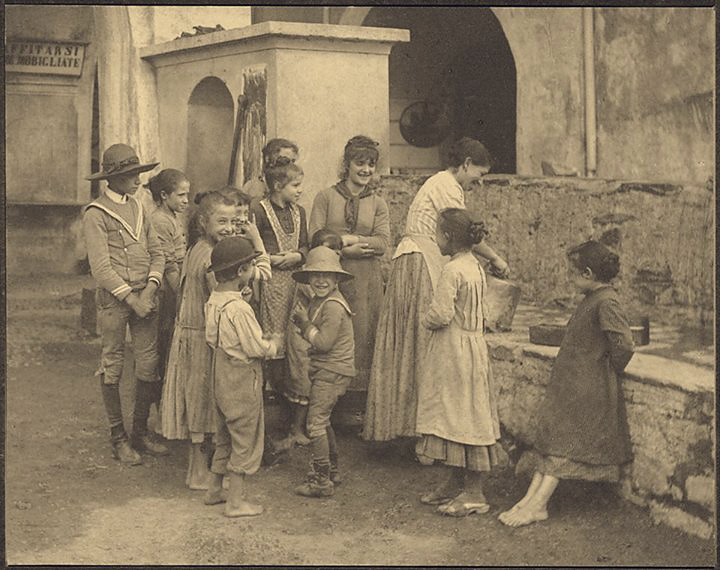


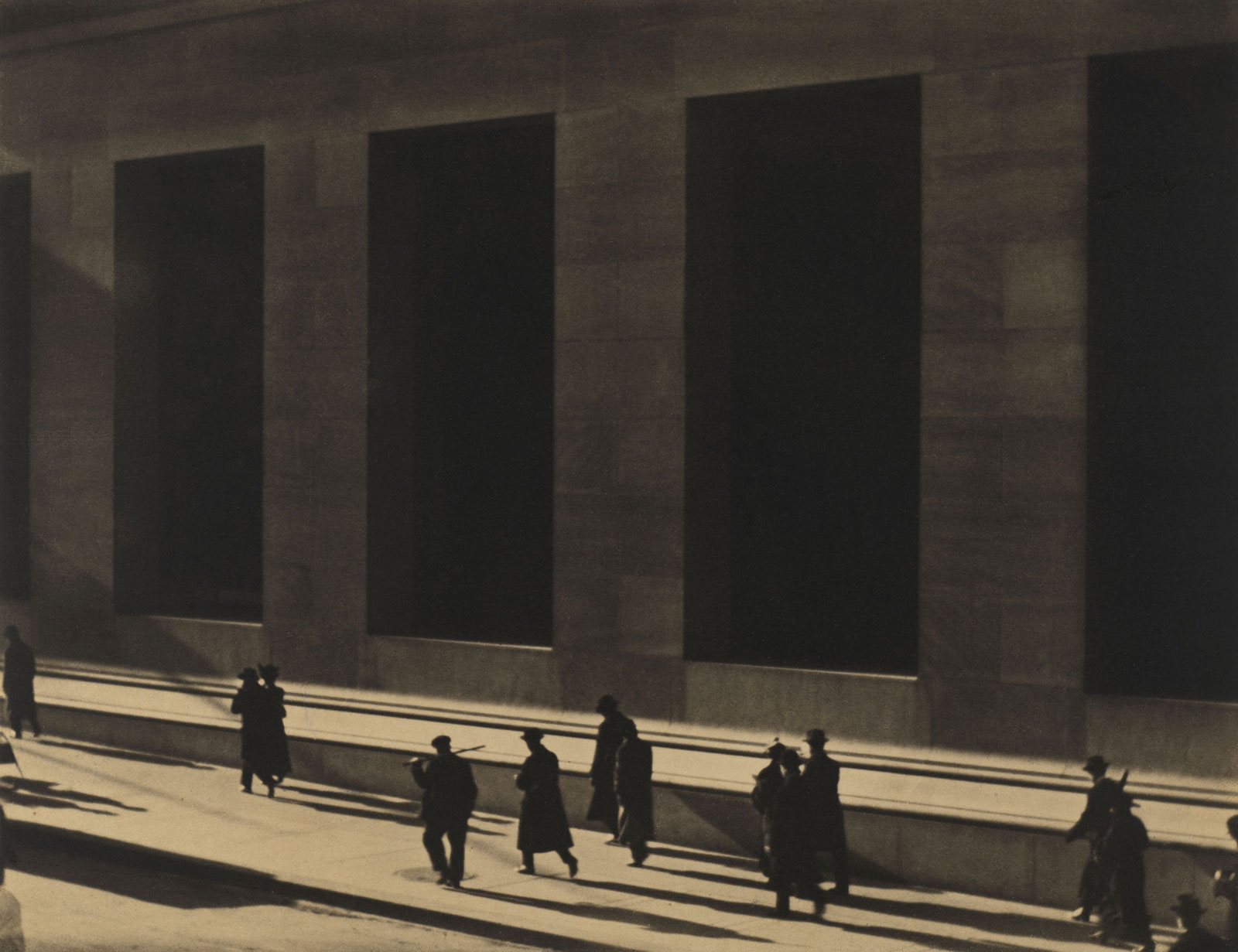
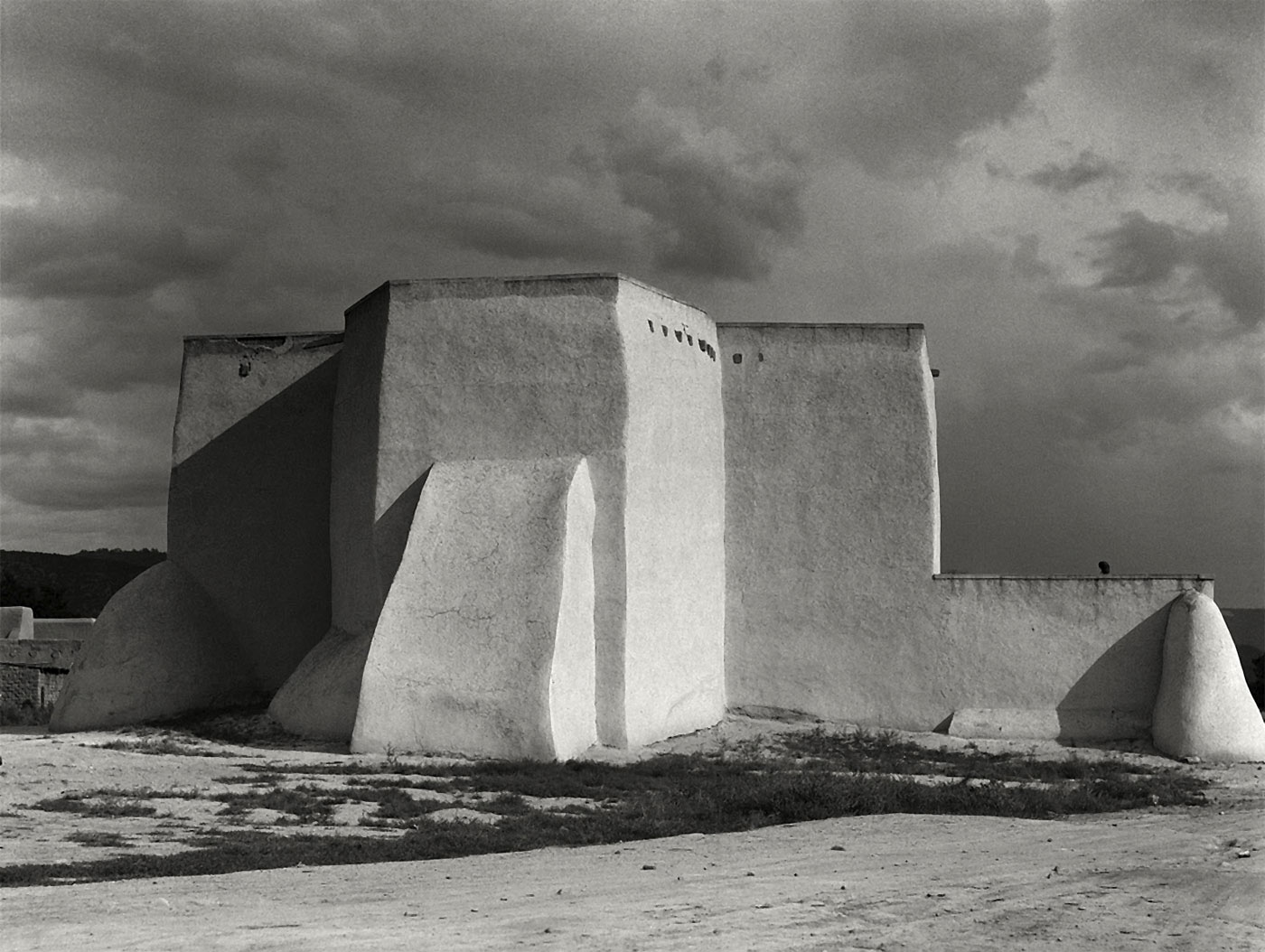
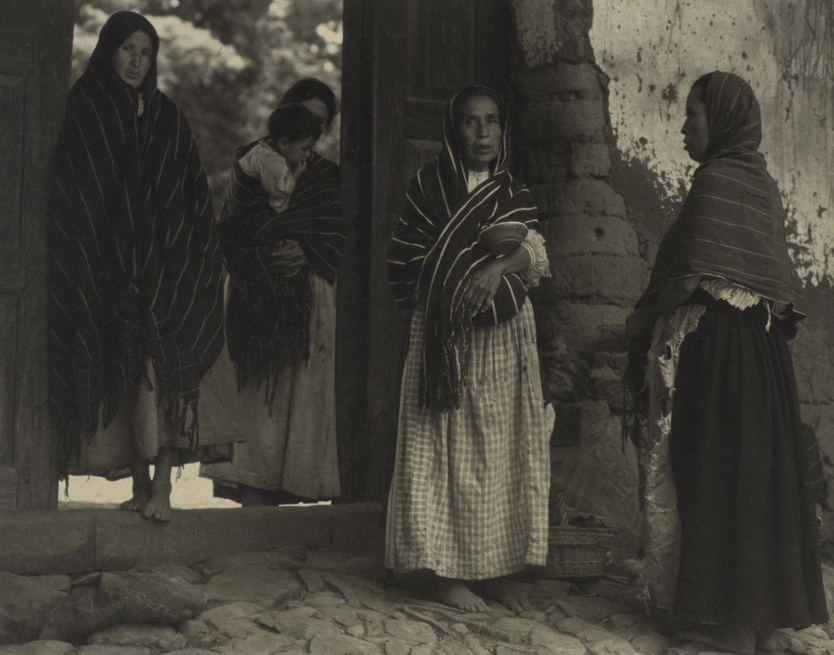

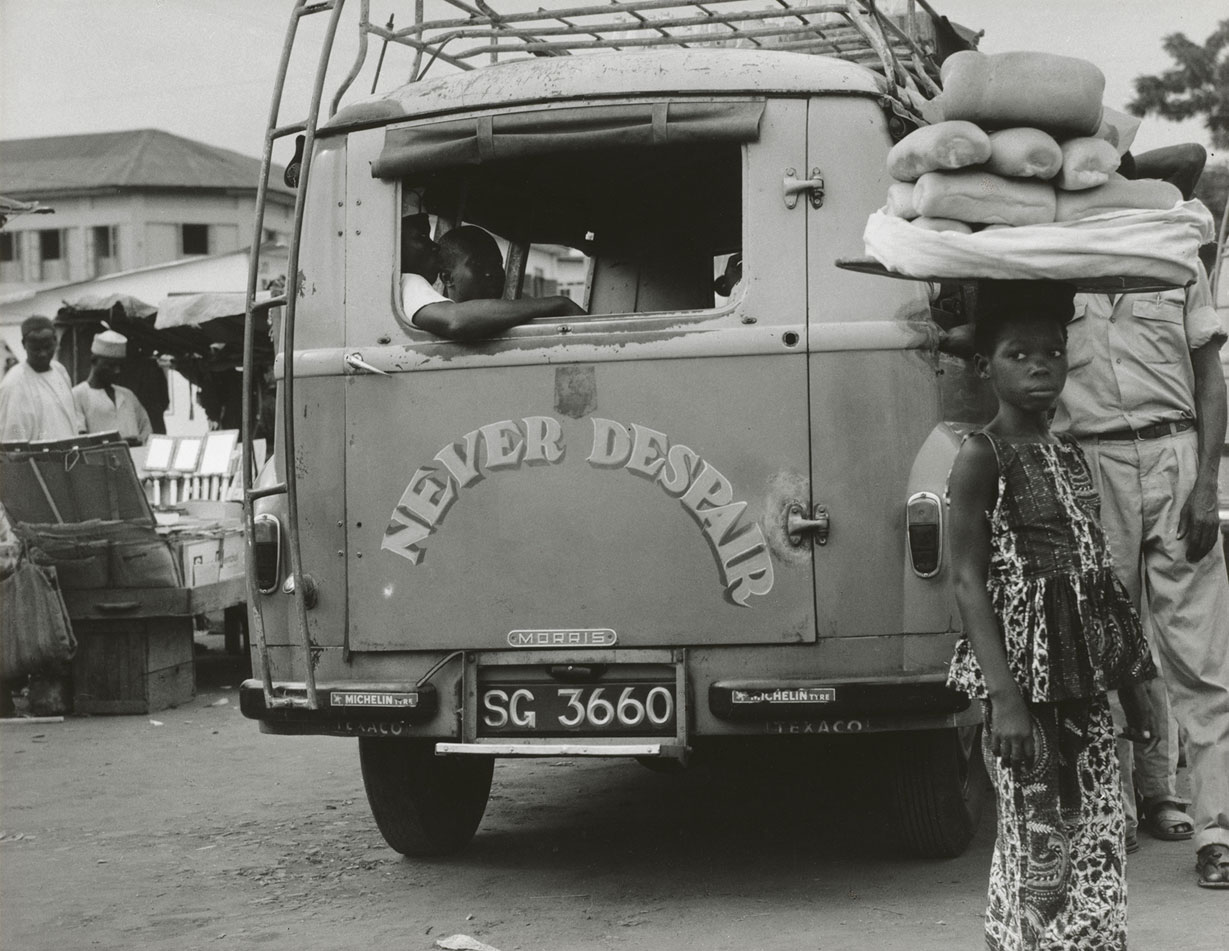
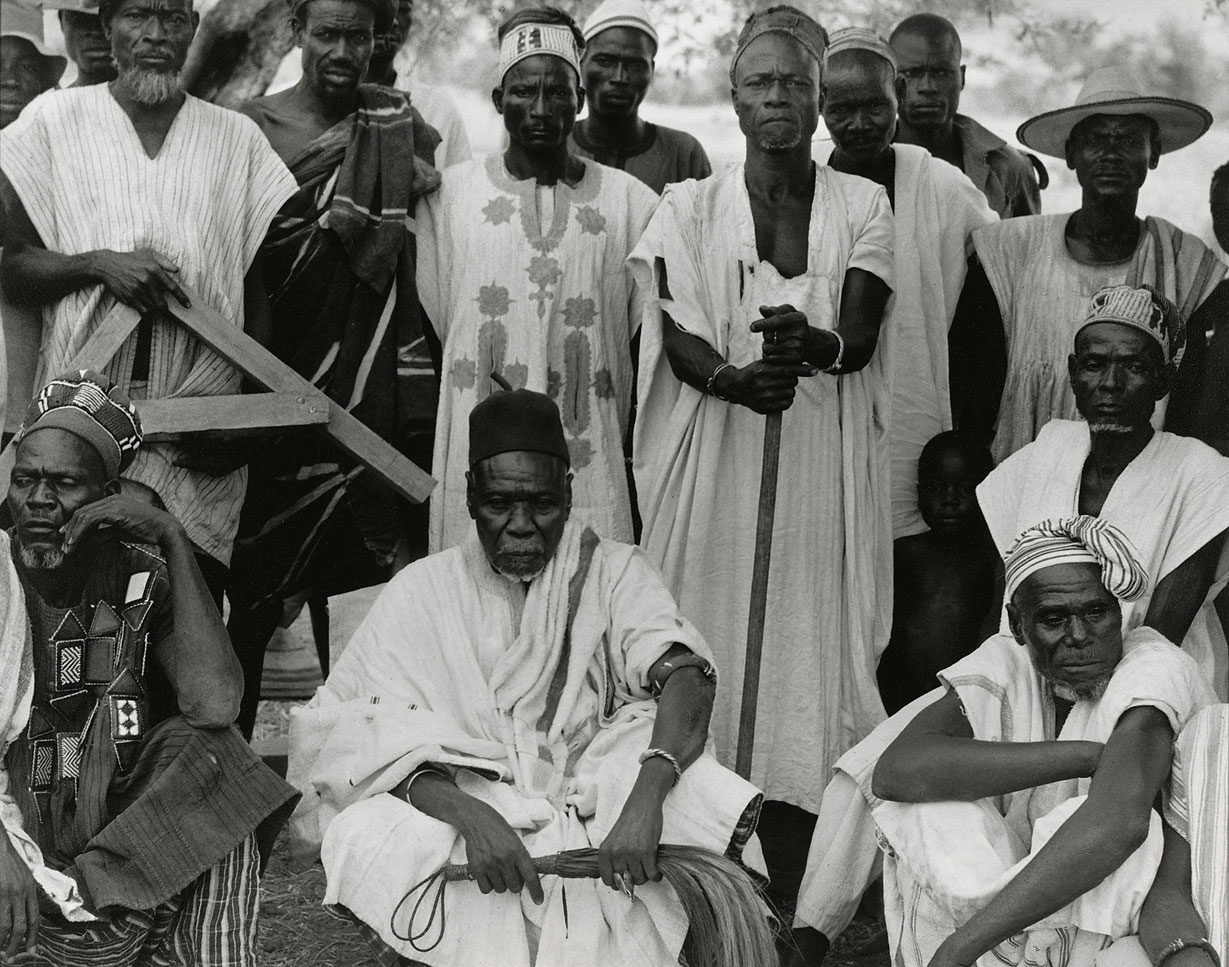

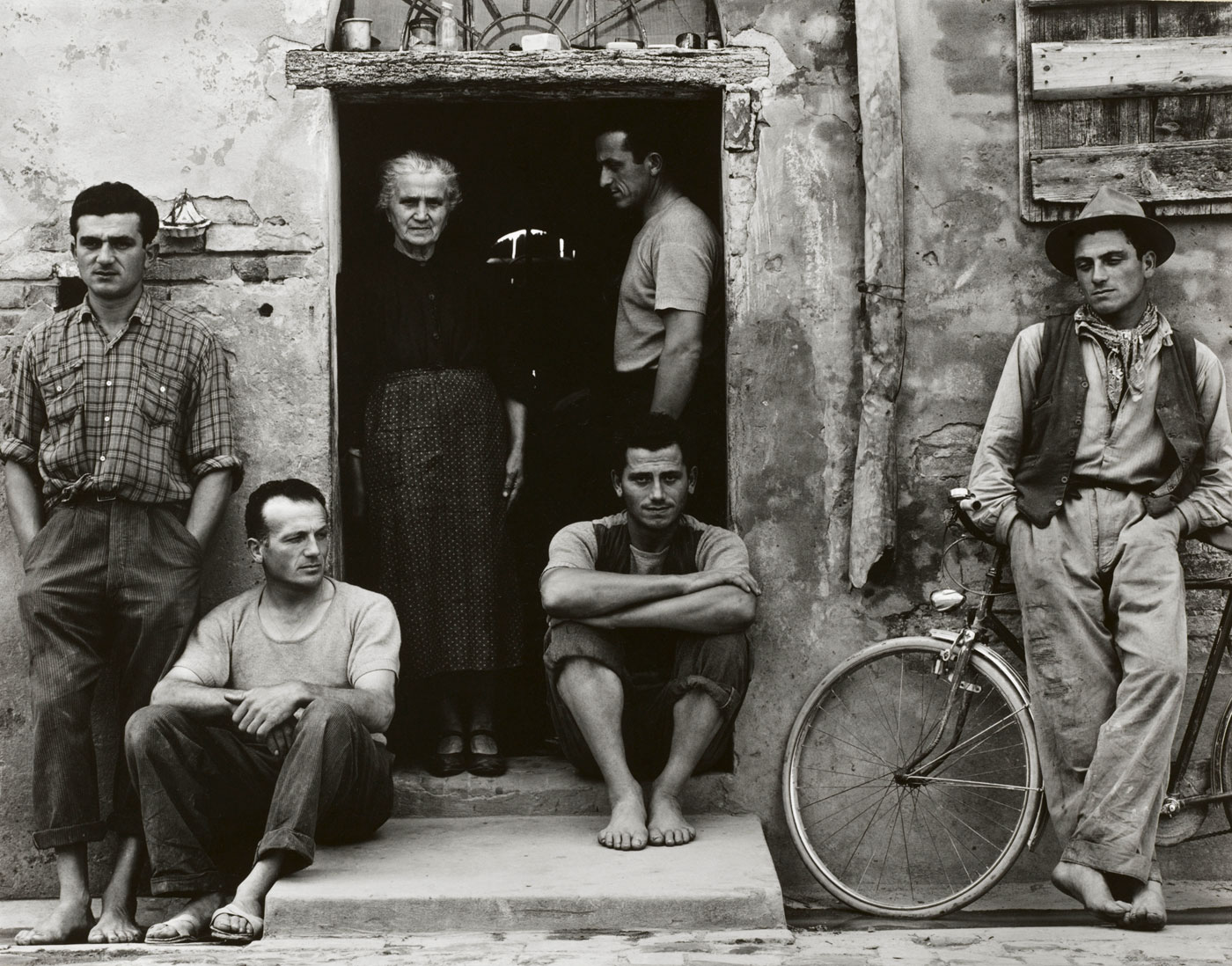
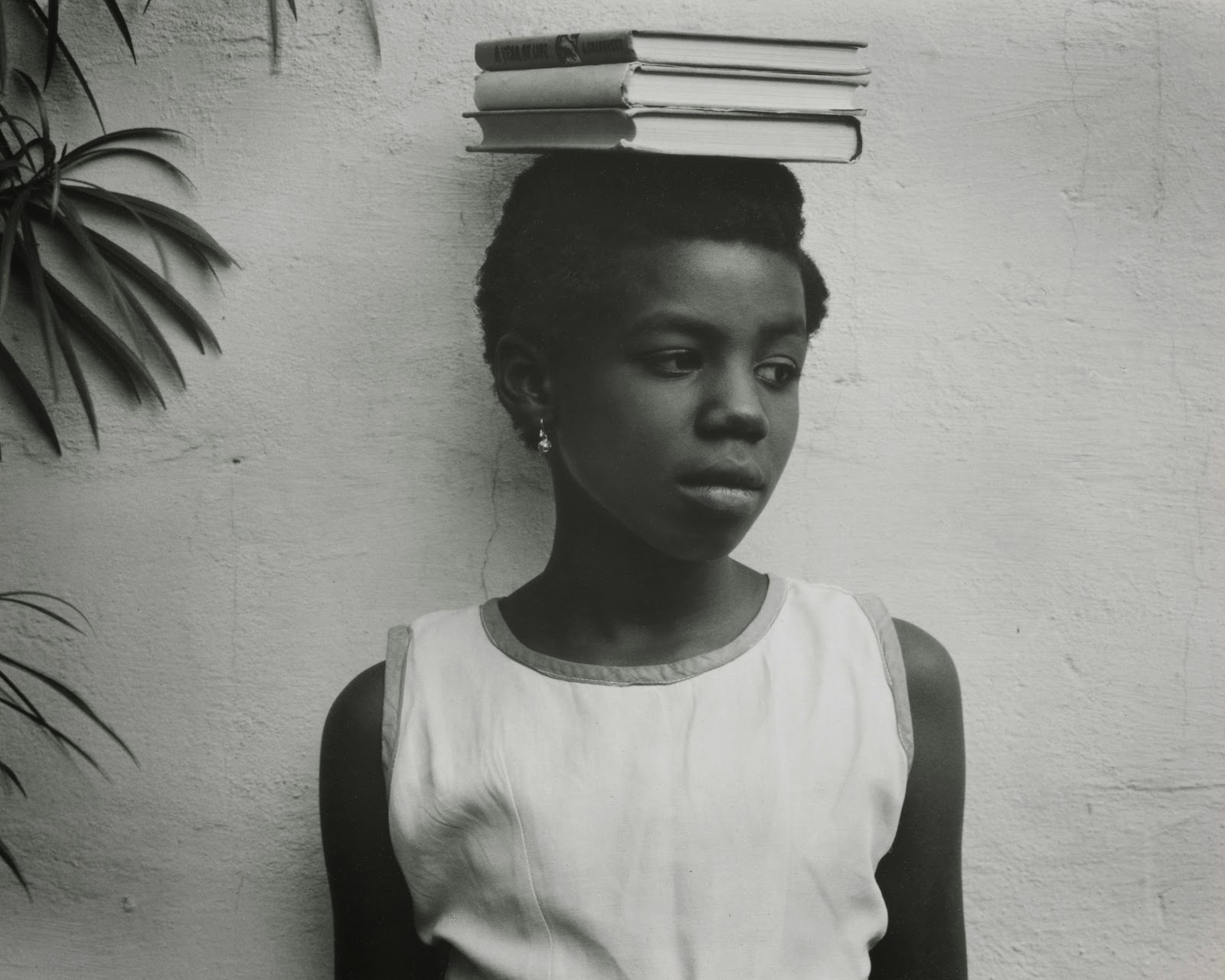
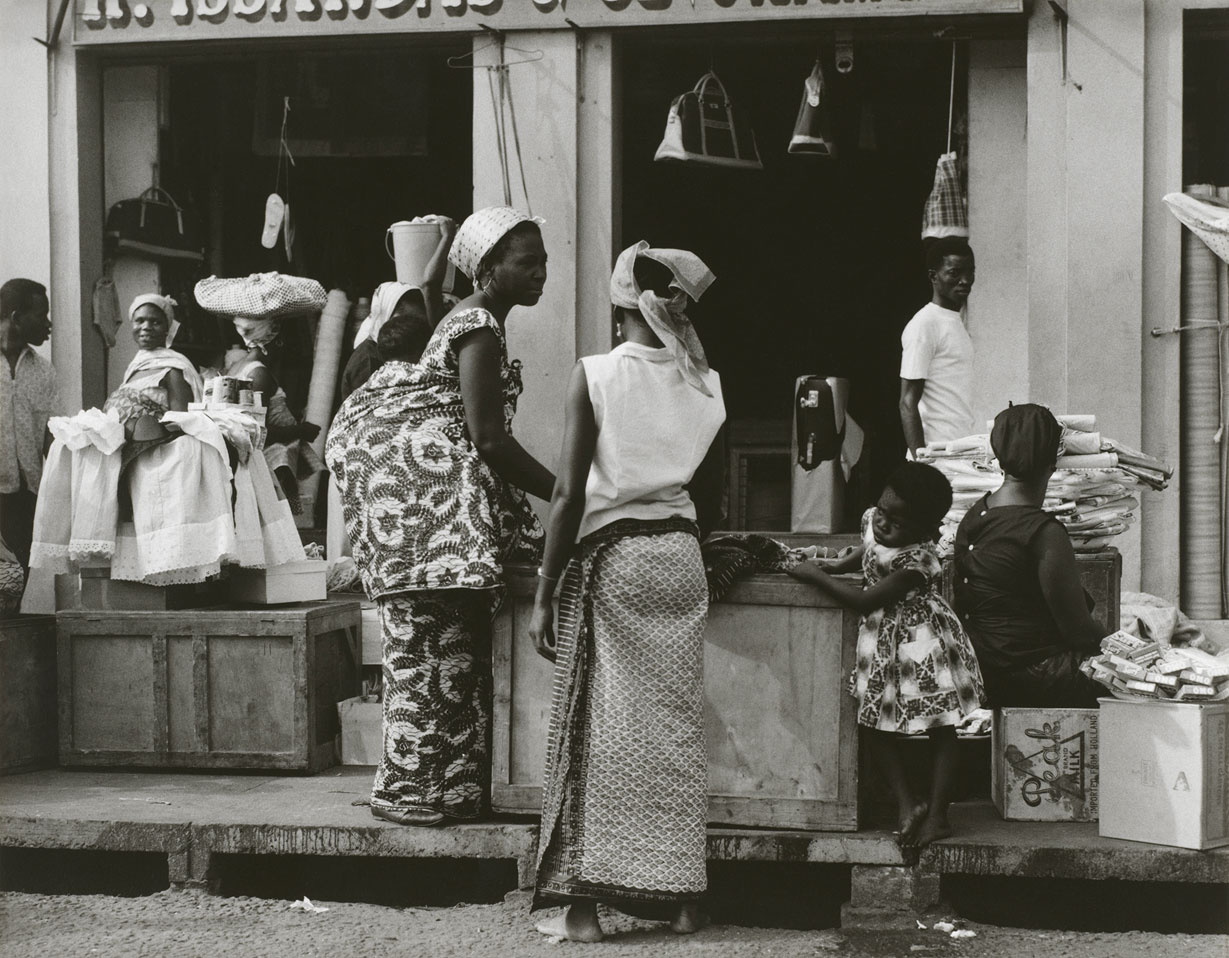

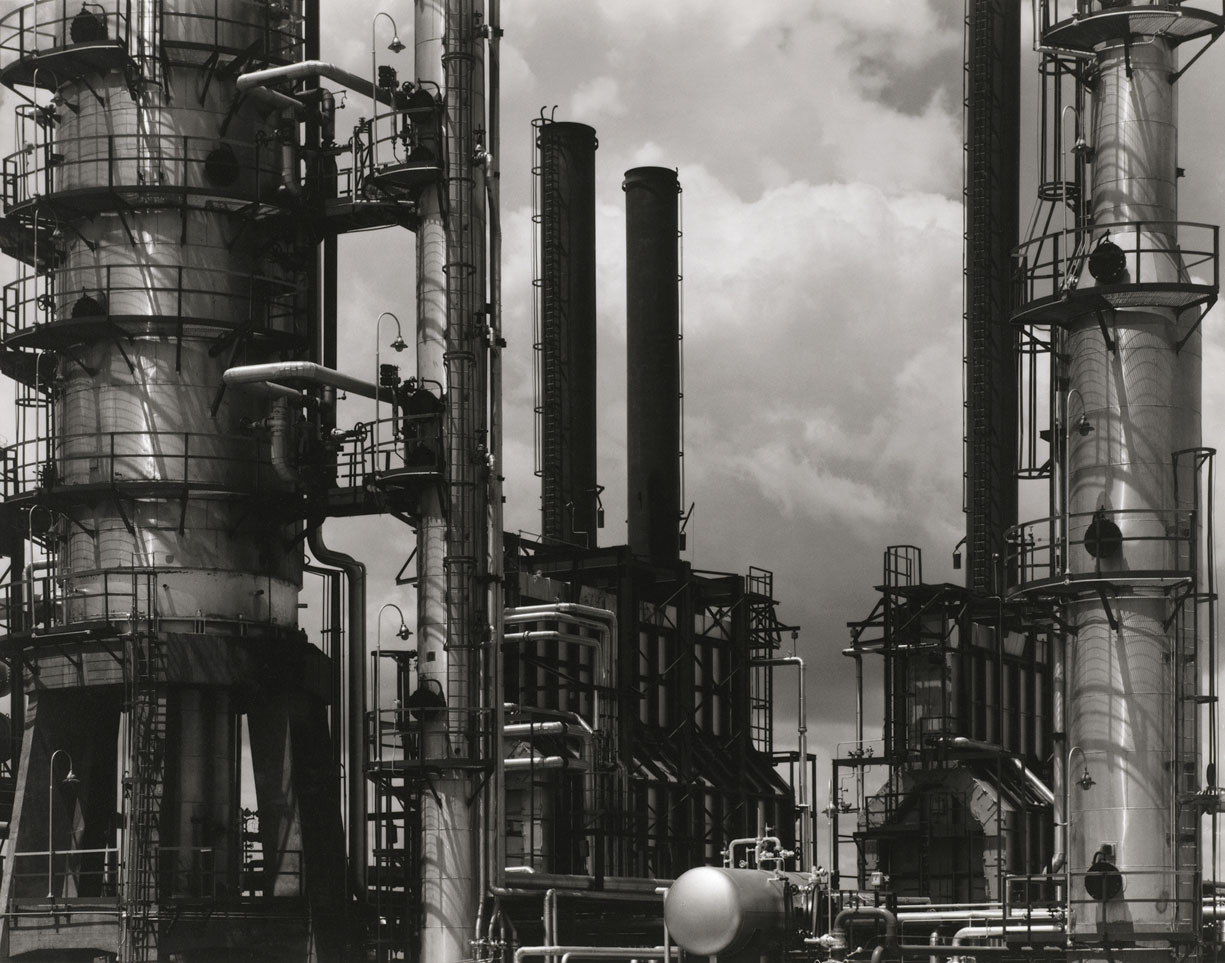
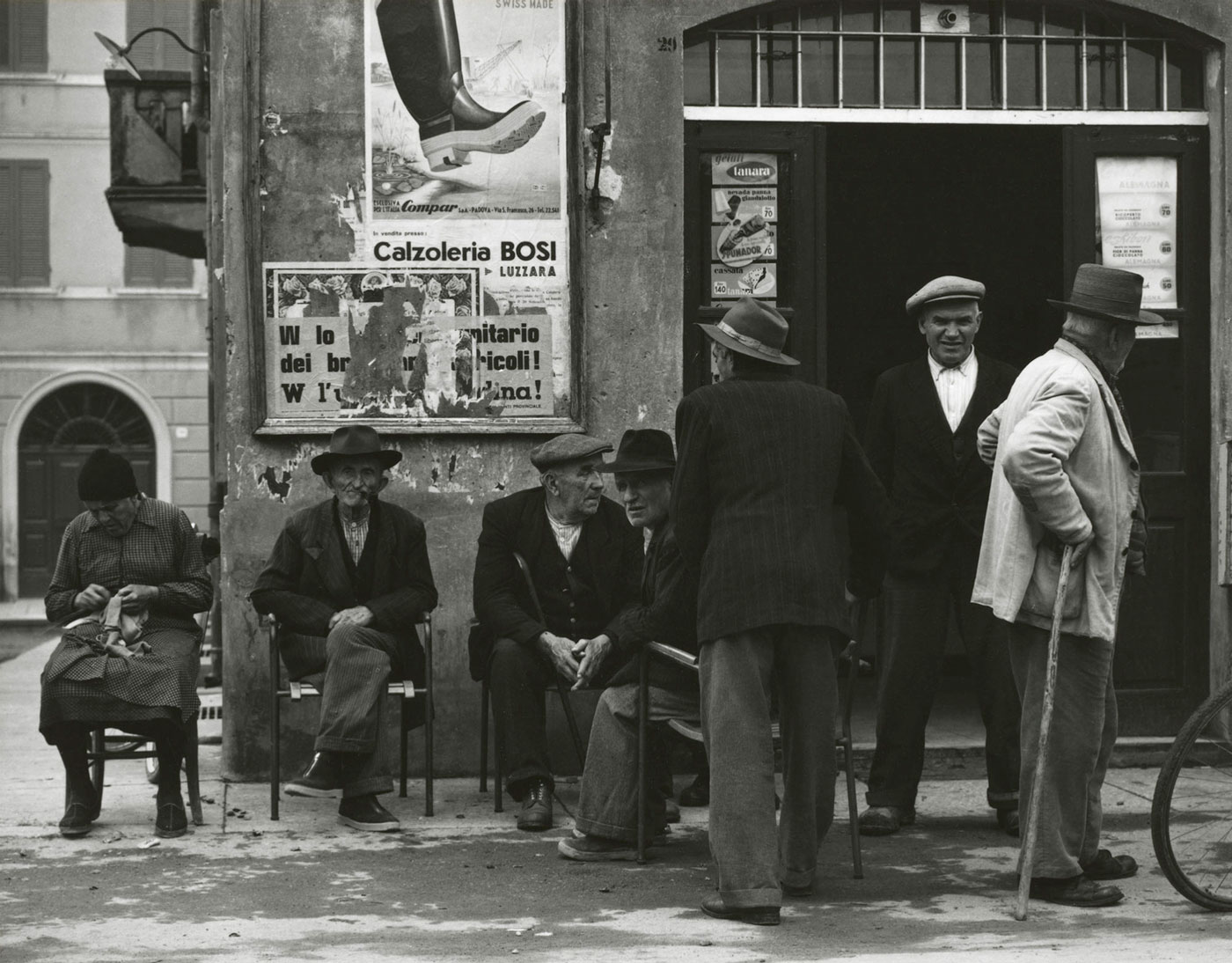
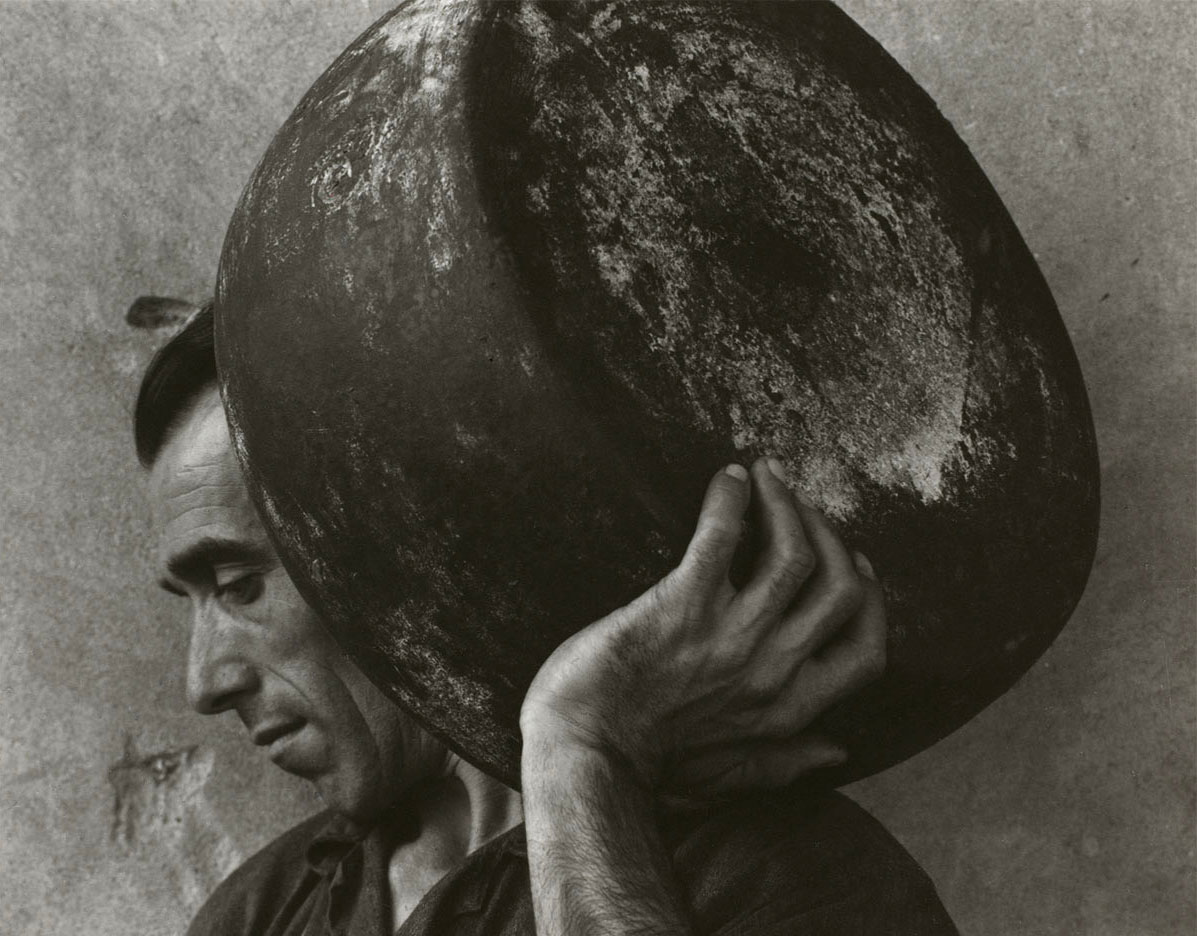
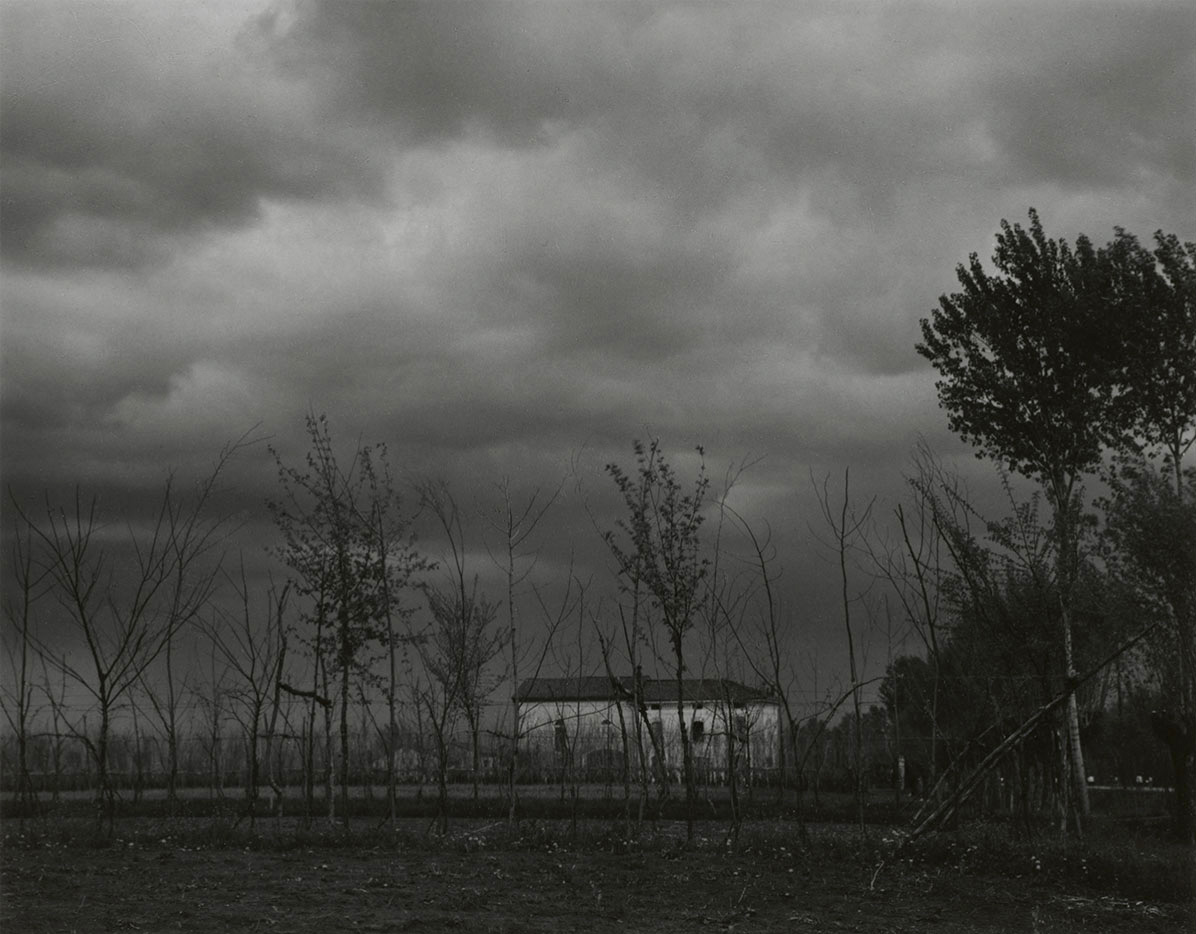

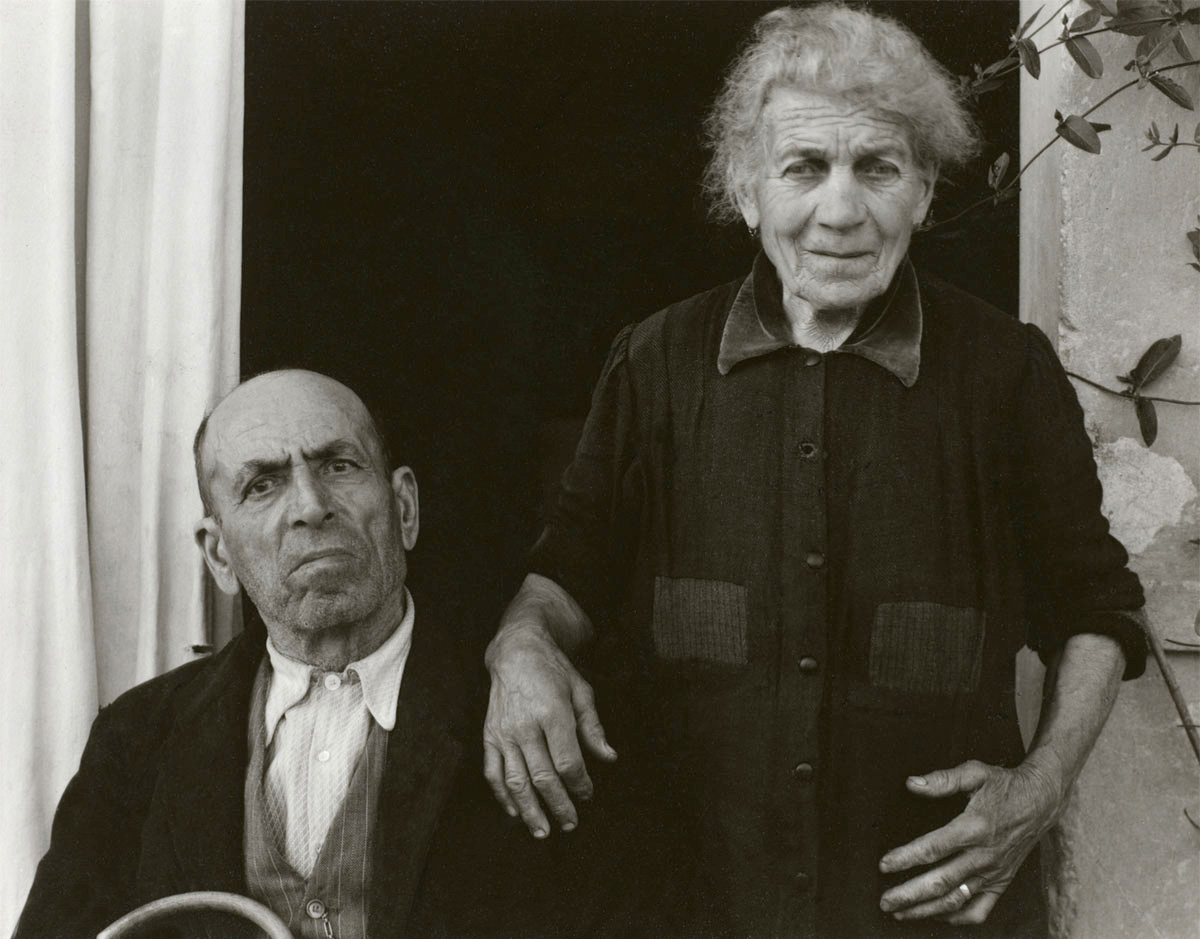
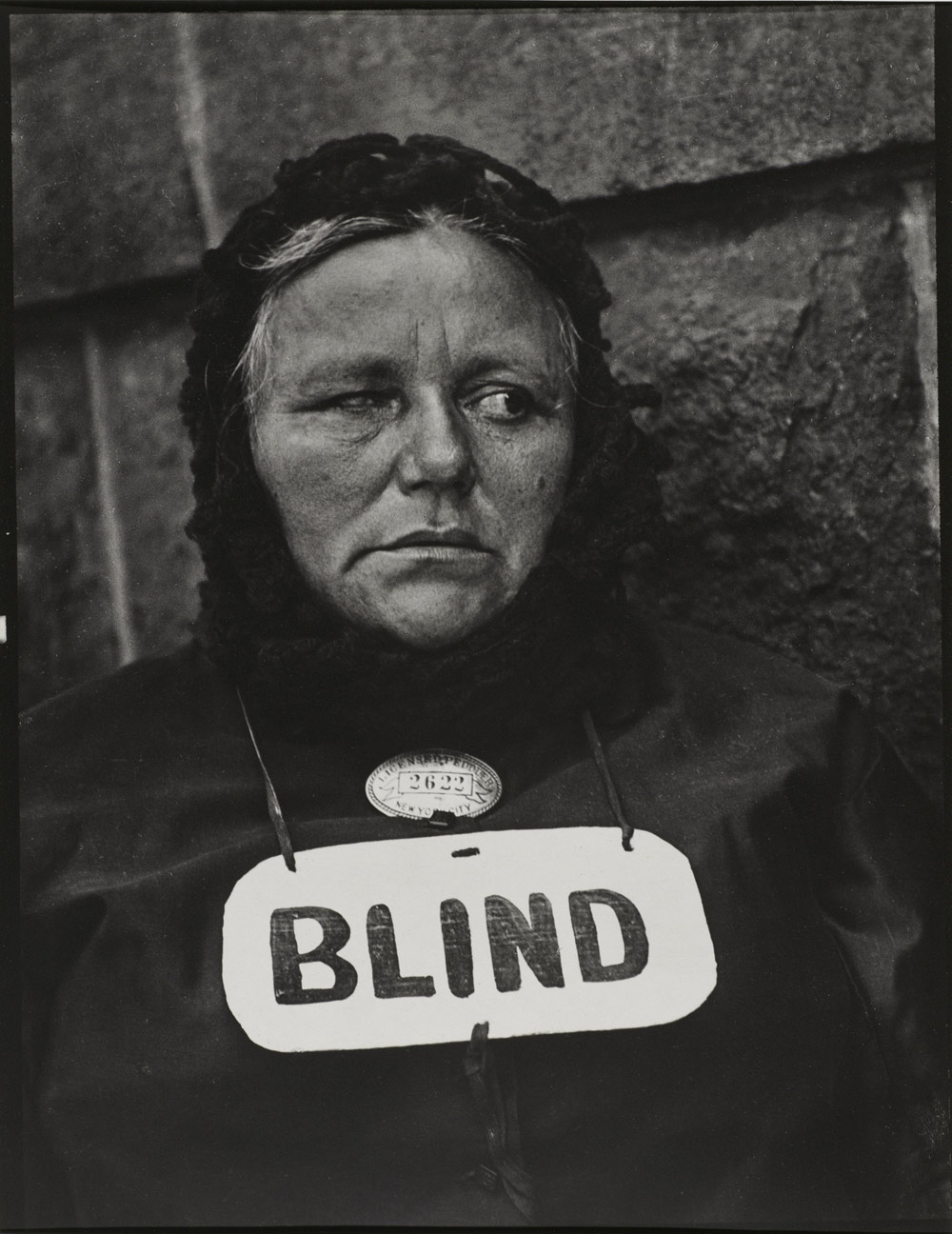


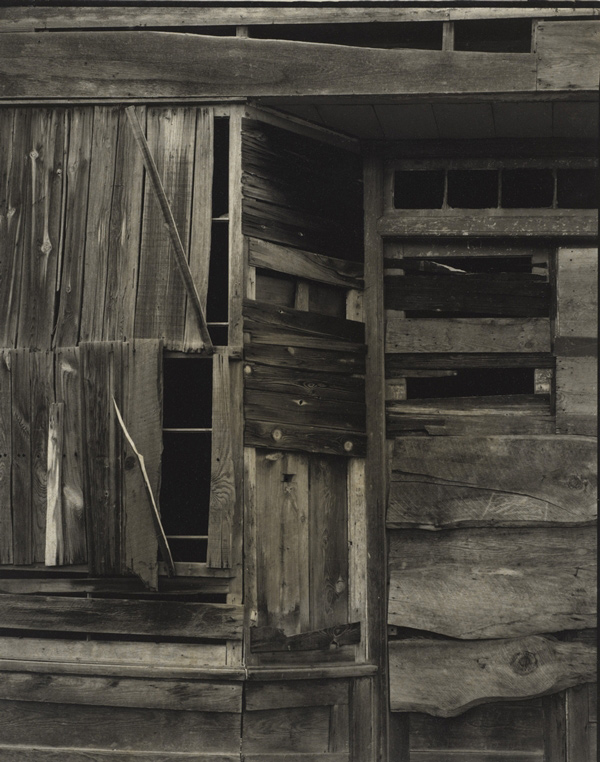
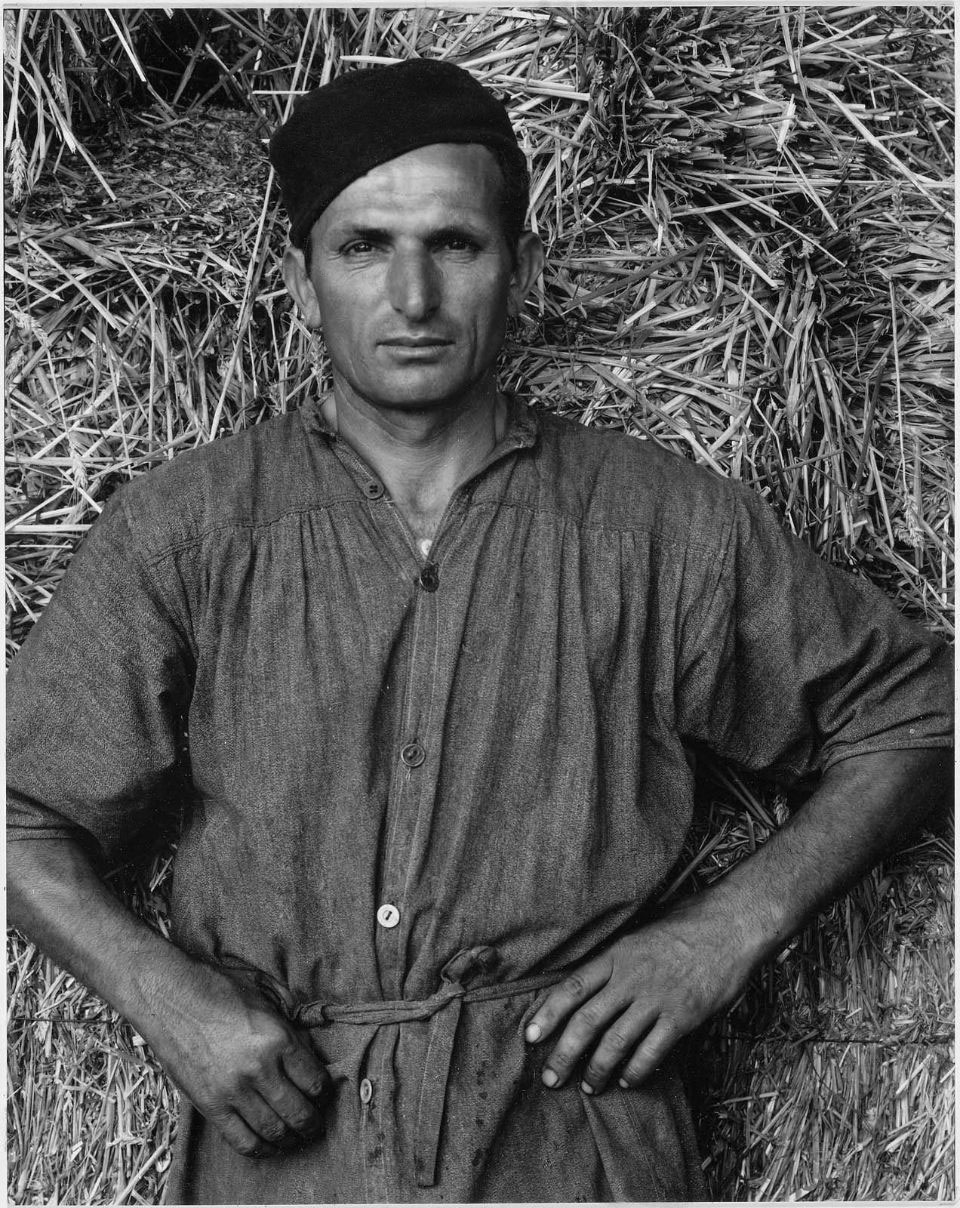
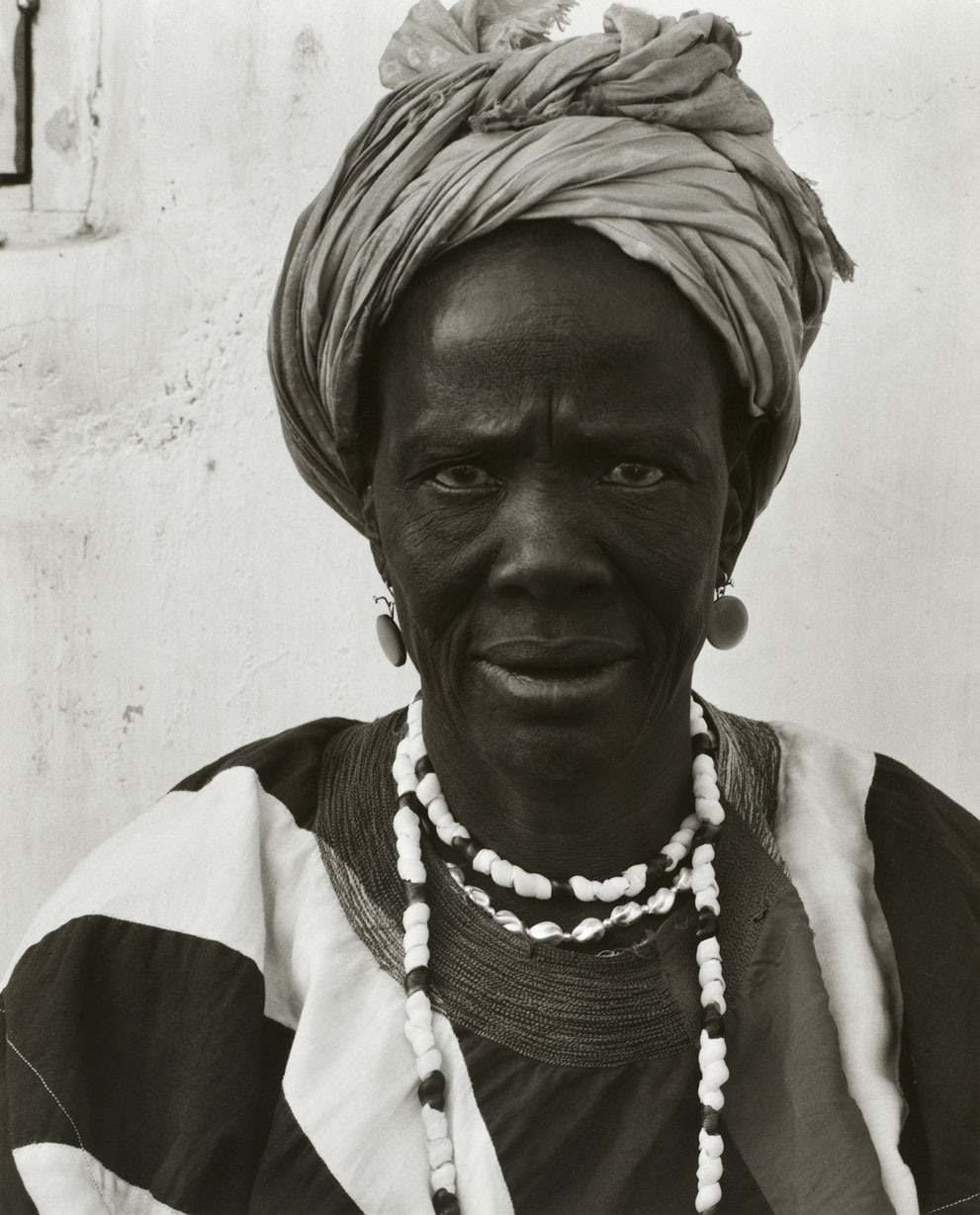
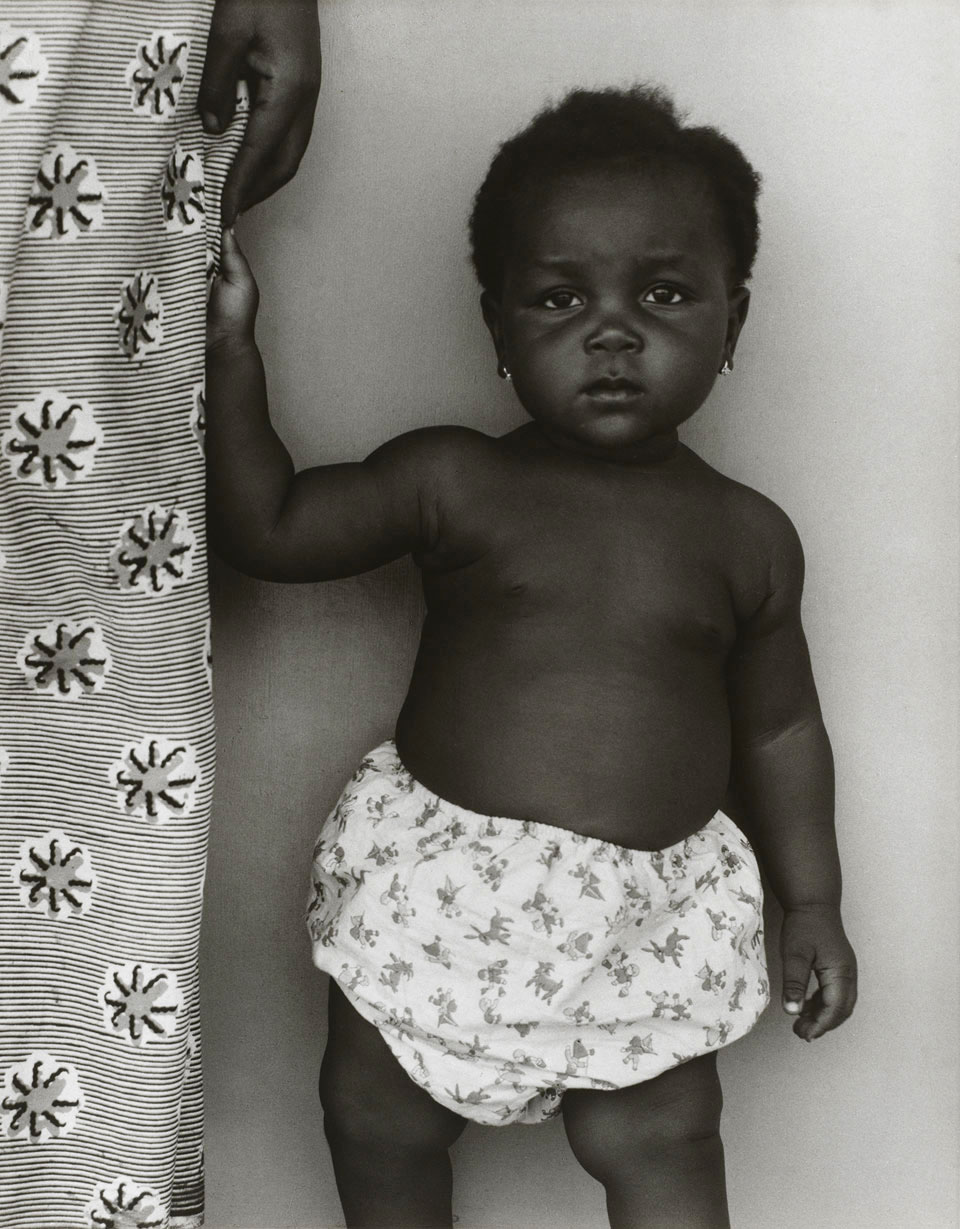
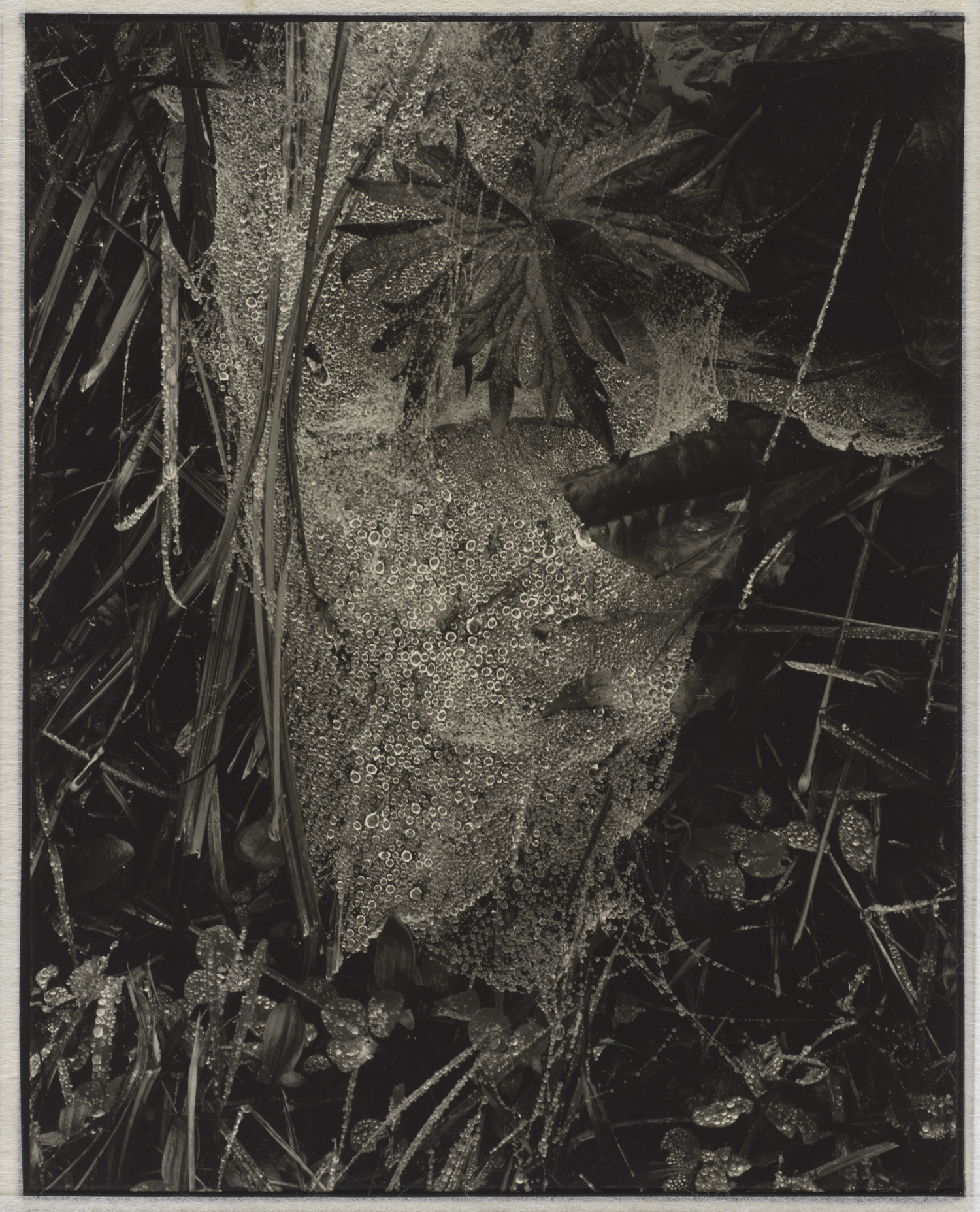


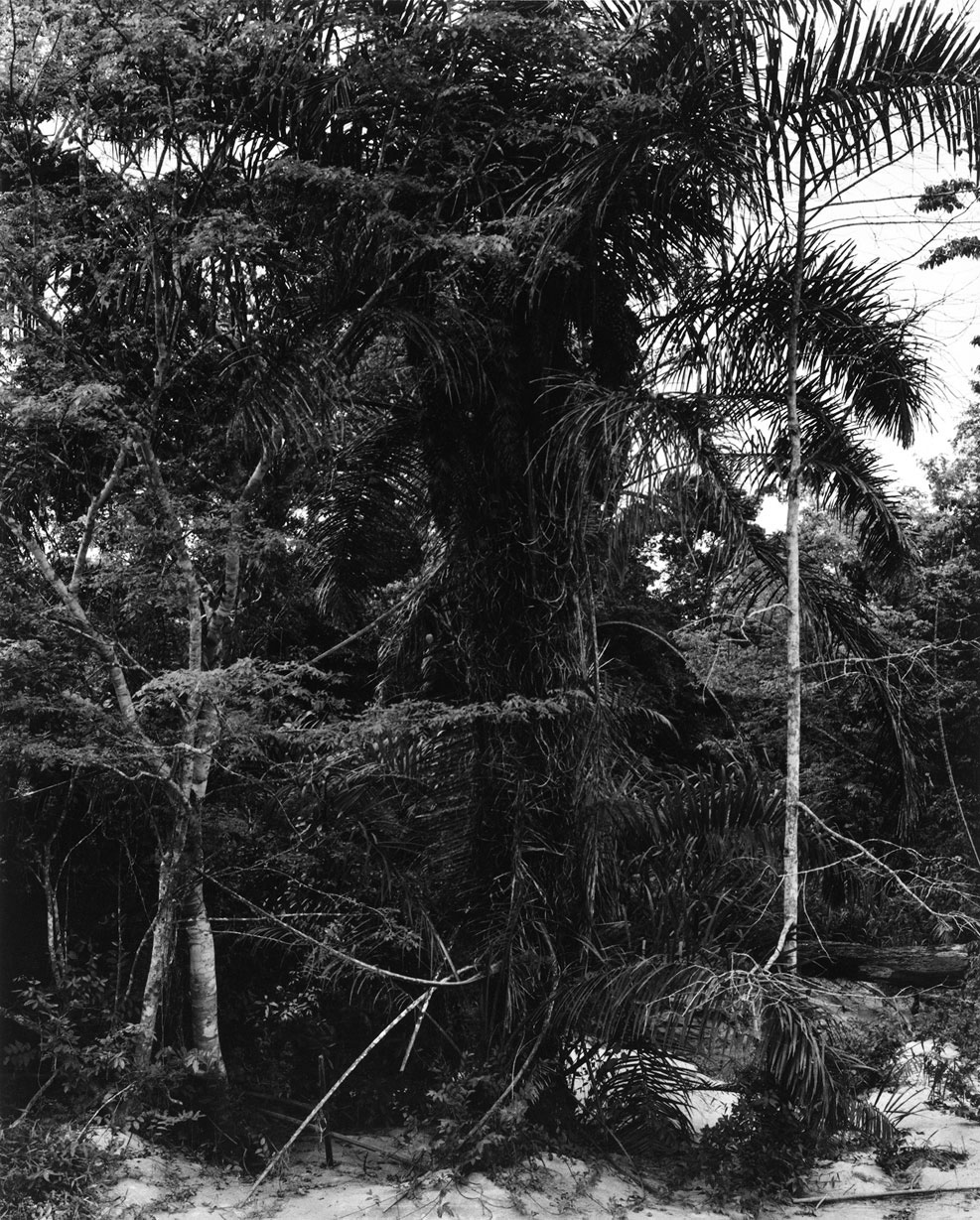


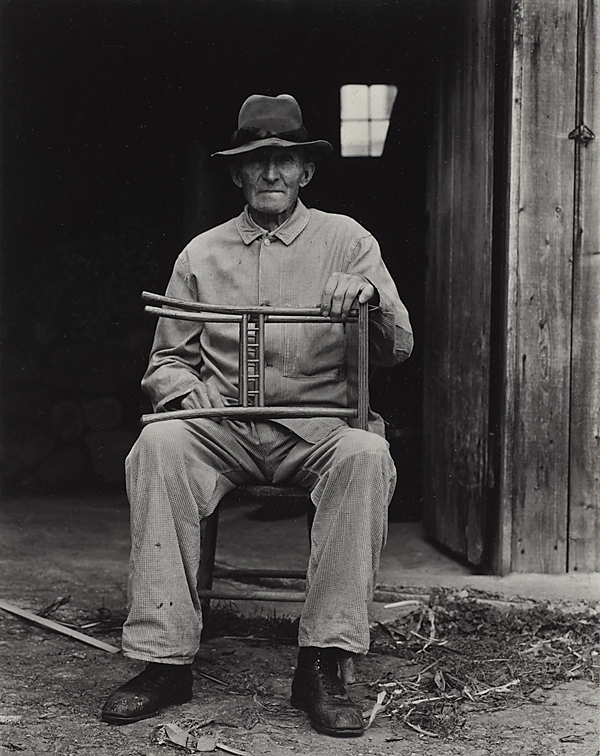
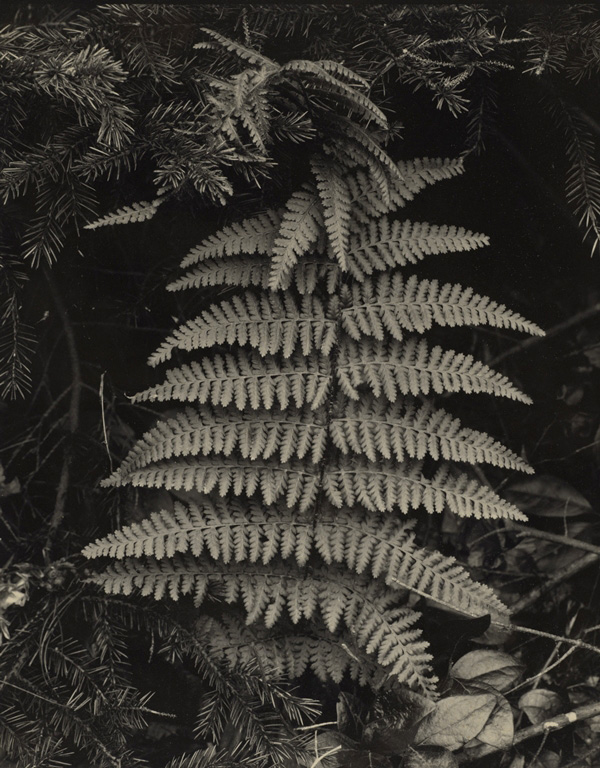
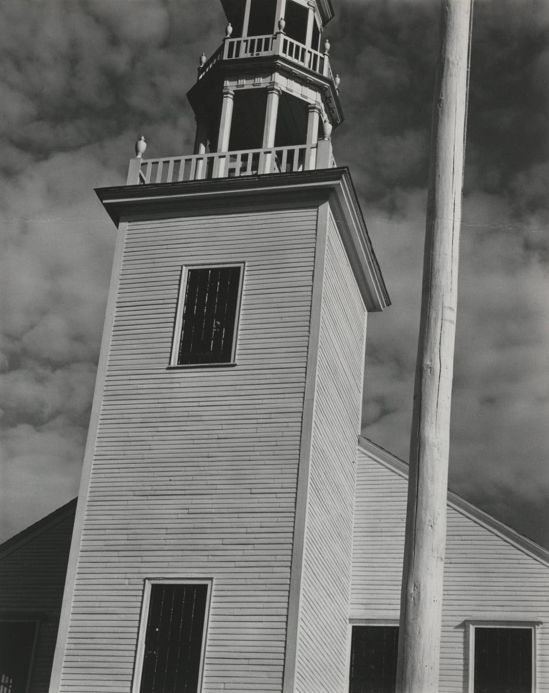

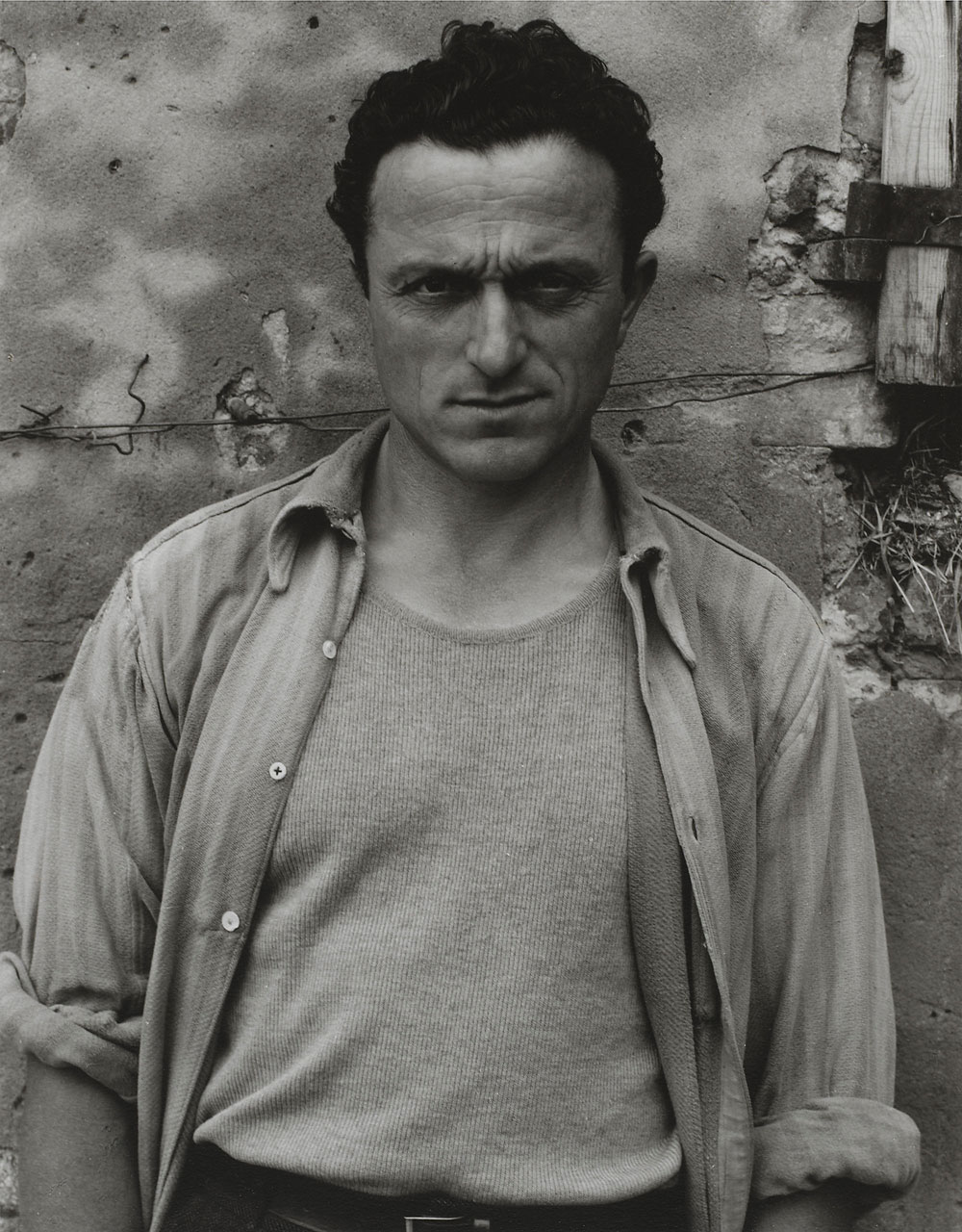
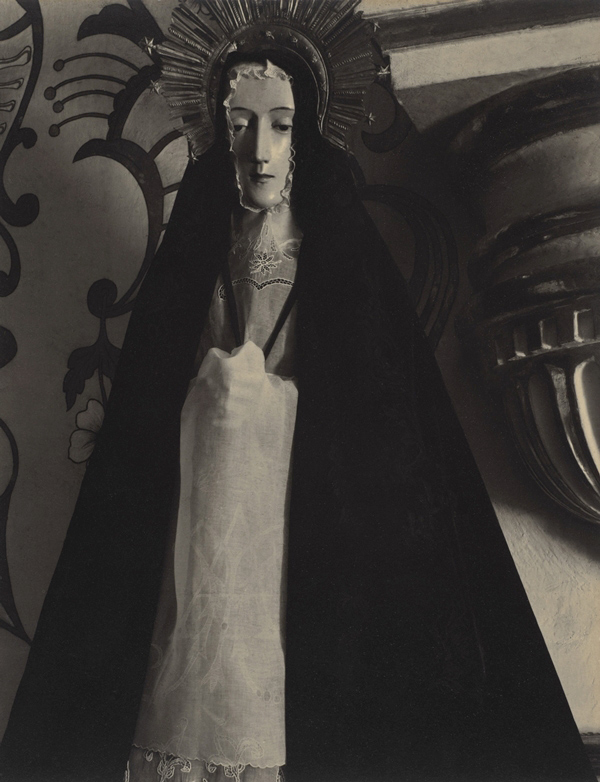

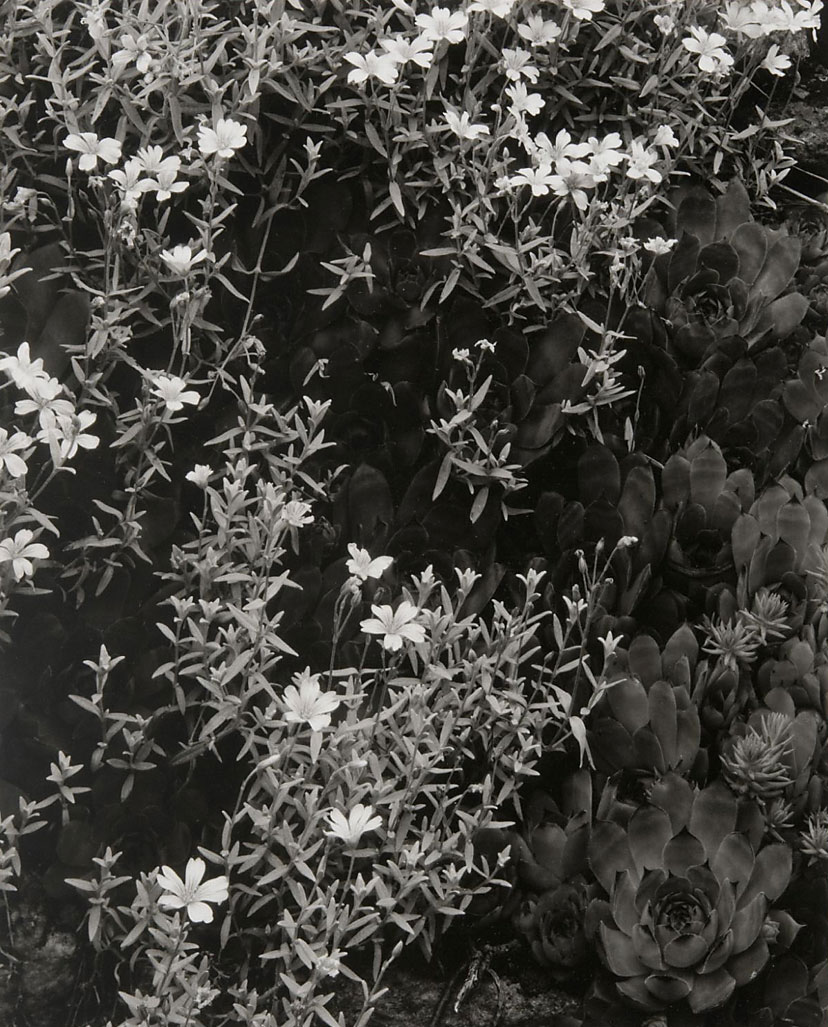
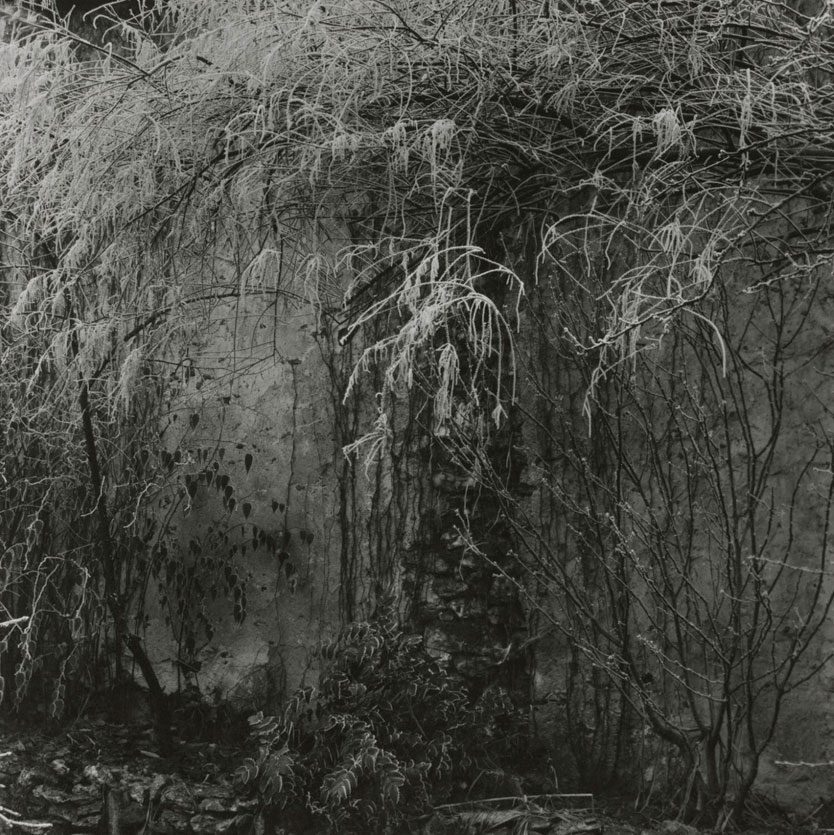
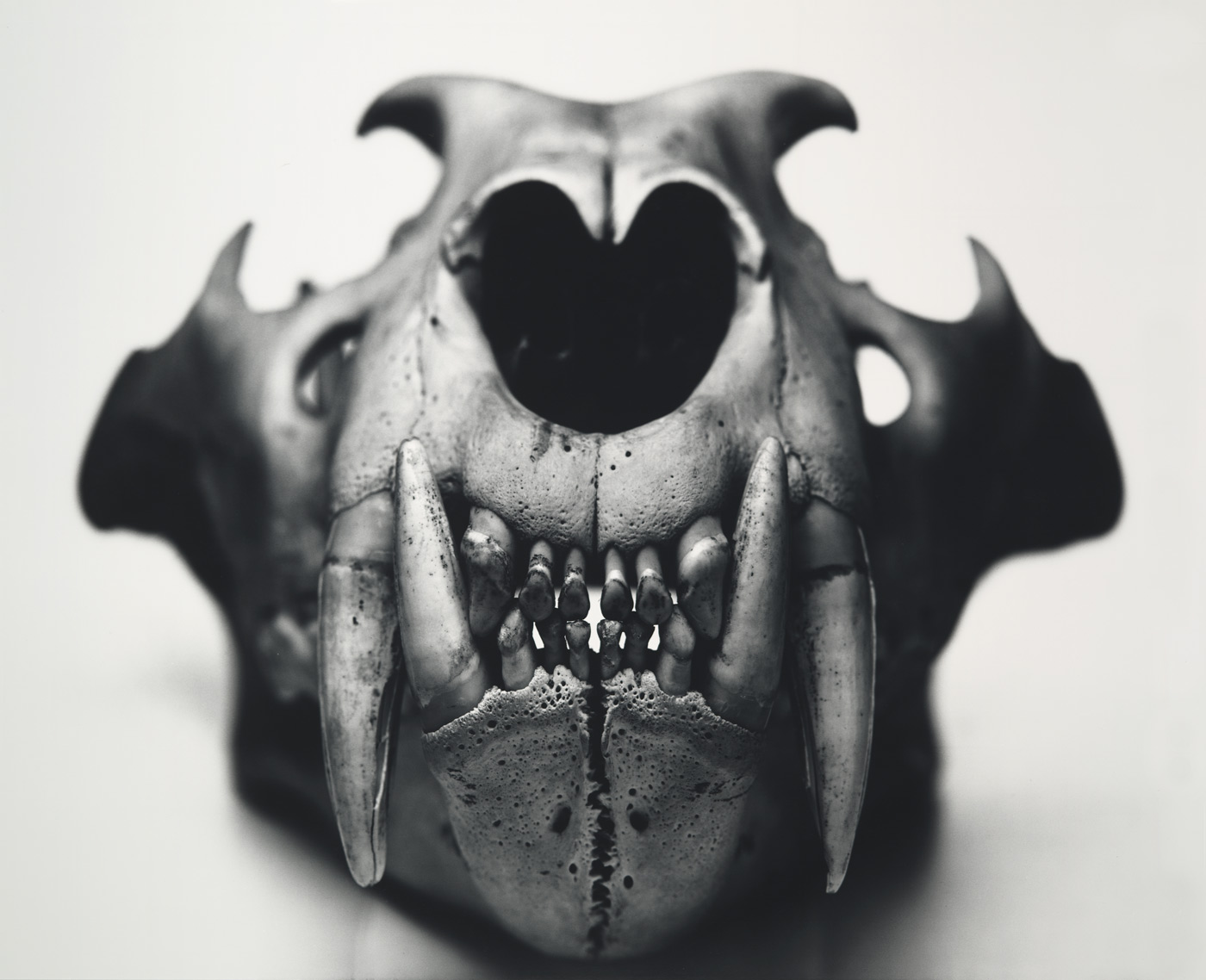
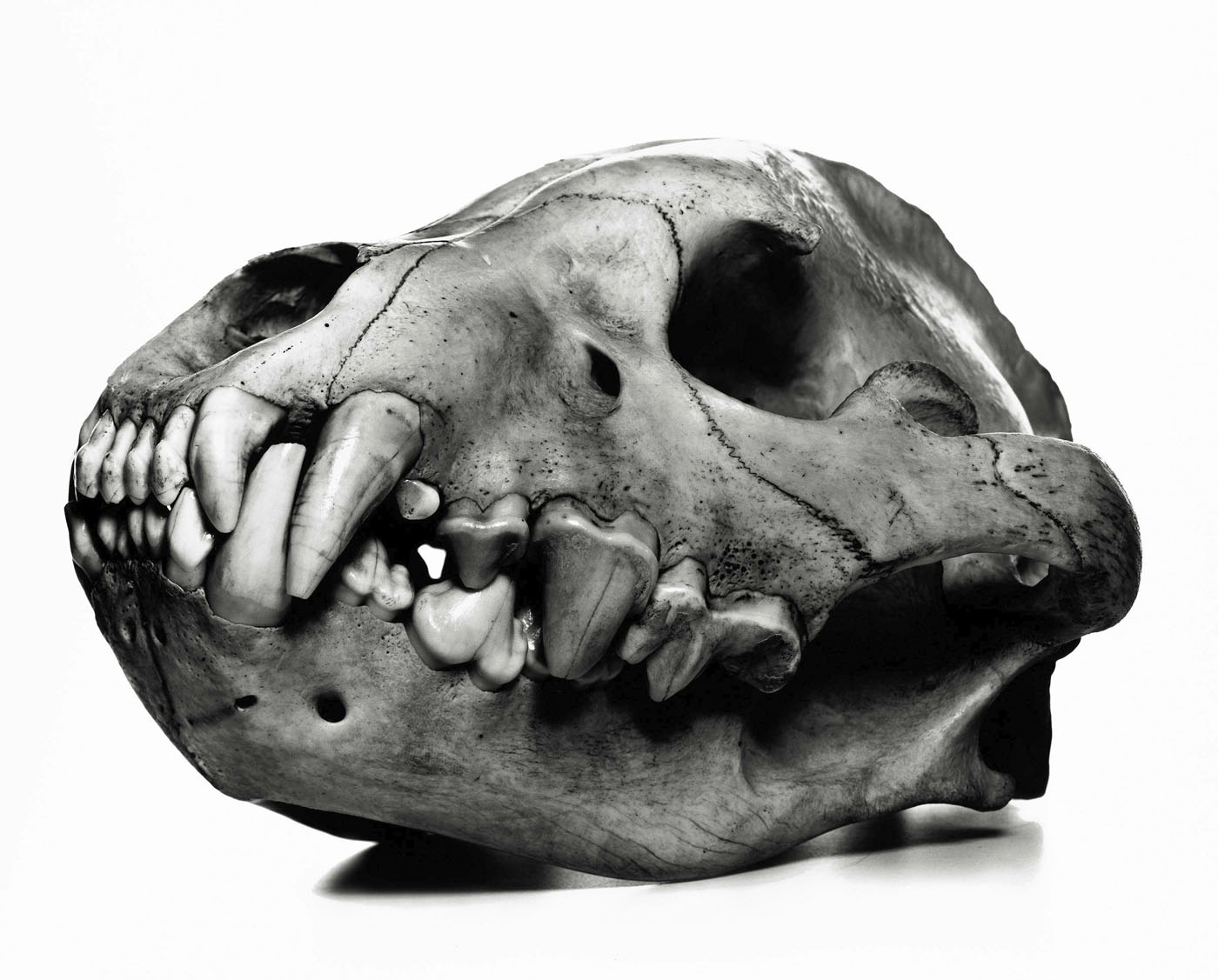
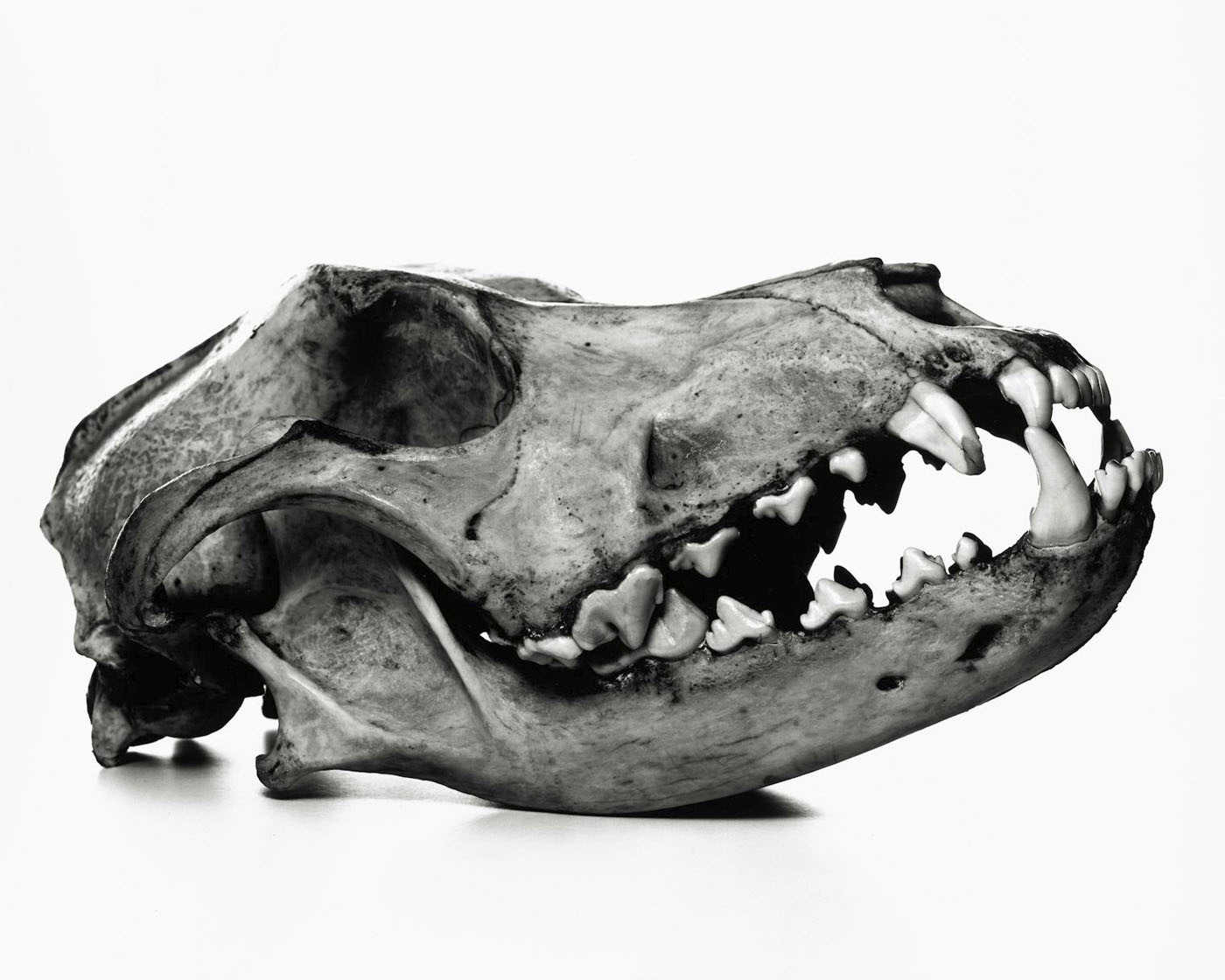

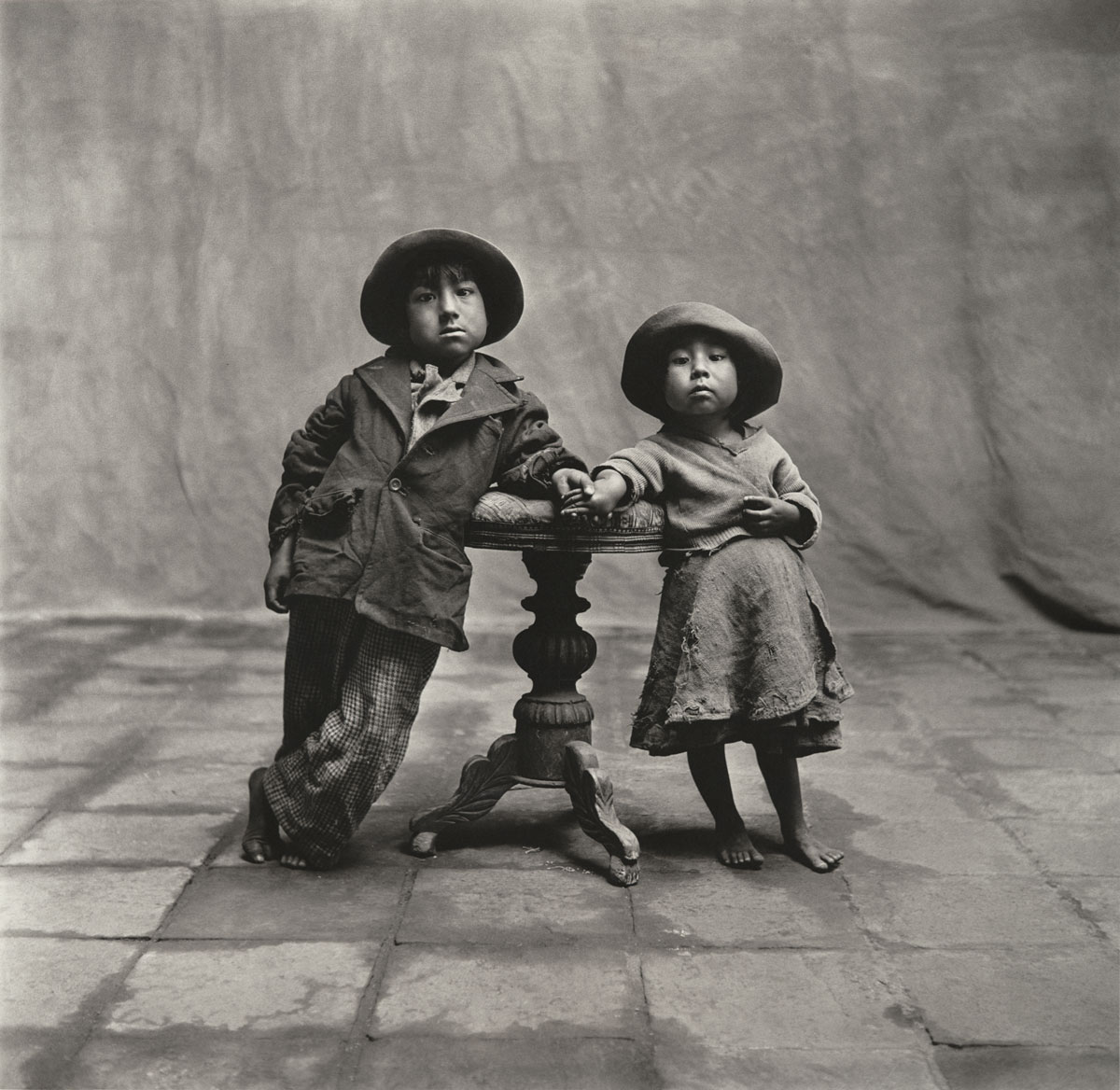

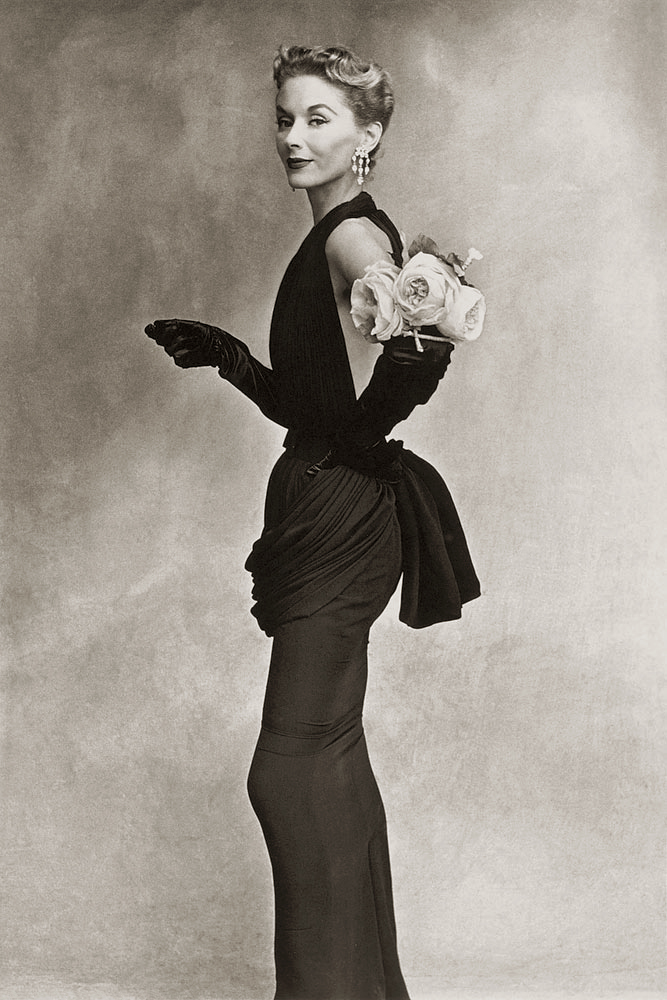
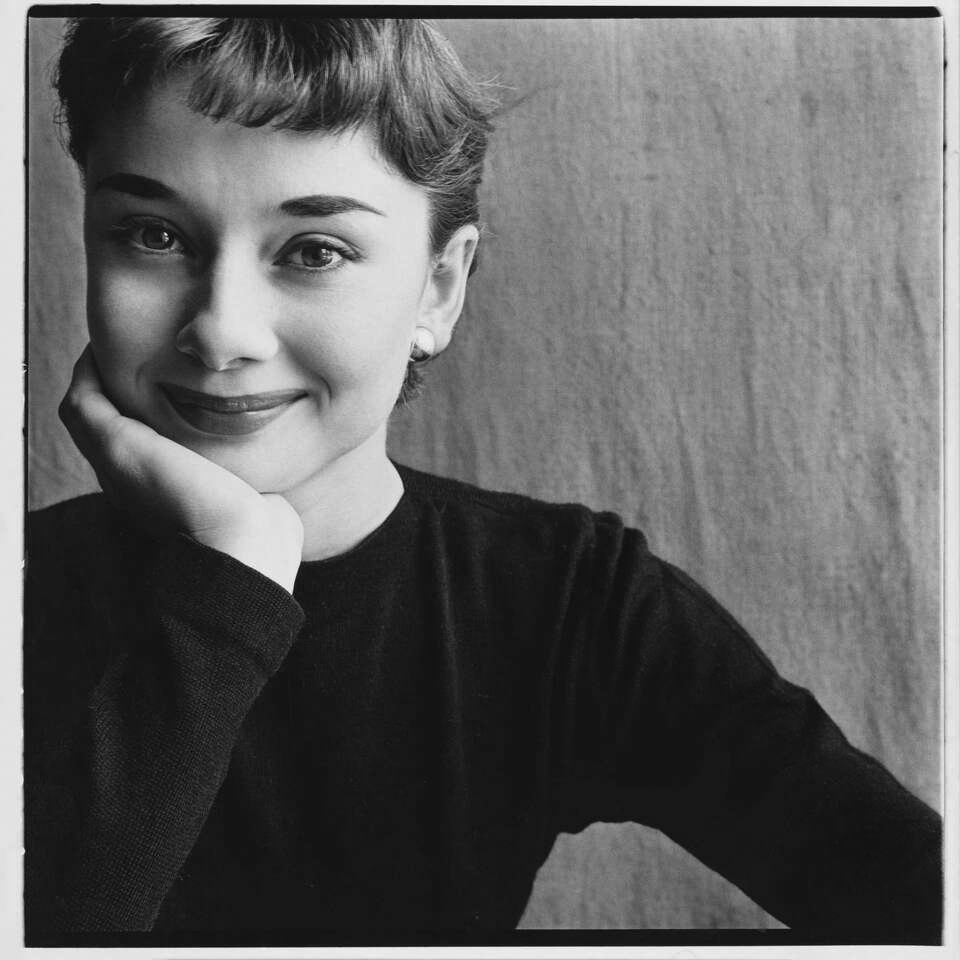
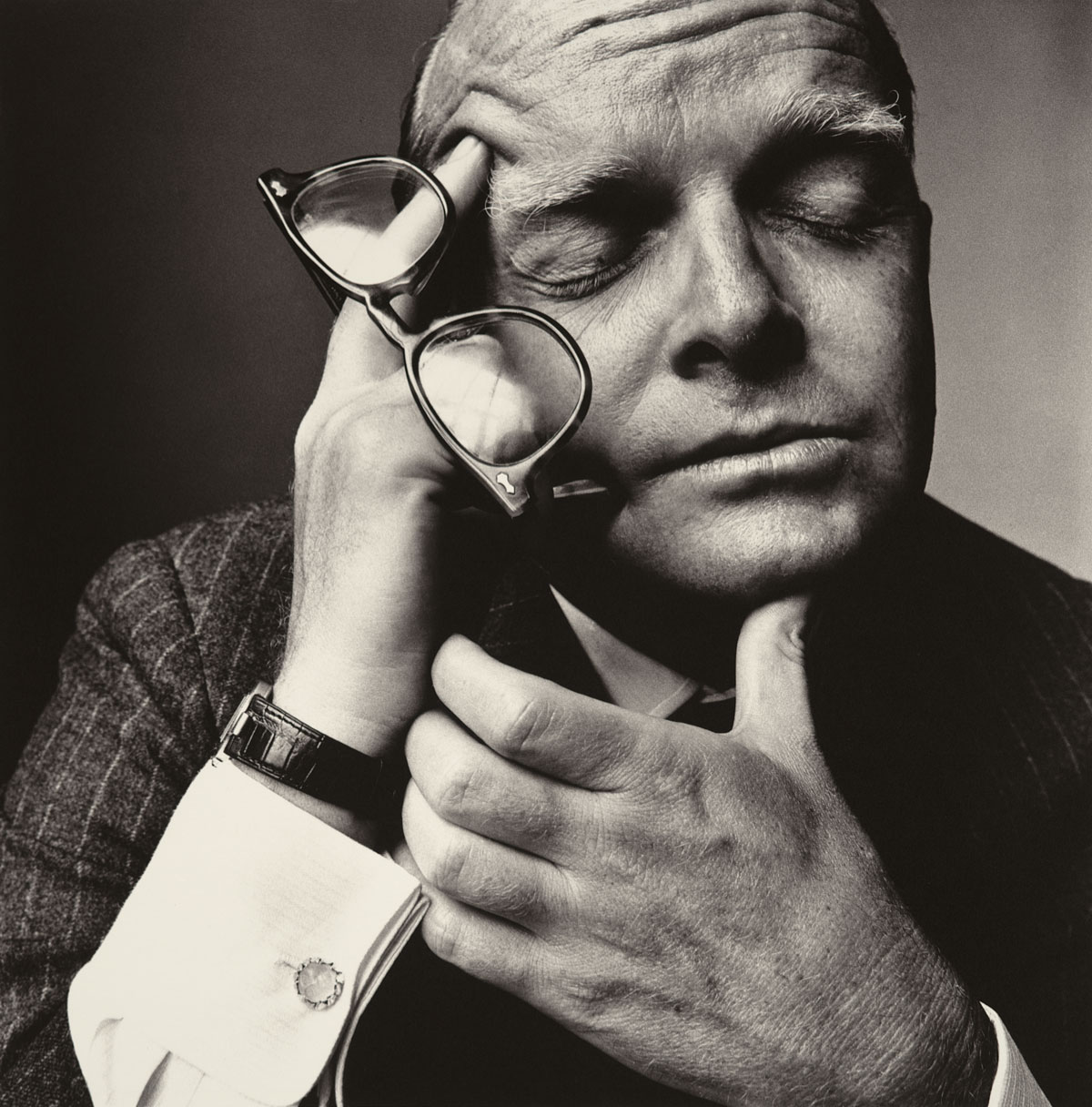
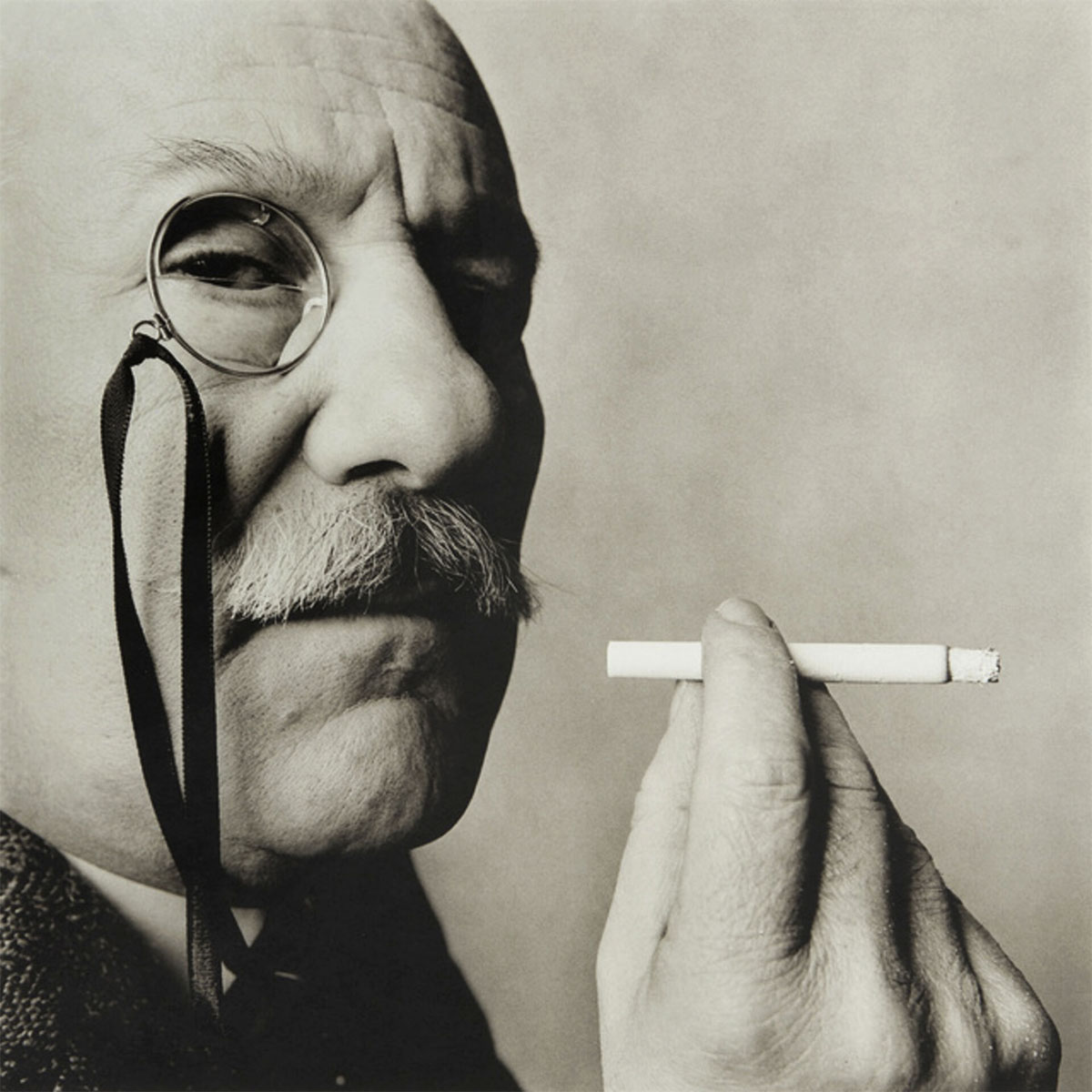

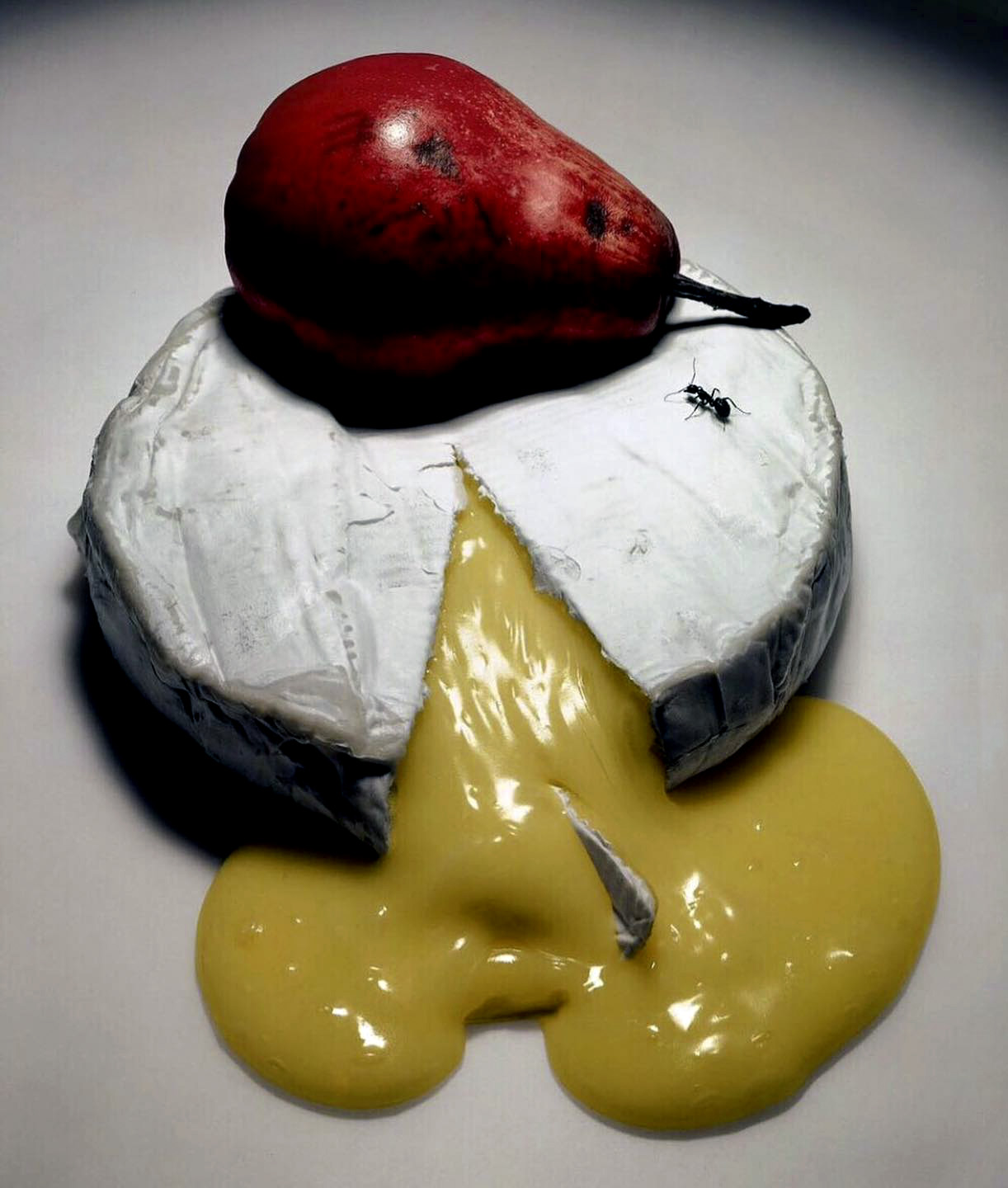


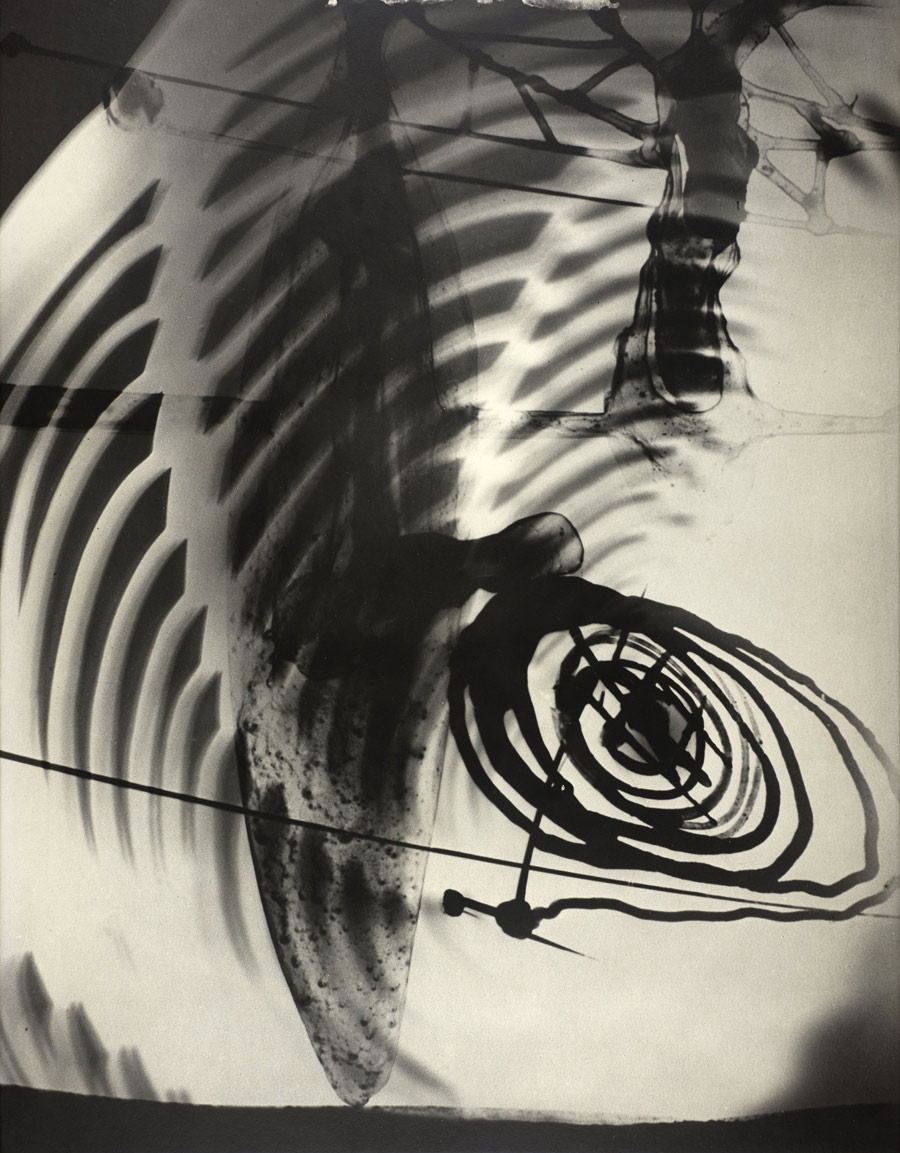
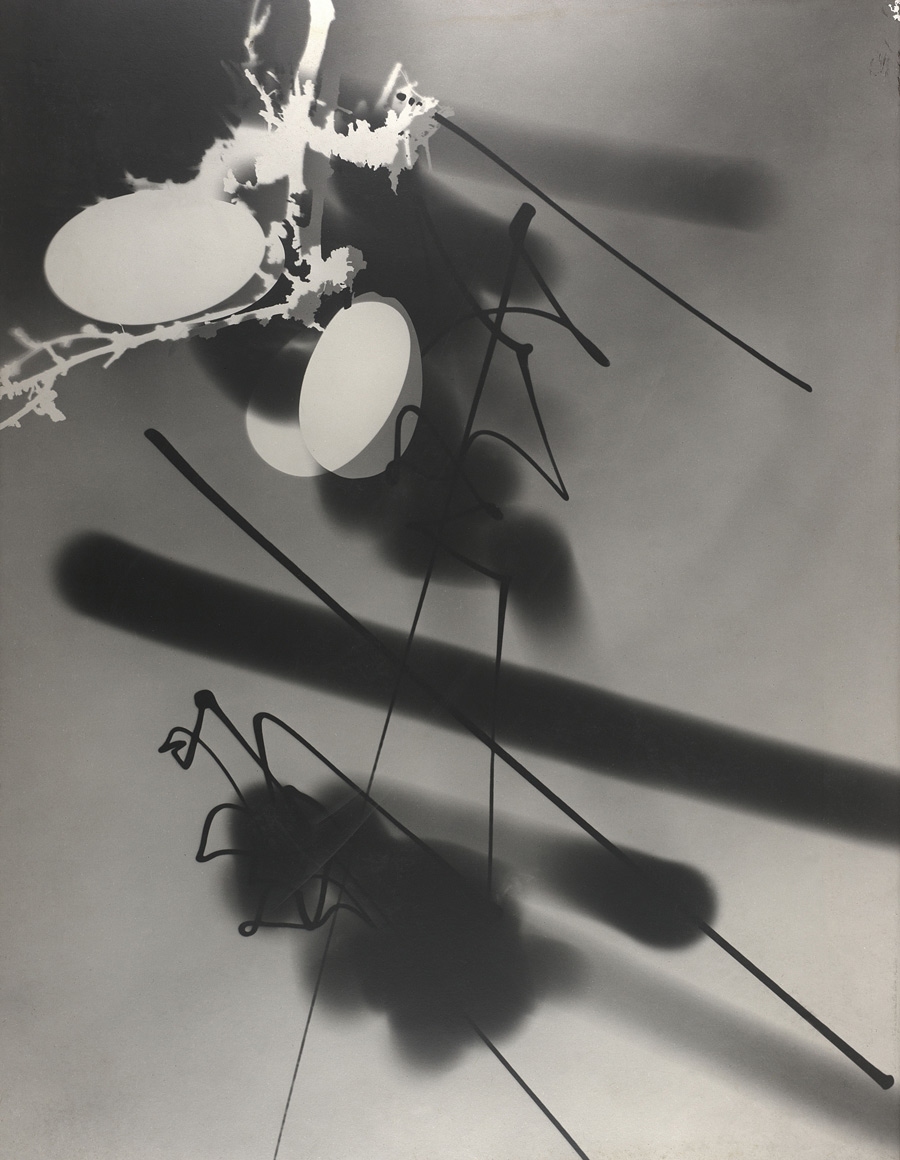


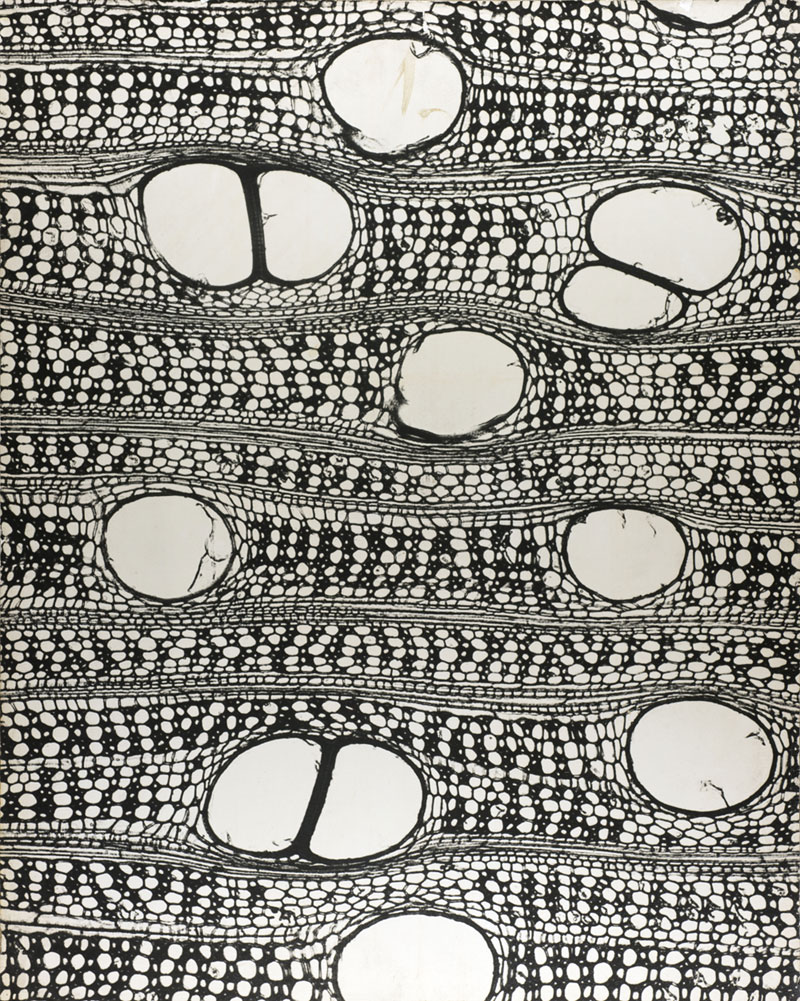
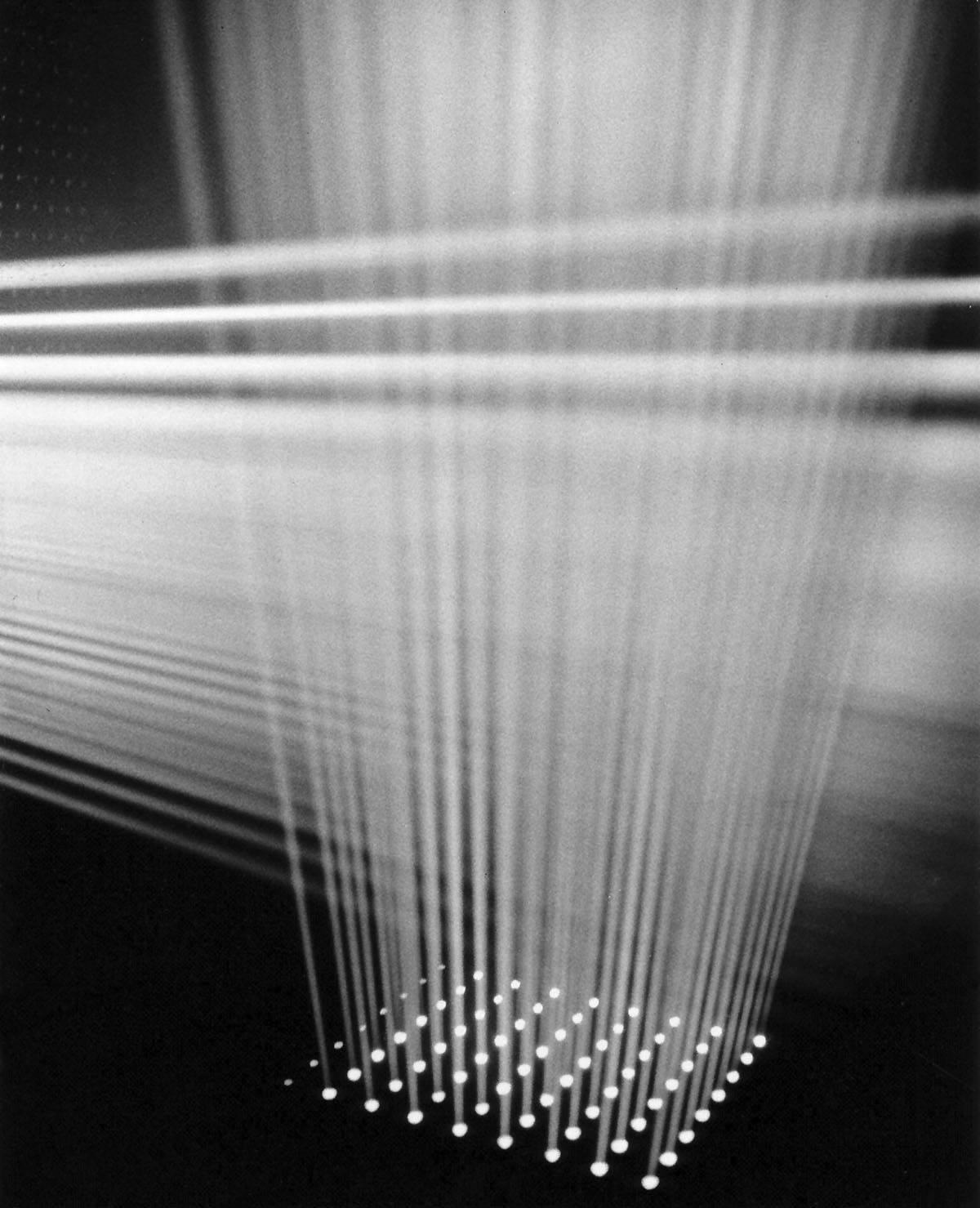
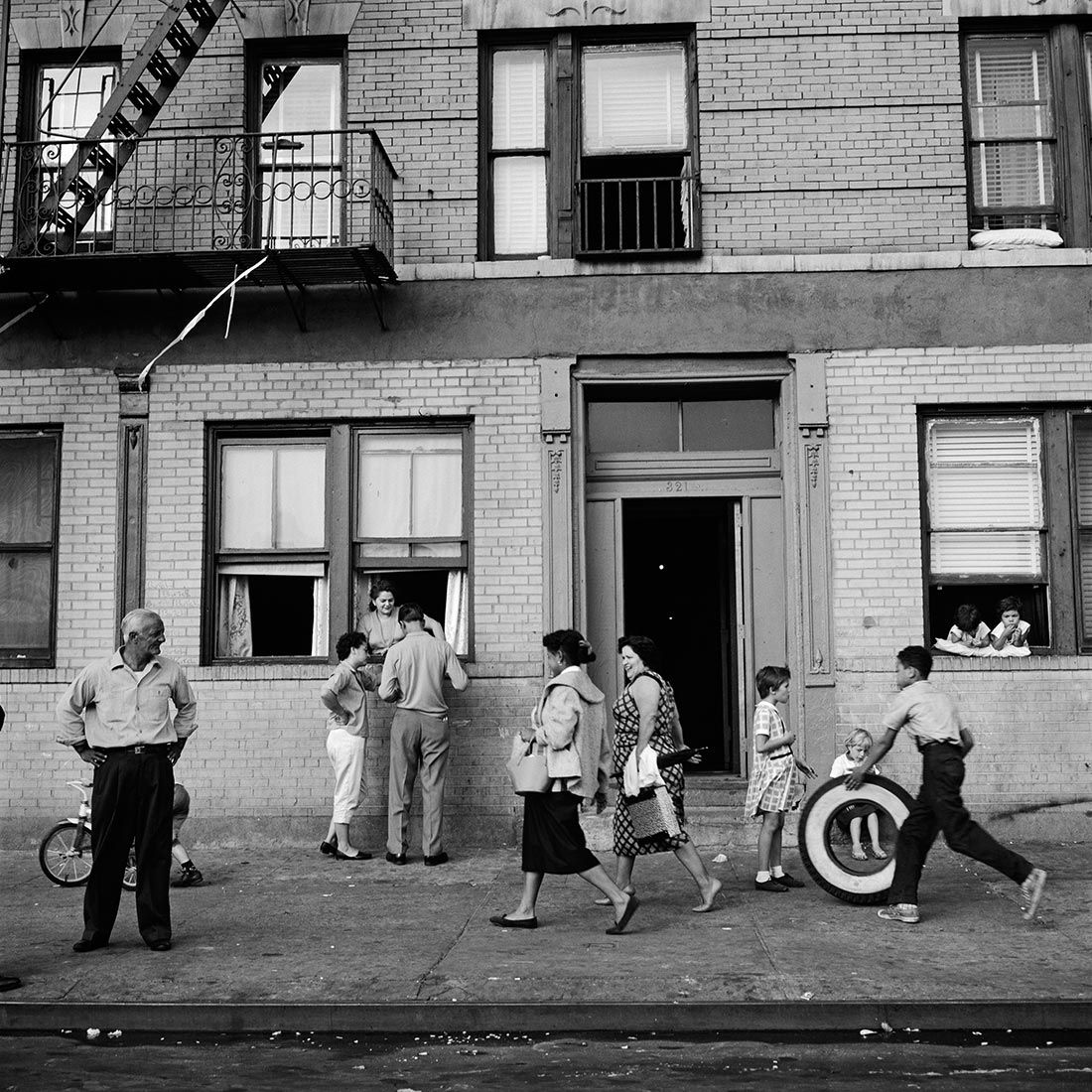
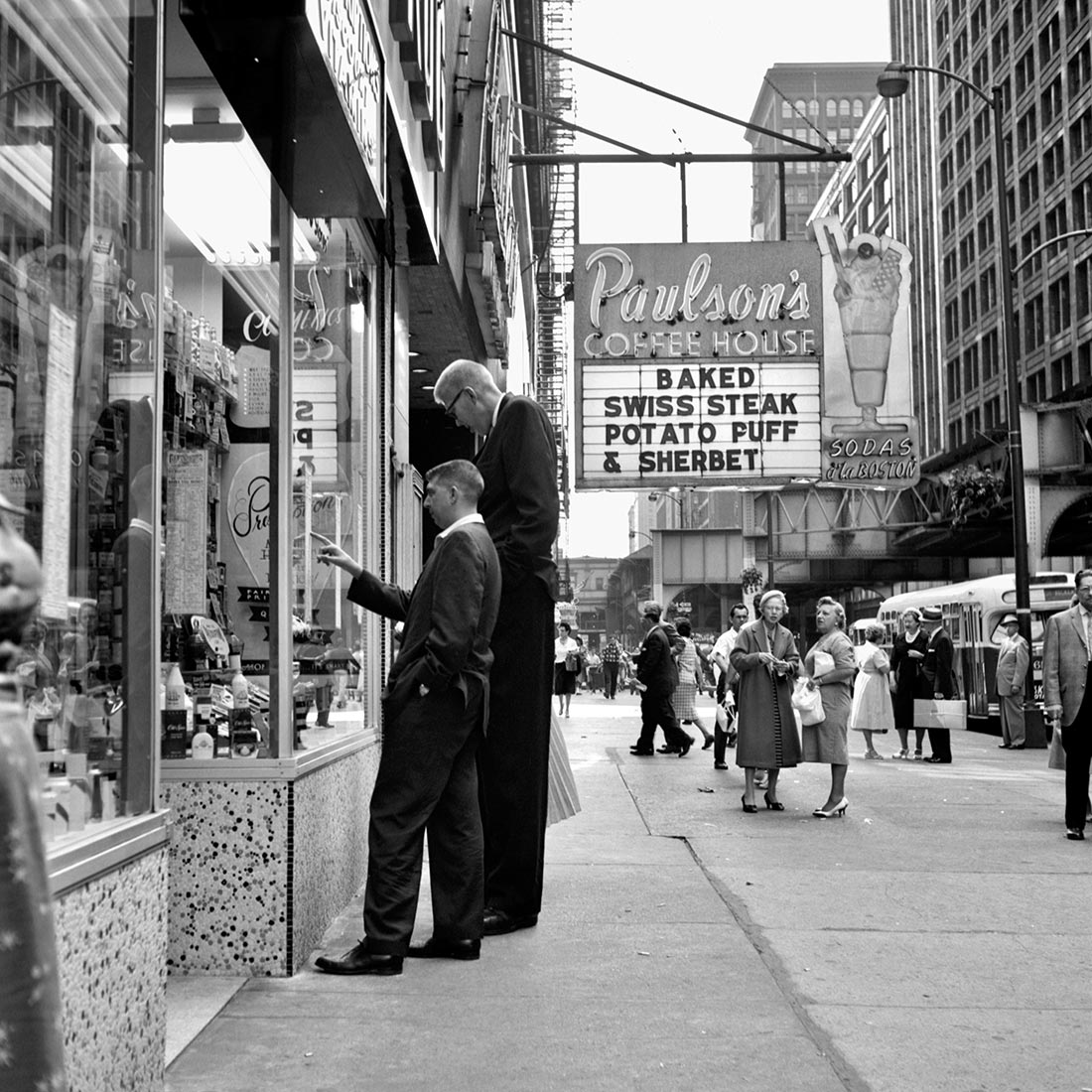
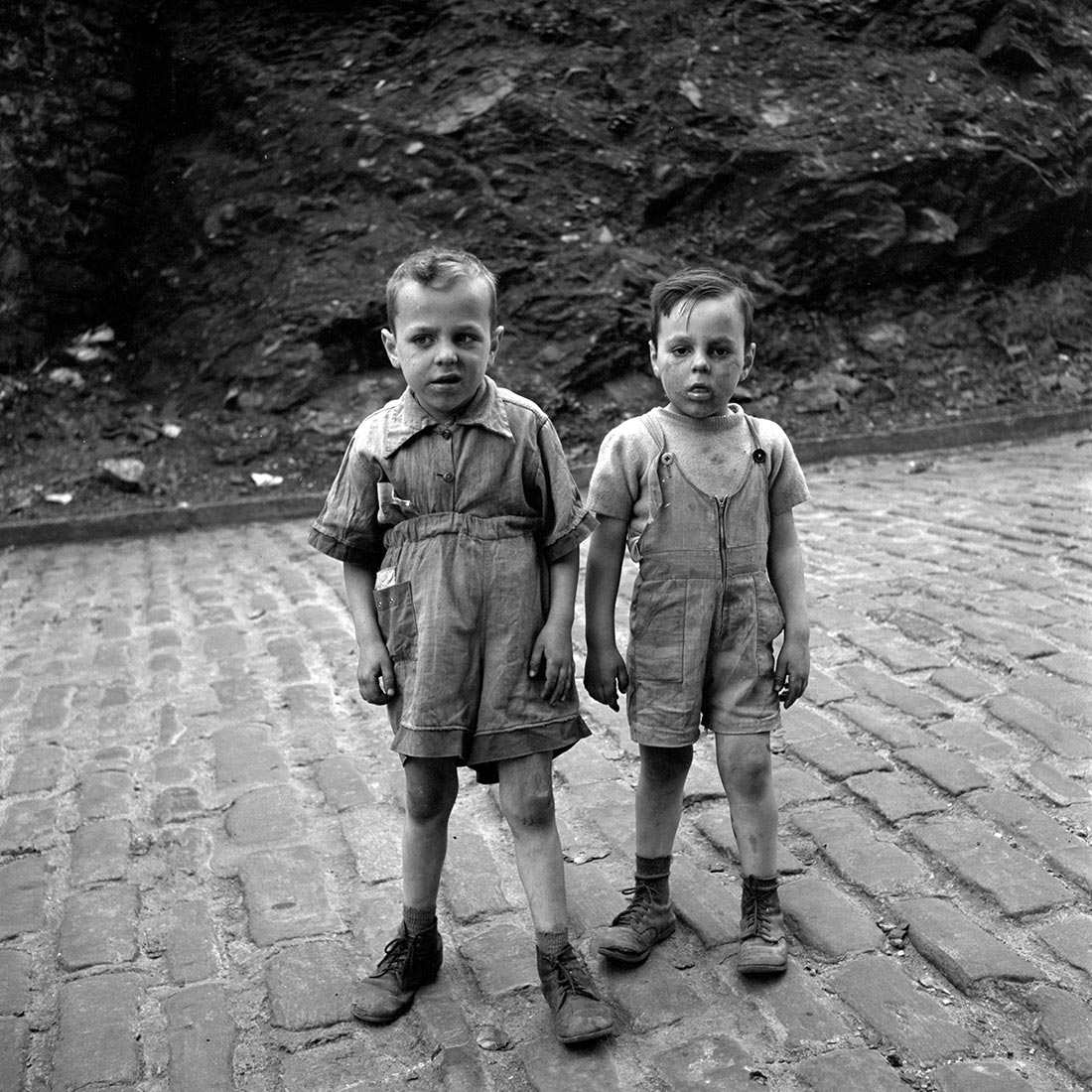

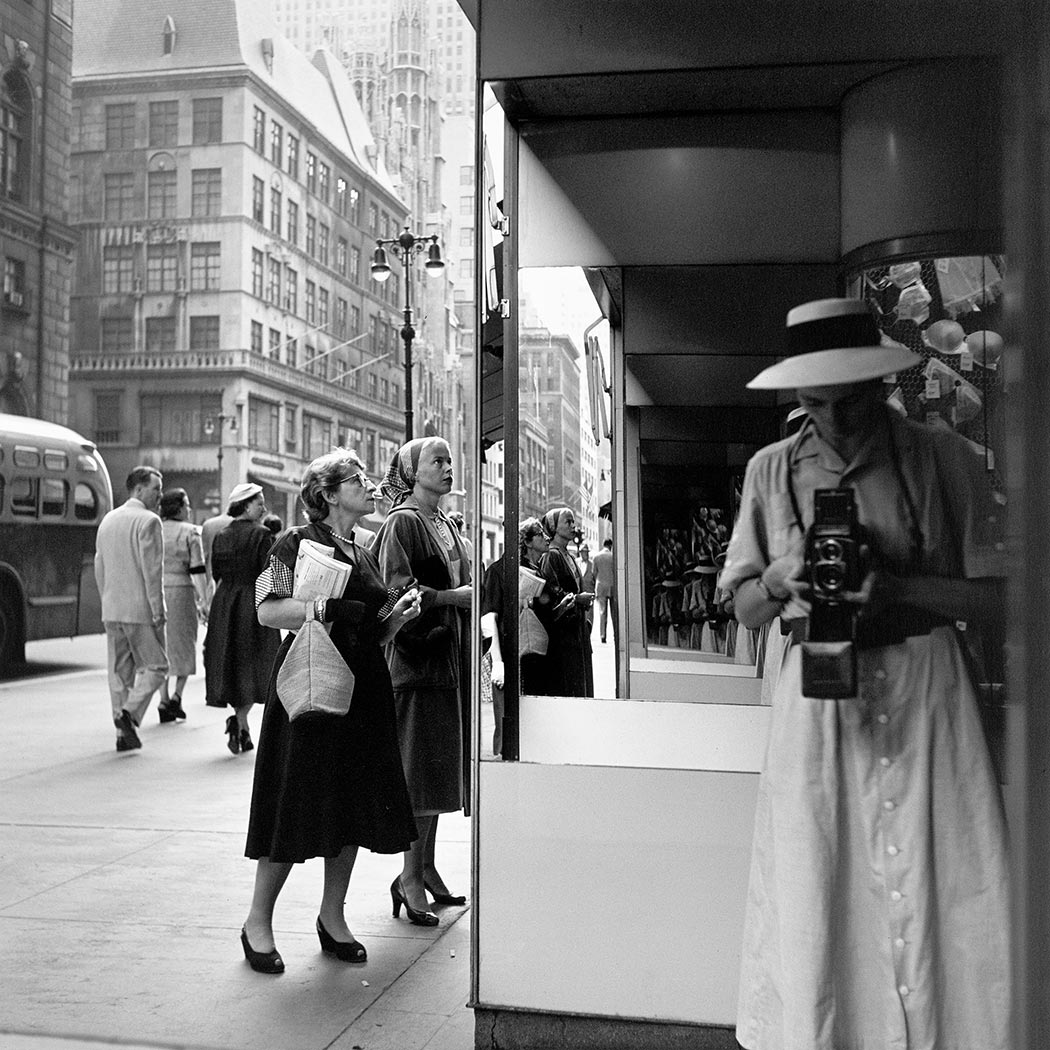
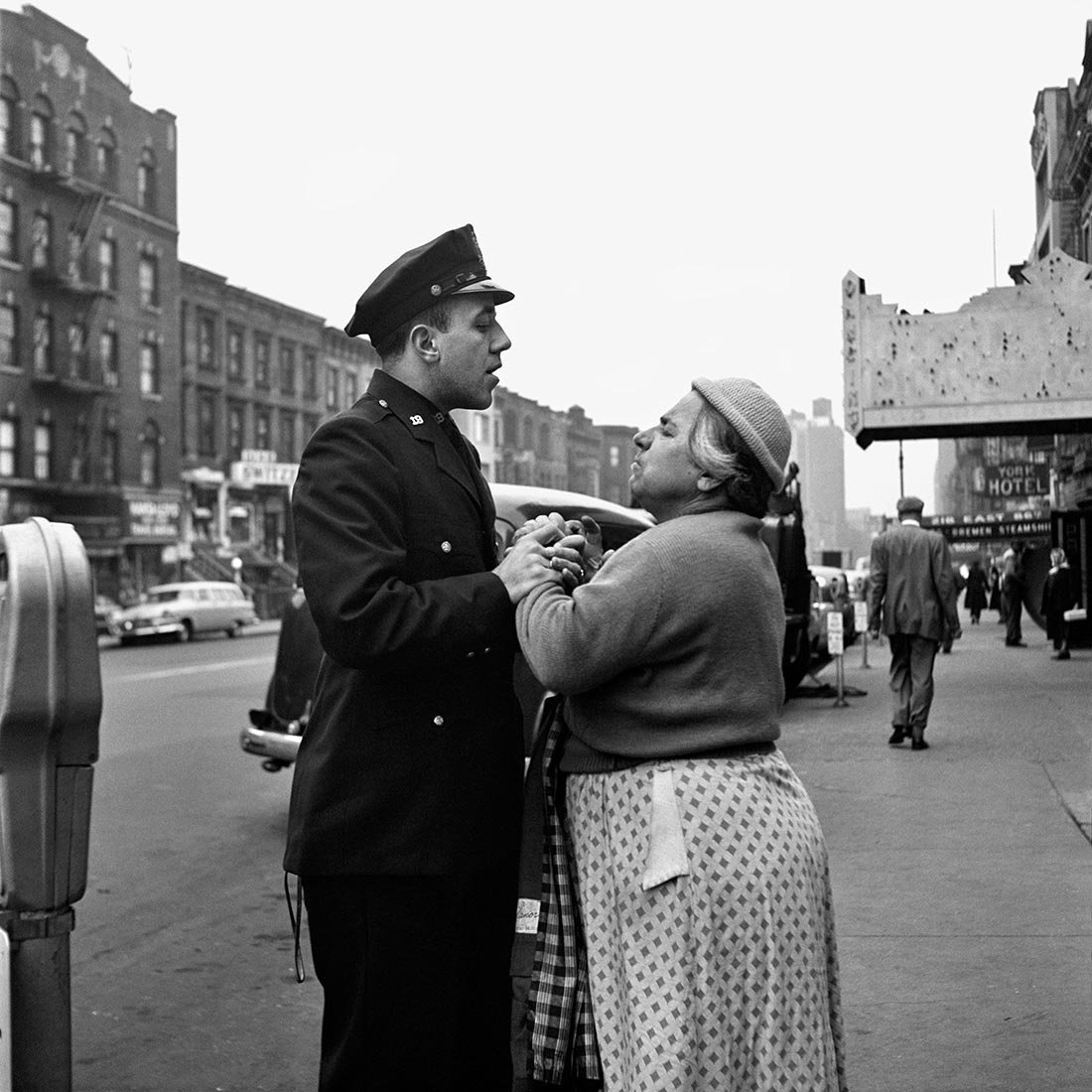
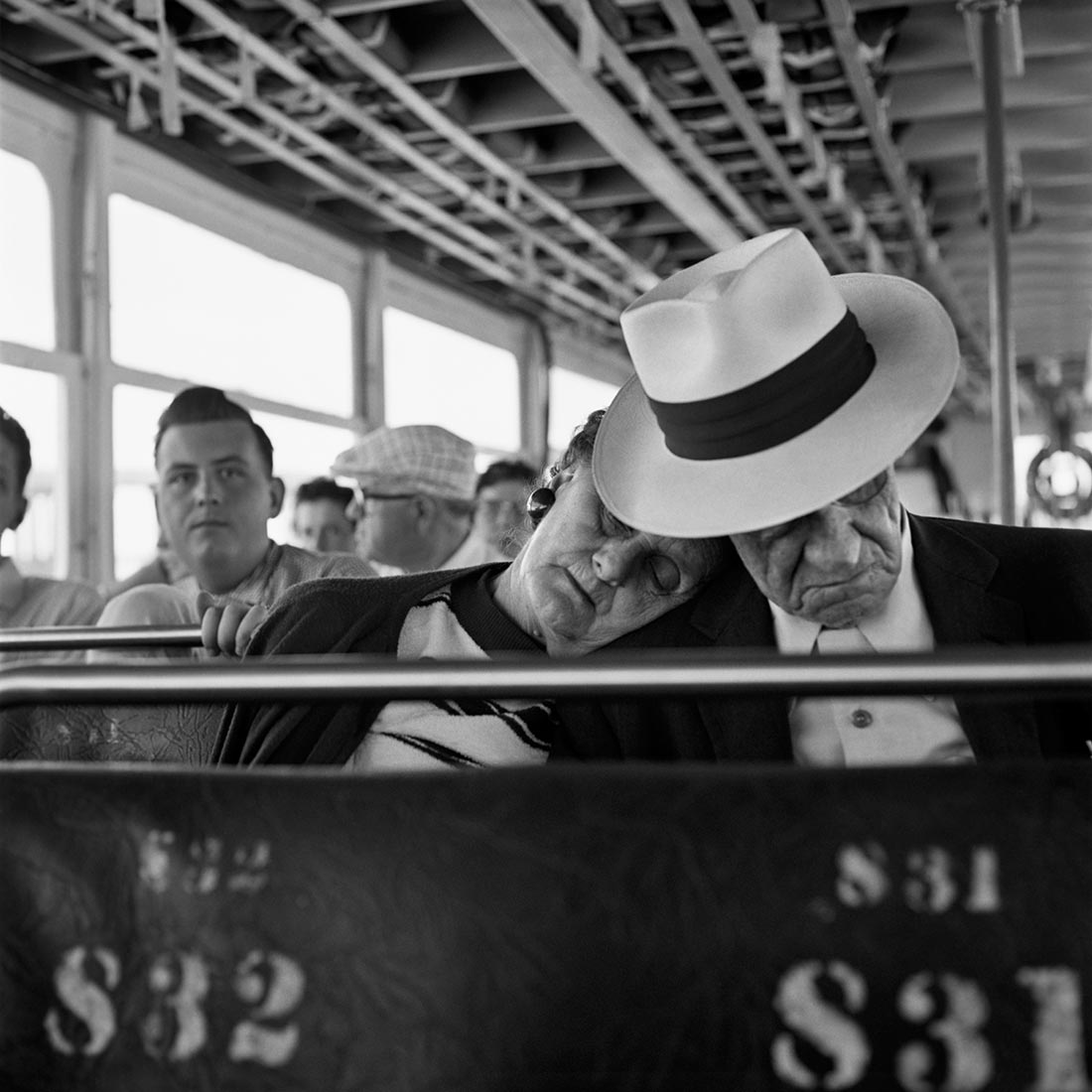
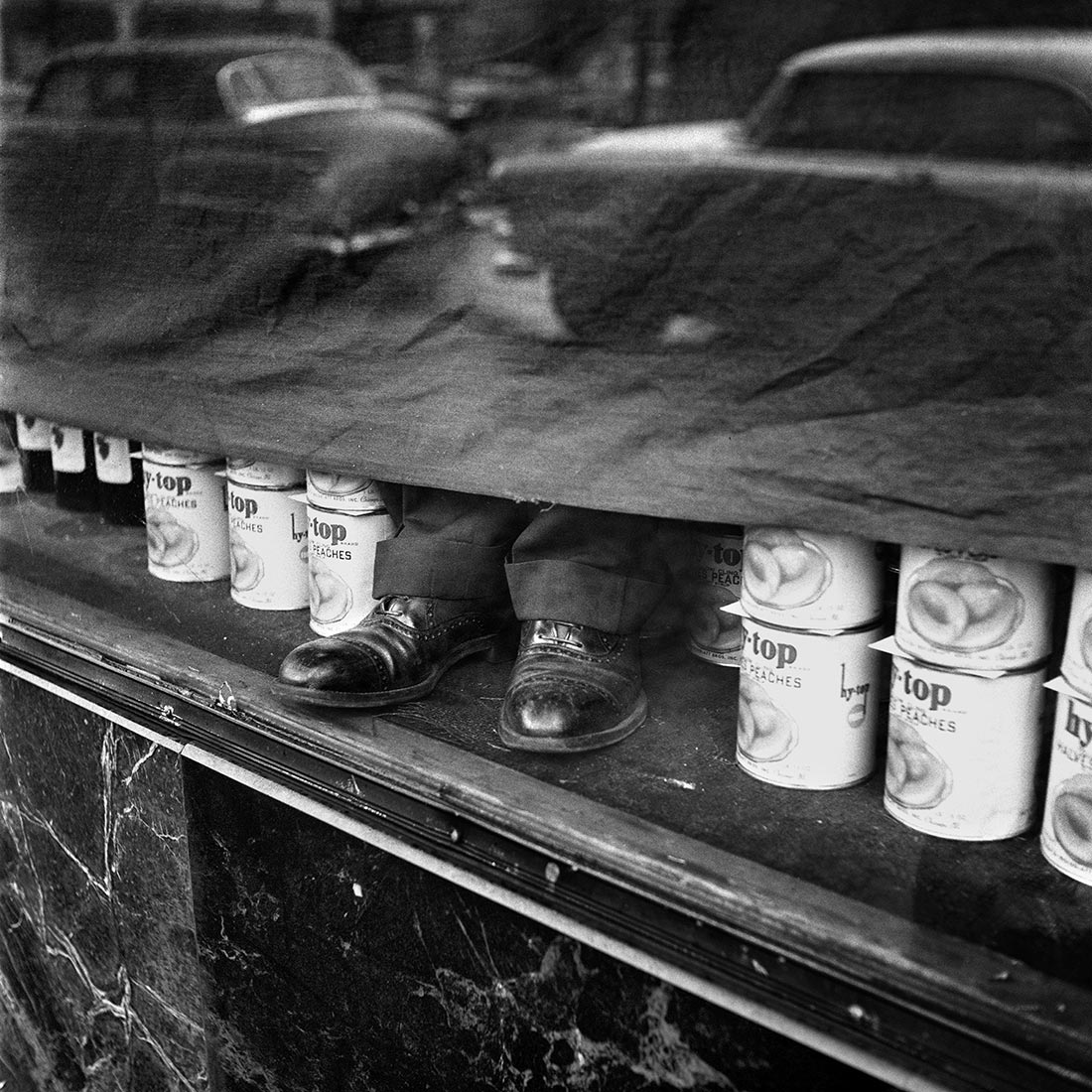
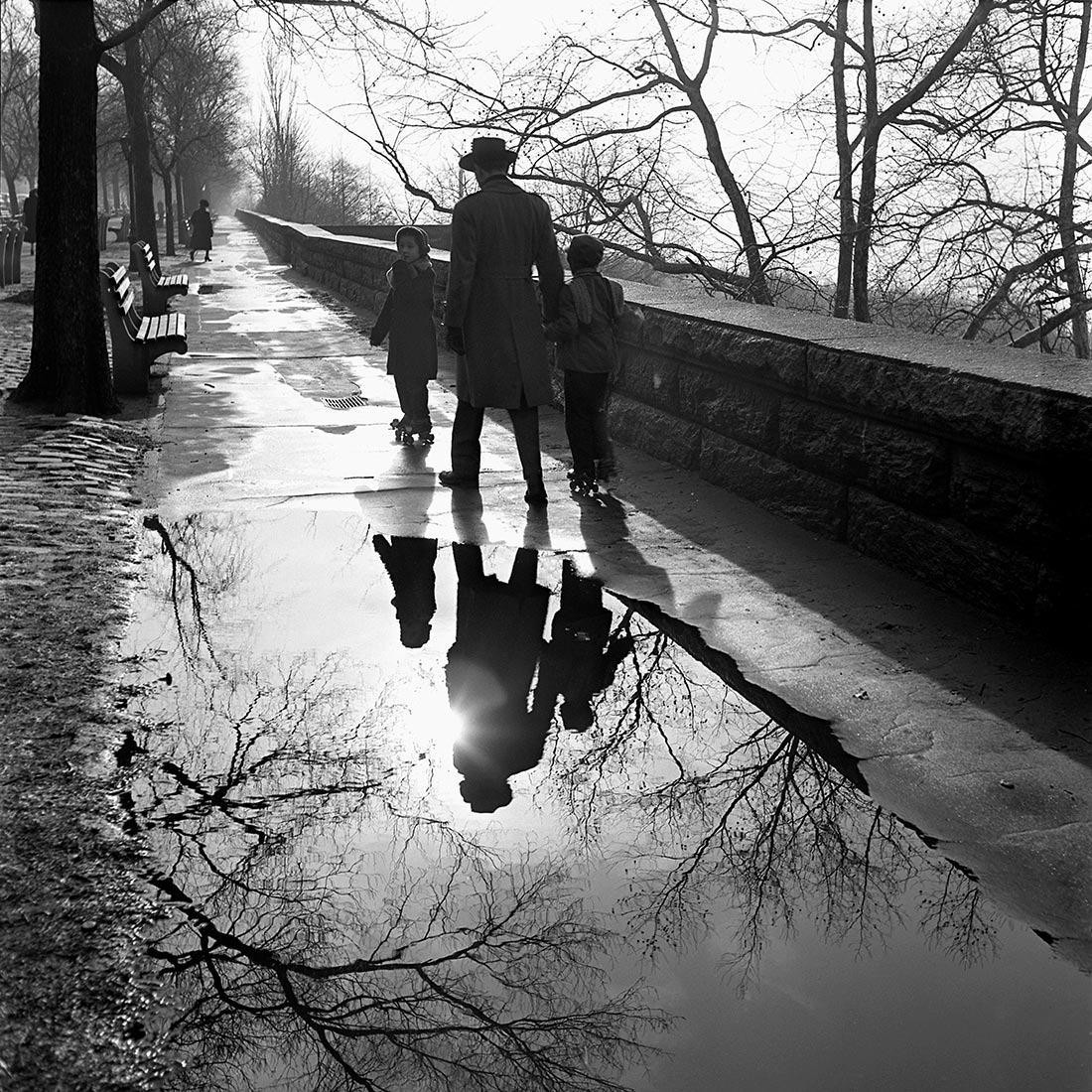
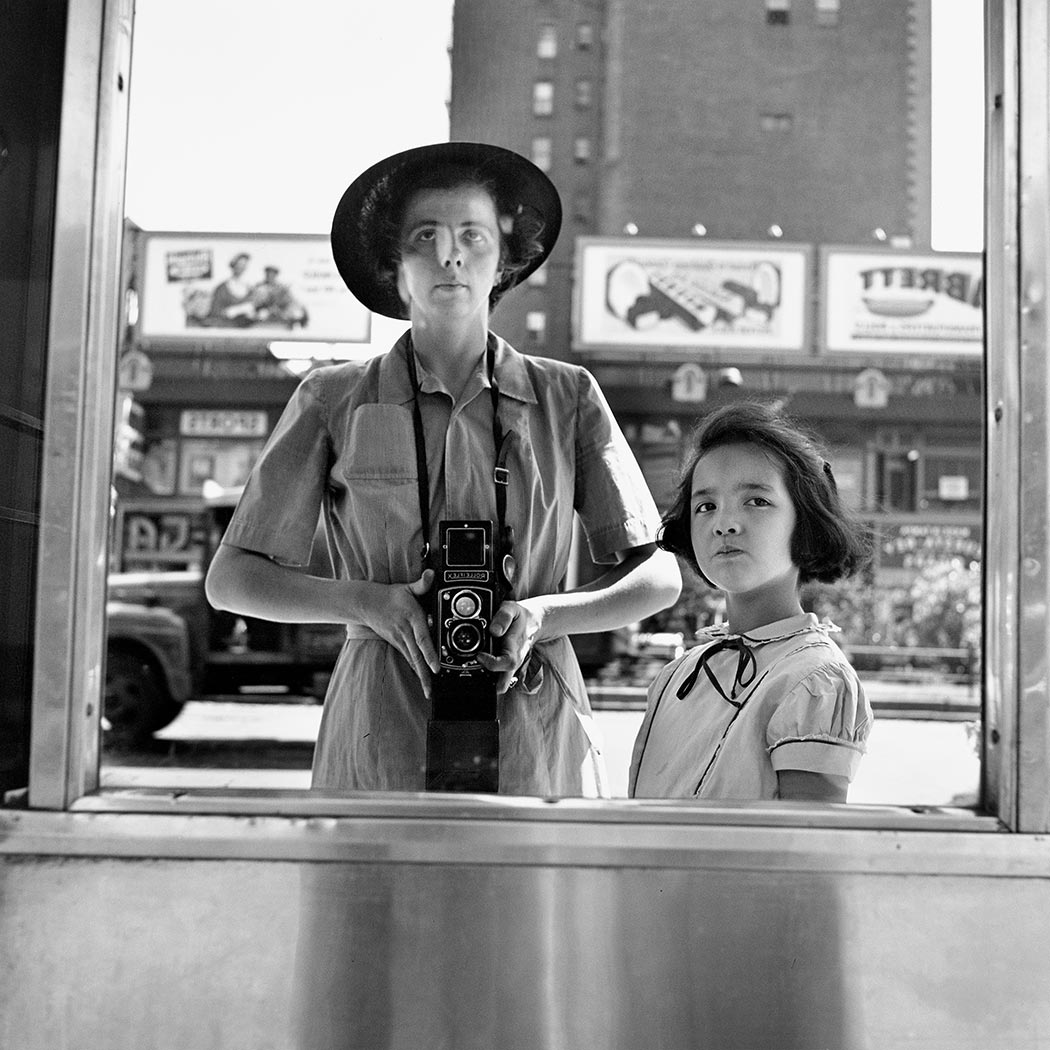
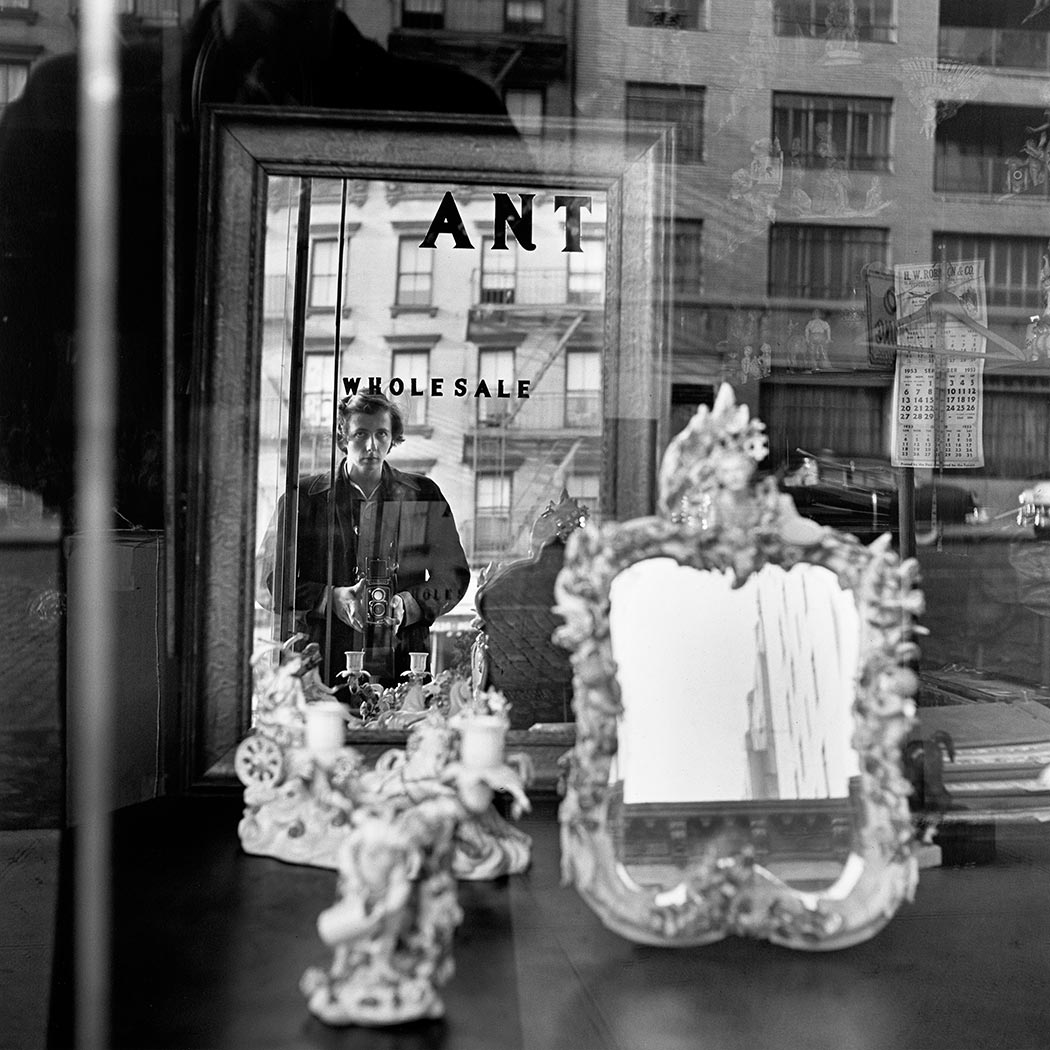
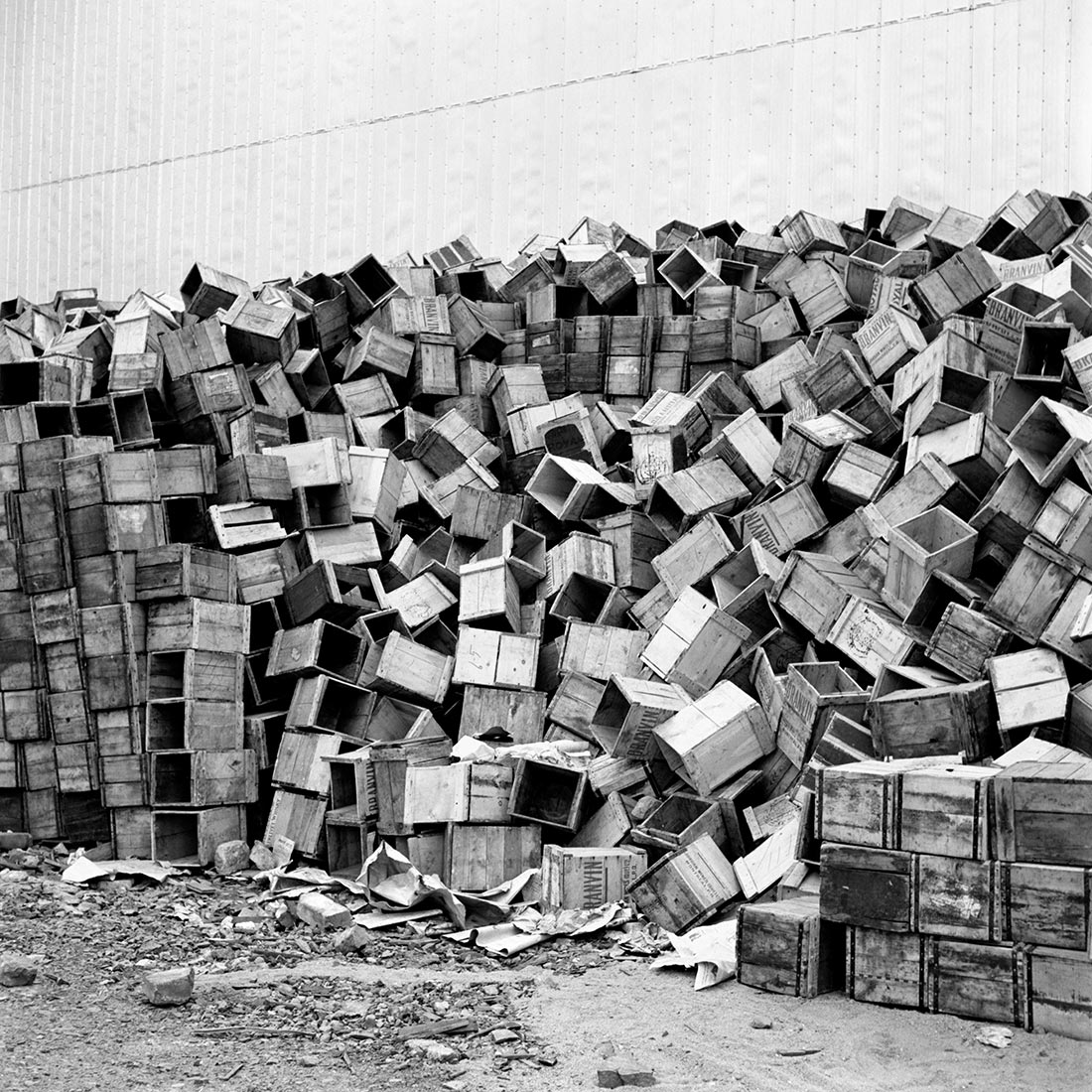
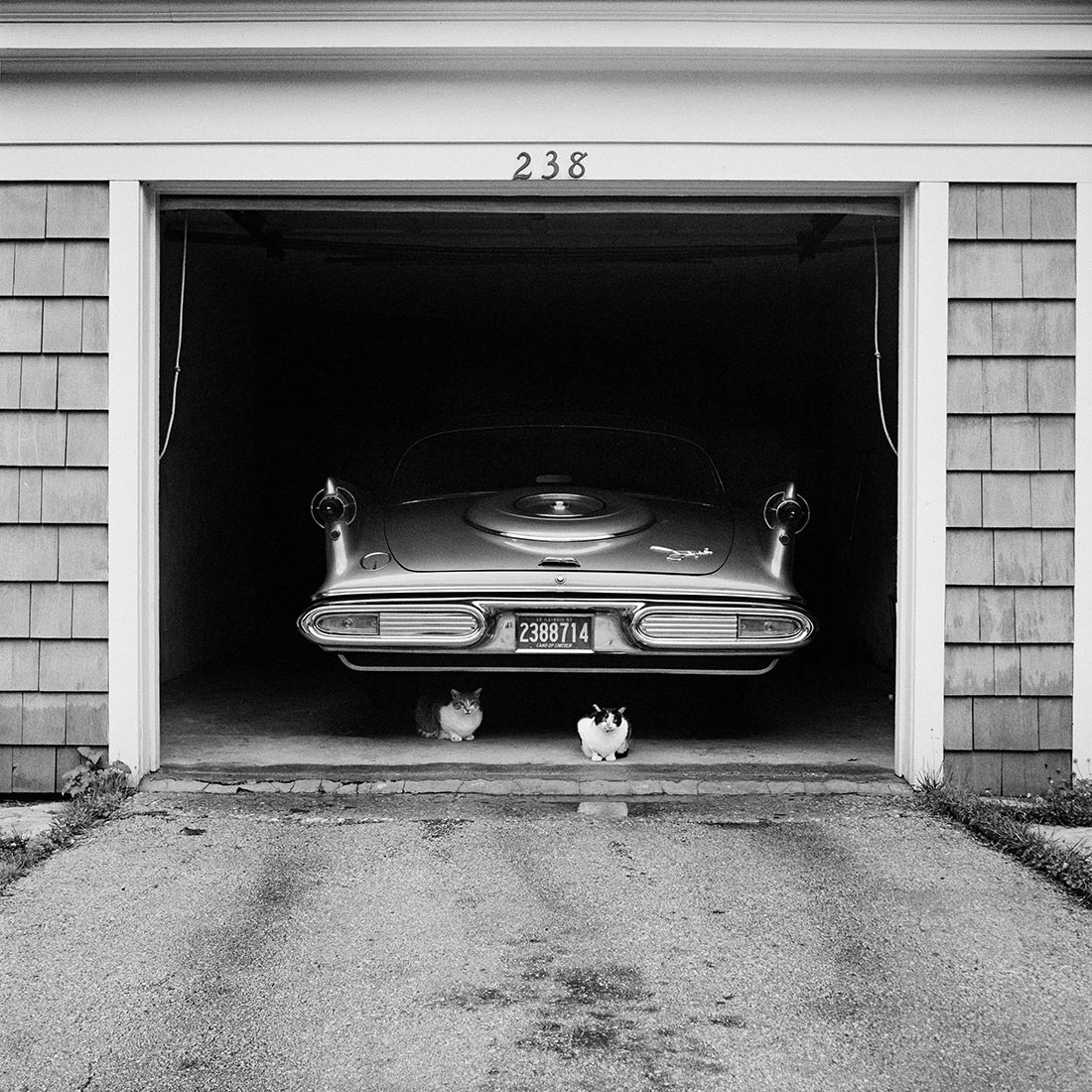
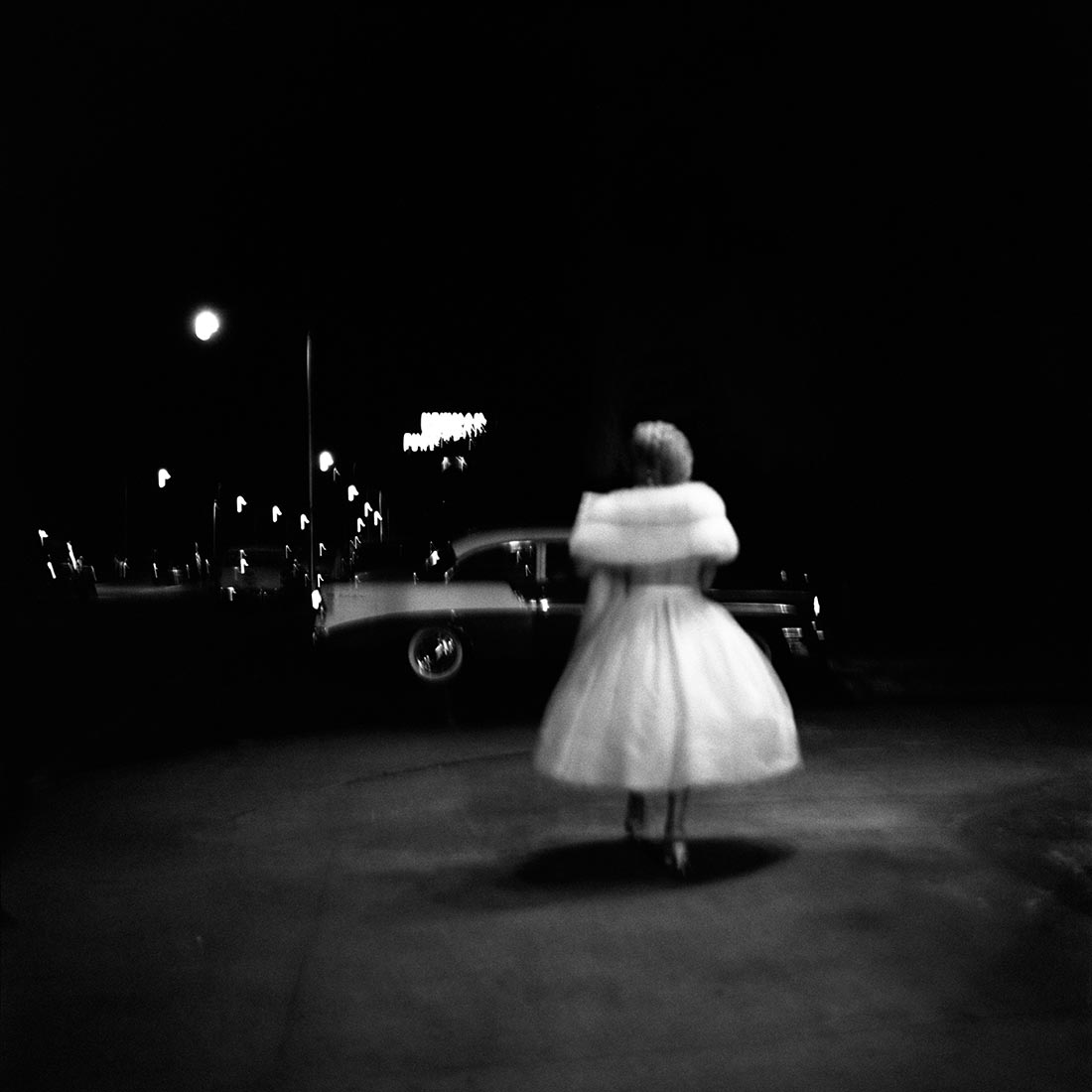
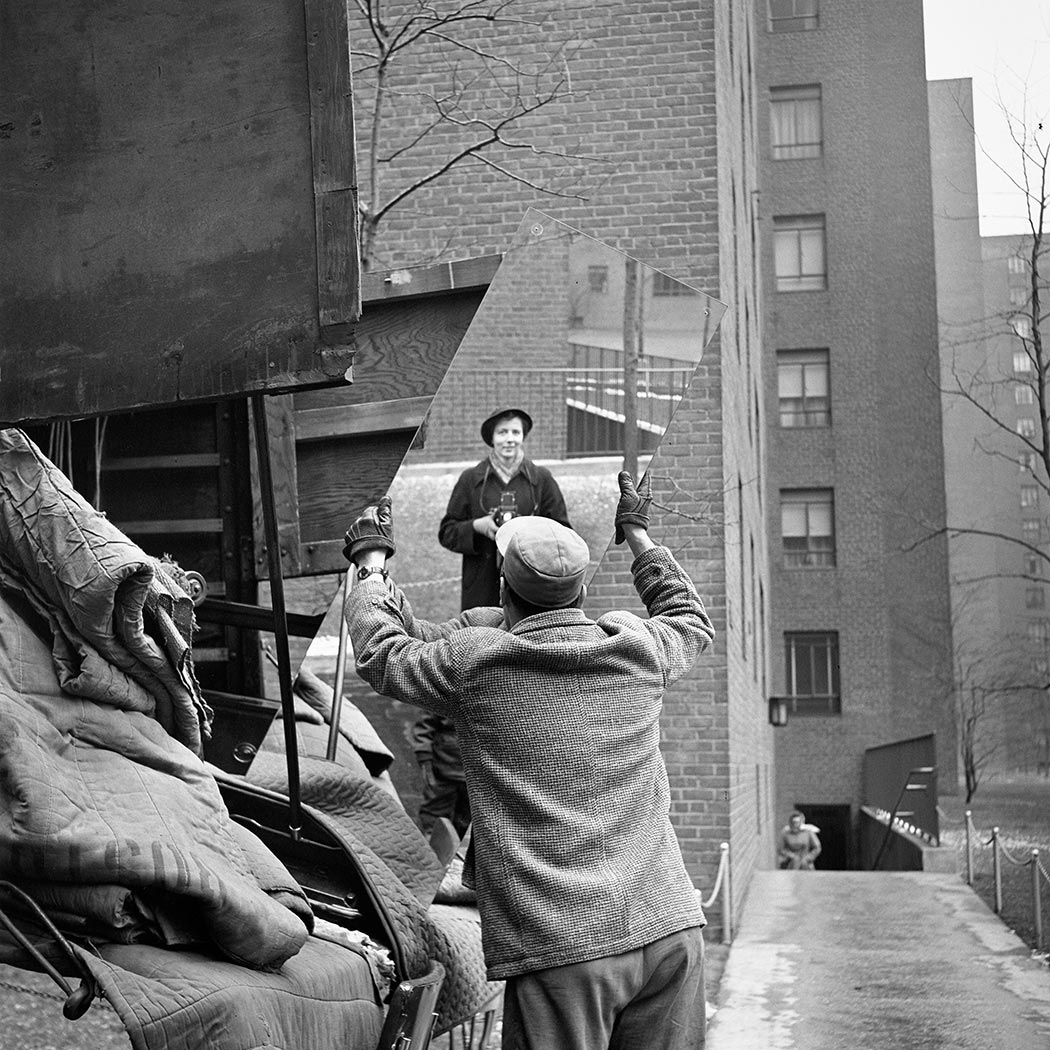
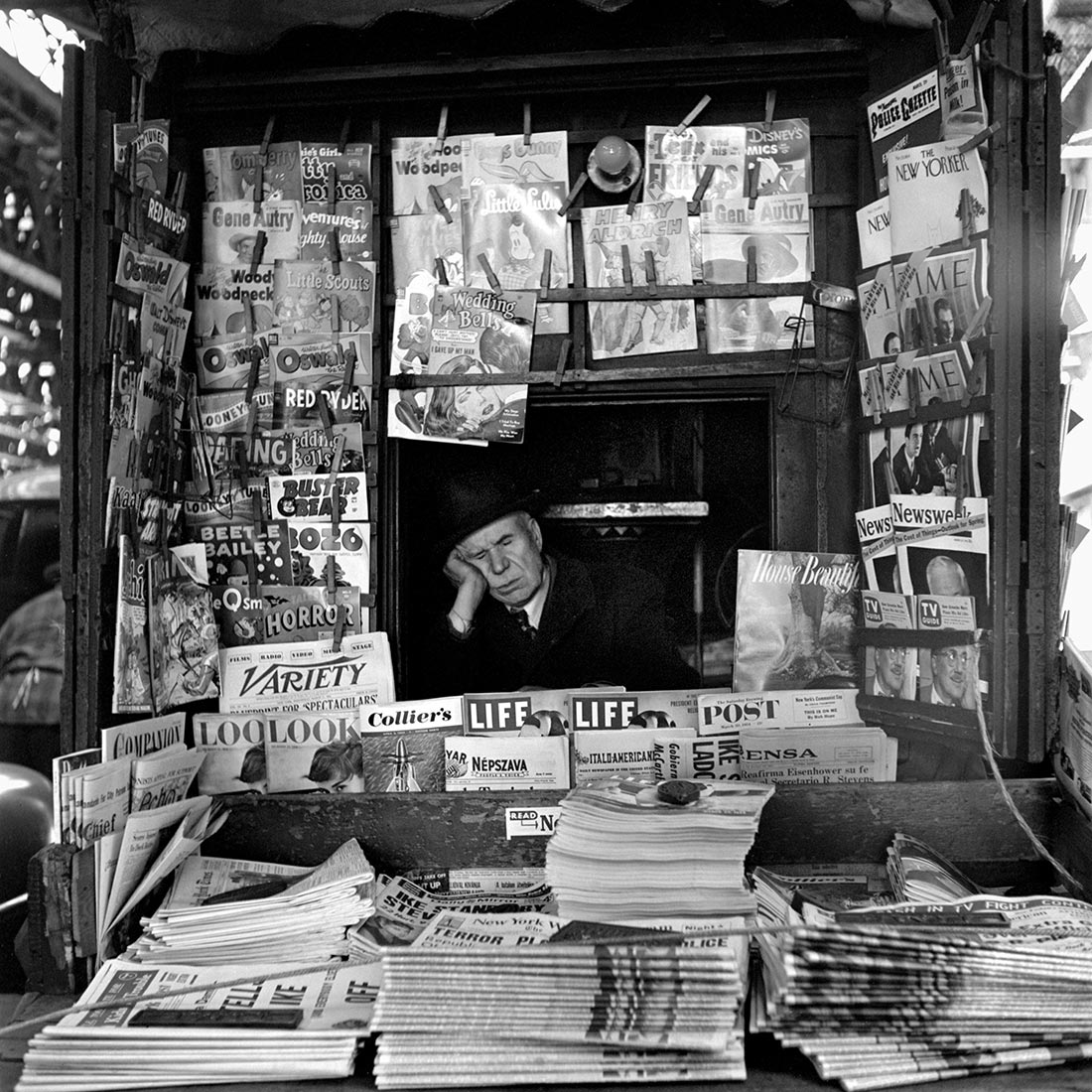
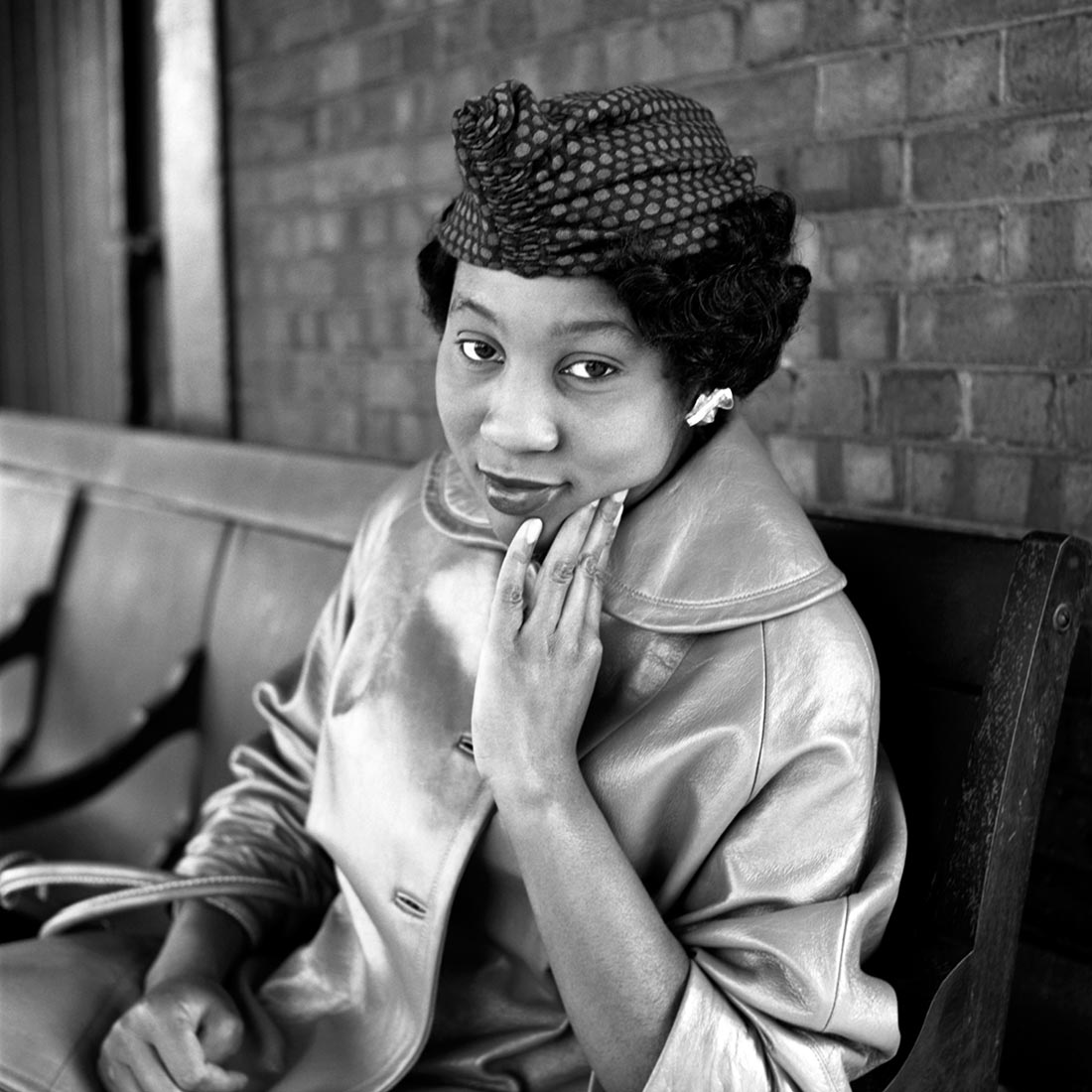
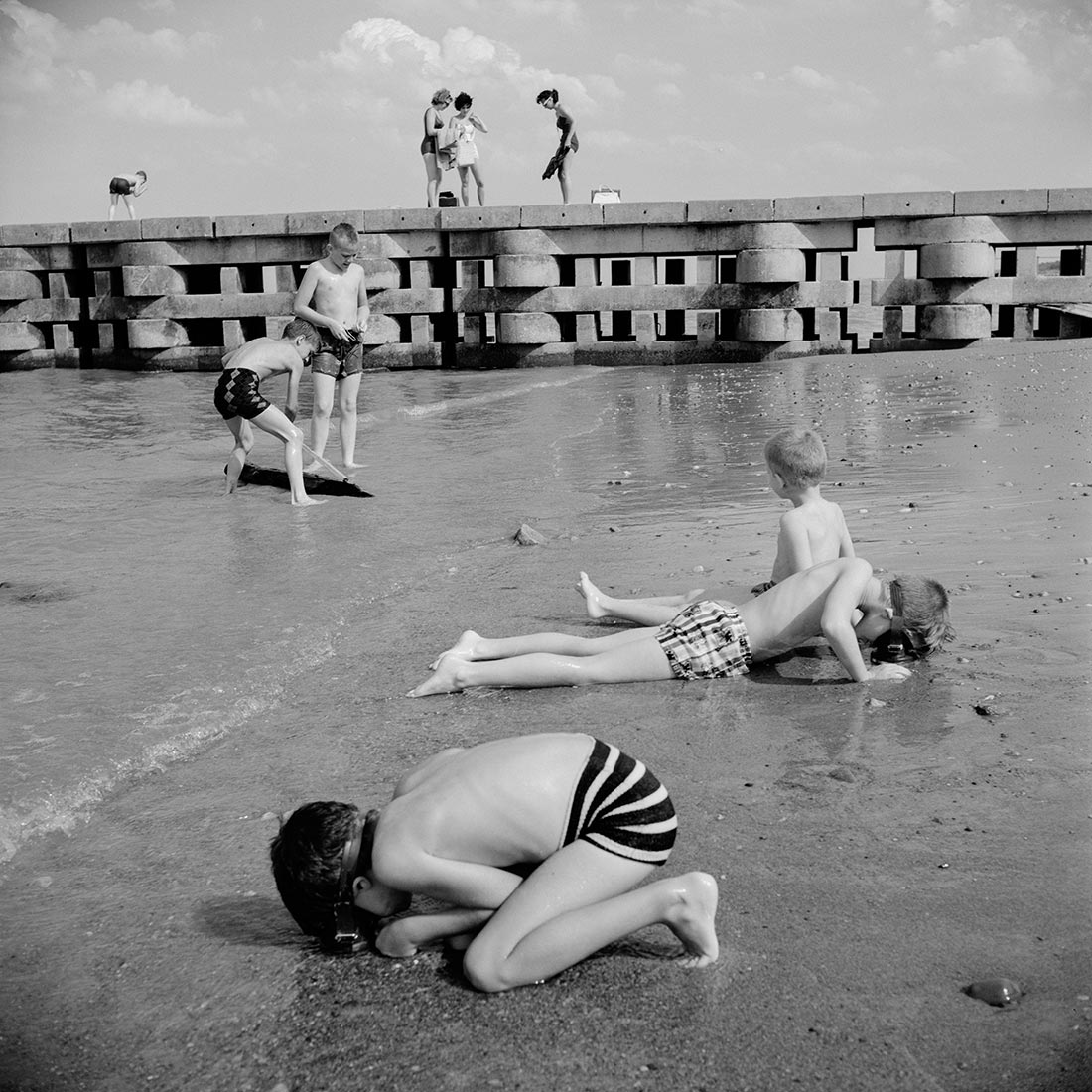
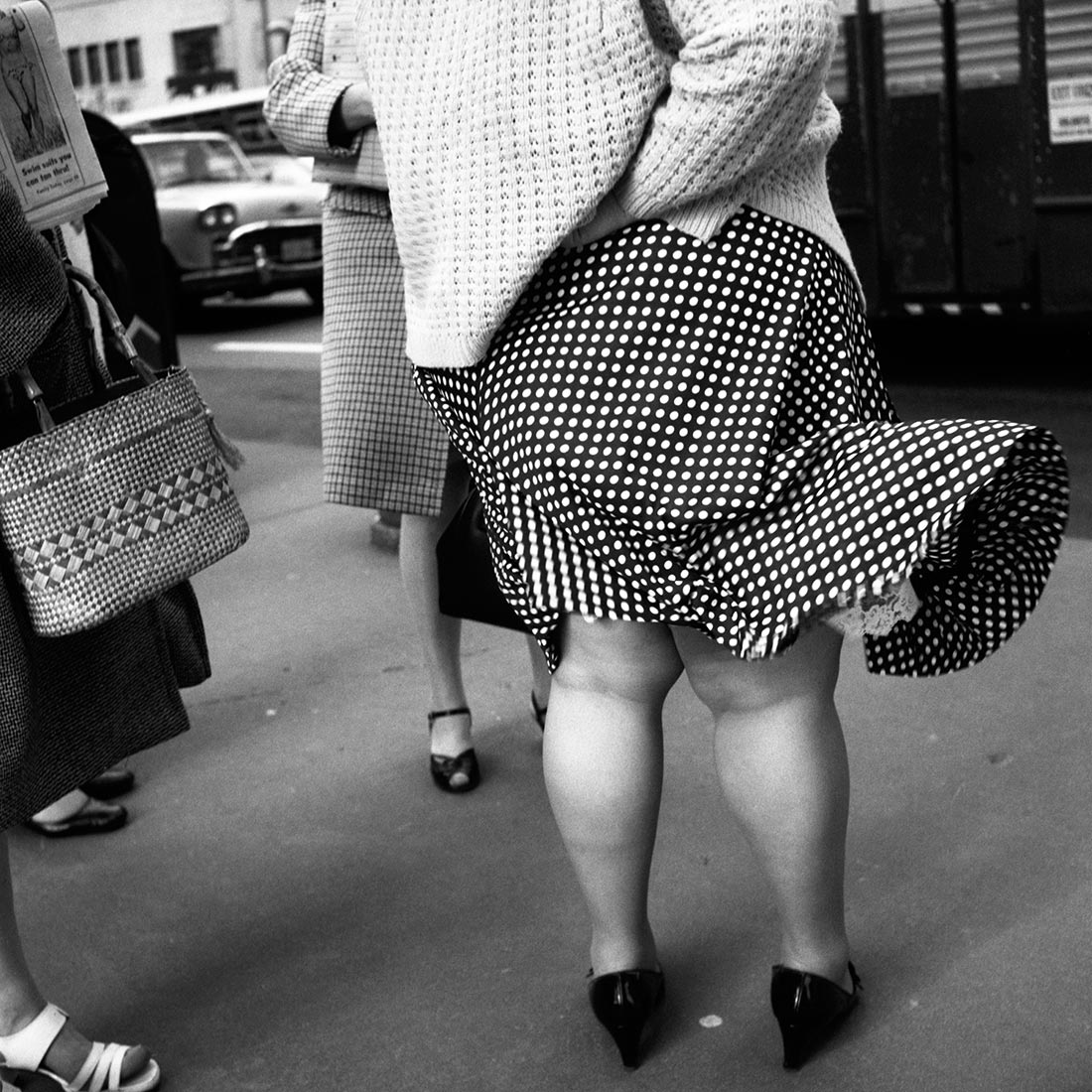
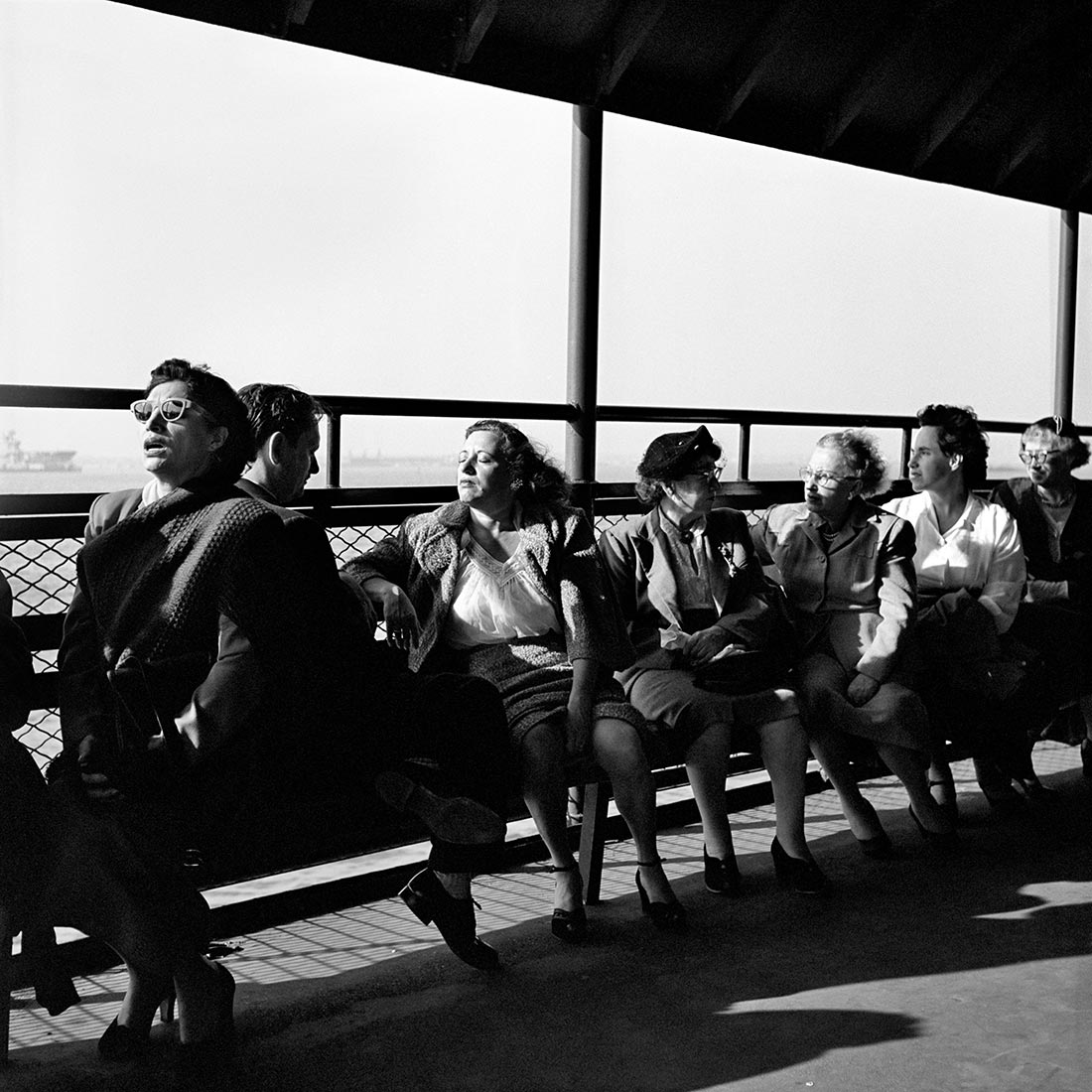
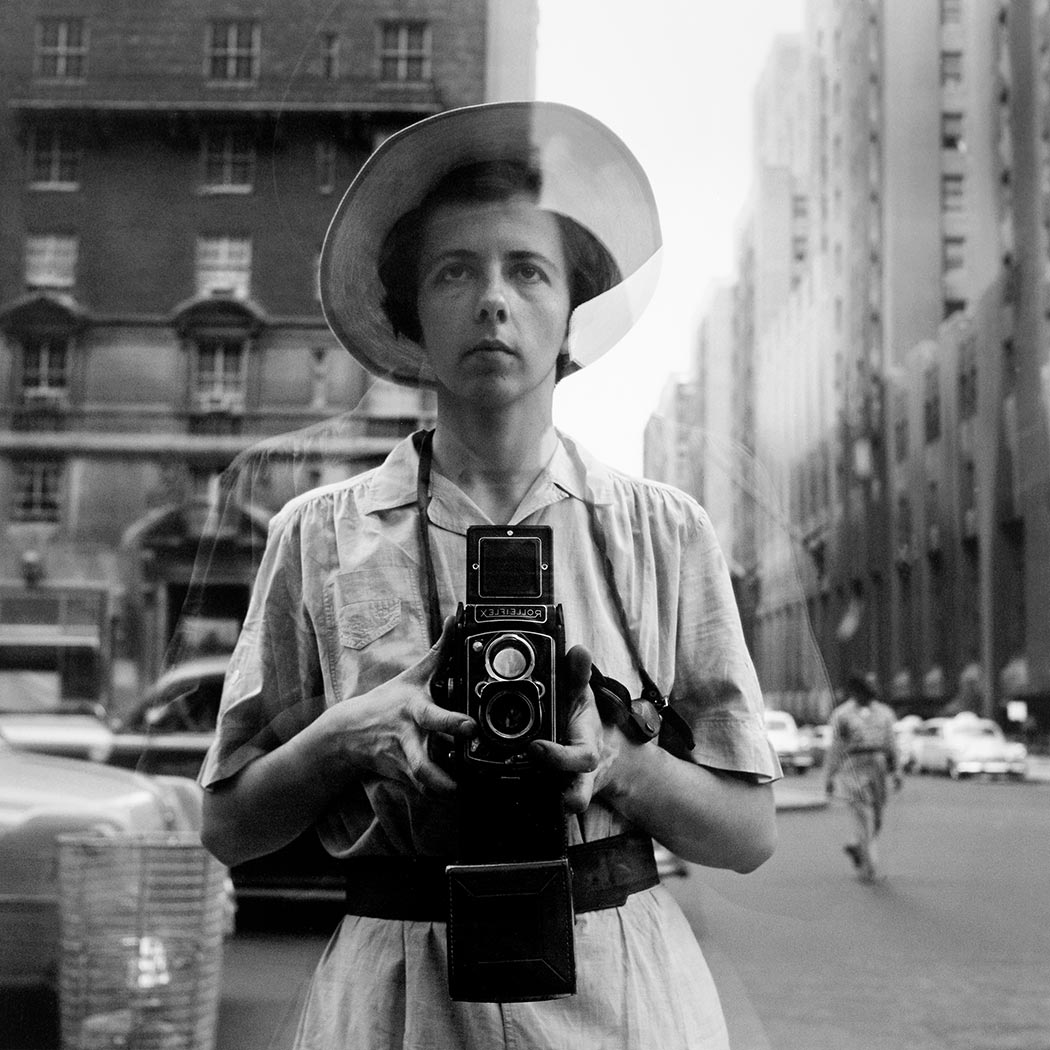
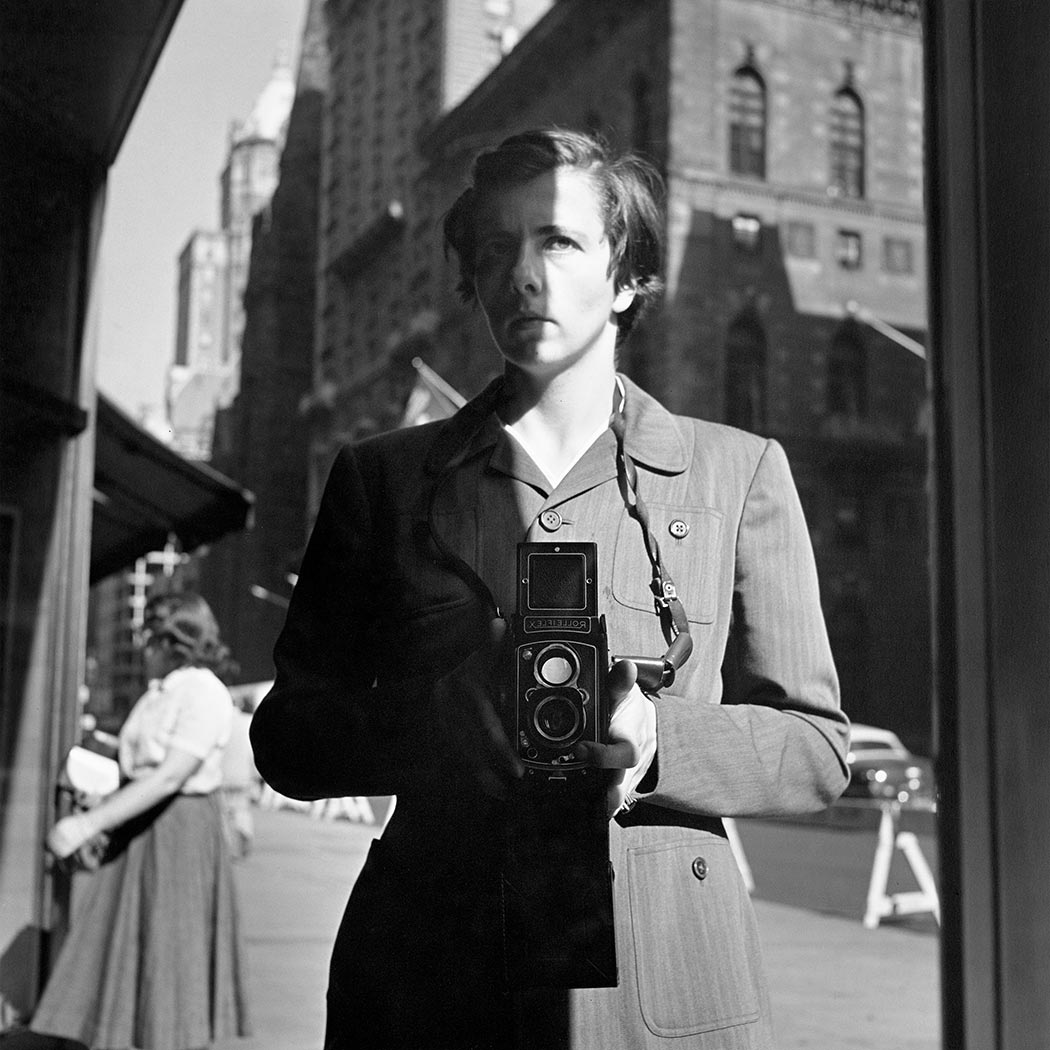
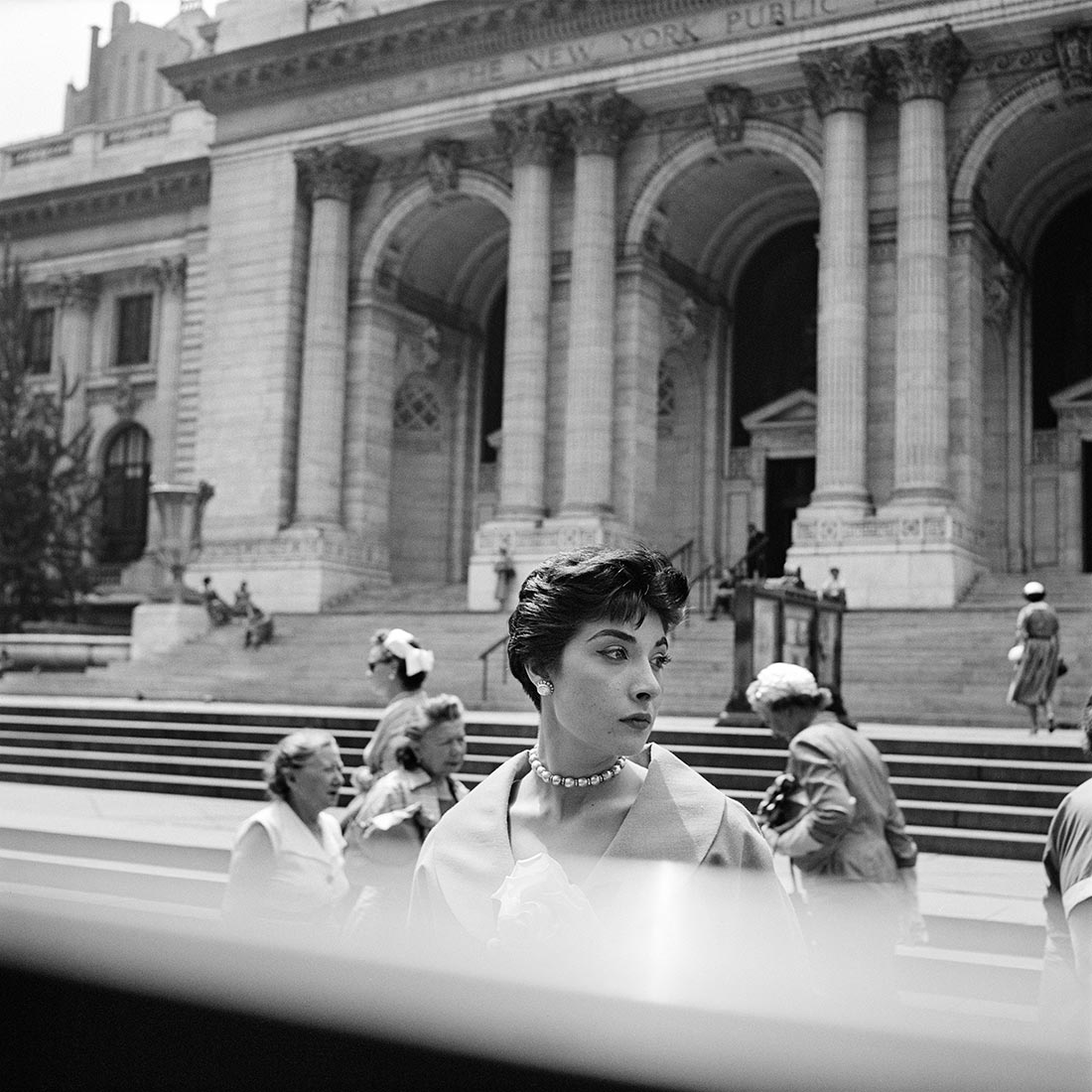
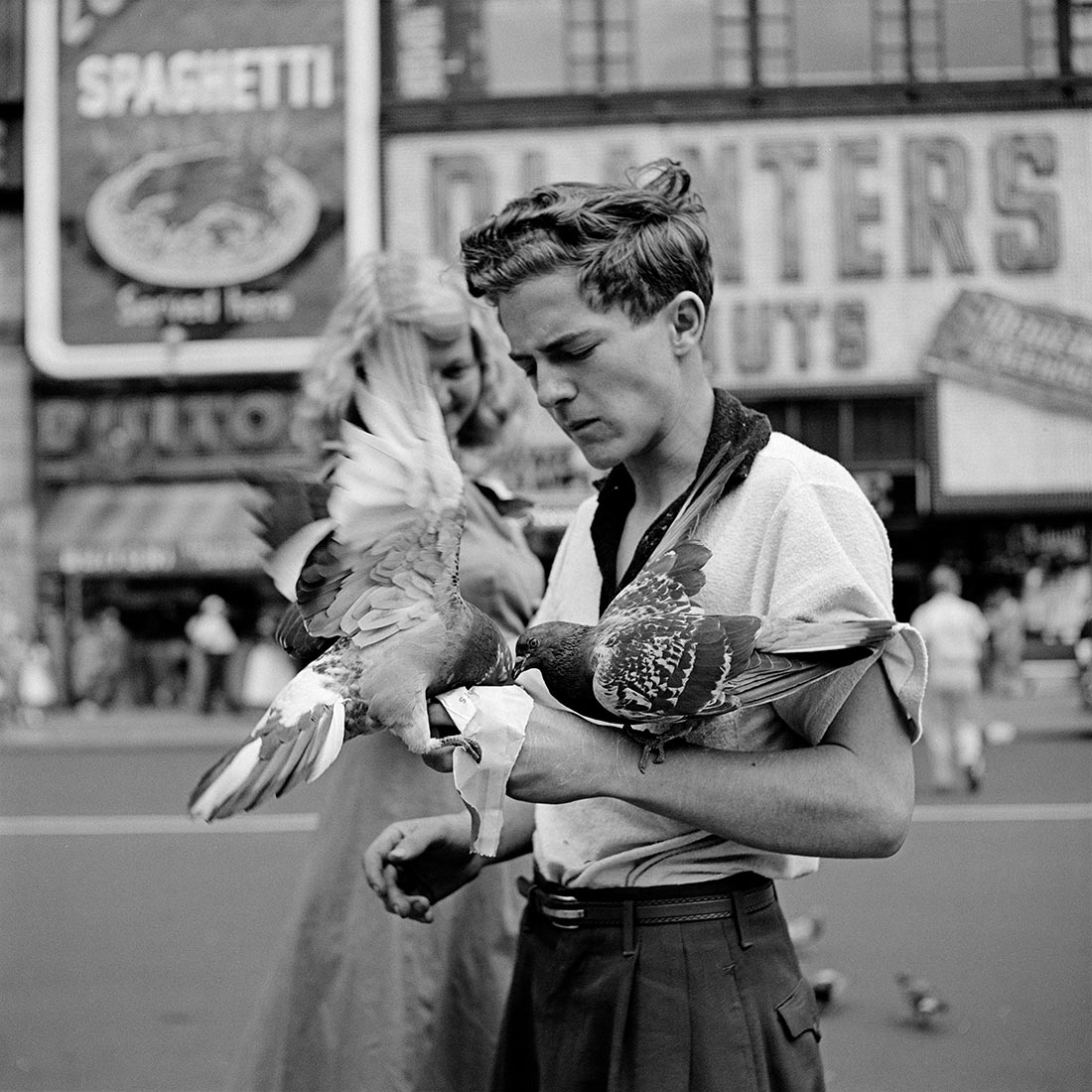
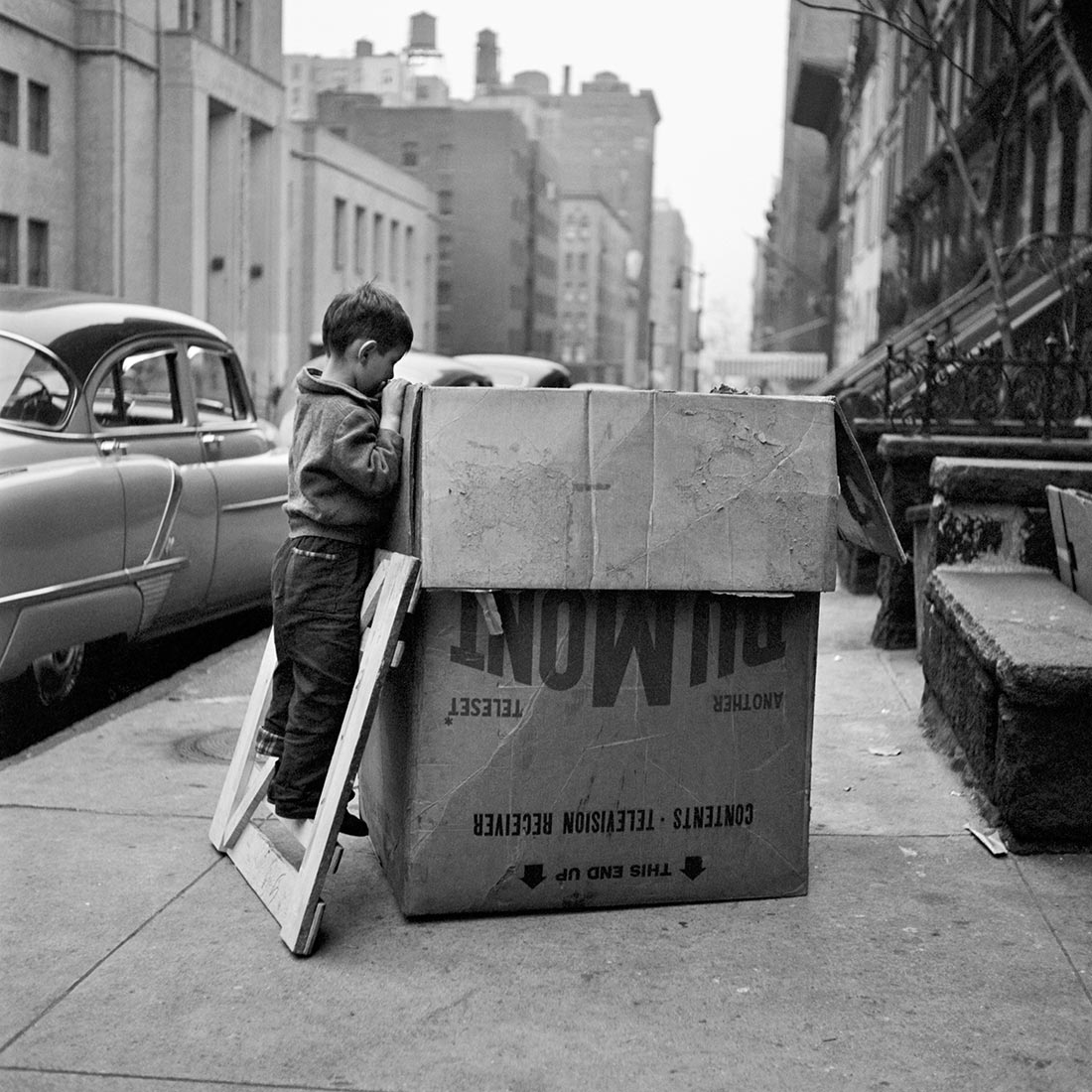
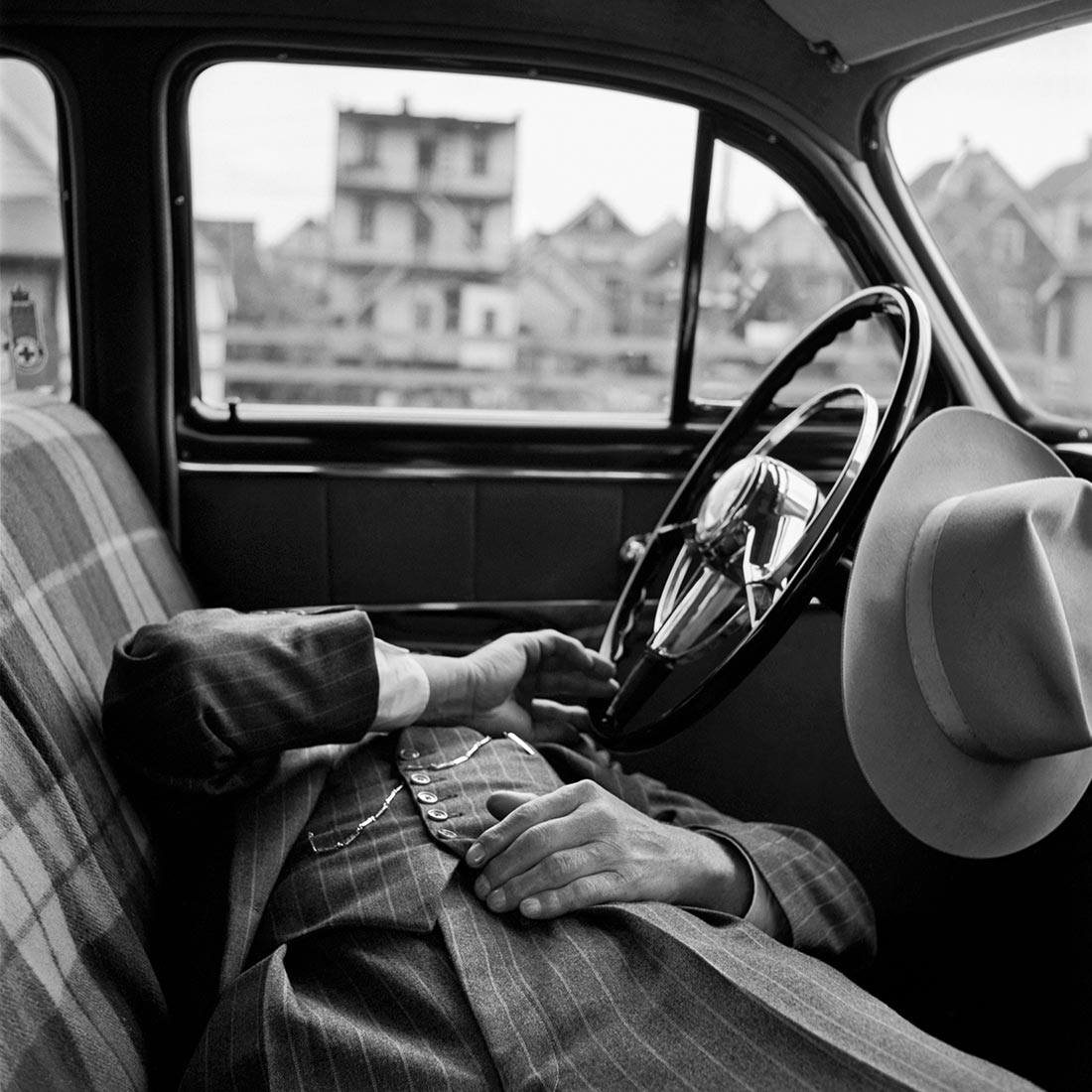
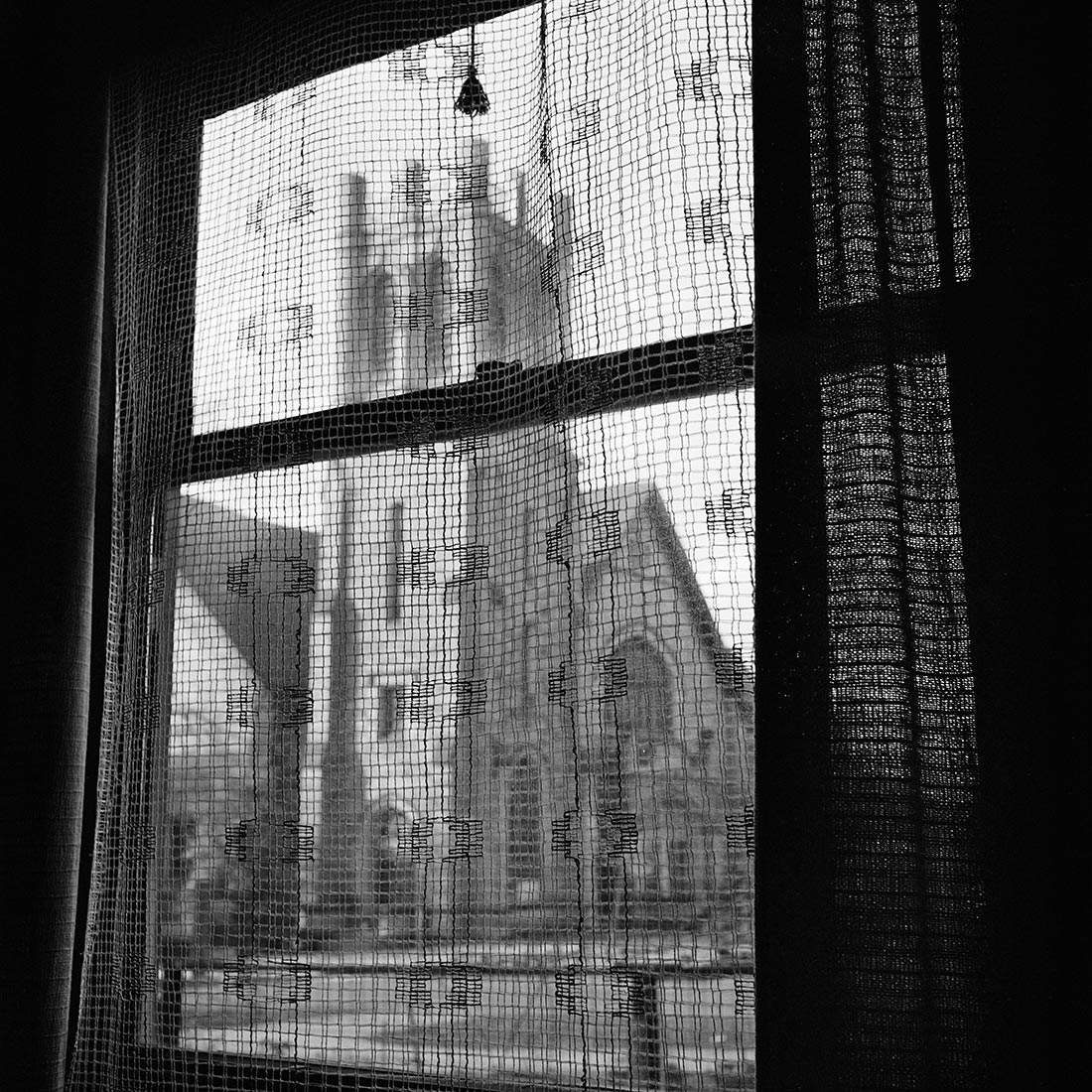
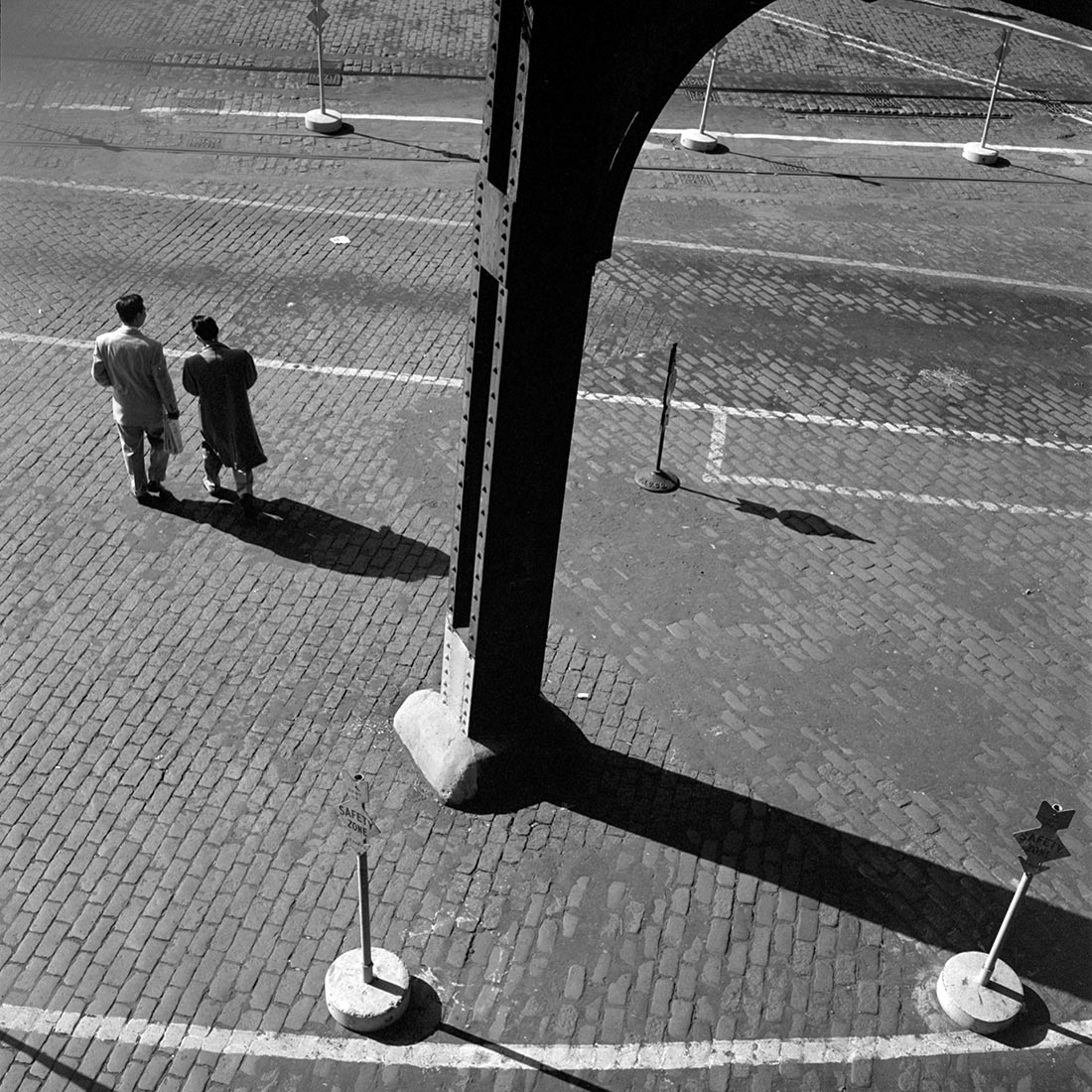
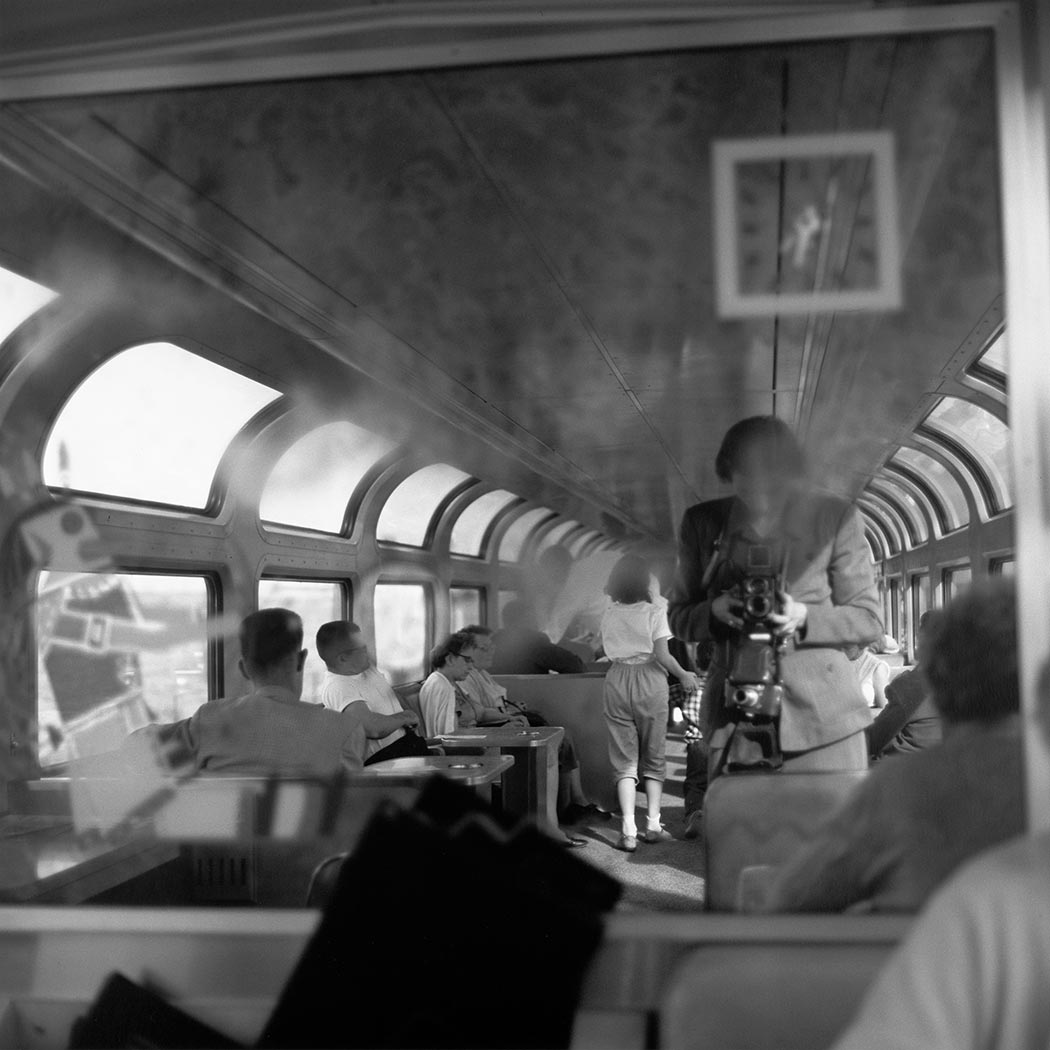
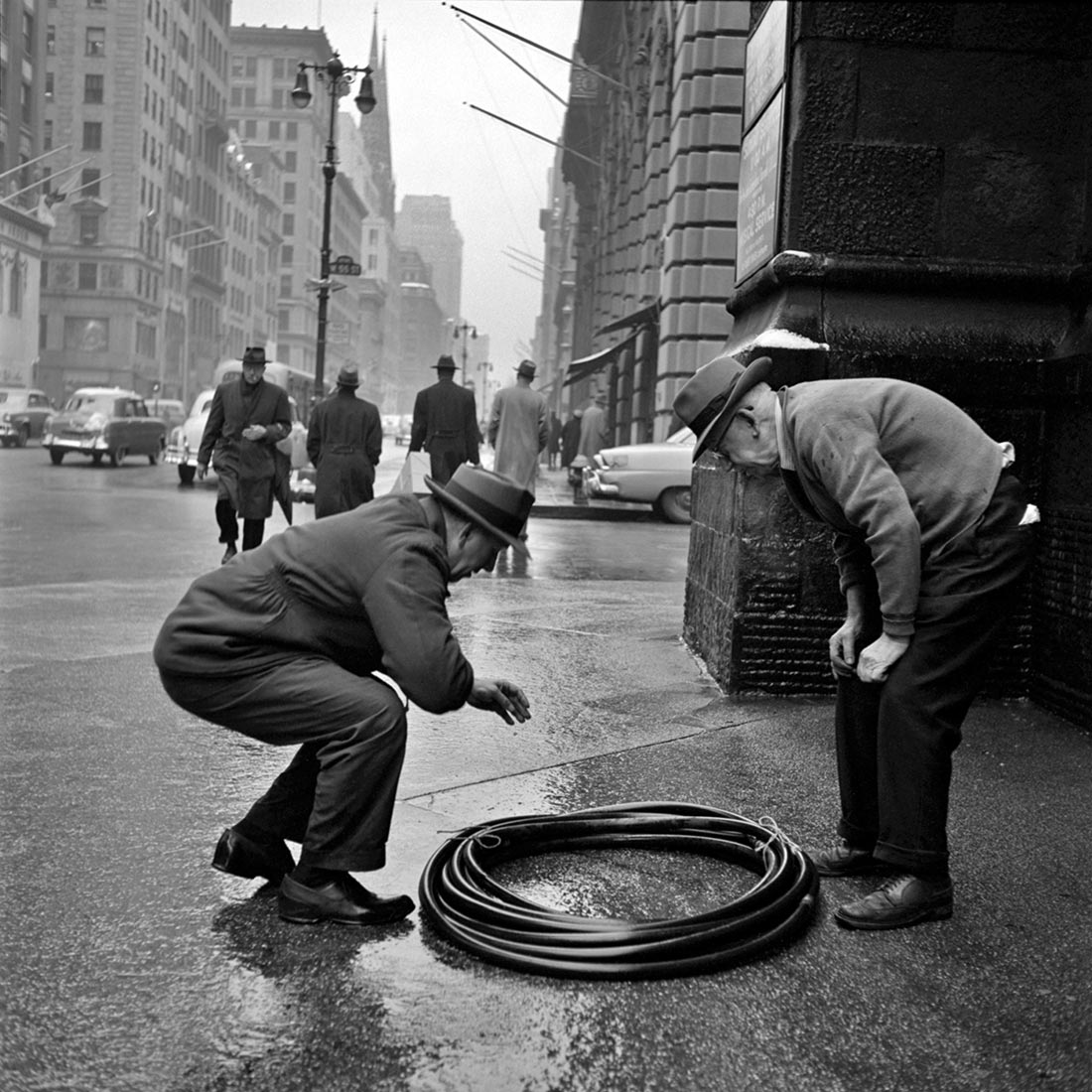
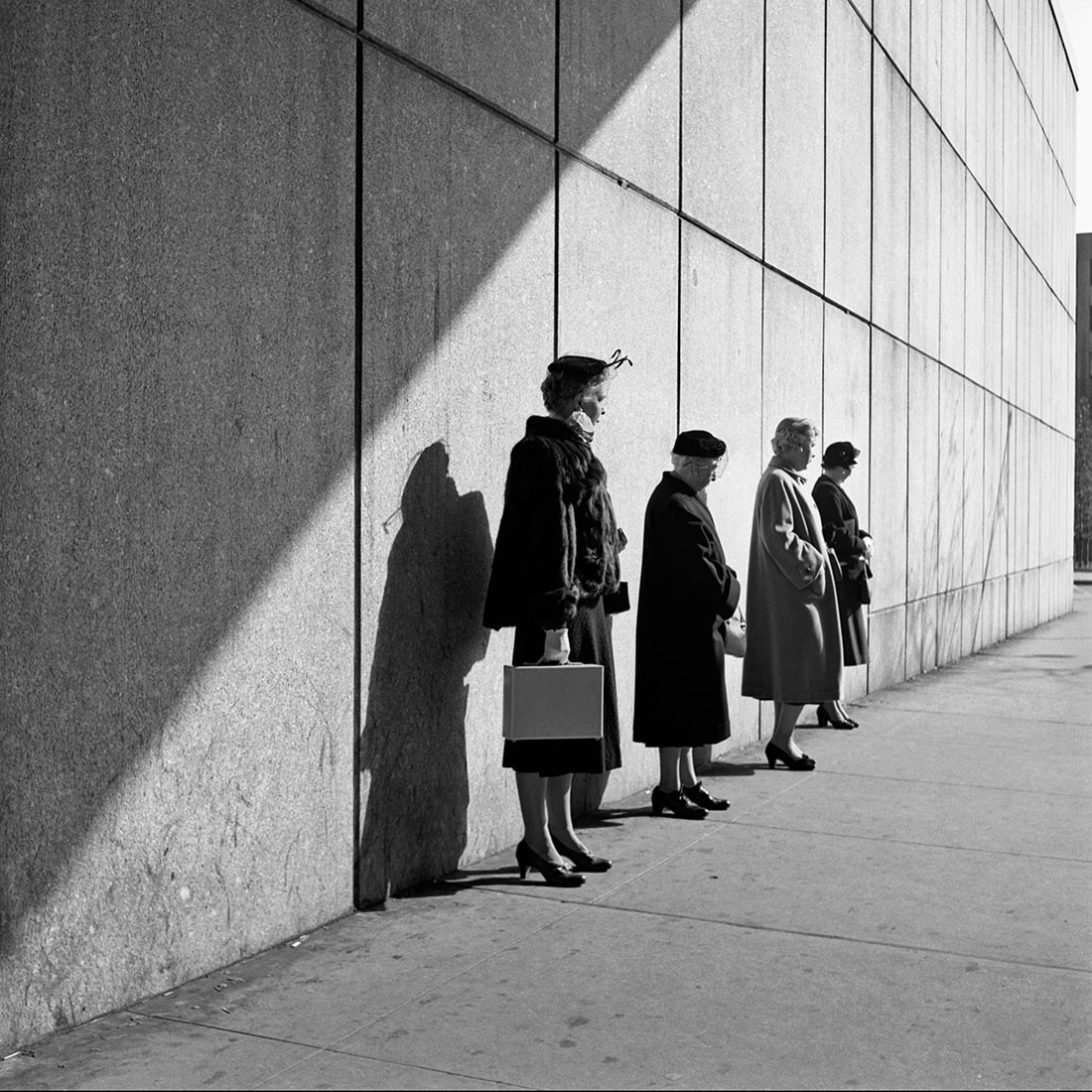
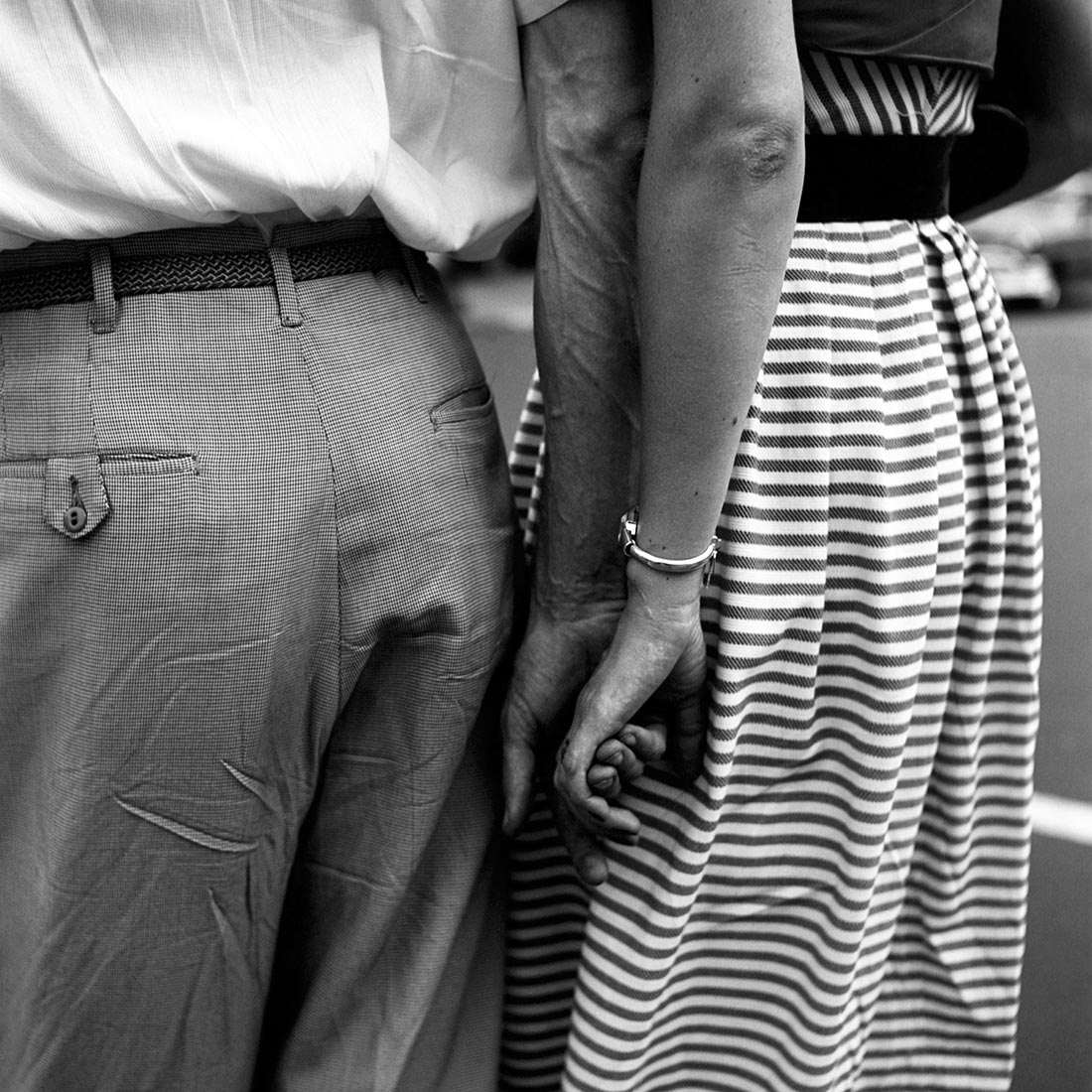
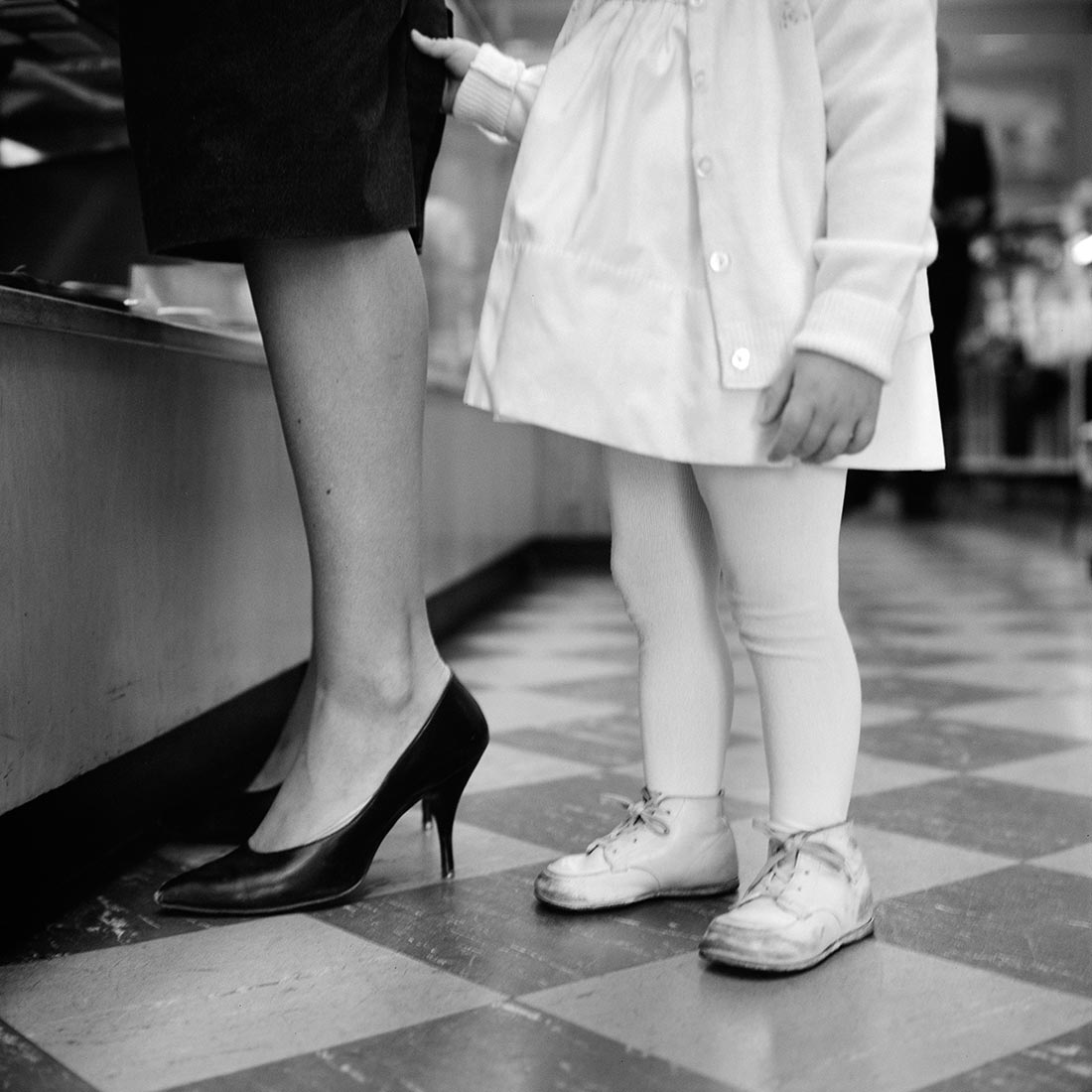
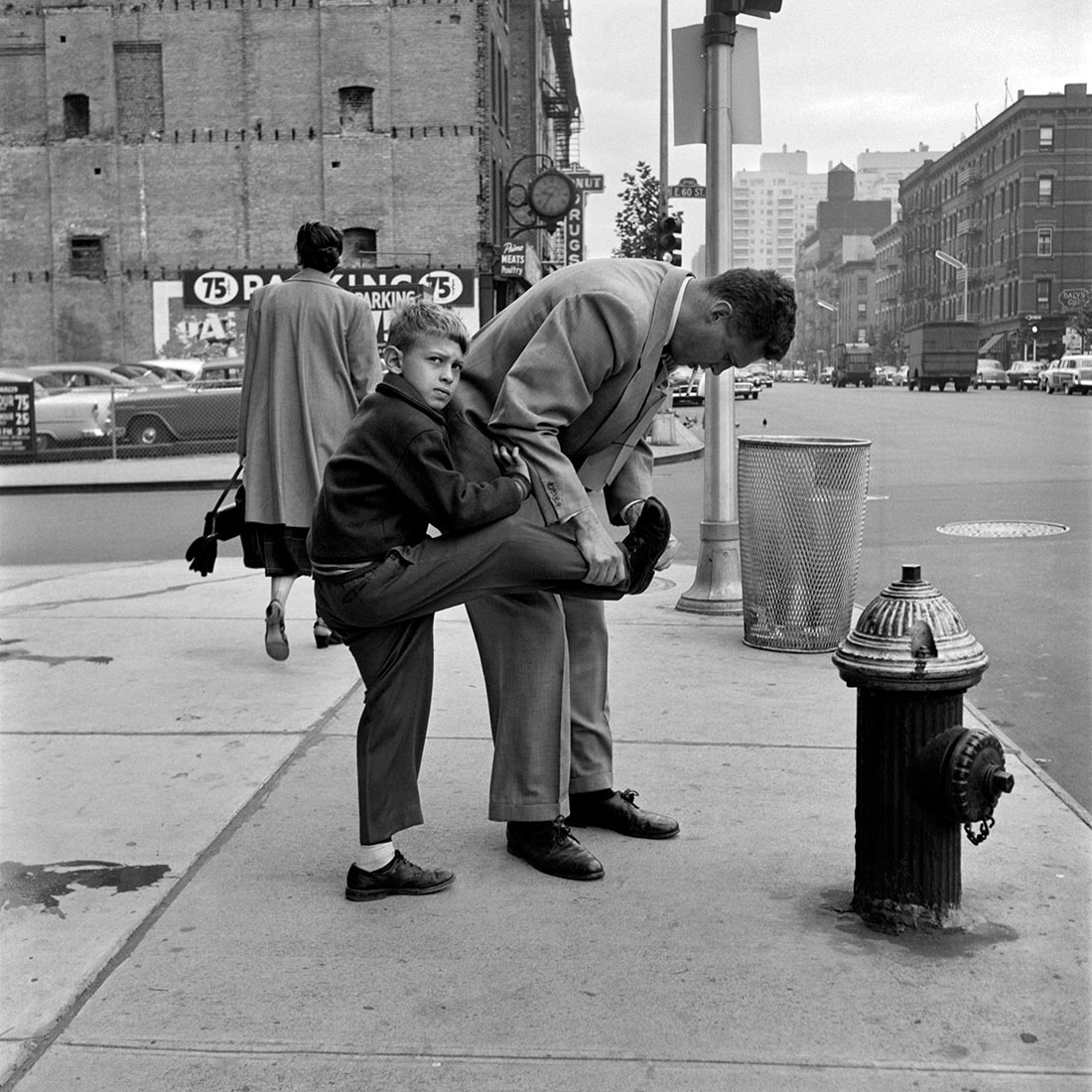
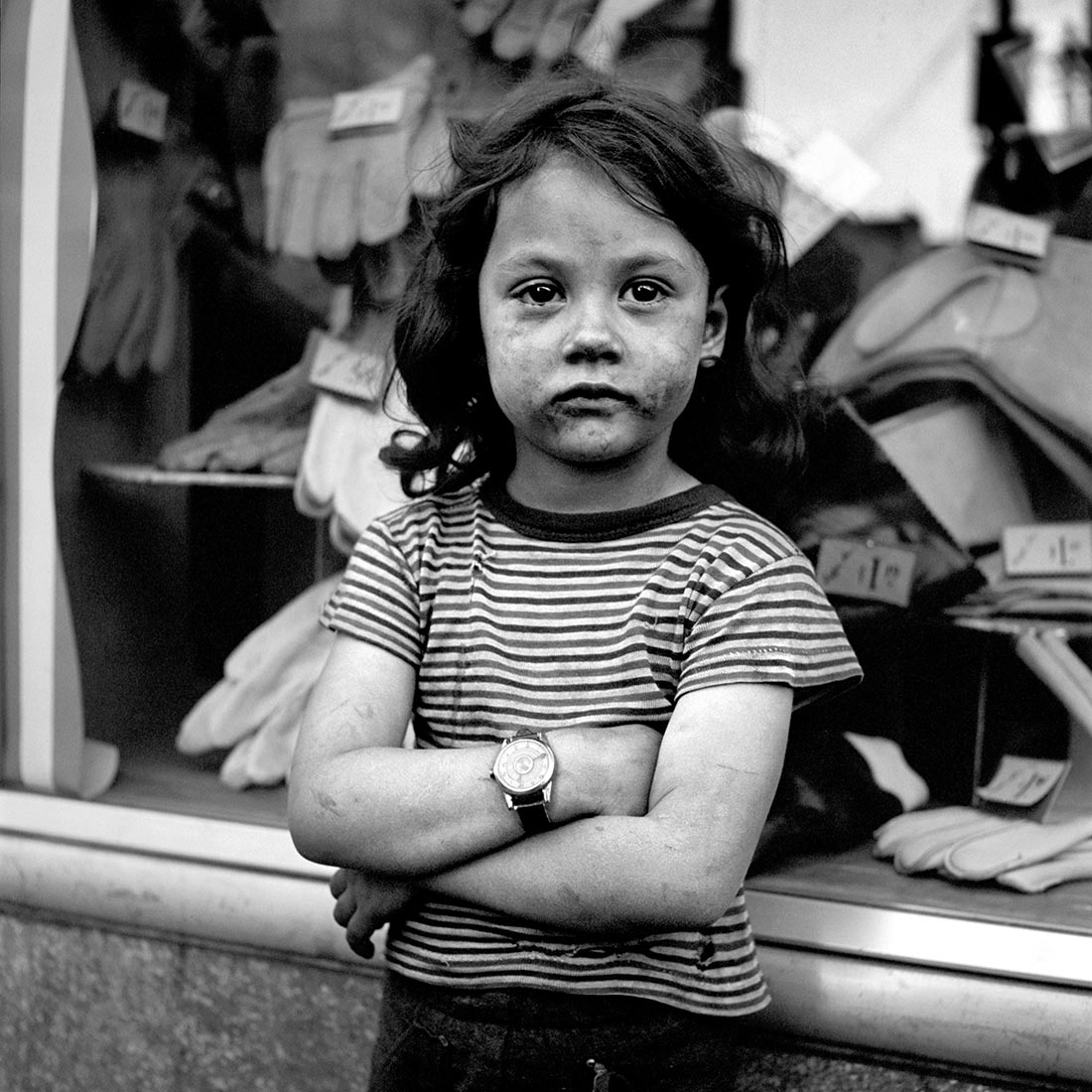
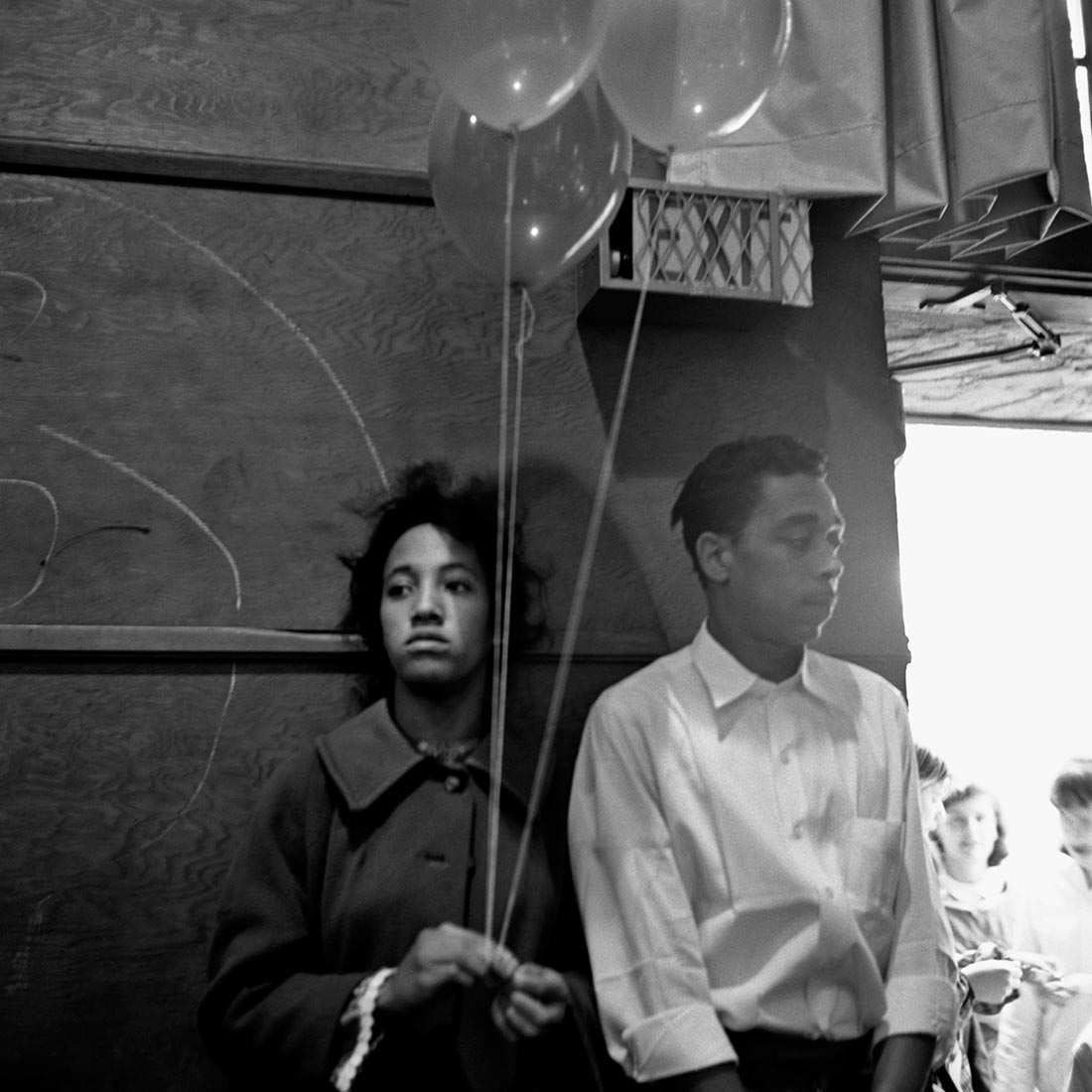
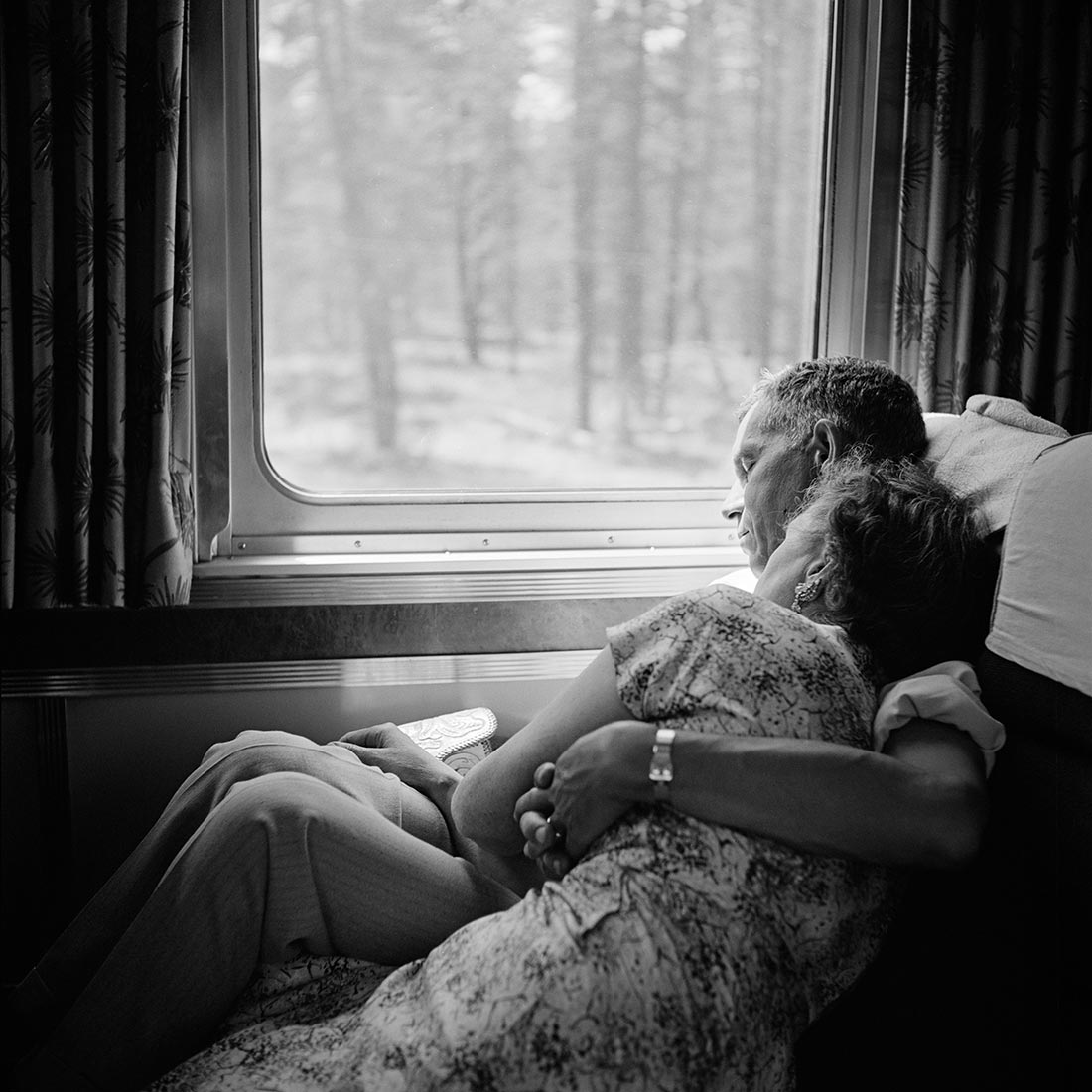
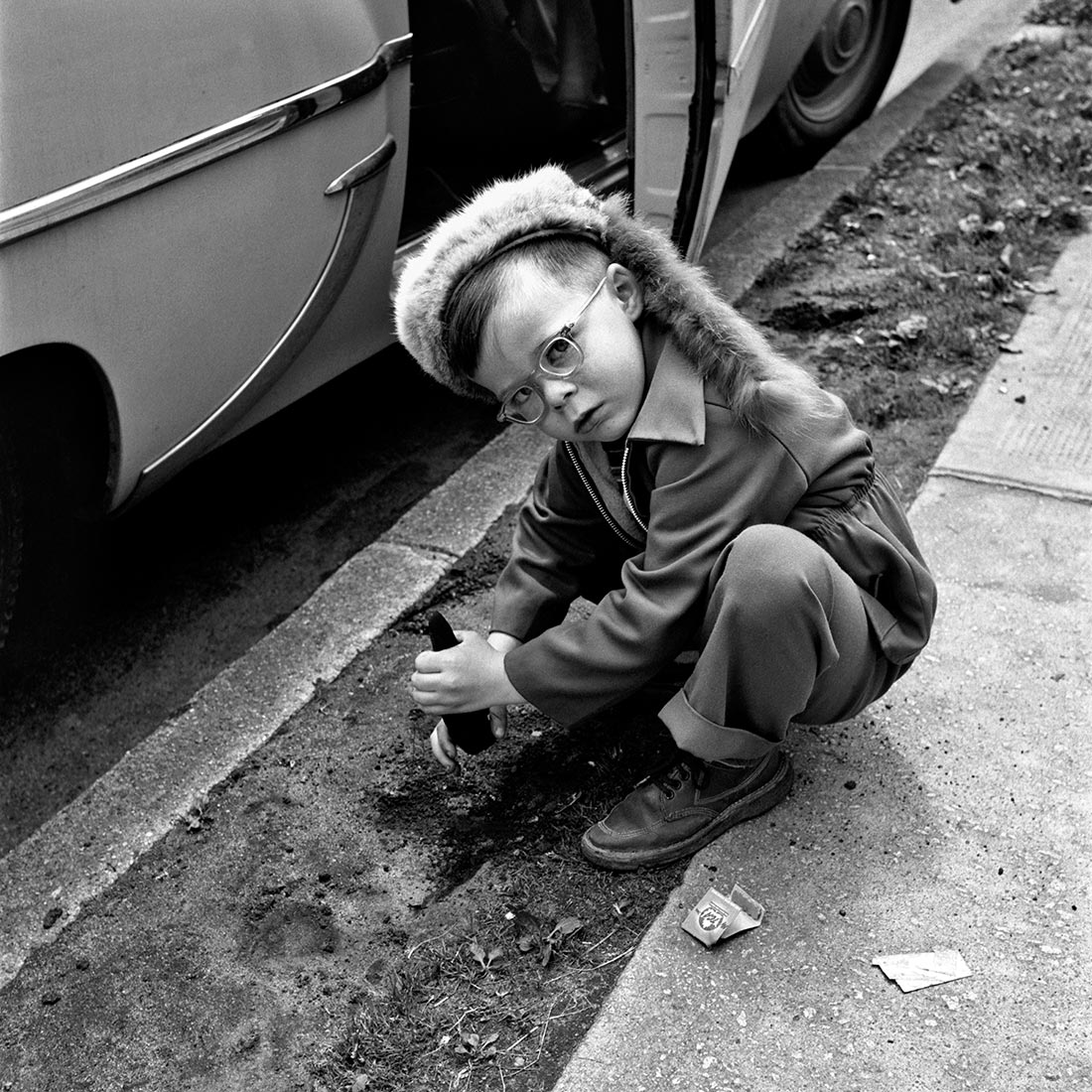
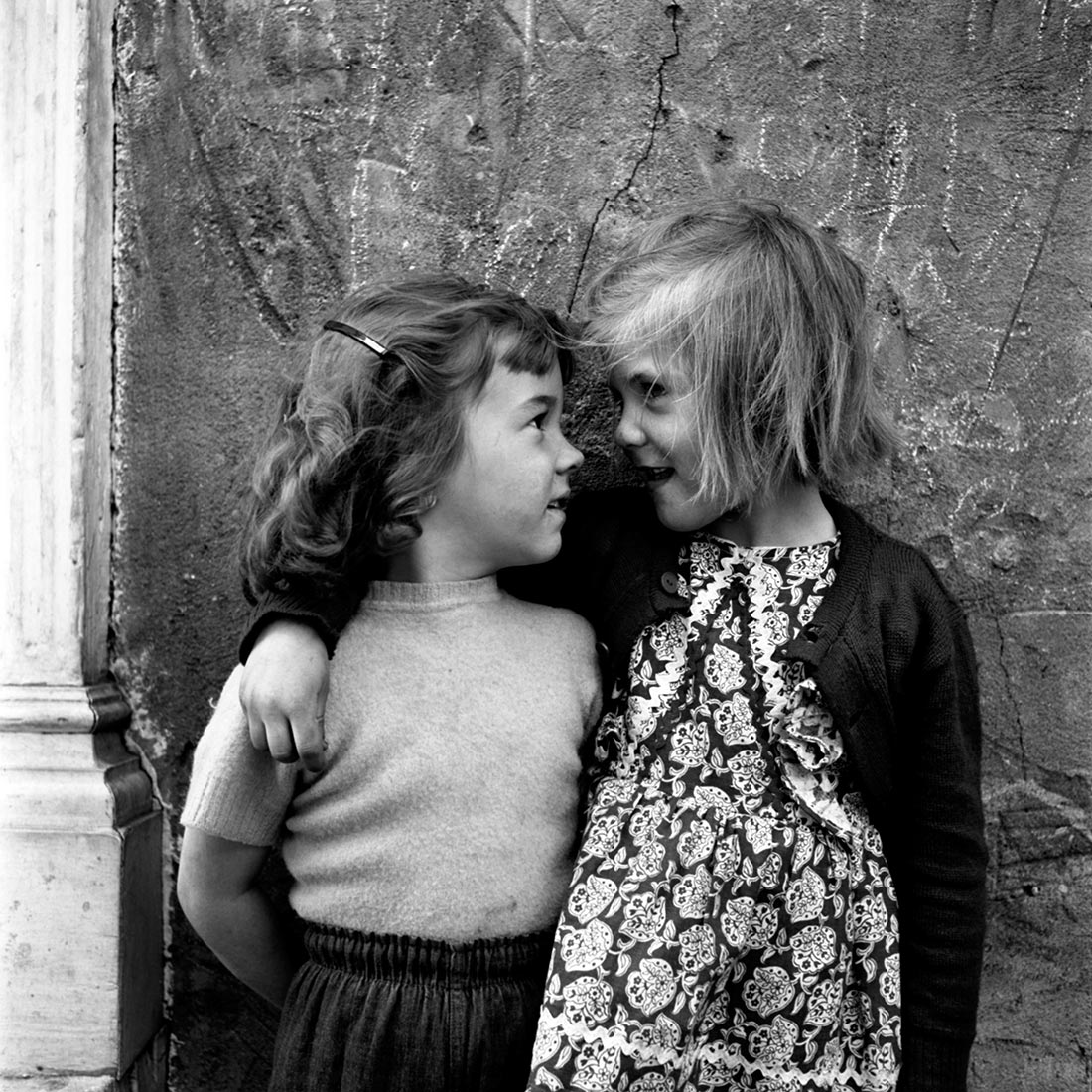
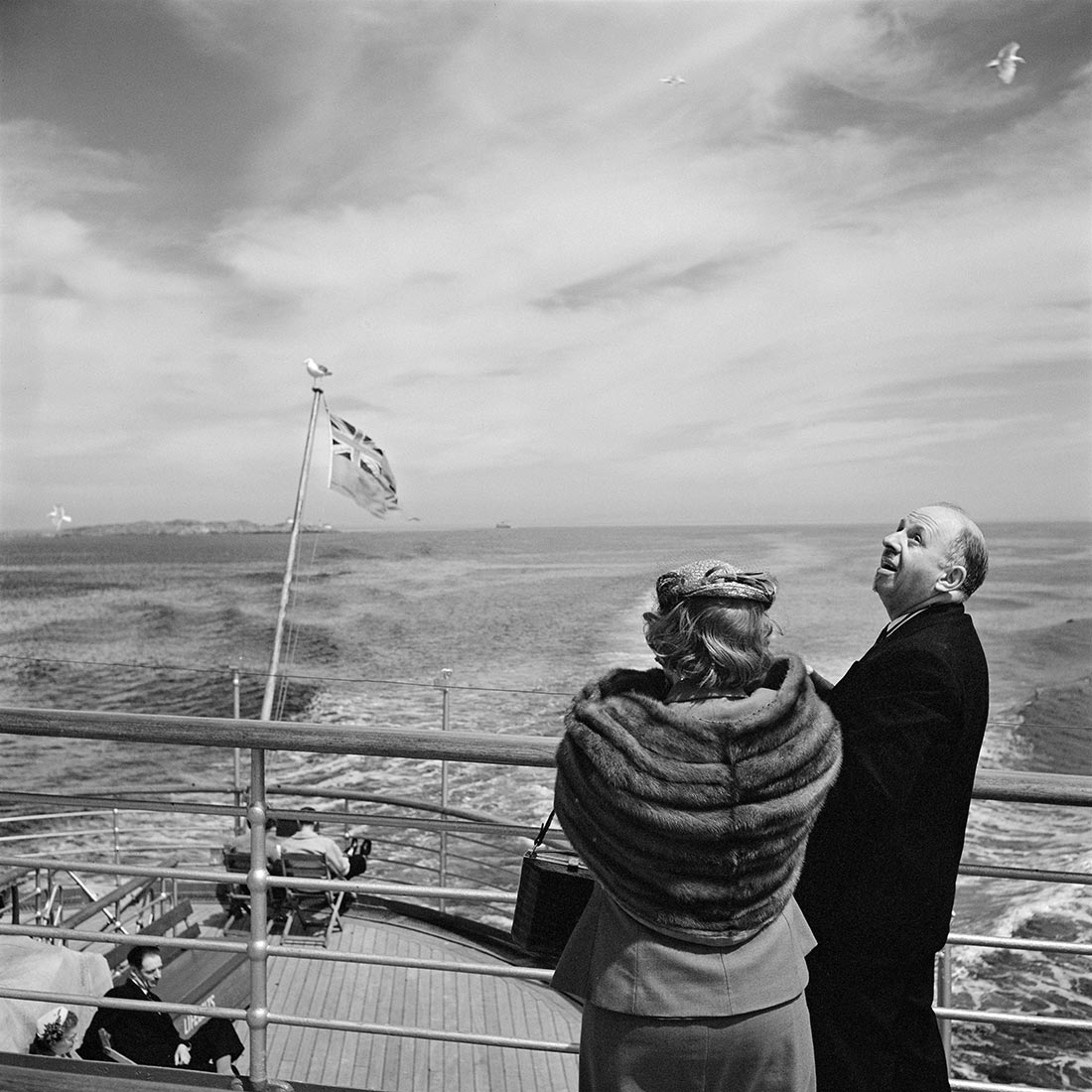
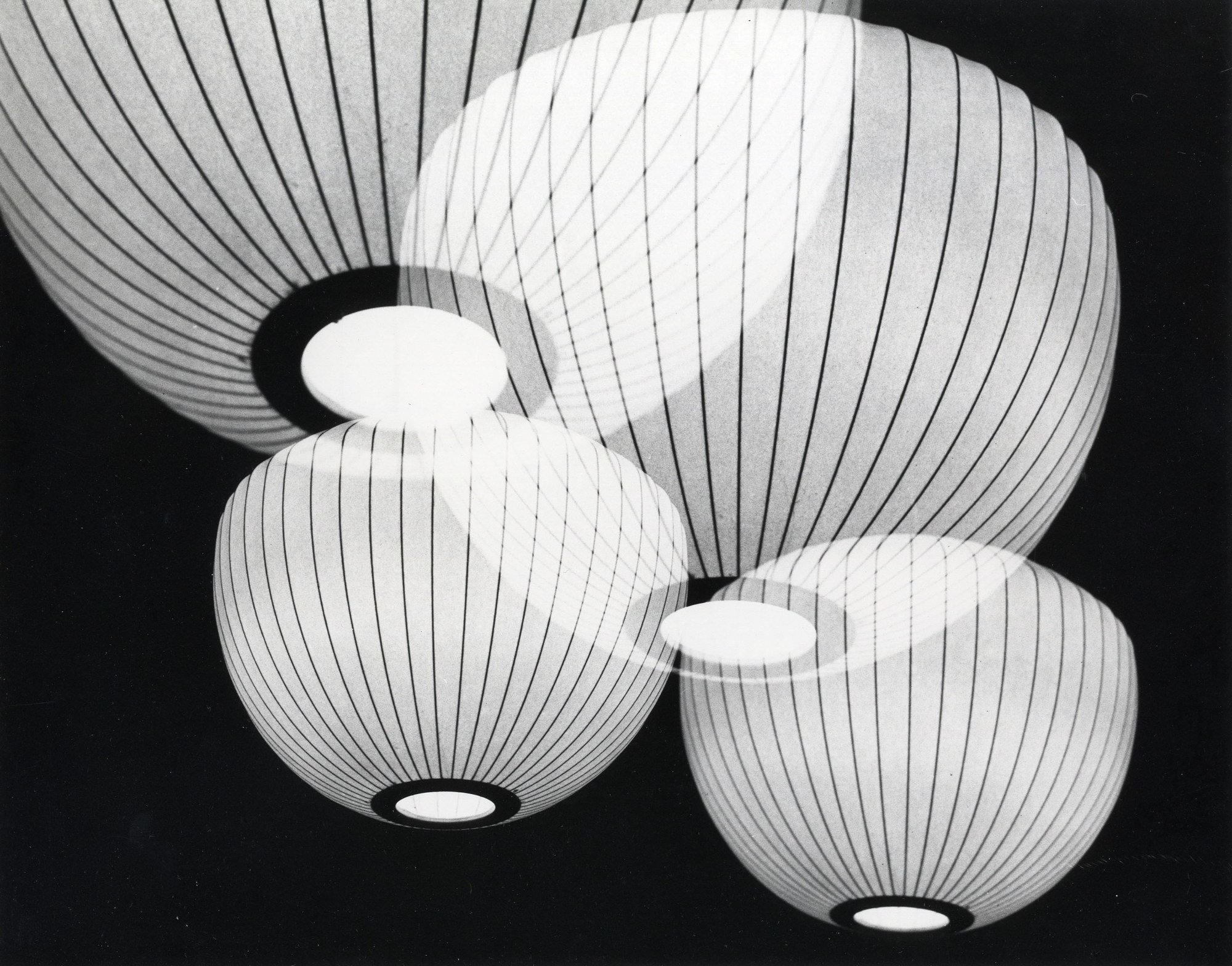
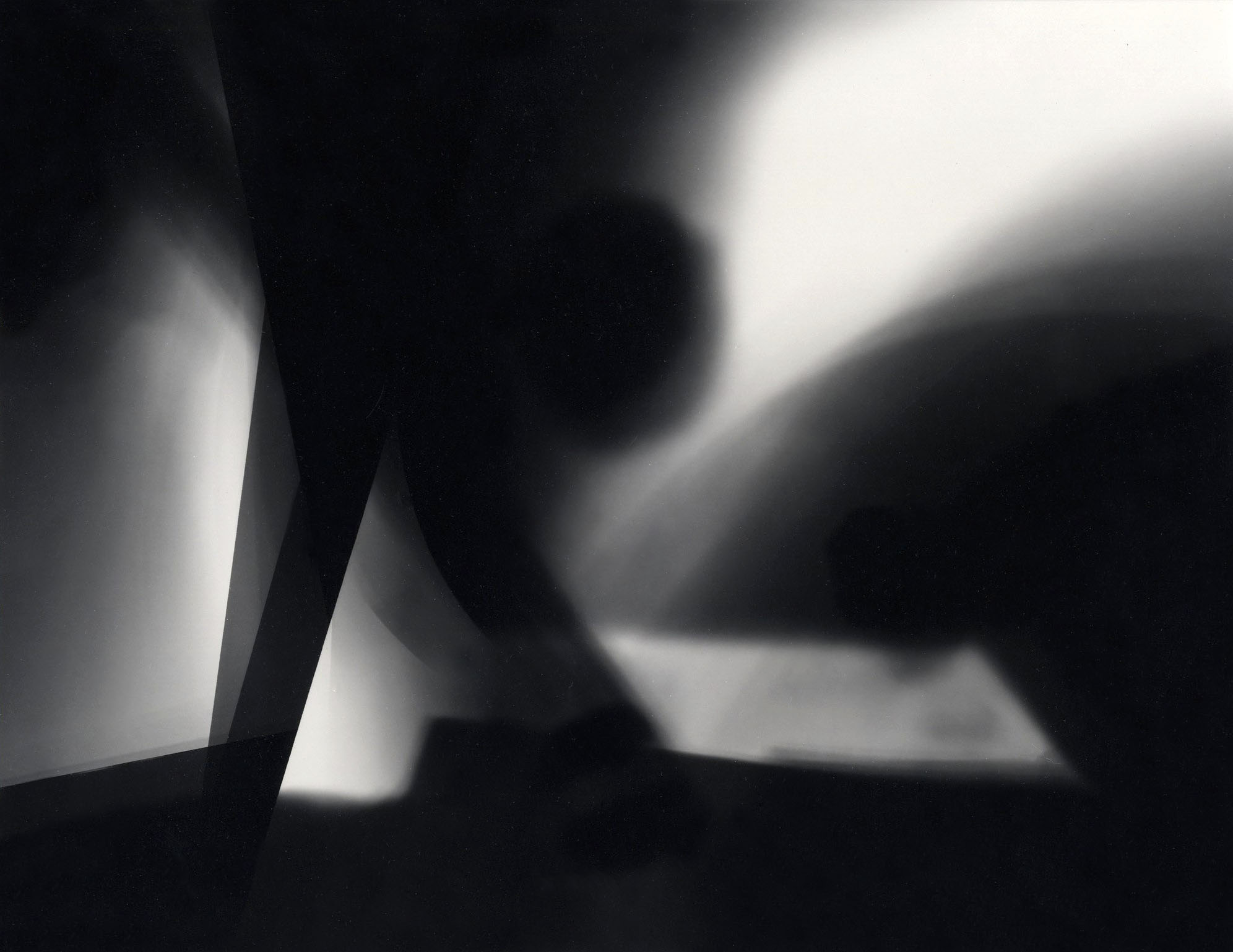
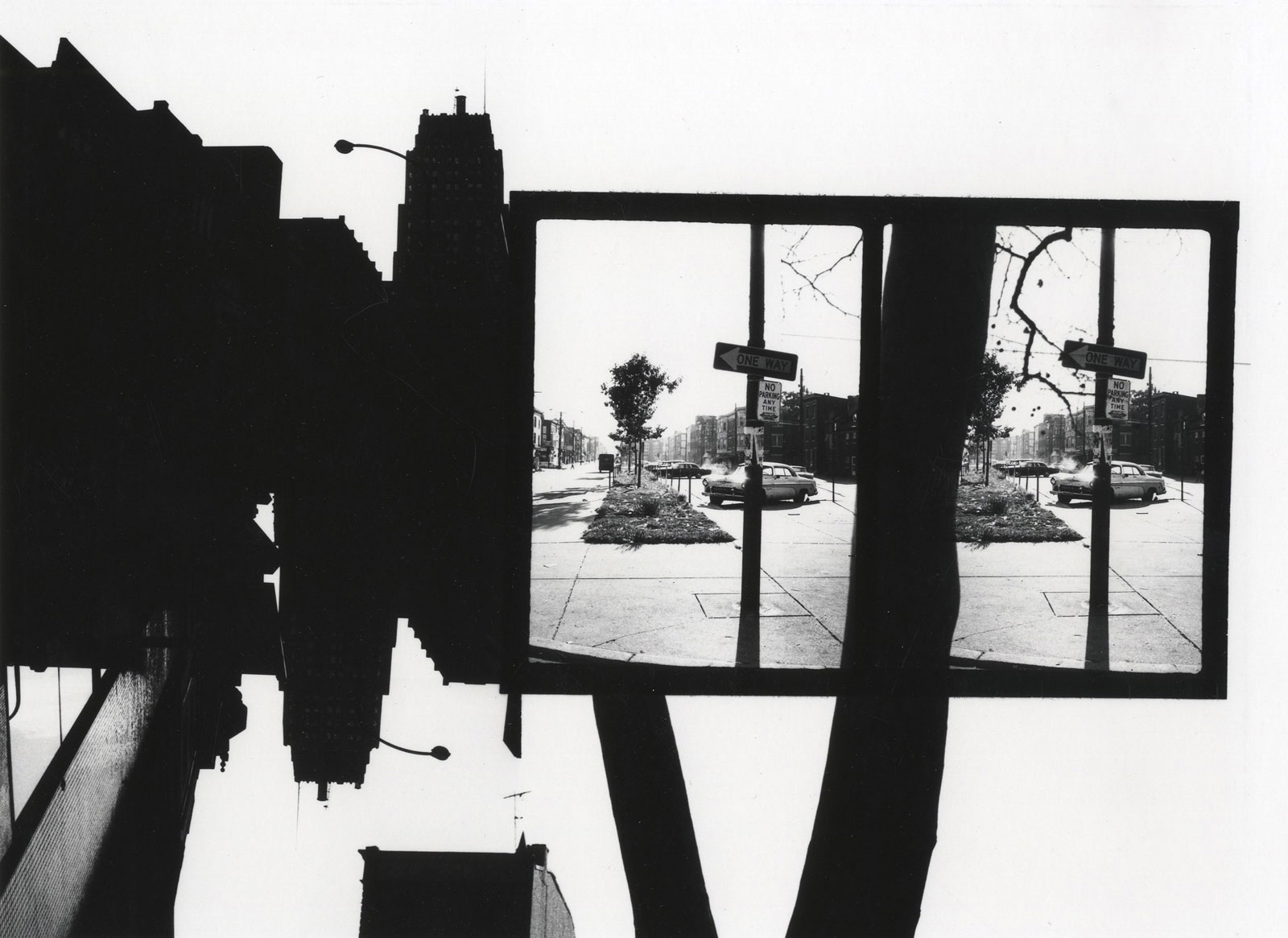
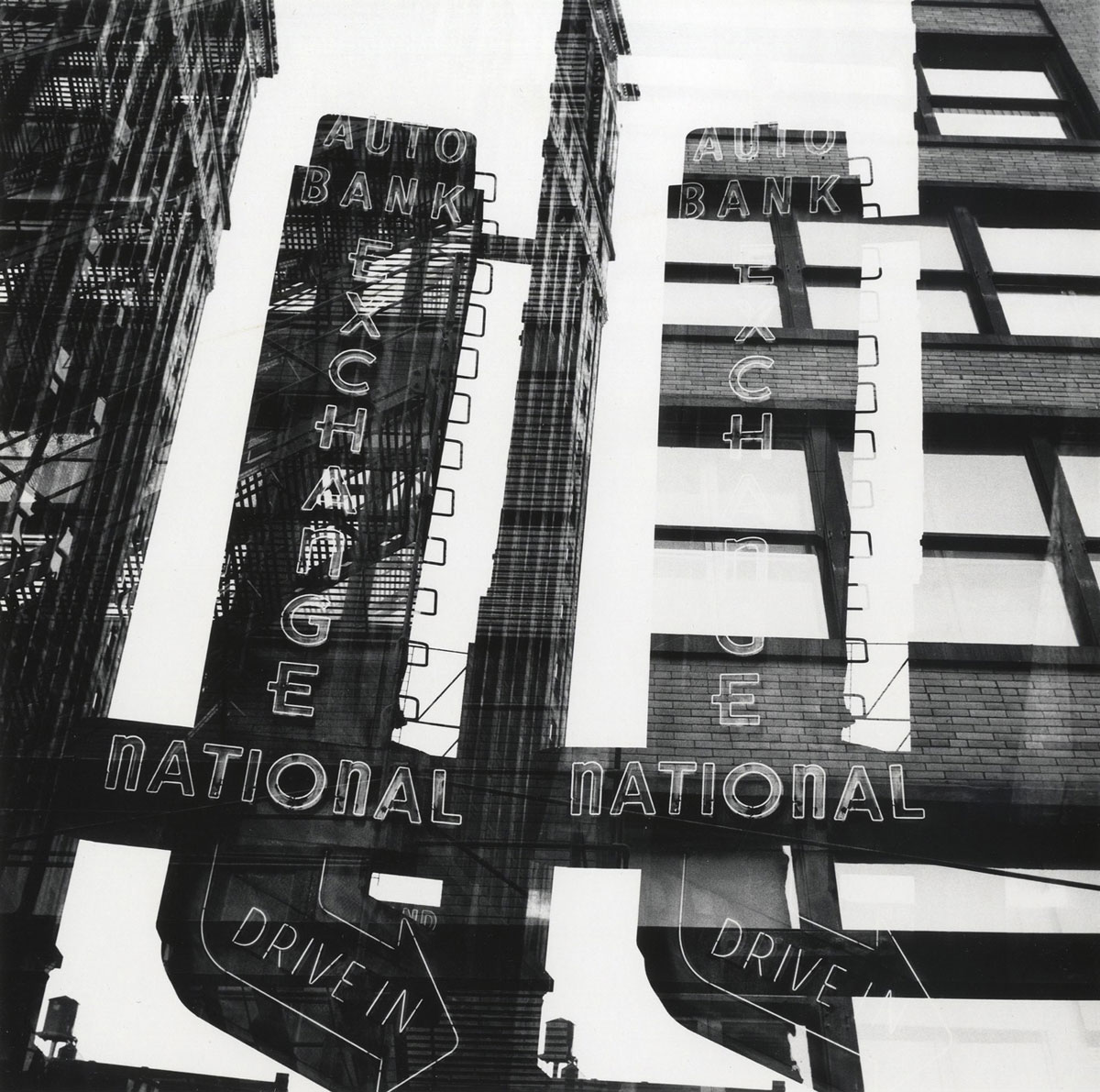
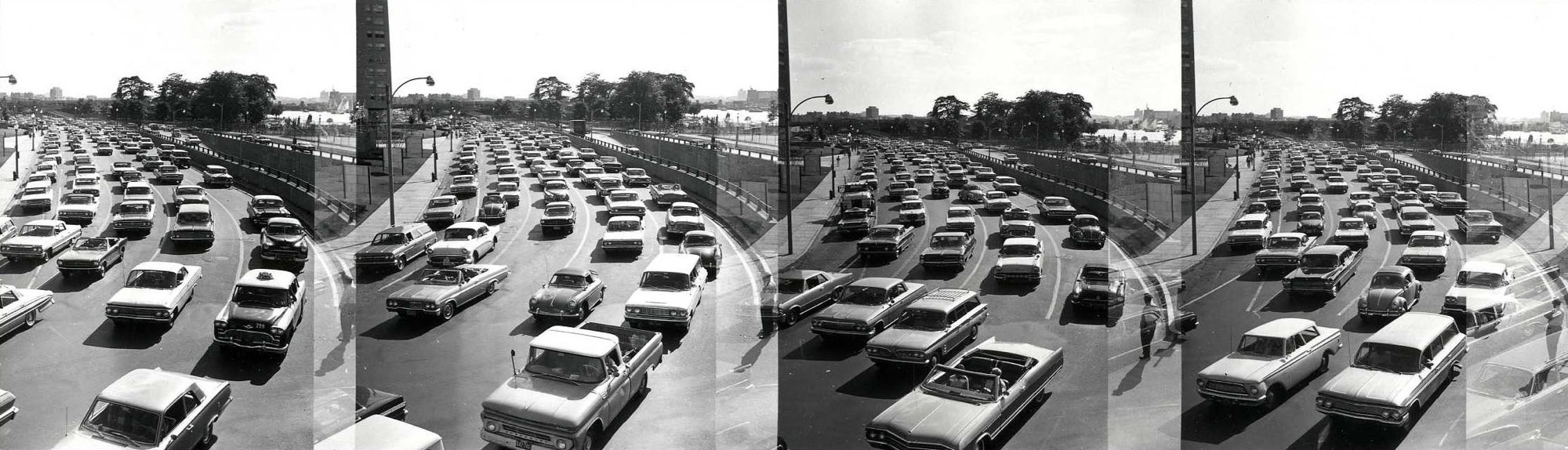
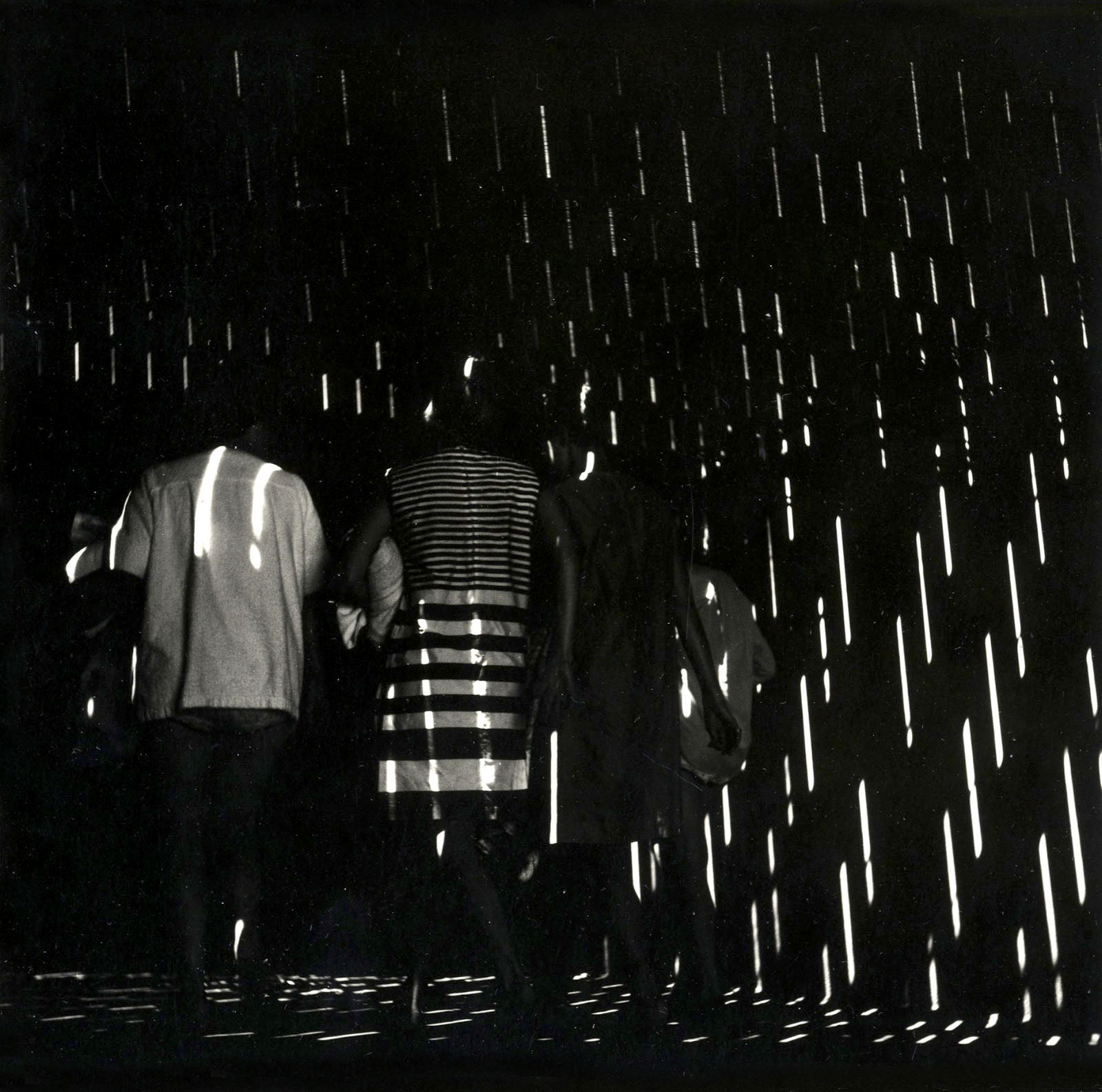
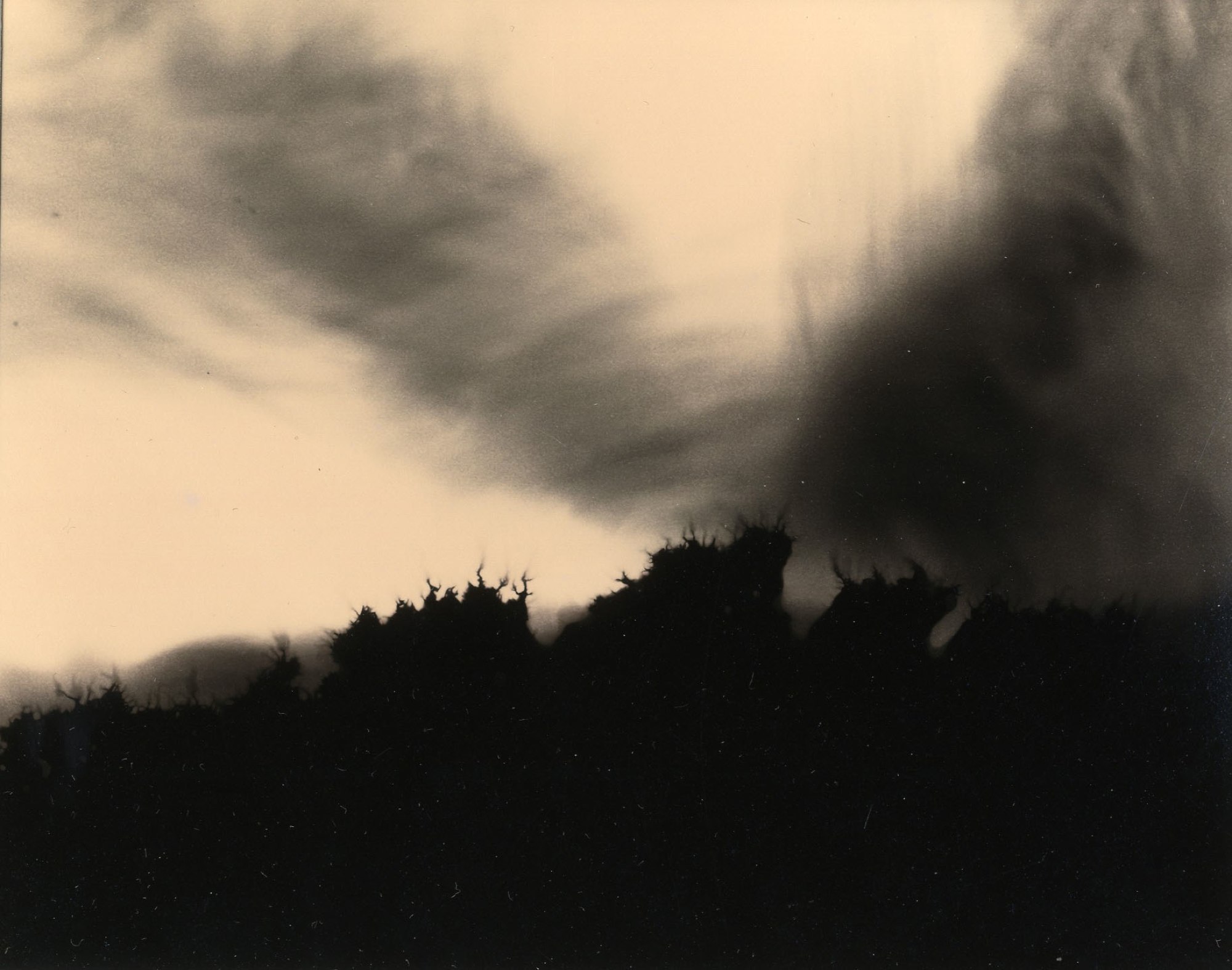
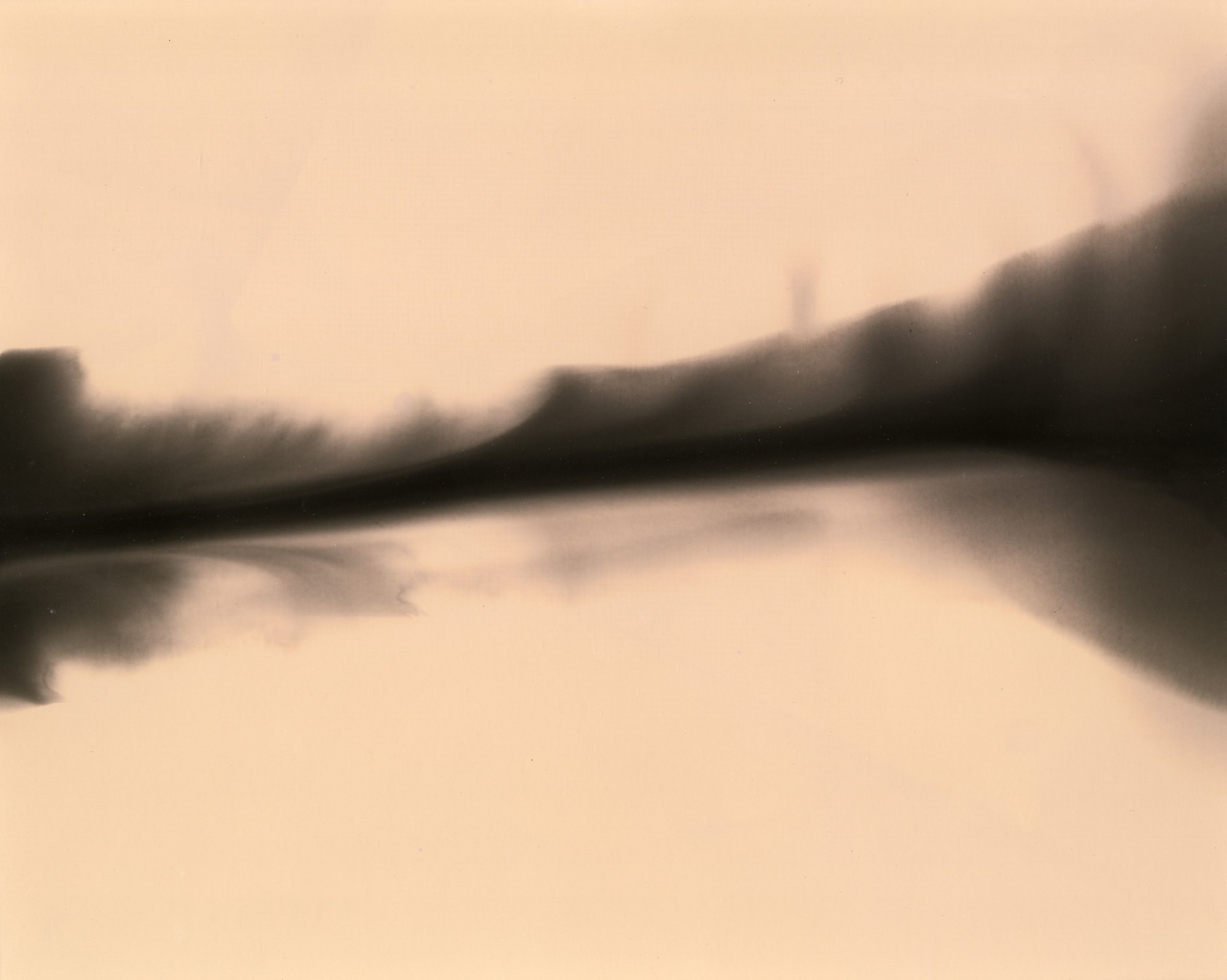
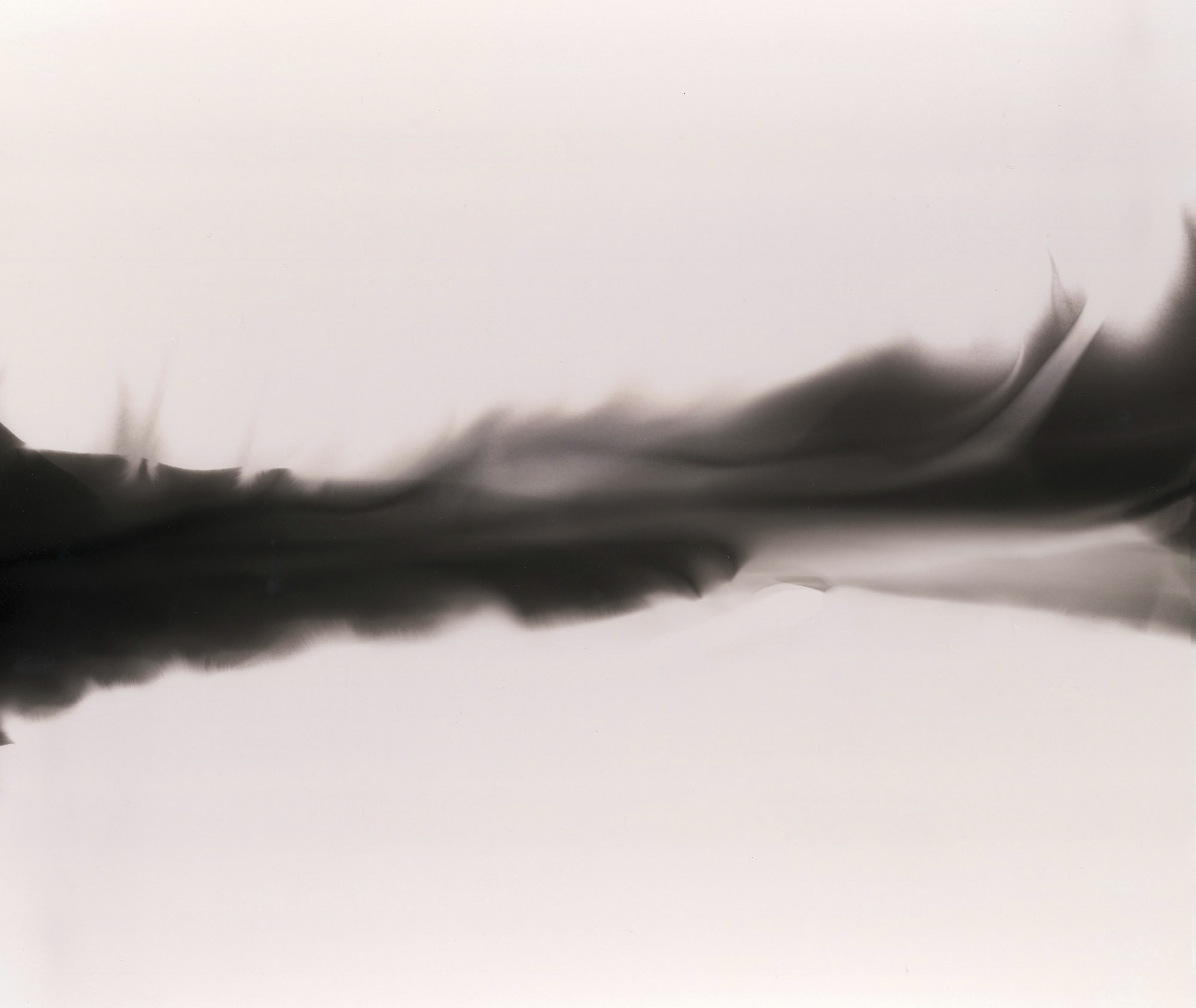
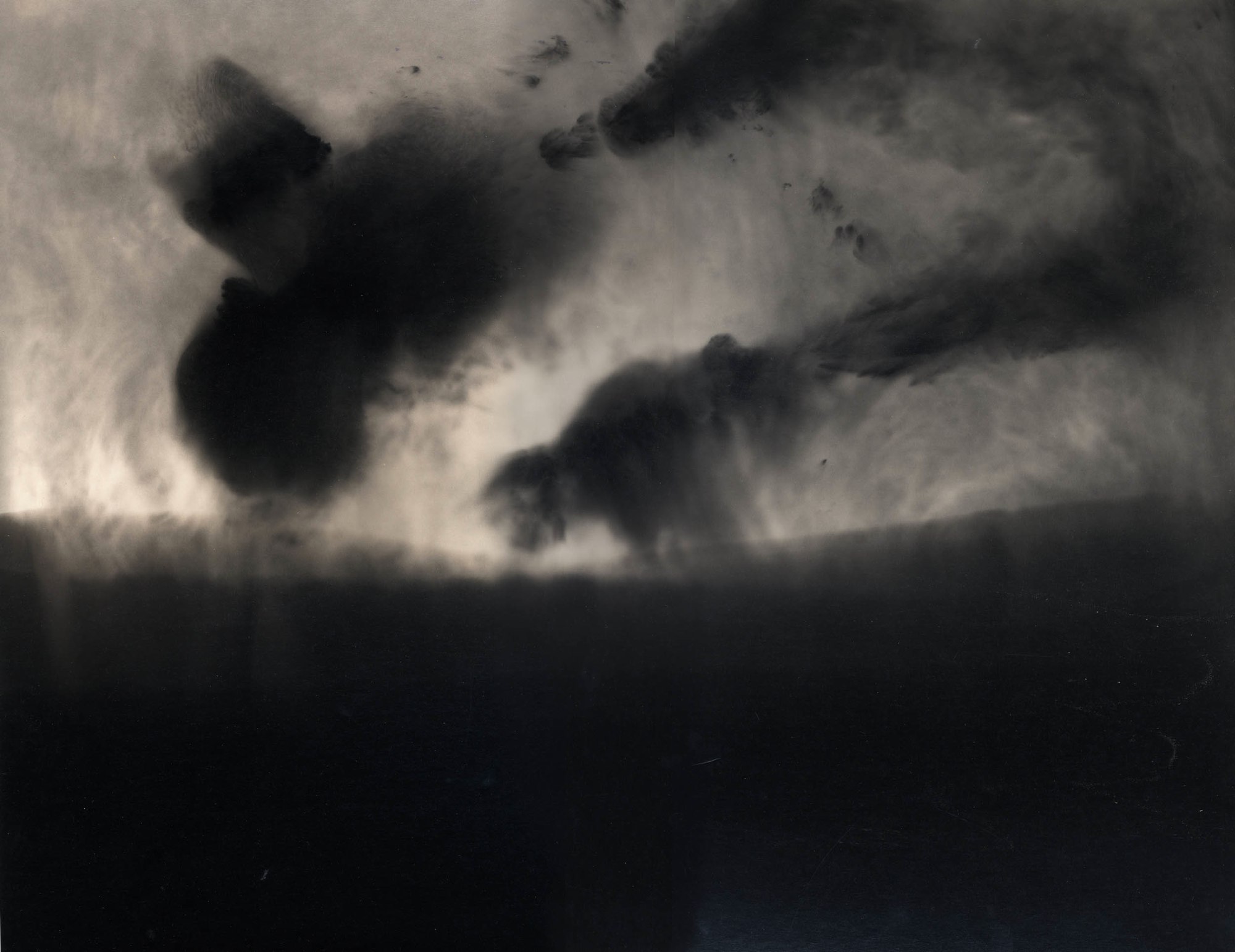
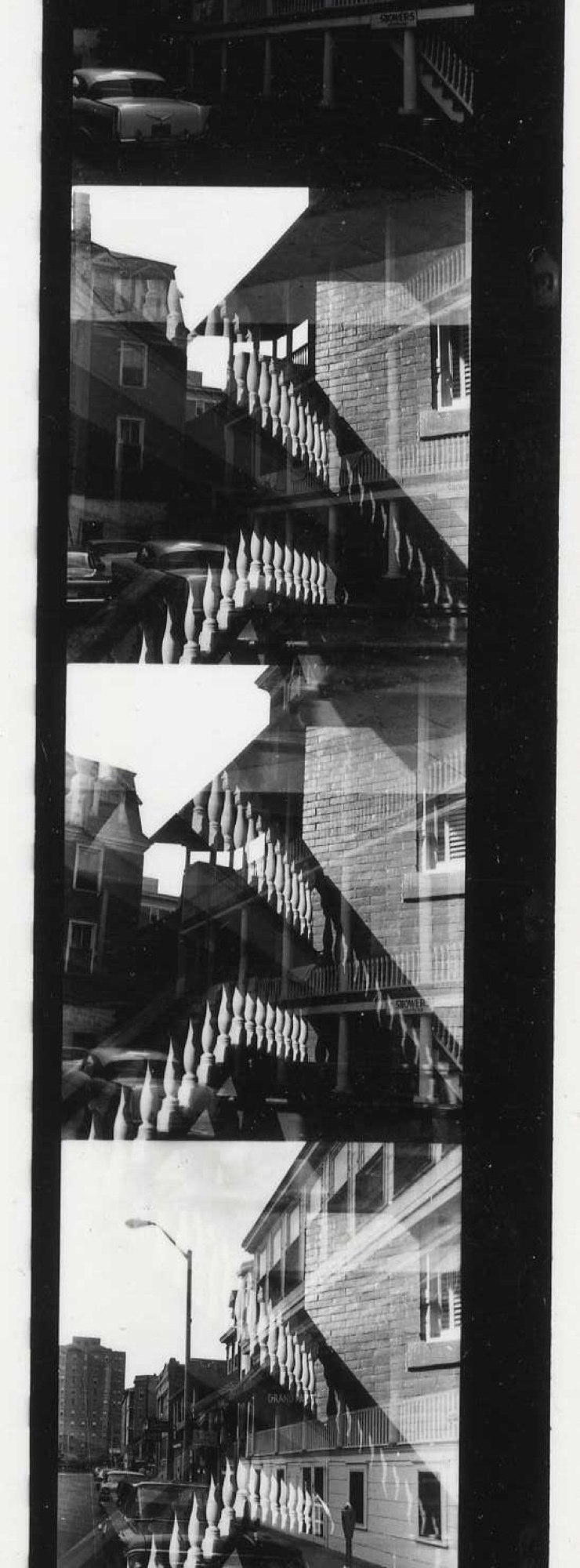
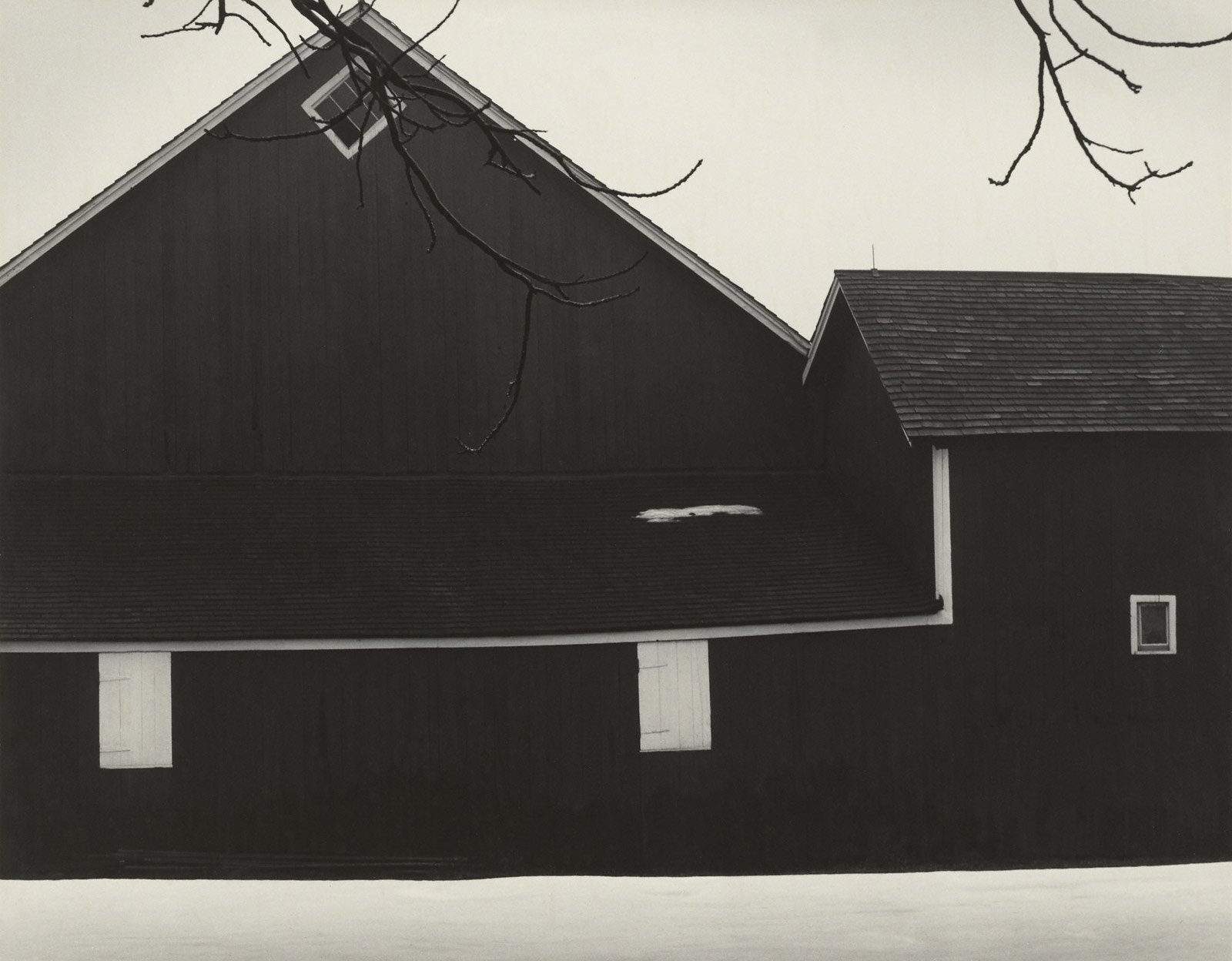
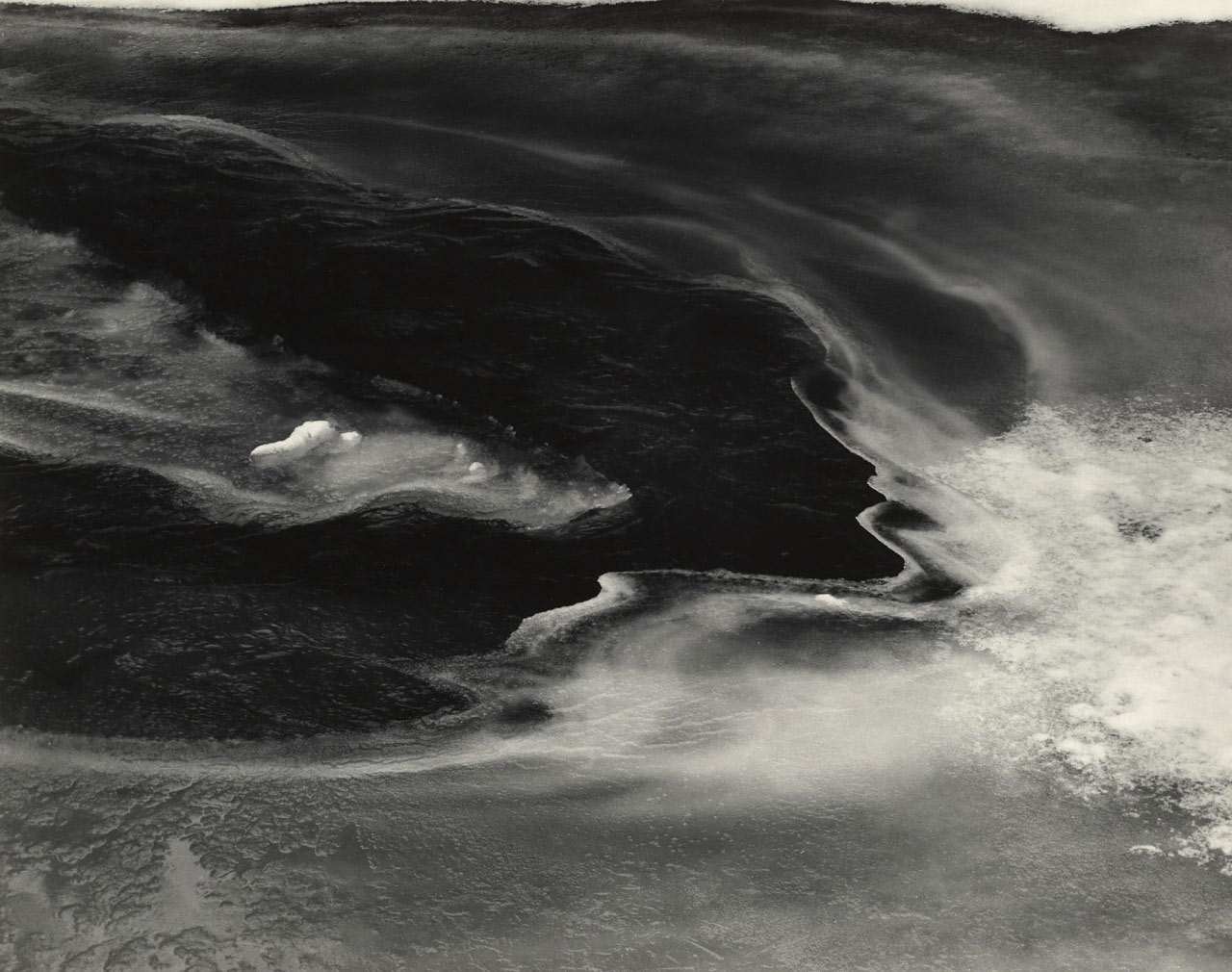
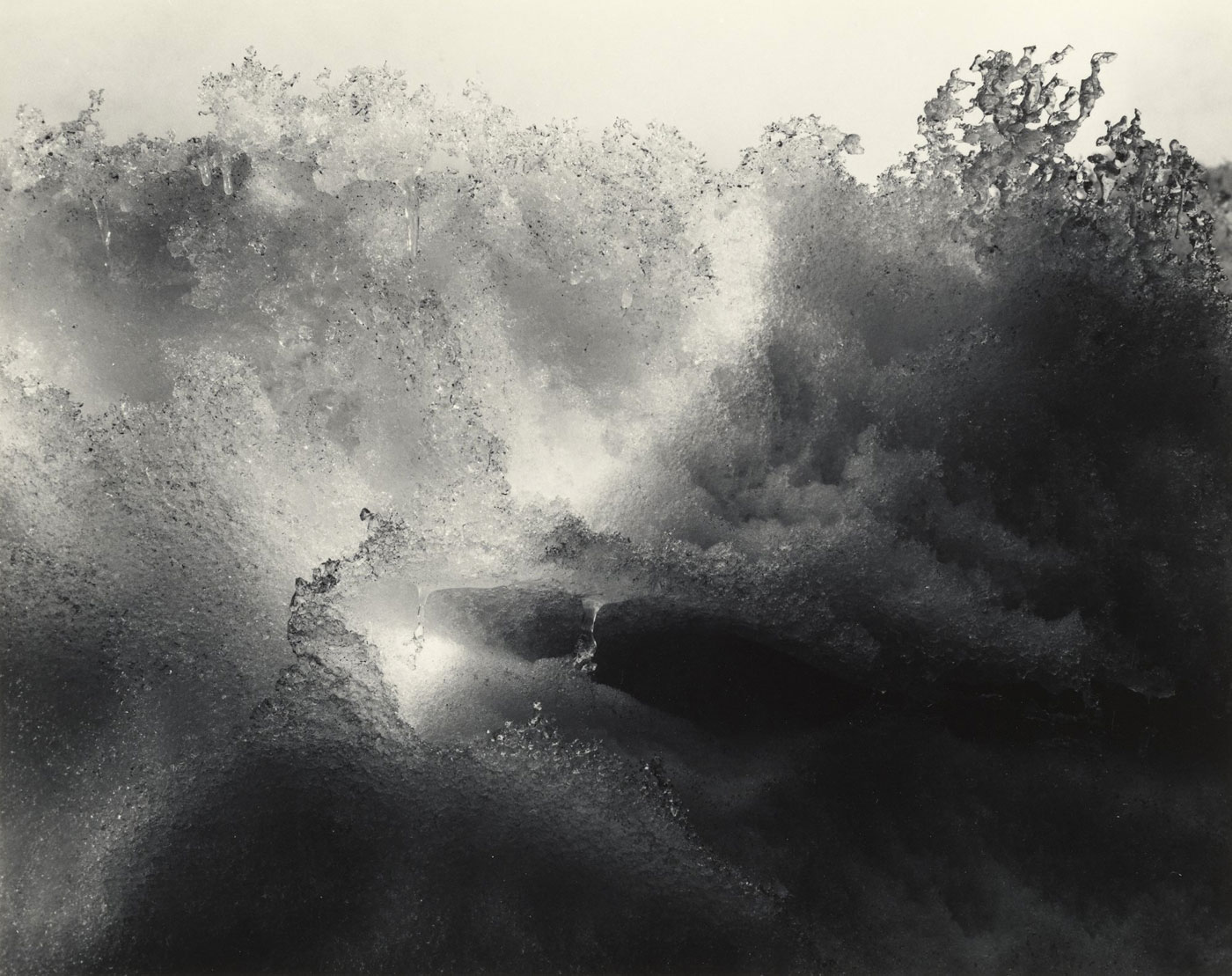

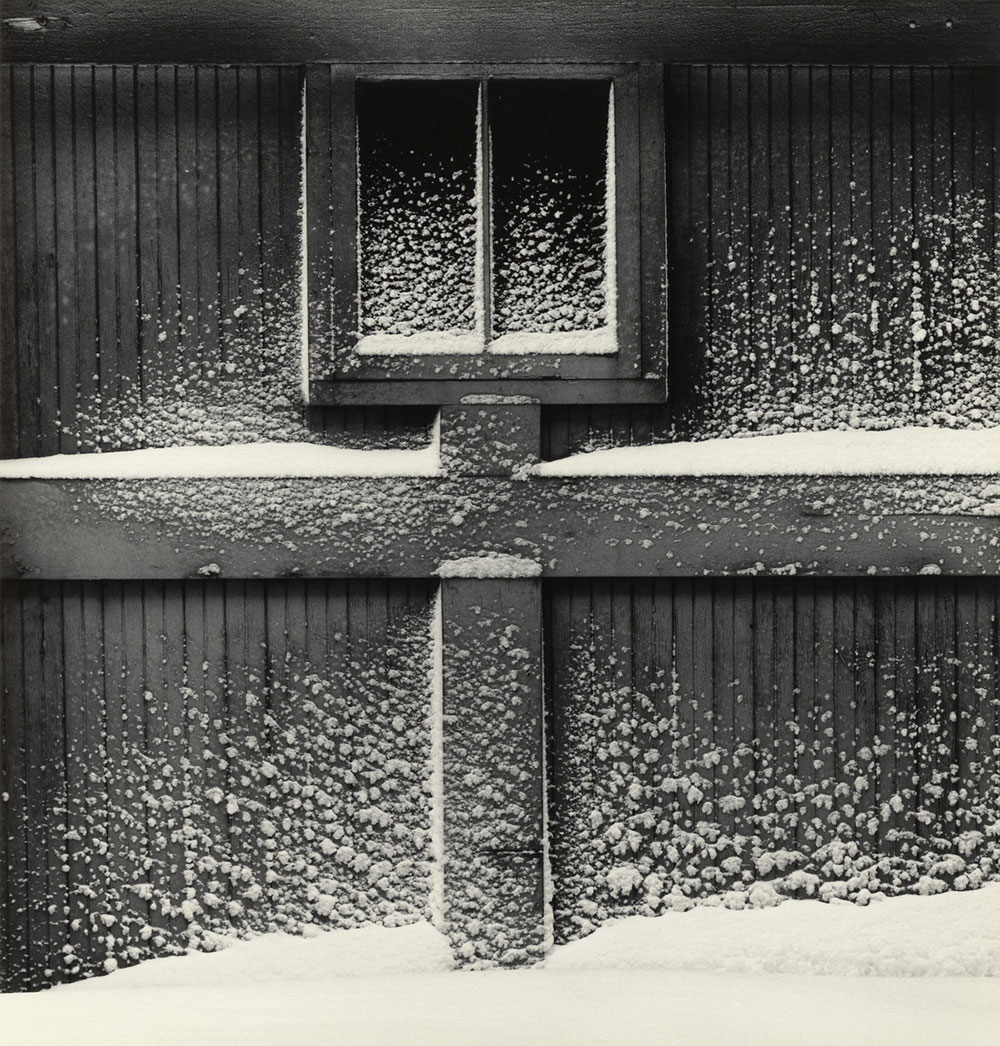
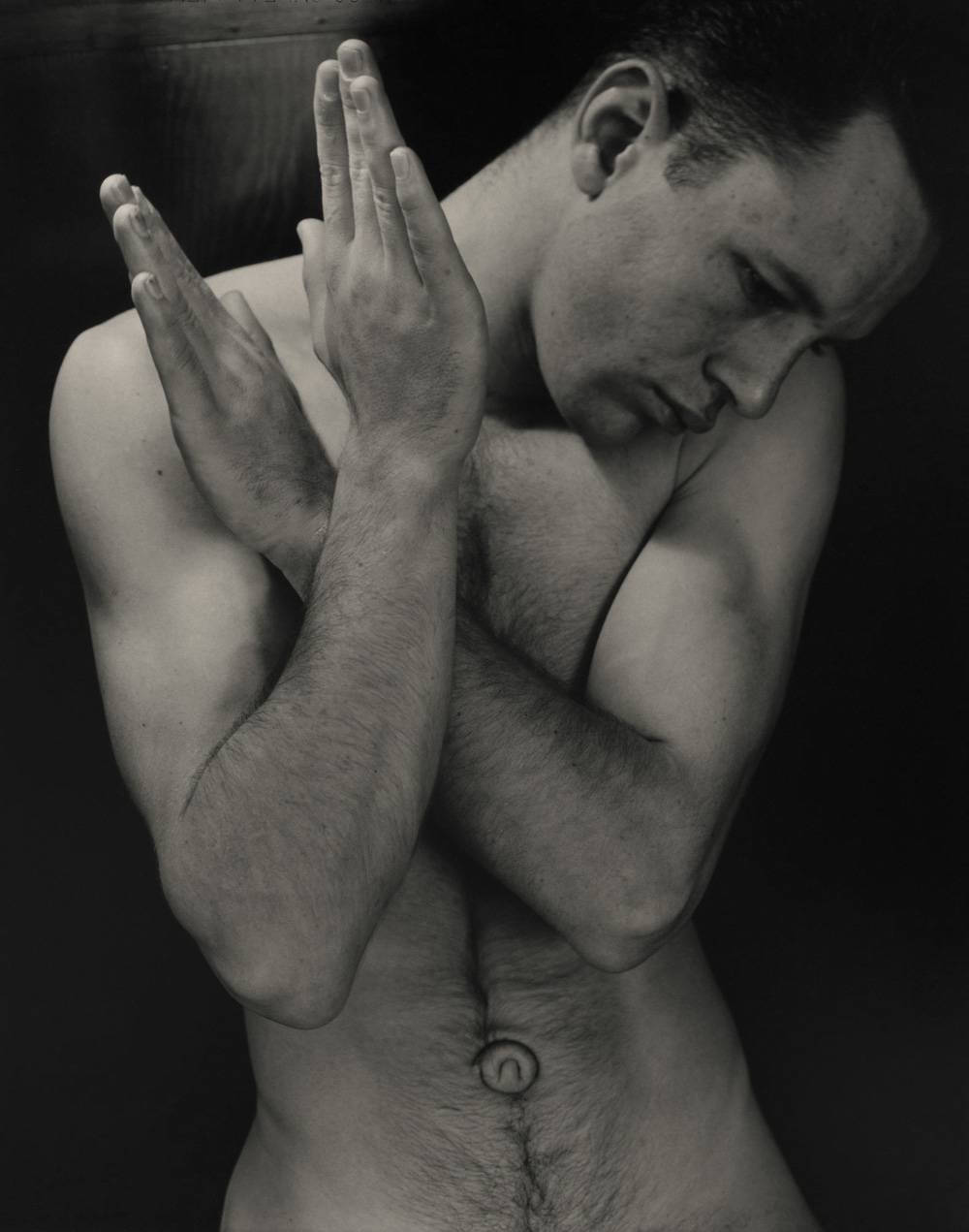
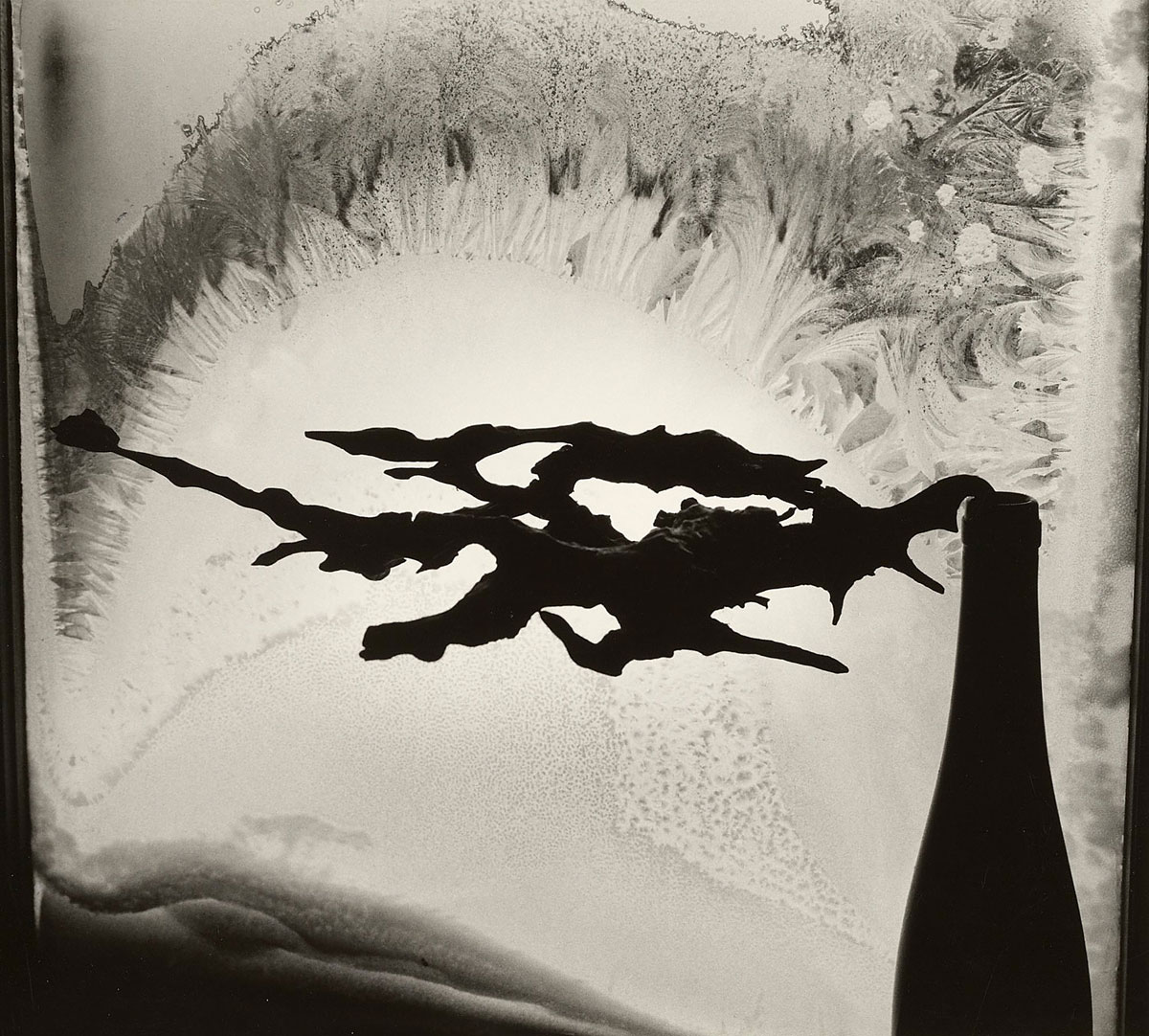
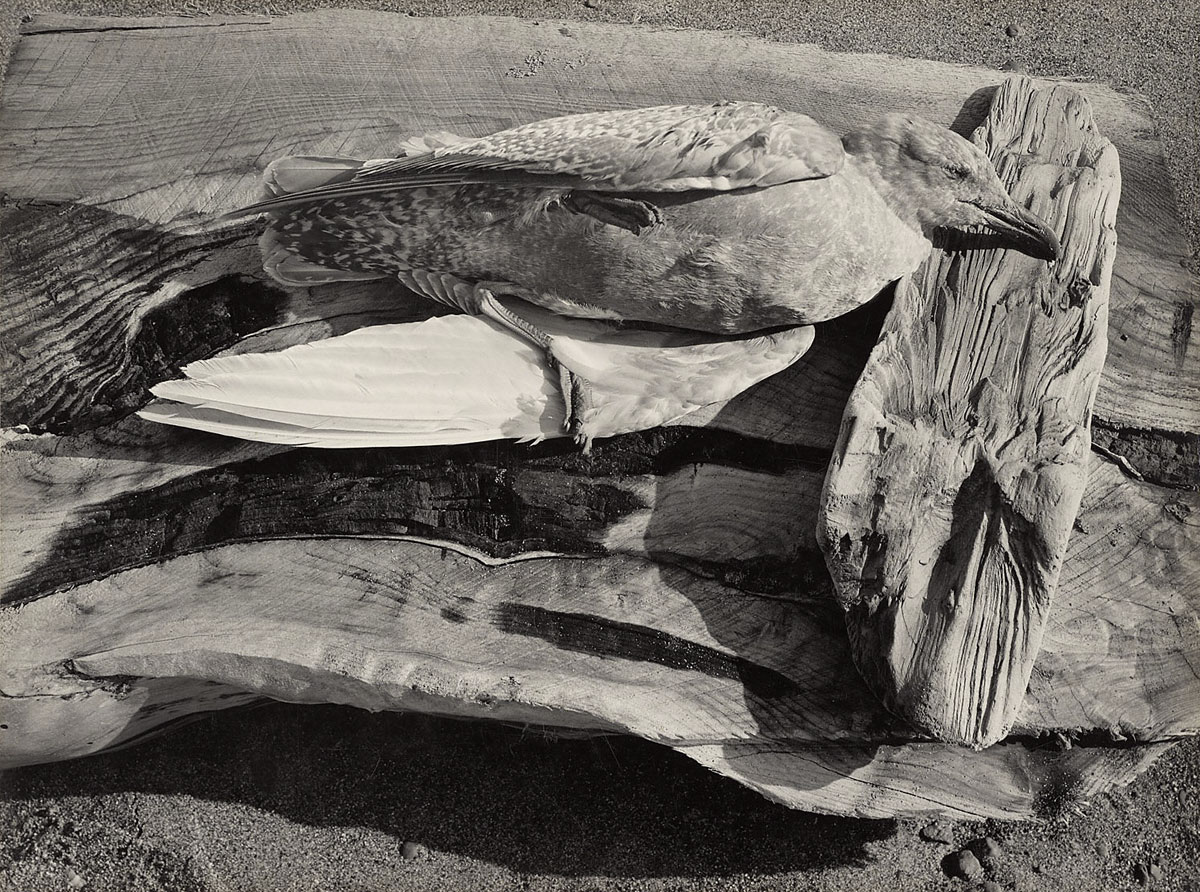

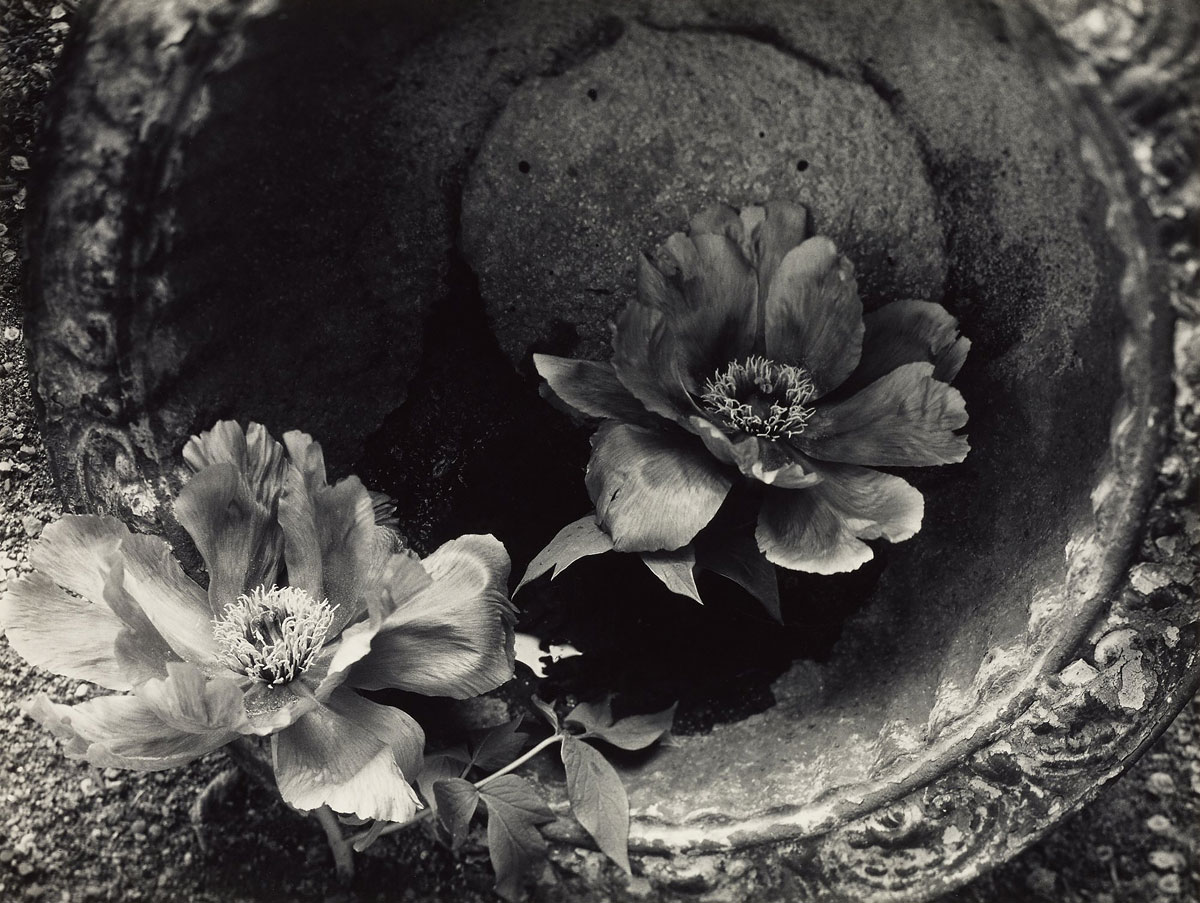
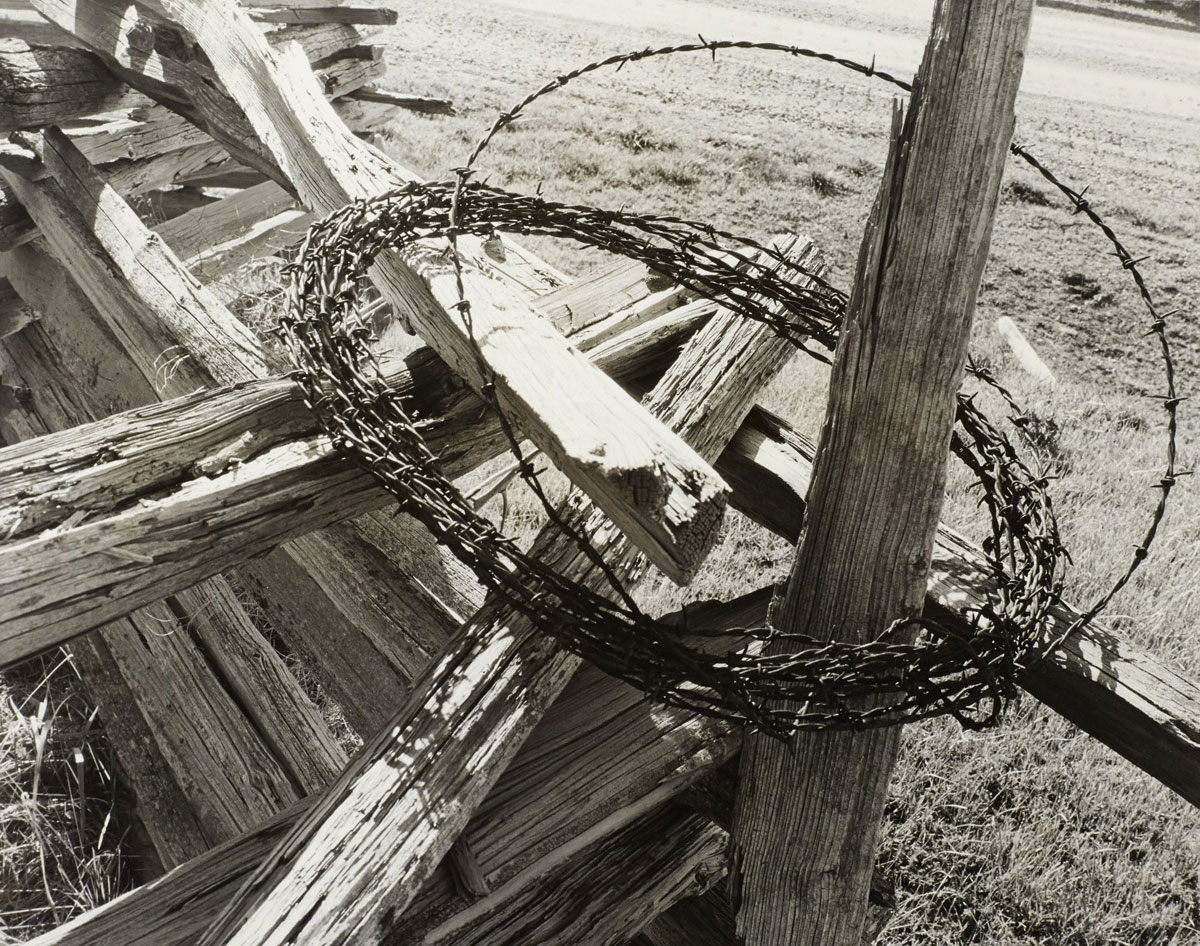
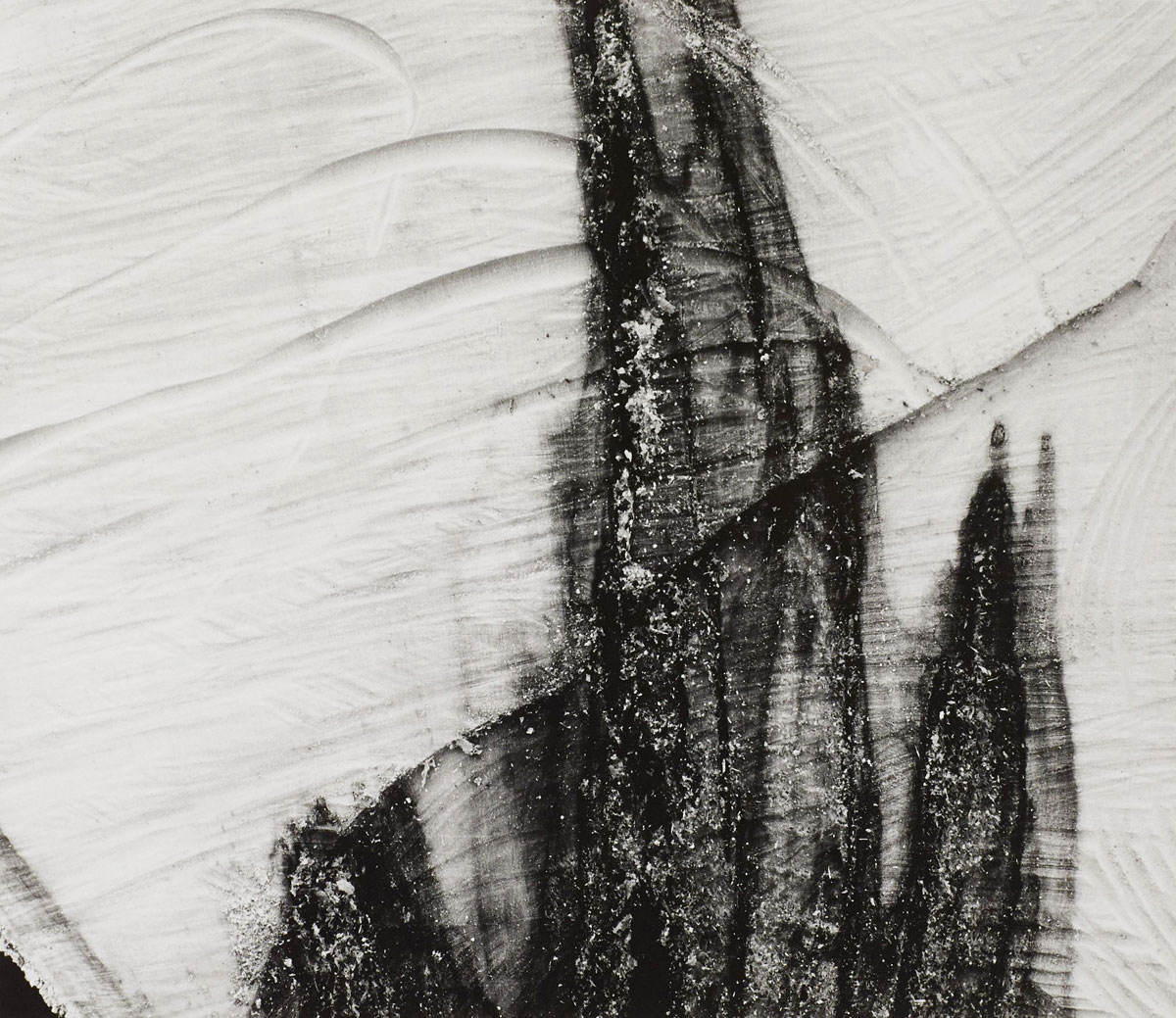
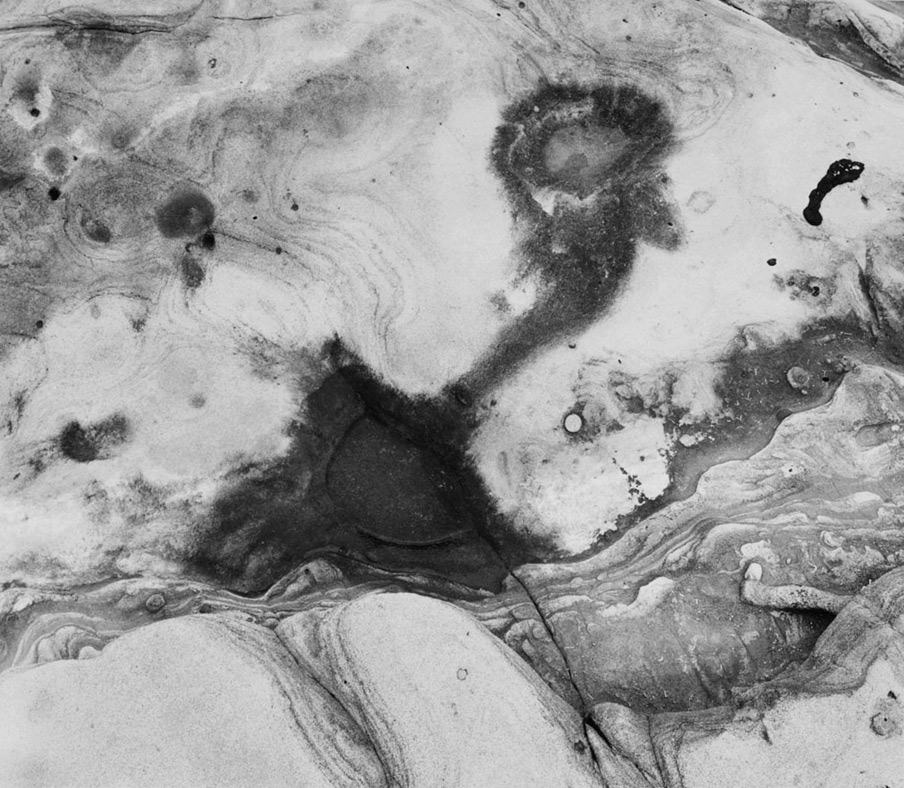
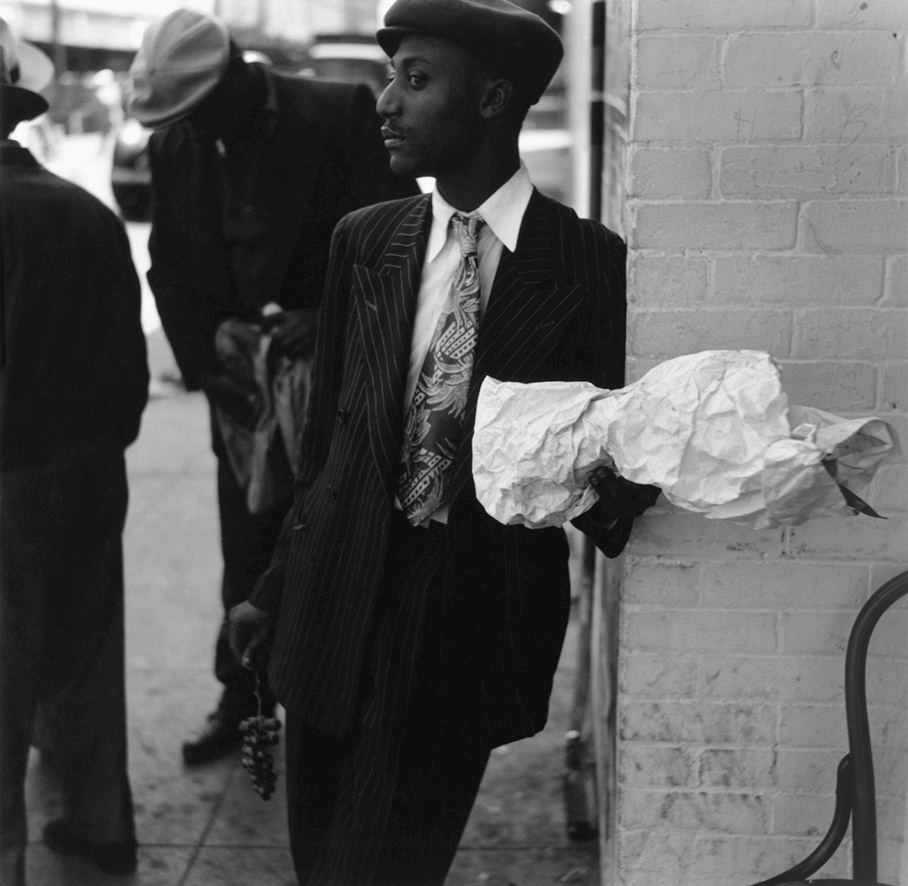
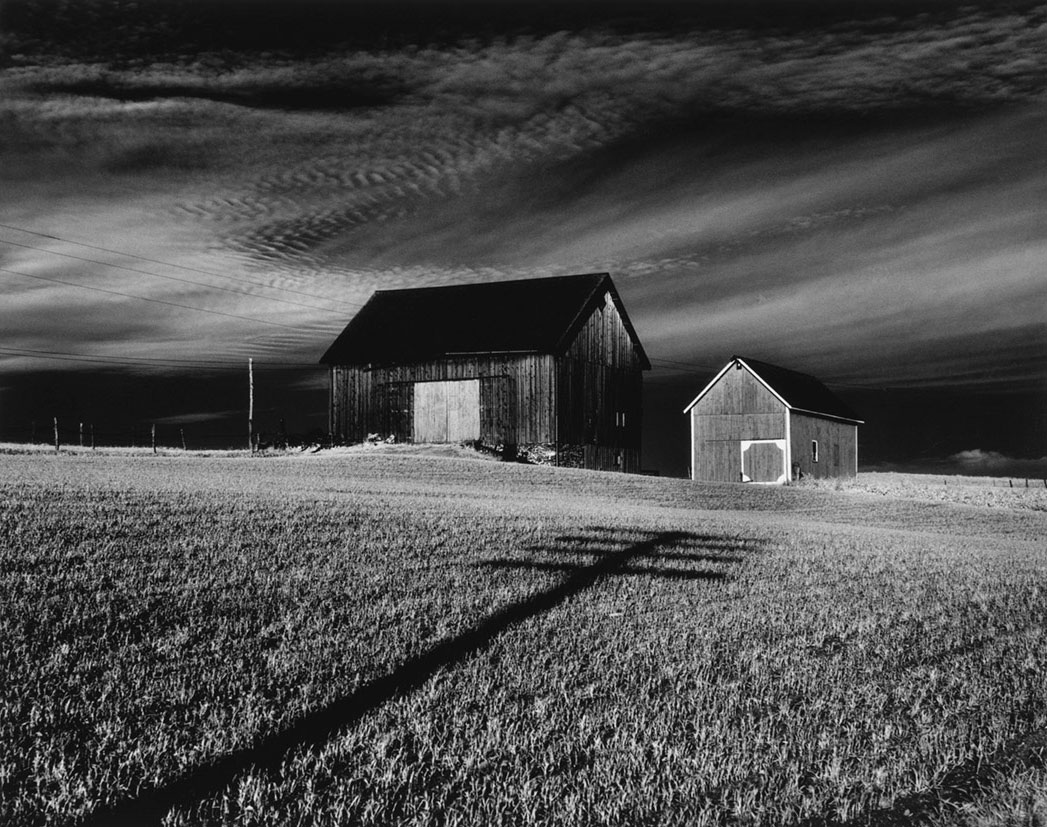
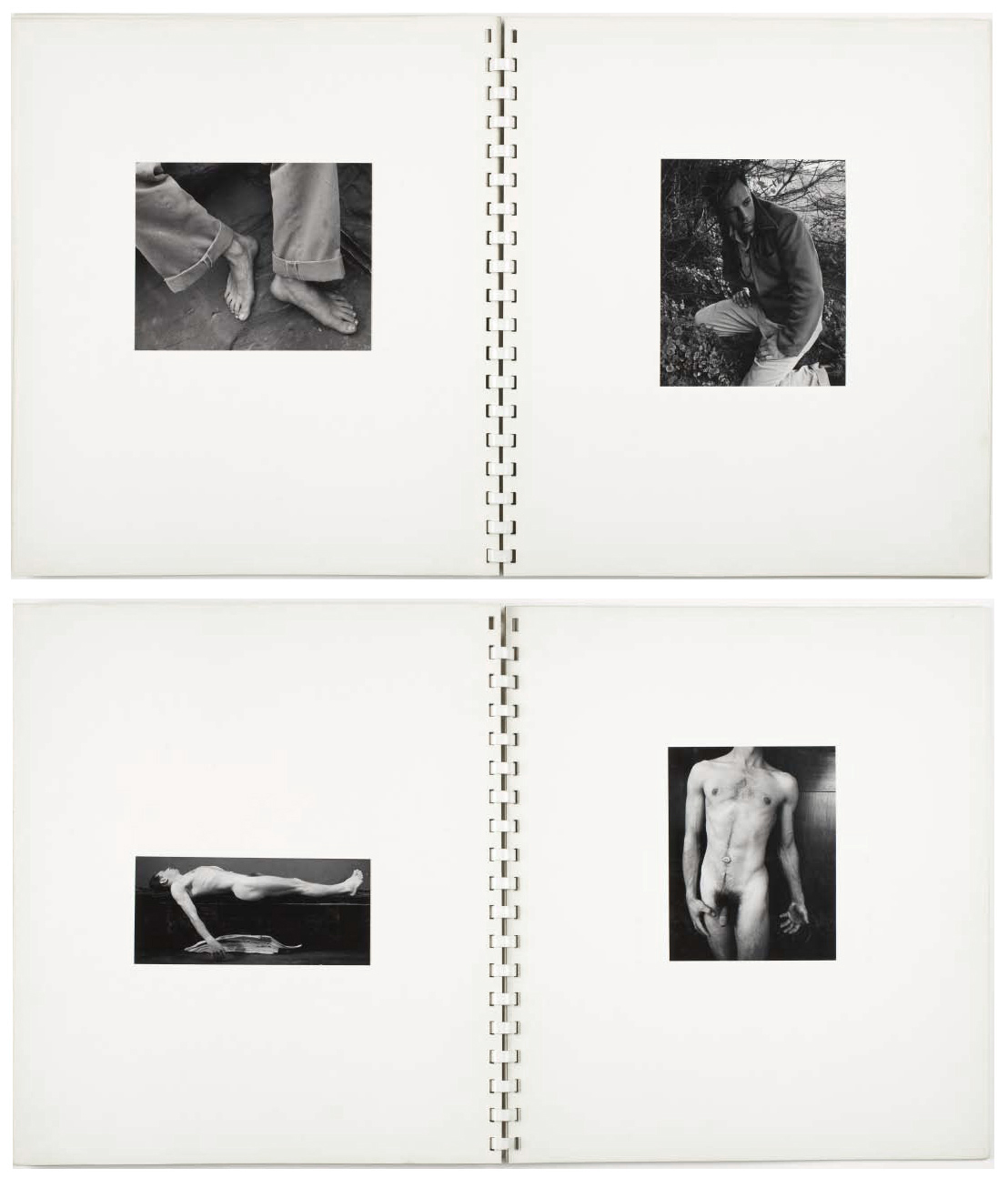
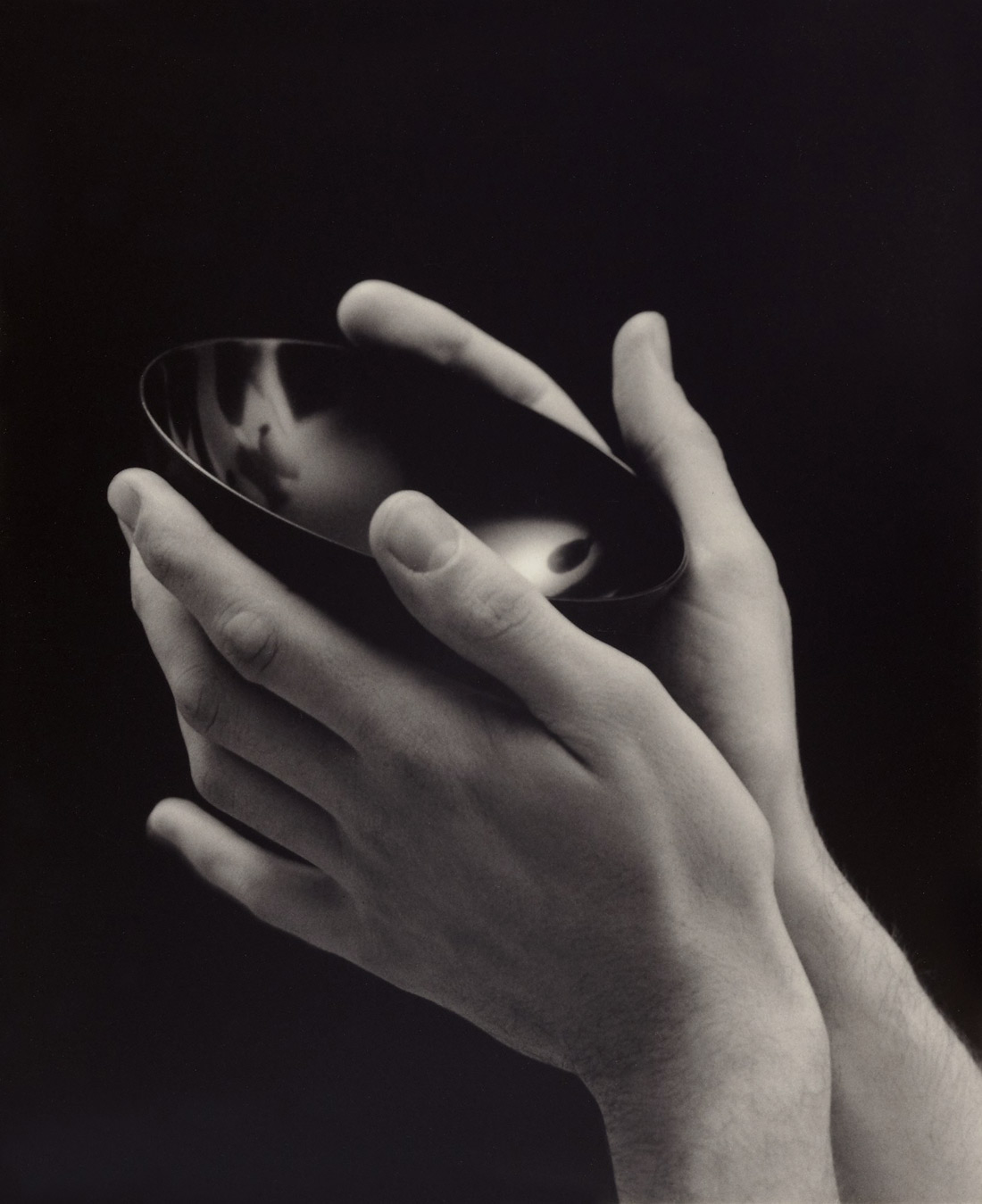
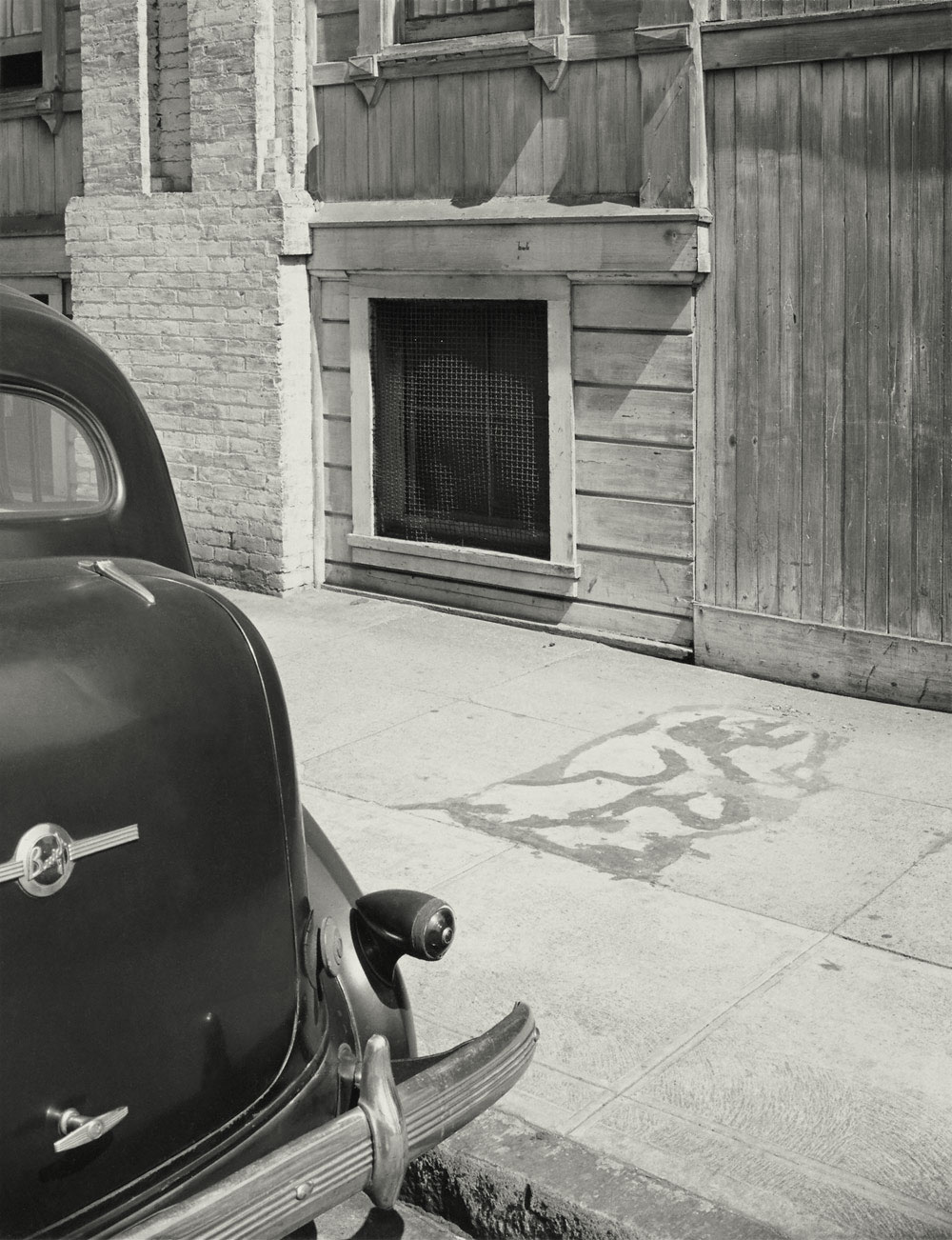
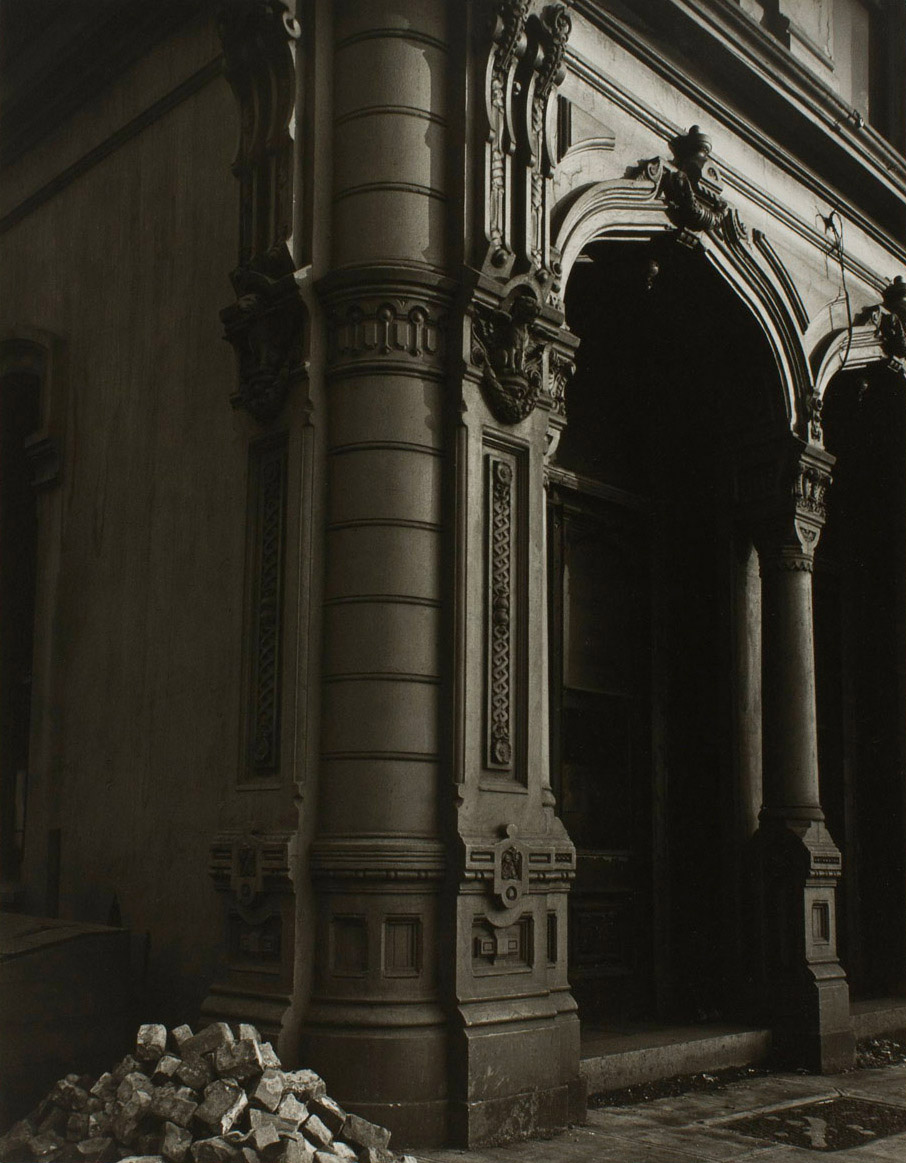
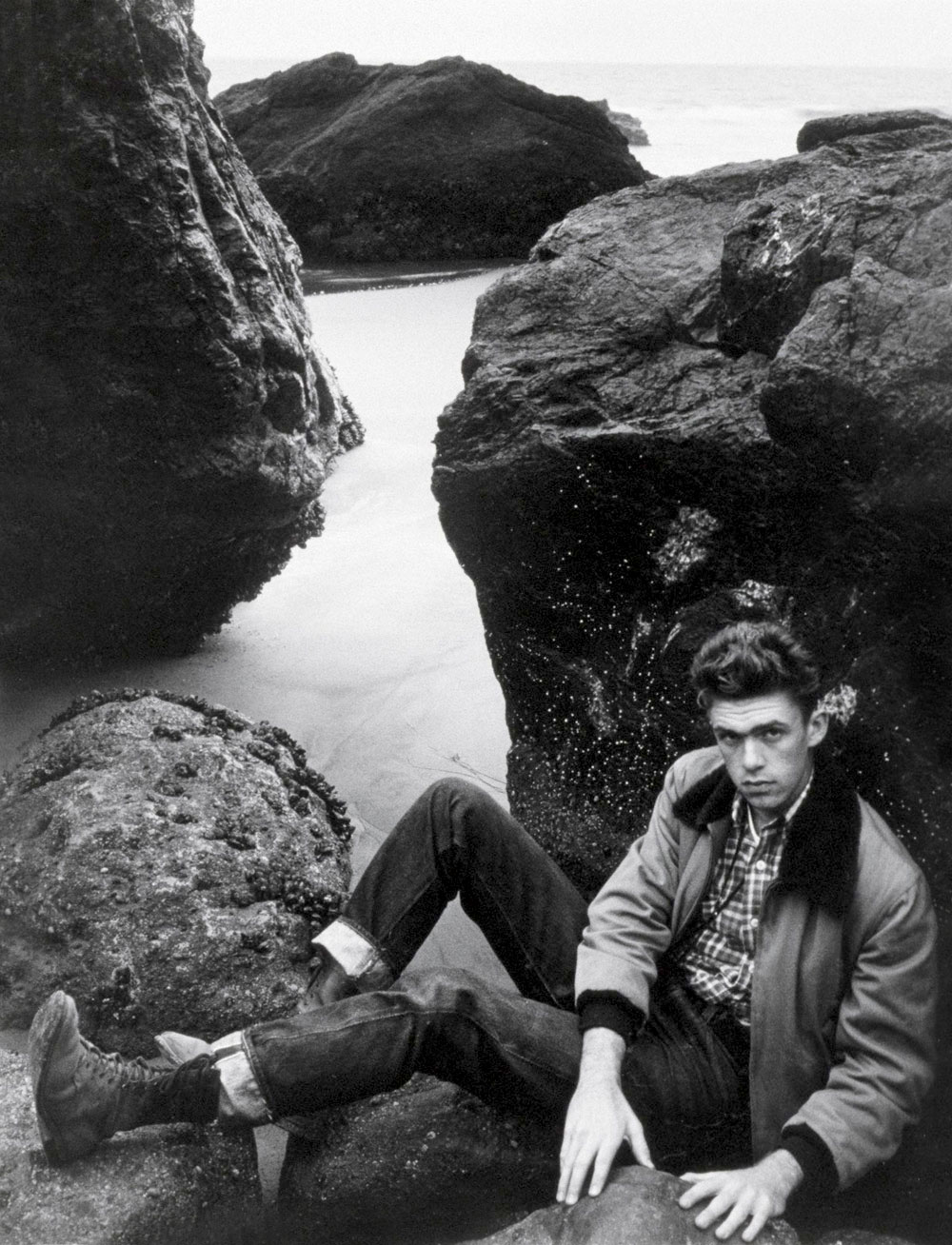
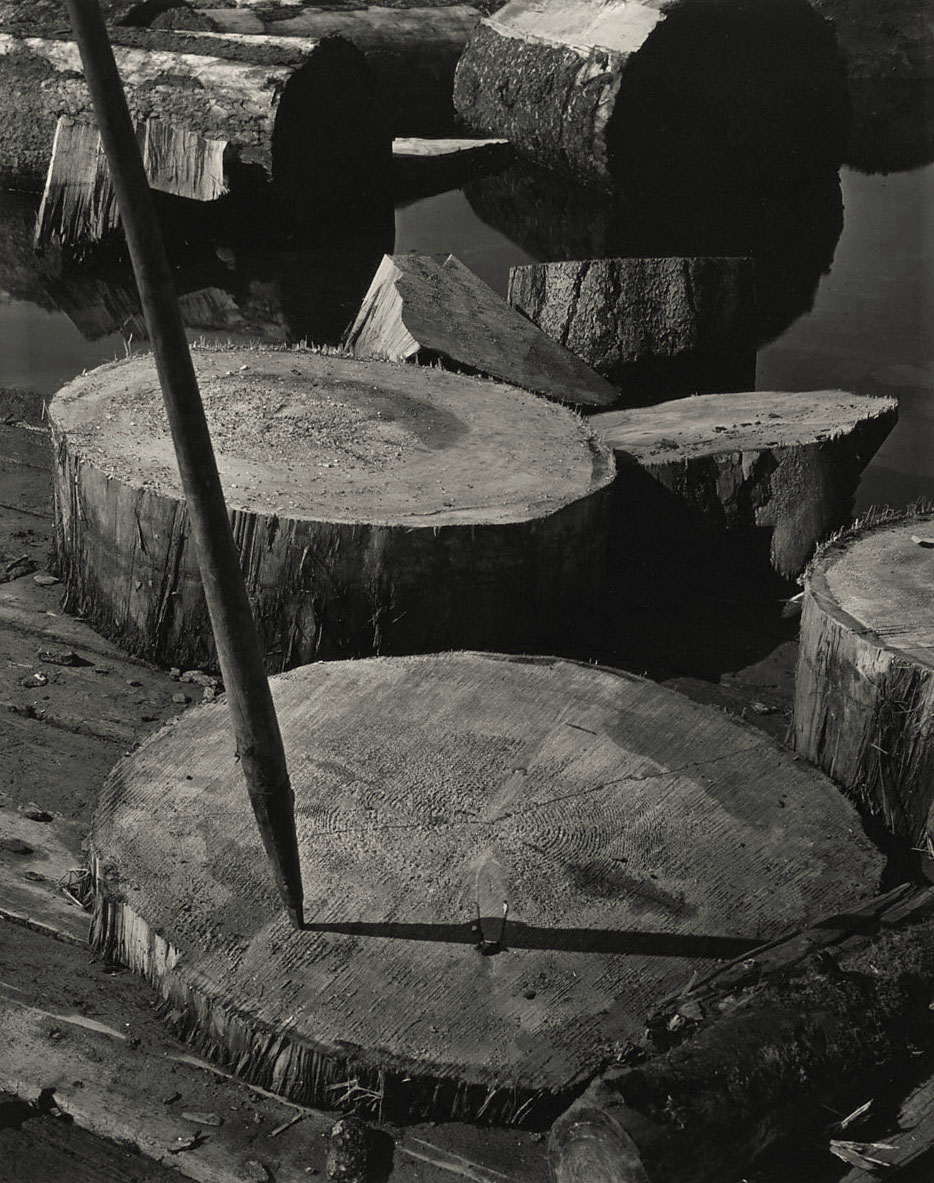
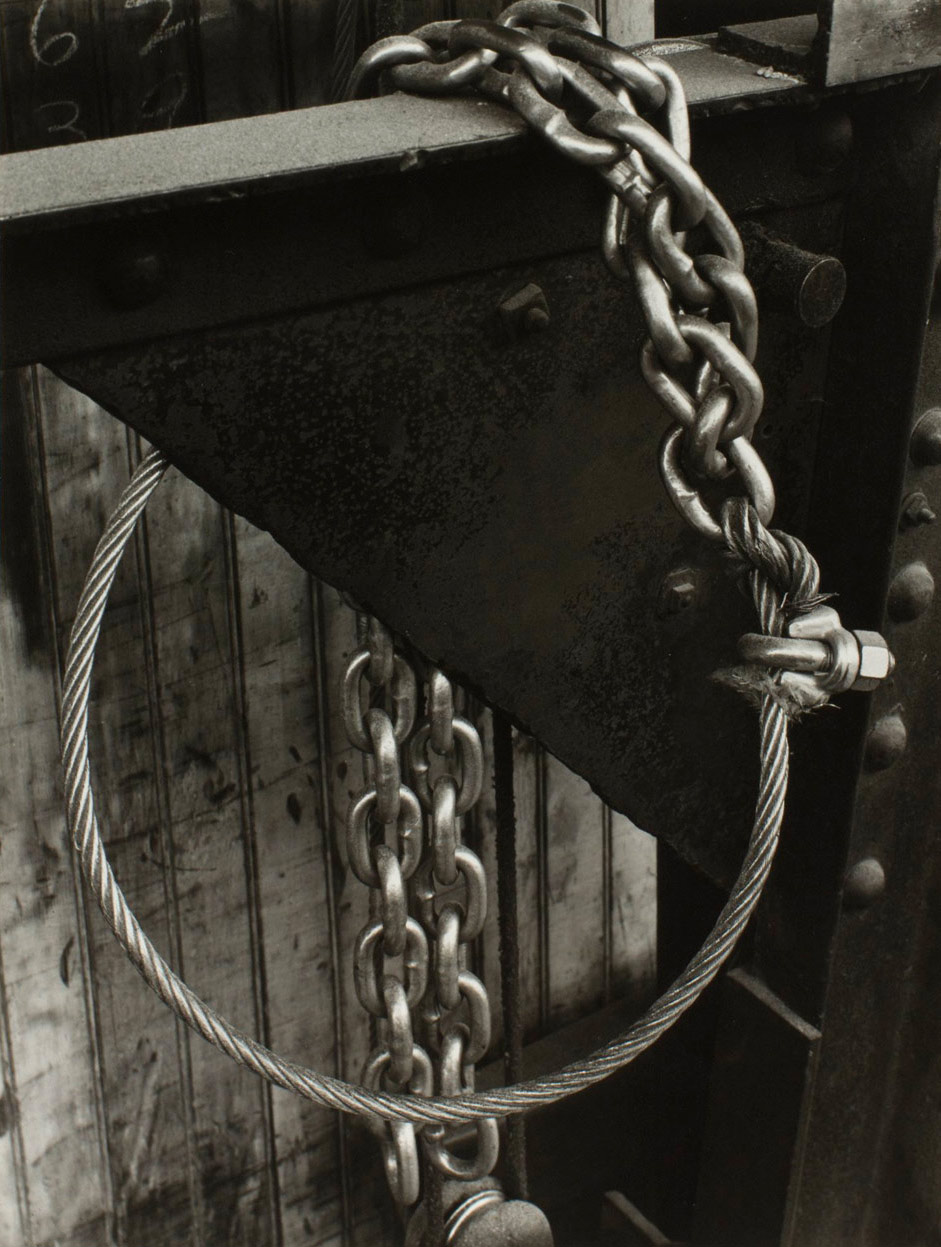
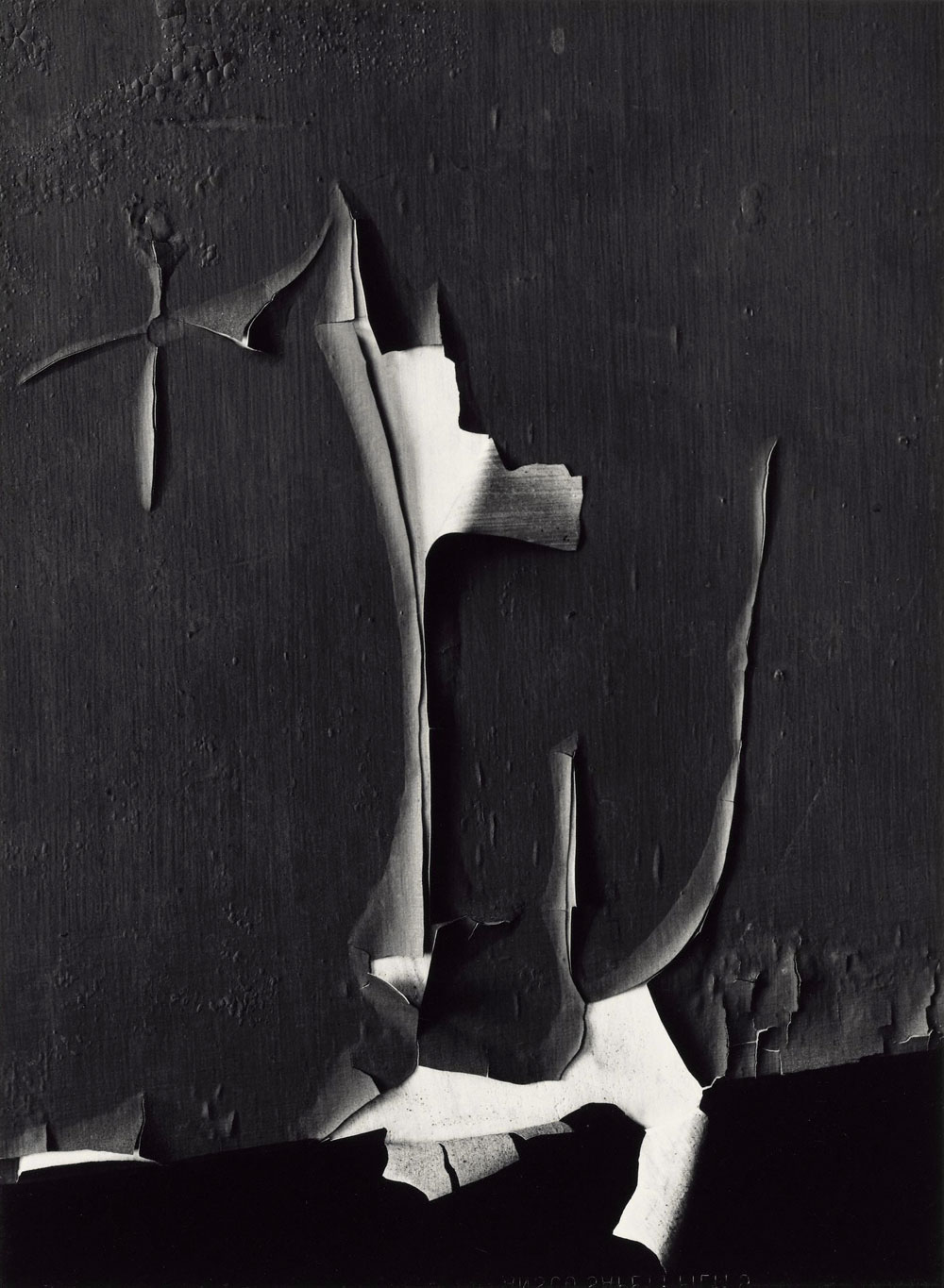
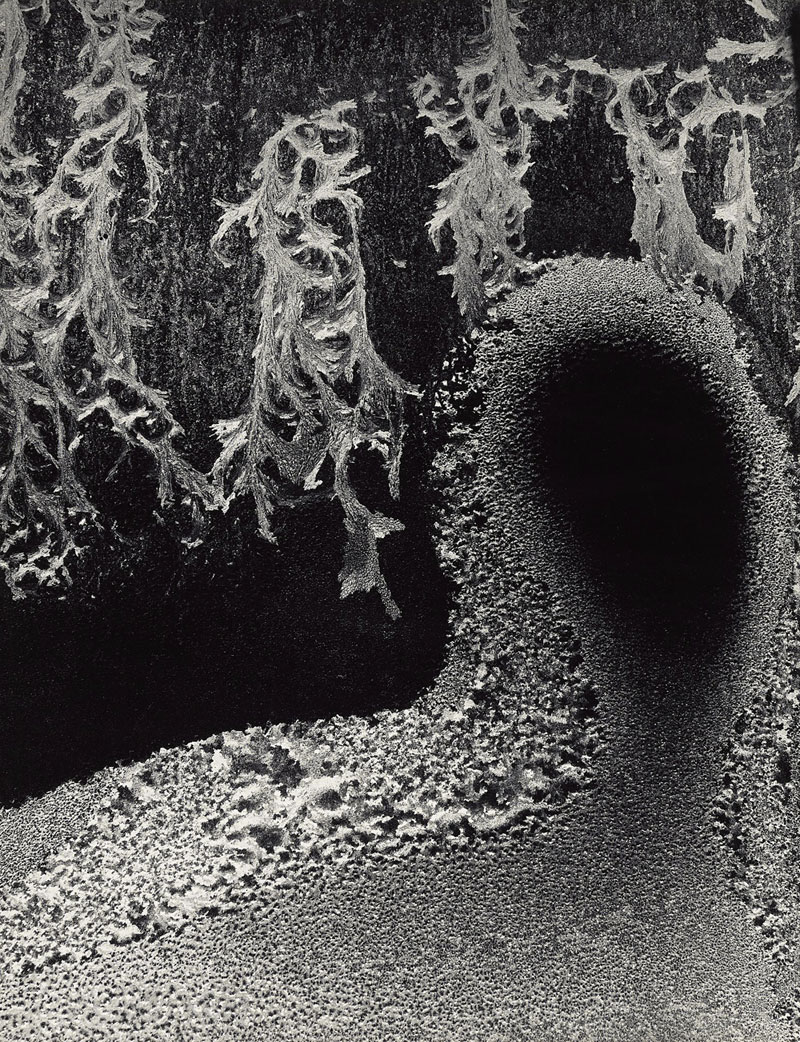
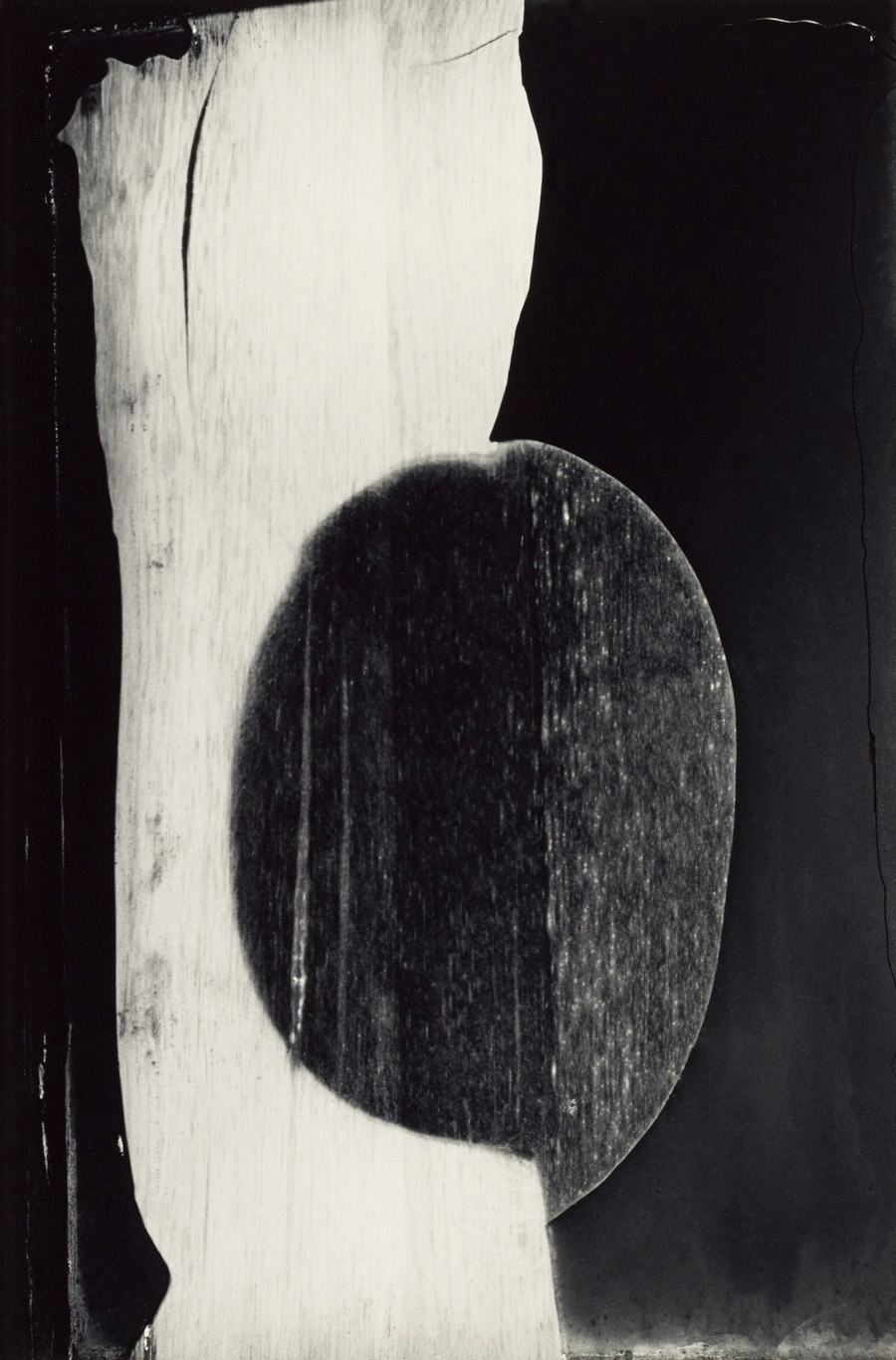
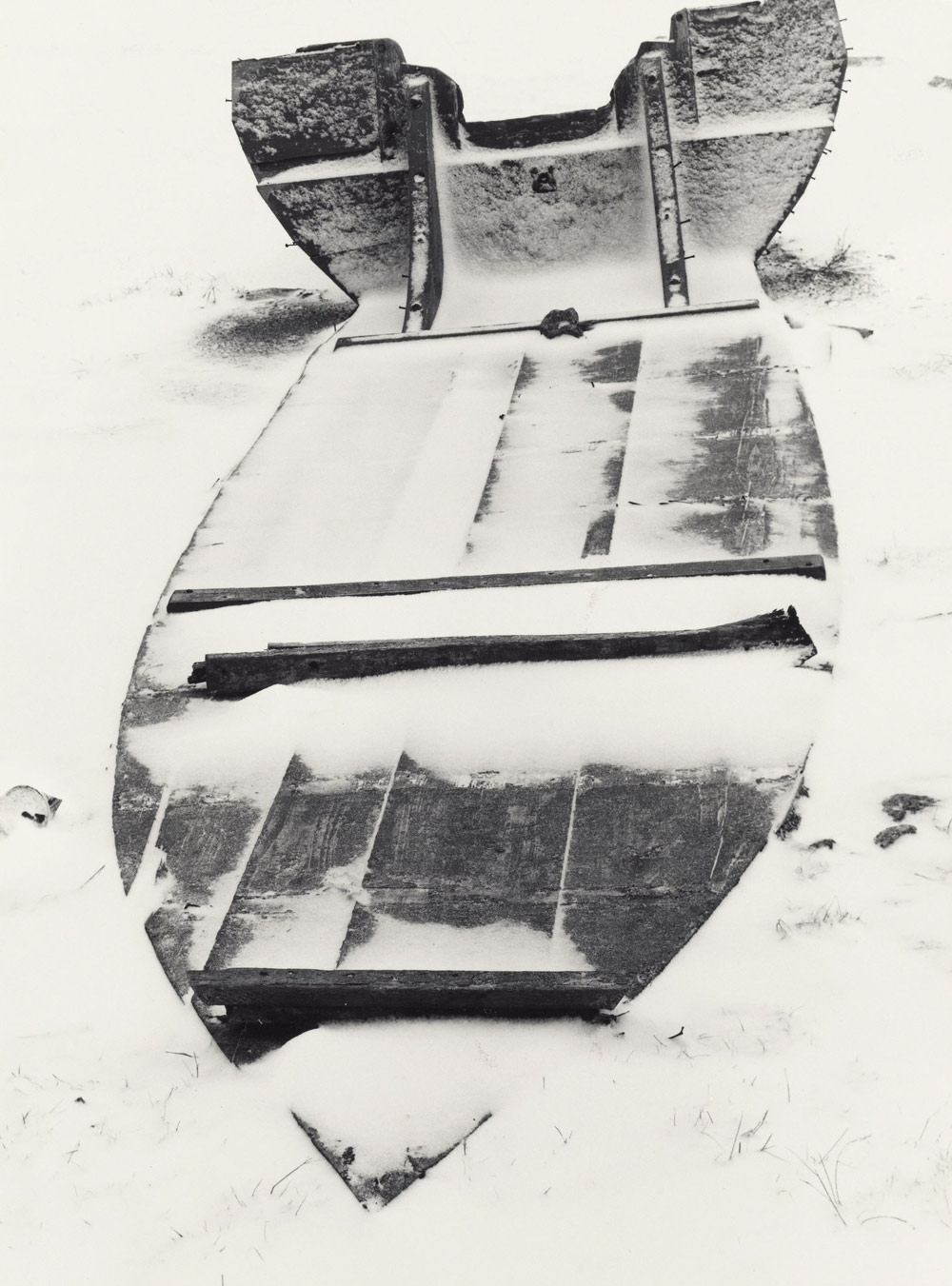
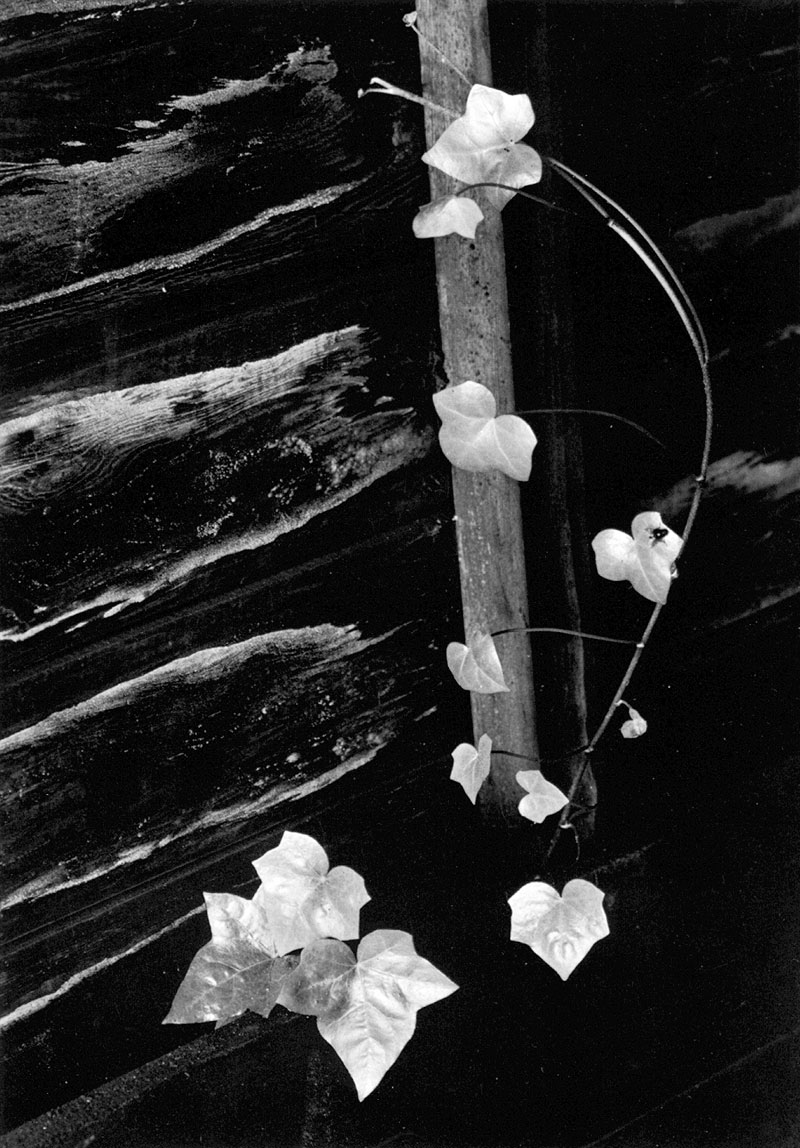
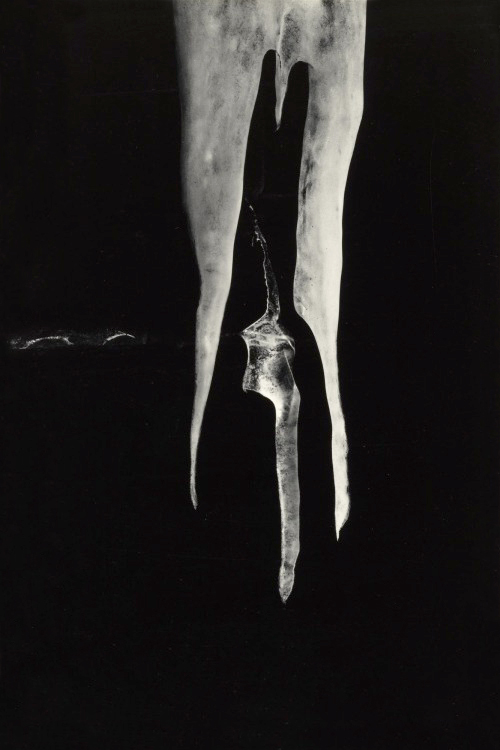
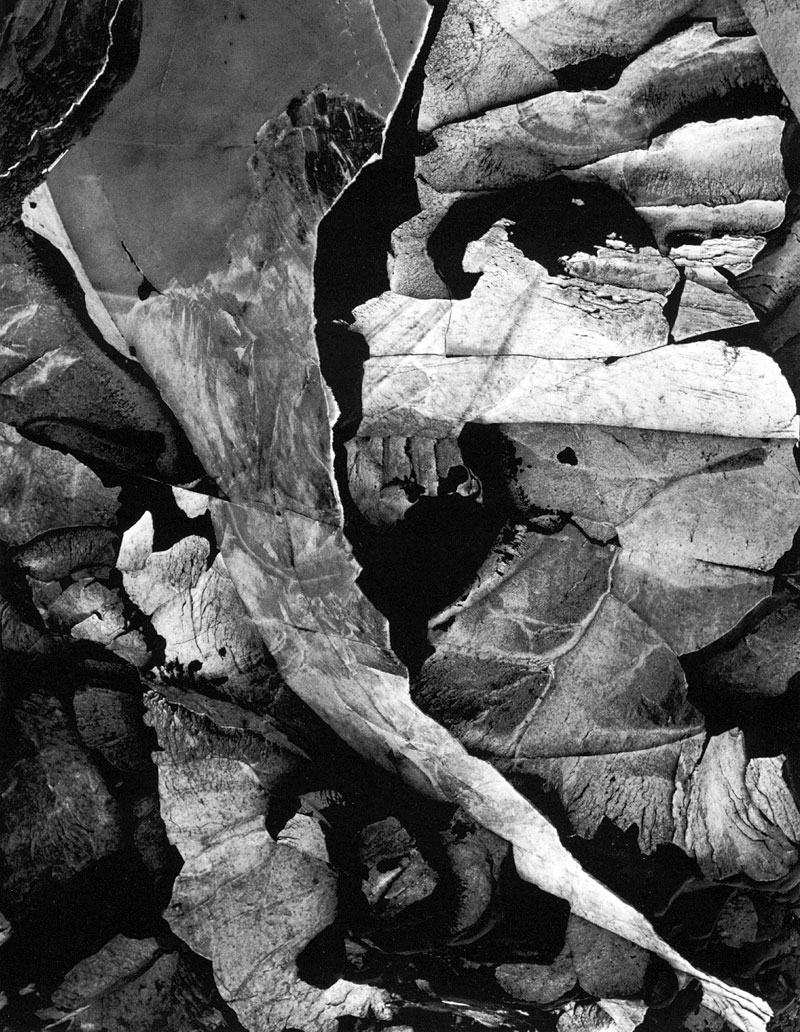
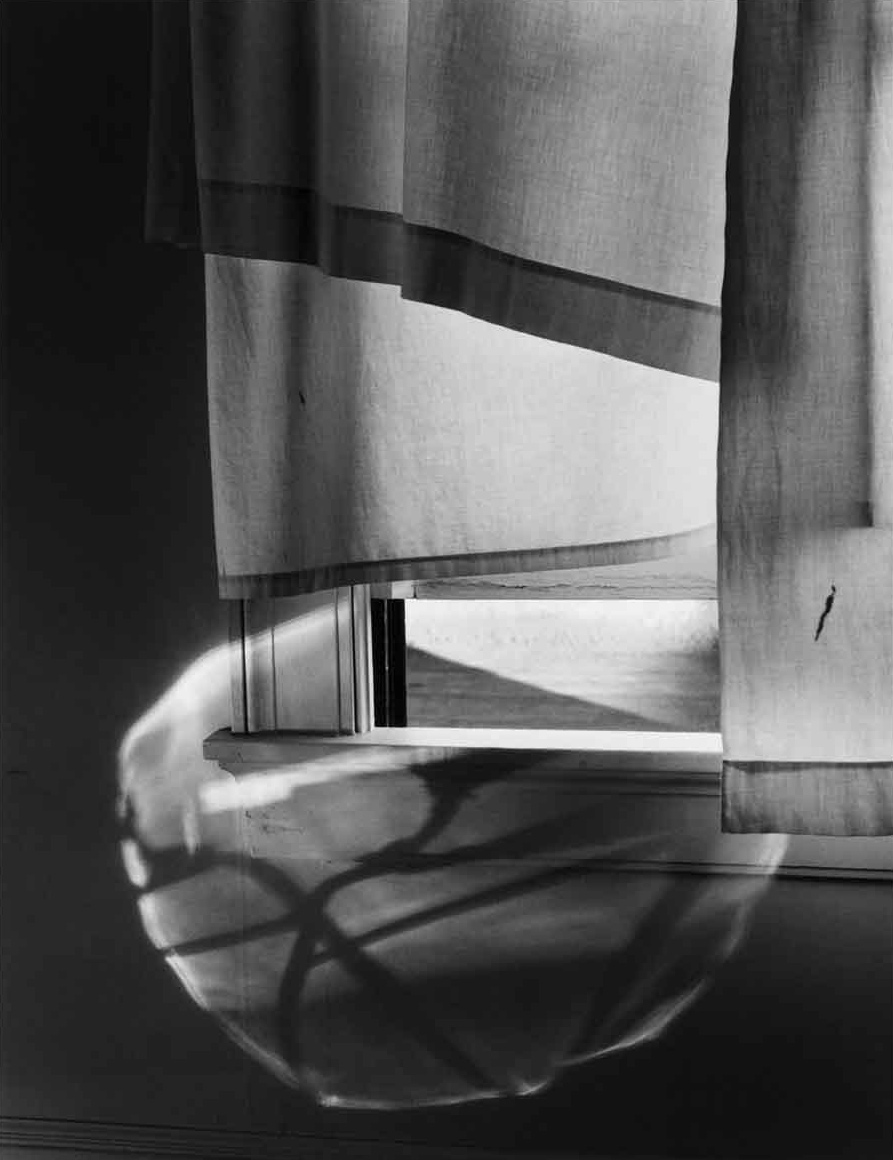
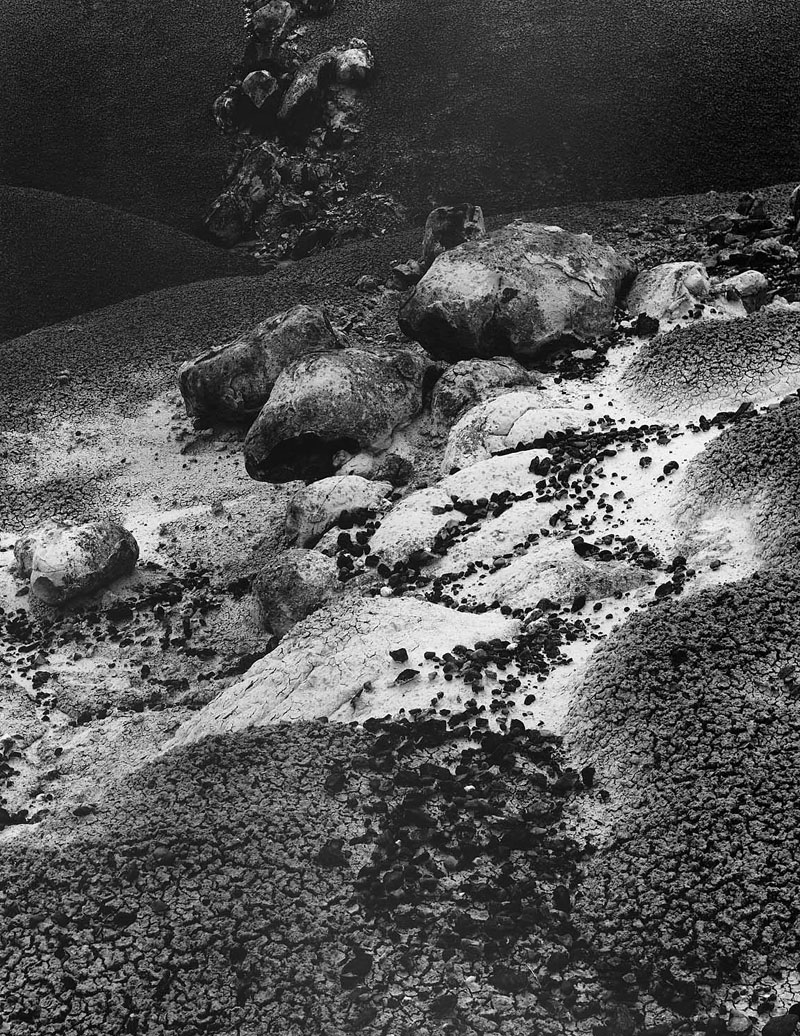
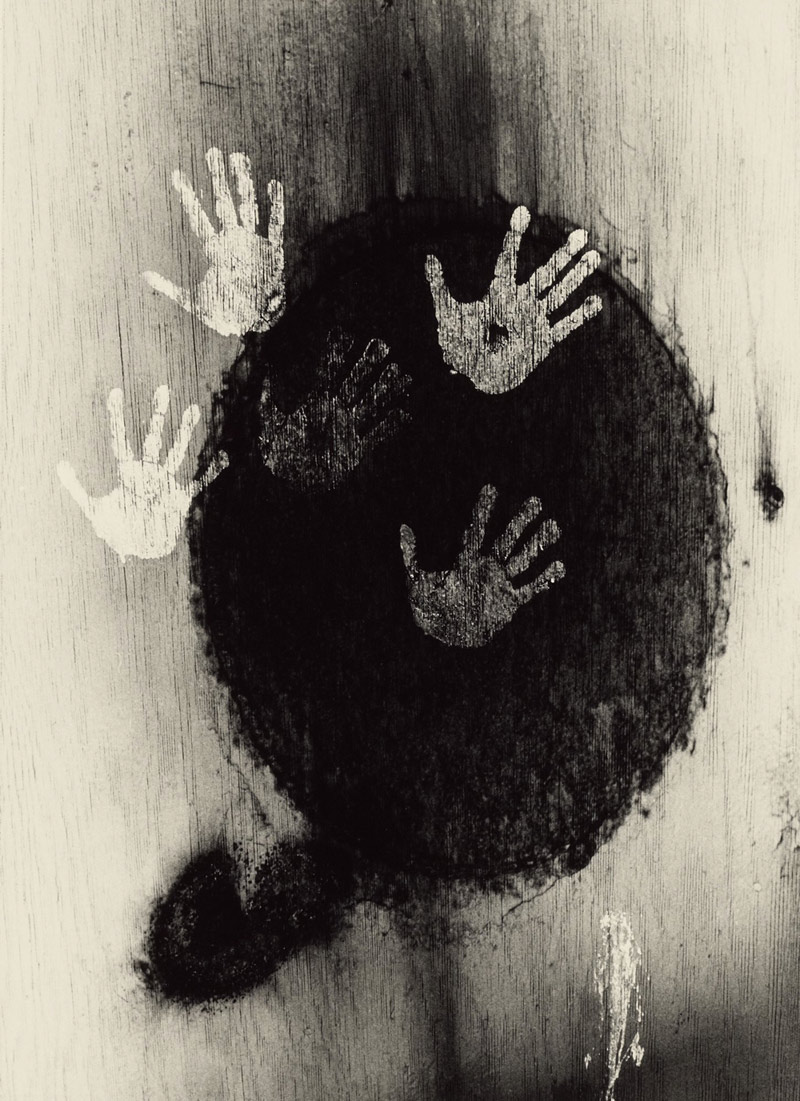
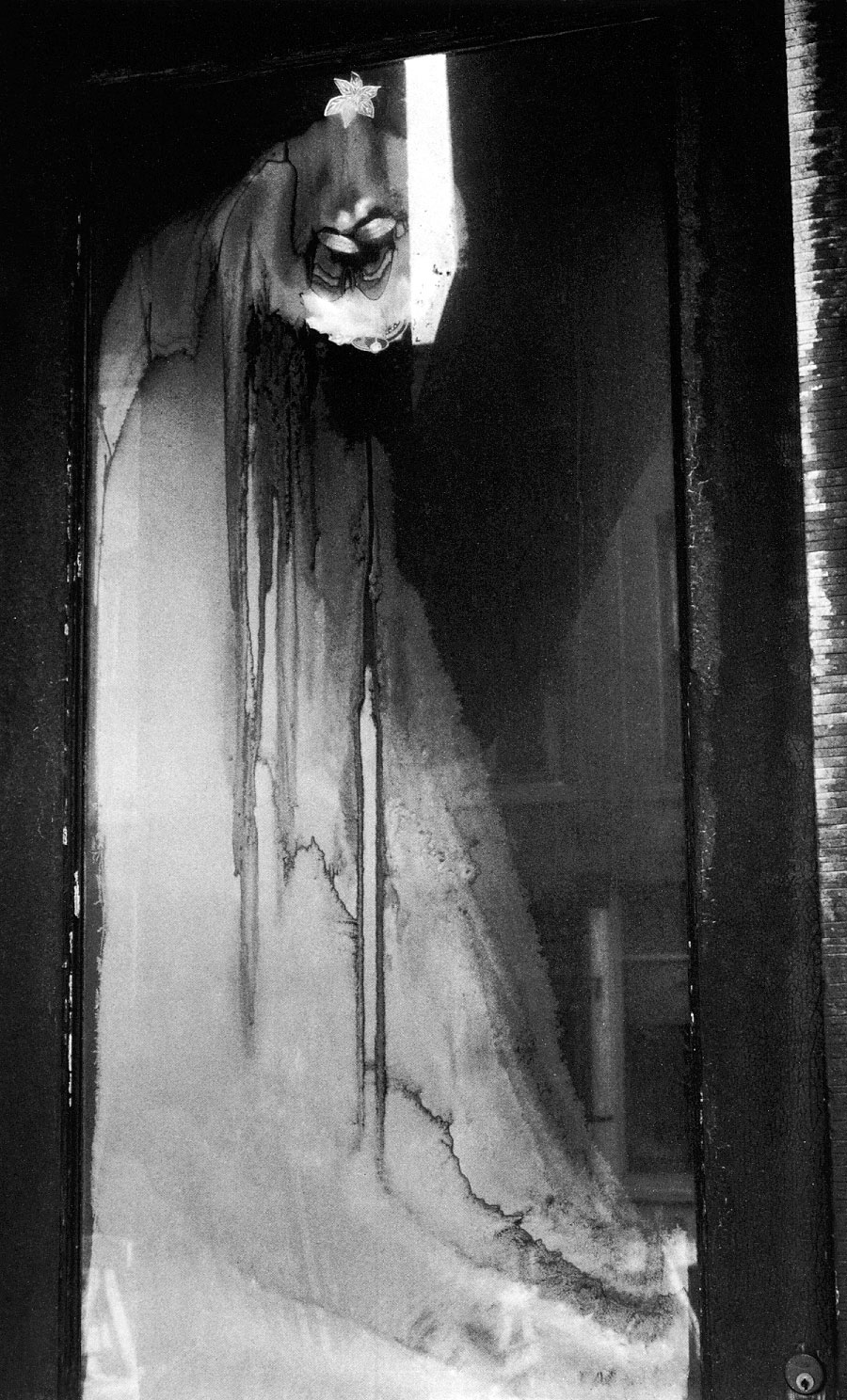
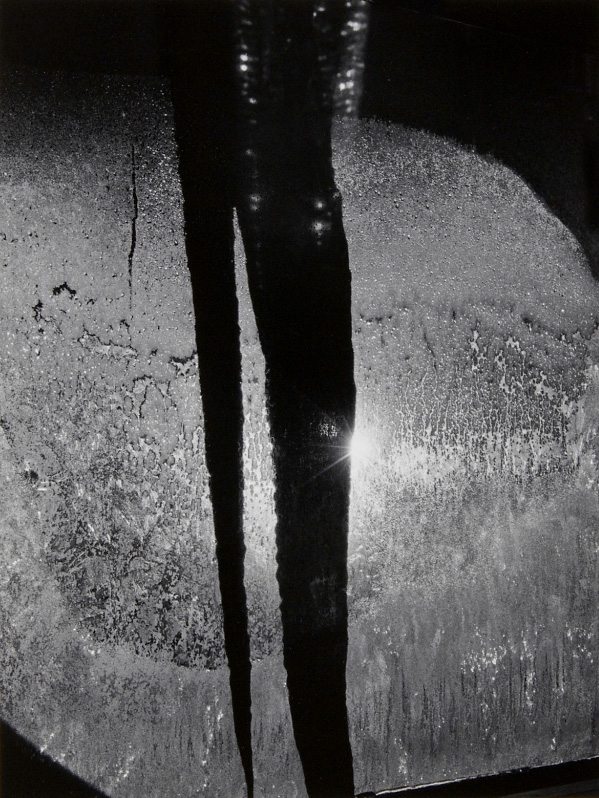
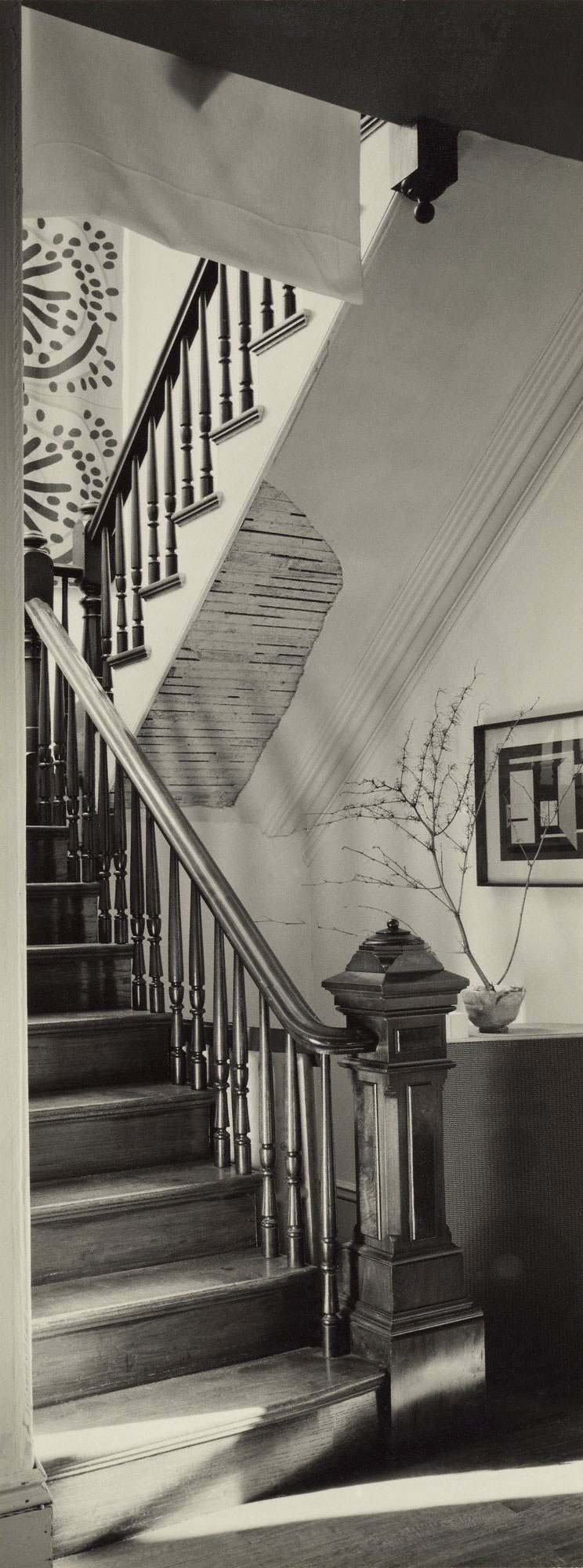
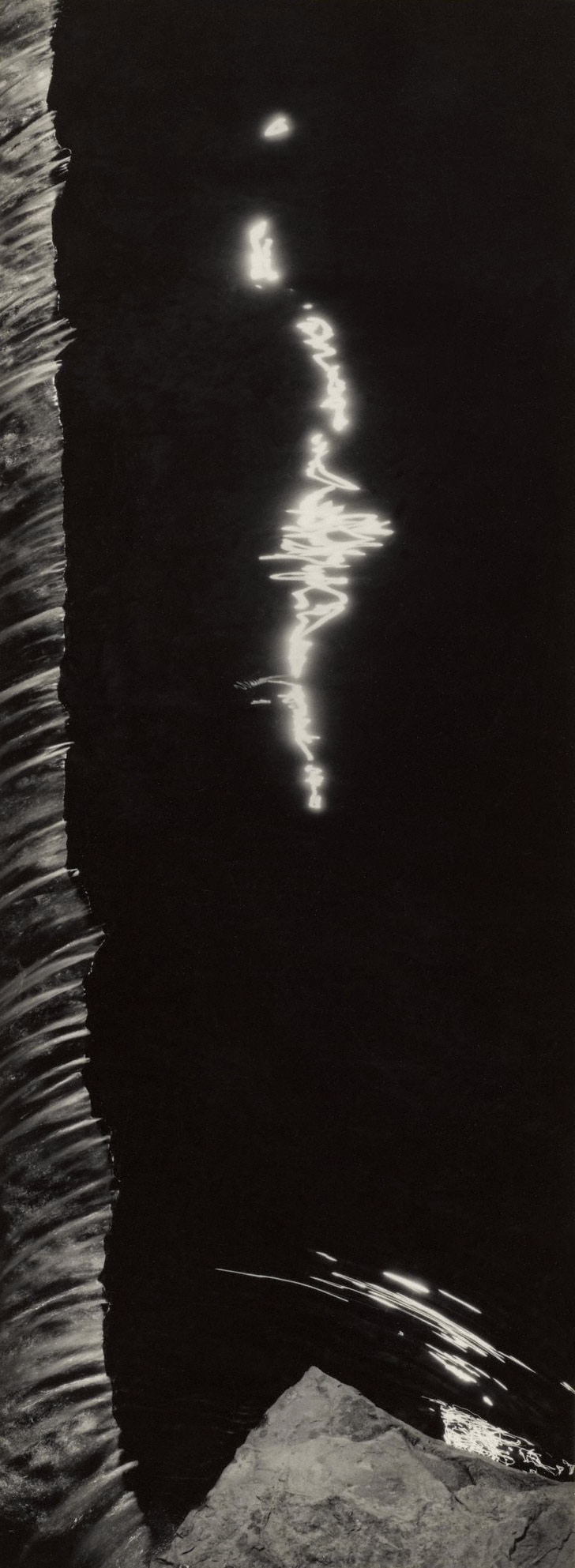
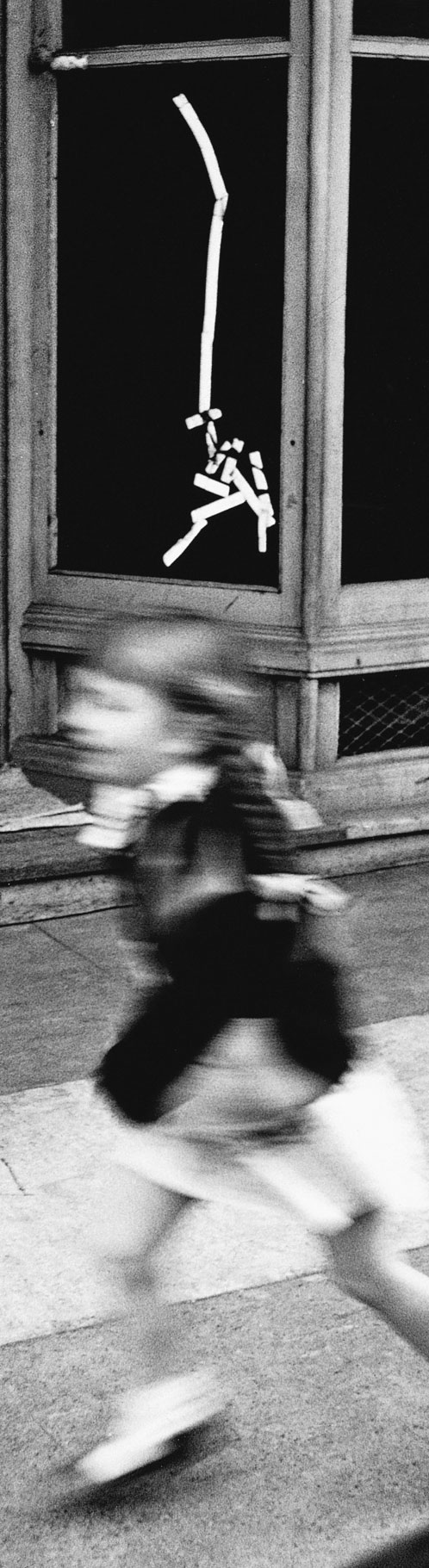
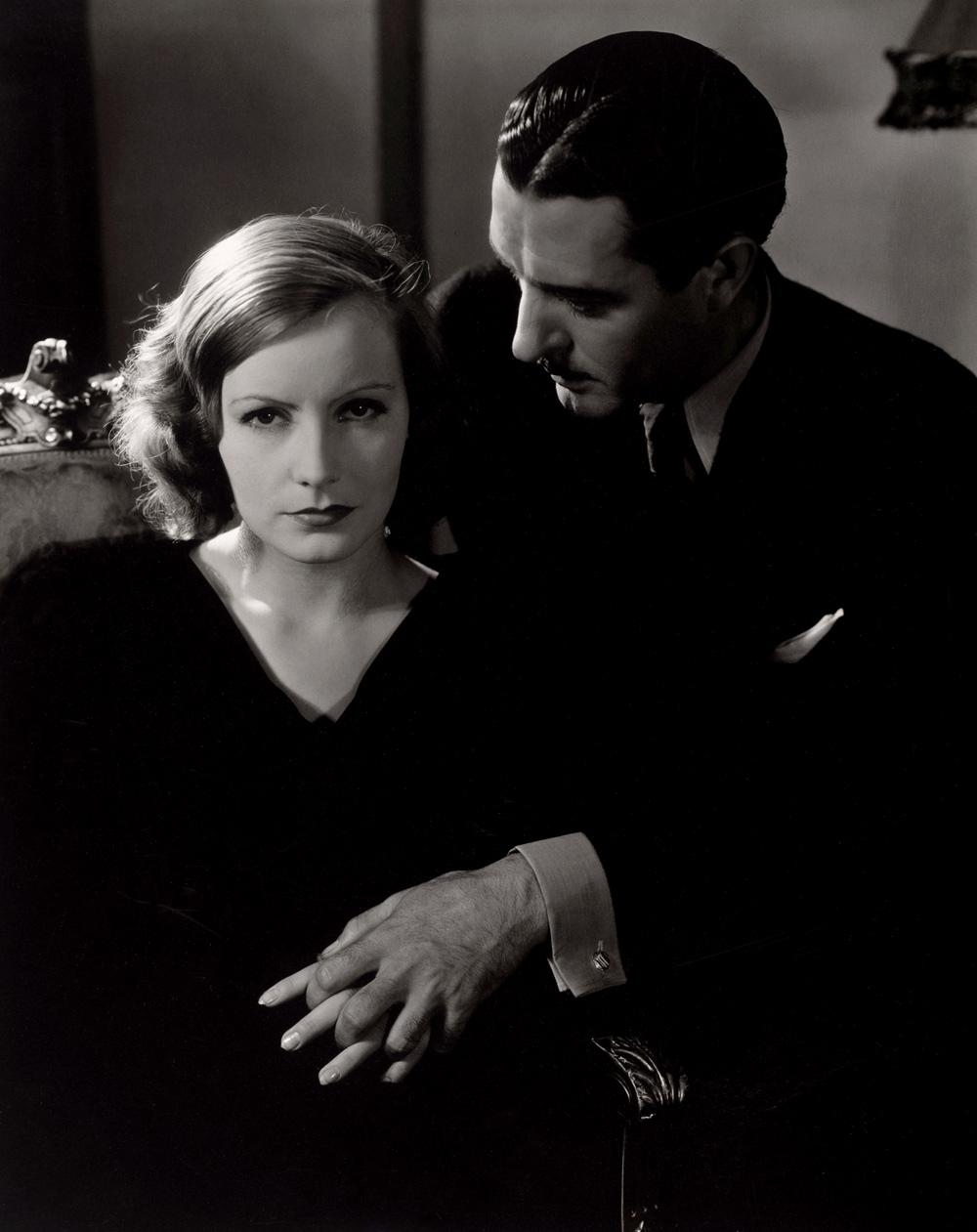


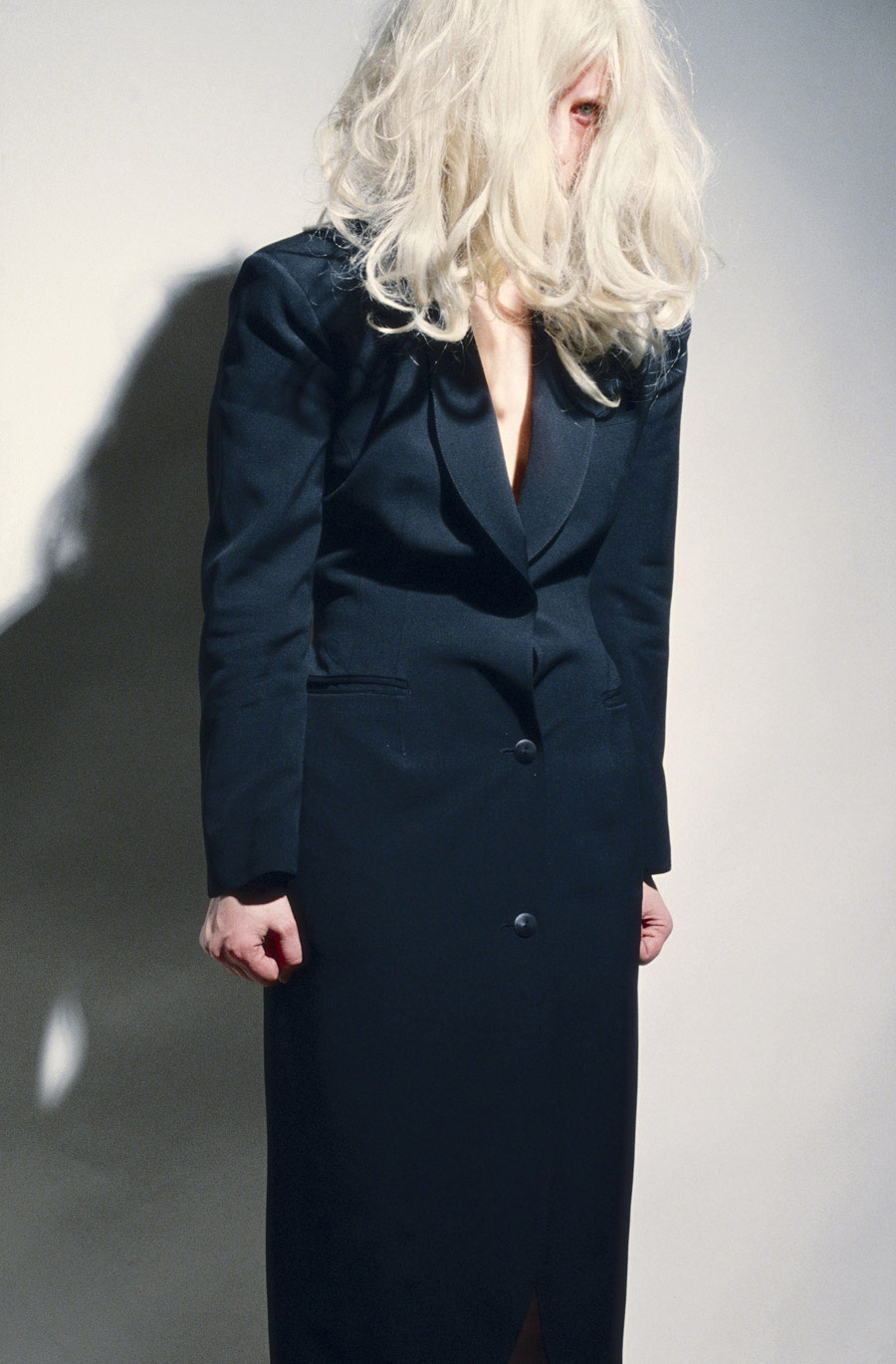


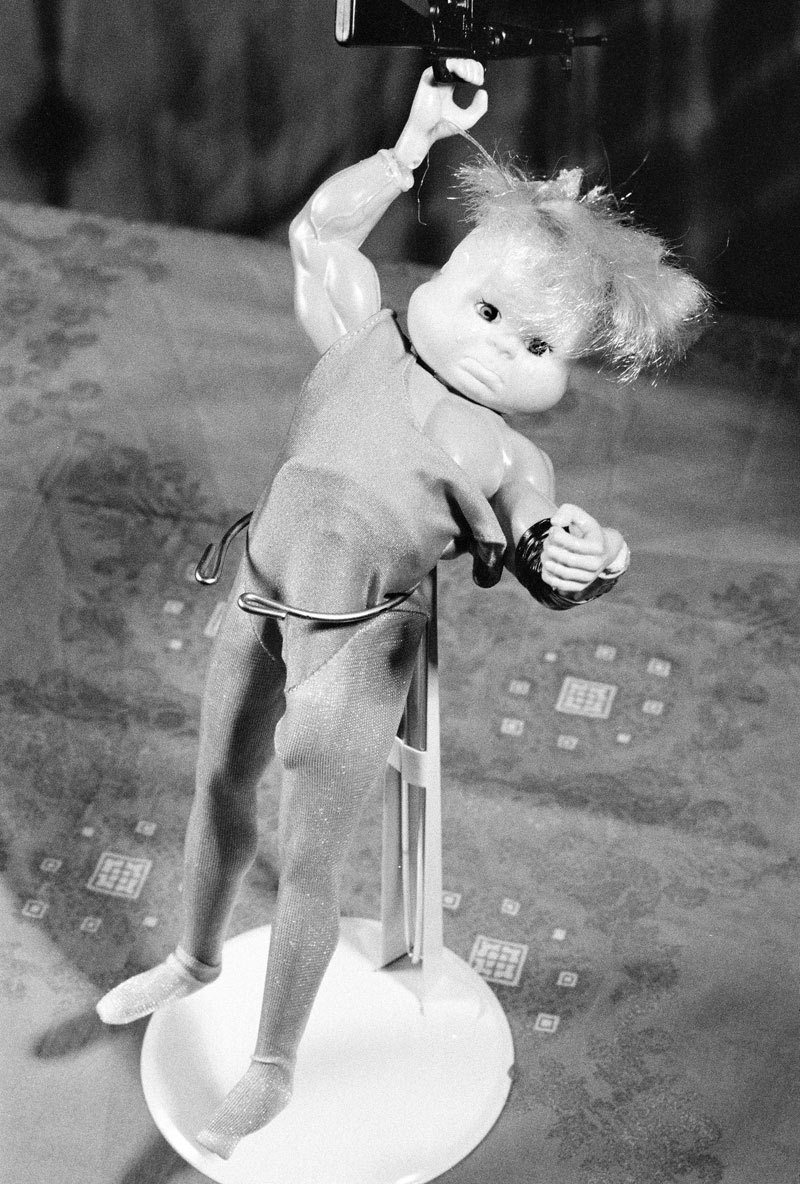


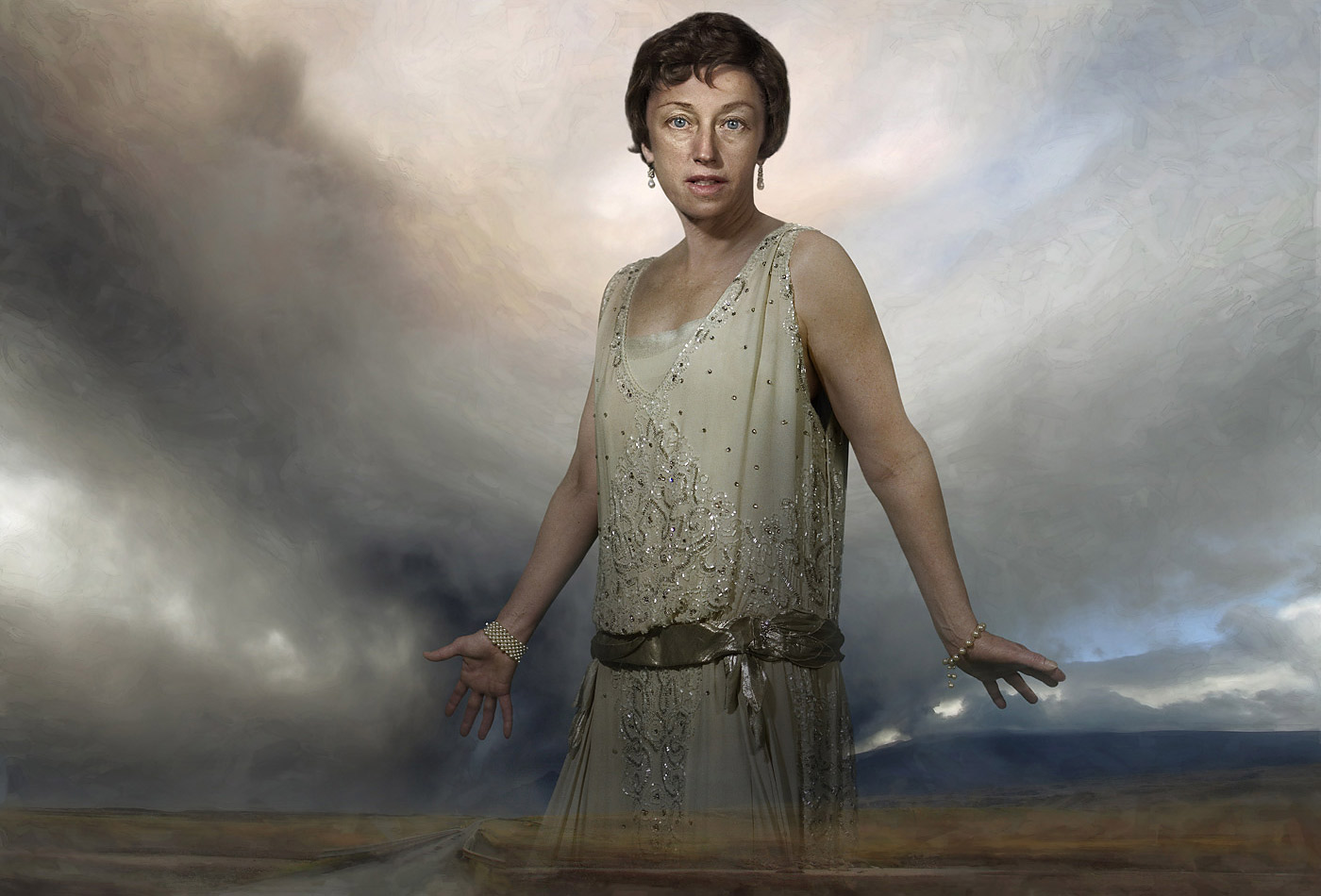


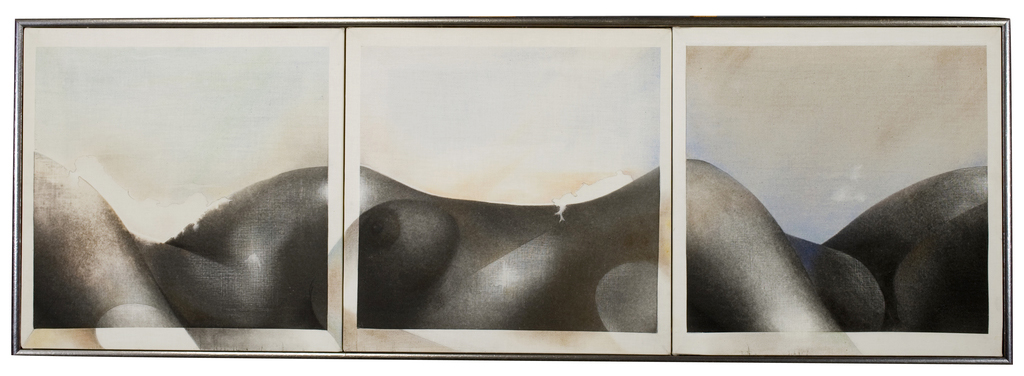
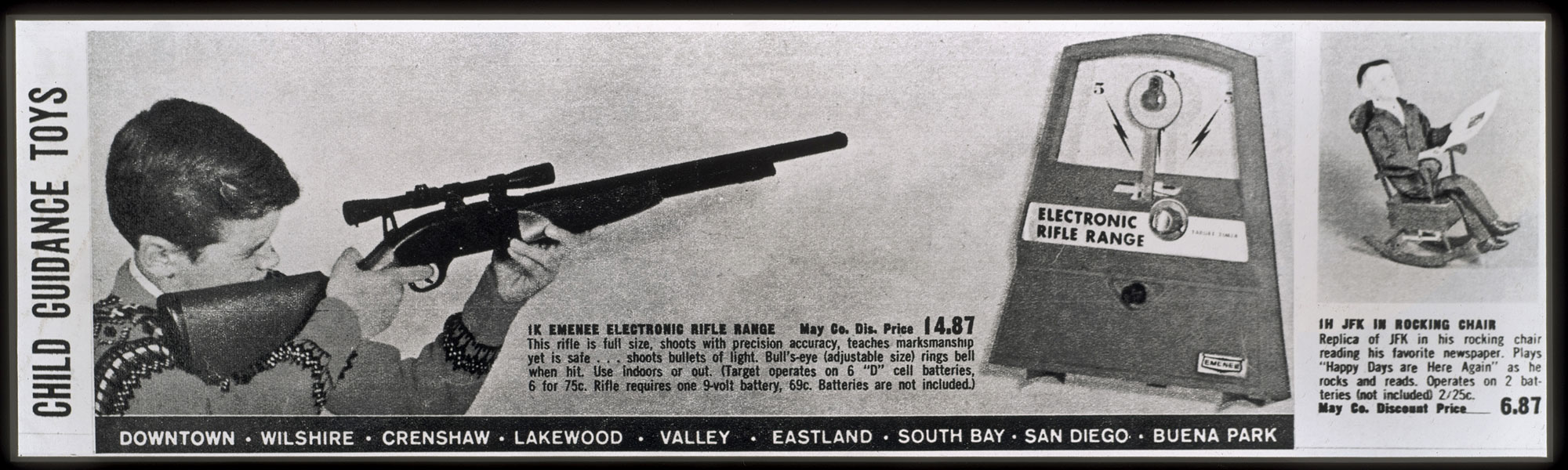
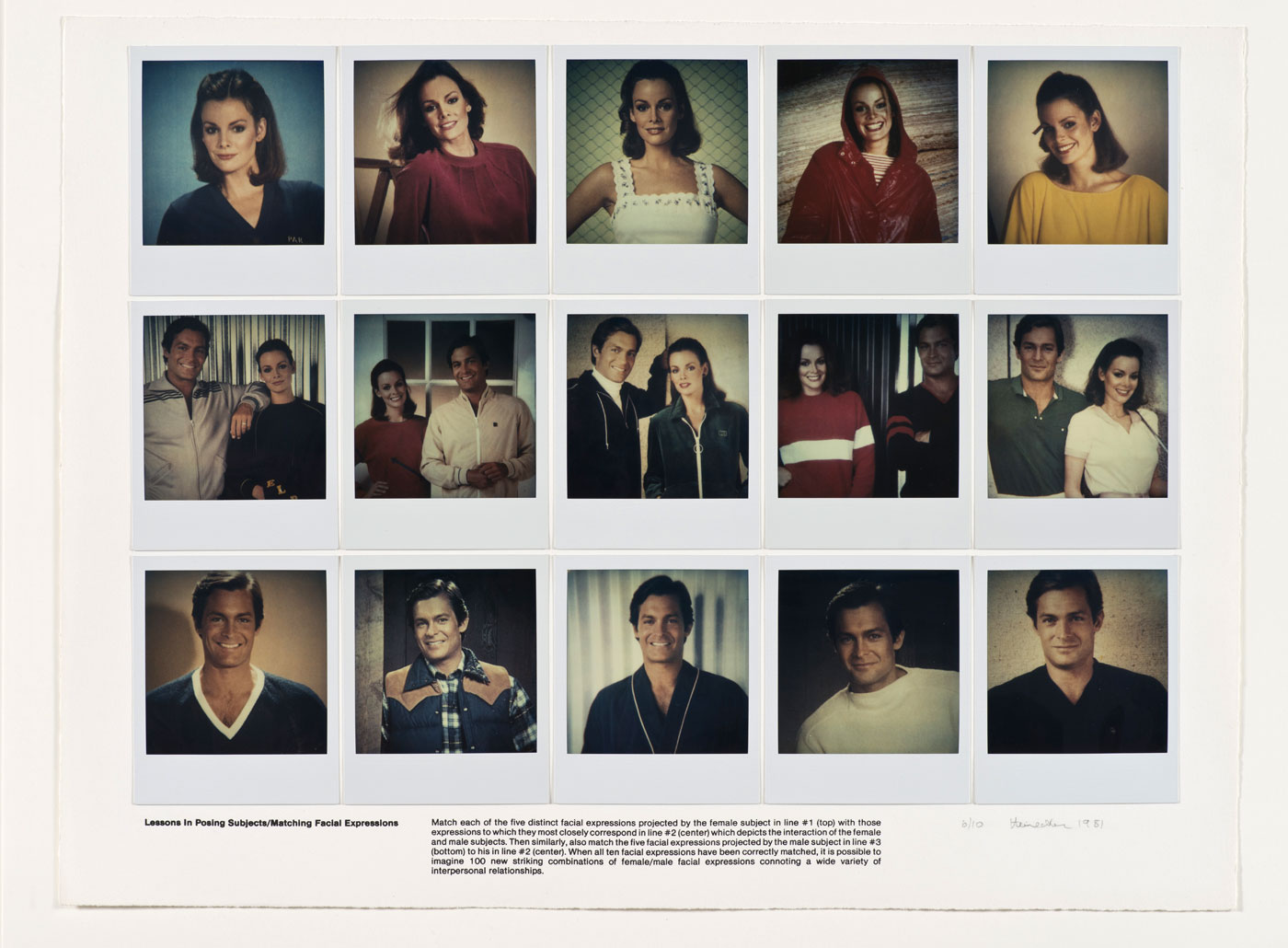
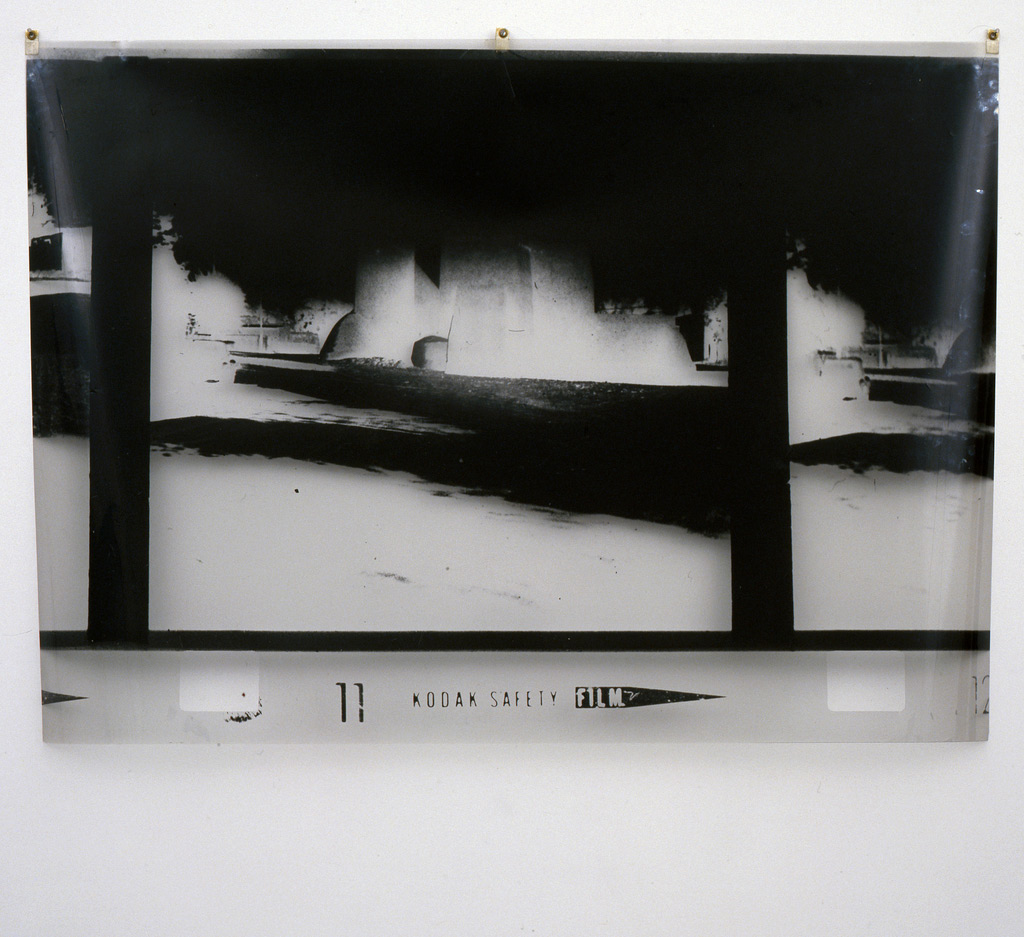
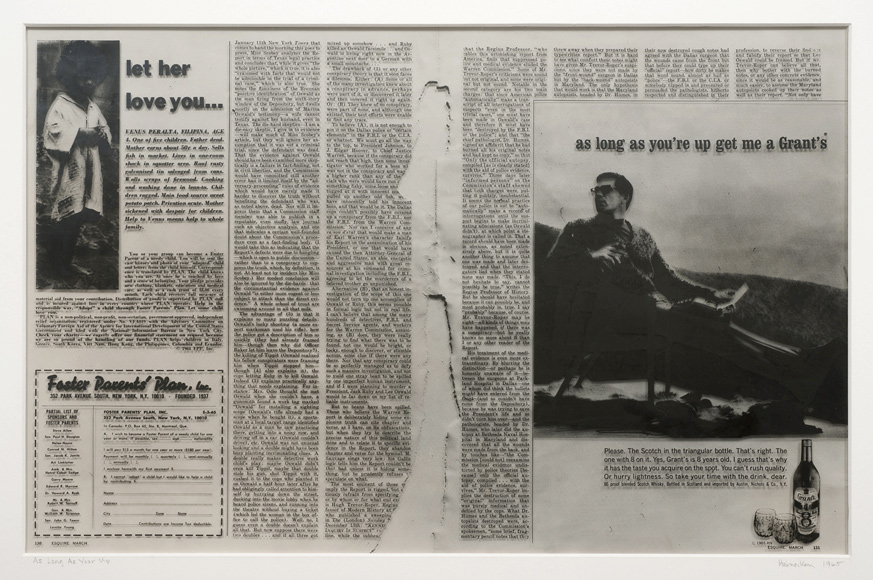
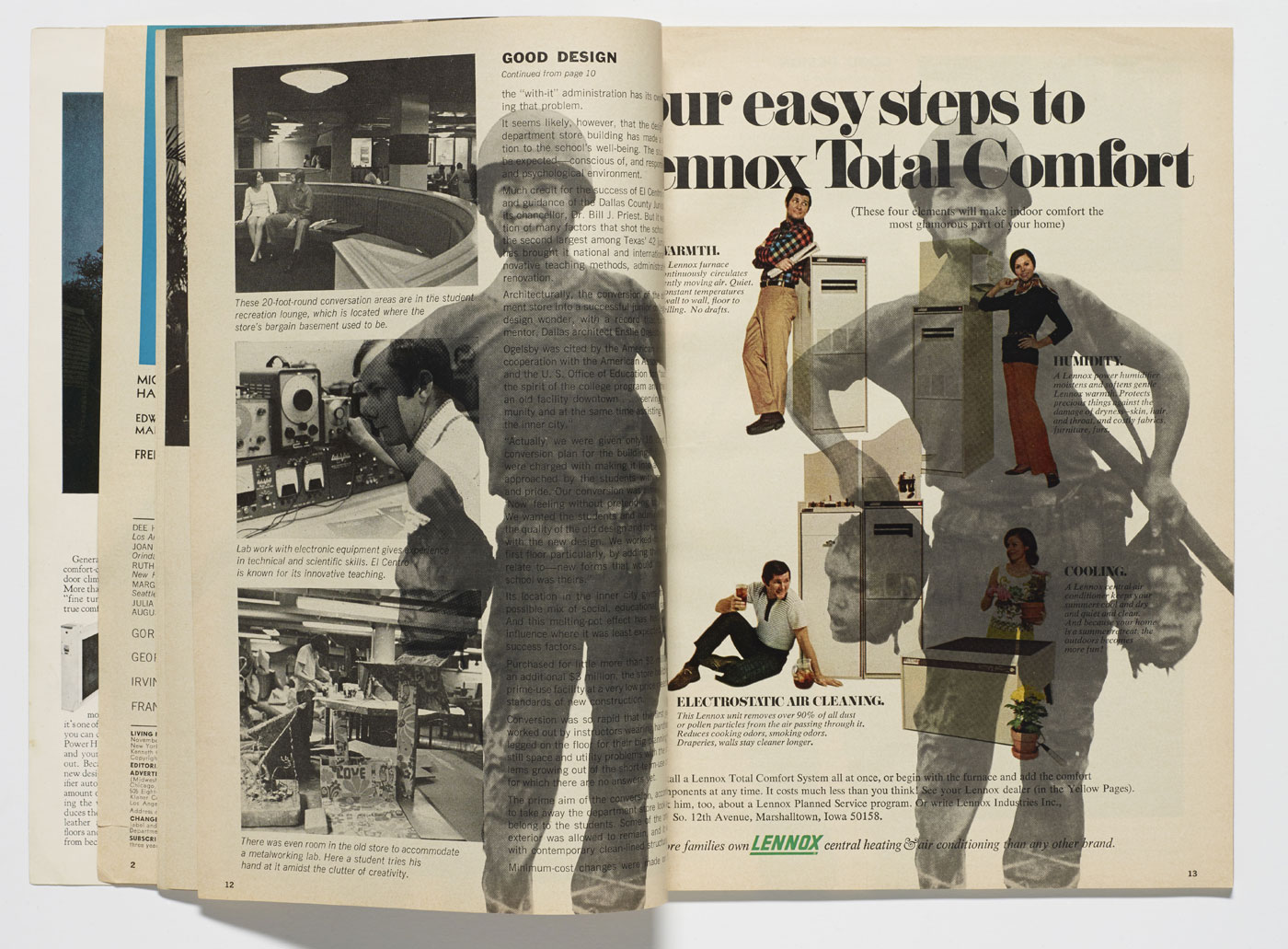
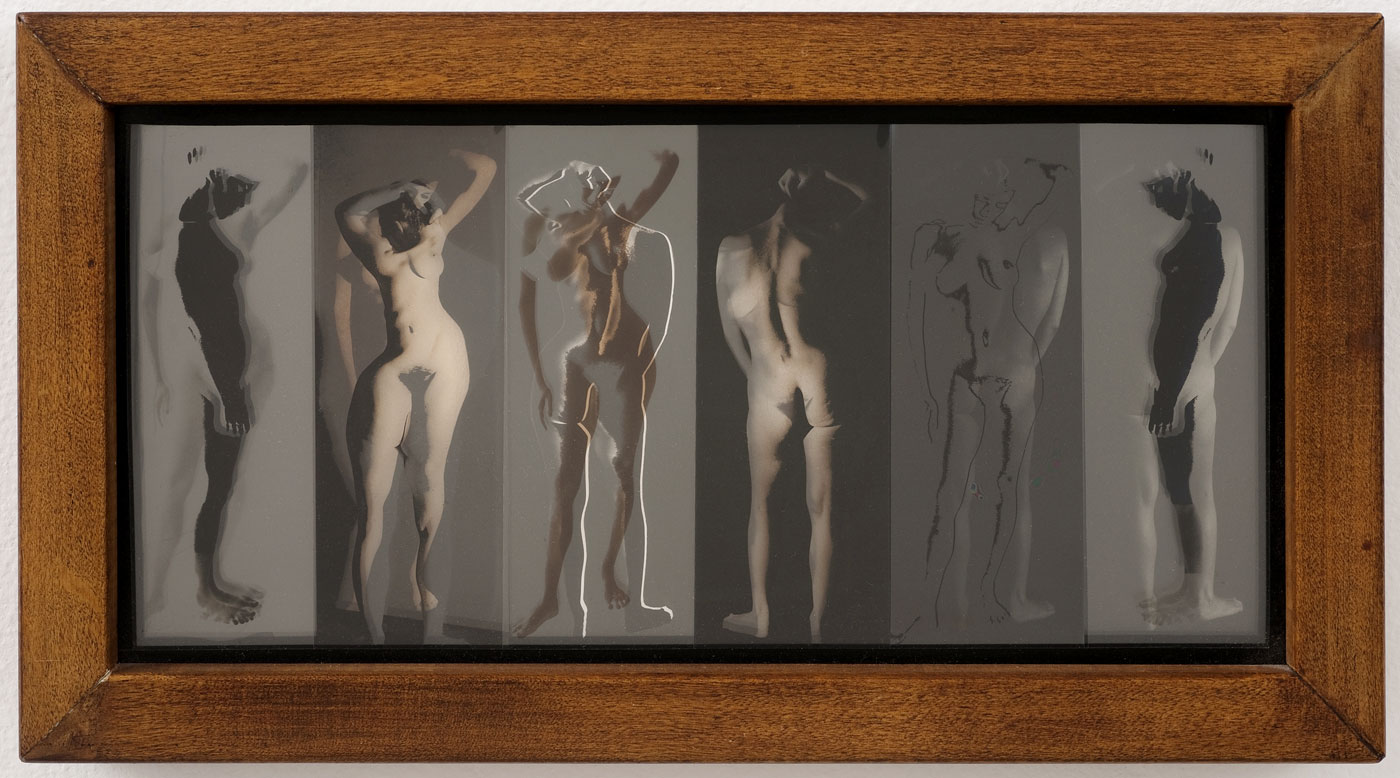
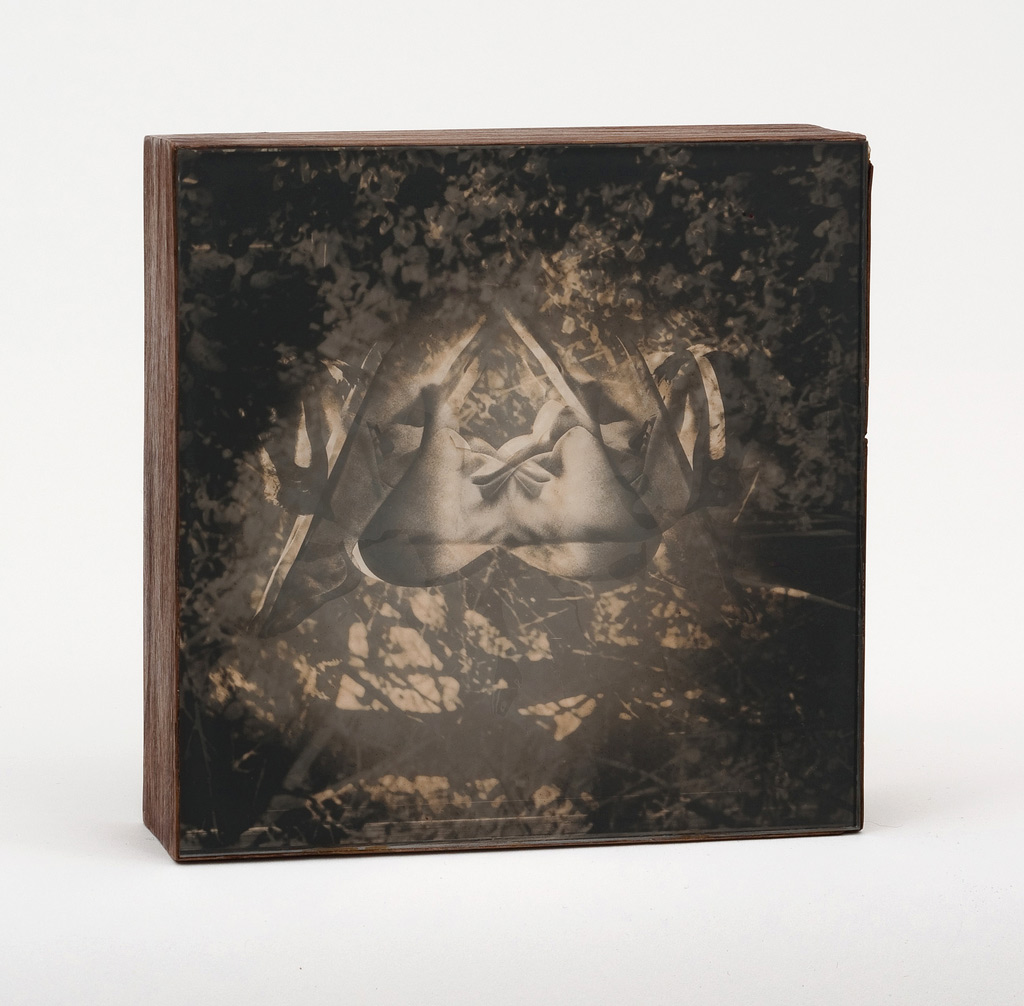
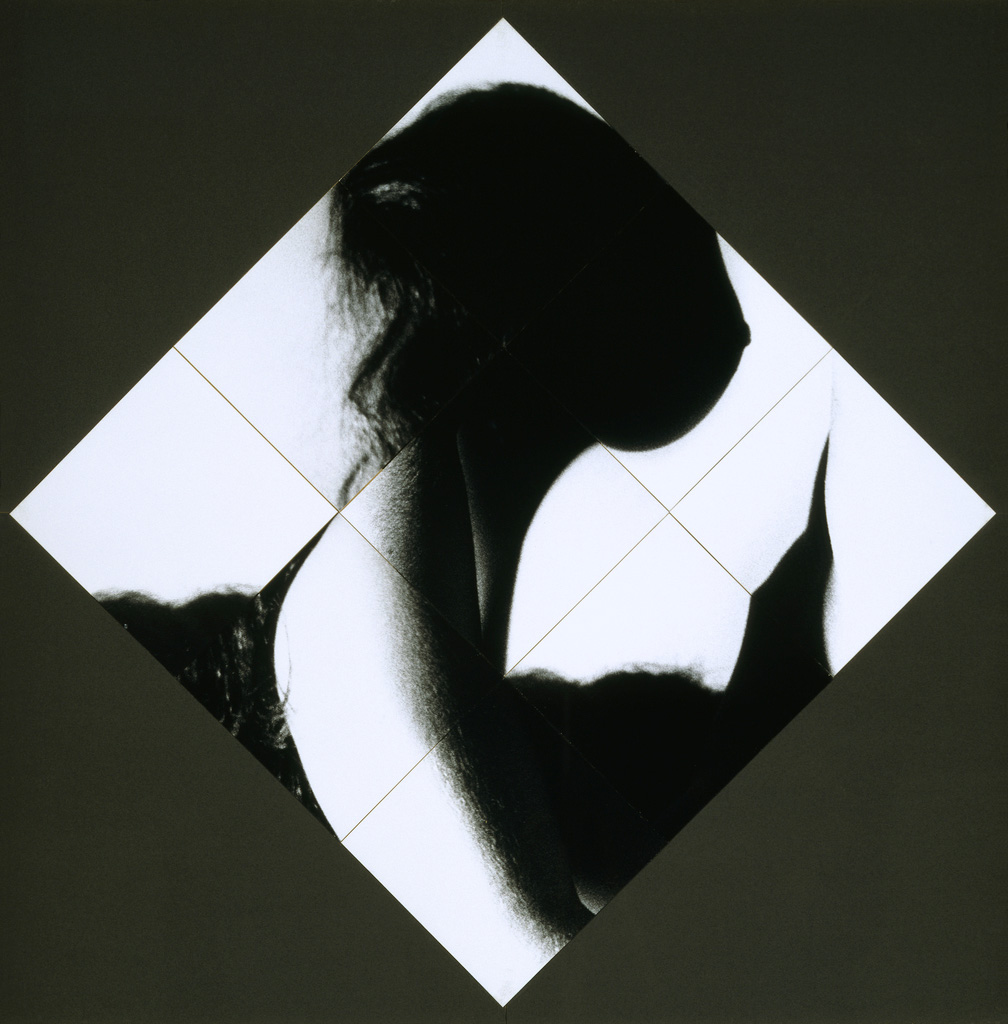
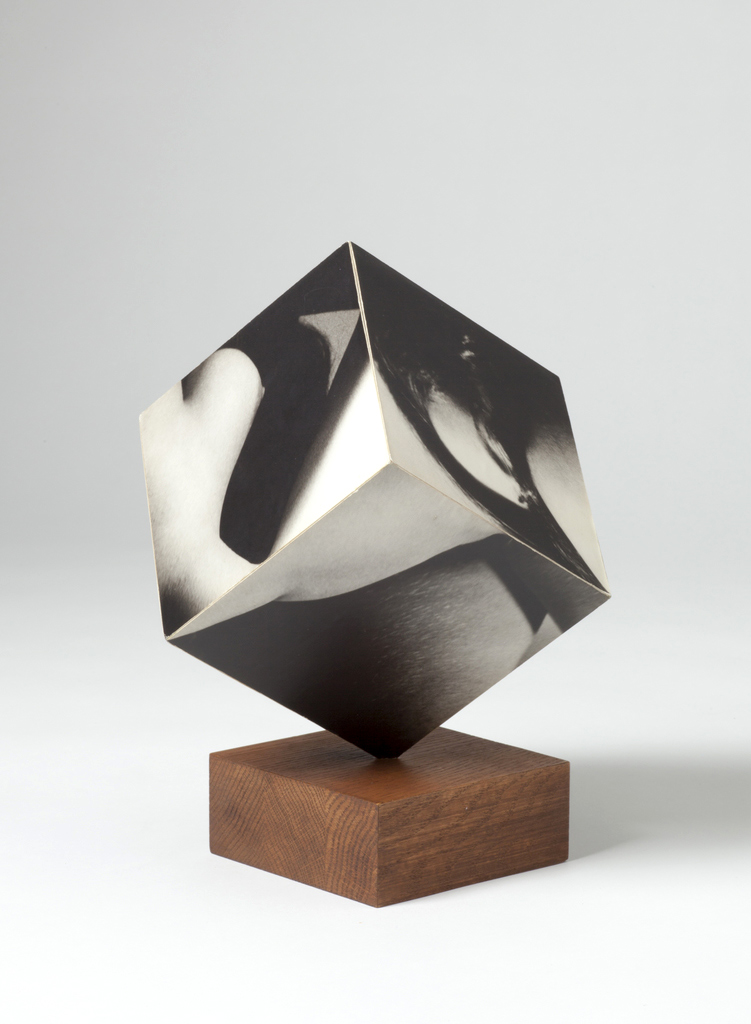
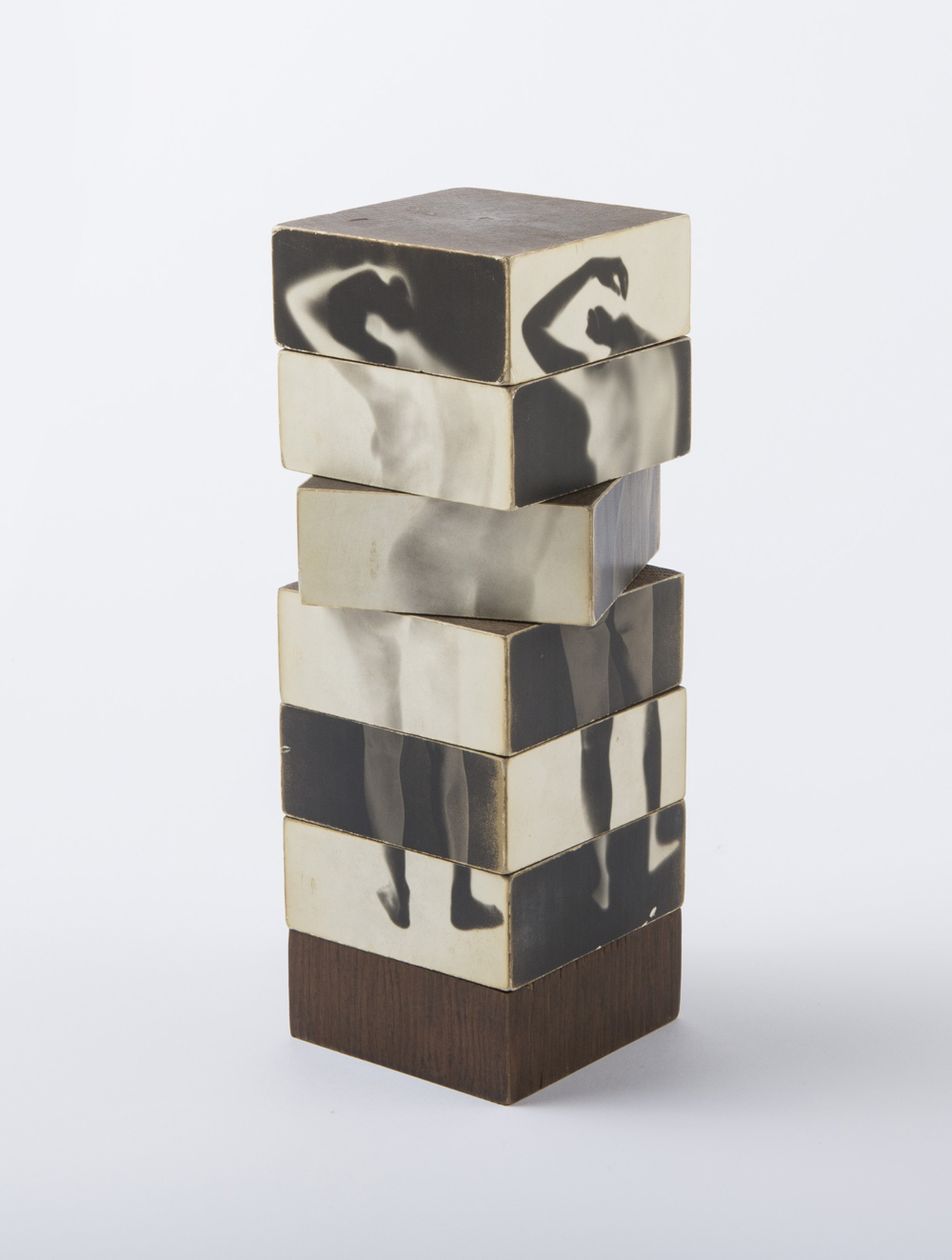
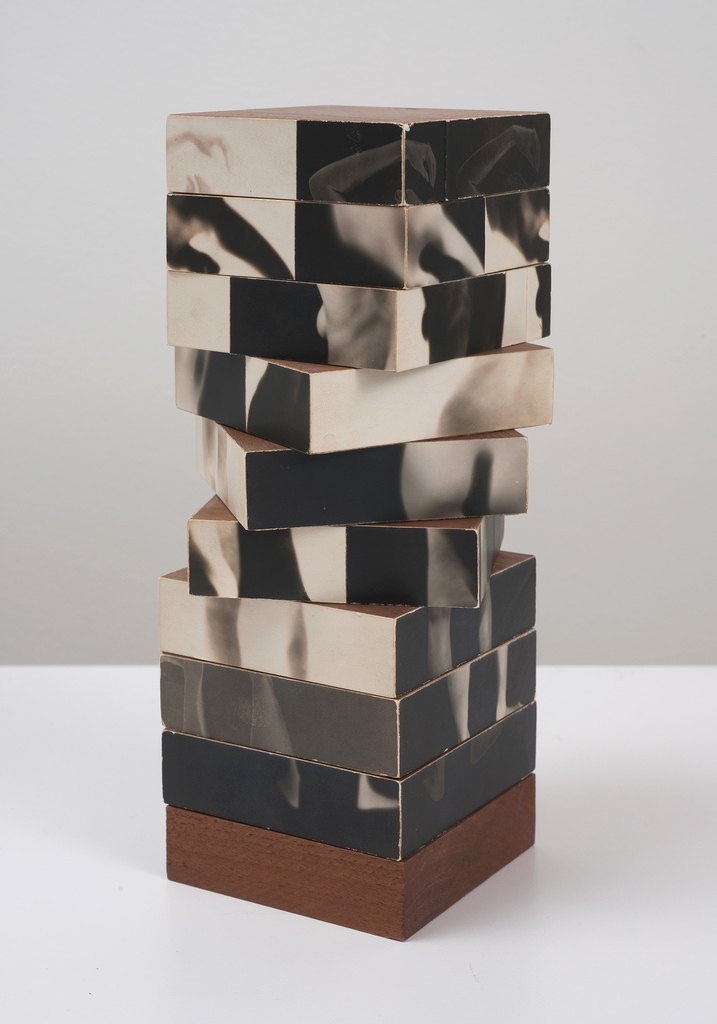
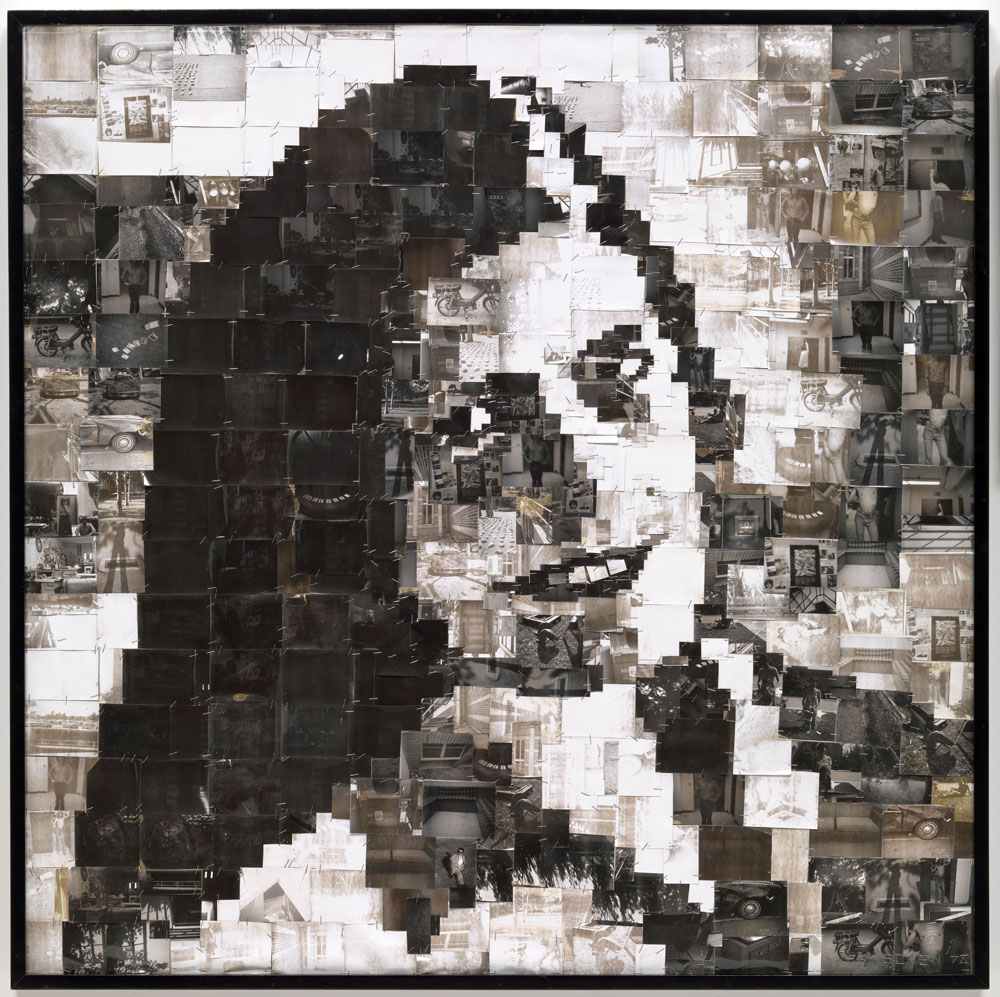
 Art Blart _ art and cultural memory archive
You must be logged in to post a comment.