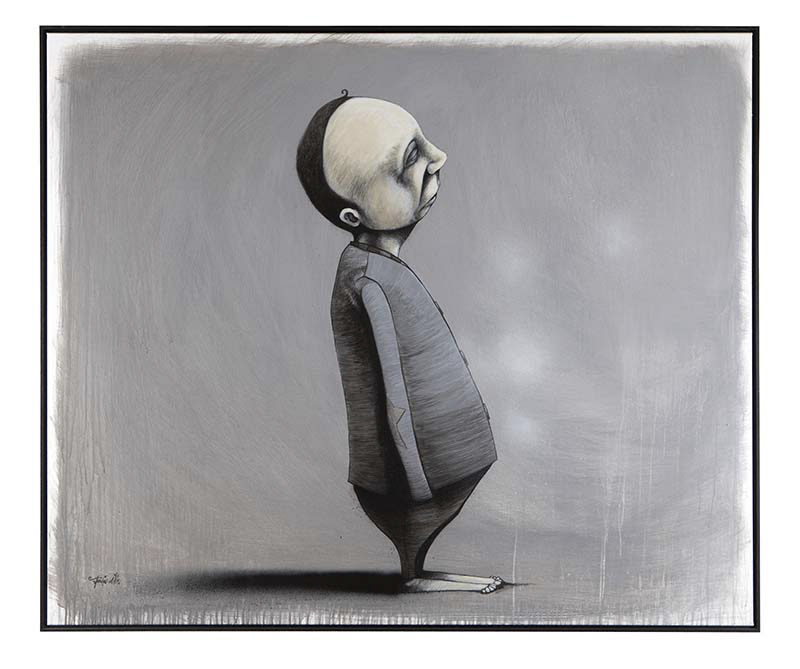
Stormie Mills (Australian, b. 1969) Some days all my shadows are behind me 2009 Acrylic, spray paint and dirt on canvas 1370 mm x 1620 mm
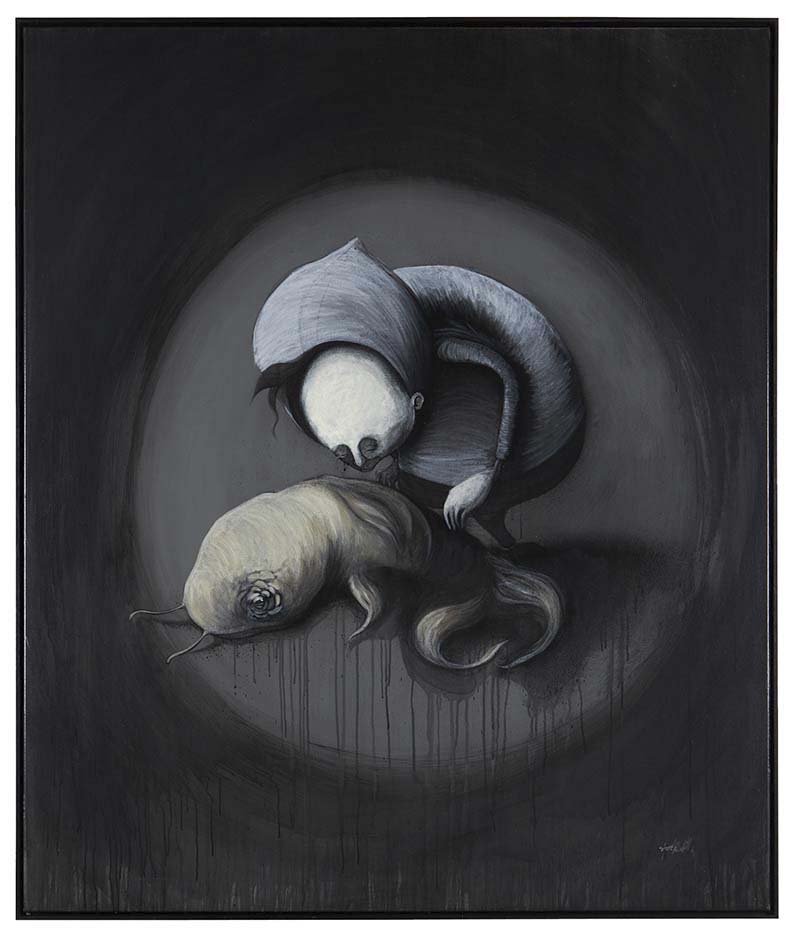
This is a hit and miss show by Stormie Mills at Helen Gory Galerie in Prahran, Melbourne. Some pieces (mainly the smaller paintings) work incredibly well whilst others (mainly the larger paintings such as There is an unkroken continuity and Here I stand) fail to inspire, laden as they are with much dourness and lacking a lightness of touch.
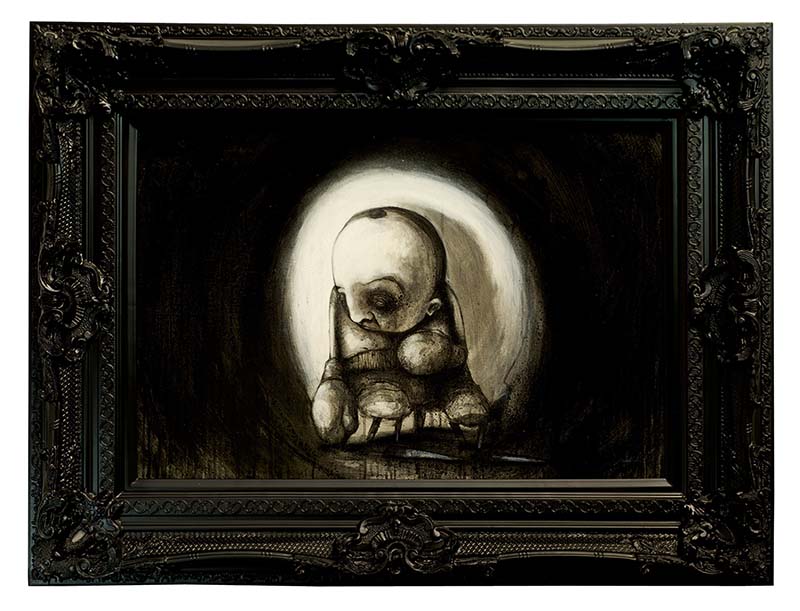
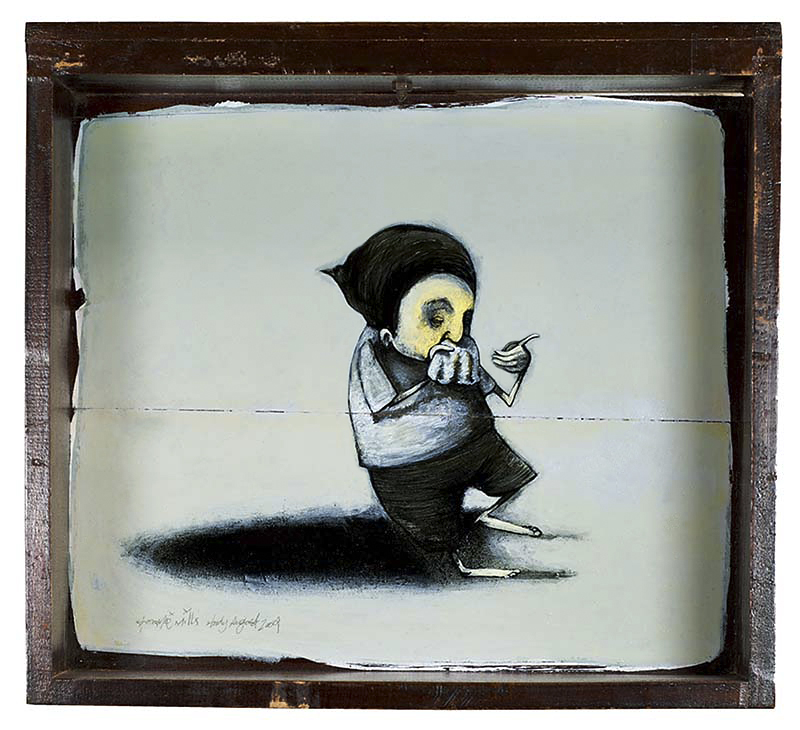
Mills’ uses a palette of greys, blacks and whites to create layered, dripping contextless backgrounds against which his characters tell their prophetic stories. His laconic figures offer a knowing stoicism, surviving everything the world throws at them. The best work made me chuckle at their delicious ironies: I feel how the character is in Some days all my shadows are behind me (2009, above). Not yet ready to quit (2009, below) portrays a boxer slumped on his stool surrounded in a halo of white paint. The heavy remarkably wax-like black carved frame reminds me of Victorian mourning frames and works well with the sentiment proposed by the painting: again I feel a direct response. Elsewhere the use of these heavy black frames less suit the works, even overpower the delicacy of some of the paintings (for example in Fabrique de Pain and Summer Solitude (both 2009)).
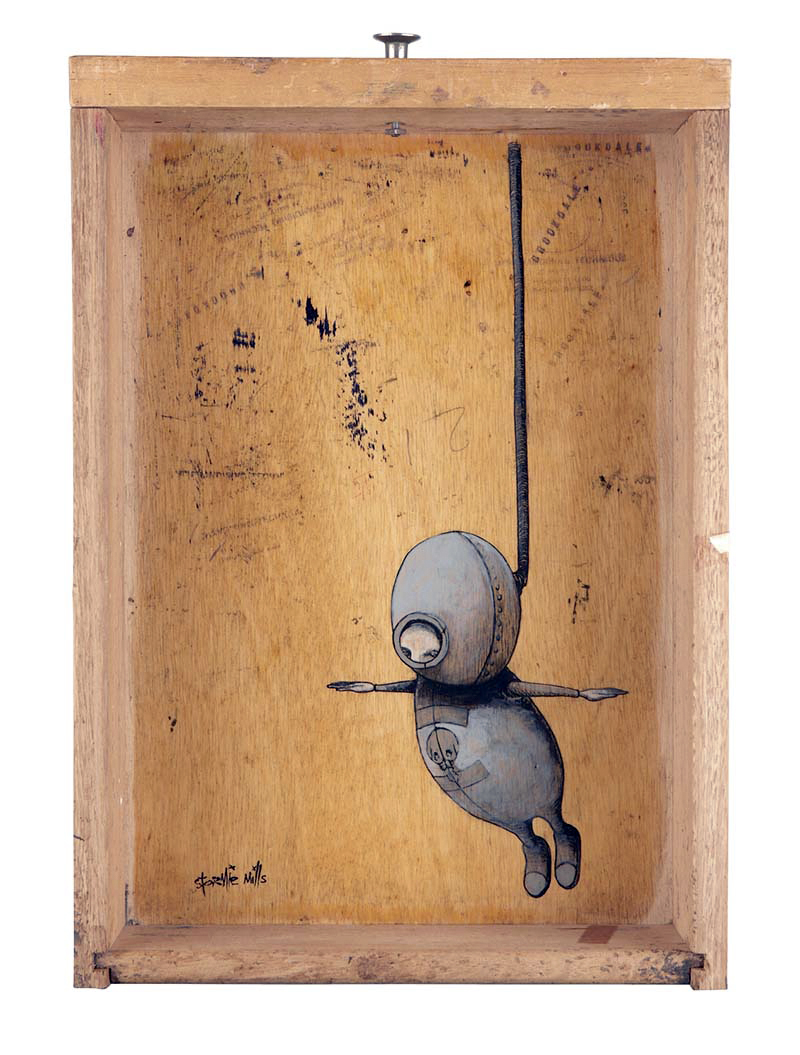
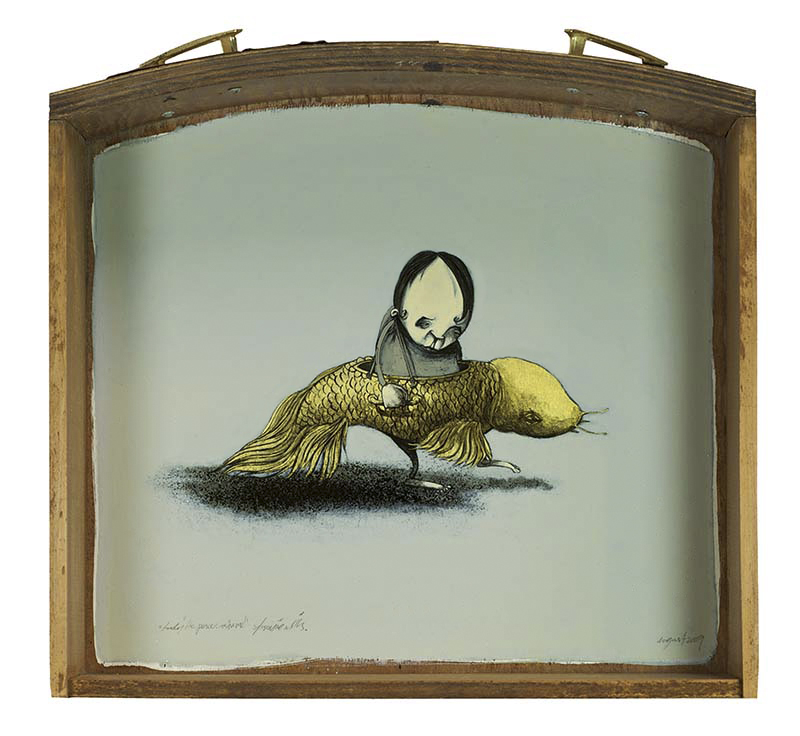
The best grouping in the exhibition are eight works painted on the bottom of old drawers, complete with handles and hung together (three of which are pictured below). This cohesion of concept, painting and intensities seems to bring all the ideas together in a satisfying whole, the characters trapped by the four walls of the drawers, insulated in their contextless worlds. I adored 5 fathoms for the simplicity of it’s design and execution, the use of the box reminding me of the work of Joseph Cornell and the drawing Banksy at one and the same time. Here in this work there is a generosity of spirit which some of the other work lacks, a balance between dark and light, empathy and hope.
Overall some interesting work that had me thinking and feeling but ultimately failed to convince with their melancholic melange.
Dr Marcus Bunyan
Many thankx to Helen Gory Galerie for allowing me to publish the art work in the posting. Please click on the photographs for a larger version of the image.
Stormie Mills (Australian, b. 1969) Not yet ready to quit 2009 Acrylic, spray paint and dirt on canvas 610 mm x 920 mm
Stormie Mills (Australian, b. 1969) Come on mate, Get up 2009 Acrylic, spray paint and dirt on canvas 1630 mm x 1370 mm
Stormie Mills (Australian, b. 1969) 5 fathoms 2009 Mixed media on found object 400 mm x 280 mm x 100 mm
Stormie Mills (Australian, b. 1969) The pesca costume 2009 Mixed media on found object 450 mm x 480 mm x 130 mm
Stormie Mills (Australian, b. 1969) Wiping the smile from his face 2009 Mixed media on found object 360 mm x 390 mm x 100 mm
Exhibition dates: 15th August – 27th September, 2009
Commissioning Curator: Juliana Engberg Coordinating Curator: Charlotte Day
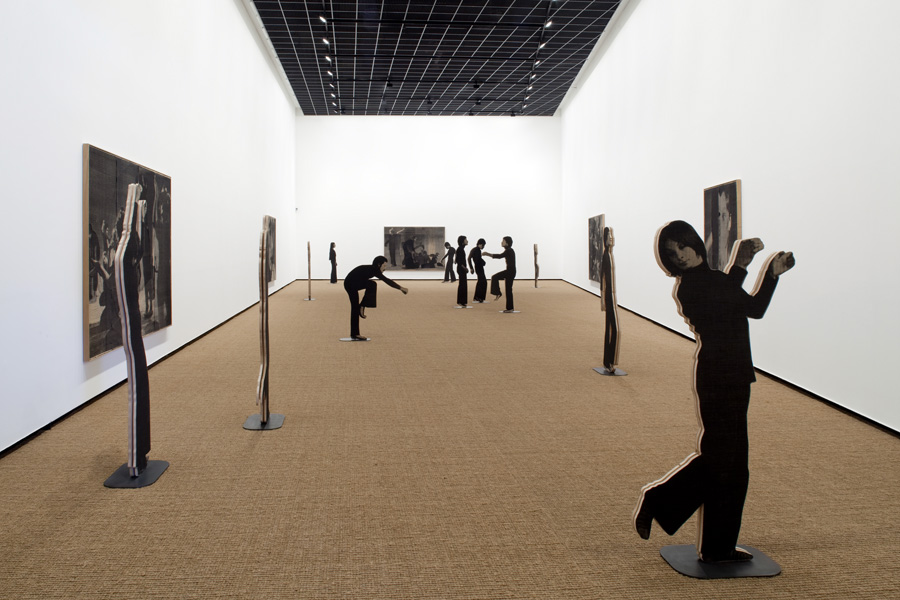
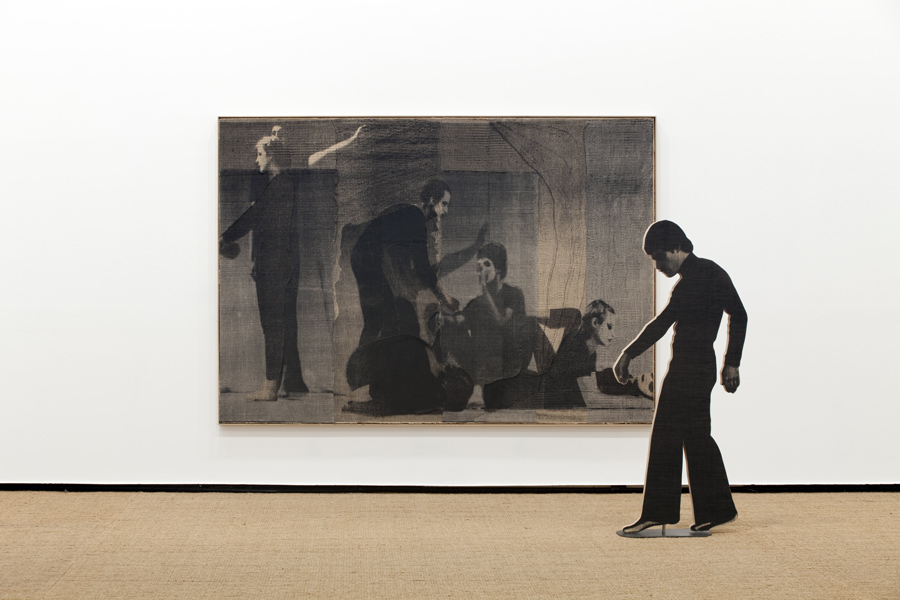
Installation view of Scenes by David Noonan at ACCA Photo: Marcus Bunyan
Thoughts
Limited colour palette of ochres, whites, browns and blacks.
Rough texture of floor covered in Jute under the feet.
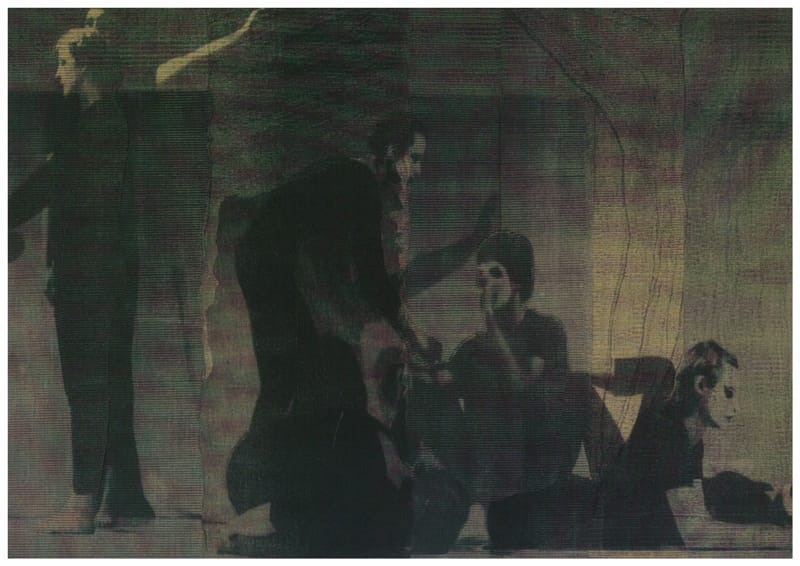
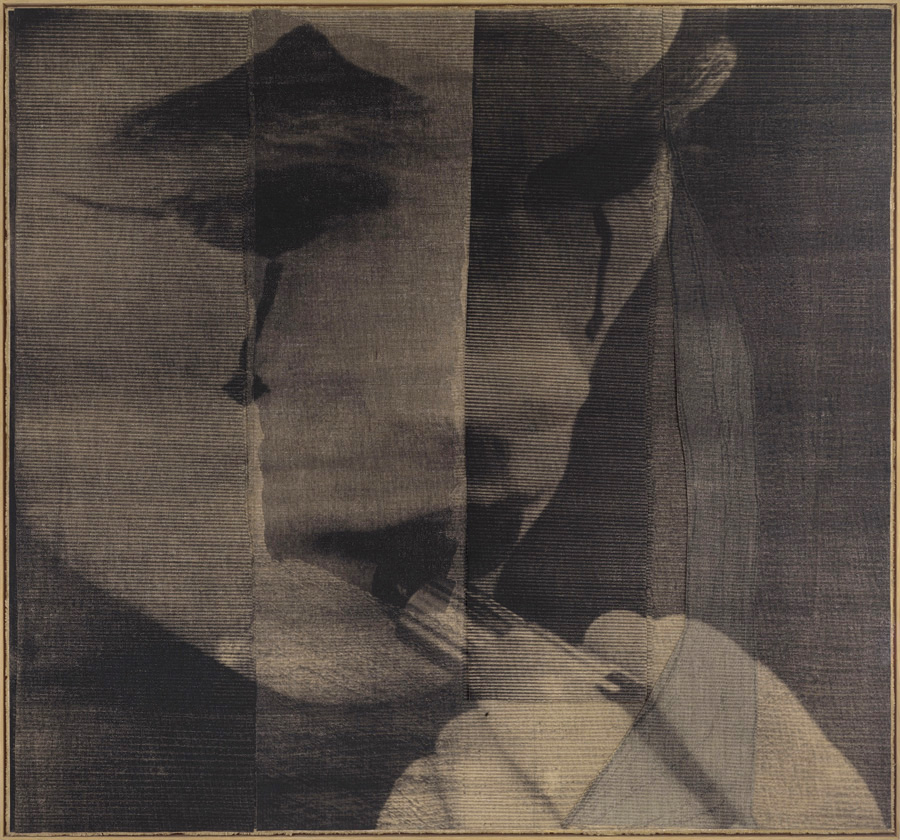
Layered, collaged print media figures roughly printed on canvas – elements of abstraction, elements of figuration.
The ‘paintings’ are magnificent; stripped and striped collages. Faces missing, dark eyes. There is something almost Rembrandt-esque about the constructed images, their layering, like Rembrandt’s Night Watch (1642) – but then the performance element kicks in – the makeup, the lipstick, the tragic / comedic faces.
Mannequin, doll-like cut-out figures, flat but with some volume inhabiting the tableaux vivant.
Twelve standing figures in different attitudes – a feeling of dancing figures frozen on stage, very Japanese Noh theater. Spatially the grouping and use of space within the gallery is excellent – like frozen mime.
The figures move in waves, rising and falling both in the standing figures and within the images on the wall.
Looking into the gallery is like looking through a picture window onto a stage set (see above image).
“The fracturing of identity, the distortion of the binaries of light and dark, absence/presence in spatio-temporal environments.
The performance as ritual challenging a regularized and constrained repetition of norms.” (Judith Butler).
Excellent, thought provoking exhibition.
Dr Marcus Bunyan
Many thankx to ACCA for allowing me to publish the photographs in the posting. Please click on the photographs for a larger version of the image.
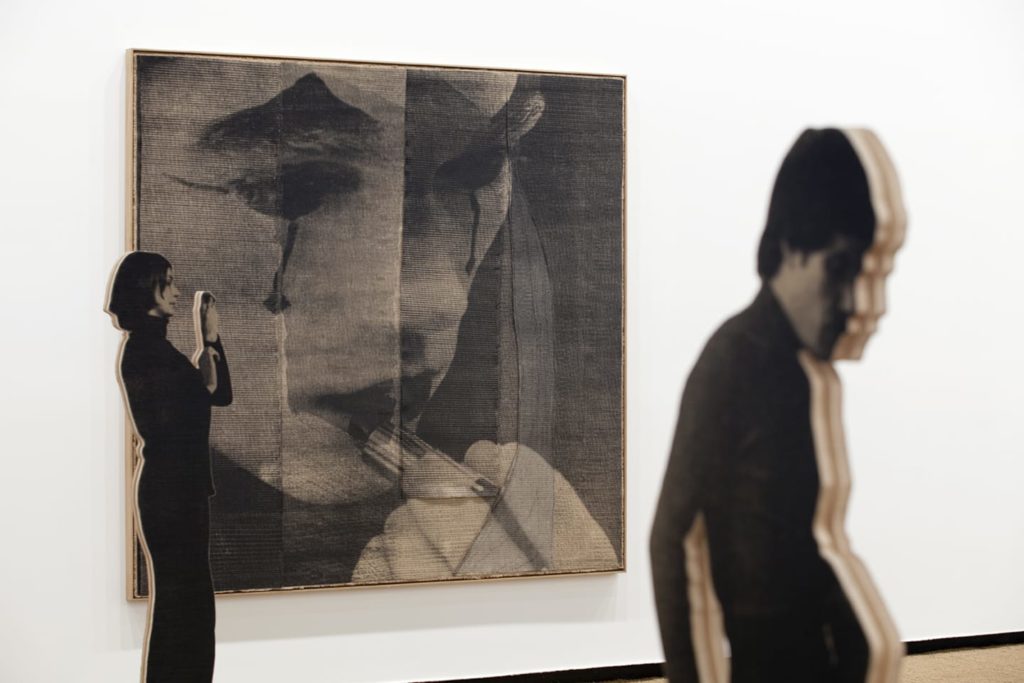
Installation views of Scenes by David Noonan at ACCA Photos: Marcus Bunyan
Noonan often works with found photographic imagery taken from performance manuals, textile patterns and archive photographs to make densely layered montages. These works at once suggest specific moments in time and invoke disorientating a-temporal spaces in which myriad possible narratives emerge. The large-scale canvases framing this exhibition depict scenes of role-playing, gesturing characters, and masked figures set within stage-like spaces. Printed on coarsely woven jute, collaged fabric elements applied to the surface of the canvases further signal the cutting and splicing of images.
Noonan’s new suite of figurative sculptures, comprise life size wooden silhouettes faced with printed images of characters performing choreographed movements. While the figurative image suggests a body in space, the works’ two dimensional cut-out supports insist on an overriding flatness which lends them an architectural quality – as stand-ins for actual performers and as a means by which to physically navigate the exhibition space.
Press release from the Chisenhale Gallery website [Online] Cited 20/09/2009. No longer available online
For the Helen Macpherson Smith Commission, he will bring the characters depicted in his signature collage works off the wall and onto an imagined ‘stage’. Several life-size, wooden cut-out figures will inhabit the ACCA exhibition gallery, frozen in choreographed movements.
Noonan’s dancing figures will be framed by several large-scale canvas works, printed photographic and film imagery gleaned from performance manuals, textile patterns and interior books. Printed on coarse woven jute, he cuts, slices and montages images together constructing compositions that hover between two and three dimensionality, positive and negative space, past and present, stasis and action.
“‘Scenes’ recalls the experimental workshops and youth-focused exuberance of a more optimistic era, coinciding with the artists own childhood in the 1970s” says curator Charlotte Day. “With these new works, Noonan re-introduces the idea of ritual, of creating a temporal space beyond reason that is filled with both danger and hope.”
David Noonan (Australian, b. 1969) is the fifth recipient of the Helen Macpherson Smith Commission, one of the most significant and generous commissions in Australia. The partnership between ACCA and the Helen Macpherson Smith Trust offers Victorian artists the opportunity to create an ambitious new work of art, accompanied by an exhibition in ACCA’s exhibition hall.
Press release from the ACCA website [Online] Cited 20/09/2009. No longer available online
David Noonan returned to Melbourne with this significant project which extended his abiding interest in time and space. Using ACCA’s large room as a field of encounter, he created an ensemble of works in 2 and 3 dimensions that make purposeful use of the audience’s own navigation through the gallery. Visitors walking between David’s free-standing figures performed like time travellers in a landscape that had been paused. His enigmatic wall based works appeared to trap momentary scenes in a layered time warp.
This major commission allowed for an ambitious project by a Victorian artist who had reached a significant platform in their own practice. Elements of the commission were gifted to a Victorian regional gallery. In this case the recipient was Bendigo Art Gallery.
Text from the ACCA website [Online] Cited 24/04/2019
Installation views of Scenes by David Noonan at ACCA Photos: Marcus Bunyan
Australia Centre for Contemporary Art (ACCA) 111 Sturt Street, Southbank, Victoria 3006, Australia Phone: 03 9697 9999
Opening Hours: Tuesday to Friday 10am – 5pm Weekends & Public Holidays 11am – 5pm Open all public holidays except Christmas Day and Good Friday
Exhibition dates: 2nd September – 26th September, 2009
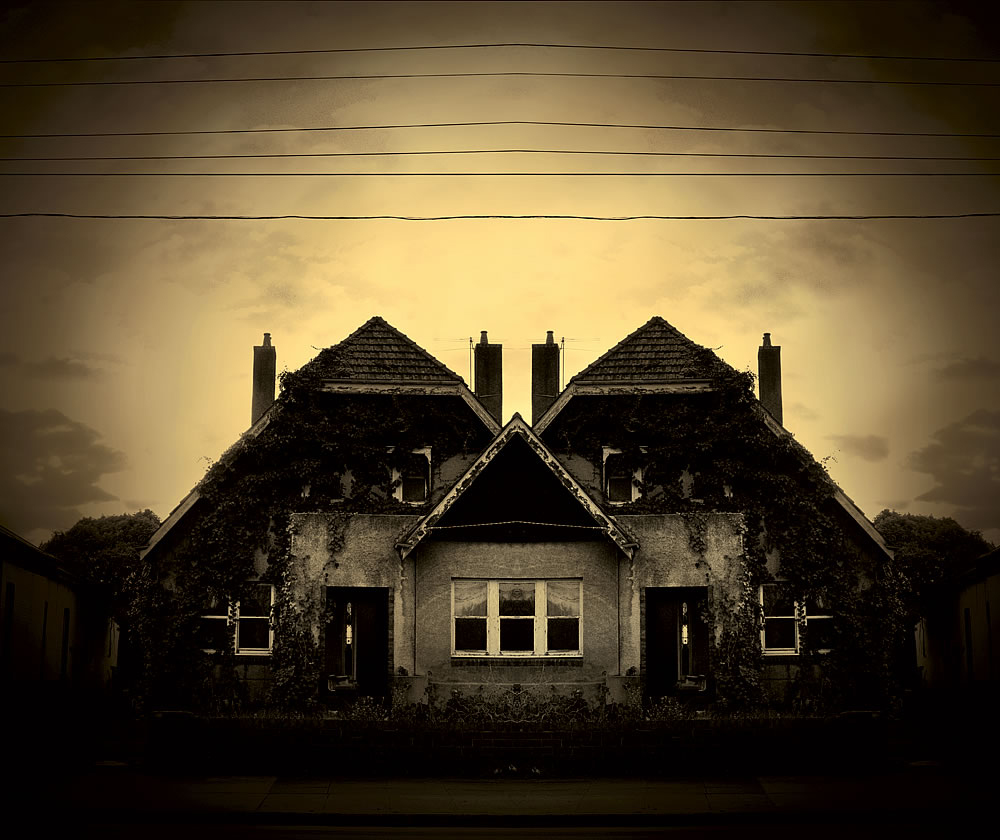
Jane Burton (Australian, b. 1966) Ivy #1 2009 Pigment print 89 x 75cm
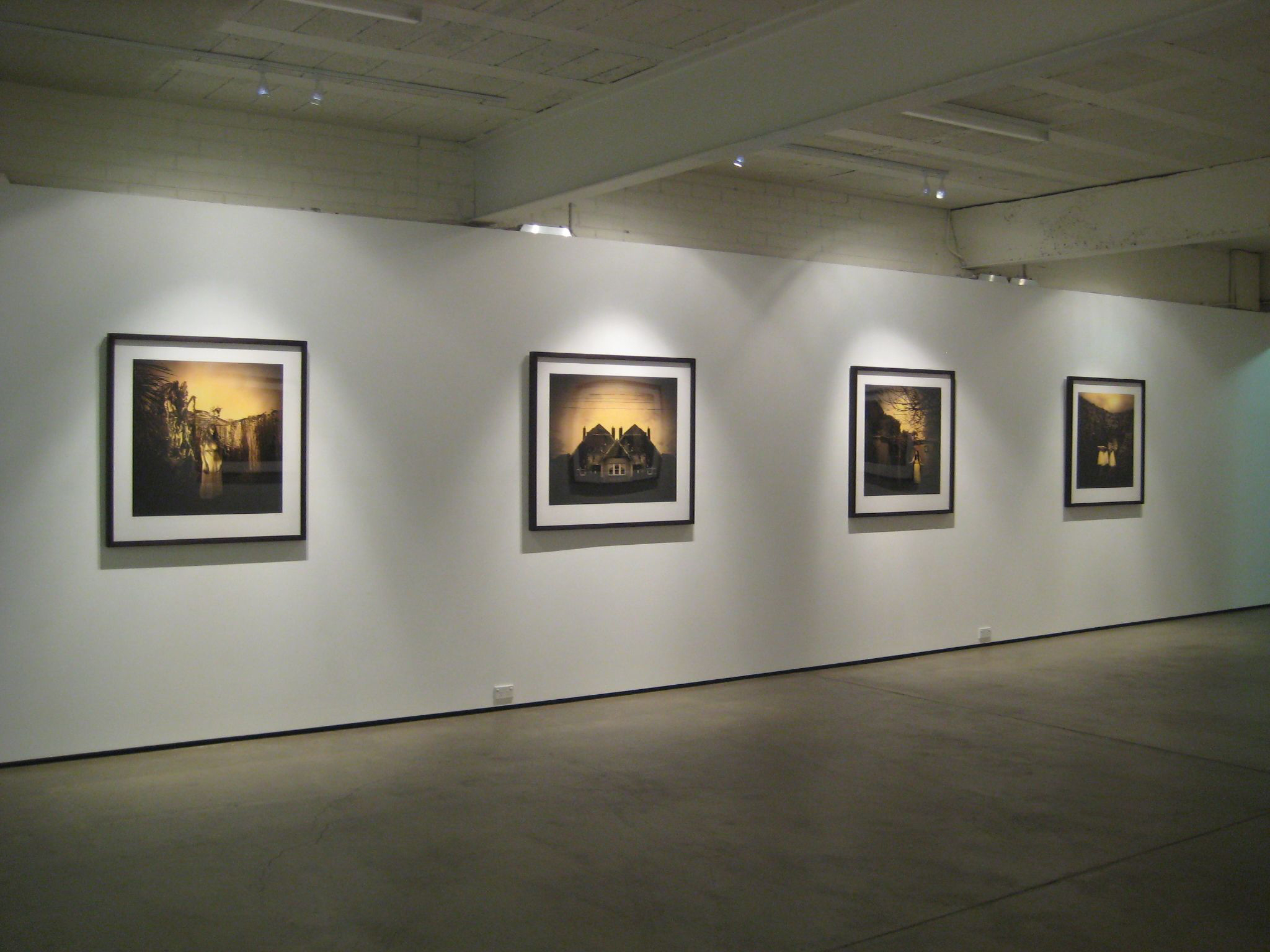
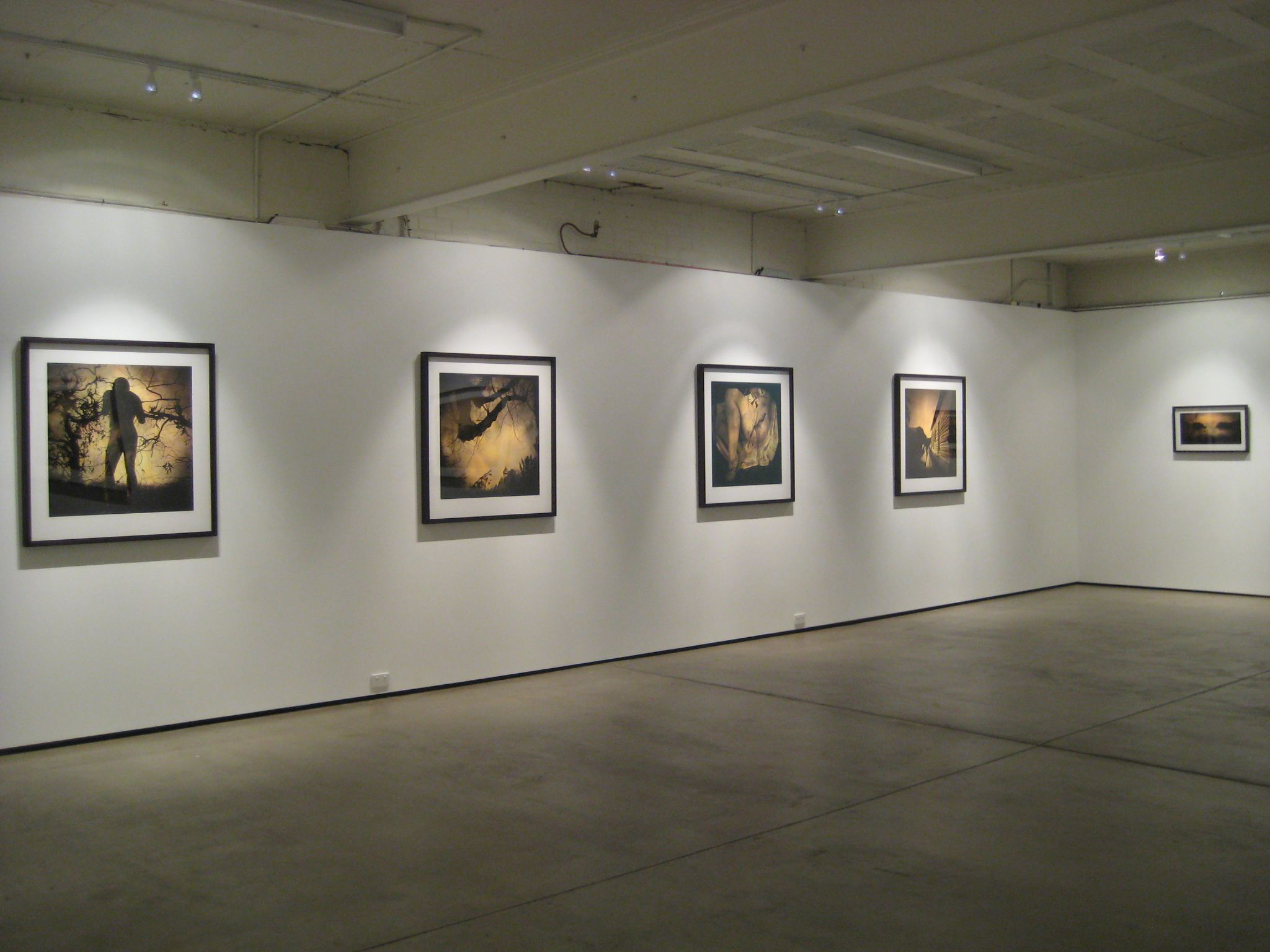
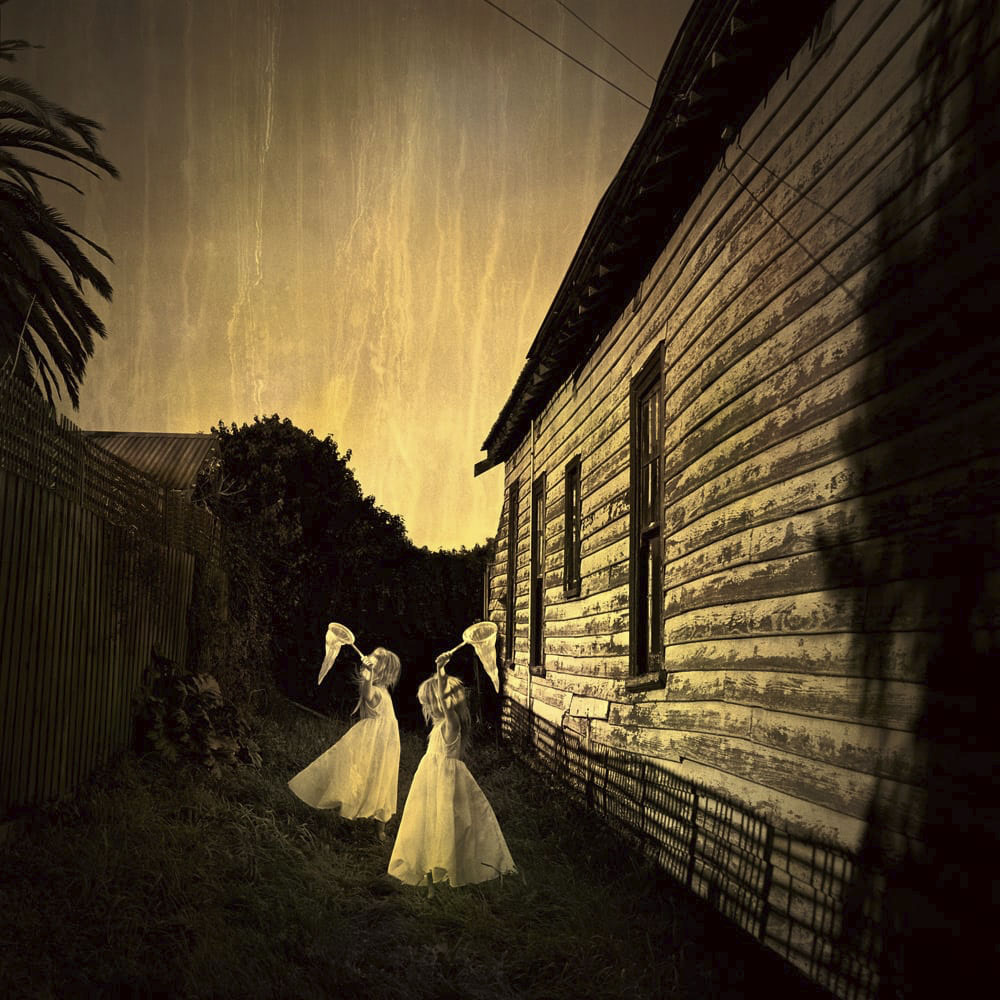
This is another outstanding body of photographic work on display in Melbourne. Featuring 10 large and 2 small sepia toned, vignetted pigment prints Burton’s work creates dark enchanted worlds of faceless female figures placed in the built environment that balance (meta)physical light and shade creating ambiguous narratives of innocence tinged with a darker edge.
The eponymous photograph Ivy #1 (above) is the seminal image of the series: a dark brooding house, hunched down positioned low in the photographic space, covered in ivy with black windows and dark eves has an ominous almost impenetrable presence and sets the tone for the rest of the work.
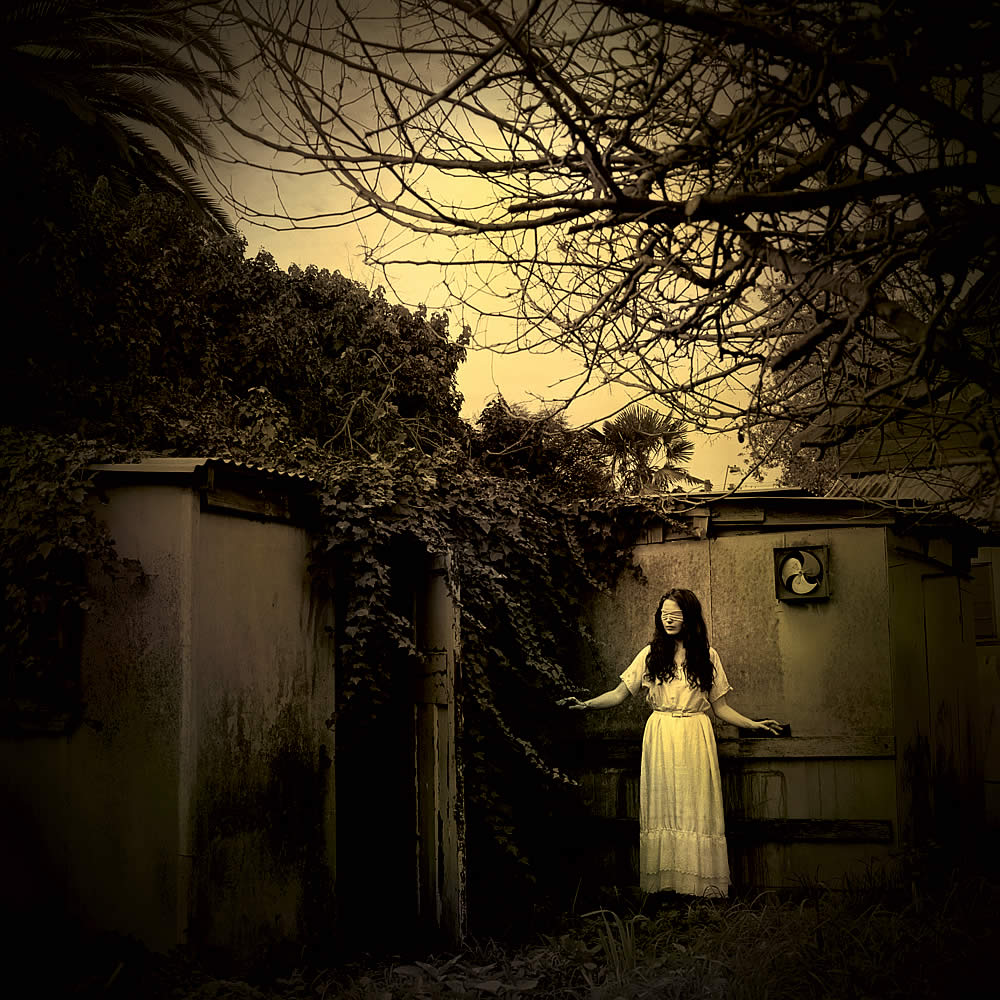
There are wonderful references to the history of photography if one cares to look (not simply generic references to Victorian daguerreotypes, postcards and family photographs). Ivy #2 (below) is a powerful photograph where the female figure is blindfolded, unable to see the encroaching tumescence of vegetation that surrounds and is about to engulf her. The placement of the hands is exquisite – unsure, reaching out, doubting her surroundings – with the 3-bladed fan hovering behind ready to devour the unwary. This photograph has resonances of the magical photographs of the garden by the Czech photographer Josef Sudek.
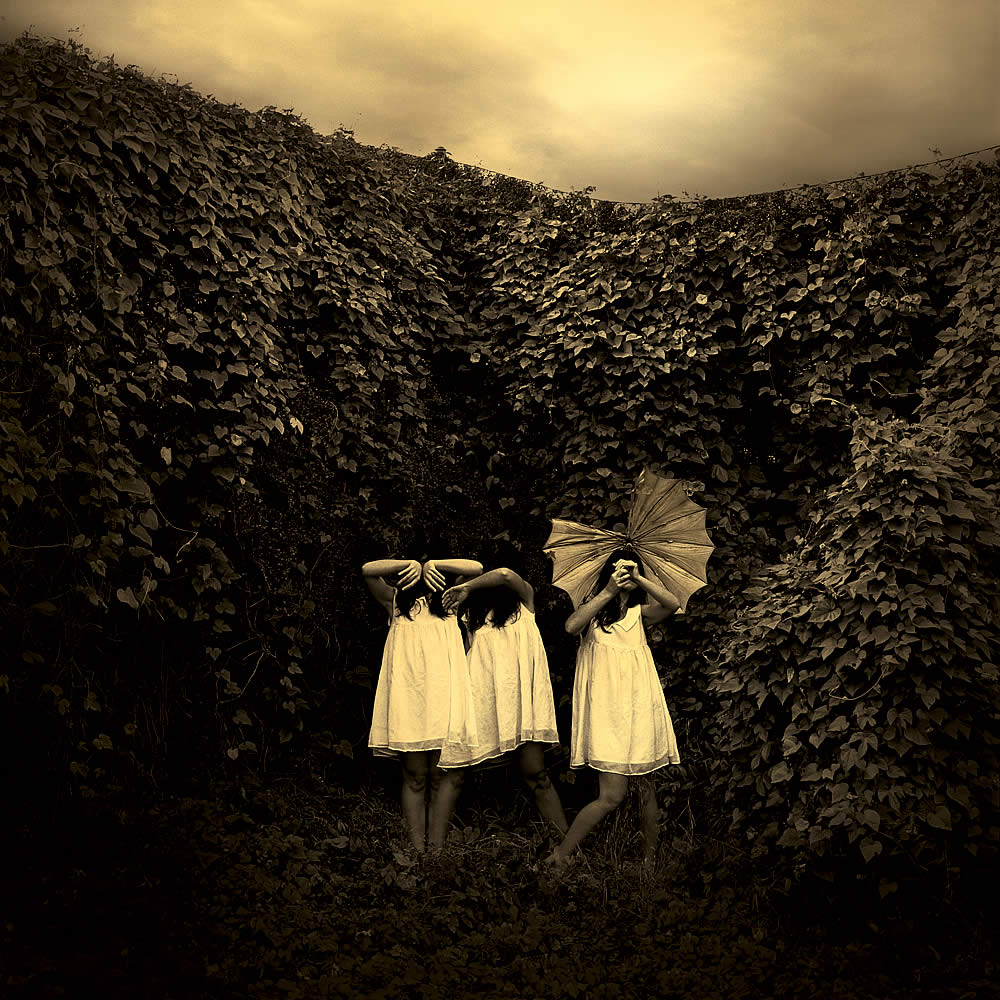
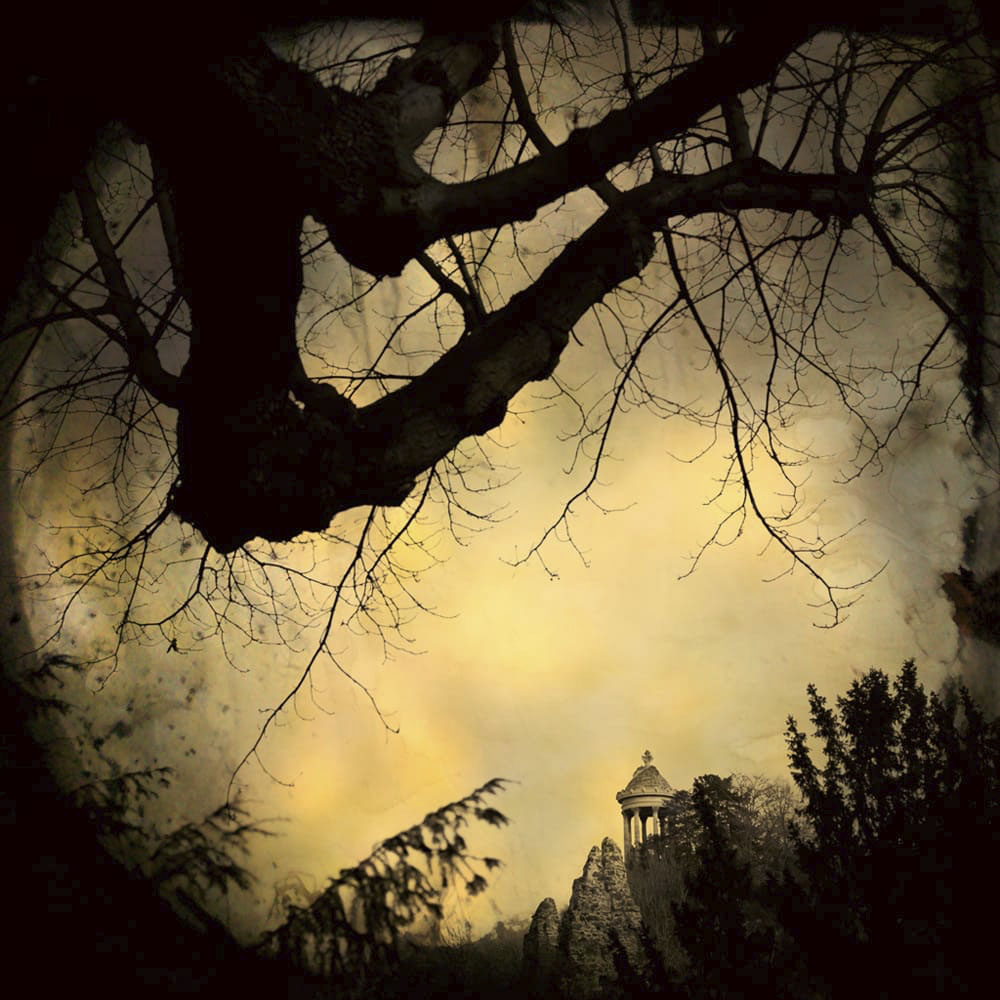
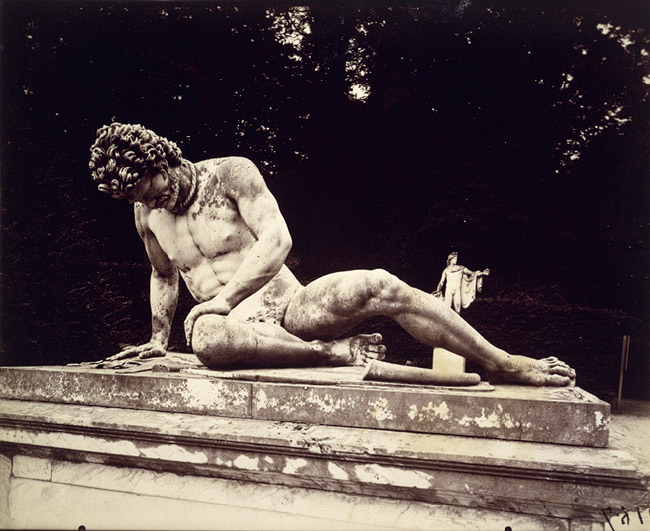
Ivy #3 (below) has echoes of the work of the American photographer Ralph Eugene Meatyard and his placement of masked people within built environments. In Burton’s photograph the broken umbrella becomes like insect wings, the faceless whiteness of the three-legged and three-armed creature cocooned among the overhanging predatory ivy, the luminescent sky offering the possibility of redemption. Other photographs such as Ivy #6 (below) and Ivy #7 with their wonderful colours, depth of field, heavy shadows and elegiac romantic feel have references to Eugene Atget and his photographs of the parks of Versailles (see photograph below).
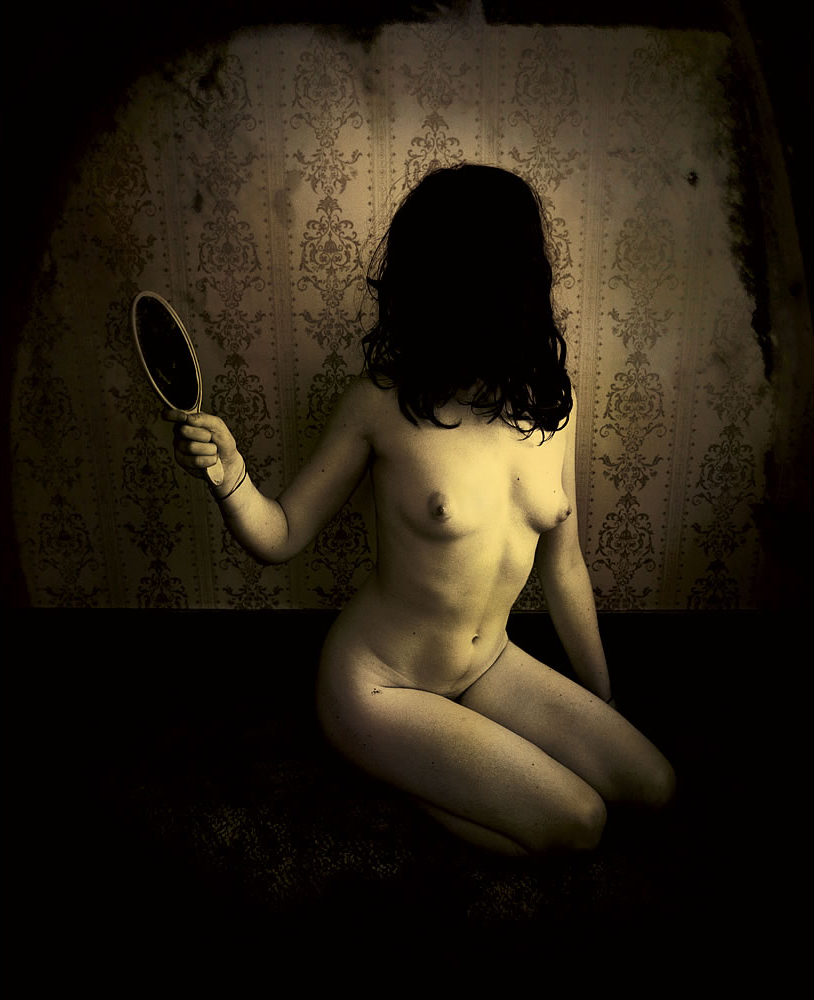
Still further references to the history of photography can be found in the photographs Ivy #9 and Ivy #10 (below). In Ivy #9 the intersection of the two female bodies through double exposure forms a slippage in (photographic) reality and the disappearance of original identity in the layering of the photographs and into the empty non-reflection of the mirror. This non-reflection is confirmed in Ivy #10 where the faceless nude woman holds a mirror with no reflection. These photographs remind me of the photographs of New Orleans prostitutes in the early years of the 20th century by the photographer Bellocq with their masked faces and the ornamentation of the wallpaper behind the figures (see below).
I feel that in these photographs with their facelessness and the non-reflection of the mirror investigate notions of ‘Theoria’ – a Greek emphasis on the vision or contemplation of God where theoria is the lifting up of the individual out of time and space and created being and through contemplative prayer into the presence of God.1 In fact the whole series of photographs can be understood through this conceptualisation – not just remembrances of past time, not a blind contemplation on existence but a lifting up out of time and space into the an’other’ dark but enlightening presence.
The greatest wonder of this series is that the photographs magically reveal themselves again and again over time. Despite (or because of) the references to other artists, the beauty of Burton’s work is that she has made it her own. The photographs have her signature, her voice as an artist and it is an informed voice; this just makes the resonances, the vibrations of energy within the work all the more potent and absorbing. I loved them.
Dr Marcus Bunyan
Many thankx to Karen Woodbury Gallery for allowing me to publish the photographs in the posting. Please click on the photographs for a larger version of the image.
Installation views of Ivy by Jane Burton at Karen Woodbury Gallery, Melbourne Photos: Marcus Bunyan
Jane Burton (Australian, b. 1966) Ivy #2 2009 Pigment print 75 x 75cm
Jane Burton (Australian, b. 1966) Ivy #3 2009 Pigment print 75 x 75cm
Jane Burton (Australian, b. 1966) Ivy #5 2009 Pigment print 75 x 75cm
Jane Burton (Australian, b. 1966) Ivy #7 2009 Pigment print 75 x 75cm
Jane Burton’s exhibition, Ivy comprises a series of photographs captured in black and white. The final prints are rendered with a sepia, peach-champagne tone, with many displaying a mottled hand-coloured effect in faded pastels of pink and green. These works hope to suggest an era past, perhaps Victorian. The imagery is evocative of old picture postcards from Europe and old photographs from the pages of family albums.
Central to the series is an image of a house covered with ivy. Depicted as dark and malevolent, the house is ‘haunted’ by the traces and stains of family history, habitation, and the buried secrets of all that occurred within.
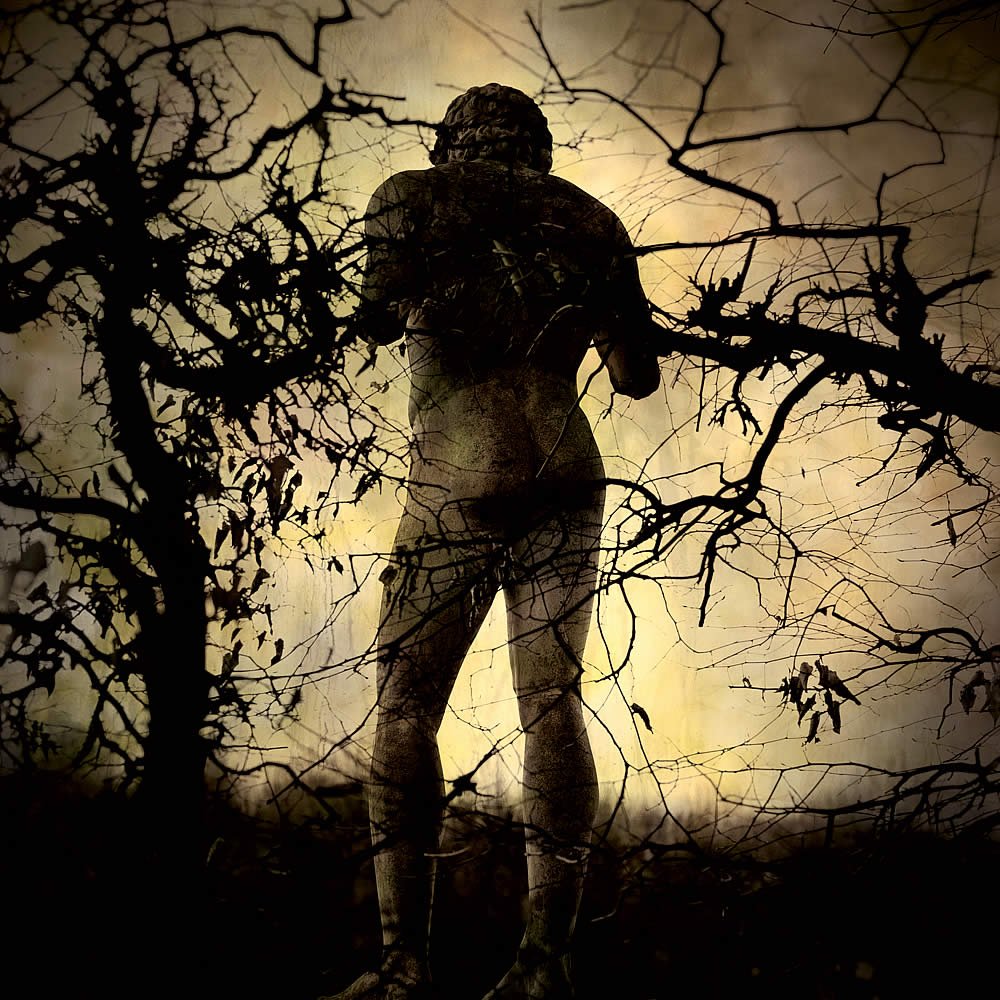
Anonymous female figures are seen in garden settings where the foliage is rampant and encroaching and the shadows deep. There is an air of enchantment perceived with unspecified darker edge. The figures are innocent and playful. The viewer is asked to question if the and girls aware of the camera capturing their activity? Are the poses staged or caught spontaneously. In another photograph, a dilapidated male statue stands broken and armless, the texture of stone worn, and bruised with dark lichen and moss.
In the interior photographs, several nudes are depicted in the style of 19th century French daguerreotype photographs. These vignetted images display women against wall-papered backdrops with theatrical props reminiscent of earlier works by Burton such as the series ‘The other side’ (2003). Posed suggestively for the camera and the viewer’s gaze, the subjects themselves are faceless, their own gaze and features hidden behind dark hair. The surface and texture of these particular works suggests the patina of decay and the damage and wear of time.
Text from the Karen Woodbury Gallery website [Online] Cited 20/09/2009. No longer available online
E. J. Bellocq (American, 1873-1949) Untitled [prostitute of Storyville, New Orleans] 1912
Jane Burton (Australian, b. 1966) Ivy #10 2009 Pigment print
Eugene Atget (French, 1857-1927) Versailles, France 1923 Albumen print
Jane Burton (Australian, b. 1966) Ivy #6 2009 Pigment print 75 x 75cm
Exhibition dates: 7th August – 27th September, 2009
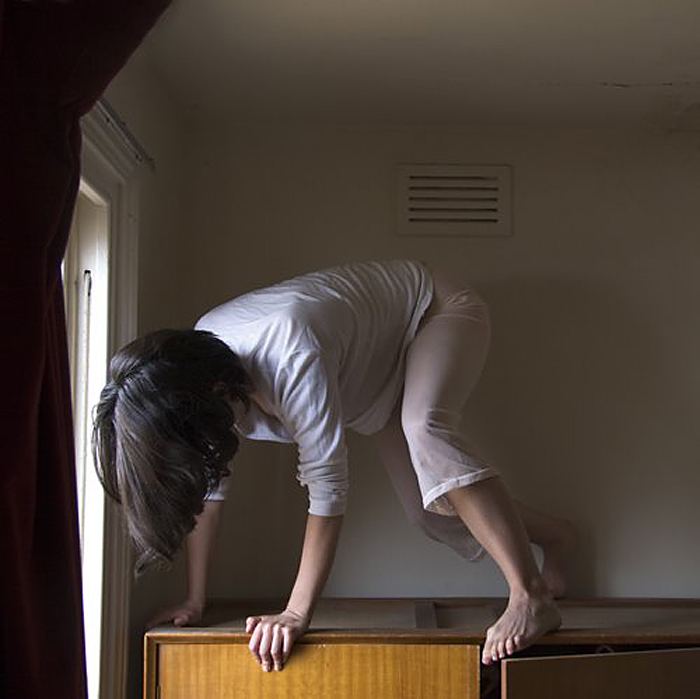
Clare Rae (Australian, b. 1981) Untitled 2009 From the series Climbing the Walls and Other Actions Pigment print on Museo Crane Silver Rag 50 x 50cm
“To withdraw into one’s corner is undoubtedly a meager expression. But despite its meagerness, it has numerous images, some, perhaps, of great antiquity, images that are psychologically primitive. At times, the simpler the image, the vaster the dreams.”
Gaston Bachelard.1
Usually I am not a great fan of ‘faceless’ photography as I call it but this series of work, Climbing the Walls and Other Actions (2009) by the artist Clare Rae is even better than the series by Tracey Moffatt in the previous review.
Exploring activities of the female body in closed domestic spaces these psychologically intense photographs push the physical boundaries of play through the navigation of space. As a child has little awareness about the inherent dangers of a seemingly benign environment so Rae’s self-portraits turn the lens on her conceptualisation of the inner child at play and the activating of the body in and through space. As the artist herself says, “the way children negotiate their surroundings and respond with an unharnessed spatial awareness, which I find really interesting when applied to the adult body.”2
Continuing the themes from the last review, that of spaces of intimacy and reverberation, these photographs offer us fragmentary dialectics that subvert the unity of the archetype, the unity of the body in space. Here the (in)action of the photographic freeze balances the tenuous positions of the body: a re-balancing of both interior and exterior space.
As Noel Arnaud writes, “Je suis l’espace ou je suis” (I am the space where I am). Further, Bachelard notes “… by changing space, by leaving the space of one’s usual sensibilities, one enters into communication with a space that is psychically innovating.”3
In these photographs action is opposed with stillness, danger opposed with suspension; the boundaries of space, both of the body and the environment, the interior and the exterior, memory and dream, are changed.
Space seems to open up and grow with these actions to become poetic space – and the simplicity of the images aids and abets the vastness of our dreams. This change of concrete space does not change our place, but our nature. Here the mapping of self in space, our existence, our exist-stance (to have being in a specified place whether material or spiritual), is challenged in the most beautiful way by these walls and actions, by these creatures, ambiguities, photographs.
Henri Lefebvre insightfully observes, “… each living body is space and has space: it produces itself in space and it also produces that space.”4
I am the (sublime) space where I am, that surrounds me with countless presences.
Dr Marcus Bunyan
1/ Bachelard, Gaston. The Poetics of Space. Boston: Beacon Press, 1969, p. 137
2/ Email from the artist 7th September, 2009
3/ Bachelard, Gaston. The Poetics of Space. Boston: Beacon Press, 1969, p. 206
4/ Lefebvre, Henri. The Production of Space. Oxford: Basil Blackwell, 1974, p. 170
All images by Clare Rae from the series Climbing the Walls and Other Actions 2009. Many thankx to Clare for allowing me to publish them.
Clare Rae (Australian, b. 1981) Untitled 2009 From the series Climbing the Walls and Other Actions Pigment print on Museo Crane Silver Rag 50 x 50cm
Clare Rae (Australian, b. 1981) Untitled 2009 From the series Climbing the Walls and Other Actions Pigment print on Museo Crane Silver Rag 50 x 50cm
Clare Rae (Australian, b. 1981) Untitled 2009 From the series Climbing the Walls and Other Actions Pigment print on Museo Crane Silver Rag 50 x 50cm
Climbing the Walls and Other Actions is primarily concerned with visually representing my experience of femininity, whilst also exploring aspects of representation that relate to feminism. The project considers the relationship between the body and space by including formal elements within each frame such as windows and corners. Through a sequence of precarious poses I explore my relationship with femininity, an approach born of frustration. I use the body to promote ideas of discomfort and awkwardness, resisting the passivity inherent in traditional representations of femininity. The images attempt to de-stabilise the figure, drawing tension from the potential dangers the body faces in these positions. Whilst the actions taking place are not in themselves particularly dangerous, the work demonstrates a gentle testing of physical boundaries and limitations via a child-like exploration of the physical environment.
Text from the Centre for Contemporary Photography website [Online] Cited 15/09/2009. No longer available online
Clare Rae (Australian, b. 1981) Untitled 2009 From the series Climbing the Walls and Other Actions Pigment print on Museo Crane Silver Rag 50 x 50cm
Clare Rae (Australian, b. 1981) Untitled 2009 From the series Climbing the Walls and Other Actions Pigment print on Museo Crane Silver Rag 50 x 50cm
Centre for Contemporary Photography Level 2, Perry St Building Collingwood Yards, Collingwood Victoria 3066
Exhibition dates: 7th August – 27th September, 2009
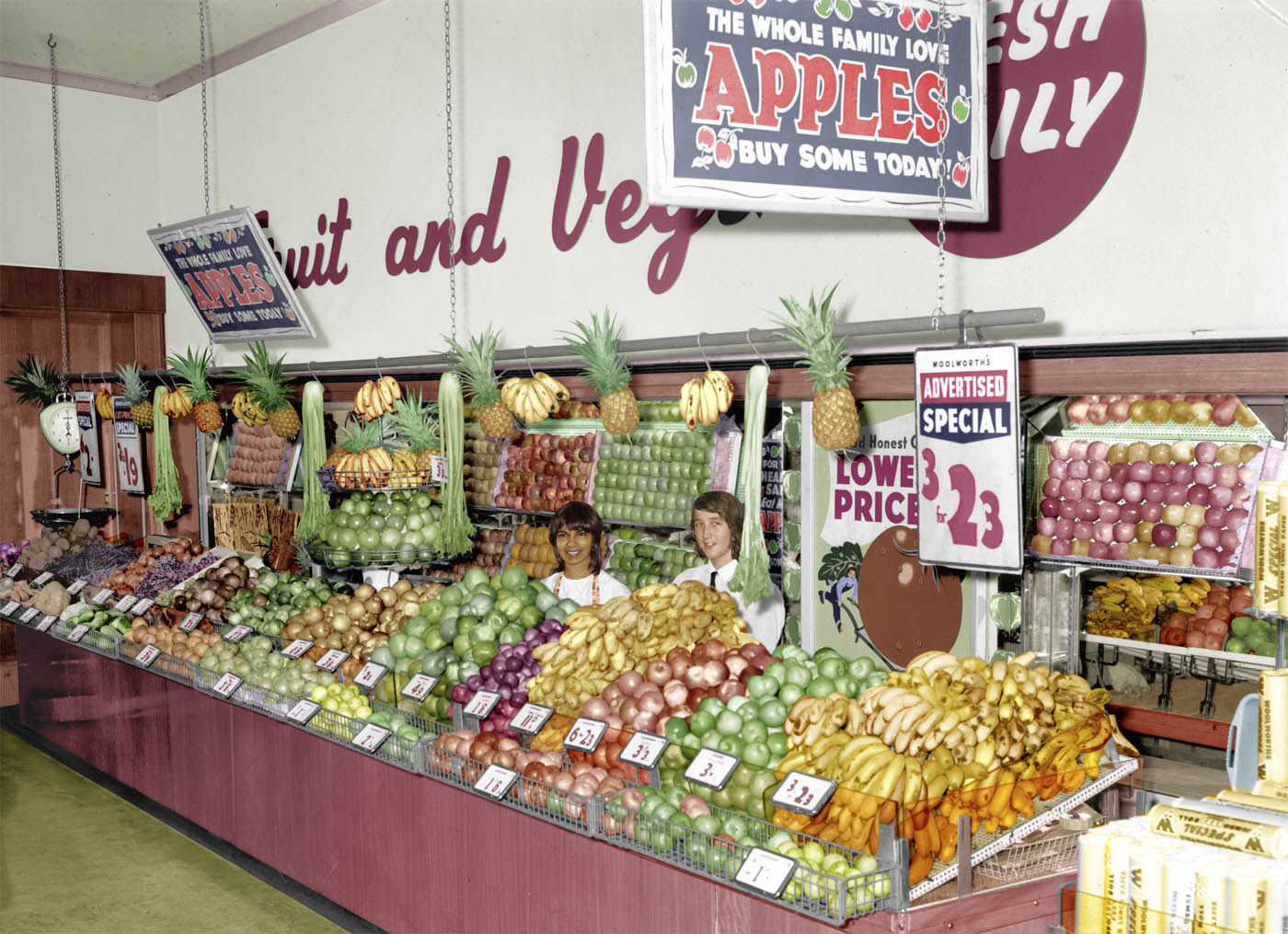
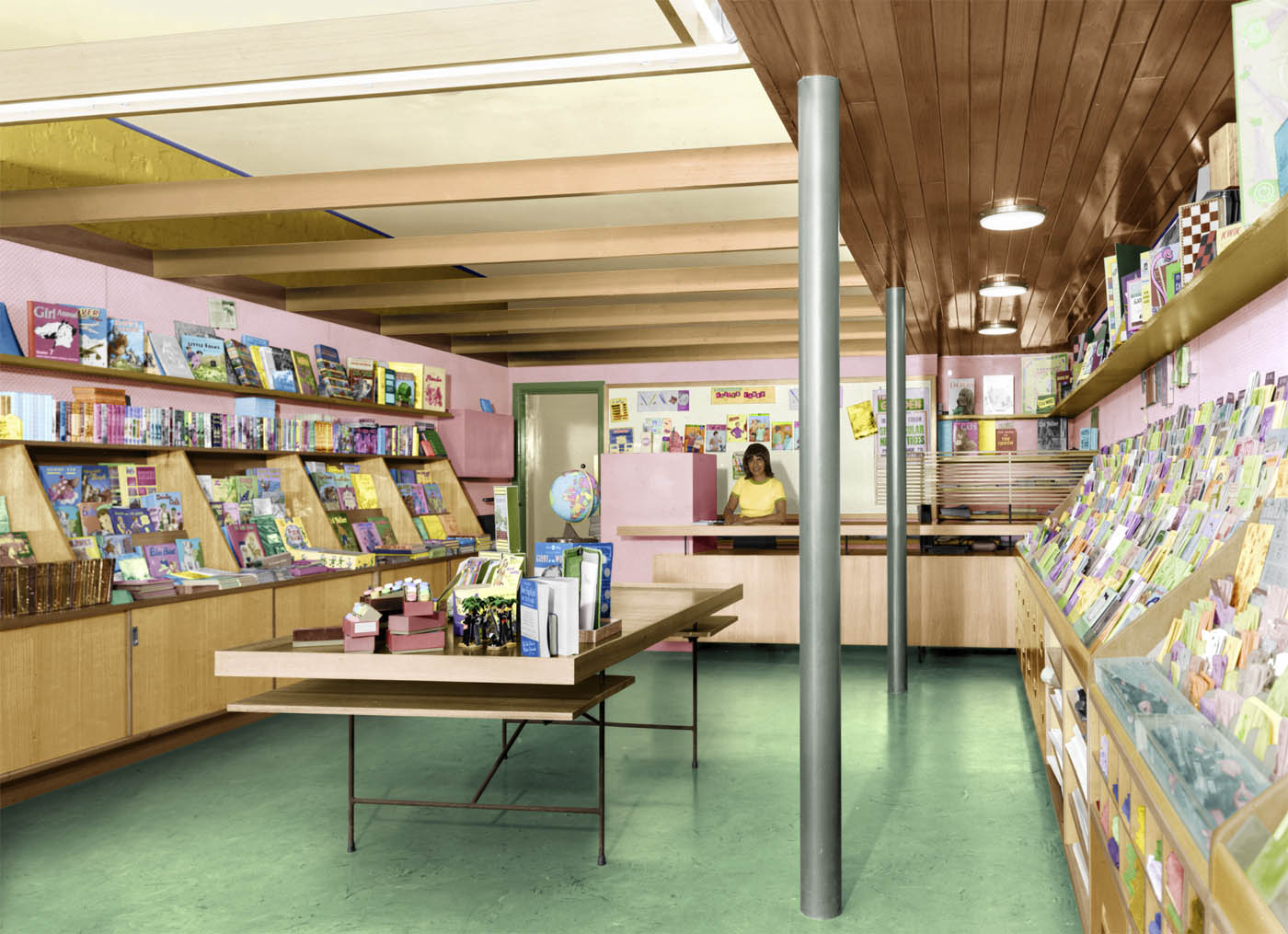
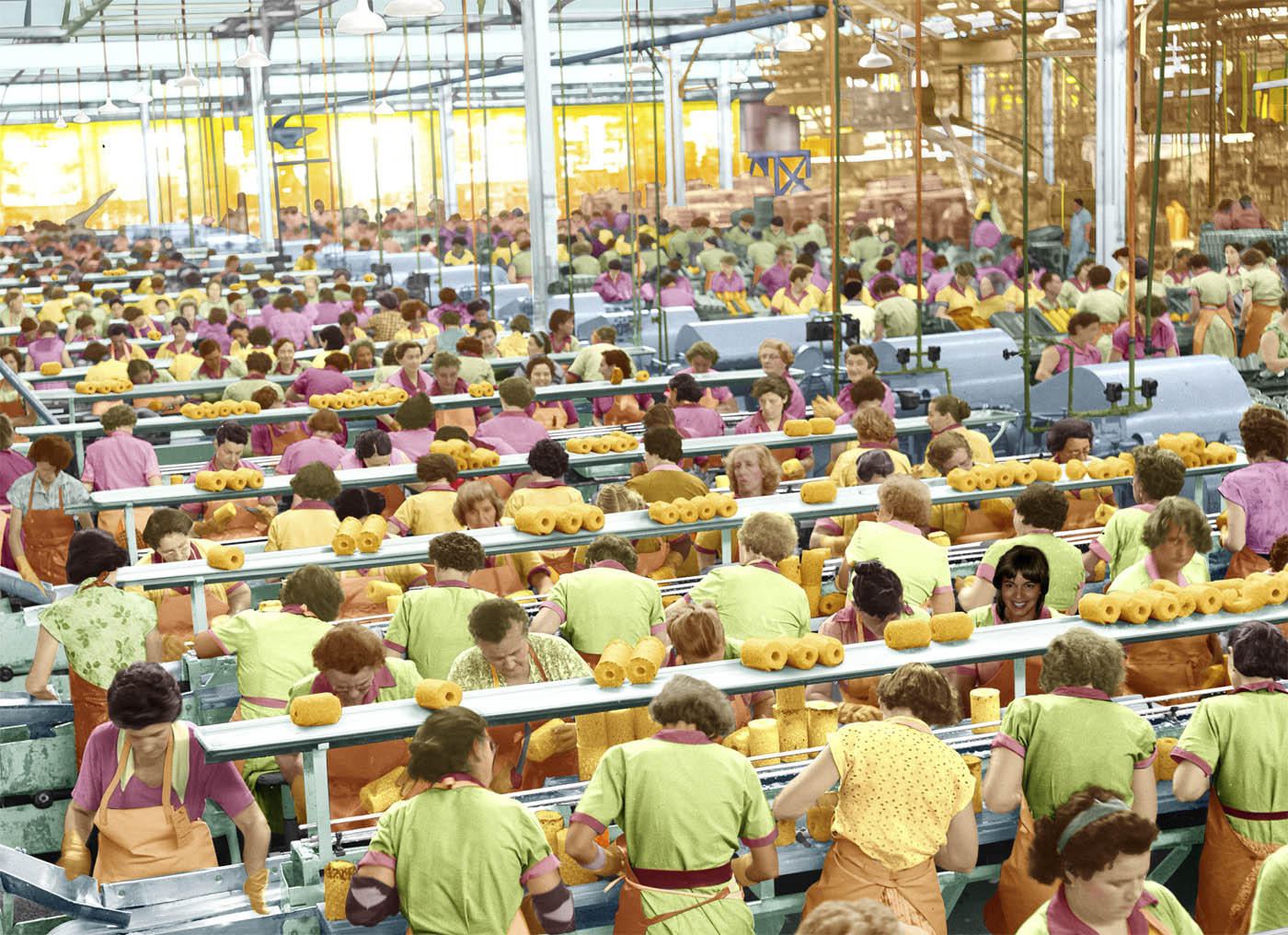
Tracey Moffat (Australian, b. 1960) First Jobs, Fruit Market 1975 Archival pigments on rice paper with gel medium 71 × 91.5cm
There are some wonderful bodies of photographic work on show around Melbourne at the moment and this is one of them.
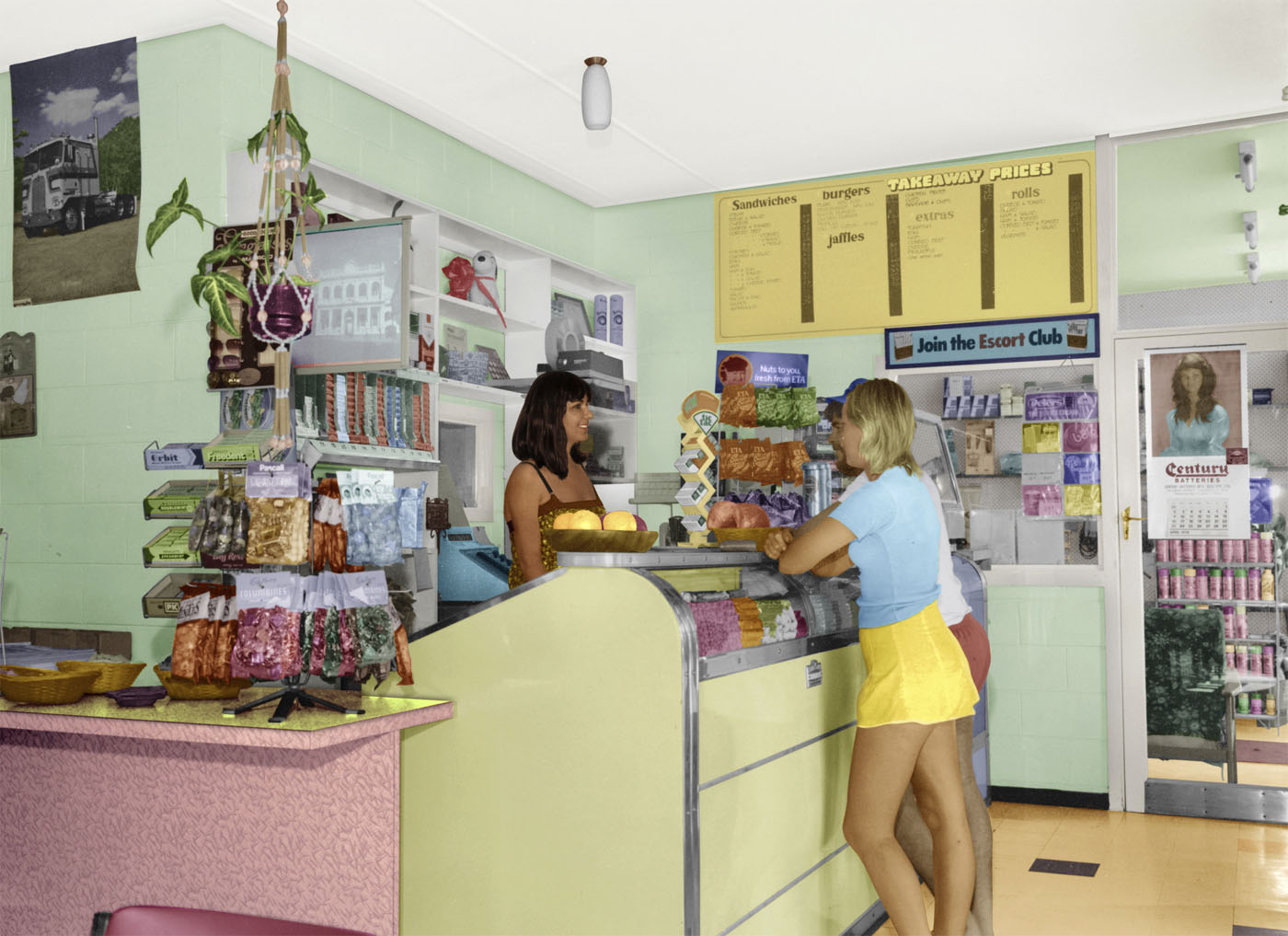
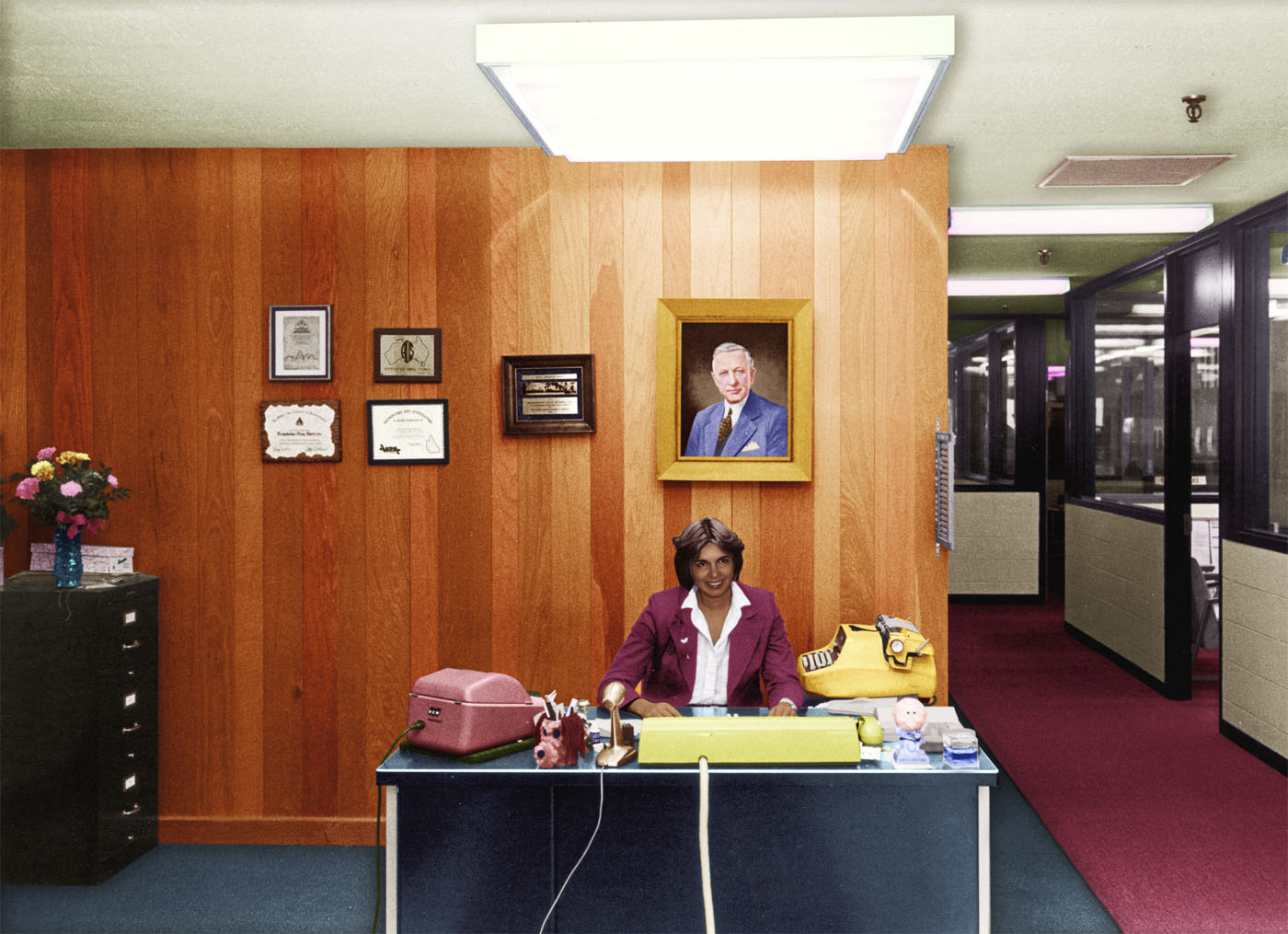
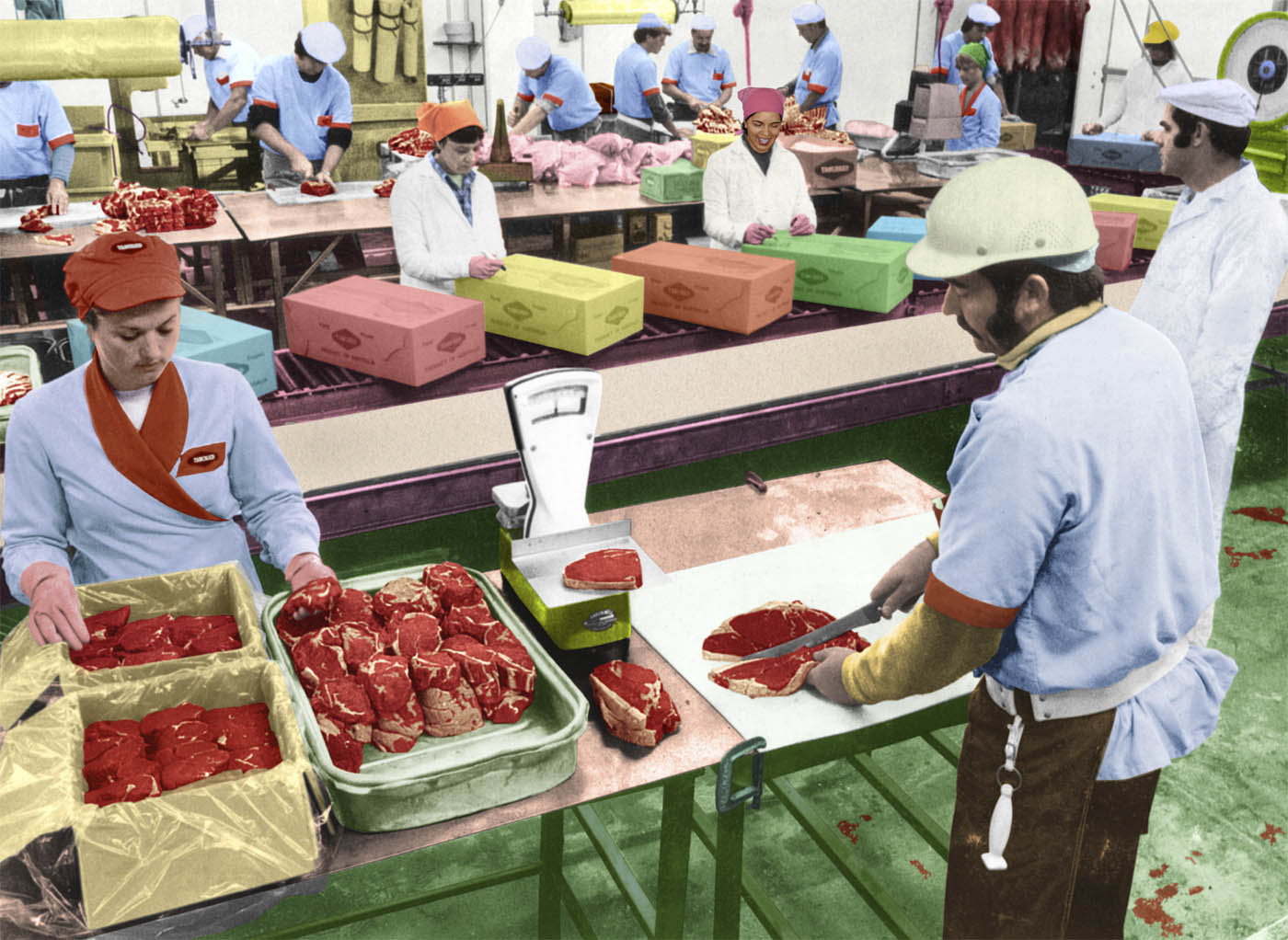
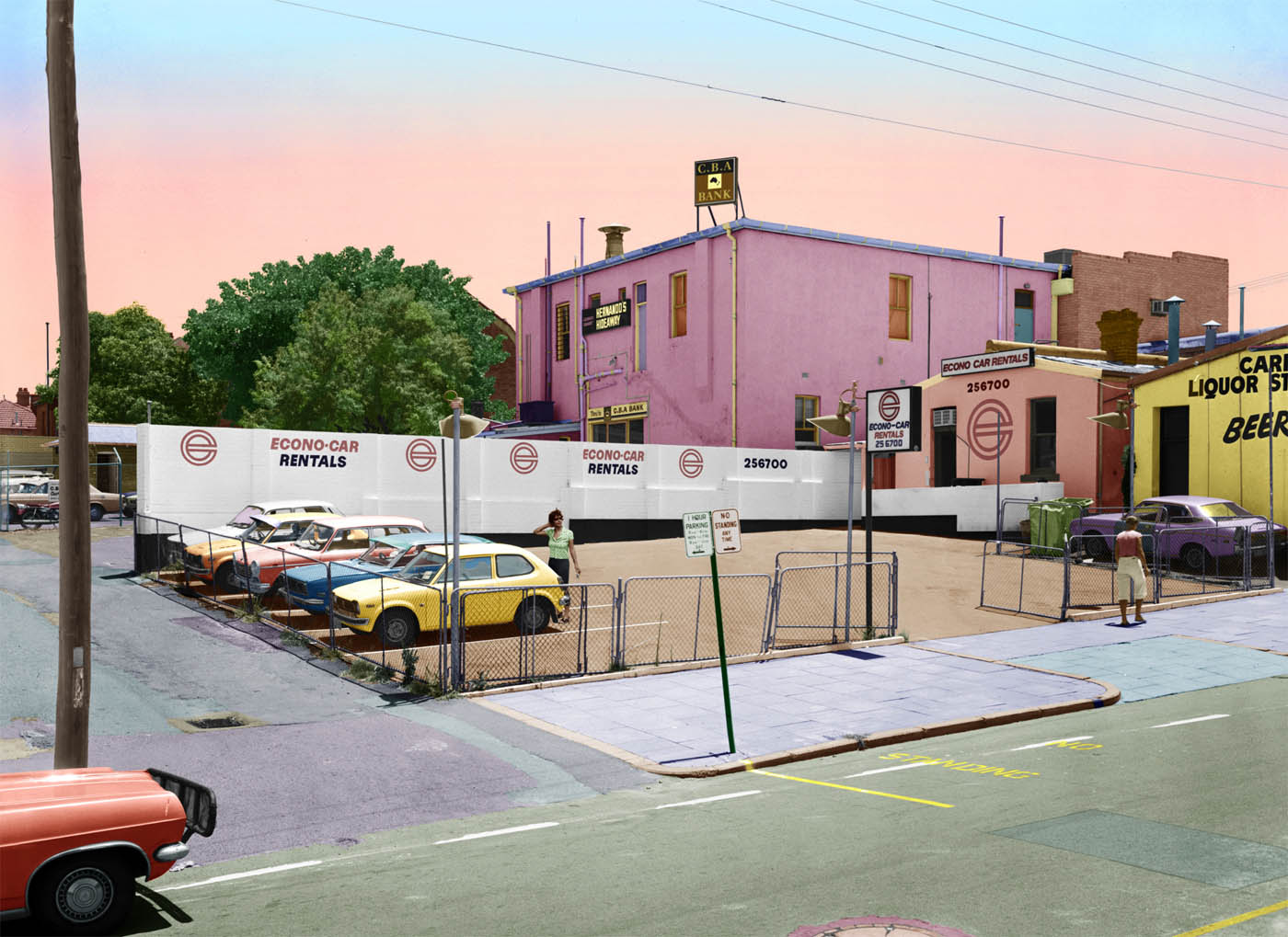
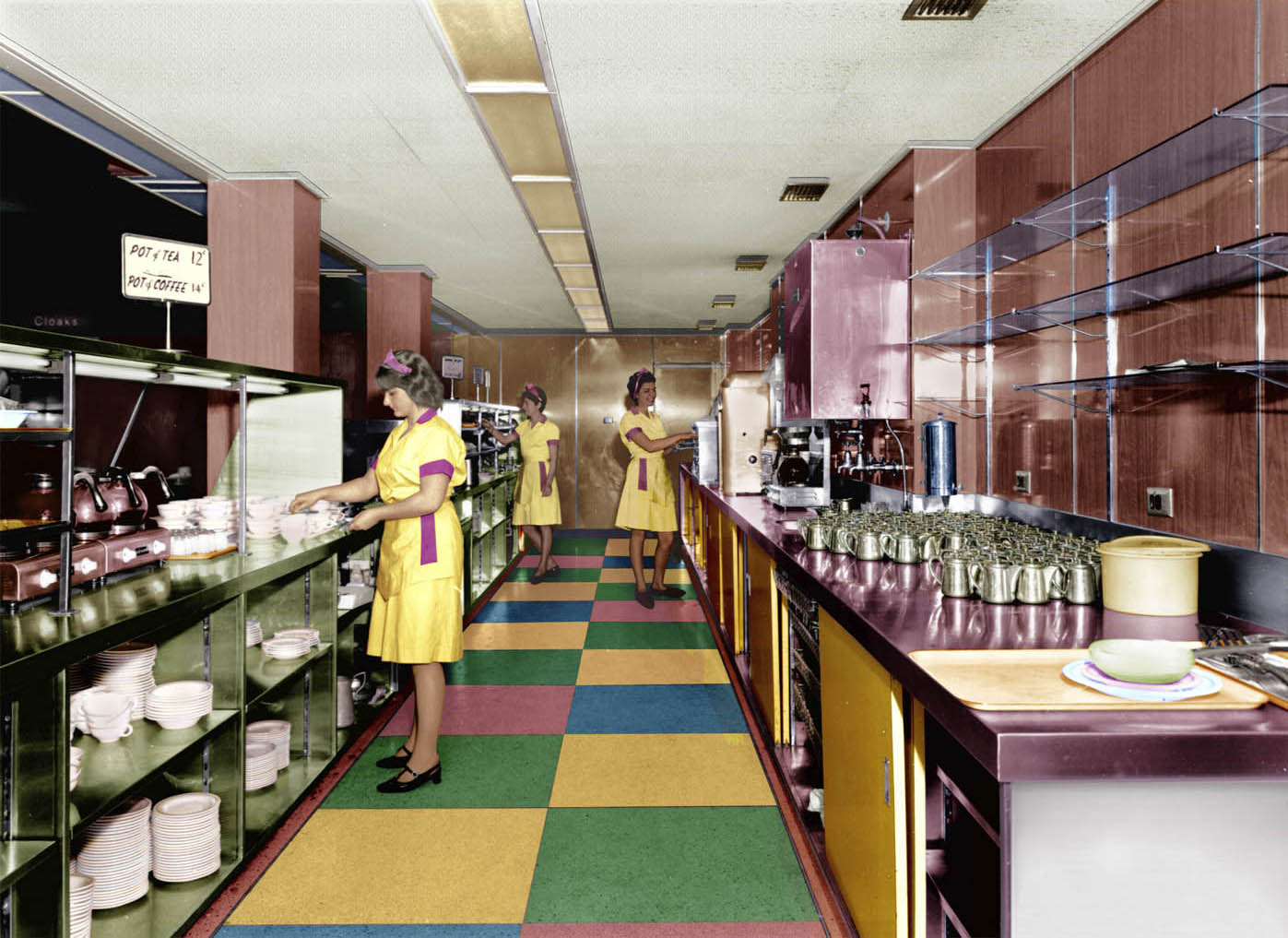
Featuring twelve archival pigment on rice paper with gel medium prints, Tracey Moffatt’s series First Jobs (2008) is a knockout. Images of the artist are inserted into found photographs which are then “hand coloured” (like old postcards) in Photoshop. Moffatt’s series conceptualises the early jobs that she had to do to survive – investigating the banality of the jobs, the value of friendships that were formed coupled with an implicit understanding of the dictum ‘work is life’.
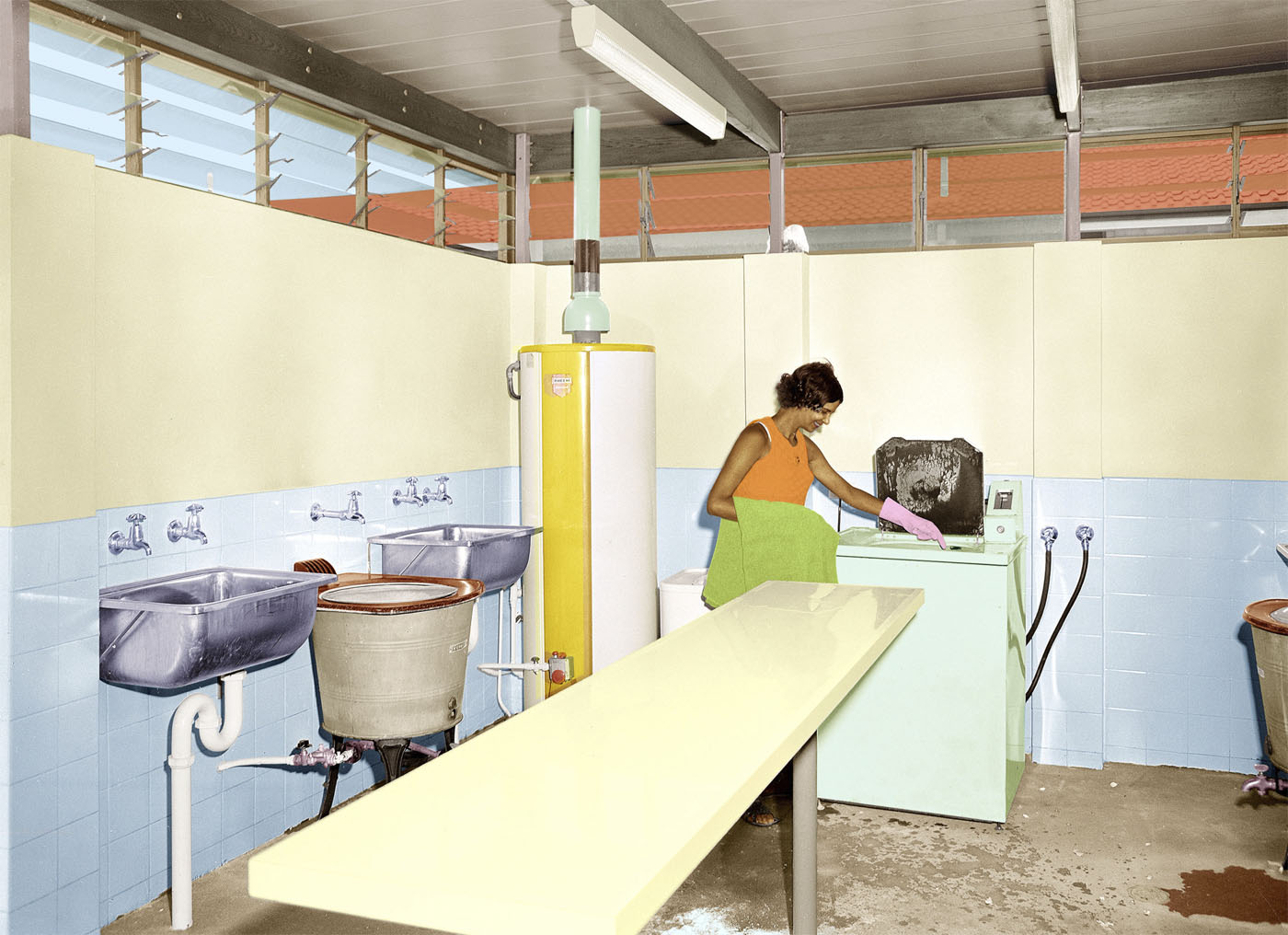
Moffatt’s images hark back to the White Australia policy of the 1950s and the home and living books of that period. With their hyper-real colours, strange coloured skies, green washing machines and purple tarmac Moffatt amps up the voltage of these images and subverts their idealisation. Here is the re-presentation of the physical and spatial isolation of the figure (store clerk / housekeeper) or the sublimation of the usually female figure into the amorphous mass of the whole (meat packing / pineapple cannery) in quintessentially Australian environments. Here also is comment on the nature of a patriarchal society – the smiling receptionist sitting under the portrait of her male boss, awaiting his command.
The spaces of these photographs seem to (literally) consume the artist and her remembrance of these jobs. Despite her smiling face in each of the images we implicitly understand the banality of the jobs for we have done them ourselves. We know these spaces intimately: the spaces inhabit us as much as we inhabit them. As the viewer we experience the being of these images, their reverberation, where the two kinds of space – the space of intimacy and the world space – blend.1
The only sour note of the series comes not in the work itself but in the accompanying artist statement (see below). In this churlish expose of the ‘woe is me, I’m a full time artist and isn’t it so difficult to be a full time artist’ variety, Moffatt complains about the miserable voices in her head and about having to get up off the couch because she is the only person able to make the work and the money. Oh to be so lucky to actually make a living as a full time artist and have the time and space to be creative 7 days a week! Would I have her situation anytime soon? Ha, um, yes.
Dr Marcus Bunyan
1/ Bachelard, Gaston. The Poetics of Space. Boston: Beacon Press, 1969, p. 203.
Many thankx to the Centre for Contemporary Photography for allowing me to publish the photographs in the posting.
Tracey Moffat (Australian, b. 1960) First Jobs, Housekeeper 1975 Archival pigments on rice paper with gel medium 71 × 91.5cm
Tracey Moffat (Australian, b. 1960) First Jobs, Store Clerk 1975 Archival pigments on rice paper with gel medium 71 × 91.5cm
Tracey Moffat (Australian, b. 1960) First Jobs, Corner Store 1977 Archival pigments on rice paper with gel medium 71 × 91.5cm
Tracey Moffat (Australian, b. 1960) First Jobs, Receptionist 1977 Archival pigments on rice paper with gel medium 71 × 91.5cm
Tracey Moffat (Australian, b. 1960) First Jobs, Meat Packing 1978 Archival pigments on rice paper with gel medium 71 × 91.5cm
Over the years my friends and I joke about our dreadful past jobs. Jobs we worked as teenagers and young students. Awful jobs that we would rather forget about such as cleaning out the local cinema after a screening of The Exorcist in 1974.
When I was a kid I always had jobs and I always made my own money whether it was receiving a dollar for pulling up the weeds in the yard or baby sitting for neighbours or working at the local green grocers. The thing about making a bit of your own cash was that you could buy your own clothes and not have to wear the clothes that your mother picked out.
In 1978 at seventeen I worked in factories peeling pineapples. I also packed meat and shelled prawns. Such back breaking labour was exhausting but the money was good. After one year I saved enough money to travel to Europe and backpacked around for nine months. Then in 1980 I went to art school in Brisbane but continued part-time work as a waitress to pay for art materials.
After art school I was desperate for money to pay the rent and I worked many jobs. Some were: scrubbing floors in a women’s refuge, washing dishes in a canteen and parking cars in a car park beneath a restaurant called Dirty Dicks (I had no driver’s licence, but the patrons were always drunk and didn’t care.)
I am resentful and appalled at the work I had to do to survive. I hold a grudge towards rich kids who never had to slave like I did. Secretly though I’m proud of myself. When I think of those early years I realise that I was learning to be tough and work whether I liked it or not. I put my head down and was forced to be productive. I was learning how to get on with other people and learning to handle a boss. These days I do nothing but make art and have exhibitions. Being an artist feels like being on a permanent but jittery holiday in comparison to those early working days. Now I sleep in until 9.30am and press the ‘ignore’ button on my phone if I don’t feel like talking to anyone. But, as Bette Davis put it, it is ‘The Lonely Life’. You have come up with the ideas and make them happen. No-one else is going to do it for you.
But I remember the good things about the factory floor. Walking into work everyday and saying hi to people you knew, there was a camaraderie. The work was mindless but it didn’t mean that your mind couldn’t go places. Then there was knock-off time. The bell would ring and you would be out the door with a wad of cash in your hand and not a care in the world.
In being a full-time artist there never is any knock-off time. There’s always a nagging, miserable voice of ideas in your head and you MUST get up off the sofa and produce work. The bell never rings and you never know where your next buck is coming from. Your mind is constantly wound up. You’re never really physically tired not like when you had a real honest job. But would I go back to working in a factory just to get good a night’s sleep? Ha, um, no.”
Exhibition dates: 3rd September – 3rd October, 2009
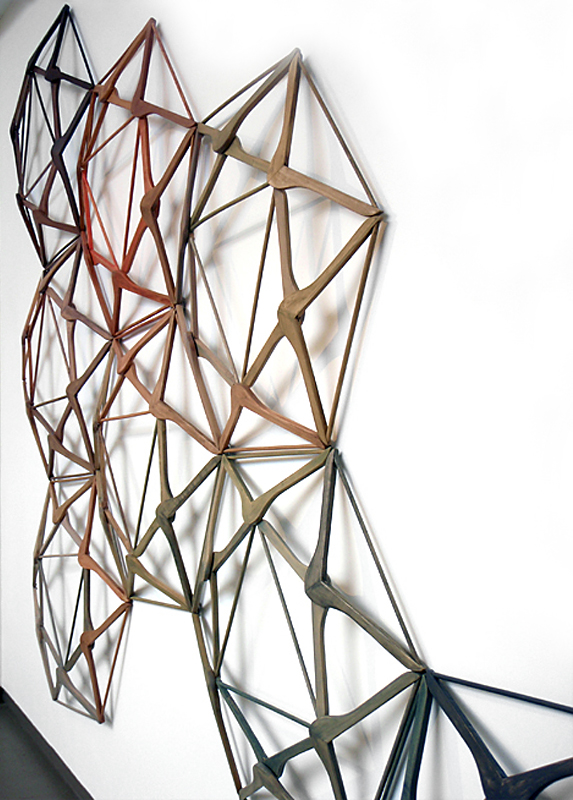
Lyndal Hargrave (Australia, b. 1959) Sacred Geometry 2009 Acrylic painted timber coat hangers, screws, staples 180 x 170cm Photo: Marcus Bunyan
This is a mixed bag of an exhibition by Lyndal Hargrave at Anita Traverso Gallery in Richmond, Melbourne.
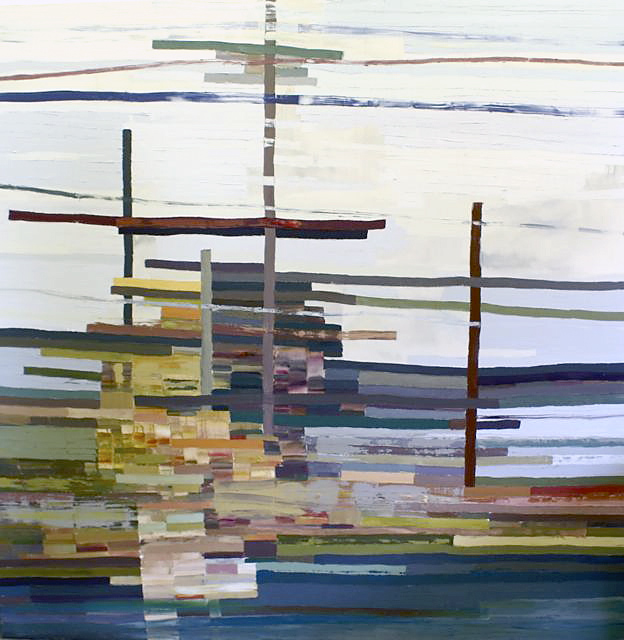
Despite one outstanding painting Breathing Space (2009, see below), the view from the back of the artist’s house onto a jetty with attendant wooden posts and sky, the other paintings are the weakest elements of the exhibition, lacking the strength and resonance of the sculptural work.
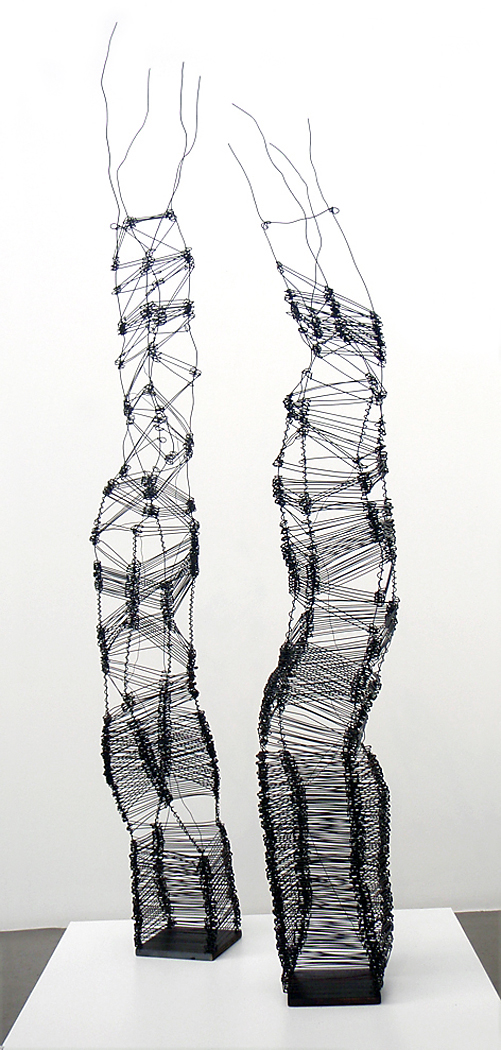
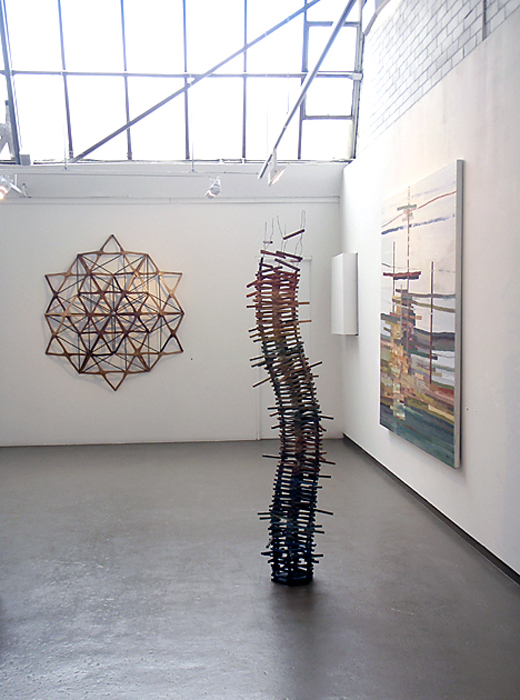
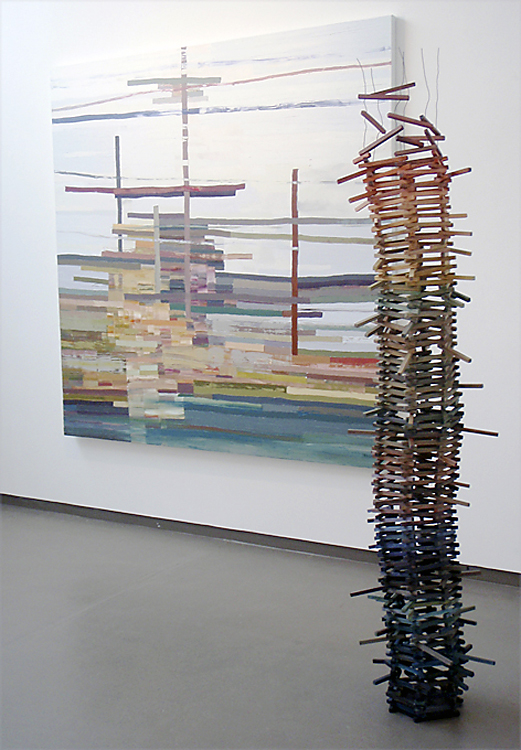
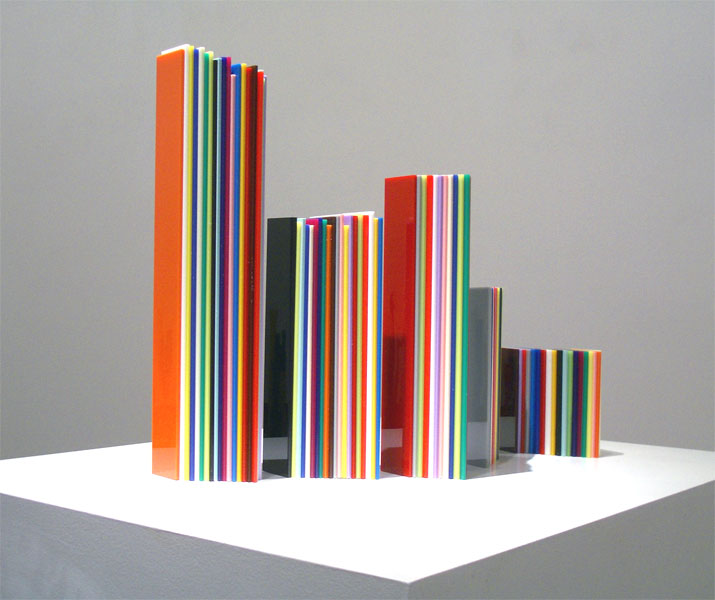
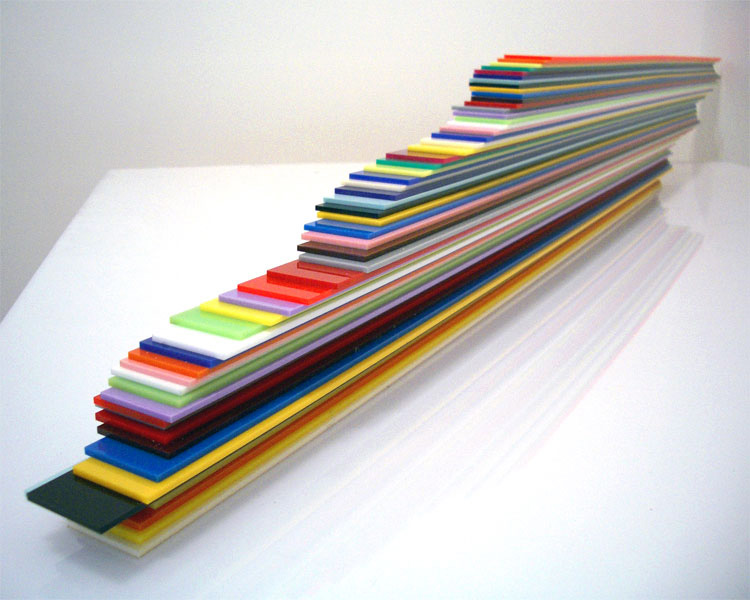
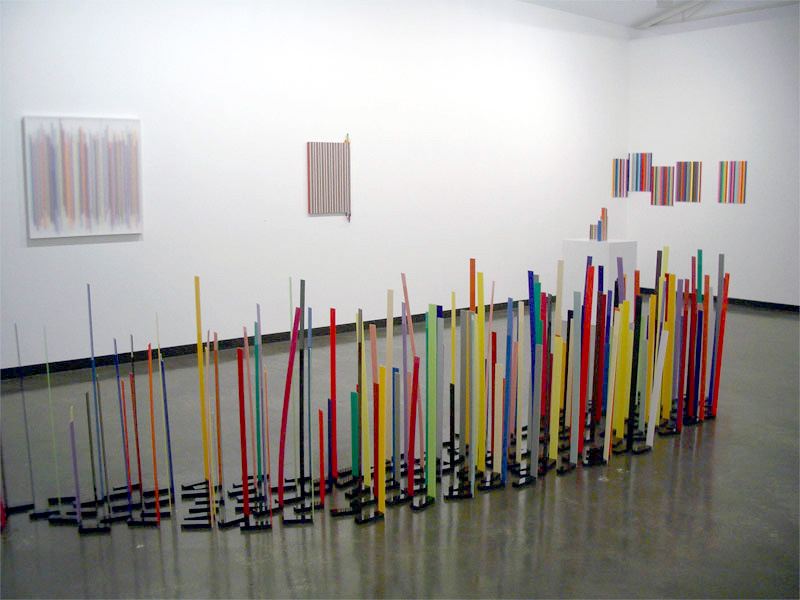
The two standing towers, Hairpin Dragons I & II and Jacob’s Ladder (both 2009, see below) are stronger work, Jacobs Ladder imitating the form of the painting Breathing Space in three-dimensional Cuisenaire-type coloured rods (see the installation photograph of the two pieces below).
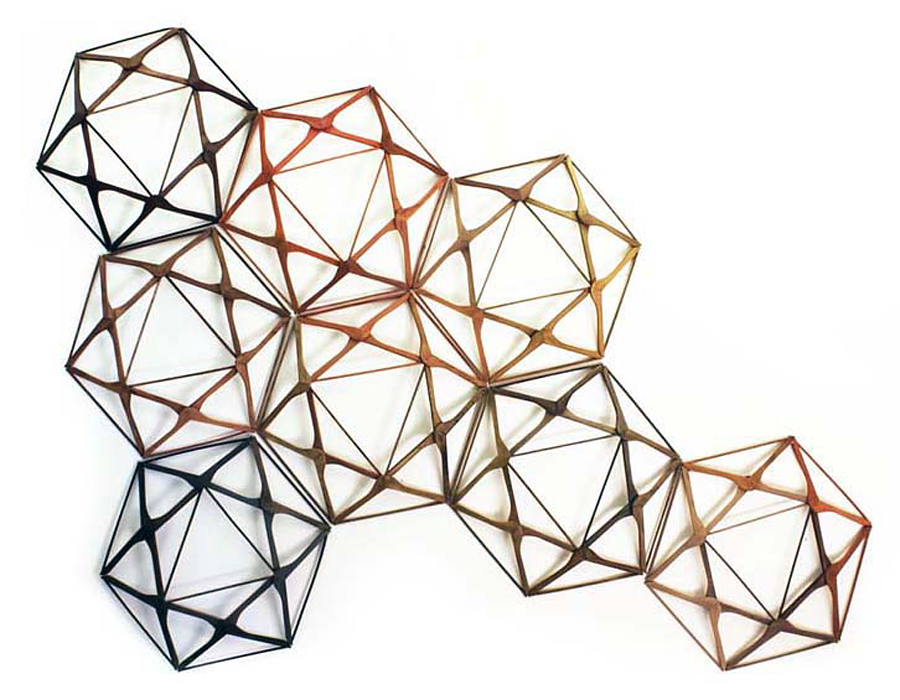
The best pieces in the exhibition are the wall mounted geometric, mandala-like sculptures made of wooden coat hangers. Delicately shifting patterns take the micro cellular form and make it macro, their patterns of construction offering a pleasing visual balance that is both complex, layered and innovative at one and the same time. As explorations of the notion of the universal structure, the golden ratio, they reward repeated viewing.
As the exhibition stands there are too many little pieces to make a holistic whole. Perhaps an exhibition solely of the towers or geometric pieces would have been stronger. I look forward to seeing how the geometric pieces (d)evolve in future work. Will the structures break down and reassemble in other marvellous incantations? I hope so!
Dr Marcus Bunyan
Many thankx to Anita Traverso Gallery for allowing me to publish the art work in the posting. Please click on some of the photographs for a larger version of the image.
Lyndal Hargrave (Australia, b. 1959) Arabesque 2009 Acrylic painted timber coat hangers, screws, staples 200 x 360cm Photo: Marcus Bunyan
Lyndal Hargrave (Australia, b. 1959) Arabesque (detail) 2009 Acrylic painted timber coat hangers, screws, staples 200 x 360cm Photo: Marcus Bunyan
Lyndal Hargrave (Australia, b. 1959) Hairpin Dragons I & II 2009 Wire, formply 170 x 15cm (varying) Photo: Marcus Bunyan
“It is a constant idea of mine that behind the cotton wool (of daily reality) is hidden a pattern, that we – I mean all human beings – are connected with this: that the whole world is a work of art; that we are parts of the work of art.”
~ Virginia Woolf
For as long as I can remember, my art practice has served as a filter between the outside world and my inside world. I realise now that the act of making the artwork informs my ideas rather than the other way round. Working intuitively results in a continuous stream of surprises that in retrospect mirror the pressing issues surrounding me at that time.
In All the Little Pieces my fascination with patterns of construction from micro to macro and natural to man-made continues. My work explores the gap between order and chaos and helps me to understand the meaning of balance.
Using mundane found objects, my sculptures probe the possibility of re-invention through the way the componentry of human habitation can be re-configured to offer us a new way of seeing and experiencing our world.
It is this process of metamorphosis that is at the centre of my investigation: how life forms make the transition from one state to another – tree to timber to tower or talisman; why some systems remain strong and others crumble.
Overarching my work is the notion of universal structure and the geometry that has informed our evolution from molecule to macro-system.”
Lyndal Hargrave 2009
Text from the Anita Traverso Gallery website
Lyndal Hargrave (Australia, b. 1959) Whirlpool Galaxy and The Samarian Star 2009 Acrylic painted timber coat hangers, screws, staples Photo: Marcus Bunyan
Installation view of the Lyndal Hargrave exhibition at Anita Traverso Gallery Photo: Marcus Bunyan
Photograph showing the relationship of form and colour between the work Jacob’s Ladder (2009) and the painting Breathing Space (2009) Photo: Marcus Bunyan
Lyndal Hargrave (Australia, b. 1959) Breathing Space 2009 Oil on canvas 200 x 200cm
Anita Traverso Gallery
The physical gallery has now closed.
PO Box 7001, Hawthorn North 3122 Phone: 0408 534 034 Email: art@anitatraversogallery.com.au
Exhibition dates: 25th August – 19th September, 2009
John Nicholson (Australian, b. 1970) Aerial Navigation 2009
You could say that the essence of the cosmos is not matter, it is consciousness.
It is not the external world that is real – it is “maya”, an illusion, for the real world lies within.
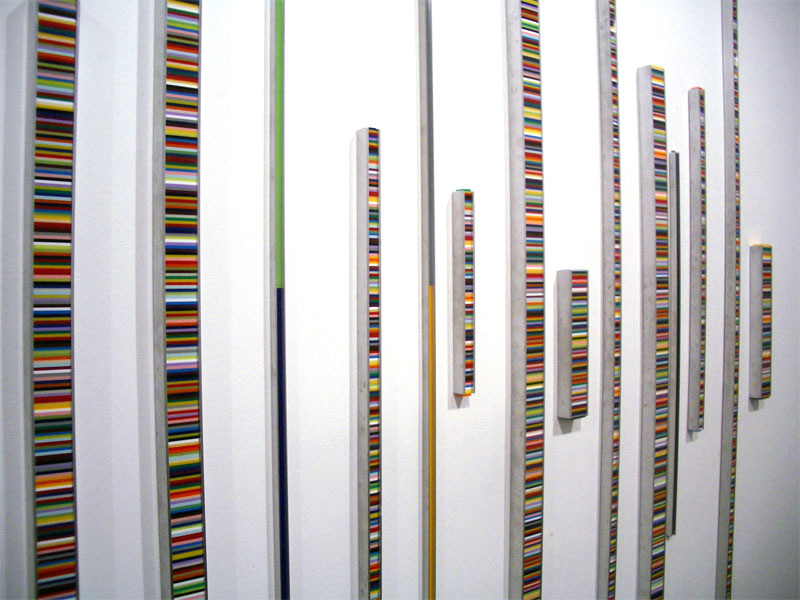
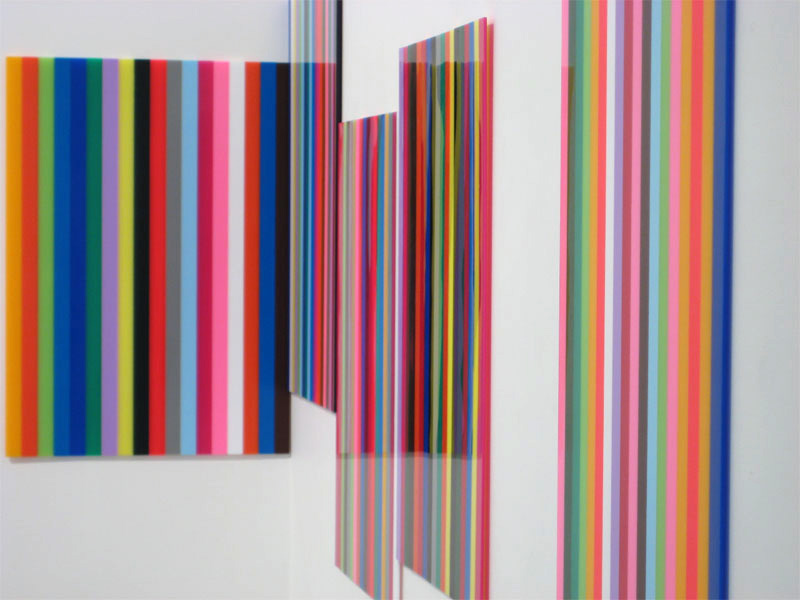
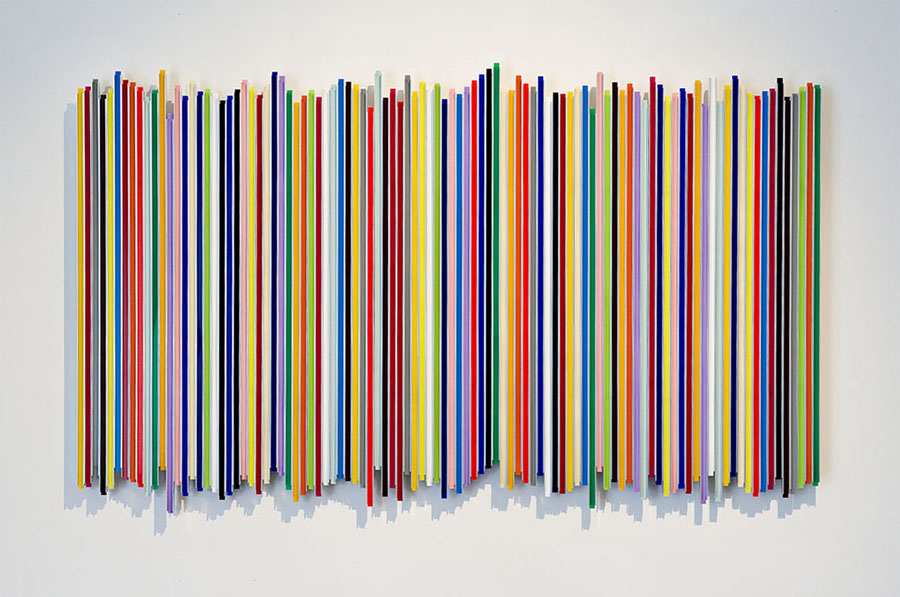
These works, with their striations, strata and suspension are emanations of that spirit – projections of the inner reality.
In terms of the ancient Chinese philosophy Lao Tzu we dream the butterfly and the butterfly is us. If you don’t ‘get’ these works, let go all pretensions and feel their colour as sound, as vibrations of energy.
Submerge yourself in their shape and form. Like DNA structure, a heart beat or the record of a seismic shock these works are music as art, the length of harmony quivering and slipping in our minds, before our eyes.
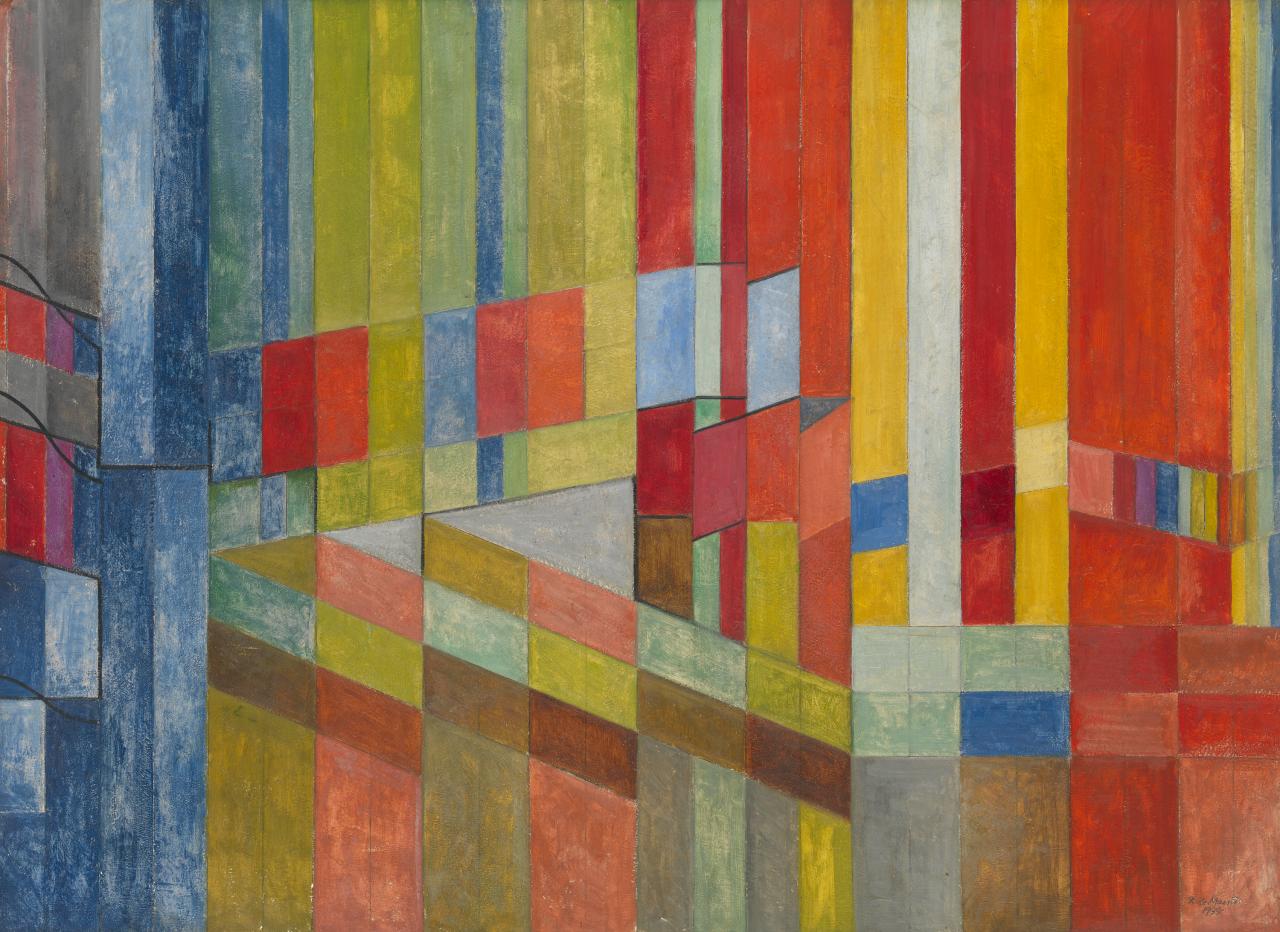
This is the colour music of Roy De Maistre’s paintings of the 1930’s updated to the 21st century. They are fugues of sound made physical entities, intertwining, coming and going. Here lines, tones and colours are organised in a parallel way – tone after tone, line after line. They are wavelengths of the interior made visible. The connection is solid and fluid at one and the same time; there are many connections to be discovered, many journeys to be made.
I hear them, I like them.
Dr Marcus Bunyan
Many thankx to Sophie Gannon Gallery for allowing me to publish the photographs in the posting. Please click on the photographs for a larger version of the image.
John Nicholson (Australian, b. 1970) Under the radar 2009 Photo: Marcus Bunyan
Installation views of Connection is Solid by John Nicholson at Sophie Gannon Gallery Photos: Marcus Bunyan
John Nicholson (Australian, b. 1970) Thrill seeker (detail) 2009 Photo: Marcus Bunyan
Roy de Maistre (Australian, 1894-1968) Arrested Movement from a Trio 1934 Oil and pencil on composition board 72.3 × 98.8cm
John Nicholson (Australian, b. 1970) Slip 2009
John Nicholson (Australian, b. 1970) The wire might sense 2009
John Nicholson (Australian, b. 1970) Swoop 2009 Photo: Marcus Bunyan
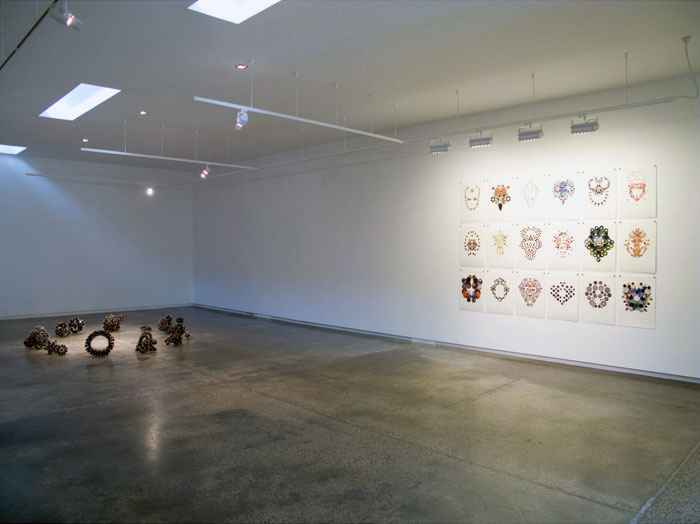
Installation view of Connection is Solid by John Nicholson with on the wall Satellite Graffitti (2009) and on the floor Cascade (2009) and Swoop (2009) Photo: Marcus Bunyan
Sophie Gannon Gallery 2, Albert Street, Richmond, Melbourne
Exhibition dates: 28th August 2009 – 21st February 2010
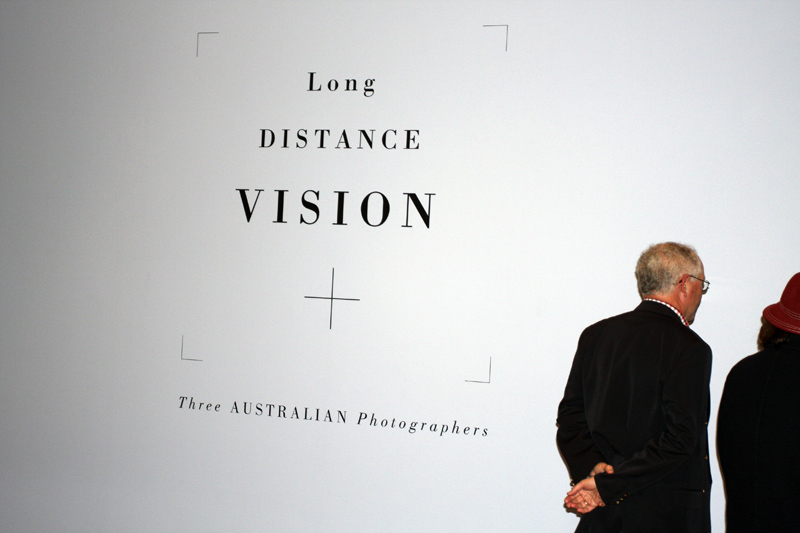
Opening: Thursday 27th August 2009 Artists: Christine Godden, Max Pam and Matthew Sleeth
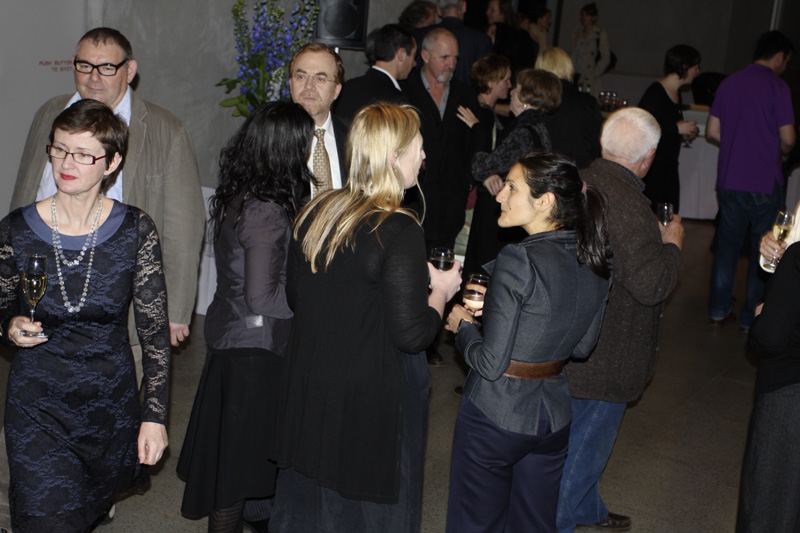
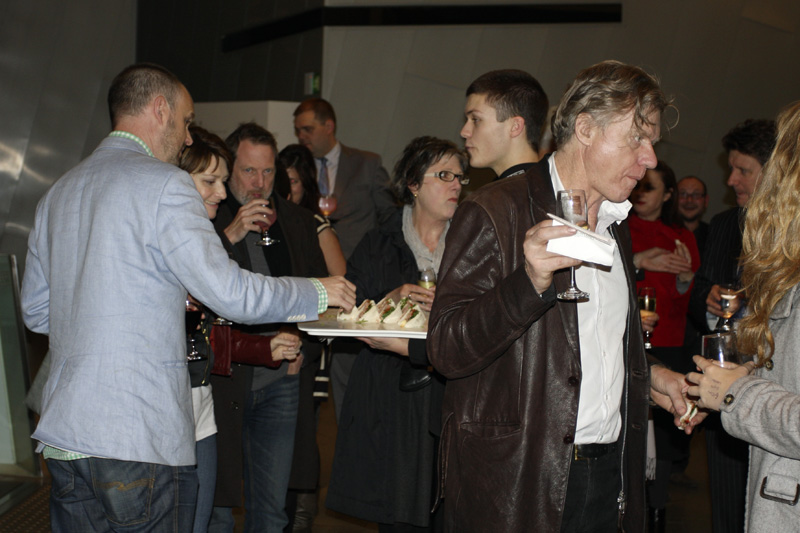
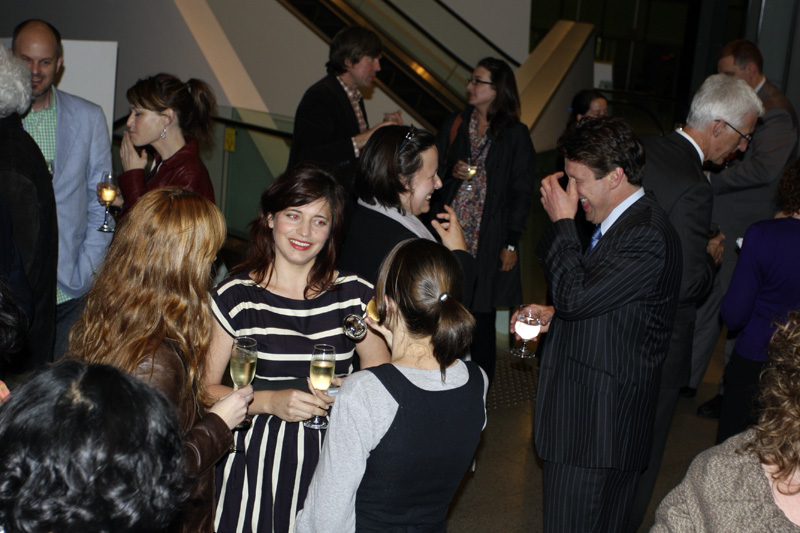
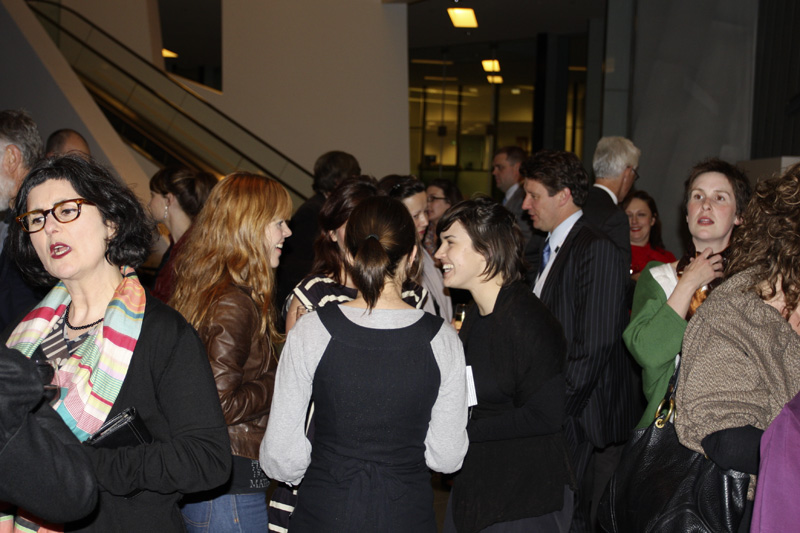
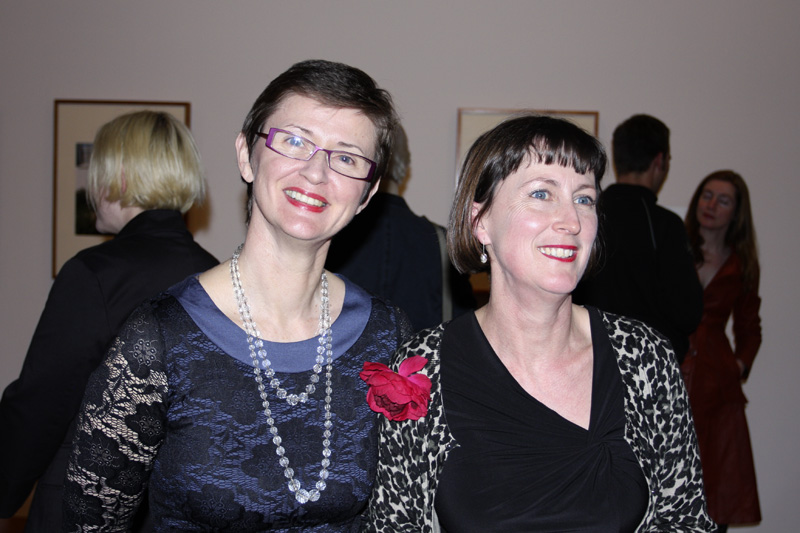
Opening night crowd for Long Distance Vision at NGV Australia, Melbourne with Senior Curator of Photography, Dr Isobel Crombie, at left of photograph Photo: Marcus Bunyan
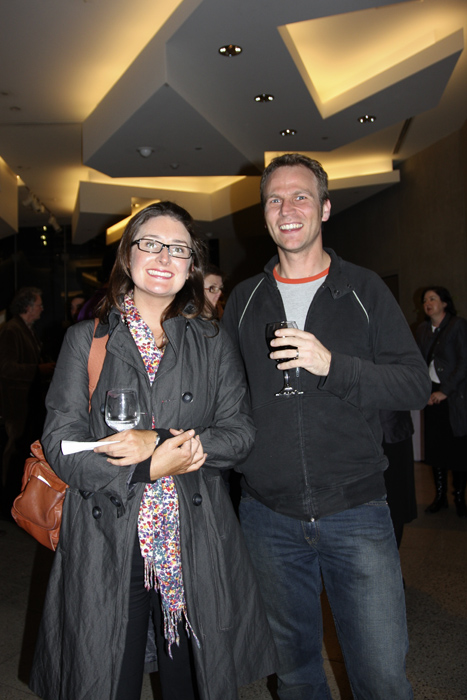
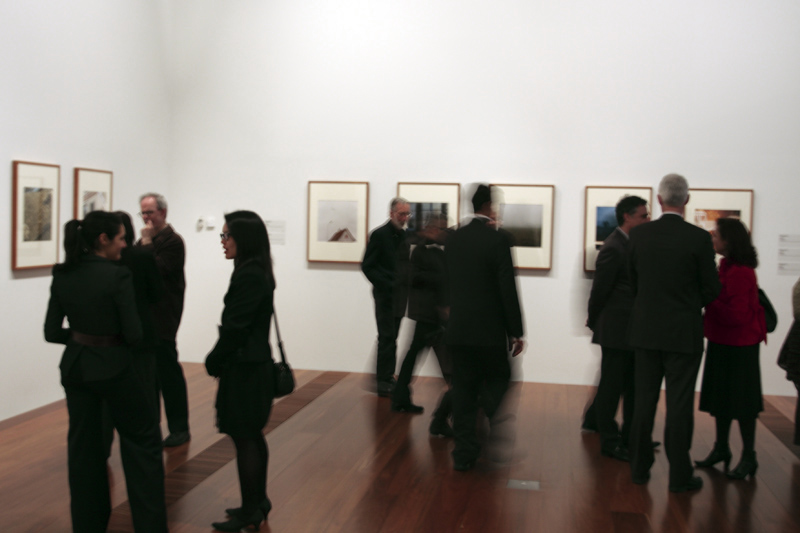
A small but social opening of the latest photography exhibition at NGV Australia. Wonderful to see Edwin Nicholls and Sophie Gannon from Sophie Gannon Gallery, Richmond in attendance along with Dr Isobel Crombie, Senior Curator of Photography at the NGV and Susan van Wyk, curator of this exhibition and Curator of Photography at the NGV. Also in attendance were the NGV Director, Gerard Vaughan and Frances Lindsay, Deputy Director of the NGV. The exhibition was opened by Associate Professor Christopher Stewart from RMIT University.
Dr Marcus Bunyan
Many thankx to Alison Murray and Sue Coffey for allowing me to take photographs of the opening, and for allowing me to publish the photographs in the posting. Please click on the photographs for a larger version of the image.
Opening night crowd for Long Distance Vision at NGV Australia, Melbourne Photos: Marcus Bunyan
Long Distance Vision will include over 60 photographs from the NGV Collection exploring the concept of the ‘tourist gaze’ and its relationship with the three artists.
Susan van Wyk, Curator Photography, NGV said the exhibition provides a fascinating insight into the unusual perspective brought by the three photographers to their varied world travel destinations.
“There’s a sense in the works in the exhibition that the photographers are not from the places they choose to photograph, and that each is a visitor delighting in the scenes they encounter.
What is notable about the photographs in Long Distance Vision is that rather than focussing on the well known scenes that each artist encountered, they have turned their attention to the ‘little things’, the details of the everyday,” said Ms van Wyk.
From the nineteenth century, photography has been a means by which people could discover the world, initially through personal collection and albums, and later via postcards, magazines, books and the internet.
Dr Gerard Vaughan, Director, NGV said that both contemporary photographers and tourists use the camera as a means to explore and capture the world.
“Through their photographs, the three artists featured in Long Distance Vision show us highly individual ways of seeing the world. This exhibition will surprise and delight visitors as our attention is drawn to not only what is different but what remains the same as we travel the world,” said Dr Vaughan.
Long Distance Vision: Three Australian Photographers is on display at The Ian Potter Centre: NGV Australia, Federation Square from 28 August 2009 to 21 February 2010. The Ian Potter Centre: NGV Australia is open every day 10am-5pm. Entry to this exhibition is free.”
Press release from the NGV
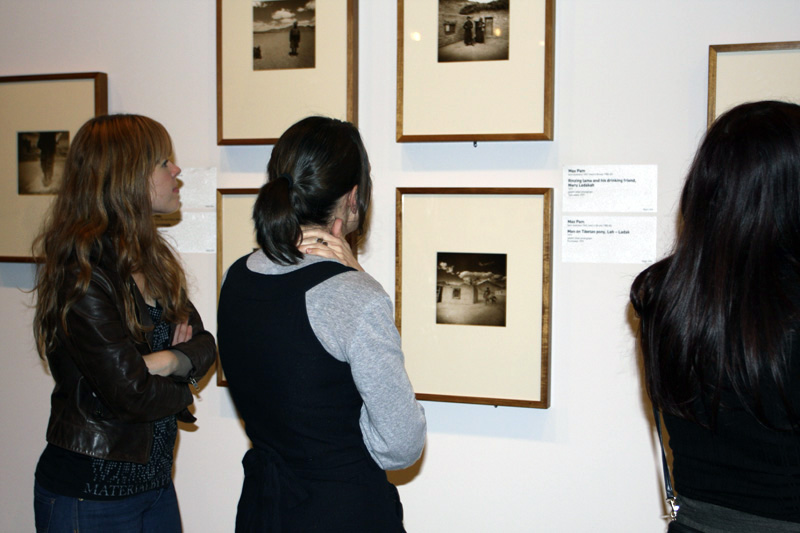
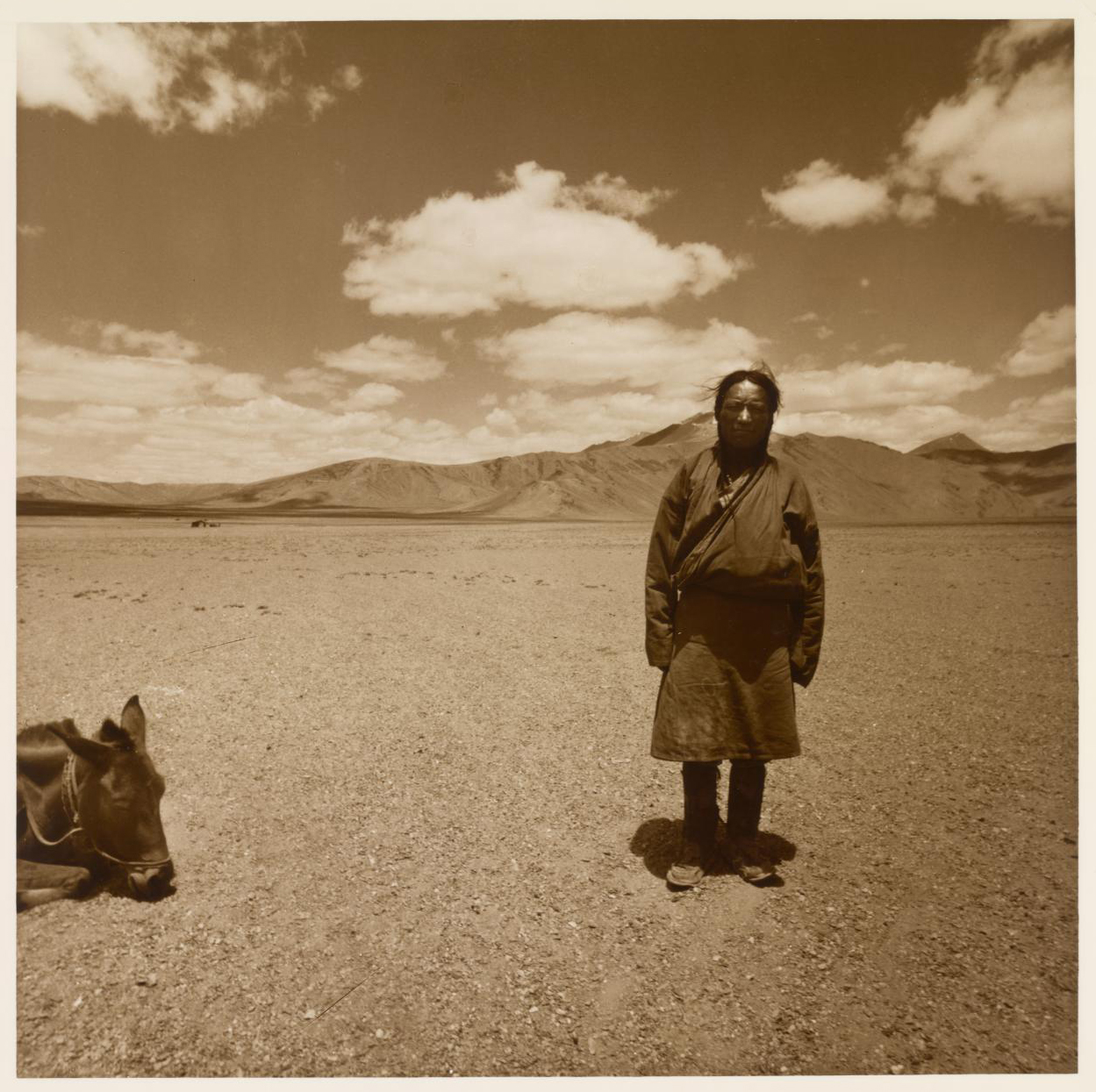
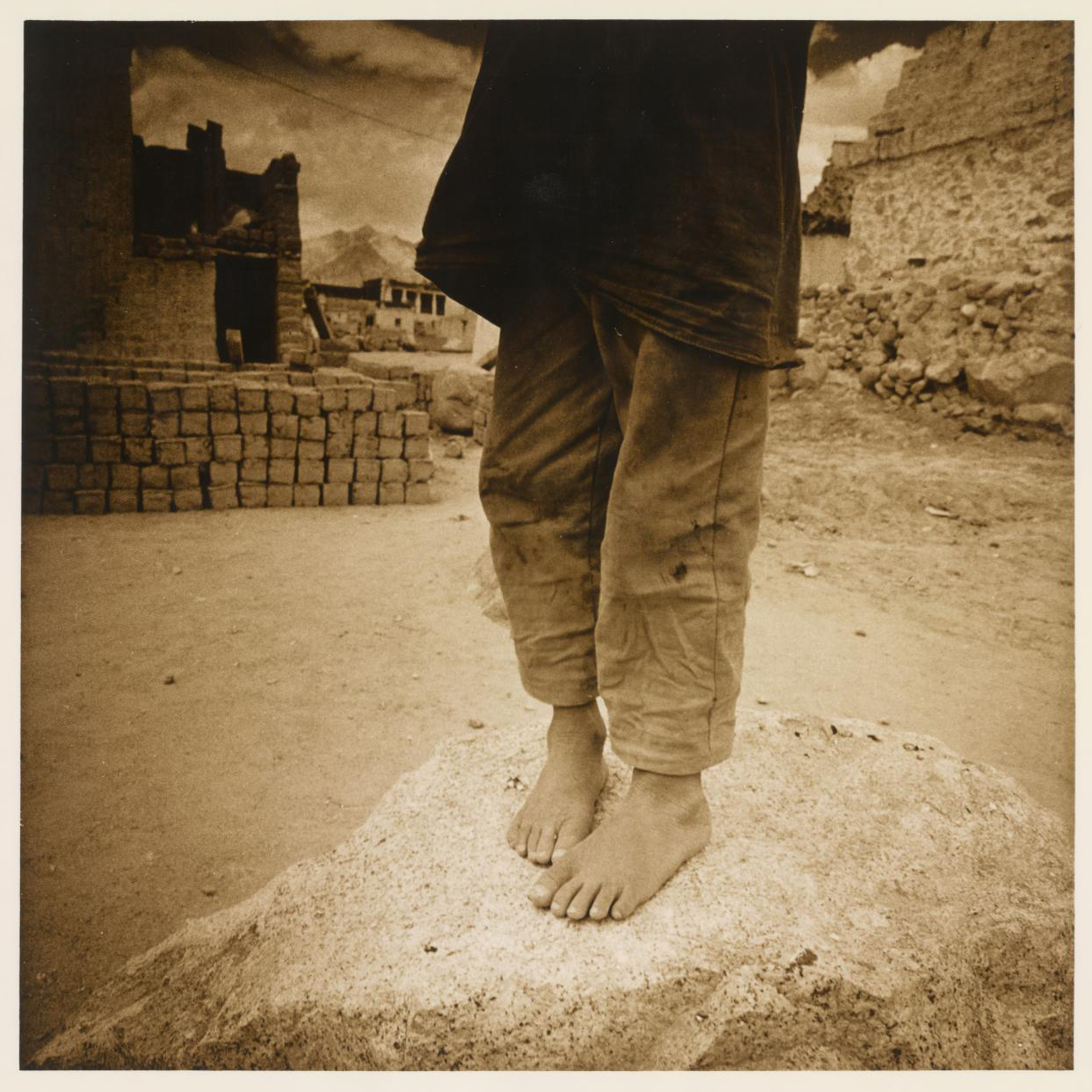
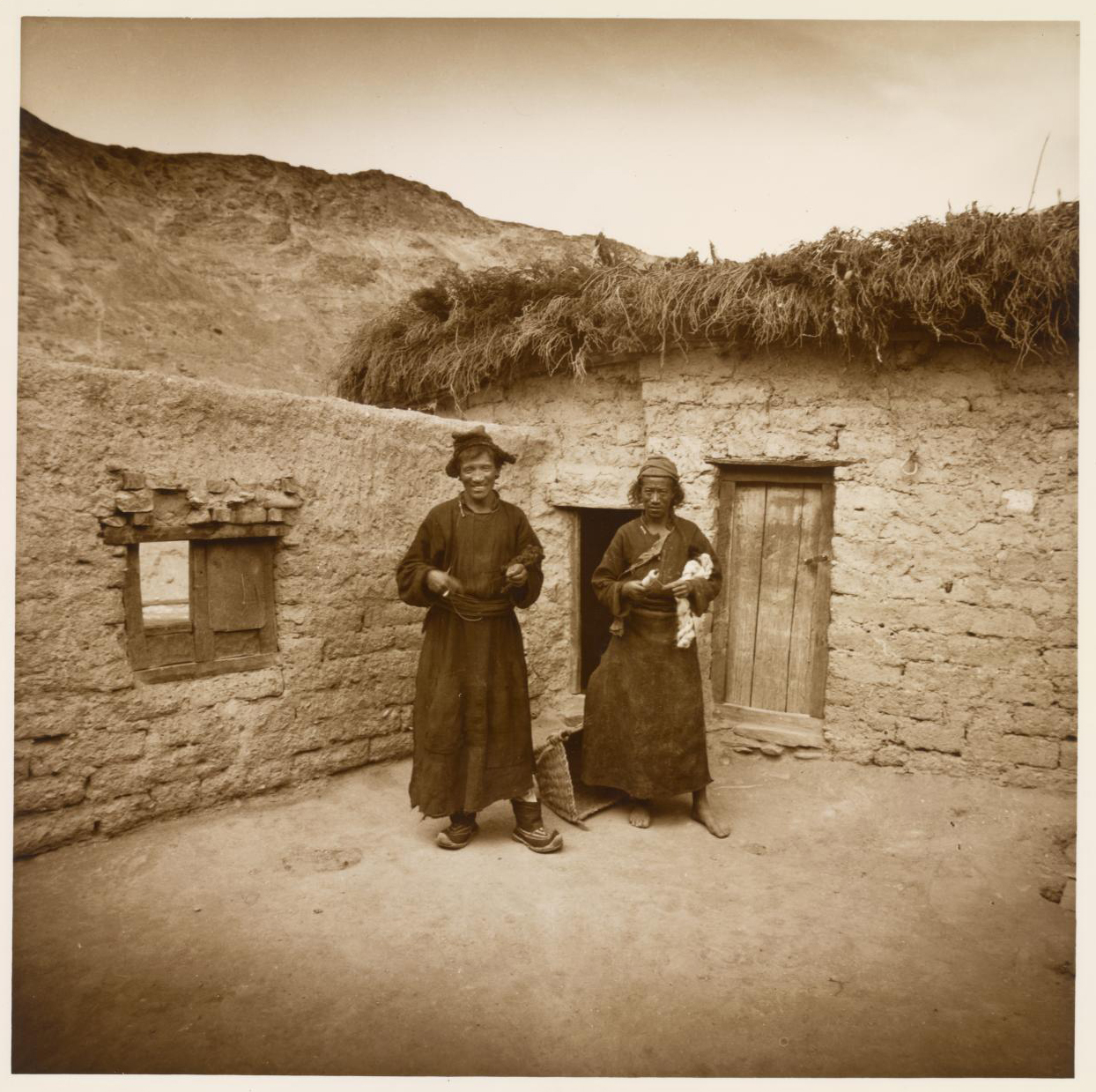
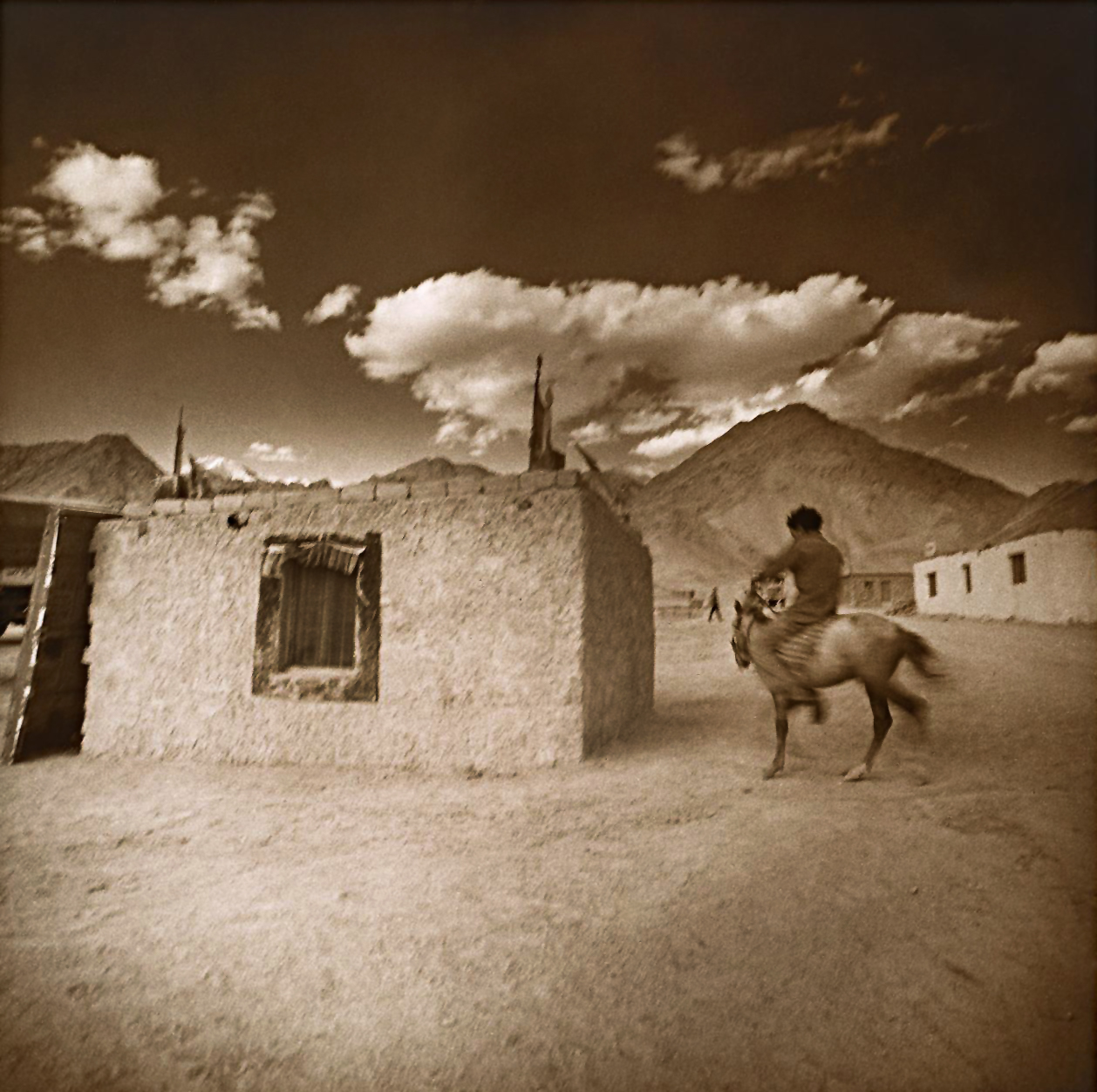
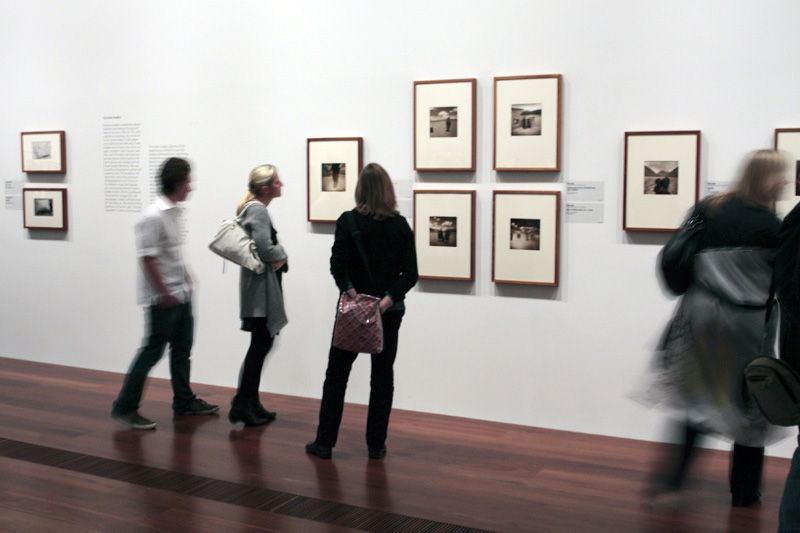
Opening night crowd for Long Distance Vision at NGV Australia, Melbourne looking at the work of Max Pam from his Tibet series (see the four images below) Photos: Marcus Bunyan
Sophie Gannon and Edwin Nicholls at the opening of Long Distance Vision at NGV Australia, Melbourne Photo: Marcus Bunyan
Dr Isobel Crombie, Senior Curator of Photography at the NGV (left) with Susan van Wyk, Curator of Photography at the NGV and curator of the exhibition (right) at the opening of Long Distance Vision Photo: Marcus Bunyan
.
Opening night crowd for Long Distance Vision at NGV Australia, Melbourne looking at the work of Max Pam from his Tibet series (see two images below) Photos: Marcus Bunyan
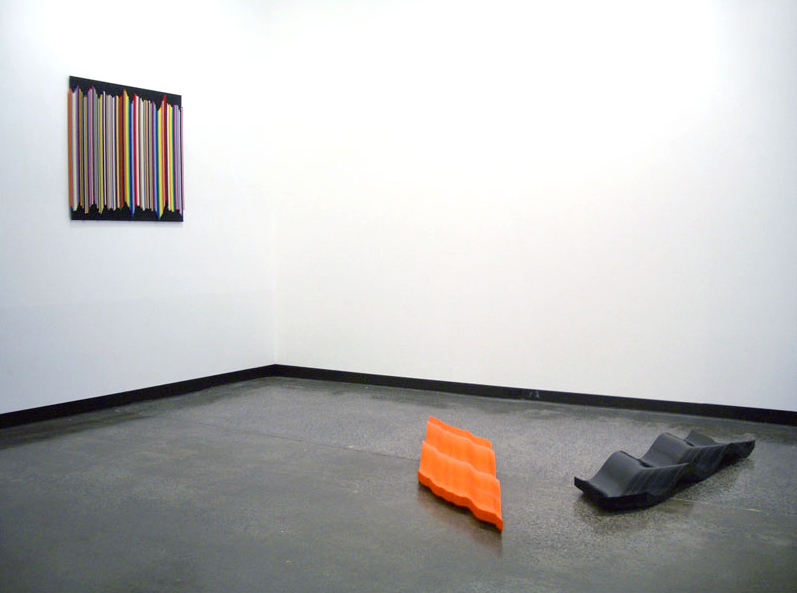
Exhibition dates: 19th August – 5th September, 2009
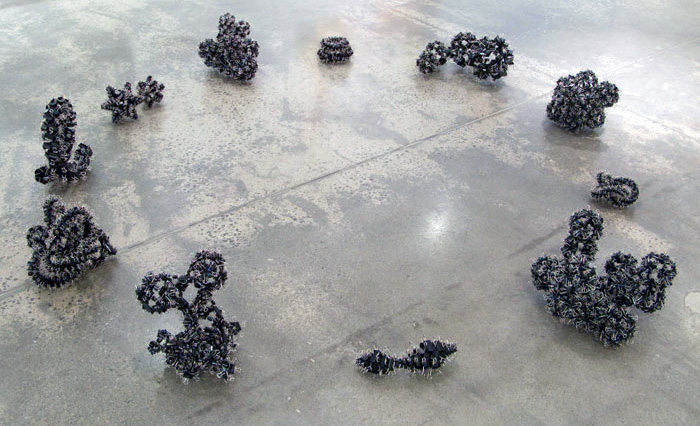
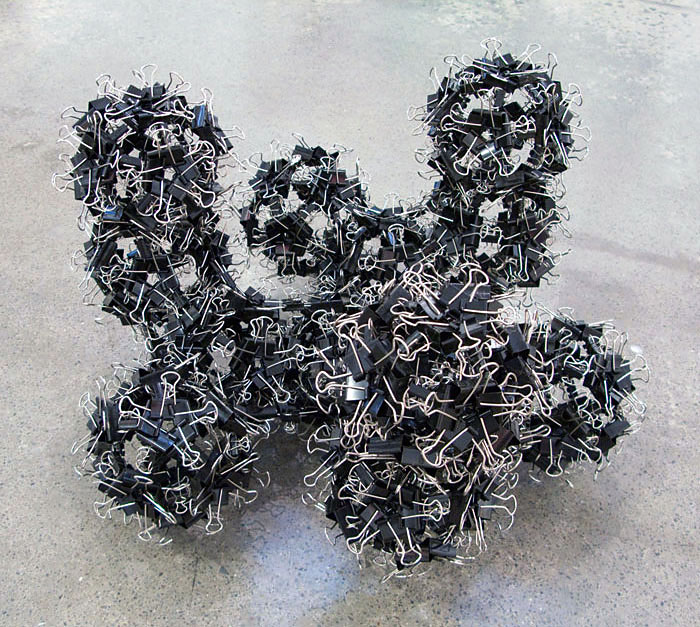
Carl Scrase (Australian, b. 1983) Fractal Alchemy installation view 2009
This is a slight exhibition of collages and constructions by Carl Scrase at John Buckley Gallery, Melbourne. Ironically, given the nature of the catalogue essay by Tai Snaith (see below) that waxes lyrical about the mystery and magic of symmetry, synchronicity and spirit, this exhibition lacks the depth of purpose needed to address spiritual elements that are the very basis of human existence.
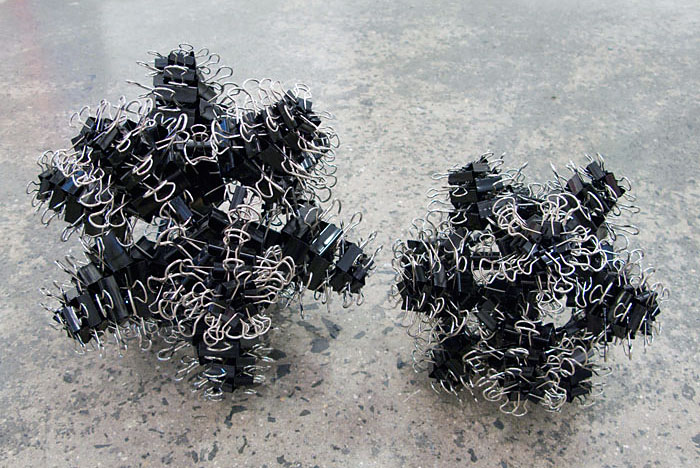
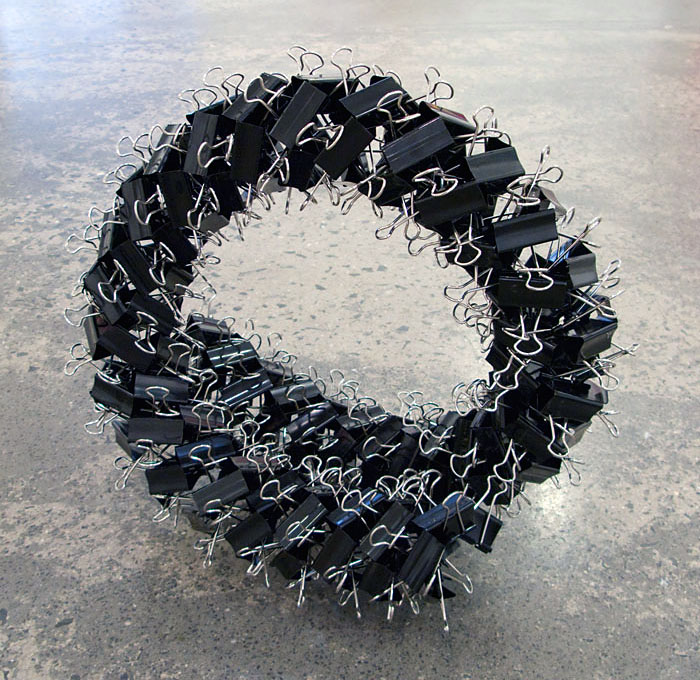
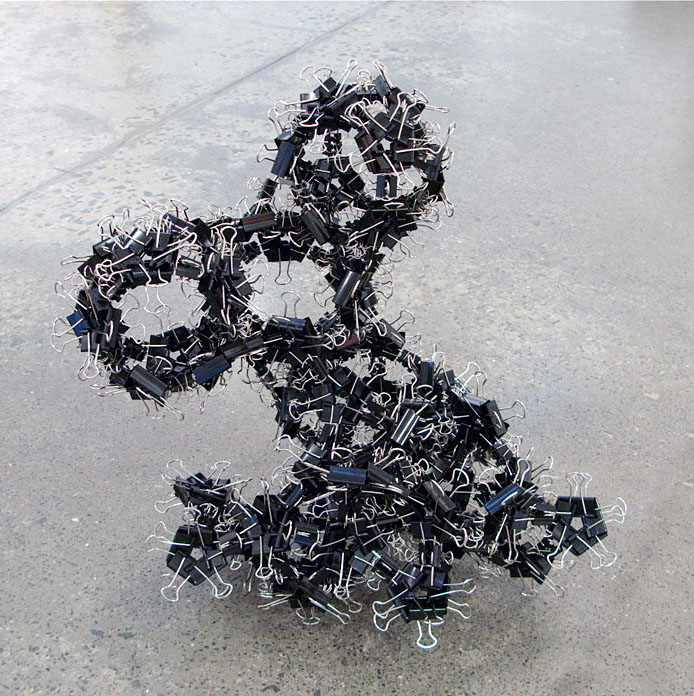
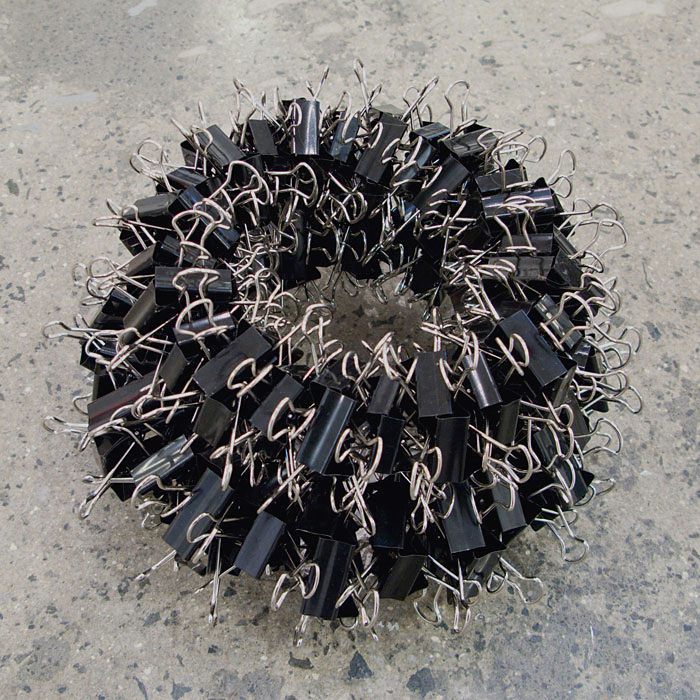
The biomorphic forms that go to make up the work Fractal Alchemy (2009) fair better in this regard, the various size bull dog clips offering non-representational patterns that resemble living organisms and genetic structures in shape and appearance. At their best these elemental shapes start to transcend form and function to become something else: an instinctive and intuitive connection to the inherent fold in the universe, like the embedded pattern, the DNA template in a blank piece of paper before the folding of the origami model. Unfortunately the wonder of this piece is short-lived. Unlike the ever magical repetition of fractal geometry with its inherent iteration of forms that constantly a/maze, here the shapes are not stretched far enough, the exposition not grounded in broken or fractured forms that invite alchemical awareness in the viewer.
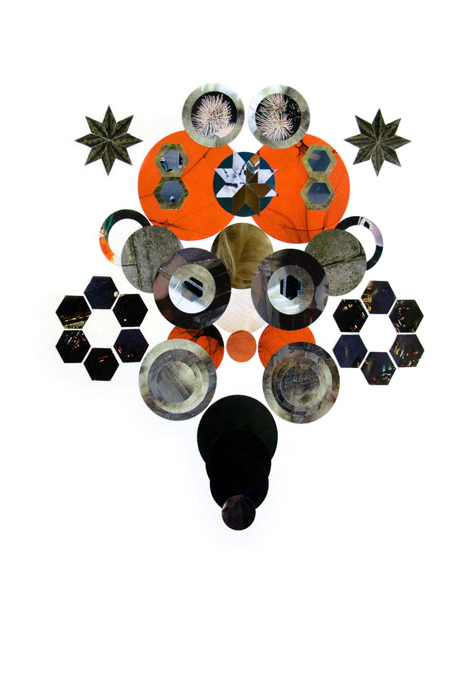
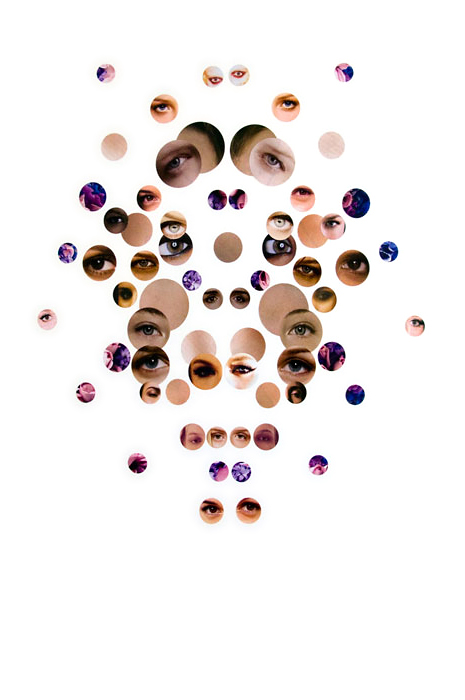
The collages are less successful in this mystery project. Made from cut-up images from magazines these symmetrical constructions lack spiritual presence. Like the aspired to symmetrical beauty of a human face it is, paradoxically, the irregularities of the human face that are their most attractive feature – our individuality. In the photographic stereoscopes of Victorian landscapes it is the difference between the left and right image that adds three-dimensional depth in the eye of the viewer, that transports them to other places, other worlds. In the collages of Picasso it is the irregularities that also transport the viewer into a hypertextural, hypertextual world of wonder. Scrase’s collages on the other hand, are flat, rigidly symmetrical life-less things that belie their stated aim – to be kaleidoscopic spirit guides in search of a pattern for inner peace. Although some of their forms are attractive their is no wonder, no my-story to be gleaned here.
Overall the work lacks the gravitas and sense of fun in and through the act of creation that the concepts require: to see things clearly and to ground this visualisation in objects that transcend ‘now’ and extend spirit into the eternal. These constructions do not stand as ‘equivalents’ for other states of consciousness, of being-in-the-world, nor do they offer a re-velatio where they open up ‘poetic spaces’ in which the alienation and opposition of inside and outside, of objectivity and subjectivity are seen to be disconnected. The Japanese ‘ma’, the interval which gives substance to the whole, is missing.
To express deep inner emotions and connection to spirit requires utmost focus on their expression-in-the-world, a releasement from ego and a layering of materials and form that transport the object and viewer into an’other’ plane of existence. Unfortunately this work falls short of this state of no-desire.
Dr Marcus Bunyan
Many thankx to John Buckley Gallery for allowing me to publish the photographs in the posting.
Carl Scrase (Australian, b. 1983) Fractal Alchemy installation view 2009
Carl Scrase (Australian, b. 1983) Fractal Alchemy (detail) 2009
Carl Scrase (Australian, b. 1983) Fractal Alchemy (detail) 2009
Carl Scrase (Australian, b. 1983) Fractal Alchemy (detail) 2009
Carl Scrase (Australian, b. 1983) Fractal Alchemy (detail) 2009
Carl Scrase (Australian, b. 1983) Fractal Alchemy (detail) 2009
Carl Scrase is a perfect example of an artist marking the turn of a tide. At this distinct ebb of the ravenous, rampant seas of consumption and production we’ve been surfing for the past couple of hundred years and with the onset of the new flow, towards the riptide of Mayan prophesies of fast approaching 2012, Carl is on it, or should I say in it. And he’s splashing around.
This new generation of creative humans (to which Carl belongs) are not really concerned with how much money, time or status something is worth, or what kind of flashy object the human next to them owns. They seem to be more interested in what kind of wisdom can be procured, how many friends can be found and how a thing can be recycled or was born from something else. It is all about a search for the spirit, the feeling. Moreover, what it means. We are getting sick of the bland smog of consumerism, the stench of blatant big business and seem to be looking for escape pointers, for enlightenment, for answers and for CHANGE.
Carl’s work suggests his role as an artist is almost akin to a kind of medium slash alchemist – a self-proclaimed, new-age, anonymous shaman of sorts. Big boots to fill indeed, but don’t worry, its not like Carl is about to declare himself a Secret Chief and start welcoming in the new Golden Dawn or reading your tarot at openings. Nor is he concerned with the alchemical properties and behaviour of inorganic compounds or scientific explanations or measurements of the planets. His interest lies in noticing the sparkling mist of questions surrounding these things. The mystery and magic of how these marvels, such as symmetry and synchronicity occur in nature and how we can possibly learn from them and experience them in our day-to-day lives.
A true spiritualist in an atheist age, Carl uses his work as a kind of cipher for sorting his beliefs via a material creative process. His collages begin with found images from magazines, chosen relatively arbitrarily. His sculptures begin in a similar fashion with found objects, usually of the mundane or mass produced variety. It may be that they are all parts of images of human faces or just a complete add for a pair of Crocs or a hundred boxes of bull dog clips. Starting with the colour and then cutting the shape, or with the objects and then finding their natural function- almost as if listening to an instinctive, visual Ouija board somewhere in his subconscious. Carl then arranges the pieces through play. Similar to the way that you need to relax your eyes to receive the effects of a Magic Eye picture (remember them?), Carl relaxes his mind in order to let his collages find their final composition. This allows a kind of subconscious code to come forward, thus acting as both a reflection of his thoughts but also a kind of guide or suggestion for other’s thoughts, and perhaps something deeper that we don’t understand just yet.
I remember as a child I found an empty plastic tubular casing of a biro pen whilst walking along the beach one day. It had been washed and scratched by the ocean and gave the pale blue, semi-translucent plastic a soft almost sparkly effect. I picked it up and instinctively looked through the tiny tunnel at the sun. The way the sunlight refracted through the plastic before reaching my retina made me think of a magical kaleidoscope and I immediately classified it as having ‘special powers’, granting it prime position in my pocket for months. It became a type of personal talisman or spirit guide.
Traditionally, in animist belief systems (such as Shinto and certain parts of Hinduism) sprits need either an object or a medium (ie, thunder, lightening, wind, animals, plants, etc) to be experienced or seen by humans. They need something else to exist in order to communicate with us. Carl’s images and objects seem to suggest or demonstrate this kind of medium as well as subtly questioning the message. In the same way that a child finds wonder in the changing symmetry of a Kaleidoscope before they even understand the science of the mirror involved, there is a wonder in these images and objects as soon as we encounter them. A wonder in creation, in ritual, in synchronicity and light. A wonder in life.
For Carl, the practice of Alchemy (and in this instance one might just as comfortably read Alchemy as Art) is ‘not the search for some magic potion’ but rather the ‘awareness that all life is eternal and the inner peace that comes from that realisation’. Just as we recognise similar patterns within nature, like the spiral formation of a shell or the layering of petals on a flower or the direction of the hair growing on a man’s scalp, we can notice these patterns on a spiritual and philosophical plane also. It doesn’t take a genius to recognise a similar search for meaning and self-realisation being revisited amongst some of the most interesting artists of our time, but let’s just hope that the search continues to prove that the process of making art itself is both the question and the answer.
Tai Snaith 2009
Text from the John Buckley website [Online] Cited 20/08/2009 no longer available online
Carl Scrase (Australian, b. 1983) Spiritguide 090501 2009
Carl Scrase (Australian, b. 1983) Spiritguide 090624 2009
Carl Scrase (Australian, b. 1983) Spiritguide 090504 2009
Carl Scrase (Australian, b. 1983) Spiritguide 090509 2009
Carl Scrase (Australian, b. 1983) Spiritguide 090520 2009
Carl Scrase (Australian, b. 1983) Spiritguide 090601 2009
Carl Scrase (Australian, b. 1983) Spiritguide 090617 2009
Exhibition dates: 20th August – 5th September, 2009
Little Treasures Toby Richardson, Will Nolan, CJ Taylor and Steve Wilson
Clay Cameras Alan Constable
Alan Constable (Australian, b. 1956) Not titled (ALE SLR) 2008 Ceramic Photo: Marcus Bunyan
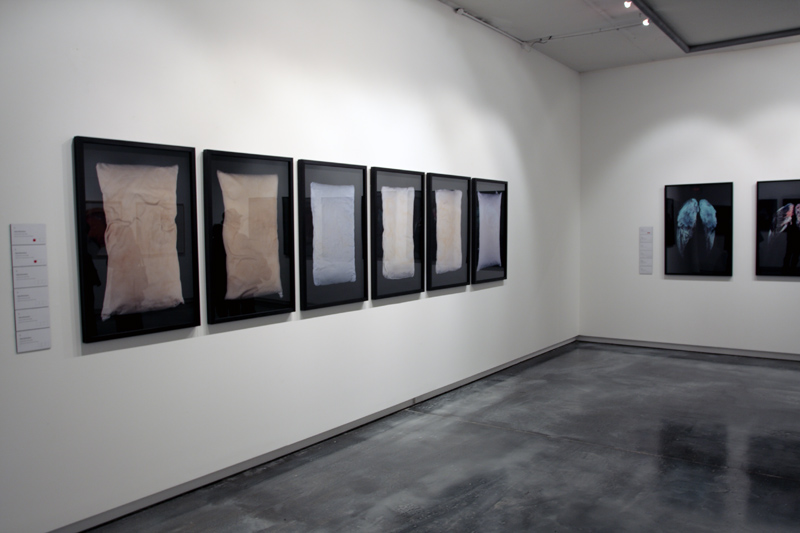
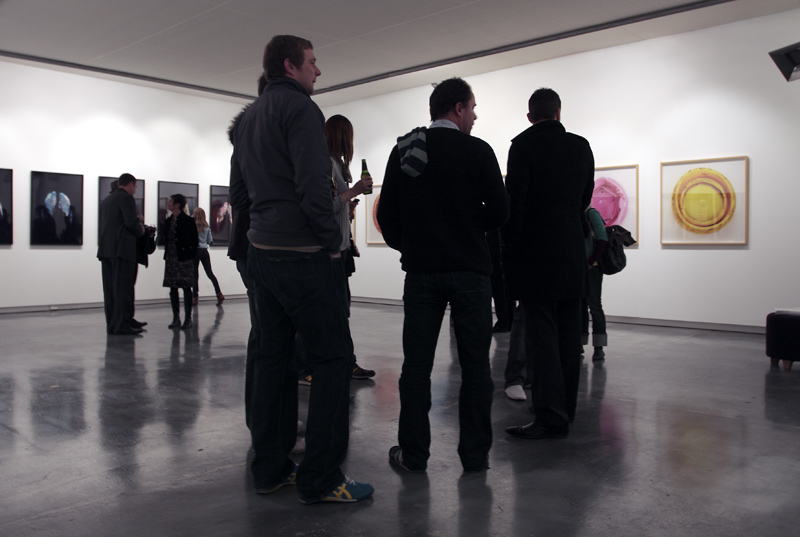
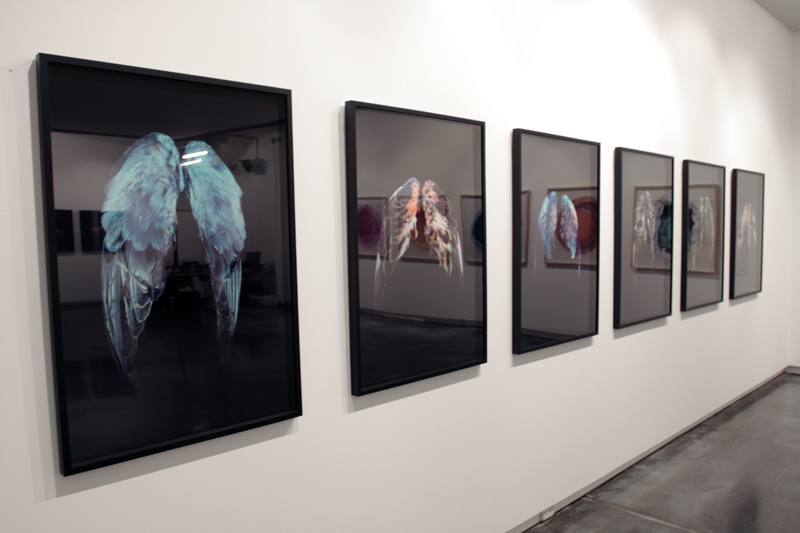
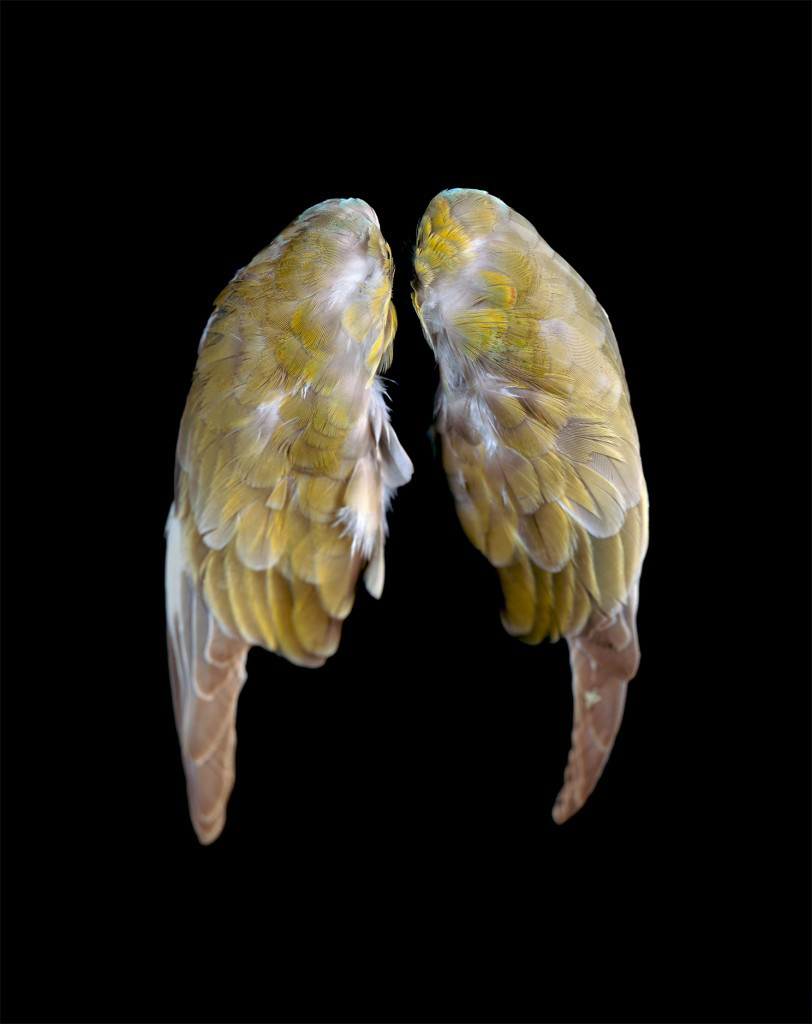
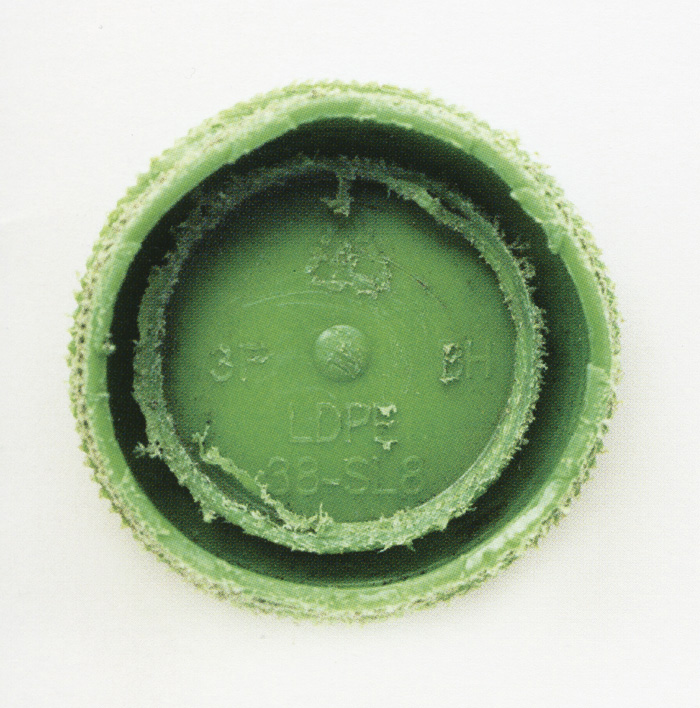
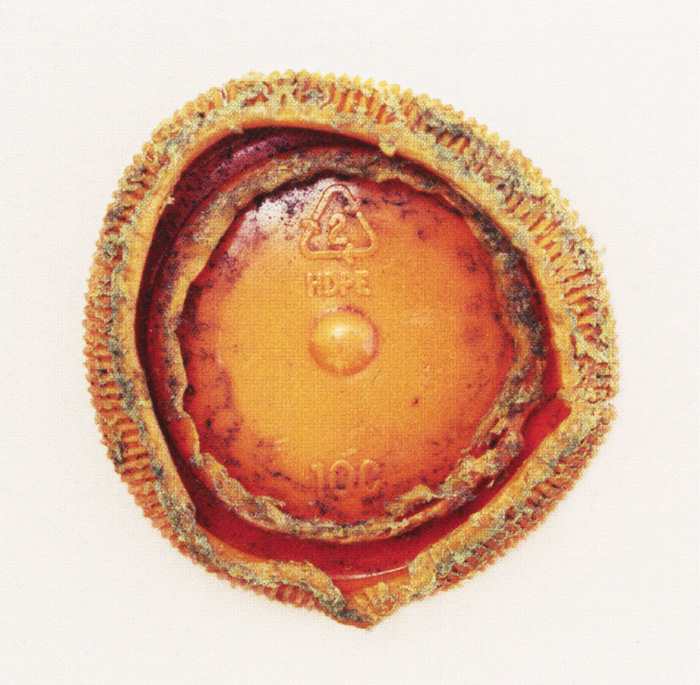
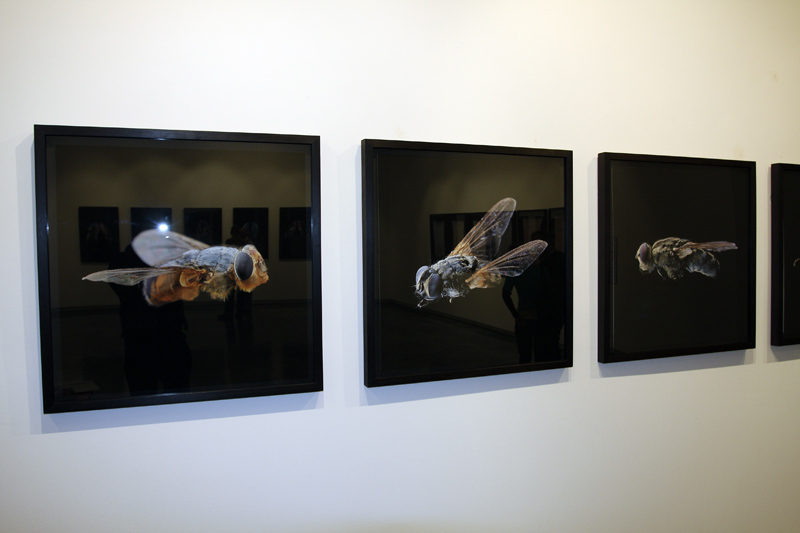
A small crowd was in attendance for the opening of two new exhibitions at Helen Gory Galerie (due to two auctions, one at Sotheby’s and the other at Deutscher-Menzies). Despite this the crowd was appreciative of the beautifully printed and well presented work. In the main exhibition Little Treasures four photographers show various bodies of work. Toby Richardson’s stained pillows (Portrait of the artist) from the years 1986-2003 were effective in their muted tones and ‘thickened’ spatio-temporal identity. CJ Taylor’s winged detritus from the taxidermist were haunting in their mutilated beauty. Steve Wilson’s sometimes legless flies were startling in their precision, attitude/altitude and, as someone noted, they looked like jet fighters! Finally my favourite of this quartet were the recyco-pop iridescent bottle tops of Will Nolan – “these objects remain enigmatic, resonating with a sense of mystery, hidden thoughts and unknown histories.” (Lauren Tomczak, catalogue text).
Some good work then in this take on found, then lost and found again treasure trove, work that retrieves and sustains traces of life, history and memory in the arcana of discarded and dissected objects.
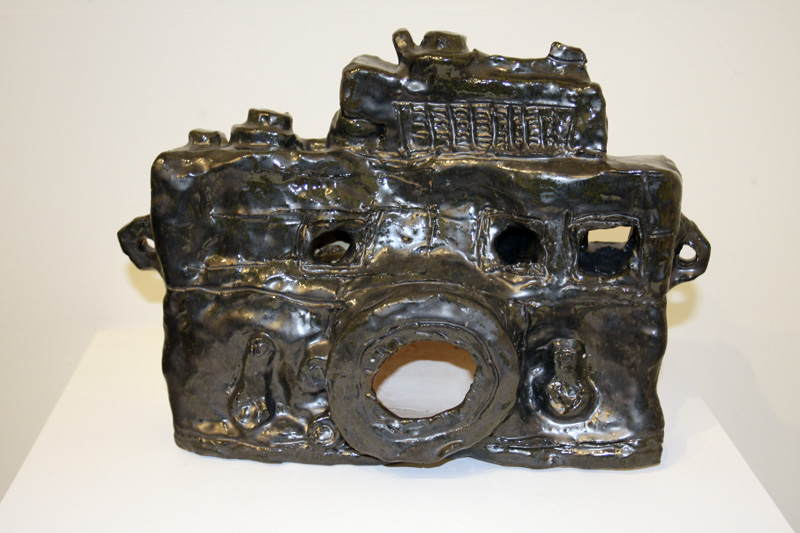
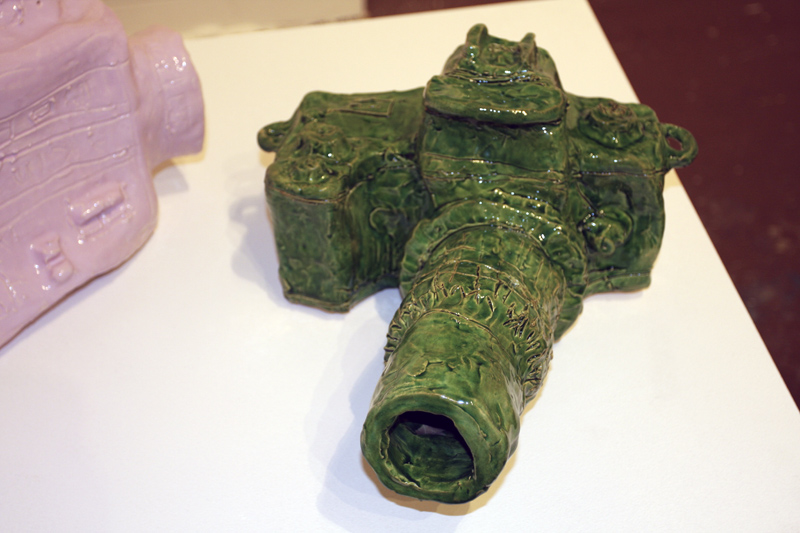
The hit of the night for me was the work of Alan Constable, his “objects that see”. I found his clay cameras intoxicating – I wanted to own one (always a good sign). I loved the exaggerated form and colours, the playfulness of the creativity on display. Being a photographer I went around trying to work out the different makes of these scratched and highly glazed cameras without looking at the exhibition handout. For a very reasonable price you could own one of these seductive (is that the right word, I think it is) viewfinders and they were selling like hot cakes!
Dr Marcus Bunyan
Many thankx to Helen Gory Galerie for allowing me to publish the photographs in the posting. Please click on the photographs for a larger version of the image.
Little Treasures
“Wings, pillows, flies and bottle tops are blown up vastly in stunning large scale prints that take the viewer through the looking glass into another universe, their brilliant colour and rich detail revealing unexpected beauty and delight in these forgotten things. Unmanipulated and finely printed, these images are the product of each artist’s technical mastery and inquisitive eye finding beauty in the cast off and delight in the ignored.” (Jemima Kemp, 2009)
Installation view of Little Treasures showing Toby Richardson’s Portrait of the Artist series (2009, left) Photo: Marcus Bunyan
Installation view of Little Treasures showing the work of CJ Taylor (2009, left) and Will Nolan’s Bottle Top series (2009, right) Photos: Marcus Bunyan
Installation view of Little Treasures showing the work of CJ Taylor (2009) Photo: Marcus Bunyan
CJ Taylor (Australian, b. 1951) Blue, turquoise yellow green 2009 Acrylic glass pigment print 110 x 79cm
CJ Taylor (Australian, b. 1951) Blue, Blue, Grey 2009 Acrylic glass pigment print 110 x 79cm
Installation view of Little Treasures showing Will Nolan’s Bottle Top series (2009) Photo: Marcus Bunyan
Will Nolan (Australian) Bottle top #10 2009
Will Nolan (Australian) Bottle top #1 2009
Installation view of Little Treasures showing Steve Wilson’s Fly series (2009) Photo: Marcus Bunyan
Clay Cameras
“From the box brownie to disposables, VHS to SLR, these works explore Alan Constable’s fascination with cameras. Unlike the streamlined design of the originals, Constable’s cameras appear soft, organic and malleable.”
Alan Constable (Australian, b. 1956) Not titled (pearlescent gold/black Leica) 2008 Ceramic Photo: Marcus Bunyan
Installation view of Clay Cameras by Alan Constable Photo: Marcus Bunyan
Alan Constable (Australian, b. 1956) Not titled (Hasselblad) 2008 Ceramic Photo: Marcus Bunyan
Alan Constable (Australian, b. 1956) Not titled (Digital with zoom lens) 2009 Ceramic Photo: Marcus Bunyan

![E. J. Bellocq (American, 1873-1949) 'Untitled [prostitute of Storyville, New Orleans]' 1912](https://artblart.com/wp-content/uploads/2009/09/bellocq_1912_g.jpg "E. J. Bellocq (American, 1873-1949) 'Untitled [prostitute of Storyville, New Orleans]' 1912")
















 Art Blart _ art and cultural memory archive
You must be logged in to post a comment.