Unknown photographer (Australian) The Nobbies, Phillip Island, Victoria, Australia 1960s Ektachrome medium format transparency scanned
Further Australian photographs from scans of 73 medium format Kodak Ektakchrome slides found in a country town in Victoria, Australia taken in Australia, Mexico, United States of America and Canada in the mid-1960s. I believe that the photographer was an Australian who was on holiday in Mexico, United States of America and Canada.
In nearly 40 years of being a photographer I have never seen colour medium format slides from the 1960s. There was no colour fading to the slides. The person who took the photographs was shooting medium format colour in the 1960s so they would have been a photographic aficionado. Just by holding the slides up to the light I could see the photographs were compositionally very interesting. Whoever the photographer was they had a great eye!
There are some beautiful photographs of the Australian landscape here. And the Australian “light” and colour are so different from the rest of the photographs (see part 1 of the posting).
I have also included an example of how incredibly dirty these slides were, see Untitled (Australian landscape) (detail uncleaned and cleaned) 1960s (below), and note how much work and many hours were required to bring these images back into a state of grace … and preservation.
Unknown photographer (Australian) Untitled (Australian landscape) 1960s Ektachrome medium format transparency scanned
The fault at left appears in several other slides in these Ektachromes and must have been in the camera as it’s not in the slide itself…
Unknown photographer (Australian) Untitled (Australian landscape) 1960s Ektachrome medium format transparency scanned
Unknown photographer (Australian) Untitled (Australian landscape) 1960s Ektachrome medium format transparency scanned
There is a Mini panel van on the causeway!
Unknown photographer (Australian) Untitled (Australian landscape) 1960s Ektachrome medium format transparency scanned
The same landscape as the two photographs below
Unknown photographer (Australian) Untitled (Australian landscape) 1960s Ektachrome medium format transparency scanned
Unknown photographer (Australian) Untitled (Australian landscape) 1960s Ektachrome medium format transparency scanned
Unknown photographer (Australian) Untitled (Australian landscape) (detail uncleaned and cleaned) 1960s Ektachrome medium format transparency scanned
Unknown photographer (Australian) Untitled (Man holding his movie camera, Australia) 1960s Ektachrome medium format transparency scanned
Australian built Ford XR Falcon station wagon
Unknown photographer (Australian) Unknown woman 1960s Ektachrome medium format transparency scanned
I don’t know where this is but it feels Australian to me, especially the fashion…
Unknown photographer (Australian) Untitled (Australian landscape, possibly South Point, Wilson’s Prom, Victoria) 1960s Ektachrome medium format transparency scanned
Australian coastal she oak and tea tree.
Unknown photographer (Australian) Untitled (Australian landscape) 1960s Ektachrome medium format transparency scanned
Wonderful photograph of the Australian landscape…
Unknown photographer (Australian) Untitled (Australian landscape) 1960s Ektachrome medium format transparency scanned
Unknown photographer (Australian) Untitled (Australian landscape) 1960s Ektachrome medium format transparency scanned
Unknown photographer (Australian) Untitled (Australian landscape) 1960s Ektachrome medium format transparency scanned
Max Dupain (Australian, 1911-1992) Silos through windscreen 1935 Gelatin silver print
Unknown photographer (Australian) Untitled (Australian landscape) 1960s Ektachrome medium format transparency scanned
The second photograph taken through the windscreen of a car
Unknown photographer (Australian) Untitled (Australian landscape) 1960s Ektachrome medium format transparency scanned
Unknown photographer (Australian) Untitled 1960s Ektachrome medium format transparency scanned
I’m not sure what they are doing or where this is (possibly Australia) but I like the photo!
Unknown photographer (Australian) Untitled 1960s Ektachrome medium format transparency scanned
A geologist hammer in his hand?
Unknown photographer (Australian) Untitled (Visitors must not leave pathway) 1960s Ektachrome medium format transparency scanned
Unknown photographer (Australian) Hawaii 1960s Ektachrome medium format transparency scanned
State of grace
I was very excited by the discovery in a country town in Victoria, Australia of 73 medium format Kodak Ektakchrome slides taken in Australia, Mexico, United States of America and Canada in the mid-1960s. I believe that the photographer was an Australian who was on holiday in Mexico, United States of America and Canada.
In nearly 40 years of being a photographer I have never seen colour medium format slides from the 1960s. There was no colour fading to the slides. The person who took the photographs was shooting medium format colour in the 1960s so they would have been a photographic aficionado. Just by holding the slides up to the light I could see the photographs were compositionally very interesting. Whoever the photographer was they had a great eye!
I can date the slides to late 1966 / early 1967. This is because of the unknown photograph of the construction of John F. Kennedy’s grave at Arlington National Cemetery (below). Construction began in 1965 and was completed on July 20, 1967. Since JFK’s grave is 2/3rds complete this would date the photograph to late 1966 / early 1967. This would also help date all the other Ektachrome slides that I have scanned as well.
The has been a journey of (self) discovery.
Firstly, I made the conscious decision not to look at the slides before scanning them but rather to randomly pick up whichever slide came next … then to take us on a journey in time and space from my studio in Melbourne – to Canada, Mexico, United States of America and different parts of Australia, in the mid-1960s.
Together, through these photographs, we can travel the planet, traversing time back to the 1960s where we can witness historic places of that era – John F. Kennedy’s grave under construction; George Washington’s house in Mount Vernon; the White House closer than you can ever get today in our paranoid era of protection.
In some ways it was a more open society in those days, more trusting and available; in others, it was more prejudiced against, for example, women, migrants, colour and difference. War never changes. Not everything changes for the better, but some things do.
Scanning these slides was a journey of self discovery. I immersed myself in their worlds… staring for hours at the scans and at the dots and scratches on the screen – cleaning up the slides and colour balancing them (see Metropolitan Opera House, Lincoln Center, New York City 1960s below for an example) to make them presentable. It was as much a meditative practice and an acceptance of self to keep going that was so rewarding, especially for the peace it brings my bipolar and depression. Peace and self acceptance.
I lived and breathed these images back into existence after nobody had seen them for so many years. I saved them for prosperity, from the eternity of loss of all unseen images – to not have eyes look at them for that moment of recognition, when the language of the image can be decoded and understood. When the feeling of that image impacts the senses.
I hope you enjoy this series of images, that it reaches you in all its wonderful, effervescent glory. Whoever the photographer was I want to thank them for their vision – for they have taken us to places and times we could never have gone.
Dr Marcus Bunyan
PS. Look at the two hands in the photograph Untitled (Mexican scene?) 1960s (below). It perfectly sums up a moment caught through the energy of the photographer, the camera … and the cosmos. The open hand, the shielded hand.
Just a bit about these scans: scanned at 1200dpi, 21.3Mb. Each image takes on average 1.5 hours of cleaning and balancing to achieve the end result. 300dpi jpg made from scans.
“A good image is created by a state of grace. Grace expresses itself when it has been freed from conventions, free like a child in his early discovery of reality. The game is then to organise the rectangle.” [or the square in this case!]
Sergio Larraín Echeñique
Ektachrome transparency box
United States of America
Unknown photographer (Australian) Grand Canyon 1960s Ektachrome medium format transparency scanned
Unknown photographer (Australian) Snow in the Grand Canyon 1960s Ektachrome medium format transparency scanned
Unknown photographer (Australian?) Grand Canyon with snow 1960s Ektachrome medium format transparency scanned
Unknown photographer (Australian) John looking bored, Father and Sylvia at Aunt Jemima’s Kitchen, Disneyland 1960s Ektachrome medium format transparency scanned
Unknown photographer (Australian) Wedding day (USA?) 1960s Ektachrome medium format transparency scanned
What a wonderful composition from a low vantage point. Not sure where it is but it feels USA to me…
The girl at left looking at the bride and groom, his white gloves one on one off, her yellow bride’s bouquet and the relationship to the yellow of the bridesmaid’s dress, and the two girls at right… one looking at the couple and one at the camera. Magic!
I wonder what happened to them, how long they were together. Was it a happy marriage? Did they had children and where are they now? And now all these years later to see this mnemonic device, this photograph of associations, designed to recover fragmentary memories of a happy time…
Unknown photographer (Australian) Wedding day (USA?) 1960s Ektachrome medium format transparency scanned
Unknown photographer (Australian) Untitled (USA) 1960s Ektachrome medium format transparency scanned
I am pretty sure this image is connected to the wedding photos above.
Unknown photographer (American) Hawaii? California? coastline 1960s Ektachrome medium format transparency scanned
Definitely not Australia…
Unknown photographer (American) Hawaii? California? coastline 1960s Ektachrome medium format transparency scanned
Unknown photographer (Australian) Untitled [coastline] 1960s Ektachrome medium format transparency scanned
I think this is the Hawaiian or Californian coastline, but unsure… the telephone pole is definitely not Australian!
Unknown photographer (Australian) Untitled 1960s Ektachrome medium format transparency scanned
No idea where this is (not Australia!) or what the structures are. Obviously shot out of a moving car or possibly train/bus. An interesting image nonetheless.
Unknown photographer (Australian) Untitled [Desert scene, California?] 1960s Ektachrome medium format transparency scanned
Unknown photographer (Australian) Untitled [Desert scene, California?] 1960s Ektachrome medium format transparency scanned
A wonderful photograph shot contre-jour which is a photographic technique in which the camera is pointing directly toward a source of light.
Unknown photographer (Australian) George Washington’s home, Mount Vernon 1960s Ektachrome medium format transparency scanned
Thank you to Colin Vickery who informed me this is George Washington’s home, Mount Vernon.
Unknown photographer (Australian) John F. Kennedy’s gravesite under construction at Arlington Cemetery (foreground) with Memorial Bridge and the Lincoln Memorial in the background. View from Arlington House Late 1966 / early 1967 Ektachrome medium format transparency scanned
An important photograph! An unknown photograph of the construction of John F. Kennedy’s grave at Arlington National Cemetery.
Construction began in 1965 and was completed on July 20, 1967. Since JFK’s grave is 2/3rds complete this would date the photograph to late 1966 / early 1967. This would also help date all the other Ektachrome slides that I am scanning.
Unknown photographer (Australian) Grave of John F. Kennedy, Arlington National Cemetery, Washington 1960s Ektachrome medium format transparency scanned
Another important photograph of the temporary grave of John F. Kennedy at Arlington National Cemetery with the construction of Kennedy’s new grave ongoing in the background.
Around the grave are the caps of the services with what I think are dog leads in between? In the background in the centre is a wreath from a Boy Scout Troop. And of course, the flame…
Unknown photographer (Australian) Arlington National Cemetery, Washington 1960s Ektachrome medium format transparency scanned
This was a poor exposure and about the best I could do with the scan.
Unknown photographer (Australian) Arlington National Cemetery, Washington 1960s Ektachrome medium format transparency scanned
Unknown photographer (Australian) Road to Arlington National Cemetery, Washington 1960s Ektachrome medium format transparency scanned
A wonderful vista with Arlington National Cemetery in the distance…
Unknown photographer (Australian) The White House, Washington, DC 1960s Ektachrome medium format transparency scanned
Unknown photographer (Australian) The White House, Washington, DC 1960s Ektachrome medium format transparency scanned
Unknown photographer (Australian) Untitled States Capitol, Washington, D.C. 1960s Ektachrome medium format transparency scanned
What a great image, shot out of the front of a bus driving towards the United States Capitol, love all the old cars!
Unknown photographer (Australian) Untitled States Capitol, Washington, D.C. 1960s Ektachrome medium format transparency scanned
I love the perspective, the shadows of the old cars, the path leading the eye towards the building and the trees framing the vista.
Unknown photographer (Australian) Abraham Lincoln, Lincoln Memorial, Washington, D.C. 1960s Ektachrome medium format transparency scanned
Unknown photographer (Australian) Metropolitan Opera House, Lincoln Center, New York City 1960s Ektachrome medium format transparency scanned
The top image has not been colour corrected, as scanned.
Unknown photographer (Australian) 1040 Fifth Avenue NY 1960s Ektachrome medium format transparency scanned
Some photos are winners, some are losers… but they are all interesting. The fifteenth floor of 1040 Fifth Avenue NY was home to Jackie Onassis from 1964 to 1994.
The cars are a Super 88 Oldsmobile, 1965 Plymouth Fury Suburban S/W and 1964/65 Buick Special 4dr.
This slide was so underexposed it was very hard to get a usable scan. Colour correction was difficult.
Unknown photographer (Australian) Untitled (American landscape) 1960s Ektachrome medium format transparency scanned
A lovely image. Whoever took these photographs had a really good eye.
Unknown photographer (Australian) Untitled (American landscape) 1960s Ektachrome medium format transparency scanned
Unknown photographer (Australian) Untitled (American landscape) 1960s Ektachrome medium format transparency scanned
Unknown photographer (Australian) Untitled (American landscape) 1960s Ektachrome medium format transparency scanned
Unknown photographer (Australian) Untitled (California) 1960s Ektachrome medium format transparency scanned
I think this is California?
A classic 1960s photograph. The photographer had a good eye. Los Castillo artesanos on the left hand side, a Kodak sign, and a Chevrolet if I’m not mistaken.
Unknown photographer (Australian) American landscape with cars, perhaps Malibu, California? 1960s Ektachrome medium format transparency scanned
Great photo!
Unknown photographer (Australian) Main Str Cinema, Disneyland, California 1960s Ektachrome medium format transparency scanned
I don’t know what the fault is at top left, it’s in the transparency itself – so obviously something inside the camera got ‘recorded’ on film
Unknown photographer (Australian) Mickey Mouse, Disneyland, California 1960s Ektachrome medium format transparency scanned
Unknown photographer (Australian) General view over Universal Studios including my plane, Tammy’s houseboat, Warner Brothers in background, California 1960s Ektachrome medium format transparency scanned
The photograph was taken from a “Glamor Tram” travelling around the lot. These were introduced in July, 1964. “The iconic red and white Glamor Trams, with their ruffled awnings, were staged five times a day, each lasting just over two hours, Monday through Friday.”
The handwritten inscription on the slide reads:
“General view over Universal Studios including my plane, Tammy’s houseboat, Warner Brothers in background”
“My plane” seems to be a North American P-51 Mustang. According to John Lovaas on Facebook he is “pretty sure the green space is Lakeside Golf Club, and the plane and cars in the foreground are on Universal Studios property. How many P-51s has Universal ever had on their lot? A finite number!”
He states that the P-51 is most likely the plane 44-72739 N44727 “Man O War” which was the plane at Universal Studios between 1955-1970. I can’t see a houseboat at all!
Unknown photographer (Australian) ‘Battle Hymn’ North American P-51 Mustang 1960s Ektachrome medium format transparency scanned
A closer look at the North American P-51 Mustang that featured at a distance in the slide above.
The text written on the slide reads: “Me and plane used in “Battle Hymn”.”
“‘Battle Hymn’ is a 1957 American war film directed by Douglas Sirk and starring Rock Hudson as Lieutenant Colonel Dean E. Hess, a real-life United States Air Force fighter pilot in the Korean War who helped evacuate several hundred war orphans to safety… Hess promises her he won’t see combat, since he will be the senior USAF advisor / Instructor Pilot to the Republic of Korea Air Force, only serving as a teacher and flying F-51D Mustangs. …
In order to replicate the ROK unit, the 12 F-51D Mustangs of 182nd Fighter Squadron, 149th Fighter Group of the Texas Air National Guard were enlisted by the USAF to provide the necessary authentic aircraft of the period. During filming, an additional surplus F-51 was acquired from USAF stocks to be used in an accident scene where it would be deliberately destroyed.”
Unknown photographer (Australian) Sylvia and ship used for McHale’s Navy, Universal Studios 1960s Ektachrome medium format transparency scanned
The title was written on the slide.
Unknown photographer (Australian) San Francisco with Golden Gate Bridge (in the background) 1960s Ektachrome medium format transparency scanned
Unknown photographer (Australian) View over San Francisco 1960s Ektachrome medium format transparency scanned
Unknown photographer (Australian) Untitled (Car and river, USA) 1960s Ektachrome medium format transparency scanned
Lovely photo, great shadows. I have no idea where this is…
Unknown photographer (Australian) Untitled (woman and car) USA, 1960s Ektachrome medium format transparency scanned
Left hand drive car so this must be the United States of America.
Canada
Unknown photographer (Australian) Place Ville Marie, Montreal 1960s Ektachrome medium format transparency scanned
Unknown photographer (Australian) Cathédrale Basilique Marie Reine du Monde, Montreal 1960s Ektachrome medium format transparency scanned
Unknown photographer (Australian) Cathédrale Basilique Marie Reine du Monde, Montreal 1960s Ektachrome medium format transparency scanned
Unknown photographer (Australian) Interior, Cathédrale Basilique Marie Reine du Monde, Montreal 1960s Ektachrome medium format transparency scanned
Unknown photographer (Australian) Downtown Montreal, intersection of Blvd de Maisonneuve Ouest and Metcalfe St, looking toward Mont Royal 1960s Ektachrome medium format transparency scanned
Mexico
Unknown photographer (Australian) Cuernavaca Cathedral, Morelos, Mexico 1960s Ektachrome medium format transparency scanned
Unknown photographer (Australian) Chapultepec Castle, Mexico City 1960s Ektachrome medium format transparency scanned
This is Chapultepec Castle, site of the National History Museum, México City. The soldiers are wearing Mexican helmets of the M1 pattern with regimental insignia on the front.
Unknown photographer (Australian) Untitled (Mexico) 1960s Ektachrome medium format transparency scanned
Unknown photographer (Australian) Untitled (Mexico) 1960s Ektachrome medium format transparency scanned
Unknown photographer (Australian) Hotel Borda, Cuernavaca 1960s Ektachrome medium format transparency scanned
A view of the “Hotel Borda” which still exists in Cuernavaca a town just south of Mexico City.
Unknown photographer (Australian) Untitled (Mexico) 1960s Ektachrome medium format transparency scanned
I can make out the words “Gloria”, “Dios”, and “Paz” in the sign on the right hand side.
Unknown photographer (Australian) Untitled (Mexican scene?) 1960s Ektachrome medium format transparency scanned
Edgar Finlay (Australian, 1893-1974) Untitled Streetscape 1919 Oil on board 32.2 x 27.2cm
This is a near perfect exhibition of Australian Tonalist paintings from the John and Peter Perry Collection at the Town Hall Gallery, Hawthorn, Melbourne.
From the beautiful colour of the gallery walls which compliments the art work to the subtle grouping of the paintings to the individual nuances in style of each artist’s work … this is a stunning exhibition which envelops the viewer in the paintings sublime, minimalist intimacies.
From portrait to landscape, from cityscape to still life, I was enraptured by the presence of each painting. Blow Monet or Cezanne, here is Australian colour, context, identity, place, perspective at its suffused finest!
I have always adored the work of Clarice Beckett (Australian, 1887-1935) ever since I saw her paintings at Lauraine Diggins Fine Art way back in 2015, and normally she would be the start of the show … but not here. Here she is surrounded by visions / visionaries of equal stature, led by the redoubtable painter and teacher Max Meldrum (Australian, 1875-1955).
The wall of five of his paintings of trees (see installation photo below) including The Glade, Eltham (c. 1920, below), The Pool (1923, below), The Bottom of the Hill (Eltham Reserve) (1925, below) is one of the most rigorous conceptual investigations into that subject I have seen in Australian painting, yet at the same time I was emotionally moved by their subtle nuances of form, tone and inhabitation. It was as though the artist had internalised the transcendence of his subject.
Believe me when I say that I inhaled the canvases in this exhibition, I breathed their suffused glow.
It was a real privilege to see the exhibition and to be able to construct this post. There are not many reproductions of Australian Tonalist paintings online by many of these artists so here is a record their achievement, and that of John and Peter Perry for having the foresight and perspicacity to collect them.
Enveloped in a pall of opaque density I see clearly.
Installation view of the exhibition Australian Tonalism: A selection from the John and Peter Perry Collection at the Town Hall Gallery, Hawthorn, Melbourne, May – July, 2025 showing at left, George Coates’ portrait of Max Meldrum, c. 1895 (below); at centre, Edgar Finlay’s Untitled Streetscape 1919 (above); and at right, three paintings by Clarice Beckett (below)
Australian Tonalism
Australian Tonalism is characterised by a particular “misty” or atmospheric quality created by the Meldrum painting method of building “tone on tone”. Tonalism developed from Meldrum’s “Scientific theory of Impressions”; claiming that social decadence had given artists an exaggerated interest in colour and, to their detriment, were paying less attention to tone and proportion. Art, he said, should be a pure science based on optical analysis; its sole purpose being to place on the canvas the first ordered tonal impressions that the eye received. All adornments and narrative and literary references should be rejected.
Tonalism opposed Post-Impressionism and Modernism, and is now regarded as a precursor to Minimalism and Conceptualism. The whole movement had been under fierce controversy and they were without doubt the most unpopular group of artists, in the eyes of most other artists, in the history of Australian art. Influential Melbourne artist and teacher George Bell described Australian Tonalism as a “cult which muffles everything in a pall of opaque density”.
George Coates (Australian, 1869-1930) Max Meldrum c. 1895 Oil on canvas 49.7 x 39.5cm
Clarice Beckett (Australian, 1887-1935) The Solitary Bathing Box c. 1933 Oil on beaver board 22.7 x 30cm
Clarice Beckett (Australian, 1887-1935) Street Scene (Collins Street) c. 1931 Oil on canvas board 17.6 x 24cm
Clarice Beckett (Australian, 1887-1935) (Beaumaris Coast) c. 1927 Oil on academy board 17.7 x 23.5cm
Wall text from the exhibition Australian Tonalism: A selection from the John and Peter Perry Collection at the Town Hall Gallery, Hawthorn, Melbourne, May – July, 2025
Installation view of the exhibition Australian Tonalism: A selection from the John and Peter Perry Collection at the Town Hall Gallery, Hawthorn, Melbourne, May – July, 2025 showing the work of Carl Hampel
Carl Hampel (Australian, 1891-1940) At Eltham 1920 Oil on prepared board 30.5 x 23cm
Carl Hampel (Australian, 1891-1940) Coming Light c. 1924 Evening 1920
Installation view of the exhibition Australian Tonalism: A selection from the John and Peter Perry Collection at the Town Hall Gallery, Hawthorn, Melbourne, May – July, 2025 showing at left in the bottom image the work of A E Newbury
A E Newbury (Australian, 1891-1941) White Gum and Pines 1919 Morning Light 1919 The Old Garden 1919
A E Newbury (Australian, 1891-1941) The Old Garden 1919 Oil on prepared board 30.5 x 23cm
Installation view of the exhibition Australian Tonalism: A selection from the John and Peter Perry Collection at the Town Hall Gallery, Hawthorn, Melbourne, May – July, 2025 showing the work of William Frater
William Frater (Scottish, 1890-1974) Untitled Landscape c. 1920 Oil on canvas 30 x 41.5cm
William Frater (Scottish, 1890-1974) Olympus c. 1928 Oil on canvas on board 32 x 46cm
William Frater (Scottish, 1890-1974) Tree forms on the Yarra c. 1926 Oil on canvas on board 30.5 x 39cm
William Frater (Scottish, 1890-1974) The River (Homage to Cezanne) 1930 Oil on board 43 x 54.5cm
Installation views of the exhibition Australian Tonalism: A selection from the John and Peter Perry Collection at the Town Hall Gallery, Hawthorn, Melbourne, May – July, 2025
Discover the artistic legacy of Max Meldrum (1875-1955) in this exhibition showcasing the lifelong dedication of John and Peter Perry to collecting works by this pioneering Australian artist and his influential school. Meldrum, a key figure in 20th-century Australian art, revolutionised the painting scene between the two World Wars, creating a distinctive style that has left a lasting imprint on the nation’s artistic landscape.
The exhibition features a selection of works from a collection of over 320 pieces, including paintings, sculptures, drawings, and etchings. Highlights include landscapes from both France and Australia, still lifes, portraits and animal studies – all embodying the unique approach of Meldrum and his followers. The ‘Meldrumites’ – a talented group of artists such as A M E Bale, Clarice Beckett, Colin Colahan and Polly Hurry – were deeply influenced by Meldrum’s teachings, and their works are also prominently featured. Many of these artists either lived or worked in the area now known as the City of Boroondara.
Also on display are fascinating studio artifacts, including plaster casts, palettes and photographs, offering a deeper insight into the artists’ creative processes. The exhibition will be accompanied by a limited-edition publication, providing further context and reflection on this significant collection.
Featuring: A M E Bale, Clarice Beckett, Colin Colahan, Archie and Amalie Colquhoun, Polly Hurry, John Farmer, Alma Figuerola, Justus Jorgensen, William Frater, Carl Hampel, Percy Leason, Max Meldrum, Jim Minogue, A E Newbury, Arnold Shore and others.
Text from the Boroondara Arts website
Installation view of the exhibition Australian Tonalism: A selection from the John and Peter Perry Collection at the Town Hall Gallery, Hawthorn, Melbourne, May – July, 2025
A D Colquhoun (Australian, 1894-1983) Self Portrait c. 1922 Oil on oak panel 21 x 15.8cm
L August Cornehls (Australian, 1887-1962) Self Portrait c. 1924 Oil on canvas on cardboard 26.7 x 22cm (oval)
Alma Figuerola (Australian, 1902-1970) Self Portrait c. 1926 Oil on cardboard 19.5 x 15cm
John Farmer (Australian, 1897-1989) Self portrait c. 1926 Oil on canvas 20.5 x 15.3cm
Australian Tonalism wall text Meldrum’s Painting Theory
Installation views of the exhibition Australian Tonalism: A selection from the John and Peter Perry Collection at the Town Hall Gallery, Hawthorn, Melbourne, May – July, 2025 showing the work of Max Meldrum
Max Meldrum (Scottish, 1875-1955) Brume (Mist) c. 1907 Study, Le Clocher c. 1908
Max Meldrum (Scottish, 1875-1955) Lever de Soleil (Sunrise) 1910 Oil on canvas 35 x 26.8cm
Max Meldrum (Scottish, 1875-1955) Chene et Peupliers (Oak Tree and Poplars) c. 1907 Oil on canvas 33.5 x 32cm
Max Meldrum (Scottish, 1875-1955) Esquisse (Sketch) c. 1904 Haystacks, Brittany c. 1908
Australian Tonalism wall text Meldrum in France
Max Meldrum (Scottish, 1875-1955) Pont de Grenelle, Paris 1929 Oil on canvas sketching panel 33.3 x 40.5cm
Installation view of the exhibition Australian Tonalism: A selection from the John and Peter Perry Collection at the Town Hall Gallery, Hawthorn, Melbourne, May – July, 2025 showing the work of Max Meldrum
Max Meldrum (Scottish, 1875-1955) The Glade, Eltham c. 1920 Oil on canvas on board 44 x 42cm
Max Meldrum (Scottish, 1875-1955) The Pool 1923 Oil on canvas on board 34 x 37.5cm
Max Meldrum (Scottish, 1875-1955) The Bottom of the Hill (Eltham Reserve) 1925 Oil on canvas on board 32.5 x 42cm
Installation view of the exhibition Australian Tonalism: A selection from the John and Peter Perry Collection at the Town Hall Gallery, Hawthorn, Melbourne, May – July, 2025
Max Dupain (Australian, 1911-1992) Photograph of Max Meldrum 1937 Gelatin silver photograph 47.5 x 33.7cm (image)
Installation views of the exhibition ‘Australian Tonalism: A selection from the John and Peter Perry Collection’ at the Town Hall Gallery, Hawthorn, Melbourne, May – July, 2025 showing the work of Colin Colahan
Colin Colahan (Australian, 1897-1987) Bridge Road, Evening c. 1929 Oil on linen on board 33 x 40.8cm
Colin Colahan (Australian, 1897-1987) Untitled (Streetscape) 1919 Oil on cardboard 32.2 x 23cm
Colin Colahan (Australian, 1897-1987) Kings Road, Chelsea 1940 Oil on board 46 x 38cm
Colin Colahan (Australian, 1897-1987) The Green Fence 1930 Oil on canvas on board 45.3 x 38cm
Colin Colahan (Australian, 1897-1987) Swanston Street, Melbourne c. 1930 Oil on canvas on board 45 x 37.7cm
Colin Colahan (Australian, 1897-1987) Swanston Street, Melbourne (detail) c. 1930 Oil on canvas on board 45 x 37.7cm
Tone, Proportion and Colour: A Brief Overview of the Exhibition
John R. Perry, March 2025
In 1974 Peter and I purchased a small sketch of a Brittany sunset by Max Meldrum. We have continued collecting works by Meldrum and painters associated with him for over forty-five years. Our aim has been to develop a representative, well composed collection of quality work by Australian Tonalists. The emphasis has been on Meldrum’s earlier works and those of his early associates. His work was at its most sensitive and his influence greatest in this period.
We have in this exhibition some of Meldrum’s rare early French landscapes including several by his brother-in-law Charles Nitsch. There are also works which I believe to be the first truly modern Australian paintings, produced at Eltham in 1917. Meldrum developed a simplified approach to his art and two works, The Three Trees (1917) and Cloudy Summer Afternoon, Eltham (1917) illustrate this progress. They give a true sense of space and atmosphere, all the more striking when seen with what a direct and simple means these effects are obtained. These compact and luminous studies show us the first evidence of the painter putting his perceptual theory into practice.
William Frater and Arnold Shore were major figures in the development of the modern movement in Melbourne and are included in this exhibition to illustrate the influence Meldrum had on these two under-appreciated painters…
The works of Clarice Beckett and Polly Hurry are generally one of soft-focus, for these lovers of mist and crepuscular fogs pay homage to the painters Eugene Carriere and James McNeill Whistler. The works of John Farmer, A E Newbury and to some degree Richard McCann, evolved into their respective personal styles which owe more to Camille Corot than to Meldrum. Their landscapes of subtle delicacy and feathery texture elicit many comparisons with the work of the great French Barbizon School painters…
Having both decided early on our collecting paths, that conventional collecting was not for us, we decided to be more objective, learning to appreciated and admire the work of the Australian Tonalists. As our collection grew, we were willing to leave the beat track, avoiding art dealers, art writers and critics, committing ourself to dealing directly with those painters associated with the Tonalist movement.
Like John Constable, Meldrum believed that, “… in such an age as this, painting should be understood, not looked on with blind wonder, nor considered only as a poetic aspiration, but as a pursuit legitimate, scientific and mechanical.”2
John Constable, quoted in The Letters of John Constable, ed. by R.B. Beckett (London: Longmans, Green and Co., 1955), p. 530.
Alice Marian Ellen Bale (Australian, 1875-1955) Self portrait 1925 Oil on canvas 75 x 62.5cm Town hall Gallery Collection
Australian Tonalism Alice Bale self portrait wall text
Installation view of the exhibition Australian Tonalism: A selection from the John and Peter Perry Collection at the Town Hall Gallery, Hawthorn, Melbourne, May – July, 2025 showing the work of A M E Bale
A M E Bale (Australian, 1876-1955) Interior (83 Walpole Street, Kew) c. 1928 Oil on board 31 x 23.5cm
A M E Bale (Australian, 1876-1955) Pompon Dahlias c. 1936 Oil on canvas 56 x 46cm
A M E Bale (Australian, 1876-1955) In Castlemaine Gardens (The Wall of Poplars) 1922 Oil on canvas 28.5 x 23cm
Richard McCann (Australian, 1889-1970) The Cottage 1919 Eltham c. 1920 Heyington from Hawthorn 1927 Pont Neuf & Henri IV, Paris 1924
Richard McCann (Australian, 1889-1970) Eltham c. 1920 Oil on academy board 24.5 x 39.5cm
Richard McCann (Australian, 1889-1970) Heyington from Hawthorn 1927 Oil on cedar panel 24 x 35cm
Richard McCann (Australian, 1889-1970) The Cottage 1919 Oil on academy board 24 x 30.5cm
Justus Jorgensen (Australian, 1893-1975) On the way to Toulon, Cassis 1927 Oil on canvas on flyboard 32.5 x 40.5cm
Justus Jorgensen (Australian, 1893-1975) Cassis 1927 Oil on canvas on board 40.5 x 33cm
John Rowell (Australian, 1894-1973) The Roadway c. 1920 Oil on canvas on flyboard 21.7 x 21.5cm
William Rowell (Australian, 1898-1946) The Barn 1926 Oil on academy board 28.5 x 30.5cm
Charles Nitsch (French, 1882-1972) Picherit’s Farm, Pace, Brittany c. 1910 Oil on cotton on board 32.5 x 40cm
Australian Tonalism wall text Charles Nitsch
A D Colquhoun (Australian, 1894-1983) The Avenue de l’Observatoire 1925 The Fountain in the Luxembourg Gardens c. 1925
A D Colquhoun (Australian, 1894-1983) The Avenue de l’Observatoire 1925 Oil on wood panel 16 x 21.6cm
A D Colquhoun (Australian, 1894-1983) The Fountain in the Luxembourg Gardens c. 1925 Oil on board 15.8 x 21.5cm
John Farmer (Australian, 1897-1989) Misty Morning, London (detail) 1934 Oil on canvas on board 19 x 24cm
Town Hall Gallery 360 Burwood Road Hawthorn VIC 3122 Phone: (03) 9278 4770
Curators: Jeff L. Rosenheim, Joyce Frank Menschel Curator in Charge of the Department of Photographs. Virginia McBride, Research Associate in the Department of Photographs, provided assistance.
Unknown Maker Woman Wearing a Tignon c. 1850 Daguerreotype with applied colour Case (open): 3 1/8 × 7 1/4 in. (8 × 18.4cm) The Metropolitan Museum of Art, William L. Schaeffer Collection Promised Gift of Jennifer and Philip Maritz, in celebration of the Museum’s 150th Anniversary
It’s just nice to be able to post on this eclectic exhibition – to see the installation photographs with vitrines full of the wonders of the age, outdoors, indoors, objects, people, landscapes, daguerreotypes, ambrotypes, tintypes, salted paper prints, albumen silver prints, cyanotypes, platinum prints, and gelatin silver prints, cartes de visite, stereographs, and cabinet cards.
Can you imagine having your photograph taken for the first time?
Entering the photographers studio, com(posing) yourself in front of the camera and the process and performance of doing that, even as the photographer composed you on the glass plate in the camera. A double composition, the constituent parts making the whole, a dance between the sitter, the camera and the photographer.
And there you are, exposed in camera, the latent image revealed by vapour, a talismanic object radiating your spirit.
Dr Marcus Bunyan
Many thankx to The Metropolitan Museum of Art for allowing me to publish the photographs in the posting. Please click on the photographs for a larger version of the image.
Installation views of the exhibition The New Art: American Photography, 1839-1910 at The Metropolitan Museum of Art, New York, April – July, 2025
This exhibition presents a bold new history of American photography from the medium’s birth in 1839 to the first decade of the 20th century. Drawn from The Met’s William L. Schaeffer Collection, major works by lauded artists such as Josiah Johnson Hawes, John Moran, Carleton Watkins, and Alice Austen are shown in dialogue with extraordinary photographs by obscure or unknown practitioners made in small towns and cities from coast to coast. Featuring a range of formats, from daguerreotypes and cartes de visite to stereographs and cyanotypes, the show explores the dramatic change in the nation’s sense of itself that was driven by the immediate success of photography as a cultural, commercial, artistic, and psychological preoccupation. In 1835, even before the nearly simultaneous announcement of the invention of the new art in Paris and London, the American philosopher essayist Ralph Waldo Emerson noted with remarkable vision: “Our Age is Ocular.”
Text from The Metropolitan Museum of Art website
Installation views of the exhibition The New Art: American Photography, 1839-1910 at The Metropolitan Museum of Art, New York, April – July, 2025
The New Art: American Photography, 1839-1910 will feature more than 250 photographs drawn from the Museum’s William L. Schaeffer Collection
This spring, The Metropolitan Museum of Art will present an adventurous new history of American photography from the medium’s birth in 1839 to the first decade of the 20th century. Drawn from the Museum’s William L. Schaeffer Collection – a magnificent recent promised gift to The Met by trustee Philip Maritz and his wife Jennifer – major works by lauded artists such as Josiah Johnson Hawes, John Moran, Carleton E. Watkins, and Alice Austen, will be presented in dialogue with extraordinary photographs by obscure or unknown practitioners made in small towns and cities from coast to coast. The exhibition’s many photographs by little-studied makers, early practitioners, and intrepid amateurs have been selected to reveal the artists’ ingenuity, aesthetic ambition, and lasting achievement. In some 275 photographs – most never before seen – The New Art: American Photography, 1839-1910 explores the nation’s shifting sense of self, driven by the immediate success of photography as a cultural, commercial, artistic, and psychological preoccupation. The presentation will be on view from April 11 through July 20, 2025.
“Through an impressive array of 19th- and early 20th-century images that capture the complexities of a nation in the midst of profound transformation, this exhibition offers something new even for those well-versed in the history of photography,” said Max Hollein, The Met’s Marina Kellen French Director and Chief Executive Officer. “Thanks to the generosity of Jenny and Flip Maritz, we can study and celebrate these formerly hidden treasures by hundreds of both known and unknown makers finally ready for their close-ups. Our hope is to give these works their rightful place in the ever-expanding history of the medium.”
Jeff L. Rosenheim, Joyce Frank Menschel Curator in Charge of the Department of Photographs, added, “The camera and its myriad democratic products – rivals to the greatest literature of the era – are clearly the origin of modern communication and global image-sharing today. If we want to forge a deeper appreciation of contemporary art and the role of the camera in the lives of today’s picture makers, we must recognise and respect the stunning visual power and authenticity of early American photography.”
Carefully assembled over the last 50 years by the Connecticut collector and private dealer William L. Schaeffer, the collection includes splendid photographs in superb condition from every stage of the medium’s early technical development: daguerreotypes, ambrotypes, tintypes, salted paper prints, albumen silver prints, cyanotypes, platinum prints, and gelatin silver prints. The exhibition also features an extensive display of three types of card-mounted photographs – cartes de visite, stereographs, and cabinet cards – each wildly popular in the mid- to late 19th century. When seen through binocular viewers, all the stereographs in the show will be visible in three dimensions.
This is not the first exhibition at The Met to feature photographs drawn from the famous collection of 19th-century photographs amassed by Schaeffer. In 2013, the Museum included more than a dozen Civil War views in Photography and the American Civil War. These are now part of the Museum’s collection through the direct support of another Museum trustee, Joyce Frank Menschel. The gifts by the Maritzes to The Met, as well as those by Joyce Menschel, mark a pinnacle in the institution’s ongoing effort to build the finest holdings of 19th-century American photography in the nation.
Exhibition Overview
In 1839, the invention of photography transformed the world. In December of that year, when the first daguerreotypes were exhibited in New York, former mayor Philip Hone marvelled in his diary at what he described as “one of the wonders of modern times,” adding that “like other miracles, one may almost be excused for disbelieving it without seeing the very process by which it is created.”
The daguerreotype’s remarkable ability to hold permanently an unimaginably detailed likeness on its surface – an image heretofore only seen fleetingly in a mirror – seemed in equal measure unbelievable and perfectly real, darkly mysterious yet scientifically verifiable, a shadowy fiction and yet a beautiful truth. The supernatural quality of the new art was noted by many around the world. As one reviewer, writing for a Baltimore weekly in January 1840, admitted, “We can find no language to express the charm of these pictures painted by no mortal hand.”
Photography arrived almost simultaneously with the steam locomotive, the steam ship, and the electric telegraph – all inventions that dramatically shortened the distances between people and places and forever changed the way civilisations communicate. The medium developed during the age of the type-crazy broadside, the morning and the evening newspaper, and the illustrated weekly. It was also the time of the birth of mercantile libraries (previously only the wealthy had access to books and libraries), and, not surprisingly, of eye strain. The era saw the medical specialisation in the study of eye maladies and the development of optometry and ophthalmology. In 1835, just before the concurrent announcement of the invention of the new art in Paris and London, the American philosopher and essayist Ralph Waldo Emerson noted in his private journal: “Our age is ocular.”
Organised primarily by picture format across three galleries, The New Art illustrates what photography looked like for the average working citizen as well as those at the top of the economic scale. Exhibition visitors can see the clothes individuals wore at work and home, their attitudes to the camera singly and in groups, their ways of sitting or standing or touching, and how they honoured their children and respected their ailing and recently deceased family members. They can look at newly constructed storefronts, see how farmers worked their fields, and measure where new towns met the wilderness. They can observe the near total devastation of Native American communities, especially those living in the Plains, and confront the vicious cruelty of slavery and the influential role of the camera in the Civil War, still the crucible of American history.
In daguerreotypes, tintypes, and paper prints, viewers can also begin to see and comprehend how African Americans during the Civil War, throughout the Reconstruction era, and leading into the 20th century slowly began to replace negative stereotypes with positive self-images. This effort was explicitly nurtured by Frederick Douglass, who had long advocated visits to photography studios. In his nearly constant lecturing circuit across the country, he argued persuasively that no one could be truly free until each individual could sit for and possess their own photographic likeness. In The New Art, men and women of color definitively hold the camera’s attention and the viewer’s as well.
Seen together in The New Art, the subjects in these photographs are not just sitters molded by a camera operator, but the cocreators of their own portraits. One can see this clearly in their eyes and in their many small, seductive gestures. Confronting a photograph that left an artist’s studio more than 150 years ago can be a humbling experience. The magic of photography brings one face to face with the past, and the present is never more vital than it is in these early pictures. That is the medium’s essence, its beauty, and its pathos.
Cameras
The exhibition will also showcase a small selection of 19th-century American cameras to further immerse visitors in the photography process. These have been kindly lent to The Met by Eric Taubman and the Penumbra Foundation.
Press release from The Metropolitan Museum of Art
Unknown Maker (American) Young Man with Rooster 1850s Daguerreotype with applied color Case (open): 3 5/8 × 6 1/4 in. (9.2 × 15.9cm) The Metropolitan Museum of Art, William L. Schaeffer Collection Promised Gift of Jennifer and Philip Maritz, in celebration of the Museum’s 150th Anniversary
Josiah Johnson Hawes (American, 1808-1901) Winter on the Common, Boston early 1850s Salted paper print from glass negative 7 5/16 × 9 5/16 in. (18.5 × 23.7cm) The Metropolitan Museum of Art William L. Schaeffer Collection Promised Gift of Jennifer and Philip Maritz, in celebration of the Museum’s 150th Anniversary
Unknown Maker Studio Photographer at Work c. 1855 Salted paper print from glass negative 5 1/8 × 3 13/16 in. (13 × 9.7cm) The Metropolitan Museum of Art, William L. Schaeffer Collection Promised Gift of Jennifer and Philip Maritz, in celebration of the Museum’s 150th Anniversary
Unknown Maker (American) Laundress with Washtub 1860s Ambrotype with applied colour Case: 4 1/8 x 3 1/4 in. (4.2 x 3.2cm) The Metropolitan Museum of Art, William L. Schaeffer Collection Promised Gift of Jennifer and Philip Maritz, in celebration of the Museum’s 150th Anniversary
Unknown Maker (American) Actor Playing Hamlet, Holding a Skull 1860s Tintype with applied colour Case: 6 1/4 × 4 15/16 in. (15.8 × 12.6cm) The Metropolitan Museum of Art, William L. Schaeffer Collection Promised Gift of Jennifer and Philip Maritz, in celebration of the Museum’s 150th Anniversary
John Moran (American born England, 1821-1903) Showing Weather Among the Alleghenies 1861-1862 Albumen silver print from glass negative 4 3/4 × 3 5/8 in. (12.1 × 9.2cm) The Metropolitan Museum of Art, William L. Schaeffer Collection Promised Gift of Jennifer and Philip Maritz, in celebration of the Museum’s 150th Anniversary
Unknown Maker Roller Skate and Boot 1860s Albumen silver print from glass negative Mount: 4 1/8 × 2 7/16 in. (10.5 × 6.2cm) The Metropolitan Museum of Art, William L. Schaeffer Collection Promised Gift of Jennifer and Philip Maritz, in celebration of the Museum’s 150th Anniversary
Unknown Maker (American) Published by E. & H. T. Anthony (American, 1862-1880s) Specimens of New York Bill Posting, No. 897 from the series “Anthony’s Stereoscopic Views” 1863 Albumen silver print from glass negative Mount: 3 1/4 × 6 3/4 in. (8.3 × 17.1 cm) The Metropolitan Museum of Art, William L. Schaeffer Collection Promised Gift of Jennifer and Philip Maritz, in celebration of the Museum’s 150th Anniversary
Carleton E. Watkins (American, 1829-1916) View on the Columbia River, from the O.R.R., Cascades, No. 1286 from the series “Pacific Coast” 1867 Albumen silver prints from glass negatives Mount: 3 1/4 × 6 3/4 in. (8.2 × 17.1cm) The Metropolitan Museum of Art, William L. Schaeffer Collection Promised Gift of Jennifer and Philip Maritz, in celebration of the Museum’s 150th Anniversary
Albert Cone Townsend (American, 1827-1914) A Politician 1865-1867 Albumen silver print from glass negative Mount: 4 × 2 7/16 in. (10.1 × 6.2cm) The Metropolitan Museum of Art, William L. Schaeffer Collection Promised Gift of Jennifer and Philip Maritz, in celebration of the Museum’s 150th Anniversary
The New Art: American Photography, 1839-1910
Introductory panel
The world changed dramatically in September 1839 when photography was introduced to the public and quickly emerged as one of the wonders of modern times. Its invention marks the dawn of our own media-obsessed age in ways that become clear when we explore in depth the special language of daguerreotypes, tintypes, cartes de visite, stereographs, and other early photographic processes and formats.
This exhibition presents an adventurous new history of American photography from the medium’s beginnings to the first decade of the twentieth century. Major works by established artists are shown in dialogue with superb, never-before-seen photographs by obscure or unknown practitioners working in large urban centres and small towns across the expanding country. Tracing technological advancements and the development of picture formats, The New Art charts the remarkable change in the nation’s sense of itself that was driven by the phenomenal success of photography as a cultural, commercial, and artistic preoccupation.
All the works of art on view are drawn from an extraordinary promised gift to The Met of more than seven hundred rare photographs offered by Jennifer and Philip Maritz in celebration of the Museum’s 150th anniversary in 2020. The donors acquired the collection from William L. Schaeffer, a renowned Connecticut private photography dealer who had quietly built it over the last half century.
Daguerreotypes
The daguerreotype is a photographic image formed on the surface of a silver-plated sheet of copper fumed with iodine. Exposed in a wood box camera and developed with hot mercury vapours, each daguerreotype is unique. Invented in France by Louis-Jacques-Mandé Daguerre and announced to the world in August 1839, it was the dominant form of photography in the U.S. for twenty years, until around 1860. The daguerreotype’s ability to permanently hold a detailed image – before then seen only fleetingly in a mirror – was astonishing. The shimmering result seemed in equal measure unbelievable and perfectly real, darkly mysterious yet scientifically verifiable, a shadowy fiction and a beautiful truth. In the U.S. the daguerreotype provided an opportunity for self-representation to many strata of society that were previously excluded from the realm of portraiture.
Ambrotypes
The ambrotype is similar in its process to the daguerreotype, but it uses a sheet of glass rather than copper as the image support. Popular in the U.S. from 1854 to 1870, the technique – invented in England but named by an American – was the predictable next development of photography. Although less visually alluring, it had marked advantages over the daguerreotype: it was cheaper to produce, it was easier to see (without glare) in most lighting conditions, and it eliminated the lateral reversal of the image characteristic of the earlier process. This was especially helpful with certain patrons who were annoyed, for example, by a jacket buttoning backward or a wedding ring appearing on the incorrect hand.
Tintypes
The tintype is a distinctively American style of photograph. Patented in February 1856 by Hamilton Lamphere Smith, the technique was inexpensive and relatively easy to master. It appealed as much to enterprising itinerant picture makers, who traveled to rural communities and made outdoor portraits and views, as it did to artists operating brick-and-mortar galleries. Rather than a coating of silver emulsion on copper (the daguerreotype) or glass (the ambrotype), the tintype’s support is a common sheet of blackened iron. Despite its misleading name, which was not in use until 1863, there is no tin present in a tintype. The process was wildly popular in the U.S. until the end of the nineteenth century.
Paper-print Photographs
From 1839 until the start of the Civil War in 1861, most photographs were made on metal (daguerreotypes and tintypes) or glass (ambrotypes). Beginning in the late 1850s, however, paper was widely adopted as the physical support for photographs. This gallery primarily features paper-print photographs and albums that date from 1850 to 1910. They are known by a variety of names that reflect changes in materiality and date of production: salted paper prints, generally made from paper negatives; albumen silver prints, made from glass negatives; and gelatin silver and platinum prints, made from glass or flexible film negatives. In this era, two formats of card-mounted paper-print photographs enjoyed remarkable success: the small carte-de-visite portrait and the stereographic view.
Cartes de Visite
The carte de visite – commonly known as a “cdv” – is a small photograph, usually an albumen silver print made from a glass negative, affixed to a 4-by-2½-inch stiff paper card. Invented in France in the mid-1850s as a portrait medium, it was the world’s first mass-produced and mass-consumed type of photographic collectible. Most photographers marked the mounts with their gallery names as a means of self-promotion and what today we would call brand-building. Ubiquitous in the U.S. from just before 1860 to 1880, the democratic, Victorian-age novelty was wildly popular with the public. “Cartomania,” as the phenomenon was known, is worthy of attention today as a resonant precursor to our own obsession with sharing images of celebrities and ourselves via social media.
Cabinet Cards
A cabinet card is essentially an oversize carte de visite. In vogue for three decades in the U.S. beginning around 1870, the 6 1/2-by-4 1/2-inch card-mounted photograph offered picture makers significantly more space and freedom to compose their visual narratives. After the deadly seriousness of the Civil War, cabinet cards frequently fulfilled a growing appetite for light-hearted diversion. They often feature elaborate props and accessories, exotic backdrops, and, as the century progressed, increasingly playful indoor and outdoor scenes.
Stereographs
Introduced in the late 1850s and prevalent into the twentieth century, the stereograph was not only a culturally significant invention but also a commercial boon to American photographers. When viewed through a device known as a stereoscope (or stereopticon), a pair of photographs of the same subject – made from two slightly different points of view – are perceived in the brain as a single, seemingly three-dimensional image. The dazzling binocular effect created an immersive experience, offering inexpensive armchair travel and a window on the world to millions of Americans.
Cyanotypes
Invented in 1842 by the British scientist John Herschel, a cyanotype is a naturally blue photograph made with iron salts. Early on, most cyanotypes took the form of nature studies made without a camera by placing botanical specimens (or other objects) directly in contact with sensitised paper and then exposing the composition in the sun. In the 1870s architects and engineers began using the process to duplicate their drawings, resulting in what are generally known as “blueprints.” Both economical and easily developed, the cyanotype reemerged in the late 1880s as a favourite choice of professional photographers and amateurs alike. It was often selected for large municipal documentary projects such as those seen here.
Intro and Section Wall Texts from The Metropolitan Museum of Art
Unknown Maker (American) Railroad Worker (?) with Wye Level c. 1870 Tintype with applied color Case (open): 6 5/16 × 10 3/8 in. (16 × 26.4cm) The Metropolitan Museum of Art, William L. Schaeffer Collection Promised Gift of Jennifer and Philip Maritz, in celebration of the Museum’s 150th Anniversary
Unknown Maker (American) Musician 1870s Tintype, with lock of hair and cut paper Case (open): 2 × 3 1/2 in. (5.1 × 8.9cm) The Metropolitan Museum of Art, William L. Schaeffer Collection Promised Gift of Jennifer and Philip Maritz, in celebration of the Museum’s 150th Anniversary
Golder & Robinson (American, active 1870s) Comic Novelty Portrait 1870s Tintype with applied colour 4 × 2 7/16 in. (10.1 × 6.2cm) The Metropolitan Museum of Art, William L. Schaeffer Collection Promised Gift of Jennifer and Philip Maritz, in celebration of the Museum’s 150th Anniversary
Wenderoth, Taylor & Brown (American, active 1864-1871) The Gallery of Arts & Manufacturers of Philadelphia 1871 Albumen silver prints from glass negative Open: 13 3/4 x 19 in. (34.9 x 48.3cm) The Metropolitan Museum of Art, William L. Schaeffer Collection Promised Gift of Jennifer and Philip Maritz, in celebration of the Museum’s 150th Anniversary
Anna K. Weaver (American, 1847/48-1913) Welcome 1874 Albumen silver print from glass negative 10 7/8 x 17 1/2 in. (27.8 x 44.5cm) The Metropolitan Museum of Art, William L. Schaeffer Collection Promised Gift of Jennifer and Philip Maritz, in celebration of the Museum’s 150th Anniversary
Chauncey L. Moore (American, died 1895) Young Man Laying on Roof 1880s-1890s Albumen silver print Mount: 4 1/4 × 6 1/2 in. (10.8 × 16.5cm) The Metropolitan Museum of Art, William L. Schaeffer Collection Promised Gift of Jennifer and Philip Maritz, in celebration of the Museum’s 150th Anniversary
Alice Austen (American, 1866-1952) Group on Petria, Lake Mahopac August 9, 1888 Albumen silver print from glass negative 6 × 8 1/8 in. (15.2 × 20.7cm) The Metropolitan Museum of Art, William L. Schaeffer Collection Promised Gift of Jennifer and Philip Maritz, in celebration of the Museum’s 150th Anniversary
Unknown Maker (American) Schoolmaster Hill Tobogganing, Franklin Park, Roxbury, Massachusetts 1905 Cyanotype 7 × 9 1/4 in. (17.8 × 23.5cm) The Metropolitan Museum of Art, William L. Schaeffer Collection Promised Gift of Jennifer and Philip Maritz, in celebration of the Museum’s 150th Anniversary
The Metropolitan Museum of Art 1000 Fifth Avenue at 82nd Street New York, New York 10028-0198 Phone: 212-535-7710
“Typology remains a highly challenging and complex notion. It operates in a paradoxical regime: on the one hand, this approach can lead to a systematic recording of people and objects based on extreme objectivity; on the other hand, typology corresponds to an individual and arbitrary choice, revealing itself as a disturbing and potentially subversive act.” (Press release)
Every photo within a Becher grid contains its own difference.
Dr Marcus Bunyan
Many thankx to the Fondazione Prada for allowing me to publish the photographs in the posting. Please click on the photographs for a larger version of the image.
Let’s not beat around the bush. Despite protestations to the contrary (appeals to the objectivity of the image, eschewing entirely the aspects of beauty, emotion and opinion; the rigorous frontality of the individual images giving them the simplicity of diagrams, while their density of detail offers encyclopaedic richness) these are subjective images for all their objective desire. The paradox is the more a photographer strives for objectivity, the more ego drops away, the more the work becomes their own: subjective, beautiful, emotive.
“What happens in the case of mutation? Consider the example of the genetic code. Mutation normally occurs when some random event (for example, a burst of radiation or a coding error) disrupts an existing pattern and something else is put in its place instead. Although mutation disrupts pattern, it also presupposes a morphological standard against which it can be measured and understood as mutation. We have seen that in electronic textuality, the possibility for mutation within the text are enhanced and heightened by long coding chains. We can now understand mutation in more fundamental terms. Mutation is critical because it names the bifurcation point at which the interplay between pattern and randomness causes the system to evolve in a new direction. It reveals the productive potential of randomness that is also recognized within information theory when uncertainty is seen as both antagonistic and intrinsic to information.
We are now in a position to understand mutation as a decisive event in the psycholinguistics of information. Mutation is the catastrophe in the pattern / randomness dialectic analogous to castration in the presence / absence dialectic. It marks a rupture of pattern so extreme that the expectation of continuous replication can in longer be sustained. But as with castration, this only appears to be a disruption located at a specific moment. The randomness to which mutation testifies is implicit in the very idea of pattern, for only against the background of nonpattern can pattern emerge. Randomness is the contrasting term that allows pattern to be understood as such.”
Hayles, Katherine. How We Became Posthuman: Virtual Bodies in Cybernetics, Literature, and Informatics. Chicago: University of Chicago Press, 1999, pp. 30-33
In the series Menschen Im Fahrstuhl, 20.11.1969 (People in the elevator, 20.11.1969) shot in 1969, Heinrich Riebesehl conceptualised his interest in the photographic portrait. The portraits of the workers of the Hannoversche Presse (a daily newspaper in Hanover) – taken inside an elevator with a remotely operated small-format camera – are dated and numbered in sequential order: Riebesehl dispensed with a title or a more detailed description of the subjects portrayed. By omitting distinctive elements from the images, such as the profession or age of the subjects, he made the situation the key factor in the shots. In fact, the images are studies of the behaviors of people in that particular space, their body languages and gazes. Riebesehl knew that environment very well, because he had worked for a long time as a photojournalist, before turning to conceptual art photography.
Exhibition text from the Fondazione Prada by Cord Riechelmann
Installation view of the exhibition Typologien: Photography in 20th-century Germany at Fondazione Prada, Milan showing at left Bernd and Hiller Becher’s Hochöfen (Blast furnaces) 1970-1989; and at right, Candida Höfer’s Bibliotheque Nationale de France XXIII 1997
In the photographs of libraries in London, Paris, and New York, which at first glance appear to be technically scientific records, Candida Höfer manages to capture something that is not visible: ingenuity. The libraries’ rooms have high ceilings, and the rows of seats are neatly arranged. In their impressiveness, they reflect the architecture of the 19th-century conception of knowledge and science, typical of the dominant nations of the time because of their commercial and colonial power. The objective nature of the deserted spaces, precisely in how they seem to be neutral to the individual needs of the students, suggests something in the image that could hardly be less objective: the possibility for intellectual exchange that these spaces promise and deliver in Höfer’s photographs.
Exhibition text from the Fondazione Prada by Cord Riechelmann
In Candida Höfer’s photographs shot in zoos, the animals document a specific form of loneliness in modern times. In these images, the lines of development of two disciplines collide. Not only in the photographs, but also in reality, they function independently of each other: modern architecture and behavioural research. Modern architecture has become established in zoological gardens but has never considered the animal and its needs. Based on the knowledge gained from behavioural research, by choosing to portray iconic large mammals such as giraffes, lions, and polar bears, Höfer has represented the dilemma of a world in which entire species are threatened with extinction and in which zoos see themselves as a kind of ‘Noah’s Ark.’
Exhibition text from the Fondazione Prada by Cord Riechelmann
Installation view of the exhibition Typologien: Photography in 20th-century Germany at Fondazione Prada, Milan showing Bernd and Hilla Becher’s Wassertürme (Water towers) 1966-1986
Installation view of the exhibition Typologien: Photography in 20th-century Germany at Fondazione Prada, Milan showing the work of Thomas Struth
Installation view of the exhibition Typologien: Photography in 20th-century Germany at Fondazione Prada, Milan showing the work of Thomas Struth with at left, Musée du Louvre IV Paris, 1989
In his practice, Thomas Struth demonstrates meticulous attention to the architectural environment, as well as to people and objects. In his large-format colour series Museum Photographs (1989-1992), Struth captures anonymous individuals and crowds gazing at artworks in museums. A significant example is Louvre 4, Paris 1989, in which the artist photographs from behind a group of viewers standing in front of Théodore Géricault’s The Raft of the Medusa (1819). Often made with a large-format camera, his images reflect what Struth calls “exact vision”: the framing must not conceal anything or suggest secret content, thus resulting in an enigmatic outcome.
Exhibition text from the Fondazione Prada by Cord Riechelmann
Installation view of the exhibition Typologien: Photography in 20th-century Germany at Fondazione Prada, Milan showing Andreas Gursky’s Paris, Montparnasse 1993
Andreas Gursky’s large-format work, Paris, Montparnasse (1993) has become an iconic example of his work. It depicts the Maine-Montparnasse II block of flats, located on Rue Commandant-Mouchotte in Paris and built between 1959 and 1964 on a design by French architect Jean Dubuisson. This is one of the first images that Gursky created using digital post-production. In real life, the building does not look the way it appears in the image: using a digital editing process, Gursky transformed the façade into a game of differences and repetitions by processing the windows. In fact, by reiterating forms that are always identical, he produced a seemingly infinite number of them, with colour variations that are activated by a calculated dynamic.
Exhibition text from the Fondazione Prada by Cord Riechelmann
Installation view of the exhibition Typologien: Photography in 20th-century Germany at Fondazione Prada, Milan showing Andreas Gursky’s 99 Cent 1999
In 99 Cent (1999), Andreas Gursky photographed supermarket shelves using the same formal scheme used in Paris, Montparnasse (1993). The shelves crammed with everyday products such as detergents represent the inexhaustible flow of goods in the global system of production and distribution. Gursky’s work conveys a feeling of disorientation generated by the excessive stimuli and details typical of a shelf in a hypermarket.
Exhibition text from the Fondazione Prada by Cord Riechelmann
Andreas Gursky (German, b. 1955) 99 Cent 1999 (remastered 2009) Inkjet print
“Typologien” is an extensive study dedicated to 20th-century German photography. The exhibition, hosted within Podium, the central building of the Milan headquarters, is curated by Susanne Pfeffer, art historian and director of the MUSEUM MMK FÜR MODERNE KUNST, Frankfurt.
The project attempts to apply the principle of “typology,” which originated in 17th- and 18th-century botany to categorise and study plants, and appeared in photography in the early 1900s, affirming itself in Germany throughout the 20th century. Paradoxically, the given formal principle allows for unexpected convergences of German artists spanning different generations and the manifestation of their individual approaches.
The exhibition path will follow a typological rather than a chronological order, bringing together more than 600 photographic works by 25 established and lesser-known artists essential for recounting a century of German photography, including Bernd and Hilla Becher, Sibylle Bergemann, Karl Blossfeldt, Ursula Böhmer, Christian Borchert, Margit Emmrich, Hans-Peter Feldmann, Isa Genzken, Andreas Gursky, Candida Höfer, Lotte Jacobi, Jochen Lempert, Simone Nieweg, Sigmar Polke, Gerhard Richter, Heinrich Riebesehl, Thomas Ruff, August Sander, Ursula Schulz-Dornburg, Thomas Struth, Wolfgang Tillmans, Rosemarie Trockel, Umbo (Otto Umbehr), and Marianne Wex. A system of suspended walls will create geometric partitions in the exhibition space, forming unexpected connections between artistic practices that differ from each other, but are united by a common principle or intention of classification.
As stated by Susanne Pfeffer, “Only through juxtaposition and direct comparison is it possible to find out what is individual and what is universal, what is normative or real. Differences are evidence of the abundance of nature and the imagination of humans: the fern, the cow, the human being, the ear; the bus stop, the water tower, the stereo system, the museum. The typological comparison allows differences and similarities to emerge and the specifics to be grasped. Unknown or previously unperceived things about nature, the animal, or the object, about place and time become visible and recognisable.”
In photography, employing typologies means affirming an equivalence between images and the absence of hierarchies in terms of represented subjects, motifs, genres, and sources. Despite this, typology remains a highly challenging and complex notion. It operates in a paradoxical regime: on the one hand, this approach can lead to a systematic recording of people and objects based on extreme objectivity; on the other hand, typology corresponds to an individual and arbitrary choice, revealing itself as a disturbing and potentially subversive act.
The hypothesis that photography plays a key role not only in fixing distinctive phenomena but also in organising and classifying a plurality of visible manifestations remains a vital force in today’s artistic efforts to navigate the complexity of our social and cultural realities. With the spread of digital imagery and practices, the concept of typology continues to be questioned and re-defined by contemporary photographers and artists.
As underlined by Susanne Pfeffer, “The unique, the individual, seems to have been absorbed into a global mass, the universality of things is omnipresent. The Internet allows typologies to be created in a matter of seconds. And yet this is precisely when it seems important – to artists – to take a closer look.” As further explained by Pfeffer, “When the present seems to have abandoned the future, we need to observe the past more closely. When everything seems to be shouting at you and becoming increasingly brutal, it is important to take a quiet pause and use the silence to see and think clearly. When differences are not seen as something other, but turned into something that divides us, it is crucial to notice what we have in common. Typologies allow us to identify remarkable similarities and subtle differences.”
Text from the Fondazione Prada website
Typologien | Fondazione Prada Milano
An extensive study dedicated to 20th-century German photography. “Typologien” attempts to apply the principle of “typology,” which originated in 17th- and 18th-century botany to categorise and study plants, and appeared in photography in the early 1900s, affirming itself in Germany throughout the 20th century.
The exhibition, hosted within Podium, the central building of the Milan headquarters, is curated by Susanne Pfeffer, art historian and director of the MUSEUM MMK FÜR MODERNE KUNST, Frankfurt.
Installation view of the exhibition Typologien: Photography in 20th-century Germany at Fondazione Prada, Milan showing the work of Ursula Schulz-Dornburg
Ursula Schulz-Dornburg was visiting convents and monasteries in Armenia when she happened to come across one of these unique bus stops, partly futuristic and partly surreal. From 1997 to 2011, she portrayed numerous bus stops, often in very remote locations. In a country that was experiencing a dramatic transition, from being part of the Soviet Union to its new status as an independent republic, these bus stops look like the remnants of a utopian socialism, which in Schulz-Dornburg’s images are kept alive mainly by women and children. The photographer said she was so impressed by the dignity of those women waiting at the bus stop, who even in the most extreme poverty looked as though they were on their way to the Opera, that she asked their permission to photograph them. What emerged was a document of a quiet life that manages with dignity to deal with even the harshest adversity.
Exhibition text from the Fondazione Prada by Cord Riechelmann
Installation view of the exhibition ‘Typologien: Photography in 20th-century Germany’ at Fondazione Prada, Milan showing at left, flower photographs by Thomas Struth; and at right, Andreas Gursky’s Untitled XVIII 2015 (below)
Andreas Gursky (German, b. 1955) Untitled XVIII 2015 Inkjet print Atelier Andreas Gursky
Unlike works such as Paris, Montparnasse (1993), in the Untitled series he produced between 2015 and 2016, Andreas Gursky depicted rows of tulips without providing a title or location for the pictures. Viewed from a distance, the photographs are reminiscent of Abstract Expressionist paintings, but even looking at them at close range, the lushly blooming flowers are undiscernible. Living in Düsseldorf, close to the Dutch border, Gursky is familiar with the intensively cultivated Dutch tulip crops, where no unwanted insect or worm would possibly be allowed to spoil the bulbs. The sterility of industrial flower production, far from being harmless and healthy, is captured by Gursky in images that, in turn, are neither reassuring nor pleasant.
Exhibition text from the Fondazione Prada by Cord Riechelmann
Installation view of the exhibition Typologien: Photography in 20th-century Germany at Fondazione Prada, Milan showing the flower photographs of Thomas Struth with at left, Small Closed Sunflower, No. 18, Winterthur 1992 (below); and at third left, Single Red Lily – No. 51, Düsseldorf (Botanischer Garten) 1993 (below)
A student of the artist Gerhard Richter and later of the photographer Bernd Becher at the Art Düsseldorf Academy from 1973 to 1980, Thomas Struth habitually works in thematic cycles centered around museums, flowers, and portraits of families and passers-by. The “exact vision” – the intention underpinning Struth’s photography – can be seen in both the portraits of two cornflowers shoot in Düsseldorf and the image of a red lily in the city’s Botanical Garden. Struth notes down the name or address of the site where he took the photograph, as in the case of the flower of a hollyhock portrayed in Düsseldorf’s Nordpark. This is to evoke the poetry of the place and provide an exact account of the plants’ origin, preserving the authenticity of the shots without digitally altering them.
Exhibition text from the Fondazione Prada by Cord Riechelmann
Installation view of the exhibition Typologien: Photography in 20th-century Germany at Fondazione Prada, Milan showing the work of Hiller Becher
In terms of the objectivity of the approach, Hilla Becher’s 1965 photographic studies of an oak leaf, a cypress branch, and a ginkgo leaf are in keeping with the series on types of industrial buildings that she made with her husband Bernd Becher. Thematically, however, these studies represent a sort of return to the studies of branches and shoots made years earlier by Karl Blossfeldt. Unlike Blossfeldt’s images, the leaves, particularly the poplar leaves, are not uniformly lit. The shadowy areas cannot be clearly seen with the naked eye even on close and objective observation. One could say that nature has penetrated the technique, disappearing.
Exhibition text from the Fondazione Prada by Cord Riechelmann
Installation view of the exhibition Typologien: Photography in 20th-century Germany at Fondazione Prada, Milan showing the work of Karl Blossfeldt
Karl Blossfeldt (German, 1865-1932) Adiantum pedatum, haarfarn, junge, noch eingerollte Wedel [Maidenhair fern, young, still curled fronds] Nd Gelatin silver print Courtesy Berlin University of Arts, Archive – Karl Blossfeldt Collection in cooperation with Die Photographische Sammlung/SK Stiftung Kultur, Cologne
The young, still curling fronds of an ‘Unspecified fern’ are a kind of introduction to the themes that Karl Blossfeldt explored, and his working methods. Faced with a seemingly infinite variety of natural forms, the photographer tried to find an order by using tools borrowed from scientific botany. Blossfeldt collected plant samples tirelessly in and around Berlin, dried them, and enlarged those details not visible to the naked eye. However, the photographer was seeking something different from the aims of botanical research. This is already revealed by the title of the first volume, a publication of his photographs of plants – Urformen der Kunst (Art Forms in Plants, 1928). Right from the title, he explicitly refers to the model he used for the book’s conception: Ernst Haeckel’s Kunstformen in der Natur (Art Forms in Nature), published in 1924 and now a classic. Therefore, Blossfeldt sought archetypal formal models in nature, such as the fronds of the fern.
In his search for a primal form of nature that could then be shaped into art according to the natural model – as in the case of the curled fronds of the fern – Karl Blossfeldt applied the systematic method specific to botany with a kind of exterior mimicry. He moved from the frond of an unidentified fern, in other words, not yet classified according to an order, to a fern that could at least be identified within a botanical classification. The frond of the order Polypodiales certainly has typological similarities to all the fronds photographed by Blossfeldt, but it remains a case apart in that it cannot be classified in any of the orders in which the other ferns are classified. However, this level of identification is a relevant indication: these very diverse plants in fact number about 9000 known species, and probably many more yet to be identified. Moreover, identifying their species is often only possible for a few specialists, and is even more difficult given the variety of forms that ferns take during their development.
The curled fronds of some ferns from the Osmundaceae family, royal ferns, with their botanical classification, confirm one of the fundamental intentions of Karl Blossfeldt’s studies: only by carefully analyzing the structure of a plant can one fully understand its natural form. He developed his approach opposite to that of the Jugendstil, the artistic movement – a variation of French Art Nouveau and Italian Liberty – that stylized plant forms and conceived of them primarily as ornamental elements. Blossfeldt was not interested in criticism or rejection of the ornamental, but in a radical reconfiguration of it. This could only be achieved by thoroughly studying natural forms.
Three still-curled fronds of a specimen of bracken fern – scientific name Hypolepidaceae – on the one hand, appear denaturalised, because Karl Blossfeldt focused his lens on the detail, leaving out the natural context. But on the other hand, they reveal a scrupulous observation of the plant world. By nature, in fact, fronds develop according to a strict formal principle – no natural form is purely random – and yet they eventually differ from one another. The fronds of ferns could appear as decalcomanias, given that in Blossfeldt’s representation they take on an almost mechanical quality for the observer. The emphasis on differences in resemblance, which Blossfeldt achieved more or less consciously by repeating the leaf motif in differently shaped ferns, can be considered one of the main aesthetic innovations of his photography.
Exhibition text from the Fondazione Prada by Cord Riechelmann
Installation view of the exhibition Typologien: Photography in 20th-century Germany at Fondazione Prada, Milan showing the work of Marianne Wex with at left, Let’s Take Back Our Space: ‘Female’ and ‘Male’ Body Language as a Result of Patriarchal Structures 1977-2018 (below); and at right, Arm and Leg Positions, Lying on the Ground 1977/2018
With the photographic project Let’s Take Back our Space, which resulted in a book published in 1979 with the subtitle “‘Female’ and ‘Male’ Body Language as a Result of Patriarchal Structures,” Marianne Wex produced one of the seminal works in 1970s feminist art studies. Starting with a scrupulous observation of the body influenced by the method of structuralism, a scientific approach that studies a whole by breaking it down into elements and units, Wex took hundreds of photographs arranged in specific thematic sections devoted, for example, to specific leg and arm positions. Wex succeeded in showing how apparently natural body postures are actually the result of centuries of social and cultural structures, not a ‘natural’ or genetic predisposition. Her photographs capture movements, postures, and gestures, documenting habits of the body that have been taught and passed down for generations, shaping the behaviour of men and women according to patriarchal expectations.
Exhibition text from the Fondazione Prada by Cord Riechelmann
Marianne Wex (German, 1937-2020) Let’s Take Back Our Space: ‘Female’ and ‘Male’ Body Language as a Result of Patriarchal Structures 1977-2018 Inkjet print
Installation view of the exhibition Typologien: Photography in 20th-century Germany at Fondazione Prada, Milan showing photographs from Wolfgang Tillmans’ series Concorde 1997
In 1997, Wolfgang Tillmans photographed the Concorde, a supersonic passenger plane, in flight during landing and take-off. For him, the plane represented one of the last remaining inventions of the 1960s technological utopia. With its futuristic shape, supersonic speed, and the formidable roar it made during take-off and landing, the plane fascinated generations of technology enthusiasts. Today, the Concorde is a thing of the past and, together with the Titanic, epitomises more of a technological shock than a promise in the history of technology. These photographs reveal one of the aspects that Tillmans wants to highlight: they are symbols of “a super-modern anachronism” that ultimately left nothing behind but air pollution and environmental destruction.
Exhibition text from the Fondazione Prada by Cord Riechelmann
Wolfgang Tillmans (German, b. 1968) Concorde L449-21 1997 Inkjet print Courtesy of Galerie Buchholz
Fondazione Prada presents Typologien: Photography in 20th-century Germany, an extensive study dedicated to 20-century German photography, at its Milan venue from 3 April to 14 July 2025. The exhibition, hosted within Podium, the central building of the Milan headquarters, is curated by Susanne Pfeffer, art historian and director of the MUSEUM MMK FÜR MODERNE KUNST, Frankfurt.
The exhibition attempts to apply the principle of “typology,” which originated in 17th- and 18th-century botany to categorise and study plants, and appeared in photography in the early 1900s, affirming itself in Germany throughout the 20th century. Paradoxically, the given formal principle allows for unexpected convergences of German artists spanning different generations and the manifestation of their individual approaches.
The exhibition path follows a typological rather than a chronological order, bringing together more than 600 photographic works by 25 artists essential for recounting over a century of German photography. The exhibition features photographs by Bernd and Hilla Becher, Sibylle Bergemann, Karl Blossfeldt, Ursula Böhmer, Christian Borchert, Margit Emmrich, Hans-Peter Feldmann, Isa Genzken, Andreas Gursky, Candida Höfer, Lotte Jacobi, Jochen Lempert, Simone Nieweg, Sigmar Polke, Gerhard Richter, Heinrich Riebesehl, Thomas Ruff, August Sander, Ursula Schulz-Dornburg, Thomas Struth, Wolfgang Tillmans, Rosemarie Trockel, Umbo (Otto Umbehr), and Marianne Wex. The project forms unexpected connections between artistic practices that differ from each other but are united by a common principle or intention of classification.
As stated by Susanne Pfeffer, “Only through juxtaposition and direct comparison is it possible to find out what is individual and what is universal, what is normative or real. Differences are evidence of the abundance of nature and the imagination of humans: the fern, the cow, the human being, the ear; the bus stop, the water tower, the stereo system, the museum. The typological comparison allows differences and similarities to emerge and the specifics to be grasped. Unknown or previously unperceived things about nature, the animal, or the object, about place and time become visible and recognizable.”
In photography, employing typologies means affirming an equivalence between images and the absence of hierarchies in terms of represented subjects, motifs, genres, and sources.
Despite this, typology remains a highly challenging and complex notion. It operates in a paradoxical regime: on the one hand, this approach can lead to a systematic recording of people and objects based on extreme objectivity; on the other hand, typology corresponds to an individual and arbitrary choice, revealing itself as a disturbing and potentially subversive act.
The hypothesis that photography plays a key role not only in fixing distinctive phenomena but also in organizing and classifying a plurality of visible manifestations remains a vital force in today’s artistic efforts to navigate the complexity of our social and cultural realities. With the spread of digital imagery and practices, the concept of typology continues to be questioned and re-defined by contemporary photographers and artists.
As underlined by Susanne Pfeffer, “The unique, the individual, seems to have been absorbed into a global mass, the universality of things is omnipresent. The Internet allows typologies to be created in a matter of seconds. In this very precise moment – it seems even more important to follow the artists’ gaze and look closely.” As further explained by Pfeffer, “When the present seems to have abandoned the future, we need to look closer at the past. When everything seems to be shouting at you and becoming increasingly brutal, it is important to take a quiet pause and use the silence to see and think clearly. When differences are no longer perceived seen as something other but are transformed into elements of division, we have to recognize what we have in common. Typologies allow us to identify undeniable similarities and subtle differences.”
In the early 20th century, Karl Blossfeldt (1865-1932) was one of the first artists to transfer the classification system used in botanical studies to photography. His vast and detailed plant atlas represented a foundational moment for German Neue Sachlichkeit (New Objectivity). This artistic and photographic movement emerged in the 1920s during the Weimar Republic and promoted the importance of categories and distinctions and the remarkable ability of photography as a medium to explore the very idea of typology.
Another pioneering figure was August Sander (1876-1964), who published his photo book Antlitz der Zeit (Face of Our Time) in 1929, at the time excerpted from his landmark project Menschen des 20. Jahrhunderts (People of the 20th Century). Described by Walter Benjamin as a “training atlas” of physiognomic perception, Antlitz der Zeit was an ambitious attempt to portray the diversity and the structure of German society using class, gender, age, occupation, and social background as distinct categories of a rigid and neutral classification system.
Both Karl Blossfeldt’s and August Sander’s typologies were fundamental for Bernd Becher (1931-2007) and Hilla Becher (1934-2015) when, at the end of the fifties, they began an enormous and lifelong documentation and preservation project of industrial architecture. In 1971, they described the “industrial constructions” as “objects, not motifs”. They stated that “the information we want to provide is only created through the sequence, through the juxtaposition of similar or different objects with the same function”. Their black-and-white monuments, or “anonymous sculptures”, isolated against a monochromatic sky, centered, framed in the same format and arranged in a block, became an essential reference for American and European Post-Minimalist and Conceptual artists. They also represented a rich heritage for younger generations of German artists and photographers, such as Andreas Gursky (b. 1955), Candida Höfer (b. 1944), Simone Nieweg (b. 1962), Thomas Ruff (b. 1958) and Thomas Struth (b. 1954), who studied at the Academy in Düsseldorf in the class led by Bernd and Hilla Becher from 1976.
Hans-Peter Feldmann (1941-2023), internationally recognised for his fundamental contribution to conceptual art, traced a complementary trajectory in German photography. In his works, he documented everyday objects and historical events and combined deadpan humor with a systematic approach to accumulating, cataloguing, and rearranging elements of contemporary visual culture. In his series, he invented personal yet very political typologies and adopted a deliberate snapshot approach with a commercial aesthetic. For his work Alle Kleider einer Frau (All the Clothes of a Woman, 1975), he took 35mm-format photographs of underwear, hosiery, T-shirts, dresses, trousers, skirts, socks, and shoes, all hanging on hangers on the wall or laid on dark fabric. With his project Die Toten 1967-1993 (The Dead 1967-1993, 1996-1998), he paid homage to individuals murdered in the context of the political and terroristic movements in Post-War Germany. As pointed out by Susanne Pfeffer, “With his typologies, he emphasised the equal value of all photographs, their image sources and motifs, and underscored the de-hierarchisation inherent in every typology.”
In his apparently random collection of found, personal or pornographic images, press clippings, and historical photos of Nazi concentration camps, the Red Army Faction and German reunification, a “private album” named Atlas (1962 – present), Gerhard Richter (b. 1932) seemed to deny or challenge the very idea of typology. Instead, he took the principle of equivalence between images and their trivialization process to the limits, creating a jarring contrast and an acute awareness of a repressed collective memory.
In the seventies and eighties, in a dialectic relationship with the artistic lessons of the Bechers, Gursky, Höfer, Ruff, and Struth progressively abandoned the radicalism and black- and-white purism of their professors. They explored the colorful dominance of banality in their series of individual or family portraits, monumental and detailed city views, and spectacular documentation of cultural or tourist sites, generating a plethora of contemporary and conflicting typologies.
In the late seventies and early eighties, multimedia artist Isa Genzken (b. 1948) engaged in a direct dialogue with the photographic medium. In 1979, she created a series entitled Hi-Fi that featured advertisements of avant-garde Japanese stereo equipment, organising them in an imaginary commercial catalog. The second series entitled Ohr (Ear) (1980) depicted, in large-scale colour close-ups, the ears of random women Genzken photographed on the streets of New York City. She transferred the traditional portrait genre to physiognomic detail and ironically investigating the absolute singularity and infinite individual differentiation the photographic portrait can record.
An illustrated book, published by Fondazione Prada and designed by Zak Group, accompanies the exhibition “Typologien: Photography in 20th-century Germany”. It includes an introduction by Miuccia Prada, President and Director of Fondazione Prada, a text by the exhibition curator Susanne Pfeffer and three essays by renowned international art historians and curators Benjamin Buchloh, Tom Holert, and Renée Mussai.
Press release from Fondazione Prada
Installation view of the exhibition Typologien: Photography in 20th-century Germany at Fondazione Prada, Milan showing the work of August Sander
The series that August Sander dedicated to women is perhaps where the idea of categorising an archetype or social type shows the cracks most visibly. Whether it is an architect’s companion, an industrialist’s wife, or a high society lady, in Sander’s images the individuality of the female subject, in dress and posture, always prevails over type. And even when the subjects display characteristics that could be traced back to their class, origin, or occupation – such as the secretary who smokes – all the women depicted, from the sculptor to the photographer or the gym teacher, express ‘their own’ individuality. This is most evident when comparing the portraits of women with those of civil servants, whose gazes already show a serial uniformity associated with their positions.
Exhibition text from the Fondazione Prada by Cord Riechelmann
In 1935, Erich Sander, August Sander’s son, was sensationally put on trial and sentenced to ten years’ imprisonment for subversive activities. He served most of his sentence in Siegburg Prison, where he worked as the prison’s photographer. Determined to continue his resistance activities even in prison, he did not limit himself to taking ‘official’ photographs. He convinced his fellow prisoners to show him the scars of torture and have their portraits taken. Those photographs seemed to him to be in line with his father’s work. He had learned his trade from his father and worked with him before his imprisonment. He stayed in close contact with his parents during his ten years of imprisonment, and through them, managed to get many of those images out of the prison, leaving a valuable record of Nazi atrocities. Due to a misdiagnosis and lack of medical treatment during his imprisonment, Erich Sander died in 1944, six months before the end of his sentence.
Exhibition text from the Fondazione Prada by Cord Riechelmann
Installation view of the exhibition Typologien: Photography in 20th-century Germany at Fondazione Prada, Milan showing photographs by Thomas Struth with at left, The Richter Family 1, Cologne 2002; and at right, The Consolandi Family, Milan 1996
Thomas Struth (German, b. 1954) The Richter Family 1, Cologne (installation view) 2002 C-print Courtesy of the artist
Thomas Struth (German, b. 1954) The Richter Family 1, Cologne 2002 C-print Courtesy of the artist
Thomas Struth (German, b. 1954) The Consolandi Family, Milan (installation view) 1996 C-print Courtesy of the artist
Installation view of the exhibition Typologien: Photography in 20th-century Germany at Fondazione Prada, Milan showing Thomas Ruff portraits
Between 1977 and 1985, Thomas Ruff studied with Bernd Becher at the Art Academy in Düsseldorf, where he himself has been teaching photography since 2000. During the 1980s, he photographed people from his circle of acquaintances in a series of identically framed shots. With the subjects portrayed in a half-length pose against a neutral background, the images are striking for their unusually large size. Every detail, every pore, and every imperfection in the skin is visible in the faces of the subjects, whose names Ruff also provides. The strictness of the composition, the uniform lighting, and the impassive gaze of the people portrayed give the images an objective and neutral atmosphere. What formally appears detached and unemotional immediately raises questions about the subject portrayed: who is this person? What does he or she do in life? With this series, Ruff challenges the conventions of the traditional portrait, encouraging the viewer to question not only the identity of the subject, but also the role of the photographer and the meaning of the portrait itself.
Exhibition text from the Fondazione Prada by Cord Riechelmann
Installation view of the exhibition Typologien: Photography in 20th-century Germany at Fondazione Prada, Milan showing at left, Jochen Lempert’s The Skins of Alca Impennis 1992-2022; and at right, Thomas Ruff’s Portrait of Pia Stadtbäumer and Portrait of Simone Buch both 1988
Jochen Lempert (German, b. 1958) The Skins of Alca Impennis (detail) 1992-2022 Gelatin silver prints on Bartya paper 54 parts Courtesy of Jochen Lempert, BQ, Berlin, and ProjecteSD, Barcelona
The fifty-four profiles of the Alca impennis (the great auk), a large flightless bird that became extinct after its last sighting in 1852, are part of a project that took Jochen Lempert more than a decade to complete. Using the same methods, Lempert photographed the profiles of many of the seventy-eight specimens of the Alca impennis preserved in natural history collections. Having become increasingly rare due to hunting, the Alca impennis was increasingly coveted by collectors, so the skins of this species fetched very high prices. The presence of such a large number of stuffed specimens in collections was therefore one of the causes of this species’ extinction.
Lempert’s portraits also hint at a more significant phenomenon. Very marked individual variations can be found in the appearance of individual specimens of a species, testifying to the great degree of differentiation within the species. Therefore, the concept of species, or its depiction in a scientific classification book, provides something akin to an ‘ideal type,’ rather than a true representation of the actual variety found in real life.
Exhibition text from the Fondazione Prada by Cord Riechelmann
Installation view of the exhibition Typologien: Photography in 20th-century Germany at Fondazione Prada, Milan showing the work of Rosemarie Trockel, Elena I & II, 1993/2025, Maculata I & II, 1993/2025, Mela I & II, 1993/2025
The portraits of the dogs Mela, Elena, and Maculata grew out of Rosemarie Trockel’s interest in animals and the relationship between animals and humans, a subject she has been working with for a long time. From the drawings of monkeys, which represent a kind of monument to the profound melancholy of primates kept in captivity by humans, to A House for Pigs and People / Ein Haus føur Schweine und Menschen created with Carsten Höller for documenta X in 1997, Trockel’s exploration of the relationship between humans and animals involves various forms of expression and themes. However, in this case, the double portraits of the three dogs, photographed frontally and in profile, indicate a further correlation. If “every animal is an artist,” as Trockel has stated, these portraits seem to call these roles into question: who directs and who stages who? Does the artist portray the dogs or do the dogs direct the artist?
Exhibition text from the Fondazione Prada by Cord Riechelmann
Installation view of the exhibition Typologien: Photography in 20th-century Germany at Fondazione Prada, Milan showing at left, the work of Ursula Böhmer and her series All Ladies – Cows in Europe, 1998-2011; and at right, the work of Isa Genzken and her series Ohr, 1980
Getting a cow to stand still in a frontal pose and look towards the camera, as Ursula Böhmer managed to do with a Highlander in the Grampian Mountains, is certainly not an easy task, but one that requires patience and trust, one of the prerequisites for this project. Between 1998 and 2011, Böhmer visited 25 European countries to photograph specimens of cattle breeds in the places where their breeding history began. These breeds, many of them at risk of extinction, had to be portrayed in their own environments in order to illustrate how these environments had influenced their appearance. What emerged was a series of images of docile animals portrayed in often harsh landscapes, which at the same time document the ongoing conditioning by the environment on the forms of life also in breeding conditions.
Exhibition text from the Fondazione Prada by Cord Riechelmann
In 1980, Isa Genzken took a series of close-ups of the ears of women she encountered on the streets of New York. The typical portraiture approach used in the photographs exalts and enhances the characteristics of the represented subject, on the one hand, but at the same time, with the anonymity of the immortalized figure, creates a contrast. In the course of the evolution of the human species, the ear has lost its value in terms of expressive power. While in many animal species ears still play an important role in expressing emotions, in the human being they are stiffly positioned at the sides of the head and no longer react to emotional states along with the facial muscles. Georg Simmel, a sociologist of the senses, sees the ear as merely a passive appendage in the human appearance. For Simmel, the ear is the selfish organ par excellence, which simply takes without giving. Genzken contradicts this verdict, because the ears she photographs, with all the ornaments attached, eloquently express individual differences.
Exhibition text from the Fondazione Prada by Cord Riechelmann
In her first institutional exhibition, presented at the Museum Haus Lange in Krefeld in 1979, alongside sculptures and drawings, Isa Genzken exhibited a photography series dedicated to the latest and most expensive Hi-Fi systems. She created it by cutting out ads for turntables and amplifiers from international magazines and then photographing them. As she told photographer Wolfgang Tillmans in an interview, those advertisements showcased some of the most advanced technology of the time, highlighting cutting-edge design. Genzken also stated that a sculpture should be at least as modern as those devices. Her photography series dedicated to Hi-Fi systems can therefore be interpreted as a conceptual and aesthetic investigation of whether or not her sculptures and works could be compared to the everyday beauty of a stereo system.
Exhibition text from the Fondazione Prada by Cord Riechelmann
Sigmar Polke (German, 1941-2010) Handschuhpalme (Glove palm tree) 1966 From the series … Höhere Wesen Befehlen, 1968 (… Higher beings Command, 1968) 13 stampe offset su carta artistica / 13 offset prints on art paper MUSEUM MMK FÜR MODERNE KUNST, Frankfurt am Main
Lotte Jacobi, known for her portraits of intellectuals including Martin Buber and W.E.B du Bois, artists such as Marc Chagall, and poets including Robert Frost and Vladimir Mayakovsky, created a series of plant portraits in 1930. Apart from the individual flowers of the Orchis latifolia, the broad-leaved helleborine or orchid, and Neottia nidus avis, the bird’s nest, she photographed an orchid in its entirety. The names of the plants, which Jacobi, like Karl Blossfeldt, makes explicit in the titles of the photographs, are an integral part of the unique poetics of the subjects. With her plant portraits, Jacobi followed in the tradition of the 1920s workers’ movement’s vision of nature. In fact, Jacobi was a member of the Vereinigung der Arbeiterfotografen Deutschlands (Union of German Labor Photographers), an organisation of photographers who documented the social life and struggles of the German working class.
Exhibition text from the Fondazione Prada by Cord Riechelmann
In his photography, Thomas Struth has always been interested in the streets, squares, and houses of cities that consciously or unconsciously shape our experience, as well as that of the passers-by who walk through them. The study People on the Street, Düsseldorf 1974-78 explores the movements and figures of individuals passing in front of the camera lens. The subjects are never shot at close range. While some facial features are blurred in movement, others are clearly visible. Even if they are differentiated by their jackets, coats, or bags, all the subjects have a directional gait in common. No one is simply ‘here’: they all have an intention, which each person pursues in their own way.
Exhibition text from the Fondazione Prada by Cord Riechelmann
Umbo (Otto Umbehr) (German, 1902-1980) Untitled (Kindergarten) 1928 Gelatin silver print Berlinische Galerie – Museum of Modern Art, Photography and Architecture, Berlin Permanent loan from the Federal Republic of Germany represented by the Government Commissioner for Culture and the Media
Umbo – born Otto Umbehr – found his expressive tool in the camera in 1926. In the early 1920s he studied at the Bauhaus with the intention of becoming a painter, until Walter Gropius, the director of the Institute, expelled him from the school for improper conduct. He then found in photography the medium that allowed him to work with his distinctive play of light and shadow. Photographs such as Unheimliche Straße (Eerie Street, 1928), Am Strand (auch Strandleben) (On the beach [also beach life], 1930) and Ohne Titel (Kindergarten) (Untitled [Kindergarten], 1930) epitomize his artistic innovations. There is nothing random in these images: everything has been composed. Umbo’s photographs are the opposite of snapshots or shots that capture the emotion of a moment; they express a formal intent without overpowering reality. Therefore, with all their poetry, they retain an abstract component. What clearly surfaces in this primacy of composition is his connection to the Bauhaus philosophy, which emphasised design and structure over emotion or spontaneity.
Exhibition text from the Fondazione Prada by Cord Riechelmann
Fondazione Prada Milan Largo Isarco 2, within the Podium spaces 20139 MILAN Phone: +39 02 5666 2611
The work of Tata Ronkholz belongs to the Düsseldorf School of Photography which refers to a group of photographers who studied at the Kunstakademie Düsseldorf in the mid 1970s with teachers Bernd and Hiller Becher – whose conceptual rationale for an objective excellence for art photography emerged from the German Neue Sachlichkeit (New Objectivity) modern realist movement of the 1920s.
“This [objective] conceptualisation opens up an expanded terrain of becoming for photography … The work of these artists is vital to an understanding of the place of photography within the observation, construction and taxonomy of contemporary culture and its pictorial representation.”1
Ronkholz’s photographs are images of infinite focus … where the attention of the photographer is tightly controlled as to the conceptualisation of the image and the constructed reality that is being re/presented.
Ronkholz was aware of the importance of these ephemeral structures, the importance of documenting them, these industrial gates, kiosks and small shops, which arise and then are gone. Here today, gone tomorrow (much like life itself). “These often small, sometimes freestanding structures, with their designs, surroundings, product offerings, and advertisements, serve as vivid testaments to everyday culture.”2
And testaments to the transitory nature of contemporary culture.
I love these photographs of everyday things for their clear seeing, their frontality, their directness, which allows the viewer to address a reality which might have passed them by as they walk the streets in a dream.
2/ Text from the Die Photographische Sammlung/SK Stiftung Kultur, Cologne website
Many thankx to Die Photographische Sammlung/ SK Stiftung Kultur, Cologne for allowing me to publish the photographs in the posting. Please click on the photographs for a larger version of the image.
An exhibition by Die Photographische Sammlung/SK Stiftung Kultur in collaboration with the Stadtmuseum Düsseldorf and VAN HAM Art Estate
The artist and photographer Tata Ronkholz (1940-1997) will be honoured in the spring with her first major retrospective. She is one of the first members of the class taught by Bernd Becher at the Kunstakademie Düsseldorf. Due to her early death Ronkholz’s work has long been recognised only partly even though her oeuvre reflects a profound and continuous engagement with multiple themes. Ronkholz is best known for her series of kiosks and small shops in the Rhineland and Ruhr area, which she began in 1977. These often small, sometimes freestanding structures, with their designs, surroundings, product offerings, and advertisements, serve as vivid testaments to everyday culture. Additionally, she created a photographic series documenting various industrial gates. Together with her fellow student Thomas Struth, she documented Düsseldorf’s Rheinhafen district from 1979 to 1981 before its transformation into the so-called “Medienhafen”.
The exhibition will also feature surprising insights into Ronkholz’s early works as a freelance product designer and photographs of architectural forms taken in Italy. An accompanying catalog will be published.
Text from the Die Photographische Sammlung/SK Stiftung Kultur, Cologne website
This retrospective is the first comprehensive tribute to the versatile work of Tata Ronkholz (born 1940 in Krefeld; died 1997 in Hürth-Kendenich, née Maria Juliana Roswitha Tölle). The exhibition features works by the photographer, product designer, and interior architect who was one of the early students of the Becher class at the Kunstakademie Düsseldorf. Among her fellow students were renowned artists such as Candida Höfer, Axel Hütte, Thomas Ruff, Thomas Struth, and Petra Wunderlich. Ronkholz’s estate, acquired in 2011 by VAN HAM Art Estate in Cologne, forms the basis of the exhibition alongside the holdings of Stadtmuseum Düsseldorf. Significant contributions have also been made from the in-house collections of Die Photographische Sammlung/ SK Stiftung Kultur and from other lenders.
The retrospective finds its stylistically fitting context in the Photographic Collection, with the on-site Bernd and Hilla Becher Archive. Ronkholz’s works follow in the tradition of objective, documentary photography – a tradition decisively shaped by the Bechers. Her work is characterised by clear compositions, a serial approach, and a documentary focus on architectural structures and everyday architectures. Using her large-format camera, she produced sharply defined and realistic photographs in which the subject matter, rather than the photographer’s personal signature, takes center stage. Her work is predominantly in black and white, although color images also appear, demonstrating her ambition to engage with the emerging artistic colour photography in Germany during the 1970s and 80s.
Tata Ronkholz became known for her appealing series of kiosks and small shops that capture typical moments of urban everyday culture. These were photographed between 1977 and 1985, particularly in neighborhoods of Cologne and Düsseldorf, in the Ruhr area, as well as in Leverkusen and Krefeld. For example, the kiosk in Cologne-Nippes – with its ice cream and newspaper advertisements and vending machines for chewing gum and cigarettes – is captured in a straightforward, unadorned manner that is as amusing and engaging as the boutique in Cologne-Mülheim on Berliner Straße 120, where, according to the store sign, alongside clothing, “Third World records” were also offered. Many details in the images evoke personal memories – perhaps a shopping trip to a Turkish grocery store or an ice cream sundae at Eiscafé Fortuna. The photographs illustrate the transformation of product offerings, decoration, and advertising in urban spaces. The depicted details remind viewers of their own surroundings and provide insight into the shopping habits of past decades.
In this way, the subjects in Tata Ronkholz’s work indirectly testify to social, cultural, and economic change while also revealing how the personal tastes of shop owners influenced the design of these small retail outlets. Viewed in this light, her images offer a vivid basis for a sociological examination of our own species, addressing fundamental societal questions: What needs did we have and do we have? What did we need and do we need to live? How do we shape our surroundings? What role do images play?
Another significant series is dedicated to industrial gates, photographed between 1977 and 1985. The simple black-and-white images of these gates, with their grids and frameworks, offer glimpses into the interiors of industrial areas, their graphic structure appearing almost abstract. In the photographs, the gates function as interfaces between private and public space, between interior and exterior, and between activity and calm. Their aesthetic, reminiscent of abstract artworks, imbues the everyday with a new significance.
A particularly impressive documentary series is the body of work on the Düsseldorf Rhine Harbor, which Ronkholz began in 1979 together with her then fellow student Thomas Struth. The project originated from the planned redevelopment of the historic harbor area – a site that, in its original form, was considered an industrial area of significant urban historical and architectural importance. Struth observed the initial changes from his studio and convinced Tata Ronkholz to join the project. Together, they set out to document the harbor in its entirety, capturing its historic buildings, technical installations, and operational structures. They recorded façades, interiors, silos, warehouses, crane structures, and harbor basins in carefully composed images, before these elements partially disappeared or were fundamentally altered during the restructuring. The photographs strikingly showcase the industrial architecture of the 19th and 20th centuries while simultaneously highlighting the transformation from a center of commerce and production to today’s media harbor. Overall, this critically composed documentation of the Düsseldorf Rhine Harbor stands as an exemplary case for the complex issues of urban redevelopment in other locations as well.
In addition, the exhibition presents works that highlight Ronkholz’s achievements as a product designer, including depictions of geometrically shaped furniture and lighting fixtures as well as designs for office and cafeteria furniture. Between 1961 and 1965, she studied at the Werkkunstschule Krefeld with a focus on furniture design and subsequently worked as a freelance designer until 1977. Her designs are characterised by clear forms and functional elegance, as exemplified by the “Spherical Light” developed in collaboration with Adolf Luther, featuring a convex glass element. Finally, the retrospective also presents early photographs of architectural forms created in 1975/76 in Italy and France. Even in these works, her strong affinity for the aspects of the designed world across various areas of life becomes apparent.
Accompanying the exhibition is the catalog Tata Ronkholz: Designed World. A Retrospective published by Schirmer / Mosel Verlag, featuring texts by renowned authors (ger/en). The exhibition is supported by the City of Düsseldorf and VAN HAM Cologne.
Press release from Die Photographische Sammlung/ SK Stiftung Kultur, Cologne

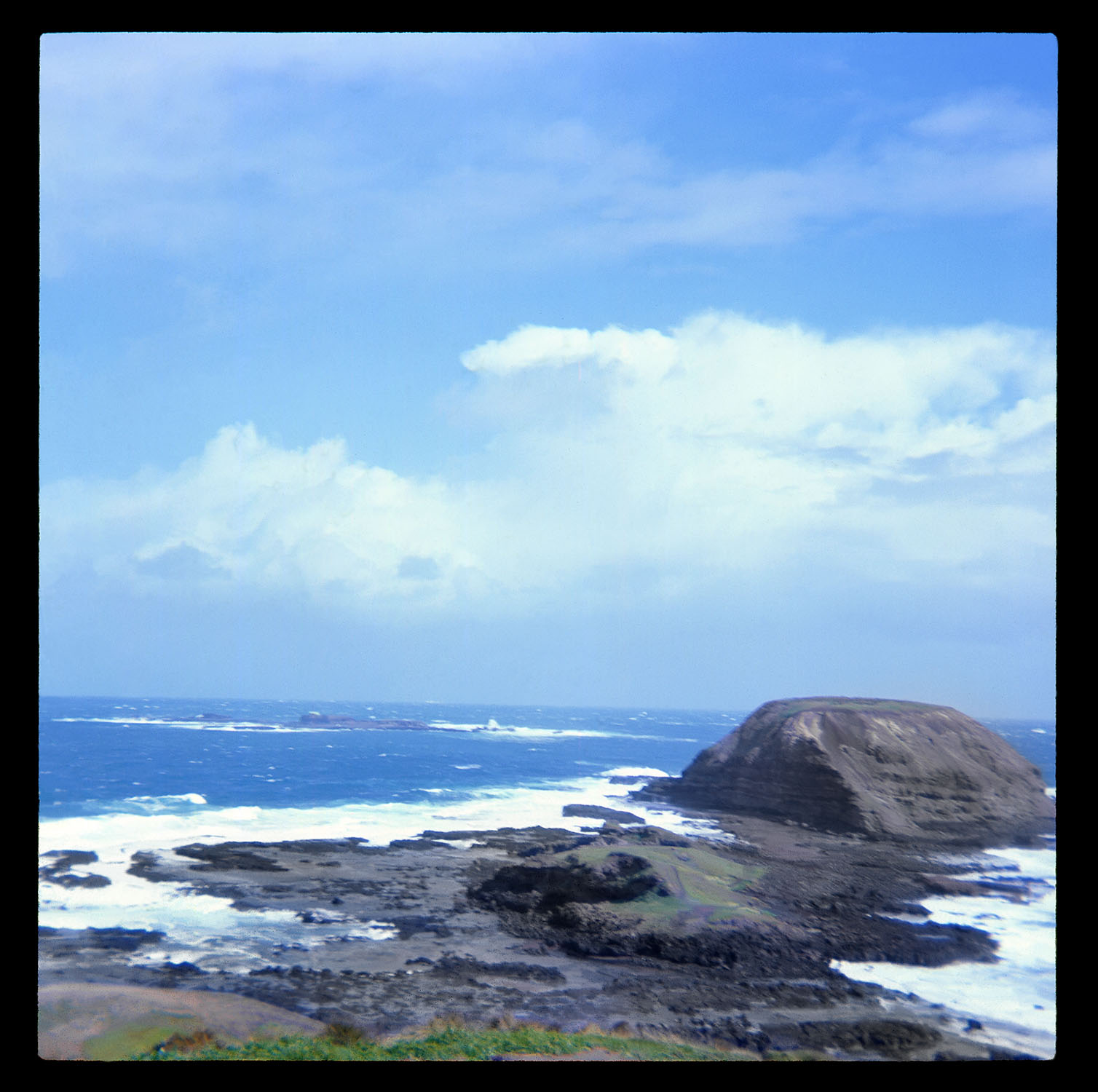
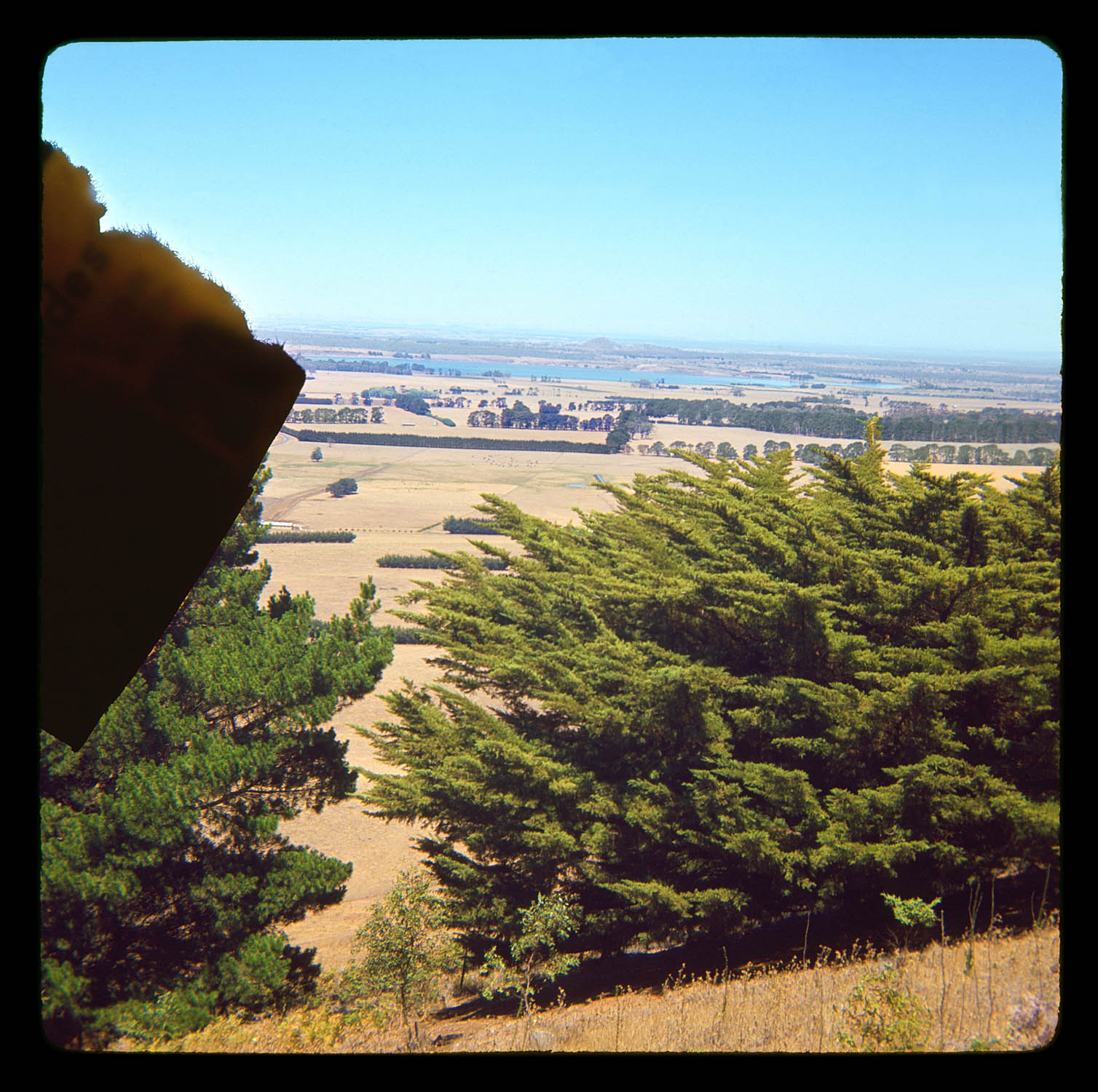
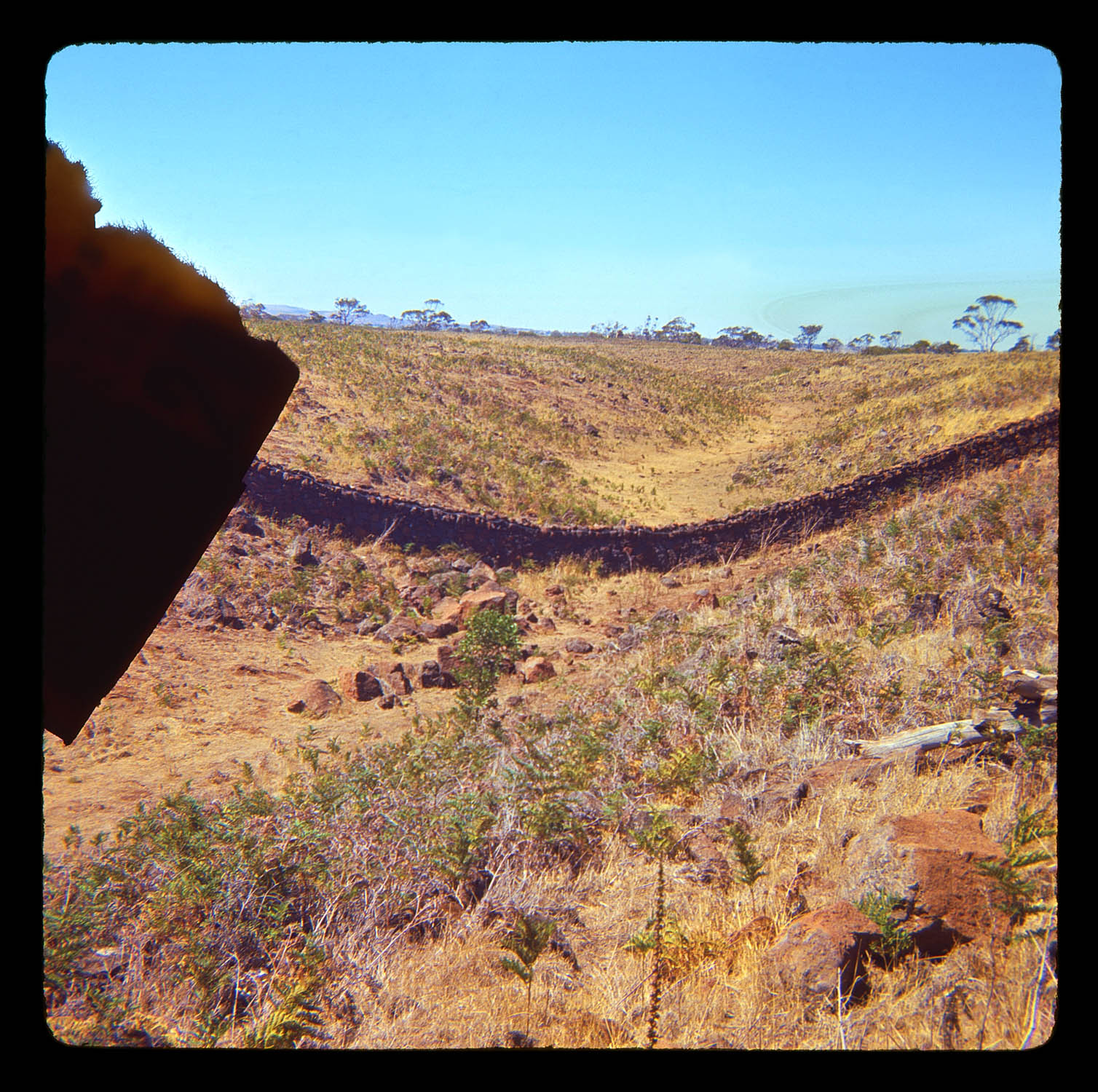
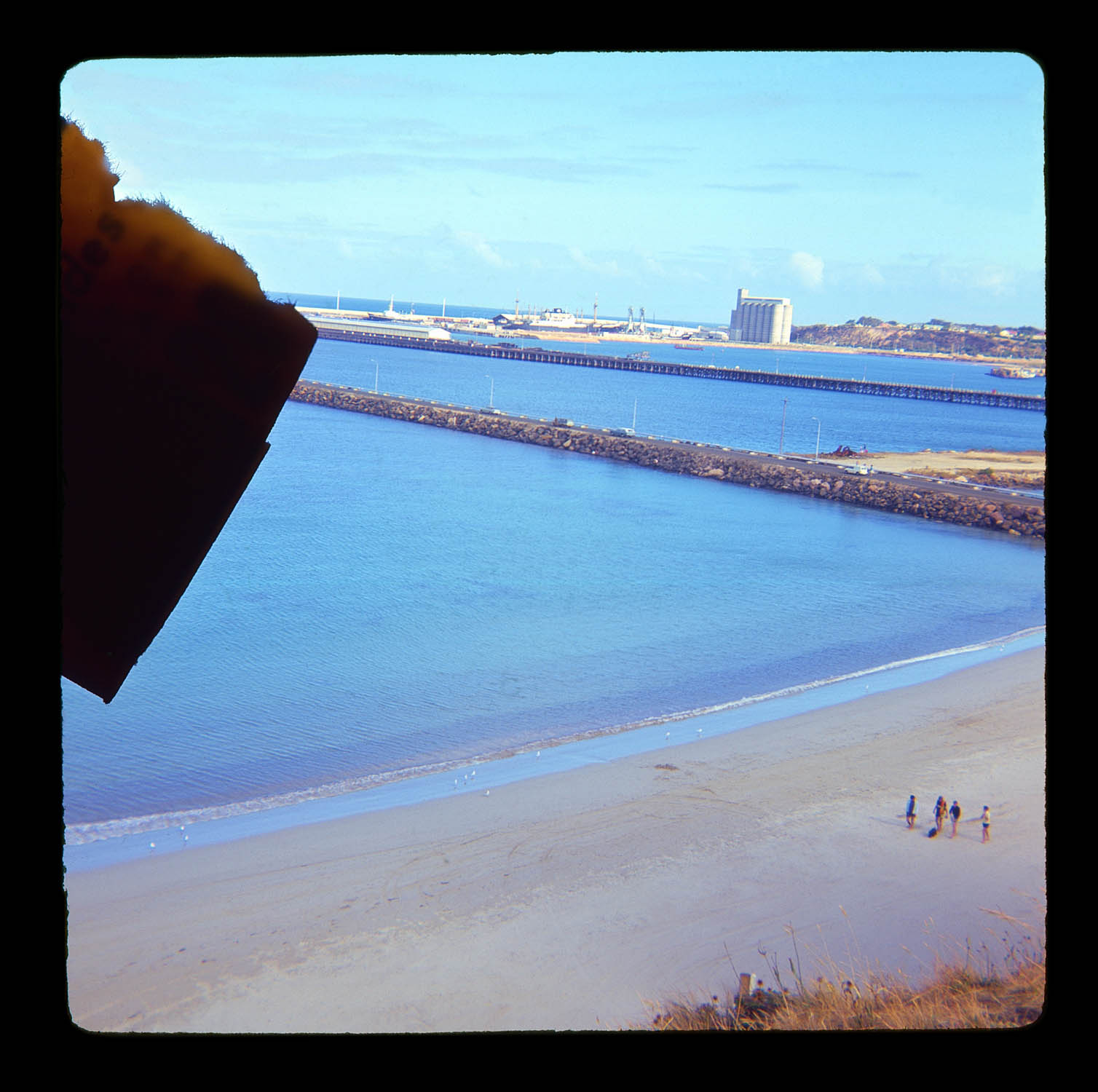
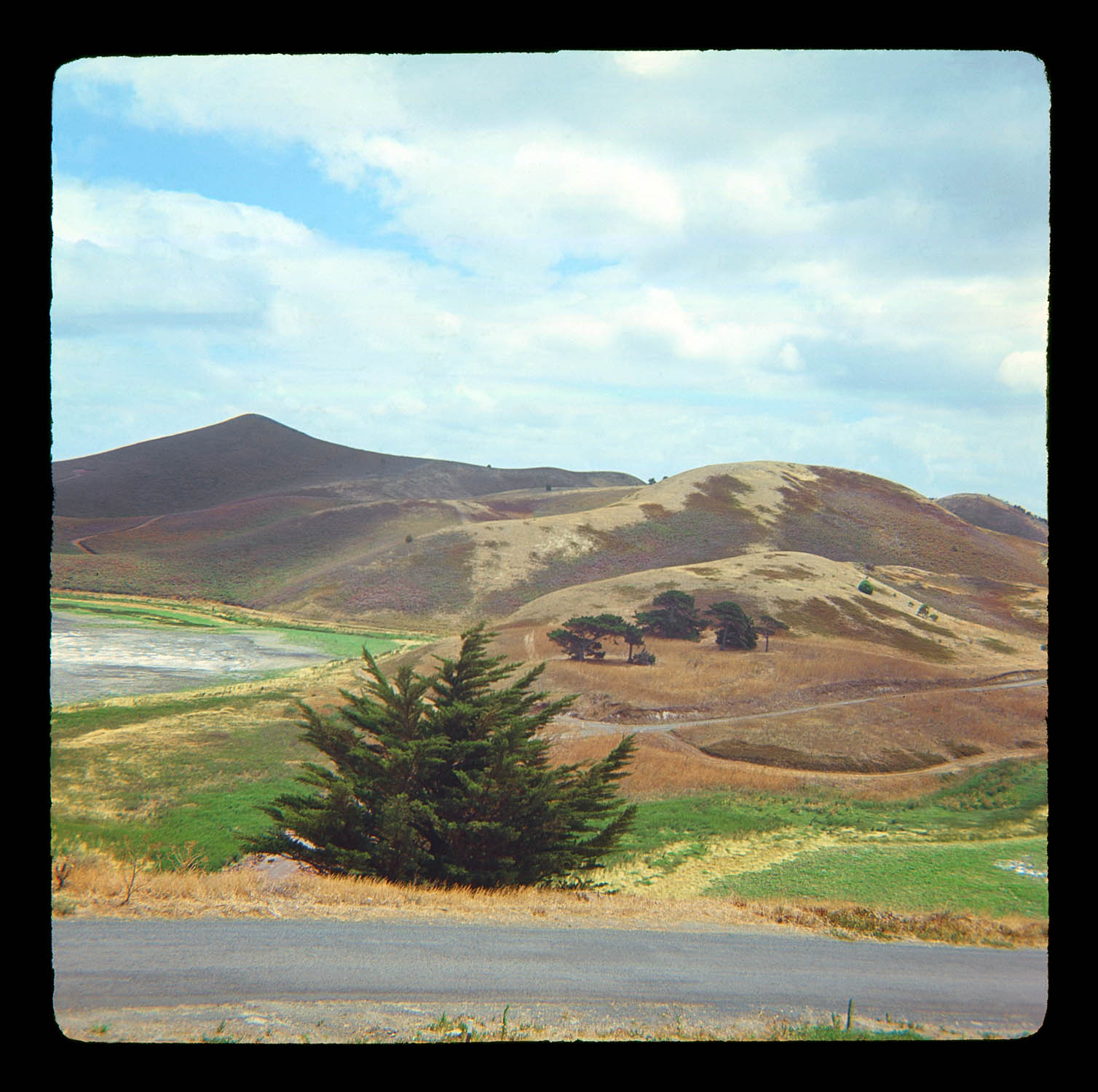
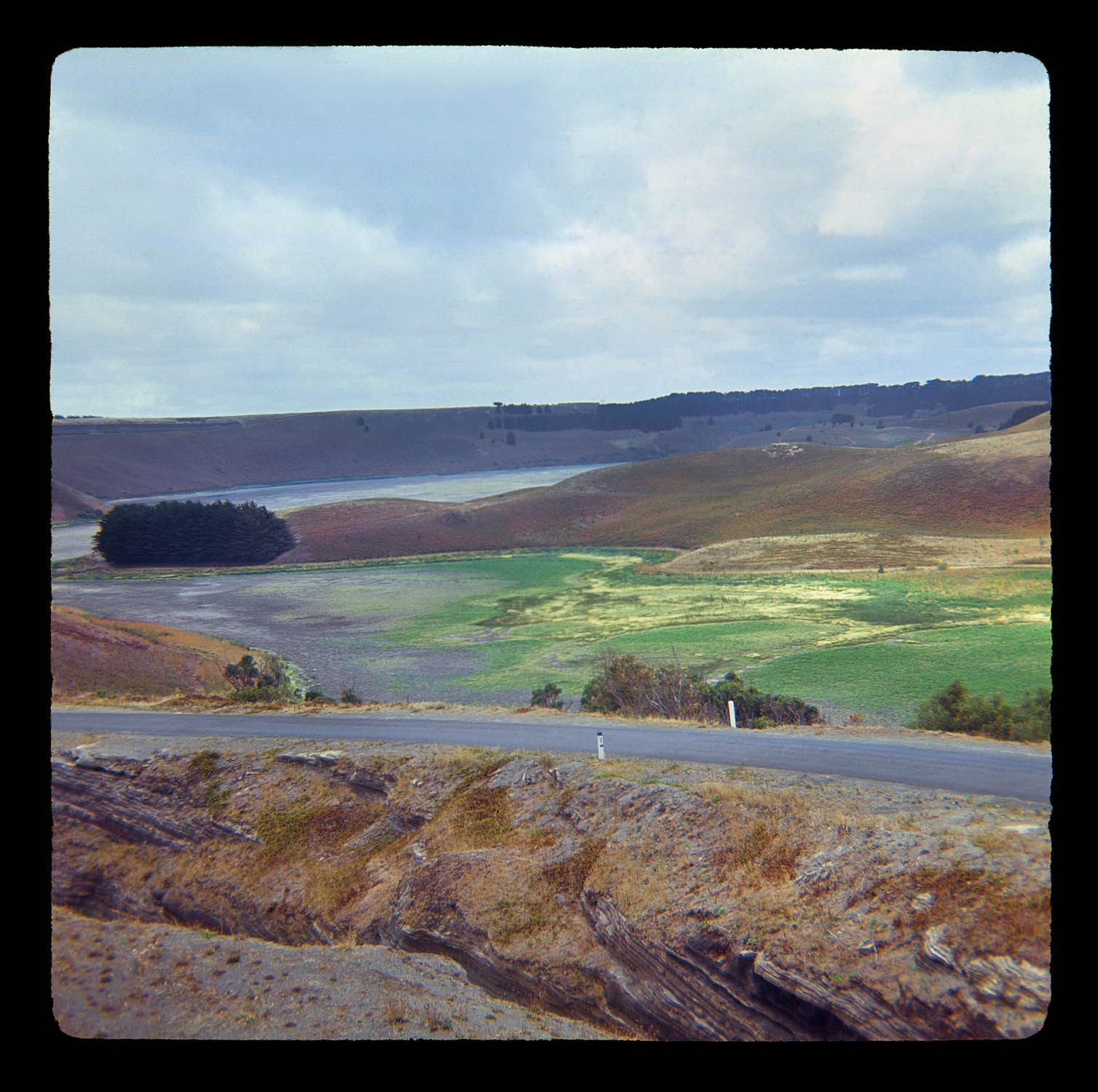

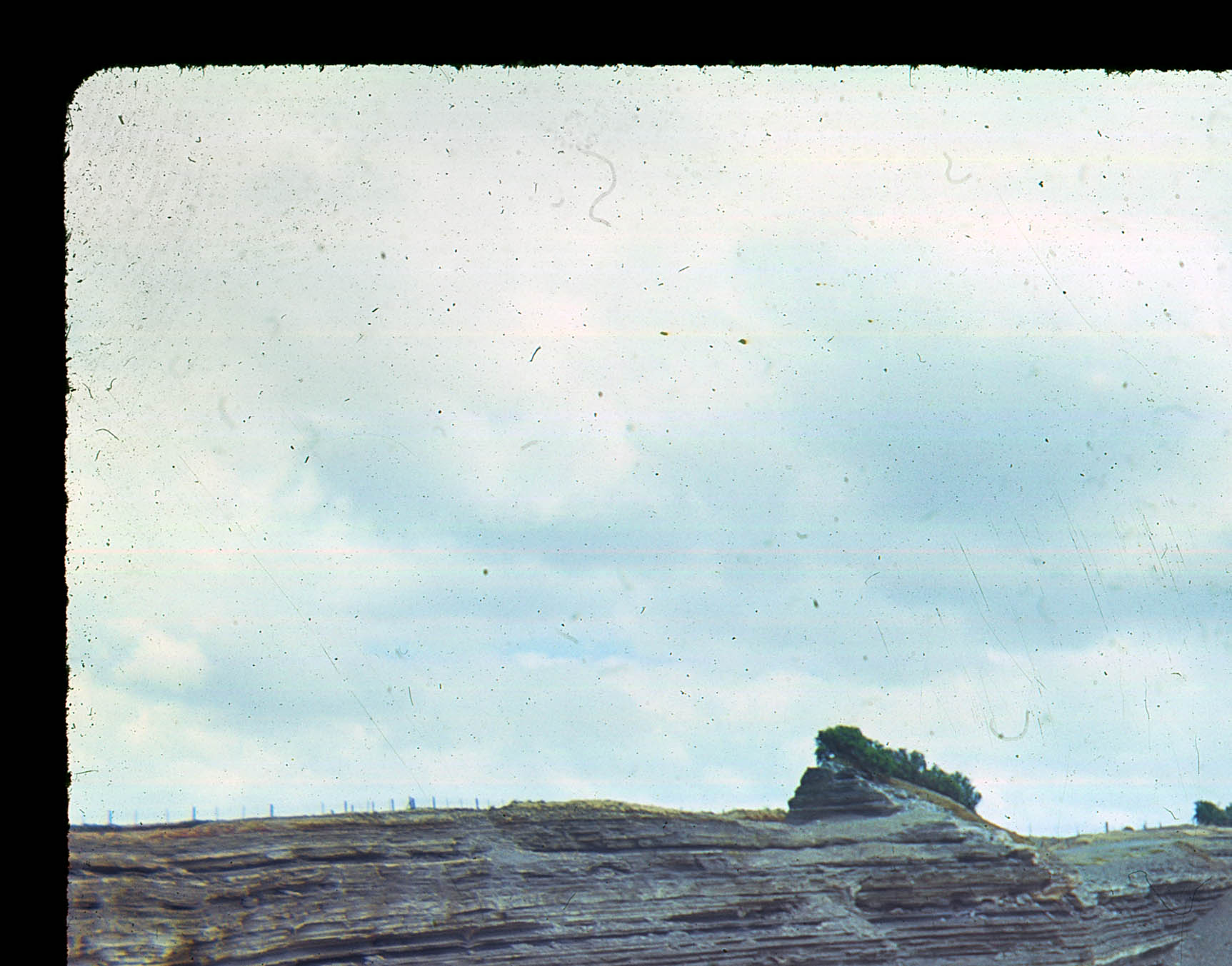
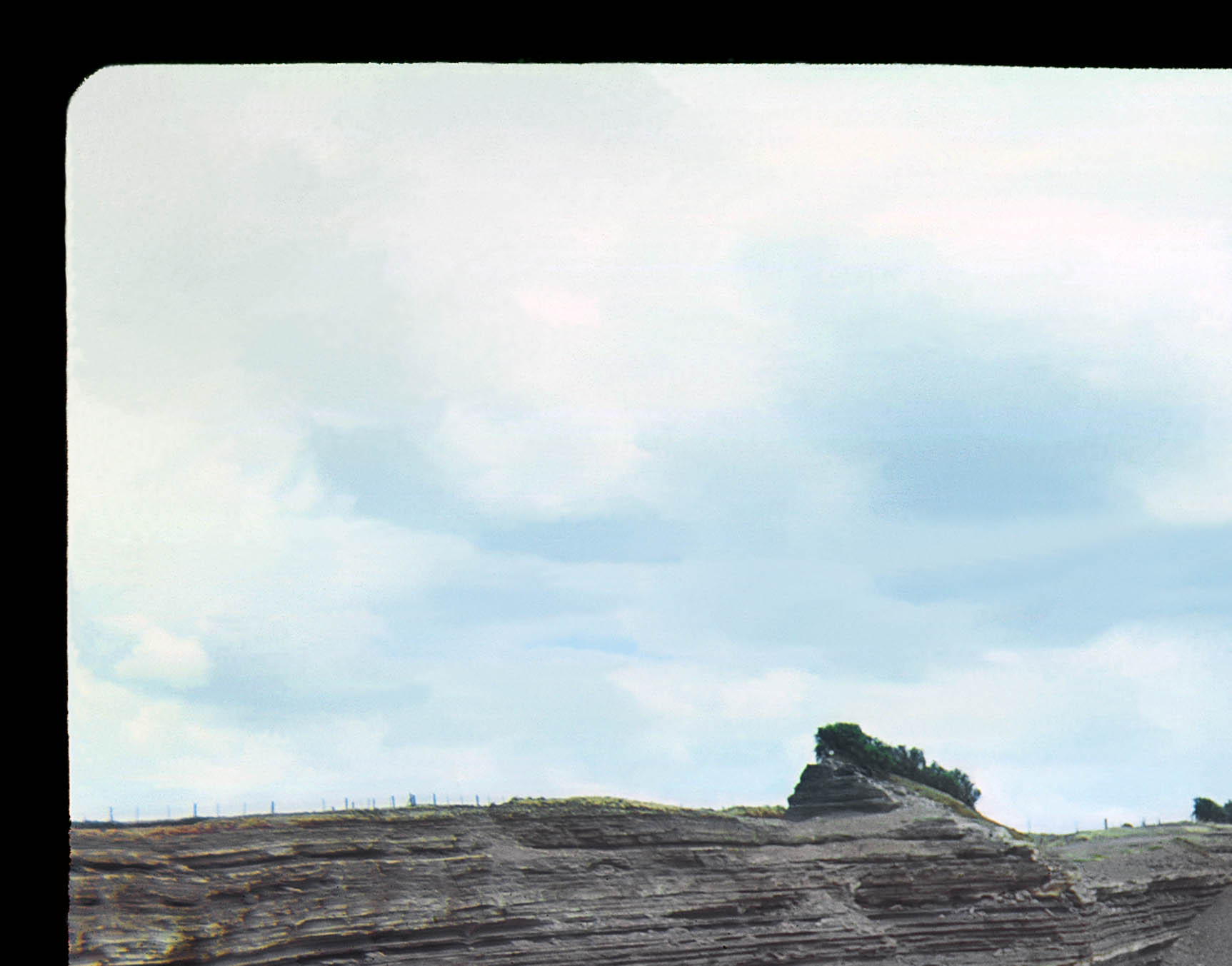
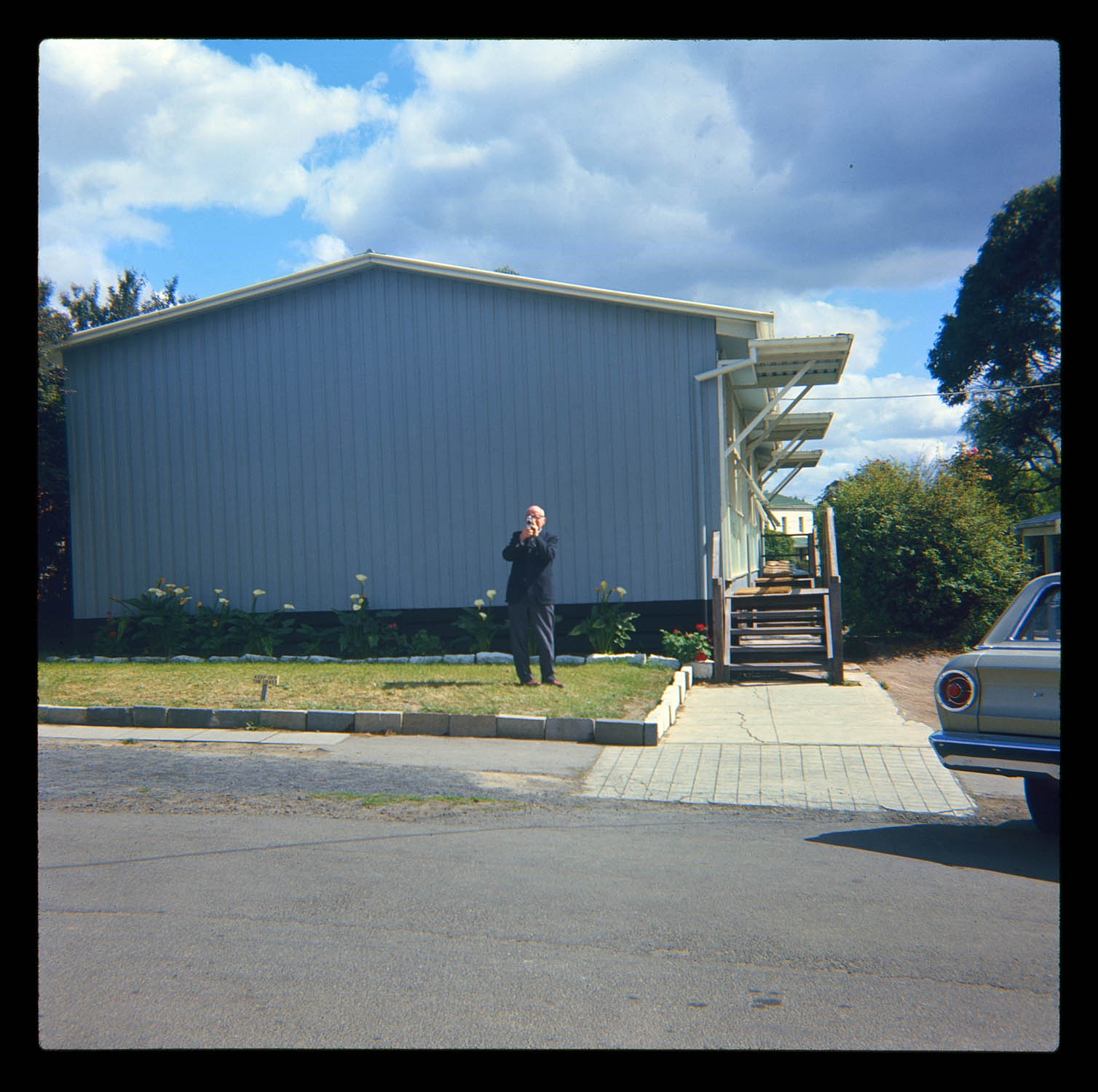
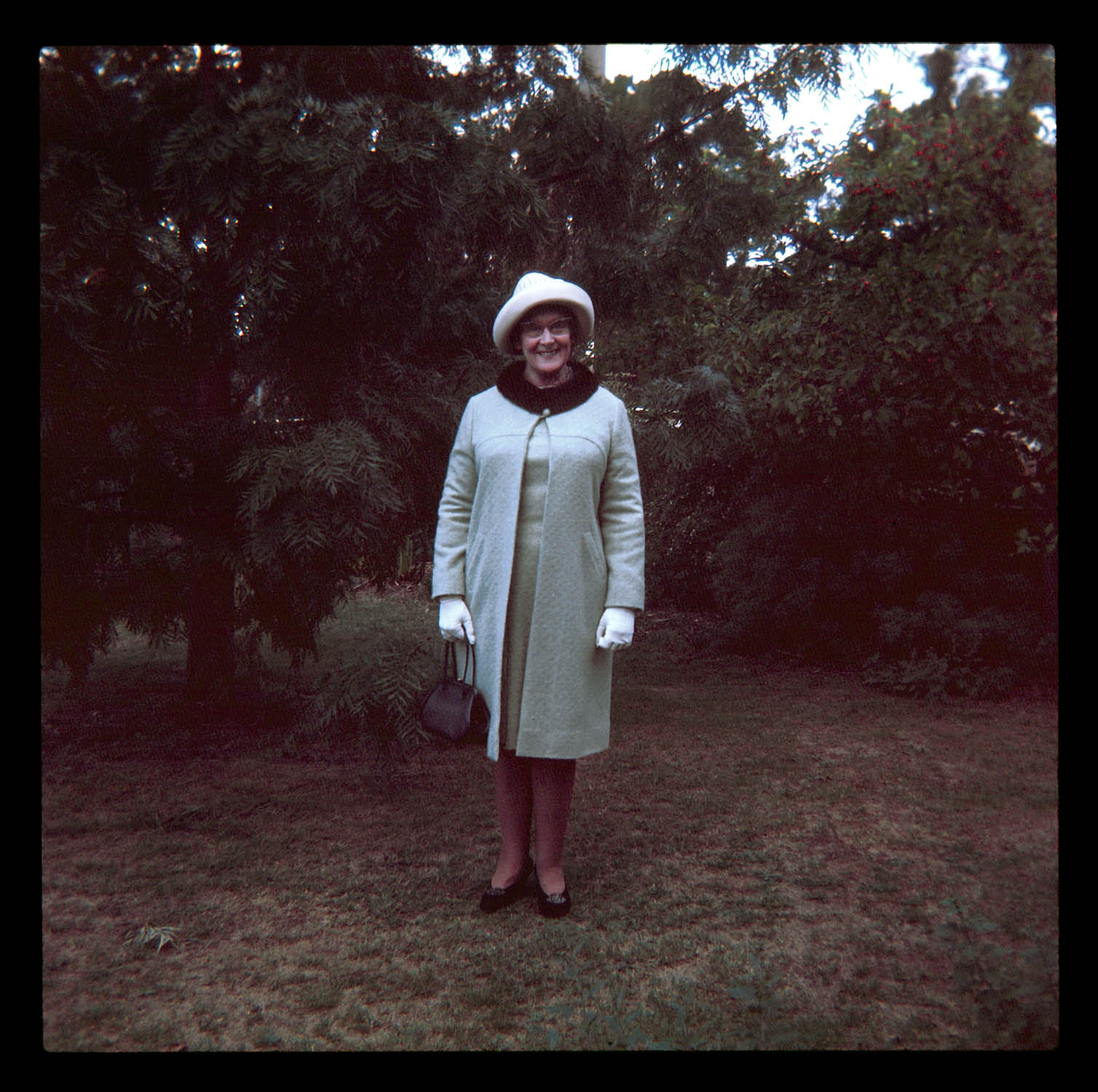
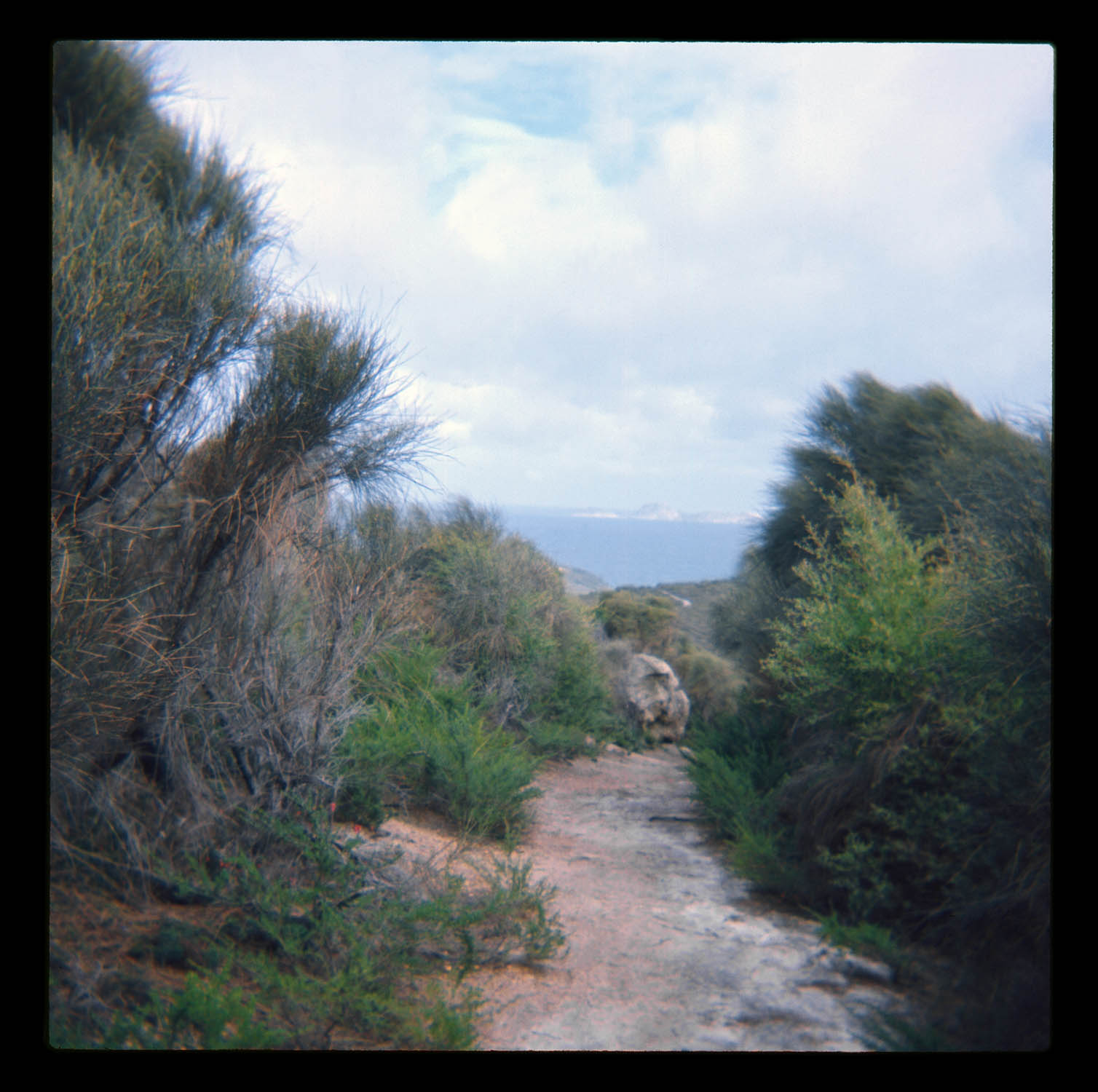
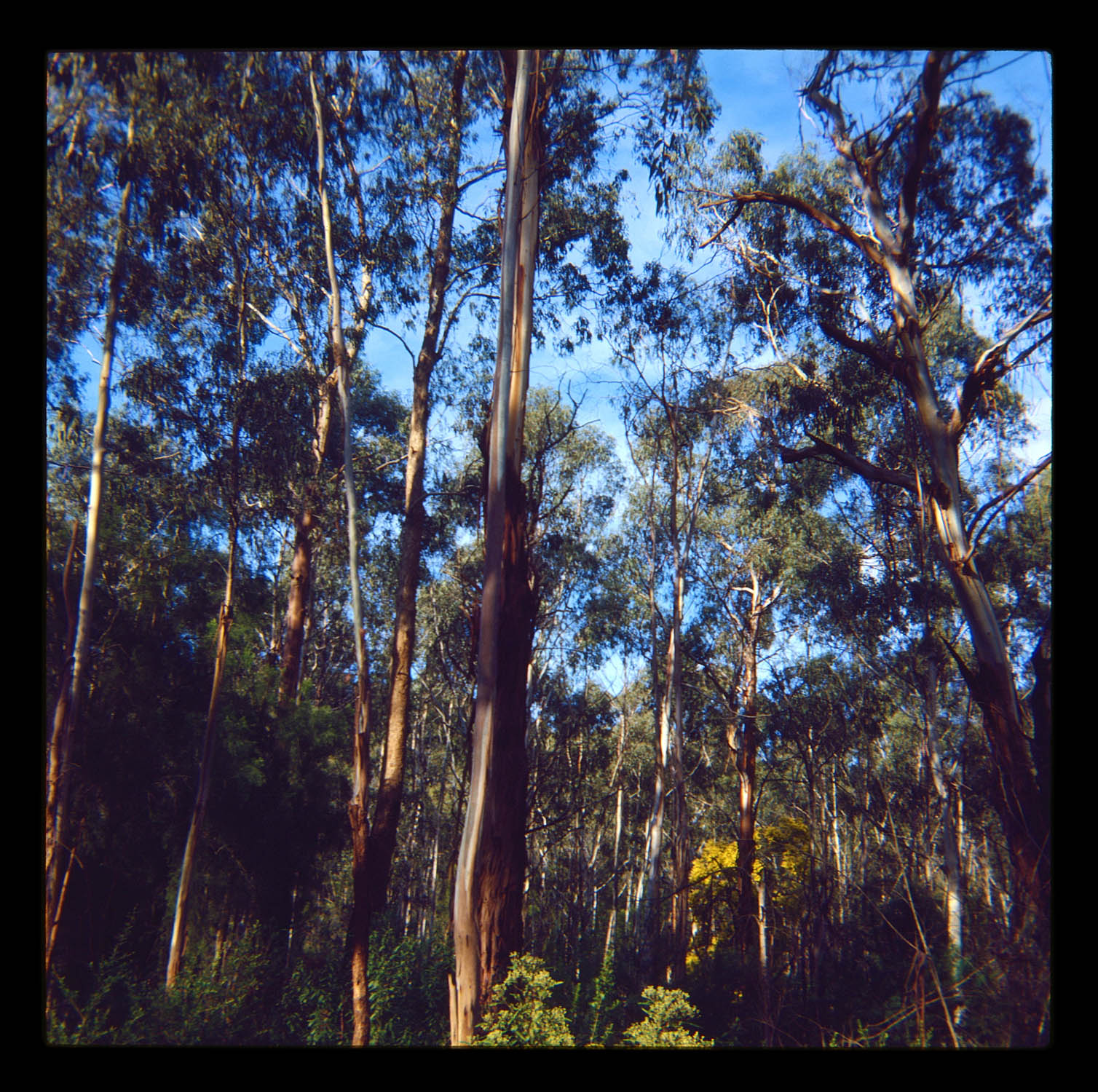
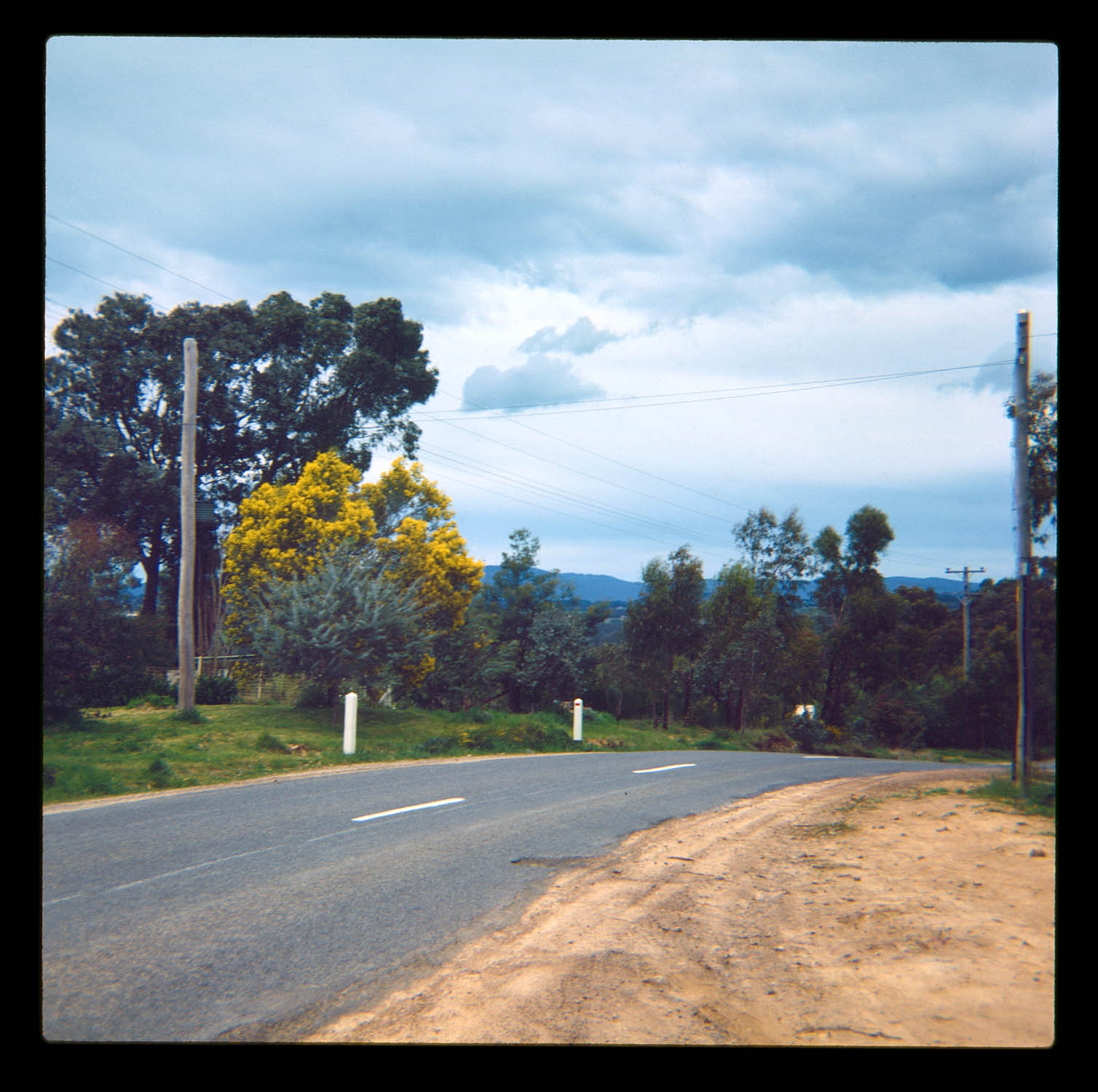
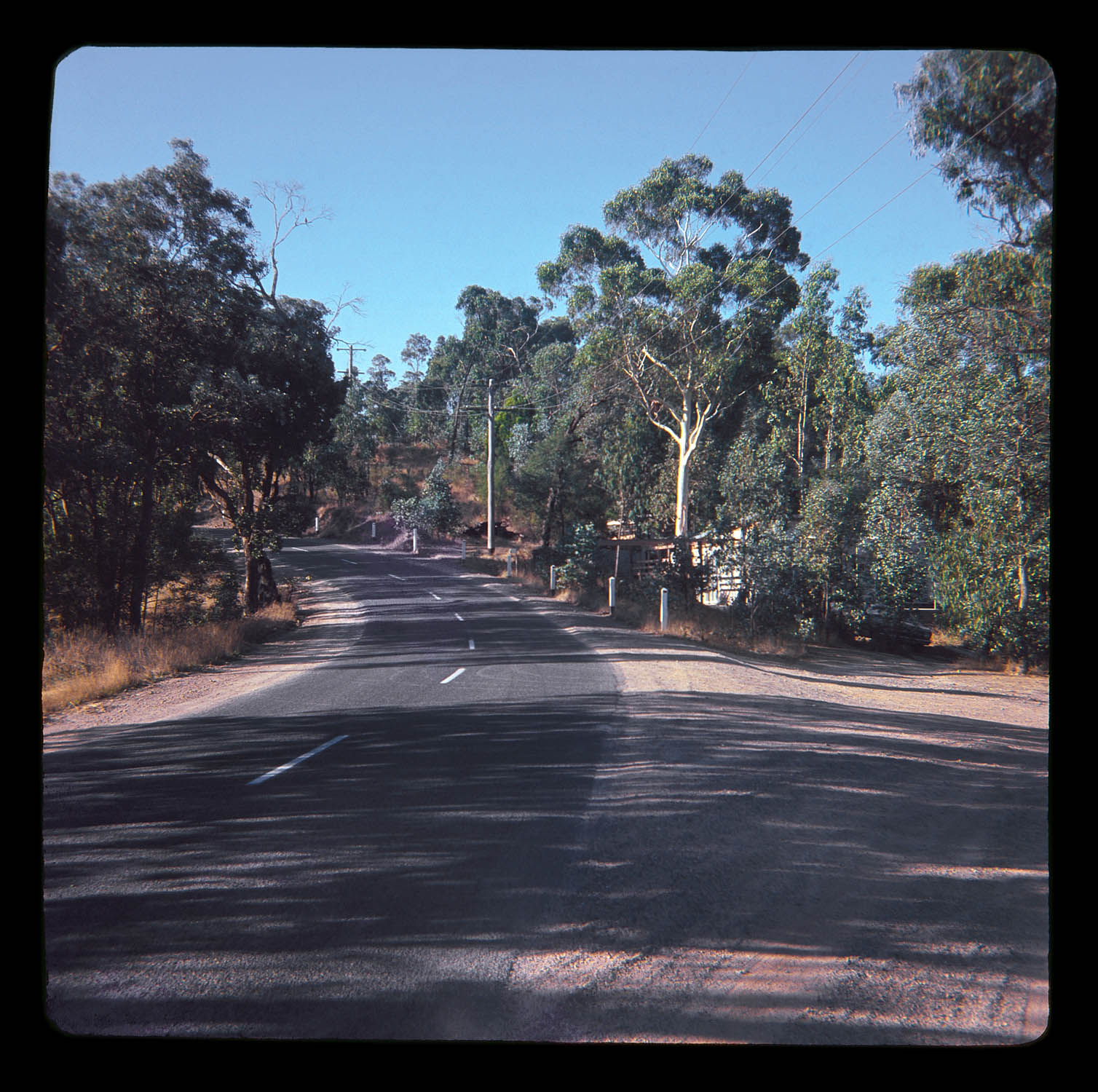
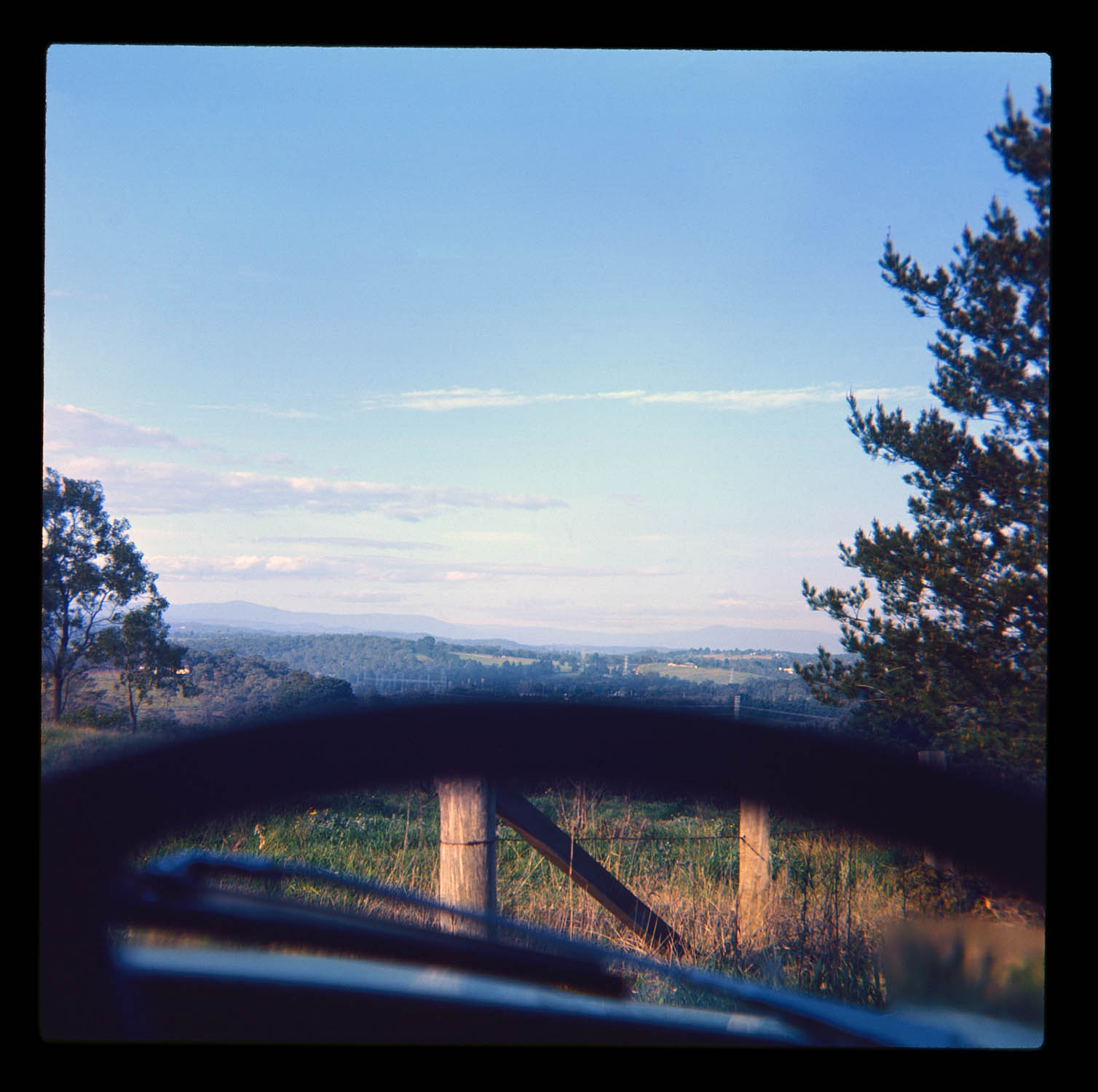

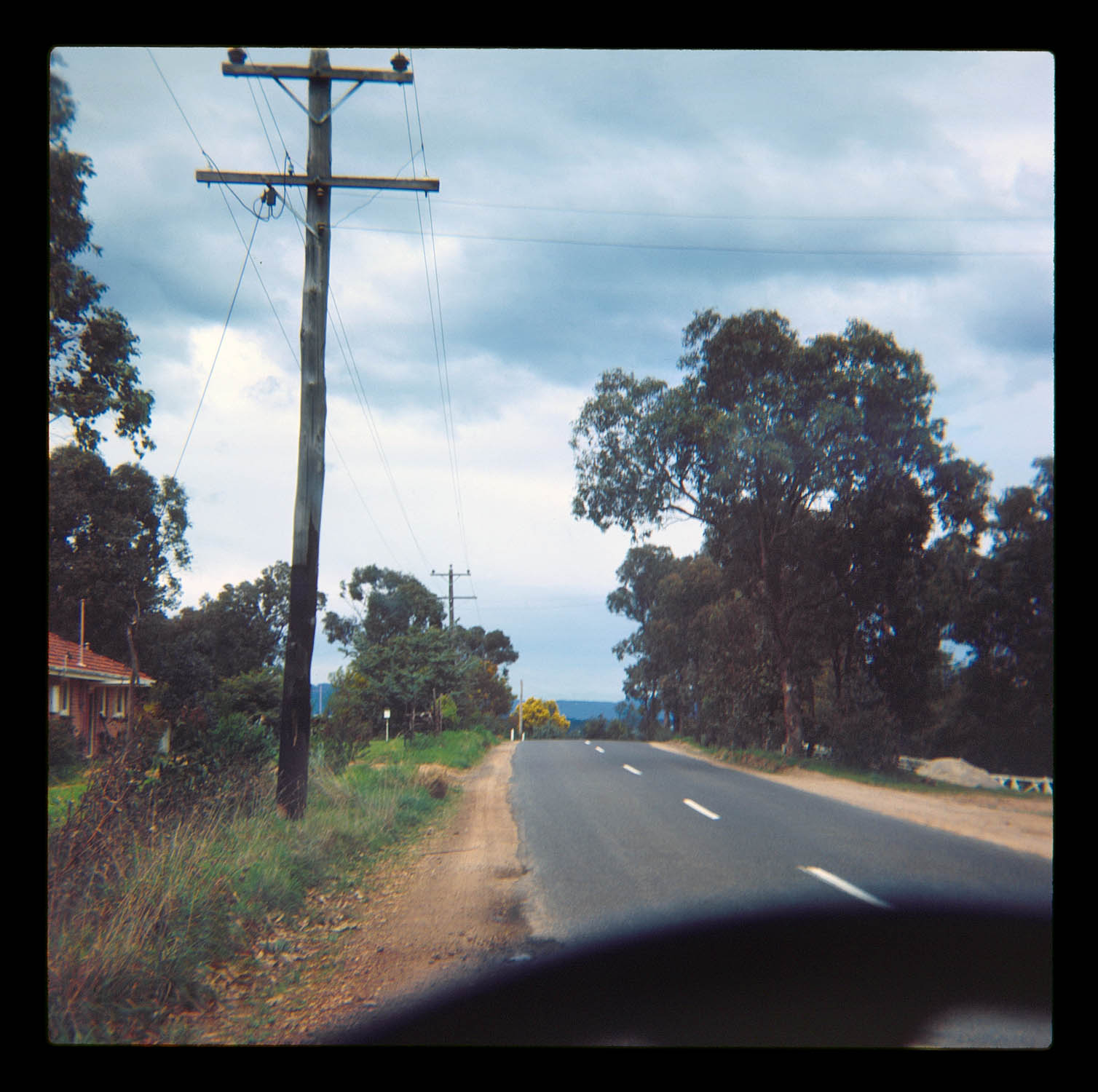
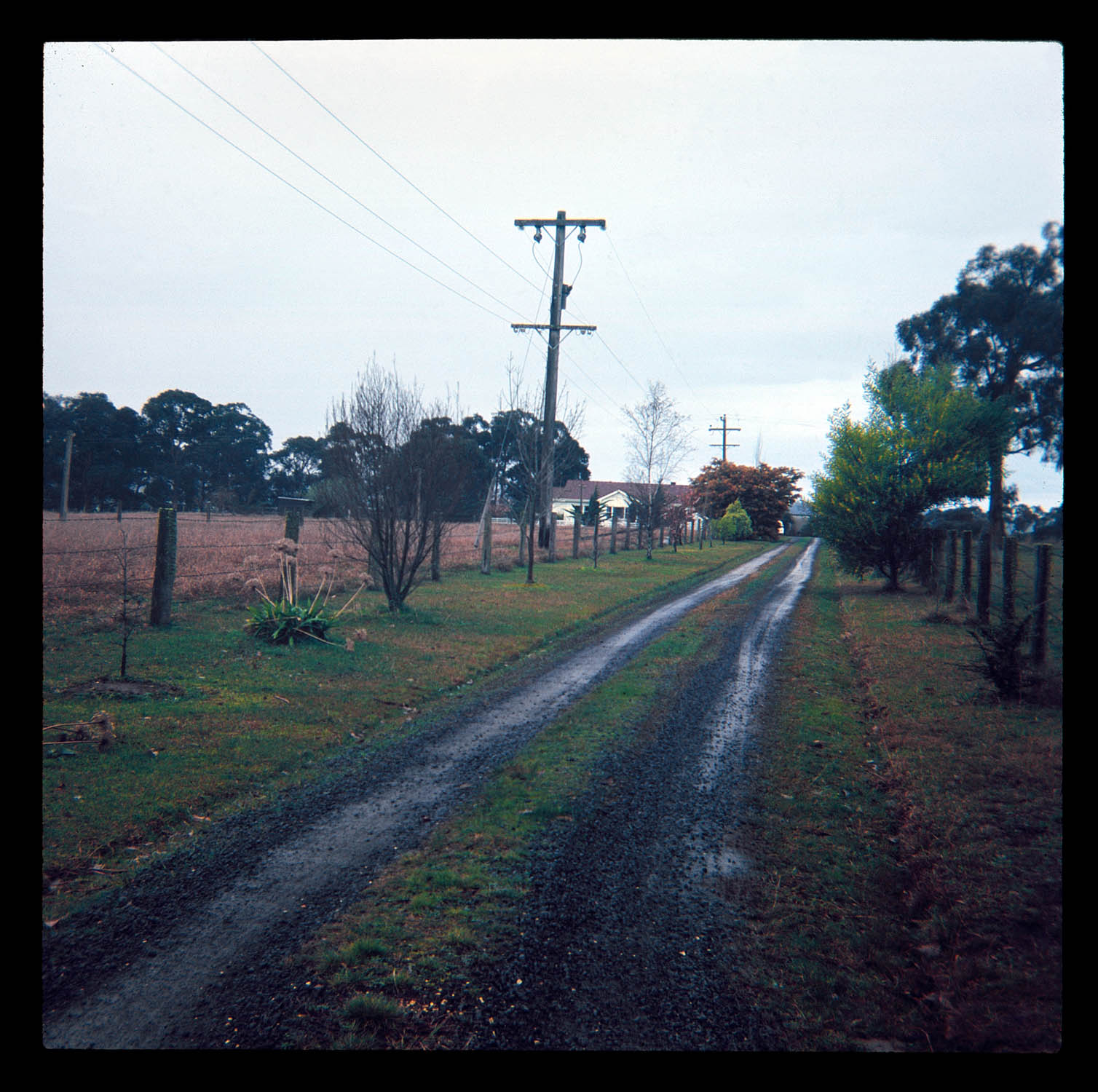
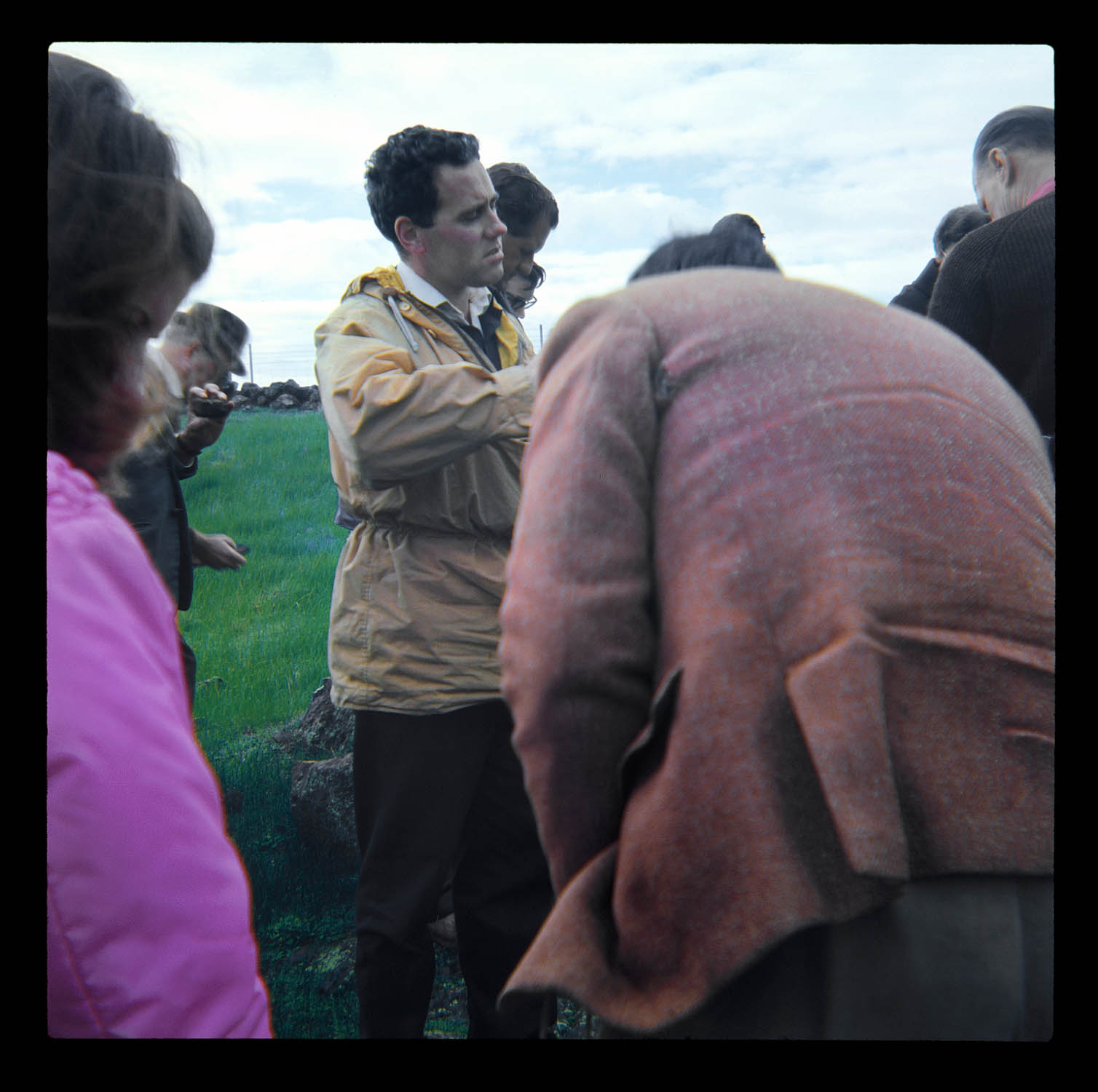
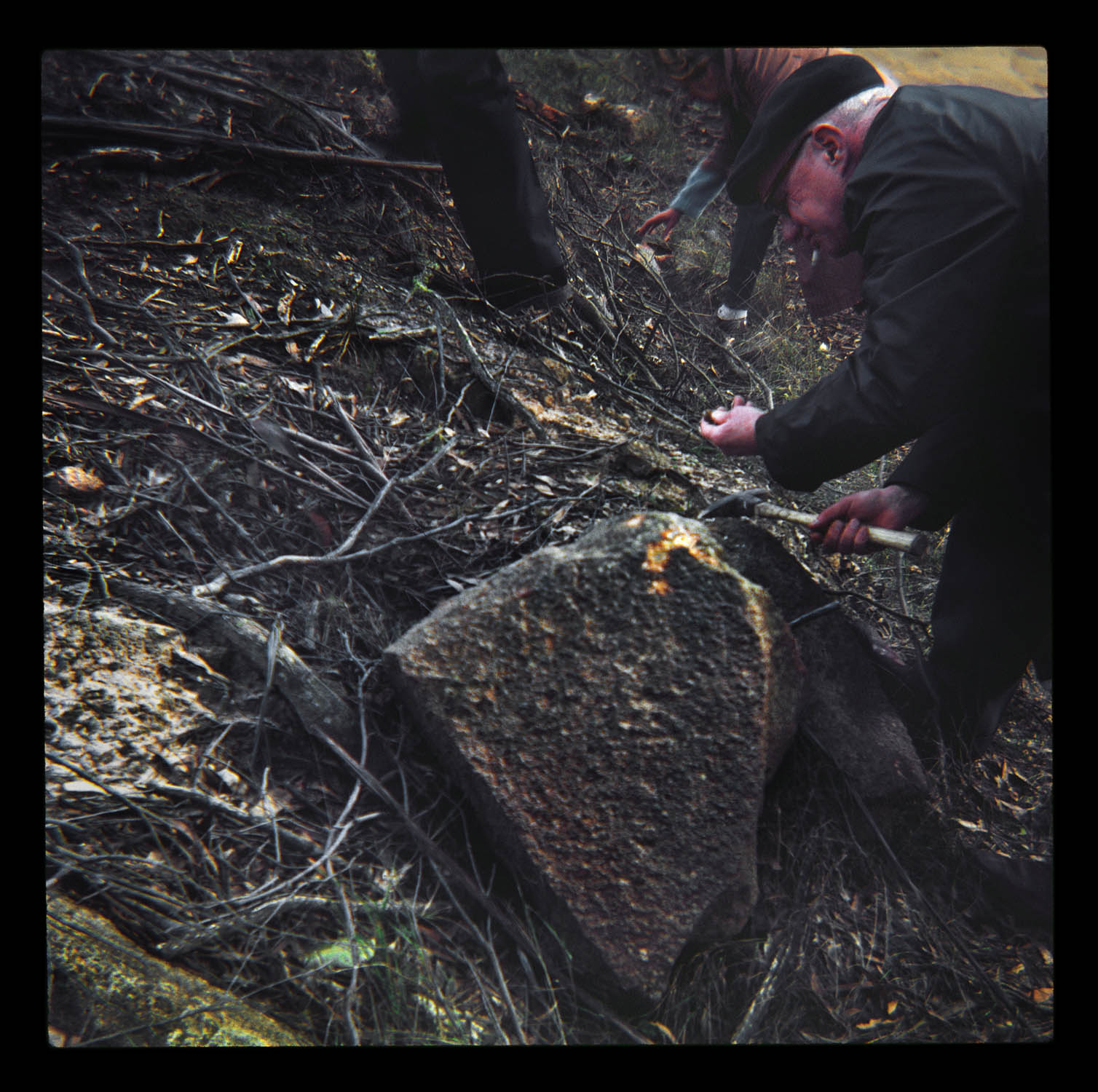
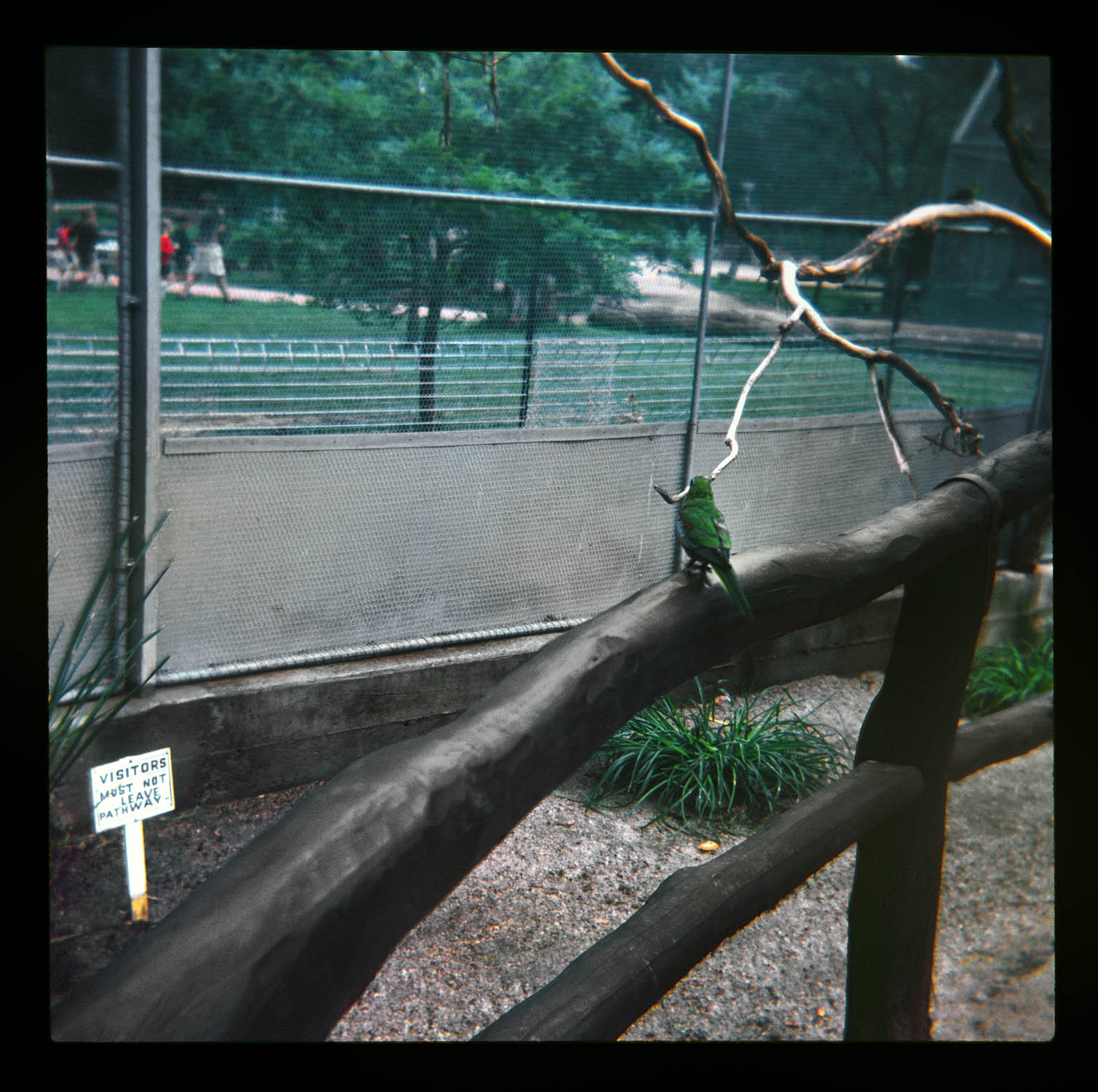
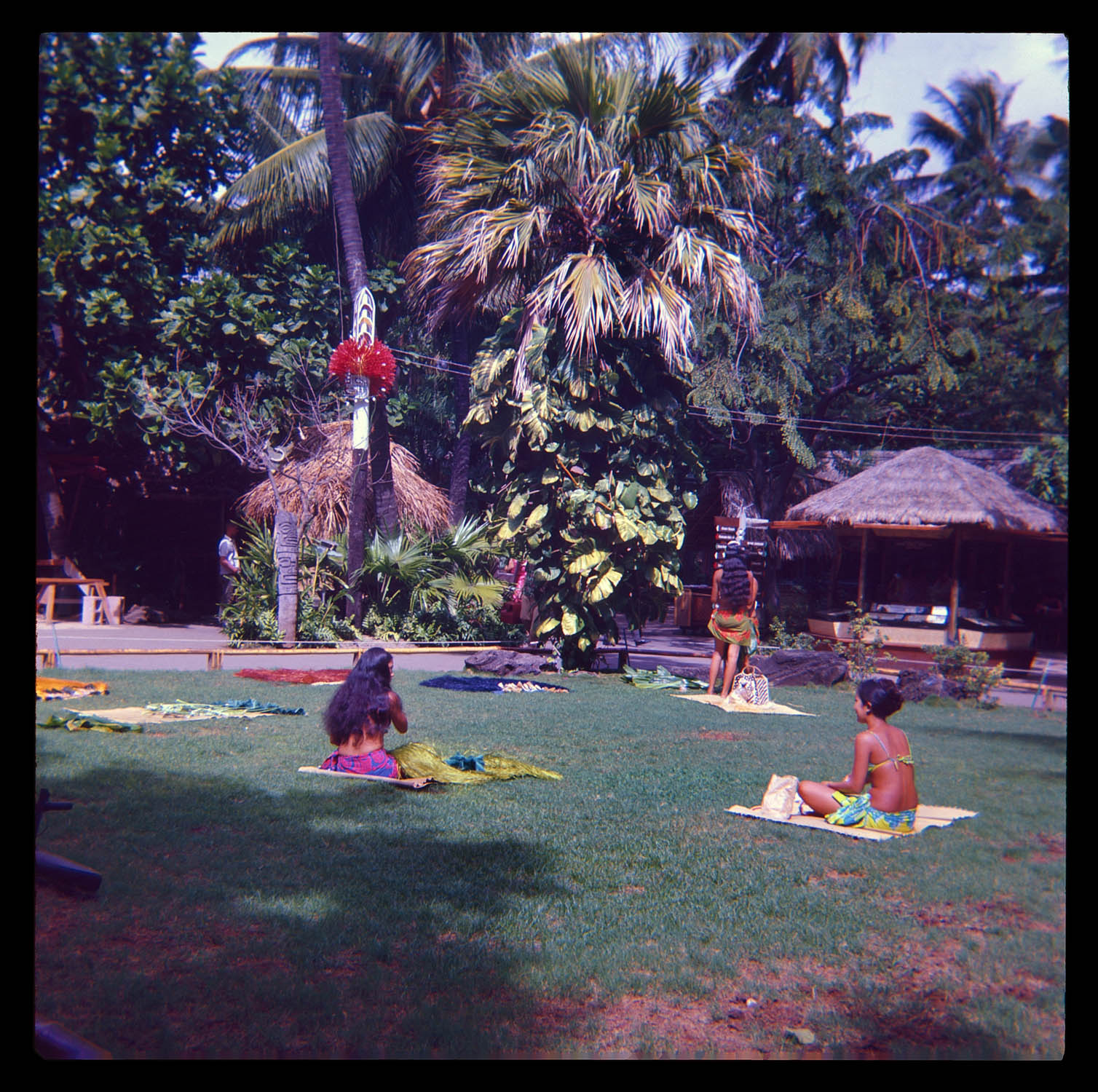
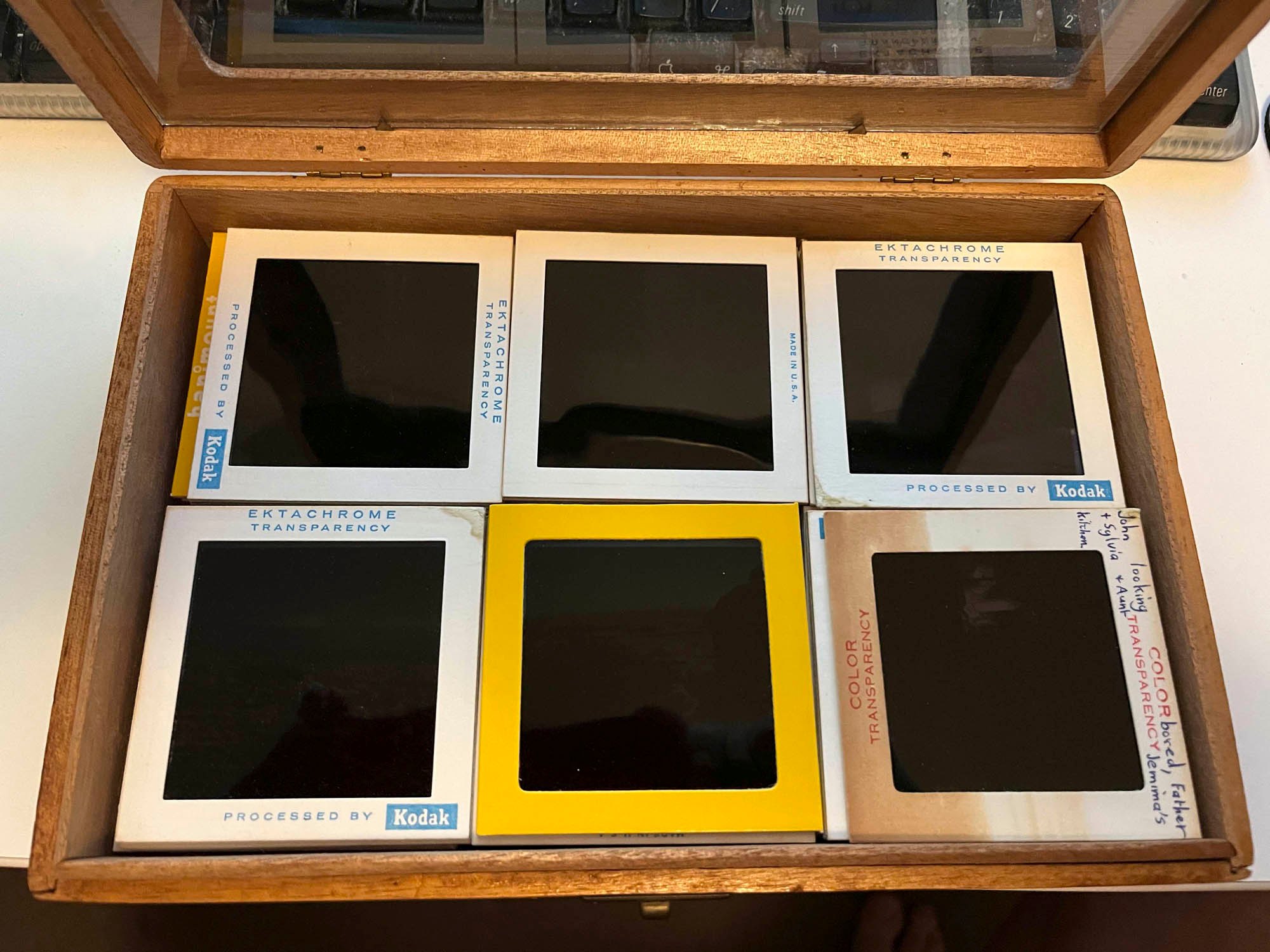

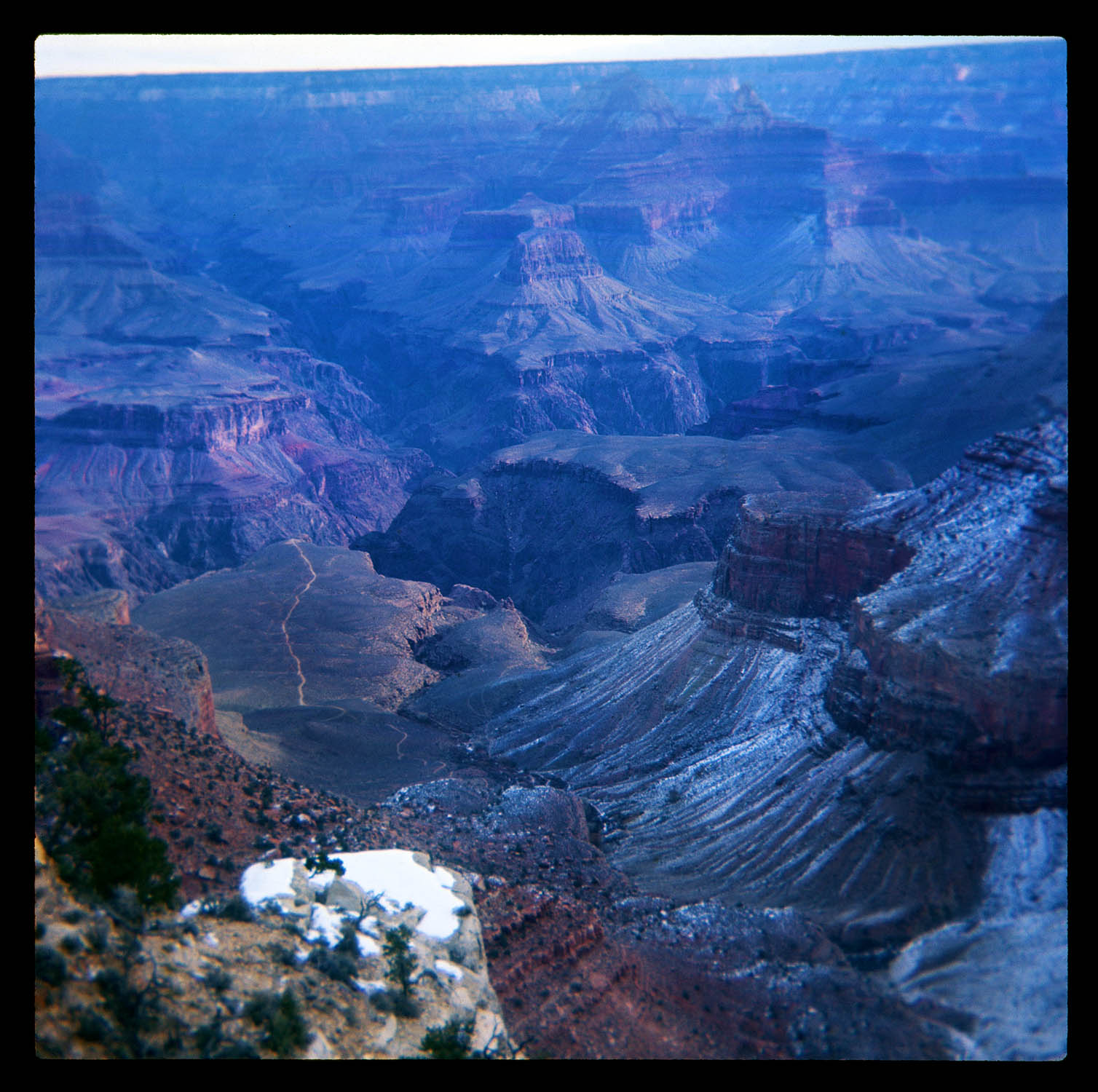
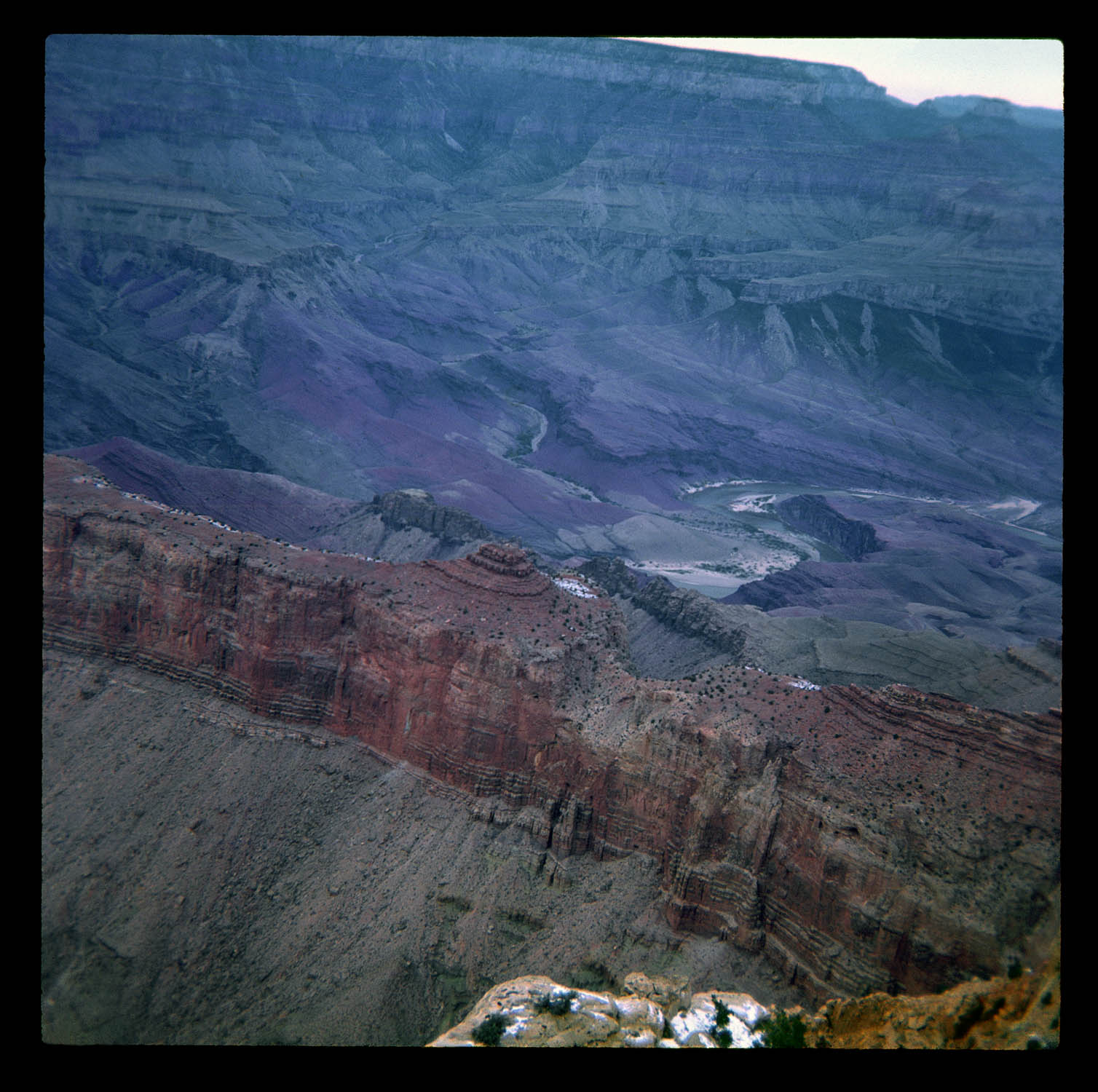
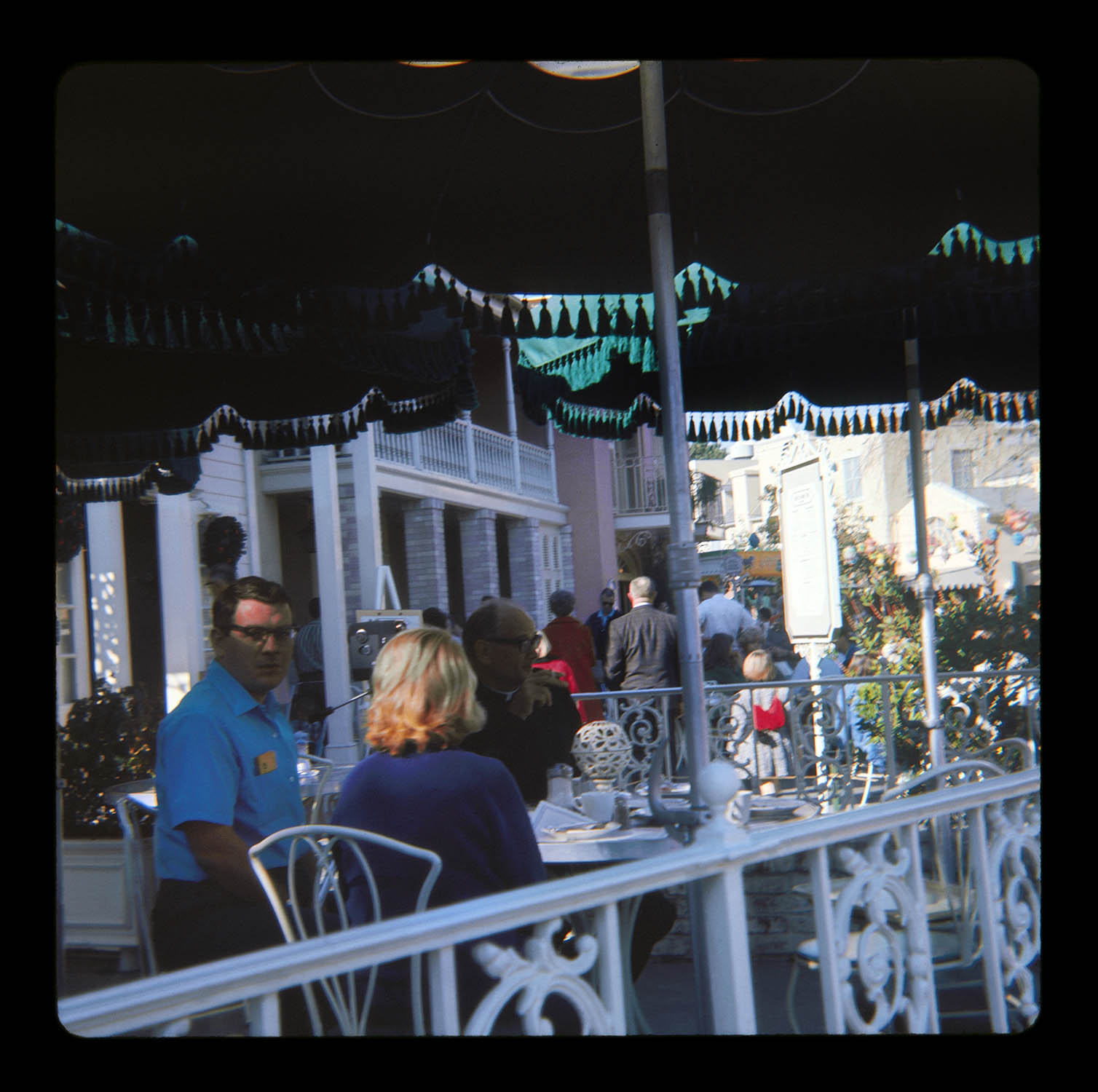
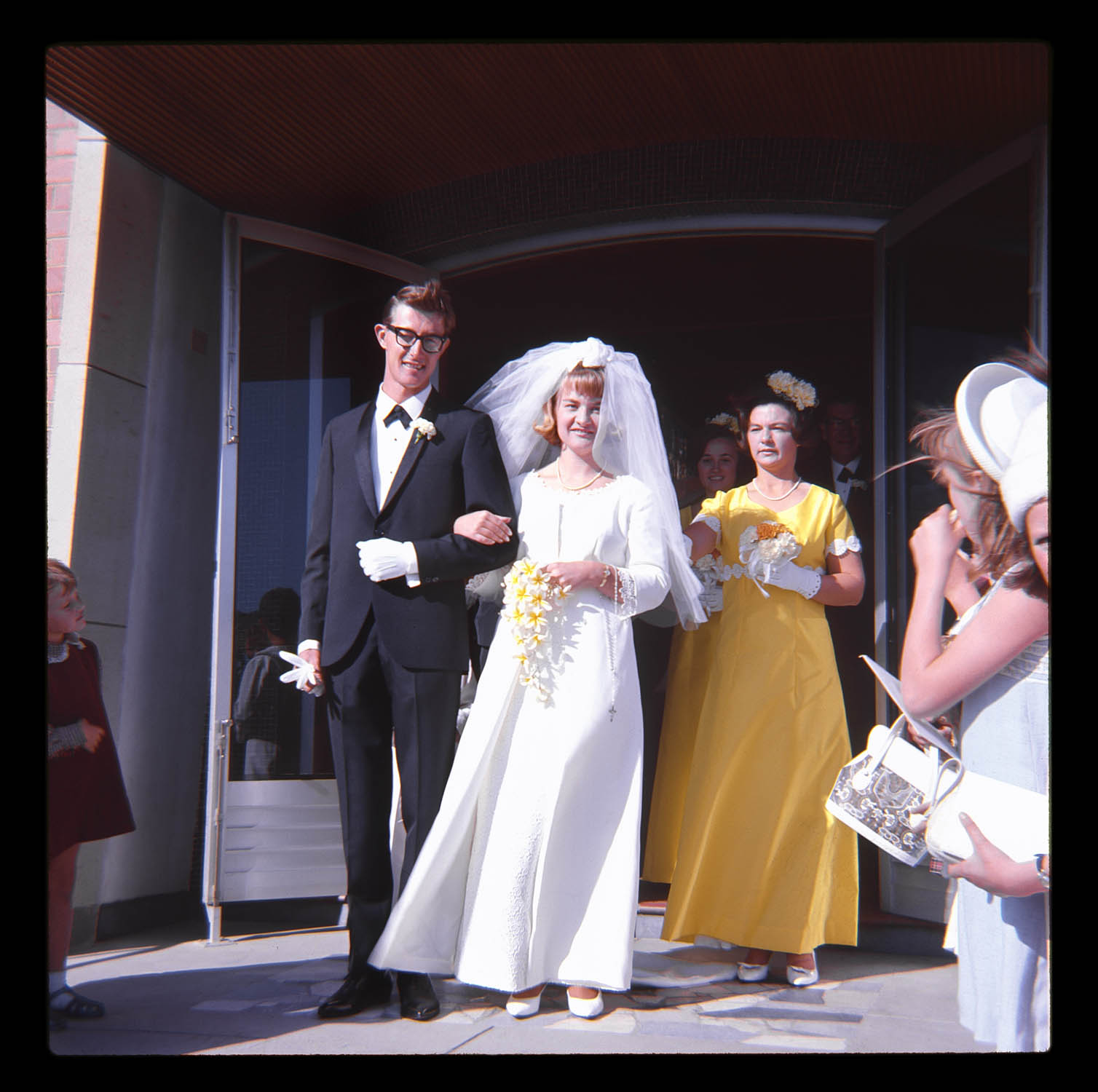
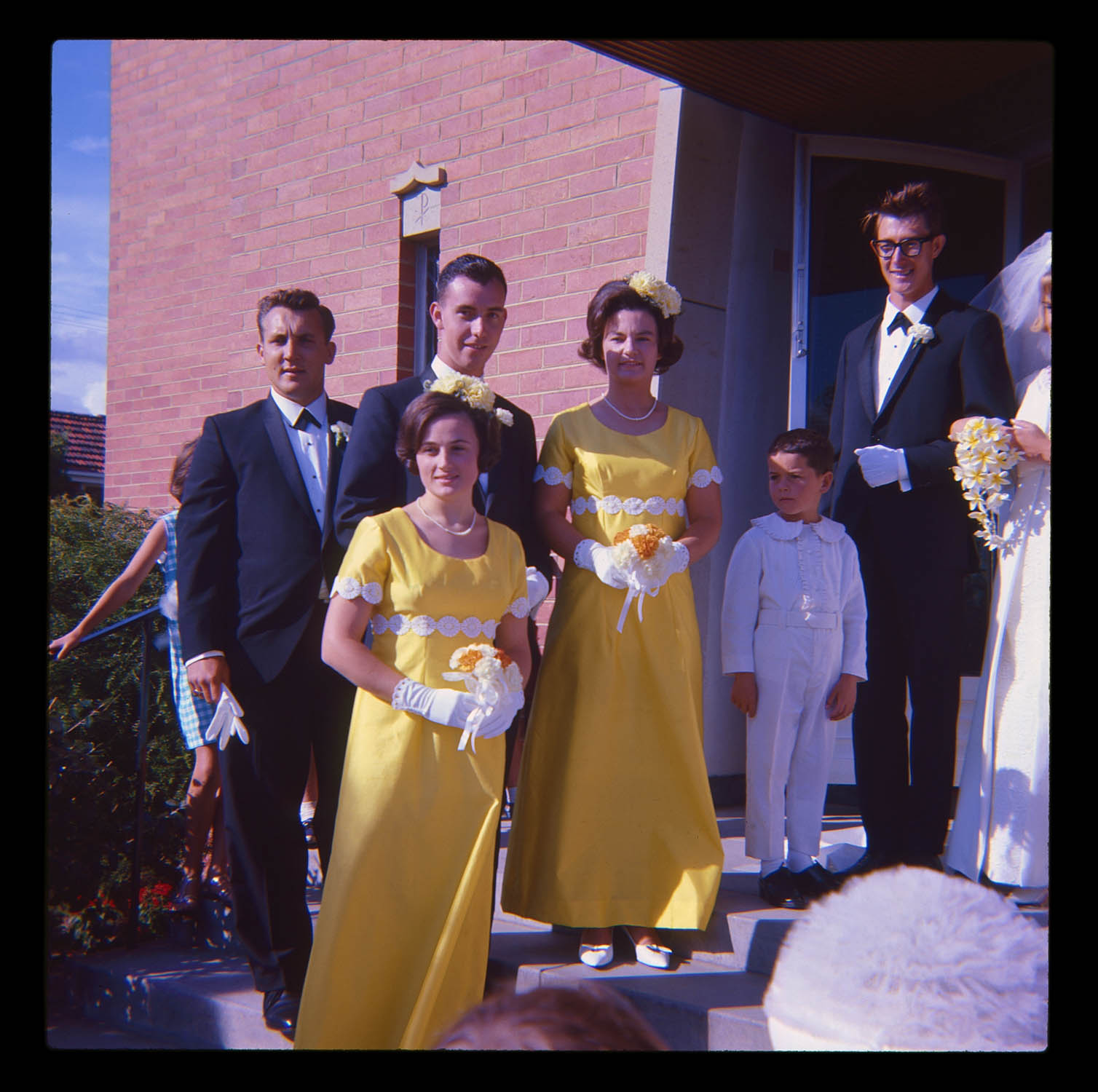
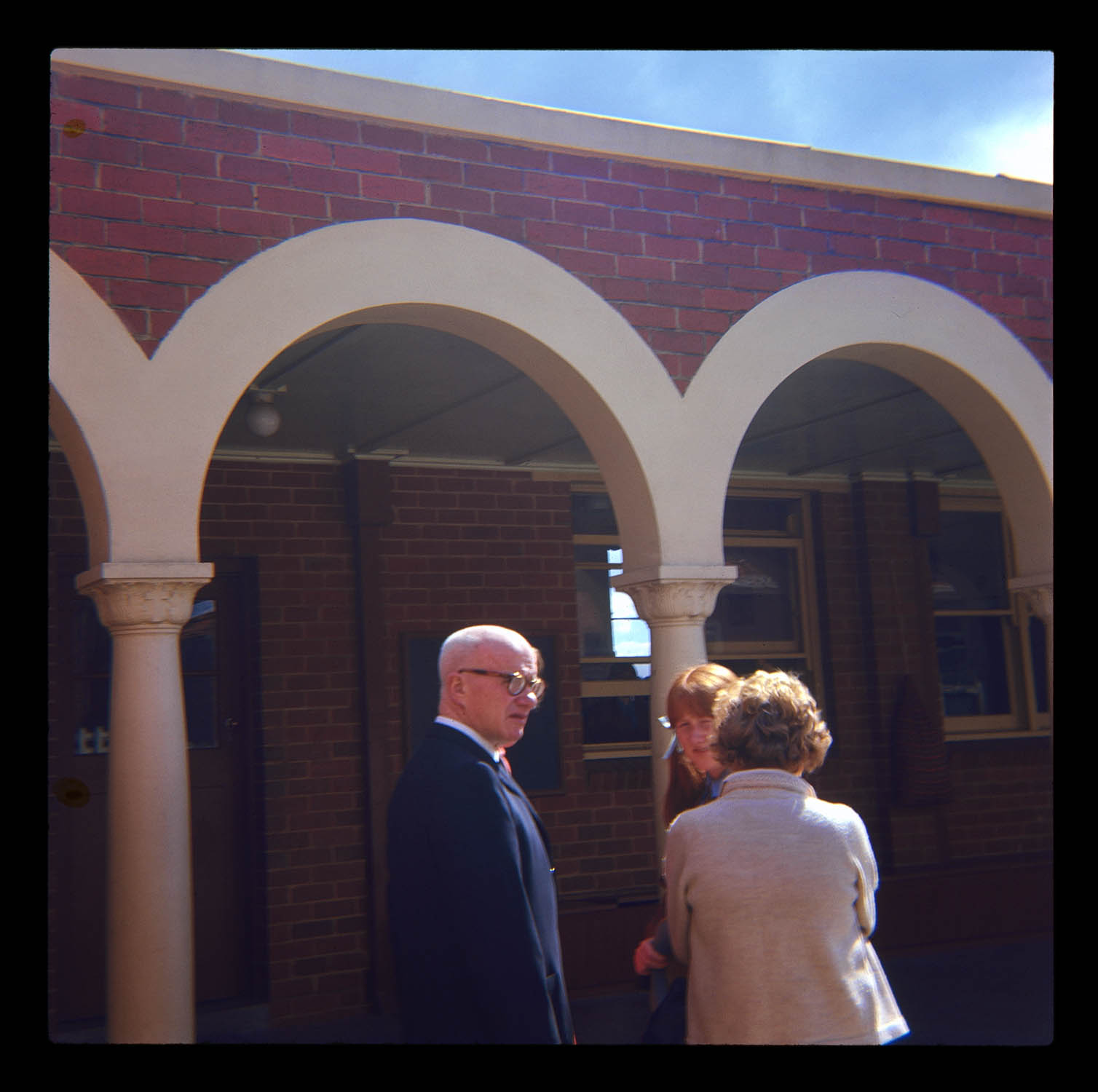
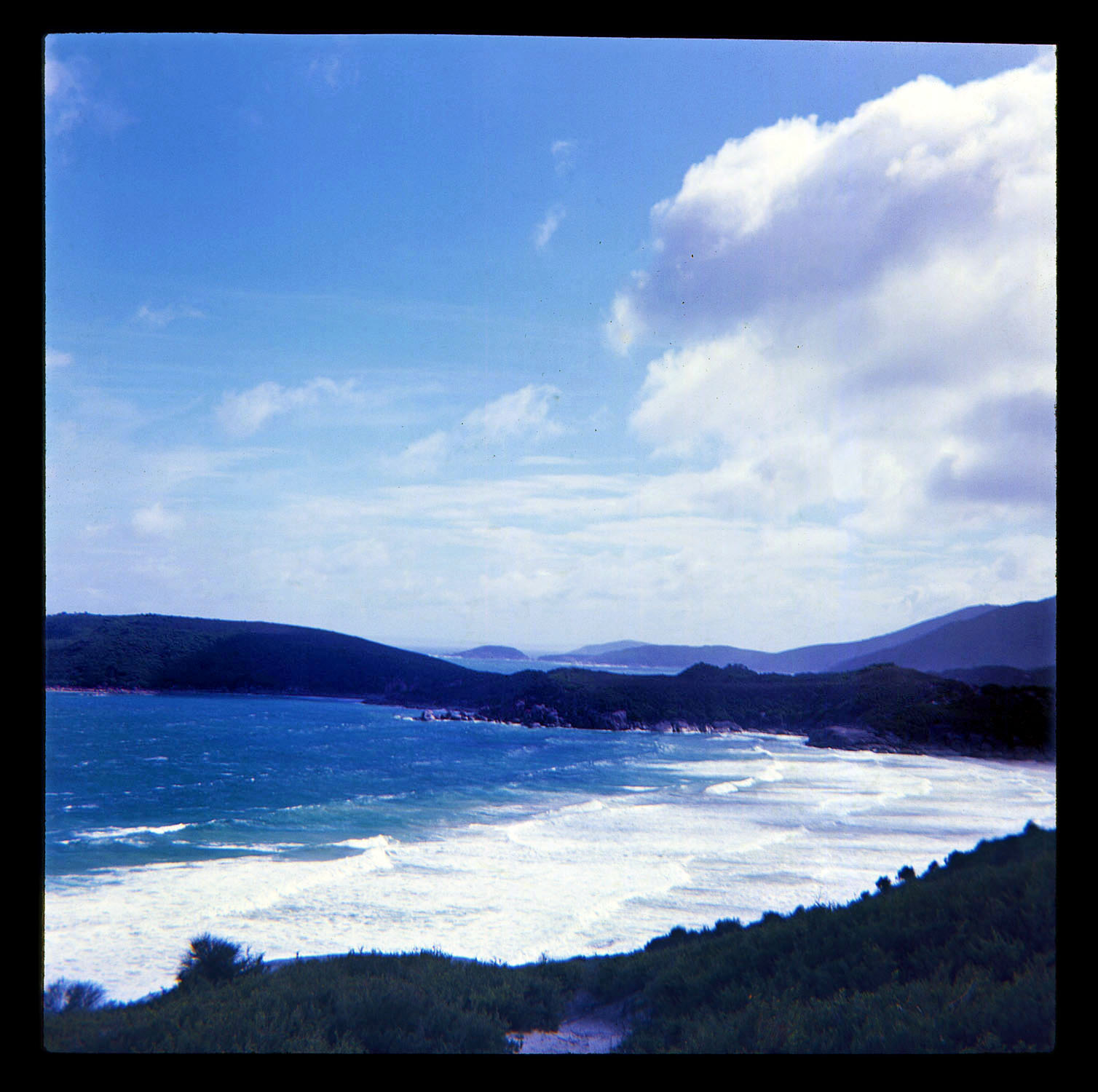
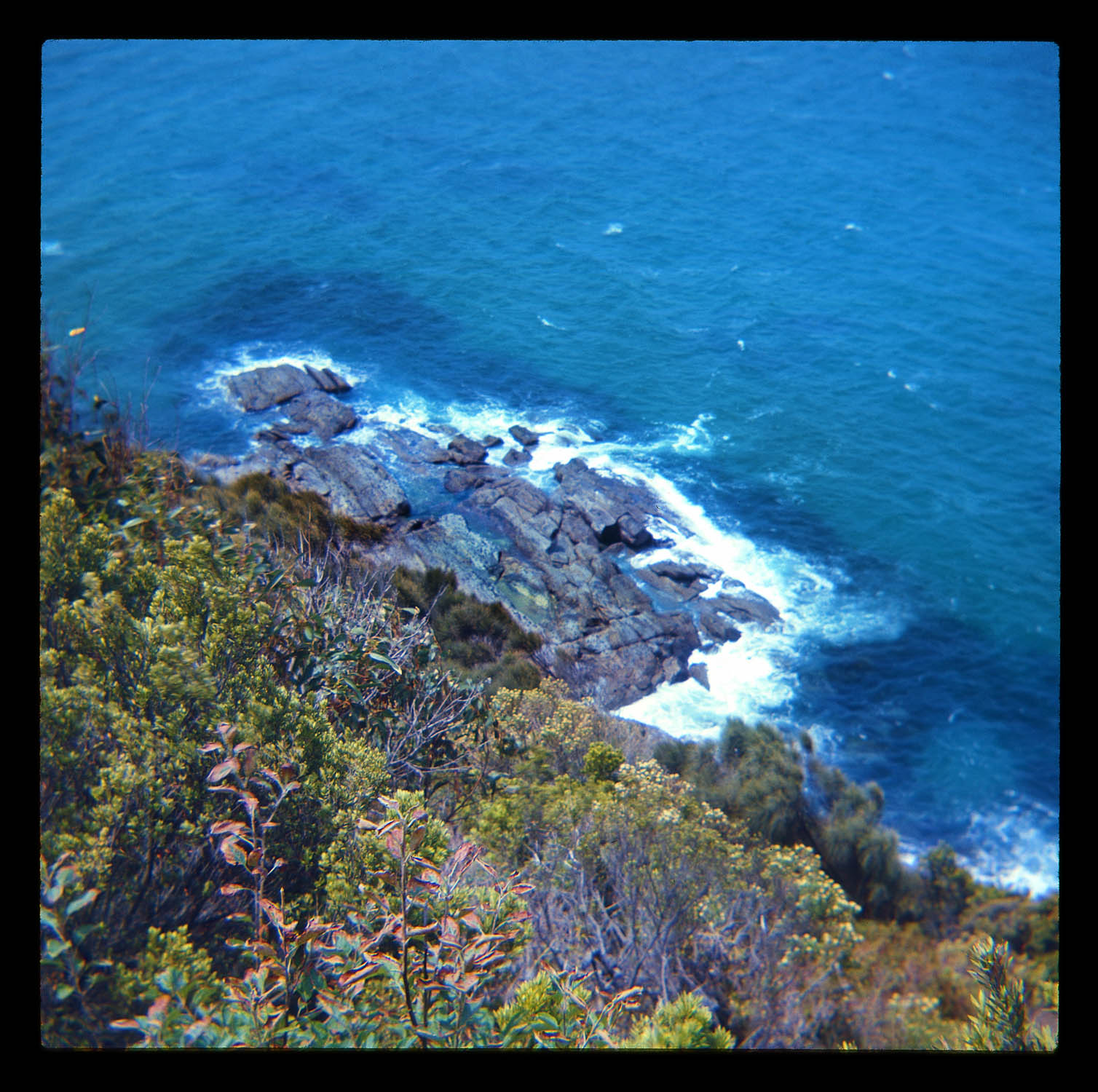
![Unknown photographer (Australian) 'Untitled [coastline]' 1960s](https://artblart.com/wp-content/uploads/2025/05/ektachrome-h.jpg "Unknown photographer (Australian) 'Untitled [coastline]' 1960s")
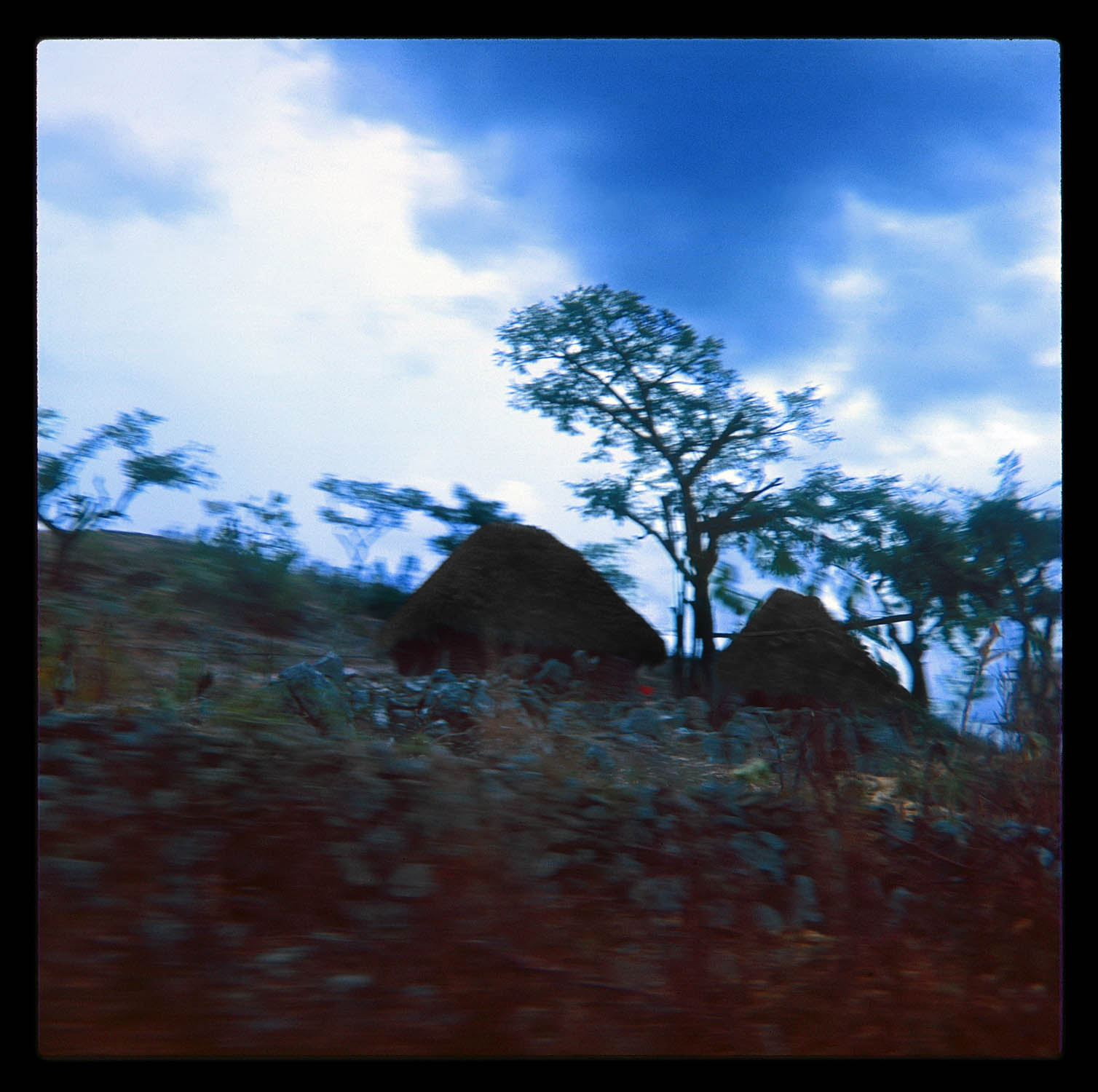
![Unknown photographer (Australian) 'Untitled [Desert scene, California?]' 1960s](https://artblart.com/wp-content/uploads/2025/05/ektachrome-q.jpg "Unknown photographer (Australian) 'Untitled [Desert scene, California?]' 1960s")
![Unknown photographer (Australian) 'Untitled [Desert scene, California?]' 1960s](https://artblart.com/wp-content/uploads/2025/05/ektachrome-p.jpg "Unknown photographer (Australian) 'Untitled [Desert scene, California?]' 1960s")
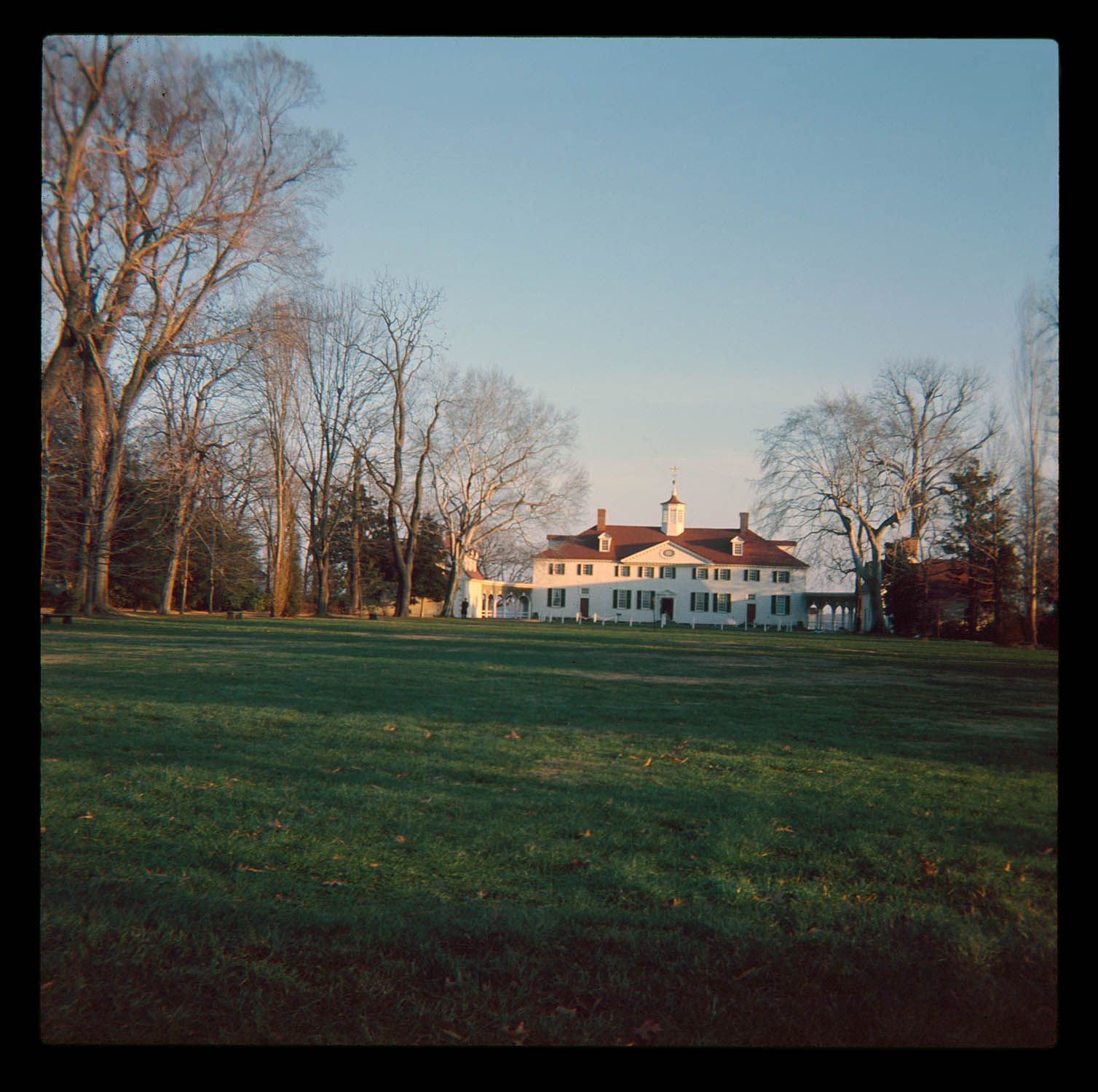

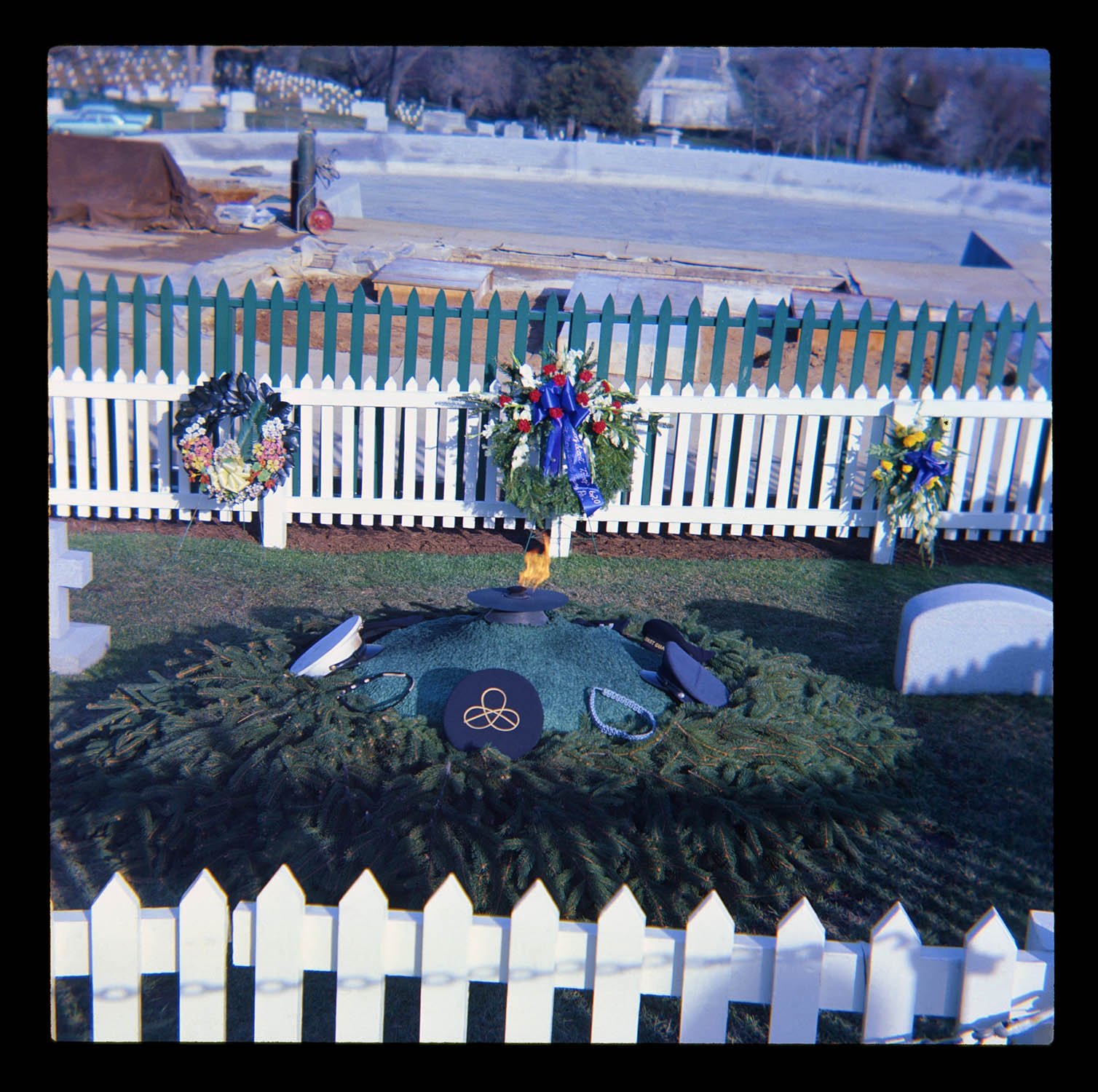
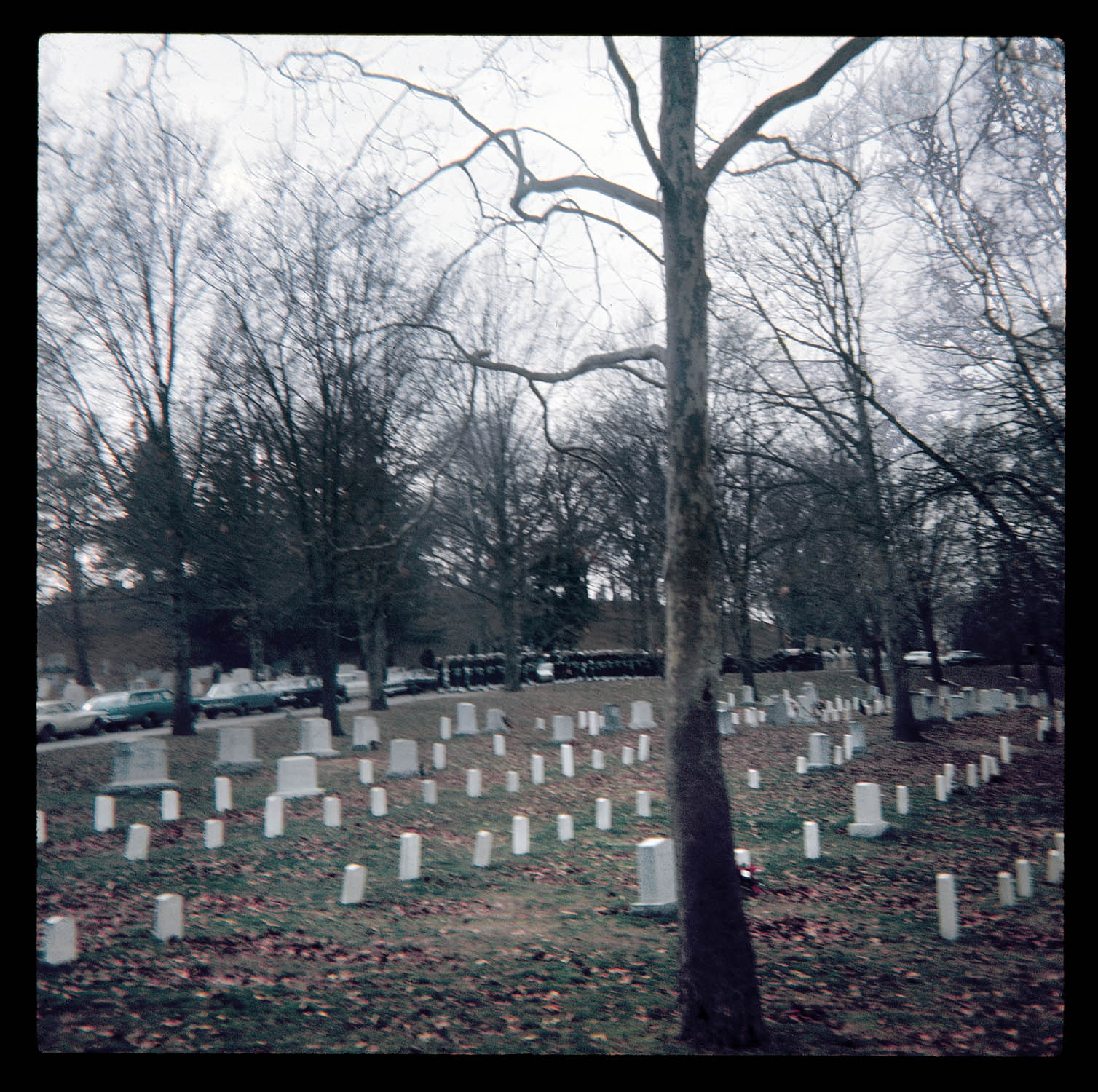
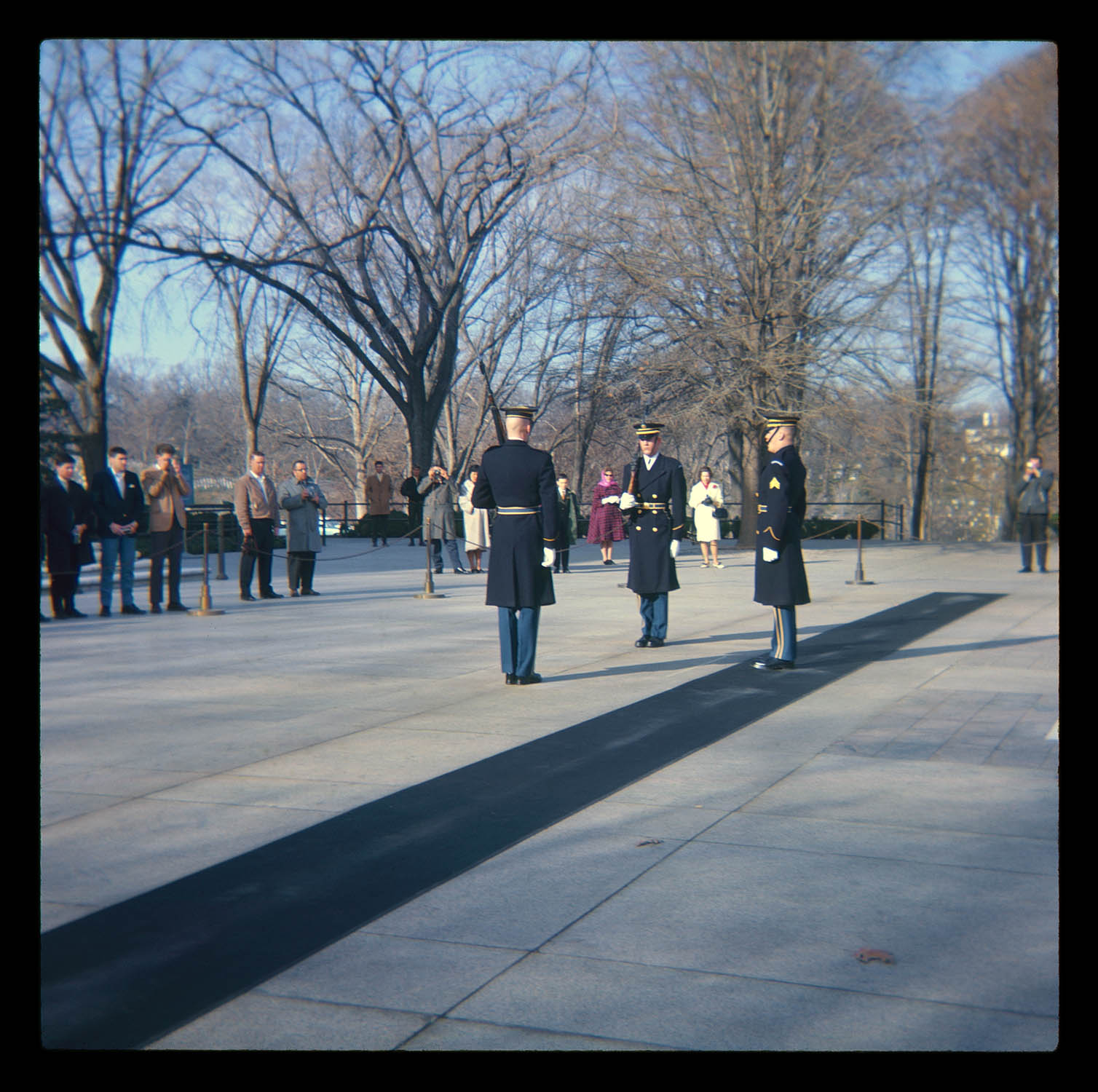
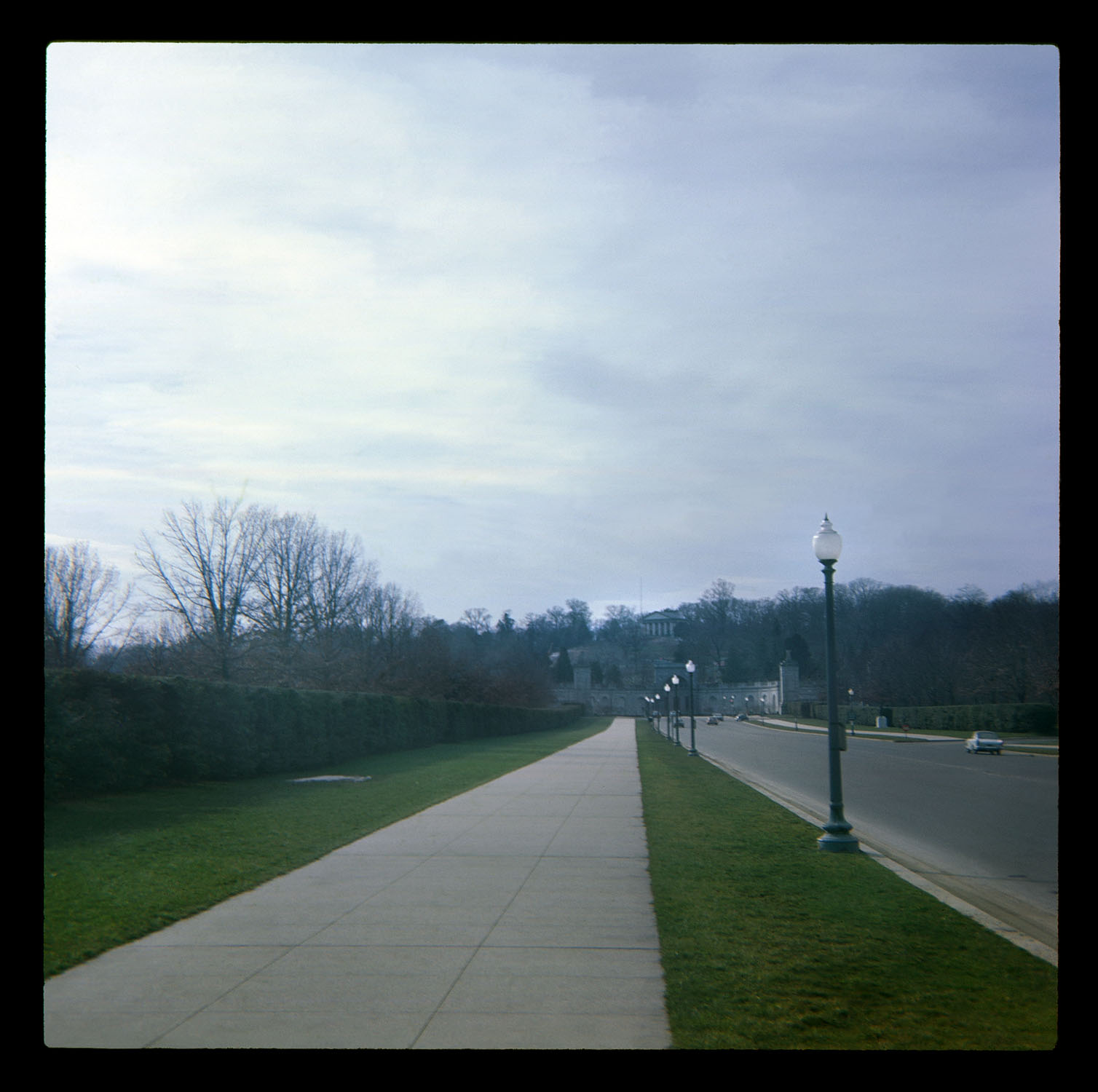
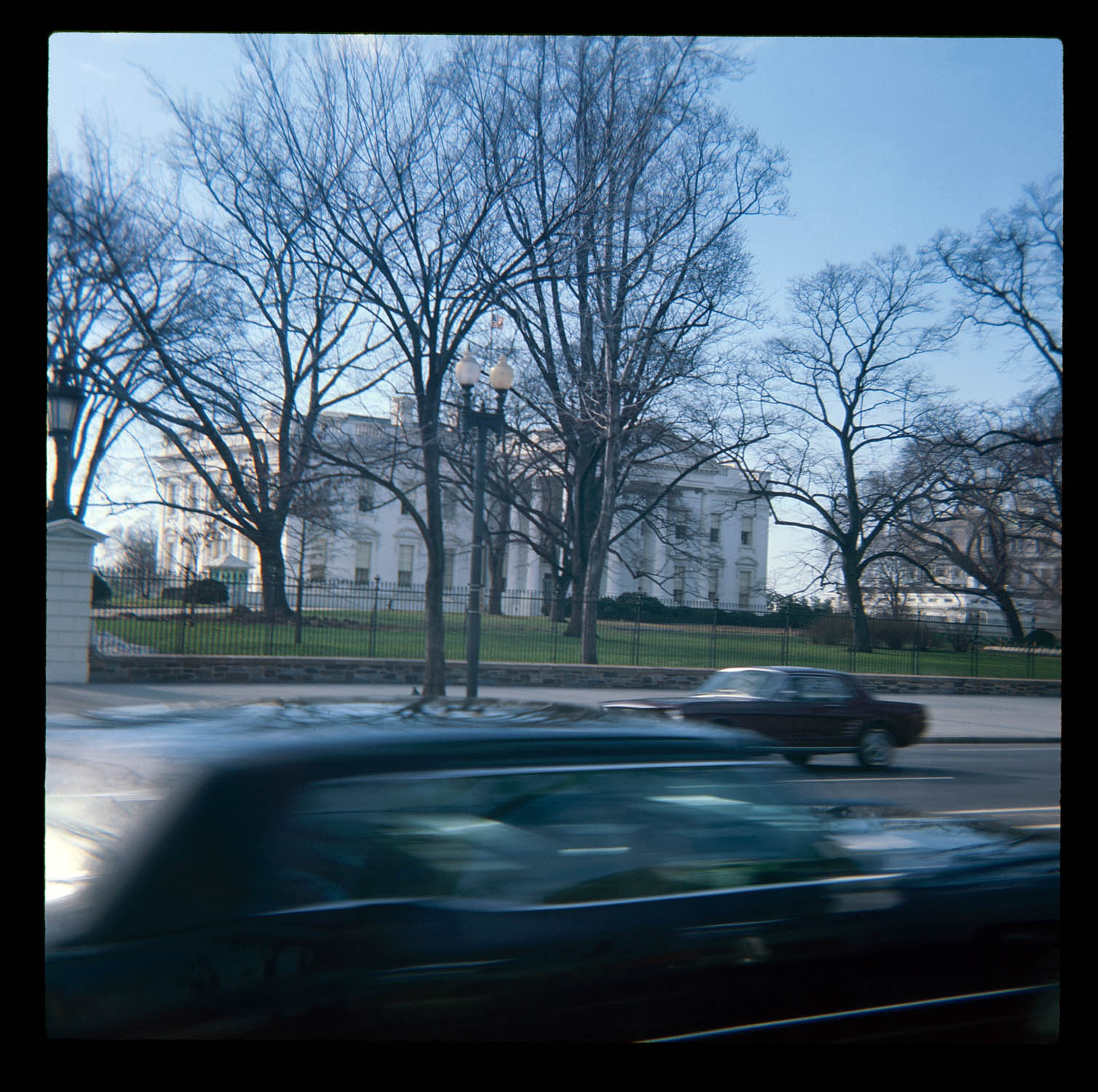
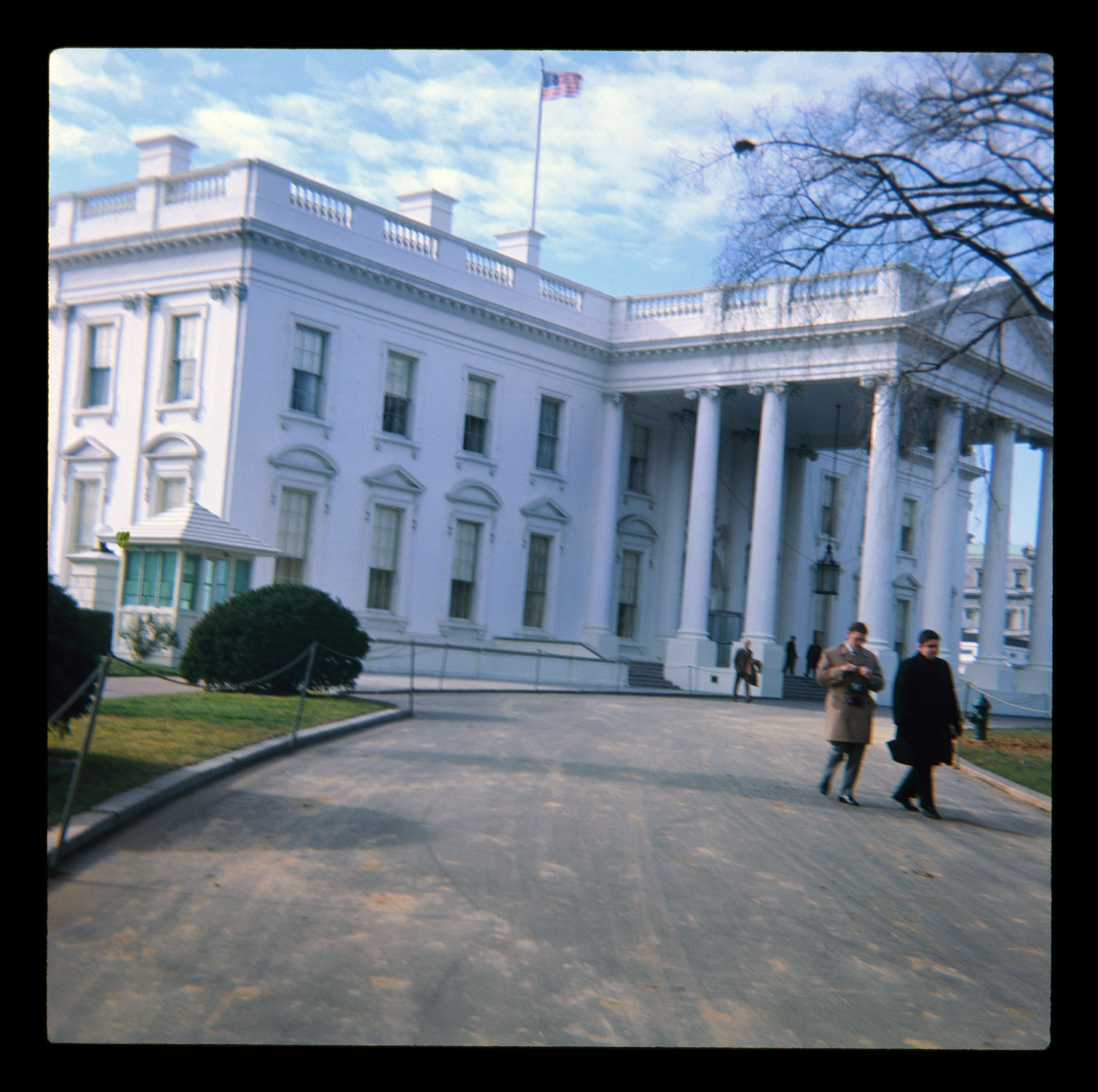
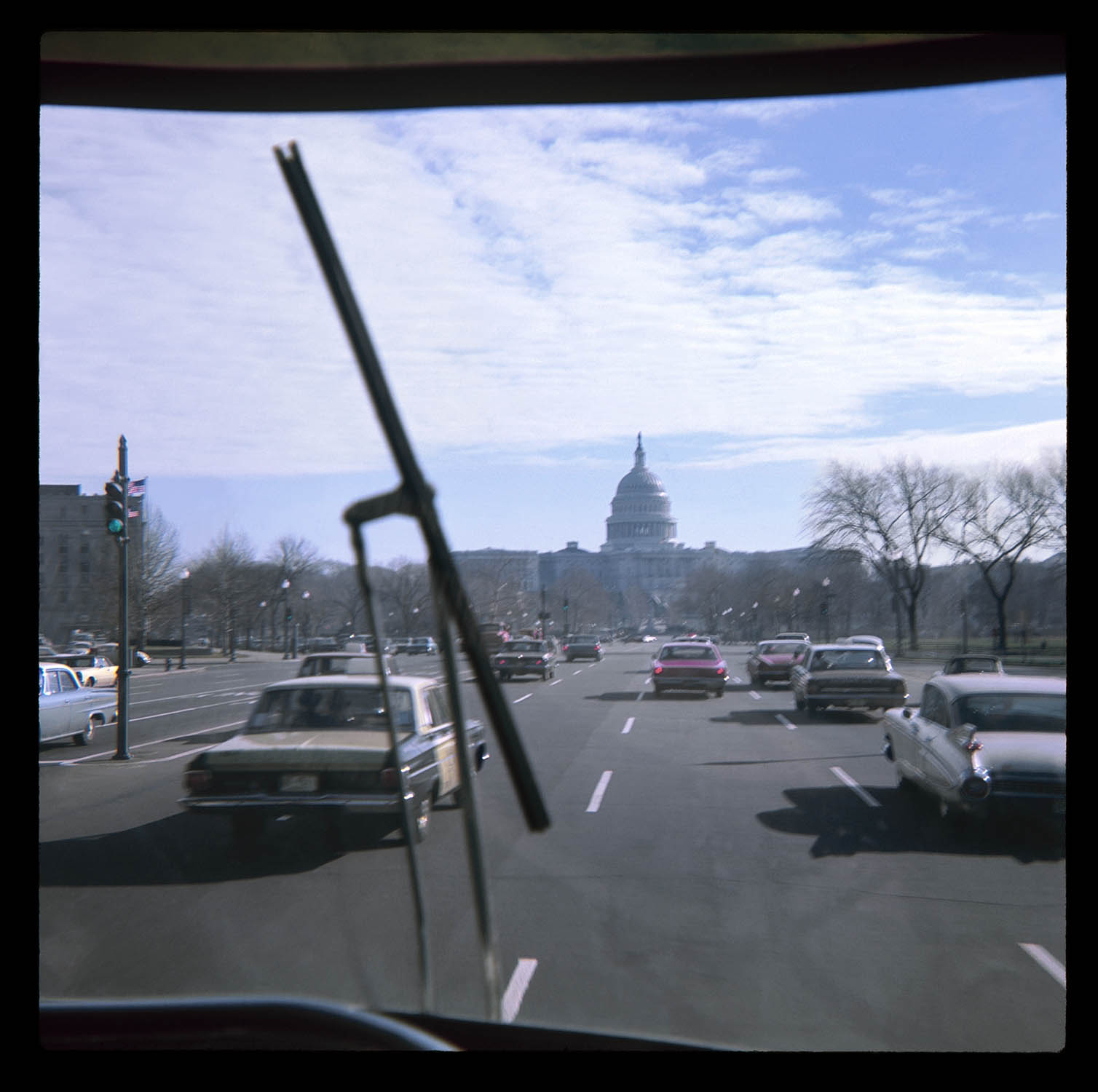
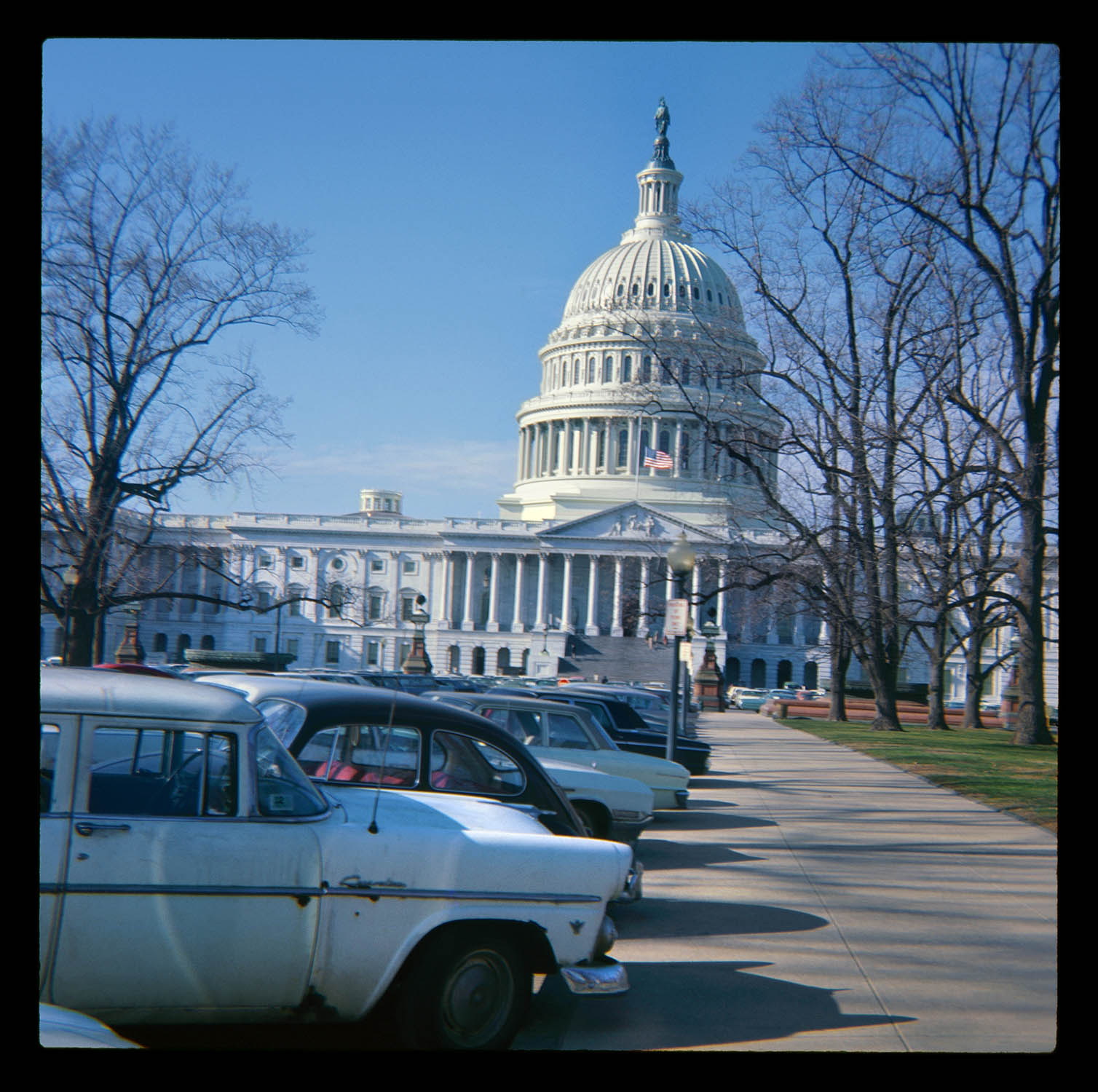
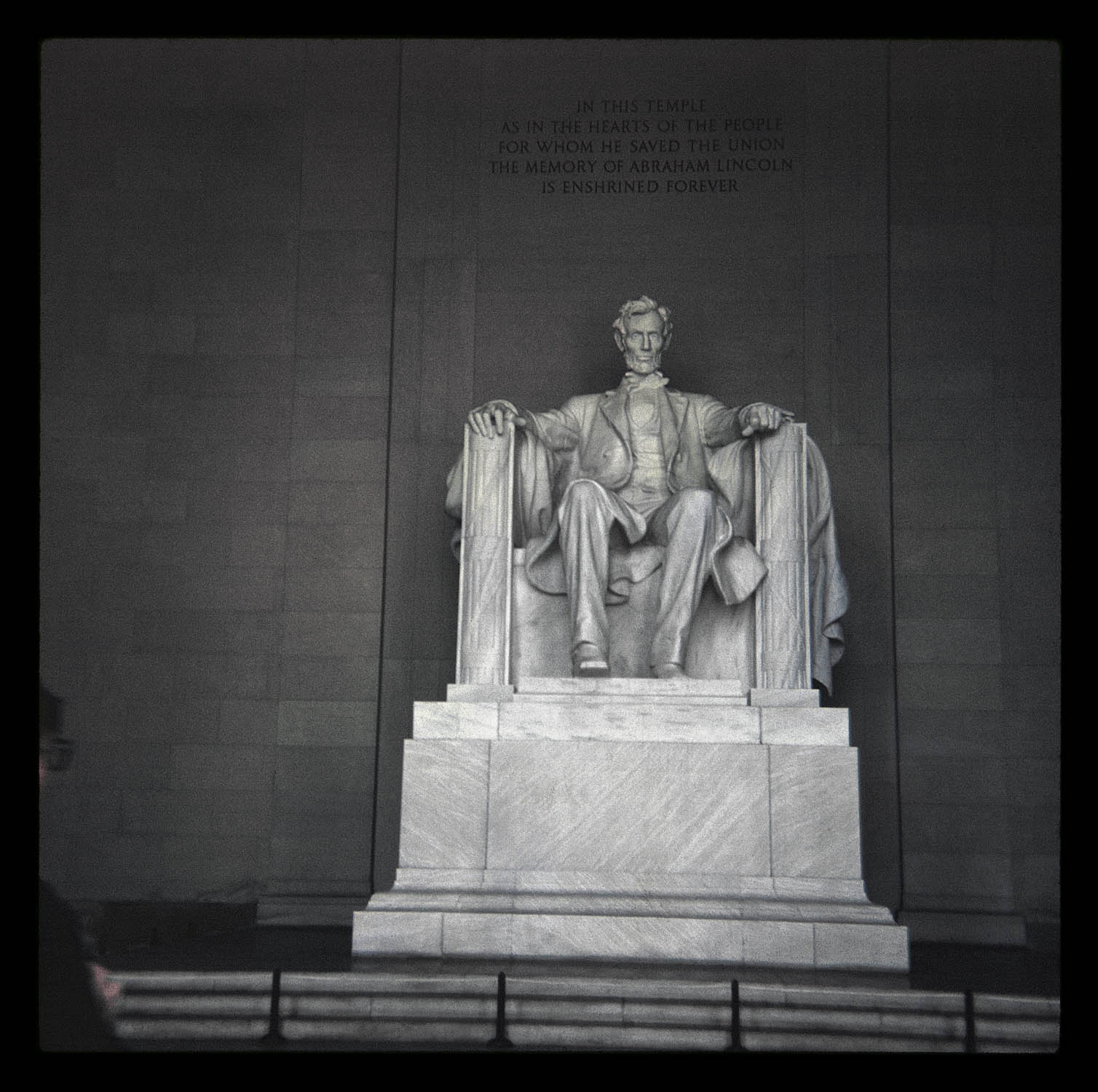
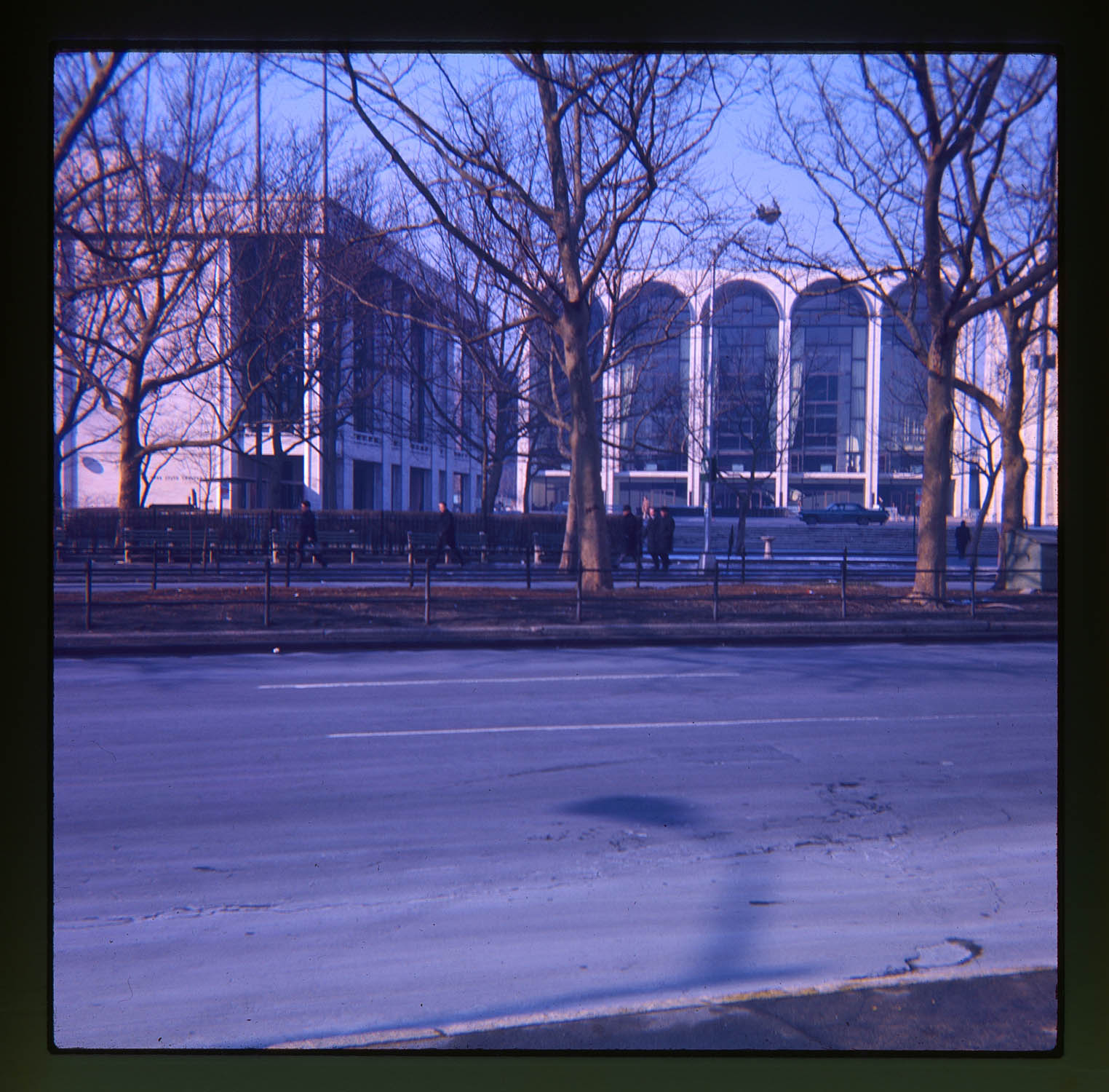

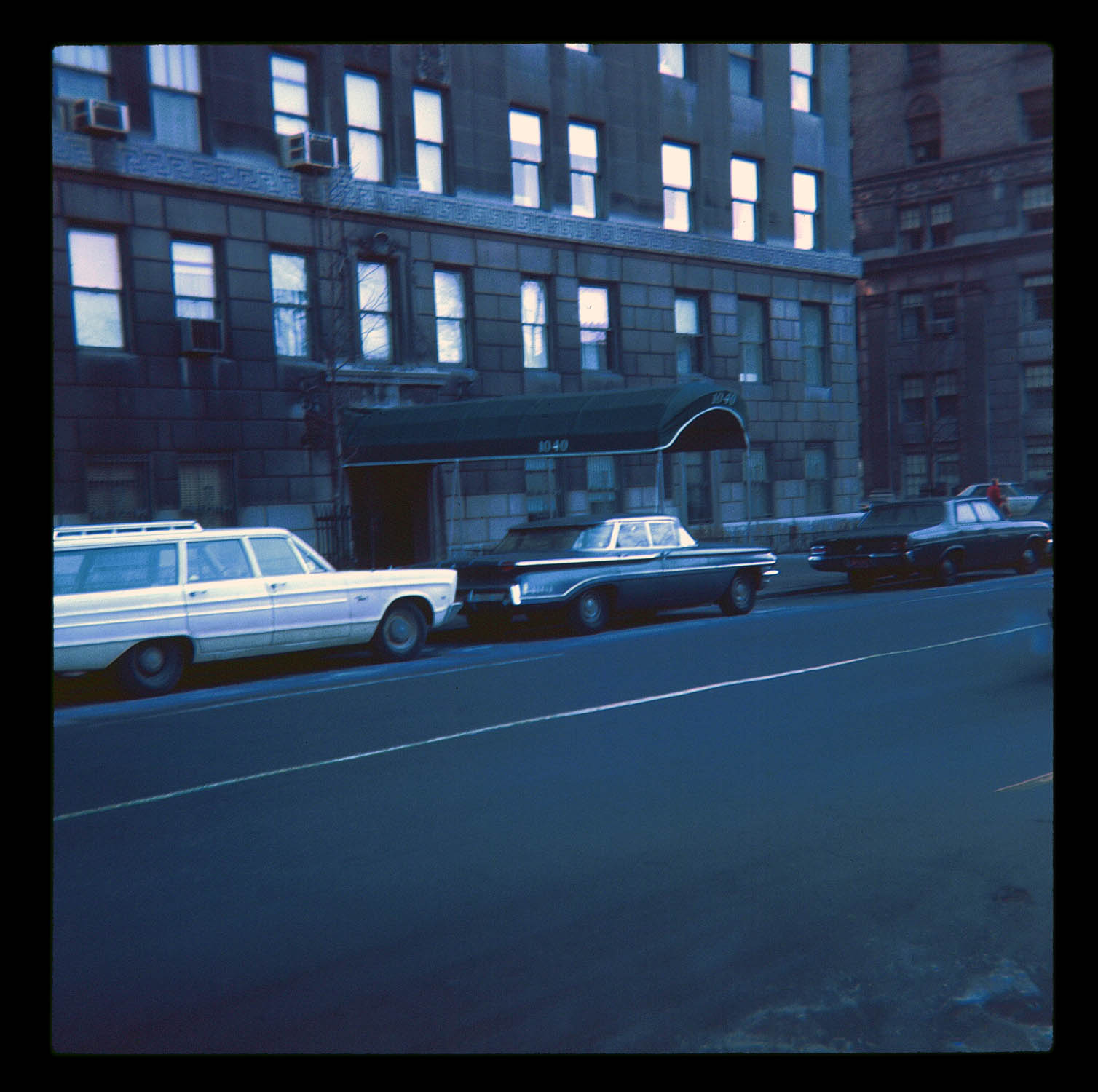
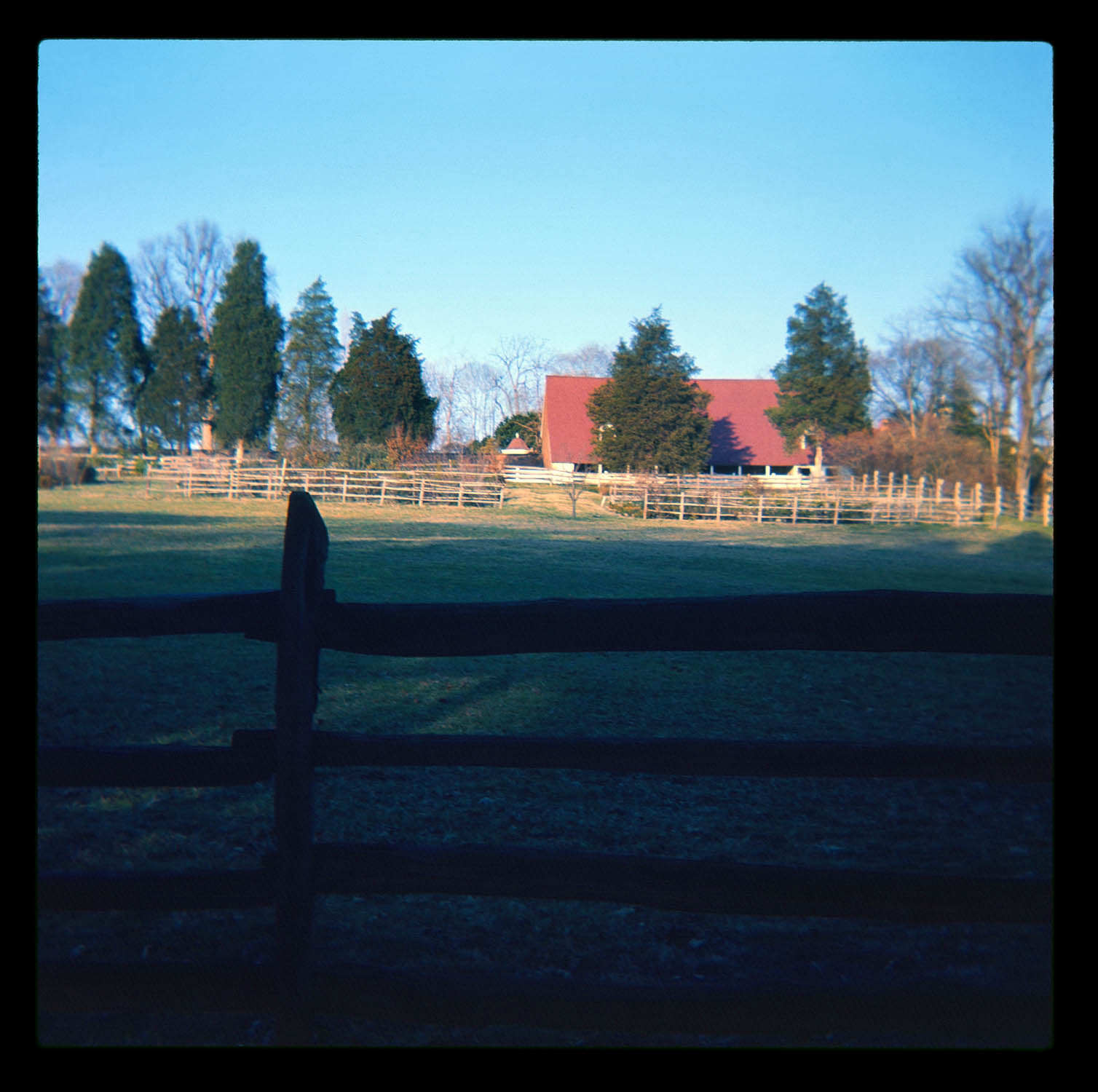
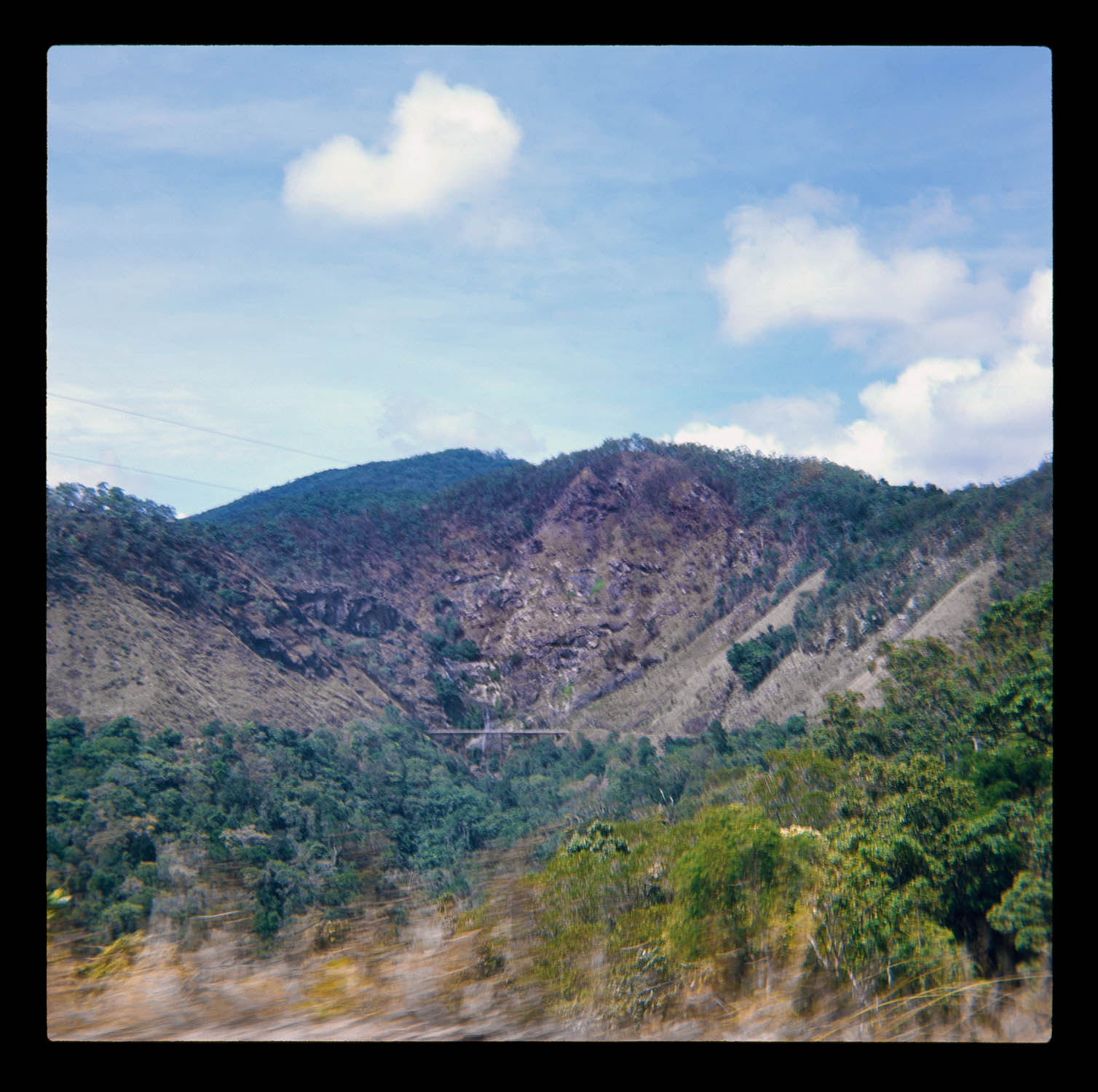
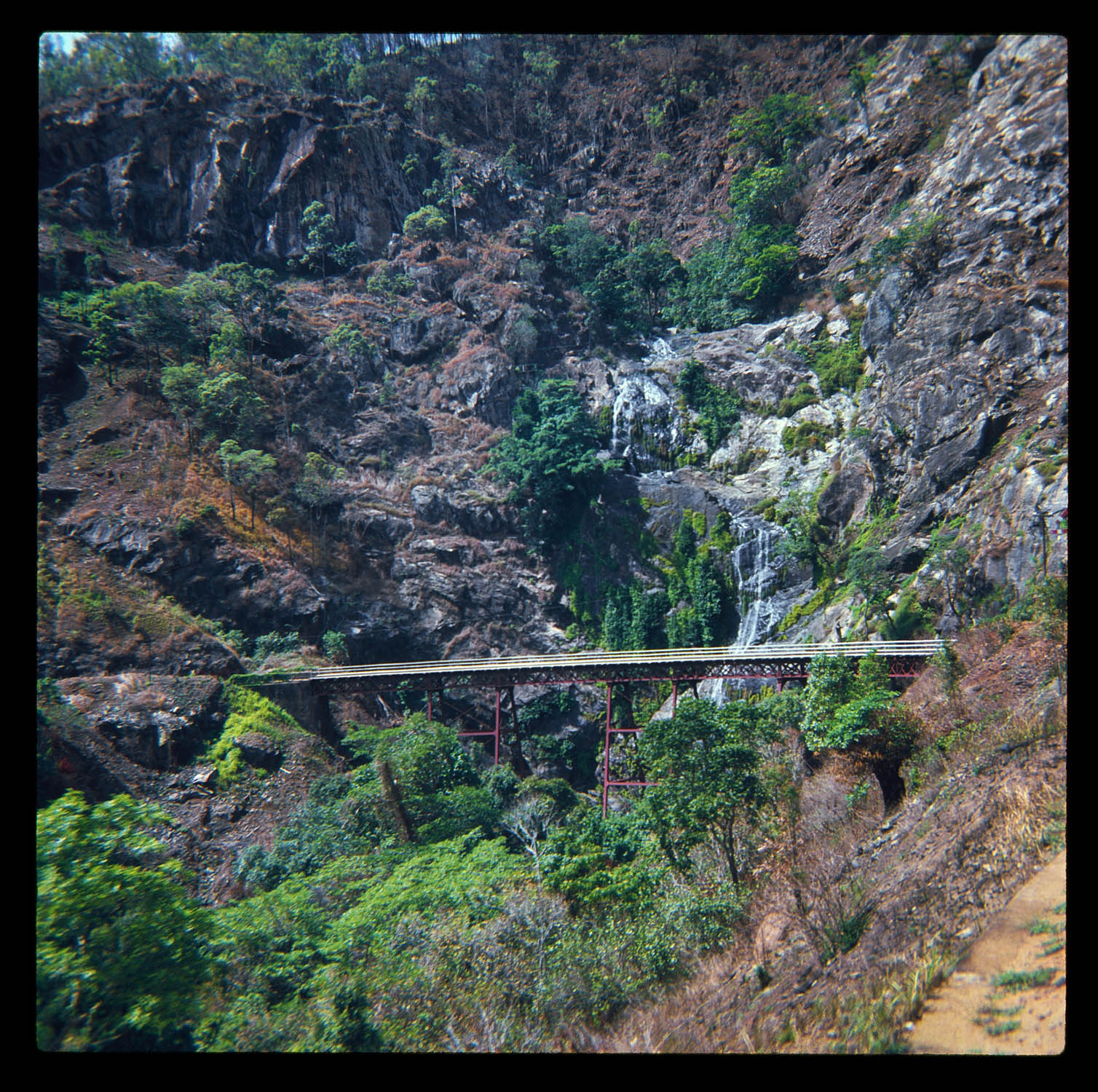
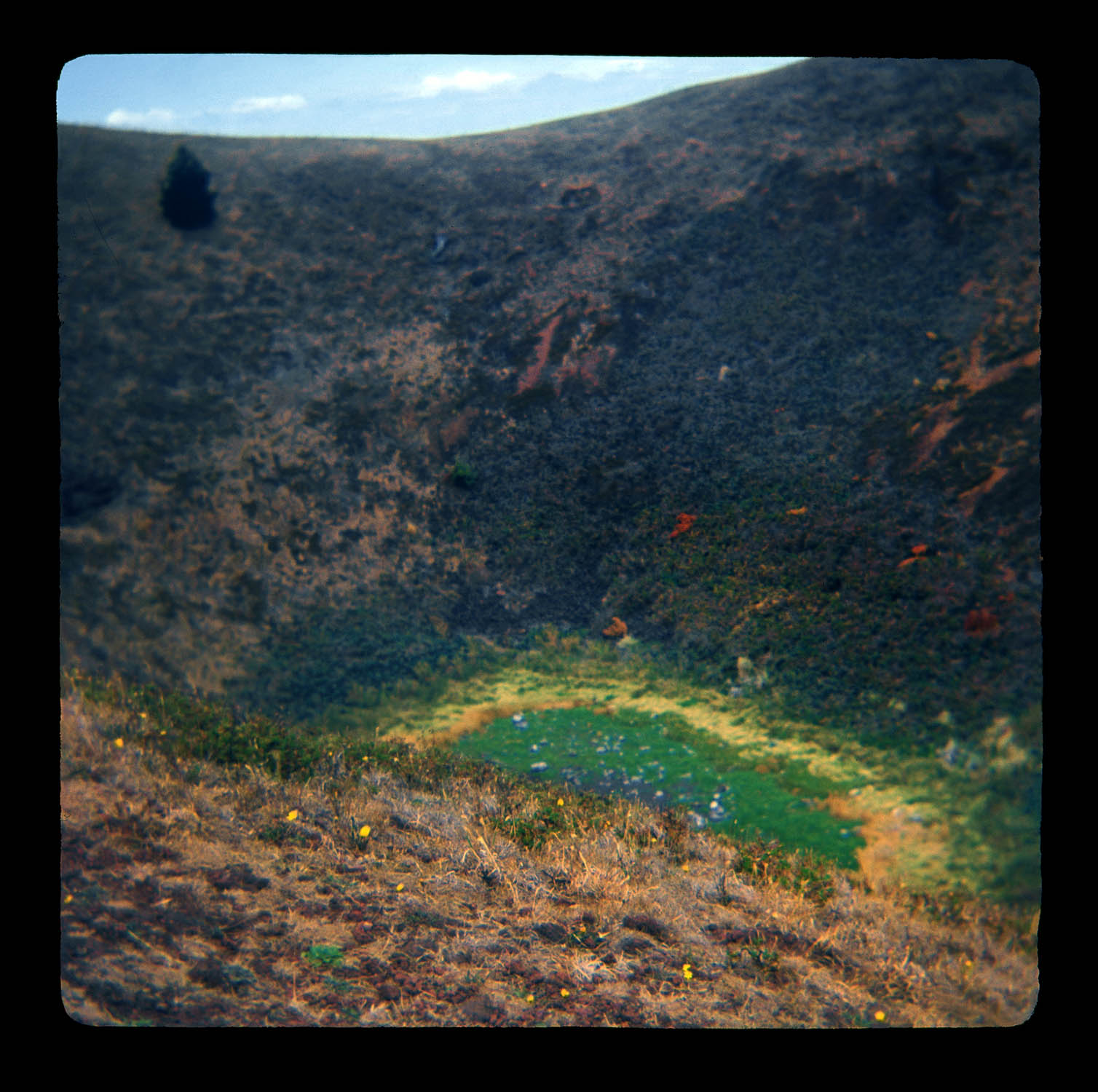

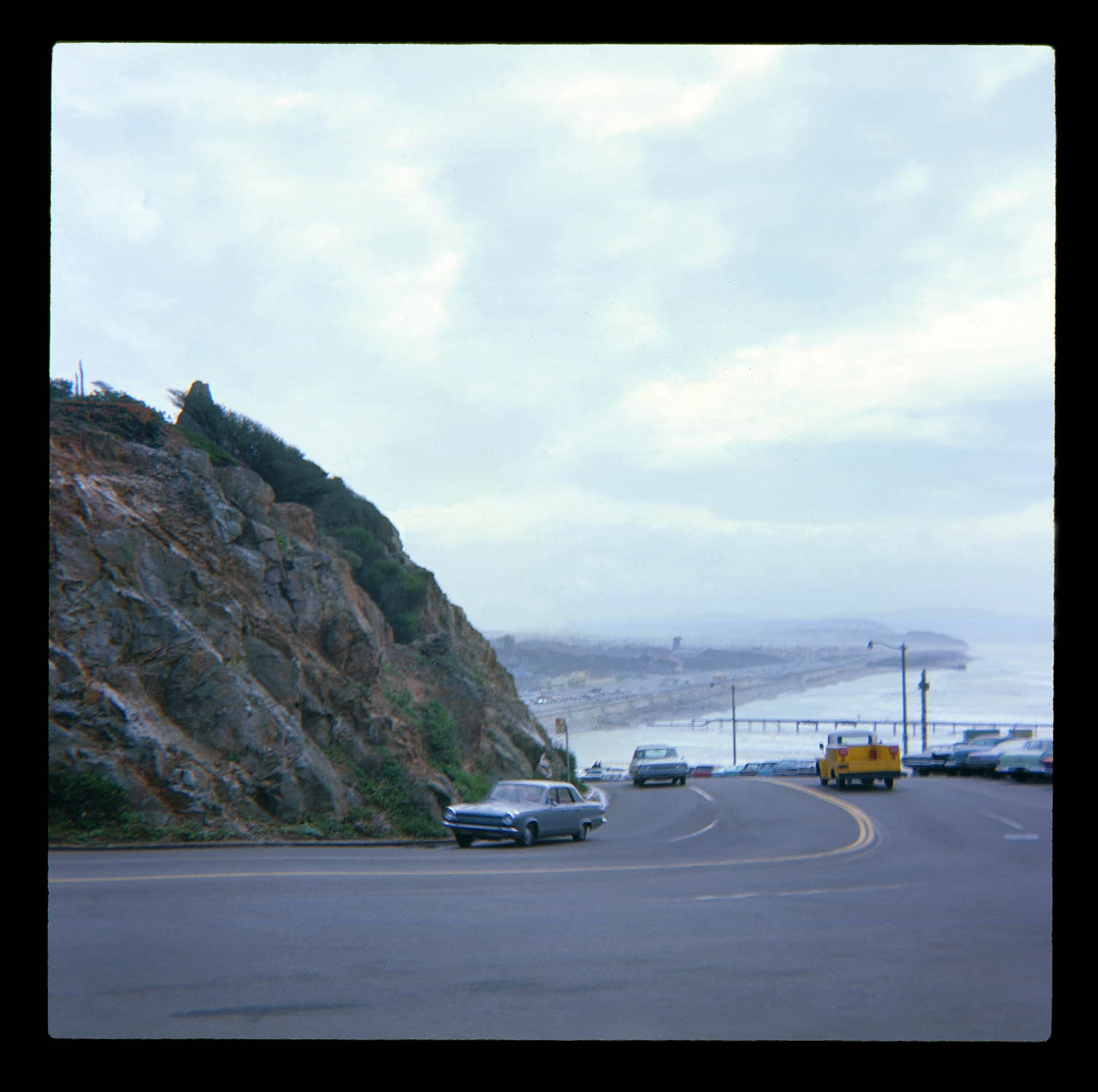


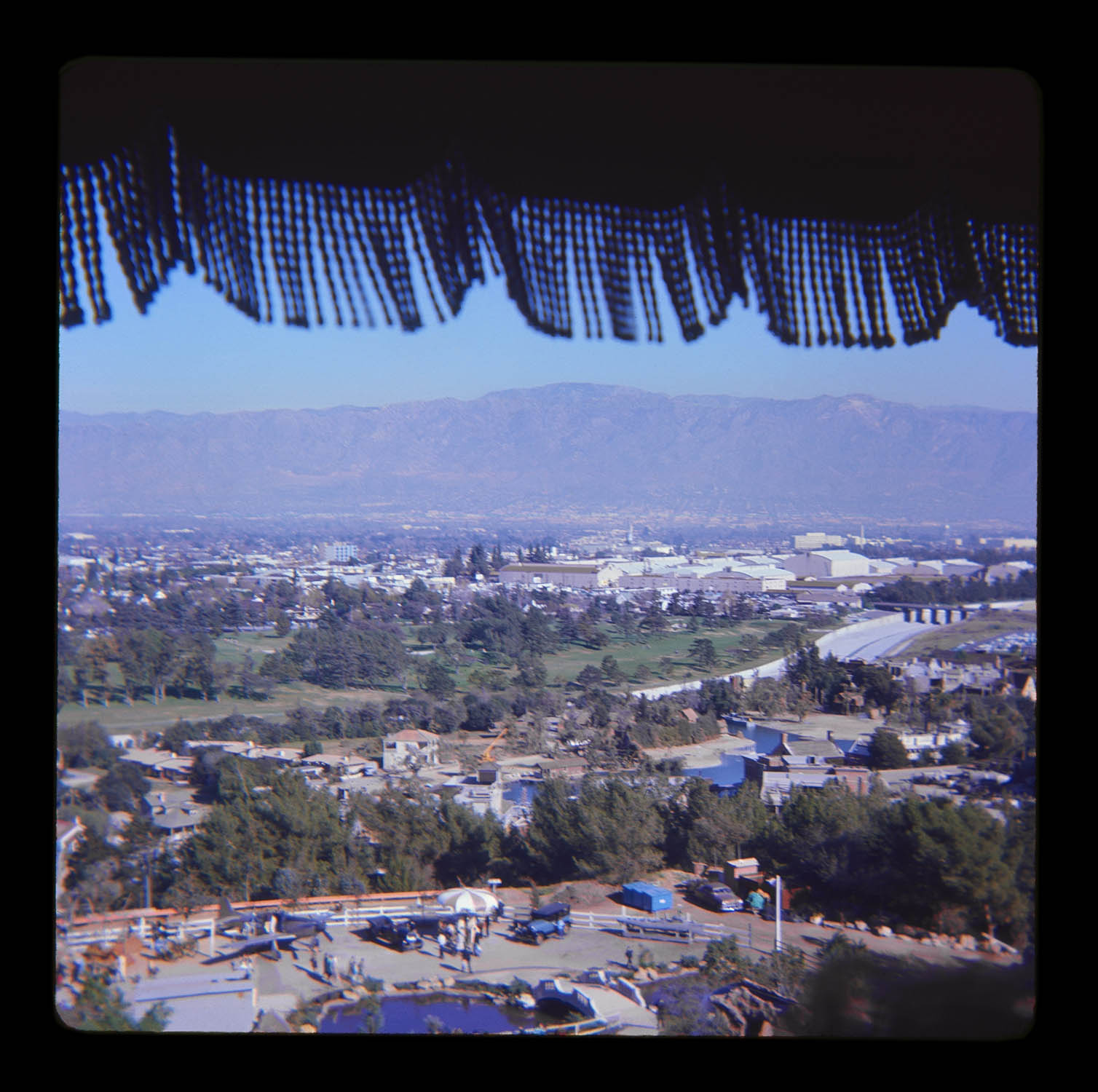

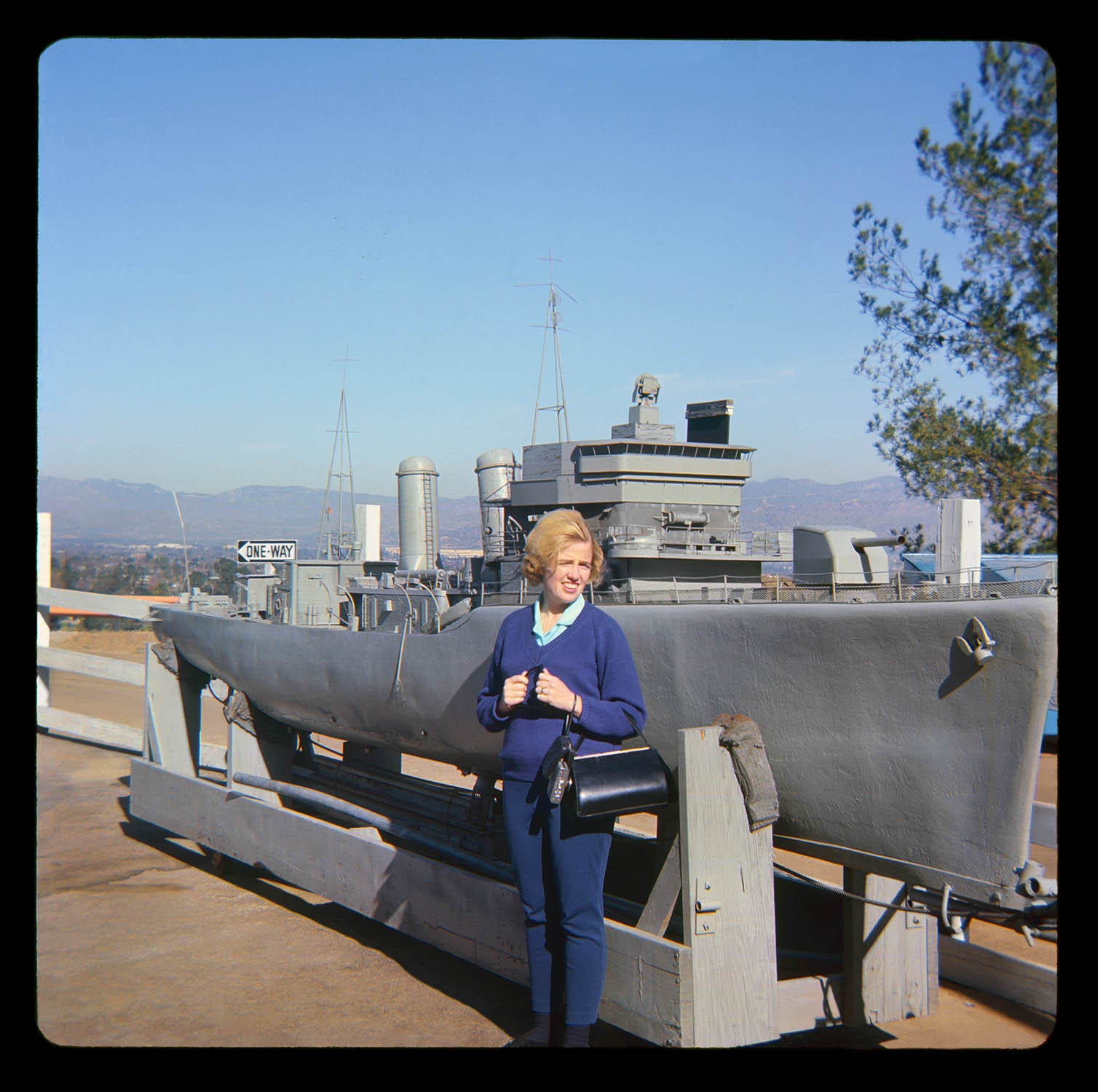

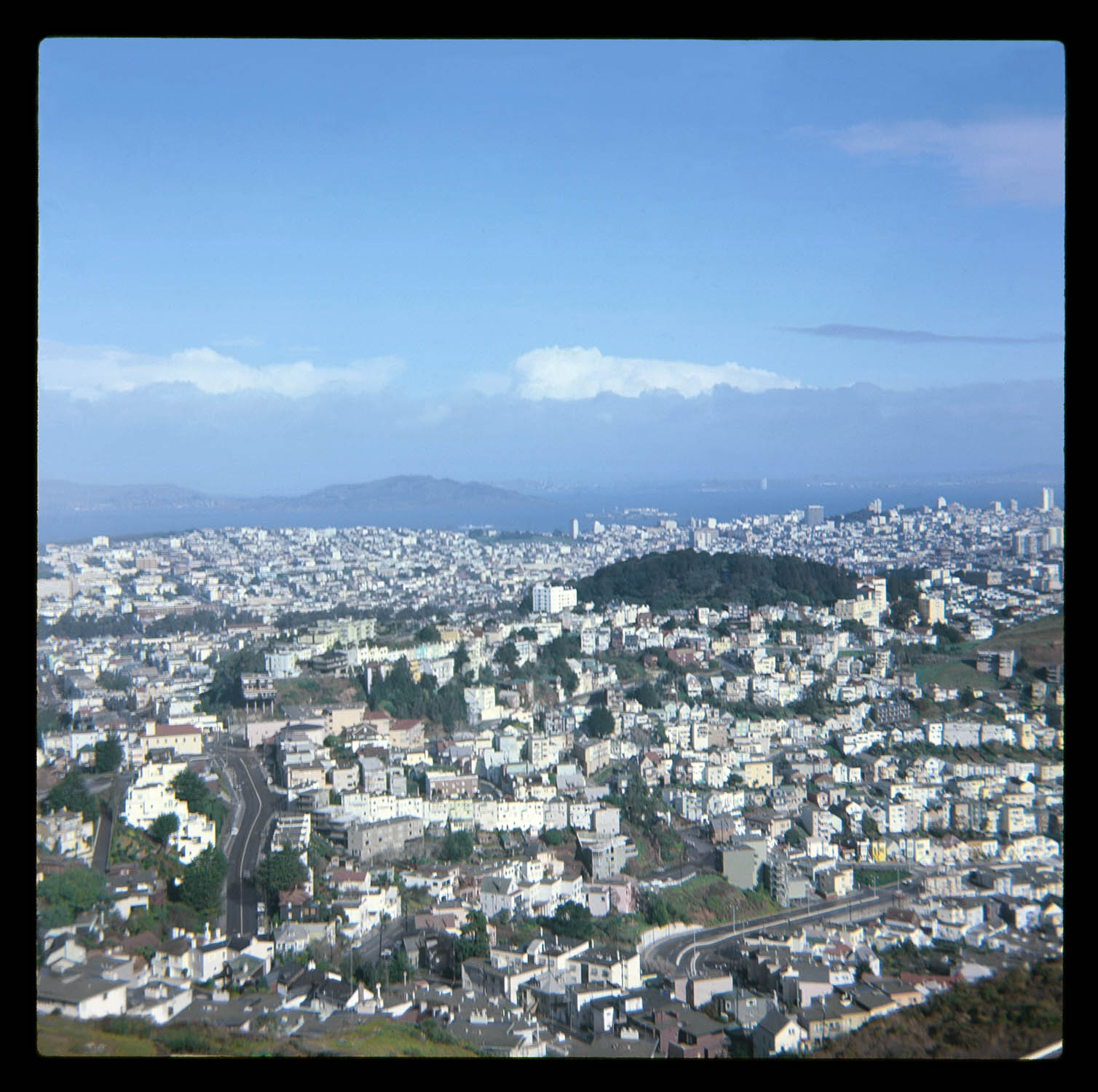
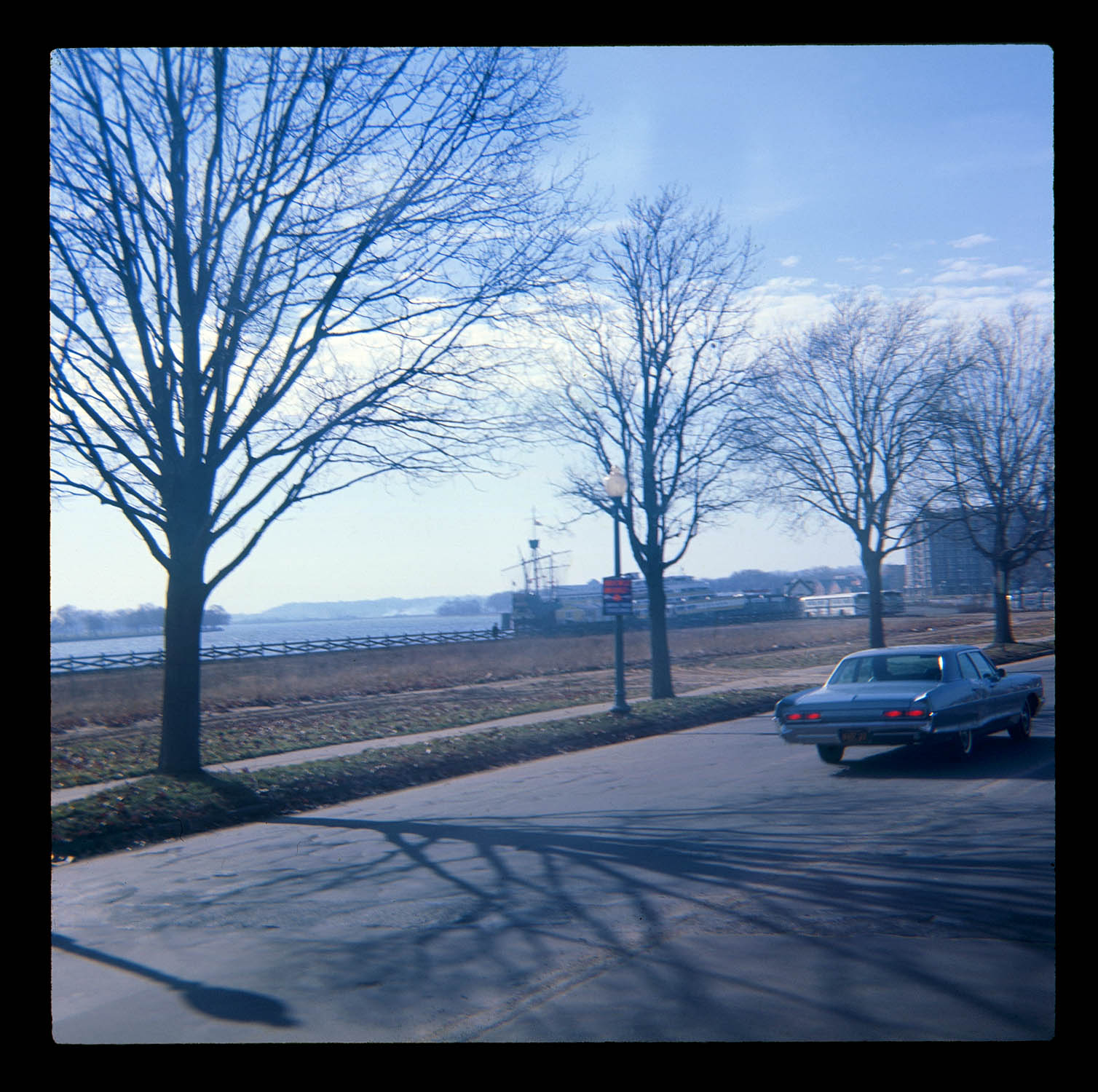
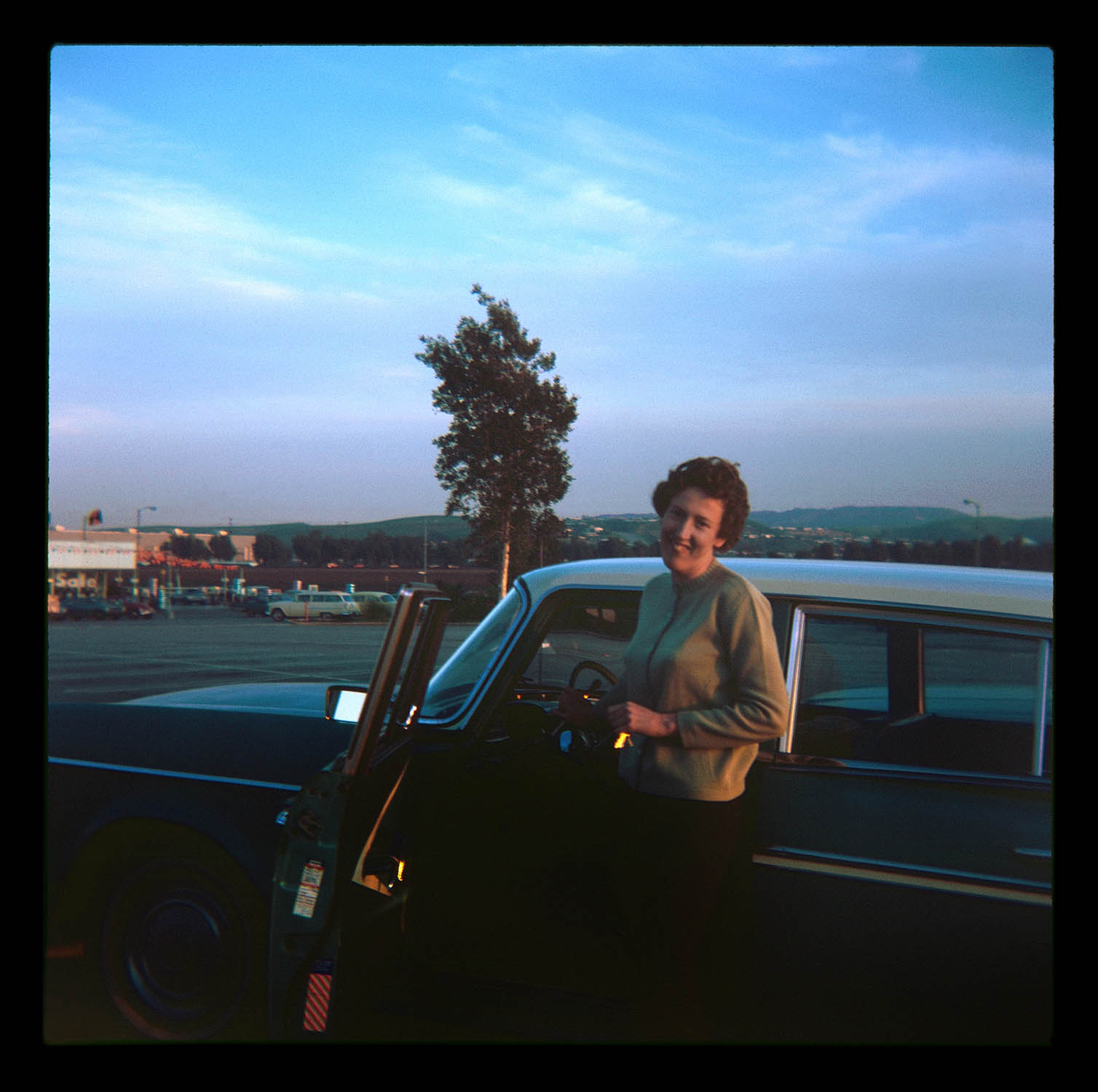
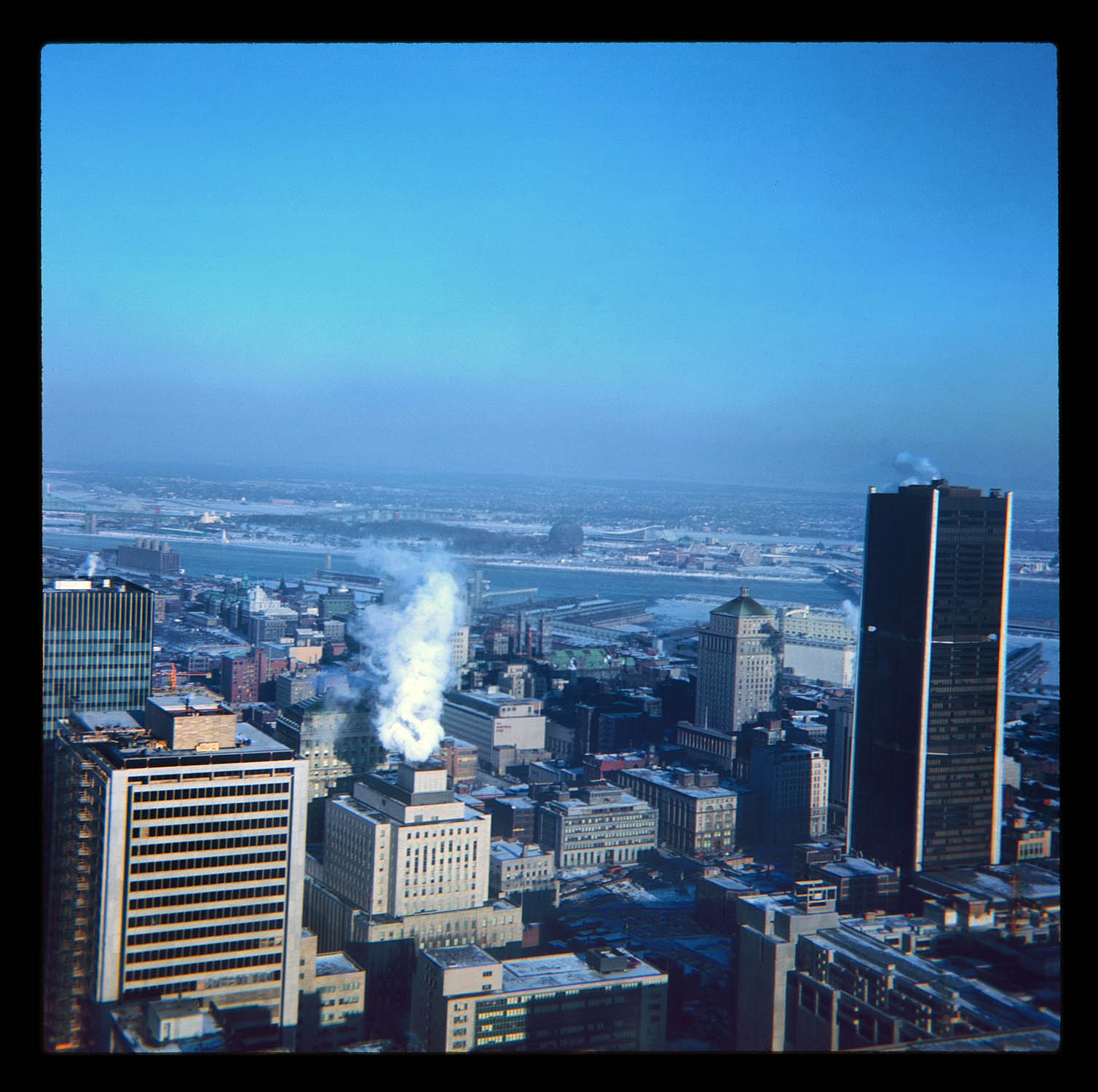
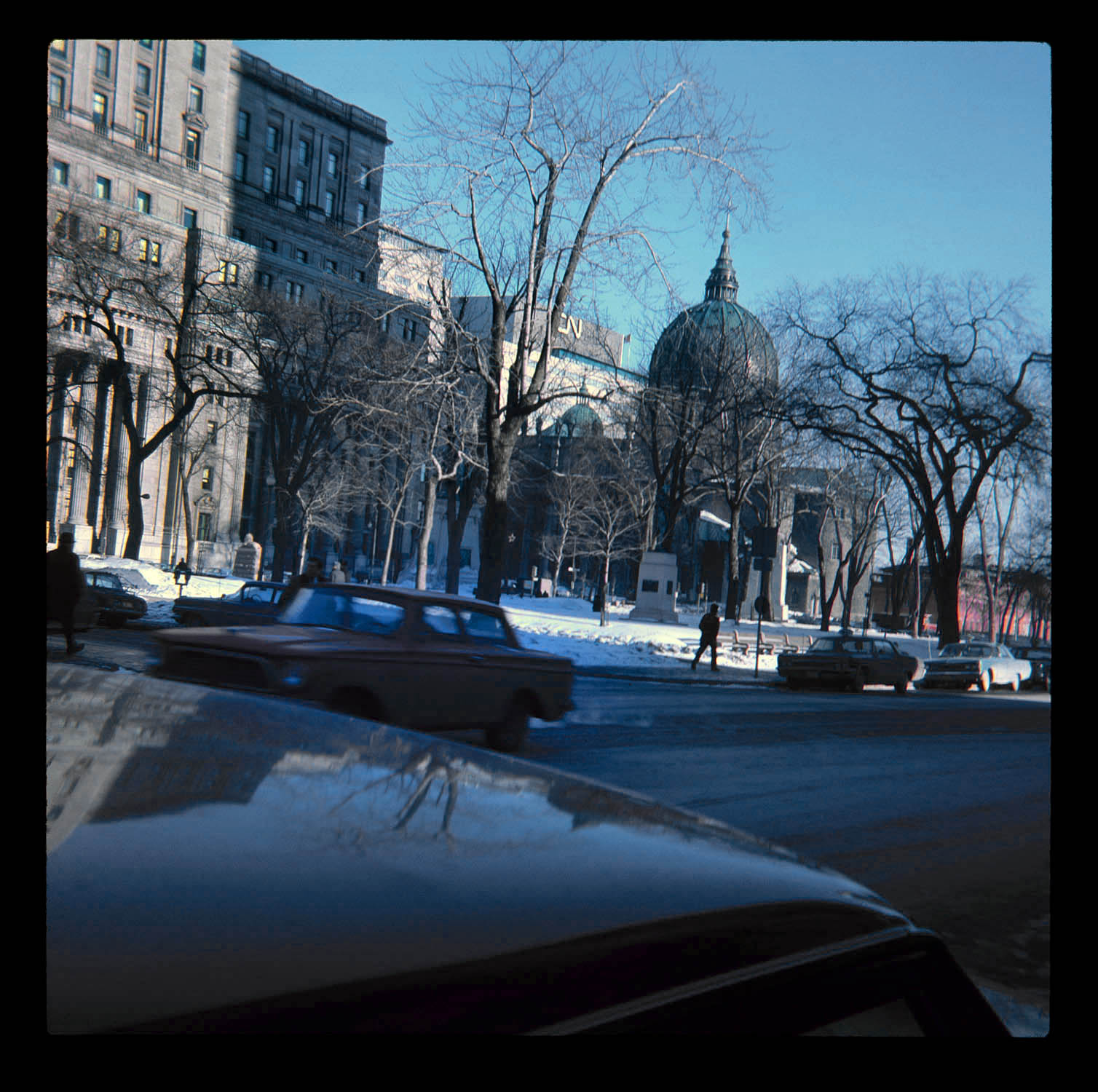
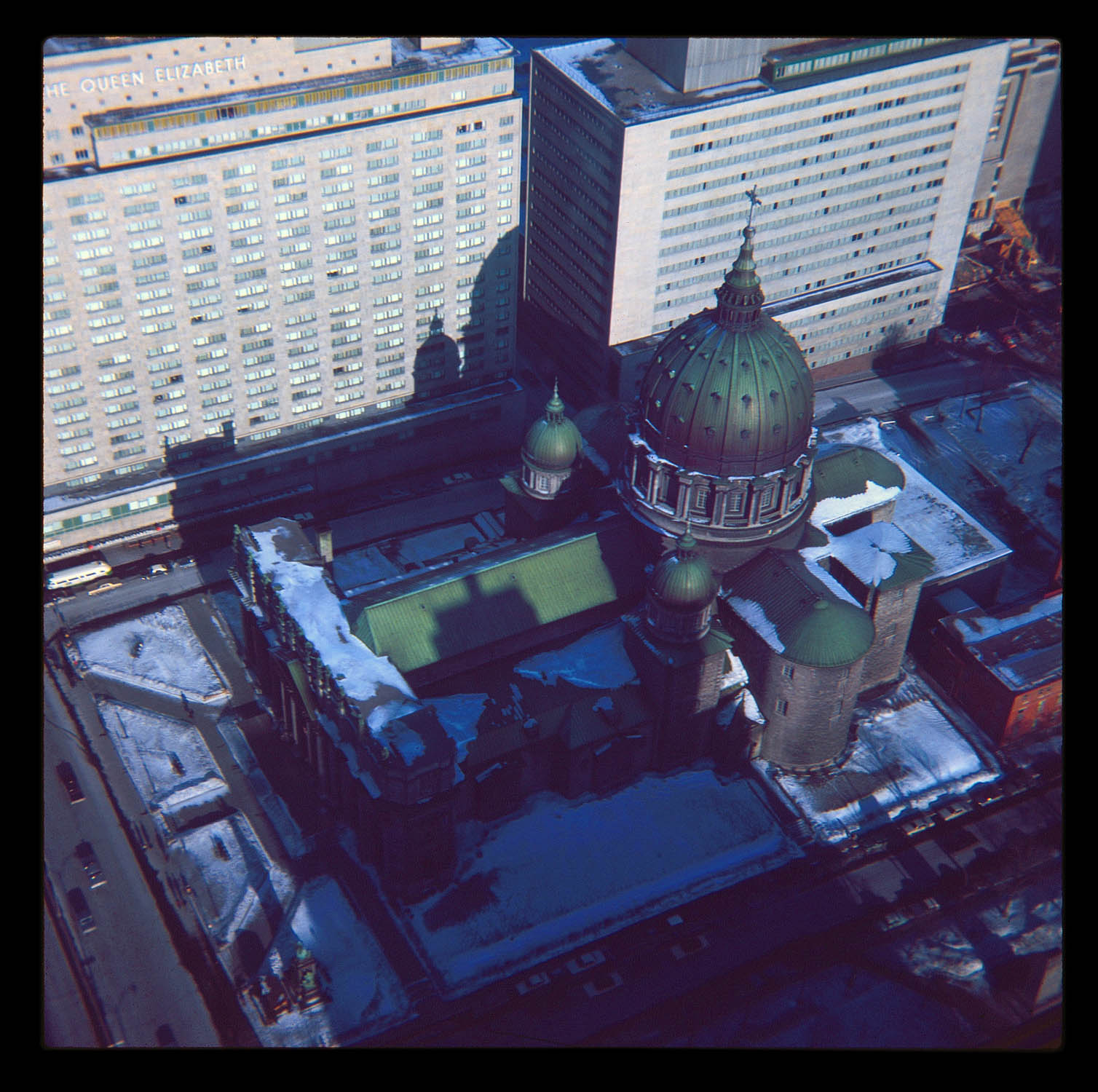
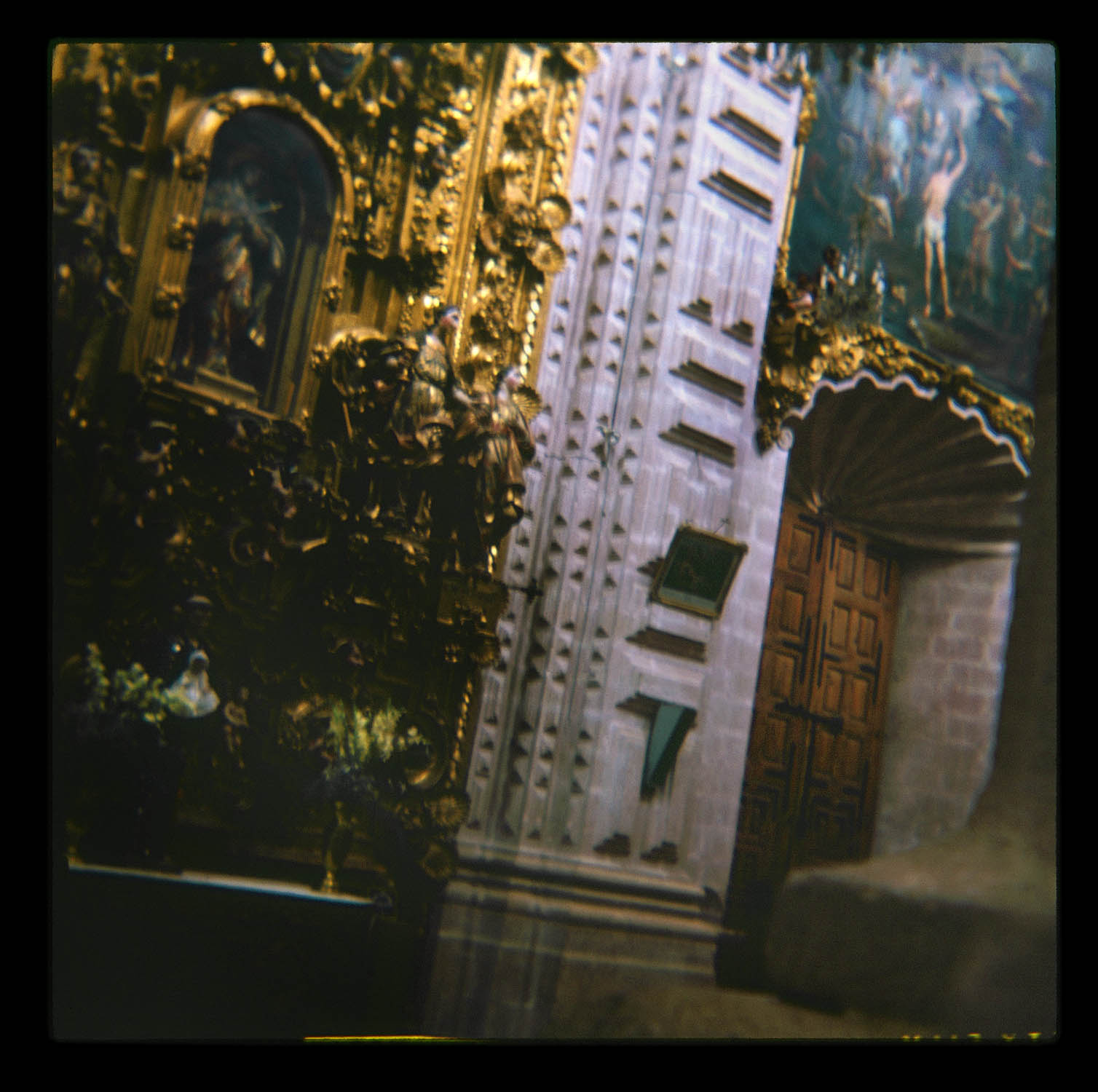
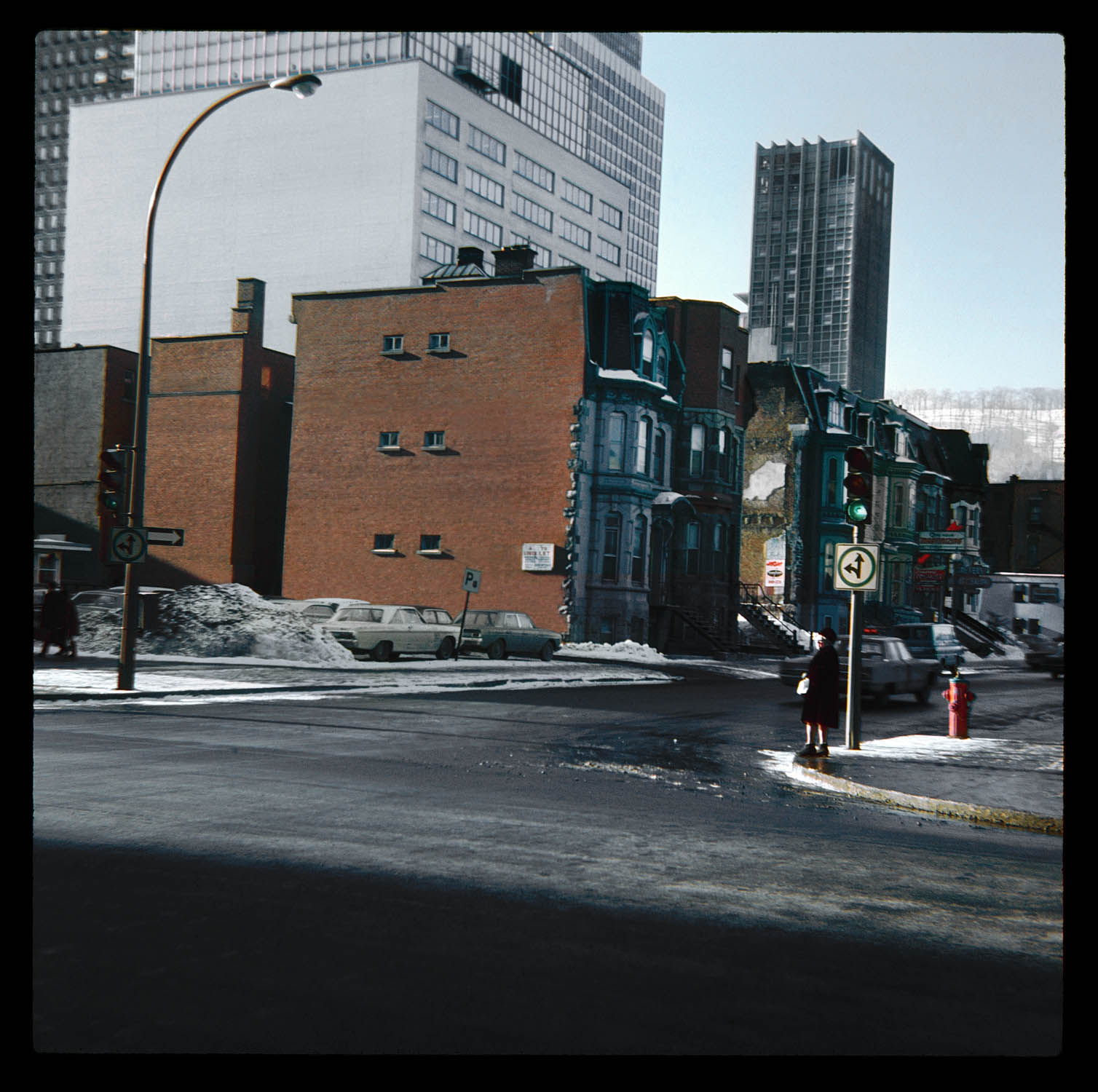
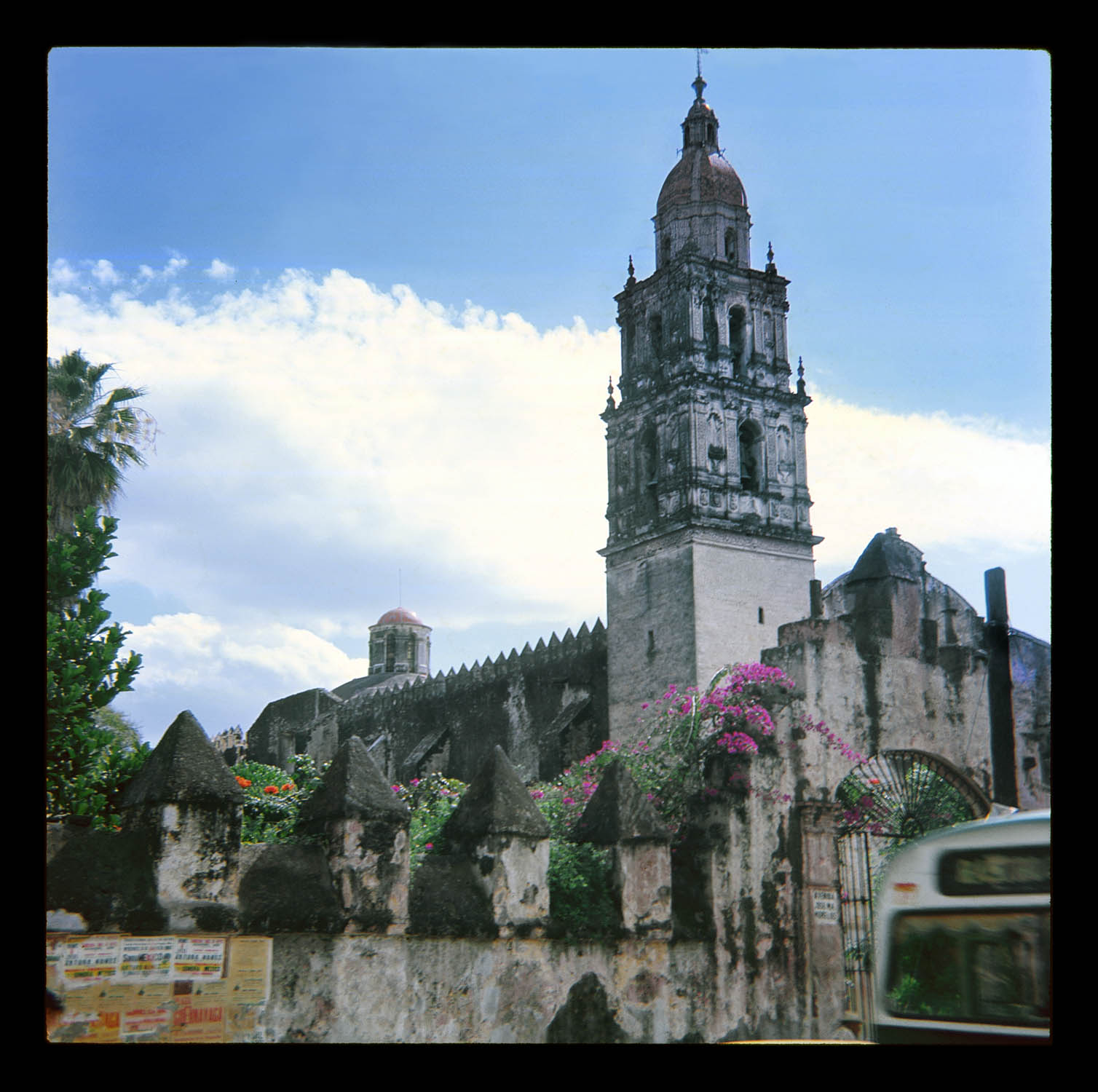

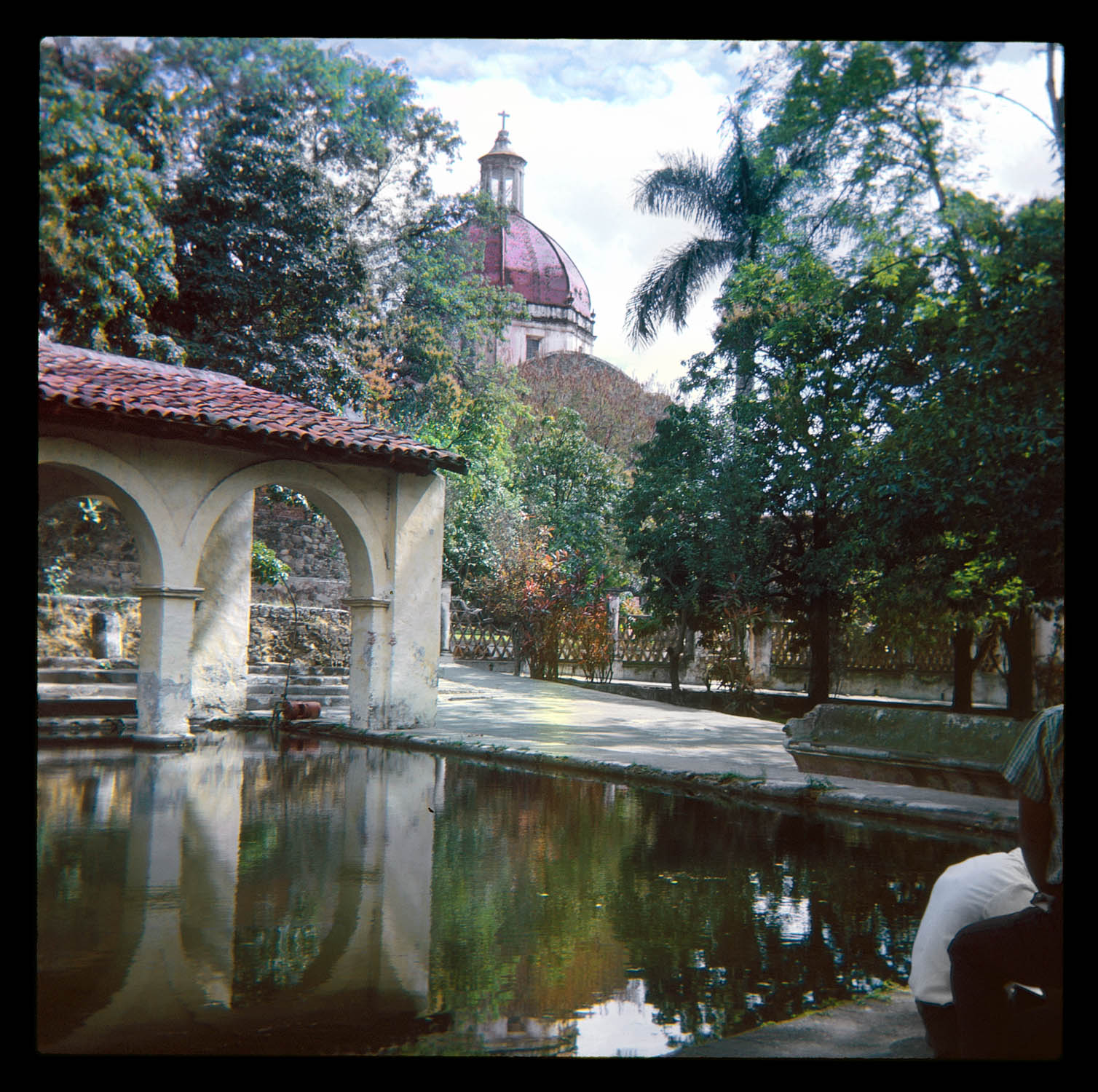
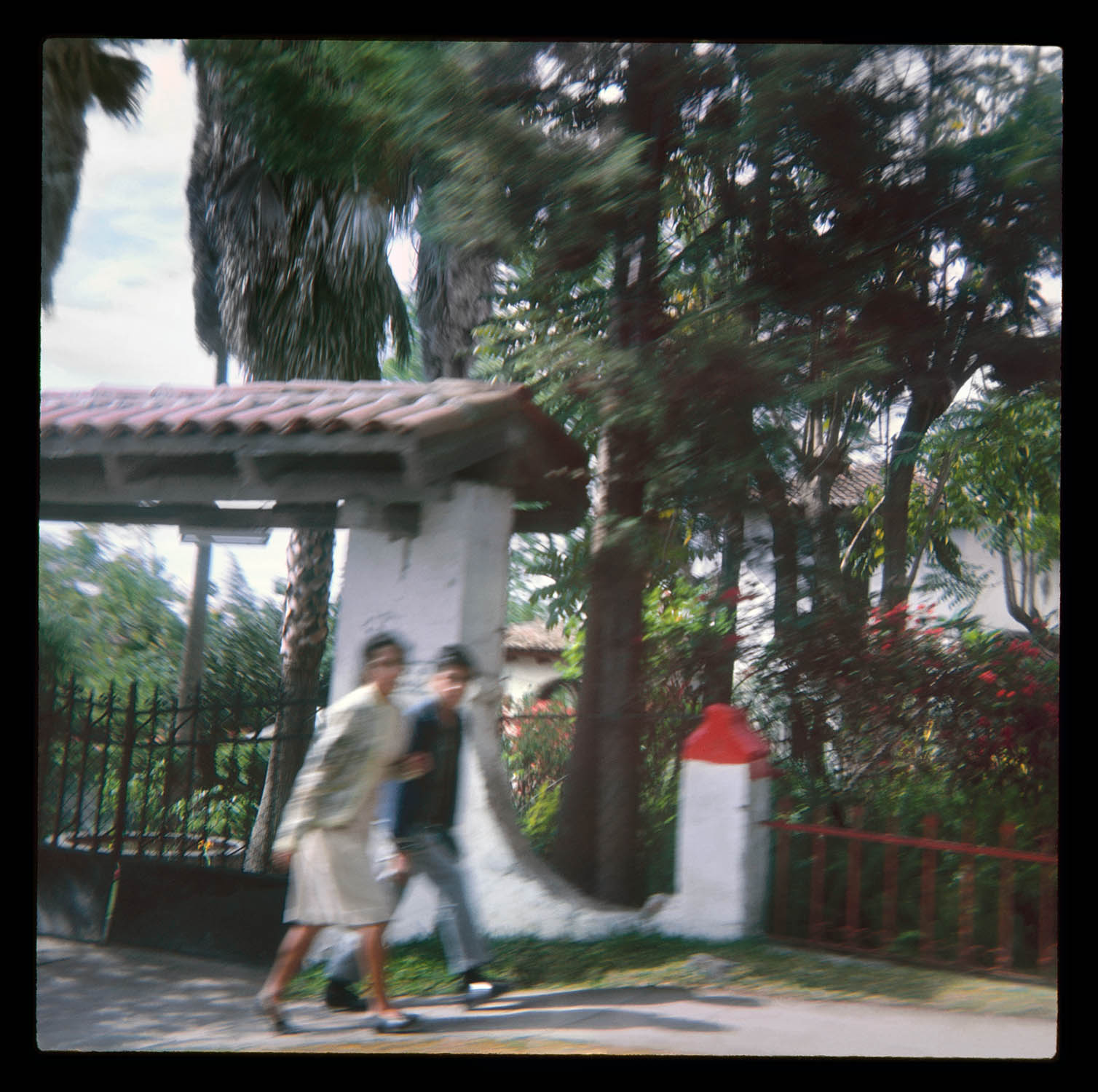
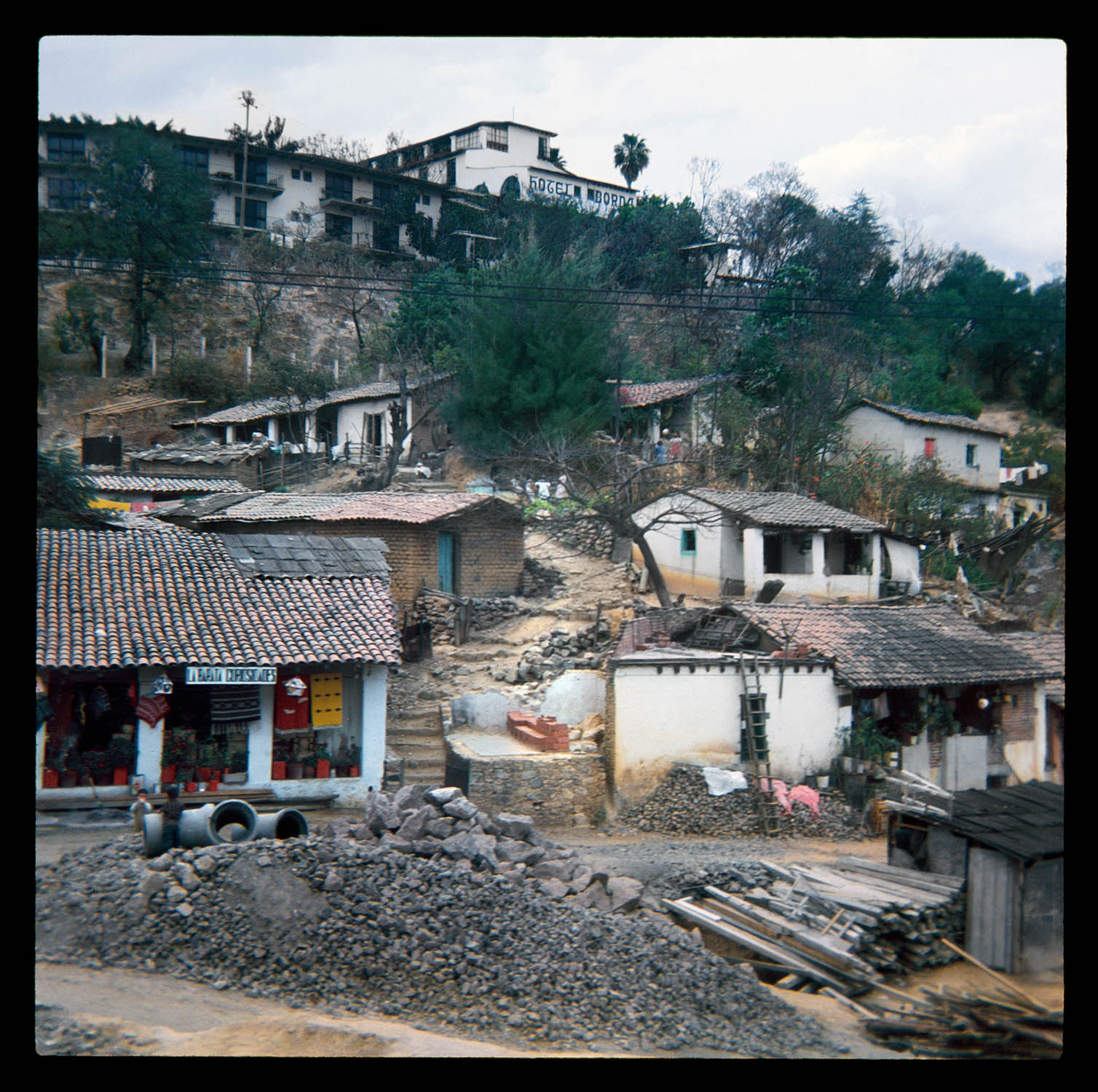
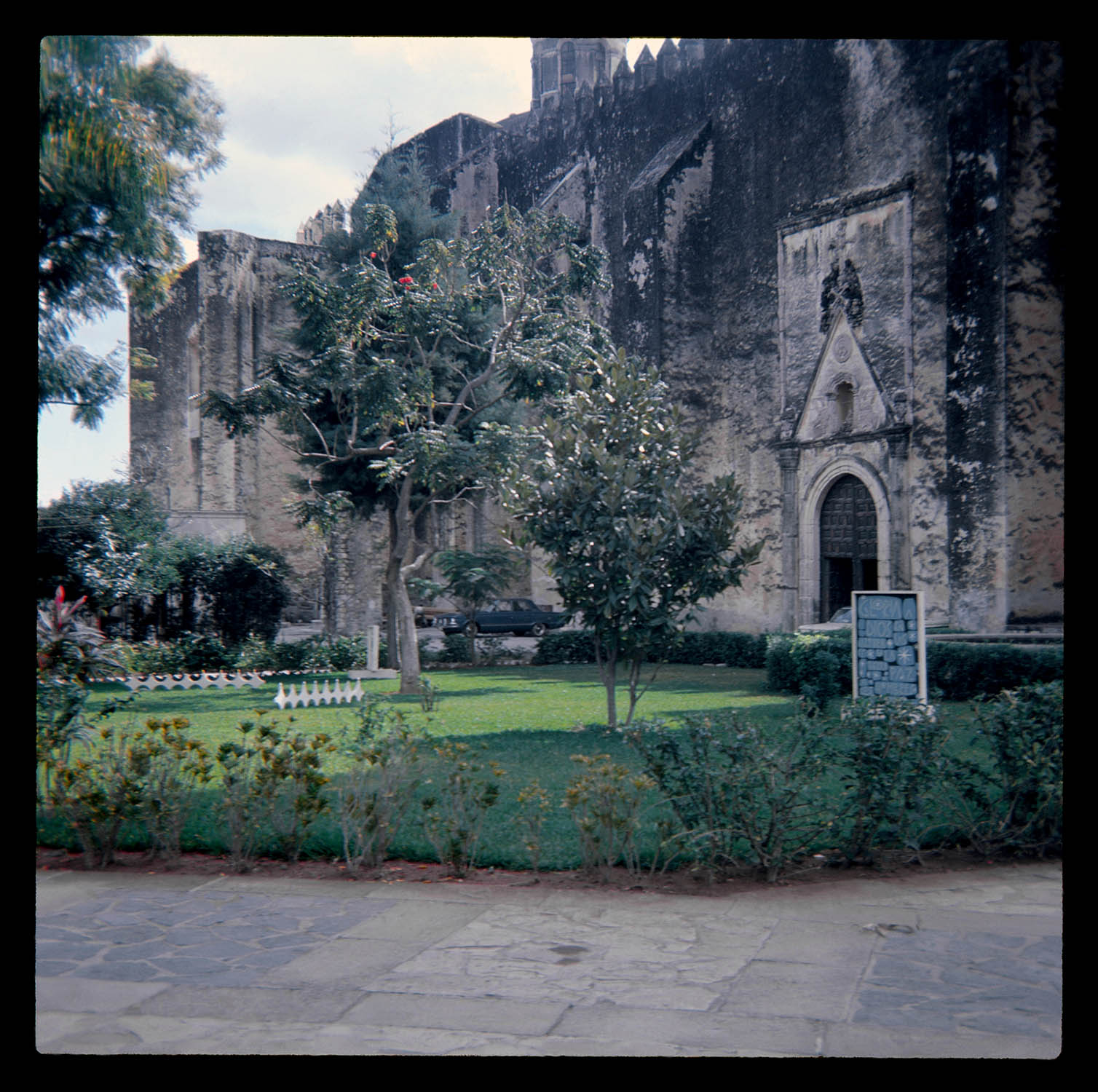
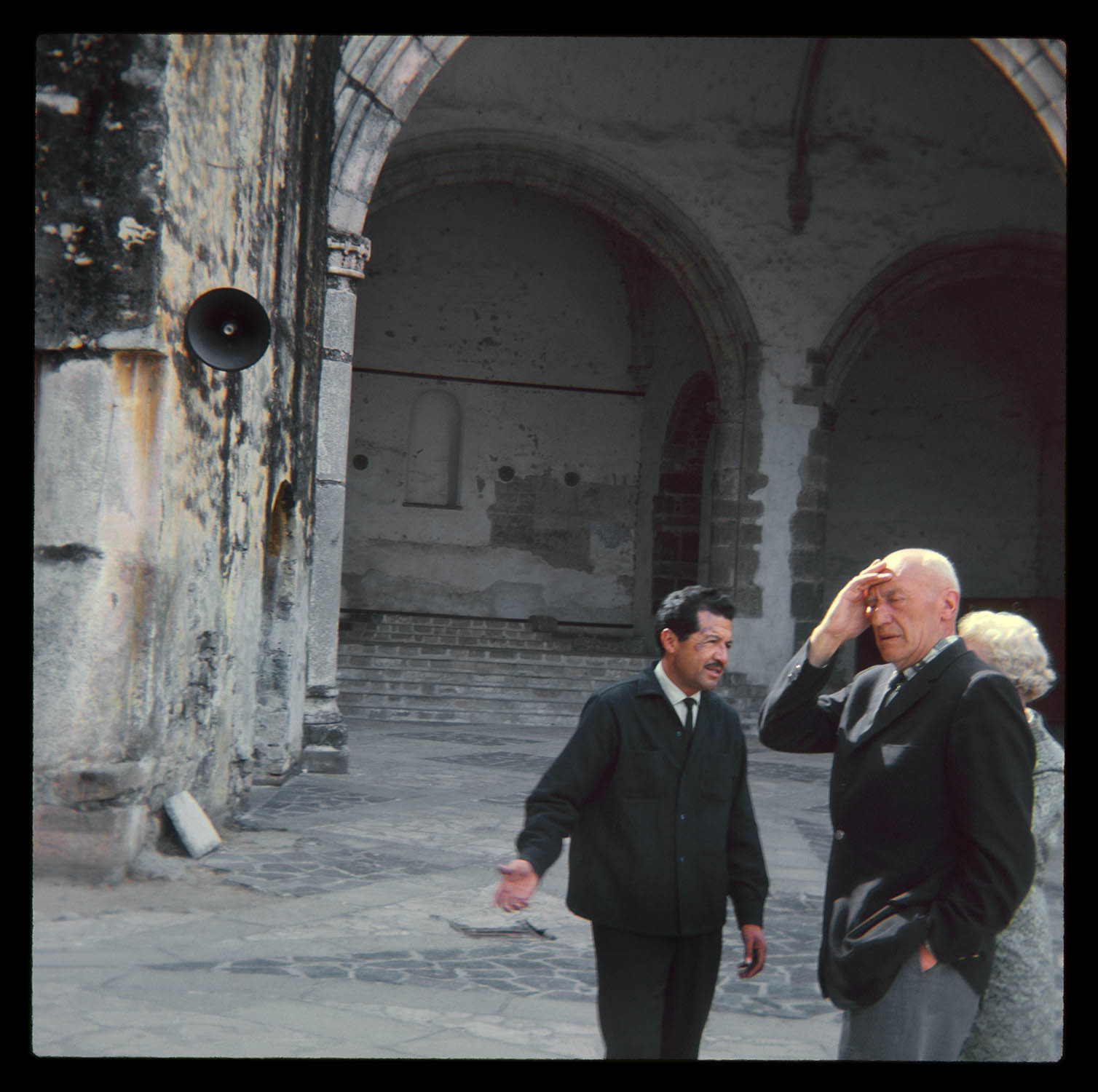

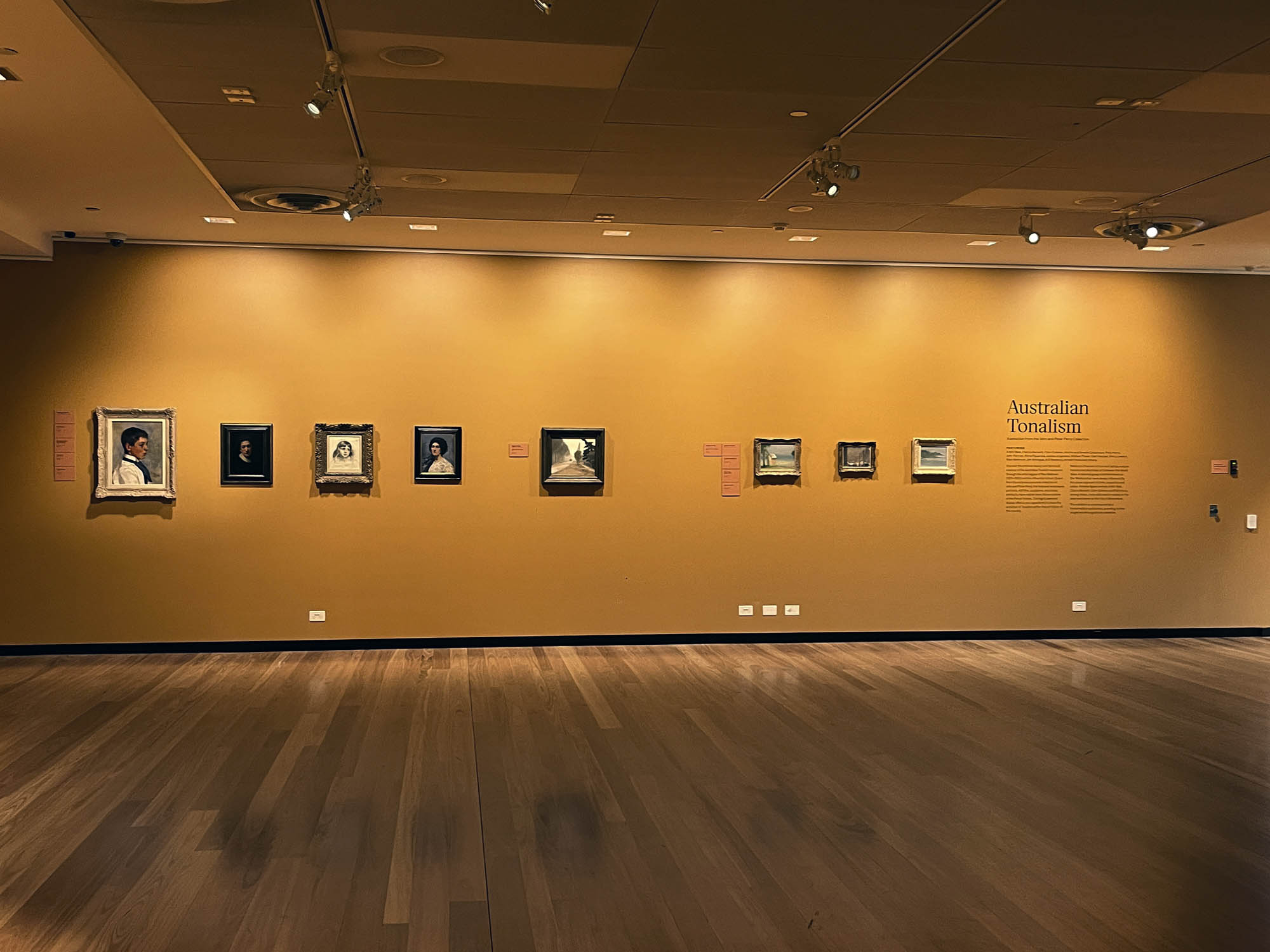

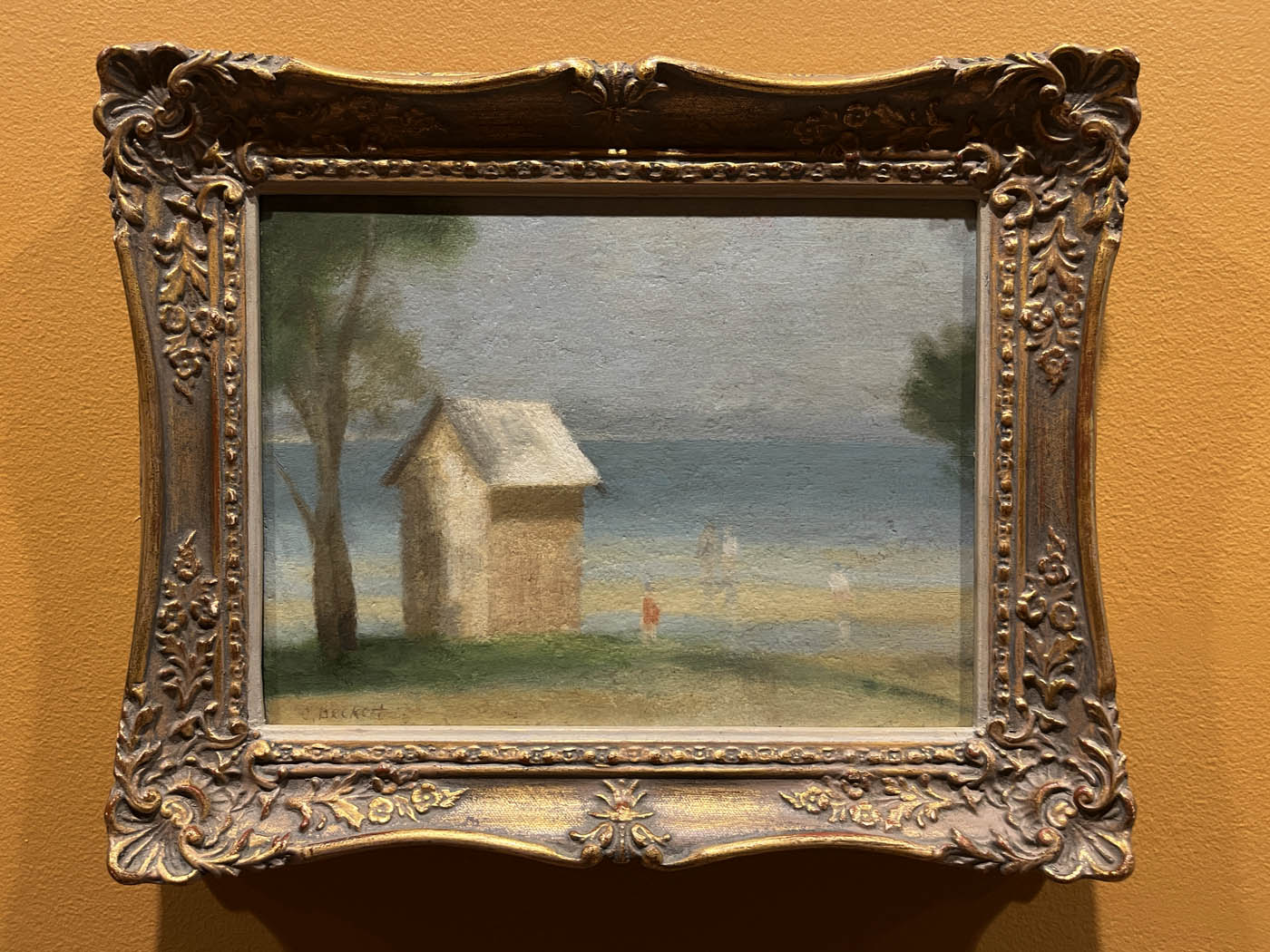

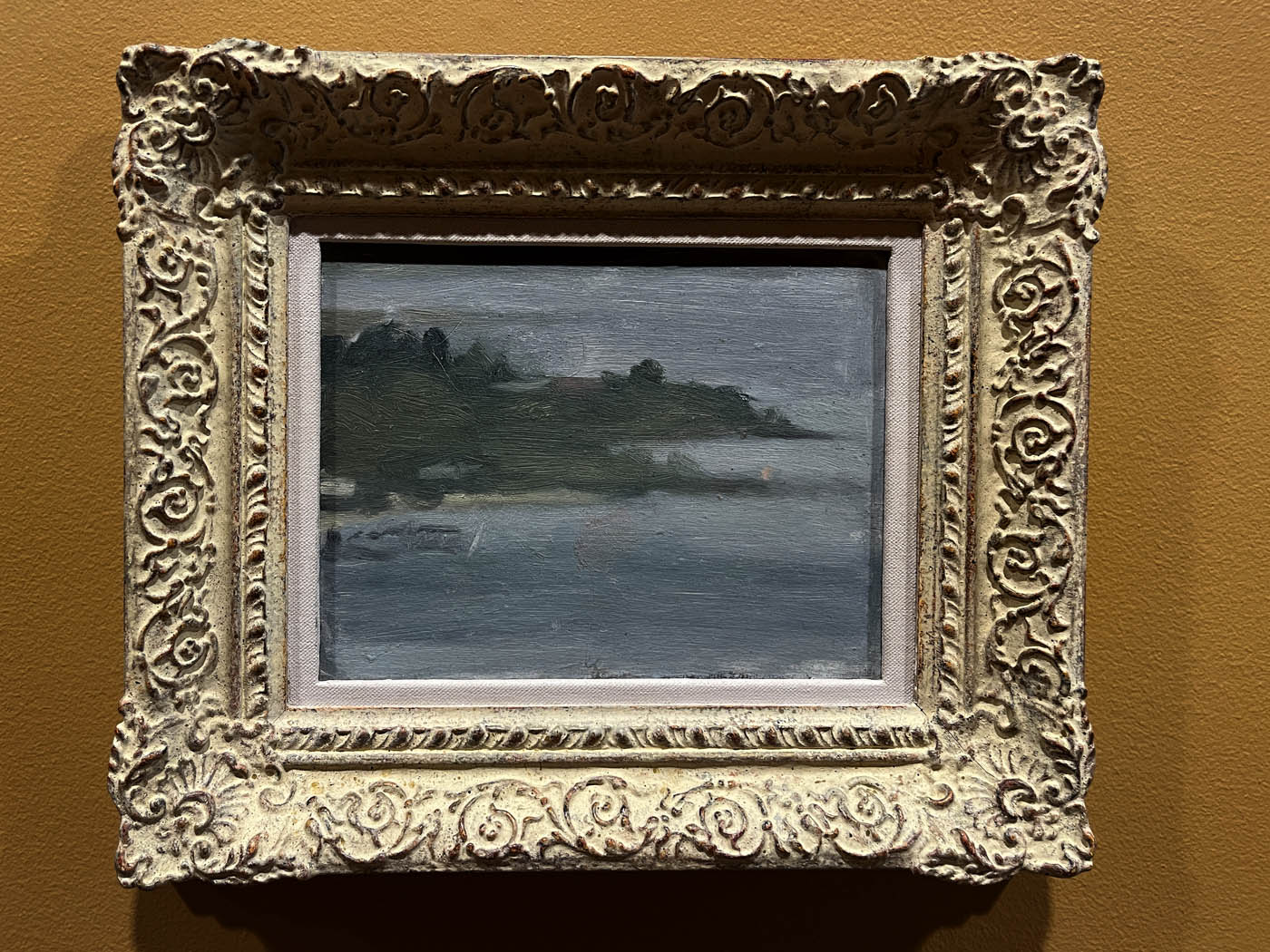
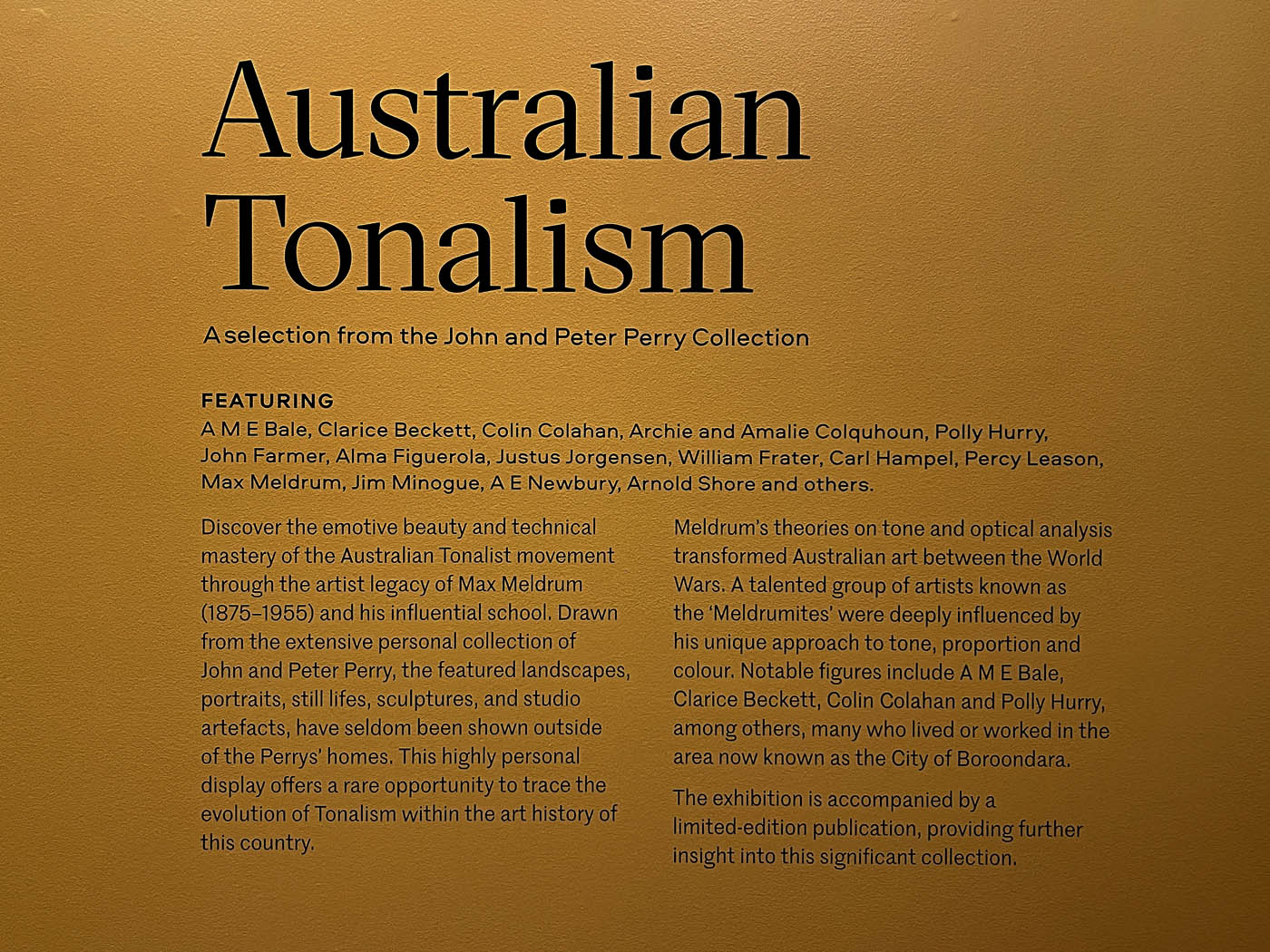
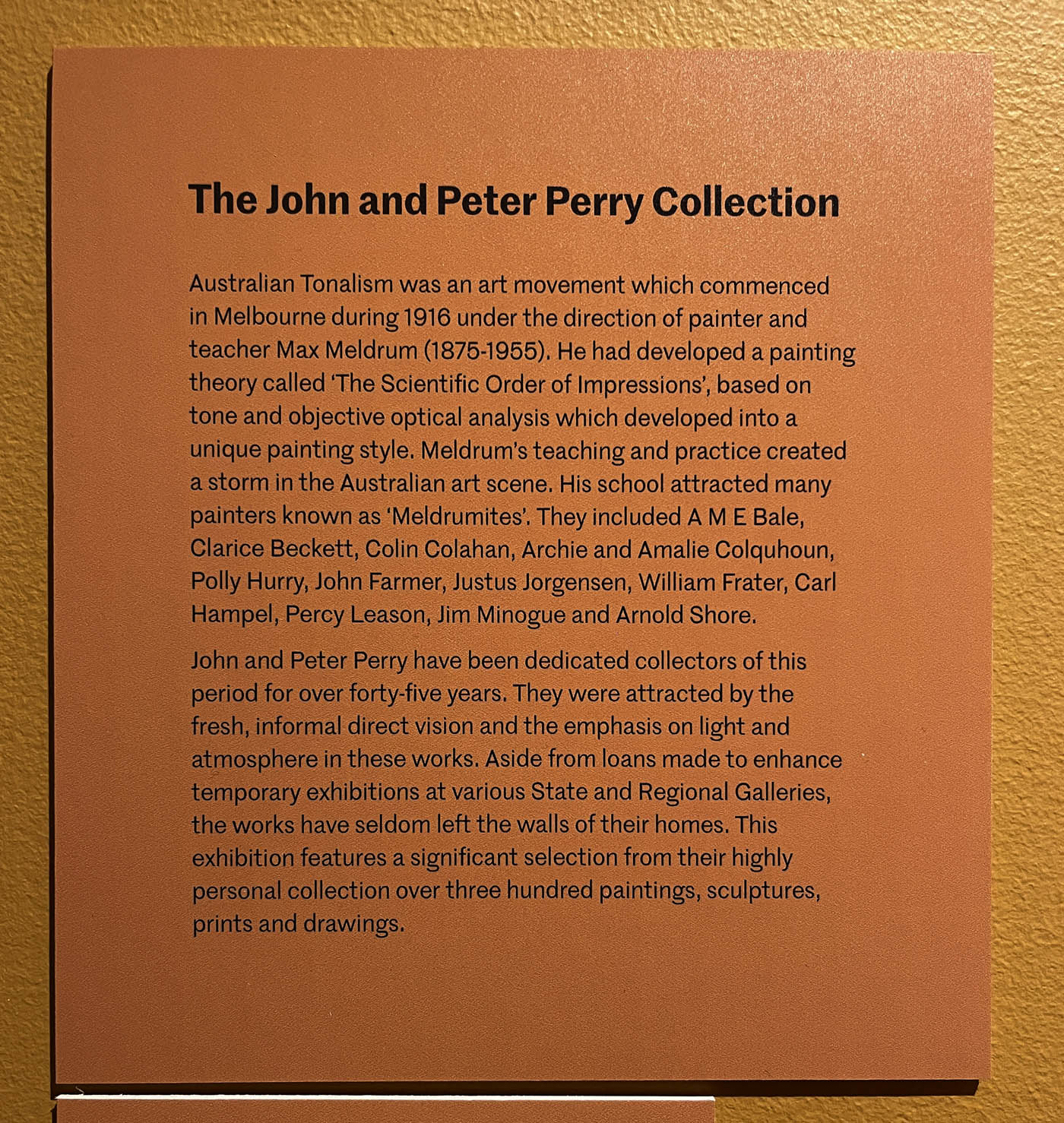
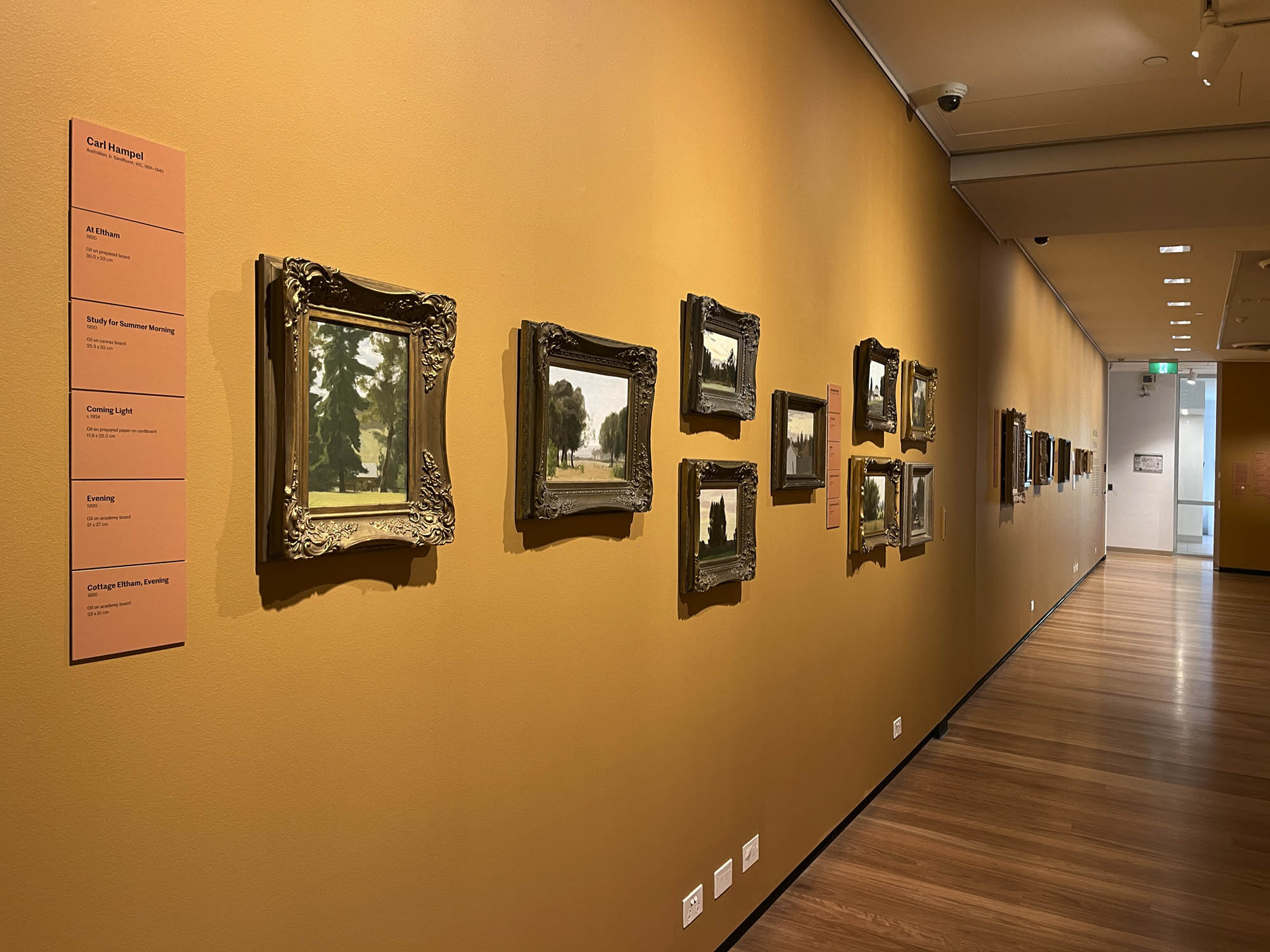
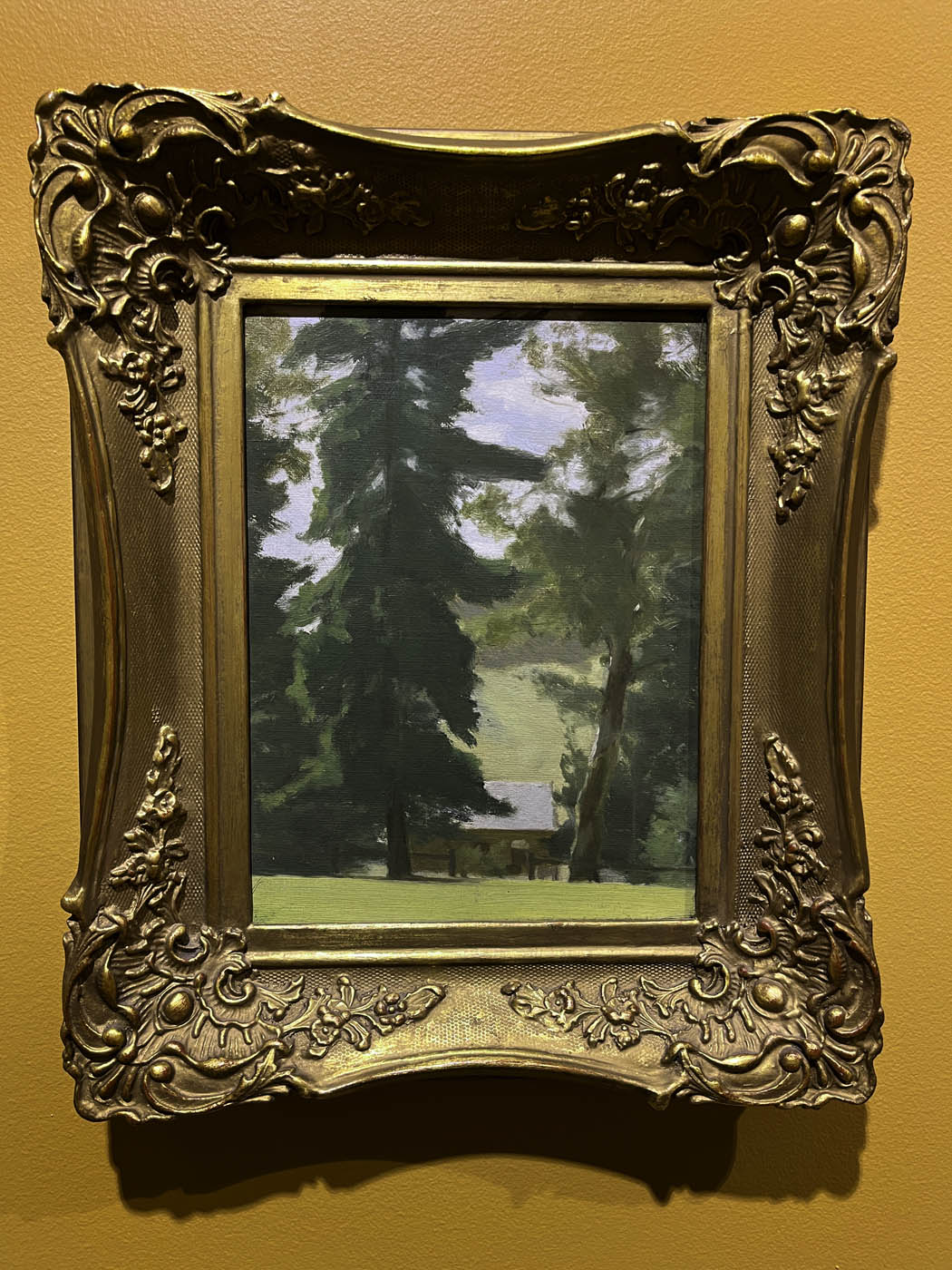
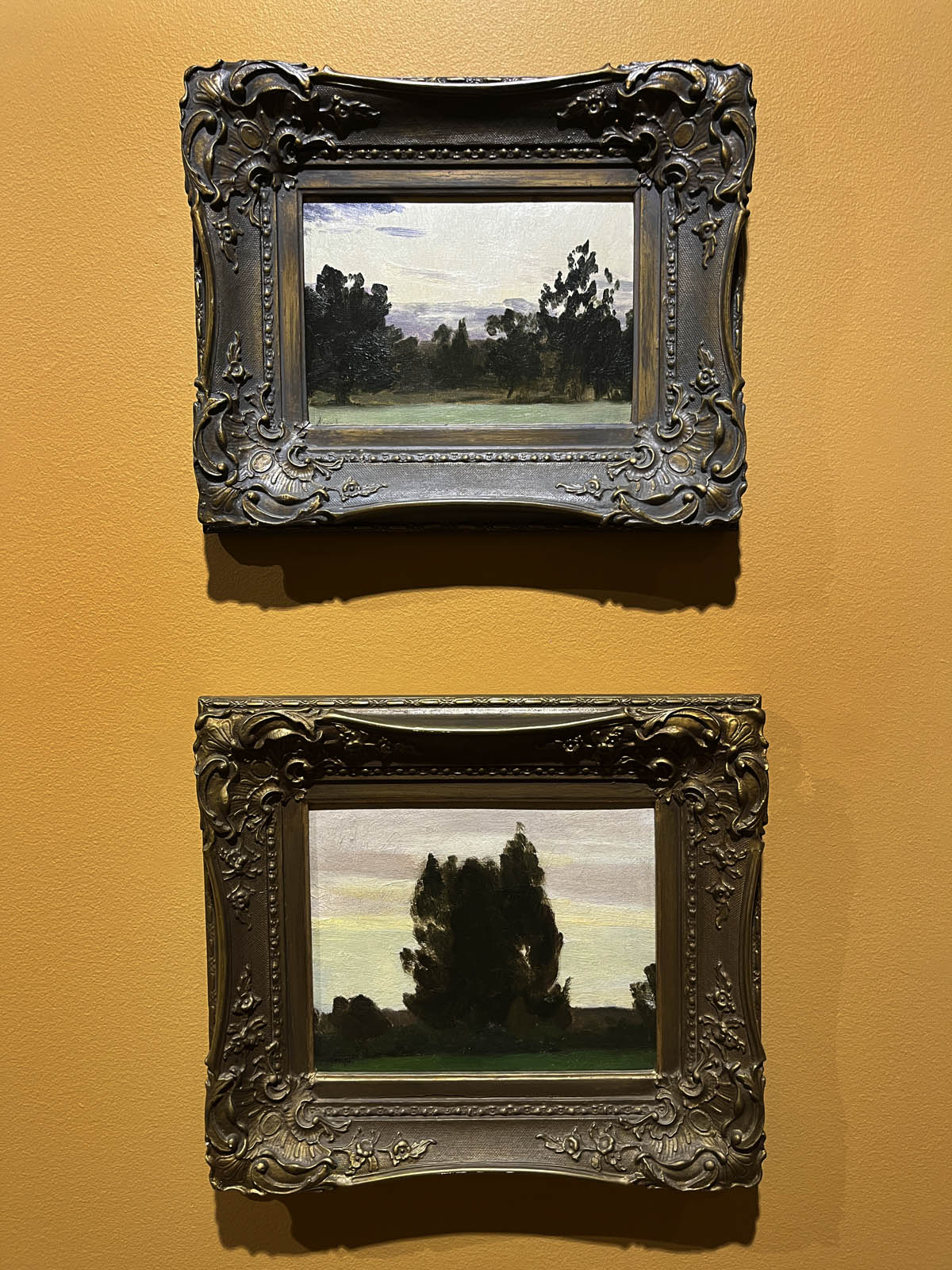
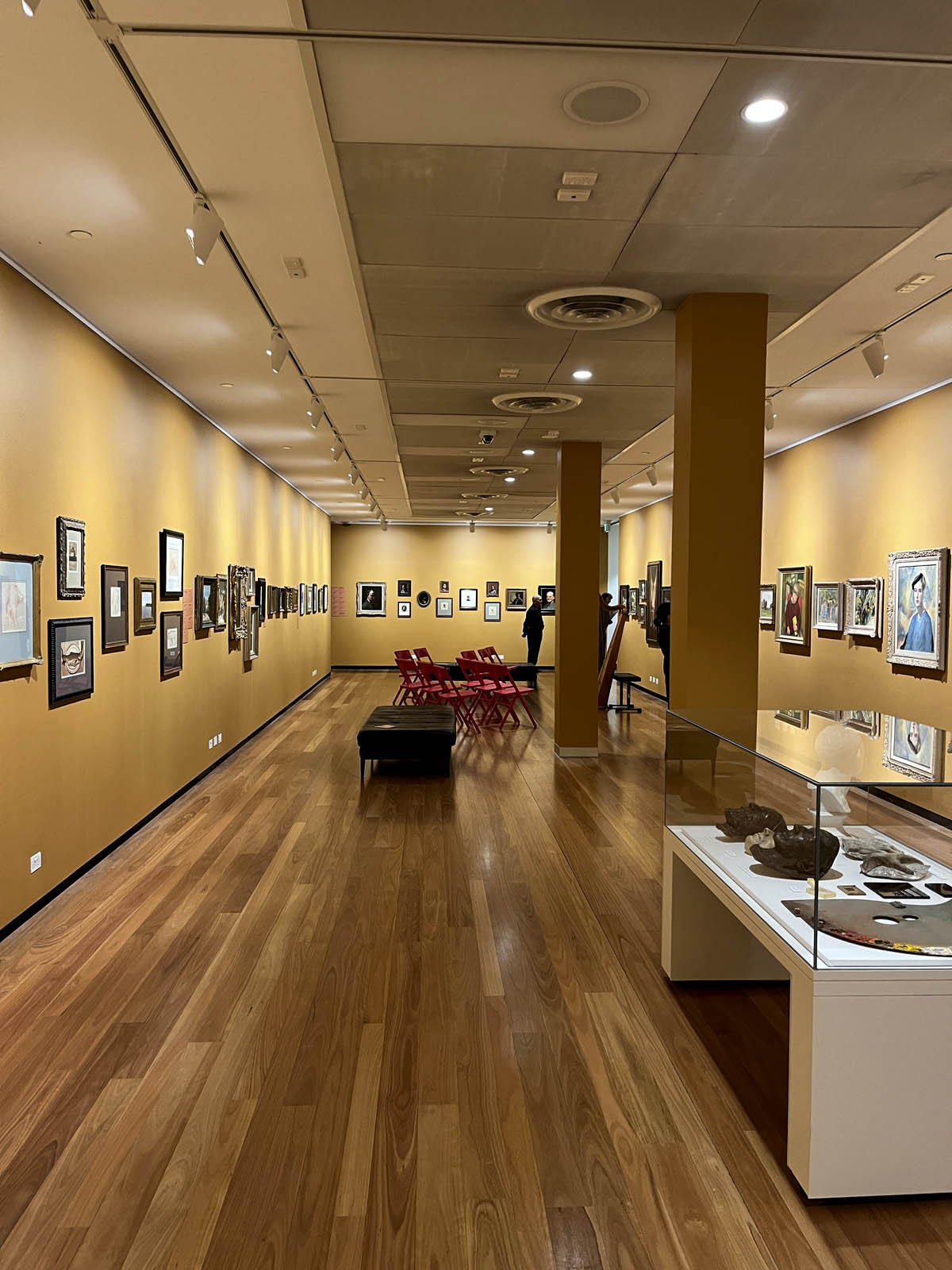


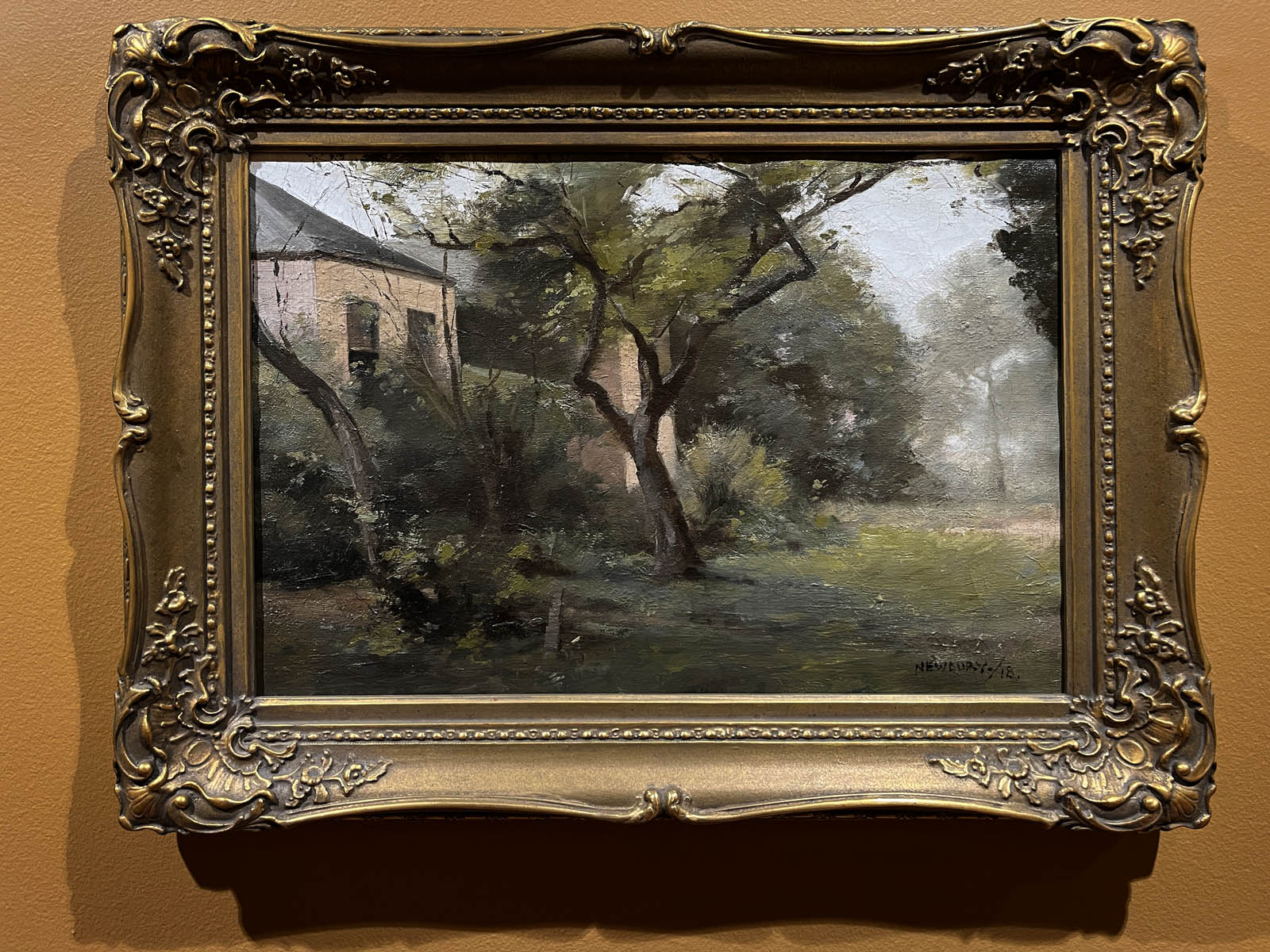

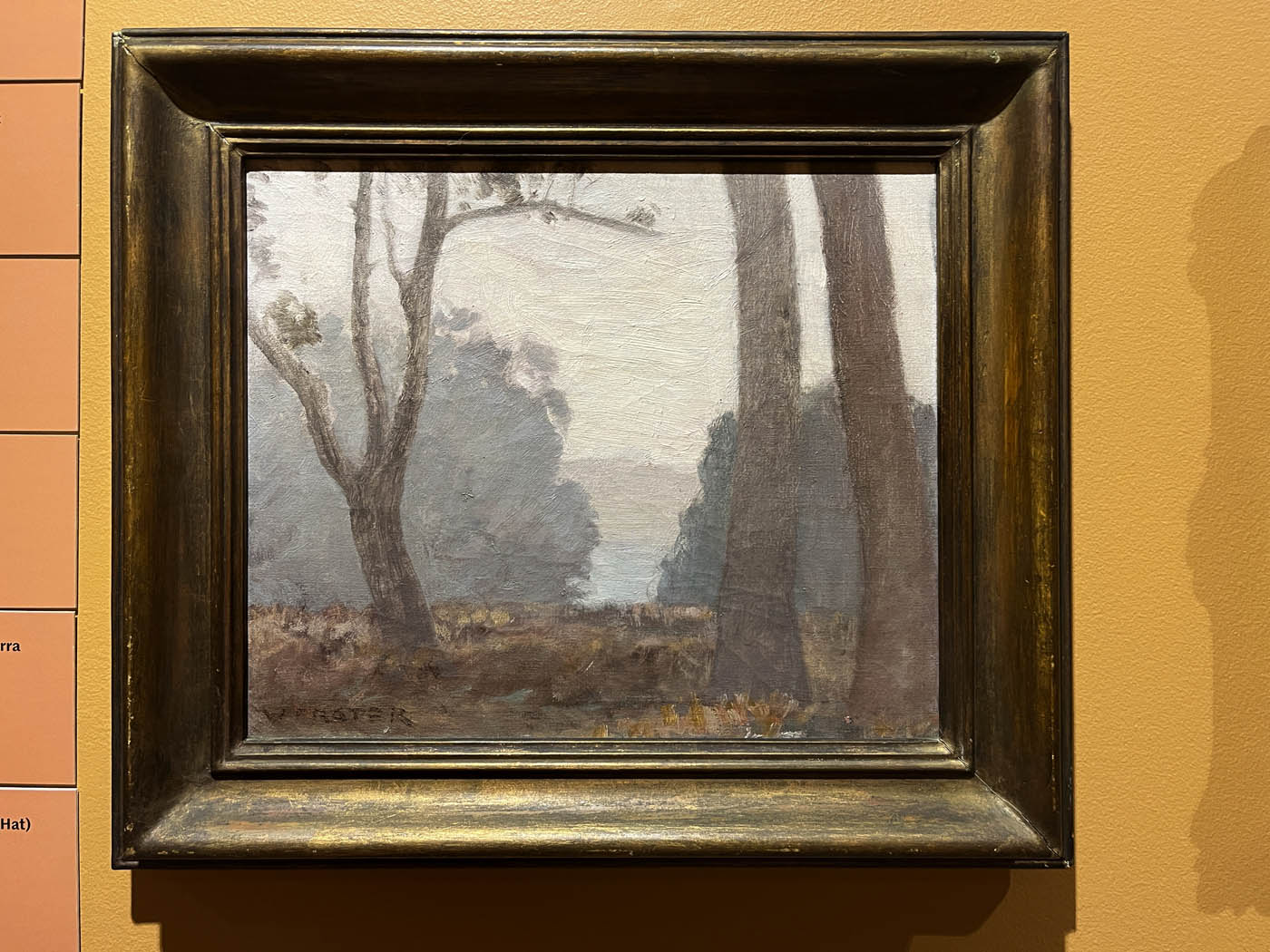
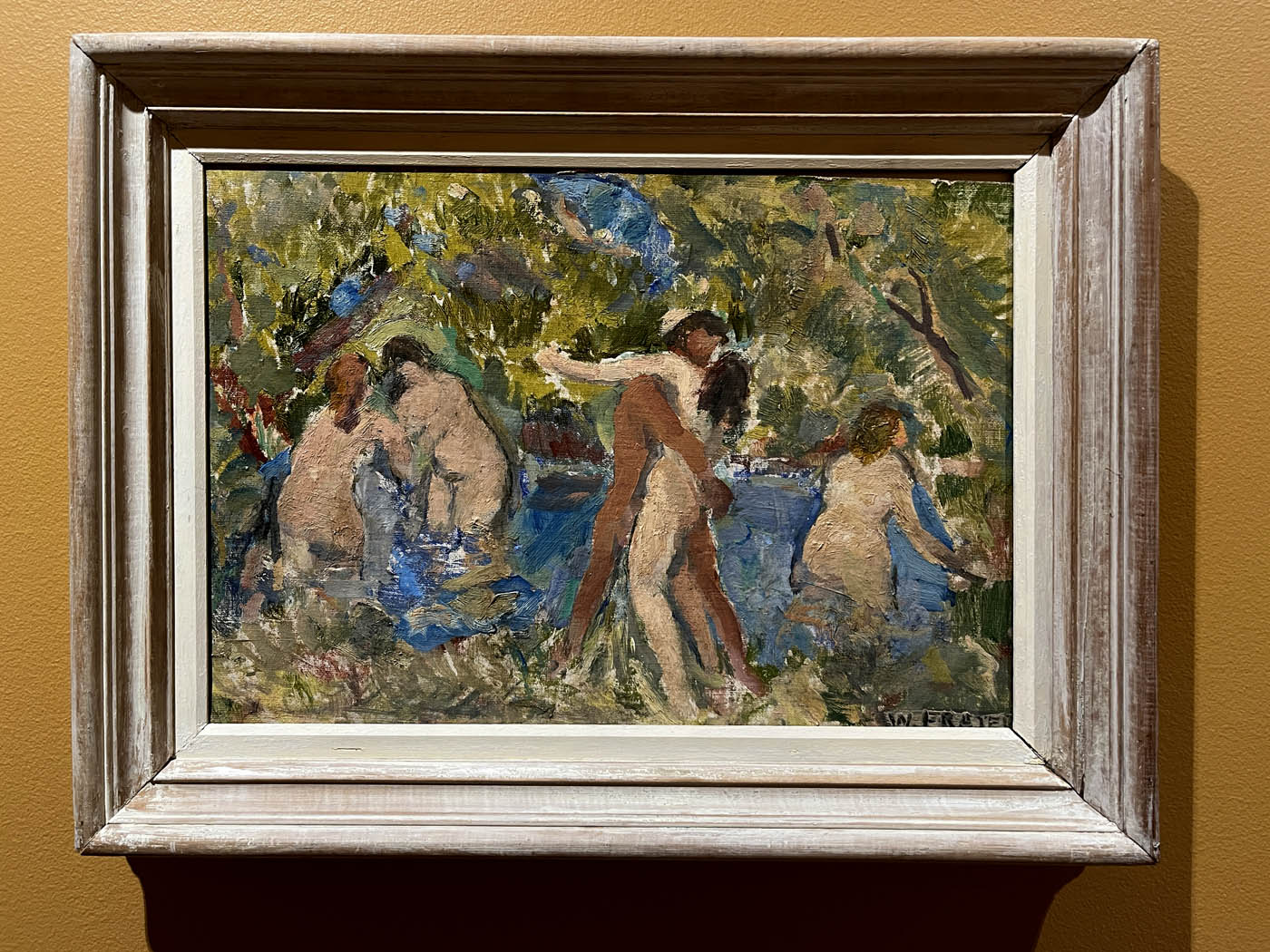
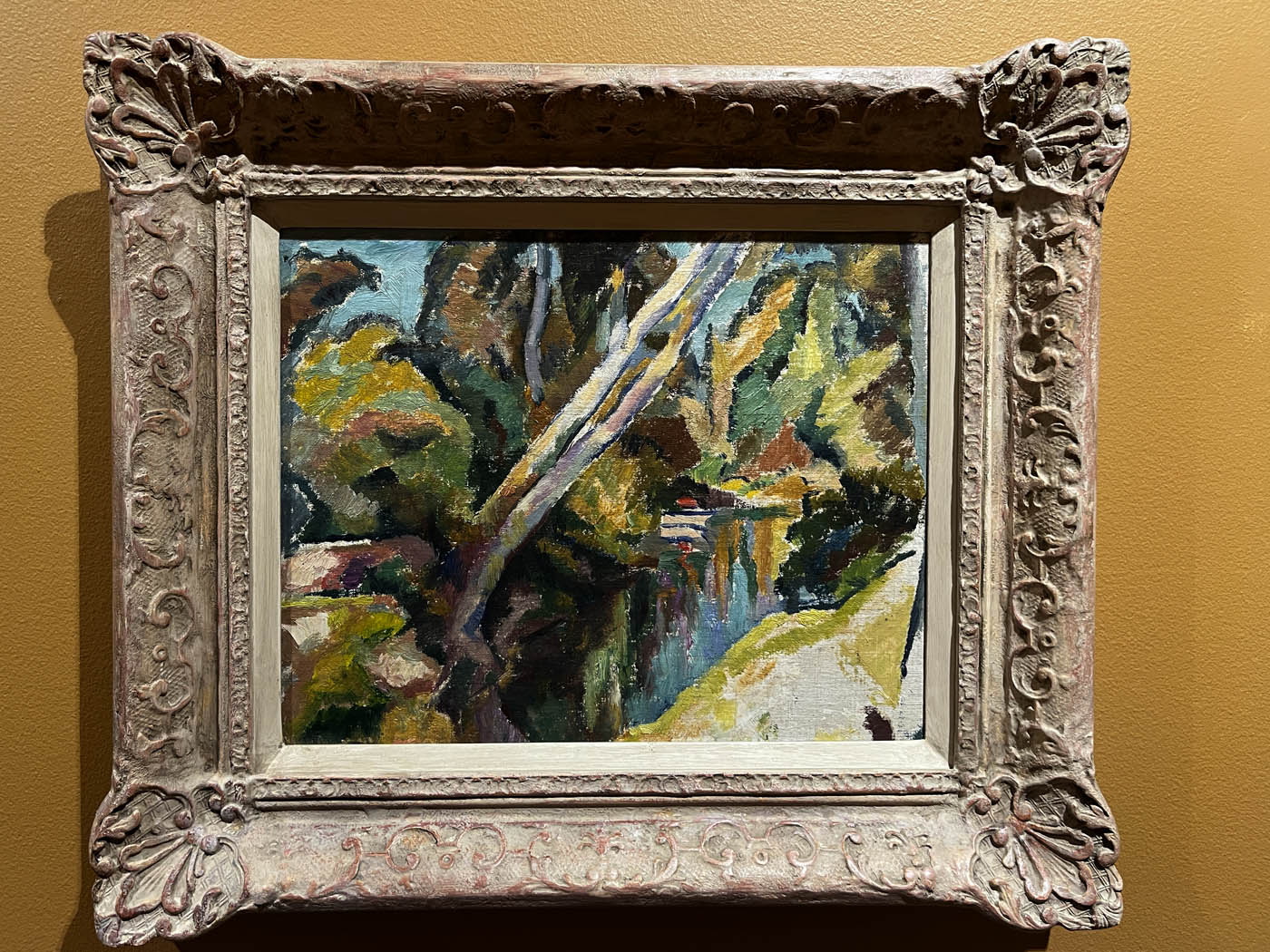
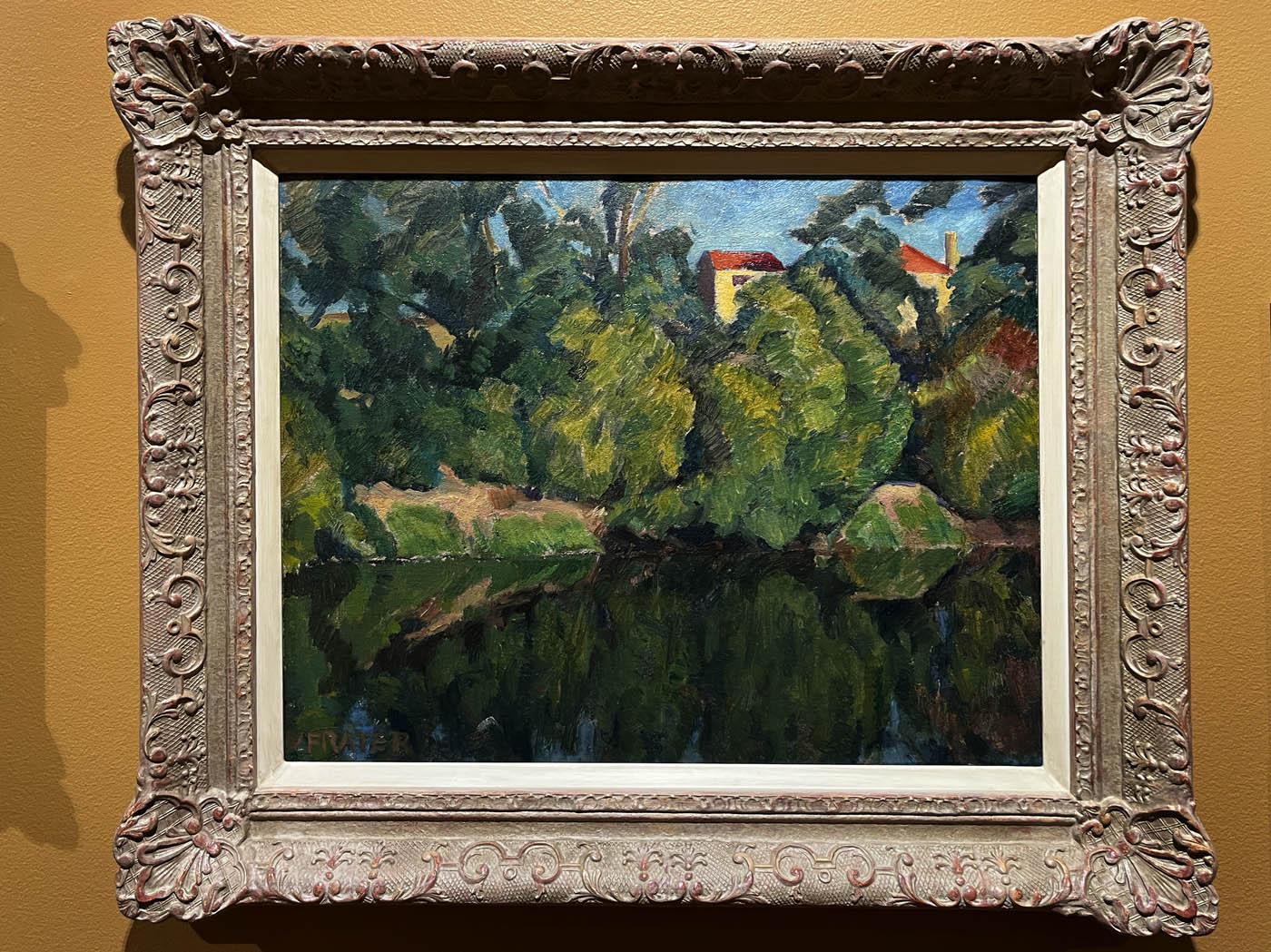

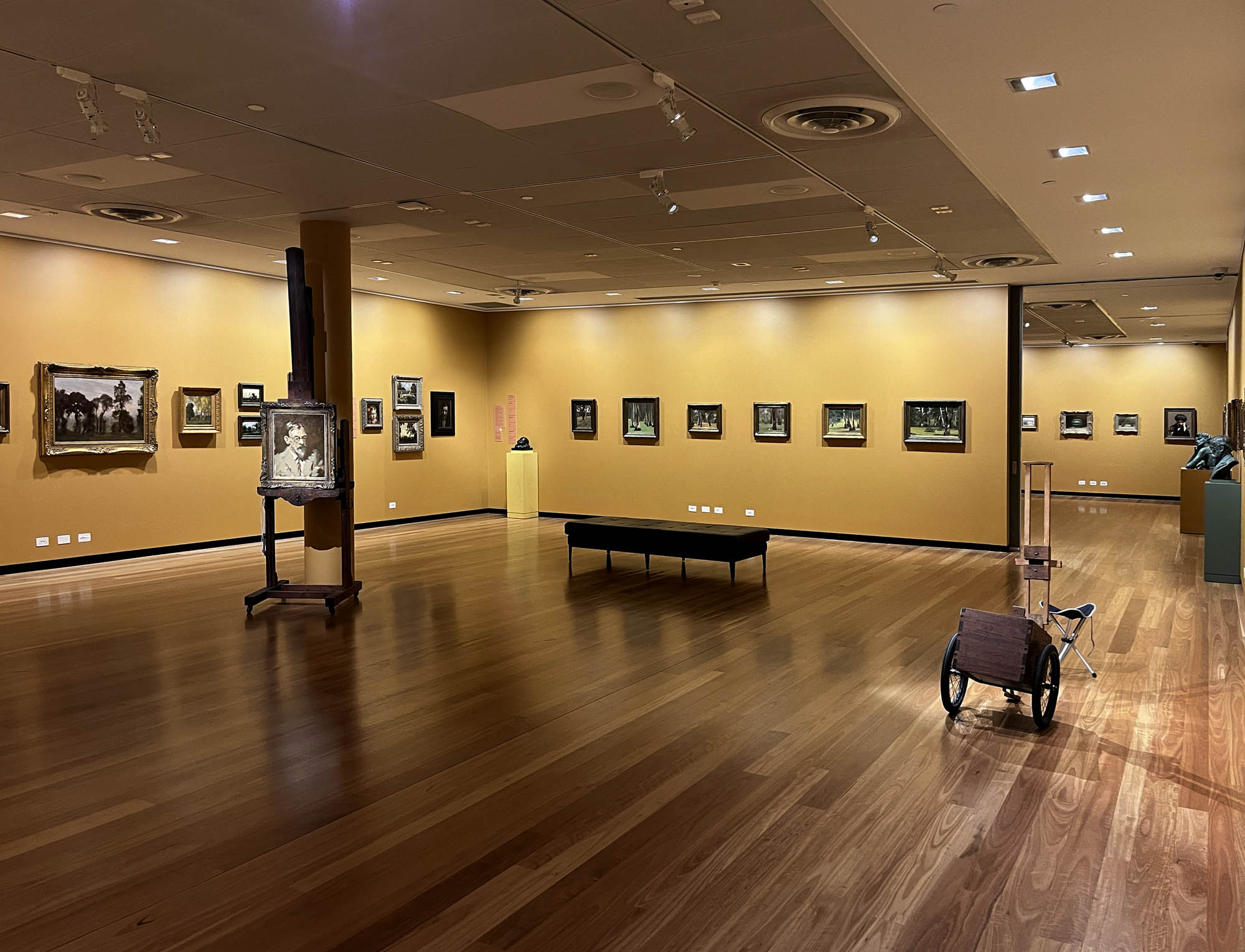
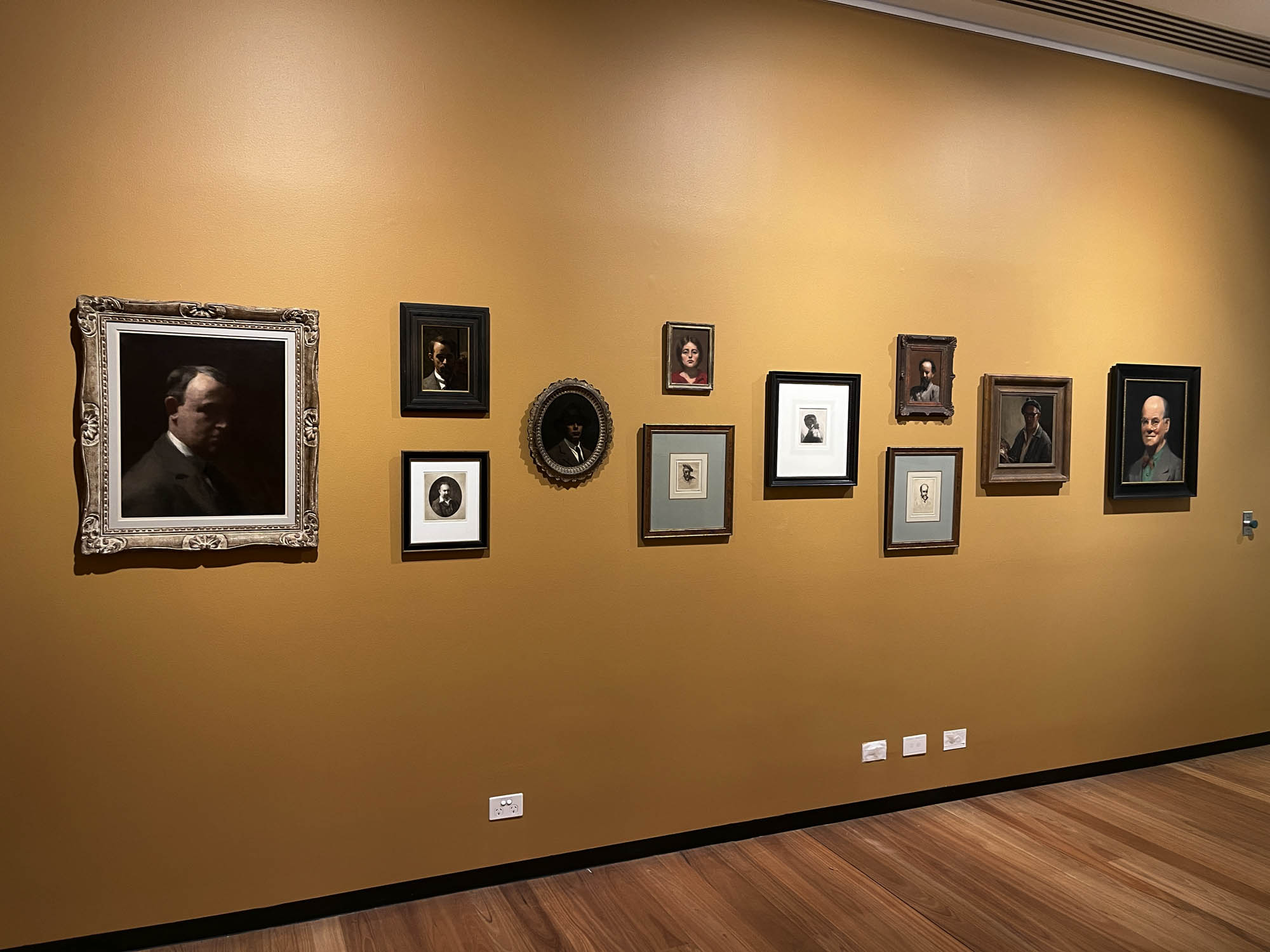
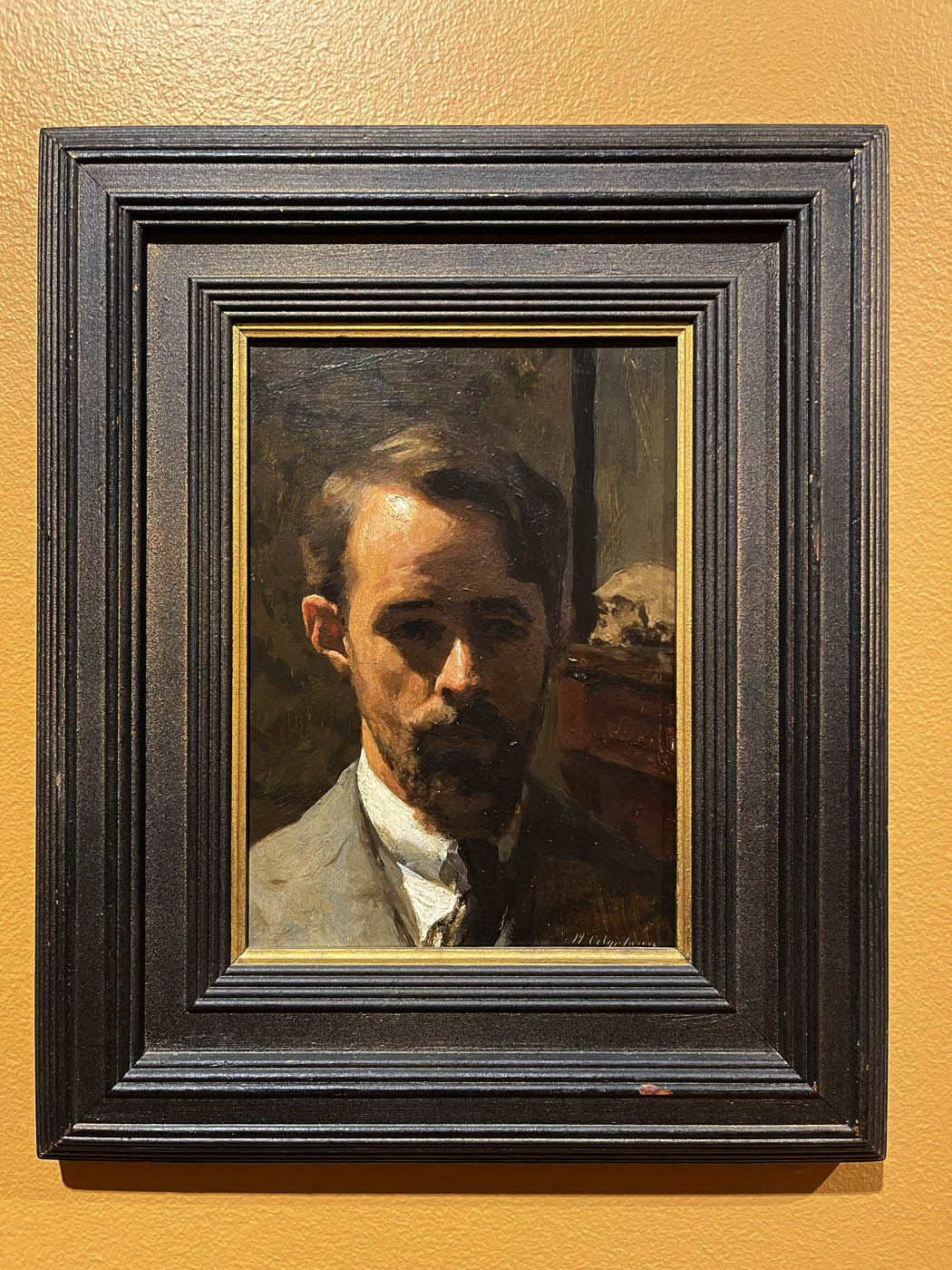
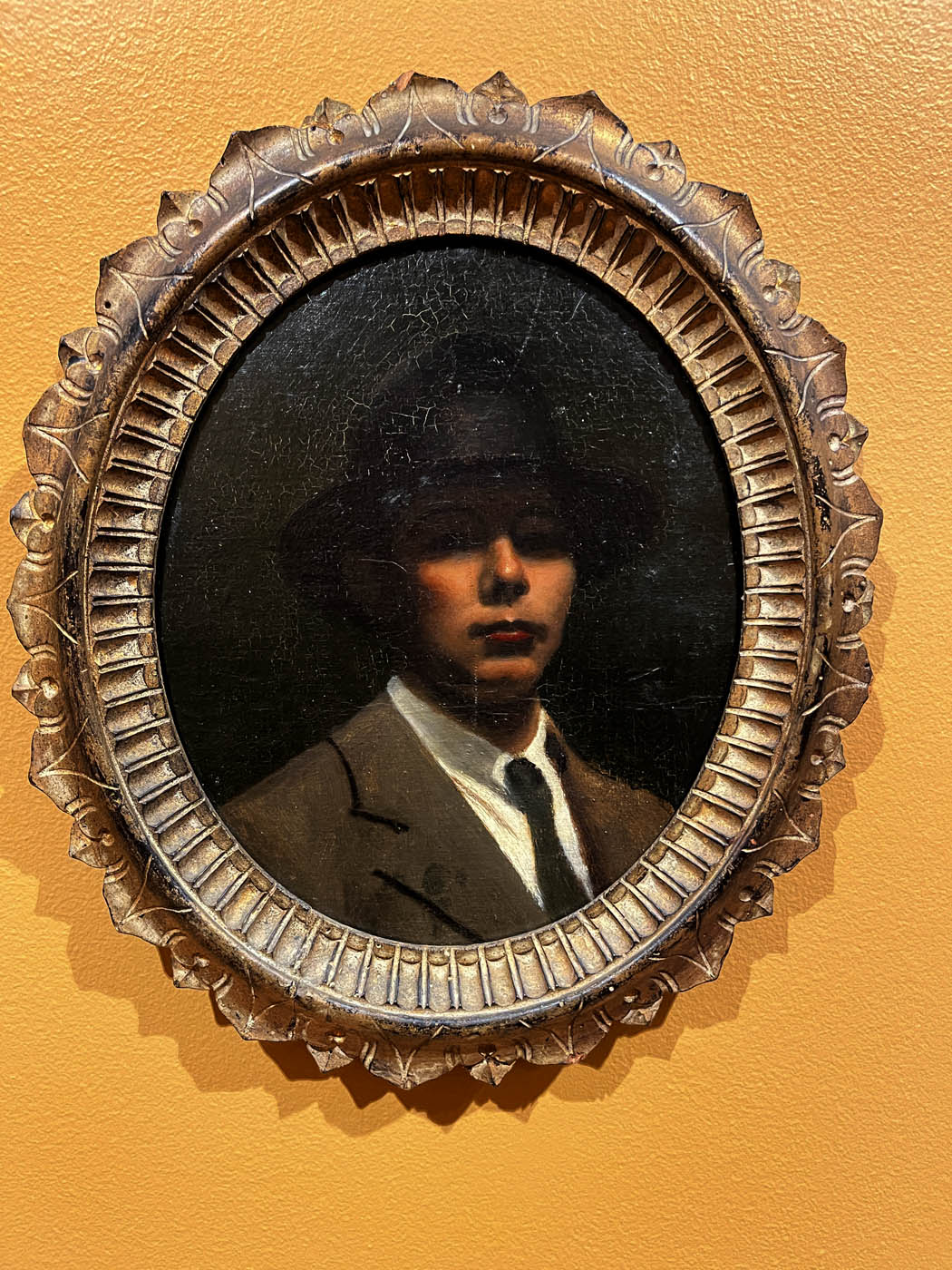
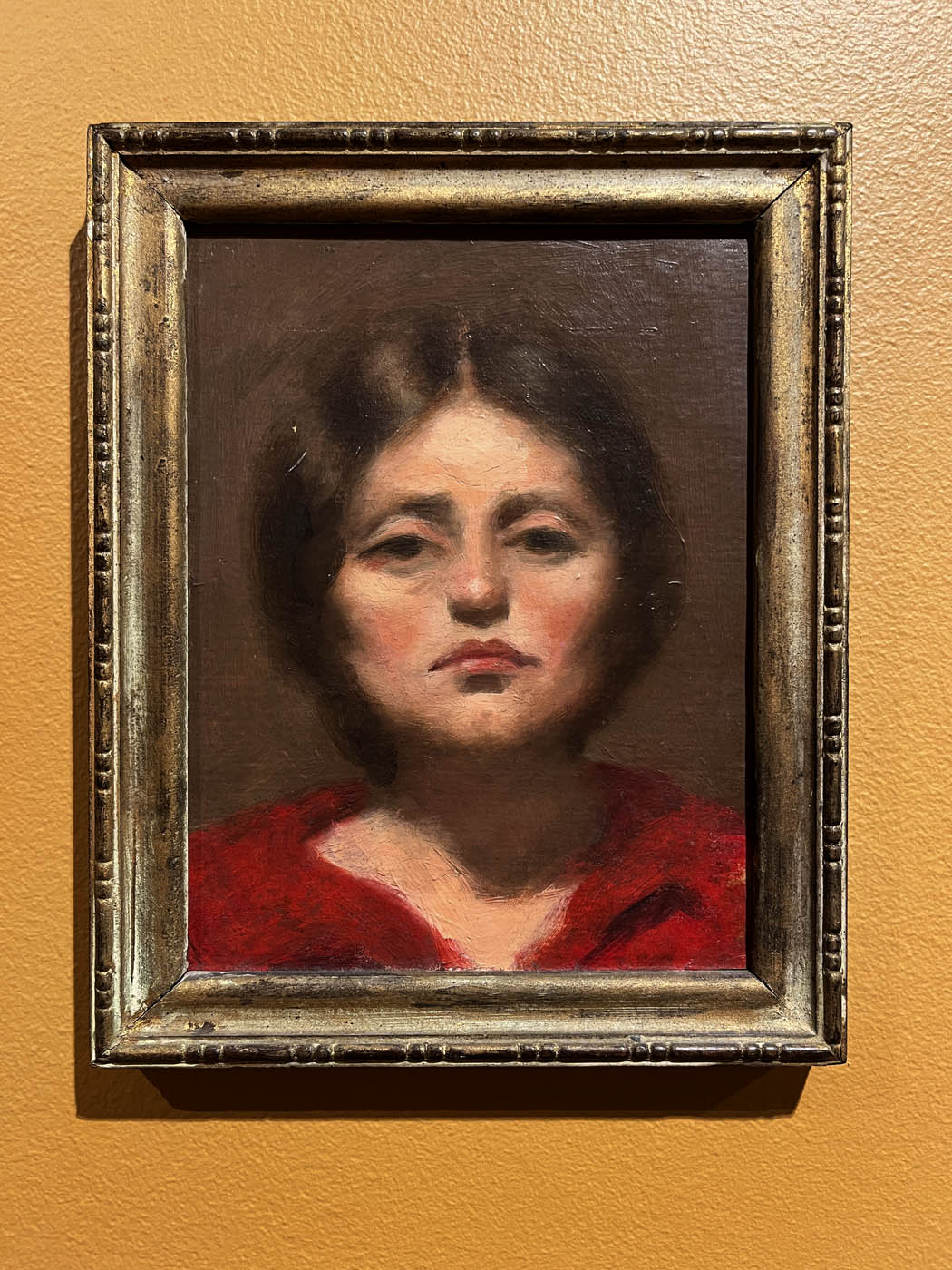
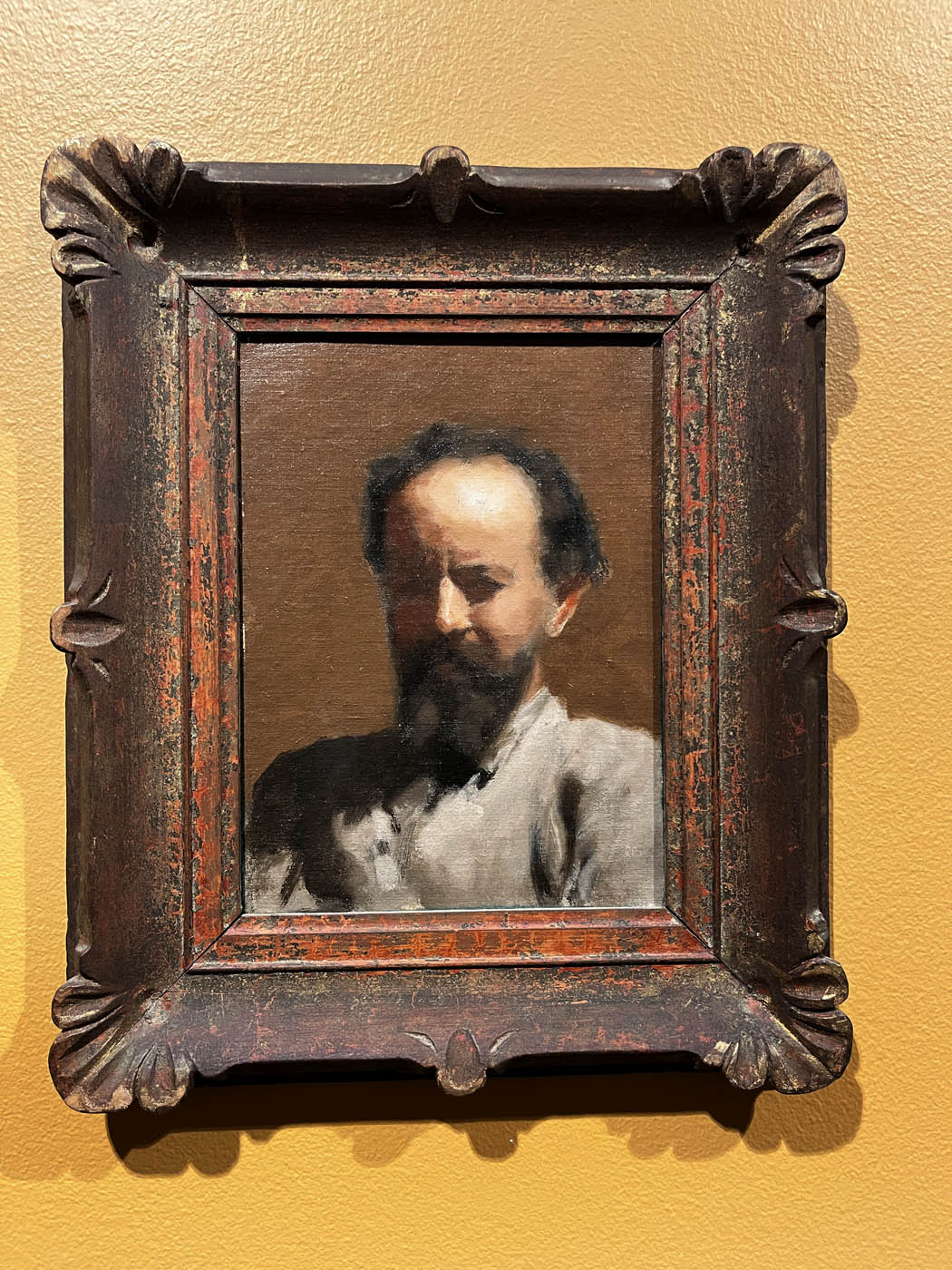
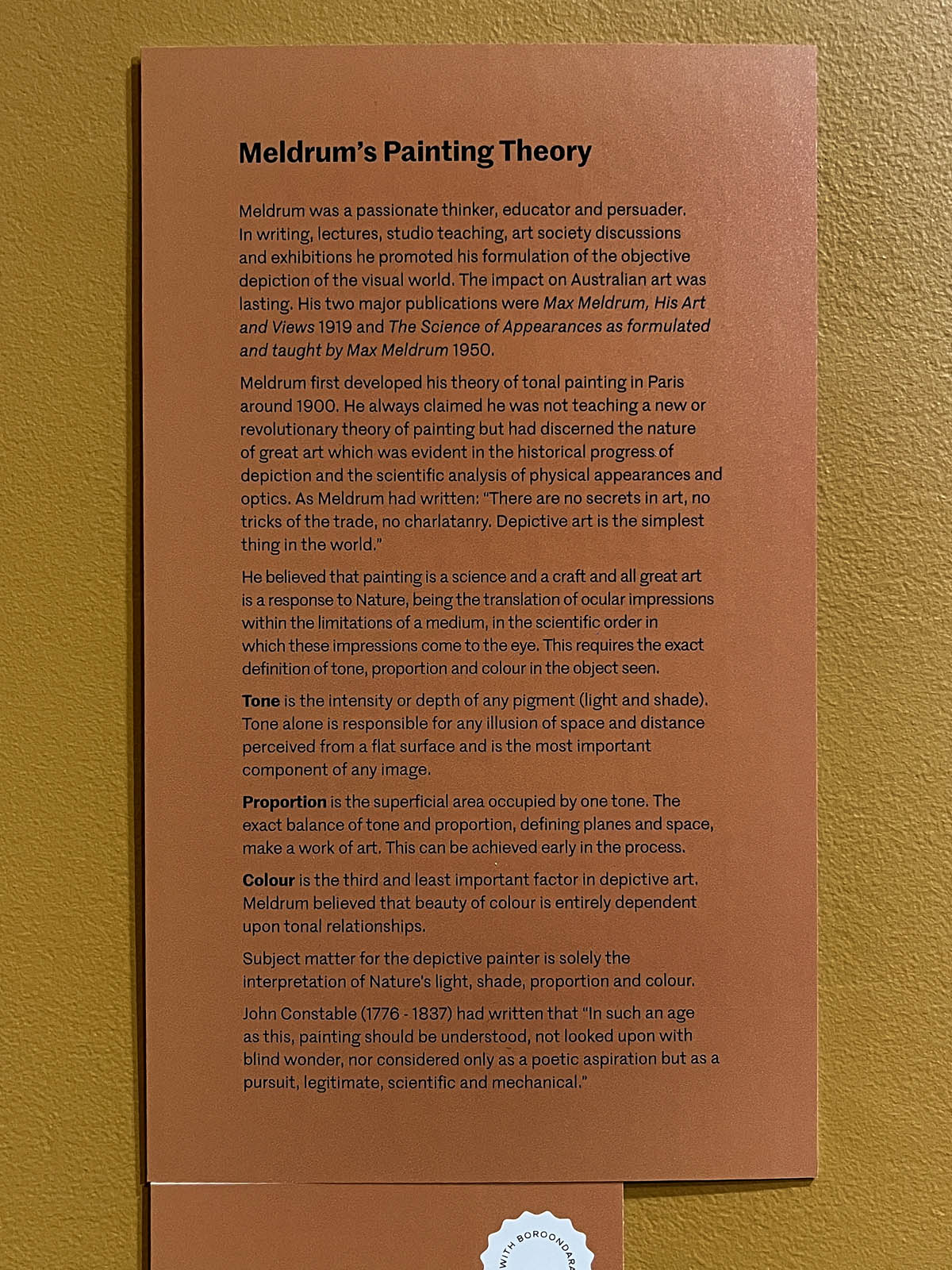

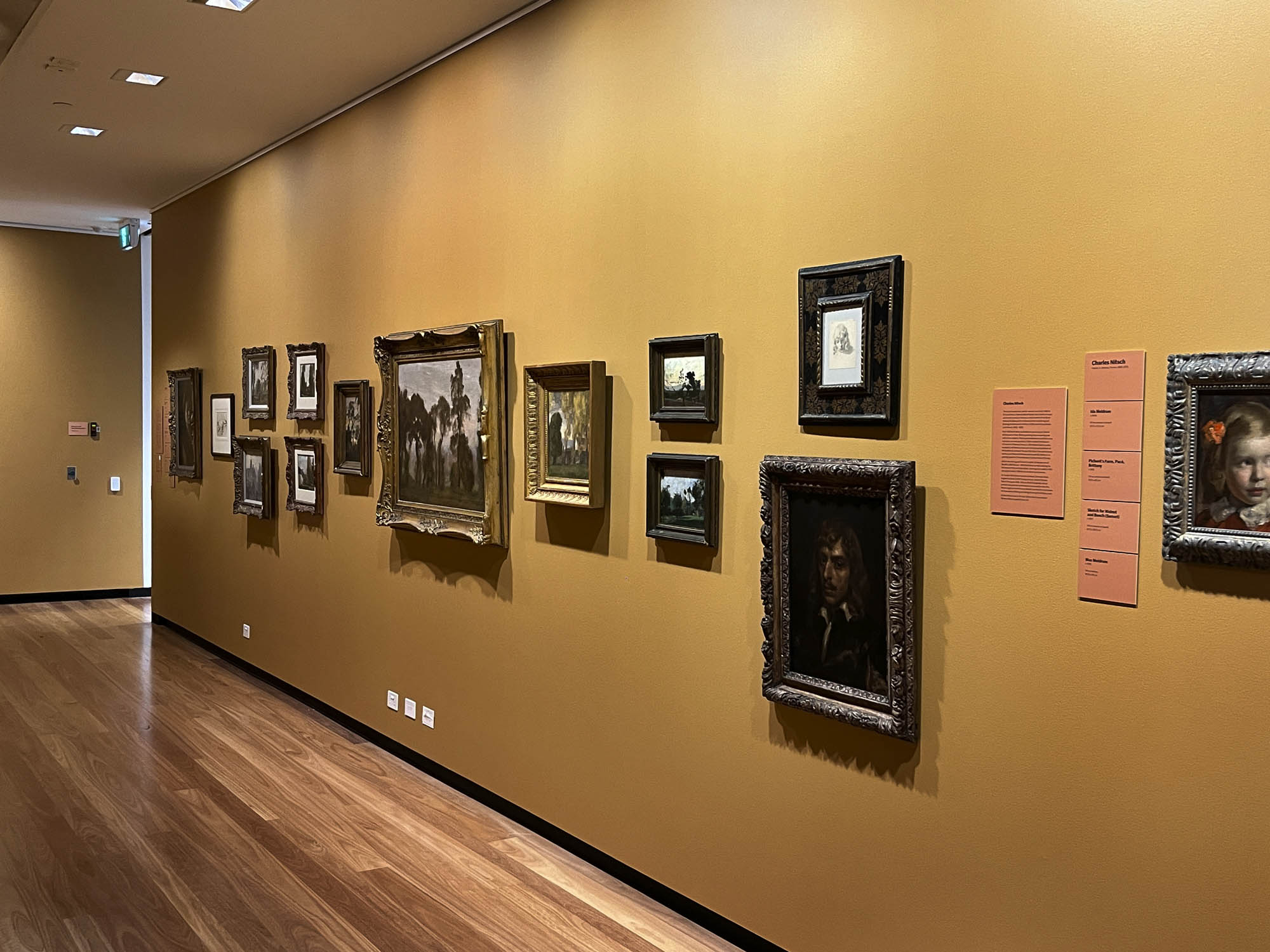
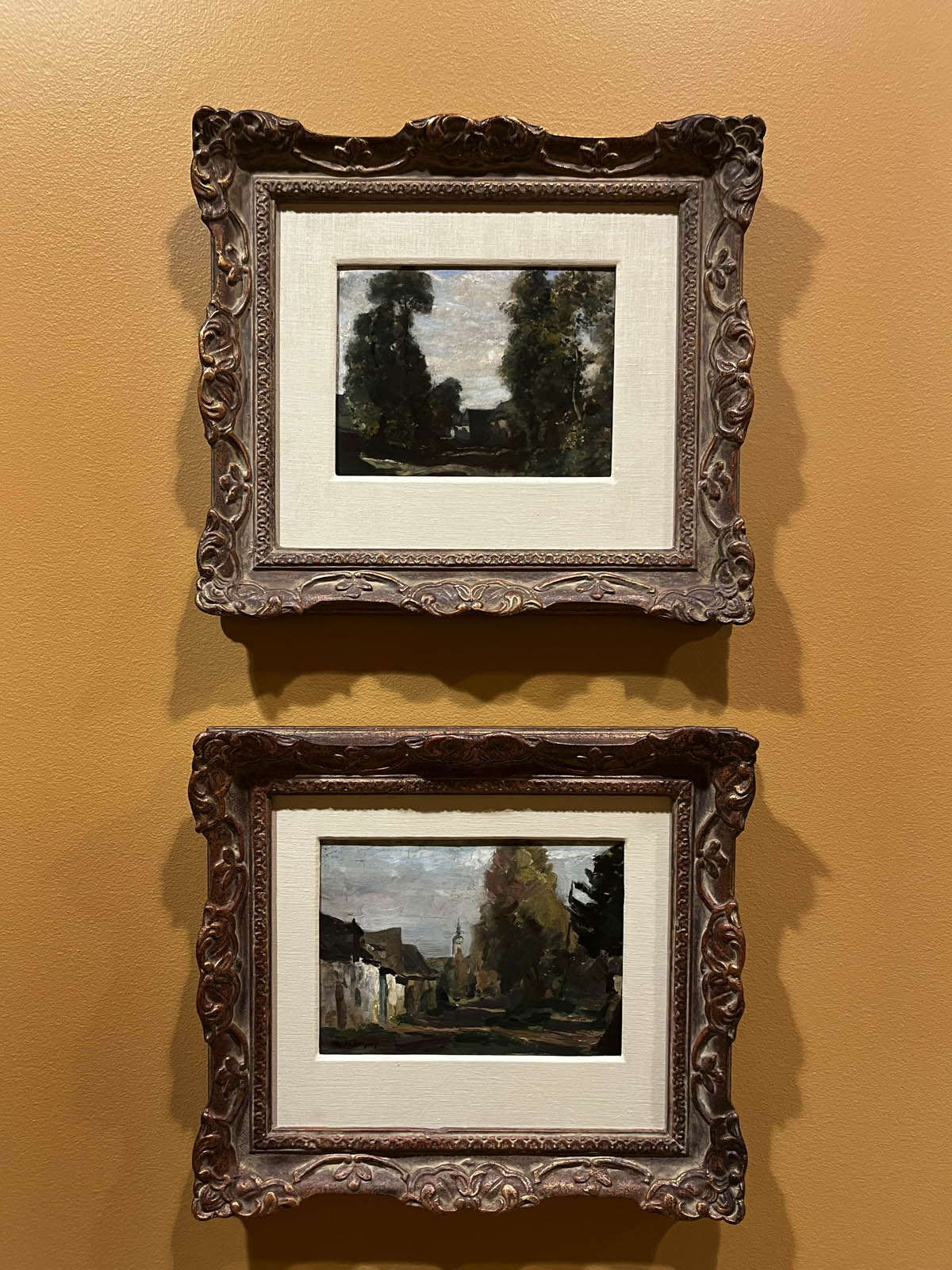
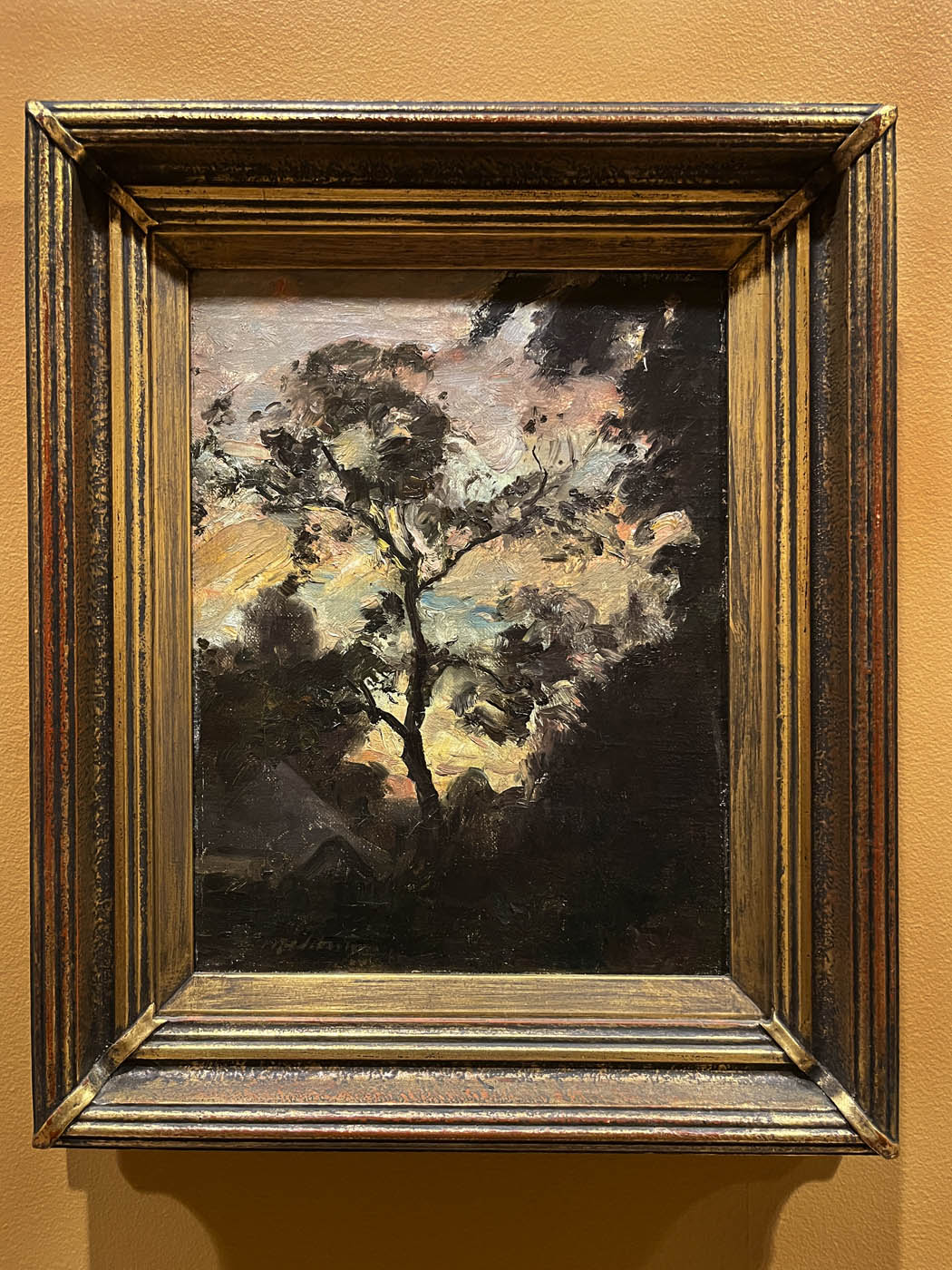
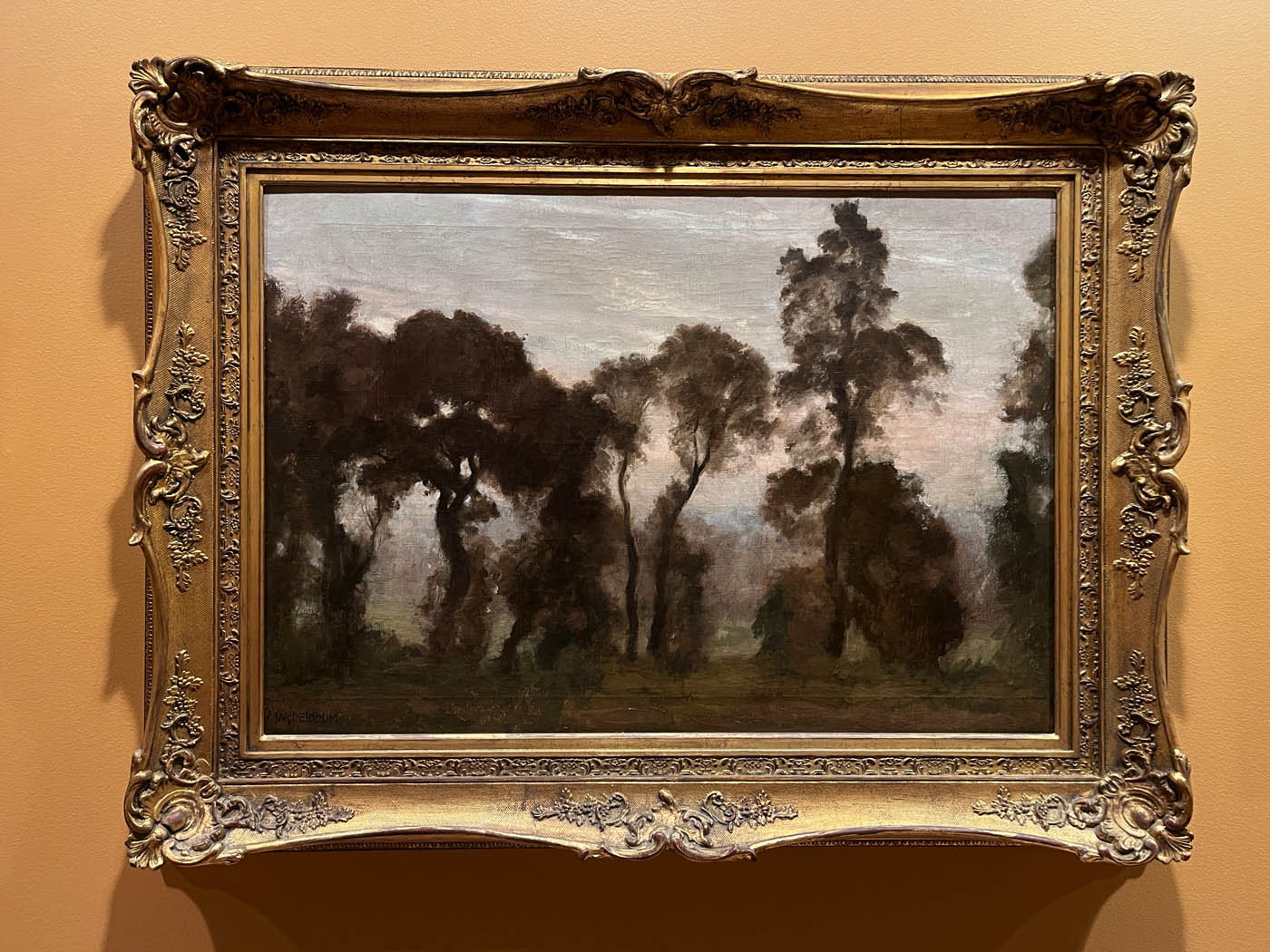
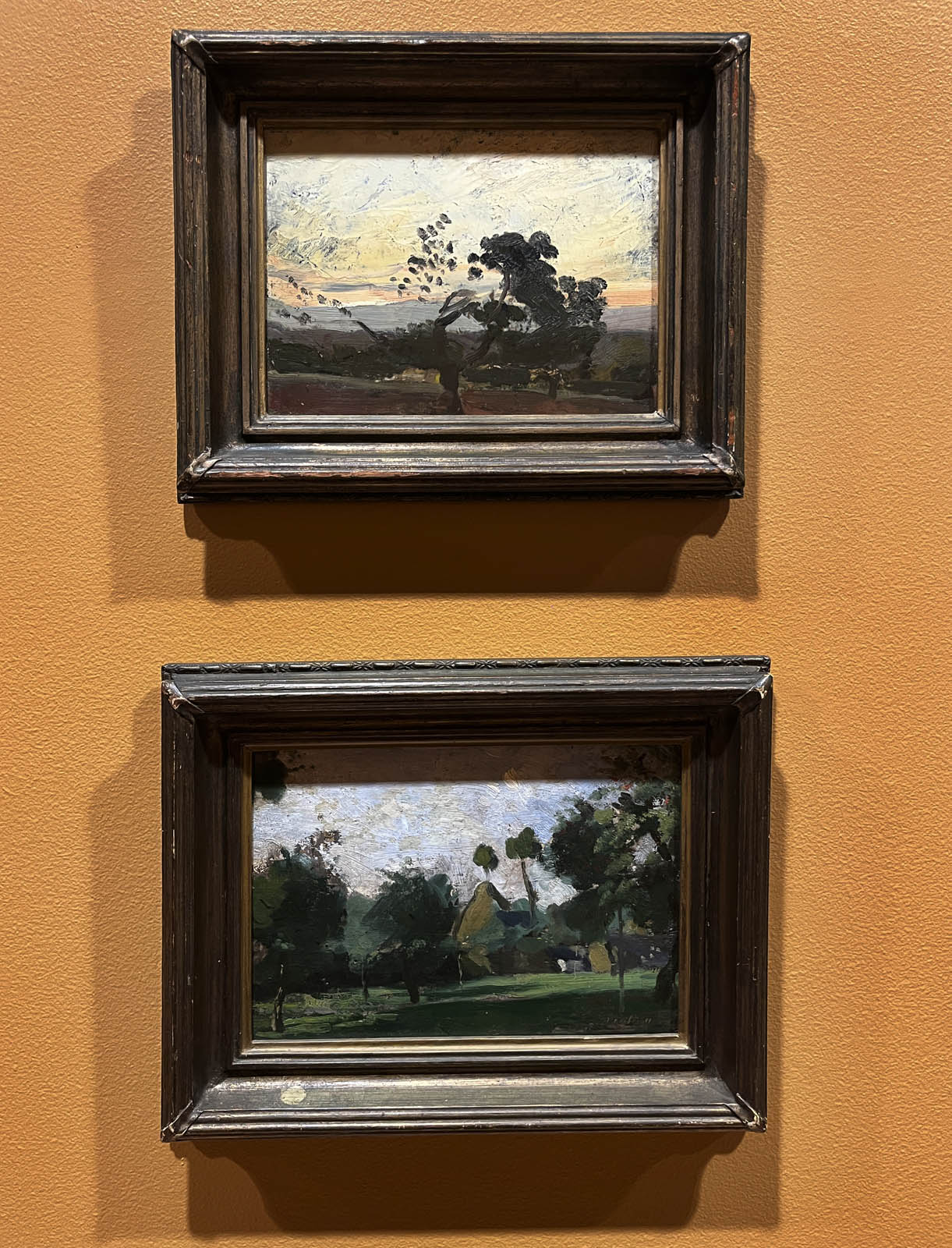
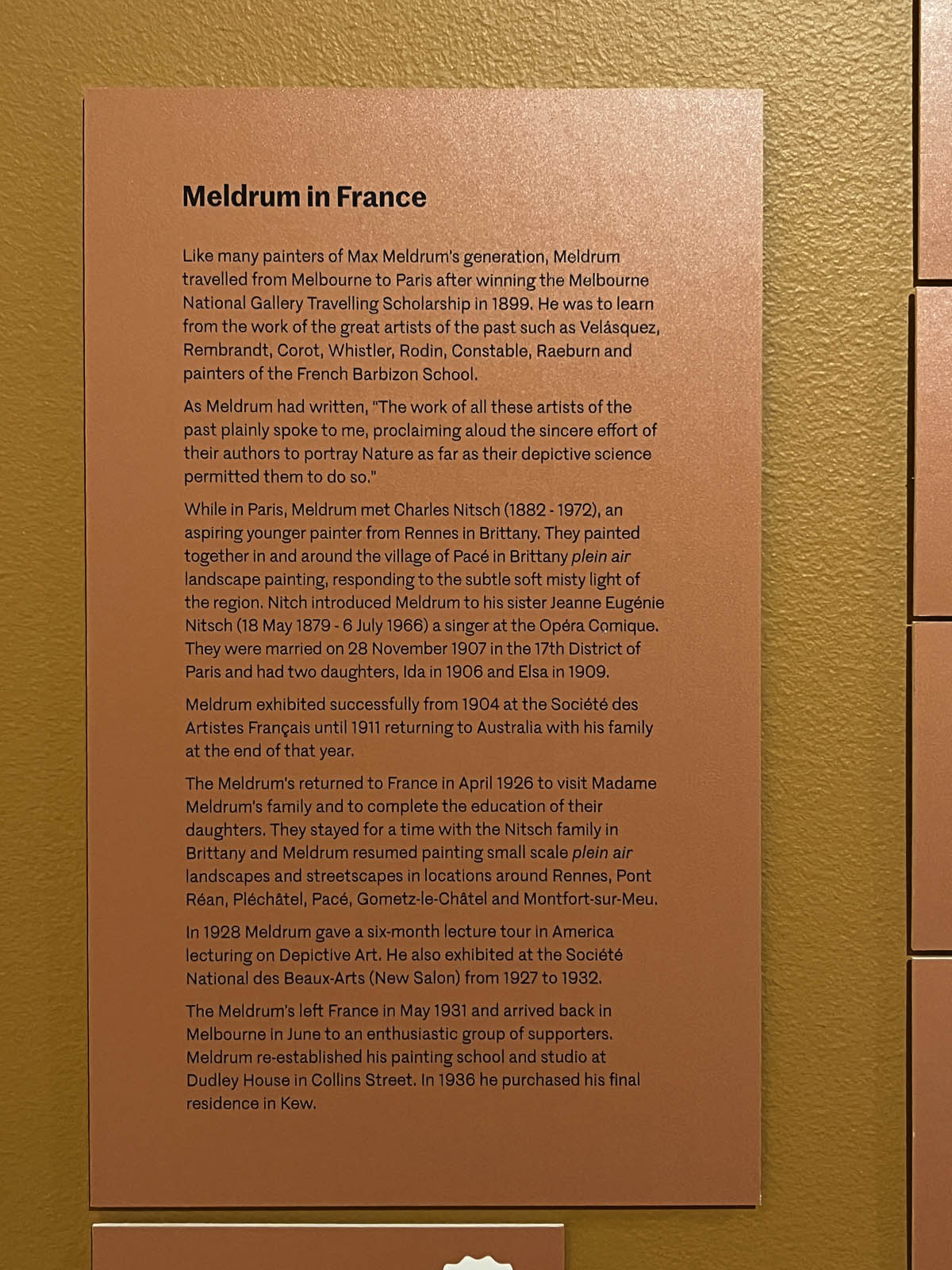
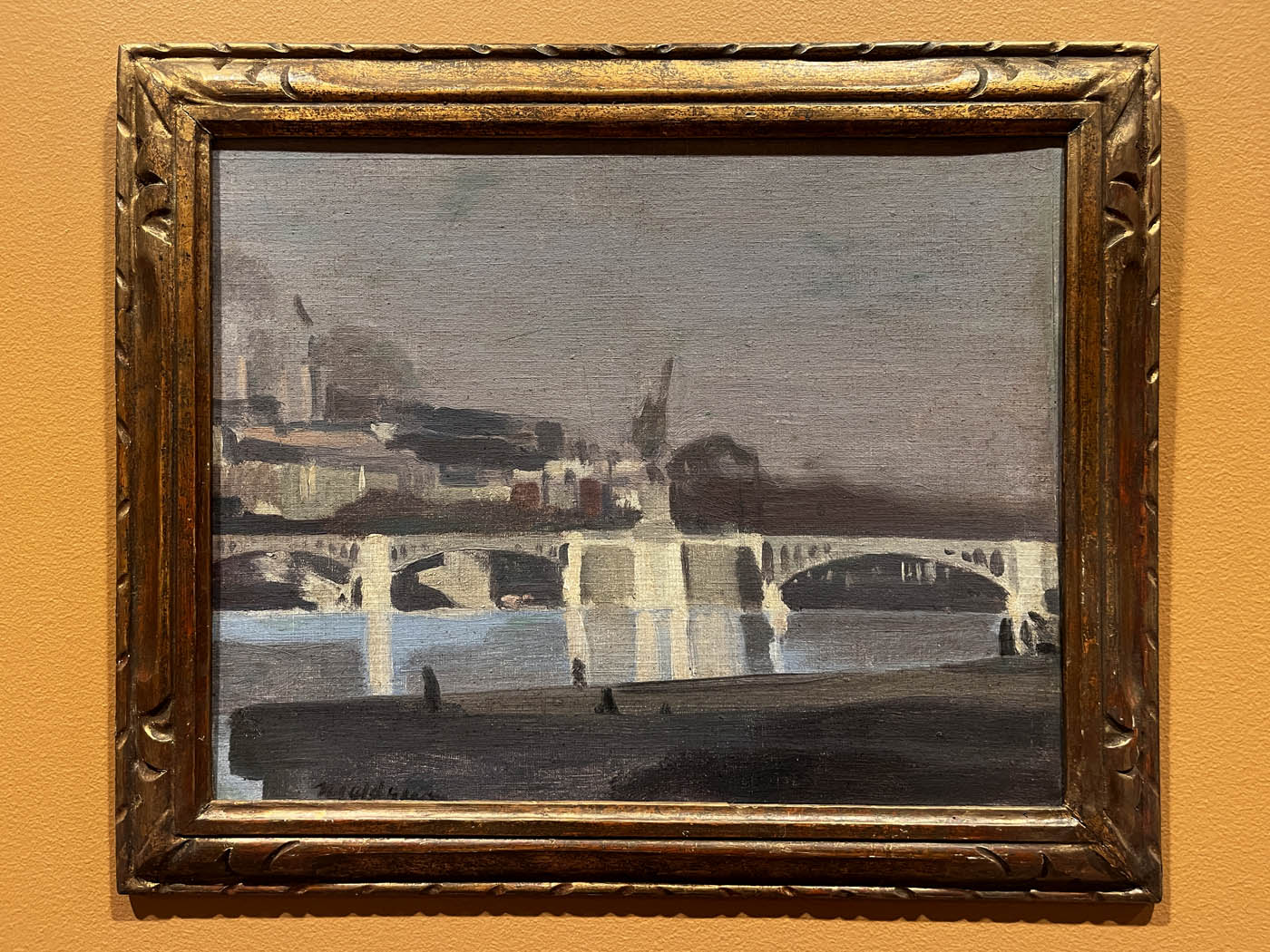
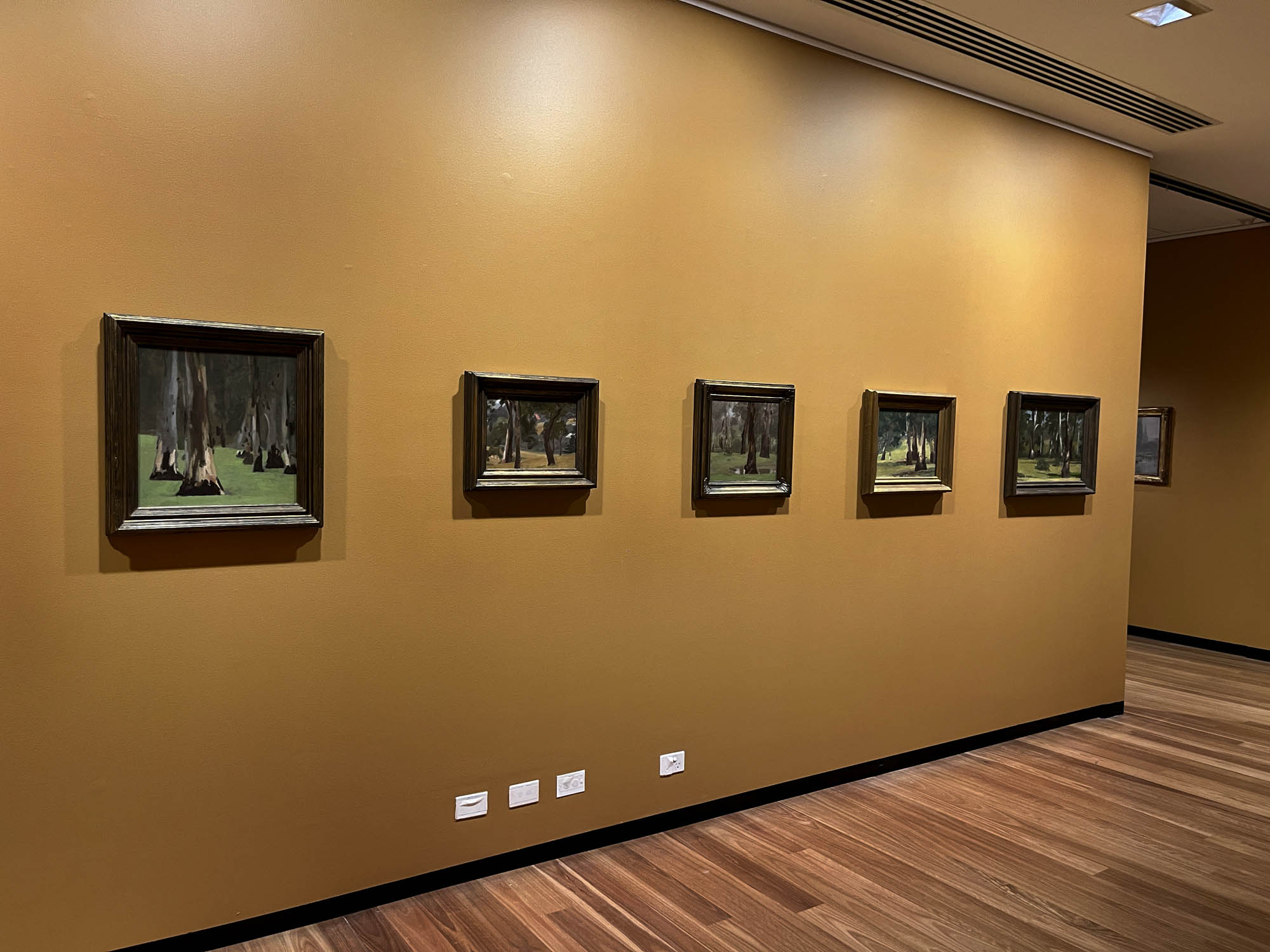
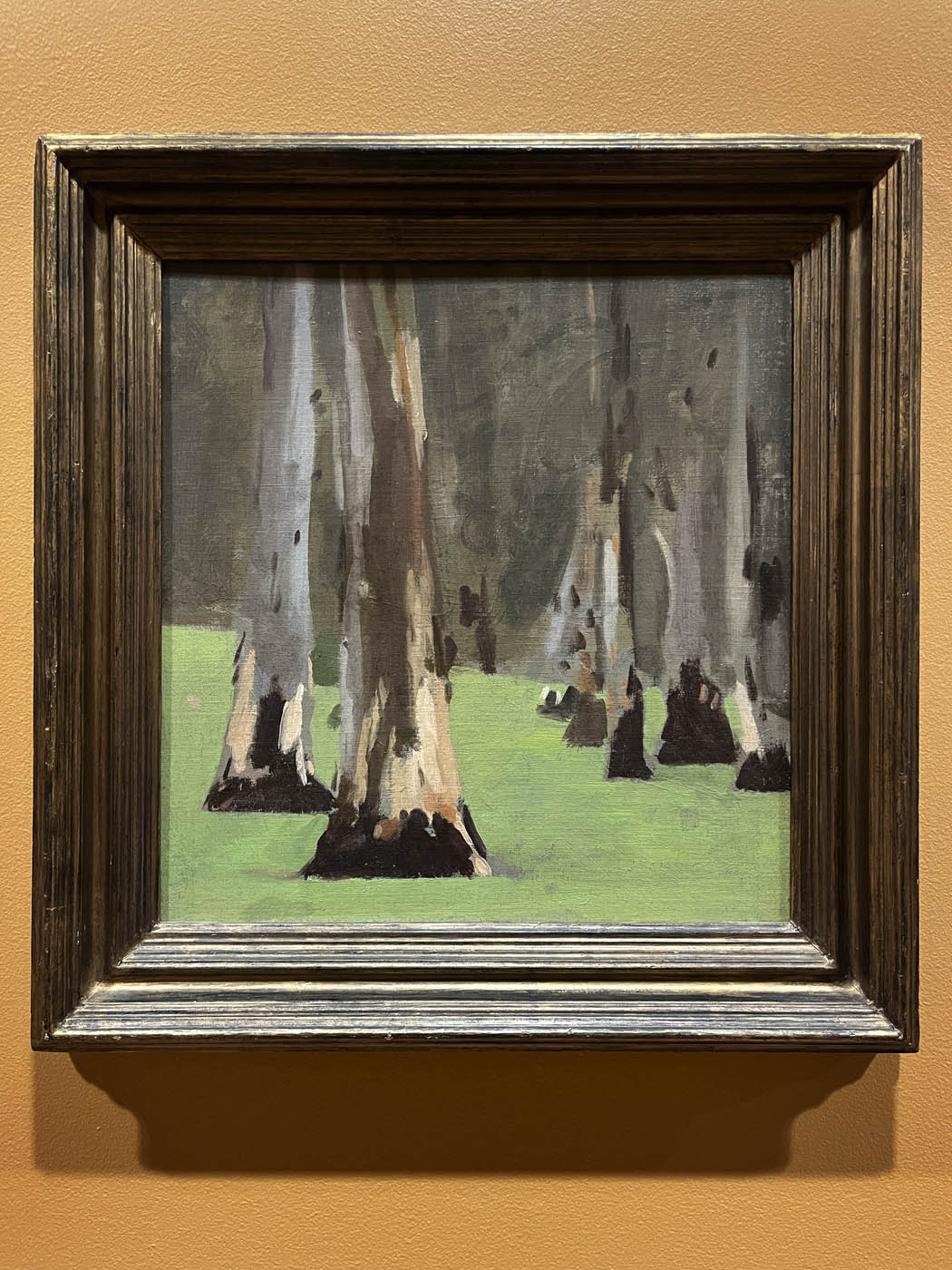
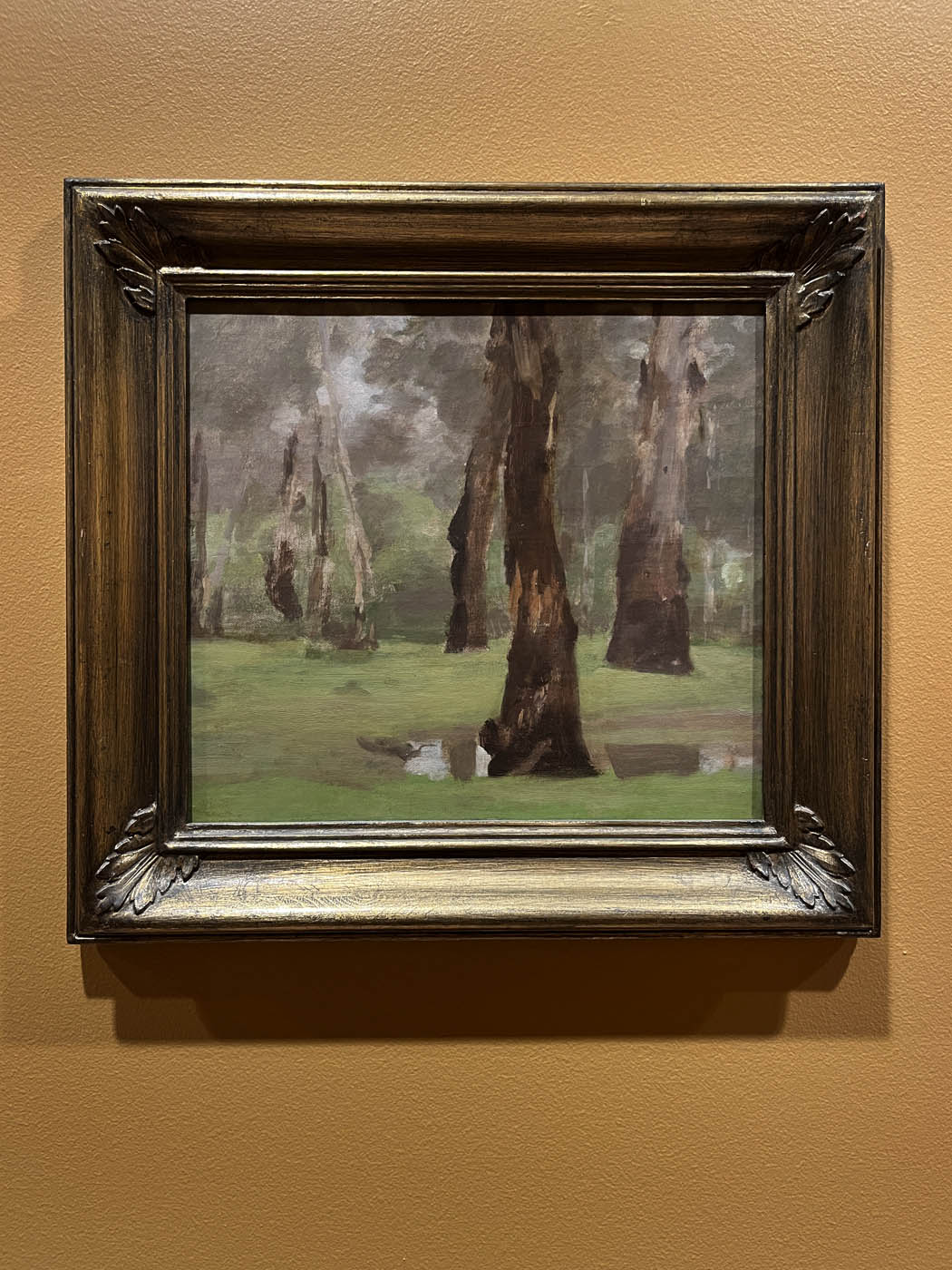
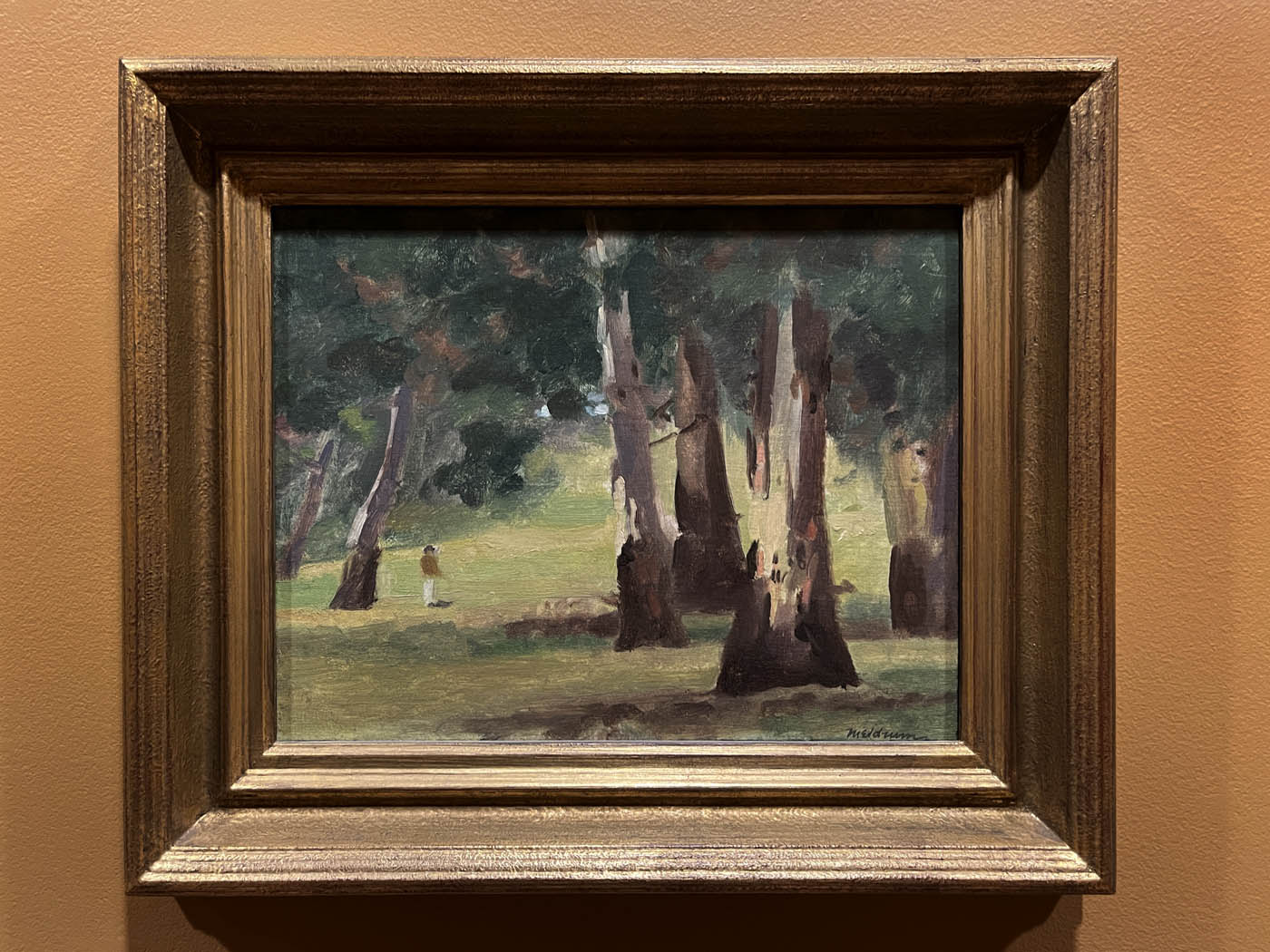
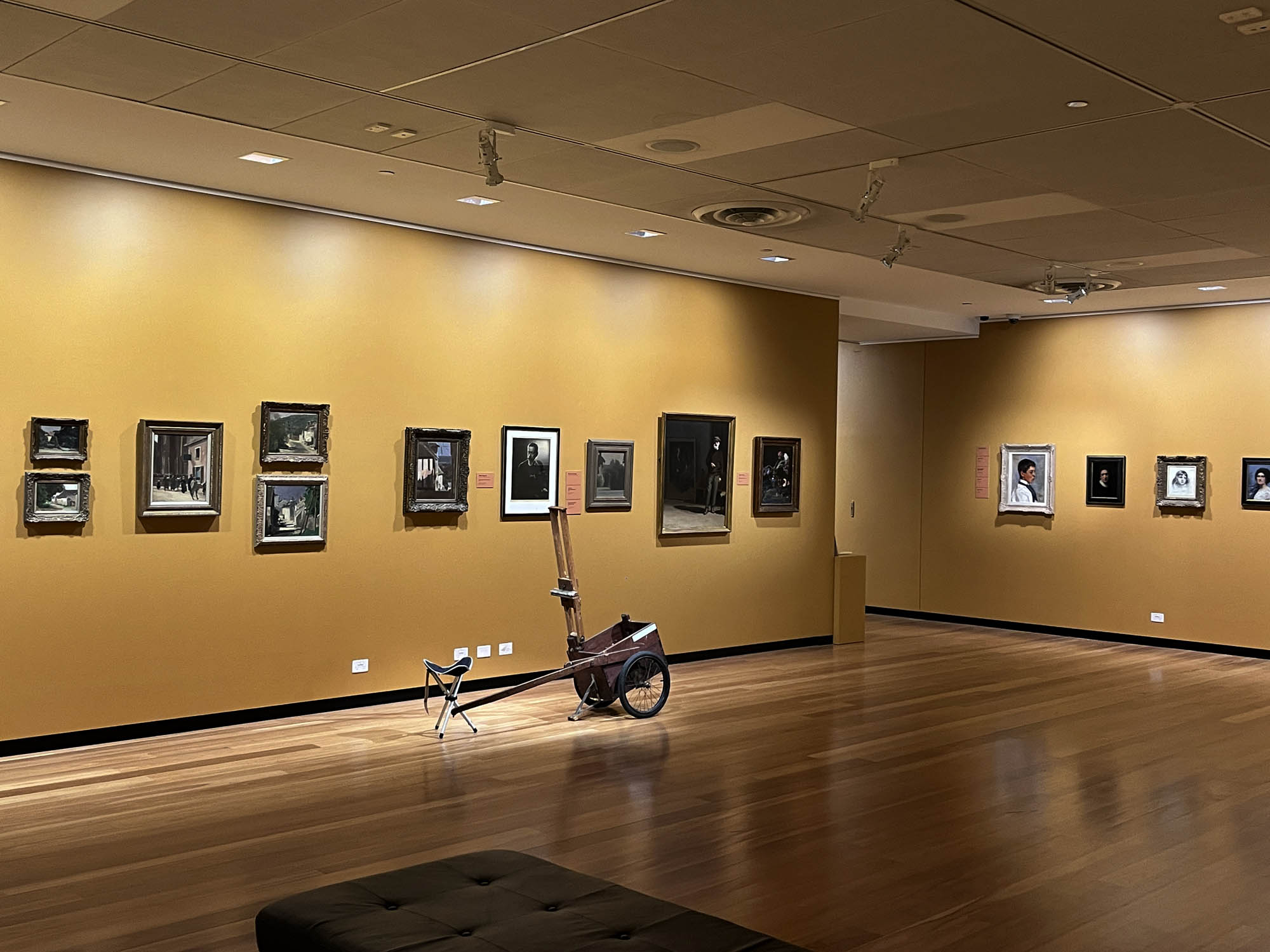
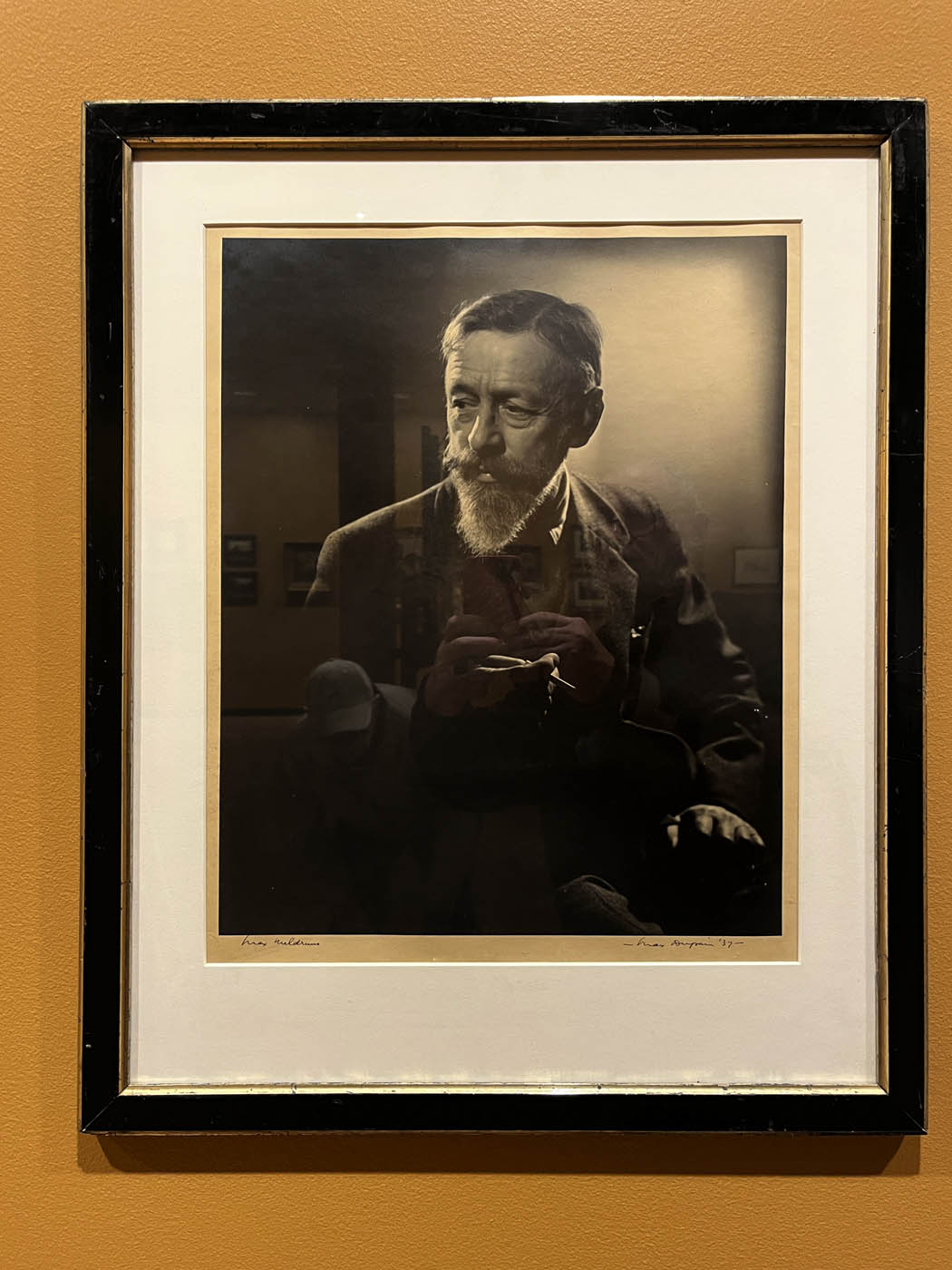

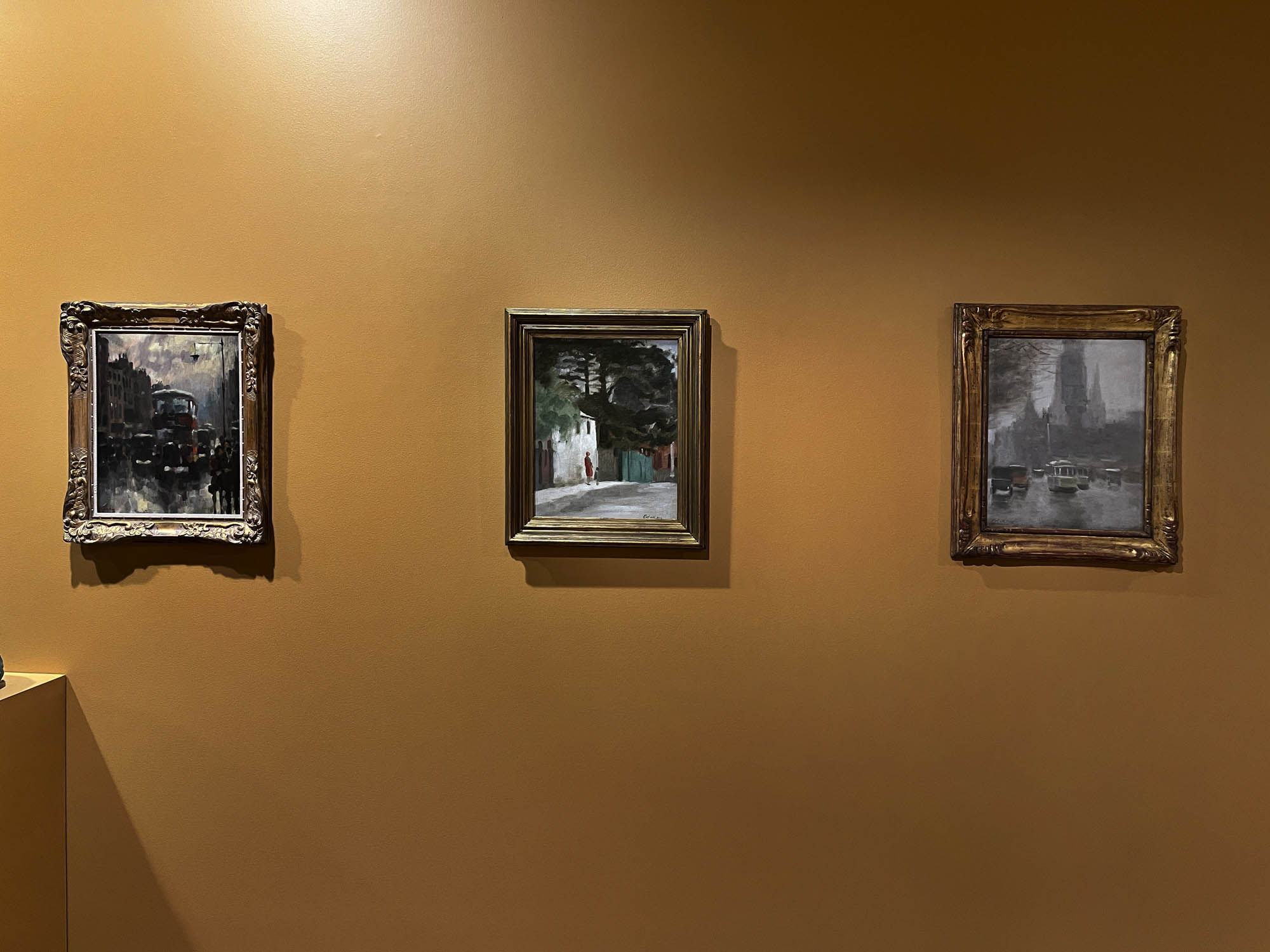

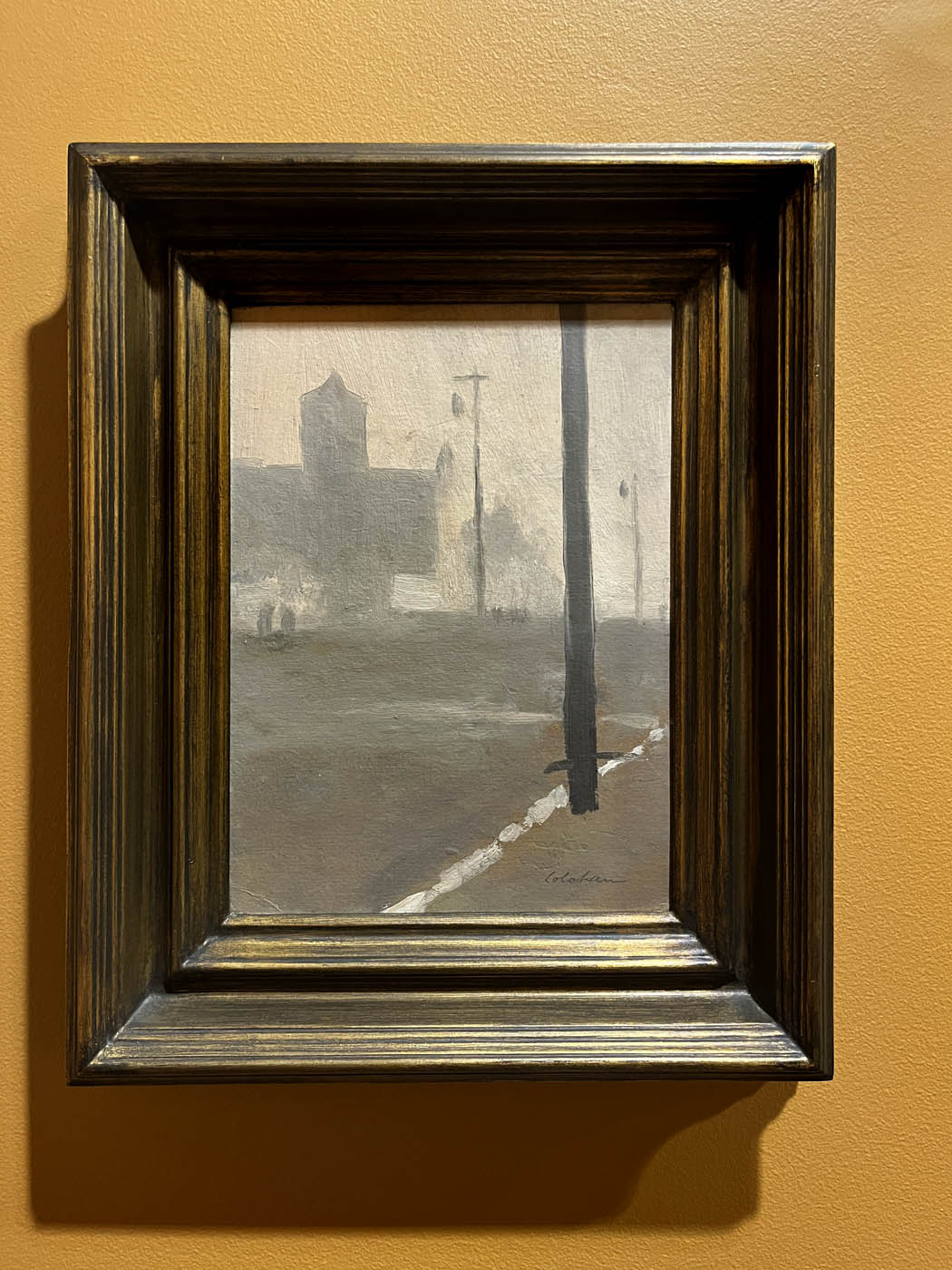
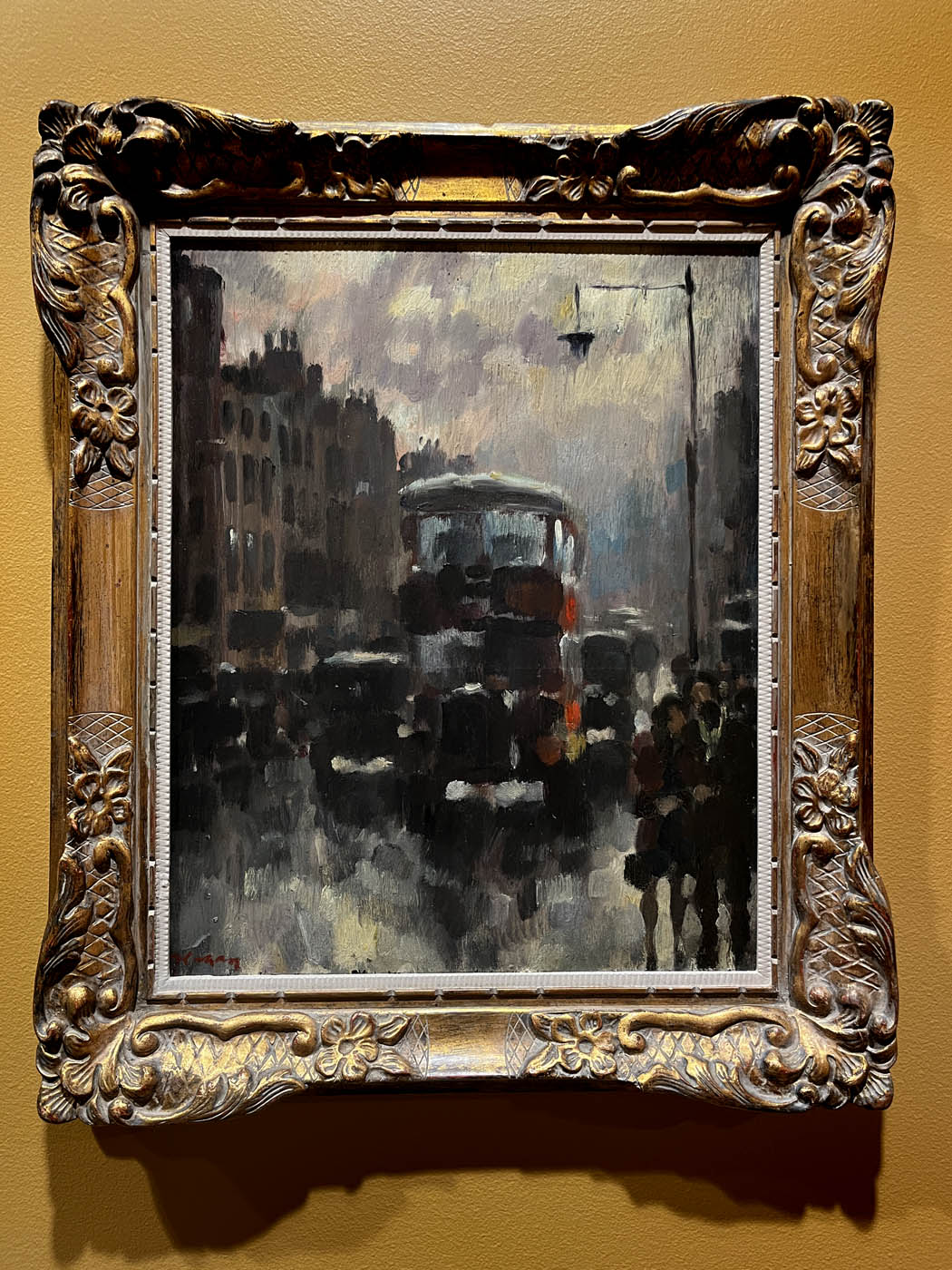
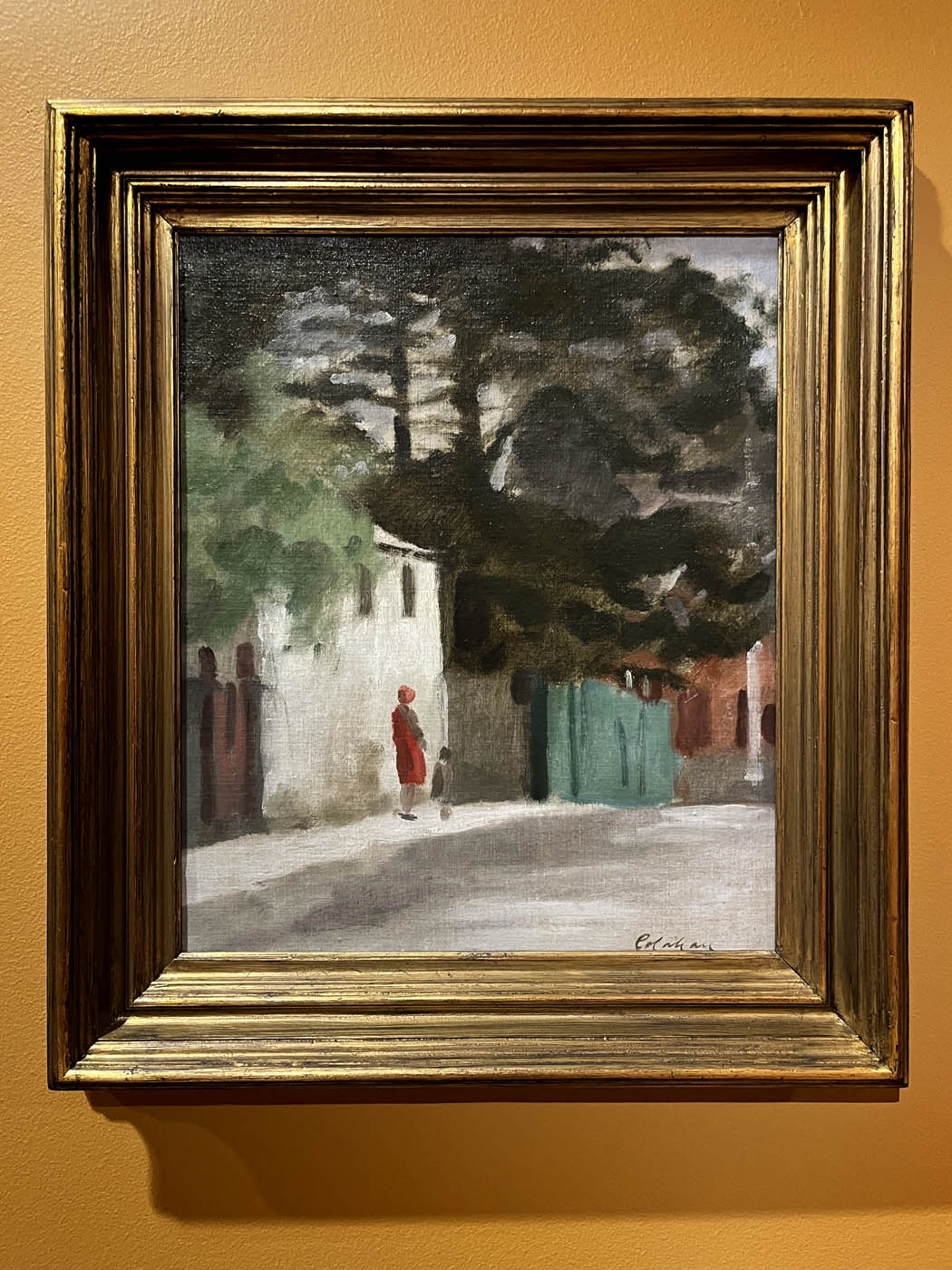

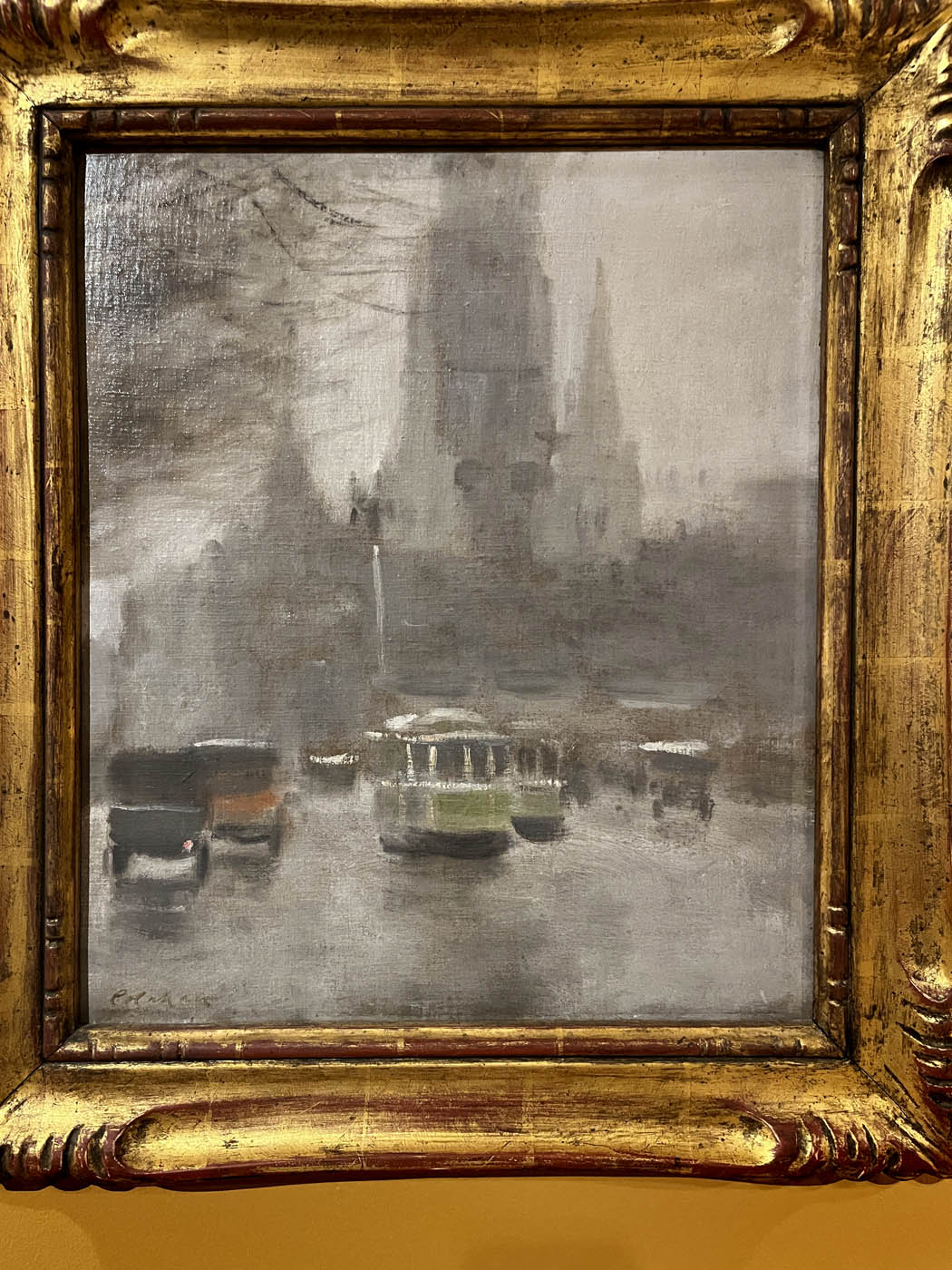
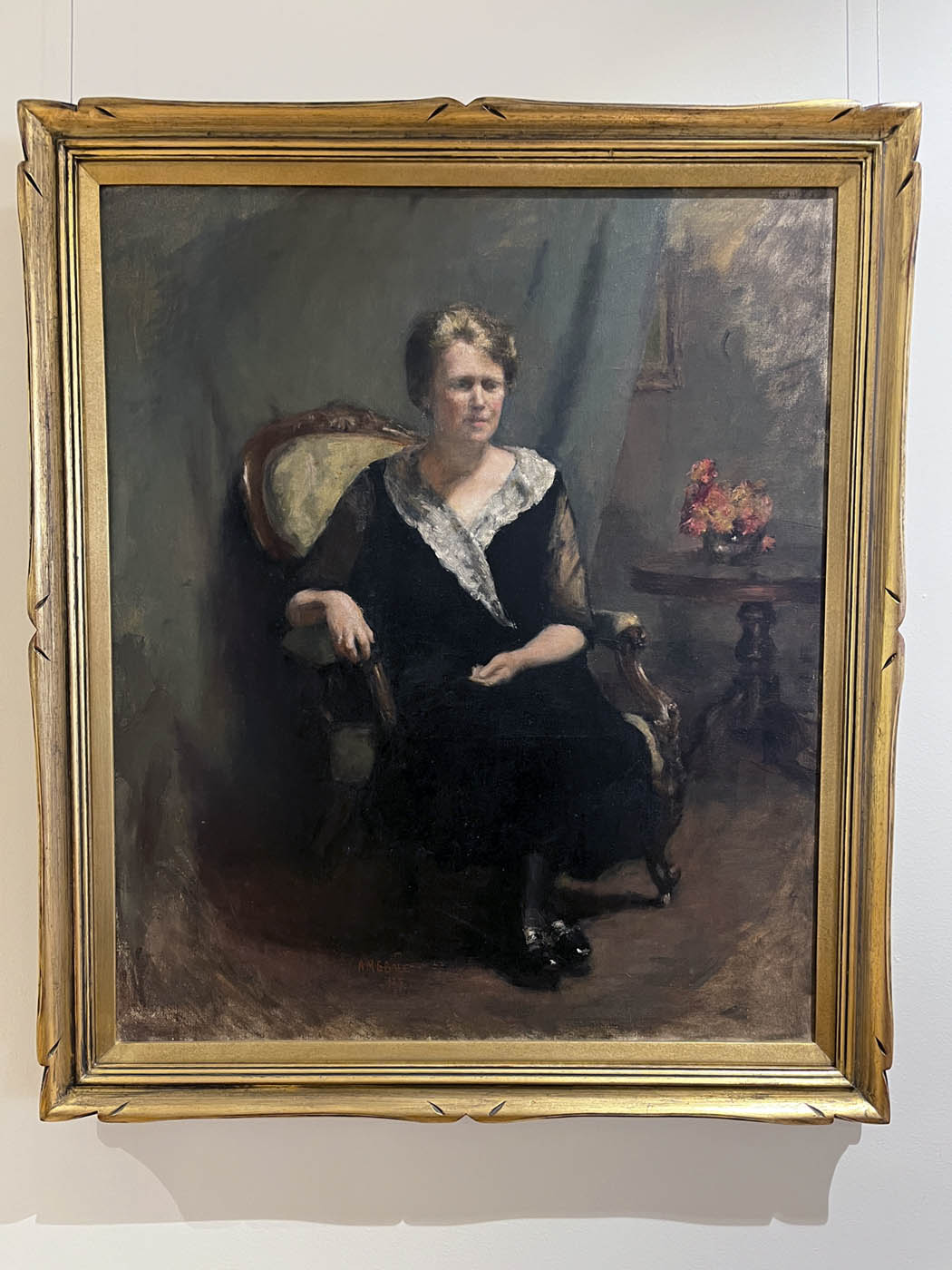
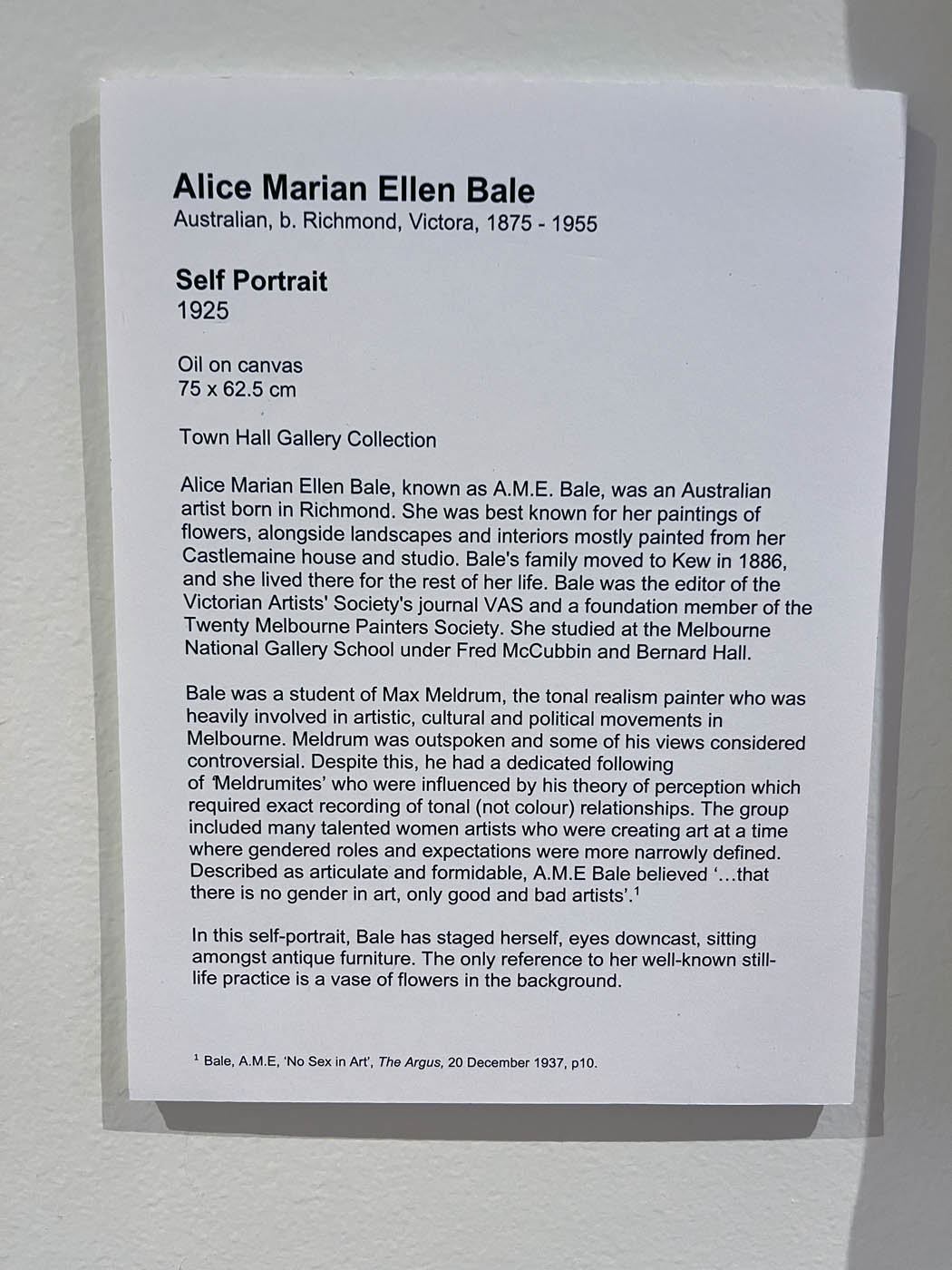
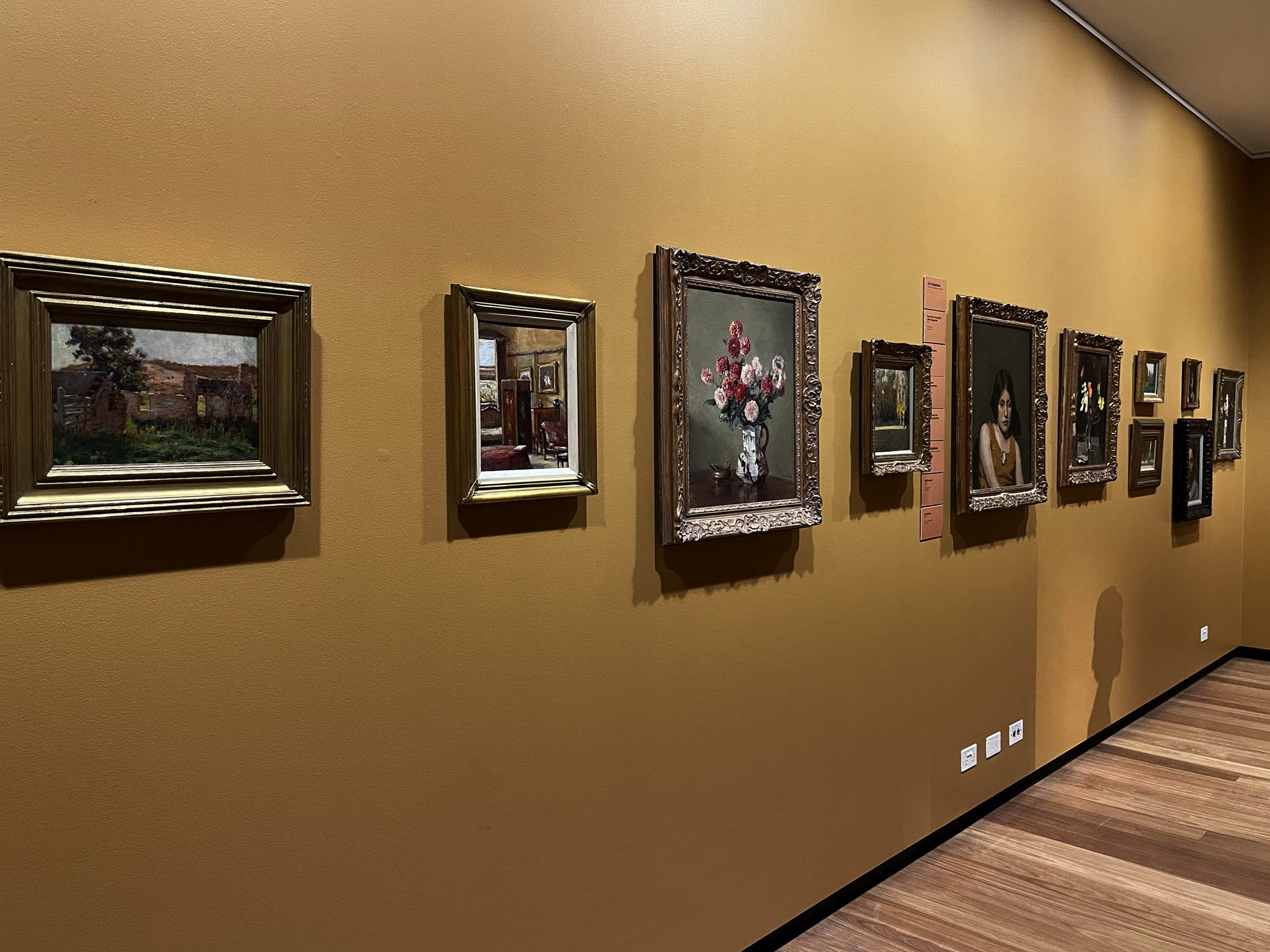
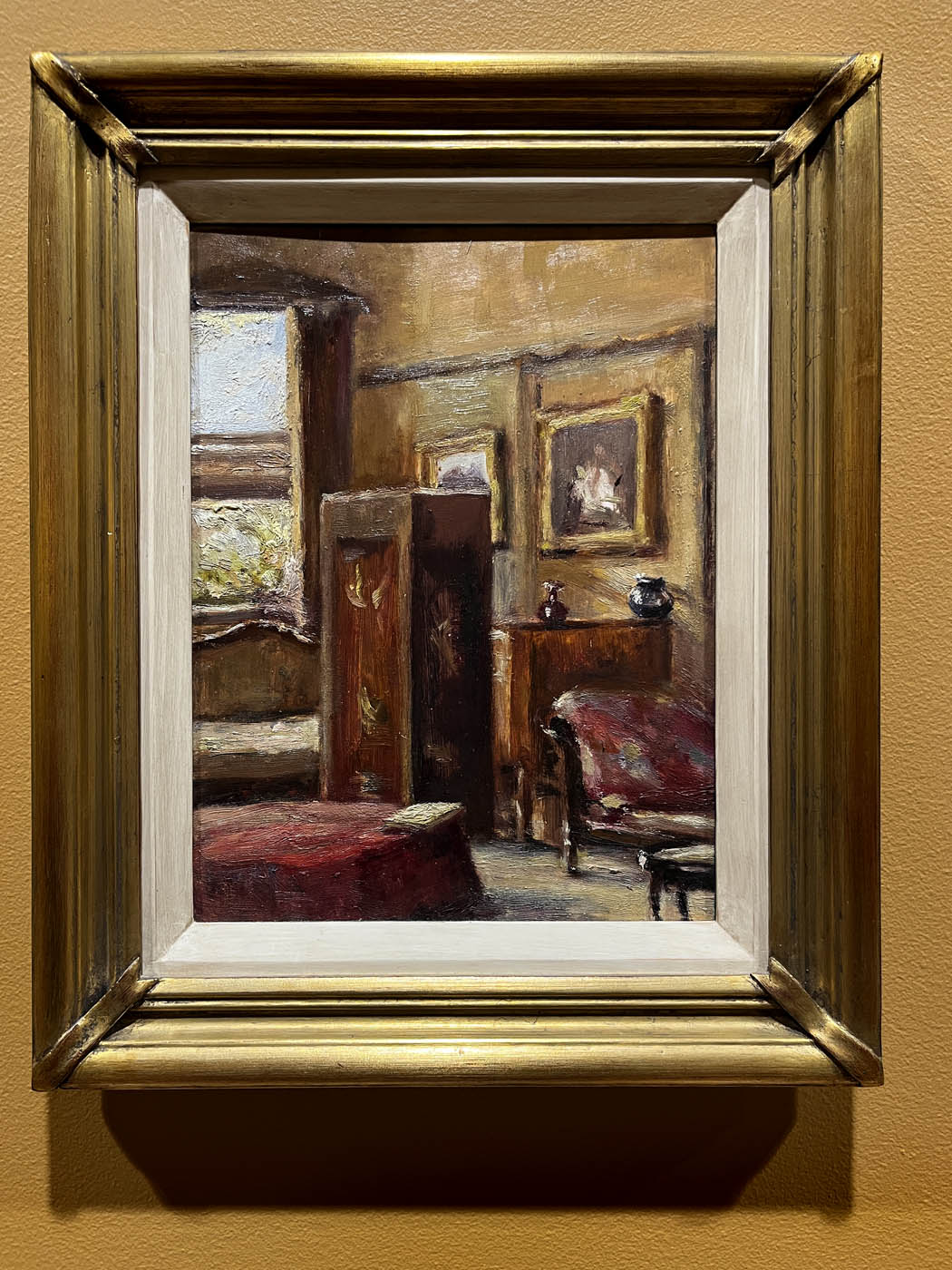
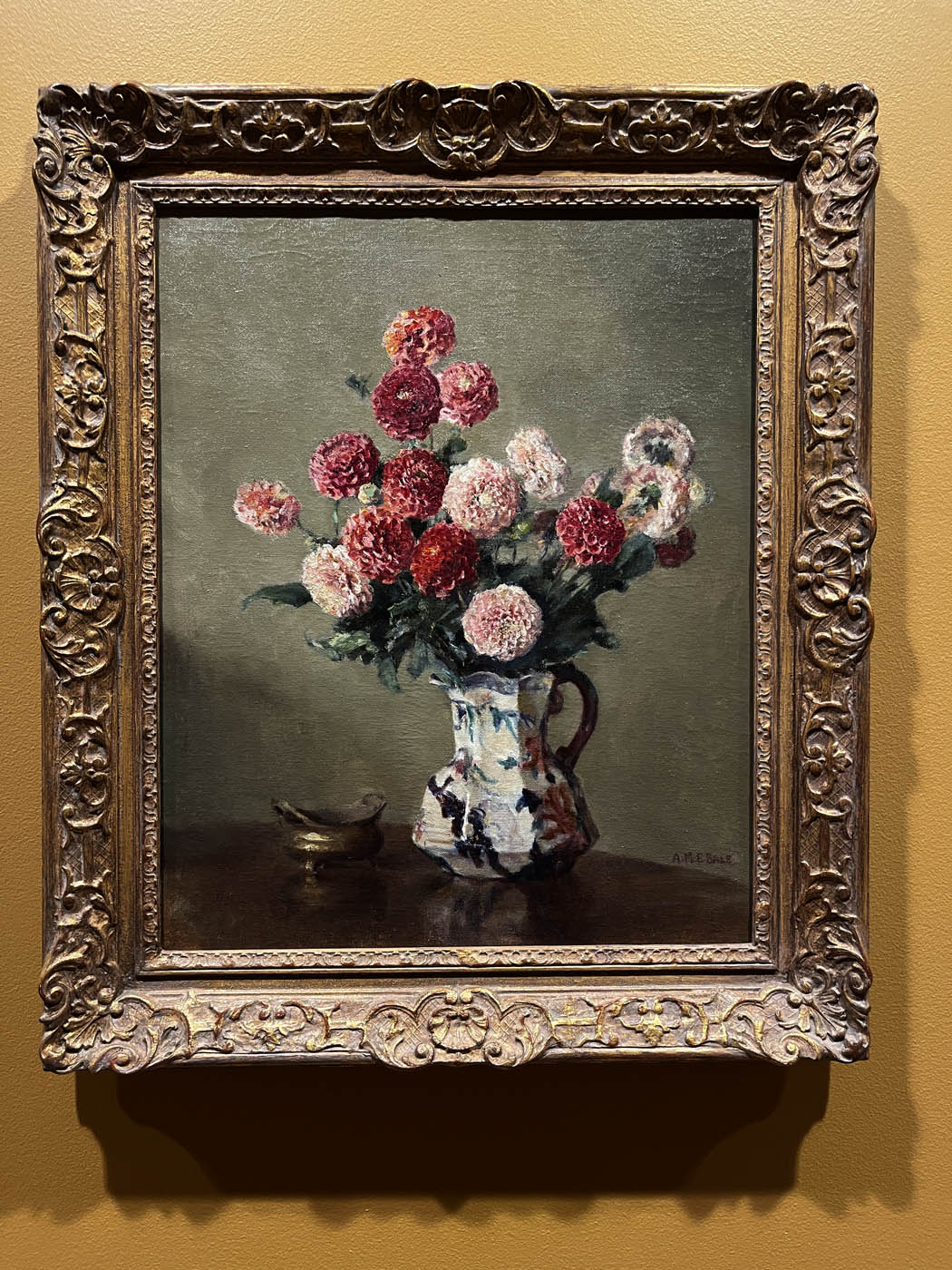
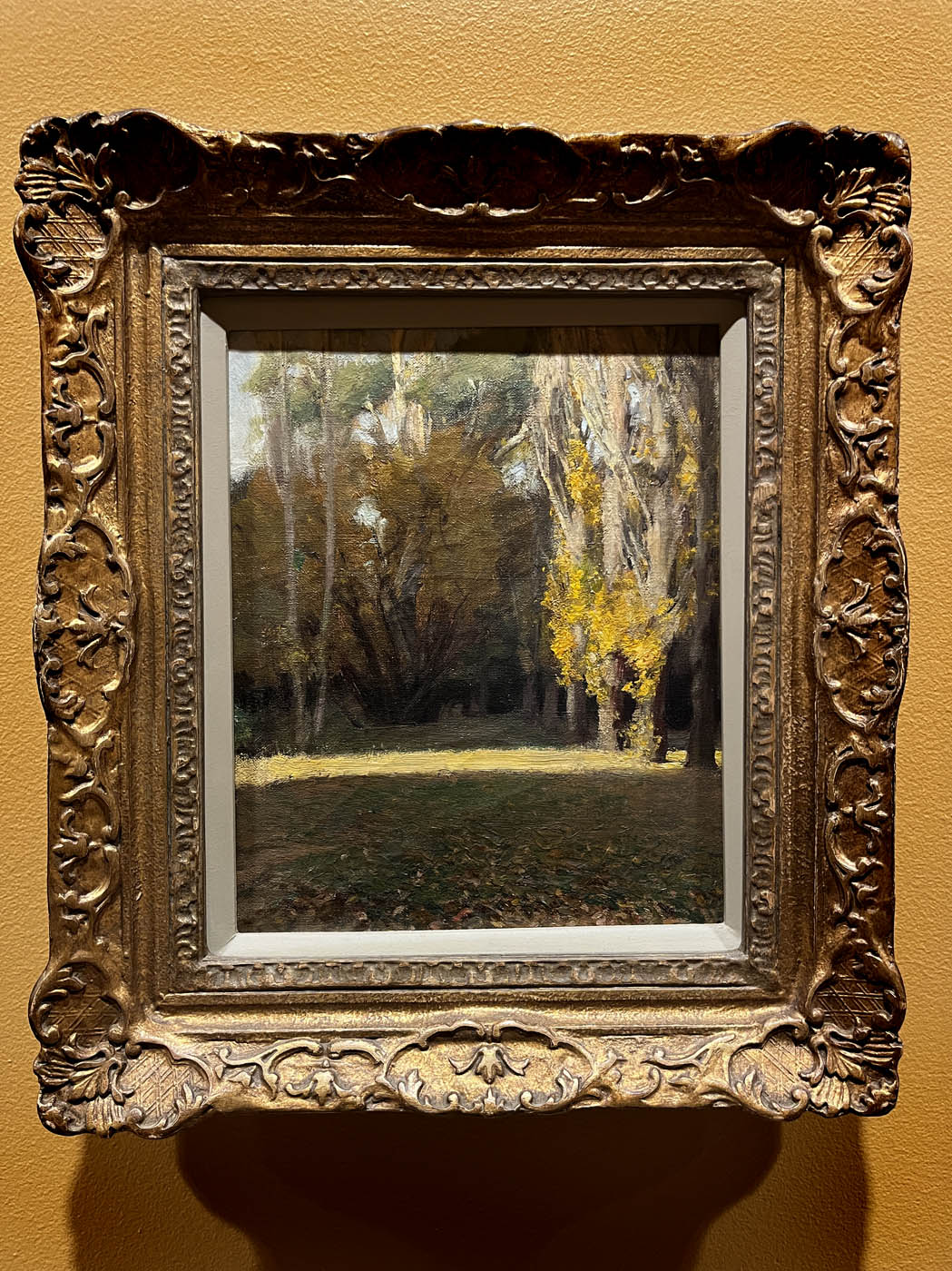
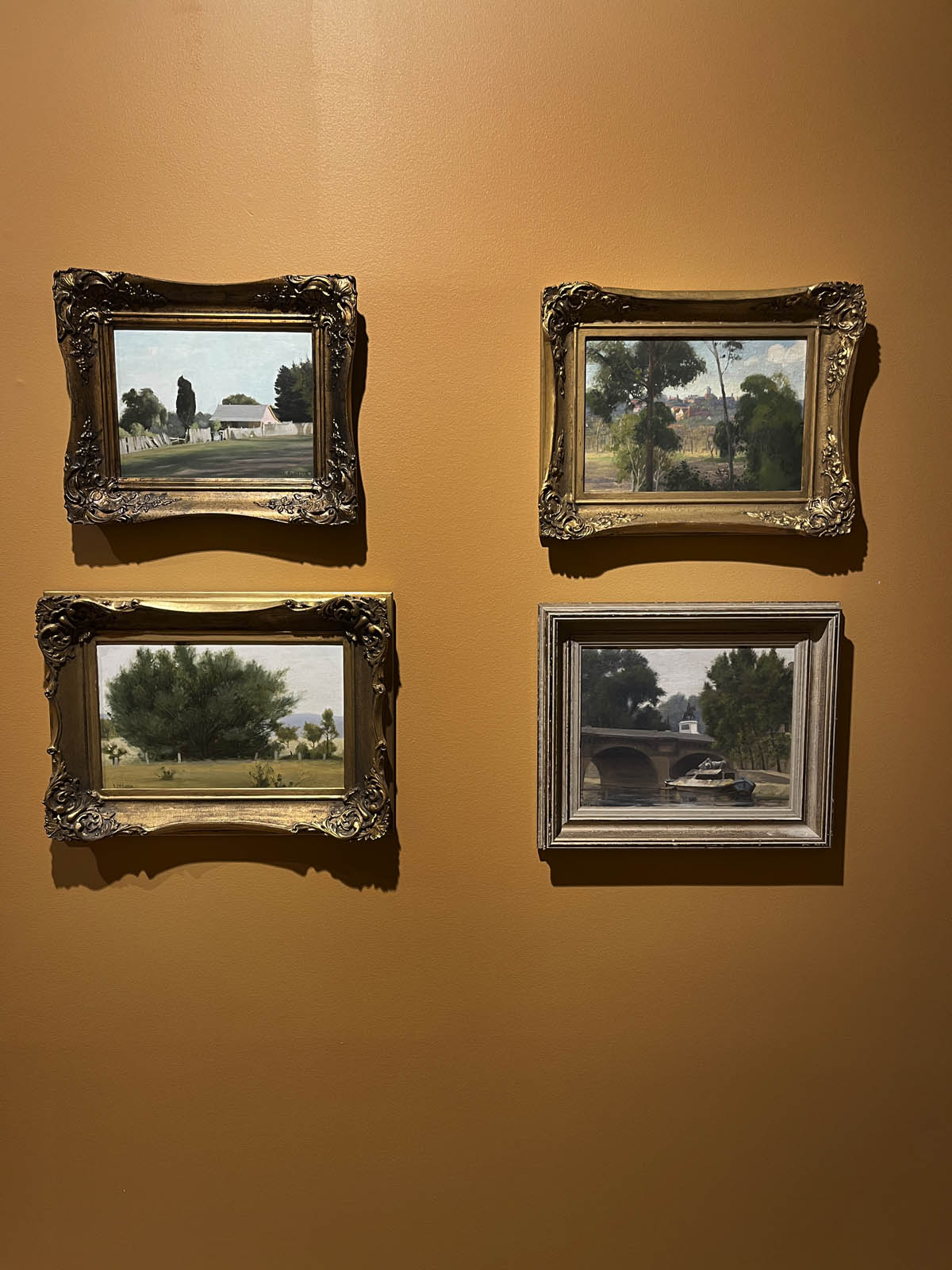
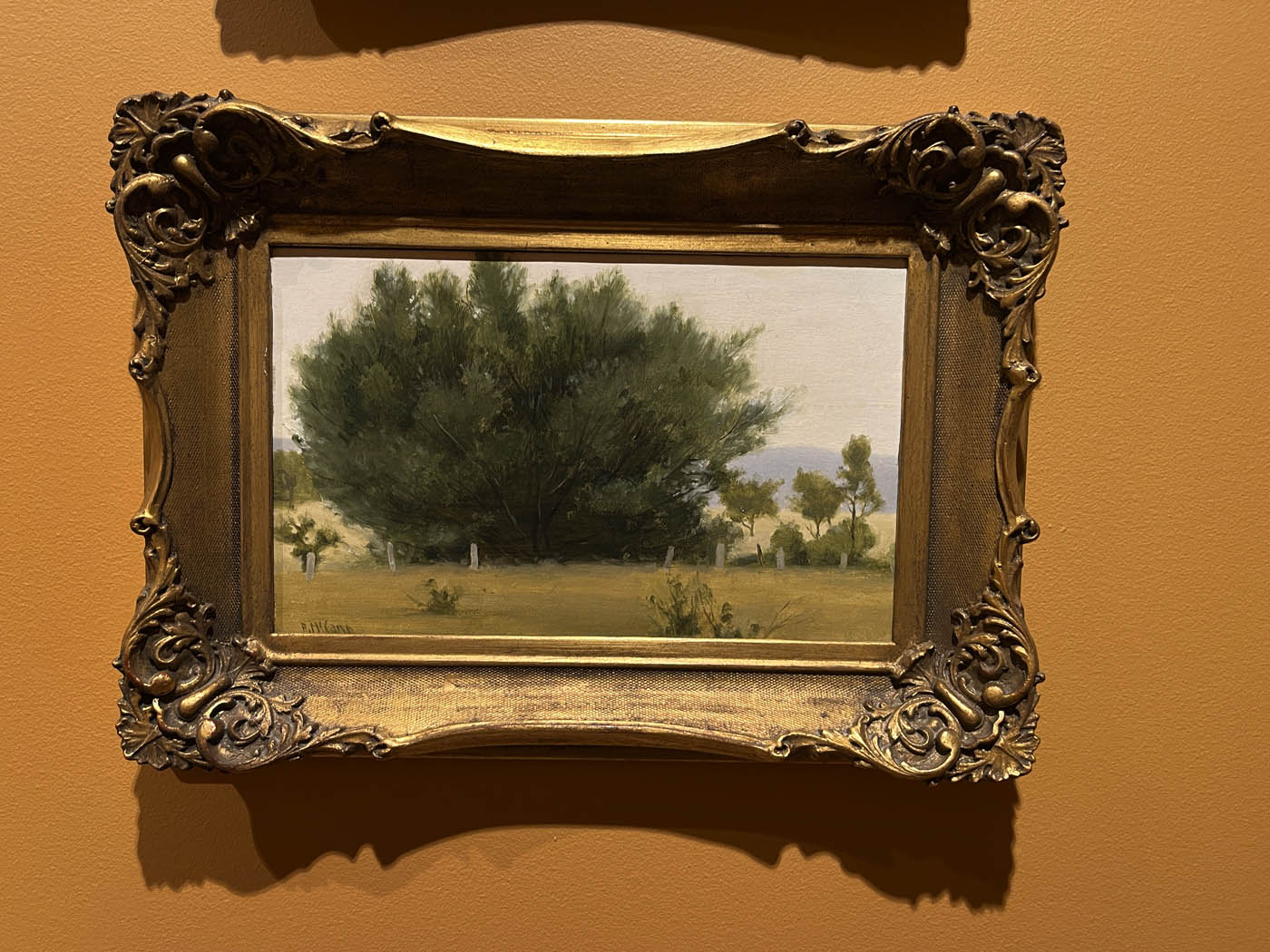
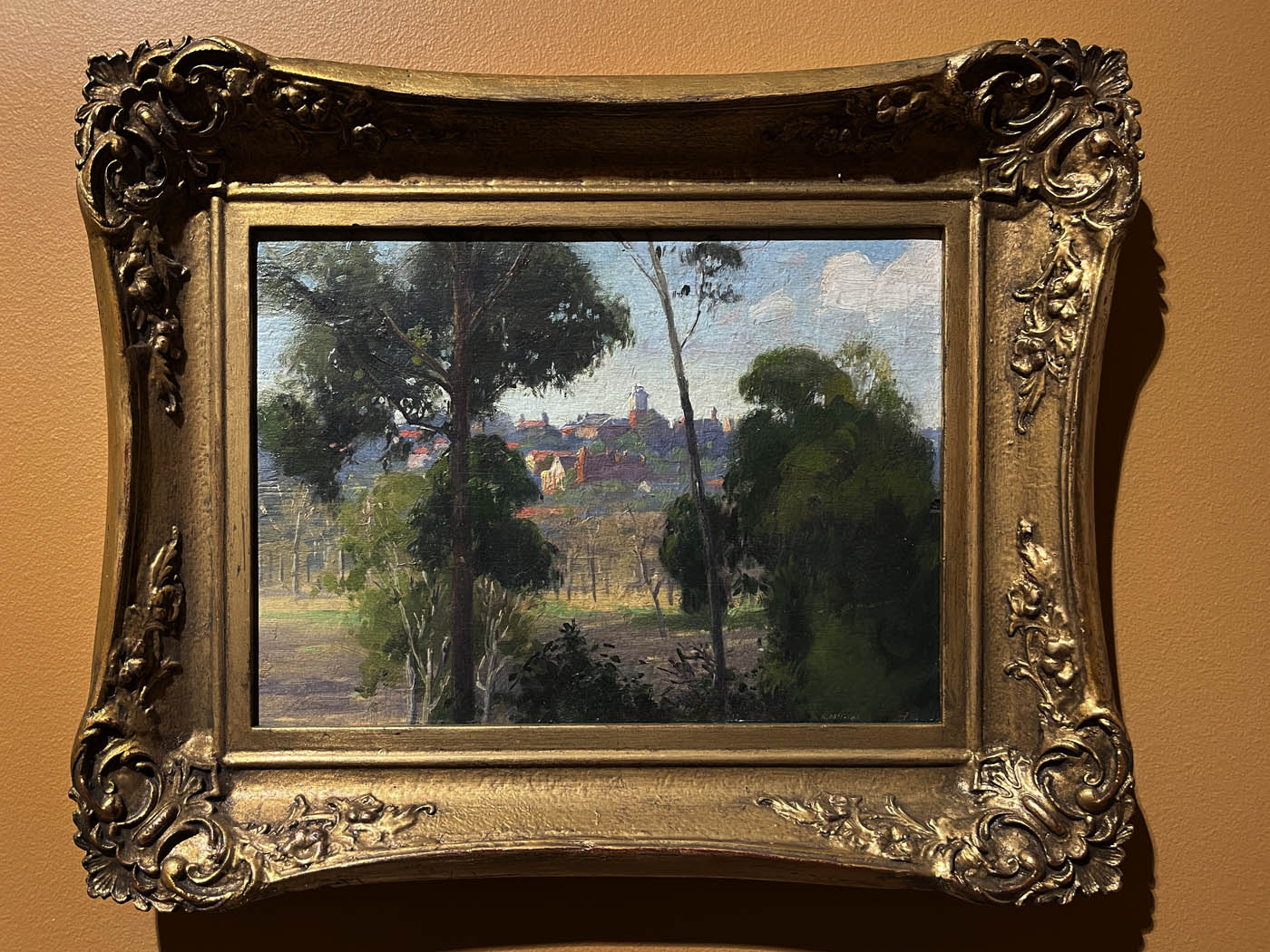
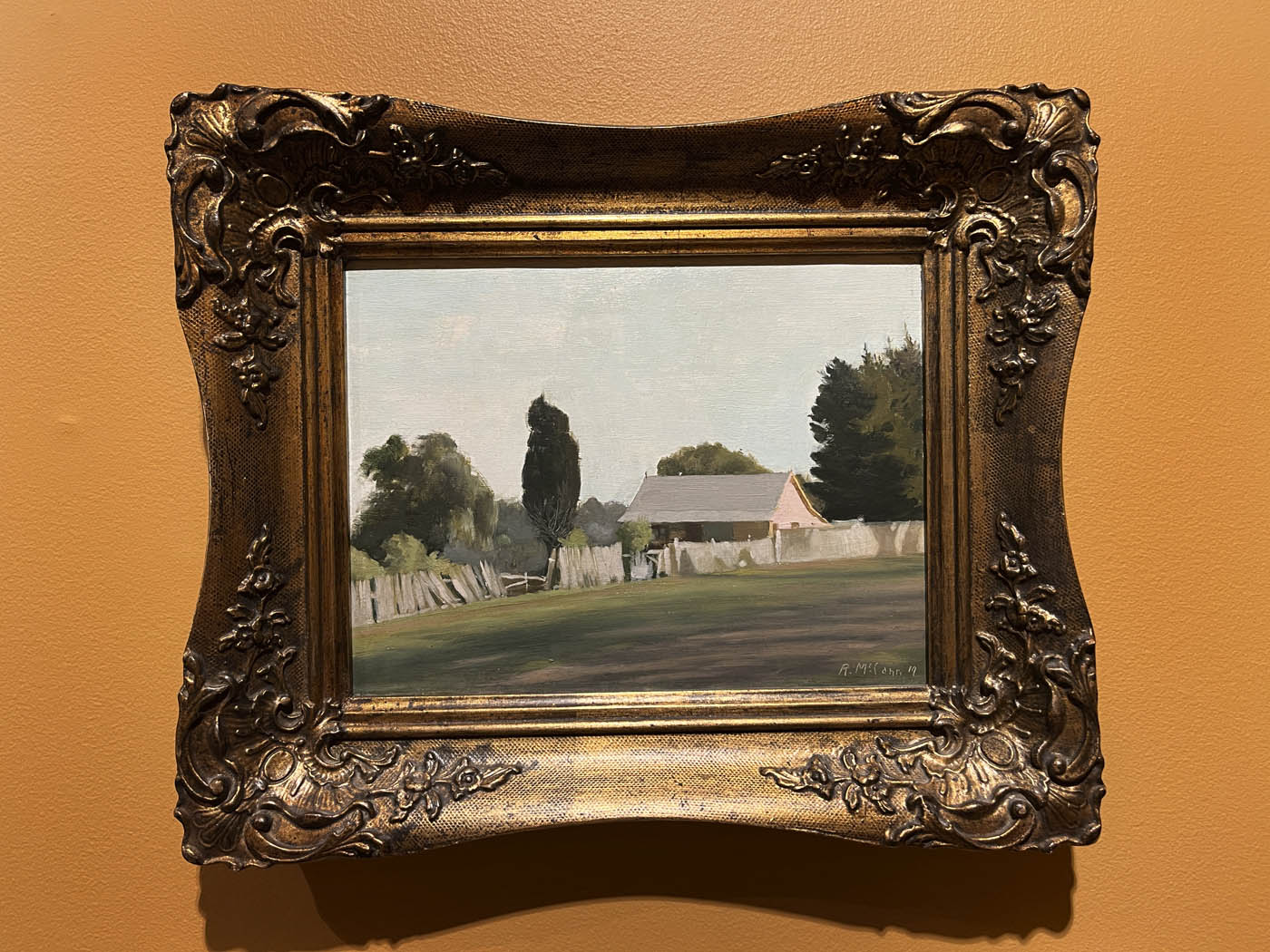
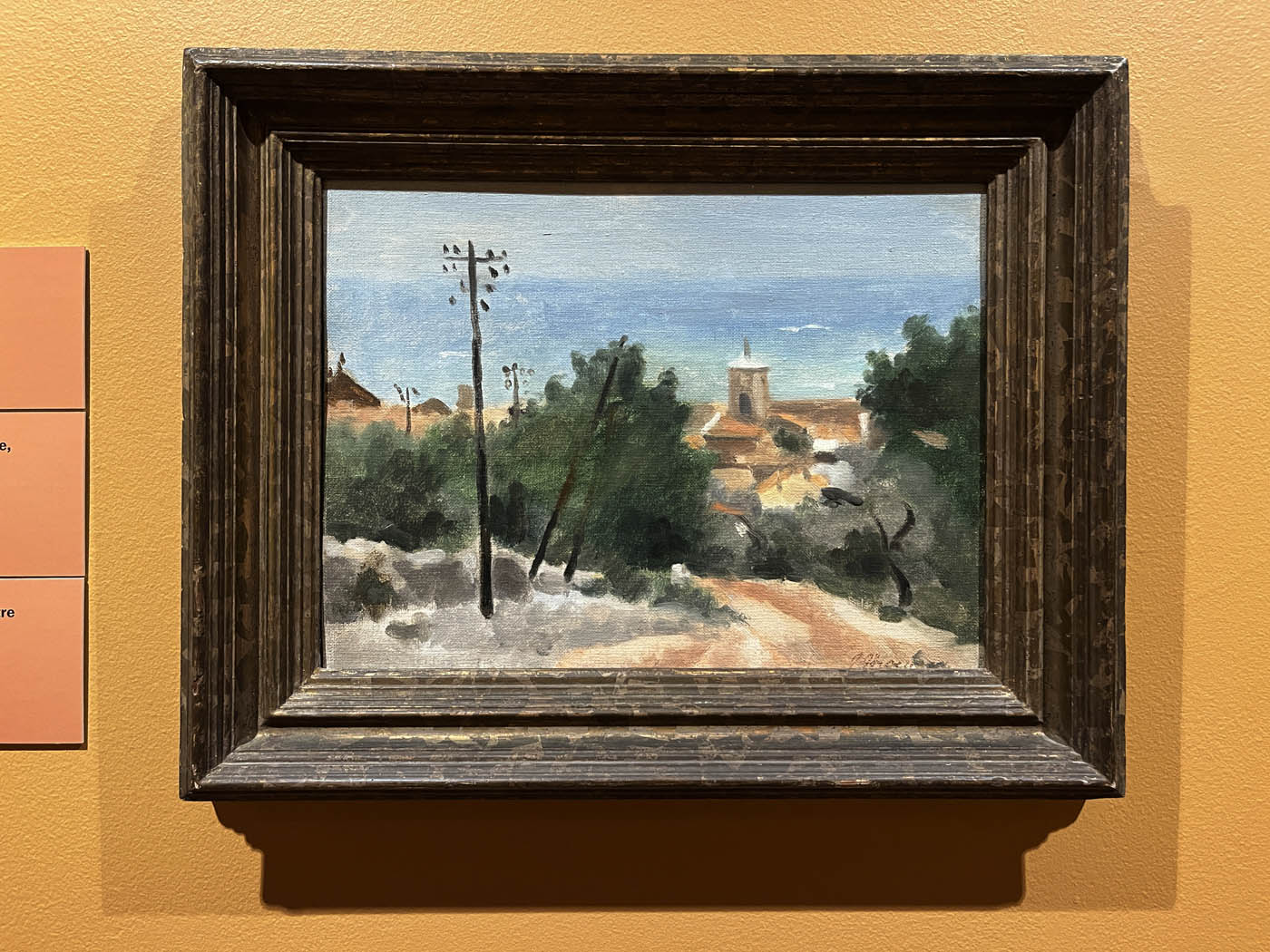


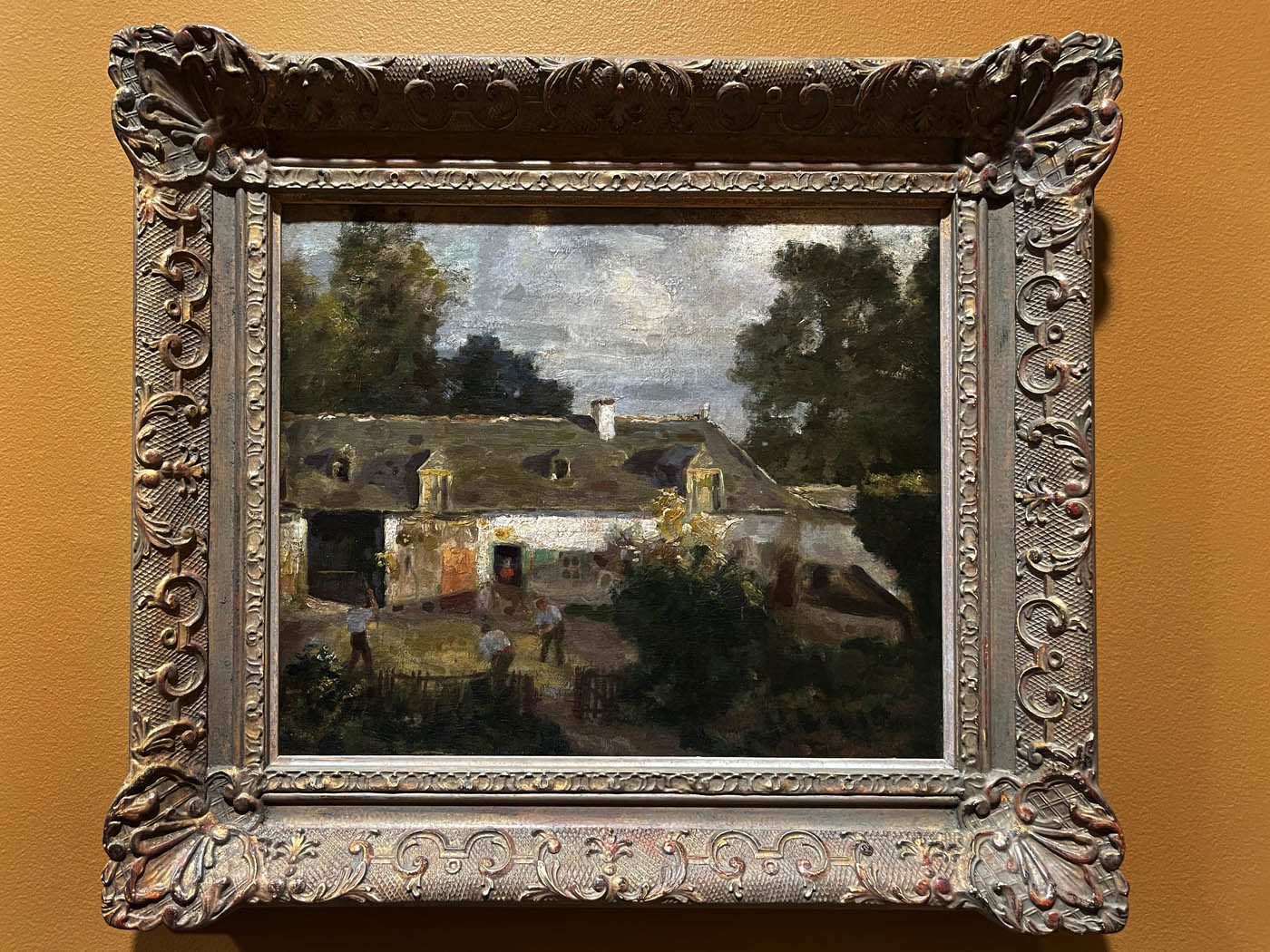
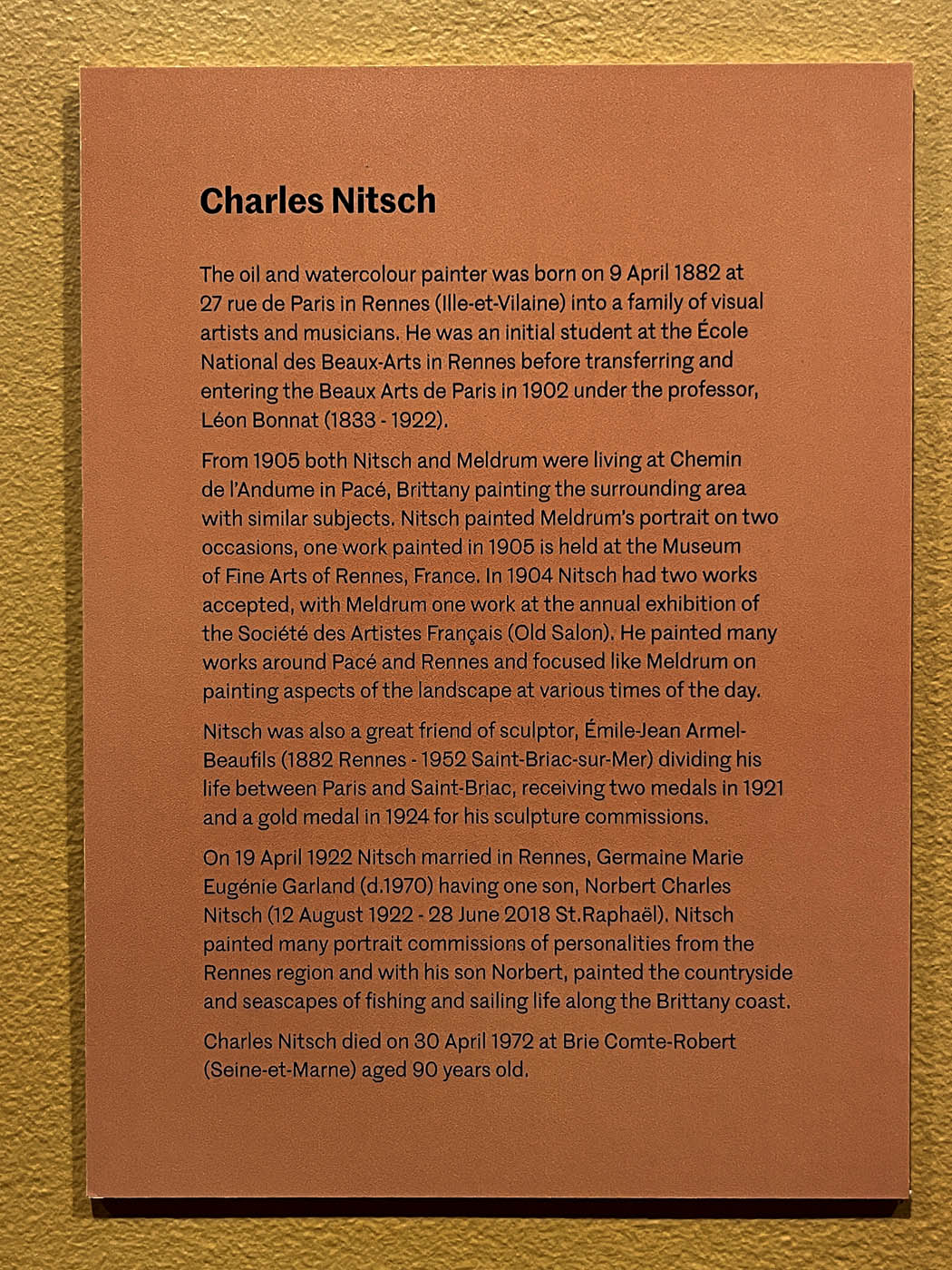
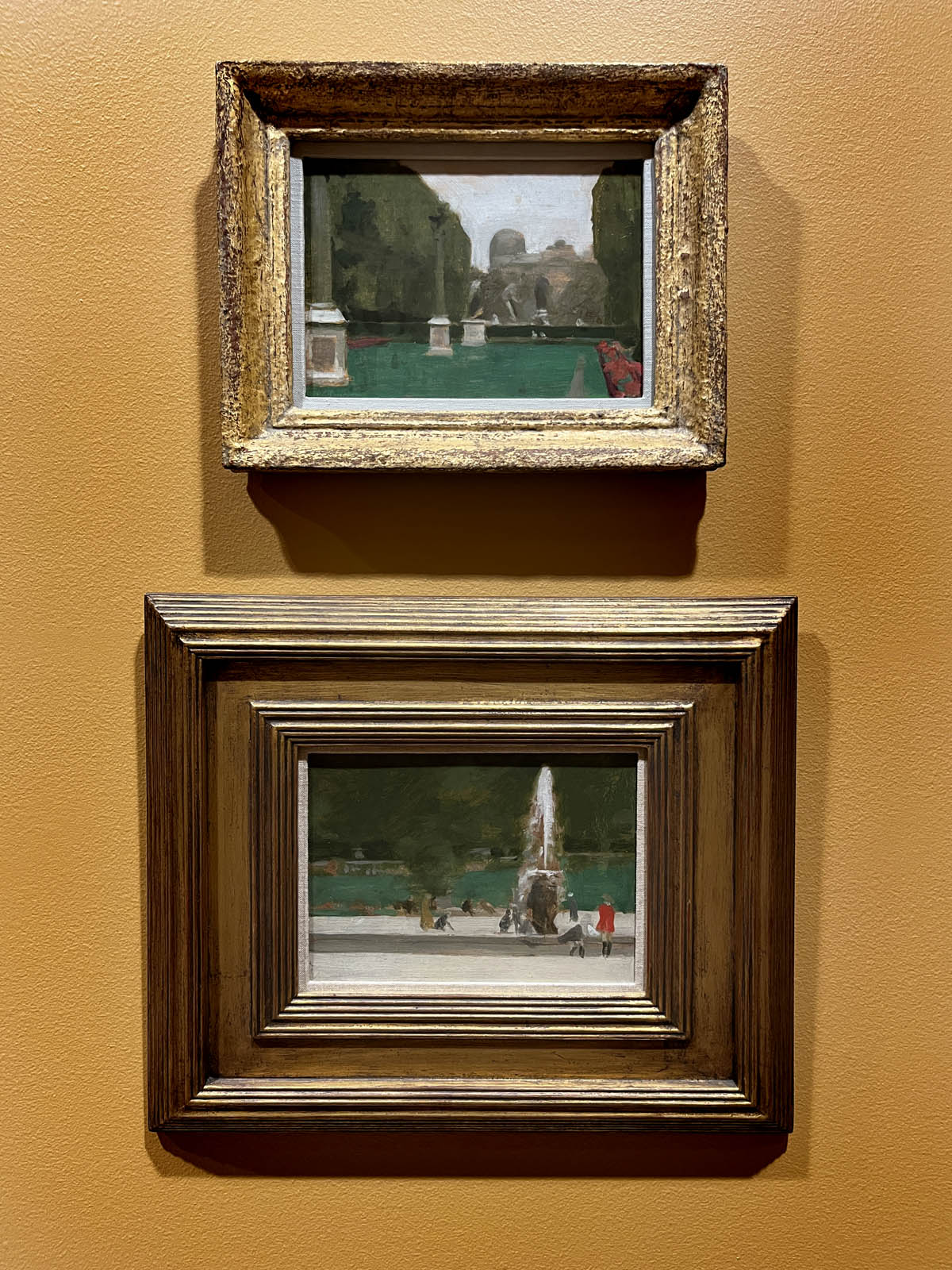
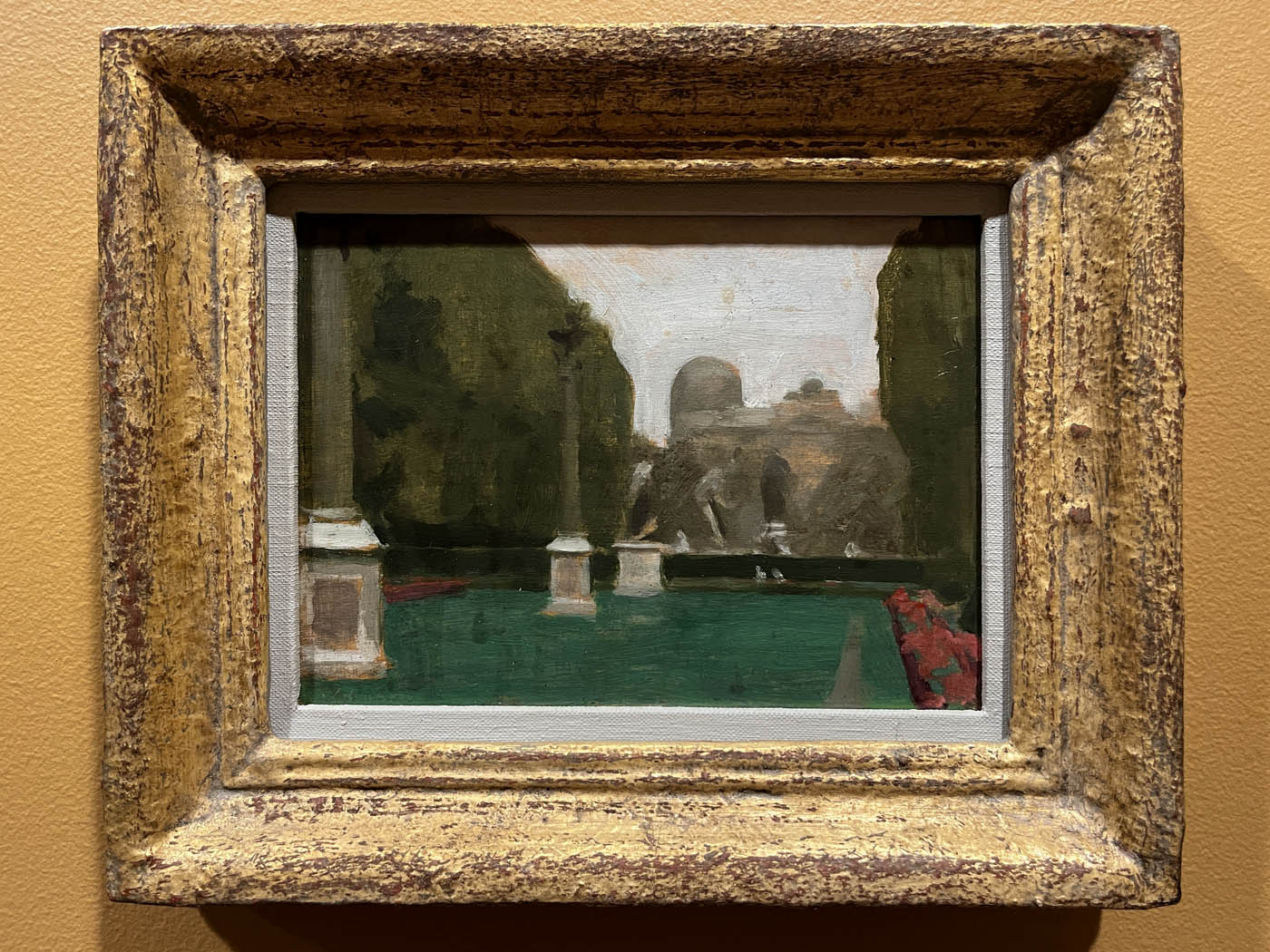
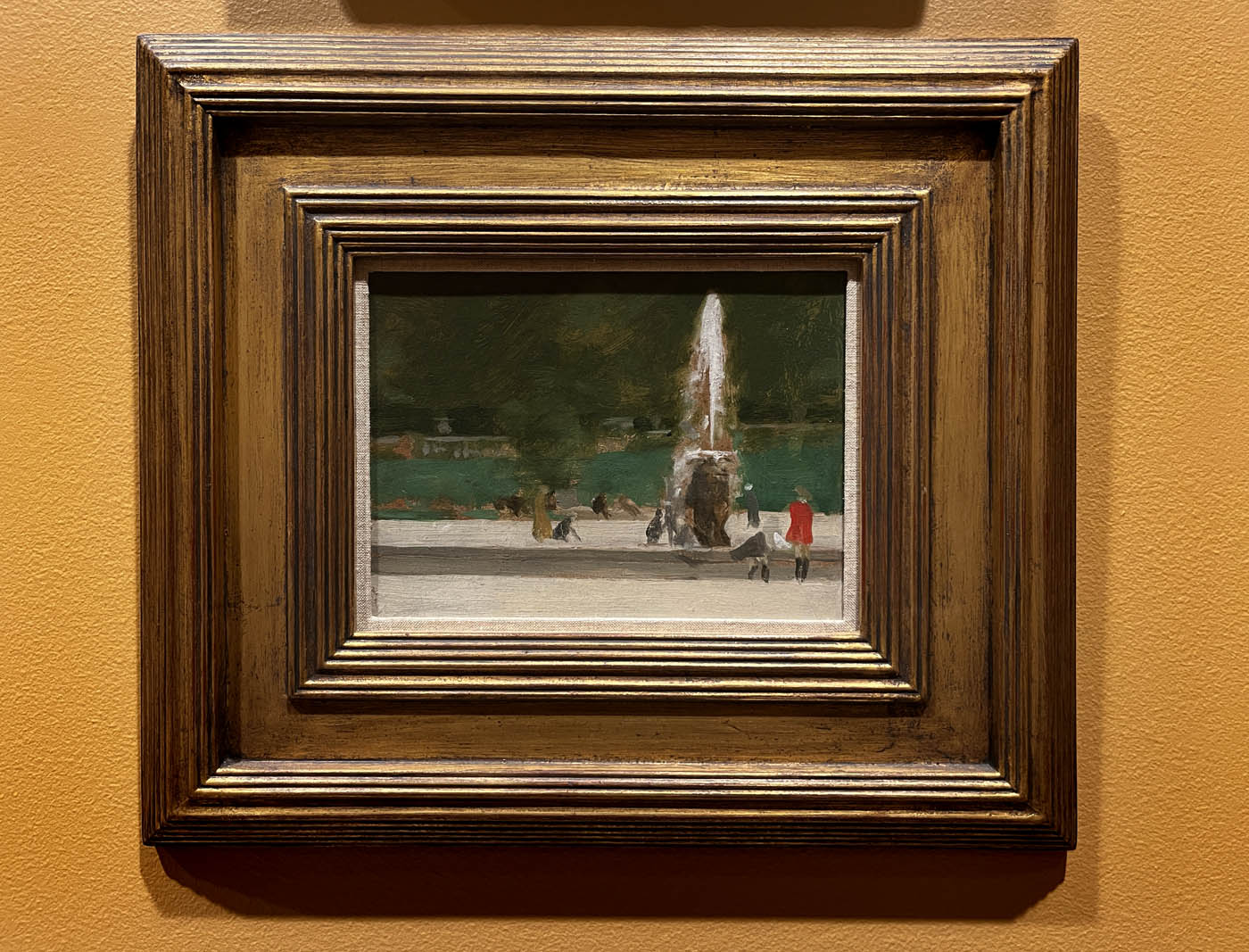
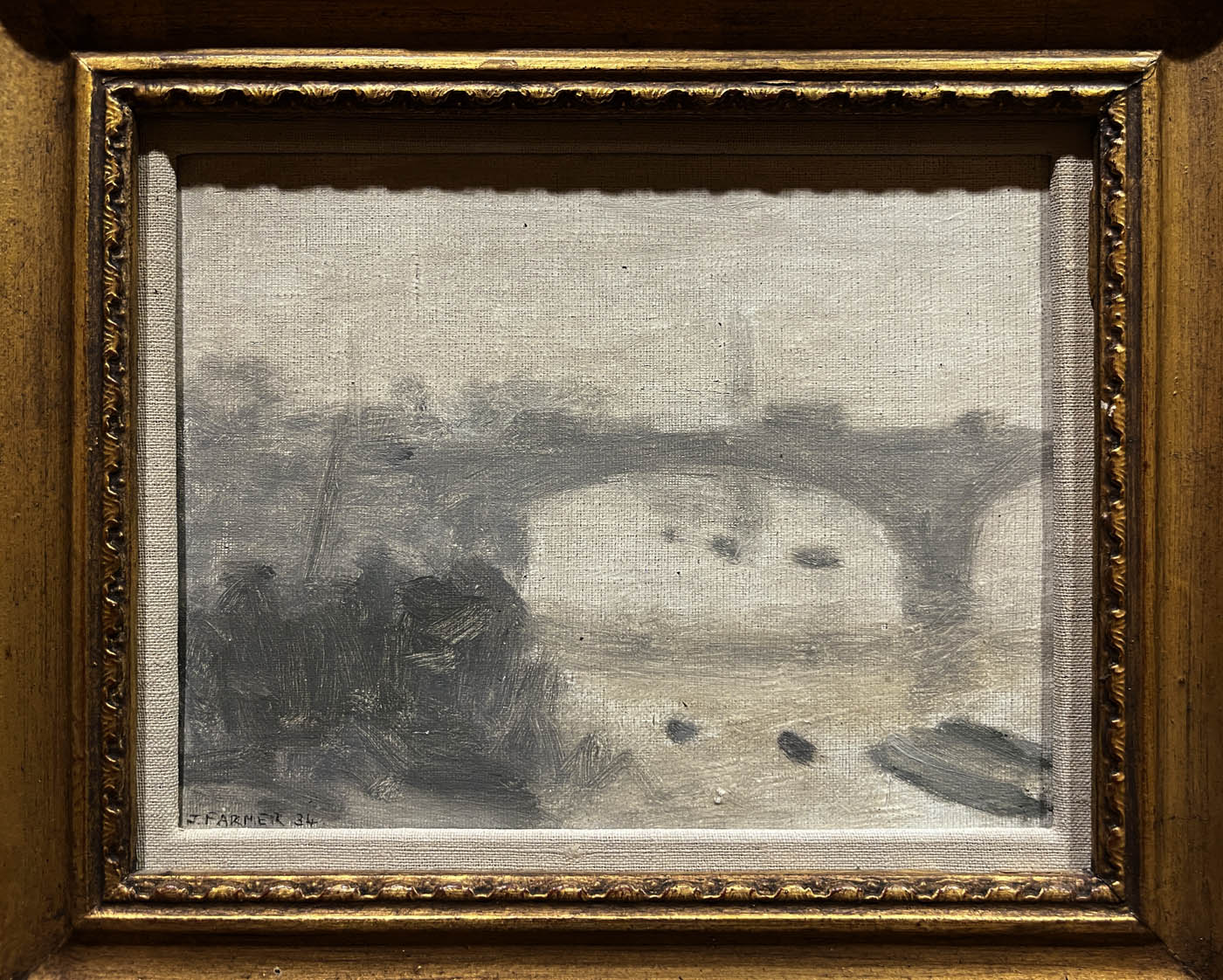

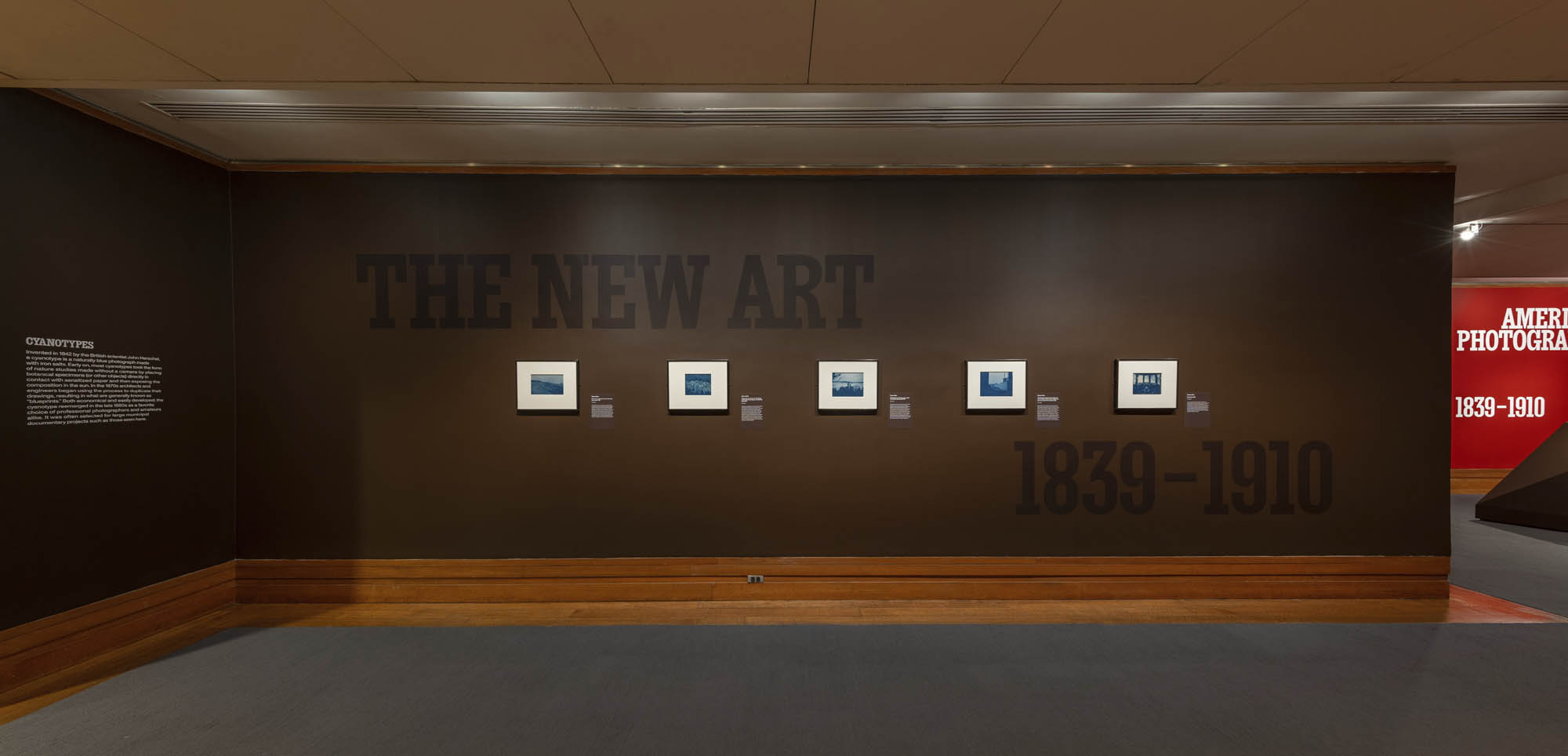
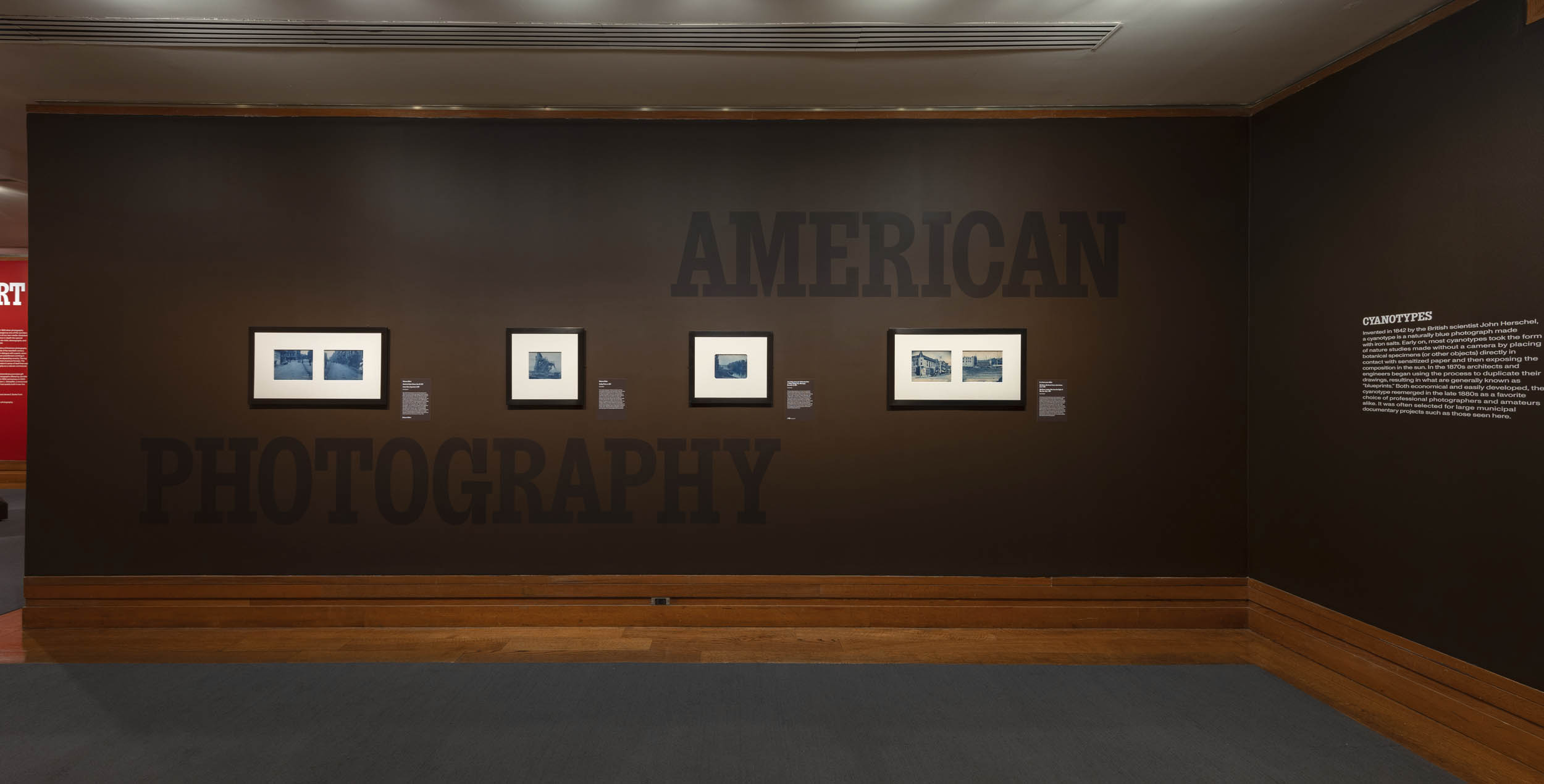
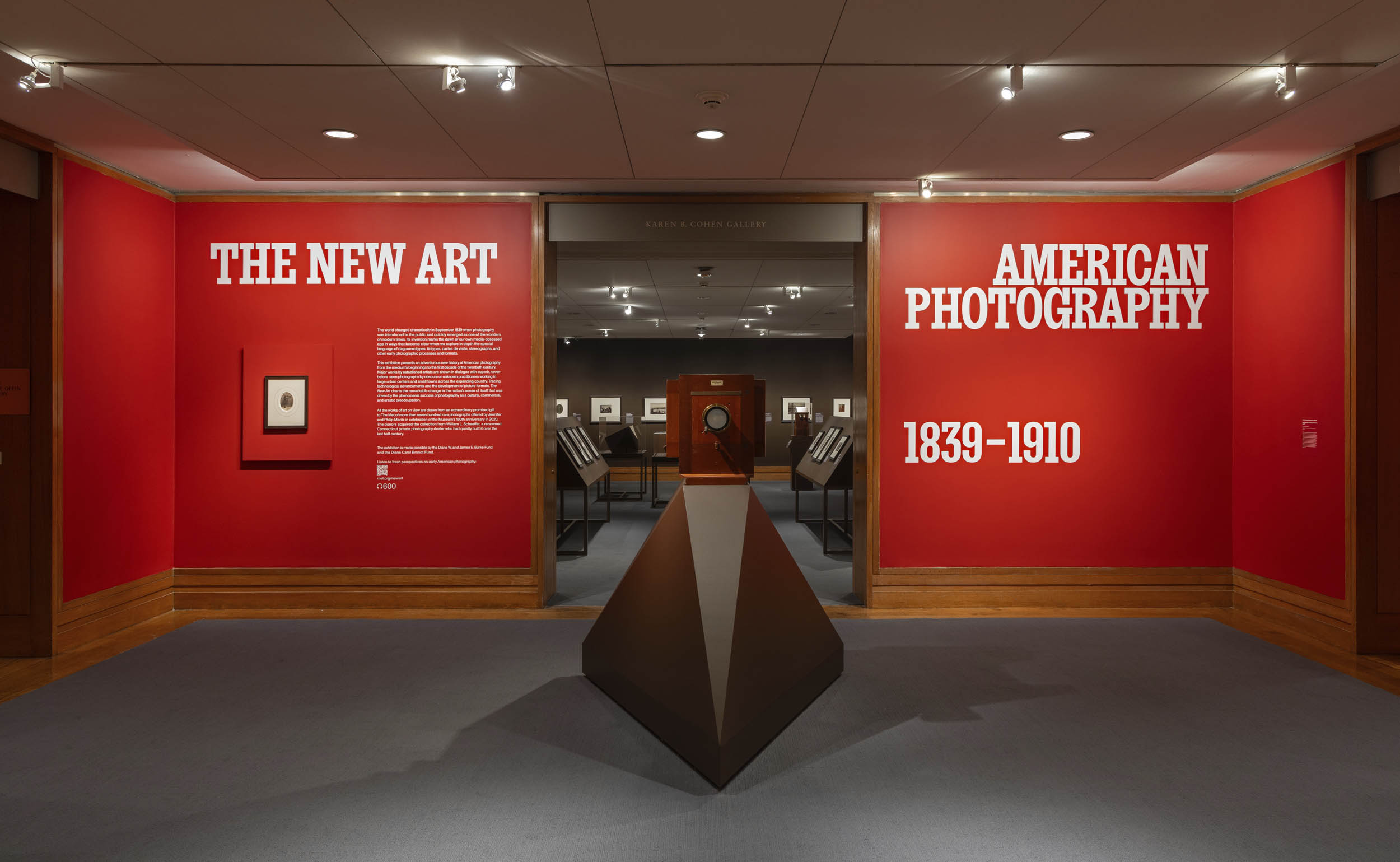
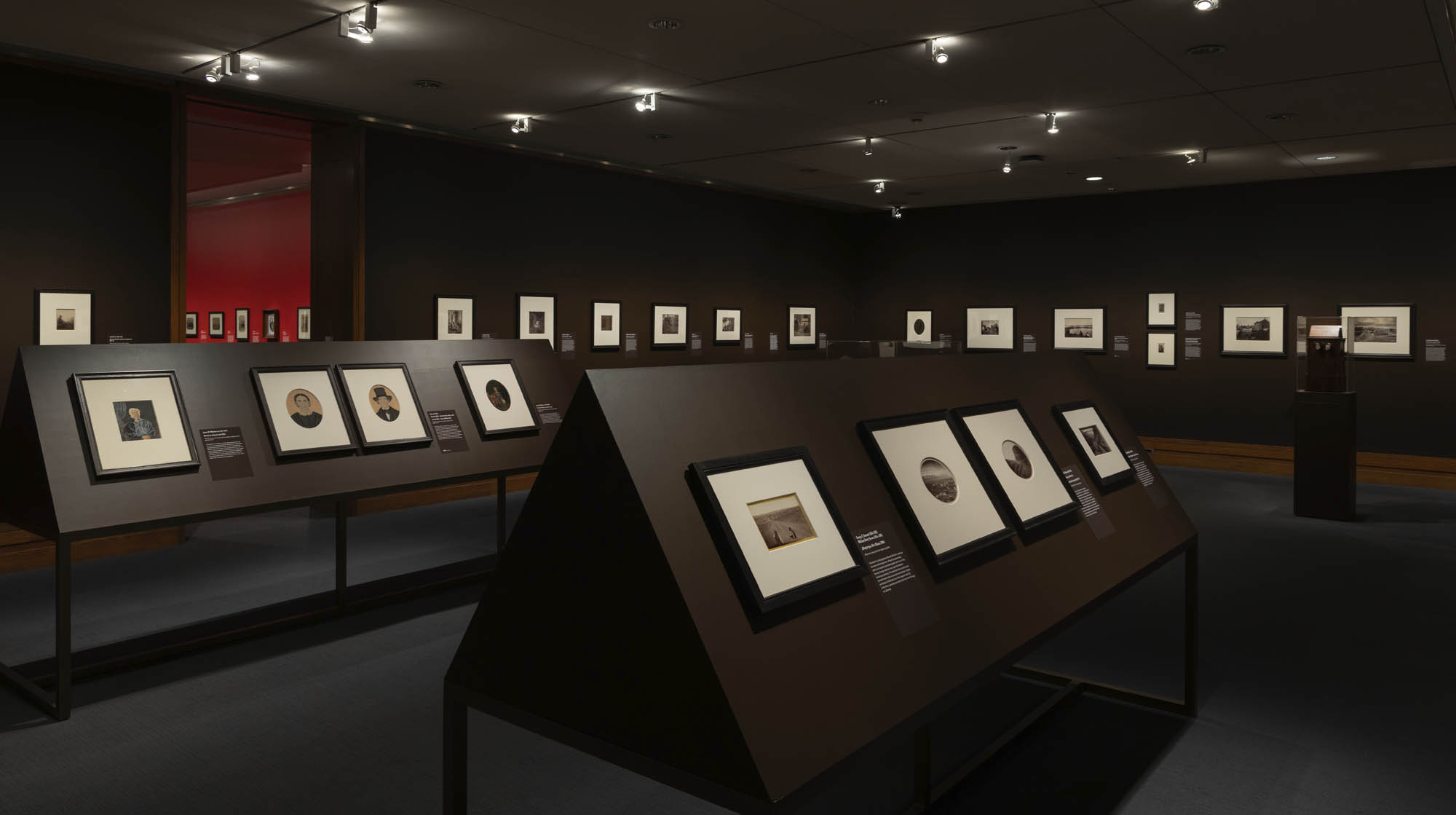
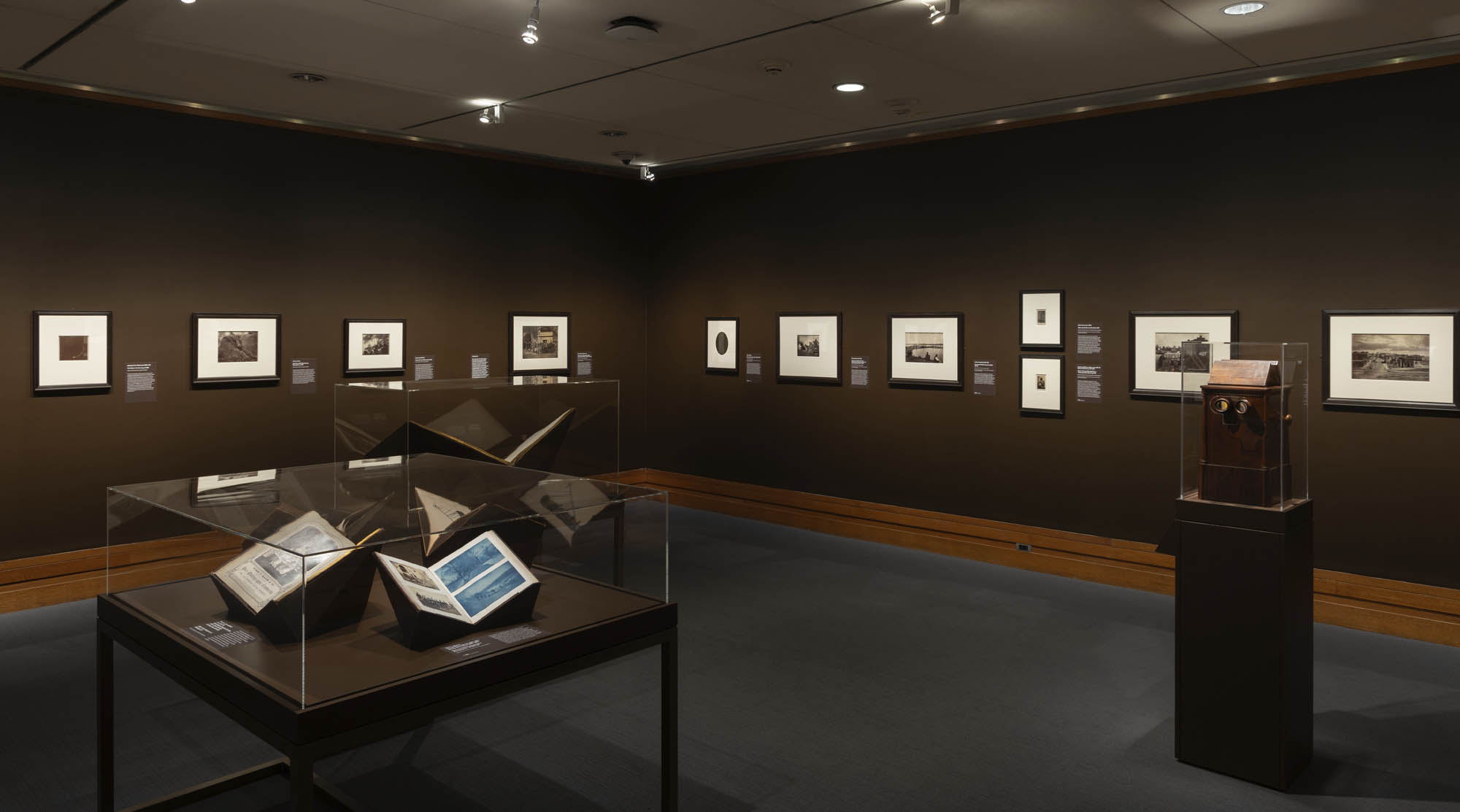
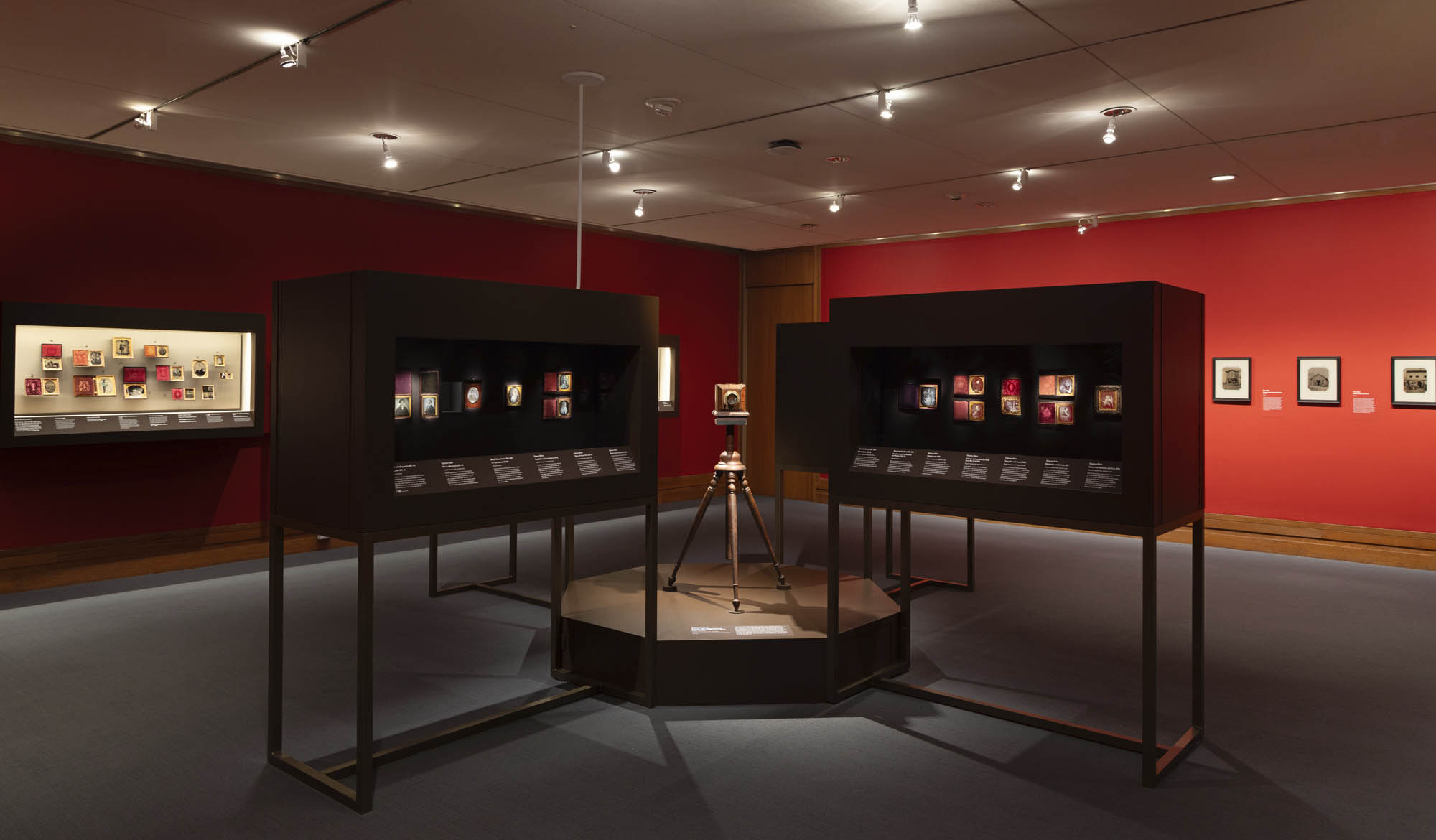
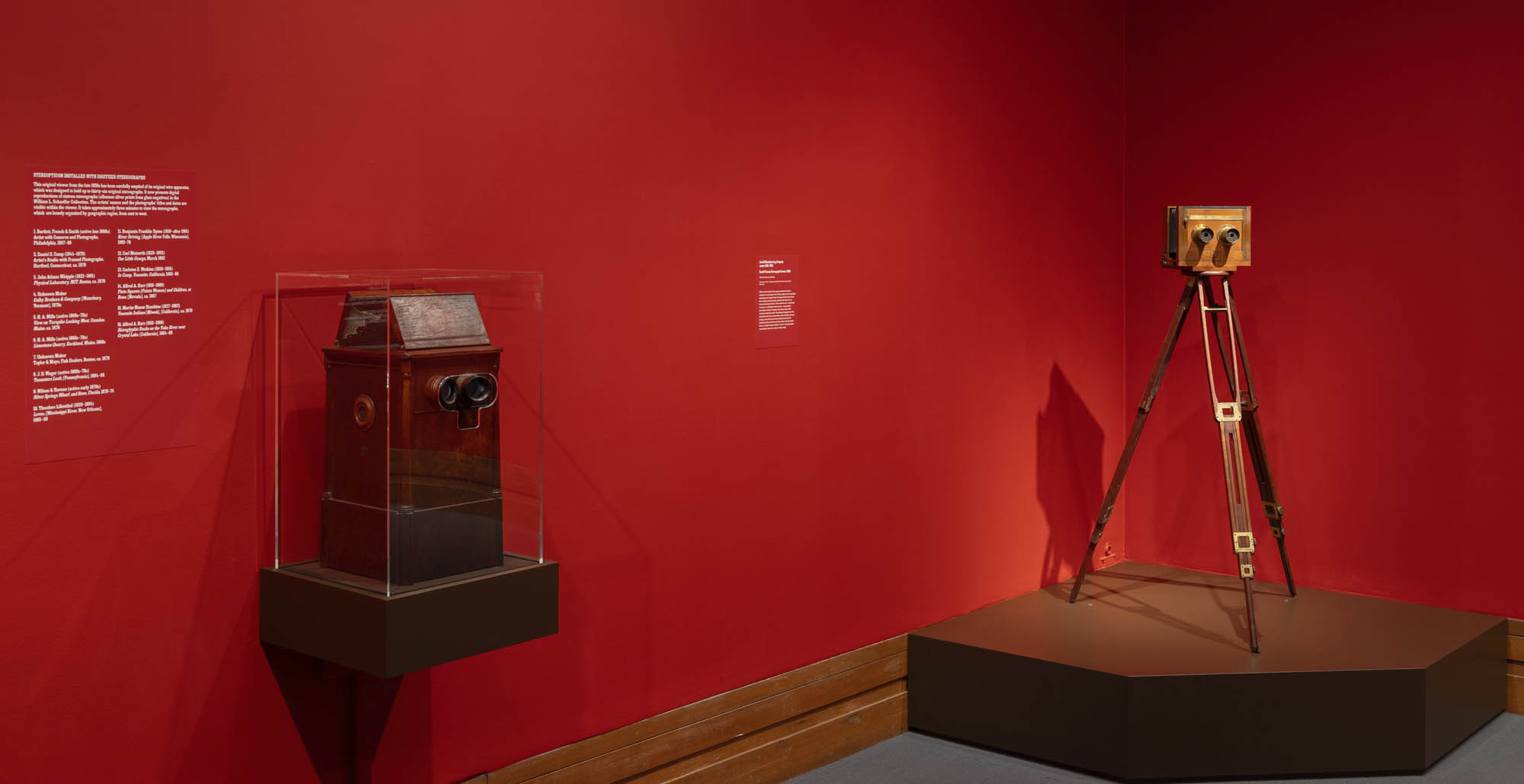
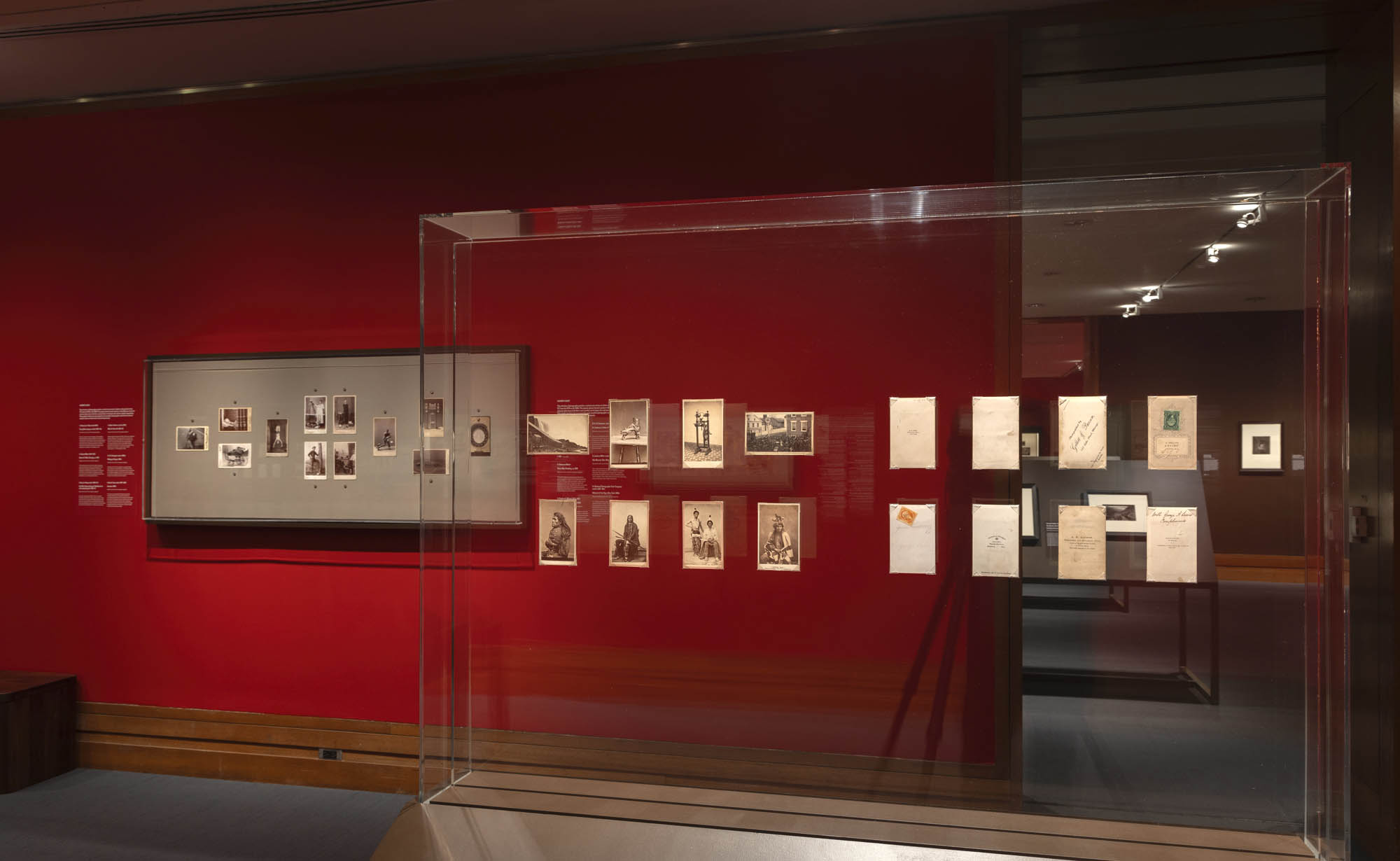
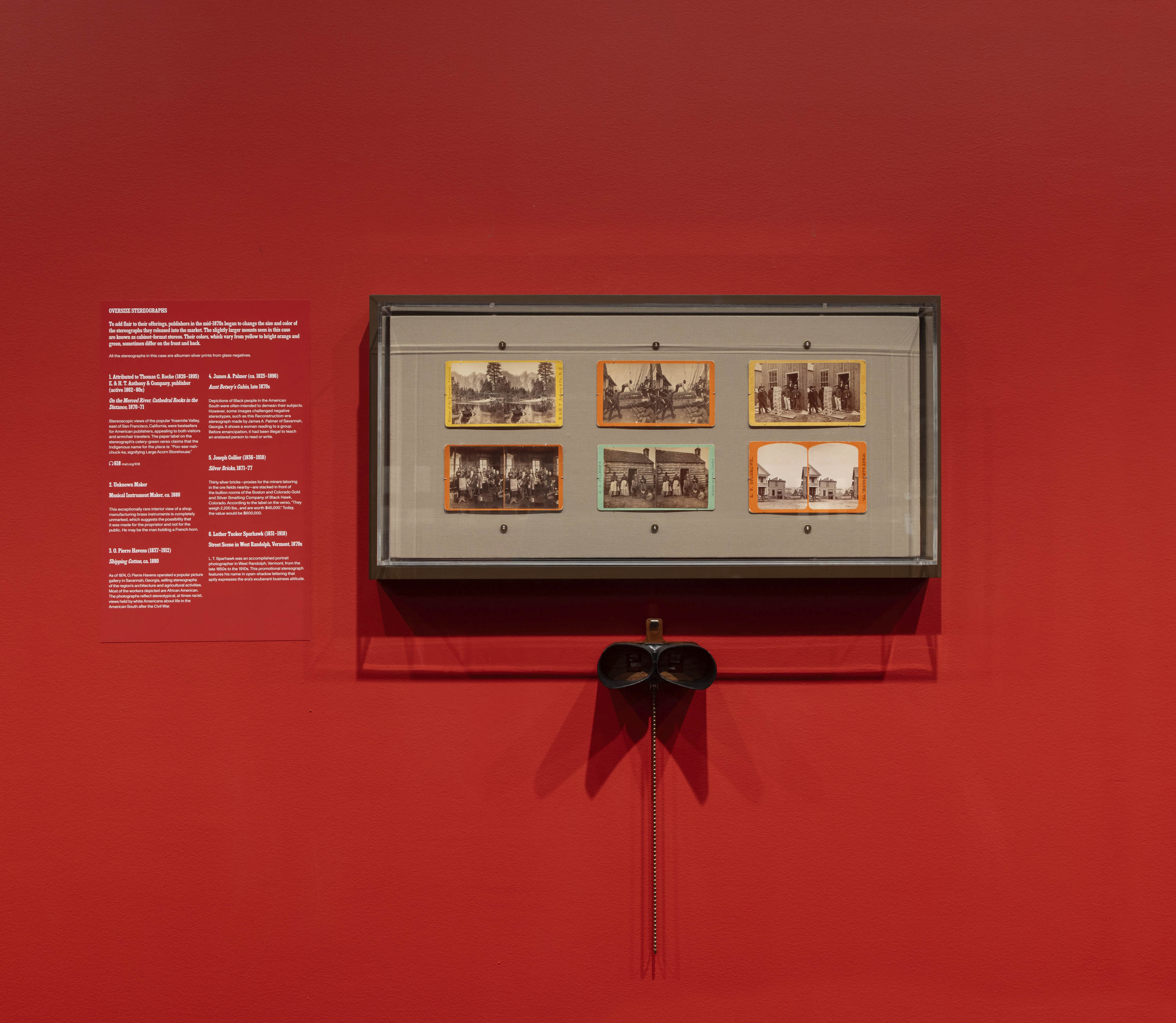
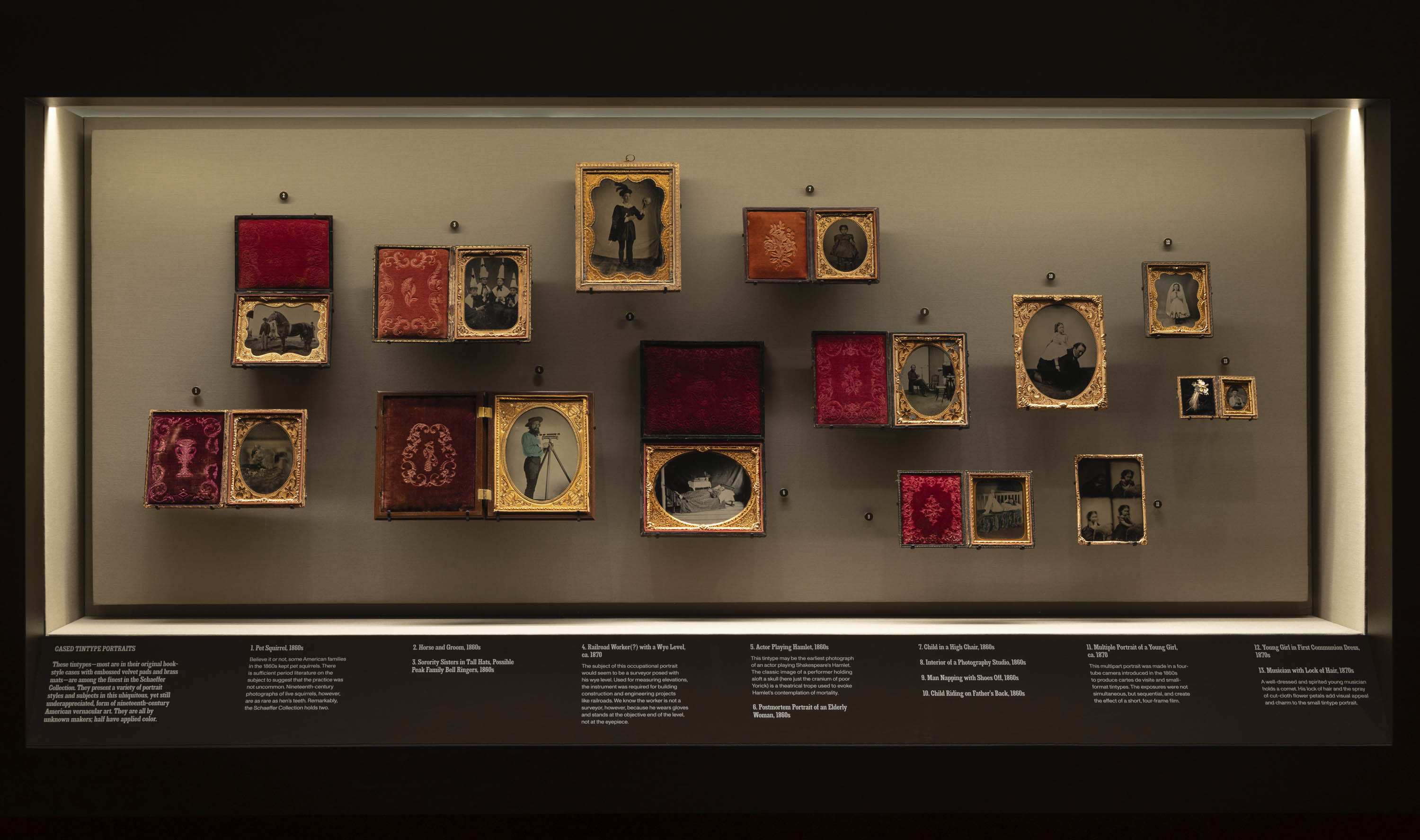
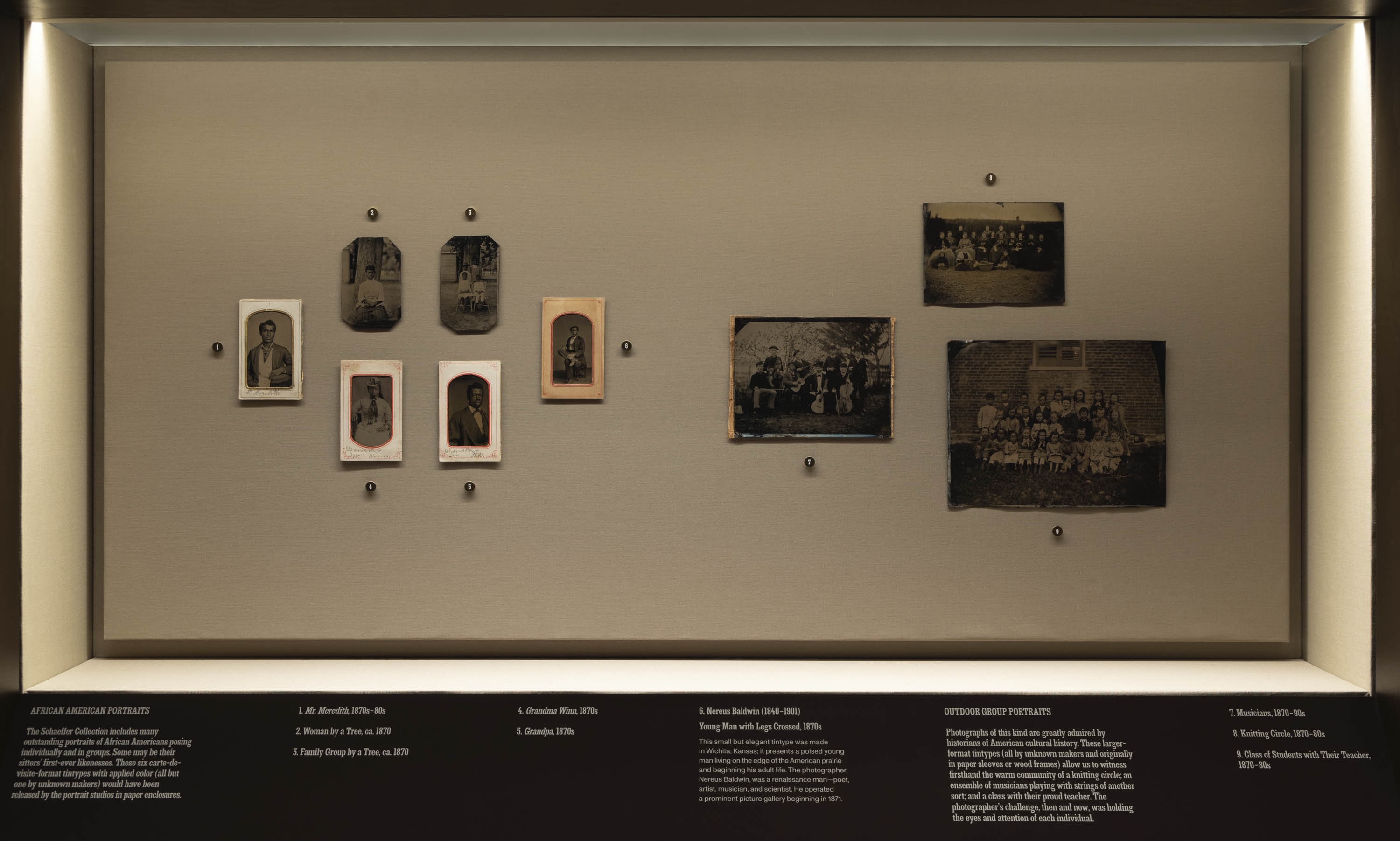
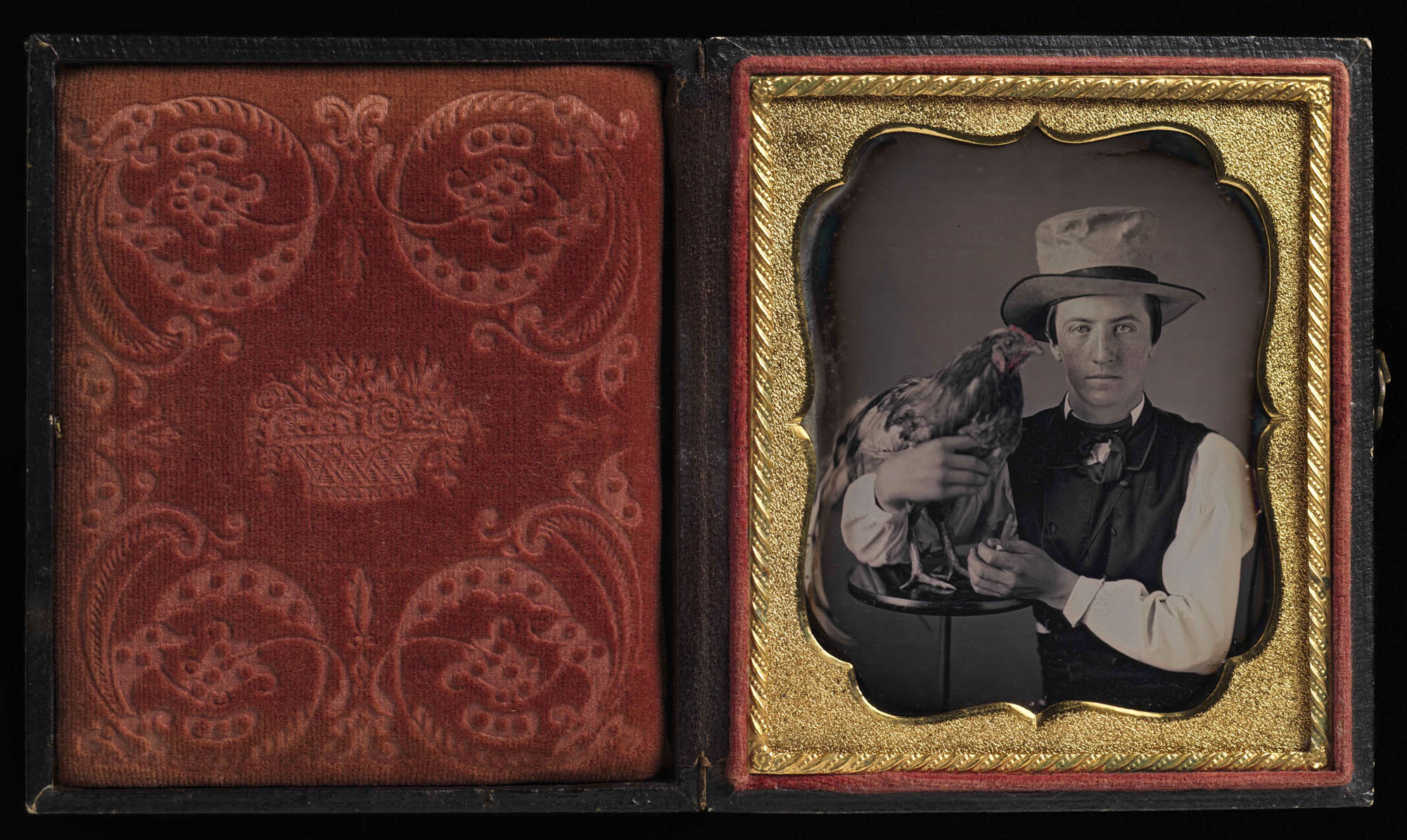
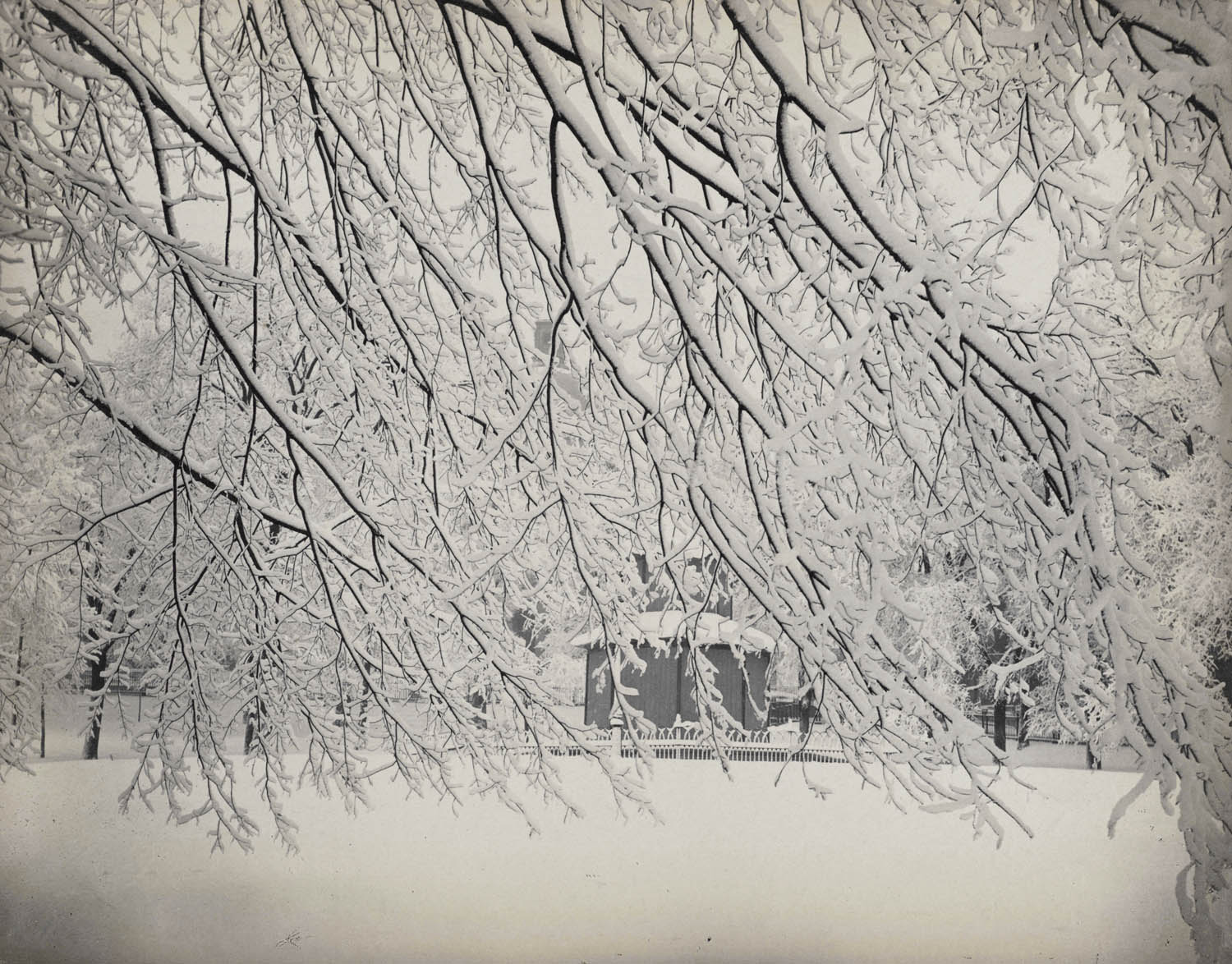
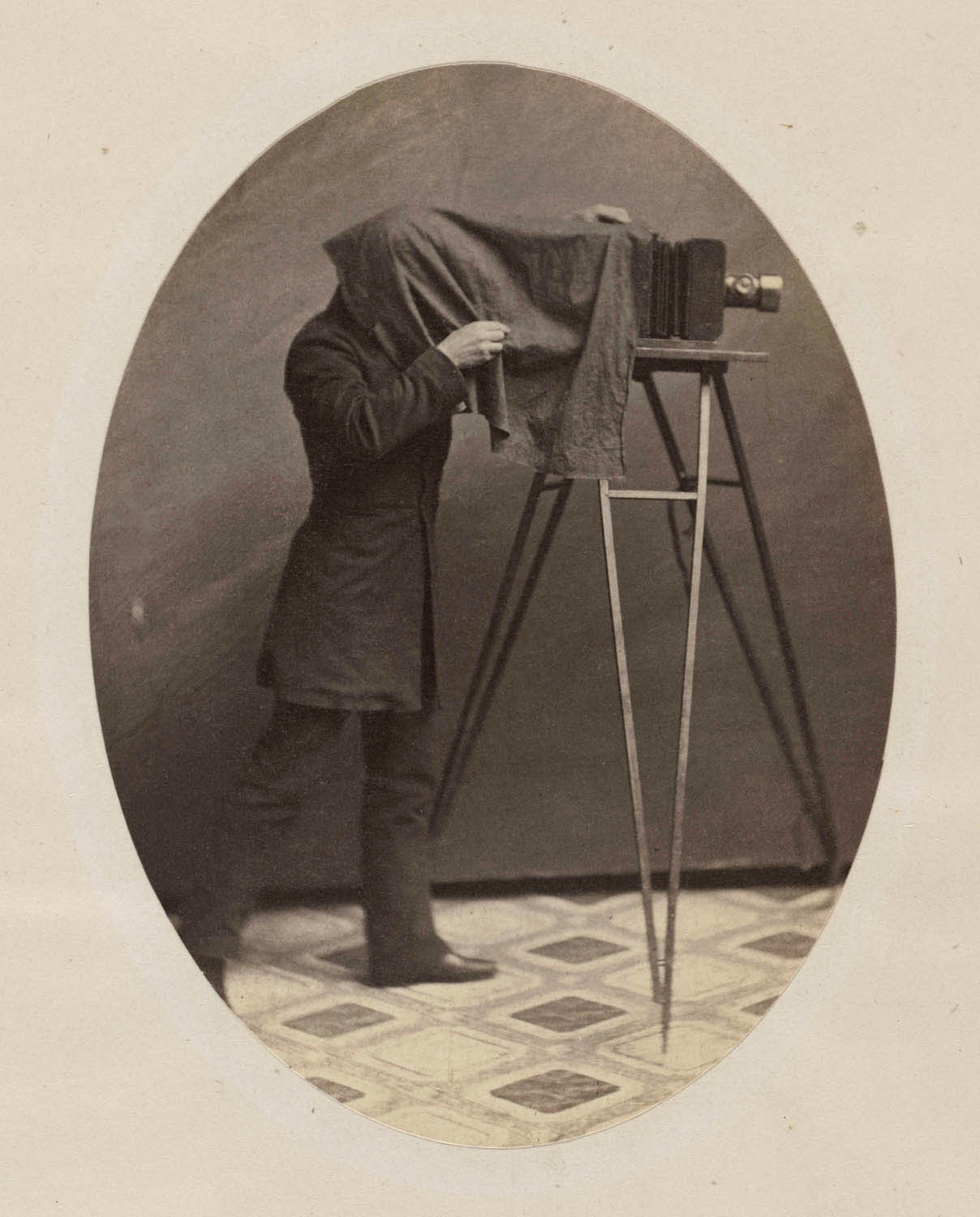
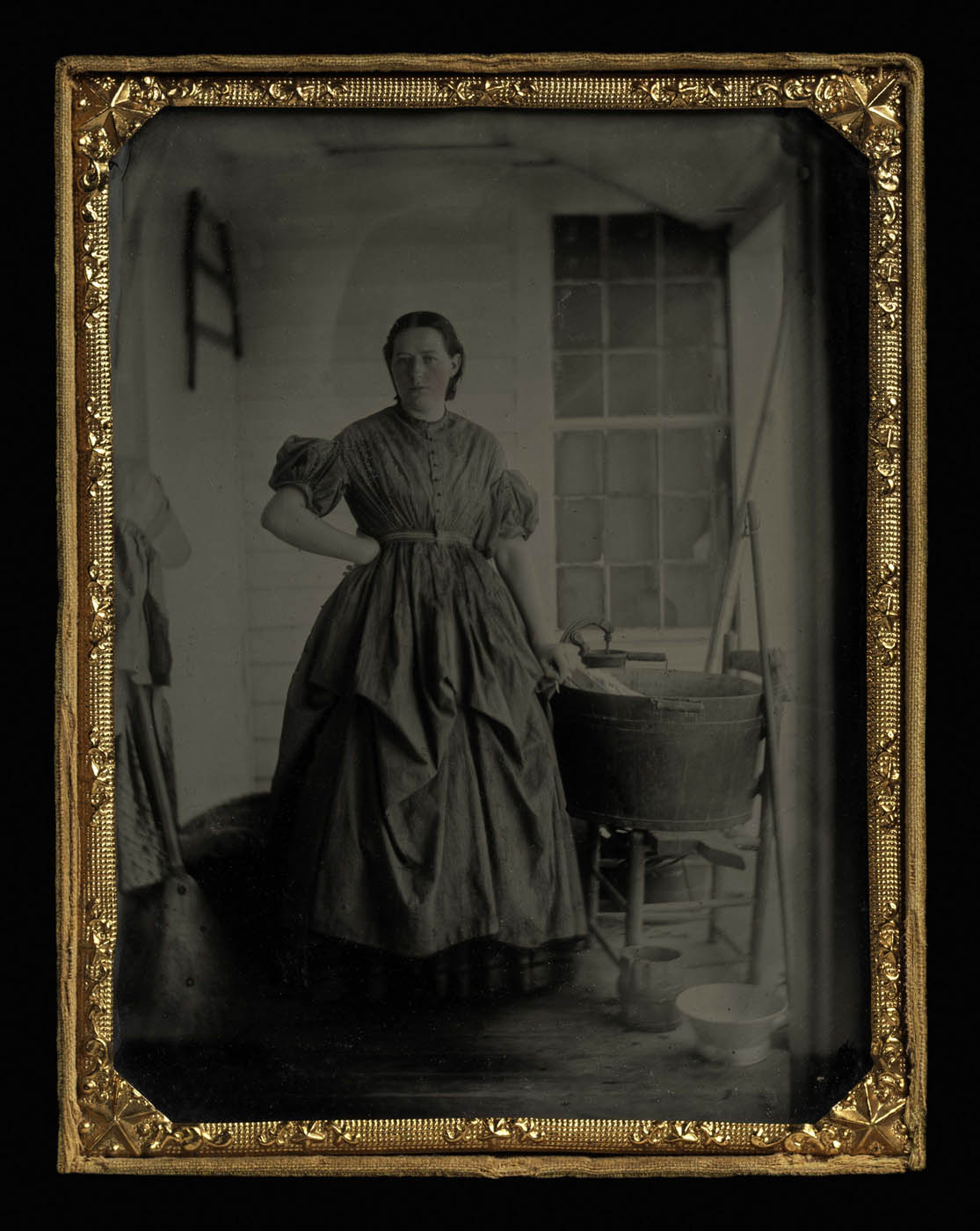
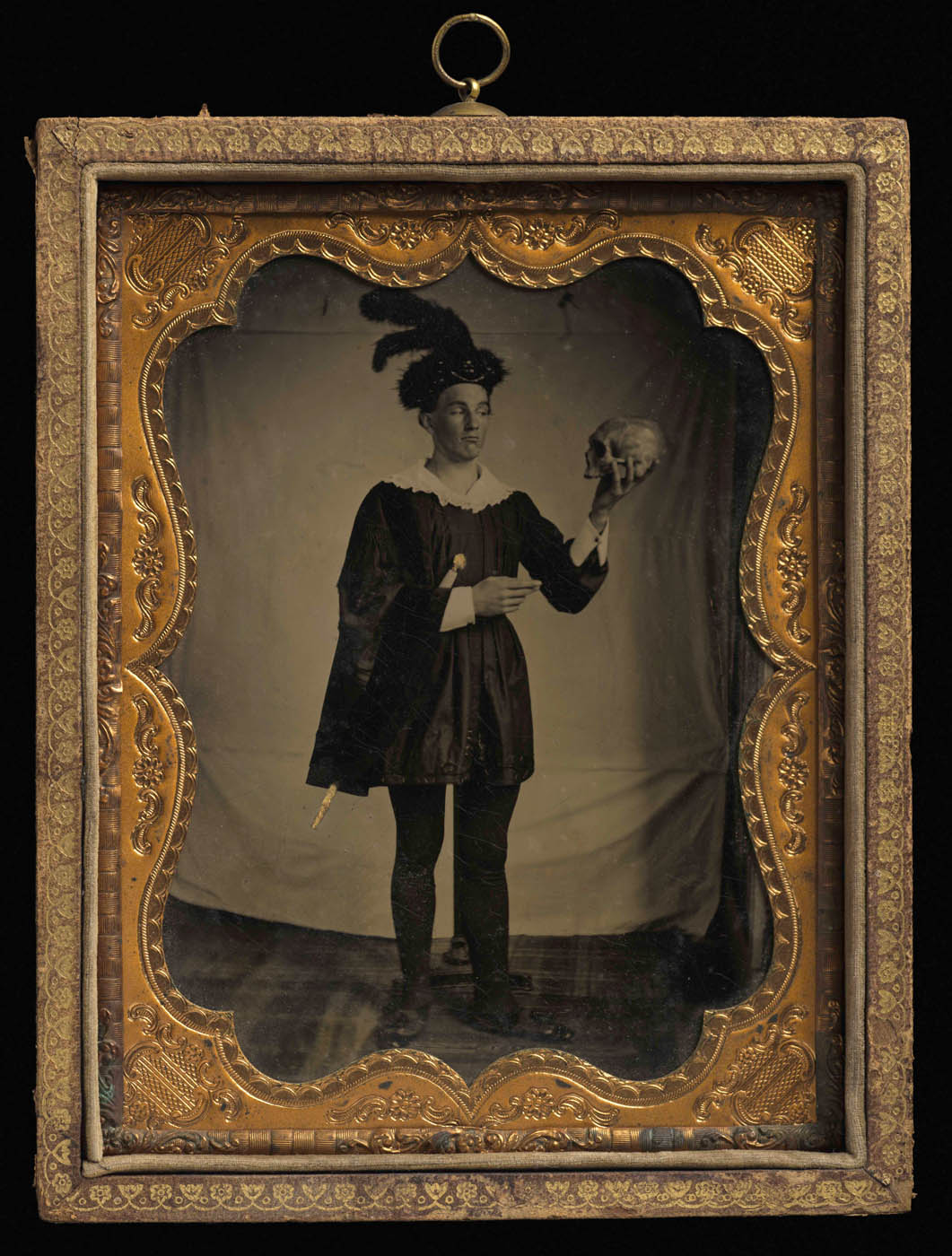
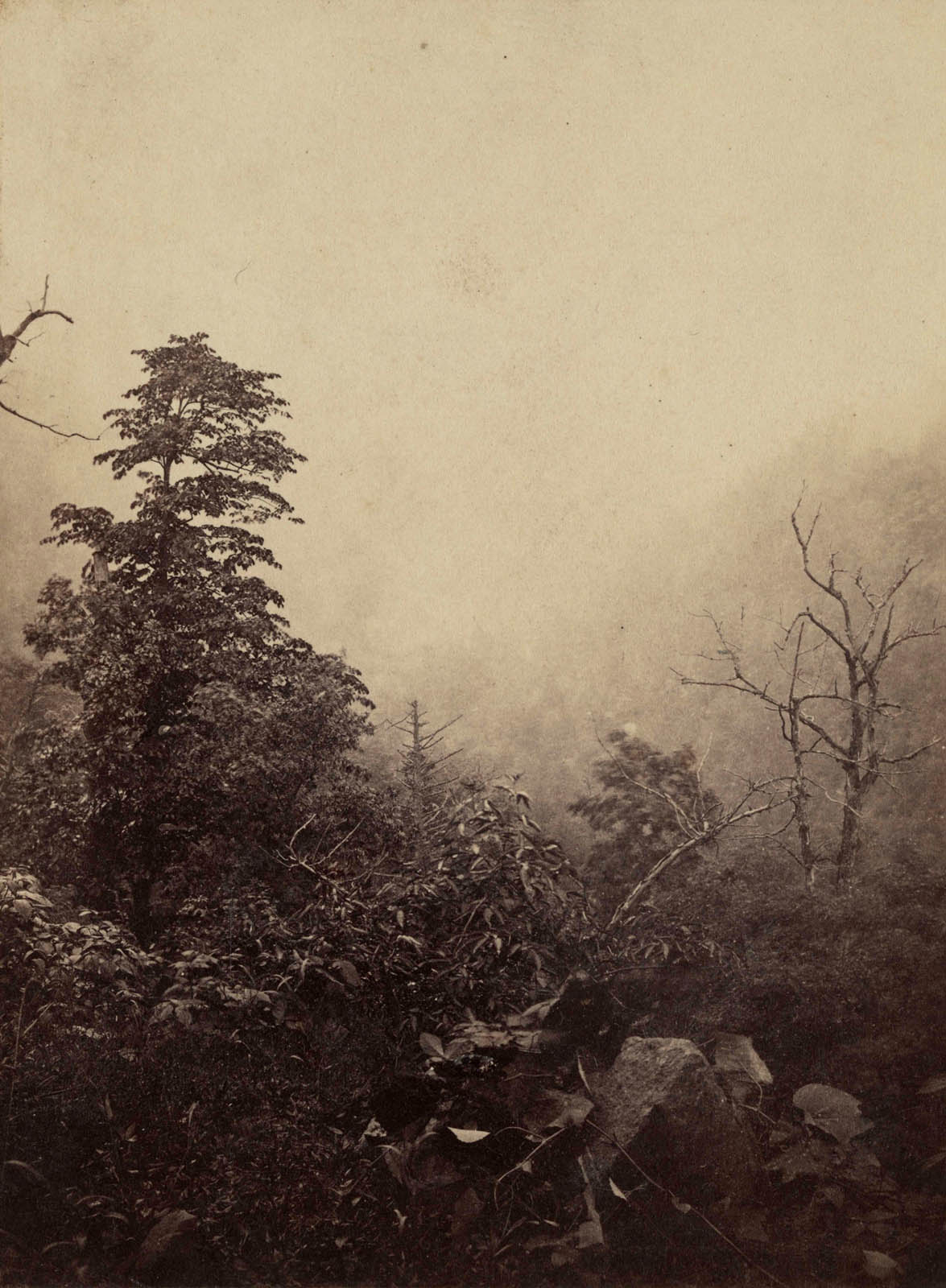
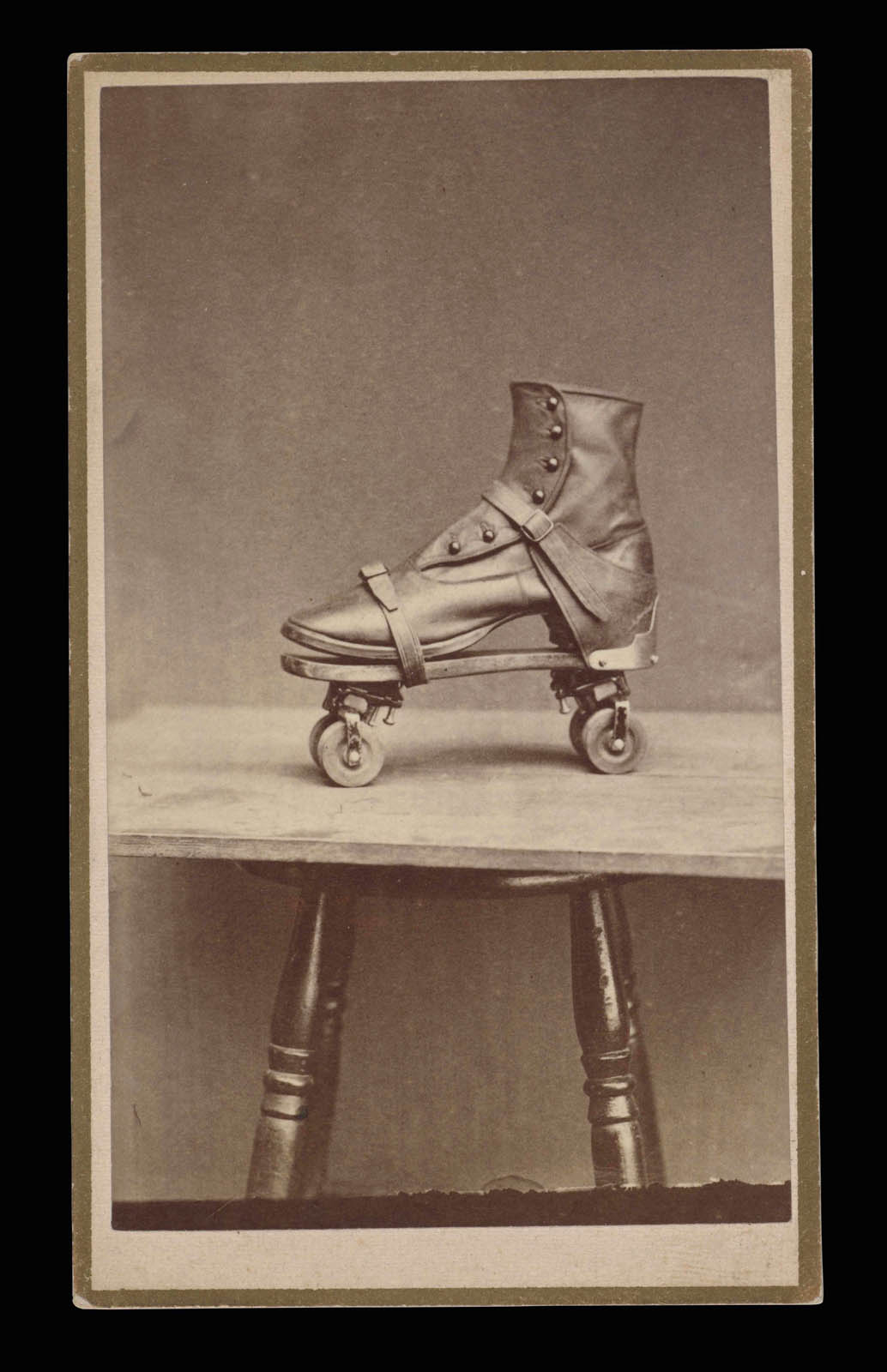
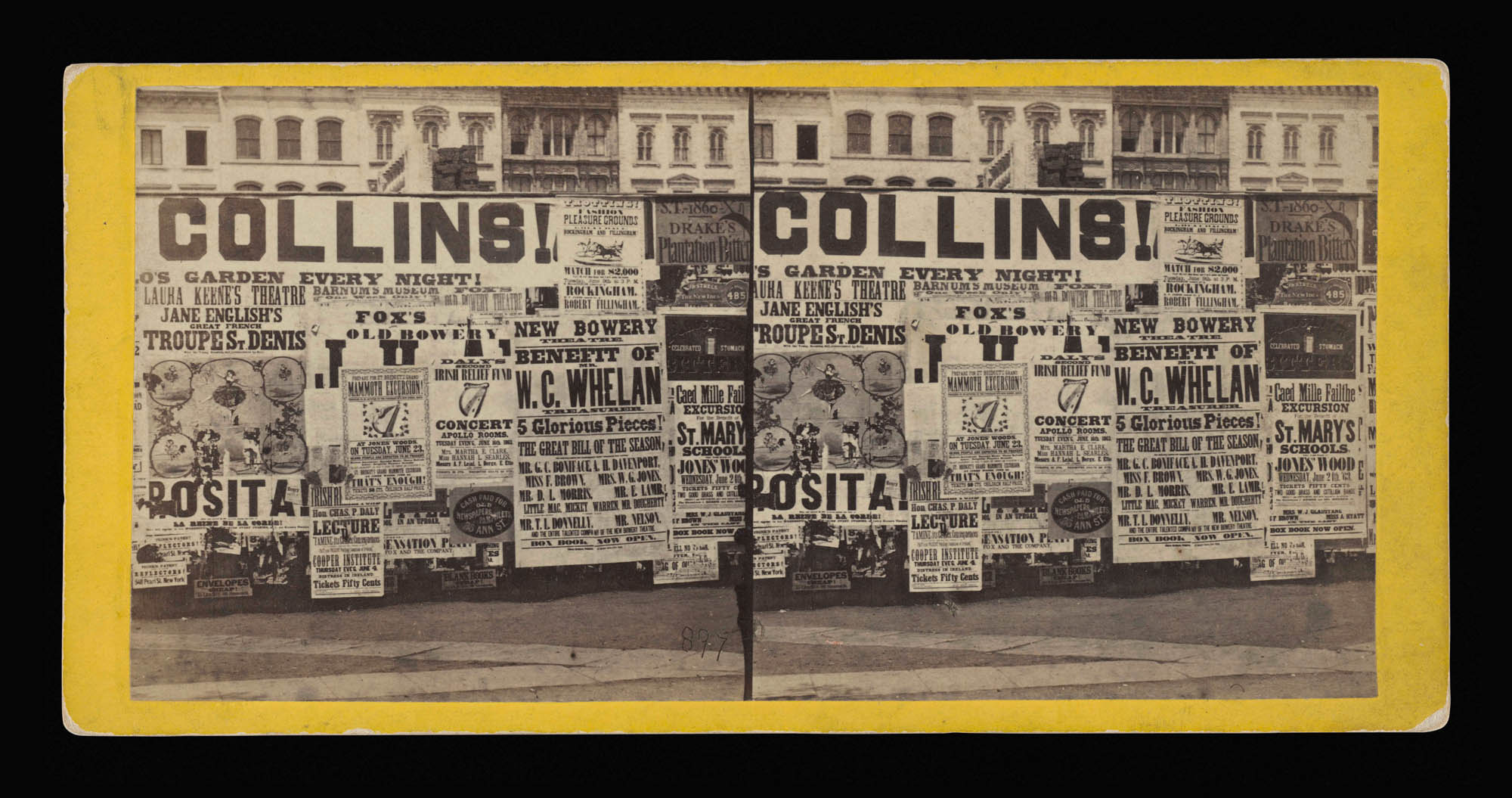
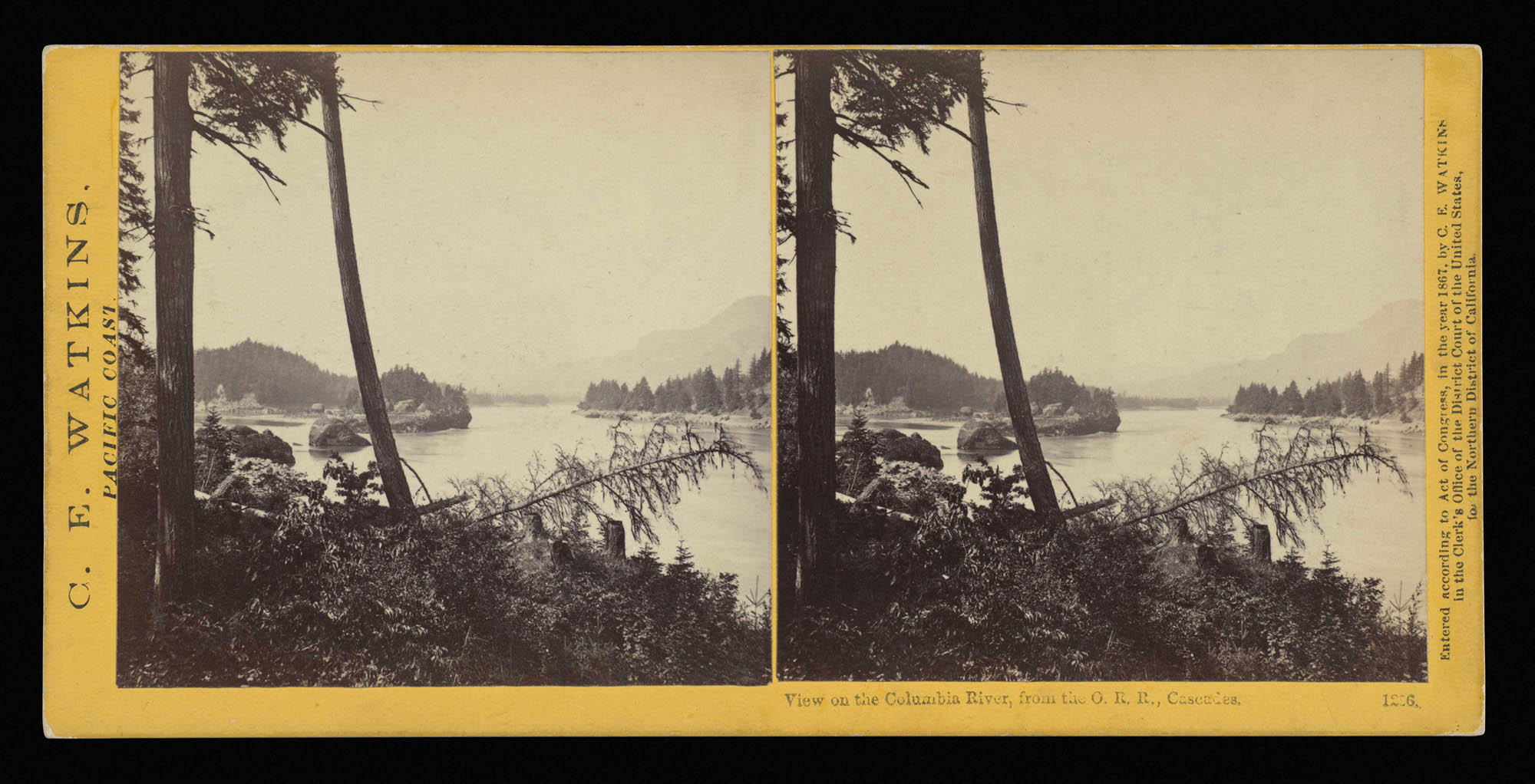
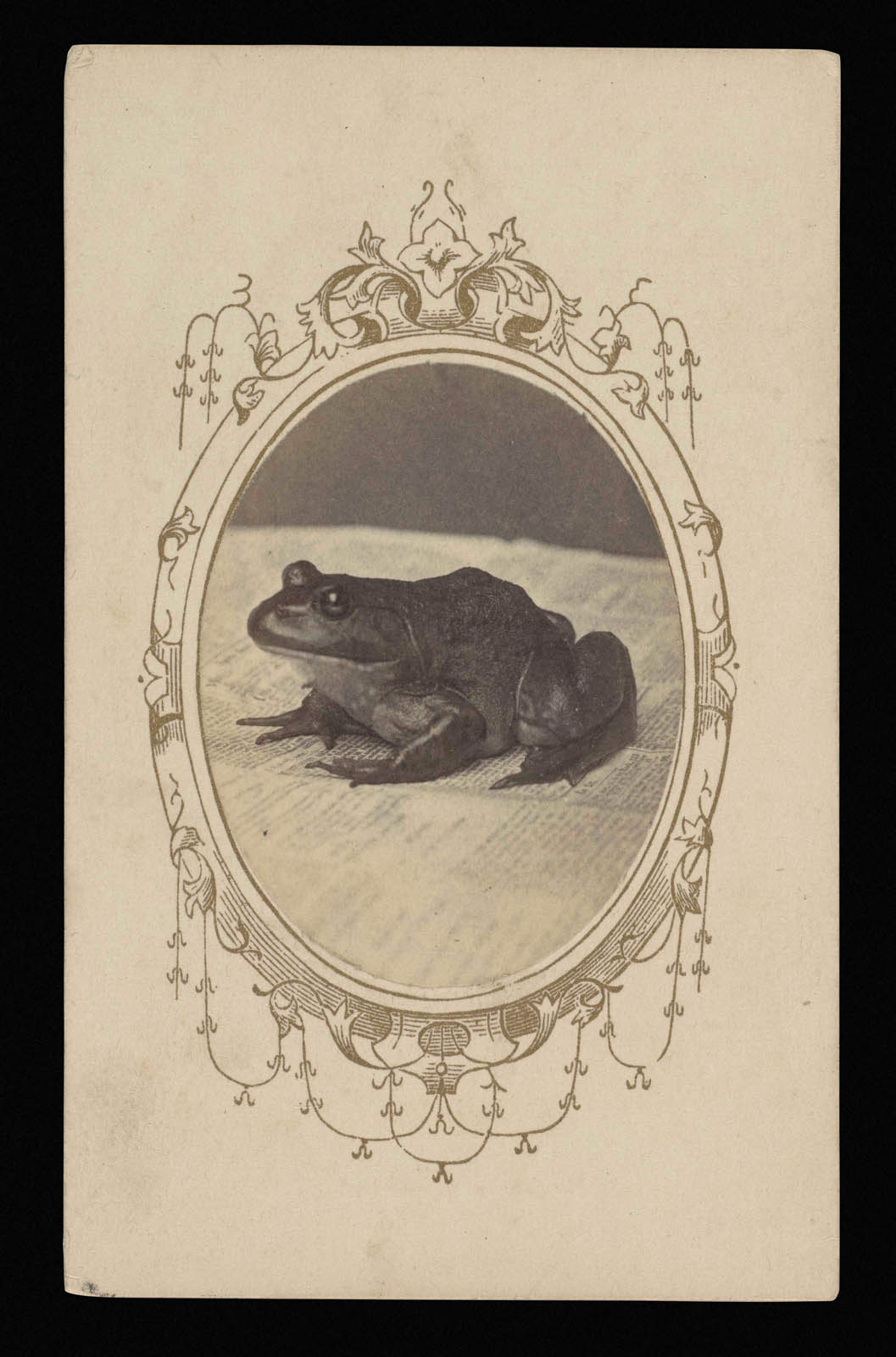
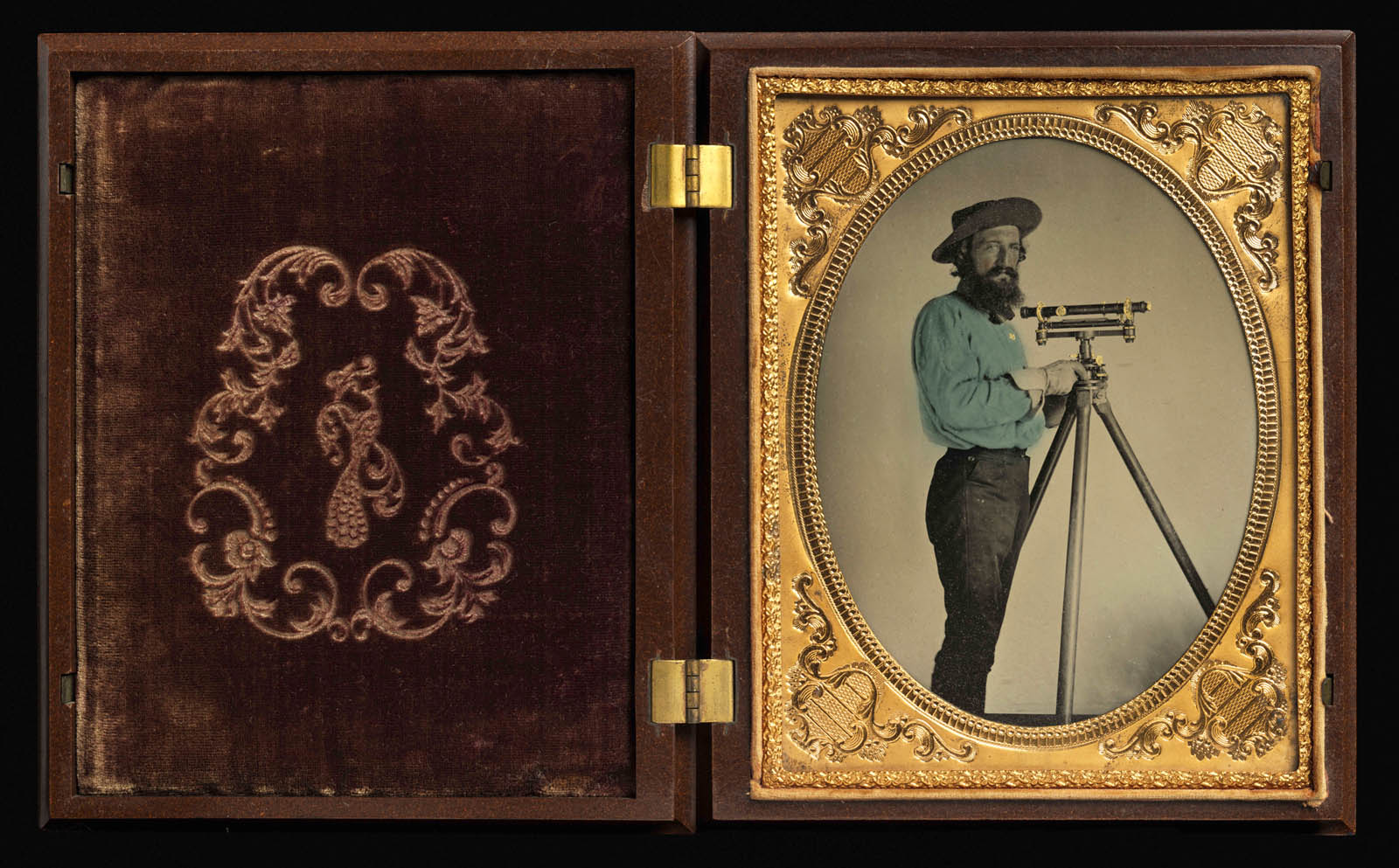
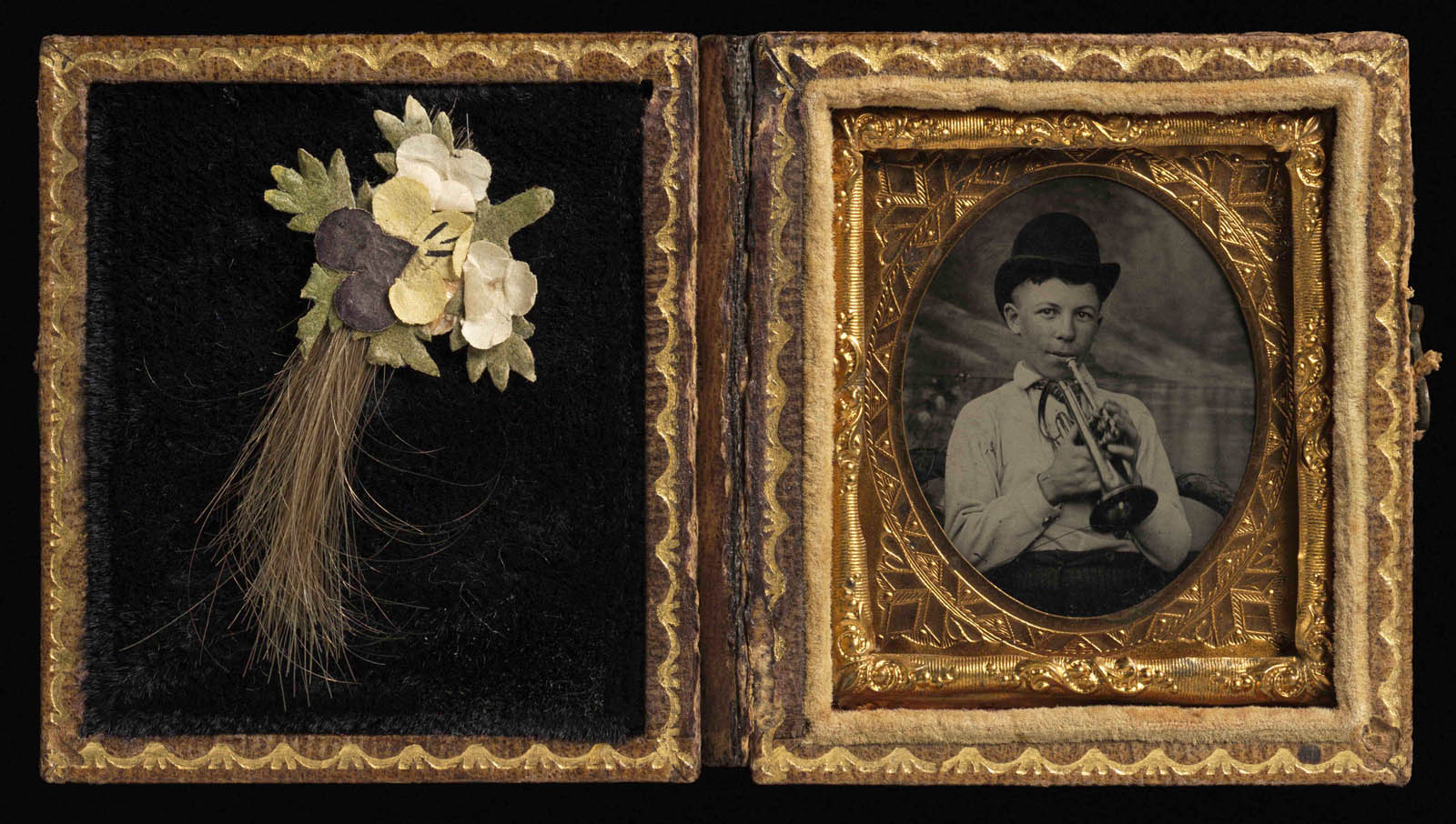
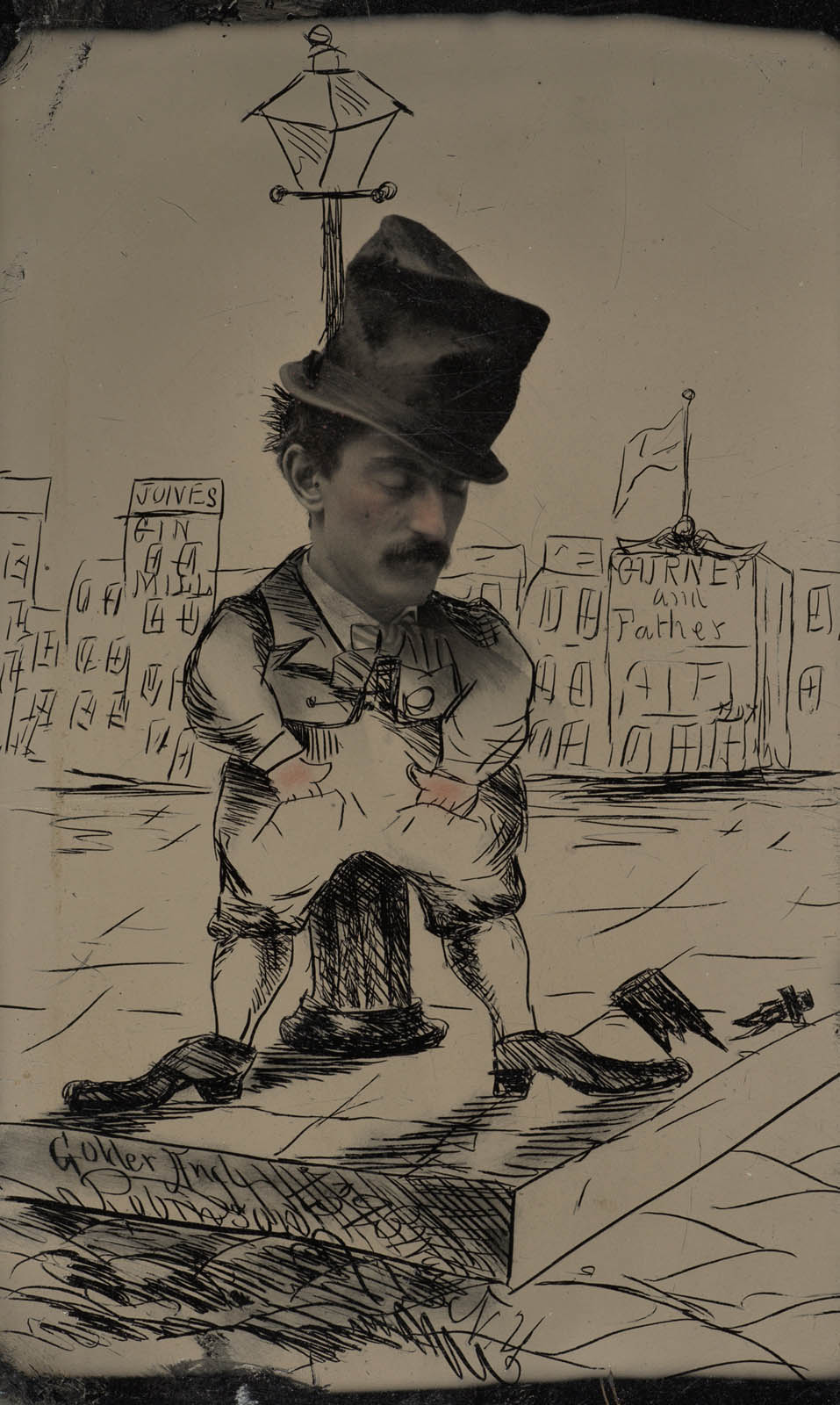
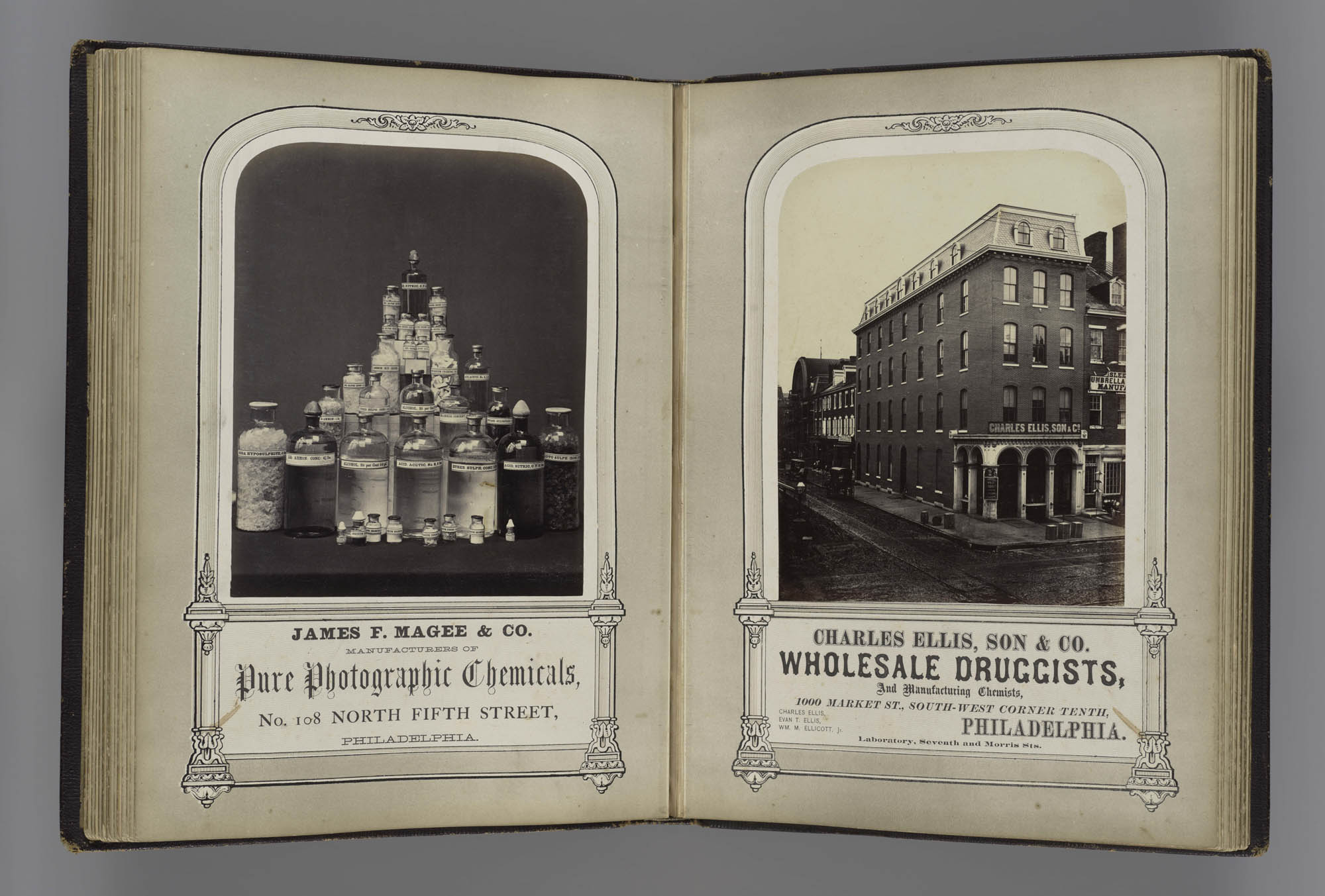
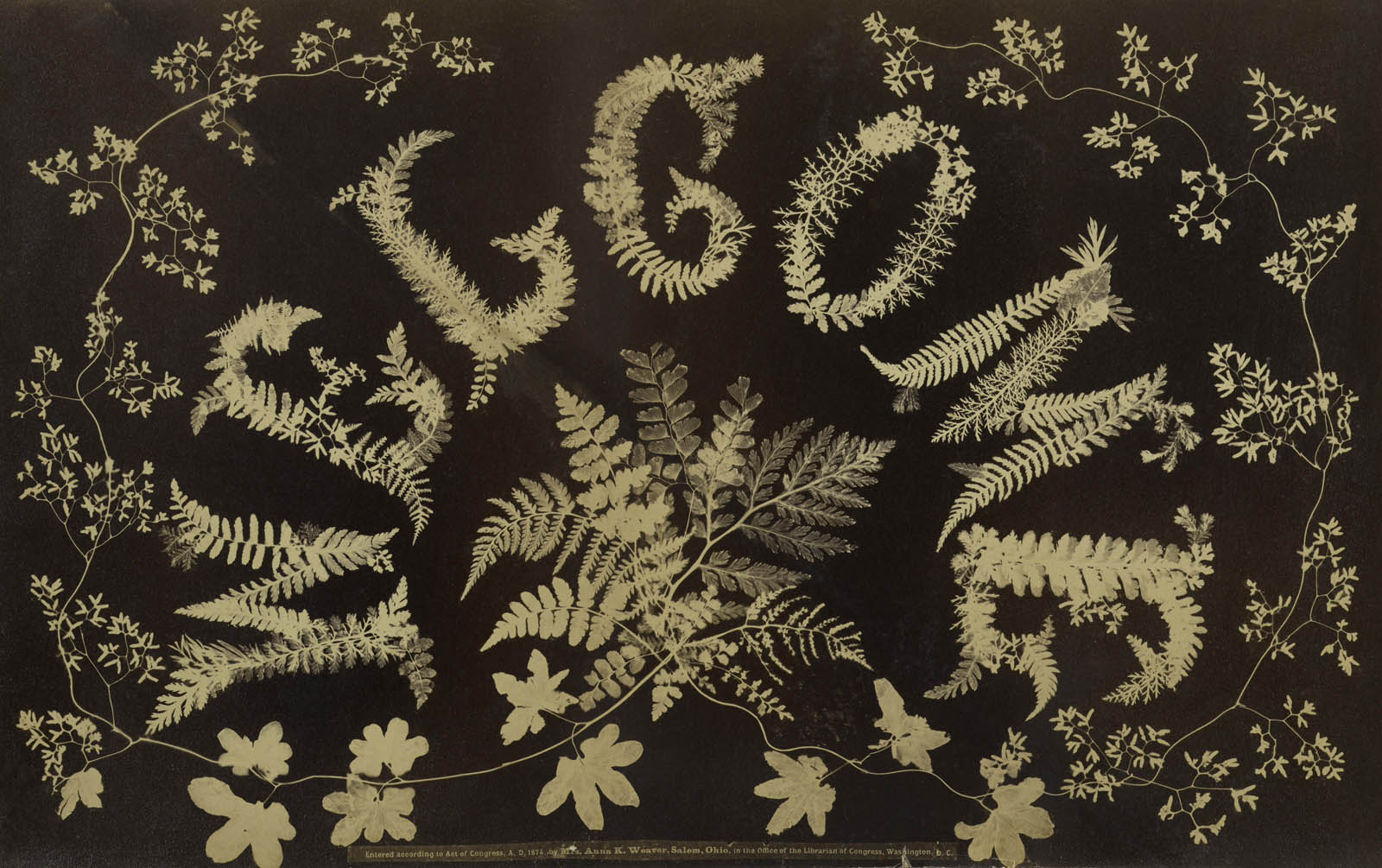
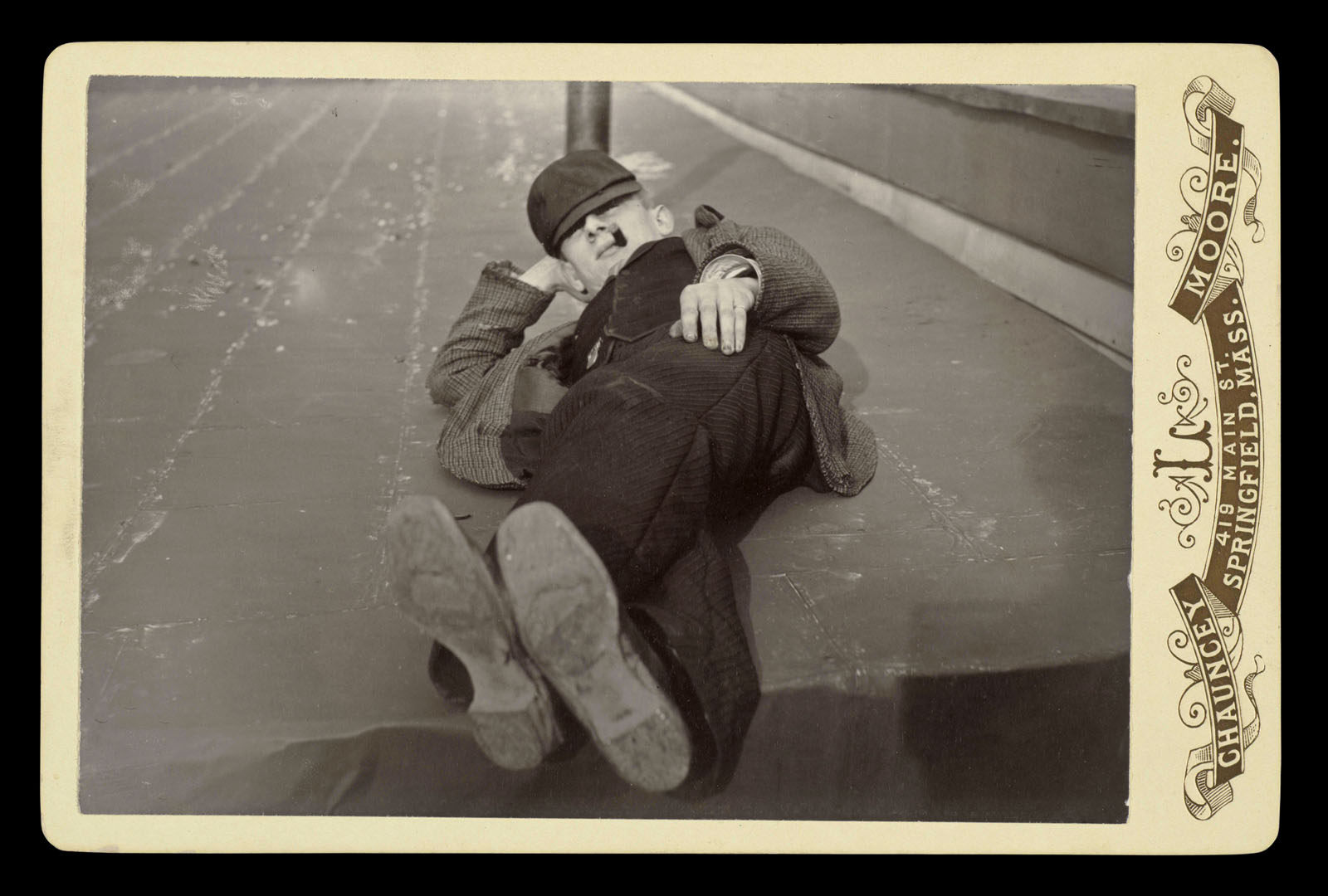
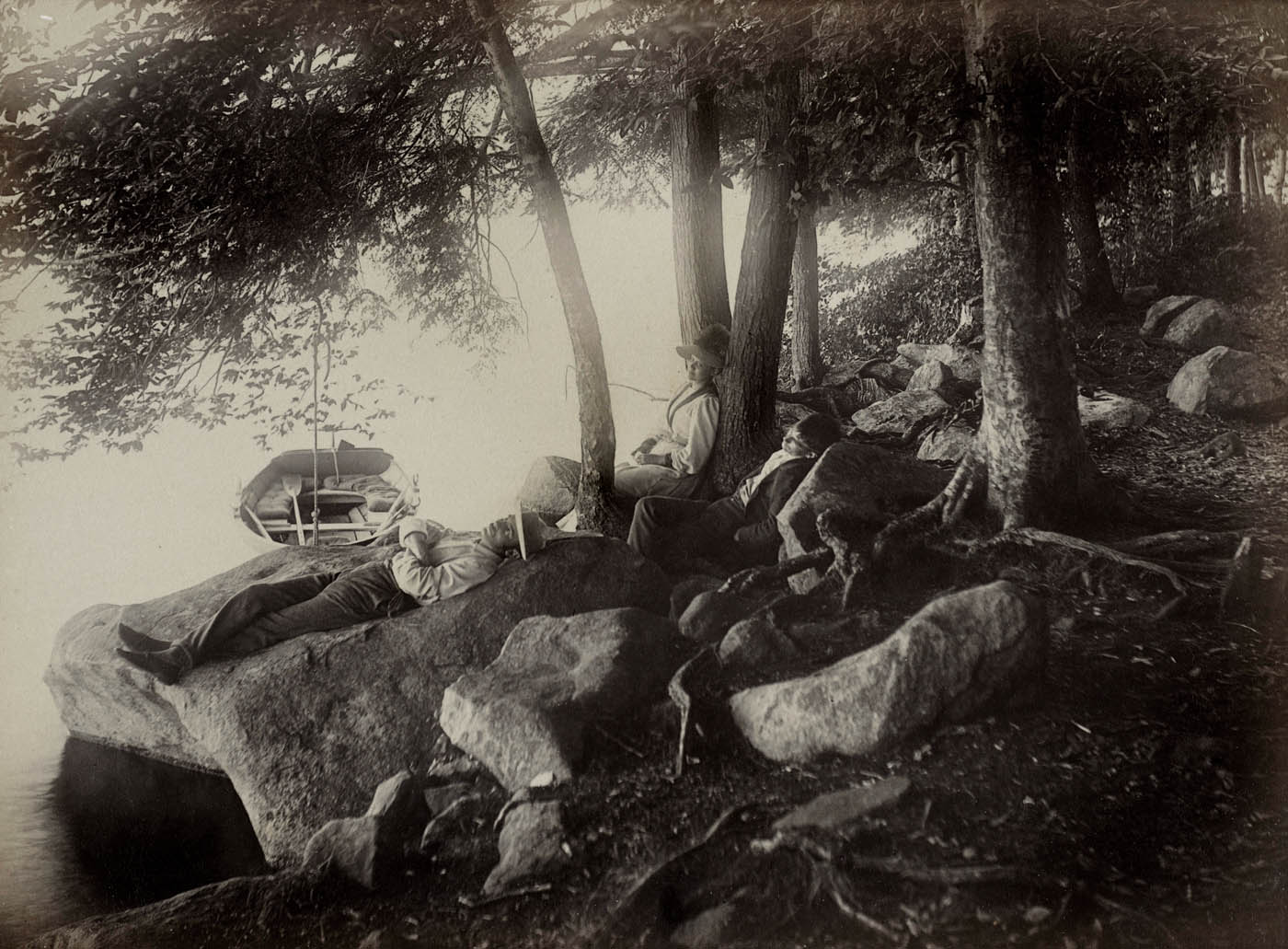
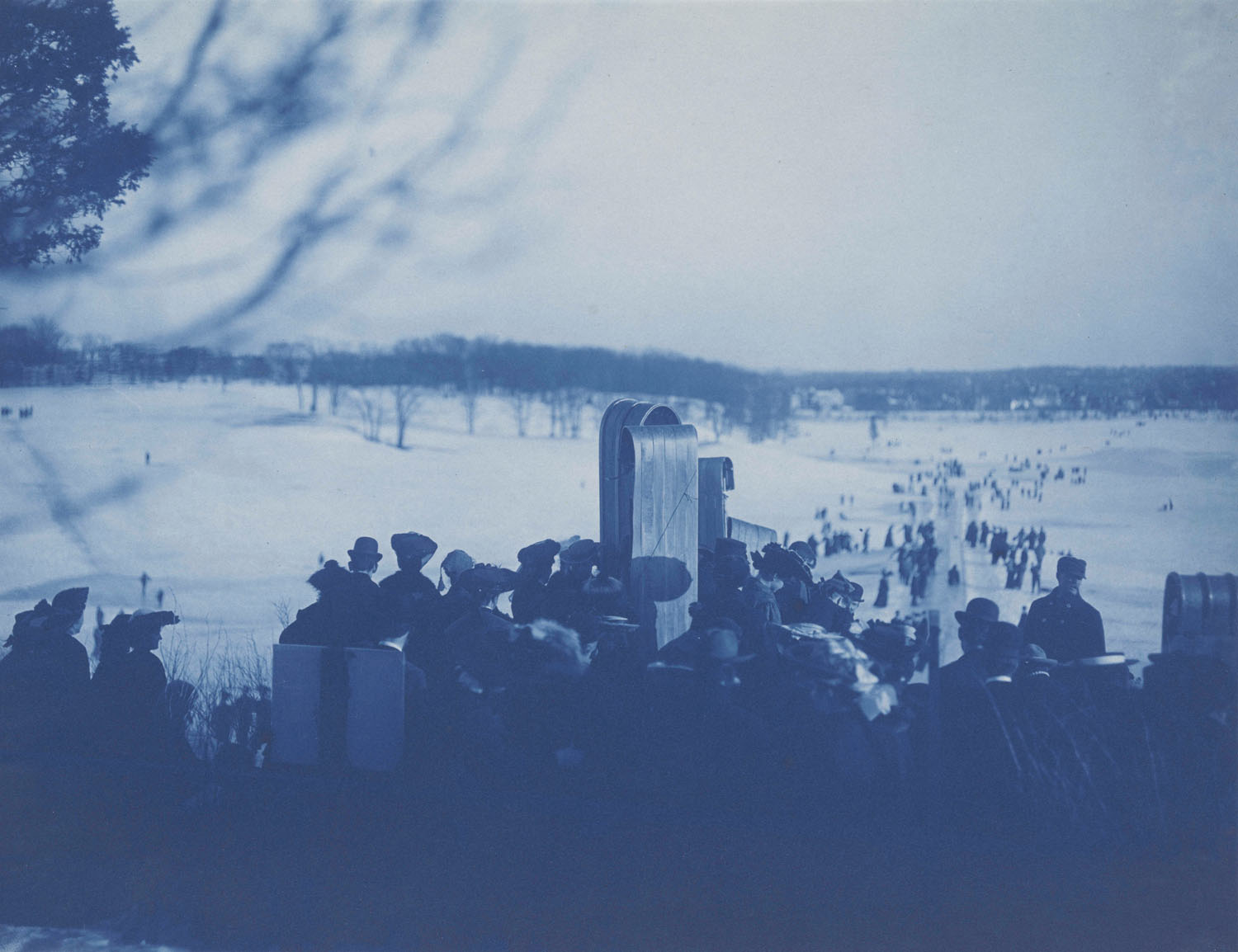
![Heinrich Riebesehl (German, 1938-2010) 'Menschen Im Fahrstuhl, 20.11.1969' [People in the Elevator, 20.11.1969] 1969 from the exhibition 'Typologien: Photography in 20th-century Germany' at Fondazione Prada, Milan, April - July, 2025](https://artblart.com/wp-content/uploads/2025/06/2-typologien_heinrich-riebesehl_siae_sm.jpg "Heinrich Riebesehl (German, 1938-2010) 'Menschen Im Fahrstuhl, 20.11.1969' [People in the Elevator, 20.11.1969] 1969 from the exhibition 'Typologien: Photography in 20th-century Germany' at Fondazione Prada, Milan, April - July, 2025")
![Heinrich Riebesehl (German, 1938-2010) 'Menschen Im Fahrstuhl, 20.11.1969' [People in the Elevator, 20.11.1969] 1969](https://artblart.com/wp-content/uploads/2025/06/1-typologien_heinrich-riebesehl_siae_sm.jpg "Heinrich Riebesehl (German, 1938-2010) 'Menschen Im Fahrstuhl, 20.11.1969' [People in the Elevator, 20.11.1969] 1969")
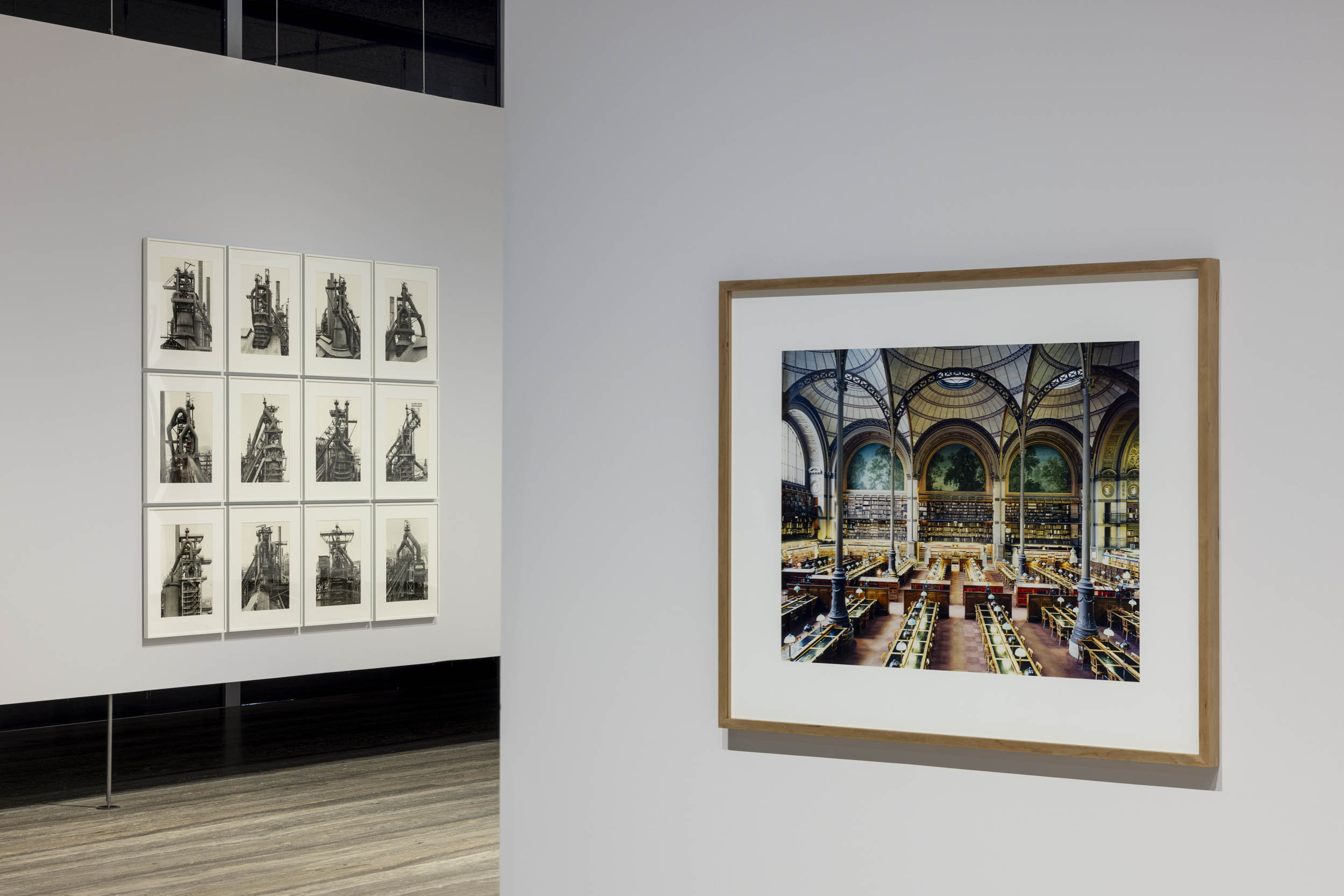
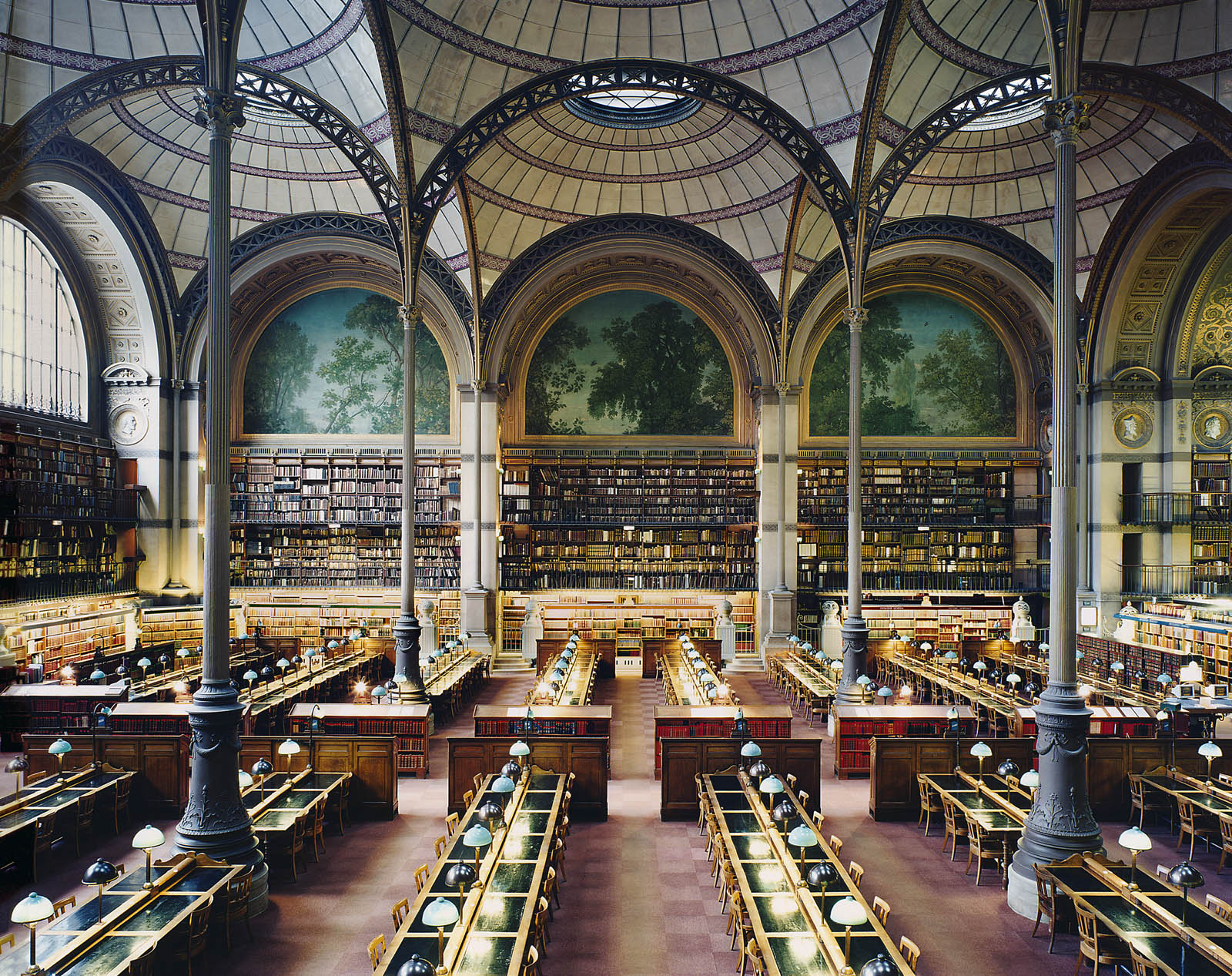

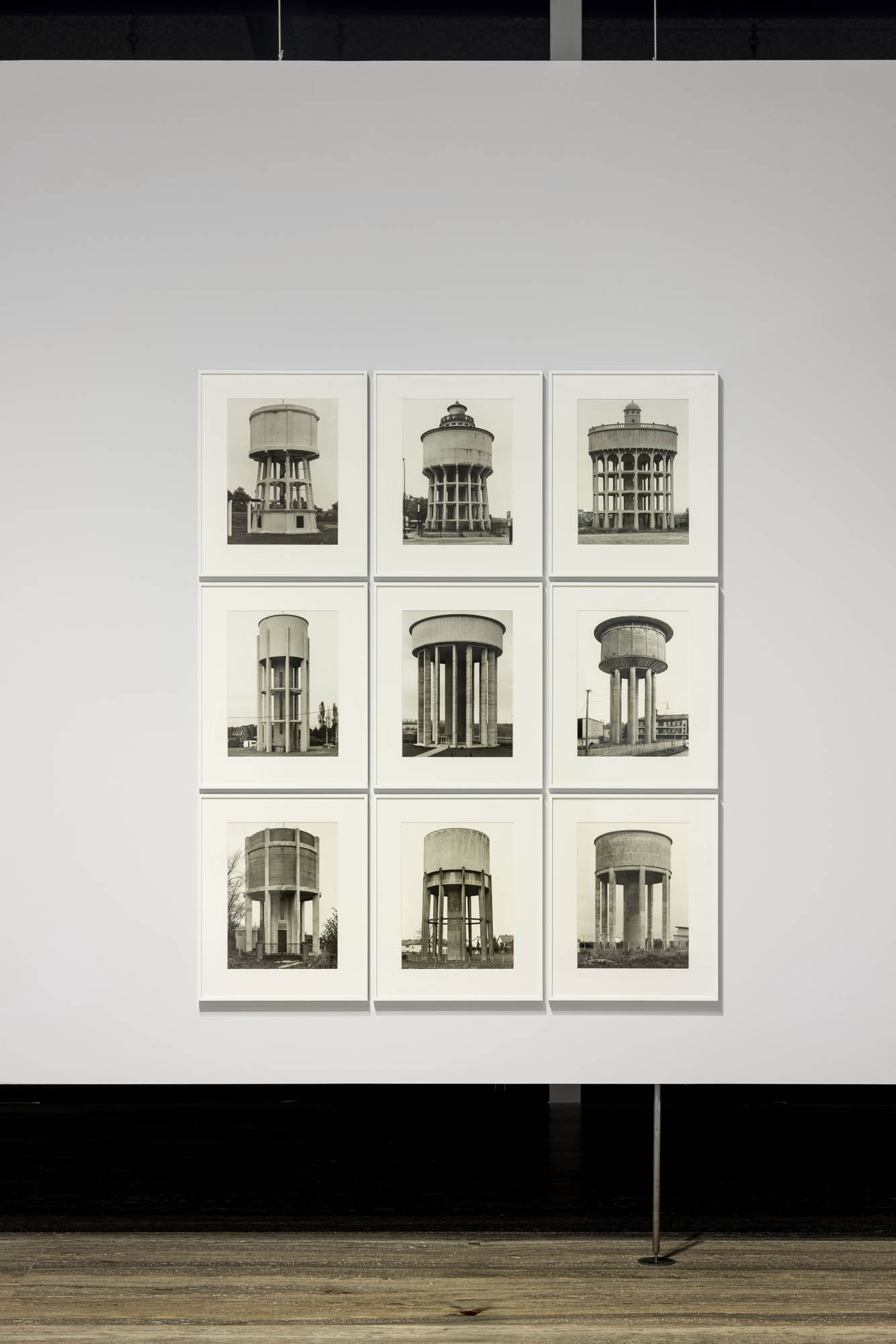


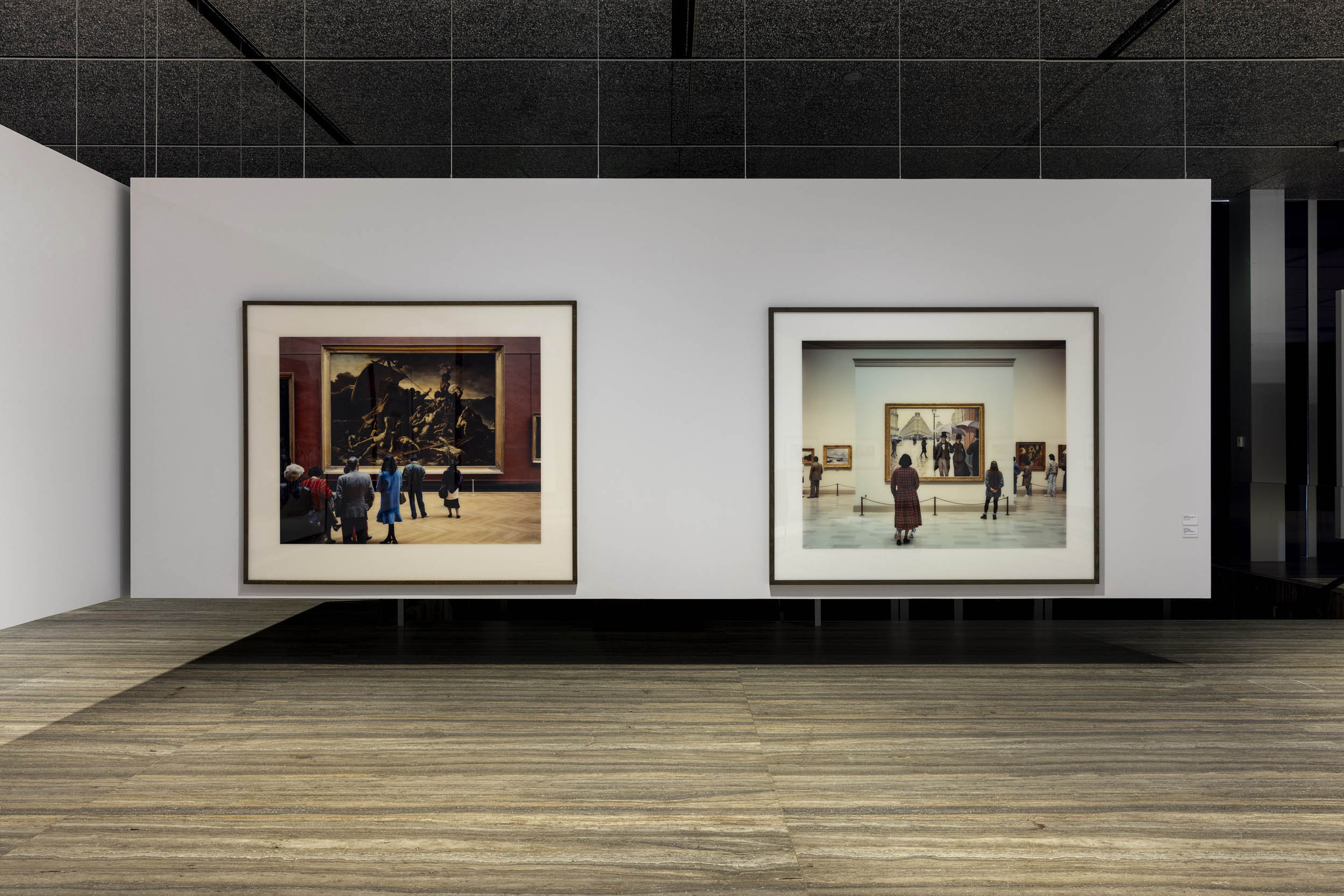
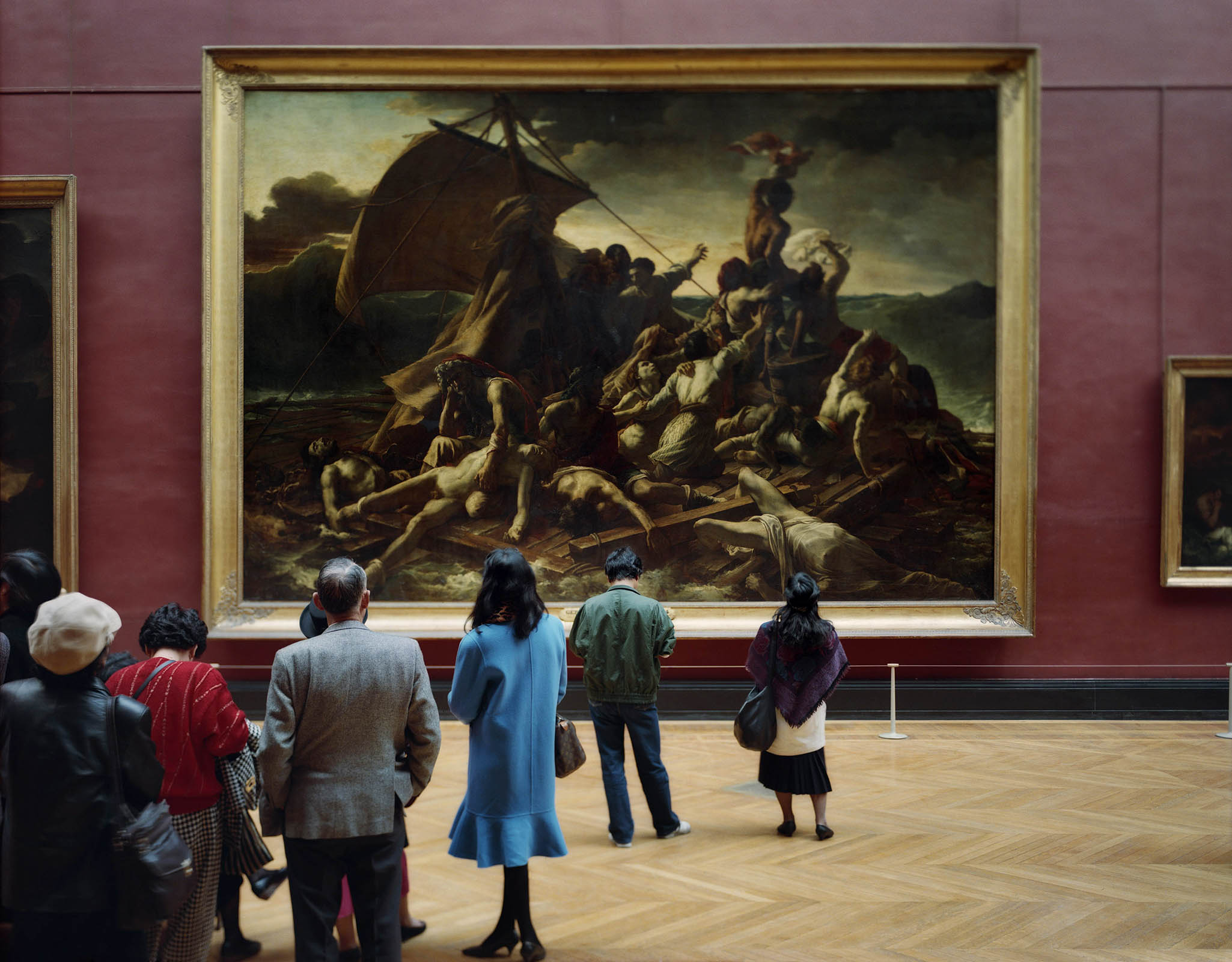

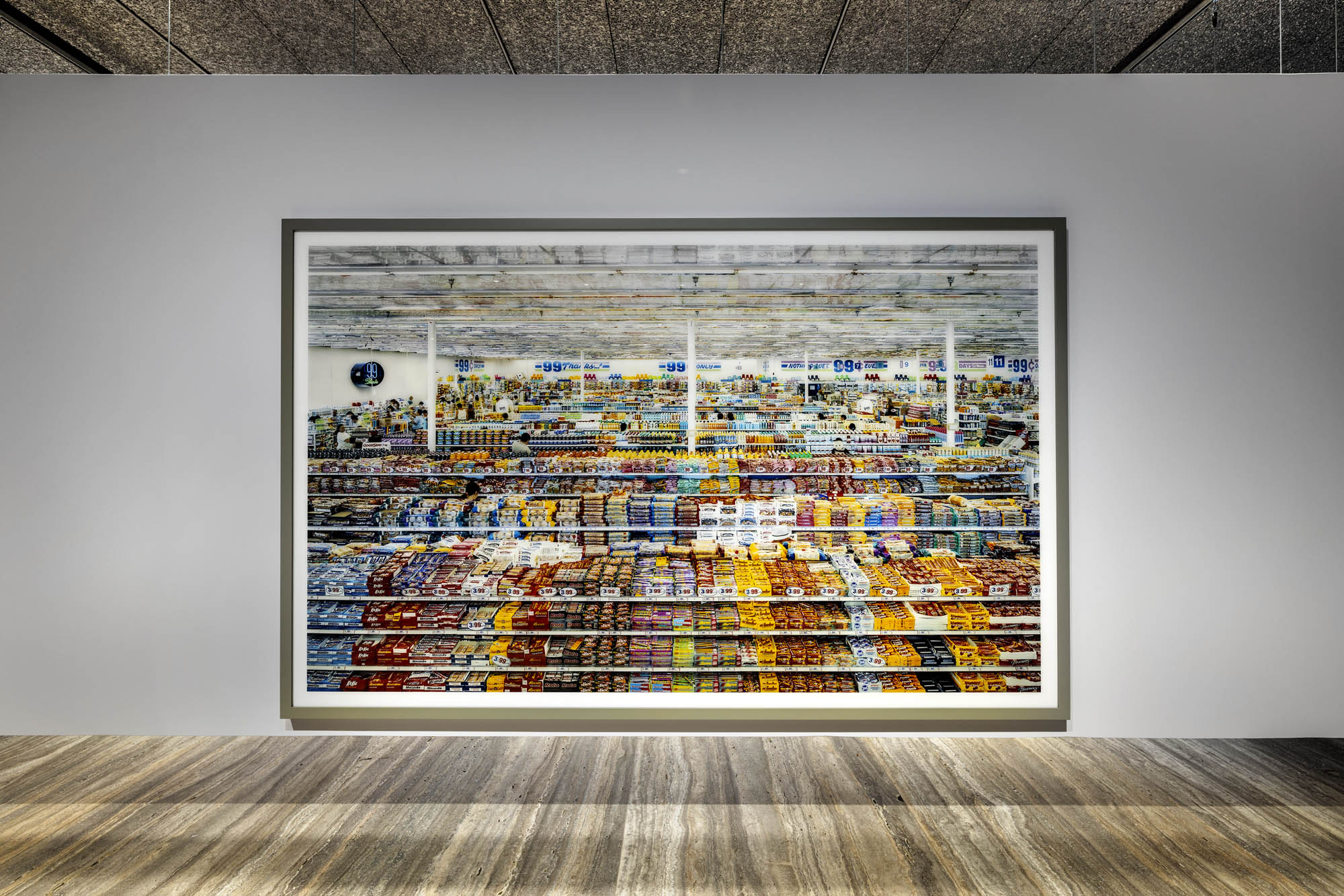
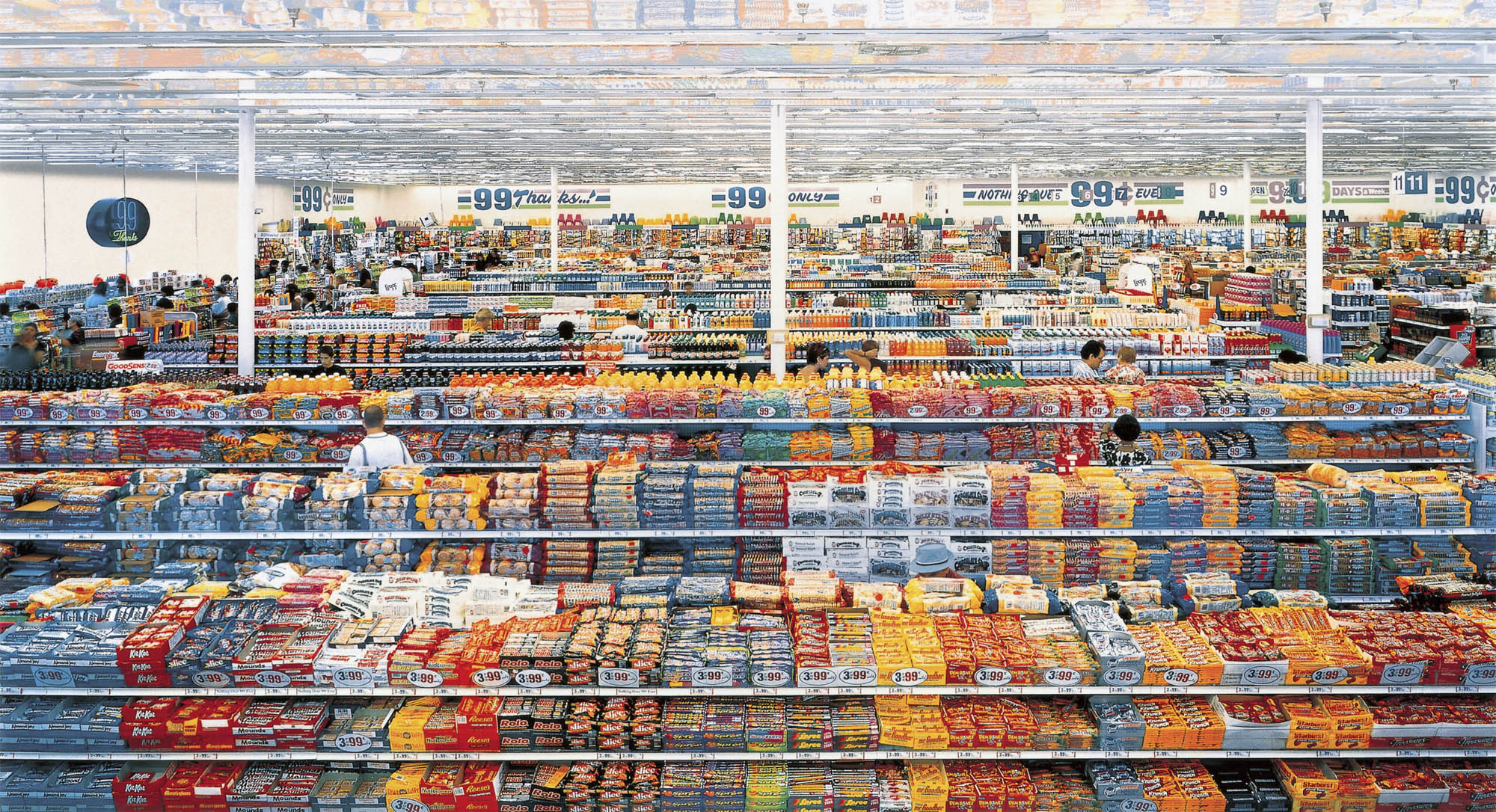
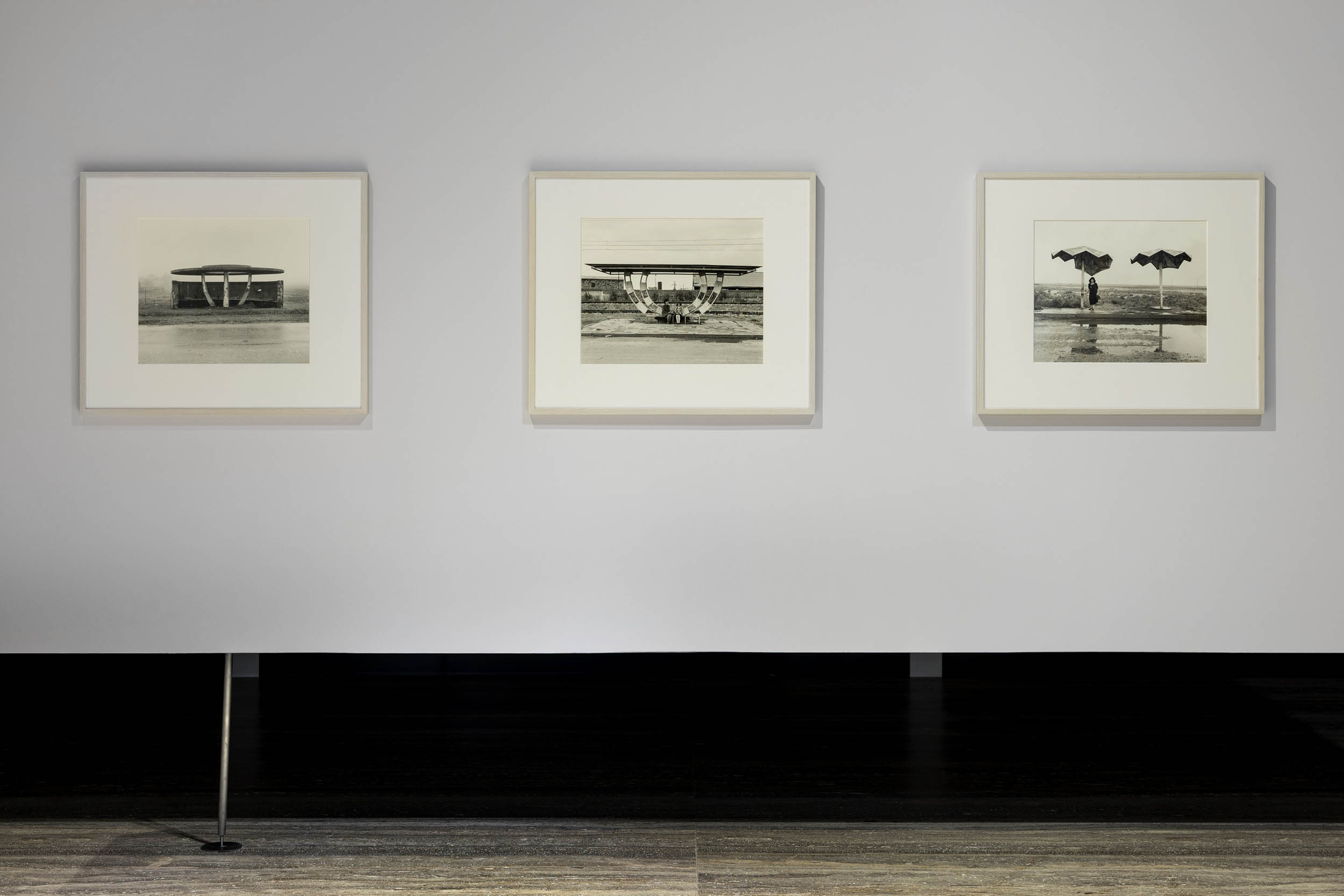
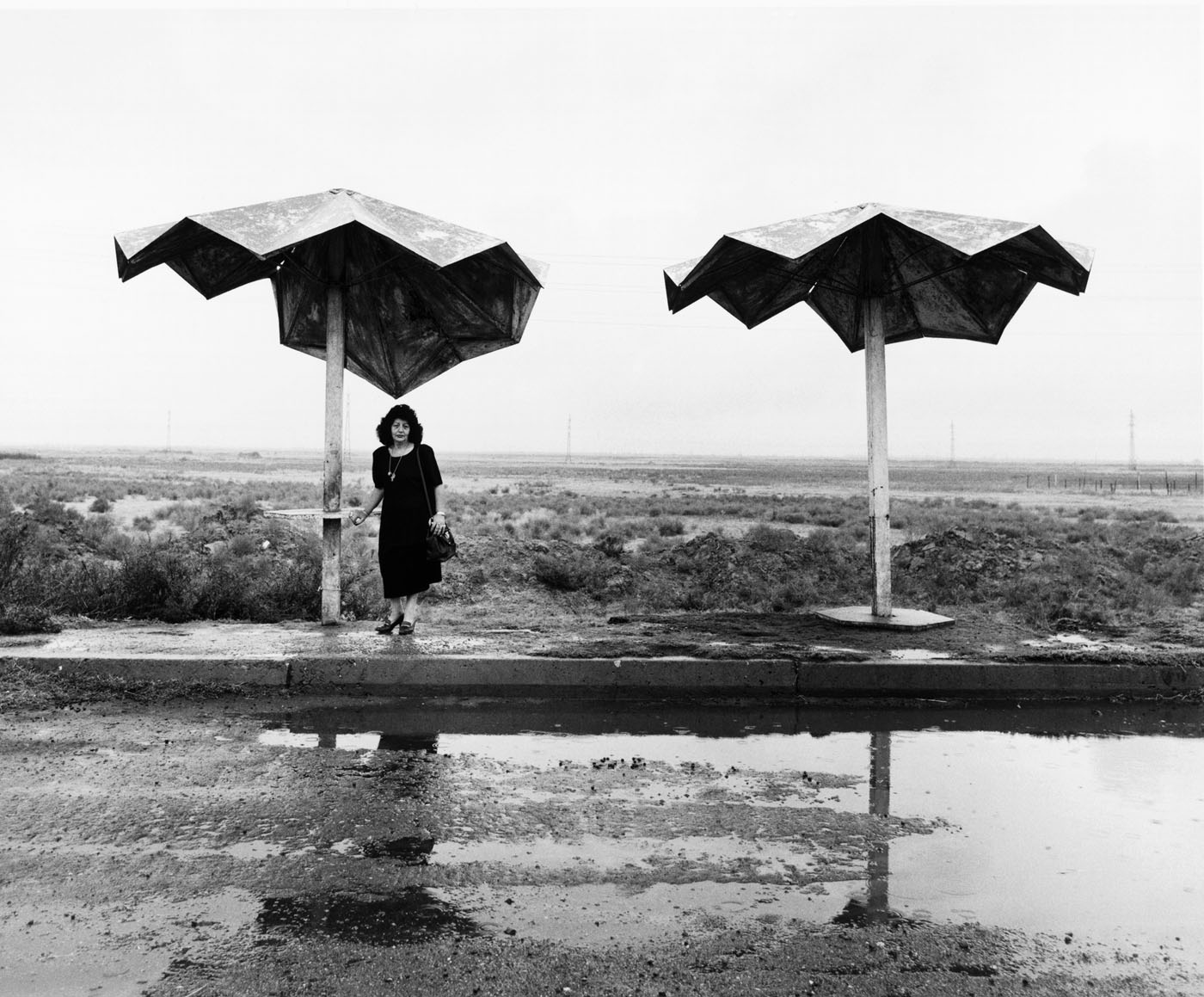
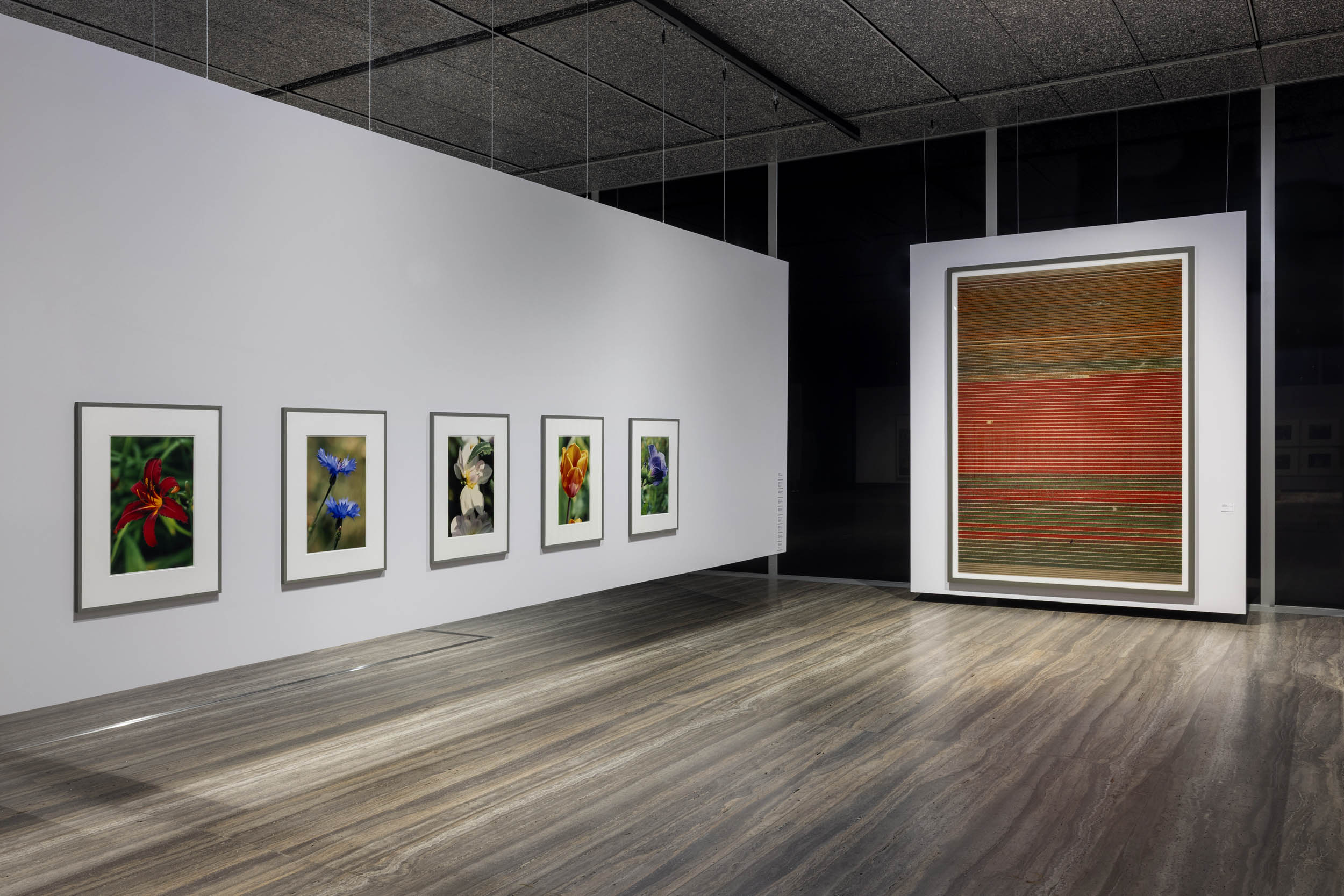
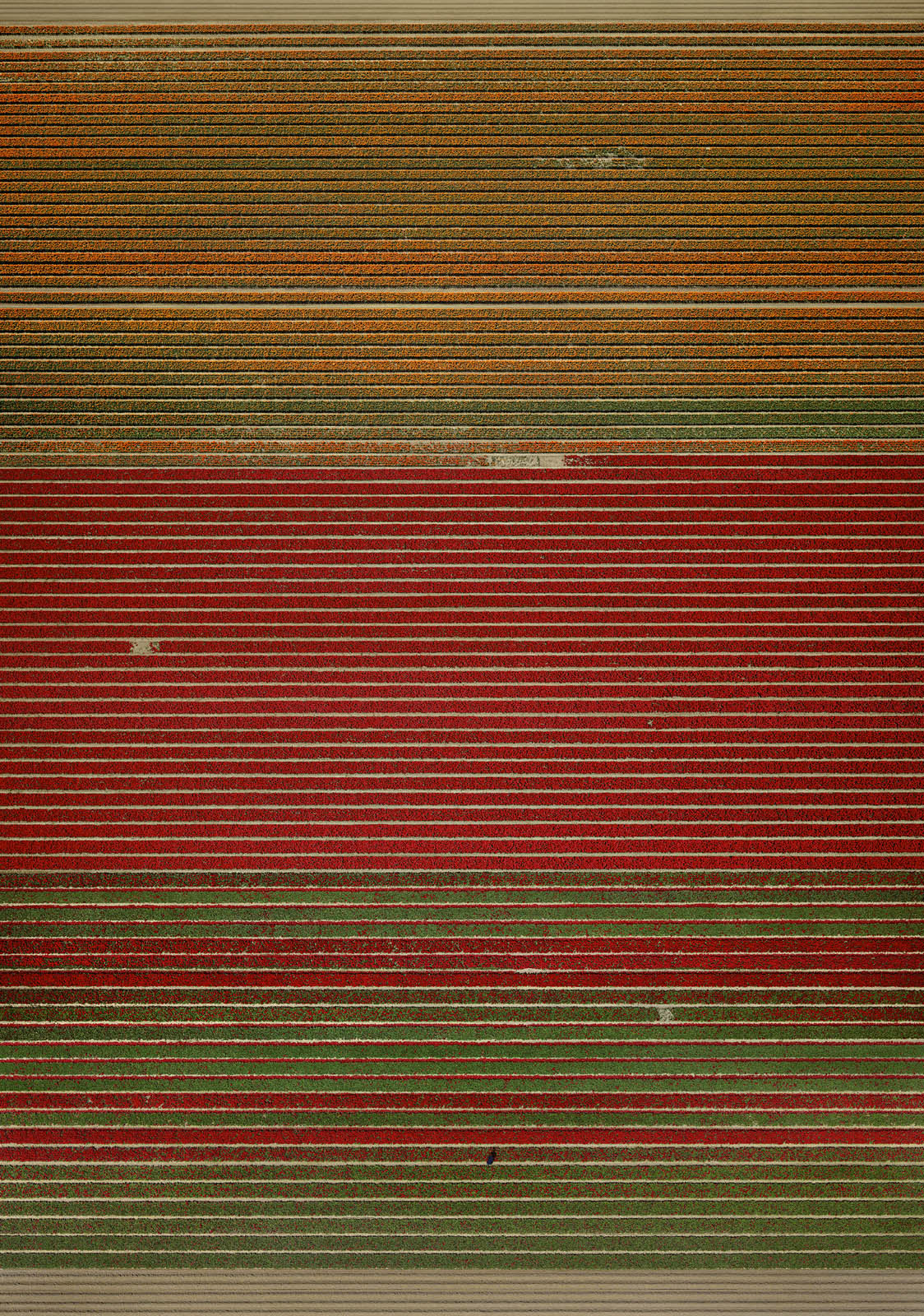

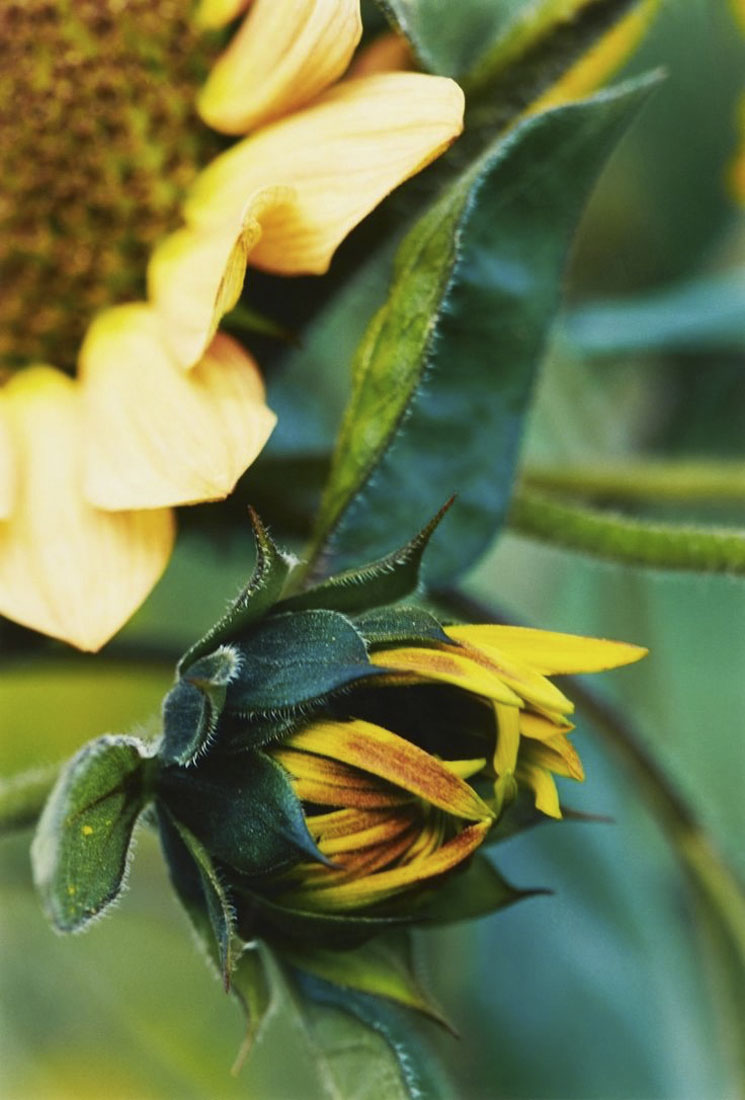
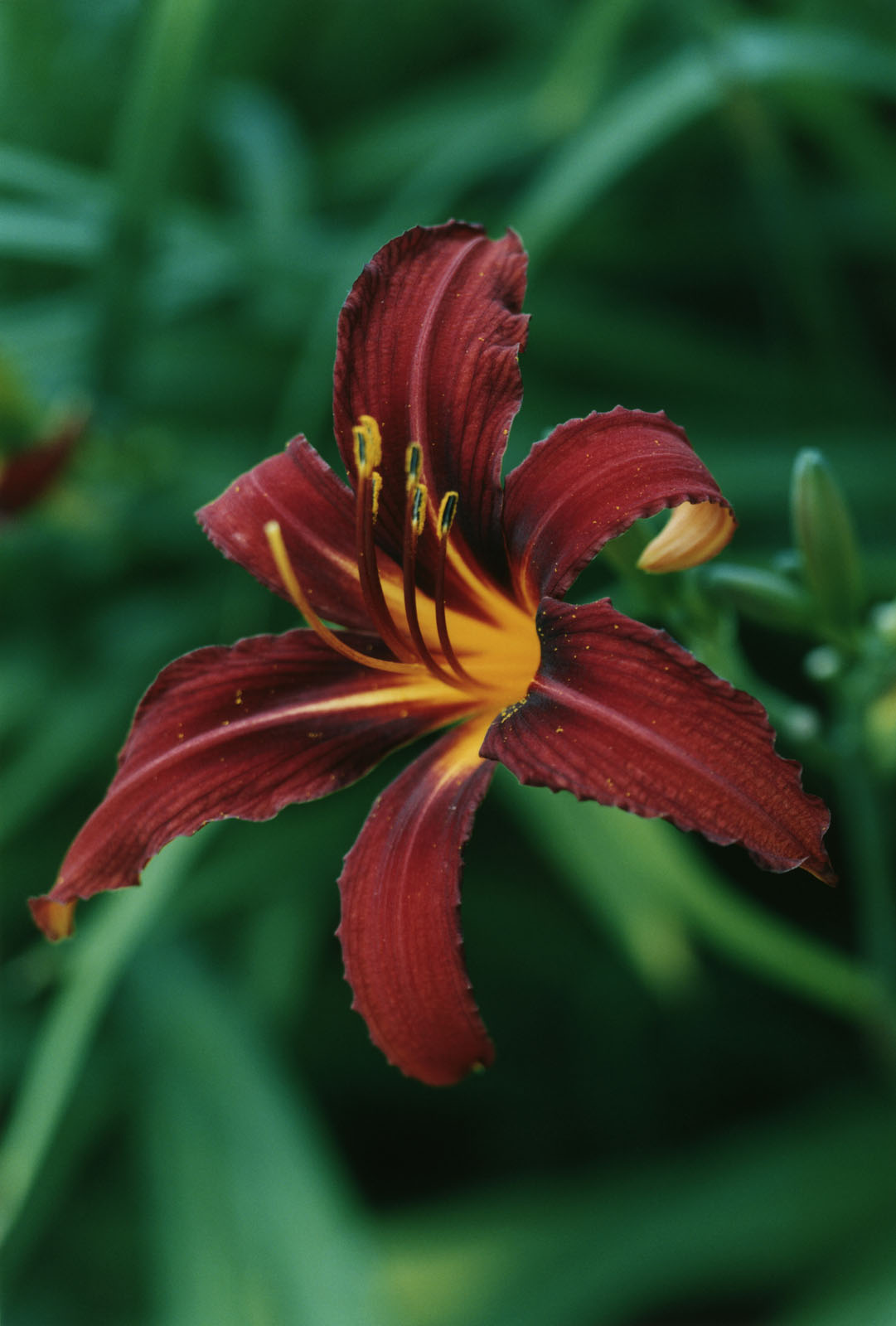
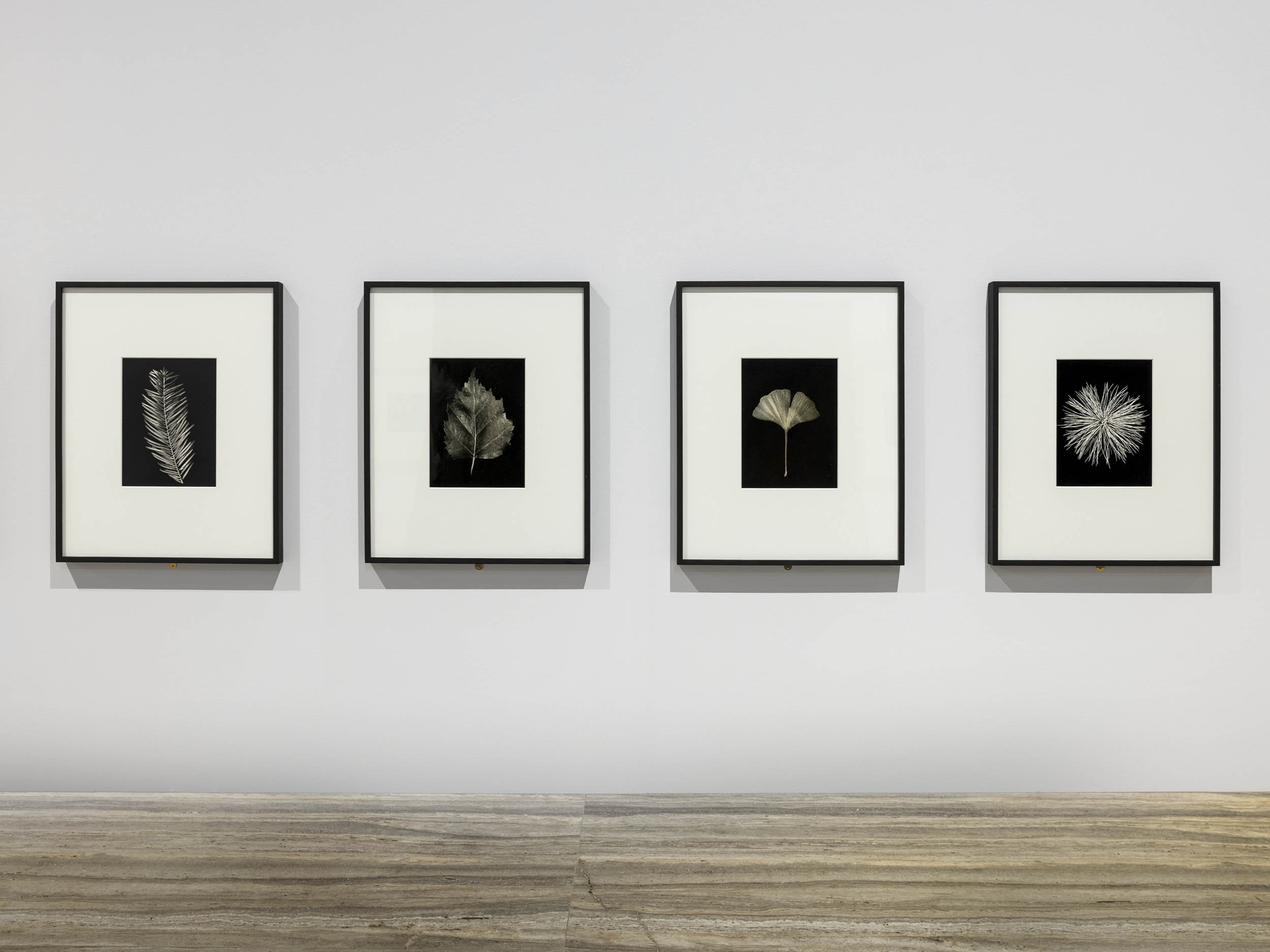
![Hilla Becher (German, 1934-2015) 'Eichenblatt [Oak Leaf]' 1965](https://artblart.com/wp-content/uploads/2025/06/8-typologien_hilla-becher_sm.jpg "Hilla Becher (German, 1934-2015) 'Eichenblatt [Oak Leaf]' 1965")
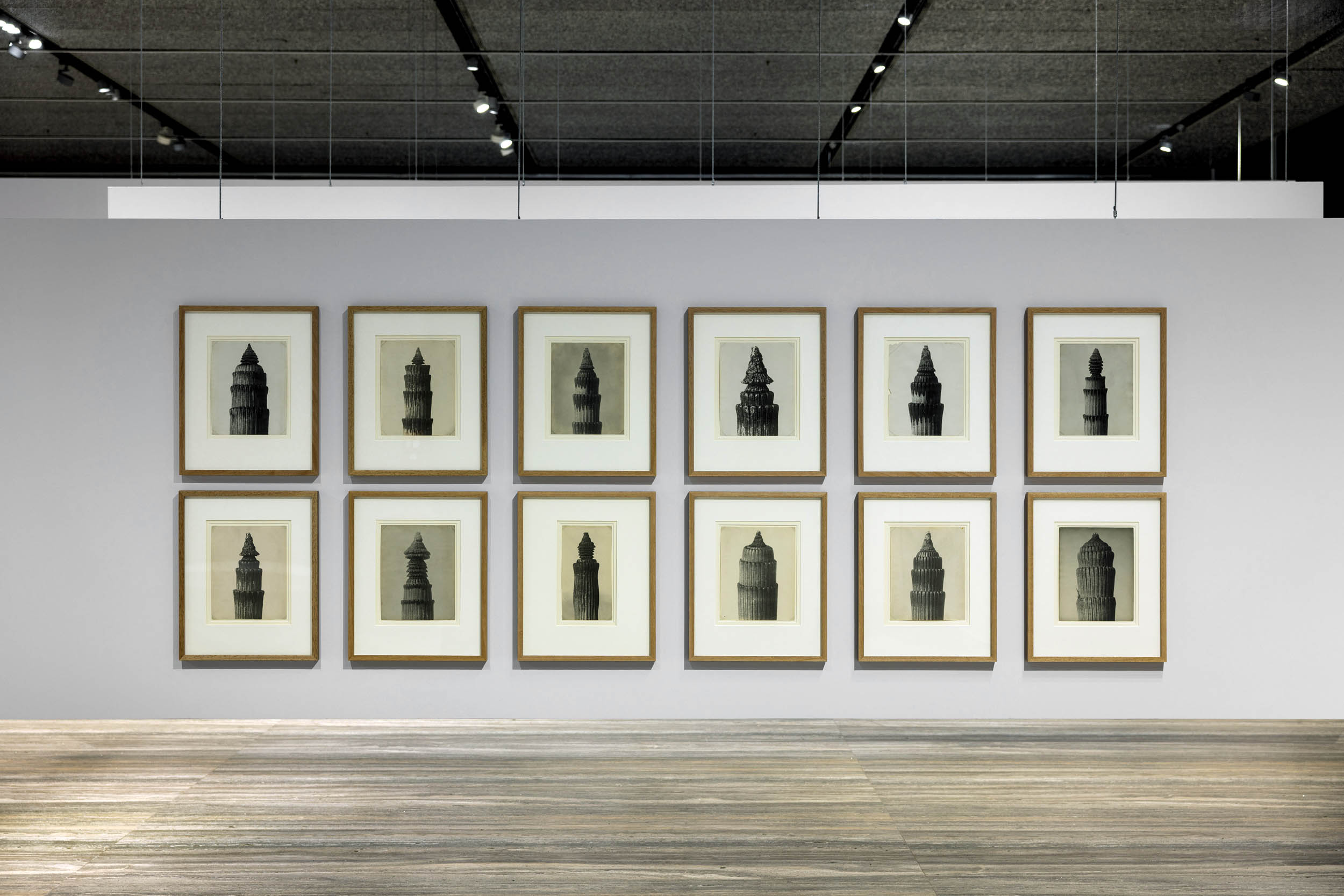
![Karl Blossfeldt (German, 1865-1932) 'Adiantum pedatum, haarfarn, junge, noch eingerollte Wedel' [Maidenhair fern, young, still curled fronds] Nd](https://artblart.com/wp-content/uploads/2025/06/5-typologien_karl-blossfeldt_sm.jpg "Karl Blossfeldt (German, 1865-1932) 'Adiantum pedatum, haarfarn, junge, noch eingerollte Wedel' [Maidenhair fern, young, still curled fronds] Nd")


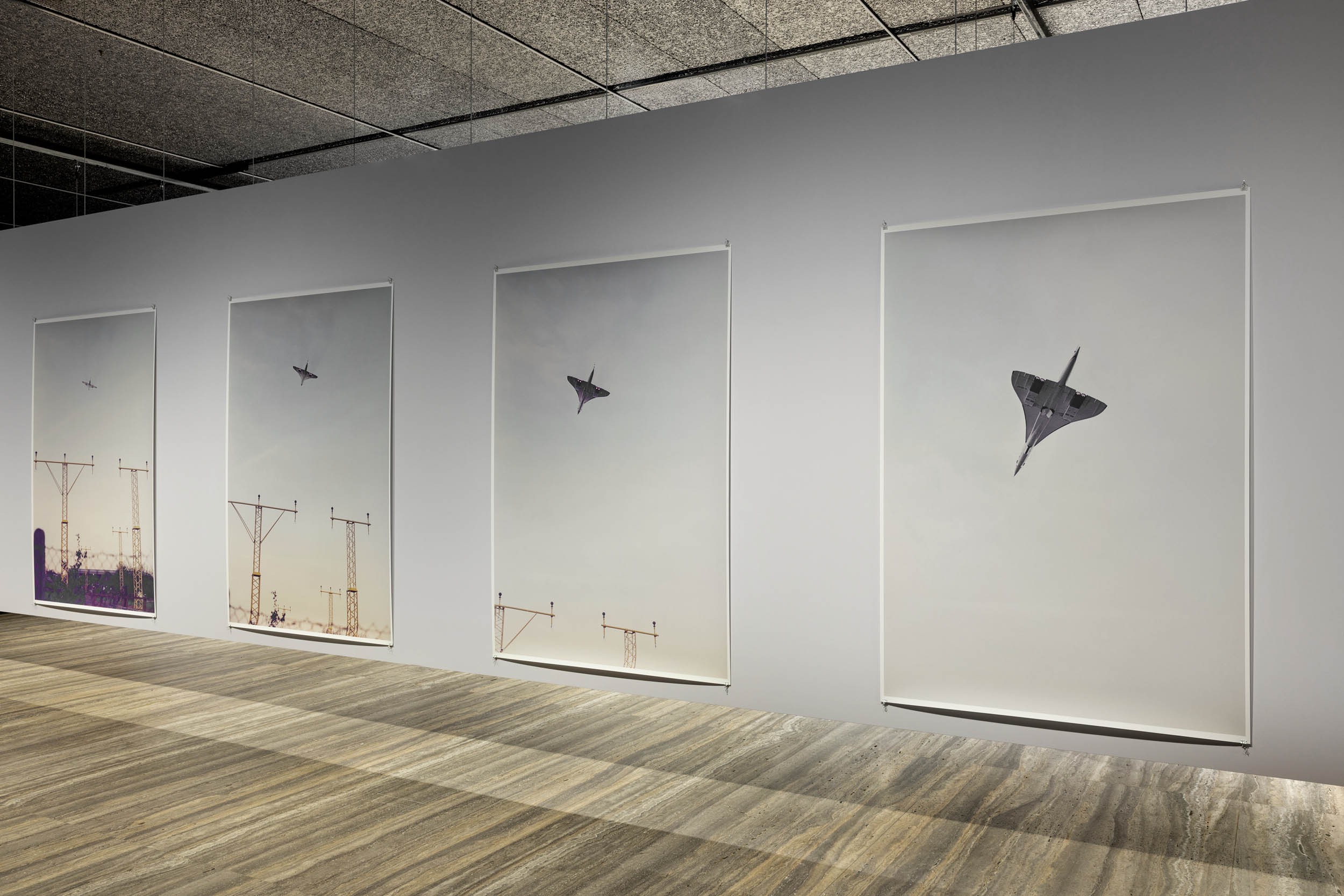
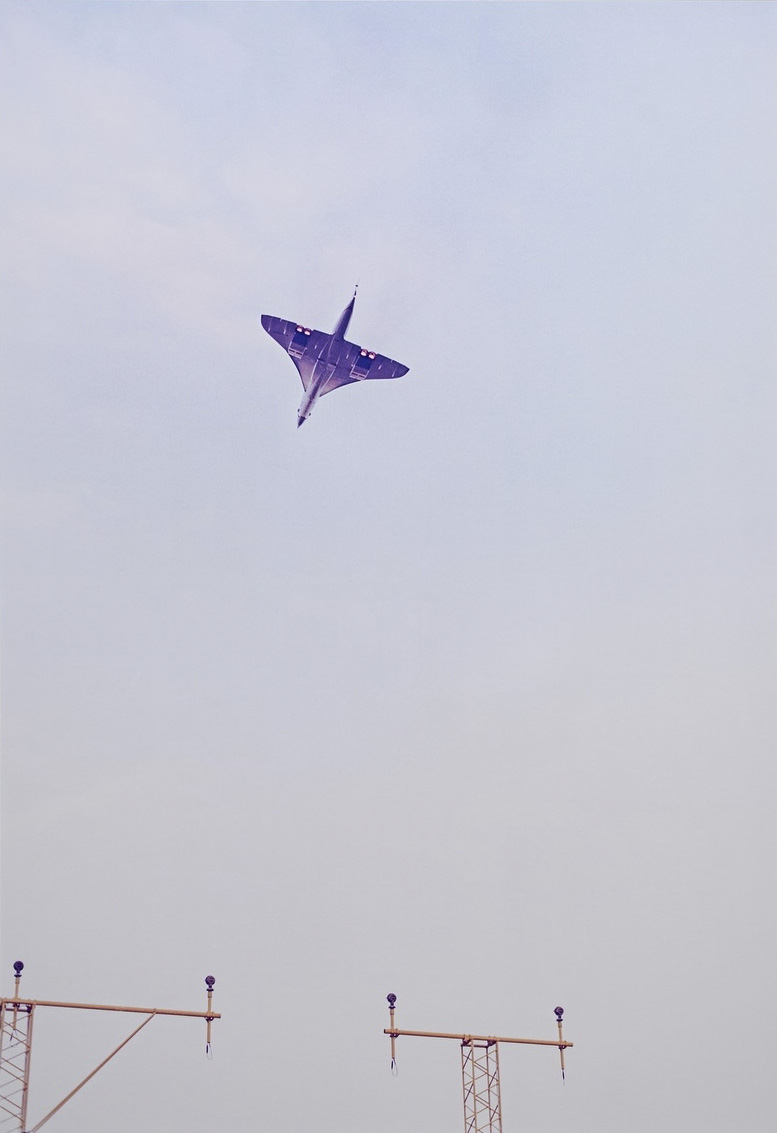
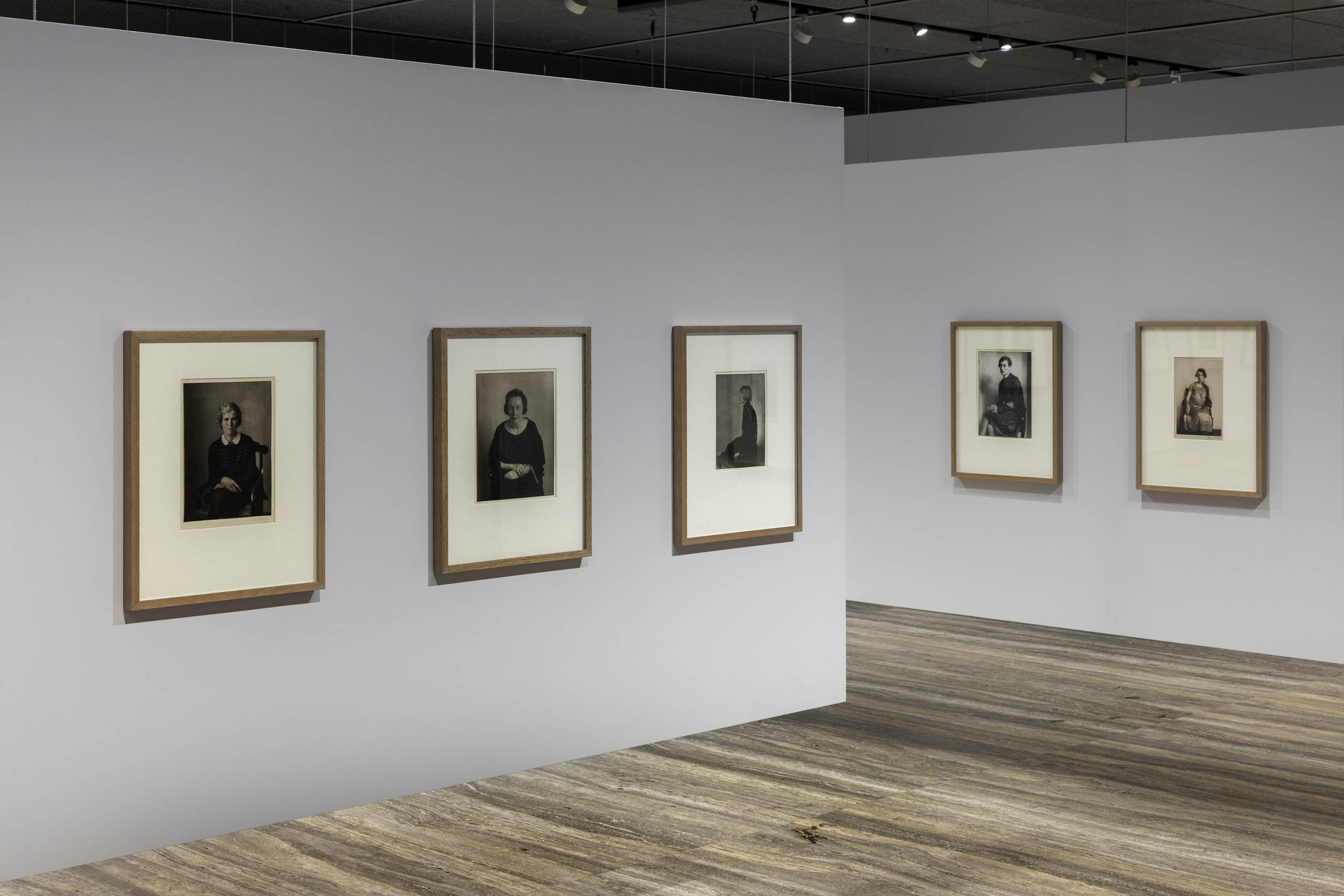
![August Sander (German, 1876-1964) 'Sekretärin beim Westdeutschen Rundfunk in Köln' [Secretary at West German Radio in Cologne] 1931-1950s](https://artblart.com/wp-content/uploads/2025/06/6-typologien_august-sander_siae_sm.jpg "August Sander (German, 1876-1964) 'Sekretärin beim Westdeutschen Rundfunk in Köln' [Secretary at West German Radio in Cologne] 1931-1950s")
![Erich Sander for August Sander's studio. 'Politischer Häftling' [Political Prisoner] 1941-1944 (print date late 1940s)](https://artblart.com/wp-content/uploads/2025/06/7-typologien_august-sander_siae_sm.jpg "Erich Sander for August Sander's studio. 'Politischer Häftling' [Political Prisoner] 1941-1944 (print date late 1940s)")
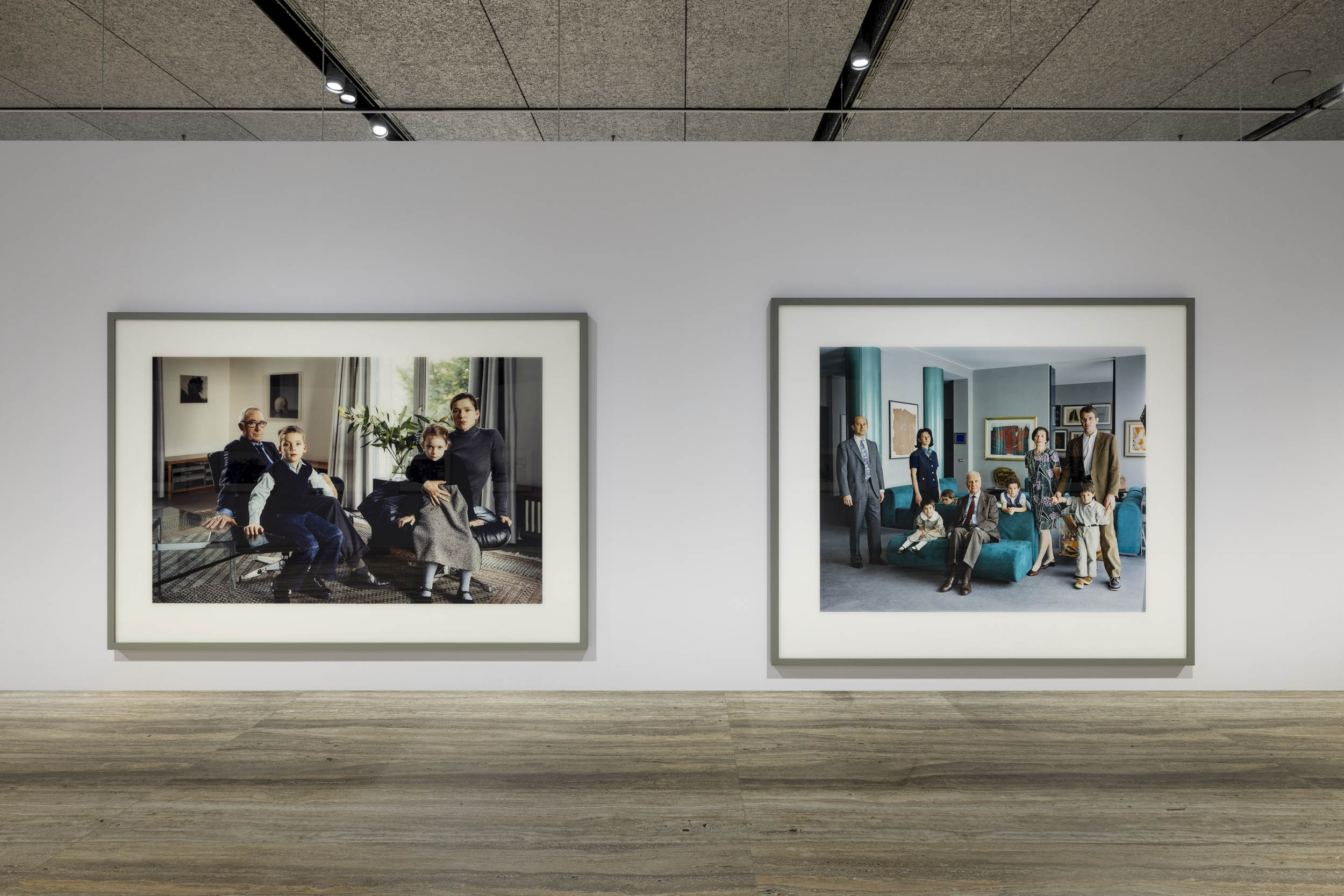

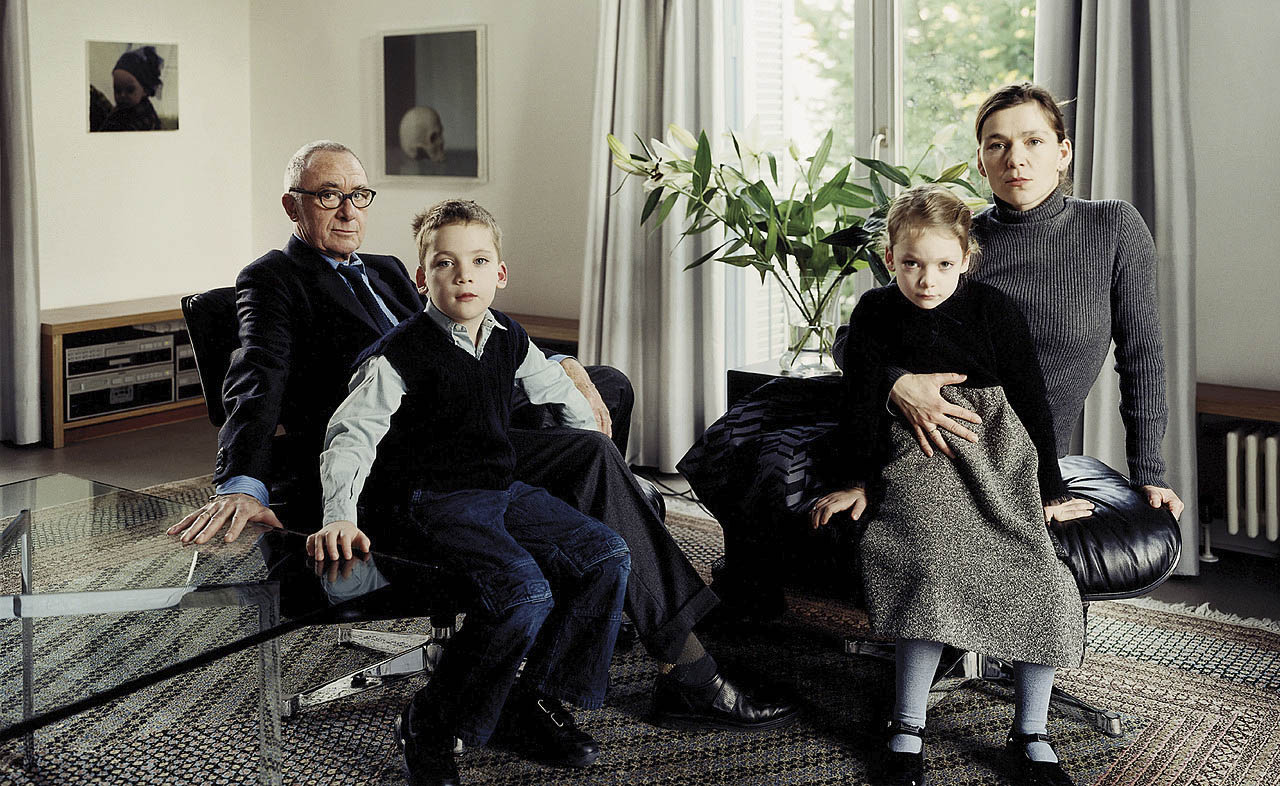
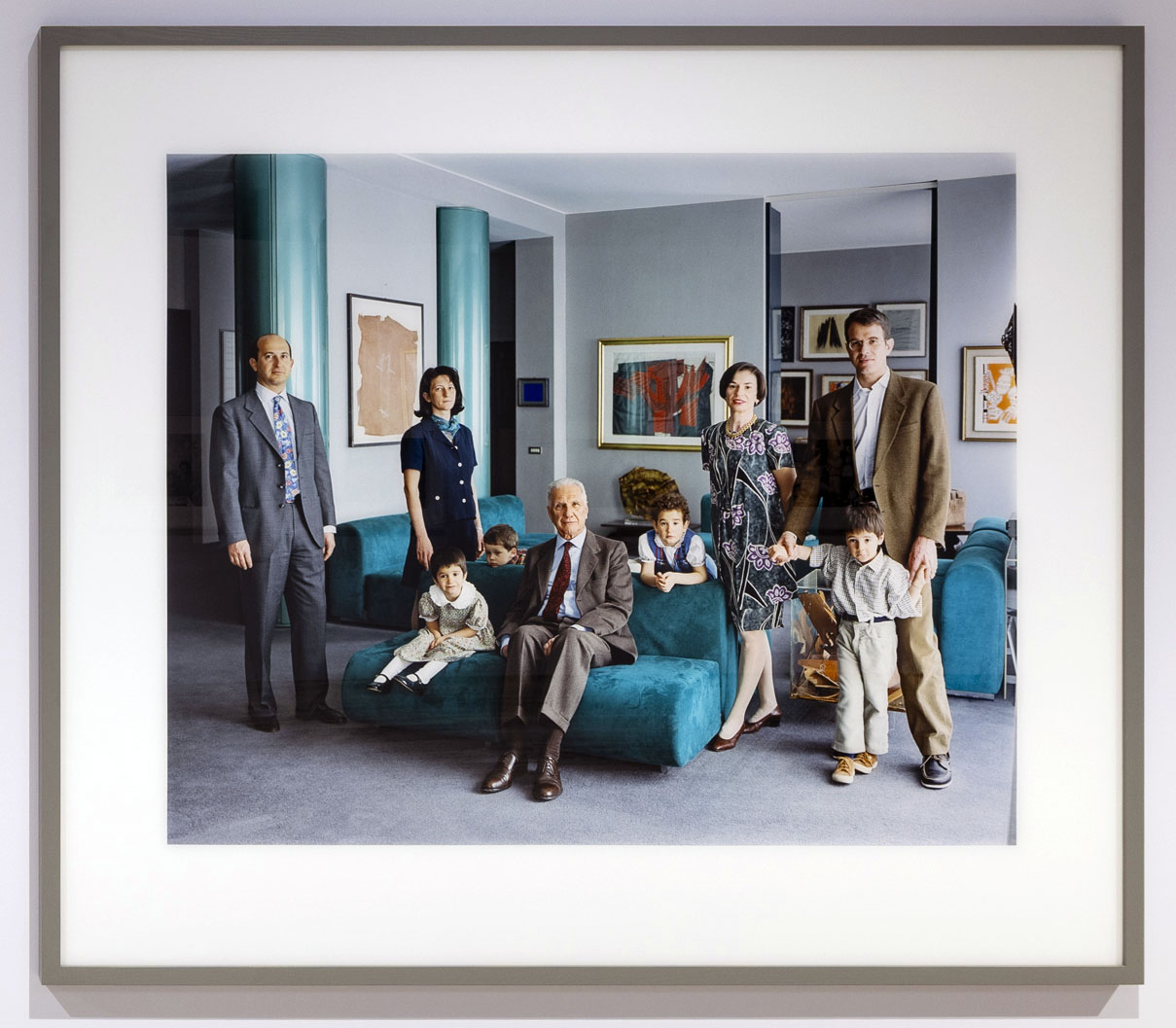
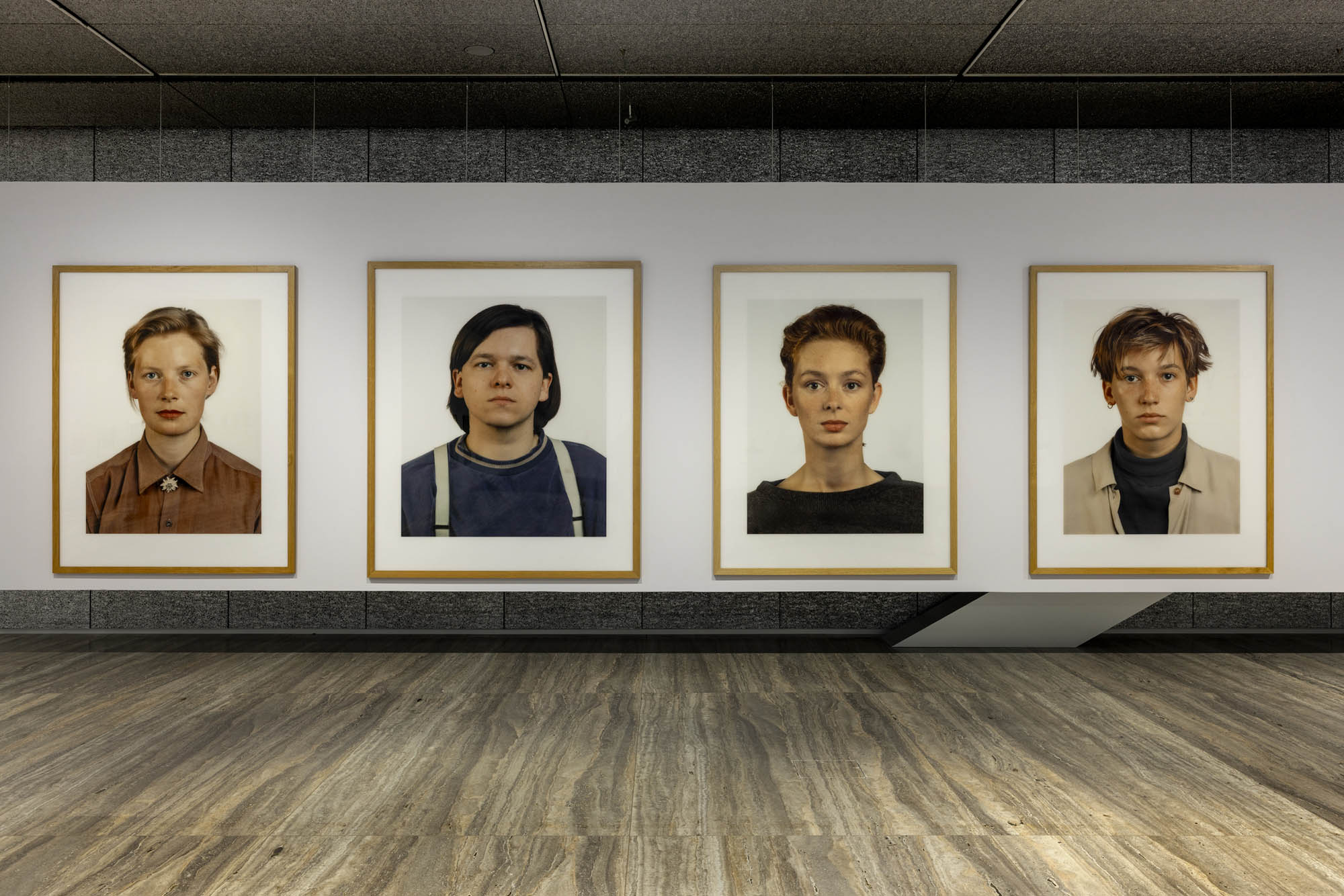
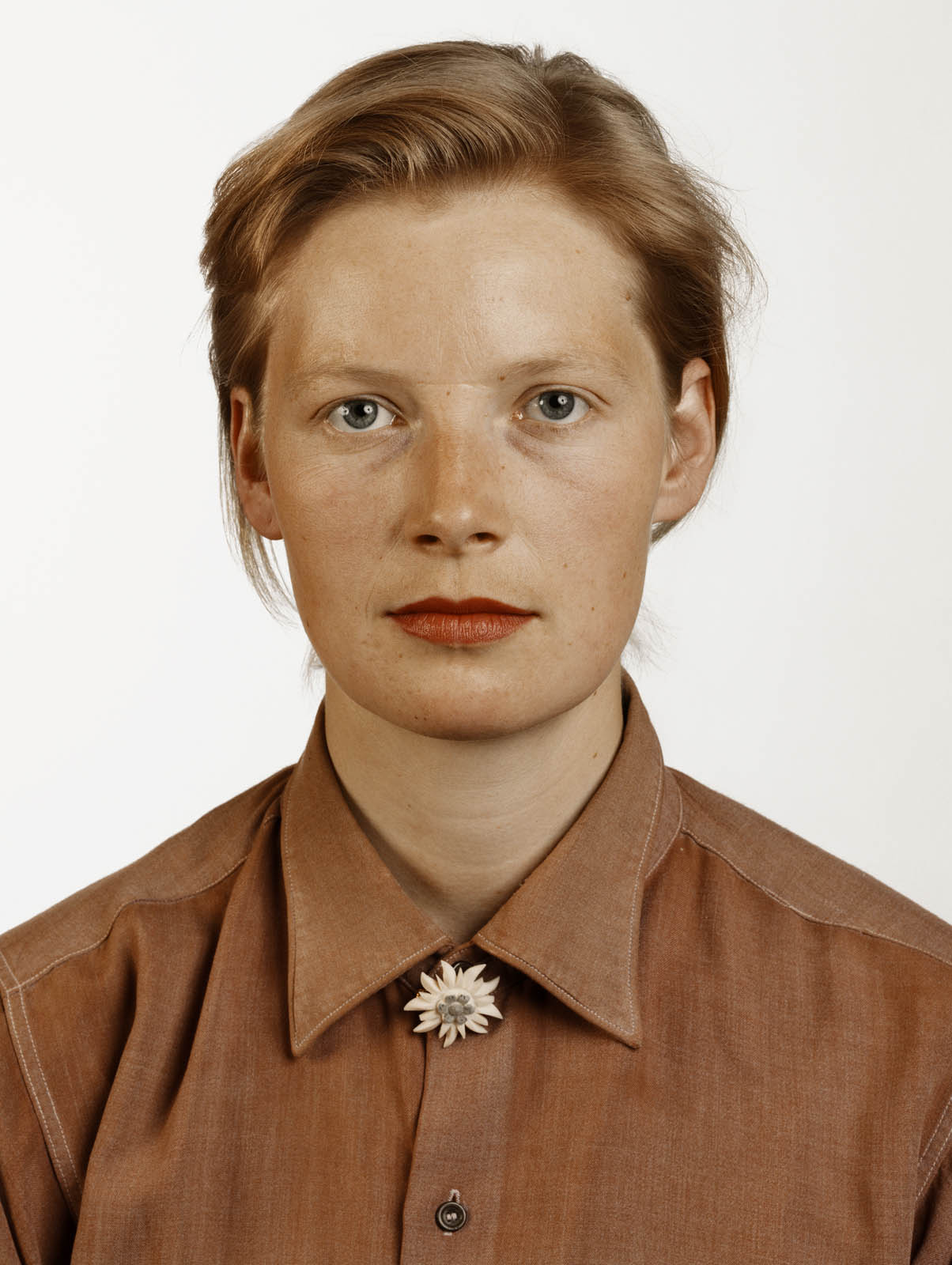

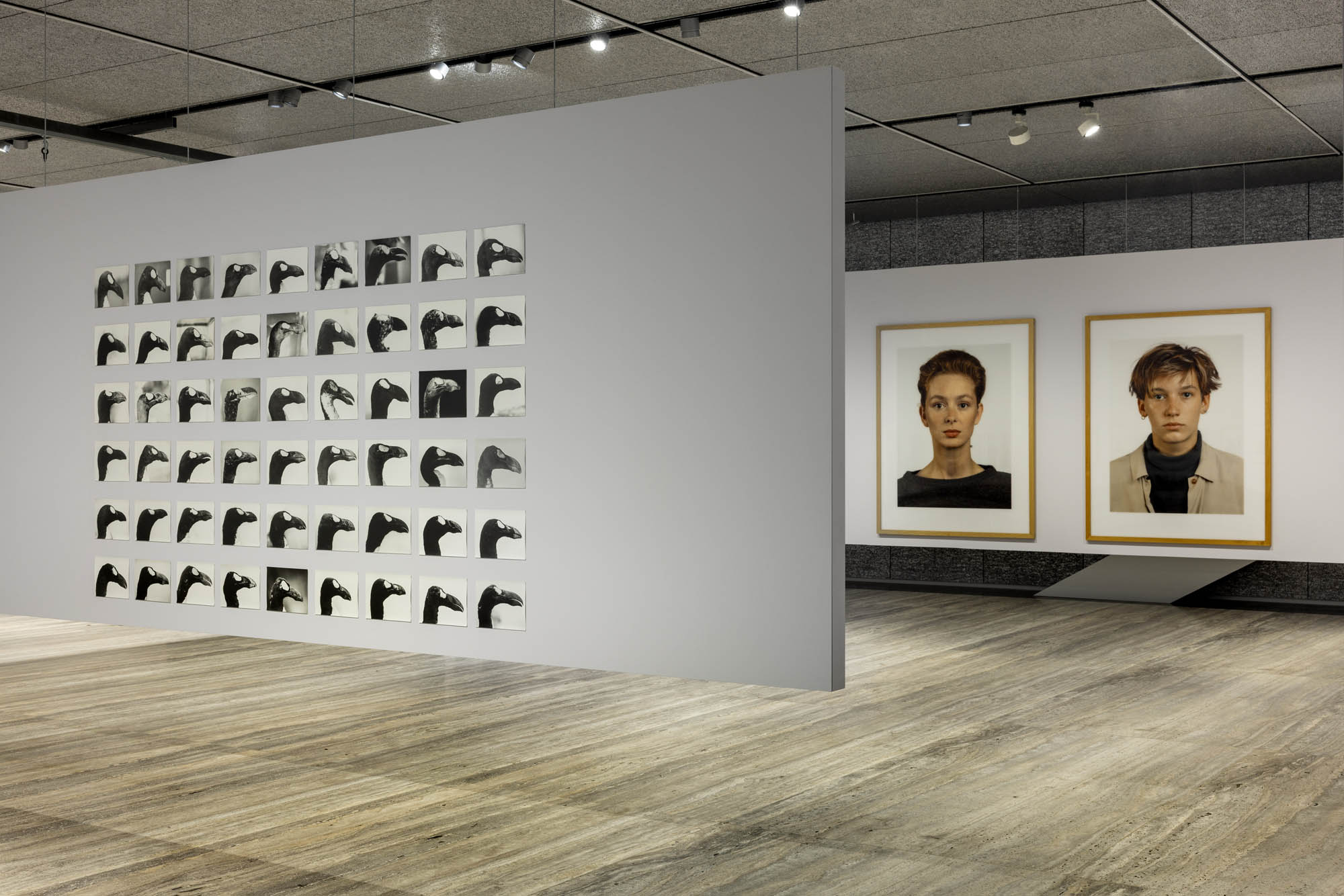
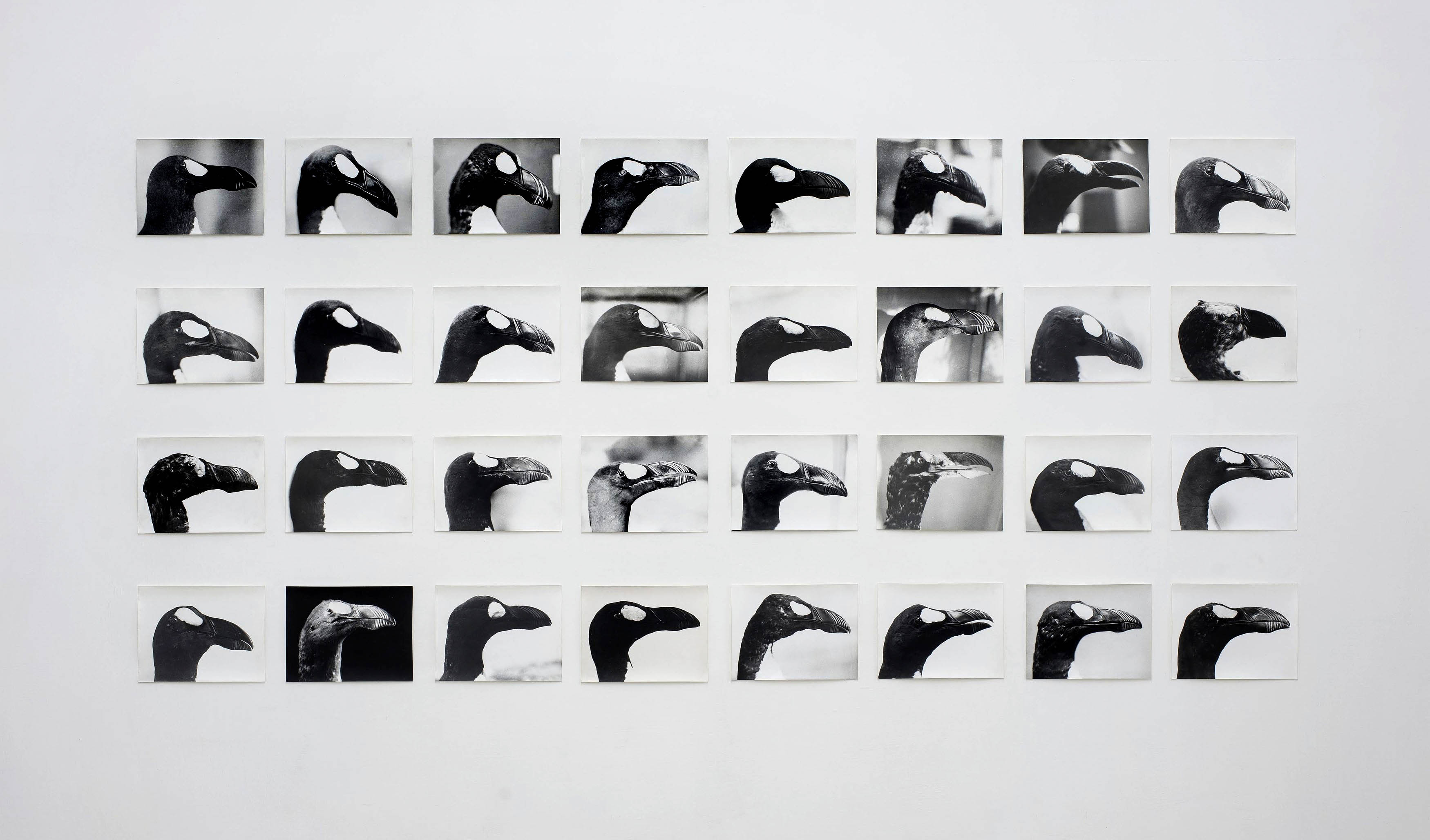

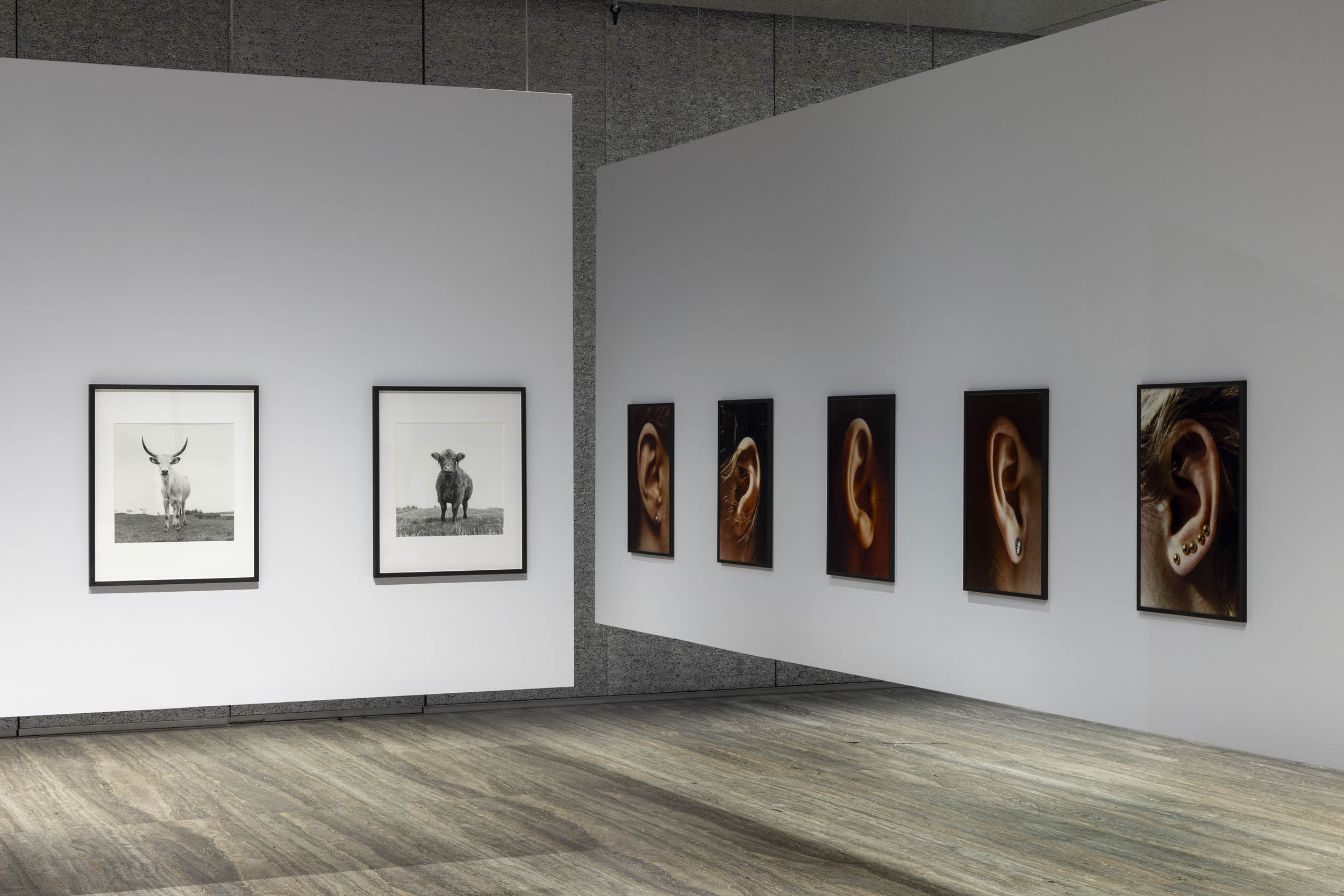
![Ursula Böhmer (German, b. 1965) 'Highland Grampians / Scotland [All Ladies – Cows in Europe]' 2011](https://artblart.com/wp-content/uploads/2025/06/21-typologien_ursula-bohmer_sm.jpg "Ursula Böhmer (German, b. 1965) 'Highland Grampians / Scotland [All Ladies – Cows in Europe]' 2011")
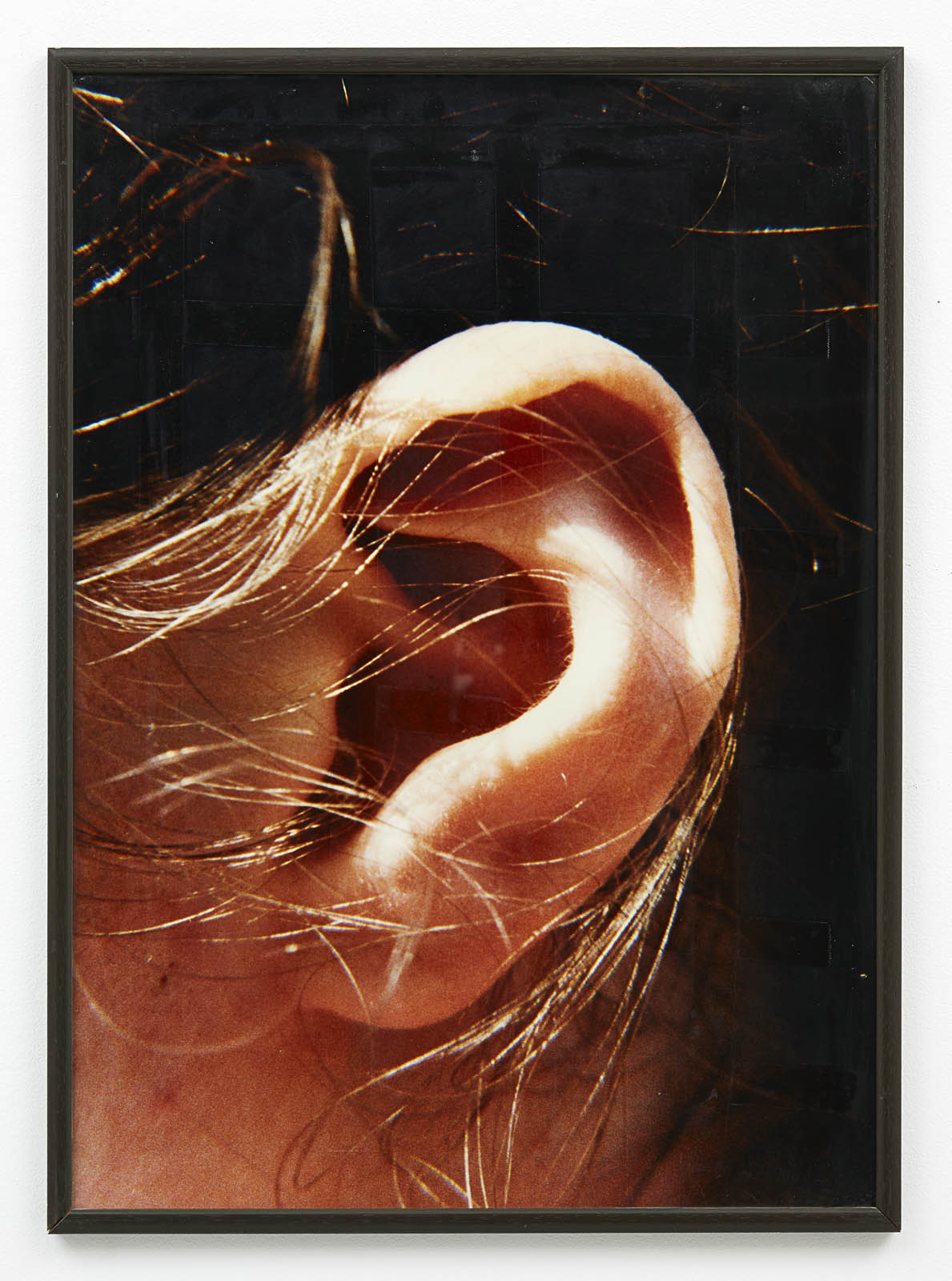
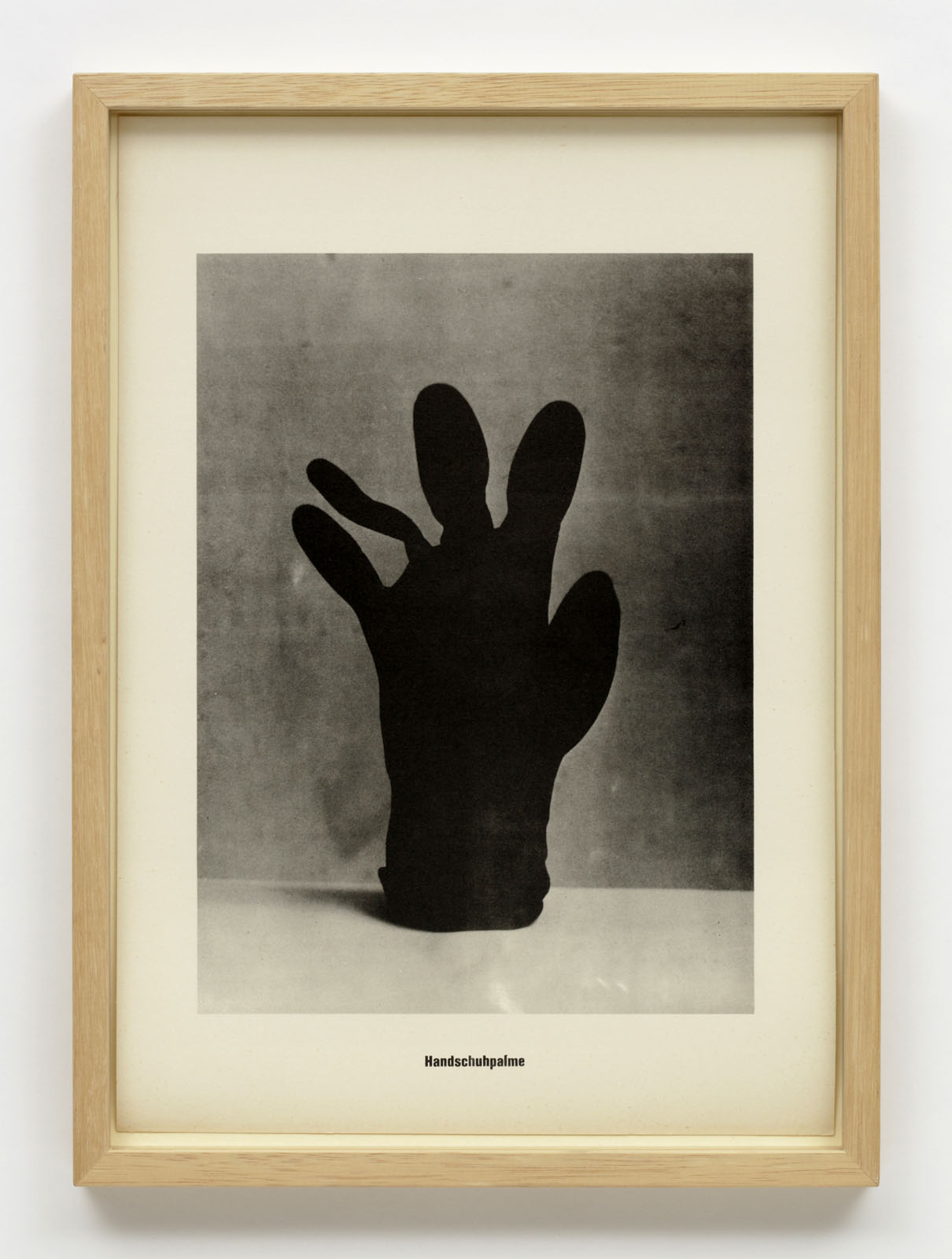
![Lotte Jacobi (American born Poland, 1896-1990) 'Folkwang-Auriga-Verlag, Orch 152. Neottia nidus avis. Vogel-Nestwurz, einzelne Blüte' [Bird's-nest orchid, single flower] c. 1930](https://artblart.com/wp-content/uploads/2025/06/4-typologien_lotte-jacobi_sm.jpg "Lotte Jacobi (American born Poland, 1896-1990) 'Folkwang-Auriga-Verlag, Orch 152. Neottia nidus avis. Vogel-Nestwurz, einzelne Blüte' [Bird's-nest orchid, single flower] c. 1930")
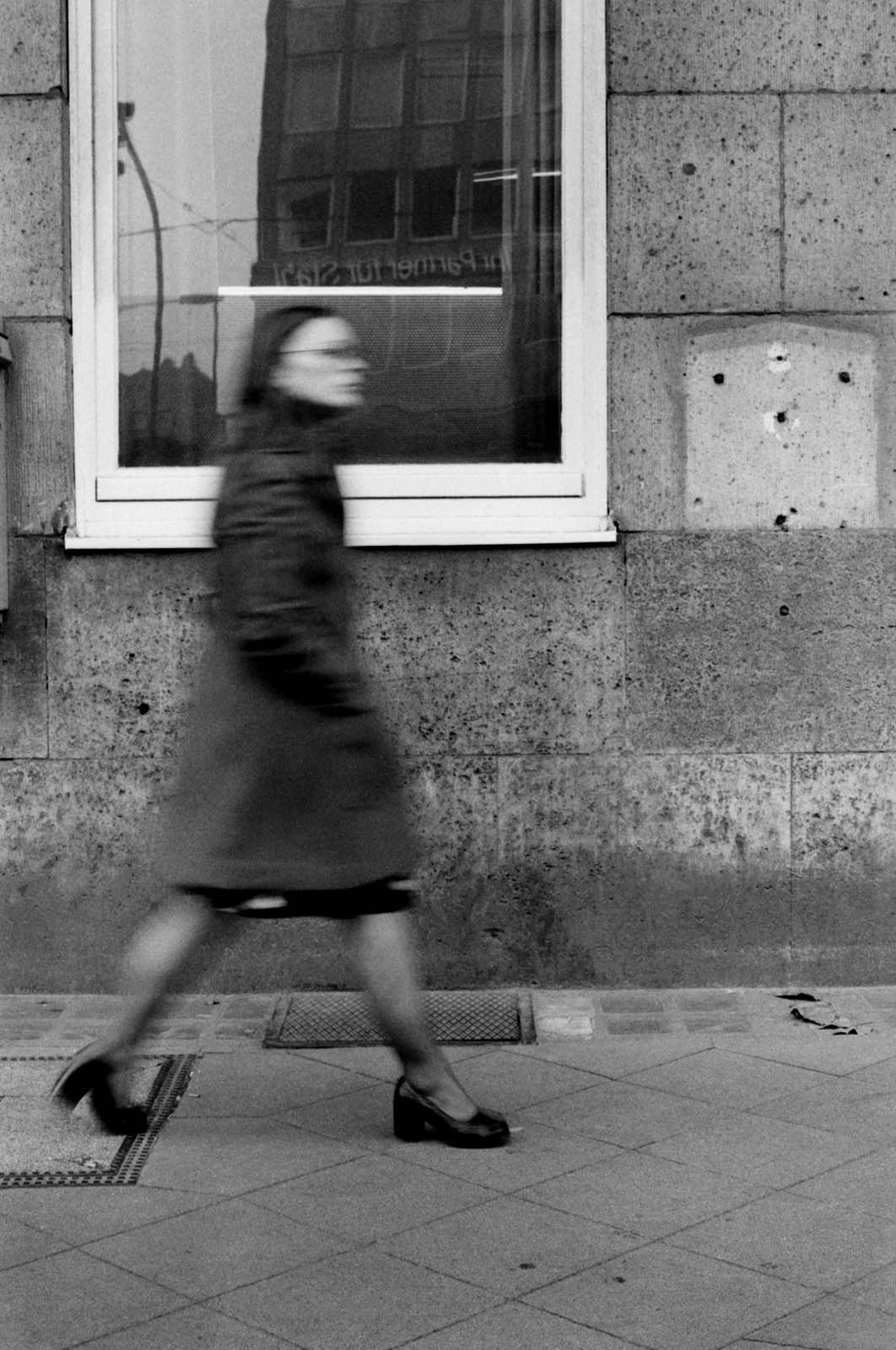
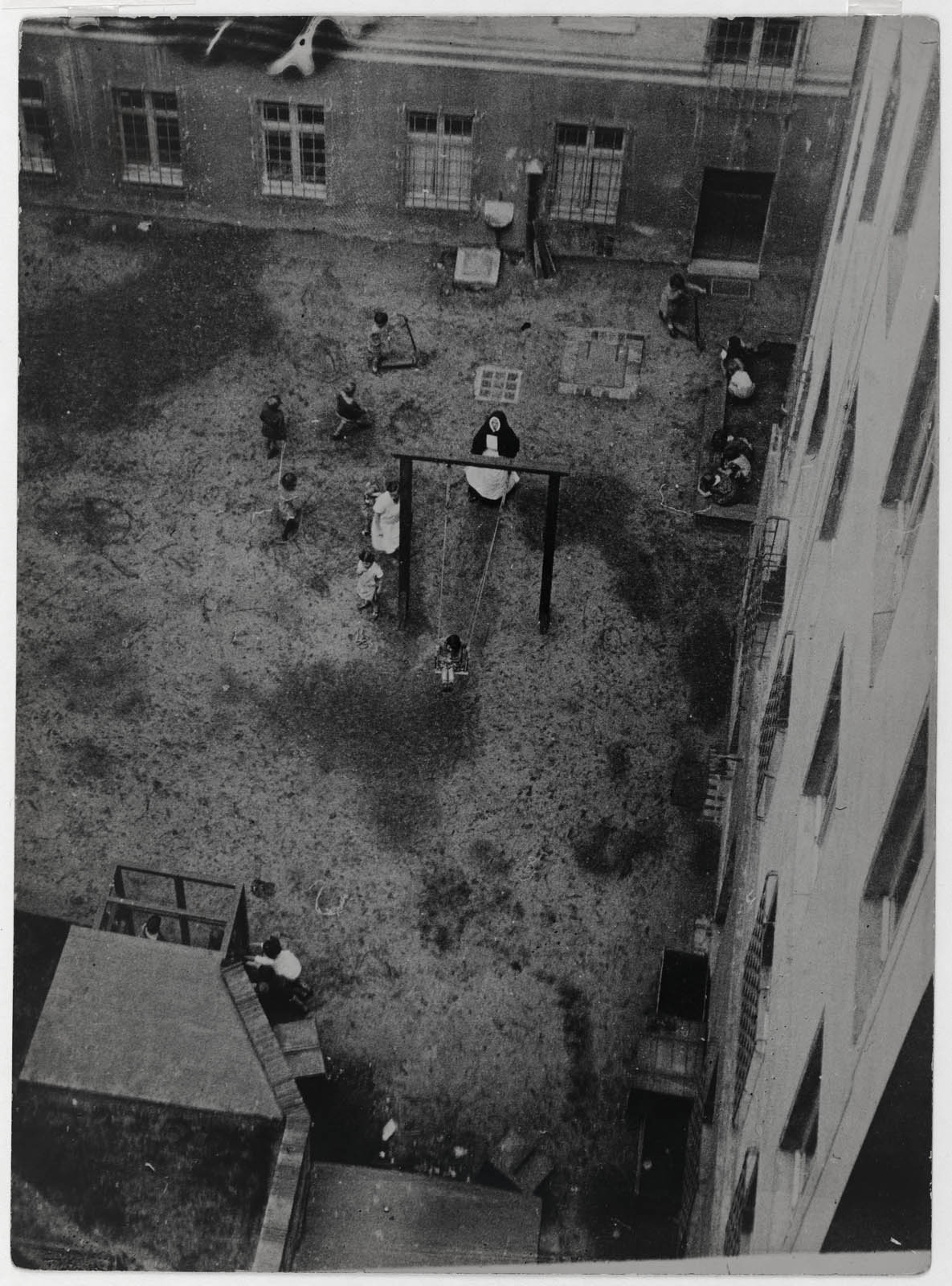
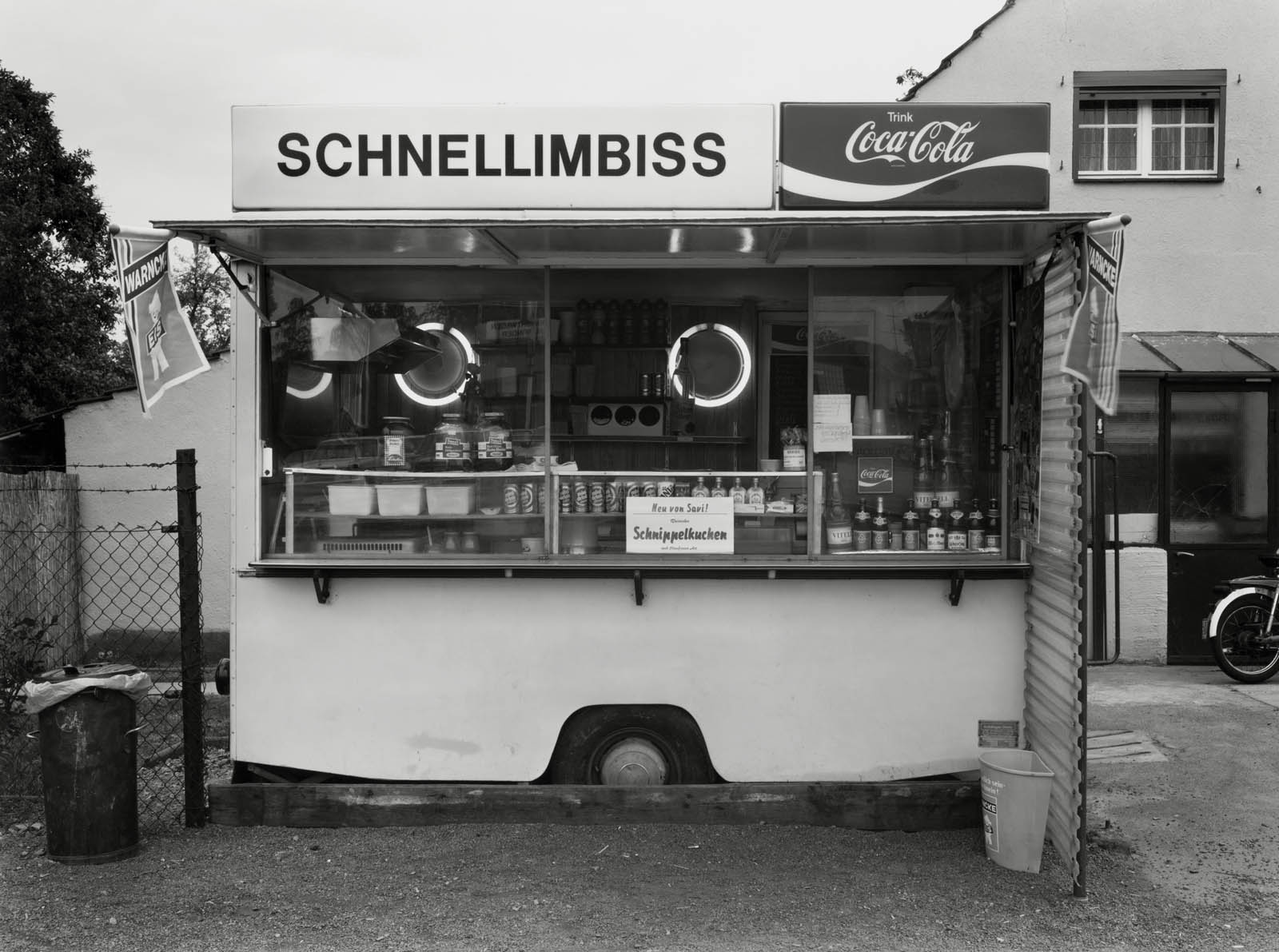
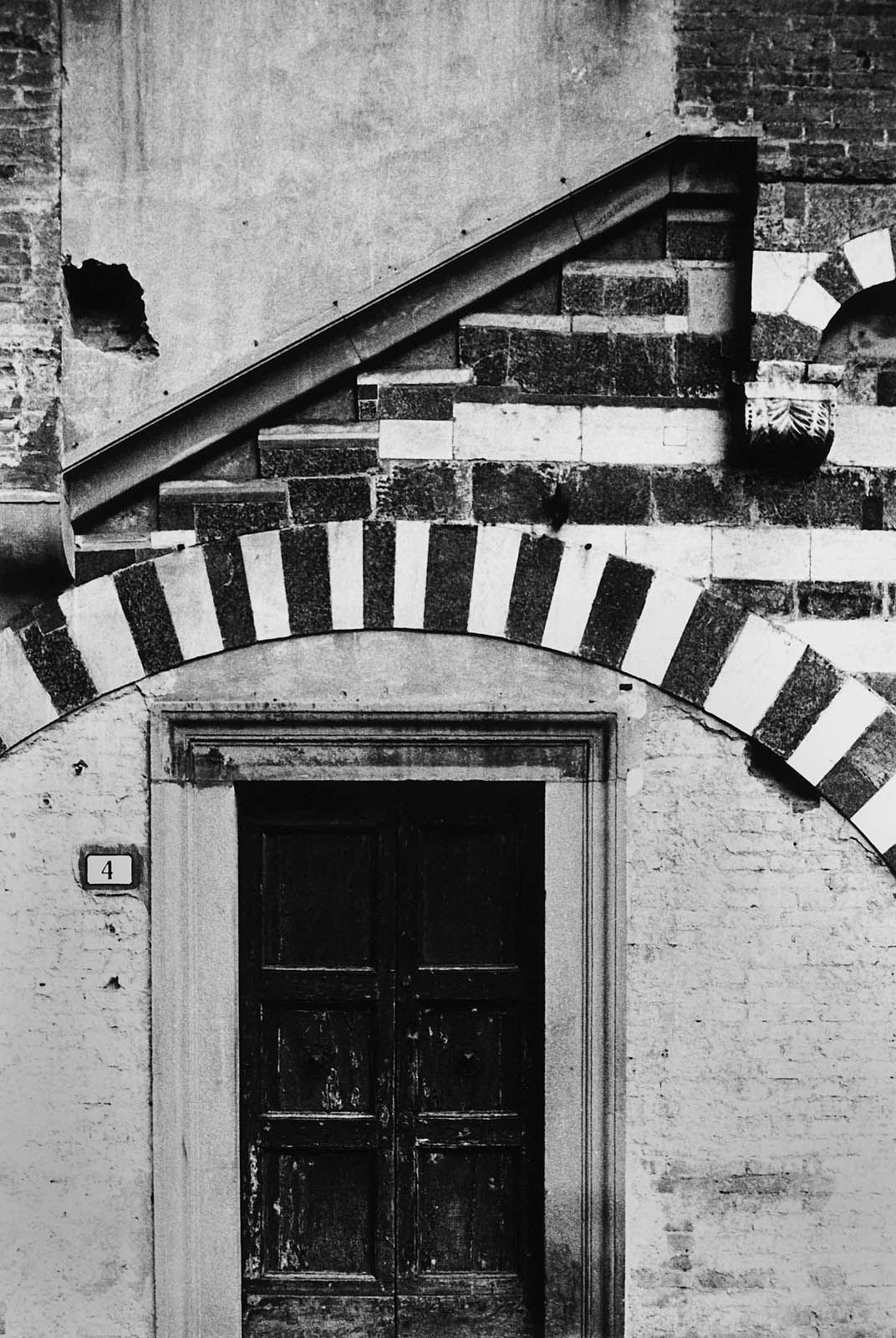
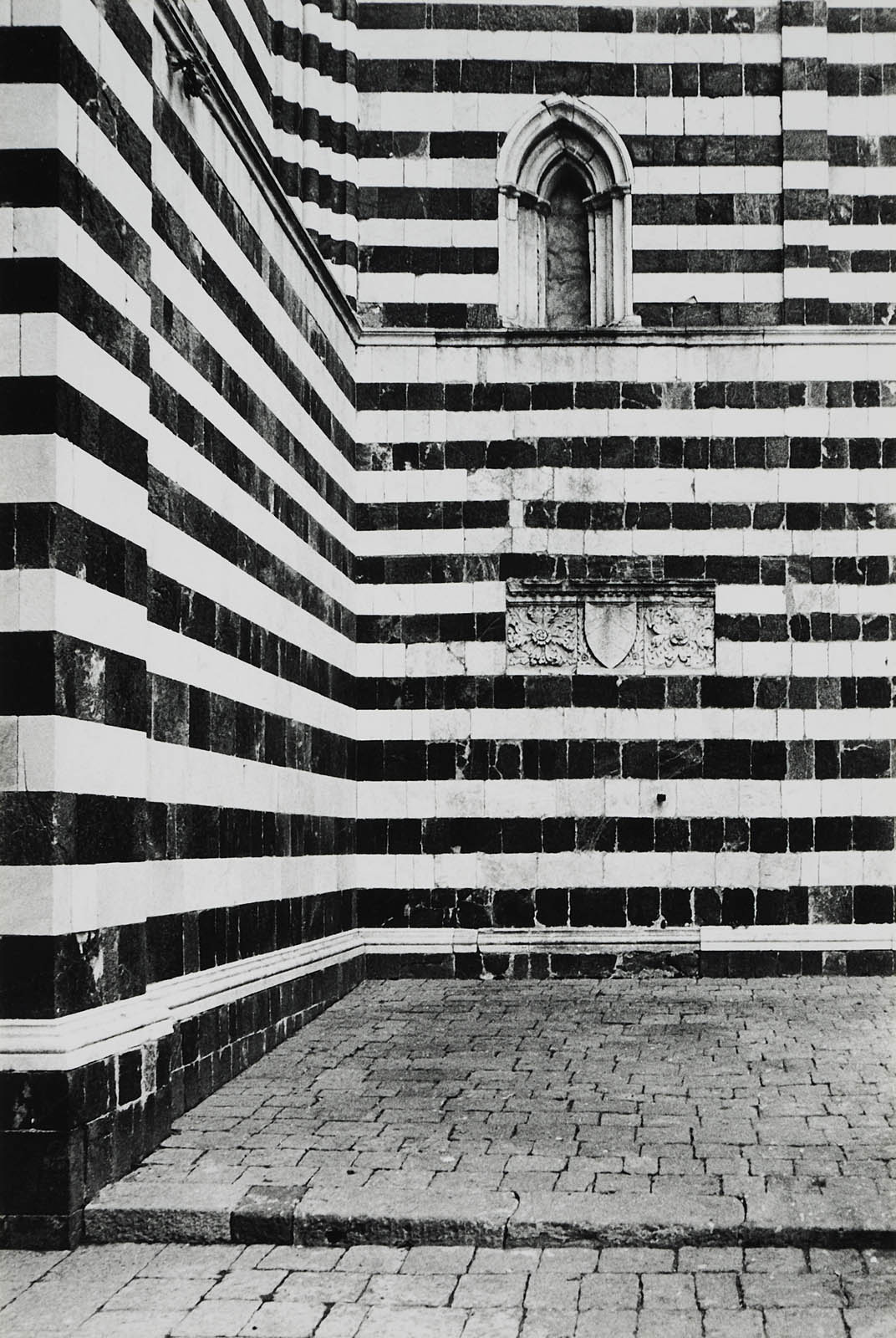
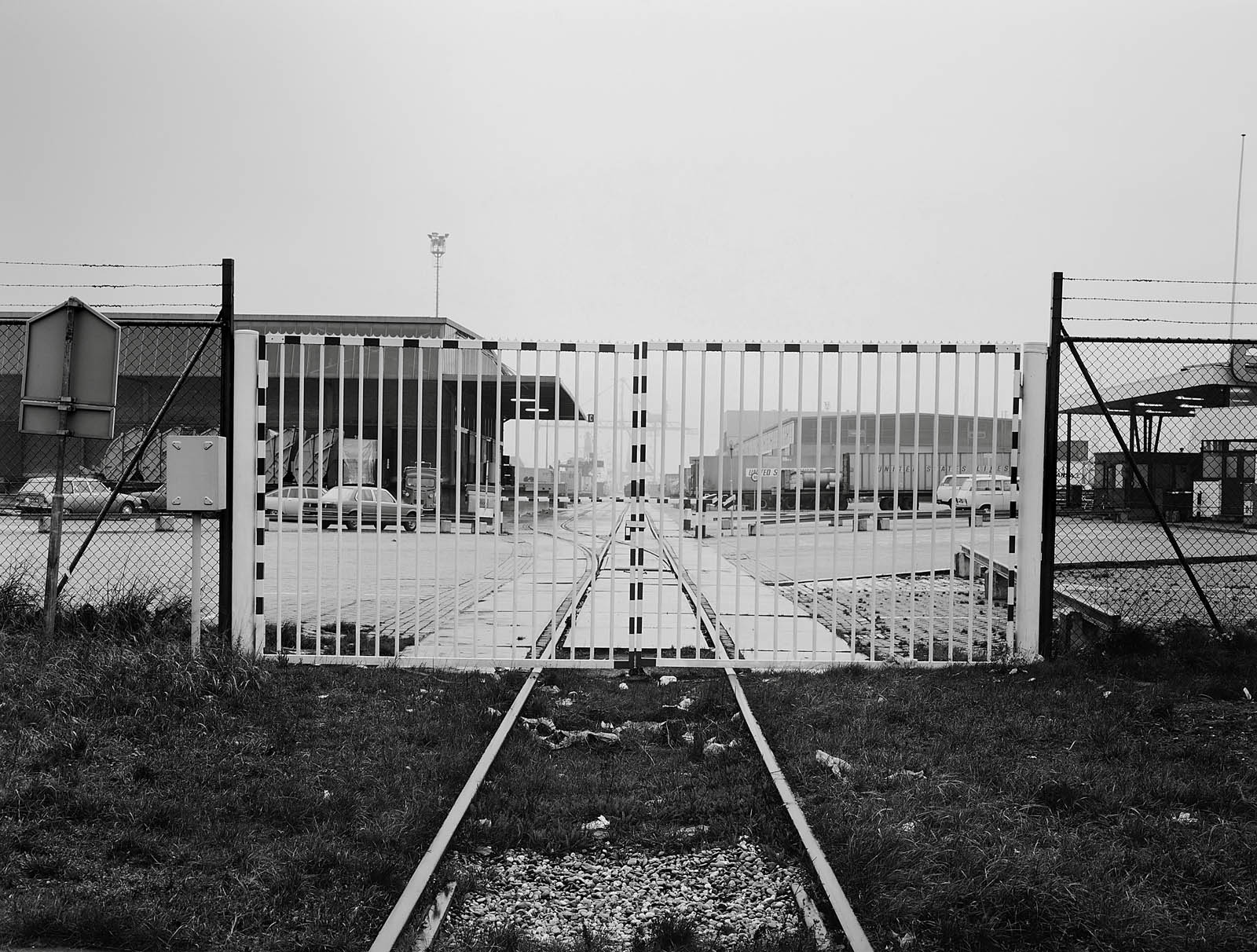
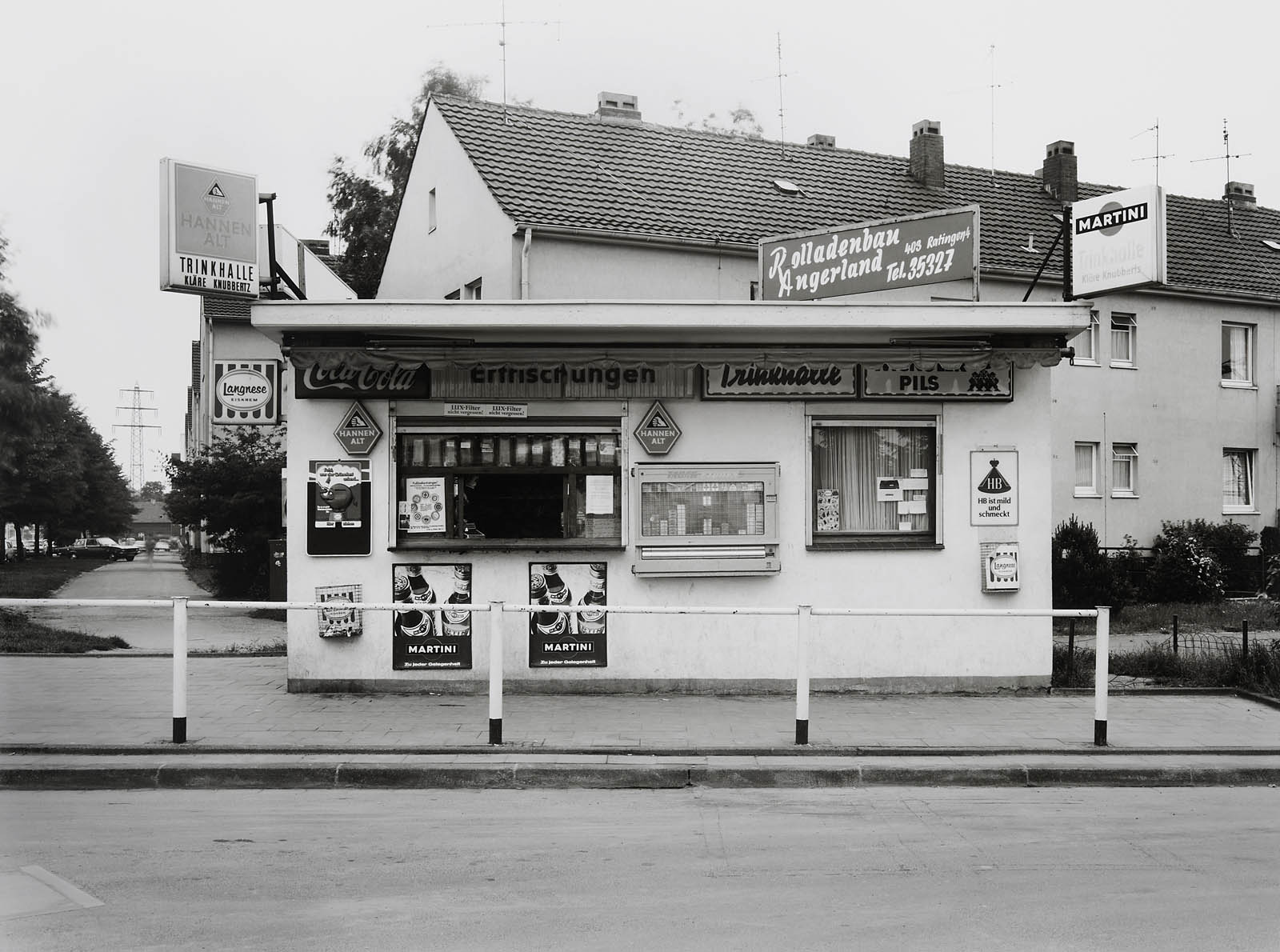
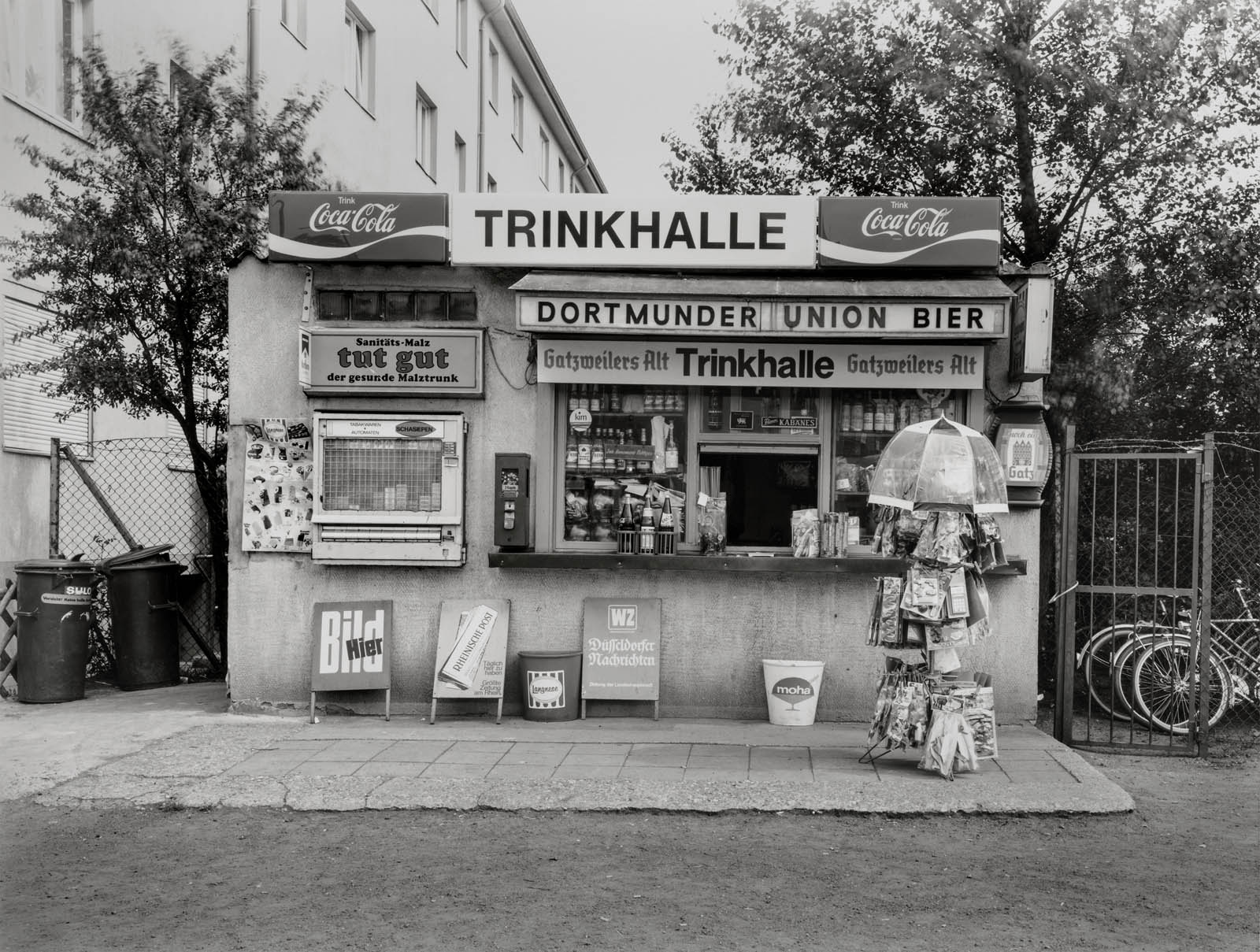
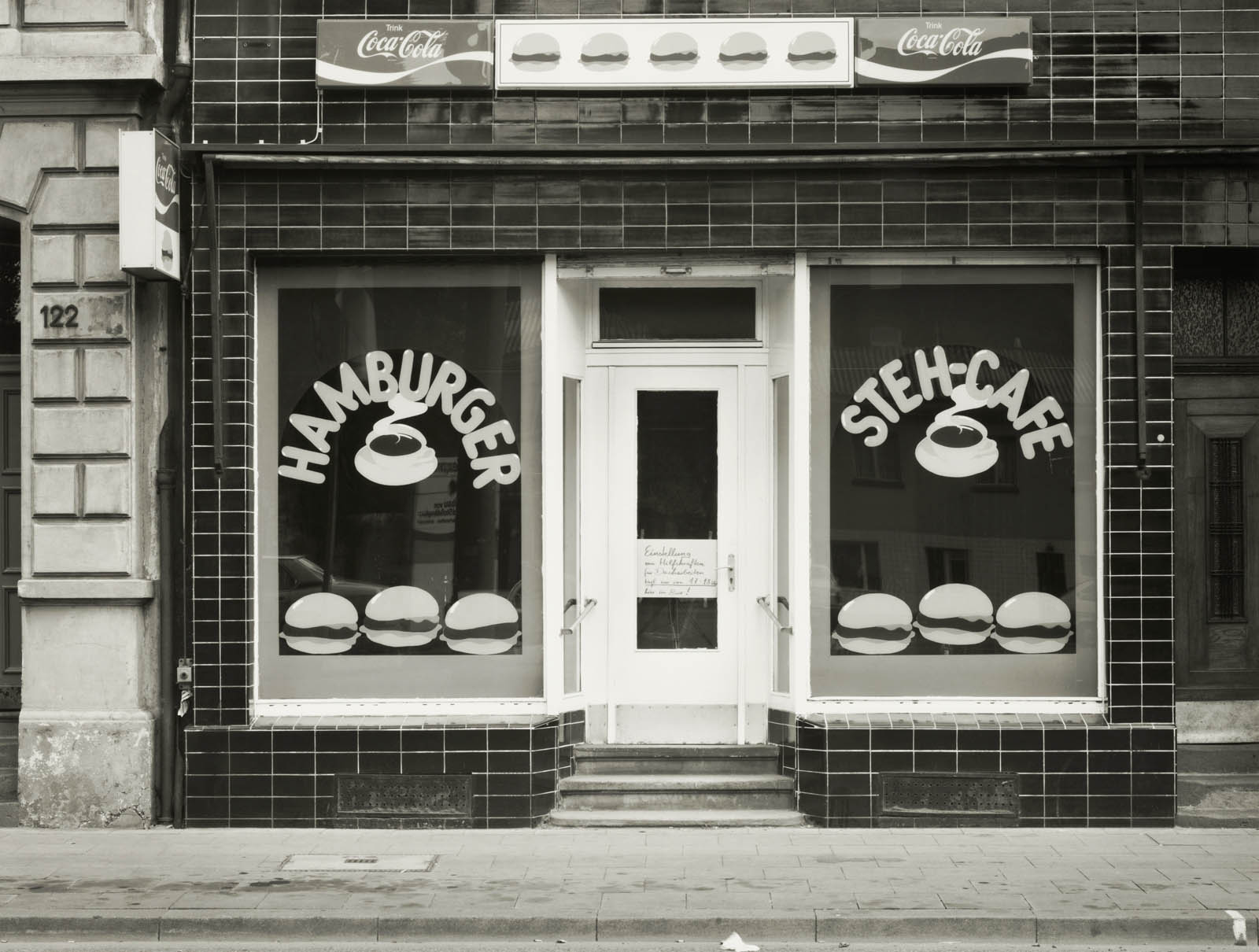
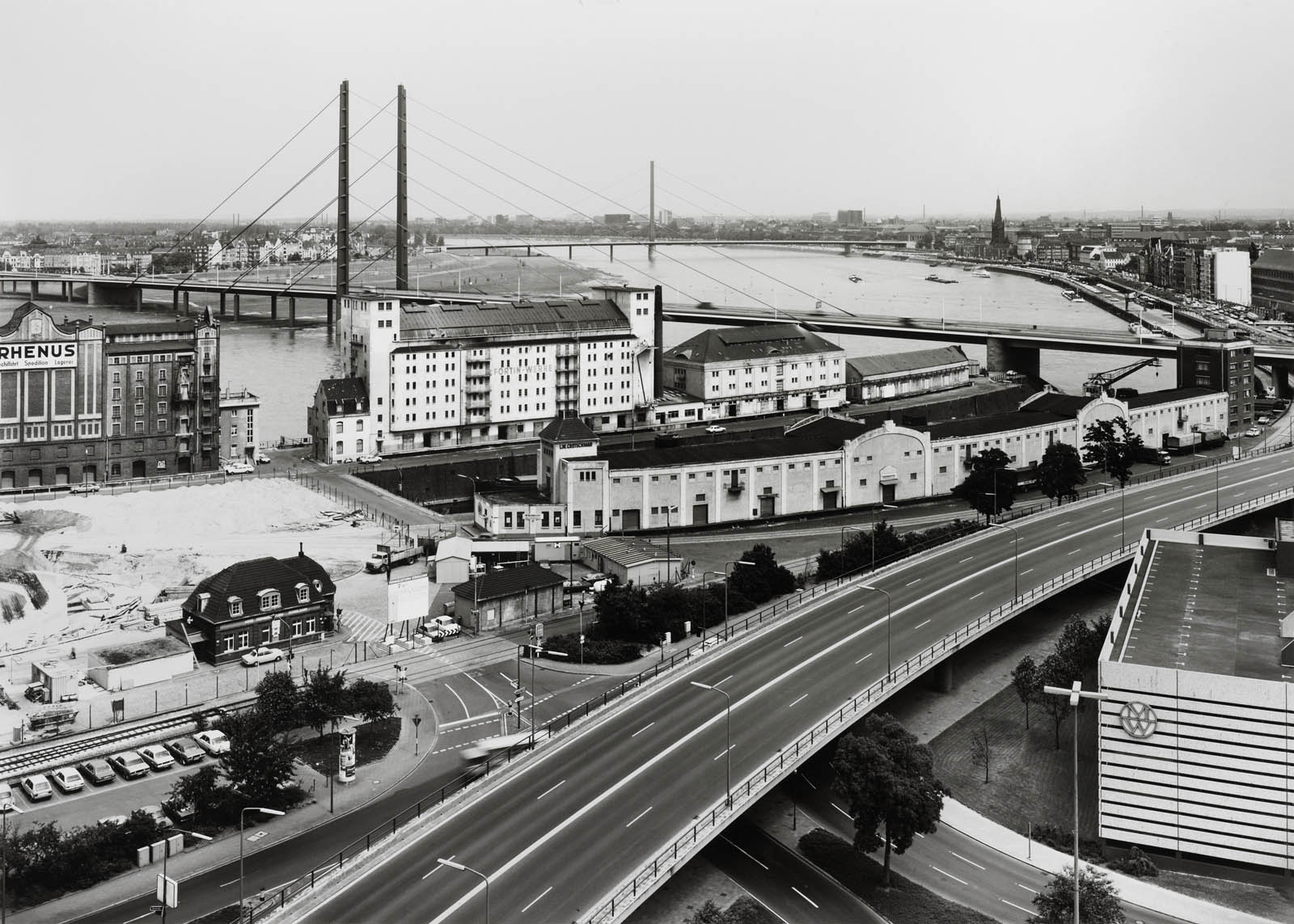
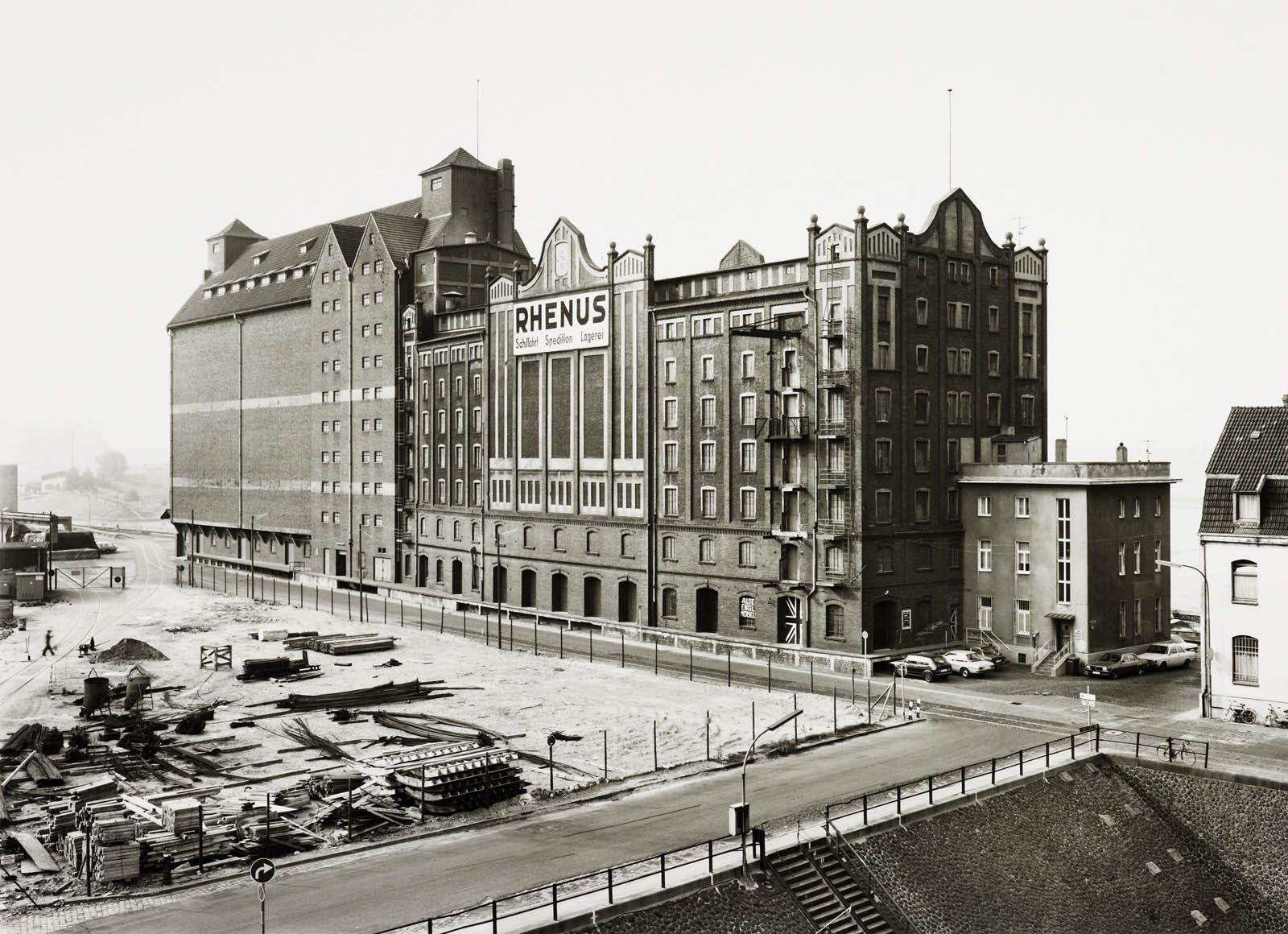
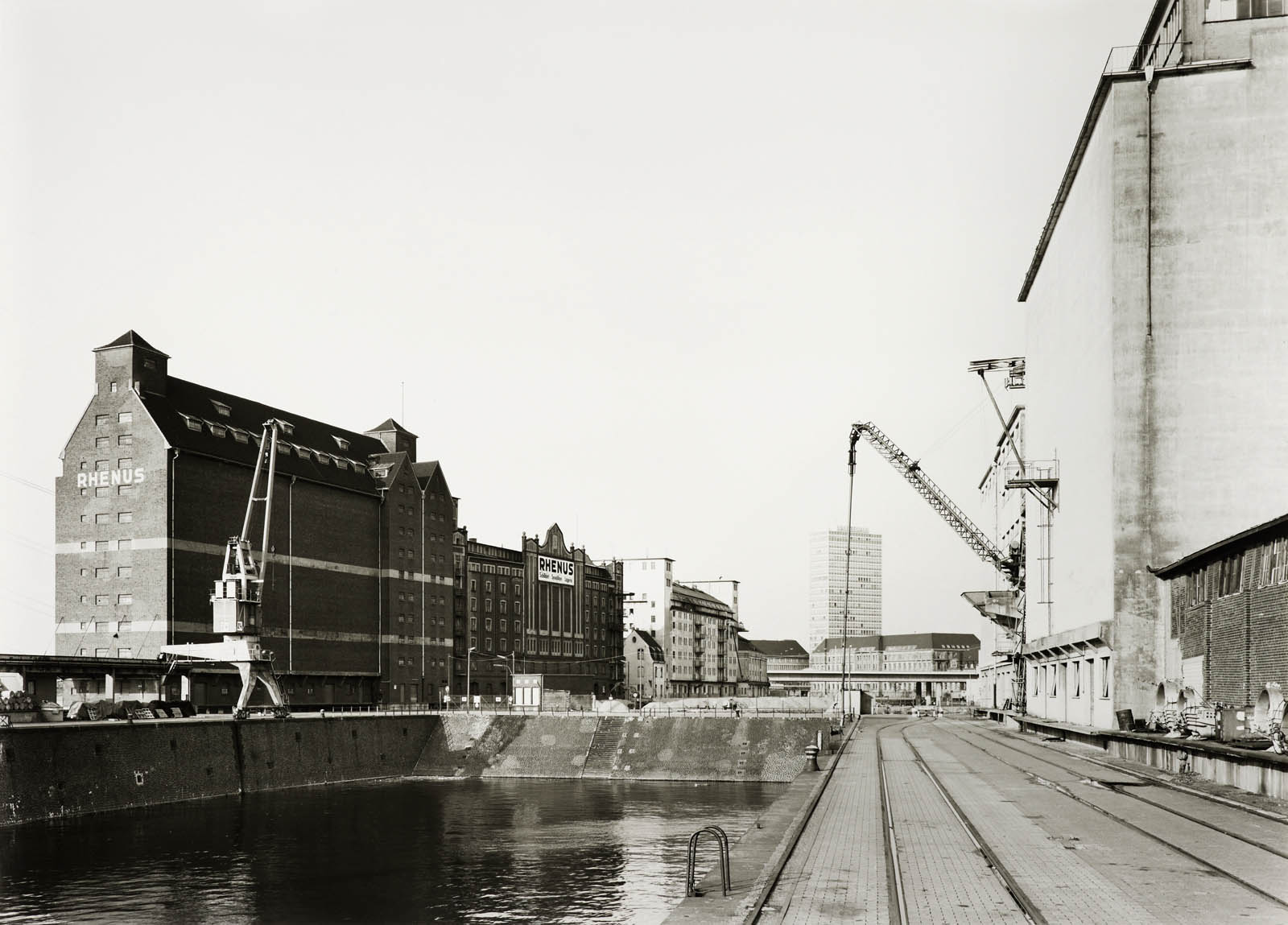
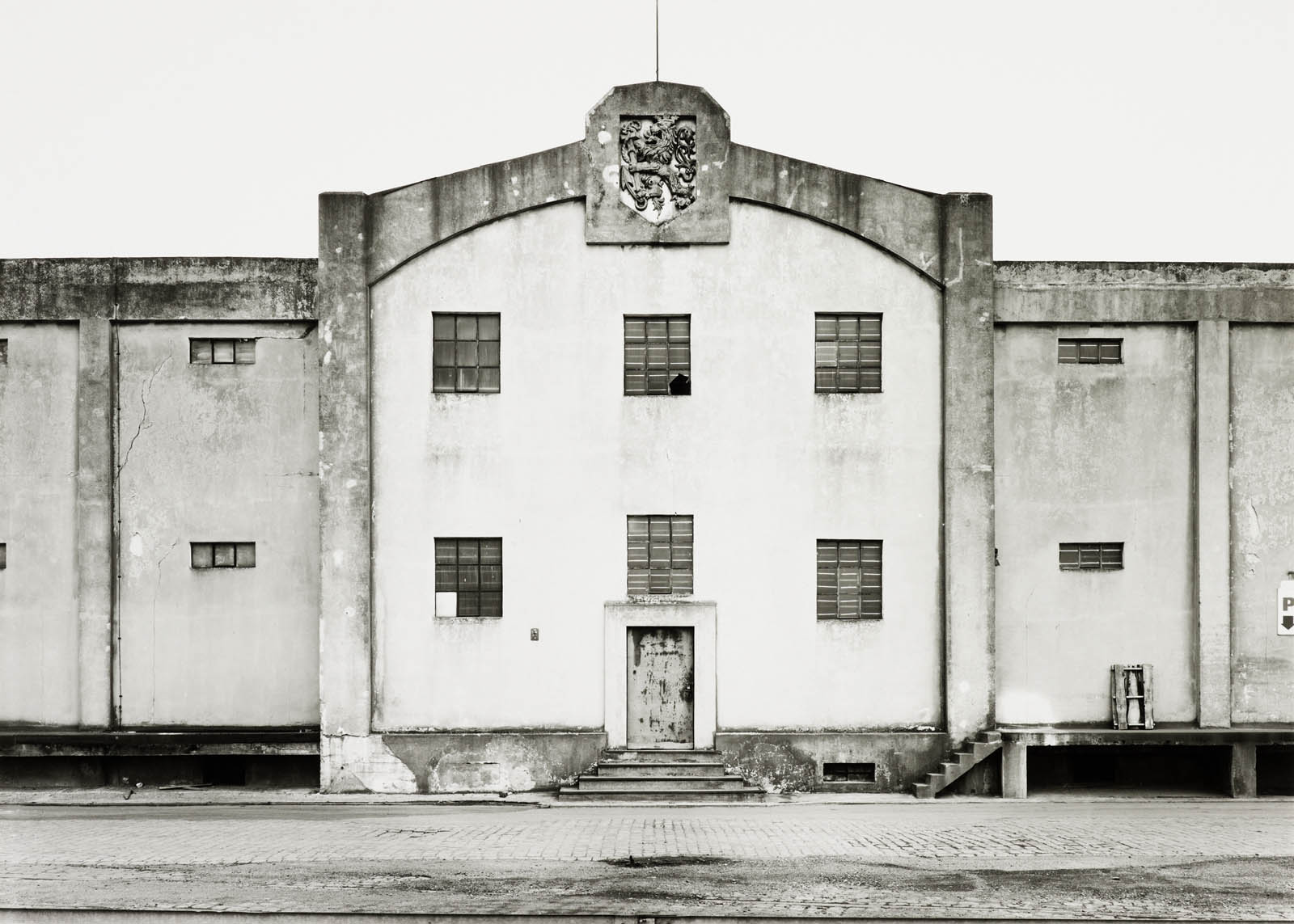
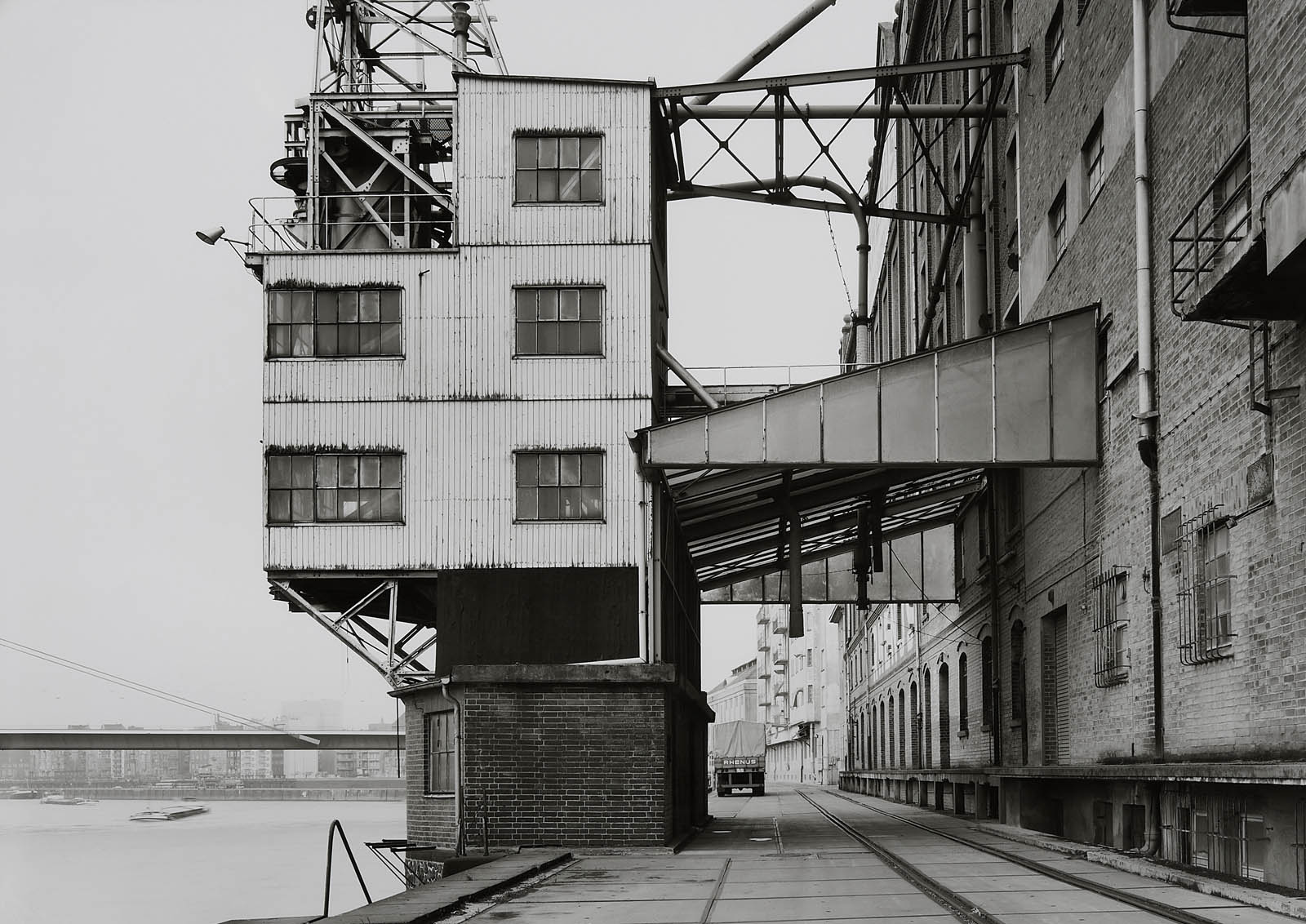
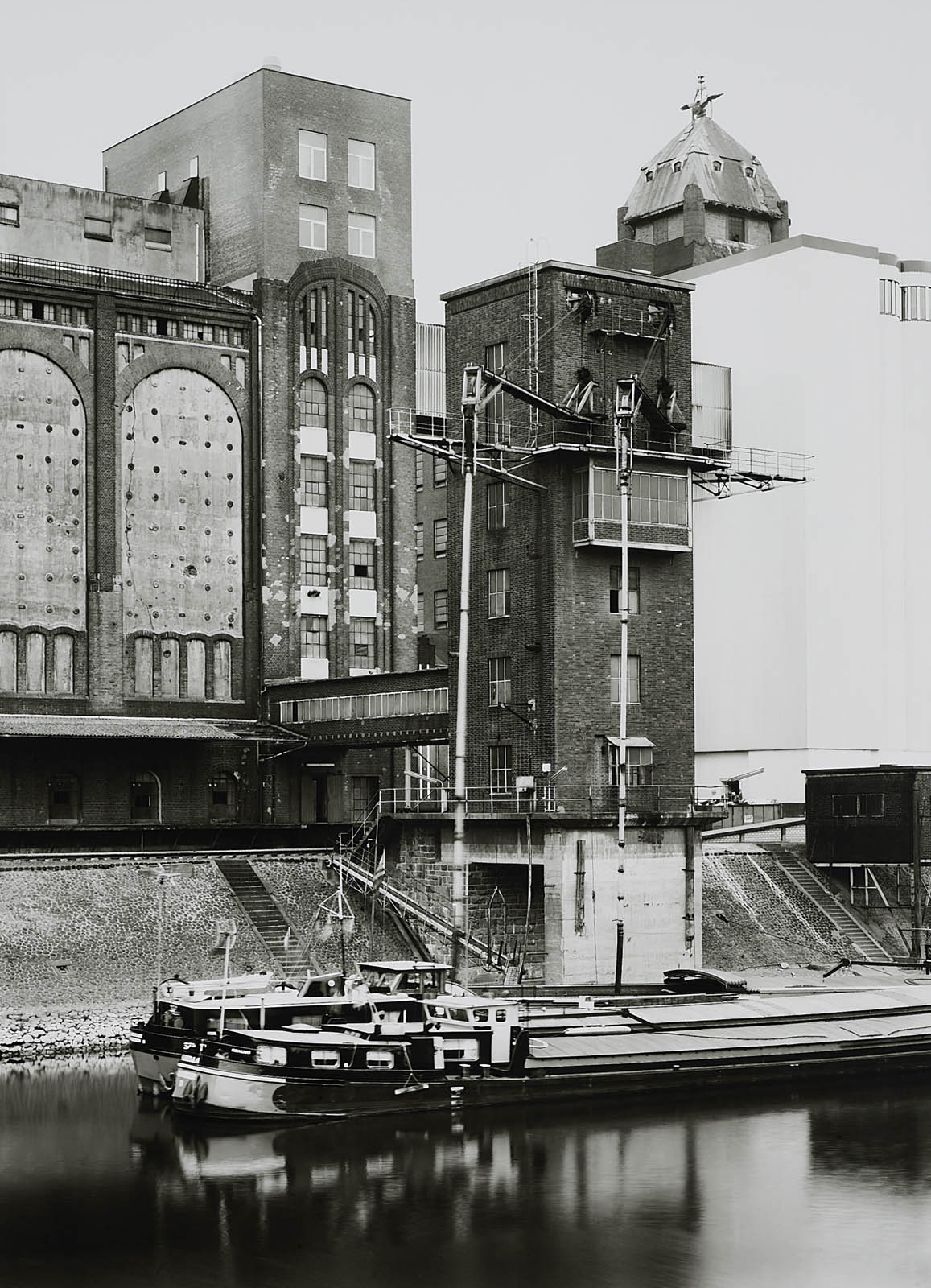
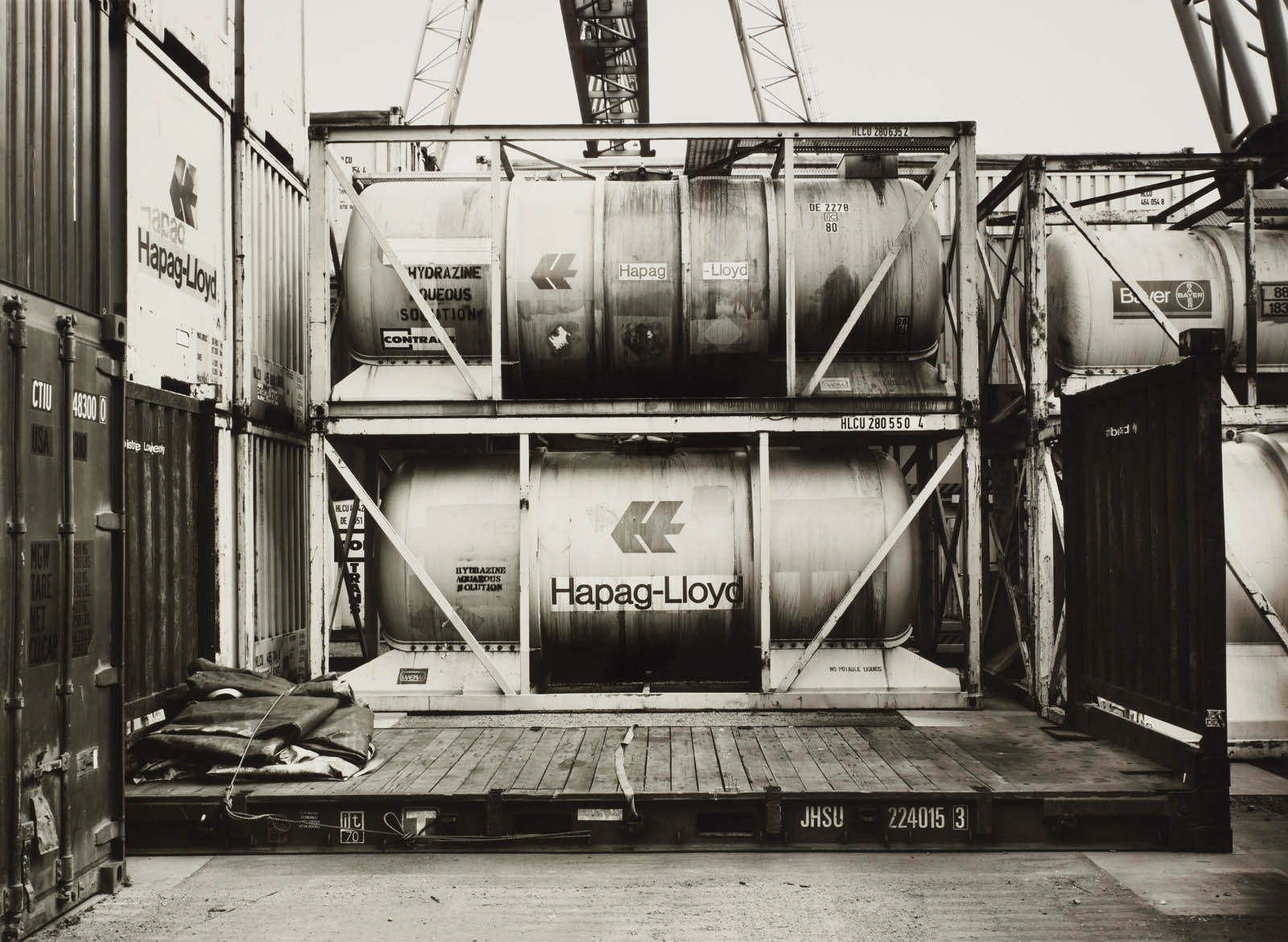
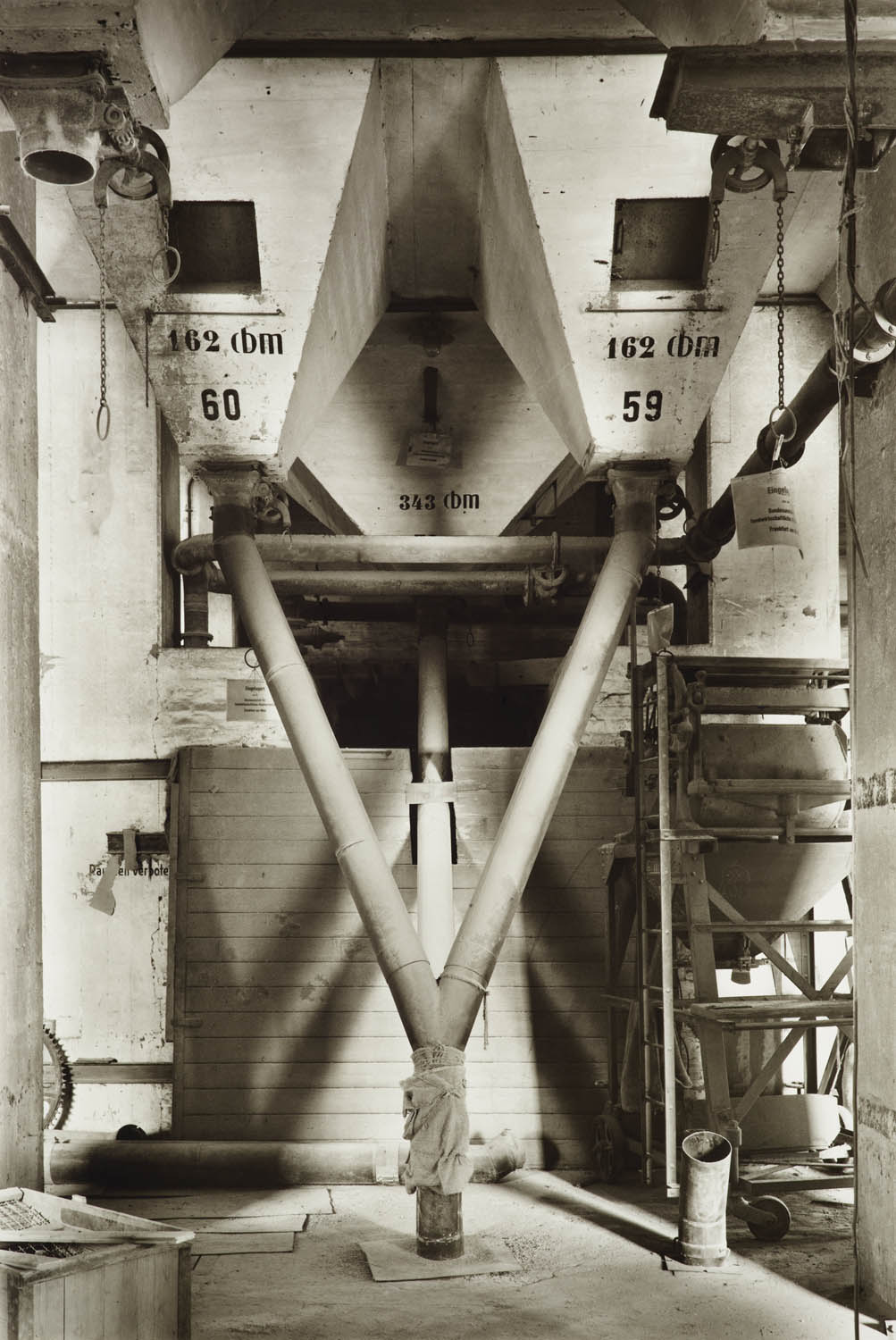
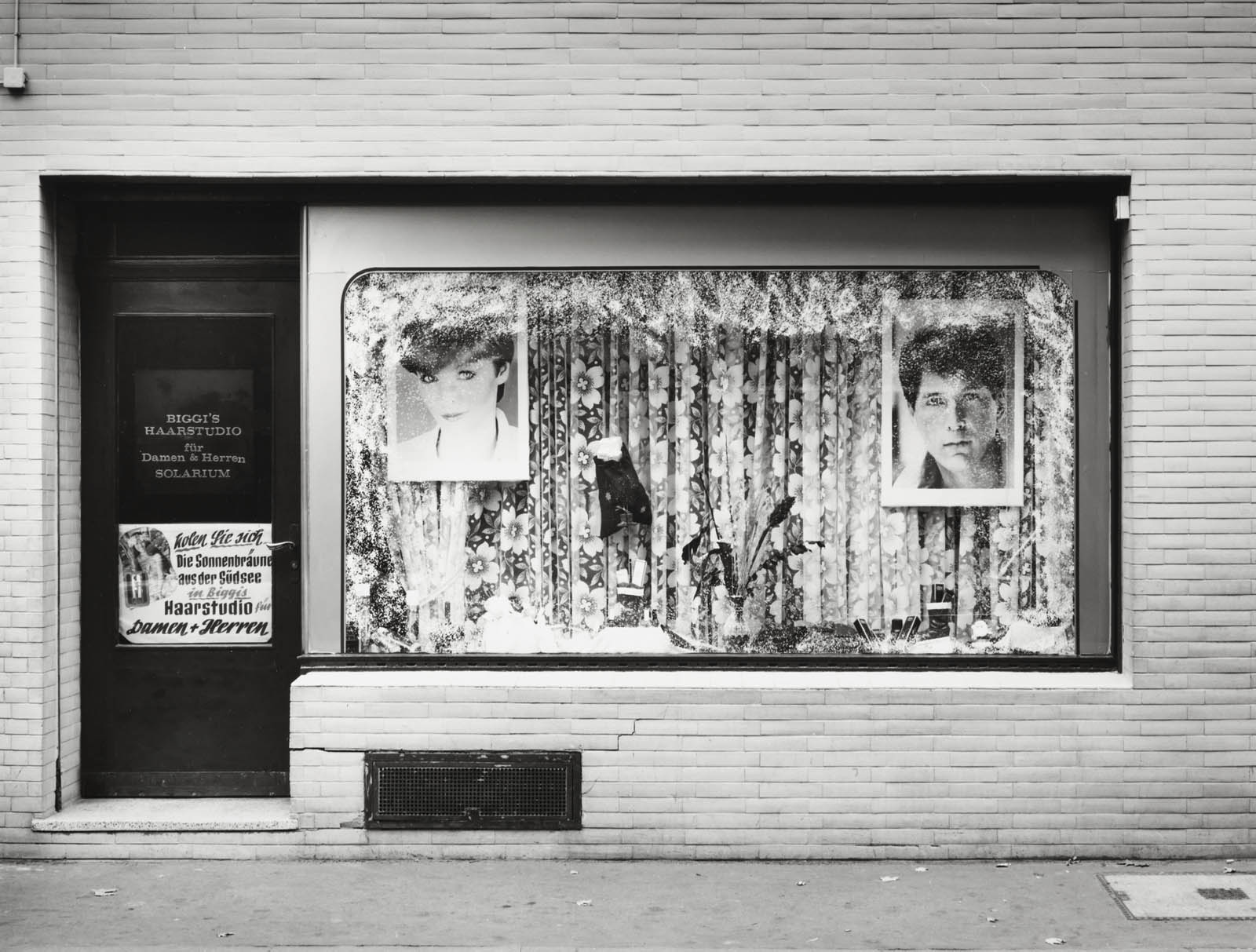
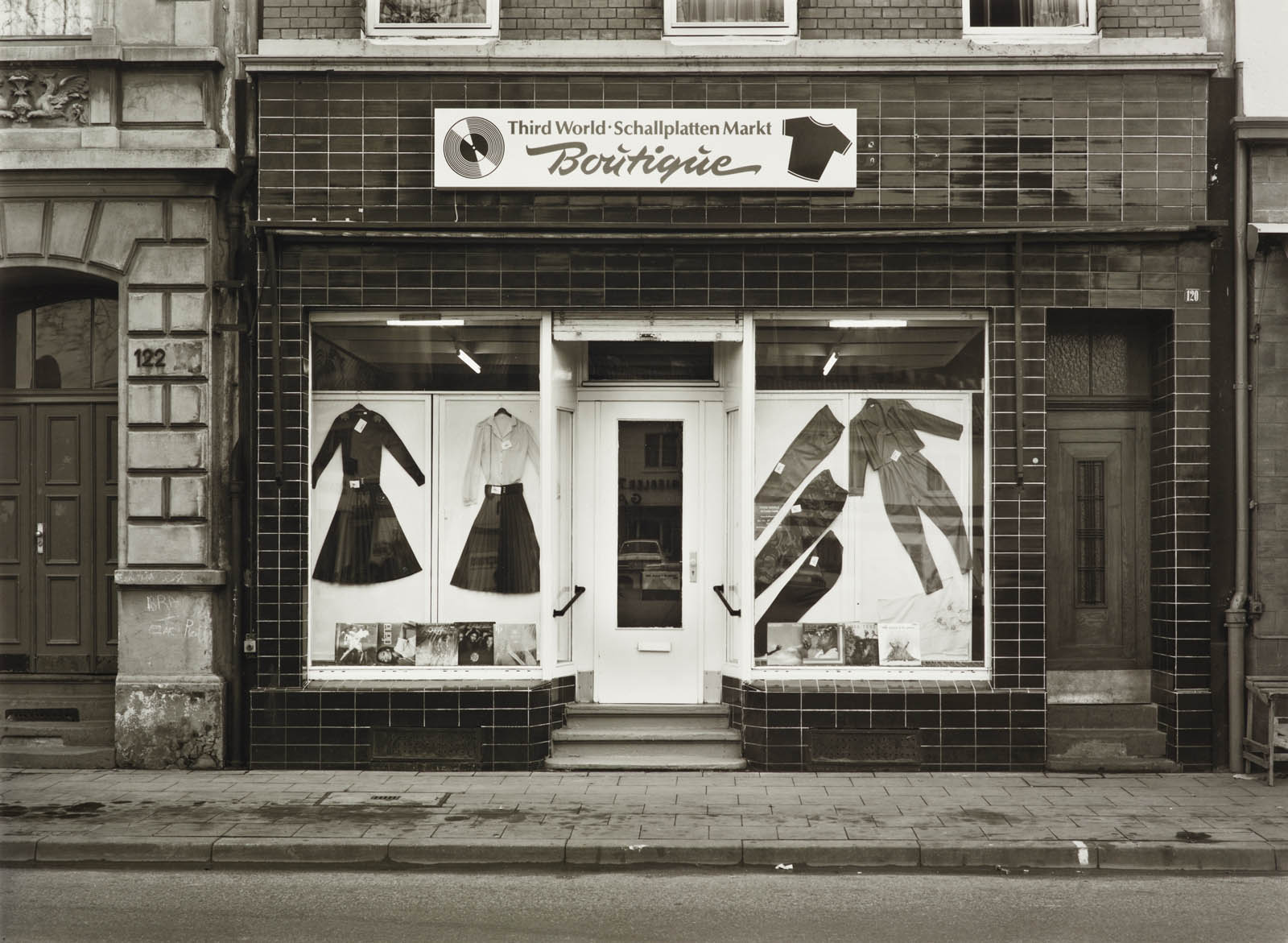
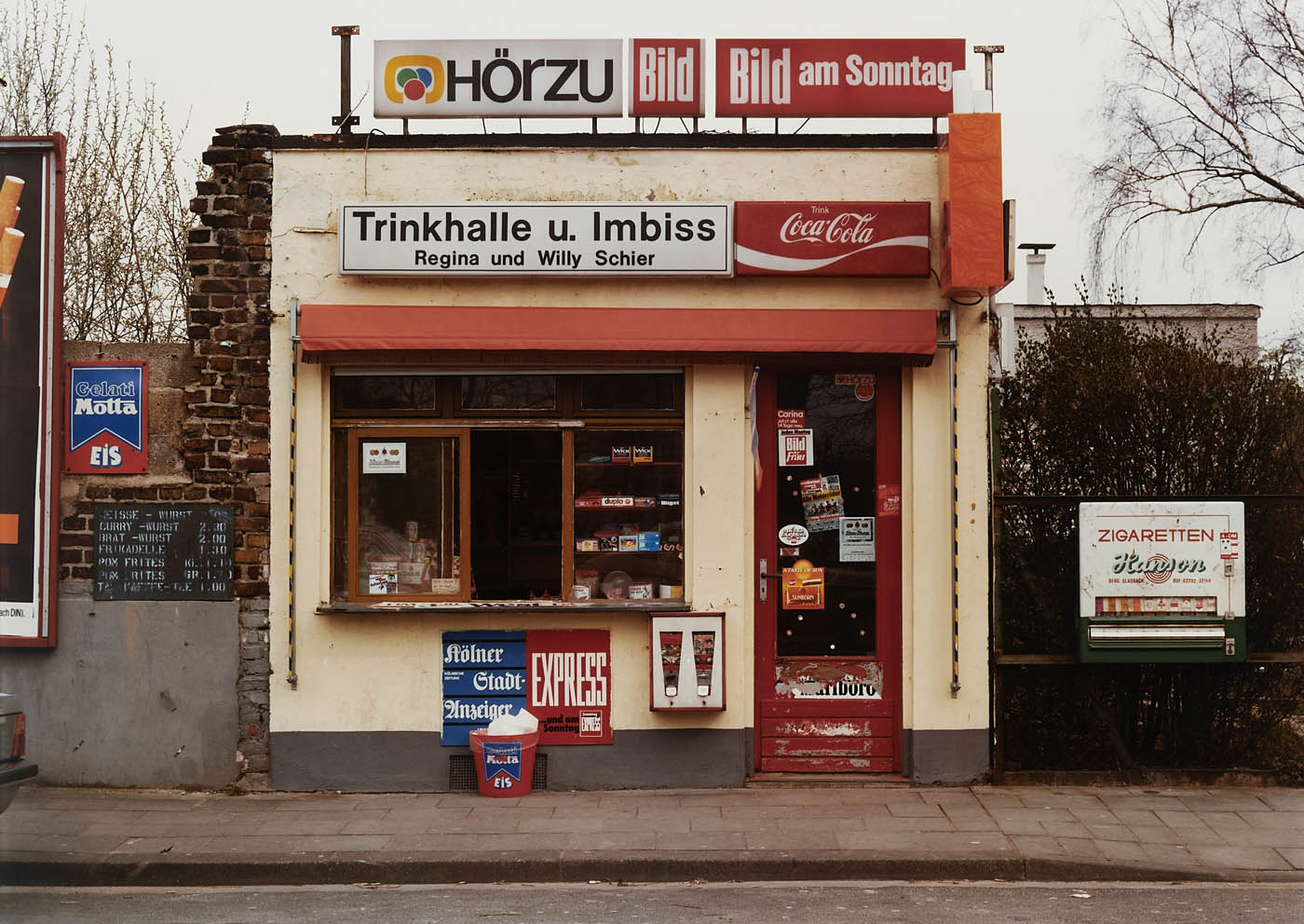
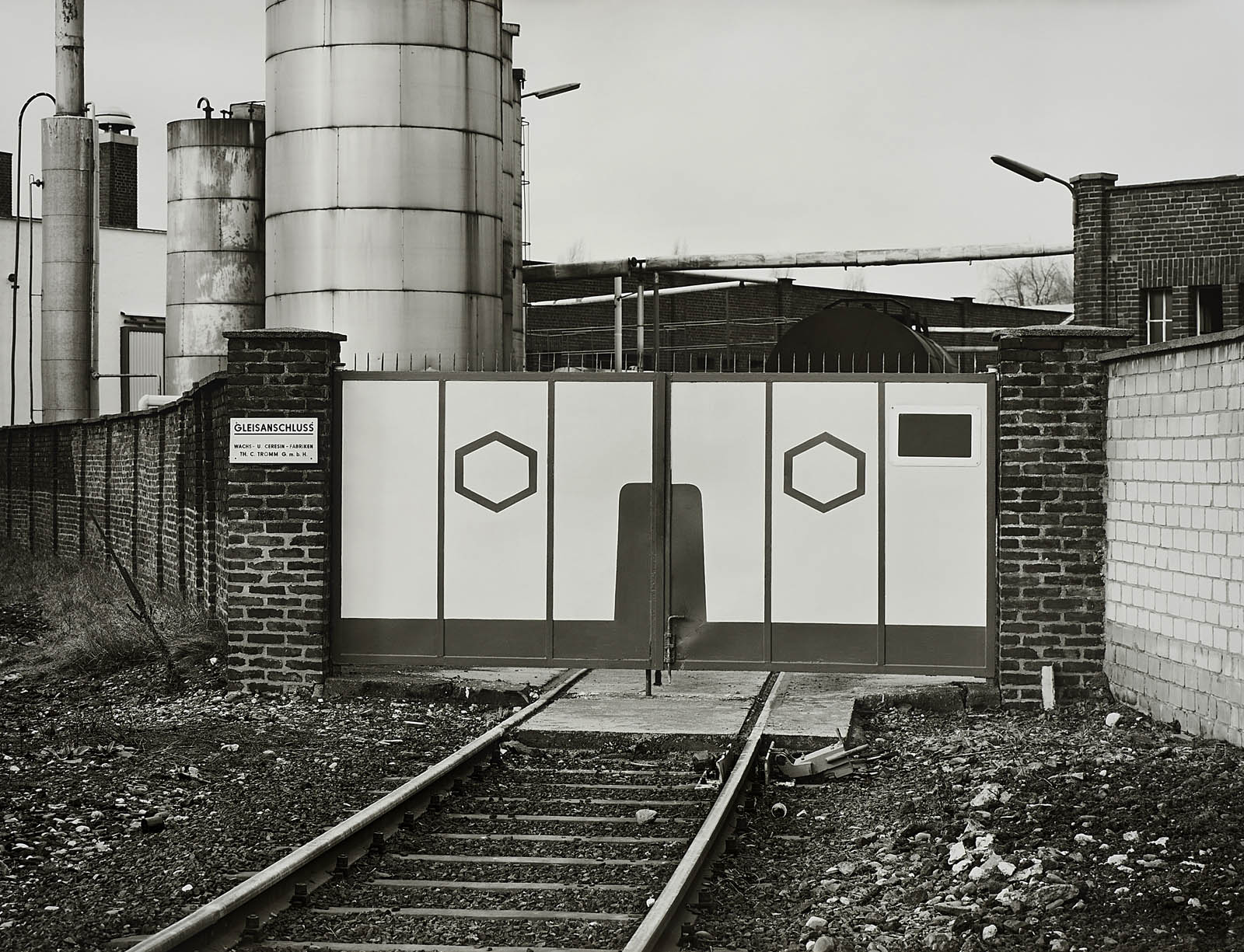
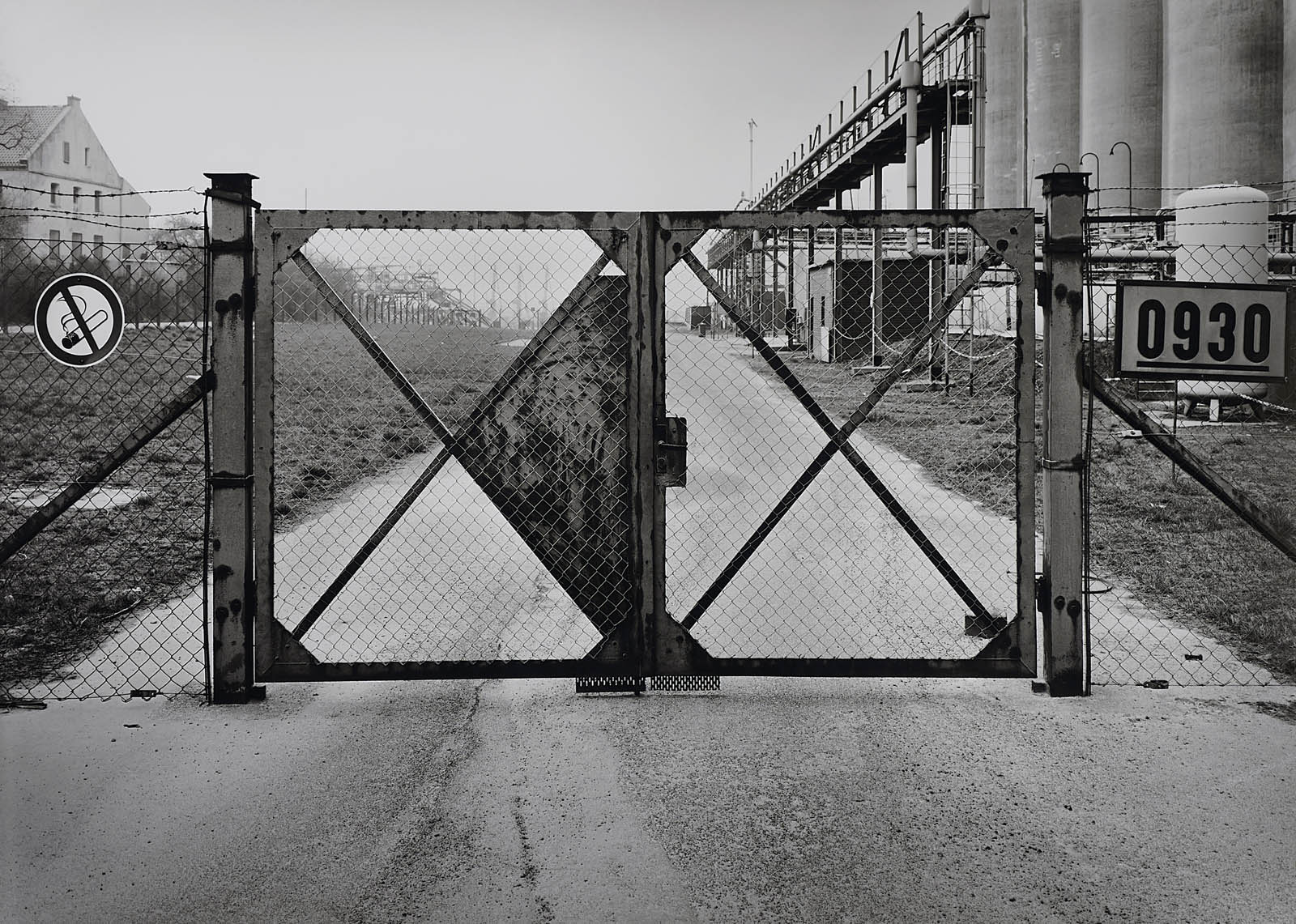
 Art Blart _ art and cultural memory archive
You must be logged in to post a comment.