Review: ‘As far as I know’ by Katrin Koenning and Jessie Boylan at The Colour Factory Gallery, Fitzroy, Melbourne

Exhibition dates: 4th July – 27th July 2013
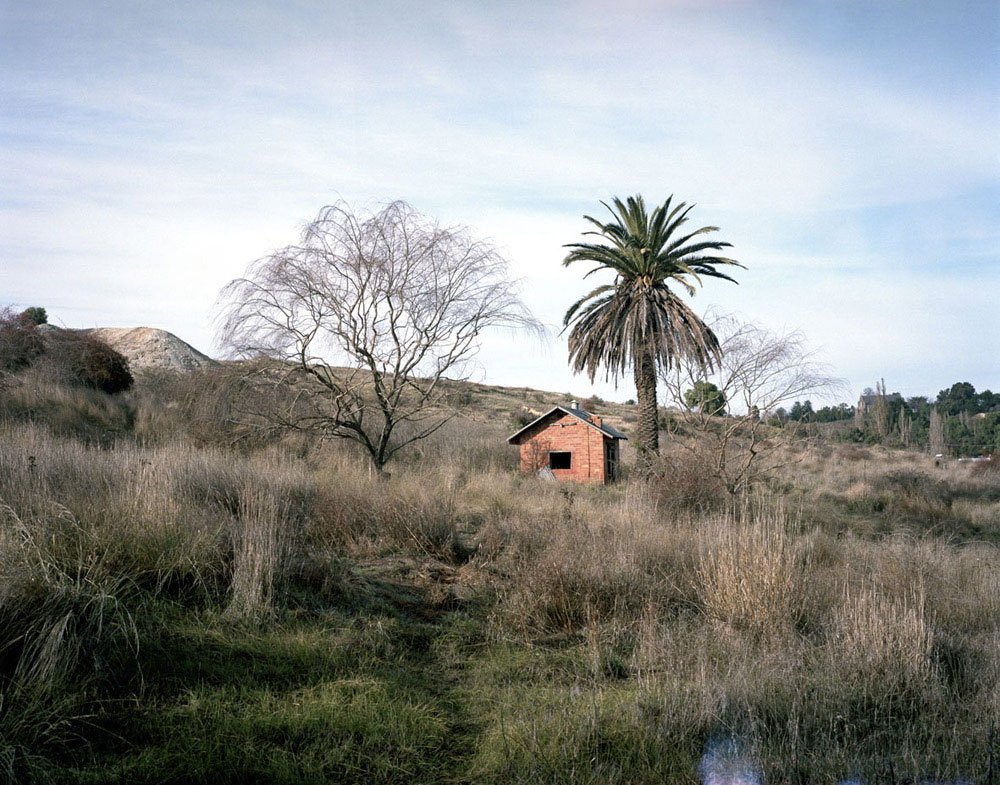
 

Jessie Boylan (Australian, b. 1986) 'Clunes (Cottage)' 2013


Jessie Boylan (Australian, b. 1986)
Clunes (Cottage)
2013
From the series Fourteen Ounces
Hahnemuhle Photo Rag
80cm x 60cm
Edition 10 +2AP


“… the work itself – which describes various traces of industry and built history amid the expanses of rural and outback Australia – is of a much subtler cadence. These works are more a collection of scattered traces and silent armatures that sit within the vastness of the Australian landscape… While Koenning’s spacious works picture the rusted tractors and empty gain silos of dried-out farming communities and desert towns, Boylan’s images of Victorian forests and mining country have a more claustrophobic feel. In each case. the stories and traces prove elusive and assumed. It is a powerful allegory for Australia… As far as I know whispers of tacit, embedded history – of small echoes amid a vast land.”


Dan Rule “In the Galleries,” in The Saturday Age, July 13, 2013, p. 7.


There are some interesting visual elements to this exhibition by Katrin Koenning and Jessie Boylan at The Colour Factory Gallery but ultimately these elements do not add up to a satisfying whole.

Boylan’s images are well seen and the artist makes the environment within the pictorial plane seem much bigger than the space the photograph occupies, almost cinematic in their scope. However, the artist relies too heavily on the single tree or structure to hold the centre of the image, whilst placing the horizon line all to regularly half way up the image (see the 1, 2, 3, 4, and yes 5 images below). Even in the dense bush scenes there is a horizon line in the middle of the image, mentally blocking the viewer from any imaginative engagement with the landscape.

Koenning’s photographs evidence the bleached sunlight of rural Australia with visual elegance, but the artist is much cleverer when she is handling a number of elements within the picture plane (for example, see her series Transit), instead of being out of her environment and then simplifying the pictorial structure. I have seen so many of this type of photograph. They picture the traces of settlement as the detritus of an ailing economy – of a failed negotiation with the land – through a “Tom Roberts” moment. Surely there is more life, more to life in rural Australia than single trees (is there a theme emerging here?), desolate spaces and people in the mid-foreground with their back to the painter / photographer, staring off into the distance. They might have a presence but there are no possible futures intimated here.

But what really puts the nail in the coffin of this exhibition is the quality of the digital printing.

Boylan’s photographs are over saturated in the flesh while Koenning’s photographs are so pale and wane, even in the reproductions, that the print does not HOLD the image. It is one thing to capture the harsh light of rural Australia but when you are printing this light, you must have a STRUCTURE, some base upon which that light can sit in the print. These photographs fail in this regard. It says something when you look at the DL invite to the exhibition and there is the picture of the swimming pool radiant in blue, and then you look at that same photograph in the exhibition which is a pale imitation of the invite. I just wonder what happened in the printing process?

When artist’s used to print their own work in the darkroom they only had themselves to blame for poor printing. Today, photographers are reliant on their relationship with the printer at the digital photo lab, unless they are able to afford thousands of dollars to set up a printing space themselves. To find a good printer and build up a relationship with that person, a person who understands what the artist is trying to achieve in the look and feel of a body of work, takes time and patience. Unfortunately, that chemistry and magic has not happened in this exhibition.

And by the way, none of the photographs in this exhibition were printed at The Colour Factory, just to make that quite clear!

For me, these photographs are not allegories, pictures that can be interpreted to reveal a hidden meaning for what little meaning they have is far to obvious. They are taciturn photographs, reticent, silent of more interesting truths – images that have little new to say which makes me want to look at them less.

Dr Marcus Bunyan


Many thankx to The Colour Factory Gallery for allowing me to publish the photographs in the posting. Please click on the photographs for a larger version of the image.
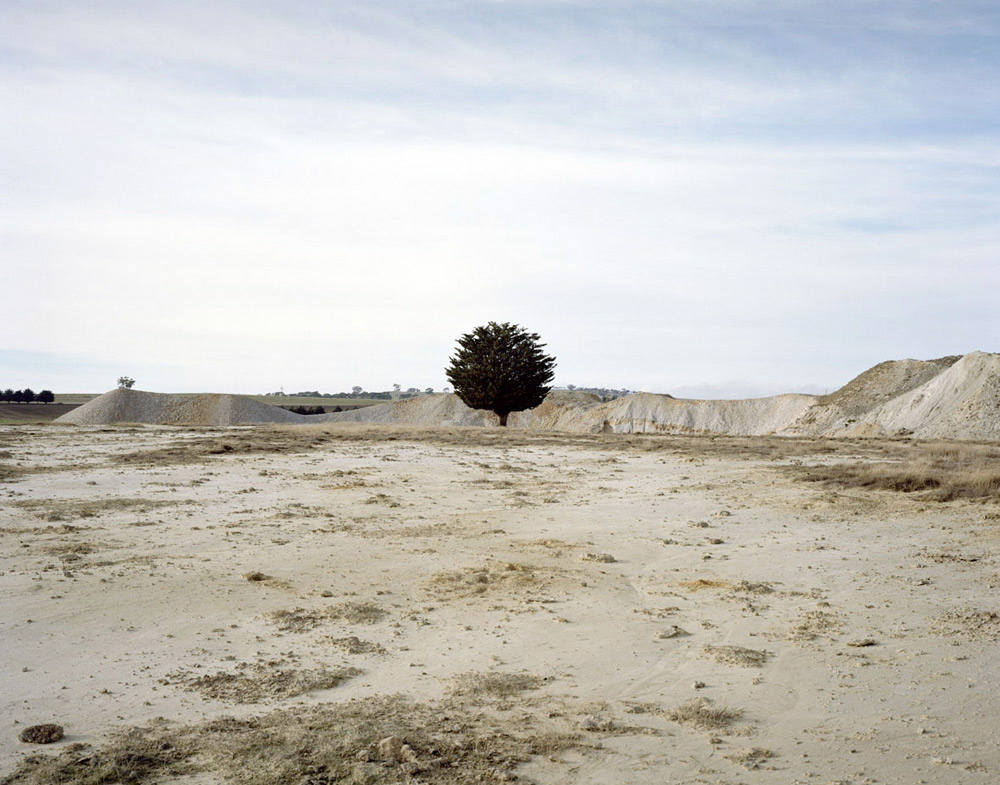


Jessie Boylan (Australian, b. 1986) 'Clunes (Tree)' 2013


Jessie Boylan (Australian, b. 1986)
Clunes (Tree)
2013
From the series Fourteen Ounces
Hahnemuhle Photo Rag
80cm x 60cm
Edition 10 +2AP
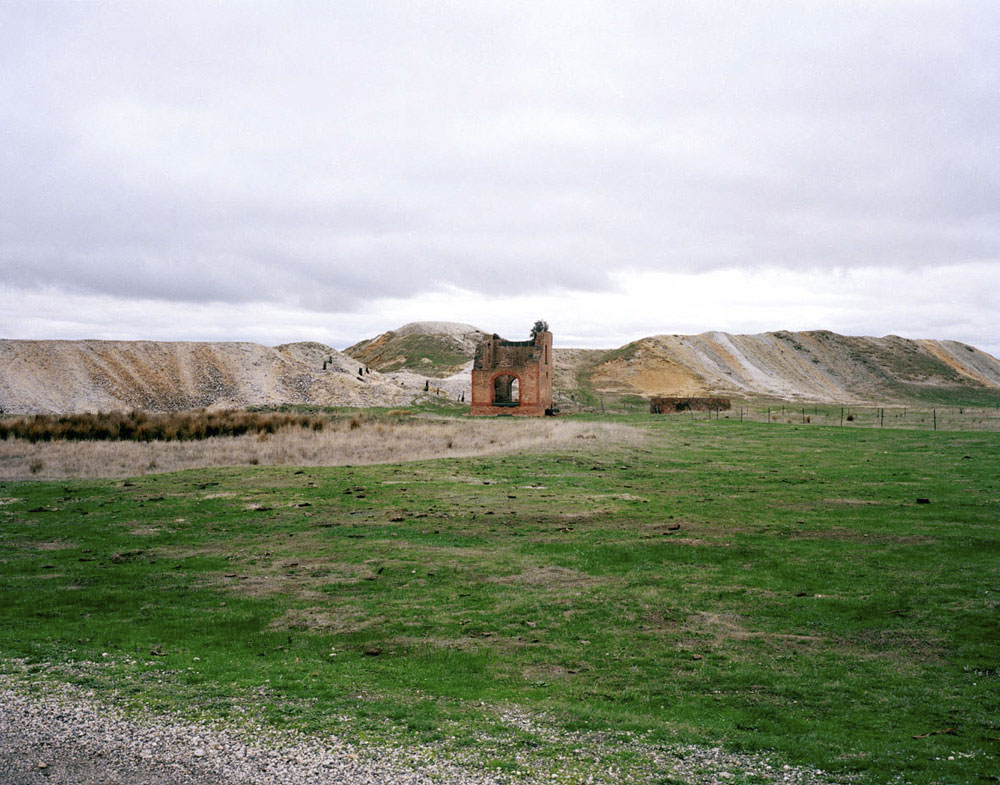
 

Jessie Boylan (Australian, b. 1986) 'Hepburns Clunes Rd' 2013


Jessie Boylan (Australian, b. 1986)
Hepburns Clunes Rd
2013
From the series Fourteen Ounces
Hahnemuhle Photo Rag
80cm x 60cm
Edition 10 +2AP
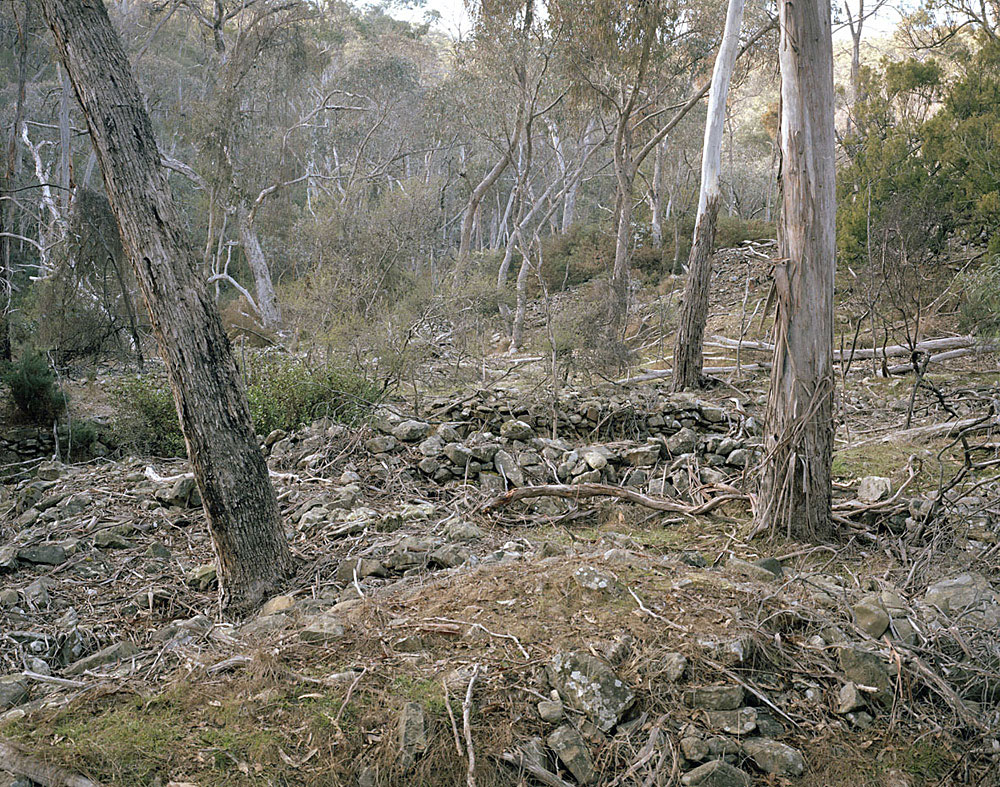
 

Jessie Boylan (Australian, b. 1986) 'Mistletoe Mine #2' 2013


Jessie Boylan (Australian, b. 1986)
Mistletoe Mine #2
2013
From the series Fourteen Ounces
Hahnemuhle Photo Rag
80cm x 60cm
Edition 10 +2AP
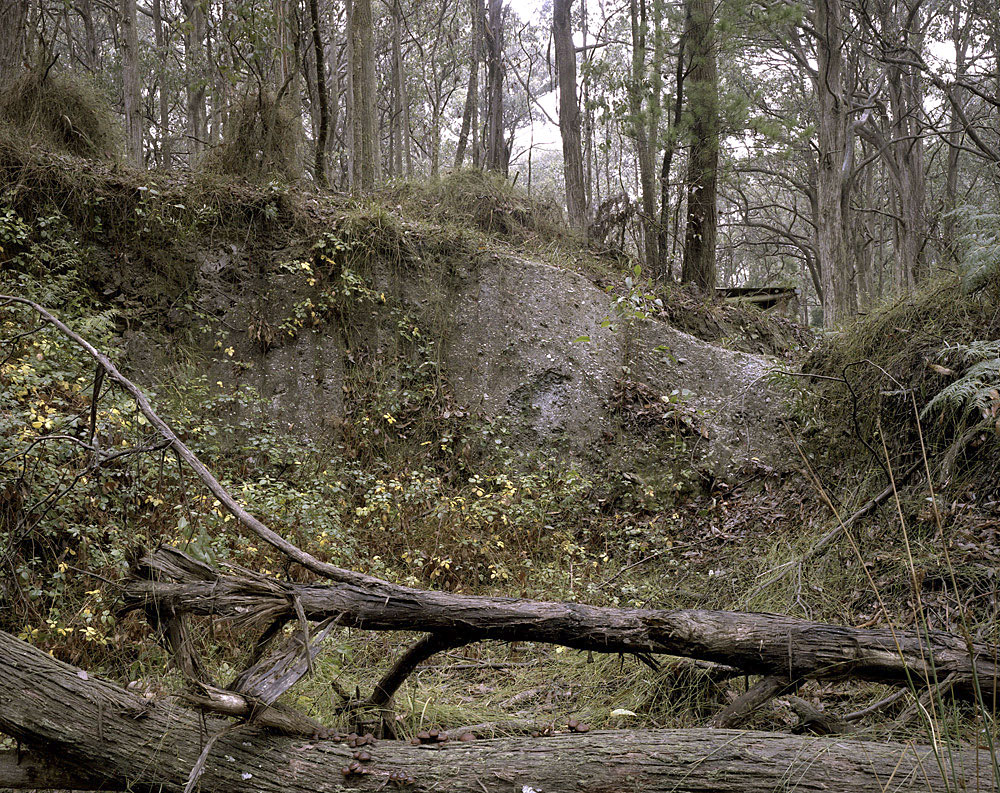
 

Jessie Boylan (Australian, b. 1986) 'Amelia Mine #1' 2013


Jessie Boylan (Australian, b. 1986)
Amelia Mine #1
2013
From the series Fourteen Ounces
Hahnemuhle Photo Rag
80cm x 60cm
Edition 10 +2AP


As far as I know…

“Places don’t just have histories – they also have a presence and possible futures” ~ Daniel Palmer

There are limits to what we can know about a place. Its history and memory, somewhat elusive, are always something slightly out of reach. Influenced by individual experience and expectation, understanding and connection to place will always be personal, and what we bring to a place determines how we see it.

Drawing from two different bodies of work, As far as I know is a story of people and place in regional and rural Australia, tracing remnants left behind by the industrial boom. Almost frozen, these traces of past hover in the land, seemingly waiting to be reused and reworked. As far as I know explores passages of time in manufactured, remembered and imaginary Australian landscapes. Contesting the division between the realm of memory and experience, the images study dynamics of landscape, and what this landscape means to us.

Press release from The Colour Factory Gallery website
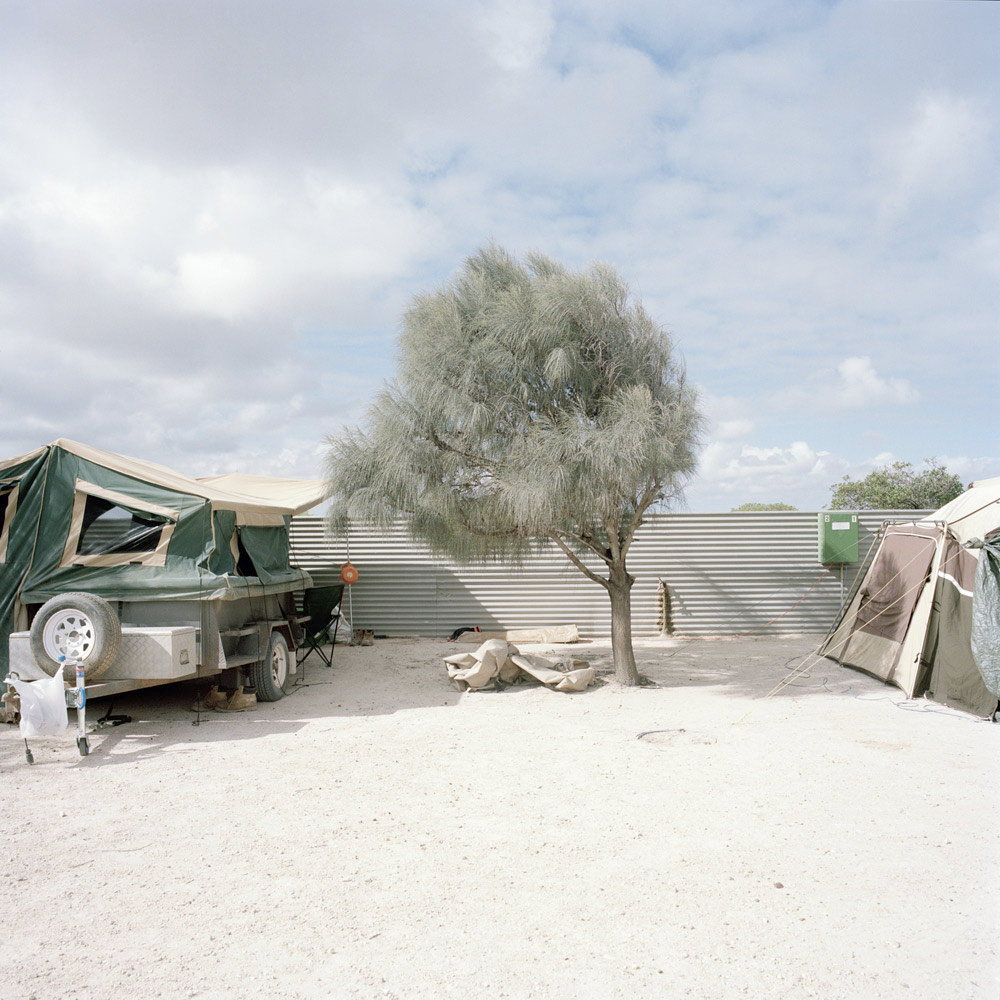
 

Katrin Koenning (Australian born Germany, b. 1978) 'Camp Detail #1, Fowlers Bay' 2013


Katrin Koenning (Australian born Germany, b. 1978)
Camp Detail #1, Fowlers Bay
2013
From the series Loraine and the Illusion of Illoura
Pigment print
80cm x 80cm
Edition 5 +2AP
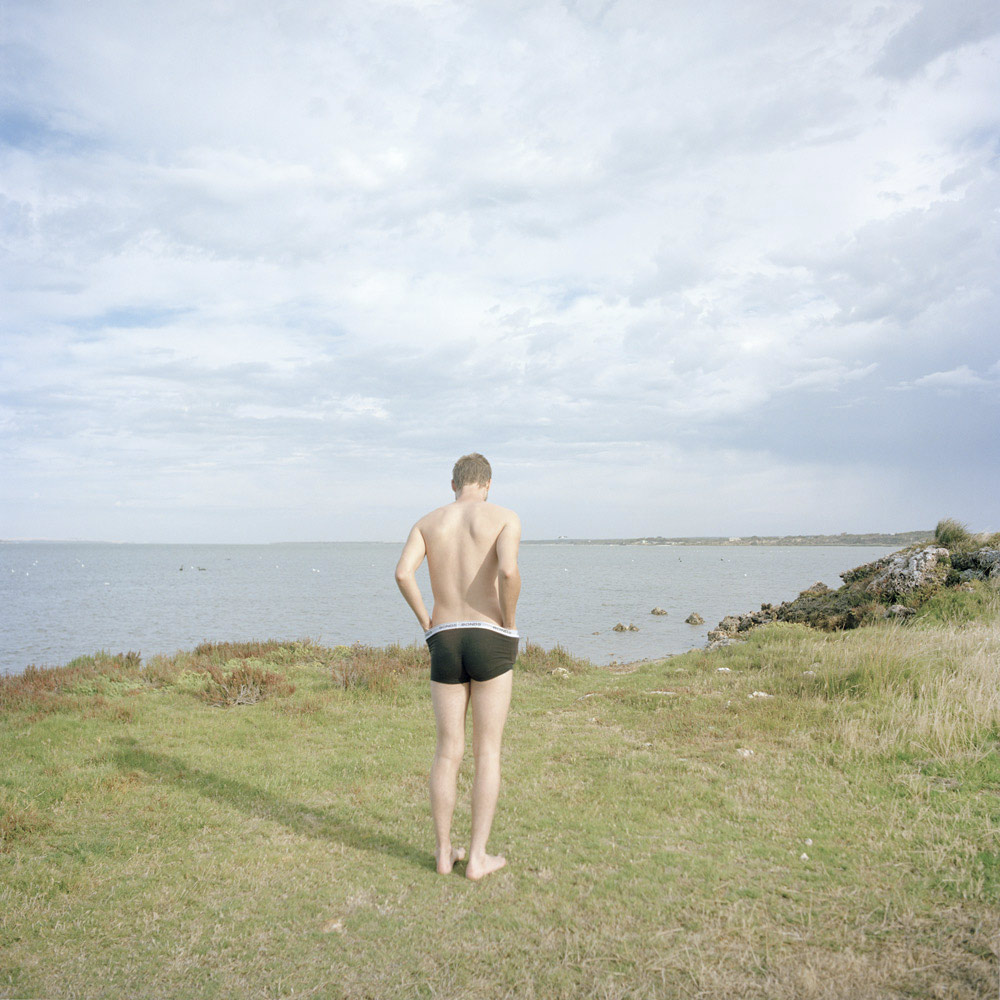
 

Katrin Koenning (Australian born Germany, b. 1978) 'Campsite, Coorong National Park' 2013


Katrin Koenning (Australian born Germany, b. 1978)
Campsite, Coorong National Park
2013
From the series Loraine and the Illusion of Illoura
Pigment print
80cm x 80cm
Edition 5 +2AP
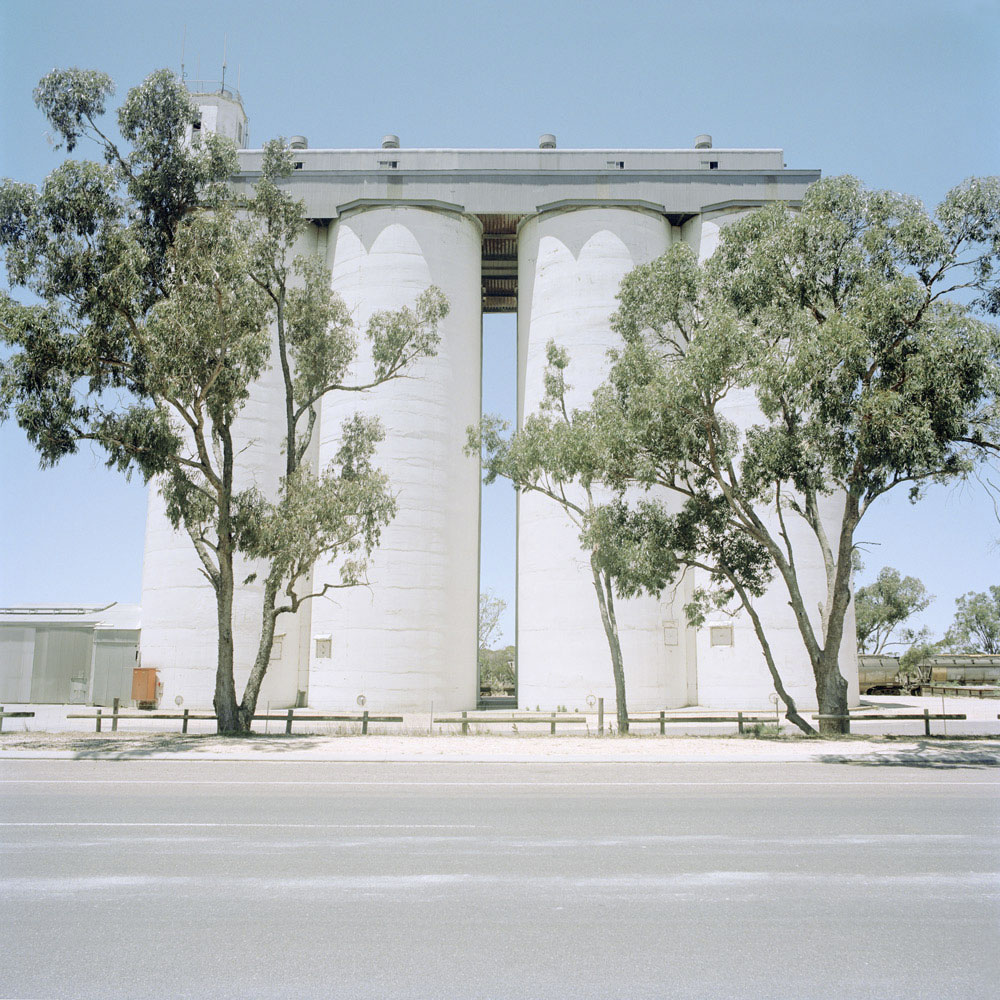
 

Katrin Koenning (Australian born Germany, b. 1978) 'Grain Silo, Loch' 2013


Katrin Koenning (Australian born Germany, b. 1978)
Grain Silo, Loch
2013
From the series Loraine and the Illusion of Illoura
Pigment print
80cm x 80cm
Edition 5 +2AP
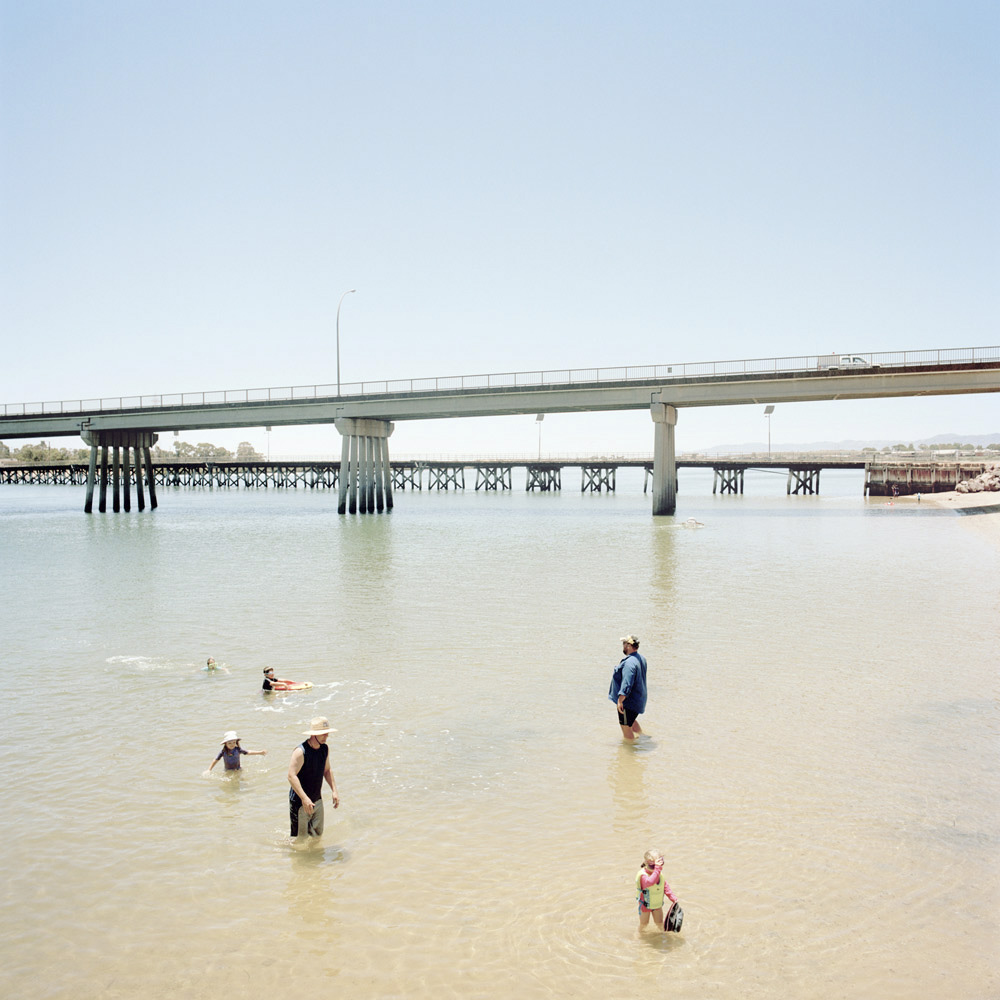
 

Katrin Koenning (Australian born Germany, b. 1978) '15 Port Augusta Bathers' 2013


Katrin Koenning (Australian born Germany, b. 1978)
15 Port Augusta Bathers
2013
From the series Loraine and the Illusion of Illoura
Pigment print
80cm x 80cm
Edition 5 +2AP
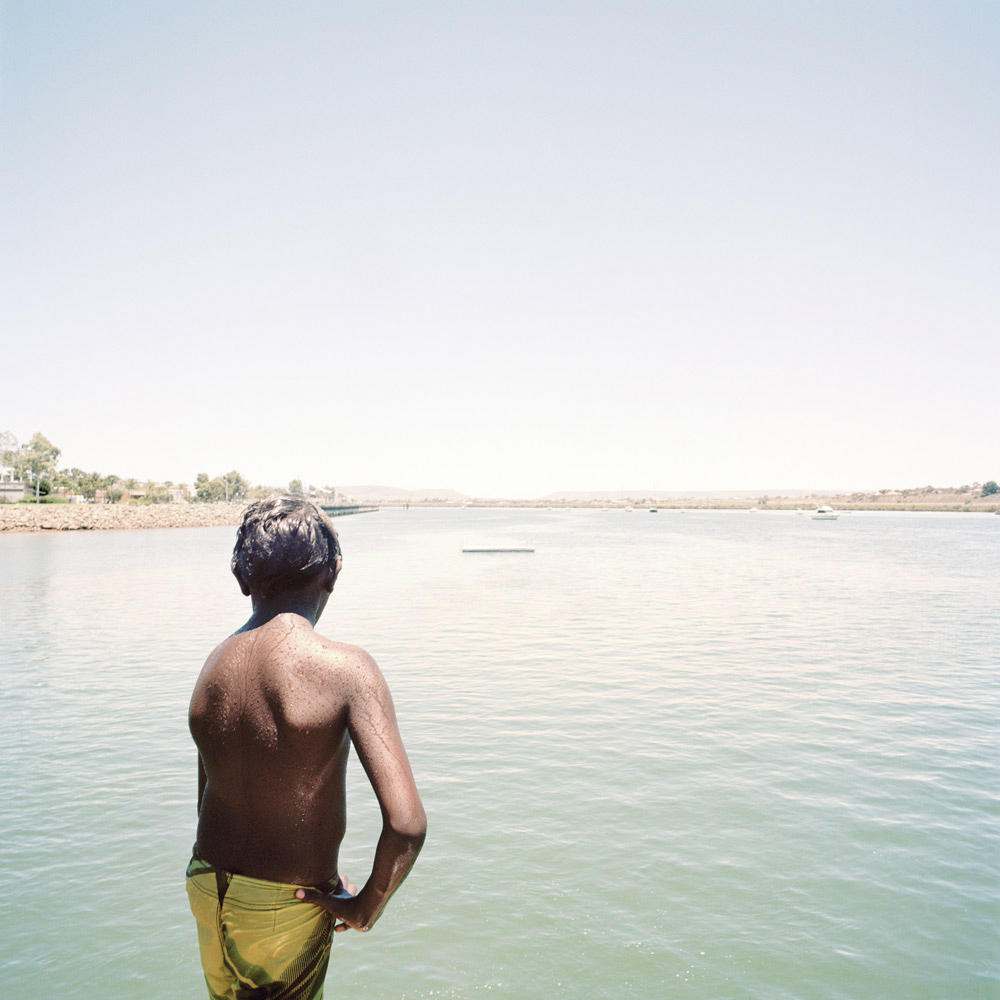
 

Katrin Koenning (Australian born Germany, b. 1978) 'Boy #2, Port Augusta Jetty' 2013


Katrin Koenning (Australian born Germany, b. 1978)
Boy #2, Port Augusta Jetty
2013
From the series Loraine and the Illusion of Illoura
Pigment print
80cm x 80cm
Edition 5 +2AP
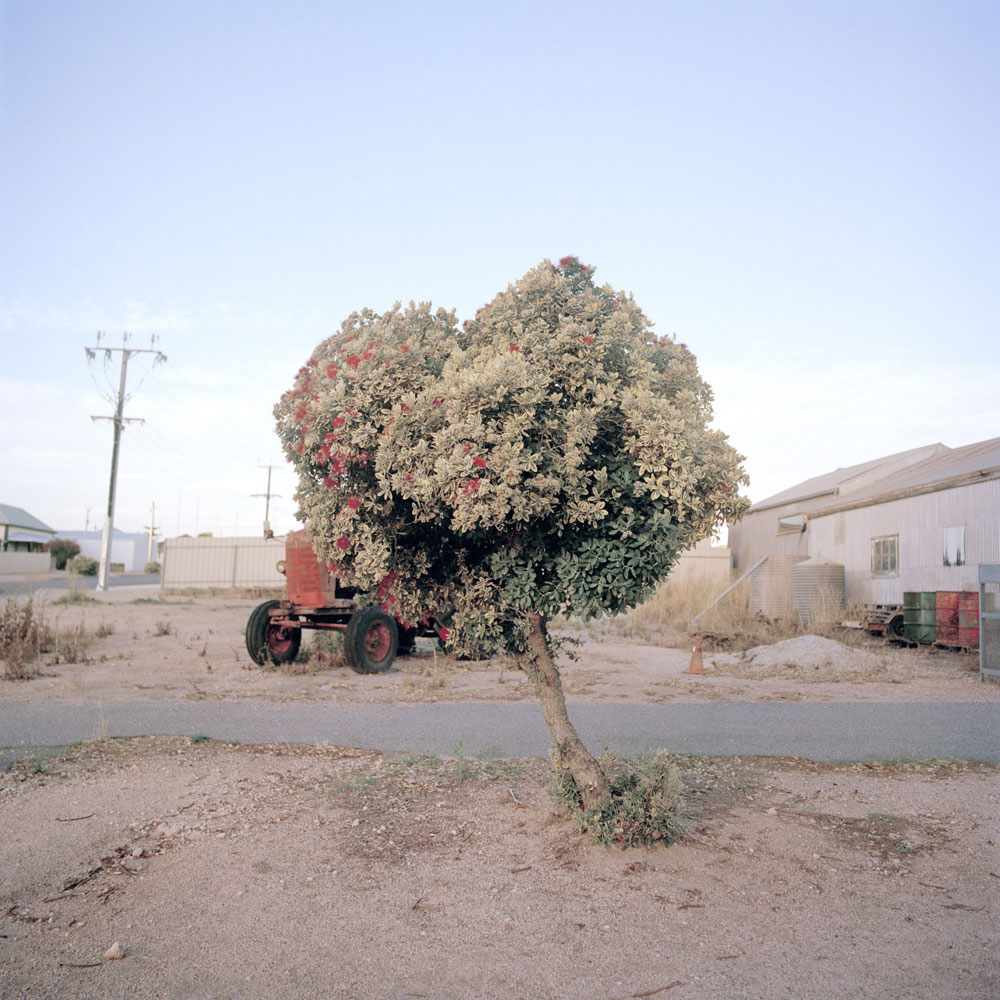
 

Katrin Koenning (Australian born Germany, b. 1978) 'Port Victoria Main Street' 2013


Katrin Koenning (Australian born Germany, b. 1978)
Port Victoria Main Street
2013
From the series Loraine and the Illusion of Illoura
Pigment print
80cm x 80cm
Edition 5 +2AP
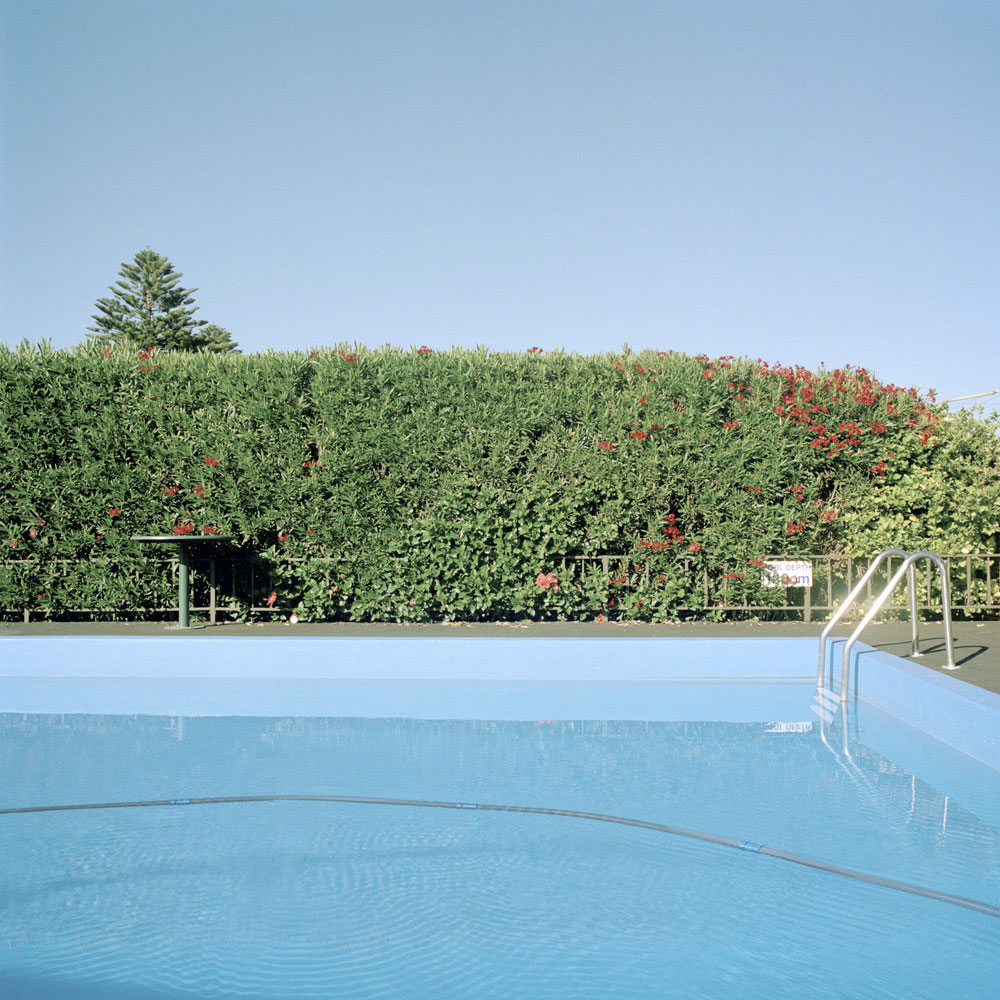
 

Katrin Koenning (Australian born Germany, b. 1978) 'Pool #2, Whyalla Foreshore Motel' 2013


Katrin Koenning (Australian born Germany, b. 1978)
Pool #2, Whyalla Foreshore Motel
2013
From the series Loraine and the Illusion of Illoura
Pigment print
80cm x 80cm
Edition 5 +2AP


The Colour Factory Gallery
409-429 Gore Street
Fitzroy, Victoria 3056
Phone: +61 3 9419 8756

Closed for refurbishment.
Katrin Koenning website

Jessie Boylan website

Colour Factory Gallery website

LIKE ART BLART ON FACEBOOK

Back to top

Exhibition: ‘You Are Here: Architecture and Experience’ at Carnegie Museum of Art, Pittsburgh

Exhibition dates: 5th March – 29th May 2011


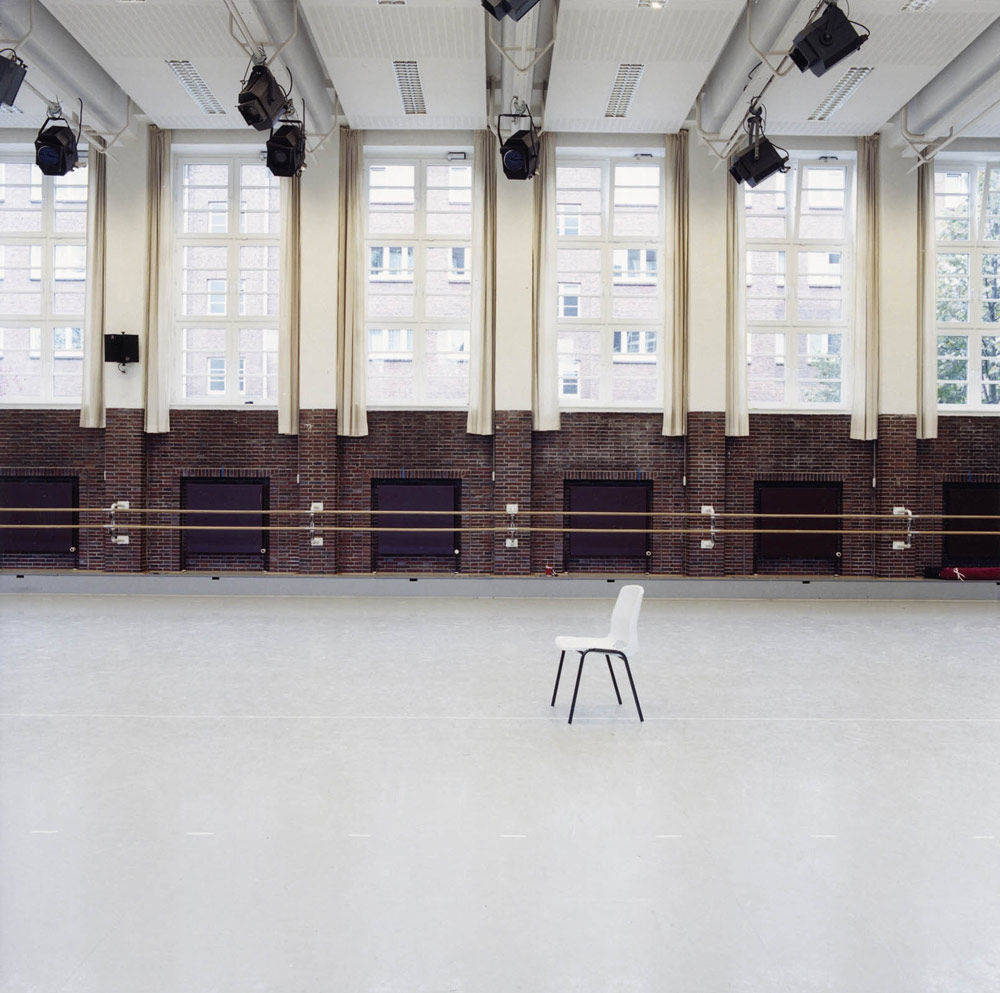
Candida Höfer (German, b. 1944) 'Ballettzentrum Hamburg III' 2000


Candida Höfer (German, b. 1944)
Ballettzentrum Hamburg III
2000
Chromogenic print
Courtesy of Sonnabend Gallery


Inspired curating conjoins the monumental, classicist purity of Höfer with the picturesque, dystopian (dis)quietude of Gaillard in an exhibition that investigates our relationship to buildings and their environments and their relationship to us – the ‘i’ in our histor-i-city.

Dr Marcus Bunyan


Many thankx to the Carnegie Museum of Art for allowing me to publish the photographs in the posting. Please click on the photographs for a larger version of the image.


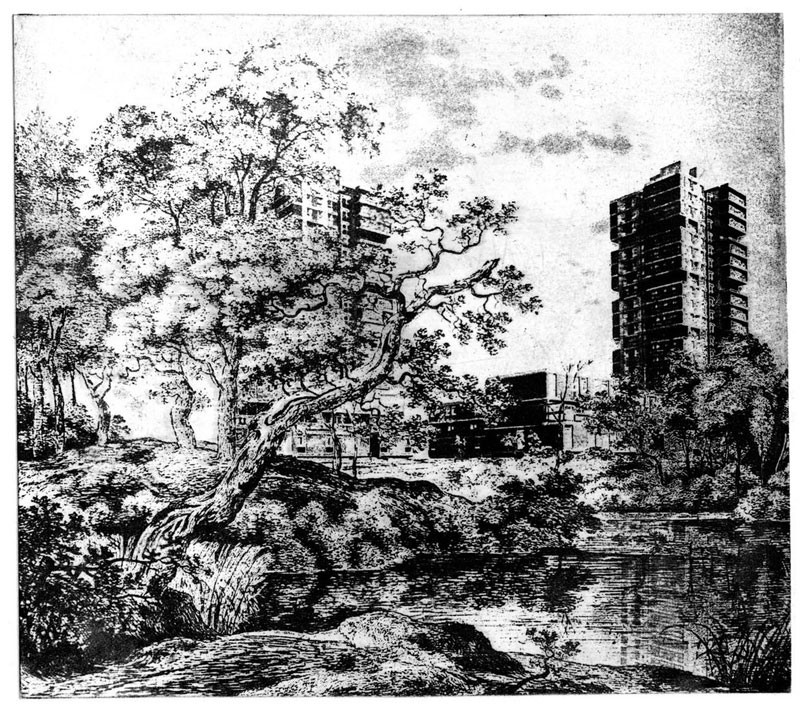
Cyprien Gaillard (French, b. 1980) 'Belief in the Age of Disbelief (L'arbre incliné/étape VI)' 2005


Cyprien Gaillard (French, b. 1980)
Belief in the Age of Disbelief (L’arbre incliné/étape VI)
2005
Etching
36 x 47cm
© Cyprien Gaillard
Courtesy Sprüth Magers Berlin, London


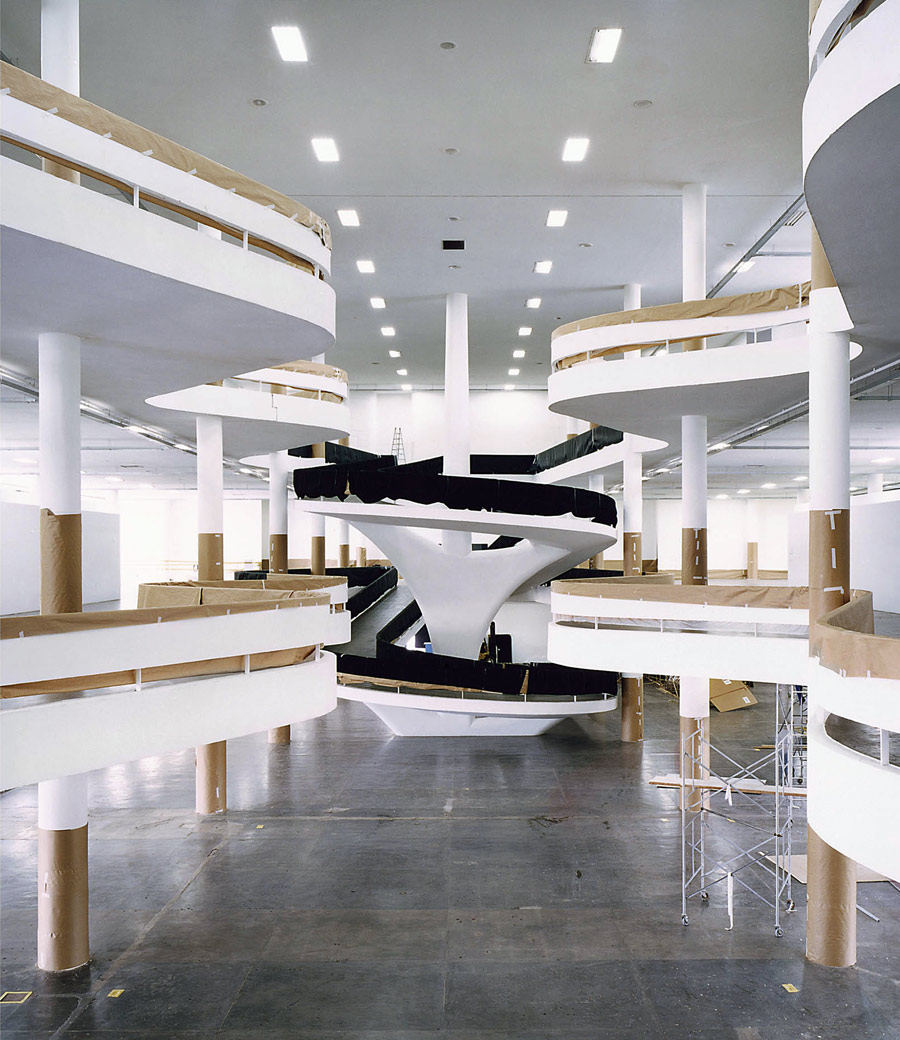
Candida Höfer (German, b. 1944) 'Fundação Bienal de São Paulo XI' 2005


Candida Höfer (German, b. 1944)
Fundação Bienal de São Paulo XI
2005
Chromogenic print
81 3/8 x 71 7/8 in.
Courtesy of Sonnabend Gallery


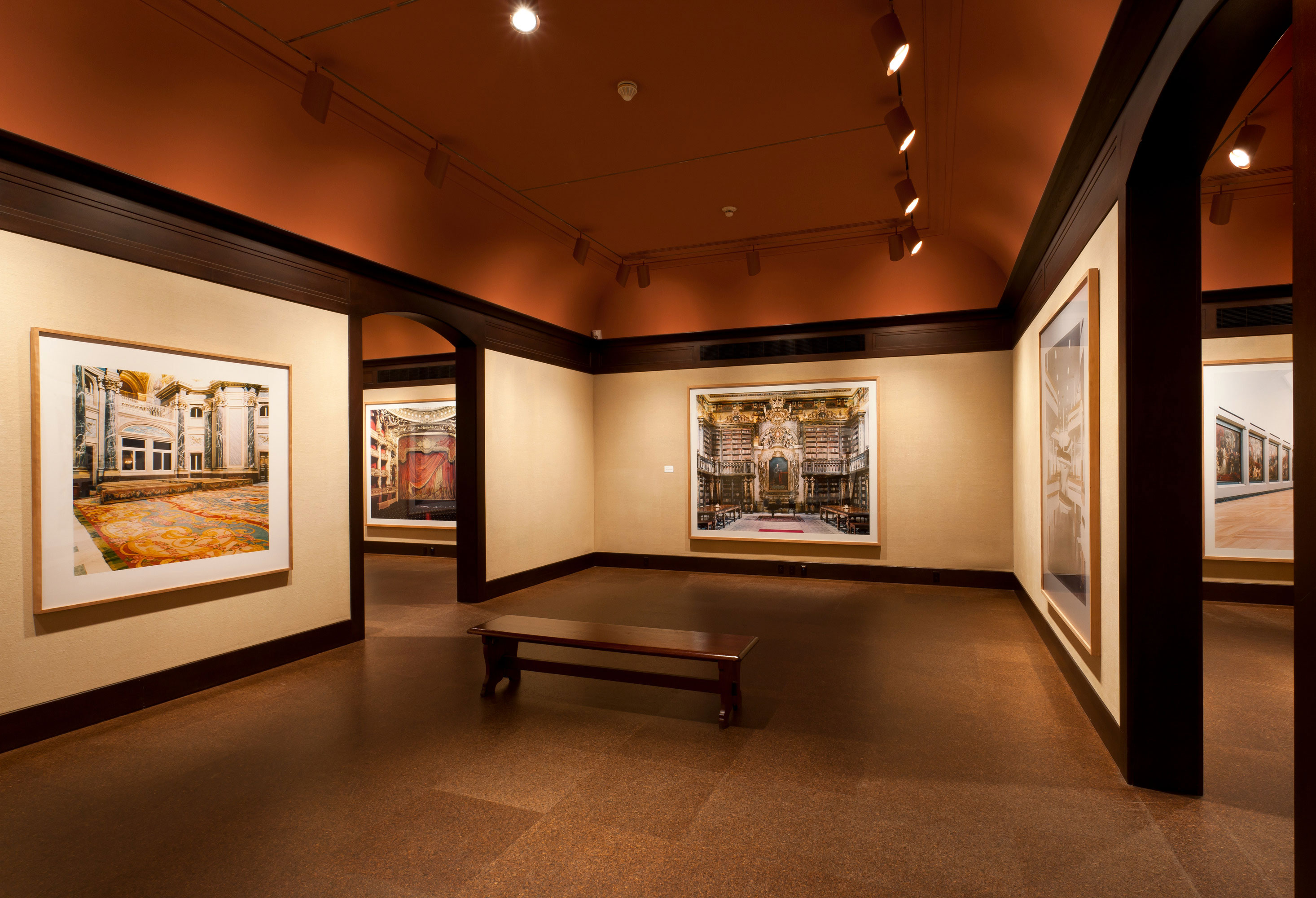
Carnegie Museum of Art presents the powerful work of two contemporary artists – Candida Höfer and Cyprien Gaillard – who explore architectural environments and how they influence experiences and perceptions of the world.

“We shape our buildings, and afterwards our buildings shape us.” With that simple but profound insight, Winston Churchill conveyed people’s complex relationship to architecture: The physical form of a building is controlled by its designer, but the impact a constructed environment has can be unpredictable, emotional, and even visceral. That dynamic is evident in the upcoming exhibition You Are Here: Architecture and Experience, which brings together the photographs of German artist Candida Höfer and a video and etchings by French artist Cyprien Gaillard. Both artists express the formative power of architecture in different but complementary ways, according to Tracy Myers, curator of architecture at the Heinz Architectural Center and organiser of the exhibition.

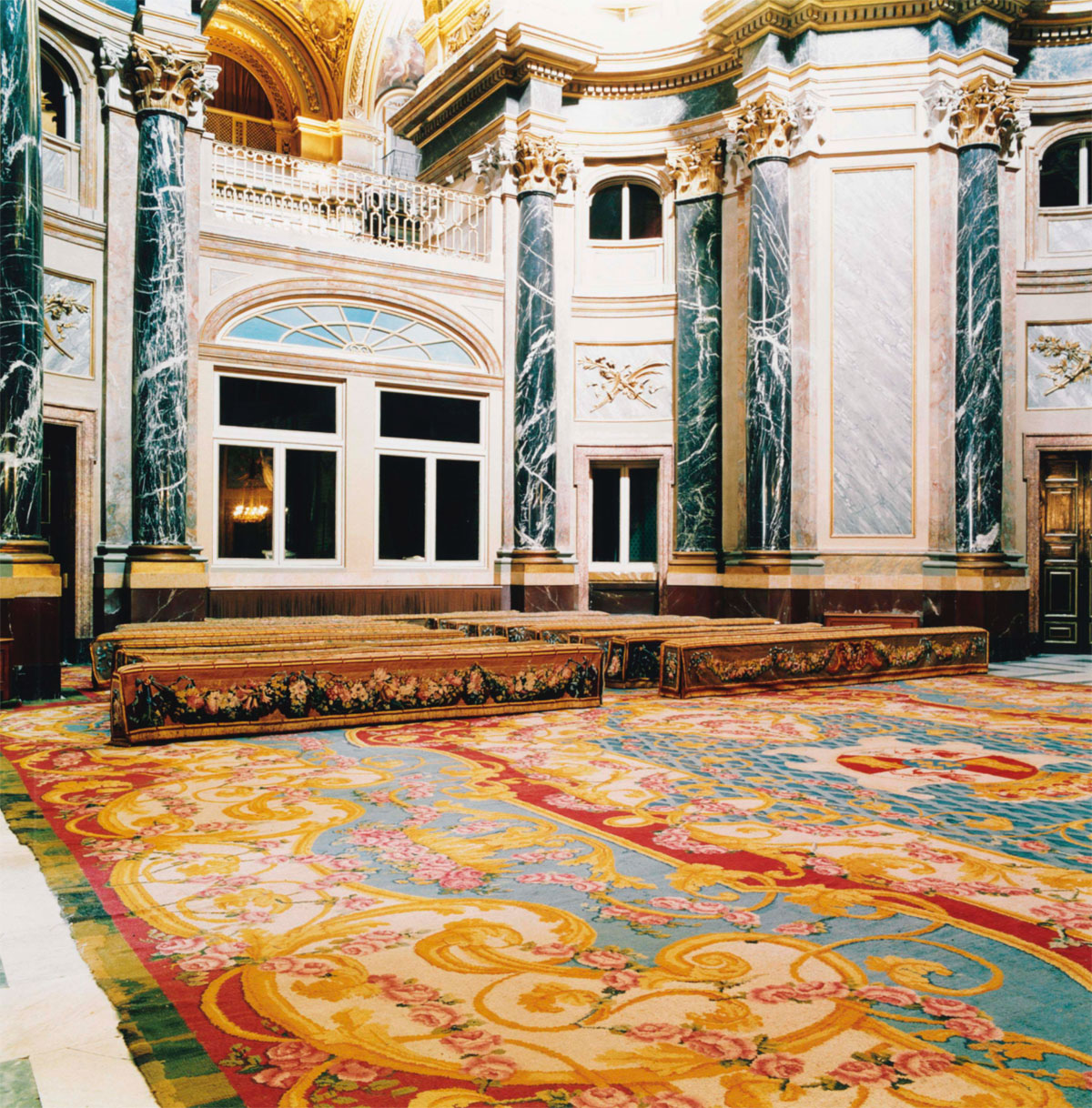
Candida Höfer’s lush colour photographs of ornate historical and contemporary interior spaces are usually devoid of humans, yet they reveal details that draw the viewer into a consideration of what each place means. Höfer’s photographs usually focus on spaces of cultural and social activity. Printed very large (from about 4 x 4 feet to a massive 6 x 8 feet), the 17 photographs in You Are Here represent the range of Höfer’s work in terms of scale, point of view, building type, and geographical location.

By contrast, Cyprien Gaillard’s video Desniansky Raion and his meticulously detailed etchings probe the human legacy of Modernist high-rise housing blocks. Constructed after World War II throughout the United States, Europe, and the Eastern Bloc to provide decent housing, these buildings often became warehouses for the poor and incubators of crime and antisocial behaviours.

Named for an administrative district in Kiev, Desniansky Raion poignantly reflects on the gap between the utopian Modernist aspiration for universal housing and the banal reality that instead prevailed. It comprises three parts. In the first section, weekend fight clubs of 50 or 100 people face off against each other in a pugilistic ritual set against the backdrop of housing towers in St. Petersburg, Russia. The second part shows the implosion of a similar tower in Meaux, a small city near Paris; the demolition of the building was treated by the city government as a literal spectacle, with a light show and fireworks preceding the destruction. The final third is a very long panning aerial shot of seemingly endless ranks of virtually identical housing blocks in Kiev, Ukraine. The video is accompanied by a soundtrack composed by Koudlam, a young musician born in the Ivory Coast. Also featured are six etchings by Gaillard, collectively titled Belief in the Age of Disbelief, in which the Modernist housing tower is placed in classic picturesque landscapes.

“Gaillard’s video packs a powerful and direct emotional punch: each time I view it, I experience physically the anticipation that ebbs and flows through the course of the work,” said Myers. “By contrast, Höfer’s photographs embody a kind of quietude that encourages slow, sustained exploration of the meaning that builds through accumulation of detail. But both works are equally affecting and bring the viewer with compelling intensity into the realm of architectural experience. Höfer and Gaillard capture the constant oscillation between what we make of our buildings, and what they make of us.”

Artists’ Biographies

Candida Höfer has been creating photographs for more than 30 years. Born in Eberswalde, Germany, in 1944, she studied with Berndt Becher and is identified with a group of German artists – Thomas Ruff, Andreas Gursky, Axel Hütte, and Thomas Struth – best known for their unsentimental photographs of architecture, landscapes, and urban developments. Höfer has made interiors her focus.

Cyprien Gaillard, born in Paris in 1980 and currently based in Berlin, explores contemporary landscapes and buildings in a variety of media, including video, painting, and etchings. Much of his work is concerned with the legacy and inheritance of buildings and landscapes that are left to us, and the ways in which we interact with them.

Press release from the Carnegie Museum of Art website


Cyprien Gaillard (French, b. 1980) 'Desniansky Raion' video still, 2007


Cyprien Gaillard (French, b. 1980)
Desniansky Raion
2007
Video still
DVD, 30 min.
Edition of 5
© Cyprien Gaillard. Courtesy Sprüth Magers Berlin, London


Cyprien Gaillard – Desniansky Raion, Part 1, 2008

The video takes place in a parking lot of a drab housing complex in St. Petersburg, Russia, where he witness two large groups of men – one mostly wearing red shirts and the other blue – slowly walking towards each other. Set by Gaillard to the hypnotic electronic beats of French composer Koudlam’s I See you All, the video shows the colour-coordinated groups marching in loose formation, reminiscent of ancient armies confronting each other on some distant battlefield. Suddenly, signal flares billowing smoke arc through the air and the two groups come together, clashing in flurry of fists – a breathtaking display of raw physical violence set against the stark backdrop of the housing block. As the sounds of Koudlam’s pulsing music draw louder and more urgent, the furious hand-to-hand combat intensifies while bodies of the fallen lay strewn on the pavement. Before long, the blue faction beats a hasty retreat, only to regroup moments later on one side of a nearby pedestrian bridge. The two sides come together again, this time clashing on the impossibly narrow span of the footbridge. The blue group is once more chased off, and the victors in red erupt in victorious celebration.

Text from the YouTube website


Cyprien Gaillard (French, b. 1980) 'Belief in the Age of Disbelief (Banja Luca)' 2005


Cyprien Gaillard (French, b. 1980)
Belief in the Age of Disbelief (Banja Luca)
2005
Etching
36 x 47cm
© Cyprien Gaillard
Courtesy Sprüth Magers Berlin, London


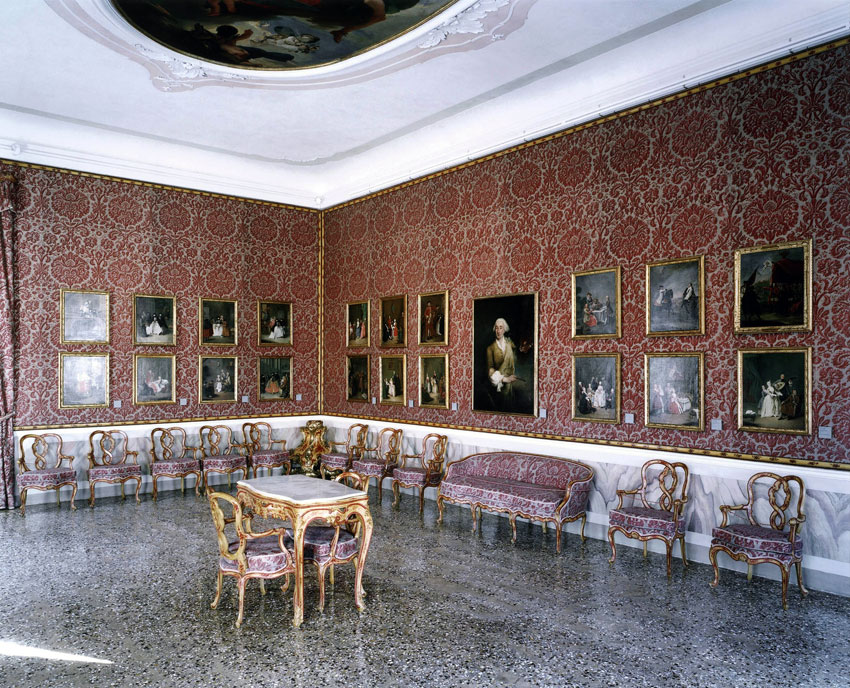
Candida Höfer (German, b. 1944) 'Pinacoteca Querini Stampalia Venezia I' 2003


Candida Höfer (German, b. 1944)
Pinacoteca Querini Stampalia Venezia I
2003
Chromogenic print
60 15/16 x 73 in
Courtesy of Sonnabend Gallery


Candida Höfer (German, b. 1944) 'Palacio Nacional de Mafra VII' 2006


Candida Höfer (German, b. 1944)
Palacio Nacional de Mafra VII
2006
Chromogenic print
61 x 69 1/8 in
Collection Zibby and Andrew Right, New York


Candida Höfer (German, b. 1944) 'Musee du Louvre Paris XX' 2005


Candida Höfer (German, b. 1944)
Musee du Louvre Paris XX
2005
Chromogenic print
78 3/4 x 95 5/8 in
Courtesy of Sonnabend Gallery


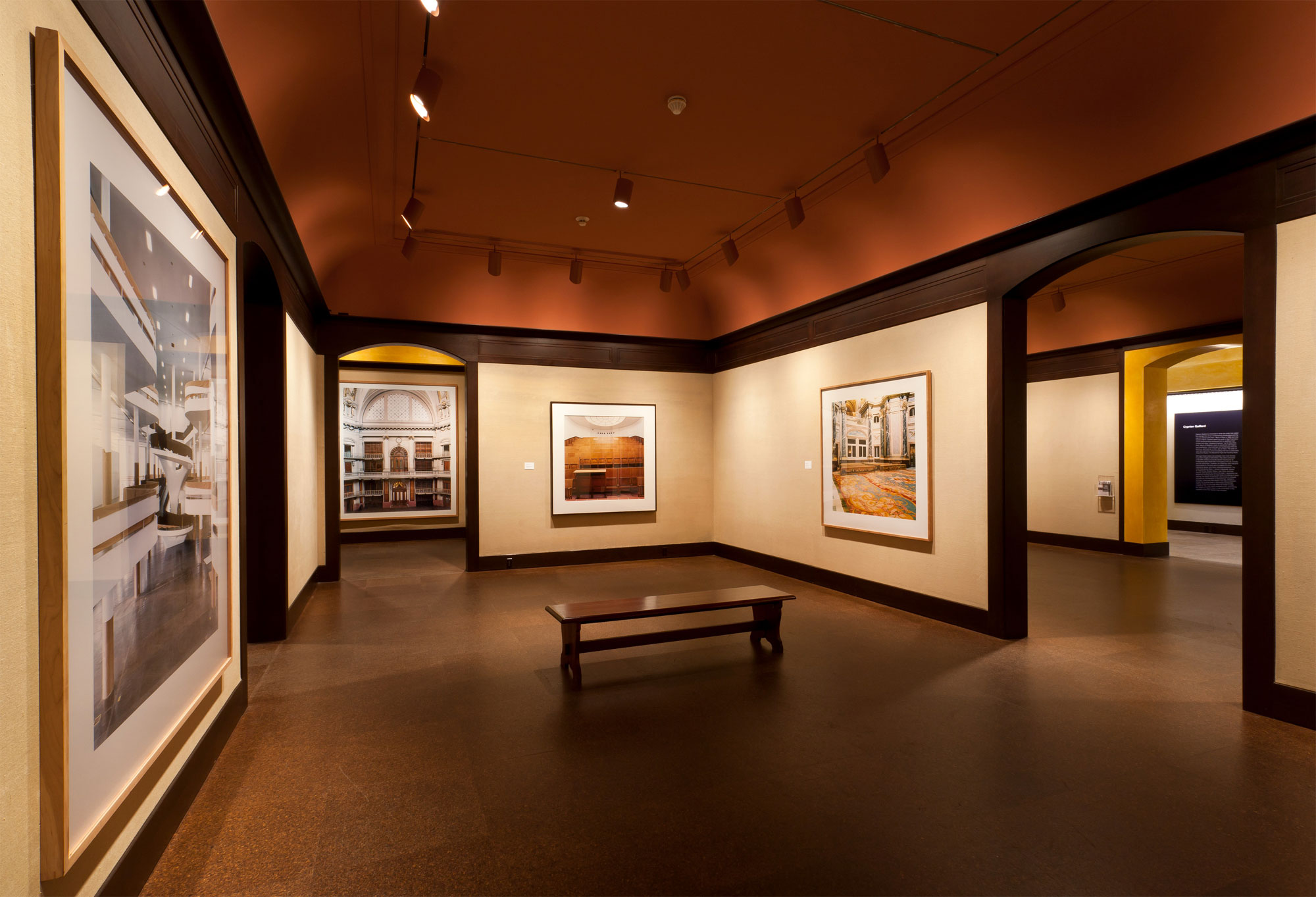
Installation view of the exhibition 'You Are Here: Architecture and Experience' at the Heinz Architectural Center, Carnegie Museum of Art, Pittsburgh

Installation view of the exhibition 'You Are Here: Architecture and Experience' at the Heinz Architectural Center, Carnegie Museum of Art, Pittsburgh

Installation view of the exhibition 'You Are Here: Architecture and Experience' at the Heinz Architectural Center, Carnegie Museum of Art, Pittsburgh


Installation views of the exhibition You Are Here: Architecture and Experience at the Heinz Architectural Center, Carnegie Museum of Art, Pittsburgh


Candida Höfer (German, b. 1944)
'Palacio Real Madrid V' 2000


Candida Höfer (German, b. 1944)
Palacio Real Madrid V
2000
Chromogenic print
47 x 47 in. (119.3 x 119.3cm)


Carnegie Museum of Art
4400 Forbes Avenue
Pittsburgh, PA 15213-4080
Phone: 412.622.3131

Opening hours:
Daily 10am – 5pm

Carnegie Museum of Art website

LIKE ART BLART ON FACEBOOK

Back to top