Publisher: Ernst Wasmuth A.G. / Berlin With an Introduction by Charles F. G. Masterman
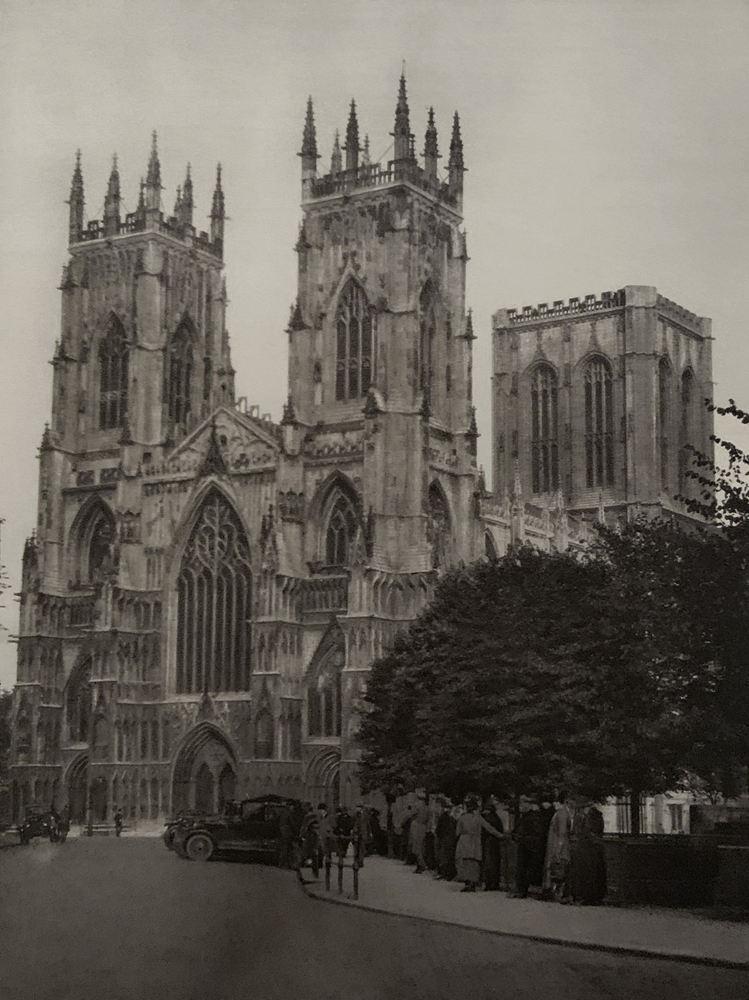
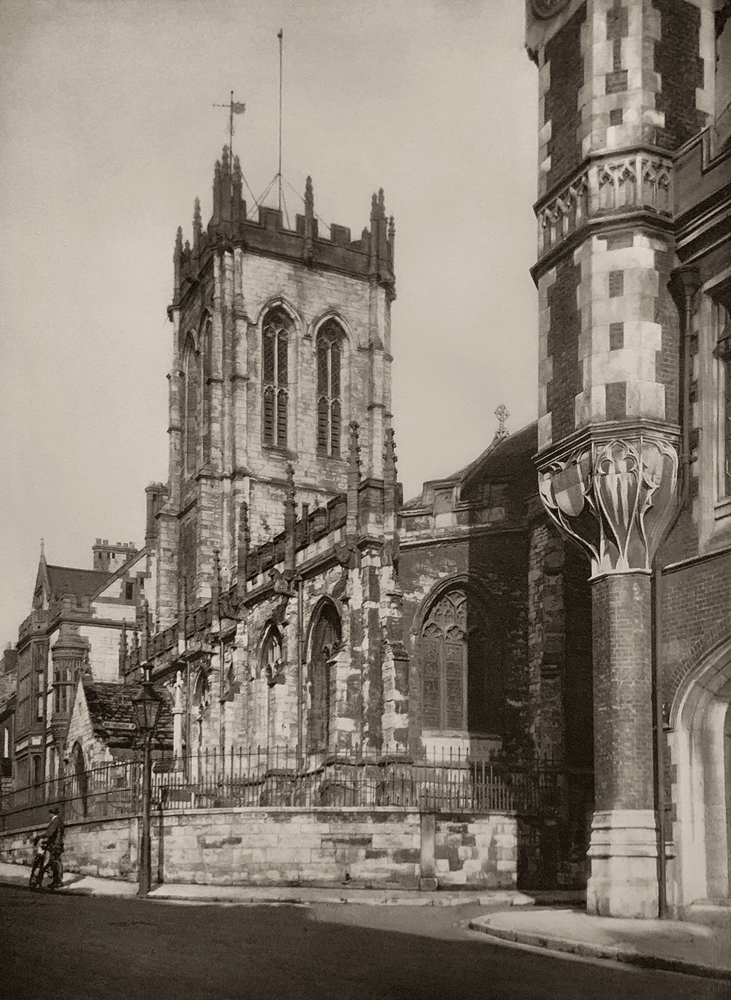
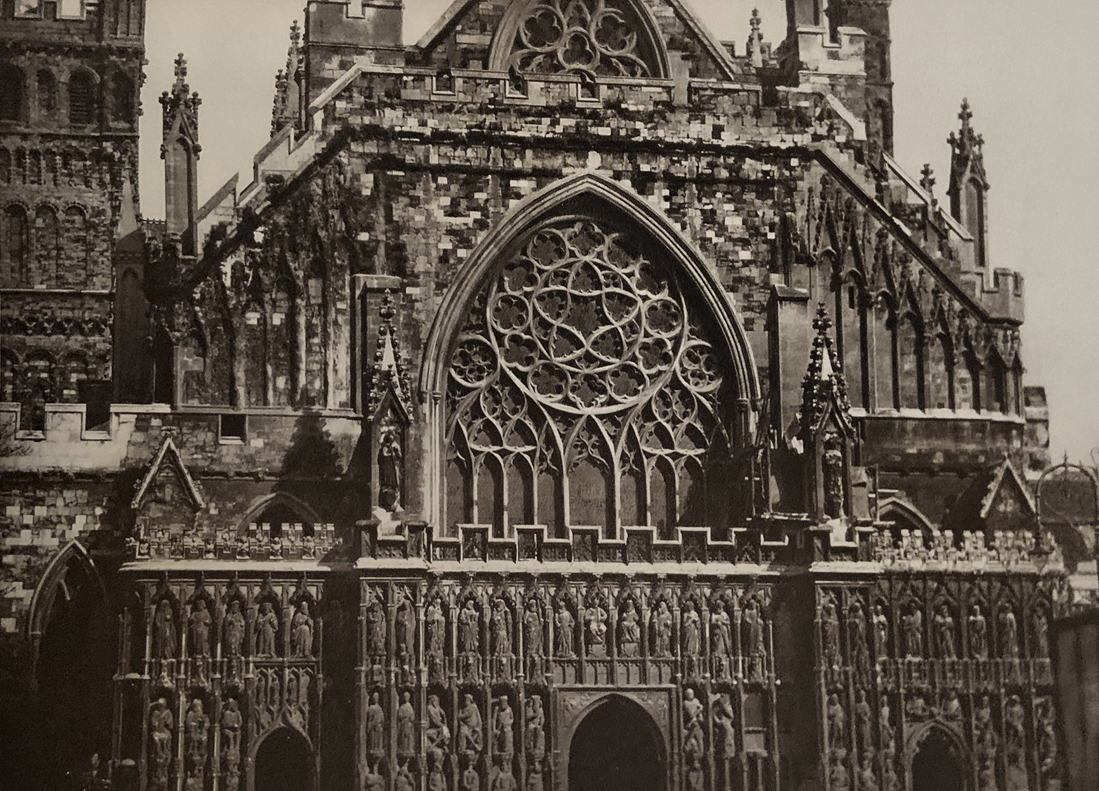
E. O. Hoppé (British born Germany, 1878-1972) 225: York Minster 1926
The last in my four part series on photographs which appear in E. O. Hoppé’s Picturesque Great Britain: Its Architecture and Landscape (1926).
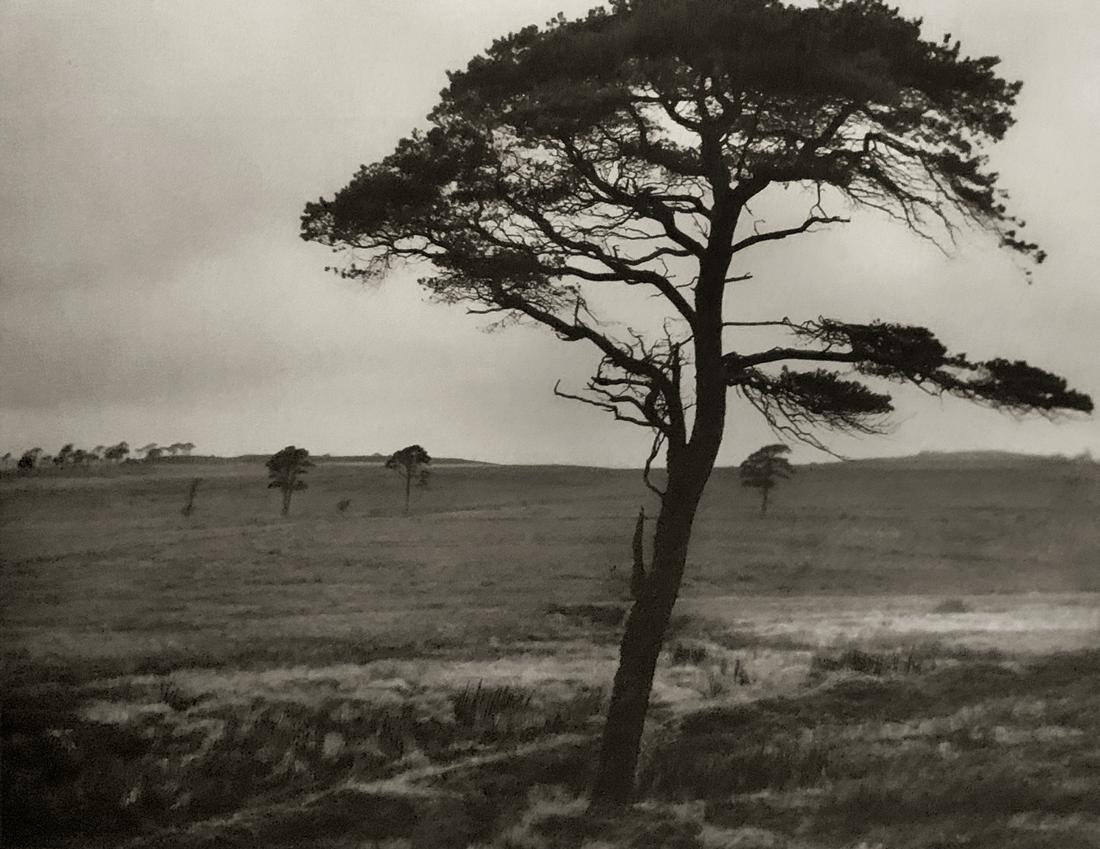
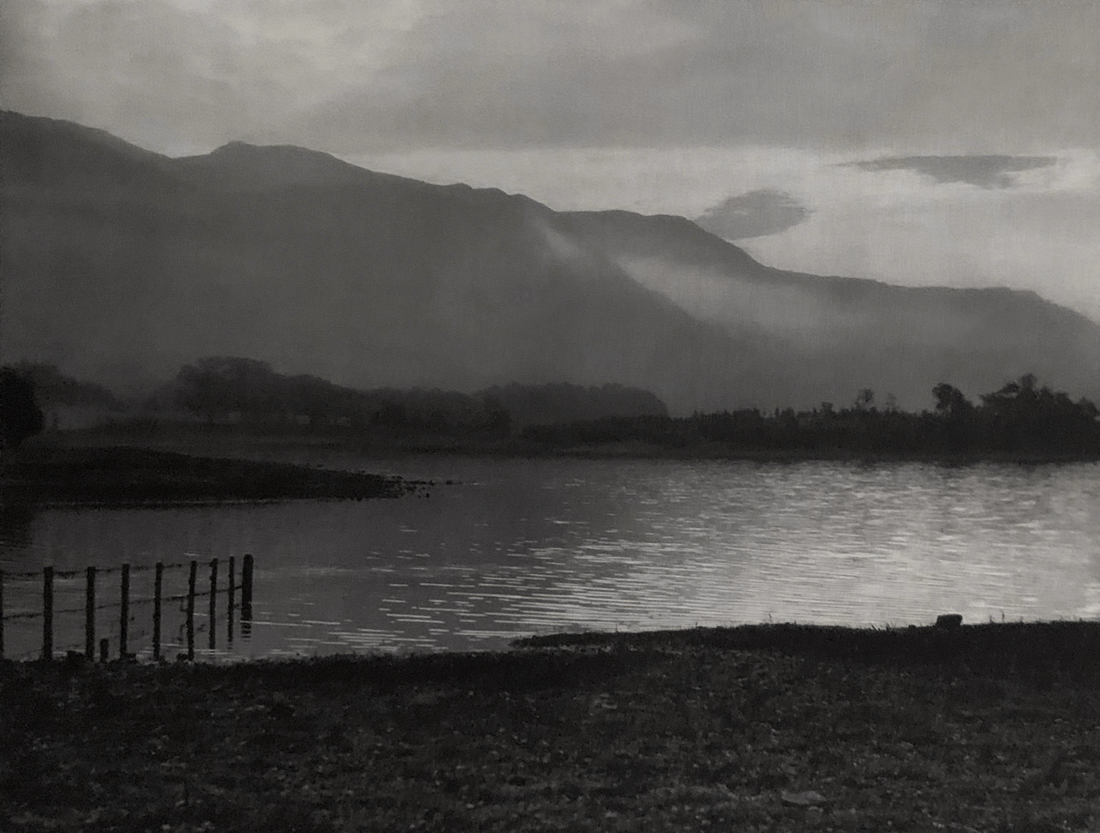
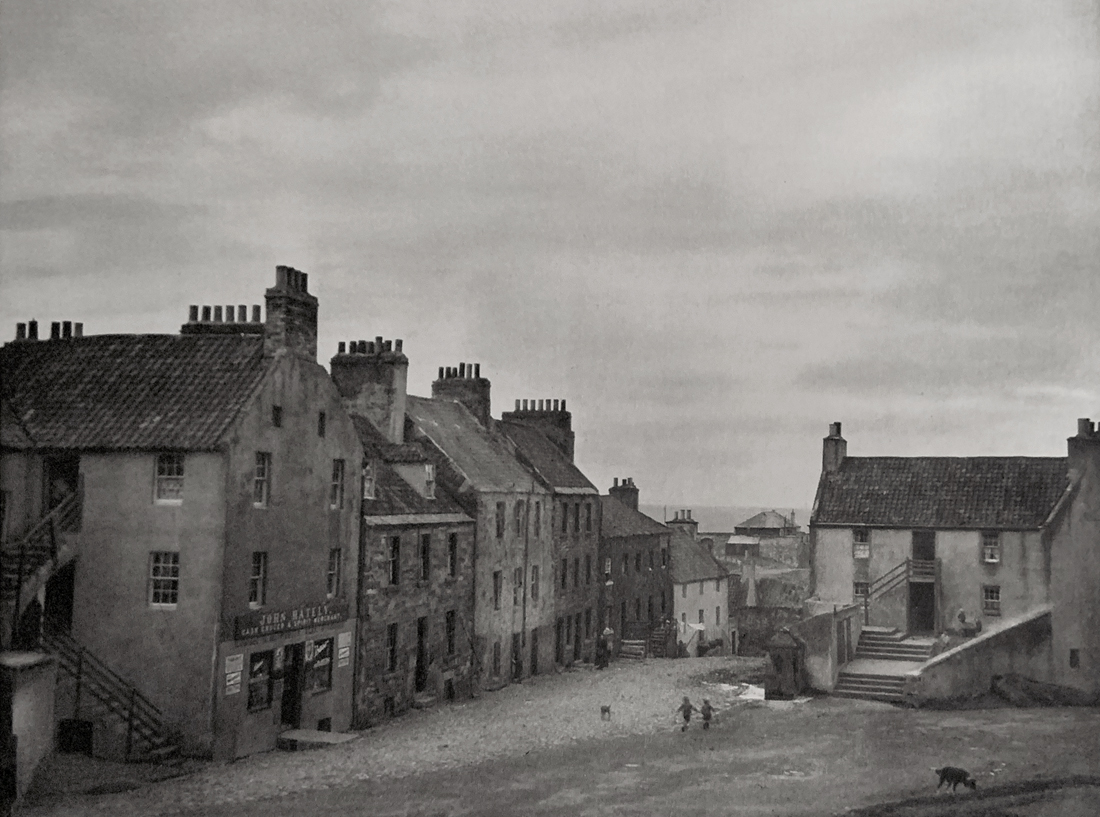
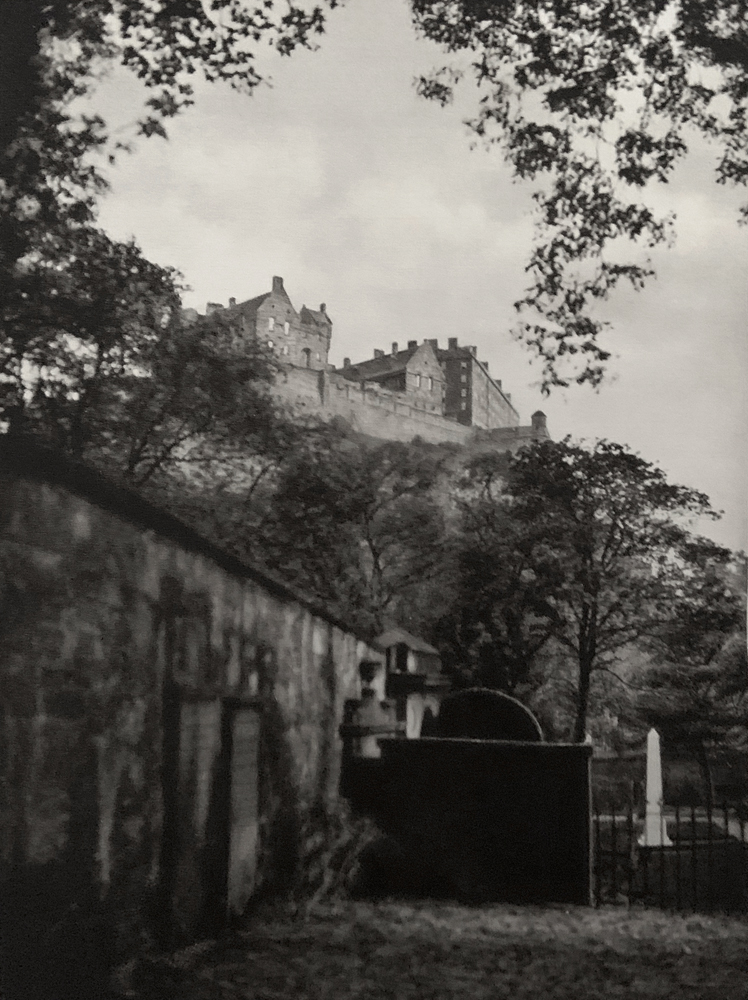
This posting features photographs of the Lake District, Scotland and Ireland.
Today, it seems incredibly strange that Hoppé would include Dublin and all parts Ireland in the catch all “Great Britain”, especially as most of Ireland gained independence from Great Britain in 1922, after the bloody Irish War of Independence.
Dr Marcus Bunyan
Please click on the photographs for a larger version of the image. These photographs are published under fair use conditions for educational purposes only. See Part 1; Part 2; Part 3 of the posting.
This magnificent set of pictures displays, with all the art of genius both in selection and technical skill, the beauty of the British Isles. I know of no similar collection which could give alike to the foreigner who wonders what England is like, to the Englishman who has wandered from his native land into all the great dominions of the world, and to the man who has remained behind, that particular sense of pleasure mingled with pain which all beauty excites, and excites especially a passionate love in the vision of home.
This is an introduction to pictures of the landscapes and the works of man; these latter ennobled by the associations of time, and in some cases by time’s decay. They open vistas through which one may gaze at the history of England for a thousand years.
Charles F. G. Masterman
E. O. Hoppé (British born Germany, 1878-1972) 234: Roman Wall 1926
E. O. Hoppé (British born Germany, 1878-1972) 235: In Westmorland Country 1926
E. O. Hoppé (British born Germany, 1878-1972) 236: Kendal, Westmorland 1926
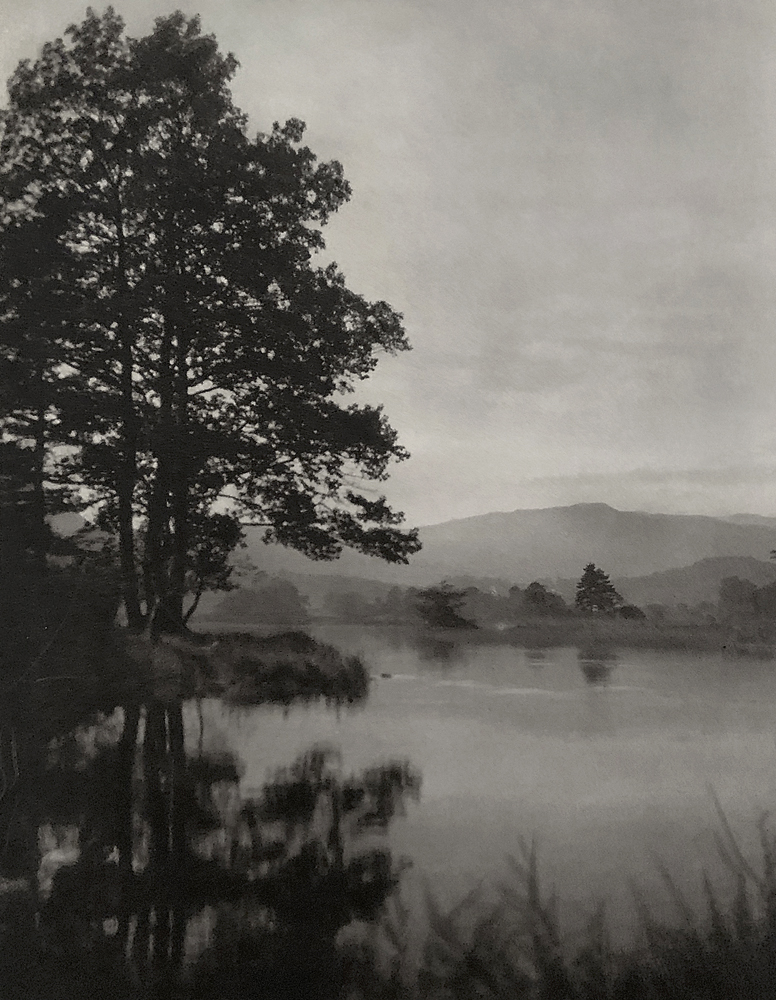
E. O. Hoppé (British born Germany, 1878-1972) 237: Windemere, Westmorland 1926
E. O. Hoppé (British born Germany, 1878-1972) 238: Newcastle, Northumberland 1926
E. O. Hoppé (British born Germany, 1878-1972) 239: Carter Bar, Northumberland 1926
E. O. Hoppé (British born Germany, 1878-1972) 240: Dunbar, Scotland 1926
E. O. Hoppé (British born Germany, 1878-1972) 241: Dunbar, Scotland 1926
E. O. Hoppé (British born Germany, 1878-1972) 242: Edinburgh Castle, Scotland 1926
E. O. Hoppé (British born Germany, 1878-1972) 243: The Castle, Edinburgh, Scotland 1926
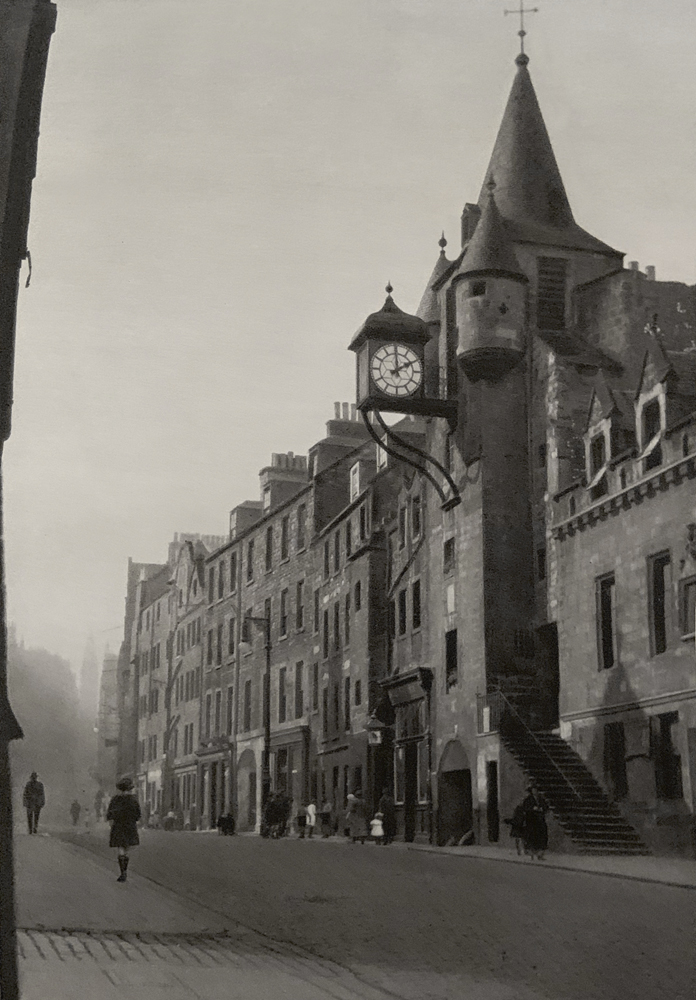
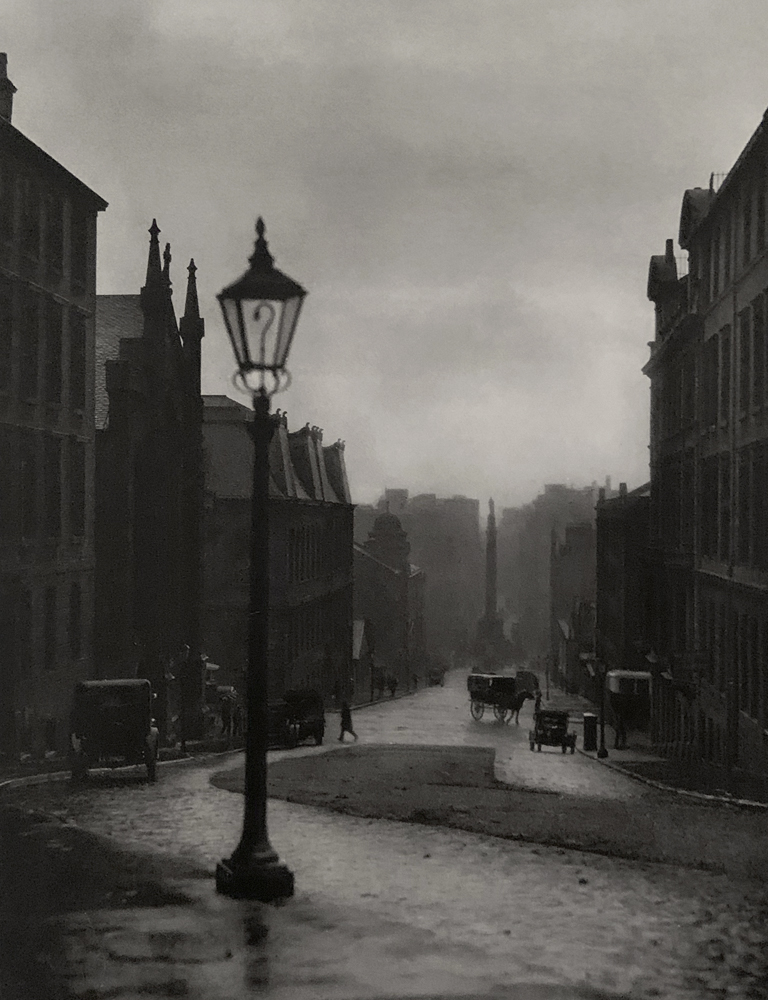
E. O. Hoppé (British born Germany, 1878-1972) 244: Canongate with Tolbooth, Edinburgh, Scotland 1926
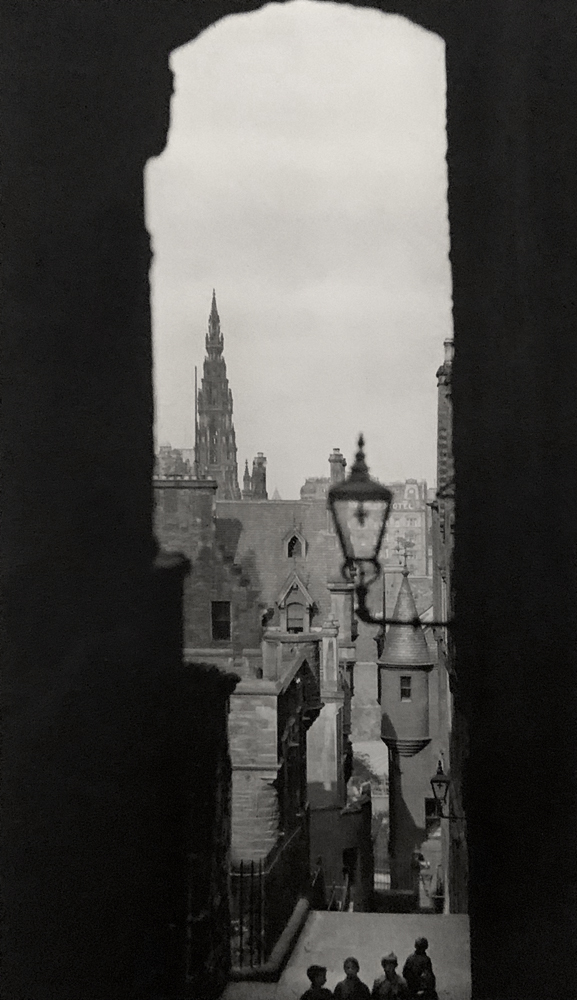
E. O. Hoppé (British born Germany, 1878-1972) 248: The Advocates Walk, Edingburgh, Scotland 1926
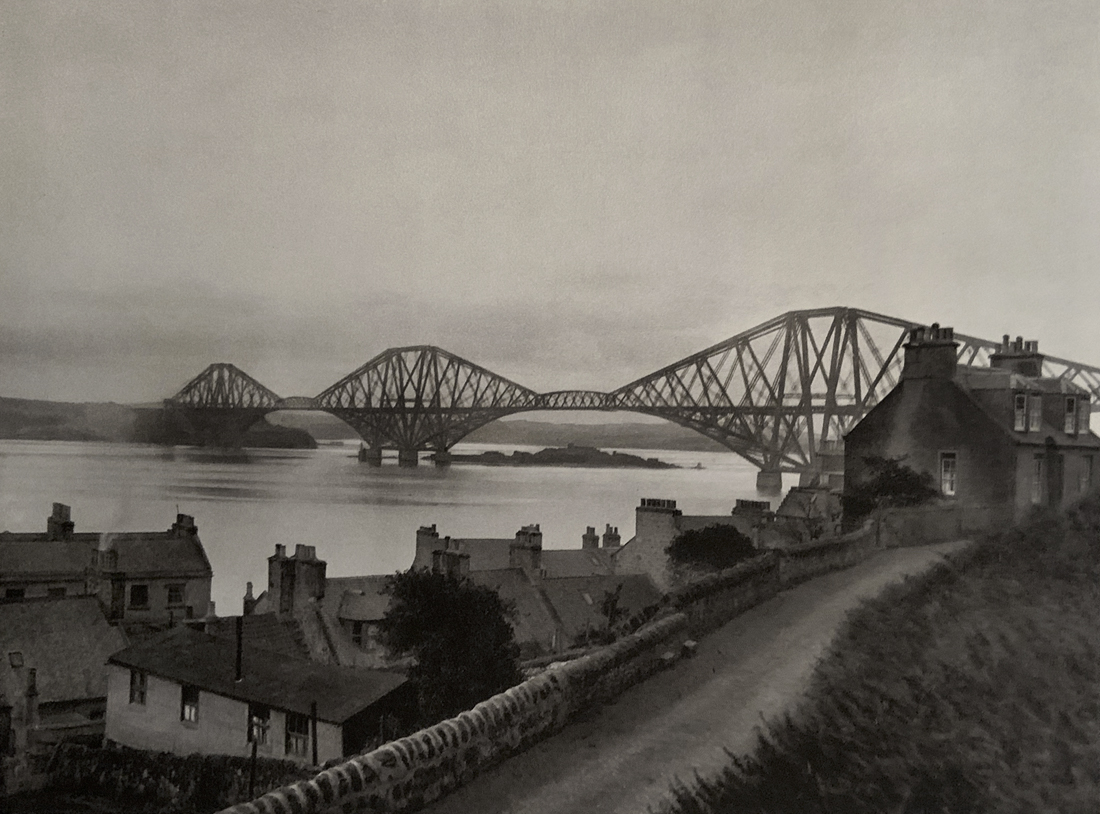
E. O. Hoppé (British born Germany, 1878-1972) 249: Forth Bridge, Edingburgh, Scotland 1926
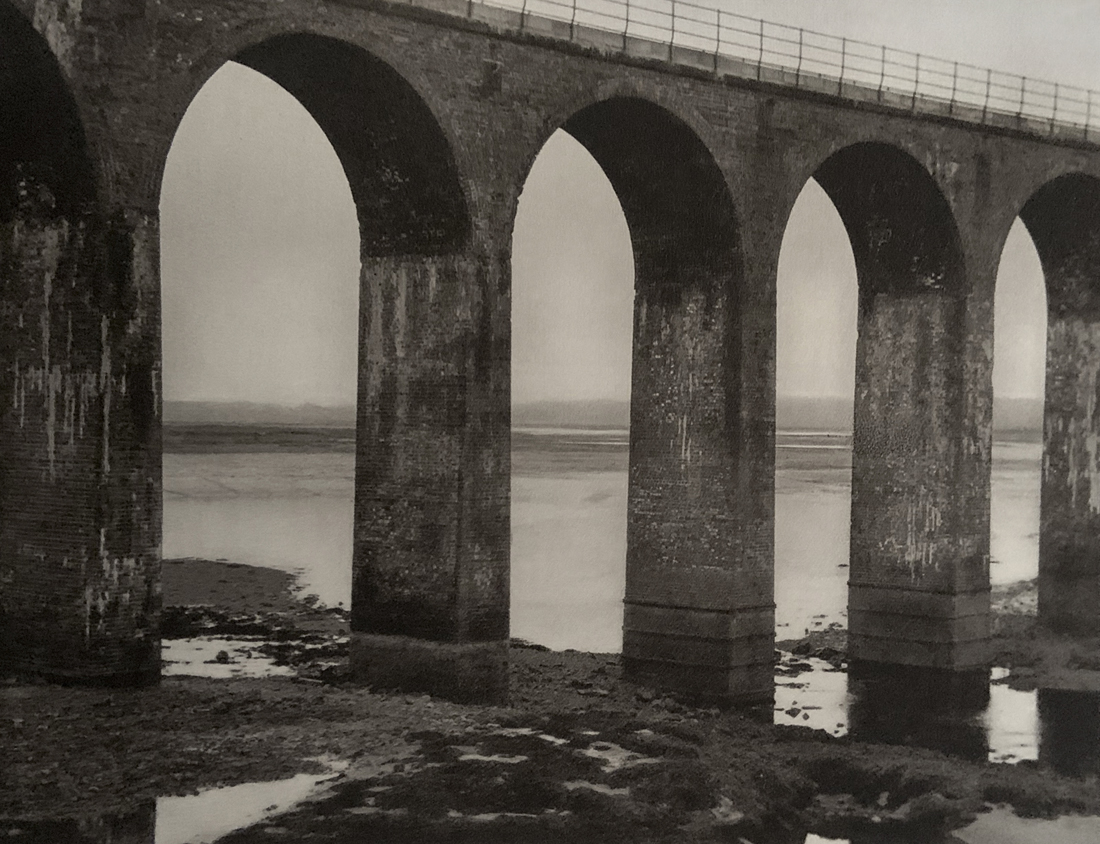
E. O. Hoppé (British born Germany, 1878-1972) 255: The Viaduct, Montrose, Scotland 1926
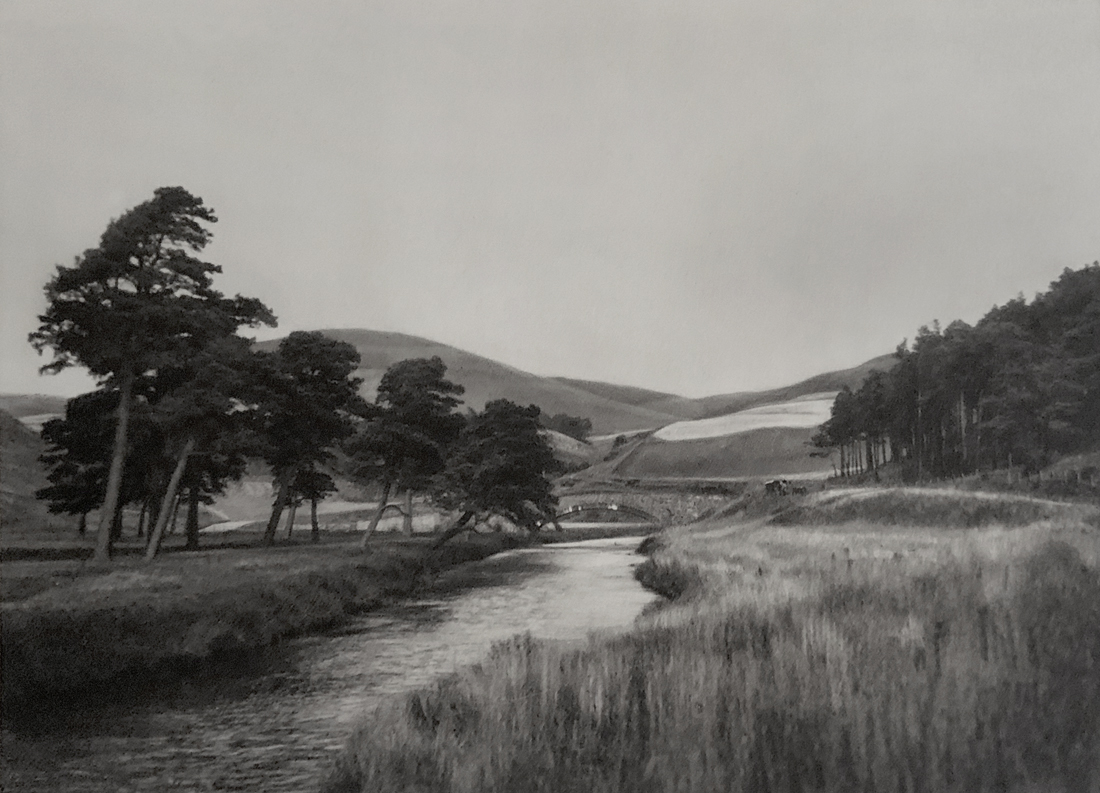
E. O. Hoppé (British born Germany, 1878-1972) 257: Near Peebles, Scotland 1926
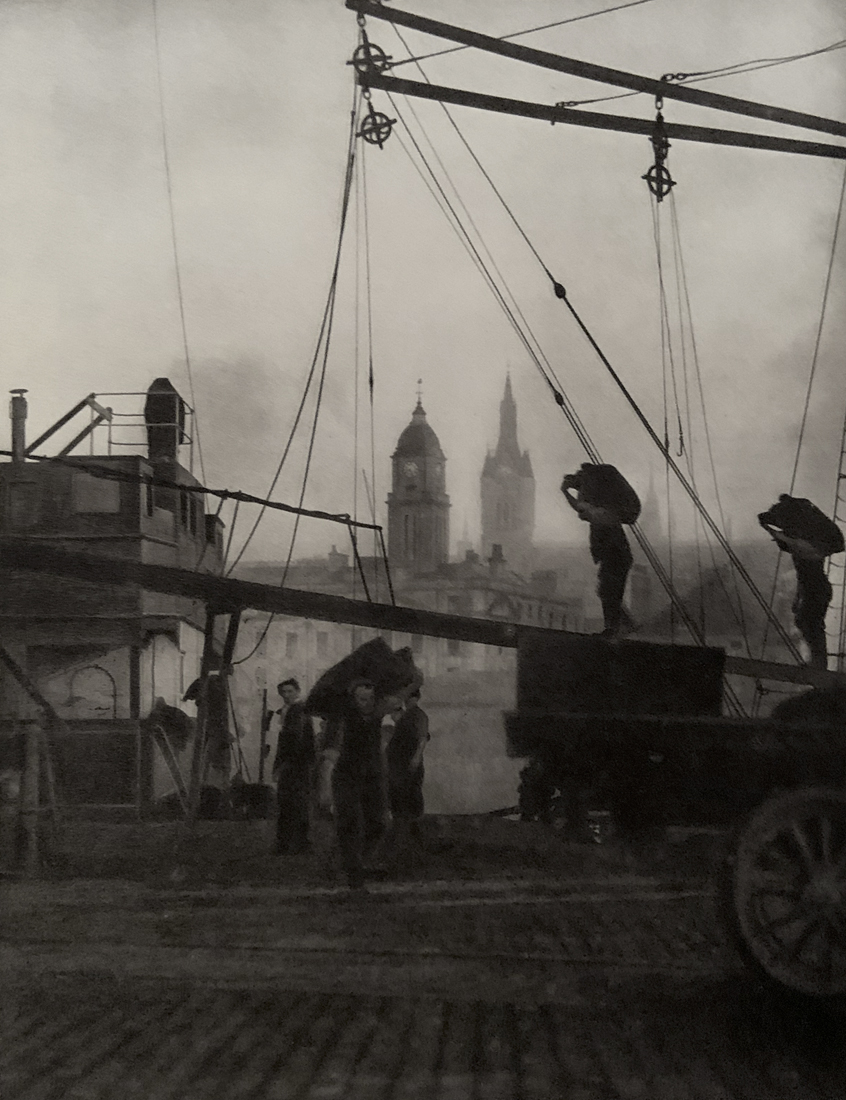
E. O. Hoppé (British born Germany, 1878-1972) 259: The Harbour, Aberdeen, Scotland 1926
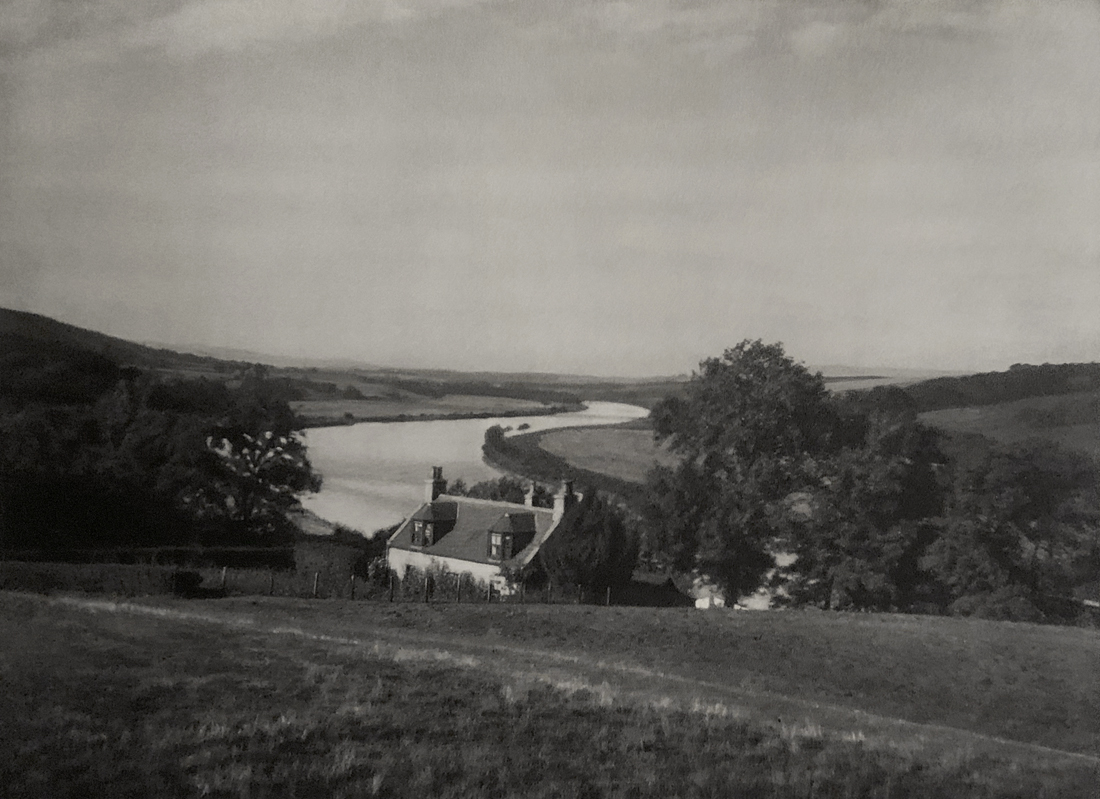
E. O. Hoppé (British born Germany, 1878-1972) 261: Deeside, Aberdeen, Scotland 1926
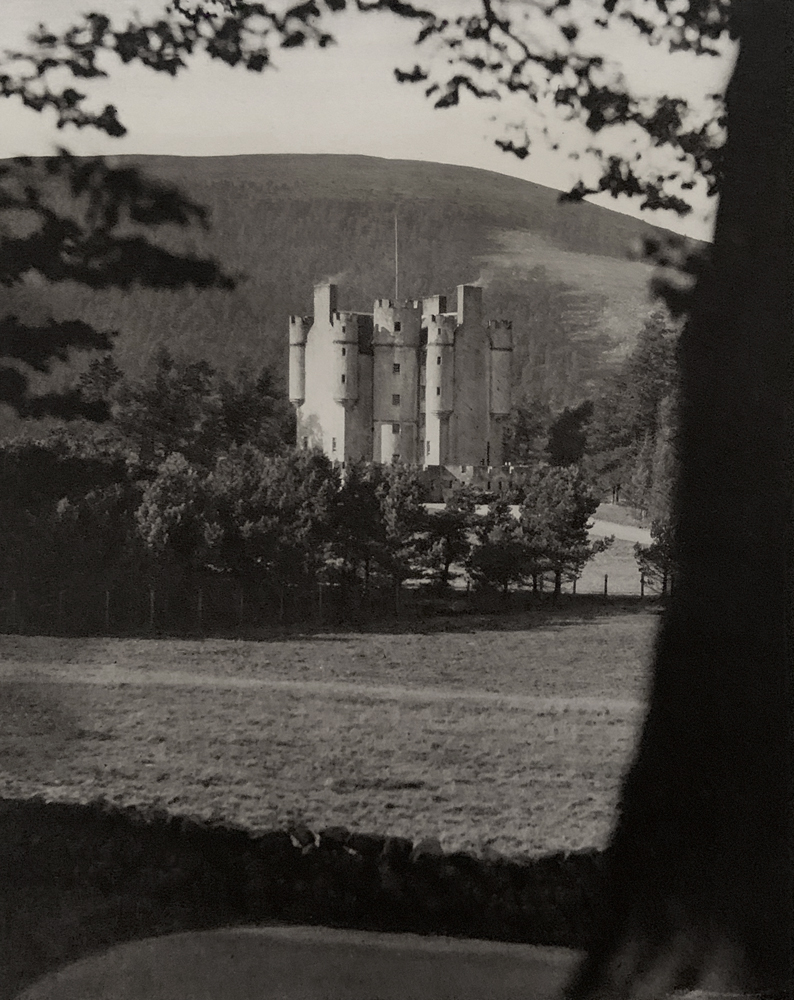
E. O. Hoppé (British born Germany, 1878-1972) 262: Braemar Castle, Scotland 1926
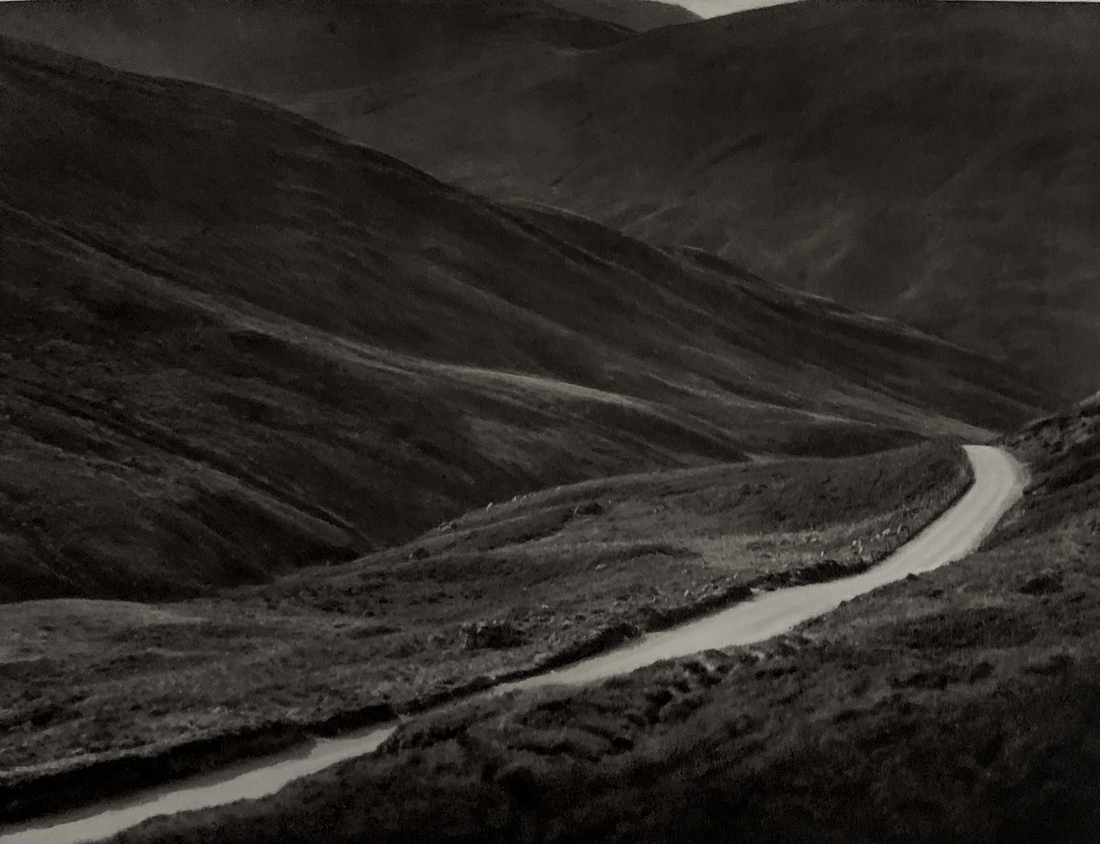
E. O. Hoppé (British born Germany, 1878-1972) 264: Devil’s Elbow, Scotland 1926
E. O. Hoppé (British born Germany, 1878-1972) 265: On the Road to Balmoral, Scotland 1926
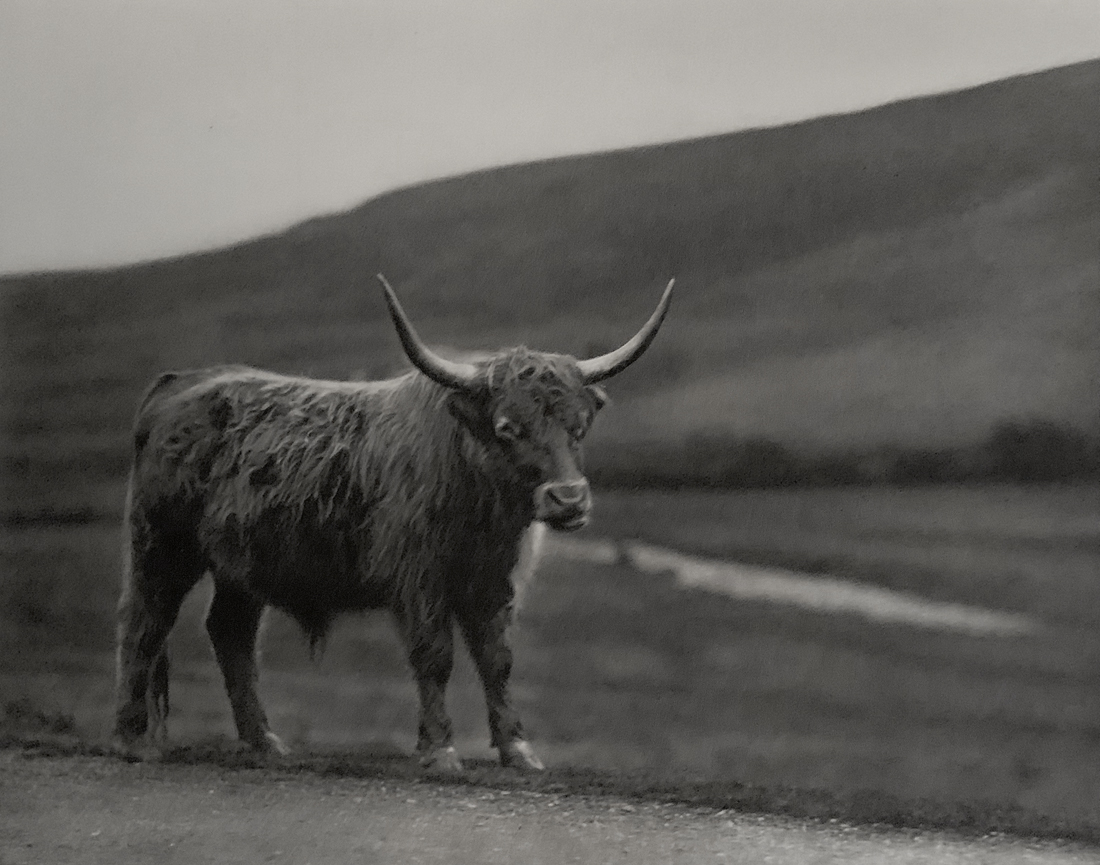
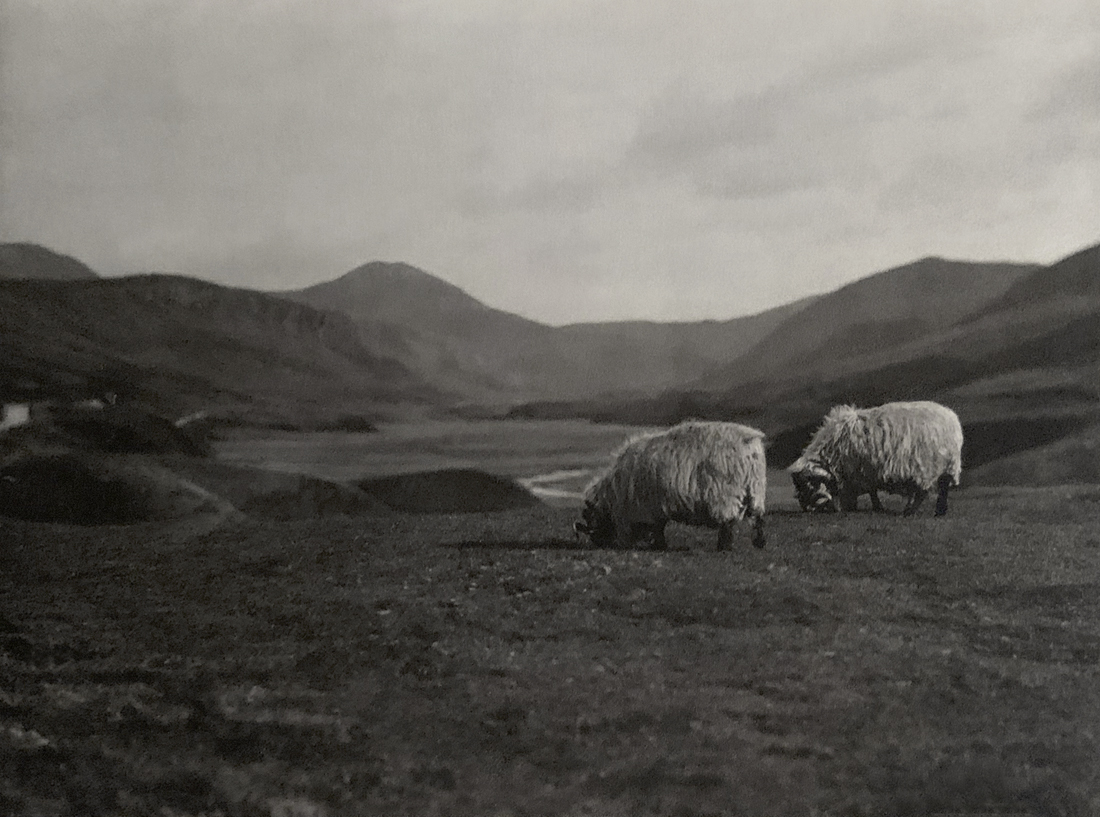
E. O. Hoppé (British born Germany, 1878-1972) 267: Highland Cattle, Scotland 1926
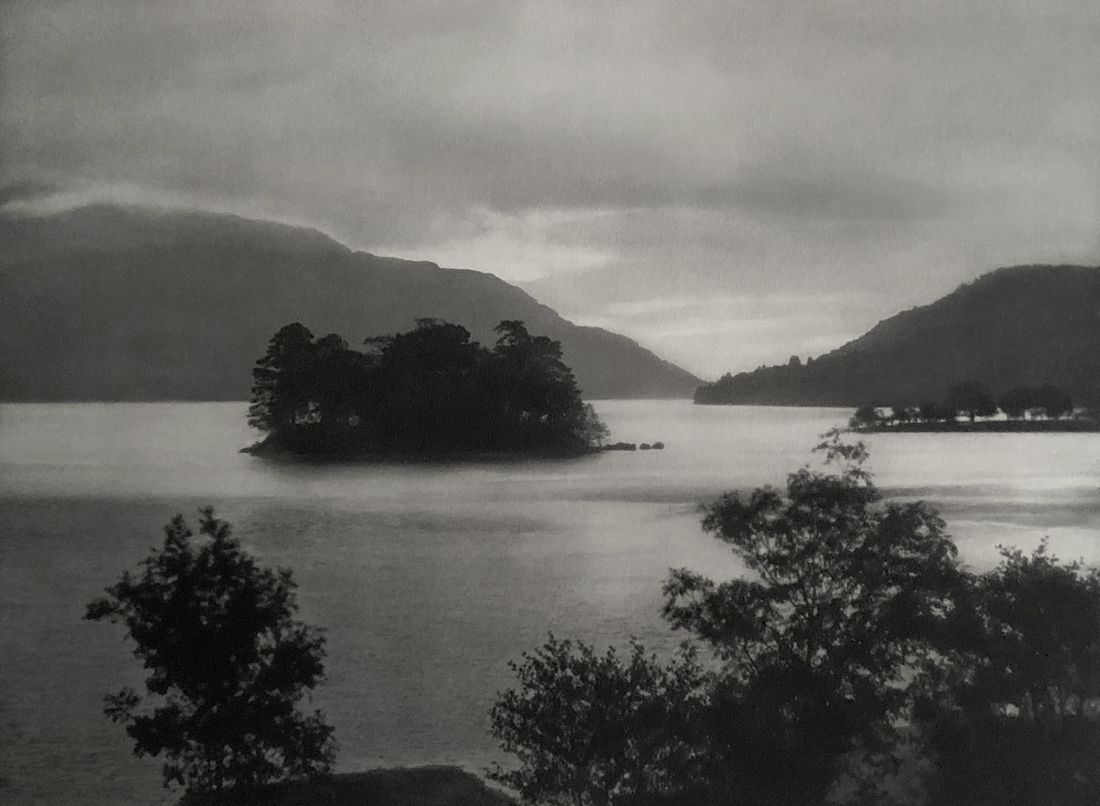
E. O. Hoppé (British born Germany, 1878-1972) 268: Loch Lomond, Scotland 1926
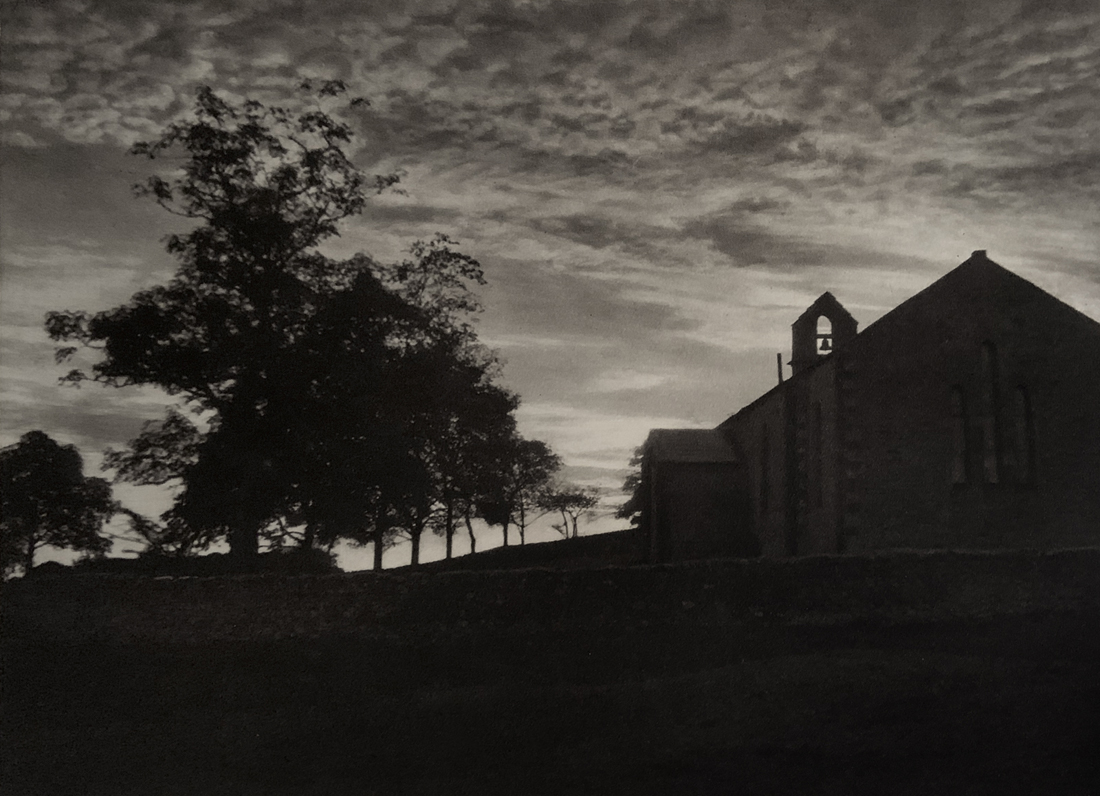
E. O. Hoppé (British born Germany, 1878-1972) 269: A Scottish Sunset 1926
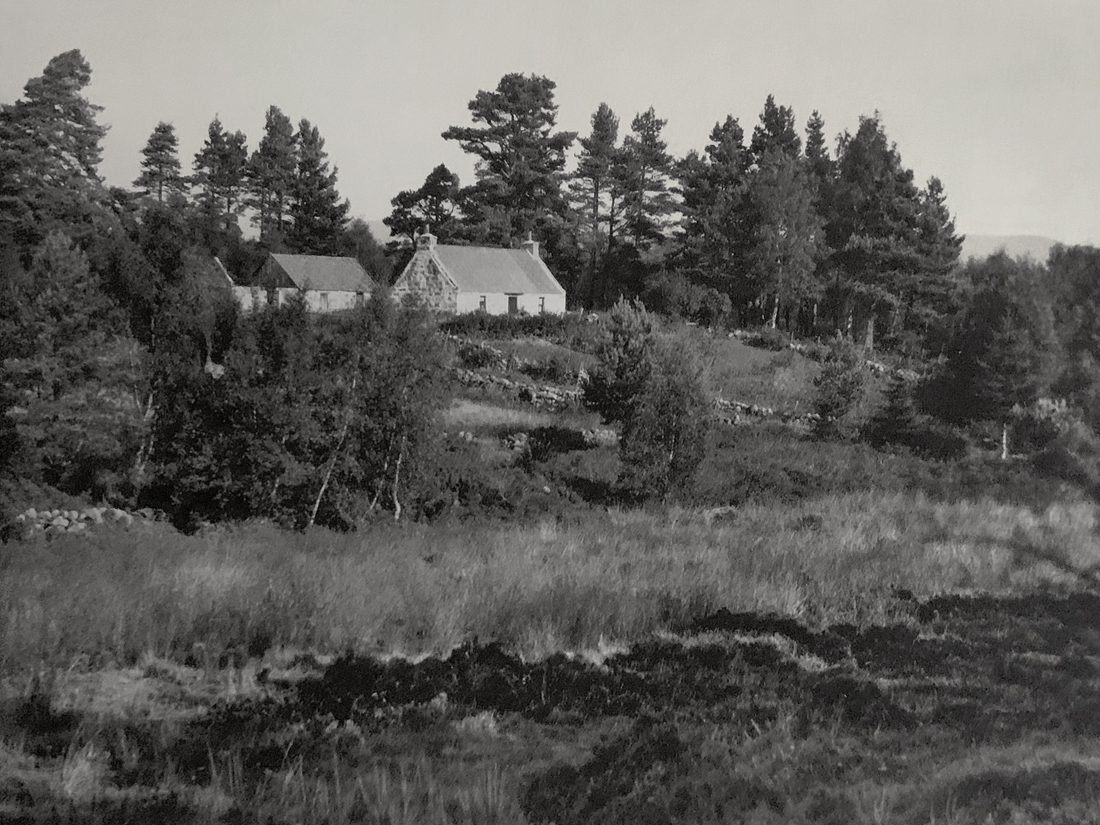
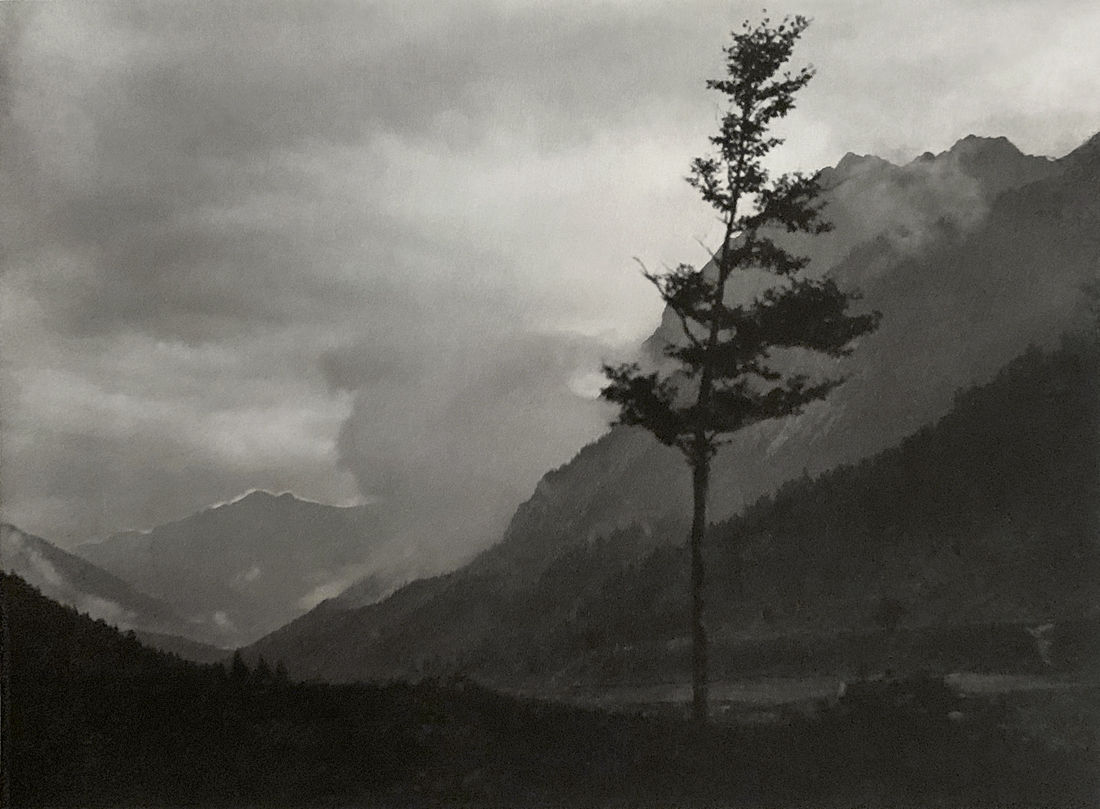
E. O. Hoppé (British born Germany, 1878-1972) 272: The Scottish Highlands 1926
E. O. Hoppé (British born Germany, 1878-1972) 273: The College Green, Dublin, Ireland 1926
E. O. Hoppé (British born Germany, 1878-1972) 274: Loch Tulla, Argyllshire, Scotland 1926
E. O. Hoppé (British born Germany, 1878-1972) 275: Dumbarton, Scotland 1926
E. O. Hoppé (British born Germany, 1878-1972) 276: Glasgow, Lanarkshire, Scotland 1926
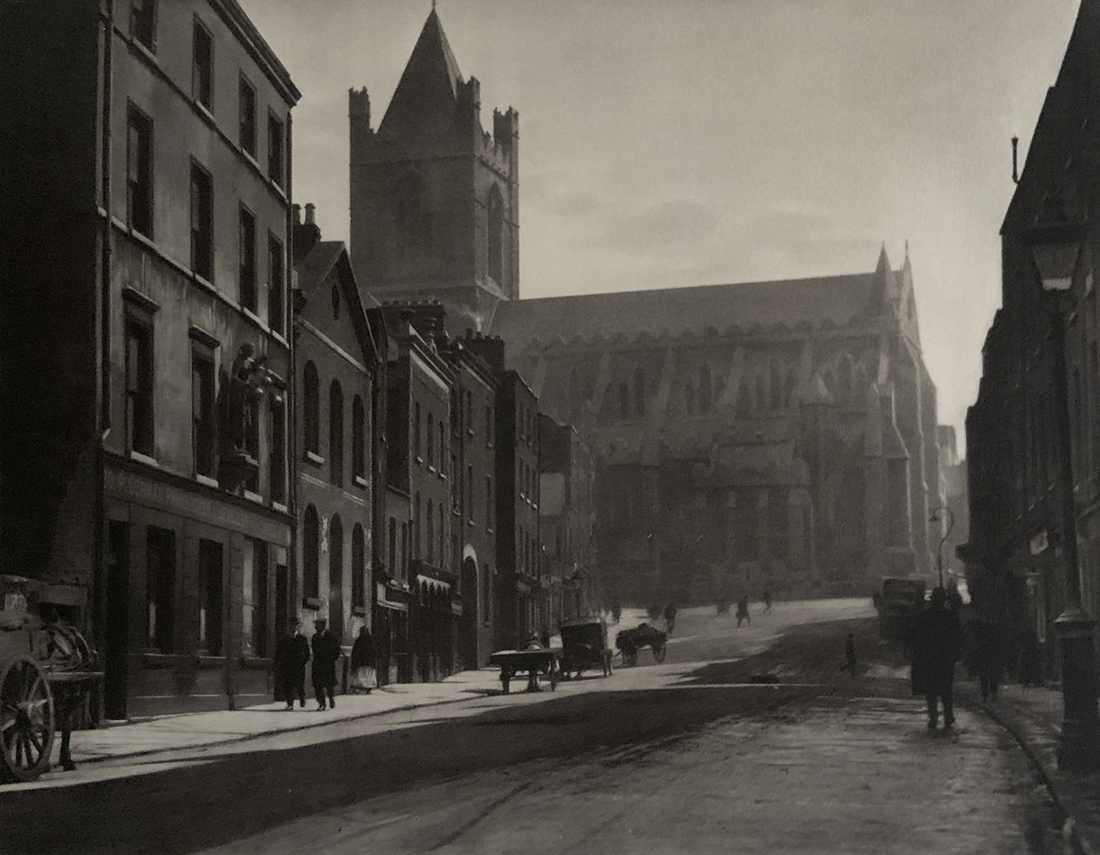
E. O. Hoppé (British born Germany, 1878-1972) 277: Christchurch, Dublin, Ireland 1926
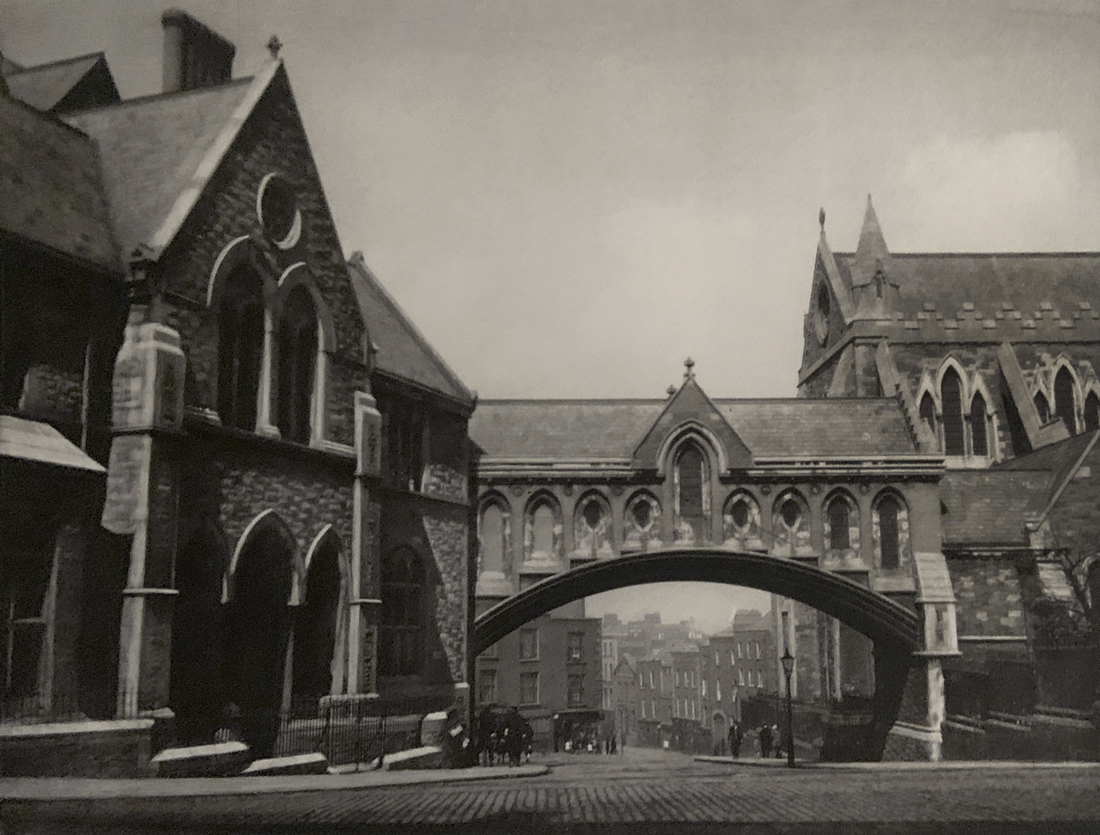
E. O. Hoppé (British born Germany, 1878-1972) 278: Christchurch, Dublin, Ireland 1926
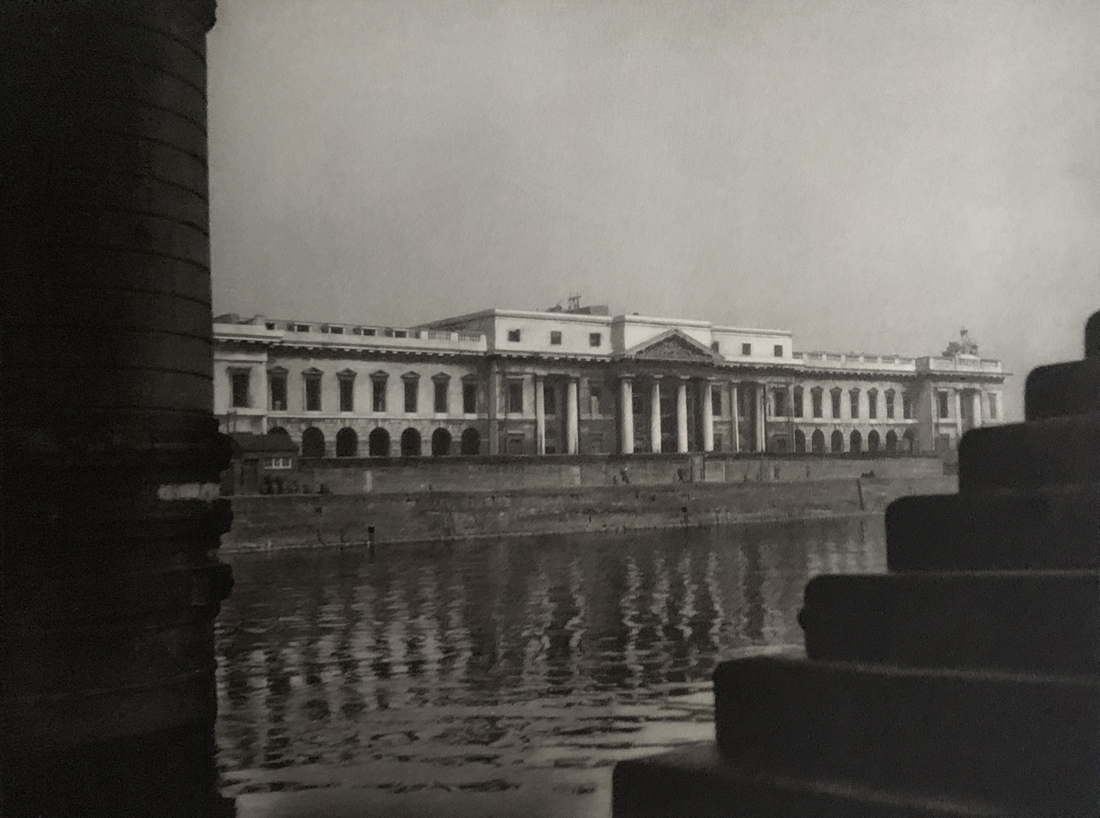
E. O. Hoppé (British born Germany, 1878-1972) 279: The Custom’s House, Dublin, Ireland 1926
E. O. Hoppé (British born Germany, 1878-1972) 280: Spittal of Glenshee, Scotland 1926
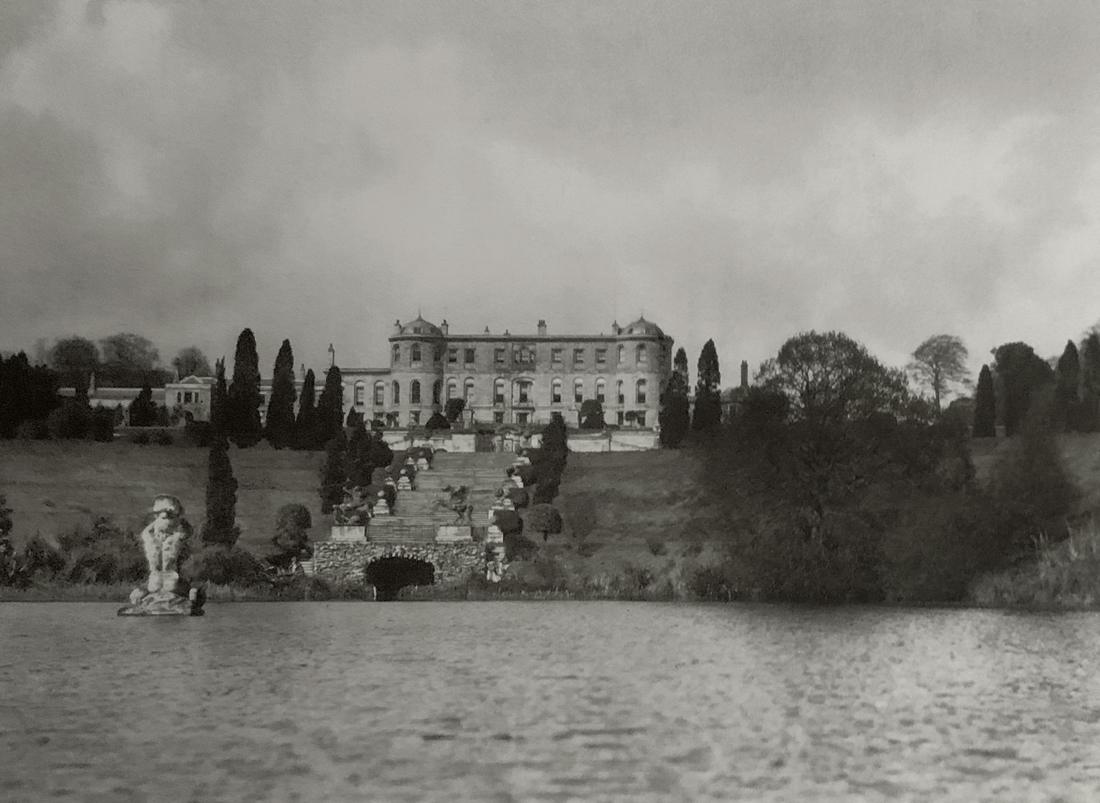
E. O. Hoppé (British born Germany, 1878-1972) 281: Powerscourt, Enniskerry, Ireland 1926
E. O. Hoppé (British born Germany, 1878-1972) 283: Lambay Castle, Ireland 1926
E. O. Hoppé (British born Germany, 1878-1972) 284: Luccan, Ireland 1926
E. O. Hoppé (British born Germany, 1878-1972) 287: Glendalough Lake, Ireland 1926
E. O. Hoppé (British born Germany, 1878-1972) 289: Glendalough, Ireland 1926
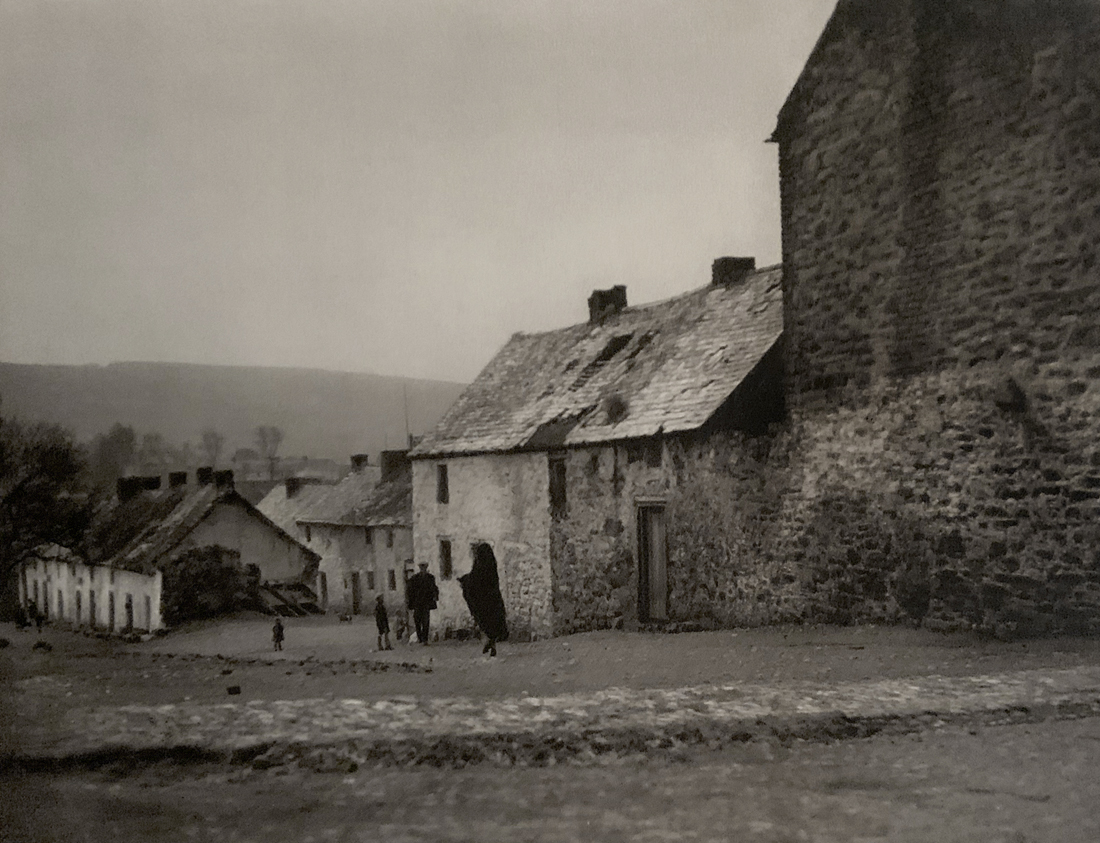
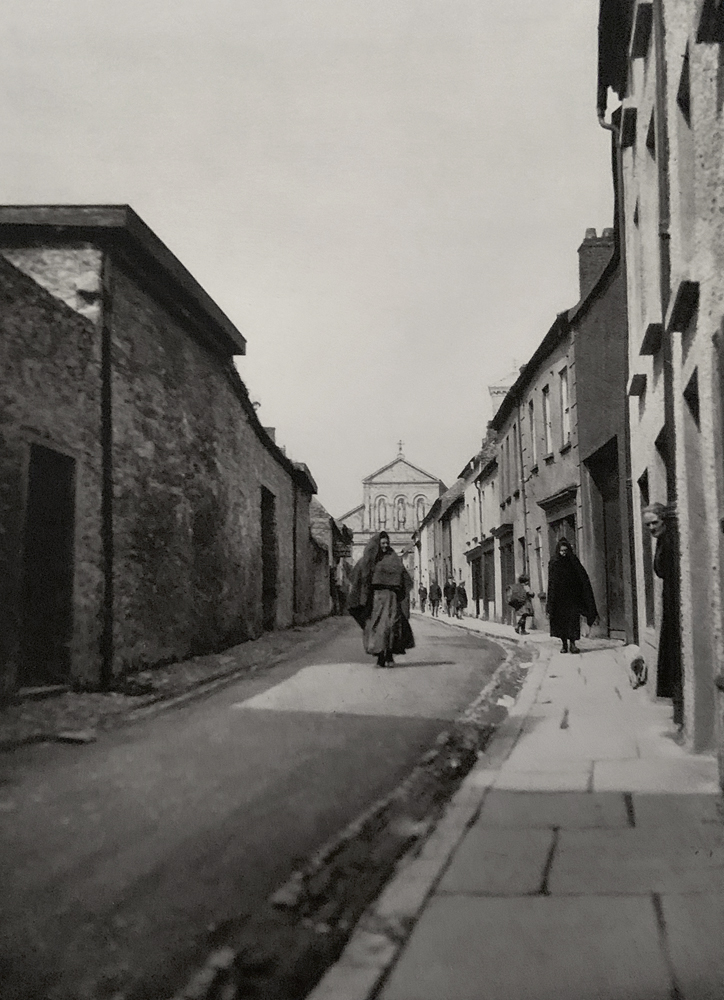
E. O. Hoppé (British born Germany, 1878-1972) 291: Carrick-on-Suir, Ireland 1926
E. O. Hoppé (British born Germany, 1878-1972) 292: Carrick-on-Suir, Ireland 1926
E. O. Hoppé (British born Germany, 1878-1972) 293: The Middle Lake, Killarney, Ireland 1926
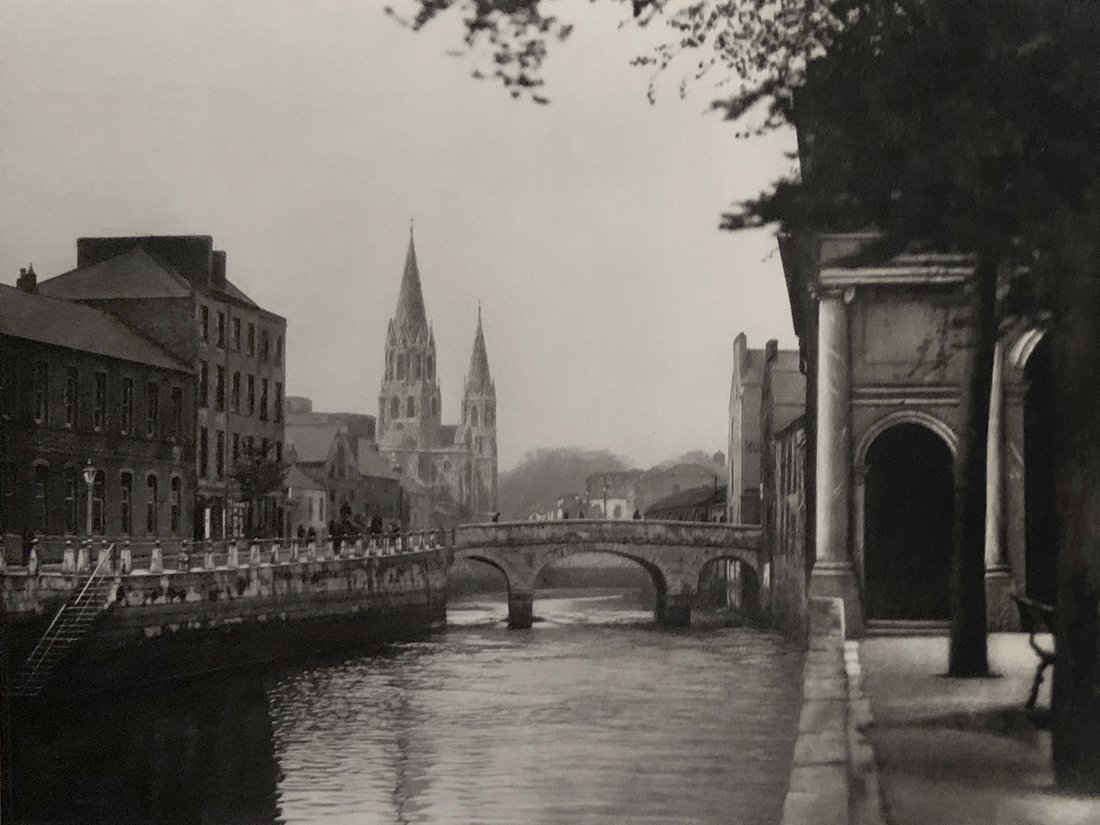
E. O. Hoppé (British born Germany, 1878-1972) 296: The Cathedral, Cork, Ireland 1926
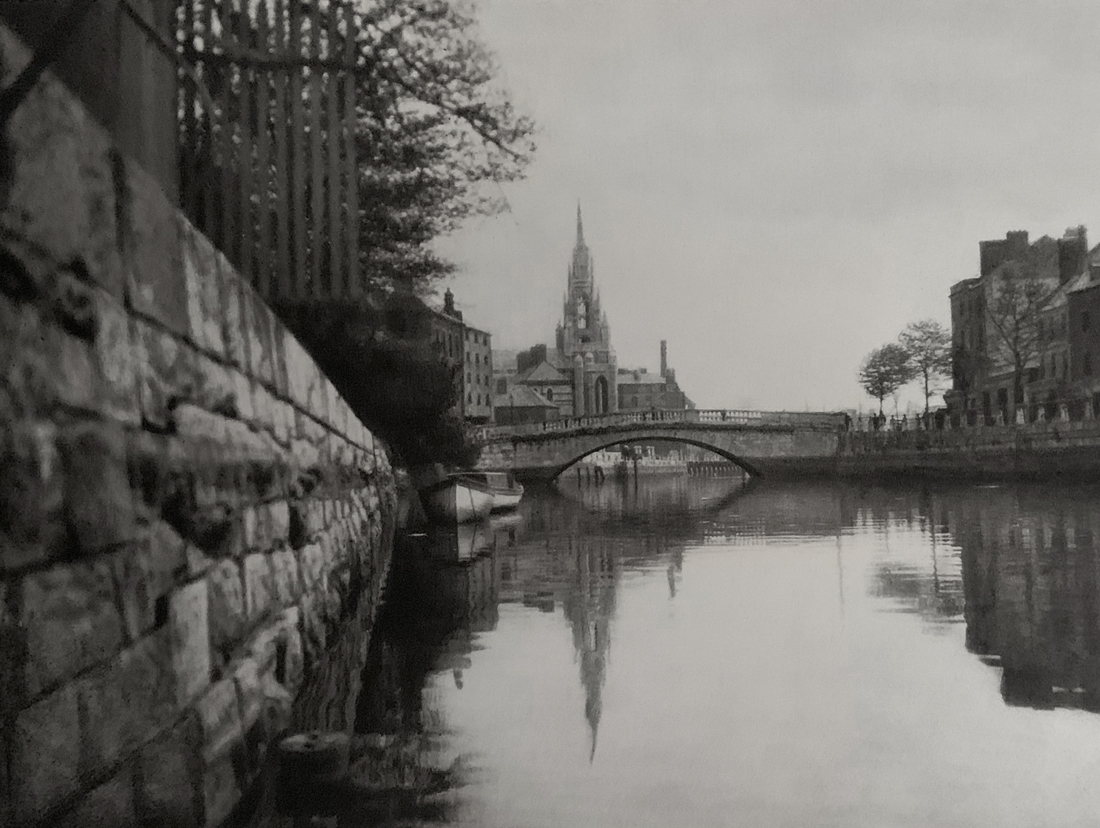
E. O. Hoppé (British born Germany, 1878-1972) 297: The Memorial Church, Cork, Ireland 1926
E. O. Hoppé (British born Germany, 1878-1972) 299: The Lower Lake, Killarney, Ireland 1926
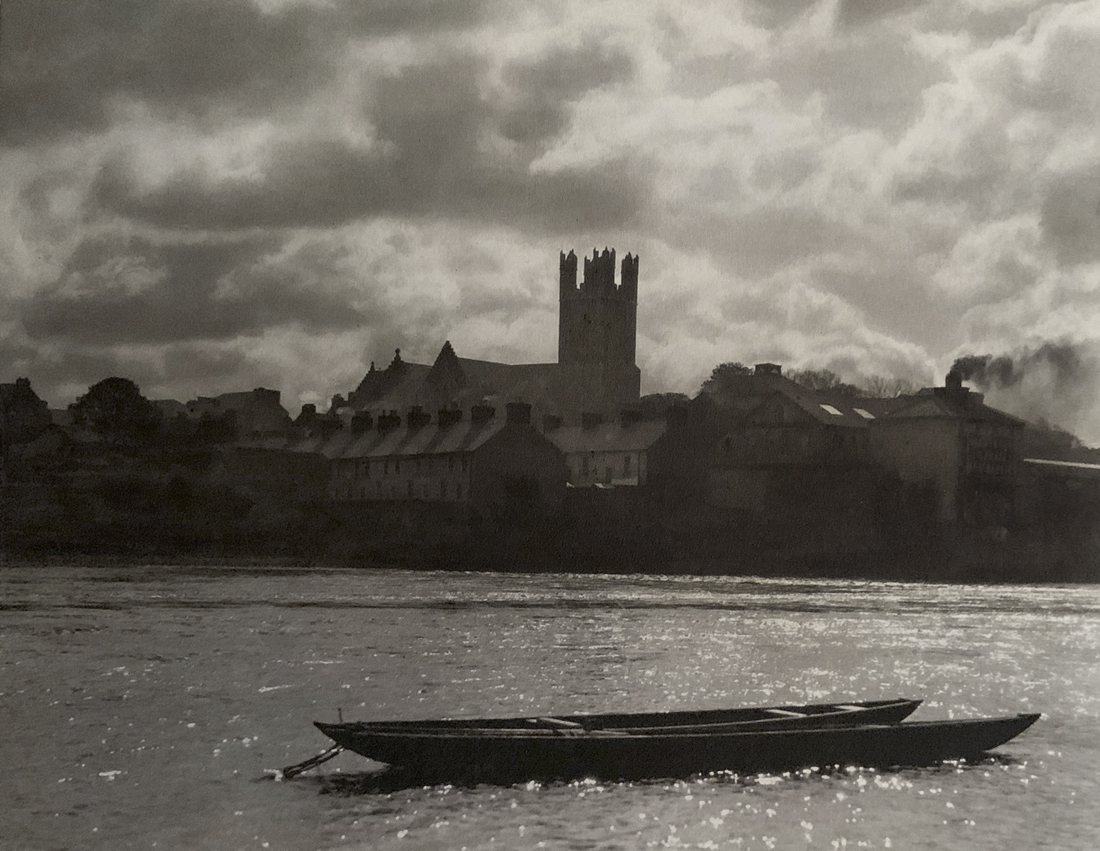
E. O. Hoppé (British born Germany, 1878-1972) 301: The River Shannon, Limerick, Ireland 1926
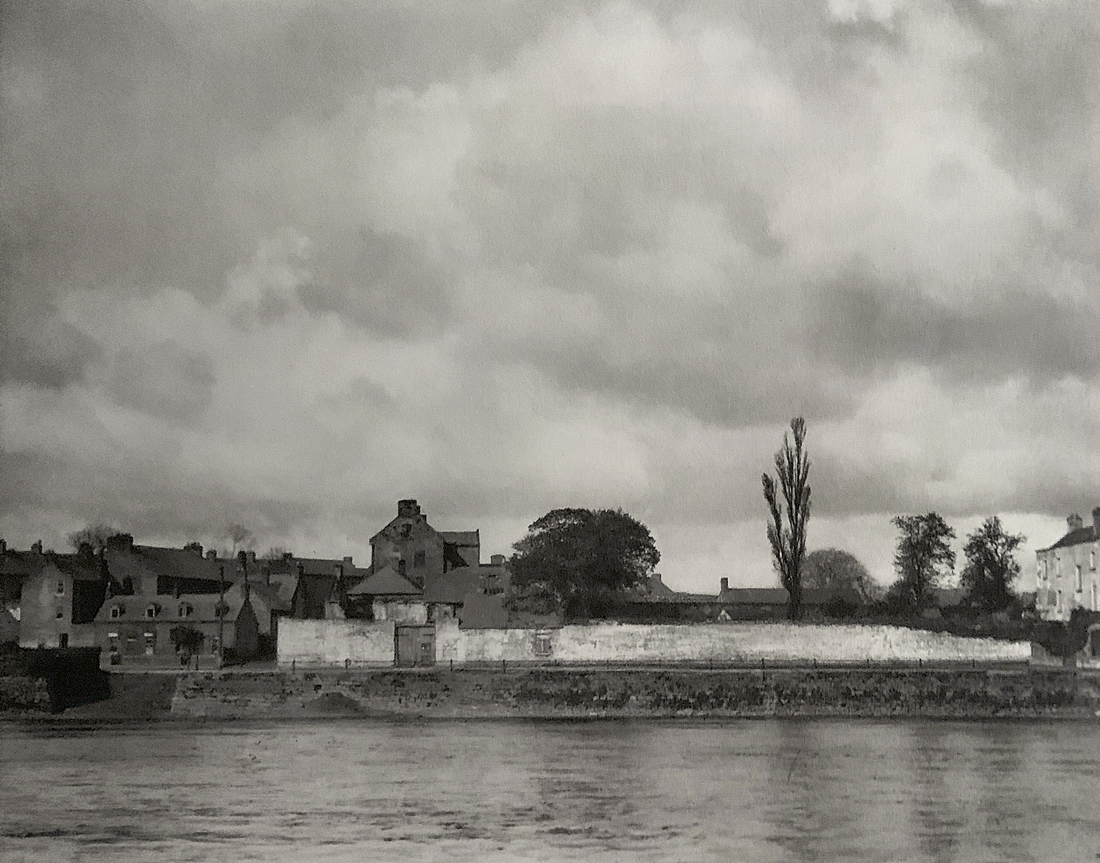
E. O. Hoppé (British born Germany, 1878-1972) 302: Limerick, Ireland 1926
E. O. Hoppé (British born Germany, 1878-1972) 303: The Cathedral, Limerick, Ireland 1926
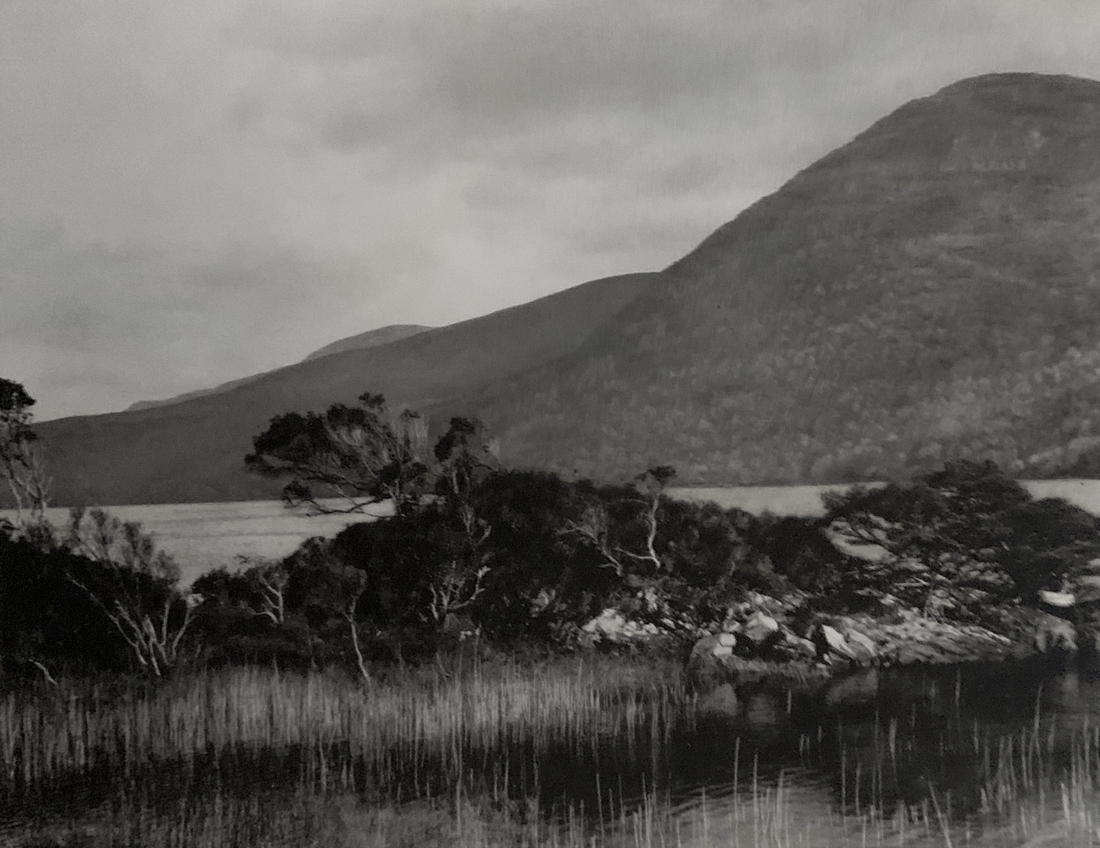
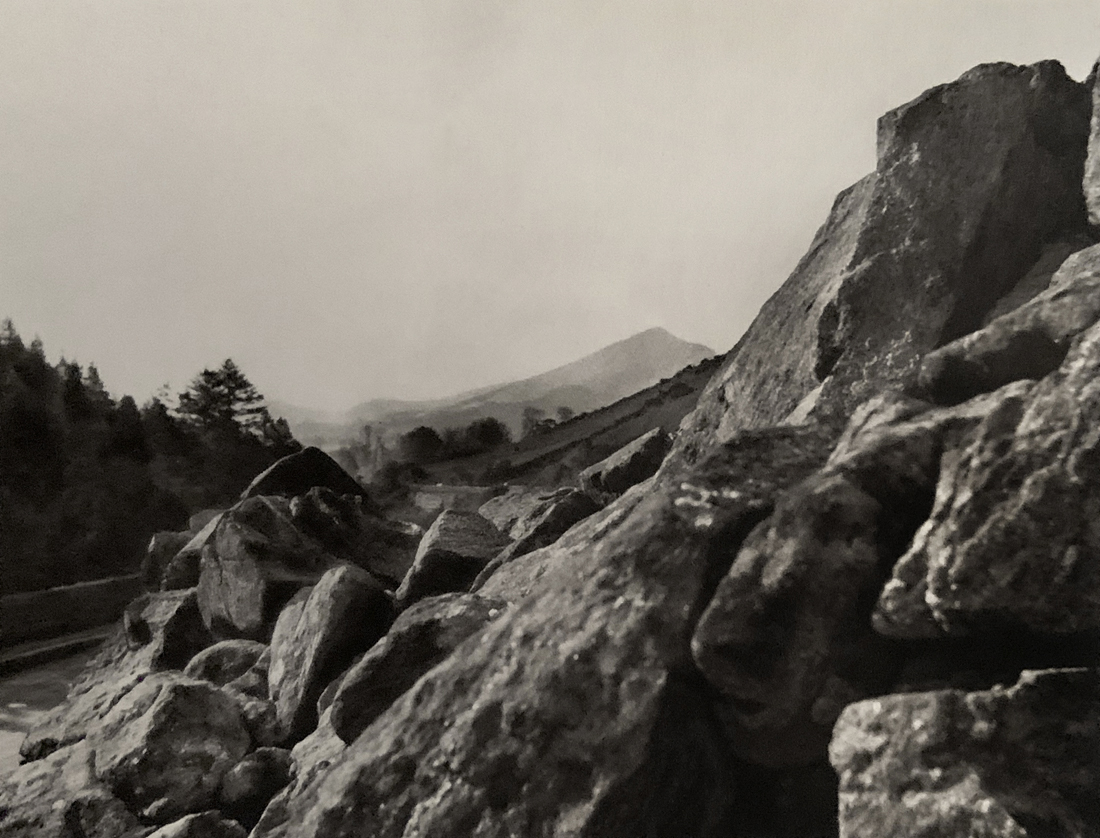
E. O. Hoppé (British born Germany, 1878-1972) 304: The Scalp Mountains, Ireland 1926
Publisher: Ernst Wasmuth A.G. / Berlin With an Introduction by Charles F. G. Masterman
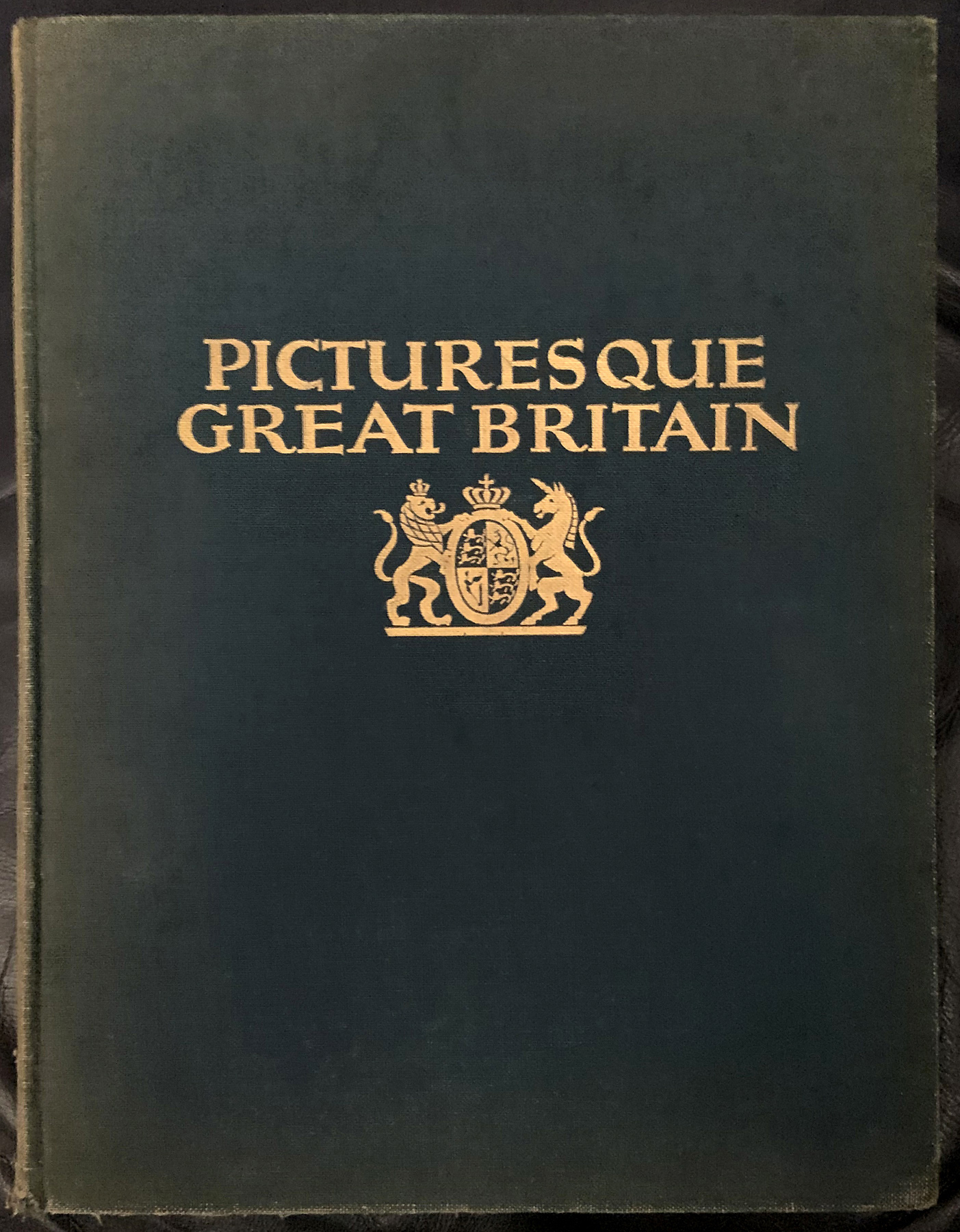
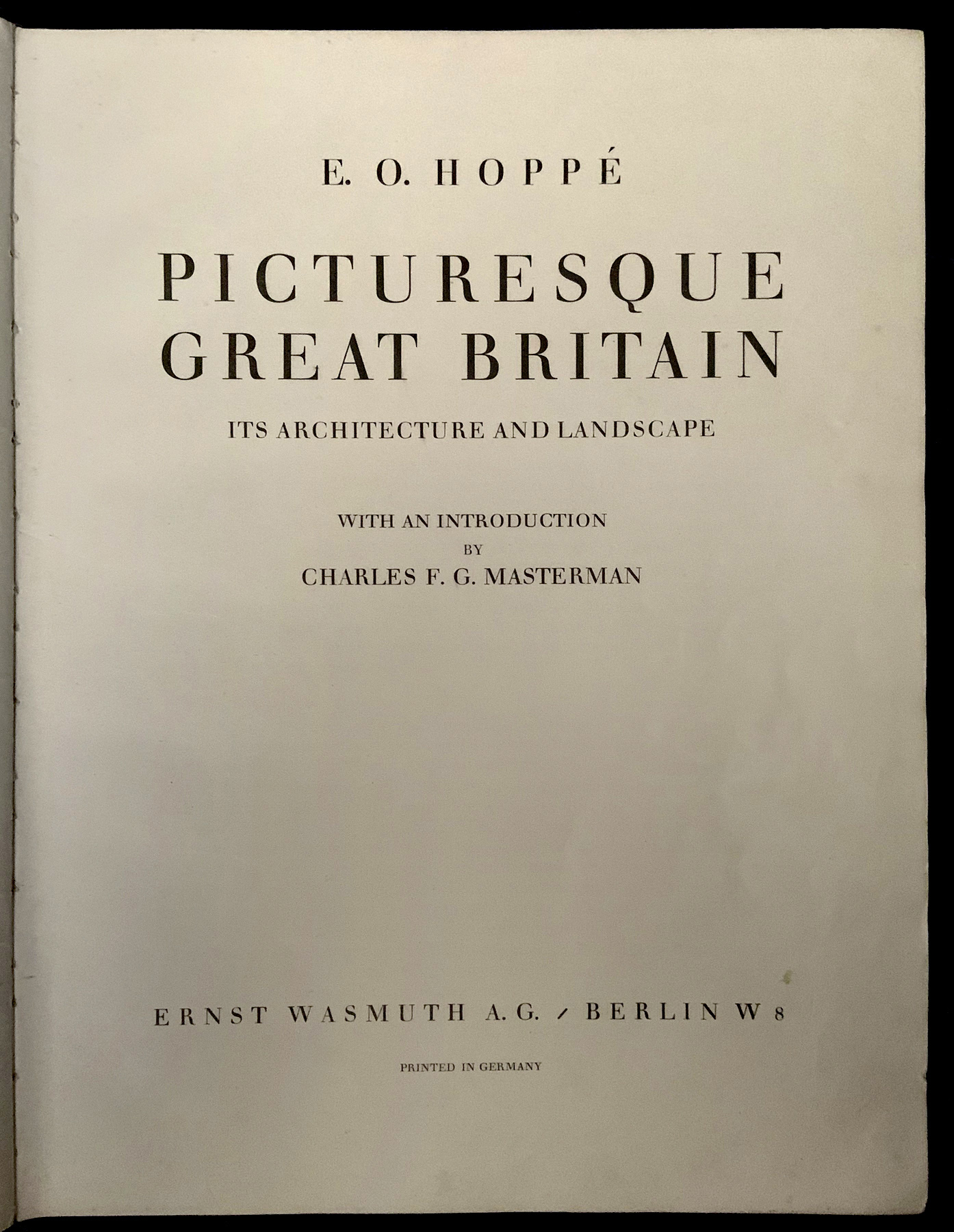
E. O. Hoppé (British born Germany, 1878-1972) Publisher Ernst Wasmuth A.G. / Berlin Picturesque Great Britain: Its Architecture and Landscape cover 1926 304 photoprints
E. O. Hoppé
Now there’s a name to conjure with!
I found this book in a charity shop, for $5. I couldn’t believe my luck. Here is a book, published in 1926, by one of the most underrated and oft forgotten of the great master photographers of the early twentieth century. It contains 304 photoprints of his journey around Great Britain – “picturesque” photographs – with all the implications that this name brings forth, with its link to Pictorialist photography.
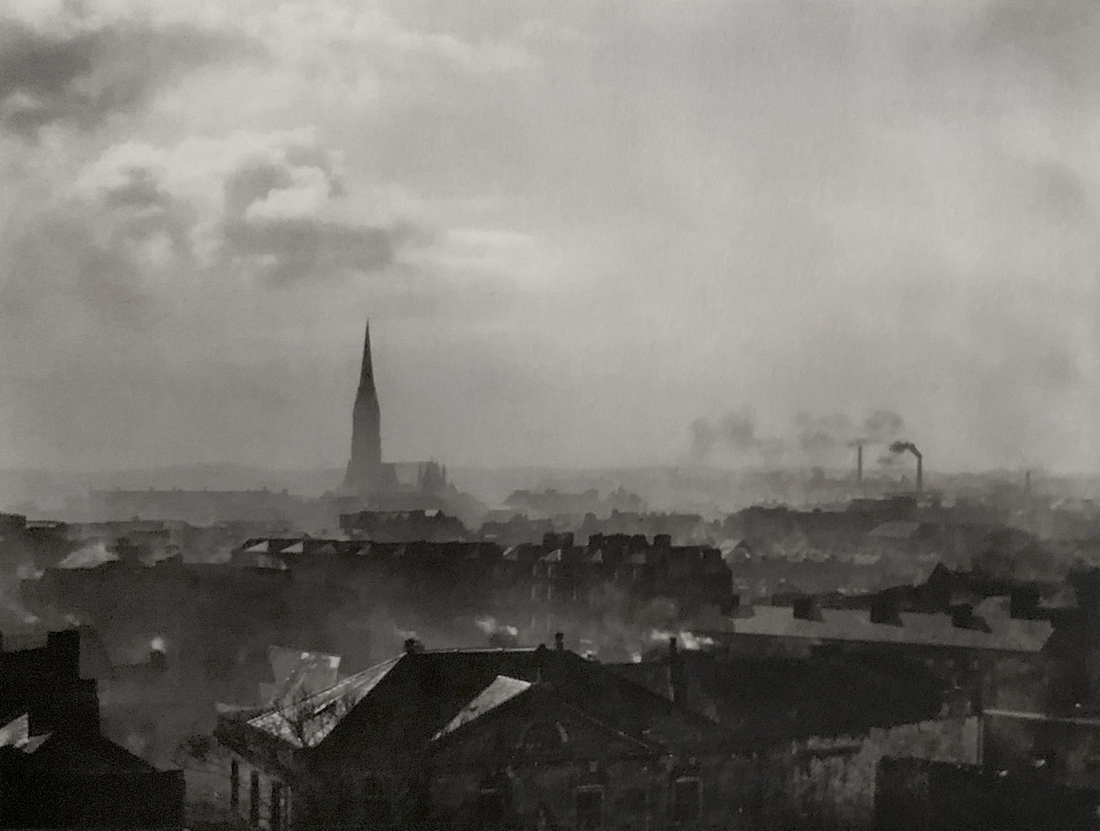
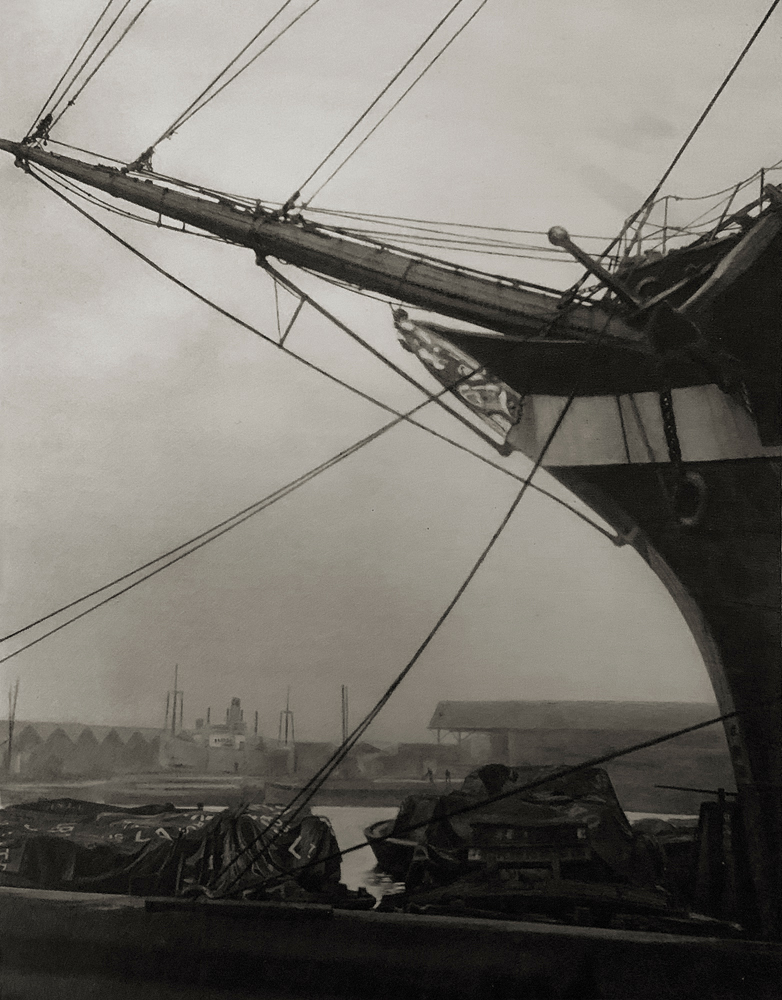
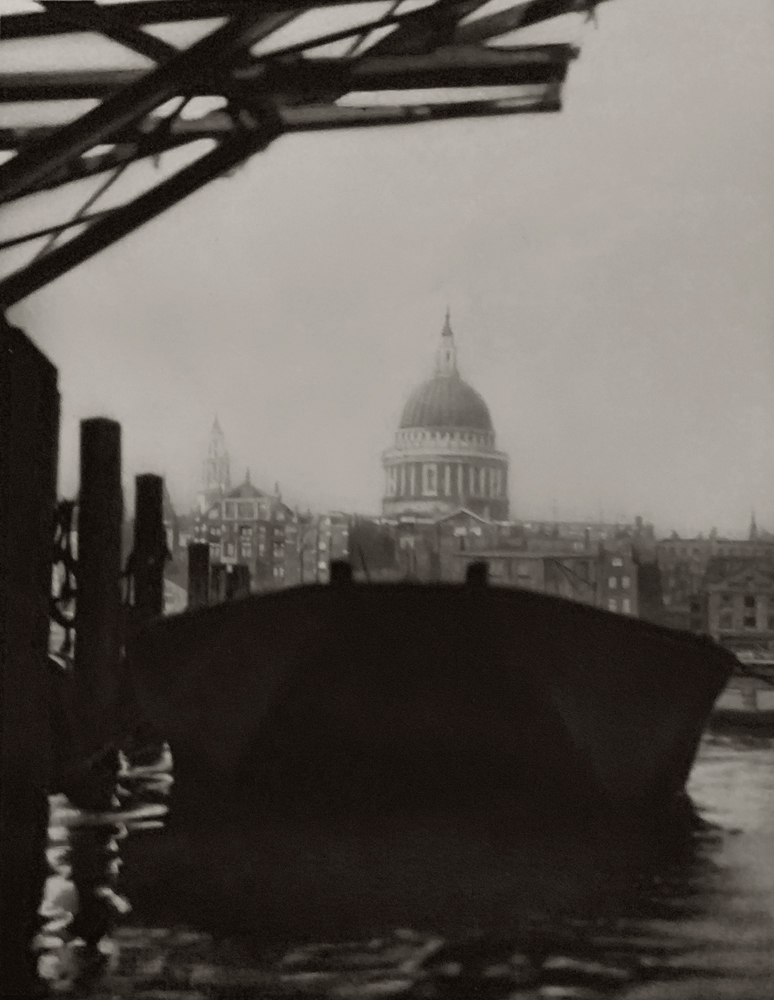
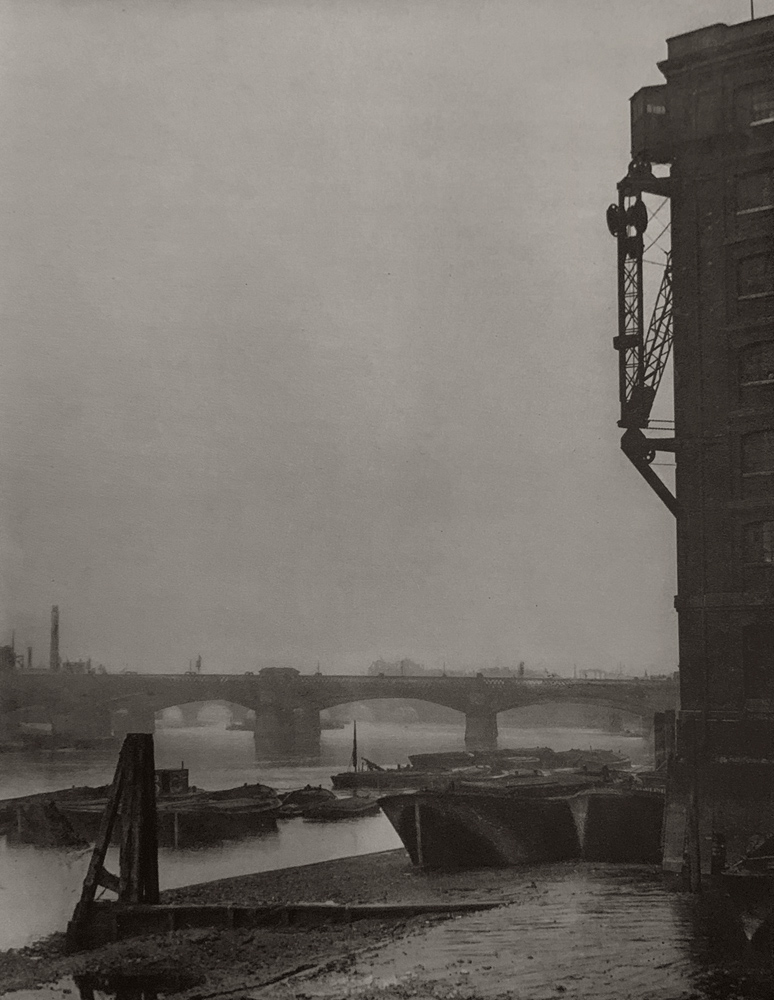
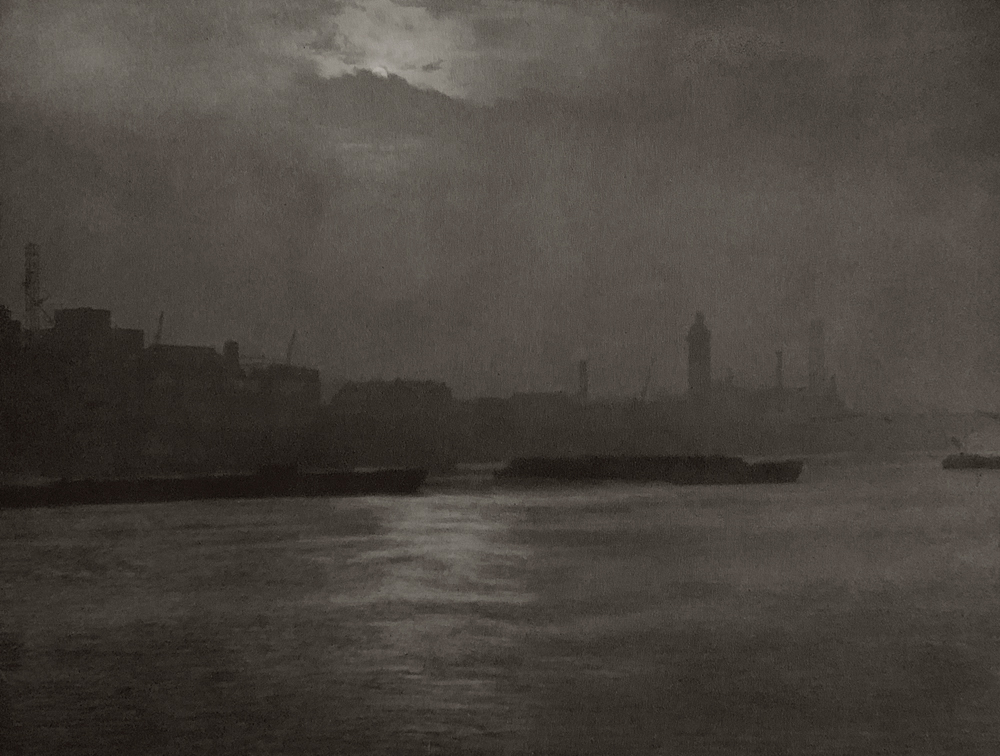
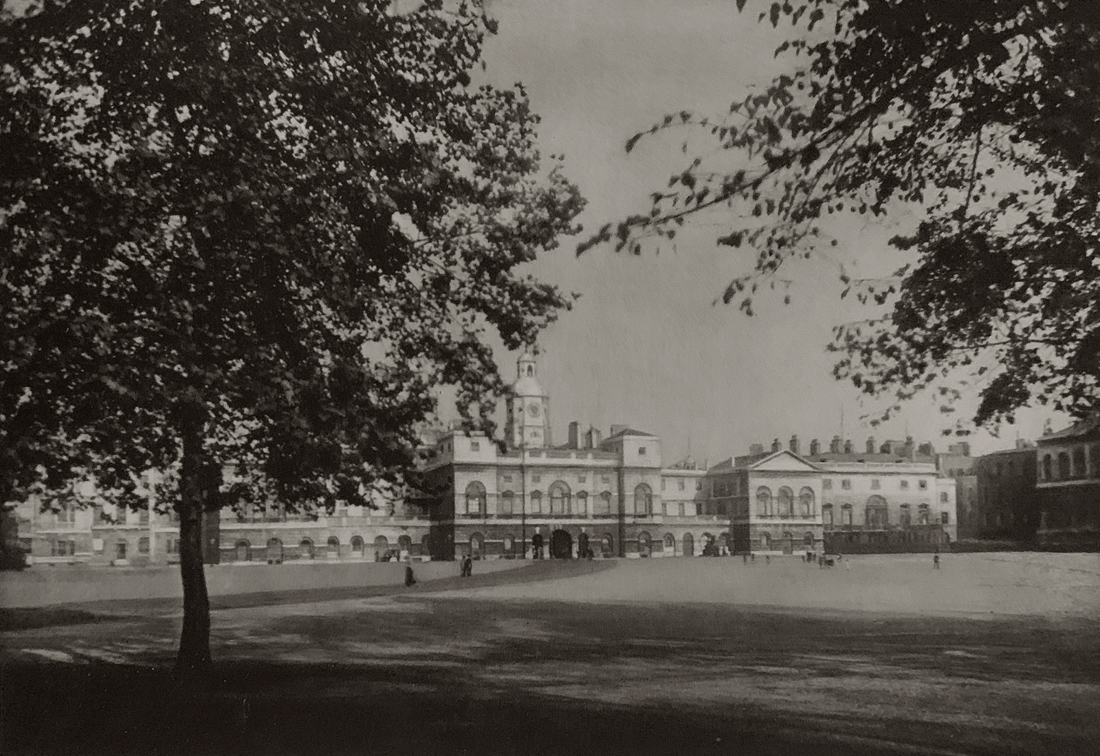
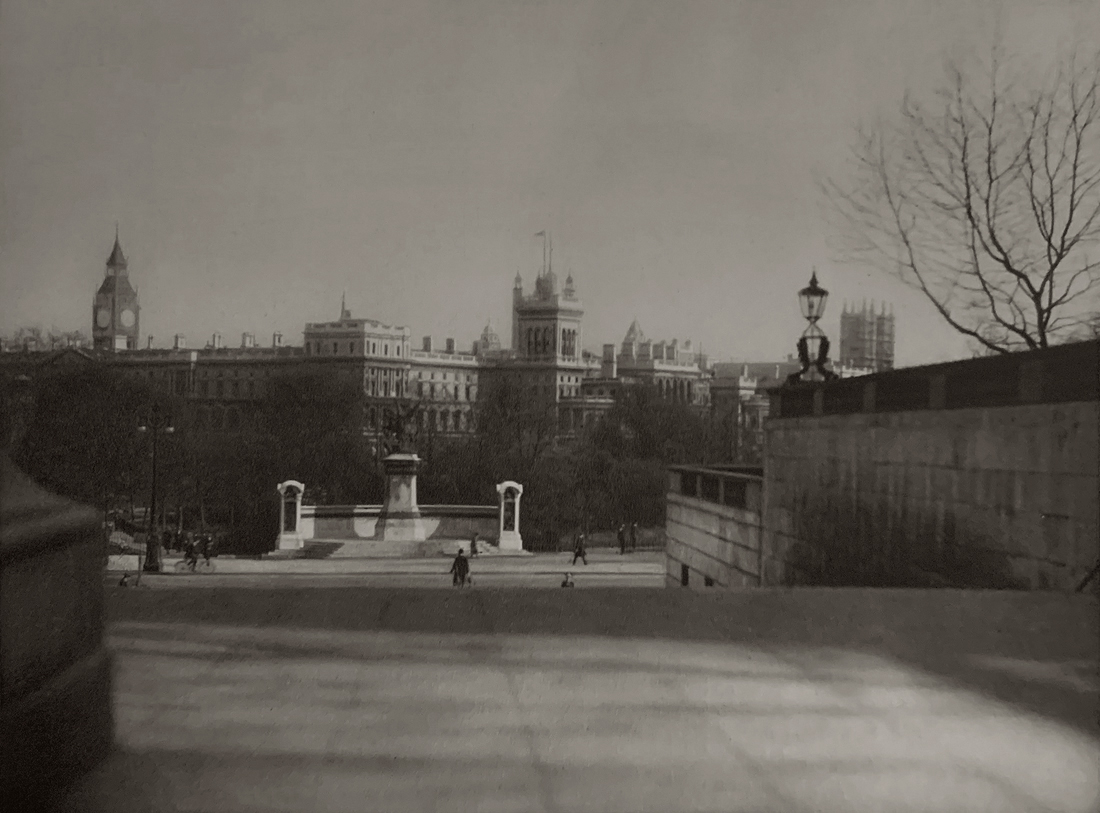
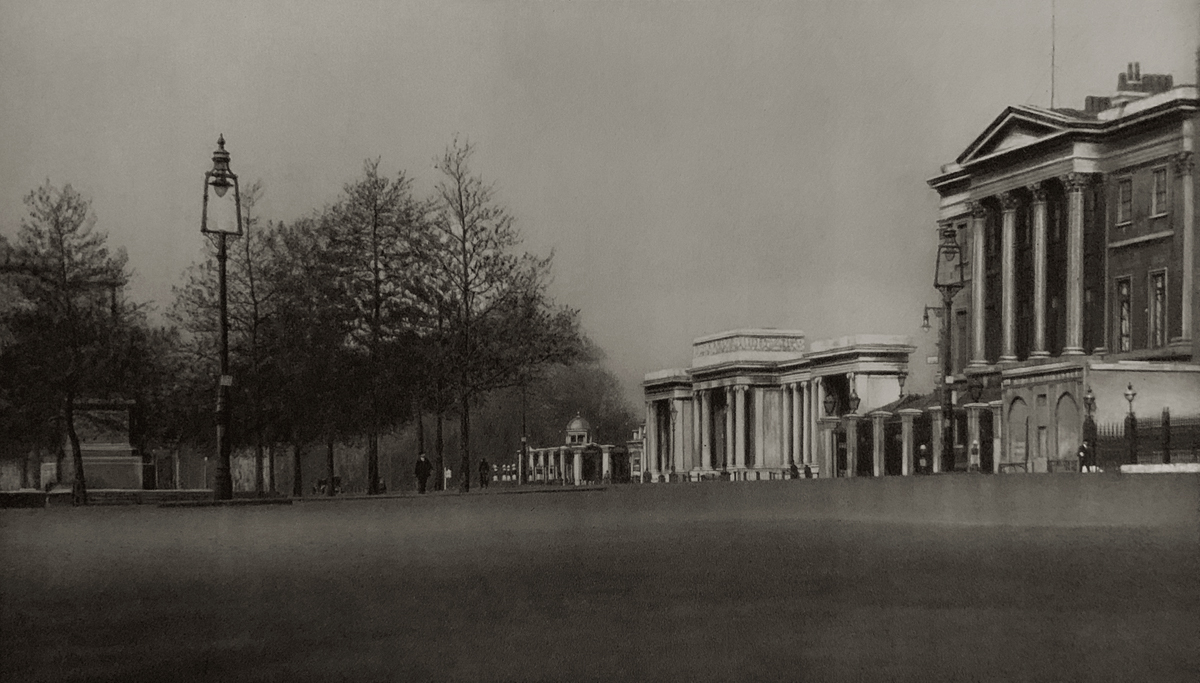
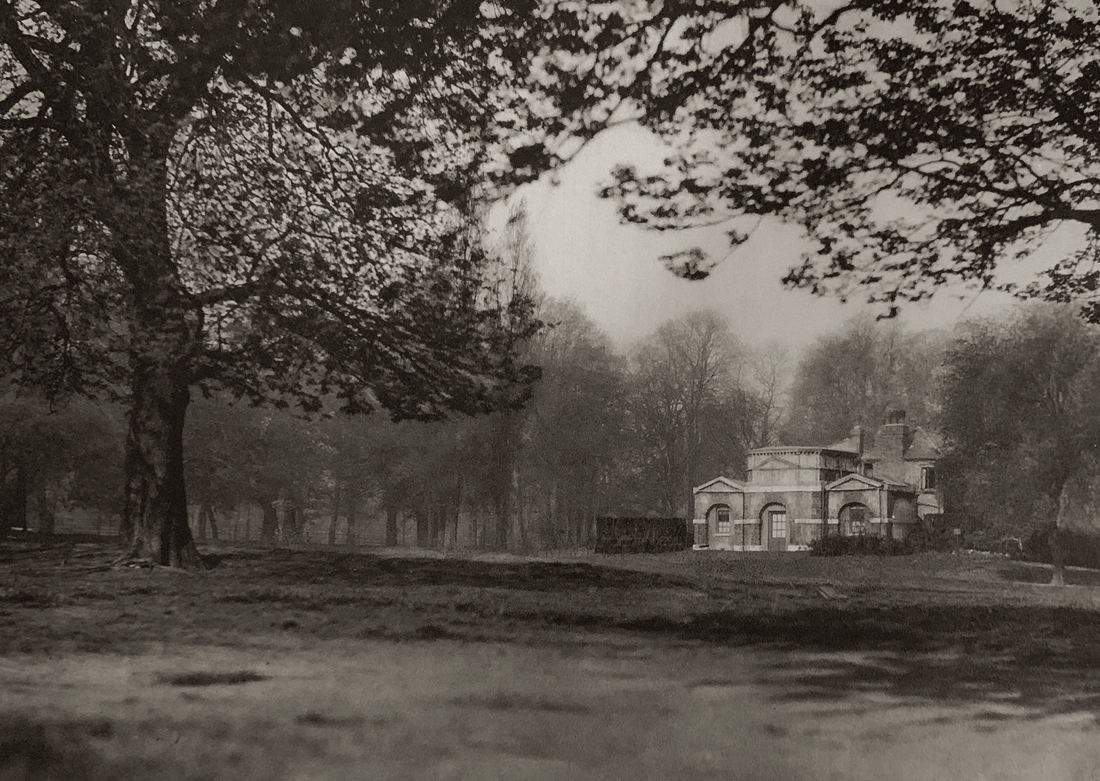
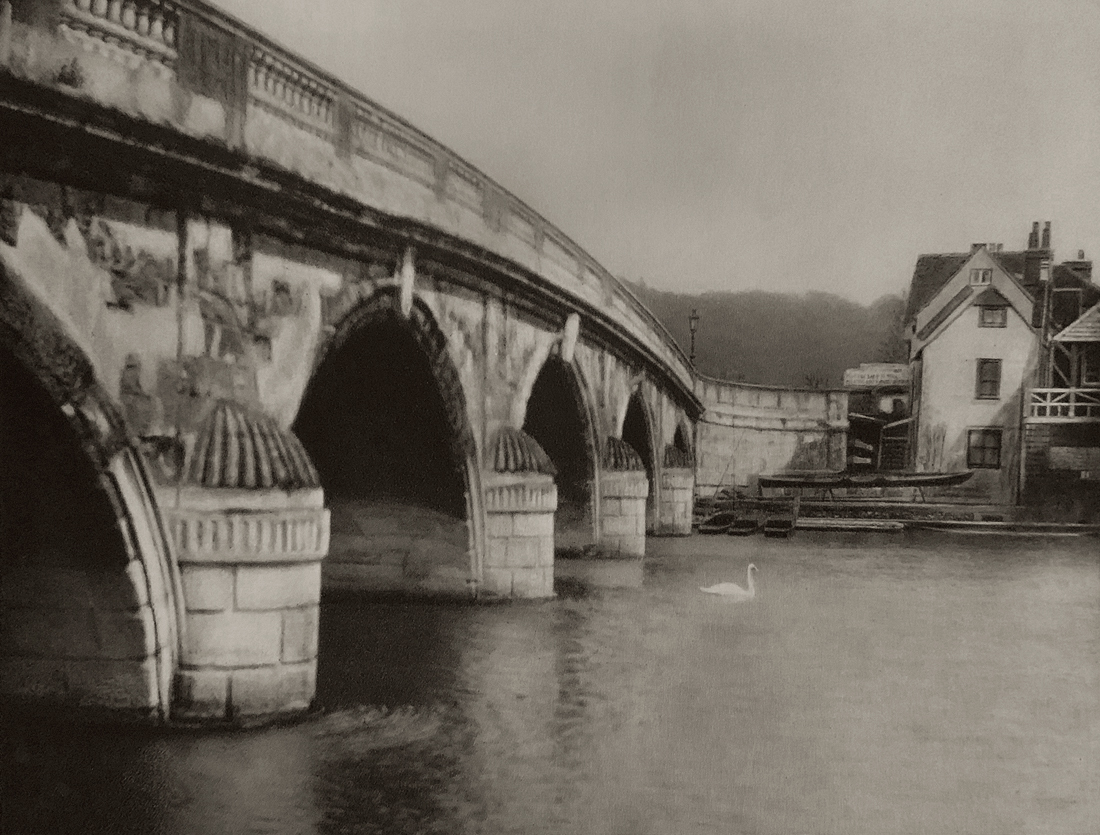
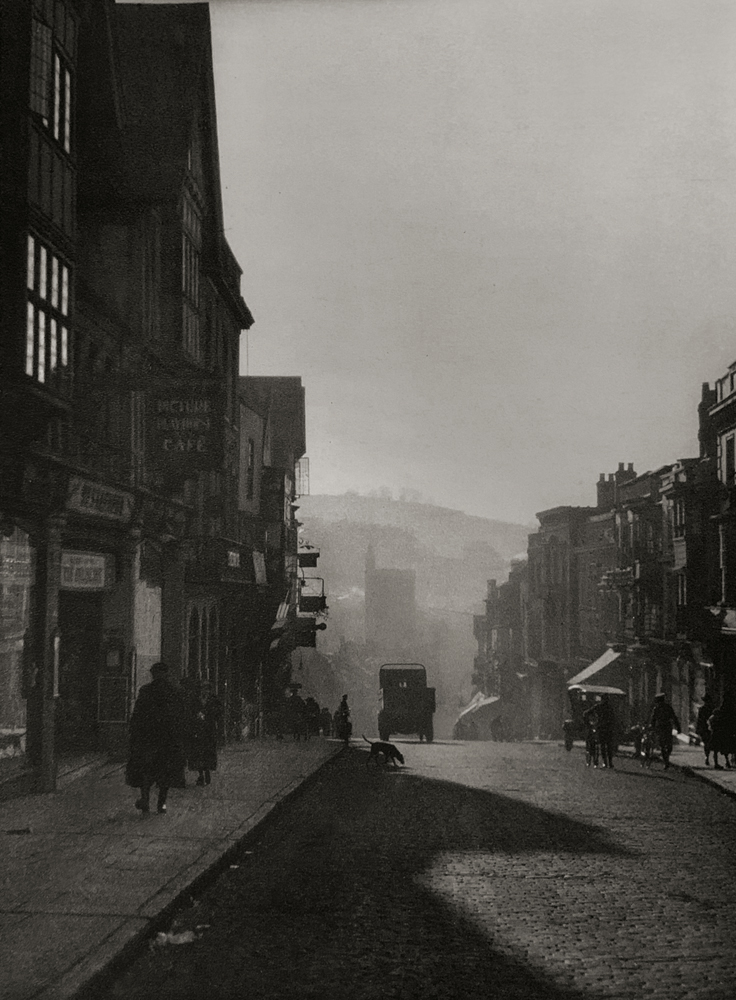
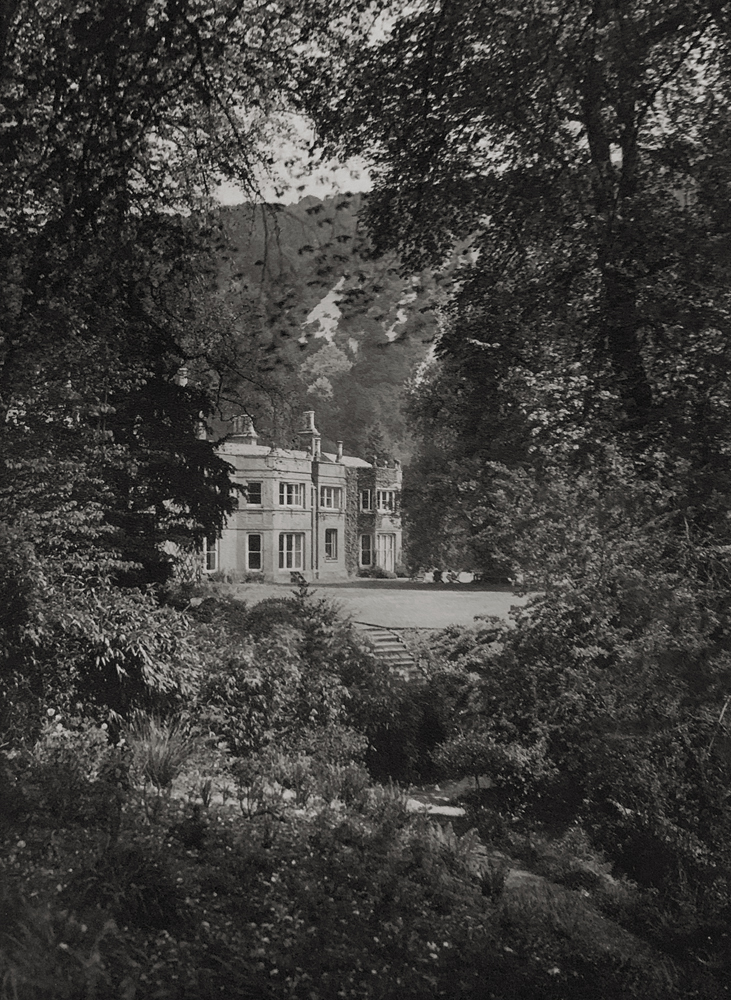
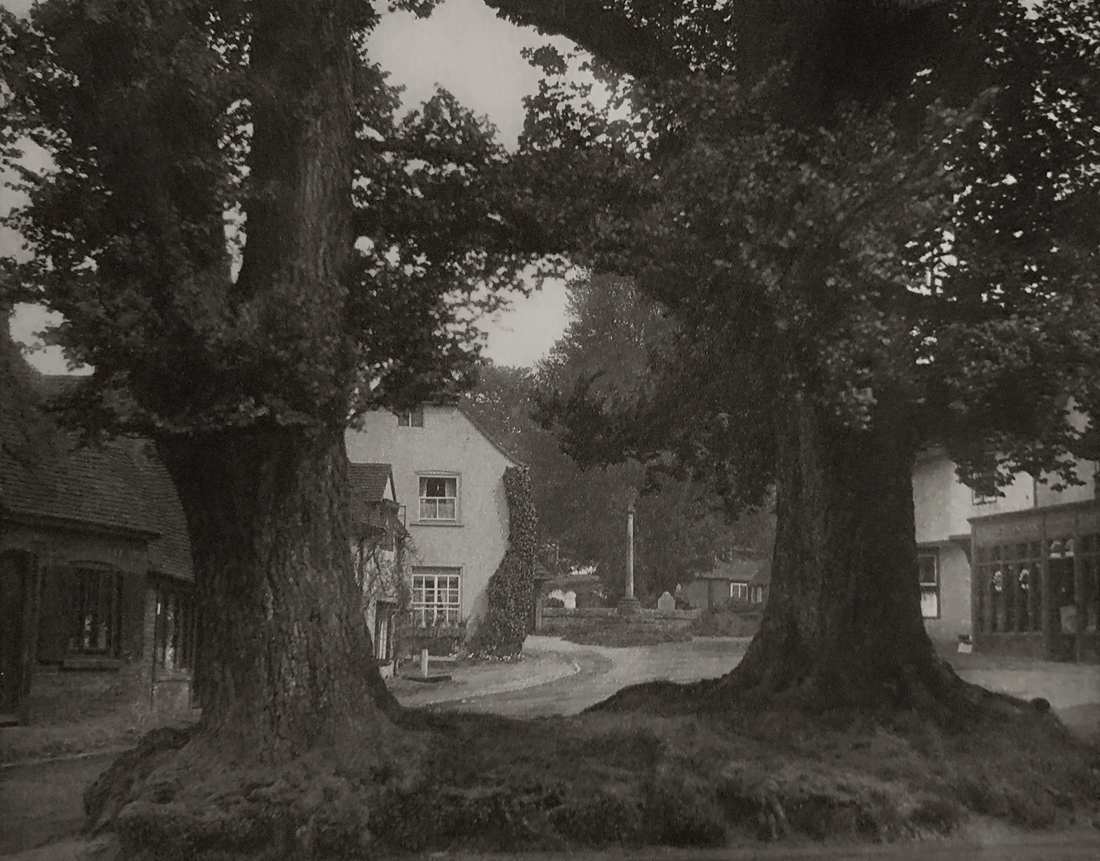
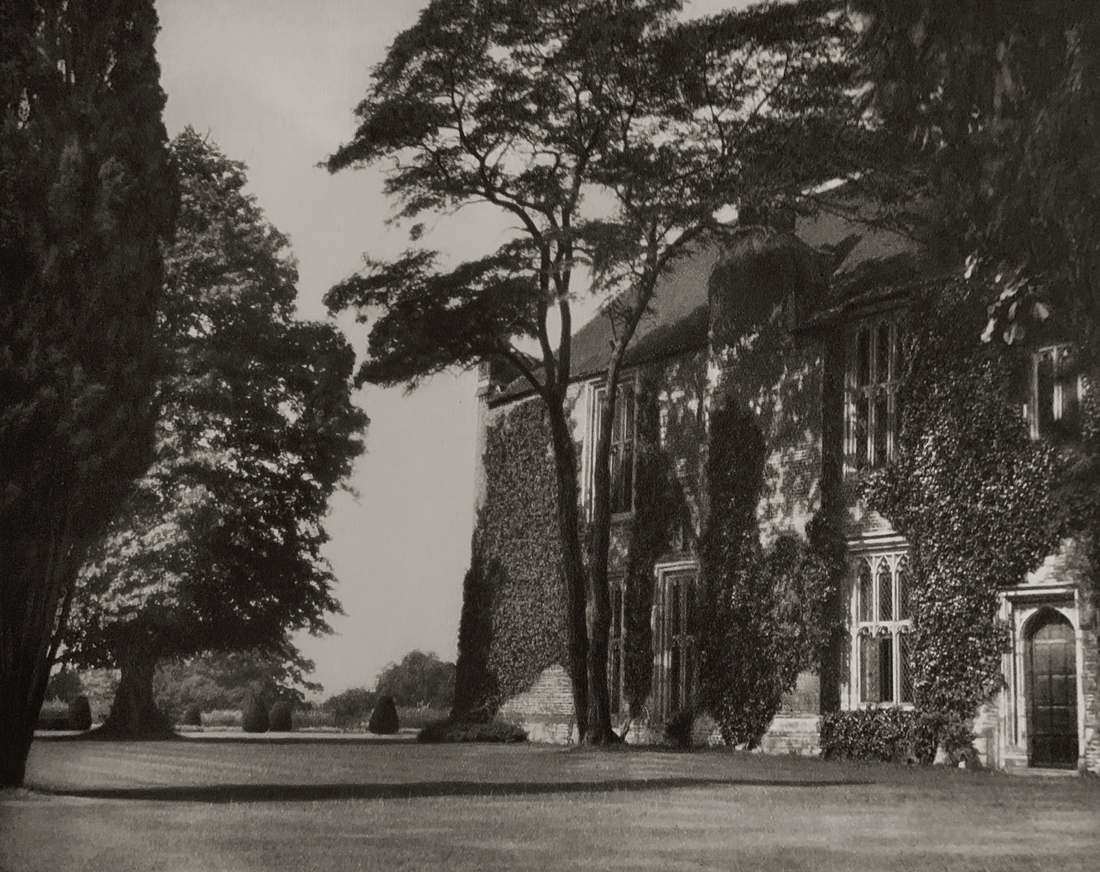
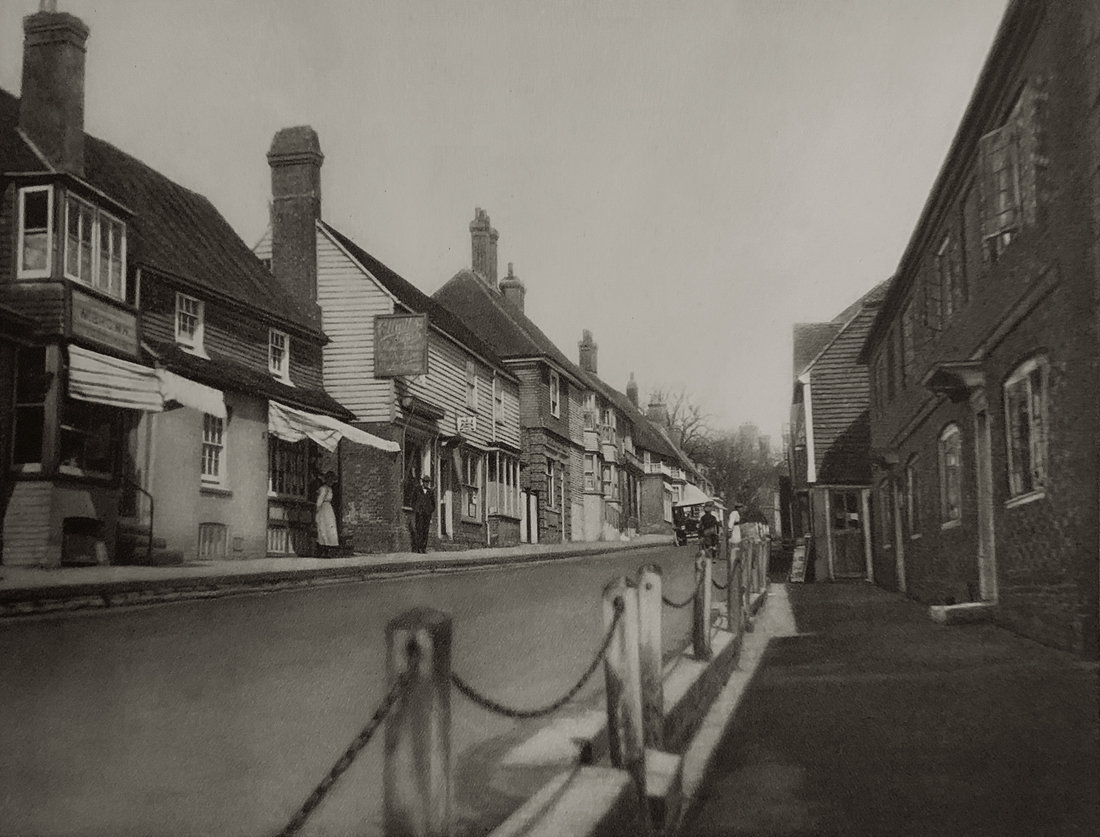
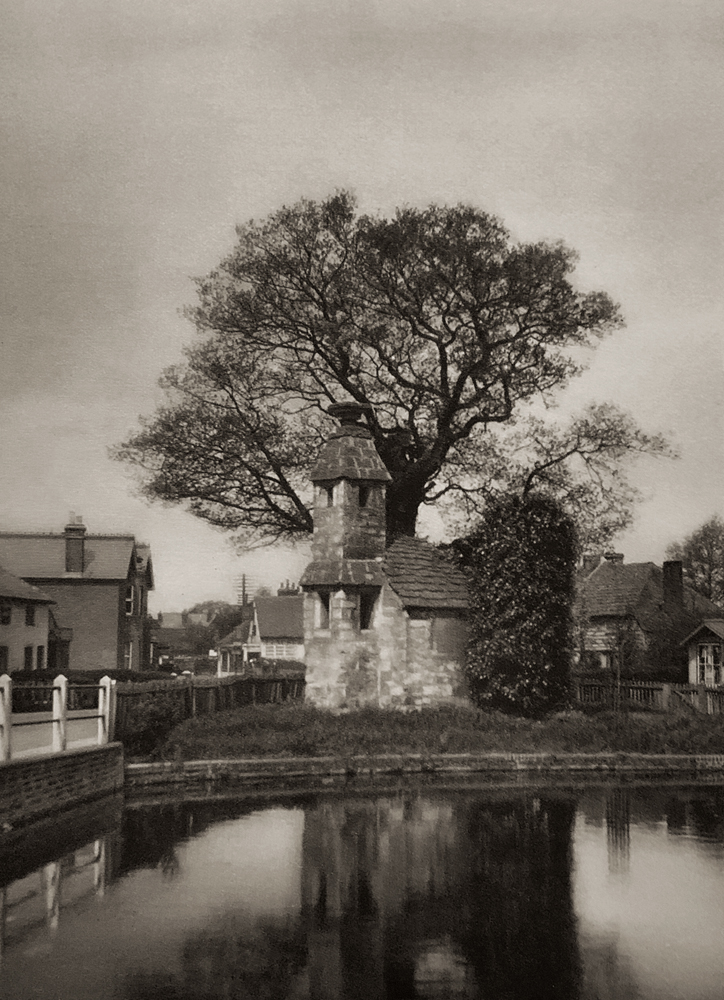
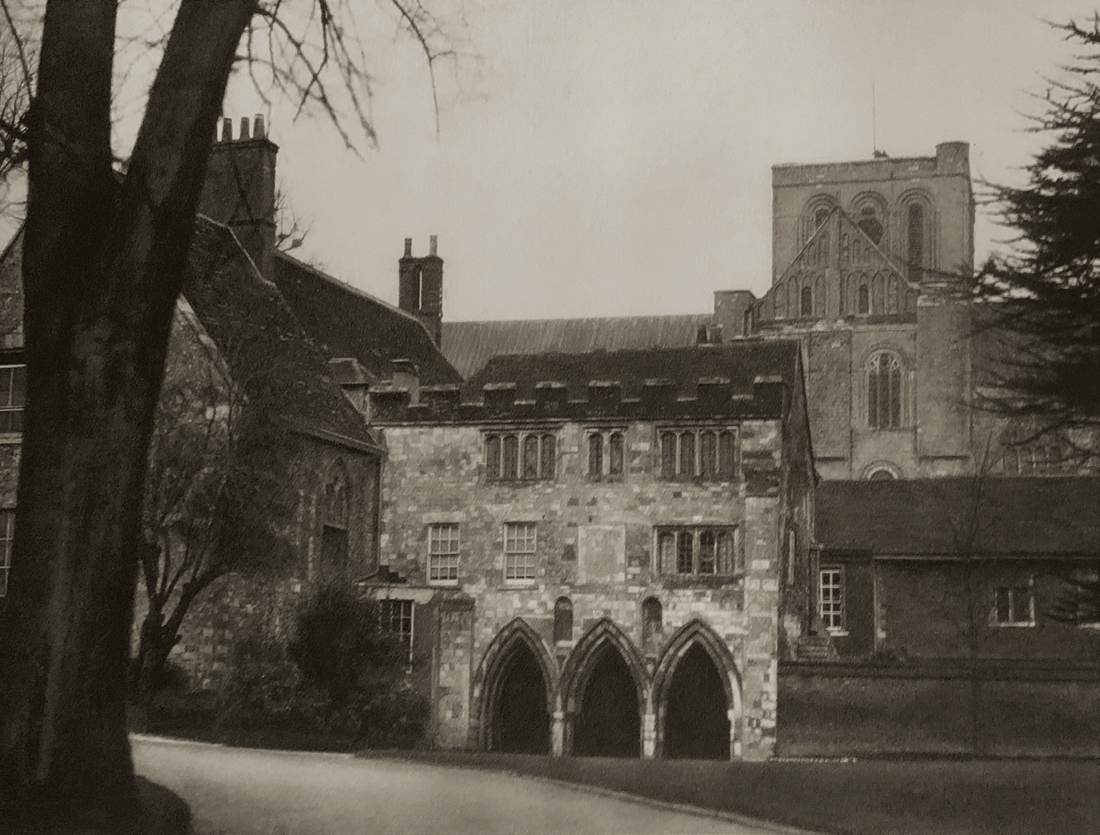
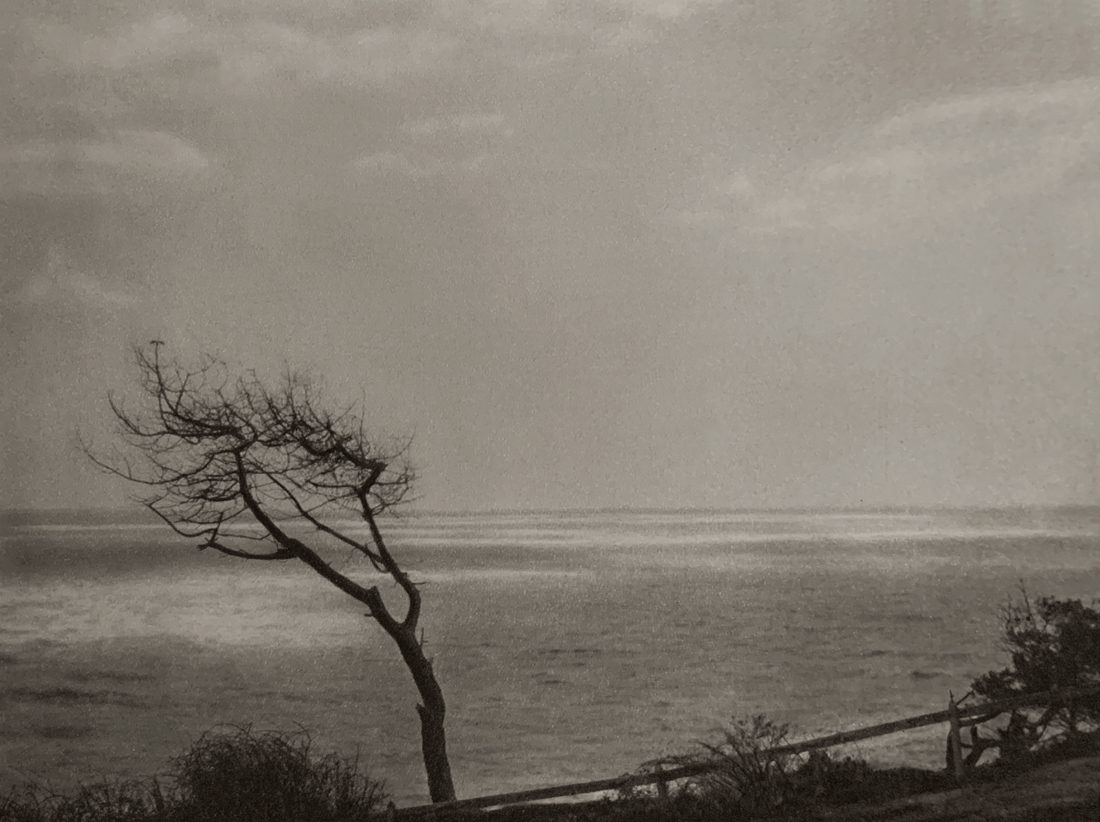
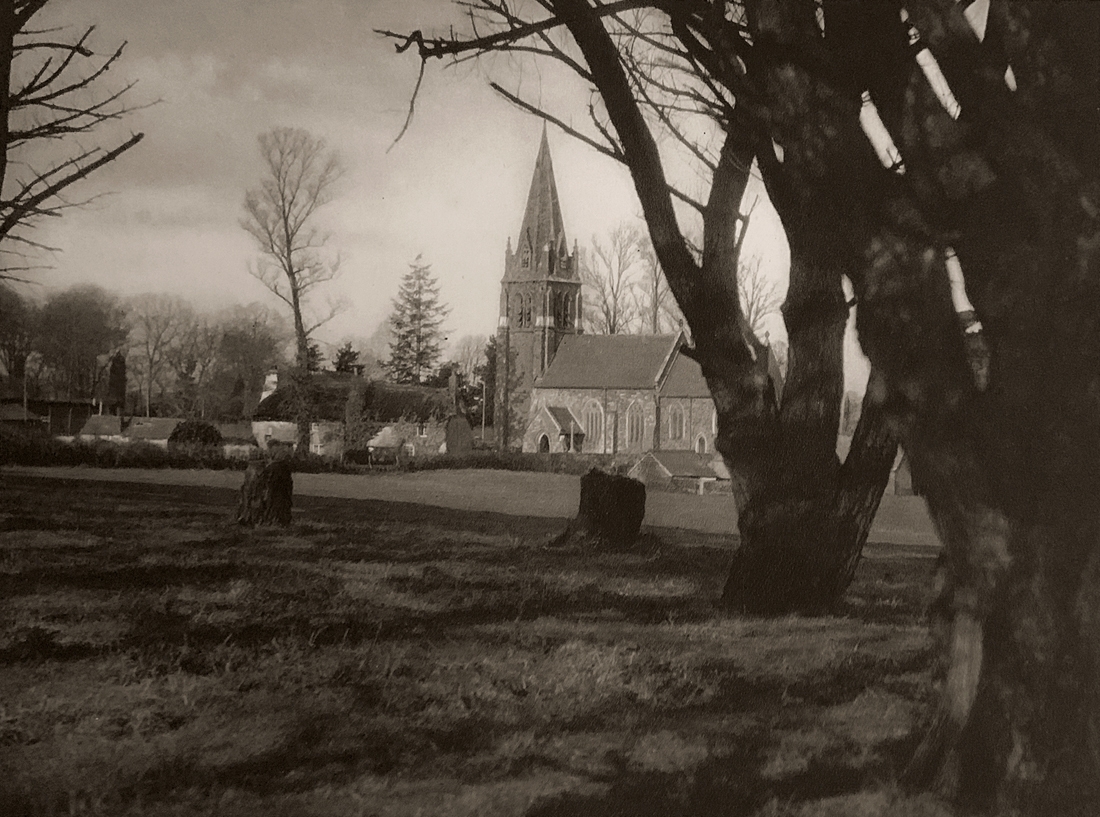
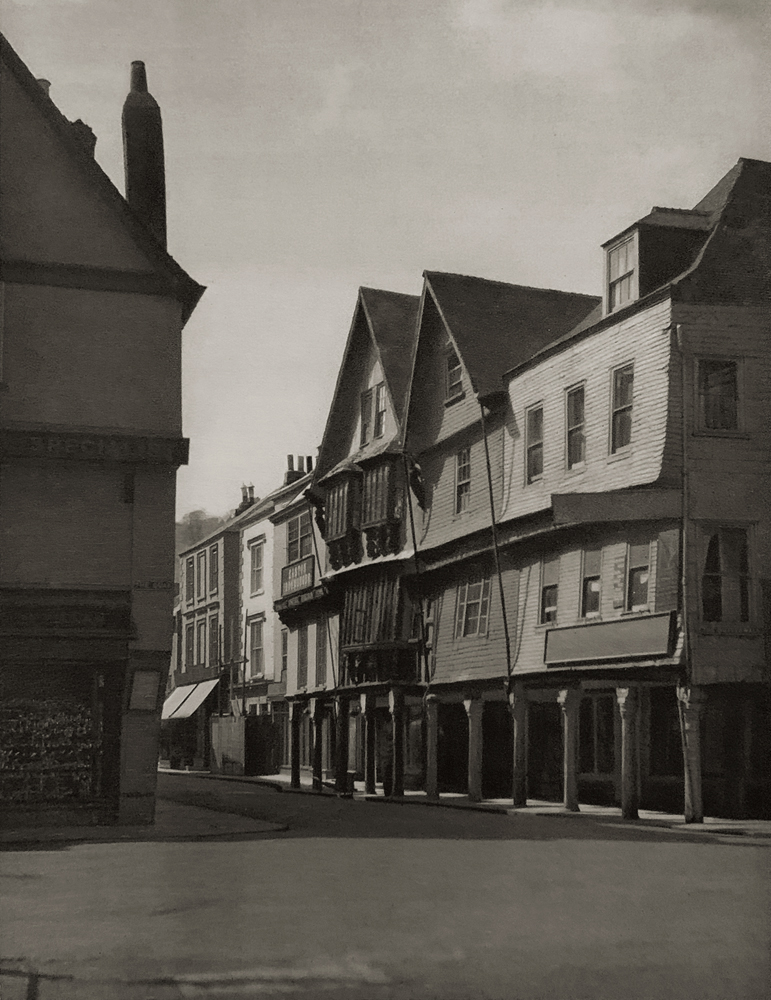
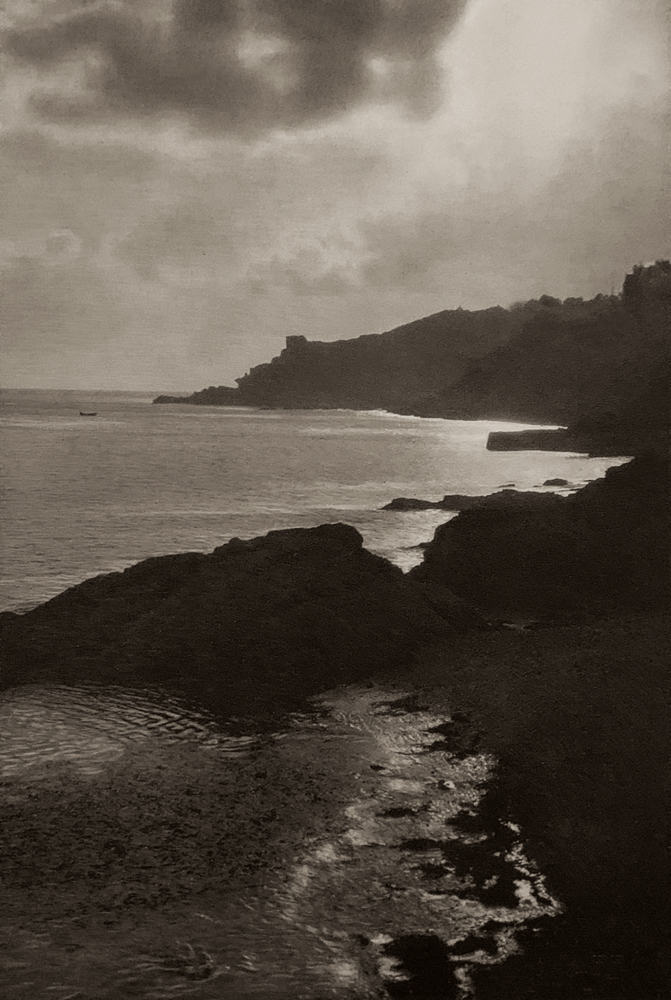
Except, some of these photographs are far from “picturesque” ((of a place or building) visually attractive, especially in a quaint or charming way.) In fact, for the time, they can be seen as downright modern in their composition. Hoppé’s construction of the pictorial frame is exquisite. A wonderful sense of balance and proportion, use of chiaroscuro, low depth of field, geometric form, and a shear sense of space pervade these images. His use of near / far is a joy to behold, as he holds the foreground while drawing the viewers gaze into the distance, to an attendant bridge or dome of St Paul’s cathedral.
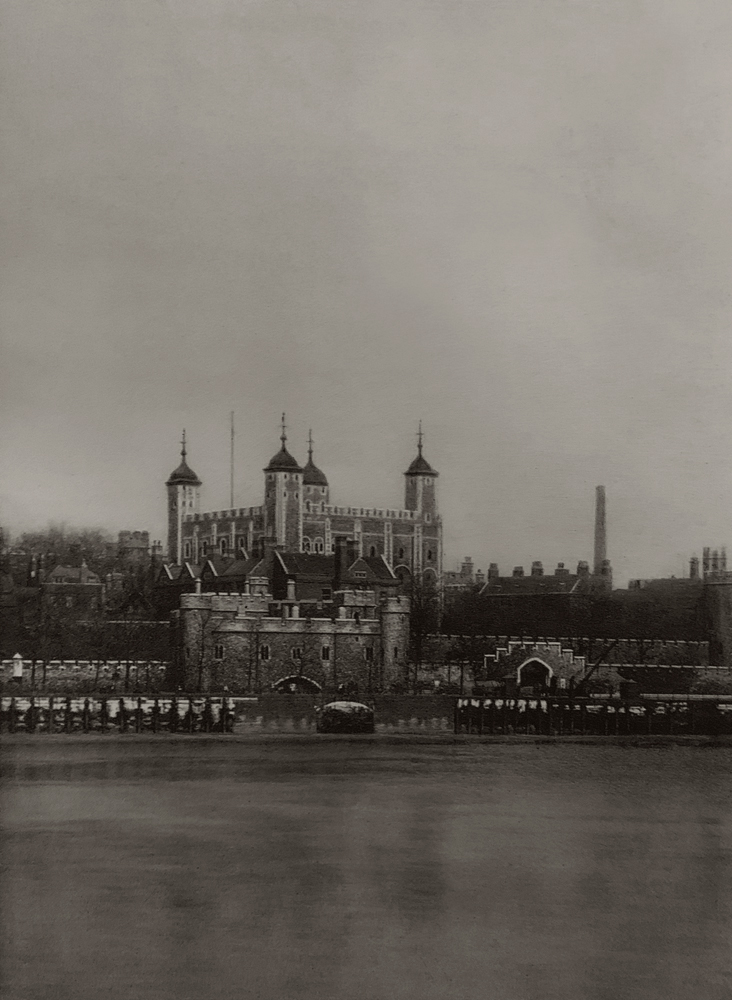
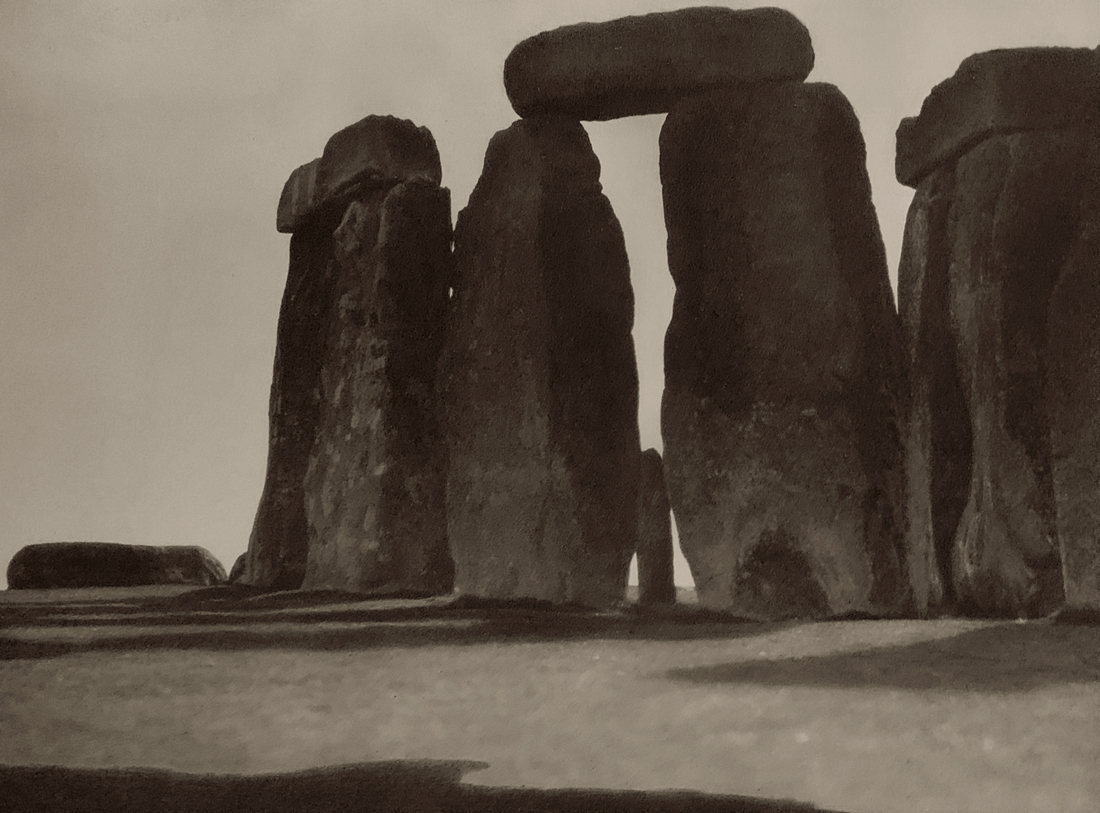
In this, the first of a four-part posting, what also strikes one is the rich tonality of these photogravure-like photoprints, with their dark, inky shadows and the sfumato blending of mid tones and highlights. Just look at Plate 33, Hoppé’s photograph of Stonehenge (below) and be swept away by this masters voice. In this photograph, as in many of the photographs, there is an almost abstract quality to them coupled with a wistful romanticism for time and place, for the history of the country he is photographing. Just imagine, hiring a car (or possibly a van) and travelling through a summer around Great Britain taking many many photographs, before whittling them down to the final 300 or so. Did he develop the film in the back of the van after each days shooting, before piling into bed at the local hotel? I don’t know, but I want to go on that road journey!
Being British, these photographs have a great pull and nostalgia for me. I love the British countryside and miss it dearly. What particularly strikes me about them is the absence of people and cars in the photographs, and how archaic and ancient this land seems. Despite being the head of the British Empire, despite being the leader of the Industrial Revolution (pictured throughout the book with pictures of Manchester and the Northern industrial cities), you cannot imagine that this country, a mere 14 years after these photographs were taken, would be on its knees after the withdrawal from Dunkirk, facing invasion from the Nazis… and yet, somehow, hold out, and eventually win the Second World War with the help of Russia and America.
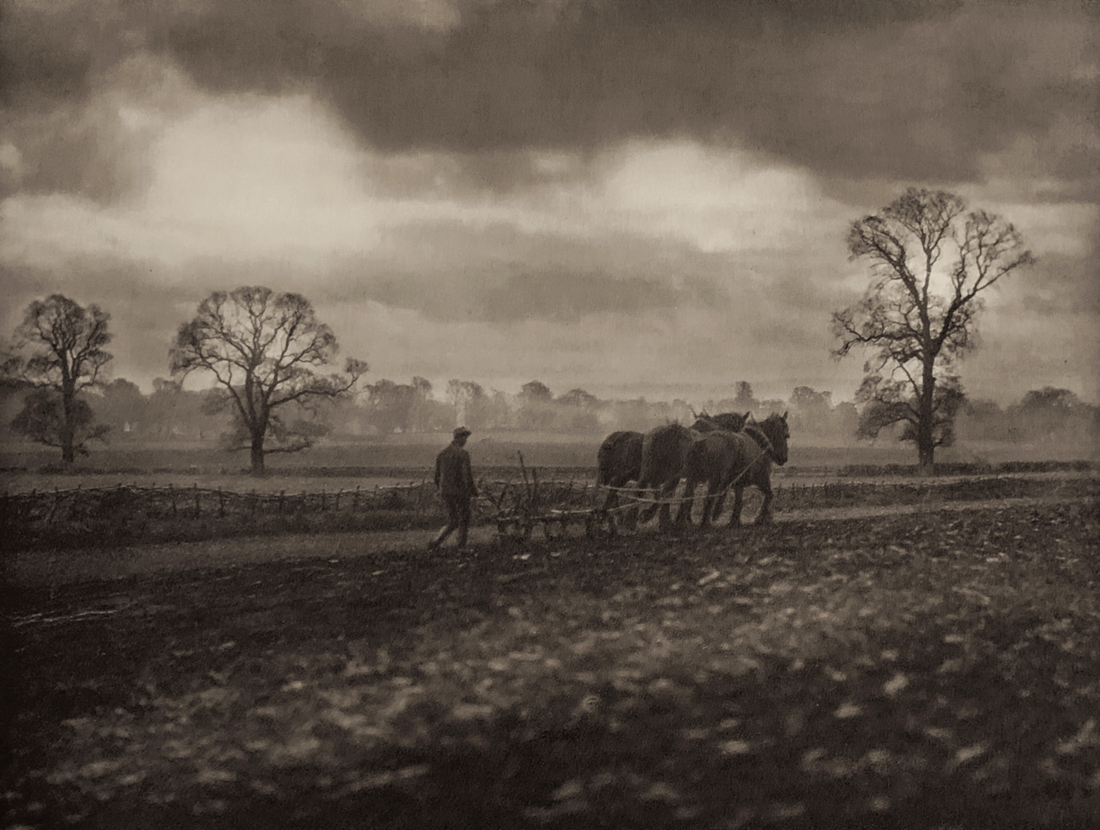
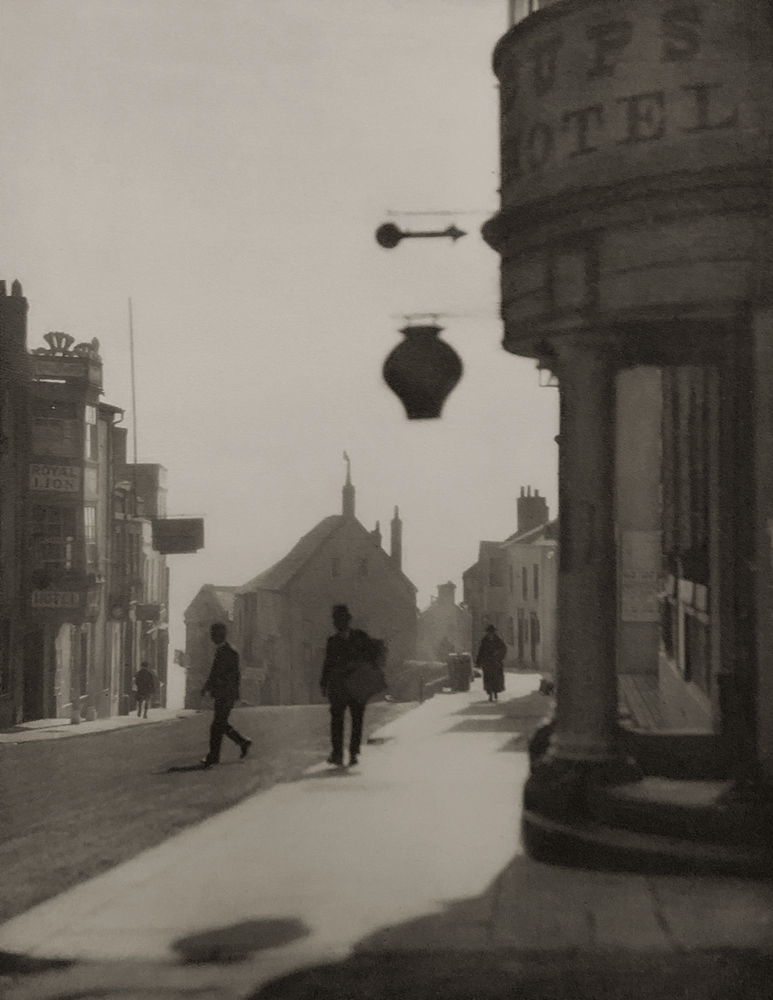
These photographs portray Great Britain as an almost medieval country complete with castle and moat, cathedral and henge, fog descending over the Thames, horse and plough tilling the fields with nere a tractor in sight. People in one’s and two’s tramp the deserted streets, while thatched cottages silently await the rushing conflagration. How Great Britain, pictured here in all its beauty and serenity, survived the coming Armageddon – can perhaps be seen in these photographs very essence, their sense of history and place, of steadfastness and Britishness.
Dr Marcus Bunyan
Please click on the photographs for a larger version of the image. These photographs are published under fair use conditions for educational purposes only. See Part 2; Part 3; and Part 4 of the posting.
This magnificent set of pictures displays, with all the art of genius both in selection and technical skill, the beauty of the British Isles. I know of no similar collection which could give alike to the foreigner who wonders what England is like, to the Englishman who has wandered from his native land into all the great dominions of the world, and to the man who has remained behind, that particular sense of pleasure mingled with pain which all beauty excites, and excites especially a passionate love in the vision of home.
This is an introduction to pictures of the landscapes and the works of man; these latter ennobled by the associations of time, and in some cases by time’s decay. They open vistas through which one may gaze at the history of England for a thousand years.
Charles F. G. Masterman
E. O. Hoppé (British born Germany, 1878-1972) Publisher Ernst Wasmuth A.G. / Berlin Picturesque Great Britain: Its Architecture and Landscape title page 1926 304 photoprints
E. O. Hoppé (British born Germany, 1878-1972)
Emil Otto Hoppé (14 April 1878 – 9 December 1972) was a German-born British portrait, travel, and topographic photographer active between 1907 and 1945. Born to a wealthy family in Munich, he moved to London in 1900 to train as a financier, but took up photography and rapidly achieved great success.
He was the only son of a prominent banker, and was educated in the finest schools of Munich, Paris and Vienna. Upon leaving school he served apprenticeships in German banks for ten years, before accepting a position with the Shanghai Banking Corporation. He never arrived in China. The first leg of his journey took him to England where he met an old school friend. Hoppé married his old school friend’s sister, Marion Bliersbach, and stayed in London. While working for the Deutsche Bank, he became increasingly enamored with photography, and, in 1907, jettisoned his commercial career and opened a portrait studio. Within a few years, E.O. Hoppé was the undisputed leader of pictorial portraiture in Europe. To say that someone has a “household name” has become a cliché, yet in Hoppé’s case the phrase is apt. Rarely in the history of the medium has a photographer been so famous in his own lifetime among the general public. He was as famous as his sitters. It is difficult to think of a prominent name in the fields of politics, art, literature, and the theatre who did not pose for his camera.”
Although Hoppé was one of the most important photographic artists of his era and highly celebrated in his time, in 1954, at the age of 76, he sold his body of photographic work to a commercial London picture archive, the Mansell Collection. In the collection, the work was filed by subject in with millions of other stock pictures and no longer accessible by author. Almost all of Hoppé’s photographic work – that which gained him the reputation as Britain’s most influential international photographer between 1907 and 1939 – was accidentally obscured from photo-historians and from photo-history itself. It remained in the collection for over thirty years after Hoppé’s death, and was not fully accessible to the public until the collection closed down and was acquired by new owners in the United States.
In 1994 photographic art curator Graham Howe retrieved Hoppé’s photographic work from the picture library and rejoined it with the Hoppé family archive of photographs and biographical documents. This was the first time since 1954 that the complete E.O. Hoppé Collection was gathered together. Many years were spent in cataloguing, conservation, and research of the recovered work.









 Art Blart _ art and cultural memory archive
You must be logged in to post a comment.