Exhibition: ‘The Family Album of Ralph Eugene Meatyard’ at the High Museum of Art, Atlanta, GA

Exhibition dates: 12th December, 2025 – 10th May, 2026

Curator: Gregory Harris, the High Museum’s Donald and Marilyn Keough Family Curator of Photography
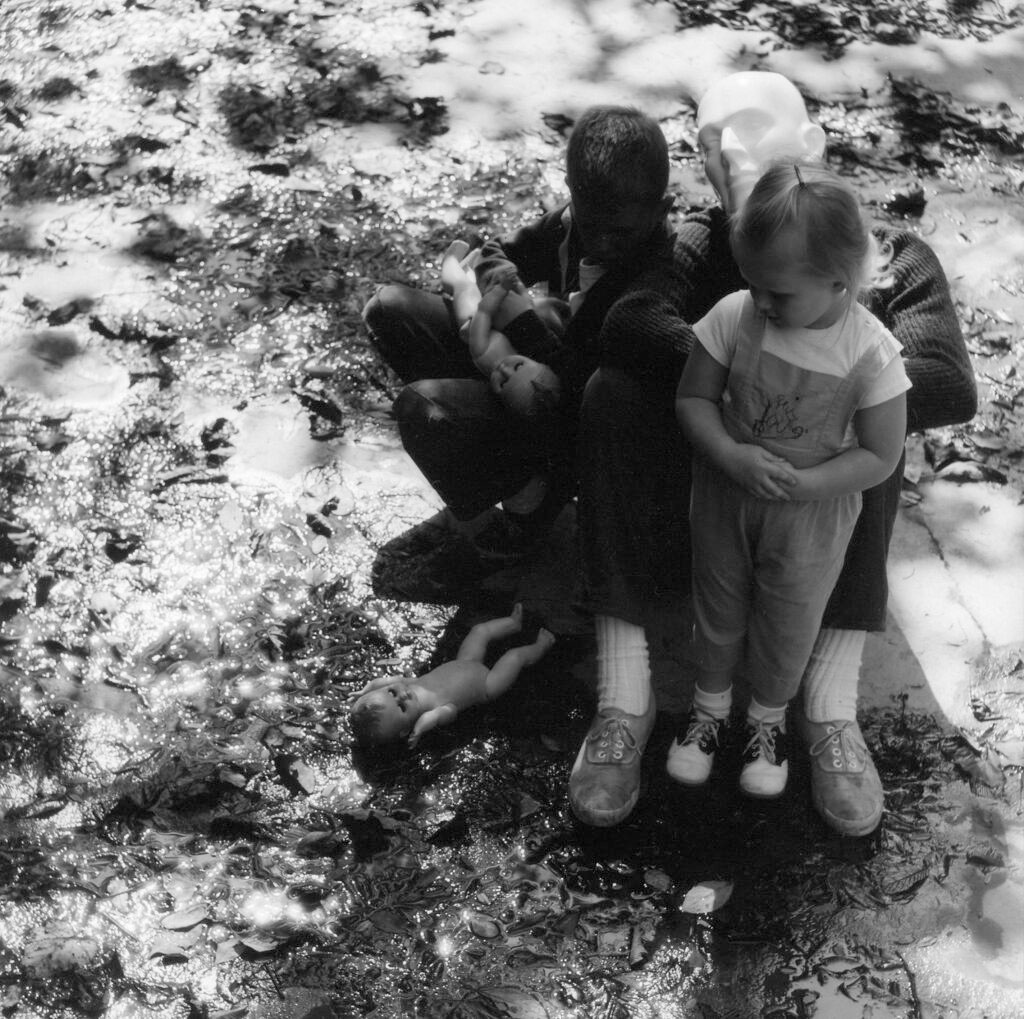
 

Ralph Eugene Meatyard (American, 1925-1972) 'Untitled (cover)' 1962 from the exhibition 'The Family Album of Ralph Eugene Meatyard' at the High Museum of Art, Atlanta, GA, December 2025 - May 2026


Ralph Eugene Meatyard (American, 1925-1972)
Untitled (cover)
1962
Gelatin silver print
Estate of Ralph Eugene Meatyard
© Estate of Ralph Eugene Meatyard


Gestures on what it is to be human

In the nearly eighteen year history of constructing this archive there has never been a posting on the American photographer Ralph Eugene Meatyard (American, 1925-1972) which tells you a/ how rare exhibitions of his work are today and b/ how under appreciated his art is in recent times when compared to his white, male contemporaries such as Harry Callahan, Minor White and Aaron Siskind. Thus it is a great pleasure to promote this exhibition on Art Blart. I just wish I had more photographs to show you!

His work is polarising. People either hate it or love it. I’m in the latter camp. I admire Meatyard’s disturbing? challenging photographs where youth and innocence meld into a dystopian old age of special beauty, where other worlds of which we know very little are brought close to our imagination.

I admire them for their unconventionality, for their spectral aspect … that fluid dichotomy between reality and fantasy, dreams and nightmares, where the mask comes to stand for another state of being of its subject1 – shadowy, other-worldy phantoms brought into our presence through romantic-surrealist, abstract realisms – un/earthly in/corporealities, bodies and people who are both grounded in the present and transmogrifying in a tumult of magic realism (a literary and artistic genre that seamlessly blends fantastical or mythical elements into otherwise realistic, mundane settings, treating the supernatural as normal).

This unexplained magic, fluid time contains a social critique of childhood, family and adulthood and (most importantly) mortality, merging real-world settings with unbelievable elements.

Meatyards’s staged scenes – often using exposure, shadow (in Jung referencing the unconscious, hidden part of the personality), depth of field, or motion blur – suggest “an absurd fantasy set in the dilapidated houses and banal suburban environs near his home in Lexington, Kentucky … [which] reveal Meatyard’s search for inner truths amid the ordinary.” (Text from the High Museum of Art)

His photographs contain elements of his imagination in segments of the actuality around him, an interface of emotion and feeling about the world which is reflected back to us through his experimental, fantastical images. His subjects simply exist in youth and old age and resonate (that musical influence) “within the infinite possibilities of this fictional world.” Thus, in this fictional world, the masks serve “… to equalise his subjects and shift focus elsewhere – to the poignant juxtaposition of otherworldly faces on human bodies, to the ambiguous and unknowable in human nature.”2

The unknowable in human nature. The phenomenal (appearances) and the noumenal (the harsh reality of things-in-themselves).3 Interstitial. Interspatial. The space between…

Dreams and realities, masks and identities, emotions and fluidities.
Gestures on what it is to be human.

Dr Marcus Bunyan


1/ “The word “persona” originally refers to a theatrical mask worn by actors to depict the roles played by them…

The ego refers to our centre of consciousness which is responsible for our continuing sense of identity throughout our life and the persona is the social mask that we put on. We all embody different masks in different settings, as it is our way to adapt to the demands of society, playing an important part in shaping our social role and in how we deal with other people.”

Anonymous. “The Persona – The Mask That Conceals Your True Self,” on the Eternalised website, December 24, 2021 [Online] Ciuted 20/03/2026

2/ Anonymous. “Ralph Eugene Meatyard: Cranston Ritchie,” on the Artsy website Nd [Online] Cited 20/03/2026

3/ The phenomenal world is the reality we experience through senses and mental structures (space/time), while the noumenal is the unknowable, objective reality existing independently of perception, such as God or the true nature of objects.


Many thankx to the High Museum of Art for allowing me to publish the photographs in the posting. Please click on the photographs for a larger version of the image.


“I seek to create a picture that has implications which may be explored for a new concept of thinking – a picture seen largely from the subjective viewpoint. The man of ideas and ideals will search for and find elements of his imagination in segments of the actuality around him. My pictures are an extension of myself and invite the viewers to participate in my thinking about the object pictured.”


Ralph Eugene Meatyard, Lexington Camera Club, Creative Photography – 1956 catalogue statement


“I adhere to the techniques of the earliest and most sincere workers of the camera – straight, unmanipulated pictures. That which I present is that which I see. However, I work a great deal in romantic-surrealist as well as abstract for I feel that ‘more real than real’ is the special province of the serious photographer.”


Ralph Eugene Meatyard, quoted in Beaumont Newhall, “New Talent in Photography USA,” Art in America 49, No. 1, 1961


Installation view of the exhibition The Family Album of Ralph Eugene Meatyard at the High Museum of Art, Atlanta, GA
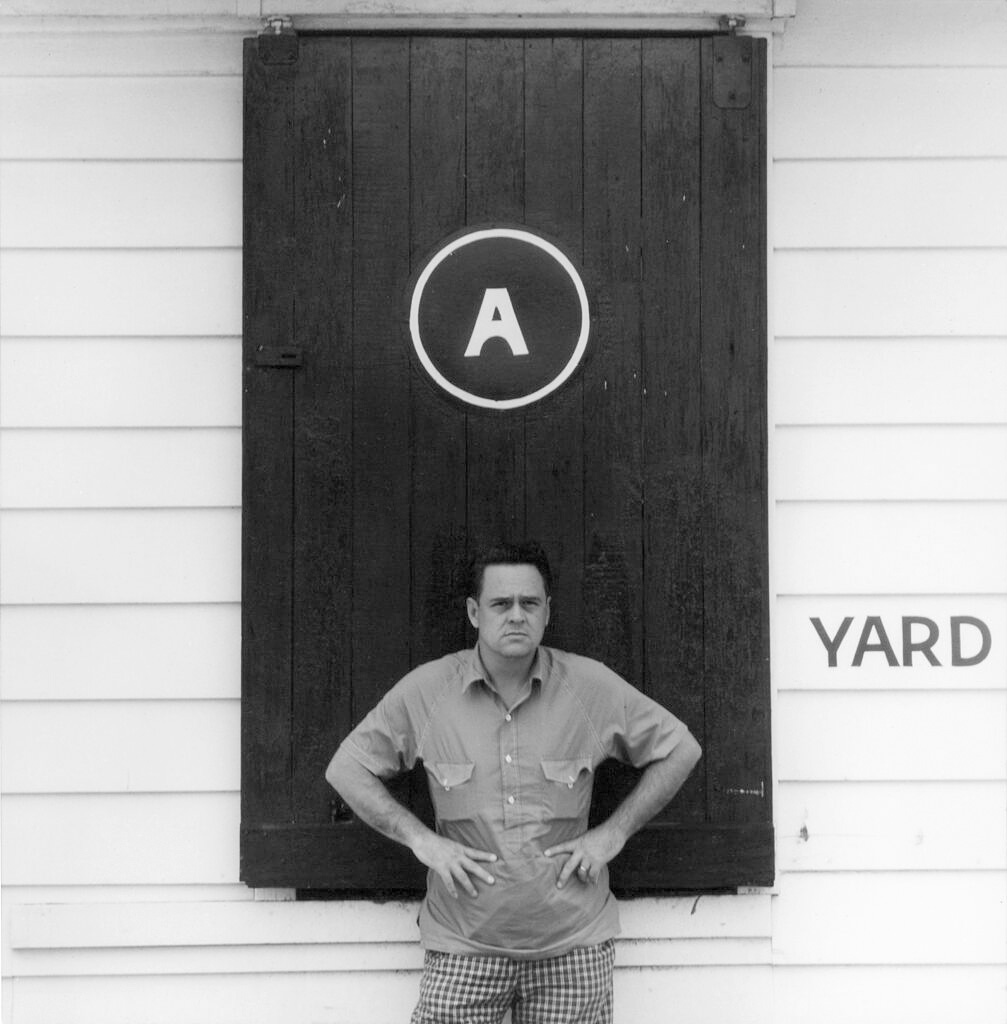
 

Ralph Eugene Meatyard (American, 1925-1972) 'Self-portrait (frontispiece)' c. 1964-1966 from the exhibition 'The Family Album of Ralph Eugene Meatyard' at the High Museum of Art, Atlanta, GA, December 2025 - May 2026


Ralph Eugene Meatyard (American, 1925-1972)
Self-portrait (frontispiece)
c. 1964-1966
Gelatin silver print
High Museum of Art
Purchase with funds from Joe Williams and Tede Fleming, Jane and Clay Jackson, and an anonymous donor
Estate of Ralph Eugene Meatyard
© Estate of Ralph Eugene Meatyard


As an optician by profession, Meatyard’s photography training was largely self-taught. He grew up in Normal, Illinois, and eventually moved to Lexington to take a job at the Tinder-Knaus-Tinder optical shop. Through his occupation, he became fascinated by visual perception, but he did not pick up a camera until the early 1950s when his first son, Michael, was born. He began experimenting with photography and joined the Lexington Camera Club, a group of serious amateur photographers that met regularly to share their work. Meatyard made this self-portrait outside a warehouse in downtown Lexington. The composition, with the artist standing next to the word yard, is a playful visual take on his unusual surname. 


A largely self-taught photographer, Ralph Eugene Meatyard (American, 1925–1972) was a pioneering and inventive artist who created some of the most original images of the mid-twentieth century. His work defies easy categorization as he experimented across various genres and subjects, and throughout his career, he maintained the ethos of an amateur, approaching photography with a sense of affection, discovery, and surprise. He is best known for his staged scenes that suggest an absurd fantasy set in the dilapidated houses and banal suburban environs near his home in Lexington, Kentucky. These scenes, often featuring his family as actors and using props such as masks and dolls, reveal Meatyard’s search for inner truths amid the ordinary.

This exhibition, coinciding with the artist’s centenary, features the thirty-six prints that comprise the artist’s first monograph (Gnomon Press, 1970) – one of only two books he published in his lifetime – which Meatyard intended to stand as his definitive artistic statement. All thirty-six prints were recently acquired by the High for the Museum’s permanent collection. Through his idiosyncratic selection of images, this exhibition explores how Meatyard’s singular approach and voracious curiosity expanded photography’s expressive and conceptual potential.

Text from the High Museum of Art website
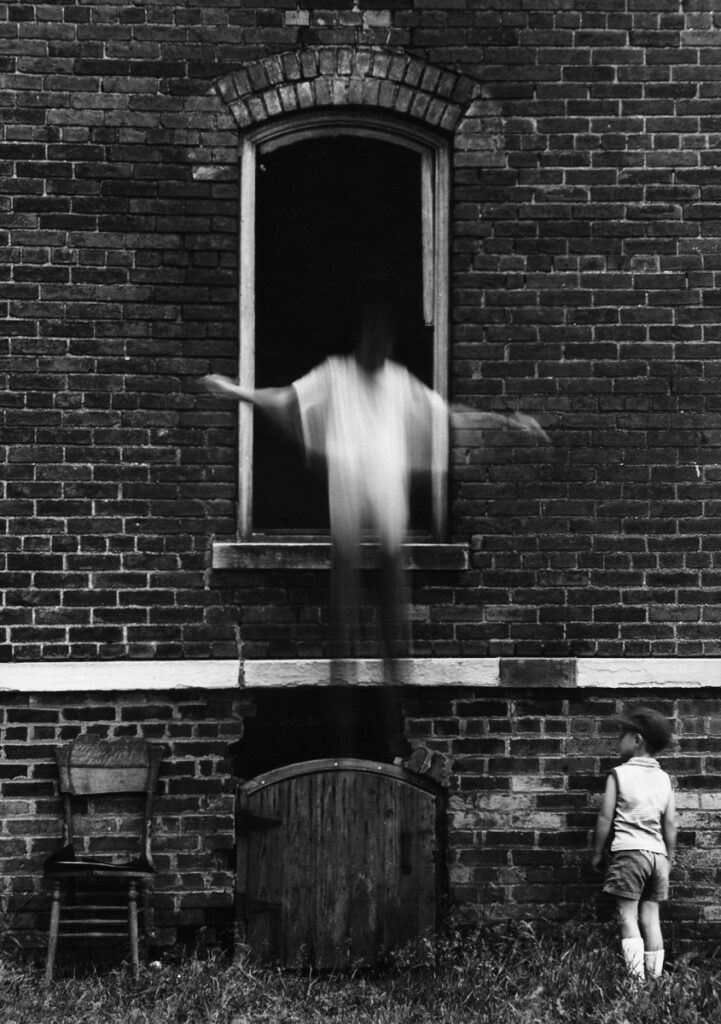
 

Ralph Eugene Meatyard (American, 1925-1972) 'Untitled (plate 1)' 1960


Ralph Eugene Meatyard (American, 1925-1972)
Untitled (plate 1)
1960
Gelatin silver print
Purchase with funds from Purchase with funds from Jane and Clay Jackson
© Estate of Ralph Eugene Meatyard.
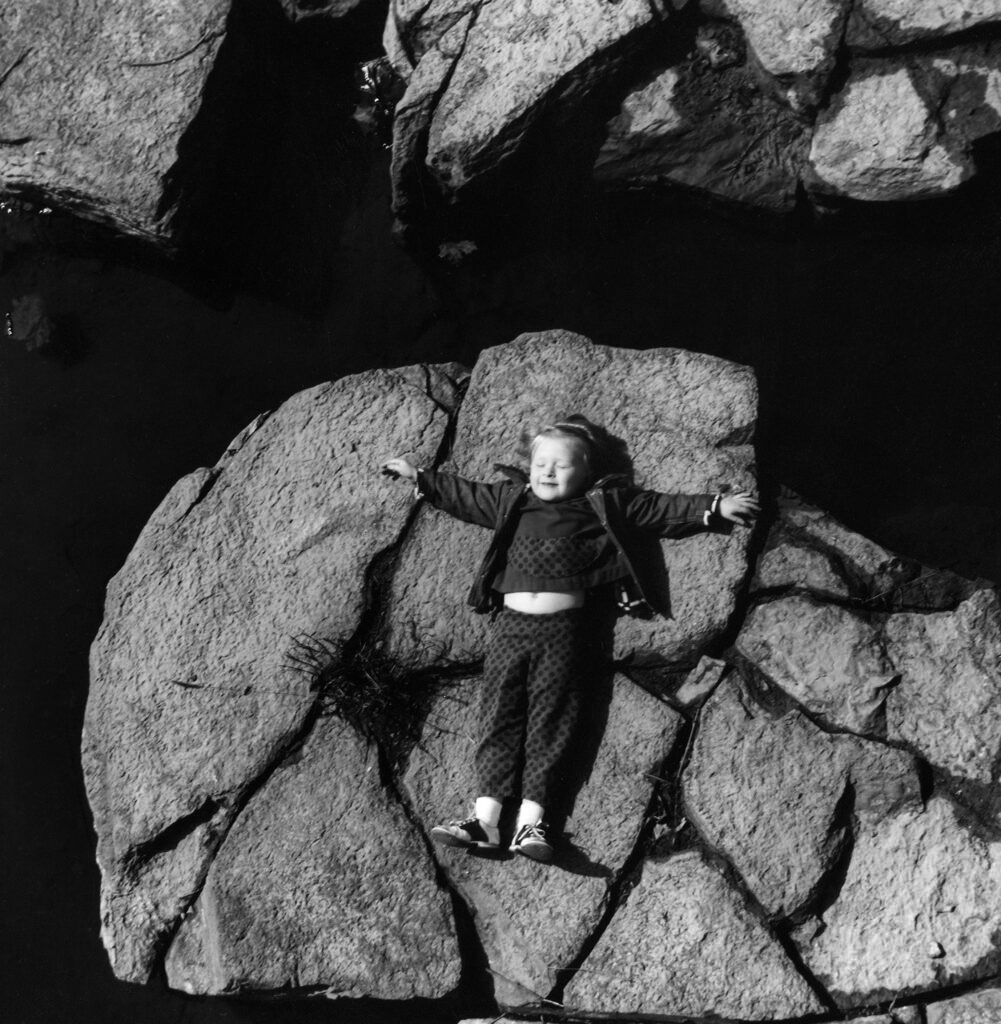
 

Ralph Eugene Meatyard (American, 1925-1972) 'Untitled (plate 7)' 1963


Ralph Eugene Meatyard (American, 1925-1972)
Untitled (plate 7)
1963
Gelatin silver print
Purchase with funds from Joe Williams and Tede Fleming
© Estate of Ralph Eugene Meatyard


Since his untimely death in 1972, American photographer Ralph Eugene Meatyard has come to be regarded among the most pioneering and inventive artists of the medium, and his expressive, surreal photographs are widely celebrated today. This winter, the High Museum of Art presents “The Family Album of Ralph Eugene Meatyard” (Dec. 12, 2025 – May 10, 2026), an exhibition featuring 36 photographs that Meatyard considered his best work, created for one of only two monographs published by the artist in his lifetime. The High recently acquired the prints from his estate, making the museum one of the leading repositories of his photographs in the world.

“Ralph Eugene Meatyard created some of the most original photographs of the mid-20th century, and the prints in this exhibition are exquisite examples of his innovation and creativity,” said the High’s Director Rand Suffolk. “We are grateful to his estate for the opportunity to acquire and present these works and to celebrate his unorthodox yet remarkably generative practice with this exhibition.”

Born in Illinois in 1925, Meatyard eventually settled in Lexington, Kentucky. Because of his professional training as an optician, he was fascinated by visual perception, but he did not pick up a camera until the early 1950s. He began experimenting with photography and joined the Lexington Camera Club, immersing himself in the city’s creative community, which included artists and writers Van Deren Coke, Jonathan Williams, Wendell Berry and Thomas Merton.

Over the next 15 years, Meatyard maintained the ethos of an amateur, approaching the medium with a sense of affection, discovery and surprise. He experimented across various genres and subjects, including portraiture, abstraction, landscape and gothic narrative, constantly seeking to distort proper vision through photographic processes and the unconventional narrative structures that would make him an innovator of the medium.

He is best known for his staged scenes that suggest absurd fantasies, played out in the dilapidated houses and banal suburban environs of Lexington. Often featuring his family as actors and including props such as masks and dolls, the scenes reveal his search for inner truths among the ordinary. Though he wasn’t unknown in his lifetime – he exhibited, lectured and showed his work regularly throughout the 1960s – he worked both geographically and conceptually outside of the mainstream of photographic modernism, and it wasn’t until after his death that his reputation began to grow steadily.

More than a dozen books of Meatyard’s photographs have been released to date, but he only published two monographs in his lifetime. “Ralph Eugene Meatyard” (Gnomon Press, 1970), edited while he was dying of cancer, is a survey of what he considered his best work. He hoped the book would stand as his definitive artistic statement, offering his own perspective on his distinctive photographs.

This exhibition features rare prints the artist made of the 36 photographs in the book. These include signature photographs from Meatyard’s “Romance” series, which depict his family in fantastical scenarios, staged in abandoned buildings and bucolic landscapes. The series subverts the traditional family snapshot with a sense of the uncanny, combining youthful innocence with a sense of mortality. Meatyard often referred to these pictures as “romantic-surrealist,” and their fictional aspects were motivated by his desire to make photographs that weren’t bound by reality but were still grounded in the world as we see it. The exhibition also includes a selection of Meatyard’s portraits of writers, poets and artists from his circle, including Merton, Williams, Berry and Guy Davenport, among others. Collectively, the photographs create an unconventional family album by one of the most distinctive artists of the post-war period. The exhibition delves into Meatyard’s personal perceptions of his photographs and his process as a maker and will underscore the important influence of his artistic and intellectual contemporaries in Lexington, all of whom greatly affected his work. It also explores how Meatyard’s singular approach and voracious curiosity expanded photography’s expressive and conceptual potential.

“A family album is a relatable practice of memory, storytelling, aspiration and fabrication familiar to almost everyone,” said Gregory Harris, the High’s Donald and Marilyn Keough Family curator of photography. “While these works echo that nostalgic format, they also offer plenty of surprises and an extraordinary window into Meatyard’s life and creative process. We’re thrilled to share them with our audience.”

“The Family Album of Ralph Eugene Meatyard” is presented in the Lucinda Weil Bunnen Gallery for Photography on the lower level of the High’s Wieland Pavilion.

Press release from the High Museum of Art
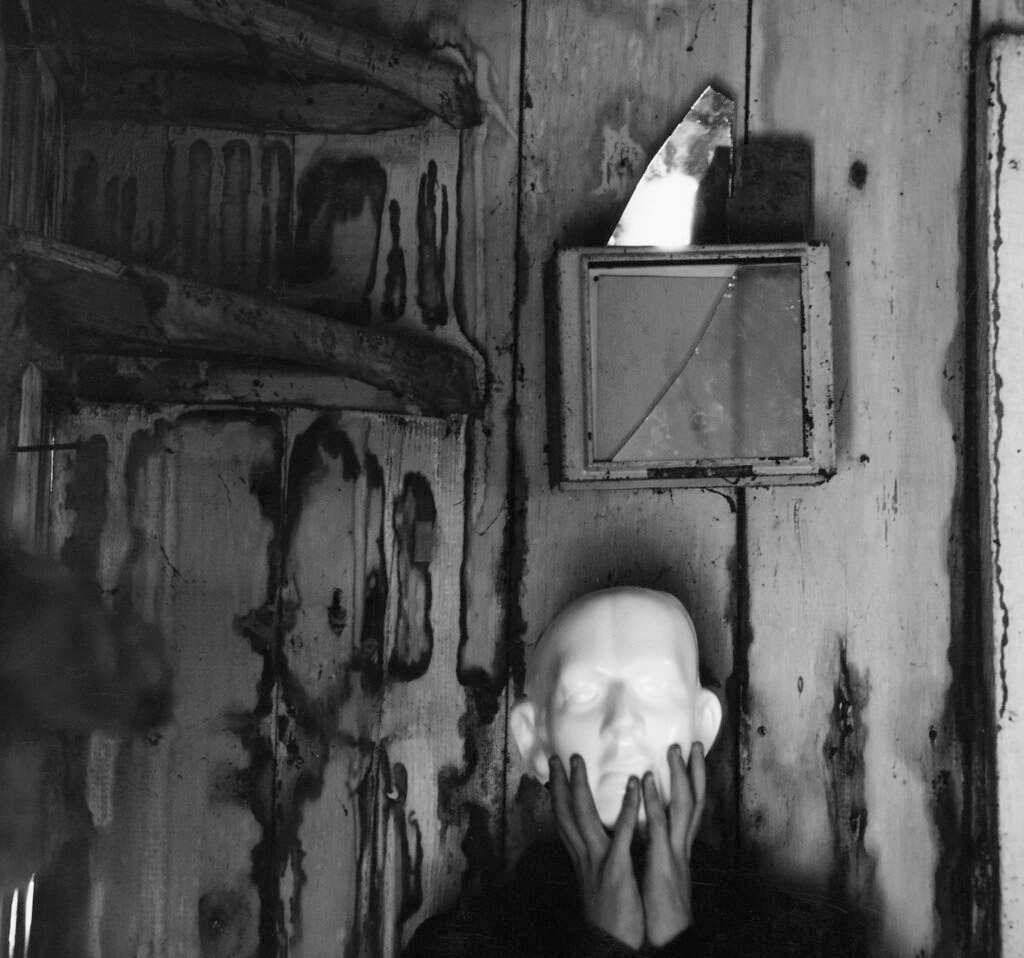
 

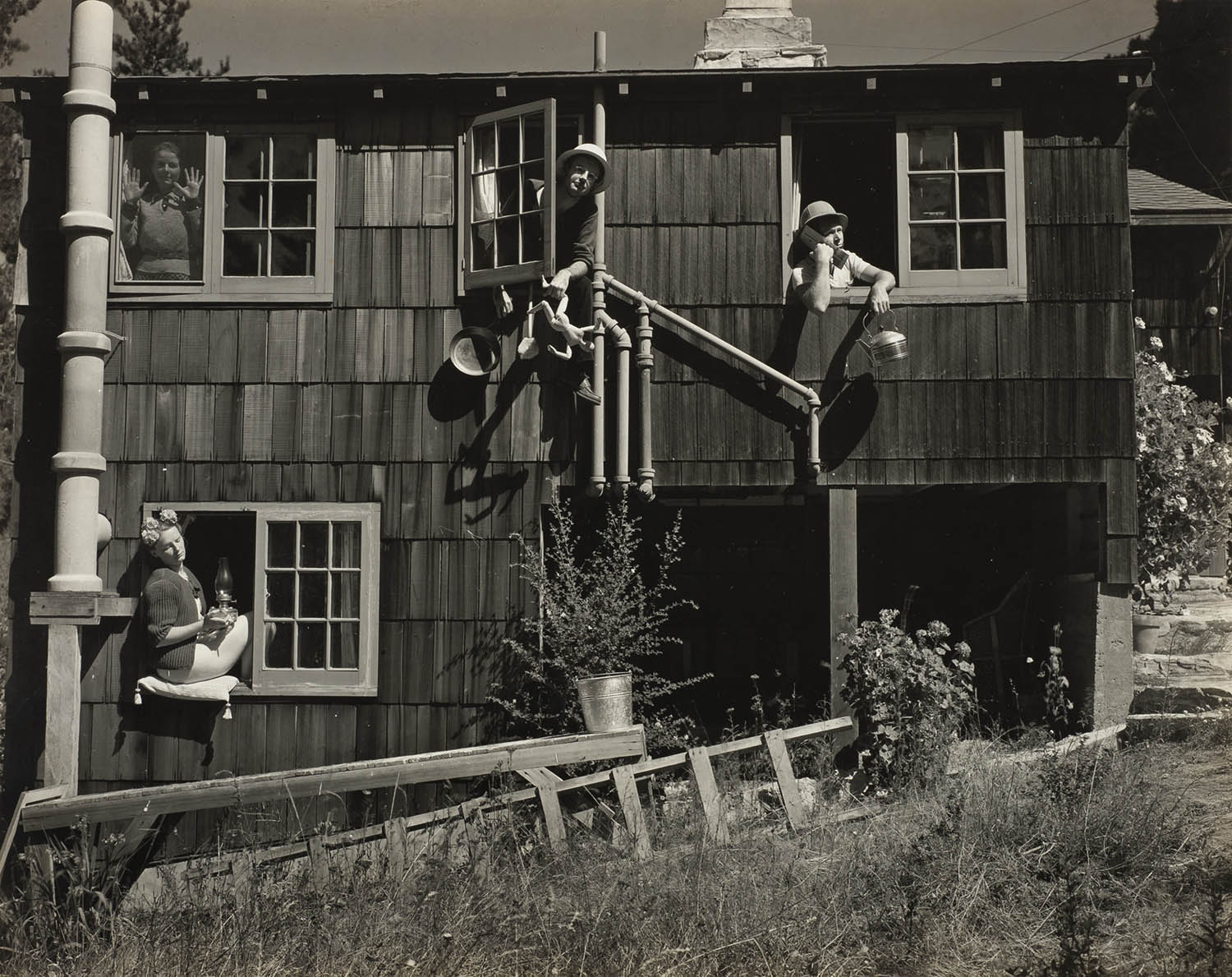
Ralph Eugene Meatyard (American, 1925-1972) 'Untitled (plate 17)' 1962


Ralph Eugene Meatyard (American, 1925-1972)
Untitled (plate 17)
1962
Gelatin silver print
High Museum of Art
Purchase with funds from Joe Williams and Tede Fleming
Estate of Ralph Eugene Meatyard
© Estate of Ralph Eugene Meatyard


Meatyard suffered a heart attack in 1961. After this brush with mortality, he gave himself ten years to master photography. A sense of anxiety runs through many of his photographs. This image of a vacant masked face with hands pressed against its cheeks and a shard of broken mirror floating above embodies the persistent sense of pressure and tenuousness motivated by the finiteness of time.

Meatyard began editing the Gnomon Press book soon after he was diagnosed with cancer in 1970, and the looming reality of his fragility no doubt informed his selection of images. Arnold Gassan echoed the need to confront death in the longer, unpublished version of his essay for the book.
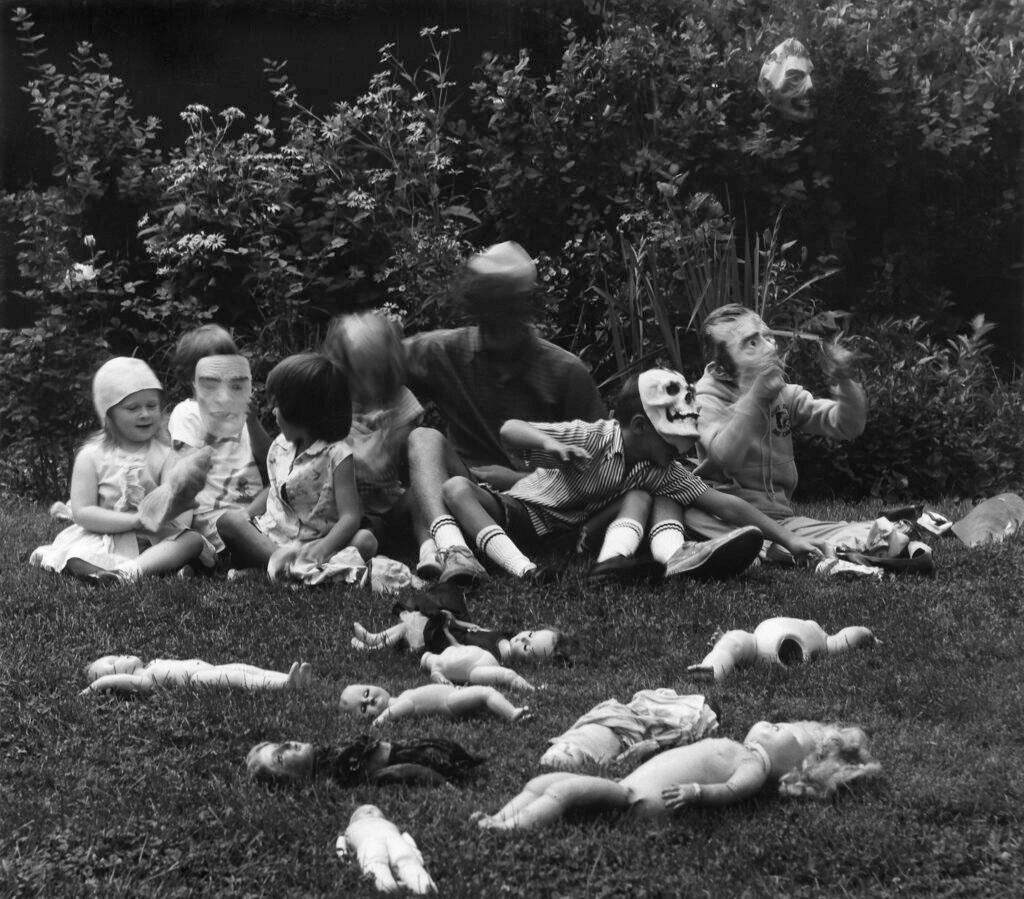
 

Ralph Eugene Meatyard (American, 1925-1972) 'Untitled (plate 18)' 1963


Ralph Eugene Meatyard (American, 1925-1972)
Untitled (plate 18)
1963
Gelatin silver print
Estate of Ralph Eugene Meatyard
© Estate of Ralph Eugene Meatyard
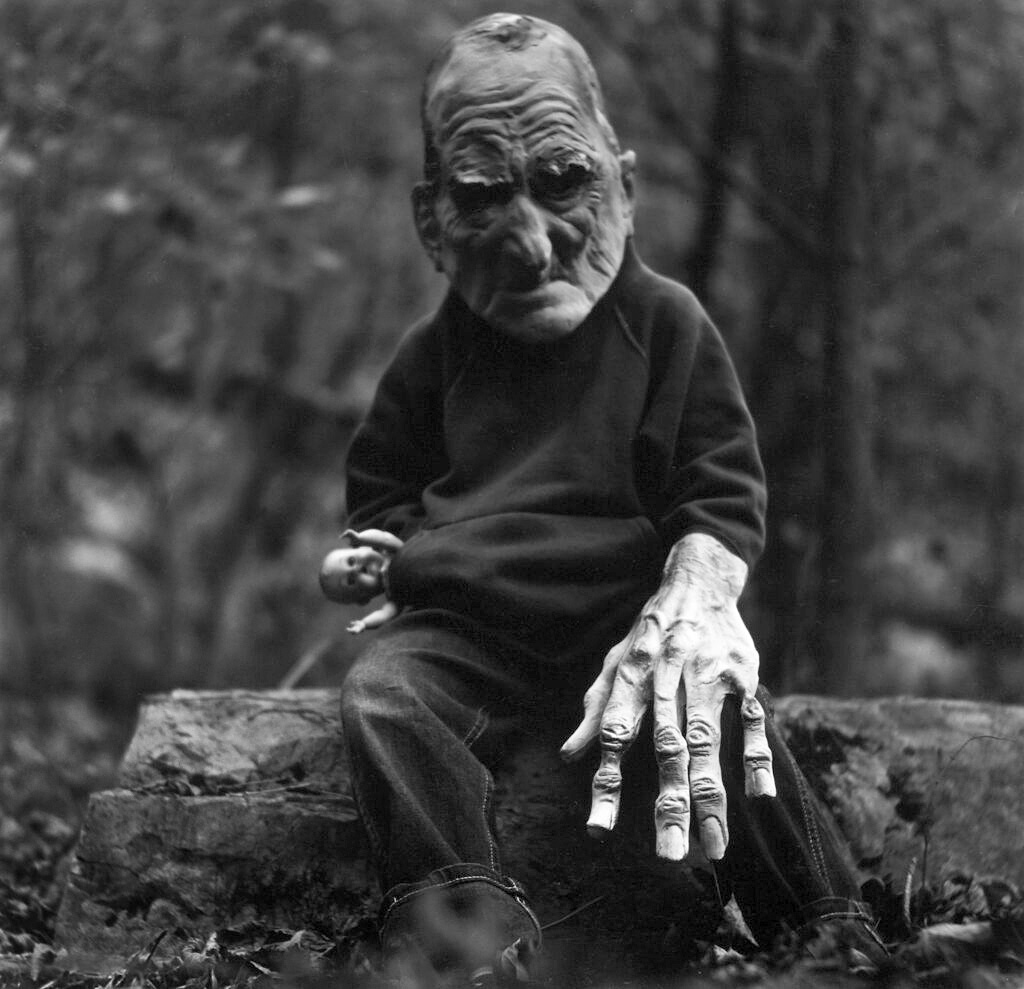
 

Ralph Eugene Meatyard (American, 1925-1972) 'Untitled (plate 19)' 1960


Ralph Eugene Meatyard (American, 1925-1972)
Untitled (plate 19)
1960
Gelatin silver print
Estate of Ralph Eugene Meatyard
© Estate of Ralph Eugene Meatyard


The 36 photographs include a number of signature portraits from Meatyard’s series Romance, and portray his family members, sometimes masked, inhabiting abandoned southern landscapes. Meatyard challenges the idea of traditional family portraits. In some images, children play in deserted rooms, maintaining their innocence in disconcerting environments. They are not afraid or amused – they simply exist within the infinite possibilities of this fictional world. In one image, an unrecognisable figure jumps out of a window into a yard where a little boy awaits. The movement of the jumping figure makes it resemble a spirit appearing to the boy in a dream. In creating this series, Meatyard was inspired by Ambrose Bierce’s definition of “romance” in “The Devil’s Dictionary” – defined as “fiction that owes no allegiance to the God of Things as They are.”

Victoria Gonzalez. “The Family Album of Ralph Eugene Meatyard,” on the Musee website December 15, 2025 [Online] Cited 15/02/2026. Used under fair use conditions for the purposes of education and research
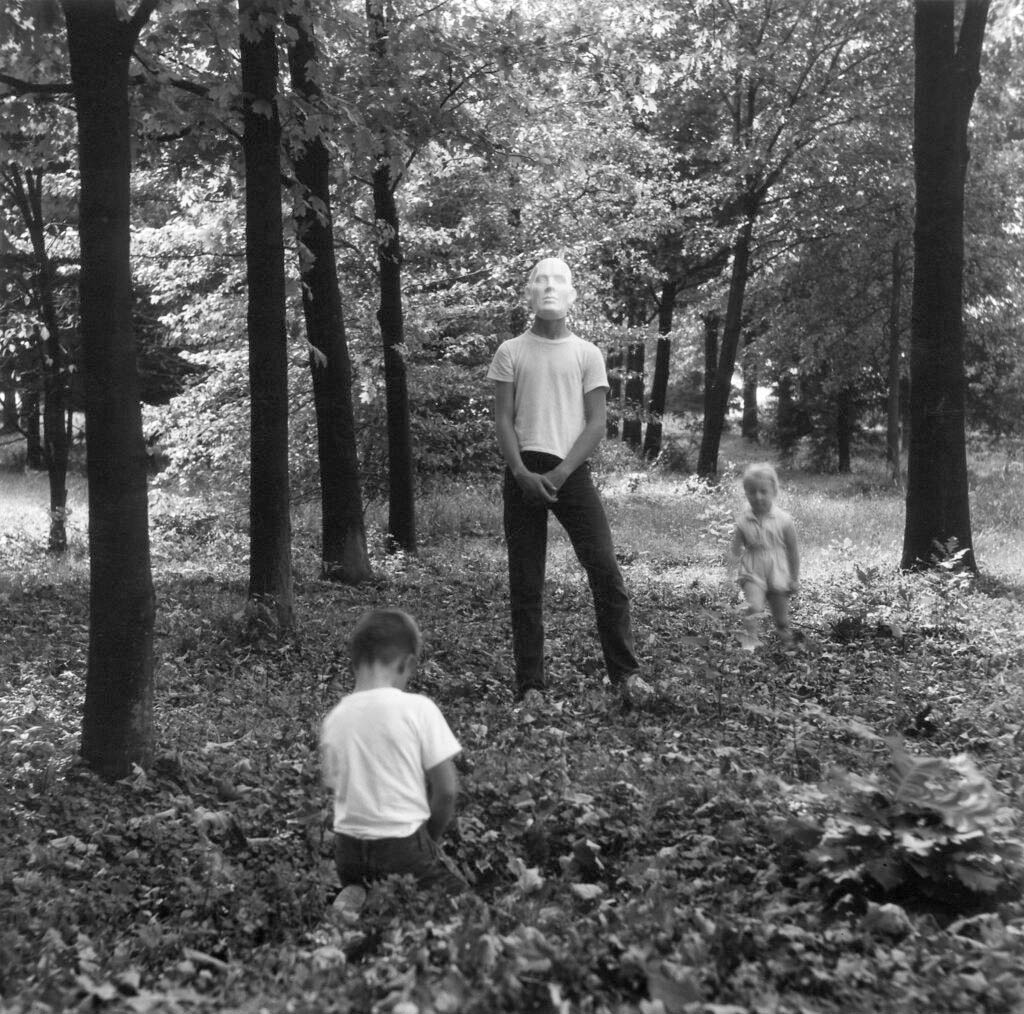
 

As an adult, Meatyard lived in the South but grew up in Normal, Illinois – an apt birthplace for this man who led a very normal life. (“Meatyard” is an arcane 17th century English surname, but its surrealistic sound is an apt byline for the photographer. Meatyard himself collected strange names that he noted in a loose-leaf binder.) He did not consider himself a Southerner, although he has often been associated with Southern photography.

Although Meatyard counted himself as an amateur and hobbyist, he exhibited his work nationally with fine art photographers such as Minor White (who introduced him to Zen Buddhism), Harry CallahanAaron Siskind and Emmet Gowin. His national reputation had grown enough that his 1972 passing garnered a New York Times obituary that described Meatyard as living (somewhat disparagingly) in a backwater. Yet, it was living outside major centers of art and photography that allowed him the freedom to pursue his idiosyncratic creative strategies.

Louise E. Shaw. “Experimentation beyond the lens: a retrospective of Ralph Eugene Meatyard debuts at the High,” on the ArtsATL website, January 8, 2026 [Online] Cited 15/02/2026. Used under fair use conditions for the purposes of education and research


Ralph Eugene Meatyard (American, 1925-1972) 'Untitled (plate 20)' 1962


Ralph Eugene Meatyard (American, 1925-1972)
Untitled (plate 20)
1962
Gelatin silver print
Estate of Ralph Eugene Meatyard
© Estate of Ralph Eugene Meatyard
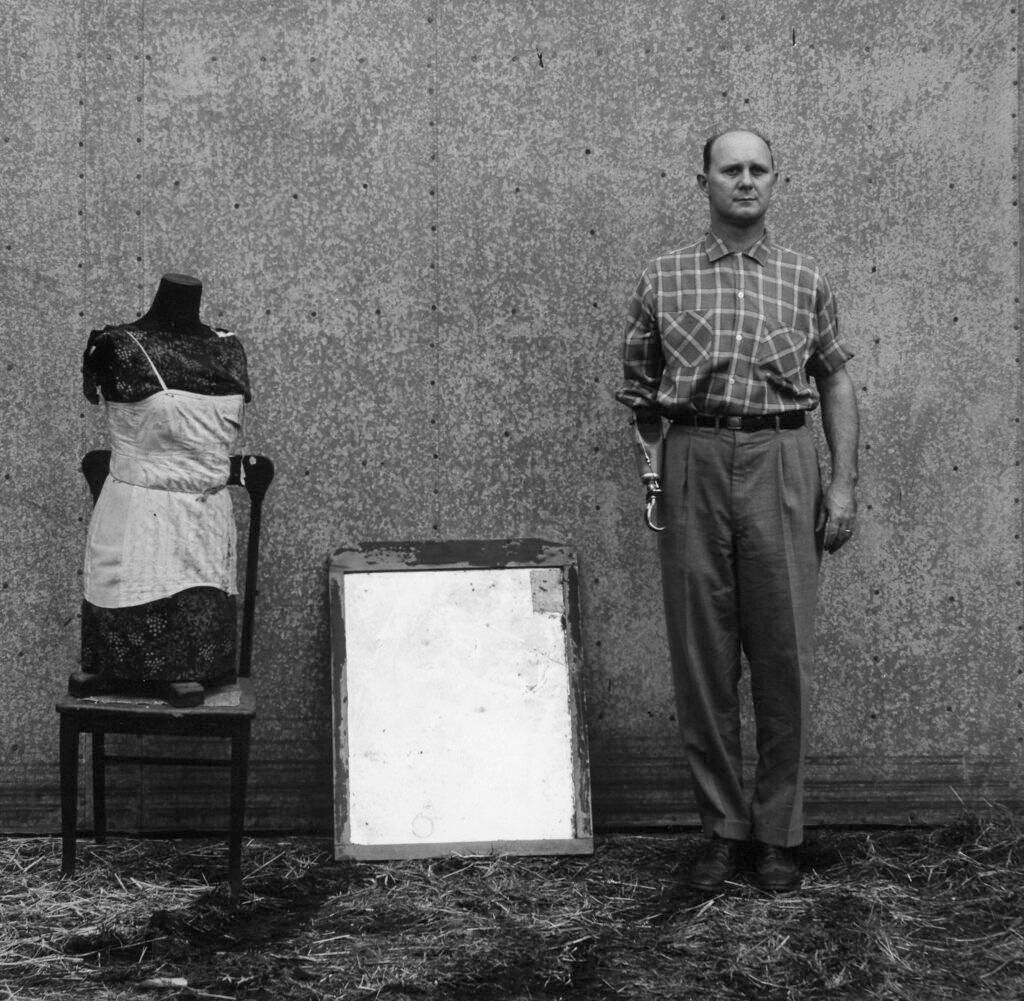
 

Ralph Eugene Meatyard (American, 1925-1972) 'Cranston Ritchie (plate 30)' c. 1958-1959


Ralph Eugene Meatyard (American, 1925-1972)
Cranston Ritchie (plate 30)
c. 1958-1959
Gelatin silver print
Estate of Ralph Eugene Meatyard
© Estate of Ralph Eugene Meatyard


The photographs of his friends are more straightforward but equally poetic and surrealistic. An example is his portrait of close friend and fellow Lexington Camera Club member Cranston Ritchie (1923-1961). Like Meatyard, Ritchie received an untimely terminal cancer diagnosis, resulting in multiple amputations of his arm. Facing forward, Cranston stands with an armless mannequin and mirror, a humorous but tragic take on fate and mortality.

Louise E. Shaw. “Experimentation beyond the lens: a retrospective of Ralph Eugene Meatyard debuts at the High,” on the ArtsATL website, January 8, 2026 [Online] Cited 15/02/2026. Used under fair use conditions for the purposes of education and research


Cranston Ritchie was a photographer in the Lexington Camera Club and friend of fellow club member, Ralph Eugene Meatyard. Ritchie died young at the age of 38 from cancer. James Rhem in his essay, Gene’s Friend – Cranston Ritchie, writes, “A little knot the size of a grape and sore to the touch appeared on his right hand. It turned out to be a malignancy. Doctors then thought if the arm were removed above the elbow, the cancer might be stopped from continuing to his lungs. It wasn’t. After five surgeries, each an effort to stop the cancer’s spread, Ritchie died the day after Christmas in 1961.” Rhem quotes Meatyard’s 1971 recollection of Ritchie, “He will certainly be recognised in years to come as an outstanding individual photographer as many of the 19th century men are being recognised today.”

Text from the Gitterman Gallery website
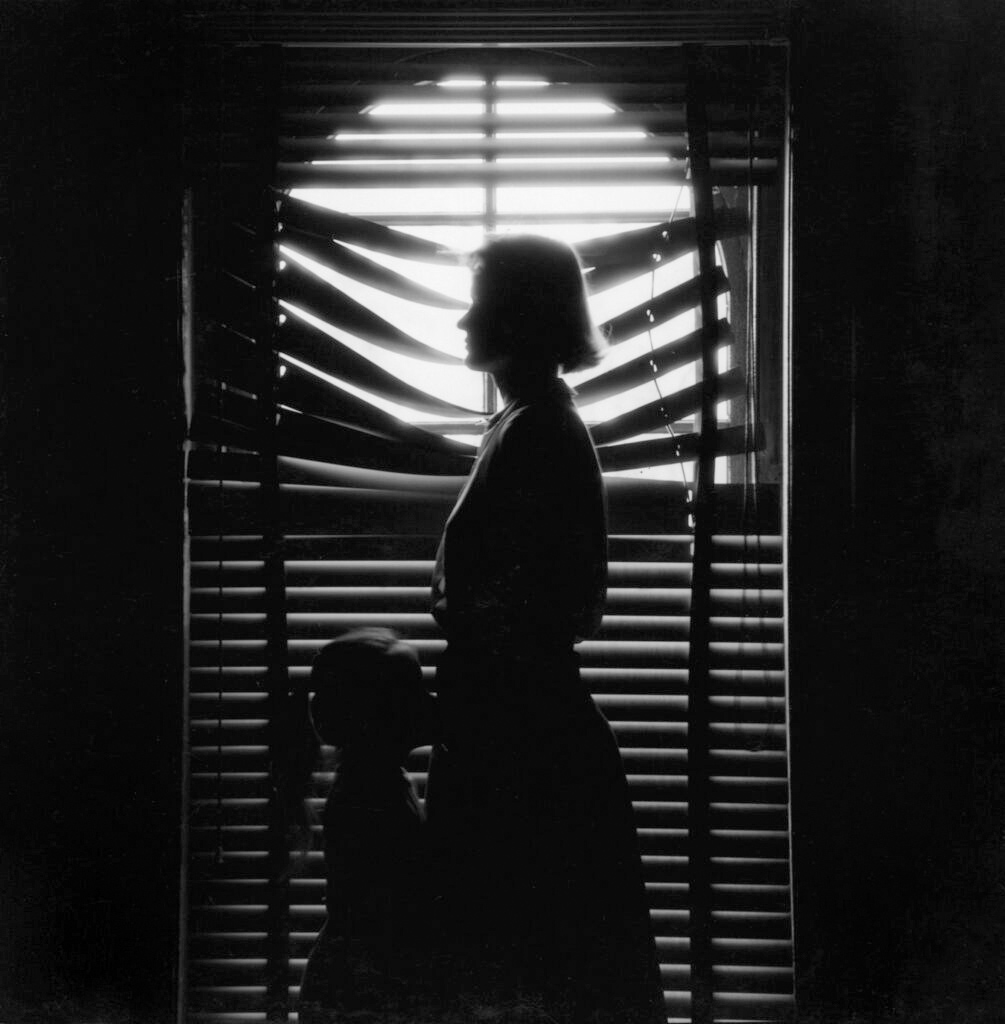
 

Ralph Eugene Meatyard (American, 1925-1972) 'Untitled (Madonna, plate 34)' 1964


Ralph Eugene Meatyard (American, 1925-1972)
Untitled (Madonna, plate 34)
1964
Gelatin silver print
High Museum of Art
Purchase with funds from the Donald and Marilyn Keough Family Foundation
Estate of Ralph Eugene Meatyard
© Estate of Ralph Eugene Meatyard


While Meatyard regularly photographed his family, his pictures are rarely conventional portraits and are not necessarily indicative of his relationships. Even when he wasn’t including masks, he often obscured his sitters’ identities by skilfully deploying exposure, shadow, depth of field, or motion blur. In this silhouetted image, his wife, Madelyn, and their daughter, Melissa, become the archetypal mother and daughter, their fused forms expressing intimacy and connection. The title of the piece, Madonna, and Meatyard’s use of the arched window as a framing device indicate his desire to place his work within an art historical lineage.


The High Museum of Art
1280 Peachtree St NE
Atlanta, GA
30309

Opening hours:
Tuesday – Saturday 10am – 5pm
Sunday 12 – 5pm
Monday closed
The High Museum of Art website

LIKE ART BLART ON FACEBOOK

Back to top

Exhibition: ‘Edward Weston: Becoming Modern’ at Maison Européenne de la Photographie (MEP), Paris

Exhibition dates: 15th October, 2015 – 25th January, 2026

Curators: Simon Baker & Laurie Hurwitz, MEP and Polly Fleury & Hope Kingsley, Wilson Centre for Photography


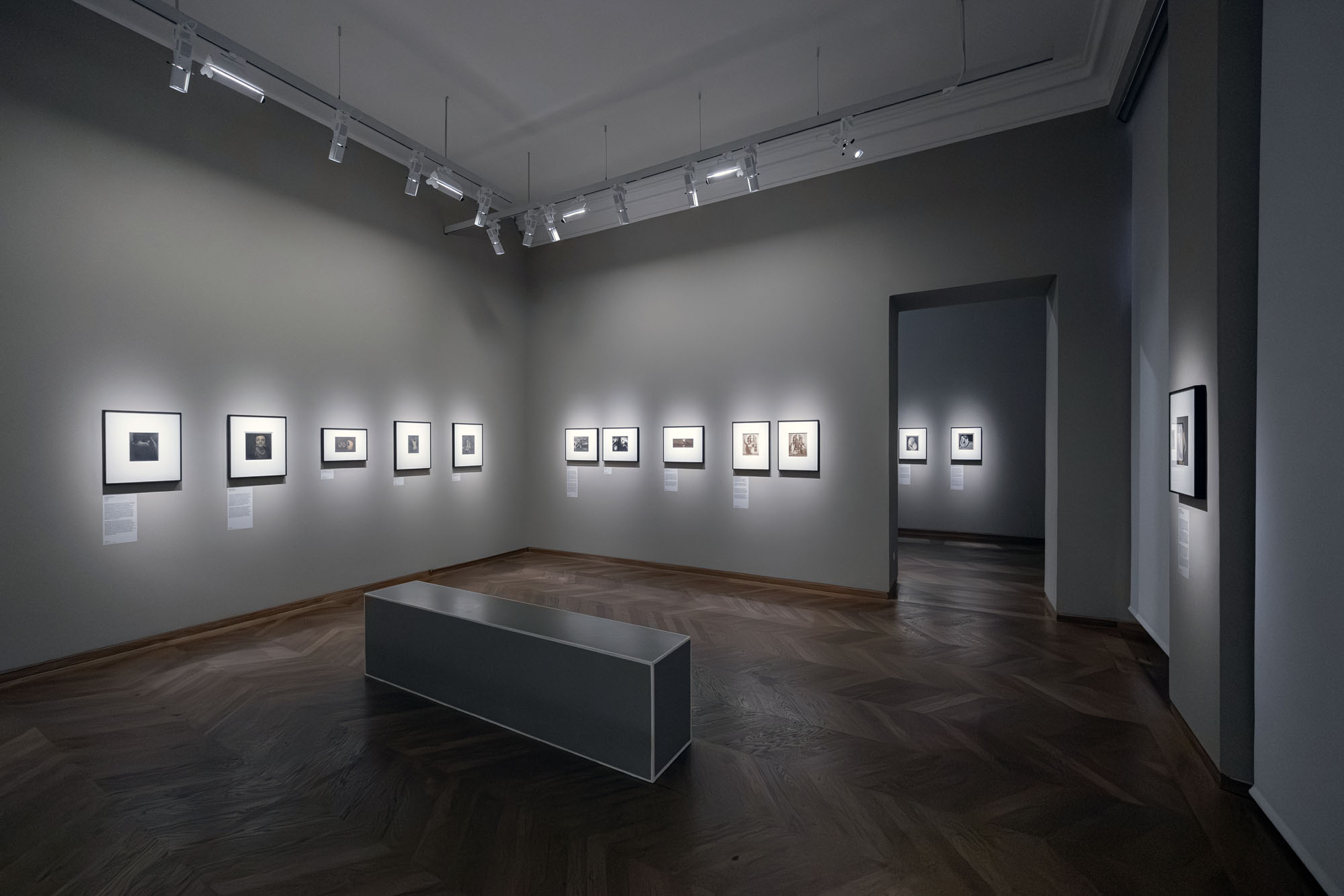
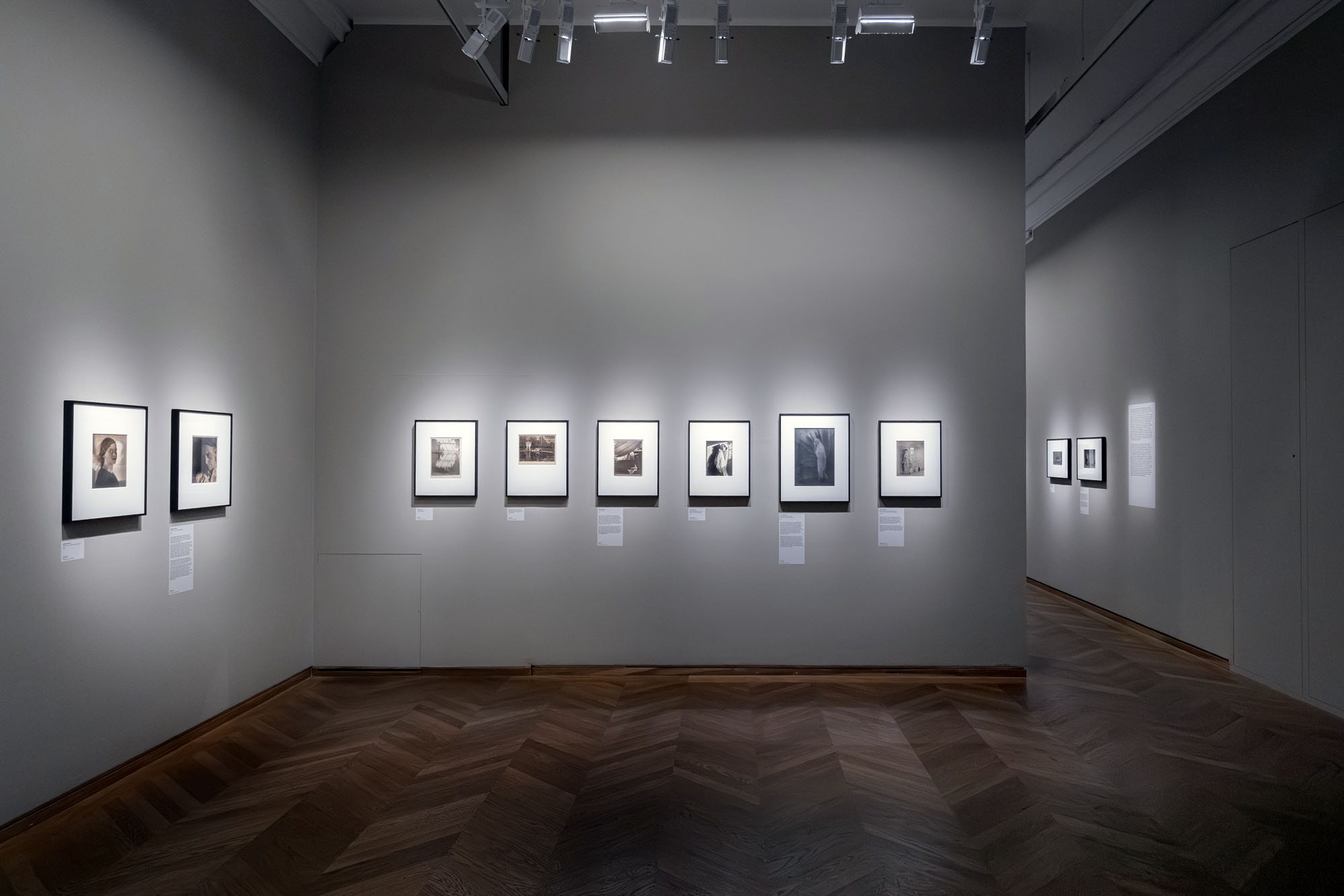
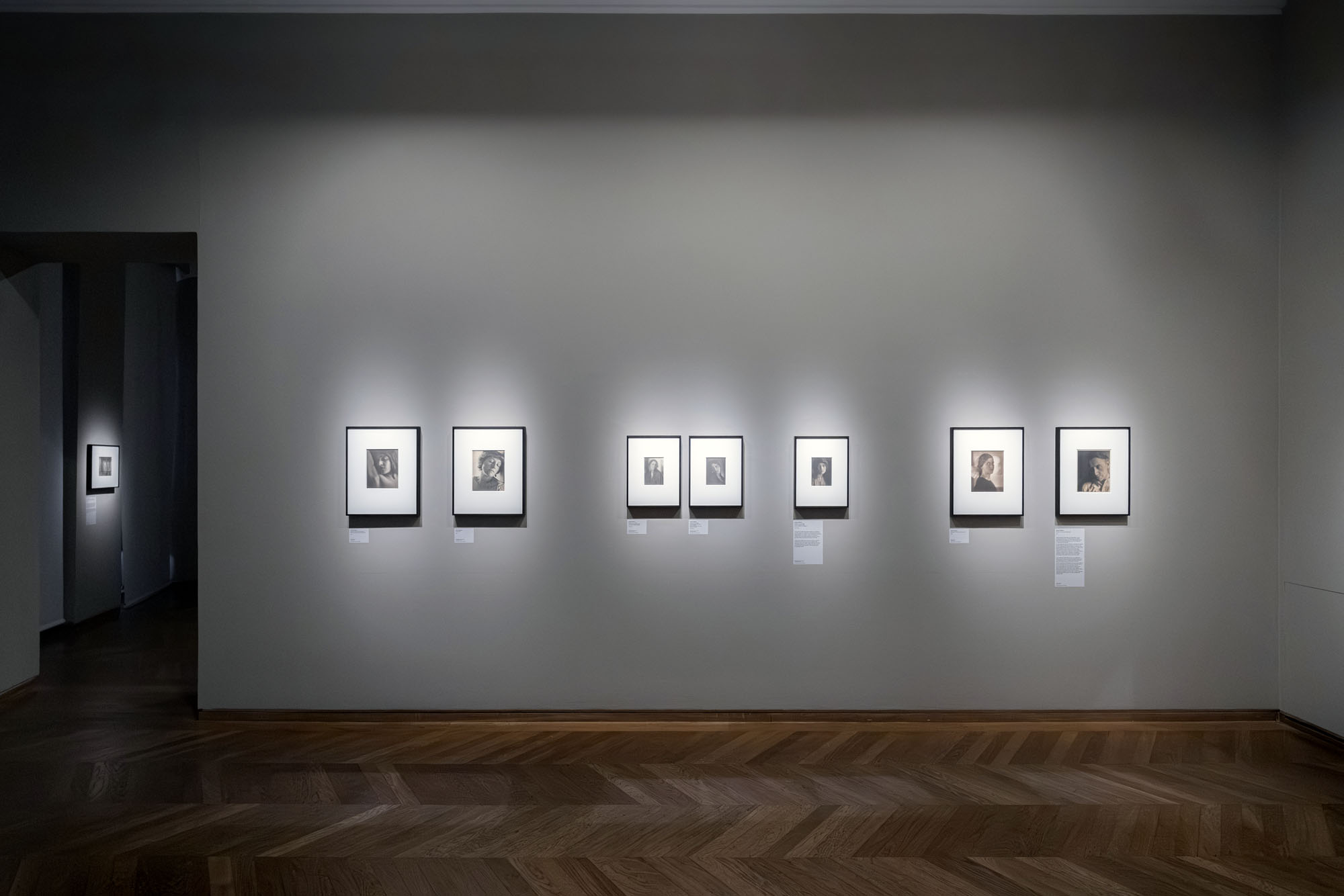
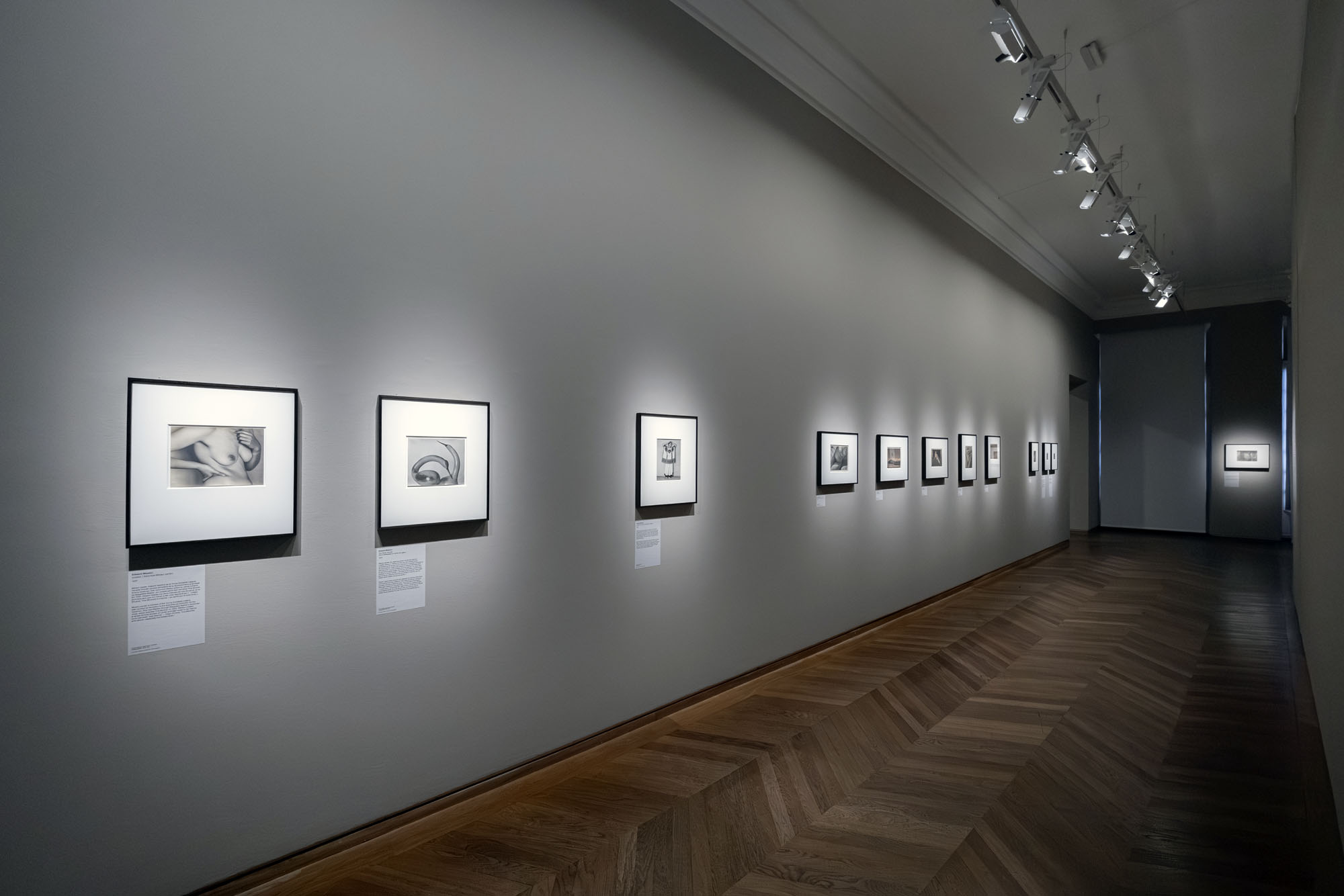
Installation view of the exhibition 'Edward Weston: Becoming Modern' at Maison Européenne de la Photographie (MEP), Paris, 15th October, 2015 - 25th January, 2026


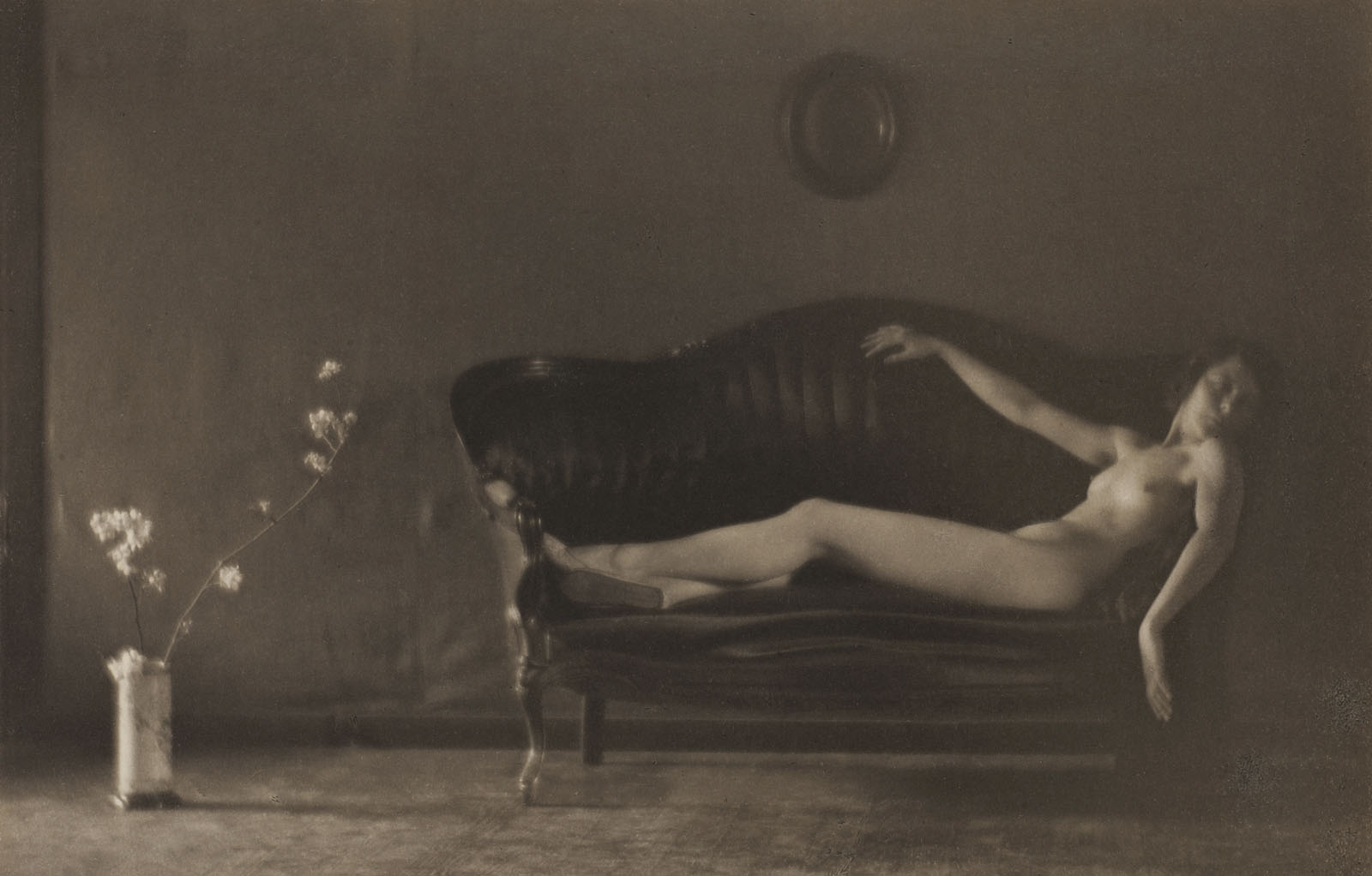
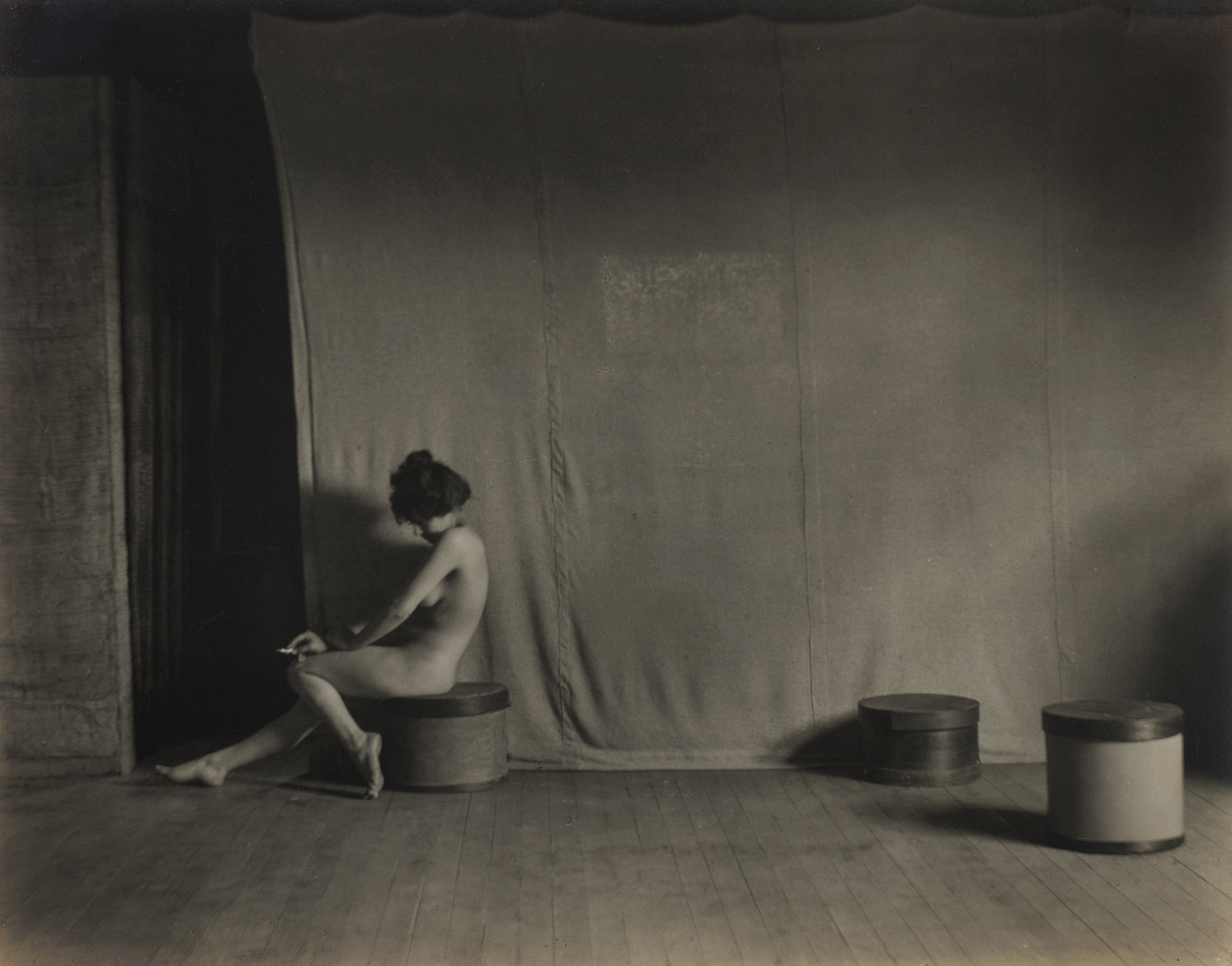
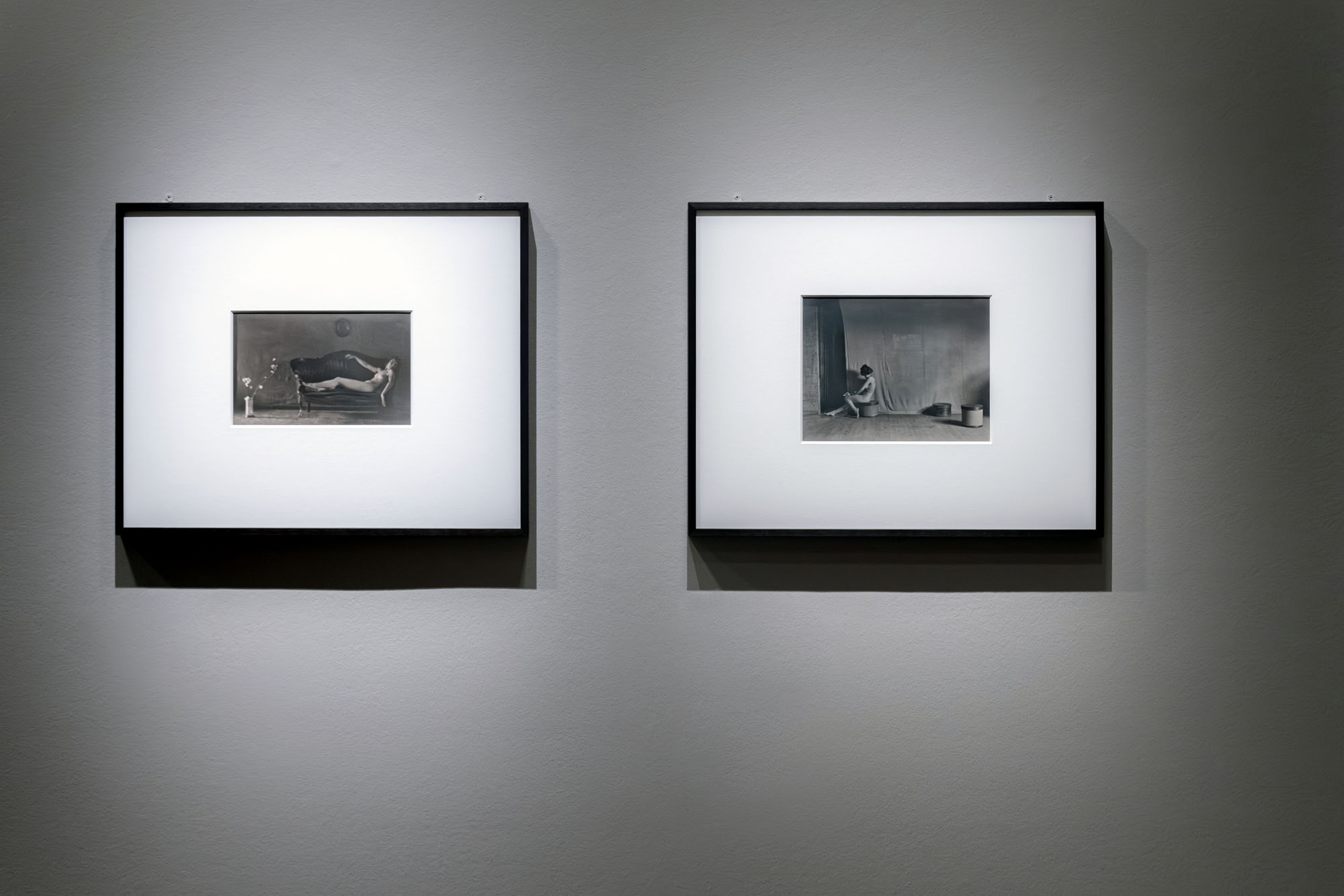
Installation view of the exhibition Edward Weston: Becoming Modern at Maison Européenne de la Photographie (MEP), Paris, 15th October, 2015 – 25th January, 2026 showing at left, Edward Weston’s ‘M’ on the Black Horsehair Sofa, 1921 (below); and at right, Tina Modotti (Nude in Studio), 1922 (below)


Shadow man

You can always learn from the great artists now matter how many times you have seen their work, especially when the photographs are simply, effectively hung ‘on the line’ in a beautiful space.

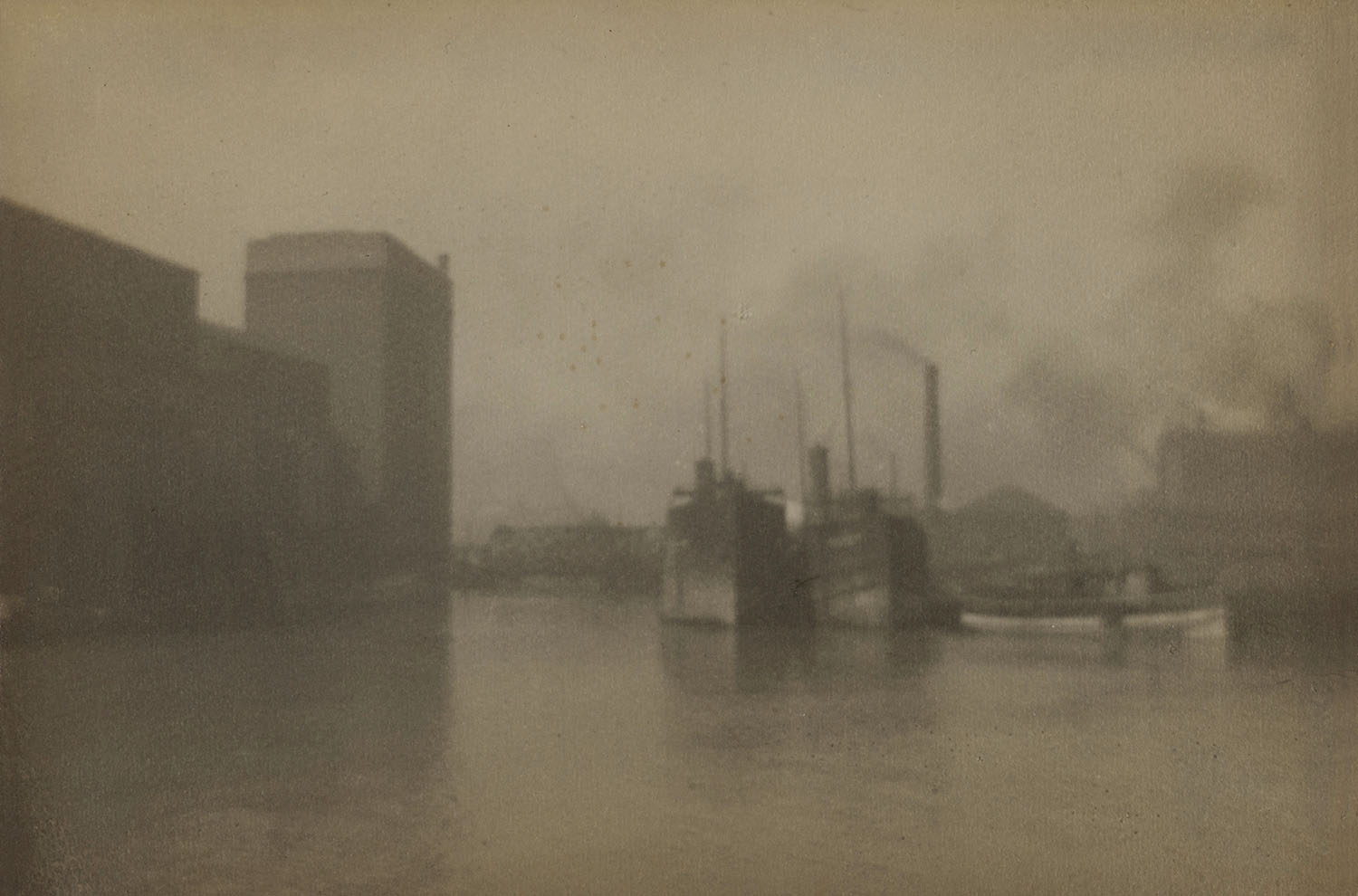
Here are photographs by Edward Weston I have never seen before: Pictorialist photographs of suffused and intimate beauty. An exhibition of Weston’s Pictorialist work would be magnificent to behold.

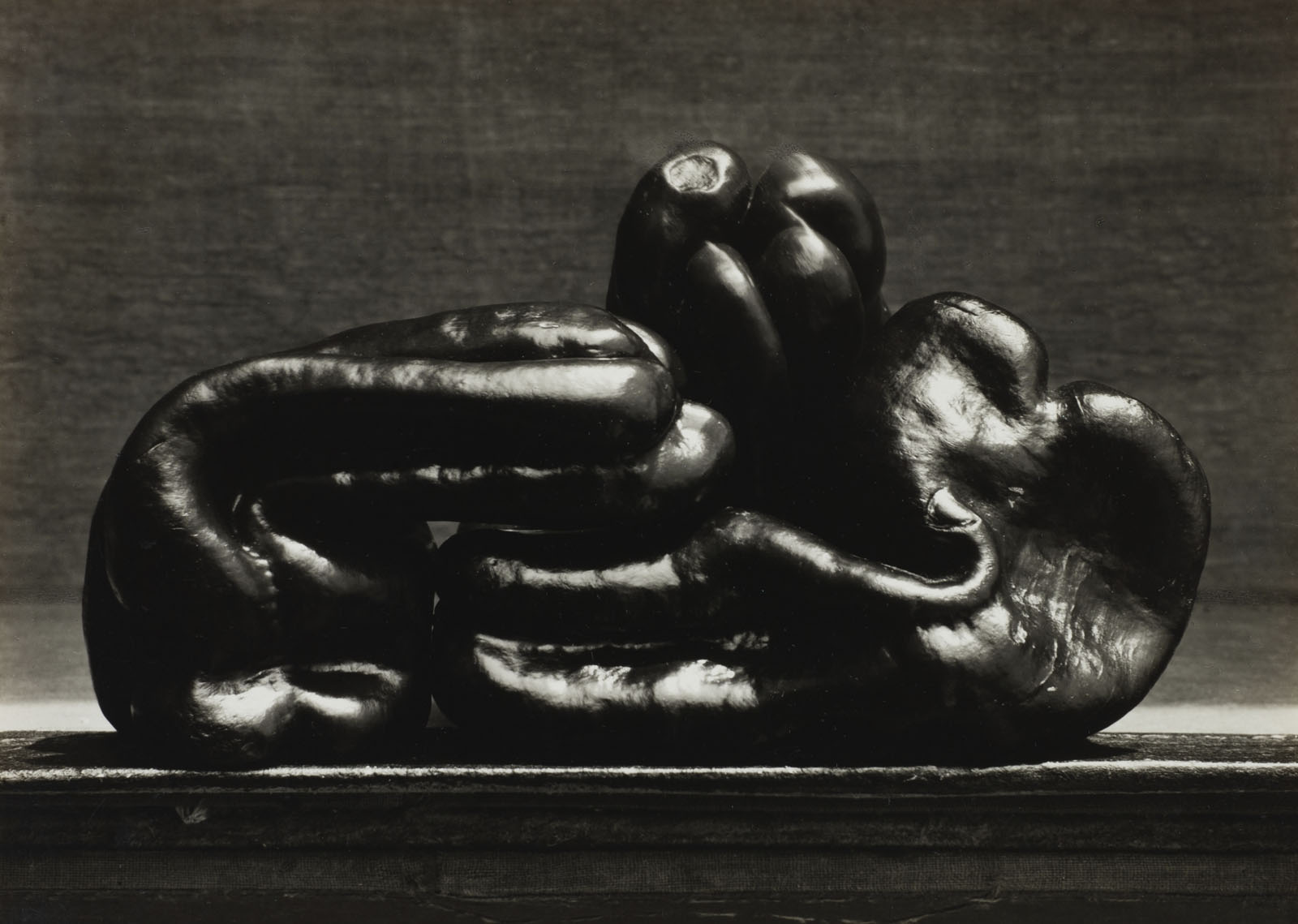
And then Weston’s Peppers (1929, below).

I don’t know why I have never seen this photograph before, why his Pepper (1930, below) is more famous, for this is a monstrous image of dark, writhing, semi-abstract figurative forms, just as valid an artistic statement (in a completely different way) than the more famous image.

Can you imagine holding a vintage print of this photograph in your hands!

Gloria virtutem tanquam umbra sequitur

Dr Marcus Bunyan


Many thankx to Maison Européenne de la Photographie (MEP) for allowing me to publish the photographs in the posting. Please click on the photographs for a larger version of the image.


“Only rhythm, form and perfect detail to consider – first conceptions coming straight through unadulterated.”

“What I seek now is simplicity – the form reduced to its essence.”


Edward Weston. Daybooks II: California (1930-1945). Aperture, 1961


“The camera should be used for a recording of life, for rendering the very substance and quintessence of the thing itself.”

“To see the Thing Itself is essential: the Quintessence revealed direct without the fog of impressionism.”


Edward Weston. The Daybooks of Edward Weston, from Edward Weston: The Flame of Recognition. Aperture, 1965


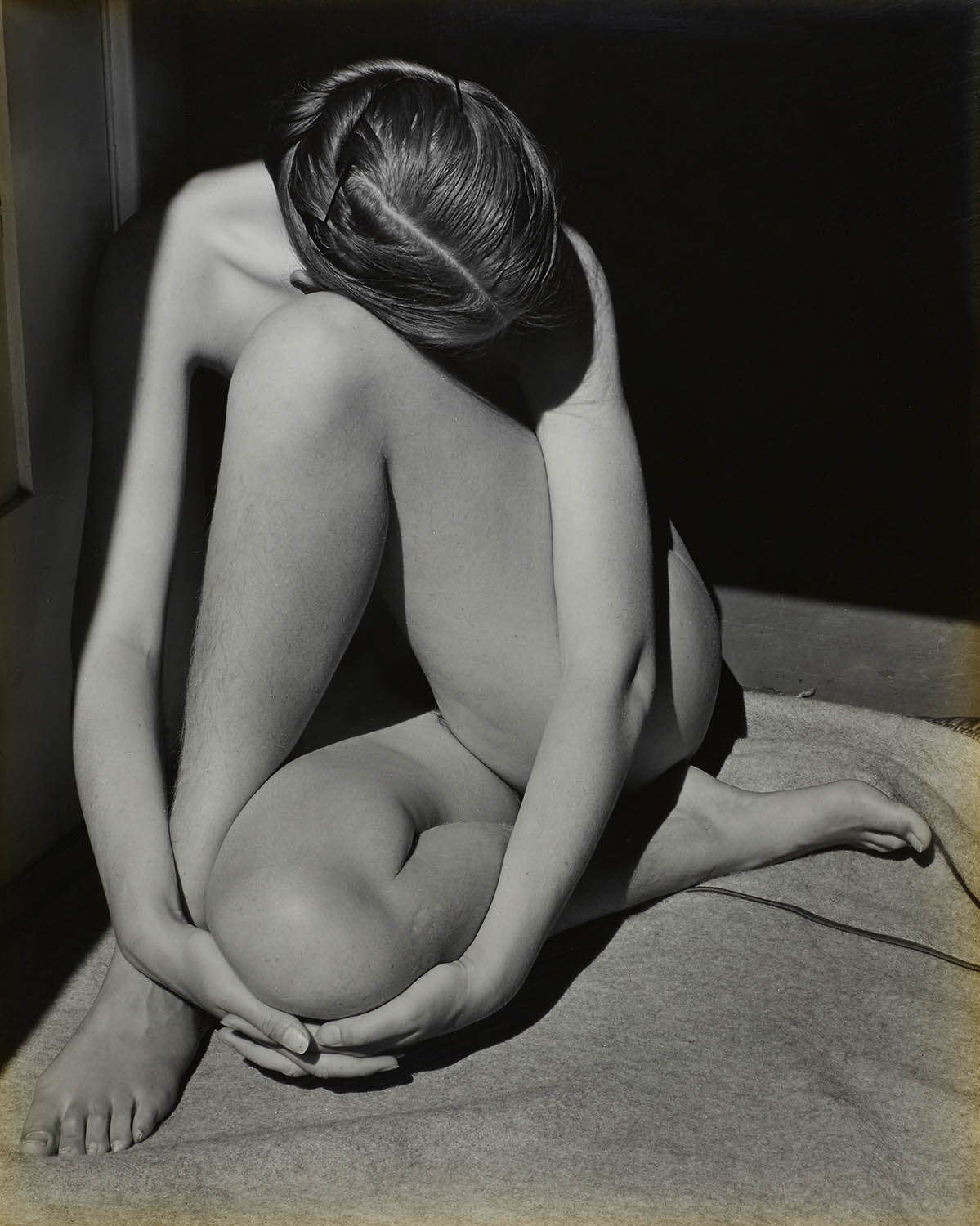
Edward Weston (American, 1886-1958) ''M' on the Black Horsehair Sofa' 1921


Edward Weston (American, 1886-1958)
‘M’ on the Black Horsehair Sofa
1921
© Center for Creative Photography, Arizona Board of Regents / Edward Weston, Adagp, Paris, 2025
Courtesy Gregg Wilson


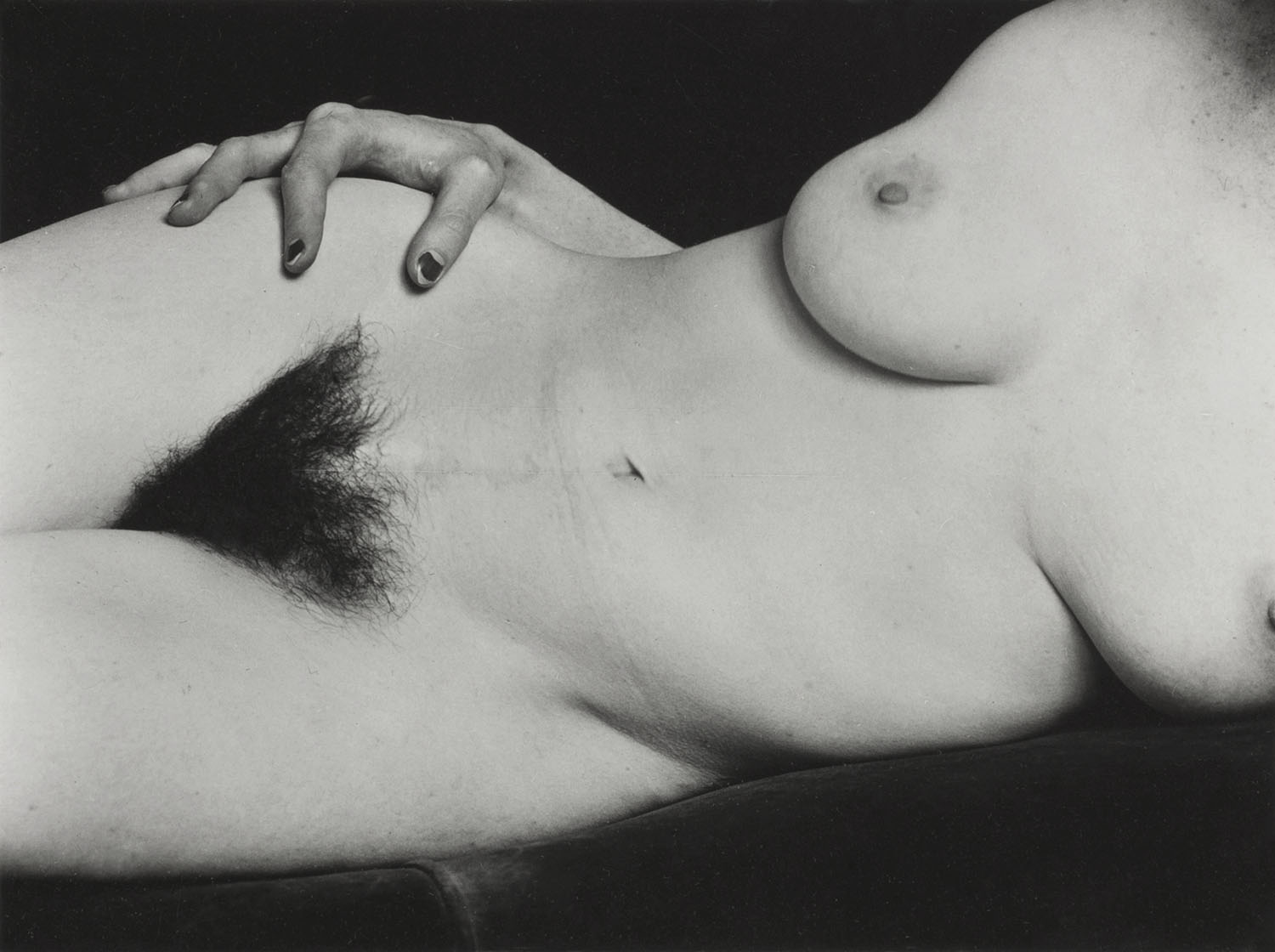
Edward Weston (American, 1886-1958) 'Tina Modotti (Nude in Studio)' 1922


Edward Weston (American, 1886-1958)
Tina Modotti (Nude in Studio)
1922
© Center for Creative Photography, Arizona Board of Regents / Edward Weston, Adagp, Paris, 2025
Courtesy Gregg Wilson


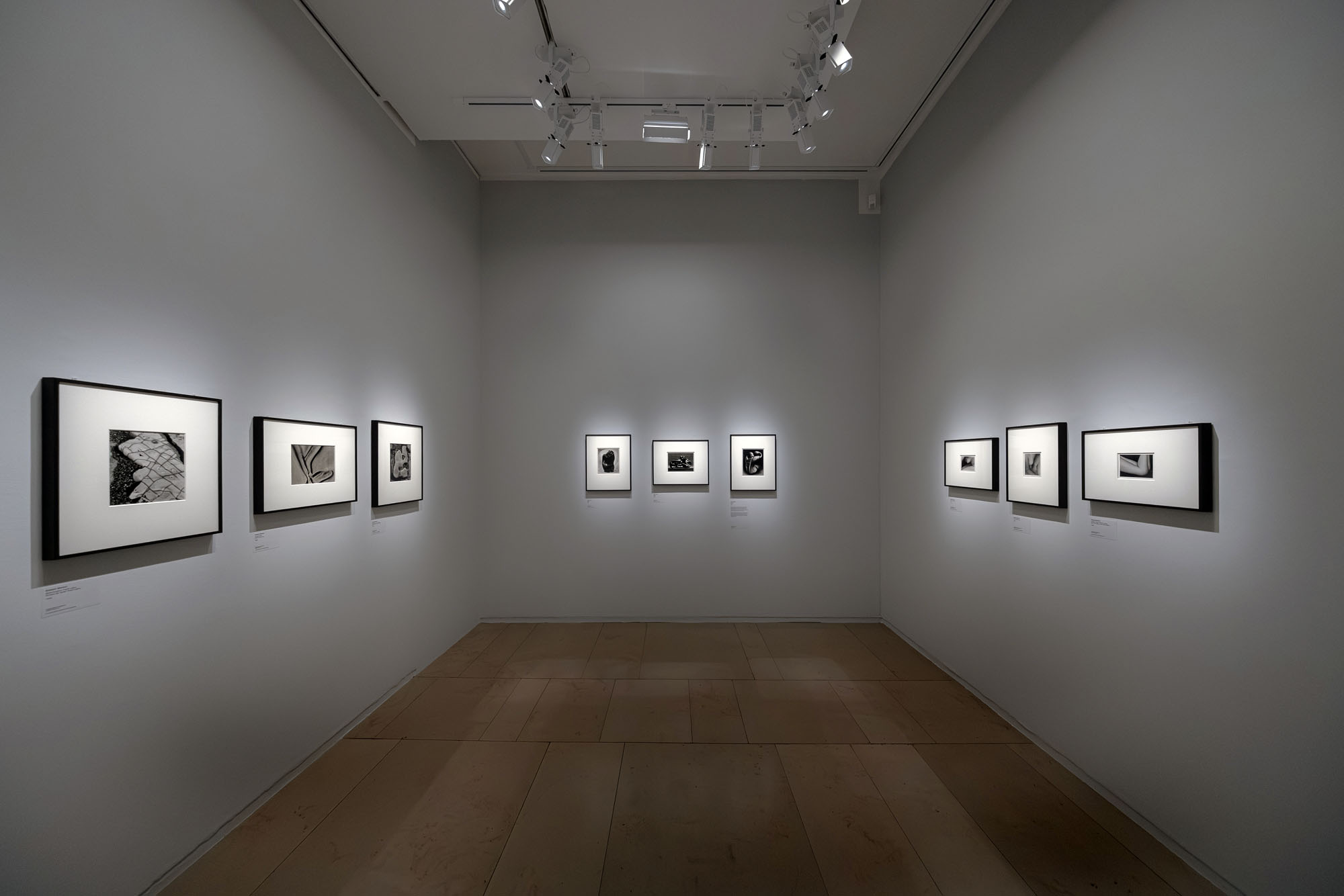
Installation view of the exhibition 'Edward Weston: Becoming Modern' at Maison Européenne de la Photographie (MEP), Paris, 15th October, 2015 - 25th January, 2026


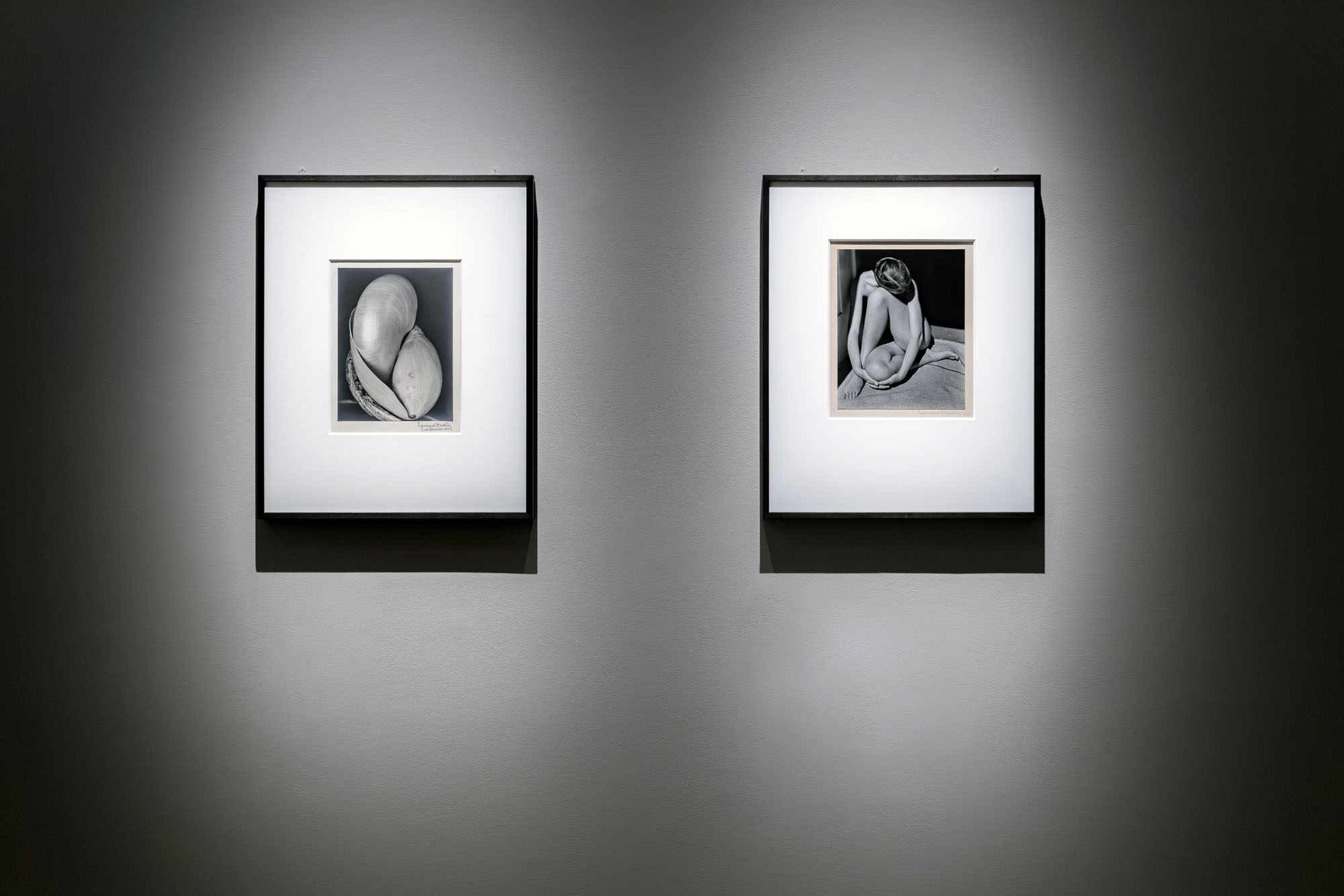
Installation view of the exhibition Edward Weston: Becoming Modern at Maison Européenne de la Photographie (MEP), Paris, 15th October, 2015 – 25th January, 2026 showing at left, Edward Weston’s Shell 1927 (below); and right, Santa Monica (Nude in Doorway) 1936 (below)


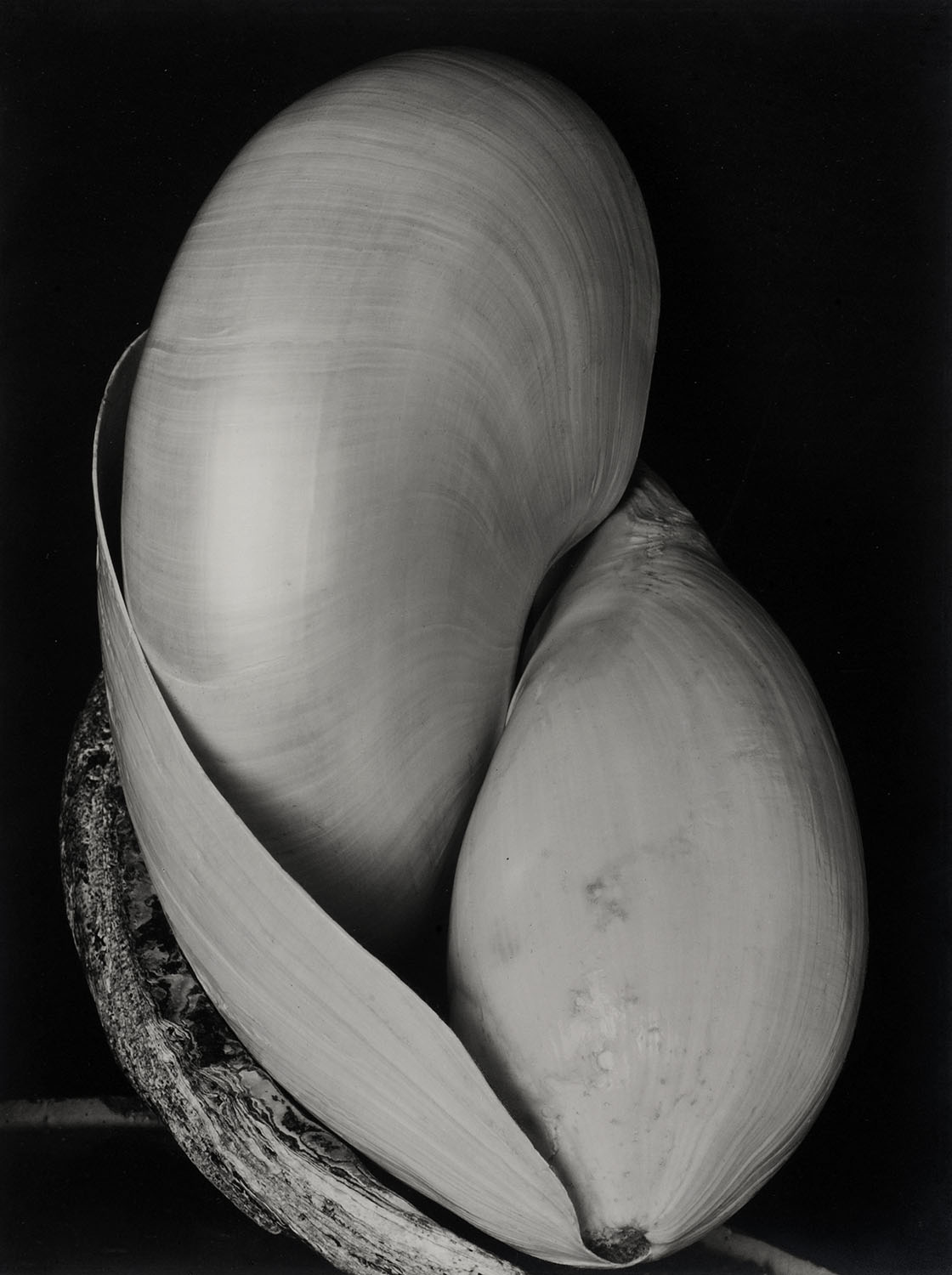
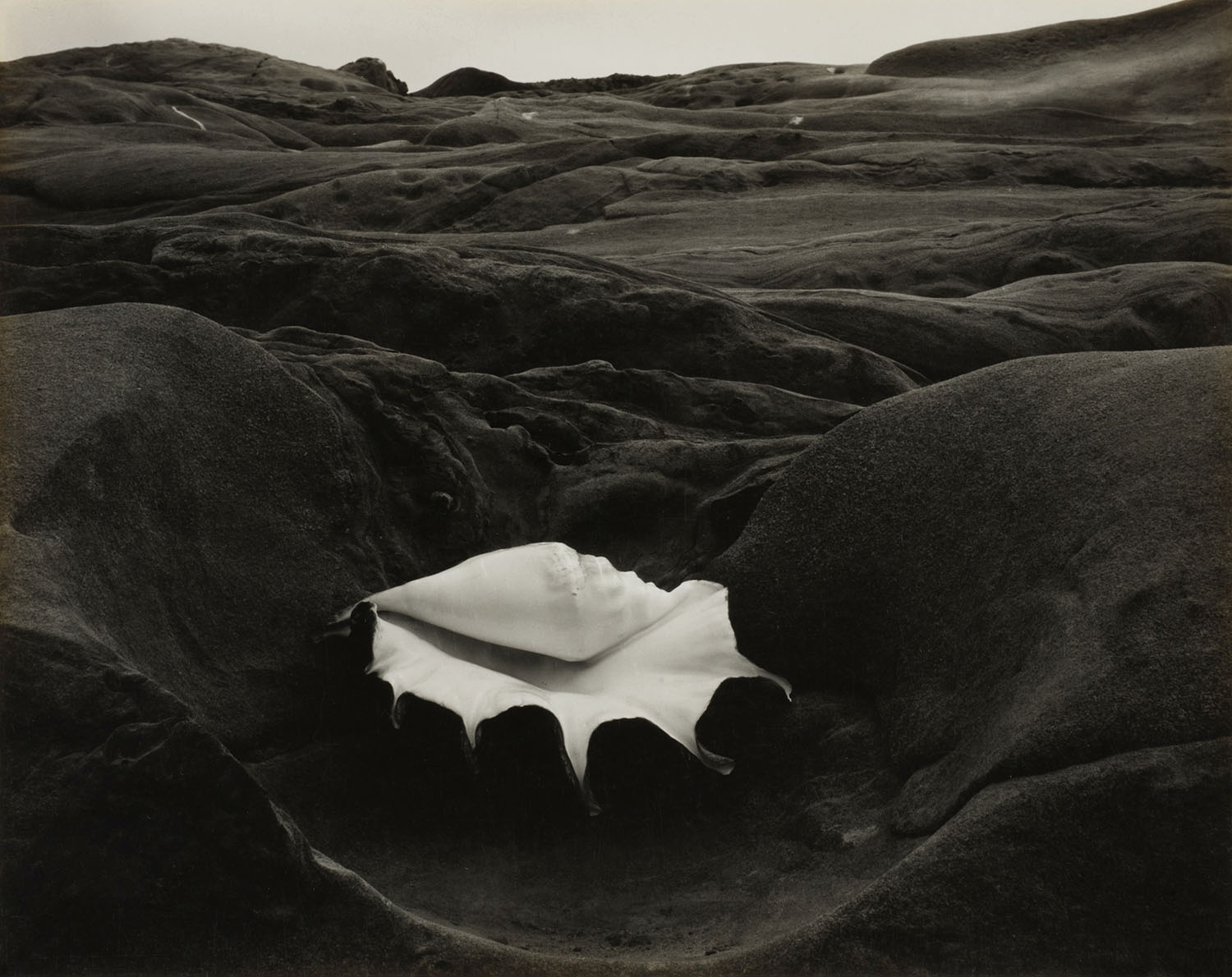
Edward Weston (American, 1886-1958) 'Shell' 1927

Edward Weston (American, 1886-1958)
Shell
1927
Gelatin silver print
© Center for Creative Photography, Arizona Board of Regents / Edward Weston, Adagp, Paris, 2025
Courtesy Gregg Wilson


Edward Weston (American, 1886-1958) 'Santa Monica (Nude in Doorway)' 1936


Edward Weston (American, 1886-1958)
Charis, Santa Monica (Nude in Doorway)
1936
Gelatin silver print
© Center for Creative Photography, Arizona Board of Regents / Edward Weston, Adagp, Paris, 2025
Courtesy Wilson Centre for Photography


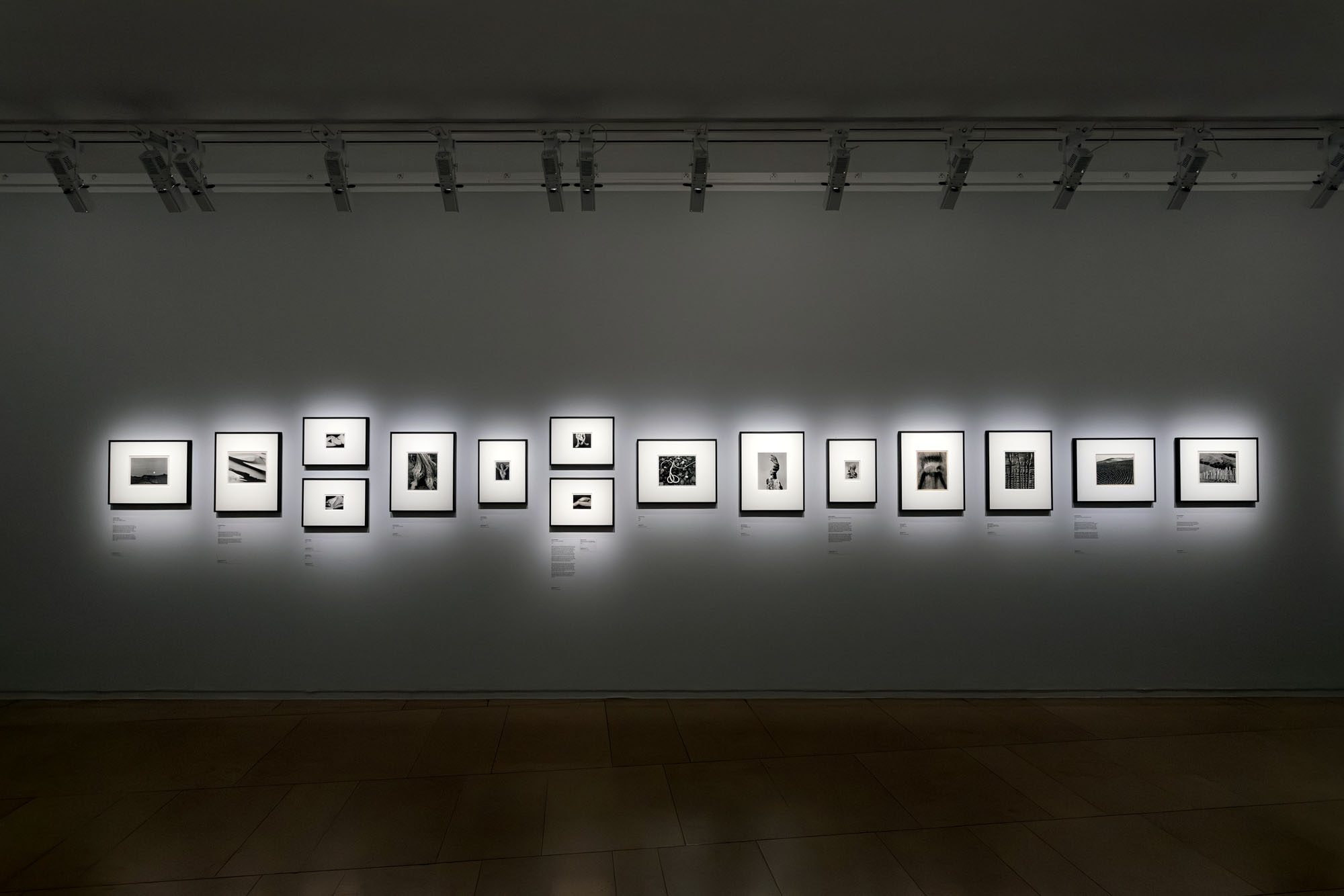
Installation view of the exhibition 'Edward Weston: Becoming Modern' at Maison Européenne de la Photographie (MEP), Paris, 15th October, 2015 - 25th January, 2026


Installation views of the exhibition Edward Weston: Becoming Modern at Maison Européenne de la Photographie (MEP), Paris, 15th October, 2015 – 25th January, 2026


The exhibition

The MEP presents Edward Weston: Becoming Modern, the most significant exhibition dedicated to Edward Weston in Paris in nearly thirty years. A pioneering figure of photographic modernism, Weston helped forge a new visual language – marked by clarity, formal rigour, and a profound engagement with the essential qualities of the photographic medium.

Originating from an idea by Michael Wilson – founder of the Wilson Centre
for Photography in London and one of the world’s foremost collectors –
Becoming Modern brings together a rare selection of vintage prints from his
collection, many of which have never been exhibited in France. These works
offer an exceptional insight into Weston’s evolving practice and the emergence
of a distinctly photographic modernism.

Spanning more than three decades, from 1908 to 1945, the exhibition traces
Weston’s artistic trajectory. His early pictorialist photographs, created in
California during the 1910s and early 1920s, draw upon 19th-century artistic
traditions, employing soft focus, carefully staged settings, and symbolic imagery. Over time, his vision transformed: his images became sharper, compositions more austere, with an increasing emphasis on form, surface, and structure. By the 1920s, many of his photographs approached geometric abstraction – though Weston was never confined to a single style. This transformation unfolded gradually, as motifs intertwined and techniques evolved in a subtle, ongoing dialogue, revealing an artist continuously refining and deepening his vision.

Highlights include works from Weston’s time in Mexico, where, in close
collaboration with Tina Modotti – an artist, political activist, and his lover –
he created portraits and nudes imbued with a newfound freedom and
radicalism These are complemented by evocative landscapes of the dramatic
California coastline near Point Lobos and Carmel. At the heart of the
exhibition are his most iconic series: sensuous close-up studies of natural
forms – peppers, shells, fruits, and vegetables – captured with an almost
obsessive intensity; dune and rock landscapes from Point Lobos and Death
Valley; and luminous nudes of his muse, Charis Wilson. Throughout, Weston
reveals the universal beauty of everyday subjects, transforming them into
pure, sculptural forms. Recurring themes – portraiture, the nude, still life,
and nature – are placed in dialogue, uncovering deeper connections across
his oeuvre. His work displays remarkable strength and variety, with many natural forms taking on subtle anthropomorphic qualities.

Becoming Modern invites audiences to rediscover a bold innovator whose
visionary approach helped shape the course of photographic history.
The exhibition also includes a selection of rare works by leading Pictorialist
photographers, offering a broader context for Weston’s early influences and
the artistic milieu from which his modernism emerged.

Edward Weston biography

Widely regarded as one of the masters of 20th-century photography, Edward Henry Weston (March 24, 1886 – January 1, 1958) reshaped the medium through a vision rooted in clarity, form, and a profound sensitivity to the physical world. Over a career spanning more than forty years, he forged a style that was both radically modern and deeply grounded in the landscapes and materials of the American West.

Born in Highland Park, Illinois, Weston spent his early years in the Chicago
area, where his fascination with photography first took hold. By 1903,
as a teenager, he was already exhibiting his early works. At sixteen, he
received his first camera – a gift from his father that marked the beginning
of a lifelong creative journey. He studied at the Illinois College of Photography
from 1908 to 1911 before relocating to California, where, at age 25, he opened a portrait studio in Tropico, operating from 1911 to 1922. In his early career, Weston worked within the Pictorialist tradition – a popular style of the early 20th century characterised by soft focus and romantic, painterly effects. His portraits from this period brought him recognition from the art community. Yet by the early 1920s, he began to move away from this approach, embracing a sharper, more precise, and abstract visual language that emphasised form and detail.

A turning point in Weston’s artistic journey occurred in 1922 on a trip to New York, where he met influential modernist photographers such as Alfred Stieglitz, Paul Strand, and Charles Sheeler. They recognised the originality of his work and encouraged him to fully embrace this new direction, which soon included close studies of fruits, vegetables, shells, and stones, rendered with astonishing clarity and sculptural intensity. Through close observation and meticulous composition, he revealed the inherent beauty of form, transforming the ordinary into the iconic.

In the mid-1920s, Weston travelled to Mexico with the photographer and political activist Tina Modotti, with whom he shared a studio and a deep creative partnership. Immersed in the vibrant cultural life of Mexico City, he engaged with a dynamic community of artists and thinkers whose ideas further catalysed his break from tradition.

Returning to California in 1928, Weston found new inspiration in the rugged coastal terrain of Point Lobos. The region’s intricate rock formations, windswept trees, and tide pools became a central focus of his work, offering endless opportunities for visual exploration and formal innovation. In 1932, Weston co-founded Group f/64 – a collective of West Coast photographers dedicated to “straight” photography, emphasising sharp focus, rich tonality, and the use of large-format cameras. The group championed an unmanipulated approach to the medium. Weston’s contributions during this period, especially his landscapes, remain among the most enduring images in American photography.

Text from MEP


Edward Weston (American, 1886-1958) 'Chicago River Harbor' 1908


Edward Weston (American, 1886-1958)
Chicago River Harbor
1908
© Center for Creative Photography, Arizona Board of Regents / Edward Weston, Adagp, Paris, 2025
Courtesy Wilson Centre for Photography


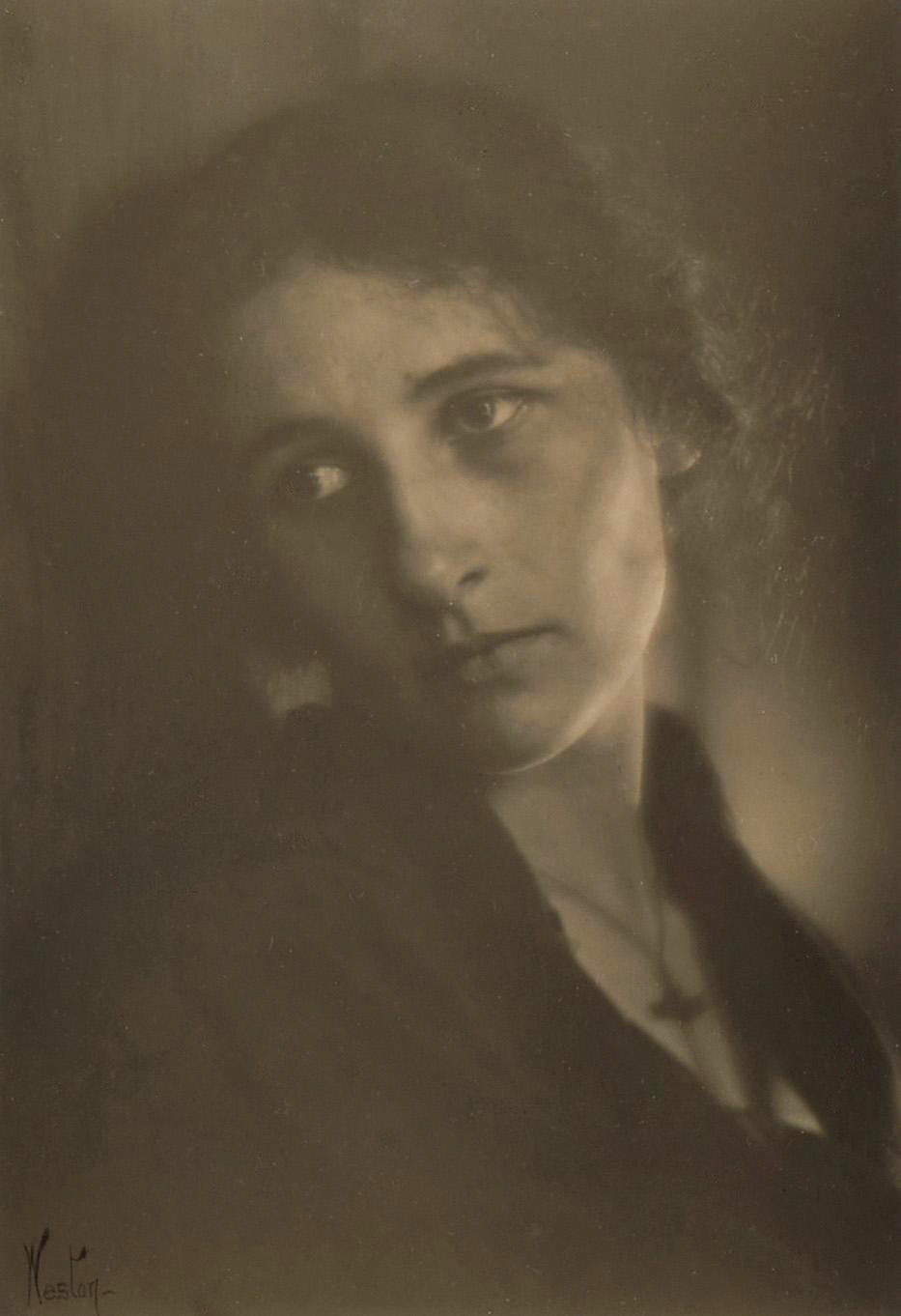
Edward Weston (American, 1886-1958) 'Portrait of Enrique (Enrica, Wearing a Black Cross, Looking Sideways)' 1916-1919


Edward Weston (American, 1886-1958)
Portrait of Enrique (Enrica, Wearing a Black Cross, Looking Sideways)
1916-1919
© Center for Creative Photography, Arizona Board of Regents / Edward Weston, Adagp, Paris, 2025
Courtesy Wilson Centre for Photography


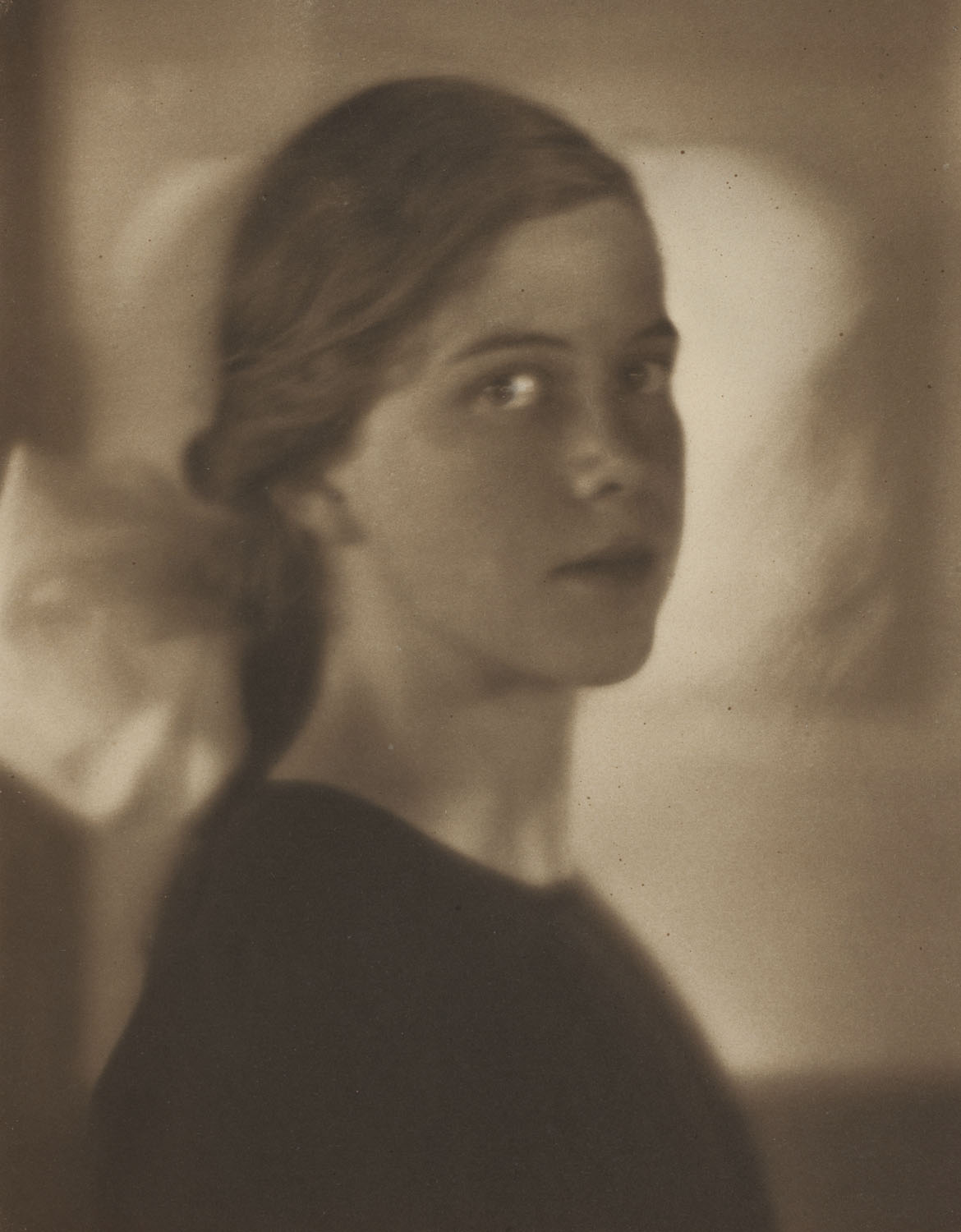
Edward Weston (American, 1886-1958) 'Daughter of John Cotton No. II' 1920


Edward Weston (American, 1886-1958)
Daughter of John Cotton No. II
1920
© Center for Creative Photography, Arizona Board of Regents / Edward Weston, Adagp, Paris, 2025
Courtesy Wilson Centre
for Photography


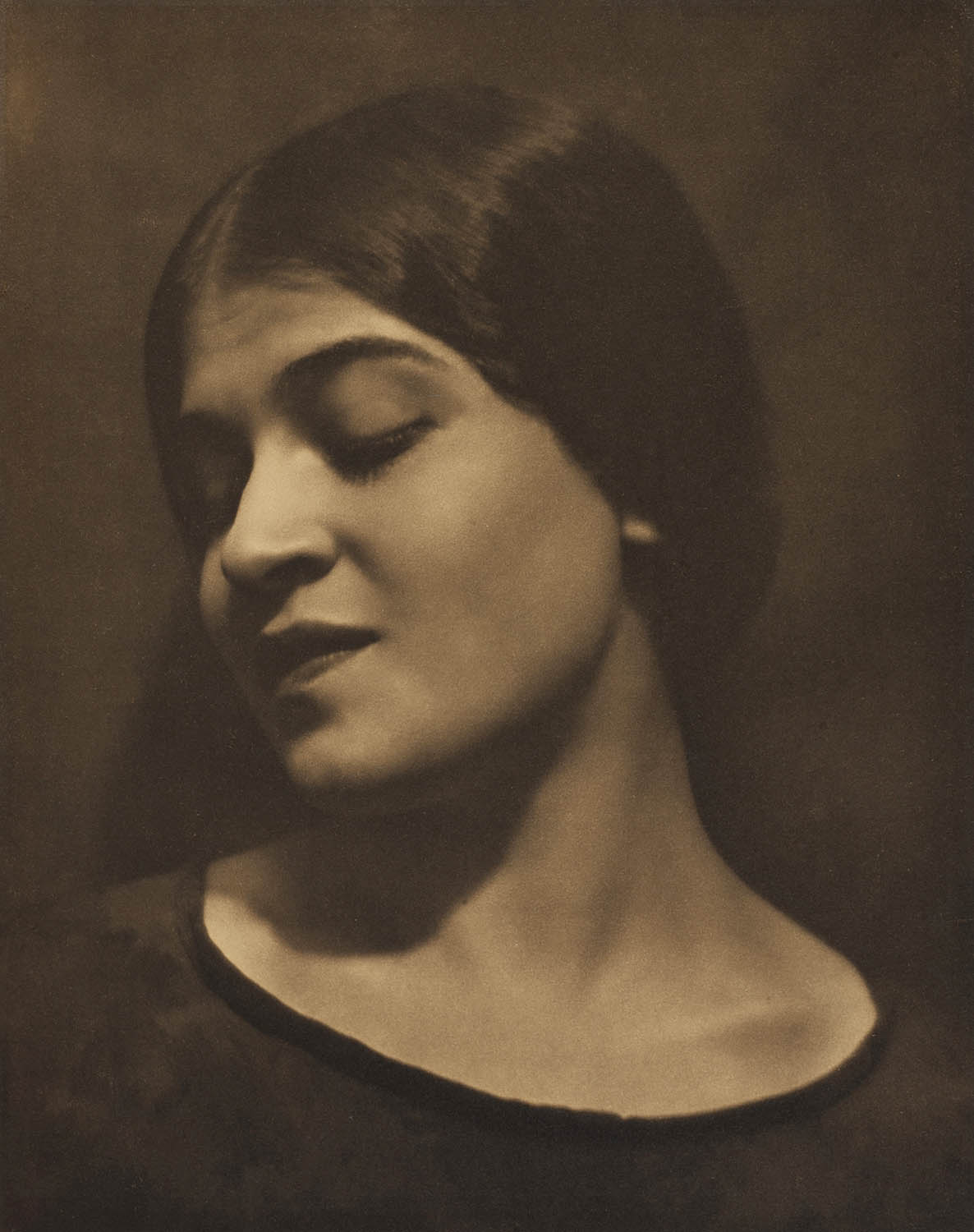
Edward Weston (American, 1886-1958) 'Tina Reciting (Tina Modotti)' 1924


Edward Weston (American, 1886-1958)
Tina Reciting (Tina Modotti)
1924
© Center for Creative Photography, Arizona Board of Regents / Edward Weston, Adagp, Paris, 2025
Courtesy Gregg Wilson


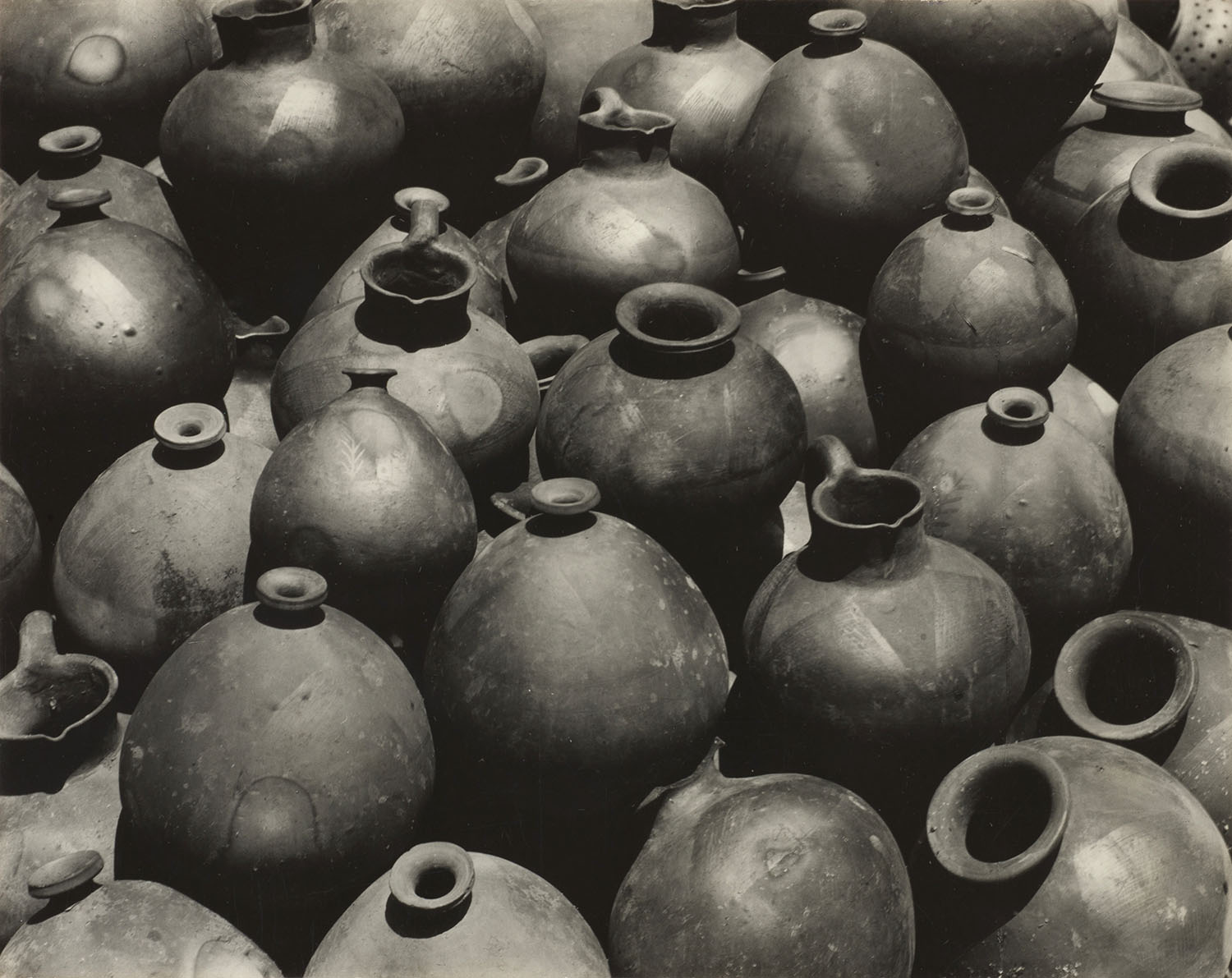
Edward Weston (American, 1886-1958) 'Heaped Black Ollas' 1926


Edward Weston (American, 1886-1958)
Heaped Black Ollas
1926
Gelatin silver print
© Center for Creative Photography, Arizona Board of Regents / Edward Weston, Adagp, Paris, 2025
Courtesy Wilson Centre for Photography


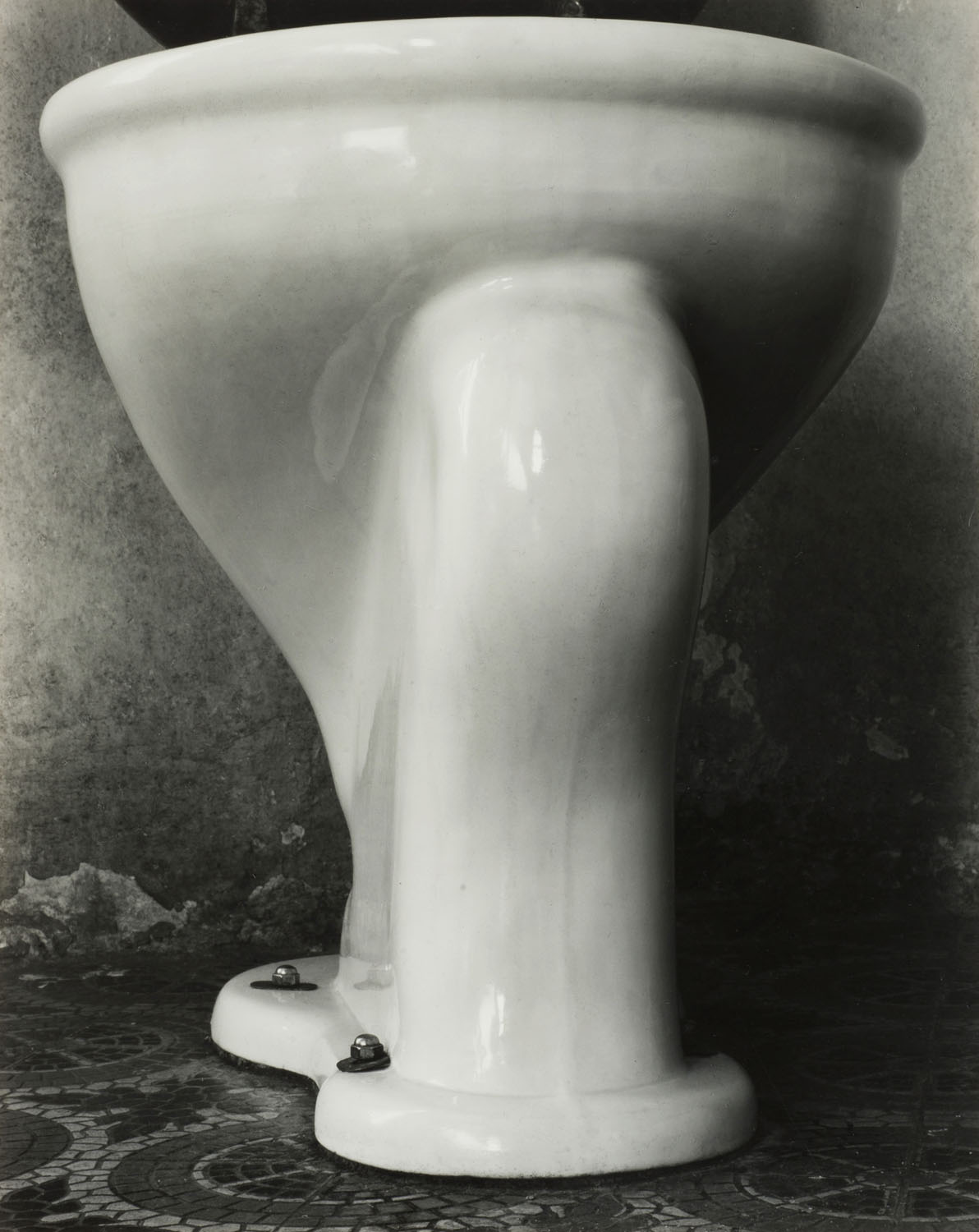
Edward Weston (American, 1886-1958) 'Excusado (Toilet)' 1926


Edward Weston (American, 1886-1958)
Excusado (Toilet)
1926
© Center for Creative Photography, Arizona Board of Regents / Edward Weston, Adagp, Paris, 2025
Courtesy Wilson Centre for Photography


Exhibition overview

Becoming Modern traces Edward Weston’s evolution from the soft pictorialism
of his early years to the clarity and precision that came to define modern
photography. Spanning nearly three decades, the exhibition presents more
than 100 rare vintage prints from the Wilson Centre for Photography. It invites
viewers to rediscover one of photography’s most visionary pioneers through
an extraordinary body of work.

The exhibition opens with two emblematic photographs that frame its central
theme, reflecting a curatorial concept developed by Michael Wilson to highlight
Weston’s extraordinary range and experimentation. On one side hangs
M on the Black Horsehair Sofa (1921, above), a quintessential example of the
Pictorialist style: a languid pose, softly diffused light, and a painterly atmosphere enriched by symbolic elements – a floral bouquet, a circular mirror. Opposite it, Tina Modotti (Nude in Studio) (1922, above) marks a striking departure. The figure sits upright, smoking, in a bare studio – captured with crisp focus and a stark, modern sensibility. Though created just a year apart, these works embody the transformative arc at the heart of Weston’s career: a restless search for new ways of seeing. From these beginnings, Weston’s exploratory approach soon dissolved strict categories, embracing a practice defined by an ongoing dialogue between subjects and forms.

From here, the exhibition situates Weston’s early work within the broader
context of the Pictorialist movement. His prints are shown alongside key images by photographers who shaped or anticipated his early style – Edward Steichen, George Seeley, Anne Brigman, Dorothea Lange, Margrethe Mather, and Alfred Stieglitz. A tireless advocate for photography as a fine art, Stieglitz helped define the medium’s possibilities through his publications Camera Work and 291, and through his influential New York gallery of the same name. Weston’s own early prints – including a striking self-portrait – are exhibited alongside these historic works. These are placed in conversation with later photographs that capture Weston and his creative circle in 1920s California, evoking a distinct artistic atmosphere. Rooted in the landscape and rhythms of the West Coast, Weston’s early vision subtly diverged from that of his East Coast contemporaries.

The exhibition then turns to the pivotal decade of the 1920s, a period of
remarkable transformation and experimentation in Weston’s practice. Rather
than unfolding in a linear progression, this section reveals how Weston moved
fluidly between subjects and styles – returning repeatedly to certain motifs
while continually refining his formal vocabulary.

This section opens with works from Weston’s extended stays in Mexico
from 1923 to 1926 with photographer and political activist Tina Modotti – his
muse, lover, and collaborator – where he encountered a vibrant avant-garde
community. Immersed in the artistic and political ferment of 1920s Mexico,
Weston developed a bold new visual language focused on form, contrast, and
a sense of immediate presence. A striking portrait of Modotti, presented in both
gelatin silver and palladium prints, showcases Weston’s ongoing technical
experimentation alongside his deepening sensitivity to tonal nuance. Modotti
encouraged Weston toward an even more radical vision, challenging him to
see the world anew through his camera.

His Mexican experience deepened Weston’s experimental impulse, introducing
sharper contrasts and new formal rigor that reverberated through his portraits
and nudes. His obsession with natural forms intensified. He photographed
them repeatedly, seeking the perfect composition and meticulously refining
his prints to reveal the interplay of light, shadow, and volume.

These subjects interact and reflect one another through Weston’s lens.
The sinuous curves of a shell echo the lines of a nude; the gleaming porcelain
of Excusado (Toilet) (1926) takes on the quiet sensuality of the human body.
Shell (1927, above), one of Weston’s most iconic images, exemplifies his singular ability to elevate everyday objects into studies of luminous purity, rendering form, texture, and light with a precision so distilled that they verge on abstraction – not simply photographs of things, but meditations on form itself. During this period, his treatment of the nude also evolved dramatically: the body becomes fragmented and abstracted, its anatomy transformed into sculptural rhythm. This exploration reaches its pinnacle in Charis, Santa Monica (Nude in Doorway) (1936, above), one of Weston’s most celebrated images.

At the heart of the exhibition are many of Weston’s most exceptional works
from the late 1920s and 1930s, in which he famously transformed the ordinary
into something sensuous and unexpected. In his iconic studies of vegetables –
particularly peppers – their curves and folds evoke the flesh and contours
of the human torso, recalling both modernist sculpture and the body. Using
the camera to express, in his words, “the very substance and the quintessence
of the thing itself,” Weston also photographed in close-up what he saw around
him: an egg-slicer, the plank from a barley sifter, a gnarled tree.

His portraits from this period grew sharper in focus and more daring
in composition, echoing the dynamic perspectives emerging in European
Modernist photography. By the late 1920s, after returning to California,
his work had begun to appear in major exhibitions linked to the New Objectivity
movement, which championed photographic clarity and rejected painterly
effects. This evolution is also evident in his treatment of the nude: the body
is fragmented and abstracted, its forms studied as sculptural elements.

Weston’s practice moved fluidly between subjects, embracing both the human
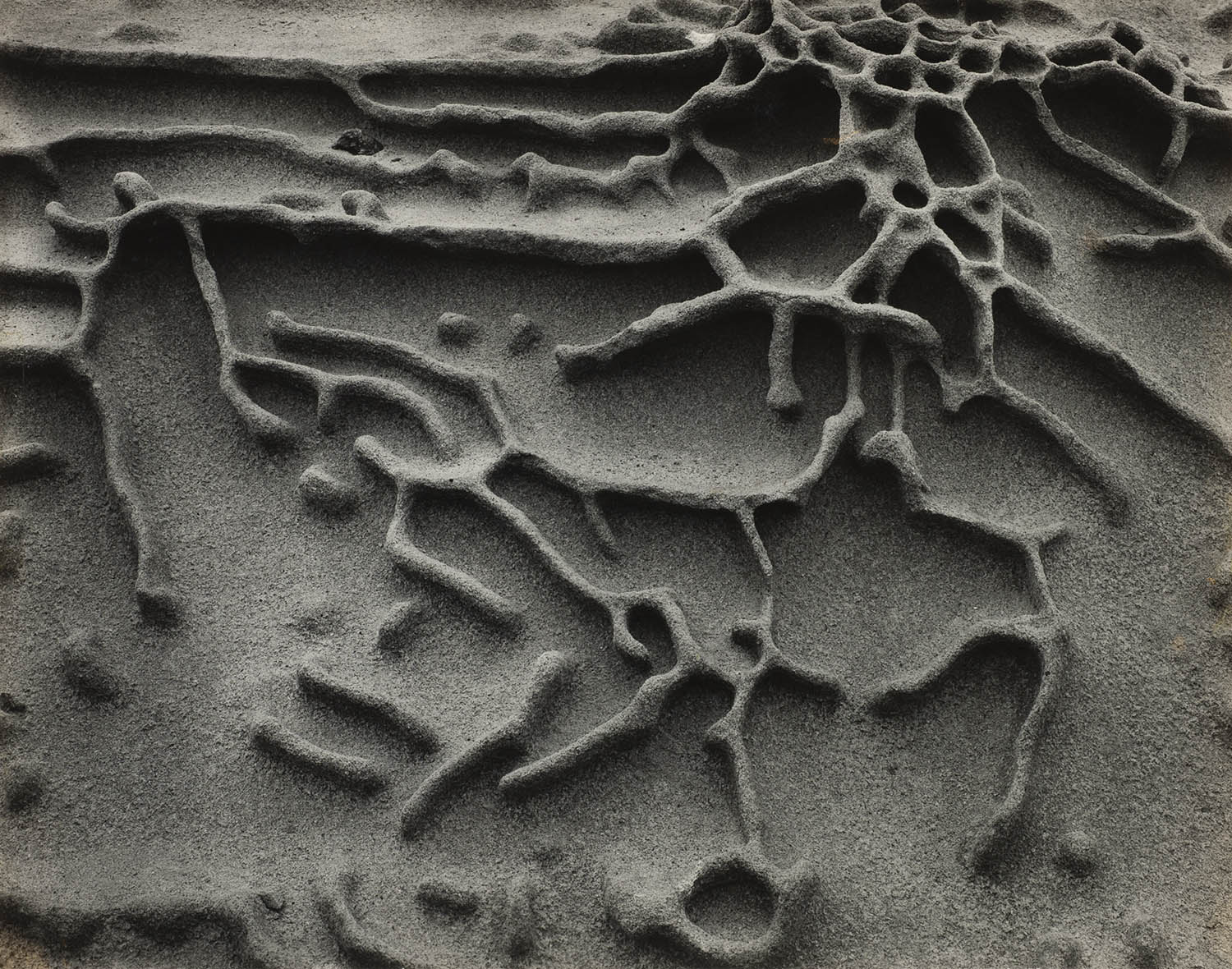
body and the natural world, constantly refining his vision through intense study and formal innovation. Close-up studies of nature – sand patterns, rocks,
and wood – verge on abstraction, including Rock Erosion and Sandstone
Erosion (Point Lobos) – photographs made along the dramatic California
coastline that Weston returned to repeatedly. Jagged rock formations, knotted
seaweed, wind-twisted cypress trees, and bleached driftwood became recurring
motifs, offering endless opportunities for formal exploration. These works also
include a group of powerful portraits, from images of his future wife, Charis Wilson, and her brother Leon, to Weston’s son Brett and daughter-in-law Elinore Stone.

Text from MEP


Edward Weston (American, 1886-1958) 'Peppers' 1929


Edward Weston (American, 1886-1958)
Peppers
1929
Gelatin silver print
© Center for Creative Photography, Arizona Board of Regents /
Edward Weston, Adagp, Paris, 2025
Courtesy Wilson Centre for Photography


Edward Weston (American, 1886-1958) 'Pepper' 1930


Edward Weston (American, 1886-1958)
Pepper
1930
Gelatin silver print
© Center for Creative Photography, Arizona Board of Regents / Edward Weston, Adagp, Paris, 2025
Courtesy Gregg Wilson


Edward Weston (American, 1886-1958) 'Eggs and Slicer' 1930


Edward Weston (American, 1886-1958)
Eggs and Slicer
1930
Gelatin silver print
© Center for Creative Photography, Arizona Board of Regents / Edward Weston, Adagp, Paris, 2025
Courtesy Wilson Centre for Photography


Edward Weston (American, 1886-1958) 'Shell and Rock Arrangement' 1931


Edward Weston (American, 1886-1958)
Shell and Rock Arrangement
1931
Gelatin silver print
© Center for Creative Photography, Arizona Board of Regents / Edward Weston, Adagp, Paris, 2025
Courtesy Wilson Centre for Photography


Edward Weston (American, 1886-1958) 'Nude (Dorris)' 1933


Edward Weston (American, 1886-1958)
Nude (Dorris)
1933
Gelatin silver print
© Center for Creative Photography, Arizona Board of Regents /
Edward Weston, Adagp, Paris, 2025. Courtesy Wilson Centre
for Photography


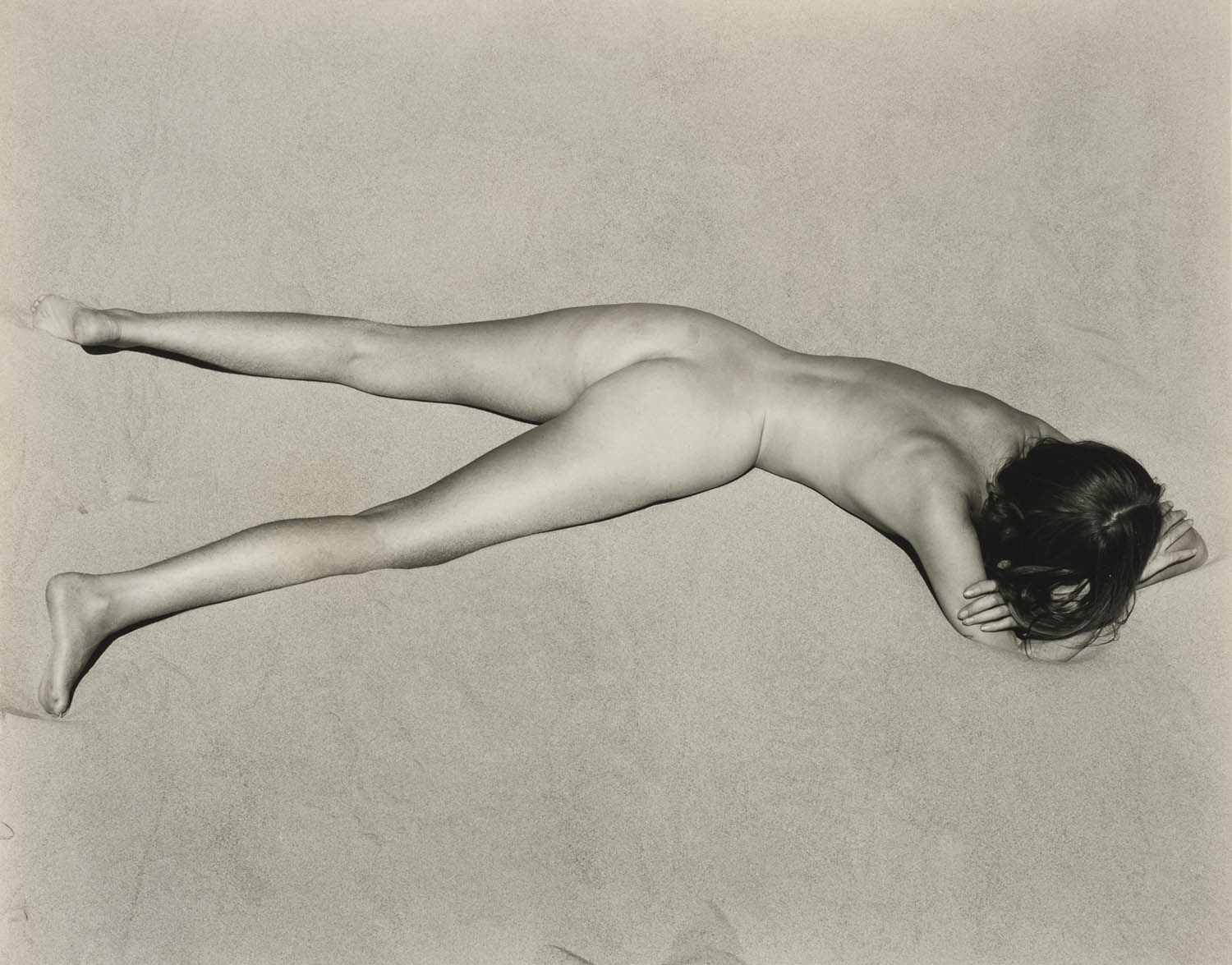
Edward Weston (American, 1886-1958) 'Nude on Sand, Oceano' 1936


Edward Weston (American, 1886-1958)
Nude on Sand, Oceano
1936
Gelatin silver print
© Center for Creative Photography, Arizona Board of Regents / Edward Weston, Adagp, Paris, 2025
Courtesy Wilson Centre for Photography


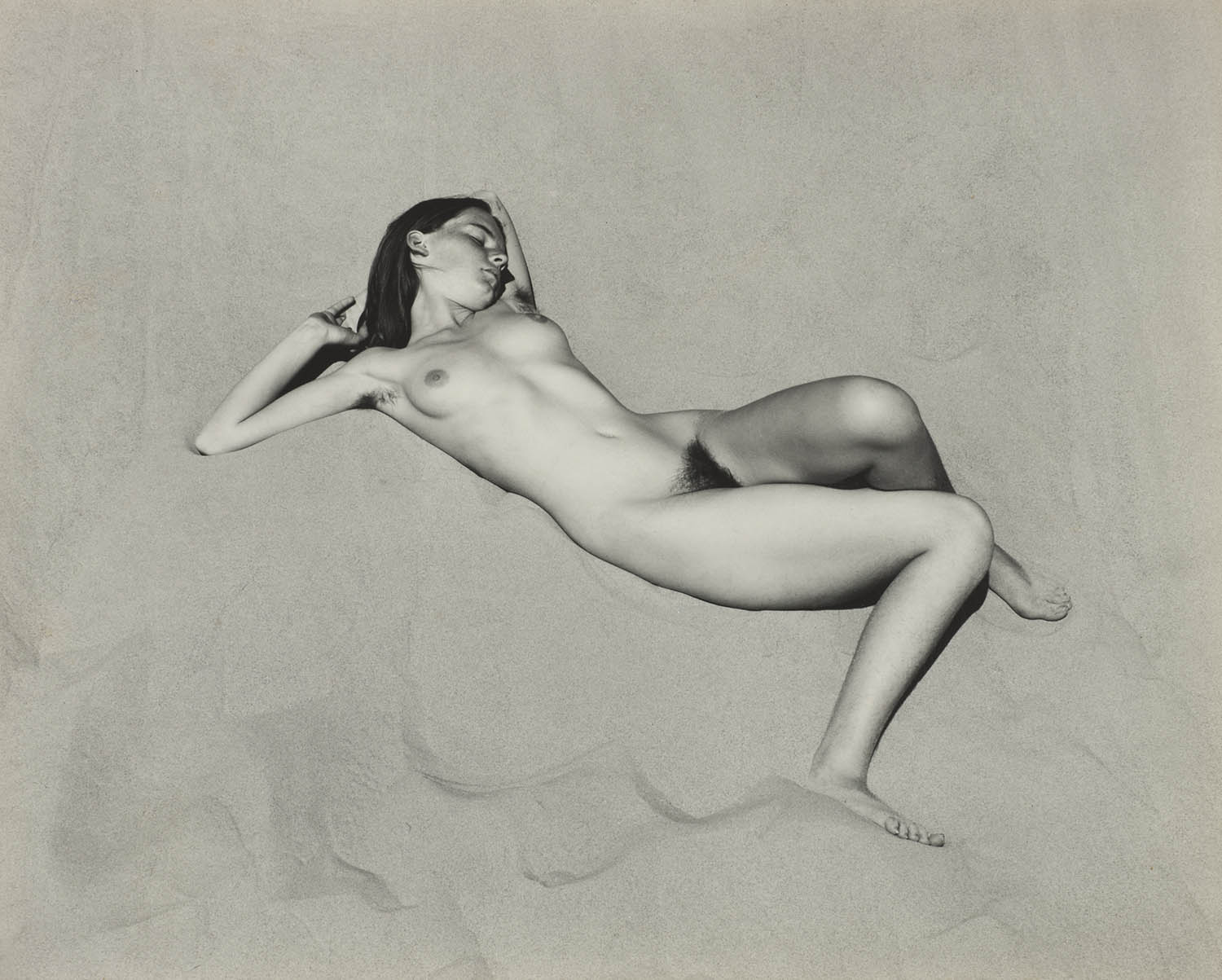
Edward Weston (American, 1886-1958) 'Nude on Sand, Oceano' 1936


Edward Weston (American, 1886-1958)
Nude on Sand, Oceano
1936
Gelatin silver print
© Center for Creative Photography, Arizona Board of Regents / Edward Weston, Adagp, Paris, 2025
Courtesy Wilson Centre for Photography


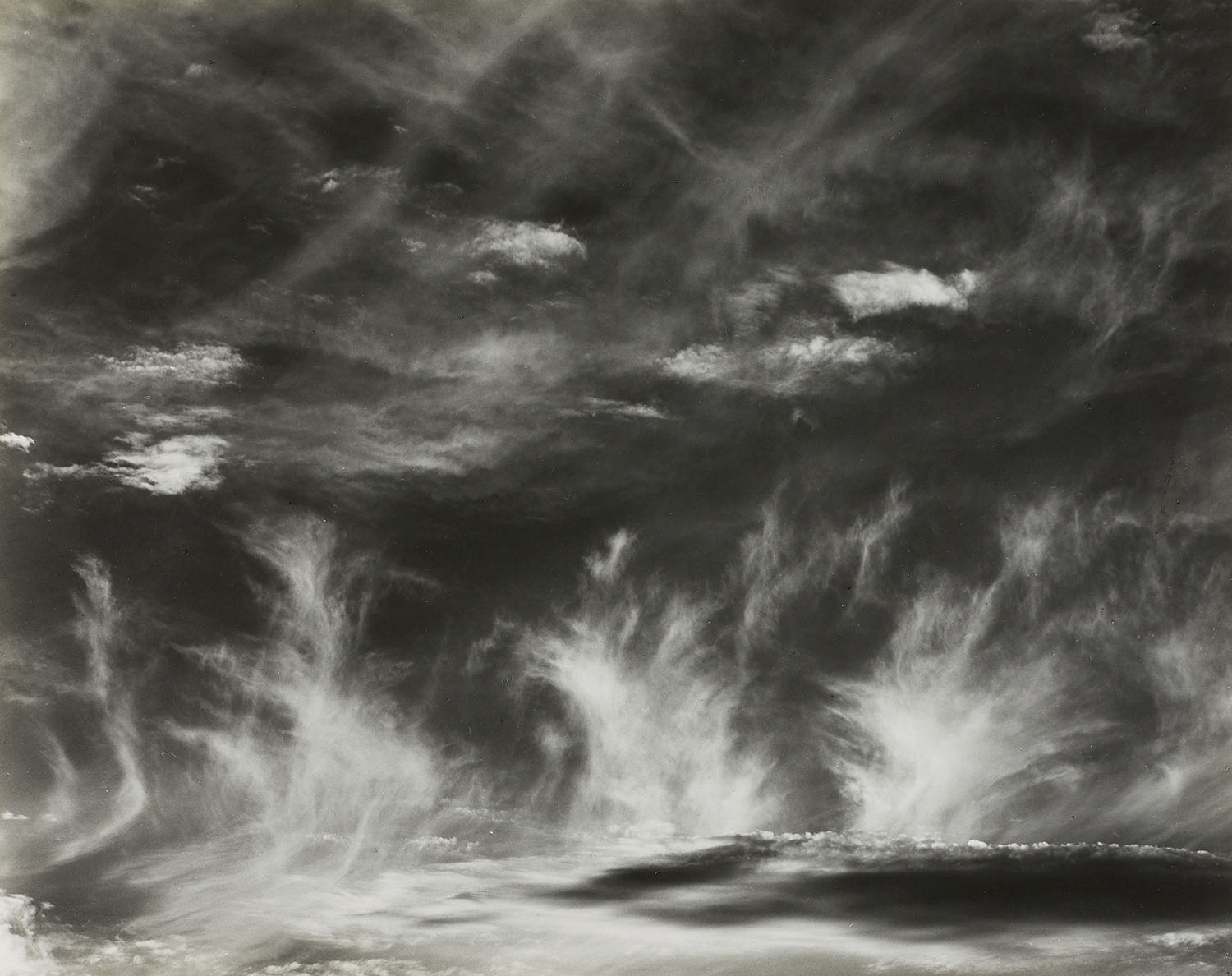
Edward Weston (American, 1886-1958) 'Clouds, Santa Monica' 1936


Edward Weston (American, 1886-1958)
Santa Monica
1936
Gelatin silver print
© Center for Creative Photography, Arizona Board of Regents / Edward Weston, Adagp, Paris, 2025
Courtesy Wilson Centre for Photography


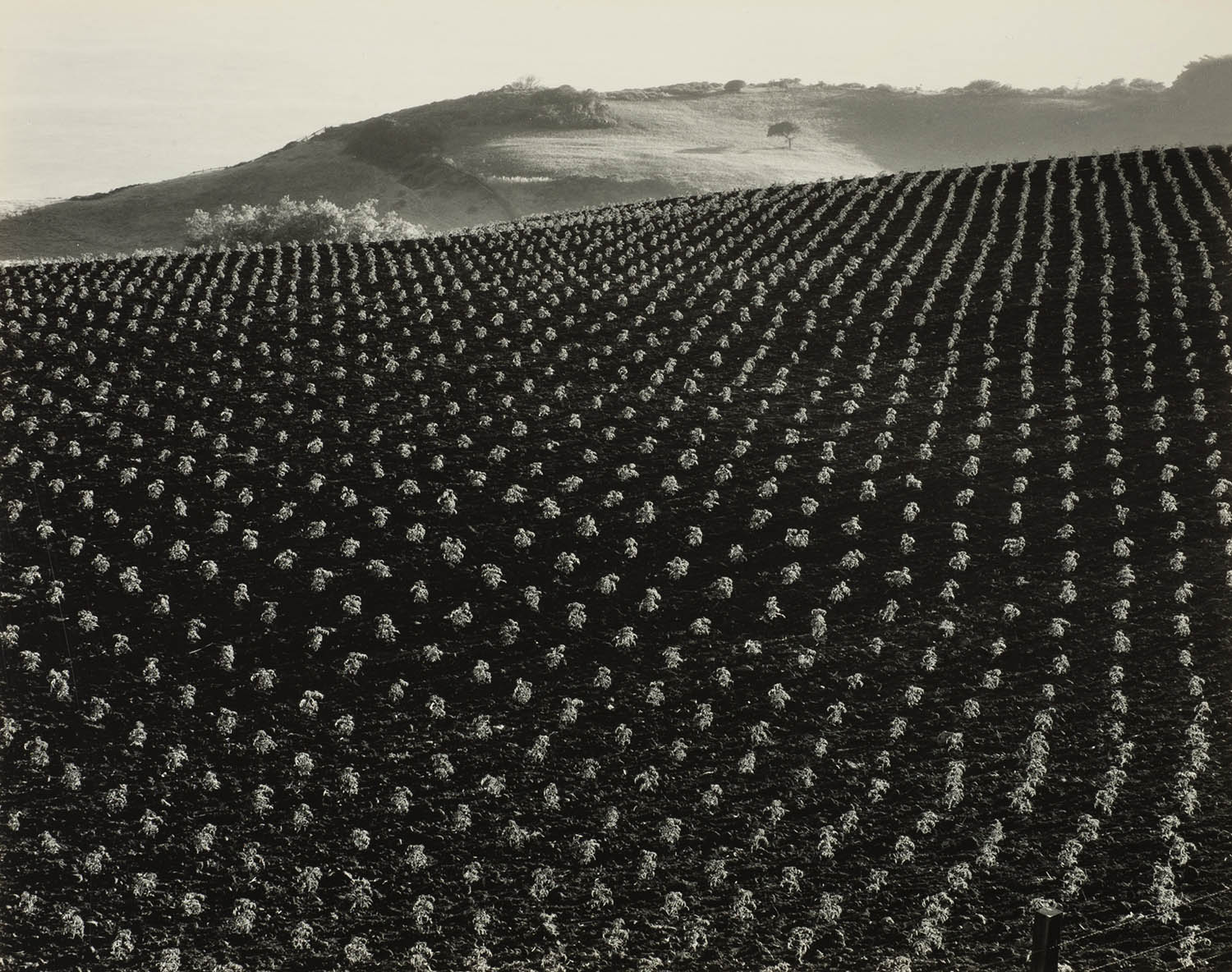
Edward Weston (American, 1886-1958)'Tomato Field, Big Sur' 1937


Edward Weston (American, 1886-1958)
Tomato Field, Big Sur
1937
Gelatin silver print
© Center for Creative Photography, Arizona Board of Regents / Edward Weston, Adagp, Paris, 2025
Courtesy Wilson Centre for Photography


Edward Weston (American, 1886-1958) 'Sandstone Erosion, Point Lobos' 1942


Edward Weston (American, 1886-1958)
Sandstone Erosion, Point Lobos
1942
Gelatin silver print
© Center for Creative Photography, Arizona Board of Regents / Edward Weston, Adagp, Paris, 2025
Courtesy Wilson Centre for Photography


Edward Weston (American, 1886-1958) 'Exposition of Dynamic Symmetry' 1943


Edward Weston (American, 1886-1958)
Exposition of Dynamic Symmetry
1943
Gelatin silver print
© Center for Creative Photography, Arizona Board of Regents / Edward Weston, Adagp, Paris, 2025
Courtesy Wilson Centre for Photography


Maison Européenne de la Photographie (MEP)
5/7 rue de Fourcy
75004 Paris
Phone: +33 (0)1 44 78 75 00

Opening hours:
Wednesday and Friday 11am – 8pm
Thursday 11am – 10pm
Weekend 10am – 8pm (Only for MEP members on Sunday 10 am – 11 am)
Closed Mondays and Tuesdays
Maison Européenne de la Photographie (MEP) website

LIKE ART BLART ON FACEBOOK

Back to top


Photographs: Anonymous 1960s medium format Kodak Ektachrome slides of Australia

July 2025


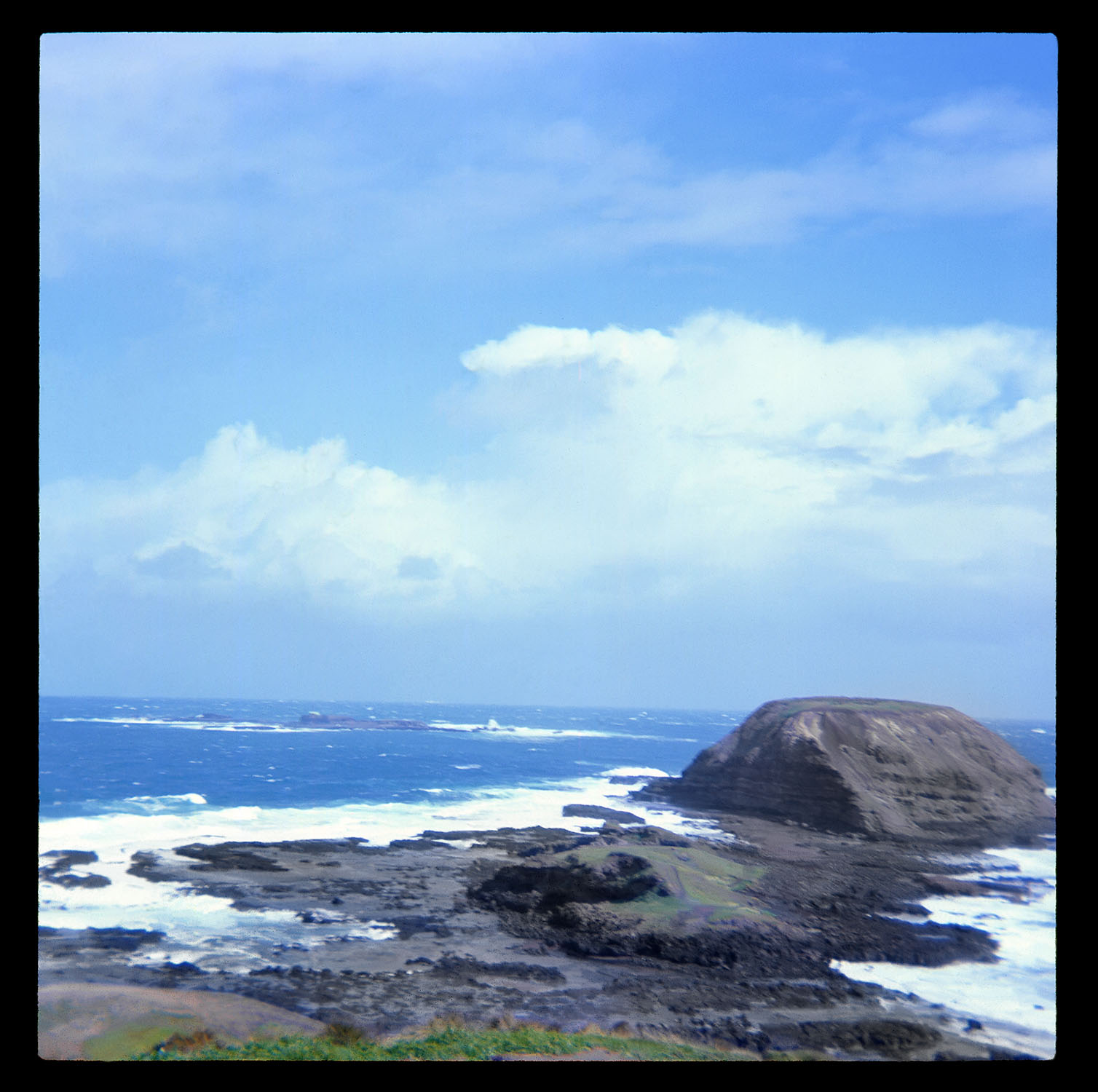
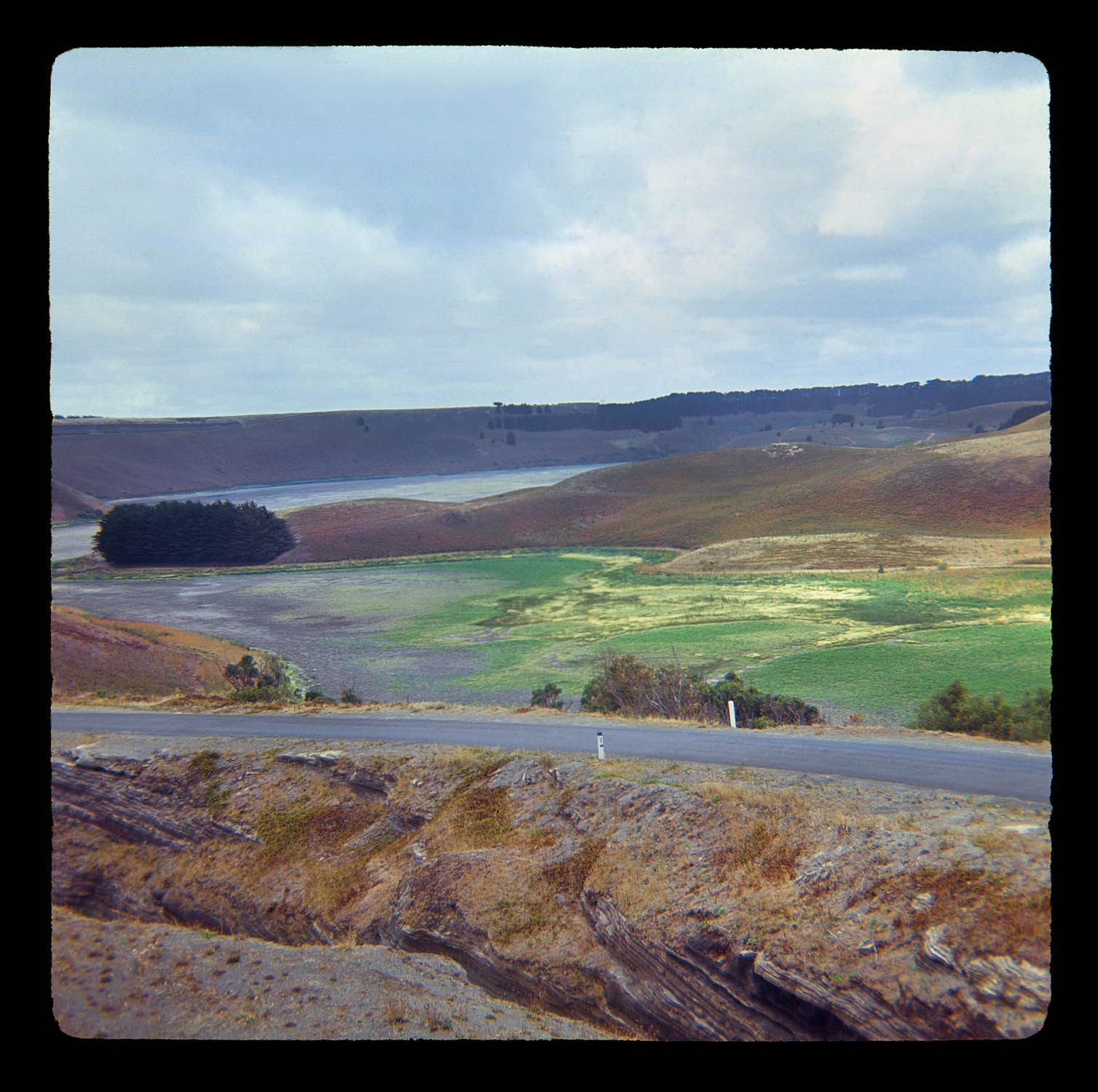
Unknown photographer (Australian) 'The Nobbies, Phillip Island, Victoria, Australia' 1960s


Unknown photographer (Australian)
The Nobbies, Phillip Island, Victoria, Australia
1960s
Ektachrome medium format transparency scanned


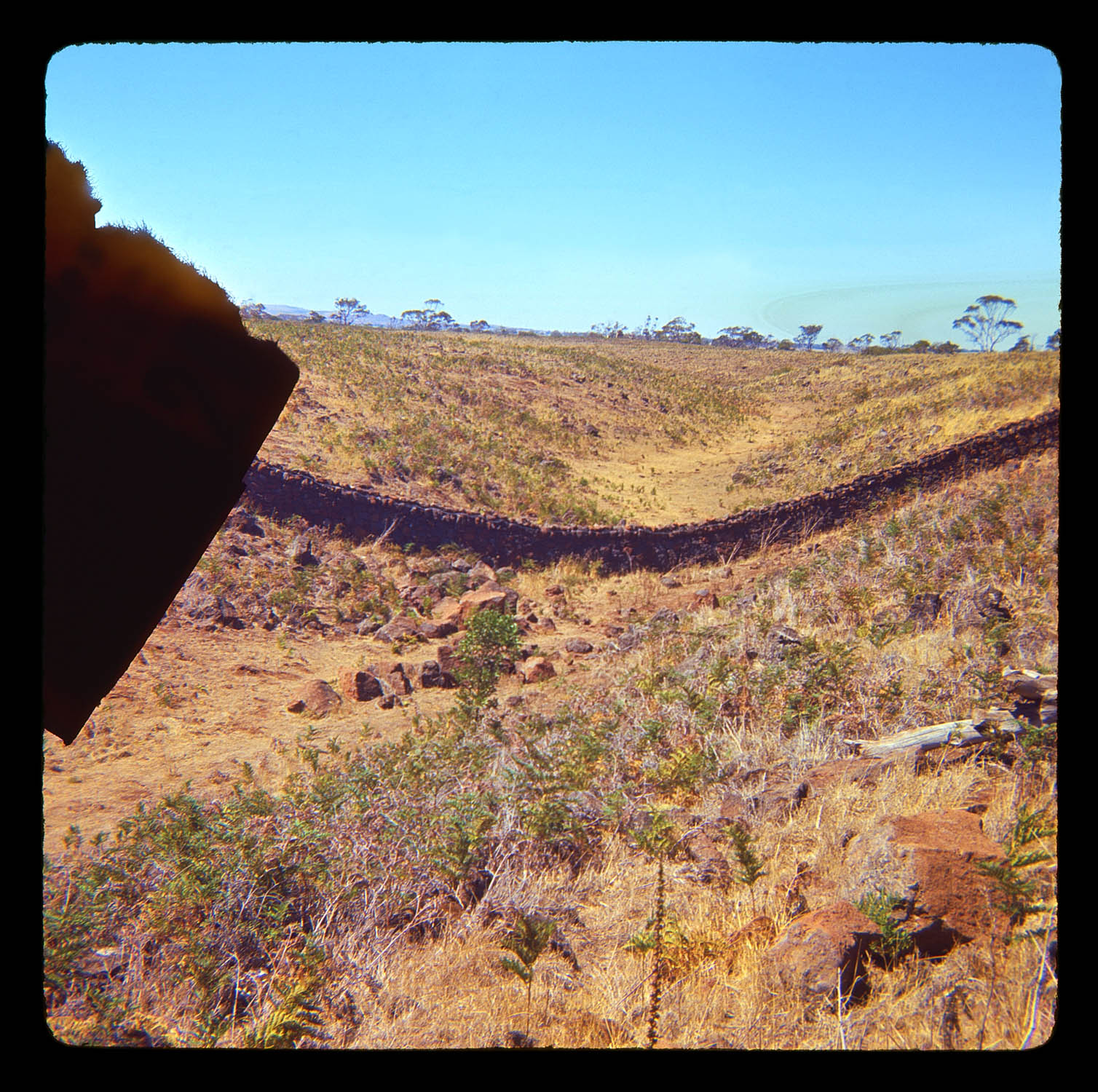
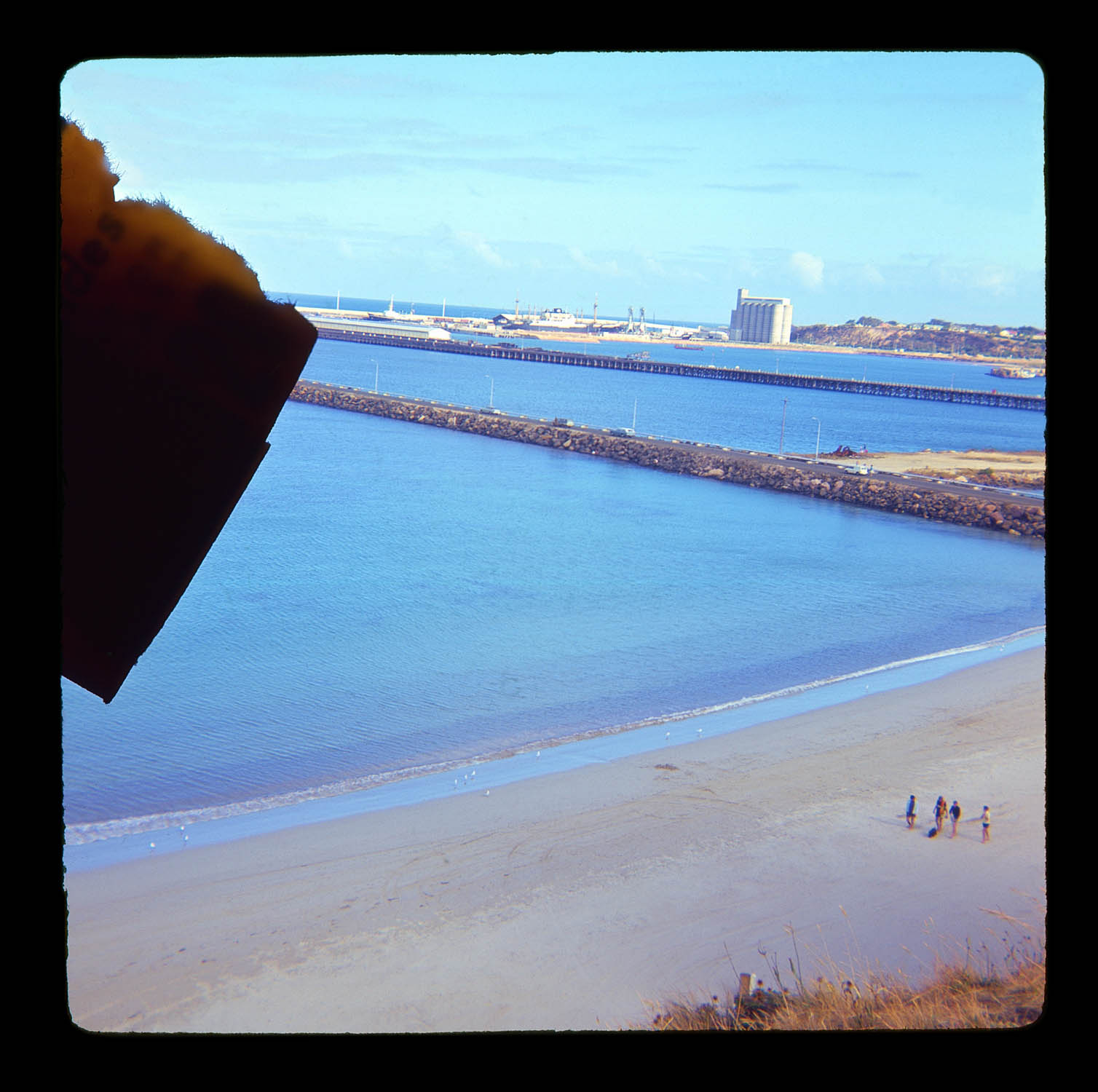
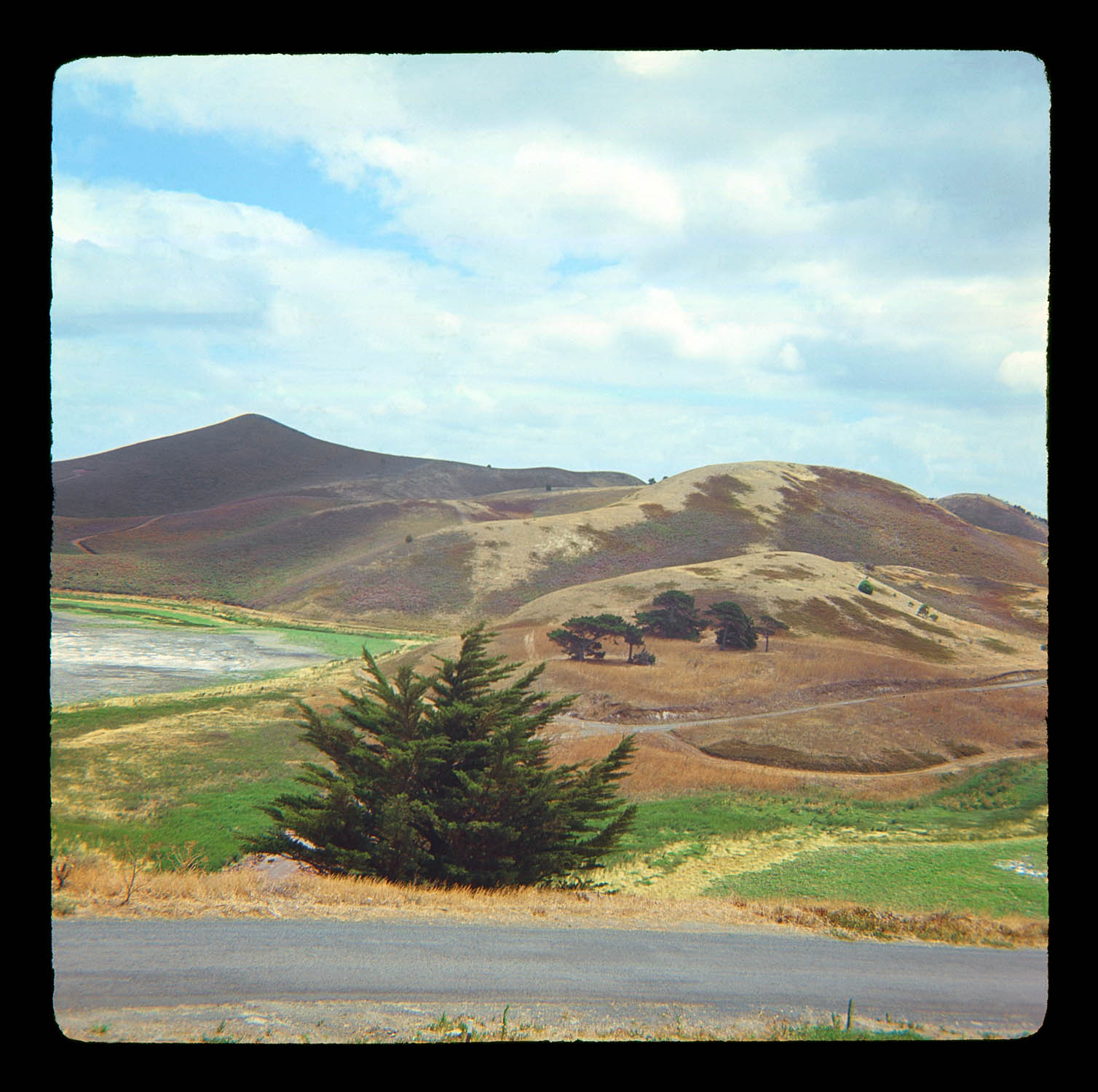
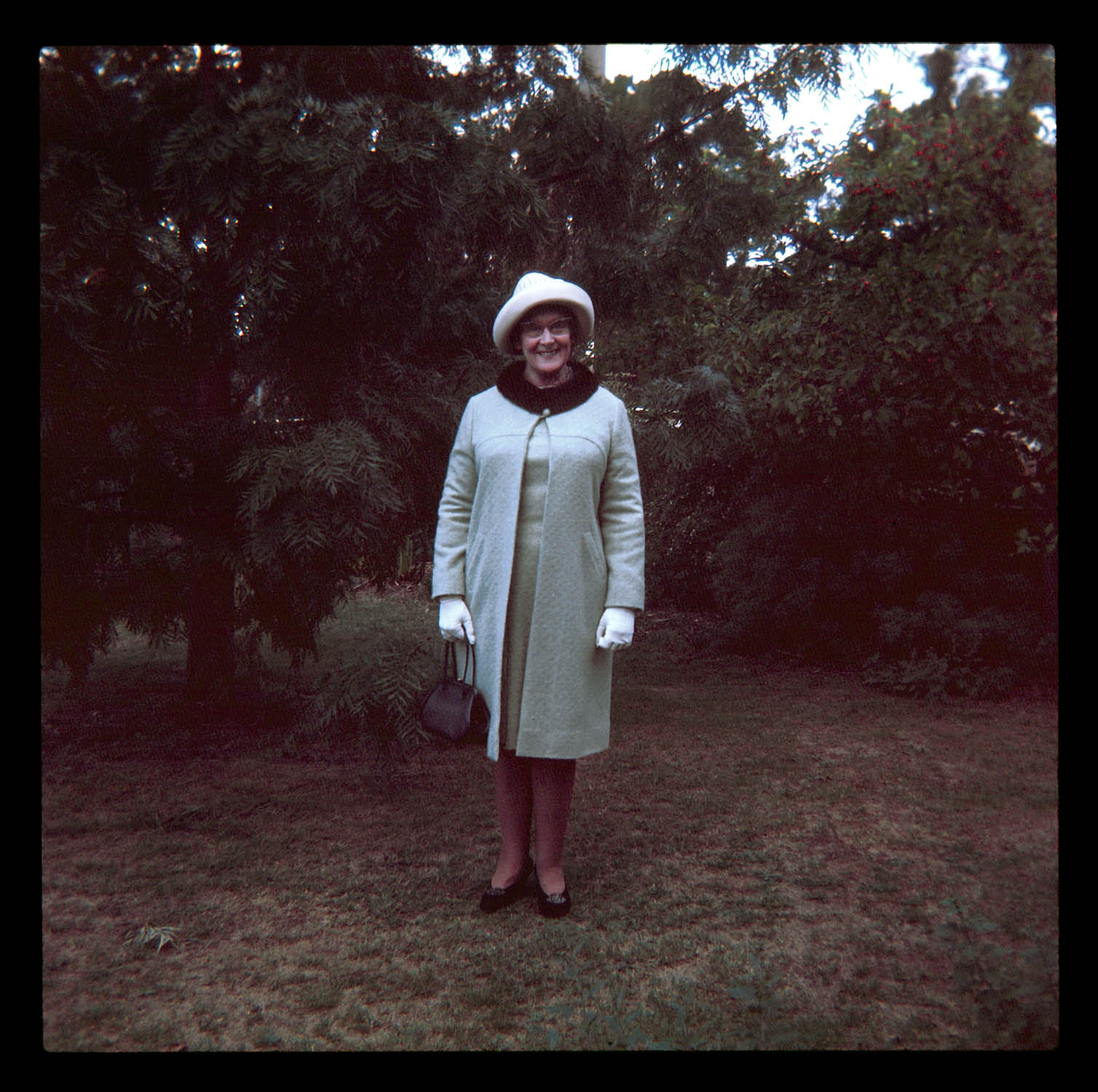
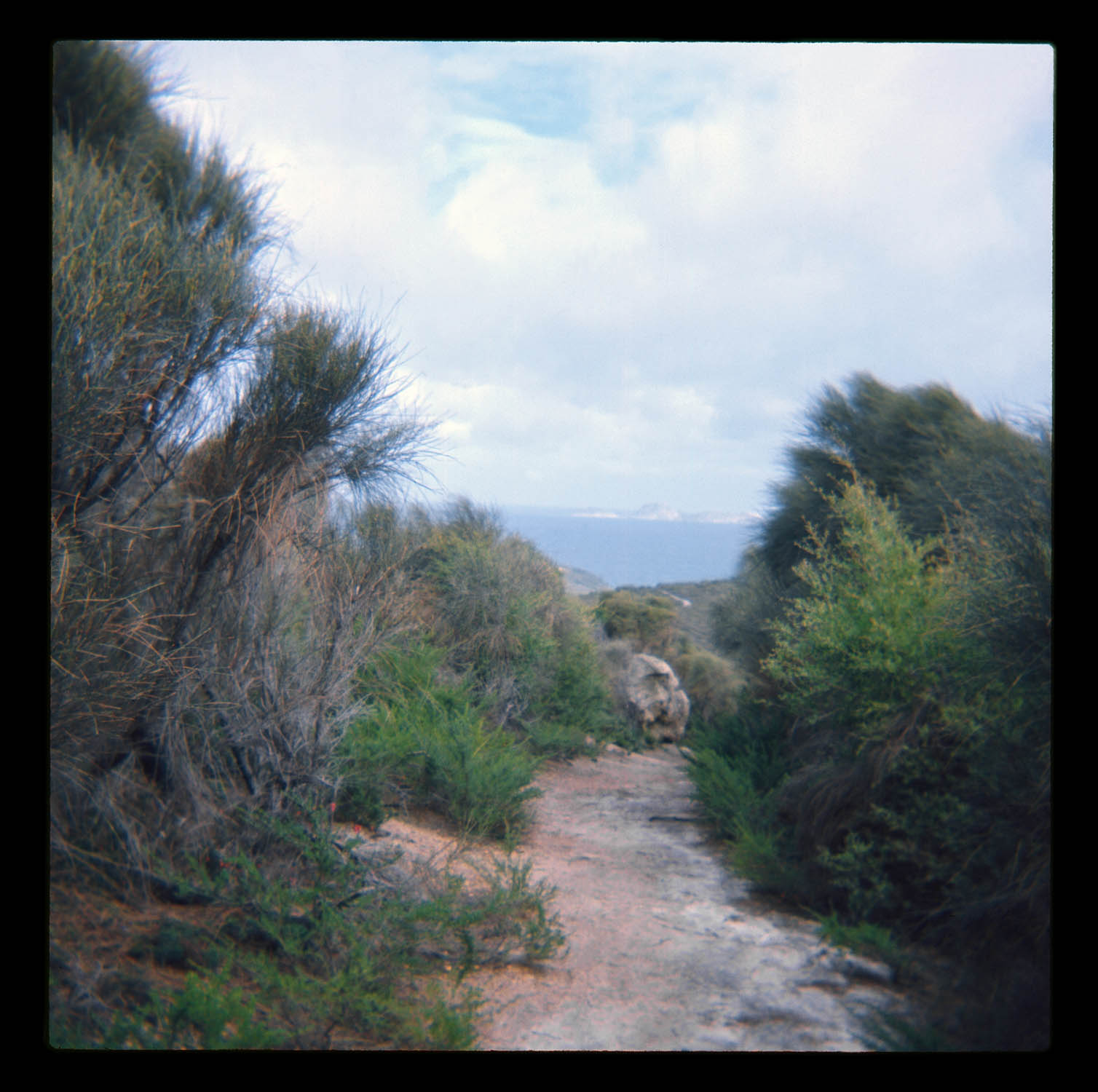
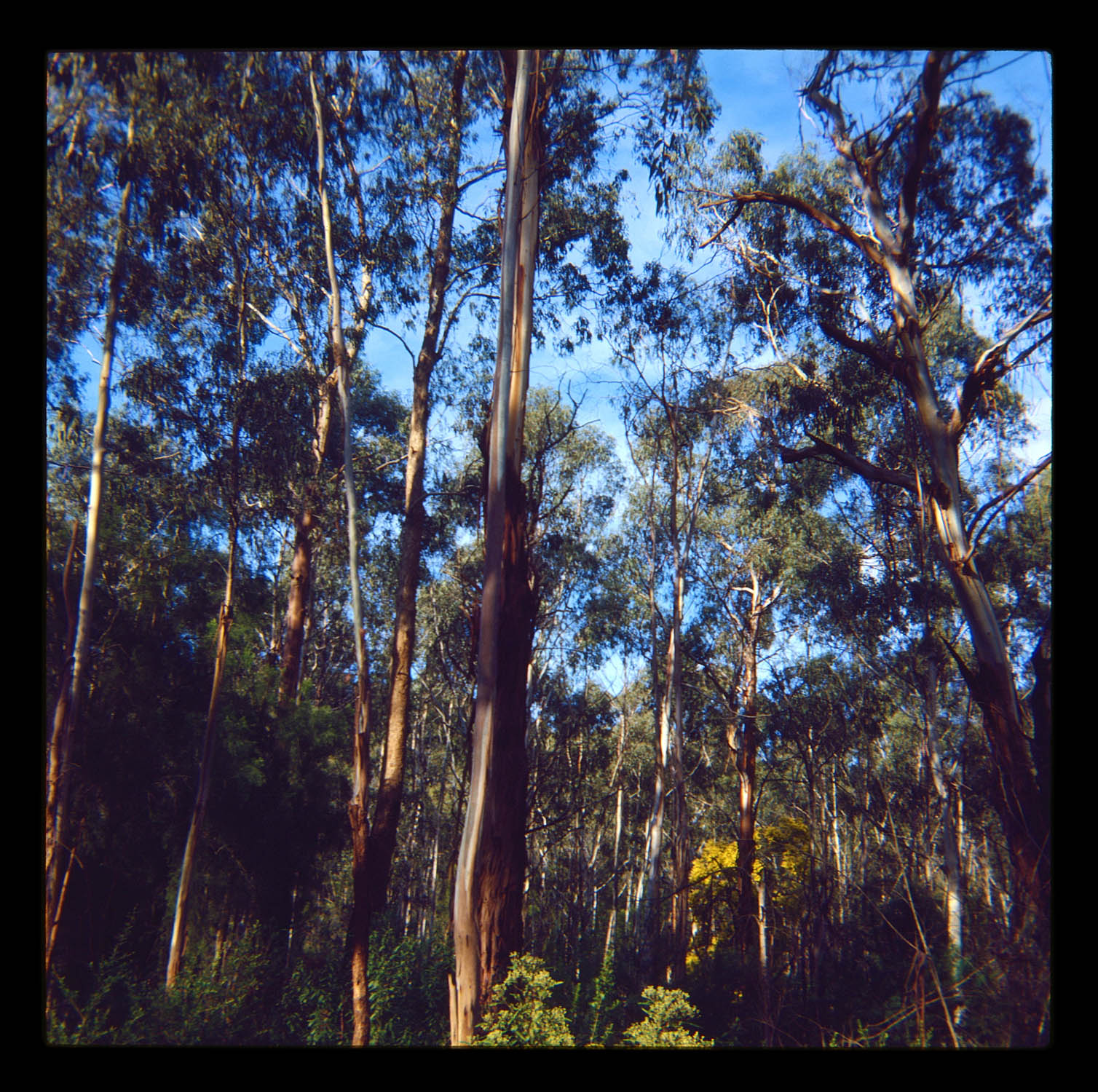
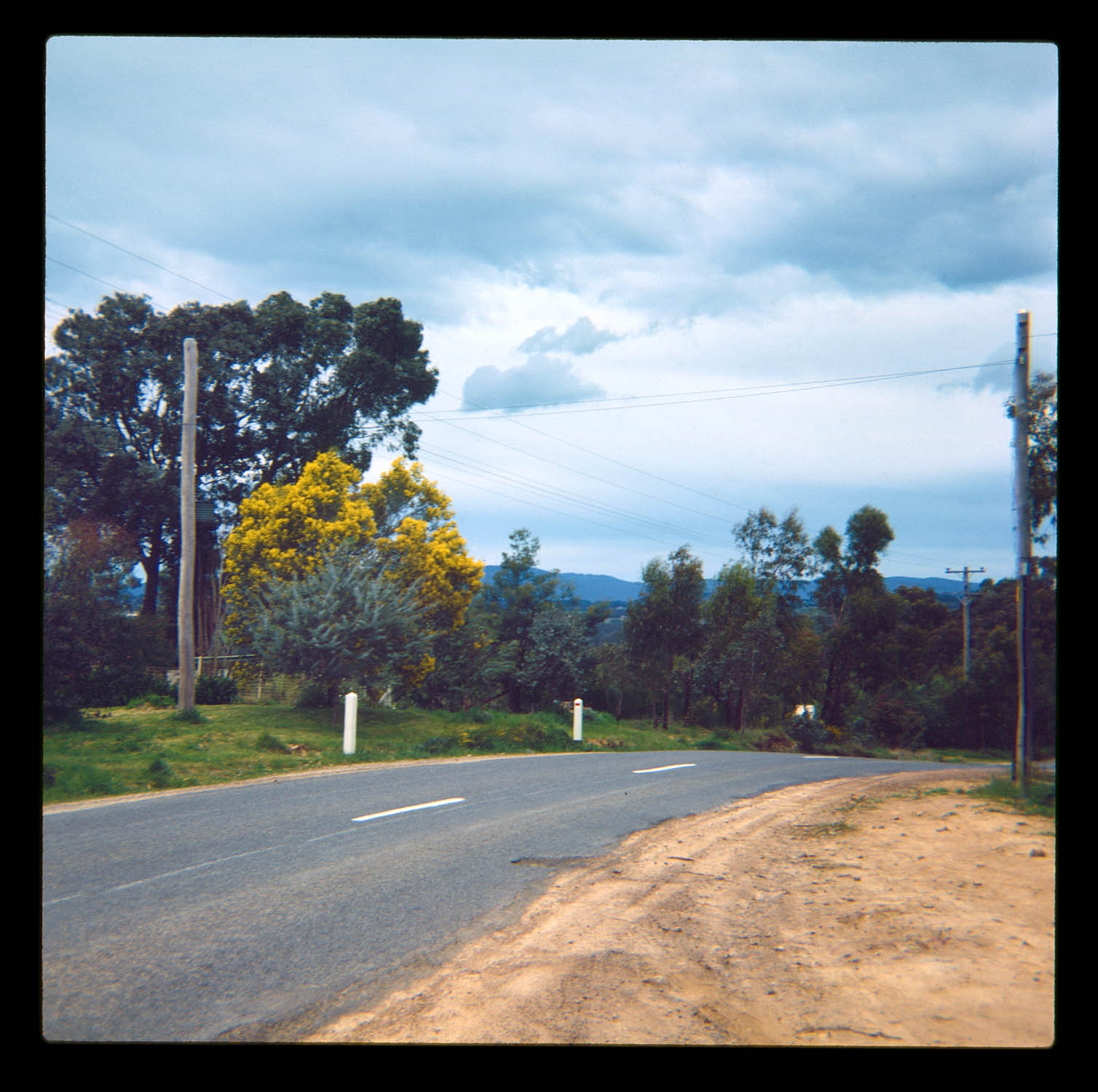
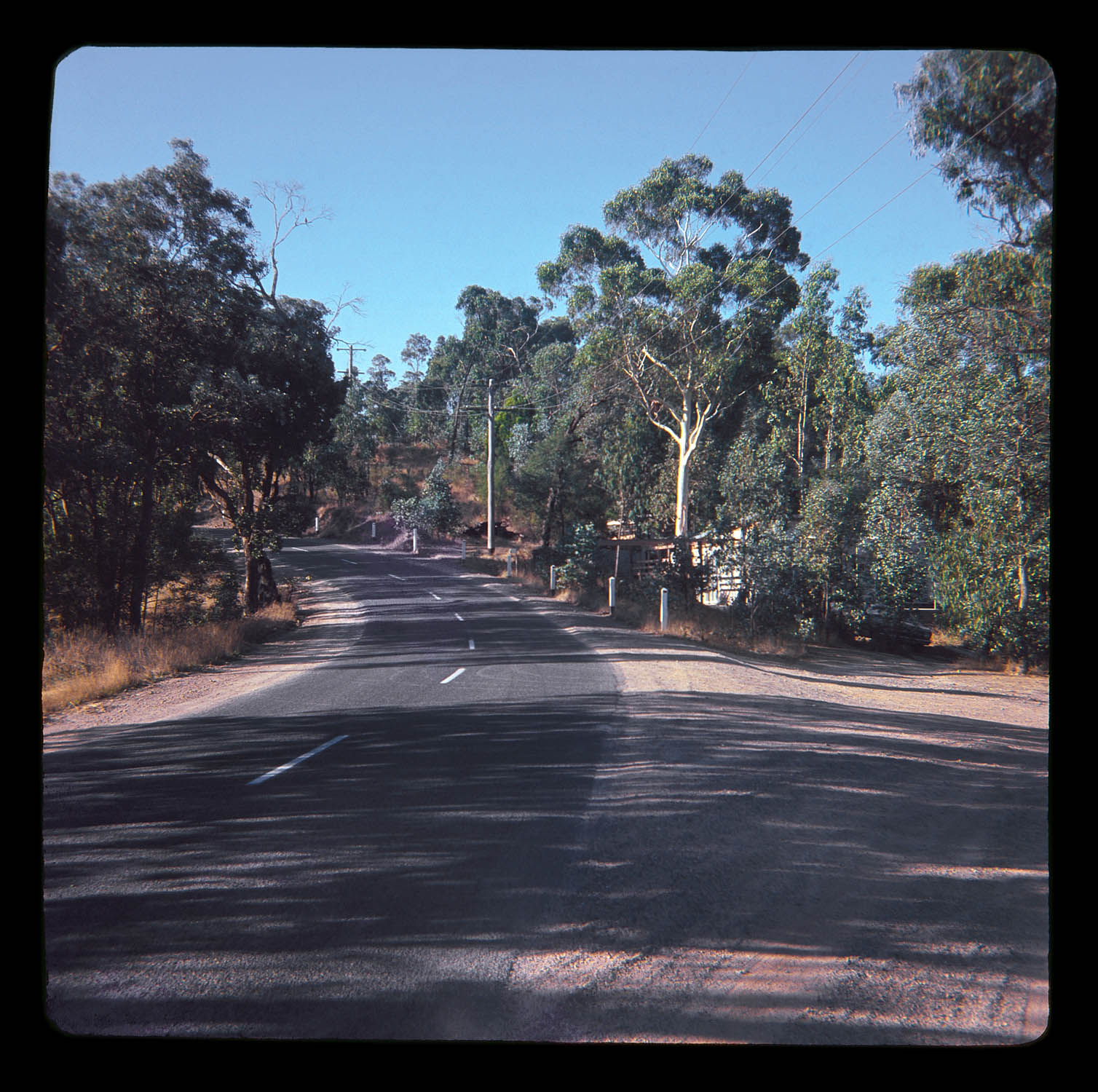
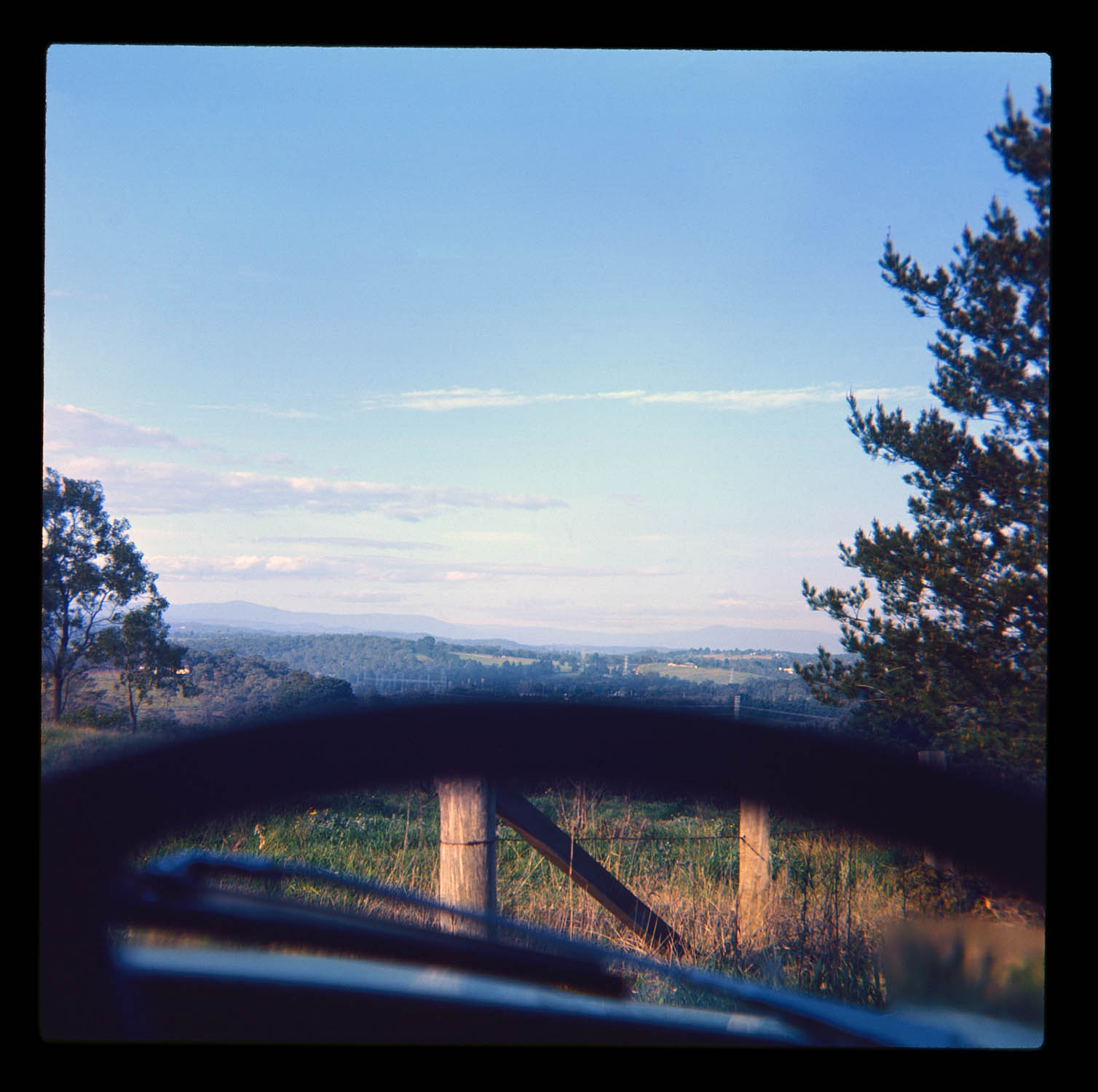
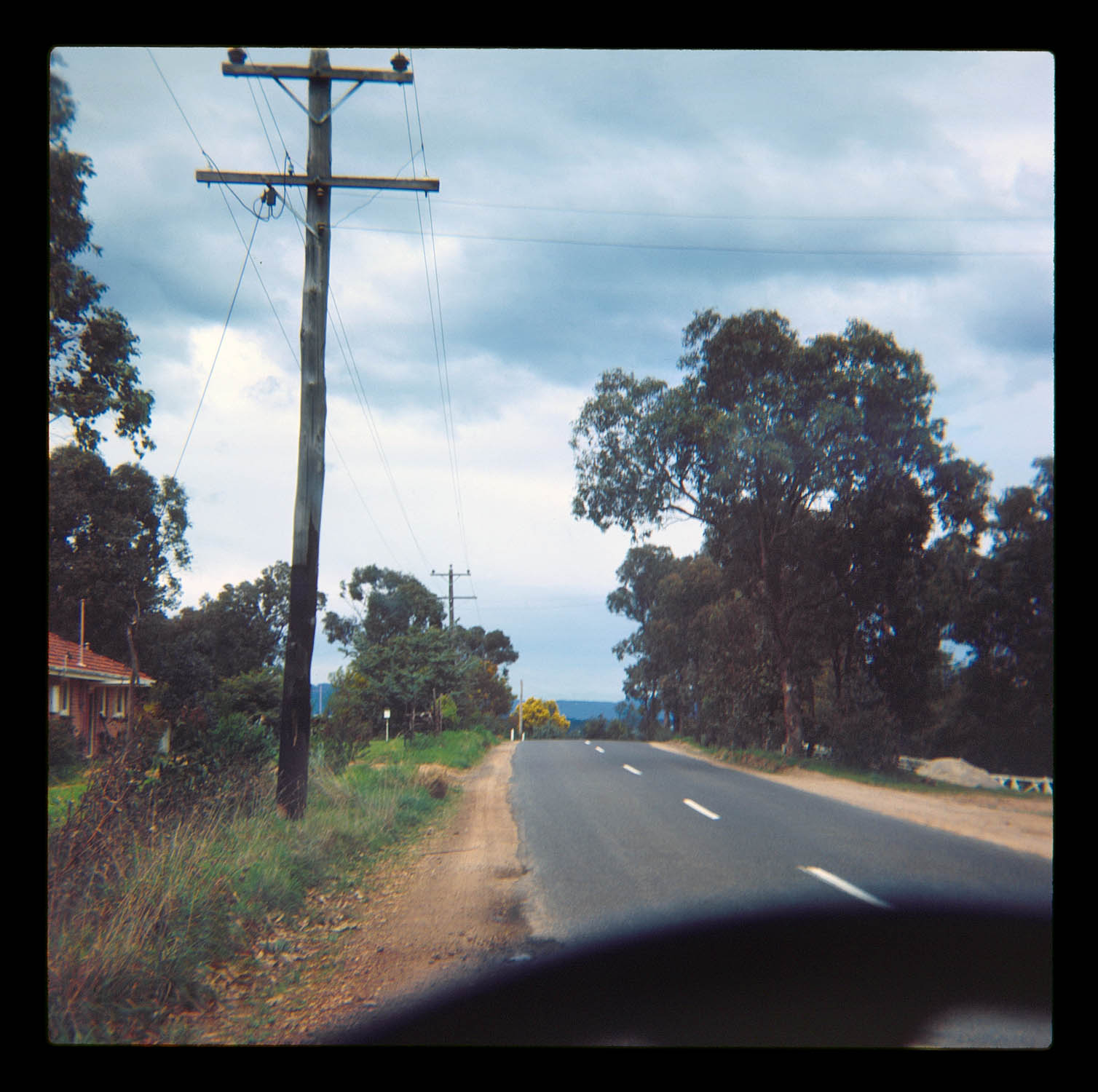
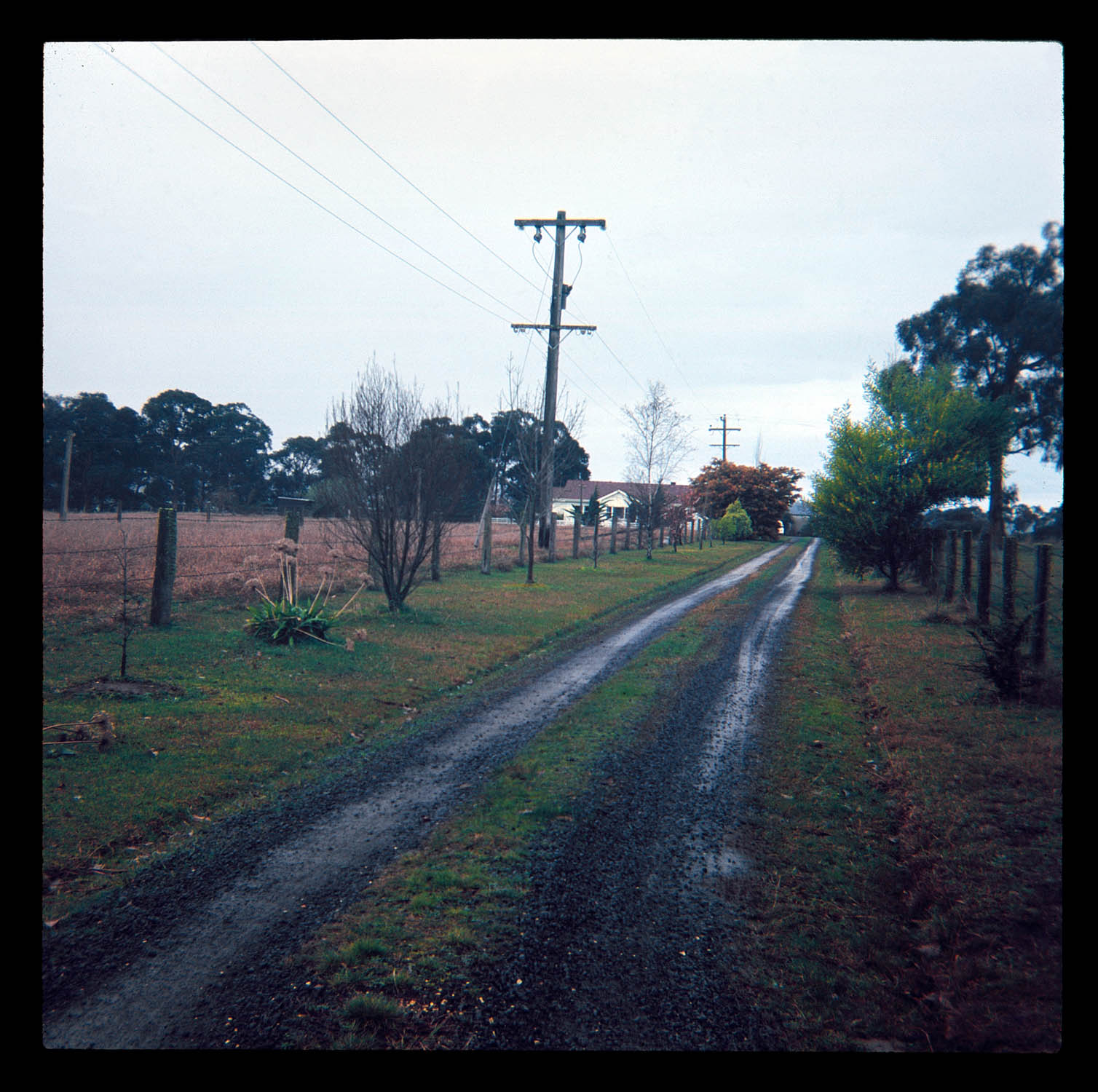
Further Australian photographs from scans of 73 medium format Kodak Ektakchrome slides found in a country town in Victoria, Australia taken in Australia, Mexico, United States of America and Canada in the mid-1960s. I believe that the photographer was an Australian who was on holiday in Mexico, United States of America and Canada.
In nearly 40 years of being a photographer I have never seen colour medium format slides from the 1960s. There was no colour fading to the slides. The person who took the photographs was shooting medium format colour in the 1960s so they would have been a photographic aficionado. Just by holding the slides up to the light I could see the photographs were compositionally very interesting. Whoever the photographer was they had a great eye!

There are some beautiful photographs of the Australian landscape here. And the Australian “light” and colour are so different from the rest of the photographs (see part 1 of the posting).

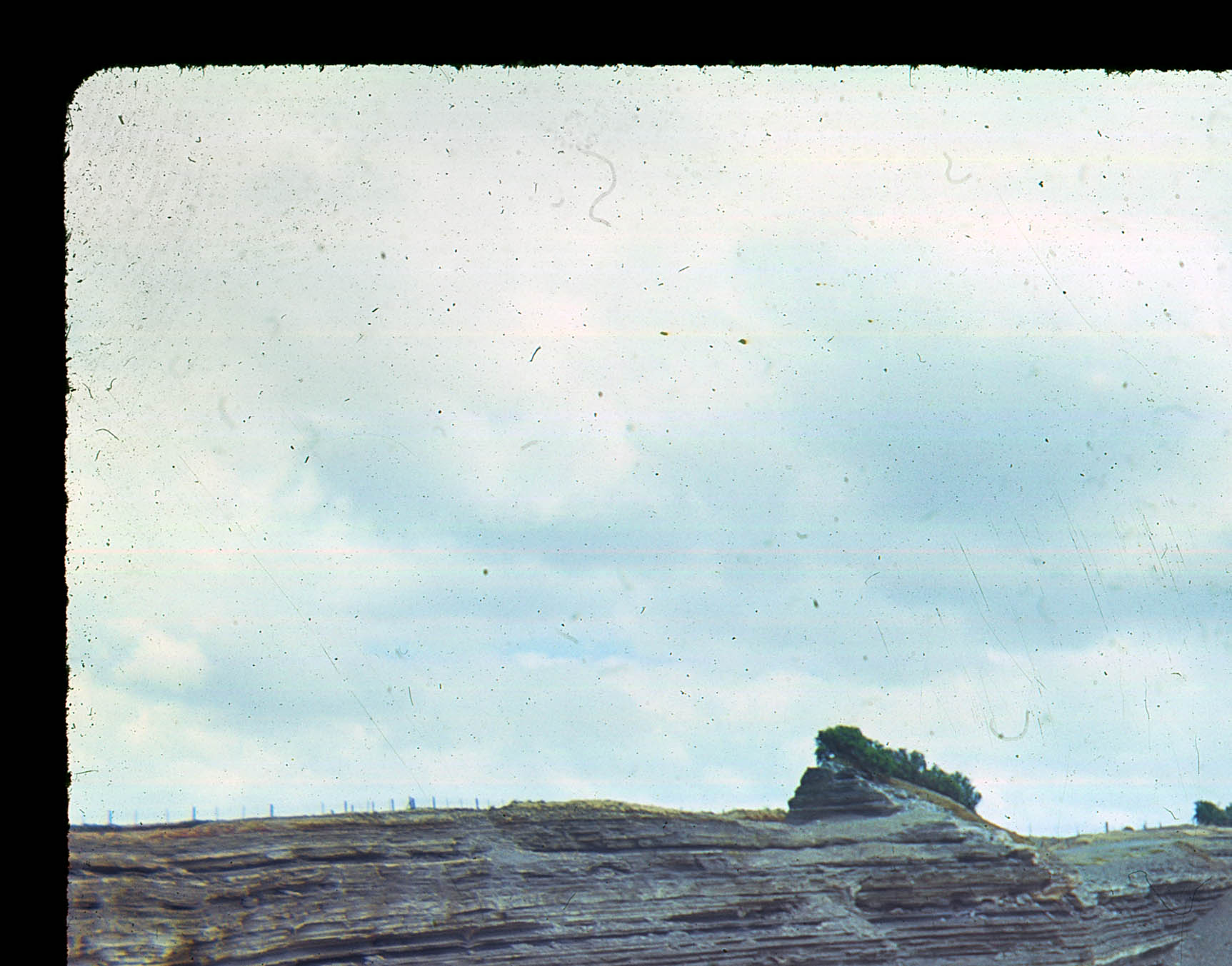
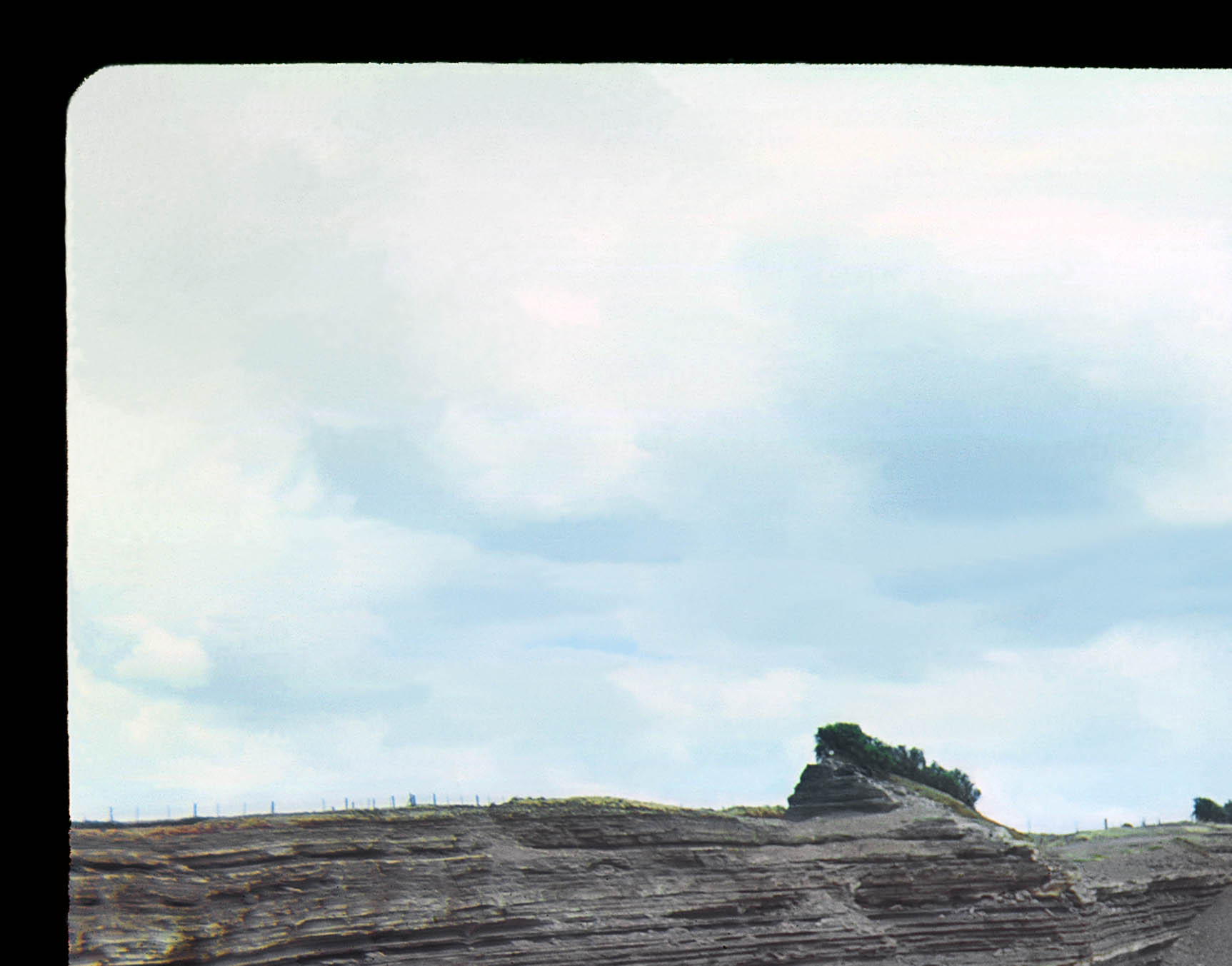
I have also included an example of how incredibly dirty these slides were, see Untitled (Australian landscape) (detail uncleaned and cleaned) 1960s (below), and note how much work and many hours were required to bring these images back into a state of grace … and preservation.

Dr Marcus Bunyan


All photographs © Marcus Bunyan. Please click on the photographs for a larger version of the image. See Part 1 of the posting.


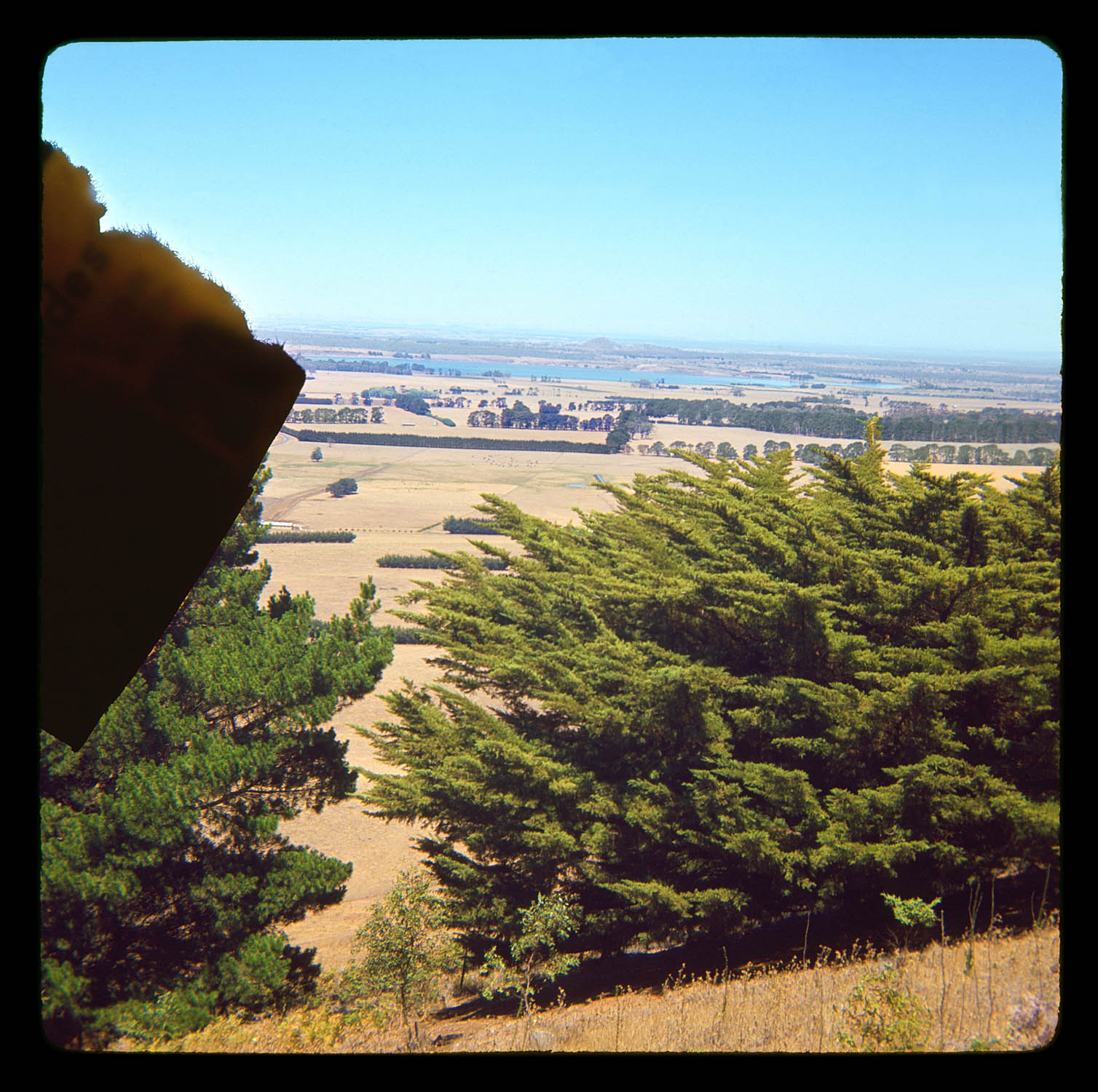
Unknown photographer (Australian) 'Untitled (Australian landscape)' 1960s


Unknown photographer (Australian)
Untitled (Australian landscape)
1960s
Ektachrome medium format transparency scanned


The fault at left appears in several other slides in these Ektachromes and must have been in the camera as it’s not in the slide itself…


Unknown photographer (Australian) 'Untitled (Australian landscape)' 1960


Unknown photographer (Australian)
Untitled (Australian landscape)
1960s
Ektachrome medium format transparency scanned


Unknown photographer (Australian) 'Untitled (Australian landscape)' 1960


Unknown photographer (Australian)
Untitled (Australian landscape)
1960s
Ektachrome medium format transparency scanned


There is a Mini panel van on the causeway!


Unknown photographer (Australian) 'Untitled (Australian landscape)' 1960s


Unknown photographer (Australian)
Untitled (Australian landscape)
1960s
Ektachrome medium format transparency scanned


The same landscape as the two photographs below


Unknown photographer (Australian) 'Untitled (Australian landscape)' 1960


Unknown photographer (Australian)
Untitled (Australian landscape)
1960s
Ektachrome medium format transparency scanned


Unknown photographer (Australian) 'Untitled (Australian landscape)' 1960s


Unknown photographer (Australian)
Untitled (Australian landscape)
1960s
Ektachrome medium format transparency scanned


Unknown photographer (Australian) 'Untitled (Australian landscape)' 1960s (detail uncleaned and cleaned)


Unknown photographer (Australian)
Untitled (Australian landscape) (detail uncleaned and cleaned)
1960s
Ektachrome medium format transparency scanned


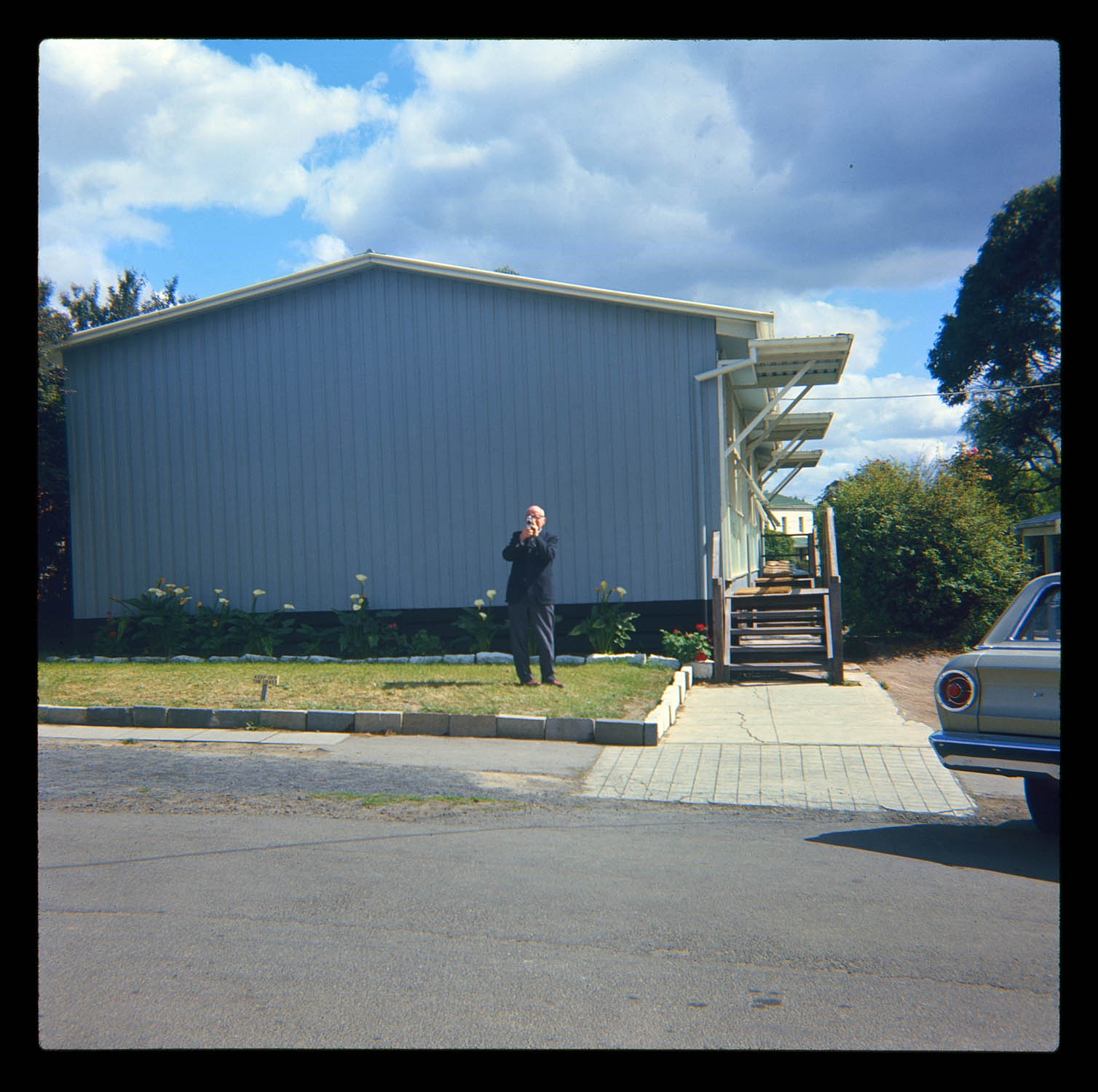
Unknown photographer (Australian) 'Untitled (Man holding his movie camera, Australia)' 1960s


Unknown photographer (Australian)
Untitled (Man holding his movie camera, Australia)
1960s
Ektachrome medium format transparency scanned


Australian built Ford XR Falcon station wagon


Unknown photographer (Australian) 'Unknown woman' 1960s


Unknown photographer (Australian)
Unknown woman
1960s
Ektachrome medium format transparency scanned


I don’t know where this is but it feels Australian to me, especially the fashion…


Unknown photographer (Australian) 'Untitled (Australian landscape, possibly South Point, Wilson's Prom, Victoria)'
1960s


Unknown photographer (Australian)
Untitled (Australian landscape, possibly South Point, Wilson’s Prom, Victoria)
1960s
Ektachrome medium format transparency scanned


Australian coastal she oak and tea tree.


Unknown photographer (Australian) 'Untitled (Australian landscape)' 1960s


Unknown photographer (Australian)
Untitled (Australian landscape)
1960s
Ektachrome medium format transparency scanned


Wonderful photograph of the Australian landscape…


Unknown photographer (Australian) 'Untitled (Australian landscape)' 1960


Unknown photographer (Australian)
Untitled (Australian landscape)
1960s
Ektachrome medium format transparency scanned


Unknown photographer (Australian) 'Untitled (Australian landscape)' 1960


Unknown photographer (Australian)
Untitled (Australian landscape)
1960s
Ektachrome medium format transparency scanned


Unknown photographer (Australian) 'Untitled (Australian landscape)' 1960


Unknown photographer (Australian)
Untitled (Australian landscape)
1960s
Ektachrome medium format transparency scanned


Max Dupain (Australian, 1911-1992) 'Silos through windscreen' 1935


Max Dupain (Australian, 1911-1992)
Silos through windscreen
1935
Gelatin silver print


Unknown photographer (Australian) 'Untitled (Australian landscape)' 1960


Unknown photographer (Australian)
Untitled (Australian landscape)
1960s
Ektachrome medium format transparency scanned


The second photograph taken through the windscreen of a car


Unknown photographer (Australian) 'Untitled (Australian landscape)' 1960


Unknown photographer (Australian)
Untitled (Australian landscape)
1960s
Ektachrome medium format transparency scanned


Unknown photographer (Australian) 'Untitled' 1960s


Unknown photographer (Australian)
Untitled
1960s
Ektachrome medium format transparency scanned


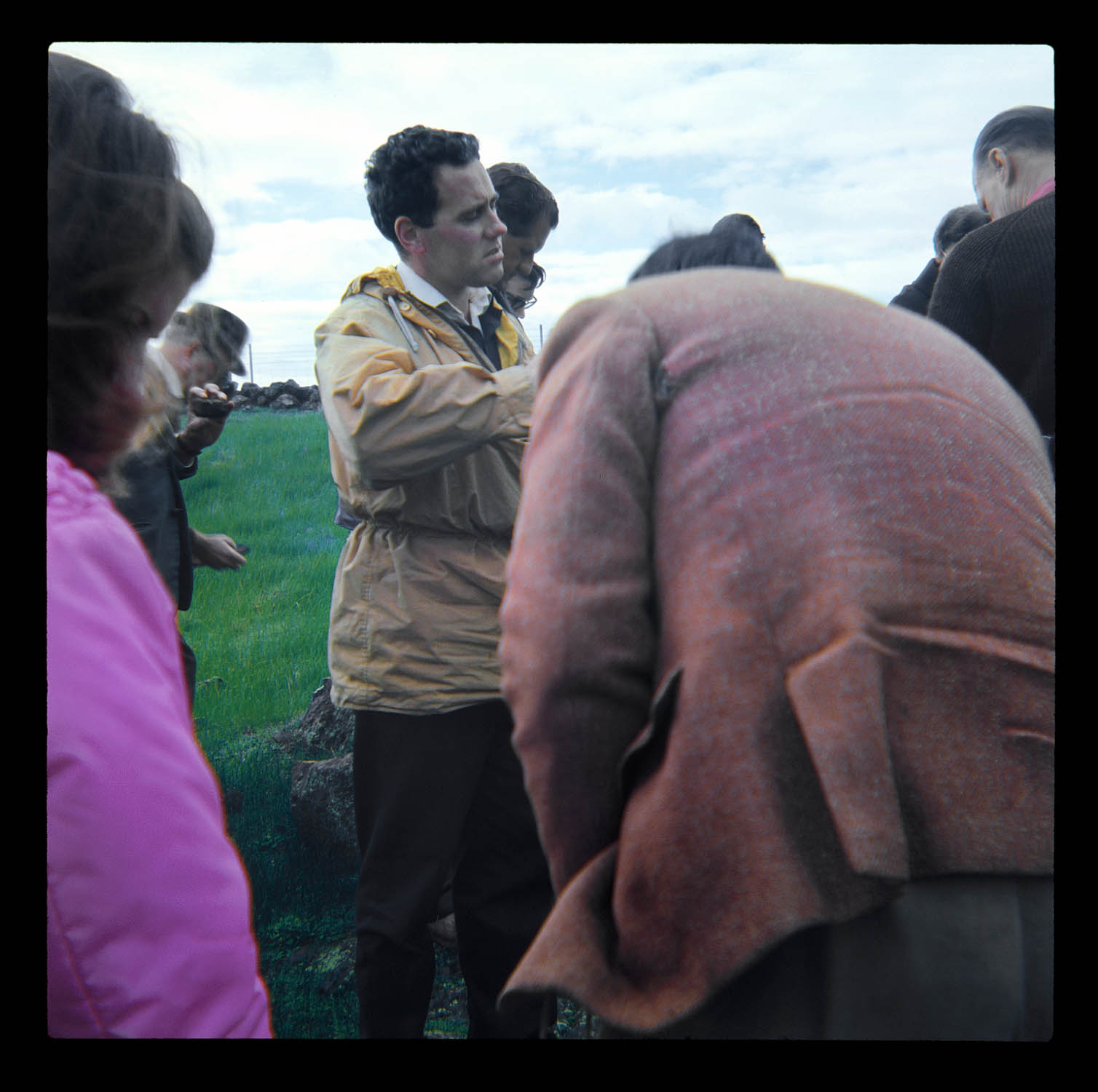
I’m not sure what they are doing or where this is (possibly Australia) but I like the photo!


Unknown photographer (Australian) 'Untitled' 1960s


Unknown photographer (Australian)
Untitled
1960s
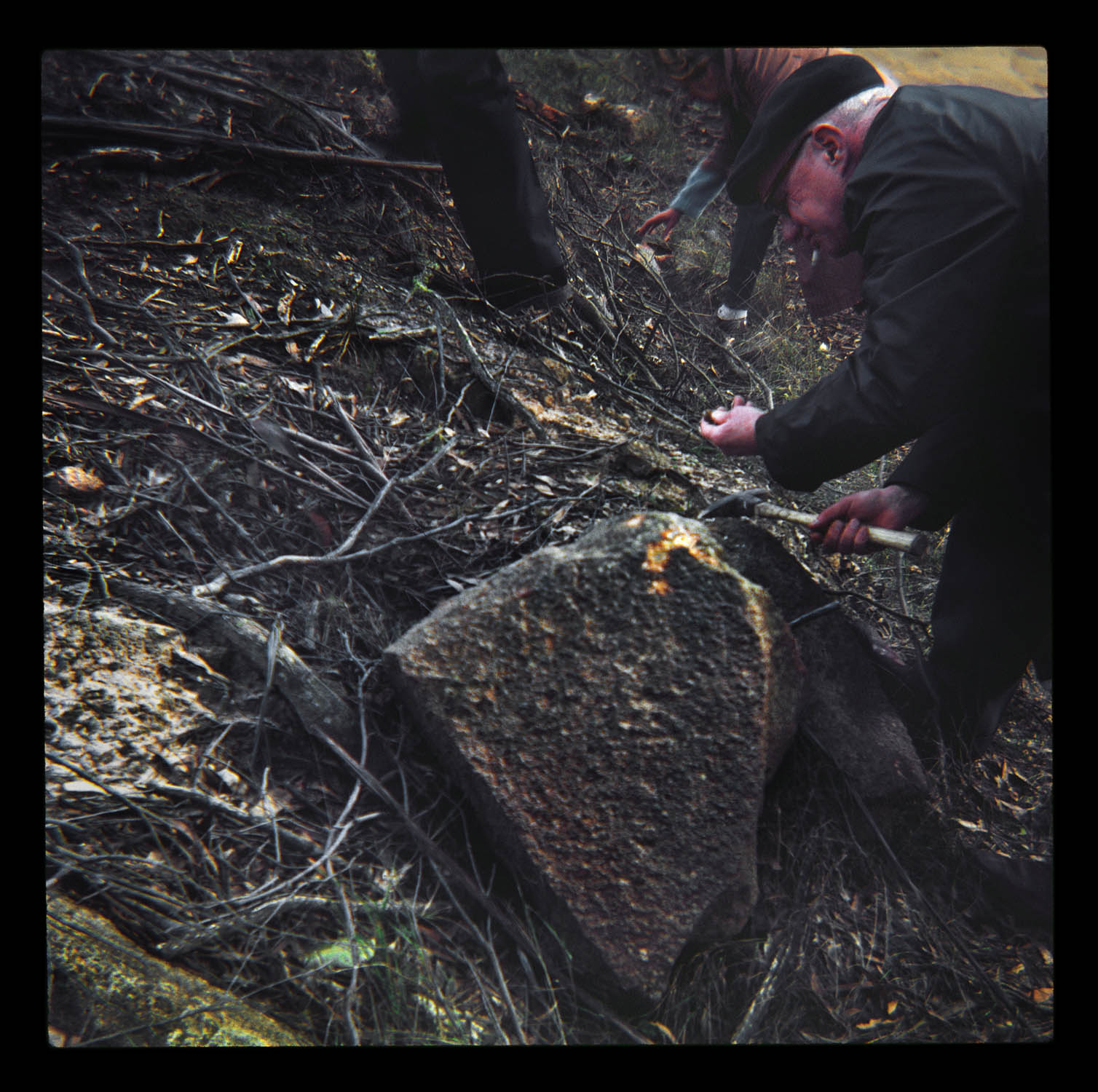
Ektachrome medium format transparency scanned


A geologist hammer in his hand?


Unknown photographer (Australian) 'Untitled (Visitors must not leave pathway)' 1960s


Unknown photographer (Australian)
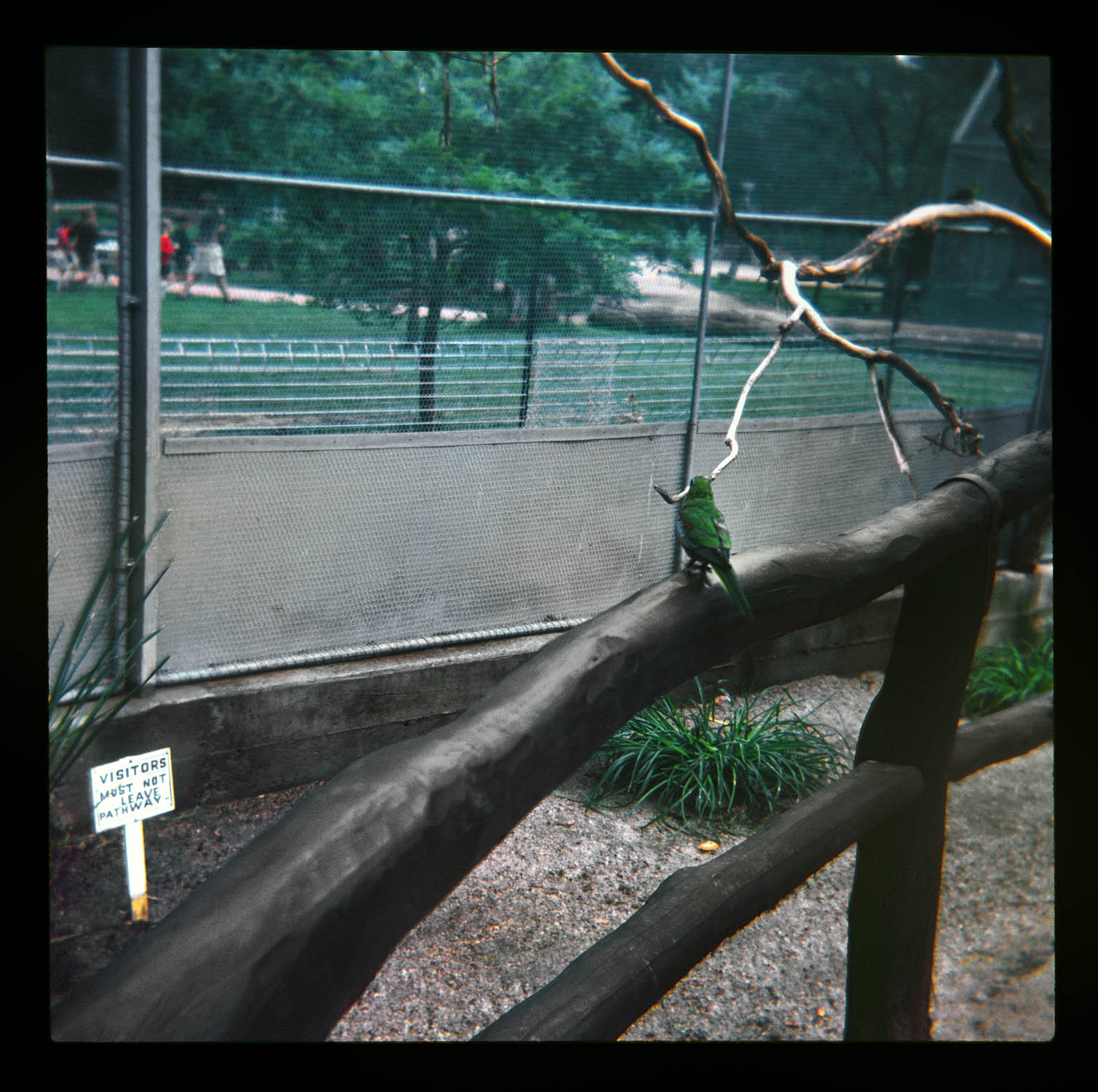
Untitled (Visitors must not leave pathway)
1960s
Ektachrome medium format transparency scanned


LIKE ART BLART ON FACEBOOK

Back to top