
Exhibition dates: 28th June – 22nd September, 2019

Martin Gerlach (Austro-German, 1846-1918)
Mikroskopische Aufnahmen, Aus: Formenwelt aus dem Naturreiche (Die Quelle, Bd. V)
Microscopic Images, From: Form world from the natural kingdom (Die Quelle, Vol. V)
1902-1904
Vienna: Gerlach u. Wiedling
Albertina Vienna, on permanent loan from the Federal Department of Education and Research
Fotografien von Hugo Hinterberger
A fascinating posting on early photo books, photographic book printing, luxury volumes and advertising brochures.
Dr Marcus Bunyan
Many thankx to the Albertina for allowing me to publish the photographs in the posting. Please click on the photographs for a larger version of the image.
It is now such a given for photography to be the dominant medium of illustration in all types of publications that the beginnings of its involvement have faded into oblivion. But the process by which photography came to books was lengthy and accompanied by myriad technical difficulties. While impressive volumes with mounted originals featuring motifs such as butterfly wings magnified 1,000 times, Emperor Maximilian’s ceremonial armour, military exercises, and aristocratic theatrical performances reached enthusiastic audiences as early as 1860, few people could afford to purchase such publications.
Only when it became possible to reproduce photographs in print, which permitted book editions of practically unlimited copies, did photography grow into a mass medium that would go on to visually dominate the 20th century. But even so, the combination of convincing photography, refined book design, and artisanal perfectionism did produce a broad spectrum of those earliest photo volumes in Austria – of which this is the first-ever public exhibition.
Text from the Albertina website


Installation views of the exhibition Photo. Book. Art at the Albertina, Vienna
Fotos: © Georg Molterer
While photography now dominates nearly every type of publishing genre, the origins of its interplay with publishing have increasingly been forgotten – but the path by which photography entered books was long and littered with numerous technical hurdles, a fact that makes the various creative solutions fielded by pioneers in this area all the more intriguing. Original photographs, test prints, and book maquettes (original book designs) from the collections of the Albertina Museum open up a new perspective on a previously overlooked aspect of Austrian cultural history, which is characterised by diverse interrelationships between scientific curiosity, industrial interests, artistic experimentation, and an educational policy beholden to the Enlightenment.
This exhibition, which includes around 300 items from between 1840 and 1940, sheds light on an extraordinary panorama of innovative achievements manifested as luxury volumes and advertising brochures, travelogues and scientific atlases, artists’ designs and industrial documentation. And a broad spectrum of early photo books from Austria – of which this is the first-ever exhibition – presents fascinating combinations of convincing photography, refined book design, and artisanal perfection. The publication produced for this exhibition traces photography’s path to books in even more depth: on over 200 pages, comprehensive texts and full-scale facsimiles reveal fascinating historical relationships between text, image, and book object.
The advent of photography in 1839 inspired even its earliest commentators to express promising visions of the future, visions that associated this medium with that of books from the very beginning. They compared the innovation of photography with that of book printing long before it became possible to duplicate photographs in large numbers. Photography’s revolutionary potential was recognised not only in its ability to depict details authentically without human intervention but also in its mechanical reproducibility – the development of which, however, was still in its nascence.
Even so, photographic depiction’s aura of authenticity and infallibility was so strong that this new medium quickly came to be considered indispensable in printed books. So at first, publishers made do with illustrations after photographs – realised as lithographs or wood engravings. 1857 saw the appearance of books with photographs glued in to illustrate the text. The demand for such productions was to be found above all in innovative areas of scientific research and in that era’s expanding industry, but there were also volumes produced privately as luxurious mementos. The print runs involved here were to remain far smaller than those that had been made possible by the revolutionary invention of the printing press, which had first facilitated the widespread dissemination of written works.
There followed decades of institutionally led attempts to render photography printable, with such a technology being viewed as something of an “Egg of Columbus” (Ludwig Schrank, 1864). This phase witnessed the development of refined printing techniques that made possible high-quality image reproduction, thus satisfying a universal desire among scientists to publish comprehensive pictorial atlases with detailed photographic depictions that could serve as authentic comparative material suitable for use in research.
The definitive “professionalisation” of photographic printing in Austria occurred at the Graphische Lehr- und Versuchsanstalt (photographic and graphic art school) under its director Josef Maria Eder, and the present exhibition’s main focus is devoted to this institution. Photographic images were then quick to find their way into the sophisticatedly designed books of the Viennese art nouveau.
1914 witnessed the International Exhibition of the Book Industry and Graphic Arts in Leipzig, an event for which Josef Hoffmann designed an Austrian pavilion as a contemporary setting in which to celebrate the significance of the Austrian Empire’s book industry. While the outbreak of World War I – which brought this event to a premature conclusion – did produce its own genre of illustrated volumes, it simultaneously marked the end of the era of luxury editions.
The interwar period brought with it further improvements in methods of printing photographs that finally allowed the production of inexpensive illustrated volumes. And for the first time, colourful book jackets were designed with photographic motifs – thus ringing in a whole new era on the book market. In the process, photography was liberated from its functions of illustrating text and storing “authentic” factual information. It indeed took on an entirely new character in avant-garde “photo books”: such books contained photographic images printed in deliberate sequences or juxtaposed, and it is as part of a clear interplay between images and text that the photos in books such as the the Wiener Werkstätte’s jubilee volume of 1929 or Stefan Kruckenhauser’s Snow Canvas (1937) appear in a quality that had never been seen before.
Press release from the Albertina website [Online] Cited 02/08/2019
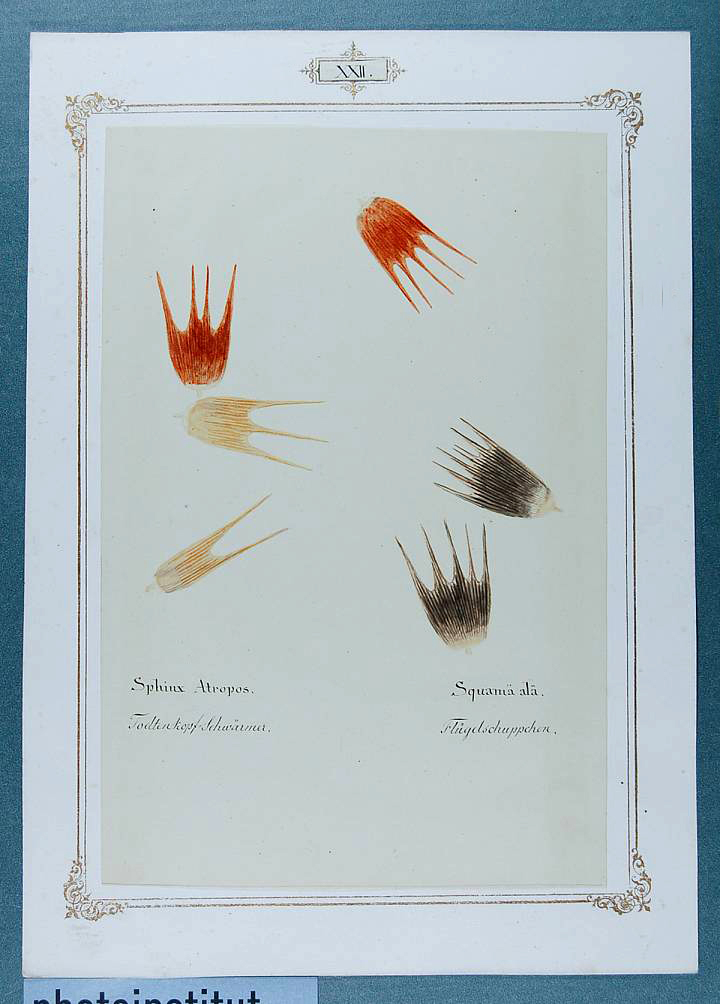
Ernst Heeger (Austrian, 1783-1866)
Album microscopisch-photographischer Darstellungen aus dem Gebiete der Zoologie
Album of microscopic-photographic representations from the field of zoology
1860
Wien: Carl Gerold’s Sohn, 4, 1860 Fotograf: k. k. Hof- und Staatsdruckerei

Martin Gerlach (Austro-German, 1846-1918)
Mikroskopische Aufnahmen, Aus: Formenwelt aus dem Naturreiche (Die Quelle, Bd. V)
Microscopic Images, From: Form world from the natural kingdom (Die Quelle, Vol. V)
1902-1904
Vienna: Gerlach u. Wiedling
Albertina Vienna, on permanent loan from the Federal Department of Education and Research
Fotografien von Hugo Hinterberger

Österreichische Staatsdruckerei
“Der Eisbär” und “Der Schimpanse”, Aus: Die neue Arche. Dreißig Tierbilder nach photographischen Naturaufnahmen
Austrian State Printing House
“The Polar Bear” and “The Chimpanzee”, From: The New Ark. Thirty animal pictures after photographs of nature
1923
Vienna: Austrian State Printing House
Photoinstitut Bonartes

Die Wiener Werkstätte 1903-1928: Modernes Kunstgewerbe und sein Weg. Festschrift zu 25jährigen Bestehen der Wiener Werkstätte
The Wiener Werkstätte 1903-1928: Modern arts and crafts and its way. Commemoration on the 25th anniversary of the Wiener Werkstätte
1929
Vienna: Krystall-Verlag
Photoinstitut BONARTES

Bucheinband zu Roger Ginsburger: Frankreich. Die Entwicklung der neuen Ideen nach Konstruktion und Form
Book cover to Roger Ginsburger: France. The development of new ideas according to design and form
1930
Vienna: Anton Schroll & Co
Cover design el Lissitzky
Private collection
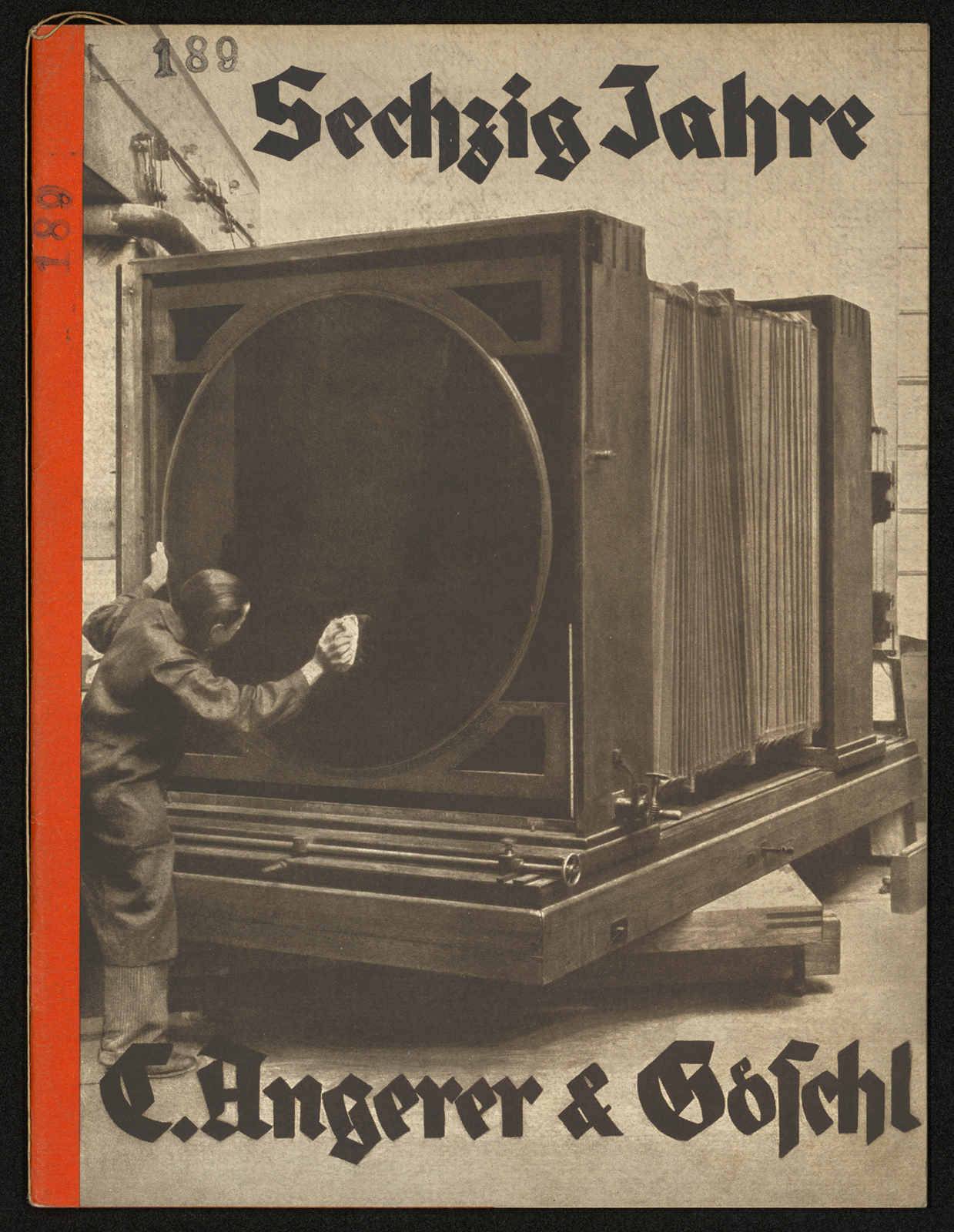
Umschlag von C. Angerer & Göschl Wien
Sechzig Jahre
Cover by C. Angerer & Göschl Vienna
Sixty years
1932
Fotograf: Angerer & Göschl
Wall texts
Photo. Book. Art 1840-1940
The production of systematic knowledge and its dissemination were the key driving forces behind nineteenth-century enlightenment, with a flourishing book industry serving as mediator. From the moment it became known in 1839, photography, a guarantor of images true to detail made without human intervention, seemed to be cut out for not only supporting but speeding up this project.
The ambition to reproduce technically generated pictures unlimited in number like texts would only be fulfilled several decades later thanks to the invention of inexpensive printing techniques. This exhibition is dedicated to the period spanning from the first “vision” of such a feat with its aspiring scientific experiments to manually produced splendid volumes, to the high print-runs of popular illustrated books of the 1930s.
The definitive professionalisation of photo printing in Austria took place at Vienna’s Graphische Lehr- und Versuchsanstalt, whose historical library, preserved as a permanent loan at the Albertina, has provided the starting point for this presentation thanks to its cataloguing supported by Photoinstitut Bonartes.
“A fortunate thought …”: Photo Publications 1850-1870
Almost twenty years after the invention of the new medium, a few enthusiasts began to illustrate mainly scientific works with original photographs, which were glued in. Although their publications were hailed by the critics, it soon became apparent that high costs and long production times curbed the number of printed copies. As documented by surviving subscriber lists, books illustrated with photographs were expensive prestige objects. Nonetheless, the suggestion of the photographic image as being authentic and infallible had such a strong impact that one did not want to completely do without the new medium: prints after photographs served as substitutes ensuring credibility. “
“Gradually delivering the whole world in pictures”: The Imperial and Royal Court and Government Printing Office
When Alois Auer was appointed director of the Imperial and Royal Court and Government Printing Office in 1841, he found himself faced with a run-down enterprise whose business consisted in printing legal texts and official forms. Being able to rely on almost unlimited funds from the responsible ministry, he succeeded in turning this printing office into a media company in the modern sense committed to a variety of fields. Auer was the first man in the history of (analog) media to regard writing and images of every kind as a potential unit for the reproduction and distribution of human knowledge.
Pursuing ideas that were far ahead of his time, Auer foundered on the huge scope of his plans: he intended to use photography and nature printing to compile material collections of encyclopaedic dimensions in laboratories or on expeditions that would not only provide reliable information but were also affordable.
A State-Run Educational Institution for Photography and Reproduction Techniques
The first pivotal invention on photography’s way into books was that of the collotype method in 1868 (a planographic printing process like lithography), which made the first printed photo books possible. Heliogravure (an elaborate intaglio technique in the manner of etching, which achieved particularly brilliant results) followed in 1878, the pioneering autotype method as a relief printing process (woodblock printing being a much simpler form) in 1883. It was no coincidence that these inventions were directly followed by the founding phase of the state-run “Lehr- und Versuchsanstalt für Photographie und Reproduktionsverfahren” (Educational and Experimental Institute for Photography and Reproduction Techniques) in Vienna, which from 1895 onward also included departments for book design and production. It was this institution that, under the direction of Josef Maria Eder, a photochemist, made all these new processes usable for the printing trade and industry: it not only trained the relevant specialists but also initiated or supported innovative photography and book projects.
From Luxury Volumes to Small-Format Books
World War I ushered in a radical transformation in book production. Whereas a few large volumes of plates adhering to the style of the prewar period were published, the now-common cheaper production of small-format books also brought about a change in the presentation of traditional themes. This shift manifested itself in illustrated books on foreign cultures, among others, which had already been popular in the nineteenth century. The result was a separation between scientific and popular books, of which, like in the case of Hugo Bernatzik, as many as 250,000 copies were printed.
Industry and Architecture
Since the sporadic pioneering feats of the 1860s, the brand management of big industrial companies in the form of photographic documentations and illustrated publications had increased considerably. Jubilee works and advertising brochures of all kinds offered a not to be underestimated new market for the professionalized and thus cheaper producing reproduction and printing industries. Among the most innovative users of photography were architects who – a rare case in Austria – were also open to new types of book design in the vein of the Bauhaus.
Specialised Publishers and Their Subjects
The improvement of printing techniques allowed some publishers to specialise in publications illustrated with photographs. Extensive compilations of pictures in a wide variety of fields, from ophthalmology to the holdings of museums and contemporary architecture, testify to the widespread desire to make visual information available in encyclopaedic form.
On the other hand, it was necessary to cater to new, only recently developed subject areas that emerged directly from the possibilities of technical image production. Elaborately designed and manufactured in small editions, these works ranged from volumes of wealthy amateur photographers flaunting their craftsmanship to promotionally effective illustrated books of the municipality of Vienna, which were intended to introduce the achievements of Mayor Karl Lueger to a broad public.

Bucheinband zu Alexander Niklitschek: Ratschläge für Amateurphotographen
Book cover to Alexander Niklitschek: Advice for amateur photographers
1934
Leipzig, Vienna, Berlin: Steyrermühl
Albertina Wien, Dauerleihgabe der Höheren Graphischen Bundes-Lehr- und Versuchsanstalt
Albertina Vienna, on permanent loan from the Federal Department of Education and Research
![Harald Lechenper. 'Das Rätsel Indien' [The Indian Puzzle] 1935](https://artblart.com/wp-content/uploads/2019/08/harald_lechenperg_1935.jpg "Harald Lechenper. 'Das Rätsel Indien' [The Indian Puzzle] 1935")
Harald Lechenper
Das Rätsel Indien [The Indian Puzzle]
1935
Verlag Ullstein
Autotypie auf Karton nach Fotografie von Harald Lechenperg
Autotype on cardboard with photography by Harald Lechenperg
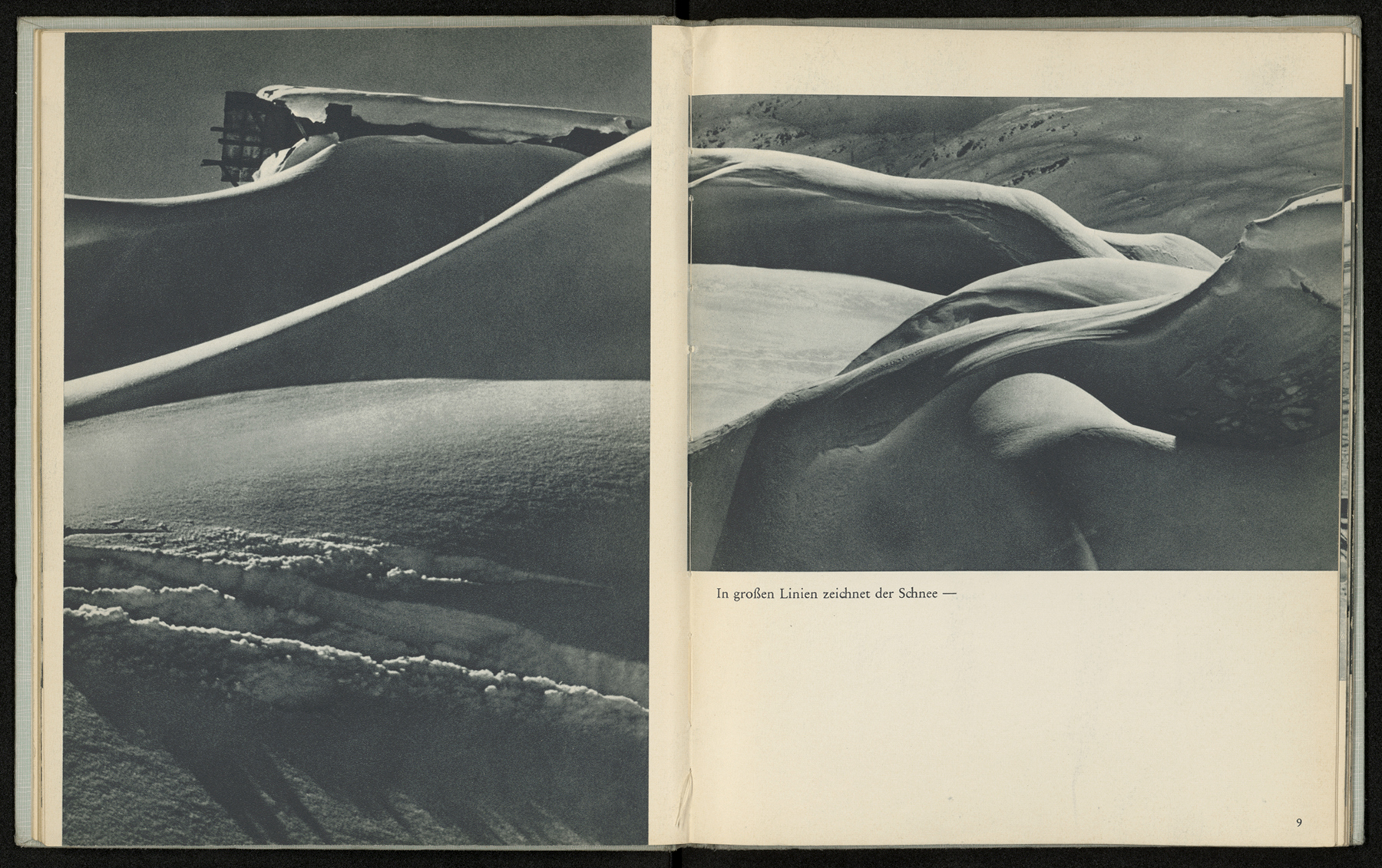
Stefan Kruckenhauser (Austro-German, 1904-1988)
In großen Linien zeichnet der Schnee, Aus: Du schöner Winter in Tirol. Ski- und Hochgebirgs-Erlebnisse mit der Leica
In big lines the snow draws, From: You beautiful winter in Tyrol. Ski and high mountain experiences with the Leica
1937
Berlin: Photokino-Verlag, Otto Elsner
The Albertina Museum, Vienna

Otto Croy: Es liegt auf der Hand, Aus: Fotomontage. Der Weg zu den Grenzen der Fotografie
Otto Croy: It is obvious, From: photomontage. The Road to the Limits of Photography
1937
Halle (Saale): Wilhelm Knapp
The Albertina, Vienna

Stefan Kruckenhauser (Austro-German, 1904-1988)
Das Meisterwerk von Kefermarkt, Salzburg
The masterpiece of Kefermarkt, Salzburg
1941
Leipzig: Otto Müller
Fotograf: Stefan Kruckenhauser
Albertina
Albertinaplatz 1
1010 Vienna, Austria
Phone: +43 (0)1 534 83-0
Opening hours:
Daily 10am – 6pm
Wednesday and Fridays 10am – 9pm
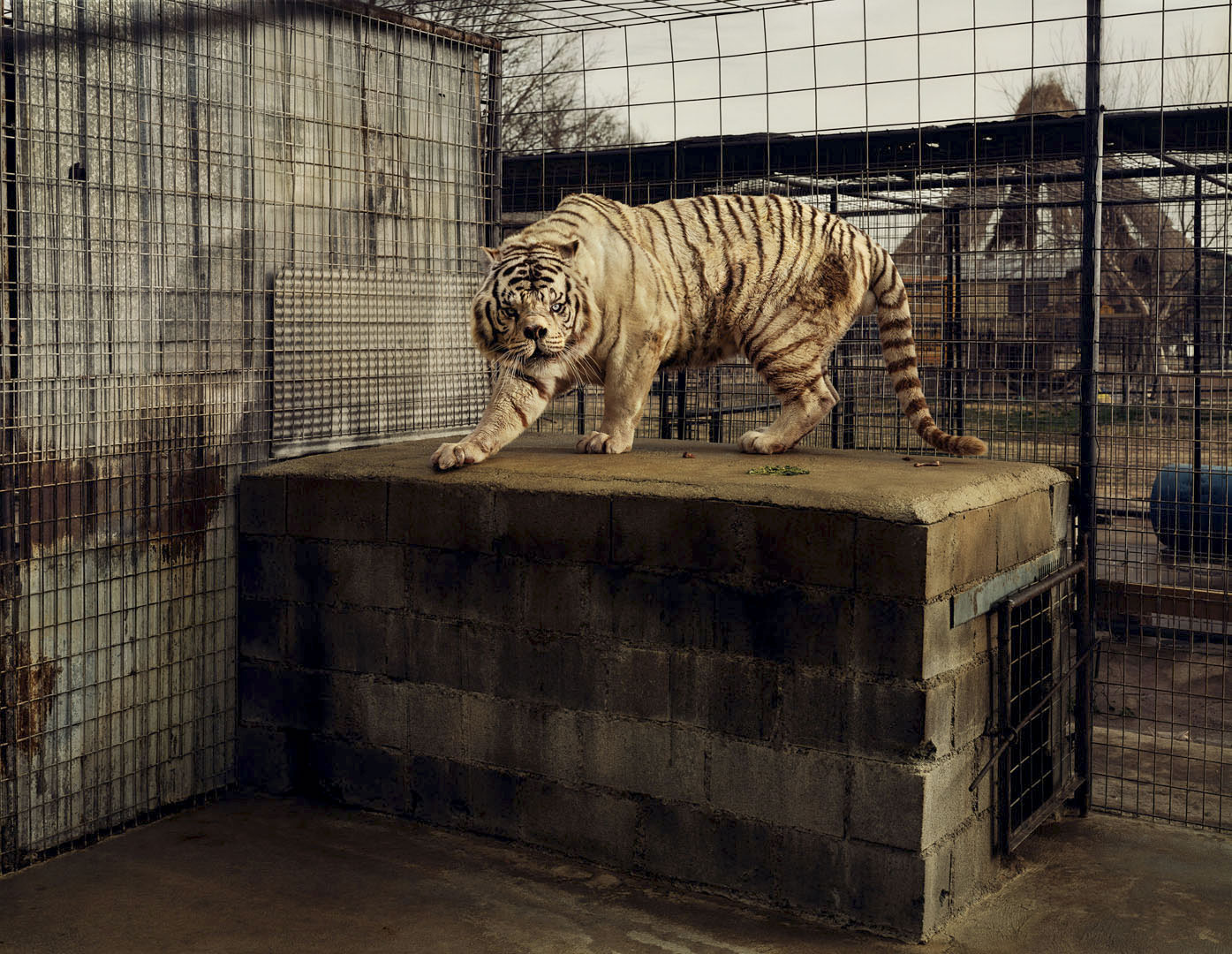
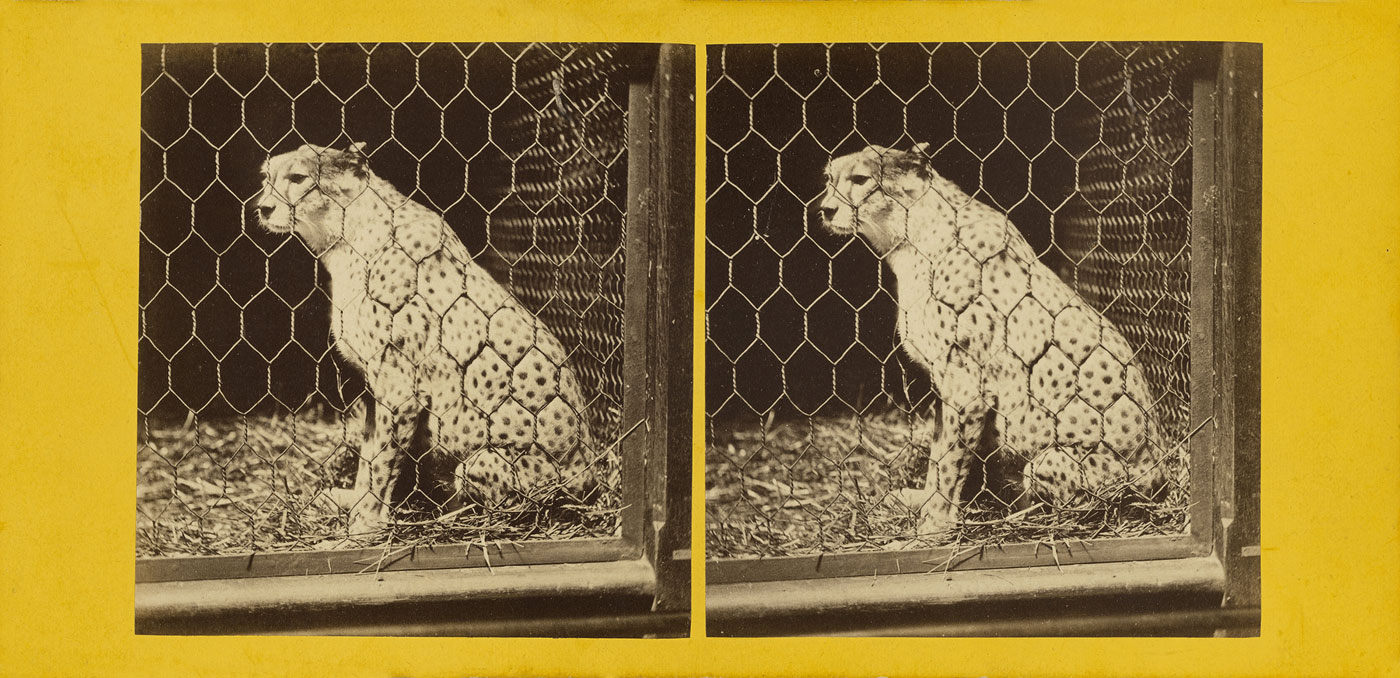
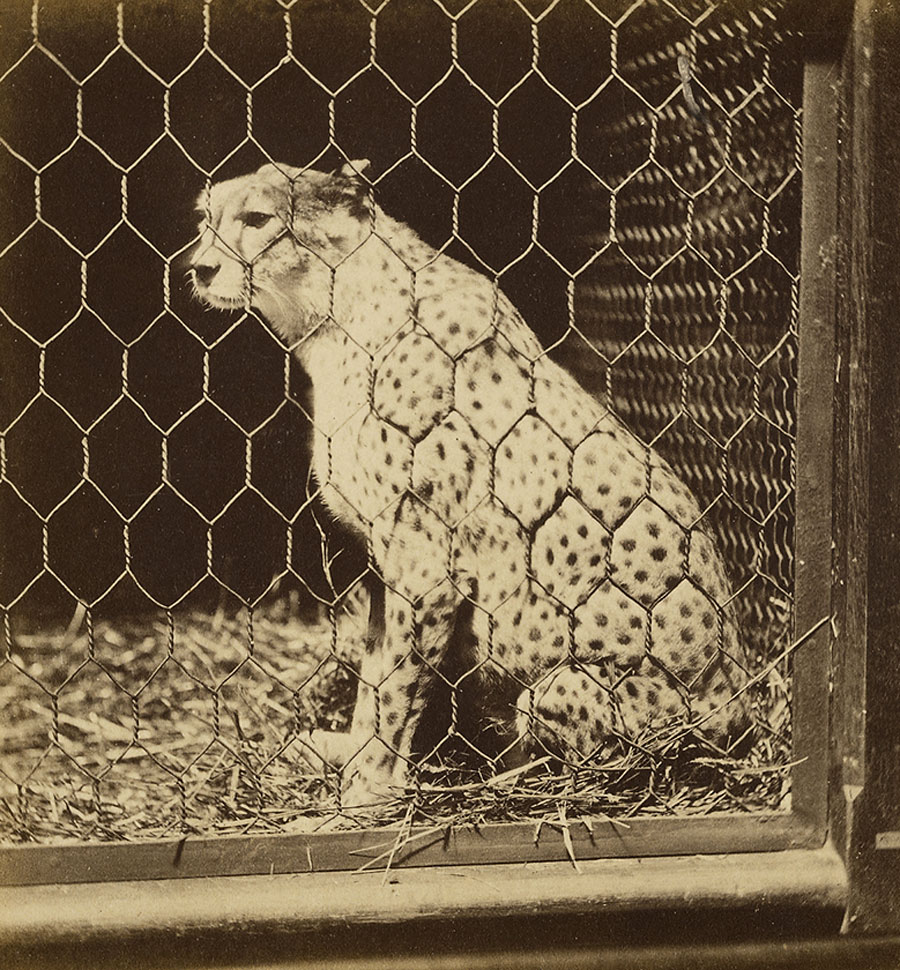
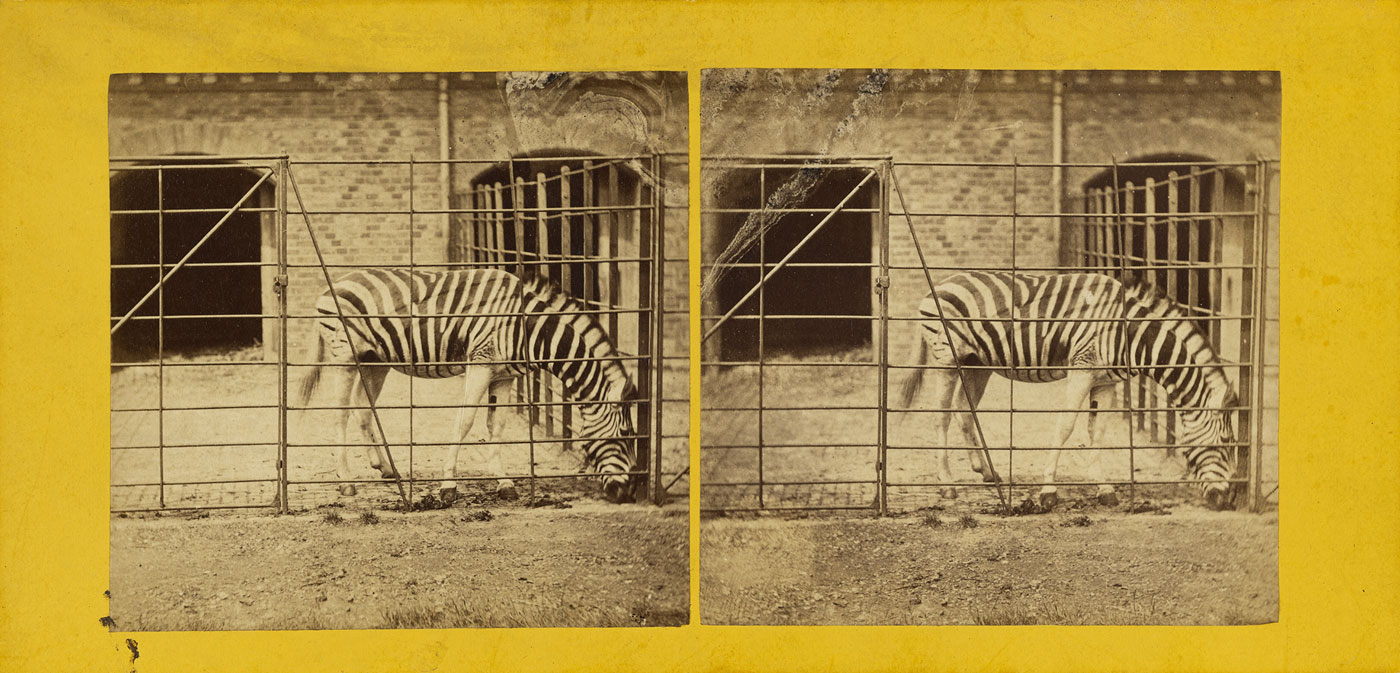
![Capt. Horatio Ross (British, 1801-1886) '[Dead stag in a sling]' c. 1850s - 1860s](https://artblart.com/wp-content/uploads/2015/10/gm_05996801-web.jpg "Capt. Horatio Ross (British, 1801-1886) '[Dead stag in a sling]' c. 1850s - 1860s")
![Capt. Horatio Ross (British, 1801-1886) '[Dead stag in a sling]' c. 1850s - 1860s (detail)](https://artblart.com/wp-content/uploads/2015/10/gm_05996801-detail.jpg "Capt. Horatio Ross (British, 1801-1886) '[Dead stag in a sling]' c. 1850s - 1860s (detail)")
![André Kertész (American born Hungary, 1894-1985) '[Wooden Mouse and Duck]' 1929](https://artblart.com/wp-content/uploads/2015/10/gm_04006701-web.jpg "André Kertész (American born Hungary, 1894-1985) '[Wooden Mouse and Duck]' 1929")
![Unknown maker (American) '[Dog sitting on a table]' c. 1854](https://artblart.com/wp-content/uploads/2015/10/gm_05620501-web.jpg "Unknown maker (American) '[Dog sitting on a table]' c. 1854")
![William Wegman (American, b. 1943) 'In the Box/Out of the Box [right]' 1971](https://artblart.com/wp-content/uploads/2015/10/gm_32612201-web.jpg "William Wegman (American, b. 1943) 'In the Box/Out of the Box [right]' 1971")
![William Wegman (American, b. 1943) 'In the Box/Out of the Box [left]' 1971](https://artblart.com/wp-content/uploads/2015/10/gm_32612101-web.jpg "William Wegman (American, b. 1943) 'In the Box/Out of the Box [left]' 1971")
 Art Blart _ art and cultural memory archive
You must be logged in to post a comment.