
The best of Art Blart in 2025

December 2025


Around the world, 2025 hasn’t been a great year for photography exhibitions. As a friend of mine said on Facebook it has been a dreary year and I would tend to agree with him.

Curatorially, everything was pretty cut and dried, relying on the usual one artist show or group exhibition on a theme with nobody prepared to take a risk on anything creative, inventive even.

I found little to inspire me in terms of idiosyncratic but illuminating pairings of photographers or unusual insights into the conditions and conceptualisation of photographic production and presentation – other than a few of the exhibitions noted below: costume, gesture and expression – yes! the development of colour photography pre the ubiquitous American artists – yes! and the life in self-portraits of a photobooth operator in Melbourne, part magician, part artist – YES!

Out of the 60 postings on Art Blart in 2025 I’ve picked what I think are the 11 best exhibitions, plus a couple of honourable mentions.

I hope you enjoy the selection and a Happy New Year to you all!

Dr Marcus Bunyan


1/ Marcus Bunyan. “Past present,” on the exhibition Still Performing: Costume, Gesture, and Expression in 19th Century European Photography at the Nelson-Atkins Museum of Art, Kansas City, August 2024 – January 2025
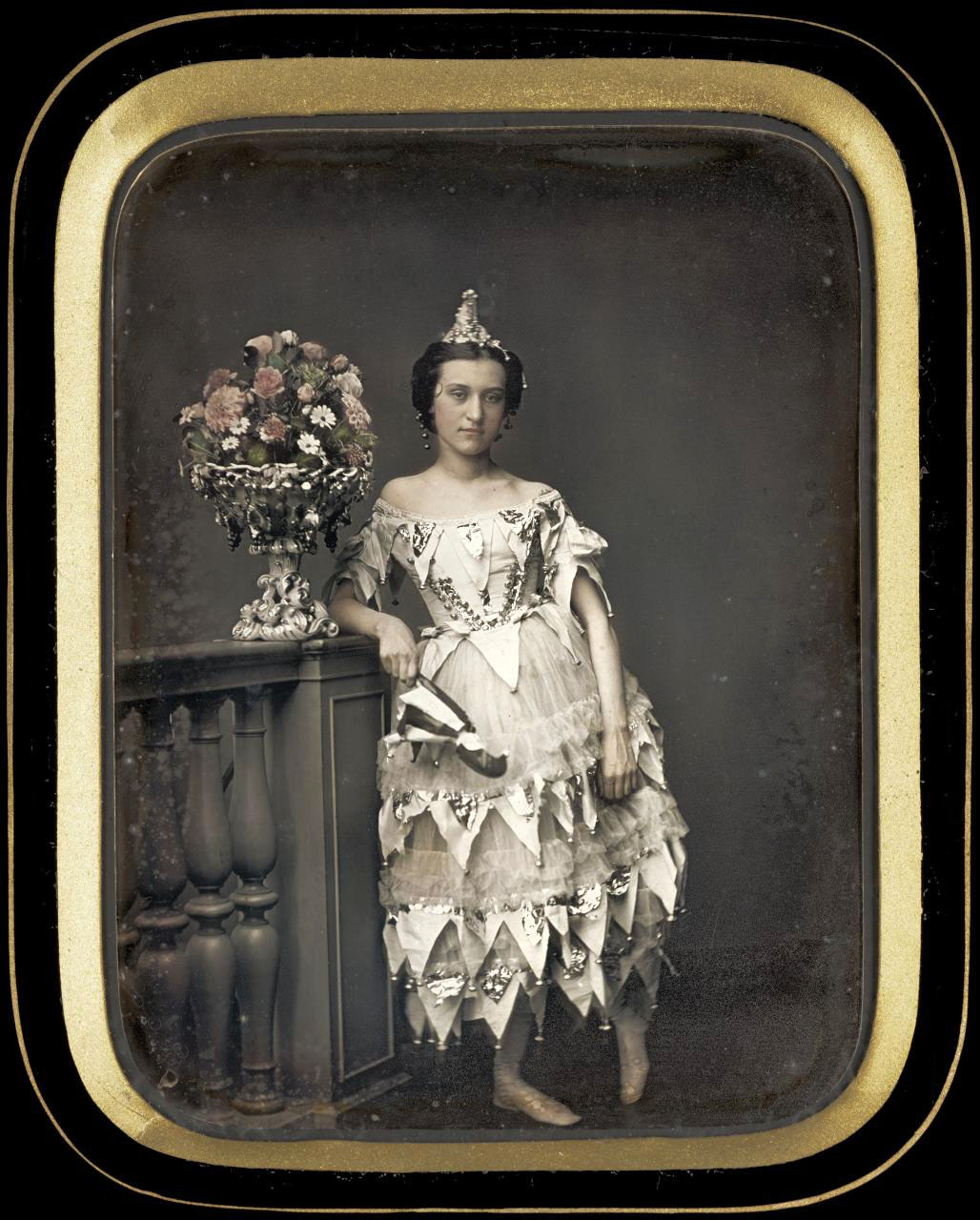
 

Victor Plumier (Belgian, 1820-1878) 'Lady in Costume' About 1850


Victor Plumier (Belgian, 1820-1878)
Lady in Costume
About 1850
Daguerreotype, half plate
5 1/2 × 4 1/2 inches
The Nelson-Atkins Museum of Art
Gift of the Hall Family Foundation


“The emotions and the sentiments, the gestures and the expressions.
The actor and the stage, the photographer and the sitter.
The staged photograph and the tableaux vivant.
The Self and the Other.” ~ MB

VIEW THE POSTING


2/ A Long Arc: Photography and the American South since 1845 at the Virginia Museum of Fine Arts, Richmond, October 2024 – January 2025


Andrew Joseph Russell (American, 1829-1902) 'Slave Pen, Alexandria, Virginia' 1863


Andrew Joseph Russell (American, 1829-1902)
Slave Pen, Alexandria, Virginia
1863
Albumen silver print
High Museum of Art
Purchased with funds Lucinda Weill Bunnen Fund and the Donald and Marilyn Keogh Family


“Photographs are containers of, fragments of, memories of, histories of, events – remembrances of events – brought from past into present, informing the future, showing only snippets of the stories of both past and present lives. Parallel to the usual thought that photographs are about death, they are also memory containers for (still) living people.” ~ MB

VIEW THE POSTING


3/ Marcus Bunyan. “Out in the midday sun,” on the exhibition Martin Parr. Early Works at Fotografie Forum Frankfurt (FFF), September 2024 – February 2025
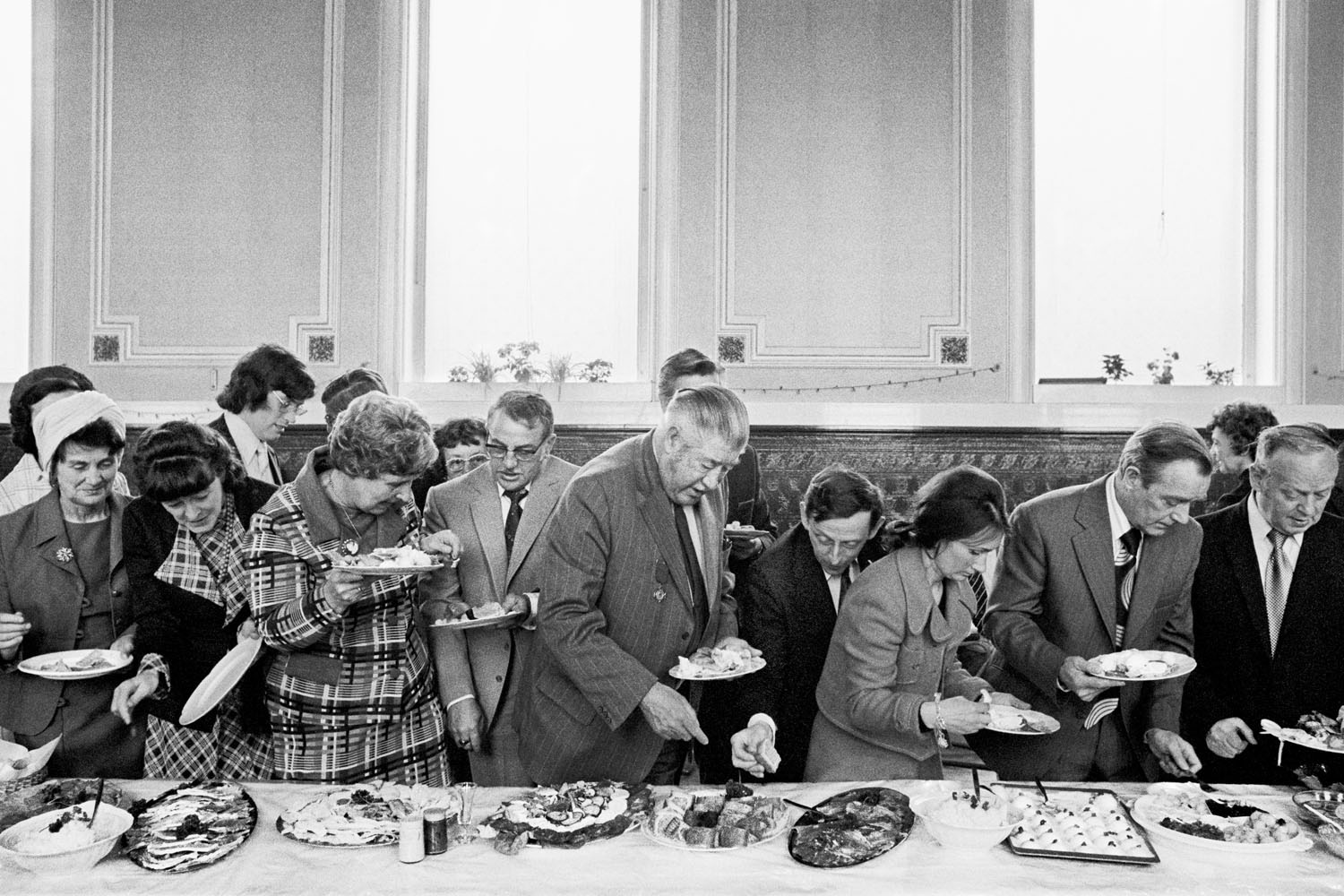
 

Martin Parr (British, 1952-2025) 'Mayor of Todmorden's inaugural banquet, Todmorden, West Yorkshire, England, 1977' 1977


Martin Parr (British, 1952-2025)
Mayor of Todmorden’s inaugural banquet, Todmorden, West Yorkshire, England, 1977
1977
Gelatin silver print
© Martin Parr | Magnum Photos


“I am always fascinated with the early work of an artist. In essence, the photographs tell you what are the primary concerns for the artist and these themes usually remain with them for the rest of their career. These early black and white photographs provide a window into that ongoing investigation, that golden path. They are more subtle in their modulation of British life than in the later colour work – it’s as though the artist had to change gears with the use of colour developing a more ironic way of seeing British life through a different spatial relationship to his subjects – but in these photographs there is still that deprecating humour that is often missing in the work of his contemporaries…” ~ MB

VIEW THE POSTING


4/ Saul Leiter – An Unfinished World at Foam, Amsterdam, January – April, 2025


Saul Leiter (American, 1923-2013) 'Pull' c. 1960


Saul Leiter (American, 1923-2013)
Pull
c. 1960
Chromogenic print
© Saul Leiter Foundation


“There are the things that are out in the open, and there are the things that are hidden, and life has more to do, the real world has more to do with what is hidden.” ~ Saul Leiter

VIEW THE POSTING


5/ True Colors: Color in Photography from 1849 to 1955 at Albertina Modern, Vienna, January – April, 2025
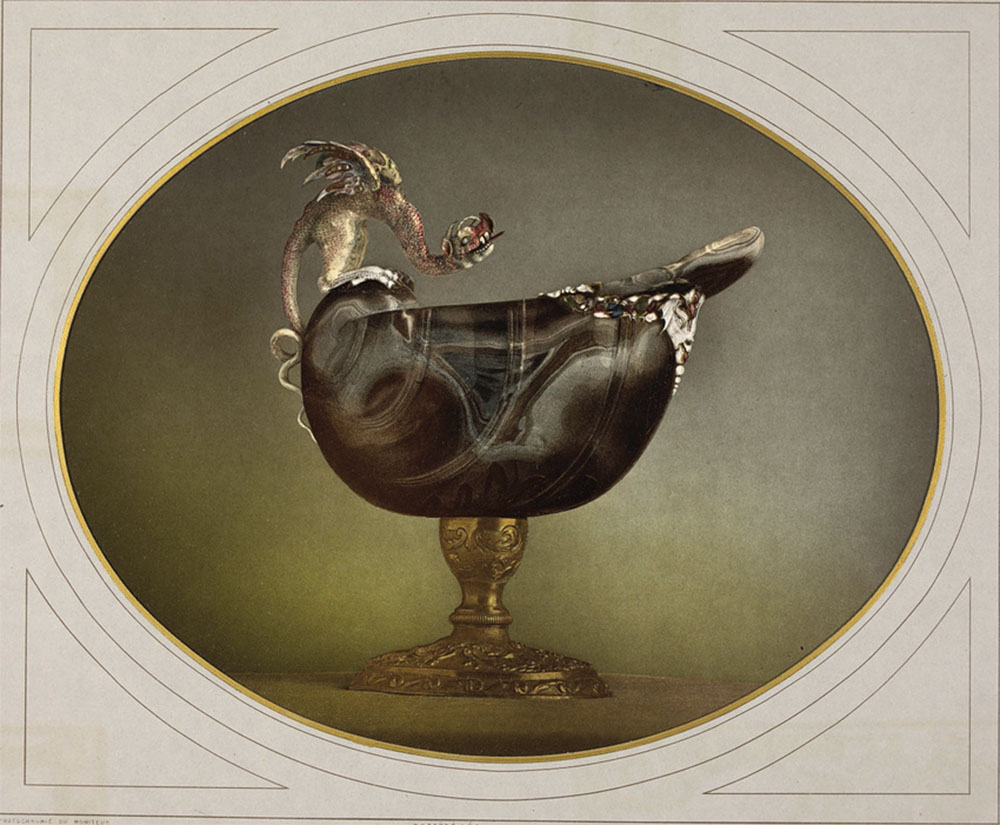
 

Léon Vidal (French, 1833-1906) 'Oriental Onyx Sardonyx Cup (16th century)' 1876


Léon Vidal (French, 1833-1906)
Oriental Onyx Sardonyx Cup (16th century)
1876
Photomechanical proof (photochromy using the Léon Vidal process) mounted on cardboard
H. 20.8 ; L. 26.2 cm.
Don Fondation Kodak-Pathé, 1983


“What a wonderful exhibition. It’s so exciting to see the history and development of colour photography pre the ubiquitous, American artists William Eggleston and Stephen Shore, much as I like both artists.” ~ MB

VIEW THE POSTING


6/ The basement: photography from Prahran College (1968-1981) at the Museum of Australian Photography, Wheelers Hill, Melbourne, March – May 2025


Julie Millowick (Australian, b. 1948) 'Mother and child from 46 Blanche Street, St Kilda' 1977


Julie Millowick (Australian, b. 1948)
Mother and child from 46 Blanche Street, St Kilda
1977
Gelatin silver print
15.9 x 23.7cm
Museum of Australian Photography, City of Monash Collection donated by Julie Millowick 2024


“Prahran College itself played a critical role in the legitimisation of photography as an art form within Australia. It spearheaded the integration of art photography into tertiary education curricula, fostering an environment where young artists … could experiment formally and conceptually.”

James McArdle. “Epoch,” on the On This Date in Photography website, 25th April, 2025 [Online] Cited 28/04/2025

VIEW THE POSTING


7/ Peter Mitchell: Nothing Lasts Forever at The Photographers’ Gallery, London, March – June 2025


Peter Mitchell (British, b. 1943) 'Opticians, London, 1975' 1975


Peter Mitchell (British, b. 1943)
Opticians, London, 1975
1975
C-print
© Peter Mitchell


“The wit, the humour (pigeons sitting outside the racing pigeon shop), the stiff upper lip, the carry on regardless, the working class pantomime of life and death – the public commission flats where people formed caring communities that were destroyed through redevelopment – the integrity of an existence that has largely come and gone pictured with warmth and empathy.” ~ MB

VIEW THE POSTING


8/ Auto-Photo: A Life in Portraits at RMIT Gallery, Melbourne, June – August 2025
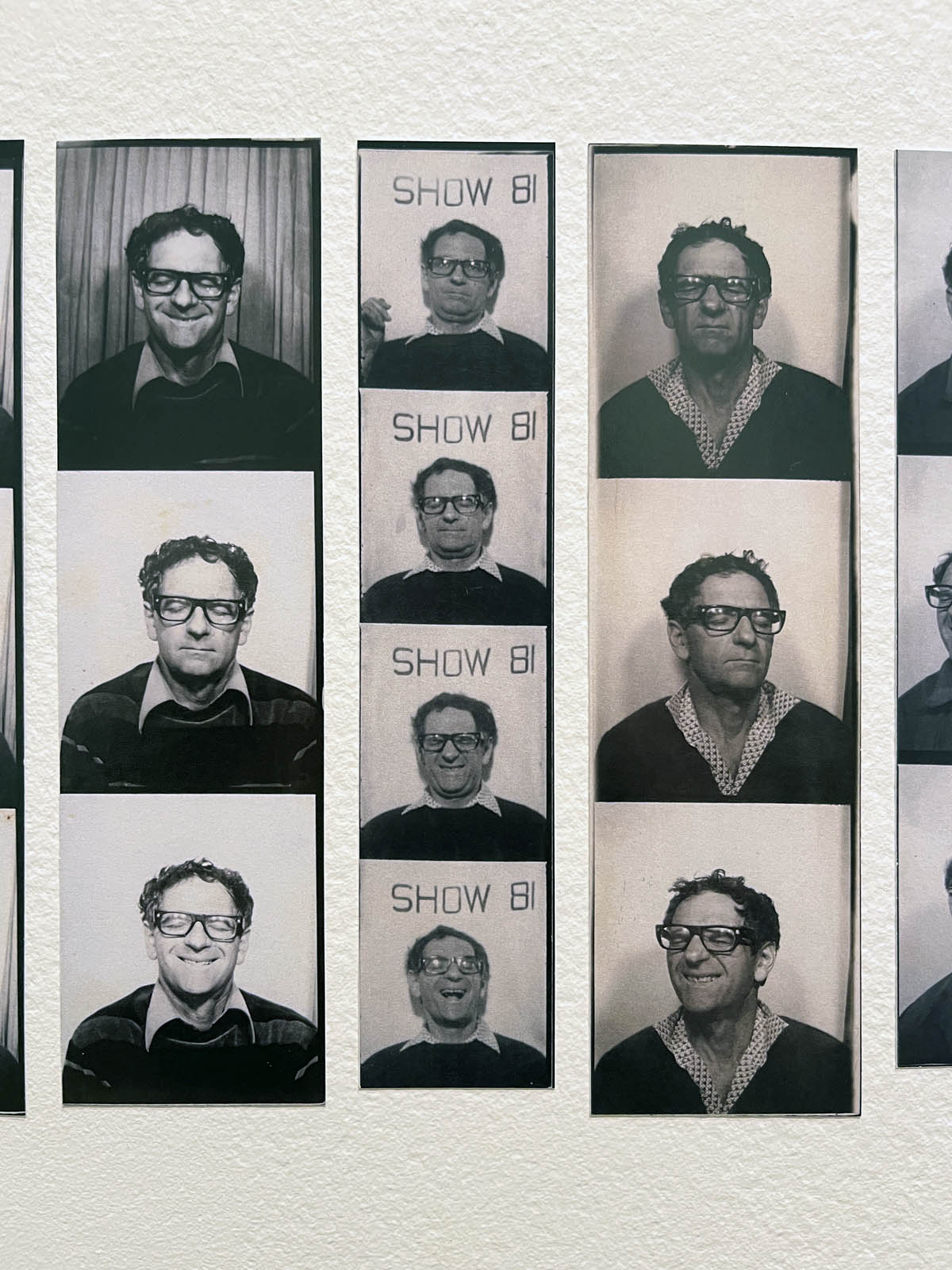
 

Installation view of the exhibition 'Auto-Photo: A Life in Portraits' at RMIT Gallery, Melbourne, June - August, 2025


Installation view of the exhibition Auto-Photo: A Life in Portraits at RMIT Gallery, Melbourne, June – August, 2025
Photo: Marcus Bunyan


“Through the strip self-portraits Adler took while servicing and then testing the photobooths that he operated in Melbourne, Australia we become immersed in an archive of his world, the exhibition becoming a joyous ode to a man who devoted his life to photography (not in the traditional sense): in turns humorous and historical, a travelogue, his travelogue, through time and space.’ ~ MB

VIEW THE POSTING


9/ Street Photography. Lee Friedlander, Joseph Rodríguez, Garry Winogrand at Museum Ludwig, Cologne, Germany, May – October 2025
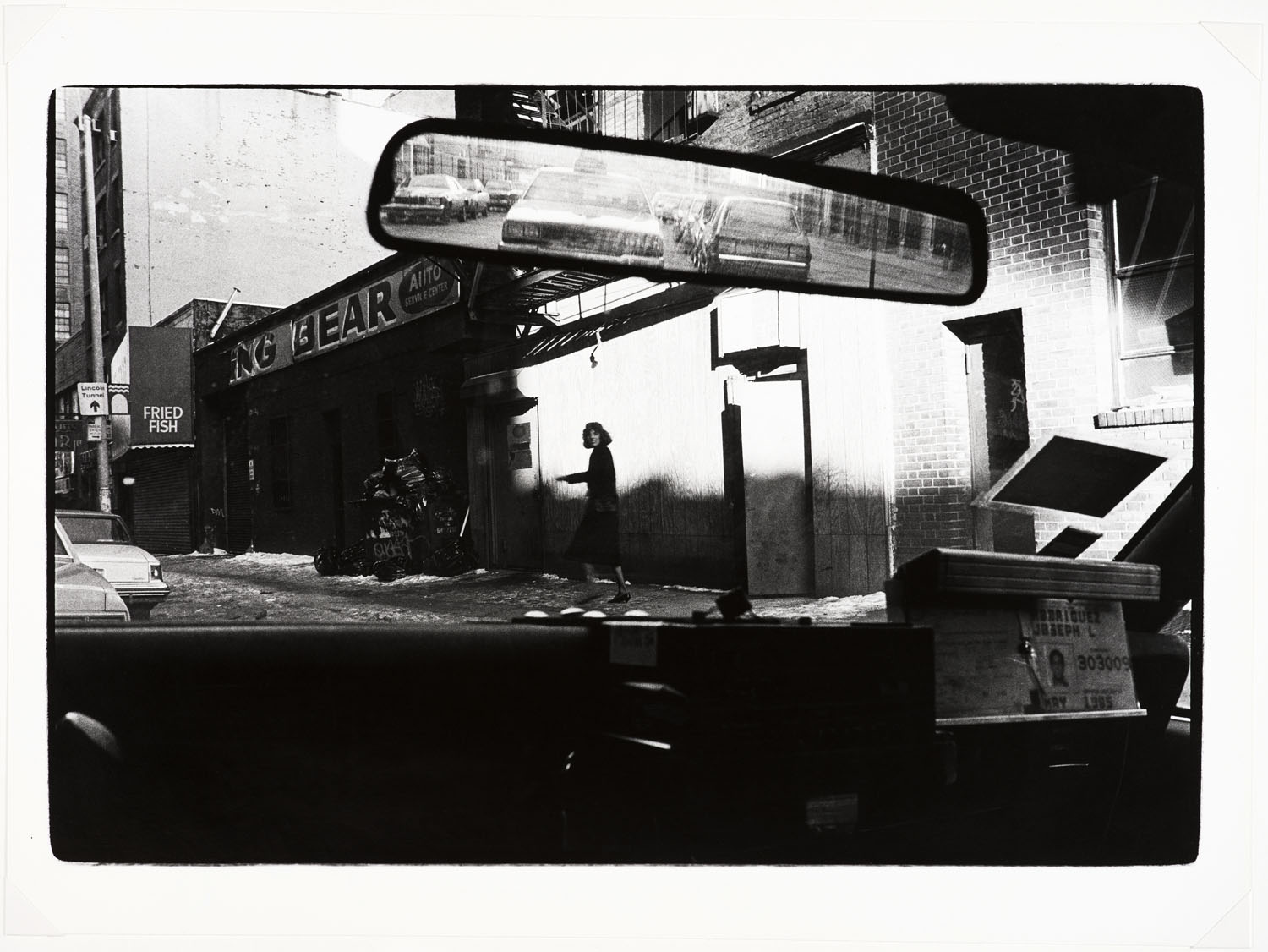
 

Joseph Rodriguez (American, b. 1952) '220 West Houston Street, NY' 1984


Joseph Rodríguez (American, b. 1952)
220 West Houston Street, New York
1984
Gelatin silver paper, print after 1988
25.3 x 37.2cm
© Joseph Rodríguez, Courtesy Galerie Bene Taschen
Repro: Historisches Archiv mit Rheinischem Bildarchiv


“Rodríguez’s moody, high contrast photographs of humanity and street scenes pictured from behind the wheel of his taxi in New York proffer an intuitive, empathetic and subjective view of the city and its people at a time of great economic and social upheaval…

Uncertain times, uncertain angles and perspectives, uncertain light give rise to a powerful body of work made certain by the talent of an impressive photographer. Glorious work.” ~ MB

VIEW THE POSTING


10/ Marcus Bunyan. “Myths of the American West,” on the exhibition Richard Avedon ‘In the American West’ 1979-1984 at the Fondation Henri Cartier-Bresson, Paris, April – October 2025


Richard Avedon (American, 1923-2004) 'Sandra Bennett, twelve year old, Rocky Ford, Colorado, August 23, 1980' 1980


Richard Avedon (American, 1923-2004)
Sandra Bennett, twelve year old, Rocky Ford, Colorado, August 23, 1980
1980
Gelatin silver print
© The Richard Avedon Foundation


“Avedon, while undercutting the myth of the American West through his storytelling, doesn’t seek to document, exploit or misrepresent his subjects, but to subjectively present them as on a theatrical set devoid of scenery – where their very appearance becomes scene / seen. As he himself said, “My concern is… the human predicament; only what I consider the human predicament may simply be my own.”” ~ MB

VIEW THE POSTING


11/ Bernd & Hilla Becher – History of a Method at Die Photographische Sammlung/SK Stiftung Kultur, Cologne, September 2025 – February 2026
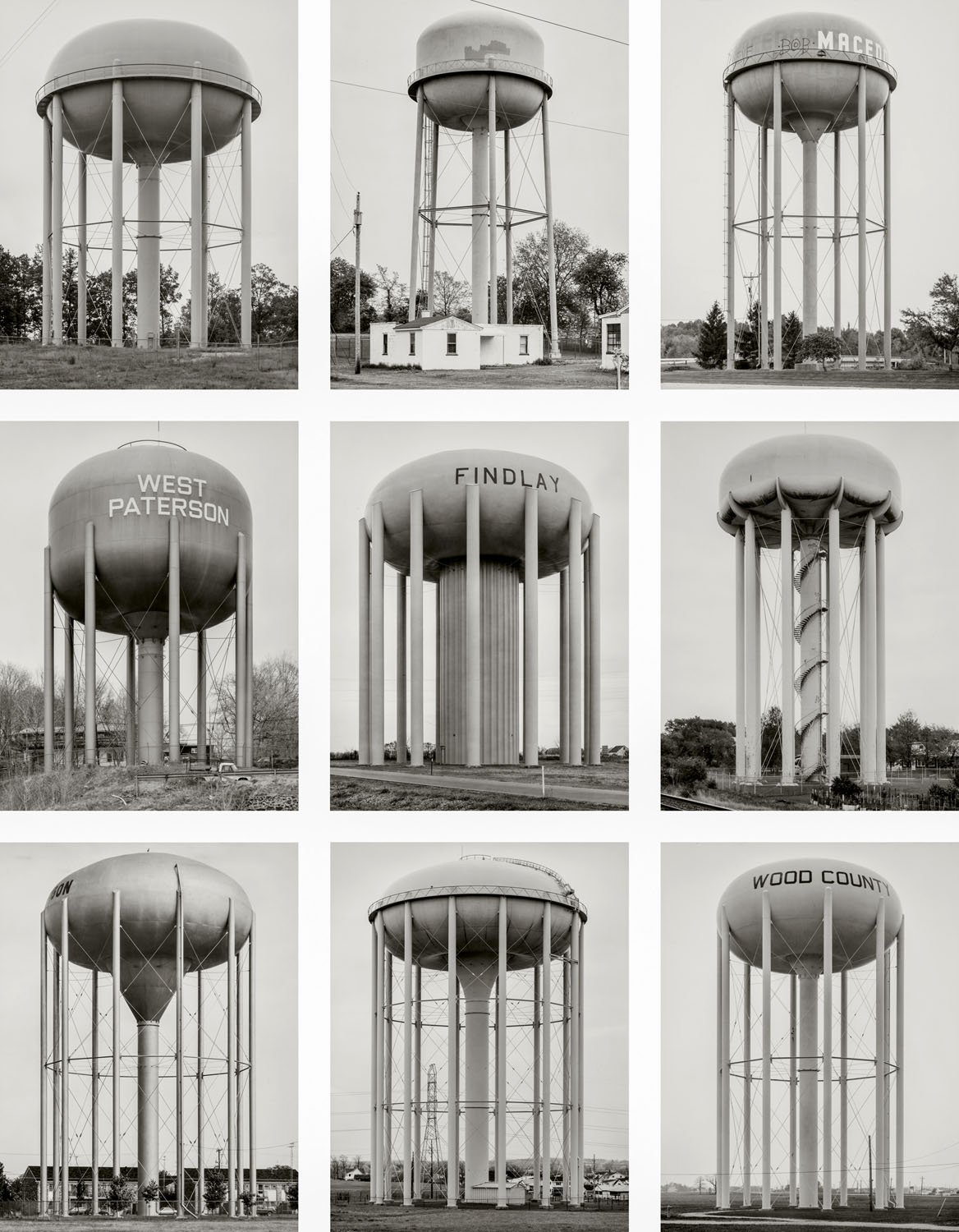
 

Bernd and Hilla Becher (German, 1931-2007/1934-2015) 'Wassertürme, USA' (Water towers, USA) 1974-1983


Bernd and Hilla Becher (German, 1931-2007/1934-2015)
Wassertürme, USA (Water towers, USA)
1974-1983
Gelatin silver prints
© Estate Bernd & Hilla Becher, vertreten durch Max Becher
Courtesy Die Photographische Sammlung/SK Stiftung Kultur – Bernd und Hilla Becher Archiv, Köln, 2025


“The Bechers’ typologies and grids, their topographic state, their same same photographs and perspectives of industrial sculptures and landscapes are anything but objective. Their pictorial grammar, underlaid by a conceptual approach to subject matter, continuously reflected in the systematics of capture and display (the juxtaposition of works together), is constantly undermined by the ghost in the machine – those viral codes of mutation and difference which cannot be controlled.” ~ MB

 VIEW THE POSTING


Honourable mentions


Typologien: Photography in 20th-century Germany at Fondazione Prada, Milan, April – July, 2025


Heinrich Riebesehl (German, 1938-2010) 'Menschen Im Fahrstuhl, 20.11.1969' [People in the Elevator, 20.11.1969] 1969


Heinrich Riebesehl (German, 1938-2010)
Menschen Im Fahrstuhl, 20.11.1969 [People in the Elevator, 20.11.1969]
1969
Gelatin silver print, printed 2007
Kicken Berlin
© Heinrich Riebesehl, by SIAE 2025


Objective / subjective
Pattern / randomness
Isolation / extinction
Morphology / mutation
Specific / anonymous
Repetition / difference
Same / other
Structure / creativity
Orientation / disorientation
Universal / individual
Reality / imagination
Documentation / disruption
Omnipresent / unique
Exact / imprecise
Composed / emotional
Staged / snapshot
Concept / feeling
Formal / intuitive
Ritual / subversion
Collaboration / resistance

Et cetera, et cetera…

Inherent in one is the other.

Every photo within a Becher grid contains its own difference. ~ MB

VIEW THE POSTING


Carrie Mae Weems: The Heart of the Matter at Gallerie d’Italia, Turin, April – September, 2025
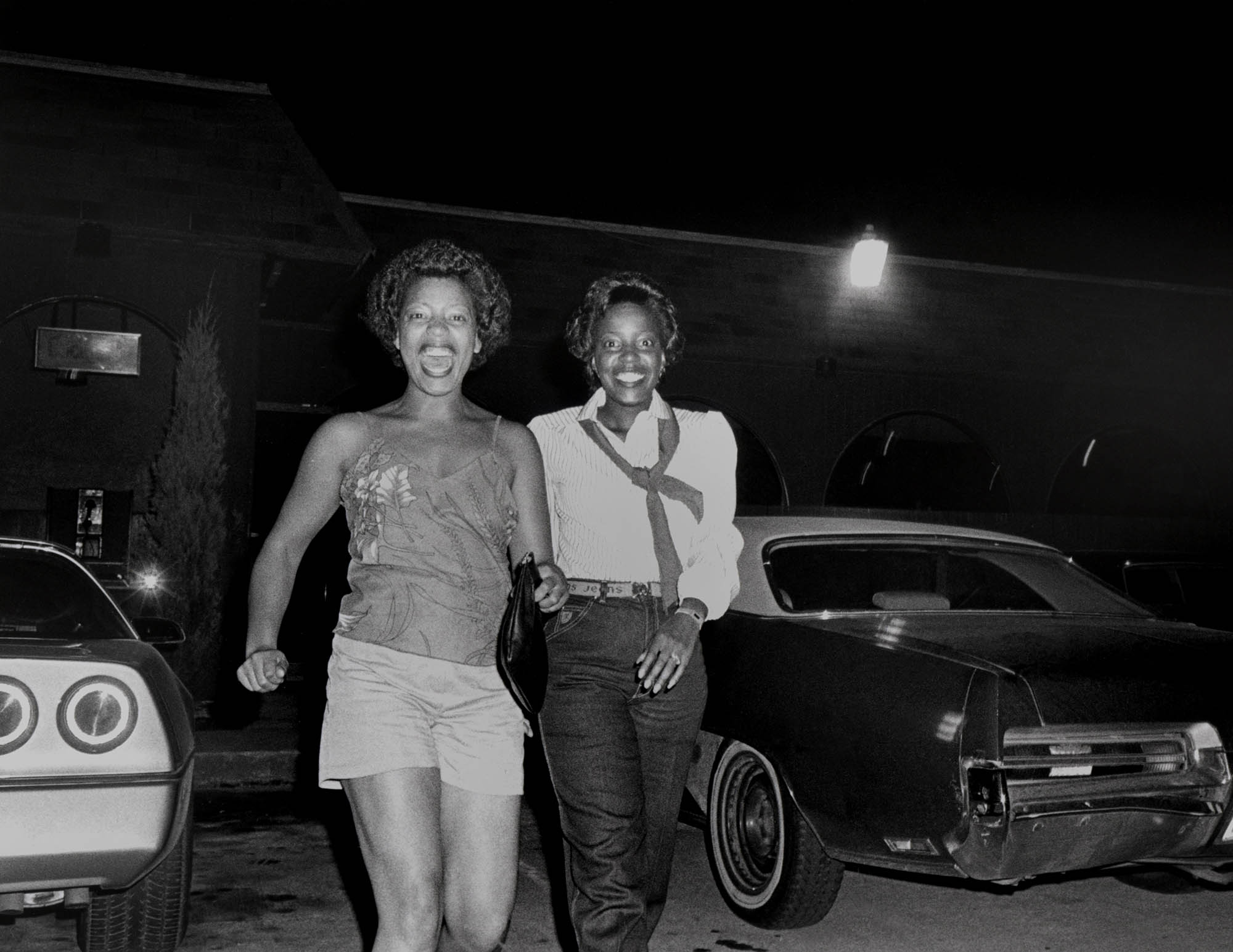
 

Carrie Mae Weems (American, b. 1953) 'Welcome Home' 1978-1984 From the series 'Family Pictures and Stories'


Carrie Mae Weems (American, b. 1953)
Welcome Home
1978-1984
From the series Family Pictures and Stories 1978-1984
© Carrie Mae Weems and reproduced courtesy of the artist and Gladstone Gallery, New York, Fraenkel Gallery, San Francisco, and Galerie Barbara Thumm, Berlin


“Weems blends the poetic and conceptual in photographs and bodies of work which investigate history, identity, racism, executive and patriarchal power from the perspectives of female / Black American.

What a fabulous artist, a guide into circumstances seldom seen, now revealed.” ~ MB

 VIEW THE POSTING


LIKE ART BLART ON FACEBOOK

Back to top

Exhibition: ‘Peter Mitchell: Nothing Lasts Forever’ at The Photographers’ Gallery, London

Exhibition dates: 7th March – 15th June, 2025


Peter Mitchell (British, b. 1943) 'Opticians, London, 1975' 1975 from the exhibition 'Peter Mitchell: Nothing Lasts Forever' at the Photographers' Gallery, London, March - June, 2025


Peter Mitchell (British, b. 1943)
Opticians, London, 1975
1975
C-print
© Peter Mitchell


I absolutely adore these Peter Mitchell 1970s colour photographs made from Hasselblad two and a quarter square negatives.

There is something so …. well, British about them.

The wit, the humour (pigeons sitting outside the racing pigeon shop), the stiff upper lip, the carry on regardless, the working class pantomime of life and death – the public commission flats where people formed caring communities that were destroyed through redevelopment – the integrity of an existence that has largely come and gone pictured with warmth and empathy.

The people, growing up during the Second World War the privations of which lasted well into the 1950s, now during a period of change in the 1970s standing behind the fish ‘n chip counter wondering where their lives had gone and how they had got there, but still with that British sense of spirit and grit.

Peter Mitchell, “a chaser of a disappearing world” pictures these “goners” – buildings, people (and a way of life) near the end of existence soon to be demolished – in an almost painterly manner.

His use of colour, perspective and form is very fine. Witness, the flow of the photograph ‘Edna, George & Pat, H.E. Greenwood Butcher, Waterloo Road, Leeds, 1977’ (below) as, in the shot, the camera allows the eye to pan from one vanishing point at left to the other at right, with the patchwork of colours and panels of the building creating an almost Mondrian-like texture – blue to black to beige to white sign to pale blue to yellow to green to pale green, surmounted by the dark blue of the threatening sky highlighting the jagged form of the building. Superb.

My favourite photograph in the posting is The Chair, Priestly House Interior, Quarry Hill Flats, Leeds, 1978 (below). This photograph is from what I believe to be Mitchell’s strongest body of work on the demolition of the Quarry Hill Flats in Leeds. ‘One of those doomed deserts was Quarry Hill flats, irresistible both as a symbol of the fate of all architecture and of the great clock in the heavens signalling everybody’s life span’ (Peter Mitchell quoted on The Guardian website)

A drab, beige, wallpapered room with double aspect window, an art deco chair with mirror reflecting nothing, an electrical socket, a ceiling light sprouting malignant plant and trapped in the window panes, little birds fluttering against their capture, trapped forever inside an abandoned flat, this abandoned life.

Yes, there’s a sense of nostalgia and melancholy in these photographs but their restrained, formal, representation of life does much to ennoble the people and buildings contained within them which, through osmosis, ennobles the mind of the viewer.

As I myself sense the great clock in the heavens signalling my life span, the pleasure and comfort I get from feeling the spirit of Peter Mitchell’s photographs is immeasurable.

Dr Marcus Bunyan


Many thankx to the Photographers’ Gallery for allowing me to publish the photographs in the posting. Please click on the photographs for a larger version of the image.


Peter Mitchell (British, b. 1943) 'Mrs Clayton and Mrs Collins, summer 1974' 1974 from the exhibition 'Peter Mitchell: Nothing Lasts Forever' at the Photographers' Gallery, London, March - June, 2025


Peter Mitchell (British, b. 1943)
Mrs Clayton and Mrs Collins, summer 1974
1974
C-print
© Peter Mitchell


Peter Mitchell (British, b. 1943) 'Mr and Mrs Hudson, Newsagents, Seacroft, Leeds, 1974' 1974 from the exhibition 'Peter Mitchell: Nothing Lasts Forever' at the Photographers' Gallery, London, March - June, 2025


Peter Mitchell (British, b. 1943)
Mr and Mrs Hudson, Newsagents, Seacroft, Leeds, 1974
1974
C-print
© Peter Mitchell


‘Mr and Mrs Hudson in Seacroft Green, Leeds. I took this photograph on the 14 August 1974 at about 11am. I like the way the ladder is propping up the shop. They had just moved into a new shop on the same spot, with the church getting a facelift to match’

Peter Mitchell quoted on The Guardian website


Peter Mitchell (British, b. 1943) 'Mrs. McArthy & her daughter, Sangley Road, Catford, London, 1975' 1975


Peter Mitchell (British, b. 1943)
Mrs. McArthy & her daughter, Sangley Road, Catford, London, 1975
1975
C-print
© Peter Mitchell


Peter Mitchell (British, b. 1943) 'Kingston Racing Motors, Olinda Terrace, Leeds 1975' 1975


Peter Mitchell (British, b. 1943)
Kingston Racing Motors, Olinda Terrace, Leeds 1975
1975
C-print
© Peter Mitchell


Is the man with the wrench a mechanic? Why is the woman with the clapped-out Porsche looking so naughty? Will James C Gallagher, whose business it is, always have his back to the camera? And after painting the wall, why did Barry have to leave Leeds? The council demolished the lot shortly after this snap.

Text from The Guardian website


Peter Mitchell (British, b. 1943) 'Two anonymous ladies, Tivoli Cinema, Acre Road from Sisson’s Lane, Leeds, 1976' 1976


Peter Mitchell (British, b. 1943)
Two anonymous ladies, Tivoli Cinema, Acre Road from Sisson’s Lane, Leeds, 1976
1976
C-print
© Peter Mitchell


Peter Mitchell (British, b. 1943) 'Sir Yank's Records (& Heavy Disco), Gathorne Street, Leeds 1976' 1976


Peter Mitchell (British, b. 1943)
Sir Yank’s Records (& Heavy Disco), Gathorne Street, Leeds 1976
1976
C-print
© Peter Mitchell


Peter Mitchell (British, b. 1943) 'Concorde Wallpaper, Devon Road, 1970s' 1970s


Peter Mitchell (British, b. 1943)
Concorde Wallpaper, Devon Road, 1970s
1970s
C-print
© Peter Mitchell


Peter Mitchell (British, b. 1943) 'Alea Stony Rock, Westlock Grove, 1970s' 1970s


Peter Mitchell (British, b. 1943)
Alea Stony Rock, Westlock Grove, 1970s
1970s
C-print
© Peter Mitchell


Peter Mitchell (British, b. 1943) 'Beetham's, Church Street, Leeds, 1970s' 1970s


Peter Mitchell (British, b. 1943)
Beetham’s, Church Street, Leeds, 1970s
1970s
C-print
© Peter Mitchell


A retrospective of work by one of the leading early colour photographers of the 20th century opens this March at The Photographers’ Gallery.

Peter Mitchell (b. 1943, UK) is widely regarded as one of the most important early colour photographers of the 1970s and 1980s. A powerful storyteller and social historian, Mitchell’s photography unfolds a longstanding and poetic connection with Leeds. He has chronicled the people and fortunes of the city with warmth and familiarity for over 40 years.

Described as ‘a narrator of who we were, a chaser of a disappearing world’ (Val Williams), his work reveals his love, and at times quirky, off-beat vision, of the people and changing face of Leeds.

The retrospective explores the breadth of Mitchell’s photographic practice. It brings together his famous series ‘A New Refutation of the Viking 4 Space Mission’, which imagines England as seen through the eyes of an alien from Mars, demolished flats, shopkeepers and their shops, and boarded-up and disused buildings, as well as his portraits of scarecrows. The exhibition marks a return to The Photographers’ Gallery for Mitchell – he first exhibited at the Gallery in 1984.

A chronicler of a changing city, he said of his work photographing the demise of the iconic Quarry Hills Estate in Leeds, ‘I know there was no point in keeping Quarry Hill flats. But what it stood for might have been worth keeping.’

Calling himself ‘a man of the pavement’, Mitchell continues to regularly walk the streets of Leeds to photograph his beloved hometown today.

Peter Mitchell: Nothing Lasts Forever will include rarely seen works from Mitchell’s own collection, personal ephemera and found objects.

Peter Mitchell: Nothing Lasts Forever is in collaboration with Leeds Art Gallery. Nothing Lasts Forever, published by RRB Photobooks, is available now.

Peter Mitchell

Peter Mitchell was born in Manchester in 1943. He studied at Hornsey College of Art in London, then moved north to look for work and never left. Living and working in Leeds for much of his life, Mitchell treats his surrounding with a unique sense of care. An essential part of the colour documentary scene in the 1970s and 80s, Mitchell’s landmark show A New Refutation of the Space Viking 4 Mission at Impressions Gallery in York in 1979 was the first colour photography show in the UK.

Press release from The Photographers’ Gallery


Peter Mitchell (British, b. 1943) 'Ready mixed Concrete Ltd., Elland Road, Leeds, 1977' 1977


Peter Mitchell (British, b. 1943)
Ready mixed Concrete Ltd., Elland Road, Leeds, 1977
1977
C-print
© Peter Mitchell


Peter Mitchell (British, b. 1943) 'Edna, George & Pat, H.E. Greenwood Butcher, Waterloo Road, Leeds, 1977' 1977


Peter Mitchell (British, b. 1943)
Edna, George & Pat, H.E. Greenwood Butcher, Waterloo Road, Leeds, 1977
1977
C-print
© Peter Mitchell


Peter Mitchell (British, b. 1943) ''How many Aunties?', Back Hares Mount, Leeds, 1978' 1978


Peter Mitchell (British, b. 1943)
‘How many Aunties?’, Back Hares Mount, Leeds, 1978
1978
C-print
© Peter Mitchell


Peter Mitchell (British, b. 1943) 'The Sir Yank’s Heavy Disco, Harehills Avenue, Leeds, 1978' 1978


Peter Mitchell (British, b. 1943)
The Sir Yank’s Heavy Disco, Harehills Avenue, Leeds, 1978
1978
C-print
© Peter Mitchell


Peter Mitchell (British, b. 1943) 'Priestly House, Quarry Hill Flats, 1978' 1978


Peter Mitchell (British, b. 1943)
Priestly House, Quarry Hill Flats, 1978
1978
C-print
© Peter Mitchell


Peter Mitchell (British, b. 1943) 'The Kitson House telephone, Quarry Hill Flats, 1978' 1978


Peter Mitchell (British, b. 1943)
The Kitson House telephone, Quarry Hill Flats, 1978
1978
C-print
© Peter Mitchell


‘It was obvious to me that they were something special. York House was one side of the football pitch, Thoresby House opposite’

Peter Mitchell quoted on The Guardian website


Peter Mitchell (British, b. 1943) 'The Garden of Rest, Quarry Hill Flats, Leeds, 1978' 1978


Peter Mitchell (British, b. 1943)
The Garden of Rest, Quarry Hill Flats, Leeds, 1978
1978
C-print
© Peter Mitchell


Peter Mitchell (British, b. 1943) 'Thoresby House, Quarry Hill Flats, Leeds, 1978' 1978


Peter Mitchell (British, b. 1943)
Thoresby House, Quarry Hill Flats, Leeds, 1978
1978
C-print
© Peter Mitchell


‘I photograph dying buildings and Quarry Hill was terminal by the time I got to it. Times change and I know there was no point in keeping Quarry Hill flats. But what it stood for might have been worth keeping’

Peter Mitchell quoted on The Guardian website


Peter Mitchell (British, b. 1943) 'Nielson House interior, Quarry Hill Flats, Leeds, 1978' 1978


Peter Mitchell (British, b. 1943)
Nielson House interior, Quarry Hill Flats, Leeds, 1978
1978
C-print
© Peter Mitchell


Peter Mitchell (British, b. 1943) 'The Chair, Priestly House Interior, Quarry Hill Flats, Leeds, 1978' 1978


Peter Mitchell (British, b. 1943)
The Chair, Priestly House Interior, Quarry Hill Flats, Leeds, 1978
1978
C-print
© Peter Mitchell


‘One of those doomed deserts was Quarry Hill flats, irresistible both as a symbol of the fate of all architecture and of the great clock in the heavens signalling everybody’s life span’

Peter Mitchell quoted on The Guardian website


Peter Mitchell (British, b. 1943) 'Abandoned car, Wright House, Quarry Hill Flats, Leeds, 1978' 1978


Peter Mitchell (British, b. 1943)
Abandoned car, Wright House, Quarry Hill Flats, Leeds, 1978
1978
C-print
© Peter Mitchell


Peter Mitchell (British, b. 1943) 'Frances Gaven. Leeds, 1979' 1979


Peter Mitchell (British, b. 1943)
Frances Gaven. Leeds, 1979
1979
From A New Refutation of the Viking 4 Space Mission
C-print
© Peter Mitchell


Francis Craven on Woodhouse Moor, Leeds in April 1979. He’d built this apparition himself but was having trouble with its arms – the pulleys had given out

Text from the Guardian website


Peter Mitchell’s A New Refutation of the Viking 4 Space Mission features photos and portraits, taken in Leeds in the 1970s. The pictures show the traditional urban landscape presented on a background of space charts, the concept being that an alien has landed from Mars and is wandering around Leeds with a degree of surprise and puzzlement.

In the Earthly vernacular these photographs are of Nowheresville. Yet, for some people, they are the centre of the universe. Usually they call it Home.

Text from the Martin Parr Foundation website [Online] Cited 25/05/2025


Mitchell’s series documents backstreets, corner shops, factories, churches and cemeteries in Leeds and Sheffield, as well as other locations in Cumbria and London, building a compelling picture of these cities during the late 1970s. Many of the portraits show the city inhabitants standing outside their homes or places of work. Equal attention is paid to the entirety of the setting, the figures often appearing dwarfed in the composition by their surroundings. The majority of the subjects gaze directly at the camera adopting stiff, frontal poses giving the images a formal impression and sense of stillness. Describing the distinctive style and subject matter of the photographs, historian David Mellor has commented, ‘it is as if Alan Bennett had met Diane Arbus in an urban picaresque’ (Mellor 2005, accessed 12 June 2017).

Ruins, crumbling facades, abandoned shops and cemeteries punctuate the series, pointing to themes of life, death, memory and loss. For example, Mitchell’s pictures includes shots of Mrs Lee’s dress shop – which burnt down the day after closure – a decayed synagogue and a defunct station in Sheffield, where the trains pass through but never stop. The 1970s were a time of great change in Britain as it struggled with widespread social unrest as well as the collapse of heavy industries. Commenting on this aspect of the series, Mellor noted, ‘NASA’s 1976 Viking Landers were a triumph of robotics, of remote sensing and imaging – that very culture of digitised information which was to supplant the manual world of industrial era Leeds.’ (Ibid.)

Text is a crucial element in Mitchell’s work, and each image in this series is accompanied by a caption to be displayed alongside. These idiosyncratic snippets of text are excerpted from Mitchell’s diary, and range from deadpan descriptions of place, to short anecdotes and humorous musings. Historian Val Williams has likened the artist’s distinctive combination of photography and text across his different bodies of work to the Situationist writing of the French theorist Guy Debord. …

Mitchell’s work occupies an important position within the history of colour photography specifically. He was photographing in colour at a time when black and white was the predominate medium for documentary photography in Britain, and before colour photography was fully embraced by museum collections. His work thus evidences an alternate history of colour photography distinct from the predominant narrative of the emergence of colour photography in the United States in the work of photographers such as William Eggleston (born 1939) and Stephen Shore (born 1947).

Sarah Allen
June 2016

Collection text on the Tate website [Online] Cited 24/05/2025


Peter Mitchell (British, b. 1943) 'Max Babbin, Vulcan Street, Leeds, 1979' 1979


Peter Mitchell (British, b. 1943)
Max Babbin, Vulcan Street, Leeds, 1979
1979
C-print
© Peter Mitchell


Peter Mitchell (British, b. 1943) 'ABC (Aerated Bread Company offices), Camden Road, London, 1979' 1979


Peter Mitchell (British, b. 1943)
ABC (Aerated Bread Company offices), Camden Road, London, 1979
1979
C-print
© Peter Mitchell


Peter Mitchell (British, b. 1943) 'Old Kent Road, London, 1979' 1979


Peter Mitchell (British, b. 1943)
Old Kent Road, London, 1979
1979
C-print
© Peter Mitchell


His early photographs were made in the 1970s and 80s, when he was working as a truck driver. His vantage point removed him from the immediacy of the street, and he developed his distinctive graphic framing of the buildings and landscapes, which reveal the layers of urban and social history

Text from The Guardian website


Peter Mitchell (British, b. 1943) 'Mr Costas, Stroud Green Road, London, 1979' 1979


Peter Mitchell (British, b. 1943)
Mr Costas, Stroud Green Road, London, 1979
1979
C-print
© Peter Mitchell


Mr Costas on Stroud Green Road, London in May 1979. He was thinking to himself: ‘If only this was Athens instead of Finsbury Park’

Text from The Guardian website


Peter Mitchell (British, b. 1943) 'Nosey 'Twat, Sackville Street, Leeds, 1980s' 1980s


Peter Mitchell (British, b. 1943)
Nosey ‘Twat, Sackville Street, Leeds, 1980s
1980s
C-print
© Peter Mitchell


Peter Mitchell (British, b. 1943) 'Kirkstall Road, Leeds, 1980s' 1980s


Peter Mitchell (British, b. 1943)
Kirkstall Road, Leeds, 1980s
1980s
C-print
© Peter Mitchell


Peter Mitchell (British, b. 1943) 'Francis Gavan, Ghost Train Ride, Woodhouse Moor, Leeds, Spring 1986' 1986


Peter Mitchell (British, b. 1943)
Francis Gavan, Ghost Train Ride, Woodhouse Moor, Leeds, Spring 1986
1986
C-print
© Peter Mitchell


Peter Mitchell (British, b. 1943) 'Racing Pigeon Shop (ii), Blake Grove, Leeds, Summer 2009' 2009


Peter Mitchell (British, b. 1943)
Racing Pigeon Shop (ii), Blake Grove, Leeds, Summer 2009
2009
C-print
© Peter Mitchell


John Murray owned the Racing Pigeon Shop and remembers “great times” on Blake Grove.


The Photographers’ Gallery
16-18 Ramillies Street
London
W1F 7LW

Opening hours:
Mon – Wed: 10.00 – 18.00
Thursday – Friday: 10.00 – 20.00
Saturday: 10.00 – 18.00
Sunday: 11.00 – 18.00

The Photographers’ Gallery website

LIKE ART BLART ON FACEBOOK

Back to top