
Exhibition dates: 15th October 2022 – 5th February 2023
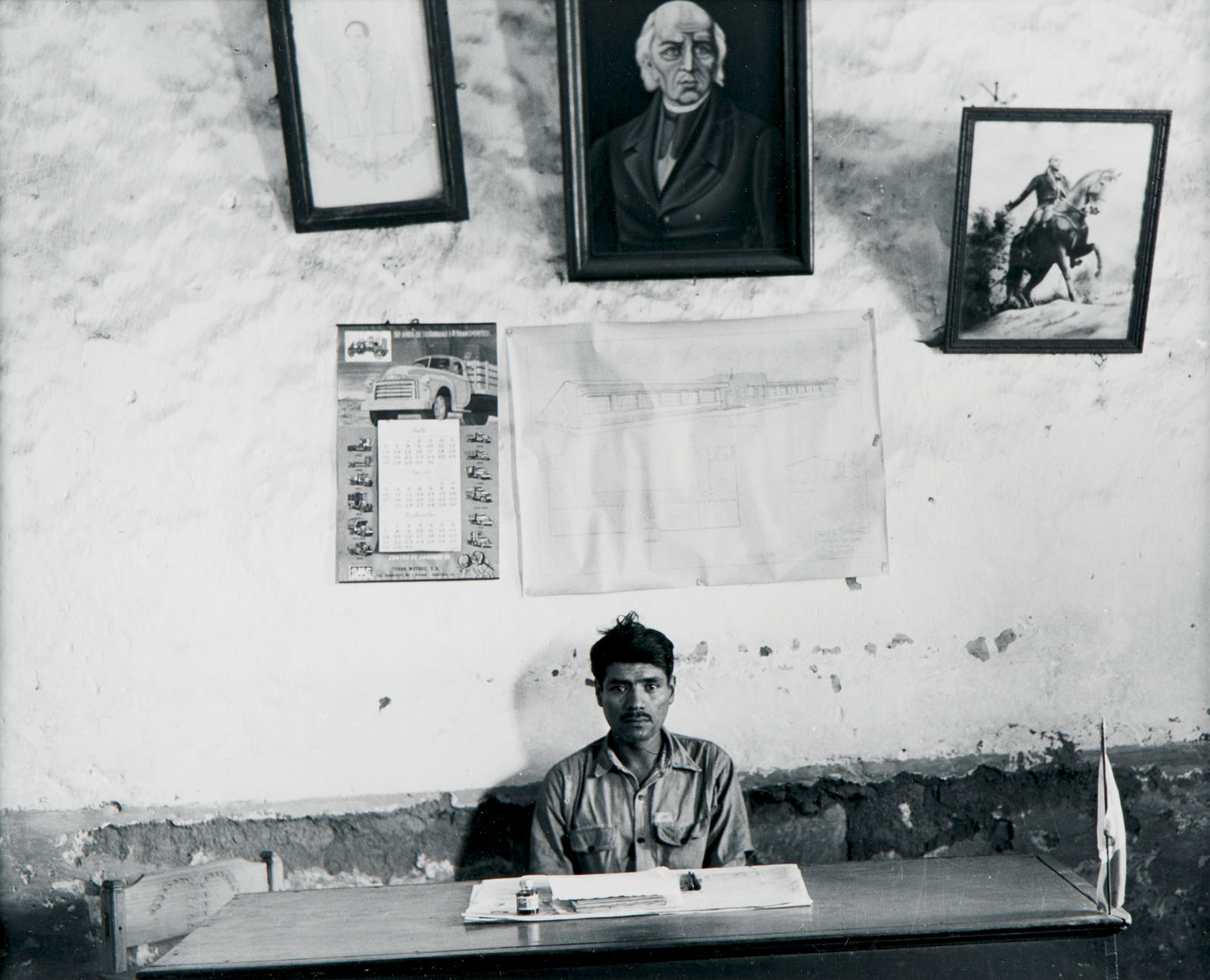
Manuel Álvarez Bravo (Mexican, 1902-2002)
Mr. Municipal President (Señor presidente municipal)
1947 (negative); printed before 1975
Gelatin silver print
Image Overall: 7 3/8 x 9 1/8 inches (18.7 x 23.1cm)
Bank of America Collection
© Archivo Manuel Álvarez Bravo, S.C
After last week’s long piece of writing something more succinct this week…
“Luces y Sombras translates as Lights and Shadows. The exhibition reflects many themes: the landscape, urban life, fantasy and, especially among younger generations, gender and invented situations infused with symbolism. It begins with works by photographers active at the conclusion of the Mexican Revolution (1910-1920), notably Manuel Álvarez Bravo, considered Mexico’s first truly modern photographer. It also includes visiting artists such as the Americans Paul Strand and Edward Weston.
Later works by such figures as Manuel Carrillo, Mariana Yampolsky, and Graciela Iturbide reveal the ongoing emphasis by Mexican photographers on everyday life and Mexico’s Indigenous communities. Recent generations of photographers have found new purpose in documenting how ways of life in Mexico continue to be changed by urbanisation, migration, and the pervasive influence of popular Western culture and mass media.” (Exhibition text from the TAM)
It is interesting to hear British photographer Chris Killip’s thoughts on Mexico through a foreign lens. This quote from an upcoming posting on Killip’s work:
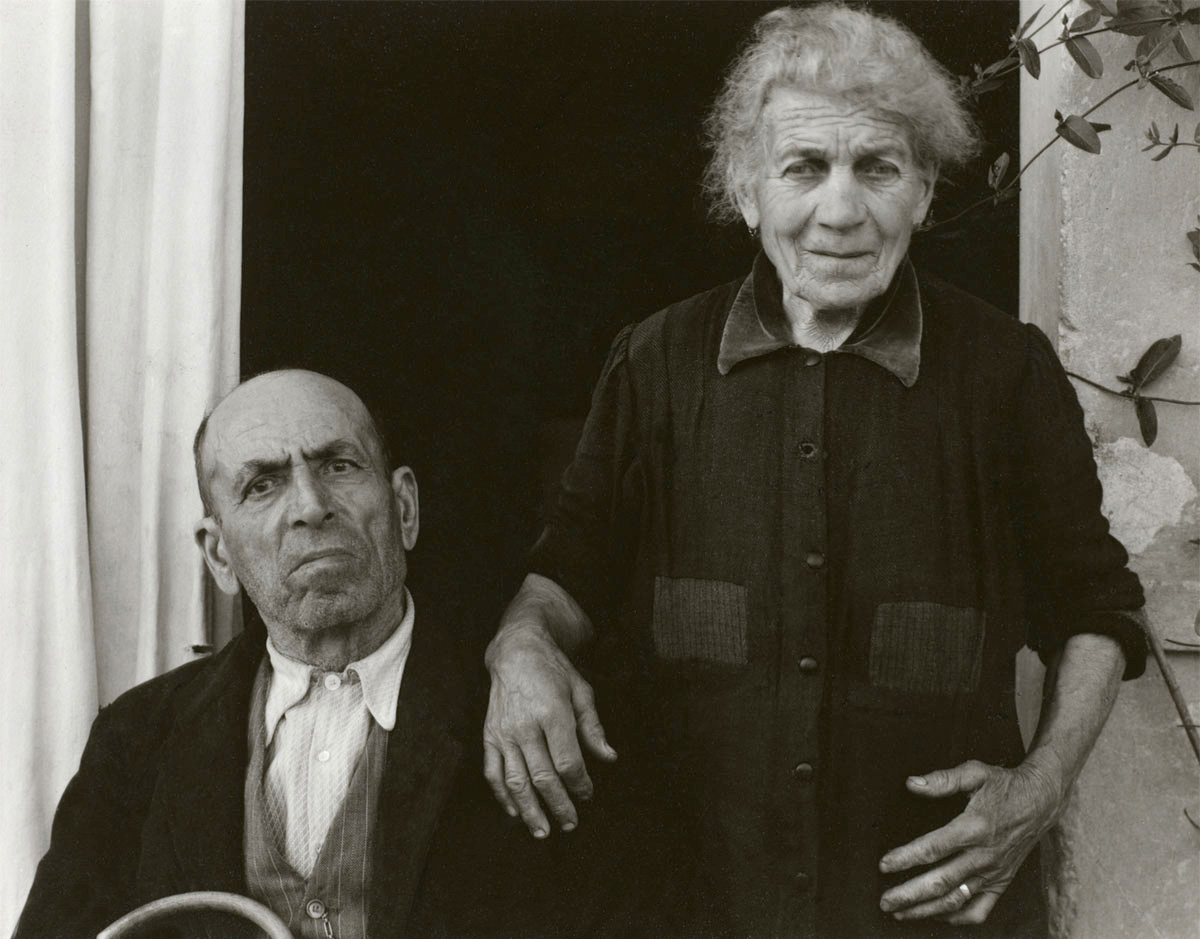
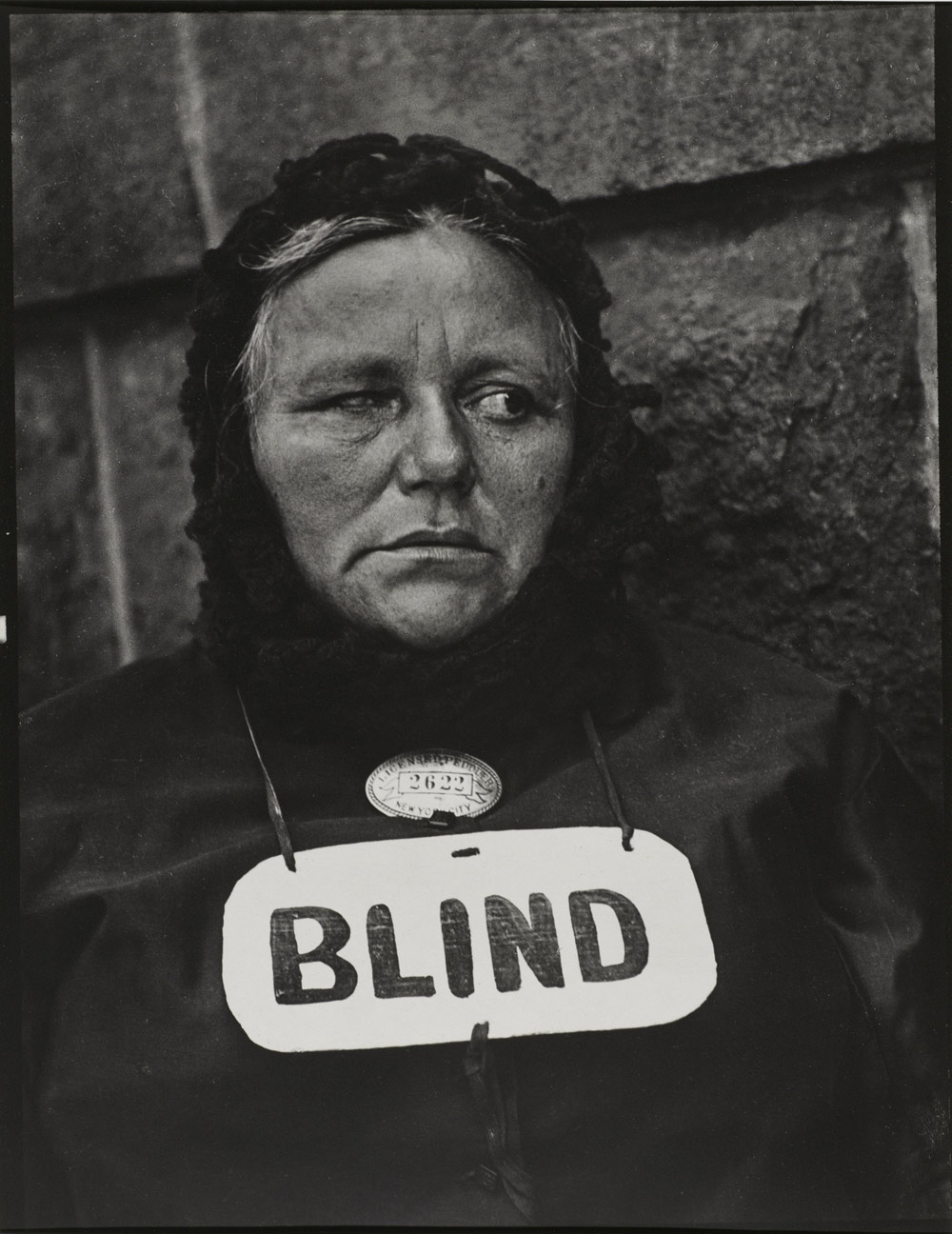
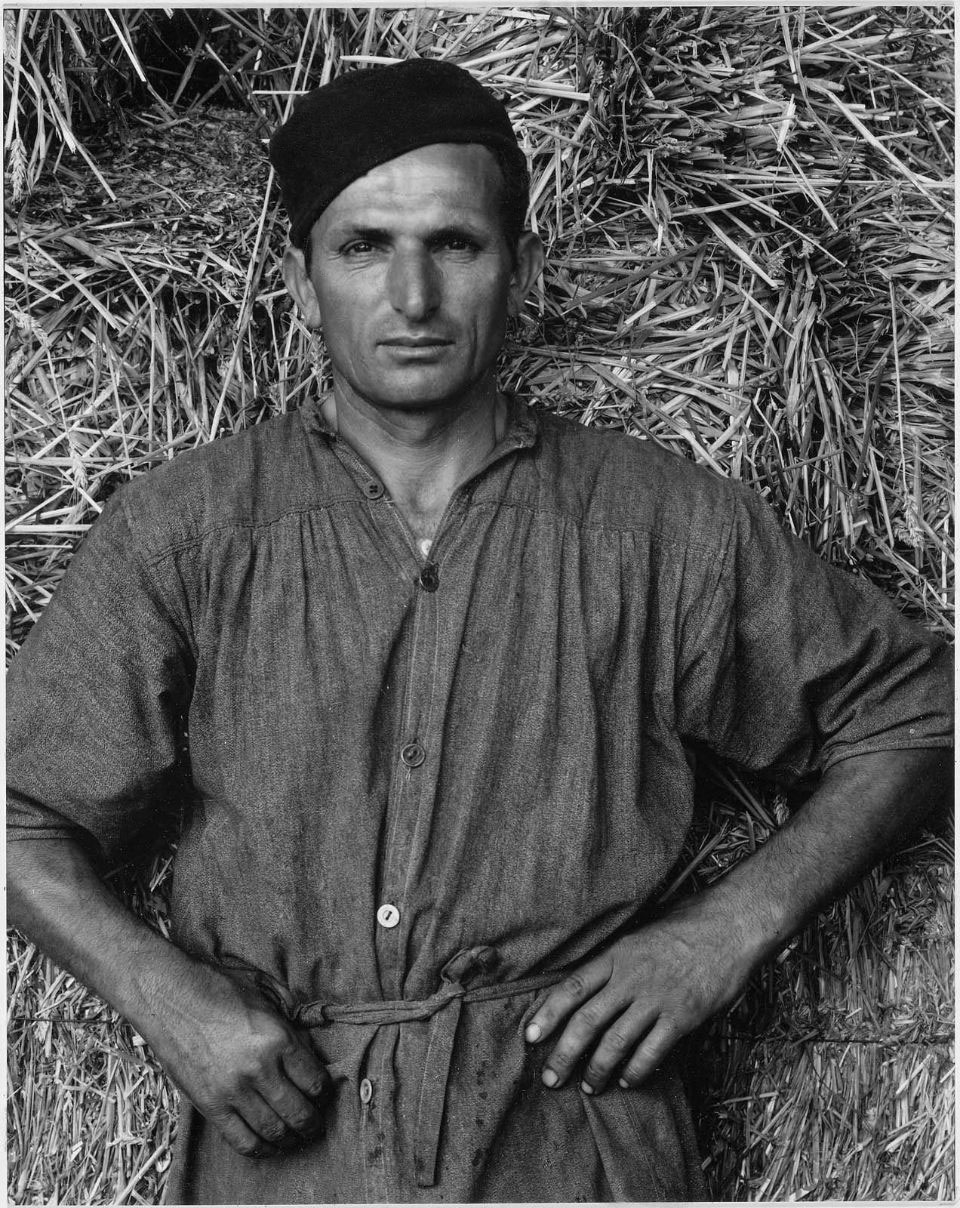
He says he stayed [in Newcastle] because he liked it, and that he might never have left had the Harvard job not come along – but he was also inspired by the Magnum photographer Josef Koudelka, who came to visit him early on and “talked about the importance of being in one place, to get under the surface of things”. He was also interested in how differently Paul Strand and Manuel Alvarez Bravo photographed Mexico, he says, despite Strand’s sympathetic, card-carrying Communist credentials.
“Strand beautifies poverty and simplifies the Mexican people into ‘the poor Mexicans, but isn’t this wonderful visually’,” he says. “But Alvarez Bravo was Mexican, his pictures are very complicated because he was able to accept ambiguities and contradictions, which Strand couldn’t… I think because I lived in Newcastle for so long I was able to accept ambiguities and not worry about them, just accept them and show them. I wanted to be there and be more accepting.”1
As I have said in a previous posting on Mexican photography there is something so essential and grounded, so darkly soulful about Mexican photography. They never pull their punches, not just interested in the beauty of people and place but also the rituals, traditions and politics of Mexican society.
As ever, it is the work of Mexican artist Manuel Álvarez Bravo that steals my heart. His work exudes the spirit of the country through its sensitivity and connection to the earth from which he was born. The light and form in Bravo La Siesta de los Peregrinos; the light and form in Retrato de lo Eterno (1935, below). I have studied his work quite closely. He is the blessed one. Through his music, he captures the light and life of Mexico, the spirit of the eternal, “the sunlight [as] a discreet veil that turns the shadows into velvet.” His work is the art of the People.
Further,
“One of my early heroes in photography was Manuel Alvarez Bravo whom I rate as one of the best photographers that has ever lived, up there with Atget and Sudek. His photograph Parabola optica (Optical Parable, 1931, below) lays the foundation for an inherent language of Mexican photography: that of a parable, a short allegorical story designed to illustrate or teach some truth, religious principle, or moral lesson. Many Mexican photographs tell such stories based on the mythology of the country: there are elements of the absurd, surrealism, macabre, revolution, political and socio-economic issues, also of death, violence, beauty, youth, sexuality and religion to name but a few – a search for national identity that is balanced in the photographs of Bravo by a sense of inner peace and redemption. This potent mix of issues and emotions is what makes Mexican photography so powerful and substantive. In the “presence” (or present, the awareness of the here and now) of Mexican photography there is a definite calligraphy of the body in space in most of the work. This handwriting is idiosyncratic and emotive; it draws the viewer into an intimate narrative embrace.
Unlike most Australian documentary photography where there is an observational distance present in the photographs – a physical space between the camera/photographer and the subject – Mexican documentary photography is imbued with a revolutionary spirit and validated by the investment of the photographer in the subject itself, as though the image is the country is the photographer. There is an essence and energy to the Mexican photographs that seems to turn narrative on its head, unlike the closed loop present in the tradition of Australian story telling. The intimate, swirling narratives of Mexican photography could almost be termed lyrical socio-realist.”2
What is a revelation to me in this posting is work by two Mexican photographers who I have never heard of before and I should have because they are very good: Manuel Carrillo and Flor Garduño. Carillo joined the Club Fotográfico de México at the age of 49. As James McArdle observes the politics of Carrillo’s photographic work is anchored to his own cultural identity as a Mexican by birth and his time spent in America.
“He quickly found his voice by making images of everyday life throughout Mexico, celebrating local culture and the human spirit. His work is an extension of Mexicanidad, a movement begun in the 1920s to forge a Mexican national identity free of foreign influence… His interest in indigenous cultures and his use of bright sunlight to create compositions with dramatic shadows and bold geometric forms has roots in the photographic work of Edward Weston and Paul Strand, American modernist photographers active in Mexico in the 1920s and 1930s. Rather than idealising, aestheticising, or moralising, Carrillo portrays Mexico from the perspective of an affectionate observer, transforming ordinary moments into expressions of quiet eloquence.”3
A certain paradox can be noted here: the wish for a Mexican identity free of foreign influence and photographs forged in the American modernist tradition. Interesting. It doesn’t stop the visceral photographs being very “Mexican” for all that.
“Garduño’s photographs create a bridge between the present and the past by portraying natural elements such as water, trees, earth, animals, and atmosphere. Garduño worked for the Department of Public Education in her native Mexico, traveling to rural areas to work with indigenous communities. From this she developed her style and got to know what she has referred to as the “profound truth” of the countryside in the Americas. Her work was also influenced by artists Kati Horna, who worked in a surrealistic vein, and Manuel Álvarez Bravo, who attended carefully to the tonal qualities of his photographs. Garduño similarly uses compositional and darkroom techniques to achieve moody, evocative images.”4
In the work of Mexican photographers – Manuel Álvarez Bravo, Graciela Iturbide, Manuel Carrillo and Flor Garduño – you can palpably feel the essentialness of the Mexican people and begin to understand their connection to the land from which they come. Much as in the work of Chris Killip in England with his embeddedness5 with the people of North Yorkshire … there is an honesty, integrity and openness to their work which, in the case of Mexican photography, has continuous strands (like a river) running through it: that is, a synthesis of aesthetics, politics, land and spirit. Their work is of the people for the people offering a “profound truth” about the nature of their existence in the countryside in the Americas.
Dr Marcus Bunyan
Footnotes
1/ Diane Smyth. “Now Then: Chris Killip and the Making of In Flagrante,“ on the British Journal of Photography website 6 June 2017 [Online] Cited 26/01/2023
2/ Marcus Bunyan. “Photography in Mexico: Selected Works from the Collections of SFMOMA and Daniel Greenberg and Susan Steinhauser,” on the Art Blart website 4th July 2012 [Online] Cited 28/01/2023
3/ Anonymous. “Manuel Carrillo: Mexican Modernist,” on the New Mexico Museum of Art website Nd [Online] Cited 28/01/2023. No longer available online
4/ Anonymous. “Get to know the work of Flor Garduño,” on the Getty Twitter website Oct 6, 2021 [Online] Cited 28/01/2023
5/ Embeddedness: an exchange that takes place within and is regulated by society rather than being located in a social vacuum.
Many thankx to the Tacoma Art Museum, Mark I. Chester and Steven Miller for allowing me to publish the photographs in the posting. Please click on the photographs for a larger version of the image.

Manuel Álvarez Bravo (Mexican, 1902-2002)
In the Temple of Red Tiger (En el templo del tigre rojo)
1949 (negative); print before 1975
Gelatin silver print
Image overall: 9 3/4 × 6 3/4 in. (24.8 x 17.1cm)
Bank of America Collection
© Archivo Manuel Álvarez Bravo, S.C

Manuel Álvarez Bravo (Mexican, 1902-2002)
Portrait of the Eternal (Retrato de lo eterno)
1935 (negative); print before 1975
Gelatin silver print
Image Overall: 9 5/8 × 7 3/8in. (24.4 x 18.7cm)
Bank of America Collection
© Archivo Manuel Álvarez Bravo, S.C

Manuel Álvarez Bravo (Mexican, 1902-2002)
The Daydream (El ensueño)
1931 (negative); print before 1975
Gelatin silver print
Image Overall: 9 1/4 × 7 in. (23.5 x 17.8cm)
Bank of America Collection
© Archivo Manuel Álvarez Bravo, S.C

Manuel Álvarez Bravo (Mexican, 1902-2002)
Optic Parable (Parábola óptica)
1931 (negative); print before 1975
Gelatin silver print
Image Overall: 9 1/4 × 7 in. (23.5 x 17.8cm)
Bank of America Collection
© Archivo Manuel Álvarez Bravo, S.C

Manuel Álvarez Bravo (Mexican, 1902-2002)
The Big Fish Eats the Little Ones (El pez grande se come a los chicos)
1932 (negative); print before 1975
Gelatin silver print
Image Overall: 9 × 7 in. (22.9 x 17.8cm)
Bank of America Collection
© Archivo Manuel Álvarez Bravo, S.C
Graciela Iturbide on Manuel Álvarez Bravo
Graciela Iturbide, Hasselblad Award Winner in 2008, talks about her friend and teacher Manuel Álvarez Bravo who received the Hasselblad Award in 1984.
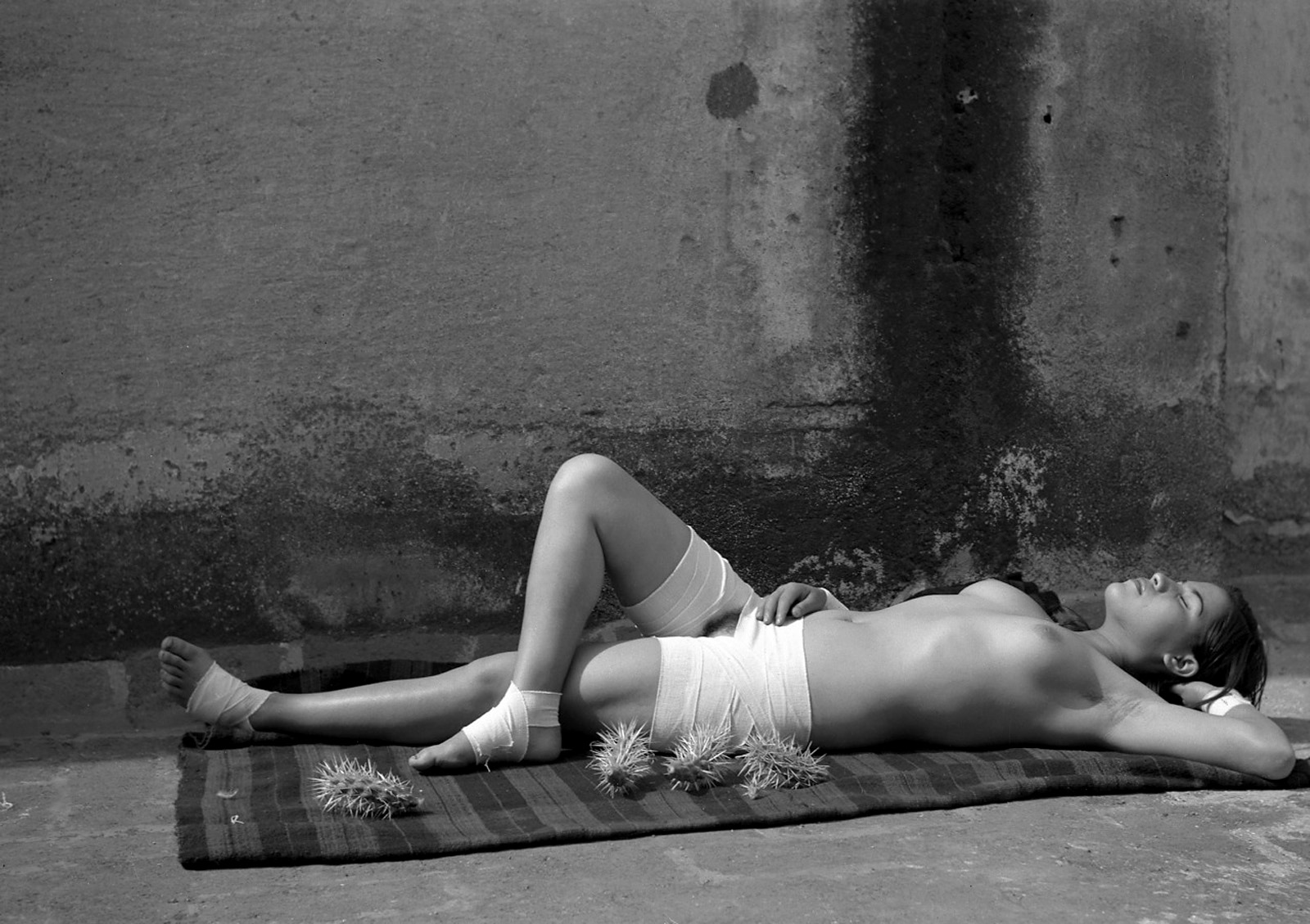
Manuel Álvarez Bravo (Mexican, 1902-2002)
The Good Reputation, Sleeping (La buena fama, durmiendo)
1938 (negative); print before 1975
Gelatin silver print
Image Overall: 7 3/8 × 9 5/8 in. (18.7 x 24.4cm)
Bank of America Collection
© Archivo Manuel Álvarez Bravo, S.C
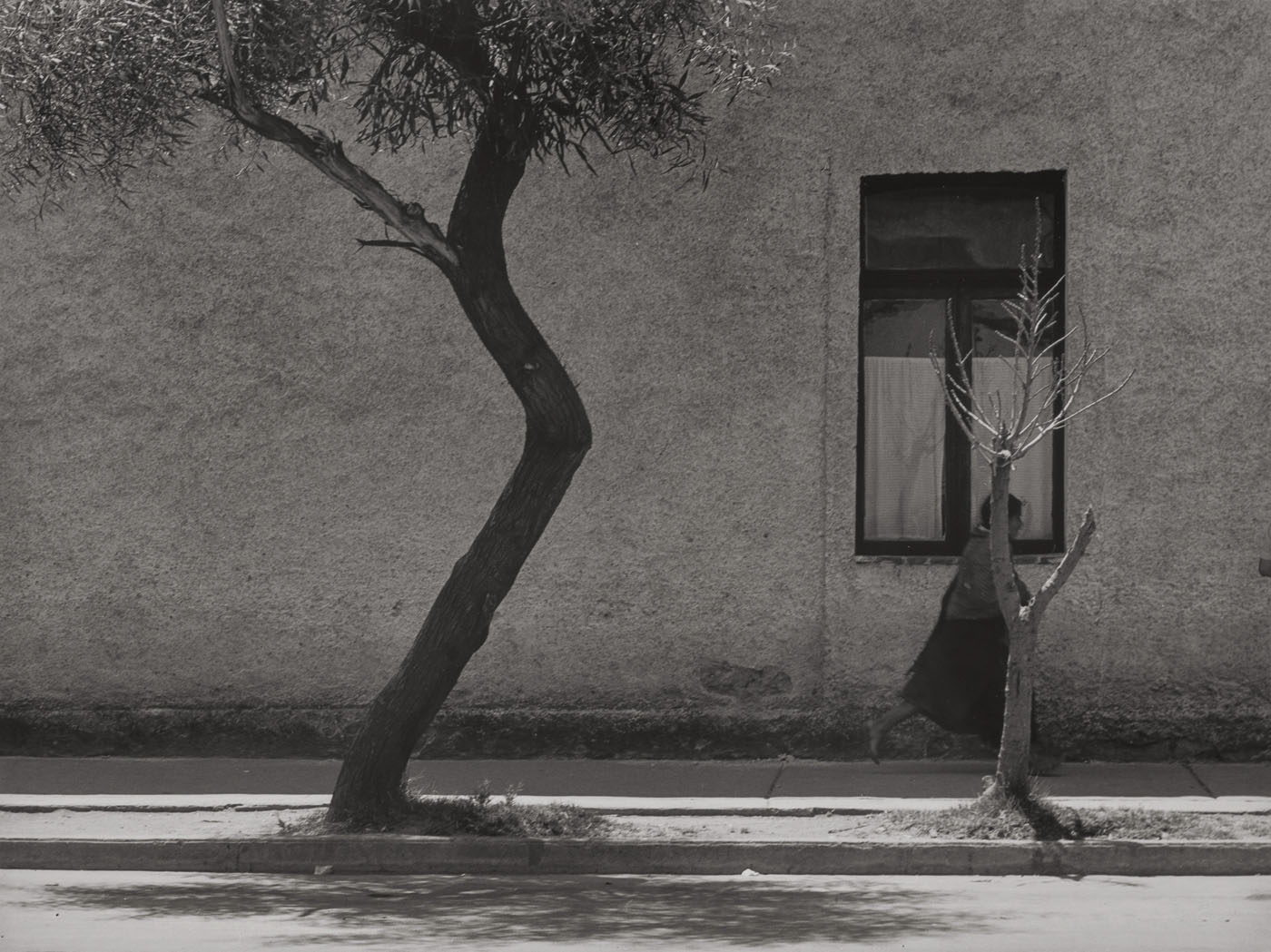
Manuel Álvarez Bravo (Mexican, 1902-2002)
The Maria (La María)
1972
Gelatin silver print
Image Overall: 7 × 9 1/4 in. (17.8 x 23.5 cm)
Bank of America Collection
© Archivo Manuel Álvarez Bravo, S.C

Manuel Álvarez Bravo (Mexican, 1902-2002)
The Washerwomen Implied (Las lavanderas sobreentendidas)
1932 (negative); print before 1975
Gelatin silver print
Image Overall: 9 1/2 × 6 in. (24.1 x 15.2cm)
Bank of America Collection
© Archivo Manuel Álvarez Bravo, S.C

Manuel Álvarez Bravo (Mexican, 1902-2002)
The Obstacles (Los obstáculos)
1929 (negative); print before 1975
Gelatin silver print
Image Overall: 7 1/4 × 9 1/4 in. (18.4 x 23.5cm)
Bank of America Collection
© Archivo Manuel Álvarez Bravo, S.C

Manuel Álvarez Bravo (Mexican, 1902-2002)
Frida Kahlo with Globe (Frida Kahlo con globo)
c. 1930s (negative); print before 1992
Gelatin silver print
Image Overall: 9 3/8 × 7 1/4 in. (23.8 x 18.4cm)
Bank of America Collection
© Archivo Manuel Álvarez Bravo, S.C
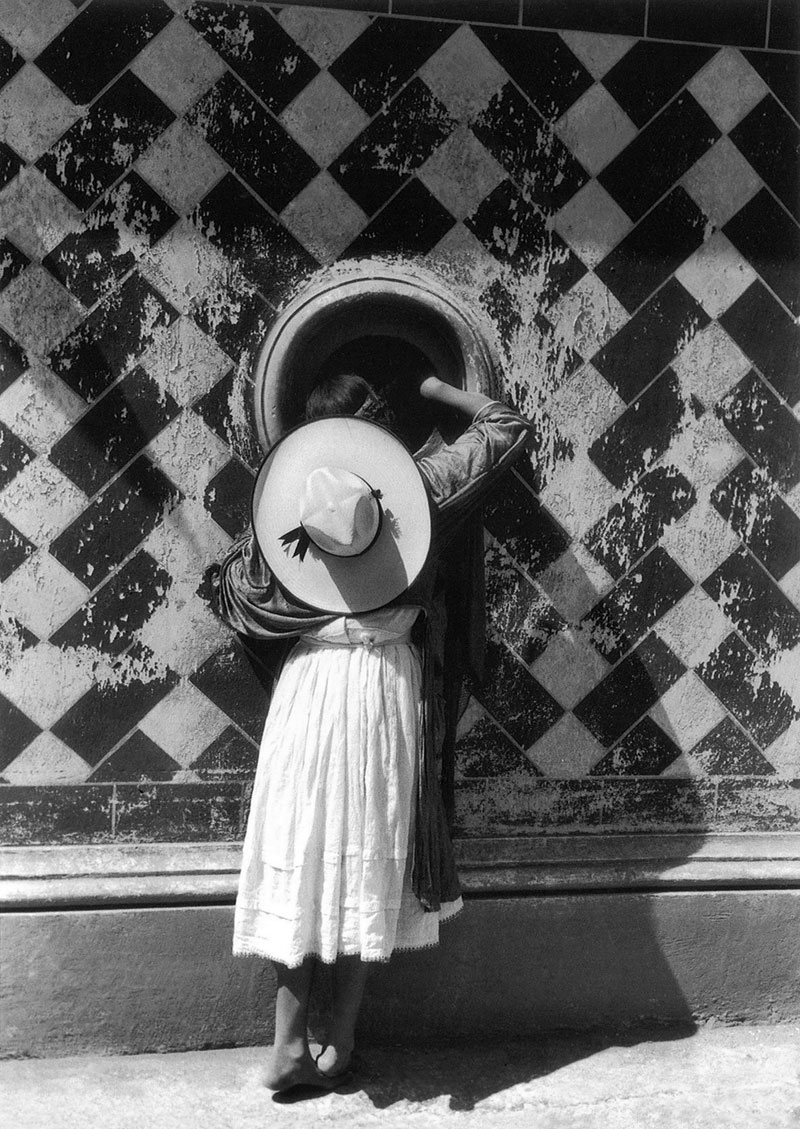
Manuel Álvarez Bravo (Mexican, 1902-2002)
The Daughter of the Dancers (La hija de los danzantes)
1933
Gelatin silver print
Image Overall: 9 × 6 1/2 in. (22.9 x 16.5cm)
Bank of America Collection
© Archivo Manuel Álvarez Bravo, S.C
More than 100 photographs spanning more than 85 years of Mexican culture and history are coming to Tacoma Art Museum in the exhibition Luces y Sombras: Images of Mexico I Photographs from the Bank of America Collection.
Luces y Sombras reflects a broad span of Mexico’s modern history, beginning with work by photographers active in the 1920s, not long after the conclusion of the Mexican Revolution. A struggle for political power that began with the overthrow in 1911 of Mexico’s authoritarian president, Porfirio Díaz, became the catalyst for a popular uprising of campesinos, agrarian indigenous and mestizo (mixed race) people who fought for agrarian and social reform. Revolutionary leader Emiliano Zapata’s rallying cry, “Tierra y Libertad” (Land and Liberty), not only galvanised the hundreds of thousands of campesinos who joined the revolt but in its wake, came to represent the affirmation of rural people, whose lives were inextricably tied to the land.
Many images in this exhibition manifest the cultural values that came to the fore in the decades following the Revolution, when politicians and intellectuals alike endeavoured to reconstruct and, indeed, re-envision their nation. In the cultural sphere, Mexico’s new leadership sought to purge the nation of the European influence favoured by the Díaz regime. Nationalist ideals and a broad-based exploration of Mexicanidad (the quality of being Mexican) were accompanied by a new reverence for Mexico’s indigenous roots and for everyday men and women. Photographs made throughout the last century of indigenous and mestizo people reflect not only the survival of indigenous communities and traditions, but also the realities of poverty and social marginalisation that persist for a large lower class up to the present day.
Luces y Sombras reflects many other themes embraced by photographers in Mexico, both native and foreign-born – the landscape, urban life and, especially among younger generations, gender and invented situations infused with symbolism. The inclusion of such foreign photographers as Paul Strand, Elliott Erwitt, Aaron Siskind, Danny Lyon, and Nan Goldin speaks to another key component of the history of photography in Mexico – the significance of a nation seen through foreign eyes.
In gathering work by such a diversity of voices, Luces y Sombras provides vivid testimony to the character of life in a nation in the throes of reinvention, modernisation and continued change over the course of the last century.
Text from the TAM website

Ana Casas Broda (Mexican born Spain, b. 1965)
Milk III (2) (Leche III (2))
2010
from the series Kinderwunsch (The Desire to Have Children)(El deseo de tener hijos)
Inkjet print on cotton paper
Image Overall: 23 5/8 × 35 1/2 in. (60 x 90.2cm)
Bank of America Collection

Manuel Carrillo (Mexican, 1906-1989)
Mendicant girl – close up, Guanajuato, Guanajuato (Sin título (Pordiocerita – close up, Guanajuato, Guanajuato))
1930
Gelatin silver print
Image Overall: 7 1/2 × 9 1/4 in. (19.1 x 23.5cm)
Bank of America Collection

Manuel Carrillo (Mexican, 1906-1989)
Untitled (Man inside store, contrasted, baskets on the wall, Zacapoaxtla, Pueblo) (Sin título (Hombre dentro tienda, contrastada, canastas, pared, Zacapoaxtla, Pueblo))
1975
Gelatin silver print
Image Overall: 7 3/4 × 10 in. (19.7 x 25.4cm)
Bank of America Collection
Manuel Carrillo worked in Mexico in the middle of the 20th century, a time in Mexico that witnessed great political changes and social transformations and a moment in the country’s history when it was establishing its strong cultural identity.
Carrillo’s work, along with the well-known Manuel Alvarez Bravo, Tina Modotti and the American photographer Edward Weston, among others, was a contributing force as to how Mexico saw itself and how the rest of the world came to perceive that complex country. A bit of the understanding and empathy for the daily life of the Mexican people seen in Carrillo’s work would be of great help in how Mexico is perceived today.

Manuel Carrillo (Mexican, 1906-1989)
Untitled (Seller of ropes and belts, Oaxaca, Oaxaca) (Sin título (Vendedor reatas y cinturónes, Oaxaca, Oaxaca))
Nd
Gelatin silver print
Image Overall: 7 3/8 × 9 5/8 in. (18.7 x 24.4cm)
Bank of America Collection

Manuel Carrillo (Mexican, 1906-1989)
Untitled (Shawl in the air, Oaxaca, Oaxaca) (Sin título (Rebozo al aire, Oaxaca, Oaxaca))
1958
Gelatin silver print
Image Overall: 9 1/2 × 8 5/8 in. (24.1 x 21.9cm)
Bank of America Collection

Manuel Carrillo (Mexican, 1906-1989)
Untitled (Dog on grave, cemetery, Dolores, Mexico City) (Sin título (Perro sobre tumba, panteon, Dolores, México D.F.)
1930
Gelatin silver print
Image Overall: 8 × 10 3/4 in. (20.3 x 27.3cm)
Bank of America Collection
Mexican photographer Manuel Carrillo (1906-1989) turned to the camera fairly late in life, joining the Club Fotográfico de México at the age of 49. He quickly found his voice by making images of everyday life throughout Mexico, celebrating local culture and the human spirit. His work is an extension of Mexicanidad, a movement begun in the 1920s to forge a Mexican national identity free of foreign influence. Stylistically, however, Carrillo was inspired by Mexican artists trained abroad and international artists who converged on Mexico during that fertile period. His interest in indigenous cultures and his use of bright sunlight to create compositions with dramatic shadows and bold geometric forms has roots in the photographic work of Edward Weston and Paul Strand, American modernist photographers active in Mexico in the 1920s and 1930s. Rather than idealising, aestheticising, or moralising, Carrillo portrays Mexico from the perspective of an affectionate observer, transforming ordinary moments into expressions of quiet eloquence.
Anonymous. “Manuel Carrillo: Mexican Modernist,” on the New Mexico Museum of Art website Nd [Online] Cited 28/01/2023. No longer available online

Manuel Carrillo (Mexican, 1906-1989)
Untitled (Sick woman on bench, San Miguel Allende) (Sin título (Enferma en banca, San Miguel Allende))
1970
Gelatin silver print
Image Overall: 8 × 10 3/4 in. (20.3 x 27.3cm)
Bank of America Collection

Manuel Carrillo (Mexican, 1906-1989)
Untitled (Camila from above, two faces – close up), Mexico City (Sin título (Camila desde arriba, dos cars – close up), México D.F.))
1961
Gelatin silver print
Image Overall: 7 3/4 × 7 in. (19.7 x 17.8cm)
Bank of America Collection
By contrast, one might consider the mobility of framing in the work of Mexican Manuel Carrillo (b. 1906) who died on this date in 1989. The influence of American Modernist photographers and artists of his time, and of his better-known compatriot and contemporary Manuel Álvarez Bravo (1902-2002), is evident in this extreme point of view.
The aerial angle presents the tops of subjects’ heads, but with sufficient offset to allow a reading of the faces; the curiosity of the young boy and the protectiveness of the mother, both enclosed within a continuous ribbon of cloth and embraced by the square camera frame. The top-down view gives privileged entrée into that intense maternal relationship, encompassed by the geometry of the tiled background that contrasts with the cloth, set at an angle that enhances the figures’ complementary emotional impulses.
Aside from aesthetics, the politics of Carrillo’s photographic work is anchored to his own cultural identity as a Mexican by birth and as an American through his crossing into that country at the age of 16, when in 1922 he left Mexico for New York, becoming an Arthur Murray waltz and tango champion. When in 1930 he returned to Mexico City, he remained until his retirement. Taking up photography in 1955, he joined, at age 49, the Club Fotografico de Mexico and the Photographic Society of America, and within 5 years held his first international exhibition titled, Mi Pueblo (“My People”) in 1960 at the Chicago Public Library. Like influential writers, photographers, and artists, such as Frida Kahlo and Diego Rivera, Carrillo identified with Mexicanidad, a nationalist and anti-colonial cultural movement that emerged in the 1920s after Mexico’s Revolution. He was inducted as an honorary citizen of EL Paso, Texas in 1980 by the Photographic Society of America.
James McArdle. “January 20: Angle,” on the On This Date in Photography website 20/01/2018 [Online] Cited 31/12/2022

Manuel Carrillo (Mexican, 1906-1989)
Untitled (Cross, human shadow, Tepeapulco, Mexico) (Sin título (Cruz, sombra humana, Tepeapulco, México))
1973
Gelatin silver print
Image Overall: 9 × 7 in. (22.9 x 17.8cm)
Bank of America Collection

Manuel Carrillo (Mexican, 1906-1989)
Untitled (Old lady, alley, pyramidal shadows, Guanajuato) (Sin título (Viejita, callejón, sombras piramidales, Guanajuato))
Nd
Gelatin silver print
Image Overall: 9 × 7 in. (22.9 x 17.8cm)
Bank of America Collection

Manuel Carrillo (Mexican, 1906-1989)
Untitled (Toluca pulque bar (Drunken Barrels)), Toluca, Mexico) (Sin título (Pulquería de Toluca Barriles beodos)), Toluca, México))
1970
Gelatin silver print
Image Overall: 7 3/4 × 9 3/4 in. (19.7 x 24.8cm)
Bank of America Collection
The photographs in Luces y Sombras span the post-Revolutionary era of the 1920s up until the present day. With work by 28 photographers, both Mexican and other nationalities, this exhibition provides vivid testimony to the character of life in a nation in the throes of reinvention, modernisation and continued change, over the course of the last century. …
Luces y Sombras reflects a wide range of modern Mexican history, beginning with the works of photographers active in the 1920s, shortly after the conclusion of the Mexican Revolution. A struggle for political power that began with the 1911 overthrow of Mexico’s authoritarian President Porfirio Díaz and became a catalyst for a popular uprising of peasants, agrarian Indians, and mestizos (of mixed race) who fought for land and social reform. The rallying cry of peasant leader Emiliano Zapata, “Land and Liberty,” not only galvanised the hundreds of thousands of peasants who joined the revolt, but became the affirmation of the rural people, whose lives were inextricably linked to the earth.
Many images in this exhibition manifest the cultural values that emerged in the decades after the Revolution, as politicians and intellectuals strove to rebuild, and indeed, disimagine their nation. In the cultural sphere, Mexico’s new leadership sought to purge the nation of the European influence favored by the Díaz regime. Nationalist ideals and a broad exploration of mexicanidad (the quality of being Mexican), were accompanied by a new reverence for Mexico’s indigenous roots and for ordinary men and women. The photographs taken throughout the last century of indigenous and mestizo peoples reflect not only the survival of indigenous communities and traditions, but also the reality of poverty and social marginalisation that persist for a large lower class to this day.
Luces y Sombras translates as Lights and Shadows. The exhibition reflects many themes: the landscape, urban life, fantasy and, especially among younger generations, gender and invented situations infused with symbolism. It begins with works by photographers active at the conclusion of the Mexican Revolution (1910-1920), notably Manuel Álvarez Bravo, considered Mexico’s first truly modern photographer. It also includes visiting artists such as the Americans Paul Strand and Edward Weston.
Later works by such figures as Manuel Carrillo, Mariana Yampolsky, and Graciela Iturbide reveal the ongoing emphasis by Mexican photographers on everyday life and Mexico’s Indigenous communities. Recent generations of photographers have found new purpose in documenting how ways of life in Mexico continue to be changed by urbanisation, migration, and the pervasive influence of popular Western culture and mass media. Alongside these images, photographs by artists such as Alejandra Laviada, Karina Juárez, and Humberto Ríos explore contemporary issues or convey the artist’s personal reactions to the world around them.
This exhibition and gallery texts have been provided by the Bank of America Art in our Communities® program.
Luces y Sombras refleja una amplia gama de la historia moderna de México, comenzado con las obras de fotógrafos activos en la década de 1920, poco después de la conclusión de la Revolución Mexicana. Una lucha por el poder político que comenzó con el derrocamiento en 1911 del presidente autoritario de México, Porfirio Díaz, y que se convirtió en catalizador de un levantamiento popular de campesinos, indígenas agrarios y mestizos (de raza mixta) que lucharon por la reforma agraria y social. El grito de guerra del líder campesino Emiliano Zapata, “Tierra y Libertad“, no solo galvanizó a los cientos de miles de campesinos que se unieron a la revuelta, sino que se convirtió en la afirmación de la gente rural, cuyas vidas estaban inextricablemente vinculadas a la tierra.
Muchas imágenes en esta exposición manifiestan los valores culturales que surgieron en las décadas posteriores a la Revolución, cuando políticos e intelectuales se esforzaron por reconstruir, y de hecho, desimaginar su nación. En la esfera cultural, el nuevo liderazgo de México busco purgar la nación de la influencia europea favorecida por el régimen de Díaz. Los ideales nacionalistas y una amplia exploración de la mexicanidad (la cualidad de ser mexicano), fueron acompañados por una nueva reverencia por las raíces indígenas de México y por los hombres y mujeres comunes. Las fotografías realizadas a lo largo del último siglo de los pueblos indígenas y mestizos refleja no solo la supervivencia de las comunidades y tradiciones indígenas, sino también la realidad de la pobreza y marginación social que persisten para una gran clase baja hasta el presente día.
Luces y Sombras refleja muchos otros temas abarcados por los fotógrafos en México, tanto nativos como extranjeros: el paisaje, la vida urbana y, especialmente entre las generaciones mas jóvenes, el género y situaciones inventadas infundidas de simbolismo. La inclusión de fotógrafos extranjeros como Paul Strand, Elliot Erwitt, Aaron Siskind, Danny Lyon y Nan Goldin habla de otro componente clave de la historia de la fotografía en México: el significado de una nación vista a travéz de ojos extranjeros.
Al recopilar las obras de una diversidad de voces, Luces y Sombras brinda un testimonio vívido del carácter de la vida en una nación en pleno proceso de invención, modernización y cambio continuo a lo largo del siglo pasado.
Esta exhibición y los textos de esta galería fueron brindados por el programa Bank of America Art in our Communities®.
Mexico Through a Foreign Lens
Mexico became a magnet for American artists and photographers in the post-Revolutionary era, an idealistic period when artists, musicians, writers and other intellectuals sought to forge a cohesive nationalist identity through the arts. This cultural renaissance, led by such celebrated figures as Diego Rivera and Frida Kahlo, if not for the country’s sheer exoticism to foreigners, endowed Mexico with an allure similar to that of Paris for earlier generations of artists.
Mexico held great appeal for figures such as Edward Weston and his partner, the Italian Tina Modotti, who arrived in Mexico City in 1923 in search of bohemian freedom and new creative possibilities. During his few years in Mexico, Weston transformed his artistic vision, articulating a modernist aesthetic that veered away from the picturesque, soft-focus style of photography prevalent at the turn of the century, in favour of an approach that emphasised sharp resolution and form. the details, or as he once wrote, “the quintessence of the thing itself.” Both photographers had a lasting impact in Mexico – Weston by promoting an aesthetic that decisively influenced the course of modern photography, and Modotti, as a pioneering photographer and model of the socially and politically engaged artist.
Another key early figure in Mexico is Paul Strand, who took a deeply humanistic approach in photographing indigenous people and their environments while traveling around the country in the 1930s. This exhibition also contains work by American photographers active in the 1950s and 1960s. Mexico remained a destination for artists and free spirits in these years, including members of the Beat Generation, counter-culture writers and musicians active at mid-century who found in Mexico ample opportunity for both creative inspiration and debauchery. Such photographers who are now considered leading figures of this era, including Elliott Erwitt, Aaron Siskind, Harry Callahan and Danny Lyon, spent extended time in Mexico and created significant bodies of work.
México a travéz de una lente extranjera
México se convirtió en un imán para los artistas y fotógrafos americanos en la era posrevolucionaria, un período idealista en el que artistas, músicos, escritores y otros intelectuales buscaron forjar una identidad nacionalista cohesiva a través de las artes. Este renacimiento cultural, liderado por figuras tan célebres como Diego Rivera y Frida Kahlo – sino fuera por el exotismo del país para los extranjeros – dotó a México un atractivo similar al de París para los artistas de generaciones anteriores.
México tuvo un gran atractivo para figuras como Edward Weston y su compañera, la italiana Tina Modotti, que llegaron a la Ciudad de México en 1923 en busca de libertad bohemia y nuevas posibilidades creativas. Durante sus pocos años en México, Weston transformó su visión artística, articulando una estética modernista que se apartó del estilo pintoresco de enfoque suave de la fotografía que prevalecía a principios del siglo, en favor de un enfoque que enfatizaba la forma y la resolución nítida de los detalles, o como escribió una vez, “la quintaesencia de la cosa misma.” Ambos fotógrafos tuvieron un impacto duradero en México – Weston al promover una estética que influyó decisivamente en el curso de la fotografía moderna, y Modotti, como una fotógrafa pionera y modelo del artista social y políticamente comprometido.
Otra figura clave en México es Paul Strand, quien adoptó un enfoque profundamente humanista al fotografiar a los indígenas y sus entornos mientras viajaba por el país en la década de 1930. Esta exposición también contiene las obras de fotógrafos americanos activos en las décadas de 1950 y 1960. México siguió siendo un destino para artistas y espíritus libres en estos años, incluidos los miembros de Beat Generation, escritores de contracultura y músicos activos a mediados de siglo que encontraron en México una gran oportunidad tanto de inspiración creativa. Tales fotógrafos que ahora se consideran figuras destacadas de esta era como Elliott Erwitt, Aaron Siskind, Harry Callahan y Danny Lyon, pasaron mucho tiempo en México y crearon importantes obras.
Contemporary Voices
Photography made in Mexico over the last twenty years or so encompasses distinct tendencies. There exists, on the one hand, the continued vitality of an aesthetic that can be traced as far back as the 1920s, favouring sharp-focus black-and-white photography and a preoccupation with recording everyday life. But especially since the 1980s, photographers have approached the medium with a sense of freedom, embracing forms of image that radically depart from long-established modes. This kind of experimentation with the medium, although a lesser recognised aspect of photography in Mexico, is not new. As early as the 1920s, smaller numbers of photographers created images with unconventional approaches, whether through darkroom manipulation, photomontage or constructing scenes for the camera. Younger generations have extended this spirit of experimentation, deploying the medium in conceptual projects and elaborately staging images to craft pointed statements about race, gender and political issues. As a result, the current photography scene in Mexico is remarkably diverse. Its practitioners respect the medium’s remarkable history in their country while illuminating timely subject matter and devising new modes of working with the camera and with digital means.
This exhibition contains the work of younger photographers whose work examines the complex construction of identity in the millennial era, whether with Ana Casas Broda’s idiosyncratic explorations of childhood, or portrayals of gender by Luis Arturo Aguirre, Nelson Morales and Roberto Tondopó. Photographs by Alejandra Laviada and Humberto Ríos reflect another mode in contemporary photography: to stage scenes, whether with individuals or with objects, for the camera – often a means of evoking dreams, the subconscious and psychological states.
Voces contemporáneas
La fotografía realizada en México durante los últimos veinte años abarca distintas tendencias. Por un lado, existe le vitalidad continúa de una estética que se remonta a la década de 1920, favoreciendo la fotografía en blanco y negro con enfoque nítido y la preocupación por la grabación de la vida cotidiana. Pero especialmente desde la década de 1980, los fotógrafos se ha acercado al medio con un sentido de libertad, abrazando formas de imagen que se alejan radicalmente de los modos establecidos desde hace mucho tiempo. Este tipo de experimentación con el medio, aunque es un aspecto menos reconocido de la fotografía en México, no es nuevo. Ya en la década de 1920, un número menor de fotógrafos crearon imágenes con enfoques no convencionales, ya sea a través de la manipulación en el cuarto oscuro, el fotomontaje o la construcción de escenas para la cámara. Las generaciones más jóvenes han ampliado este espíritu de experimentación, desplegando el medio en proyectos conceptuales y elaborando imágenes para hacer declaraciones puntuales sobre cuestiones de raza, género y problemas políticos. Como resultado, la escena fotográfica actual en México es notablemente diversa. Sus profesionales respetan la extraordinaria historia del medio en su país al tiempo que ilustran temas oportunos y diseñan nuevos modos de trabajar con la cámara y con medios digitales.
Esta exposición contiene las obras de fotógrafos mas jóvenes, que examina la compleja construcción de la identidad en la era del milenio, ya sea con las idiosincrásicas exploraciones de la infancia de Ana Casas Broda, o representaciones del género de Luis Arturo Aguirre, Nelson Morales y Roberto Tondopó. Las fotografías de Alejandra Laviada y Humberto Ríos reflejan otro modo en la fotografía contemporánea: crear escenas, ya sea con individuos o con objetos, para la cámara, a menudo un medio de evocar sueños, estados subconscientes y psicológicos.
Before the Conquest, all art was of the people, and popular art has never ceased to exist in Mexico. The art called popular is fugitive in character, with less of the impersonal and intellectual characteristics of the schools. It is the work of talent nourished by personal experience and that of the community – rather than being taken from the experiences of painters in other times and other cultures. ~ Manuel Álvarez Bravo
The perspective of Mexicanidad, the quality of being Mexican, sought to remove colonial influences from Mexican art. After the Mexican Revolution of 1910–1920, artists and intellectuals came together to forge a new Mexican culture, one that placed new value on Mexico’s indigenous, working-class and agrarian roots as a repudiation of dictator Porfirio Díaz’s focus on wealthy, powerful and often white individuals. Known as the Mexican Cultural Renaissance, this movement gave rise to art that defined a new sense of Mexican identity. Manuel Álvarez Bravo, Latin America’s best-known photographer, made visually sophisticated photographs with a formally complex approach often including symbolic elements. He didn’t identify as such, but many viewers have seen surrealist aspects in his work. His work often looks at Mexico’s traditional cultures as they experience significant and rapid change.
Artists active in the decades after the Mexican Revolution, examined what it meant to be Mexican, without the colonial, European focus of the dictatorship. Manuel Carrillo documented street scenes, workers and children with empathy and care, seeking to record a cultural identity with attention to form and composition. Graciela Iturbide makes documentary photographs that are rich with metaphor and grace, finding spirituality and beauty in traditions and everyday life.
Antes de la Conquista, todo el arte era popular. El arte nunca ha dejado de existir en México. El arte llamado popular es de carácter fugitivo, con menos de las características impersonales e intelectuales de las escuelas. Son obras de talento alimentado por la experiencia personal y la de la comunidad – en lugar de ser tomado de las experiencias de los pintores en otros tiempos y otras culturas. ~ Manuel Álvarez Bravo
La perspectiva de la mexicanidad, la cualidad de ser mexicano, buscaba eliminar las influencias coloniales del arte mexicano. Después de la revolución mexicana de 1910-1920, los artistas e intelectuales se unieron creando una nueva cultura mexicana dieron un nuevo valor a las raíces indígenas, de la clase trabajadora y agrarias de México como un repudio al enfoque del dictador Porfirio Díaz en los individuos ricos, poderosos y a menudo blancos. Este movimiento, conocido como el Renacimiento Cultural Mexicano, dio lugar a un arte que le atribuyó un nuevo sentido a la identidad mexicana. Manuel Álvarez Bravo, el fotógrafo mas conocido de América Latina, hizo fotografías visualmente sofisticadas con un enfoque formalmente complejo que a menudo incluye elementos simbólicos. No se identificó como tal, pero muchos espectadores han visto elementos surrealistas en sus obras. Estas a menudo analizan las culturas tradicionales de México a medida que experimentan un cambio significativo y rápido.
Artistas activos en las décadas posteriores a la Revolución Mexicana, examinaron lo que significaba ser mexicano, sin el enfoque colonial y europeo de la dictadura. Manuel Carrillo documentó escenas callejeras, trabajadores y niños con empatía y cuidado, buscando registrar una identidad cultural con atención a la forma y composición. Graciela Iturbide hace fotografías documentales que son ricas en metáfora y gracia, encontrando espiritualidad y belleza en las tradiciones y en la vida cotidiana.
Exhibition text from the TAM
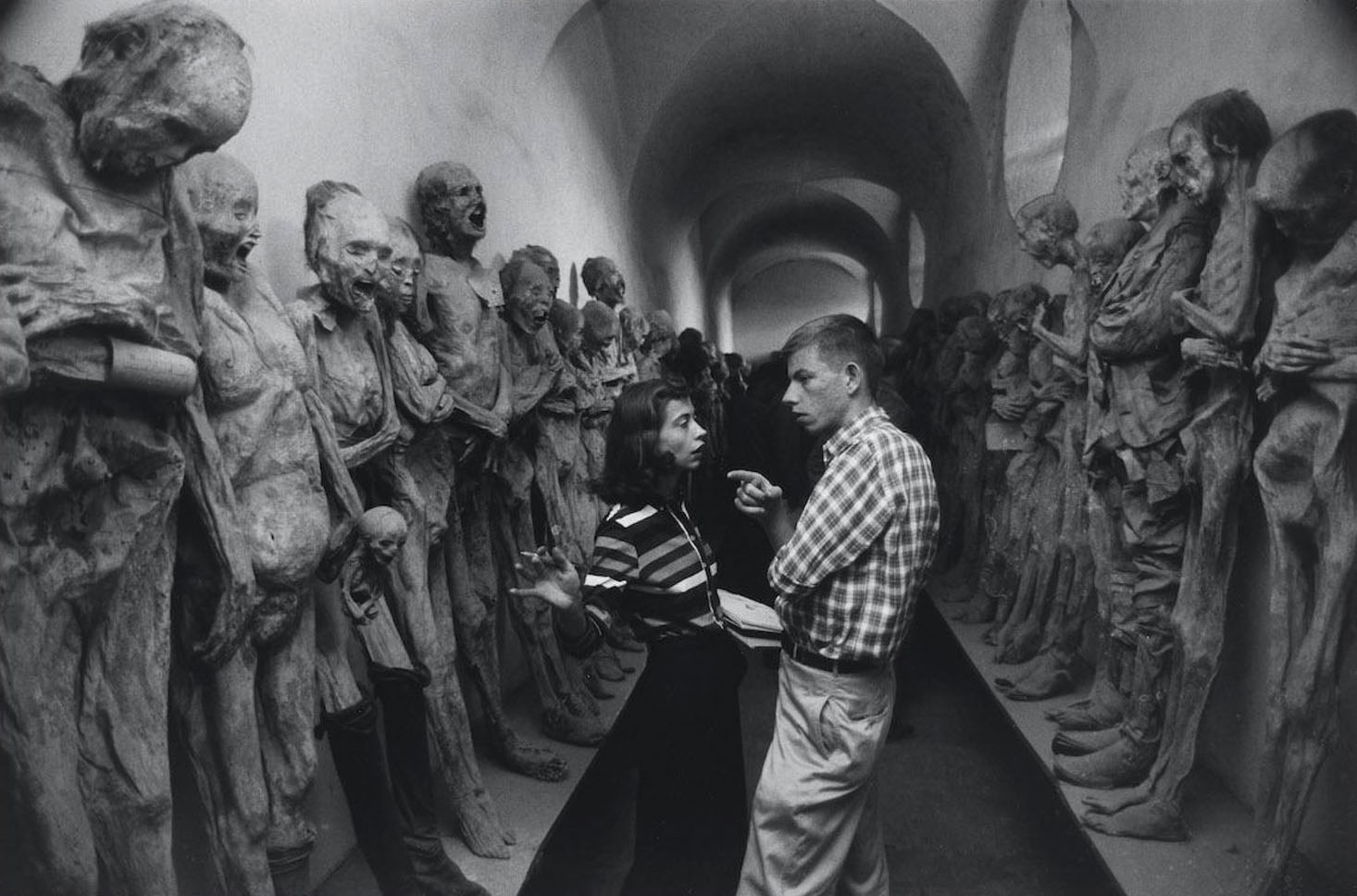
Elliott Erwitt (American, 1928-2023)
Guanajuato, Mexico
1957
Gelatin silver print
Image Overall: 8 1/2 × 13 1/2 in. (21.6 x 34.3cm)
Bank of America Collection
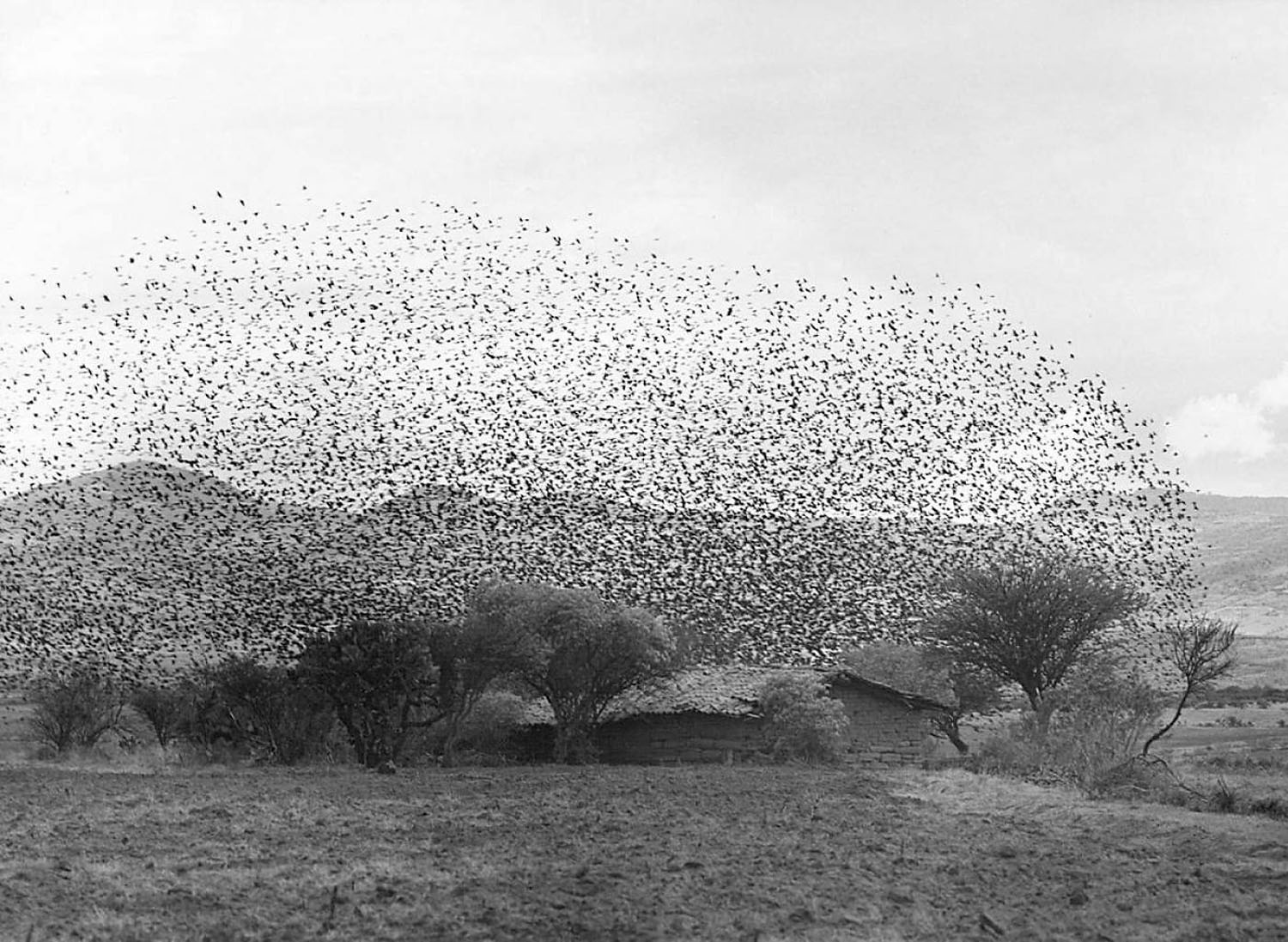
Flor Garduño (Mexican, b.1957)
Cloud, Mexico (Nube, México)
1982
Gelatin silver print
Image Overall: 13 × 17 in. (33 x 43.2cm)
Bank of America Collection

Flor Garduño (Mexican, b. 1957)
Tree of Life, Mexico (Arbol de la vida, México)
1982
Gelatin silver print
Image Overall: 13 × 17 in. (33 x 43.2cm)
Bank of America Collection
Garduño’s photographs create a bridge between the present and the past by portraying natural elements such as water, trees, earth, animals, and atmosphere. Garduño worked for the Department of Public Education in her native Mexico, traveling to rural areas to work with indigenous communities. From this she developed her style and got to know what she has referred to as the “profound truth” of the countryside in the Americas. Her work was also influenced by artists Kati Horna, who worked in a surrealistic vein, and Manuel Álvarez Bravo, who attended carefully to the tonal qualities of his photographs. Garduño similarly uses compositional and darkroom techniques to achieve moody, evocative images.
Anonymous. “Get to know the work of Flor Garduño,” on the Getty Twitter website Oct 6, 2021 [Online] Cited 28/01/2023
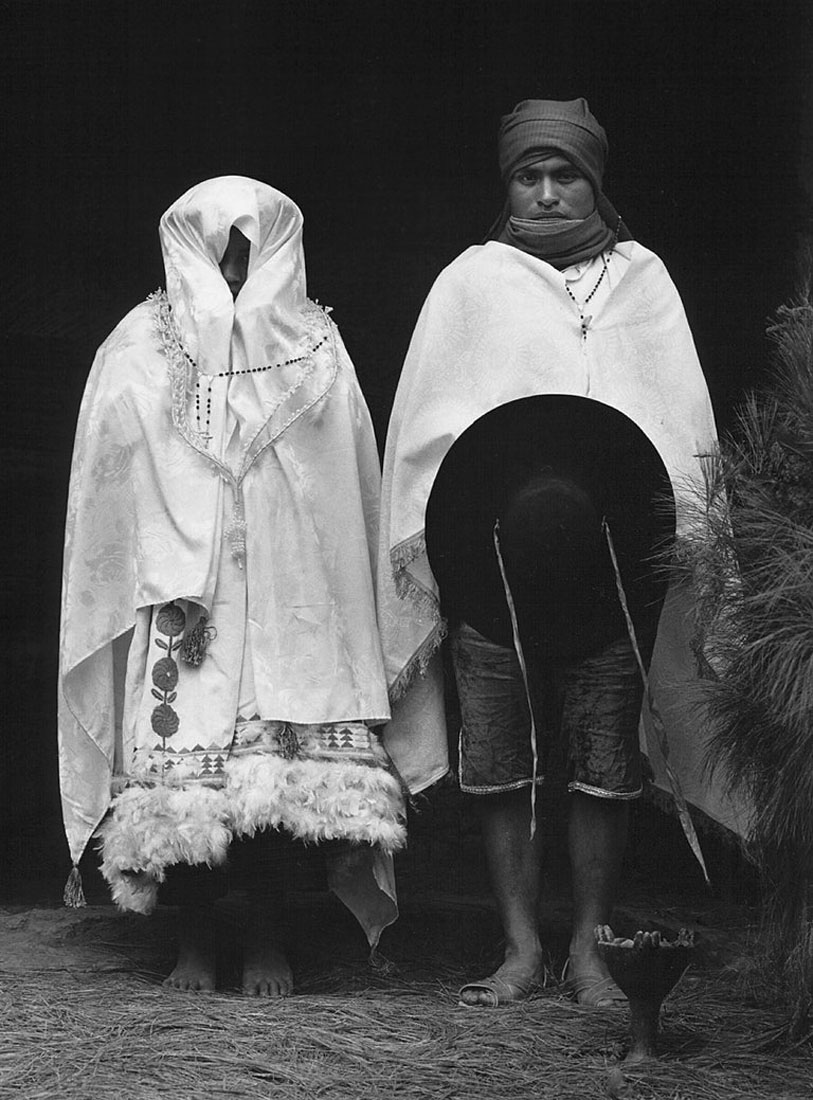
Flor Garduño (Mexican, b. 1957)
Zinacantec Wedding, Mexico (Matrimonio Zinacanteco, México)
1987
Gelatin silver print
Image Overall: 17 5/8 × 13 1/2 in. (44.8 x 34.3cm)
Bank of America Collection
Graciela Iturbide’s Mexico
The photographs of Graciela Iturbide not only bear witness to Mexican society but express an intense personal and poetic lyricism about her native country. One of the most influential photographers active in Latin America today, Iturbide captures everyday life and its cultures, rituals, and religions, while also raising questions about paradoxes and social injustice in Mexican society. Her photographs tell a visual story of Mexico since the late 1970s – a country in constant transition, defined by the coexistence of the historical and modern as a result of the culture’s rich amalgamation of cultures. For Iturbide, photography is a way of life and a way of seeing and understanding Mexico and its beauty, challenges, and contradictions.
In the summer of 2018, Kristen Gresh, Estrellita and Yousuf Karsh Senior Curator of Photographs, and members of the exhibition team visited Graciela Iturbide at her home and studio in Mexico City. In this documentary, produced by the MFA, the artist discusses the different series and themes explored in this exhibition, as well as her creative process.
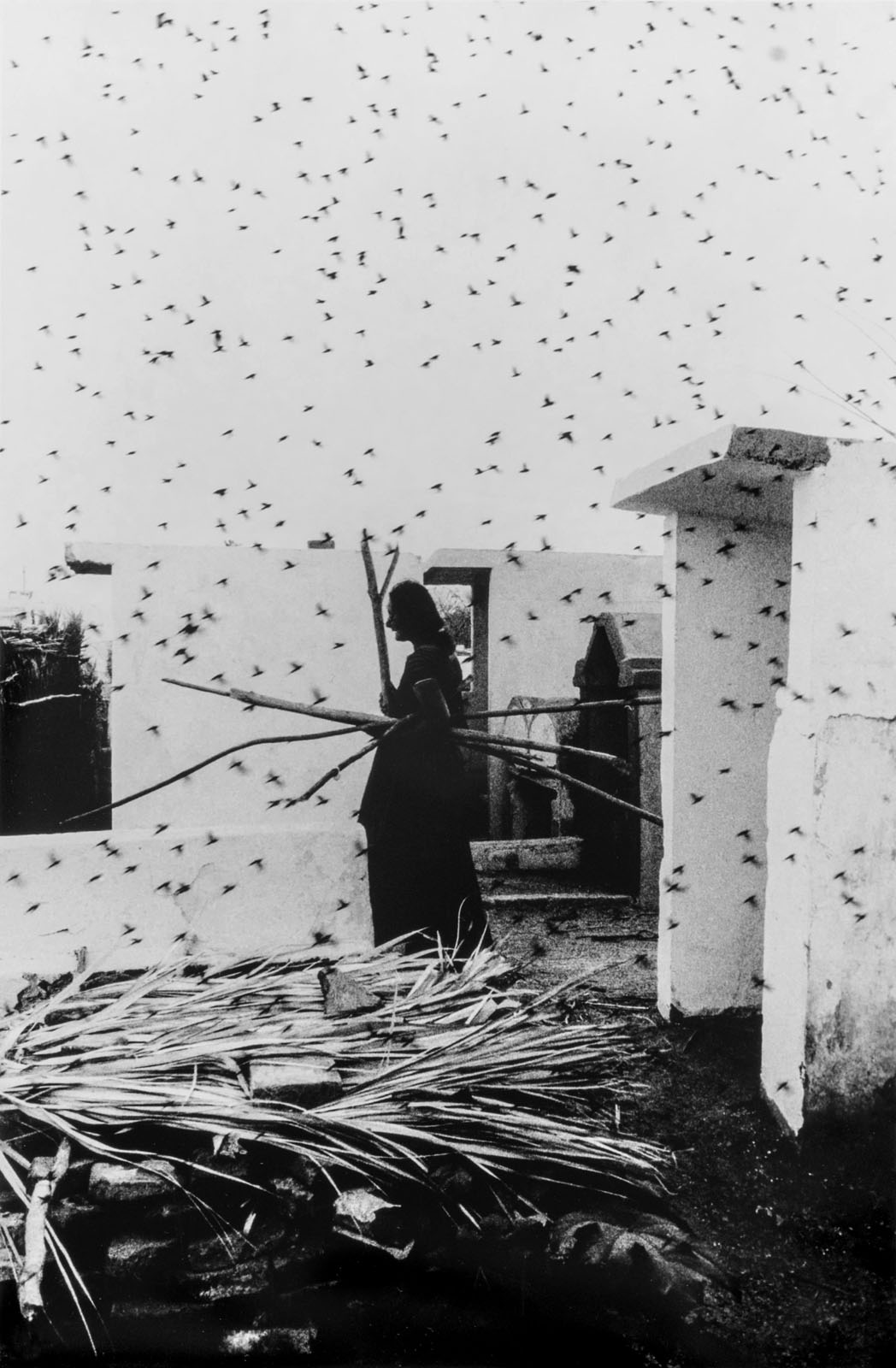
Graciela Iturbide (Mexican, b. 1942)
Cemetery, Juchitán, Oaxaca (Cementerio, Juchitán, Oaxaca)
1992
Gelatin silver print
Image Overall: 12 1/4 × 8 3/4 in. (31.1 x 22.2cm)
Bank of America Collection

Graciela Iturbide (Mexican, b. 1942)
The Chickens, Juchitán, México (Los pollos, Juchitán, México)
1979 (negative); print c. 1992
Image Overall: 11 3/4 × 7 3/4 in. (29.8 x 19.7cm)
Bank of America Collection

Graciela Iturbide (Mexican, b. 1942)
Sponge Vendor, Oaxaca (Vendedora de zacate, Oaxaca)
1974 (negative); print 1992
Gelatin silver print
Image Overall: 18 1/8 × 12 1/2 in. (46 x 31.8cm)
Bank of America Collection

Graciela Iturbide (Mexican, b. 1942)
The Sacrifice, La Mixteca, Oaxaca (El sacrificio, la Mixteca, Oaxaca)
1992
Gelatin silver print
Image Overall: 16 7/8 × 12 1/4 in. (42.9 x 31.1cm)
Bank of America Collection

Graciela Iturbide (Mexican, b. 1942)
Angel Woman, Sonora Desert, Mexico (Mujer ángel, desierto de Sonora, México)
1979 (negative); printed later
Gelatin silver print
Image Overall: 9 1/2 × 13 in. (24.1 x 33cm)
Bank of America Collection

Kenro Izu (Japanese, b. 1949)
Tajín #13
1987 (negative and print)
From the series Sacred Places
Platinum palladium print
Image Overall: 7 3/4 × 9 3/4 in. (19.7 x 24.8cm)
Bank of America Collection

Alejandra Laviada (Mexican, b. 1980)
Stacking (Apilado)
2007
From the series Juarez 56
Pigment print on lustre paper
24 x 20 inches (60.9 x 50.8cm)
Bank of America Collection
© 2022 Alejandra Laviada

Danny Lyon (American, b. 1942)
Truck in Nueva Casas Grandes, Chihuahua, Mexico (Camión en nuevas casas grandes, Chihuahua, México)
1975 (negative and print)
Gelatin silver print
Image Overall: 8 × 12 in. (20.3 x 30.5cm)
Bank of America Collection

Paul Strand (American, 1890-1976)
Church, Cuapiaxtla, Mexico (Iglesia, Cuapiaxtla, México)
1933 (negative); print 1967
from The Mexican Portfolio
Photogravure
Image Overall: 6 1/4 × 4 7/8 in. (15.9 x 12.4cm)
Bank of America Collection

Paul Strand (American, 1890-1976)
Woman, Pátzcuaro, Michoacán, Mexico (Mujer, Pátzcuaro, Michoacán, México)
1933 (negative); print 1967
from The Mexican Portfolio
Photogravure
Image Overall: 6 3/8 × 5 in. ( 16.2 x 12.7cm)
Bank of America Collection

Paul Strand (American, 1890-1976)
Women of Santa Ana, Michoacán, Mexico (Mujeres de Santa Ana, Michoacán, México)
1933 (negative); print 1967
From The Mexican Portfolio
Photogravure
Image Overall: 5 5/8 × 6 1/8 in. (14.3 x 15.6cm)
Bank of America Collection

Paul Strand (American, 1890-1976)
Woman and Baby, Hidalgo, Mexico (Mujer y bebe, Hidalgo, México)
1933 (negative); print 1967
from The Mexican Portfolio
Photogravure
Image Overall: 5 1/2 × 6 1/2 in. (14 x 16.5cm)
Bank of America Collection

Paul Strand (American, 1890-1976)
Near Saltillo, Mexico (Cerca de Saltillo, Mexico)
1933 (negative); print 1967
From The Mexican Portfolio
Photogravure
Image Overall: 5 3/8 × 6 3/4 in. (13.7 x 17.1cm)
Bank of America Collection

Paul Strand (American, 1890-1976)
Young Woman and Boy, Toluca de Lerdo, Mexico (Mujer joven y niño, Toluca de Lerdo, México)
1933 (negative); print 1967
from The Mexican Portfolio
Photogravure
Image Overall: 5 1/2 × 6 1/2 in. (14 x 16.5 cm)
Bank of America Collection
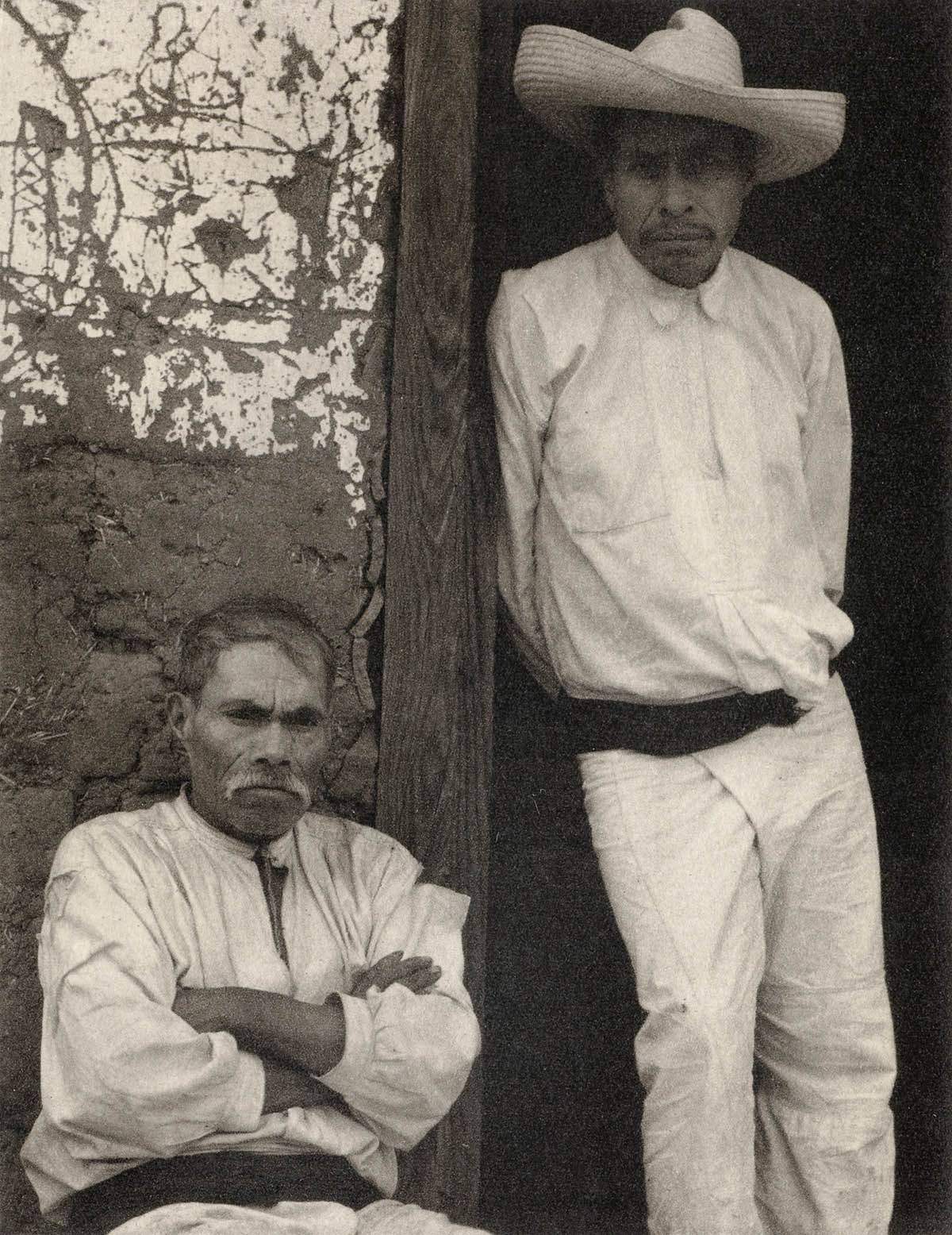
Paul Strand (American, 1890-1976)
Men of Santa Ana, Lake Pátzcuaro, Michoacán (Hombres de Santa Ana, Lake Pátzcuaro, Michoacá)
1933 (negative); print 1967
from The Mexican Portfolio
Photogravure
Image Overall: 6 7/8 × 5 1/4 in. (17.5 x 13.3cm)
Bank of America Collection
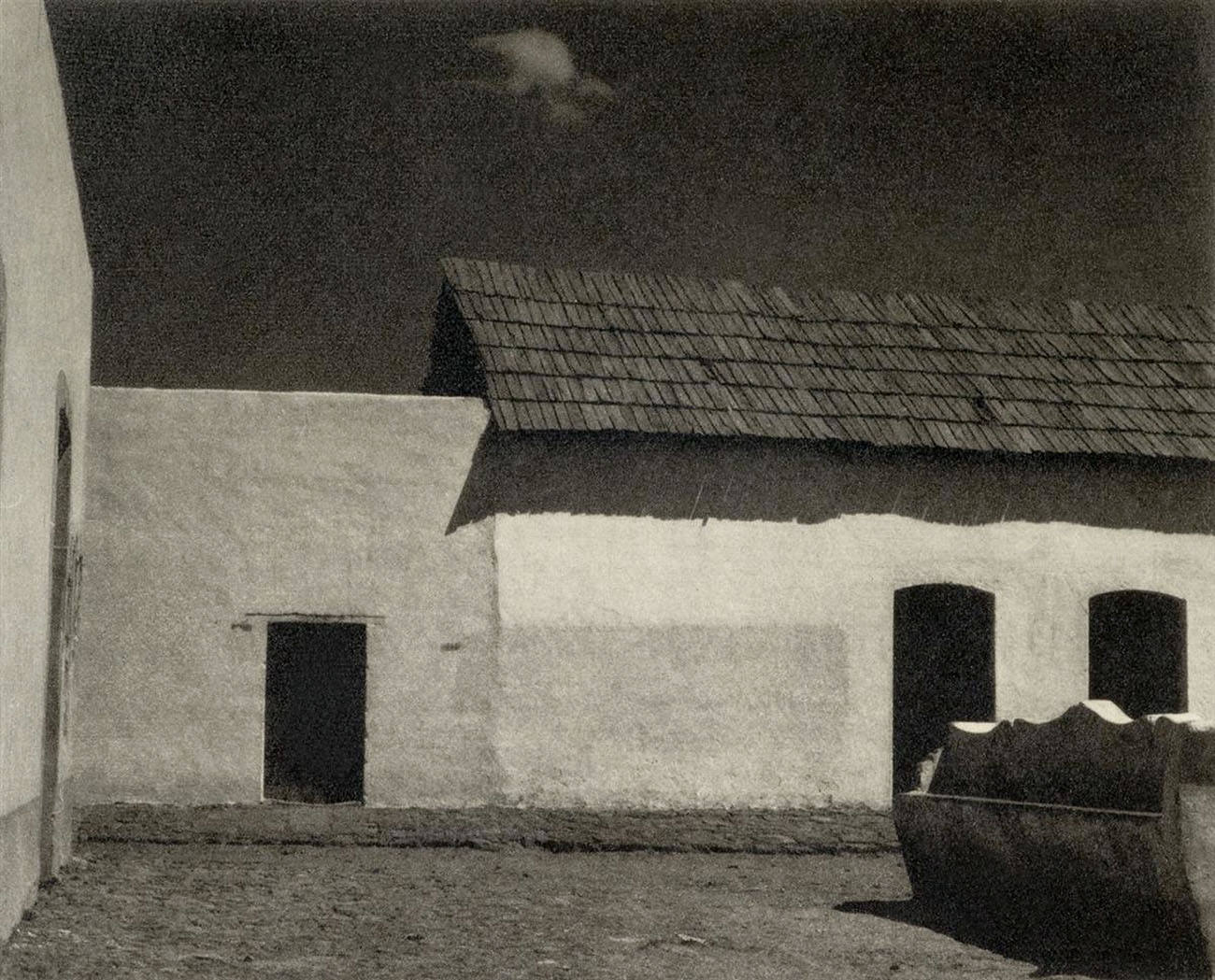
Paul Strand (American, 1890-1976)
White Plaza, Puebla, Mexico (Plaza blanca, Puebla, México)
1933 (negative); print 1967
from The Mexican Portfolio
Photogravure
Image Overall: 5 1/2 × 6 1/2 in. (14 x 16.5cm)
Bank of America Collection

Paul Strand (American, 1890-1976)
Boy, Uruapan, Michoacán, Mexico (Niño, Uruapan, Michoacán, México)
1933 (negative); print 1967
From The Mexican Portfolio
Photogravure
Image Overall: 10 × 7 7/8 in. (25.4 x 20cm)
Bank of America Collection

Paul Strand (American, 1890-1976)
Man, Tenancingo de Degollado, Mexico (Hombre, Tenancingo de Degollado, México)
1933 (negative); print 1967
From The Mexican Portfolio
Photogravure
Image Overall: 6 3/8 × 5 in. (16.2 x 12.7cm)
Bank of America Collection

Paul Strand (American, 1890-1976)
Boy, Uruapan, Michoacán, Mexico (Niño, Uruapan, Michoacán, México)
1933 (negative); print 1967
From The Mexican Portfolio
Photogravure
Image Overall: 6 1/2 × 5 1/4 in. (16.5 x 13.3cm)
Bank of America Collection

Paul Strand (American, 1890-1976)
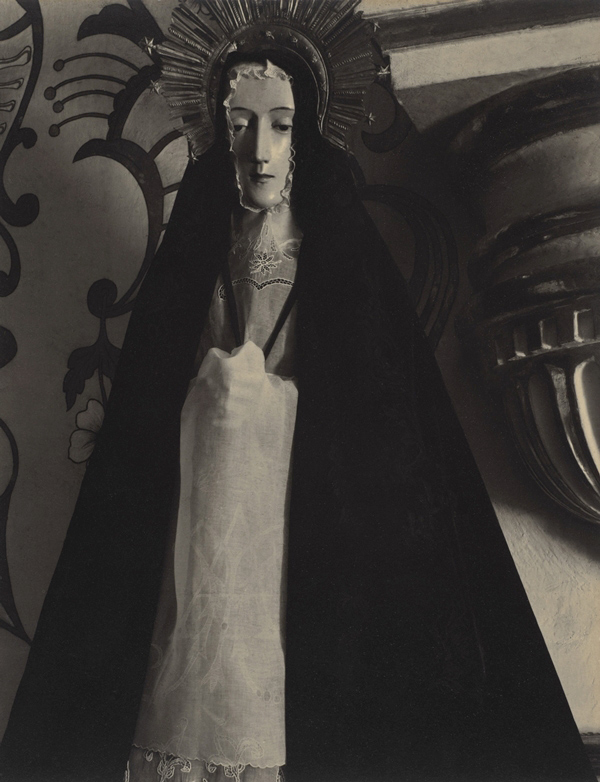
Virgin San Felipe, Oaxaca, Mexico (Virgen San Felipe, Oaxaca, Mexico)
1933 (negative); print 1967
From The Mexican Portfolio
Photogravure
Image Overall: 10 1/4 × 7 7/8 in. (26 x 20cm)
Bank of America Collection

Paul Strand (American, 1890-1976)
Cristo, Oaxaca, Mexico (Cristo, Oaxaca, México)
1933 (negative); print 1967
From The Mexican Portfolio
Photogravure
Image Overall: 11 × 8 1/2 in. (27.9 x 21.6cm)
Bank of America Collection

Paul Strand (American, 1890-1976)
Church Gateway, Hidalgo, Mexico (Puerta de iglesia, Hidalgo, México)
1933 (negative); print 1967
From The Mexican Portfolio
Photogravure
Image Overall: 10 1/2 × 8 1/4 in. (26.7 x 21cm)
Bank of America Collection

Paul Strand (American, 1890-1976)
Cristo with Thorns, Huexotla, Mexico (Cristo con espinas, Huexotla, México)
1933 (negative); print 1967
From The Mexican Portfolio
Photogravure
Image Overall: 10 1/8 × 7 7/8 in. (25.7 x 20cm)
Bank of America Collection
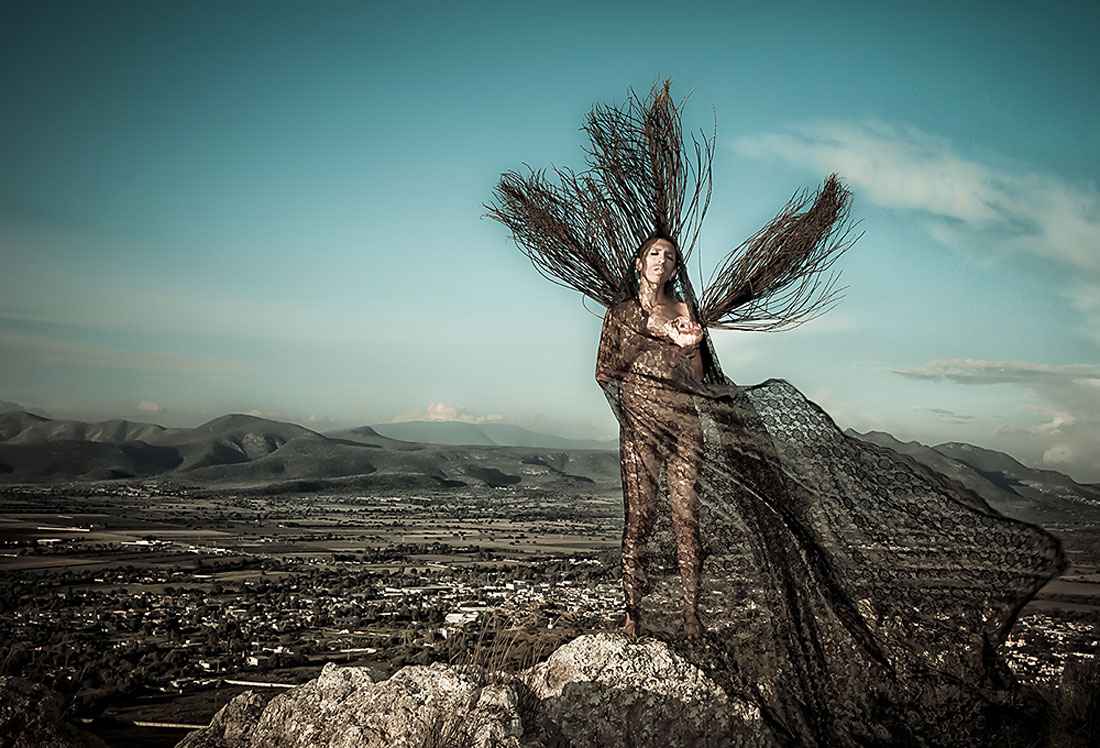
Andrés Juárez Troncoso (Mexicano, b. 1972)
The Virgin of the Heights (La virge n de las alturas)
2016
From the series The Spotless Others
Digital print
Image Overall: 20 1/8 × 29 1/2 in. (51.1 x 74.9cm)
Bank of America Collection

Edward Weston (American, 1886-1958)
Pyramid of the Sun, Mexico (Pirámide del Sol, México)
1923
Gelatin silver print
Image Overall: 7 1/2 × 9 3/8 in. (19.1 x 23.8cm)
Bank of America Collection

Mariana Yampolsky (Mexican, 1925-2002)
Stable (Caballeriza)
1982 (negative); print c. 1992
Gelatin silver print
Image Overall: 13 × 17 3/4 in. (33 x 45.1cm)
Bank of America Collection

Mariana Yampolsky (Mexican, 1925-2002)
Caress, San Simón de la Laguna (Caricia, San Simón de la Laguna)
1989
Gelatin silver print
Image Overall: 9 × 12 1/4 in. (22.9 x 31.1cm)
Bank of America Collection
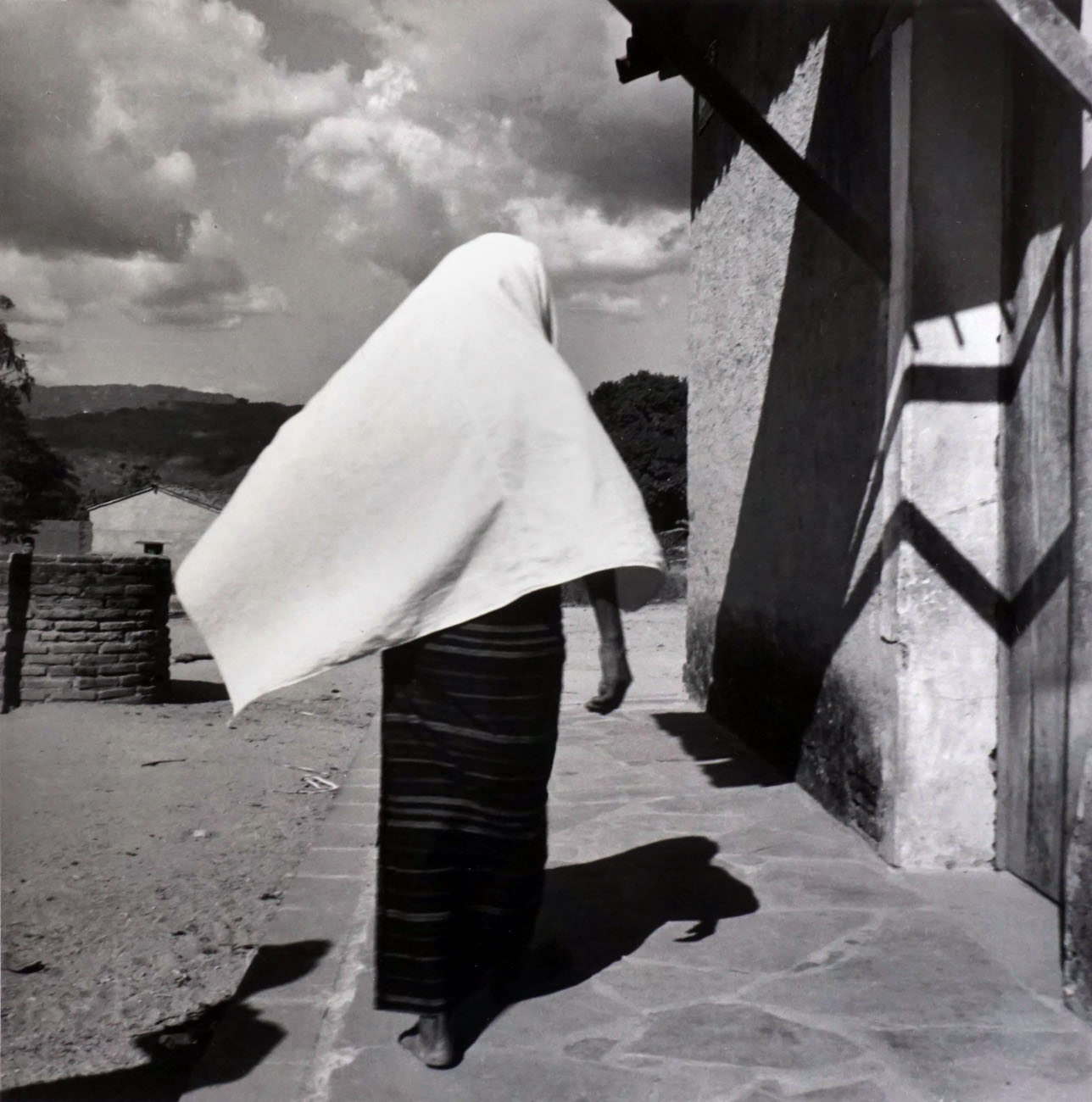
Mariana Yampolsky (Mexican, 1925-2002)
Head Cover, Pinotepa Nacional, Oaxaca (Huipil de tapar, Pinotepa Nacional, Oaxaca)
1989
Gelatin silver print
Image Overall: 13 1/2 × 13/12 in. (34.3 x 34.3cm)
Bank of America Collection
Tacoma Art Museum
1701 Pacific Avenue
Tacoma, WA 98402
Opening hours:
Wednesday – Sunday 10am – 5pm













 Art Blart _ art and cultural memory archive
You must be logged in to post a comment.