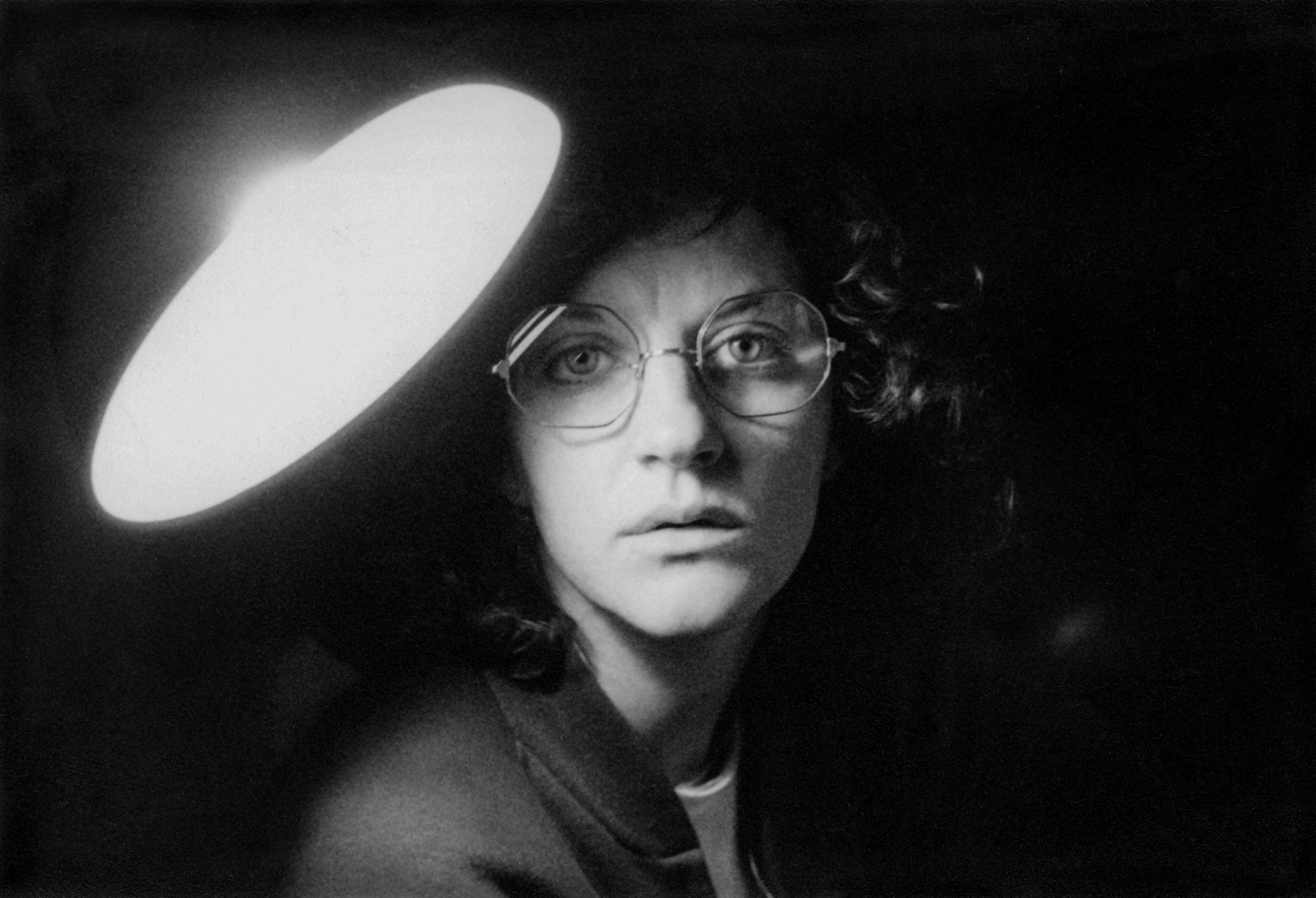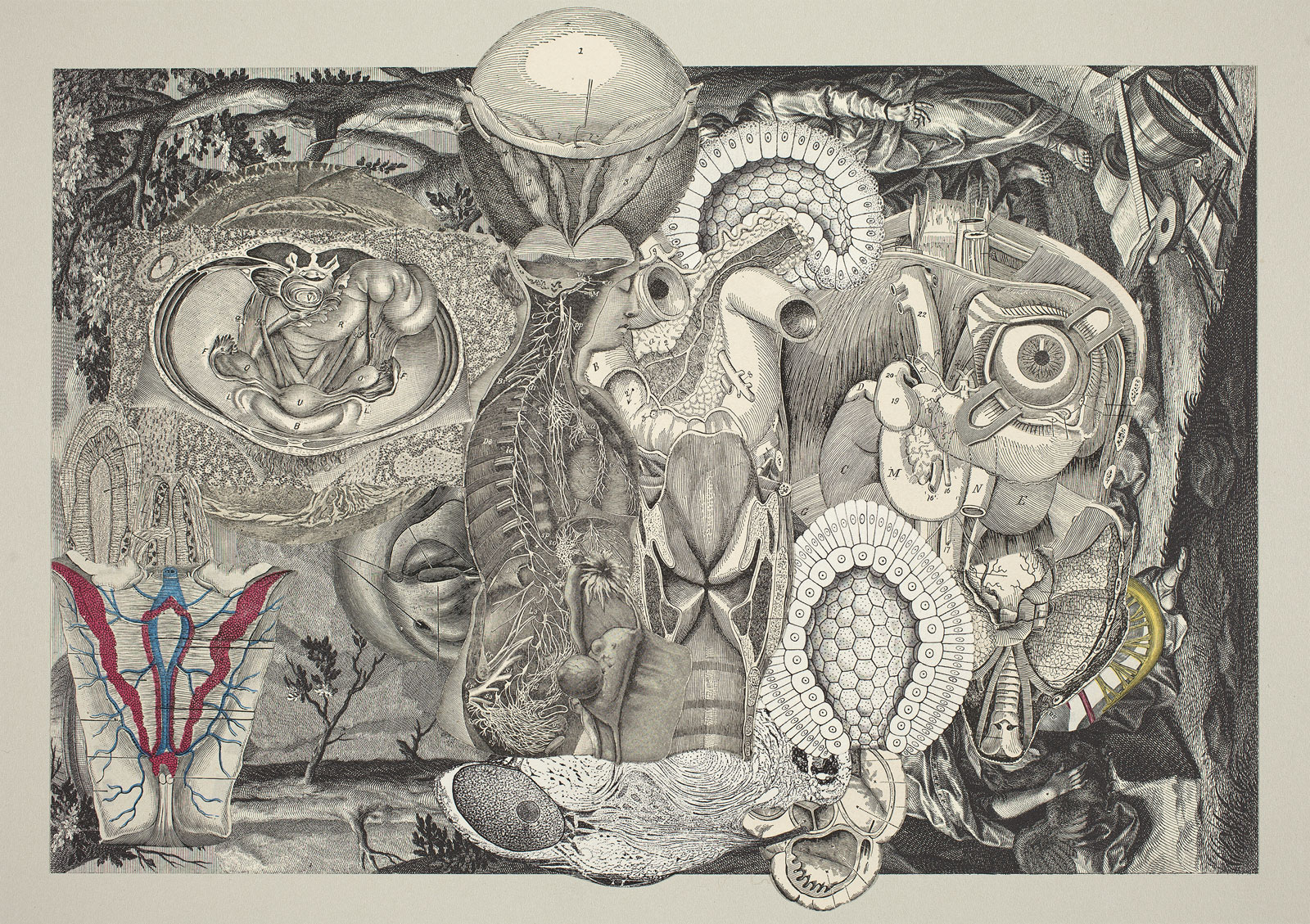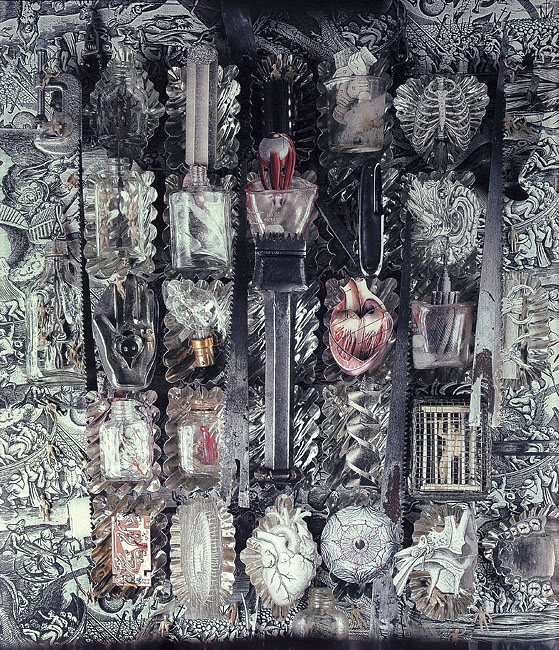
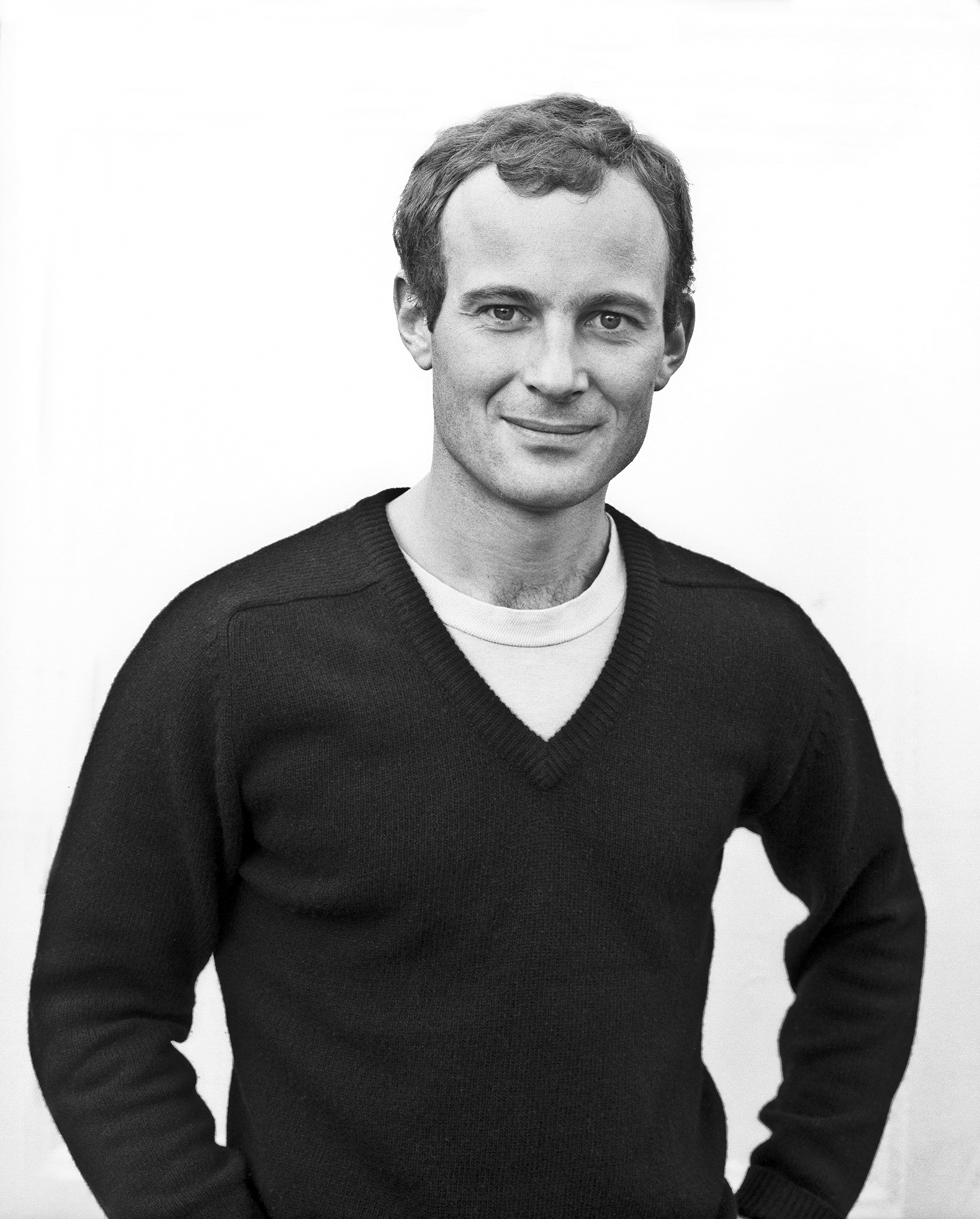
Vale Ian Lobb (1948-2023), photographer

December 2023


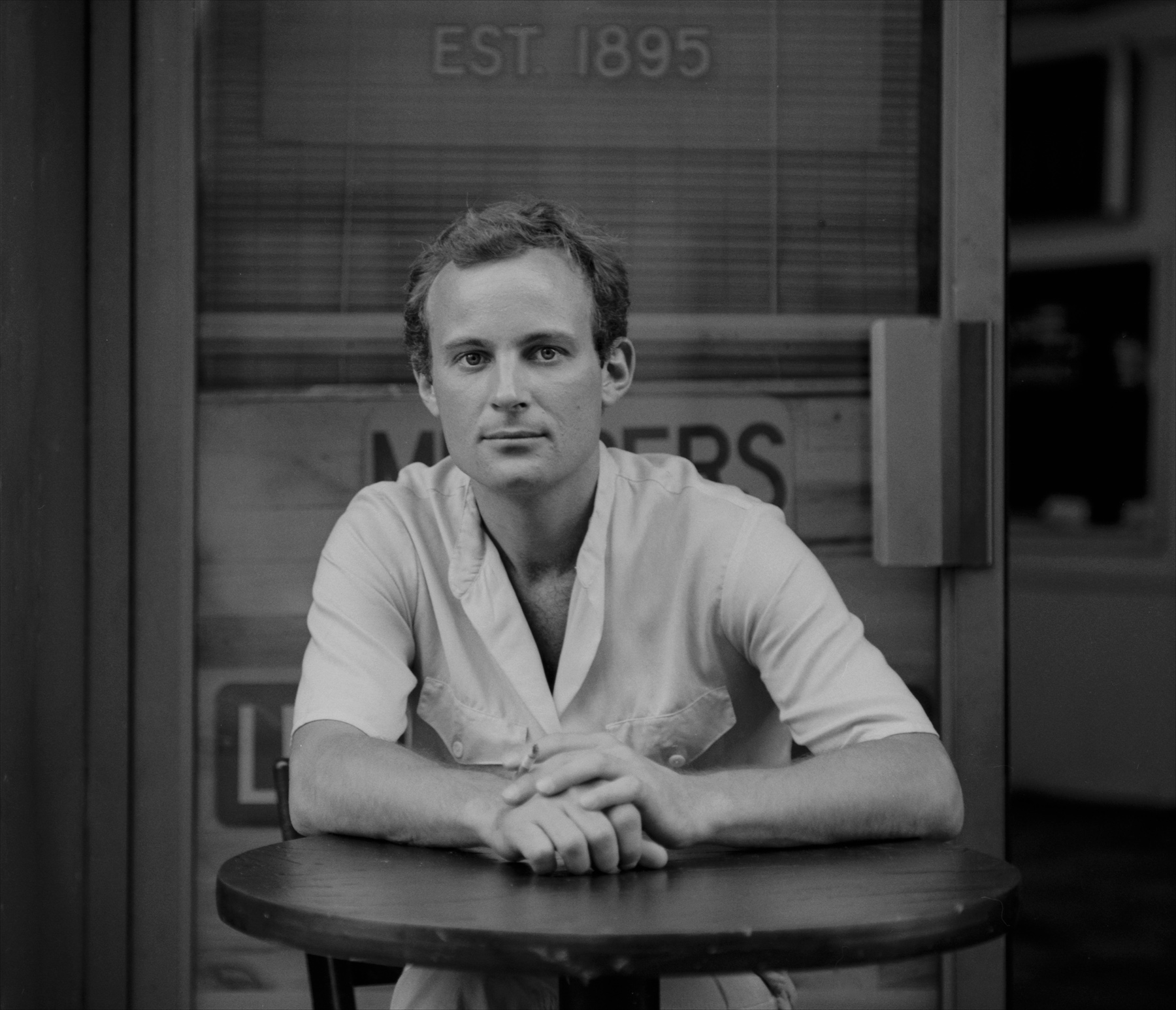
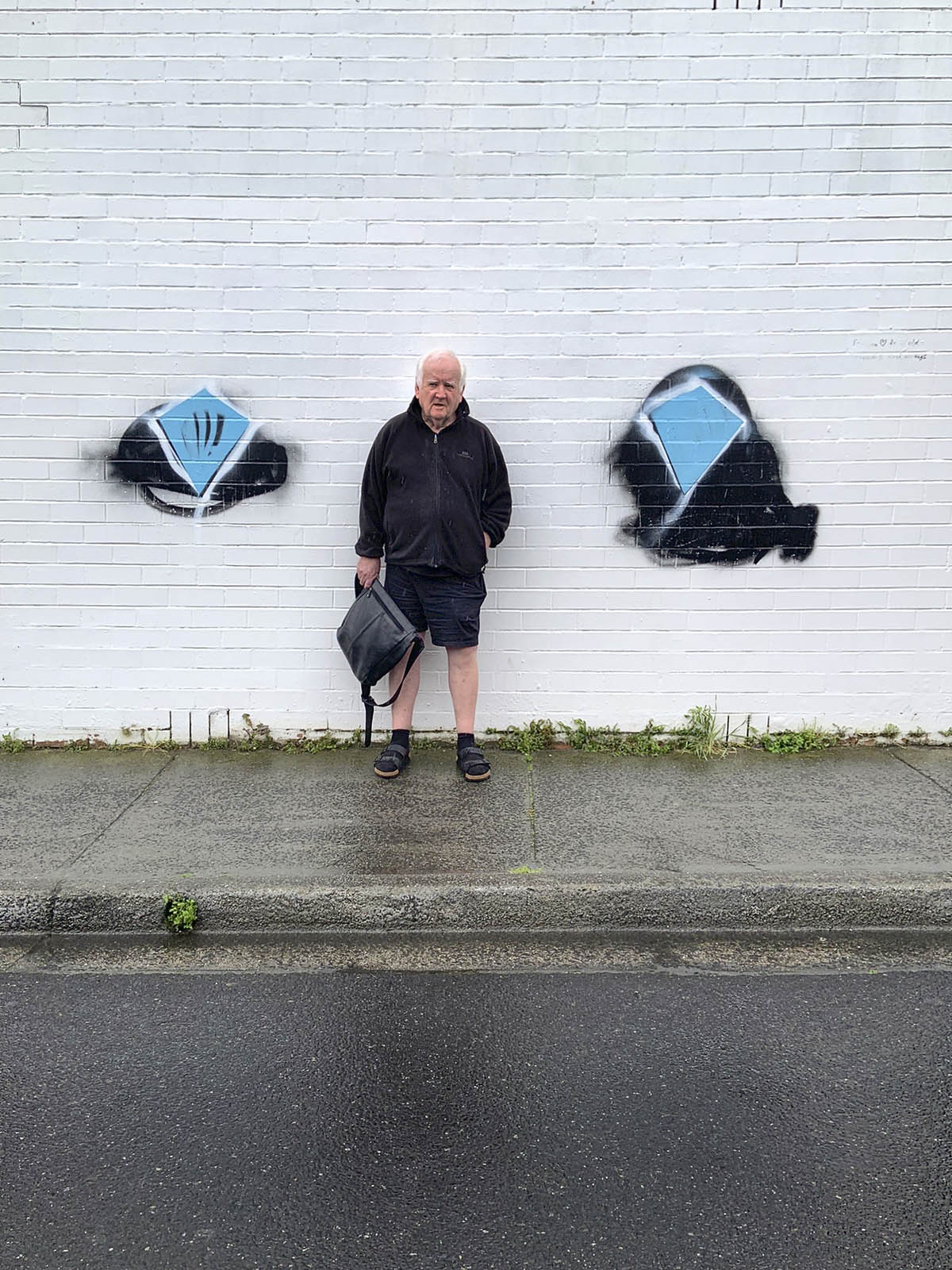
Marcus Bunyan (Australian, b. 1958) 'Ian Lobb, Station Street, Fairfield' 5 October 2022 


Marcus Bunyan (Australian, b. 1958)
Ian Lobb, Station Street, Fairfield
5 October 2022


The luminosity of Ian Lobb

These words are a celebration of the life of an extraordinary human, a heartfelt stream of consciousness text that touches on aspects of the life of Ian Lobb, photographer.

Ian Lobb was my friend. He was a poet, photographer, raconteur. He my first photographer lecturer at university who I could always rely on for advice on art, photography, writing and life. He was an audiophile and a lover of music, anything from classical to jazz to Nina Simone, Paul McCartney and Bob Dylan. He was a lover of women. He was dreamer and a philosopher. He adored the American artist Cy Twombly. He was a rabid Sydney Swans fan!

In the early 1990s monthly reviews of student photographic work at Phillip Institute of Technology (PIT, which later became part of RMIT University) with Ian and fellow lecturer Les Walkling were electric. Ideas and passion for the work abounded, discussions ran for hours on how to create work – with feeling and insight into the condition of image (and human) becoming. Here Ian introduced me to Tarkovsky, Eisenstein and Joseph Campbell, and the Marathon Monks of Mount Hiei, Kyoto, Japan. And of course he introduced me to the French photographer Eugène Atget – oh how we loved Atget, and Strand, Weston, Caponigro and Minor White. We could talk on any subject. Many years later, at our regular coffee catchups in Fairfield, I would take him new photography books that I had bought and recent object d’art purchases and, over lunch, the conversation would range far and wide about photography, art and life. He helped me sequence my work – have you thought about this pairing together, what about swapping this one over – and we drew inspiration from the sequences of Minor White and his use of “ice/fire”.

Ian was a storyteller. His photographs tell stories. From the teachings of Minor White (especially his “Three Canons”) there was an acknowledgement in his work of the spirit of the object he was photographing – a moment of revelation sought in the negative and subsequent print through a connection and circular transmission of energy between artist and object back through the camera and onto film (Zen)(for example see Eagles Nest, Cape Paterson 1975, below). A moment of revelation of spirit that was so important to Ian that this moment of “revelatio” can still be seen and felt in his recent mobile phone images.

Ian was aware, fully present. He was attuned to his surroundings like few people I have met for he was tremendously attentive, tremendously awake and sensitive to the environment and the vibrations of energy that emanated from the city, the land, the sky. Imagine travelling to a small patch of earth in the Black Ranges year after year to photograph in all seasons and in all weather something that he could see and feel in that land… something any other human would not even recognise, would walk past without a moments hesitation as though nothing was there, was of no import. But not Ian. He recognised and felt the energy of that place, space.

Talking to the wonderful Australian photographer David Tatnall who was also a friend of Ian’s we reminisced the other day. Ian had won an Australia Council grant and went to America on board a cargo ship teaching yoga on the way over, first going to South America and then on to America. There he visited Barbara, Wynn Bullock’s wife, and Ralph Gibson, Brett Weston, Harry Callahan and William Clift. He attended workshops with Ansel Adams and Paul Caponigro. He visited the Museum of Modern Art’s reading room and examined box after box of iconic prints by the masters, all jumbled together as he told me in folders with little order or care for their preservation. David told me he rocked up unannounced at Eliot Porter’s and said he was a visiting photographer from Australia, and while Eliot made a pot of tea he was left to go through boxes of dye transfer prints. Back then there was a camaraderie of photography very different from the present. Can you imagine doing that today!

He conversed with the masters. Like a pebble making ripples in a pond the energy of these photographers was transferred by osmosis through Ian to a wider network of artists. David and I remembered how Ian taught us to look at the print upside down in order to understand the balance of the print and develop an appreciation of its structure and the music inherent in it. Look at the image of Caponigro’s Reflecting Stream, Redding, CT (1968, below) – one of Ian’s favourites – and you just know that water has to be “wet” in that print, that the shadows of the trees on the water have to be (Ansel Adams) Zone 2, and that the Zone 7 patch of grey under the boulder in the centre of the image is critical to its music, its balance. Ian knew these things instinctively, intuitively. Ian also taught both of us how to make Ansel Adams’ “burning in” tool… three pieces of stiff black board (with the top two pieces secured by tape to make a hinges) with gradually larger holes in each board for use under the enlarger, so that you could easily flip the boards to a larger or smaller hole for “burning in” while making a print. We both still have these indispensable tools, passed down like an oral history from the master. On reflection, learning from Ian and Les during those early days printing black and white photographs in the basement darkroom at Phillip Institute of Technology (PIT) in Bundoora, Melbourne were some of the happiest days of my life.

With friend and fellow director William (Bill) Heimerman (1950-2017), The Photographers’ Gallery and Workshop, Melbourne brought to Australia some of the most respected master photographers from around the world: Wynn Bullock, Emmet Gowin, Eikoh Hosoe, William Clift, Harry Callahan, Paul Caponigro, William Eggleston, Ralph Gibson, Duane Michaels, Lisette Model, August Sander, Aaron Siskind among others … and promoted local Australian photographers such as John Cato, Carol Jerrems, Christopher Koller, Jeff Busby and more. I was privileged to have several solo exhibitions in the gallery space. For the opening of Carol Jerrems exhibition at the gallery, Ian asked her who she would most like to attend – and Carol said Ron Barassi, then the most popular sporting and cultural personality in Australia. And on the day of the opening who attended – the great man himself. I don’t know how Ian did it, but he did!

David Tatnall took Ian to Cape Paterson only a couple of weeks before his passing, the first time he had been there since his father’s death many years ago (see the photographs below). Ian took some photographs with camera on tripod and on the mobile phone and then sat down, sat down and just looked at things in that self deprecating way of his. He just looked at the rocks and the form and the light and soaked in the spirit of the place. The same with his favourite tree, his beloved lemon scented gum in the garden of his church in Fairfield. Much as the Black Range series many years earlier, he took thousands of photographs on his mobile phone of this tree in all weather conditions, at all times of the day and year. He saw and felt something there that he kept coming back too, searching for the answer to that one great question that he could never answer.

David said that he believed that he was only using the mobile phone as a visual notebook before he came back to the place to photograph with an SLR – but respectfully I must disagree. Increasingly in his later years Ian surrendered the use of his bigger digital cameras to the flexibility of his mobile phone camera, trading in their heft for the felt immediacy of the mobile phone image and his ability to study the results as he pleased. While many would dismiss these phones images as preludes to the finished work, Ian recognised (as do many artists) that these impressions, these deeply felt visual sketches, had become fully rendered works of art. He moved with the times. As he observed, “For the last 18 months I’ve been spending the first few hours of the day in the local church yard where I am photographing a lemon scented gum. I’m doing this with an iPhone as a way of exploring different ways of working that facilitates.” (Email for William Clift sent to Marcus Bunyan 22 January 2023)

Ian loved telling a story. And he was passionate about the Sydney Swans. He regaled me with the story of how he was so incensed by seeing photographers inside the circle of players celebrating in the rooms after a victory that he wrote to the club to explain that this space, this inner sanctum of celebration, should be a “sacred space” as he put it just for the players… and that photographers should not be allowed in to that space, but only be able to look in from the outside. He was special like that. He understood the significance of that circle and the energy that flowed across the space as players linked arms and belted out the club song. Nothing should disturb the sanctity of that space, much as nothing should disturb the energy of a rock face.

Ian was a (com)passionate man. He was a spiritual man. Throughout his life he had a deep abiding faith in Jesus and the benevolence and goodness of the Almighty. Now he is be gone but his energy still surrounds us. In his beloved lemon scented gum and in the many memorable ideas and images he shared with us.

Ian Lobb was my friend. I will miss his wise counsel.

God bless him xx

Dr Marcus Bunyan


PS. A very interesting analysis by Gary Sauer-Thompson on Ian Lobb’s Black Range series and new concepts in contemporary landscape photography can be found in the article “Ian Lobb + contemporary landscape photography” on the Thought Factory website January 28, 2024. Recommended reading.


Please click on the photographs for a larger version of the image. Many thankx to David Tatnall for allowing me to publish his images that are included in this posting.


“If you think of all the wonderful experiences of making images – and then sequencing them – really it is top of the world experience. If this then happens when society is particularly in flux – on spiritual and identity issues, and sequencing happens by someone who is sensitive to the time and the issues. And is sensitive to “image”. Then you really really hope that the book is well produced.”


Ian Lobb email to Marcus Bunyan, 29 May 2015


“In “LA Confidential” they give away their source by using the word “valediction”. A good name for a poem, maybe the best, but not an exhausted idea. Look out I have been inspired by genius. People say that they have to do something more difficult than they need. That’s ok. – there are angels to prevent that – but if you don’t want to go that way, most of them aren’t against us.”


Ian Lobb text to Marcus Bunyan, Monday 11 September 2023


“Marcus – can we be told how to love ? The first thought is no – but I’m not going to rush into an answer. Can we be told how to love a photograph or which photographs to love? I do know that my walk this morning has been recalling which photographs I have loved – and stopping on those where I have not lately dwelt. I didn’t get past the Paul Strand of the white picket fence. Sitting now on Station st as the coffee shops carry out their tables and seeing it.”


Ian Lobb text to Marcus Bunyan, Saturday, 16 September 2023


Ian Lobb speaking at a celebration of the life of William (Bill) Heimerman (1950-2017)

Windsor, Melbourne, Victoria, Australia, October 21, 2017.
Thank you to Peter Leiss for allowing me to publish this video.


Paul Strand (American, 1890 - 1976) 'White Fence, Port Kent, New York' 1916 (negative); 1945 (print)


Paul Strand (American, 1890 – 1976)
White Fence, Port Kent, New York
1916 (negative); 1945 (print)
Gelatin silver print
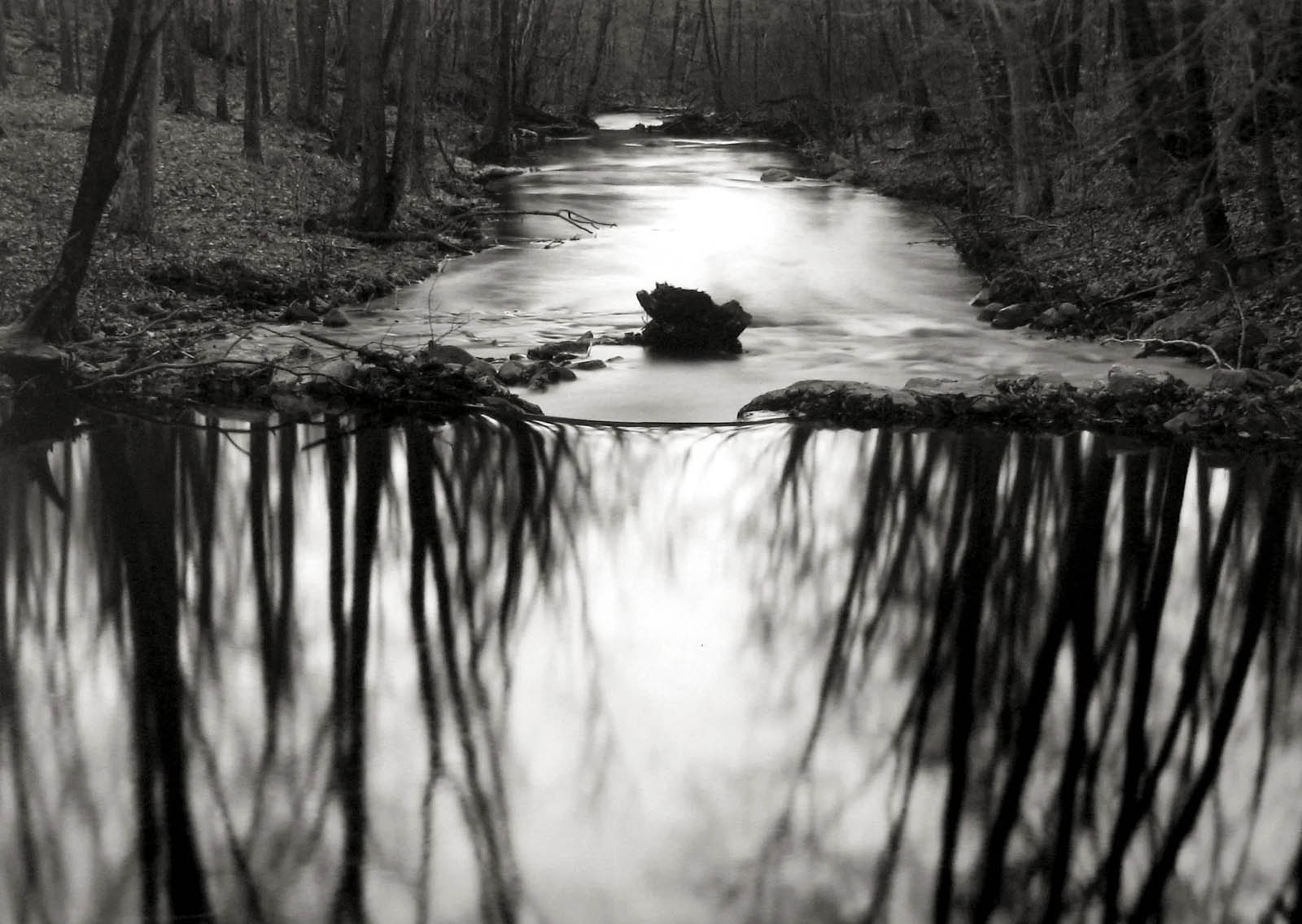
 

Paul Caponigro (American, 1932-2024) 'Reflecting Stream, Redding, CT' 1968


Paul Caponigro (American, 1932-2024)
Reflecting Stream, Redding, CT
1968
Gelatin silver print


During this particular workshop Caponigro was sometimes in a room where he could display several prints at once – he would never take them all down after talking, but move the first images away and attach new images to the right as he talked. The workshop was with the senior students of an Oregon art school, it can be dated because it was during the impeachment of Nixon.

~ Ian Lobb email to Marcus Bunyan, 6 January 2015
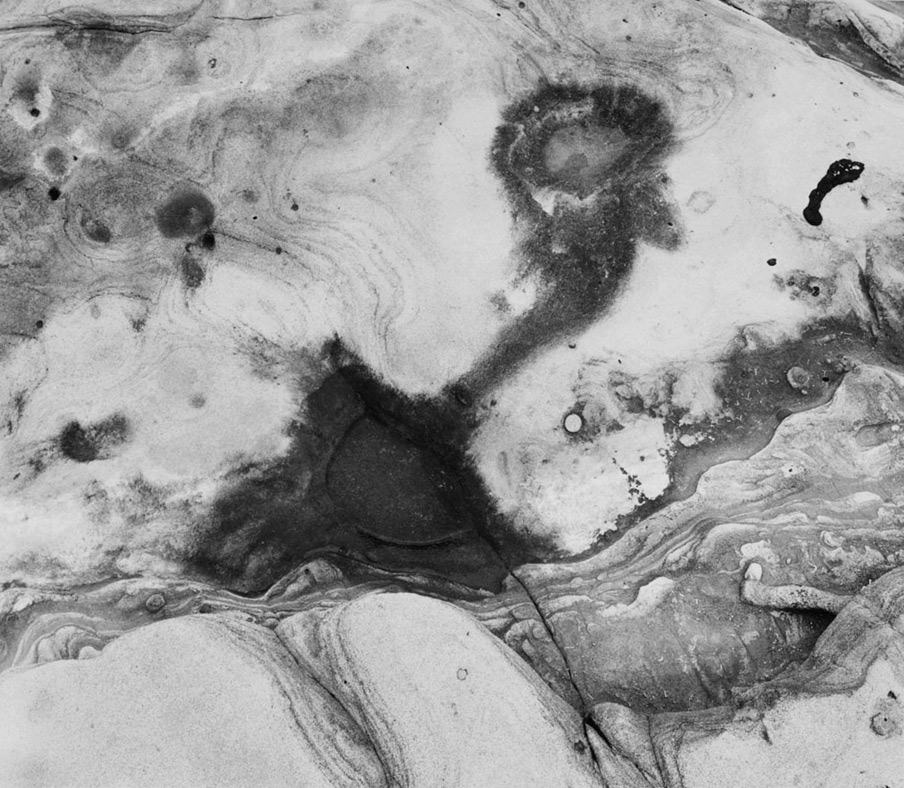
 

Minor White (American, 1908-1976) 'Point Lobos, California' 1948


Minor White (American, 1908-1976)
Point Lobos, California
1948
Gelatin silver print


Marcus, have you been to Point Lobos? I think you would find it a big experience if you were there at a quiet time. Imagine Minor White going to visit Weston on Wildcat Hill, and then the short drive down to Point Lobos – there would be some frisson in that car!! It’s not quite Nietzsche going to visit Wagner – but it’s not bad. For a lot of the year the day starts with fog and then the fog pulls back a little offshore and then comes back again. I think Weston’s Pelican would have been photographed in fog.

~ Ian Lobb email to Marcus Bunyan, 29 May 2015
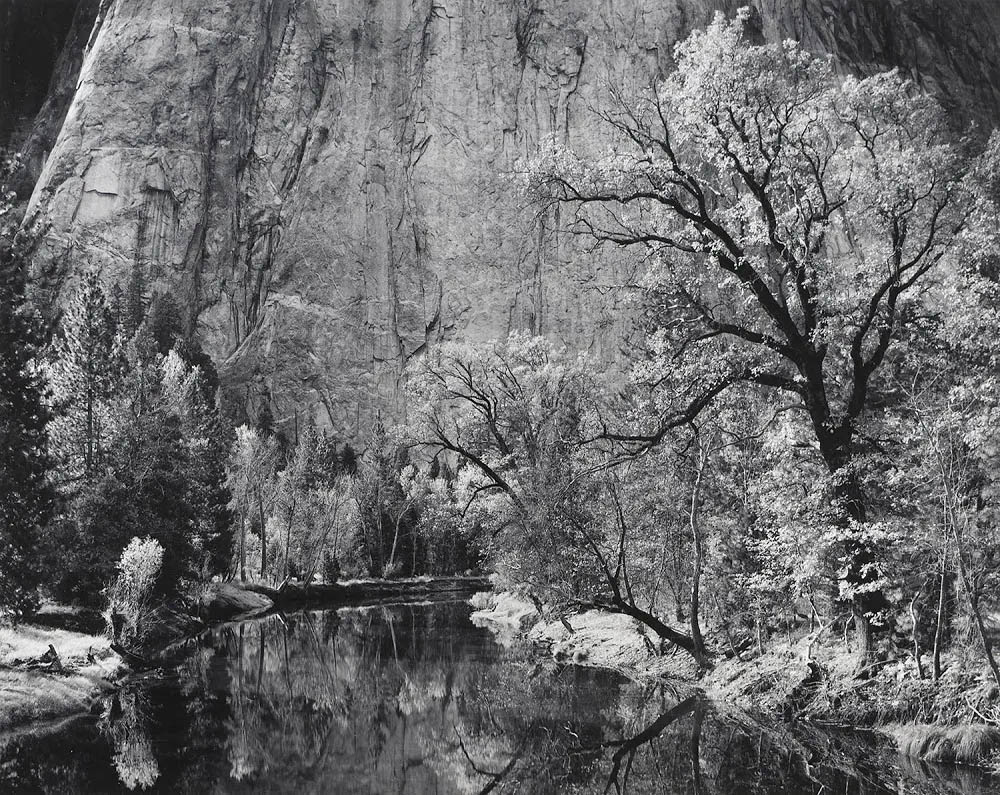
 

Ansel Adams (American, 1902-1984) 'Merced River, Cliffs, Autumn' 1939


Ansel Adams (American, 1902-1984)
Merced River, Cliffs, Autumn
1939
Gelatin silver print


When talking to him [Ansel Adams] you can imagine the number of mediocre questions. While I was listening all of his answers were quotes from his books. There had to be an extraordinary move to get him to break ranks with this rule.

~ Ian Lobb text to Marcus Bunyan, Sunday, 5 March 2023


Black Range series
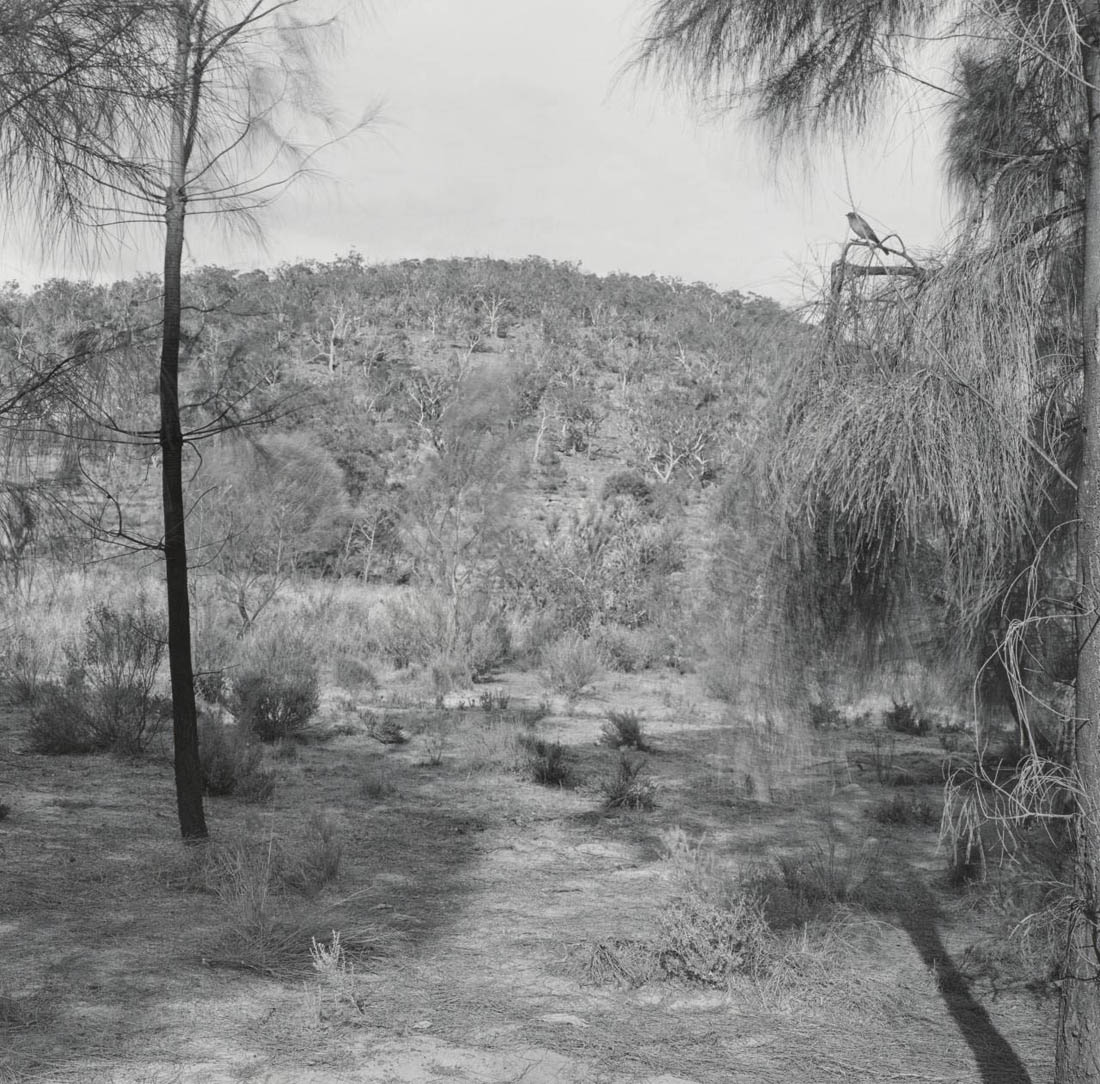
 

Ian Lobb (Australian, 1948-2023) 'Untitled' 1989 from the 'Black Range' series 1986-1989


Ian Lobb (Australian, 1948-2023)
Untitled
1989
from the Black Range series 1986-1989
36.9 × 36.7cm (image)
National Gallery of Victoria, Melbourne
Purchased with funds donated by Hallmark Cards Australia Pty Ltd, 1989
© Ian Lobb
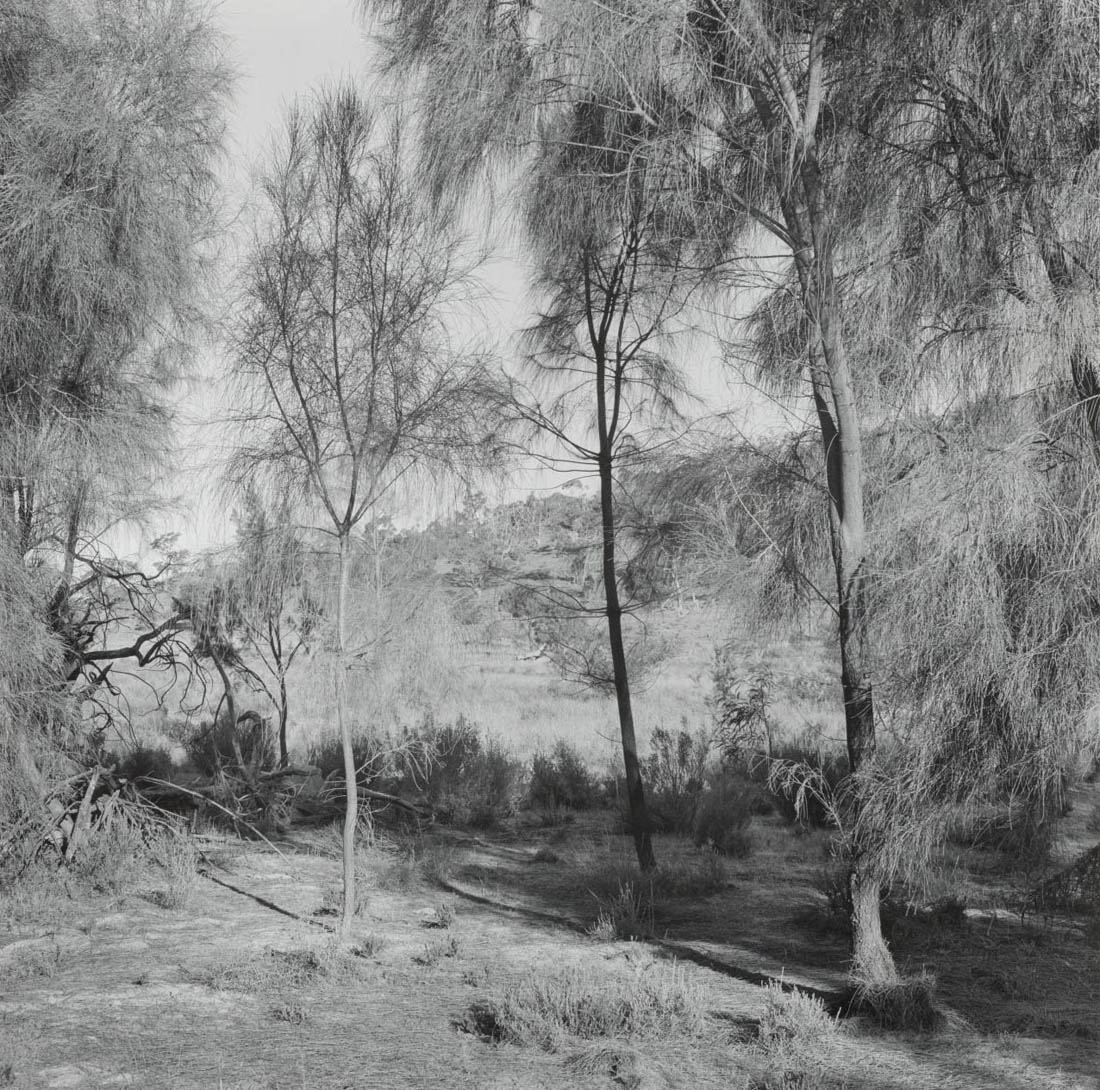
 

Ian Lobb (Australian, 1948-2023) 'Untitled' 1989 from the 'Black Range' series 1986-1989


Ian Lobb (Australian, 1948-2023)
Untitled
1989
from the Black Range series 1986-1989
35.6 × 35.6cm (image)
National Gallery of Victoria, Melbourne
Purchased with funds donated by Hallmark Cards Australia Pty Ltd, 1989
© Ian Lobb
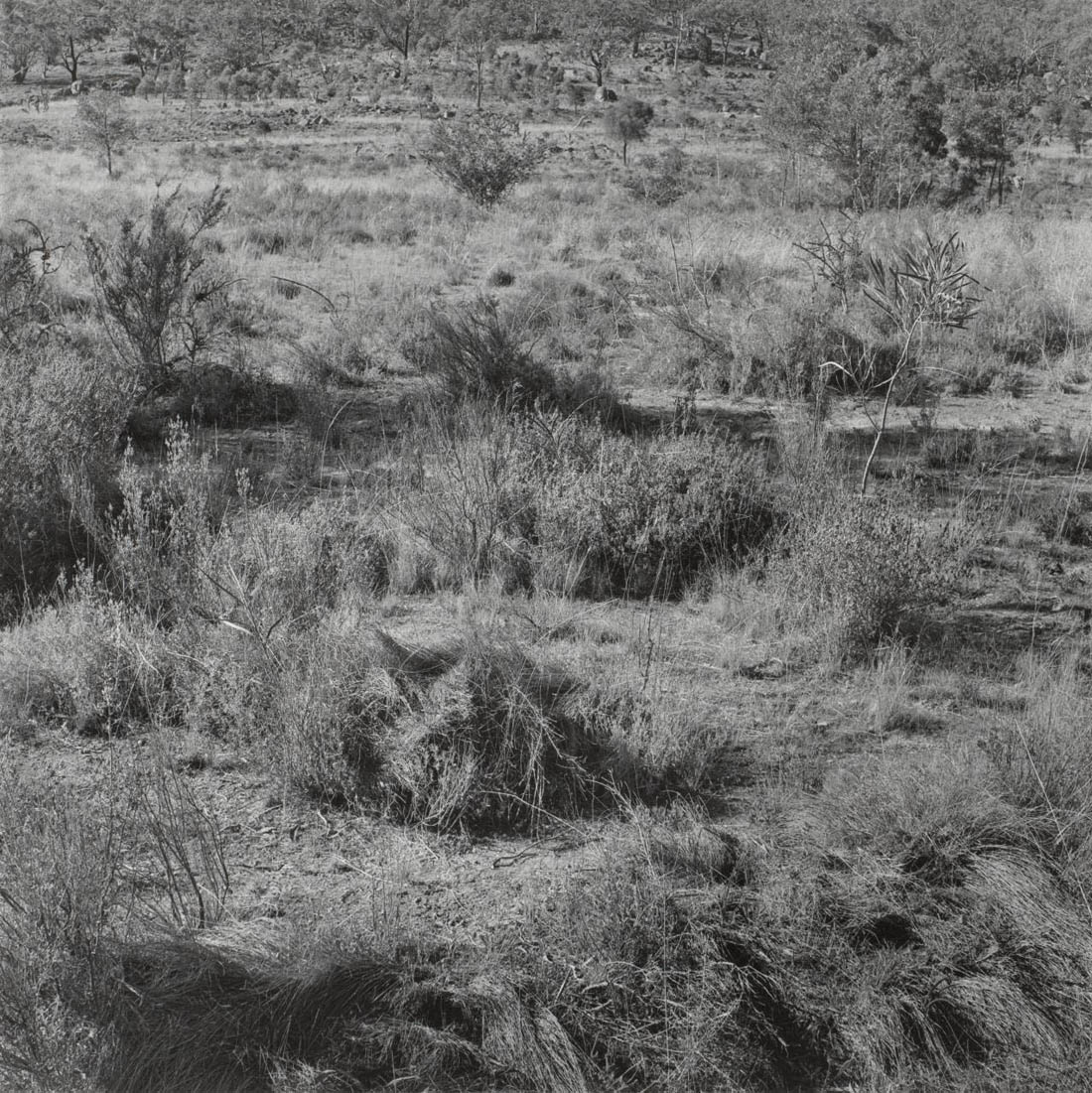
 

Ian Lobb (Australian, 1948-2023) 'Untitled' 1986, printed 1989 from the 'Black Range' series 1986-1989


Ian Lobb (Australian, 1948-2023)
Untitled
1986, printed 1989
from the Black Range series 1986-1989
26.4 × 26.4cm (image)
National Gallery of Victoria, Melbourne
Purchased with funds donated by Hallmark Cards Australia Pty Ltd, 1989
© Ian Lobb
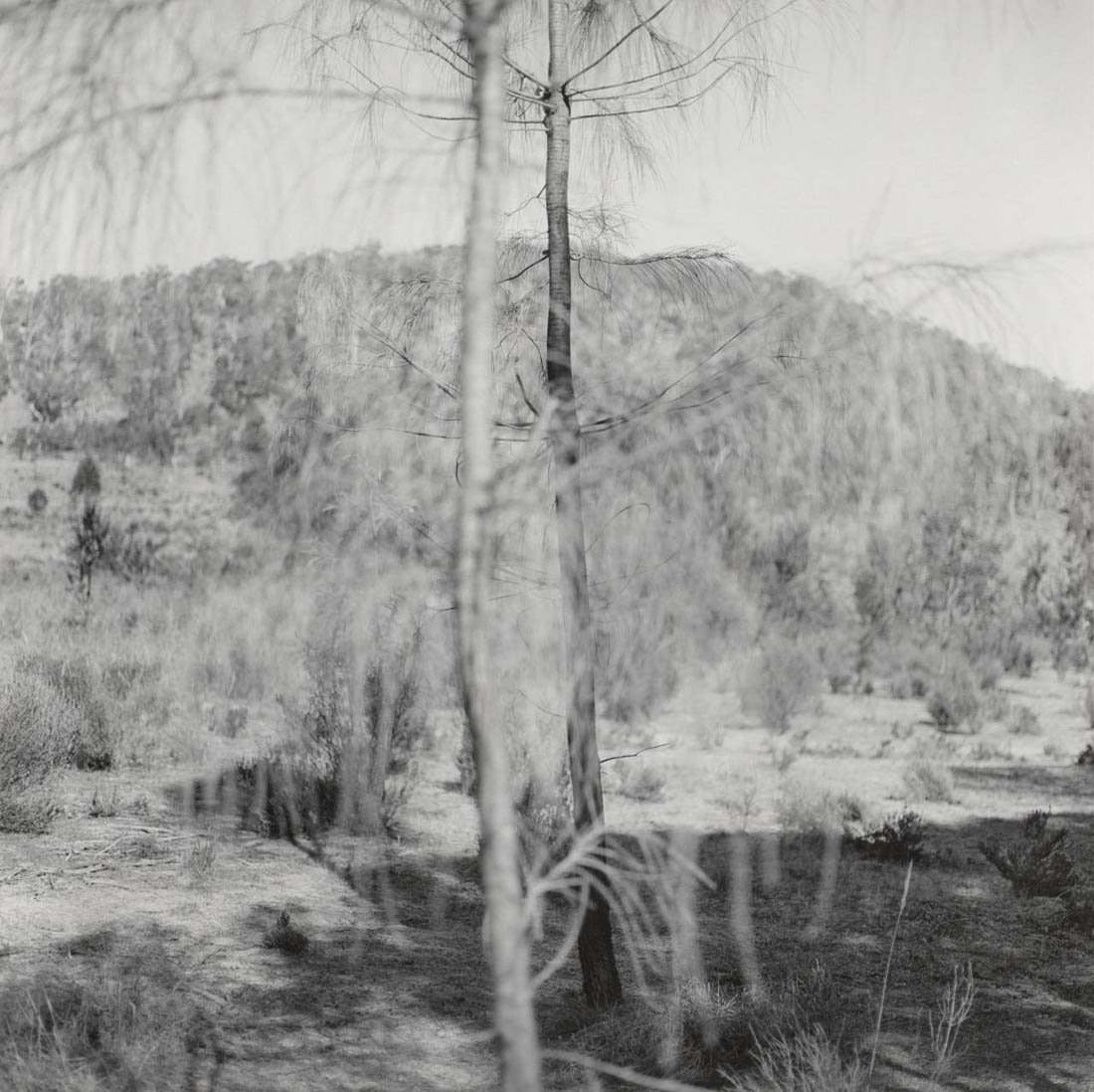
 

Ian Lobb (Australian, 1948-2023) 'Untitled' 1989 from the 'Black Range' series 1986-1989


Ian Lobb (Australian, 1948-2023)
Untitled
1989
from the Black Range series 1986-1989
36.5 × 36.5cm (image)
National Gallery of Victoria, Melbourne
Purchased with funds donated by Hallmark Cards Australia Pty Ltd, 1989
© Ian Lobb
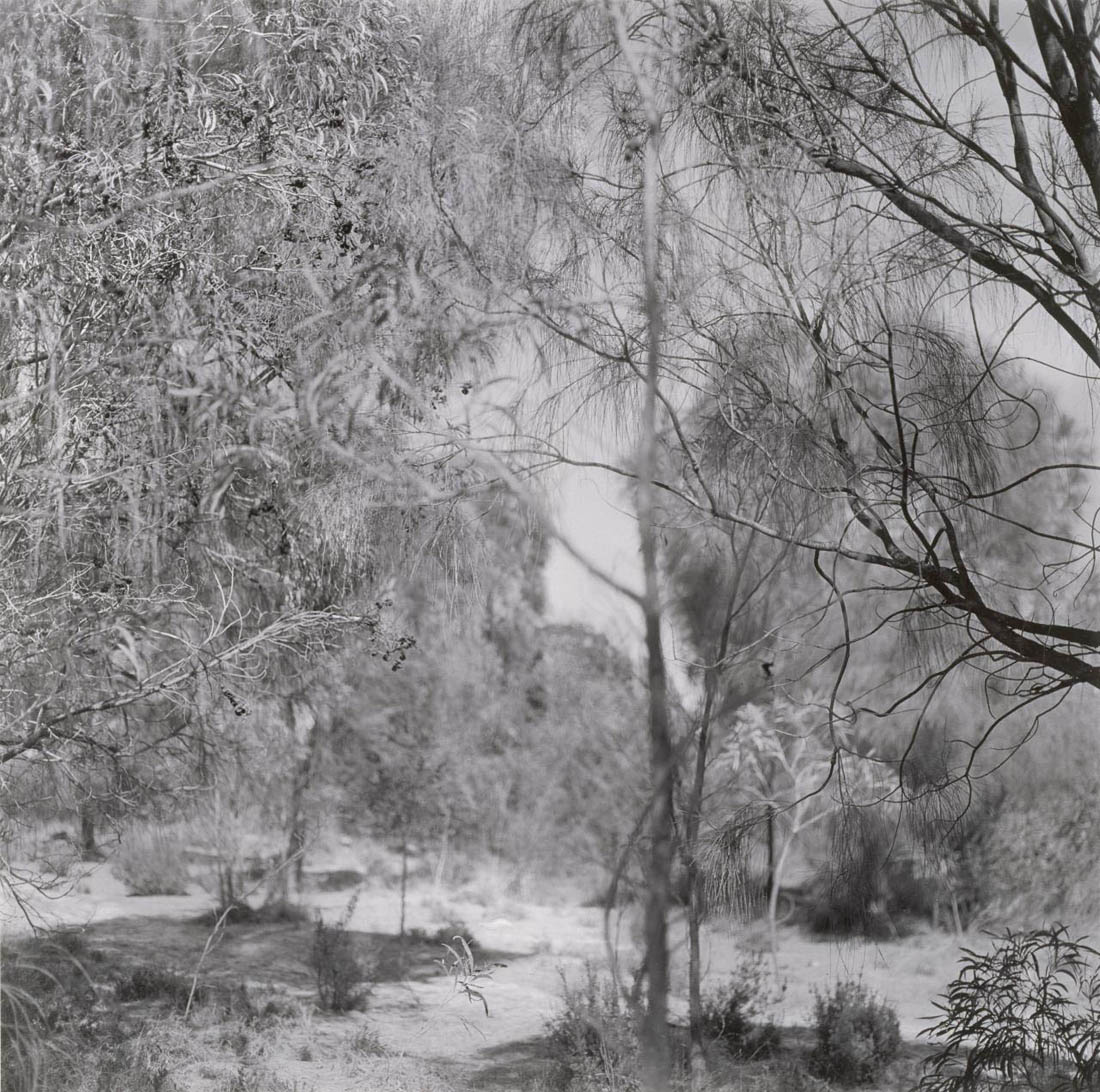
 

Ian Lobb (Australian, 1948-2023) 'No title (Soft focus landscape with branch detail in foreground)' 1989, printed 1998 from the 'Black Range' series 1986-1989


Ian Lobb (Australian, 1948-2023)
No title (Soft focus landscape with branch detail in foreground)
1989, printed 1998
from the Black Range series 1986-1989
38.2 × 38.4cm (image)
National Gallery of Victoria, Melbourne
Presented through The Art Foundation of Victoria by the artist, Fellow, 2000
© Ian Lobb


The Photographers’ Gallery and Workshop


Peter Leiss (Australian, b. 1951) 'Untitled [Bill Heimerman and Ian Lobb at the rear of the Photographers' Gallery]' c. 1975-1980


Peter Leiss (Australian, b. 1951)
Untitled [Bill Heimerman and Ian Lobb at the rear of the Photographers’ Gallery]
c. 1975-1980
Gelatin silver print


Eugène Atget (French, 1857-1927) 'Untitled [Atget's Work Room with Contact Printing Frames]' c. 1910


Eugène Atget (French, 1857-1927)
Untitled [Atget’s Work Room with Contact Printing Frames]
c. 1910


I am very familiar with the old suitcases under the desk – I think that only one – if any – is a suitcase.

This is typically how an exhibition would arrive at the Photographers’ Gallery – it would hold about 40 matted prints. Undo the strap and open the box to typically find 2 or 3 brown paper parcels. Maybe some archival tissue on the next layer down = sometimes not = and then about 20 mounted and matted prints sometimes face to face. This is the way Caponigro for example sent his prints – I’m trying to remember William Clift – Maybe one box like that and a handmade bigger one – or maybe 2 wooden boxes = but at least half  the exhibitions arrived in boxes like that.

But have a look to the left of those boxes –what are they? They look like old fashioned  double-darks – maybe for a quarter plate camera. The distance from the emulsion to the edge of the case was different for these compared to the last generation 5×4 double darks. People sometimes tried to make a way of putting the old film carriers onto 5×4″ cameras – but they would be focussing on the wrong spot by not making adjustments for the different positions of the emulsion.

To return to the boxes – they would be waiting for us at the airport, and we would have to spin a  yarn to the customs agents telling them that the prints were for “educational purposes only”. It was a great educational experience to unwrap some of the prints  when they came with a piece of tissue paper between the print and  the mat – you could see something of the image and then get to imagine it before removing the tissue.

Re Robert Frank – also note the size of the Lupe next to his hand. Ralph Gibson had Robert Franks Leica enlarger – For some reason it was in his “living room” – I have seen it!!!

~ Ian Lobb email to Marcus Bunyan 1 December, 2015


Carol Jerrems. 'Untitled [Bill Heimerman and Ian Lobb at the Dog Rocks near Geelong]' c. 1975-1980


Carol Jerrems (Australian, 1949-1980)
Untitled [Bill Heimerman and Ian Lobb at the Dog Rocks near Geelong]
c. 1975-1980
Gelatin silver print


Cape Liptrap and Cape Paterson
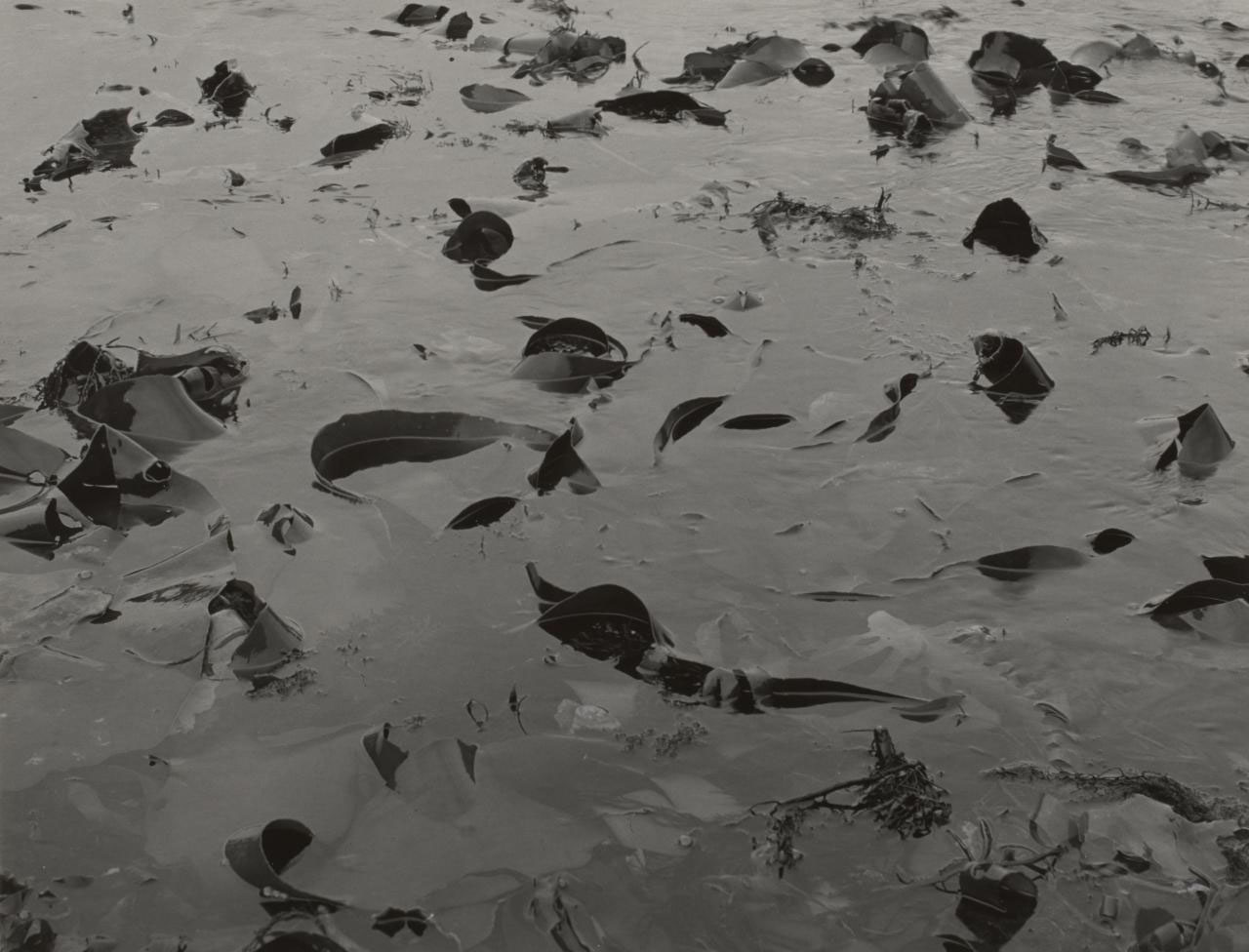
 

Ian Lobb (Australian, 1948-2023) 'Ocean (Cape Liptrap)' 1979


Ian Lobb (Australian, 1948-2023)
Ocean (Cape Liptrap)
1979
Gelatin silver photograph
17.3 × 22.5cm
National Gallery of Victoria, Melbourne
Purchased, 1980
© Ian Lobb
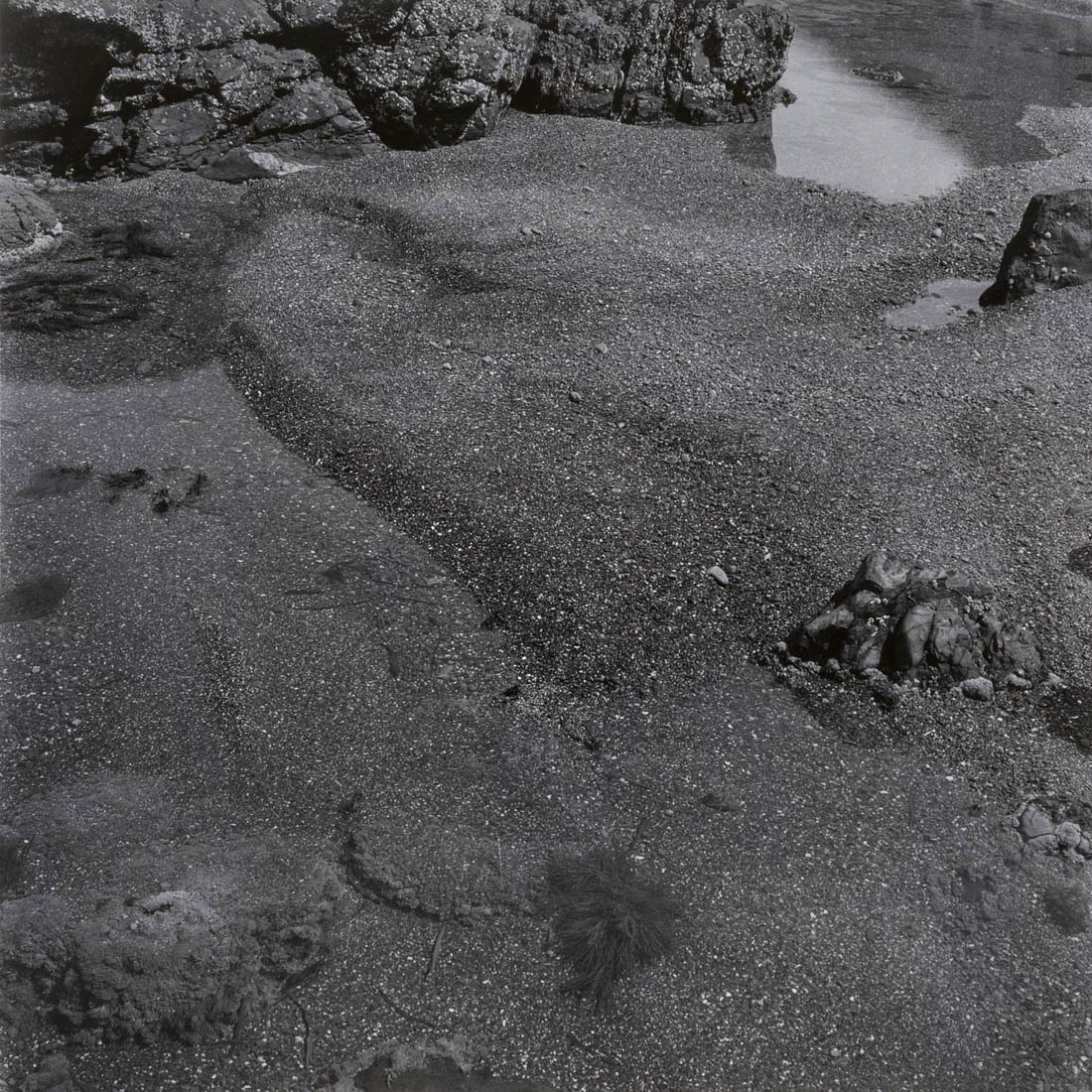
 

Ian Lobb (Australian, 1948-2023) 'No title (Black sand and rocks)' 1989; printed 1992


Ian Lobb (Australian, 1948-2023)
No title (Black sand and rocks)
1989; printed 1992
Gelatin silver photograph
34.3 × 34.3cm (image)
National Gallery of Victoria, Melbourne
Presented through The Art Foundation of Victoria by the artist, Fellow, 2000
© Ian Lobb
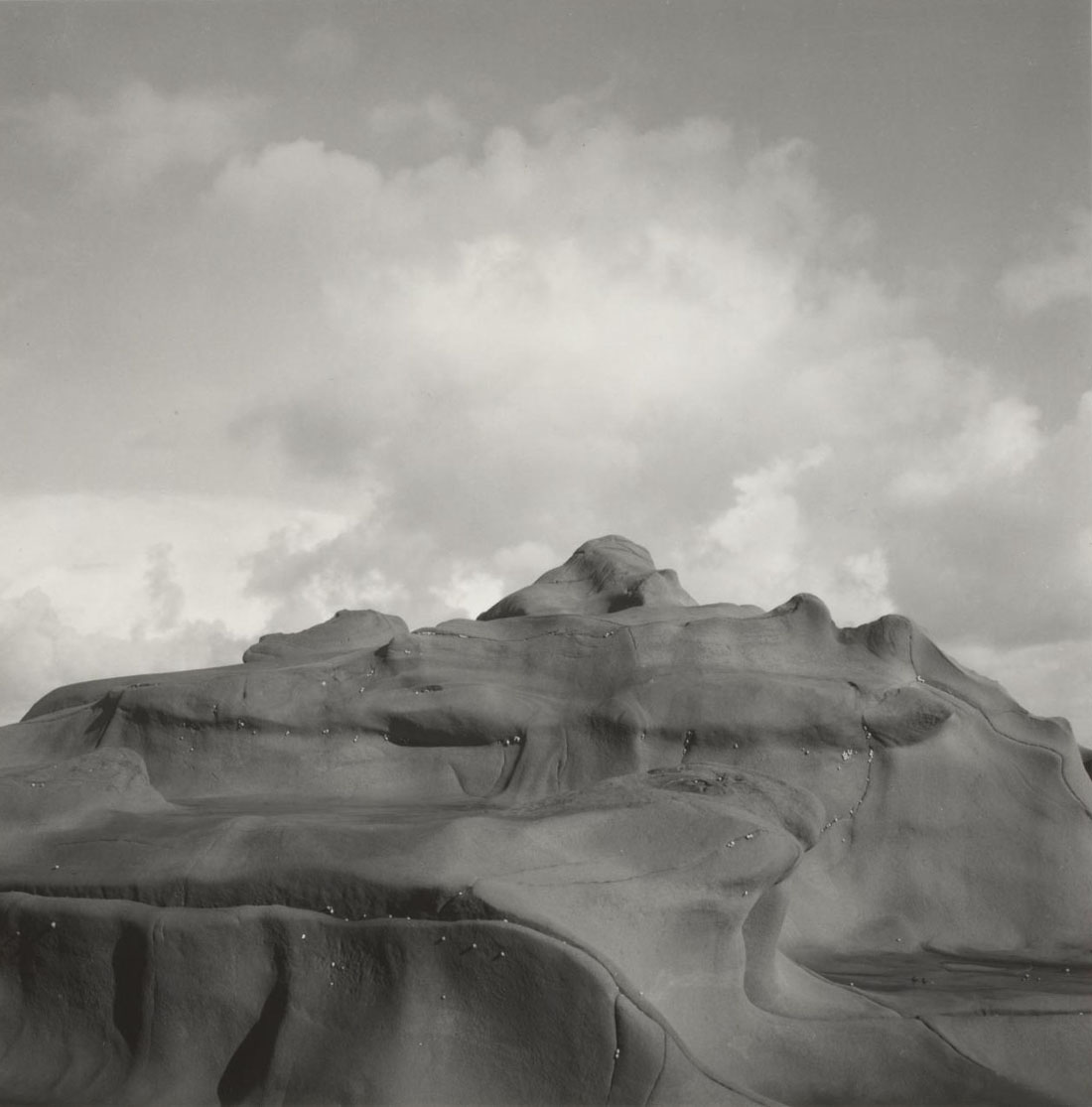
 

Ian Lobb (Australian, 1948-2023) 'Eagles Nest, Cape Paterson' 1975; printed 1979


Ian Lobb (Australian, 1948-2023)
Eagles Nest, Cape Paterson
1975; printed 1979
Gelatin silver photograph
17.6 × 17.4cm (image)
National Gallery of Victoria, Melbourne
Purchased, 1980
© Ian Lobb
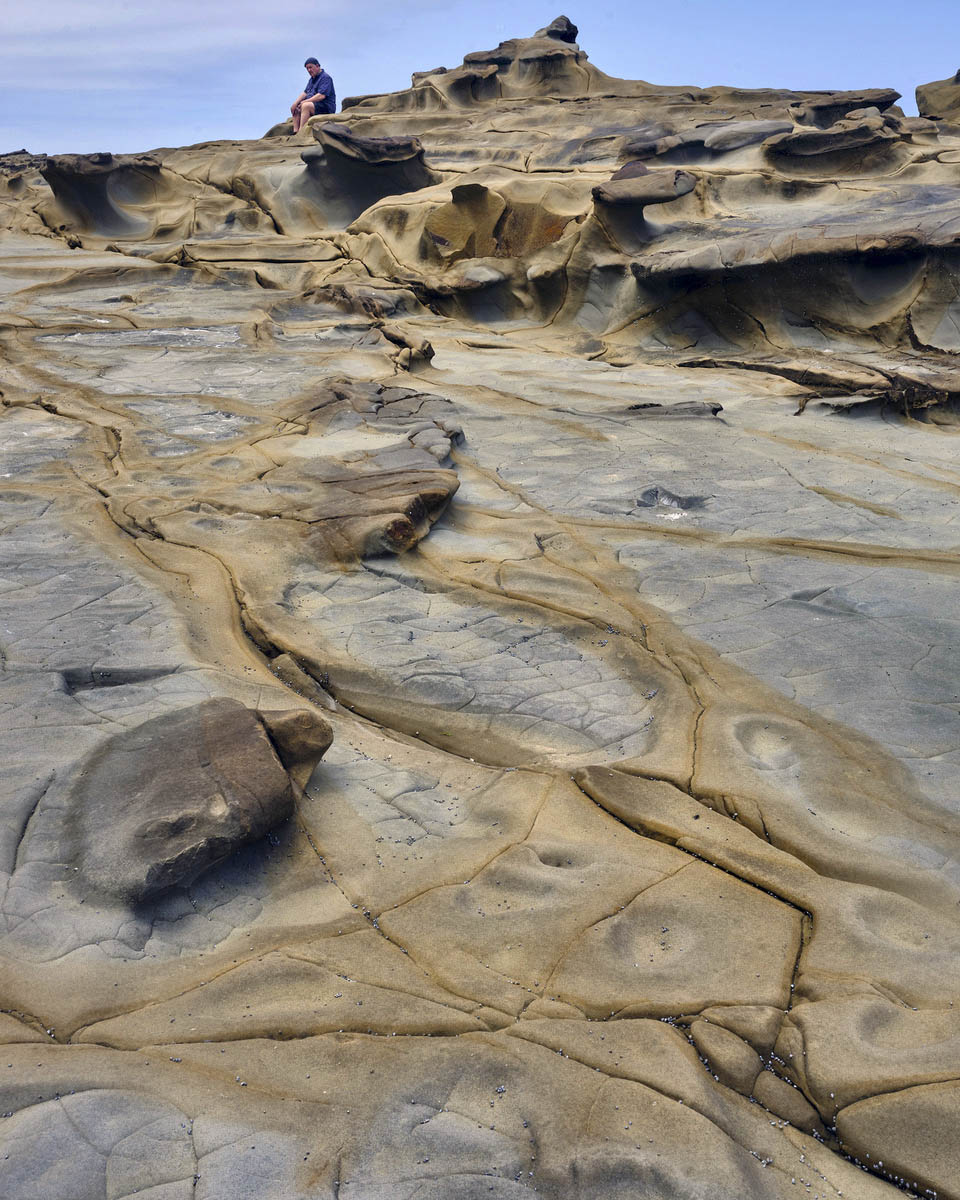
 

David Tatnall (Australian, b. 1955) 'Ian at Eagles Nest, Cape Paterson' November 2023


David Tatnall (Australian, b. 1955)
Ian at Eagles Nest, Cape Paterson
November 2023


This was the first Ian time had returned to Cape Paterson since the death of his father many years ago.
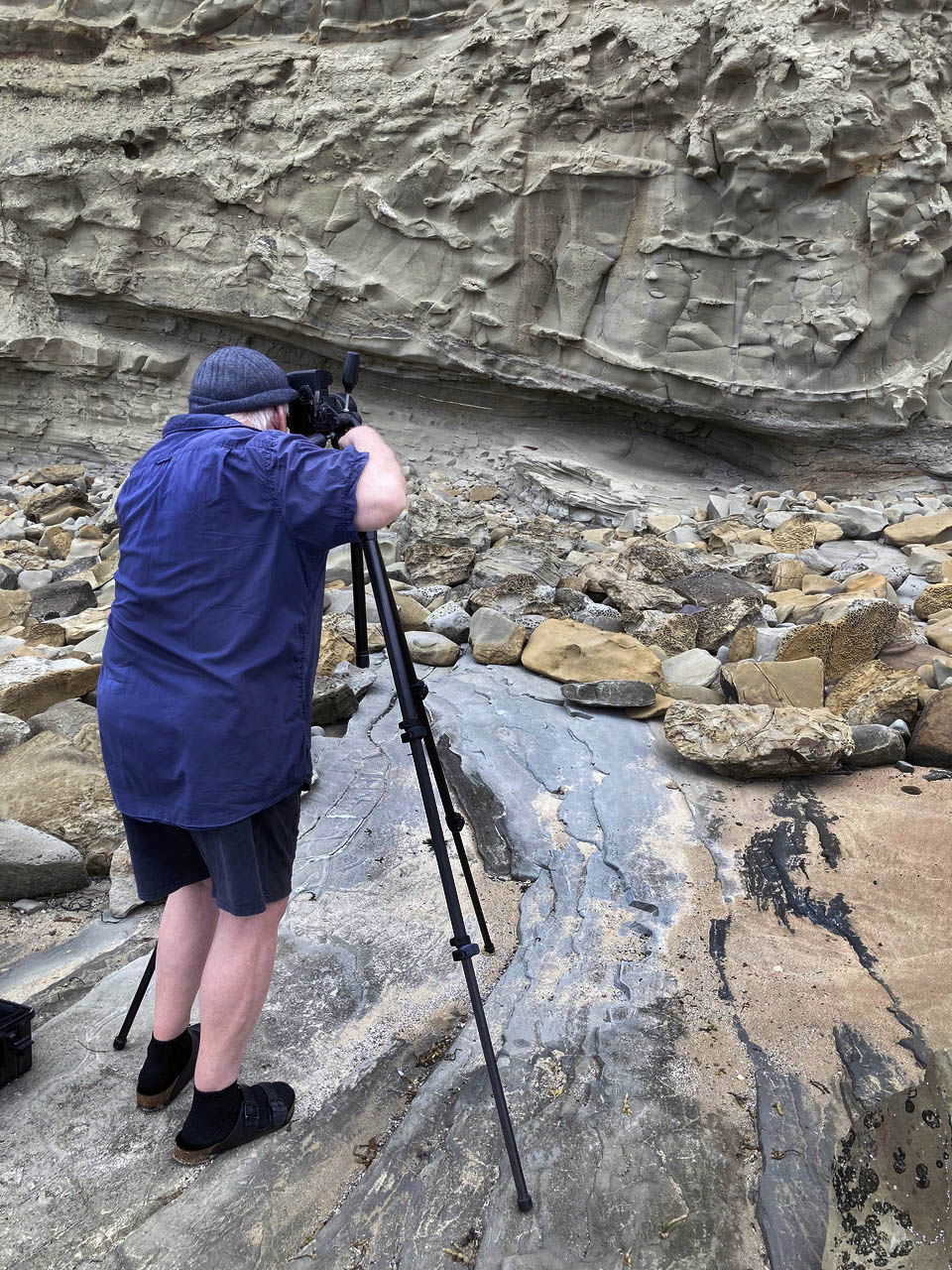
 

David Tatnall (Australian, b. 1955) 'Ian at Eagles Nest, Cape Paterson' November 2023


David Tatnall (Australian, b. 1955)
Ian at Eagles Nest, Cape Paterson
November 2023
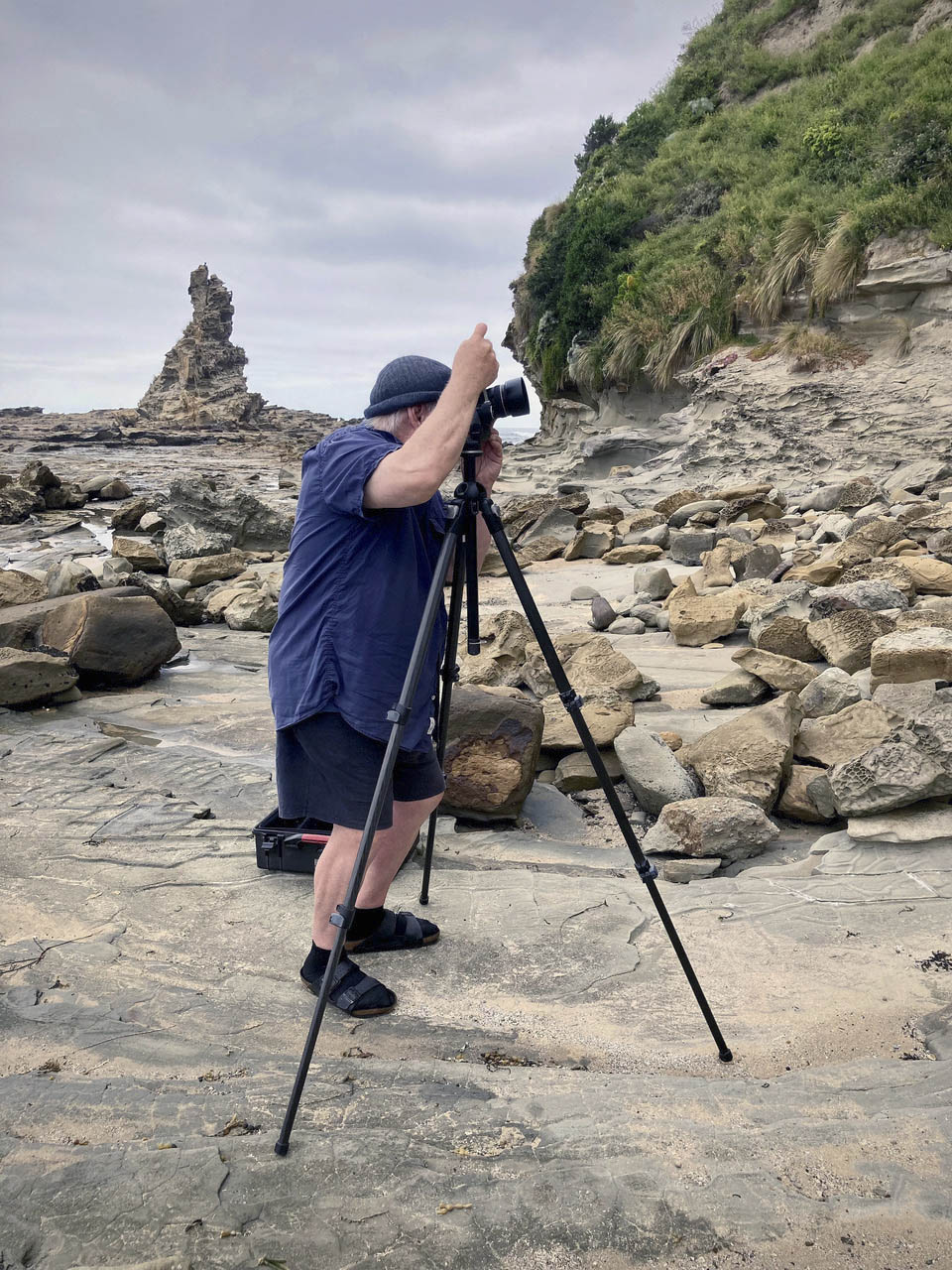
 

David Tatnall (Australian, b. 1955) 'Ian at Eagles Nest, Cape Paterson' November 2023


David Tatnall (Australian, b. 1955)
Ian at Eagles Nest, Cape Paterson
November 2023


Lemon scented gum, Fairfield
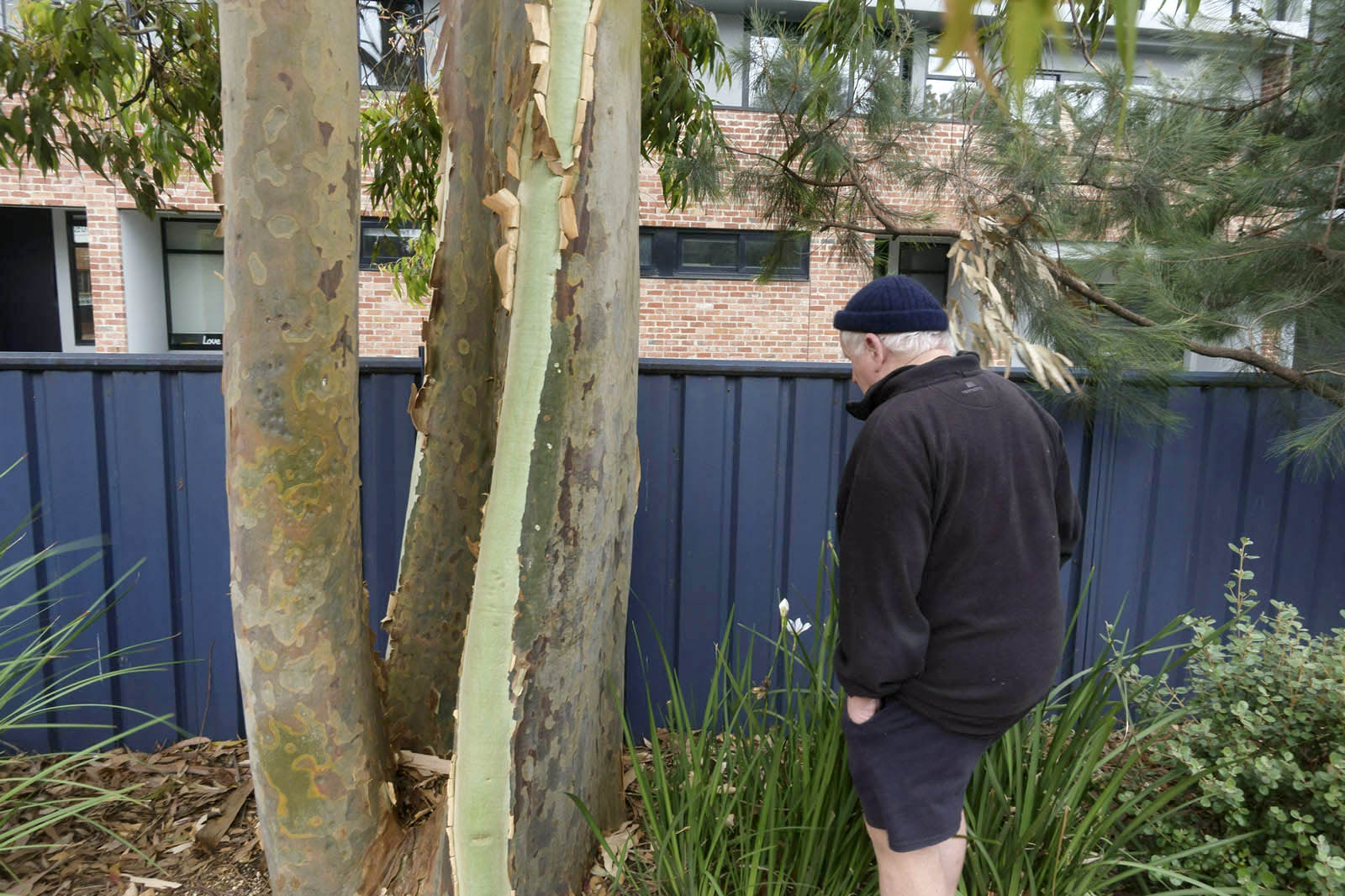
 

Marcus Bunyan (Australian, b. 1958) 'Ian Lobb, Fairfield' December 2021


Marcus Bunyan (Australian, b. 1958)
Ian Lobb, Fairfield
December 2021
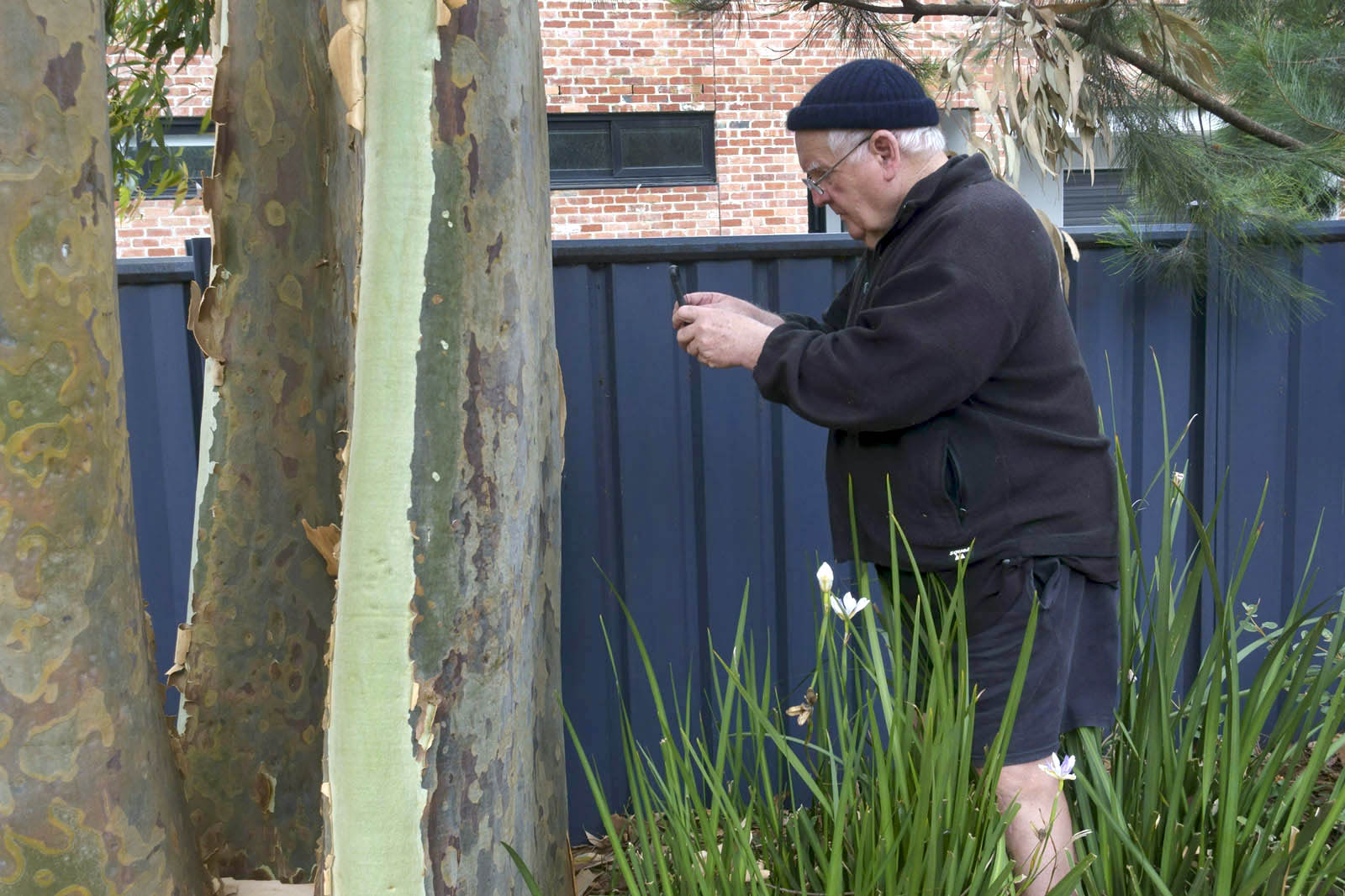
 

Marcus Bunyan (Australian, b. 1958) 'Ian Lobb, Fairfield' December 2021


Marcus Bunyan (Australian, b. 1958)
Ian Lobb, Fairfield
December 2021
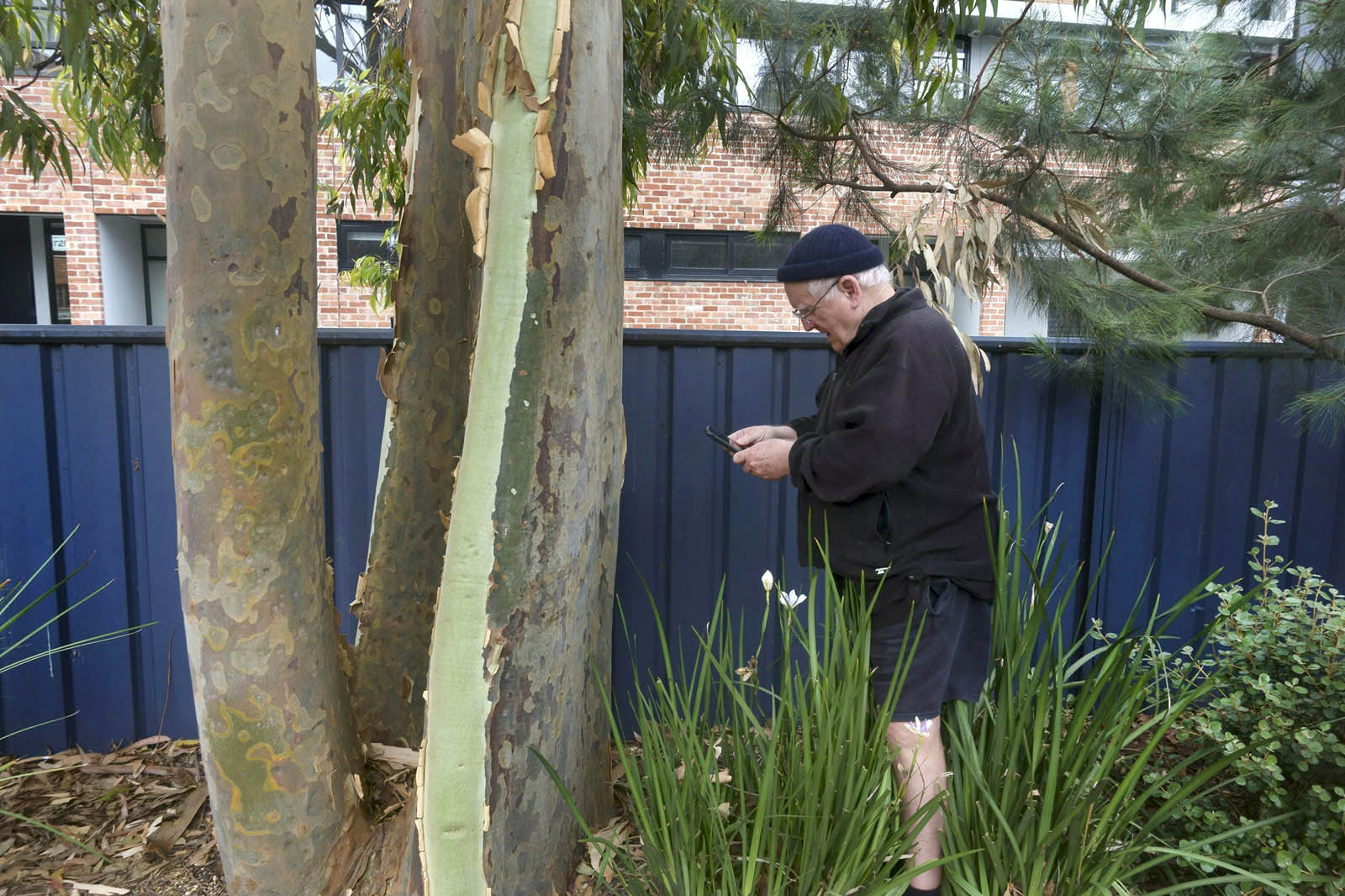
 

Marcus Bunyan (Australian, b. 1958) 'Ian Lobb, Fairfield' December 2021


Marcus Bunyan (Australian, b. 1958)
Ian Lobb, Fairfield
December 2021
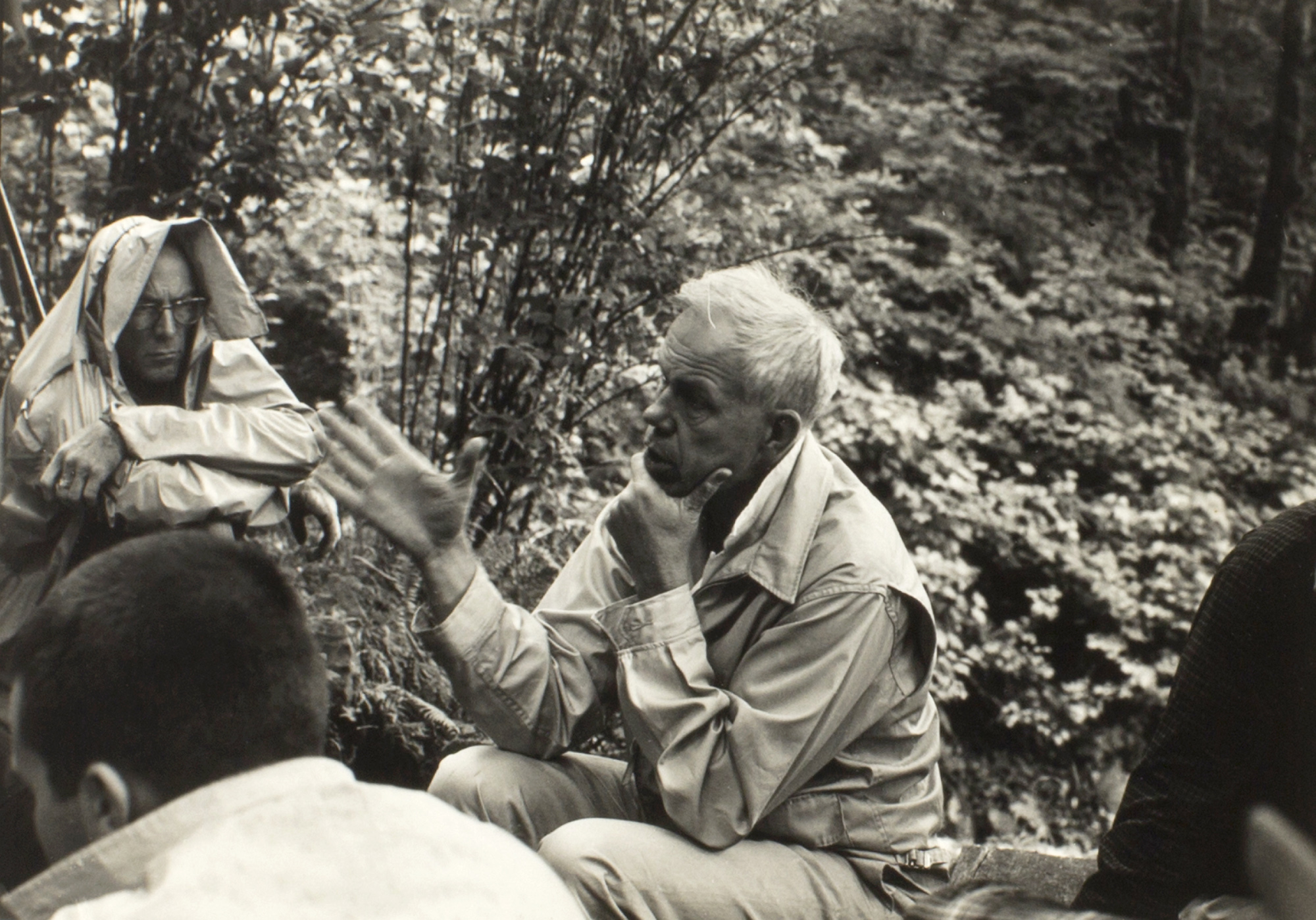
 

Maxwell Allara (American born Italy, 1906-1981) 'Untitled (Minor White During a Workshop)' 1959


Maxwell Allara (American born Italy, 1906-1981)
Untitled (Minor White During a Workshop)
1959
Gelatin silver print
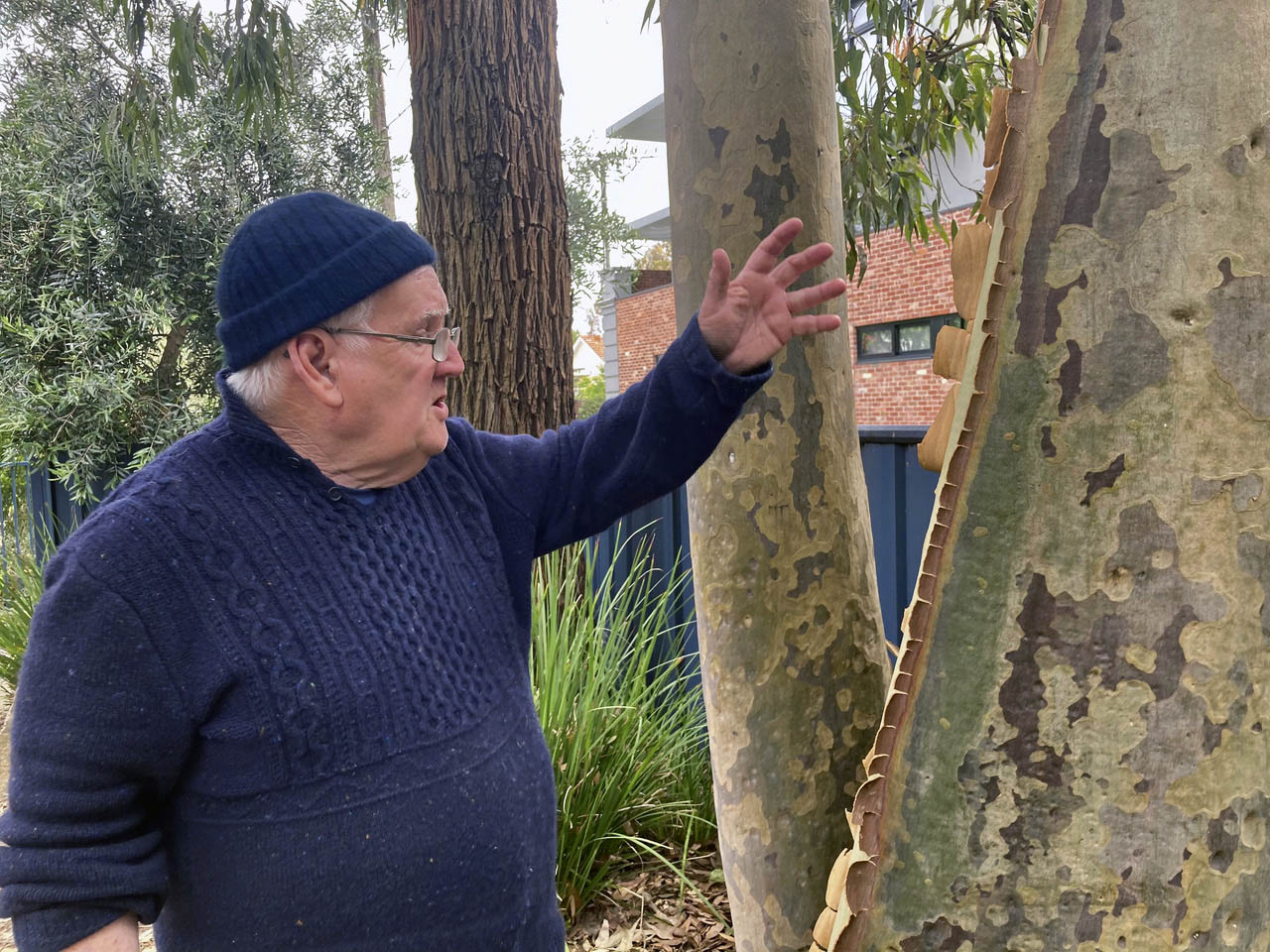
 

David Tatnall (Australian, b. 1955) 'Ian in front of his favourite tree, Fairfield' November 2021


David Tatnall (Australian, b. 1955)
Ian in front of his favourite tree, Fairfield
November 2021
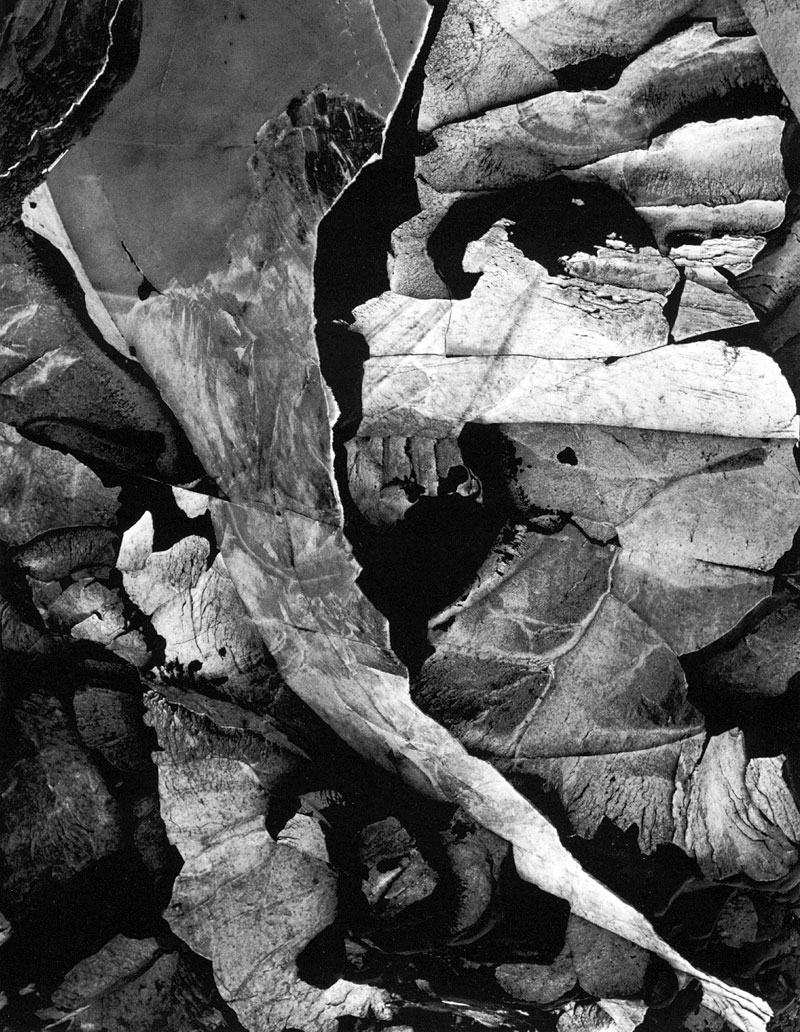
 

Minor White (American, 1908-1976) 'Moencopi Strata, Capital Reef, Utah' 1962 


Minor White (American, 1908-1976)
Moencopi Strata, Capital Reef, Utah
1962
Gelatin silver print
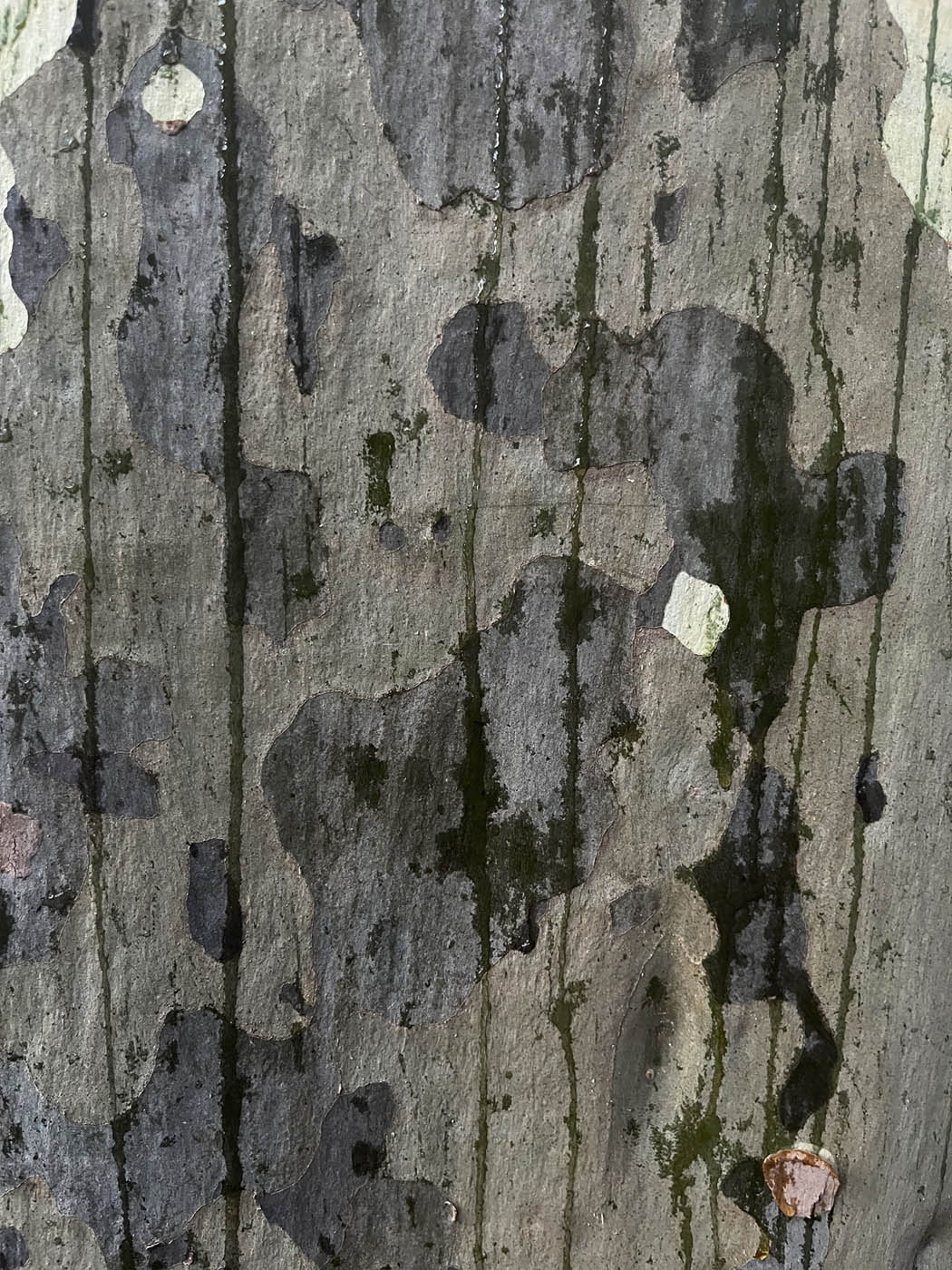
 

Ian Lobb (Australian, 1948-2023) 'Lemon scented gum' 24 January 2023


Ian Lobb (Australian, 1948-2023)
Lemon scented gum
24 January 2023
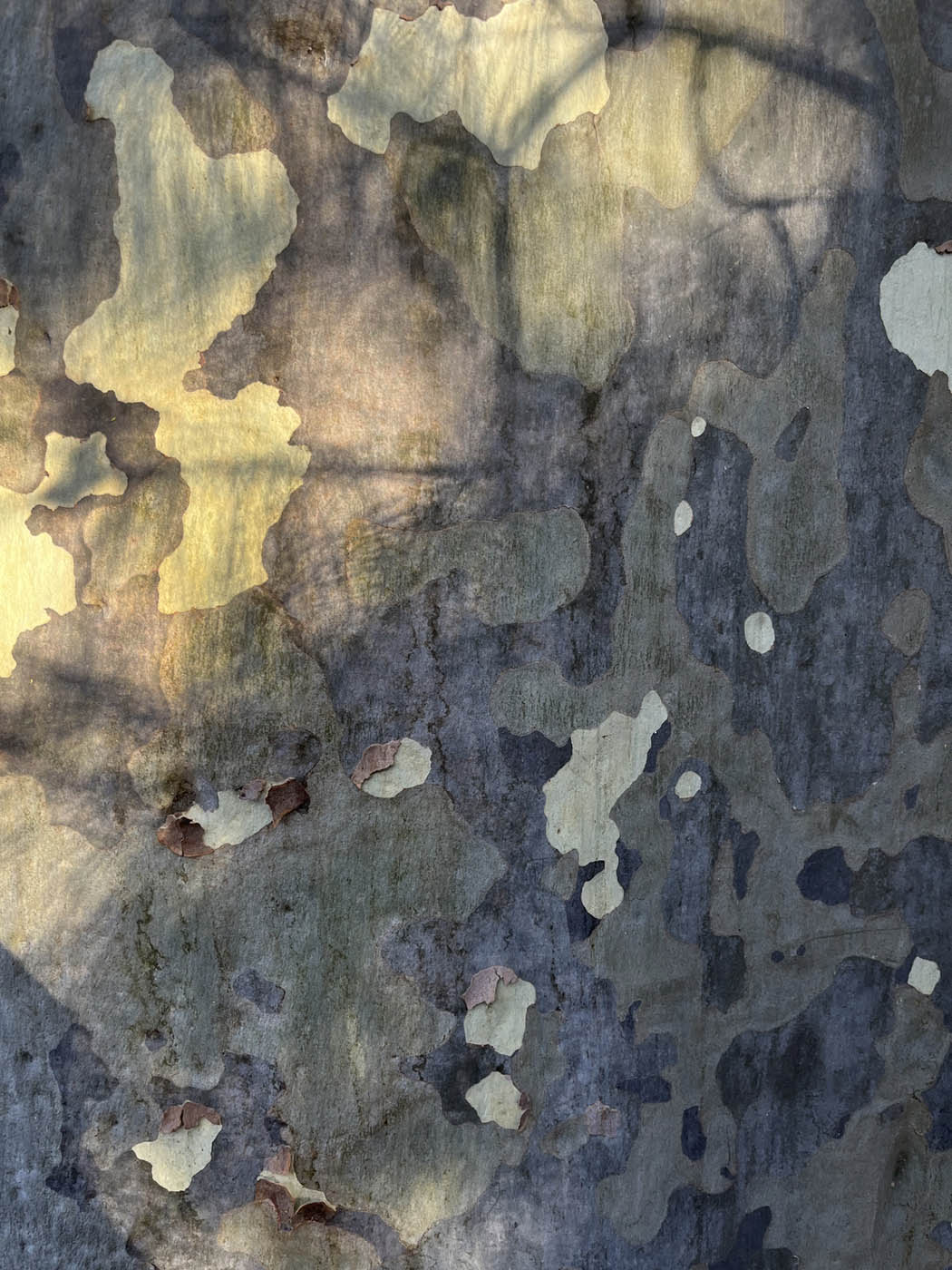
 

Ian Lobb (Australian, 1948-2023) 'Lemon scented gum' 14 February 2023


Ian Lobb (Australian, 1948-2023)
Lemon scented gum
14 February 2023


“The light comes down the tree. But for some days it twists right to left and makes an early morning shadow.

~ Ian Lobb text to Marcus Bunyan, Monday 11 September 2023
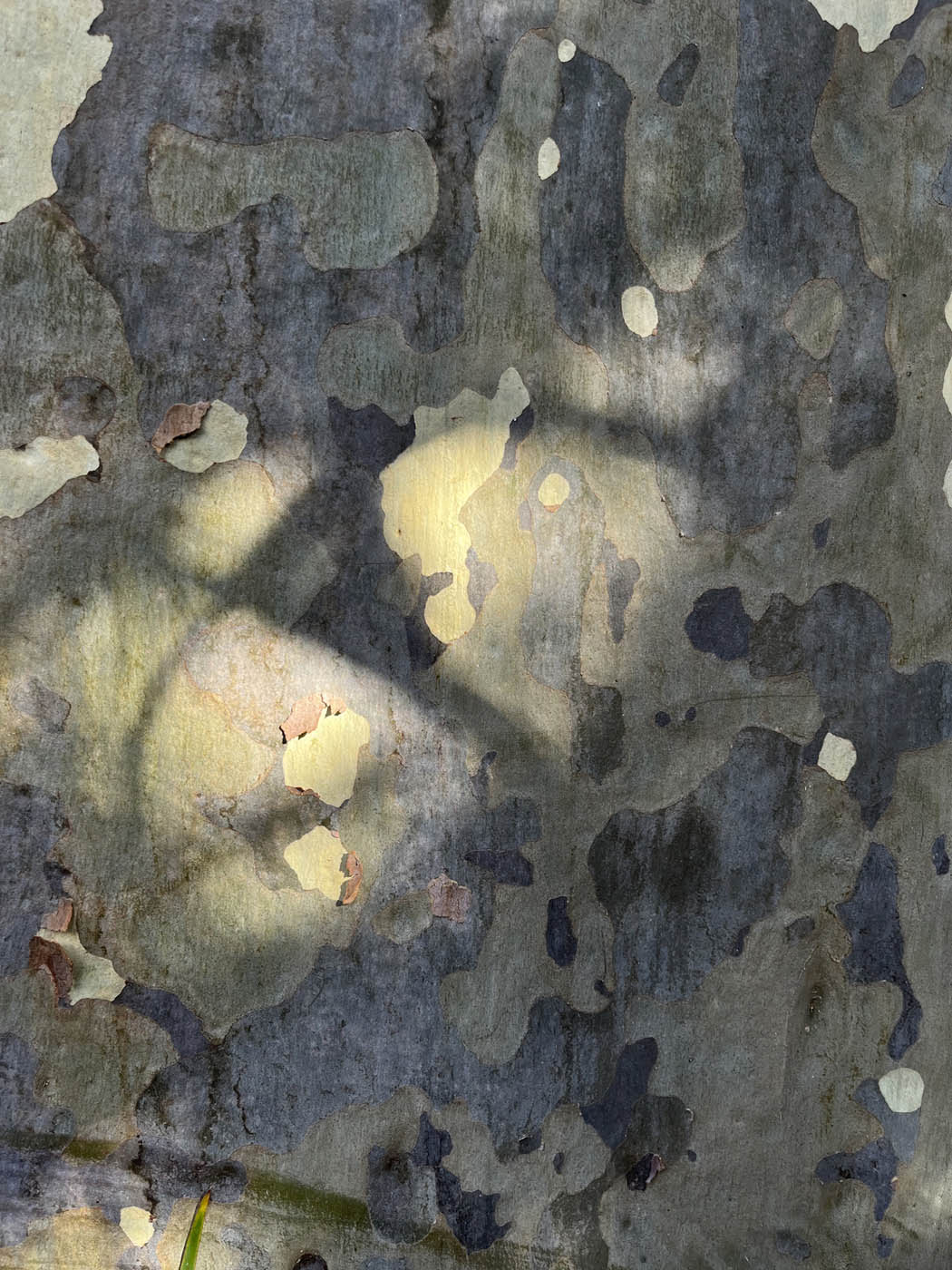
 

Ian Lobb (Australian, 1948-2023) 'Lemon scented gum' 22 February 2023


Ian Lobb (Australian, 1948-2023)
Lemon scented gum
22 February 2023
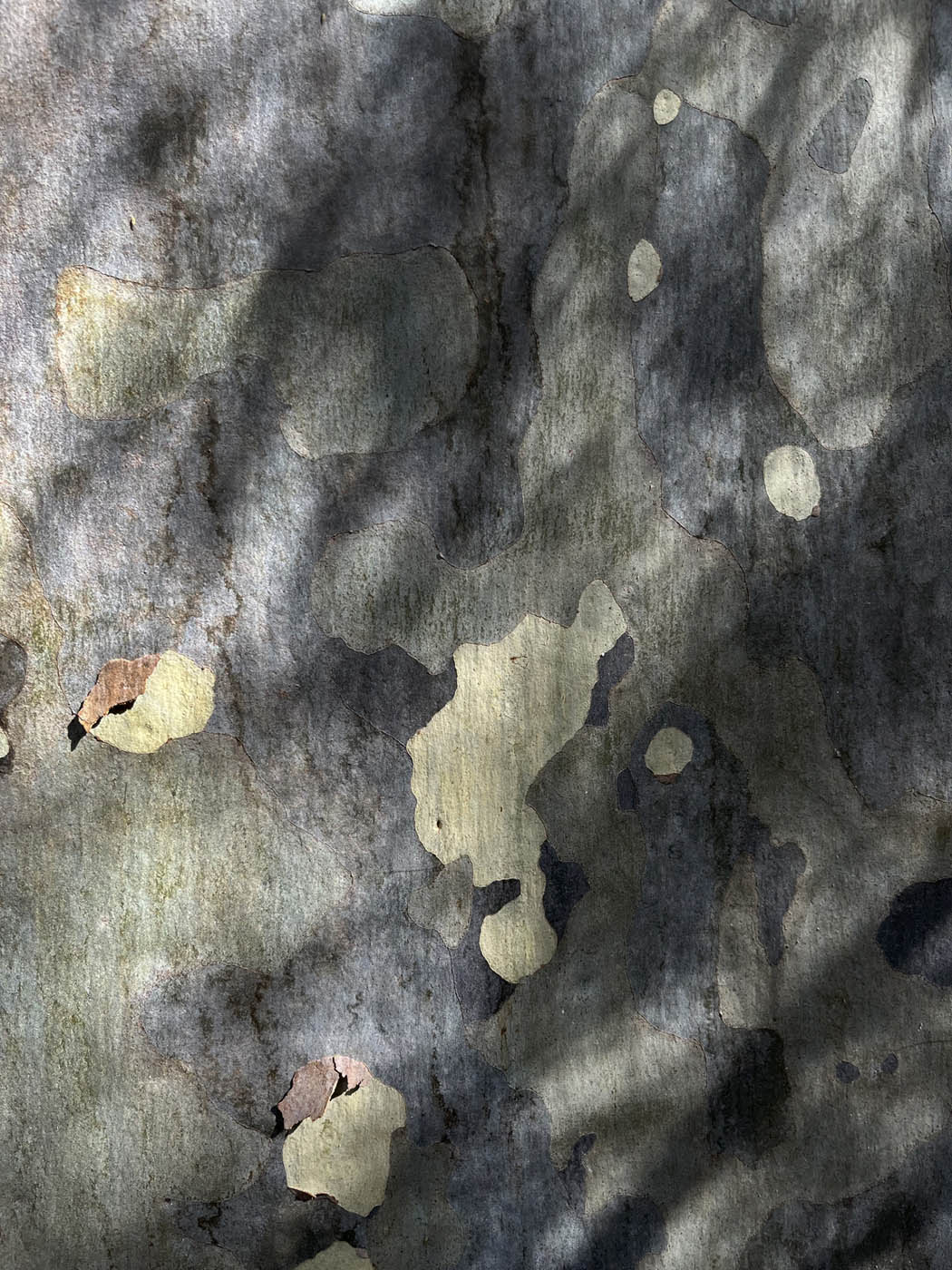
 

Ian Lobb (Australian, 1948-2023) 'Lemon scented' gum 8 March 2023


Ian Lobb (Australian, 1948-2023)
Lemon scented gum
8 March 2023


Marcus – thanks for the mystic particles. After I have apple and rhubarb I’ll be walking to check on the tree in the church-garden. I’m interested in this, rather than my own garden. Who knows why I can’t photograph my own. Do you have a garden close by that you can walk through easily? I can’t wait for the sun to move a bit further and the light to come back on church gum. A few weeks.

~ Ian Lobb text to Marcus Bunyan, Wednesday 12 July 2023
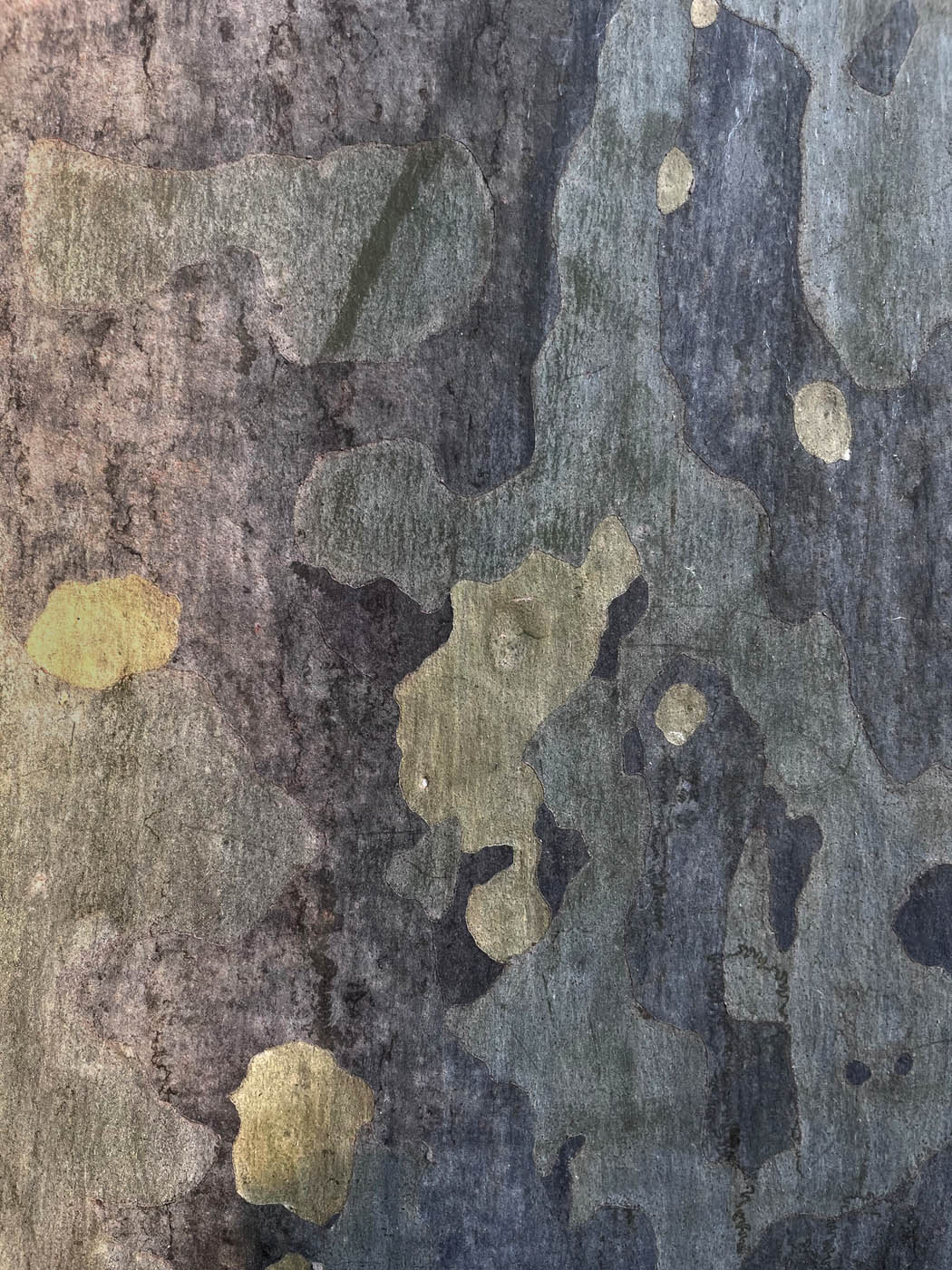
 

Ian Lobb (Australian, 1948-2023) 'Lemon scented gum' 13 September 2023


Ian Lobb (Australian, 1948-2023)
Lemon scented gum
13 September 2023


Mobile phone photographs
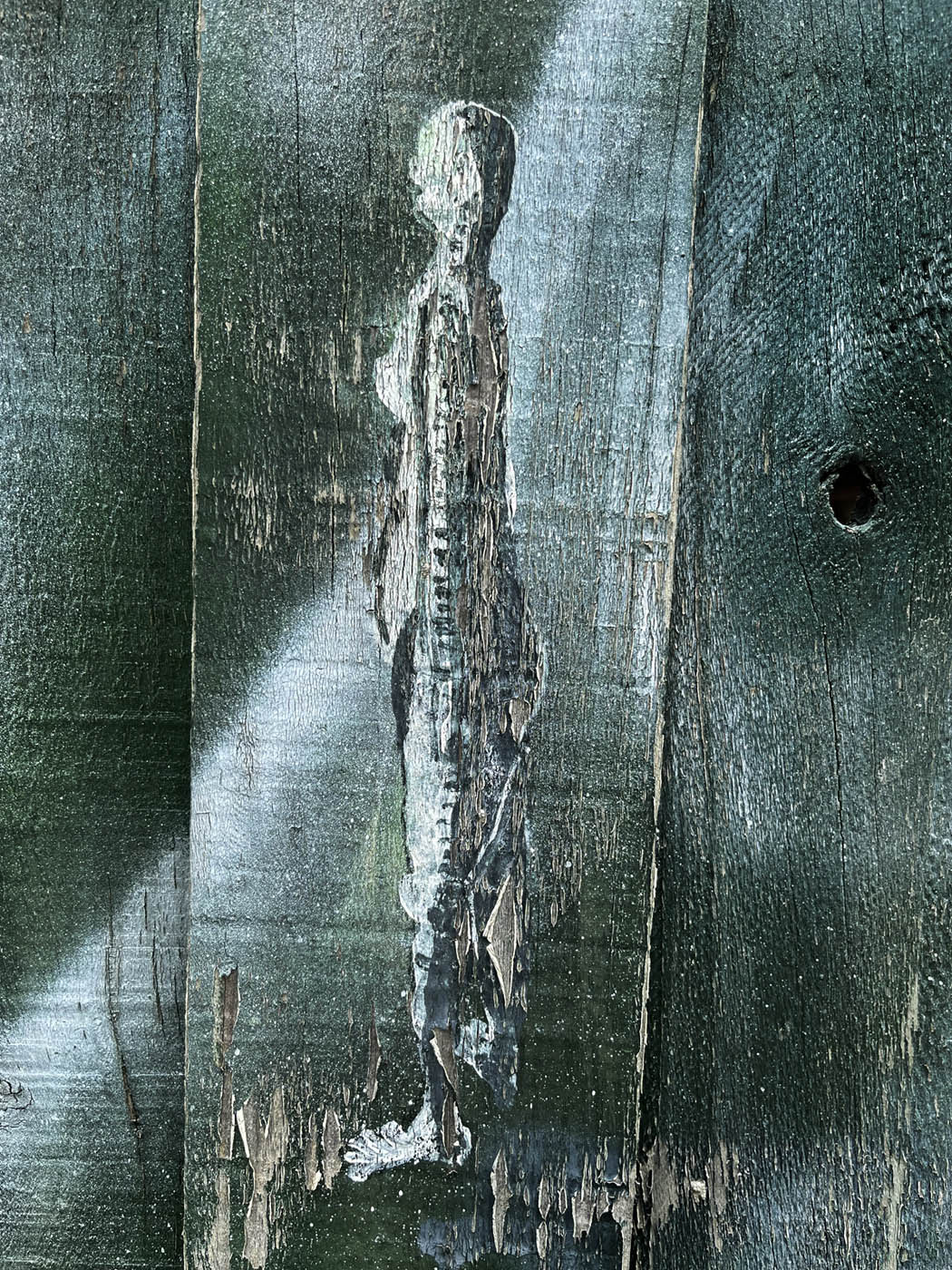
 

Ian Lobb (Australian, 1948-2023) 'Untitled (Green woman)' 22 November 2022


Ian Lobb (Australian, 1948-2023)
Untitled (Green woman)
22 November 2022
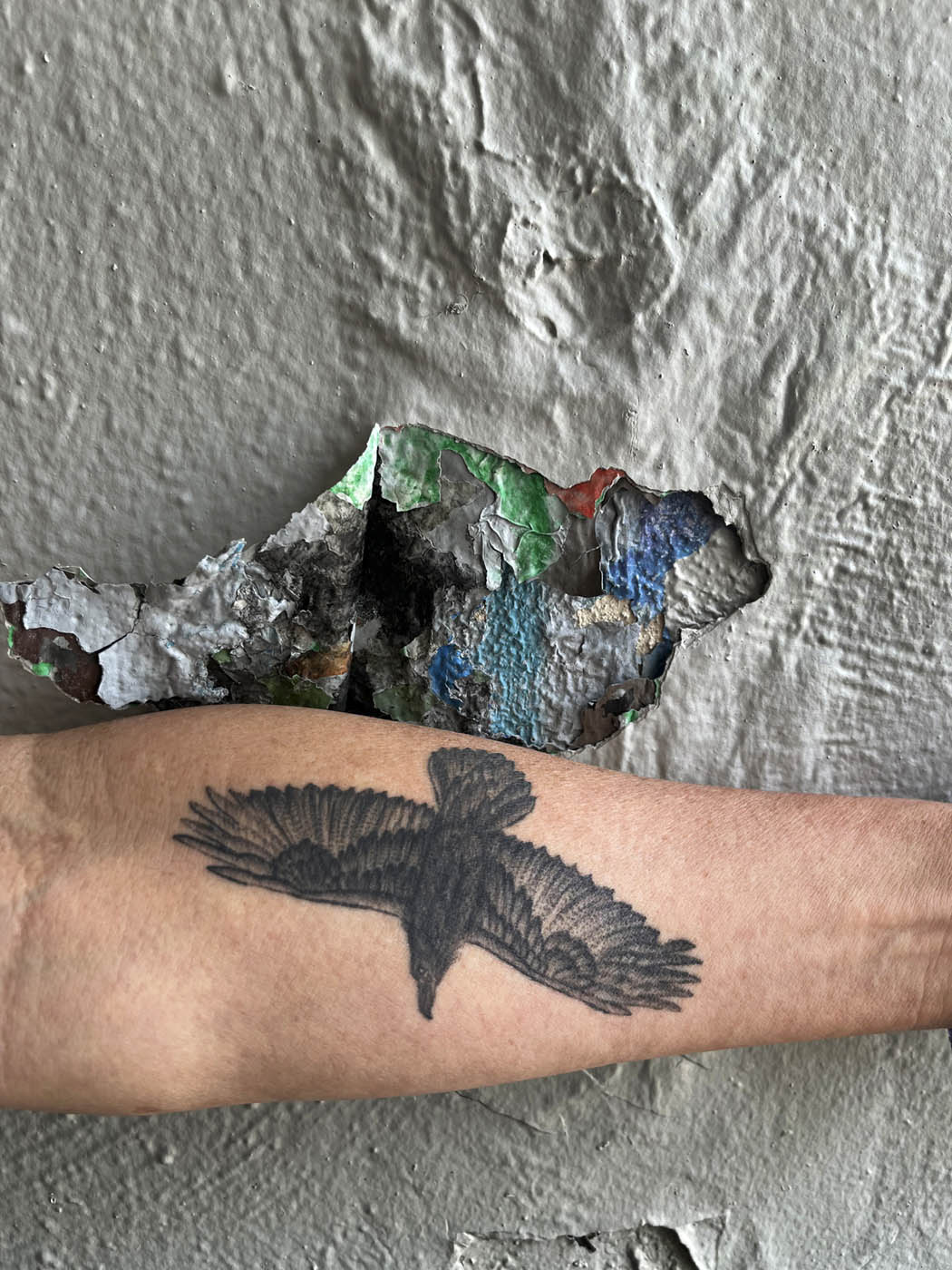
 

Ian Lobb (Australian, 1948-2023) 'Alex' 21 December 2022


Ian Lobb (Australian, 1948-2023)
Alex
21 December 2022
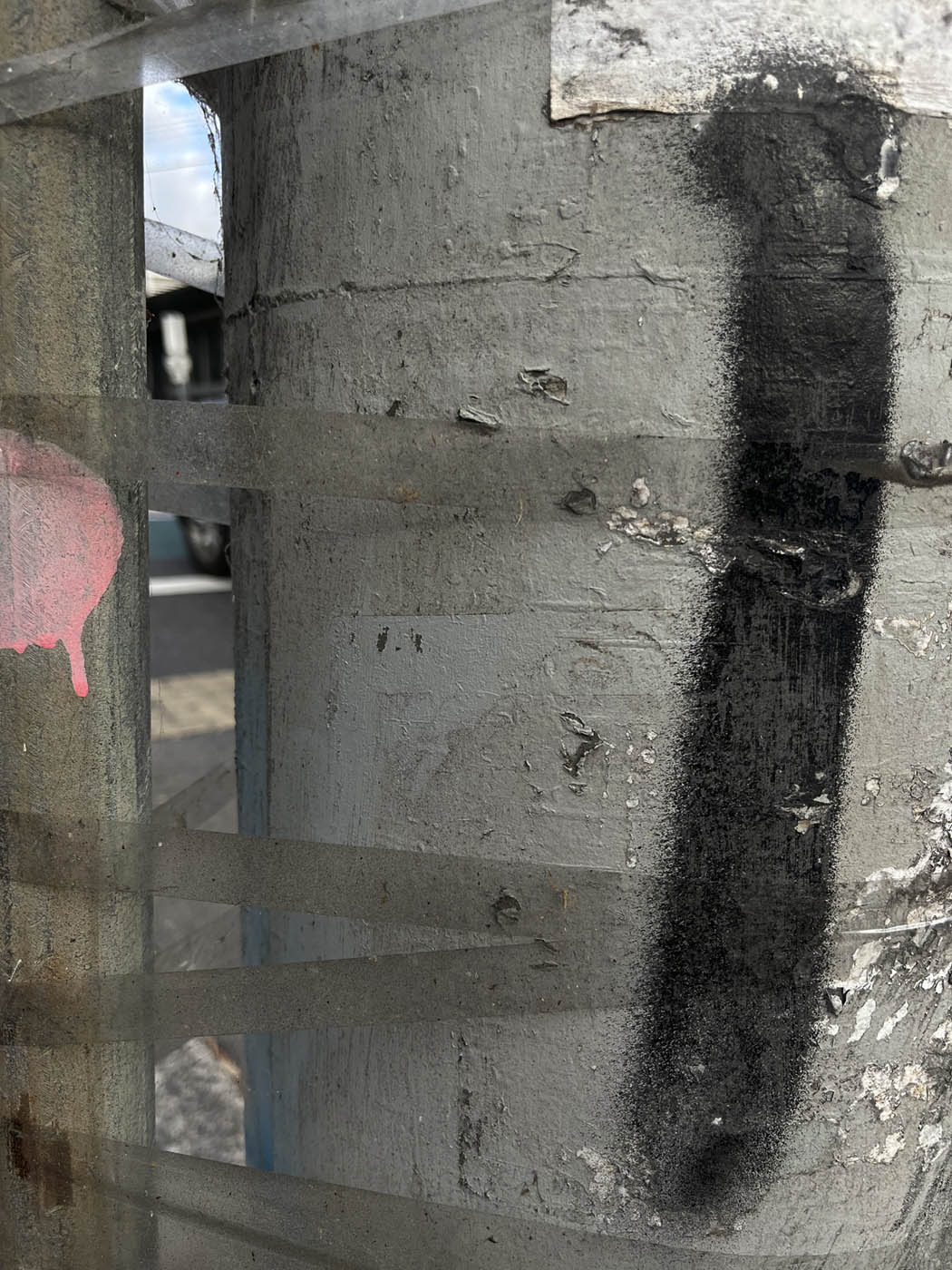
 

Ian Lobb (Australian, 1948-2023) 'Untitled (pink and black)' 31 January 2023


Ian Lobb (Australian, 1948-2023)
Untitled (pink and black)
31 January 2023
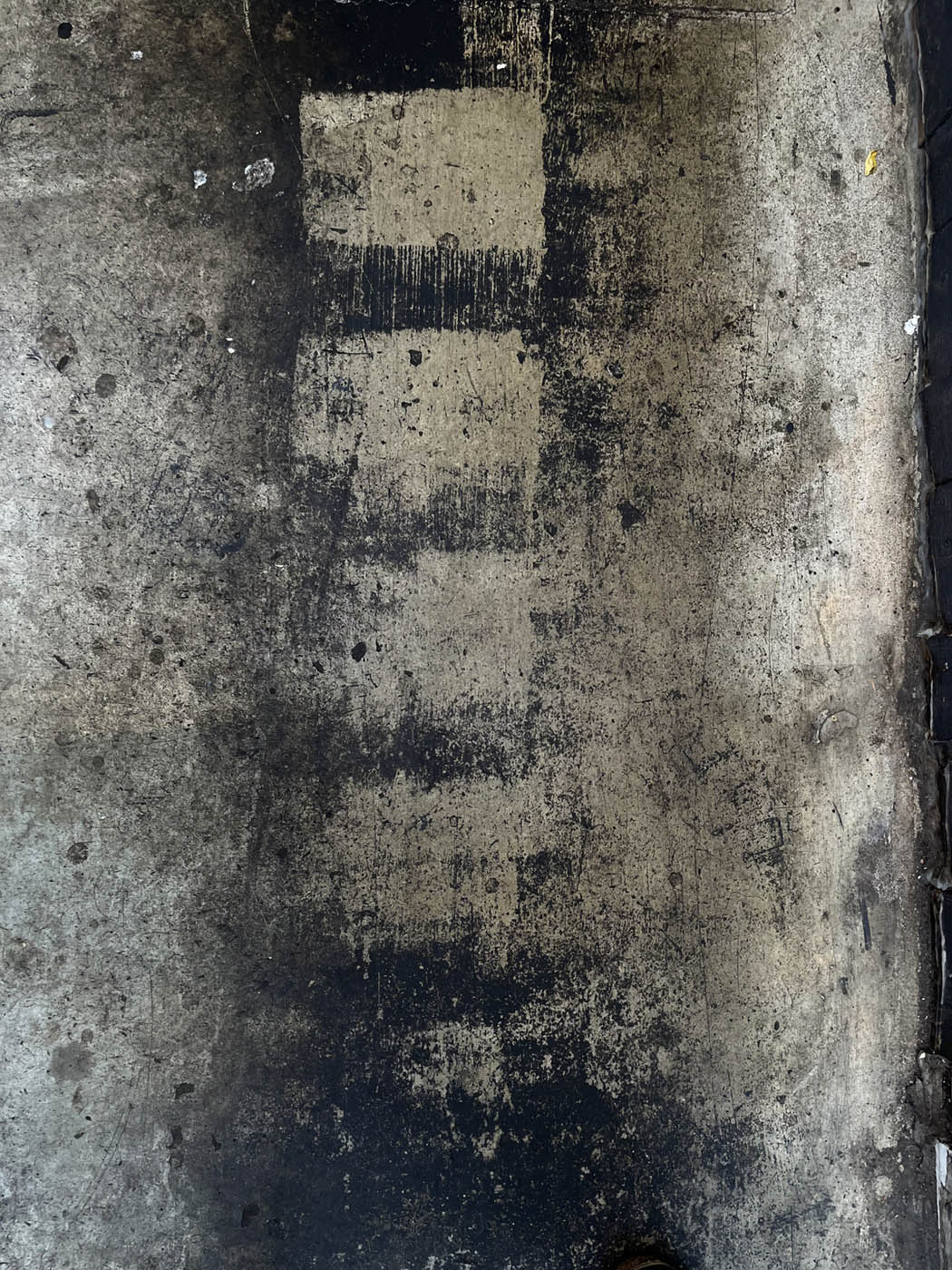
 

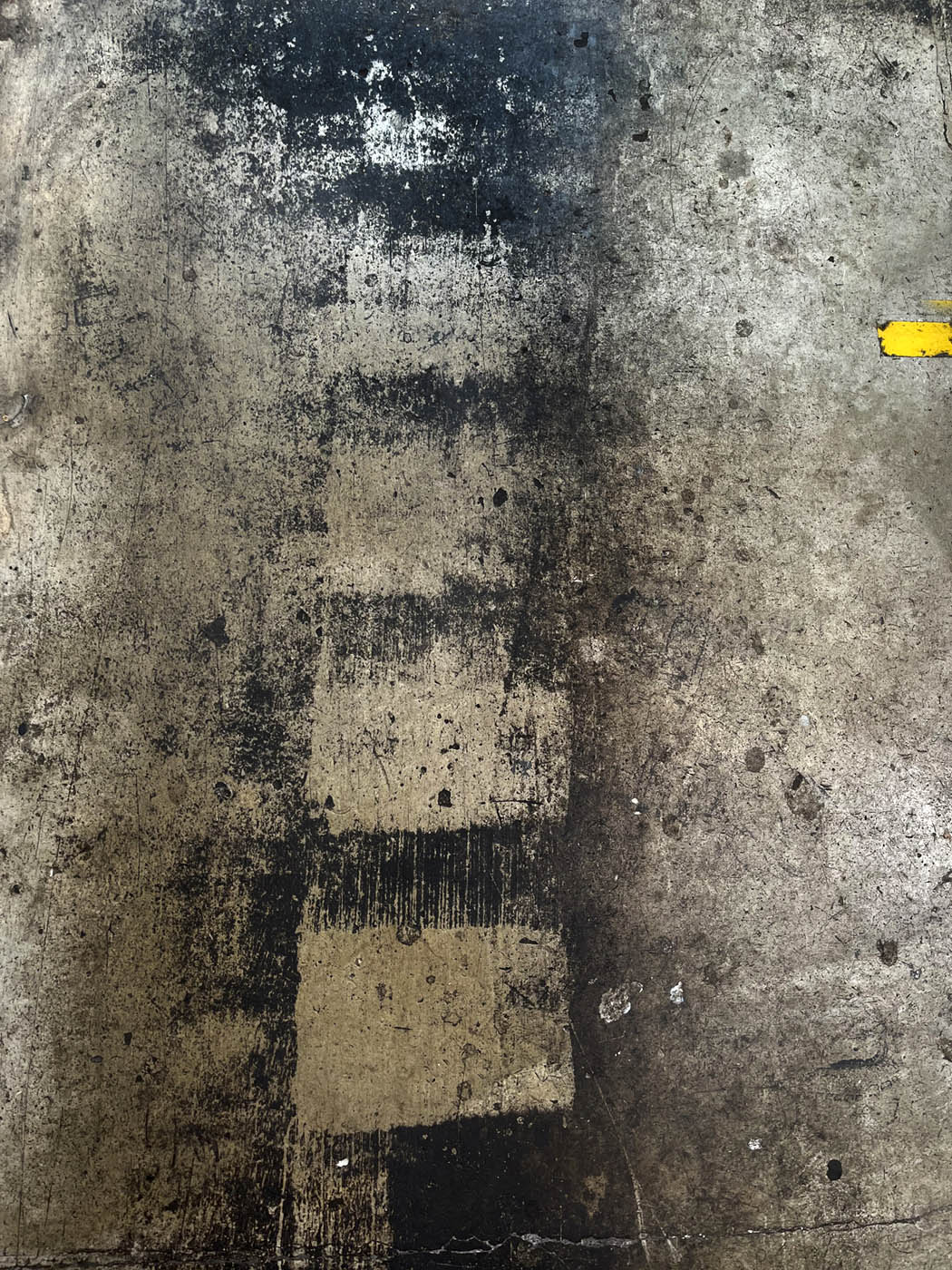
Ian Lobb (Australian, 1948-2023) 'The path from the coffee shop' 4 February 2023


Ian Lobb (Australian, 1948-2023)
The path from the coffee shop
Fairfield, 4 February 2023
 

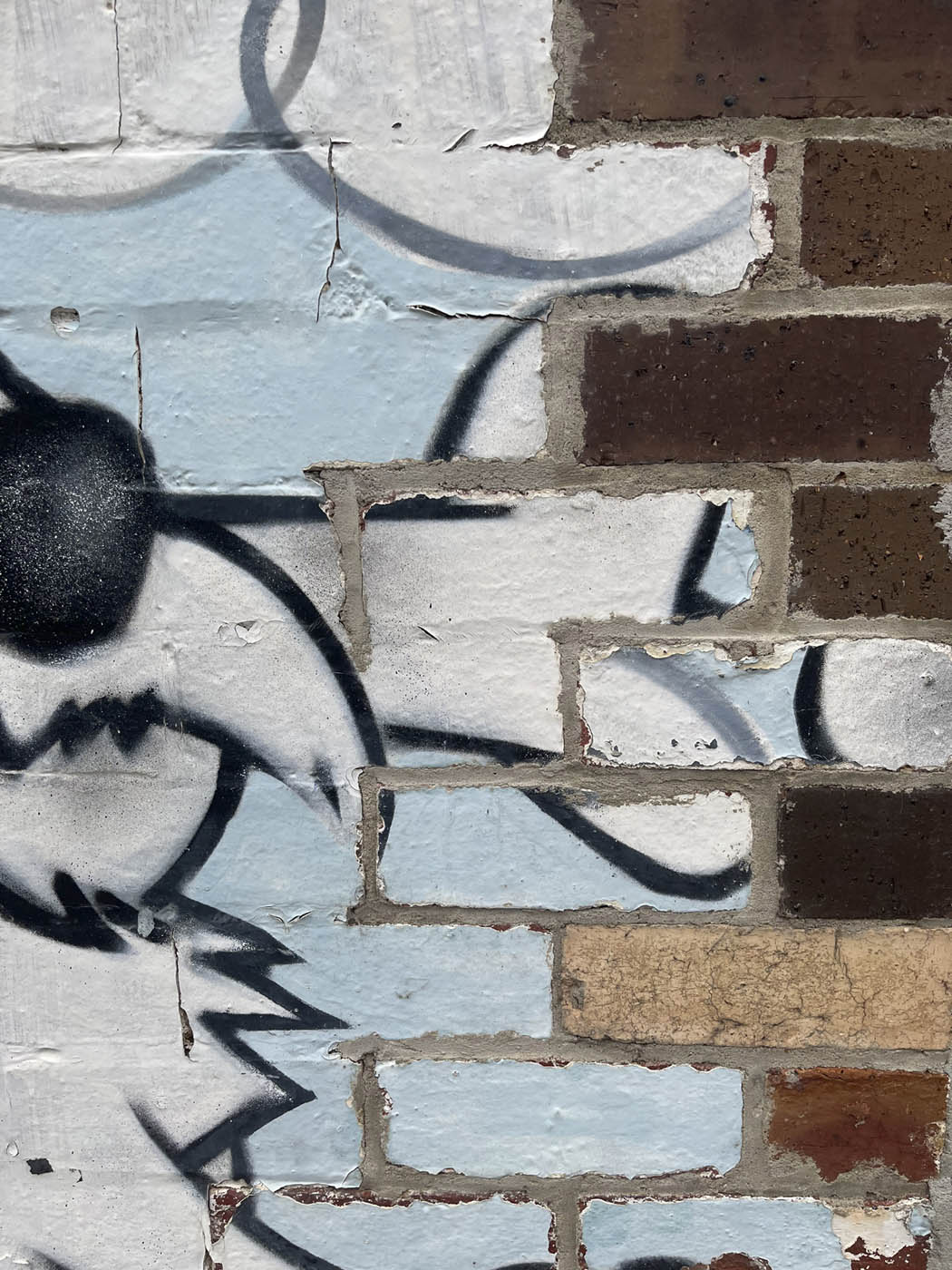
Ian Lobb (Australian, 1948-2023) 'The path to the coffee shop' Fairfield 4 February 2023


Ian Lobb (Australian, 1948-2023)
The path to the coffee shop
Fairfield, 4 February 2023
 

Ian Lobb (Australian, 1948-2023) 'Building his ying, Ignoring his yang' 21 February 2023


Ian Lobb (Australian, 1948-2023)
Building his ying, Ignoring his yang
21 February 2023


The First One

First one through the forest
First one on the beach
First one through the shallows
First one in the deep
Yes, first in the water
To swim out of reach
First one to belong
And then to be gone
First one to be gone too soon.

First foot off the platform
First step off the map
First one to learn
With nothing to teach
First one in this life
To whisper my name.
First one through my shallows
First one in my deep
First one to be gone too soon.

First winter field night
When the fires are lit
First soul at midnight
Watching burning trees twist.
At your back is the darkness
That turns you to see …
First one to the shadows
First one to the deep
First one to be gone too soon.

There’s a sound that’s so big
We can’t even hear
Not a murmur, a pulse
A note, nor a song
After midnight it wakes you
To its echoes and trace
First one to be swallowed
First one in the deep
First one to be gone too soon.

You’re the first, yes its true
On the roll call of friends
Now there’s spaces, not names
And you: you’re the worst.
You’re a very faint glow
On a very faint path
You were first through the shallows
First one in the deep
First one to be gone too soon.

Ian Lobb 28 August 2018
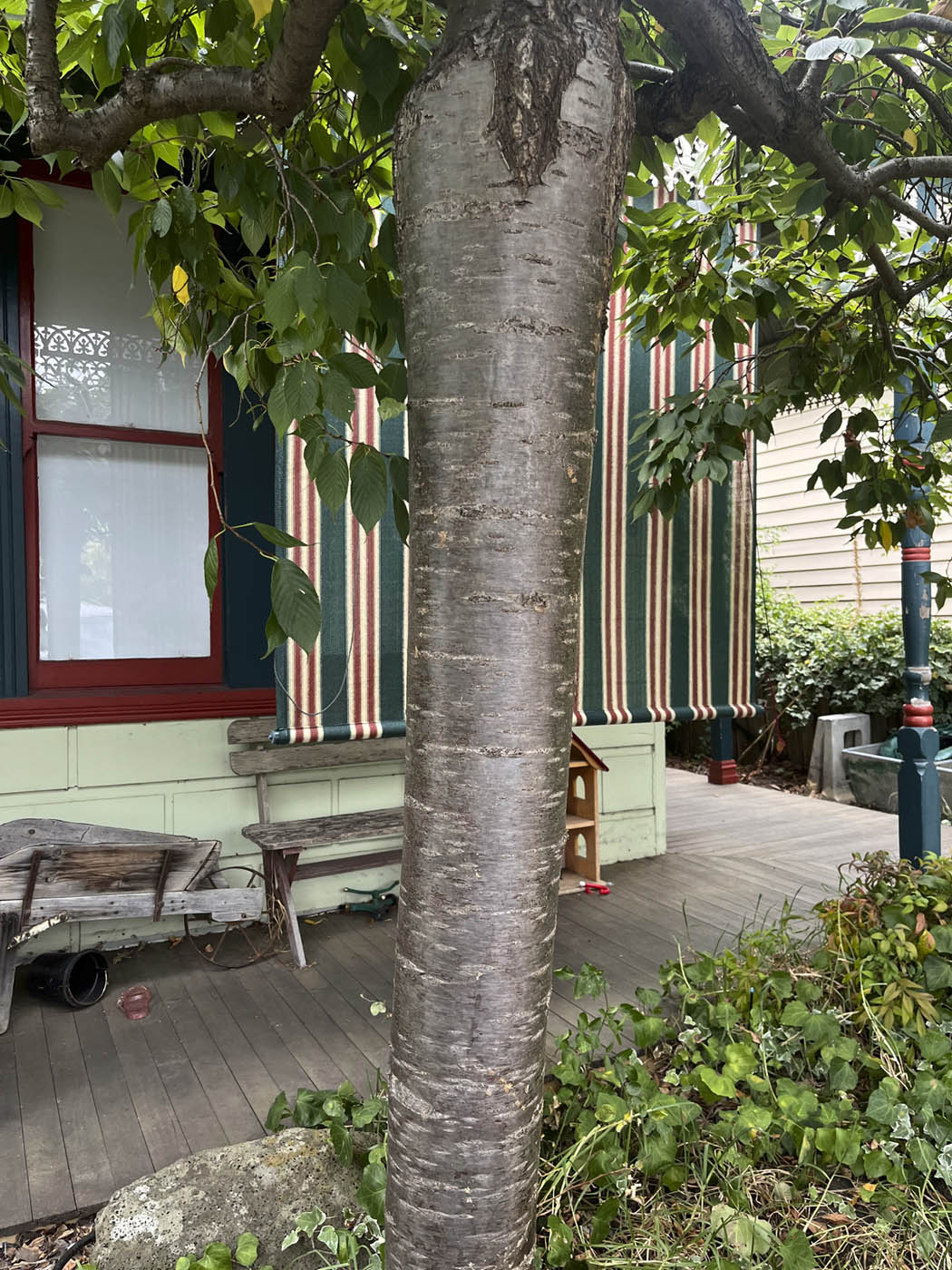
 

Ian Lobb (Australian, 1948-2023) 'A small moment with...' 25 February 2023


Ian Lobb (Australian, 1948-2023)
A small moment with…
25 February 2023


“If only the lens didn’t have anti flare – it would have been an Atget moment.”

~ Ian Lobb
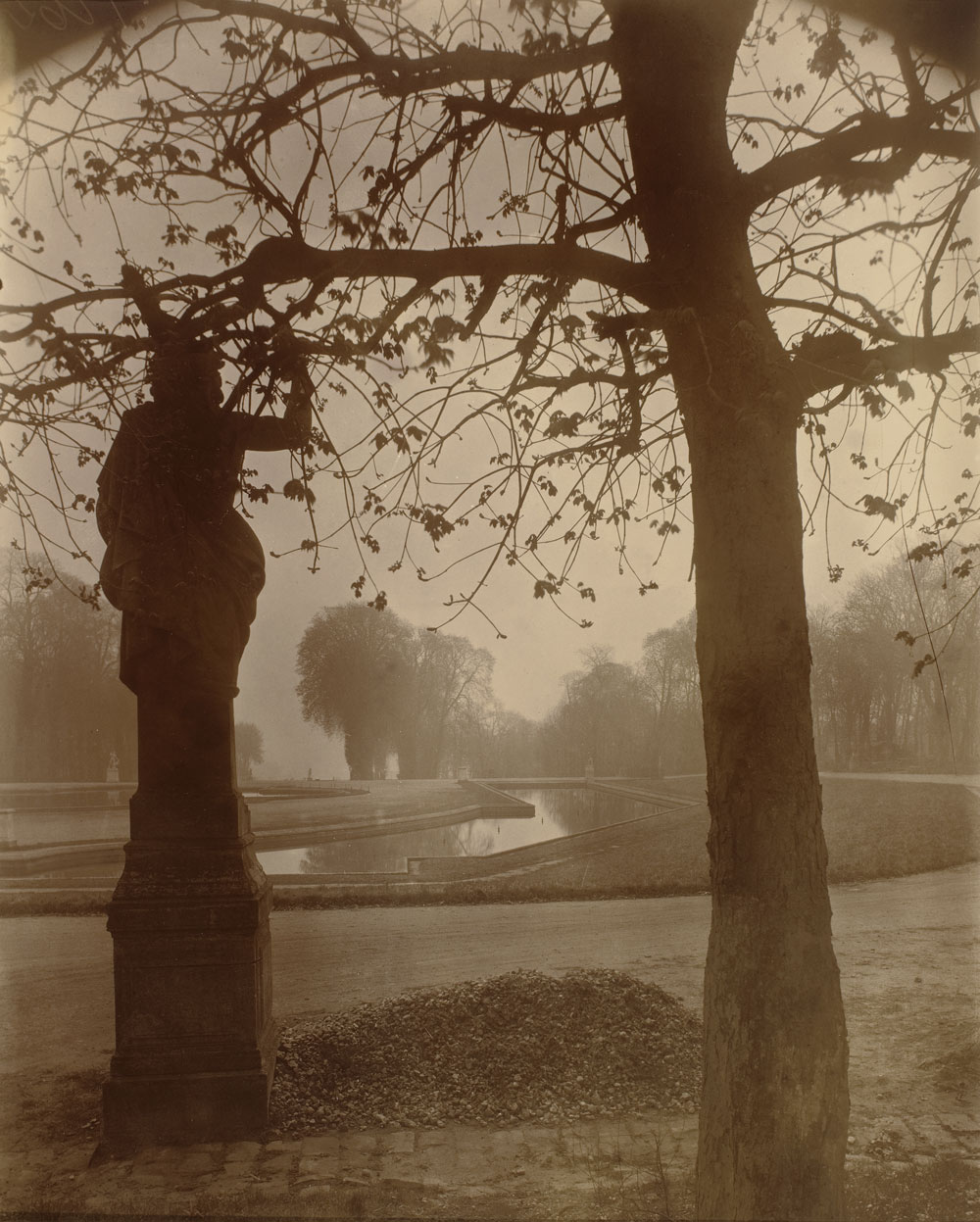
 

Eugène Atget. 'Saint-Cloud' 1926


Eugène Atget (French, 1857-1927)
Saint-Cloud
1926
Albumen print
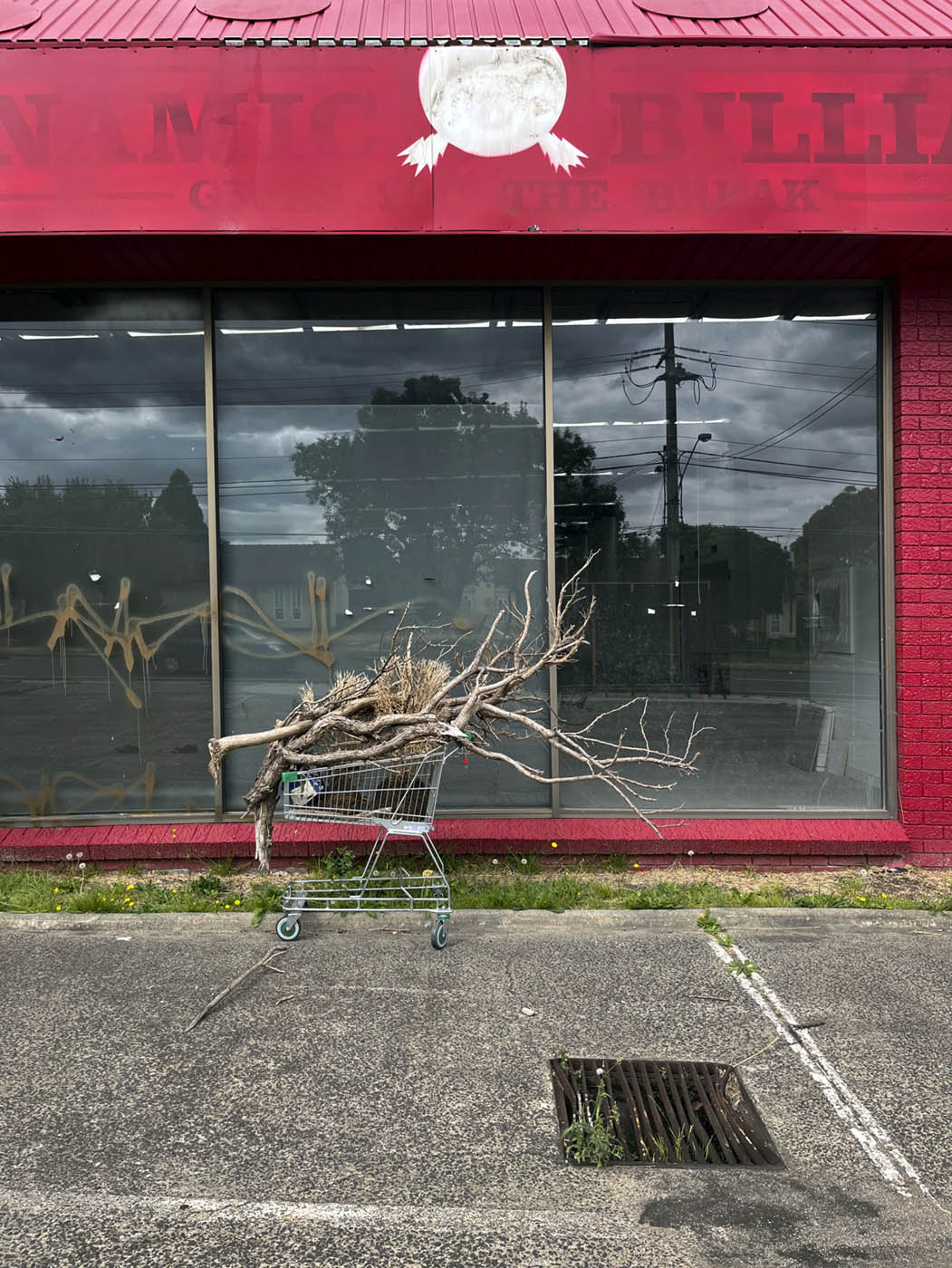
 

Ian Lobb (Australian, 1948-2023) 'Billiard' 2 March 2023


Ian Lobb (Australian, 1948-2023)
Billiard
2 March 2023


Ian: Please see full screen for pleasing puns

Marcus: Love how the graffiti imitates the shape of the wood in the trolley and how the triangle of white dots is a metaphor for the billiard triangle used to rack up the balls

Ian: Yes. And with the billiard signage I thought it was like a players gesture – towards the corner pocket

~ Ian Lobb text to Marcus Bunyan, Friday, 3 March 2023
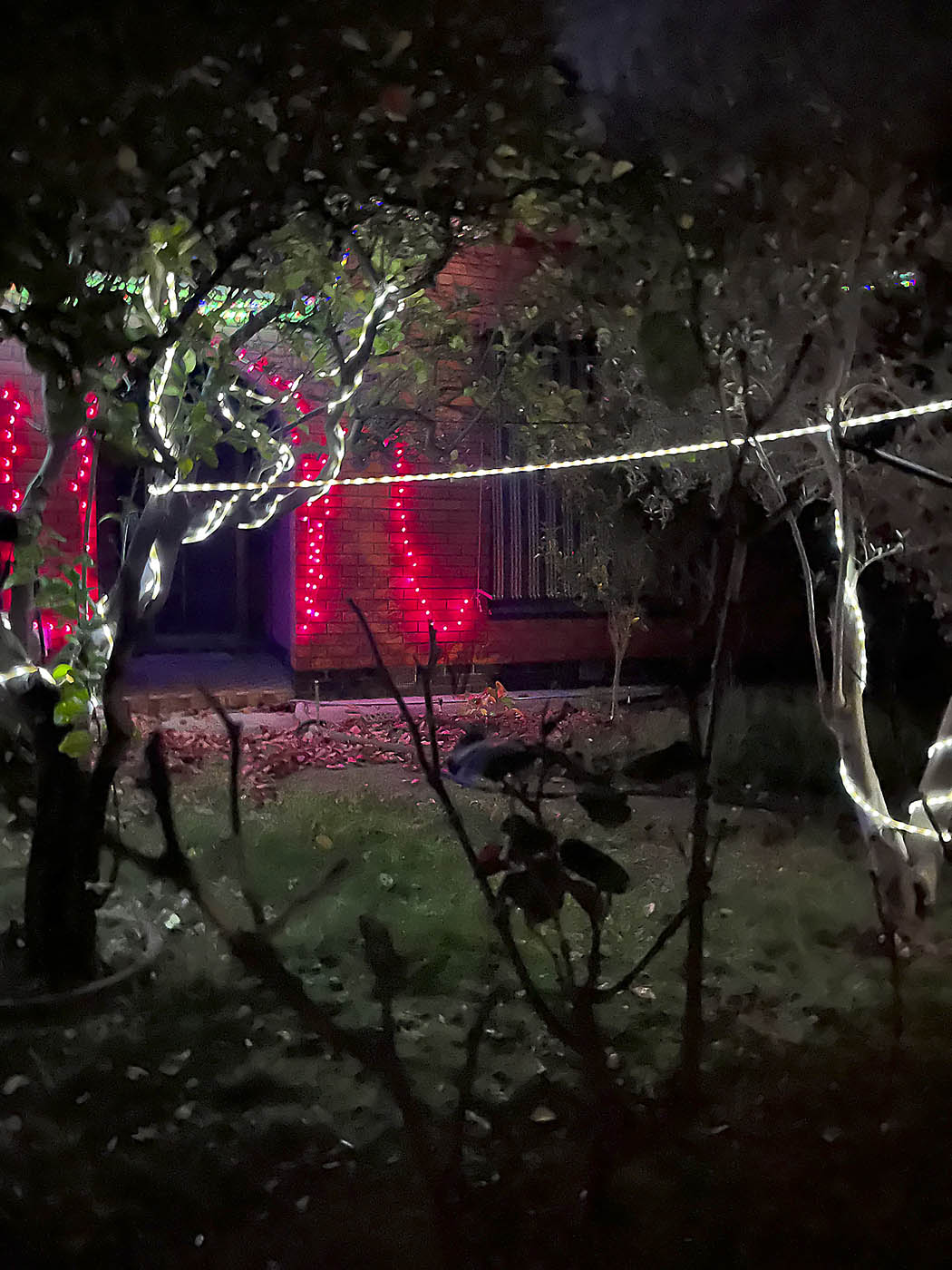
 

Ian Lobb (Australian, 1948-2023) 'Untitled (Mother)' 30 April 2023


Ian Lobb (Australian, 1948-2023)
Untitled (Mother)
30 April 2023


Apart from the teenagers at church, the mention that you were talking to your mother, was one of the few mentions of that relationship since my mother had passed. One minute after that I took this on my way home.

~ Ian Lobb text to Marcus Bunyan, Sunday, 30 April 2023
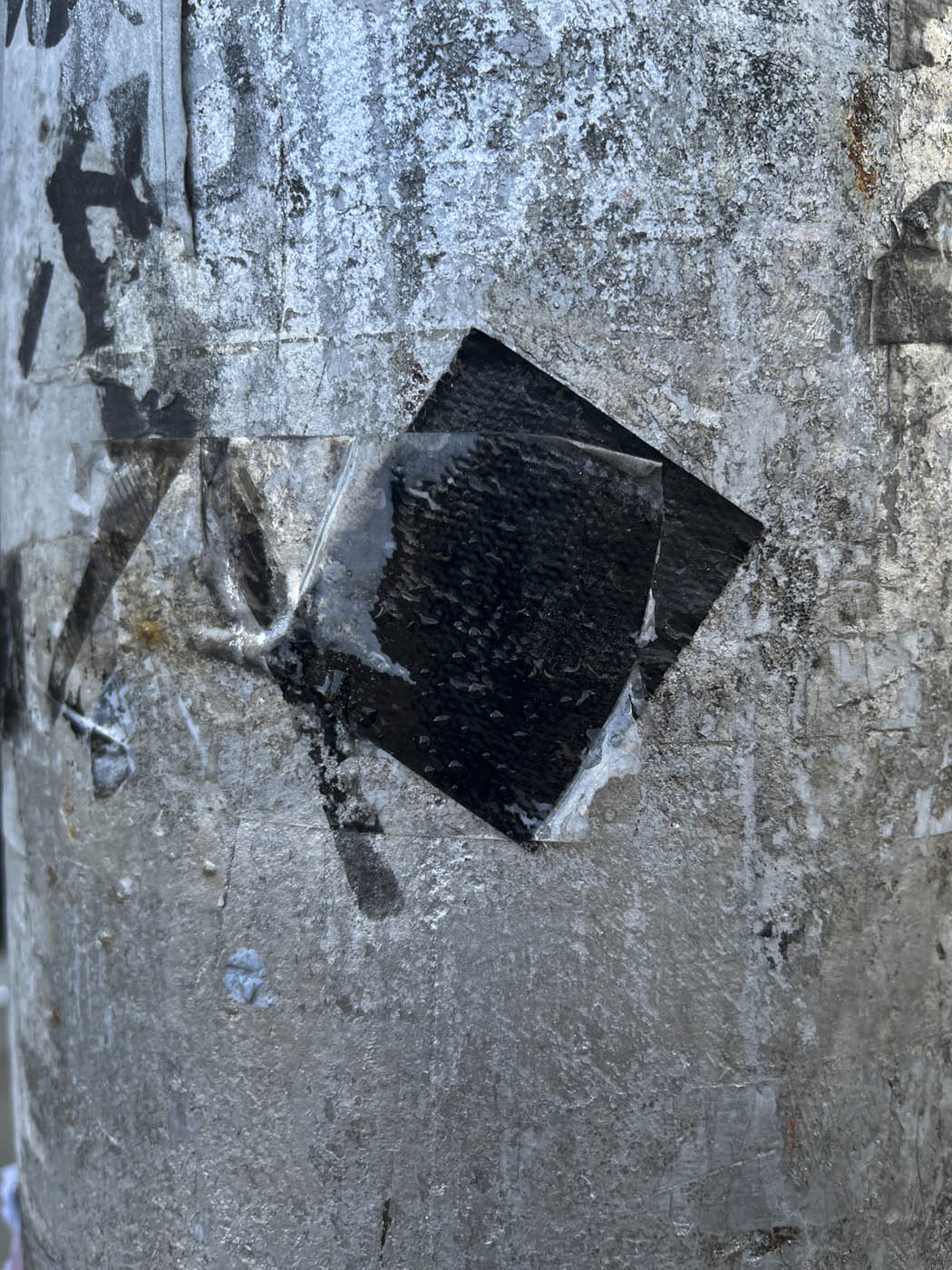
 

Ian Lobb (Australian, 1948-2023) 'Untitled (black oblong)' Fairfield, 8 May 2023


Ian Lobb (Australian, 1948-2023)
Untitled (black oblong)
Fairfield, 8 May 2023
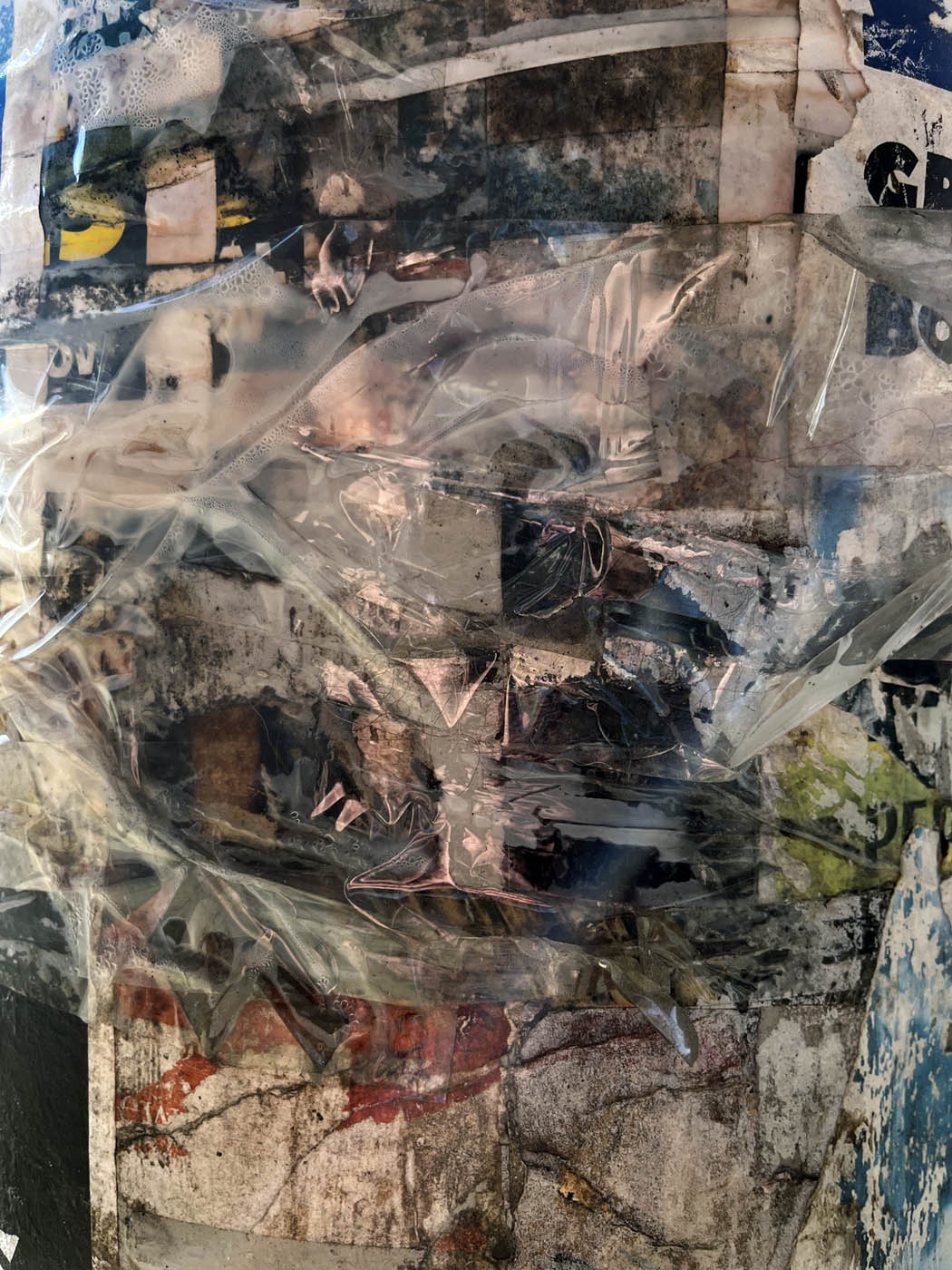
 

Ian Lobb (Australian, 1948-2023) Untitled (My walk this morning)' Fairfield, 11 May 2023


Ian Lobb (Australian, 1948-2023)
Untitled (My walk this morning)
Fairfield, 11 May 2023


On my second roll of HP4 were pictures of a young lady lying under clear sheets of curved 2mm plastic that I had sprayed with water (1968?). The attached is from my walk this morning. The similar mood is quite scary.

~ Ian Lobb text to Marcus Bunyan, Thursday, 11 May 2023
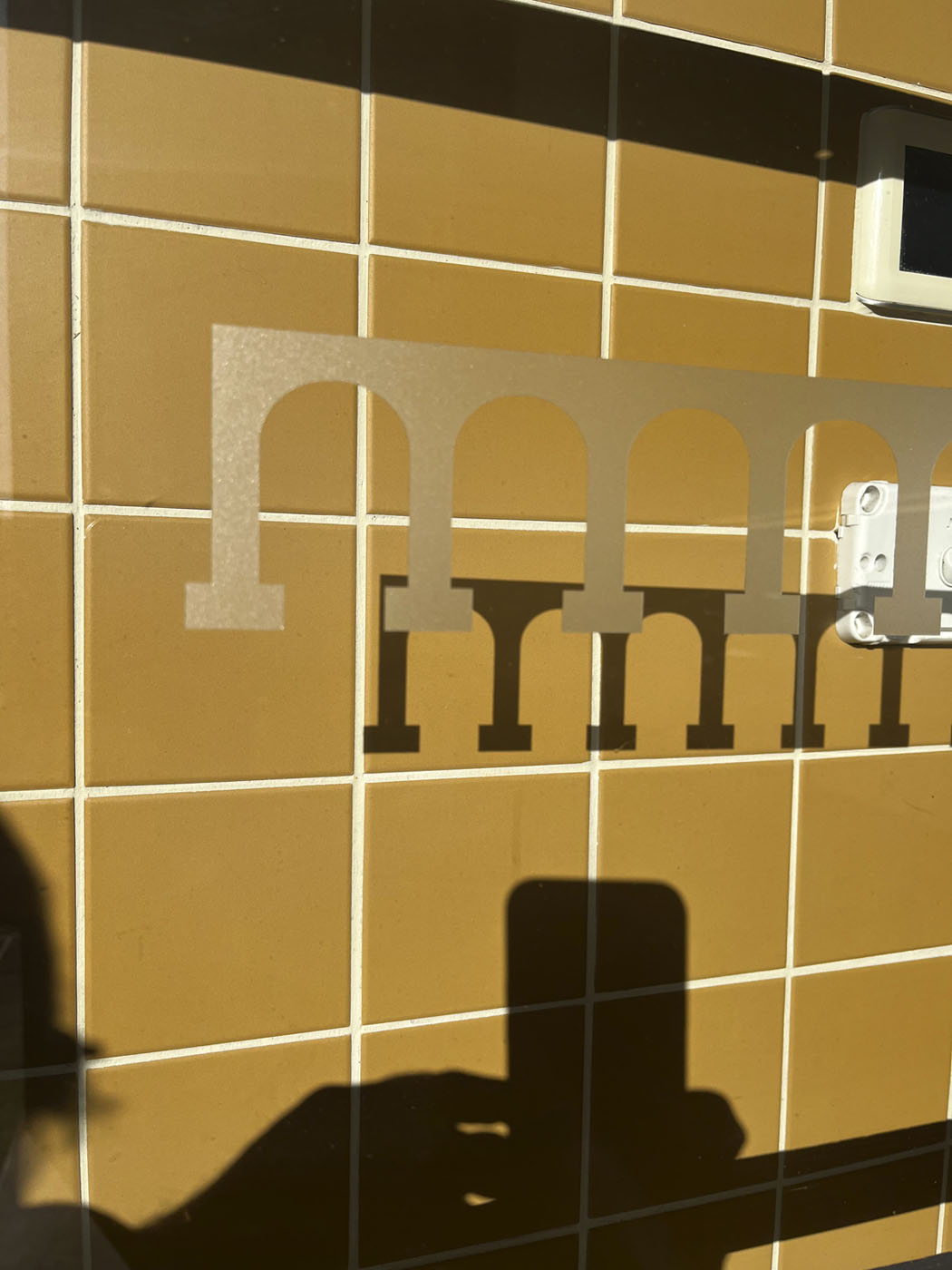
 

Ian Lobb (Australian, 1948-2023) 'mmmm, Pasta Poetry' Fairfield, 21 June 2023


Ian Lobb (Australian, 1948-2023)
mmmm, Pasta Poetry
Fairfield, 21 June 2023


Thinking about John Cato this morning. If you can google “the world is too much with us” – Wordsworth – and give a toast to John. Proteus!!!

~ Ian Lobb text to Marcus Bunyan, Wednesday, 5 July 2023


The world is too much with us

The world is too much with us; late and soon,
Getting and spending, we lay waste our powers;–
Little we see in Nature that is ours;
We have given our hearts away, a sordid boon!
This Sea that bares her bosom to the moon;
The winds that will be howling at all hours,
And are up-gathered now like sleeping flowers;
For this, for everything, we are out of tune;
It moves us not. Great God! I’d rather be
A Pagan suckled in a creed outworn;
So might I, standing on this pleasant lea,
Have glimpses that would make me less forlorn;
Have sight of Proteus rising from the sea;
Or hear old Triton blow his wreathèd horn.
William Wordsworth 1802


Cy Twombly. 'Coronation of Sesostris (Part III)' 2000


Cy Twombly (American, 1928-2011)
Coronation of Sesostris (Part III)
2000


Affirmation: When you Sing

(An affirmation from Cy Twombly’s Coronation of Sesostris)


If you sing, don’t let them hesitate
When you sing, don’t let them make signs of regret
When you sing, let them bear the loss of silence
When you sing, the lost gods are found
When you sing, the birds and trees love their shadows
Lying quietly on the ground
When you sing, the mark of nature and the mark of the mark rejoice
When you sing we trace to the source of trace – the realm.

Sing to the ghosts, sing to those to come
Flow over – into – flow over
Let the trees rise from the earth because you sing:
New sunlight on new leaves cutting into space
Write your name
with their scintilla through the air as you sing
Then each letter narrows, fades   white
Still unending trace as sing and sing as a lost god.
One majesty fades to another
Sing Osiris , sing that god into Orpheus

scribes
Porous sparse voice, could have been scattered
Empty surface – instead open sky
Bell
Nothing to shatter
Sing for the old rivers,
Sailors sink into sails,
The opposite bank still opposite
Take this – sing – most important , to the next life.
Like tall trees, rising from …

Gods cannot depart while love, I mean song, remains
Gods have not departed: it would have been heeded,
Reported as a hoax,
No arc of departure divulged
song, weightless
Gods have not departed – it is a drunken hoax, rumour.

Ian Lobb 30 August 2018
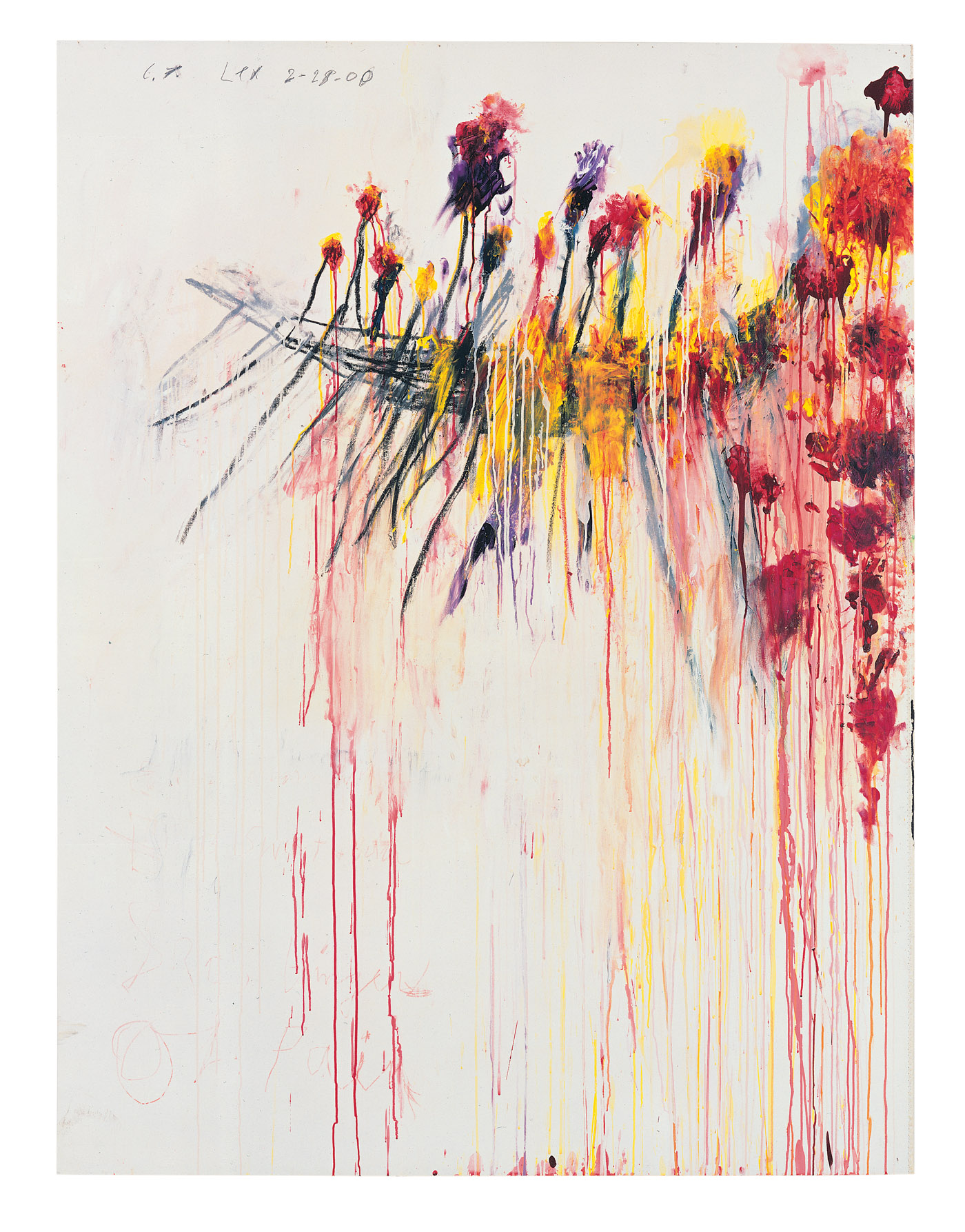
 

Cy Twombly. 'Coronation of Sesostris (Part V)' 2000


Cy Twombly (American, 1928-2011)
Coronation of Sesostris (Part V)
2000
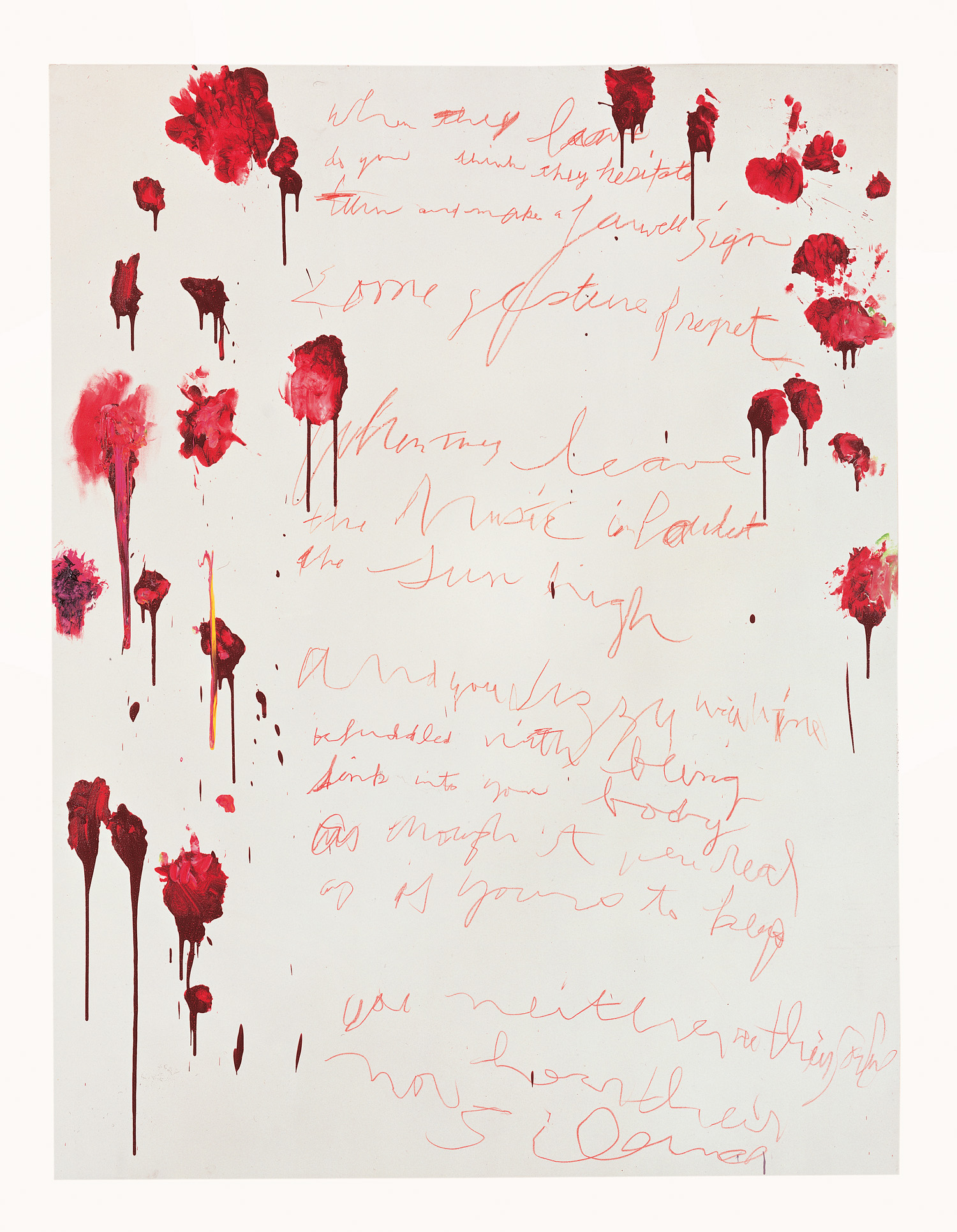
 

Cy Twombly. 'Coronation of Sesostris (Part VI)' 2000


Cy Twombly (American, 1928-2011)
Coronation of Sesostris (Part VI)
2000


Last house

Are you travelling to this very last house
On the very last street of this town?
That I built here for you,
Where I wait for you
If you go round the back you’ll find wild flowers
That you could almost touch
And you would watch the clouds come down from the hills

Long ago I promised this to you
It became my story that you’d come
To the last street
And to the last house
I watch all the doors to see you enter
So that we would almost touch
And you could watch the rain come down from the hills

Yes, it’s true, the house backs onto darkness
I swear there’s really nothing out there
Beyond this last street
Beyond this last house
Nothing you could be sure to name
Nothing we can almost touch
And at night you could keep watch, from here to the hills

You can smell salt in the air from all of the rooms
And hear the wind in the waves
But out the back you’ll only find wildflowers.
Not those grey choppy waves
That we can almost touch
On this last street
In this last house.

Ian Lobb 29 August 2018
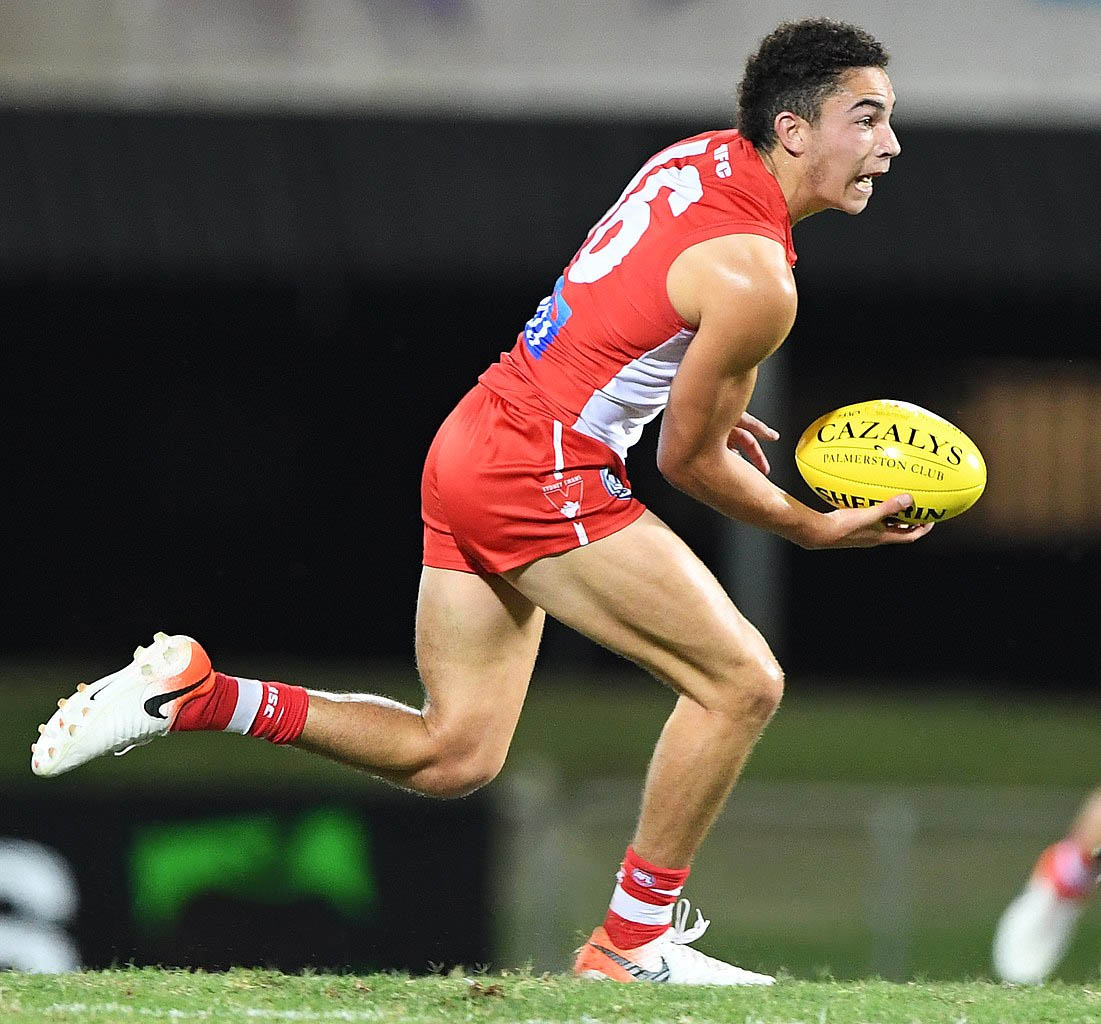


Flickerd (Australian)
Zac Foot of Sydney during the 2019 NEAFL round 14 match between NT Thunder and Sydney at TIO Stadium on Saturday, 6 July 2019 in Darwin, Northern Territory
2019
Creative Commons Attribution-Share Alike 4.0 International


LIKE ART BLART ON FACEBOOK

Back to top

Vale William Heimerman (1950-2017)
October 2017


Jeff Busby (Australian, b. 1952) 'William Heimerman' c. 1975-1980


Jeff Busby (Australian, b. 1952)
William Heimerman
c. 1975-1980
Silver gelatin print


William Heimerman: the essence of 344

Imagine a gallery in a land far far way, that for a period of 10 years or so brought the very best of West Coast/East Coast North American and European, mainly male fine art photography to that land for the edification of artists, students and the viewing public.

Imagine a land that had never seen many fine art prints by such luminaries as Edouard Boubat, Harry Callahan, Paul Caponigro, Larry Clark, William Clift, William Eggleston, Franco Fontana, Oliver Gagliani, Ralph Gibson, Emmet Gowin, Eikoh Hosoe, Eliot Porter, Duane Michals, Lisette Model, August Sander, Aaron Siskind, and Brett Weston before. Imagine the impact that this gallery (together with Brummels and Church Street Photographic Centre) had on the development of photography as an art form in this land during the period 1975-85.

No, this is not the internationally famous art gallery 291 that was located in Midtown Manhattan at 291 Fifth Avenue in New York City, created and managed by Alfred Stieglitz; but rather The Photographers’ Gallery located at 344 Punt Road, South Yarra, run from 1975 onwards by that dynamic duo, William (Bill) Heimerman and Ian Lobb, until Bill took over the sole running of the gallery in 1980. Such is the importance of this gallery to the history and development of art photography in that far away land, Australia, that the number 344 should be enshrined in the legend that this gallery has become during this time period. As Ian Lobb has observed, “The initial philosophy was simply to let people see the physical difference between the production of prints overseas and locally. After a while this moved from the Fine Print to other concerns both aesthetic and conceptual.”

Personally, I cannot speak of the early years at the gallery, for I only arrived in Australia in 1986… but I have done enough research to know of the incredible impact that the exhibitions and workshops at the gallery had on the photographic community in Australia at the time. The gallery was run on a shoe-string budget and never made any money, but both Bill and Ian were so passionate about the endeavour, about what they were trying to achieve – that there was an absolute integrity to their mission, undertaken with so much knowledge and insight into photography, art, and life, that drew people to them and to the gallery. There was so much energy and fun, that was the critical thing fun, to be had at the gallery.

I will be forever grateful to William Heimerman. Bill was the first person to give me a solo exhibition at a commercial gallery in 1992, during the second year of my Bachelor of Arts (Fine Art Photography) at what was then Phillip Institute out at Bundoora. Incidentally, Ian Lobb was one my lecturers out at Bundoora. I was only just finding my way as an artist producing classical black and white fine art photographs, a wet behind the ears 34 year old at the beginning of his path, following his dream as an artist. Two other solo exhibitions followed in 1993 (black and white) and 1995 (colour, conceptual Master of Arts exhibition). I also co-curated with Bill, John Cato’s retrospective, ‘…and his forms were without number’ at The Photographers’ Gallery in 2002. What an enlightening experience that was.

I also vividly remember getting an absolutely terrible review of one of my first two exhibitions at the Gallery by a now well known academic in one of the only two big newspapers in Melbourne, the Herald Sun, and being absolutely distraught upon reading it. It was soul destroying. Bill sat me down and, in that laid-back Wisconsin accent, comforted me and told me it was ok, that I should not give up, but I should keep on doing what I was doing, and that everything would be ok. To follow my path no matter what. I’ll never forget Bill’s kindness in that moment of despair, his compassion and honest forthrightness with advice. It bring tears to my ears even now. 25 years later I am still an artist, and I am still in love with photography.

Bill was handsome, charming, urbane, erudite, witty, and above all, fun. I remember the openings we had at the gallery, the glasses of wine out the back in the garden with Bill and friends; the long talks in the back space of the gallery about art and photography. I have a photograph, a Polaroid of me in a satin yellow shirt with Bill in the background smiling, at one of the openings… but blow if I can find it at the moment. That was Bill, enjoying the sunshine, the art, the education, the friends and the fun.

While the gallery never really made any money during the early period – and while their was a feminist reaction during the 1970s “against the technocratic and patriarchal American West Coast ‘fine print’ tradition then being promoted by the Photographers’ Gallery” – one can never underestimate or demean the achievement of Bill (and Ian) in bringing to Australia the work of such notable artists. Geoff Strong, writing the catalogue essay “The Melbourne Movement: Fashion and Faction in the Seventies” for the exhibition The Thousand Mile Stare at the Victorian Centre for Photography in 1988, likened Bill and Ian to a “pair of blinkered bulldozers” in their promotion of the gallery’s programme, proposing that Carol Jerrems was of another stream, people who wanted to change the world in the great tradition of the European avant-garde movements of the 1920s.

But here we have photographs of Jerrems by Bill and Bill by Jerrems (how strange to see them both looking through the camera lens at each other); and we have wonderful photographs of Bill and Ian taken by Jerrems, with their 35mm and Rollei SL66 cameras sitting behind them at the Dog Rocks near Geelong. This is what it was about: exploration, passion, photography, friendship, and fun. The Photographers’ Gallery did change the photographic art world in Australia as people knew it through the charisma and hard work of two men. As Ian said at the recent gathering for Bill, ‘Ralph Gibson said to us, “what am I doing here with you guys in Melbourne, Australia – they want me in Berlin and Tokyo, yet I’m here with you!”‘

To Bill I say, thank you for the memories, for your advice, for your friendship and above all, for your unblinking passion and commitment to photography and art. An exhibition at the Photographers’ Gallery was an honour. You can look back on those comments by Geoff Strong as a badge of courage, and with pride … because you had the foresight to go out there and get the job done. And for that vision Bill, you will forever be remembered in the annals of the history of photography in Australia. Respect.

Dr Marcus Bunyan


Please click on the photographs for a larger version of the image. All photographs Â© the artist


Carol Jerrems (Australian, 1949-1980) 'Ayer's Dog Rock [Bill Heimerman looking through his Rolleiflex]' 1975


Carol Jerrems (Australian, 1949-1980)
Ayer’s Dog Rock [Bill Heimerman looking through his Rolleiflex]
1975
Silver gelatin print
(Digital clean by Marcus Bunyan)


William Heimerman (Australian born America, 1950-2017) 'Untitled [Carol Jerrems looking through her camera, Dog Rocks near Geelong]' c. 1975-1980


William Heimerman (Australian born America, 1950-2017)
Untitled [Carol Jerrems looking through her camera, Dog Rocks near Geelong]
c. 1975
Silver gelatin print


Carol Jerrems (Australian, 1949-1980) 'Untitled [Bill Heimerman and Ian Lobb at the Dog Rocks near Geelong]' 1975


Carol Jerrems (Australian, 1949-1980)
Untitled [Bill Heimerman and Ian Lobb at the Dog Rocks near Geelong]
1975
Silver gelatin print
(Digital clean by Marcus Bunyan)


Carol Jerrems (Australian, 1949-1980) 'Untitled [Bill Heimerman and Ian Lobb at the Dog Rocks near Geelong]' 1975


Carol Jerrems (Australian, 1949-1980)
Untitled [Bill Heimerman and Ian Lobb at the Dog Rocks near Geelong]
1975
Silver gelatin print
(Digital clean by Marcus Bunyan)


William Heimerman 1950-2017

William Heimerman, who has died aged 67, was the long-term director of the Photographers’ Gallery and Workshop in South Yarra where museum quality exhibitions were held from the mid 1970’s. The Photographers’ Gallery, was established in 1973 by Rod McNicol, Paul Cox, and John Williams, then sold to photographer Ian Lobb who convinced William to assist in running the gallery, from that point known as the Photographers’ Gallery & Workshop. They set out on a journey to exhibit Australian and international photographic work of the highest quality. After a few years of co-directorship, from 1977 until 2015 William was the sole director energetically seeking out the finest work from Australia, the USA, and Europe.

Many renowned photographers have had solo or group exhibitions at the Gallery over many years including Jennifer Aitken, Lynn Bender, Robert Besanko, Edouard Boubat, Warren Breninger, Wynn Bullock, Marcus Bunyan (3), Francis Busby (3), Jeff Busby, Harry Callahan, Paul Caponigro (2), Jack Cato, John Cato, Larry Clark, William Clift, Christine Cornish, John Divola, Rennie Ellis, William Eggleston, Franco Fontana, Oliver Gagliani, Ralph Gibson, Christine Godden, Michael Goldsmith, Emmet Gowin (2), Marion Hardman, Paul Hill, Paul Hopper, Eikoh Hosoe, Graham Howe, Carol Jerrems, Christopher Koller, Jean-Marc Le Péchoux, Peter Leiss (5+1, 2 person), Ian Lobb (2), Steven Lojewski, Rod McNicol, Duane Michaels, Lisette Model, Boone Morrison, Eliot Porter, August Sander, Aaron Siskind, Ingeborg Tyssen, Greg Wayn, Brett Weston, Konrad Winkler.

The gallery also offered workshops in all aspects of photography taught by Australian & international photographers including John Cato, William Clift, Ralph Gibson, Ian Lobb, Stephen Lojewski, and Les Walkling. At the invitation of The Photographers’ Gallery renowned photographer Harry Callahan visited Australia to present a public lecture. Tony Perry in 1980 wrote about the gallery, “Today the Photographers’ Gallery is run solely by Bill Heimerman… with an enviable record of exhibitions and workshops is seen as the premier gallery in Australia; a show there is a genuine honour.”

William Lee Heimerman was born 13th January 1950 in Appleton, Wisconsin, the son of the late Peter and Rose Heimerman. William grew up in Menasha, Wisconsin, attending St Patrick’s grade school then St Mary’s high school. During his high school years he enjoyed and excelled in all sporting activities, receiving a scholarship to attend the University of Wisconsin, Milwaukee. Following his undergraduate studies he secured a Master’s Degree (Cum Laude) from the University of Wisconsin, Oshkosh. After graduating from University he taught English at Winneconne High School, Wisconsin, and coached both the football and the debate teams.

In 1974 William accepted a teaching position with the Victorian Education Department and taught English at Coburg Technical School. It was here that he met Ian Lobb and the late Carol Jerrems, both avid photographers, who initiated his interest in and appreciation of photography. William subsequently moved to Brighton Technical College where he and other staff established a photography programme.

A few years later William was teaching photography at Melbourne State College and the Council of Adult Education in Melbourne, inculcating students in the techniques of fine printing and the zone system. William was himself an accomplished photographer, producing work in abstract, portrait and landscape veins. His is art of great poetry that will be exhibited in a posthumous exhibition that is in preparation.

William passed away on October 1 at Hammond Care in Caulfield after a relatively short period of declining health. Siblings, Patricia, Jane, Jeff, Kevin, Ted, brother in law Tom, sisters in law Sarah, Diane, and Paula, many nieces and nephews, extended relatives and friends, survive him. His brother Robert preceded William in death. He will be greatly missed by lifelong friend Barbara Derrick, and the many artists and art collectors that he befriended.

Barbara, Louise and Jeff (William’s brother)


Peter Leiss (Australian born England, b. 1951) 'Untitled [Bill Heimerman and Ian Lobb at the rear of the Photographers' Gallery]' c. 1975-1980


Peter Leiss (Australian born England, b. 1951)
Untitled [Bill Heimerman and Ian Lobb at the rear of the Photographers’ Gallery]
c. 1975-1980
Silver gelatin print


Jeff Busby (Australian, b. 1952) 'Untitled [William Heimerman and friend outside the Photographers Gallery (344)]' c. 1978


Jeff Busby (Australian, b. 1952)
Untitled [William Heimerman and friend outside the Photographers’ Gallery (344)]
c. 1978
Silver gelatin print


Louise Bradley. Untitled [William Heimerman adjusting Robert Besanko prints in the main space of the Photographers' Gallery] c. 1975-1980


Louise Bradley
Untitled [William Heimerman adjusting Robert Besanko prints in the main space of the Photographers’ Gallery]
c. 1975-1980
Silver gelatin print
(Digital clean by Marcus Bunyan)


Jeff Busby (Australian, b. 1952) 'Untitled [Bill Heimerman and friends at the Photographers' Gallery]' c. 1975-1980


Jeff Busby (Australian, b. 1952)
Untitled [Bill Heimerman and friends at the Photographers’ Gallery]
c. 1975-1980
Silver gelatin print


The Photographers’ Gallery: A very brief history

The Photographers Gallery & Workshop was founded by Paul Cox, Ingeborg Tyssen, John F. Williams and Rod McNicoll in 1973, and the Gallery was then taken over in late 1974 by Ian Lobb, his first exhibition as director being at the beginning of 1975; Bill Heimerman joined as joint director at the beginning of 1976.

Shows of American photography became relatively commonplace in Melbourne and it was the first time Australian photographers and the general public had access to such a concentration of international photography in a variety of styles. From 1975-1981 every second exhibition at The Photographers Gallery was an international exhibition. Some of the exhibitions during this period included work by August Sander (German – arranged by Bill Heimerman), Edouard Boubat (France), Emmet Gowin (USA – twice), Paul Caponigro (USA – twice), Ralph Gibson (UK – twice, once of his colour work), William Eggelston (USA), Eliot Porter (USA), Wynn Bullock (USA), William Clift (USA), Harry Callahan (USA), Aaron Siskind (USA – twice, once with a show hung at Ohnetitel) Jerry Uelsmann (USA), Brett Weston (USA). The artists often came out to Australia, presenting a series of lectures and workshops during their exhibitions.

Very few prints were ever purchased by the National Gallery of Victoria or the National Gallery of Australia during this period, for a variety of reasons (mainly personal, financial and institutional). As Ian Lobb observes,

“The initial philosophy was simply to let people see the physical difference between the production of prints overseas and locally. After a while this moved from the Fine Print to other concerns both aesthetic and conceptual. The gallery at best, just paid for itself. During international shows the attendance at the gallery was high. During Australian shows the attendance was low.”

Dr Marcus Bunyan from the research paper Beginnings: The International Photographic Collection at the National Gallery of Victoria, May 2015


Exhibitors at The Photographers’ Gallery (solo exhibitions)

Jennifer Aitken, Lynn Bender, Robert Besanko, Edouard Boubat, Warren Breninger, Wynn Bullock, Marcus Bunyan (3), Francis Busby (3), Jeff Busby, Harry Callahan, Paul Caponigro (2), Jack Cato, John Cato, Larry Clark, William Clift, Christine Cornish, John Divola, Rennie Ellis, William Eggleston, Franco Fontana, Oliver Gagliani, Ralph Gibson, Christine Godden, Michael Goldsmith, Emmet Gowin (2), Marion Hardman, Paul Hill, Paul Hopper, Eikoh Hosoe, Graham Howe, Carol Jerrems, Christopher Koller, Jean-Marc Le Péchoux, Peter Leiss (5+1, 2 person), Ian Lobb (2), Steven Lojewski, Rod McNicol, Duane Michaels, Lisette Model, Boone Morrison, Eliot Porter, August Sander, Aaron Siskind, Ingeborg Tyssen, Greg Wayn, Brett Weston, Konrad Winkler.

Workshops by

Harry Callahan, William Clift, John Cato, Ralph Gibson, Ian Lobb, Stephen Lojewski, Les Walkling.


William Heimerman (Australian born America, 1950-2017) 'Carol Jerrems' c. 1975-1980


William Heimerman (Australian born America, 1950-2017)
Carol Jerrems
c. 1975-1980
Silver gelatin print


Peter Leiss (Australian born England, b. 1951) 'William Heimerman' c. 1975-1980


Peter Leiss (Australian born England, b. 1951)
William Heimerman
c. 1975-1980
Silver gelatin print


Peter Leiss (Australian born England, b. 1951) 'Untitled [Bill Heimerman at the Photographers' Gallery]' c. 1975-1980


Peter Leiss (Australian born England, b. 1951)
Untitled [Bill Heimerman at the Photographers’ Gallery]
c. 1975-1980
Silver gelatin print


Peter Leiss (Australian born England, b. 1951) Untitled [Bill and Barbara]' c. 1975-1980


Peter Leiss (Australian born England, b. 1951)
Untitled [Bill and Barbara]
c. 1975-1980
Silver gelatin print


The Photographers’ Gallery

The most significant time for contemporary Australian photography was the period from mid 1975 to 1977. Three singular events occurred which provided local artist/ photographers with more hope and encouragement than some thought they had any right to expect. In the latter half of 1975 Bill Heimerman and lan Lobb took over the Photographers’ Gallery in South Yarra. With a new and dynamic policy they challenged the status quo and, in time, changed the course of the previous five years.

While actively seeking new, local work they were determined the gallery would never compromise itself, and only photographs of the highest quality would be exhibited in the hope that Australian standards would be lifted to an international level. After an initial, brief flirtation with local photography it became evident that the homegrown product was noticeably shabby, and the gallery embarked on the risky program of bringing the best contemporary, international work to Australia.

By doing this it was hoped that a better understanding of print quality would follow, that internationally acclaimed work would break down the public resistance to photography as an artistic medium and that buyers, both public and private, would respond to a venue which allowed them to view overseas work before purchasing. The gallery was to become a locus and the means whereby Australians, working at home, could gain credibility overseas. By 1977, with a series of first class exhibitions behind them, Heimerman and Lobb organised the first workshop to be conducted here by an American photographer, Ralph Gibson. In previous years we had seen lecture tours by Szarkowski and Friedlander but these were poorly publicised and attended. The gallery has also sponsored visits by William Clift and Harry Callahan who have both inspired and encouraged those lucky enough to meet them. Today the Photographers’ Gallery is run solely by Bill Heimerman, lan Lobb having left to pursue his photography, and with an enviable record of exhibitions and workshops is seen as the premier gallery in Australia; a show there is a genuine honour.

~ Tony Perry 1980

Print Letter No.25 Jan/Feb. 1980 Vol. 5 No. 1 pp. 8-9


Peter Leiss (Australian born England, b. 1951) 'Untitled [The note]' Melbourne, 2017


Peter Leiss (Australian born England, b. 1951)
Untitled [The note]
Melbourne, 2017
Digital photograph


Peter Leiss (Australian born England, b. 1951) 'Untitled [At the gathering for William Heimerman: Jeff Busby, Conrad Winkler and Marcus Bunyan]' Melbourne, 2017


Peter Leiss (Australian born England, b. 1951)
Untitled [At the gathering for William Heimerman: Jeff Busby, Conrad Winkler and Marcus Bunyan]
Melbourne, 2017
Digital photograph


Peter Leiss (Australian born England, b. 1951) 'Untitled [At the gathering for William Heimerman]' Melbourne, 2017


Peter Leiss (Australian born England, b. 1951)
Untitled [At the gathering for William Heimerman]
Melbourne, 2017
Digital photograph


Left to right standing: Jeff Busby, Konrad Winkler, Francis Busby, Andrew Daly, Barbara Anne Smith, Robert Besanko, Marcus Bunyan, Philip Ingamells, Mae O’Laughlin, Sandy Sonderal, Angelo Kara Karavitis
Sitting: Louise Bradley, Barbara Derrick, Ian Lobb, Kalli Pulos, Ros Winkler, Diana Haig, Jon Conte
Dogs: Yoshi, Sophie


LIKE ART BLART ON FACEBOOK

Back to top

Review: ‘Earth Matters: contemporary photographers in the landscape’ at the Monash Gallery of Art, Wheelers Hill, Melbourne

Exhibition dates: 6th March – 3rd May 2015


Rosemary Laing (Australian, b. 1959) 'Swanfires, Chris's shed' 2002–2004


Rosemary Laing (Australian, b. 1959)
Swanfires, Chris’s shed
2002-04
Chromogenic print
110 x 235.5cm
Monash Gallery of Art, City of Monash Collection acquired 2011
Reproduction courtesy of the artist and Tolarno Galleries, Melbourne


“The term “landscape” can be ambiguous and is often used to describe a creative interpretation of the land by an artist and the terrain itself. But there is a clear distinction: the land is shaped by natural forces while the artist’s act of framing a piece of external reality involves exerting creative control. The terms of this ‘control’ have be theorised since the Renaissance and, while representations of nature have changed over the centuries, a landscape is essentially a mediated view of nature.”


Dr Isobel Crombie. ‘Stormy Weather. Contemporary Landscape Photography’ (exhibition catalogue). Melbourne: National Gallery of Victoria, 2010, p. 15.


What’s the story!

I wish I could say that this is a marvellous, magical exhibition, that it has value in its being in the world… but I can’t. The exhibition is very disappointing, dispiriting even. If this is the current state of contemporary photographers working in the landscape in Australia, then the Earth is in deep trouble (as if we didn’t know it already).

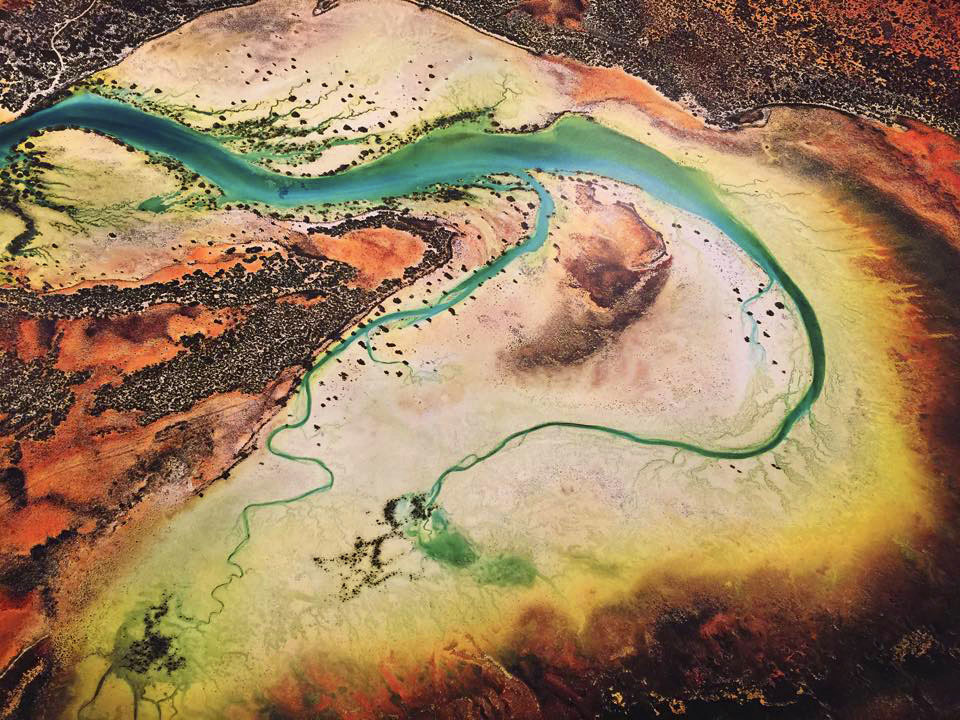
A large part of the exhibition is given over to the work of the ND5 photographic collective. I am not going to name the photographers here since most of the exhibited work does not contain specific names (unlike this posting). The work has been culled (an appropriate word given the theme of the exhibition) from numerous bodies of work spanning the years 2010-2013. Pairs of photographs have been renamed with poetic titles such as The lie of the land and The walls of the world with seemingly scant regard for the origins and stories of the photographs from their respective series, and then cobbled together in this present form under the banal title Investigations (2010-2013). This process pays no heed to the original conceptualisation of each series and the concerns of the collective at that time they were made and here this produces a display that has little rhyme or reason. Text quotations (see below) try to remedy the situation to little avail.

Further, if you think of those lush coffee table books – “Australia from the air” or “The wonders of the Great Barrier Reef” then you get the picture. Technically, the work is superb but aesthetically and emotionally these images are invariably dead (perhaps that is the irony – I looked for irony but it was sadly lacking). The collective say that they are fascinated – in the broadest sense – by places and opposites


“We are fascinated in the broadest sense by places like the Pilbara, including our ignorance and insensitivity to them. We are not ‘in the Pilbara’ in the way that scientists collect and identify it. Rather, we are collecting what can’t be seen; evidence of our uncertainty, interaction, wanderings and pondering…

We were drawn to its boundaries and edges; between solid and liquid, weight and weightlessness, hot and cool, dry and wet, between ourselves and the rest of the world, and that line of habitation that encrusts, indeed misrepresents our nation … The problem is how we index, moralise and politicise land use, rather than appropriating or projecting country as an aesthetic object.”

ND5. “The Pilbara Project – Photographers’ Cut” 2011


Firstly, the opposites thing is such an easy way out; and secondly, as Isobel Crombie notes in the quotation at the top of the posting, any artist’s view of the landscape is always a mediated view of nature. Through their lurid, hyperreal photographs of the land these photographs do exactly what this collective said they didn’t want to do… appropriate and project country as an aesthetic object. Here the pastiche is the real.

The group also seems to want to have AGENCY in both its meanings – as in photographic agency (a business or organisation providing a particular service on behalf of another business, person, or group); or an action or intervention producing a particular effect. What the collective is doing, in the broadest sense (for that is what they are working with), is creating an ideology of the landscape. And it’s not an ideology that I buy into.

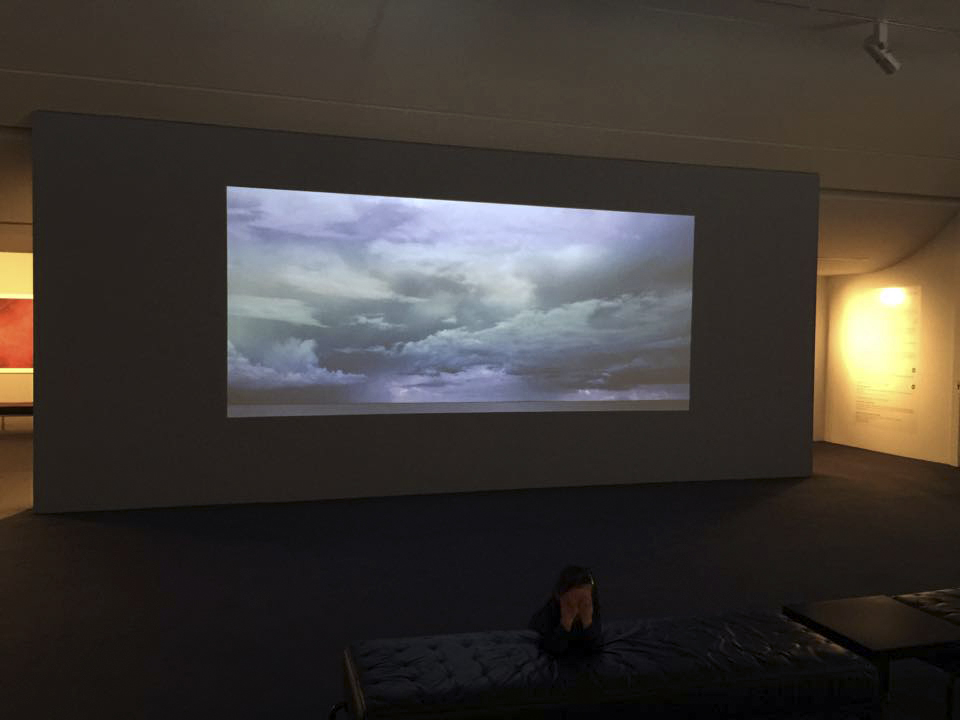
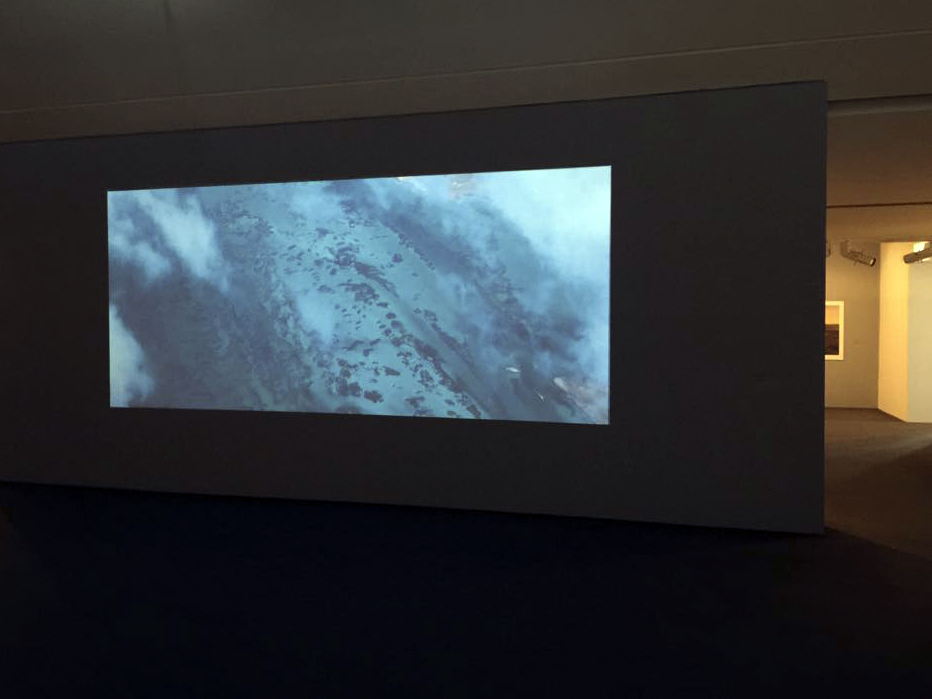
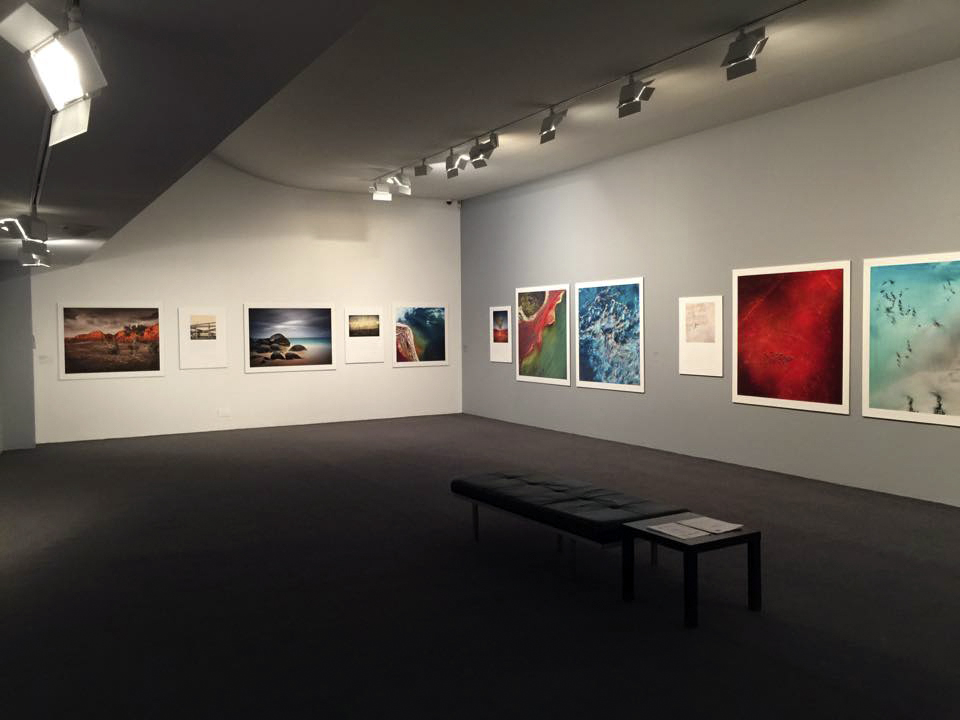
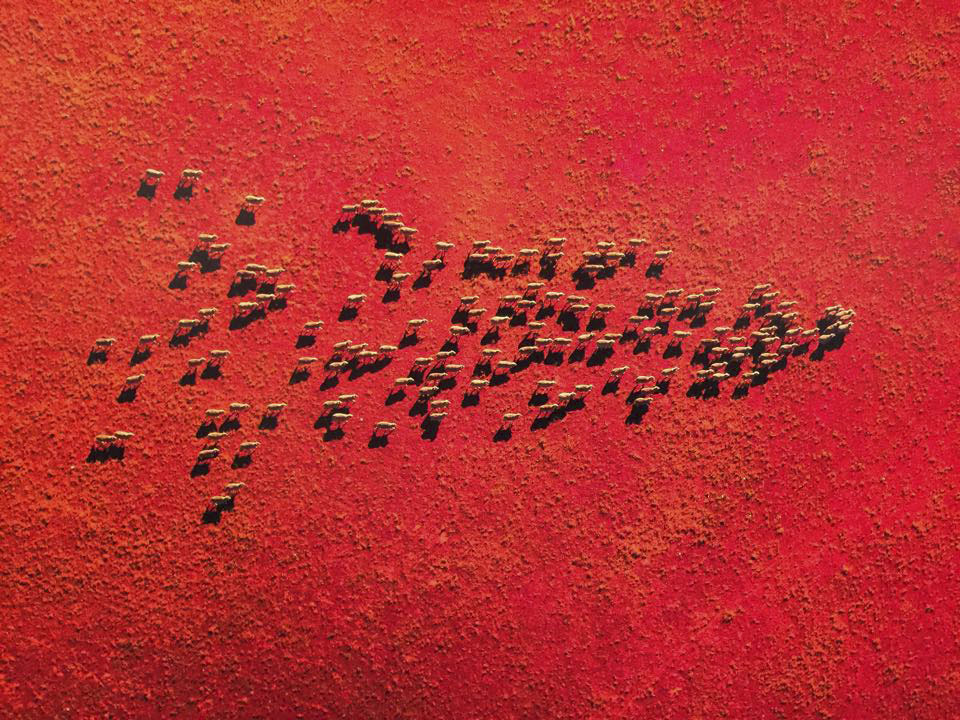
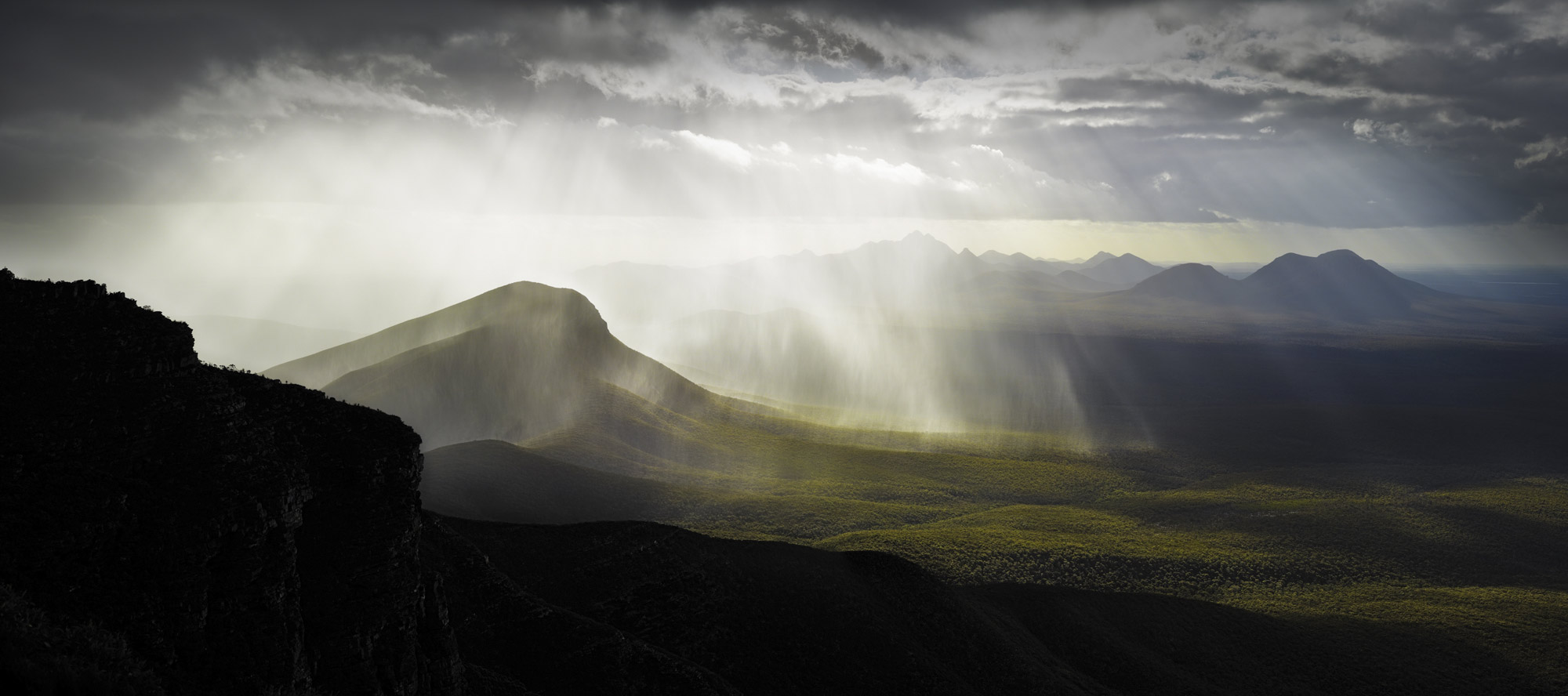
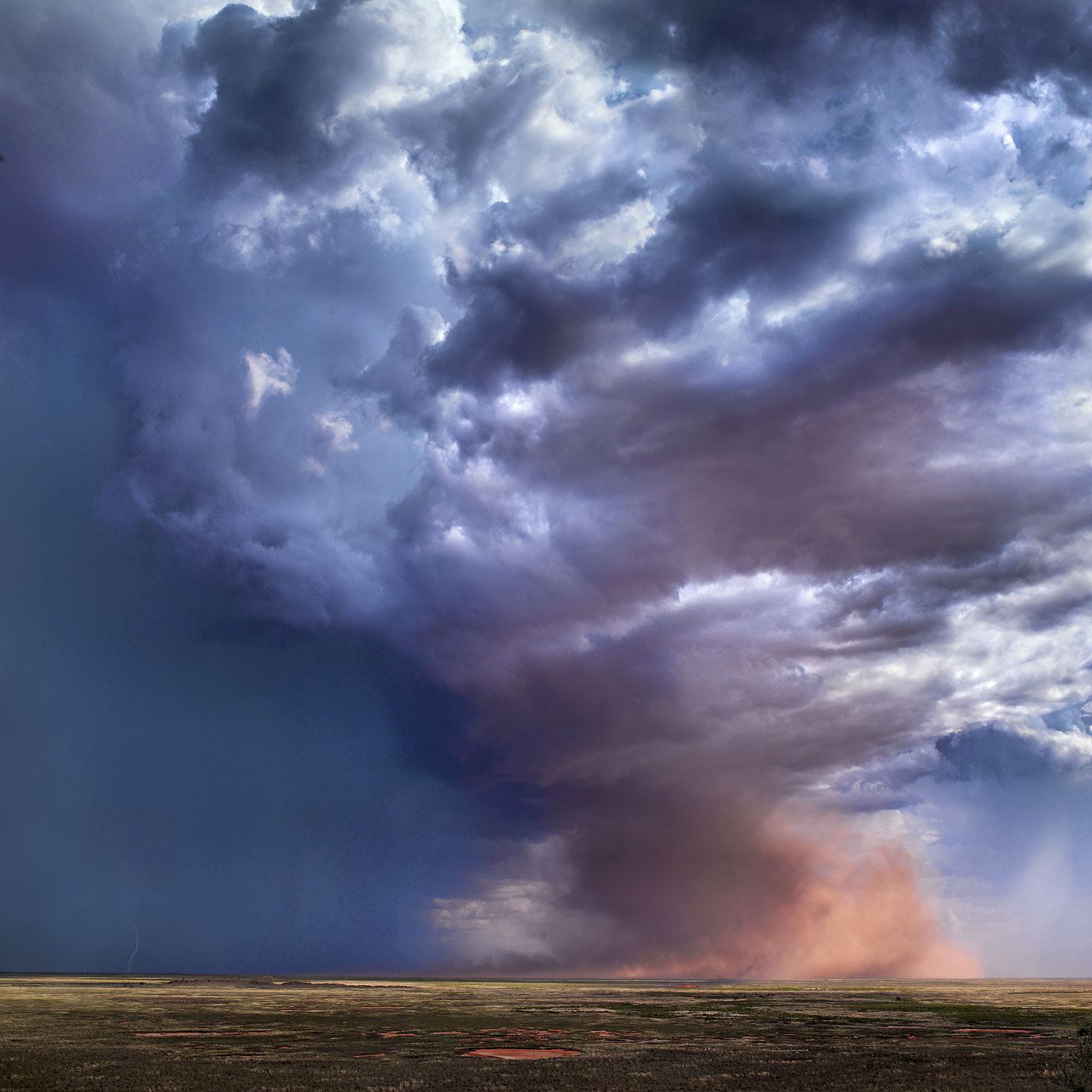
You could propose that a couple of the photographs build an argument around the conceit / concept of the sublime – to question whether it can be undermined through irony (the impression of multiple light sources in Stirling Ranges, 2013, below), or to question whether it actually belongs on the surface of the earth (the dust-storm, In my Garden, 2012, below), where it can only be viewed as if the lens is detached from the surface of the earth. But this is drawing a long bow when these are viewed in the context of the rest of the work.

It is worth quoting Joan Fontcuberta extensively here for he, much more eloquently than I, names this work for what it is


“Arthus-Bertrand is a highly experienced and highly regarded professional who has taken more than 100,000 aerial shots, covering almost the entire surface of the globe [author of Earth from Above – “as magnificent a coffee-table book as you could hope to find, whose successive reprints have sold in astronomical numbers”]. There is no doubt as to the quality of his work, on the contrary, we can only celebrate the fact that he and his team at the specialised agency Altitude continue to be so prolific and so creative. But his popular and commercial impact and the eagerness of the cultural institutions to clasp him to their bosoms prompt reflections that go to the very heart of documentary photography and its current crisis.

When paparazzi and the celebrity/human interest-genre reign supreme, serious photo reportage gives way to mere illustration, to the aestheticisation of the world and the masking of conflicts rendered insignificant by distance. Something is wrong when readers can say, ‘How picturesque the favelas are, with those bright colours! What wonderful colours these polluted rivers have!’ Bretch said photographic realism bounces off the façade of things: a photo of the Krupp factories shows us smokestacks and sheds, but tells us nothing about the relations of exploitation inside them. What was needed to refute him were photographers with the talent and the guts to demonstrate that it was a matter of critical sense and eloquence, that photography was a language which really could penetrate the camouflaging surfaces of the real.”

Joan Fontcuberta. “Cosmic Palimpsests,” in Joan Fontcuberta. Pandora’s Camera: Photogr@phy after Photography. Mack, 2014, pp. 156-157.


That photography was a language which really could penetrate the camouflaging surfaces of the real. In this case the wonderful, hyperreal, saturated colours of the polluted rivers – that really hits the nail on the head.

If, as the collective says, “they want to examine its particular confluxes of culture, industry, environment and history in order to begin to craft a stronger vision for its future” (The Pilbara Project – 2010) then they need to be more concerned about what is present in the landscape, what is present in the community not from several emotional steps removed. You only have to look at the work of Edward Burtynsky and his Australian Minescape series to understand that in his series the photographs are all made in a way, and with a concern that goes beyond technical competence and cinematic craft – something that can rarely be said of the work presented by ND5.

Personally, I believe one of the main reasons for being an artist is to seek to redefine the sets of opposites that we find, to excavate… to pull away the mundane description of things. And in my opinion, if you really LOOK AT THIS WORK – and that’s seems to be a simple thing to ask an artist to do, to really look at their own work – then you have to ask yourself ‘Why would I want to look at this?’ There is no story, no pulling away of the veil, for these are boring images cloaked, as Fontcuberta says, in the colours of polluted rivers, in the camouflaging surfaces of the hyperreal. Perhaps these contemporary “picturesque” images are the modern form of the end of Pictorialism?


The lack of a story continues to haunt the rest of the exhibition as well. If we address the title Earth Matters in both its forms – that Earth really does matter to us; and that Earth matters (as in we are all made up of atoms and that matter commonly exists in four states (or phases): solid, liquid and gas, and plasma) then the work can relate to the body, place, landscape, etc… what an opportunity!

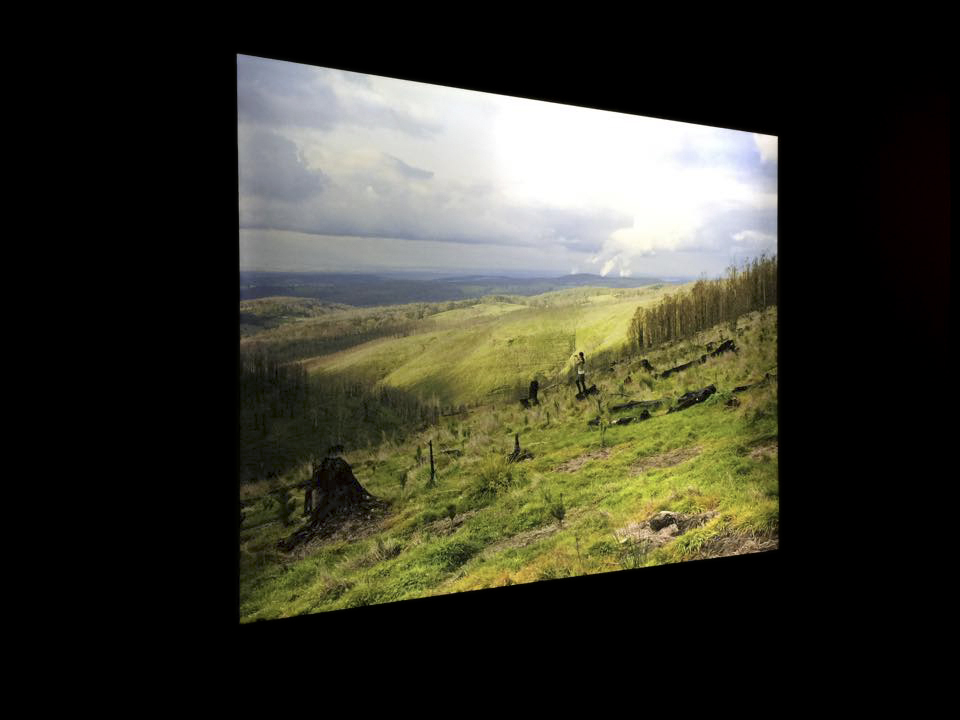
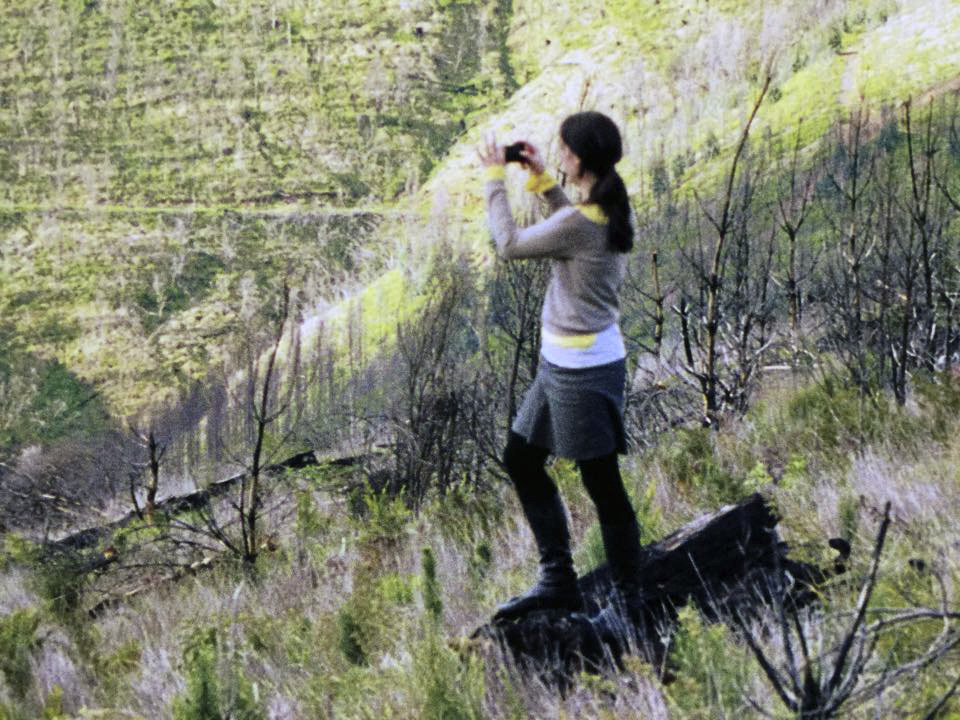
The usually reliable Rosemary Laing provides a dirge-like image that took me nowhere. Siri Hayes supplies a wonderful, ironic image (Wanderer in a sea of images 2013, below) with chopped down trees in a grand vista, a person taking a photograph of a person taking a photograph with belching power stations in the background – and then prints it at a massive scale which over stretches the boundaries of the technical possibilities of the negative. At a distance it just about holds up, but as can be seen from the closeup below (click on it for the large version) the image is blurred and distorted when printed at this huge scale. Photographs have a correct proportion to their significance as an image which is completely destroyed here.

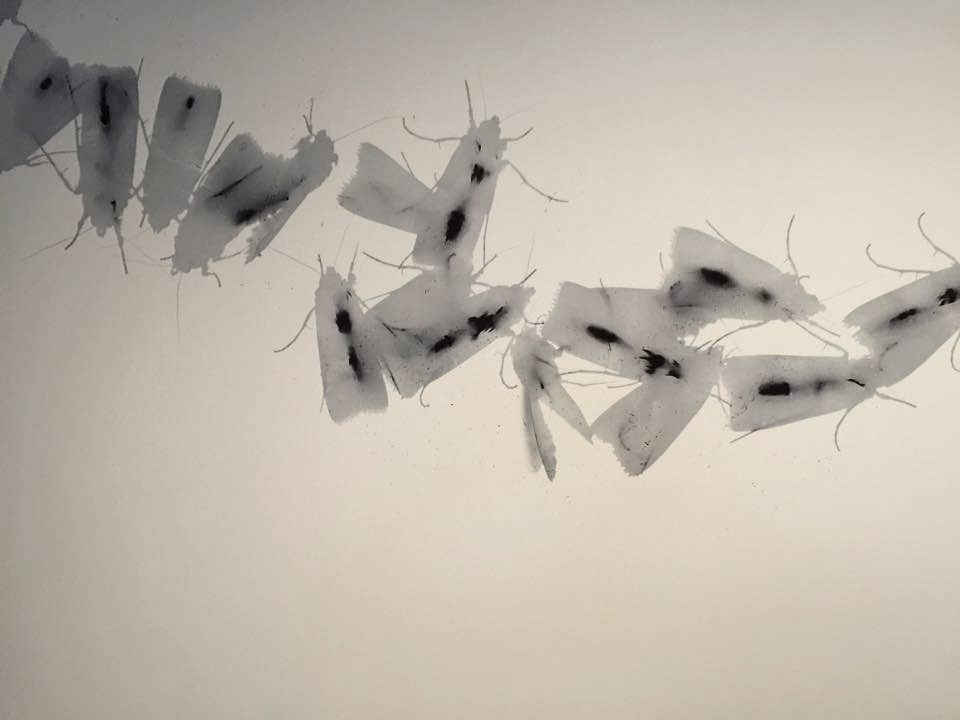
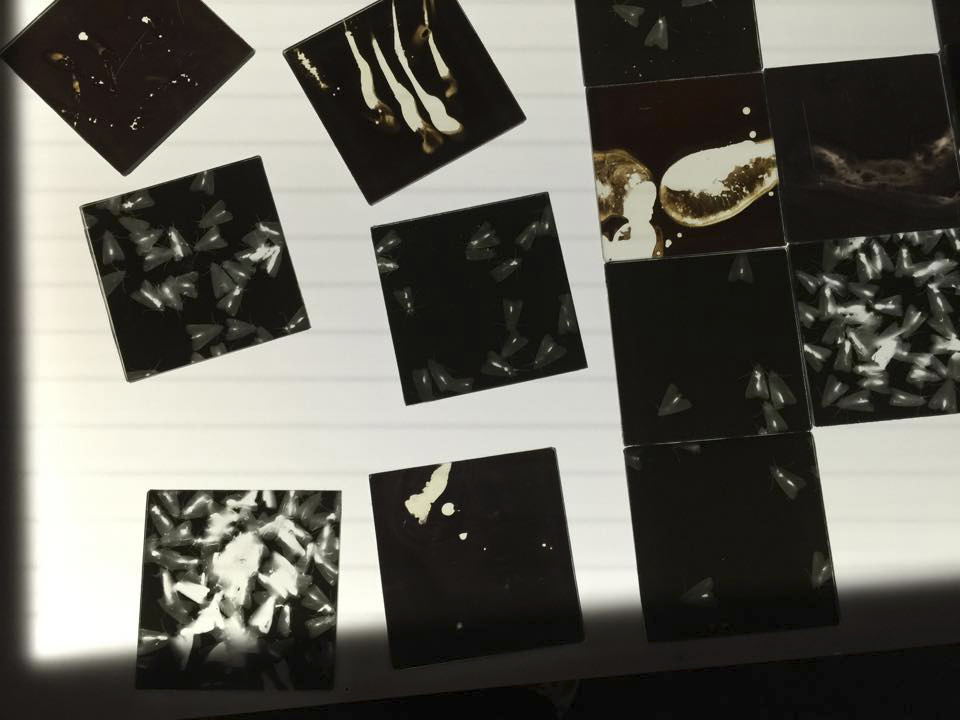
David Tatnall exposes black and white pinhole images of the landscape which really didn’t do much for me, especially with an extraneous blurred human figure that really meant very little in the context of the images, while Harry Nankin’s work fails to convince. His creatures crawling over photo-senstised plates of glass and then displayed on a light box left me cold – and yet another artist where you had to look up the meaning of the title / word ekkyklêma to try and understand the story being told. Christian Bumbarra Thompson supplies an image that means nothing to the uninitiated (another story that can only be guessed at – there is no text to explain), while Anne Ferran’s beautiful, luminous ink-jet print’s on aluminium, Untitled (2008) are just that – beautiful and luminous – unless you know the backstory which is nowhere explained in the gallery. (The photographs are “more than a decade’s exploration of a piece of ground on the outskirts of the small village of Ross in central Tasmania. Today little remains of its past as a female convict prison, apart from some mounds of earth and scattered stones. Her photographs and video works about this site reflect the ongoing difficulty of grasping and making sense of a ruined and fragmented past.”)

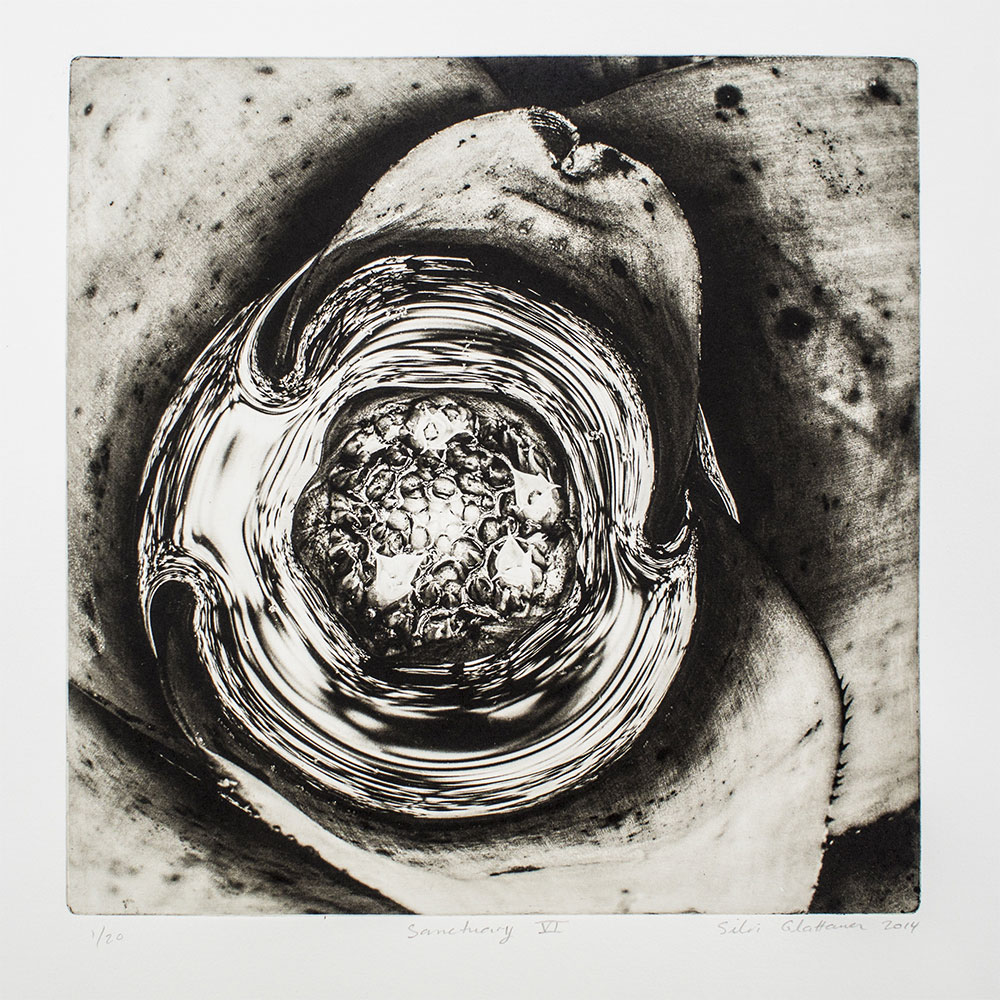
And last but not least, to the star of the show: Silvi Glattauer’s series Sanctuary (2014, below). OMG, these are gorgeous!

Beautiful photogravure prints on cotton paper give a wonderful soft tonality to these alien environments. The worlds are like liquid mercury. I did a double take trying to work out what they were for quite a few seconds before I got it. Beautifully composed, quiet, sensitive and eloquent these are everything that so much of the rest of the show isn’t. The story is in the macrocosm and the microcosm, the world at our fingertips that we never see, that we are forever destroying. Not the broadest of brush strokes picturesque but getting in and getting your hands dirty, paradoxically revealing cosmic worlds that we usually only dream of. Finally a story worth photographing: some matter that really does matter.

Dr Marcus Bunyan


Many thankx to the Monash Gallery of Art for allowing me to publish the photographs in the posting. All installation photographs © Marcus Bunyan and the Monash Gallery of Art. Please click on the photographs for a larger version of the image.


Christian Bumbarra Thompson (Australian, b. 1978) 'I'm not going anywhere without you' 2009


Christian Bumbarra Thompson (Australian, b. 1978)
Bidjara man of the Kunja Nation
I’m not going anywhere without you
2009
from the series Lost together
Chromogenic print
100 x 99.3cm
Monash Gallery of Art, City of Monash Collection acquired 2009
Reproduction courtesy of the artist


Installation photograph of 'Earth Matters' at the Monash Gallery of Art, Melbourne showing Siri Hayes' 'Wanderer in a sea of images' 2013

Siri Hayes (Australia, b. 1977) 'Wanderer in a sea of images' 2013


Siri Hayes (Australia, b. 1977)
Wanderer in a sea of images
2013
Ink-jet print on polyester
220 x 280cm
Collection of the artist
Courtesy of the artist


Siri Hayes’s exquisitely detailed photographs depict picturesque landscapes but landscapes that are also disturbed, perhaps devastated by fire, littered with debris, or cleared of their native vegetation for plantation timber. By using the conventions of classical landscape painting to photograph the contemporary landscape, Hayes draws our attention to environmental themes in this unique, large-scale installation.


Siri Hayes (Australia, b. 1977) 'Wanderer in a sea of images' 2013 (detail)


Siri Hayes (Australia, b. 1977)
Wanderer in a sea of images (detail)
2013
Ink-jet print on polyester
220 x 280cm
Collection of the artist
Courtesy of the artist


Silvi Glattauer (born Argentina 1966; arrived Australia 1974) 'Sanctuary' 2014


Silvi Glattauer (born Argentina 1966; arrived Australia 1974)
Sanctuary
2014
Six photogravure prints on cotton paper
27.6 x 27.7cm (each)
Collection of the artist
Courtesy of the artist


Silvi Glattauer (born Argentina 1966; arrived Australia 1974) 'Sanctuary I' 2014


Silvi Glattauer (born Argentina 1966; arrived Australia 1974)
Sanctuary I
2014
Six photogravure prints on cotton paper
27.6 x 27.7cm (each)
Collection of the artist
Courtesy of the artist


Silvi Glattauer (born Argentina 1966; arrived Australia 1974) 'Sanctuary VI' 2014


Silvi Glattauer (born Argentina 1966; arrived Australia 1974)
Sanctuary VI 
2014
Six photogravure prints on cotton paper
27.6 x 27.7cm (each)
Collection of the artist
Courtesy of the artist


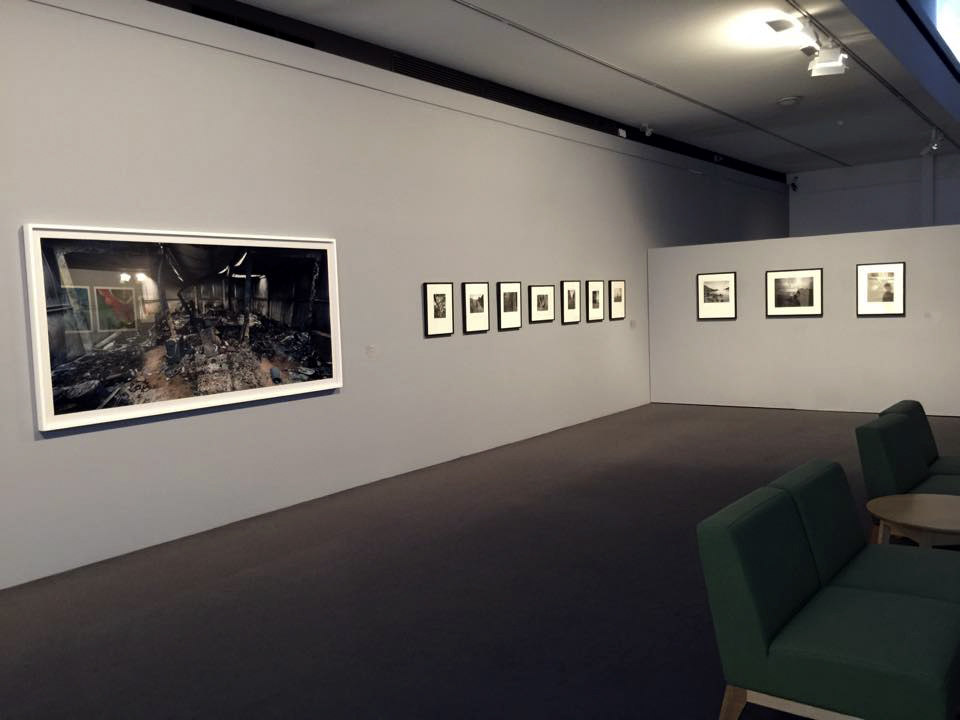
Installation photograph of 'Earth Matters' at the Monash Gallery of Art, Melbourne

Installation photograph of 'Earth Matters' at the Monash Gallery of Art, Melbourne


Installation photographs of Earth Matters at the Monash Gallery of Art, Melbourne
Photos: Marcus Bunyan


Harry Nankin (Australia, b. 1953) 'Minds in the cave / fragment 2' 2014


Harry Nankin (Australia, b. 1953)
Minds in the cave / fragment 2
2014
Pigment ink-jet prints on cotton pape
Collection of the artist


Harry Nankin (Australia, b. 1953) 'Ekkyklema #1' 2014 (installation view detail)

Harry Nankin (Australia, b. 1953) 'Ekkyklema #1' 2014 (installation view detail)

Harry Nankin (Australia, b. 1953) 'Ekkyklema #1' 2014 (installation view detail)


Harry Nankin (Australia, b. 1953)
Ekkyklema #1 (installation view details)
2014
Gelatin silver chemogram films on starfire glass [on lightbox]
0.5 x 14 x 14cm (each)
Courtesy of the artist
Collection of the artist
Note: 112 plein air silver gelatin shadowgram and chemogram films on starfire glass panes
Photos: Marcus Bunyan


An ekkyklêma (“roll-out machine”) was a wheeled platform rolled out through a skênê in ancient Greek theatre. It was used to bring interior scenes out into the sight of the audience. Some ancient sources suggest that it may have been revolved or turned.

It is mainly used in tragedies for revealing dead bodies, such as Hippolytus’ dying body in the final scene of Euripides’ play of the same name, or the corpse of Eurydice draped over the household altar in Sophocles’ Antigone. Other uses include the revelation in Sophocles’ Ajax of Ajax surrounded by the sheep he killed whilst under the delusion that they were Greeks. The ekkyklêma is also used in comedy to parody the tragic effect. An example of this is in Aristophanes’ Thesmophoriazusae when Agathon, portrayed as an effeminate, is wheeled onstage on an ekkyklêma to enhance the comic absurdity of the scene.

Text from the Wikipedia website


Anne Ferran (Australian, b. 1949) 'Untitled' 2008


Anne Ferran (Australian, b. 1949)
Untitled
2008
From the series Lost to worlds
2 ink-jet print on aluminium
120 x 120cm
Monash Gallery of Art, City of Monash Collection acquired with assistance from the Robert Salzer Foundation 2009
Reproduction courtesy of the artist and Sutton Gallery (Melbourne)


Anne Ferran (Australian, b. 1949) 'Untitled' 2008


Anne Ferran (Australian, b. 1949)
Untitled
2008
From the series Lost to worlds
2 ink-jet print on aluminium
120.0 x 120.0cm
Monash Gallery of Art, City of Monash Collection acquired with assistance from the Robert Salzer Foundation 2009
Reproduction courtesy of the artist and Sutton Gallery (Melbourne)


Intellectually and emotionally engaging, sometimes austere, her [Ferran’s] photographs have explored histories of incarceration in prisons, asylums, hospitals and nurseries. They play with invisibility and anonymity, and are often haunted by things lost or unseen. Lost to Worlds 2008 was the culmination of more than a decade’s exploration of a piece of ground on the outskirts of the small village of Ross in central Tasmania. Today little remains of its past as a female convict prison, apart from some mounds of earth and scattered stones. Her photographs and video works about this site reflect the ongoing difficulty of grasping and making sense of a ruined and fragmented past.


Ninety Degrees Five. 'Earth matters' 2015 installation photograph

Ninety Degrees Five. 'Earth matters' 2015 installation photograph

Ninety Degrees Five. 'Earth matters' 2015 installation photograph


Ninety Degrees Five
Earth matters (installation stills)
2015
Multimedia, 10.13 minutes
Filmed and edited: Michael Fletcher
Score: Jo Quail-Sonver Collection of the artists
Photos: Marcus Bunyan


Earth matters: contemporary photographers in the landscape is an exhibition developed by MGA for ART+CLIMATE=CHANGE; a Melbourne-wide arts festival exploring climate change and environmental ethics. MGA’s contribution to this festival highlights the ecological sensitivity of contemporary Australian photographers. Moving away from the detached ‘picturesque’ views of nature, so prevalent in the history of photography, these artists engage with the earth in immersive and connected ways.

Siri Hayes and Christian Thompson wander into epic vistas to enact comical self-portraits that capture the capricious nature of human presence on this planet. Silvi Glattauer peers into the interiors of bromeliad plants to find fecund microcosms that bubble with humble but hopeful vitality. Rosemary Laing pays tribute to ecological tragedy with a monumental photograph of bushfire devastation, while Anne Ferran ruminates over the tragic scars of colonial history in the landscape. David Tatnall’s eerie photographs have been produced with a rudimentary pinhole camera, embed in the environment to bear witness to the earth’s passing. Harry Nankin does away with the camera and its singular perspective altogether, using raw photographic film to record ecological forces in nocturnal landscapes.

Earth matters features a new installation by the Ninety Degrees Five collective alongside the work of other contemporary landscape photographers including Anne Ferran, Silvi Glattauer, Siri Hayes, Harry Nankin, David Tatnall and Christian Thompson. Ninety Degrees Five (ND5) is a collective of five Australian artists established in 2010, featuring Peter Eastway, Christian Fletcher, Michael Fletcher, Tony Hewitt & Les Walkling.

Text from the MGA website


Installation view of various Ninety Degrees Five 'Investigations' 2010-2013 at the exhibition 'Earth Matters', Monash Gallery of Art


Installation view of Ninety Degrees Five Investigations 2010-2013 at the exhibition Earth Matters, Monash Gallery of Art


Ninety Degrees Five. 'The lie of the land' (installation view) (Christian Fletcher, left; Les Walkling, right) 2012-2013


Ninety Degrees Five
The lie of the land (installation view)
(Christian Fletcher, left; Les Walkling, right)
2012-2013
From the series Investigations 2010-2013
Pigment ink-jet prints
Collection of the artists
Photo: Marcus Bunyan


Christian Fletcher (Australian, b. 1965) From the series 'South West Light' 2012 (detail)


Christian Fletcher (Australian, b. 1965)
From the series South West Light (detail)
2012
Pigment ink-jet print


Ninety Degrees Five. 'The walls of the world' (installation view) (Tony Hewitt, left; Peter Eastway, right) 2012-2013


Ninety Degrees Five
The walls of the world (installation view)
(Tony Hewitt, left; Peter Eastway, right)
2012-2013
From the series Investigations 2010-2013
Pigment ink-jet prints
Collection of the artists
Photo: Marcus Bunyan


Tony Hewitt (Australian) From the series 'Shark Bay Inscription' 2013 (detail)


Tony Hewitt (Australian)
From the series Shark Bay – Inscription (detail)
2013
Pigment ink-jet print


About Ninety Degrees Five

“Our work … seeks to encourage and reinforce public concern for the fate of the earth, and our responsibility to act on that awareness.”

~ Les Walkling


Ninety Degrees Five (ND5) is a unique collaboration of four photographers, Christian Fletcher, Peter Eastway, Tony Hewitt, Les Walkling and film maker Michael Fletcher.

ND5 initially came together for The Pilbara Project in 2010. The Pilbara Project was developed and produced by FORM, an independent, non-profit cultural organisation in Western Australia. Curated by William L. Fox, the Director of the Center for Art and Environment of the Nevada Museum of Art, and Mollie Hewitt (FORM), the collaboration resulted in the book, The Pilbara Project: Field Notes and Photographs Collected over 2010, and the first Pilbara Project exhibition: 52 Weeks On, in February 2011.

Subsequent ND5 projects, South West Light 2011, Shark Bay – Inscription 2012, EAST 2013 and NORTH 2014 consolidated the collective’s independence and artistic agenda. The result has been ten exhibitions on three continents since 2011. Each exhibition is supported by public performances and events, including broadcast media, workshops, master classes, and artist talks.

Investigations 2010-2013 is ND5’s latest installation that remixes works from the first three ND5 projects (The Pilbara Project, South West Light, and Shark Bay – Inscription) to highlight their transcending artistic projections and cultural concerns. In this sense ND5’s projects are a primary research model for their ongoing Investigations, and thereby demonstrate an engaging, enquiring, and speculative process, not just its resolved and published outcome. This is important because ND5 has also become a case study in what can happen when a group forms from diverse but supportive individuals who are secure enough in their own practice to experiment with it.

This model privileges something of the urgency and necessity surrounding our worryingly fragile relationship to land and landscape, place and belonging, rights and duties, environmental crisis and environmental justice, sovereignty and reconciliation, trust and despair.

Investigations 2010-2013 also extends ND5’s collaborative endeavour through the acknowledgement, quotation and incorporation of other voices no less concerned with such matters, and thereby seeks to promote this conversation beyond individuals and collectives.

ND5


Text that accompanies the Ninety Degrees Five series 'Investigations' 2010-2013

Text that accompanies the Ninety Degrees Five series 'Investigations' 2010-2013

Text that accompanies the Ninety Degrees Five series 'Investigations' 2010-2013

Text that accompanies the Ninety Degrees Five series 'Investigations' 2010-2013

Text that accompanies the Ninety Degrees Five series 'Investigations' 2010-2013


Text that accompanies the Ninety Degrees Five series Investigations 2010-2013
Photos: Marcus Bunyan


Christian Fletcher (Australian, b. 1965) 'Stirling Ranges' 2013


Christian Fletcher (Australian, b. 1965)
Stirling Ranges
2013
From the series South West Light
965mm x 2165mm


Tony Hewittt (Australian) 'Red Coast' 2014


Tony Hewittt (Australian)
Red Coast
2014
From the series Shark Bay – Inscription
965mm x 965mm


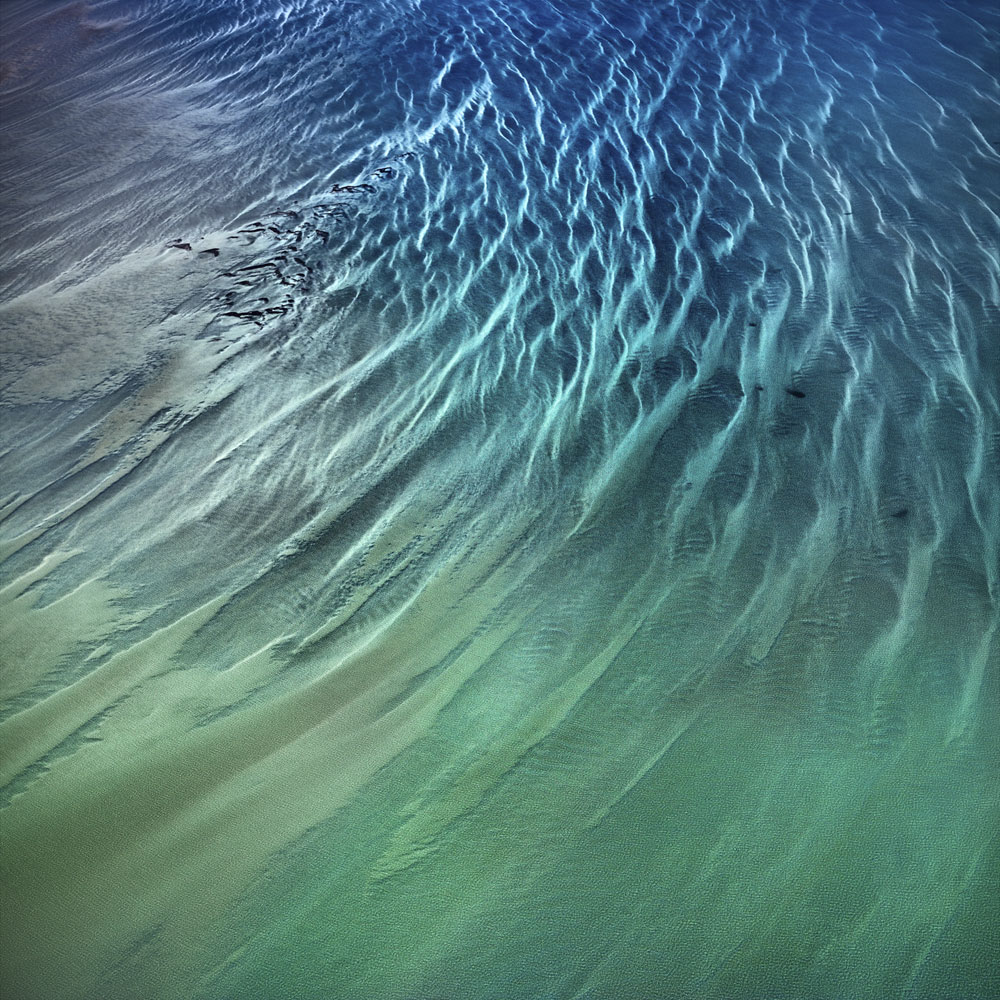
Peter Eastway (Australian) 'South of Faure Island' 2014


Peter Eastway (Australian)
South of Faure Island
2014
From the series Shark Bay – Inscription
965mm x 965mm


Les Walkling (Australian, b. 1953) 'In my Garden' 2012


Les Walkling (Australian, b. 1953)
In my Garden
2012
From the series The Pilbara Project
965mm x 965mm


https://www.youtube.com/watch?v=VOkSmuV_eVU


Monash Gallery of Art
860 Ferntree Gully Road, Wheelers Hill
Victoria 3150 Australia
Phone: + 61 3 8544 0500

Opening hours:
Tue – Fri: 10am – 5pm
Sat – Sun: 10pm – 4pm
Mon/public holidays: closed

Monash Gallery of Art website

LIKE ART BLART ON FACEBOOK

Back to top

Exhibition: ‘A World of Bonds: Frederick Sommer’s Photography and Friendships’ at the National Gallery of Art, Washington

Exhibition dates: 16th June – 4th August 2013


Frederick Sommer (American, 1905-1999) 'Moon Culmination' 1951


Frederick Sommer (American, 1905-1999)
Moon Culmination
1951
gelatin silver print
24.2 x 19.2cm (9 1/2 x 7 9/16 in.)
Gift of Frederick Sommer


Frederick Sommer is not as well known as others in the famous quintet (the others being Ansel Adams, Edward Weston, Minor White and Paul Strand). He is the (slightly) forgotten master. But for those that know his work, Frederick Sommer is the photographer’s photographer.

There is a visual and intellectual alchemy transmitted through his work. It is as if he was a magician, producing images out of thin air: paper cuts, smoke on glass, collage, found objects, rites, passages, cleavages, heroes, occultism (Paracelsus was a Renaissance physician, botanist, alchemist, astrologer, and general occultist). From the few photographs I have seen in the flesh his prints, like his thinking, have a volume to them that few other photographers can match. Here I must cede to the knowledge of my friend and photographer Ian Lobb who visited Sommer at his home in Prescott, Arizona.


“You will notice with FS prints that the only date given is the date of the negative. This is not unusual of course, but one of FS strengths is being interested in returning to a negative and print it with enthusiasm after looking at other versions for a very long time.

Another strength is a really simple strong way of working – according to Les Walkling, FS had a block of wood the same size as an 8 x 10 contact print. By placing the print on this base as he spotted, the print was always raised above his work environment and the chance of an accident was reduced. So simple – so elegant. I see this state of mind repeated – eg when he was out photographing with Siskind and he found a pile of X-rays and said that this was his work for the day.

Caponigro and Sommer are the ones that make their technical skill communicate in very unique ways. By chronology, Sommer is the first one who found that something beyond the f/64 Group vocabulary could be said. Whereas Edward Weston and Paul Strand are working at about 3/10 for their prints, Sommer is working at 9/10. He doesn’t always get there in every print but when he succeeds the results are beyond what any other classical photographer ever achieved in the physical presence of the photograph.

Venus, Jupiter and Mars was the first extended viewing of Sommer that arrived here (in Australia). It would have been at the Printed Image (bookshop) in 1981.”

Ian Lobb


Many thankx to the National Gallery of Art for allowing me to publish the photographs in the posting. Please click on the photographs for a larger version of the image.


Frederick Sommer (American, 1905-1999) 'Venus, Jupiter and Mars' 1949


Frederick Sommer (American, 1905-1999)
Venus, Jupiter and Mars
1949
Gelatin silver print
23.8 x 19.1cm (9 3/8 x 7 1/2 in.)
National Gallery of Art, Washington, Gift of Frederick Sommer


Frederick Sommer (American, 1905-1999) 'Valise d'Adam' 1949


Frederick Sommer (American, 1905-1999)
Valise d’Adam
1949
Gelatin silver print
23.9 x 18.9cm (9 7/16 x 7 7/16 in.)
National Gallery of Art, Washington, Gift of Frederick Sommer


Against a backdrop of rusting metal, Frederick Sommer arranged a grouping of found objects. A clipboard clamp represents a head and shoulders while dirty, cracking doll’s arms and legs provide more literal context, defining the object as a human body. Within that fragmented body, Sommer places a complete doll with its head pointed downward, as if ready to be born. The photograph’s French title, Valise d’Adam, or as Sommer translated it, Adam’s Traveling Case, is a sly reference to the idea that man travels through woman into the world, and perhaps, woman even carries man through life.


Frederick Sommer (American, 1905-1999) 'Manzanillo, Mexico' 1955


Aaron Siskind (American, 1903-1991)
Manzanillo, Mexico
1955
Gelatin silver print
35.6 x 27.8cm (14 x 10 15/16 in.)
National Gallery of Art, Washington, René Huyghe Collection
Image courtesy of the Aaron Siskind Foundation


Frederick Sommer (American, 1905-1999) 'Untitled' 1947


Frederick Sommer (American, 1905-1999)
Untitled
1947
Gelatin silver print
24.2 x 19.1cm (9 1/2 x 7 1/2 in.)
National Gallery of Art, Washington, Gift of Frederick Sommer


Frederick Sommer (American, 1905-1999) 'The Anatomy of a Chicken' 1939


Frederick Sommer (American, 1905-1999)
The Anatomy of a Chicken
1939
Gelatin silver print mounted on paperboard
24.1 x 19cm (9 1/2 x 7 1/2 in.)
National Gallery of Art, Washington, Gift of Frederick Sommer


Frederick Sommer (American, 1905-1999) 'Paracelsus' 1957


Frederick Sommer (American, 1905-1999)
Paracelsus
1957
Gelatin silver print
34.3 x 25.6cm (13 1/2 x 10 1/16 in.)
National Gallery of Art, Washington, Gift of Frederick Sommer


Paracelsus (1493/1494 – 24 September 1541), born Theophrastus von Hohenheim (full name Philippus Aureolus Theophrastus Bombastus von Hohenheim), was a Swiss physician, alchemist, lay theologian, and philosopher of the German Renaissance.

He was a pioneer in several aspects of the “medical revolution” of the Renaissance, emphasising the value of observation in combination with received wisdom. He is credited as the “father of toxicology”. Paracelsus also had a substantial impact as a prophet or diviner, his “Prognostications” being studied by Rosicrucians in the 1600s. Paracelsianism is the early modern medical movement inspired by the study of his works.

Text from the Wikipedia website


Frederick Sommer (American, 1905-1999) 'Cut Paper' 1980


Frederick Sommer (American, 1905-1999)
Cut Paper
1980
gelatin silver print
24.2 x 18.7cm (9 1/2 x 7 3/8 in.)
National Gallery of Art, Washington, Gift of Frederick Sommer


The National Gallery of Art explores the continuities in Frederick Sommer’s varied body of work and demonstrates the influence of his friendships with fellow artists in the exhibition A World of Bonds: Frederick Sommer’s Photography and Friendships, on view in the East Building from June 16 to August 4, 2013. Drawn from the Gallery’s significant holdings, which include a major 1995 gift from the artist himself, the exhibition showcases 27 works by Sommer, Edward Weston, Max Ernst, Man Ray, Aaron Siskind, and Charles Sheeler, including three pieces on loan from other museums and private collections.

“The Gallery is privileged to display this influential body of work, which illuminates Frederick Sommer’s interactions with his fellow artists,” said Earl A. Powell III, director, National Gallery of Art. “In addition to photographs drawn from our permanent collection, we are grateful to the lenders who have assisted us in revealing the continuities in Sommer’s broad range of work, as well as The Robert Mapplethorpe Foundation for its generous support.”

About the exhibition

The exhibition showcases the beauty and diversity of Sommer’s striking images and places them in the context of his formative friendships with such prominent contemporaries as Edward Weston, Max Ernst, Man Ray, Charles Sheeler, and Aaron Siskind.

As an artist, Frederick Sommer notoriously defies classification. Over the span of more than 60 years, he created paintings, drawings, and photographs, as well as collages, musical scores, poetry, and theoretical texts. Today, Sommer is best known for his photography, the medium in which he produced his most inventive visual experiments and which best suited the breadth of his visual interests. These ranged from disorienting desert landscapes to surrealistic arrangements of found objects, and to abstractions that brought together drawing and photography.

“All rare things should be lent away / and I have borrowed very freely,” Sommer wrote of his art. He also asserted that “the world is not a world of cleavages, it is a world of bonds.” This exhibition examines both claims, offering a glimpse into the ways in which Sommer shared ideas with his contemporaries while simultaneously creating a body of work uniquely his own.

About the artist

Just as he defied the bounds of medium and genre, Sommer, who lived in the small town of Prescott, Arizona, also never fully belonged to any artistic group or movement. His work reflects both wide-ranging personal interests and a broad scope of artistic affinities with artists as divergent as the surrealists and the members of the f/64 group of West Coast photographers.

Sommer’s circle of close artist-friends and mentors helps explain his idiosyncratic sensibilities. This circle included the photographer Edward Weston, whose precise attention to the details of the natural world inspired Sommer’s turn to photography. Equally important to Sommer, however, was his friendship with Max Ernst, the surrealist whose automatic painting techniques and uncanny imagery encouraged Sommer to reconfigure familiar objects into strange new creations. Aaron Siskind was yet another close friend and peer with whom Sommer shared a fascination with the abstract textures of everyday materials. Other artists represented in the exhibition who influenced Sommer’s approach to photographing assemblages and his exploration of photographic abstraction include Man Ray and Charles Sheeler.

Text from the National Gallery of Art website


Frederick Sommer (American, 1905-1999) 'Coyotes' 1945


Frederick Sommer (American, 1905-1999)
Coyotes
1945
Gelatin silver print mounted on paperboard
19 x 24.2cm (7 1/2 x 9 1/2 in.)
National Gallery of Art, Washington, Gift of Frederick Sommer


Frederick Sommer (American, 1905-1999) 'Man tracks #9R' from the 'Mantracks' series 1978-83


John Cato (Australian, 1926-2011)
Man tracks #9R
from the Mantracks series 1978-83
Gelatin silver photograph
42.9 x 35.2cm


Frederick Sommer (American, 1905-1999) 'Ondine' 1950


Frederick Sommer (American, 1905-1999)
Ondine
1950
Gelatin silver print mounted on paperboard
19.2 x 24.3cm (7 9/16 x 9 9/16 in.)
National Gallery of Art, Washington, Gift of Frederick Sommer


The nymph Ondine was an immortal water spirit who became human after falling in love for a man, marrying him, and having a baby. In one of the versions of the tale, when she caught her husband sleeping with another woman, she cursed him to remain awake in order to control his own breathing.


Frederick Sommer (American, 1905-1999) 'Taylor, Arizona' 1945


Frederick Sommer (American, 1905-1999)
Taylor, Arizona
1945
Gelatin silver print
19.2 x 24.2cm (7 9/16 x 9 1/2 in.)
National Gallery of Art, Washington, Gift of Frederick Sommer


Frederick Sommer (American, 1905-1999) 'Max Ernst' 1946


Frederick Sommer (American, 1905-1999)
Max Ernst
1946
Gelatin silver print
19.05 x 24.13cm (7 1/2 x 9 1/2 in.)
Collection of Susan and Peter MacGill
Frederick & Frances Sommer Foundation


Frederick Sommer (American, 1905-1999) 'Untitled' 1947


Frederick Sommer (American, 1905-1999)
Untitled
1947
Gelatin silver print
19 x 24cm (7 1/2 x 9 7/16 in.)
National Gallery of Art, Washington, Gift of Frederick Sommer


Frederick Sommer (American, 1905-1999) 'Coyotes' 1941


Frederick Sommer (American, 1905-1999)
Coyotes
1941
Gelatin silver print
19.1 x 24.1cm (7 1/2 x 9 1/2 in.)
National Gallery of Art, Washington, Gift of Frederick Sommer


Les Walkling (Australia, b. 1953) 'Flypaper' 1980


Les Walkling (Australia, b. 1953)
Flypaper
1980
Gelatin silver photograph
19.1 x 24.3cm
Gift of the Philip Morris Arts Grant 1982
© Les Walkling


Frederick Sommer (American, 1905-1999) 'Lacryma' 1992


Frederick Sommer (American, 1905-1999)
Lacryma
1992
Collage of photomechanical reproductions of lithographic, relief and intaglio prints on
heavyweight wove paper
36 x 42.4cm (14 3/16 x 16 11/16 in.)
National Gallery of Art, Washington, Gift of Frederick Sommer


Lacryma, alternative form of lacrima – a tear (drop of liquid from crying)


Frederick Sommer (American, 1905-1999) 'Drawing' 1948


Frederick Sommer (American, 1905-1999)
Drawing
1948
Tempera on black wove paper
30.4 x 46.9cm (11 15/16 x 18 7/16 in.)
National Gallery of Art, Washington, Gift of Frederick Sommer


Frederick Sommer (American, 1905-1999) 'The Queen of Sheba' 1992


Frederick Sommer (American, 1905-1999)
The Queen of Sheba
1992
Collage of photomechanical reproductions of relief and intaglio prints on heavyweight wove
paper
21.8 x 31.8cm (8 9/16 x 12 1/2 in.)
National Gallery of Art, Washington, Gift of Frederick Sommer


Fiona Hall (Australian, b. 1953) 'Envy, Seven Deadly Sins' 1985


Fiona Hall (Australian, b. 1953)
Envy, Seven Deadly Sins
1985
Polaroid photograph
61 × 50.8cm
© Fiona Hall


National Gallery of Art
National Mall between 3rd and 7th Streets
Constitution Avenue NW, Washington

Opening hours:
Daily 10.00am – 5.00pm

National Gallery of Art website

Frederick Sommer website

LIKE ART BLART ON FACEBOOK

Back to top