Exhibition photographs: ‘Salvador Dalí: Liquid Desire’ Melbourne Winter Masterpieces at the National Gallery of Victoria, Melbourne

Exhibition dates: 13th June – 4th October, 2009
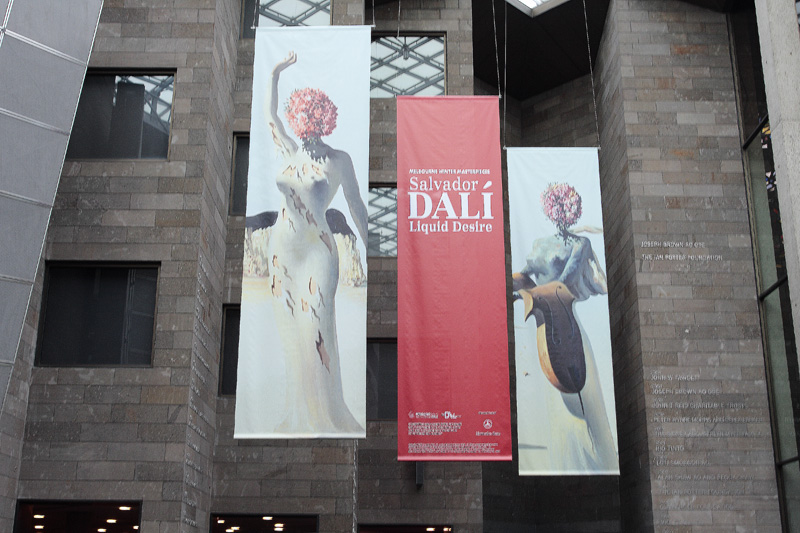
 

Installation view of the interior forecourt of the National Gallery of Victoria showing banners for the exhibition Salvador Dalí: Liquid Desire


Installation view of the interior forecourt of the National Gallery of Victoria showing banners for the exhibition Salvador Dalí: Liquid Desire
Photo: Marcus Bunyan


Installation photographs from the latest Winter Masterpieces blockbuster Salvador Dalí: Liquid Desire from the media preview on the day the exhibition opened at NGV International, Melbourne. Thank you to Jemma Altmeier, Media and Public Affairs Administrator at the NGV for the invitation. Photographs were taken using a digital camera, tripod and available light.

Fantastic to see my friend and curator of the exhibition, Dr Ted Gott, at the opening. Congratulations on a wonderful show!

Dr Marcus Bunyan


© All photographs copyright Dr Marcus Bunyan 2009 and the National Gallery of Victoria. All rights reserved. Photographs may not be reproduced without permission.

Photographs proceed from the beginning to the end of the exhibition in chronological order.


Many thankx to the National Gallery of Victoria for allowing me to publish the photographs in the posting. Please click on the photographs for a larger version of the image.
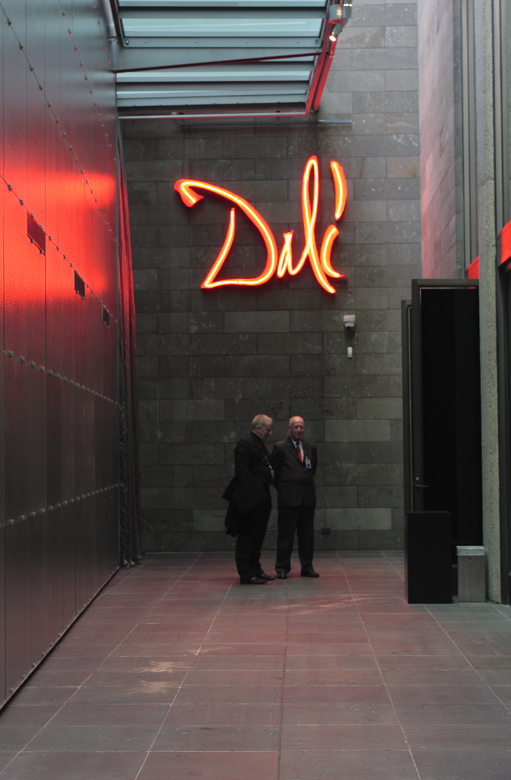


Entrance to the 'Salvador Dali: Liquid Desire' Winter Masterpieces exhibition at NGV International, Melbourne


Entrance to the Salvador Dalí: Liquid Desire Winter Masterpieces exhibition at the National Gallery of Victoria, Melbourne
Photo: Marcus Bunyan
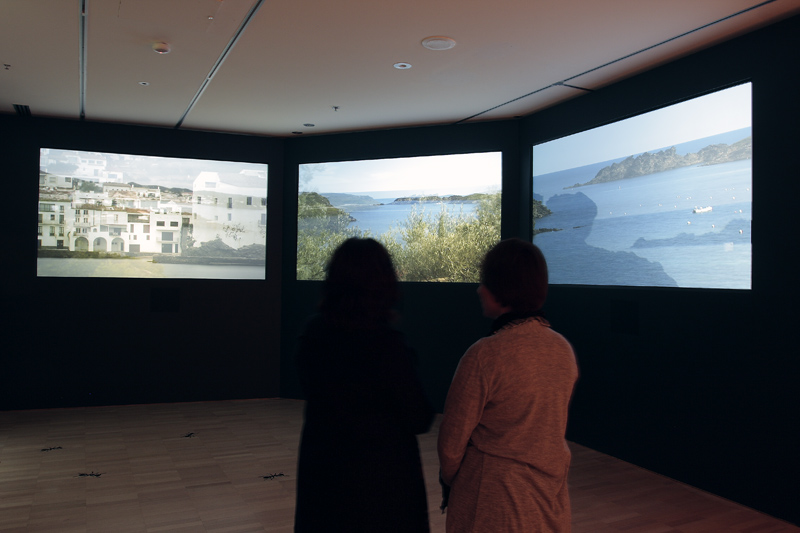
 

3 panel video installation of the Catalan countryside around where Salvador Dali lived from the exhibition 'Salvador Dalí: Liquid Desire Winter Masterpieces' at the National Gallery of Victoria, Melbourne


3 panel video installation of the Catalan countryside where Salvador Dali lived. 13 minutes duration from the exhibition Salvador Dalí: Liquid Desire Winter Masterpieces at the National Gallery of Victoria, Melbourne
Photo: Marcus Bunyan
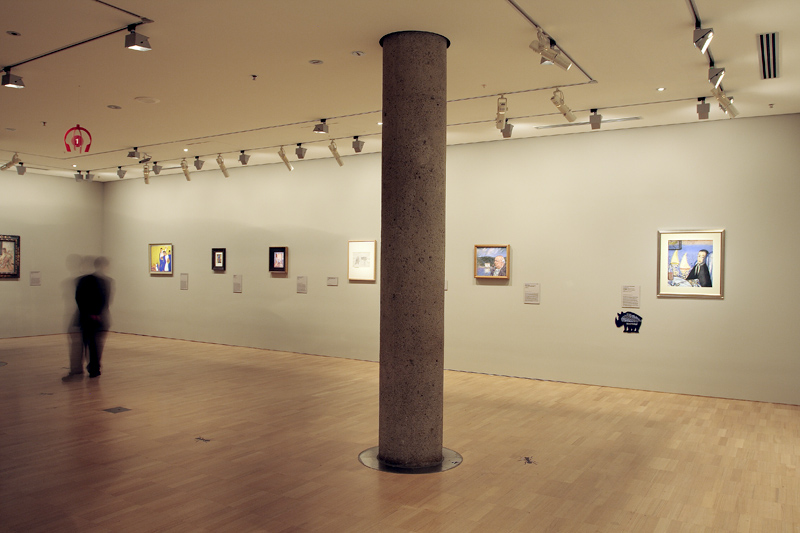
 

Early work from the 'Salvador Dali: Liquid Desire' Winter Masterpieces exhibition at NGV International, Melbourne


Early work from the Salvador Dalí: Liquid Desire Winter Masterpieces exhibition at the National Gallery of Victoria, Melbourne
Photo: Marcus Bunyan
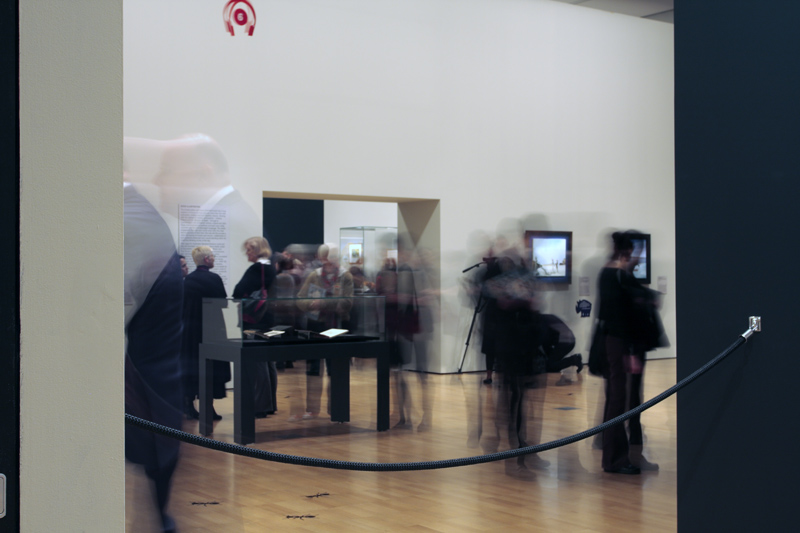
 

'Salvador Dali: Liquid Desire' Winter Masterpieces exhibition at NGV International, Melbourne

To the left 'View of the Cadaques from the Creus Tower' 1923; to the right 'Table in front of the Sea. Homage to Eric Satie' 1926 from the 'Salvador Dalí: Liquid Desire' Winter Masterpieces exhibition at the National Gallery of Victoria, Melbourne


To the left View of the Cadaques from the Creus Tower 1923; to the right Table in front of the Sea. Homage to Eric Satie 1926 from the Salvador Dalí: Liquid Desire Winter Masterpieces exhibition at the National Gallery of Victoria, Melbourne
Photos: Marcus Bunyan
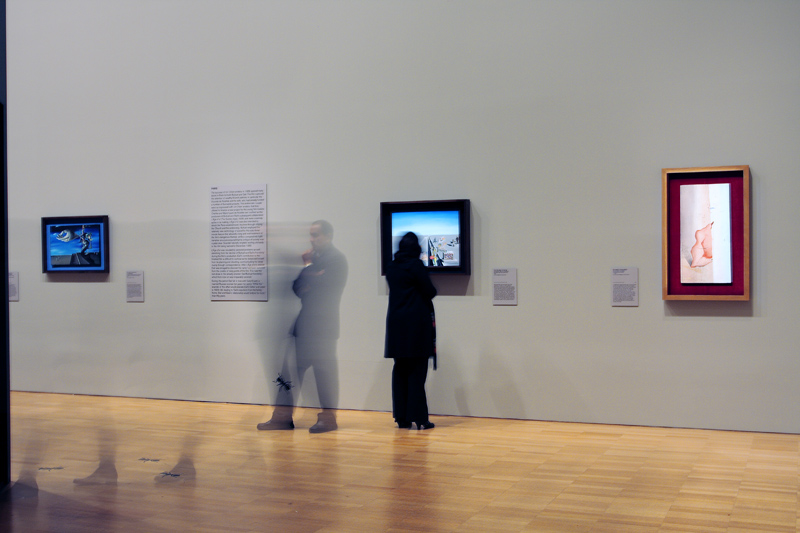
 

In the centre 'The First Days of Spring' 1929; to the right 'Surrealist composition' 1928 from the 'Salvador Dalí: Liquid Desire' Winter Masterpieces exhibition at the National Gallery of Victoria, Melbourne


In the centre The First Days of Spring 1929; to the right Surrealist composition 1928 from the Salvador Dalí: Liquid Desire Winter Masterpieces exhibition at the National Gallery of Victoria, Melbourne
Photo: Marcus Bunyan
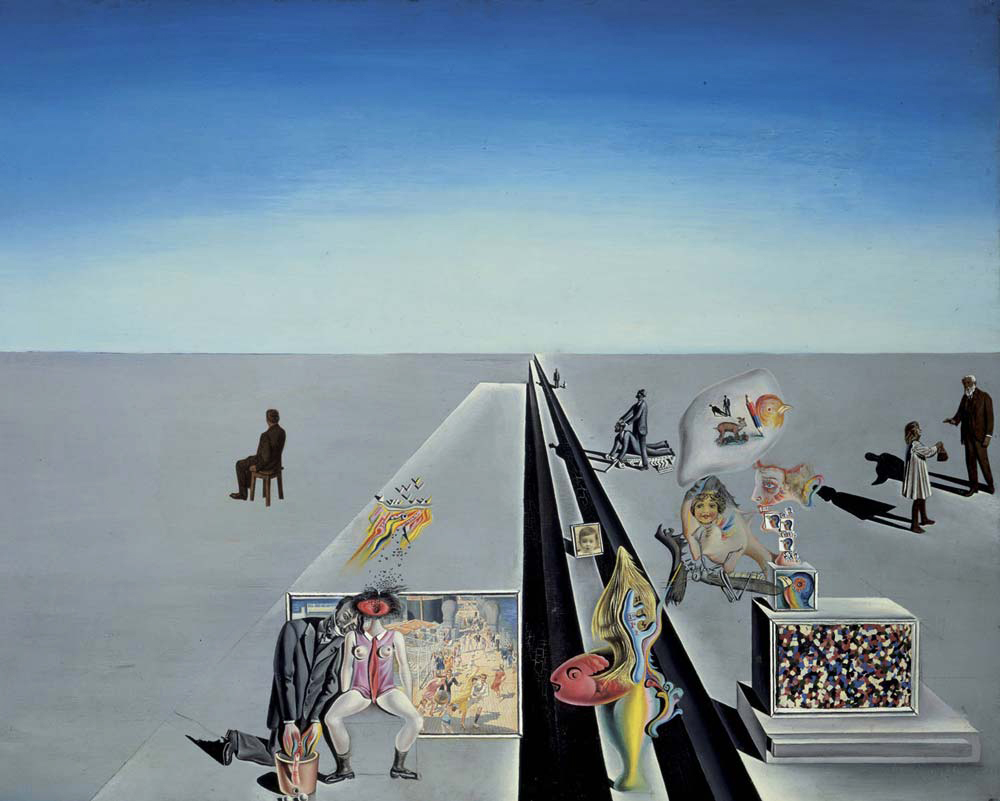
 

Salvador Dalí (Spanish 1904-1989, worked in United States 1940-1948) 'The First Days of Spring' 1929


Salvador Dalí (Spanish 1904-1989, worked in United States 1940-1948)
The First Days of Spring
1929
Oil on canvas
The Salvador Dalí Museum, St Petersburg, Florida
Worldwide Rights: © Salvador Dalí, Fundació Gala-Salvador Dalí, VISCOPY, 2009
In the USA: © Salvador Dalí Museum Inc., St. Petersburg, FL, 2009
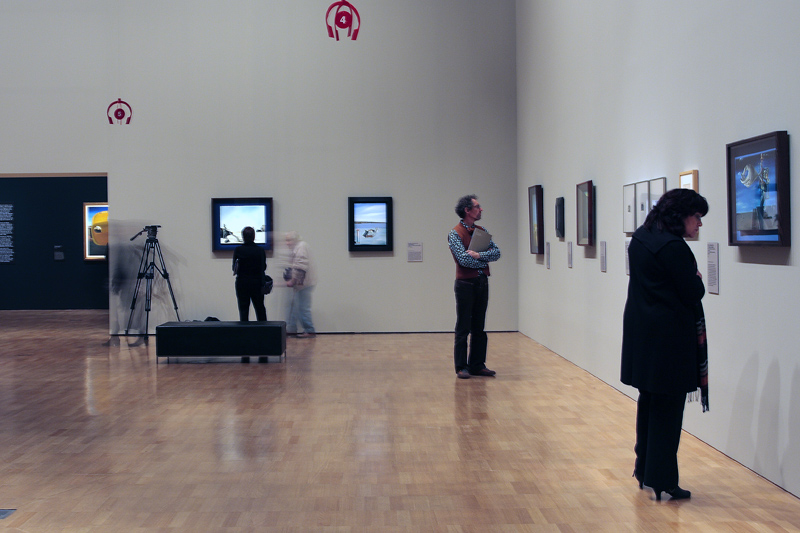
 

Installation view with 'The Age' art critic Associate Professor Robert Nelson at centre right and 'The hand. The remorse of conscience' 1930 at far right, from the 'Salvador Dalí: Liquid Desire' Winter Masterpieces exhibition at the National Gallery of Victoria, Melbourne


Installation view with The Age art critic Associate Professor Robert Nelson at centre right and The hand. The remorse of conscience 1930 at far right, from the Salvador Dalí: Liquid Desire Winter Masterpieces exhibition at the National Gallery of Victoria, Melbourne
Photo: Marcus Bunyan
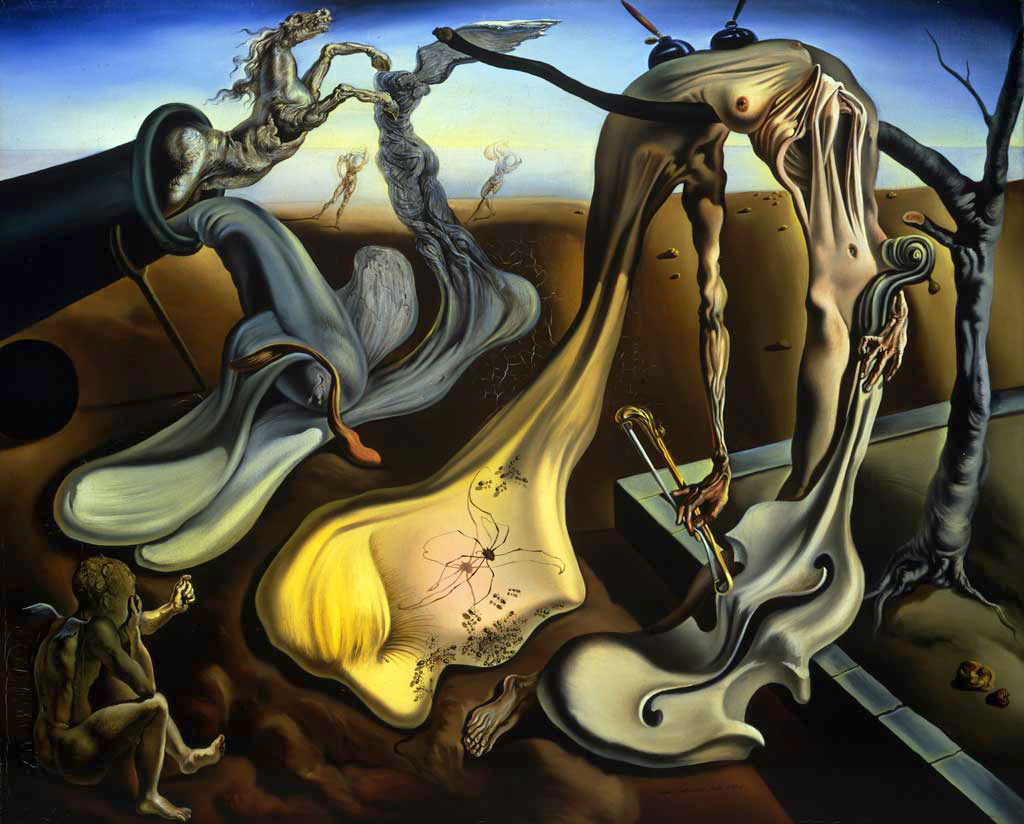
 

Salvador Dalí (Spanish 1904-1989, worked in United States 1940-1948) 'Daddy Longlegs of the evening - Hope!' 1940


Salvador Dalí (Spanish 1904-1989, worked in United States 1940-1948)
Daddy Longlegs of the evening – Hope!
1940
Oil on canvas
40.6 x 50.8cm
The Salvador Dalí Museum, St Petersburg, Florida
Worldwide Rights: © Salvador Dalí, Fundació Gala-Salvador Dalí, VISCOPY, 2009
In the USA: © Salvador Dalí Museum Inc., St. Petersburg, FL, 2009
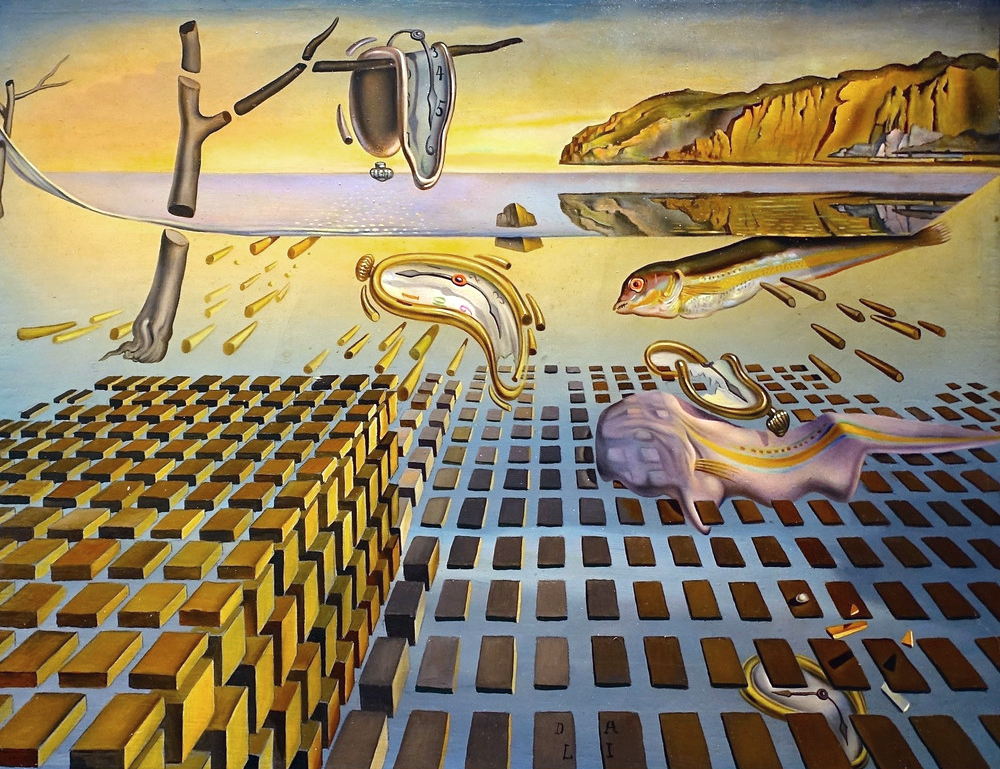
 

Salvador Dalí (Spanish 1904-1989, worked in United States 1940-1948) 'The disintegration of The persistence of memory' 1952-1954


Salvador Dalí (Spanish 1904-1989, worked in United States 1940-1948)
The disintegration of The persistence of memory
1952-54
Oil on canvas
25.4 x 33.0cm
The Salvador Dalí Museum, St Petersburg, Florida
Worldwide Rights: © Salvador Dalí, Fundació Gala-Salvador Dalí, VISCOPY, 2009.
In the USA: © Salvador Dalí Museum Inc., St. Petersburg, FL, 2009
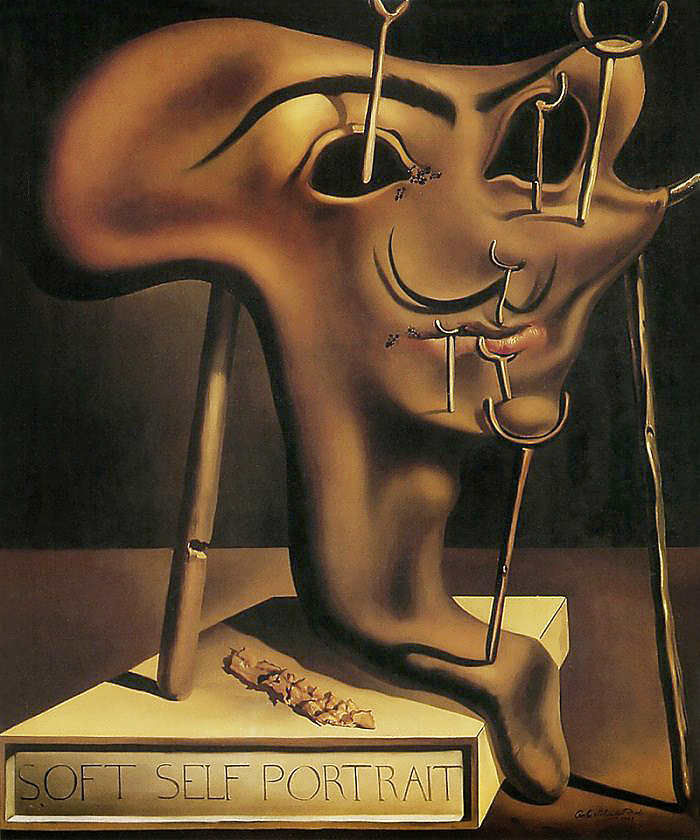
 

Salvador Dalí (Spanish 1904-1989, worked in United States 1940-1948) 'Soft self-portrait with grilled bacon' 1941


Salvador Dalí (Spanish 1904-1989, worked in United States 1940-1948)
Soft self-portrait with grilled bacon
1941
Oil on canvas
61.0 x 51.0cm
Fundació Gala-Salvador Dalí, Figueres (0043)
© Salvador Dalí, Fundació Gala- Salvador Dalí, VISCOPY, 2009
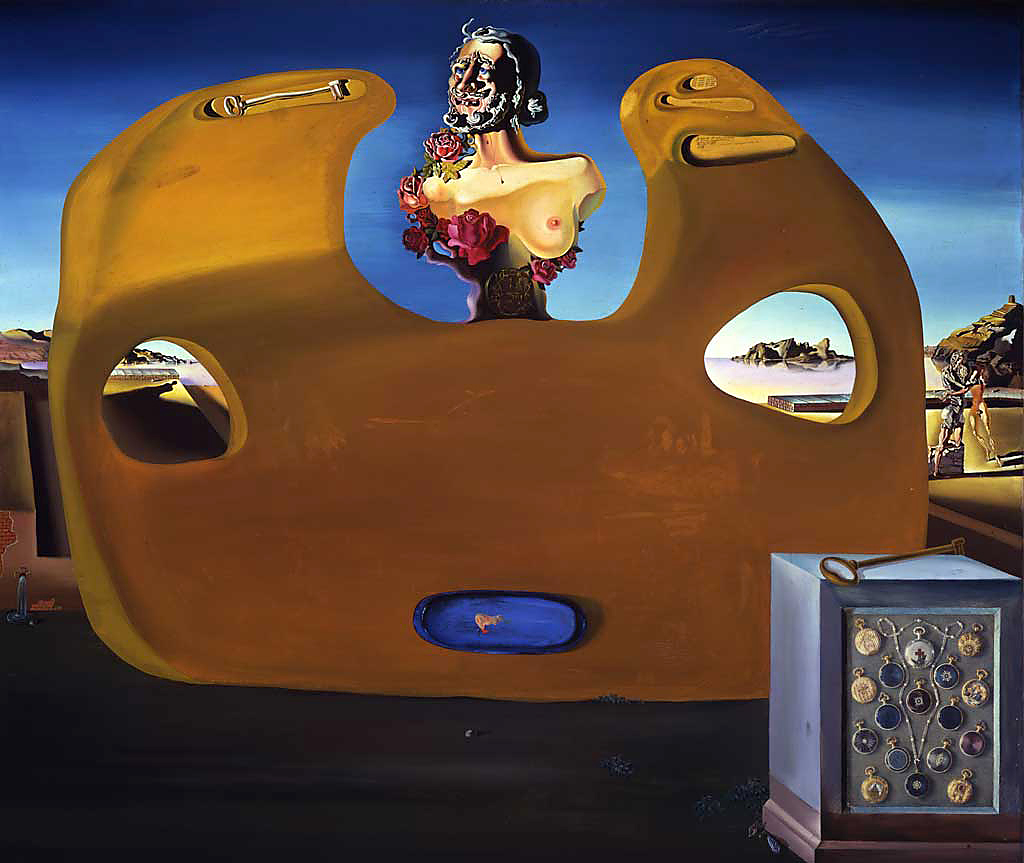
 

Salvador Dalí (Spanish 1904-89, worked in United States 1940-48) 'Memory of the child-woman' 1932


Salvador Dalí (Spanish 1904-1989, worked in United States 1940-1948)
Memory of the child-woman
1932
Oil on canvas
99.1 x 120.0cm
The Salvador Dalí Museum, St Petersburg, Florida
Worldwide Rights: © Salvador Dalí, Fundació Gala-Salvador Dalí, VISCOPY, 2009
In the USA: © Salvador Dalí Museum Inc., St. Petersburg, FL, 2009
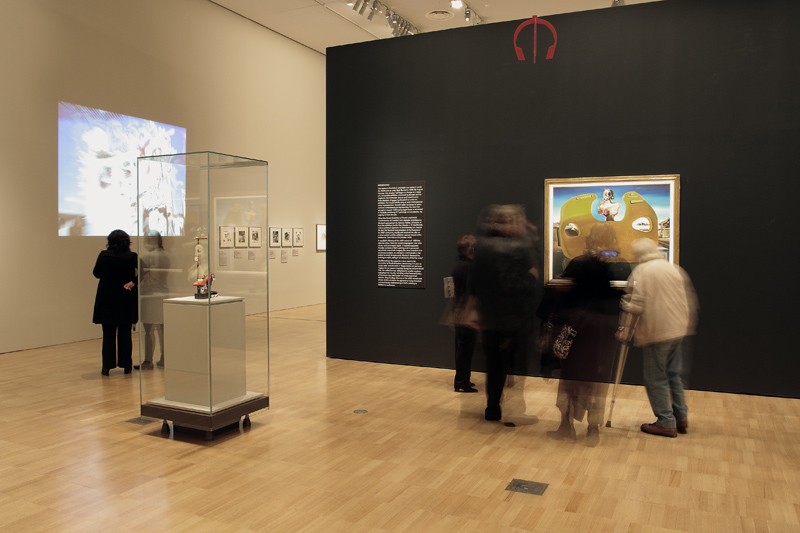
 

Installation view with 'Memory of the child-woman' 1932 at right from the 'Salvador Dalí: Liquid Desire' Winter Masterpieces exhibition at the National Gallery of Victoria, Melbourne


Installation view with Memory of the child-woman 1932 at right from the Salvador Dalí: Liquid Desire Winter Masterpieces exhibition at the National Gallery of Victoria, Melbourne
Photo: Marcus Bunyan
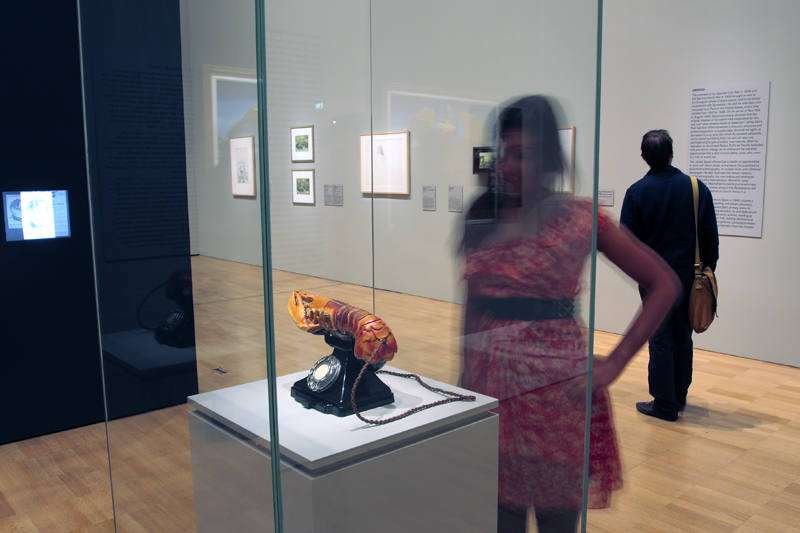
 

Salvador Dalí (Spanish 1904-1989, worked in United States 1940-1948) 'Lobster Telephone' 1936 (installation view)


Salvador Dalí (Spanish 1904-1989, worked in United States 1940-1948)
Lobster Telephone (installation view)
1936
Photo: Marcus Bunyan
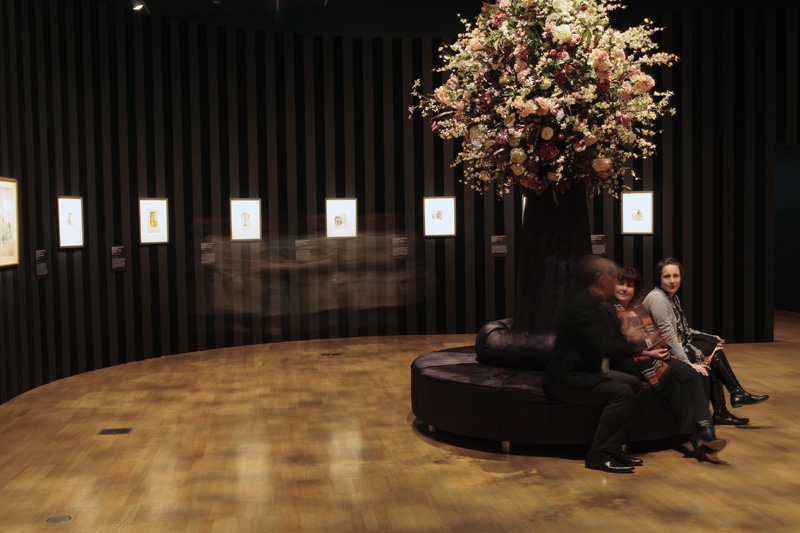
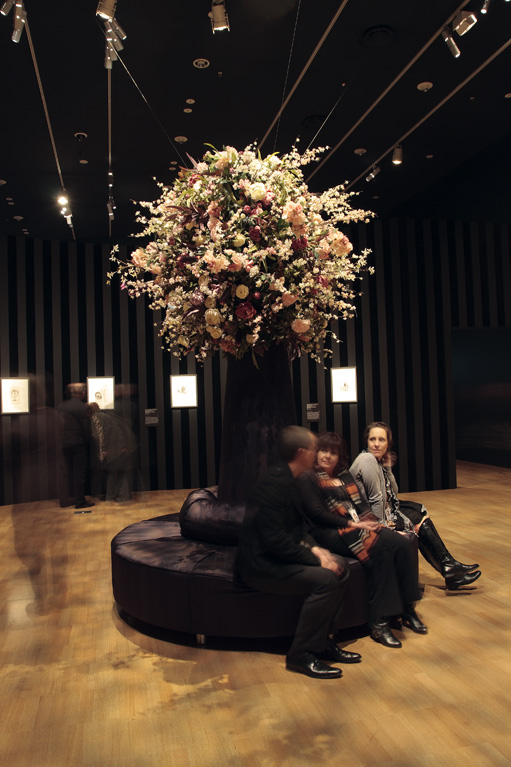
 

Installation view of the exhibition 'Salvador Dali: Liquid Desire' Winter Masterpieces exhibition at NGV International, Melbourne

Installation view of the exhibition 'Salvador Dali: Liquid Desire' Winter Masterpieces exhibition at NGV International, Melbourne


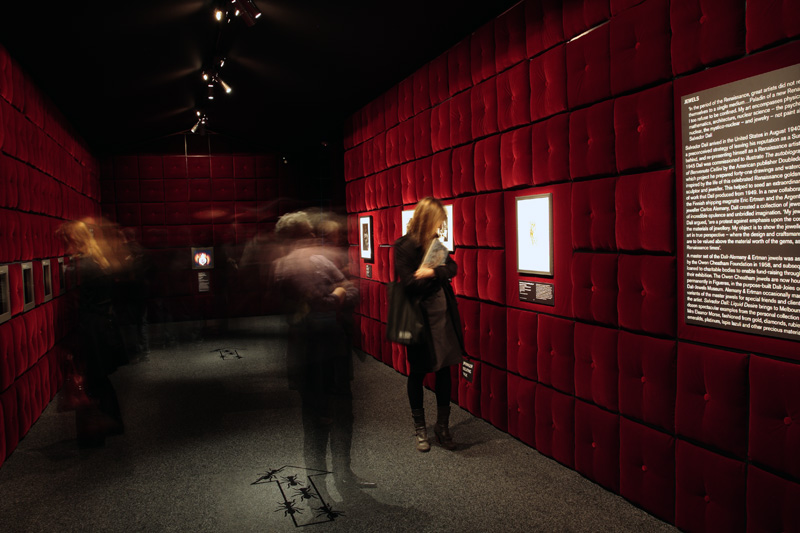
Jewellery gallery at the 'Salvador Dalí: Liquid Desire' Winter Masterpieces exhibition at the National Gallery of Victoria, Melbourne


Jewellery gallery at the Salvador Dalí: Liquid Desire Winter Masterpieces exhibition at the National Gallery of Victoria, Melbourne
Photos: Marcus Bunyan
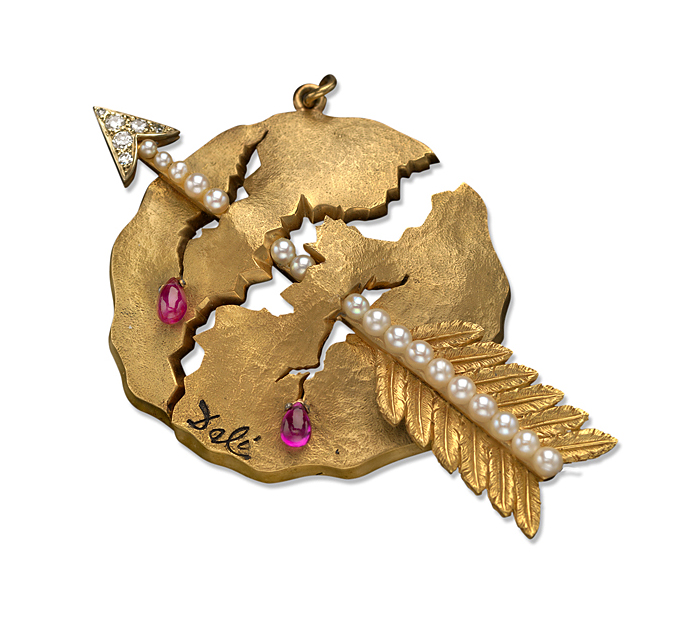
 

Salvador Dalí (Spanish 1904-89, worked in United States 1940-48)Alemany and Ertman Incorporated (New York, manufacturer United States late 1940s) 'Bleeding world, pendant' 1953


Salvador Dalí (Spanish 1904-1989, worked in United States 1940-1948)
Alemany and Ertman Incorporated (New York, manufacturer United States late 1940s)
Bleeding world, pendant
1953
Gold, rubies, pearls, diamonds
The Salvador Dalí Museum, St Petersburg, Florida
Worldwide Rights: © Salvador Dalí, Fundació Gala-Salvador Dalí, VISCOPY, 2009
In the USA: © Salvador Dalí Museum Inc., St. Petersburg, FL, 2009
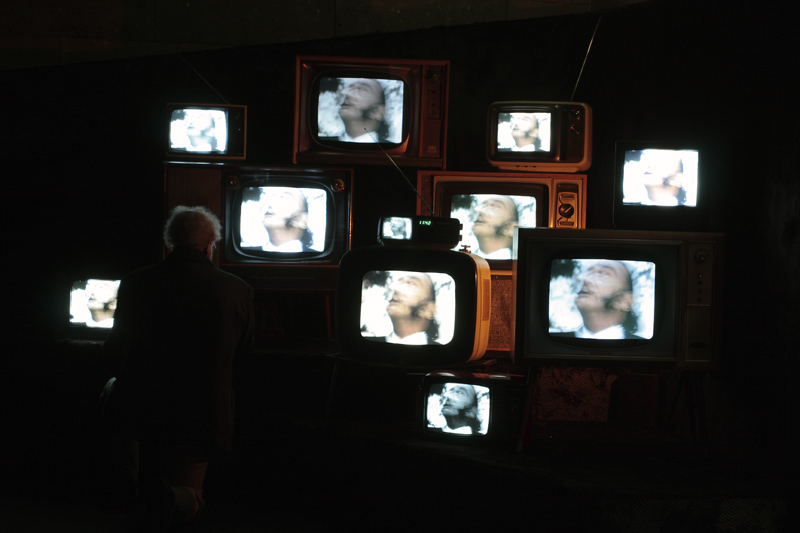
 

Television with film installation at 'Salvador Dali: Liquid Desire' Winter Masterpieces exhibition at NGV International, Melbourne


Televisions with film installation from the Salvador Dalí: Liquid Desire Winter Masterpieces exhibition at the National Gallery of Victoria, Melbourne
Photo: Marcus Bunyan
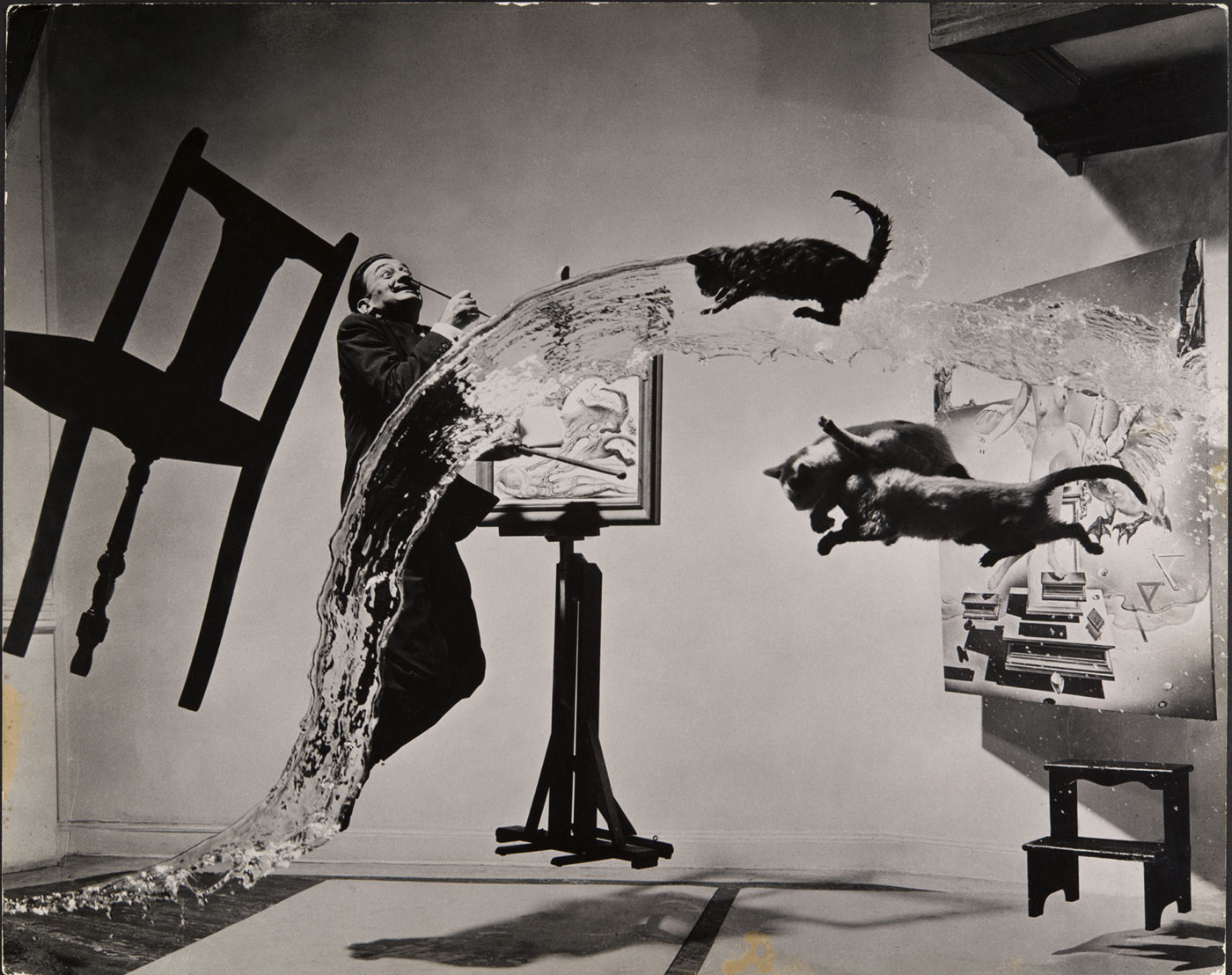
 

Salvador Dalí (Spanish 1904-89, worked in United States 1940-48) Philippe Halsman (Latvian / American 1906-79, worked in France 1931-40) 'Dalí Atomicus' 1948, printed 1981


Salvador Dalí (Spanish 1904-1989, worked in United States 1940-1948)
Philippe Halsman (Latvian/American 1906-1979, worked in France 1931-1940)
Dalí Atomicus
1948, printed 1981
Gelatin silver photograph
26.7 x 34.3cm
Image rights of Salvador Dalí reserved. Fundació Gala-Salvador Dalí, Figueres, 2009
© Philippe Halsman / Magnum
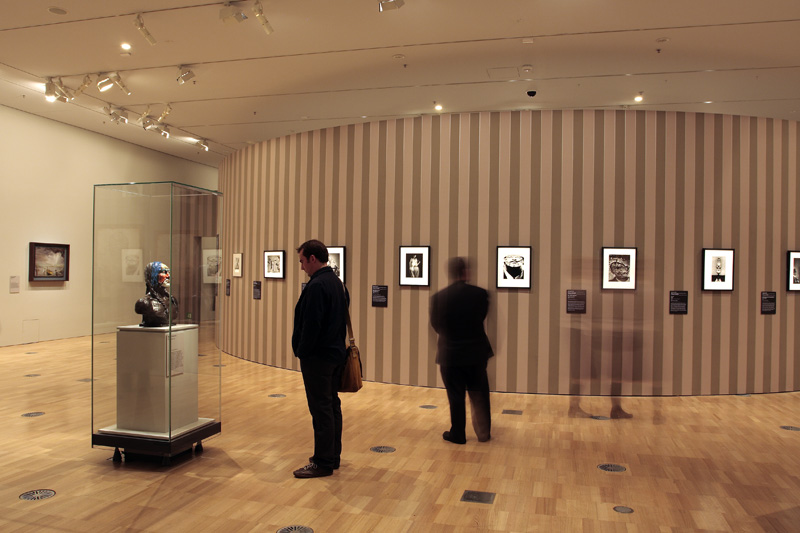
 

Installation of black and white photography from the exhibition 'Salvador Dalí: Liquid Desire' Winter Masterpieces exhibition at the National Gallery of Victoria, Melbourne with Dr Ted Gott, curator of the exhibition, with back to camera at centre


Installation of black and white photography from the exhibition Salvador Dalí: Liquid Desire Winter Masterpieces exhibition at the National Gallery of Victoria, Melbourne with Dr Ted Gott, curator of the exhibition, with back to camera at centre
Photo: Marcus Bunyan
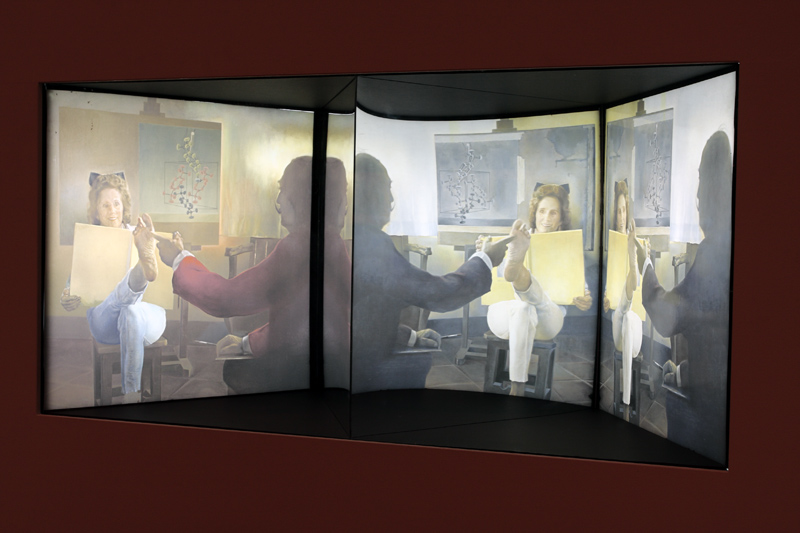
 

Reproduction of 'Gala foot. Stereoscopic paintings' 1975-1976 in an installation using mirrors that would have been originally used to obtain the stereoscopic effect


Reproduction of Gala foot. Stereoscopic paintings 1975-1976 in an installation using mirrors that would have been originally used to obtain the stereoscopic effect
Photo: Marcus Bunyan
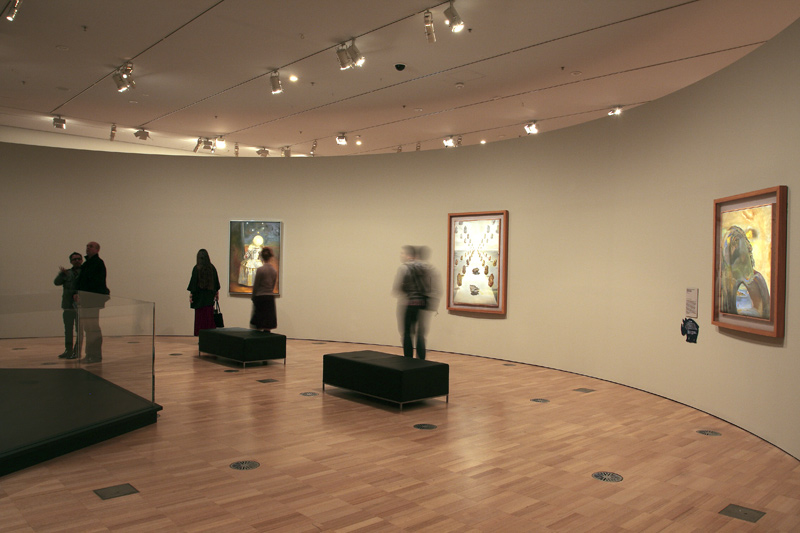
 

Final exhibition space from the 'Salvador Dalí: Liquid Desire' Winter Masterpieces exhibition at the National Gallery of Victoria, Melbourne


Final exhibition space from the Salvador Dalí: Liquid Desire Winter Masterpieces exhibition at the National Gallery of Victoria, Melbourne
Photo: Marcus Bunyan
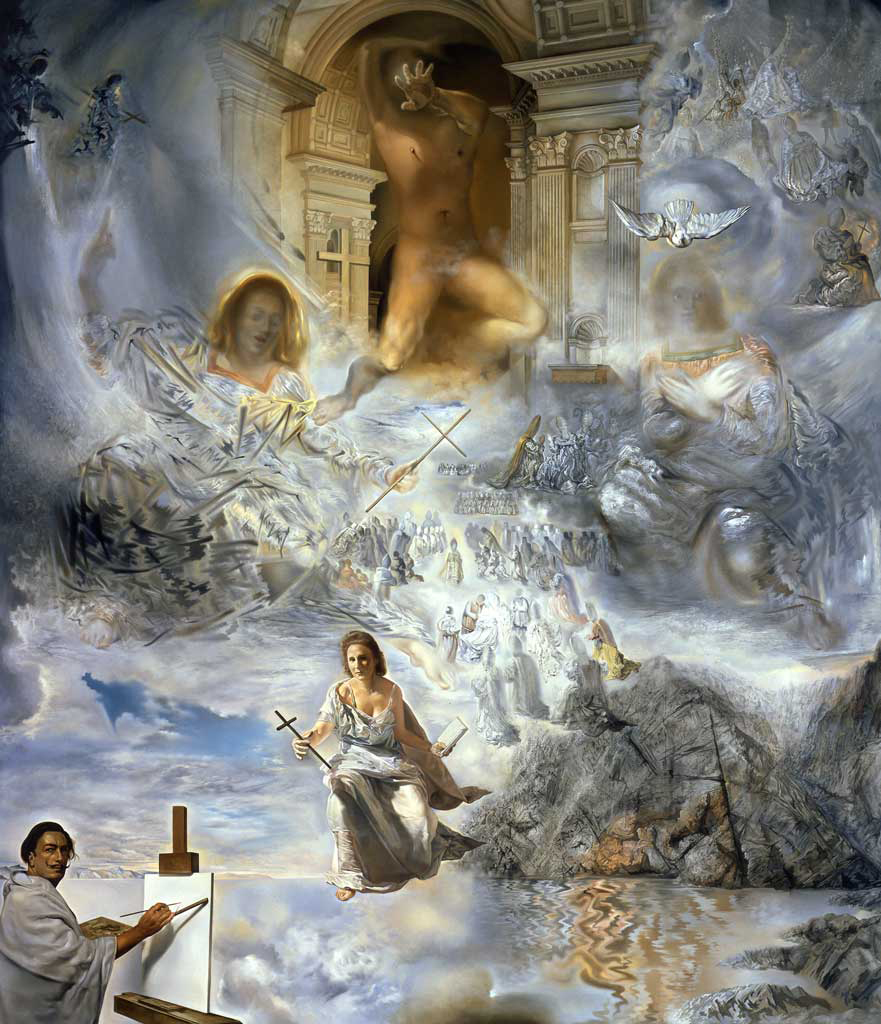
 

Salvador Dalí (Spanish 1904-1989, worked in United States 1940-1948) 'The Ecumenical Council' 1960


Salvador Dalí (Spanish 1904-1989, worked in United States 1940-1948)
The Ecumenical Council
1960
Oil on canvas
299.7 x 254.0cm
The Salvador Dalí Museum, St Petersburg, Florida
Worldwide Rights: © Salvador Dalí, Fundació Gala-Salvador Dalí, VISCOPY, 2009
In the USA: © Salvador Dalí Museum Inc., St. Petersburg, FL, 2009
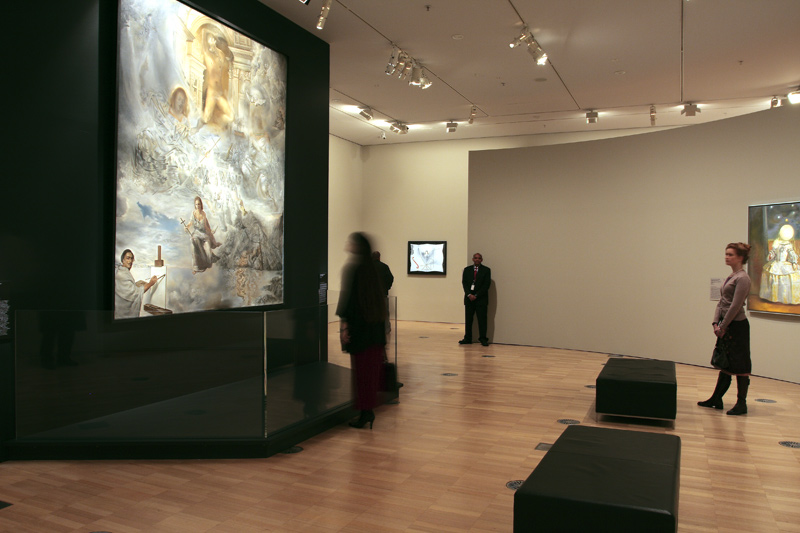
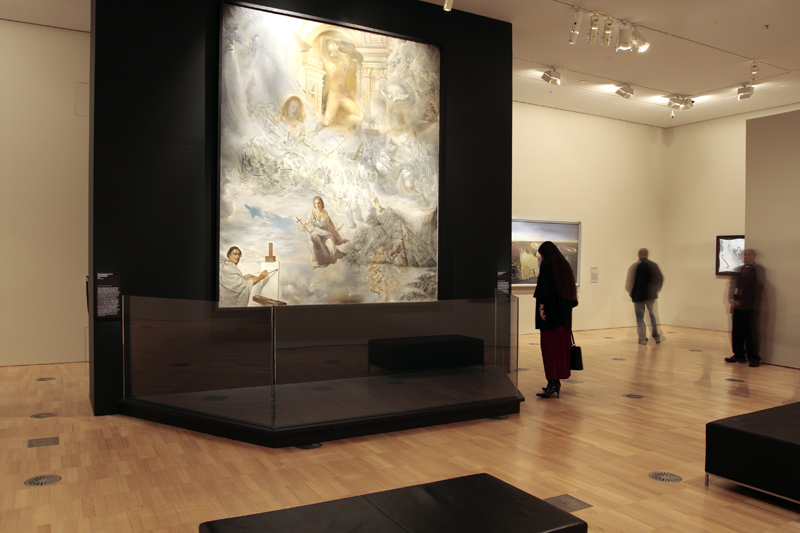
 

Final gallery space from the 'Salvador Dalí: Liquid Desire' Winter Masterpieces exhibition at the National Gallery of Victoria, Melbourne featuring 'The Ecumenical Council' 1960

Final gallery space from the 'Salvador Dalí: Liquid Desire' Winter Masterpieces exhibition at the National Gallery of Victoria, Melbourne featuring 'The Ecumenical Council' 1960


Final gallery space from the Salvador Dalí: Liquid Desire Winter Masterpieces exhibition at the National Gallery of Victoria, Melbourne featuring The Ecumenical Council 1960
Photos: Marcus Bunyan


National Gallery of Victoria (International)
180 St Kilda Road, Melbourne

Opening hours: Salvador Dalí: Liquid Desire is open 7 days a week and until 9pm every Wednesday from 17 June

Tickets
Adult: $23
Concession: $18
Child: $11 (ages 5-15)
Family (2 adults + 3 children): $60
NGV Member Adult: $16
NGV Member Family: $40

Unlimited entry tickets
Adult: $55
Concession: $45
NGV Member Adult: $40

National Gallery of Victoria Dali website

LIKE ART BLART ON FACEBOOK

Back to top

Review: ‘Bettina Speckner’ jewellery at Gallery Funaki, Melbourne

Exhibition dates: 13th January – 7th February, 2009

Opening: Tuesday 13th January, 2009


Bettina Speckner jewellery


“I never work with the intention to decorate things or to make them look prettier. I try to discover the soul of an object or the essence of a photograph – I want to shape something new which appeals to me and to other people far beyond the optical appearance.”


Bettina Speckner


A very social crowd was in attendance for the opening of an exhibition by German jeweller Bettina Speckner at Gallery Funaki in Melbourne. The jewellery was certainly ravishingly made: refined, beautiful and with an elegance to most of the pieces. Interspersed between the jewellery were colour photographs of about A4 size that featured empty chairs, red benches, huts in the landscape and plants. These photographs seemed to have a very loose association to the form and imagery of the jewellery and were very minor photographs. I was not sure of their actual relevance to the pieces themselves.

Speckner uses a lot of imagery in her jewellery – tintype portraits from the Victorian era, grey etched images of gardens and vases studded with jewels and crystalline forms that have an almost solarised graphite feel to them and flowers, statues, pillars and cows etched into enamel. In these sites of intervention she seeks to make new worlds – inner/outer worlds that e-merge out of the material / worlds that are present and have ‘presence’.

The best work combines enamel, intaglio, jewels and photographic processes together. The art transcends the materials of each and coalesces in objects that transport the viewer – forming other associations, new insights into the condition of the object.

As the artist sees, this is not so much about the memories, cultural significance and semiotics embedded in the photograph but about making something new. For me this is where the problems lies.

Is it inevitable that there is a history and association present with these images or is the viewer culturally able to see them as new objects – in a postmodern sense?

It is almost as though Speckner does want these associations present between the jewellery and the images, why else put the colour photographs between the jewellery – or is this another example of her dissociative technique coming into play. Speckner seems to have purchased the memory of the object (which it still holds) but then wants to completely overwrite it – is this possible?

Personally I don’t think this is fully possible. While no ‘grand narrative’ is present in some of these images (some images seem to be so removed from their context that we will never be able to place them again) in other pieces the images overpower the art. The ‘trace’ of memory and identity, an entity for a split second before a camera, their unique state in this singular tintype, their actual presence and life not so easily destroyed!

When an artist seeks to justify work without fully understanding the cultural implications of the use of such images, even saying she seeks to find the soul of an object when the soul may already exist in another form, then in my eyes the work is unresolved, the vision uneven. Despite the beauty of the art, its refinement and great craftmanship, there is something lacking at the heart of these works – perhaps a deeper understanding that the soul can reside in optical appearance, that less may be more and that transcendence is more than skin deep.

Dr Marcus Bunyan


Bettina Speckner opening crowd at Gallery Funaki, Melbourne


Bettina Speckner opening crowd at Gallery Funaki, Melbourne


Bettina Speckner jewellery

Bettina Speckner jewellery

Bettina Speckner jewellery

Bettina Speckner jewellery


Bettina Speckner jewellery


Gallery Funaki Sackville House Apartment 33 27 Flinders Lane Melbourne 3000 Australia

Opening hours: Wednesday – Friday 12 – 5pm Saturday on occasion (check our socials) or by appointment

Gallery Funaki website

LIKE ART BLART ON FACEBOOK

Back to top

Opening: Helen Britton ‘The things I see’ at Gallery Funaki, Melbourne

Exhibition dates: 11th November – 6th December, 2008

Opening: Tuesday 11th November, 2008


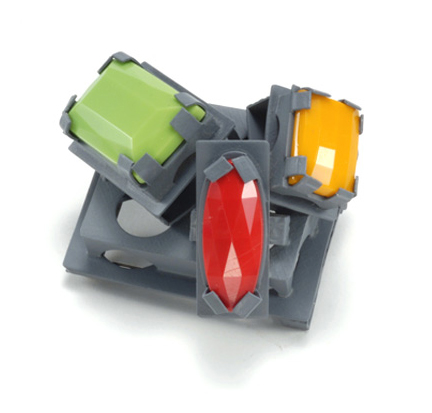
Helen Britton (Australian, b. 1966) 'Brooch' 2008 from the exhibition Helen Britton 'The things I see' at Gallery Funaki, Melbourne, Nov - Dec, 2008


Helen Britton (Australian, b. 1966)
Brooch
2008


Moving through Melbourne’s busy laneways from the Oleh Witer exhibition we arrive at the intimate, stylish Gallery Funaki to view the work of Australian artist Helen Britton who works with the form of contemporary jewellery. The crowd spilled onto the street and the small space was busy with an interesting crowd in attendance.

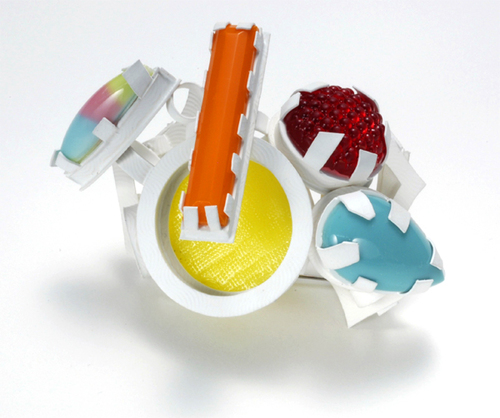
The exhibition presents brooches, earrings, rings and necklaces built with the artists trademark assemblages. Whilst the necklaces are more prosaic (movie like reels and slinks of melted plastic restrained within metal banding) it is the brooches that capture and hold the viewer’s attention. Sci-fi like grided circles collide with concave discs filled with glistening blue crystals; thrusters and steel from a miniature collapsed lunar landing vehicle vie with clusters of vibrant colours that appear to be imbedded into a lunar landscape: delicate crimped and folded metal landscapes with the appearance of collapsed geometric origami.

These are wonderfully inventive constructions, invigorating for their energy and exuberance. Britton has described her work as “industrial baroque”. Perhaps an equally pertinent description would be spatial, or ‘space baroque’ as the artist investigates the nexus, the cellular biology of matter, reality and the spaces we inhabit.

Dr Marcus Bunyan


Helen Britton (Australian, b. 1966) 'Brooch' 2008 from the exhibition Helen Britton 'The things I see' at Gallery Funaki, Melbourne, Nov - Dec, 2008


Helen Britton (Australian, b. 1966)
Brooch
2008


Gallery Funaki Sackville House Apartment 33 27 Flinders Lane Melbourne 3000 Australia

Opening hours: Wednesday – Friday 12 – 5pm Saturday on occasion (check our socials) or by appointment

Gallery Funaki website

LIKE ART BLART ON FACEBOOK

Back to top