Exhibition: ‘Images à la Sauvette’ at the Fondation Henri Cartier-Bresson, Paris

Exhibition dates: 11th January – 23rd April, 2017
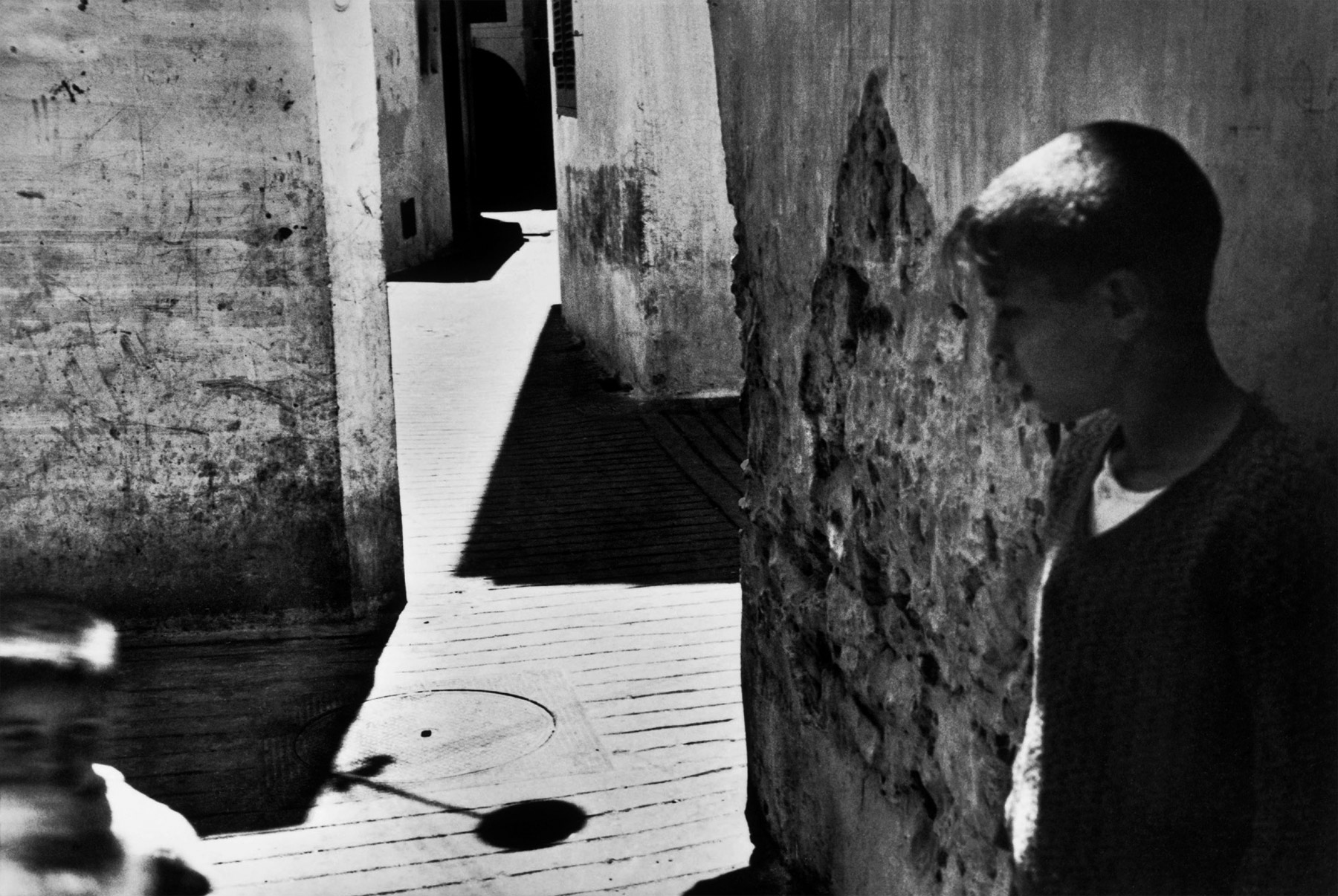


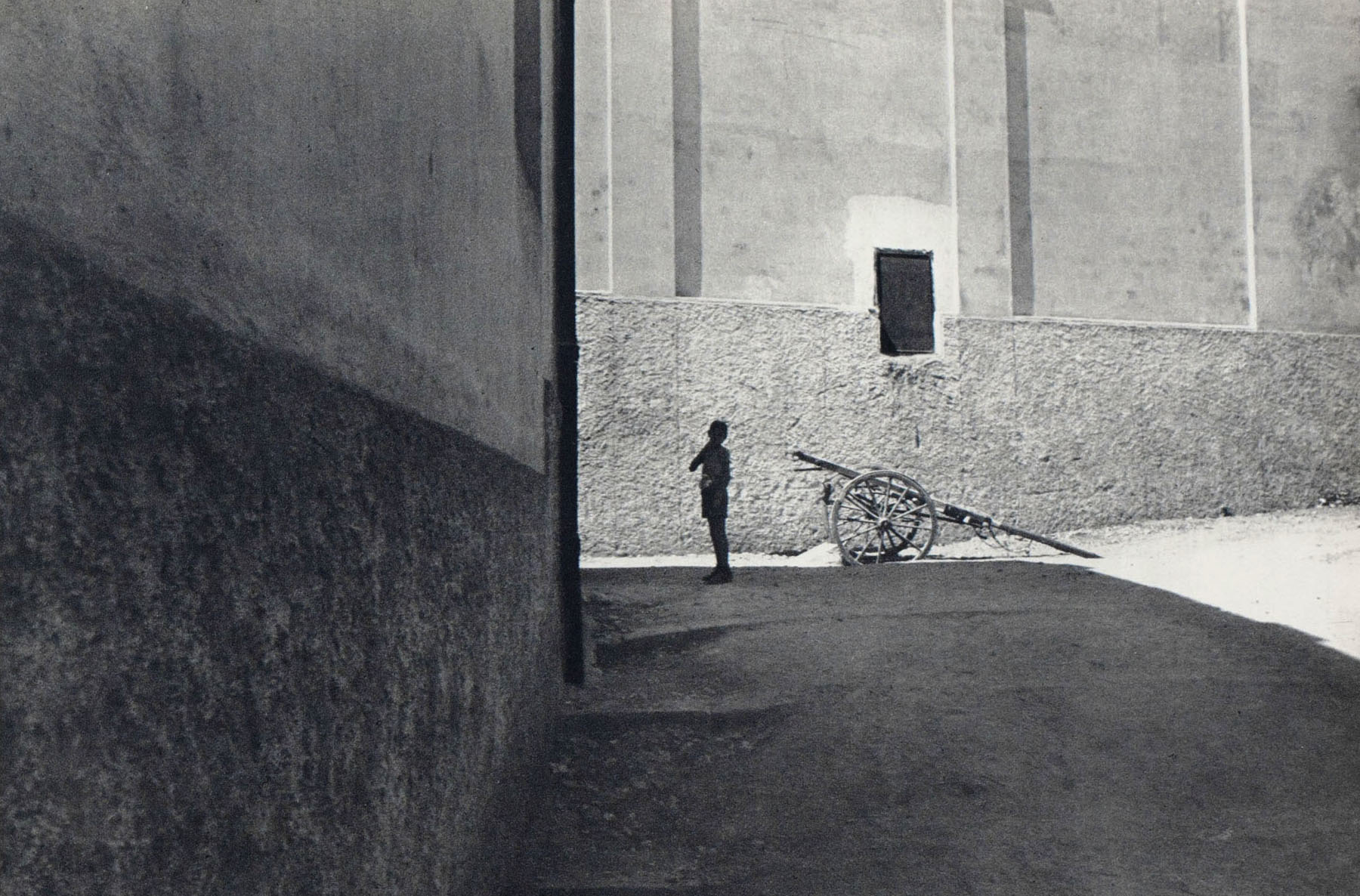
Henri Cartier-Bresson (French, 1908-2004) 'Seville, Spain, 1933' from 'Images à la Sauvette' (Verve, 1952), p. 27-28 from the exhibition 'Images à la Sauvette' at the Fondation Henri Cartier-Bresson, Paris, Jan - April, 2017


Henri Cartier-Bresson (French, 1908-2004)
Seville, Spain, 1933
From Images à la Sauvette (Verve, 1952), pp. 27-28
© Henri Cartier-Bresson / Magnum Photos


No more, decisive moment

Following the relatively unknown photocollages of Josef Albers, a posting on one of the most famous artist books in the world, Images à la Sauvette (Images on the fly, Images on the run) – the American publishers Simon and Schuster choosing the punchier The Decisive Moment as the title of the American version.

While individual images are interesting, it is “the unique narrative form and the emphasis on the photographer’s text” in terms of the image layout and composition of the book that is so groundbreaking an aspect of the work. Cartier-Bresson sought not to capture one reality – the “decisive moment” – but a poetic reality based on the “impulsiveness of a desire, the personal anxiety in face of a moment to preserve.” It was his almost uncanny ability to pre-visualise the desire for a poetic moment (to visualise its emergence), and then translate that desire into images, that makes him such a great artist.

Agnès Sire observes in her text “De l’errance de l’oeil au moment qui s’impose, quelques pistes pour mieux voir,” (From the wandering of the eye to the right moment, a few ways to see better):

“In 1974, Cartier-Bresson would admit: “For me, the Leica is a sketchbook, a psychoanalyst’s couch, a machine gun, a big, hot kiss, an electromagnet, a memory, the mirror of memory.” There is no trace here of any supposed record of a reality, but rather, of memory (and thus the past), the psychoanalyst’s couch (to make the past re-emerge) and the mirror of memory (the image of the past). Clearly, this poetic accident does not lie within everyone’s reach but, through the camera, it presents itself to some, provided they are good at passing it on. And this is something which, according to Walker Evans, left no room for doubt in Cartier-Bresson’s case: “Cartier has always been a kind of spirit medium: poetry sometimes speaks through his camera.””

Thus the past, the image of the past and the transcendence of the past merge in the photography of Cartier-Bresson. In one image, and in the combination of images (much like the photocollages of Josef Albers), he lays out before us, “the significance of an event as well as of a precise organisation of forms which give that event its proper expression.” Instructive to this aim are the page layouts of the book at the bottom of the posting. Pages are divided into three or fours spaces. In the first layout you look down, you are drawn into, you move horizontally across; human figures are isolated, silhouetted with shadow, in shadow, against form.

In the second layout the shapes and emotions form a complex relationship: movement across with thick vibration of energy behind the ecstatic child (top left); a child’s eye view of the world with a constellation of stars behind (top right); a picture frame on a fragmented world (Seville, 1933, bottom left); and the tethered beasts and stick-like children (bottom right). Now squint your eyes and move them from one quadrant to another.

This is complex and thoughtful image making, on both a human and poetic scale. If the photographic lens let Cartier-Bresson “look into the rubble of the unconscious and of chance,” then it took an informed and intelligent mind to understand what the lens was seeing, even before the images were made evident, and to then give those events proper expression.

Dr Marcus Bunyan


Many thankx to the Fondation HCB for allowing me to publish the photographs in the posting. Please click on the photographs for a larger version of the image.


Magazines end up wrapping french fries, while books remain.


Henri Cartier-Bresson


André Breton taught me to let the photographic lens look into the rubble of the unconscious and of chance.


Henri Cartier-Bresson, 1995


“To me, photography is the simultaneous recognition, in a fraction of a second, of the significance of an event as well as of a precise organisation of forms which give that event its proper expression.”


Extract from the text by Henri Cartier-Bresson, The Decisive Moment, Simon and Schuster, 1952


Cover by Henri Matisse of Henri Cartier-Bresson's 'Images à la Sauvette' (Verve, 1952)


Henri Cartier-Bresson (French, 1908-2004)
Images à la Sauvette (Verve, 1952)
Cover by Henri Matisse
© Henri Cartier-Bresson / Magnum Photos


Installation view of the exhibition 'Images à la Sauvette' at the Fondation Henri Cartier-Bresson, Paris

Installation view of the exhibition 'Images à la Sauvette' at the Fondation Henri Cartier-Bresson, Paris


Installation views of the exhibition Images à la Sauvette at the Fondation Henri Cartier-Bresson, Paris


From January 11 to April 23, 2017, the Foundation devotes an exhibition to Cartier-Bresson’s famous publication Images à la Sauvette. Initated by the French publisher Tériade, the project is finally achieved on October 1952 as a French-American co-edition, with the contribution of Matisse and the American publishers Simon and Schuster. The latter chose “The Decisive Moment” as the title of the American version, and unintentionally imposed the motto which would define Cartier-Bresson’s work. Since its publication in 1952, Images à la Sauvette has received an overwhelming success. It is considered as “a Bible for photographers” according to Robert Capa’s words. The innovative design of the publication struck the art world with its refined format, the heliogravure quality and the strength of the image sequences. The publication reveals the inherent duality of Cartier-Bresson’s work; between the photographer’s intimate interpretation and his documentary approach.

Images à la Sauvette is the fruit of joined efforts of a famous art publisher, Tériade, a talented photographer, a painter at the peak of his career, Matisse, and two American publishers, Simon and Schuster. From his beginnings, Cartier‑Bresson considers the book as the outcome of his work. In the thirties, he met the publisher of Verve, Tériade, who he would later likely acknowledge to be his mentor. They plan, at the time, to carry out a book project on large cities rough areas together with Eli Lotar, Bill Brandt and Brassaï, but this ambitious project will never see the light of day.

Twenty years later and after a trip of three years in Asia, the Images à la Sauvette project finally began to materialise. The French title has been thoroughly thought out with his brother-in-law and cinema historian Georges Sadoul and evokes the snatchers or street peddlers.

Cartier‑Bresson attested that the meaning of this idiomatic expression, the street vendors ready to run at the first request for a license, is very akin to his way of capturing images. Tériade would then prompt the Cardinal de Retz quote, the epigraph to Henri Cartier‑Bresson’s introductory text: “There is nothing in this world which does not have its decisive moment”. The American publisher hesitated to use a translation of the original French title and opted for something punchier, The Decisive Moment.

Images à la Sauvette established itself as an extremely pioneering work by its wish to claim the images strength as the unique narrative form and the emphasis on the photographer’s text. It proposes a daring purity, allowing the 24 x 36 to spread out on its very large format pages. A model of its kind with the heliogravure printing by the best craftsmen of the era, the Draeger brothers, and the splendid Matisse cover has been called “a Bible for photographers” by Robert Capa. In Spring 1951, Cartier-Bresson explains, “While our prints are beautiful and perfectly composed (as they should be), they are not photographs for salons […] In the end, our final image is the printed one.” This affirmation definitely proclaims Images à la Sauvette as an artist’s book.

Yet paradoxically, the book confirms a turning point in the life of the photographer who has co-founded Magnum Photos a few years earlier, in 1947, and which has contributed to guarantee the photographers authorship. The choice to separated the image portfolio before and after 1947 certifies this shift to the documentary. The significant size of the Reportage chapter in his introduction, as well as the recurrence of the plural pronoun evoking the cooperative, demonstrate this important change. The book structure in two definite parts reveals the inherent duality in Cartier‑Bresson’s work. Images à la Sauvette brings to light the photographer’s vision, which we thought to be torn between a very intimate interpretation of the inner world and, since the creation of Magnum, a more observational approach of the external world. Cartier-Bresson was fully aware of this coexistence and advocated a balance: “there is a reciprocal reaction between both these worlds which in the long run form only one. It would be a most dangerous over-simplification to stress the importance of one at the cost of the other in that constant dialogue.”

The exhibition presents a selection of vintage prints as well as numerous archival documents to recount the history of this publication, until its facsimile reprint by Steidl Verlag, in 2014. This edition comes with an additional booklet containing an essay by Clément Chéroux.

Text from Fondation HCB
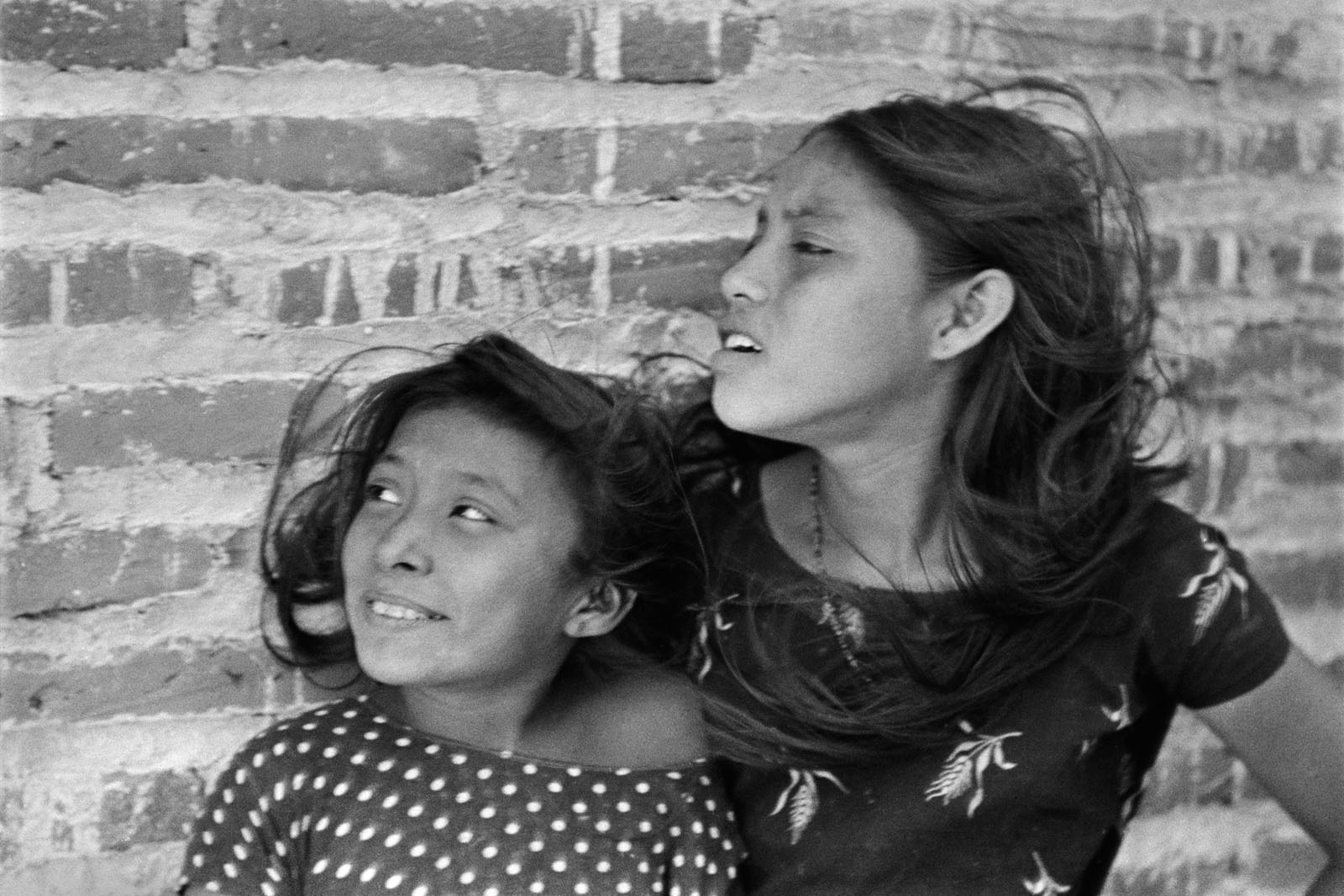
 

Henri Cartier-Bresson (French, 1908-2004) 'Tehuantepec, Mexique, 1934' from the exhibition 'Images à la Sauvette' at the Fondation Henri Cartier-Bresson, Paris, Jan - April, 2017


Henri Cartier-Bresson (French, 1908-2004)
Tehuantepec, Mexique, 1934
MEXICO. State of Oaxaca. Tehuantepec. 1934

From Images à la Sauvette (Verve, 1952), p. 34
© Henri Cartier-Bresson / Magnum Photos
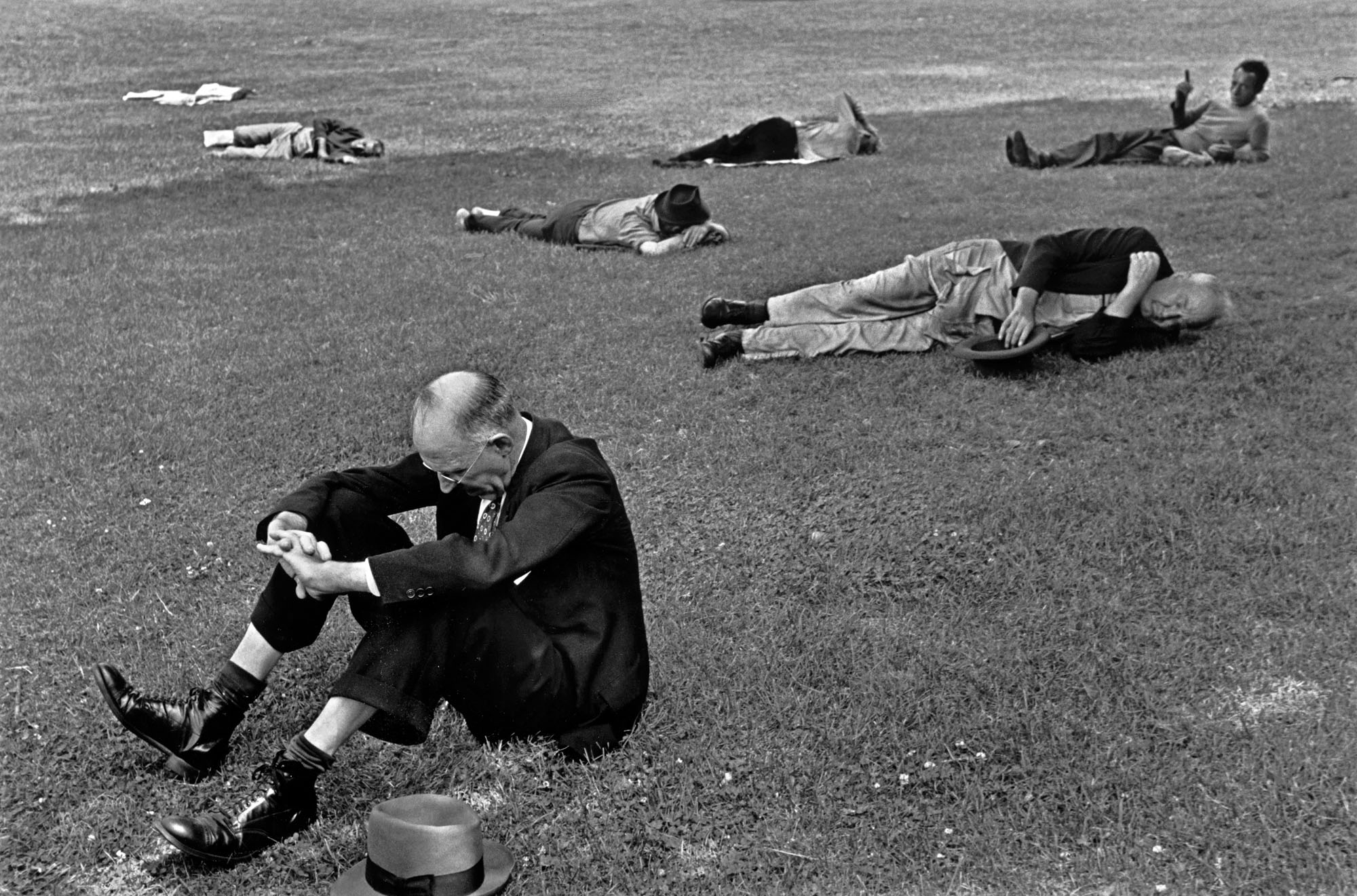
 

Henri Cartier-Bresson (French, 1908-2004) 'Boston, United States, 1947'


Henri Cartier-Bresson (French, 1908-2004)
Boston, United States, 1947
USA. Massachusetts. Boston. 1947.

From Images à la Sauvette (Verve, 1952), pp. 59-60
© Henri Cartier-Bresson / Magnum Photos
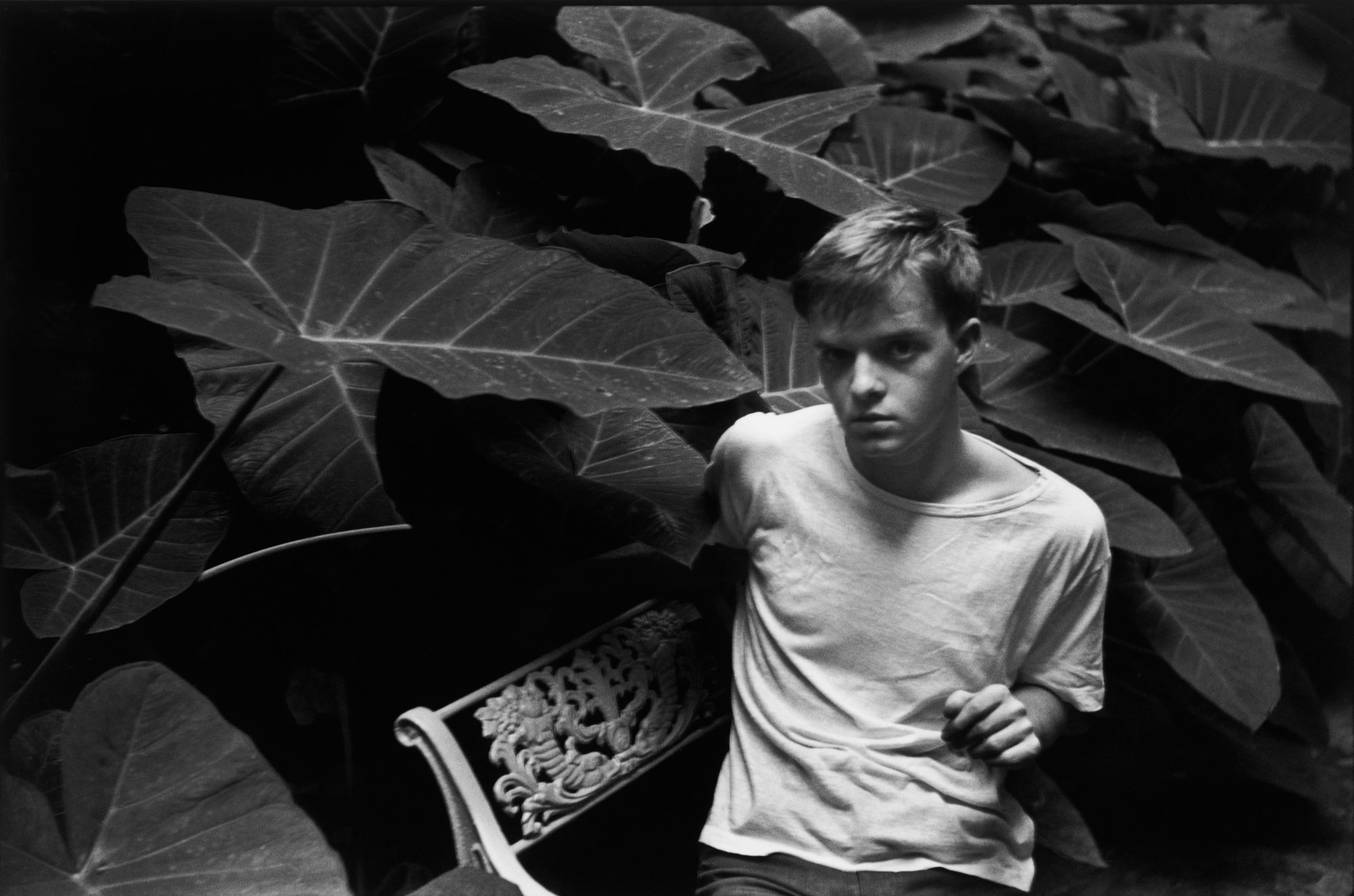
 

Henri Cartier-Bresson (French, 1908-2004) 'Truman Capote, New Orleans, United States, July 1946'


Henri Cartier-Bresson (French, 1908-2004)
Truman Capote, New Orleans, United States, July 1946
USA. Louisiana. New Orleans. US writer, Truman Capote. 1947.

From Images à la Sauvette (Verve, 1952), p. 68
© Henri Cartier-Bresson / Magnum Photos


The great Henri Cartier-Bresson perfectly captured this decisive moment of petulant ingenue, Truman Capote. This photo was taken almost a year before Truman would publish his first novel, Other Voices, Other Rooms to great acclaim – a beautifully written story which is also partly autobiographical. He is about 22 years of age in this photo.

The unlikely couple met when contracted by Fortune Magazine to embark on a road trip together to the Deep South. Capote remembers Cartier-Bresson as… “dancing along the pavement like an agitated dragonfly, three Leicas winging from straps around his neck, a fourth one hugged to his eye … clicking away with a joyous intensity, a religious absorption.”

Text by John Rendell


Henri Cartier-Bresson (French, 1908-2004) 'es derniers jours de Kuomintang, Shanghai, Chine, décembre 1948 - janvier 1949'


Henri Cartier-Bresson (French, 1908-2004)
es derniers jours de Kuomintang, Shanghai, Chine, décembre 1948 – janvier 1949
Last days of Kuomintang, Shanghai, China, December 1948 – January 1949
From Images à la Sauvette (Verve, 1952), pp. 127-128
© Henri Cartier-Bresson / Magnum Photos


CHINA. Shanghai. December 1948-January 1949. As the value of the paper money sank, the Kuomintang decided to distribute 40 grams of gold per person. With the gold rush, in December, thousands came out and waited in line for hours. The police, equipped with the remnants of the armies of the International Concession, made only a gesture toward maintaining order. Ten people were crushed to death.


Extract from The Decisive Moment

I, like many another boy, burst into the world of photography with a Box Brownie, which I used for taking holiday snapshots. Even as a child, I had a passion for painting, which I  “did” on Thursdays and Sundays, the days when French school children don’t have to go to school. Gradually, I set myself to try to discover the various ways in which I could play with a camera. From the moment that I began to use the camera and to think about it, however, there was an end to holiday snaps and silly pictures of my friends. I became serious. I was on the scent of something, and I was busy smelling it out.

Then there were the movies. From some of the great films, I learned to look, and to see. “Mysteries of New York, with Pearl White; the great films of D. W. Griffith – “Broken Blossoms”; the first films of Stroheim – “Greed”, Eisenstein’s “Potemkin”; and Dreyer’s “Jeanne d’Arc” – there were some of the things that impressed me deeply. Later I met photographers who had some of Atget’s prints. These I considered remarkable and, accordingly, I bought myself a tripod, a black cloth and a polished walnut camera three by four inches. The camera was fitted with – instead of a shutter – a lens-cap, which one took off and then put on to make the exposure. This last detail, of course, confined my challenge to the static world. Other photographic subjects seemed to me to be too complicated, or else to be “amateur stuff.” And by this time I fancied that by disregarding them, I was dedicating myself to Art with a capital “A.” Next I took to developing this Art of mine in my washbasin. I found the business of being a photographic Jack-of-All-Trades quite entertaining. […]

I had just discovered the Leica. It became the extension of my eye, and I have never been separated from it since I found it. I prowled the streets all day, feeling very strung-up and ready to pounce, determined to “trap” life – we preserve life in the act of living. Above all, I craved to seize the whole essence, in the confines of one single photograph, of some situation that was in the process of unrolling itself before my eyes. The idea of making a photographic reportage, that is to say, of telling a story in a sequence of pictures, was something which never entered my head at that time. I began to understand more about it later, as a result of looking at the work of my colleagues and at the illustrated magazines. In fact, it was only in the process of working for them that I eventually learned – bit by bit – how to make a reportage with a camera, how we make a picture-story.

I have travelled a good deal, though I don’t really know how to travel. I like to take my time about it, leaving between one country and the next an interval in which to digest what I’ve seen. Once I have arrived in a new country, I have an almost desire to settle down there, so as to live on proper terms with the country. I could never be a globe-trotter. […]

To me, photography is the simultaneous recognition, in a fraction of a second, of the significance of an event as well as of a precise organization of forms which give that event its proper expression.

I believe that, through the act of living, the discovery of oneself is made concurrently with the discovery of the world around us which can mould us, but which can also be affected by us. A balance must be established between these two worlds – the one inside us and the one outside us. As the result of a constant reciprocal process, both these worlds come to form a single one. And it is this world that we must communicate.

But this takes care only of the content of the picture. For me, content cannot be separated from form. By form, I mean a rigorous organization of the interplay of surfaces, lines, and values. It is in this organization alone that our conceptions and emotions become concrete and communicable. In photography, visual organization can stem only from a developed instinct.

Extract from the text by Henri Cartier-Bresson, in The Decisive Moment, Simon and Schuster, 1952.


Henri Cartier-Bresson (French, 1908-2004) '"Chez Gégène", Joinville-le-Pont, France, 1938'


Henri Cartier-Bresson (French, 1908-2004)
“Chez Gégène”, Joinville-le-Pont, France, 1938
From Images à la Sauvette (Verve, 1952), p. 16
© Henri Cartier-Bresson / Magnum Photos


FRANCE. The Val de Marne ‘departement’. Joinville-le-Pont, near Paris. 1938. “A newly-wed bride and groom at an outdoor café on the Marne. The couple were here for the entire afternoon with a full wedding party which included uncles, aunts and small children of the family.”
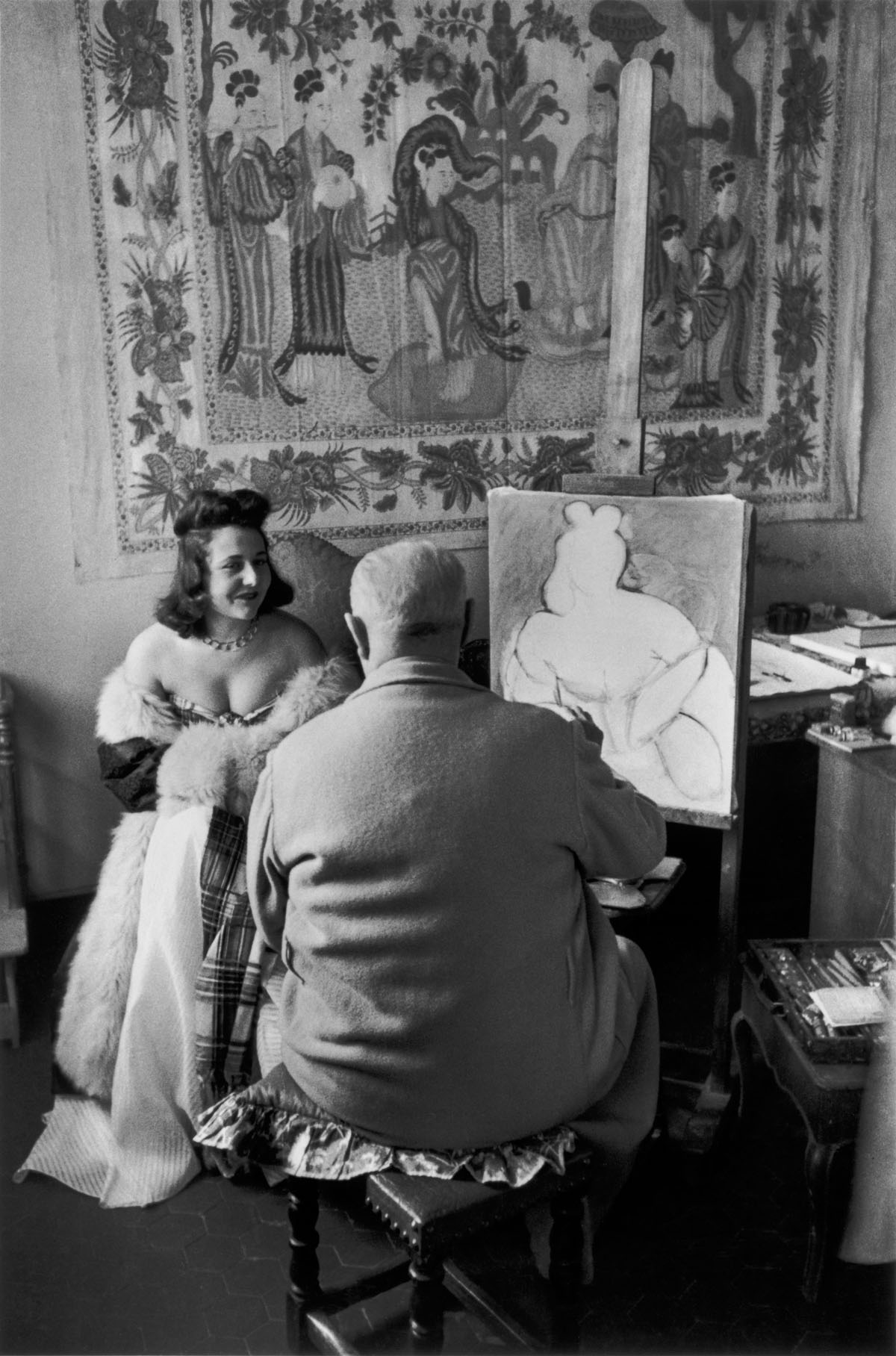
 

Henri Cartier-Bresson (French, 1908-2004) 'Henri Matisse and his model Micaela Avogadro, Vence, France, 1944'


Henri Cartier-Bresson (French, 1908-2004)
Henri Matisse and his model Micaela Avogadro, Vence, France, 1944
From Images à la Sauvette (Verve, 1952), p. 69
© Henri Cartier-Bresson / Magnum Photos


FRANCE. Nice. Cimiez district. February 1944. French painter Henri Matisse, with his model Micaela Avogadro.


The Decisive Moment: Trap or acme?

“There is nothing in this world which does not have its decisive moment.” This phrase, which comes from the memoirs of Cardinal de Retz first published in 1717, appears as the epigraph to Henri Cartier-Bresson’s introductory text for his first major book of photographs, Images à la Sauvette. It was his publisher, Tériade, the creator of the legendary Verve collection, who suggested using the quotation in 1952. At the time, Cartier-Bresson had no idea how important it would become. In fact, the book’s co-publisher in the United States, Richard Simon, from Simon & Schuster, hesitated to use a translation of the original French title – although this would have been quite possible – and sought something more impactful. In the end, Cartier-Bresson accepted The Decisive Moment, which would thus be handwritten by Matisse at the bottom of the paper cut-out the artist had created for the cover.

And so it is why, since that time, the concept of the “decisive moment” has practically always been associated with the name of Henri Cartier-Bresson. The expression gained such a following that it became a kind of definition of the photographic act for certain photographers, and one which would absolutely have to be overthrown afterwards. In the 1980s, the concept of the ‘decisive moment’ was contrasted with that of the “slack time” (temps faible), as brilliantly developed by French critic Alain Bergala in his essay accompanying Raymond Depardon’s Correspondance New-Yorkaise.

The error, the misunderstanding concerning this ‘decisive moment’ attached to the name of Henri Cartier-Bresson is that it has become a kind of standard, as if there were only one right moment, the one where everything falls into place in a geometric way. Many photographers have gone astray by attempting to imitate that balance; what often gets lost is the impulsiveness of a desire, the personal anxiety in face of a moment to preserve. The “decisive moment” has imposed itself and somewhat distorted, or in any case simplified, the way Cartier-Bresson’s work is seen, like a tree hiding the forest.

In 1974, Cartier-Bresson would admit: “For me, the Leica is a sketchbook, a psychoanalyst’s couch, a machine gun, a big, hot kiss, an electromagnet, a memory, the mirror of memory.” There is no trace here of any supposed record of a reality, but rather, of memory (and thus the past), the psychoanalyst’s couch (to make the past re-emerge) and the mirror of memory (the image of the past). Clearly, this poetic accident does not lie within everyone’s reach but, through the camera, it presents itself to some, provided they are good at passing it on. And this is something which, according to Walker Evans, left no room for doubt in Cartier-Bresson’s case: “Cartier has always been a kind of spirit medium: poetry sometimes speaks through his camera.”

Wouldn’t the ‘decisive moment’ be rather an ‘art of poetic accident’, knowing how to capture it in order to avoid the eternally ‘lost moment’: a mirror of memory, a moment saved by the artifice of the film’s light-sensitive surface?”

Extract from “De l’errance de l’oeil au moment qui s’impose, quelques pistes pour mieux voir,” (From the wandering of the eye to the right moment, a few ways to see better) Agnès Sire, Revoir Henri Cartier-Bresson, Textuel, 2009
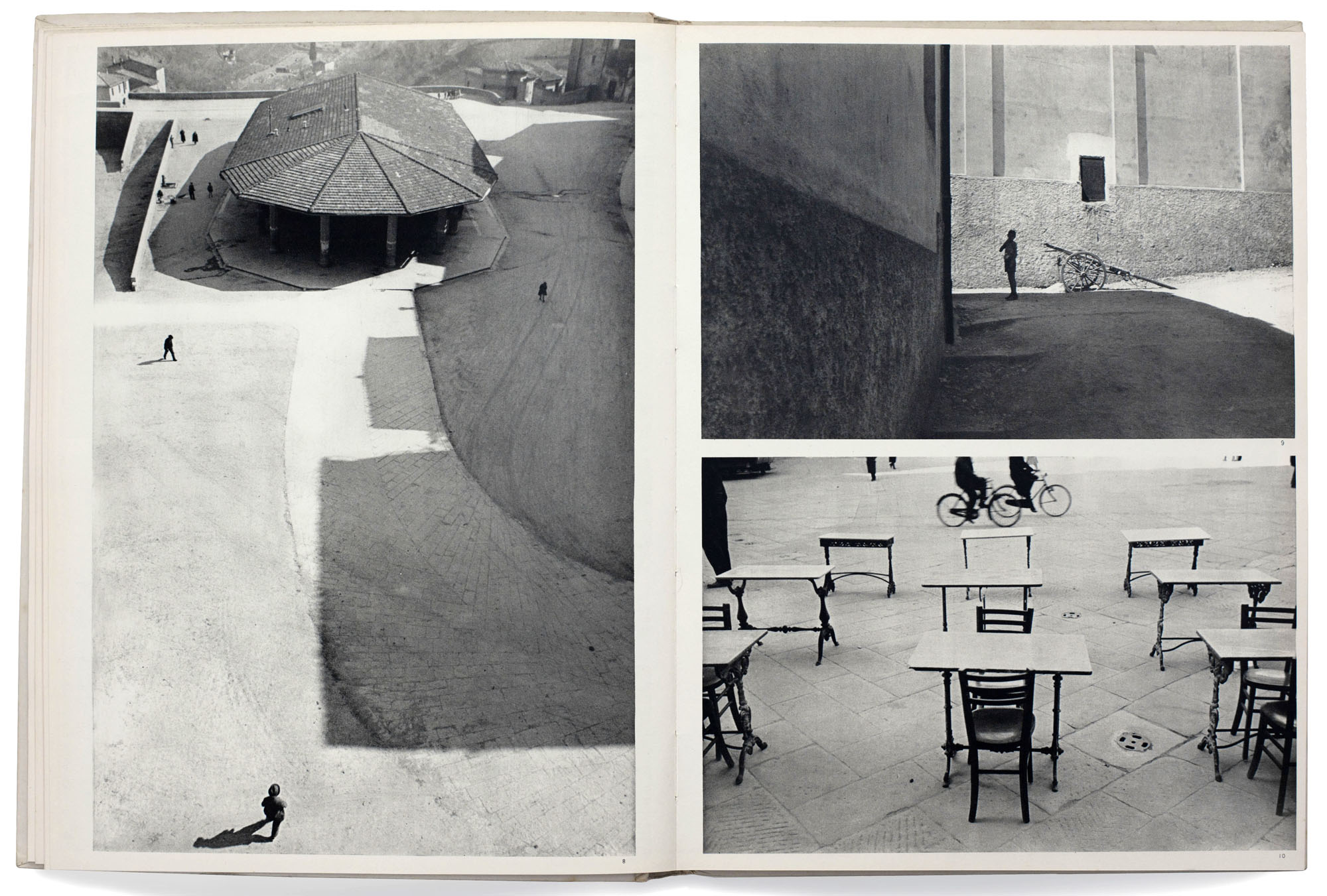
 

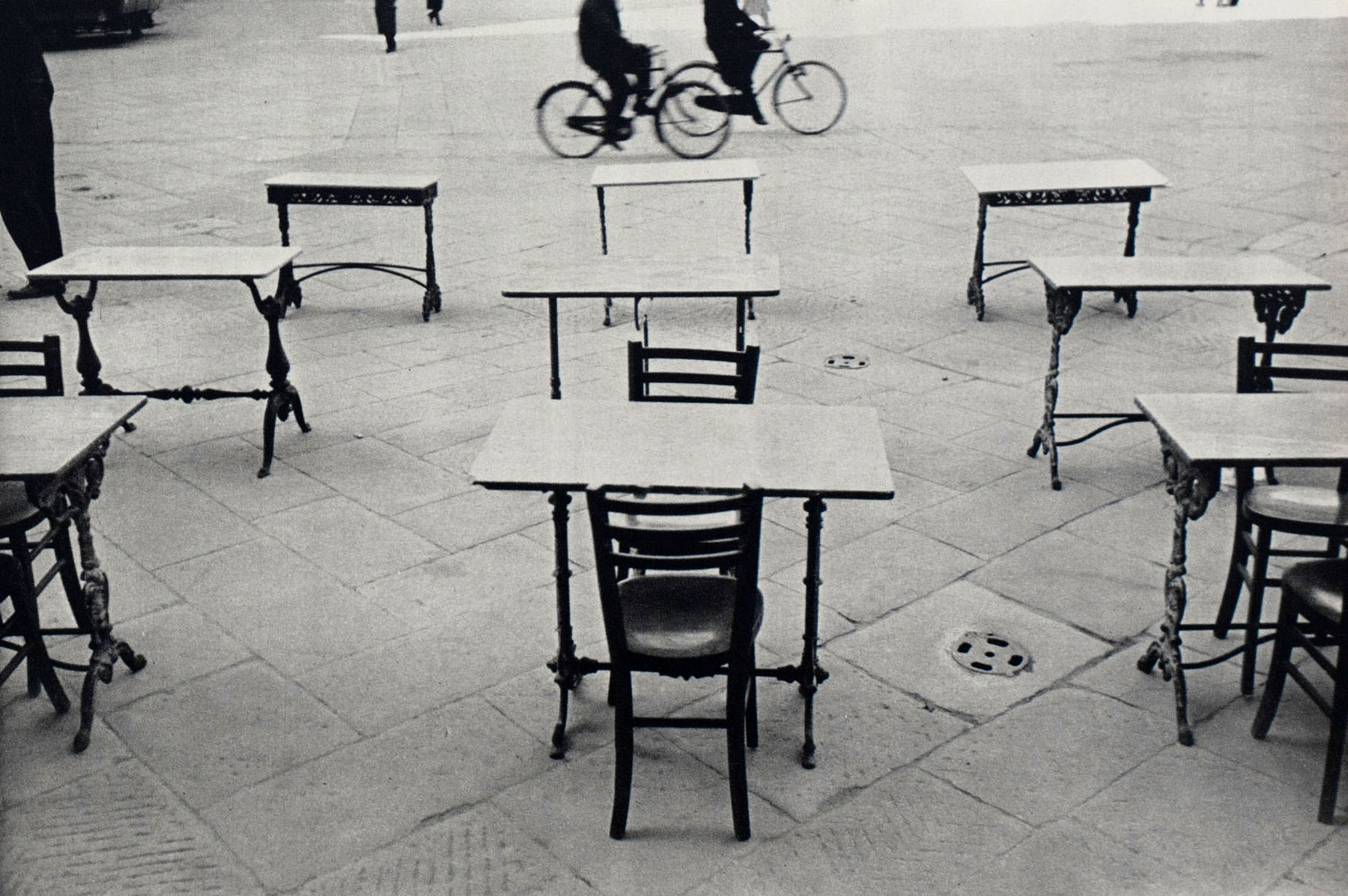
Henri Cartier-Bresson (French, 1908-2004) 'Italy, 1933'


Henri Cartier-Bresson (French, 1908-2004)
Italy, 1933
From Images à la Sauvette (Verve, 1952), pp. 25-26
© Henri Cartier-Bresson / Magnum Photos
 

Henri Cartier-Bresson (French, 1908-2004) 'Italy, 1933' (detail)


Henri Cartier-Bresson (French, 1908-2004)
Italy, 1933 (detail)
From Images à la Sauvette (Verve, 1952), p. 25-26
© Henri Cartier-Bresson / Magnum Photos
 

Henri Cartier-Bresson (French, 1908-2004) 'Italy, 1933' (detail)


Henri Cartier-Bresson (French, 1908-2004)
Italy, 1933 (detail)
From Images à la Sauvette (Verve, 1952), p. 25-26
© Henri Cartier-Bresson / Magnum Photos
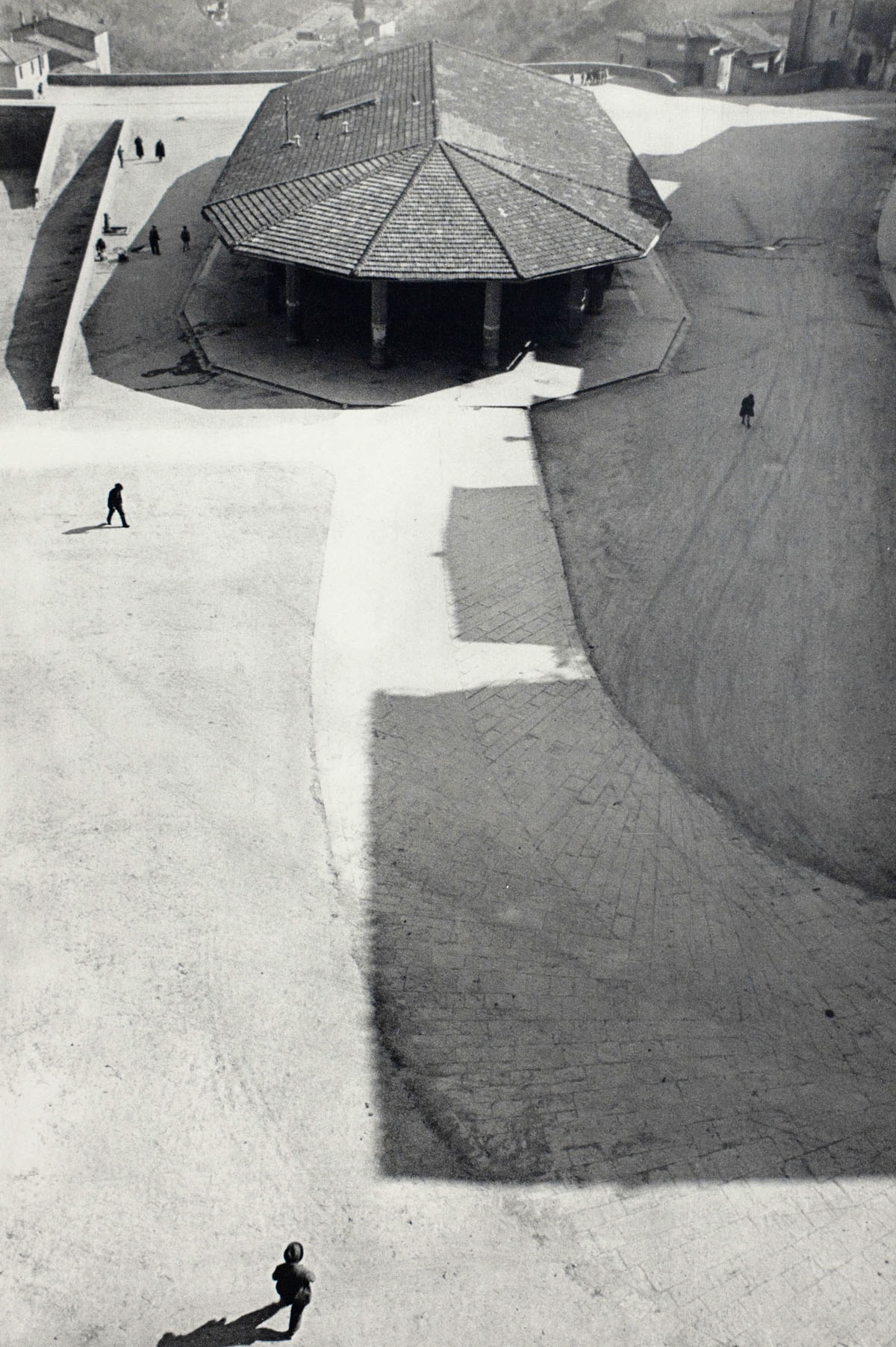
 

Henri Cartier-Bresson (French, 1908-2004) 'Italy, 1933' (detail)


Henri Cartier-Bresson (French, 1908-2004)
Italy, 1933 (detail)
From Images à la Sauvette (Verve, 1952), p. 25-26
© Henri Cartier-Bresson / Magnum Photos


Henri Cartier-Bresson (French, 1908-2004) 'Spain and Spanish Morocco, 1933'


Henri Cartier-Bresson (French, 1908-2004)
Spain and Spanish Morocco, 1933
From Images à la Sauvette (Verve, 1952), pp. 29-30
© Henri Cartier-Bresson / Magnum Photos


Henri Cartier-Bresson (French, 1908-2004) 'Spain and Spanish Morocco, 1933' (detail)


Henri Cartier-Bresson (French, 1908-2004)
Spain and Spanish Morocco, 1933 (detail)
From Images à la Sauvette (Verve, 1952), p. 29-30
© Henri Cartier-Bresson / Magnum Photos
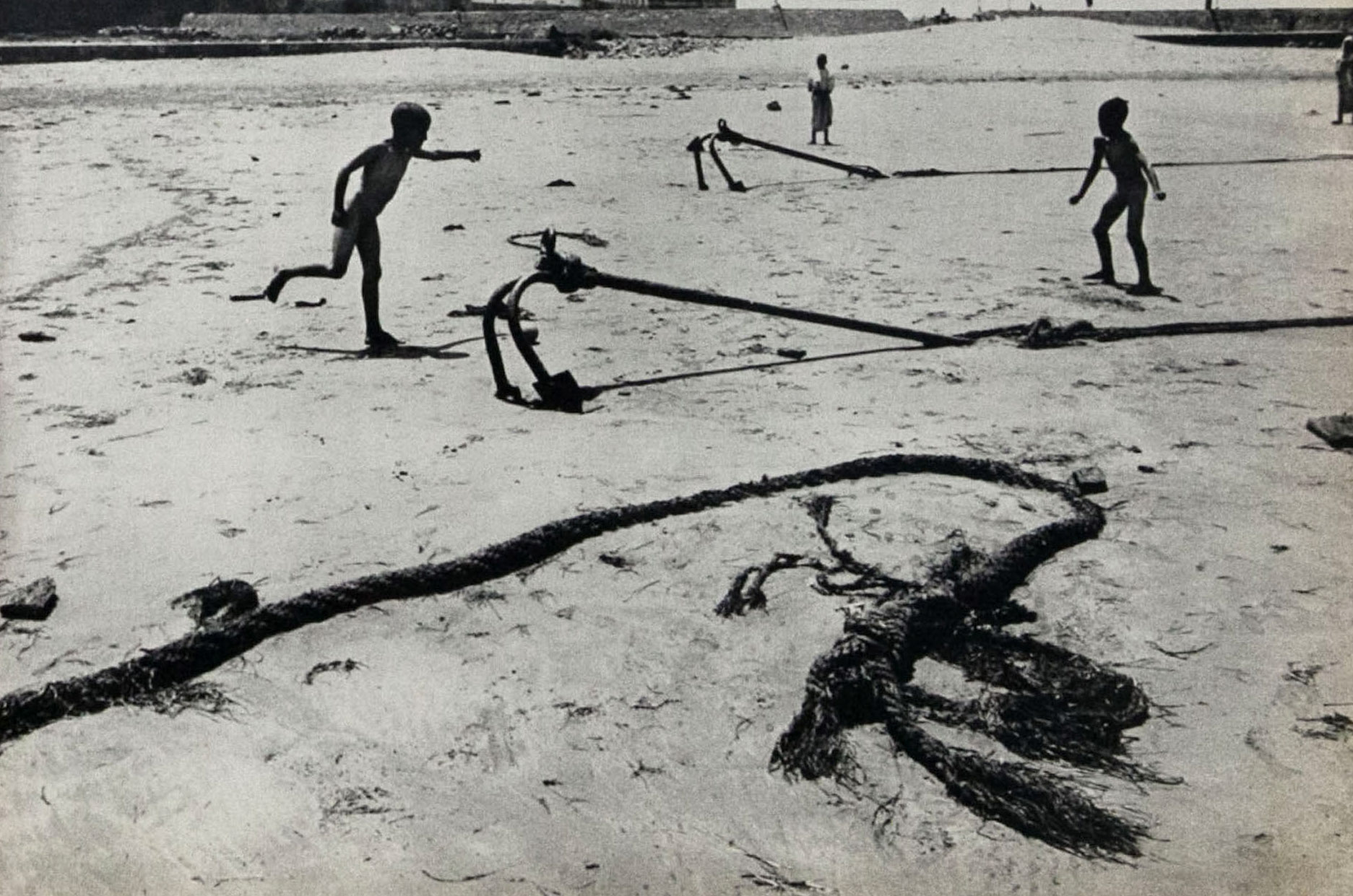
 

Henri Cartier-Bresson (French, 1908-2004) 'Spain and Spanish Morocco, 1933' (detail)


Henri Cartier-Bresson (French, 1908-2004)
Spain and Spanish Morocco, 1933 (detail)
From Images à la Sauvette (Verve, 1952), p. 29-30
© Henri Cartier-Bresson / Magnum Photos
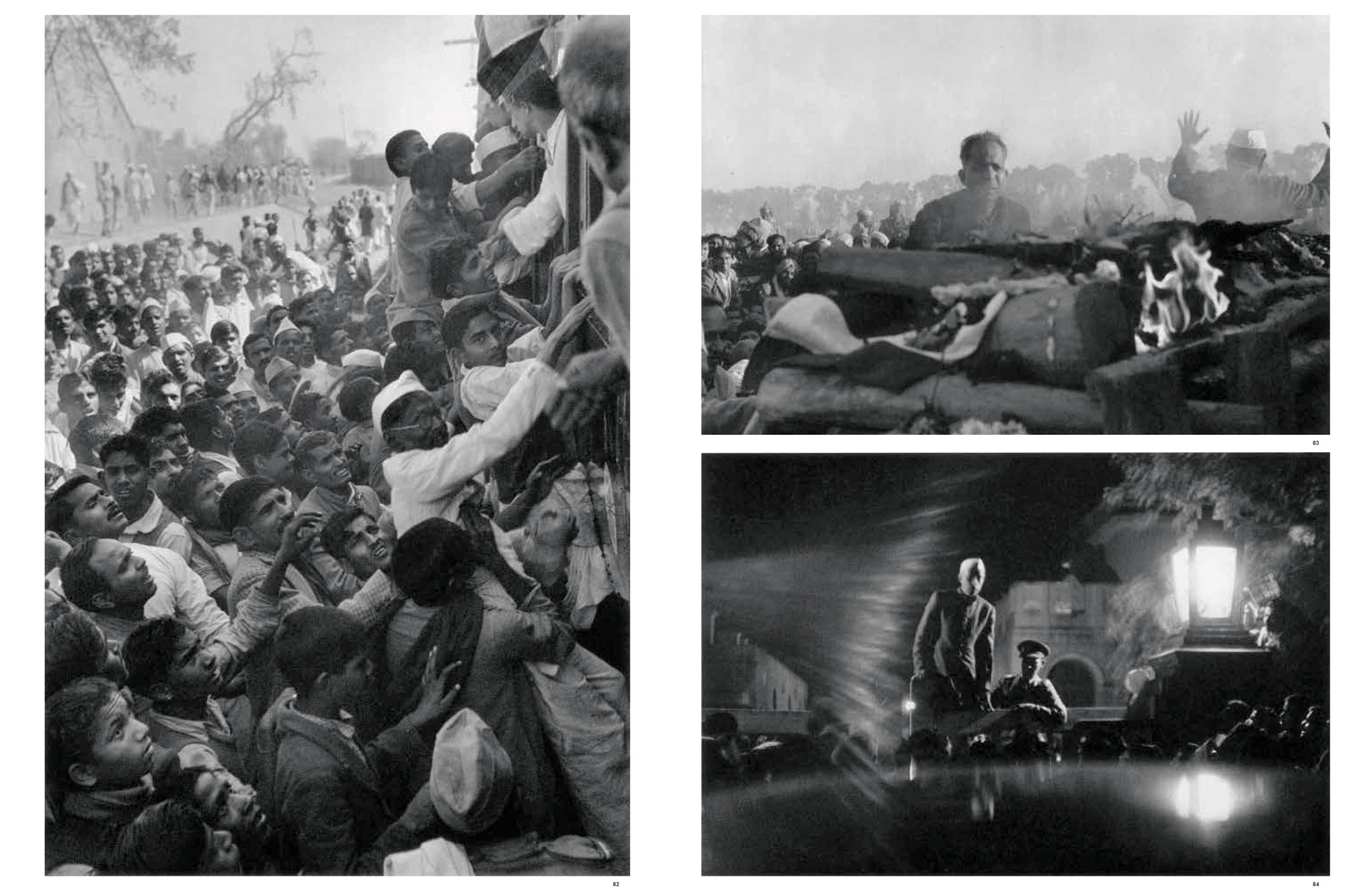
 

Henri Cartier-Bresson (French, 1908-2004) 'Gandhi’s funeral, Delhi, India, 1948'


Henri Cartier-Bresson (French, 1908-2004)
Gandhi’s funeral, Delhi, India, 1948
From Images à la Sauvette (Verve, 1952), pp. 99-100
© Henri Cartier-Bresson / Magnum Photos


Henri Cartier-Bresson (French, 1908-2004) 'Gandhi’s funeral, Delhi, India, 1948' (detail)


Henri Cartier-Bresson (French, 1908-2004)
Gandhi’s funeral, Delhi, India, 1948 (detail)
From Images à la Sauvette (Verve, 1952), pp. 99-100
© Henri Cartier-Bresson / Magnum Photos


Fondation Henri Cartier-Bresson
79 rue des Archives
75003 Paris

Opening hours:
Tuesday – Sunday
11am – 7pm
Closed on Mondays

Fondation Henri Cartier-Bresson website

LIKE ART BLART ON FACEBOOK

Back to top

Exhibitions: ‘Howard Greenberg, Collection’ and ‘Freaks, The Monstrous Parade: Photographs from Enrico Praloran Collection’ at the Musée de l’Elysée, Lausanne

Exhibition dates: both 21st September 2012 – 6th January 2013


Dorothea Lange (American, 1895-1965) 'Migratory Cotton Picker' Eloy, Arizona 1940


Dorothea Lange (American, 1895-1965)
Migratory Cotton Picker
Eloy, Arizona, 1940
Gelatin silver print
© Library of Congress
Courtesy of Howard Greenberg Collection


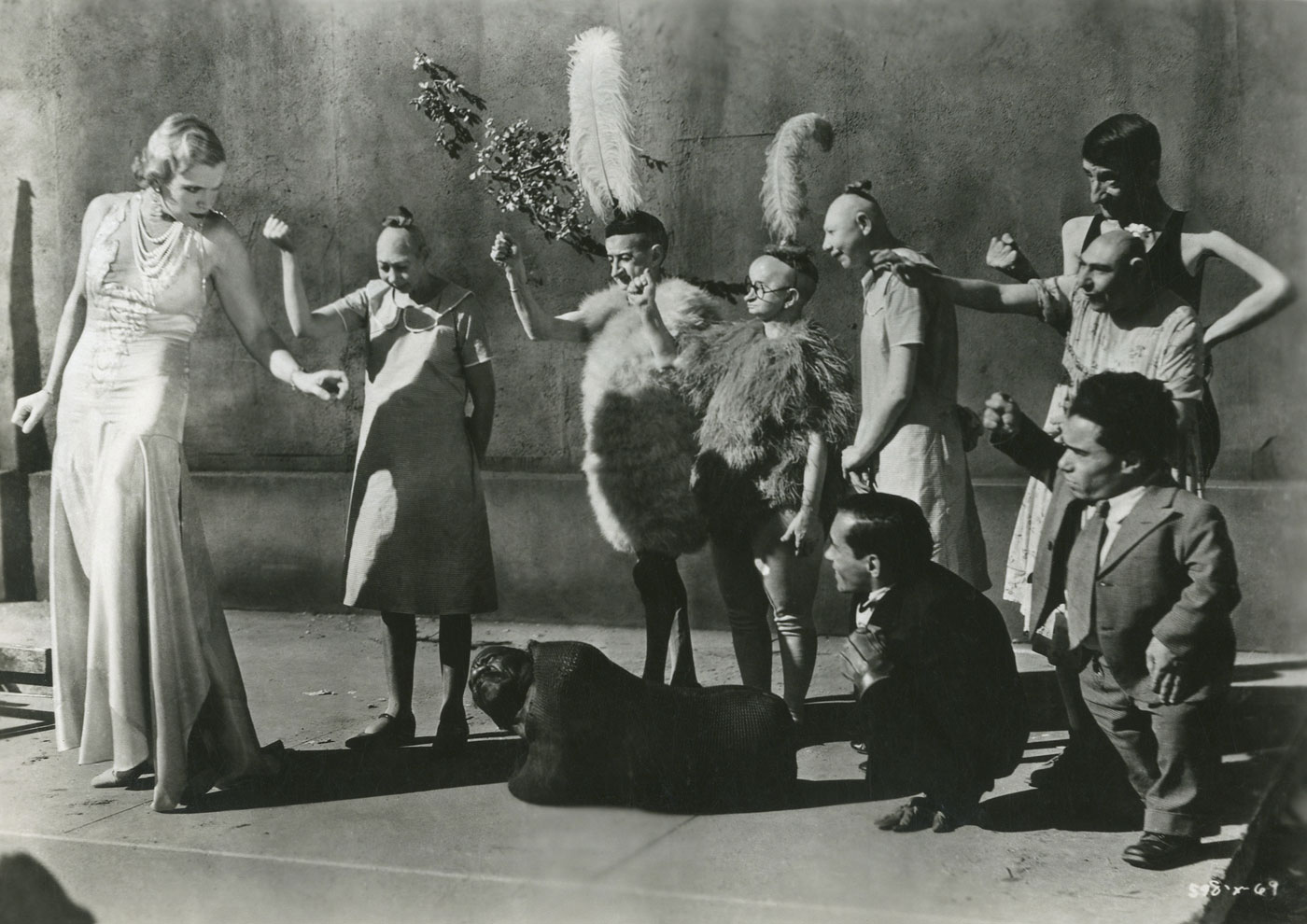
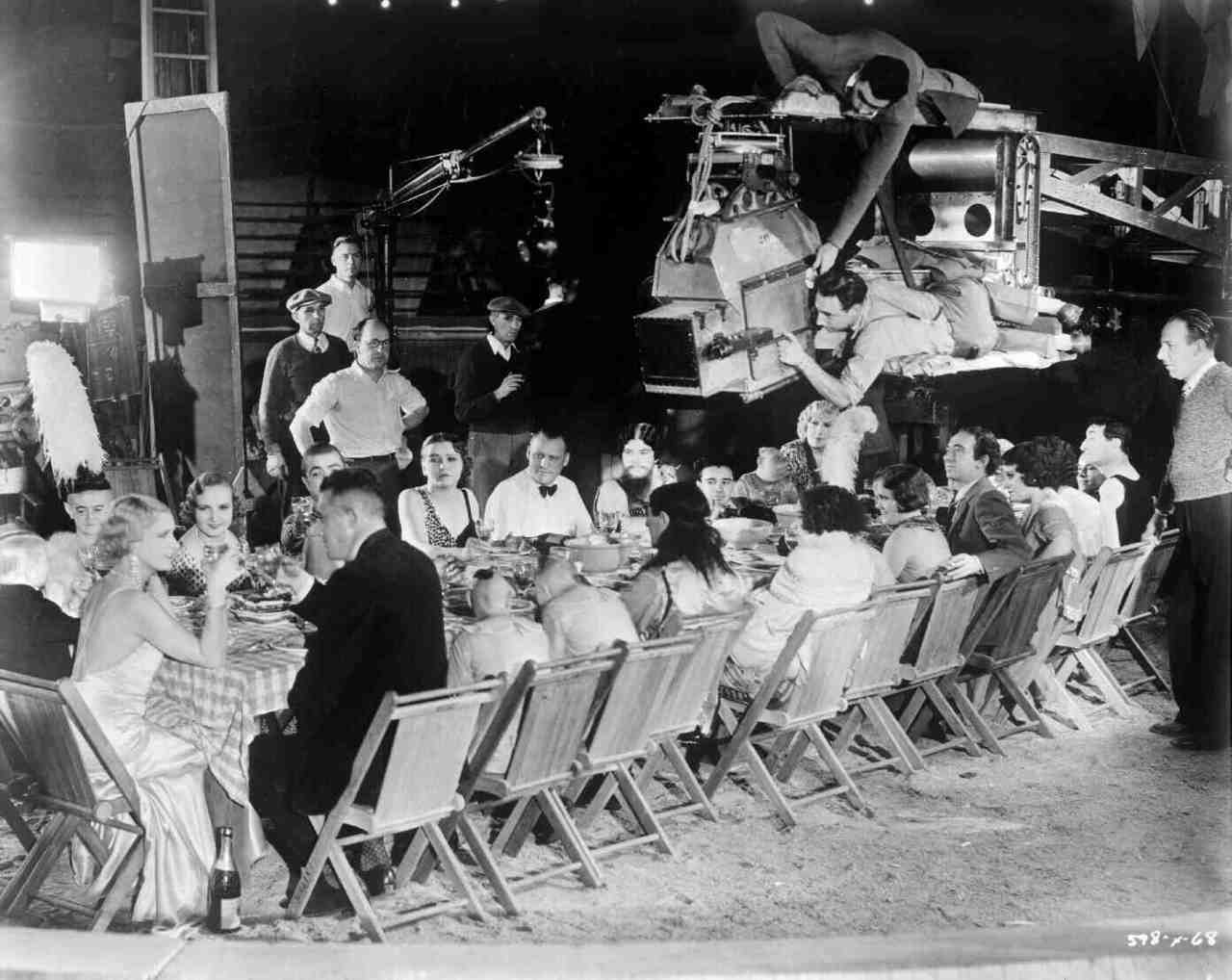
This is a meta-post where I have brought together photographs from the second exhibition Freaks, The Monstrous Parade: Photographs from Enrico Praloran Collection and all the good quality images of Todd Browning’s cult film Freaks (1932) that were available online, since the museum only provided me with three media images (the first three) on a fascinating subject. By reflection, the photographs from Freaks have a strange correlation to the photographs that appear in the Howard Greenberg, Collection.

There is an interesting discussion by Amanda Ann Klein on her blog (see link below) about her students reaction to the film that she taught as part of her Trash Cinema class. She observes that, “Freaks preaches acceptance and… the belief that we are all “God’s children.” And yet, the film was intended to “out horror” Frankenstein through its fantastic display of disabled bodies…” but that her students did not see it as an exploitation film, in fact they approved of the revenge taken by the freaks on Cleopatra and Hercules at the end of the film, even though this seemed to replicate the very imagery Browning denounced earlier in the film. Klein insightfully notes that “it did prove to be an interesting example of how a film’s reception can change dramatically over time.”

The content of a work of art is never fixed by the author as the context and meaning of the work is never fixed by the viewer. As David Smail notes the truth changes according to, among other things, developments in our values and understandings. There can be many truths depending on our line-of-sight and point-of-view but a subjective non-final truth has to be actively struggled for:

“Where objective knowing is passive, subjective knowing is active – rather than giving allegiance to a set of methodological rules which are designed to deliver up truth through some kind of automatic process [in this case the image], the subjective knower takes a personal risk in entering into the meaning of the phenomena to be known … Those who have some time for the validity of subjective experience but intellectual qualms about any kind of ‘truth’ which is not ‘objective’, are apt to solve their problem by appealing to some kind of relativity. For example, it might be felt that we all have our own versions of the truth about which we must tolerantly agree to differ. While in some ways this kind of approach represents an advance on the brute domination of ‘objective truth’, it in fact undercuts and betrays the reality of the world given to our subjectivity. Subjective truth has to be actively struggled for: we need the courage to differ until we can agree. Though the truth is not just a matter of personal perspective, neither is it fixed and certain, objectively ‘out there’ and independent of human knowing. ‘The truth’ changes according to, among other things, developments and alterations in our values and understandings … the ‘non-finality’ of truth is not to be confused with a simple relativity of ‘truths’.”

Smail, David. Illusion and Reality: The Meaning of Anxiety. London: J.M. Dent & Sons, 1984, pp.152-153.

Dr Marcus Bunyan


Many thankx to the Musée de l’Elysée, Lausanne for allowing me to publish some of the photographs in the posting. Please click on the photographs for a larger version of the image.


Henri Cartier-Bresson (French, 1908-2004) 'Madrid' 1933


Henri Cartier-Bresson (French, 1908-2004)
Madrid
1933
Gelatin silver print
© Henri Cartier-Bresson/Magnum Photos
Courtesy of Fondation HCB and Howard Greenberg Collection


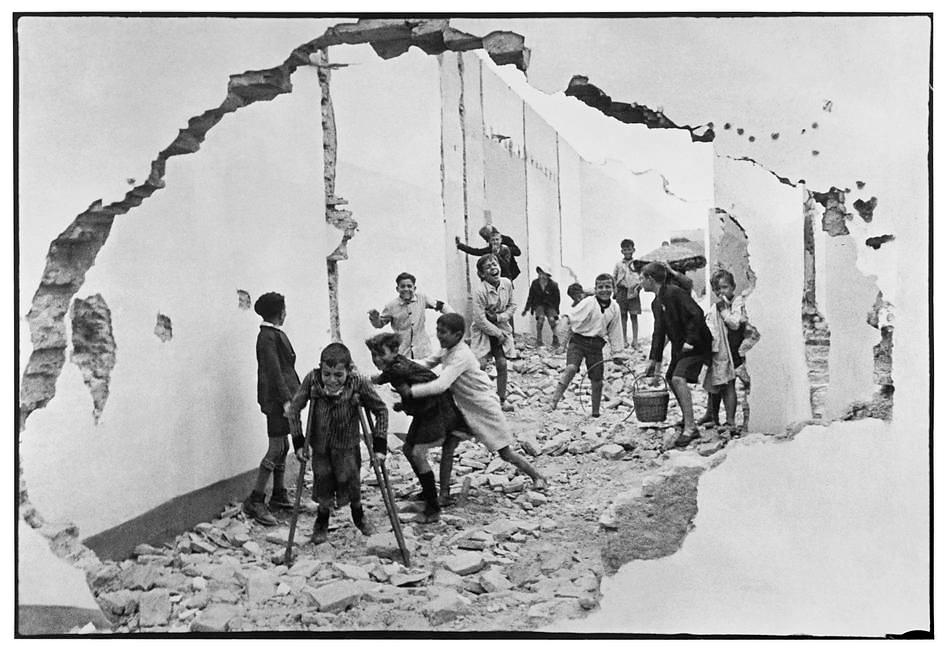
Henri Cartier-Bresson (French, 1908-2004) 'Children in Seville' 1933


Henri Cartier-Bresson (French, 1908-2004)
Seville
1933
Gelatin silver print
© Henri Cartier-Bresson/Magnum Photos
Courtesy of Fondation HCB and Howard Greenberg Collection


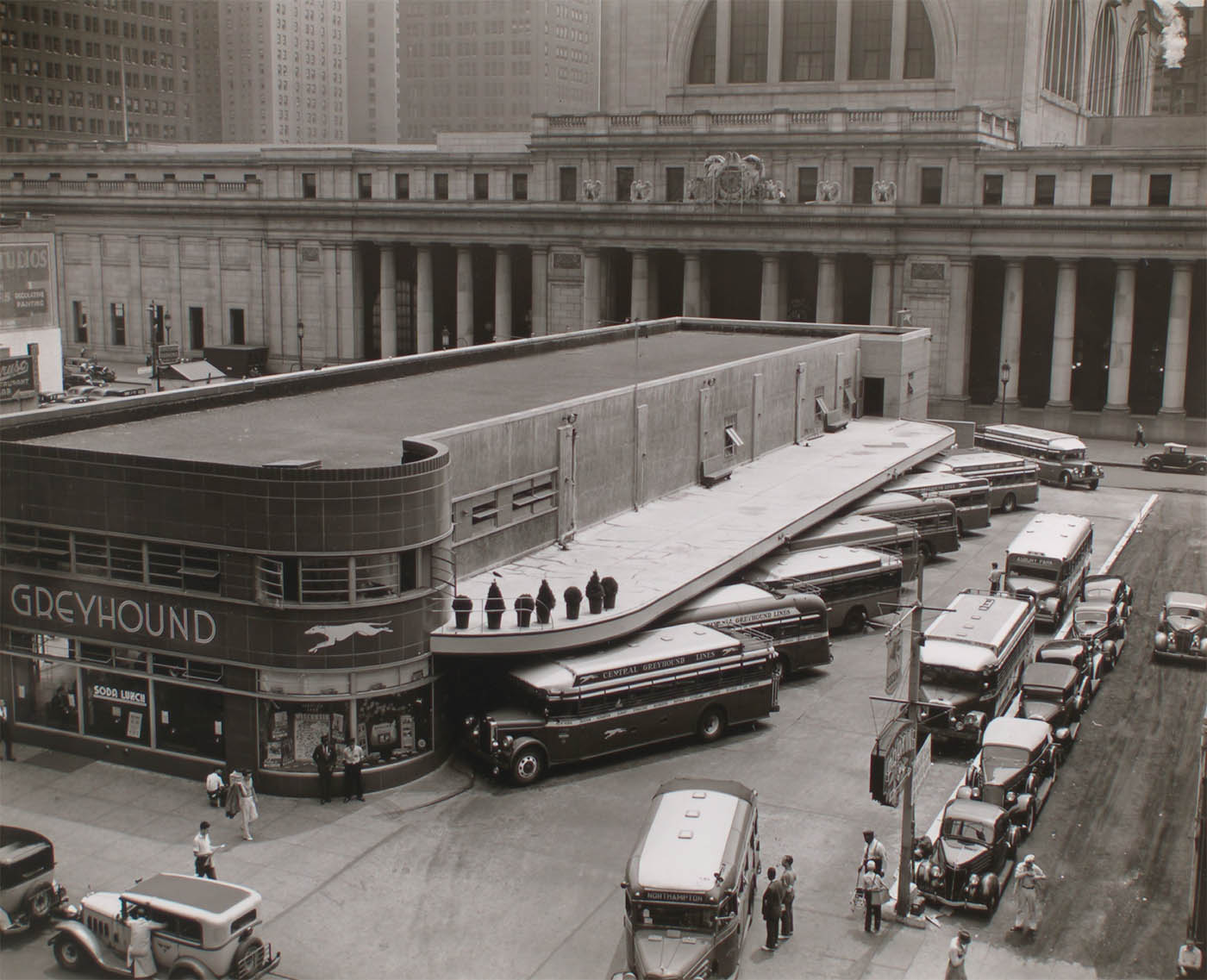
Berenice Abbott (American, 1898-1991) 'Greyhound Bus Terminal, 33rd and 34th Streets between Seventh and Eighth Avenues, Manhattan' 1936


Berenice Abbott (American, 1898-1991)
Greyhound Bus Terminal, 33rd and 34th Streets between Seventh and Eighth Avenues, Manhattan
1936
Gelatin silver print
Courtesy of Howard Greenberg Collection


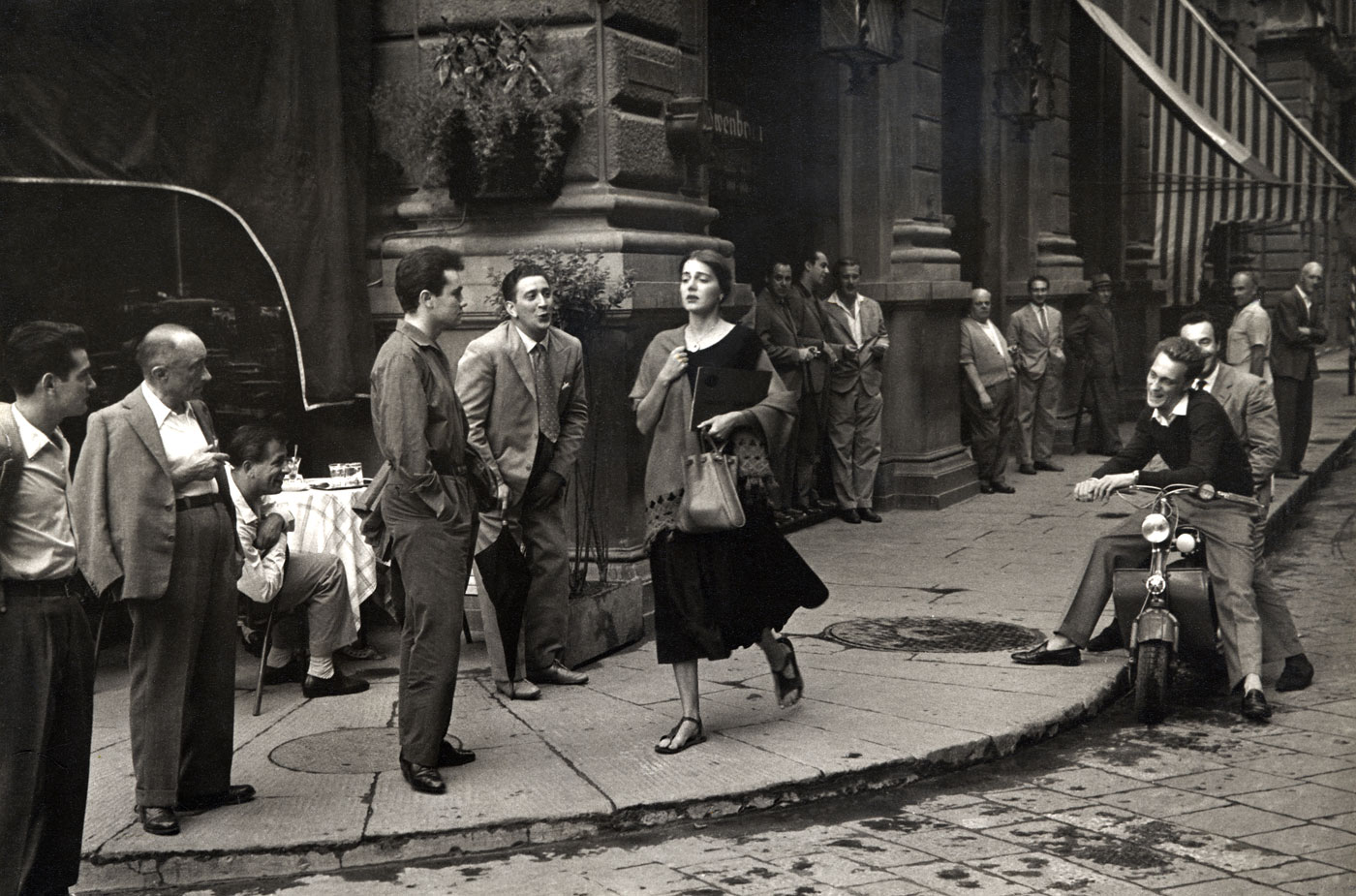
Ruth Orkin (American, 1921-1985) 'American Girl in Italy' 1951


Ruth Orkin (American, 1921-1985)
American Girl in Italy
1951
Gelatin silver print
© Ruth Orkin
Courtesy of Howard Greenberg Collection


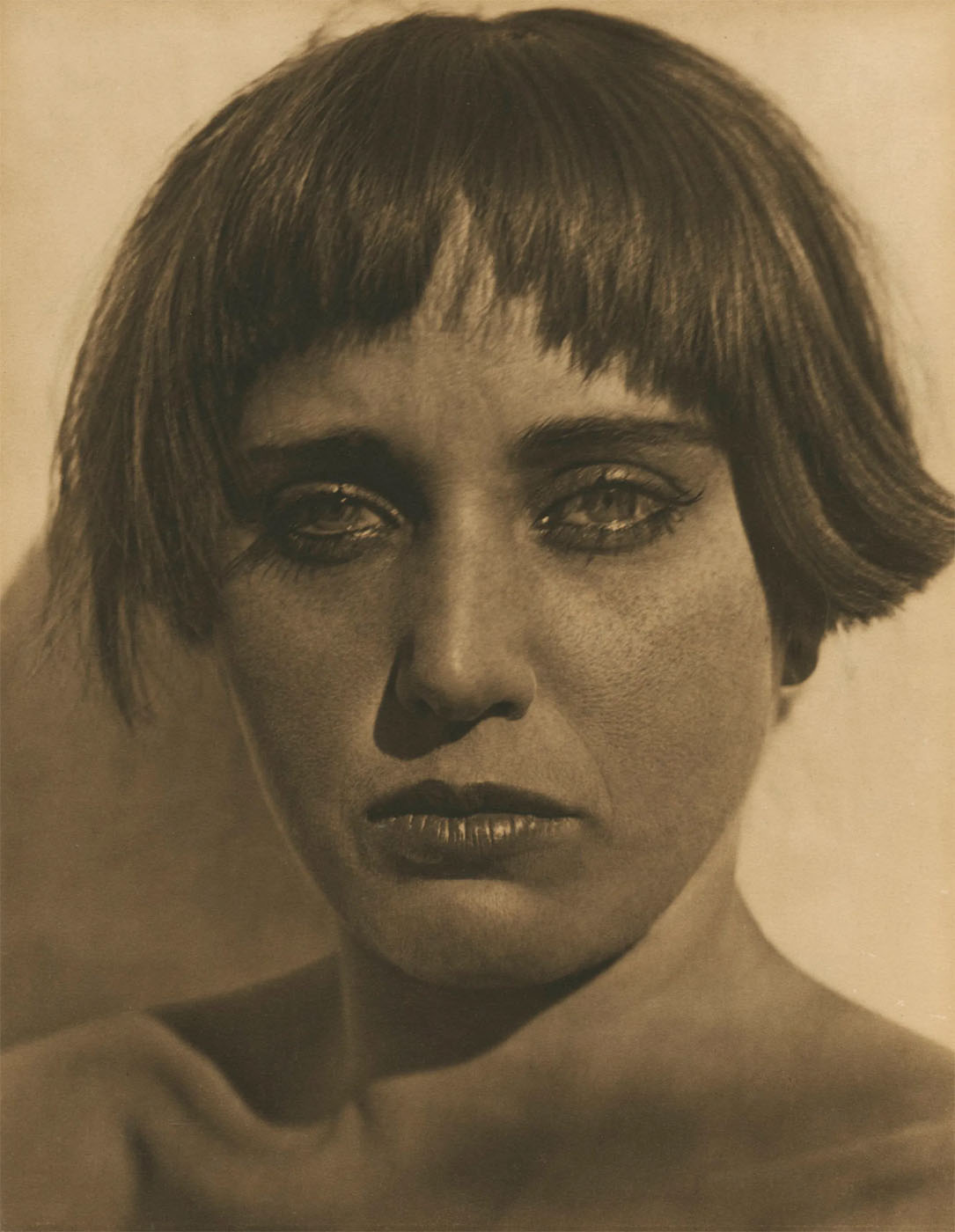
Edward Weston (American, 1886–1958) 'Nahui Olin' 1923


Edward Weston (American, 1886–1958)
Nahui Olin
1923
Platinum print
Courtesy of Howard Greenberg Collection


Edward Steichen (American born Luxembourg, 1879–1973) 'Gloria Swanson' 1924


Edward Steichen (American born Luxembourg, 1879–1973)
Gloria Swanson
1924
Gelatin silver print
Courtesy of Howard Greenberg Collection


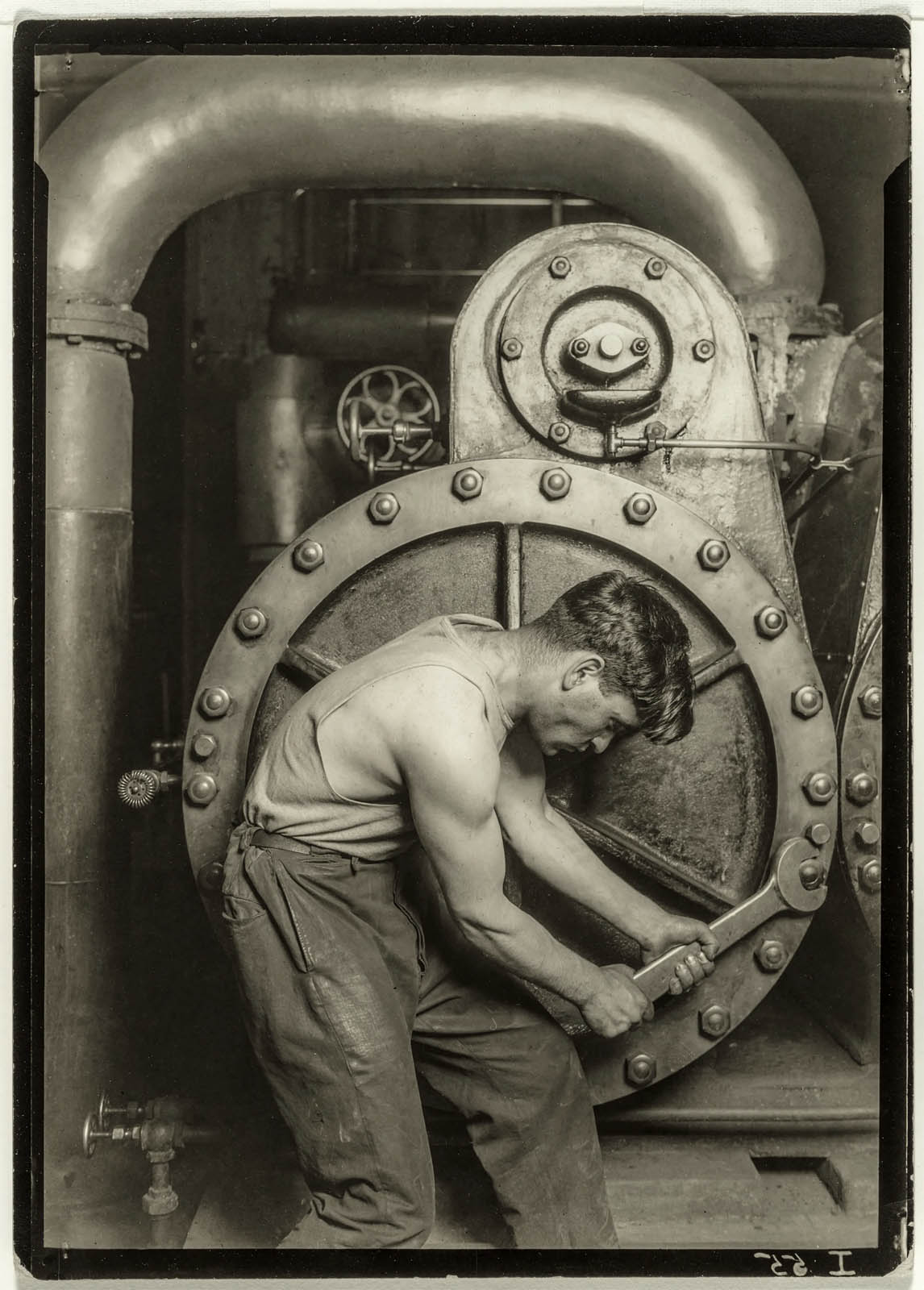
Lewis W. Hine (American, 1874-1940) 'Powerhouse Mechanic' 1924


Lewis W. Hine (American, 1874–1940)
Powerhouse Mechanic
1924
Gelatin silver print
Courtesy of Howard Greenberg Collection


André Kertész (American born Hungary, 1894-1985) 'Chez Mondrian' 1926


André Kertész (American born in Hungary, 1894-1985)
Chez Mondrian
1926
Gelatin silver print on carte postale
The Howard Greenberg Collection


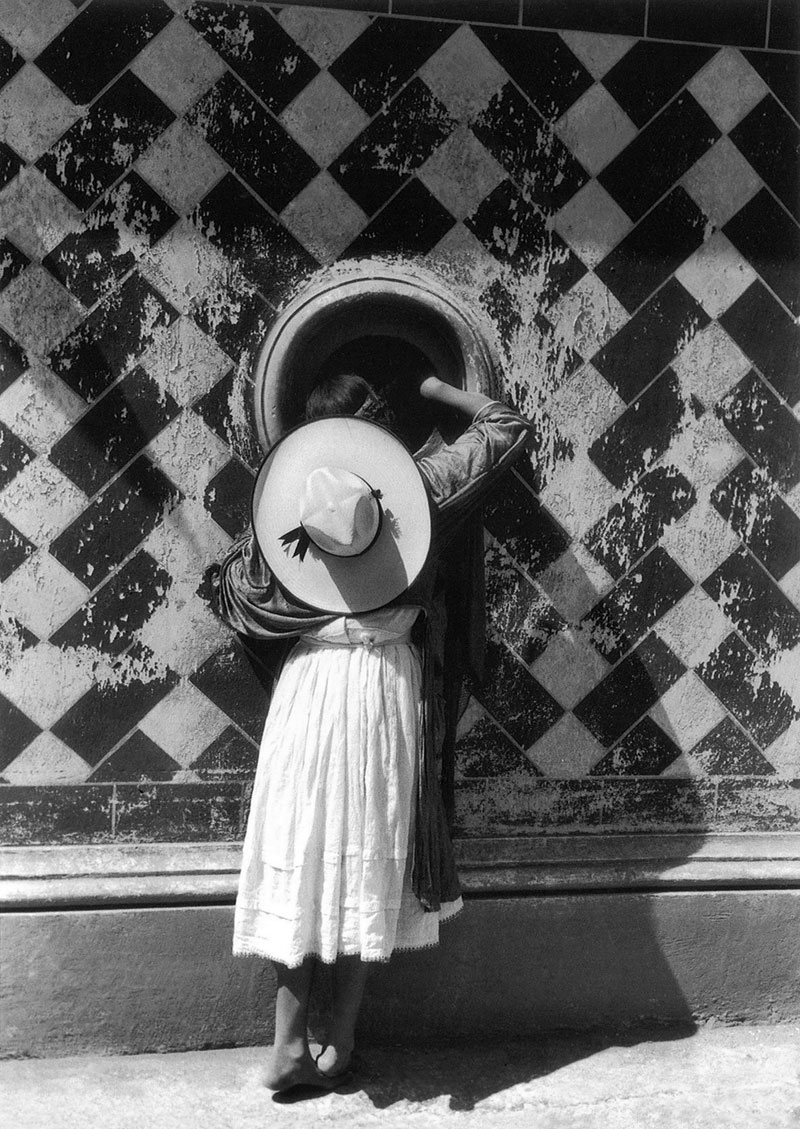
Manuel Álvarez Bravo (Mexican, 1902-2002) 'The Daughter of the Dancers' (La hija de los danzantes) 1933


Manuel Alvarez Bravo (Mexican, 1902–2002)
The Daughter of the Dancers
1933
Gelatin silver print
Courtesy of Howard Greenberg Collection


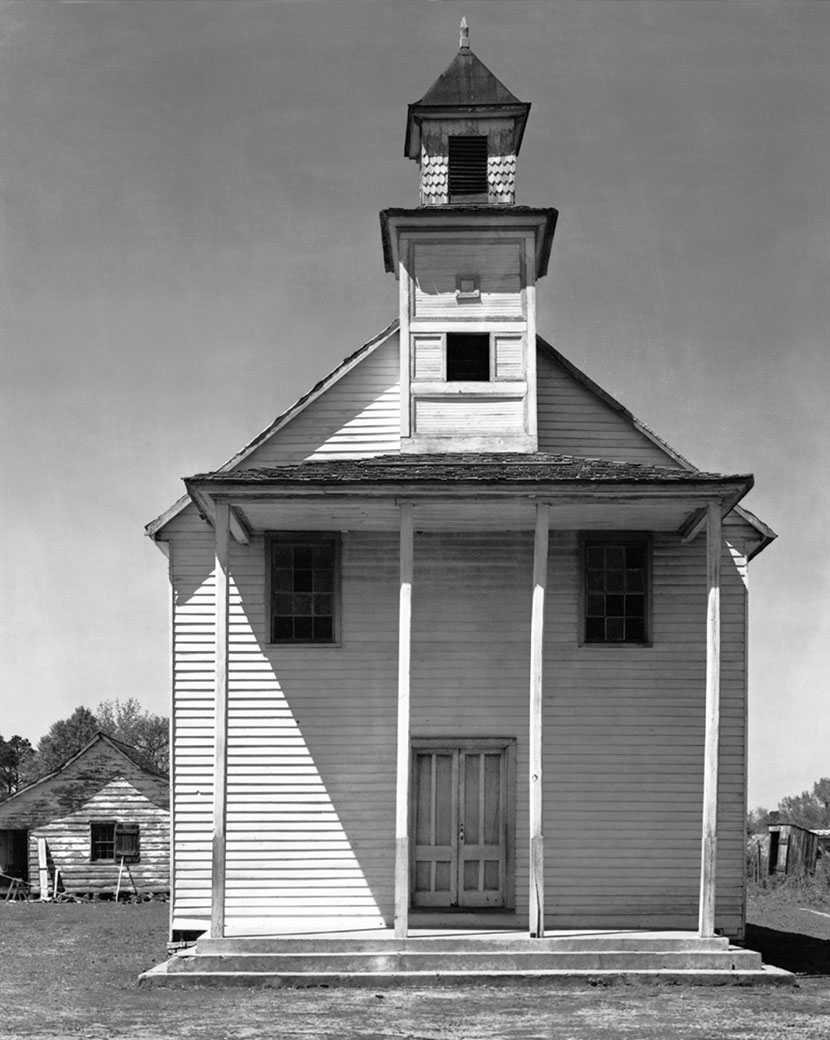
Walker Evans (American, 1903-1975) 'Negro Church, South Carolina' 1936


Walker Evans (American, 1903-1975)
Negro Church, South Carolina
1936
Gelatin silver print
© Library of Congress
Courtesy of Howard Greenberg Collection


Dorothea Lange (American, 1895-1965) 'Migrant Mother, Nipomo, California' 1936


Dorothea Lange (American, 1895-1965)
Migrant Mother, Nipomo, California
1936
Gelatin silver print
© Library of Congress
Courtesy of Howard Greenberg Collection


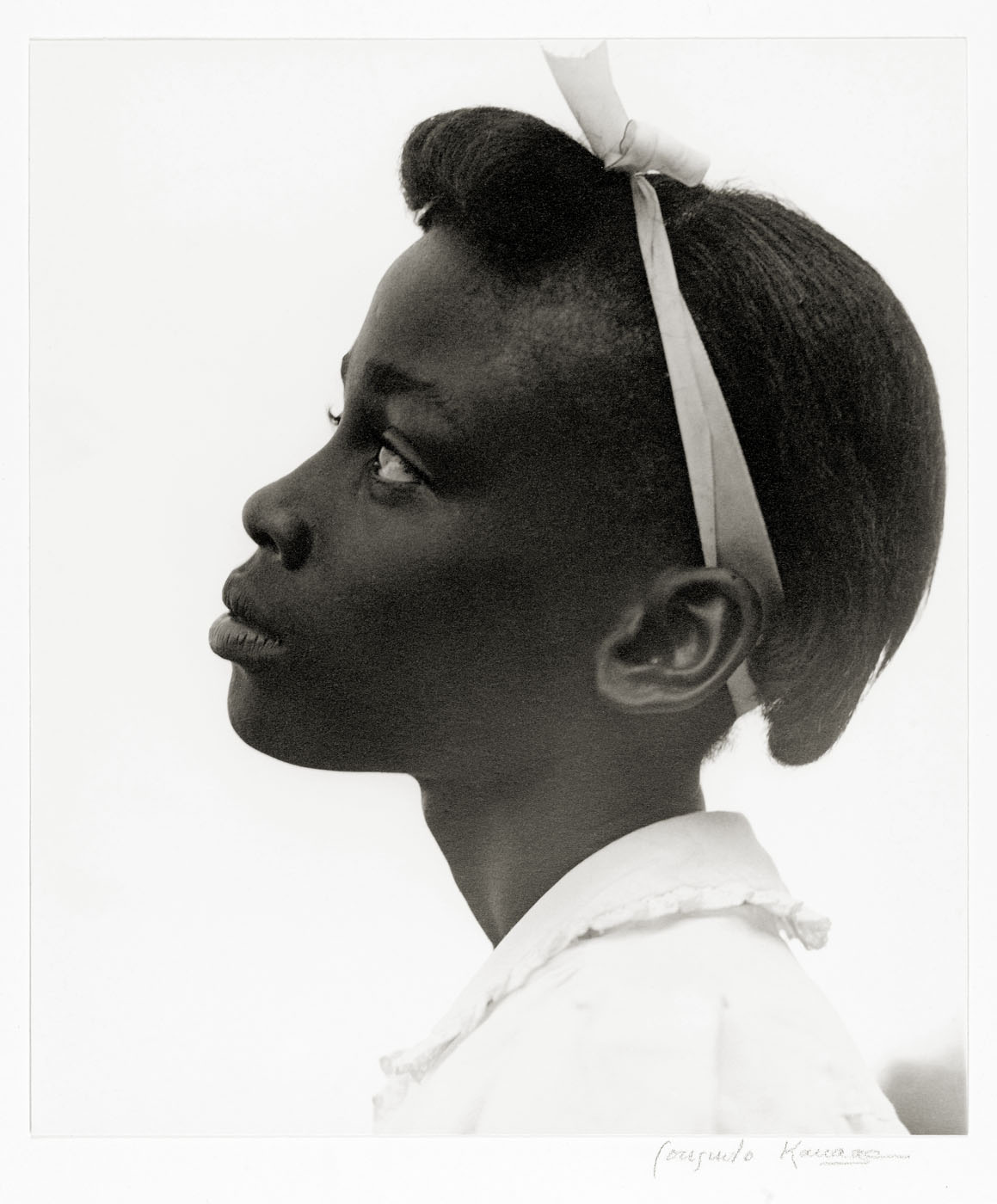
Consuelo Kanaga (American, 1894-1978) 'Young Girl in Profile' 1948


Consuelo Kanaga (American, 1894-1978)
Young Girl in Profile
1948
Gelatin silver print
Courtesy of Howard Greenberg Collection


Leon Levinstein (American, 1910-1988) 'Fifth Avenue' c. 1959


Leon Levinstein (American, 1910-1988)
Fifth Avenue
c. 1959
© Howard Greenberg Gallery
Courtesy of Howard Greenberg Collection


The Musée de l’Elysée presents different approaches to collecting photography by means of these original exhibitions.

Howard Greenberg, Collection

Howard Greenberg has been a gallery owner for over thirty years and is considered today one of the pillars of the New York photography scene. While his position as a dealer is well established, little was known of his passion for collecting, presently revealed to the public for the first time. The primary reason to explain why it took so long to discover this collection is because building such a collection demands time. Only in time can the maturity of a collection be measured; the time necessary to smooth trends, confirm the rarity of a print, and in the end, validate the pertinence of a vision. In an era of immediacy, when new collectors exhibit unachieved projects or create their own foundation, great original collections are rare. Howard Greenberg’s is certainly one of the few still to be discovered.

The quality of a collection does not rely on the sole accumulation of master pieces but can best be assessed through a dialectical movement: a collection is the collector’s oeuvre, a set of images operating a transformation in the perception not only of the photographs, but also of photography. This renewed perception is two-fold in the Greenberg collection; through the surprising combination of two approaches, the experimental practice of photography that questions the medium as such, bringing it to the limits of abstraction on one hand, and on the other, a documentary practice, carried out through its recording function of the real. This apparently irreconcilable duality takes on a particular signification in the Greenberg collection, an investigation of the possibilities offered by photography, a quest for photography itself, questioning what it is.

Howard Greenberg and his collection have largely contributed to the writing of a chapter of history. While contributing to the recognition of long neglected figures of the New York post-war photography scene, filling a gap, as gallery owner, Howard Greenberg, the collector, ensured the preservation of a coherent body by building over that period a unique collection of major photographs.

This collection of over 500 photographs was patiently built over the last thirty years and stands out for the high quality of its prints. A set of some 120 works are exhibited for the first time at the Musée de l’Elysée, revealing different aspects of Howard Greenberg’s interests, from the modernist aesthetics of the 20s and 30s, with works by Edward Steichen, Edward Weston or the Czech School, to contemporary photographers such as Minor White, Harry Callahan and Robert Frank. Humanist photography is particularly well represented, including among others, Lewis Hine and Henri Cartier-Bresson. An important section is dedicated to the Farm Security Administration’s photographers, such as Walker Evans or Dorothea Lange, witnesses to the Great Depression years of the 30s. Above all, the collection demonstrates the great influence of New York in the history of 20th century photography with the images of Berenice Abbott, Weegee, Leon Levinstein or Lee Friedlander conveying its architecture and urban lifestyle. Commending its work and prominent position, and wishing to make his private collection available to a large audience, Howard Greenberg selected the Musée de l’Elysée to host his collection.

The Musée de l’Elysée and the Fondation Henri Cartier-Bresson jointly produce this exhibition which, after Lausanne, will subsequently be presented in Paris.

Press release from the Musée de l’Elysée website


Freaks, The Monstrous Parade: Photographs from Enrico Praloran Collection

American director Tod Browning (1880-1962) has a particular attraction for the uncanny. Freaks, his cult movie shot in 1932, is inspired by a short story written by Clarence Aaron “Tod” Robbins. Set in a circus, the performers are disabled actors. The movie caused a scandal when it was released and Freaks was soon censored, reedited, shortened, sometimes removed from theatres, and in cases banned in some countries. Not until the 60s, when it was presented at the Cannes Festival, was the movie acclaimed to the point of becoming a reference for artists such as Diane Arbus or David Lynch.

The Musée de l’Elysée presents a selection of some fifty vintage black and white silver prints, gathered by Enrico Praloran, a collector based in Zurich. This unique set is the opportunity for an encounter with the movie’s strange protagonists, Johny Eck, the Half Boy, Daisy and Violet Hilton, the Siamese sisters, Martha Morris, the “Armless Marvel”, or the Bearded Lady and the Human Skeleton. They all are artists for real, coming from the Barnum Circus.

The plot is transcribed in images through stills from the movie’s major scenes, completed by set or shooting photographs, taking us behind the scenes, including on the footsteps of Tod Browning himself.

Press release from the Musée de l’Elysée website


Tod Browning (director) 'Freaks' 1932 Still photograph Courtesy of Praloran Collection, Zurich


Tod Browning (director)
Freaks (Cleopatra followed by the freaks)
1932
Still photograph
1932
Courtesy of Praloran Collection, Zurich


Tod Browning (director) 'Freaks' 1932 Still photograph Courtesy of Praloran Collection, Zurich


Tod Browning (director)
Freaks (Johnny Eck)
1932
Still photograph
Courtesy of Praloran Collection, Zurich


Tod Browning (director) 'Freaks' 1932 Still photograph Courtesy of Praloran Collection, Zurich


Tod Browning (director)
Freaks
1932
Still photograph
Courtesy of Praloran Collection, Zurich


Freaks centres on an enchanting performer, Cleopatra, who entices a “midget,” named Hans, into falling in love with her. They were called midgets then, now they are referred to as little people. The “midget” is in fact engaged to another woman who is incidentally, also a “midget,” named Freida. Cleopatra was at first only trying to fool around with Hans and get money from him occasionally. She soon realised that Hans had inherited quite a large amount of money. She devises a plan to marry Hans and later poison him to inherit the money. Arguably, the most famous scene in Freaks is Hans and Cleo’s wedding reception. The “freaks” reluctantly decide to accept her despite her “normality” and chant the notoriously disturbing yet hilarious quote, “We accept you, one of us! Gooble Gobble!” Afterwards, Hans then becomes very ill by Cleo’s hand. He soon figures out her plan and the freaks become offended. They knew she could not be one of them. The film ends with a horrific and disturbing chase in the rain where the “freaks” follow her slowly and Cleo screams for her life. Her and her lover, the “muscle man,” are caught and not killed, but worse. They become freaks themselves. They are mutilated, castrated, and deformed until they are the subject of a freak show. They became one of the “freaks” they hated so much…

One of the most gut-wrenching things about this films is the fact that every “freak” in the film was a real person with the same deformity their characters had. This gives the story a profound sense of reality, making the betrayal of Hans by Cleo all the more tragic. The film was extremely controversial when released and hated by audiences. The scenes where Cleo and the muscle man were mutilated had to be cut from the film in order to be shown in theatres. That footage has since been lost. In a viewing of the film, a sudden jump takes place after the freaks catch Cleo. The audience feels cheated. We have waited so long to see Cleo get her punishment. Part of that dissatisfaction adds to the mystique of this bizarre trip. The film was forgotten about until the mid 1970s where it was rediscovered as a counterculture cult film. A counterculture film runs counter to the the norm of society. Freaks is a great example of fame by taboos and controversy. It explores themes of humanity that are still relatively unexplored today.

Text from the Cult Films and Cultural Significance website December 6, 2011 [Online] Cited 14/09/2020


Freaks is a tale of love and vengeance in a traveling circus…

In her essay “Intolerable Ambiguity: Freaks as/at the Limit,” Elizabeth Grosz attempts to unpack our fascination with freak shows. She concludes that the individuals most frequently showcased in these spectacles, including Siamese twins, hermaphrodites, “pinheads” (microcephalics), midgets, and bearded ladies “imperil the very definitions we rely on to classify humans, identities and sexes – our most fundamental categories of self-definition and boundaries dividing self from otherness” (57). In other words, while we comfort ourselves by breaking down the world into neat binary oppositions, such as Male/Female, Self/Other, Human/Animal, Child/Adult, “freaks” blur the boundaries between these reassuring oppositions. She concludes, “The freak confirms the viewer as bounded, belonging to a ‘proper’ social category. The viewer’s horror lies in the recognition that this monstrous being is at the heart of his or her identity, for it is all that must be ejected or abjected from self-image to make the bounded, category-obeying self possible” (65). We need the freak to confirm our own static, bounded identities. And yet, I think there is a certain terror that we may not be as bounded as we think. If the hermaphrodite can transcend traditional gender categories, then perhaps our own genders are more fluid. For many that is a truly horrifying thought.

For example, in one of the film’s earliest scenes we witness the “pinheads” Schlitze, Elvira and Jenny Lee dancing and playing in the forest. From a distance they look like innocent, happy children. But as the camera approaches, it is clear that they are neither children, nor are they quite adults either. Thus it is the ambiguity here, rather than the disability itself, which is momentarily disturbing…

Grosz also mentions that “Any discussion of freaks brings back into focus a topic that has had a largely underground existence in contemporary cultural and intellectual life, partly because it is considered below the refined sensibilities of ‘good taste’ and ‘personal politeness’ in a civilised and politically correct milieu” (55).

Amanda Ann Klein. “Teaching Todd Browning’s FREAKS,” on the Judgemental Observer blog, September 13, 2009 update September 1, 2014 [Online] Cited 14/09/2020


~ Grosz, Elizabeth. “Intolerable Ambiguity: Freaks as/at the Limit,” in Rosemarie Garland Thomson (ed.). Freakery: Cultural Spectacles of the Extraordinary Body. New York: New York University Press, 1996, pp. 55-68

~ Hawkins, Joan. “‘One of Us’: Tod Browning’s Freaks,” in Rosemarie Garland Thomson (ed.). Freakery: Cultural Spectacles of the Extraordinary Body. New York: New York University Press, 1996, pp. 265-276

~ Norden, Martin F. The Cinema of Isolation: A History of Physical Disability in the Movies. New Brunswick: Rutgers University Press, 1994


Tod Browning (director) 'Freaks (Cleopatra and freaks)' 1932 (still photograph)


Tod Browning (director)
Freaks (Cleopatra and freaks)
1932
Still photograph


Tod Browning (director) 'Publicity photo for Freaks, featuring much of the cast with director, Tod Browning' 1932


Tod Browning (director)
Publicity photo for Freaks, featuring much of the cast with director, Tod Browning
1932
Still photograph


Tod Browning (director) 'Freaks (with Siamese Twins Daisy and Violet Hilton)' 1932 (still photograph)


Tod Browning (director)
Freaks (with Siamese Twins Daisy and Violet Hilton)
1932
Still photograph


Tod Browning (director) 'Freaks' 1932 (still photograph)


Tod Browning (director)
Freaks
1932
Still photograph


Tod Browning (director) 'Freaks (shooting the wedding banquet)' 1932 (still photograph)


Tod Browning (director)
Freaks (shooting the wedding banquet)
1932
Still photograph


Tod Browning (director) 'Freaks (with Cleopatra and Hans at the wedding banquet)' 1932 (still photograph)


Tod Browning (director)
Freaks (with Cleopatra and Hans at the wedding banquet)
1932
Still photograph


Tod Browning (director) 'Freaks (Olga Baclanova as Cleopatra after her transformation into chicken woman)' 1932 (still photograph)


Tod Browning (director)
Freaks (Olga Baclanova as Cleopatra after her transformation into chicken woman)
1932
Still photograph


Theatrical poster for 'Freaks' 1932


Theatrical poster for Freaks
1932


God’s Children

In this scene from Freaks (1932, Tod Browning), we meet several of the film’s characters.


The Freaks Revenge

In this scene from Freaks (1932, Tod Browning), the freaks take their revenge on Hercules and Cleopatra.


The Musée de l’Elysée 
18, avenue de l’Elysée
CH – 1014 Lausanne
Phone: + 41 21 316 99 11

Opening hours:
Wednesday – Monday 10am – 6pm
Closed Tuesdays

The Musée de l’Elysée website

LIKE ART BLART ON FACEBOOK

Back to top