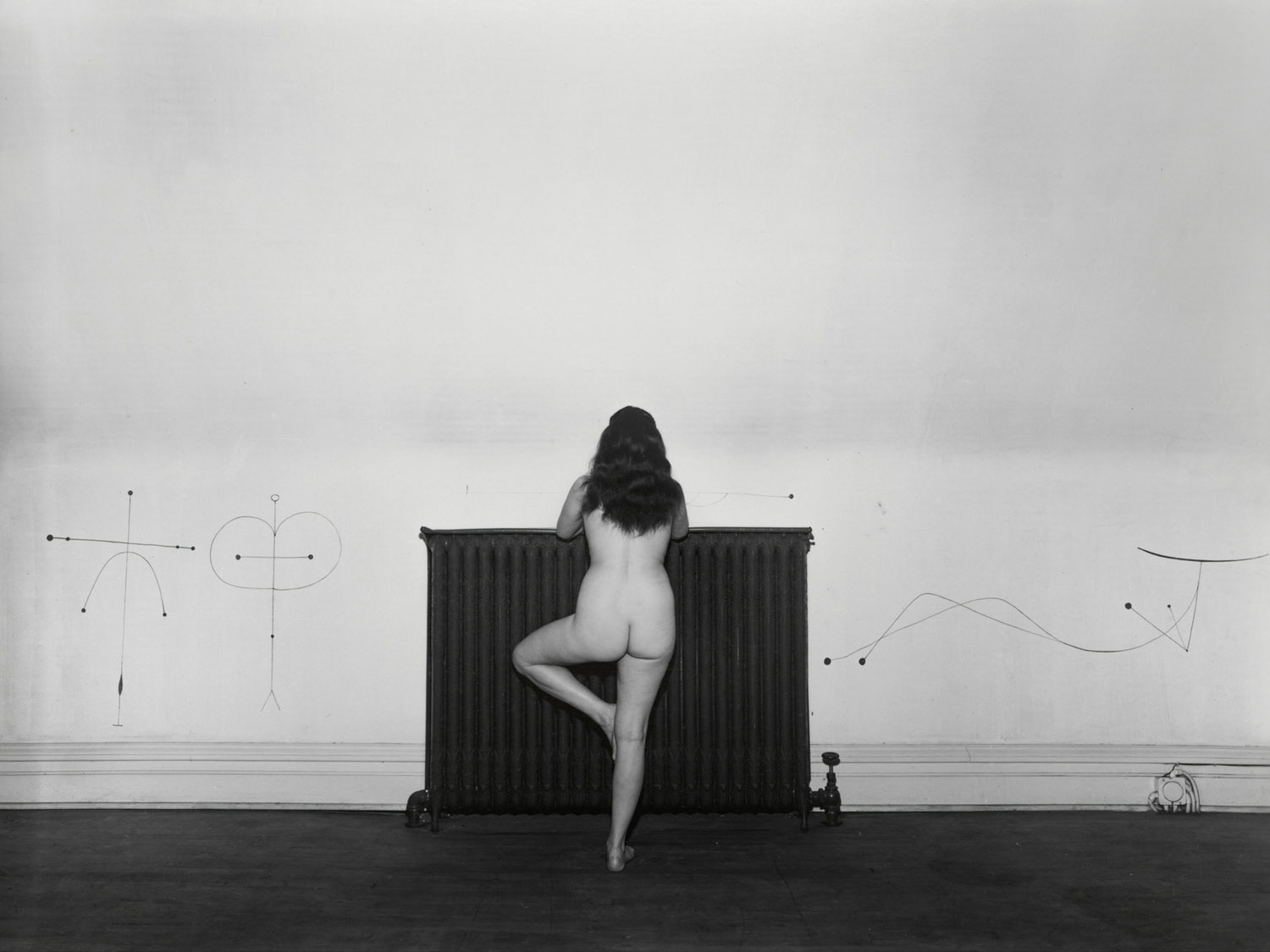
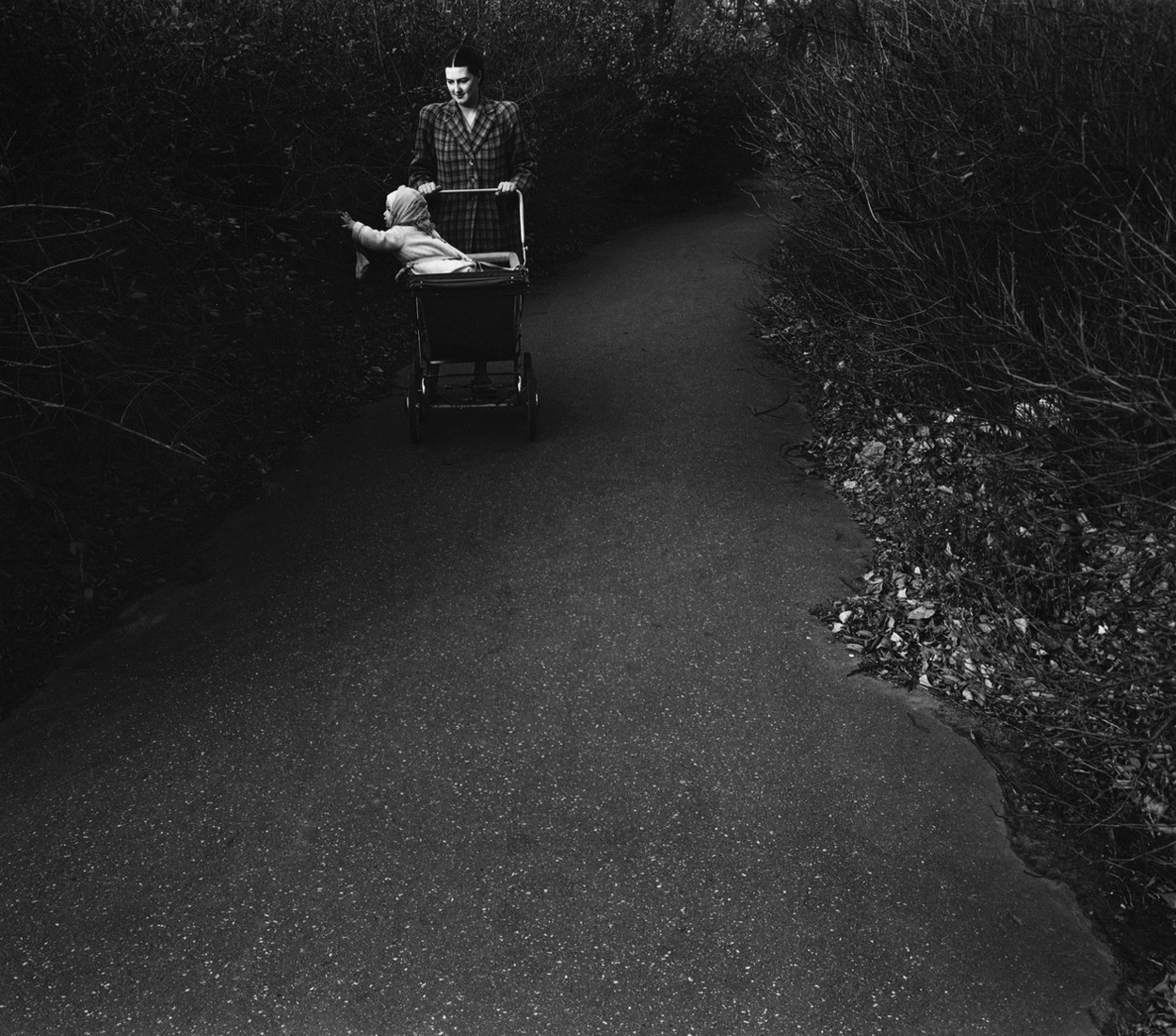
Exhibition: ‘A World of Its Own: Photographic Practices in the Studio’ at the Museum of Modern Art (MoMA), New York Part 2

Exhibition dates: 8th February – 2nd November 2014

The Edward Steichen Photography Galleries, third floor

Curators: Organised by Quentin Bajac, The Joel and Anne Ehrenkranz Chief Curator, with Lucy Gallun, Assistant Curator, Department of Photography
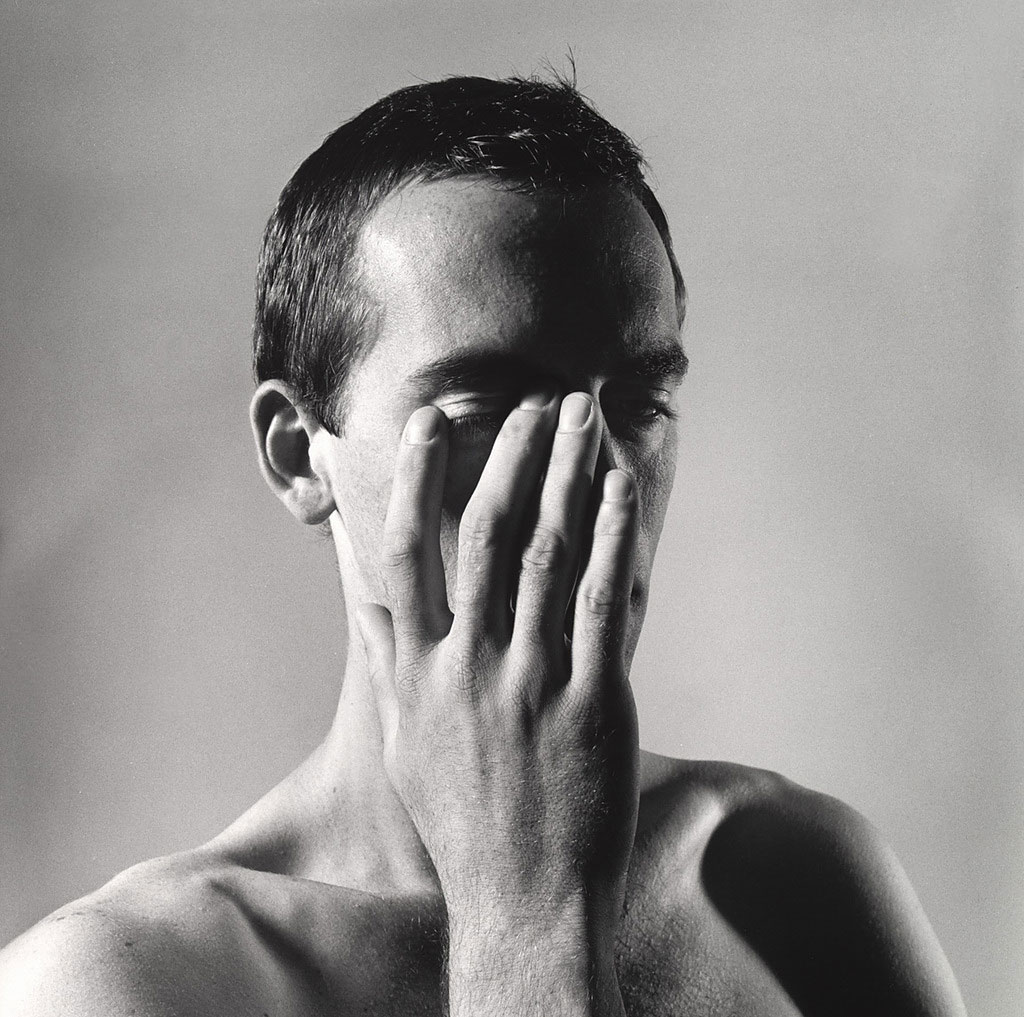
 

Peter Hujar (American, 1934-1987) 'David Wojnarowicz' 1981


Peter Hujar (American, 1934-1987)
David Wojnarowicz
1981
Gelatin silver print
14 x 14″ (35.6 x 35.6cm)
The Fellows of Photography Fund
Museum of Modern Art Collection


Many thankx to MoMA for allowing me to publish four of the photographs in the posting. The rest of the images were sourced from the Internet in order to give the reader a more comprehensive understanding of what this exhibition is actually about – especially if you are thousands of miles away and have no hope of ever seeing it!

Dr Marcus Bunyan


Please click on the photographs for a larger version of the image.


The exhibition is divided into 6 themes each with its own gallery space:

1/ Surveying the Studio
2/ The Studio as Stage
3/ The Studio as Set
4/ A Neutral Space
5/ Virtual Spaces
6/ The Studio, from Laboratory to Playground


A Neutral Space
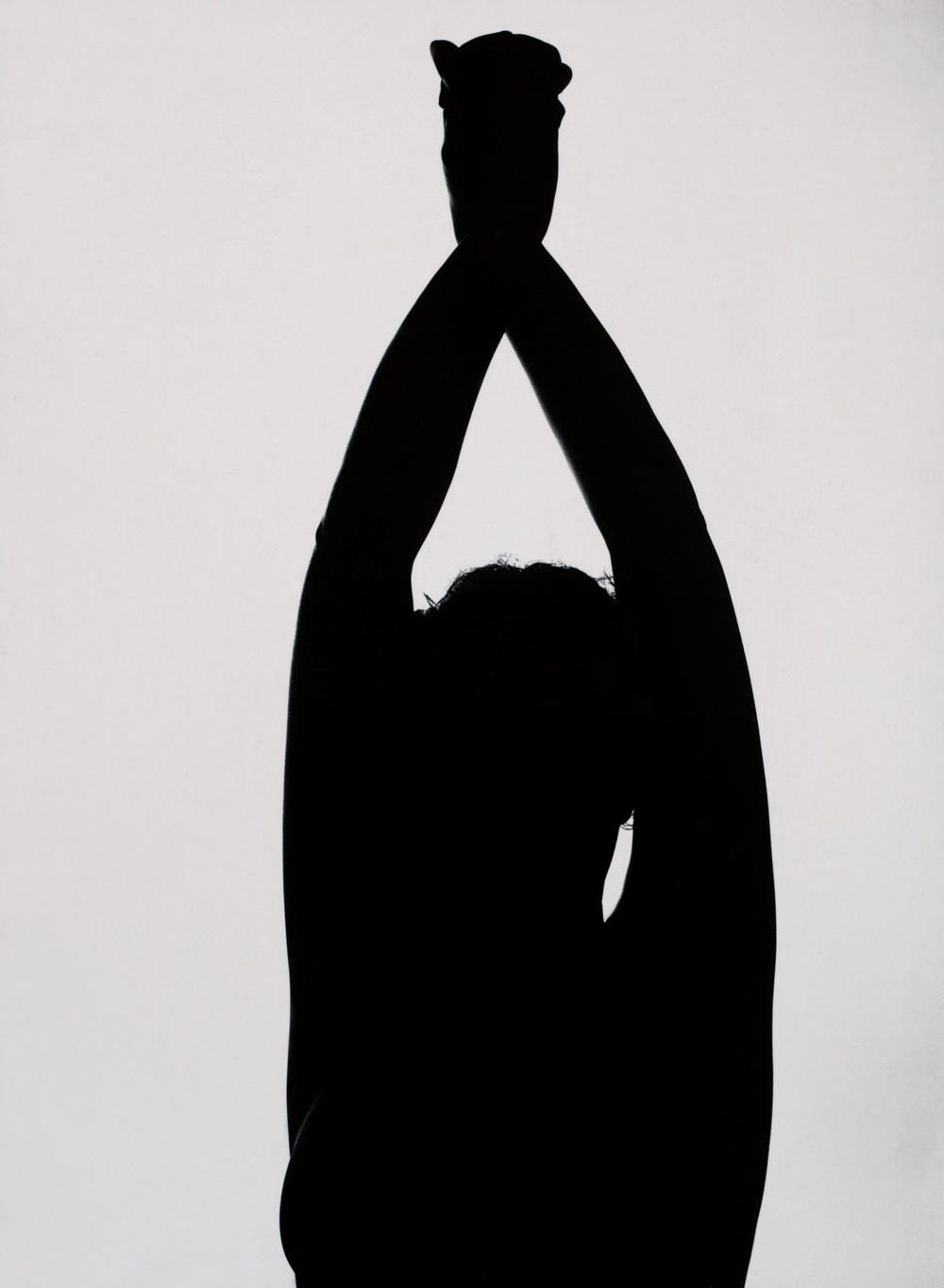
 

Harry Callahan (American, 1912-1999) 'Eleanor' 1948


Harry Callahan (American, 1912-1999)
Eleanor
1948
Gelatin silver print
4 1/2 x 3 1/4″ (11.4 x 8.3cm)
Gift of the artist
Museum of Modern Art Collection


Charles Harry Jones (English, 1866-1959) 'Brussels Sprouts' c. 1900


Charles Harry Jones (English, 1866-1959)
Brussels Sprouts
c. 1900
Gelatin silver printing-out-paper print
6 1/8 × 8 1/16″ (15.5 × 20.5cm)
Acquired through the generosity of Robert B. Menschel
Museum of Modern Art Collection


Charles Harry Jones (1866 – 15 November 1959) was an English gardener and photographer, noted for his still lifes of fruit and vegetables.

The photographs were probably made between 1895 and 1910, and likely while he was employed at Ote Hall. Jones’ work was never exhibited in his lifetime, and was largely unknown even to his family, until the photographic prints were discovered by accident in 1981. Sean Sexton found a suitcase containing hundreds of prints of vegetables, fruits and flowers at Bermondsey antiques market. Other than a very few exceptions, Jones’ photographs exist only in unique examples. None of the glass-plate negatives have been located.

Jones isolated his vegetables, fruits and flowers against neutral dark or light backgrounds, in the manner of formal studio portraits. He used long exposures and small apertures to give depth of field.

Text from the Wikipedia website
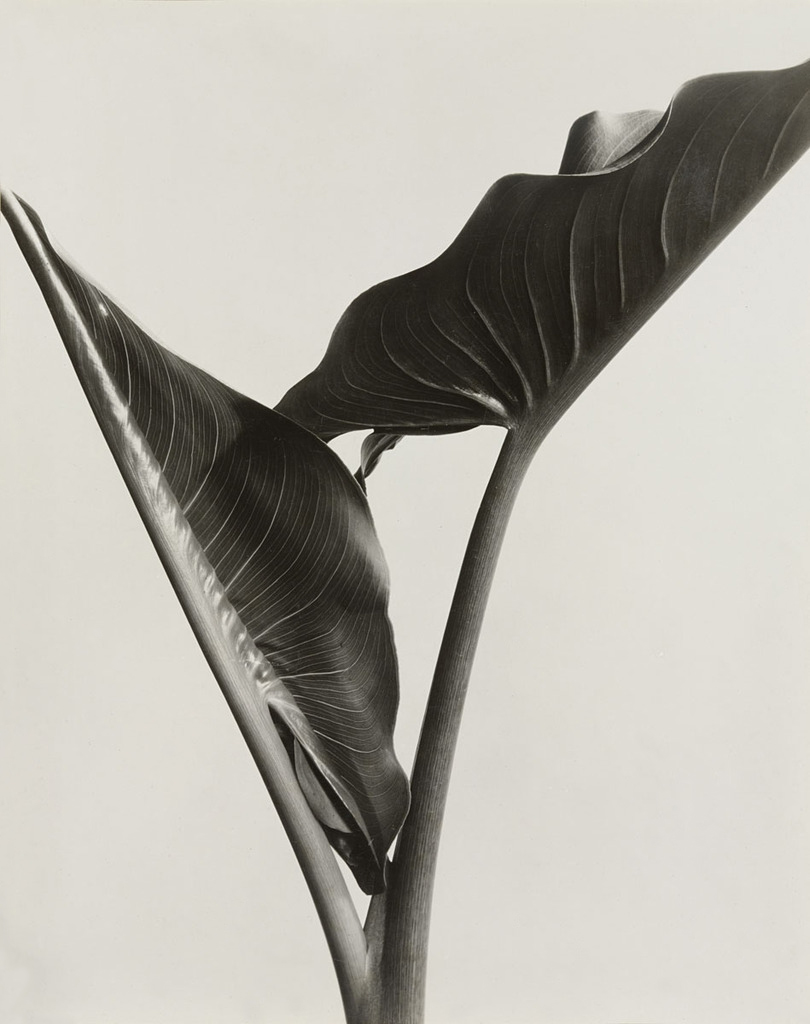
 

Imogen Cunningham (American, 1883-1976) 'Cala Leaves' 1932


Imogen Cunningham (American, 1883-1976)
Cala Leaves
1932
Gelatin silver print
9 9/16 x 7 9/16″ (24.3 x 19.2cm)
Gift of Paul F. Walter
Museum of Modern Art Collection
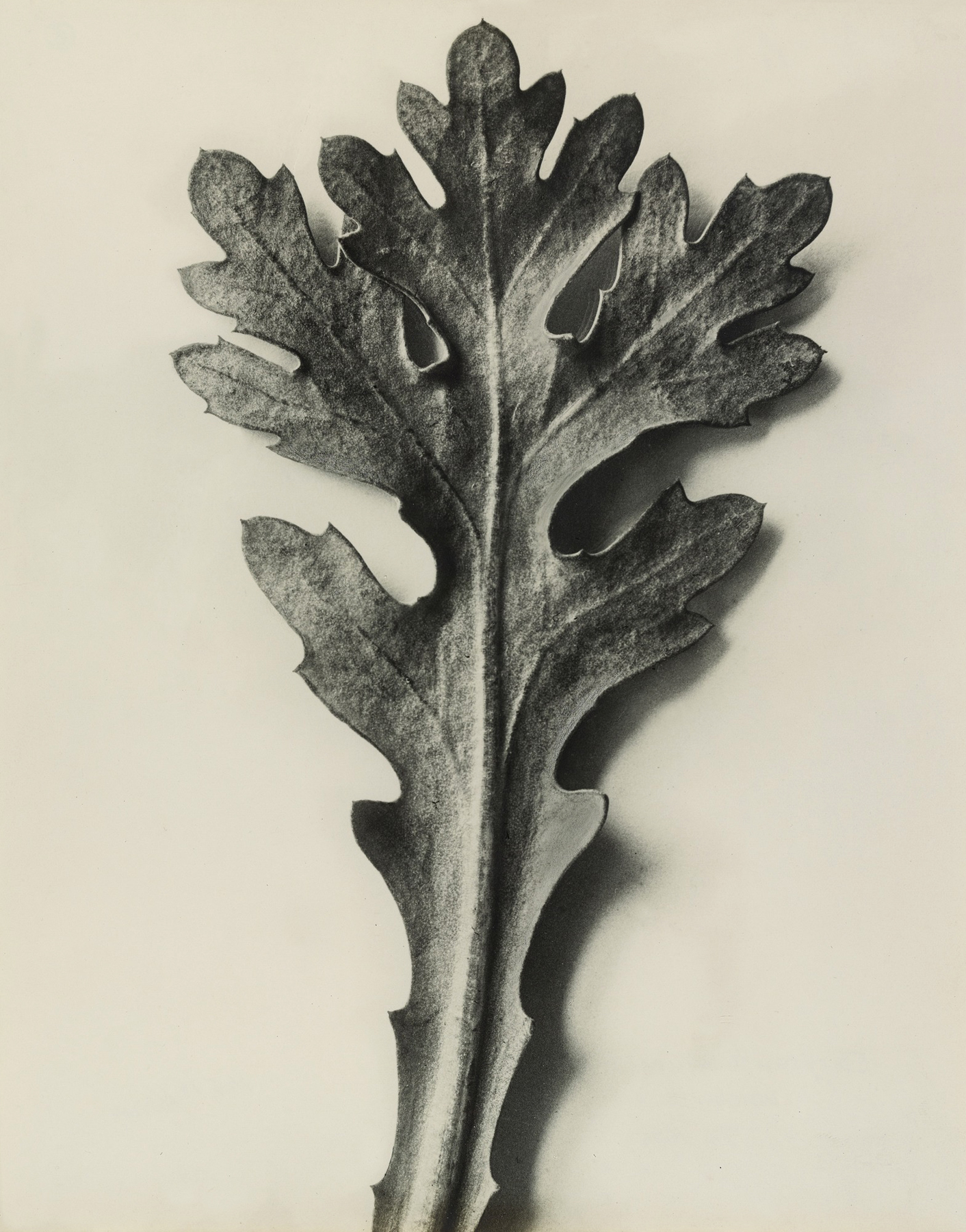
 

Karl Blossfeldt (German, 1865-1932) 'Chrysanthemum segetum – Feverfew' before 1928


Karl Blossfeldt (German, 1865-1932)
Chrysanthemum segetum – Feverfew Enlarged 8 Times
Before 1928
Gelatin silver print
11 15/16 × 9 7/16″ (30.4 × 23.9cm)
Thomas Walther Collection. Gift of James Thrall Soby, by exchange
Museum of Modern Art Collection
© 2022 Karl Blossfeldt / Artists Rights Society (ARS), New York
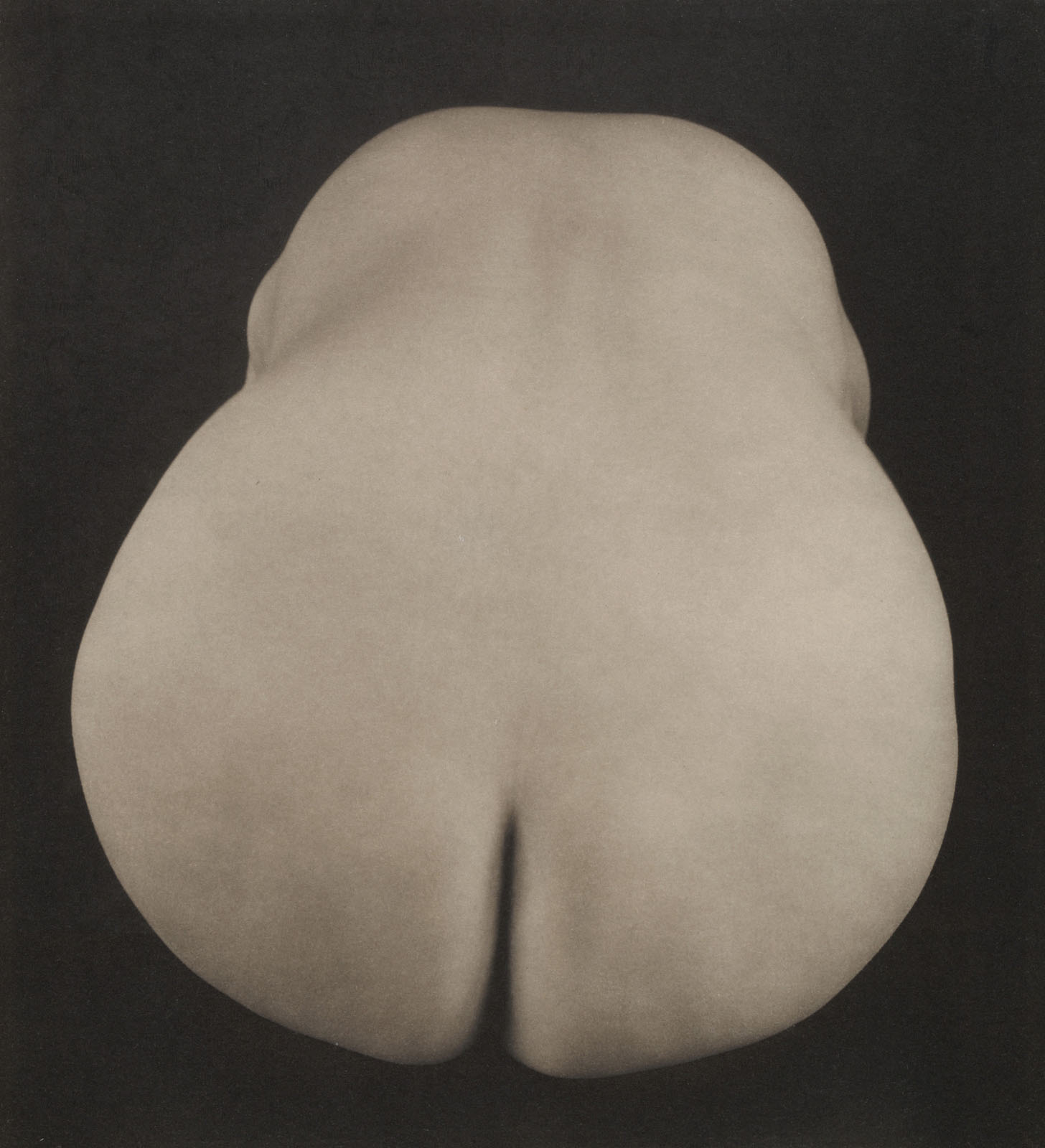
 

Edward Weston (American, 1886-1958) 'Nude, Mexico' 1925


Edward Weston (American, 1886-1958)
Nude, Mexico
1925
Palladium print
8 3/8 × 7 5/8″ (21.2 × 19.3cm)
Gift of David H. McAlpin
Museum of Modern Art Collection
© 1981 Center for Creative Photography, Arizona Board of Regents


Richard Avedon (American, 1923-2004) 'Carl Hoefert, unemployed blackjack dealer, Reno, Nevada', from the series 'In the American West' August 30, 1983


Richard Avedon (American, 1923-2004)
Carl Hoefert, unemployed blackjack dealer, Reno, Nevada, from the series In the American West
August 30, 1983
Gelatin silver print, printed 1985
47 1/2 x 37 1/2″ (120.6 x 95.2cm)
Gift of the artist
Museum of Modern Art Collection
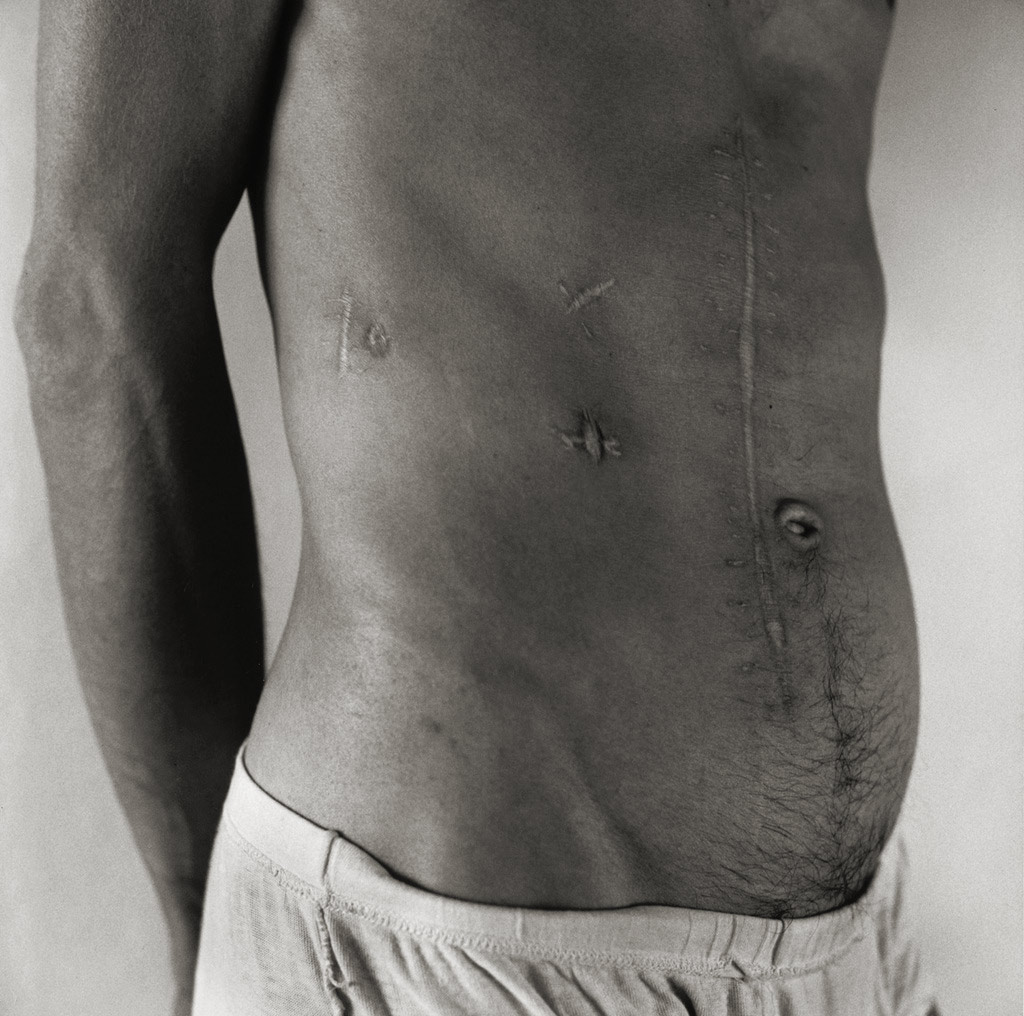
 

Peter Hujar (American, 1934-1987) 'Pascal (Paris)' 1980


Peter Hujar (American, 1934-1987)
Pascal (Paris)
1980
Gelatin silver print
14 5/8 x 14 11/16″ (37.1 x 37.3cm)
Gift of David Wojnarowicz
Museum of Modern Art Collection
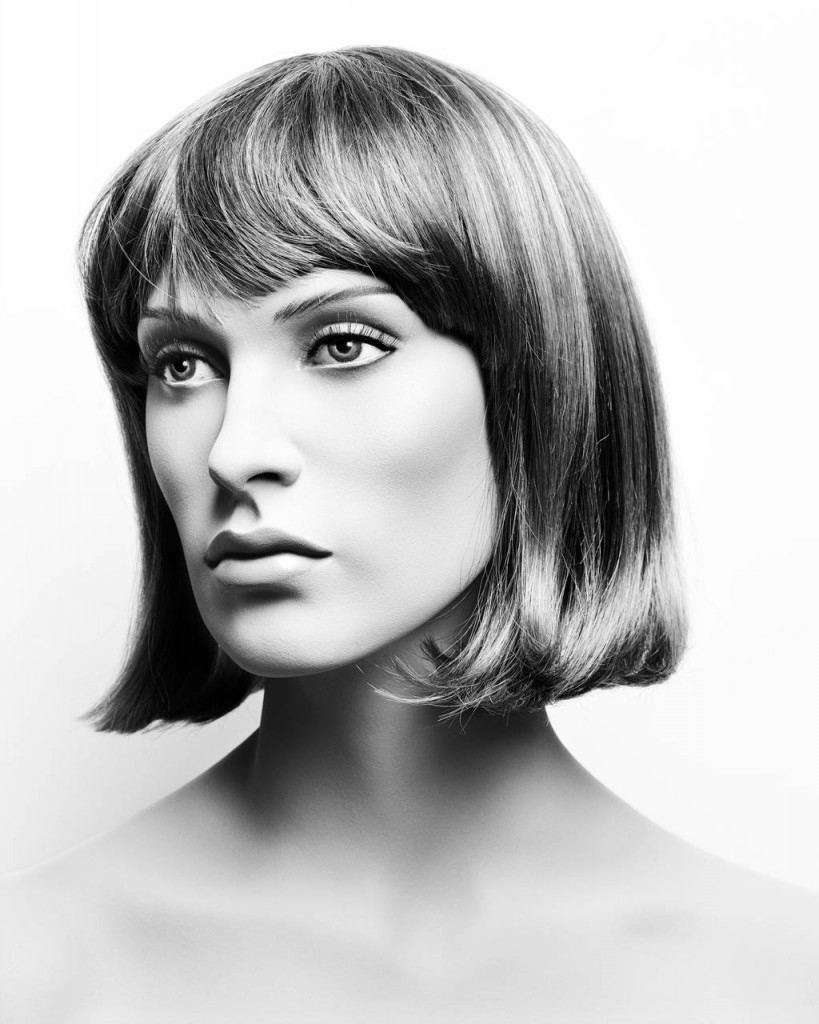
 

Valérie Belin (French, b. 1964) 'Untitled' from the series 'Mannequins' 2003


Valérie Belin (French, b. 1964)
Untitled from the series Mannequins
2003
Gelatin silver print
61 x 49″ (154.9 x 124.5cm)
Purchase
Museum of Modern Art Collection
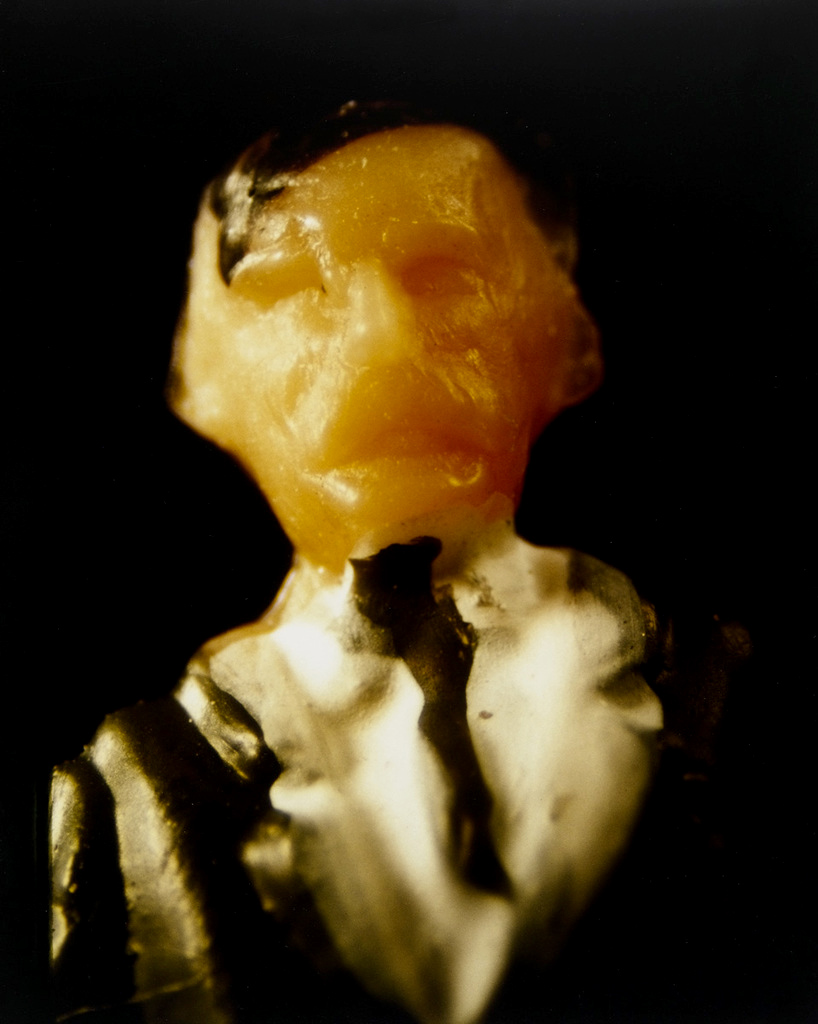
 

Laurie Simmons (American, b. 1949) Allan McCollum (American, b. 1944) 'Untitled' from the series 'Actual Photos' 1985


Laurie Simmons (American, b. 1949)
Allan McCollum (American, b. 1944)
Untitled from the series Actual Photos
1985
Silver dye bleach print
9 5/16 x 6 5/16″ (23.7 x 16.1cm)
Joel and Anne Ehrenkranz Fund
Museum of Modern Art Collection
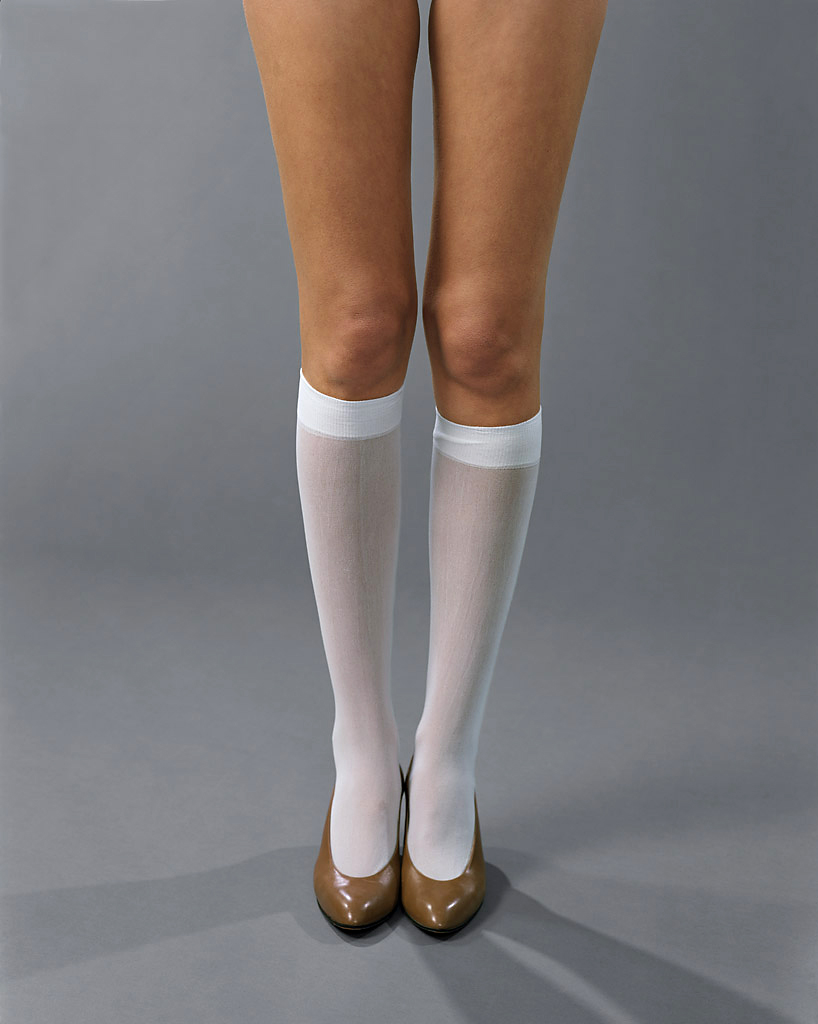
 

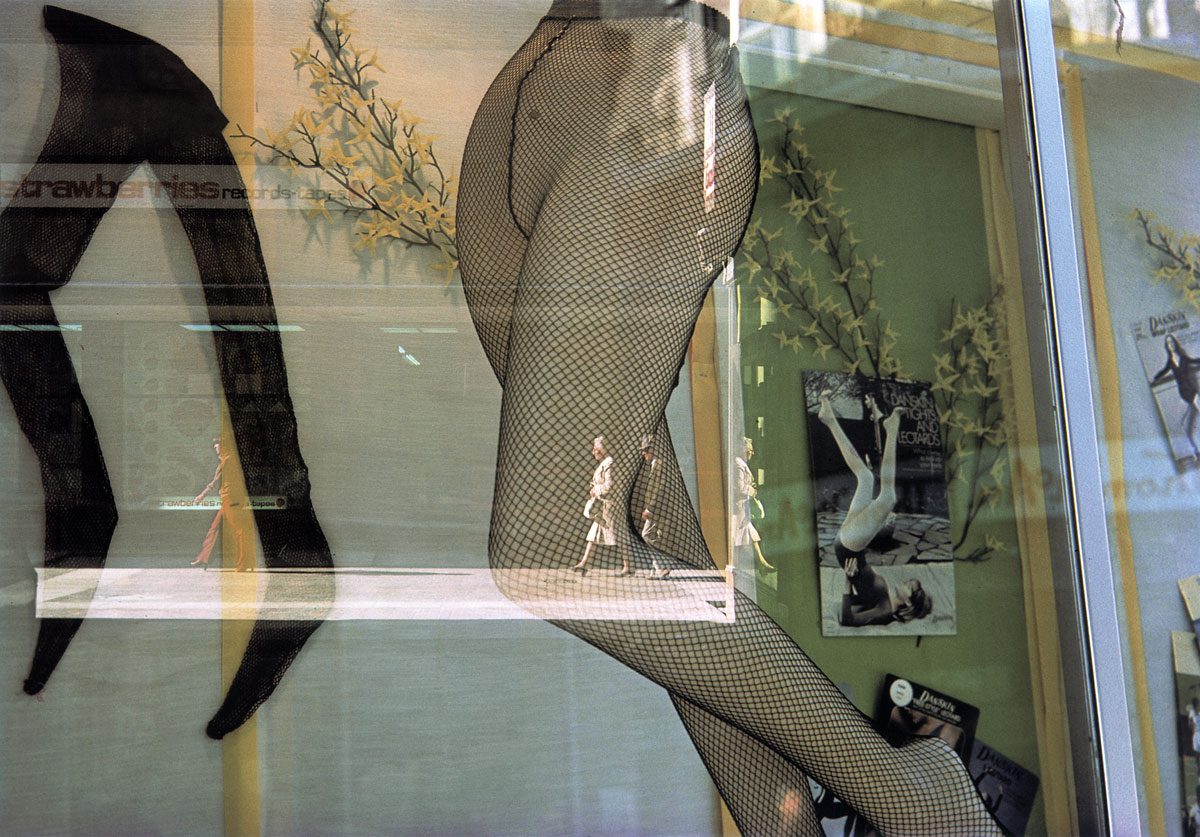
Josephine Meckseper (German, b. 1964) 'Blow-Up (Michelli, Knee-Highs)' 2006


Josephine Meckseper (German, b. 1964)
Blow-Up (Michelli, Knee-Highs)
2006
Chromogenic colour print
78 5/8 x 62 5/8″ (199.7 x 159.1cm)
Fund for the Twenty-First Century
Museum of Modern Art Collection
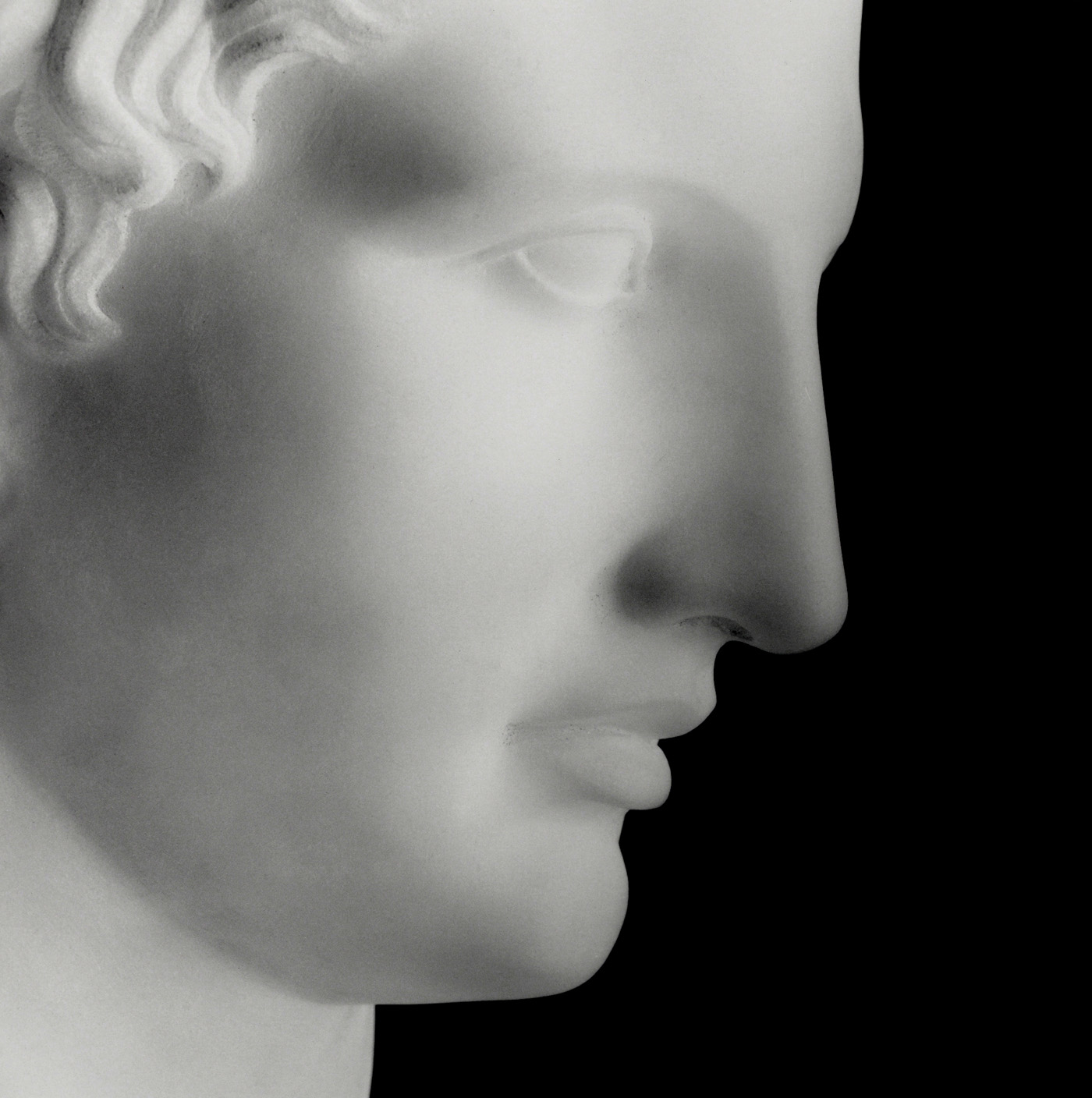
 

Robert Mapplethorpe (American, 1946-1989) 'Hermes' 1988


Robert Mapplethorpe (American, 1946-1989)
Hermes
1988
Gelatin silver print
19 1/4 × 19 1/4″ (48.9 × 48.9cm)
Gift of Agnes Gund
Museum of Modern Art Collection
© 2022 Robert Mapplethorpe Foundation


Virtual Spaces


Christian Marclay (American and Swiss, b. 1955) 'Allover (Genesis, Travis Tritt, and Others)' 2008


Christian Marclay (American and Swiss, b. 1955)
Allover (Genesis, Travis Tritt, and Others)
2008
Cyanotype
Composition and sheet: 51 1/2 x 97 3/4″ (130.8 x 248.3cm)
Publisher and printer: Graphic studio, University of South Florida, Tampa
Acquired through the generosity of Steven A. and Alexandra M. Cohen
Museum of Modern Art Collection


Luigi Veronesi (Italian, 1908-1998) 'Composition' 1935


Luigi Veronesi (Italian, 1908-1998)
Composition
1935
Gelatin silver print
9 7/16 × 11 1/4″ (24 × 28.6 cm)
Thomas Walther Collection. Gift of Ansel Adams, by exchange
Museum of Modern Art Collection
© 2022 Archivio Luigi Veronesi, Milan


Luigi Veronesi (28 May 1908 – 25 February 1998) was an Italian photographer, painter, scenographer and film director born in Milan.
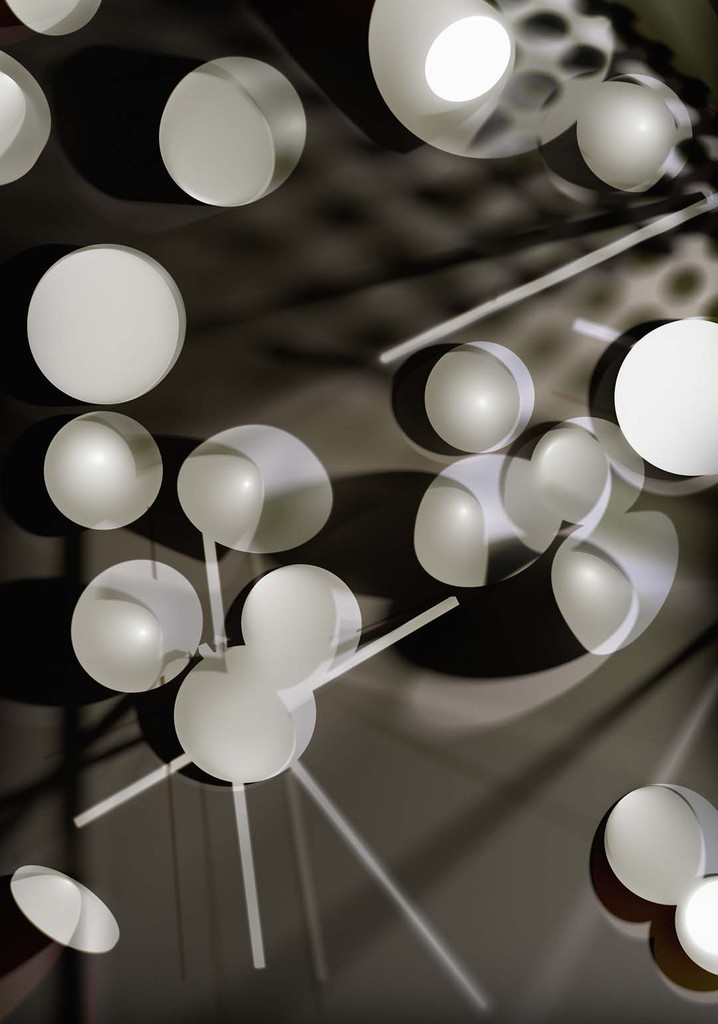
 

Thomas Ruff (German, b. 1958) 'phg.06' 2012


Thomas Ruff (German, b. 1958)
phg.06
2012
Chromogenic colour print
100 3/8 x 72 13/16″ (255 x 185cm)
Courtesy David Zwirner, New York/London
Museum of Modern Art Collection
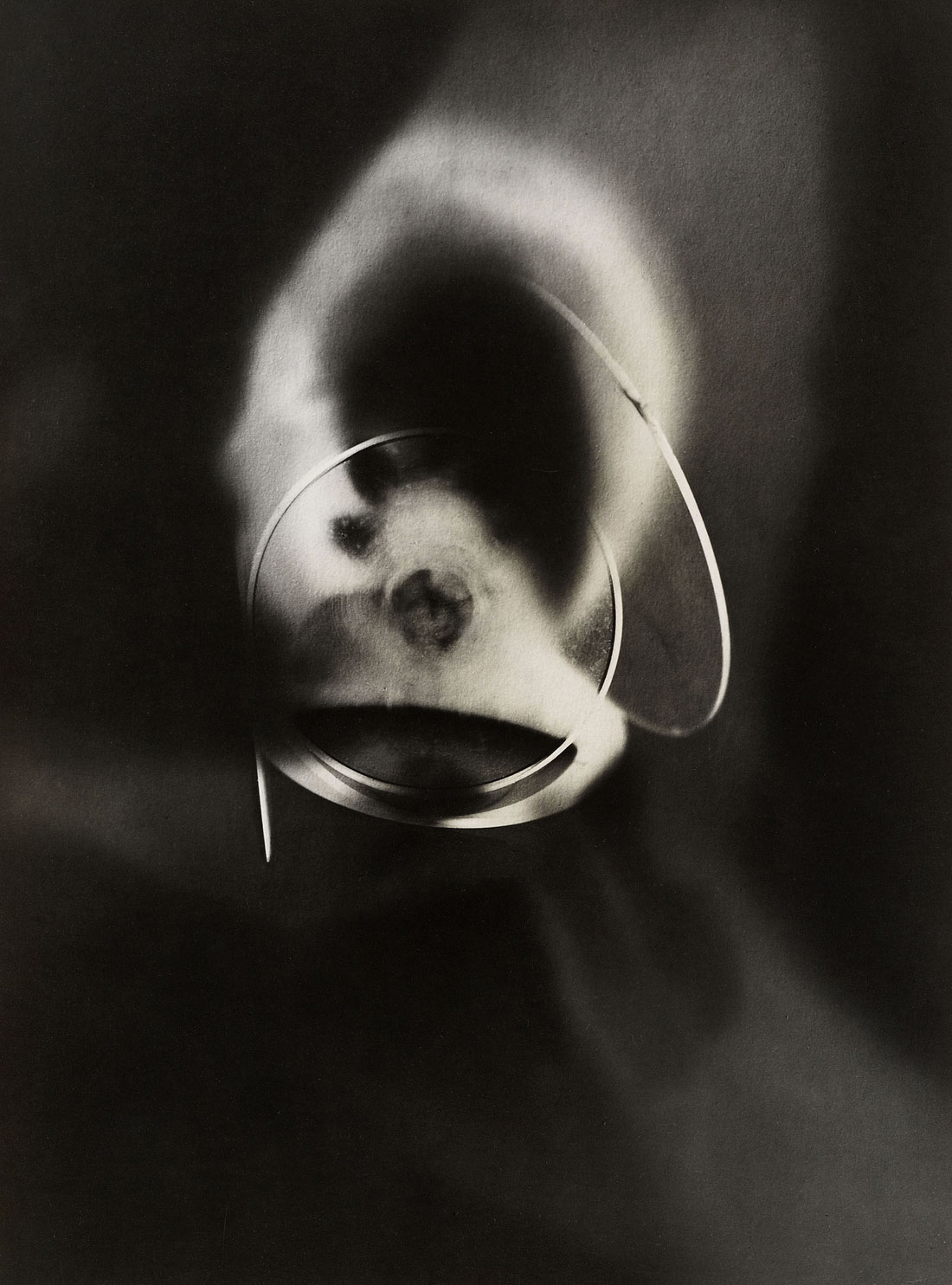
 

Man Ray (American, 1890-1976) 'Rayograph' 1923


Man Ray (American, 1890-1976)
Rayograph
1923
Gelatin silver print
9 7/16 x 7″ (23.9 x 17.8cm)
Purchase
Museum of Modern Art Collection
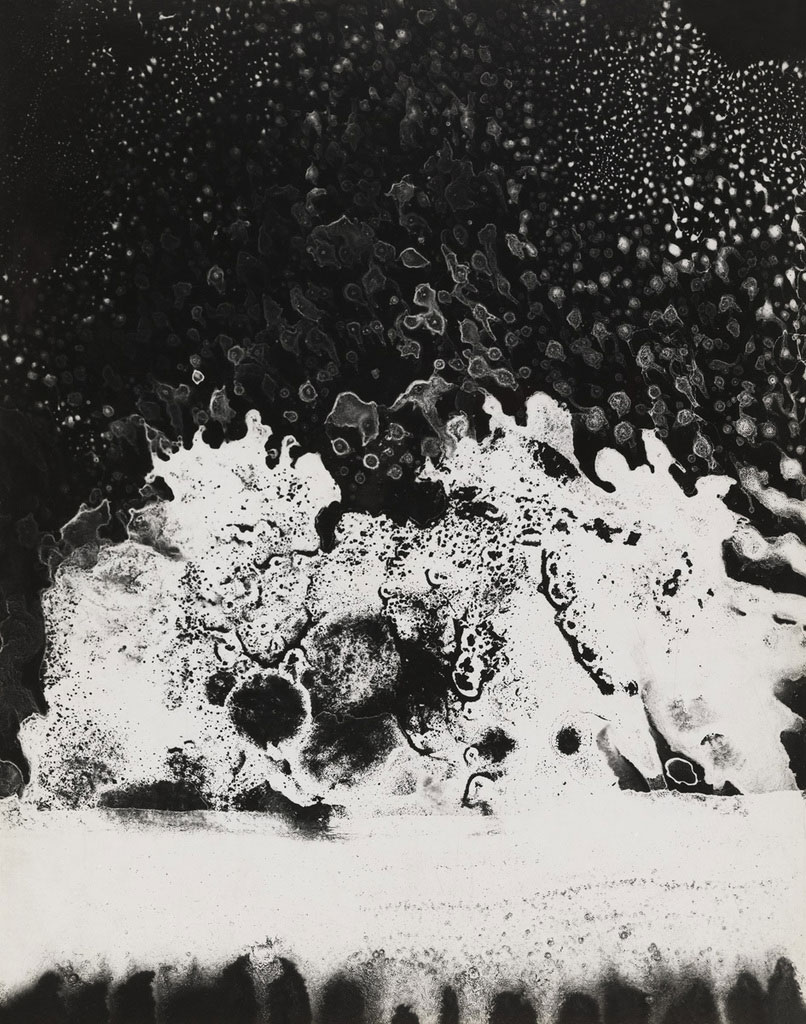
 

György Kepes (American born Hungary, 1906-2001) 'Abstraction – Surface Tension #2' c. 1940


György Kepes (American born Hungary, 1906-2001)
Abstraction – Surface Tension #2
c. 1940
Gelatin silver print
14 x 11 1/8″ (35.6 x 28.3cm)
Gift of the artist
Museum of Modern Art Collection


The Studio, from Laboratory to Playground


Barbara Morgan (American, 1900-1992) 'Pure Energy and Neurotic Man' 1941


Barbara Morgan (American, 1900-1992)
Pure Energy and Neurotic Man
1941
Gelatin silver print, printed 1971
19 1/8 x 15 1/2″ (48.6 x 39.3cm)
Gift of the artist
Museum of Modern Art Collection


Barbara Morgan (American, 1900-1992) 'Cadenza' 1940


Barbara Morgan (American, 1900-1992)
Cadenza
1940
Gelatin silver print, printed 1971
17 7/8 x 15″ (45.4 x 38.2cm)
Gift of the artist
Museum of Modern Art Collection
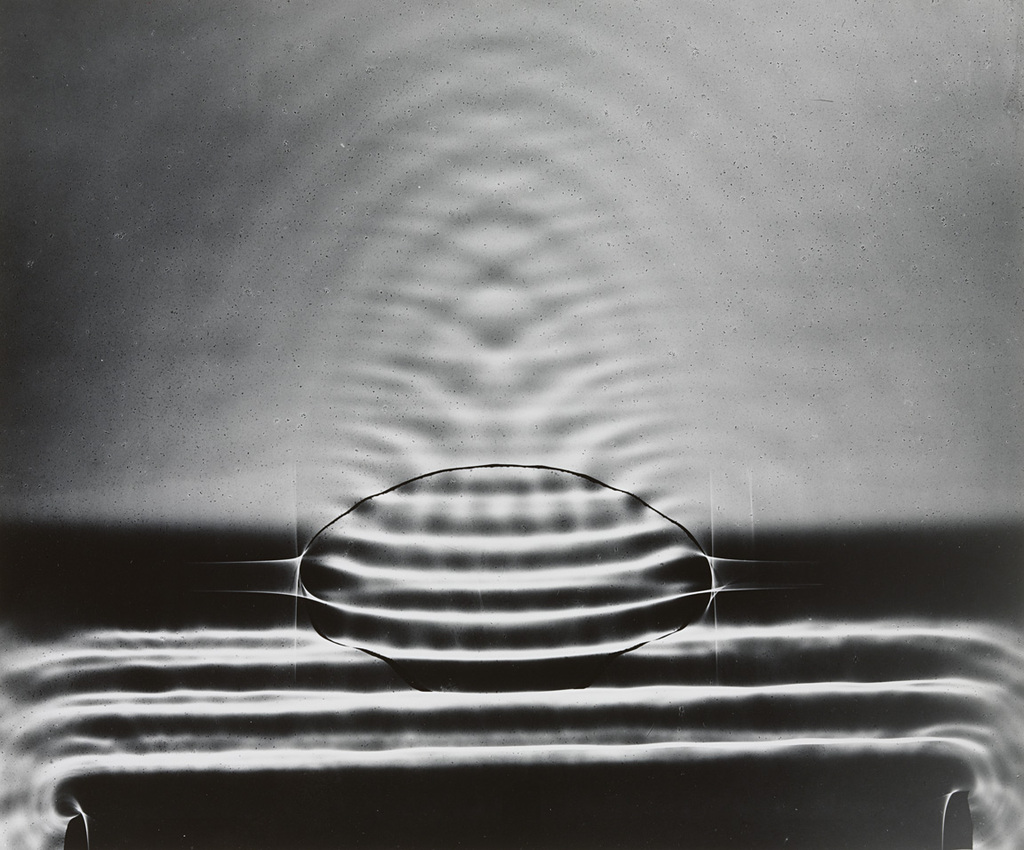
 

Berenice Abbott (American, 1898-1991) 'Focusing Water Waves, Massachusetts Institute of Technology' 1958-1961


Berenice Abbott (American, 1898-1991)
Focusing Water Waves, Massachusetts Institute of Technology
1958-1961
Gelatin silver print
6 9/16 x 7 15/16″ (16.7 x 20.1cm)
Gift of Ronald A. Kurtz
Museum of Modern Art Collection


Berenice Abbott (American, 1898-1991) 'Wave Pattern with Glass Plate, Massachusetts Institute of Technology' 1958-1961


Berenice Abbott (American, 1898-1991)
Wave Pattern with Glass Plate, Massachusetts Institute of Technology
1958-1961
Gelatin silver print
6 9/16 x 7 9/16″ (16.7 x 19.2cm)
Gift of Ronald A. Kurtz
Museum of Modern Art Collection
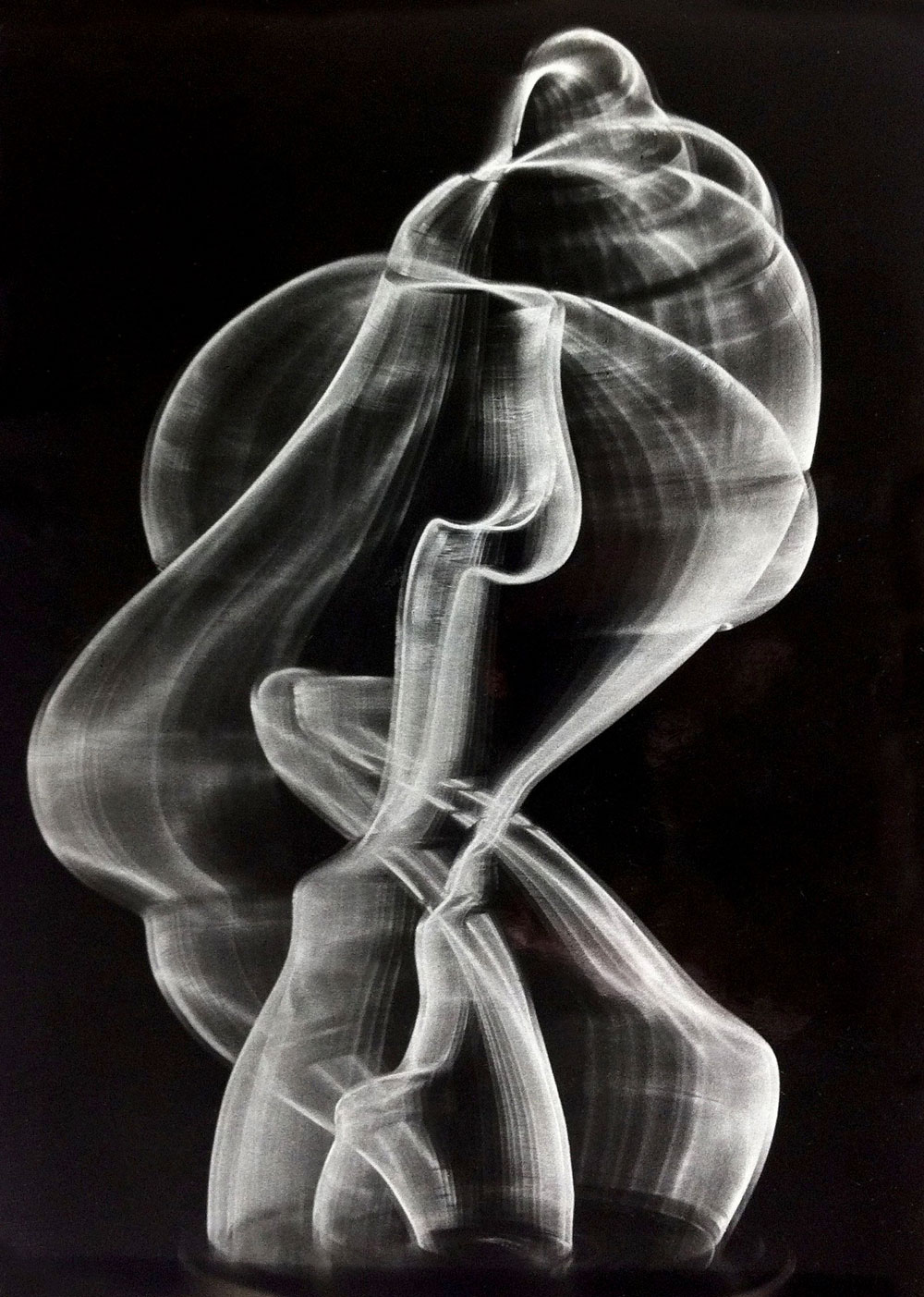
 

Heinz Hajek-Halke (German, 1898-1983) 'Embrace (Umarmung)' 1947-1951


Heinz Hajek-Halke (German, 1898-1983)
Embrace (Umarmung)
1947-1951
Gelatin silver print
15 5/8 x 11 3/8″ (39.7 x 29.0cm)
Gift of the artist
Museum of Modern Art Collection
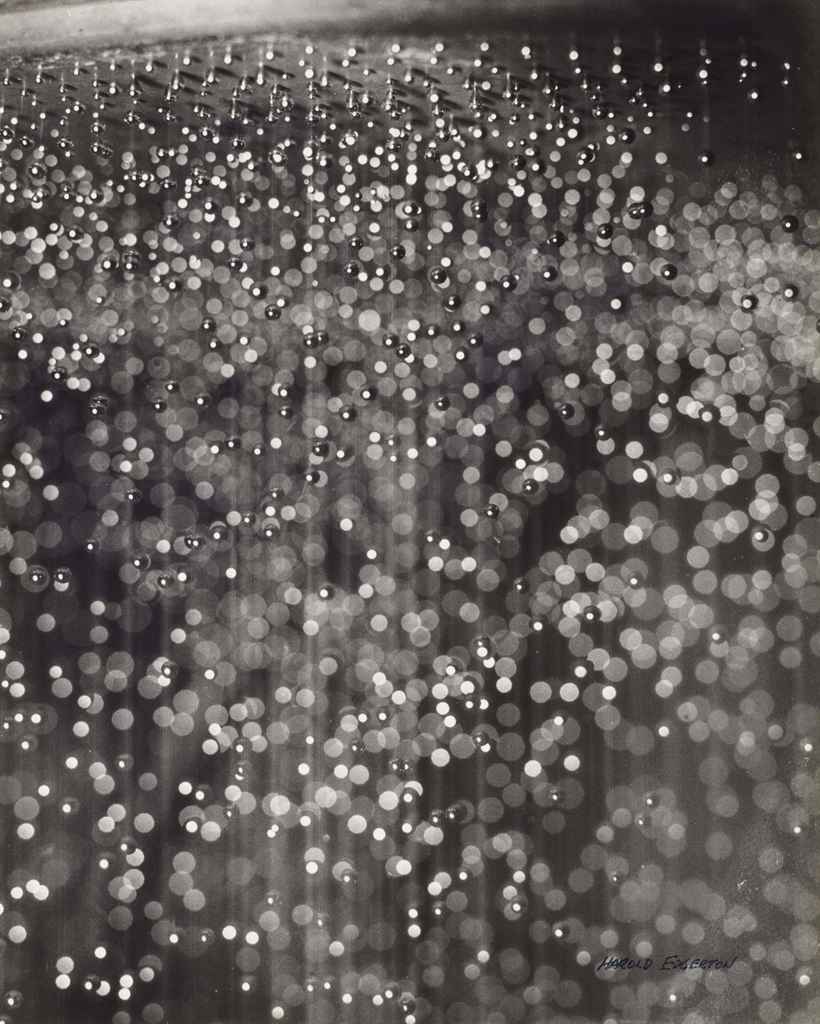
 

Harold Edgerton (American, 1903-1990) 'Lead Falling in a Shot Tower' 1936


Harold Edgerton (American, 1903-1990)
Lead Falling in a Shot Tower
1936
Gelatin silver print
7 9/16 x 9 1/2″ (19.3 x 24.2cm)
Gift of Gus and Arlette Kayafas
Museum of Modern Art Collection


Harold Edgerton (American, 1903-1990) 'Bouncing Ball Bearing' 1962


Harold Edgerton (American, 1903-1990)
Bouncing Ball Bearing
1962
Gelatin silver print
9 9/16 x 7 11/16″ (24.3 x 19.5cm)
Gift of Gus and Arlette Kayafas
Museum of Modern Art Collection
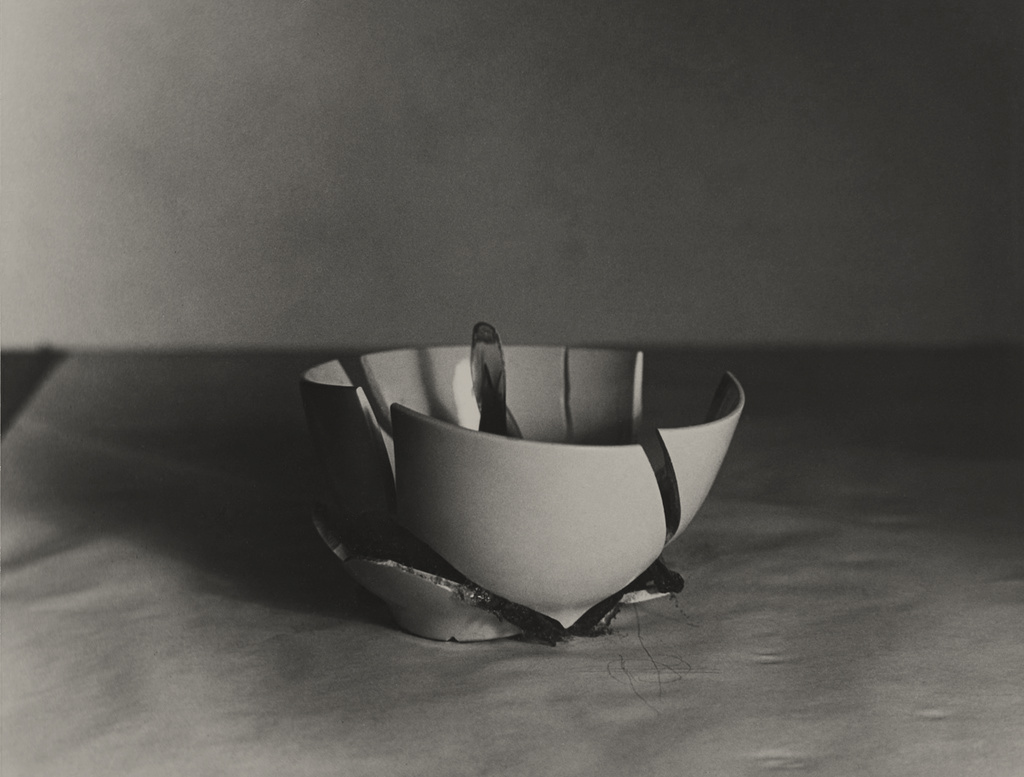
 

Harold Edgerton (American, 1903-1990) 'This is Coffee' 1933


Harold Edgerton (American, 1903-1990)
This is Coffee
1933
Gelatin silver print
9 7/8 x 12 7/8″ (25.1 x 32.7cm)
Gift of the artist
Museum of Modern Art Collection


Roman Signer (Swiss, b. 1938) 'Sand Curtain (Sandvorhang)' 1983


Roman Signer (Swiss, b. 1938)
Sand Curtain (Sandvorhang)
1983
Super 8 film transferred to video (colour, silent)
Approximately 2 min.
Committee on Media Funds
Museum of Modern Art Collection


Roman Signer (Swiss, b. 1938) 'Sand Stairs (Sandtreppe)' 1975


Roman Signer (Swiss, b. 1938)
Sand Stairs (Sandtreppe)
1975
Super 8 film transferred to video (colour, silent)
Approximately 2 min.
Committee on Media Funds
Museum of Modern Art Collection


Roman Signer (Swiss, b. 1938) 'Rubber Motor (Gummimotor)' 1983


Roman Signer (Swiss, b. 1938)
Rubber Motor (Gummimotor)
1983
Super 8 film transferred to video (colour, silent)
Approximately 2 min.
Committee on Media Funds
Museum of Modern Art Collection
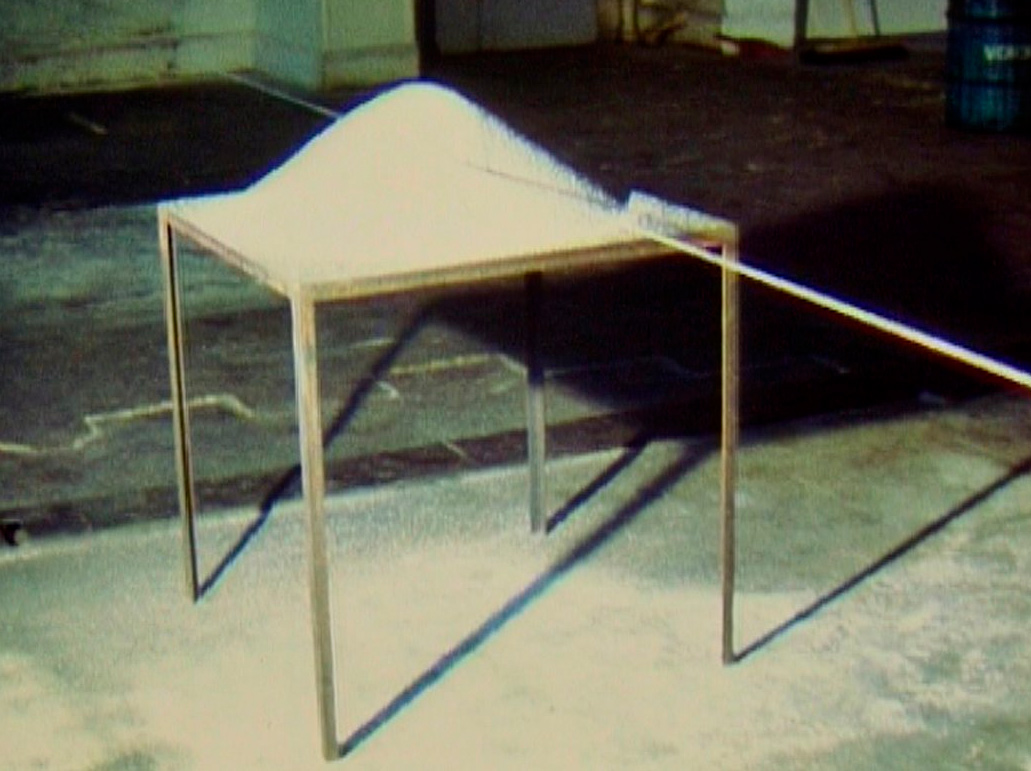
 

Roman Signer (Swiss, b. 1938) 'Sand Cone (Sandkegel)' 1984


Roman Signer (Swiss, b. 1938)
Sand Cone (Sandkegel)
1984
Super 8 film transferred to video (colour, silent)
Approximately 2 min.
Committee on Media Funds
Museum of Modern Art Collection
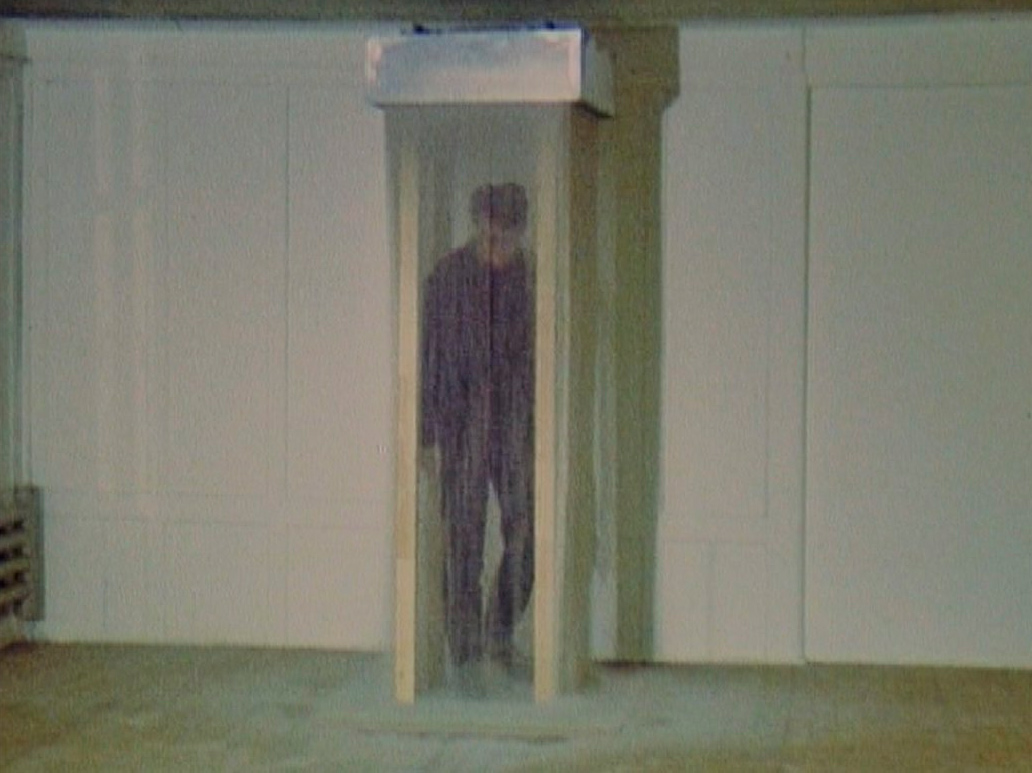
 

Roman Signer (Swiss, b. 1938) 'Sand Pillar (Sandturm)' 1987


Roman Signer (Swiss, b. 1938)
Sand Pillar (Sandturm)
1987
Super 8 film transferred to video (colour, silent)
Approximately 2 min.
Committee on Media Funds
Museum of Modern Art Collection
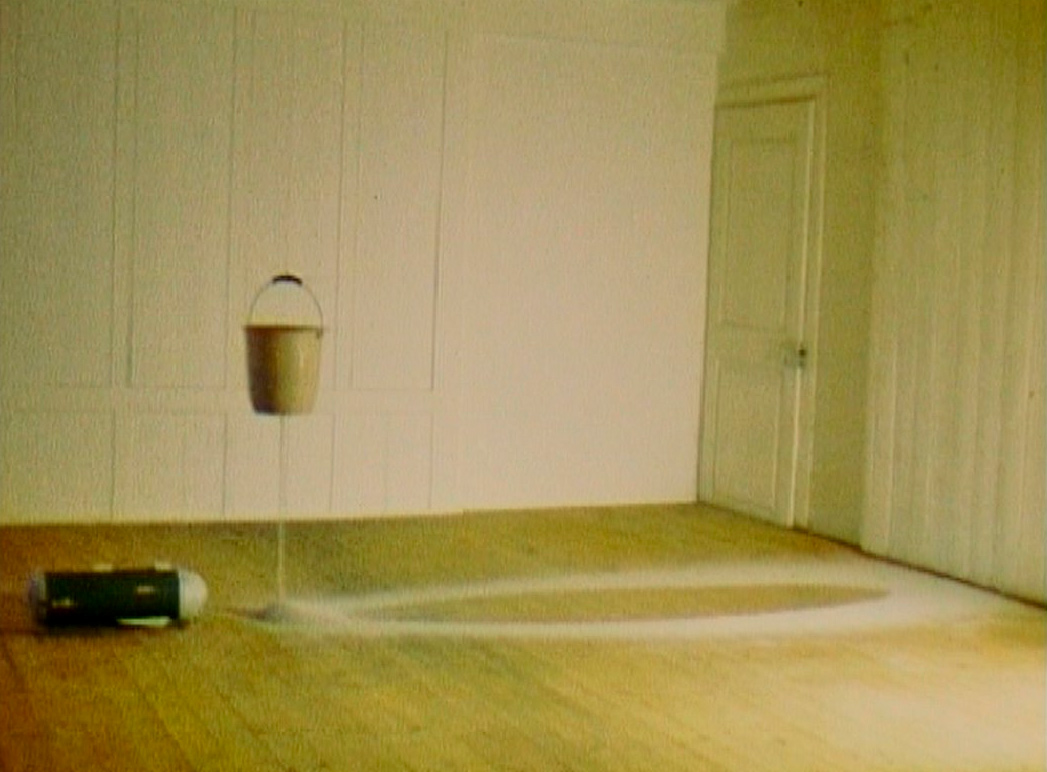
 

Roman Signer (Swiss, b. 1938) 'Sand (Sand)' 1988


Roman Signer (Swiss, b. 1938)
Sand (Sand)
1988
Super 8 film transferred to video (colour, silent)
Approximately 2 min.
Committee on Media Funds
Museum of Modern Art Collection
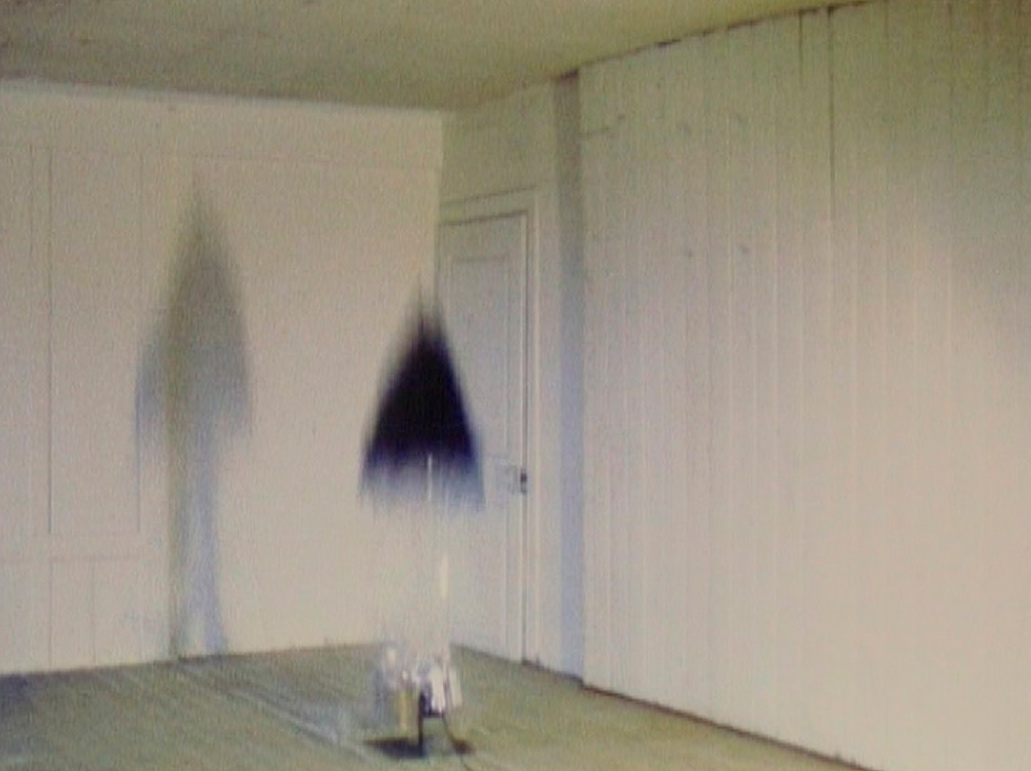
 

Roman Signer (Swiss, b. 1938) 'Umbrella (Schirm)' 1989


Roman Signer (Swiss, b. 1938)
Umbrella (Schirm)
1989
Super 8 film transferred to video (colour, silent)
Approximately 2 min.
Committee on Media Funds
Museum of Modern Art Collection
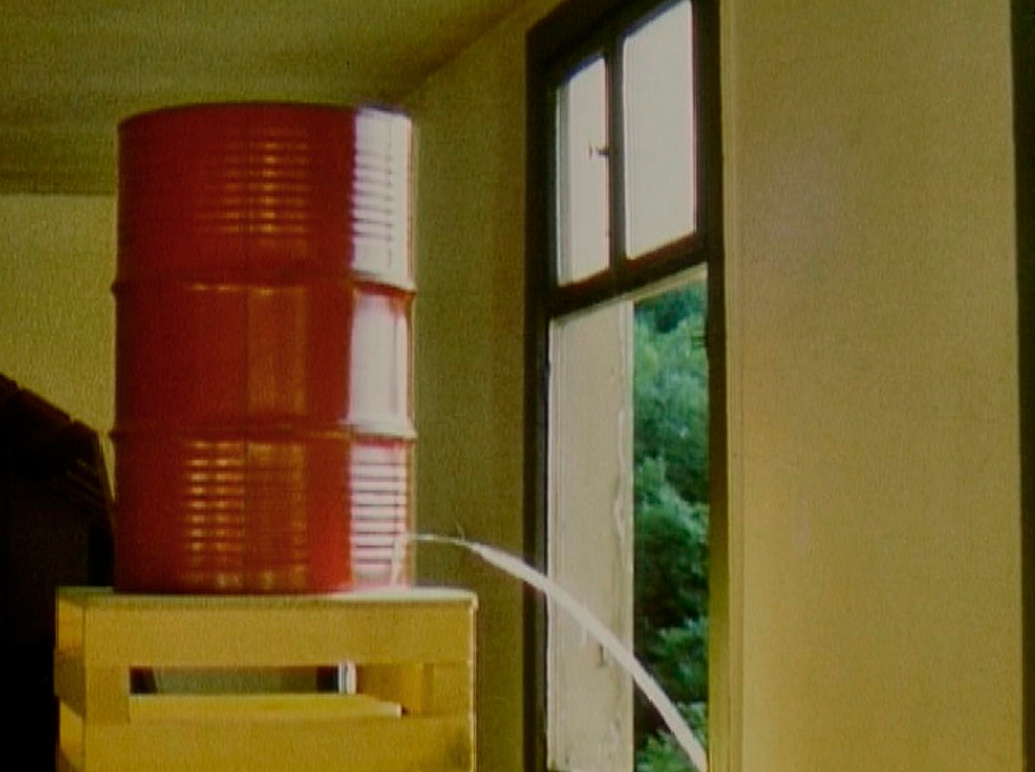
 

Roman Signer (Swiss, b. 1938) 'Barrel (Fass)' 1985


Roman Signer (Swiss, b. 1938)
Barrel (Fass)
1985
Super 8 film transferred to video (colour, silent)
Approximately 2 min.
Committee on Media Funds
Museum of Modern Art Collection
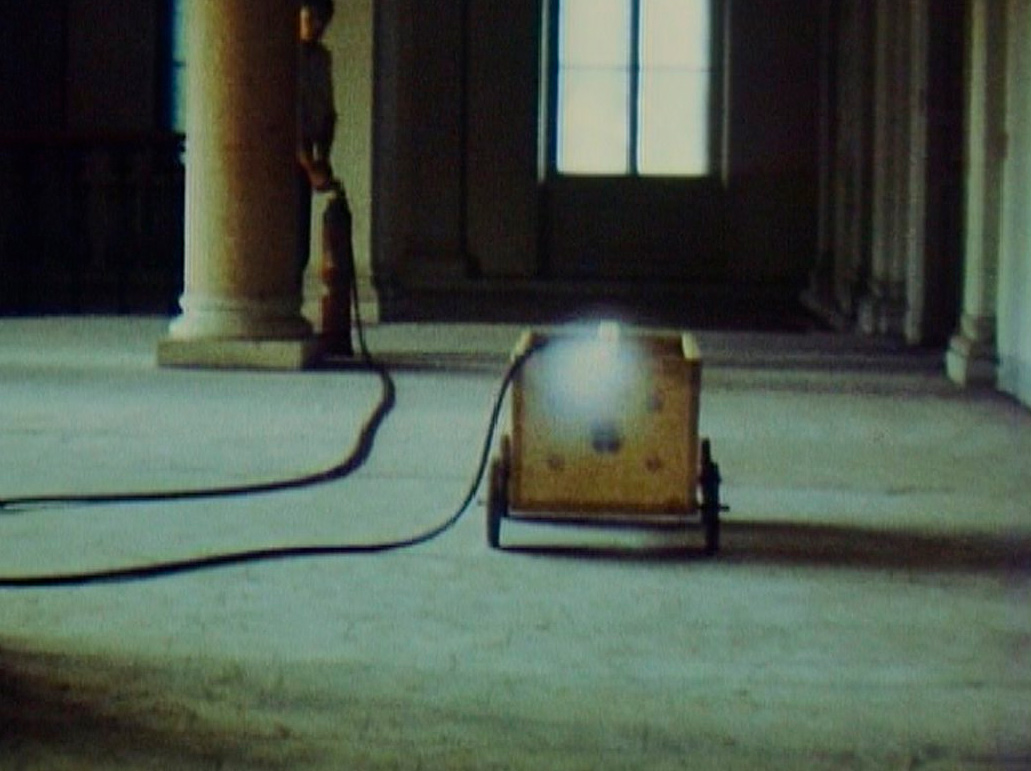
 

Roman Signer (Swiss, b. 1938) 'Carriage (Wagen)' 1982


Roman Signer (Swiss, b. 1938)
Carriage (Wagen)
1982
Super 8 film transferred to video (colour, silent)
Approximately 2 min.
Committee on Media Funds
Museum of Modern Art Collection
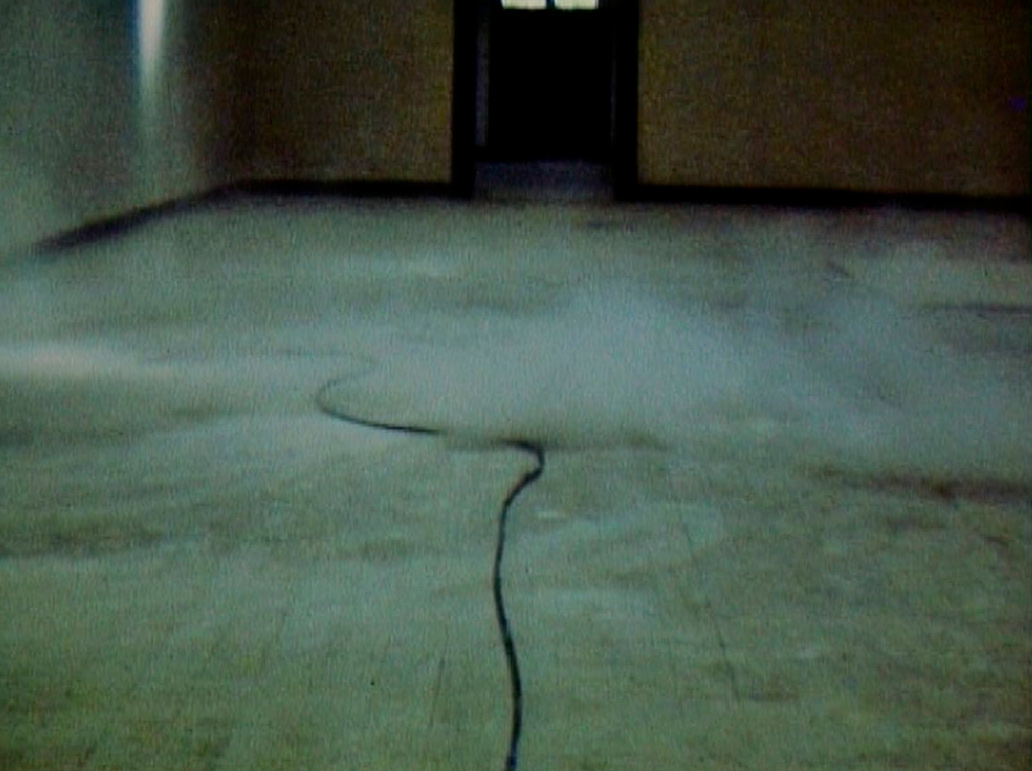
 

Roman Signer (Swiss, b. 1938) 'Tube (Schlauch)' 1982


Roman Signer (Swiss, b. 1938)
Tube (Schlauch)
1982
Super 8 film transferred to video (colour, silent)
Approximately 2 min.
Committee on Media Funds
Museum of Modern Art Collection


Roman Signer (b. 1938 in Appenzell, Switzerland) is principally a visual artist who works in sculpture, installations photography, and video. Signer’s work has grown out of, and has affinities with both land art and performance art, but they are not typically representative of either category.It is often being described as following the tradition of the Swiss engineer-artist, such as Jean Tinguely and Peter Fischli & David Weiss.

Signer’s “action sculptures” involve setting up, carrying out, and recording “experiments” or events that bear aesthetic results. Day-to-day objects such as umbrellas, tables, boots, containers, hats and bicycles are part of Signer’s working vocabulary. Following carefully planned and strictly executed and documented procedures, the artist enacts and records such acts as explosions, collisions, and the projection of objects through space. Signer advocates ‘controlled destruction, not destruction for its own sake’. Action Kurhaus Weissbad (1992) saw chairs catapulted out of a hotel’s windows; Table (1994) launched a table into the sea on four buckets; Kayak (2000) featured the artist being towed down a road in a canoe. In documenta 8 (1987), he catapulted thousands of sheets of paper into the air to create an ephemeral wall in the room for a brief, but all the more intense moment. As the Swiss representative at the Venice Biennale in 1999, he made 117 steel balls fall from the ceiling on to lumps of clay lying on the ground. Many of his happenings are not for public viewing, and are only documented in photos and film. Video works like Stiefel mit Rakete (Boot with Rocket) are integral to Signer’s performances, capturing the original setup of materials that self-destruct in the process of creating an emotionally and visually compelling event.

Text from Wikipedia website


Kiki Smith (American born Germany, b. 1954) 'My Secret Business' 1993


Kiki Smith (American born Germany, b. 1954)
My Secret Business
1993
Lithograph
23 9/16 x 18 1/8″ (59.8 x 46cm)
Gift of Howard B. Johnson
Museum of Modern Art Collection
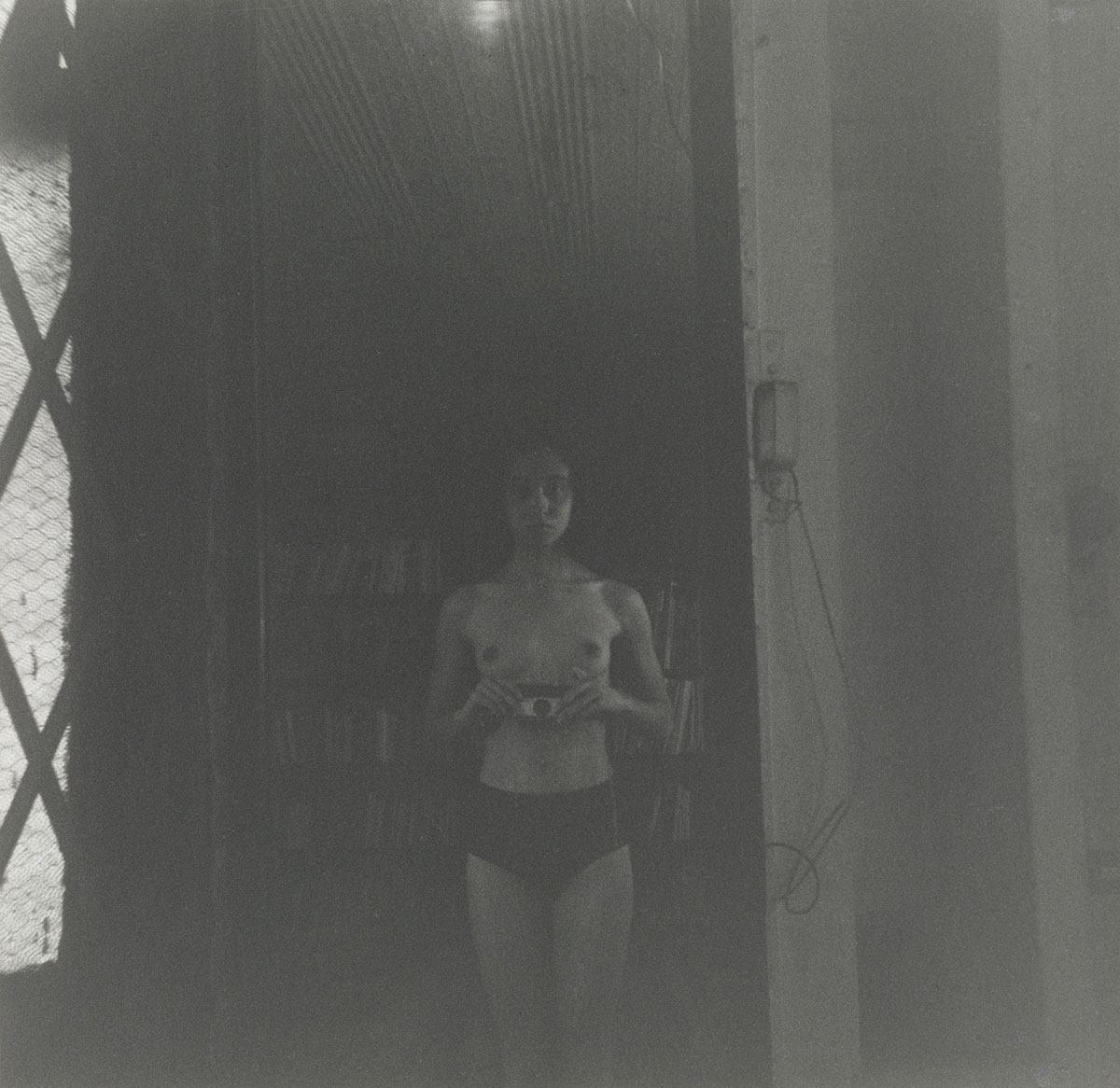
 

Adrian Piper (American, b. 1948) 'Food for the Spirit #2' 1971, printed 1997


Adrian Piper (American, b. 1948)
Food for the Spirit #2
1971, printed 1997
Gelatin silver print
14 9/16 x 15″ (37 x 38.1cm)
The Family of Man Fund
Museum of Modern Art Collection


Adrian Piper (American, b. 1948) 'Food for the Spirit #8' 1971, printed 1997


Adrian Piper (American, b. 1948)
Food for the Spirit #8
1971, printed 1997
Gelatin silver print
14 9/16 x 14 15/16″ (37 x 38cm)
The Family of Man Fund
Museum of Modern Art Collection
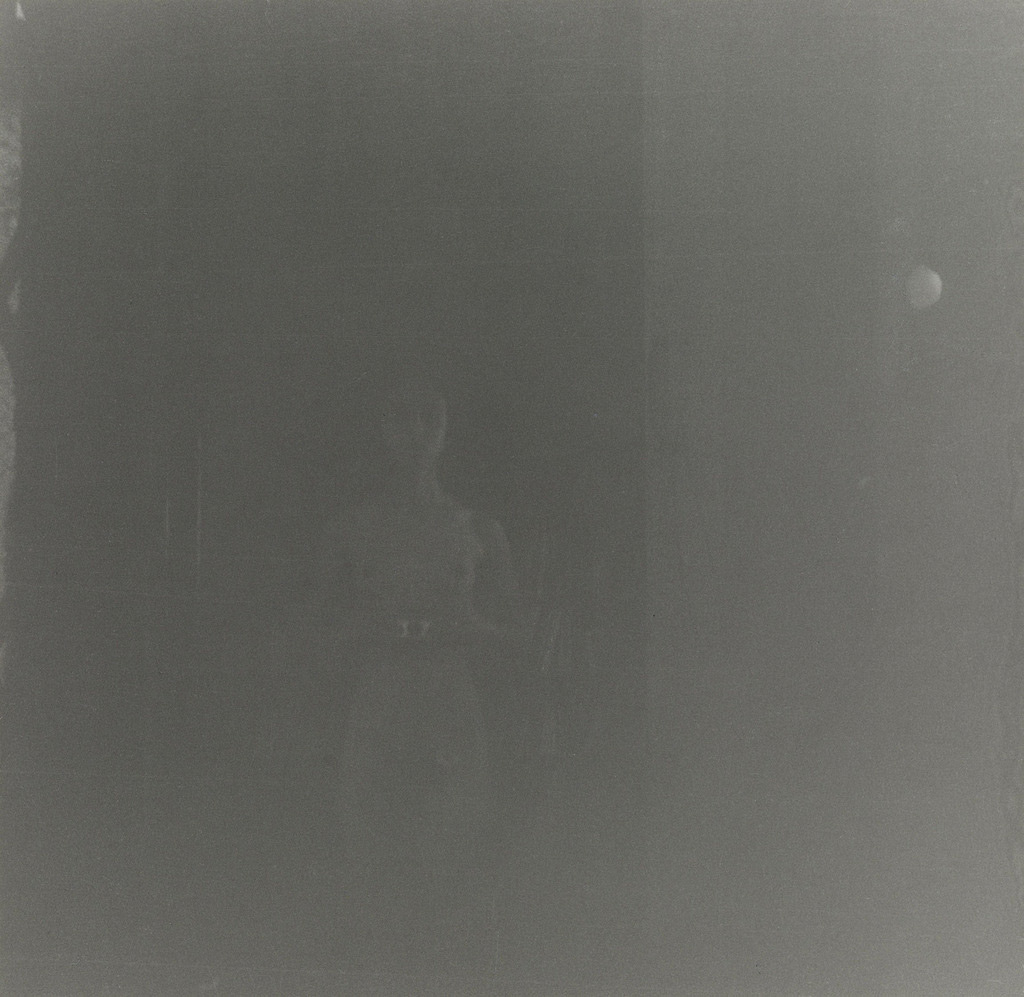
 

Adrian Piper (American, b. 1948) 'Food for the Spirit #14' 1971, printed 1997


Adrian Piper (American, b. 1948)
Food for the Spirit #14
1971, printed 1997
Gelatin silver print
14 9/16 x 15″ (37 x 38.1cm)
The Family of Man Fund
Museum of Modern Art Collection


Harold Edgerton (American, 1903-1990) 'Indian Club Demonstration' 1939


Harold Edgerton (American, 1903-1990)
Indian Club Demonstration
1939
Gelatin silver print
13 x 10″ (33.0 x 26.0cm)
Gift of the artist
Museum of Modern Art Collection
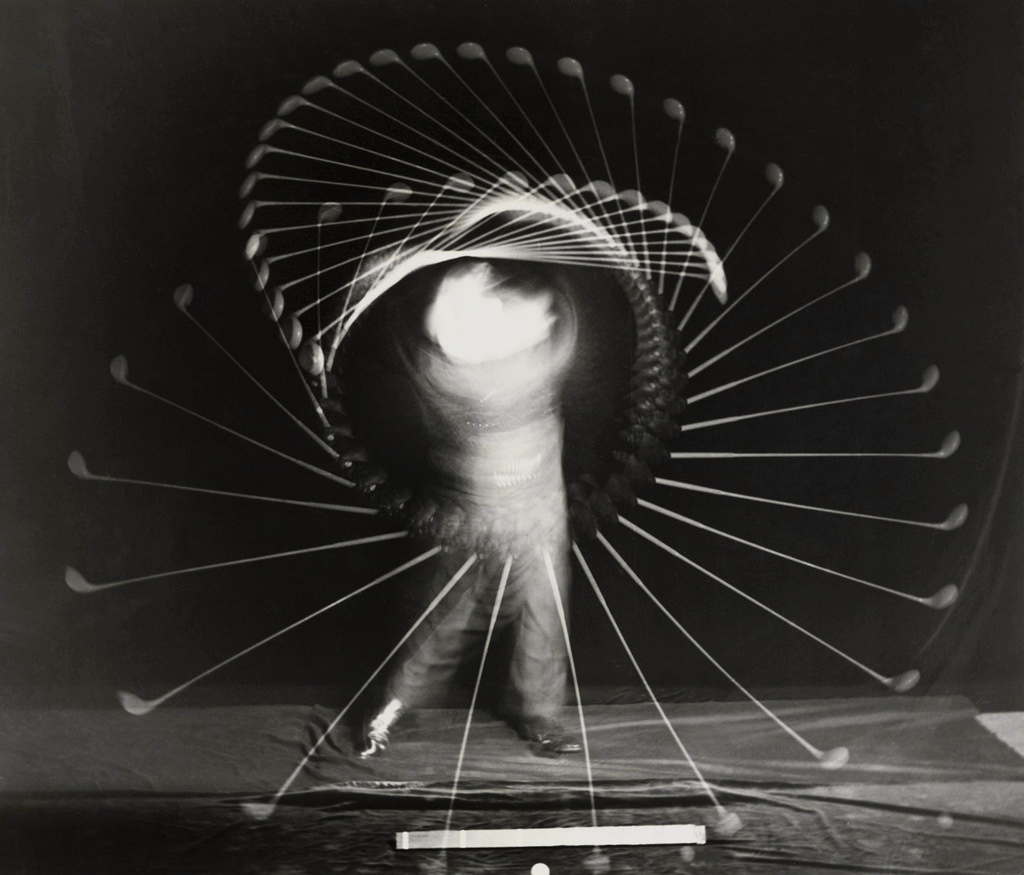
 

Harold Edgerton (American, 1903-1990) 'Bobby Jones with an Iron' 1938


Harold Edgerton (American, 1903-1990)
Bobby Jones with an Iron
1938
Gelatin silver print
9 5/8 x 11 1/2″ (24.4 x 29.2cm)
Gift of the artist
Museum of Modern Art Collection
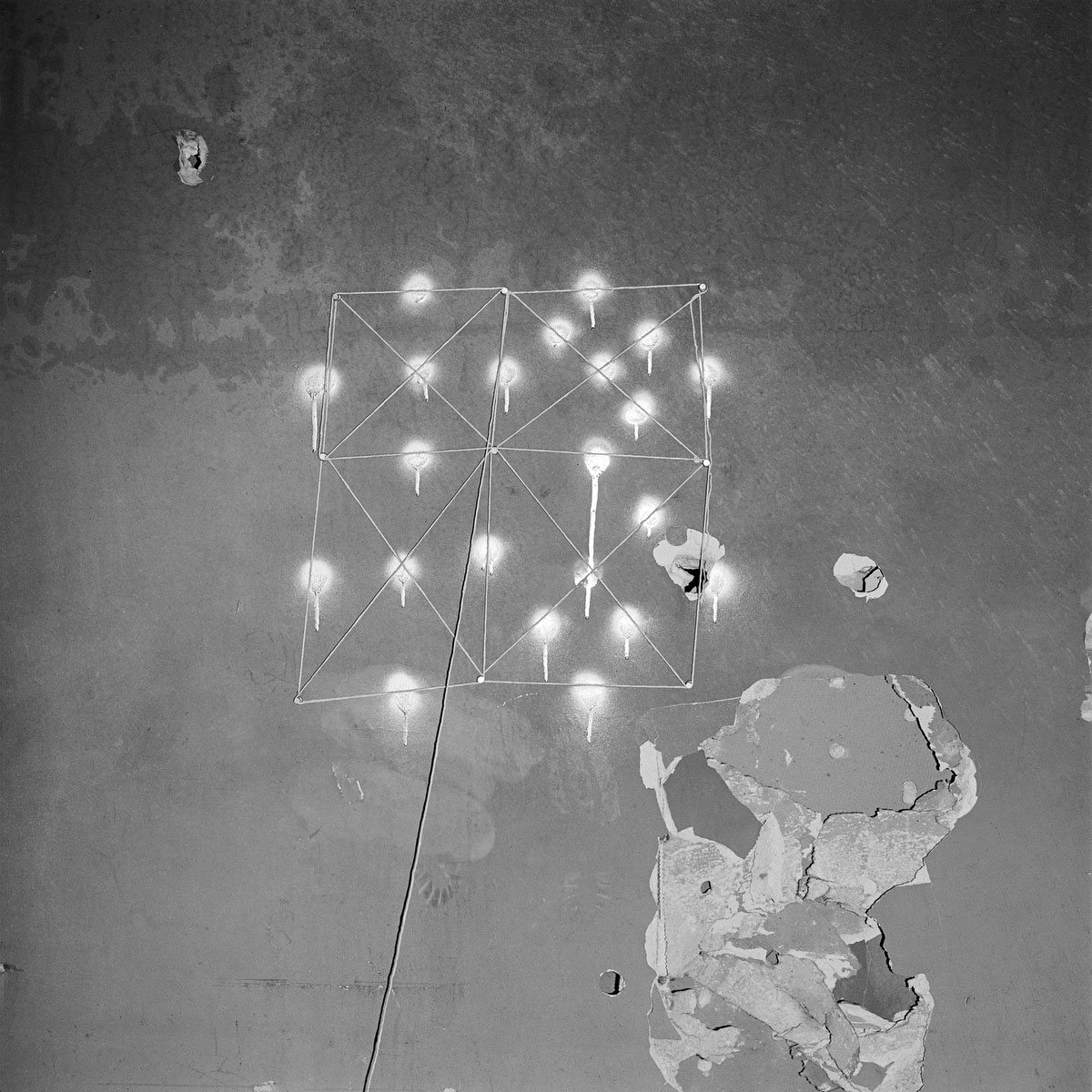
 

John Divola (American, b. 1949) 'Untitled' from the series 'Vandalism' 1974


John Divola (American, b. 1949)
Untitled from the series Vandalism
1974
Gelatin silver print
7 1/16 x 7 1/16″ (18.0 x 18.0cm)
Purchase
Museum of Modern Art Collection
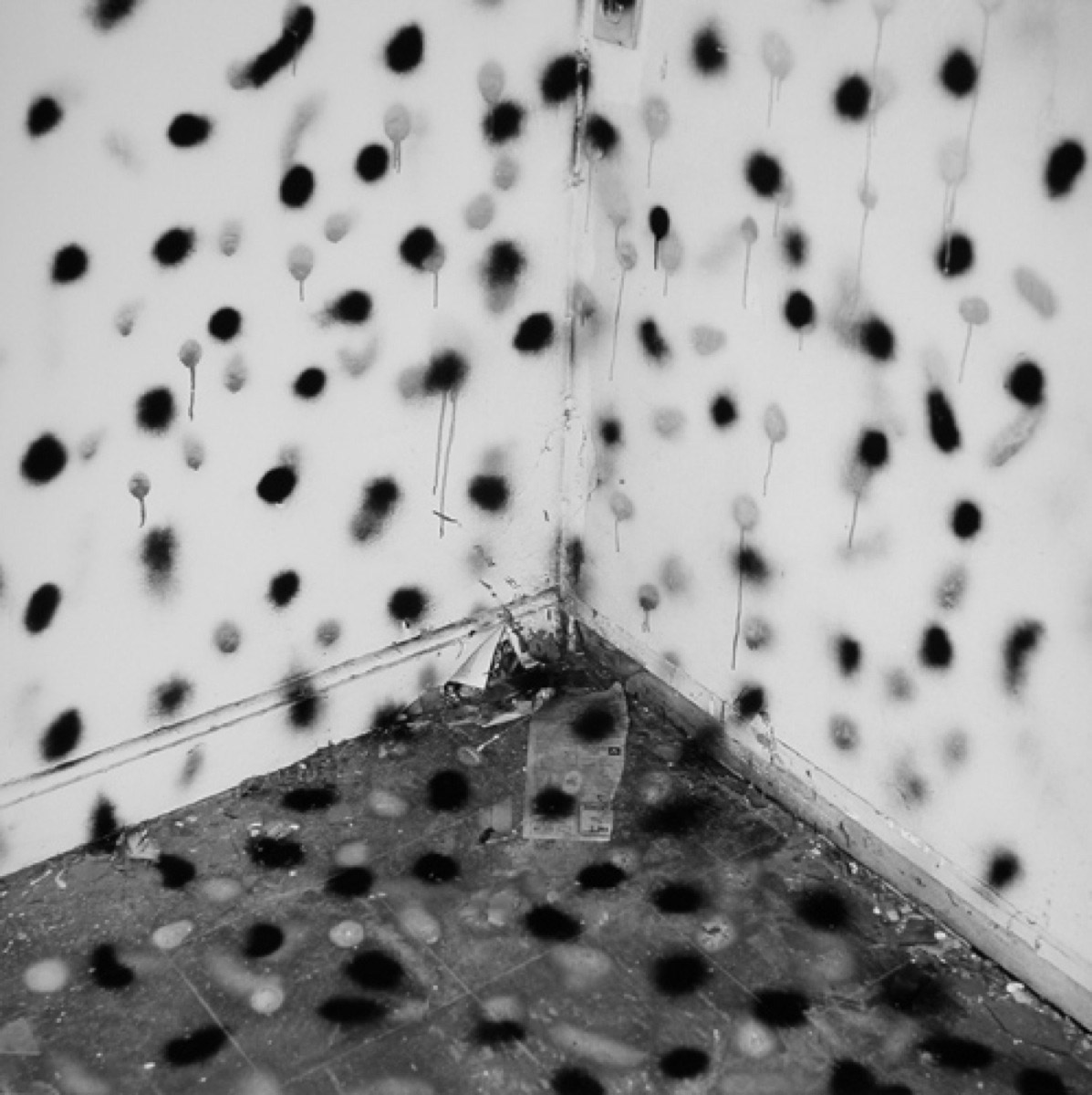
 

John Divola (American, b. 1949) 'Untitled' from the series 'Vandalism' 1974


John Divola (American, b. 1949)
Untitled from the series Vandalism
1974
Gelatin silver print
7 x 7″ (17.9 x 17.9cm)
Purchase
Museum of Modern Art Collection
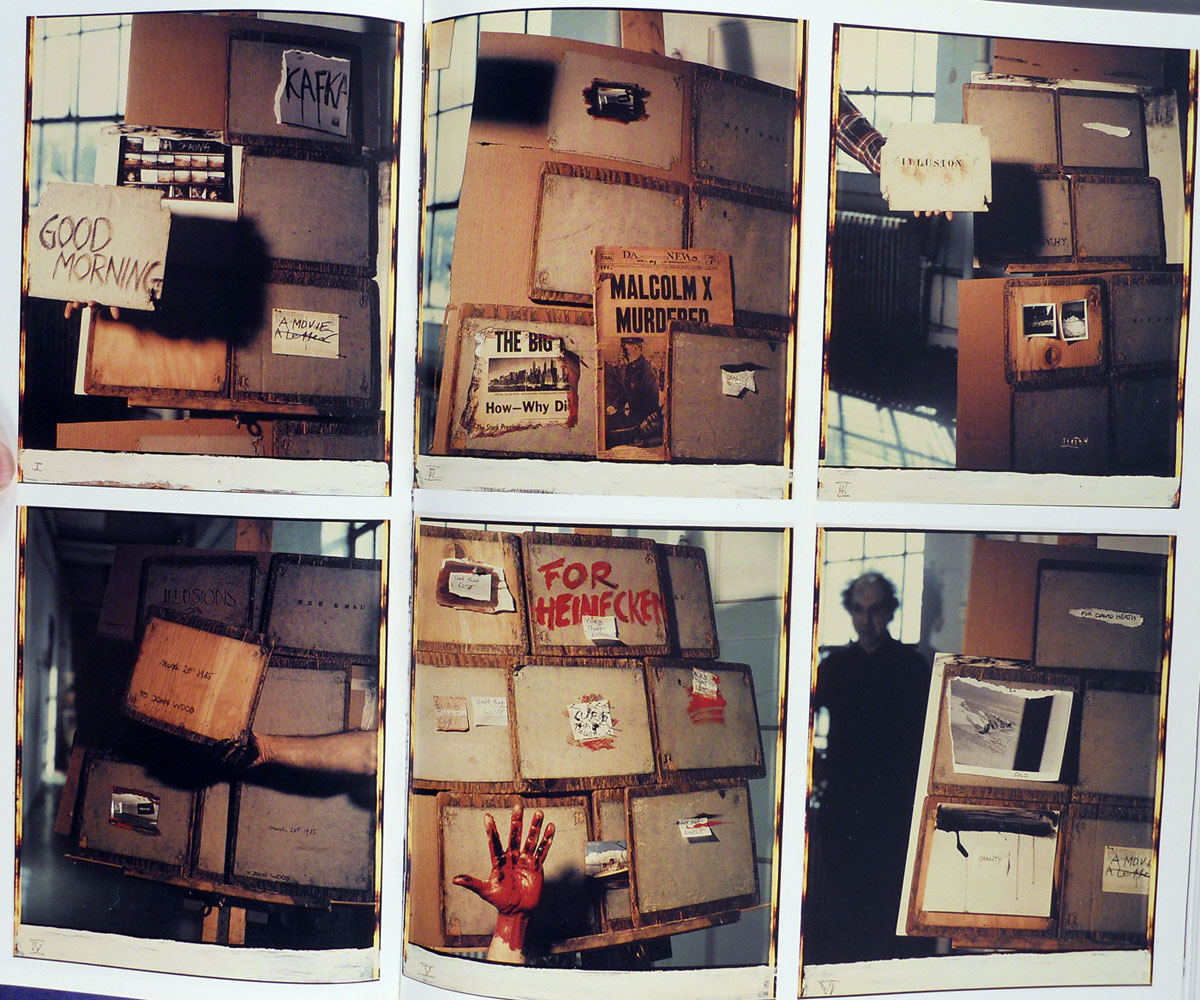
 

Robert Frank (American born Switzerland, 1924-2019) 'Boston' March 20, 1985 (detail)


Robert Frank (American born Switzerland, 1924-2019)
Boston (detail)
March 20, 1985
Colour instant prints (Polaroids) with hand-applied paint and collage
Each 27 3/4 x 22 1/4″ (70.3 x 56.4cm)
Acquired through the generosity of Polaroid Corporation
Museum of Modern Art Collection


Anna Blume (German, 1937-2020) Bernhard Blume (German, 1937-2011) 'Kitchen Frenzy (Küchenkoller)' 1986 (detail)


Anna Blume (German, 1937-2020)
Bernhard Blume (German, 1937-2011)
Kitchen Frenzy (Küchenkoller) (detail)
1986
Gelatin silver prints
Each 66 15/16 x 42 1/2″ (170 x 108cm)
Acquired through the generosity of the Contemporary Arts Council of The Museum of Modern Art
Museum of Modern Art Collection


Anna Blume (née Helming; 21 April 1936 – 18 June 2020) and Bernhard Johannes Blume (8 September 1937 – 1 September 2011) were German art photographers. They created sequences of large black-and-white photos of staged scenes in which they appeared themselves, with objects taking on a “life” of their own. Their works have been shown internationally in exhibitions and museums, including New York’s MoMA. They are regarded as “among the pioneers of staged photography”. …

Anna and Bernhard Blume together created installations, sequences of large photo scenes and, mostly in the 1990s, Polaroids. Both created drawings. They staged and photographed scenes in which they appeared themselves, with objects taking on a “life” of their own. According to the Deutsche Börse Photography Foundation, their process was to create their picture sequences together and complete all related tasks without outside help. That included designing the sets and costumes, developing the negatives, and producing enlargements; at each stage the artwork was refined, polished and painted. Anna said: “Wir malen mit der Kamera, und diese malerische Arbeit findet auch noch im Labor statt.” (We paint with our camera, and this painterly work continues in the lab, too.) The images were produced without the aid of digital manipulation or post-production montages. Taking pictures of a “flying, crashing, and swirling world”, the artists used safety features such as ropes, nets and mattresses.

Text from the Wikipedia website


The Museum of Modern Art
11 West 53 Street
New York, NY 10019
Phone: (212) 708-9400

Opening hours:
10.30am – 5.30pm
Open seven days a week

MoMA website

LIKE ART BLART ON FACEBOOK

Back to top

Exhibition: ‘Harry Callahan Retrospective’ at the House of Photography at Deichtorhallen Hamburg

Exhibition dates: 22nd March – 9th June 2013


Harry Callahan (American, 1912-1999) 'Eleanor, Chicago' 1948


Harry Callahan (American, 1912-1999)
Eleanor, Chicago
1948
Gelatin silver print
© The Estate of Harry Callahan. Courtesy Pace/MacGill Gallery, New York


Great to see some early colour photographs from this master.

Marcus


Many thankx to the House of Photography, Deichtorhallen Hamburg for allowing me to publish the photographs in the posting. Please click on the photographs for a larger version of the image.


“I wish that people felt that photography was an adventure the same as life itself and felt that their individual feelings were worth expressing.”


Harry Callahan


Harry Callahan (American, 1912-1999) 'Detroit' 1943


Harry Callahan (American, 1912-1999)
Detroit
1943
Gelatin silver print
© The Estate of Harry Callahan. Courtesy Pace/MacGill Gallery, New York


Harry Callahan (American, 1912-1999) 'Chicago' 1949


Harry Callahan (American, 1912-1999)
Chicago
1949
Gelatin silver print
© The Estate of Harry Callahan. Courtesy Pace/MacGill Gallery, New York


Harry Callahan (American, 1912-1999) 'Eleanor' 1947


Harry Callahan (American, 1912-1999)
Eleanor
1947
Gelatin silver print
© The Estate of Harry Callahan. Courtesy Pace/MacGill Gallery, New York


Harry Callahan (American, 1912-1999) 'Harry Callahan, Bristol' 1993


Stephan Brigidi (American, b. 1951)
Harry Callahan, Bristol
1993
© Stephan Brigidi


Harry Callahan (American, 1912-1999) 'Providence' 1979


Harry Callahan (American, 1912-1999)
Providence
1979
© The Estate of Harry Callahan. Courtesy Pace/MacGill Gallery, New York


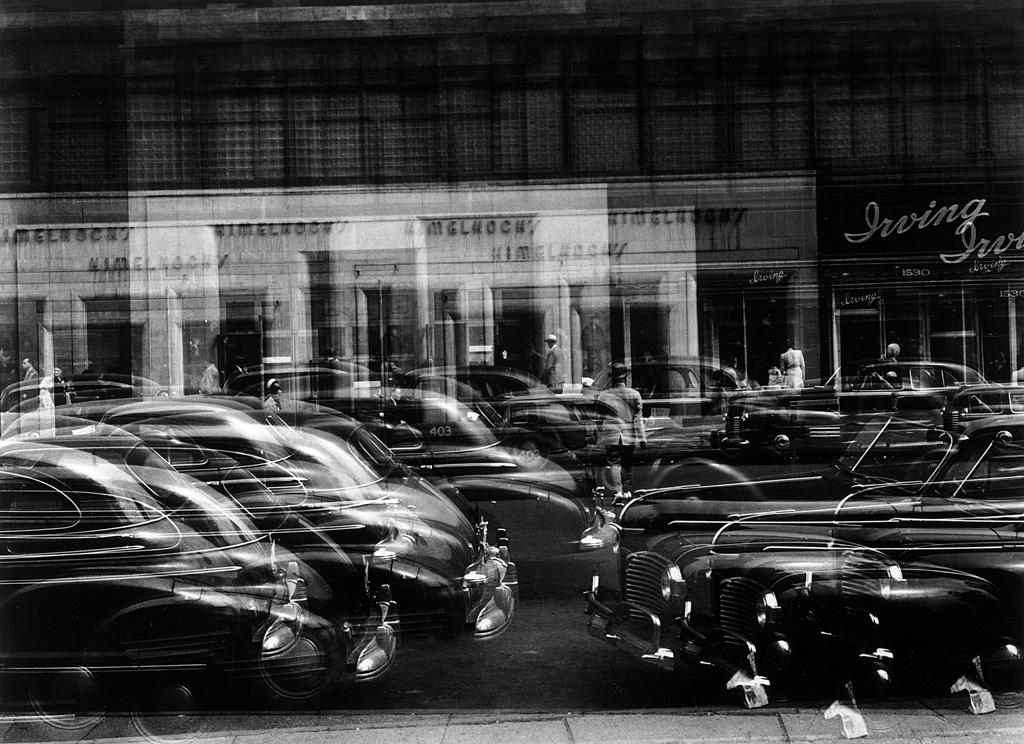
Harry Callahan (1912-1999) is regarded as one of the most innovative and influential artists in the history of 20th-century US photography. Deichtorhallen Hamburg is taking the artist’s creative intensity, the aesthetic standing his oeuvre enjoys in the context of 20th-century US photography and the fact that 2012 marked the 100th anniversary of his birth as an opportunity to present his oeuvre in an extensive retrospective with over 280 works from March 22 through June 9, 2013. The exhibition is to date the most extensive show of his work, and includes both his black-and-white gelatin silver prints and his colour works produced using the dye-transfer process.

Harry Callahan was one of the first to overcome the prevailing aesthetics of Realism by advancing the New Vision, which László Moholy-Nagy had established in the New Bauhaus in Chicago, and Ansel Adams’ so-called “straight photography” in an innovative, highly sensitive way. Between 1946 and 1997 the Museum of Modern Art in New York alone honoured Callahan’s photographic oeuvre in a total of 38 exhibitions. Together with the painter Richard Diebenkorn, Callahan represented the USA at the 1978 Venice Biennale, the first photographer ever to do so. Nonetheless, in Europe Callahan’s multifaceted work is still considered a rarity in the history of photography.

In addition to photographs of nature and landscapes, Callahan’s oeuvre, spanning a period of nearly 60 years as of 1938, embraces pictures of his daily strolls through cities such as Detroit, Chicago, Providence, Atlanta, and New York. Portrayed frequently in very intense light, his leitmotifs were streets, shop windows, buildings and pedestrians hurrying past. Very early on he regarded photography as a purely artistic medium, and saw himself as an art photographer rather than a representative of applied photography. In later years other works, in which his wife Eleanor and daughter Barbara were the focal point, were superseded by another major experiment: the photographs he took on numerous trips to France, Italy, Morocco, Portugal, and Ireland. His works document the emergence of Modernism, which was taking an ever-greater hold on everyday life. Relating to his three main themes, nature, the familiar figure of his wife Eleanor, and cities, Callahan’s images reflect his life in ever-new references that become increasingly less interwoven with one another. At the same time they trace the social and cultural transformation in the USA discreetly, elegantly, and with a tendency to abstraction, recording the changes as a seismograph does earth tremors. In his images Callahan consistently reflects on both his own and the camera’s way of seeing.

Compiled by Sabine Schnakenberg, the exhibition at the House of Photography continues the series of major photographic retrospectives of internationally renowned representatives of photographic history previously staged at the Deichtorhallen in Hamburg, including Martin Munkacsi (2005), Lillian Bassman, Paul Himmel (2009), and Saul Leiter (2012). The exhibition is based on loans from two generous lenders, namely the Estate of Harry Callahan together with the Pace / MacGill Gallery in New York, and the extensive selection of Callahan’s images from F.C. Gundlach’s photographic collection, both those on permanent loan to Deichtorhallen as well as those in the collection of the F.C. Gundlach Foundation.

Press release from Deichtorhallen Hamburg website


Harry Callahan (American, 1912-1999) 'Atlanta' 1943


Harry Callahan (American, 1912-1999)
Atlanta
1943
© The Estate of Harry Callahan. Courtesy Pace/MacGill Gallery, New York


Harry Callahan (American, 1912-1999) 'Detroit' 1943


Harry Callahan (American, 1912-1999)
Detroit
c. 1943
© The Estate of Harry Callahan. Courtesy Pace/MacGill Gallery, New York


Harry Callahan (American, 1912-1999) 'Chicago' 1951


Harry Callahan (American, 1912-1999)
Chicago
1951
© The Estate of Harry Callahan. Courtesy Pace/MacGill Gallery, New York


Harry Callahan (American, 1912-1999) 'Eleanor, Chicago' 1951


Harry Callahan (American, 1912-1999)
Eleanor, Chicago
1951
© The Estate of Harry Callahan. Courtesy Pace/MacGill Gallery, New York


Harry Callahan (American, 1912-1999) 'Chicago' c. 1952


Harry Callahan (American, 1912-1999)
Chicago
c. 1952
© The Estate of Harry Callahan. Courtesy Pace/MacGill Gallery, New York


Harry Callahan (American, 1912-1999) 'Providence' 1978


Harry Callahan (American, 1912-1999)
Providence
1978
© The Estate of Harry Callahan. Courtesy Pace/MacGill Gallery, New York


Harry Callahan (American, 1912-1999) 'New York' c. 1975


Harry Callahan (American, 1912-1999)
New York
c. 1975
Dye-transfer print
© The Estate of Harry Callahan. Courtesy Pace/MacGill Gallery, New York


Harry Callahan (American, 1912-1999) 'Ireland' 1979


Harry Callahan (American, 1912-1999)
Ireland
1979
© The Estate of Harry Callahan. Courtesy Pace/MacGill Gallery, New York


Deichtorhallen Hamburg
Deichtorstrasse 1-2
20095
Hamburg
Phone: +49 (0)40 32103-0

Opening hours:
Tuesday – Sunday 11am – 6pm
Closed Mondays

Deichtorhallen Hamburg website

LIKE ART BLART ON FACEBOOK

Back to top

Exhibition: ‘Harry Callahan: American Photographer’ at the Museum of Fine Arts, Boston

Exhibition dates: 21st November 2009 – 3rd July, 2010


Harry Callahan (American, 1912-1999) 'Eleanor, Chicago' 1949 from the exhibition 'Harry Callahan: American Photographer' at the Museum of Fine Arts, Boston, Nov 2009 - July 2010


Harry Callahan (American, 1912-1999)
Eleanor, Chicago
1949
Gelatin silver print
Courtesy Museum of Fine Arts, Boston


I admire the use of strong horizontals and verticals in the work of Harry Callahan and the exquisite sense of space, stillness and sensuality he creates within the image plane. A true American master. Please click on the photographs for a larger version of the image.

Dr Marcus Bunyan


Many thankx to the Museum of Fine Arts, Boston for allowing me to publish the photographs in the posting. Please click on the photographs for a larger version of the image.


Harry Callahan (American, 1912-1999) 'Eleanor and Barbara' 1953 from the exhibition 'Harry Callahan: American Photographer' at the Museum of Fine Arts, Boston, Nov 2009 - July 2010


Harry Callahan (American, 1912-1999)
Eleanor and Barbara
1953
Gelatin silver print
Courtesy Museum of Fine Arts, Boston


Harry Callahan (American, 1912-1999) 'Eleanor and Barbara, Lake Michigan' 1953 from the exhibition 'Harry Callahan: American Photographer' at the Museum of Fine Arts, Boston, Nov 2009 - July 2010


Harry Callahan (American, 1912-1999)
Eleanor and Barbara, Lake Michigan
1953
Gelatin silver print
Courtesy Museum of Fine Arts, Boston


Harry Callahan (American, 1912-1999) 'Eleanor and Barbara' c. 1954


Harry Callahan (American, 1912-1999)
Eleanor and Barbara
c. 1954
Gelatin silver print
Courtesy Museum of Fine Arts, Boston


Harry Callahan (American, 1912-1999) 'Eleanor, Chicago' 1953


Harry Callahan (American, 1912-1999)
Eleanor, Chicago
1953
Gelatin silver print
Courtesy Museum of Fine Arts, Boston


Harry Callahan (American, 1912-1999) 'Detroit' 1943


Harry Callahan (American, 1912-1999)
Detroit
1943
Gelatin silver print
Courtesy Museum of Fine Arts, Boston


The brilliant graphic sensibility of Harry Callahan (1912-1999), a major figure in American photography, is the focus of Harry Callahan: American Photographer at the Museum of Fine Arts, Boston (MFA). Debuting November 21, the exhibition features approximately 40 photographs that survey the major visual themes of the artist’s career. It celebrates the Museum’s important recent acquisitions – by both purchase and gift – of Callahan’s photographs and showcases significant examples of his artistry from the collections of friends of the MFA. The many sensitive pictures that Callahan made of his wife Eleanor, his depictions of passers-by on the street, his carefully composed landscapes and close-ups from nature, and experimental darkroom abstractions reveal a wide-ranging talent that was enormously influential.

“Harry Callahan was one of the most innovative photographers working in America in the mid 20th-century,” said Malcolm Rogers, Ann and Graham Gund Director of the MFA. “His elegantly spare, introspective photographs demonstrate his lyricism and the originality of his sense of design.”

The Detroit-born photographer, whose career spanned six decades, became interested in the camera in the late 1930s while working as a Chrysler Corporation shipping clerk. He was largely self-taught, and attracted admiration early on for his originality. By 1946, Callahan was hired as a photography instructor by the Hungarian-born artist László Moholy-Nagy for the Institute of Design, a Bauhaus-inspired school of art and design in Chicago. In 1961, Callahan was invited to head the photography program at the Rhode Island School of Design (RISD), where he was based until retiring to Atlanta two decades later.

“Harry Callahan’s approach helped shape American photography in the second half of the 20th-century,” said Anne Havinga, Estrellita and Yousuf Karsh Senior Curator of Photographs, who organised the exhibition. “His way of seeing inspired countless followers and continues to feel fresh today.”

Callahan concentrated on a handful of personal subjects in his work, exploring each theme repeatedly throughout his career. These include portraits of his wife Eleanor, depictions of anonymous pedestrians, expressive details of the urban and natural landscape, and experimental darkroom abstractions. The MFA exhibition is organised into five themes: Eleanor, Pedestrians, Architecture, Landscapes, and Darkroom Abstractions …

Press release from the MFA website [Online] Cited 20/06/2010. No long available online


Harry Callahan (American, 1912-1999) 'Eleanor' 1948


Harry Callahan (American, 1912-1999)
Eleanor
1948
Gelatin silver print
Courtesy Museum of Fine Arts, Boston


Harry Callahan (American, 1912-1999) 'Chicago' 1950


Harry Callahan (American, 1912-1999)
Chicago
1950
Gelatin silver print
Courtesy Museum of Fine Arts, Boston


Harry Callahan (American, 1912-1999) 'Eleanor, Chicago' 1949


Harry Callahan (American, 1912-1999)
Eleanor, Chicago
1949
Gelatin silver print
Courtesy Museum of Fine Arts, Boston


Harry Callahan (American, 1912-1999) 'Eleanor and Barbara (baby carriage)' 1952


Harry Callahan (American, 1912-1999)
Eleanor and Barbara (baby carriage)
1952
Gelatin silver print
Courtesy Museum of Fine Arts, Boston


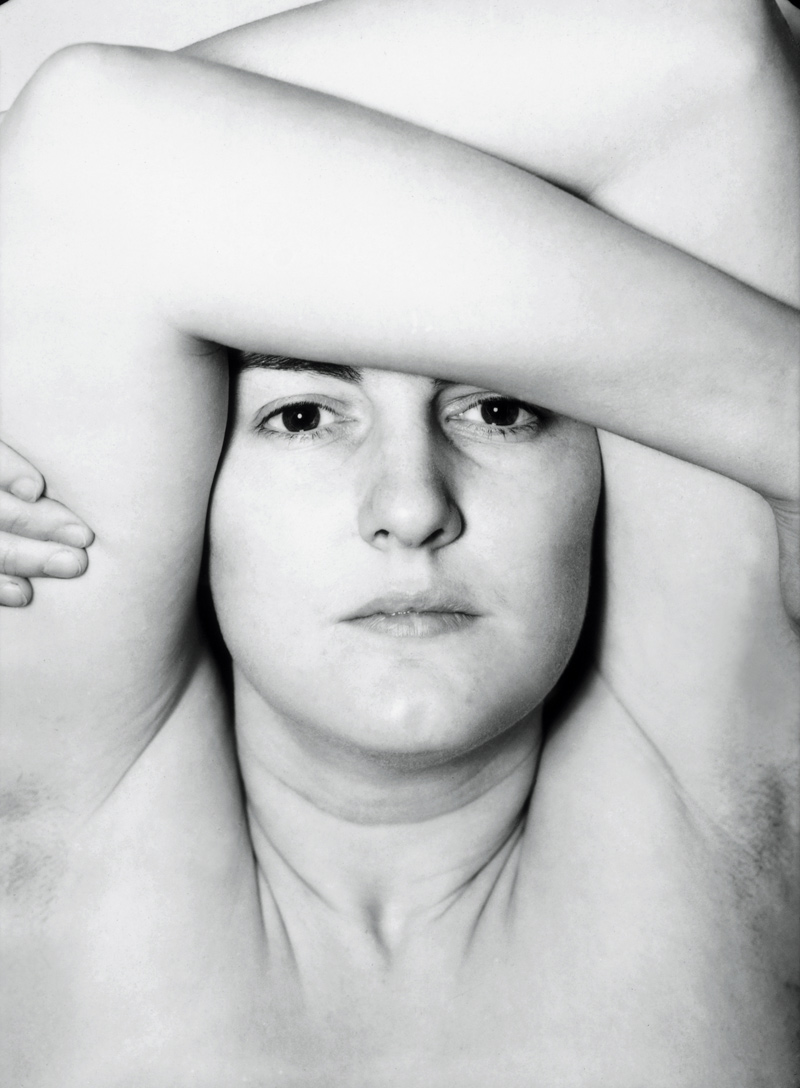
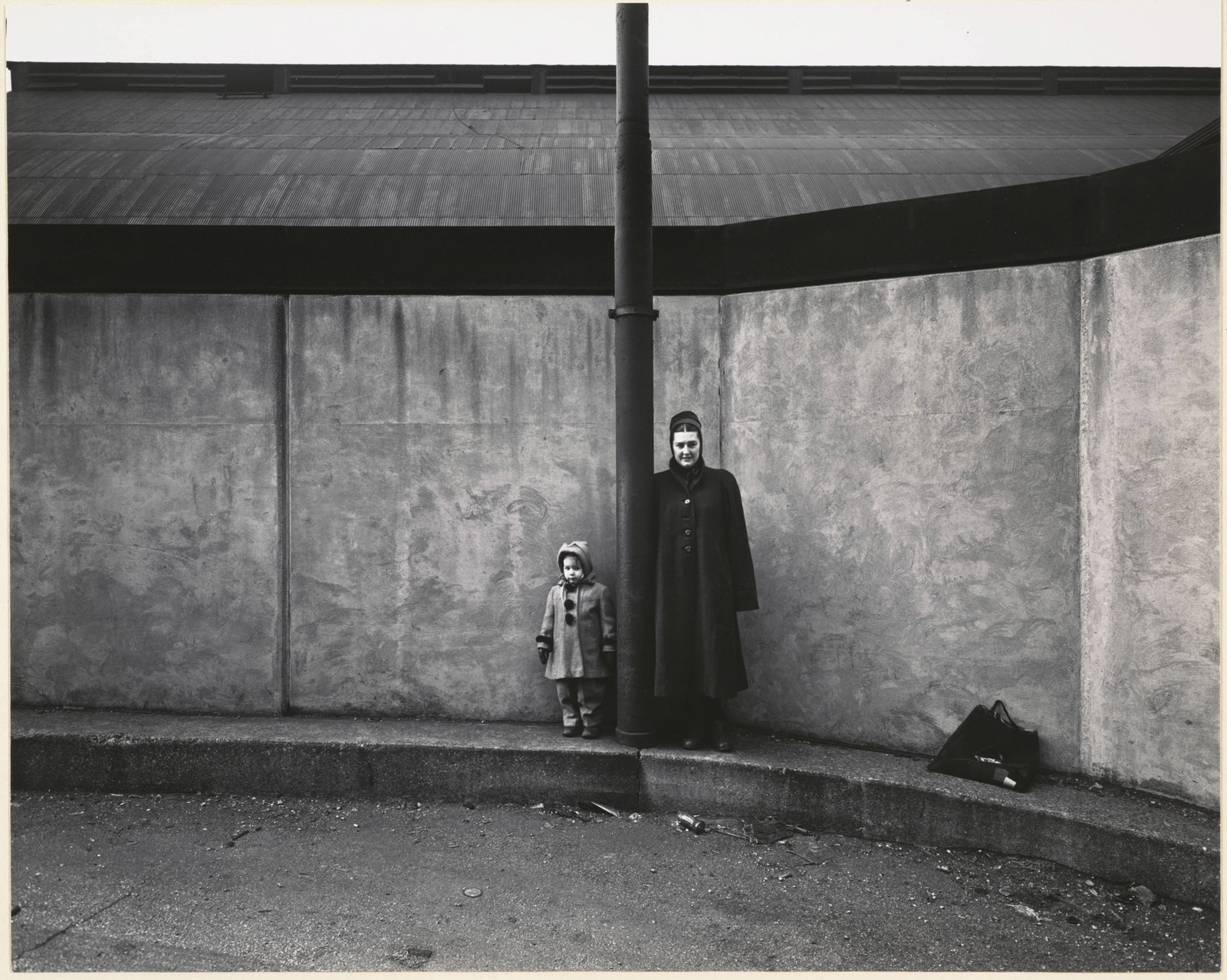
In 1936, around the time that Callahan began to explore photography, he married Eleanor Knapp, who served as one of his first and most frequent subjects. Callahan’s portraits of his wife, characterised by their intimate yet detached poetry, have become a landmark in the history of photography. In the photograph Eleanor (about 1948, see second photograph above), Callahan portrays his wife in a private interior setting, facing away from the camera. After the birth of their daughter Barbara in 1950, she too entered these family pictures, which capture the intimate moments of daily life as seen in the photograph, Eleanor and Barbara (1953, see photograph second from top).

Callahan photographed the natural landscape throughout his career, focusing on its evocative forms and textures. In images such as Aix-en-Provence, France (1957), he explored the visual effects that he could create either through high contrast or closely related tonalities. Callahan also utilised a range of different experimental darkroom techniques – from photographing the beam of a flashlight in a darkened room, to developing one print from multiple negatives. Many of his multi-exposure pictures were made by superimposing images from popular culture onto studies of urban life. Callahan’s openness to experimentation was stimulating for the many students who worked with him.

Callahan made many of his best known images during his 15 years in Chicago, where he also began his role as an influential teacher. During the 1950s, the photographer embarked on a series of close-ups of anonymous pedestrians in the streets of Chicago, most of them women. Using a 35mm camera with a pre-focused telephoto lens, he captured passersby unaware of his presence, resulting in snapshot-like images that record unsuspecting subjects absorbed in private thought or action, such as Chicago (1950, see photograph above), a close-up of a preoccupied woman’s face. Callahan returned to this theme frequently, working in both black and white and colour.

Callahan was repeatedly drawn to architectural and urban subjects. Prior to moving to Chicago, he explored the spaces of Detroit, photographing the formal patterns he discovered there. In Detroit (1943, see photograph above), Callahan depicts a street scene, with the people in transit appearing as a pattern. He experimented with colour in these pictures as early as the 1940s, but he worked more extensively in colour later in his career, from the 1970s onward.

Text from the Art Tatler website [Online] Cited 20/06/2010. No long available online


Harry Callahan (American, 1912-1999) 'Chicago' 1961


Harry Callahan (American, 1912-1999)
Chicago
1961
Gelatin silver print
Museum of Fine Arts, Boston. Gift of Barbara and Gene Polk
© The Estate of Harry Callahan, courtesy Pace/MacGill, NY
Courtesy Museum of Fine Arts, Boston


Harry Callahan (American, 1912-1999) 'Eleanor' about 1947


Harry Callahan (American, 1912-1999)
Eleanor
about 1947
Gelatin silver print
Museum of Fine Arts, Boston. Gift of Barbara and Gene Polk
© The Estate of Harry Callahan, courtesy Pace/MacGill, NY
Courtesy Museum of Fine Arts, Boston


Harry Callahan (American, 1912-1999) 'Cape Cod' 1972


Harry Callahan (American, 1912-1999)
Cape Cod
1972
Gelatin silver print
Museum of Fine Arts, Boston. Gift of Barbara and Gene Polk
© The Estate of Harry Callahan, courtesy Pace/MacGill, NY
Courtesy Museum of Fine Arts, Boston


Harry Callahan (American, 1912-1999) 'Cape Cod' 1972


Harry Callahan (American, 1912-1999)
Cape Cod
1972
Gelatin silver print
Museum of Fine Arts, Boston, Polaroid Foundation Purchase Fund
© The Estate of Harry Callahan, courtesy Pace/MacGill, NY
Courtesy Museum of Fine Arts, Boston


Museum of Fine Arts, Boston
Avenue of the Arts
465 Huntington Avenue
Avenue of the Arts
Boston, Massachusetts 02115-5523
617-267-9300

Opening hours:
Thursday – Monday 10am – 5pm
Closed Tuesday and Wednesday

Museum of Fine Arts, Boston website

LIKE ART BLART ON FACEBOOK

Back to top