Exhibition: ‘Hannah Villiger: Amaze Me’ at Museum Susch, Switzerland

Exhibition dates: 7th January – 2nd July 2023

Curated by Madeleine Schuppli and Yasmin Afschar
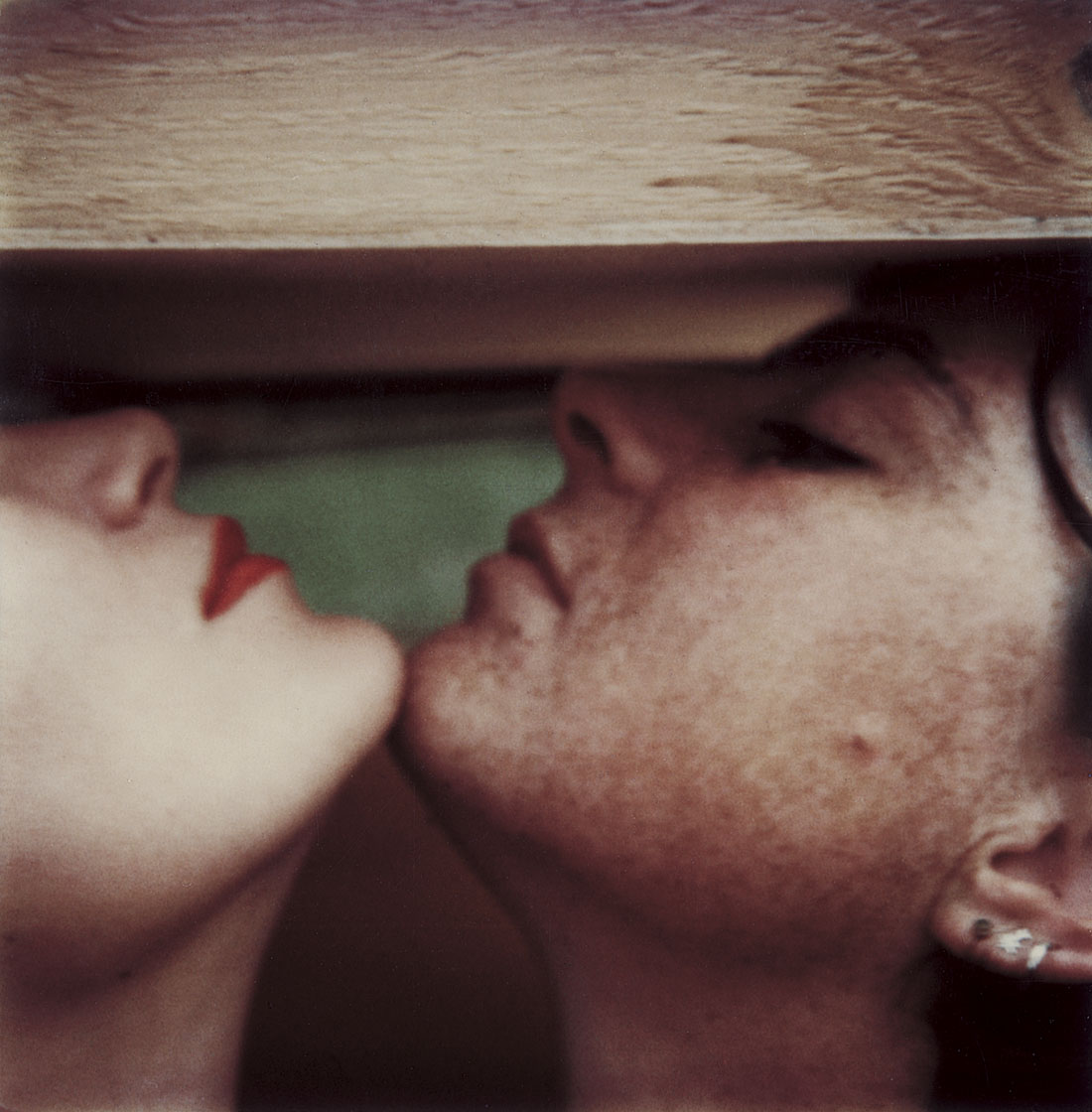
 

Hannah Villiger (Swiss, 1951-1997) 'Work' 1980 from the exhibition Exhibition: 'Hannah Villiger: Amaze Me' at Museum Susch, Switzerland, Jan - July 2023


Hannah Villiger (Swiss, 1951-1997)
Work
1980
C-print of a polaroid, mounted on aluminium
100 x 100cm
© Foundation The Estate of Hannah Villiger


who am I who I am

I love artists who push the boundaries of seeing / being, body / Self, self / spirit.

Artists who see and feel the world in unique and tantalising – excites the senses or desires of (someone) – ways.

Hannah Villiger is one such artist.

Her fragmentary, space-related assemblages (Works or Blocks) investigate the representation of the female body, “its classification in the media, questions of surface, space and body, and the objectification of the body. In Villiger’s work, the skin – where humans enter a dialogue with their environment – is a setting for highly topical questions of gender and ethnicity, as well as vulnerability and healing. The body was the artist’s primary working material. We encounter it abstracted or deconstructed; it can be human, but also of plant or artificial origin.” (Exhibition text)

But more than that, it is the conceived ‘idea in the mind’ strangeness of Villiger’s out of body gridded experiences… that promote in the viewer an acknowledgement of the physicality, touch, and emotion of actually living and feeling in the human body and beyond. Touch your skin, run your hands over the shape of your mouth, feel your ears, raise your foot, look at your reflection. Marvel at the bodies distortion, energy, spirit. For there is only one you. “I listen to my naked, bare body, the outside of it, the inside of it, traversing it.”

You are unique. An individual, unique, sentient animal. A human – being.

Dr Marcus Bunyan


Many thankx to Museum Susch for allowing me to publish the photographs in the posting. Please click on the photographs for a larger version of the image.


“With my Polaroid camera I listen to my naked, bare body, the outside of it, the inside of it, traversing it. Thus I create images that I can correct immediately.”


Hannah Villiger


“The longest distance between the camera and any body part is between raised arm and my toes. I always trigger the camera myself, sometimes without looking through the viewfinder. I tilt the camera to an angle of 90, 180, 270 degrees. I turn myself – literally – upside down.”


Hannah Villiger. On My Book Envy


Hannah Villiger (1951-1997) was an extraordinary voice in the late 20th-century contemporary art, but her work came to an abrupt end with her untimely death. She became known above all for her photographic works based on the body.

Muzeum Susch is hosting the largest presentation of Hannah Villiger’s oeuvre in fifteen years. Hannah Villiger: Amaze Me offers new perspectives on the work of this important Swiss artist. Villiger’s large-format works based on Polaroid photographs make a lasting contribution to the genre of the self-image within art history. At the same time, her explorations of the body can be discussed against the background of numerous contemporary themes. Her oeuvre spans from the drawings she made in the 1970s to the black-and-white photographs and works with the Polaroid camera that she created from the 1980s onwards. These fragmentary close-ups of her own body, greatly enlarged via an internegative and mounted on aluminium, are presented individually or assembled into space-related ensembles. The results are unlimited possibilities of at times spectacular views of the body. The exhibition expands the view of Villiger to include contemporary themes and issues. The focus is on the representation of the female body, one’s own perspective, as well as that of others, on the human physique, its classification in the media, questions of surface, space and body, and the objectification of the body. In Villiger’s work, the skin – where humans enter a dialogue with their environment – is a setting for highly topical questions of gender and ethnicity, as well as vulnerability and healing. The body was the artist’s primary working material. We encounter it abstracted or deconstructed; it can be human, but also of plant or artificial origin. Although Villiger’s early death brought her oeuvre to an abrupt end, her works point unwaveringly to the present.

Text from the Museum Susch website
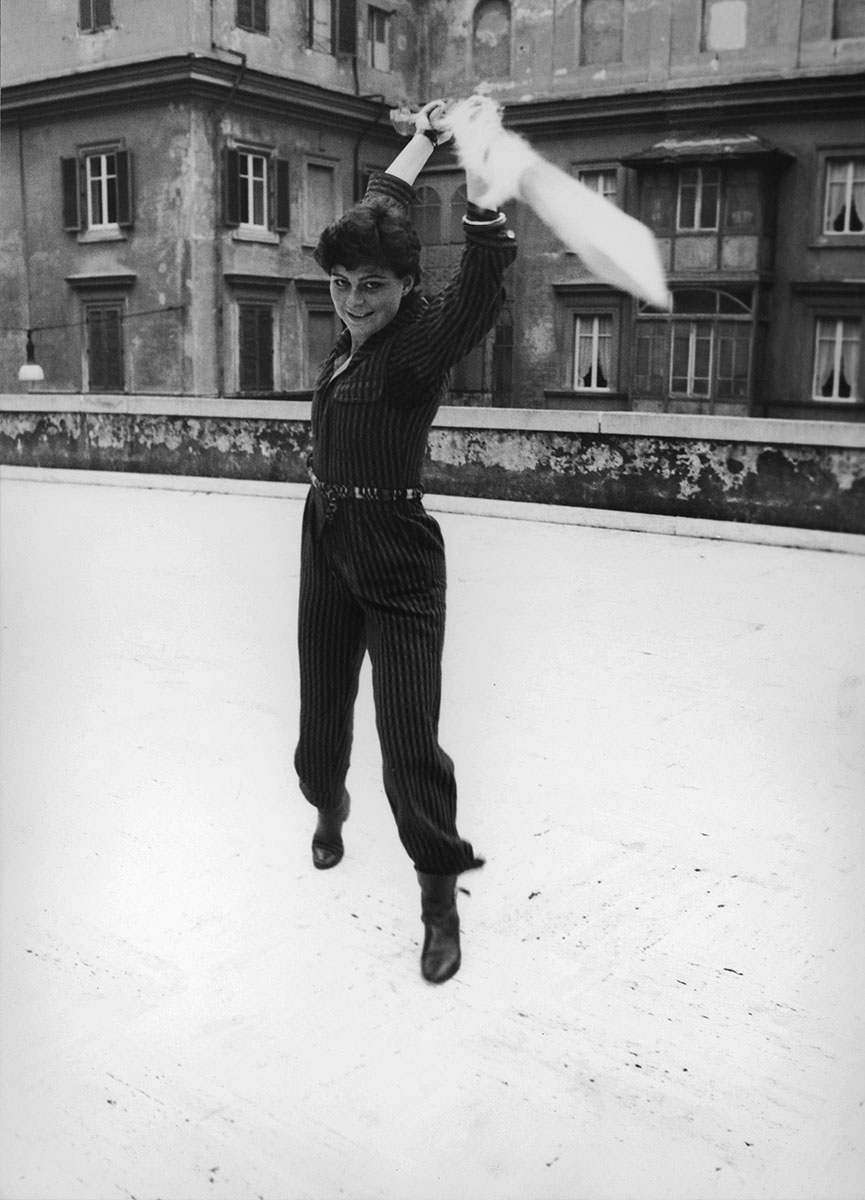
 

Trix Wetter. 'Portrait of Hannah Villiger' 1976, Rome from the exhibition Exhibition: 'Hannah Villiger: Amaze Me' at Museum Susch, Switzerland, Jan - July 2023


Trix Wetter
Portrait of Hannah Villiger
1976, Rome
© Foundation The Estate of Hannah Villiger


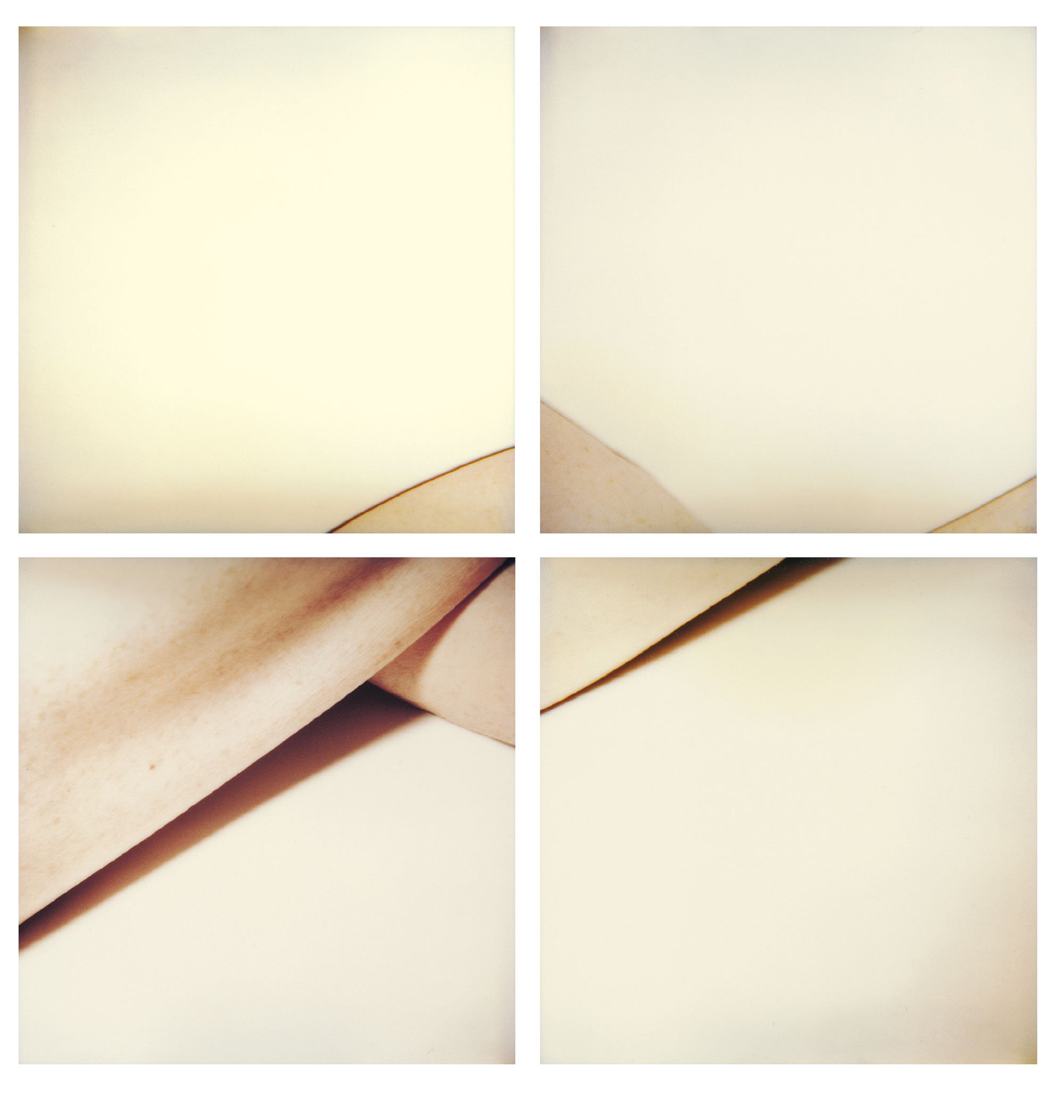
Hannah Villiger (Swiss, 1951-1997) 'Work' 1976 from the exhibition Exhibition: 'Hannah Villiger: Amaze Me' at Museum Susch, Switzerland, Jan - July 2023


Hannah Villiger (Swiss, 1951-1997)
Work
1976
Four black and white photographs
61 x 51cm / 40.5 x 33.5cm each
© Foundation The Estate of Hannah Villiger


Hannah Villiger (Swiss, 1951-1997) 'Work' 1976


Hannah Villiger (Swiss, 1951-1997)
Work
1976
black and white photograph
70 x 100cm
© Foundation The Estate of Hannah Villiger


Hannah Villiger (Swiss, 1951-1997) 'Work' 1976


Hannah Villiger (Swiss, 1951-1997)
Work
1976
68 x 97cm
© Foundation The Estate of Hannah Villiger


Hannah Villiger (Swiss, 1951-1997) 'Work' 1980


Hannah Villiger (Swiss, 1951-1997)
Work
1980
C-print of a polaroid, mounted on aluminium
99.5 x 99.5cm
© Foundation The Estate of Hannah Villiger


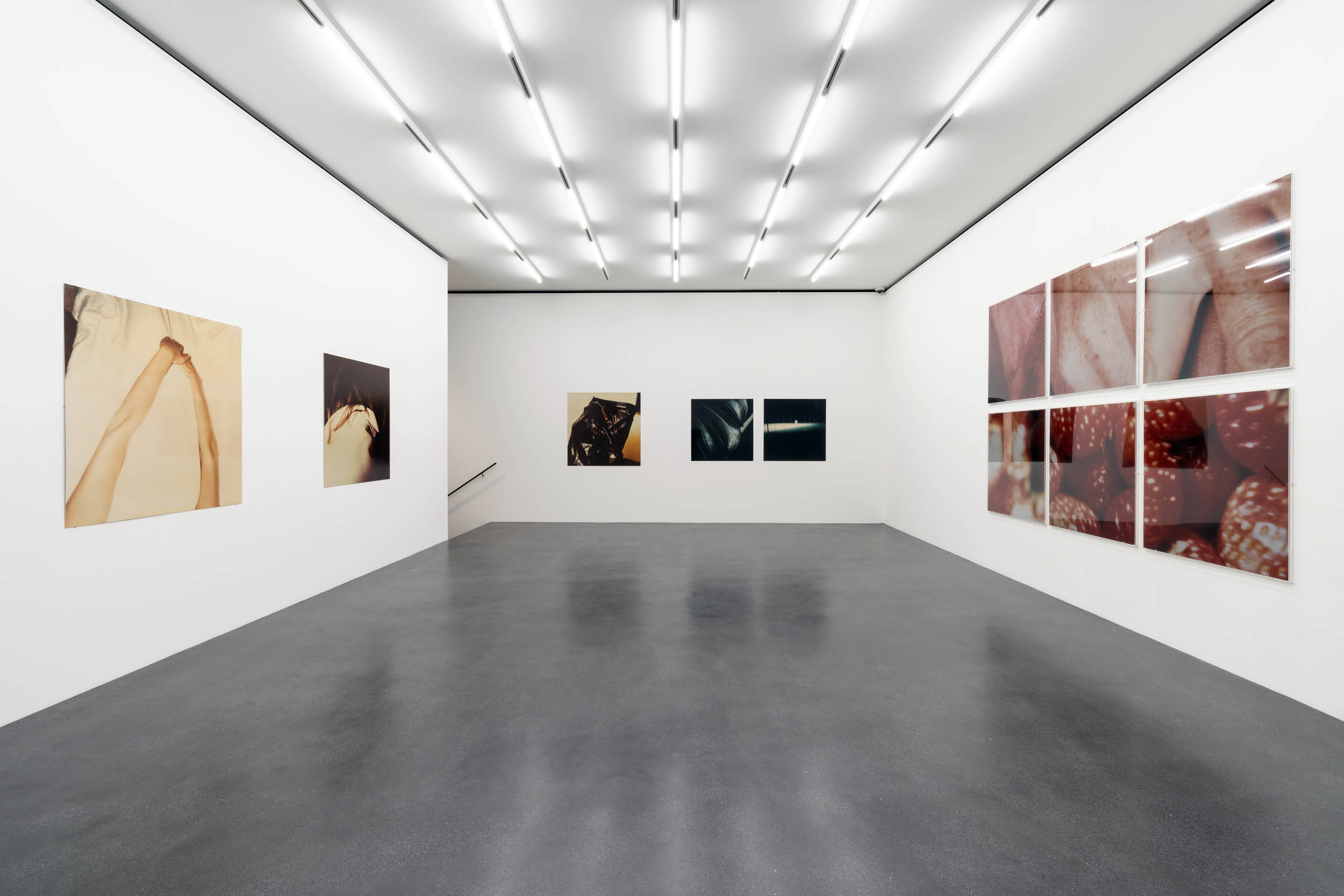
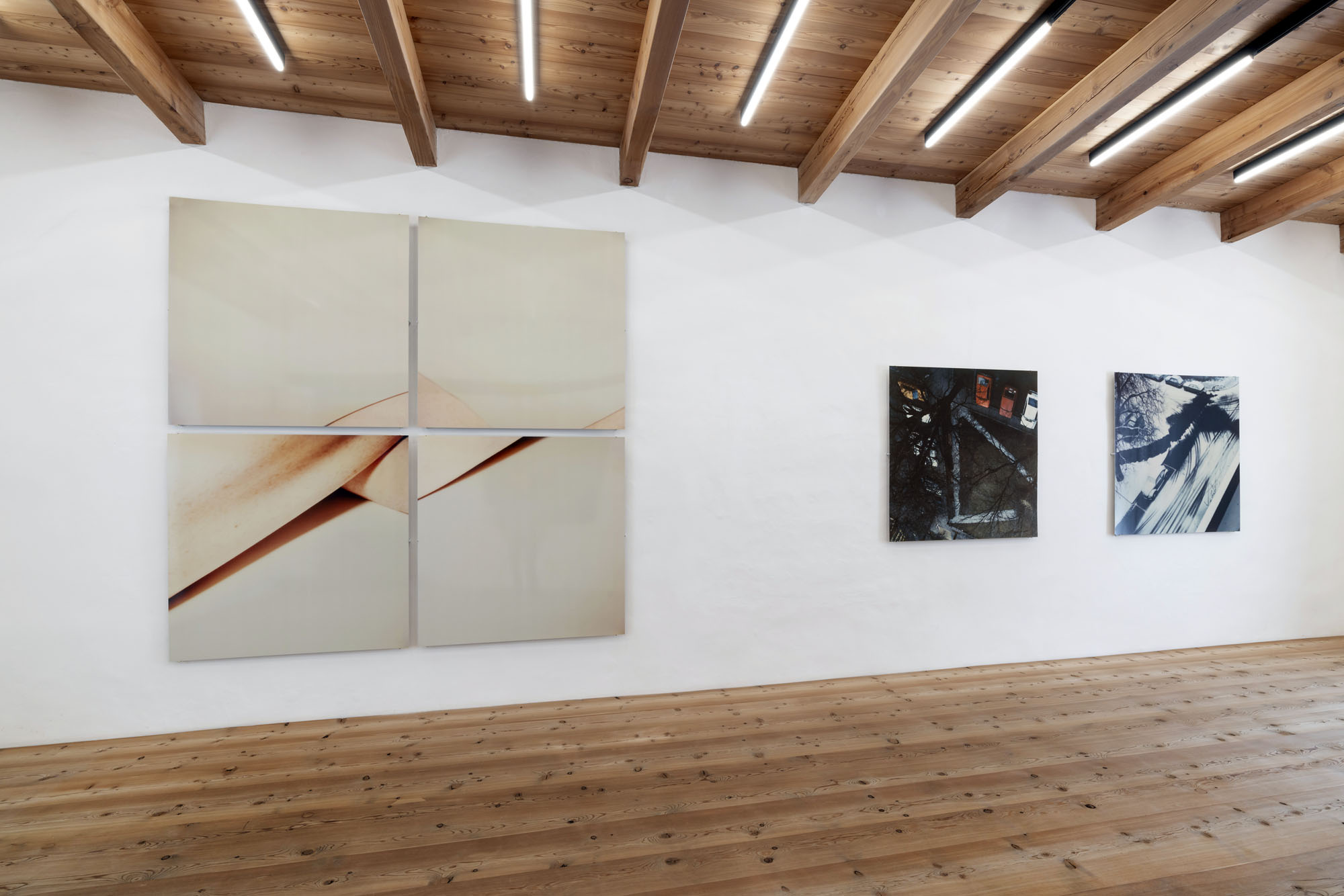
Installation view of 'Hannah Villiger: Amaze Me' at Muzeum Susch showing at left Hannah Villager's 'Block' (1997); and at right, 'Work' (1980-1981)


Installation view of Hannah Villiger: Amaze Me at Muzeum Susch showing at left Hannah Villager’s Block (1997); and at right, Work (1980-1981, below)
Courtesy: © Muzeum Susch / Art Stations Foundation
Photograph: Federico Sette
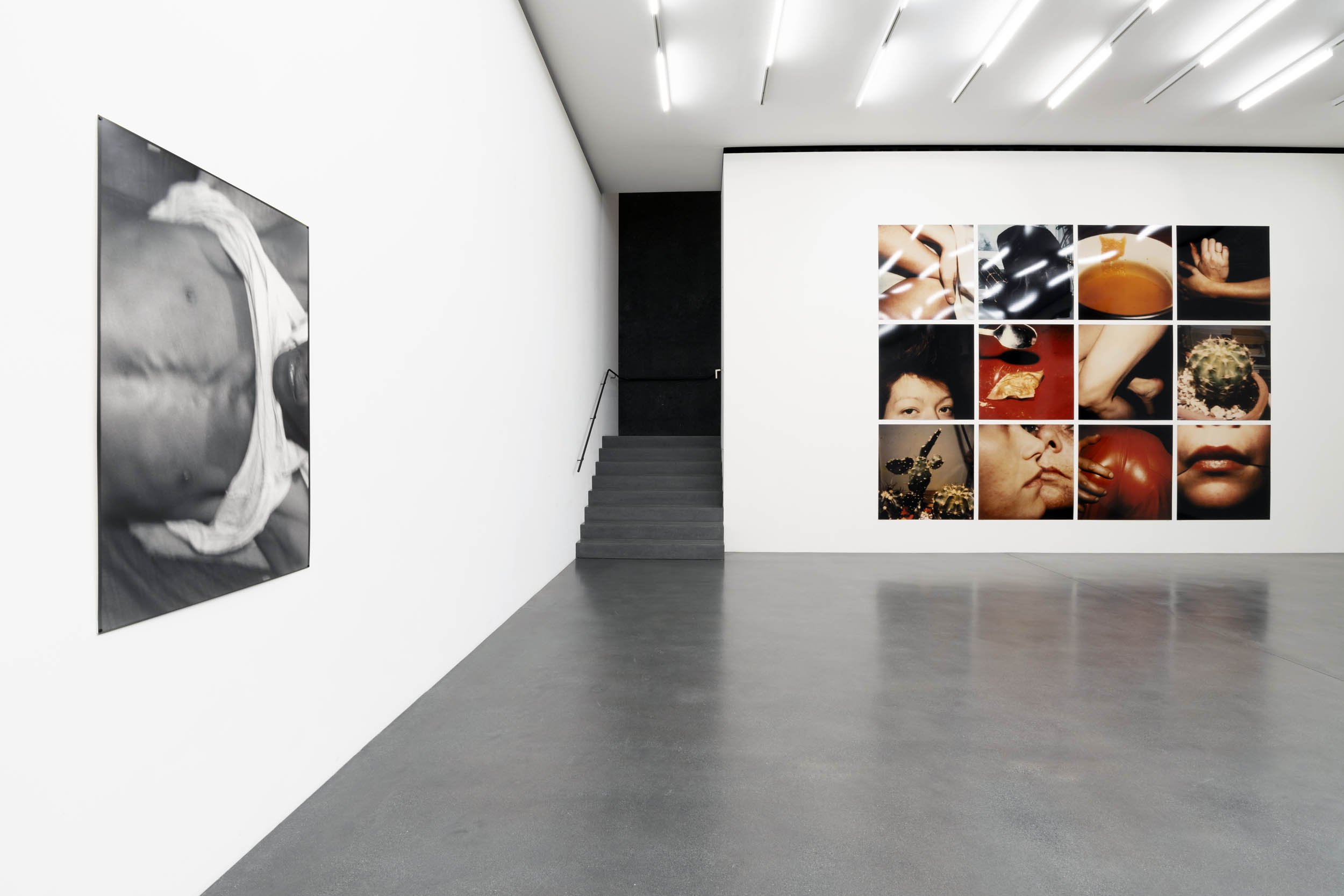
 

Installation view of 'Hannah Villiger: Amaze Me at Muzeum Susch' showing at left Hannah Villiger's 'Work' (1987); and at right, 'Work' (1980-1981)


Installation view of Hannah Villiger: Amaze Me at Muzeum Susch showing at left Hannah Villiger’s Work (1987, below); and at right, Work (1980-1981, below)
Courtesy: © Muzeum Susch / Art Stations Foundation
Photograph: Federico Sette


Hannah Villiger (Swiss, 1951-1997) 'Work' 1987


Hannah Villiger (Swiss, 1951-1997)
Work
1987
Black and white photograph
127.5 x 86.5cm
© Foundation The Estate of Hannah Villiger


Hannah Villiger (Swiss, 1951-1997) 'Work' 1980-1981


Hannah Villiger (Swiss, 1951-1997)
Work
1980-1981
C-prints of polaroids, mounted on aluminium (12 pieces)
355 x 475cm
© Foundation The Estate of Hannah Villiger


Installation view of 'Hannah Villiger: Amaze Me' at Muzeum Susch showing at left Hannah Villiger's 'Work' (1981); and at right, 'Work' (1982)


Installation view of Hannah Villiger: Amaze Me at Muzeum Susch showing at left Hannah Villiger’s Work (1981, below); and at right, Work (1982, below)
Courtesy: © Muzeum Susch / Art Stations Foundation
Photograph: Federico Sette


Hannah Villiger (Swiss, 1951-1997) 'Work' 1981


Hannah Villiger (Swiss, 1951-1997)
Work
1981
Two C-prints of polaroids, mounted on aluminium
Each 38 x 38cm
© Foundation The Estate of Hannah Villiger


Running from 4 January to 2 July 2023, Muzeum Susch presents Hannah Villiger: Amaze Me, a comprehensive survey dedicated to the Swiss artist Hannah Villiger (1951-1997) with contributions from contemporary artists Alexandra Bachzetsis, Lou Masduraud (b. 1990) and Manon Wertenbroek (b. 1991).

The exhibition Hannah Villiger: Amaze Me offers new perspectives on the work of this important Swiss artist. Hannah Villiger’s (1951-1997) large-format works based on Polaroid photographs make a lasting contribution to the genre of the self-image within art history. At the same time, her explorations of the body can be discussed against the background of numerous contemporary themes.

Muzeum Susch is hosting the largest presentation of Hannah Villiger’s work in fifteen years. The exhibition spans her oeuvre, from the drawings she made in the 1970s to the black-and-white photographs and works with the Polaroid camera that she created from the 1980s onwards. These fragmentary close-ups of her own body, greatly enlarged via an internegative and mounted on aluminium, are presented individually or assembled into space-related ensembles. The results are unlimited possibilities of at times spectacular views of the body. On display are vintage prints, existing though often still unknown individual works, as well as so-called blocks, large-format assemblages of up to fifteen square picture panels. Some of these will be shown for the first time in the exhibition in Susch.

The exhibition expands the view of Villiger to include contemporary themes and issues. The focus is on the representation of the female body, one’s own perspective, as well as that of others, on the human physique, its classification in the media, questions of surface, space and body, and the objectification of the body. In Villiger’s work, the skin – where humans enter a dialogue with their environment – is a setting for highly topical questions of gender and ethnicity, as well as vulnerability and healing. The body was the artist’s primary working material. We encounter it abstracted or deconstructed; it can be human, but also of plant or artificial origin. Although Villiger’s early death brought her oeuvre to an abrupt end, her works point unwaveringly to the present.

The undiminished relevance of Villiger’s work is underscored by the inclusion of works by the contemporary artists Alexandra Bachzetsis, Lou Masduraud and Manon Wertenbroek. These younger women artists present thematically related works – distributed throughout the entire exhibition – in dialogue with Villiger and at the same time represent strong contemporary positions. The artists have been selected based on their exploration of similar themes to those of Villiger. Bachzetsis in collaboration with Julia Born presents This Side Up, a video installation of the artist moving in all directions in a confined space, much like the way Villiger writhes, turns and shapes her own body under the eye of her Polaroid camera. Masduraud presents Petrifying basin (kisses with the nymphs), a sculptural installation and small wall objects that playfully and sensually rethink organic life and anchors mythological traditions in the present day. And finally, Wertenbroek presents a selection of objects addressing the boundaries between the skin and surrounding world and reflects on themes such as unveiling and veiling.

On the exhibition and Hannah Villiger, Muzeum Susch’s found Grazyna Kulczyk says, “Female artists are no longer afraid to document their bodies being destructed due to illness or ageing – often the artworks become projects showing chronicles of pain. Observing and recording their own bodies has become a form of manifesto for female artists, reclaiming the subjectivity of the body. Female artists have painted, photographed and sculpted themselves. In this way, the shame of nakedness or imperfection has often become a point of pride. Hannah Villiger, through photographs of her body, become the body’s conscious sculptor.”

The exhibition is accompanied by a monograph on the latest research on Hannah Villiger’s practice and influence. Villiger is often likened to an artist’s artist, which has inspired the editors to invite artists who knew her to contribute texts, including Katja Schenker, Beat Streuli, and Claudia and Julia Müller. The book, part of a series of monographs by Muzeum Susch and Skira, will be published in March 2023.

Hannah Villiger (1951-1997) grew up as the fourth of five children in Cham (CH). After completing her studies at the School of Applied Arts in Lucerne, Villiger spent a period travelling and living between Toronto, Rome, Montefalco and Switzerland until she finally settled in Basel in 1977. In Basel, she produced her first black-and-white photographs as well as wood and Plexiglas objects. In 1980 Villiger fell ill with open tuberculosis and spent a month isolated in the Basel Cantonal Hospital, followed by a stay in a sanatorium in Davos. Despite her poor health, Villiger continued to create and exhibit her work. From 1981 to 1982 she undertook a world road-trip with Susan Wyss, with whom she had been in a relationship since 1975. In the early 1980s, Villiger began to use Polaroid cameras primarily to explore her body, serving as a working material, and increasingly moved away from the classic black-and-white and colour photographs. In 1988 in Paris, she met Mouhamadou Mansour (“Joe”) Kébé, with whom she had a son with in 1991. Between 1992 and 1997, Villiger taught at the Basel School of Art and Design. She died of heart failure in 1997.

Text from the Museum Susch website


Installation view of 'Hannah Villiger: Amaze Me' at Muzeum Susch

Installation view of 'Hannah Villiger: Amaze Me' at Muzeum Susch showing at left in the bottom image, Hannah Villiger's 'Work' (1982); and at right, 'Sculpting' (1983)


Installation views of Hannah Villiger: Amaze Me at Muzeum Susch showing at left in the bottom image, Hannah Villiger’s Work (1982, below); and at right, Sculpting (1983, below)
Courtesy: © Muzeum Susch / Art Stations Foundation
Photograph: Federico Sette
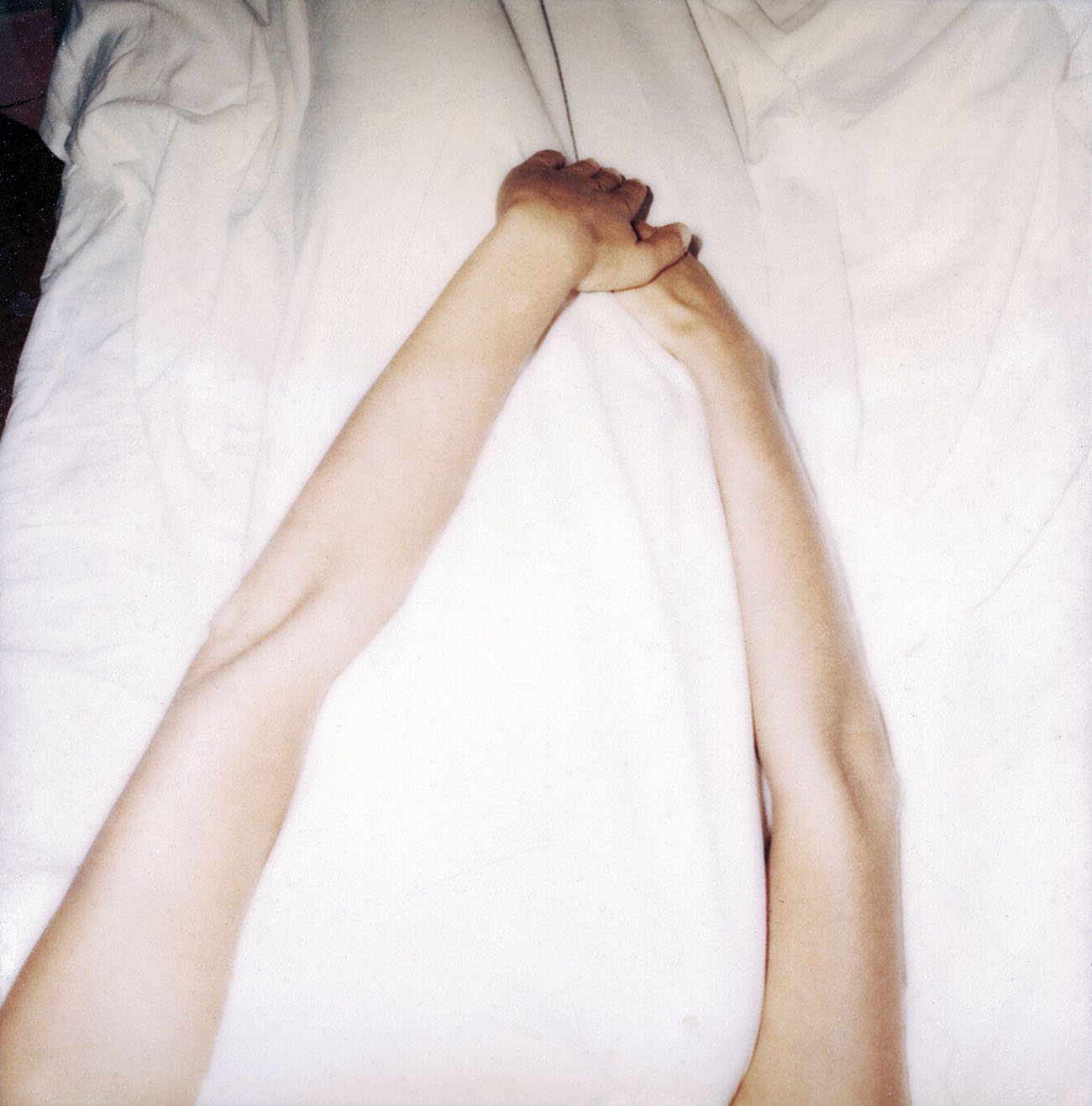
 

Hannah Villiger (Swiss, 1951-1997) 'Work' 1982


Hannah Villiger (Swiss, 1951-1997)
Work
1982
C-print of a polaroid, mounted on aluminium
125 x 123cm
© Foundation The Estate of Hannah Villiger


Hannah Villiger (Swiss, 1951-1997) 'Sculpting' 1983


Hannah Villiger (Swiss, 1951-1997)
Sculpting
1983
Six C-prints of polaroids, mounted on aluminium
222 x 322cm
© Foundation The Estate of Hannah Villiger
Courtesy of Collection Pictet


Installation view of 'Hannah Villiger: Amaze Me' at Muzeum Susch

Installation view of 'Hannah Villiger: Amaze Me' at Muzeum Susch showing in the bottom image at left, 'Sculptural' (1984-1985); at centre, 'Sculptural' (1984-1985); and at right, 'Sculptural' (1984-1985)


Installation views of Hannah Villiger: Amaze Me at Muzeum Susch showing in the bottom image at left, Sculptural (1984-85, below); at centre, Sculptural (1984-85, below); and at right, Sculptural (1984-85, below)
Courtesy: © Muzeum Susch / Art Stations Foundation
Photograph: Federico Sette


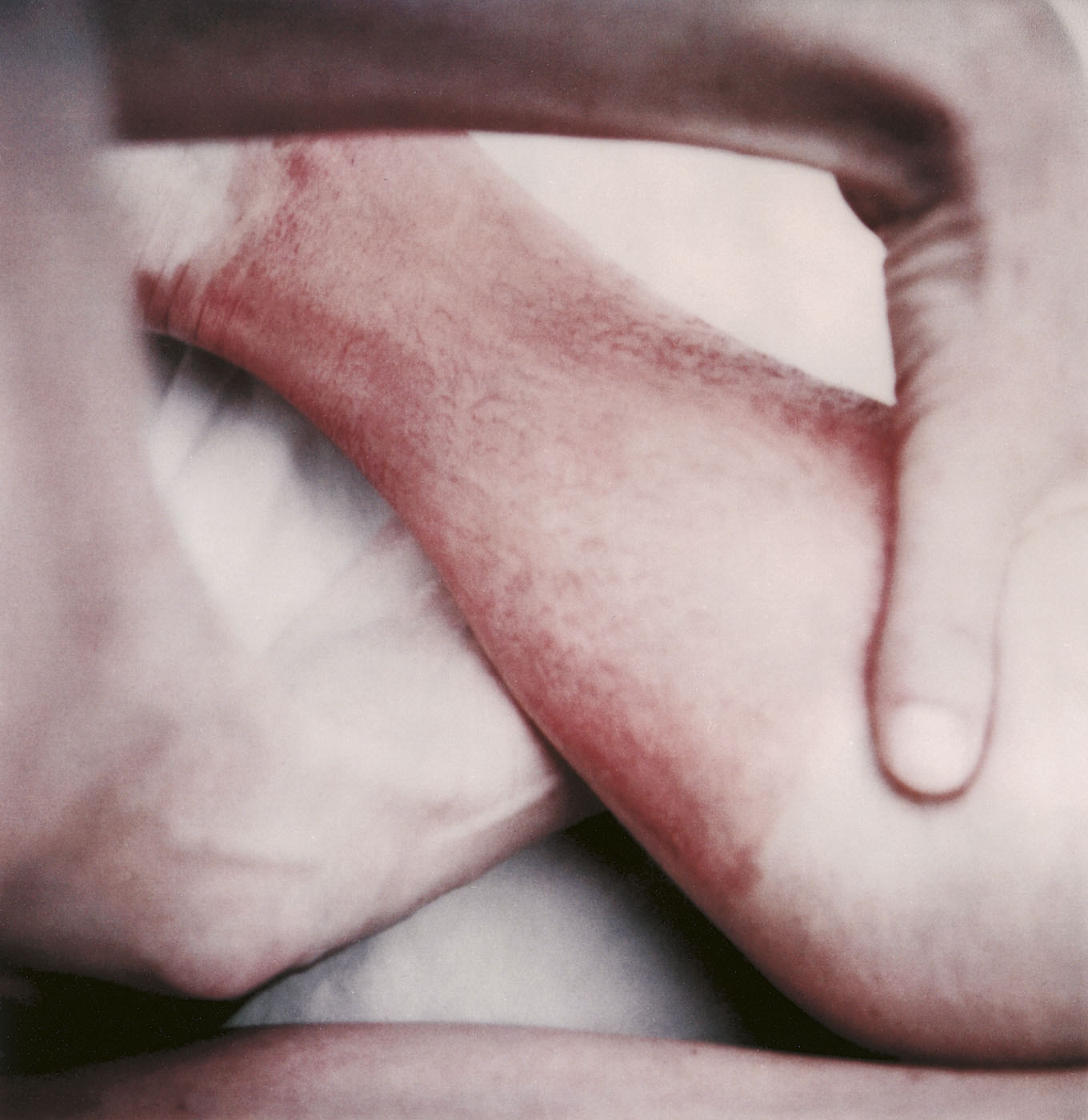
Hannah Villiger (Swiss, 1951-1997) 'Sculptural' 1984-1985


Hannah Villiger (Swiss, 1951-1997)
Sculptural
1984-85
C-print of a polaroid, mounted on aluminium
© Foundation The Estate of Hannah Villiger
 

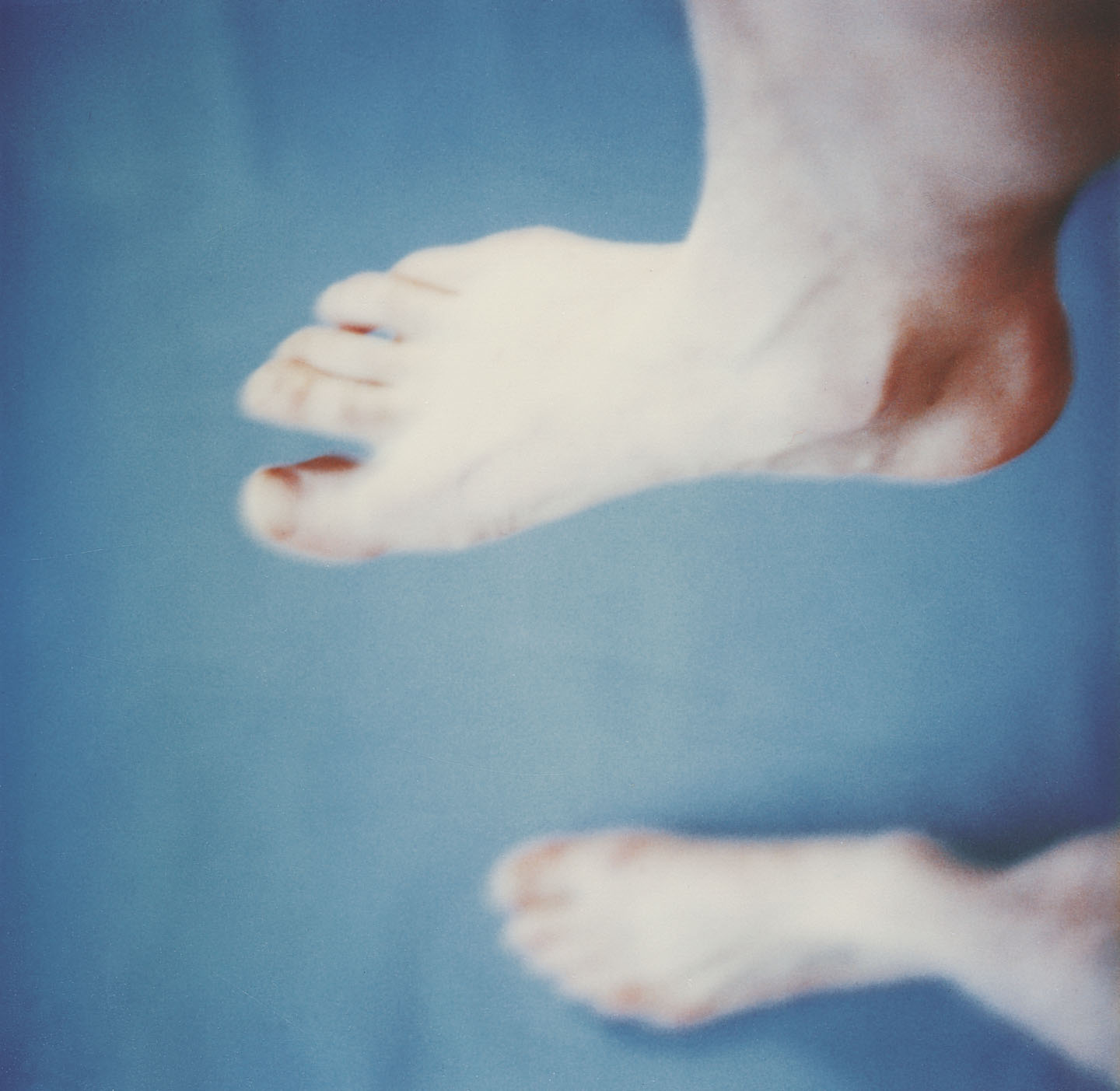
Hannah Villiger (Swiss, 1951-1997) 'Sculptural' 1984-1985


Hannah Villiger (Swiss, 1951-1997)
Sculptural
1984-85
C-print of a polaroid, mounted on aluminium
© Foundation The Estate of Hannah Villiger
 

Hannah Villiger (Swiss, 1951-1997) 'Sculptural' 1984-1985


Hannah Villiger (Swiss, 1951-1997)
Sculptural
1984-85
C-print of a polaroid, mounted on aluminium
© Foundation The Estate of Hannah Villiger
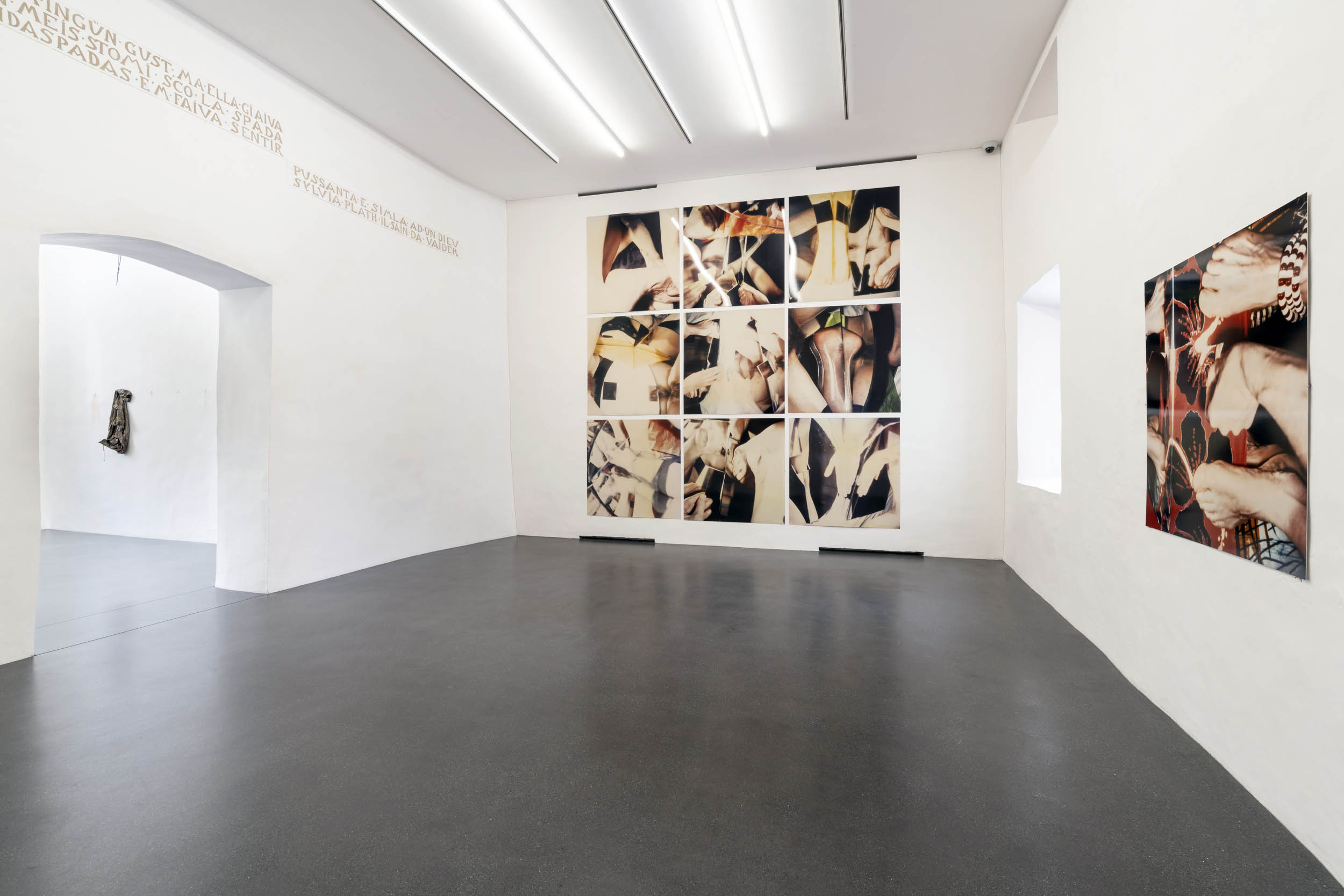
 

Installation view of 'Hannah Villiger: Amaze Me' at Muzeum Susch showing at centre, 'Block XVI' (1989); and at right, 'Sculptural' (1988-1989)


Installation views of Hannah Villiger: Amaze Me at Muzeum Susch showing at centre, Block XVI (1989, below); and at right, Sculptural (1988-89, below)
Courtesy: © Muzeum Susch / Art Stations Foundation
Photograph: Federico Sette


Hannah Villiger (Swiss, 1951-1997) 'Block XVI' 1989


Hannah Villiger (Swiss, 1951-1997)
Block XVI
1989
Nine C-prints of polaroids, mounted on aluminium
© Foundation The Estate of Hannah Villiger
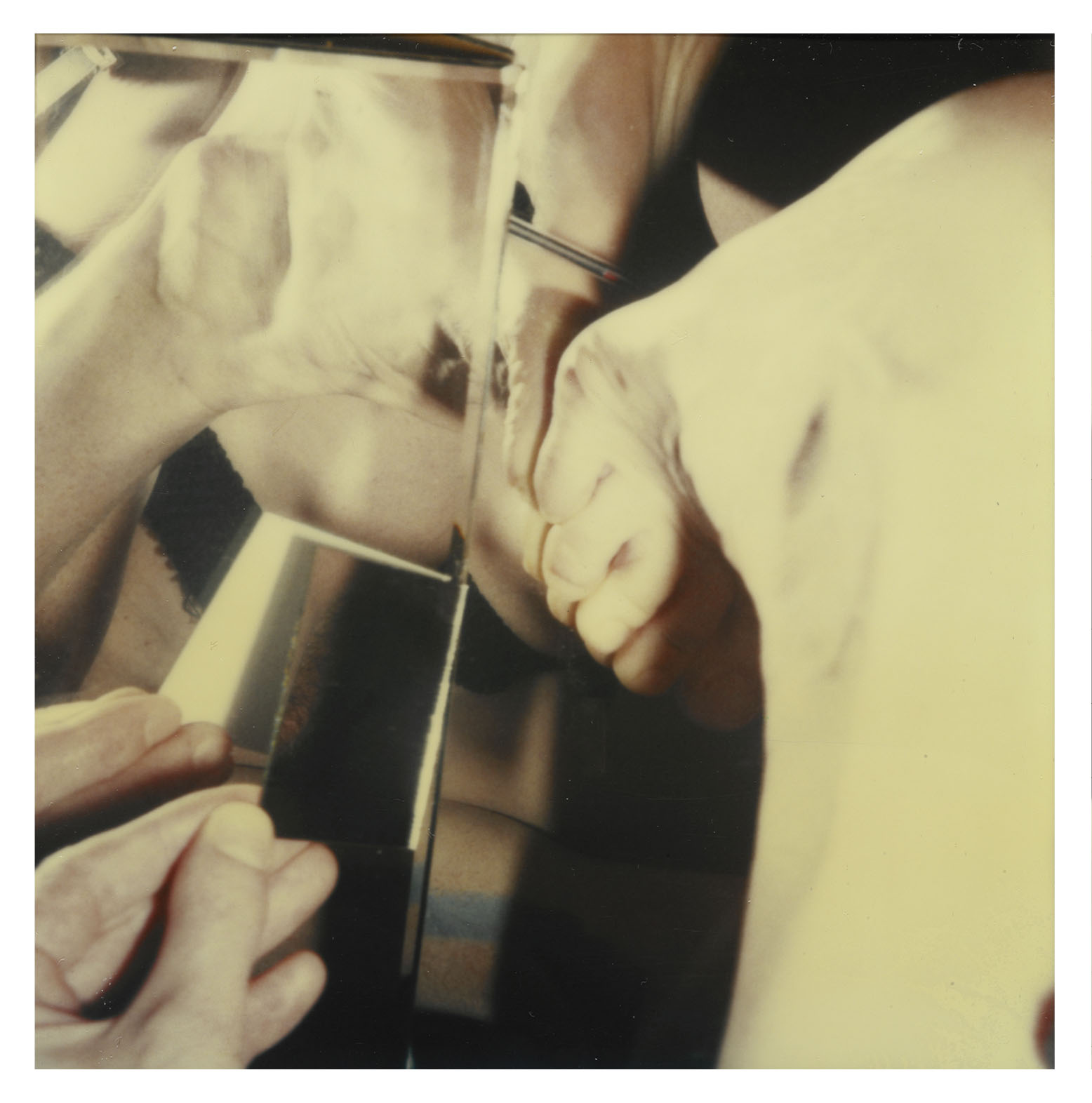
 

Hannah Villiger (Swiss, 1951-1997) 'Block XVI' 1989 (detail)

Hannah Villiger (Swiss, 1951-1997) 'Block XVI' 1989 (detail)

Hannah Villiger (Swiss, 1951-1997) 'Block XVI' 1989 (detail)


Hannah Villiger (Swiss, 1951-1997)
Block XVI (details)
1989
Nine C-prints of polaroids, mounted on aluminium
© Foundation The Estate of Hannah Villiger


Hannah Villiger (Swiss, 1951-1997) 'Sculptural' 1988-1989


Hannah Villiger (Swiss, 1951-1997)
Sculptural
1988-89
C-print of a polaroid, mounted on aluminium
© Foundation The Estate of Hannah Villiger


Hannah Villiger (Swiss, 1951-1997) 'Sculptural' 1988-1989


Hannah Villiger (Swiss, 1951-1997)
Sculptural
1988-89
C-print of a polaroid, mounted on aluminium
© Foundation The Estate of Hannah Villiger


Installation view of 'Hannah Villiger: Amaze Me' at Muzeum Susch

Installation view of 'Hannah Villiger: Amaze Me' at Muzeum Susch


Installation views of Hannah Villiger: Amaze Me at Muzeum Susch
Courtesy: © Muzeum Susch / Art Stations Foundation
Photograph: Federico Sette


Installation view of 'Hannah Villiger: Amaze Me' at Muzeum Susch showing at left 'Block XIII' (1989)


Installation view of Hannah Villiger: Amaze Me at Muzeum Susch showing at left Block XIII (1989, below)
Courtesy: © Muzeum Susch / Art Stations Foundation
Photograph: Federico Sette


Installation view of 'Hannah Villiger: Amaze Me' at Muzeum Susch showing 'Block XIII' (1989)


Installation view of Hannah Villiger: Amaze Me at Muzeum Susch showing Block XIII (1989, below)
Courtesy: © Muzeum Susch / Art Stations Foundation
Photograph: Federico Sette


Hannah Villiger (Swiss, 1951-1997) 'Block XIII' 1989


Hannah Villiger (Swiss, 1951-1997)
Block XIII
1989
Fifteen C-prints of polaroids, mounted on aluminium
© Foundation The Estate of Hannah Villiger
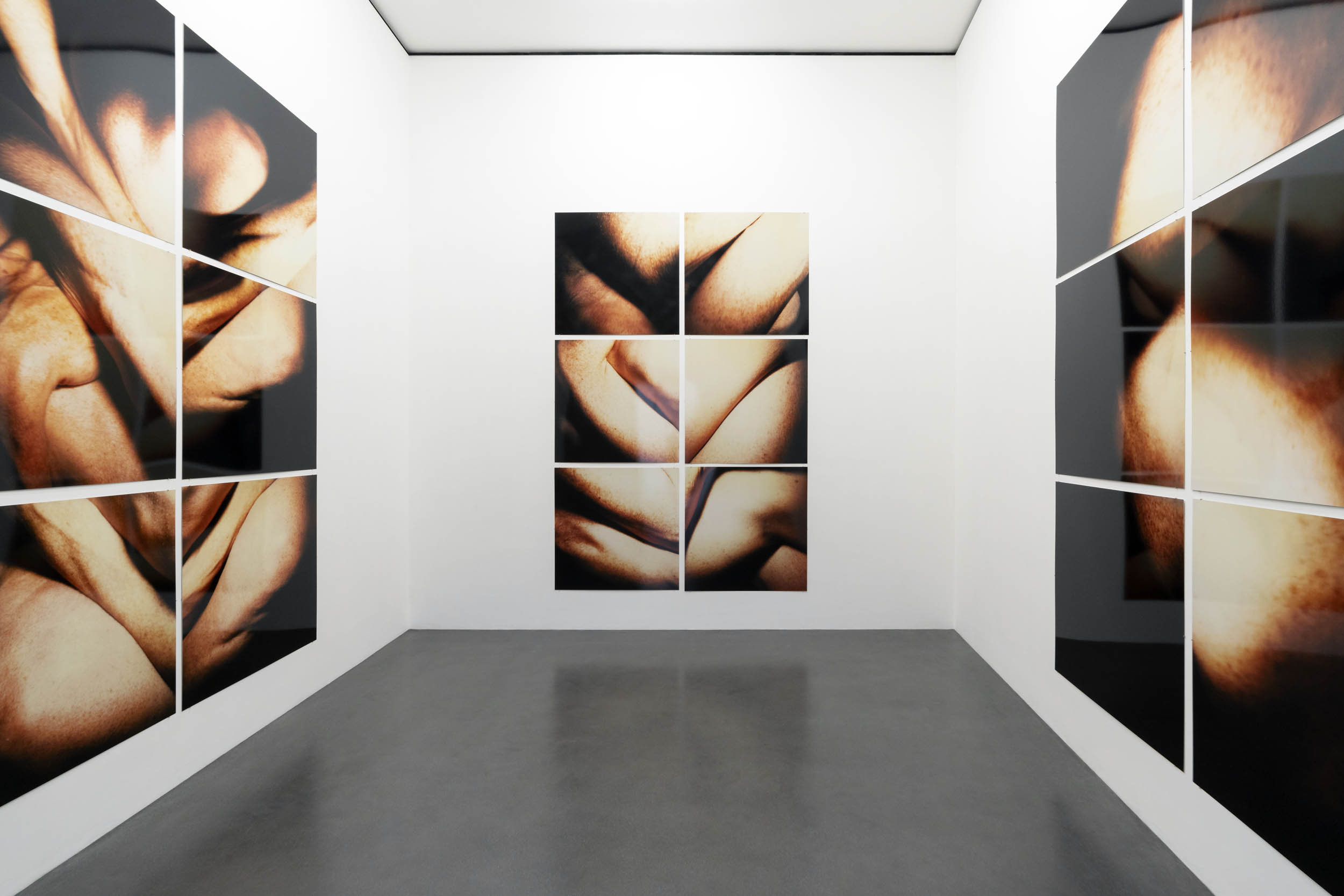
 

Hannah Villiger (Swiss, 1951-1997) 'Block XIII' 1989 (detail)

Hannah Villiger (Swiss, 1951-1997) 'Block XIII' 1989 (detail)

Hannah Villiger (Swiss, 1951-1997) 'Block XIII' 1989 (detail)


Hannah Villiger (Swiss, 1951-1997)
Block XIII (details)
1989
Fifteen C-prints of polaroids, mounted on aluminium
© Foundation The Estate of Hannah Villiger


Installation view of 'Hannah Villiger: Amaze Me' at Muzeum Susch showing at left, 'Sculptural' (1990-91); and at right, 'Block XXX' (1993-1994)


Installation view of Hannah Villiger: Amaze Me at Muzeum Susch showing at left, Sculptural (1990-91, below); and at right, Block XXX (1993-1994)
Courtesy: © Muzeum Susch / Art Stations Foundation
Photograph: Federico Sette


Hannah Villiger (Swiss, 1951-1997) 'Sculptural' 1990-1991


Hannah Villiger (Swiss, 1951-1997)
Sculptural
1990-91
C-print of a polaroid, mounted on aluminium
© Foundation The Estate of Hannah Villiger


Hannah Villiger (Swiss, 1951-1997) 'Block XXX' 1993-1994


Hannah Villiger (Swiss, 1951-1997)
Block XXX
1993-94
Six C-prints of polaroids, mounted on aluminium
Jacques Herzog und Pierre de Meuron Kabinett, Basel
© Foundation The Estate of Hannah Villiger


Installation view of 'Hannah Villiger: Amaze Me' at Muzeum Susch showing at left, 'Block XXXV' (1994); and at right, 'Place' (1985)


Installation view of Hannah Villiger: Amaze Me at Muzeum Susch showing at left, Block XXXV (1994, below); and at right, Place (1985, below)
Courtesy: © Muzeum Susch / Art Stations Foundation
Photograph: Federico Sette


Hannah Villiger (Swiss, 1951-1997) 'Block XXXV' 1994


Hannah Villiger (Swiss, 1951-1997)
Block XXXV
1994
Four C-prints of polaroids, mounted on aluminium
© Foundation The Estate of Hannah Villiger


Hannah Villiger (Swiss, 1951-1997) 'Place' 1985


Hannah Villiger (Swiss, 1951-1997)
Place
1985
C-print of a polaroid, mounted on aluminium
© Foundation The Estate of Hannah Villiger


Hannah Villiger (Swiss, 1951-1997) 'Sculptural' 1995


Hannah Villiger (Swiss, 1951-1997)
Sculptural
1995
Six C-prints of polaroids, mounted on aluminium
© Foundation The Estate of Hannah Villiger


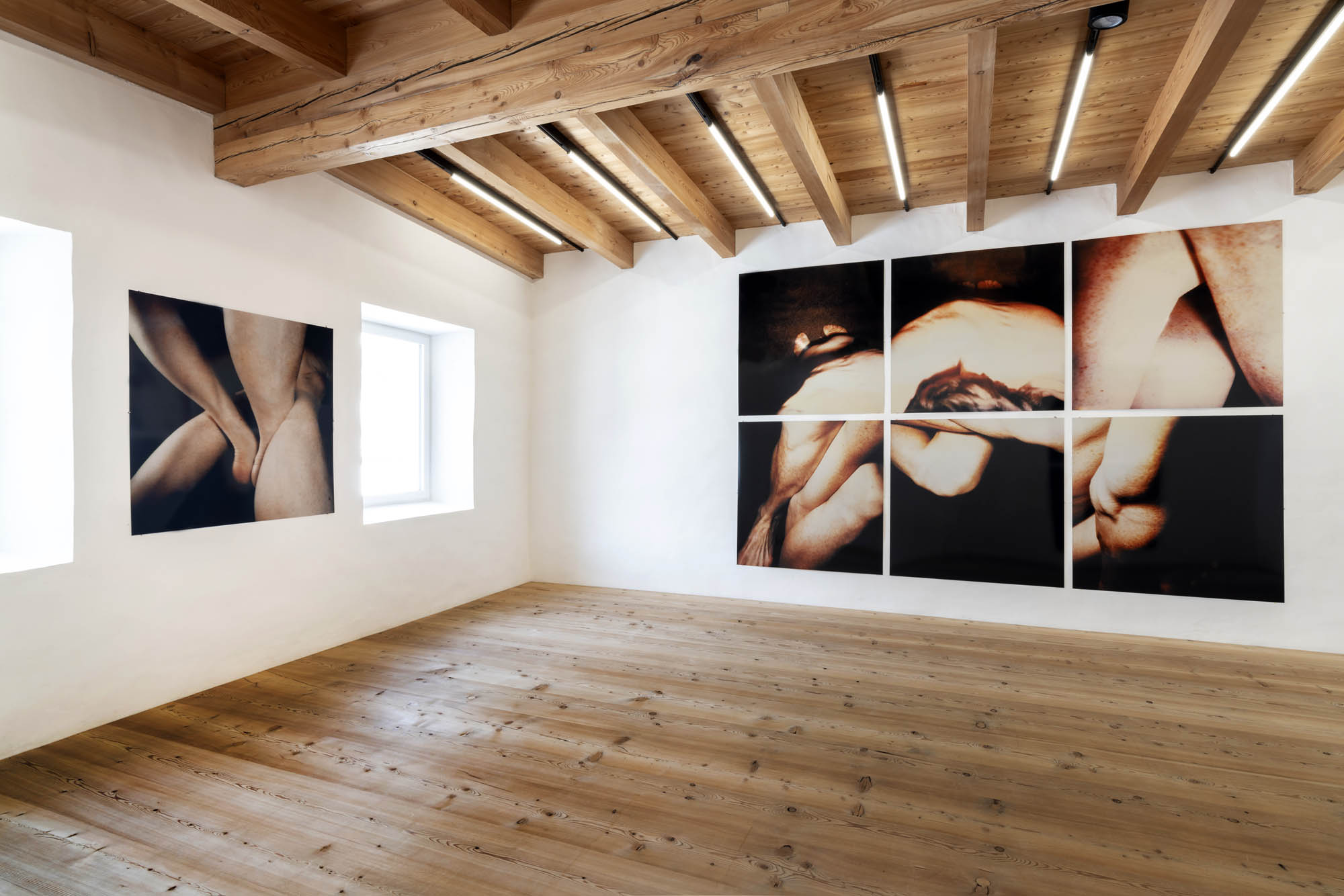
Installation view of 'Hannah Villiger: Amaze Me' at Muzeum Susch showing the work 'Block' (1996)


Installation view of Hannah Villiger: Amaze Me at Muzeum Susch showing the work Block (1996, below)
Courtesy: © Muzeum Susch / Art Stations Foundation
Photograph: Federico Sette


Hannah Villiger (Swiss, 1951-1997) 'Block' 1996


Hannah Villiger (Swiss, 1951-1997)
Block
1996
Six C-prints of polaroids, mounted on aluminium
© Foundation The Estate of Hannah Villiger


Hannah Villiger (Swiss, 1951-1997) 'Block' 1997


Hannah Villiger (Swiss, 1951-1997)
Block
1997
Nine C-prints of polaroids, mounted on aluminium
© Foundation The Estate of Hannah Villiger


Hannah Villiger (Swiss, 1951-1997) 'Block' 1997 (detail)

Hannah Villiger (Swiss, 1951-1997) 'Block' 1997 (detail)


Hannah Villiger (Swiss, 1951-1997)
Block (details)
1997
Nine C-prints of polaroids, mounted on aluminium
© Foundation The Estate of Hannah Villiger


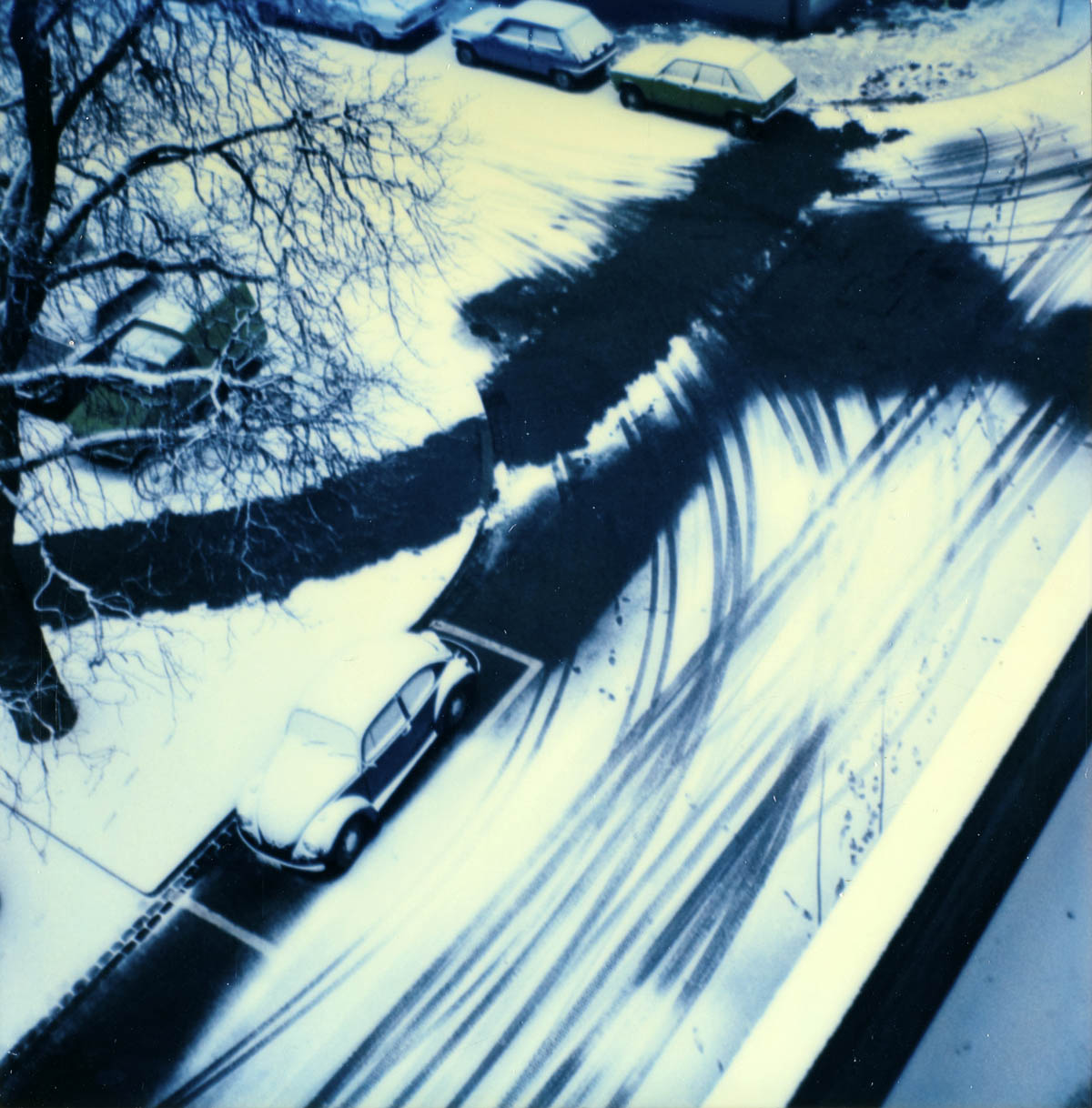
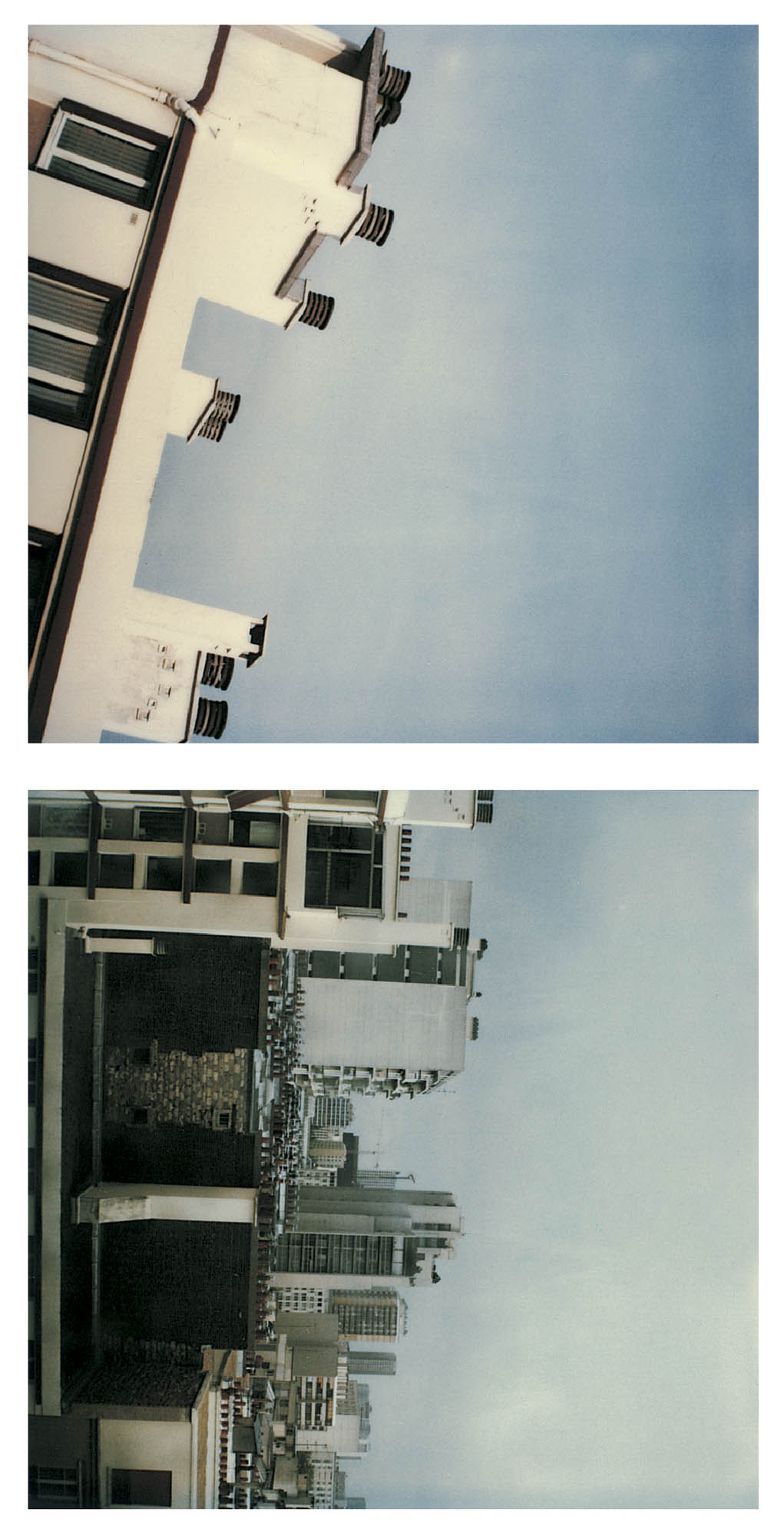
Installation view of 'Hannah Villiger: Amaze Me' at Muzeum Susch showing at left, 'City' (1997)


Installation view of Hannah Villiger: Amaze Me at Muzeum Susch showing at left, City (1997, below)
Courtesy: © Muzeum Susch / Art Stations Foundation
Photograph: Federico Sette


Hannah Villiger (Swiss, 1951-1997) 'City' 1997


Hannah Villiger (Swiss, 1951-1997)
City
1997
Two C-prints of polaroids, mounted on aluminium
© Foundation The Estate of Hannah Villiger


Museum Susch
Surpunt 78
CH – 7542 Susch, Switzerland

Opening hours:
Wednesday: 11.00 – 17.00
Thursday: 11.00 – 17.00
Friday: 11.00 – 17.00
Saturday: 11.00 – 17.00
Sunday: 11.00 – 17.00
Museum Susch website

LIKE ART BLART ON FACEBOOK

Back to top

Exhibition: ‘The Body as Protest’ at the Albertina, Vienna

Exhibition dates: 5th September – 2nd December 2012


Ishiuchi Miyako (Japanese, b. 1947) '1906#38' Nd


Ishiuchi Miyako (Japanese, b. 1947)
1906#38
Nd
Courtesy by The Third Gallery Aya


“The past neglect of the body in social theory was a product of Western mind-body dualism that divided human experience into bodily and cognitive realms. The knowledge-body distinction identifies knowledge, culture, and reason with masculinity and identifies body, nature, and emotion with femininity. Viewing human reason as the principal source of progress and emancipation, it perceives “the rational” as separate from, and exalted over, the corporeal. In other words, consciousness was grasped as separate from and preceding the body (Bordo 1993; Davis 1997). Following feminist thinking about women’s bodies in patriarchal societies, contemporary social theories shifted focus from cognitive dimensions of identity construction to embodiment in the constitution of identities (Davis 1997). Social construction theories do not view the body as a biological given but as constituted in the intersection of discourse, social institutions, and the corporeality of the body. Body practices, therefore, reflect the basic values and themes of the society, and an analysis of the body can expose the intersubjective meaning common to society. At the same time, discourse and social institutions are produced and reproduced only through bodies and their techniques (Frank 1991, 91). Thus, social analysis has expanded from studying the body as an object of social control and discipline “in order to legitimate different regimes of domination” (Bordo 1993; Foucault 1975, 1978, 1980) to perceiving it as a subject that creates meaning and performs social action (Butler 1990). The body is understood as a means for self-expression, an important feature in a person’s identity project (Giddens 1991), and a site for social subversiveness and self-empowerment (Davis 1997).”


Orna Sasson-Levy and Tamar Rapoport. “Body, Gender, and Knowledge in Protest Movements: The Israeli Case,” in ‘Gender & Society’ 17, 2003, p. 381. No longer available online


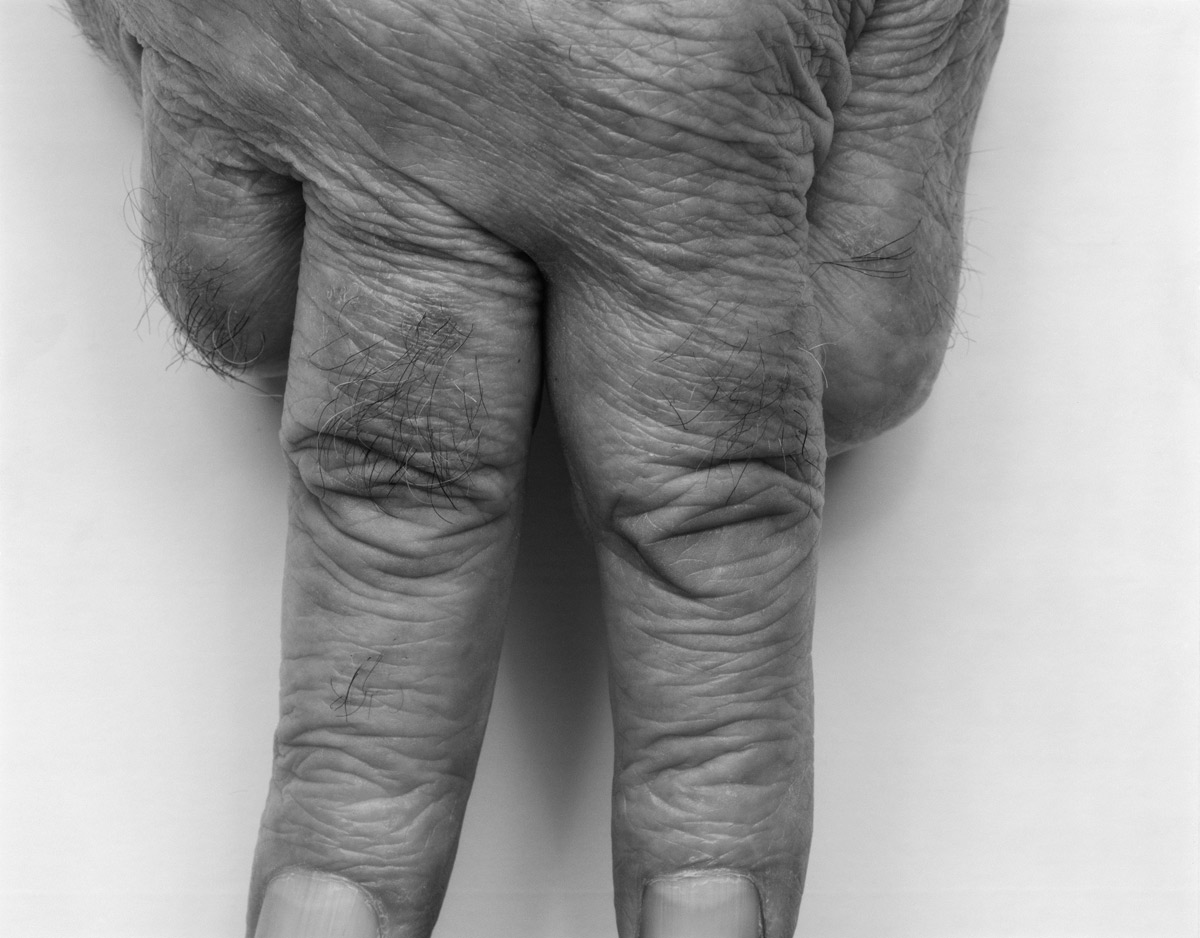
Despite my great admiration for John Coplans’ photographs of his body, on the evidence of these press photographs and the attached video, this exhibition seems a beautiful if rather tame affair considering the subject matter. Of course these photographs of the body can be understood as a means for self-expression and self-empowerment but there seems little social subversiveness in the choice of work on display.

The two Mapplethorpe’s are stylised instead of stonkingly subversive. The exhibition could have been taken photographs from his ‘X’ portfolio (the self portrait of him with a bull whip up his arse would have been particularly pleasing to see in this context). The exhibition could also have included some of the many artists using the body as protest during the AIDS crisis (perhaps some photographs by David Wojnarowicz or William Yang’s Sadness), the famous Burning Monk – The Self-Immolation (1963) by Malcolm Browne, photographs by Stellarc, Arthur Tress, Duane Michals, Nan Goldin, Diane Arbus, Francesca Woodman, Sally Mann, Cindy Sherman to name but a few; even the Farm Security Administration photographs of share cropper families by Walker Evans and Dorothea Lange would have had more impact than some of the photographs on display here.

Having not seen the entire exhibition it is hard to give an overall reading, but on the selection presented here it would seem that this was a missed opportunity, an exhibition where the body did not protest enough.

Dr Marcus Bunyan


Many thankx to the Albertina, Vienna for allowing me to publish the photographs in the posting. Please click on the photographs for a larger version of the image.


theartVIEw – The Body as Protest at ALBERTINA


Bruce Nauman (American, b. 1941) 'Studies for Holograms' Siebdruck, 1970


Bruce Nauman (American, b. 1941)
Studies for Holograms
Siebdruck, 1970
© VBK, Wien 2012
Foto: © Rheinisches Bildarchiv Köln


Ketty La Rocca (Italian, 1938-1976) 'Le mie parole e tu' 1974


Ketty La Rocca (Italian, 1938-1976)
Le mie parole e tu
1974
Courtesy Private Collection, Austria


Robert Mapplethorpe (American, 1946-1989) 'Vincent' 1981


Robert Mapplethorpe (American, 1946-1989)
Vincent
1981
Silbergelatinepapier
© Robert Mapplethorpe Foundation


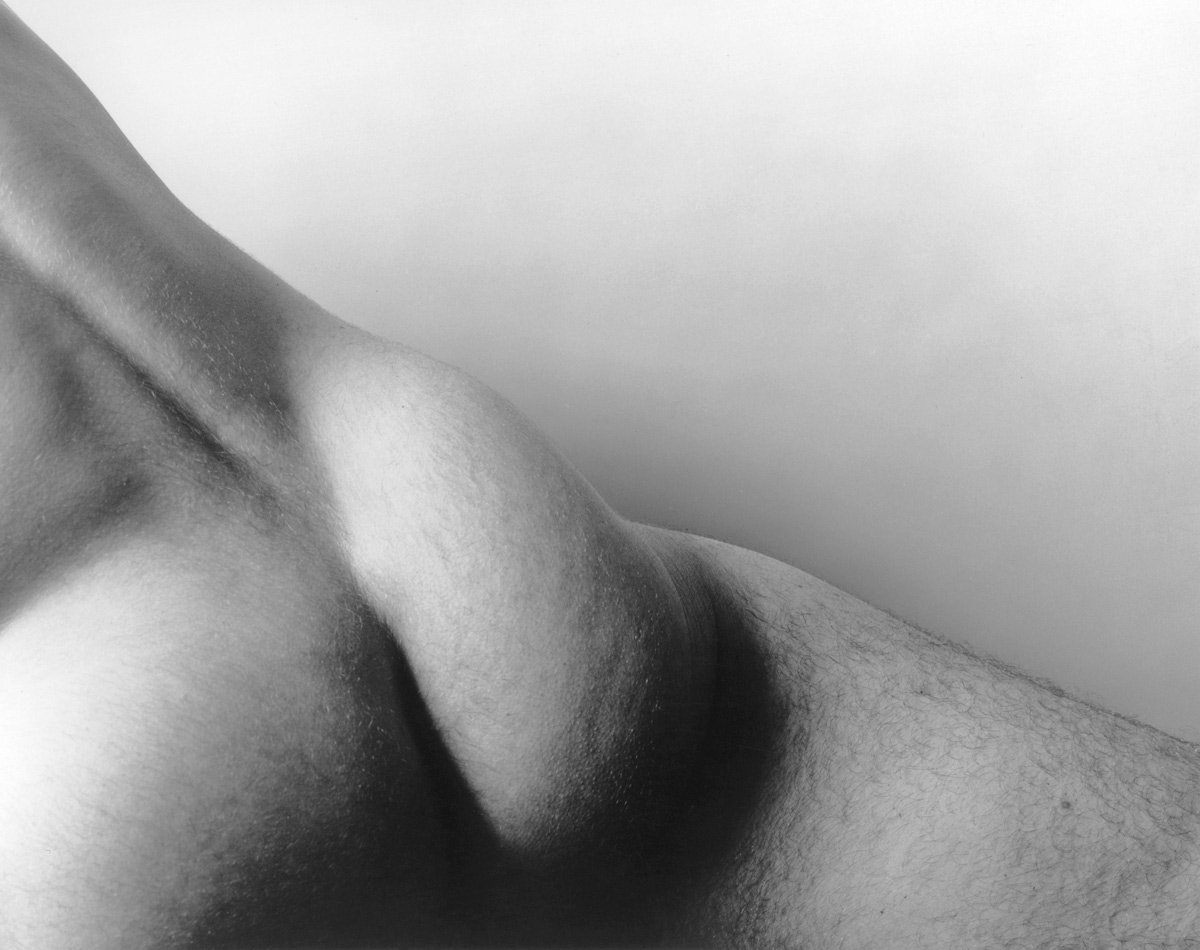
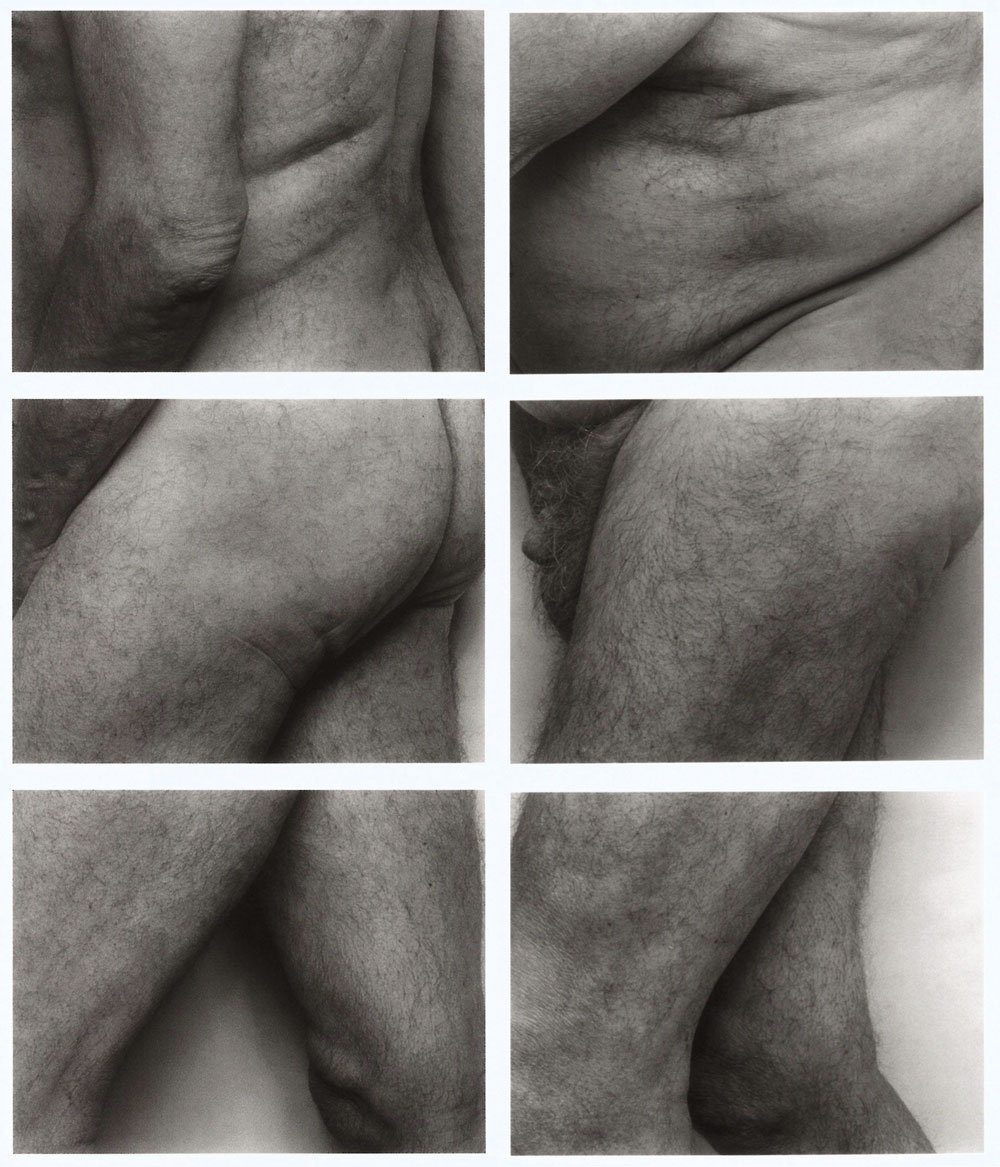
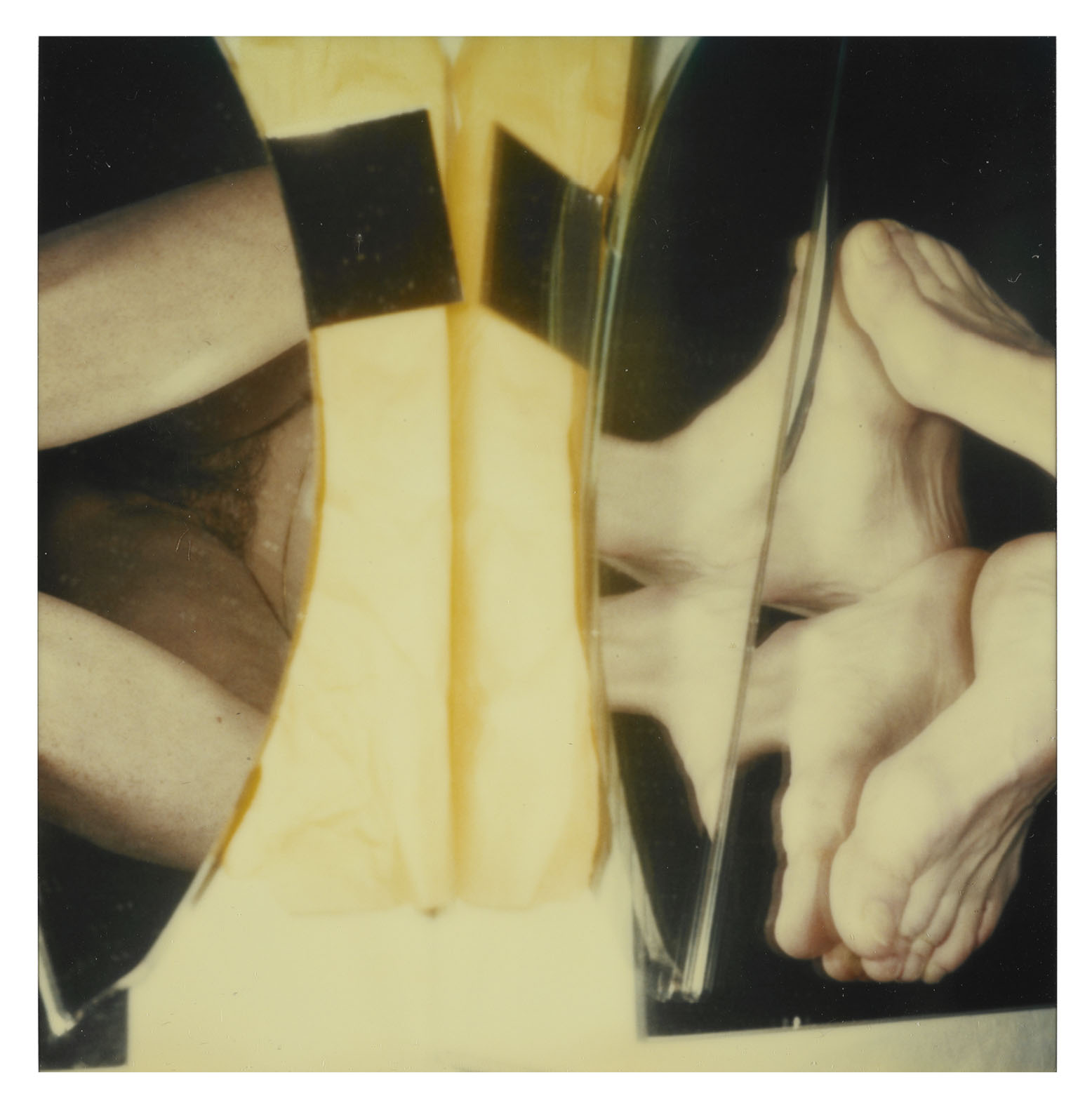
Hannah Villiger (Swiss, b. 1974) 'Block XXX' 1993-1994


Hannah Villiger (Swiss, b. 1974)
Block XXX
1993-1994
© The Estate of Hannah Villiger


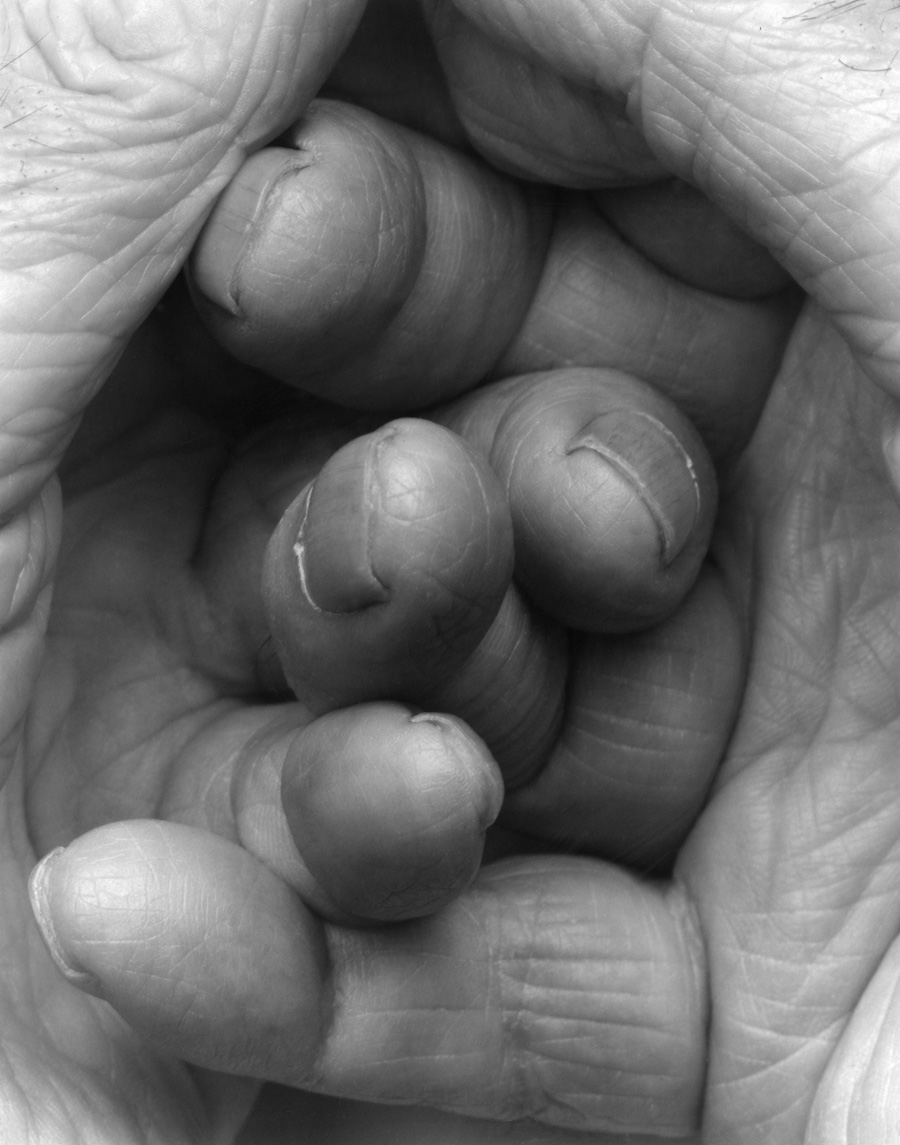
John Coplans (British, 1920-2003) 'Self Portrait Interlocking Fingers No 6' 1999


John Coplans (British, 1920-2003)
Self Portrait Interlocking Fingers No 6
1999
Silbergelatinepapier
Albertina, Wien


The exhibition The Body as Protest highlights the photographic representation of the human body – a motif that has provided a wide variety of photographers with an often radical means of expression for their visual protest against social, political, but also aesthetic norms.

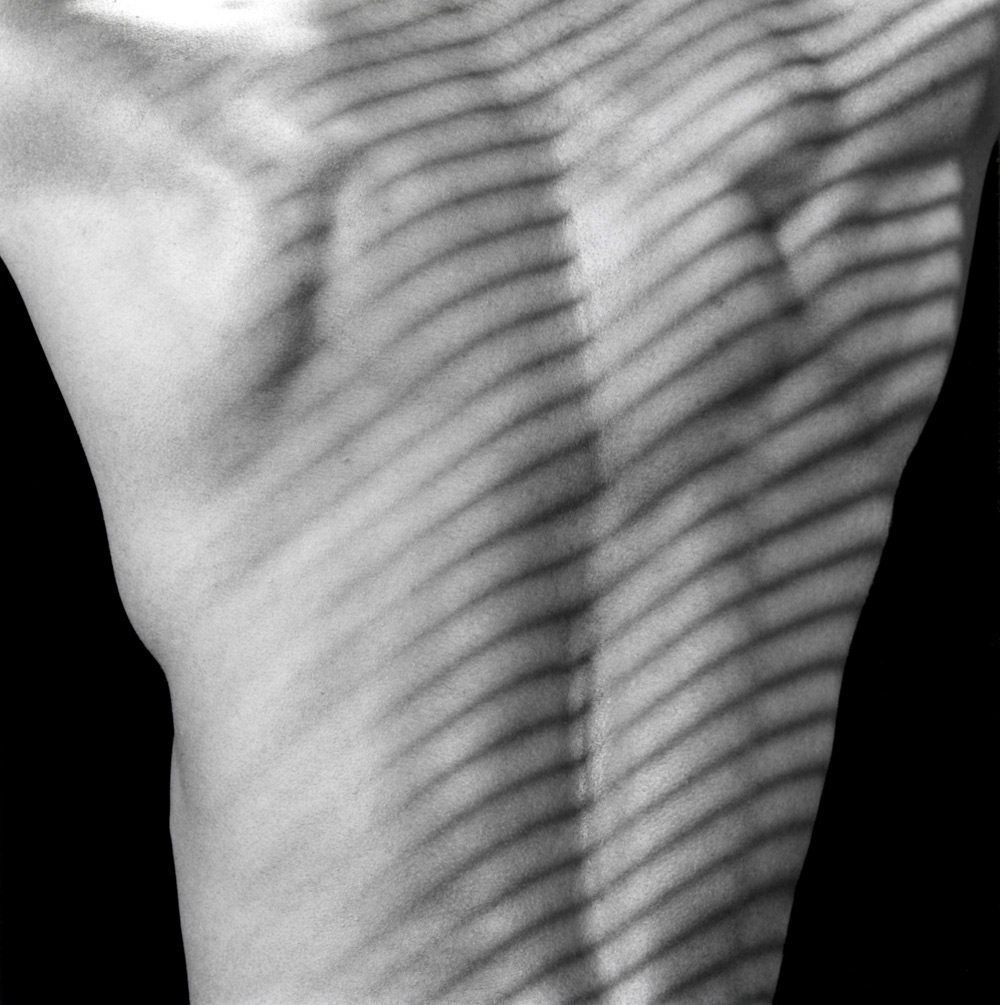
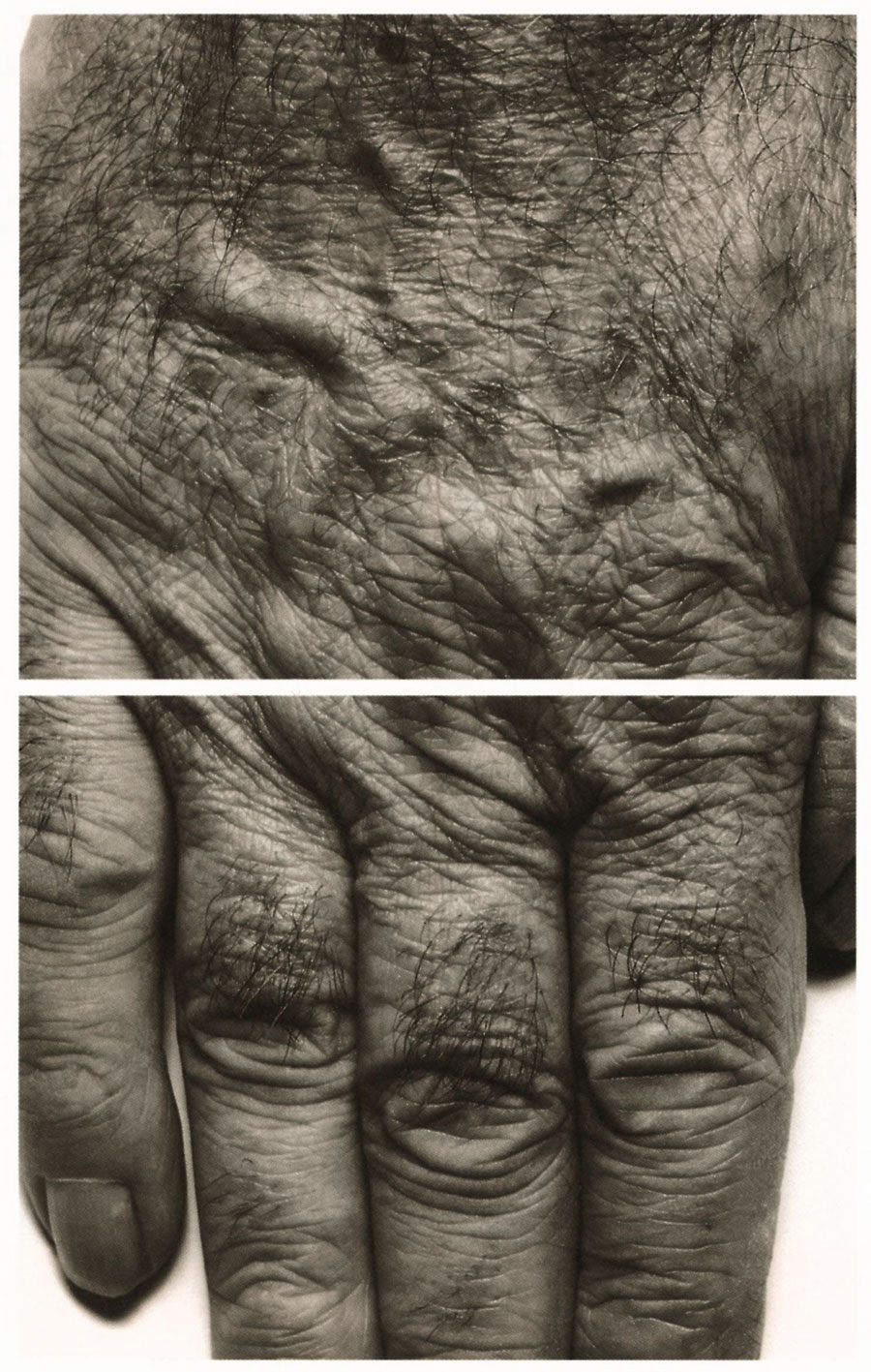
The show centres on an outstanding group of works by the artist John Coplans from the holdings of the Albertina. In his serially conceived large-format pictures, the photographer focused on the rendering of his own nude body, which he defamiliarised through fragmentation far from current forms of idealisation. Relying on extremely sophisticated lighting, he presented himself in a monumental and sculptural manner over many years. His photographs can be understood as amalgamations of theoretical and artistic ideas, which in the show are accentuated through selective juxtapositions with works by other important exponents of body-related art.

The body also features prominently in the work of other artists such as Hannah Wilke, Ketty La Rocca, Hannah Villiger, Vito Acconci, Bruce Nauman, Robert Mapplethorpe, and Miyako Ishiuchi. By means of these positions, such diverse themes as self-dramatisation, conceptual photography, feminism, body language, and even transience are analysed within an expanded artistic range. Moreover, the exhibition offers a differentiated view of the critical depiction of the human body as it has been practiced since 1970.

Text from the Albertina website


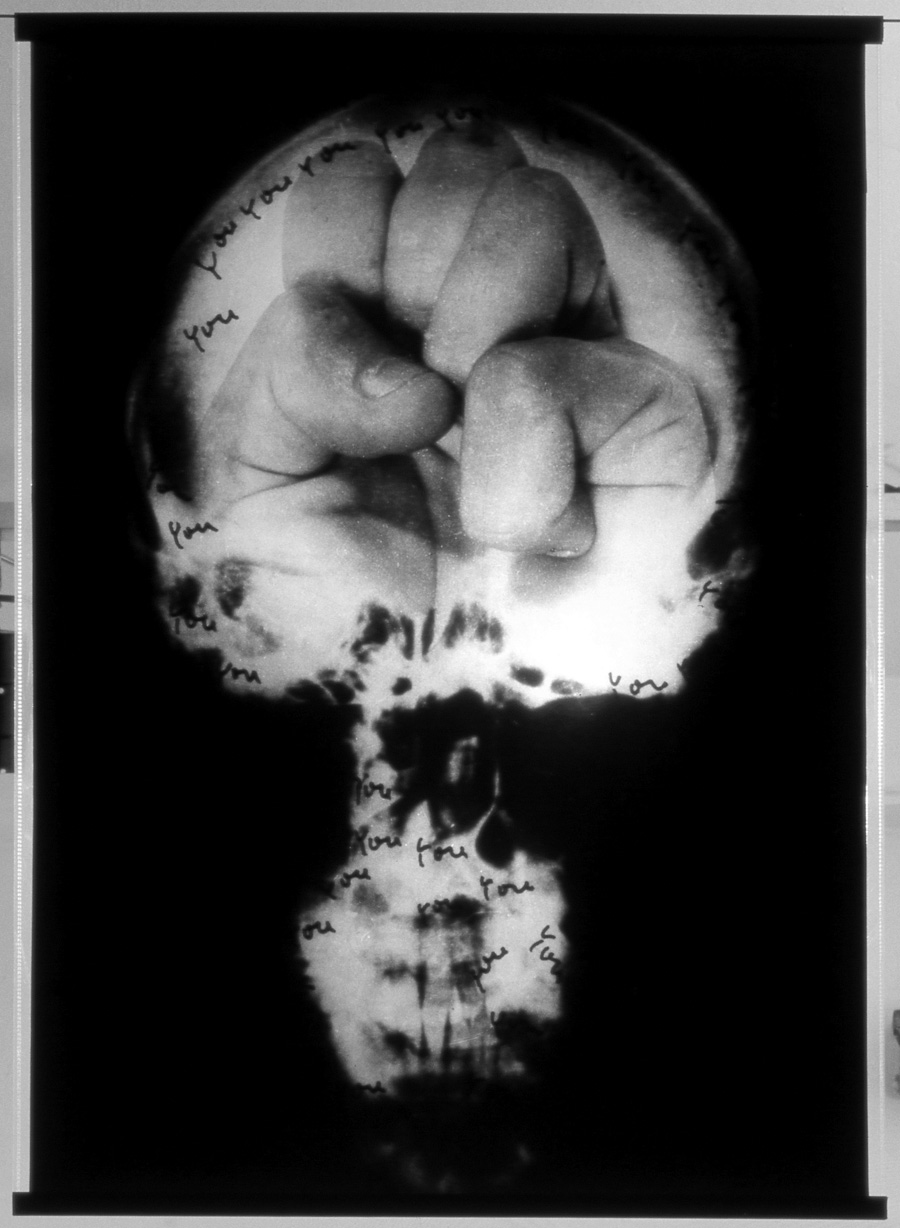
Ketty La Rocca (Italian, 1938-1976) 'Craniologia' 1973


Ketty La Rocca (Italian, 1938-1976)
Craniologia
1973
Radiografie mit überblendeter Fotografie
SAMMLUNG VERBUND


Hannah Wilke (American, 1940-1993) 'Gestures' 1974-1976 (stills)


Hannah Wilke (American, 1940-1993)
Gestures (stills)
1974-1976
Basierend auf der gleichnamigen
Video Performance von 1974
(35:30 min, b&w, sound)
Silbergelatinepapier
12 Blatt je 12,7x 17,8 cm
© Marsie, Emanuelle, Damon and Andrew Scharlatt, The Hannah Wilke Collection & Archive, L.A./ VBK, Wien 2012


Robert Mapplethorpe (American, 1946-1989) 'Thomas' 1986


Robert Mapplethorpe (American, 1946-1989)
Thomas
1986
Silbergelatinepapier
© Robert Mapplethorpe Foundation


John Coplans (British, 1920-2003) 'Back with Arms Above' 1984


John Coplans (British, 1920-2003)
Back with Arms Above
1984
Silbergelatinepapier
© The John Coplans Trust


John Coplans (British, 1920-2003) 'Self Portrait (Hands)' 1988


John Coplans (British, 1920-2003)
Self Portrait (Hands)
1988
Silbergelatinepapier
Albertina, Wien


John Coplans (British, 1920-2003) 'Frieze No. 6' 1994


John Coplans (British, 1920-2003)
Frieze No. 6
1994
Silbergelatinepapier
Albertina, Wien


John Coplans (British, 1920-2003) 'Self Portrait Interlocking Fingers No 17' 2000


John Coplans (British, 1920-2003)
Self Portrait Interlocking Fingers No 17
2000
Silbergelatinepapier
Albertina, Wien


Albertina
Albertinaplatz 1
1010 Vienna, Austria
Phone: +43 (0)1 534 83-0

Opening hours:
Daily 10am – 6pm
Wednesday 10am – 9pm

Albertina website

LIKE ART BLART ON FACEBOOK

Back to top

Exhibition: ‘Light Sensitive: Photo Art from the Collection’ at Aargauer Kunsthaus, Aarau, Switzerland

Exhibition dates: 12th May – 12th August 2012


Many thankx to the Aargauer Kunsthaus for allowing me to publish the photographs in the posting. Please click on the photographs for a larger version of the image.


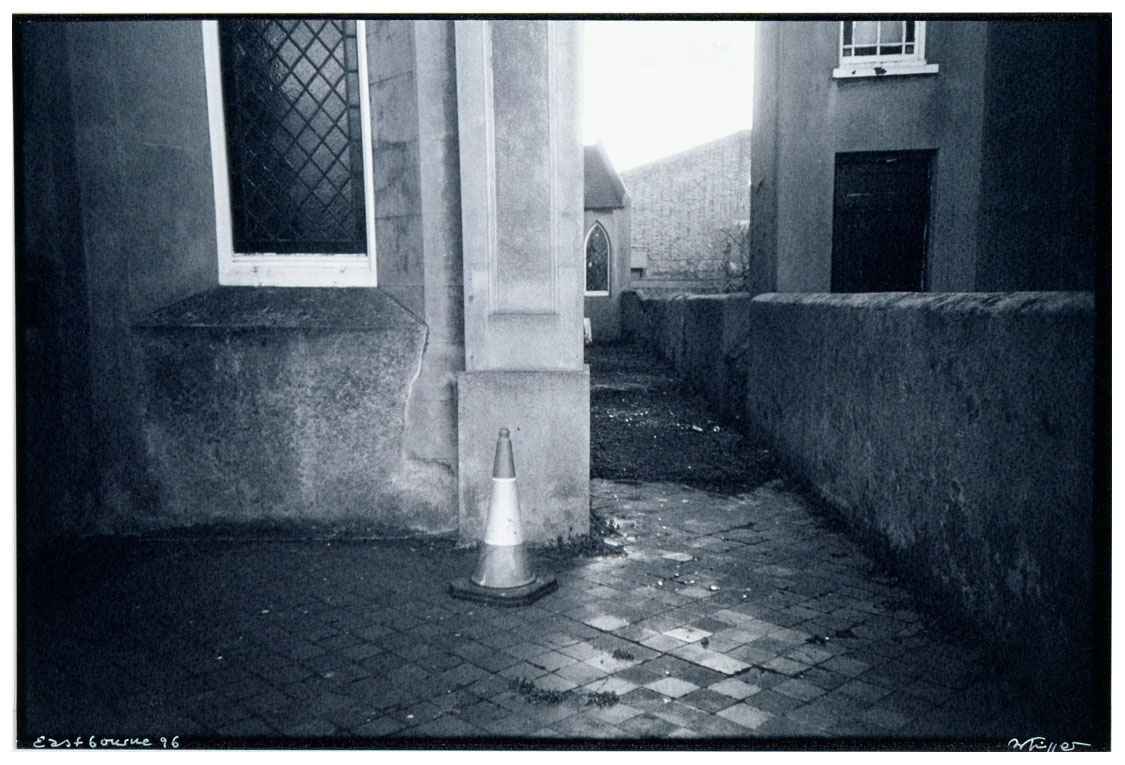
Art Ringger
 (Swiss, b. 1946) 'Eastbourne' 1996


Art Ringger
 (Swiss, b. 1946)
Eastbourne
1996
Black-and-white photograph on aluminium, embossed
20.3 x 30.3cm
Aargauer Kunsthaus Aarau / deposited by the Andreas Züst Collection


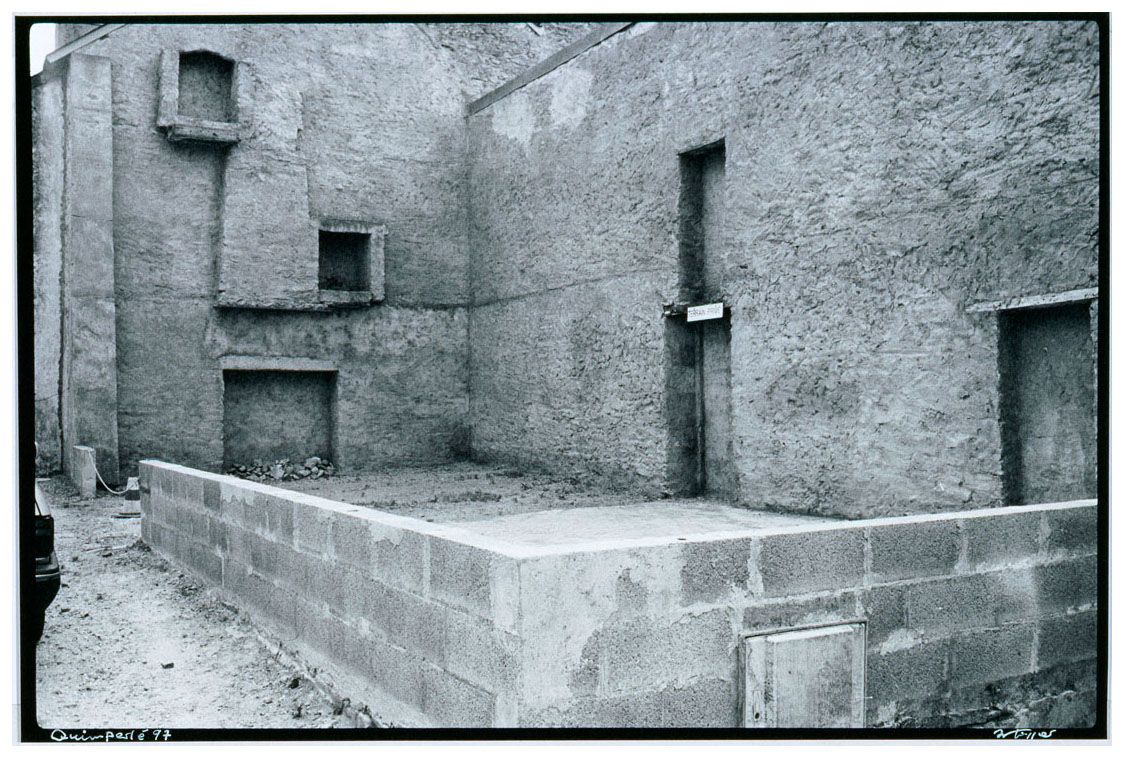
Art Ringger
 (Swiss, b. 1946) 'Quimperlé' 1997


Art Ringger
 (Swiss, b. 1946)
Quimperlé
1997
Black-and-white photograph on aluminium, embossed
19.9 x 29.7cm
Aargauer Kunsthaus Aarau / deposited by the Andreas Züst Collection


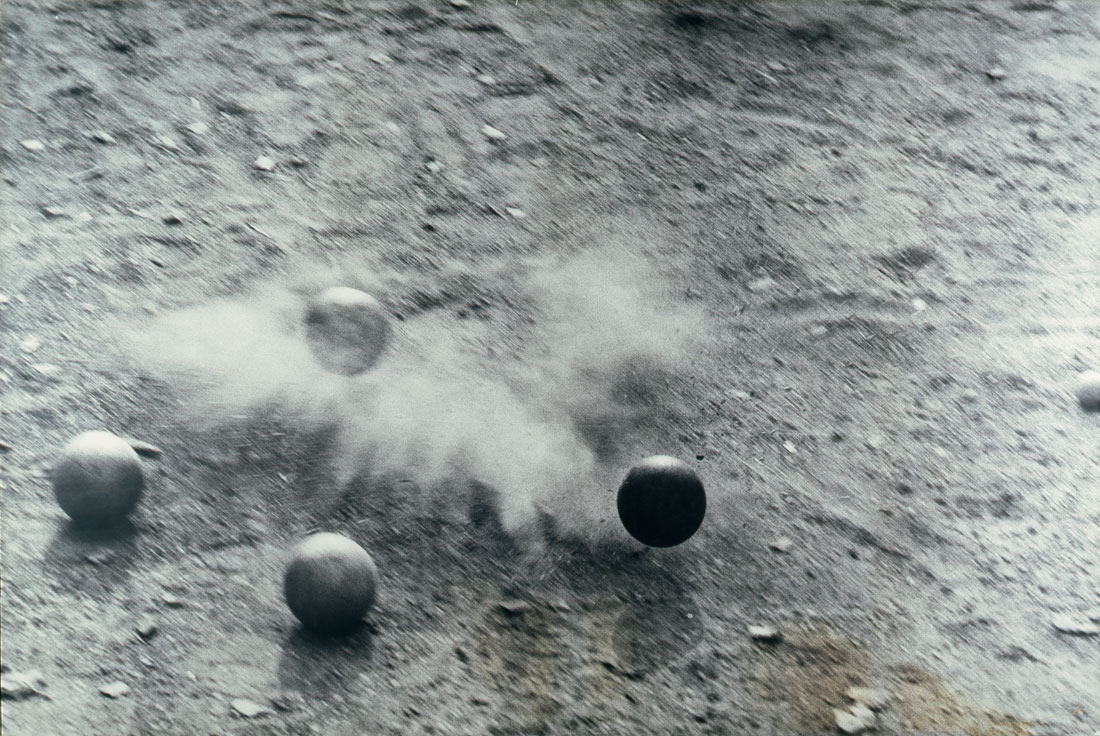
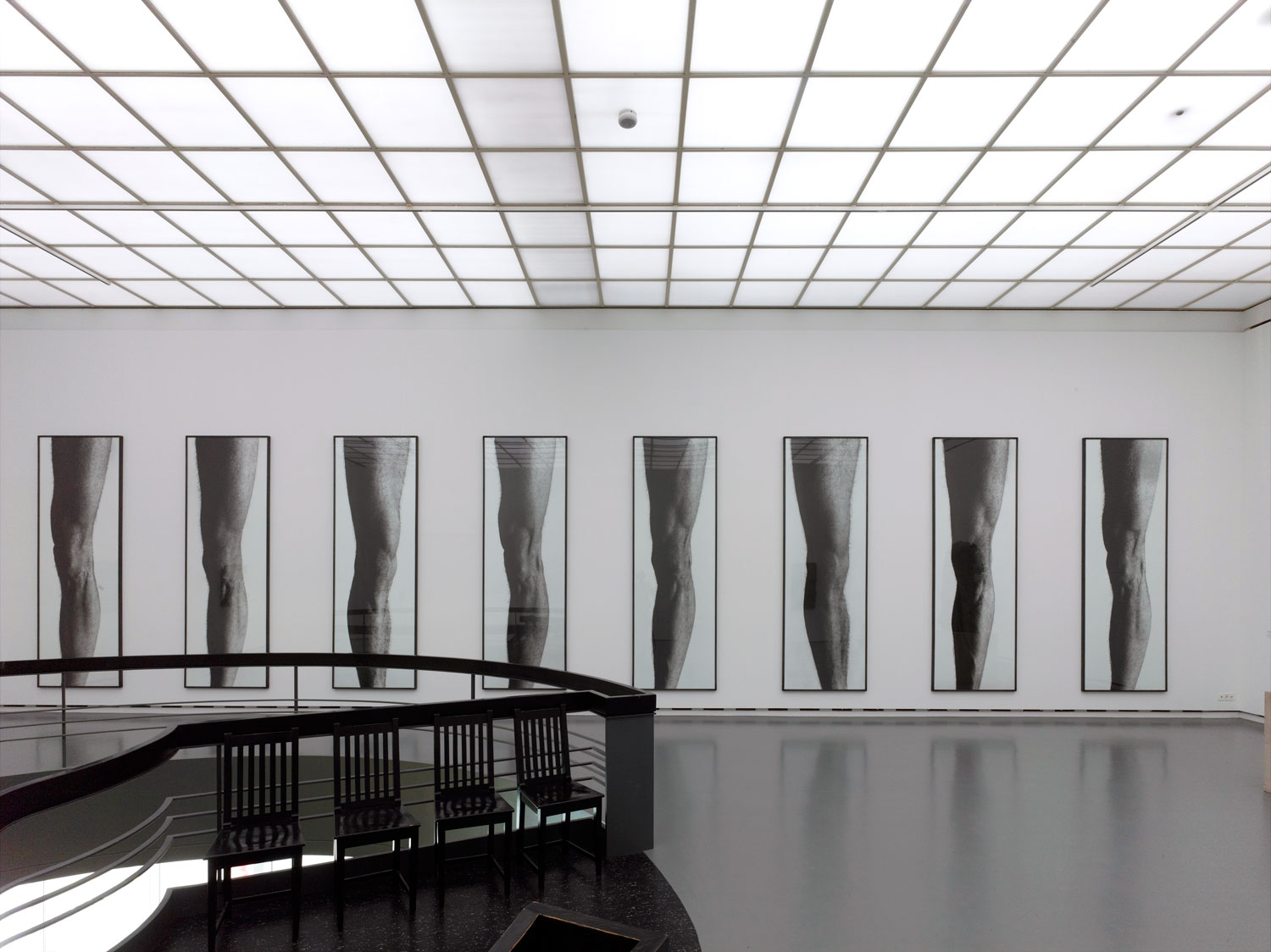
Hannah Villiger
 (Swiss, 1951-1997) 'Arbeit' 1979


Hannah Villiger
 (Swiss, 1951-1997)
Arbeit
1979
Black-and-white photograph on baryte paper, matt
125 x 189.5cm
Aargauer Kunsthaus Aarau / deposited by a private collection


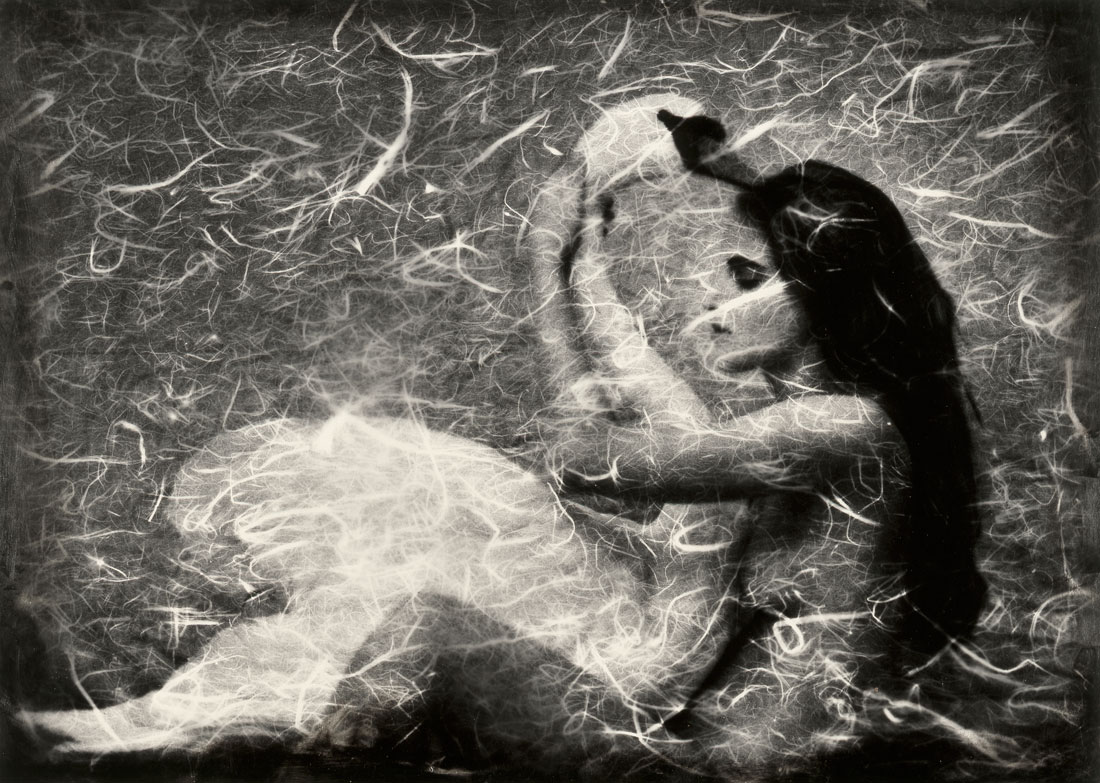
Claudia Böhm.
 'Leda' 1991


Claudia Böhm

Leda
1991
Black-and-white photograph with retouching colour on paper
40 x 56cm
Aargauer Kunsthaus Aarau / deposited by the Andreas Züst Collection


Installation view of the exhibition 
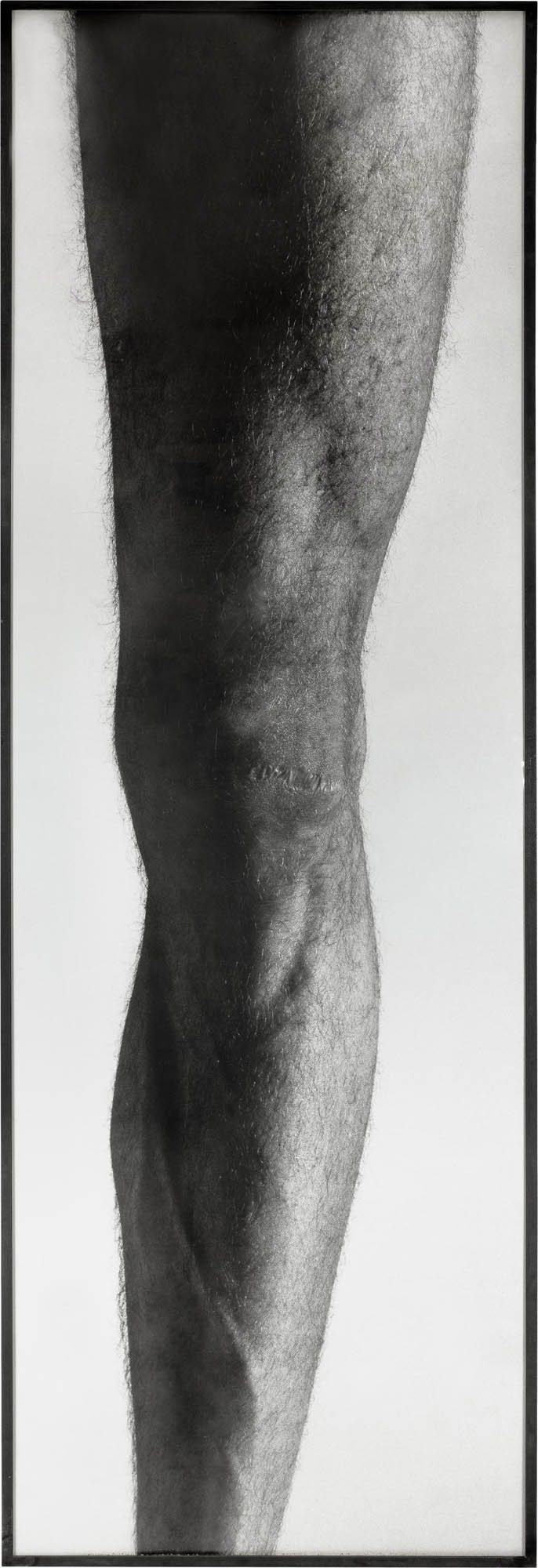
'Light Sensitive – Photo Art from the Collection' at Aargauer Kunsthaus showing photographs from Balthasar Burkhard's work 'Das Knie' (The Knee) 1983


Installation view of the exhibition 
Light Sensitive – Photo Art from the Collection at Aargauer Kunsthaus showing photographs from Balthasar Burkhard’s work Das Knie (The Knee) 1983
Photo: Dominic Büttner, Zurich


Balthasar Burkhard (Swiss, 1944-2010) 'Das Knie' (The Knee) 1983 (detail)


Balthasar Burkhard (Swiss, 1944-2010)
Das Knie (The Knee) (detail)
1983
Photography on baryta paper in original iron frame and on colour canvas
270 x 91cm, photography; 150.3 x 50.3cm, colour canvas


The exhibition Light Sensitive presents works from the rich photography holdings of the Aargauer Kunsthaus. In addition, it shows photographs of urban spaces by Andreas Tschersich and works by Bianca Dugaro.

Light Sensitive is a presentation of works from the collection of the Aargauer Kunsthaus that focuses on the medium of photography. The exhibition delves into the museum’s rich and quite substantial holdings of over 800 photographic works, sounding out core themes. In the process, two thematic focus areas come to the fore: on the one hand an exploration of the human body and on the other an examination of abstract, architectural or public space.

The 20th century has seen a major shift in the status of photography as an artistic medium, a change reflected by the holdings of the Aargauer Kunsthaus. Starting out with rather small-scale works of a documentary nature, photography graduated to photo art and today naturally takes its place among the wide range of artistic media. The exhibition Light Sensitive takes us on a journey of discovery through the collection, contrasting big names with unexpected work. A series of large-scale cityscapes by Berlin-based Swiss artist Andreas Tschersich as well as works by Swiss artist Bianca Dugaro complement the presentation.

Included in the exhibition are works by, among others Claudia Böhm, Balthasar Burkhard, Marie-Antoinette Chiarenza / Daniel Hauser, Hans Danuser, Silvie Defraoui, Achim Duchow, Olivia Etter, Nicolas Faure, Marc-Antoine Fehr, Peter Fischli / David Weiss, Katrin Freisager, Max Grüter / Patrick Rohner, Simone Hopferwieser, Markus Käch, Heiner Kielholz, Fred Knecht Engelbert, Rudolf Lichtsteiner, Urs Lüthi, Max Matter, Billy Eduard Albert Meier, Claudio Moser, Marianne Müller, Anita Niesz, Guido Nussbaum, Sigmar Polke, Markus Raetz, Ursina Rösch, Annelies Štrba, Beat Streuli, Hannah Villiger.

Press release from the Aargauer Kunsthaus website


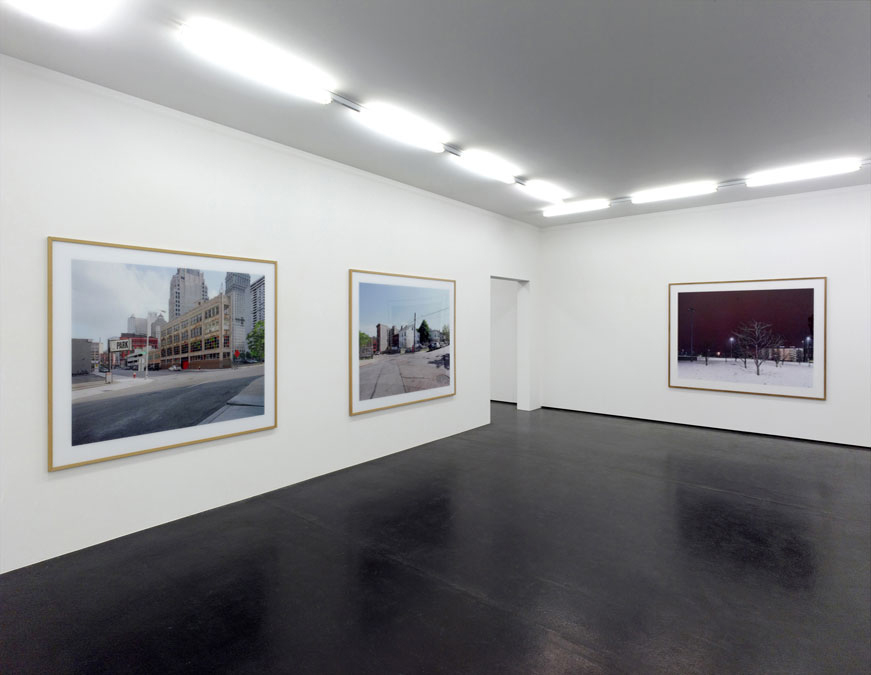
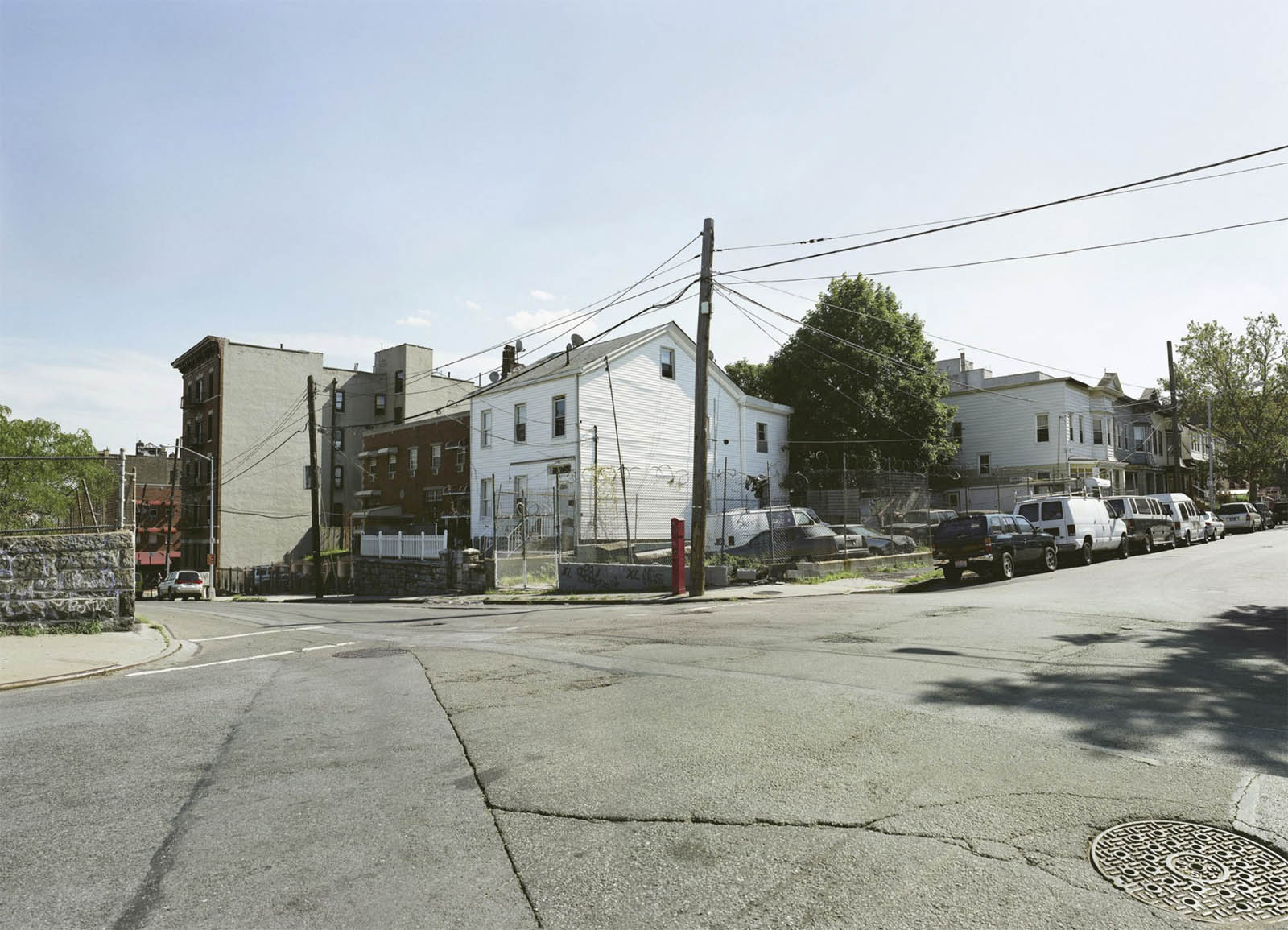
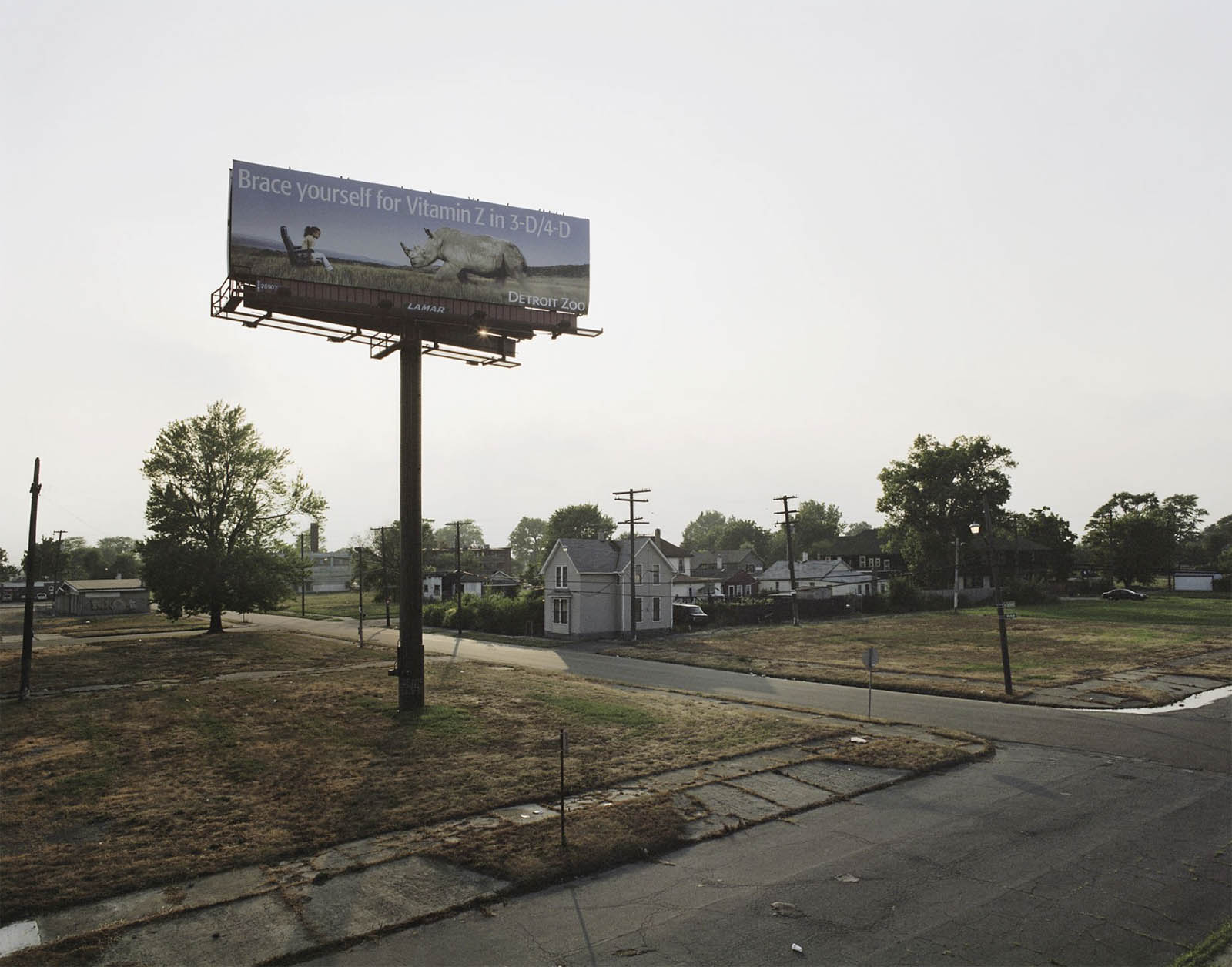
Installation view of the exhibition 'Light Sensitive: Photo Art from the Collection' at Aargauer Kunsthaus showing the work of Andreas Tschersich


Installation view of the exhibition Light Sensitive: Photo Art from the Collection at Aargauer Kunsthaus showing the work of Andreas Tschersich including at left, Peripher 1903 (Detroit) 2011 (below); and at second left, Peripher 1337 (New York City) Nd (below)
Photo: Dominic Büttner, Zurich


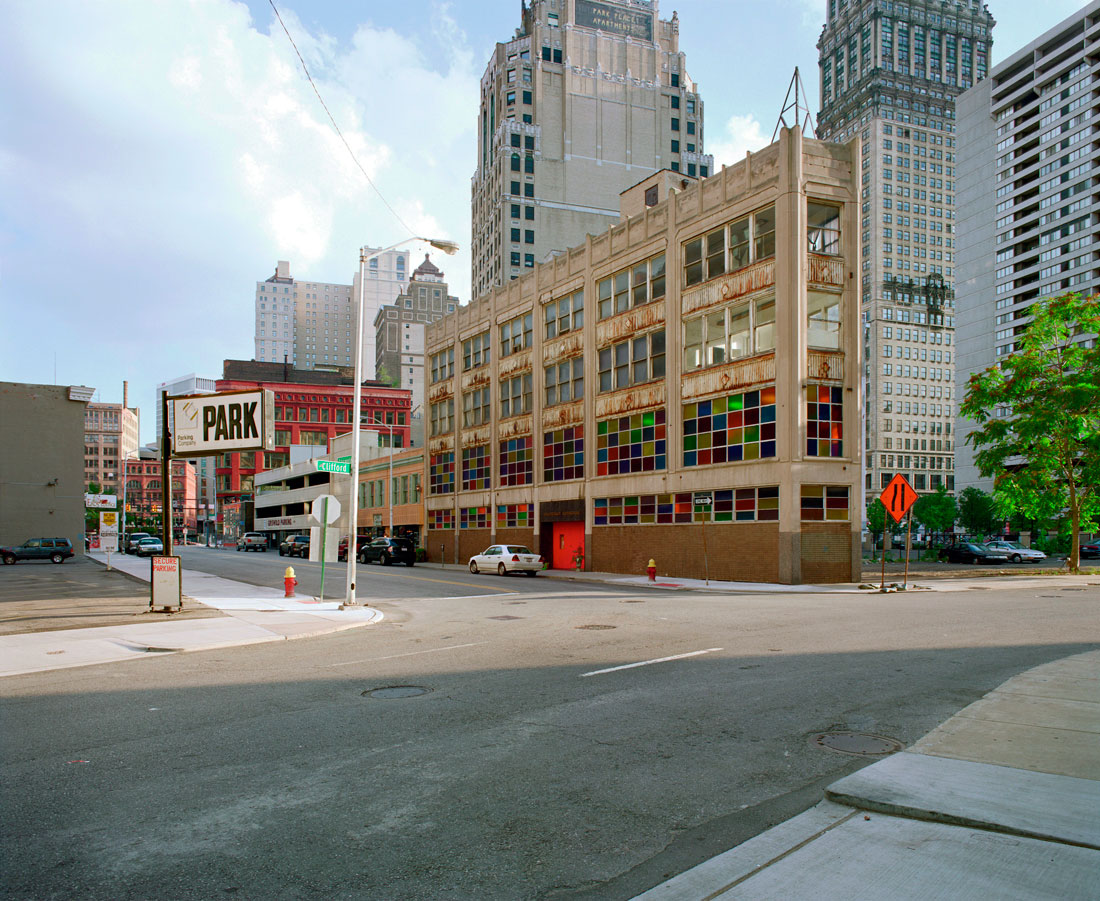
Andreas Tschersich
 (Swiss, b. 1971) 'Peripher 1903 (Detroit)' 2011


Andreas Tschersich
 (Swiss, b. 1971)
Peripher 1903 (Detroit)
2011
C-Print / Diasec
198 x 167cm


Andreas Tschersich
 (Swiss, b. 1971) 'Peripher 1337 (New York City)' Nd


Andreas Tschersich
 (Swiss, b. 1971)
Peripher 1337 (New York City)
Nd
C-Print / acrylic glass


Andreas Tschersich
 (Swiss, b. 1971) 'Peripher 1827 (Detroit)' Nd


Andreas Tschersich
 (Swiss, b. 1971)
Peripher 1827 (Detroit)
Nd
C-Print / acrylic glass


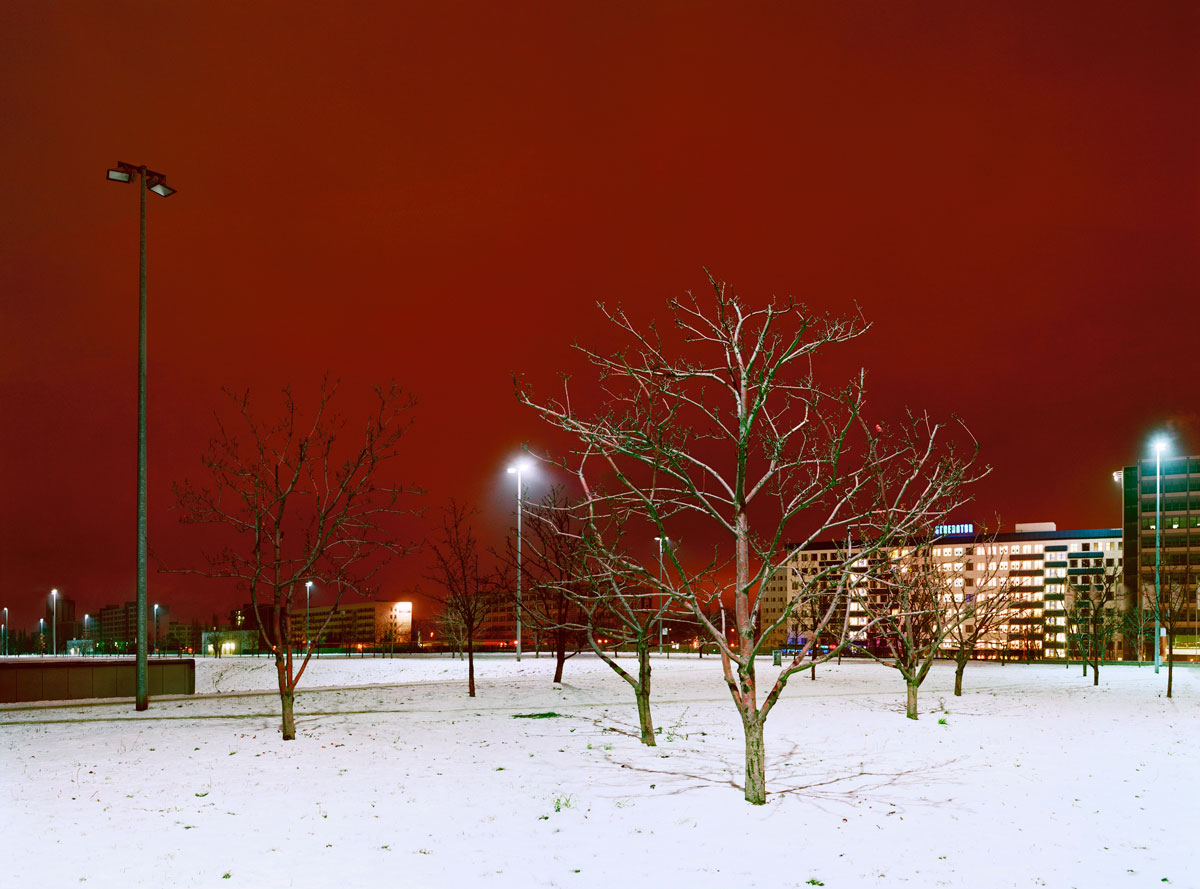
“This engagement with the place makes it become a part of me. They have kind of grown on me. This is the reason I try, whenever possible, to revisit them to see how they are going. Normally the places have become worse or are completely gone. I seem to have the right touch for disappearing places…”


~ Andreas Tschersich


Andreas Tschersich
 (Swiss, b. 1971) 'Peripher 130 (Berlin)' 2004


Andreas Tschersich
 (Swiss, b. 1971)
Peripher 130 (Berlin)
2004
C-Print / acrylic glass
219 x 170cm


Billy Eduard Albert Meier
 (Swiss, b. 1937) 'Ohne Titel' 1975


Billy Eduard Albert Meier
 (Swiss, b. 1937)
Ohne Titel
1975
Photograph on paper, 8 parts
18 x 26.5cm
Aargauer Kunsthaus Aarau / deposited by the Andreas Züst Collection


Nicolas Faure
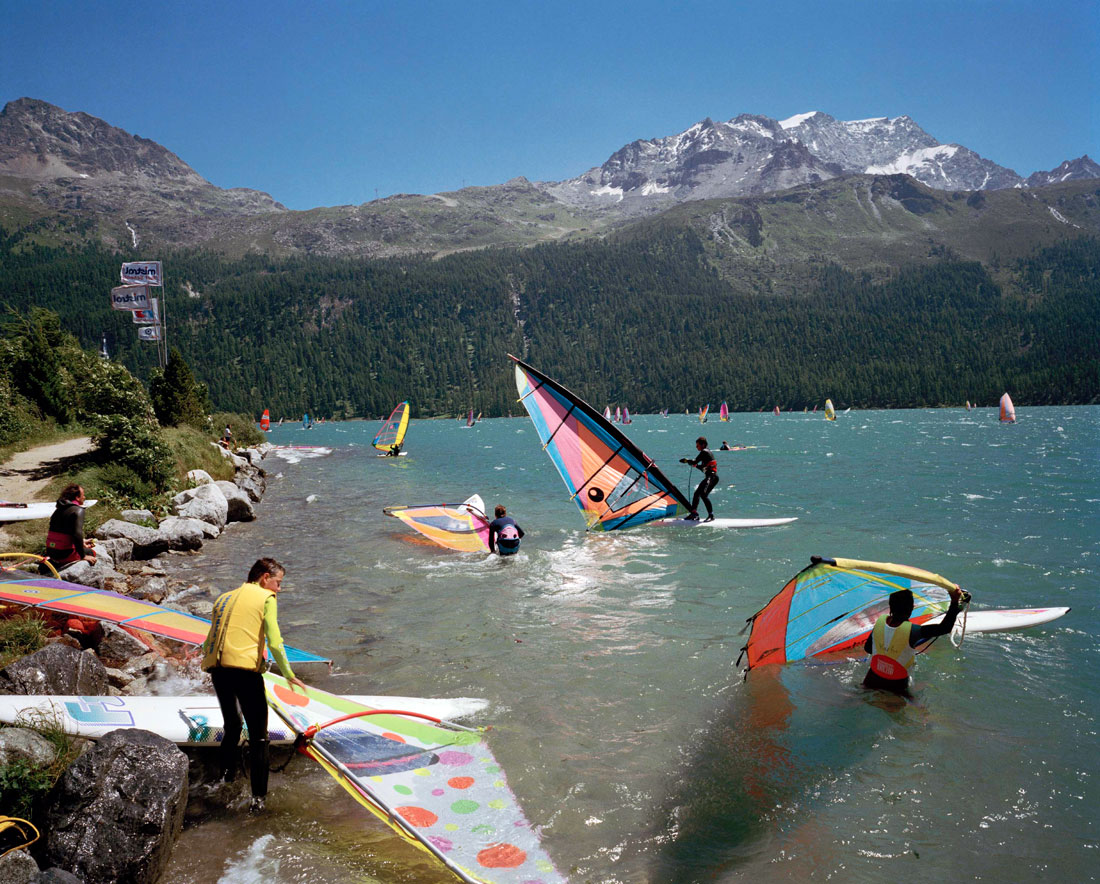
 (Swiss, b. 1949) 'Silvaplana (GR), Juli' 1988


Nicolas Faure
 (Swiss, b. 1949)
Silvaplana (GR), Juli
1988
Colour photograph on aluminium
63 x 80cm
Aargauer Kunsthaus Aarau


Nicolas Faure
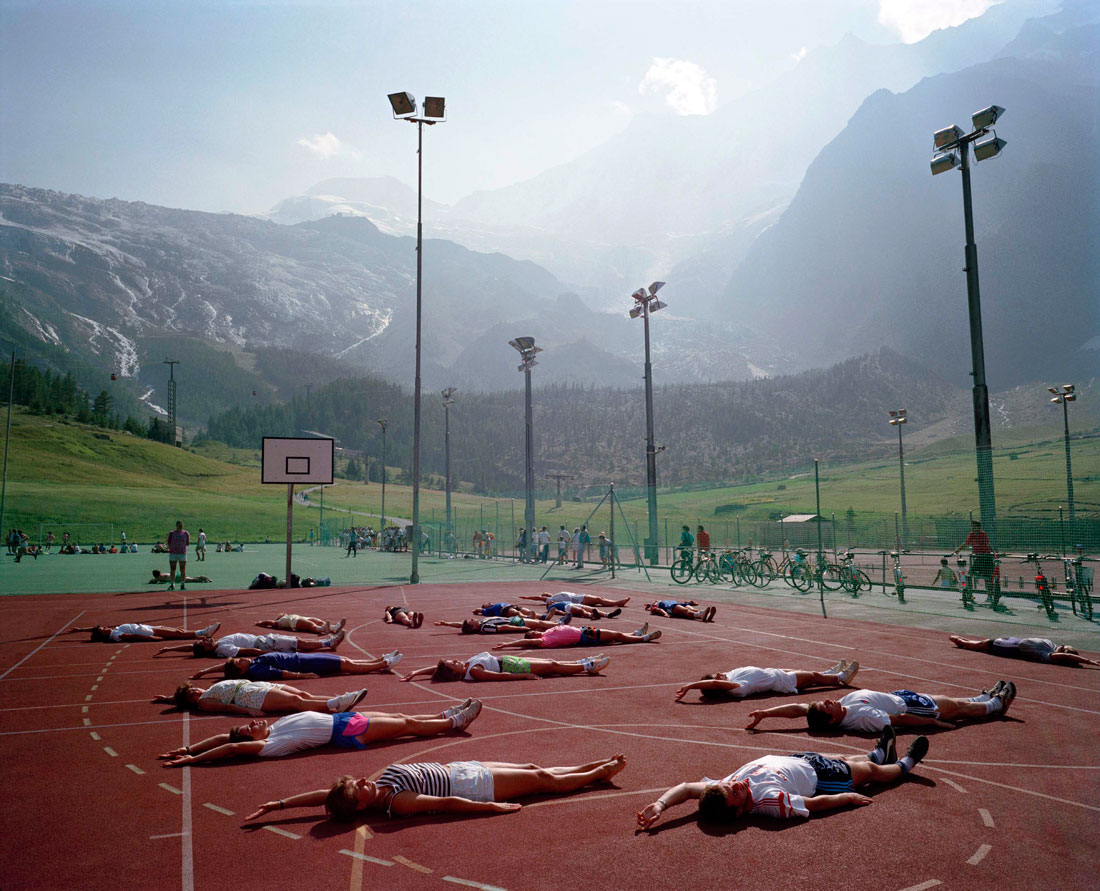
 (Swiss, b. 1949) 'Saas-Fee (VS), Juli' 1989


Nicolas Faure
 (Swiss, b. 1949)
Saas-Fee (VS), Juli
1989
Colour photograph on aluminium
63 x 80cm
Aargauer Kunsthaus Aarau


Nicolas Faure
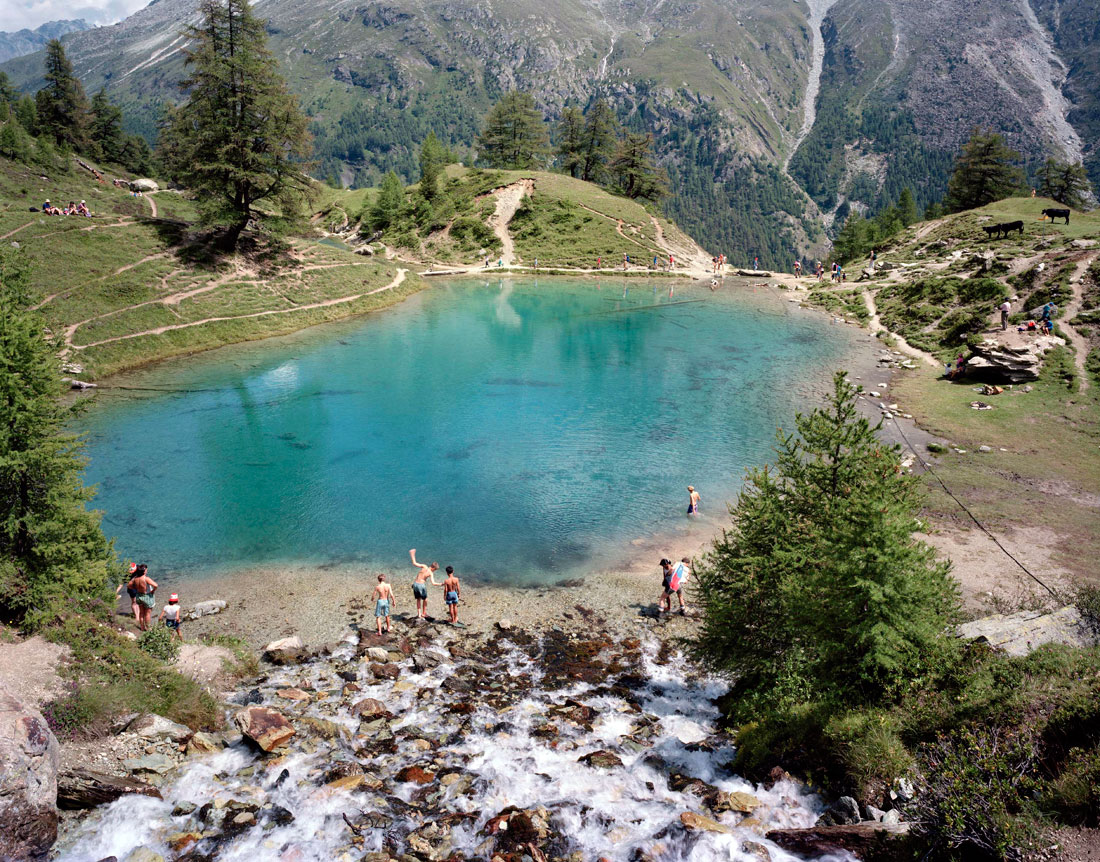
 (Swiss, b. 1949) 'Le Lac Bleu. Val d’Arolla (VS), August' 1997


Nicolas Faure
 (Swiss, b. 1949)
Le Lac Bleu. Val d’Arolla (VS), August
1997
Colour photograph on aluminium
63 x 80cm
Aargauer Kunsthaus Aarau


Born in Geneva in 1949, Nicolas Faure left his native city in 1976 to settle in New York and learn the technique of photography. Self-taught, he acquired his training by working in a lab and shooting documentary photos for publications like Time Life Books and GEO. After taking part in the 1978 group project American Vision, Faure returned to Switzerland in 1982.

Through group and individual portraits, he observed the relationship the Swiss have with clothing and popular forms of leisure (tennis, swimming pools, bicycles, etc.). In the early 1990s his art began to take shape around Swiss landscapes that had been refashioned by human beings and their activities. His body of photographic work now developed in three successive series, Pierres fétiches (fetish stones), Schweizer Autobahnen (Swiss motorways) and Paysage A (landscape A).

Text from the Collection Pictet website


Nicolas Faure
 (Swiss, b. 1949)
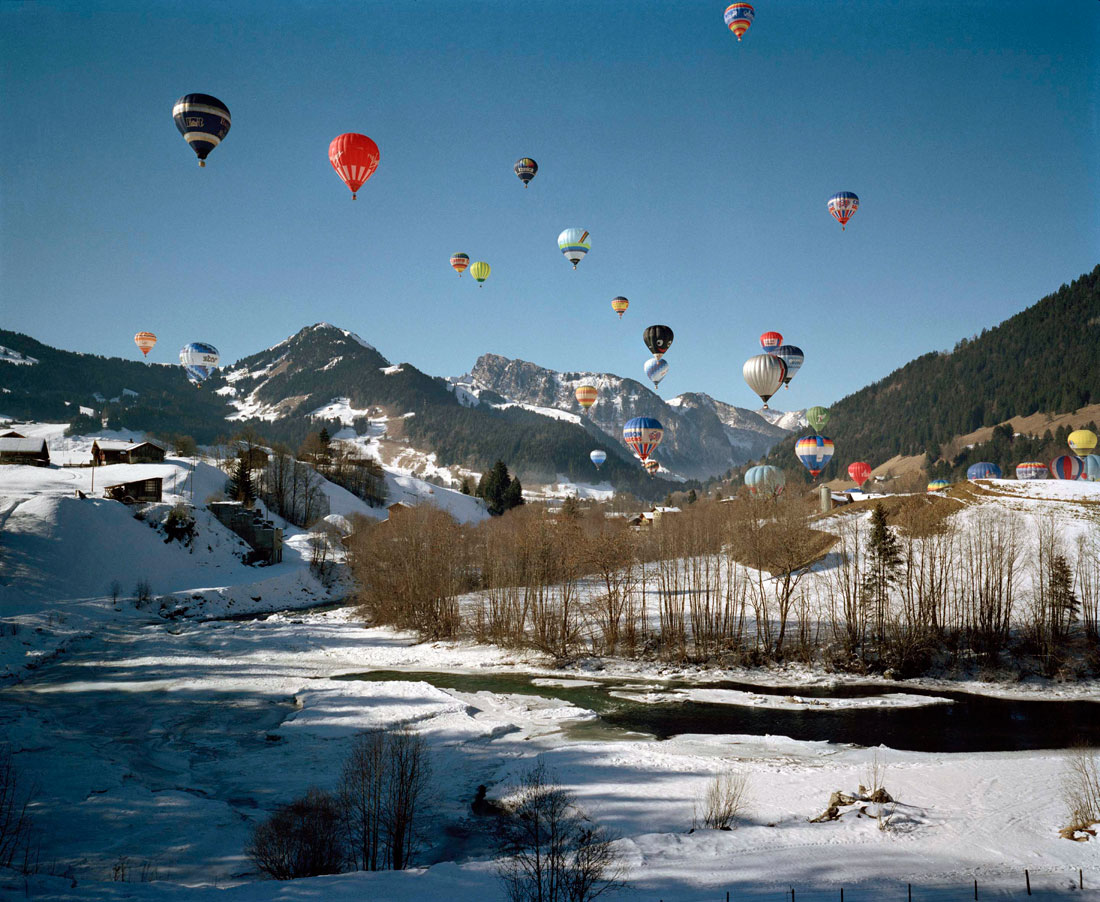
 'Château d’Oex (VD), Januar' 1989


Nicolas Faure
 (Swiss, b. 1949)
Château d’Oex (VD), Januar
1989
Colour photograph on aluminium
63 x 80cm
Aargauer Kunsthaus Aarau


Aargauer Kunsthaus
Aargauerplatz
CH-5001 Aarau
Switzerland
Phone: +41 (0) 62 835 23 30

Opening hours:
Tuesday – Sunday 10am – 5pm
Thursday 10am – 8pm
Closed Mondays

Aargauer Kunsthaus website

LIKE ART BLART ON FACEBOOK

Back to top